Italy Insider experience as Tuscany Wedding Photographer: Beyond Florence toward a human journey
Match a tailored Tuscan wedding photography package with your vision and our expertise. Move your wedding close to perfection.
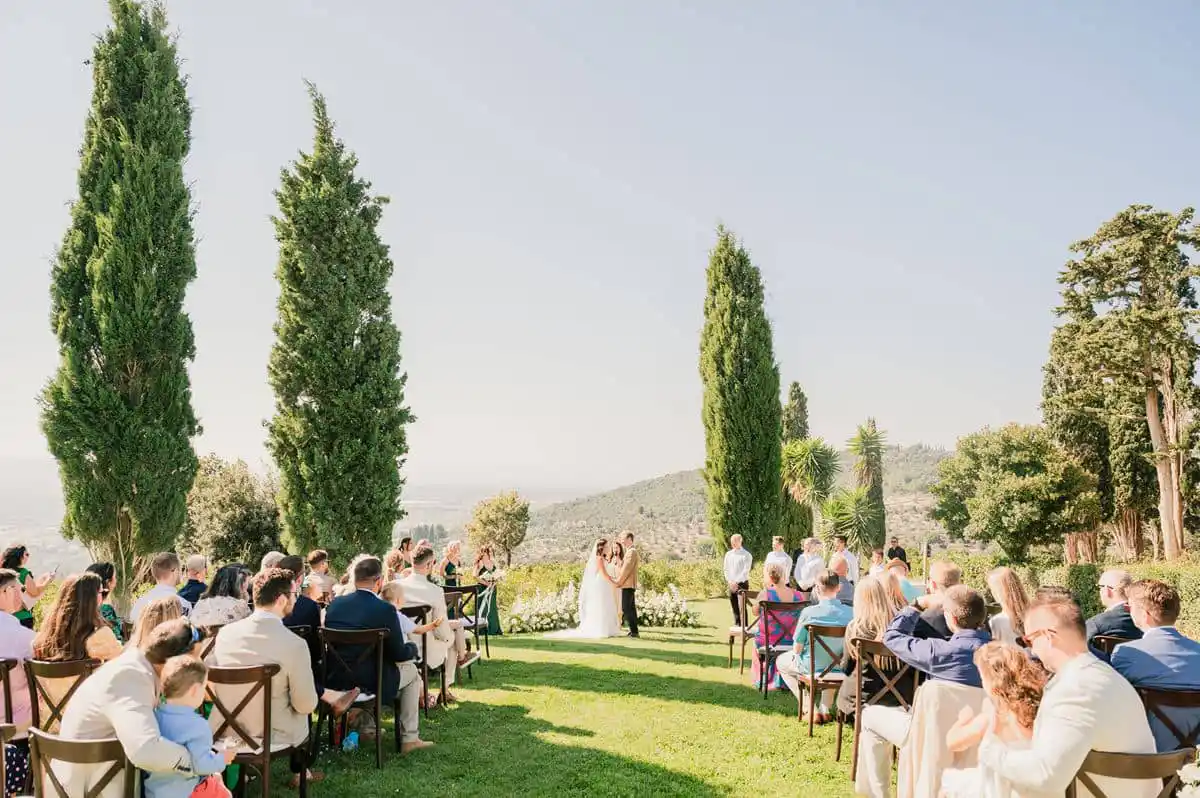
I really think you don’t need me to explain why Tuscany is the best place to get married in Italy.
Well, if I were you, I would get married here. Not because of the obvious words I could use to describe its beauty (which I bet you already know).

The Tuscans are the true beauty of their Region, followed by everything else: the culture, the art, and its immense history, then its landscape beauties, and as a photographer, I can only be inspired by the light and nature. However, I believe that in every ceremony, joy would be lacking without that sense of hospitality that characterizes Tuscan Region so much.
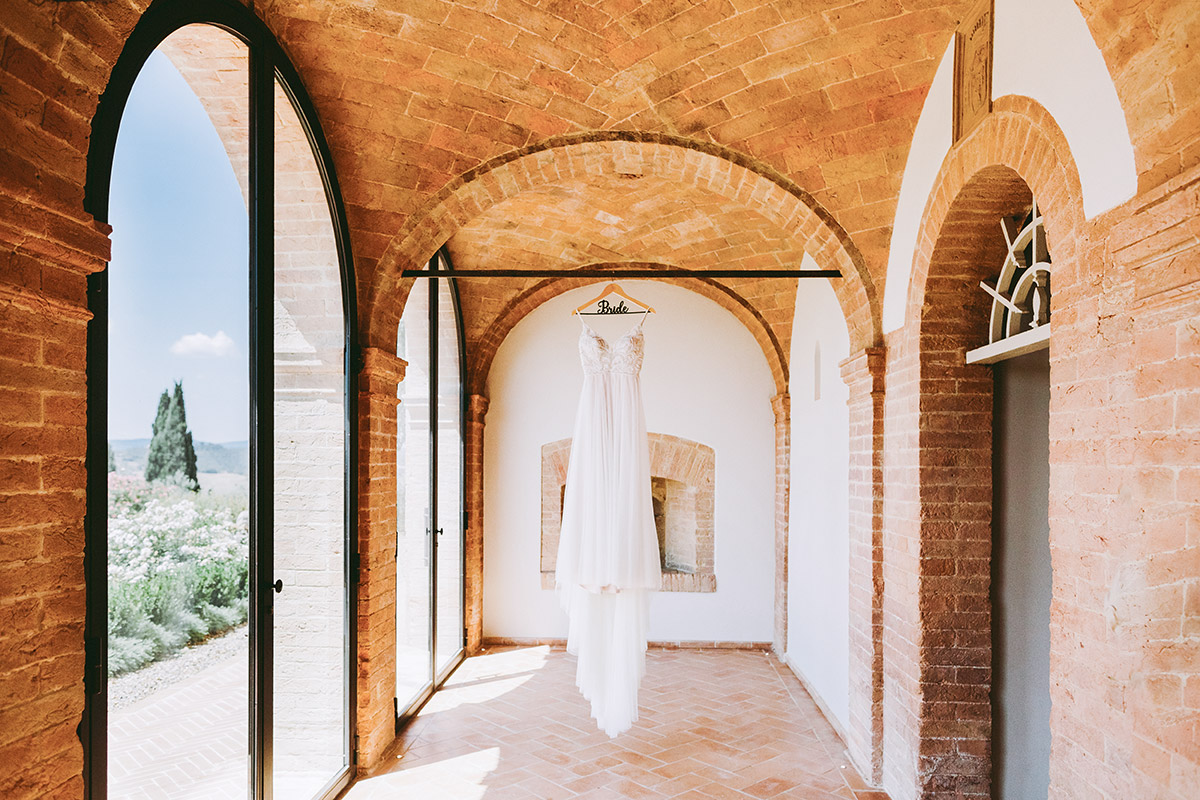
Beyond Florence: How Tuscany Inspired My Passion for Wedding Photography
One marriage, in particular, stands out for me. It was a cozy celebration at a lovely villa in Chianti. The couple came all the way from New York, dreaming of an intimate Tuscan wedding. As soon as I arrived, the villa owner, Marco, greeted me with the warmest smile. He showed me around, pointing out secret spots perfect for photos.
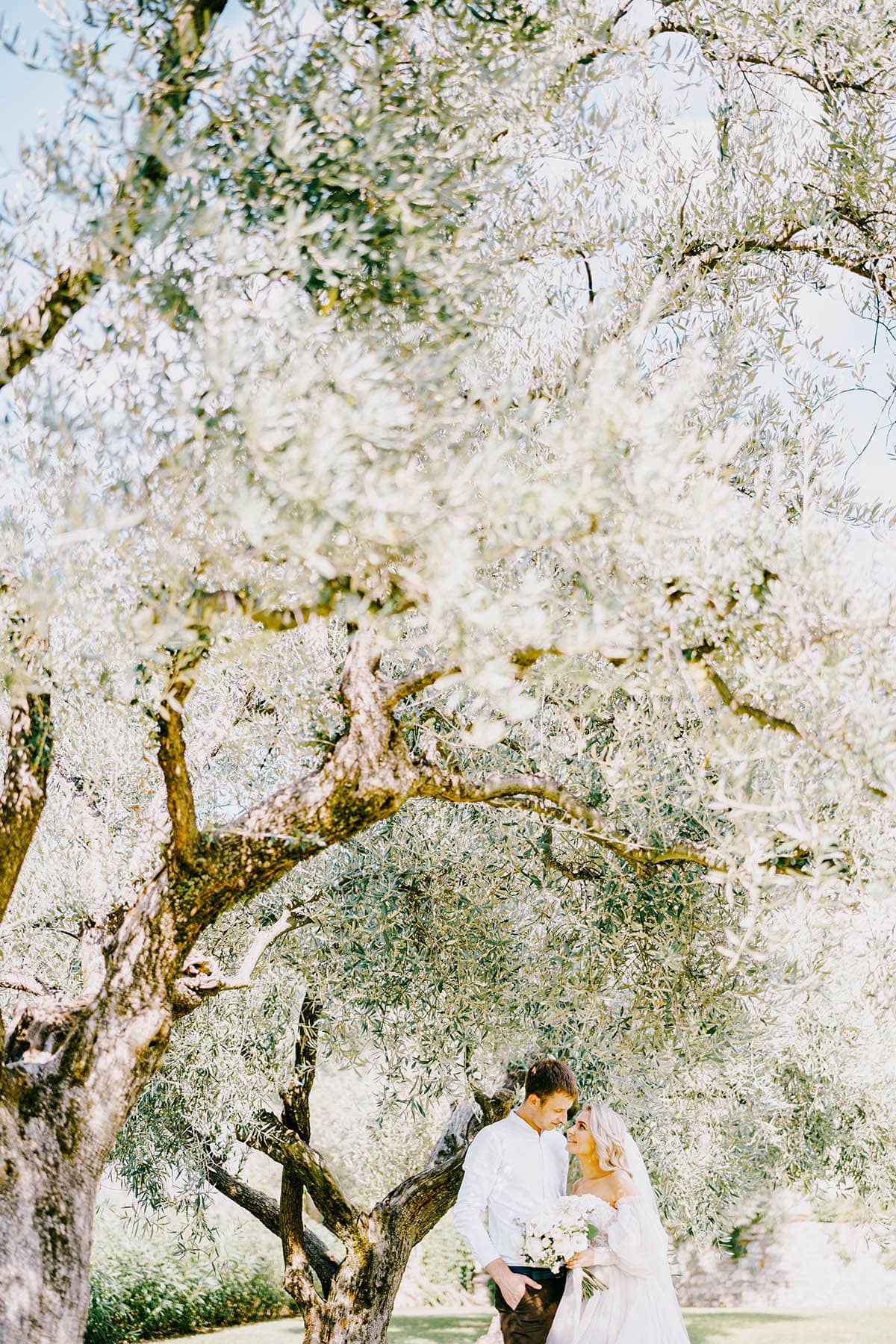
“You’ll love the olive grove at sunset,” he said. And he was so right! When the sun dipped low, the light turned golden, wrapping the couple in the most beautiful glow. That moment felt like pure magic.
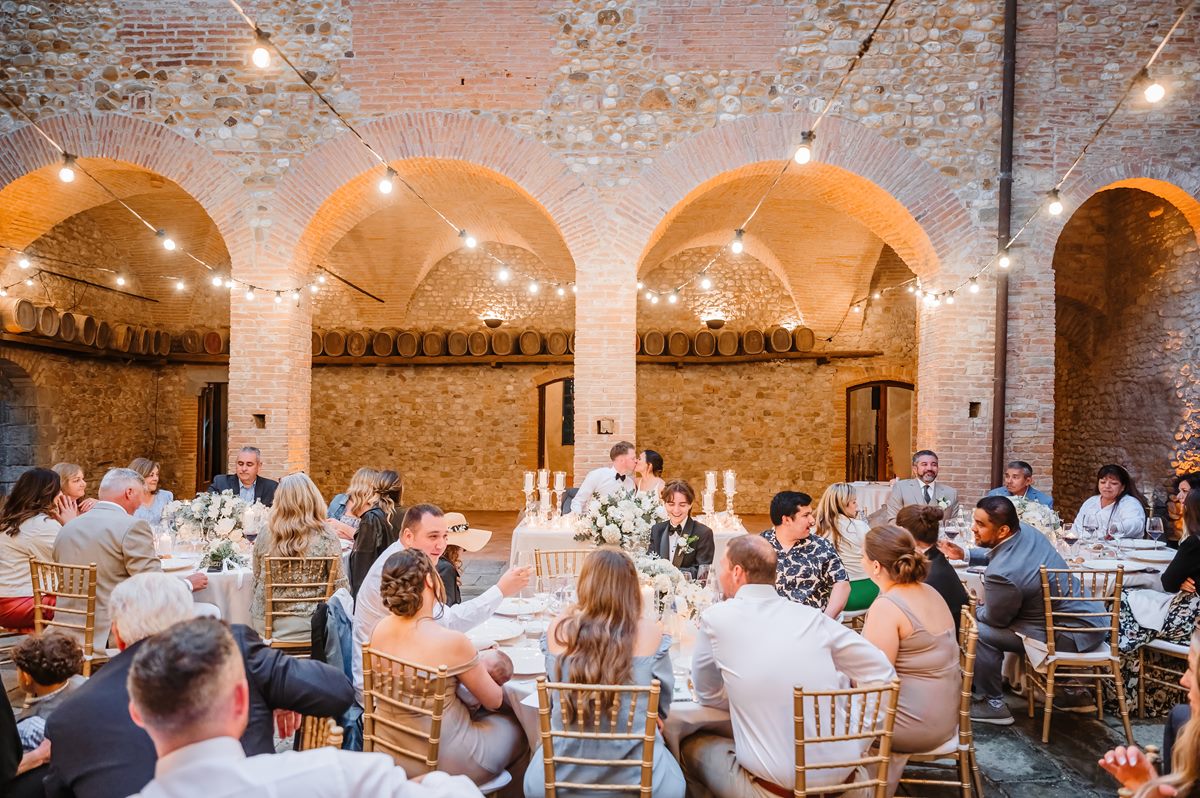
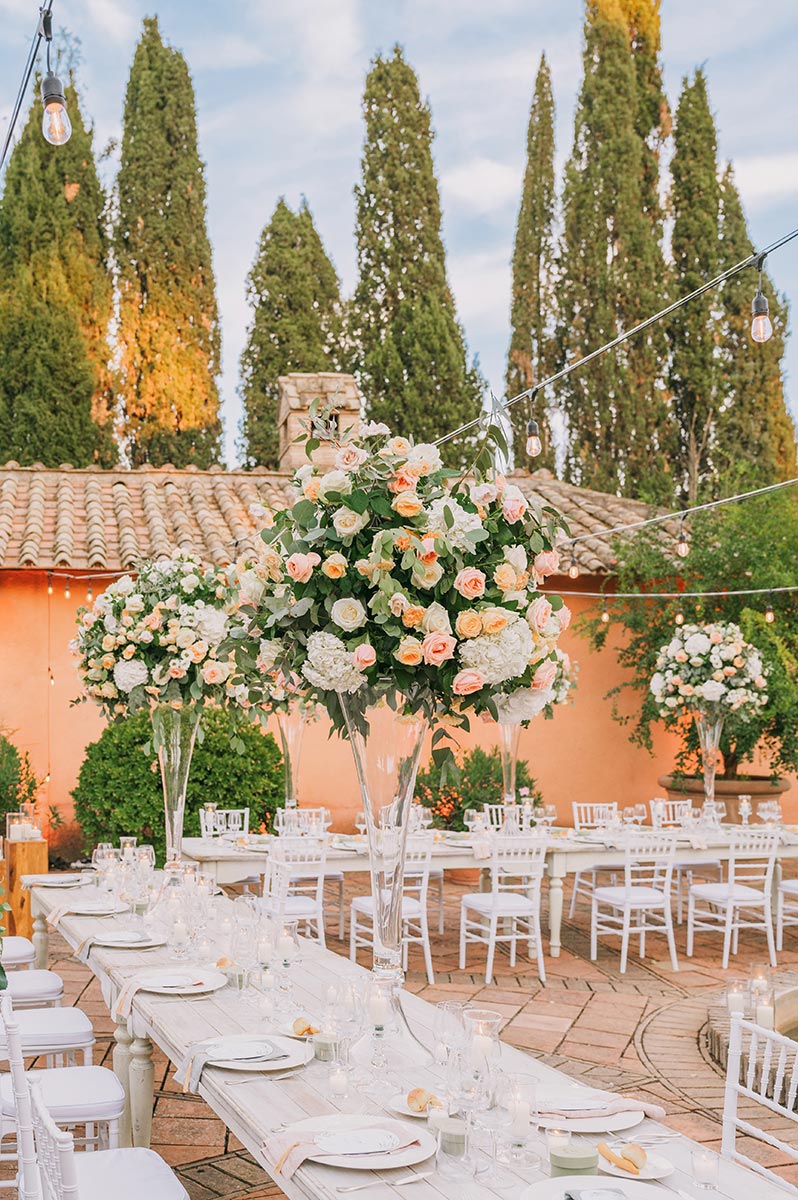
Then there was Isabella, the florist, who filled the terrace with stunning flower settings. She was so passionate about her work, and it showed.
She even shared little stories about the flowers she chose and how they symbolized love and celebration. The couple was so touched, and capturing their reactions made my heart sing.
What amazed me most was how everyone (from Marco and his team to Isabella) worked together to make to turn their experience as couple, and mine mine as wedding photographer in Tuscany in something so special.
They were pouring their hearts into it, rather than just working. The atmosphere was full of laughter, love, and genuine joy.
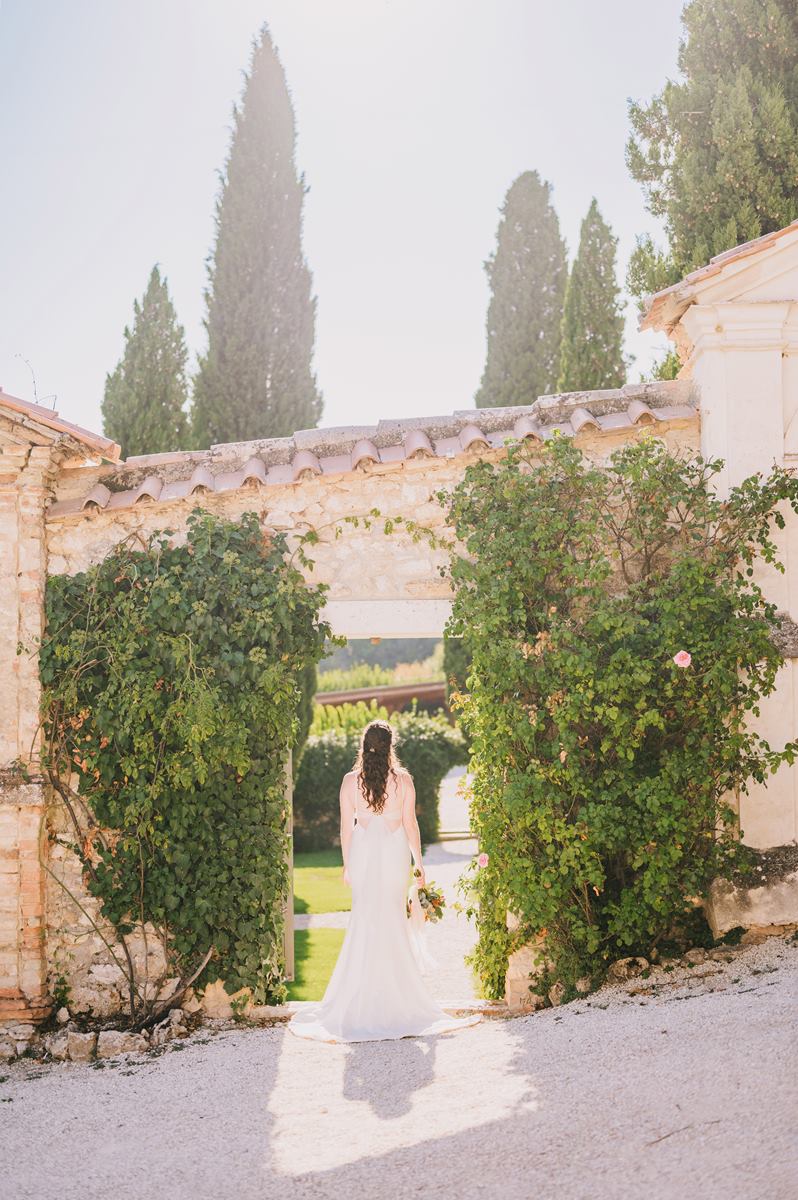
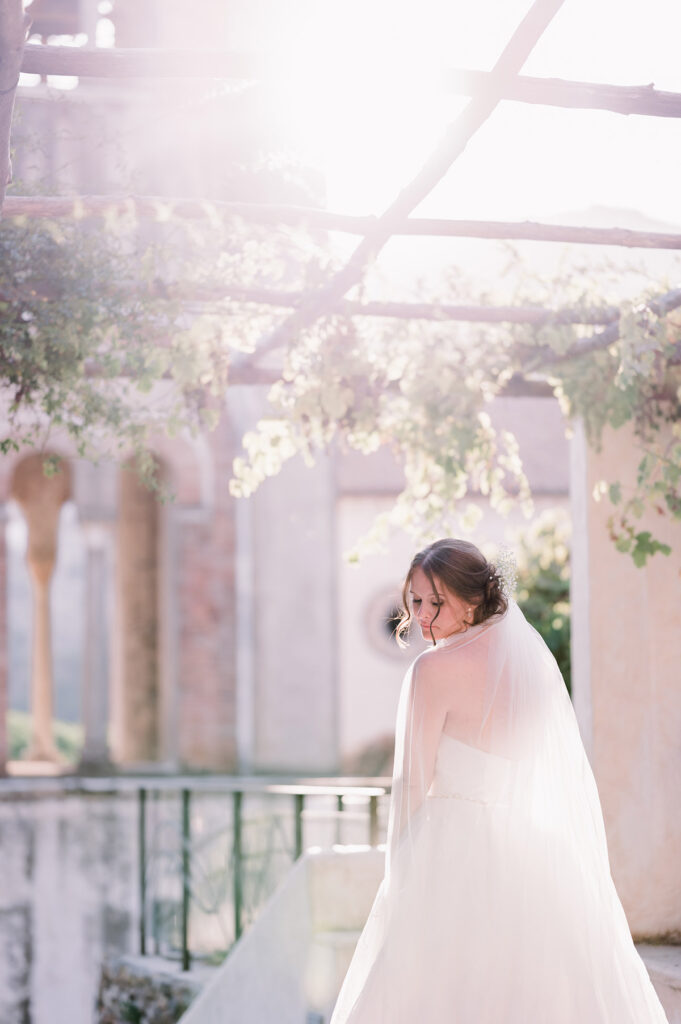
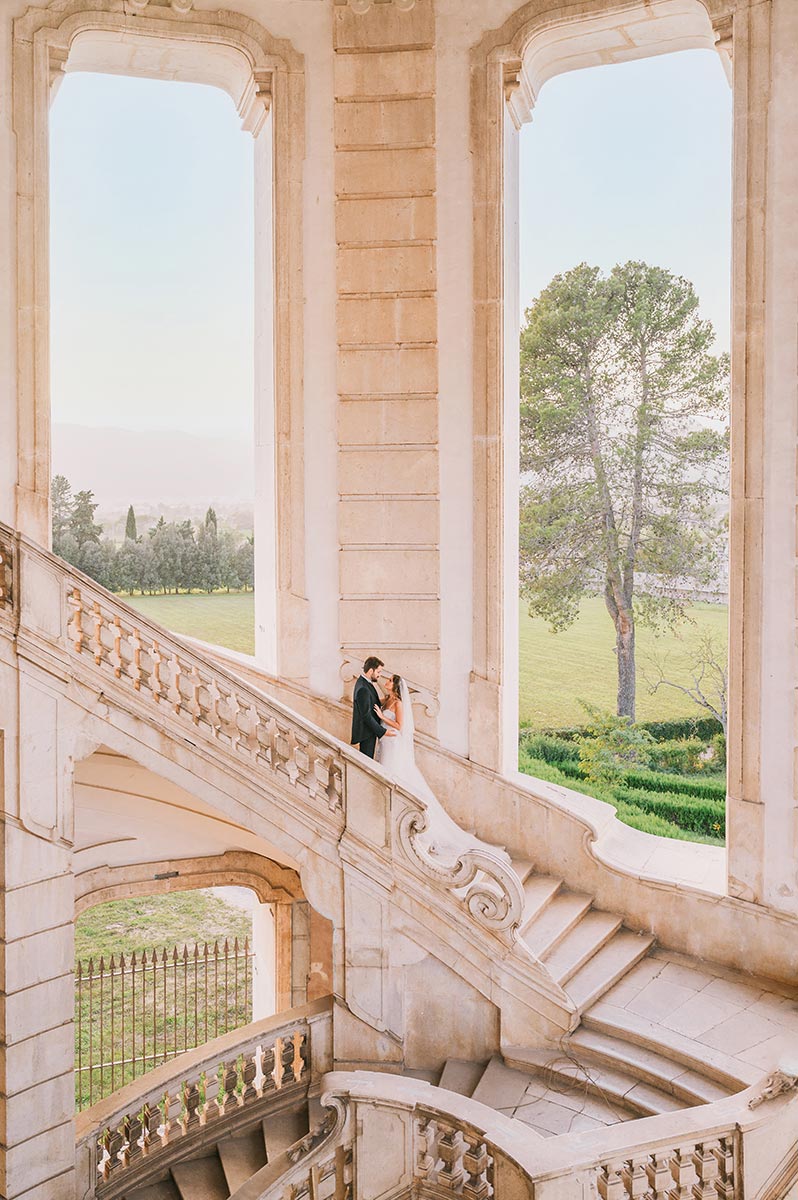

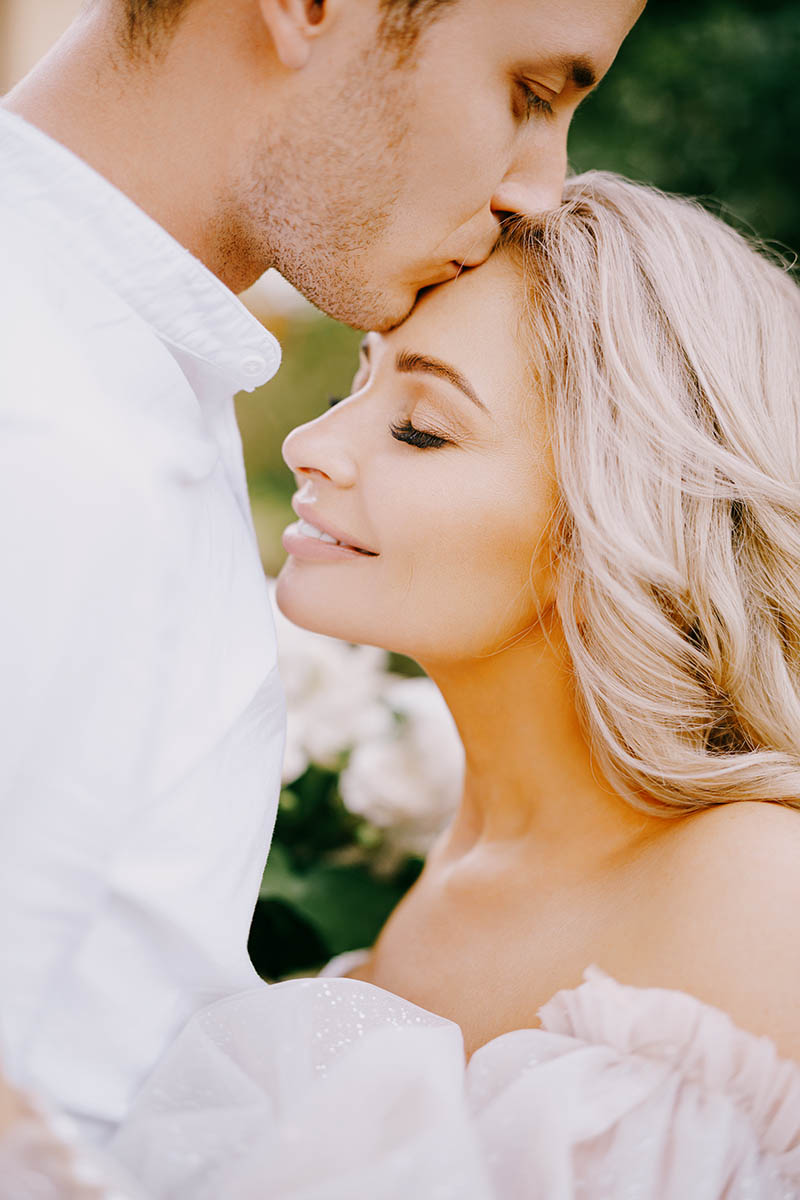
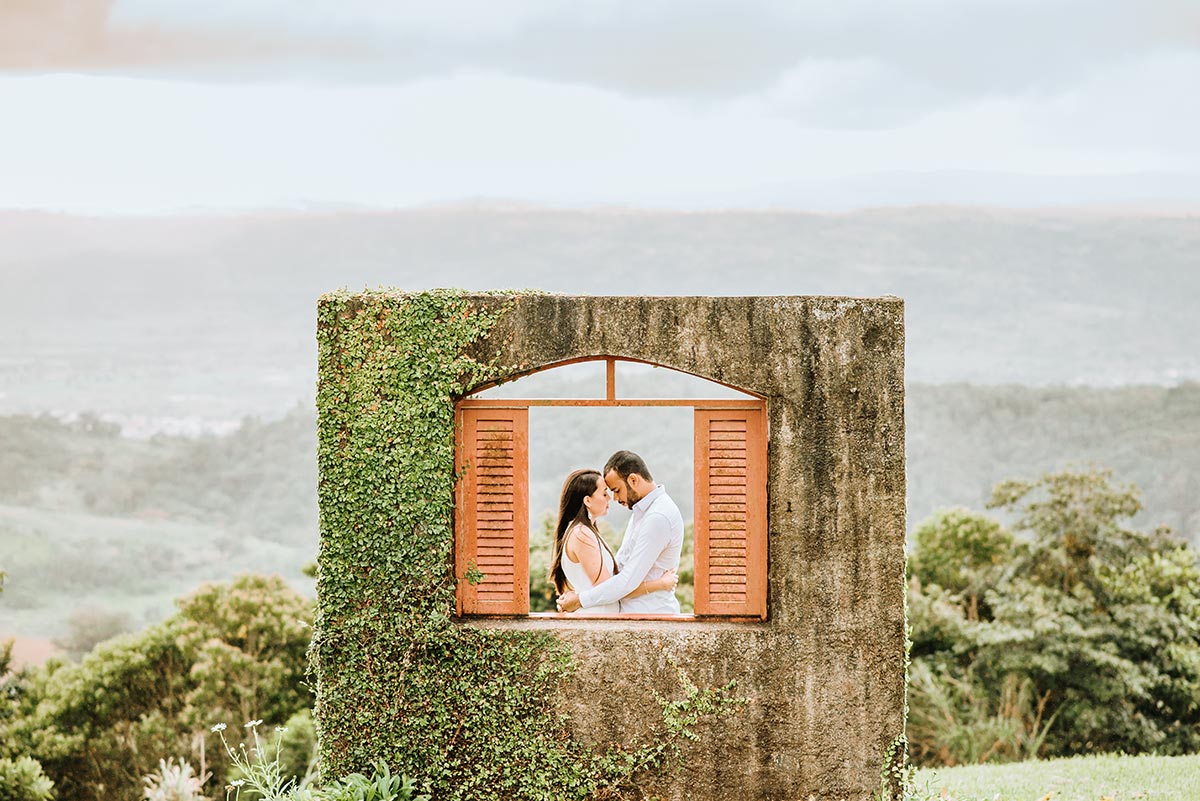
This is why I adore photographing weddings in Tuscany. It’s not just about the spectacular views (though they are incredible!). It’s the warmth of the people, the traditions, and the way everything comes together to celebrate love. Every time I come back, it feels like I don’t want to leave. If you’re dreaming of a Tuscan wedding, trust me, it’s even better than you can imagine. And I’d be honored to capture every magical moment for you!
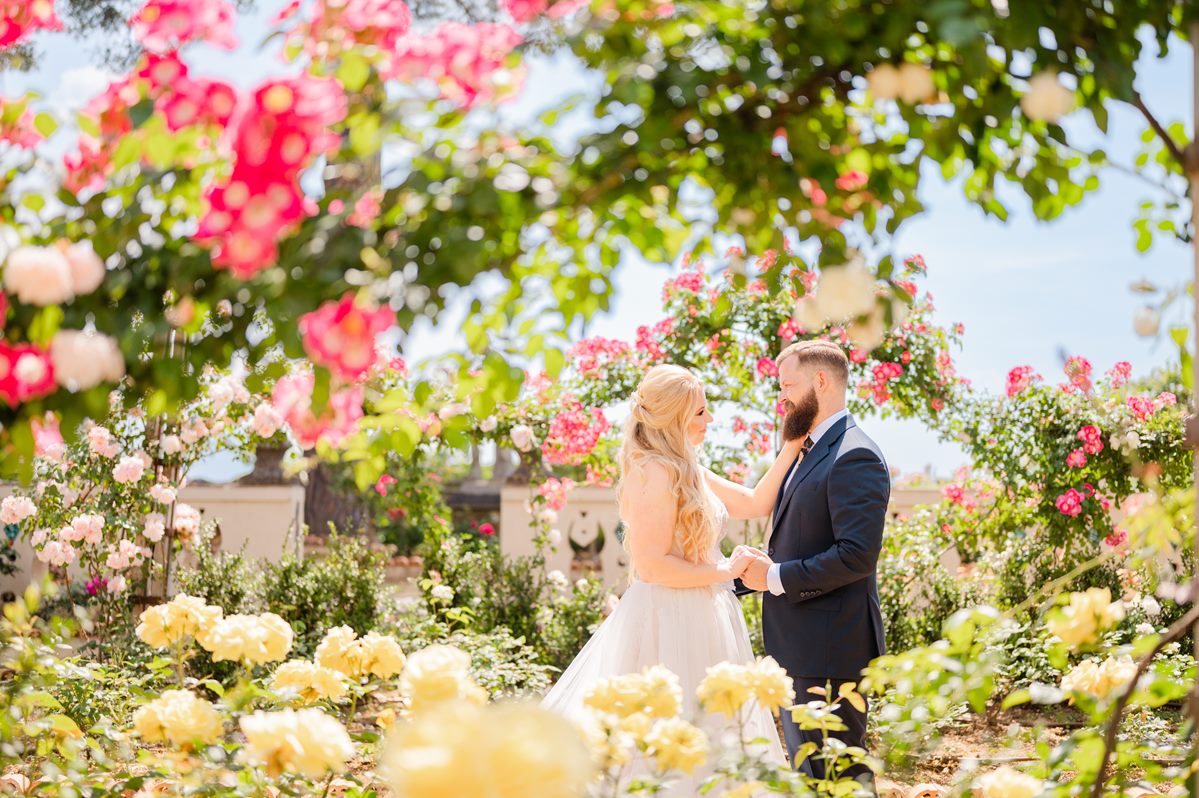
What I have learnt by Tuscany in my destination wedding photographer life
I could tell you many stories of my experiences as Italian wedding photographer based and not, but It’s quick if I tell you what I have learnt and I wish you can perceive by my portfolio:
I aim to give back to my couples the atmosphere the day as well as the pure memory and storytelling. I have to go further the candid moments, although I am obsessed in ensuring every moment is beautifully documented by any professional photojournalist should do.
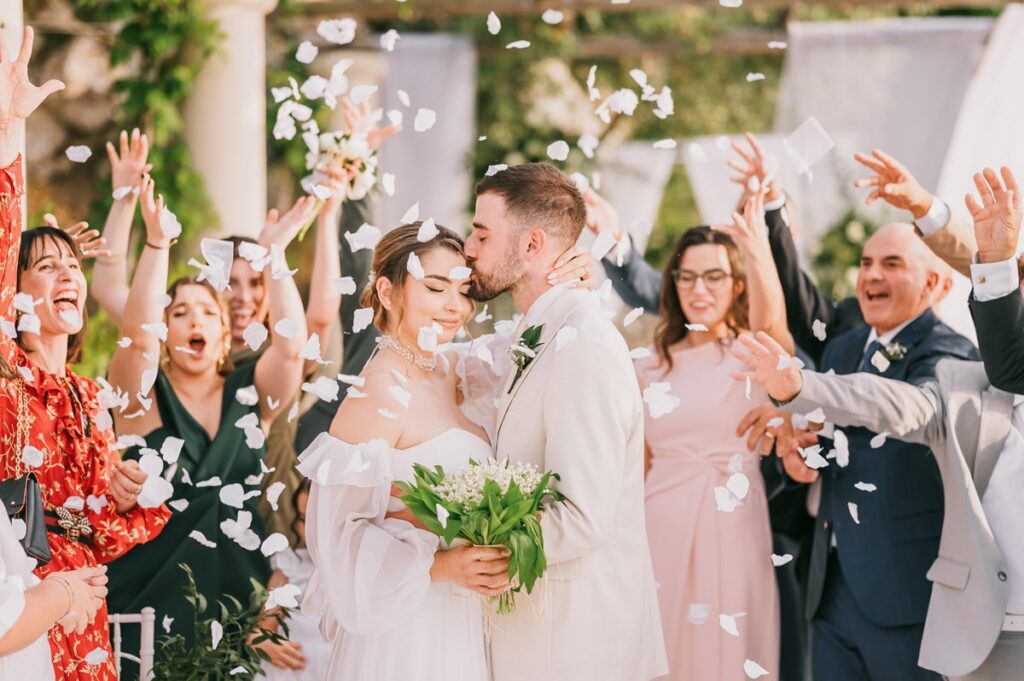
On the other side, I feel the need to go beyond that. I want to establish a connection with people, otherwise they won’t share a meaningful slice of them with me. They won’t share a portion of who they really are.
I have learnt that I am positively obsessed with taking pictures 🙂
How an Italy wedding photographer based can help you with venues in your best day
Many couples search online for inspirational photos to understand what they are most attracted to. It is becoming increasingly common for the right photographer to be chosen before booking the venue where the union will take place.
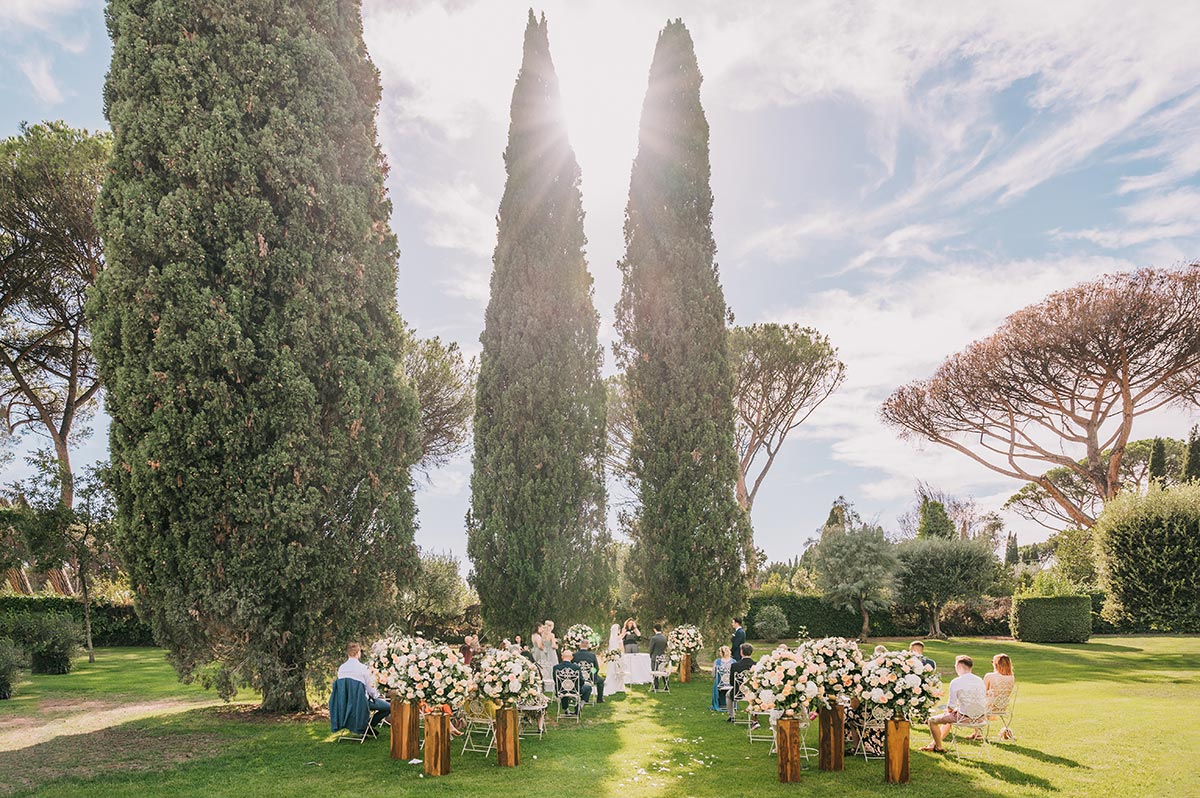
Having established a trusting relationship with the photographer, couples then ask them which venue is most suitable for their needs, and they also seek advice on other vendors.
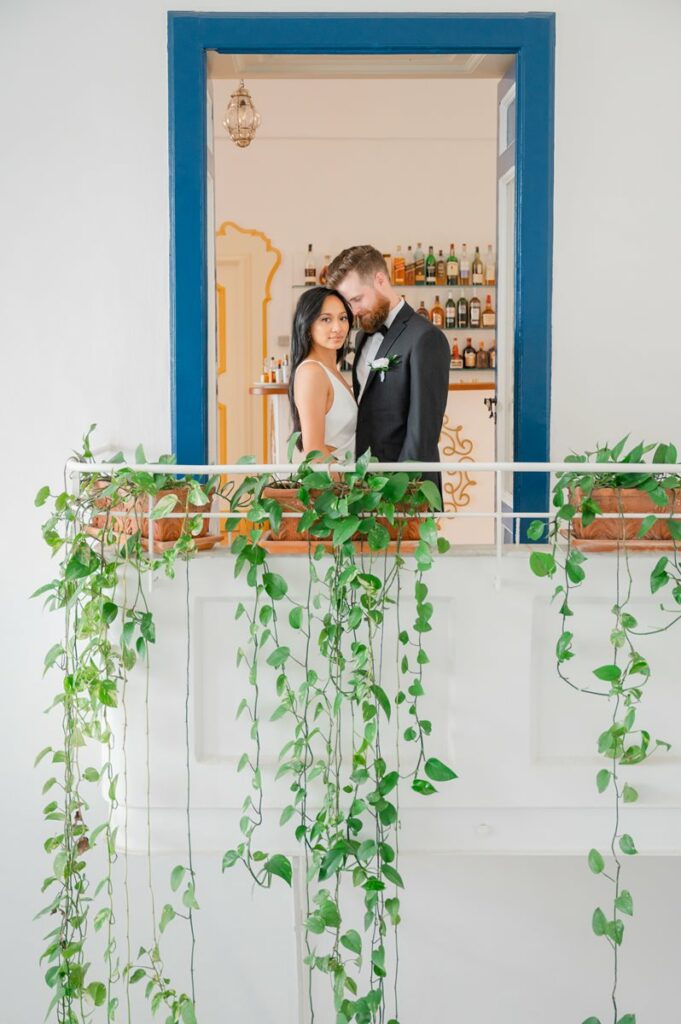
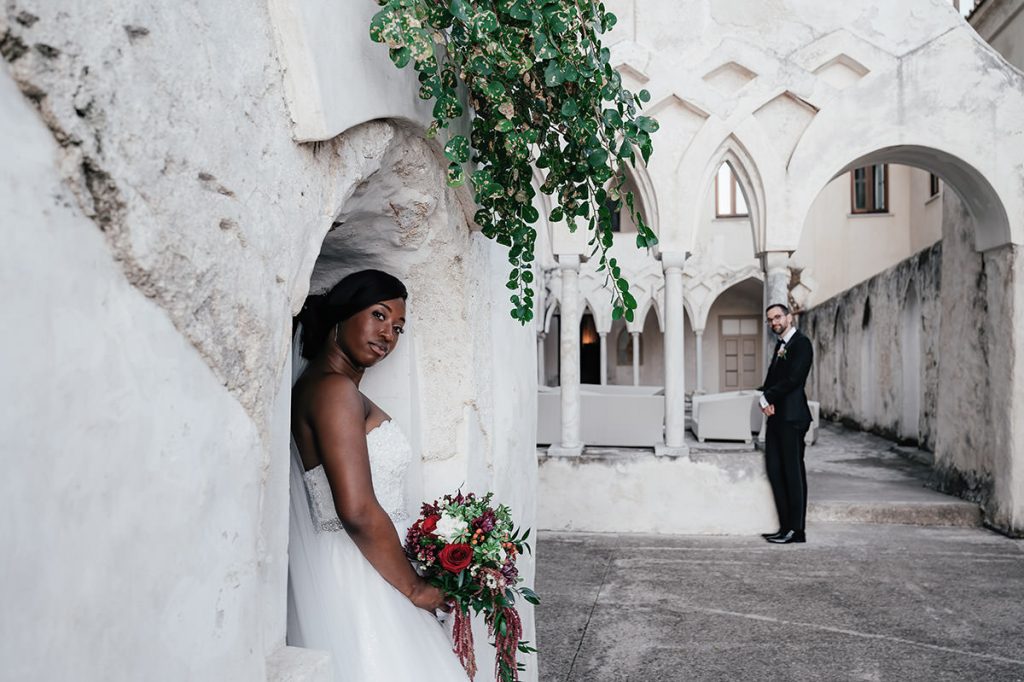
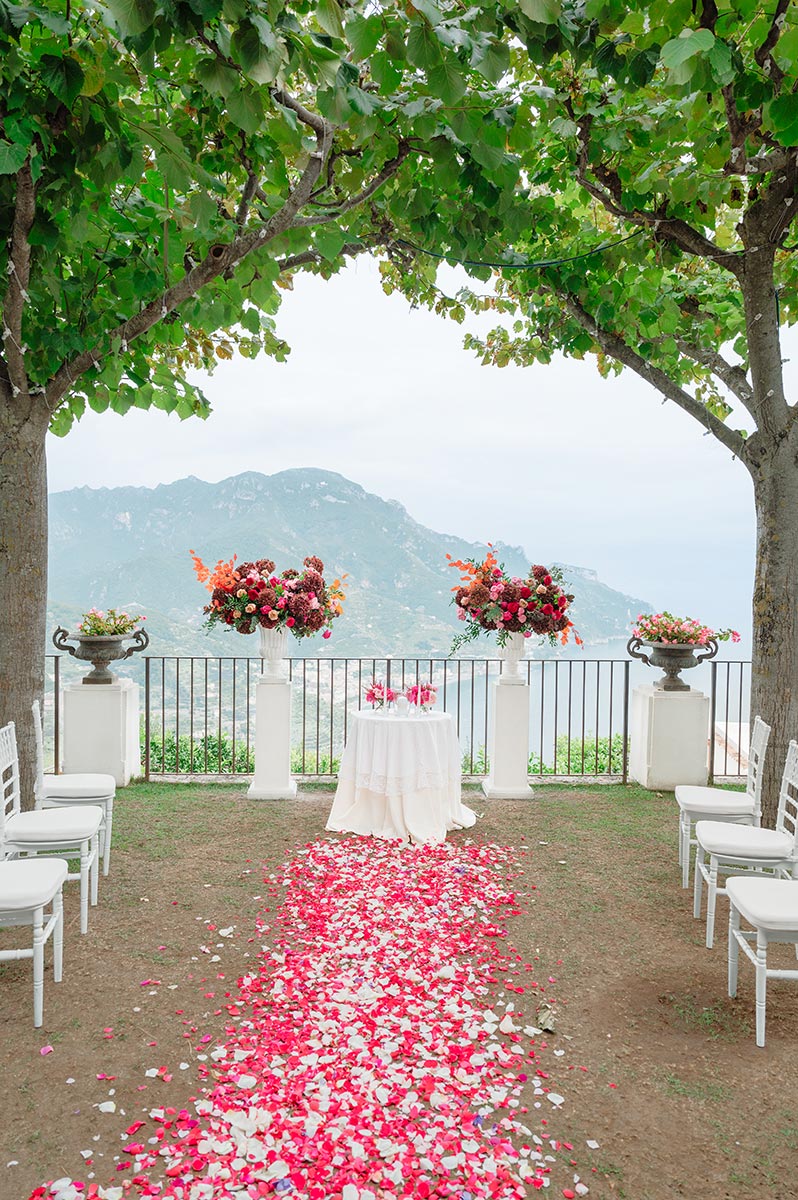
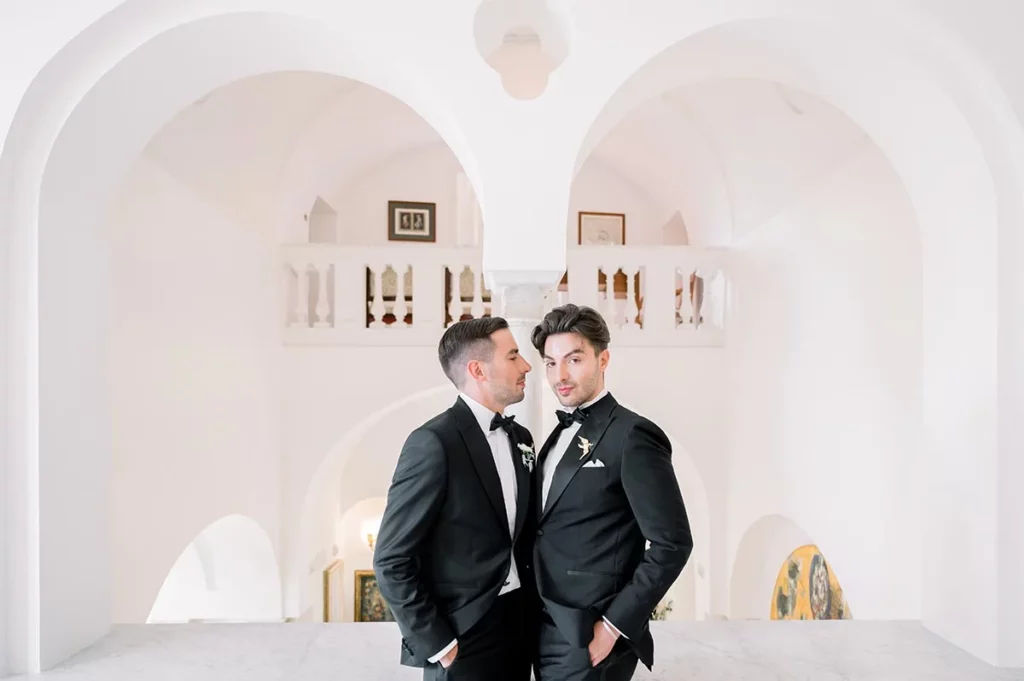
I would like to provide some useful tips for navigating Tuscan landscape. I’d like to start dividing the Region in 4 main areas that are relevant for marriages. I excluded Florence as it’s the main famous city and I wrote an intere page. You can overview my Florence article here.
Chianti Region: Italian wedding photographers paradise
The Chianti Region is well-known for its stunning scenery and long history of wine-making. Holding your wedding in Chianti means being surrounded by vineyards and local villages, perfect for classic bridal pictures. Many couple ask me if Siena is too far, as they usually want to extend their experience with some sightsee. The city is very easy to reach.
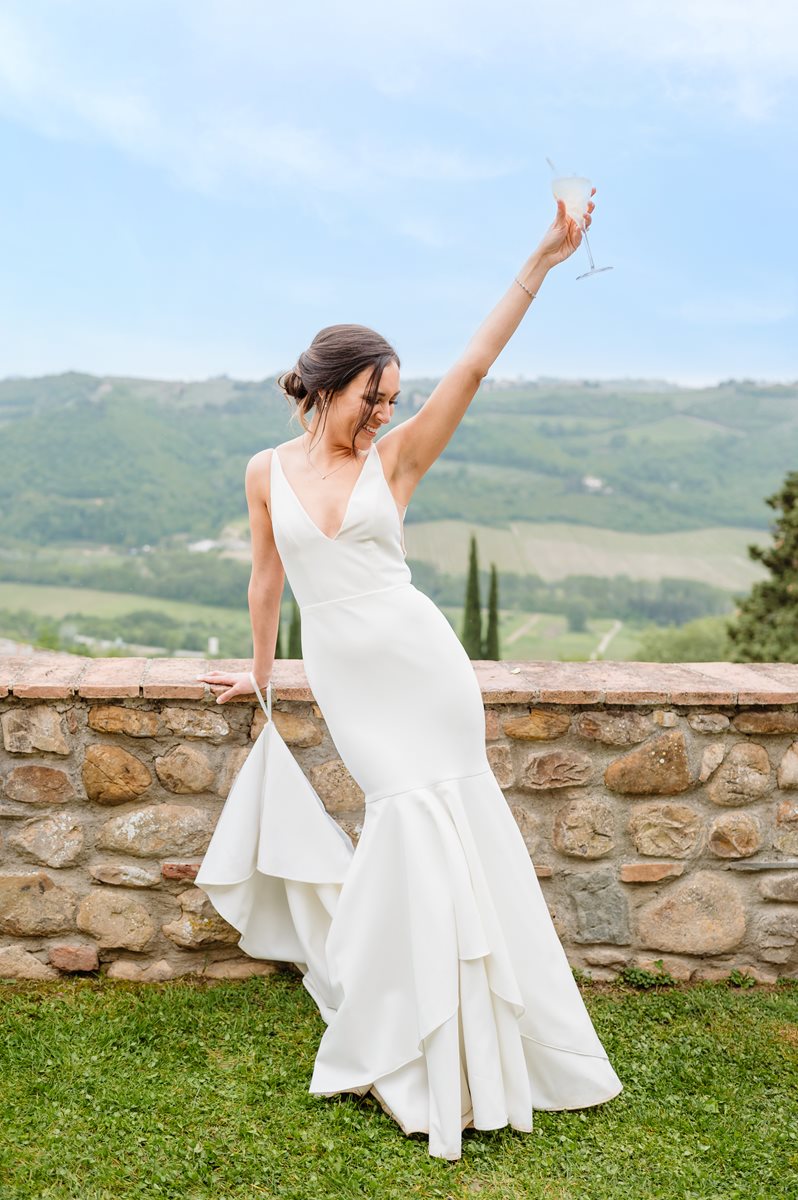
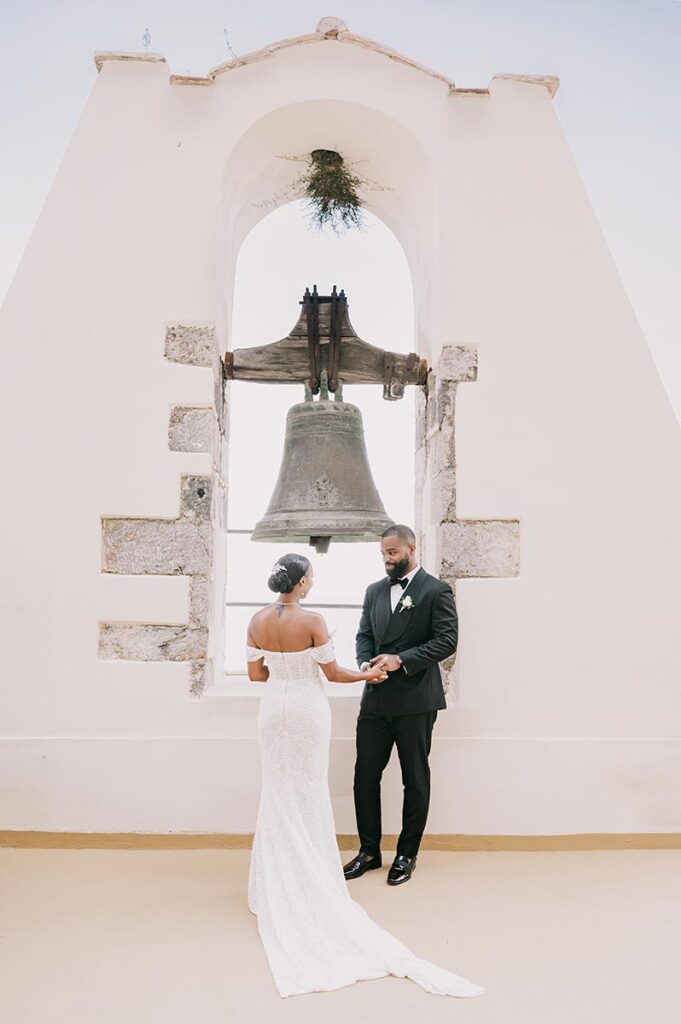
Even though it is technically not in the Chianti, San Gimignano is often associated with the area due to its proximity and similar atmosphere.
Here an exceptional article on venues in the Chianti region. Disclose why they are a paradise for any professional photographer.
Val d’Orcia: ideal for intimate weddings
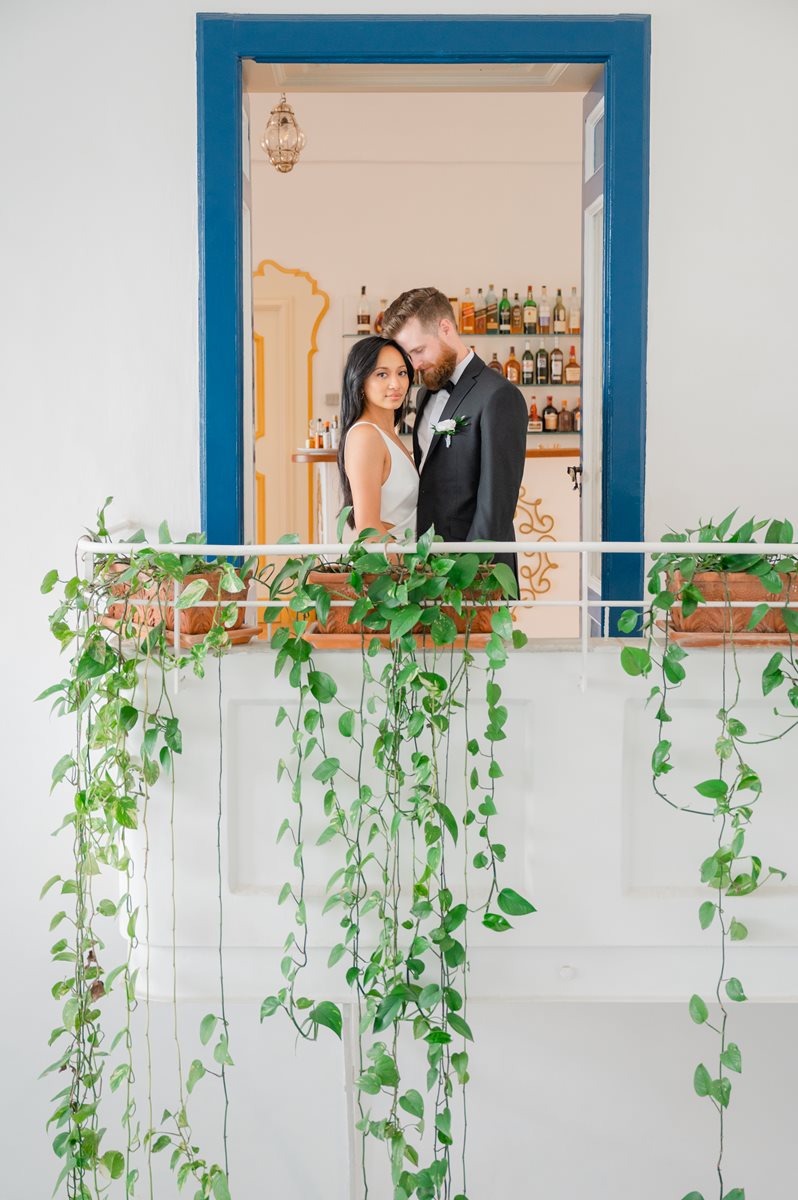
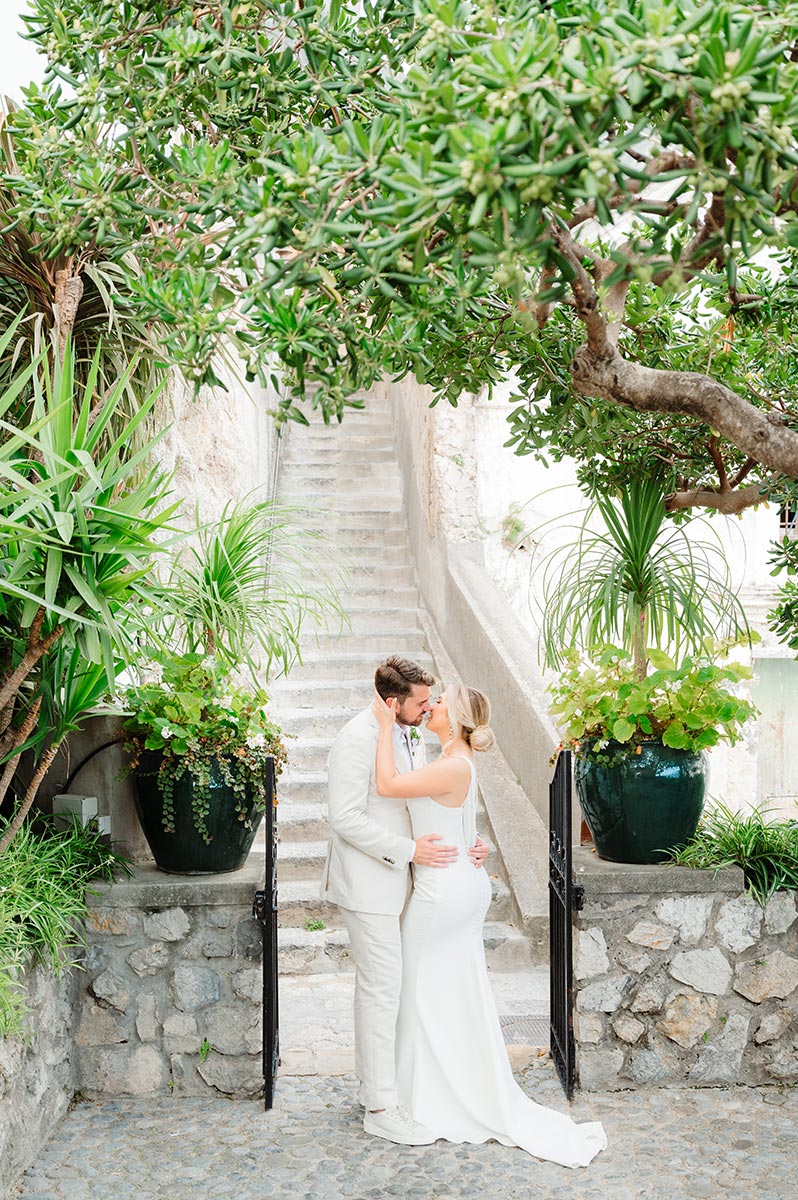
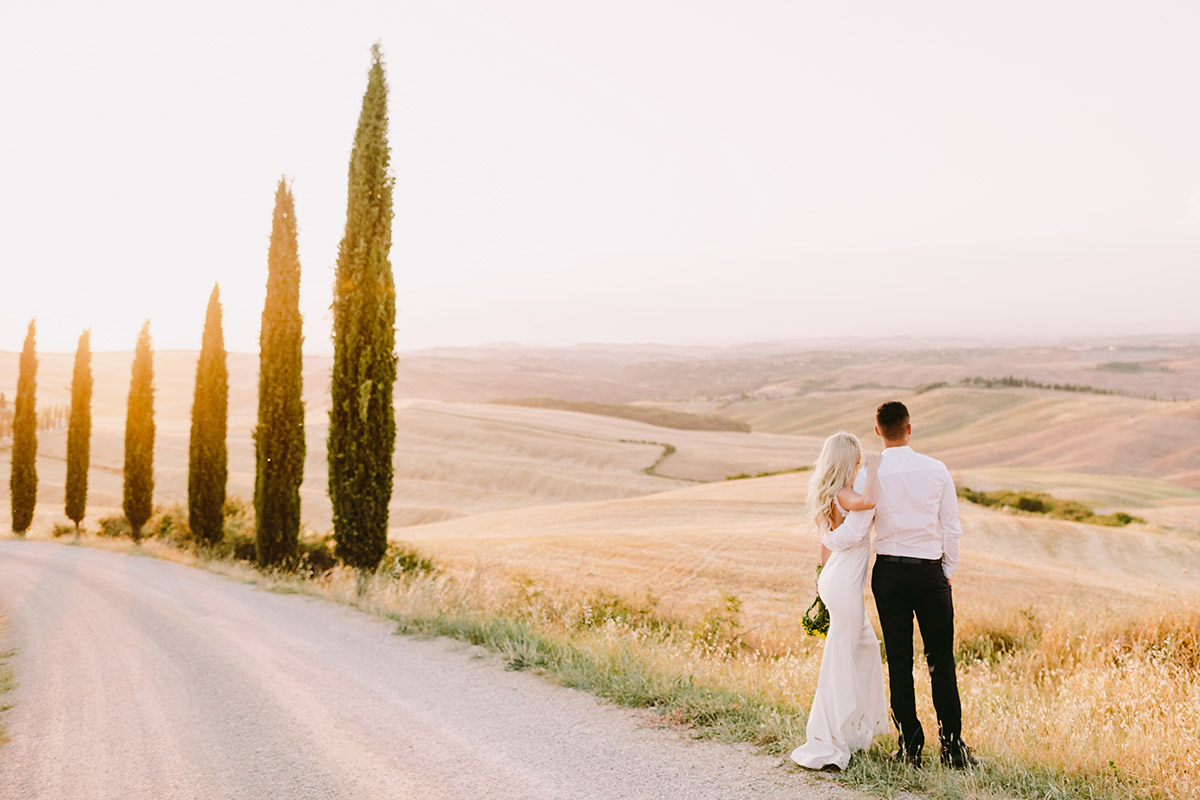
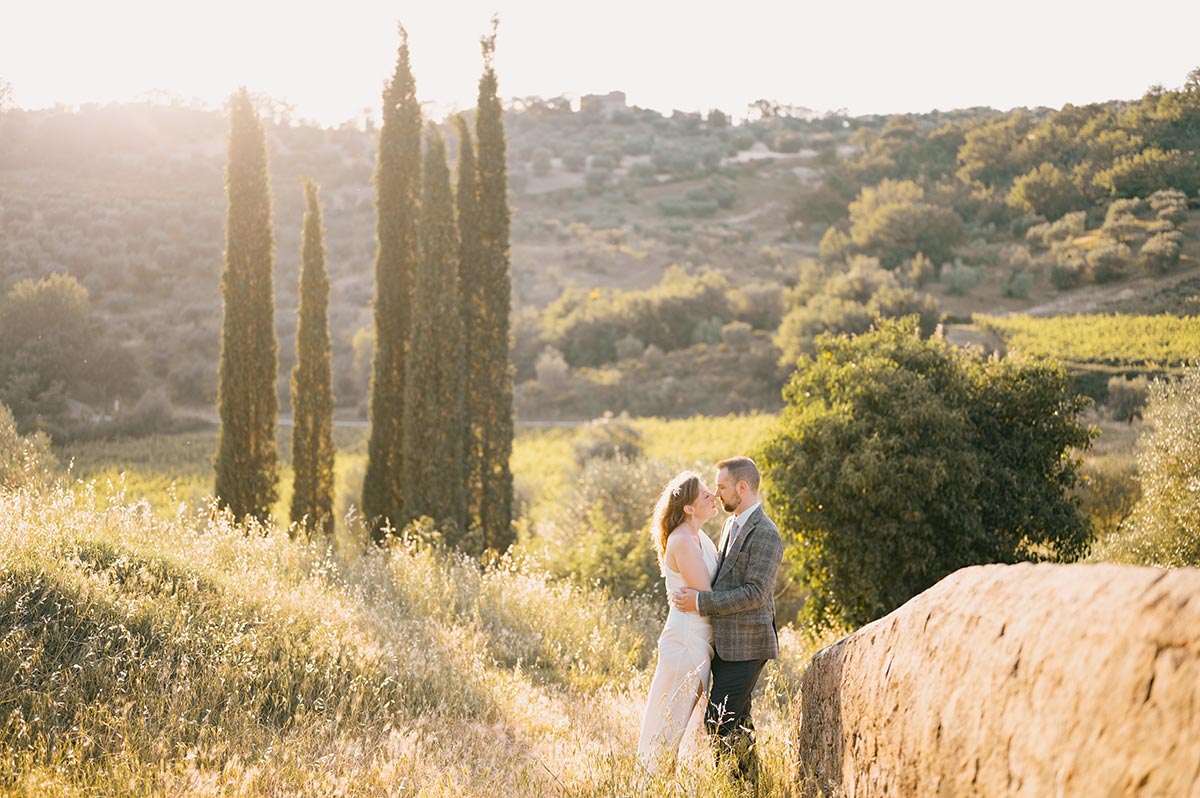
Val D’Orcia in stands out for its beautiful rolling hills, cypress trees, golden fields, and historic farmhouses, making it a perfect setting for small weddings photo shoot. The region’s ethereal light is ideal for capturing everlasting wedding moments, such as the first look and dancing outdoor. The charming chapels and luxurious villas scattered across Val D’Orcia photography offer a setting for authentic moments.
Montepulciano and Pienza are in the area and San Galgano is located in the southern part of the province of Siena, close to the Val d’Orcia.
Here are three remarkable venues in Val d’Orcia.
The timeless Val d’Elsa is ideal for candid portrait photography
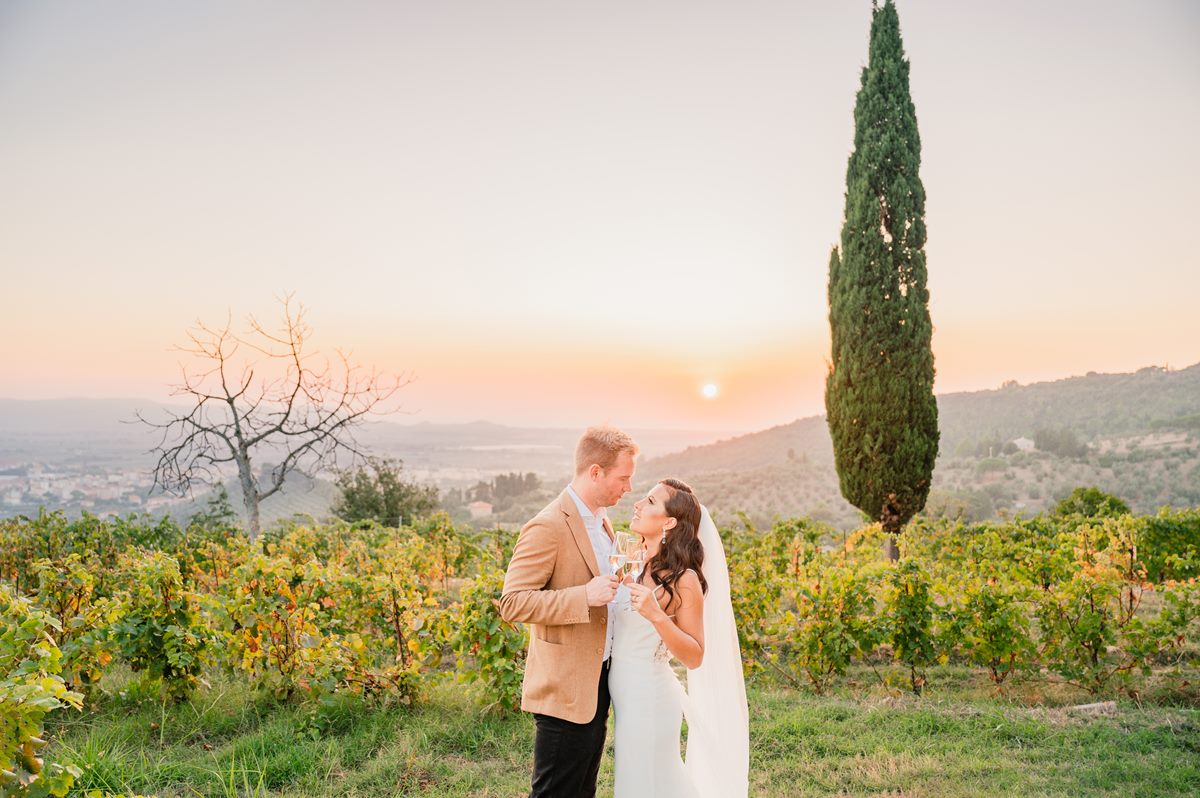
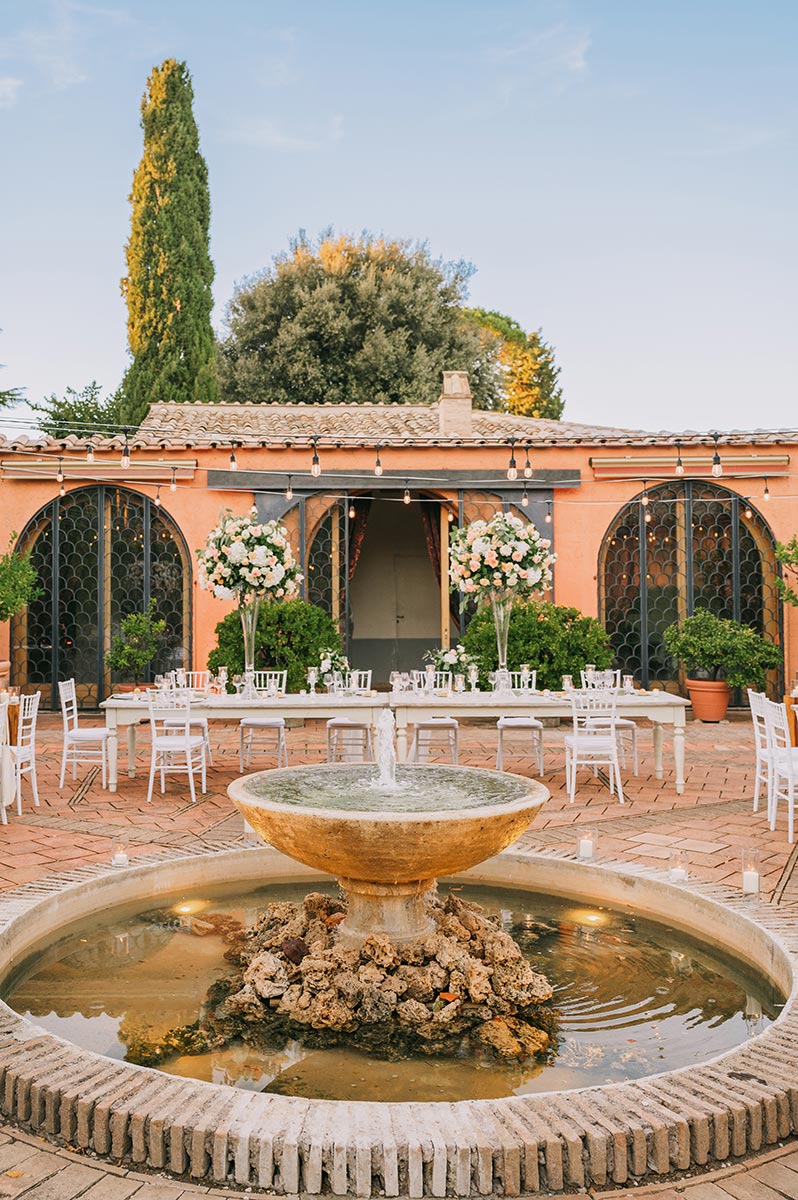
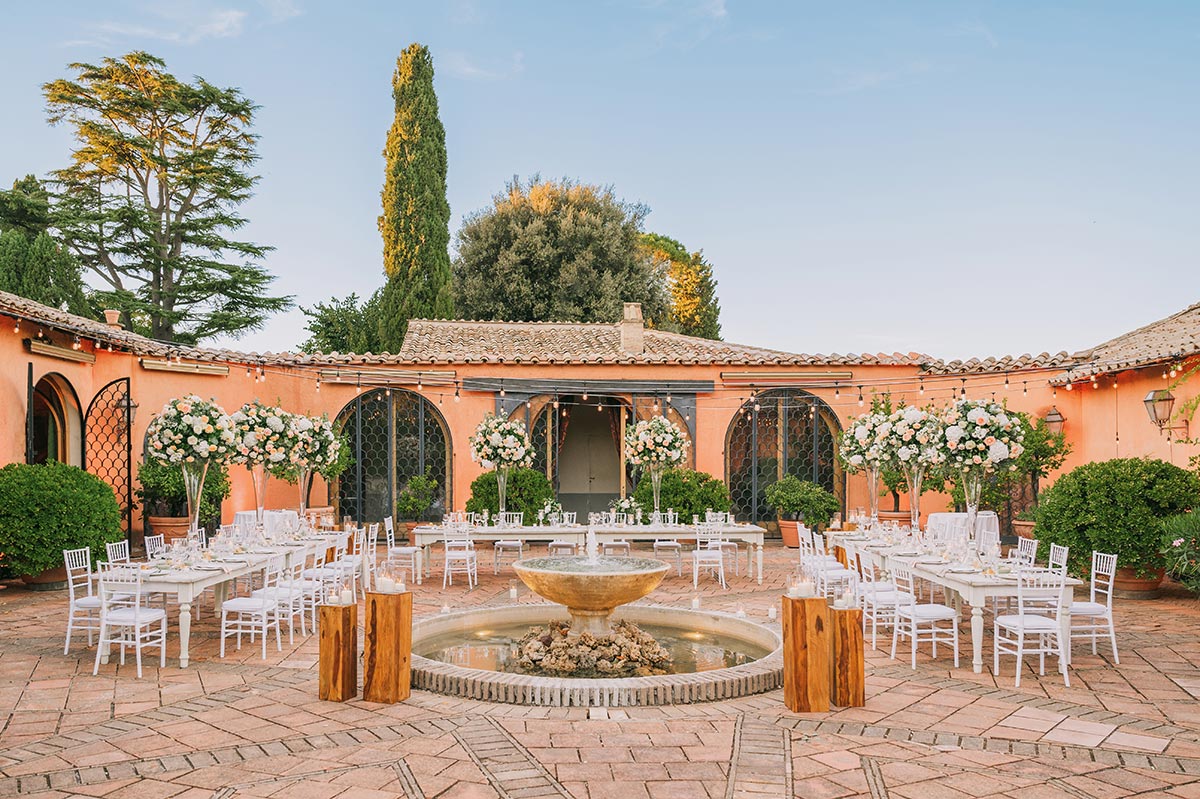
For a peaceful and elegant wedding setting, consider Val D’Elsa. Its historic villas, picturesque countryside, and beautiful gardens make it perfect for couples seeking a refined marriage experience. With elegant courtyards and stunning views of the local hills, Val D’Elsa is a picturesque choice for any event.
Here are three beautiful venues in Val d’Elsa.
Maremma wedding in Tuscany: photographic love stories with elegance
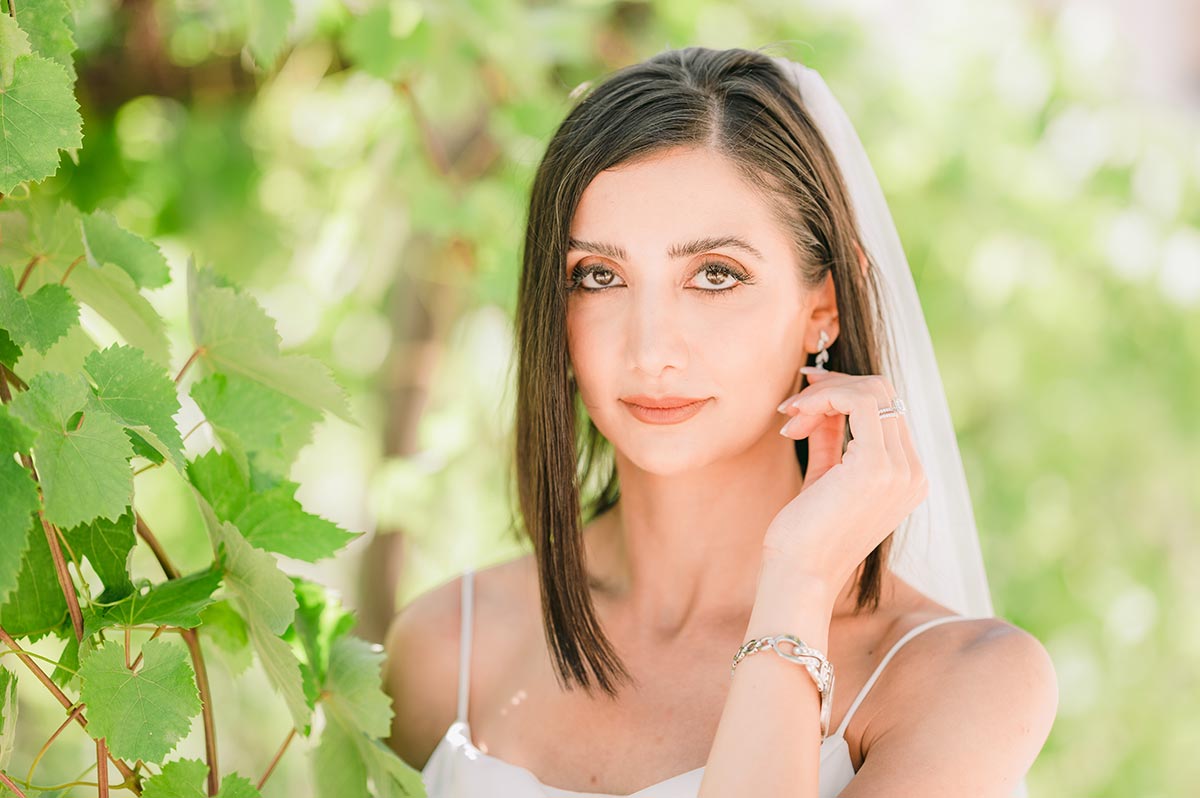
The Maremma region of Tuscany, a beautiful destination for a wedding photographer in Tuscany. is a hidden treasure, perfect for couples looking for a more secluded and untouched part of Region to host their ceremony. Known for its wild landscapes, ancient olive groves, and beautiful coastal views, Maremma offers unique venues that bring an air of tranquility and elegance to any ceremony.
Although they are not exactly in Maremma, in the surroundings you can find: Cortona, Arezzo, Pisa and Lucca
Additional venues suggestions for great wedding photos before hiring any vendors
Some of my favorite places to shoot include Villa Medicea di Lilliano, Castello di Vincigliata, and the vineyards around Montepulciano. Each location has its own photographic character, and I love helping couples choose the perfect spot that reflects their love story.
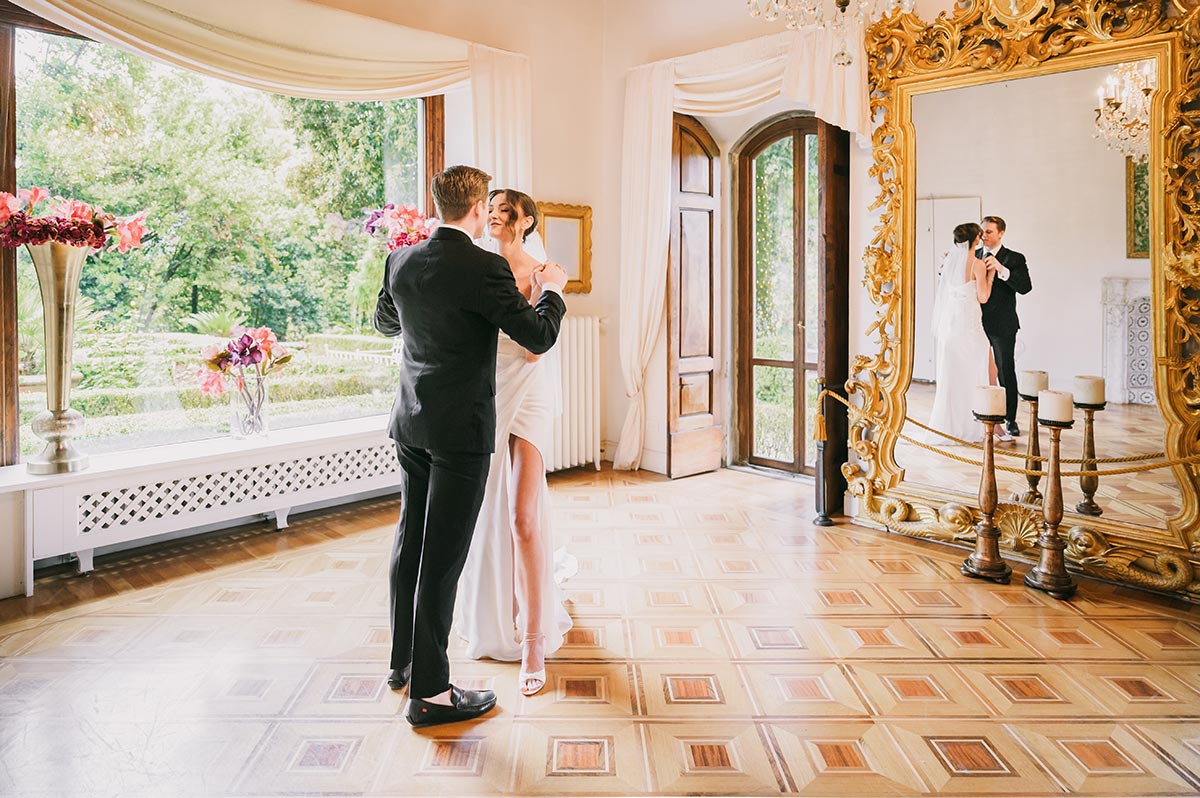
Beyond the well-known venues, there are many intimate settings perfect for an wedding in Italy. These hidden gems provide a quieter, more personal atmosphere to tell the story. Places like Borgo Stomennano or the tiny chapel at Monteriggioni offer beautiful backdrops for special moments, away from the crowds.
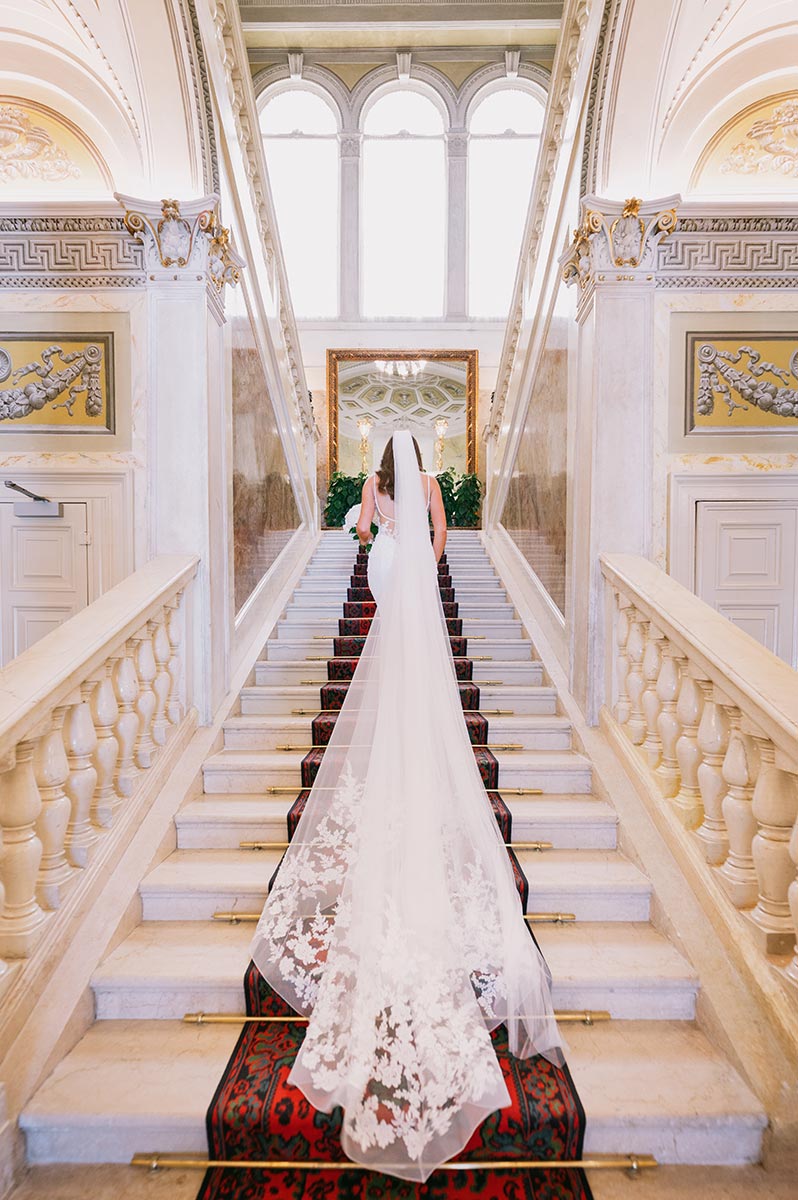
Each venue has its own unique set of challenges, but that’s part of what makes the work rewarding. Working with limited natural light indoors or using the landscape creatively to frame shots, I see every challenge as an opportunity to create something incredible.
A Tuscany Italy wedding one-of-a-kind experience
Why is a Tuscany Wedding a special experience? First of all, because Tuscany has a lot to offer: beach, hills, sea, mountains, fabulous cities, culture, ancient atmosphere, delicious food, elegance. When I have been hired to be a Wedding Photographer Tuscany, I’ve had the opportunity to appreciate all the special features of a Tuscan-Style Wedding.
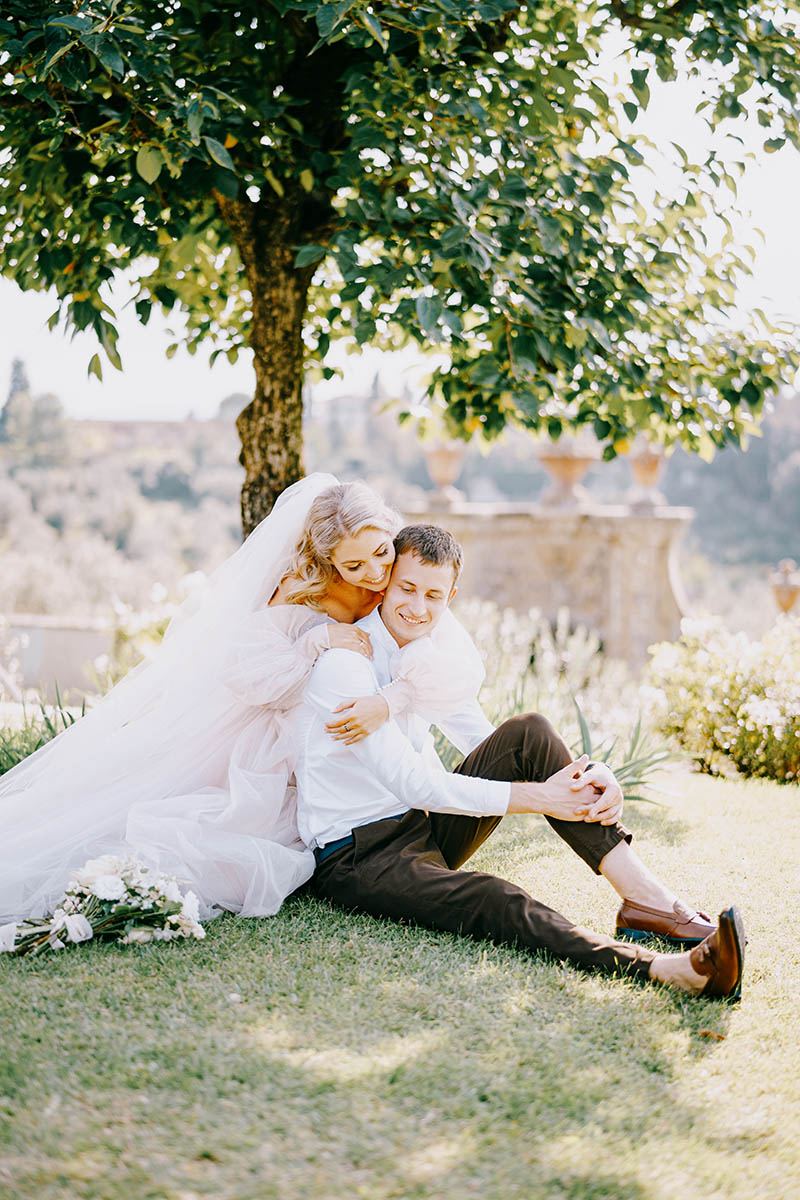
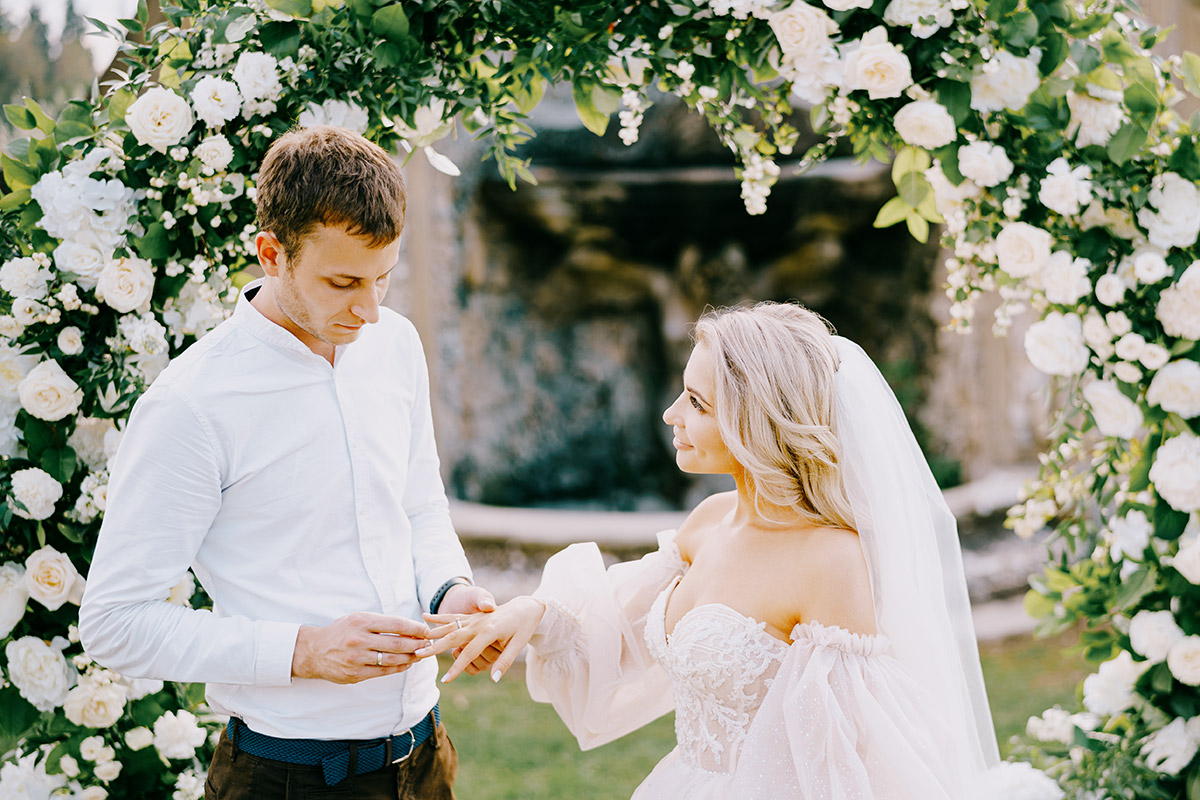
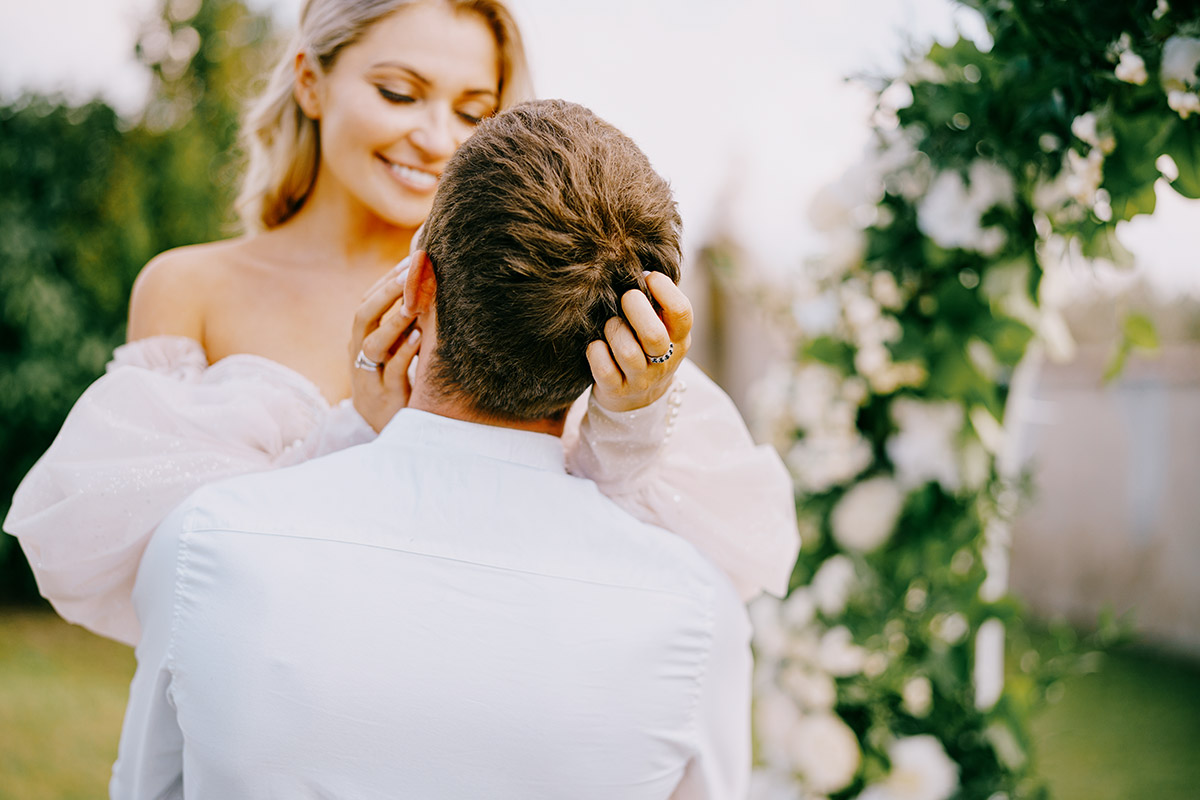
IF YOU THINK OF HIRING ME, IT MEANS THAT YOU SHARE THIS VISION AND WE HAVE MANY THINGS IN COMMON.
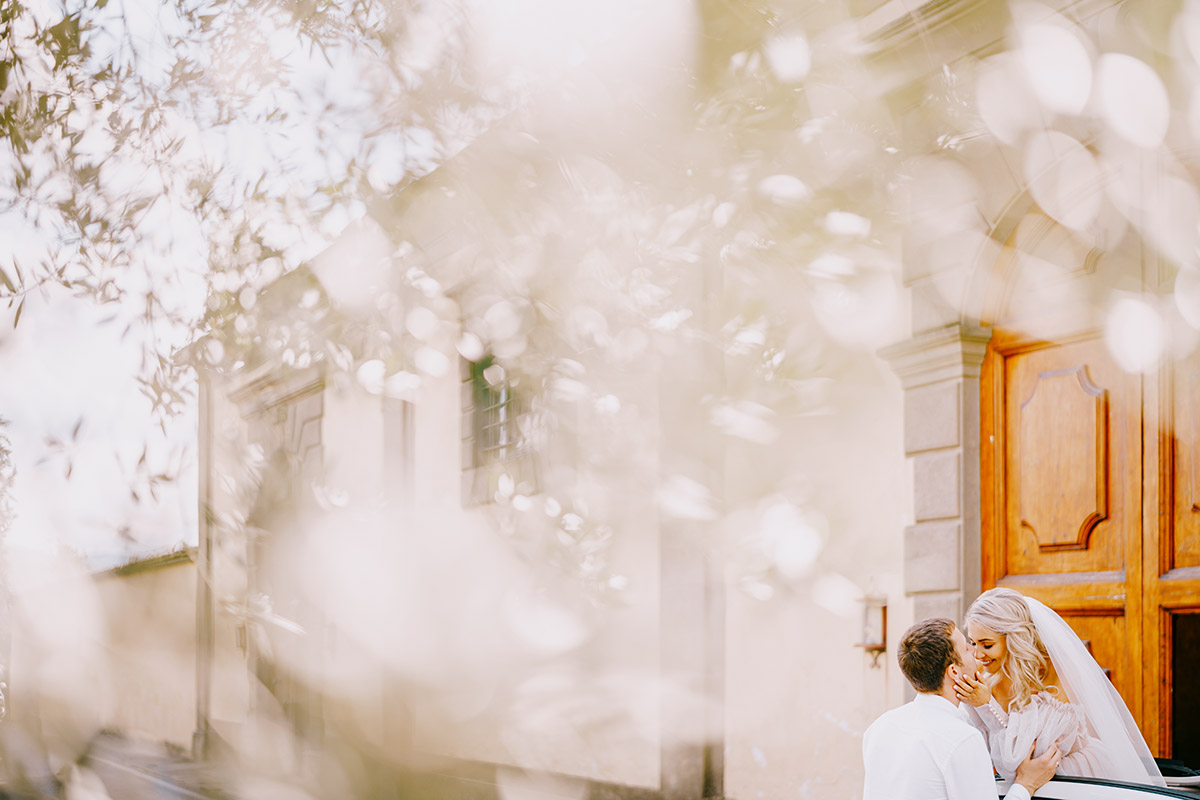
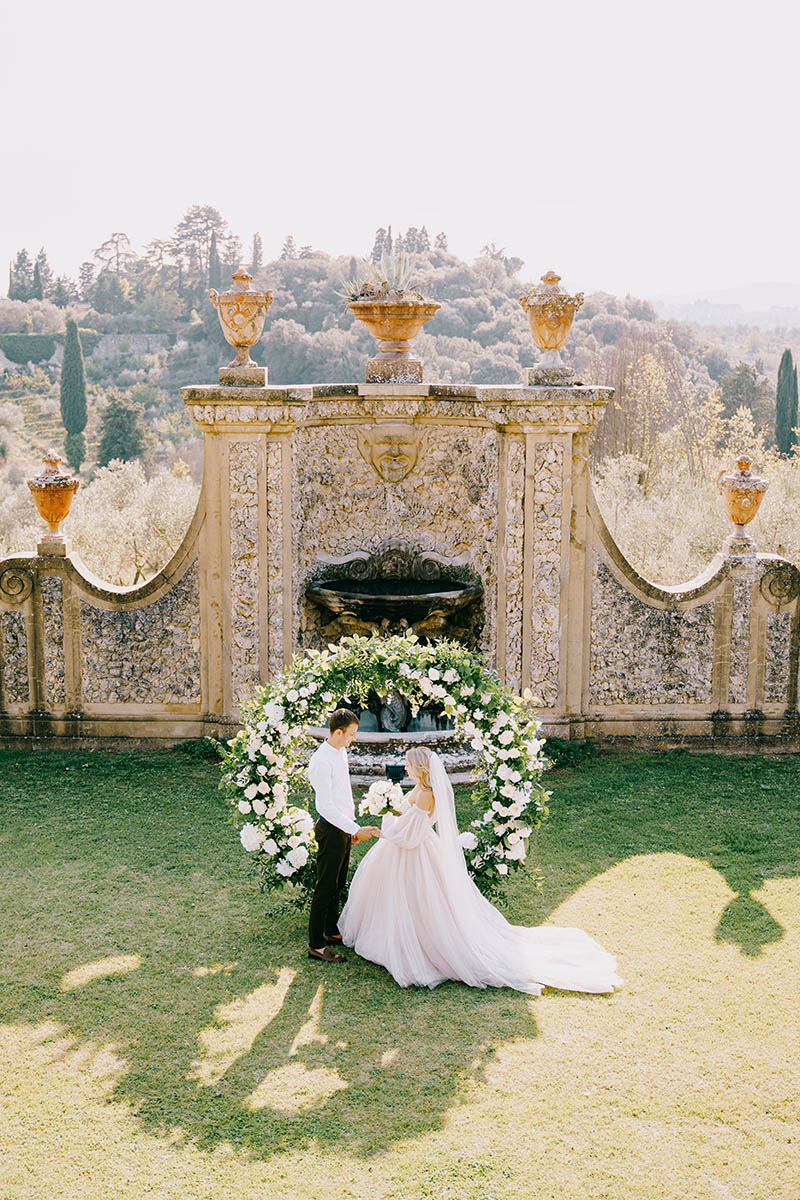
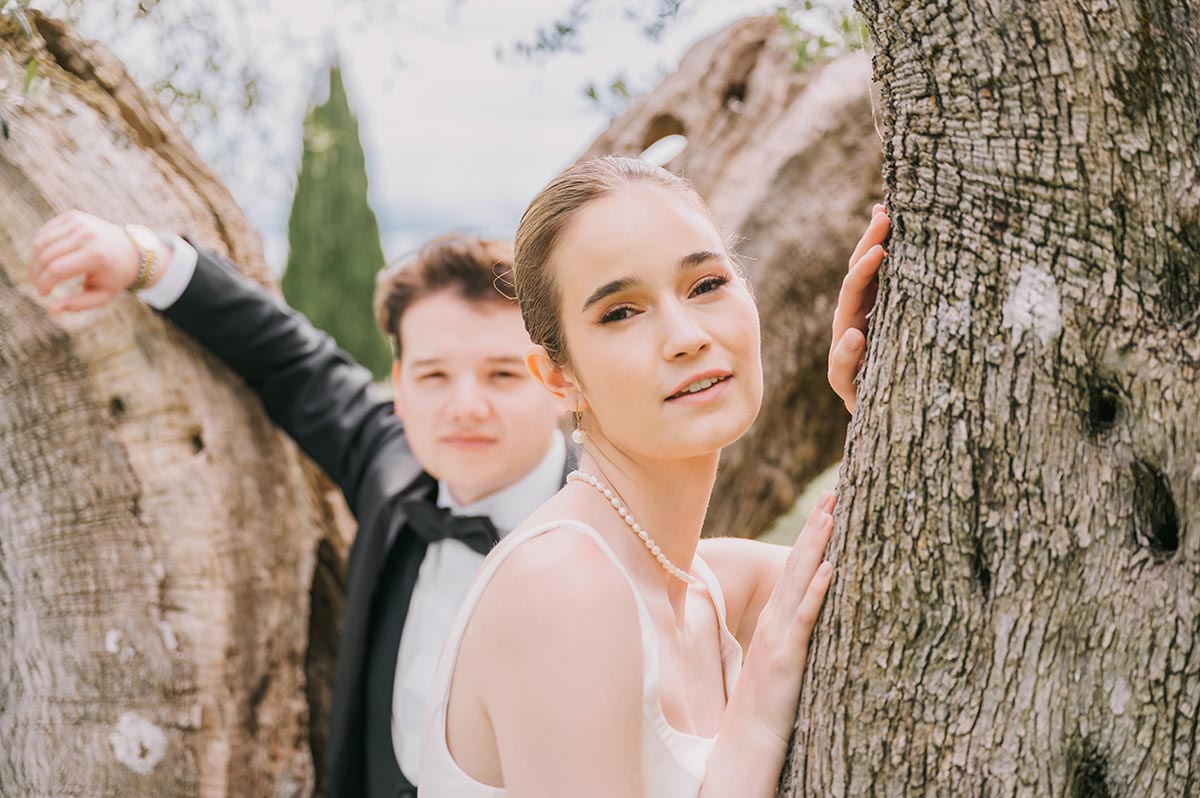
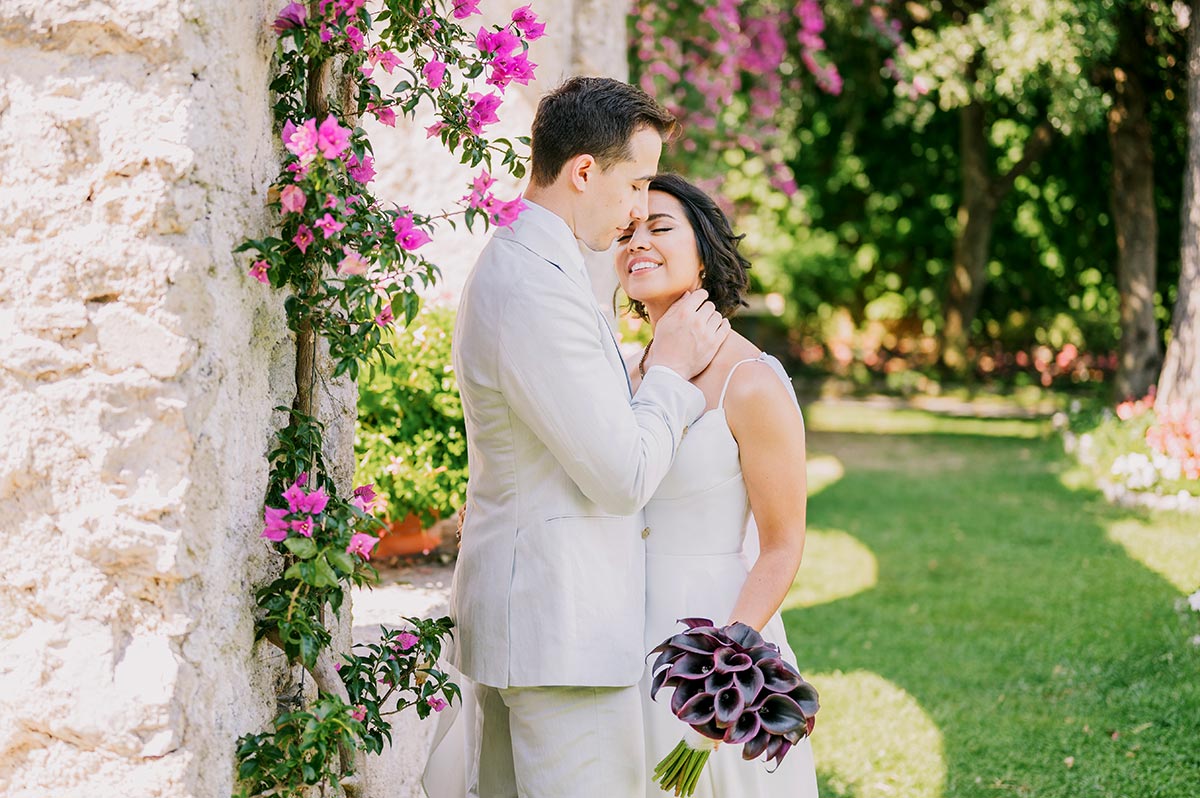
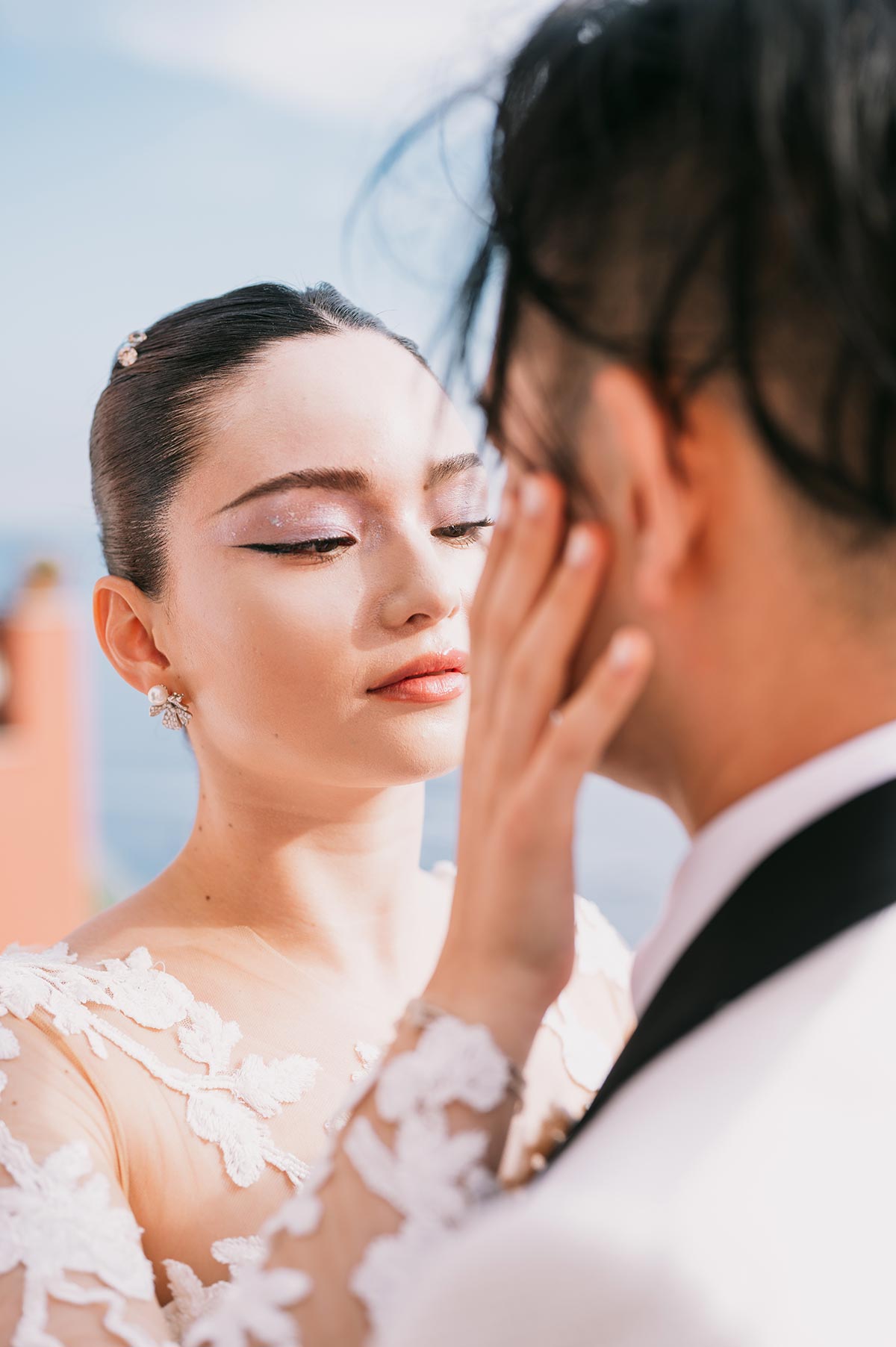
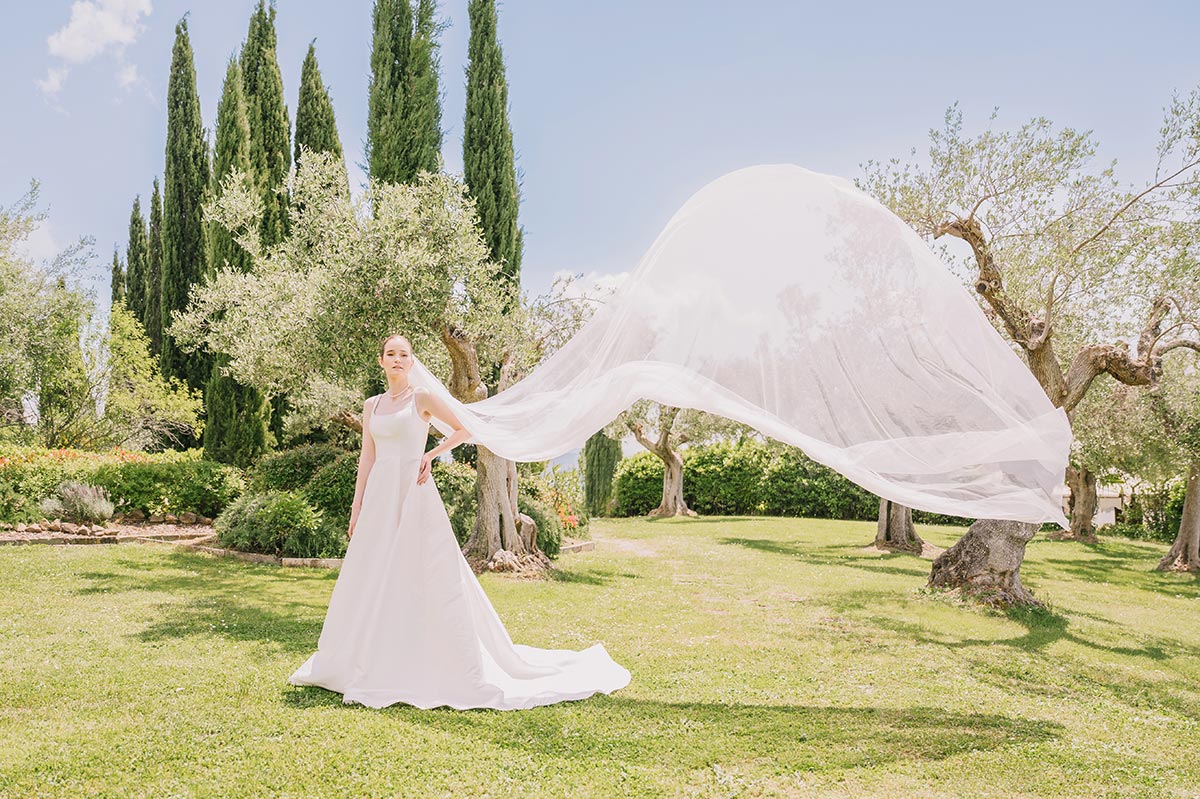

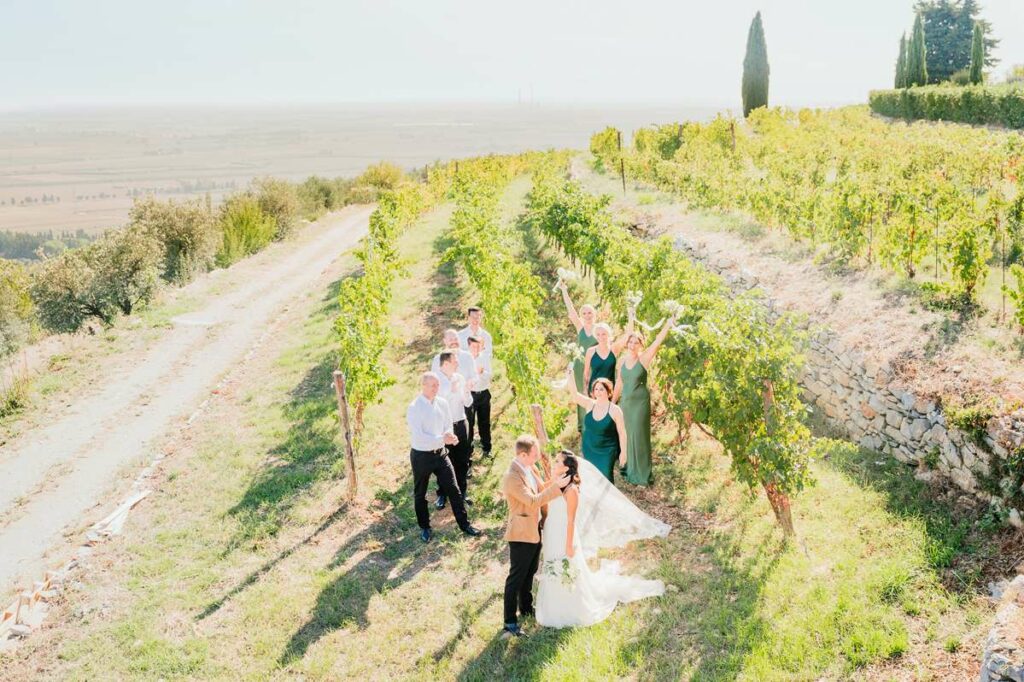
My Candid Photo-Style: Airy and Timeless for Your Italian Wedding Fairytale
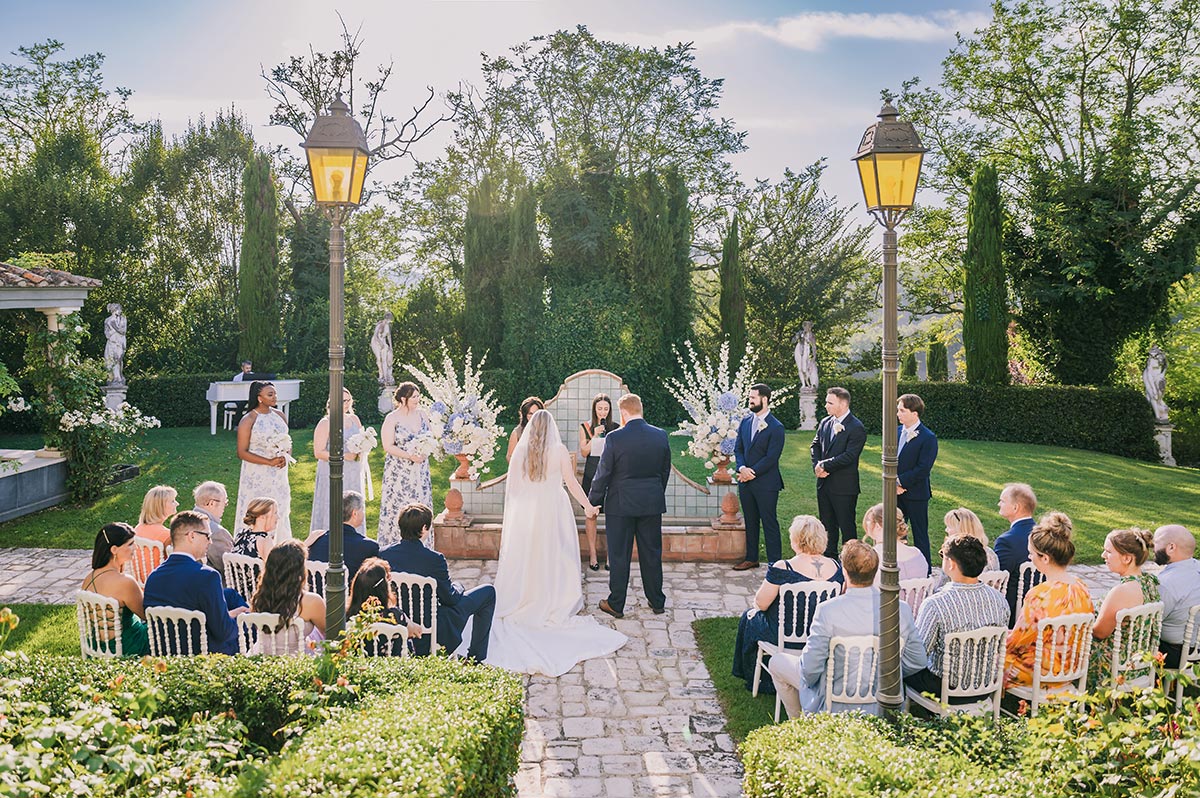
I’ve had the honor of working with so many wonderful couples. Each one brings their unique style and vision, and I use their stories as inspiration. Looking at past ceremonies, I often share ideas to help you visualize what your own day might look like. No two events are the same, and that’s what makes my work so special.
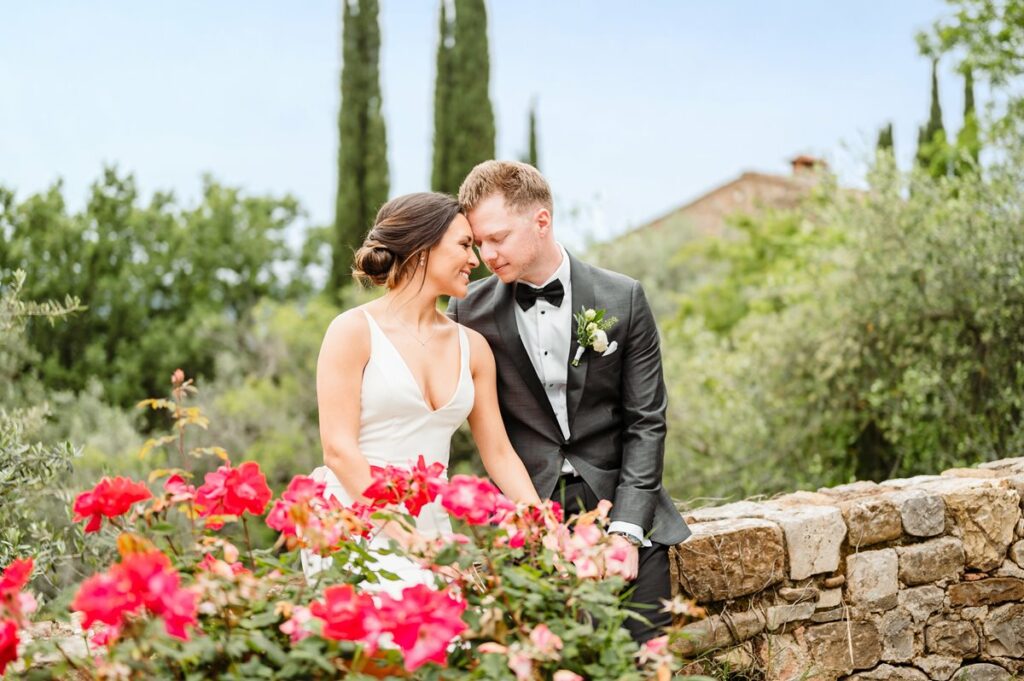
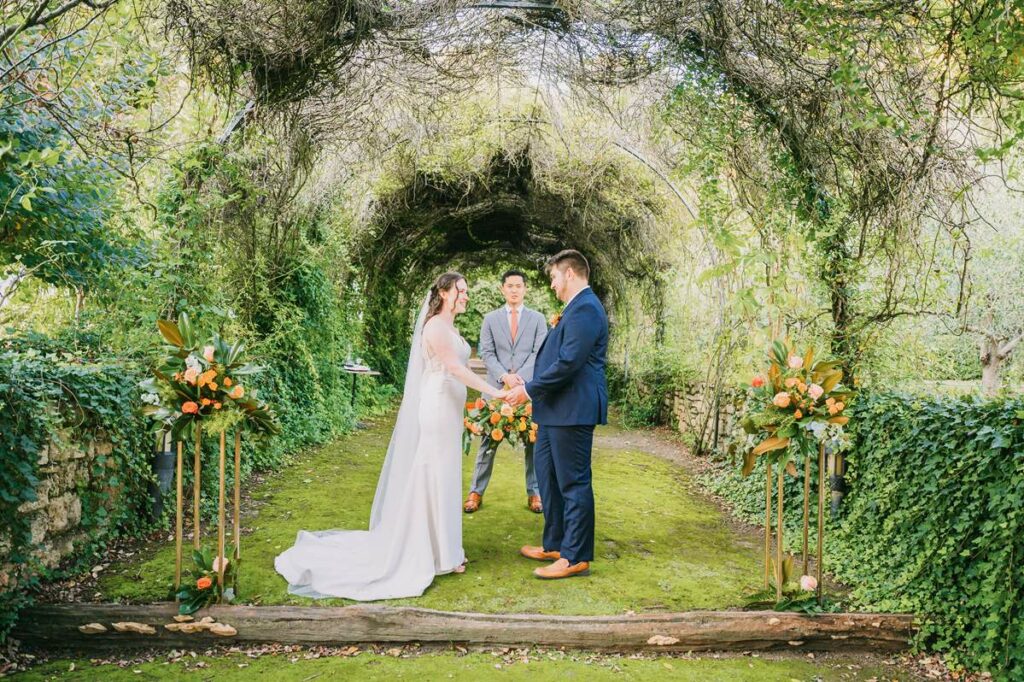
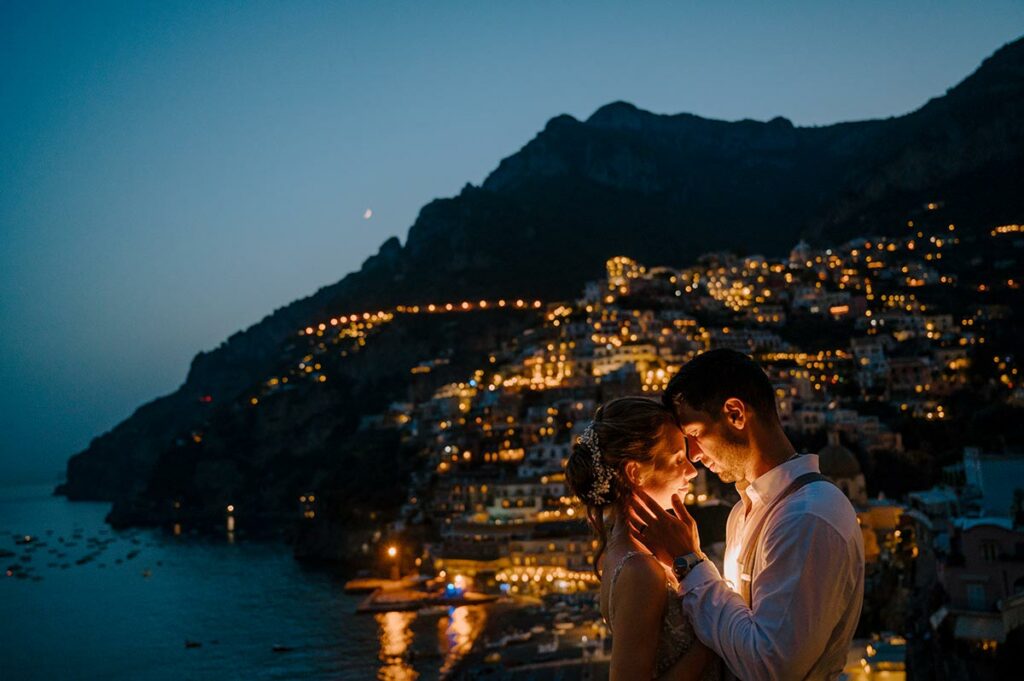
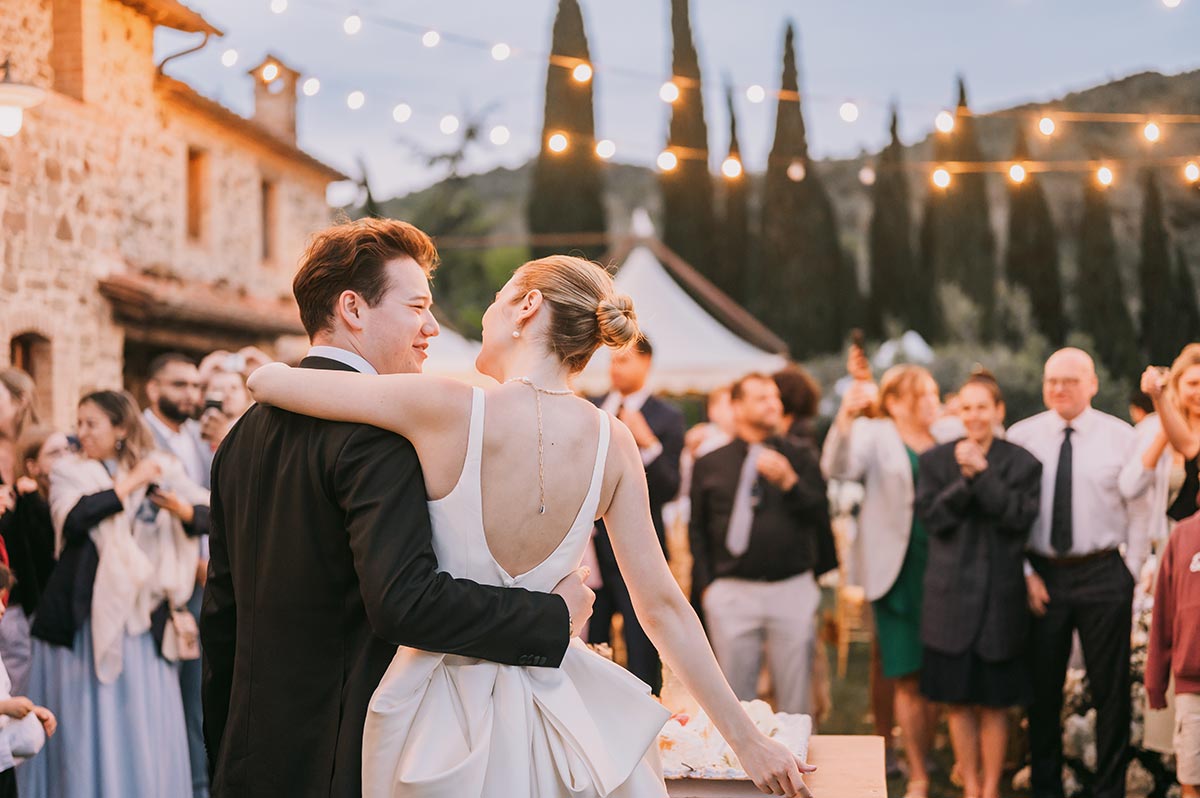
I’m all about capturing those truly magical moments in the stunning beauty of Tuscan hills! I love highlighting the natural light and the real emotions that unfold during those special times. My goal is to tell a heartfelt visual story that beautifully reflects the couple’s unique journey and the classic charm of this incredible place. Every click of the camera is my reaction to a celebration of love, laughter, and the stunning scenery that surrounds us!
How to Achieve the Best Lighting for Your Portrait Photography in Tuscany
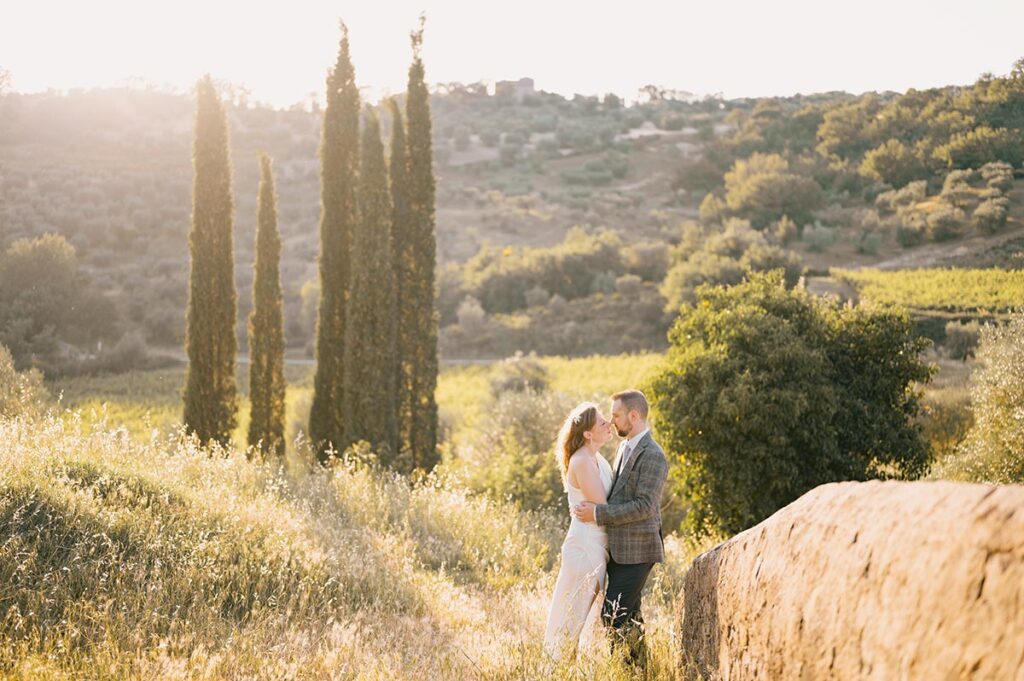
Natural light in this Region is a crucial role as destination wedding photographer in Tuscany. The “golden hour” just after sunrise or before sunset creates a magical, soft glow that enhances the beauty of Tuscan landscapes and makes skin glow naturally, ideal for couple pictures.
During midday, the strong Italian sun can be softened by shooting in shaded areas or architectural nooks for flattering light. I work with couples to plan the beautiful day ’s timeline around these conditions to capture stunning imagery.
Documentary vs. Traditional Wedding Photograph: Finding the Perfect Style for Your Tuscany Wedding
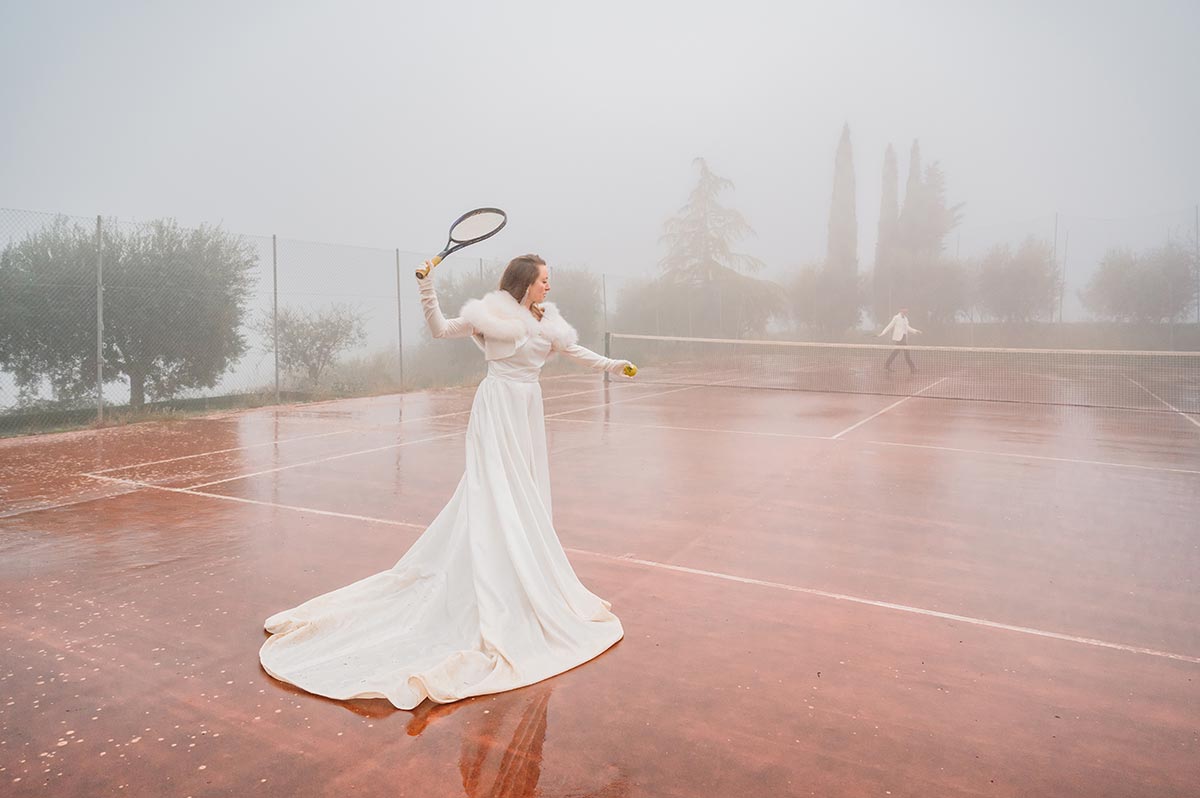
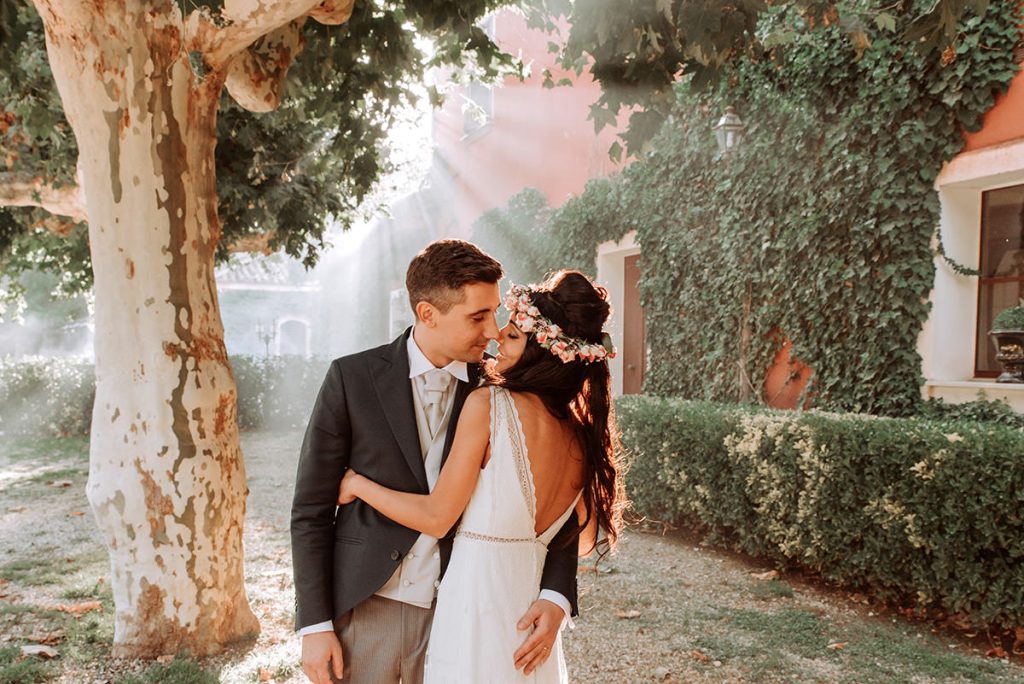
When choosing a wedding photographer based in Tuscany, it’s important to consider the style that best fits important day and vision. Some like traditional posed shots highlighting key moments like family pictures and the first kiss, while others prefer a more natural, documentary style with candid shots to capture the full story of the day.
WEAR POEMS
STOP TIME
IN YOUR LIFE
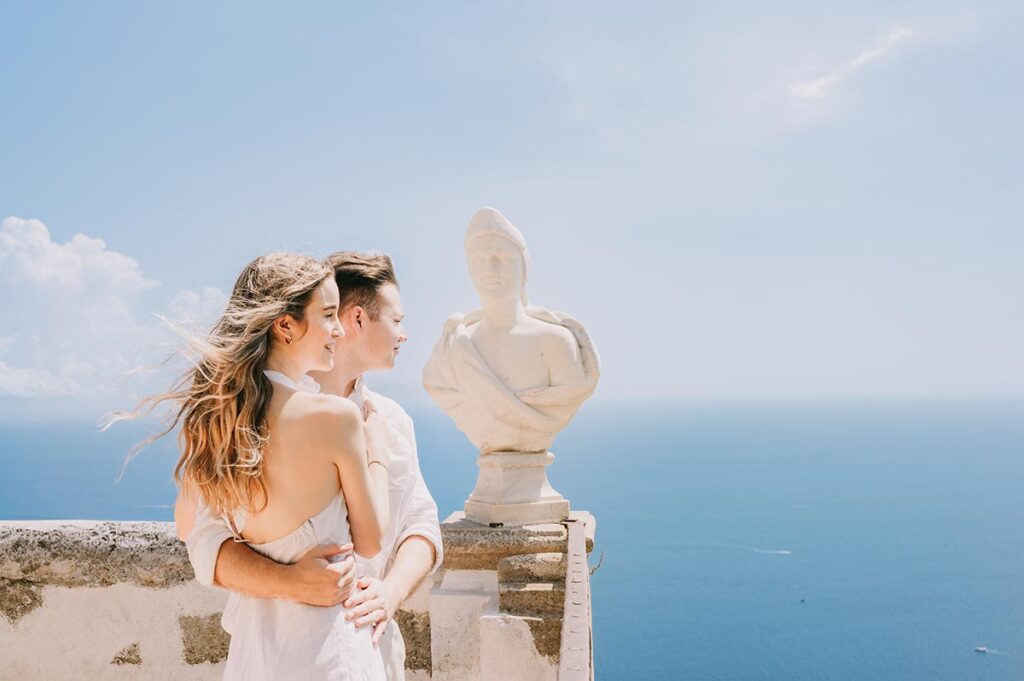
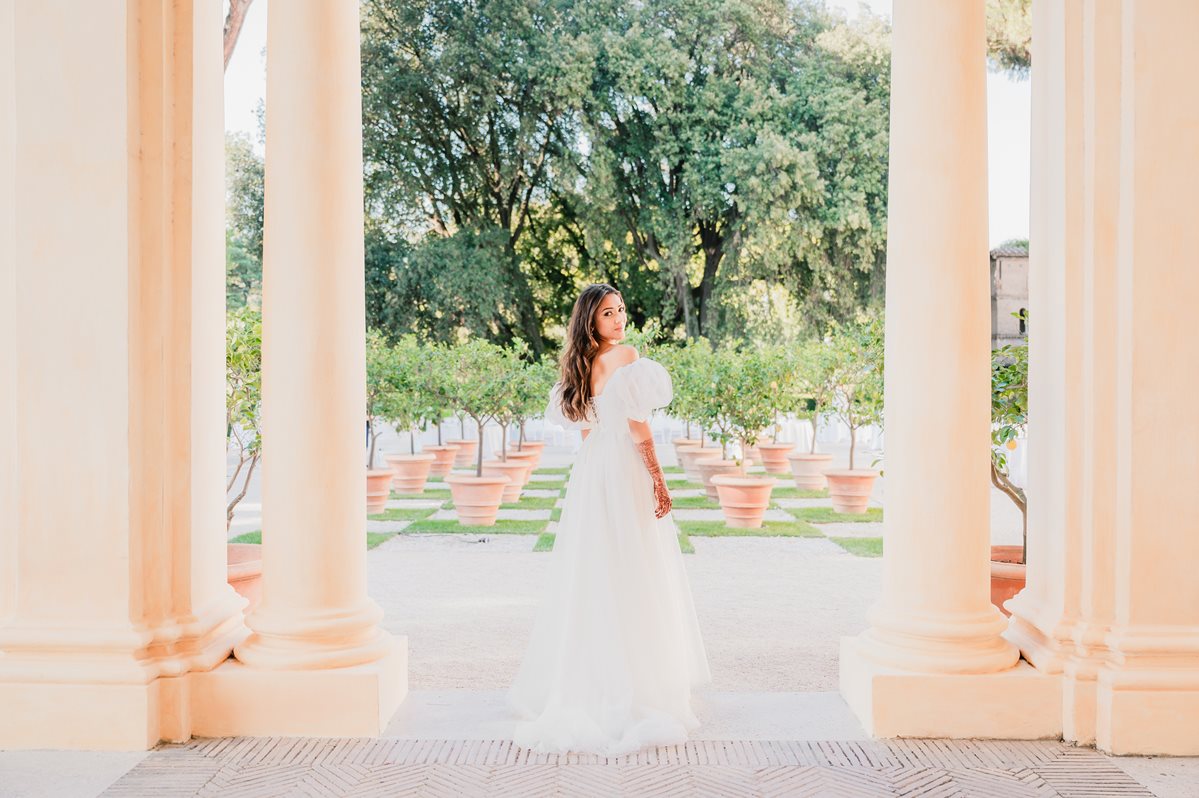
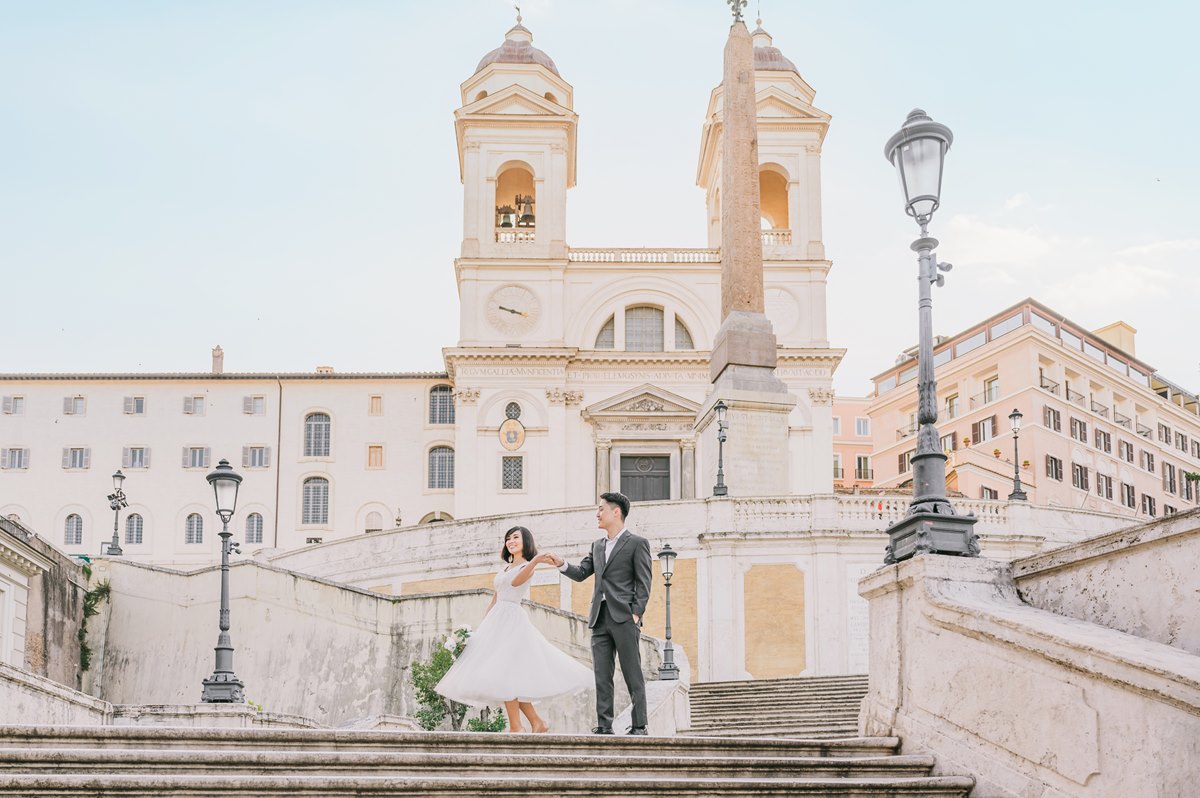
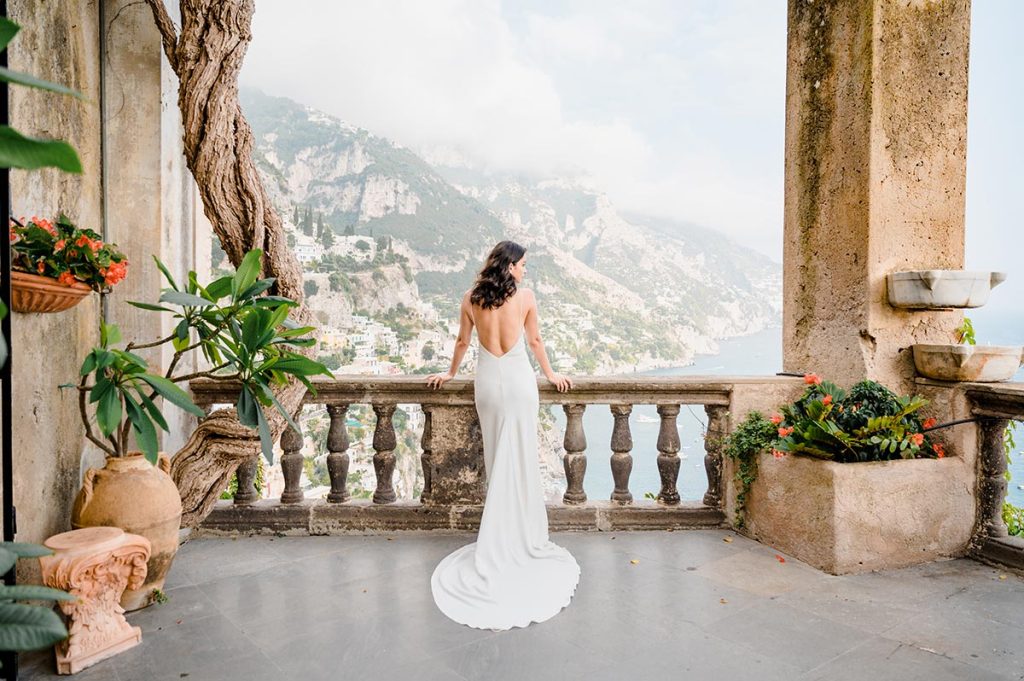
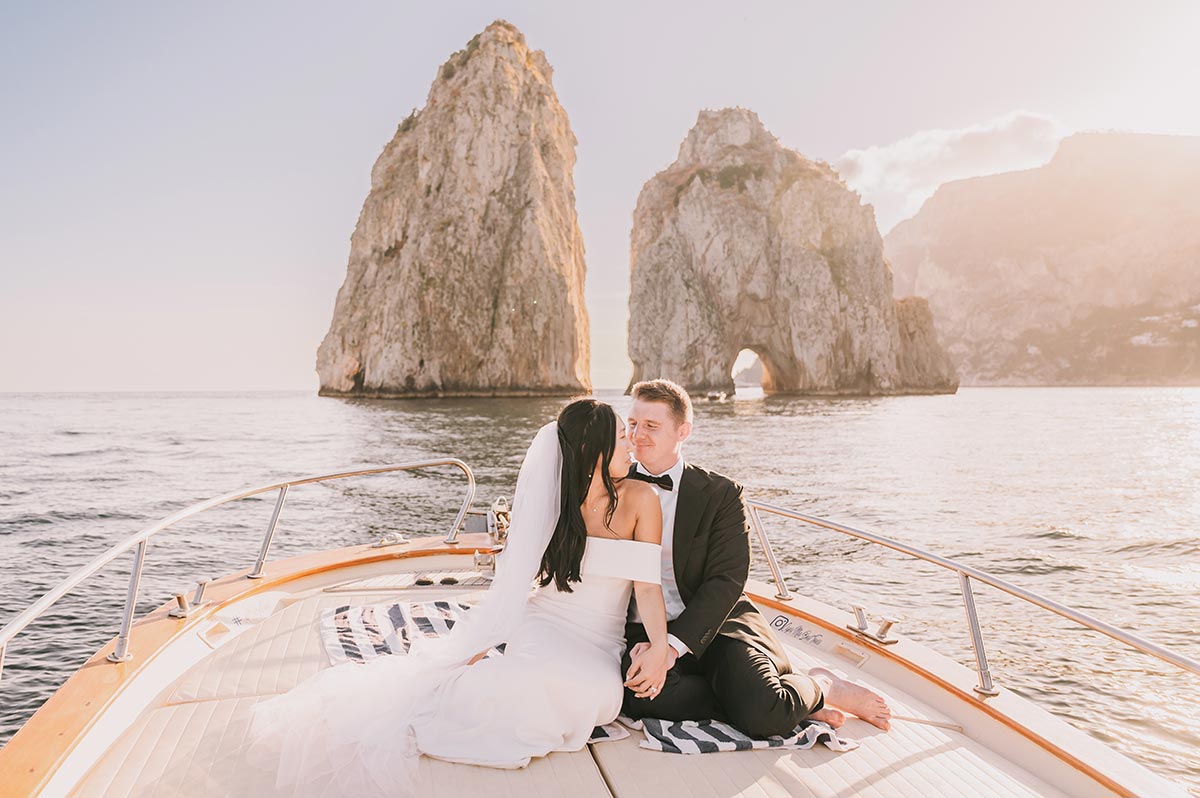
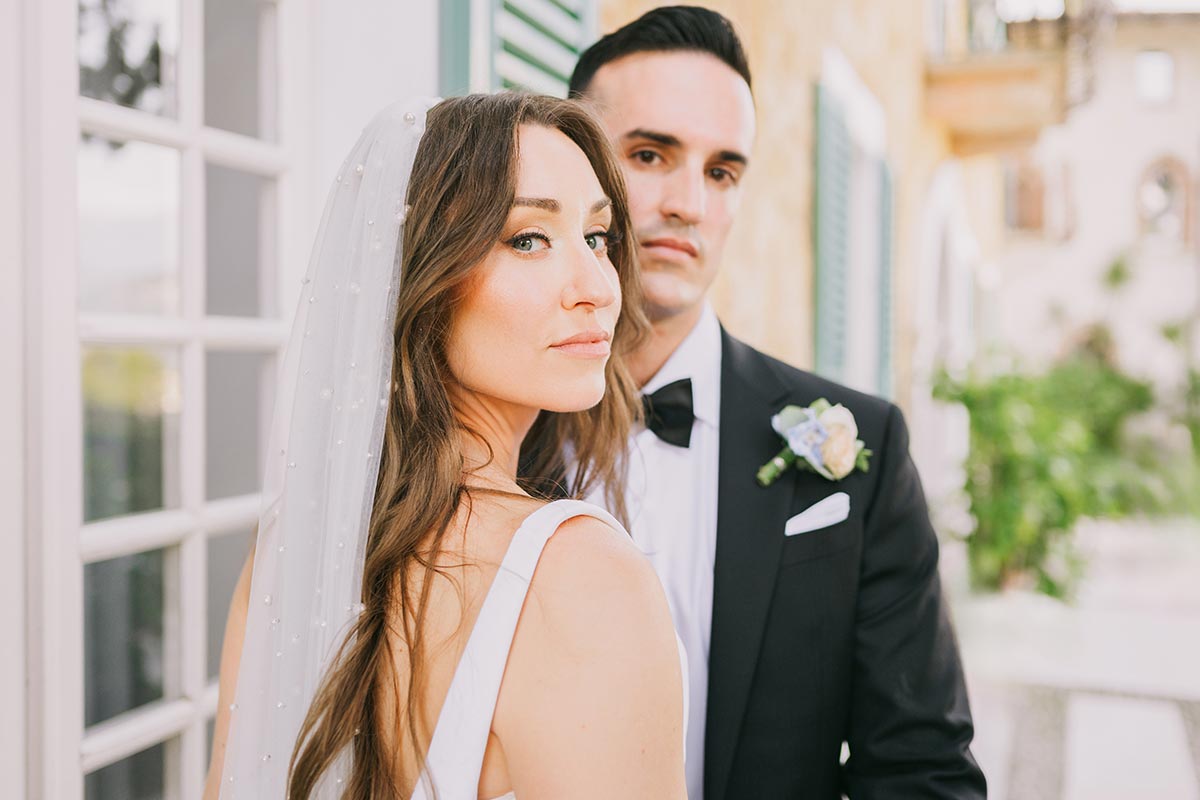
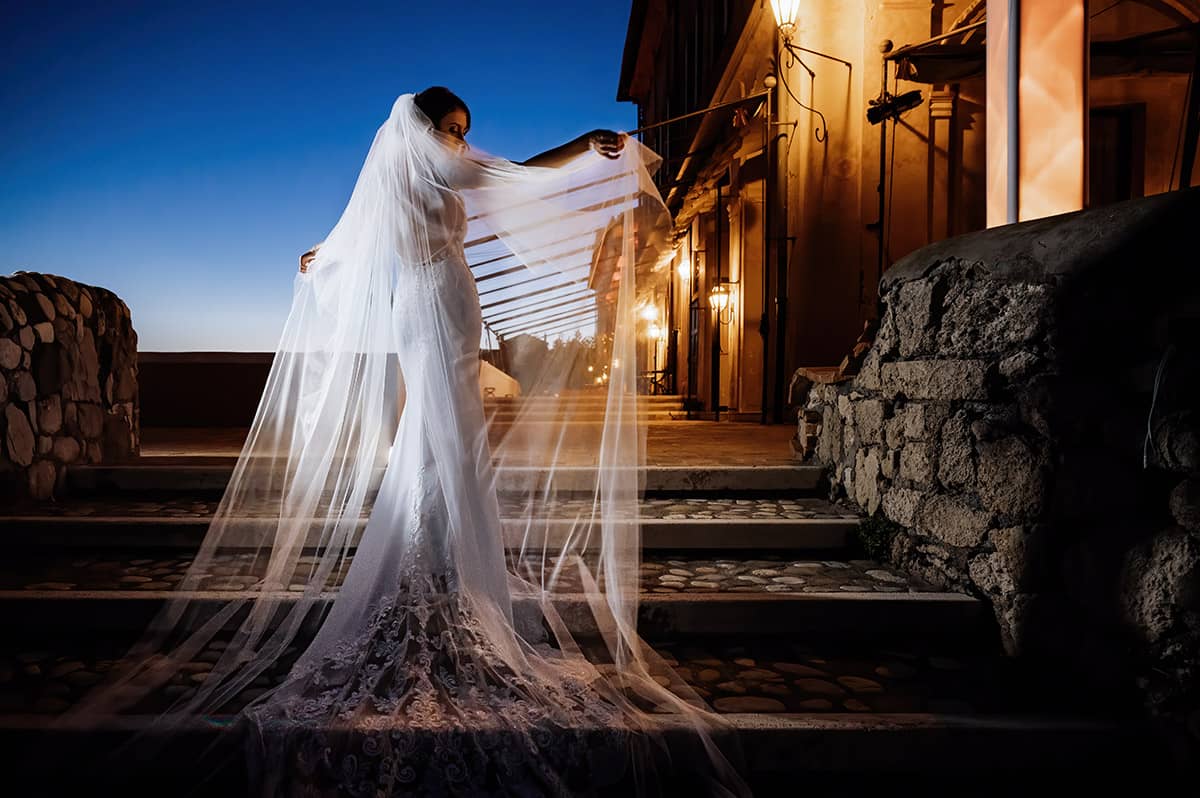
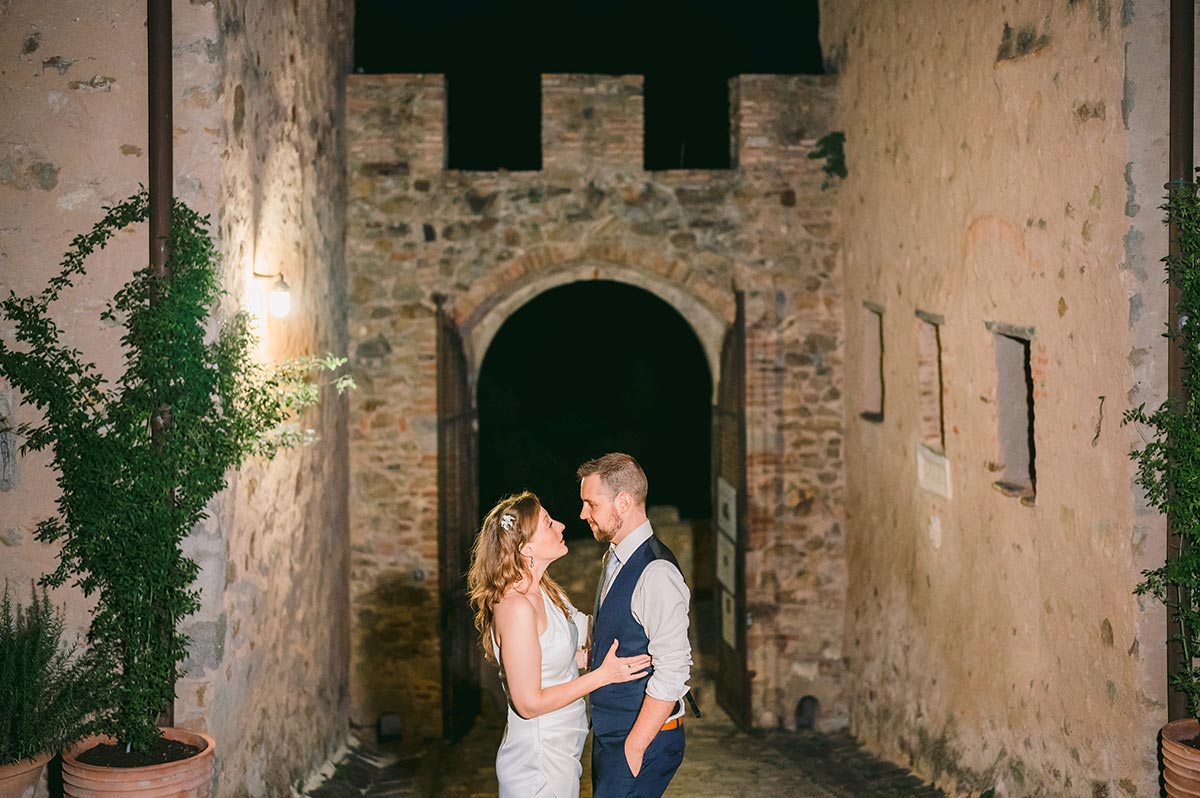
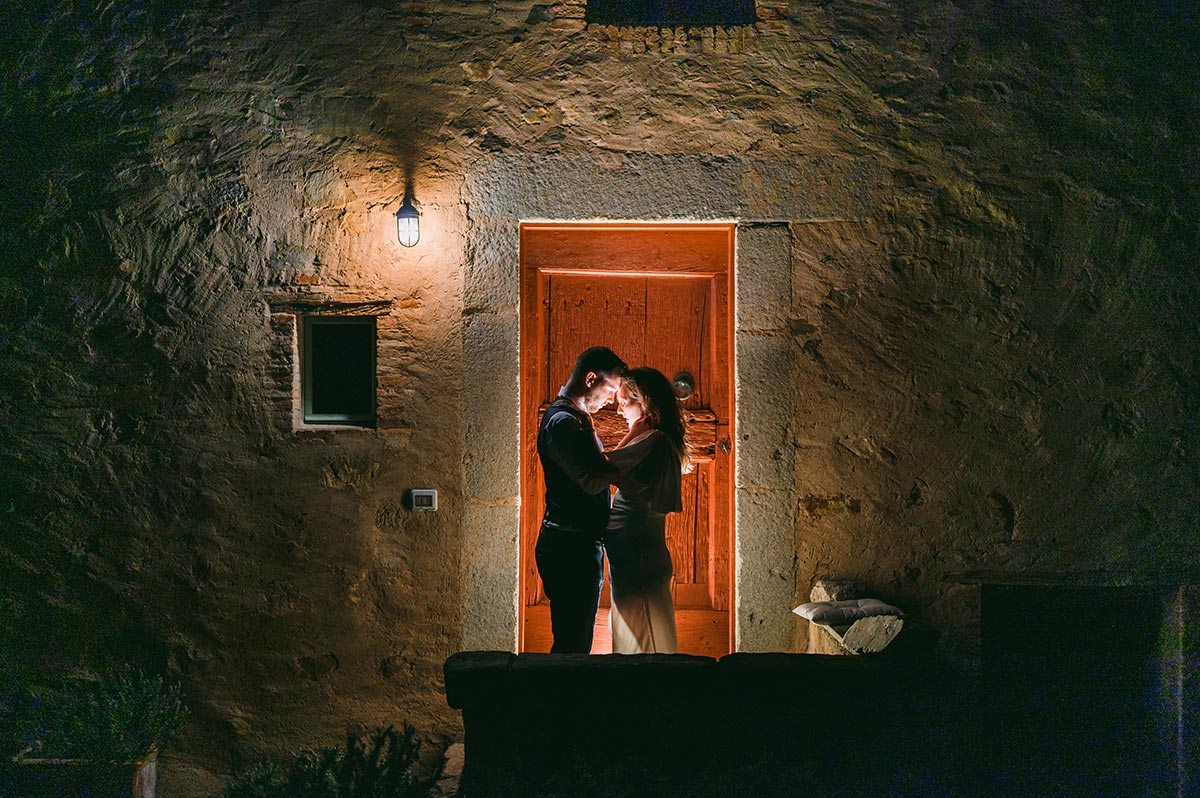
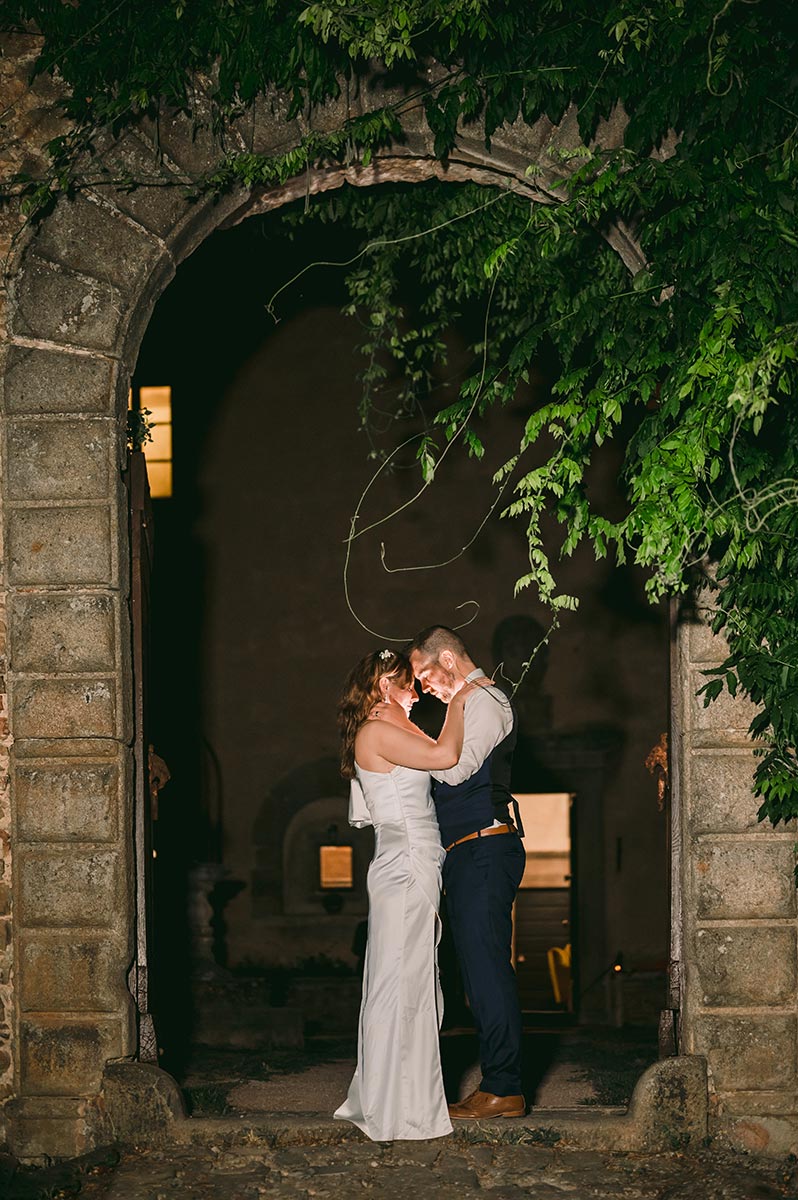
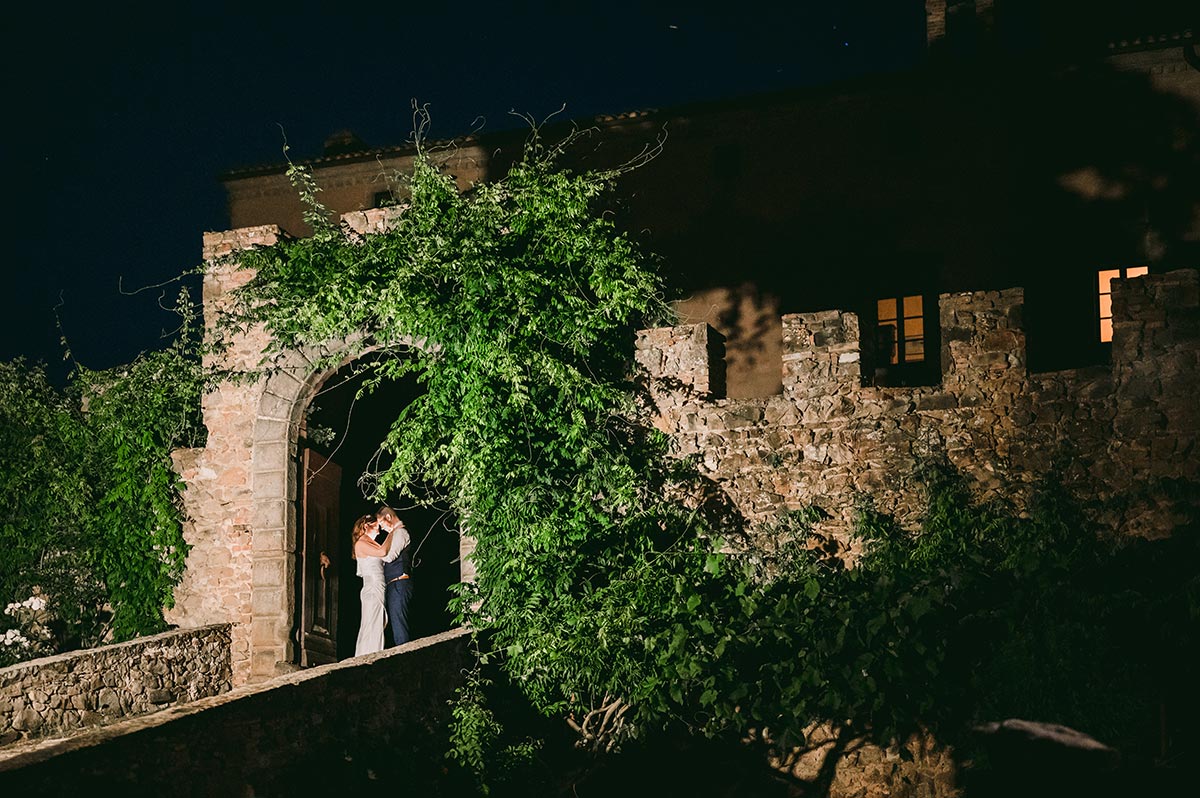
Who dreams of a wedding in Italy should never miss out to be photographed on heritage sites.
FEEL VIBES
Planning the Perfect Couple’s Shooting Session in Tuscany
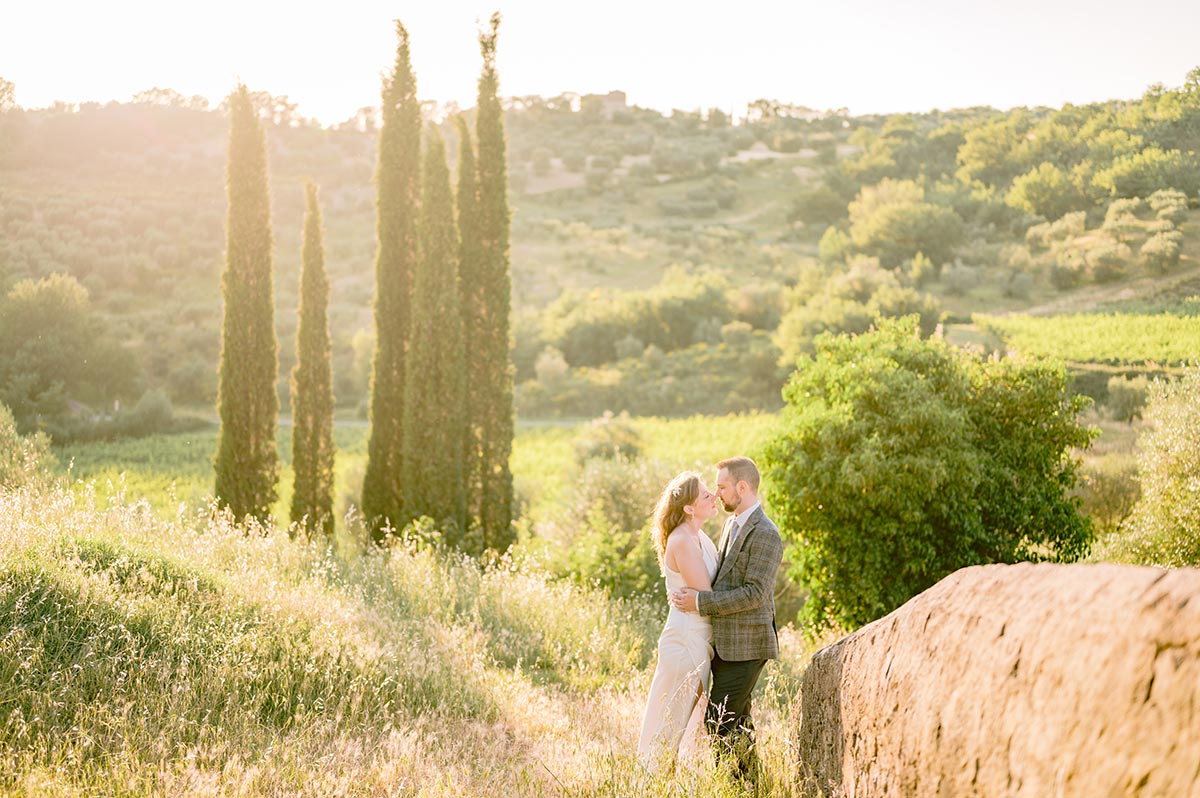
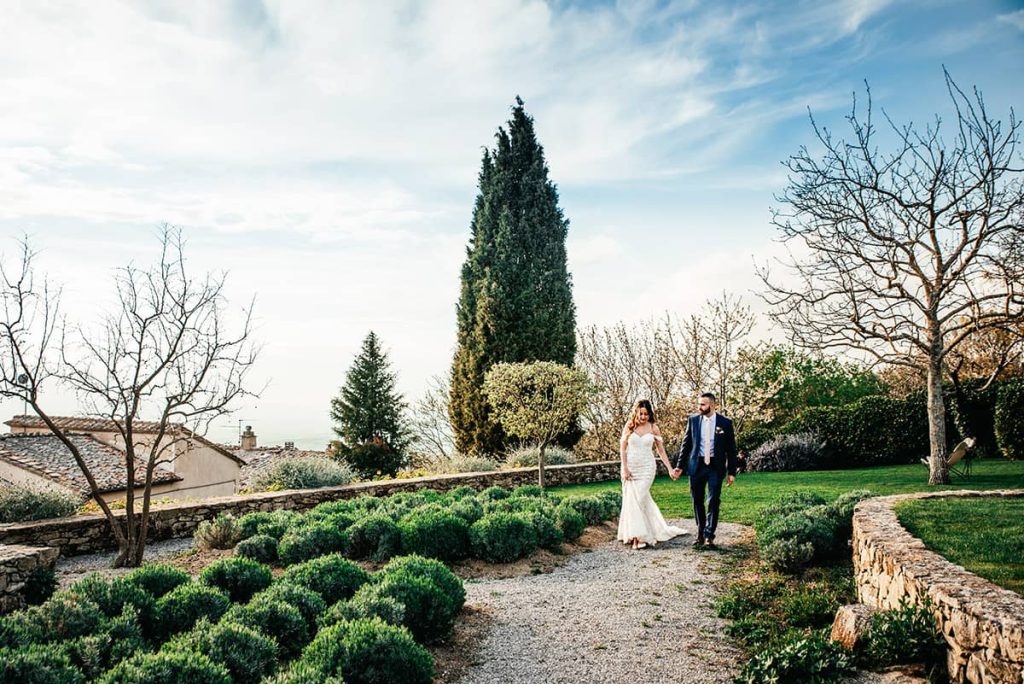
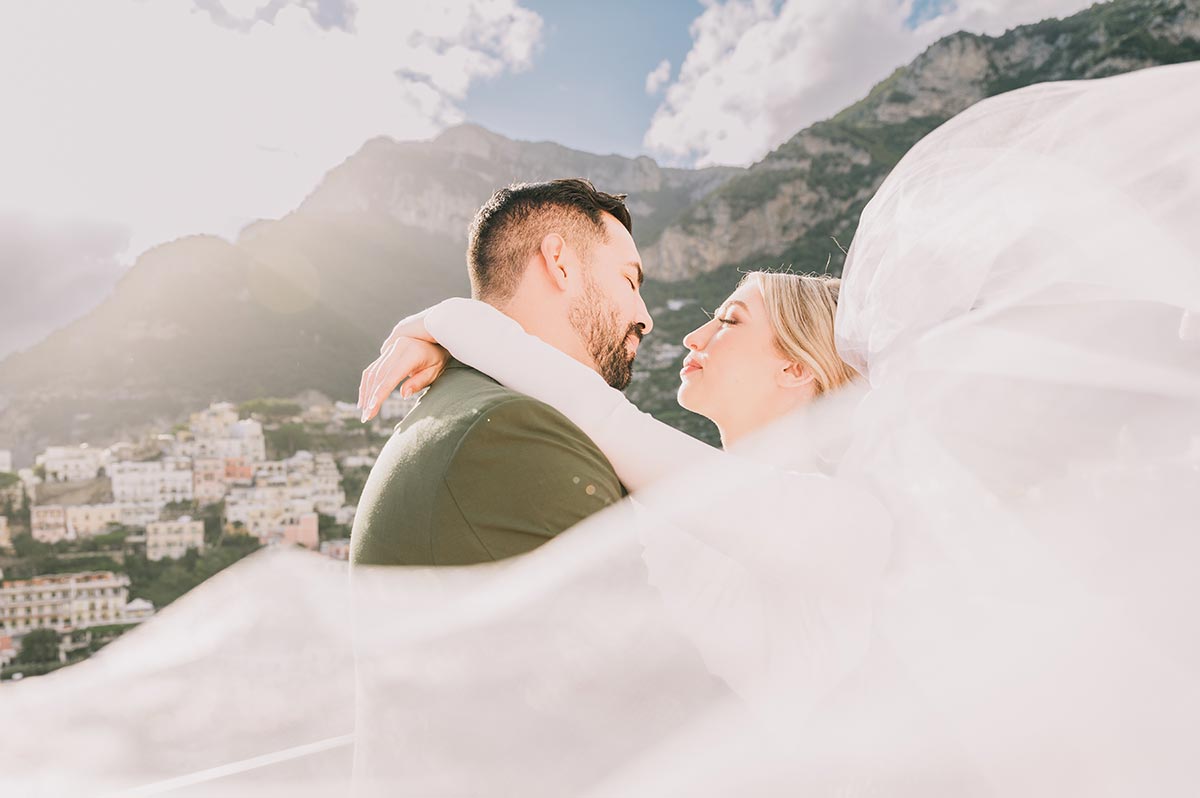
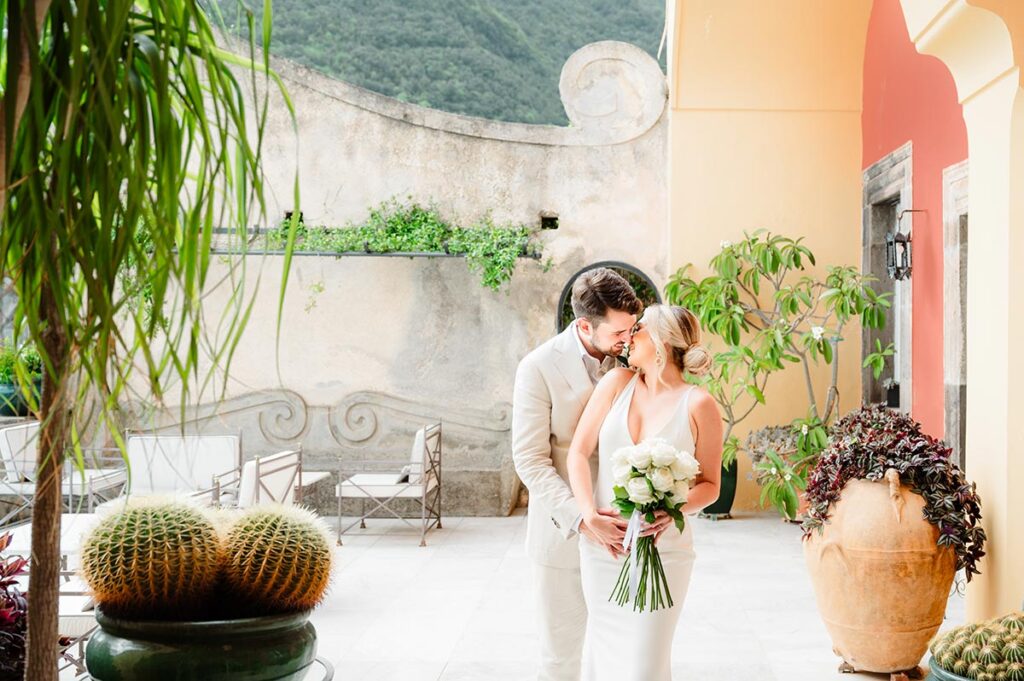
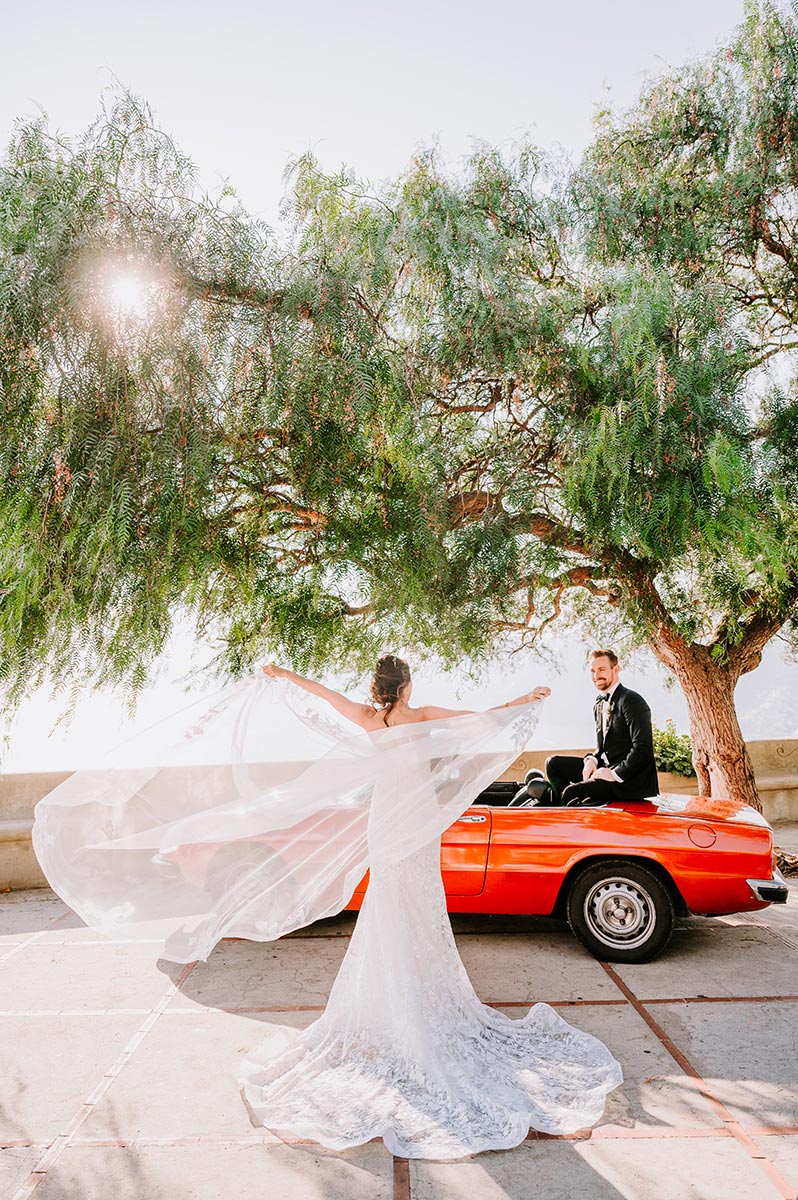
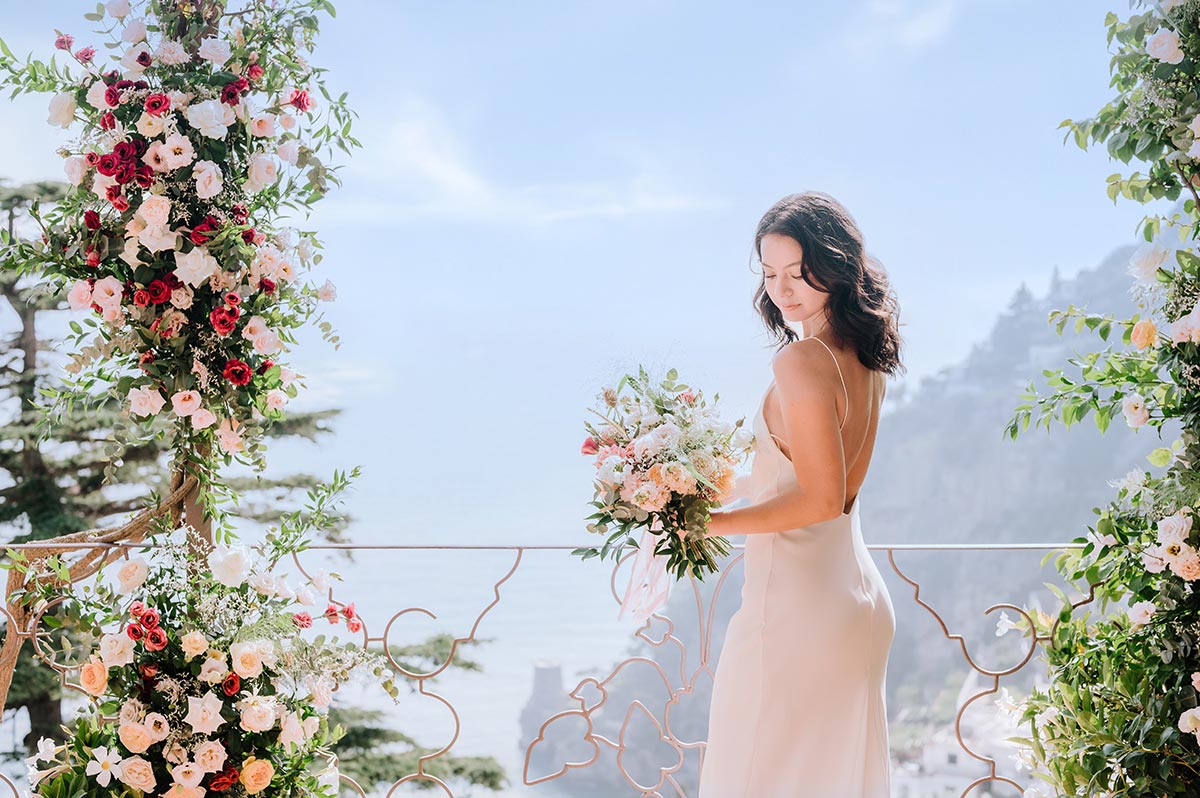
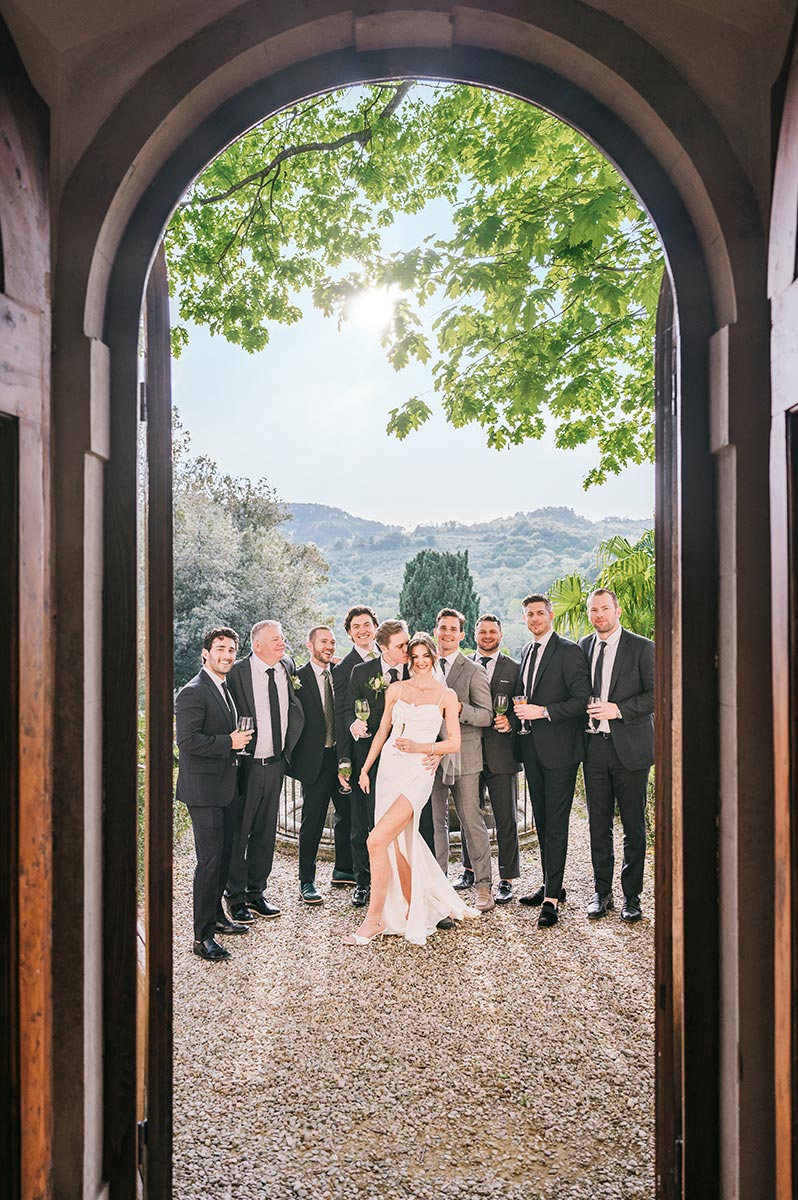
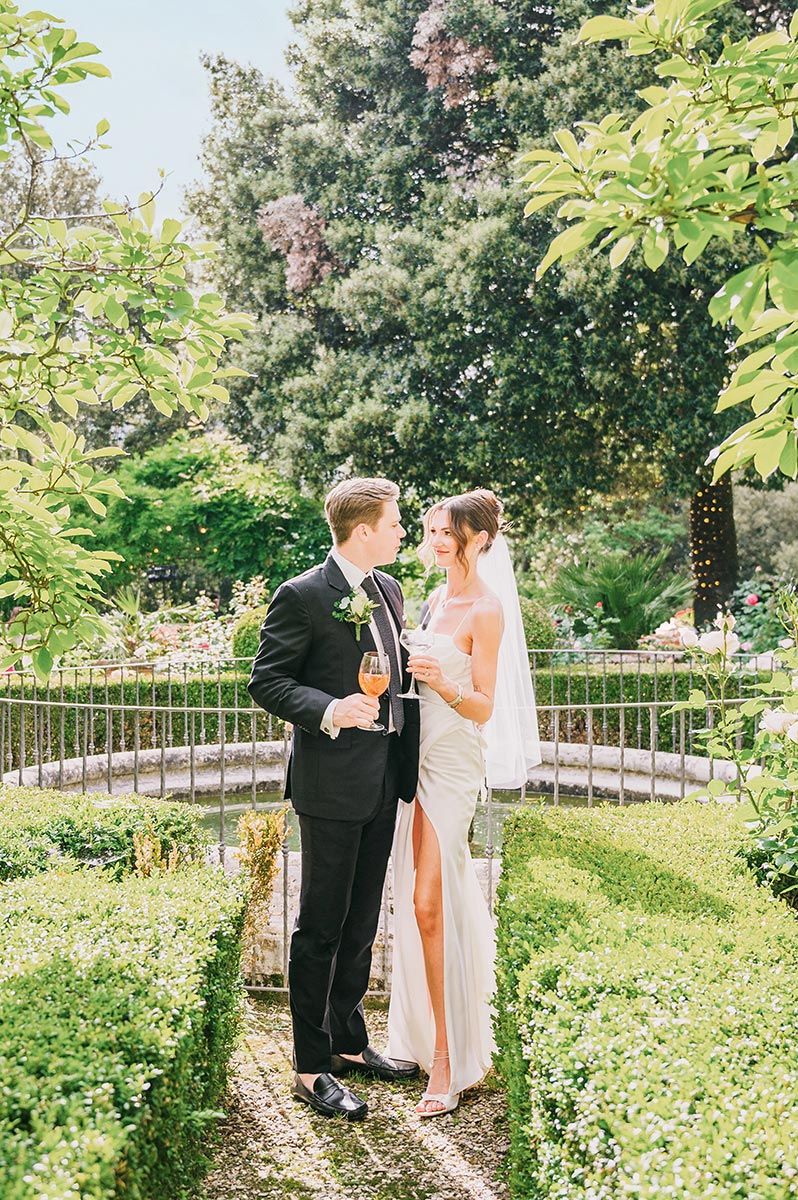
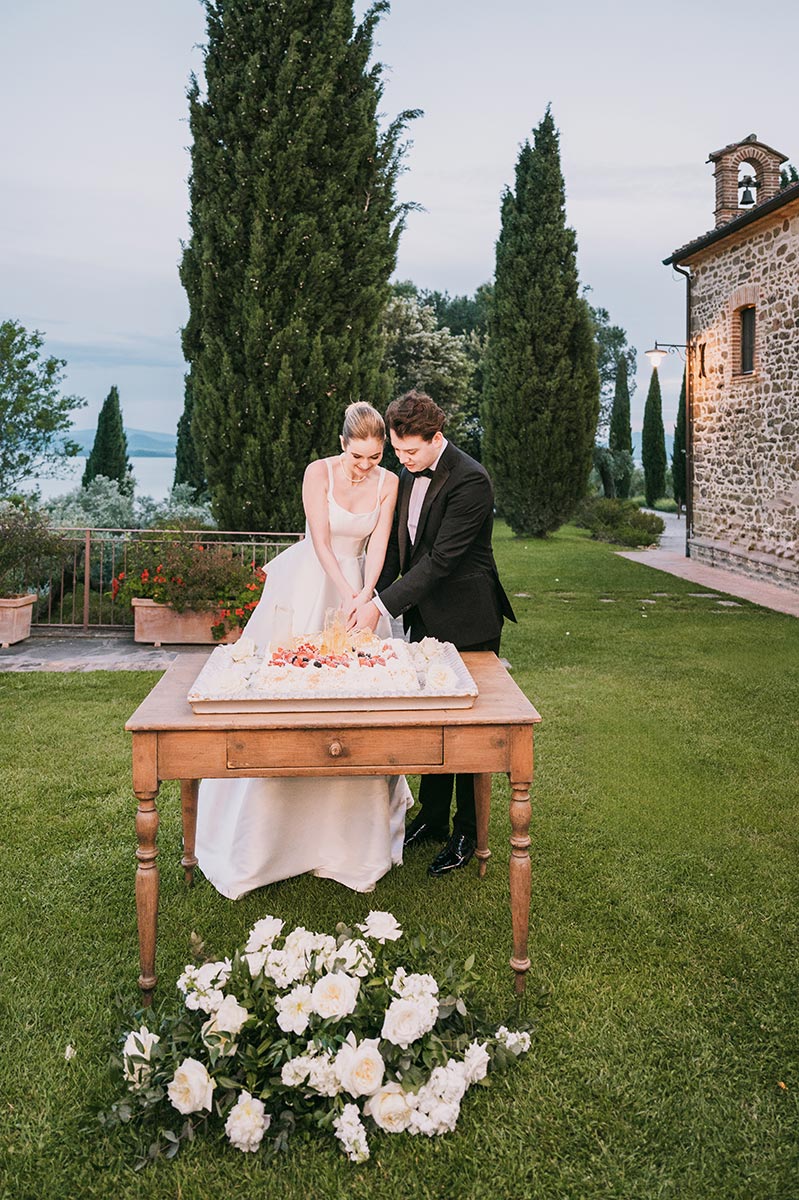
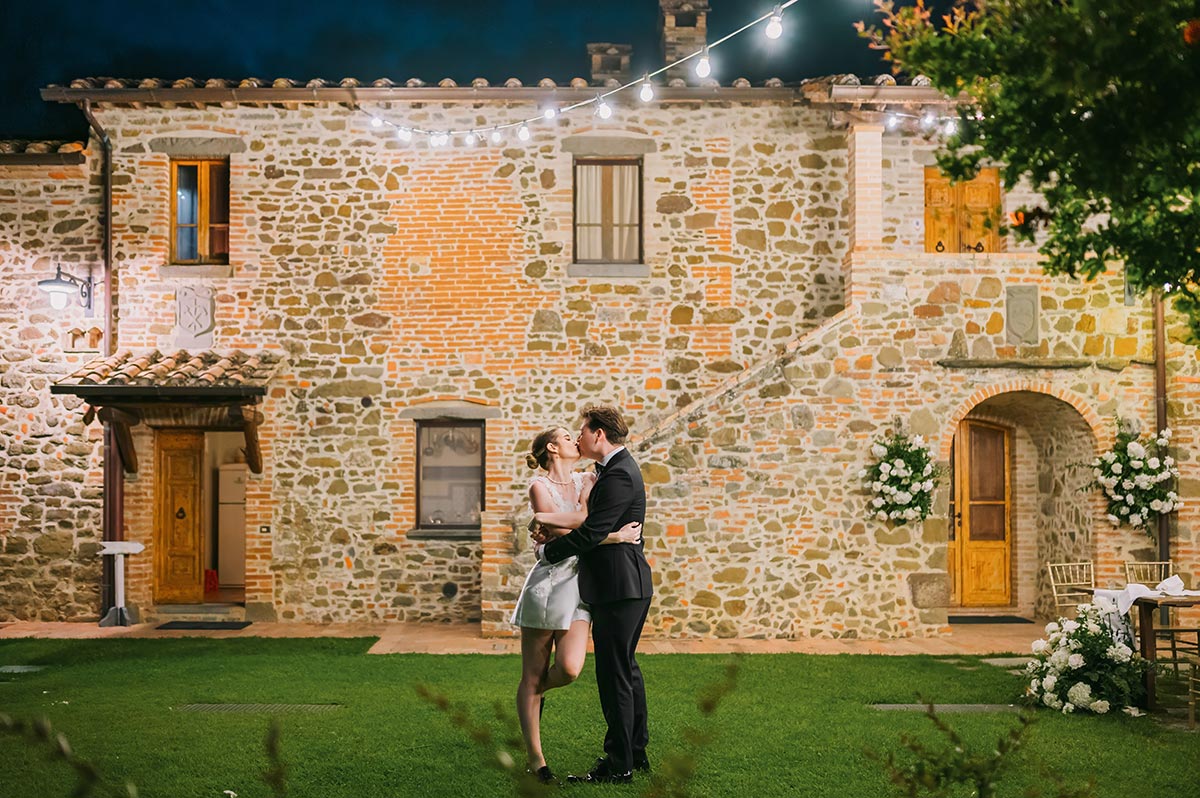
One of the most memorable aspects of shooting pictures in Tuscany is the couple outdoor session. The breathtaking landscapes of the Tuscan Region offer a backdrop that cannot be matched elsewhere: gentle hills, lines of cypress trees, historic villas, and charming farmhouses.
WEDDING IN TUSCANY
HIDDEN JEMS
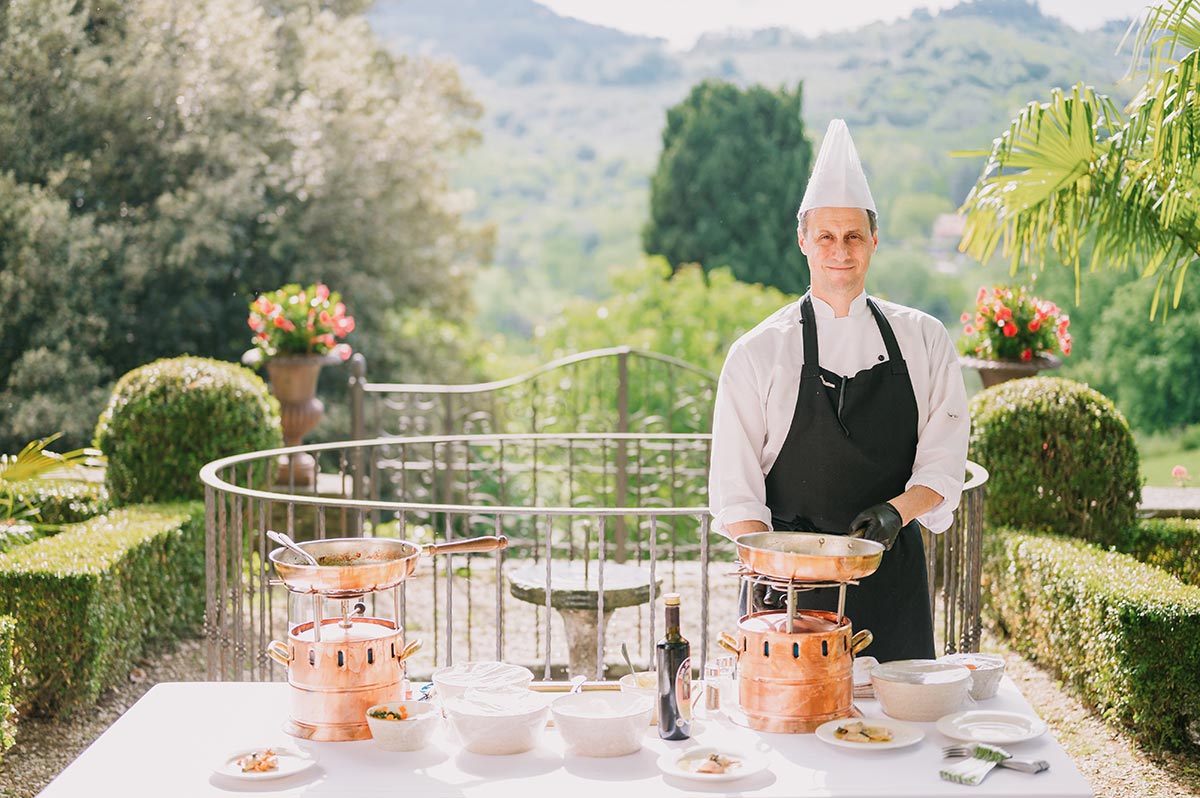
We know intimate places in Tuscany and your love story deserve the best.
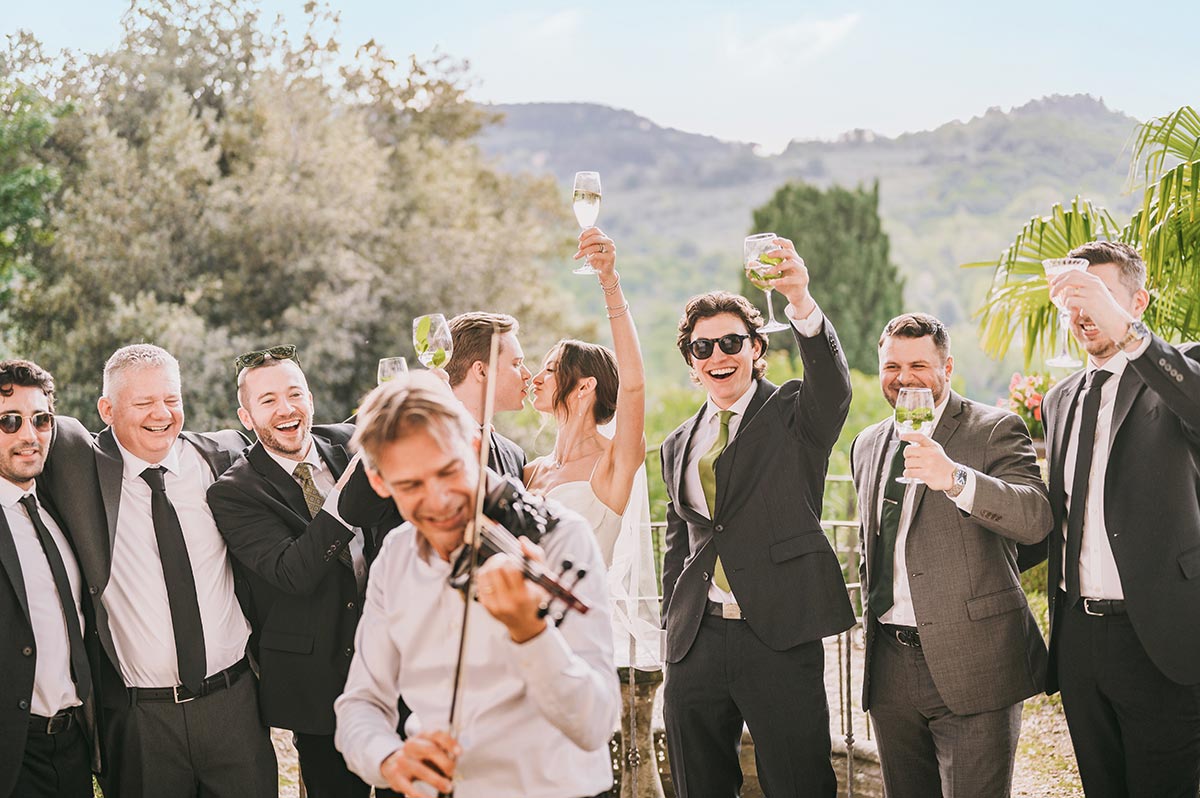
TUSCANY IS UNIQUE
You can combine a luxurious wedding with a deep journey in Italy
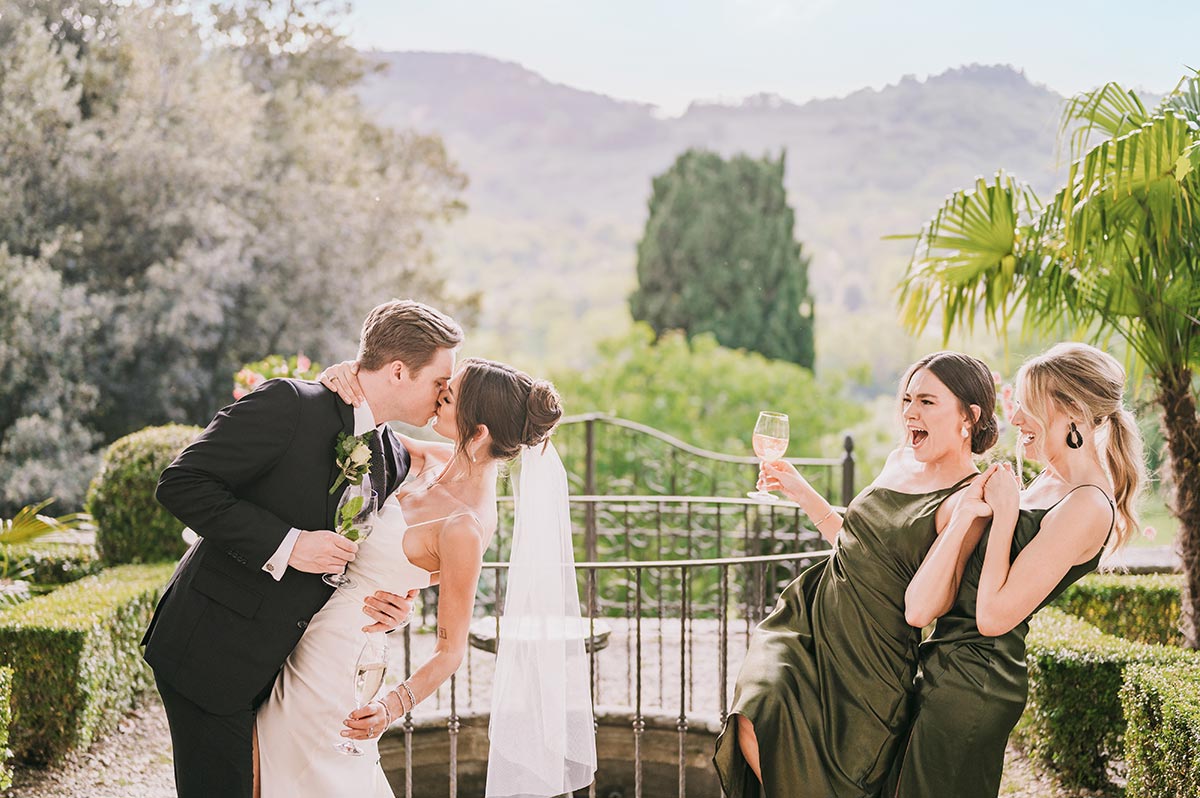


You wouldn’t finds the same elements in Amalfi Coast or Lake Como. Because of the different territory, the schedule of your big day should have a diverse fine art wedding photography approach.
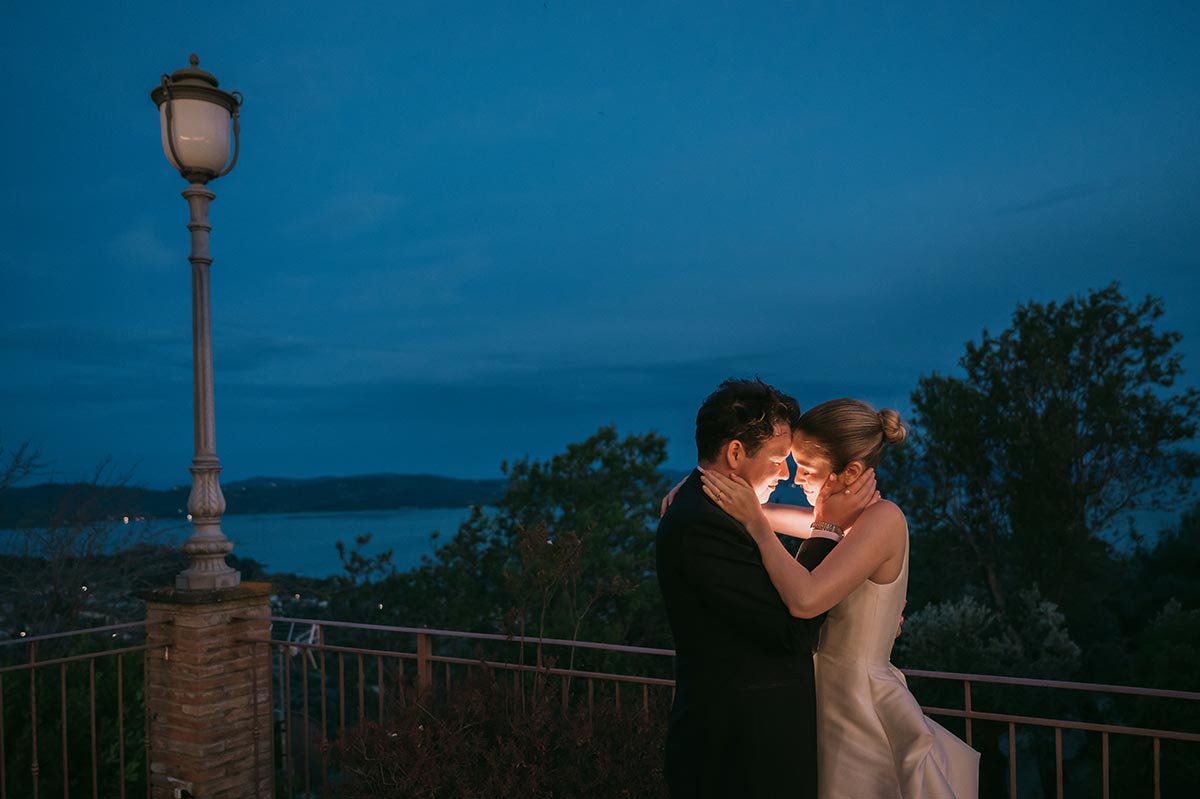
Timing is crucial for optimal results in any reportage. For the best lighting, schedule the couple shooting during the golden hour, shortly after sunrise or before sunset. This creates an ethereal feel in your photos, capturing the essence of Tuscan landscape. Relax, be yourself, and engage naturally with your partner for the most heartfelt and memorable images.
Creating an Intimate and Natural Look: Posing Tips for Couples
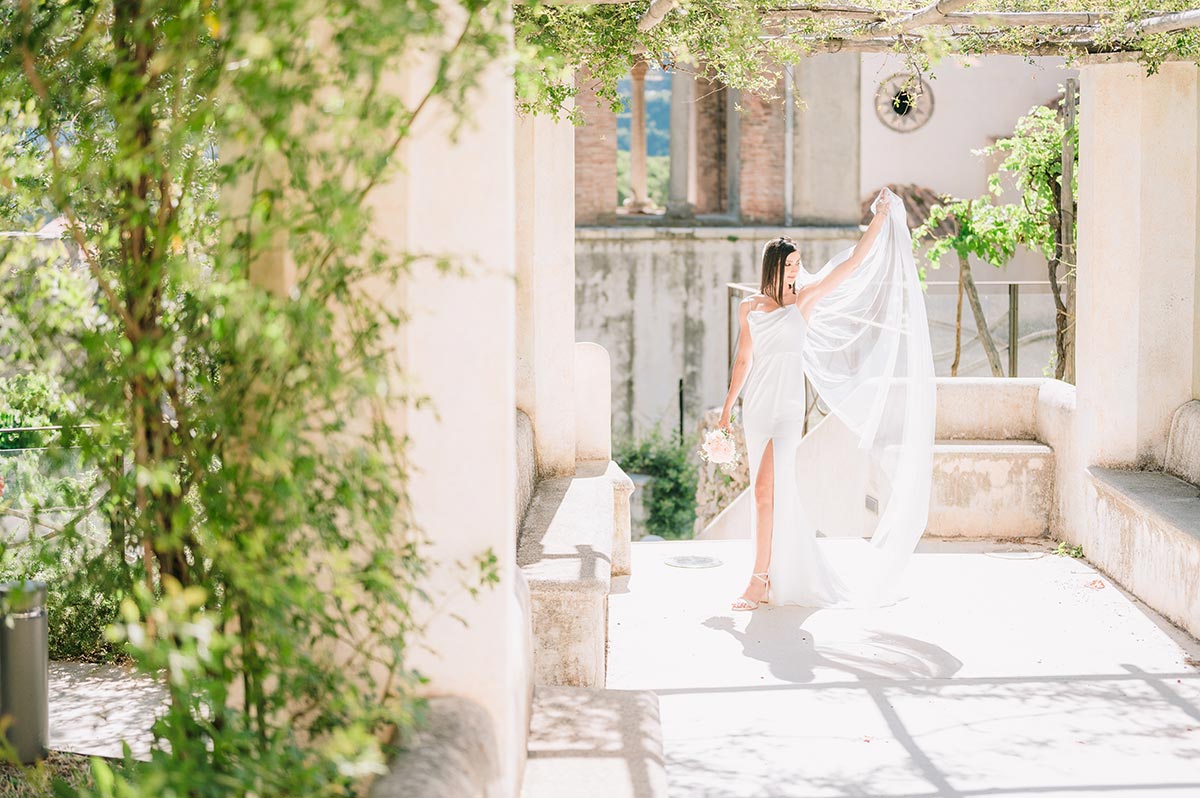
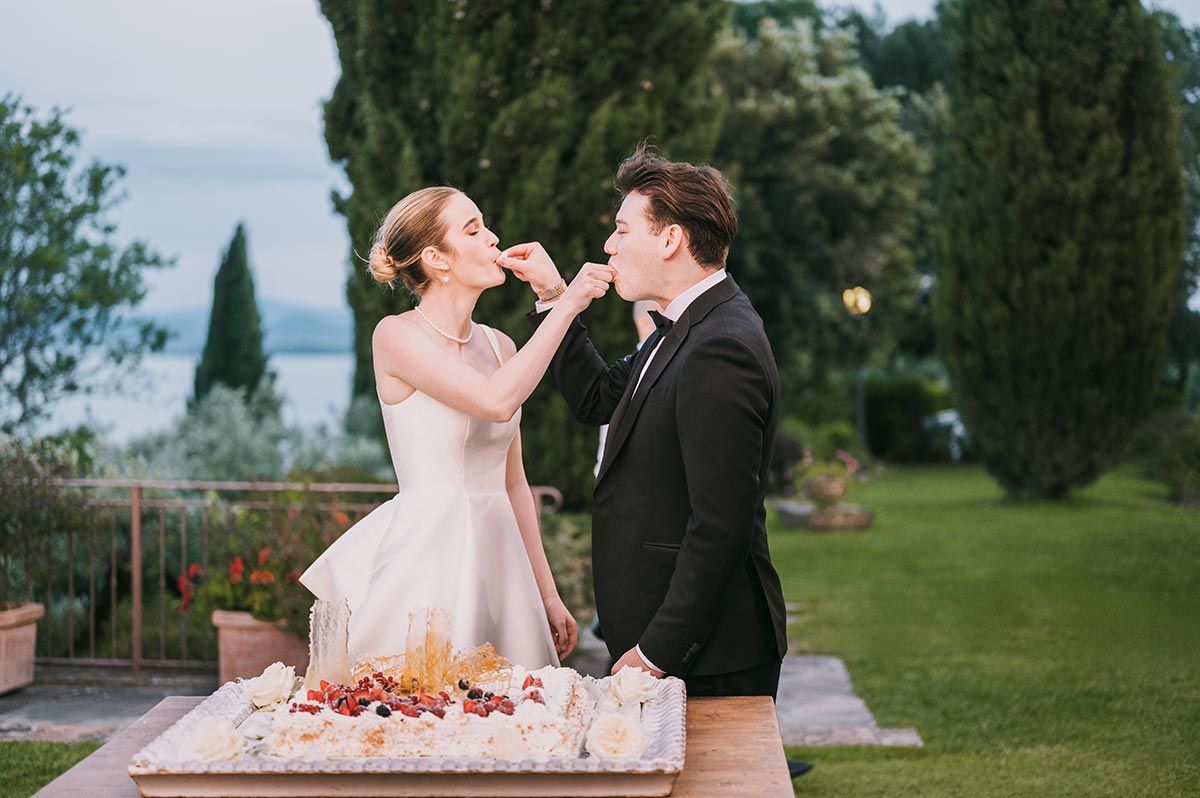
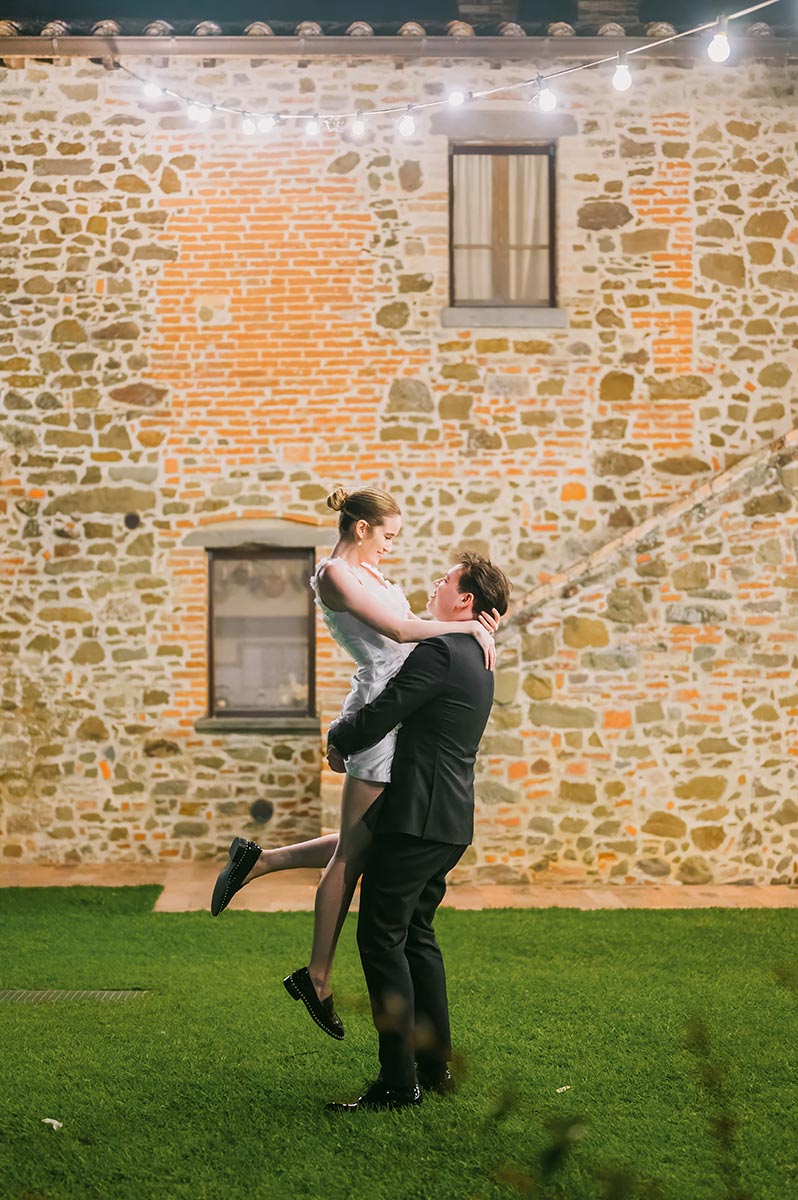
Many couples may feel uneasy when being photographed, but the key to stunning bridal shots is to relax and be yourself. As your “lensman”, I will help you feel at ease so your genuine personalities can shine. I focus on natural poses like holding hands, walking, or sharing a laugh. I won’t do this by taking joke of you, I will do it with professionalism, of course.
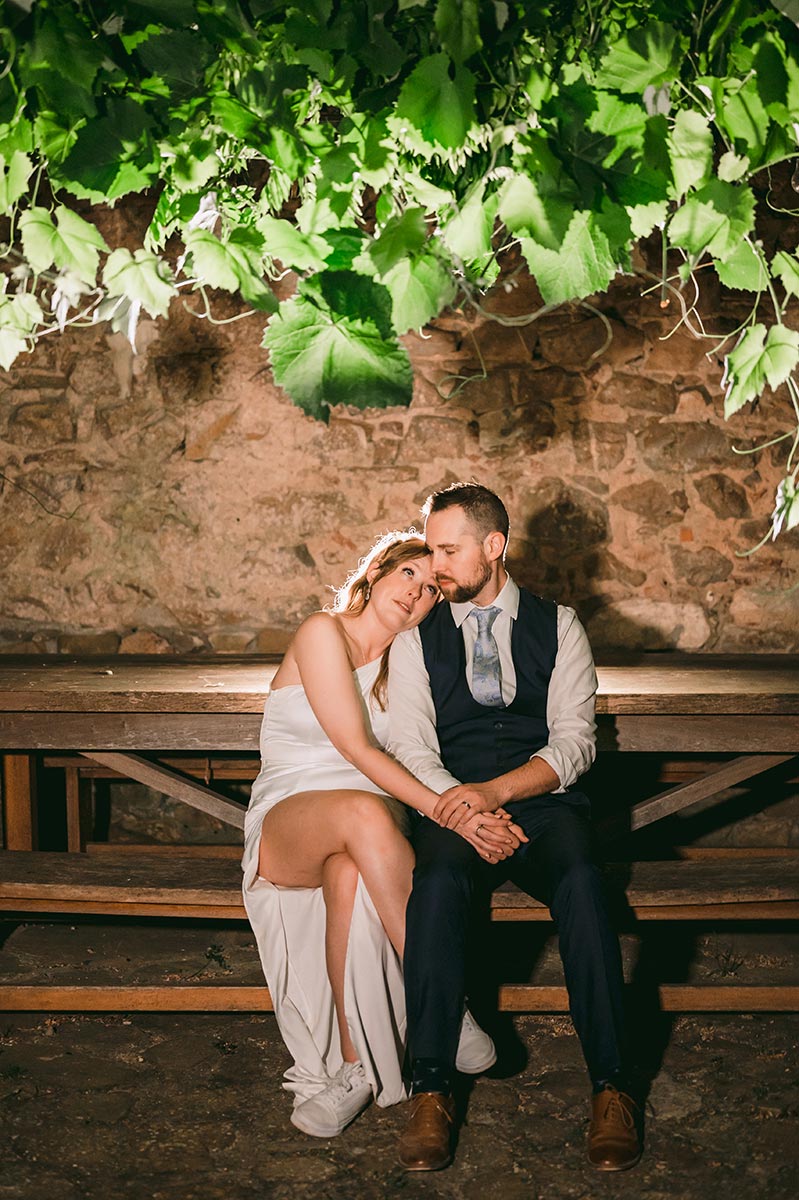
I am to capture authentic moments, prioritizing your connection over poses. Natural chemistry shines through effortlessly in the relaxed atmosphere we create. The local stunning scenery adds to the ease, fostering spontaneous, close moments for magical photographs.
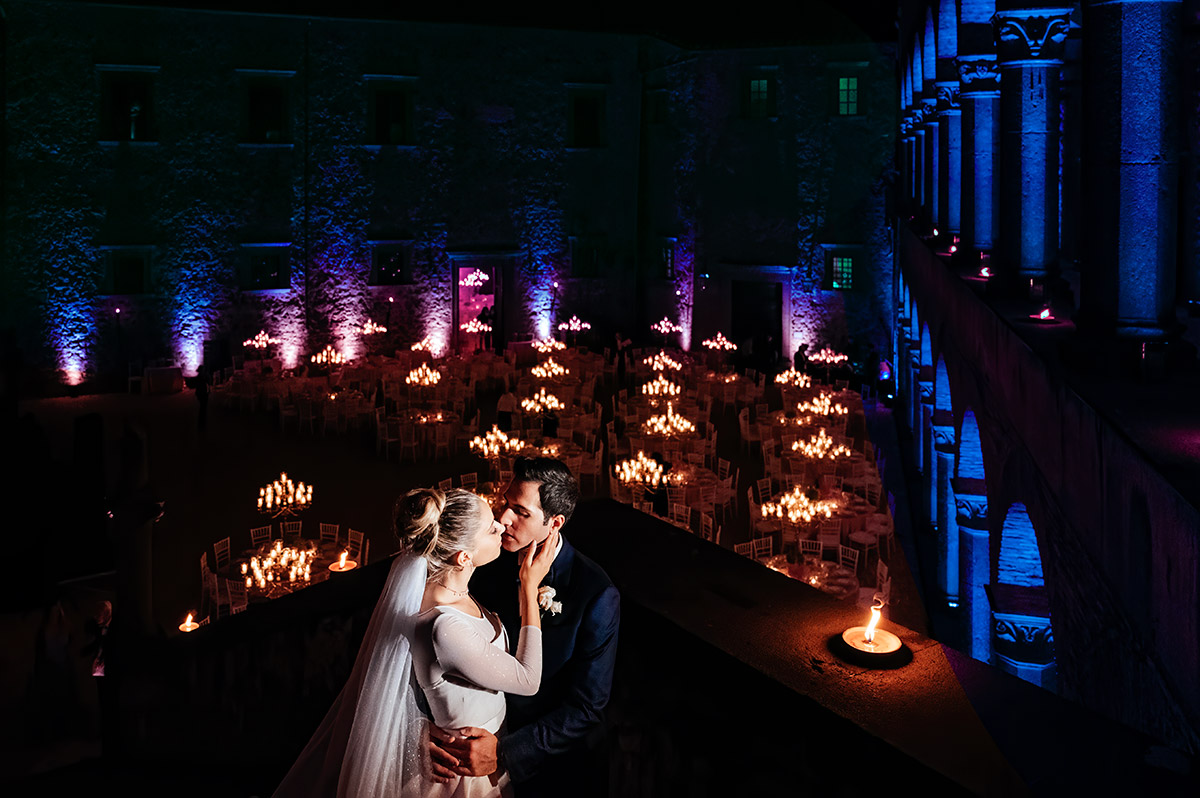
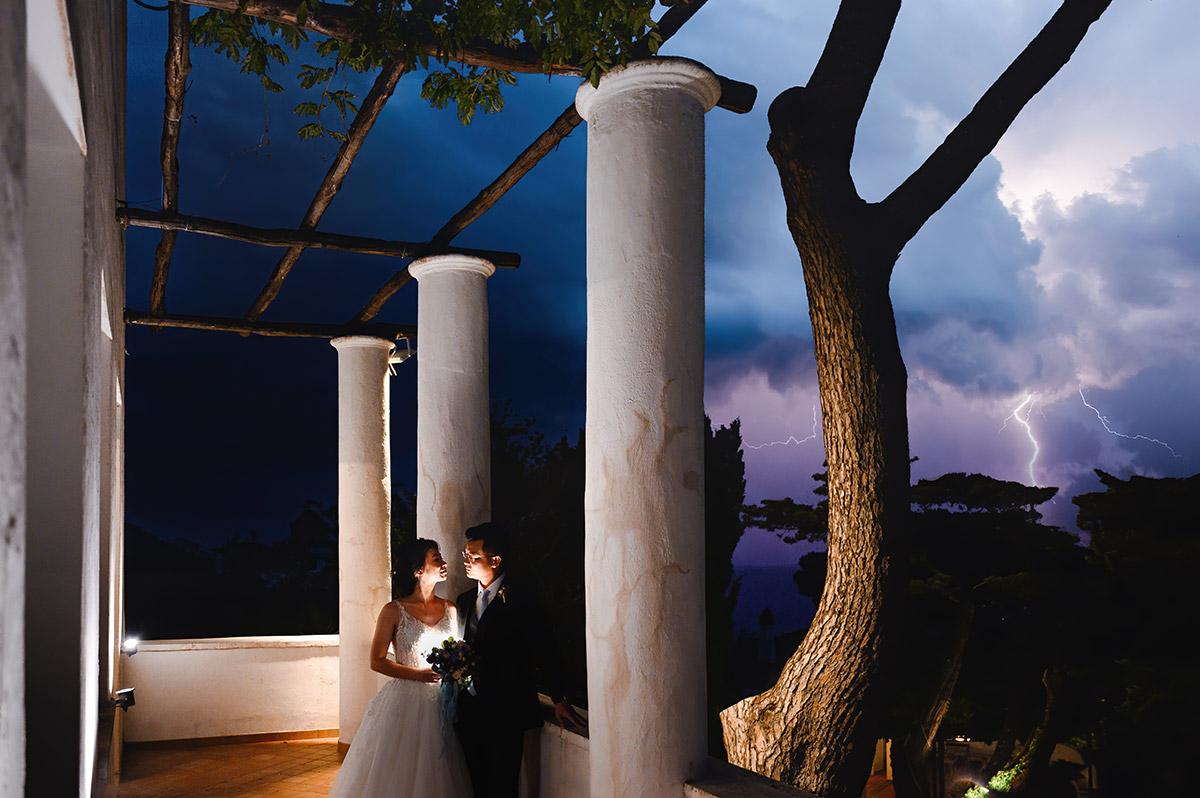
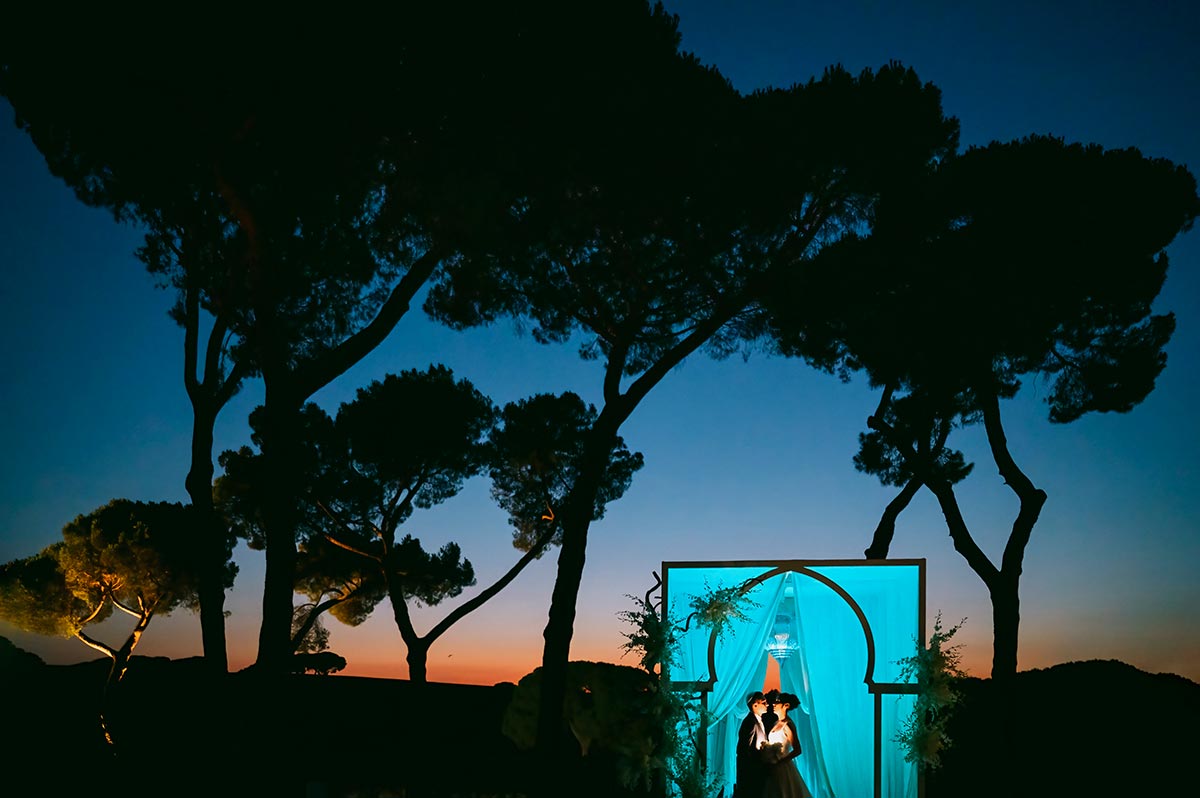
Tuscany Wedding Photos Packages
To accommodate various preferences and needs, I offer multiple wedding photography packages, designed to ensure that every important detail is captured, no matter the scale of your celebration.
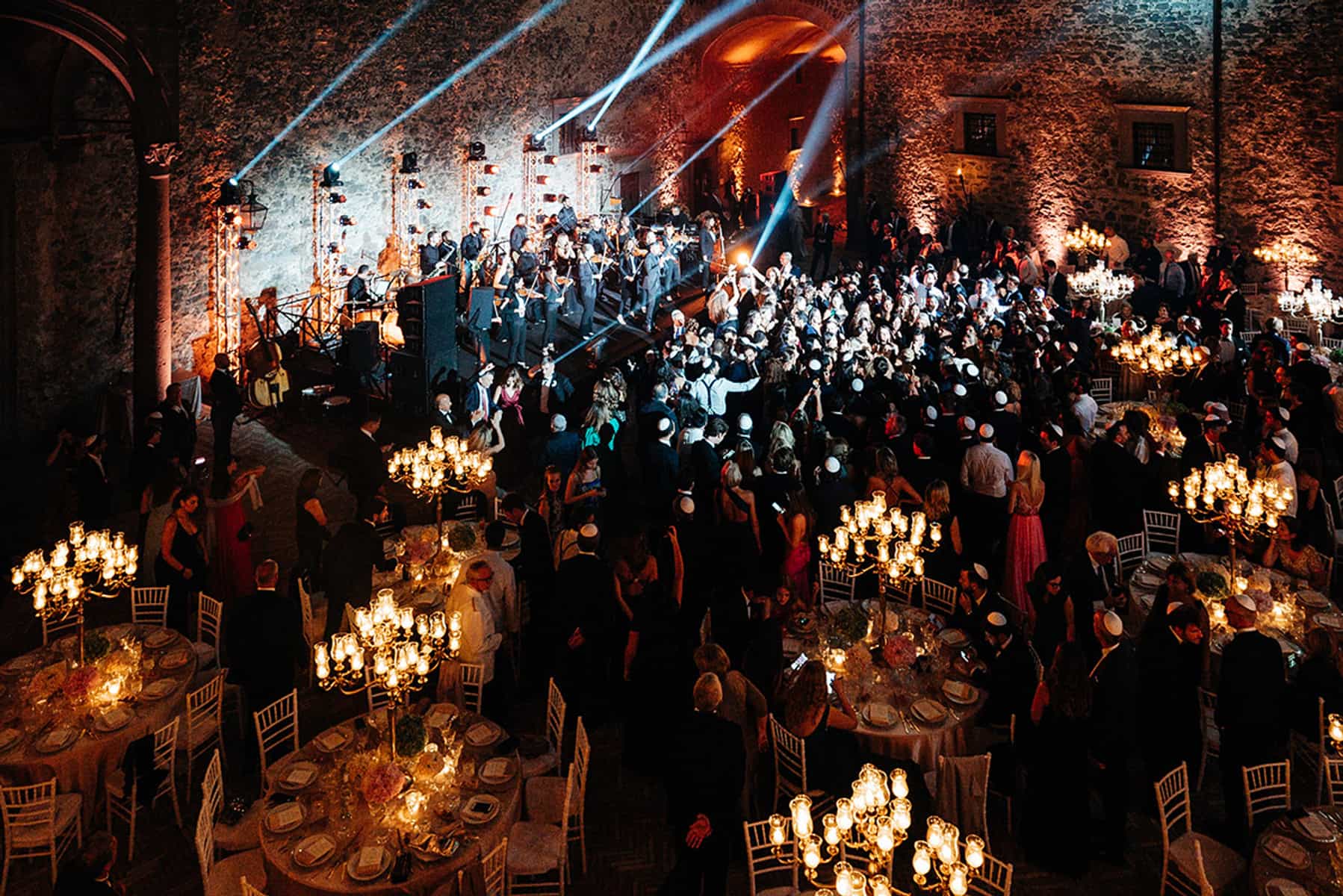
Full-Day Coverage
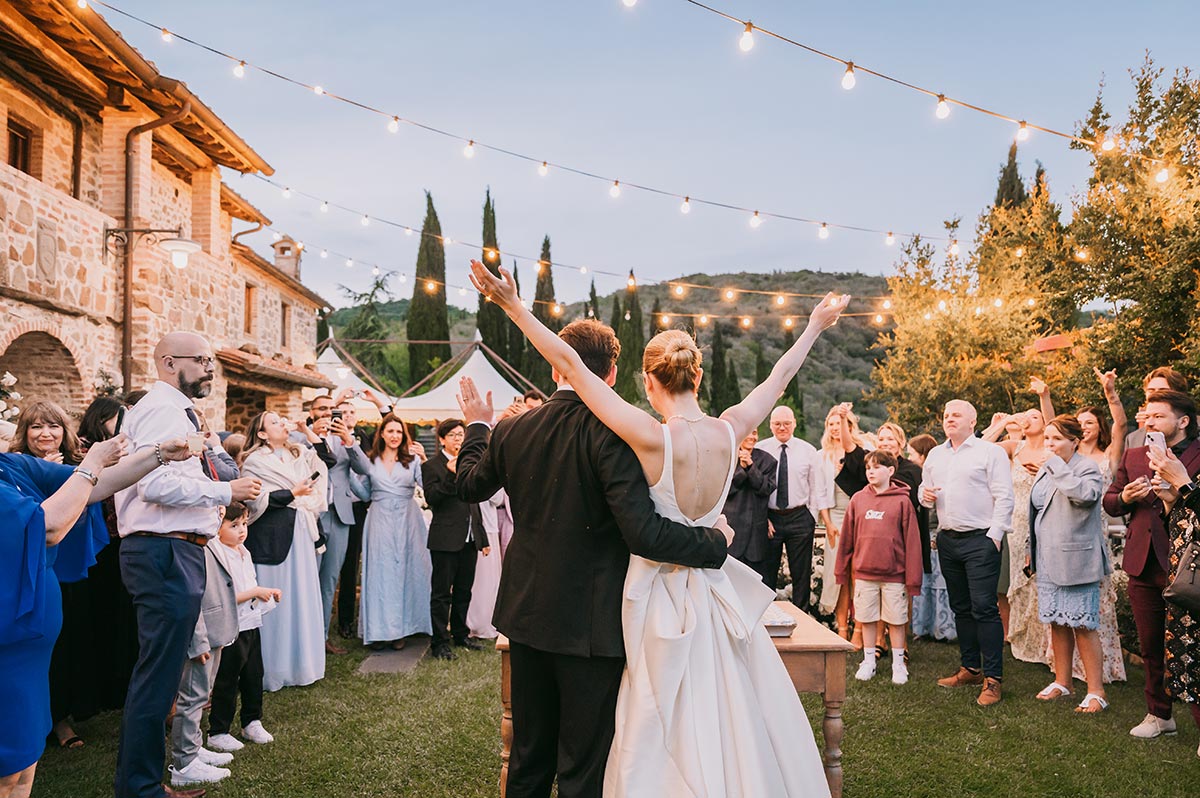
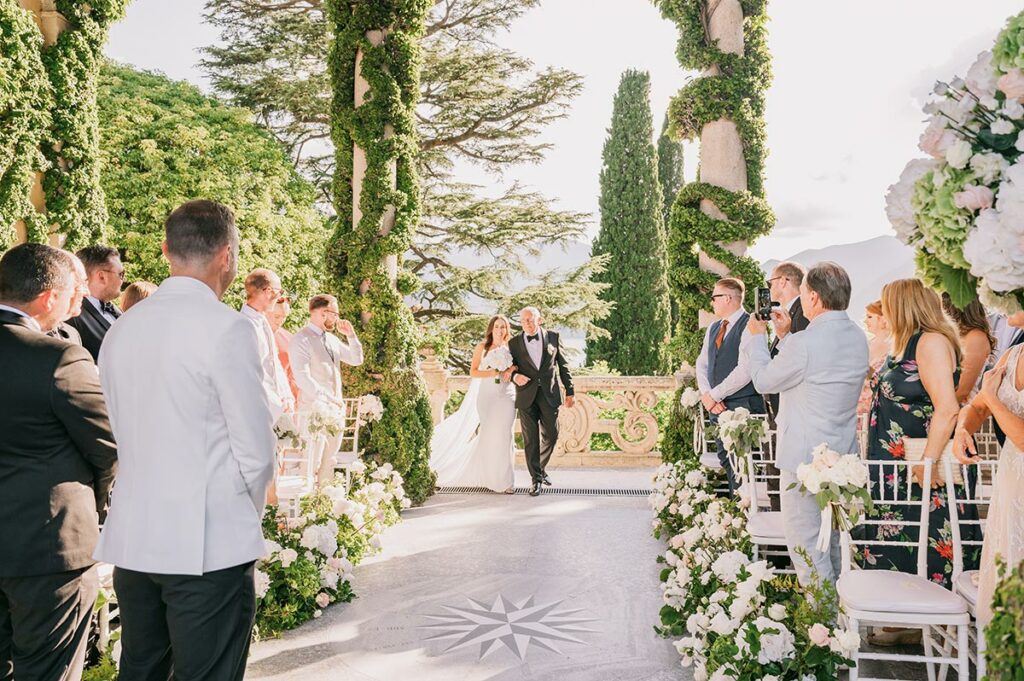
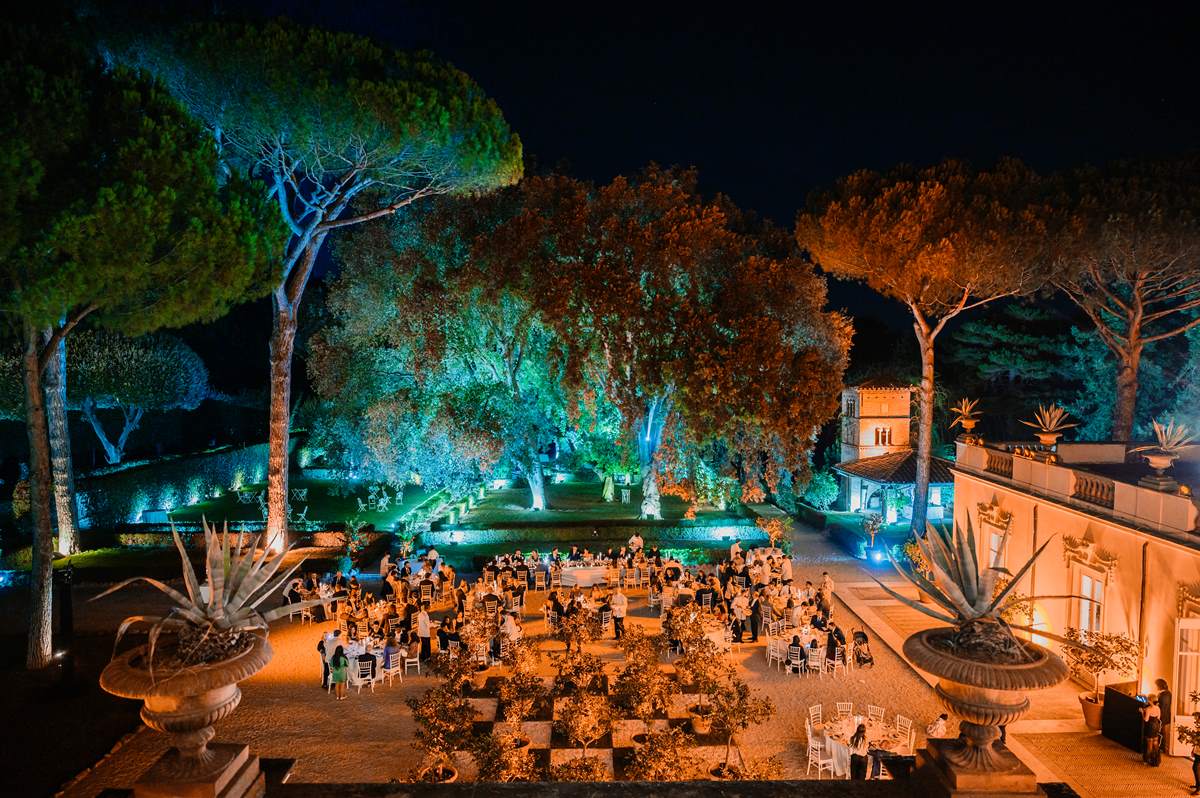
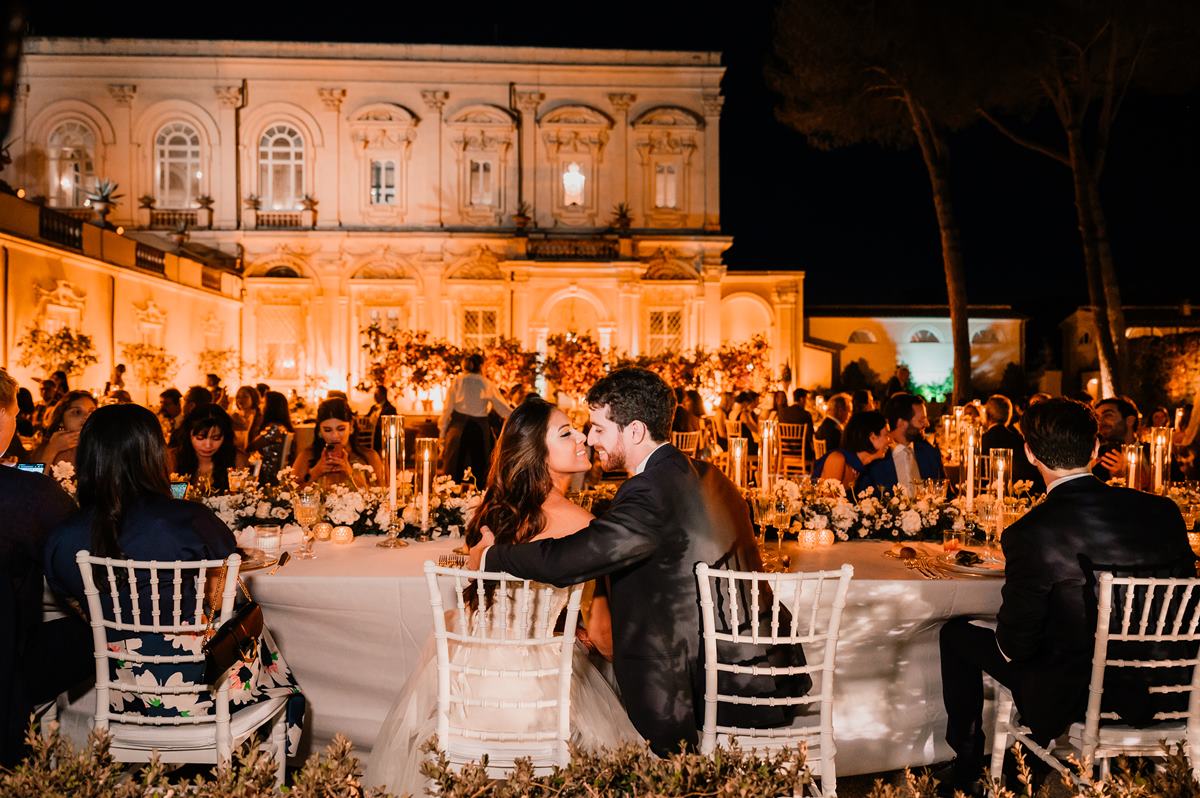
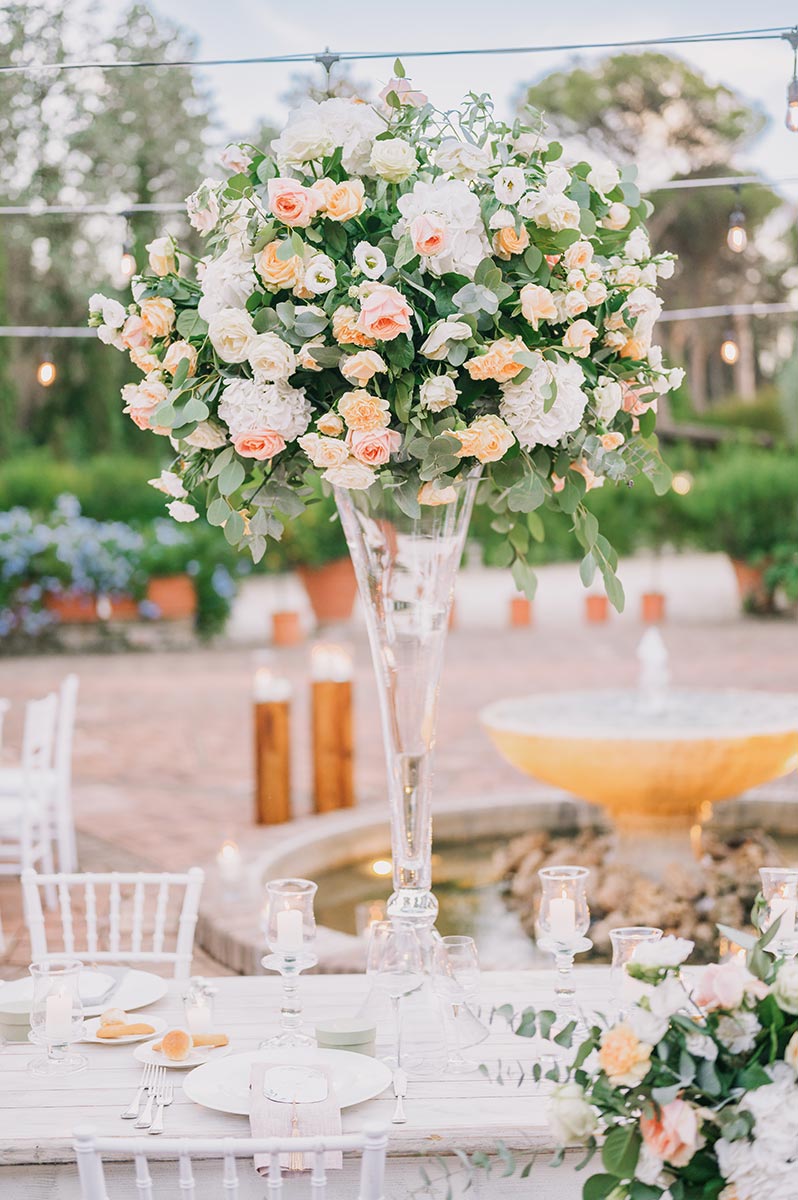
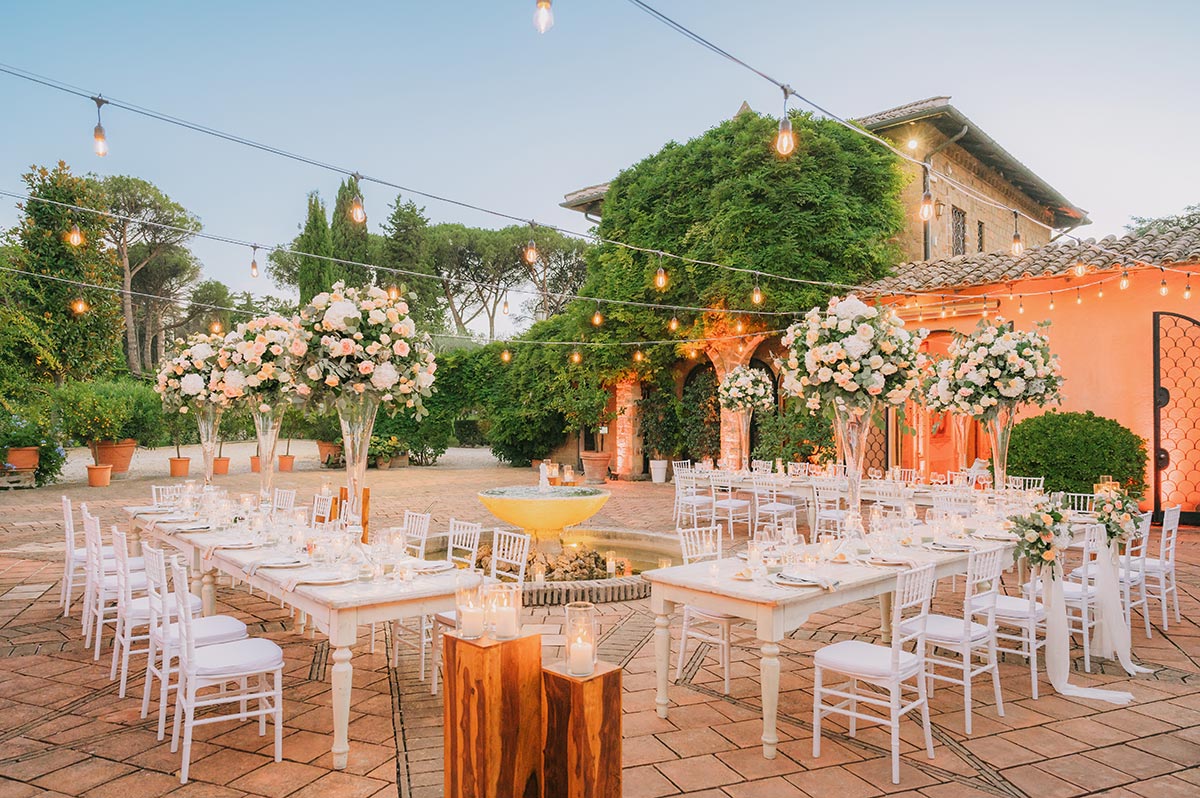
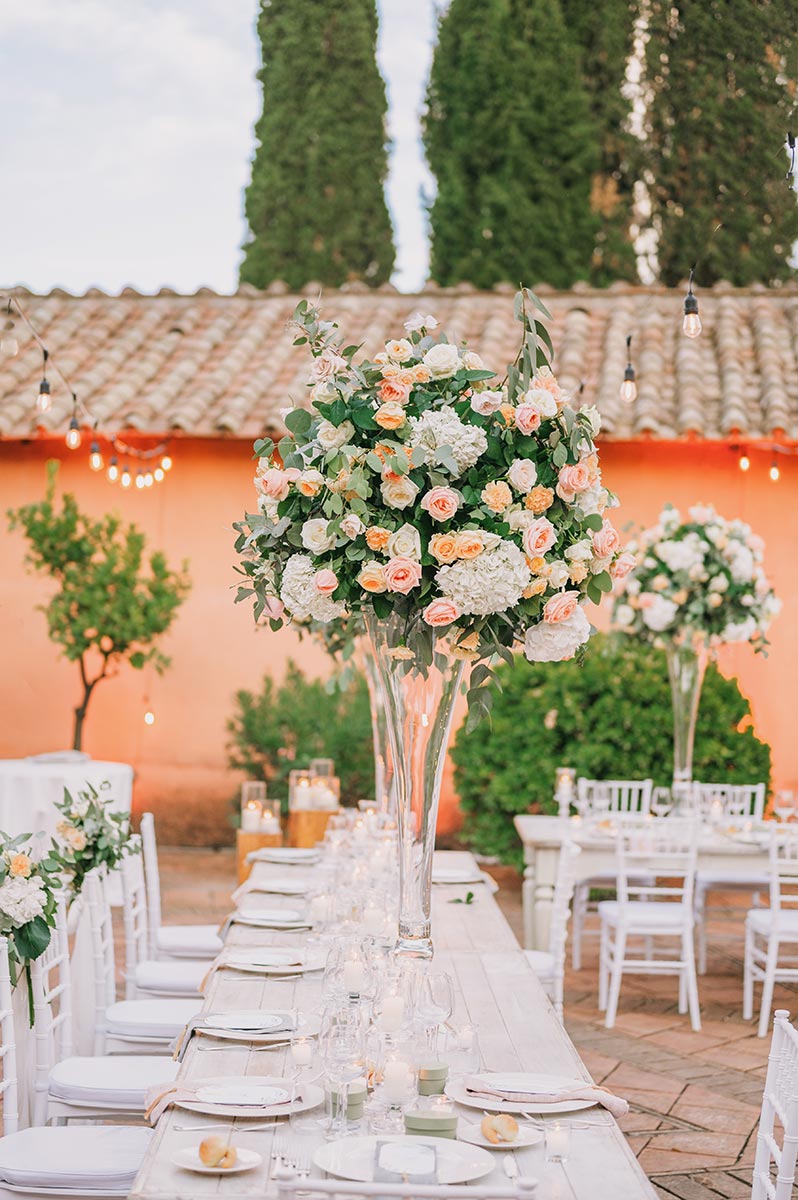
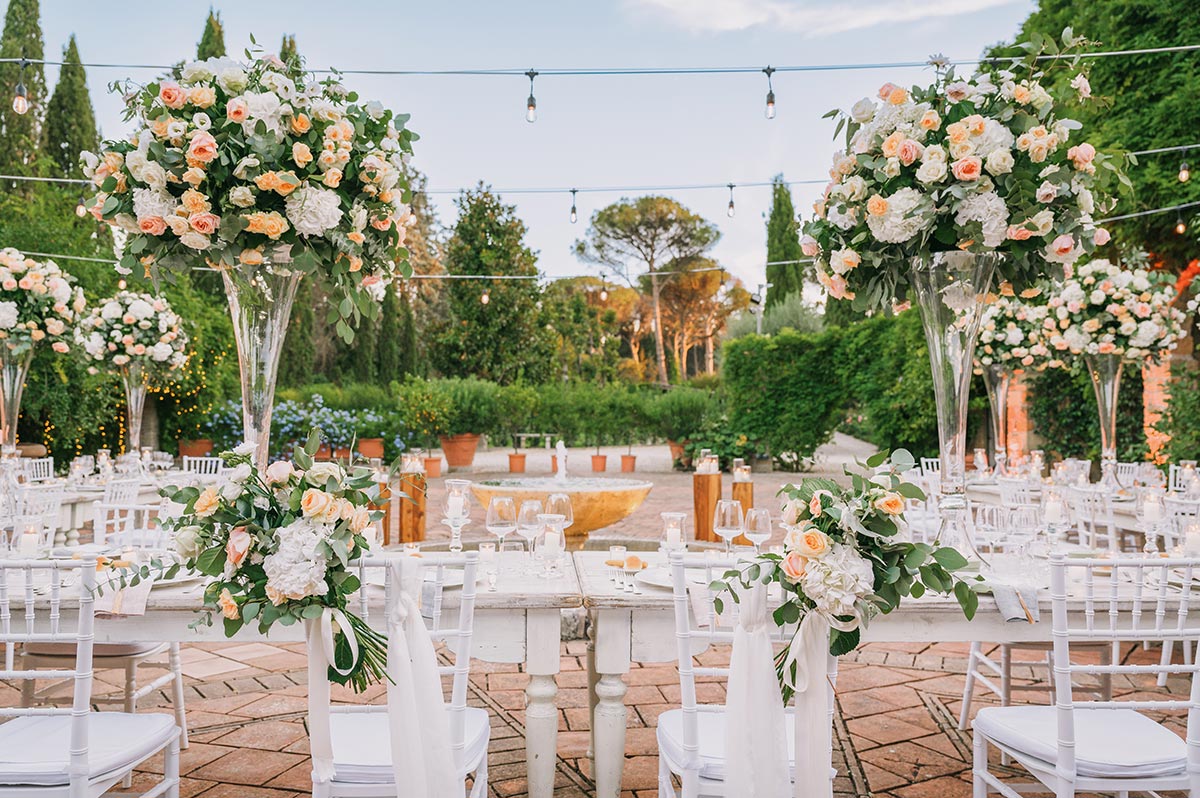
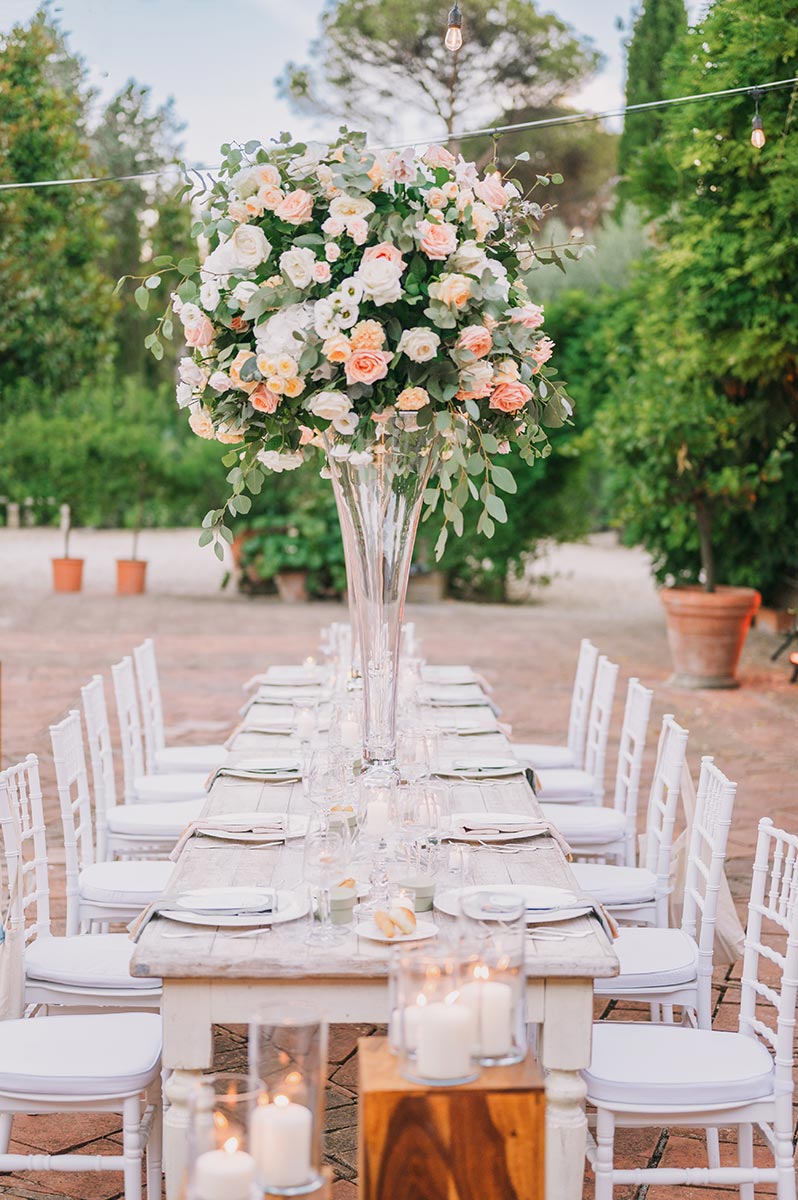
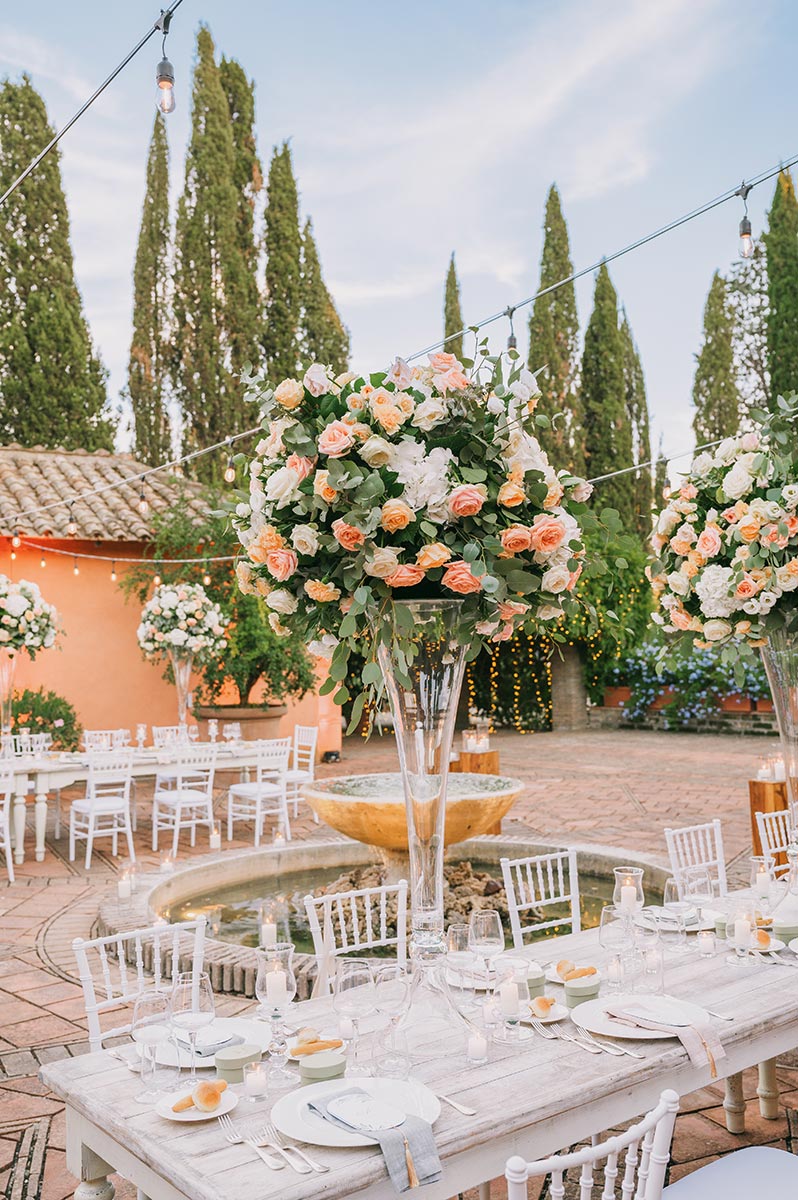
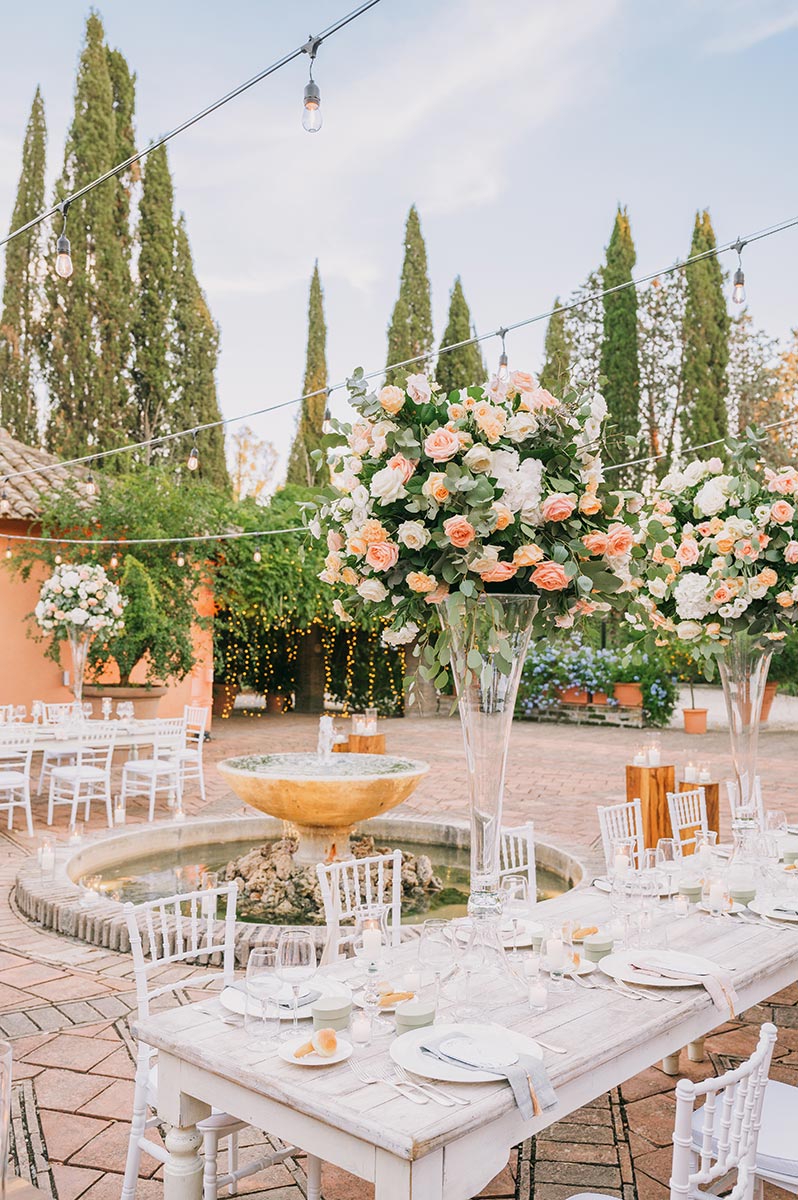
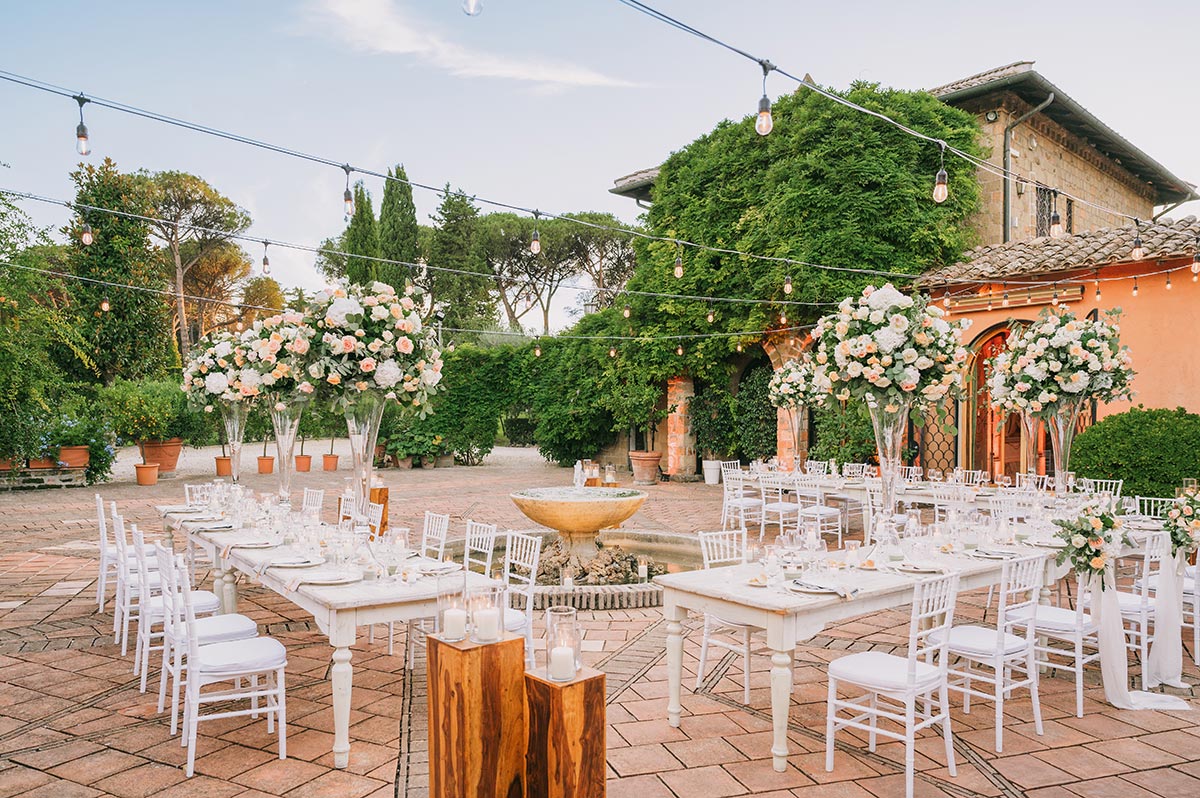
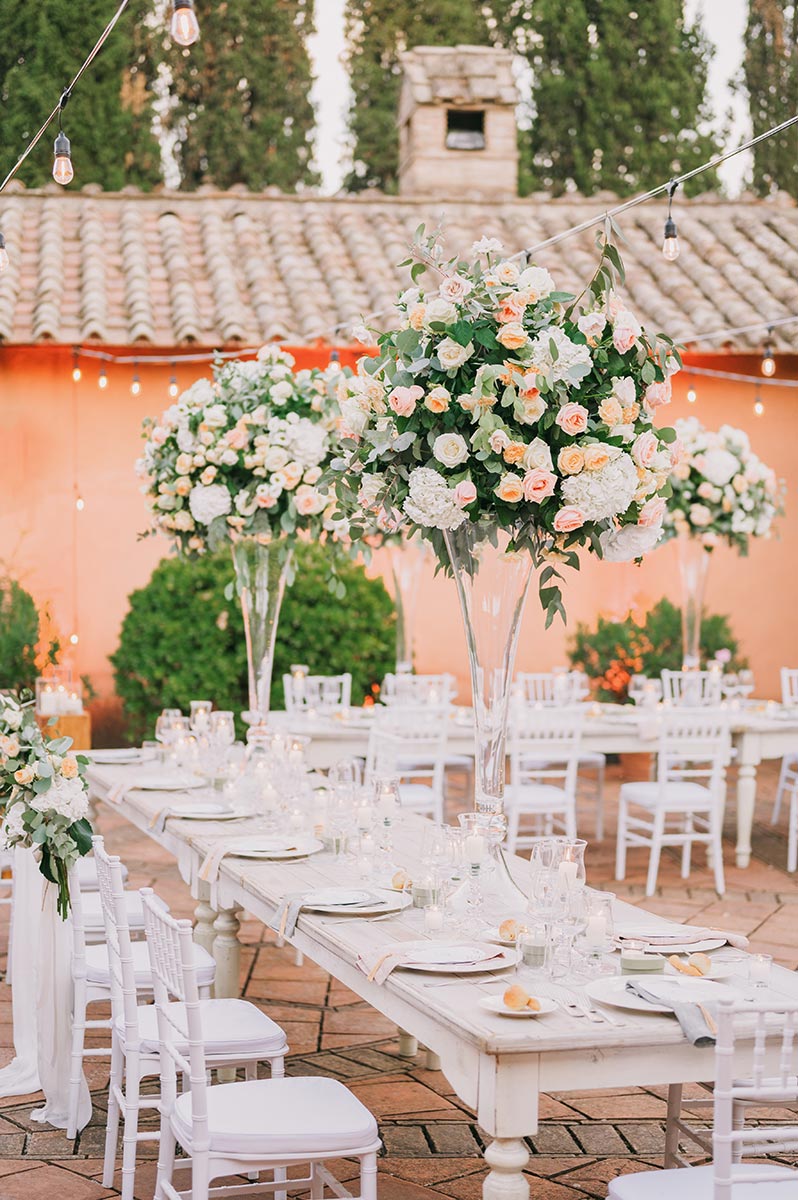
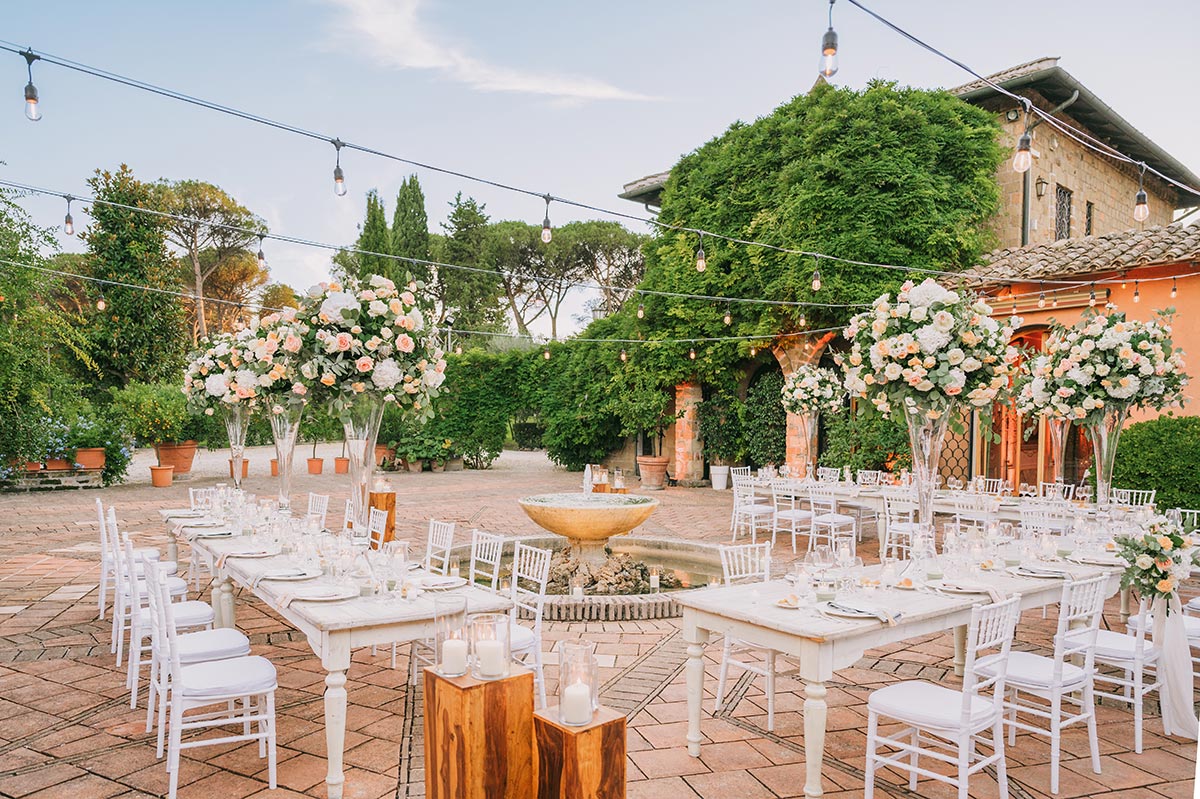
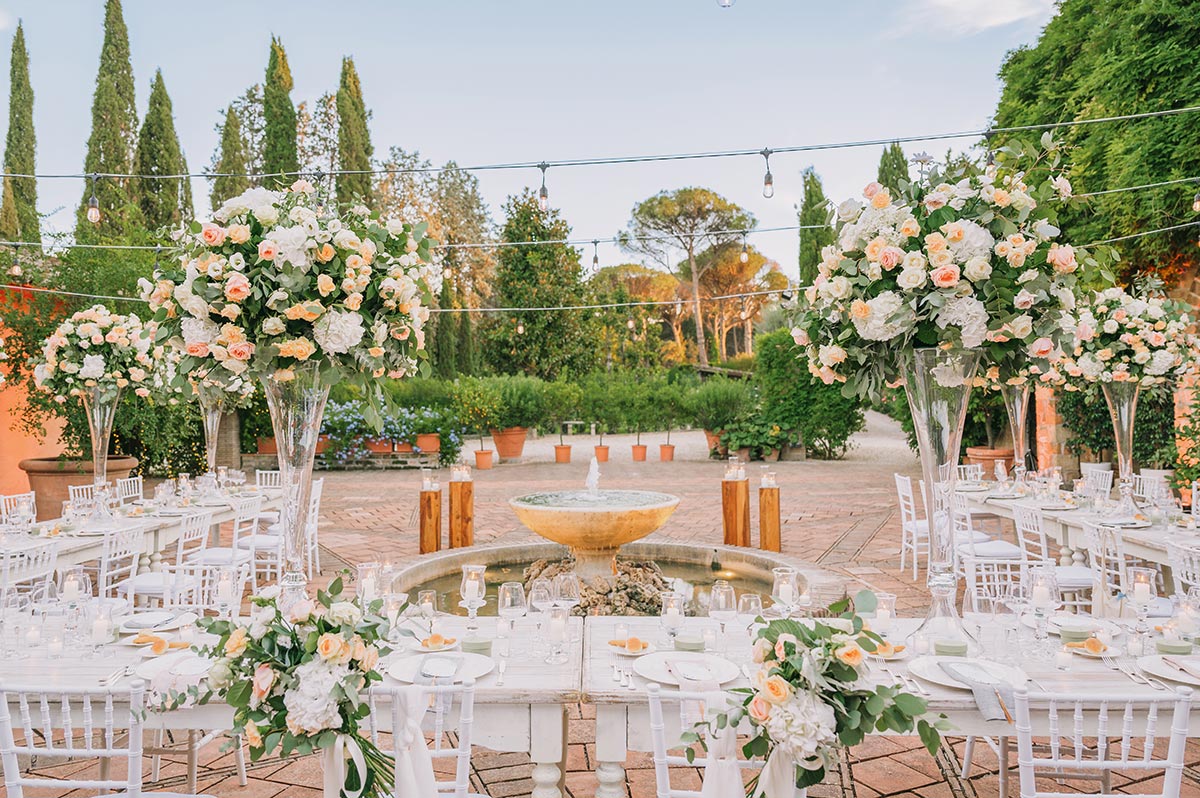
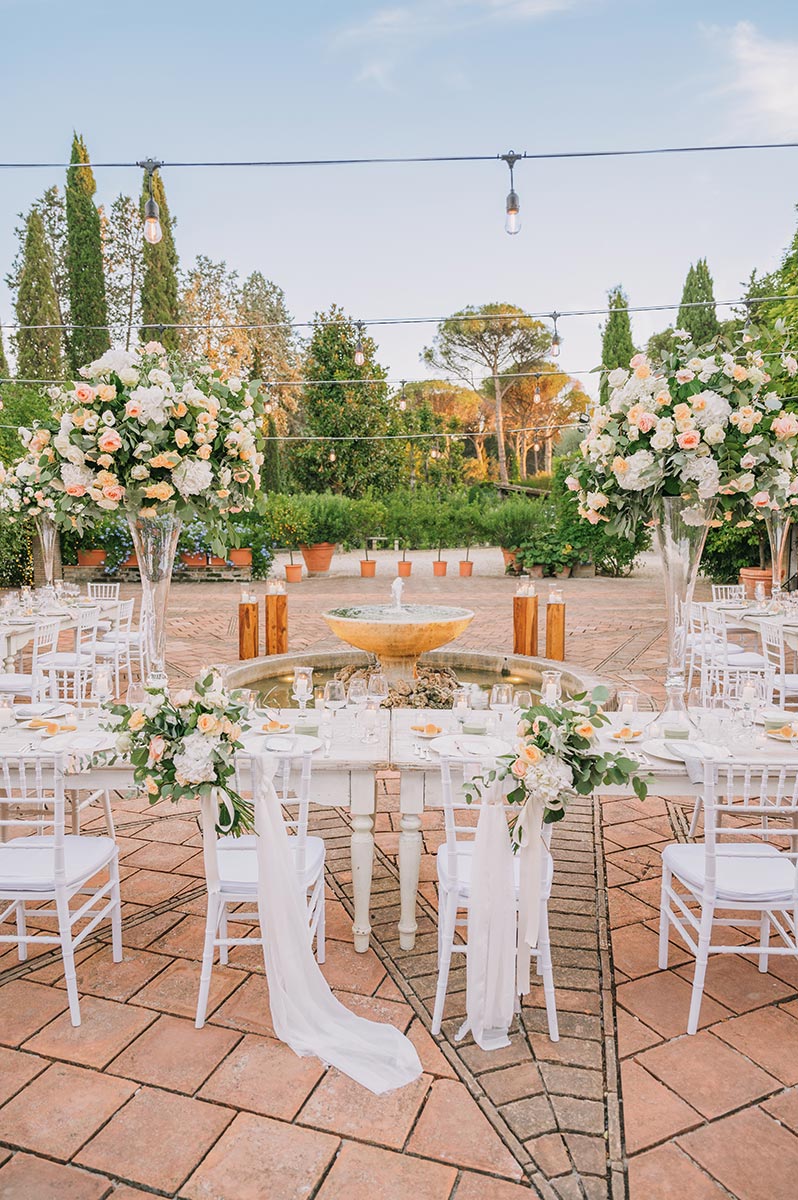
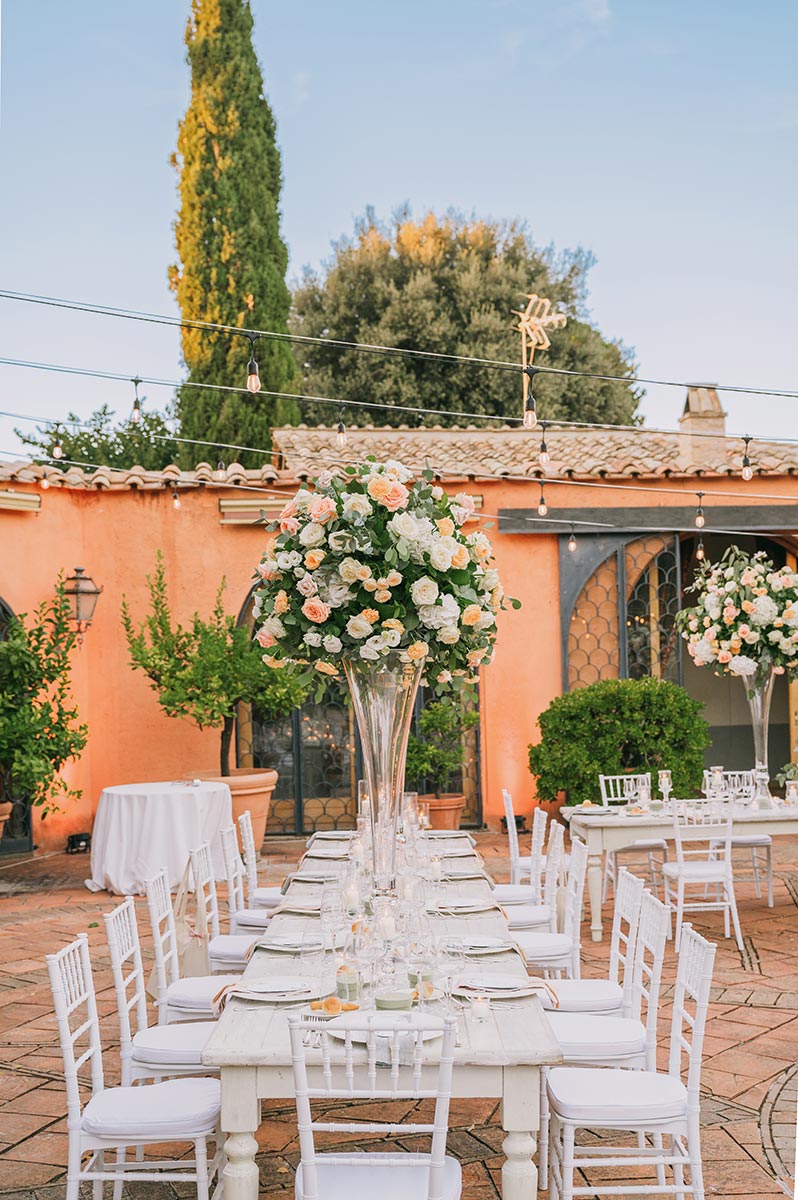
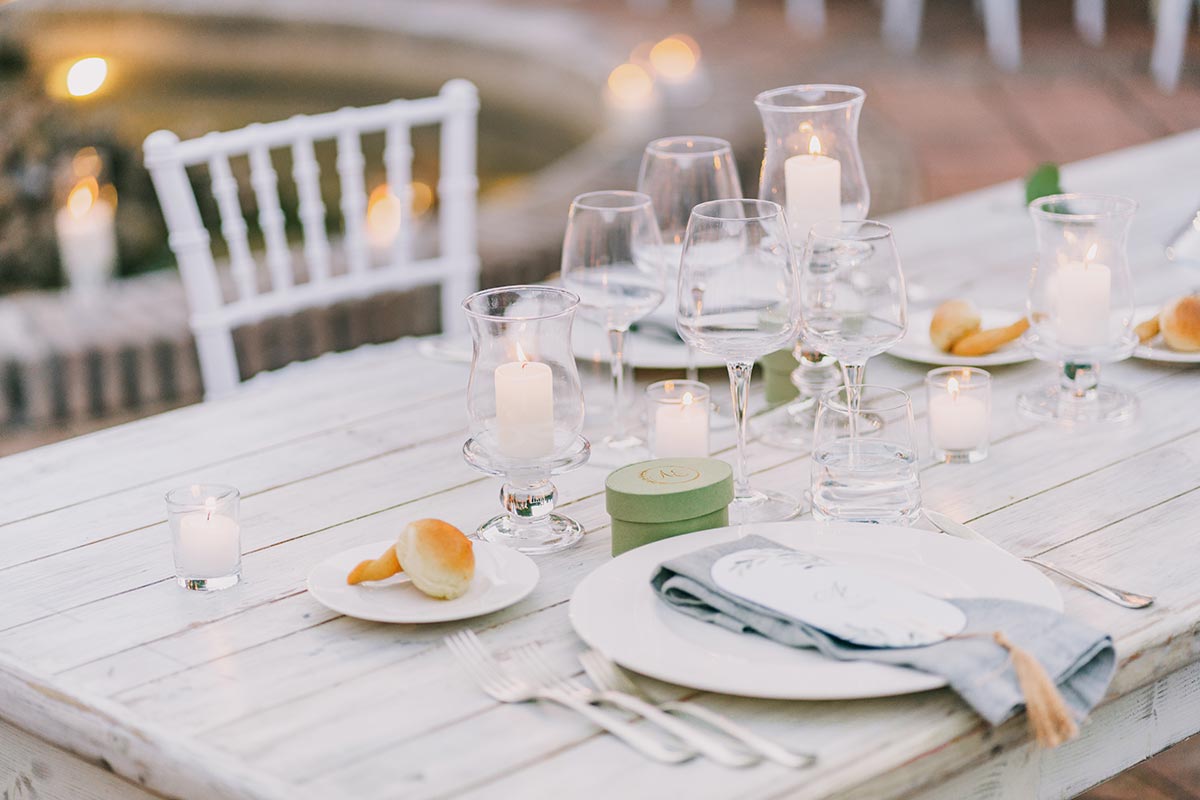
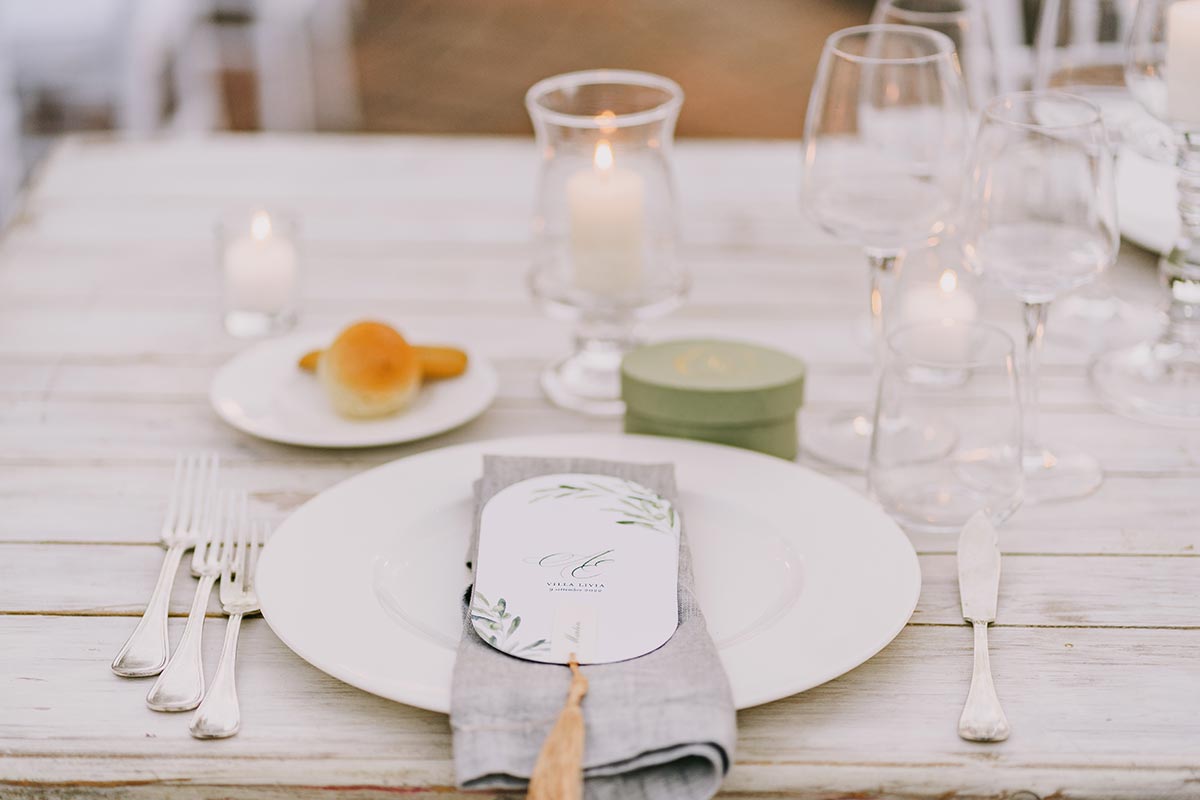
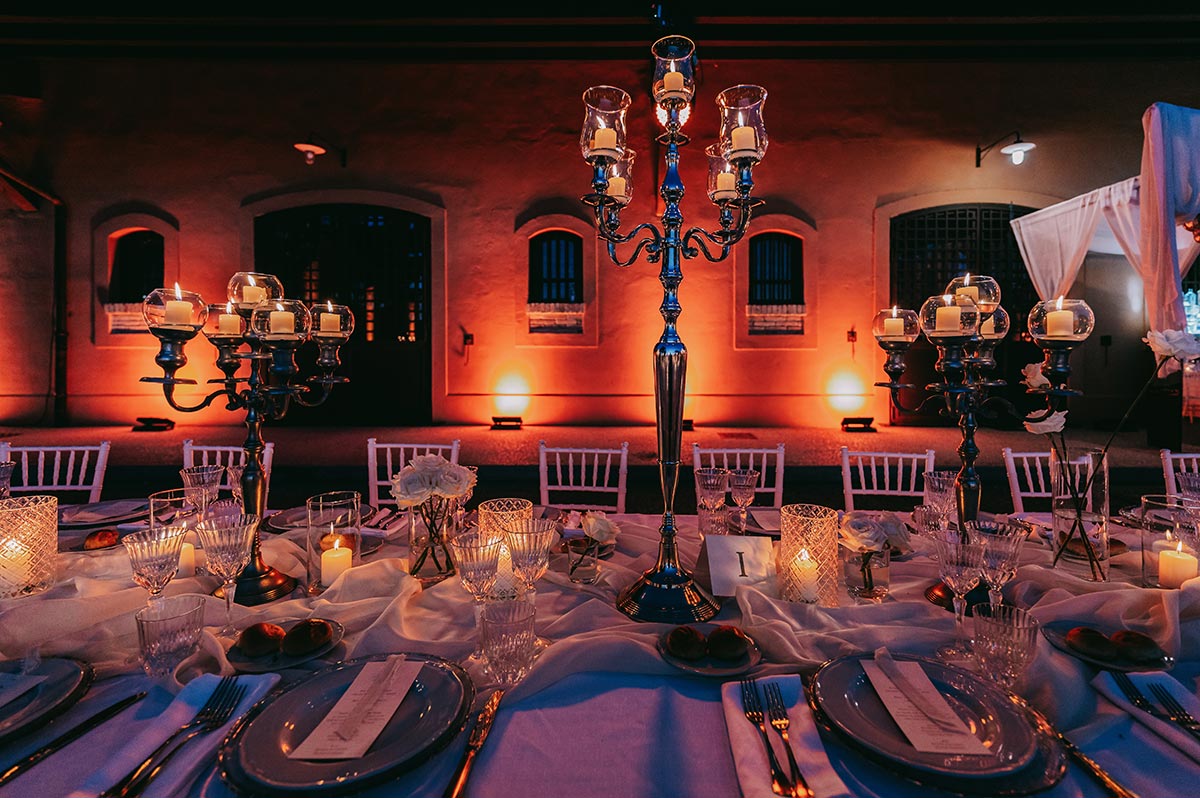
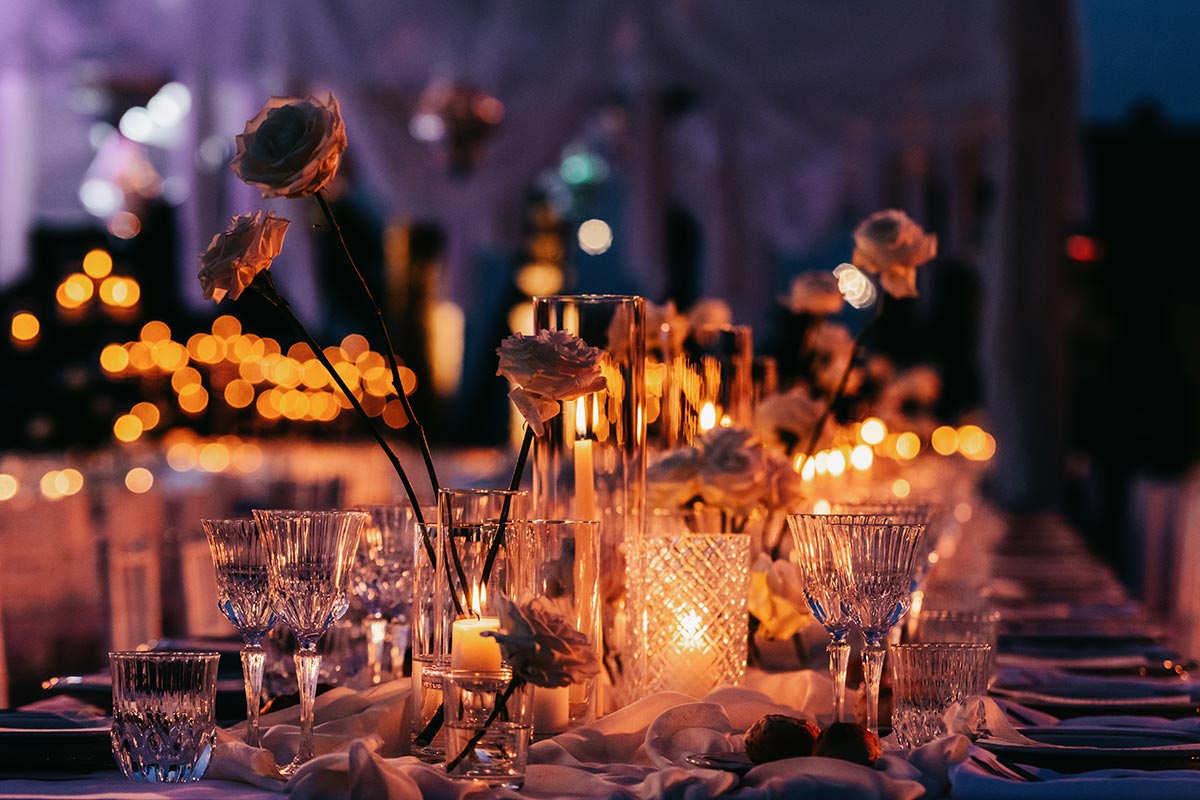
This package covers everything from early morning preparations to evening festivities. I capture all significant moments, from laughter while getting ready to emotions during vows and the excitement of the first dance. I also focus on small details that make your day unique, like personal notes, floral designs, and table settings.
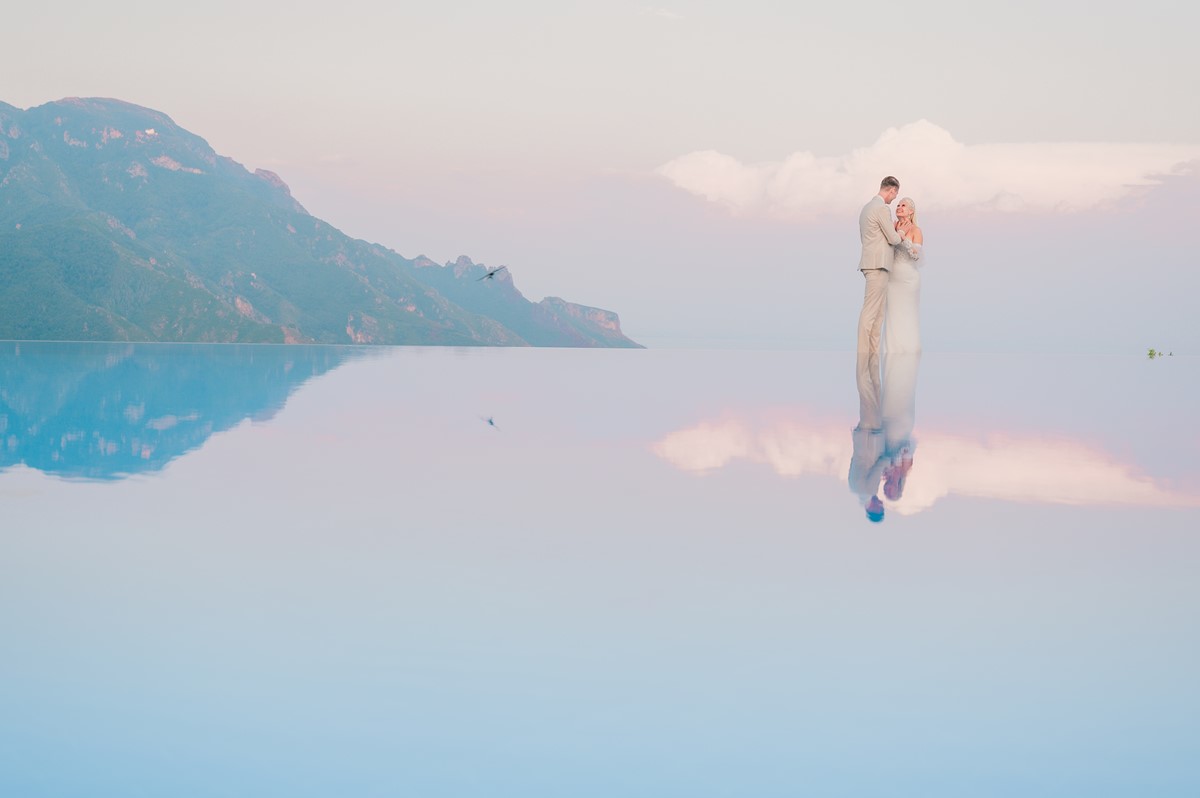
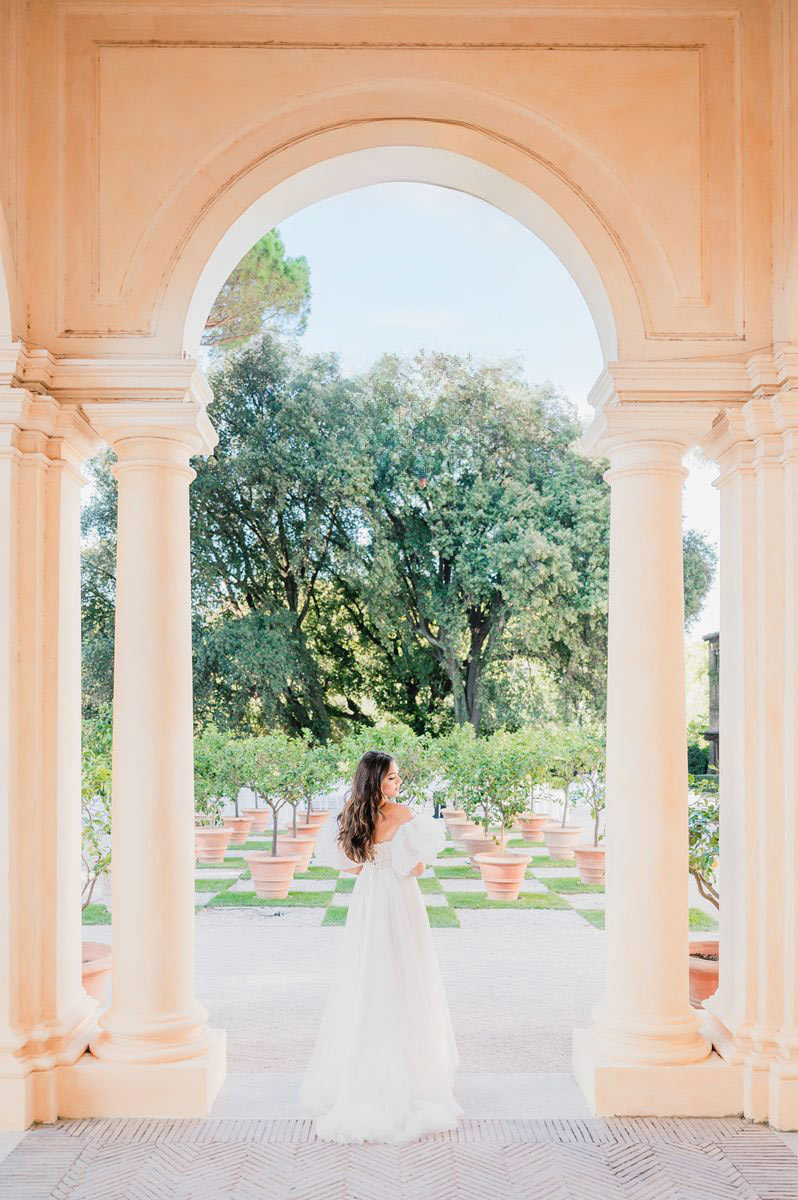
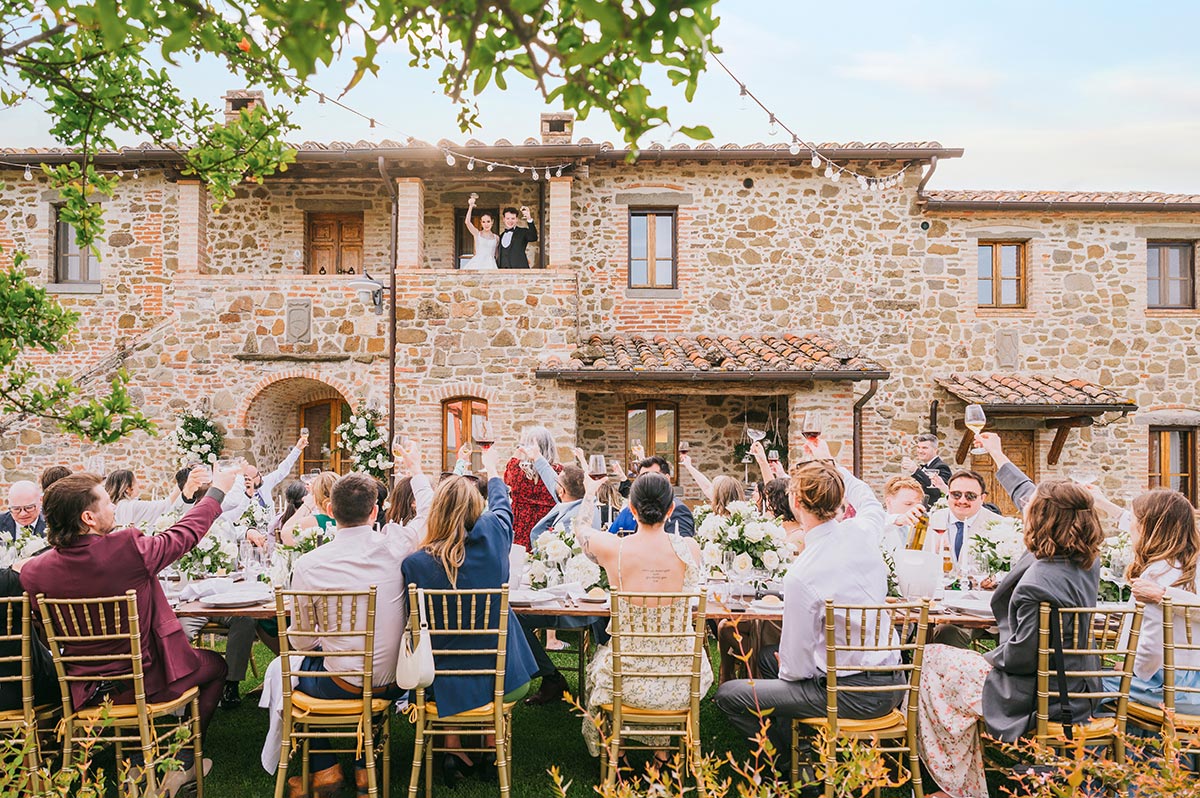
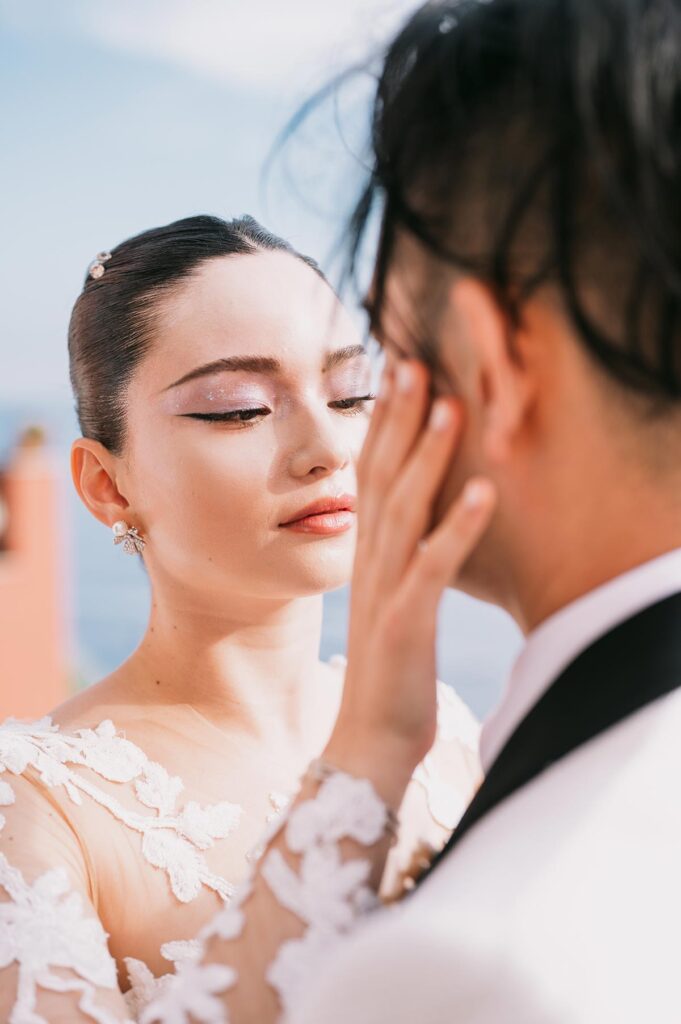
Tuscany Elopement Packages
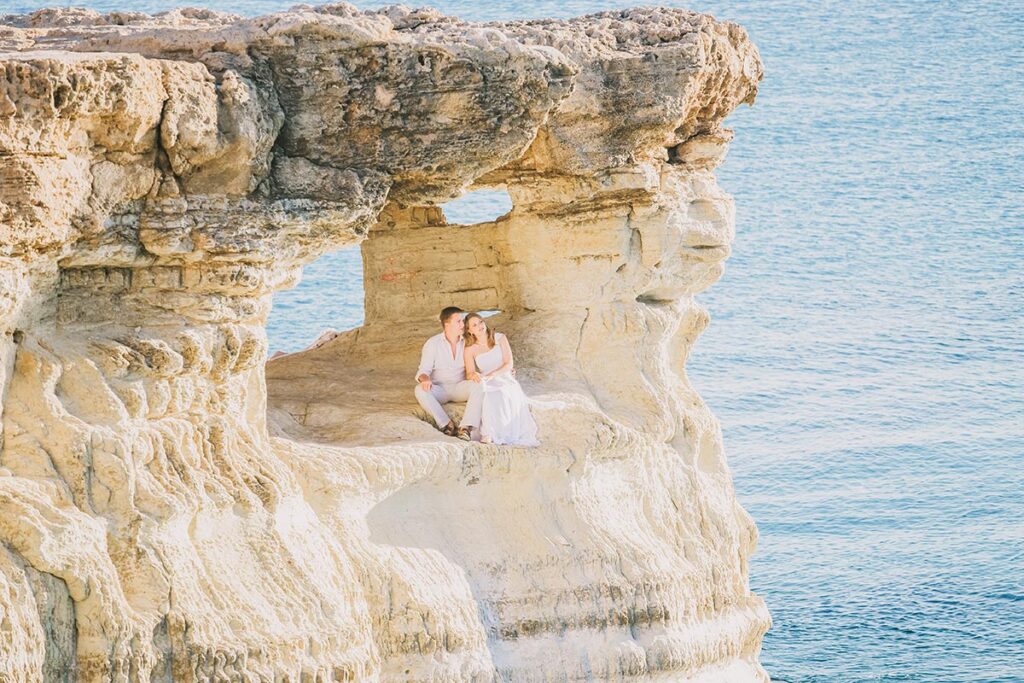
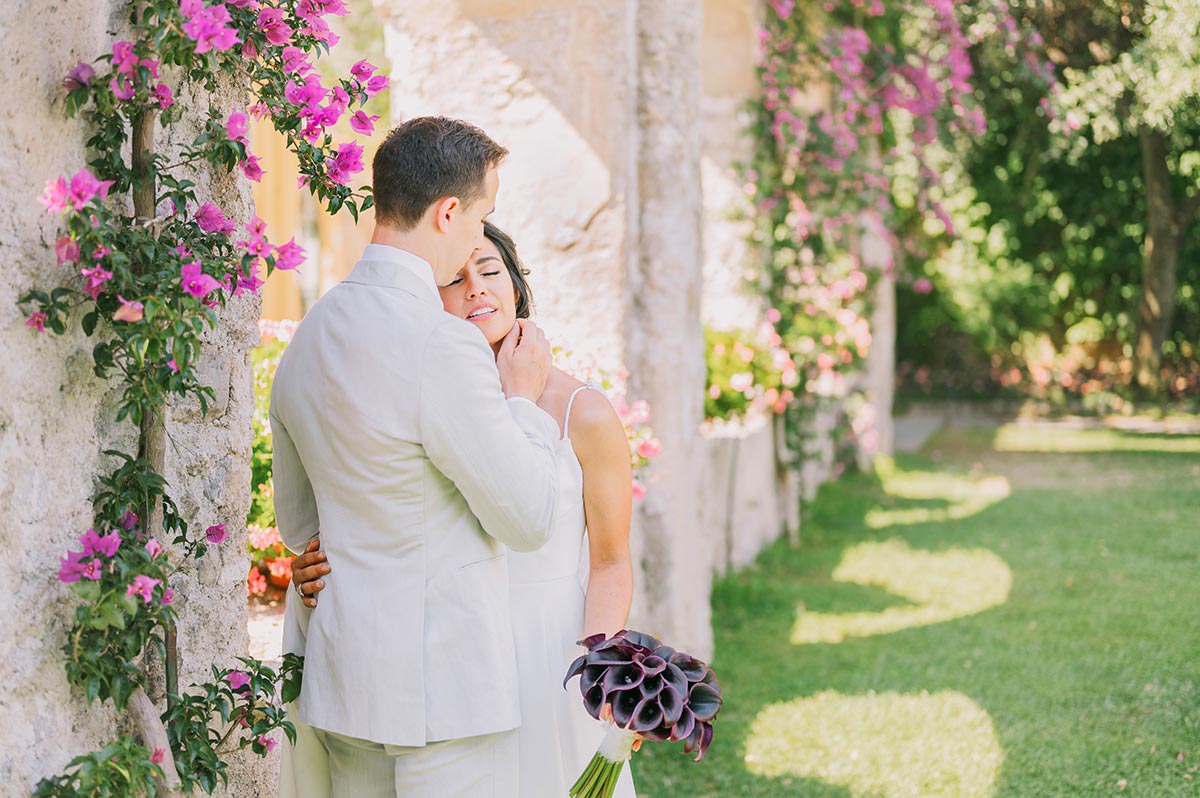
For couples who prefer to focus on each other without the distractions of a large event, my packages captures the simplicity and authenticity of your love. The Region is ideal for an intimate elopement, whether in a vineyard or on a quiet hilltop. Packages typically involve a relaxed and adventurous photo shoot. This includes discoveries in the area to capture images that showcase the intimacy of your special day.
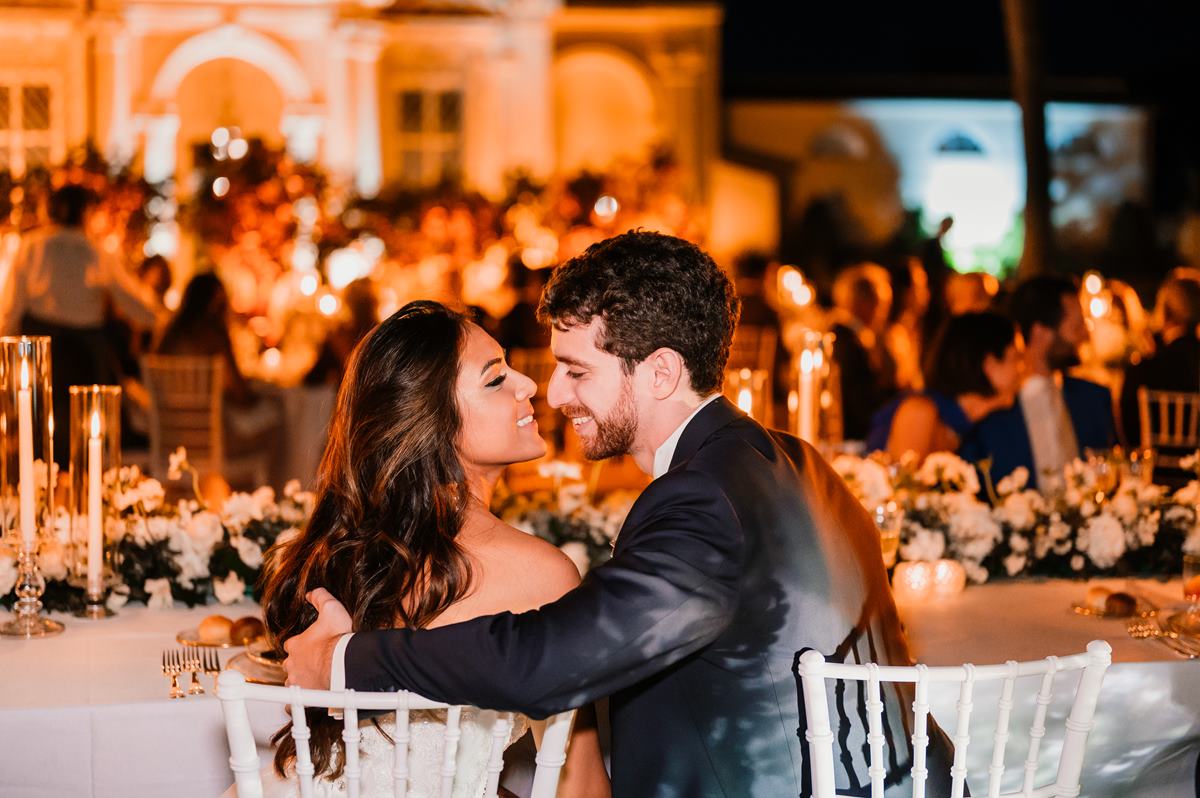


Engagement Packages in Tuscany
Our sessions here are great for practicing in front of the camera and discovering beautiful spots like olive groves, historic streets in Florence, and scenic hill views.
Our packages are personalized for a great experience, with custom options available to make sure your dream day is captured perfectly. This includes adding more coverage time, a second operator, or creating a tailored timeline. Pre-event consultations are also offered to fully understand your vision and align with your style and expectations.
Frequently Asked Questions About My Tuscany Wedding Photography Services
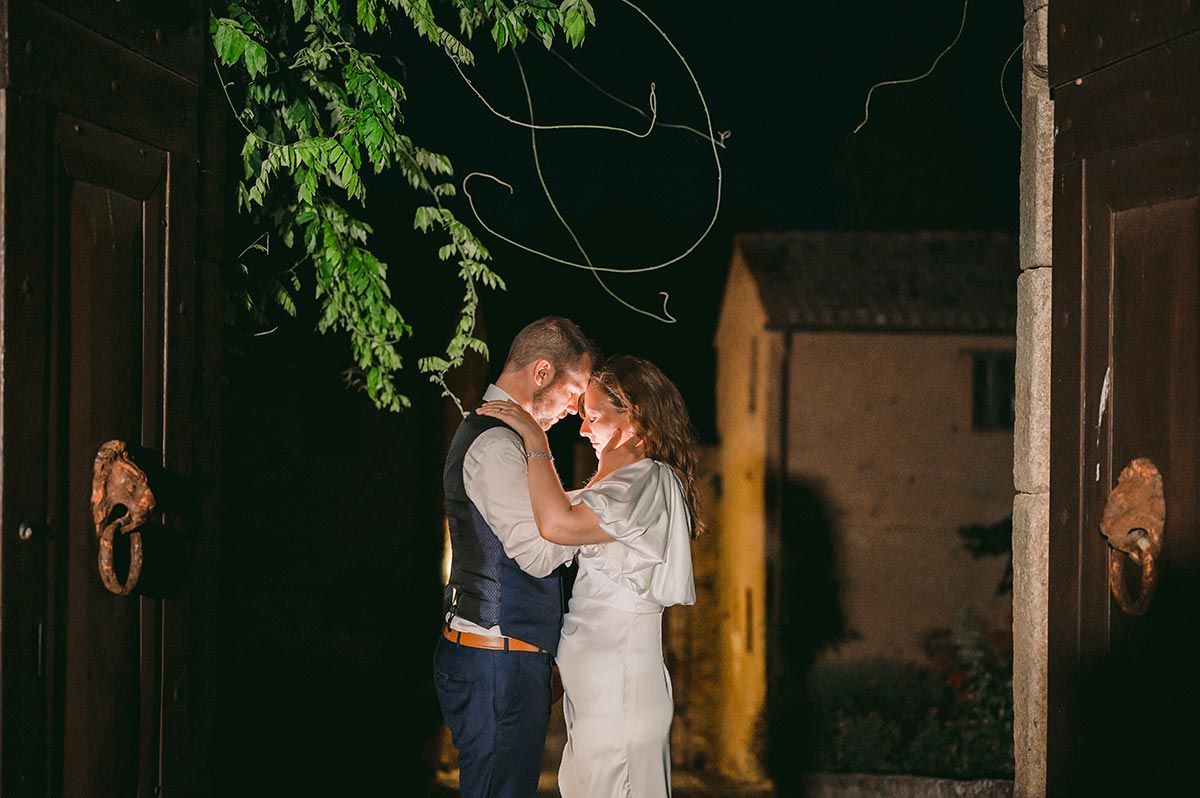
Secure Your Tuscany Wedding Photographer based Now
Your Tuscany marriage will be captured artistically, from the stunning scenery to your first dance under the stars. I aim to create photos that bring your couple story to life by weaving together a beautiful visual narrative that celebrates your unique relationship.
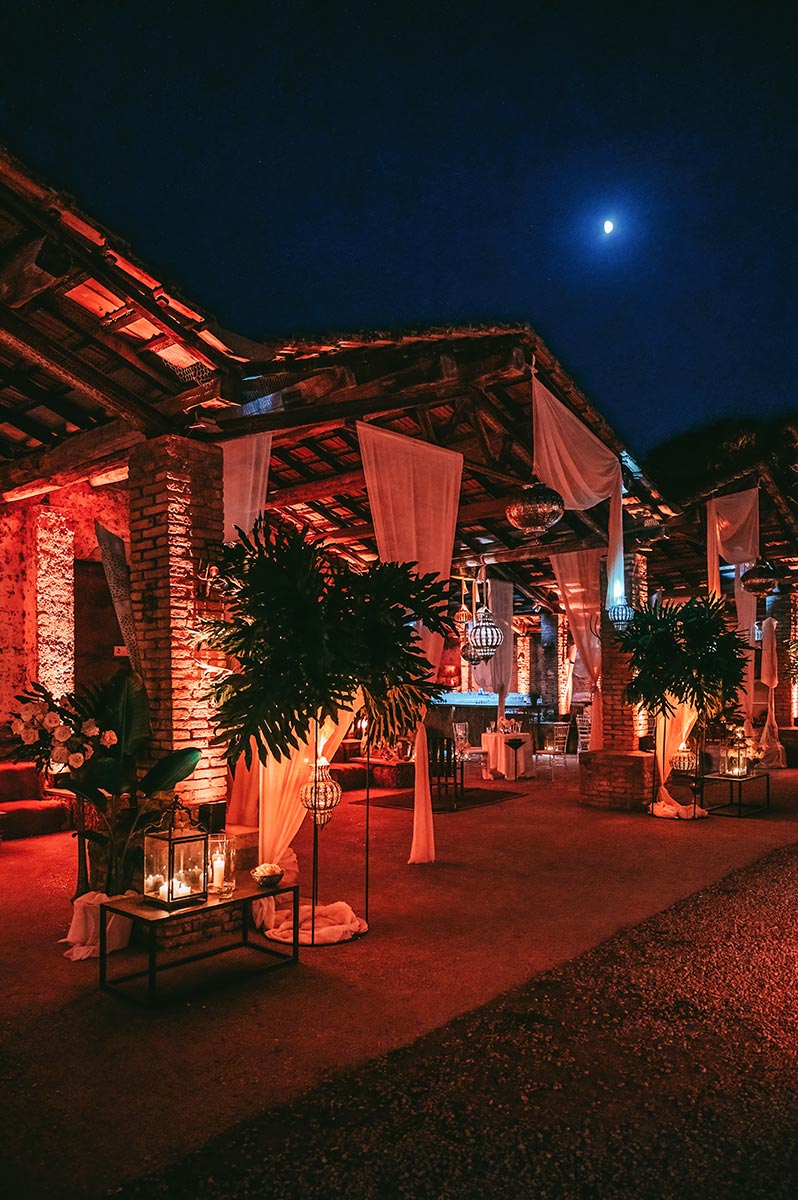
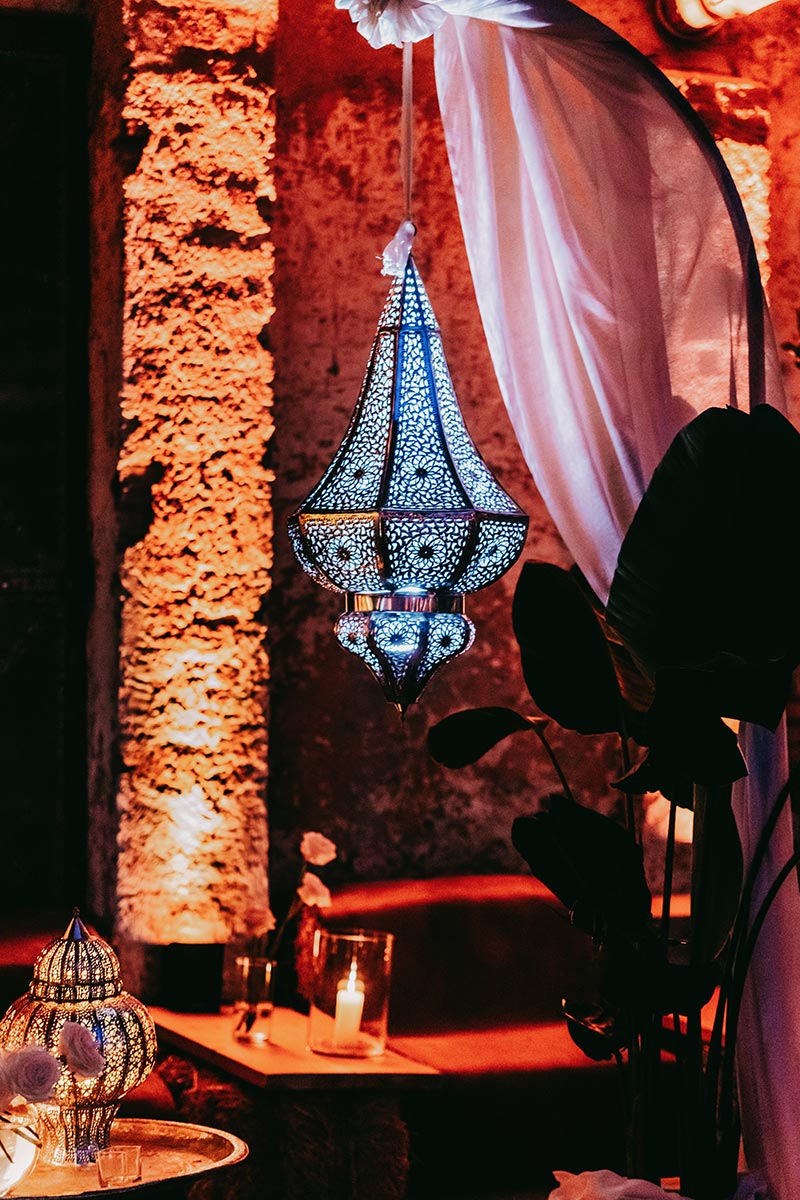
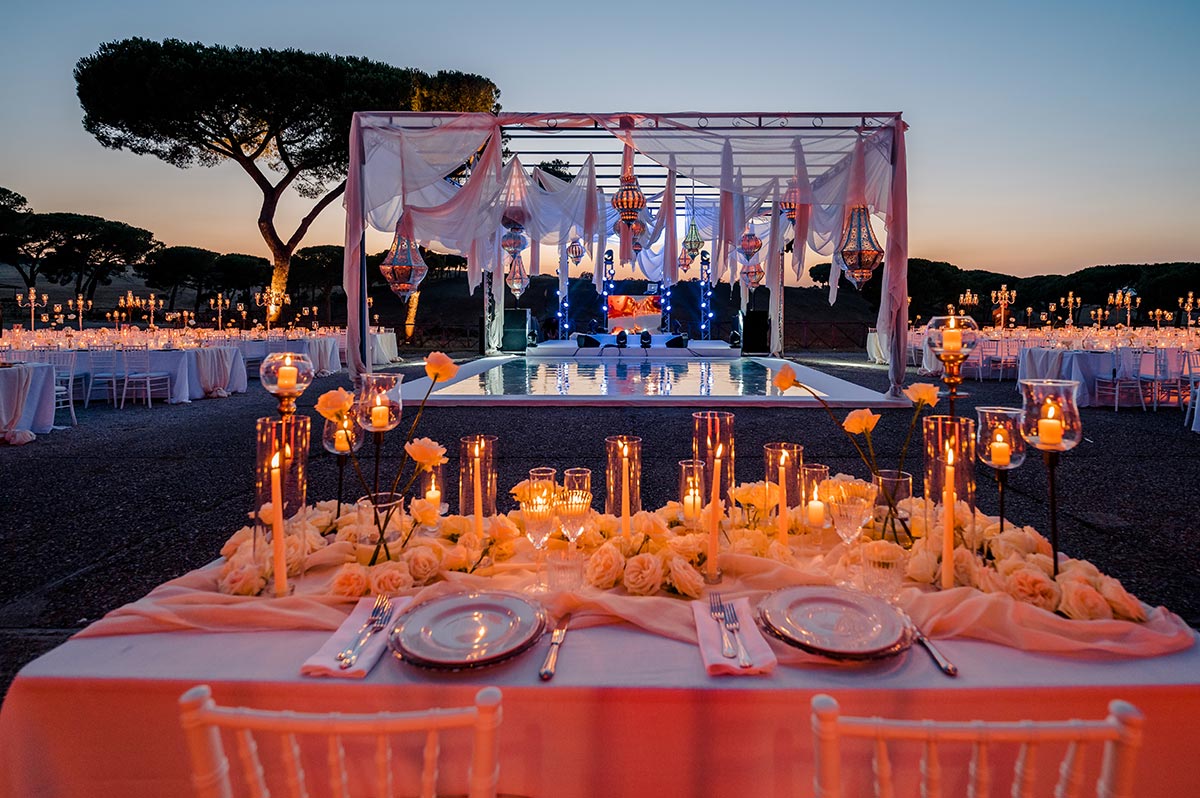




If you’re ready to start planning your Tuscan wedding, please contact me. I can help make your vision a reality, whether you want a small elopement or a large celebration. Let’s work together to create an unforgettable experience.
Contact me for Tuscany marriage photography services to capture the magic of your love in this enchanting place. Let’s create treasured memories framed by the Region’s beauty.