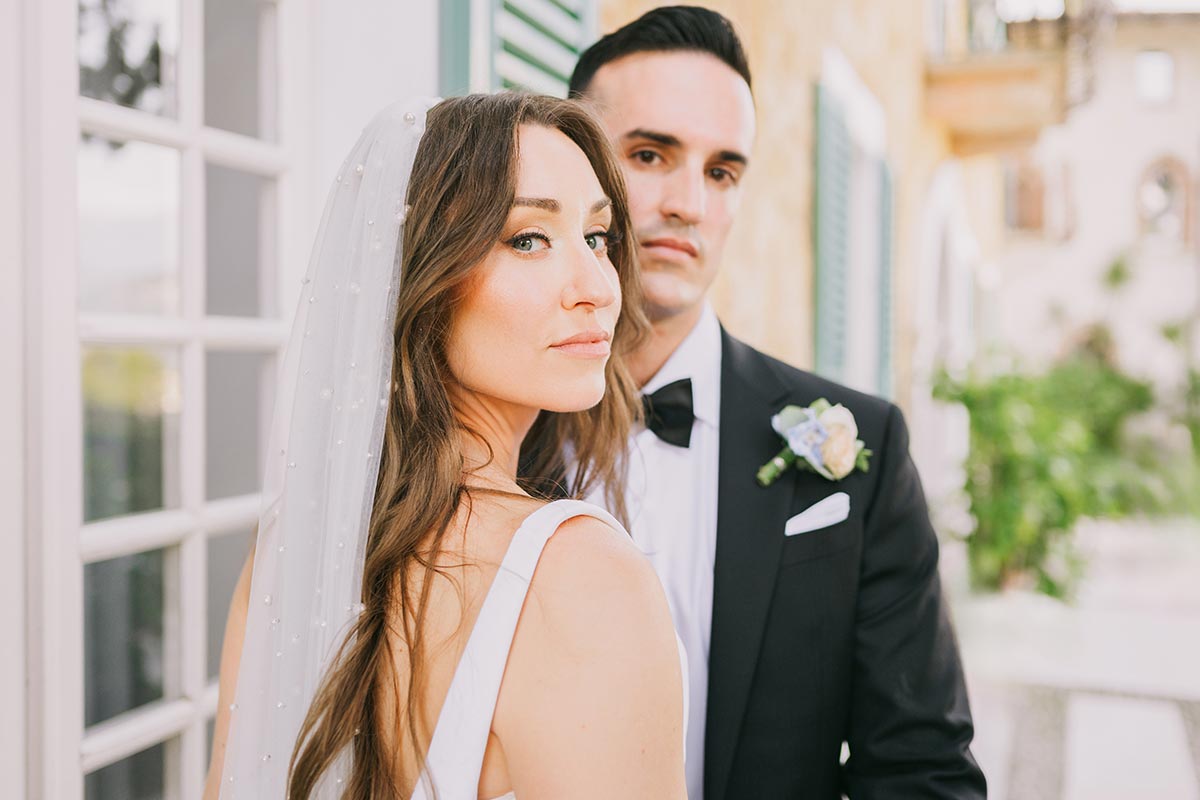
How to plan an elopement in Positano with boat trip
AMAZINGNESS AND BEAUTY IN POSITANO
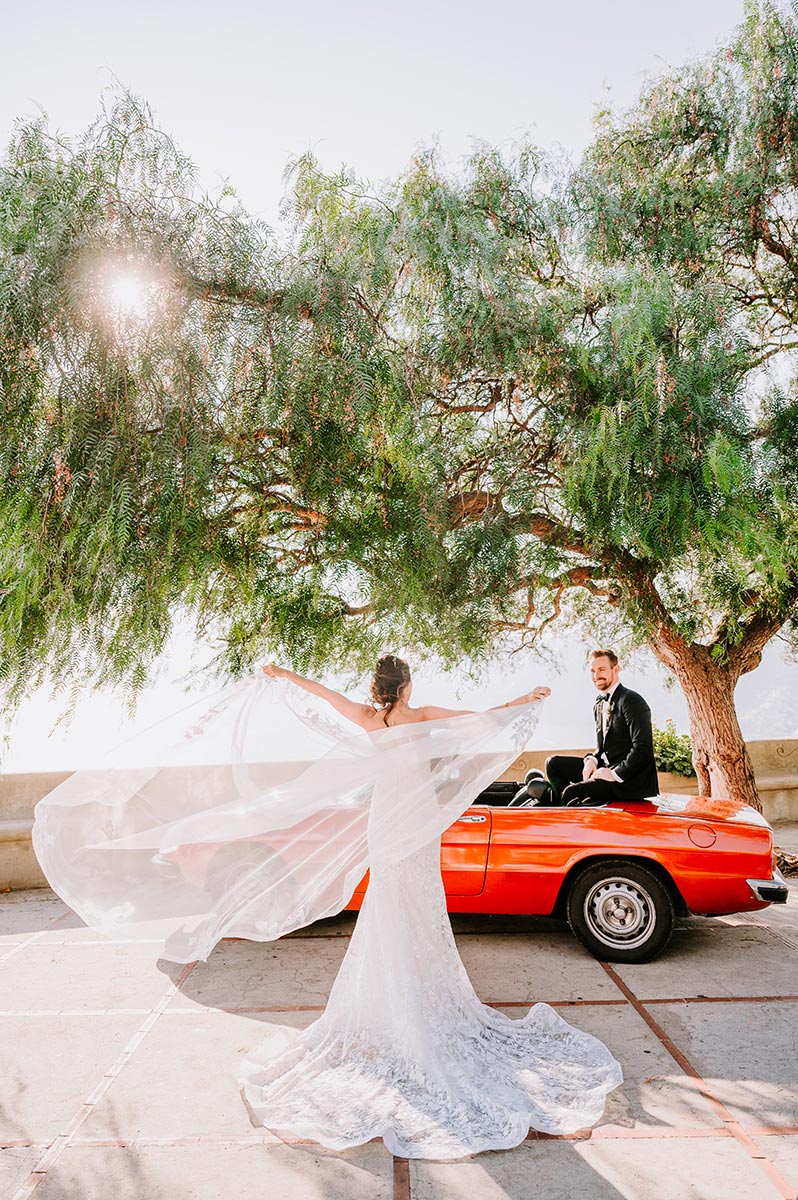
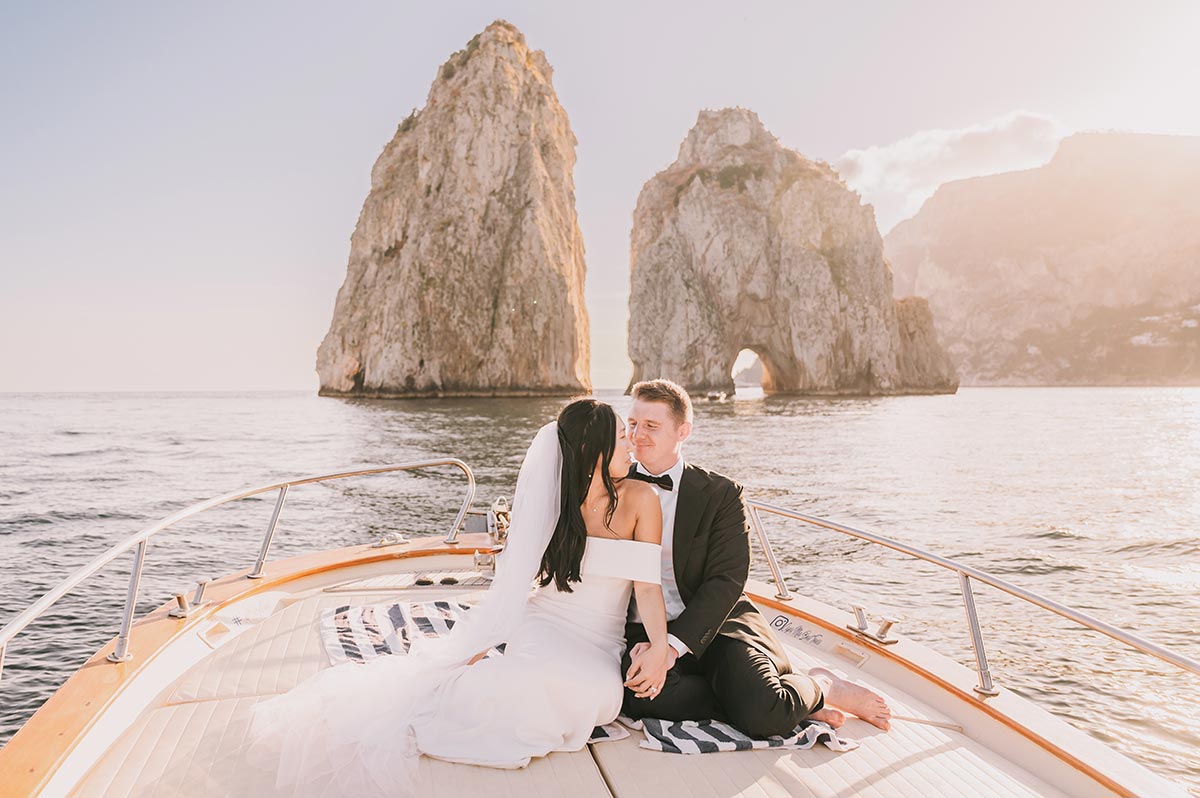
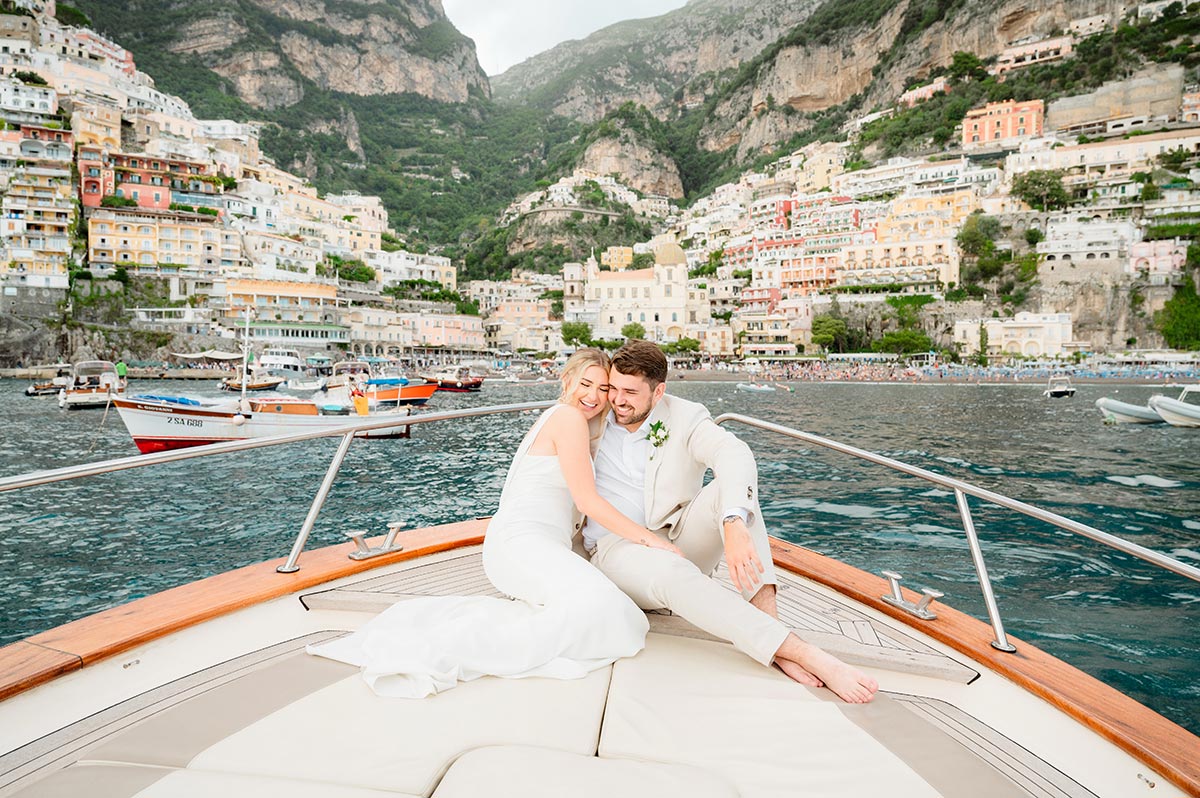
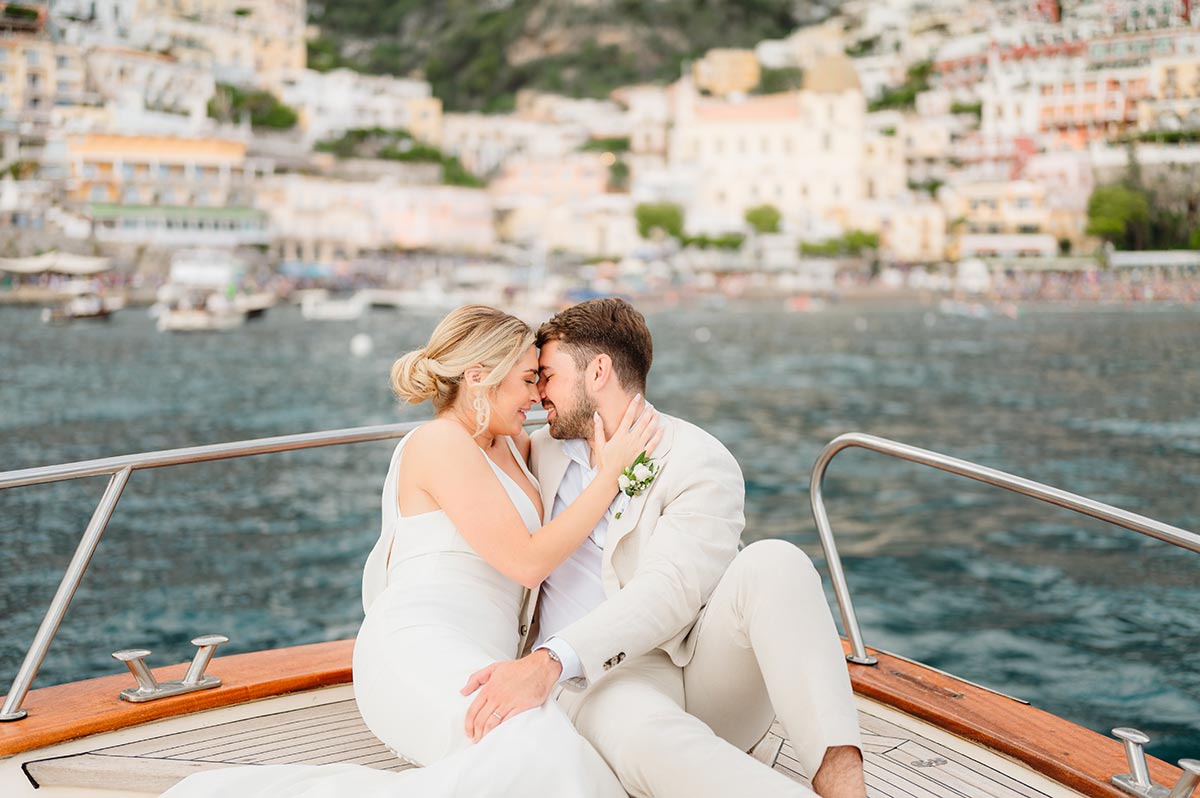
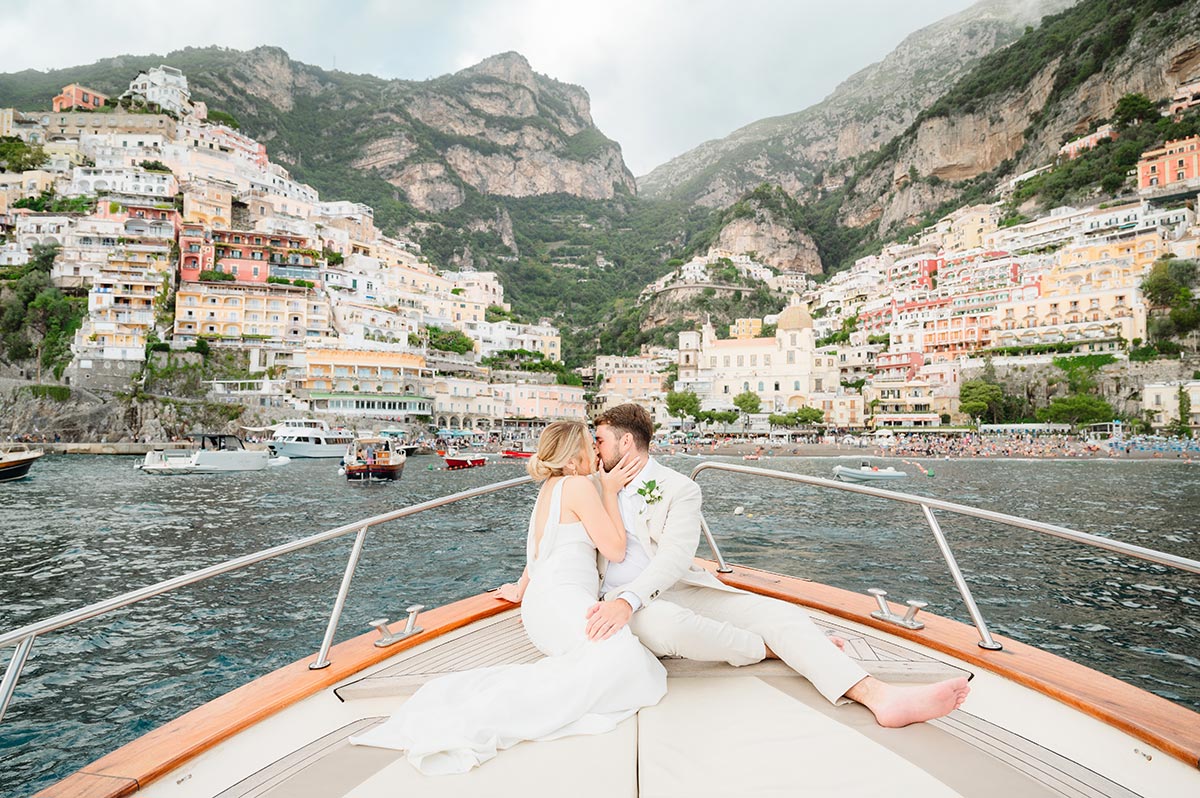
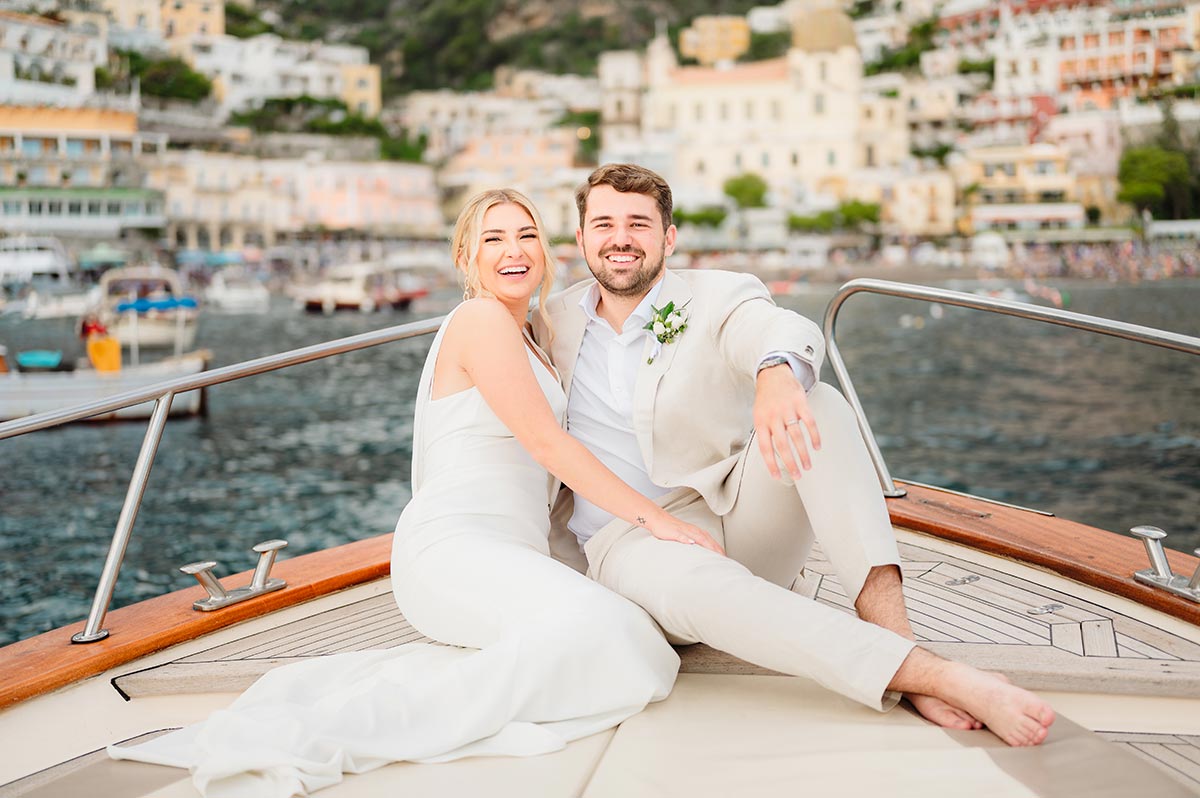
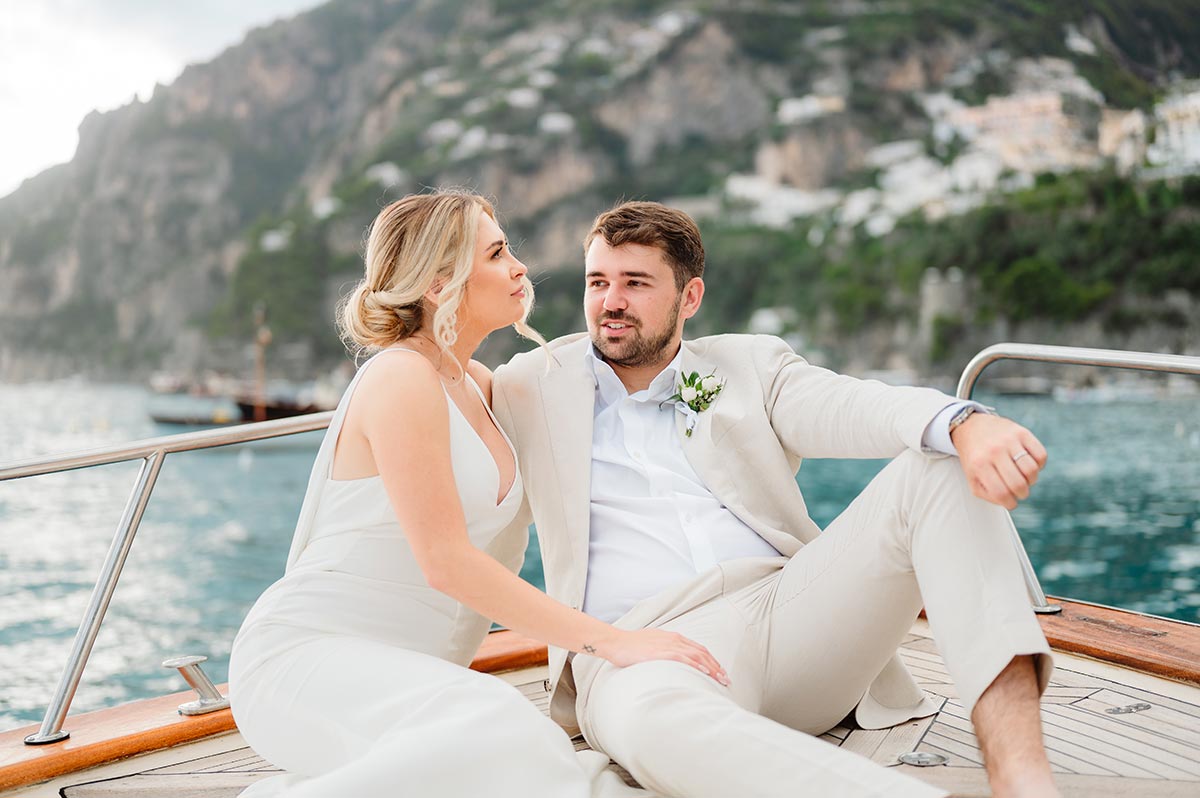
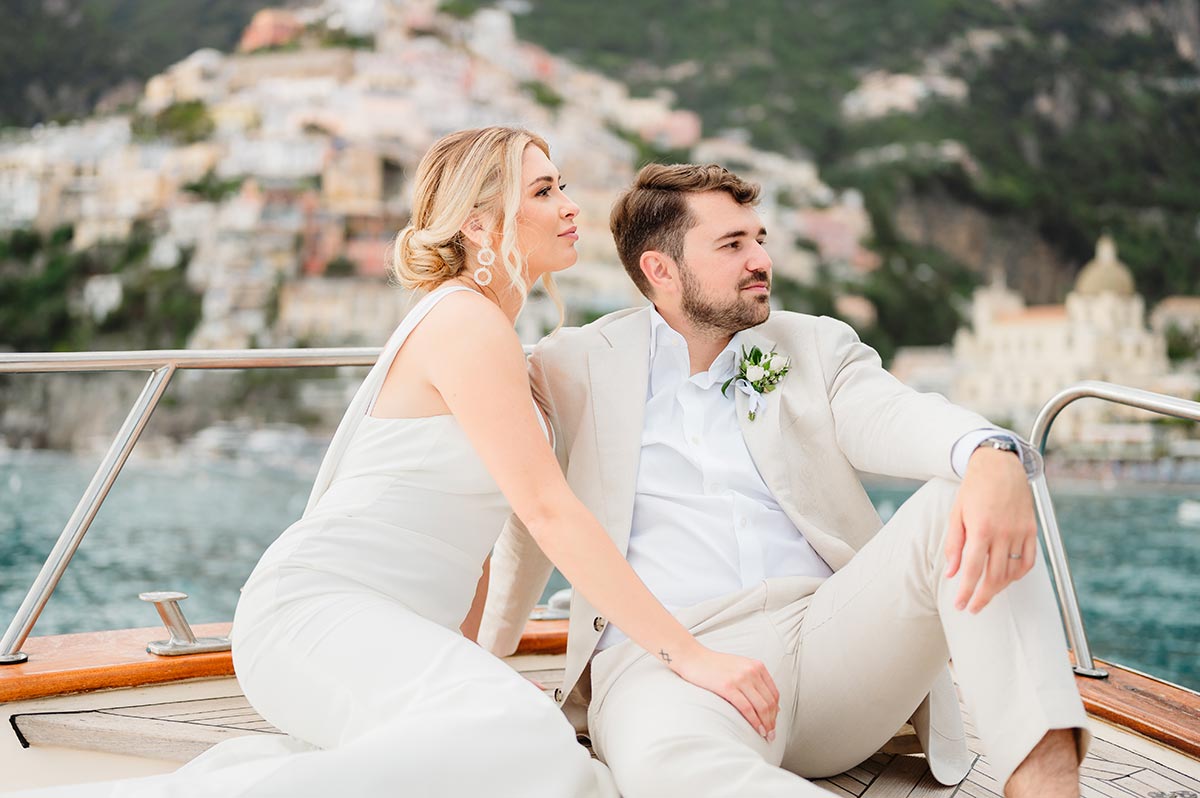
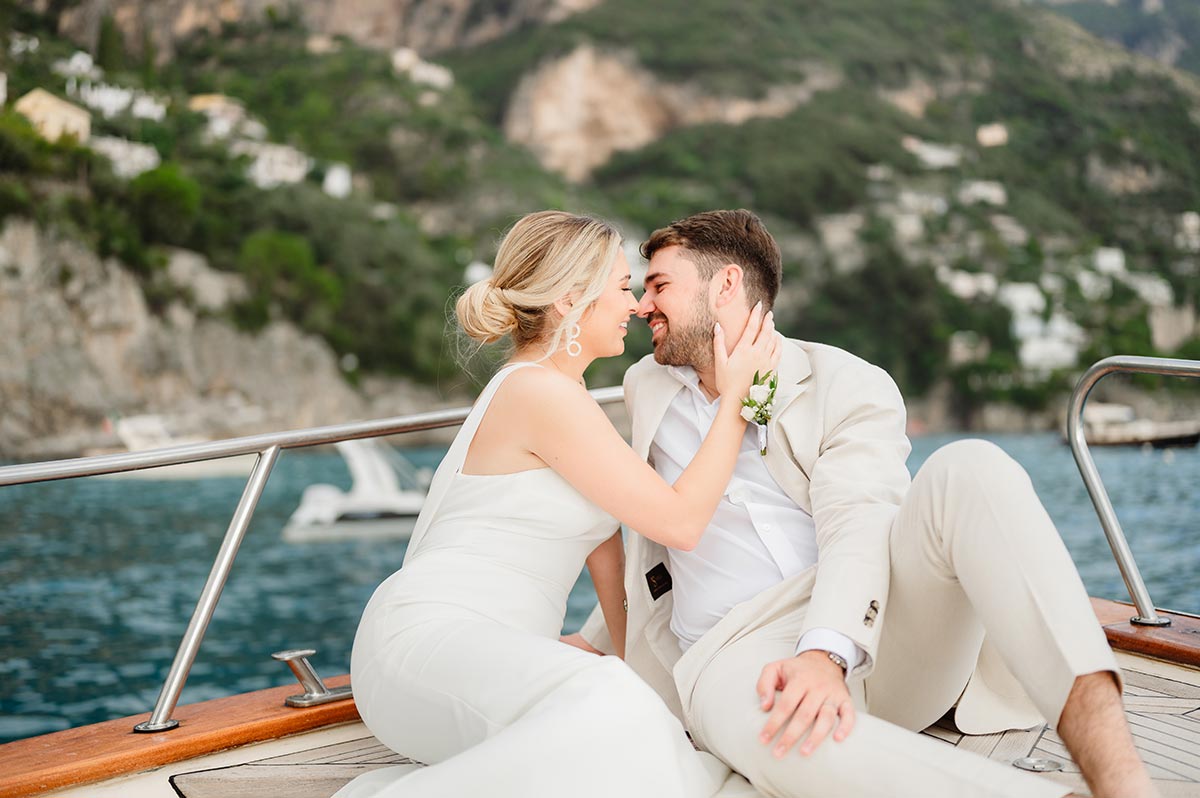
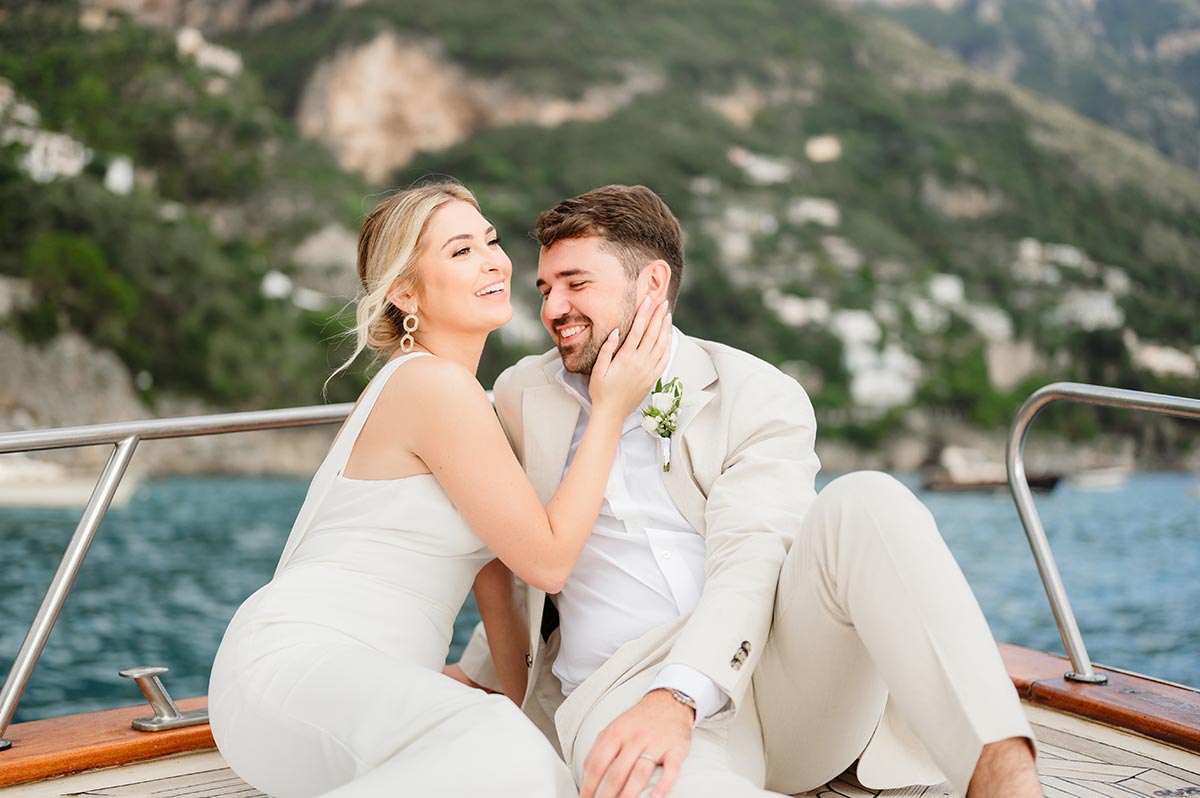
Elopement in Positano with boat trip from Casa Passalacqua to Villa Magia and then a romantic boat trip to Marina di Praia and back.
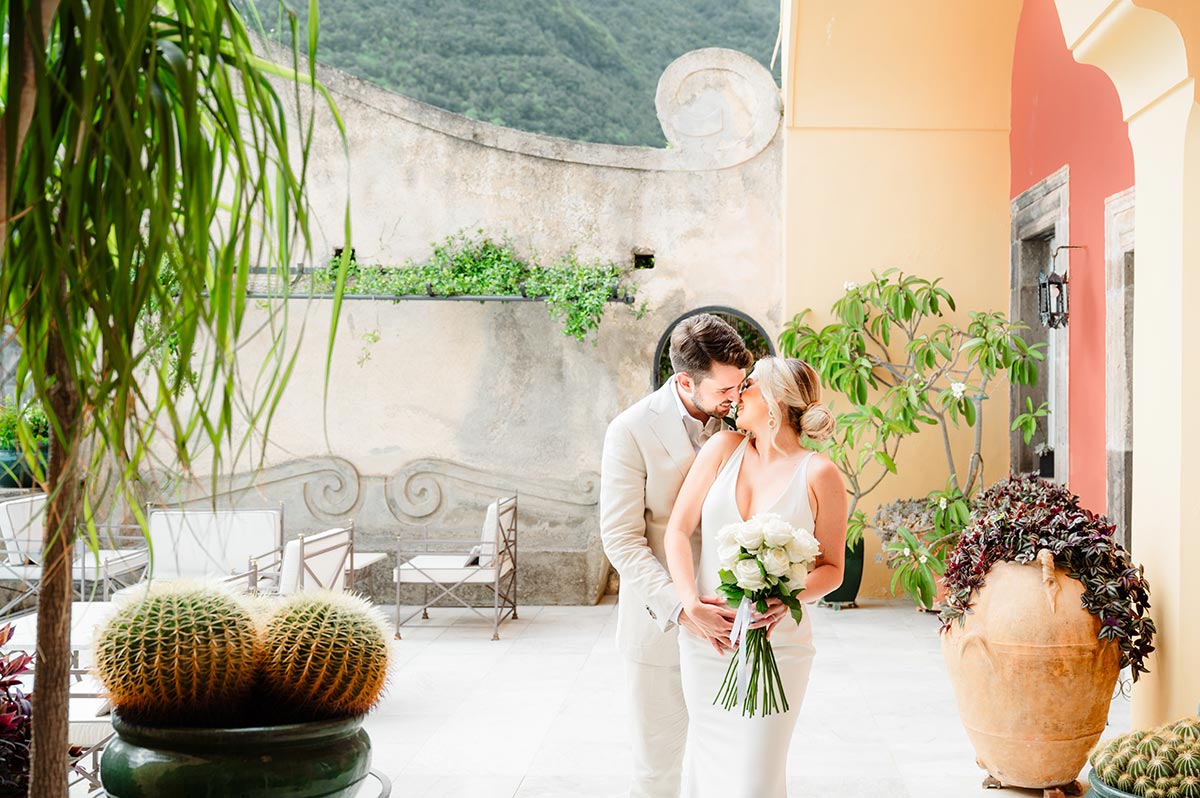
You will have the privilege, looking at your Wedding pictures, to remember Positano as a real place, which will always stay in your heart for your entire life.

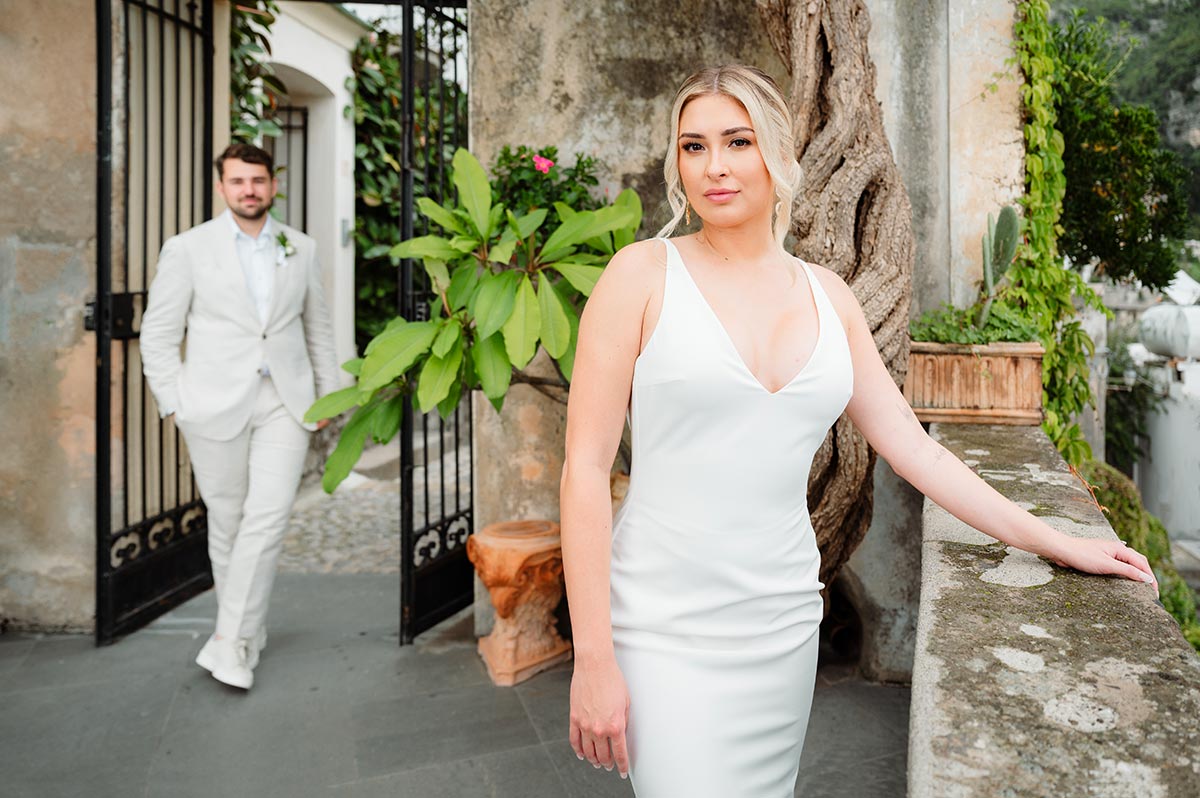
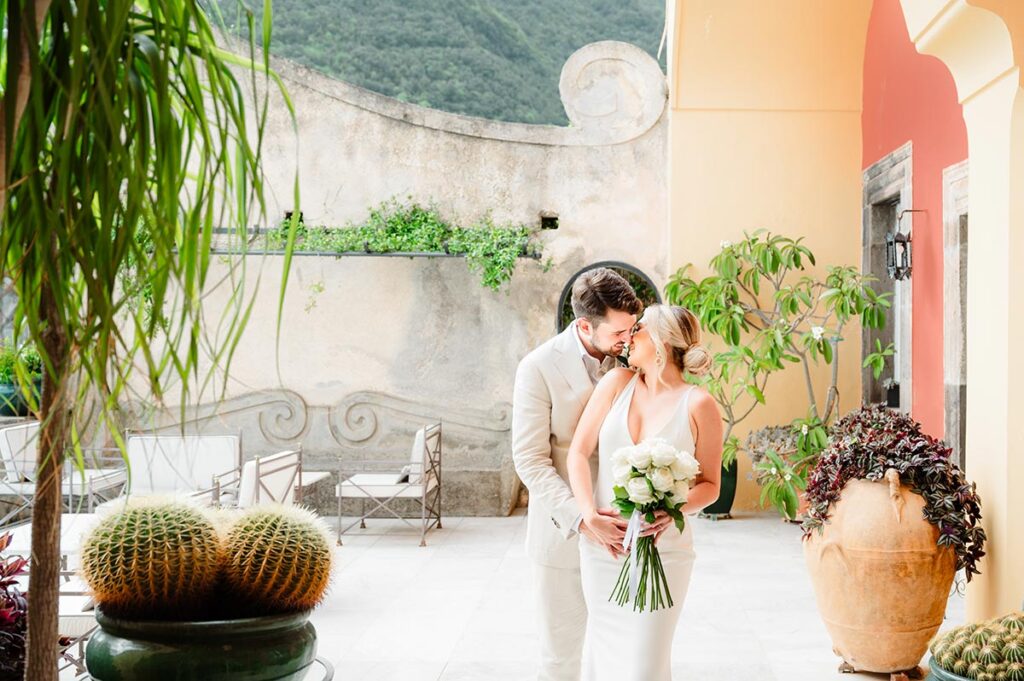
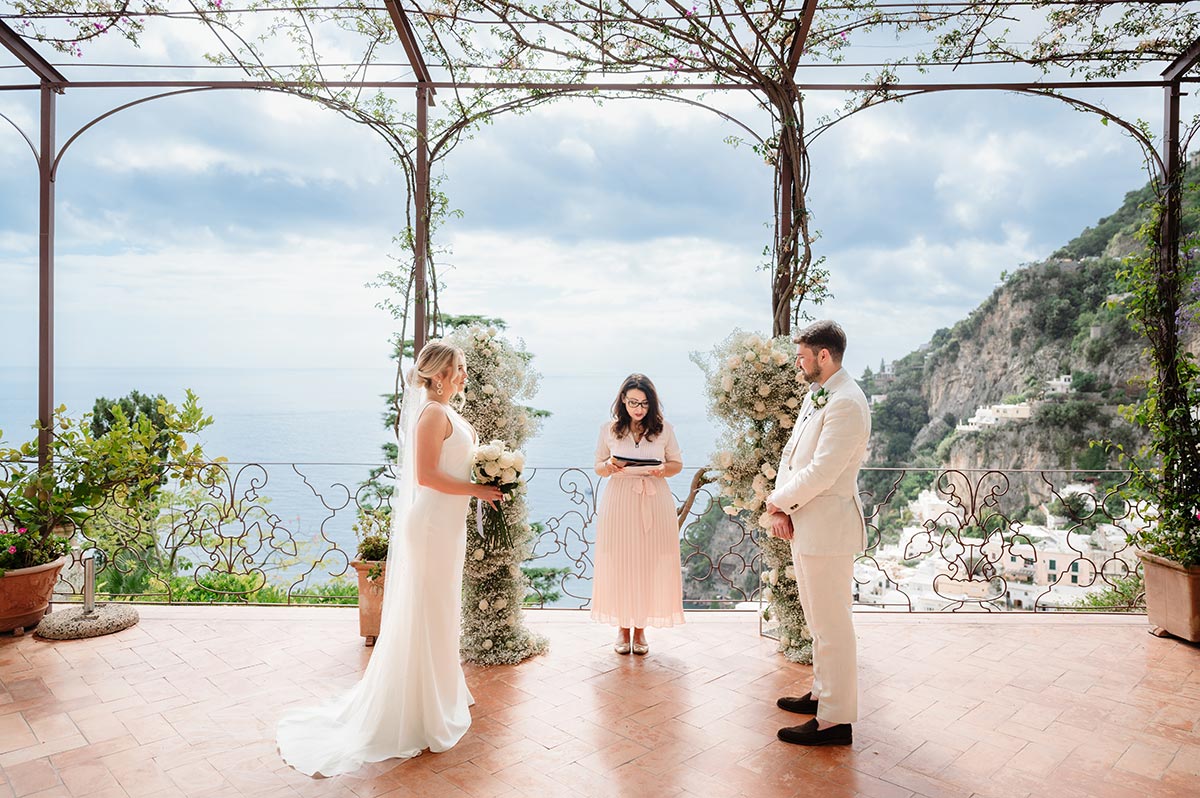
Your intimate ceremony at Casa Passalacqua in Positano
If you’re planning an elopement in Positano, a sunset boat trip is one of the most memorable experiences you can have. A sunset boat trip provides the perfect opportunity to escape the crowds and enjoy the beautiful scenery of the Amalfi Coast in a more private and intimate setting.
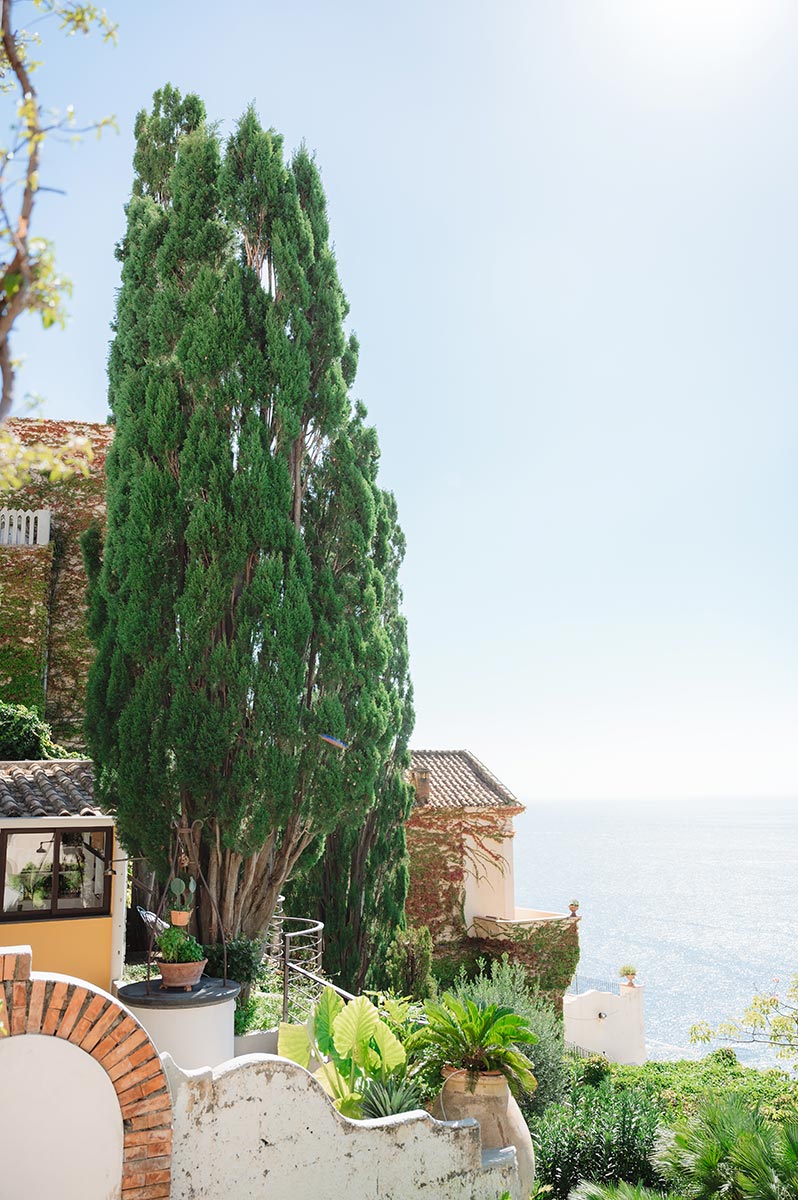

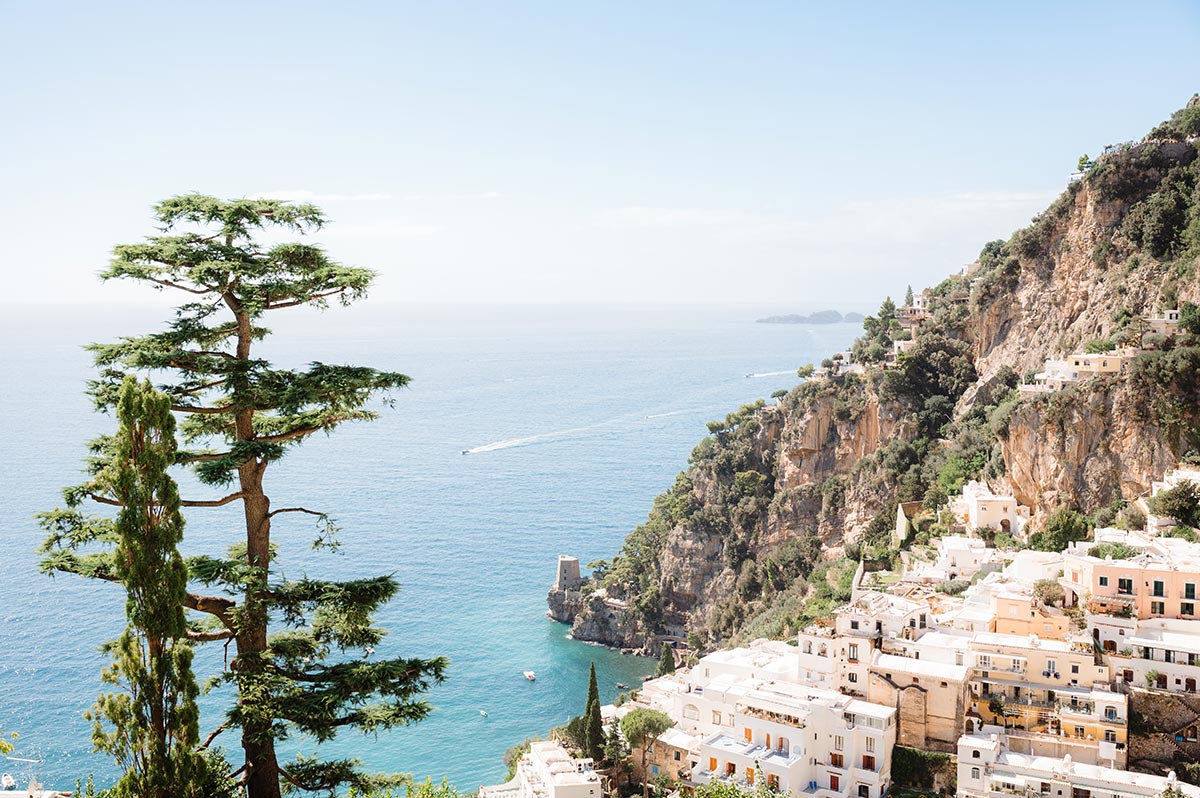
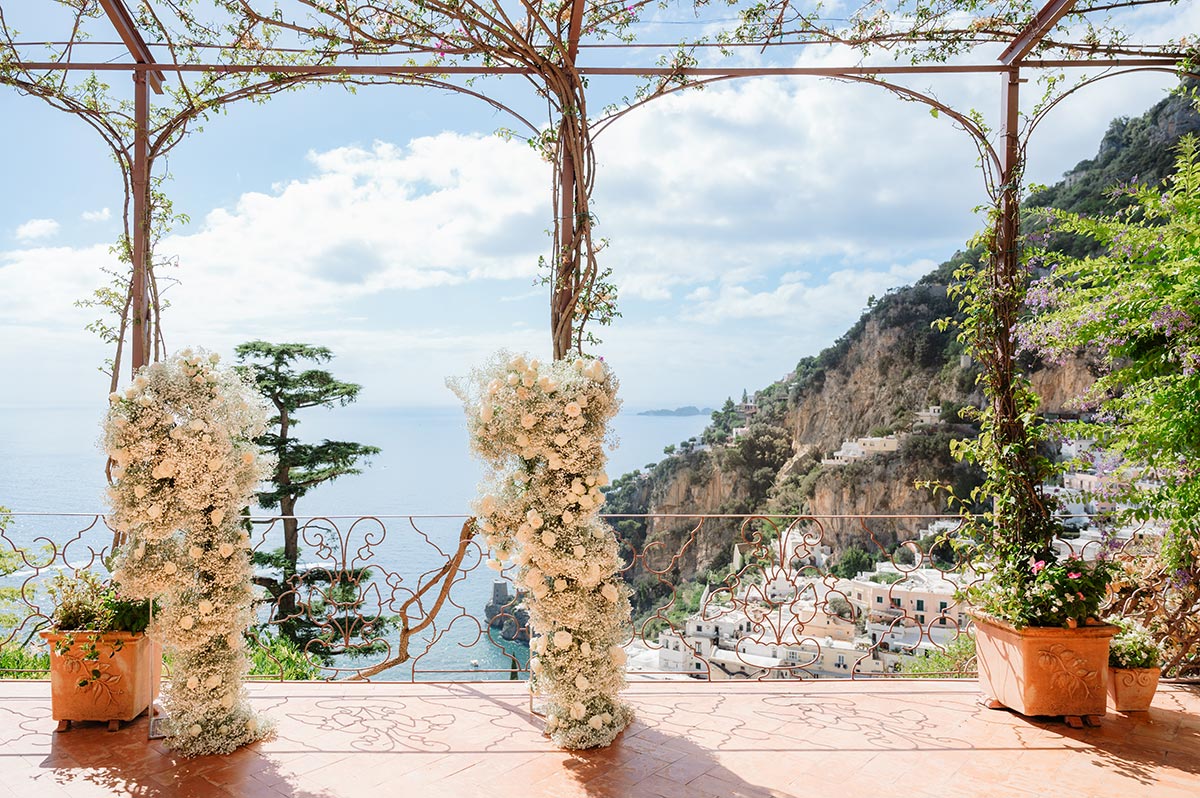
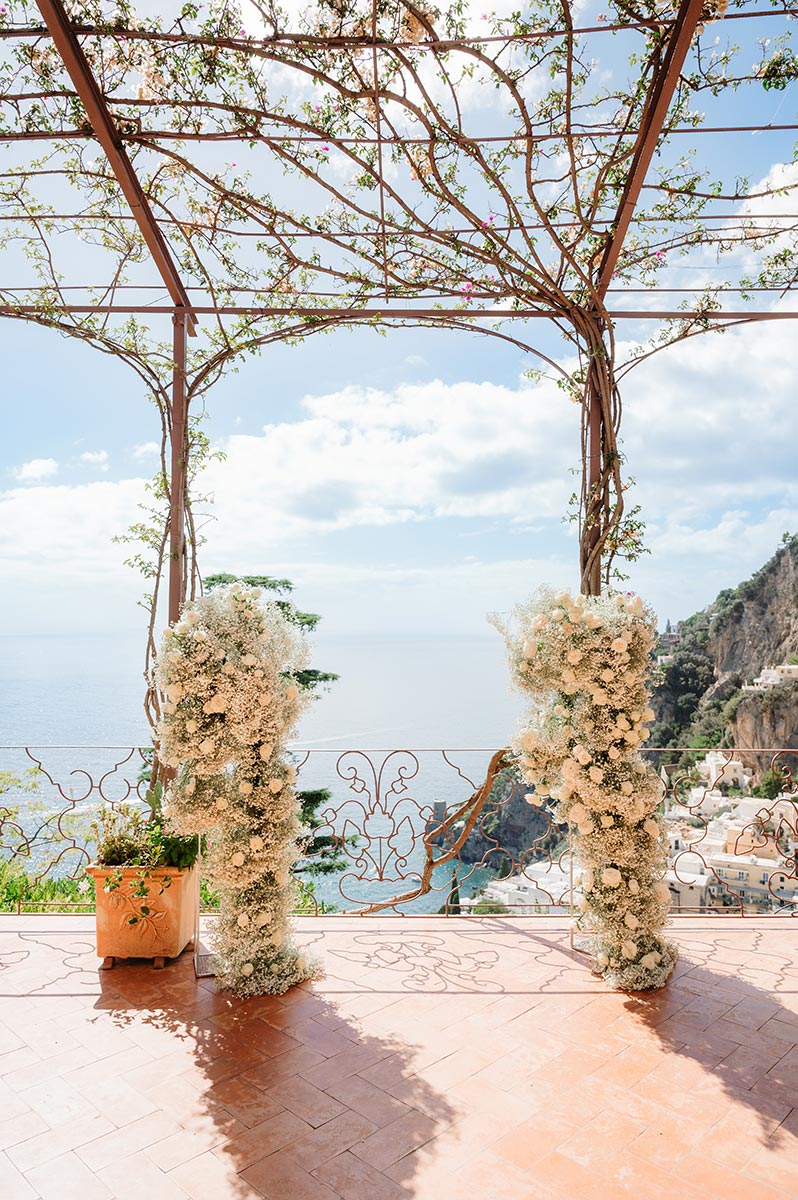
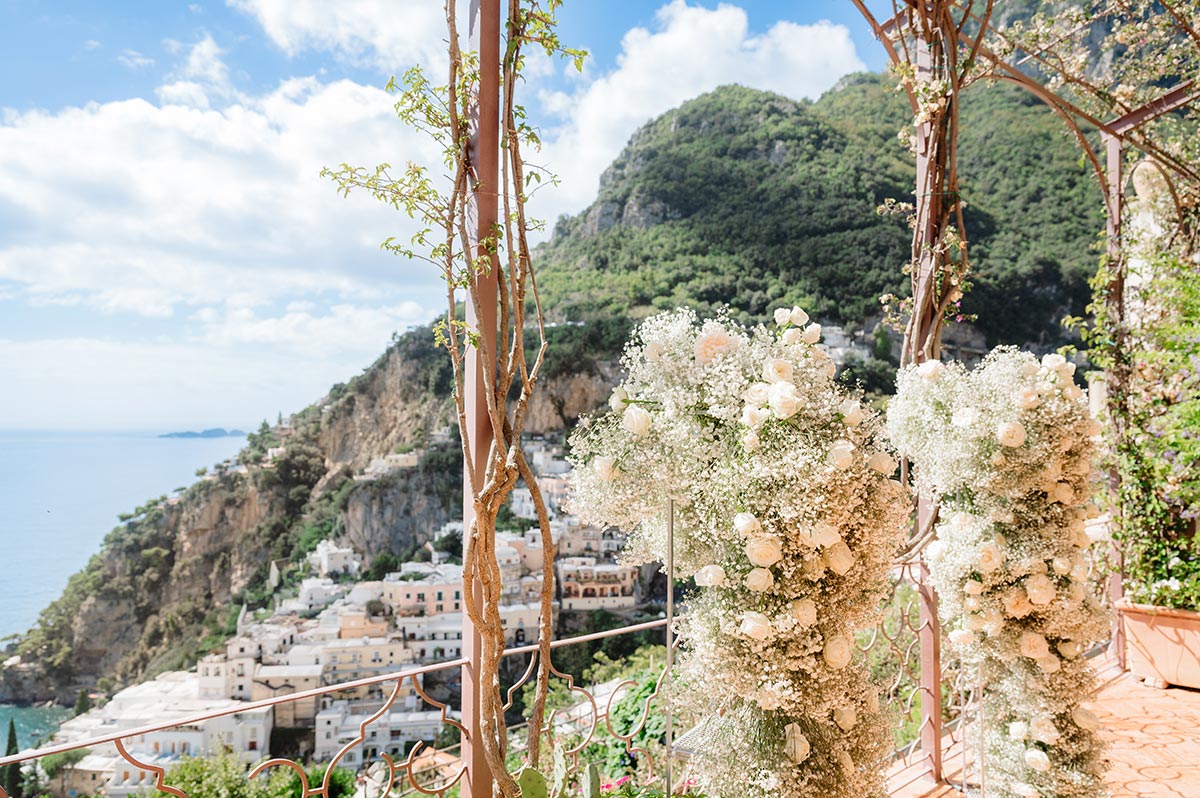
Positano, a picturesque town on the Amalfi Coast, is the perfect destination for a romantic elopement. With its stunning beaches, cliffside views, and vibrant local culture, Positano offers an unforgettable experience for those looking to exchange their vows in an intimate and breathtaking setting.

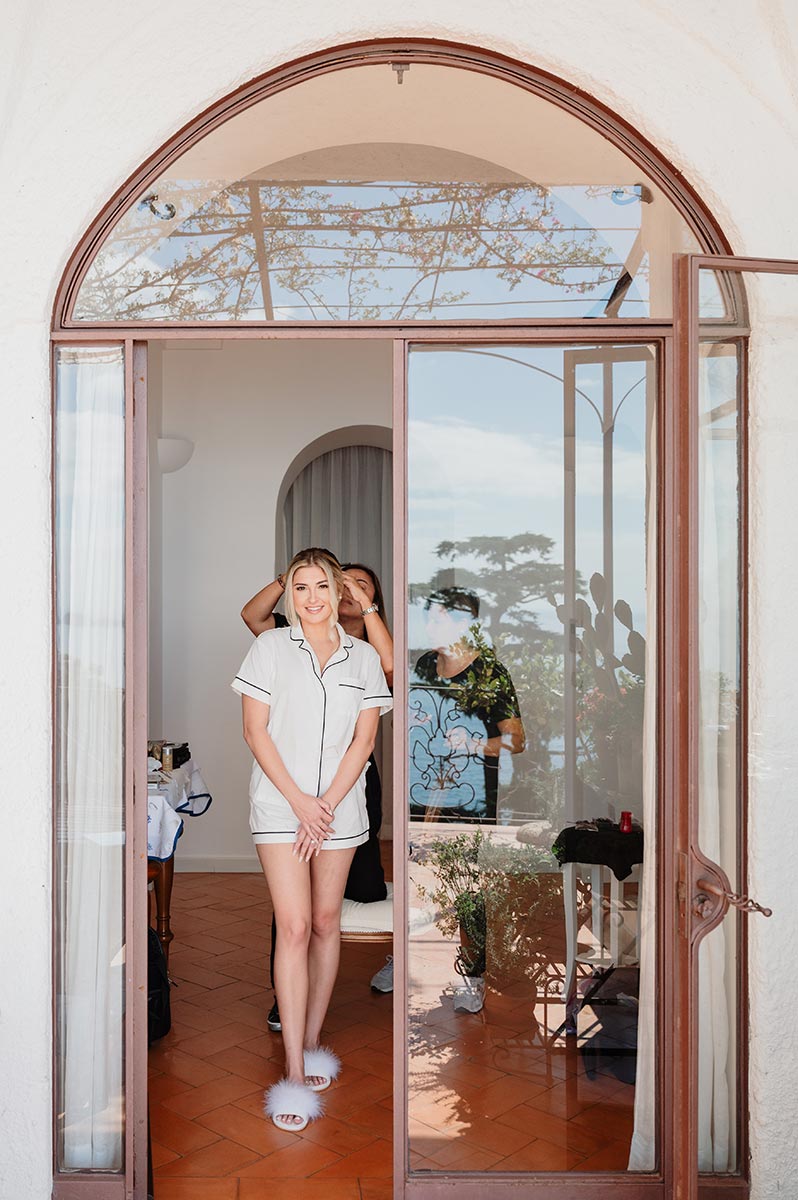
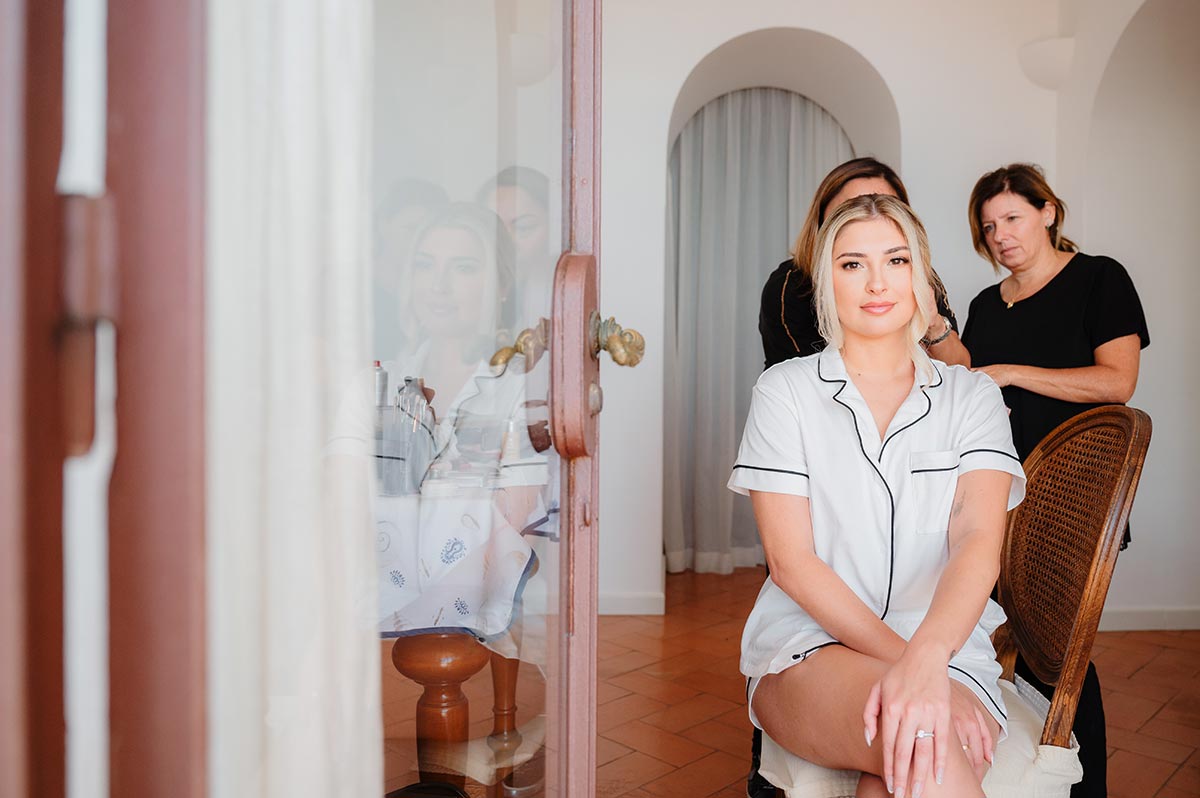
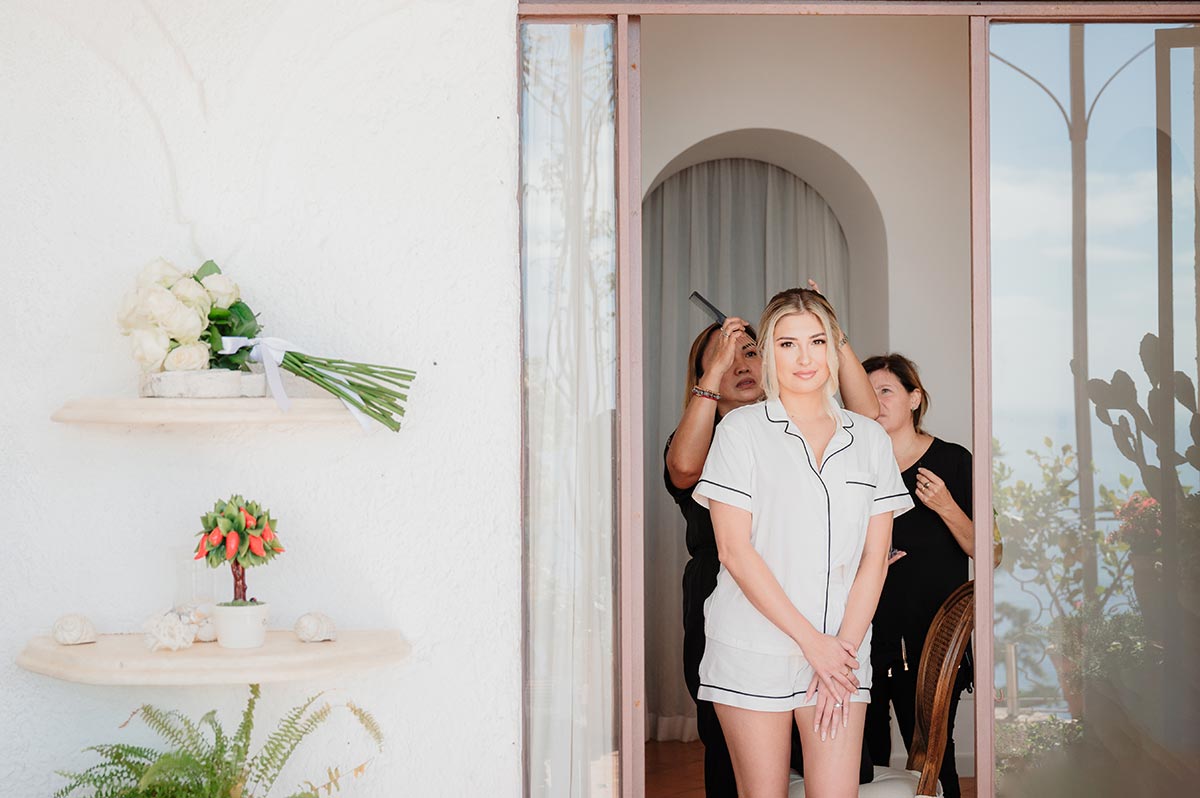
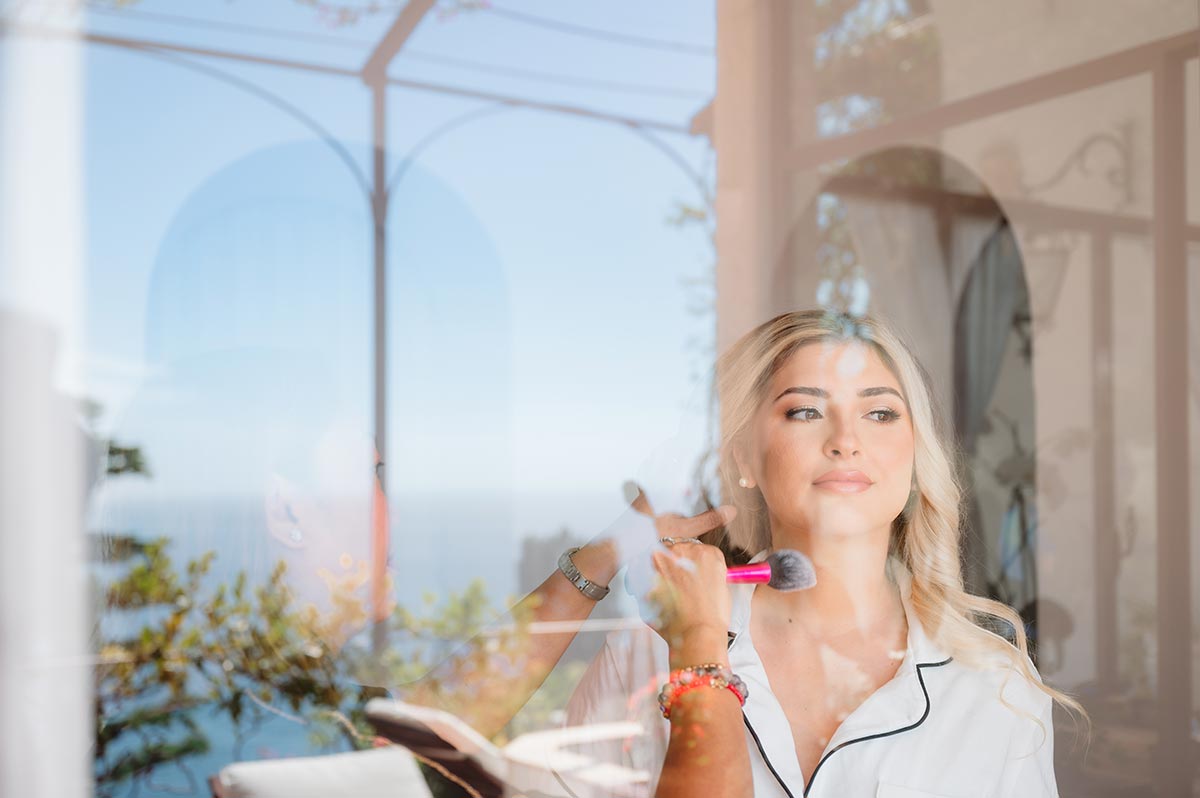
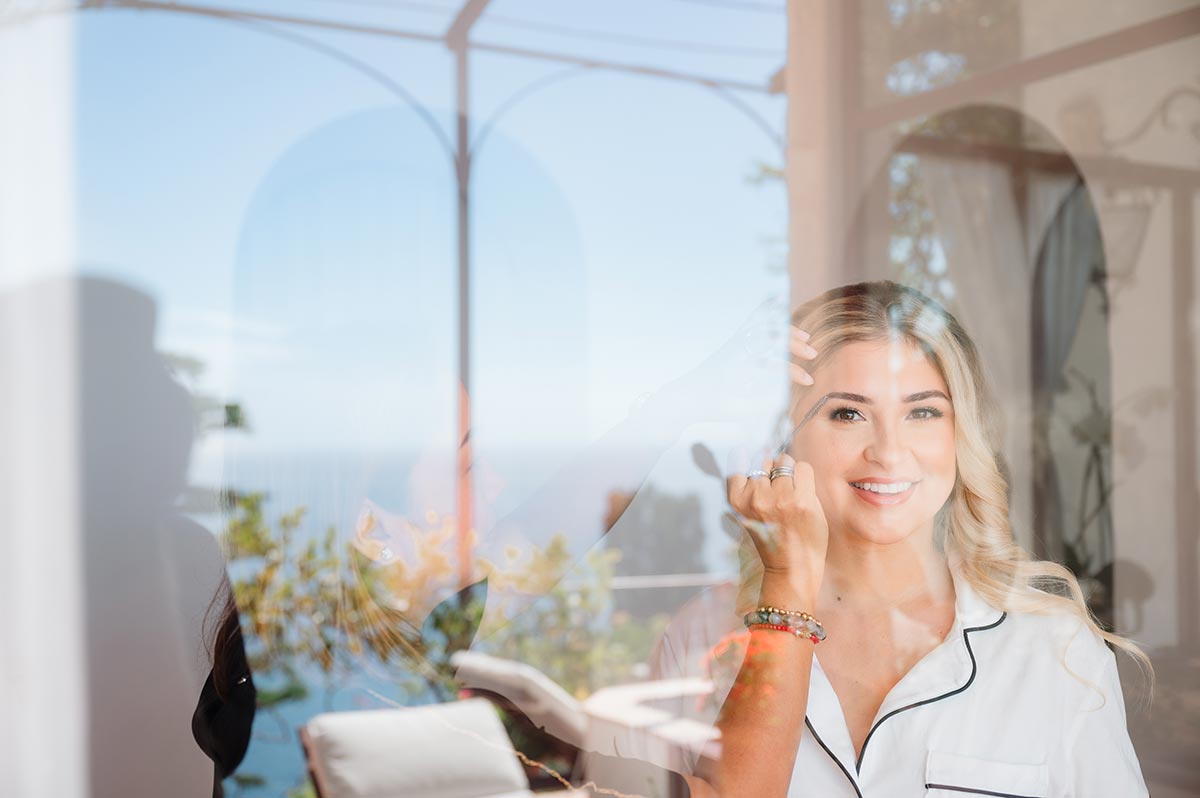


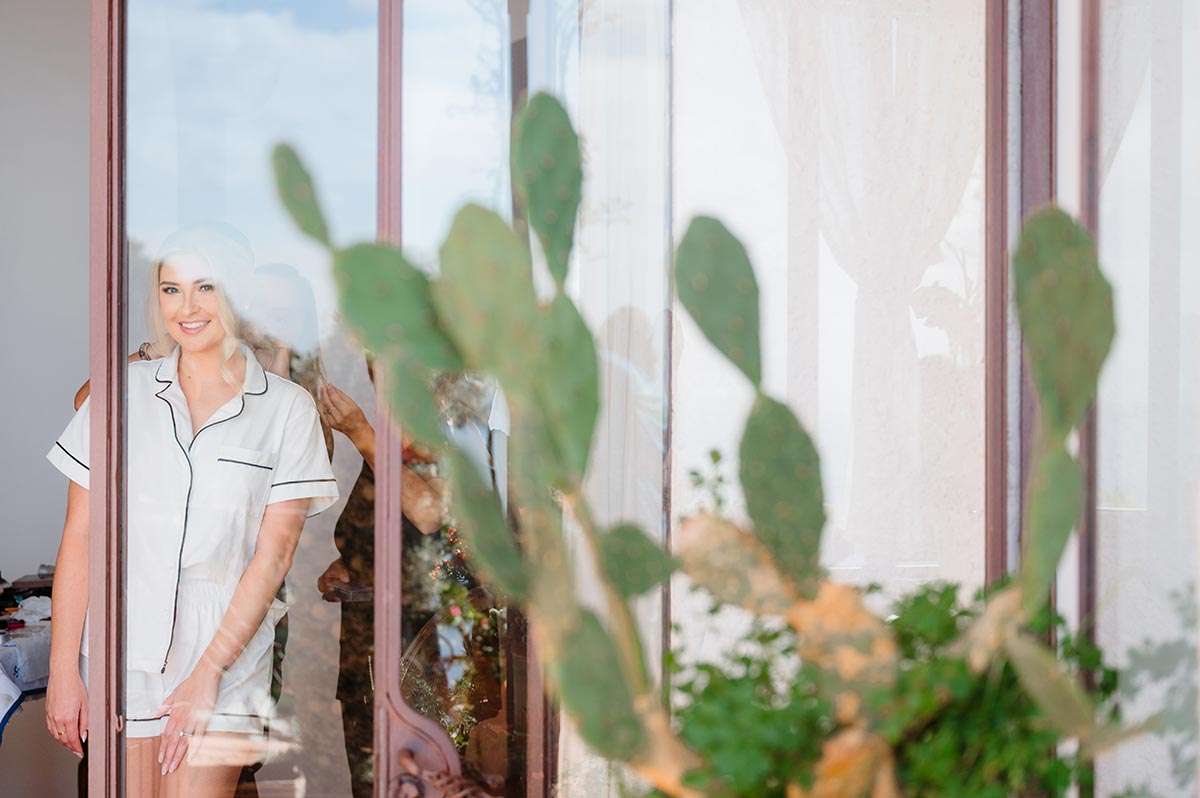
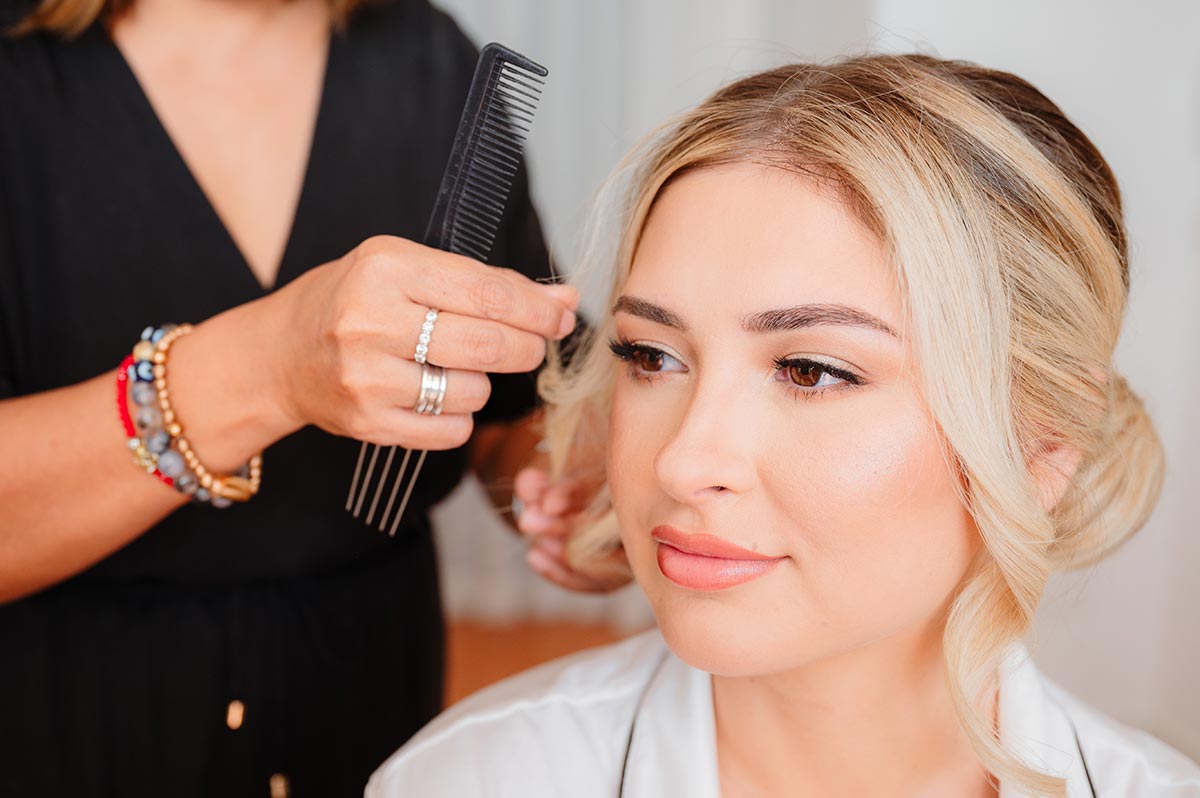
Christian and Michelle, an American couple I discovered, share many musical genres with me, and a lovely feeling was born with both of them right from the start of our conversation.



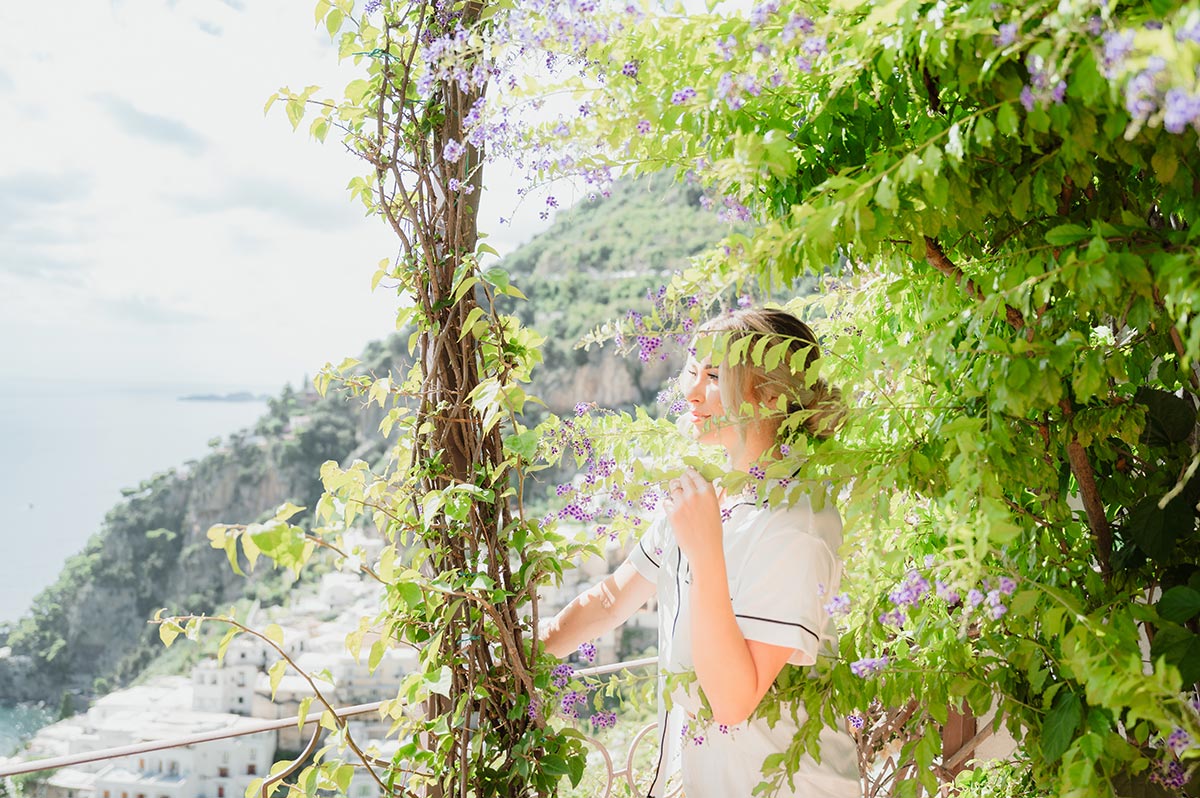
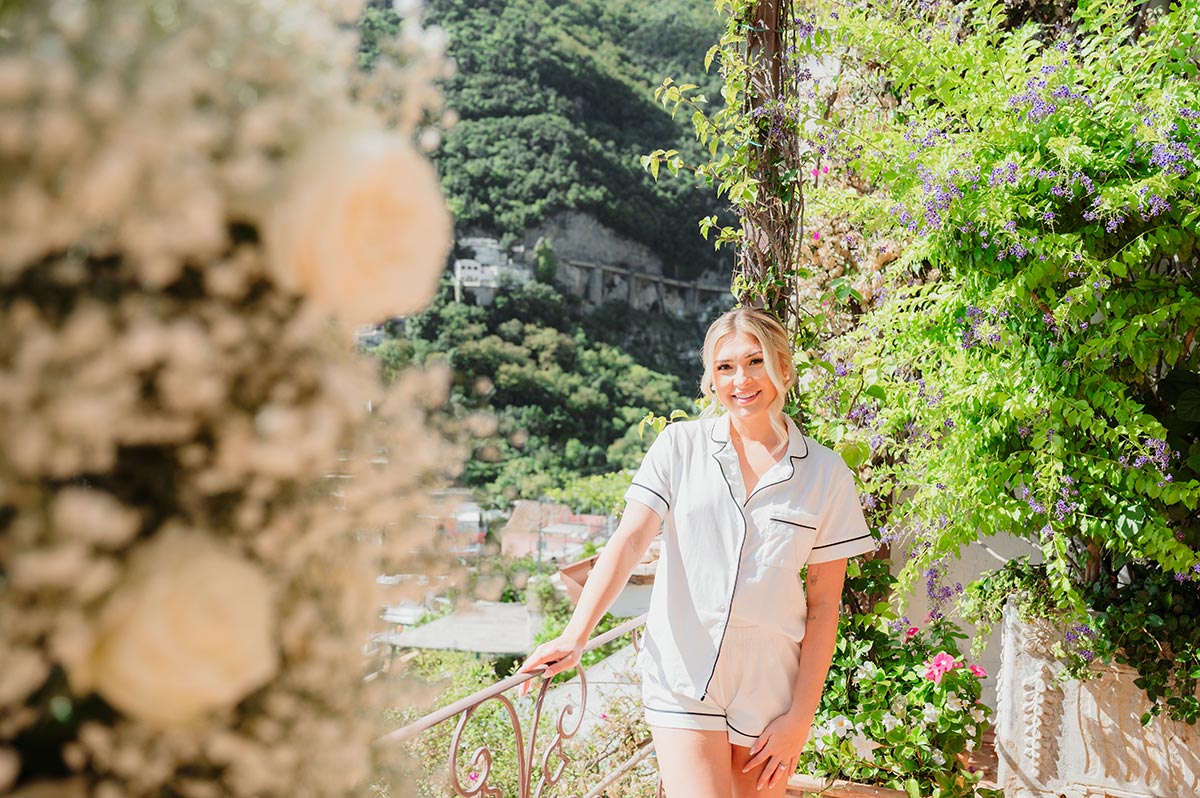

Michelle was clear-headed and had already planned her elopement in Positano with a boat trip; having seen my photos, she asked for all my advice on vendors, then booked the structure where she slept and lived the symbolic ceremony.
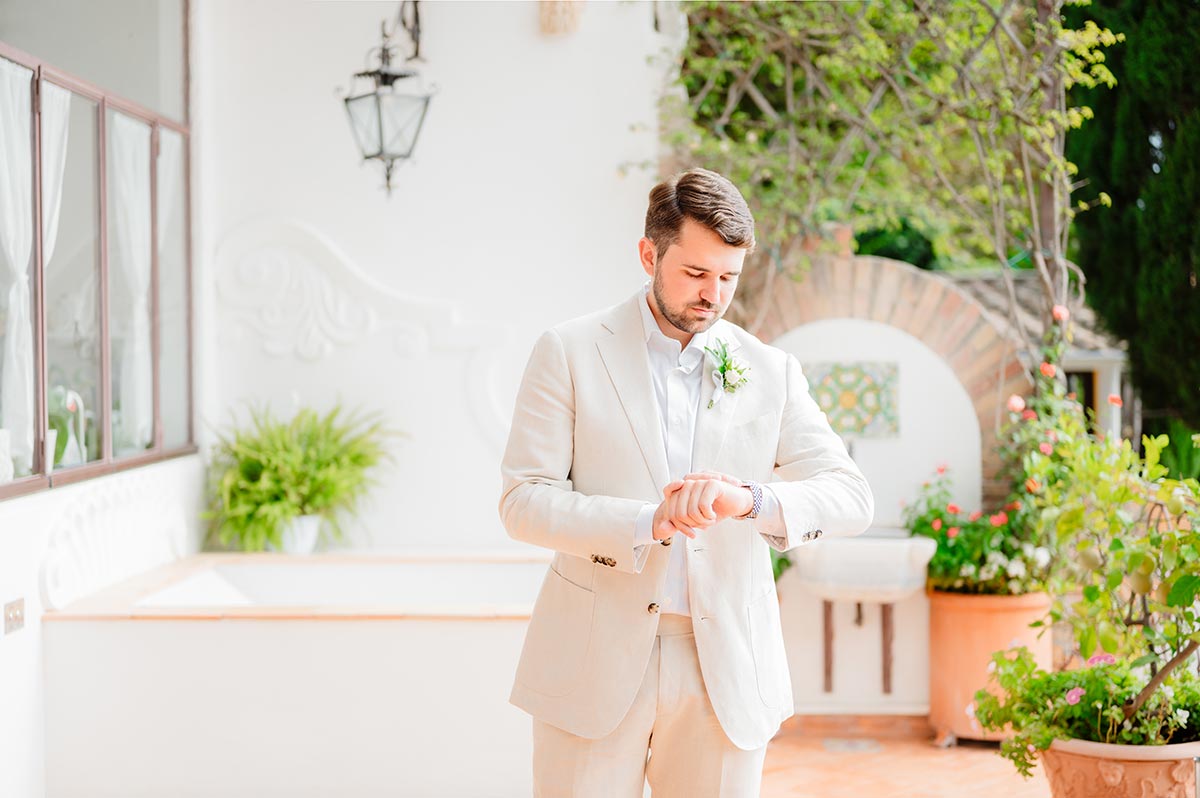
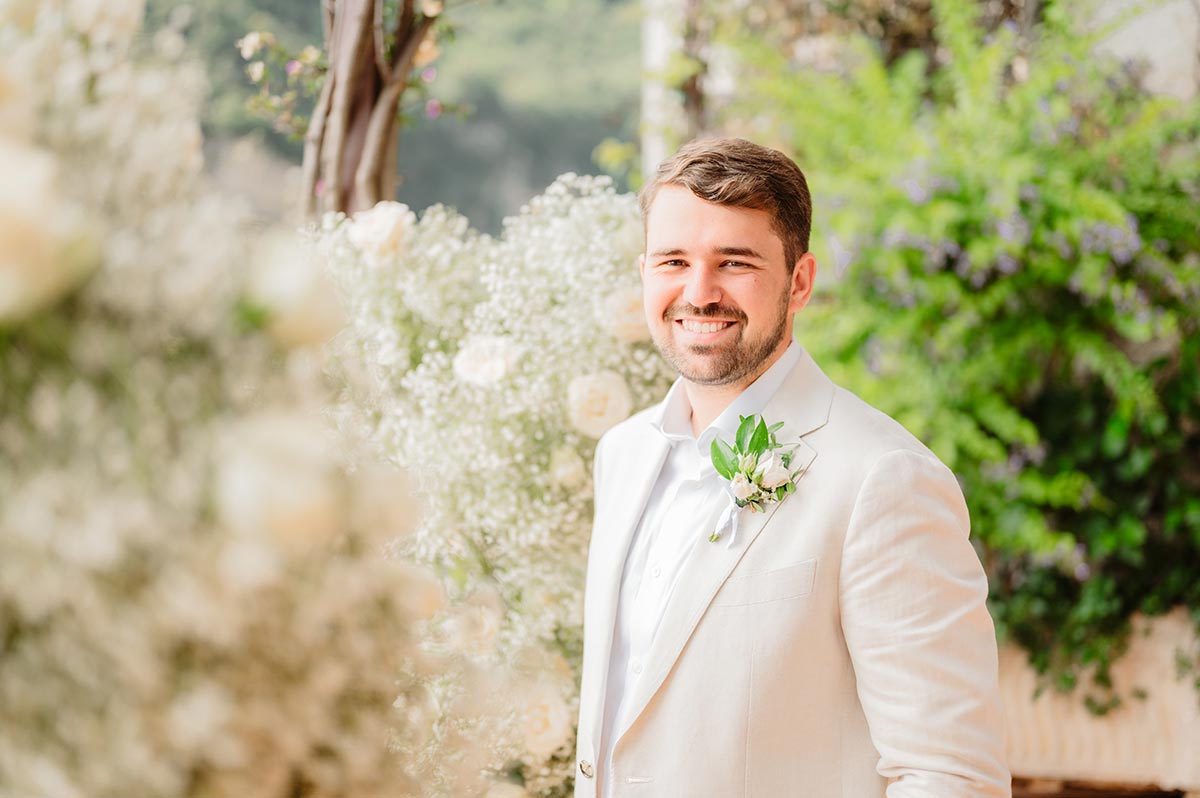
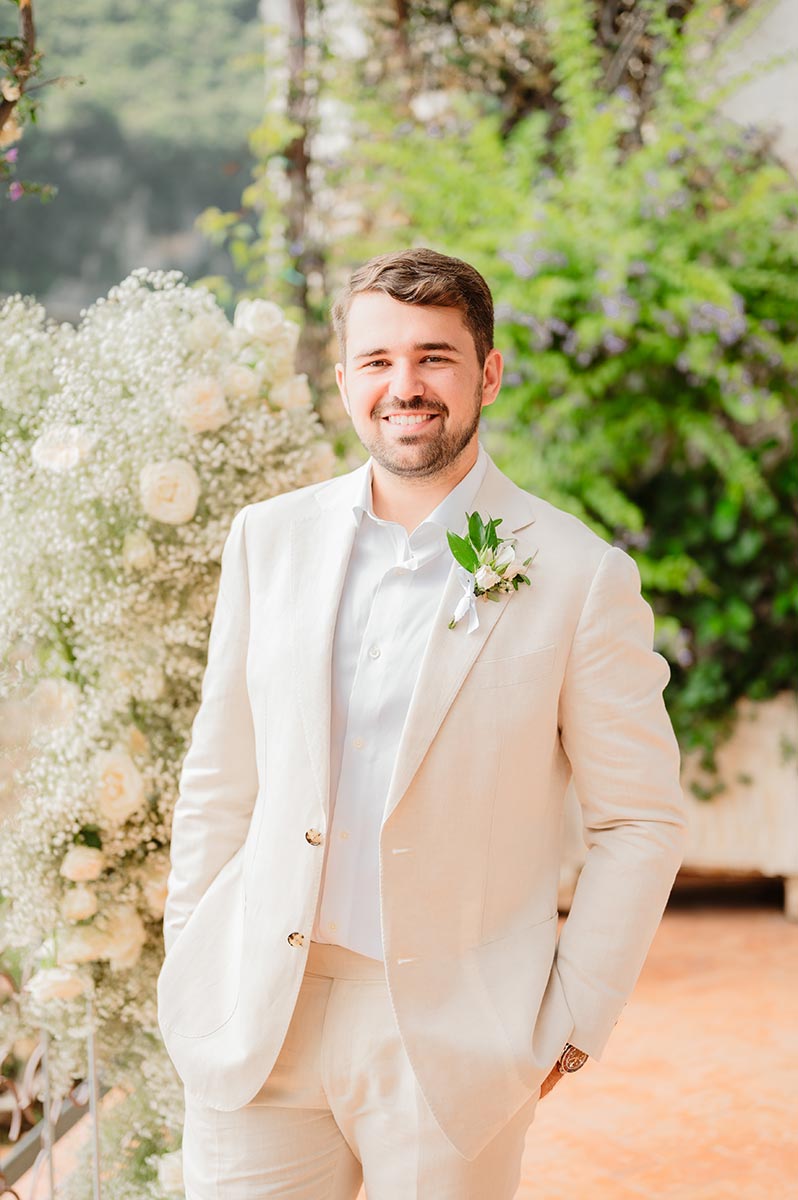
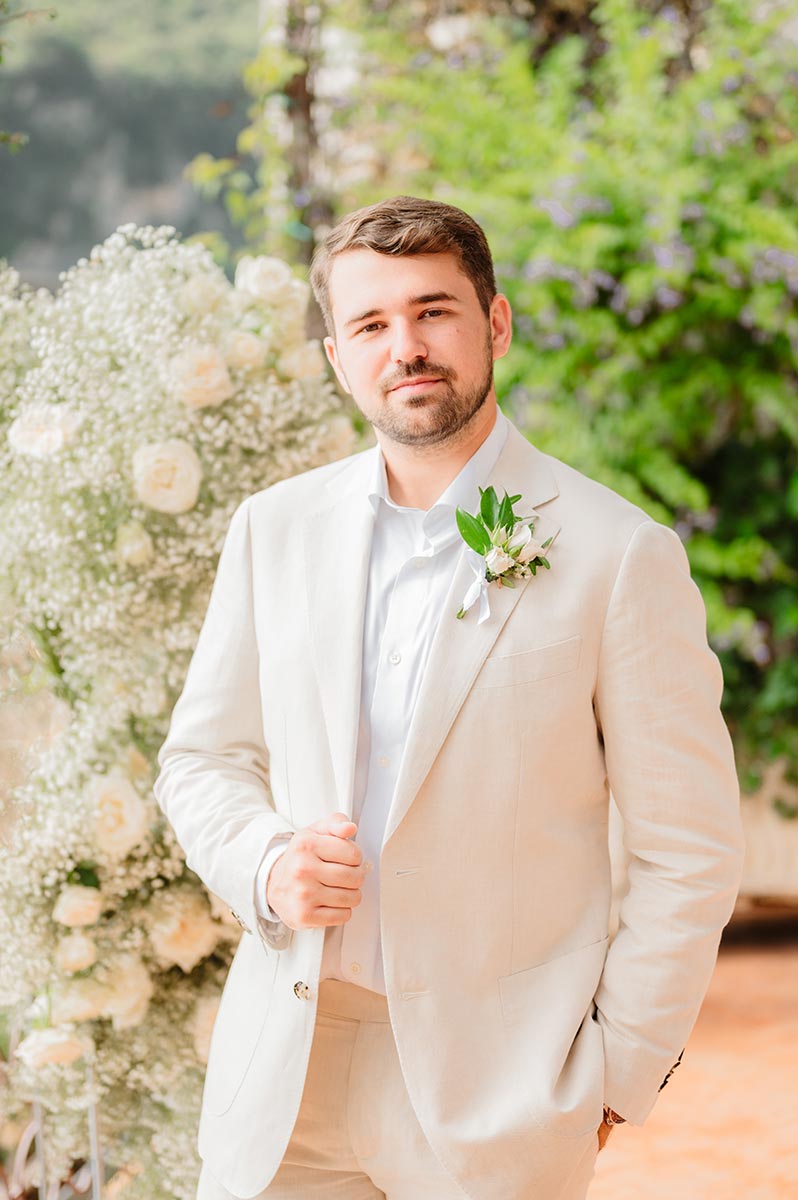
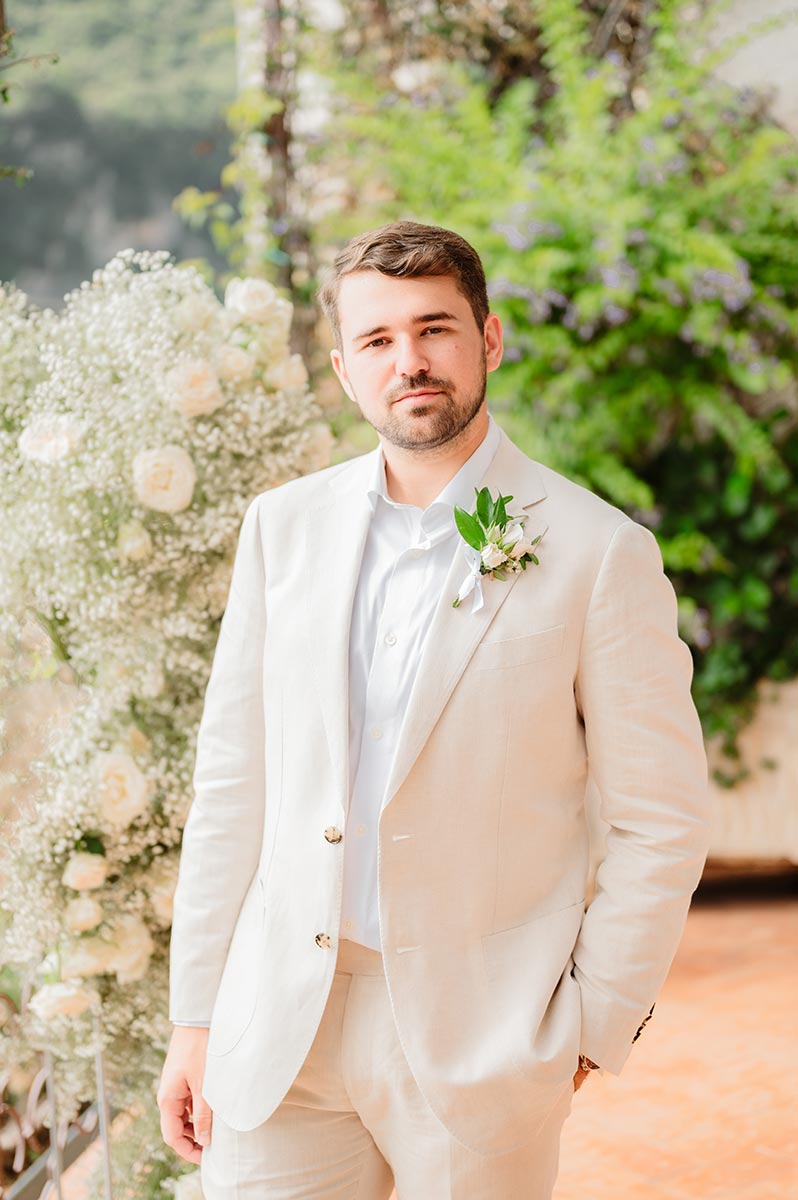
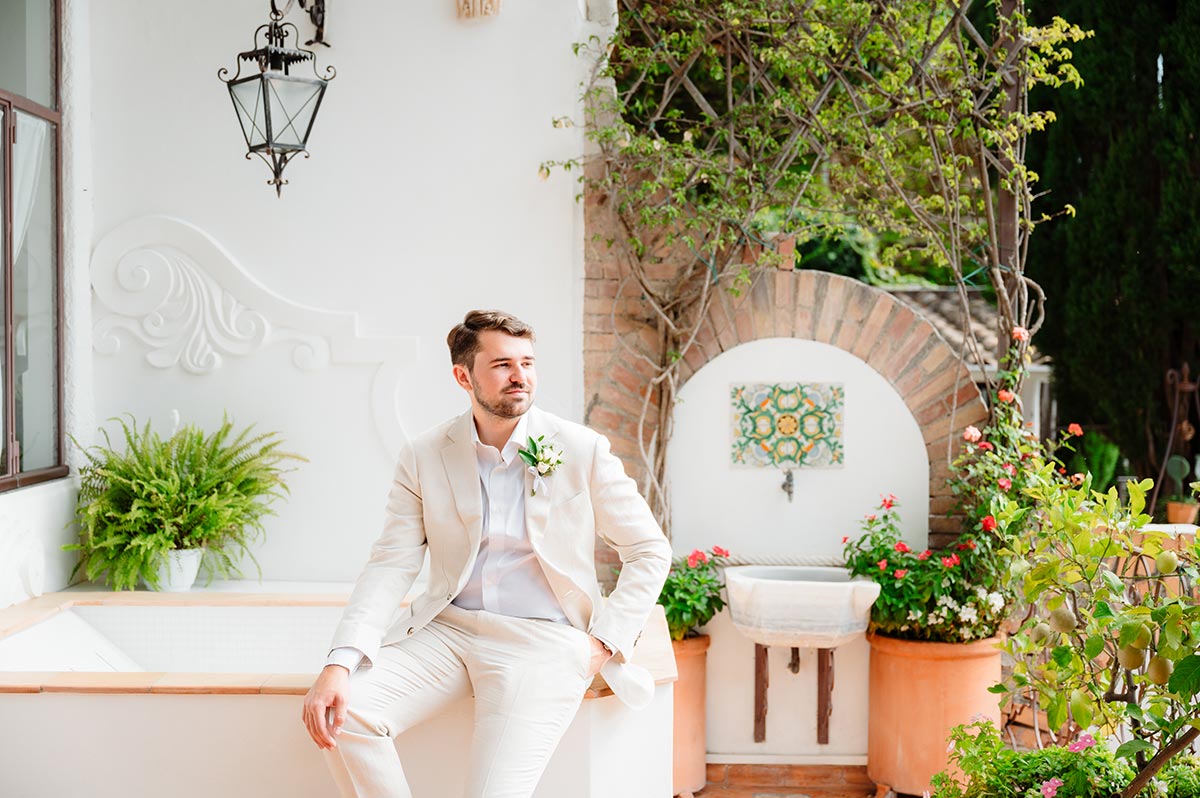
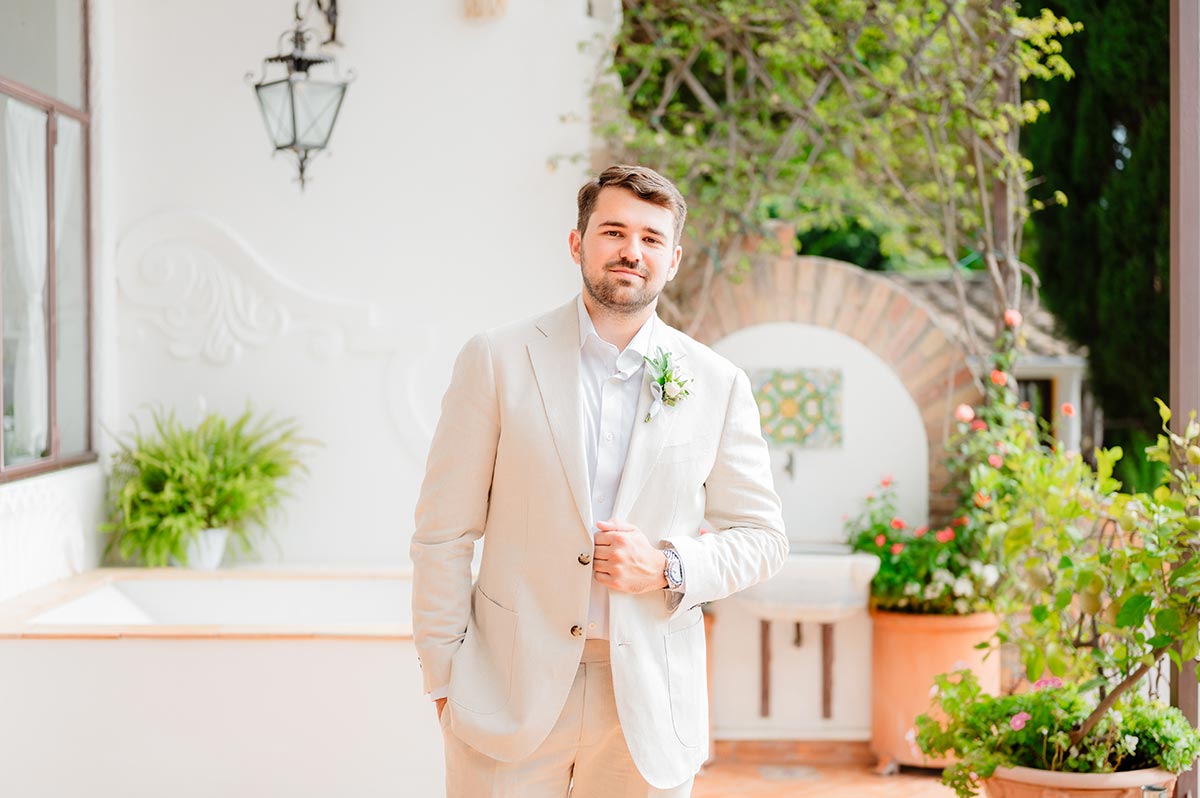
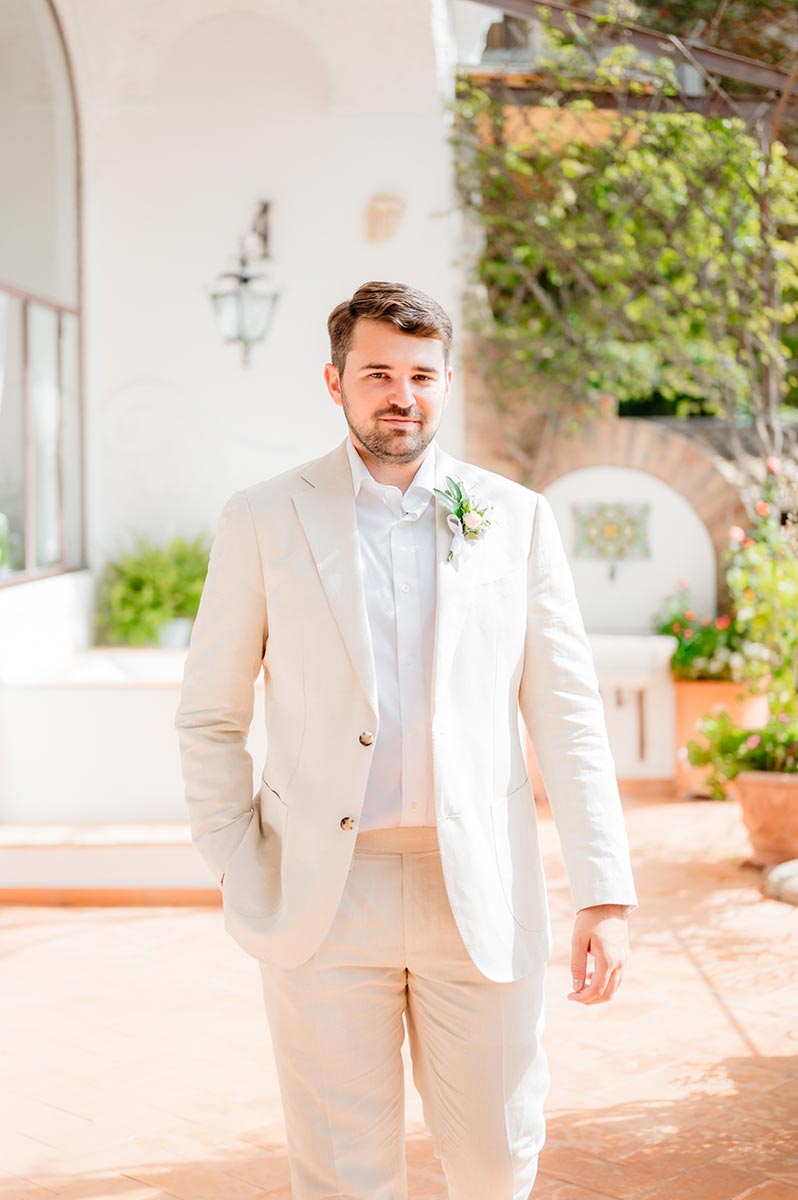

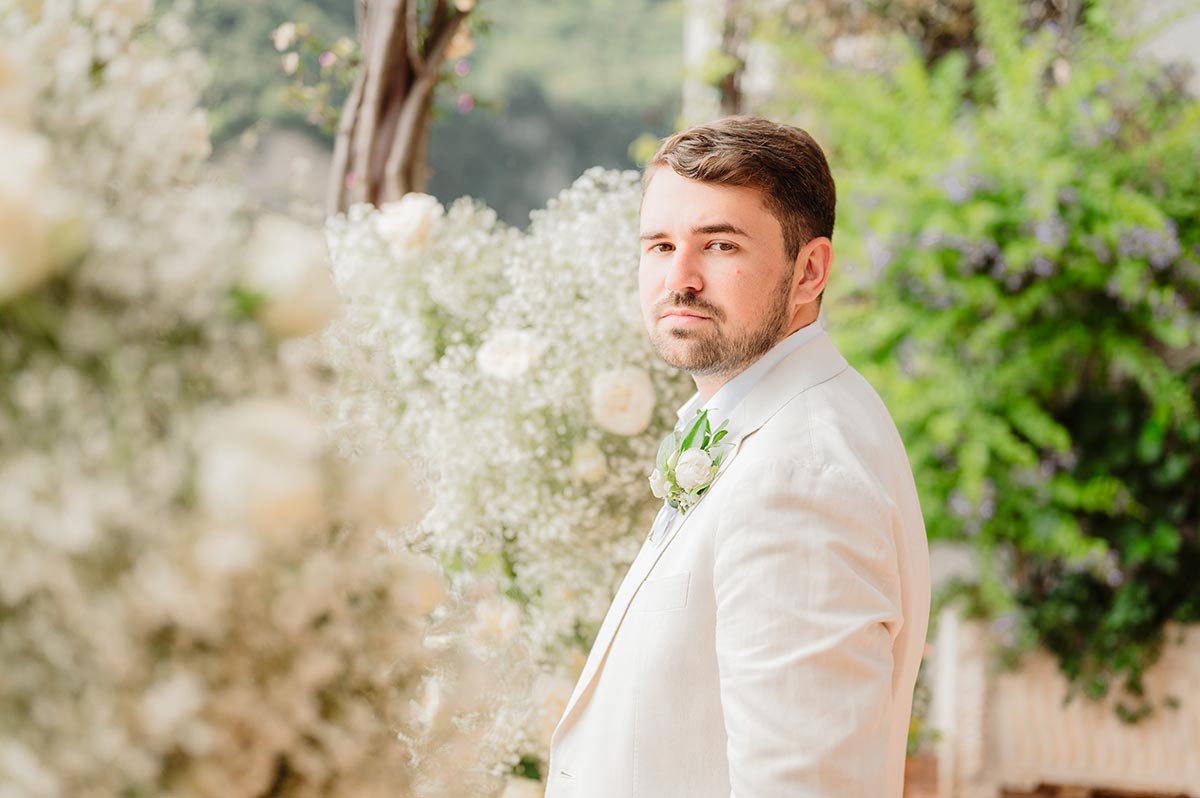


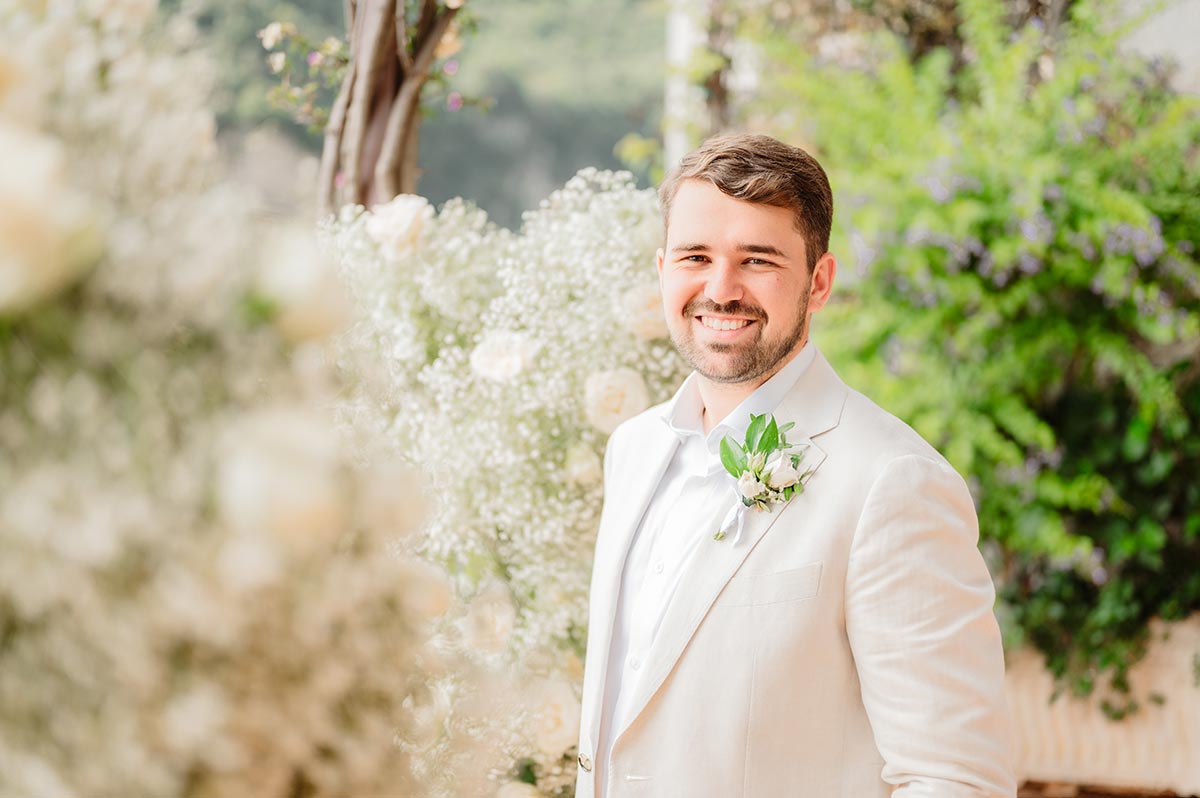
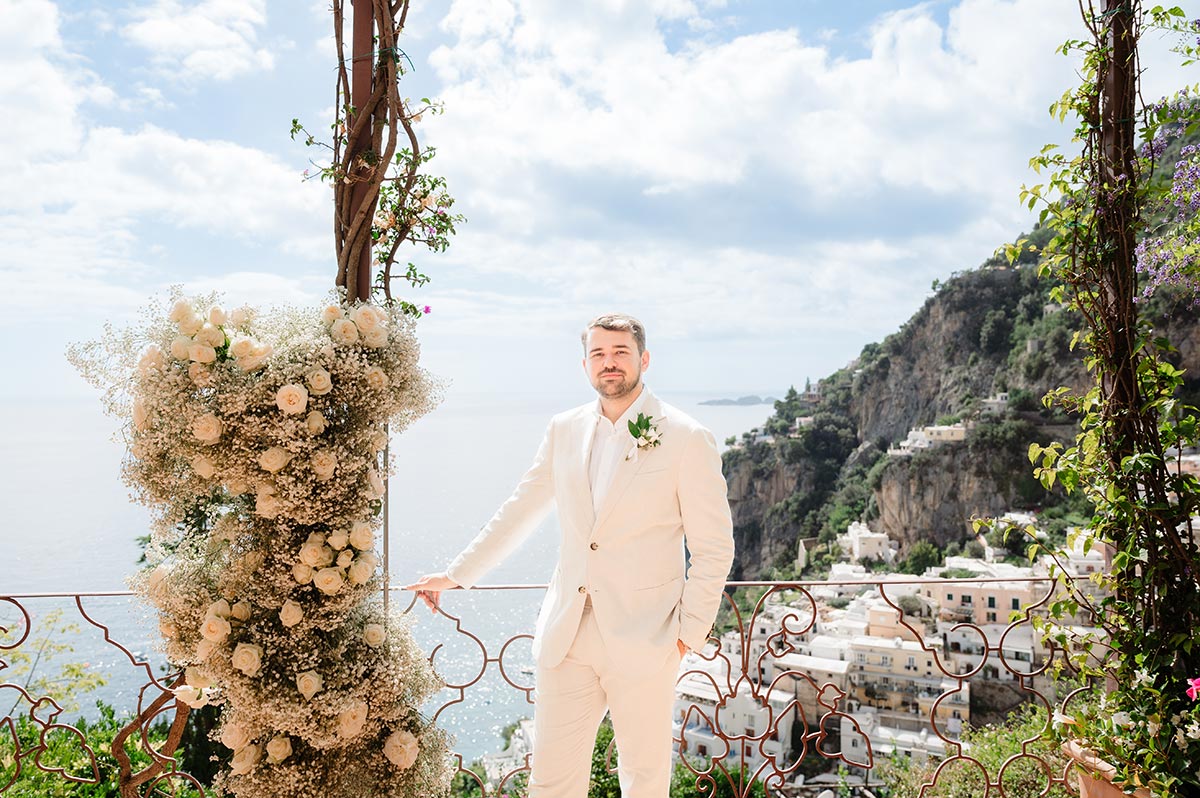
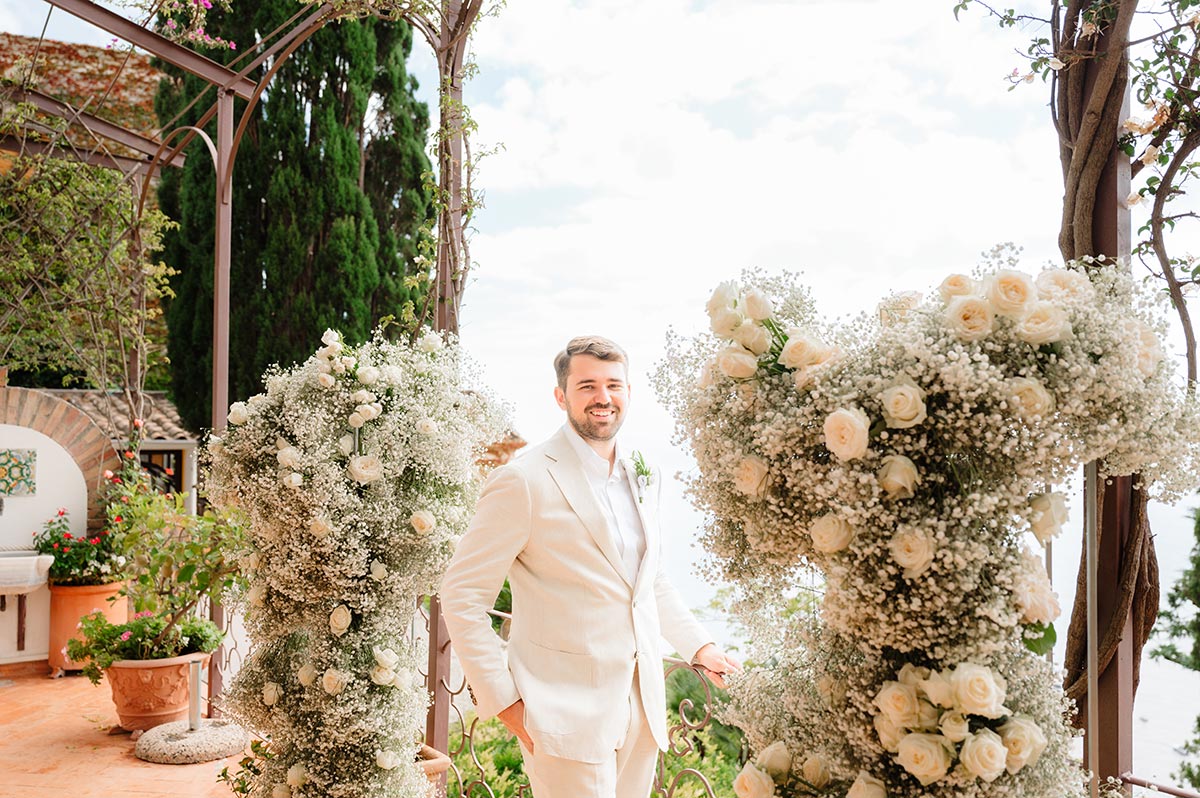

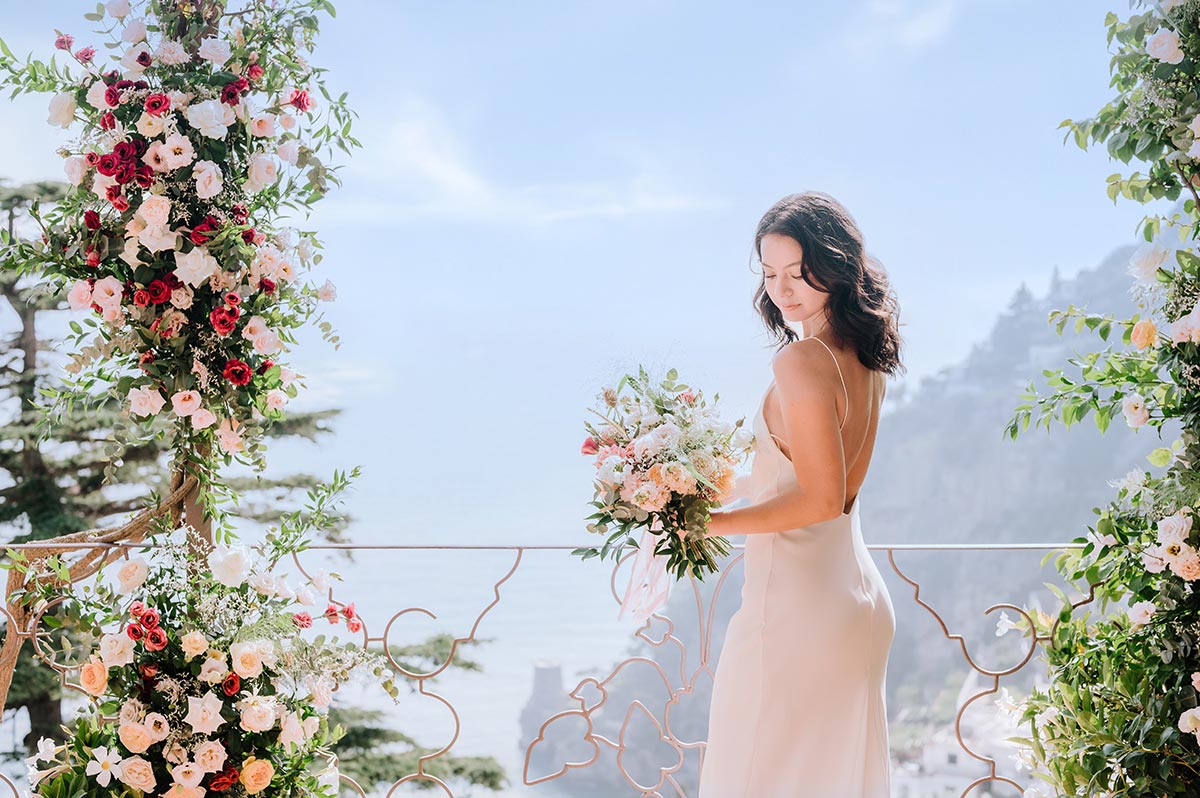
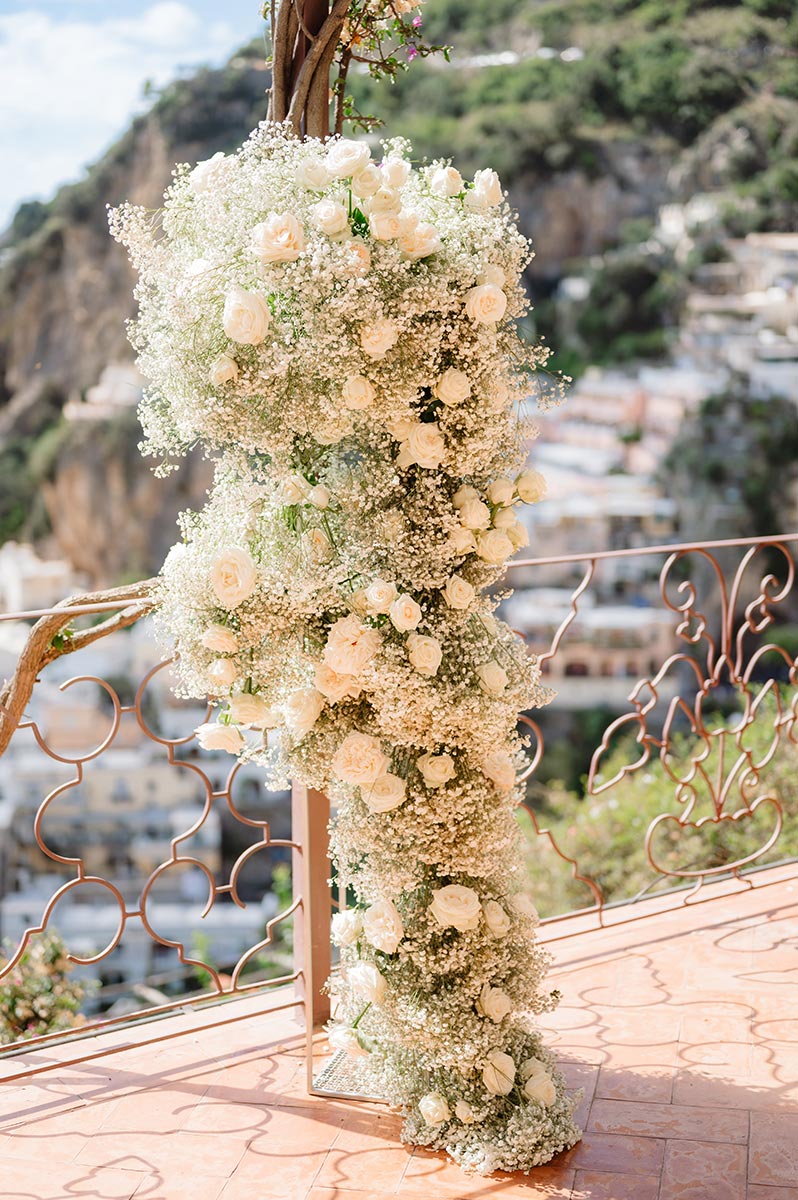
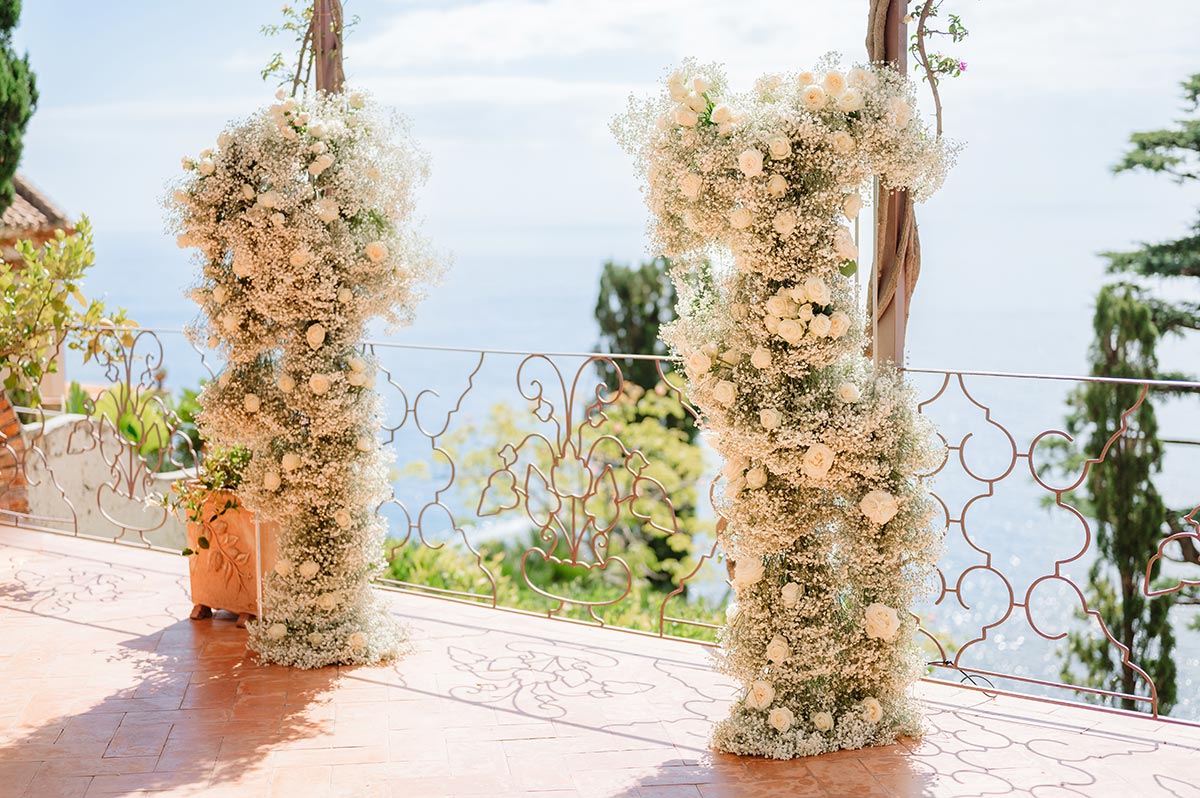
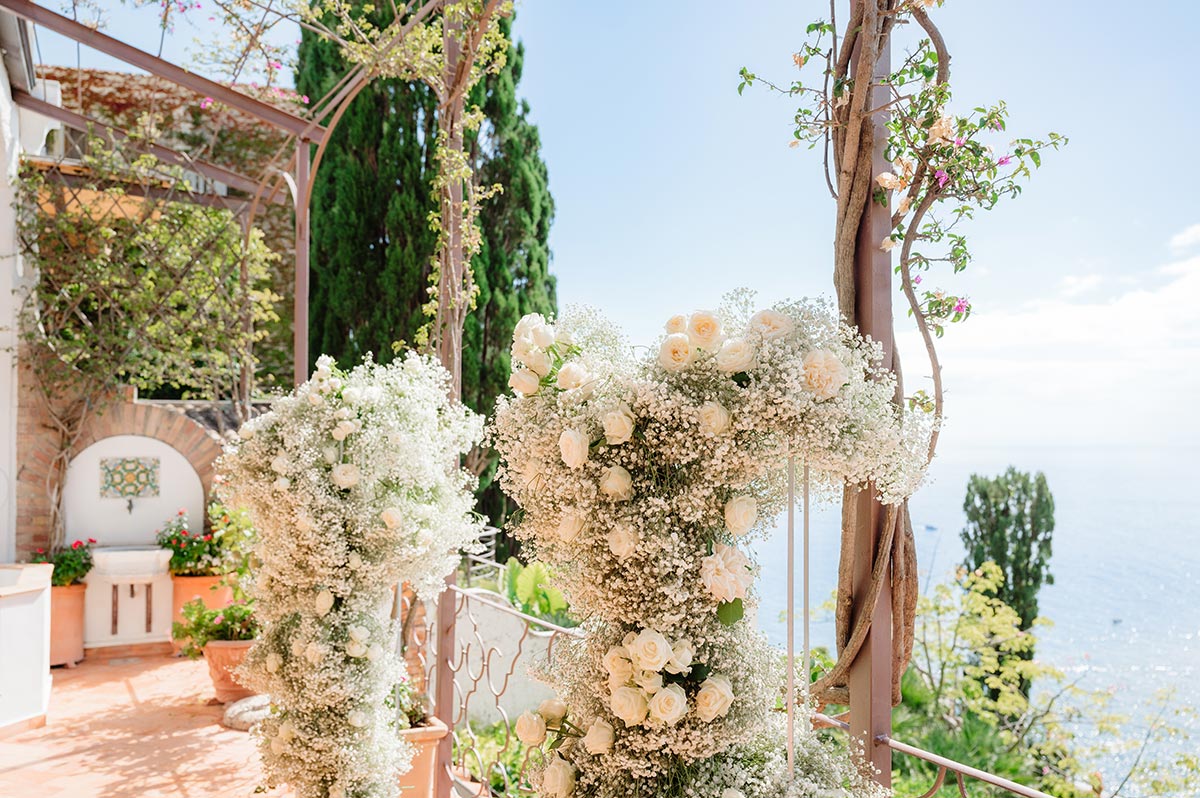
The flowers are from the great florist Giuseppe Stinga. The ceremony was celebrated by Carmela Cesarano, makeup and hairstyle by Johanna Falanga, whom I love because she’s very friendly and talented.
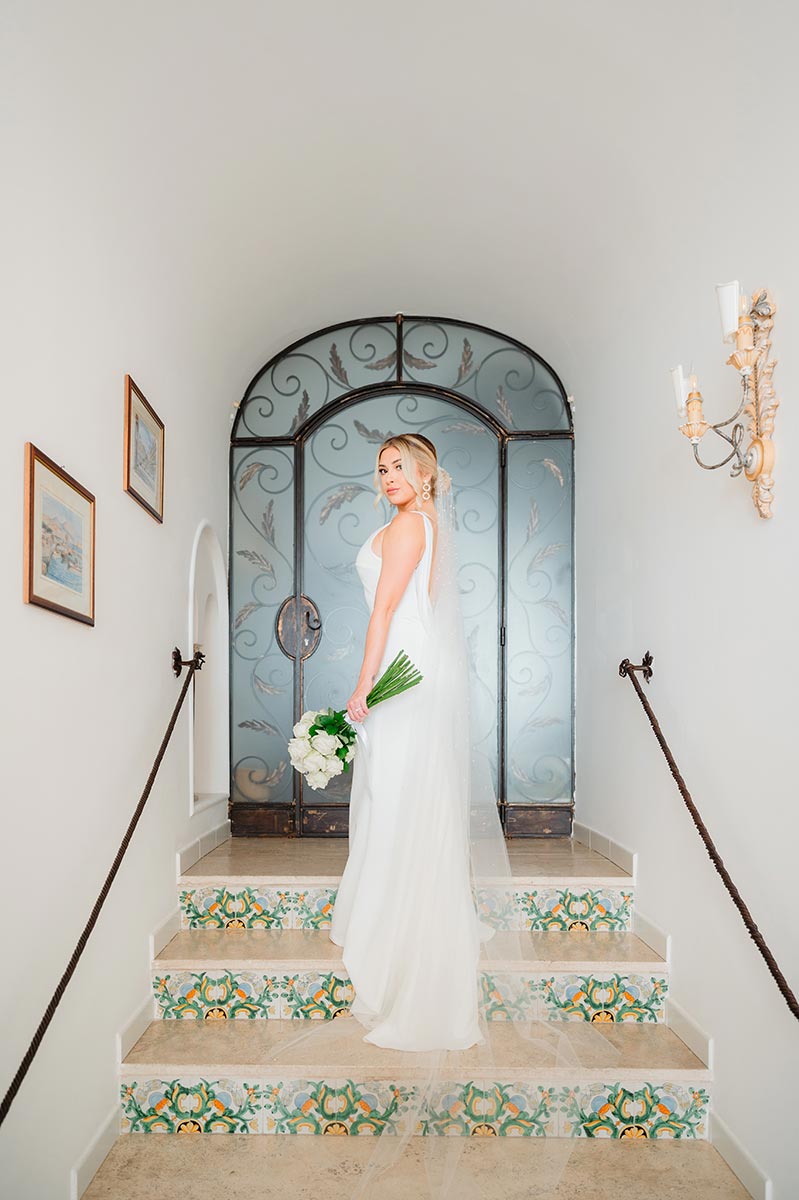
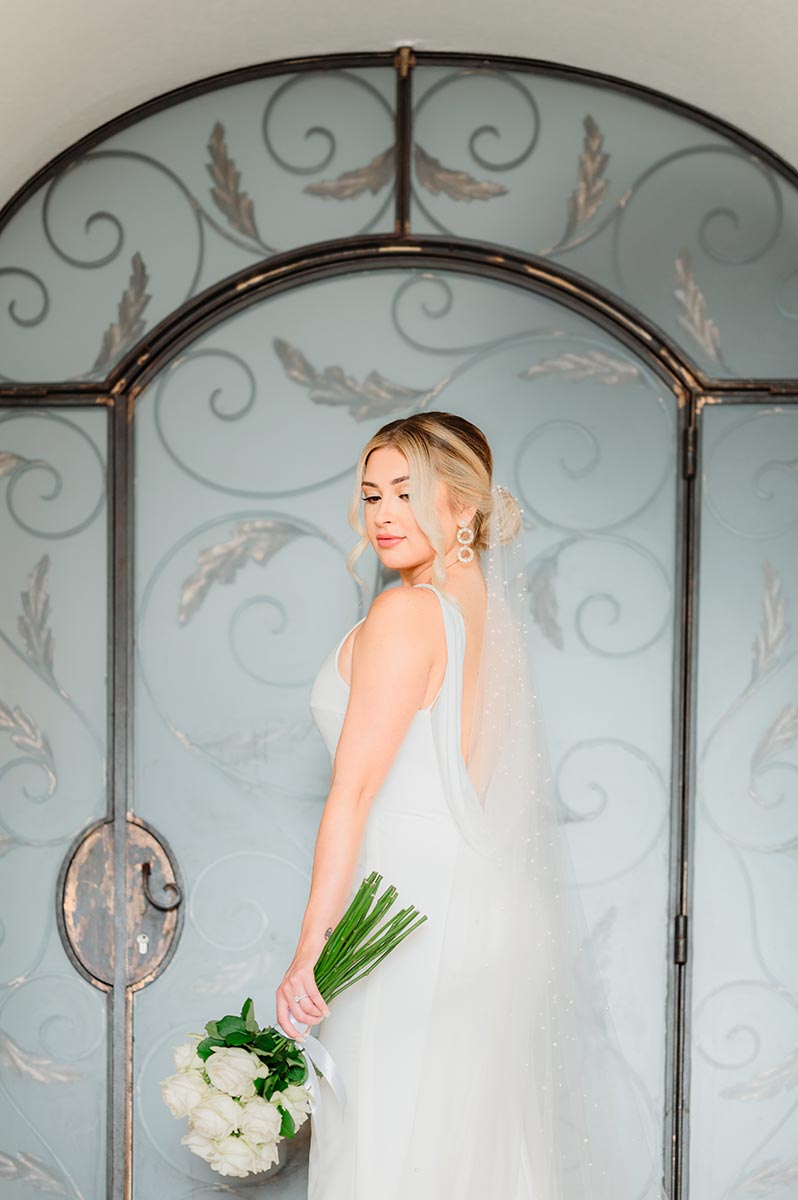
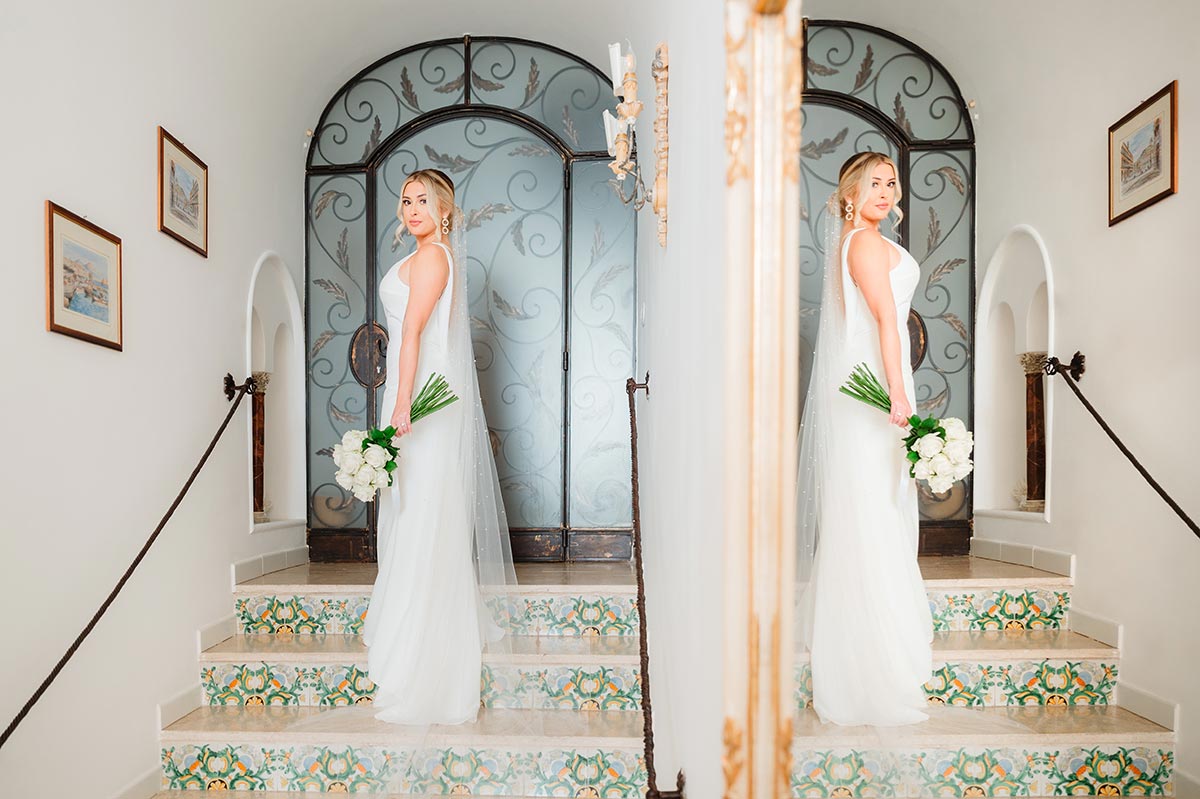
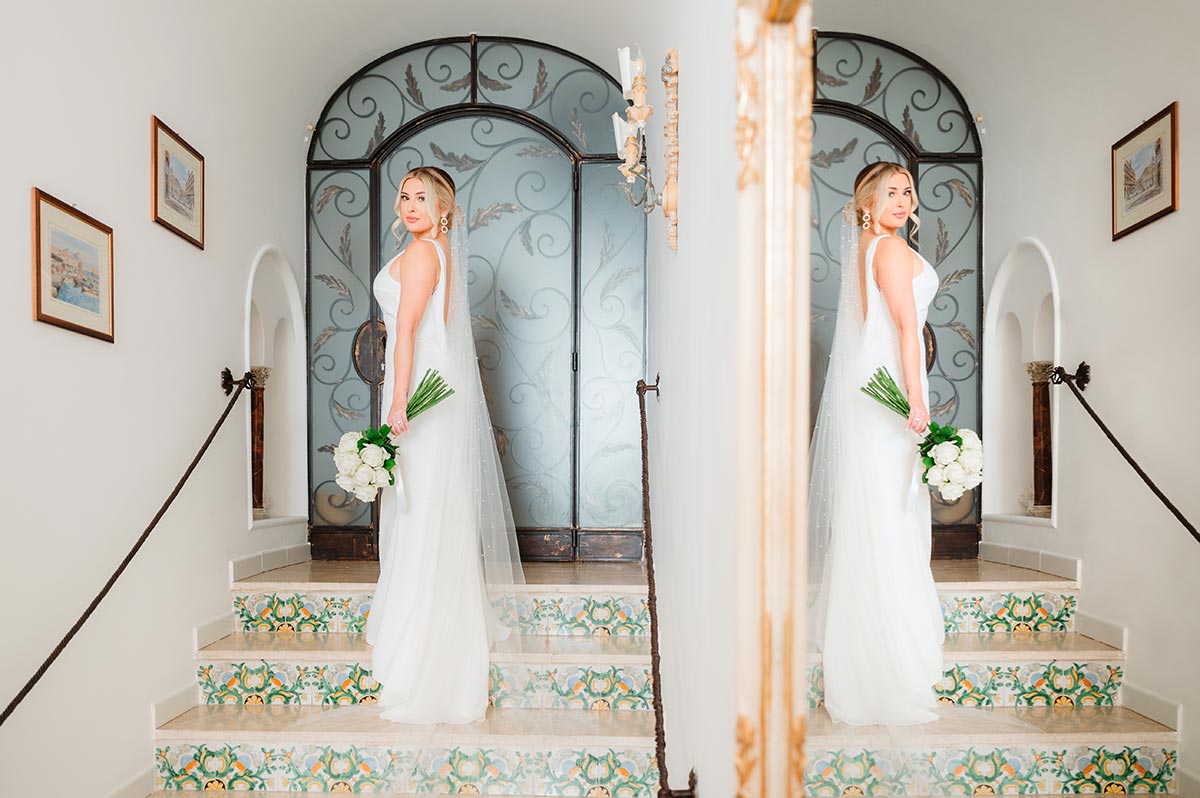
So this is an elopement of my idea. I consider it one of the best I have ever managed during my career for the beautiful and highly expressive photos that came out; I must say, also thanks to the depth and great sensitivity of the couple.

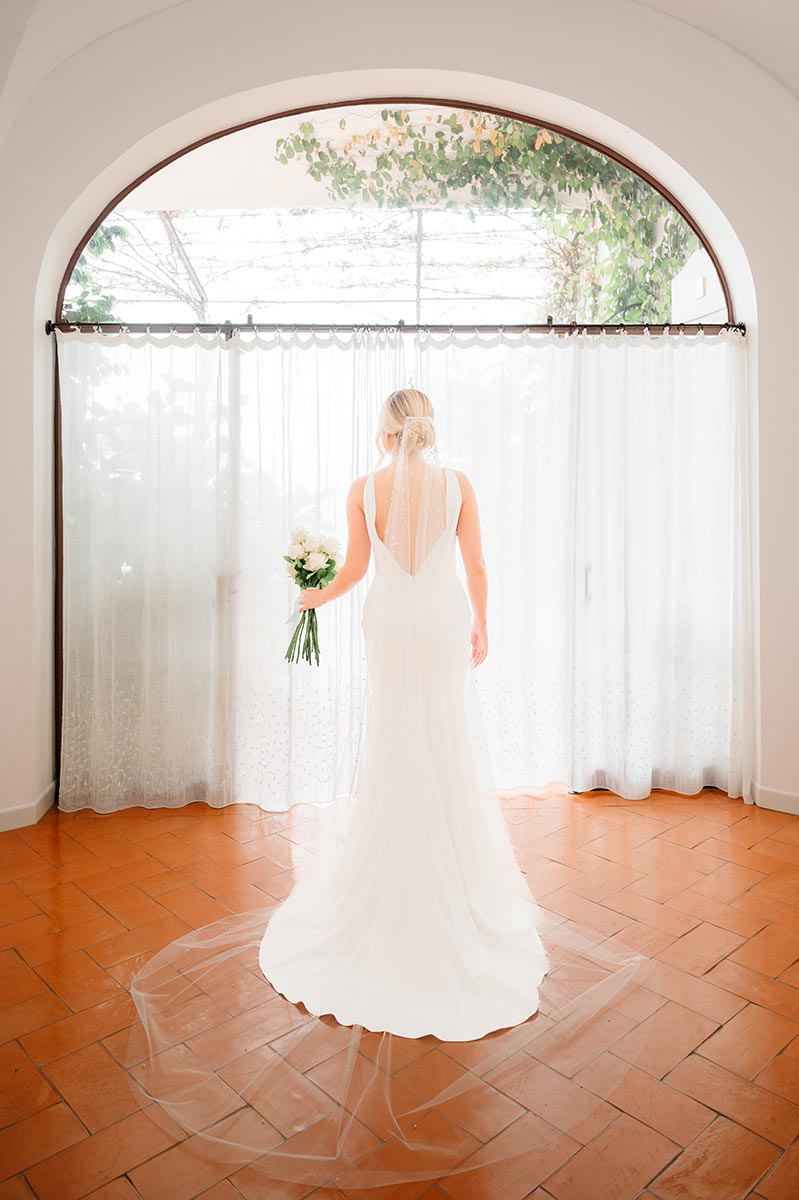
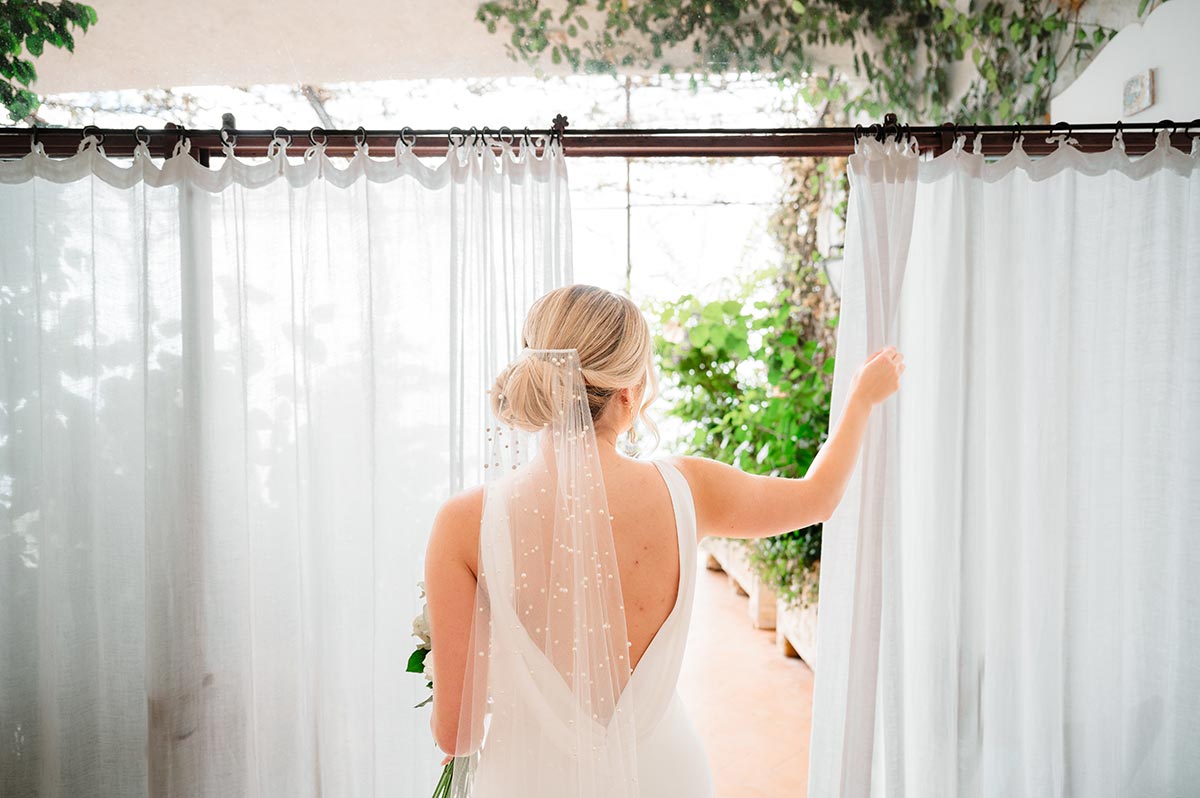
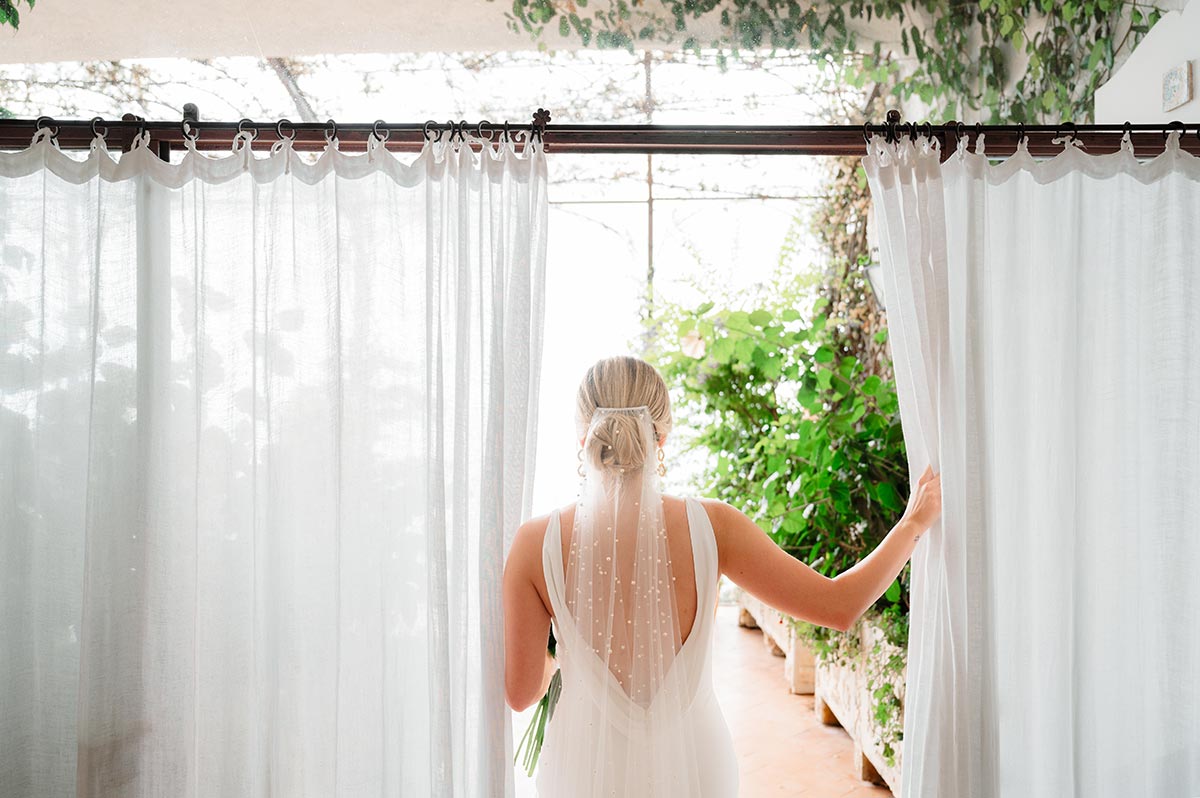
Casa Passalacqua is a charming and welcoming bed and breakfast, not a venue as you might think. Therefore, it is suitable for a wedding of only two people and not more.
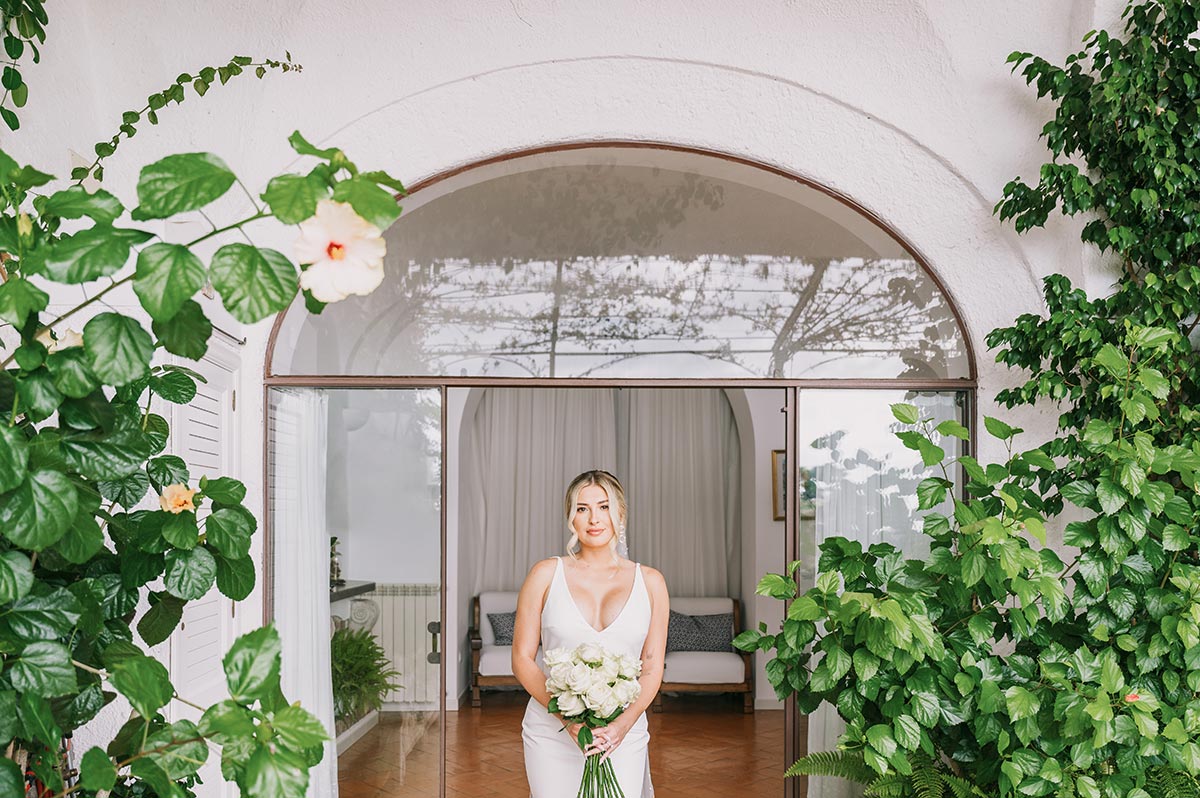
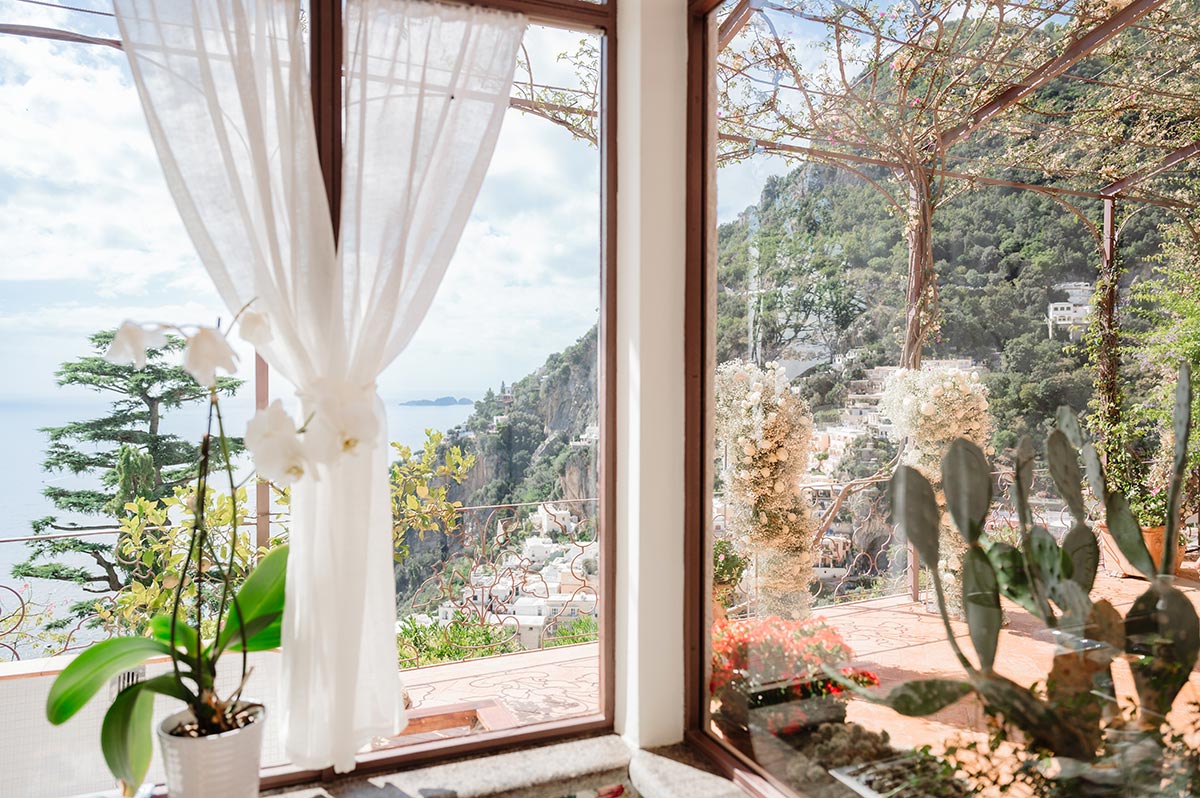
As big as it may seem, there are only two bedrooms, a lovely hallway with a window that opens onto the terrace, within which there are many objects to move because the owners who live upstairs obviously offer many facilities such as sun loungers and other valuable items for relaxation that need to be temporarily removed before the wedding.
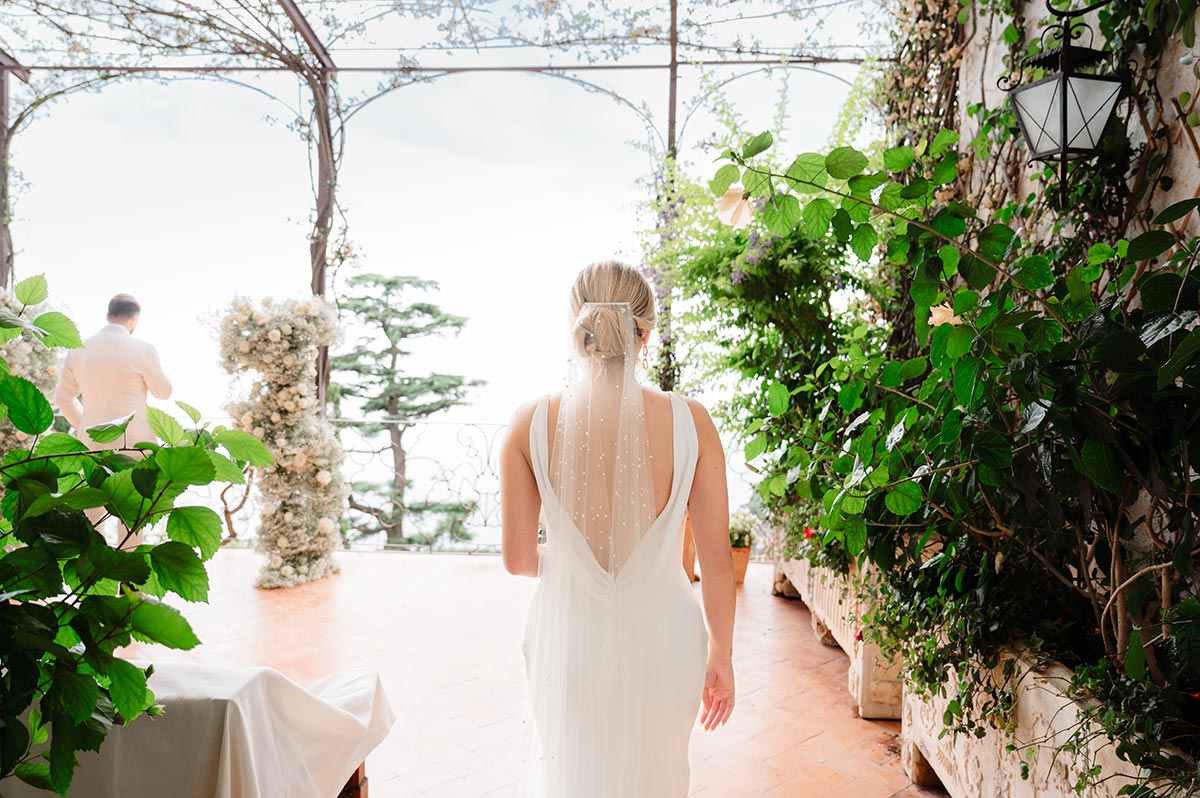

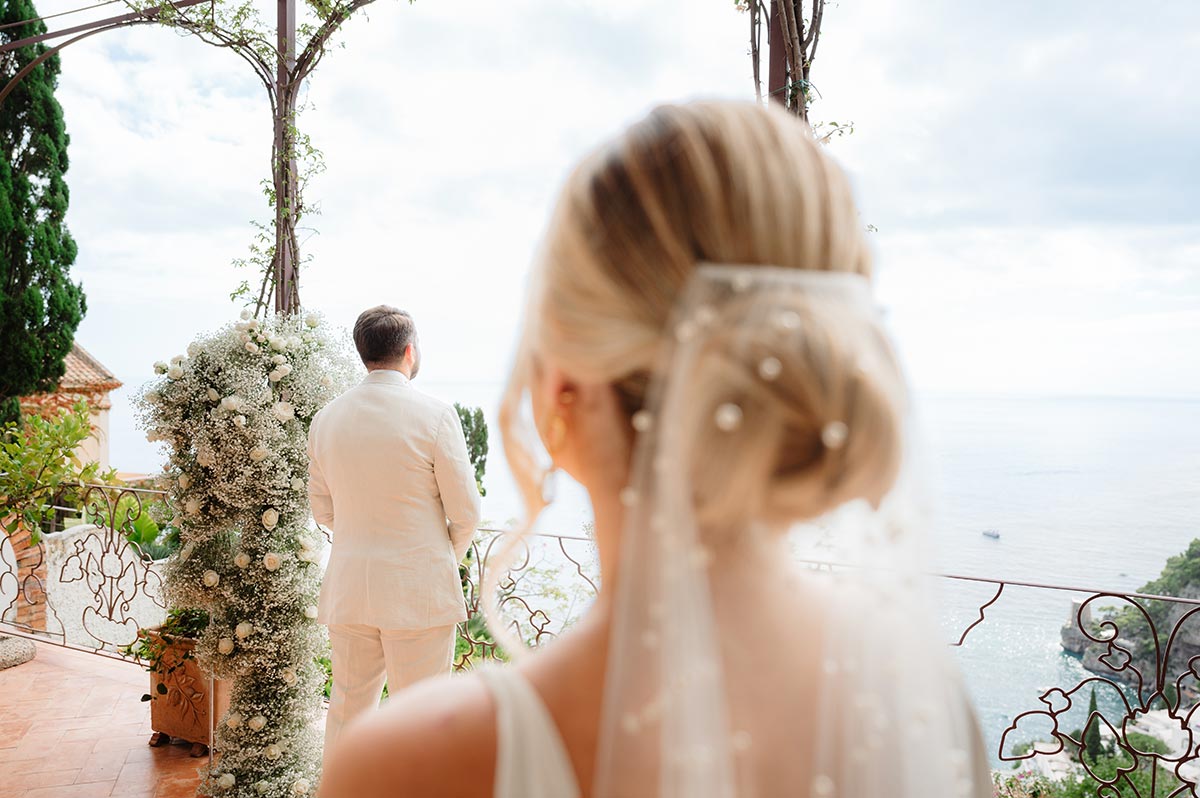

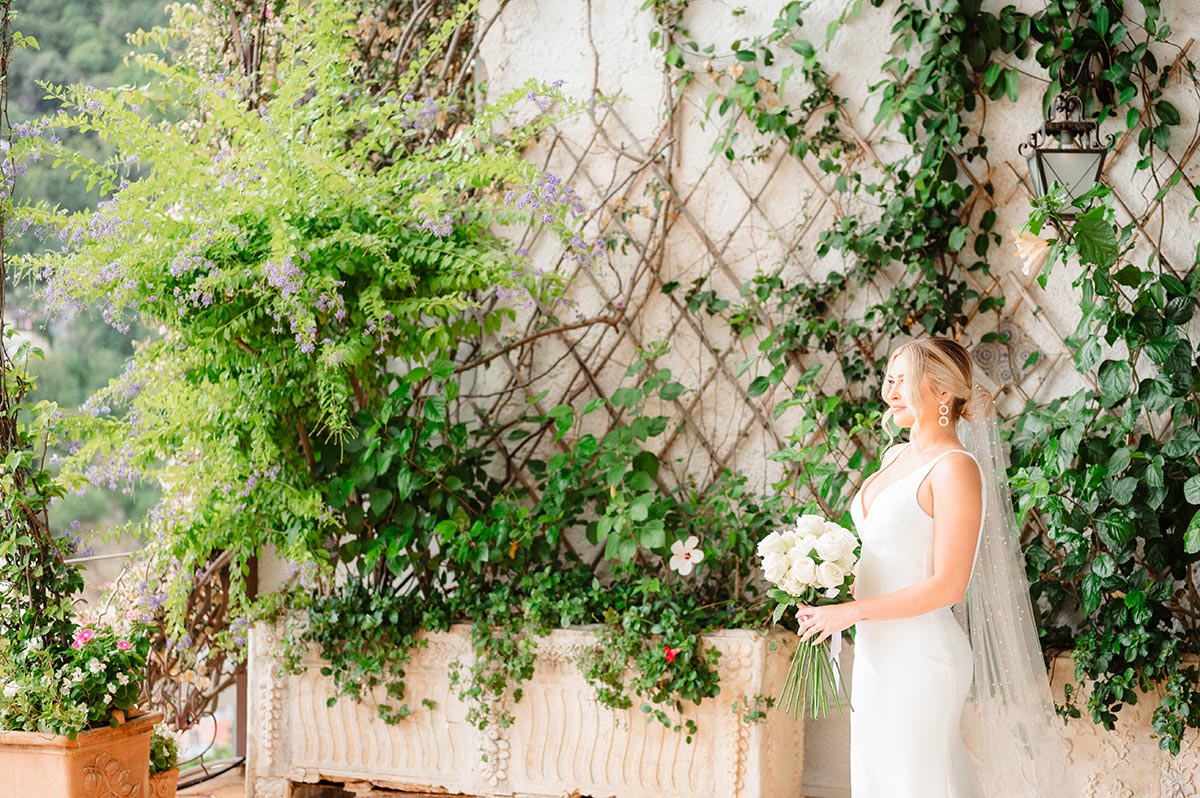
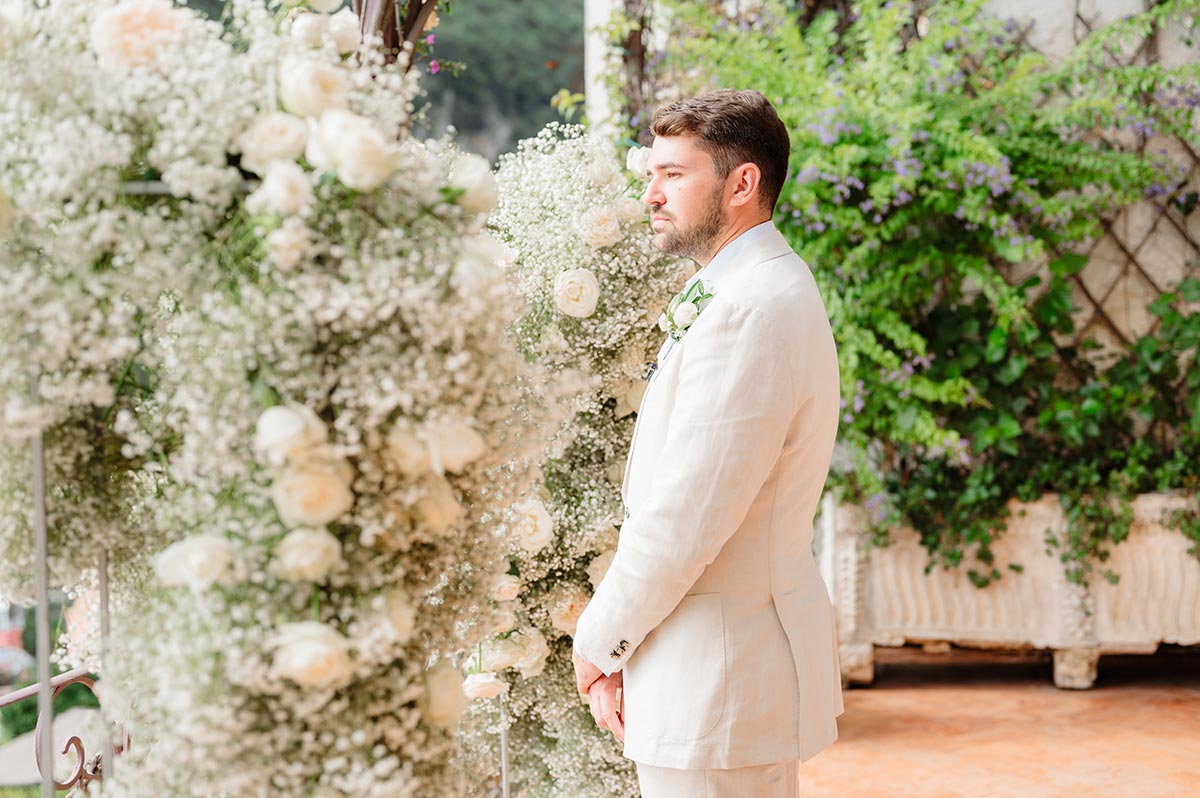
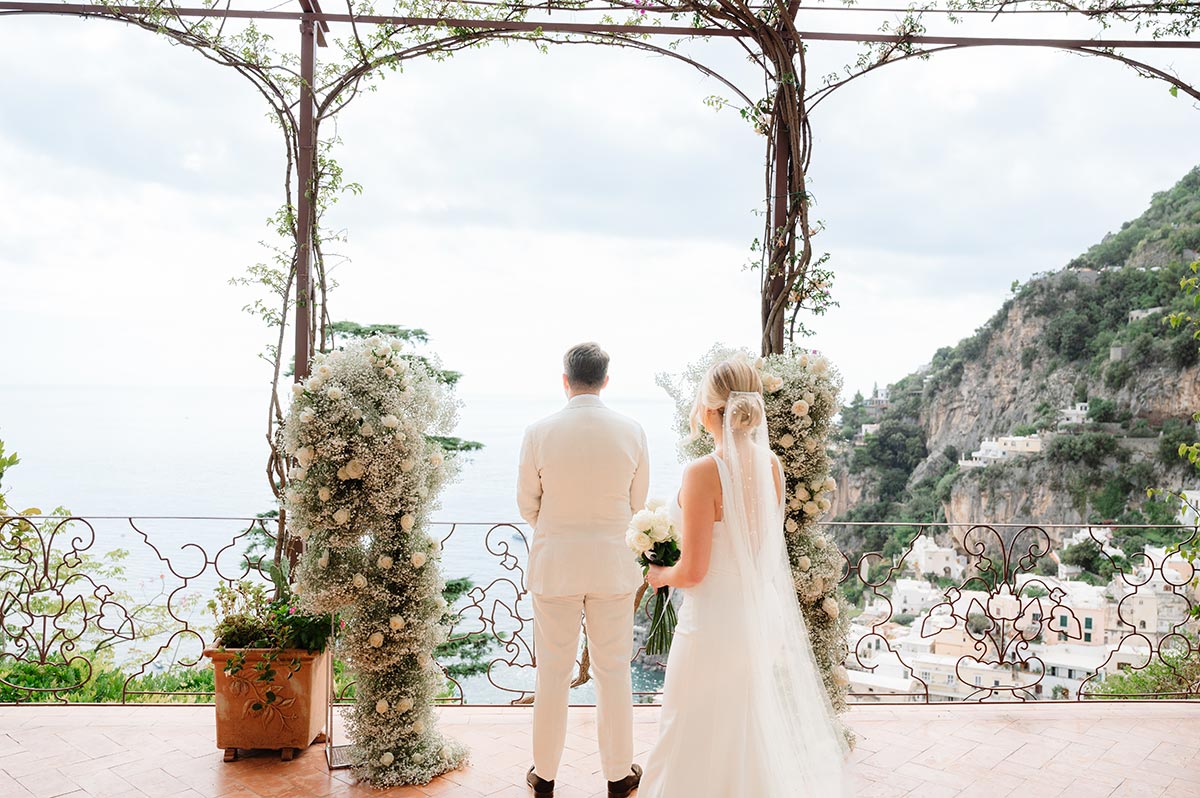
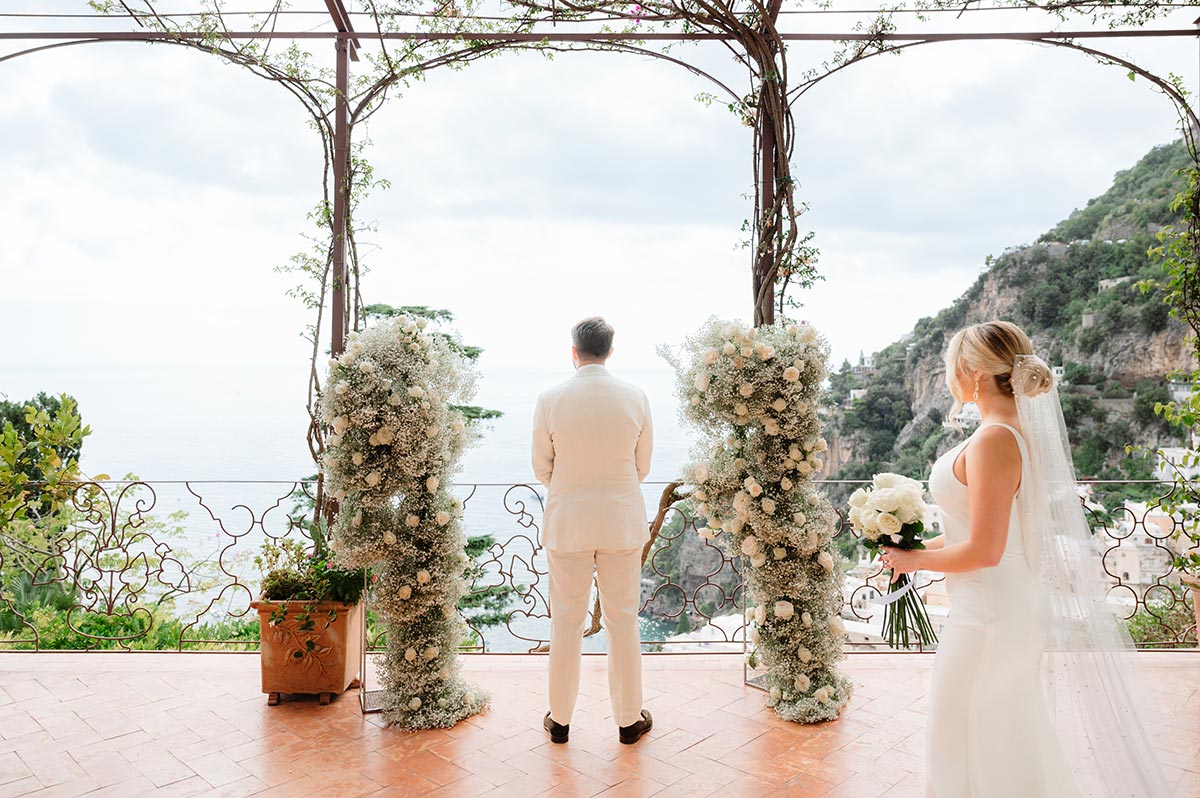
Therefore, if you intend to have a symbolic ceremony on the terrace, it is advisable to warn the owners because they may require an additional rental fee and make the staff available to remove the objects on the terrace and allow the florist to set up the space around.
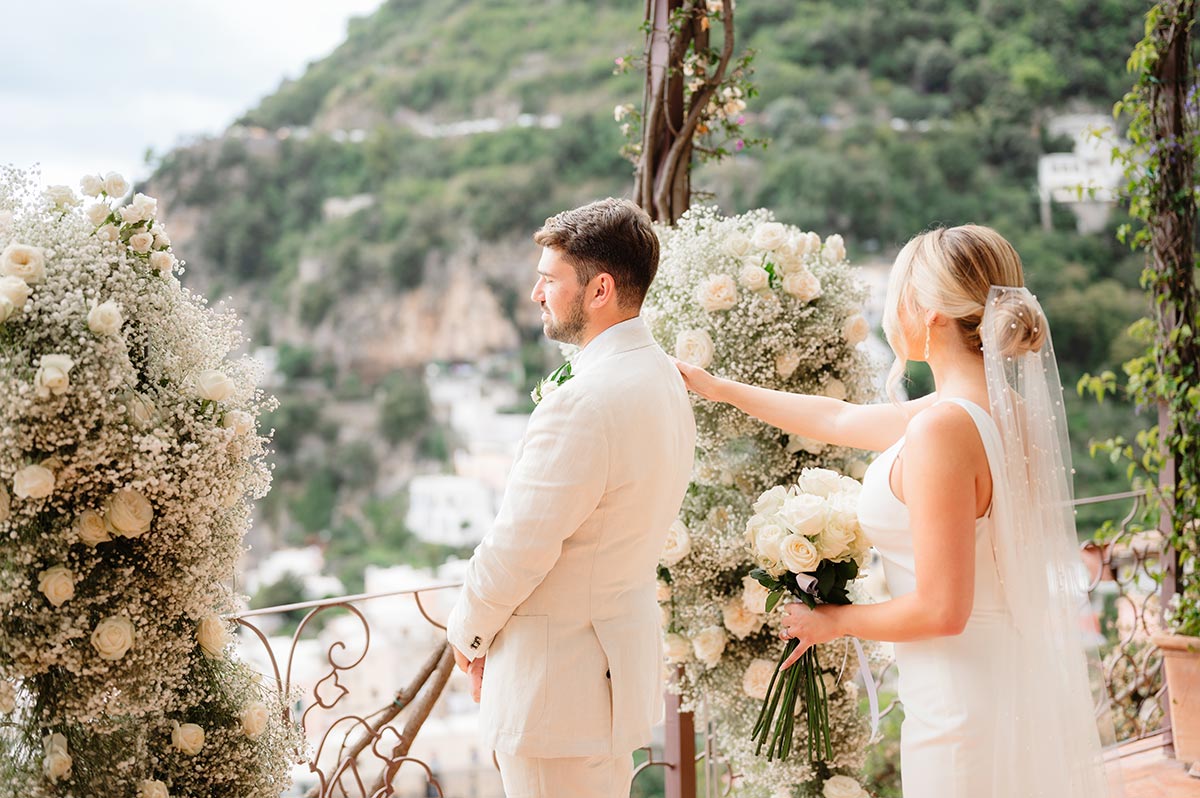
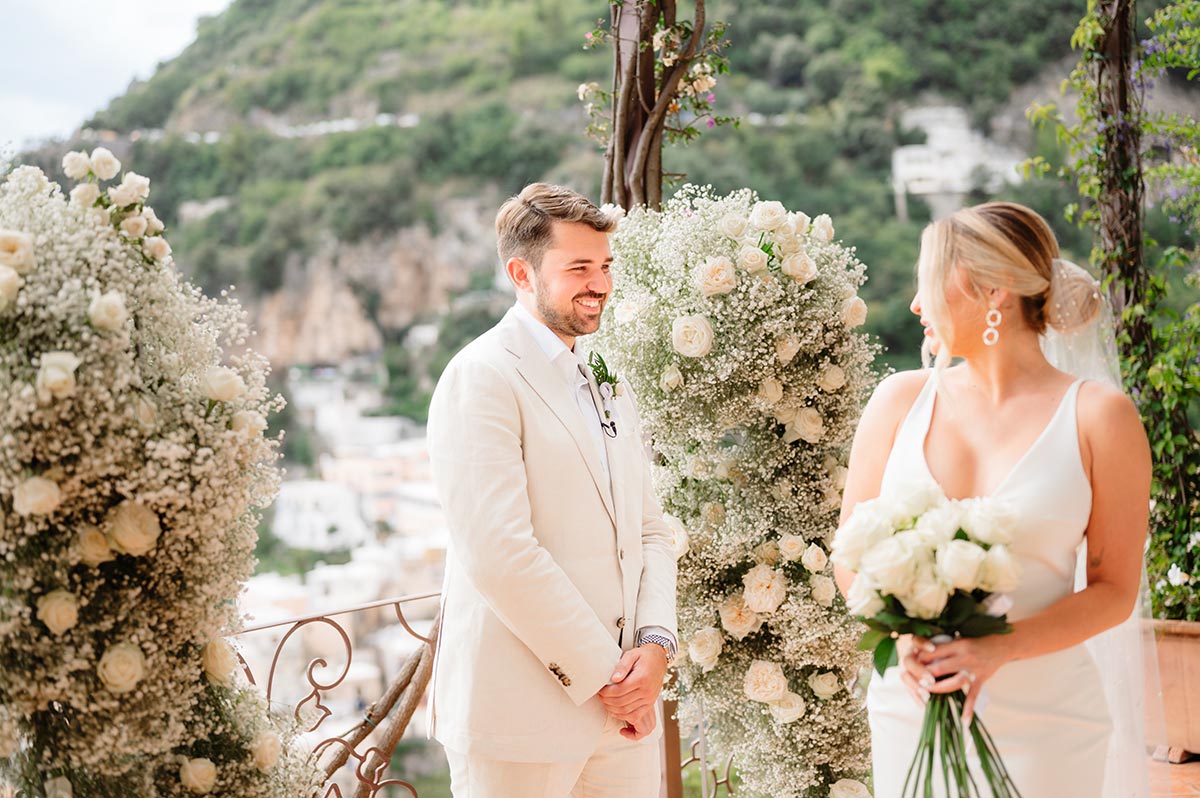
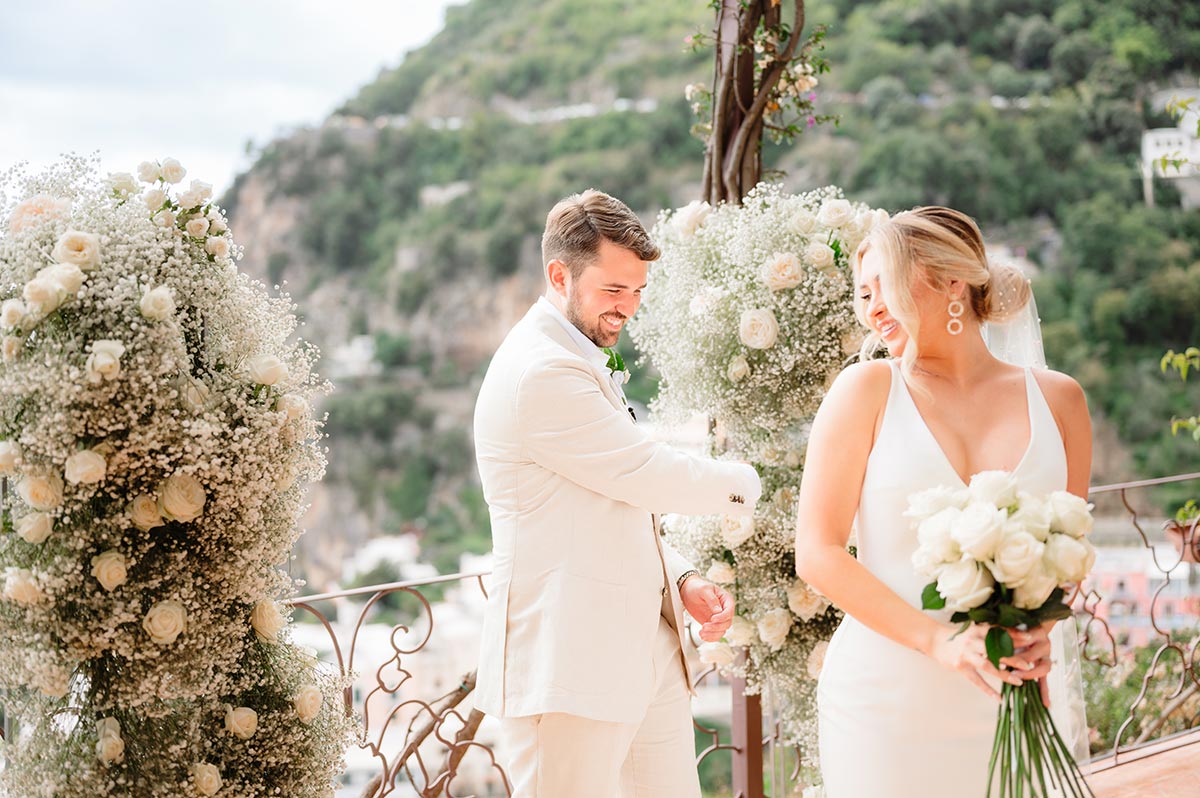
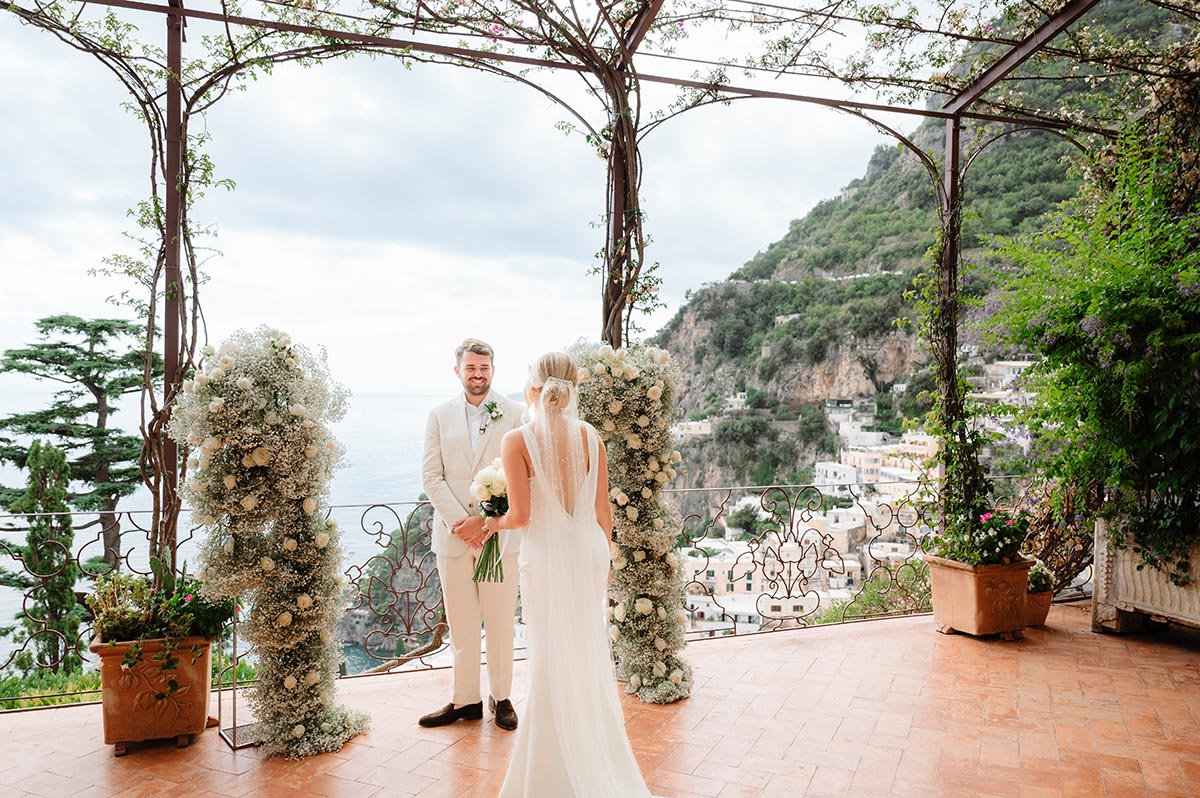
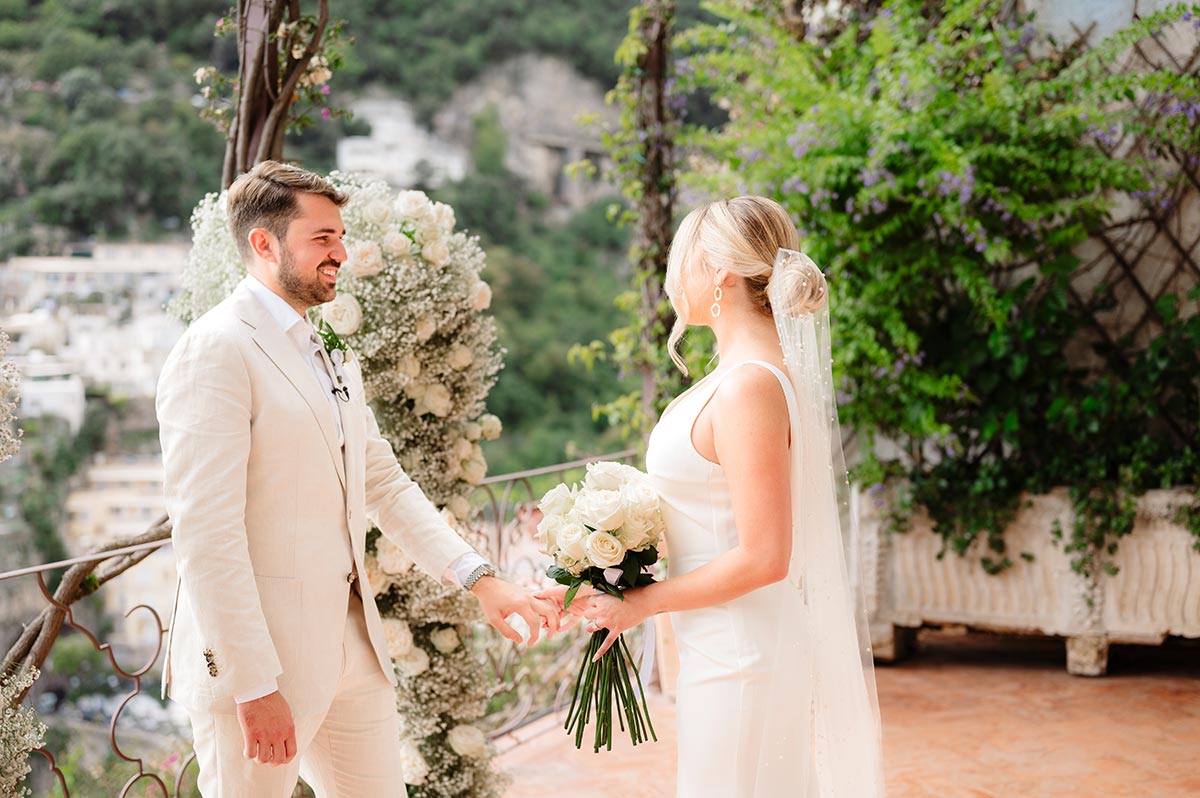
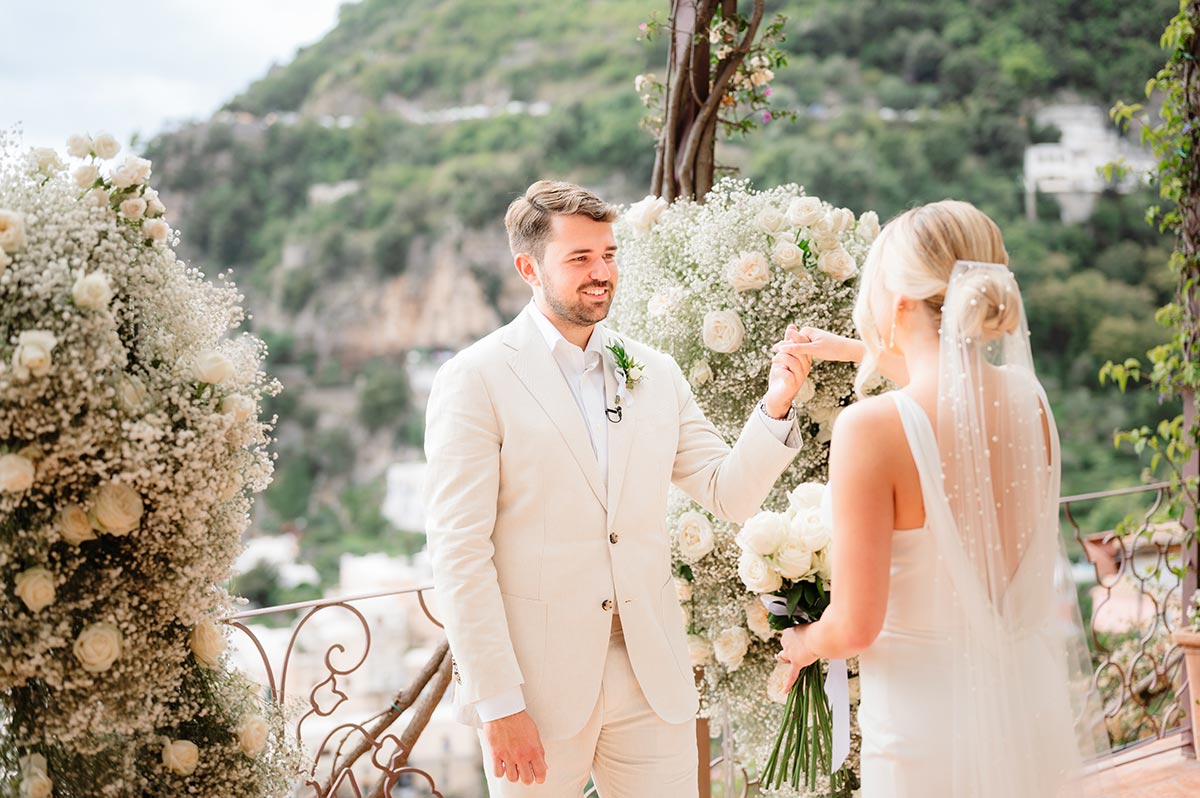
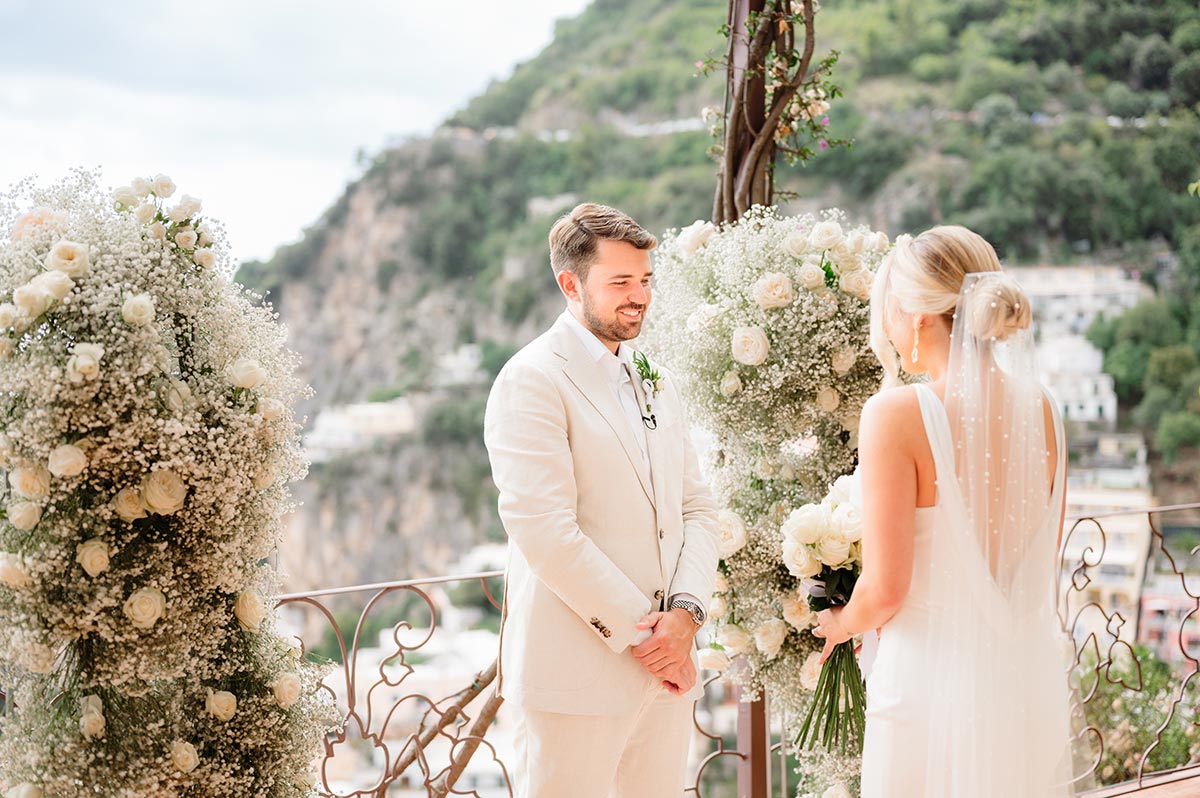
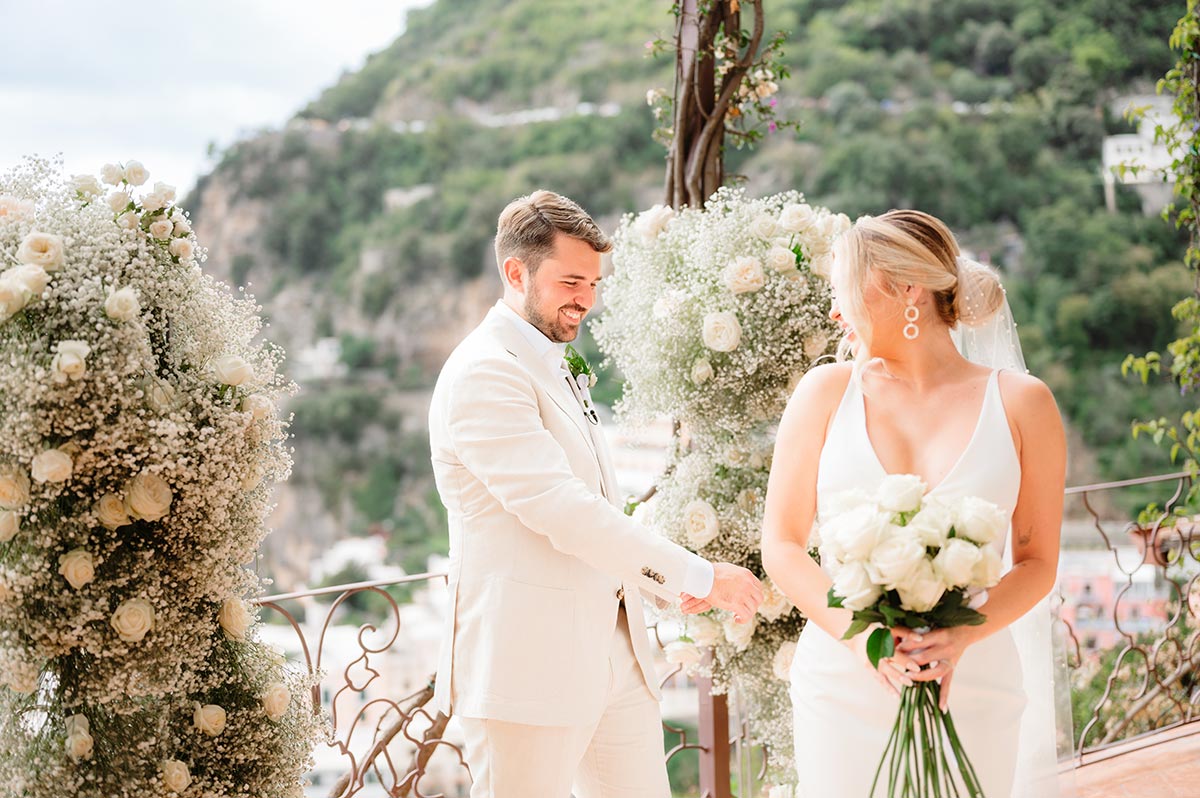
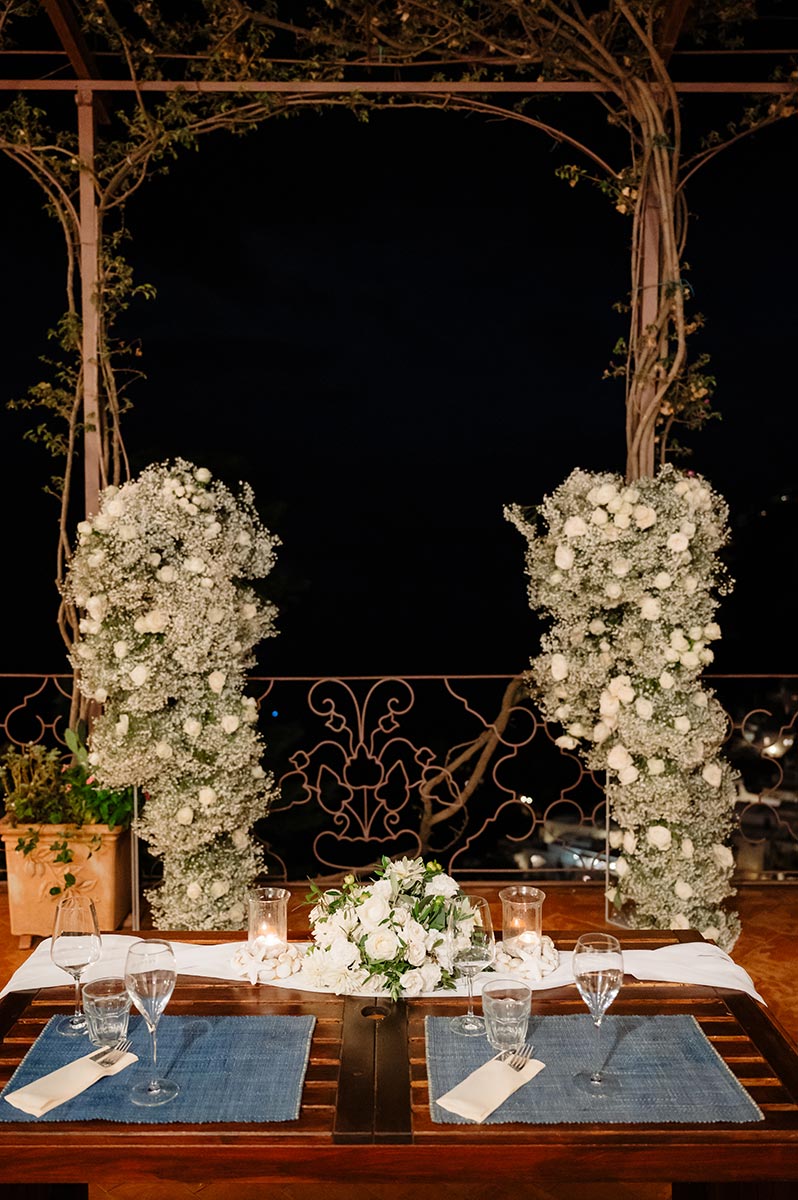
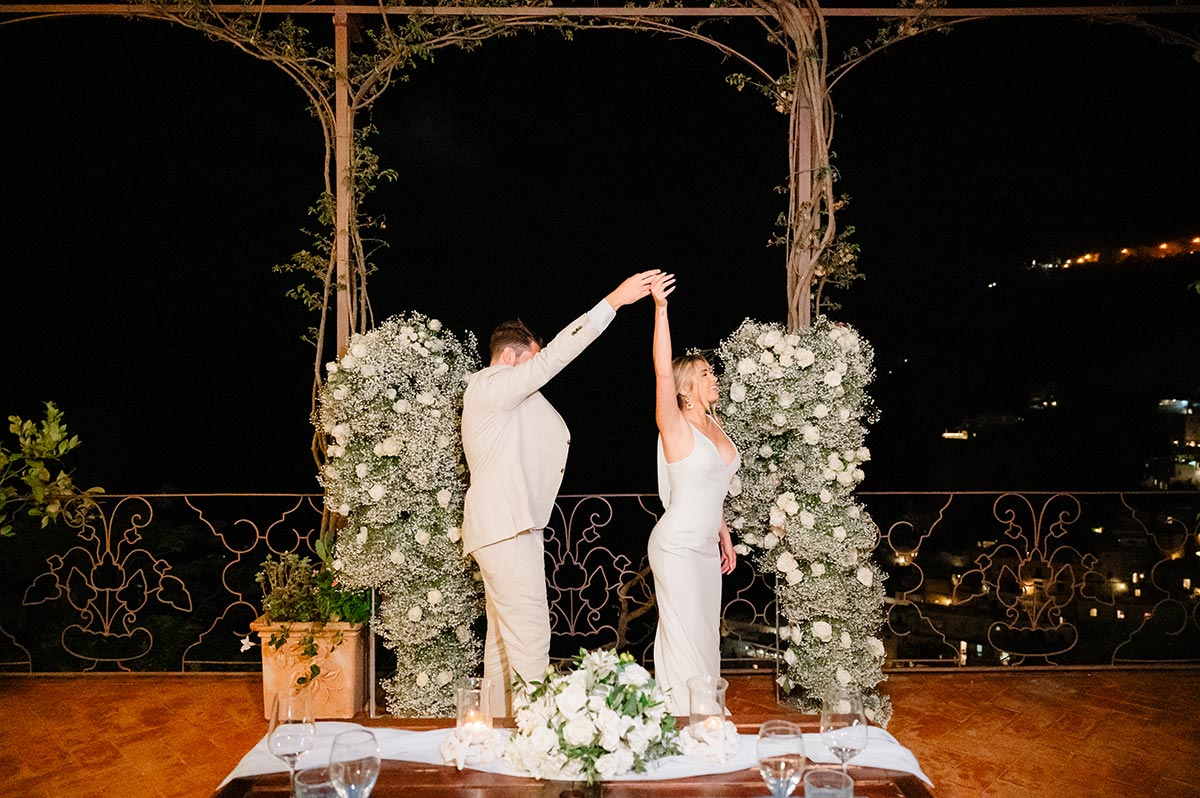
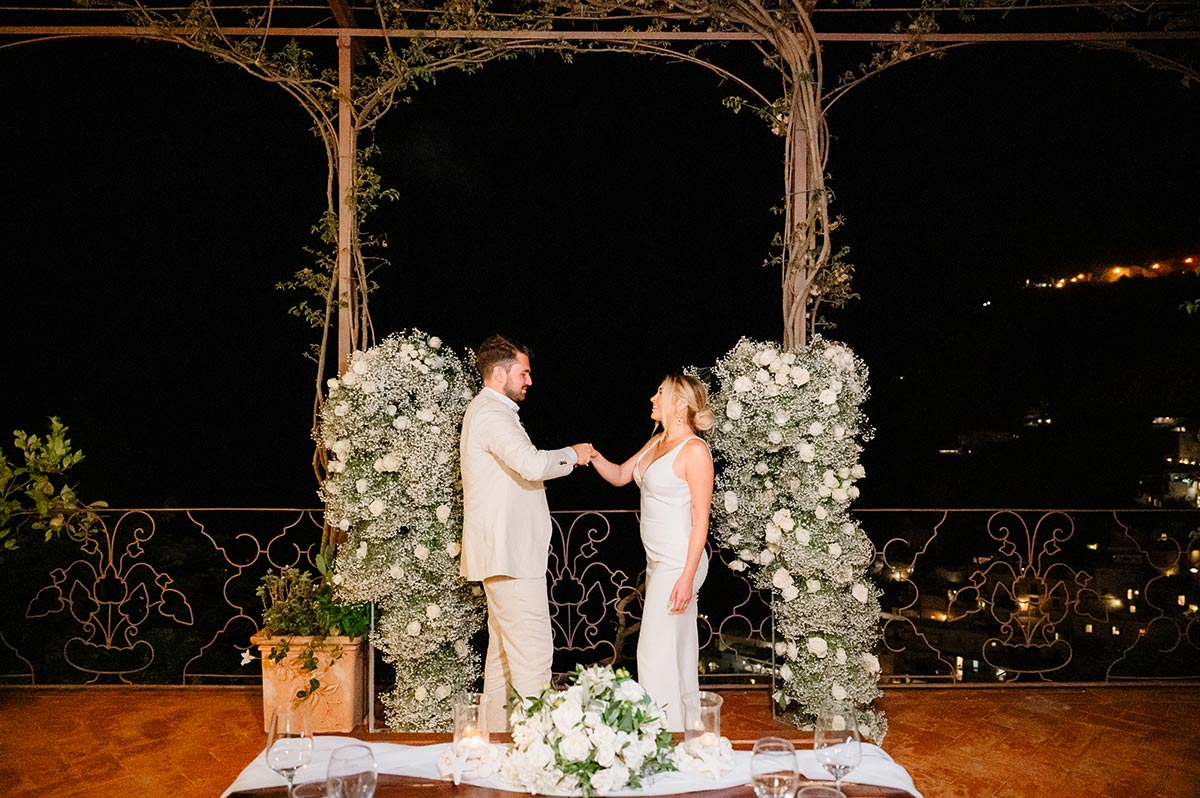
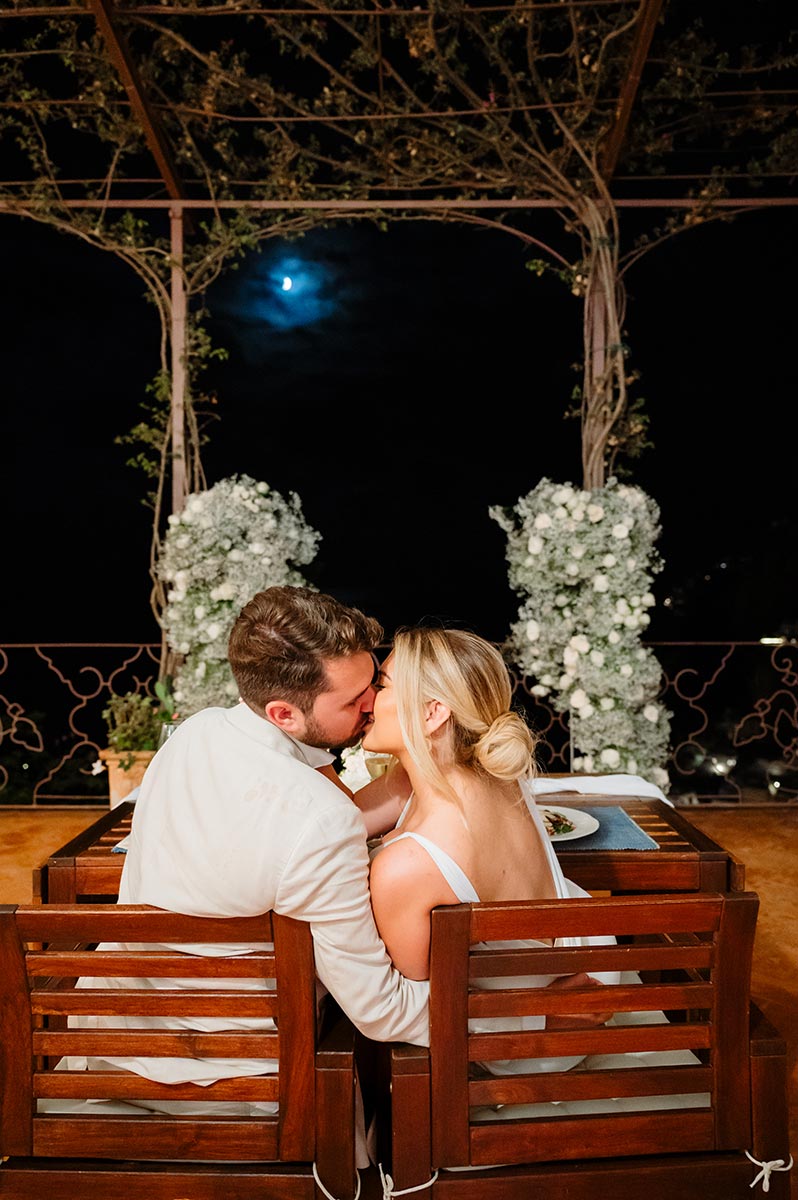
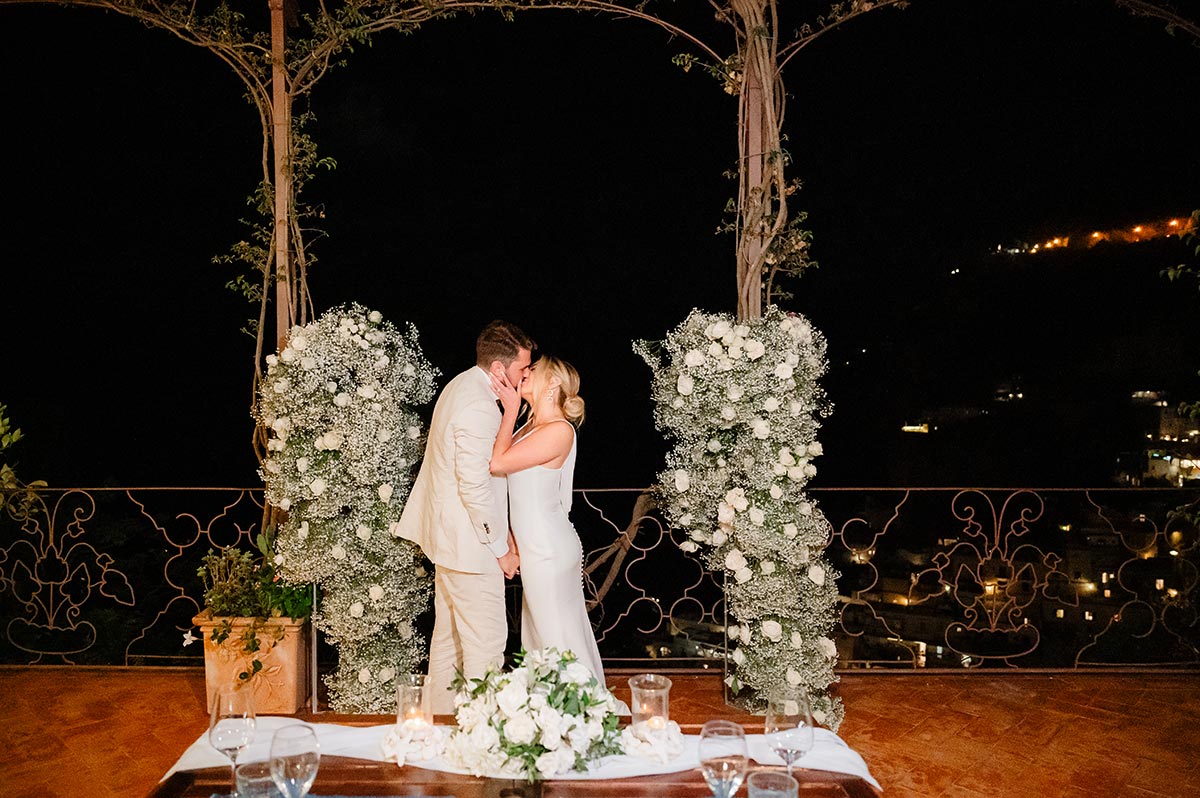
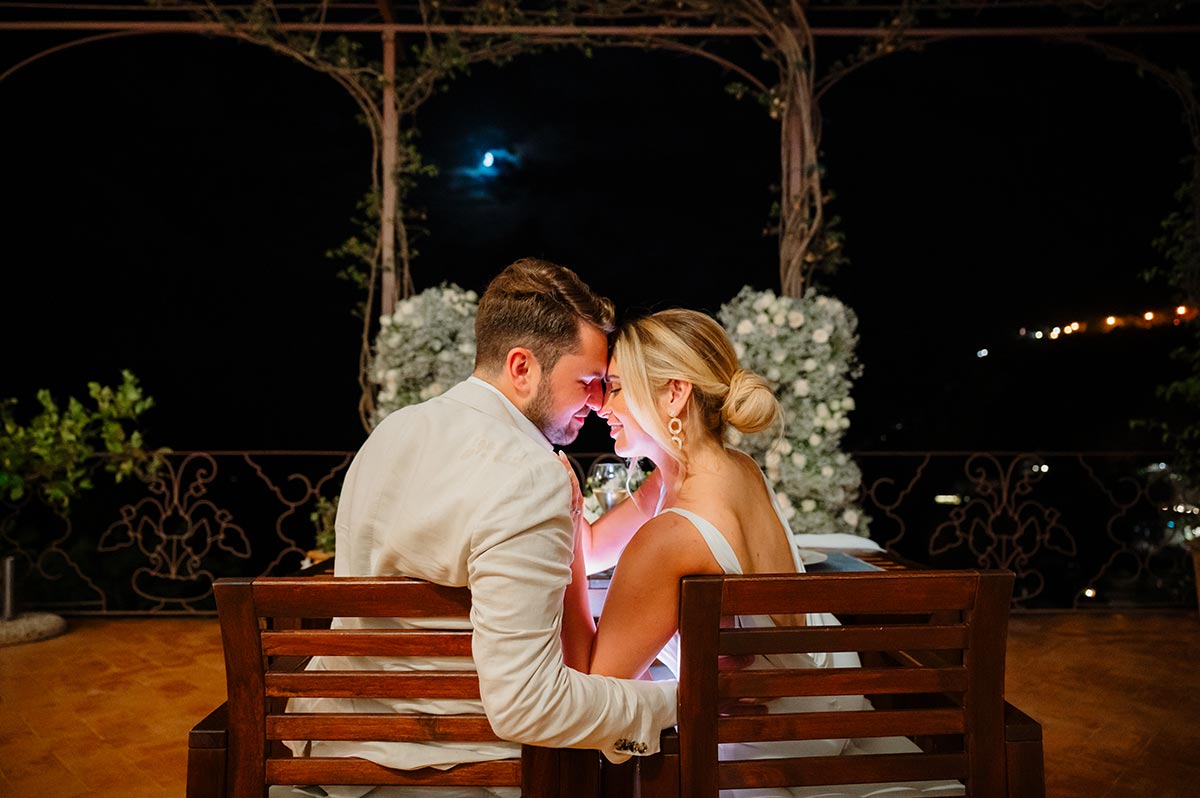
The area is also suitable for an intimate dinner. Michelle and Christian booked a private chef who used the well-equipped and charming kitchen of Casa Passalacqua.
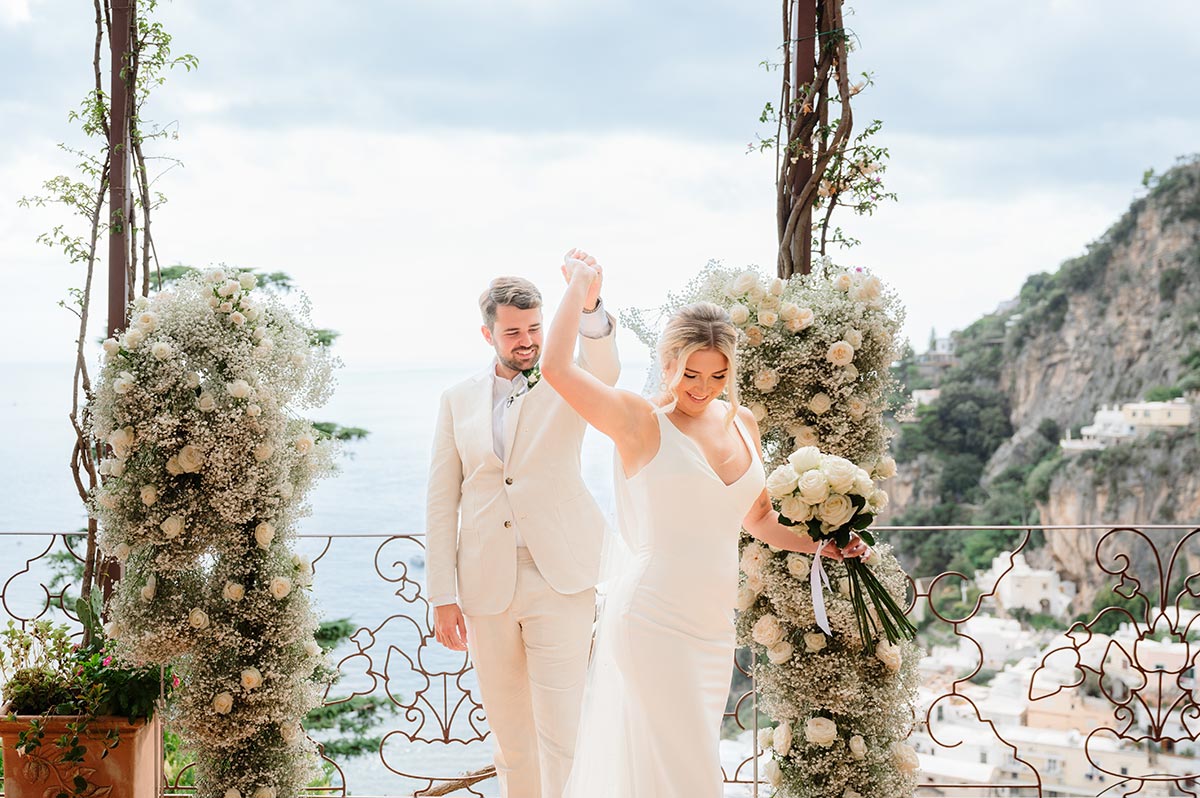
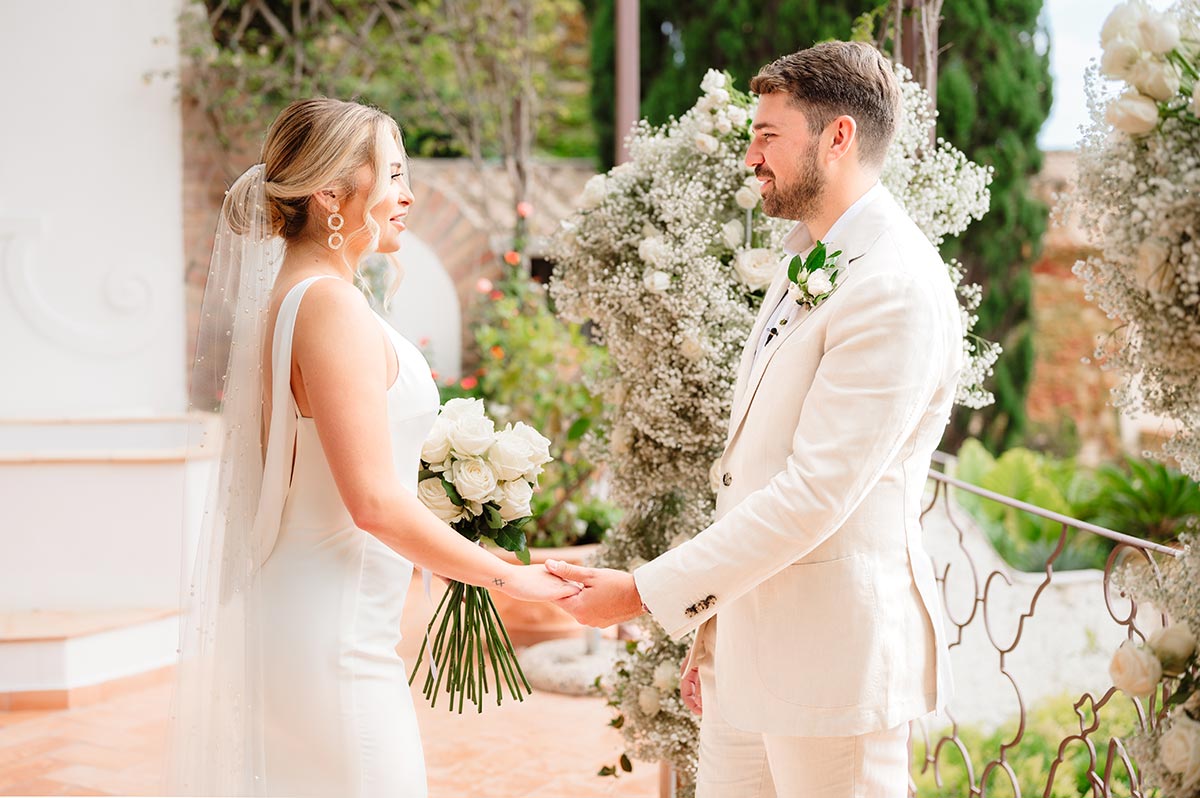
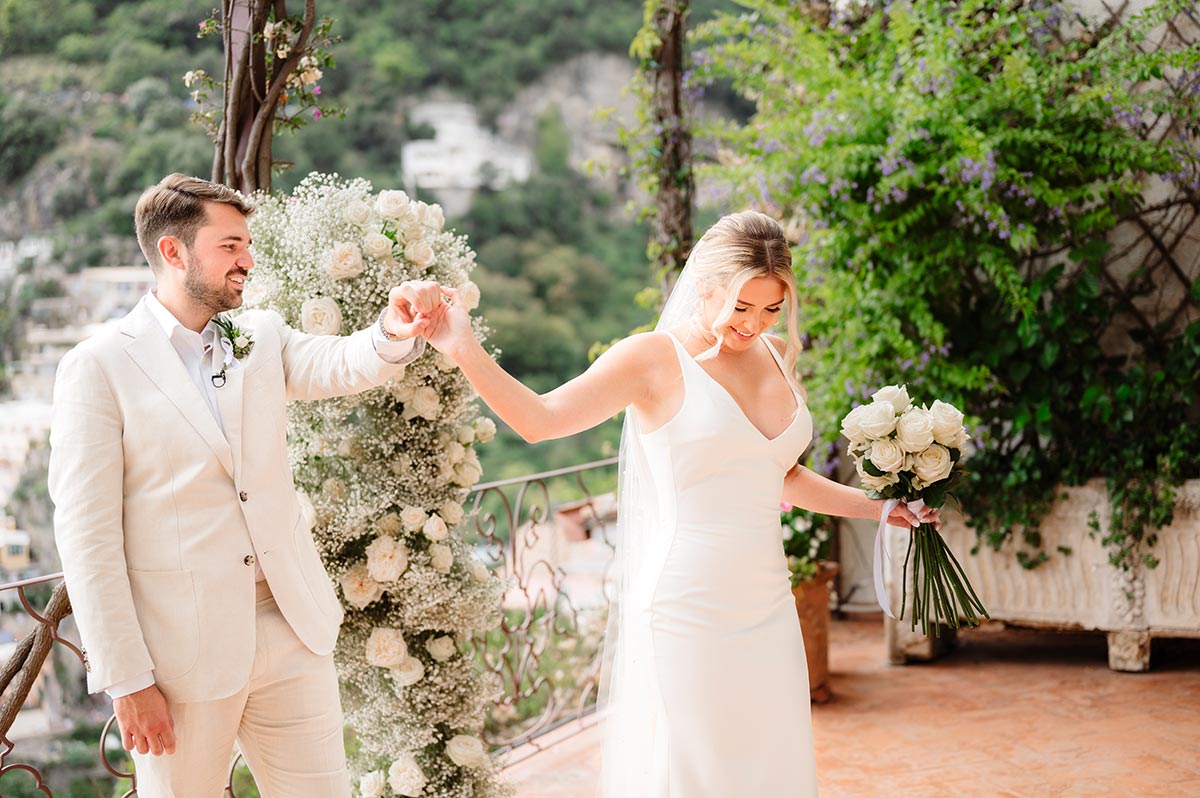
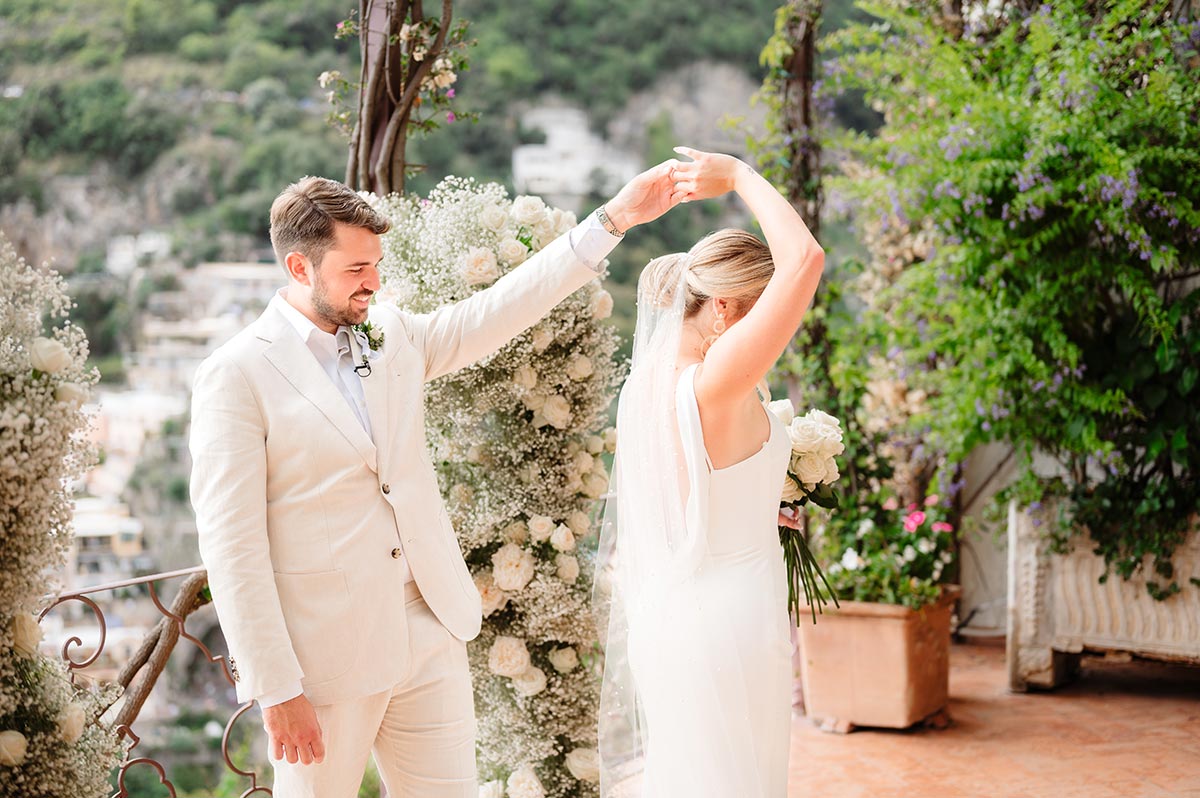
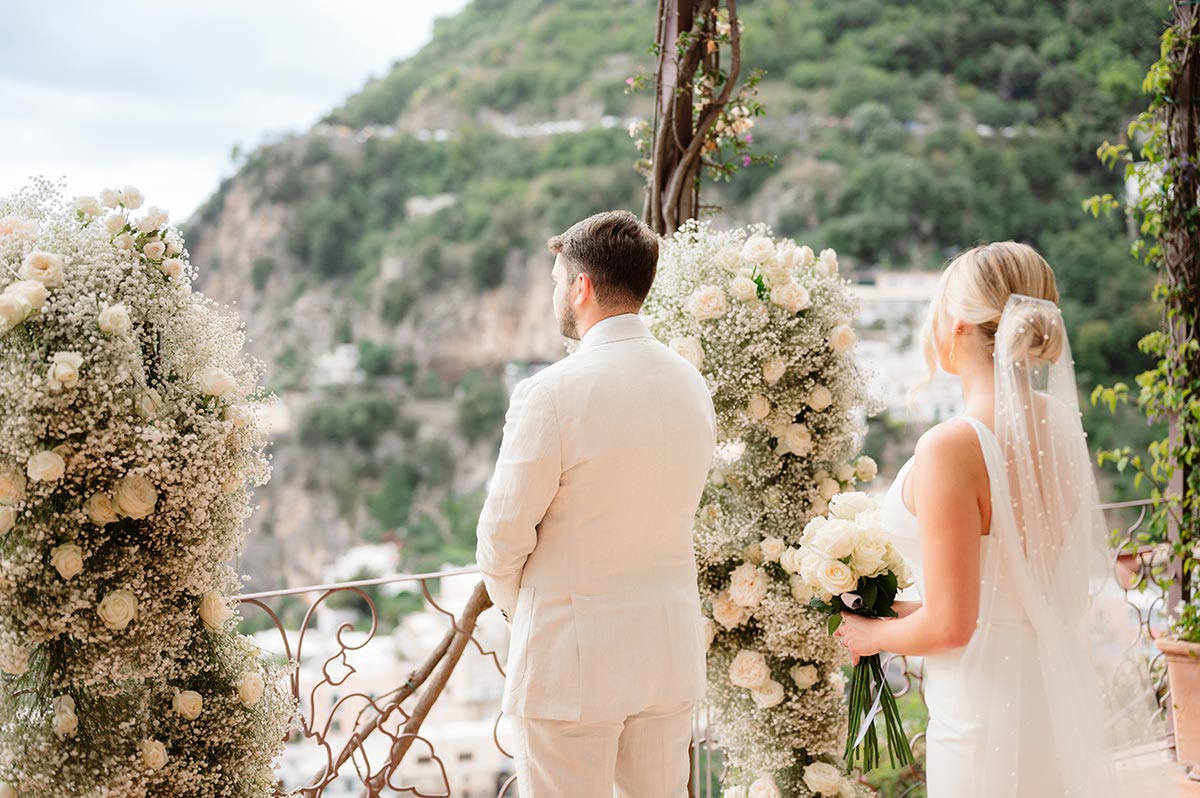
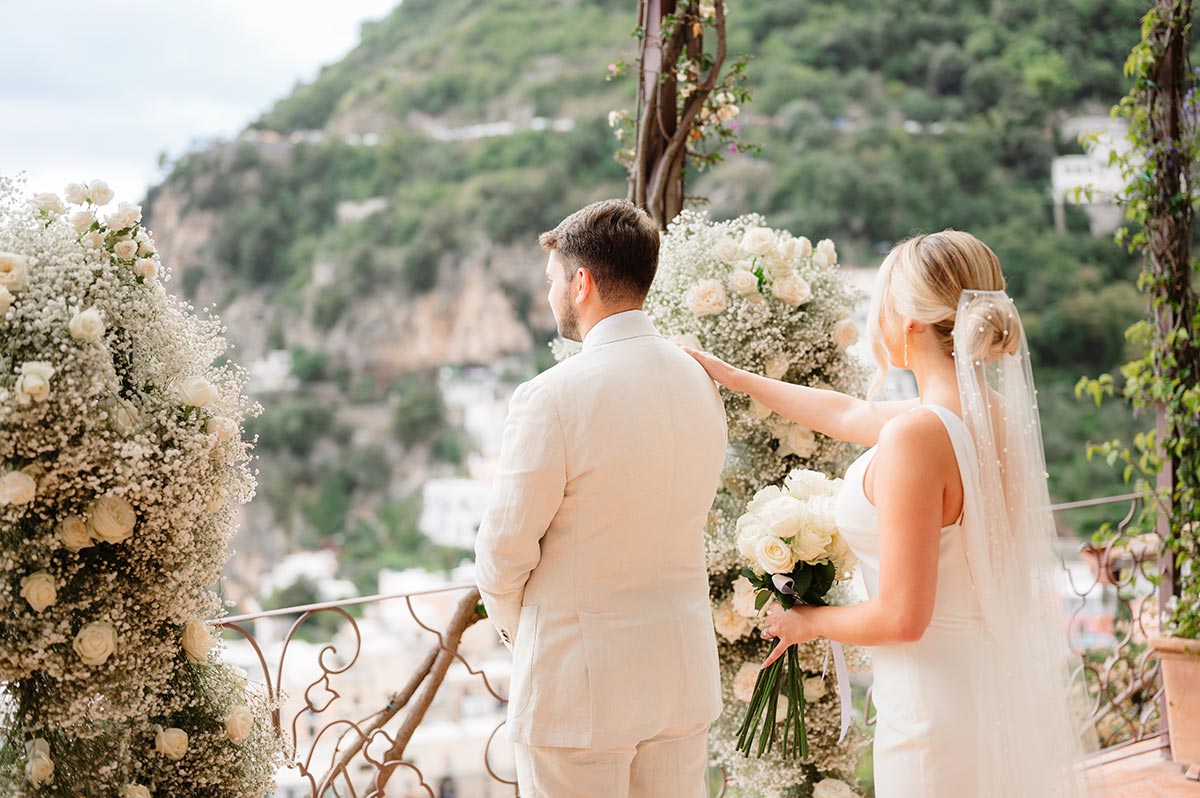
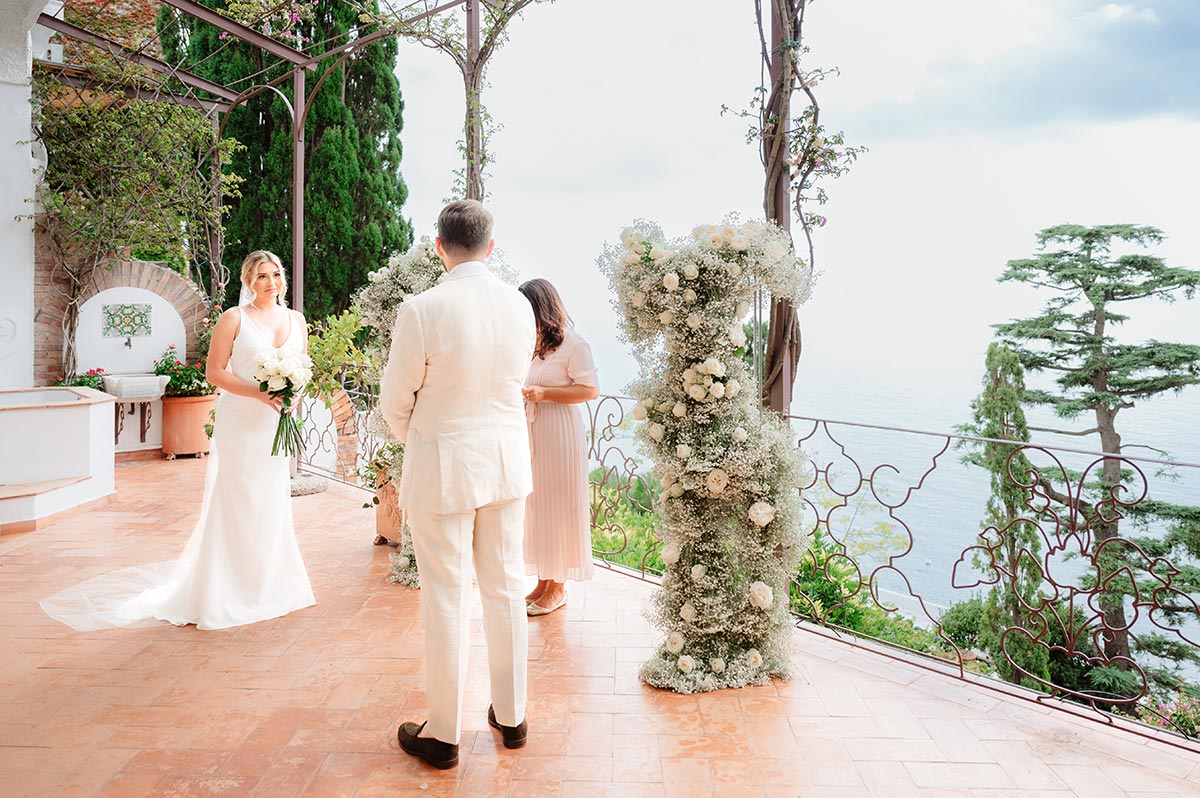
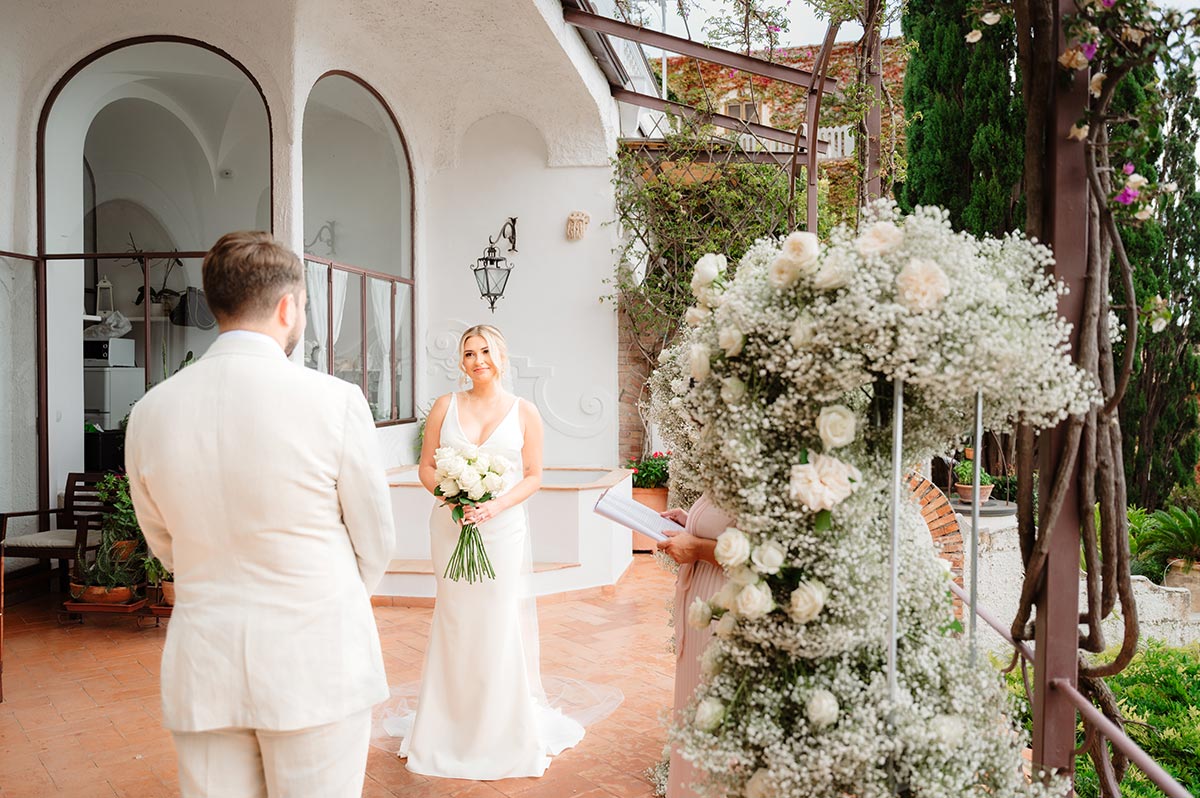
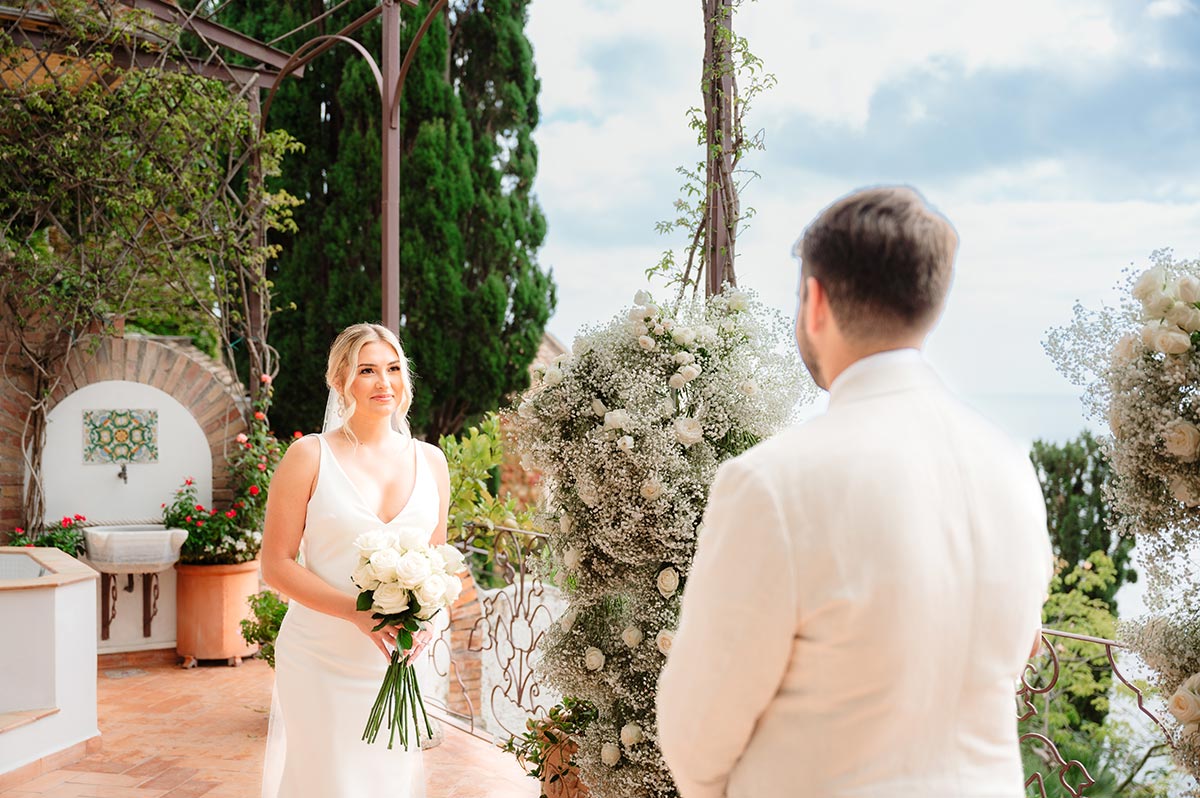
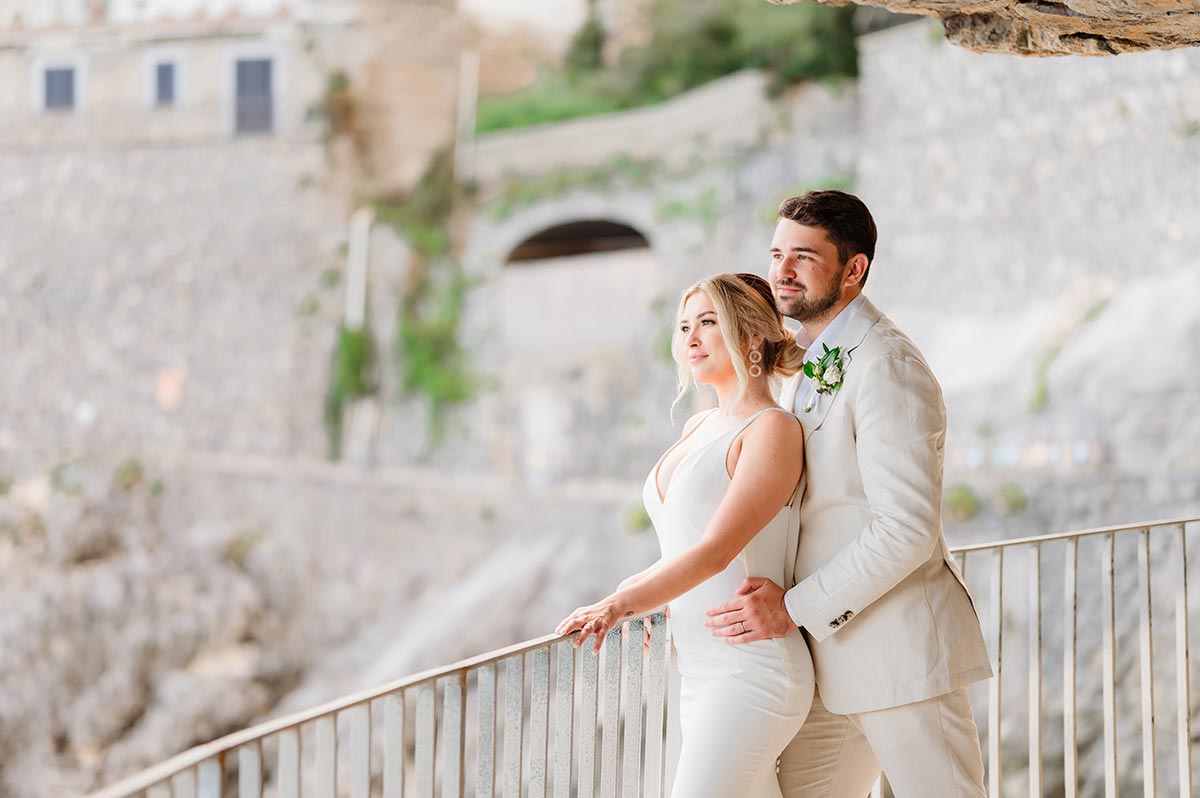
After a series of photos taken separately of the two, there was Michelle’s entrance for the first look, which began the symbolic ceremony on the terrace.

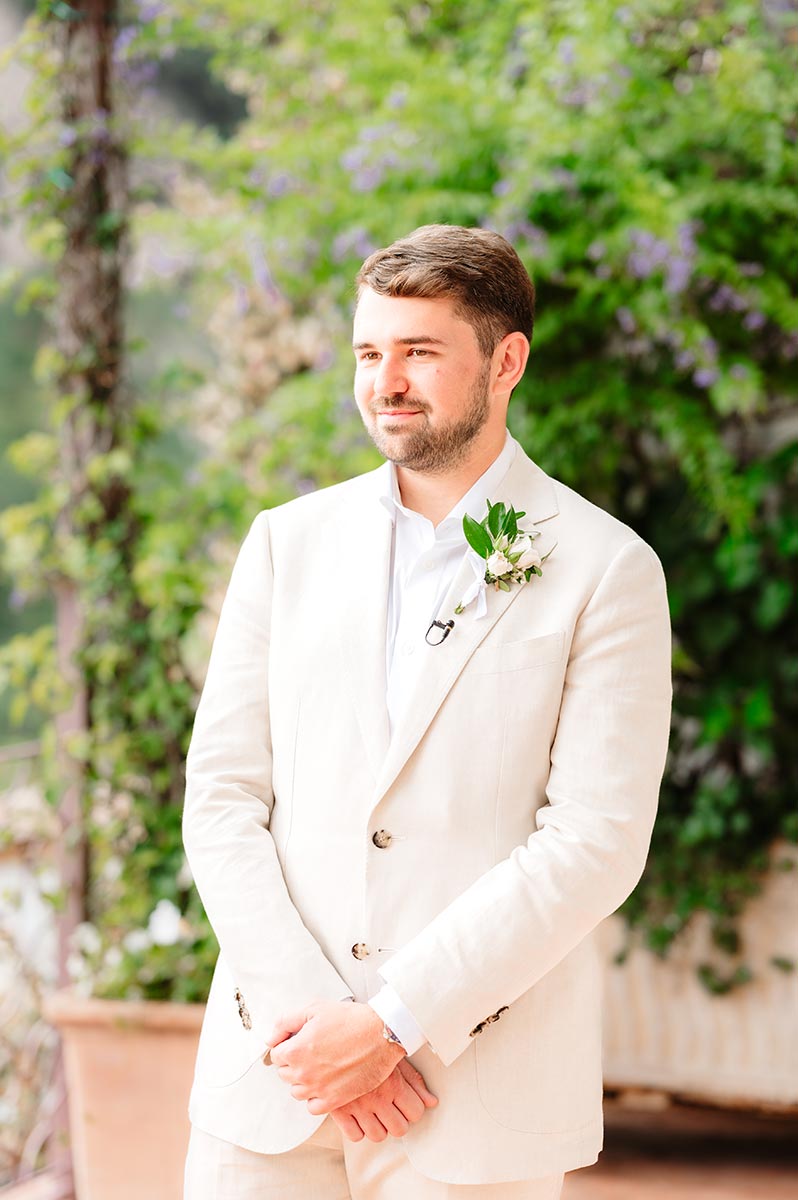
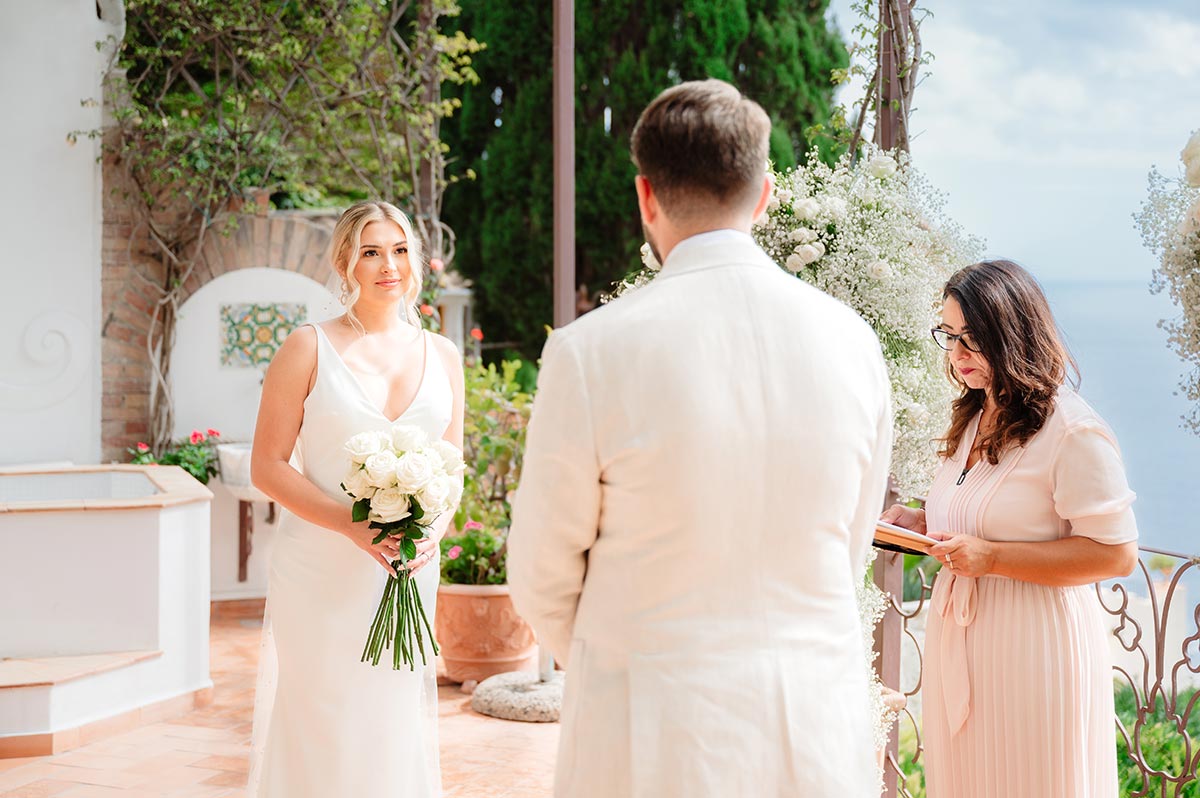
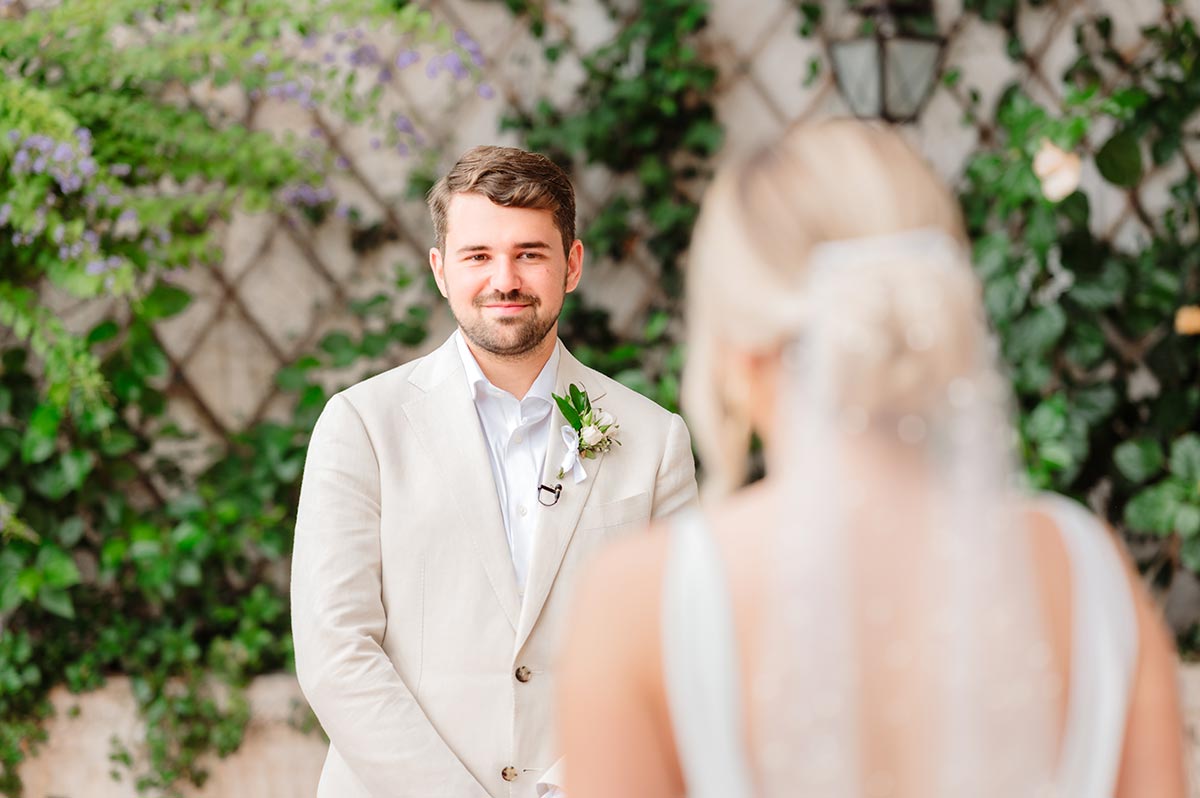
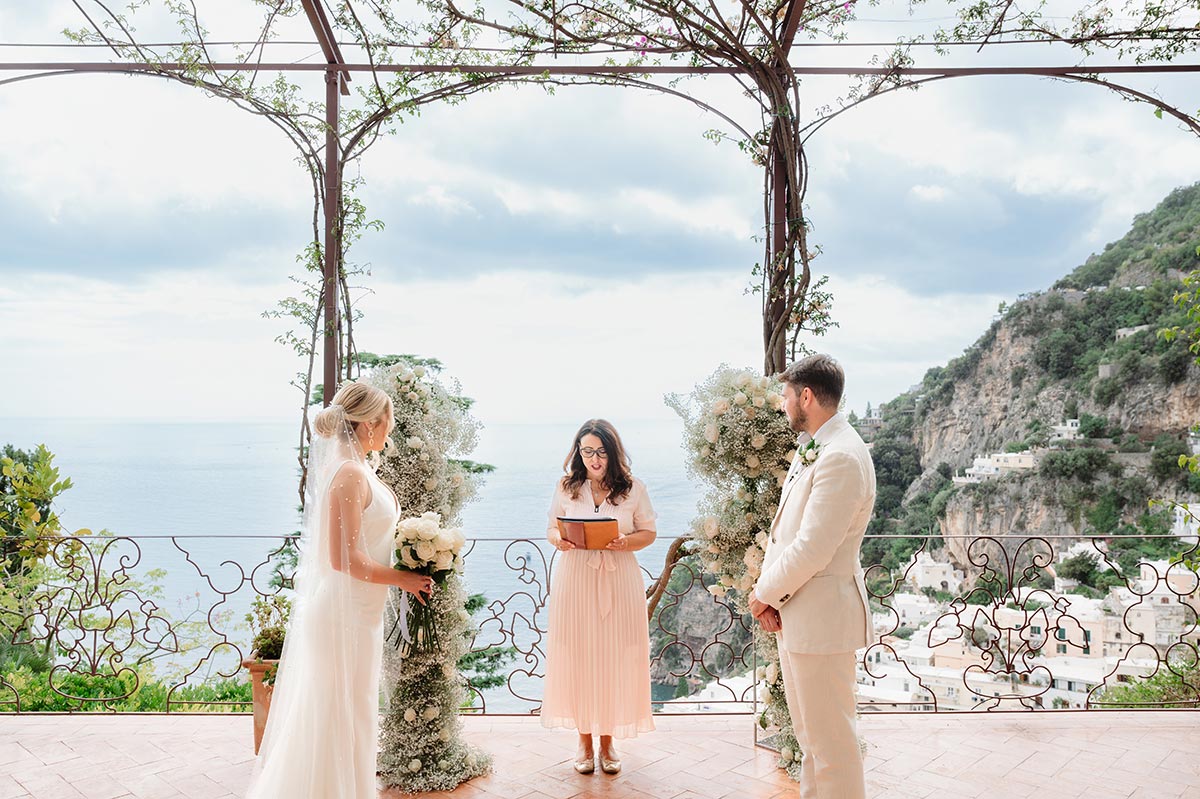

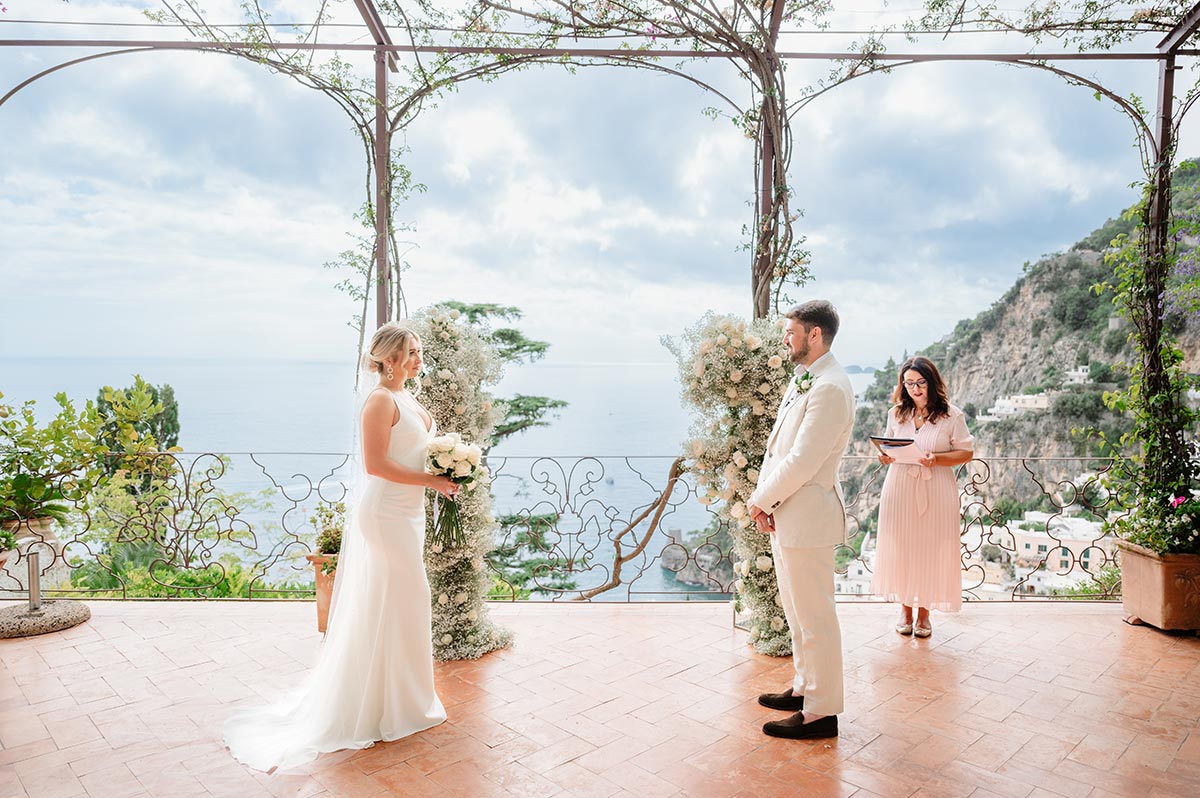

Wedding pictures along a not-crowded path to Villa Magia
As a wedding photographer based in Positano, I have found that taking non-traditional routes during a photoshoot can result in stunning photographs that truly capture the essence of the couple and their surroundings.
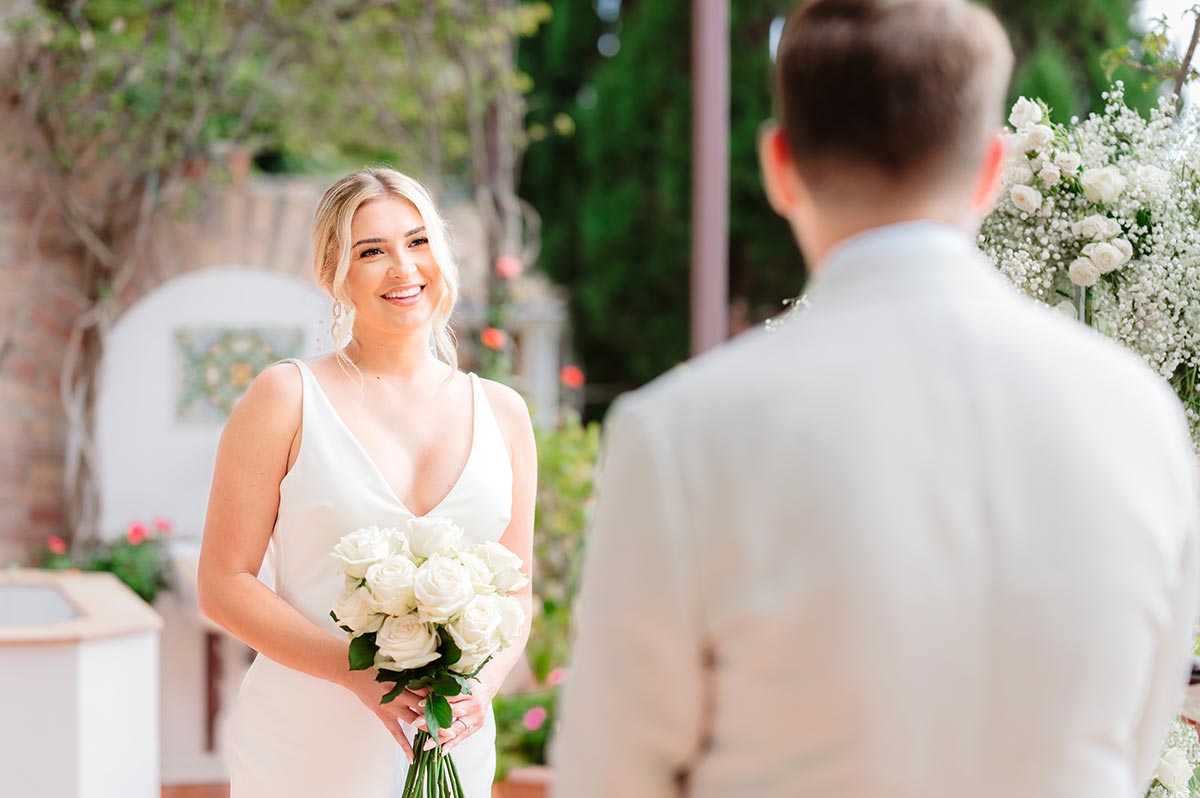
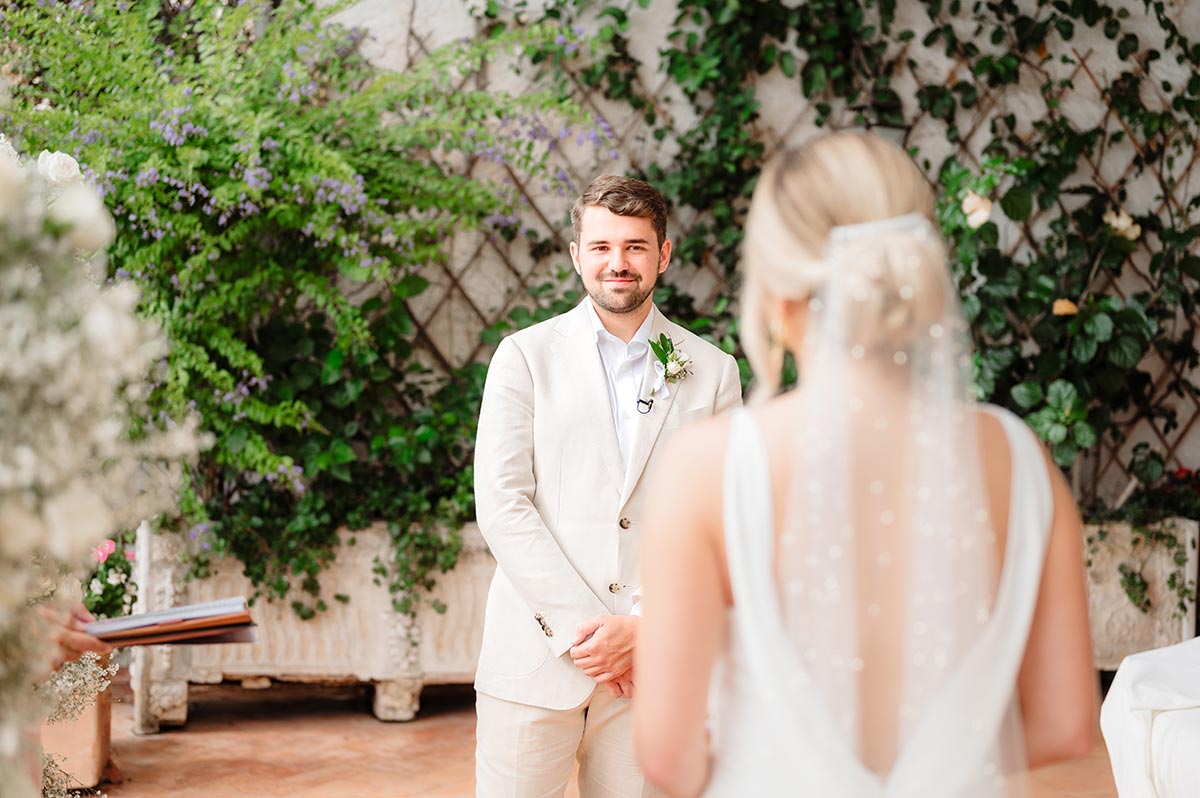
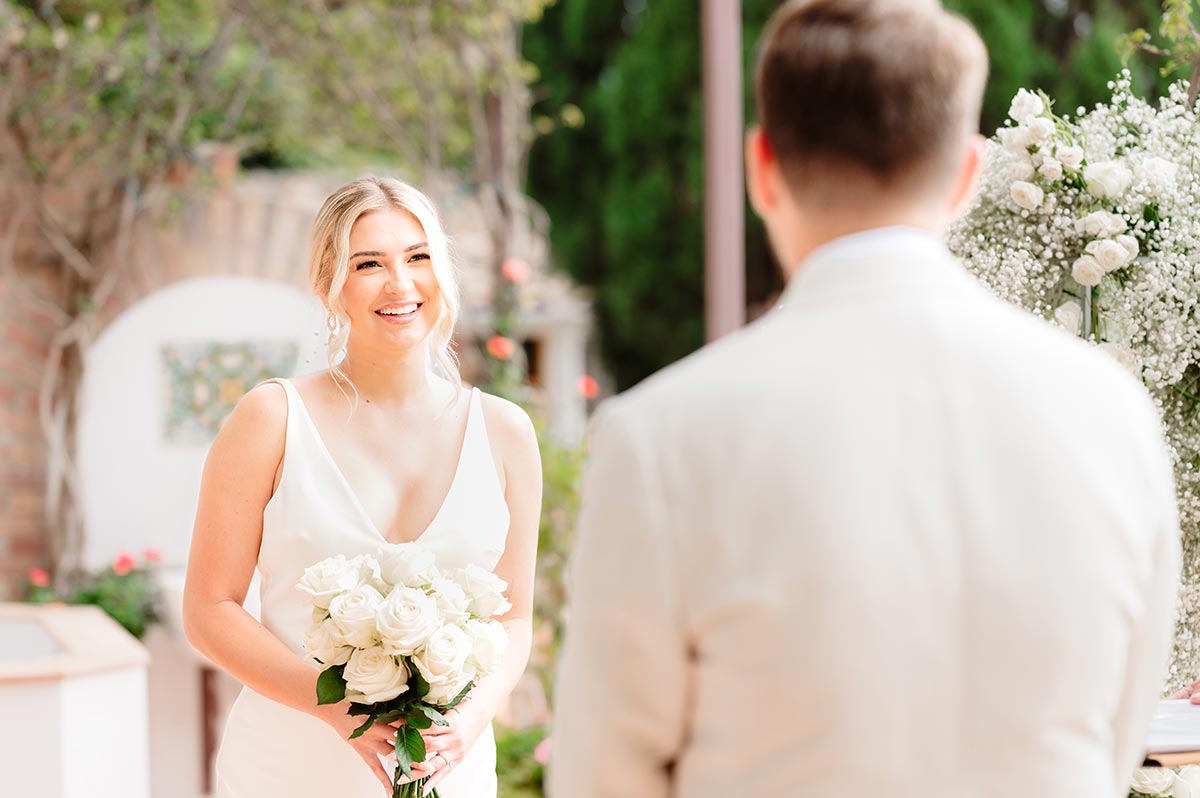
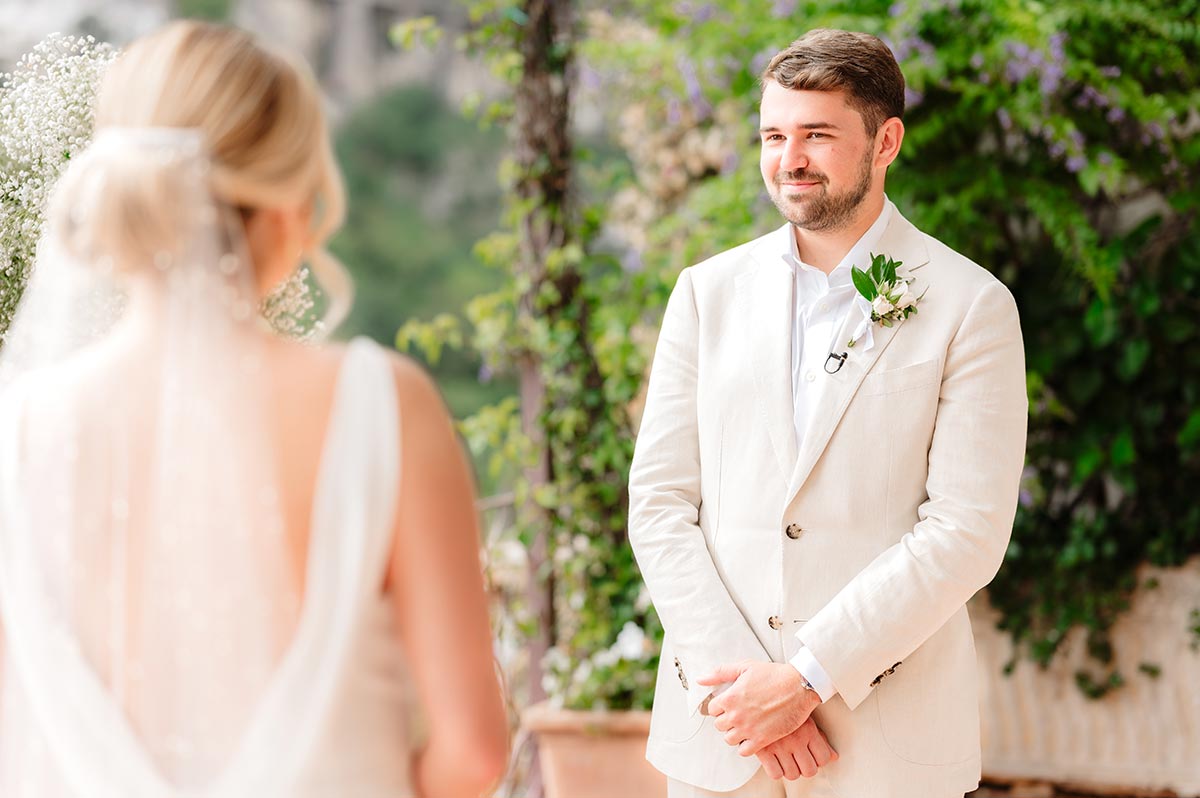

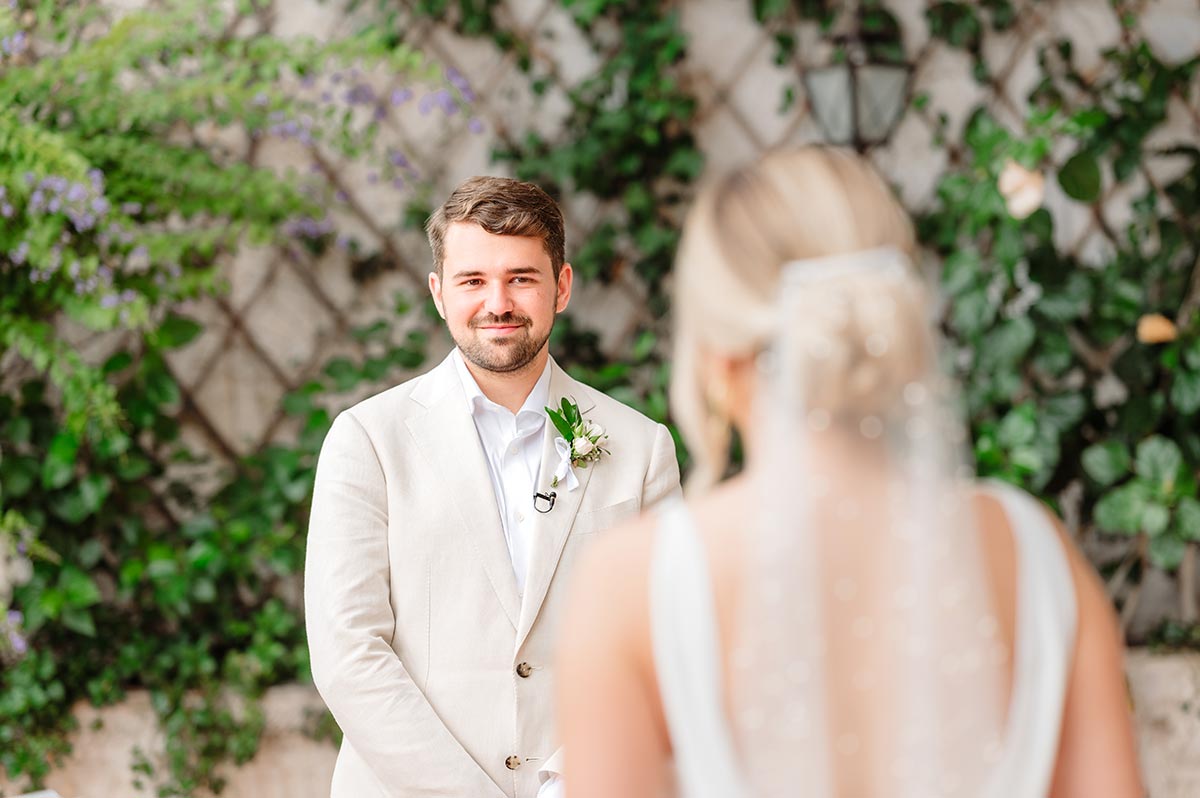
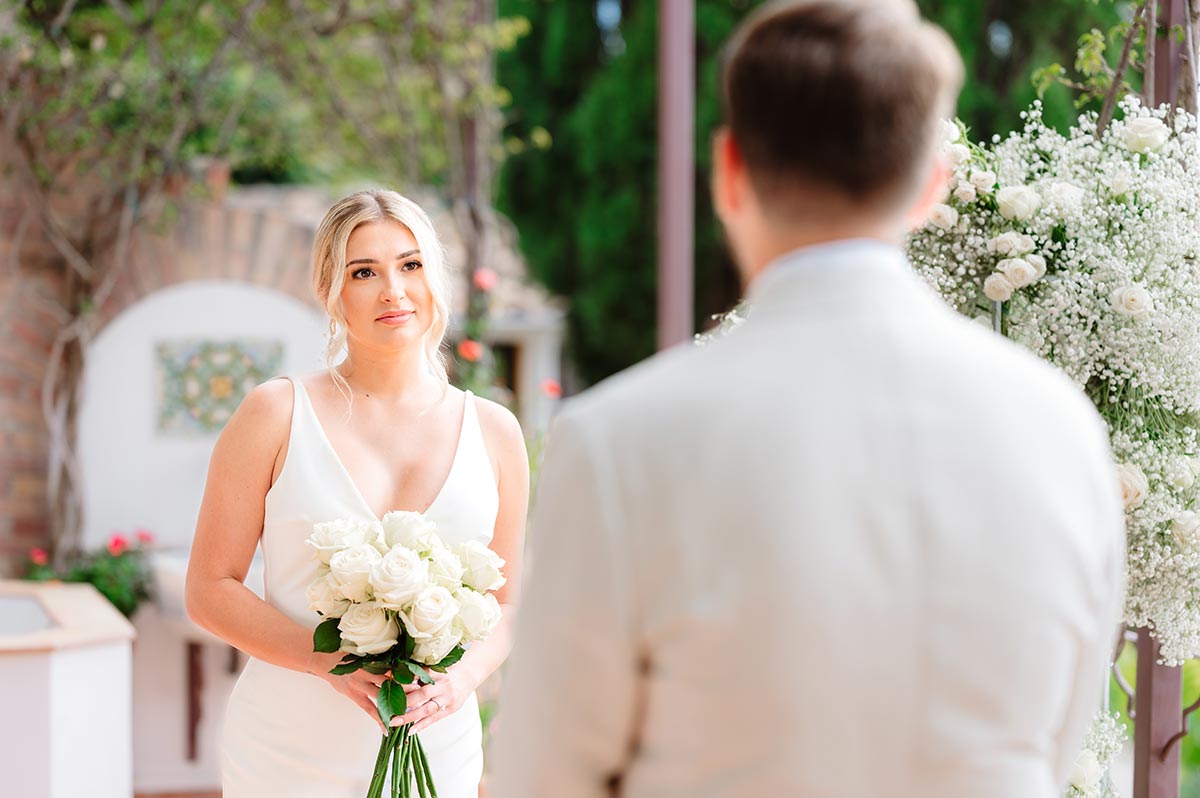


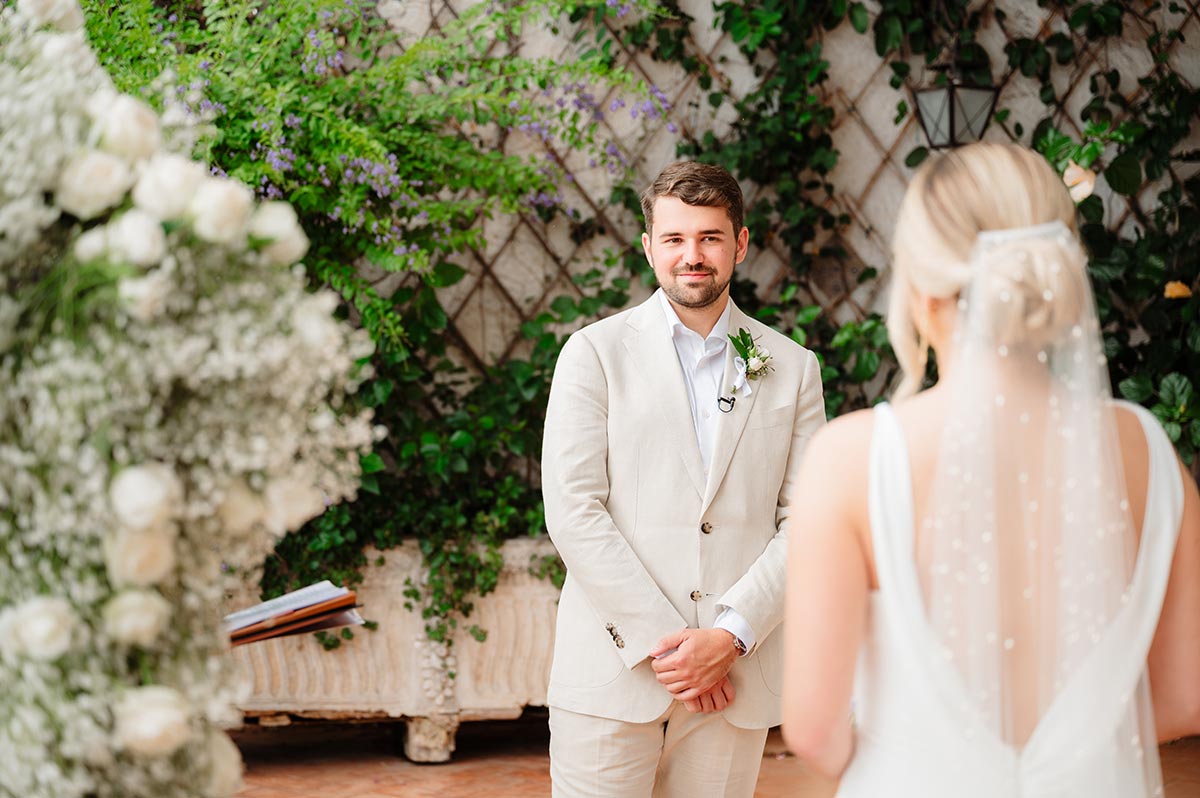
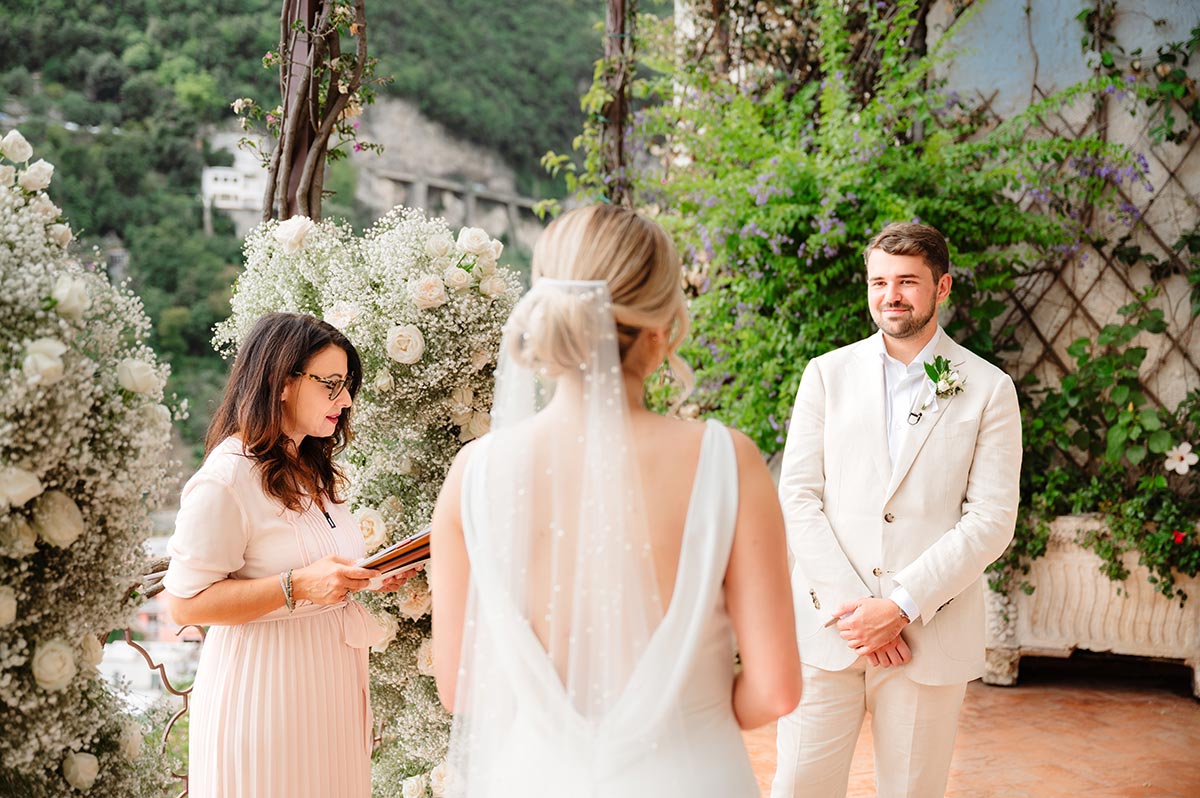
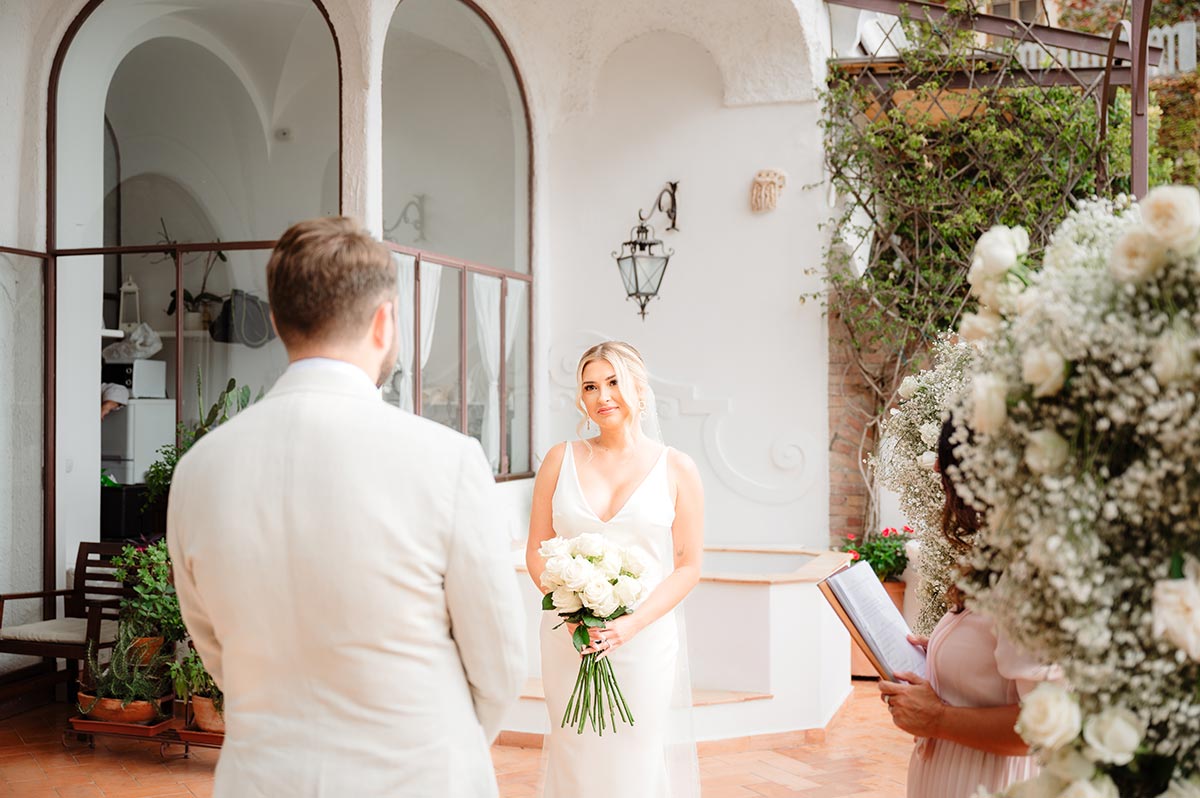
By deviating from the typical, crowded locations, we can capture picturesque moments that would be otherwise difficult to achieve. In addition to the unique landscapes, the local community often opens up private spaces for us to use, making for a truly authentic experience.
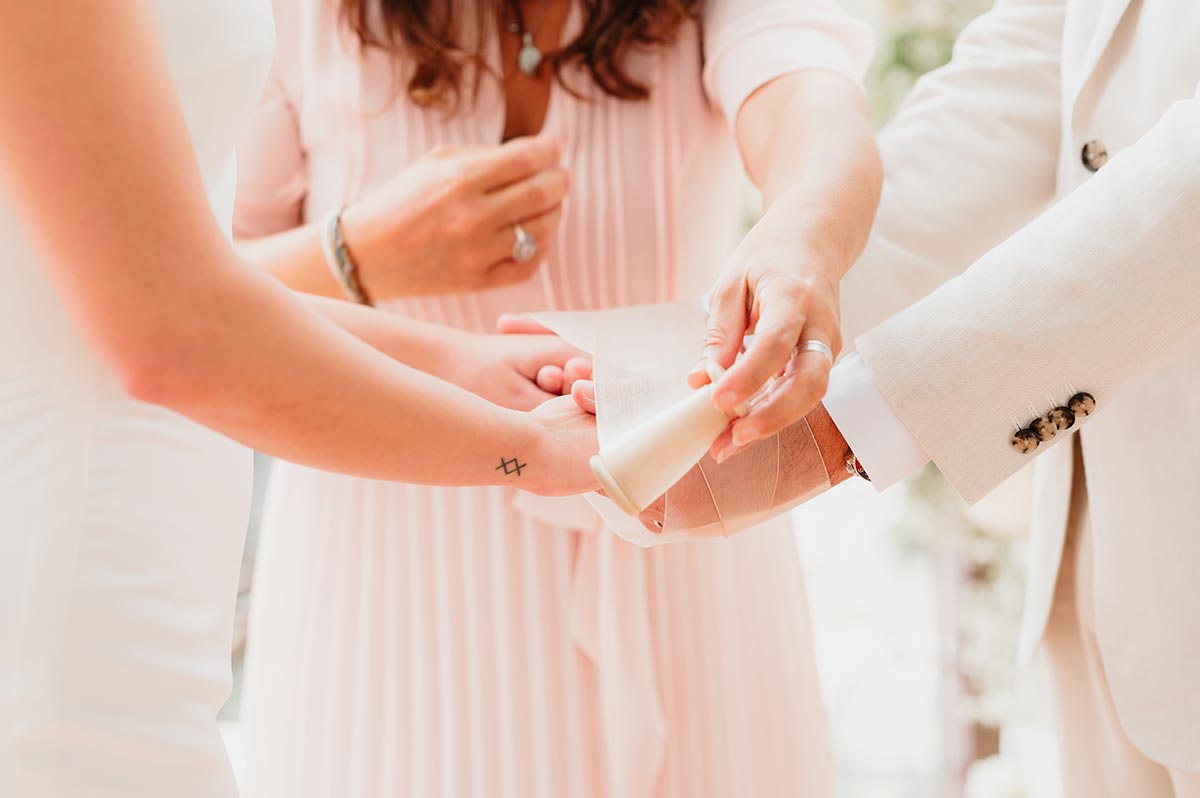
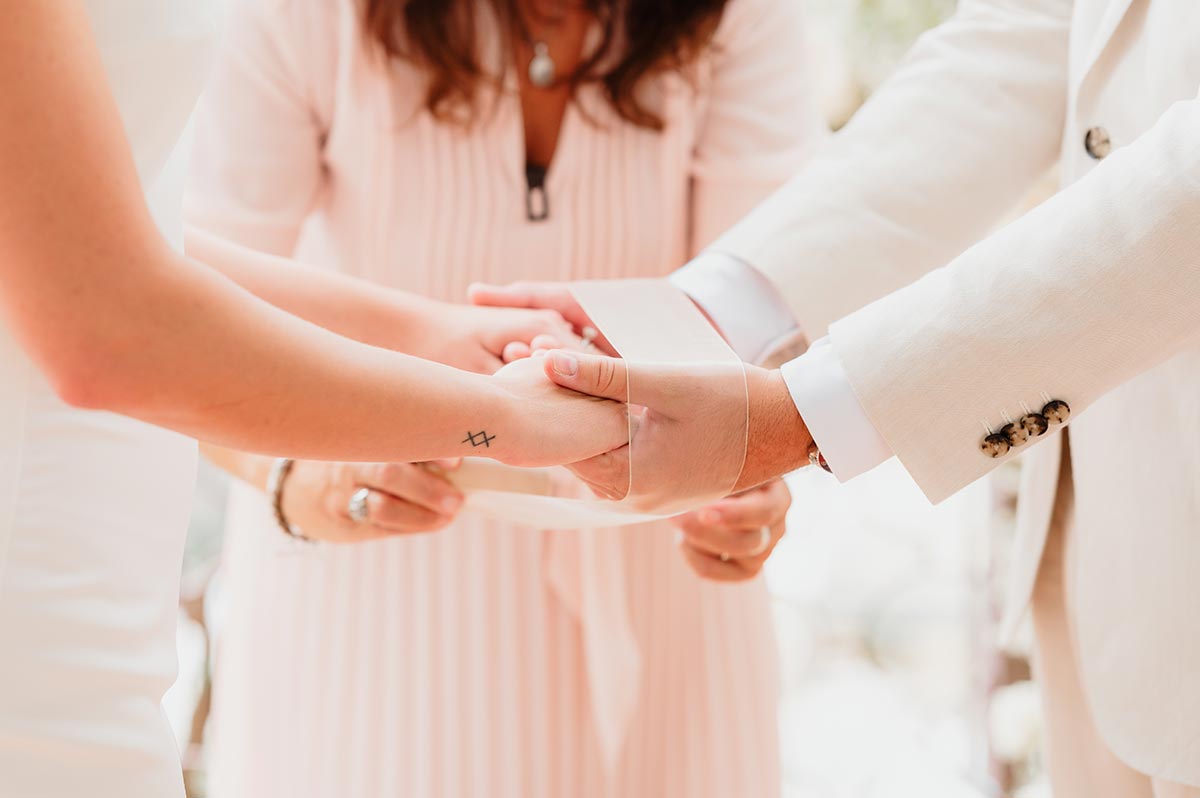
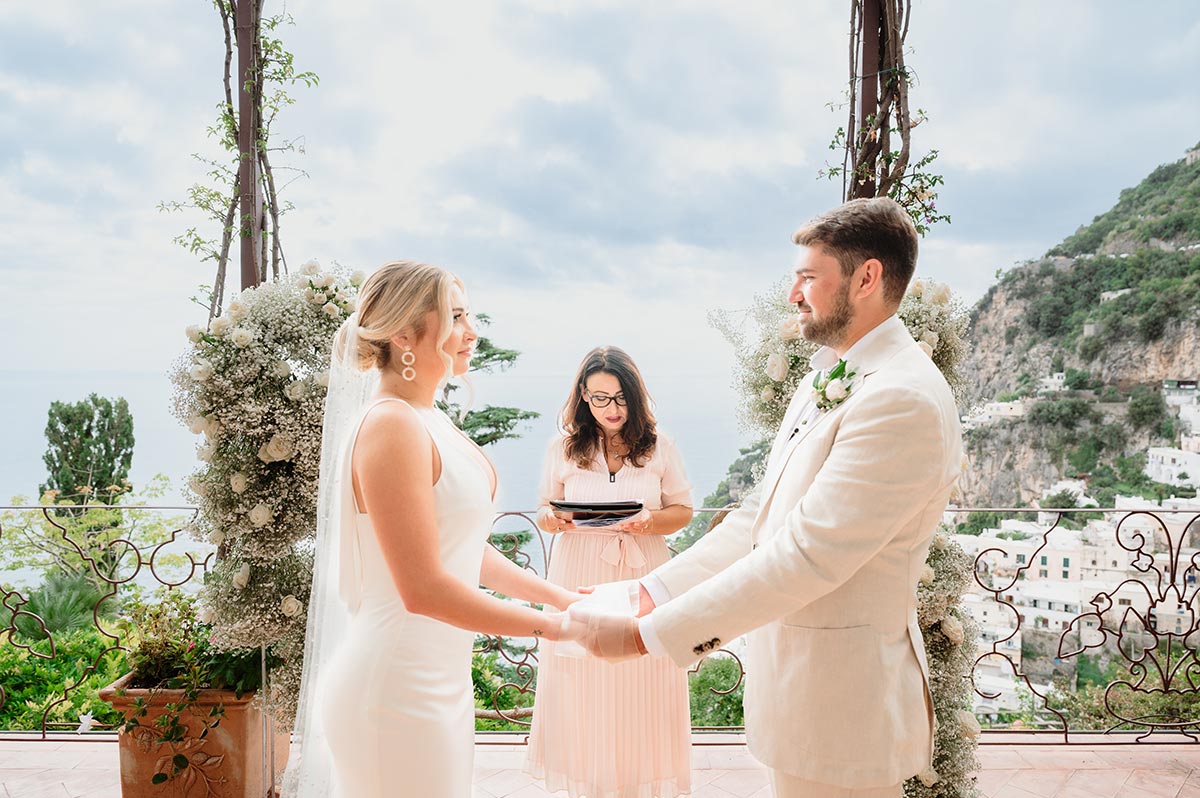
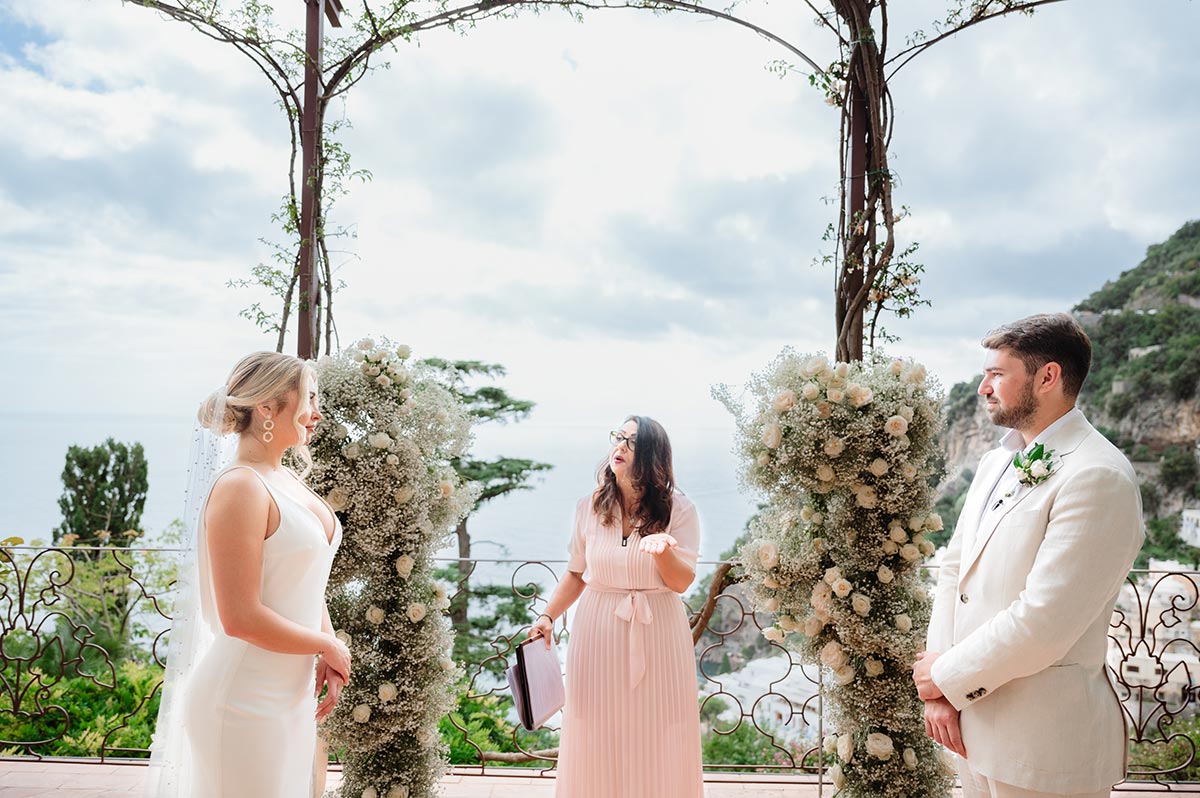

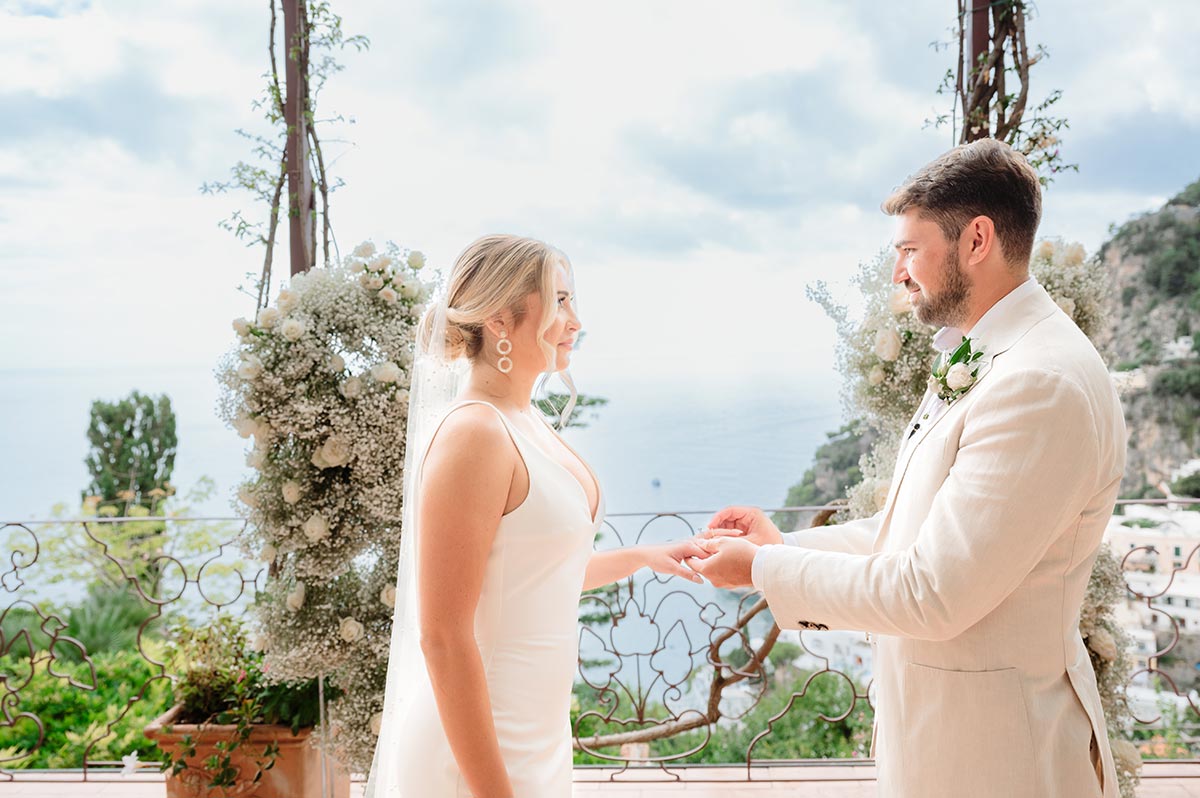


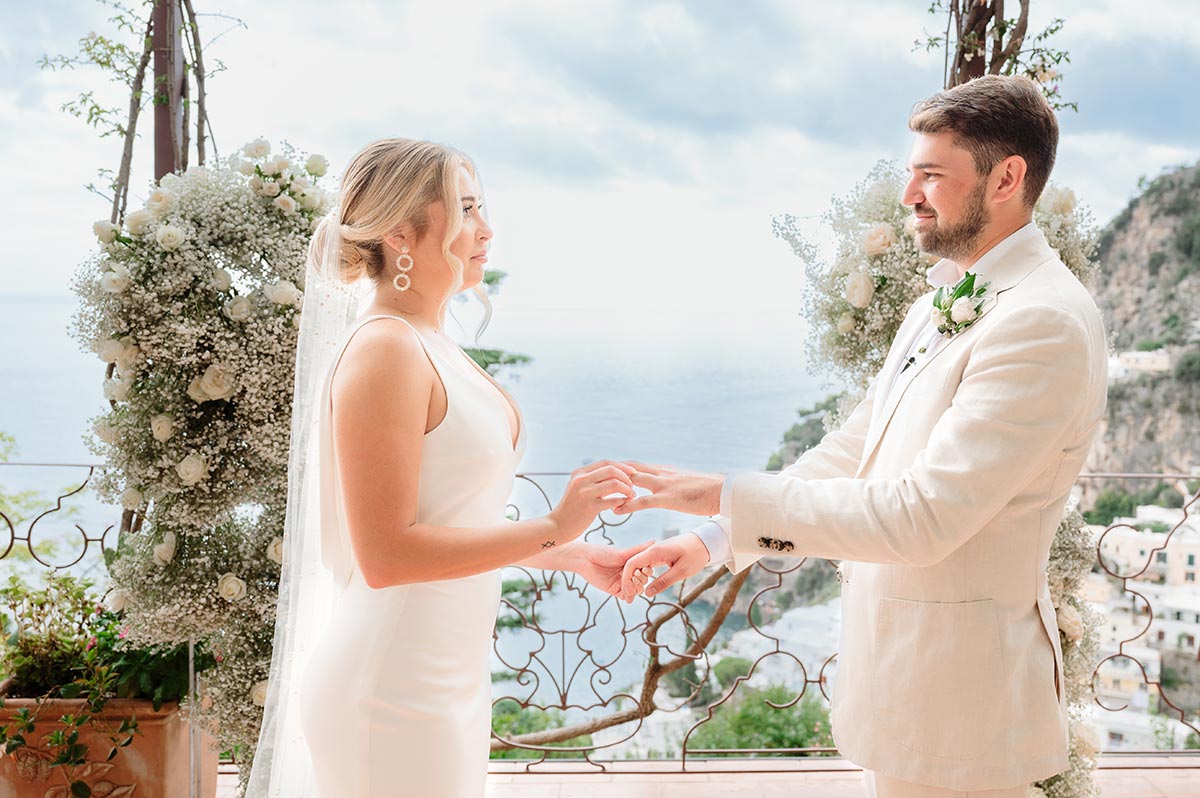
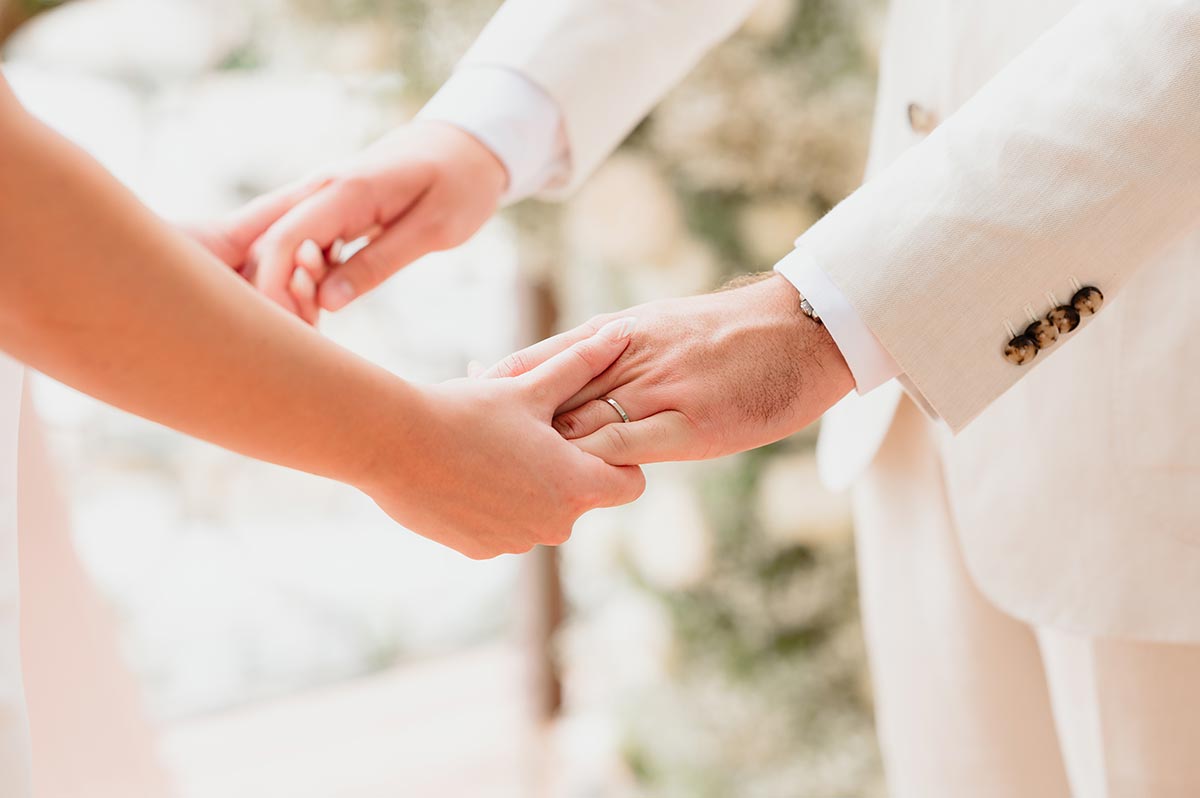
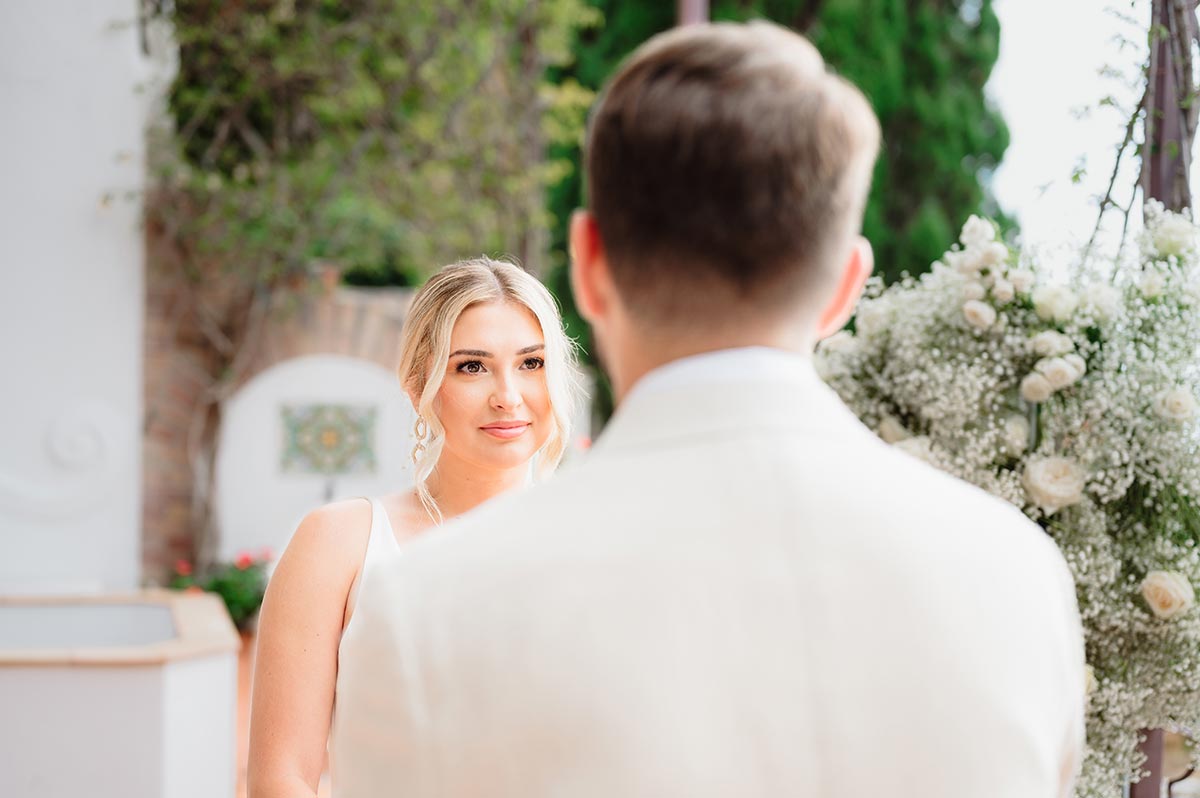
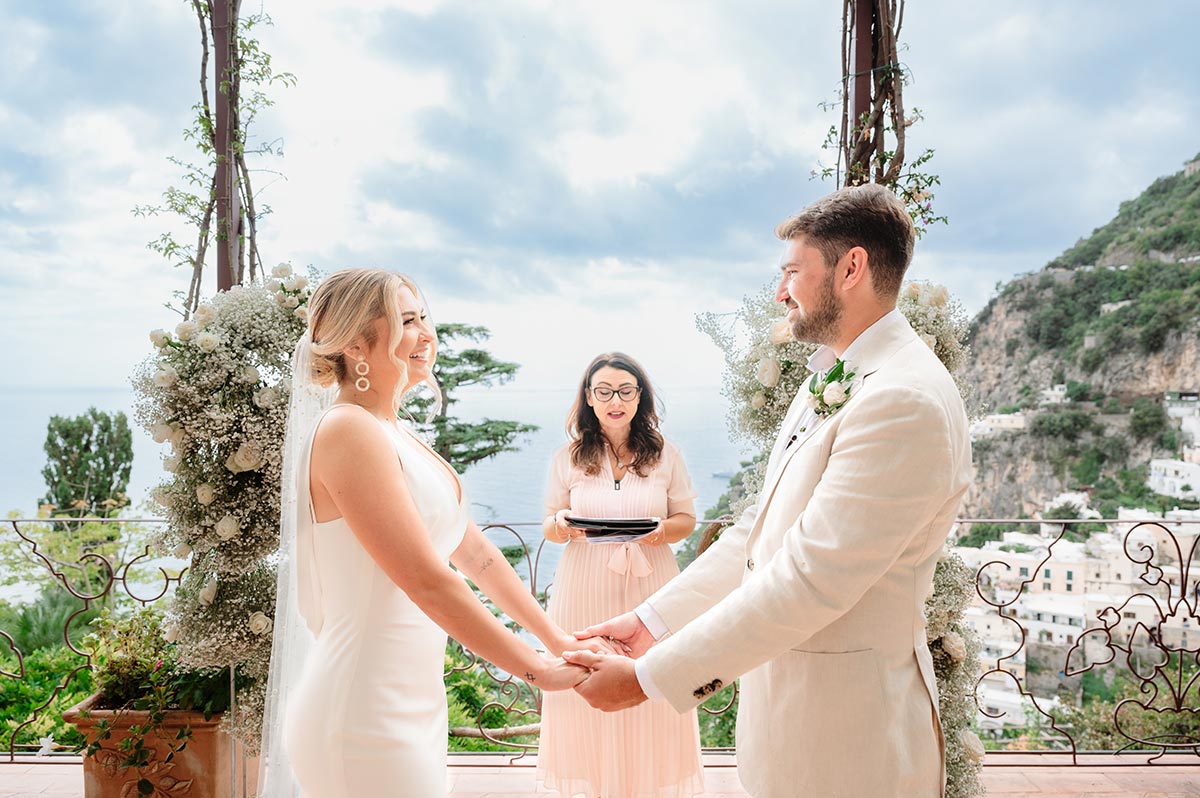


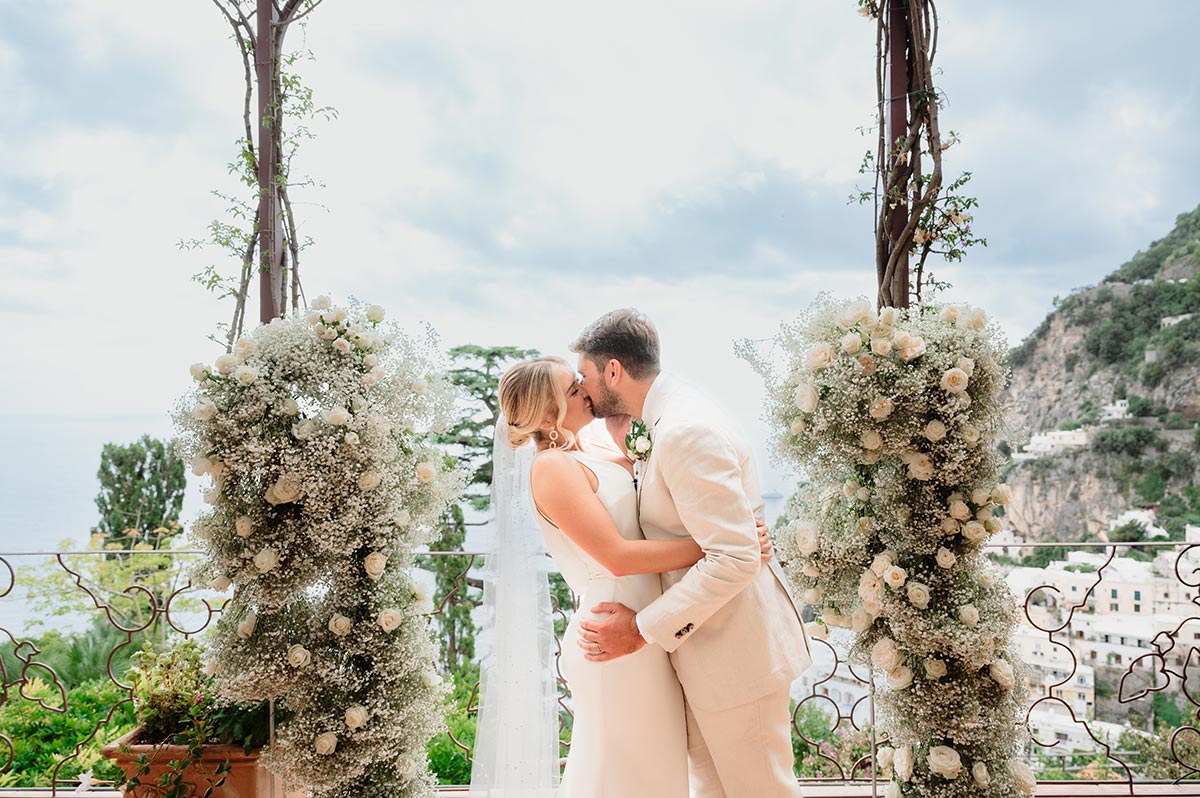
By following these less conventional paths, couples can receive stunning photos and immerse themselves in the culture of Positano. This personal interaction with the town adds an extra dimension to their wedding memories, allowing them to look back on their special day and the cultural experience they had while creating those memories.
MEMORABLE WEDDINGS WITH A POSITANO WEDDING PHOTOGRAPHER
What will certainly remain of your wedding in Positano is a picture of it, yet in order to make this memory unforgettable you need of the professionists. And you will definitely find them in Positano and the surrounding villas.
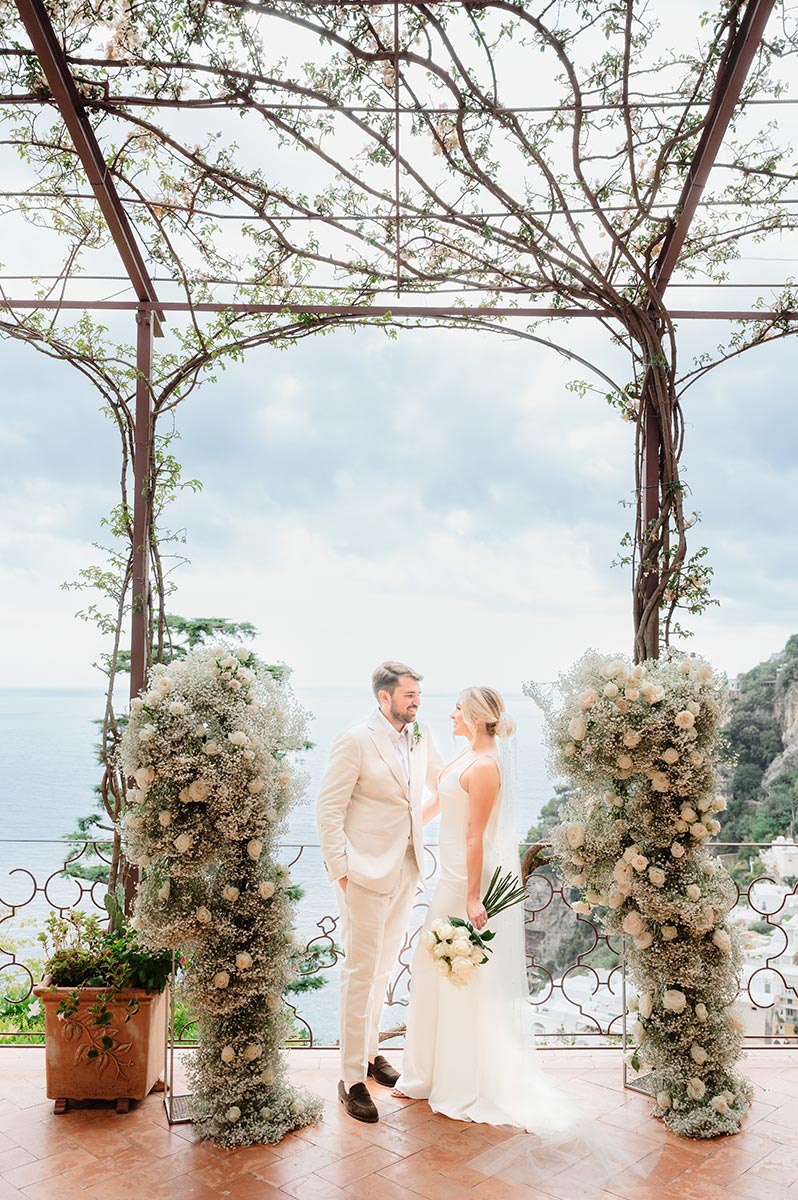
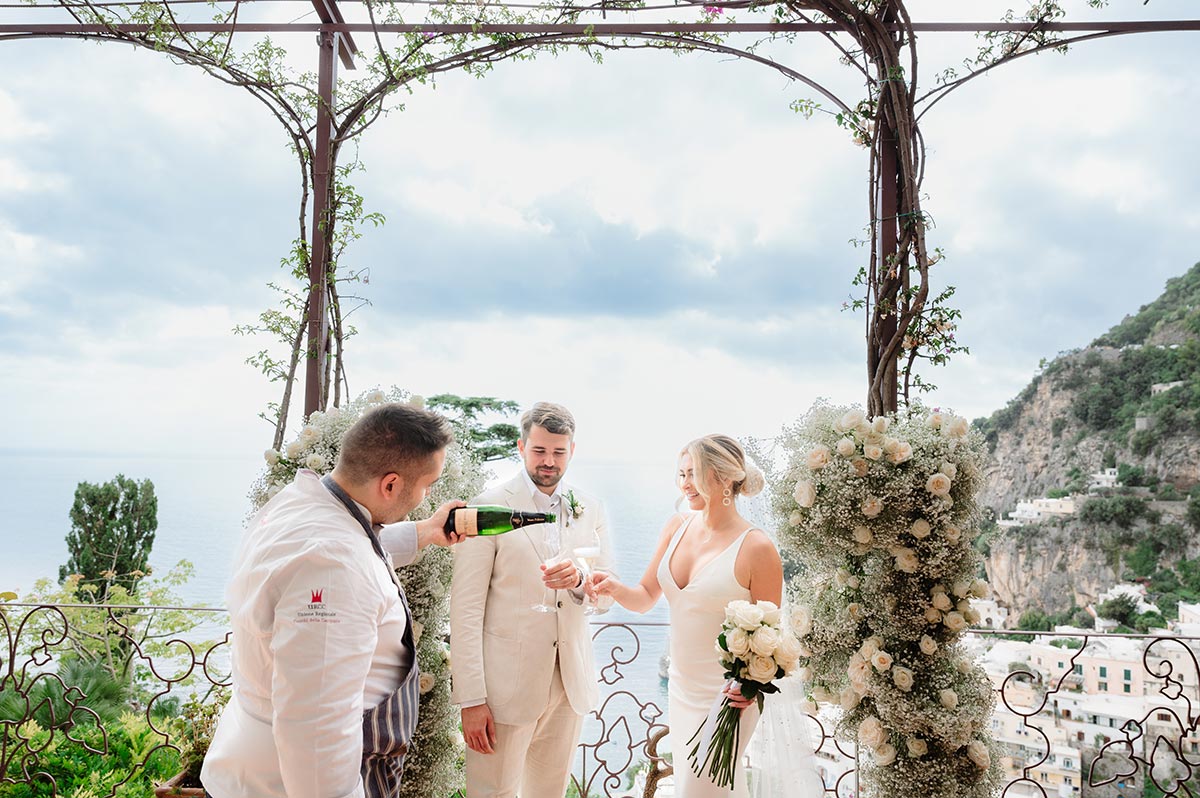
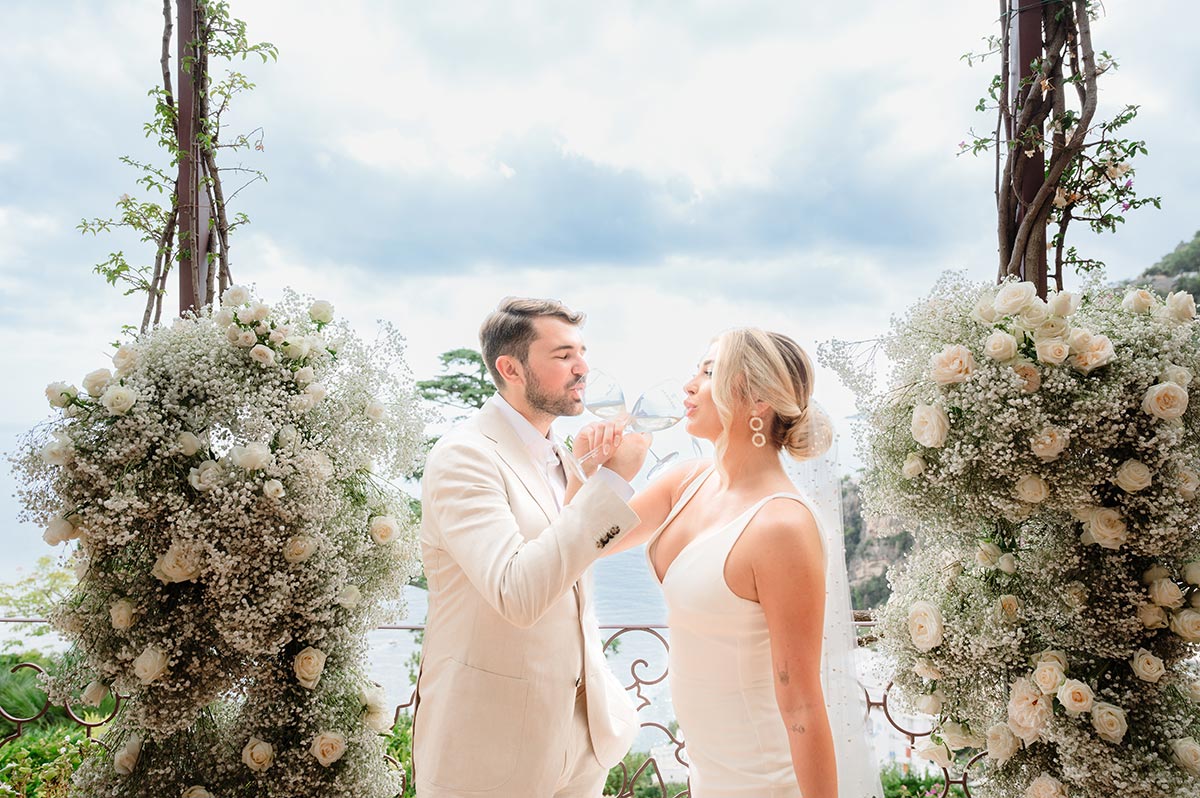
IF YOU THINK OF HIRING ME, IT MEANS THAT YOU SHARE THIS VISION AND WE HAVE MANY THINGS IN COMMON.
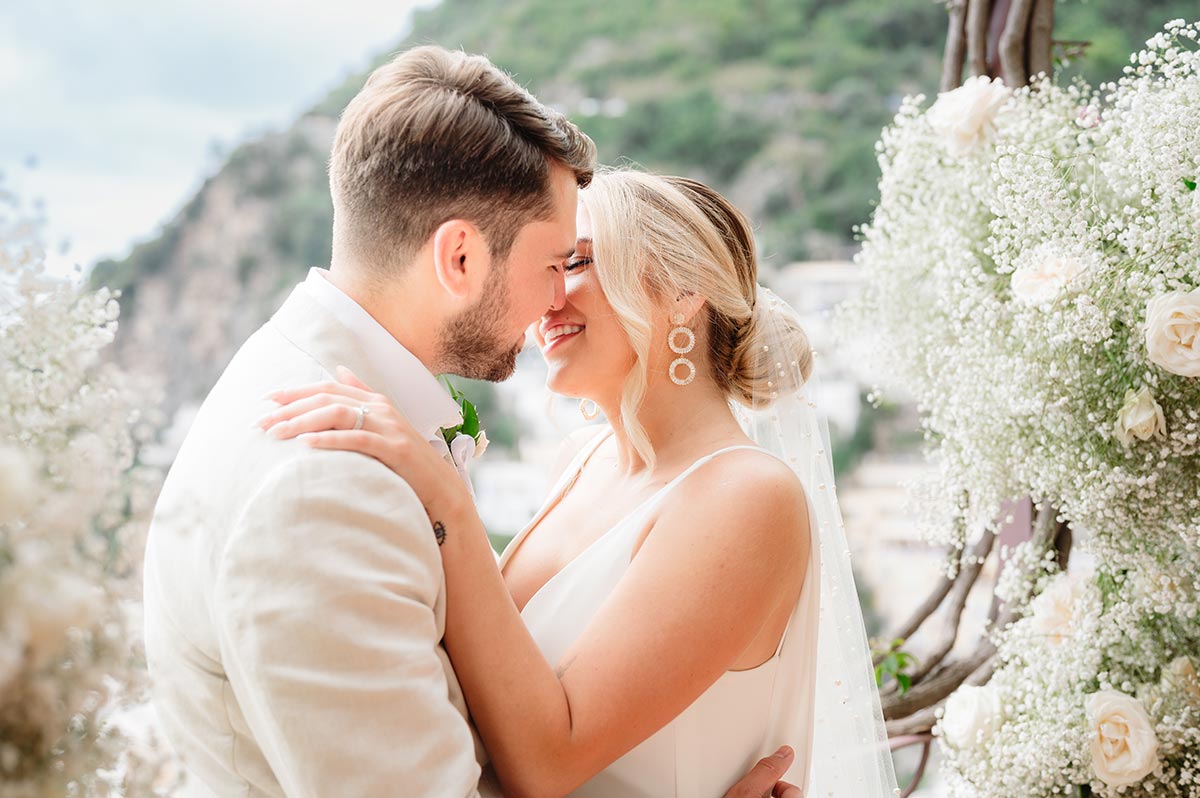

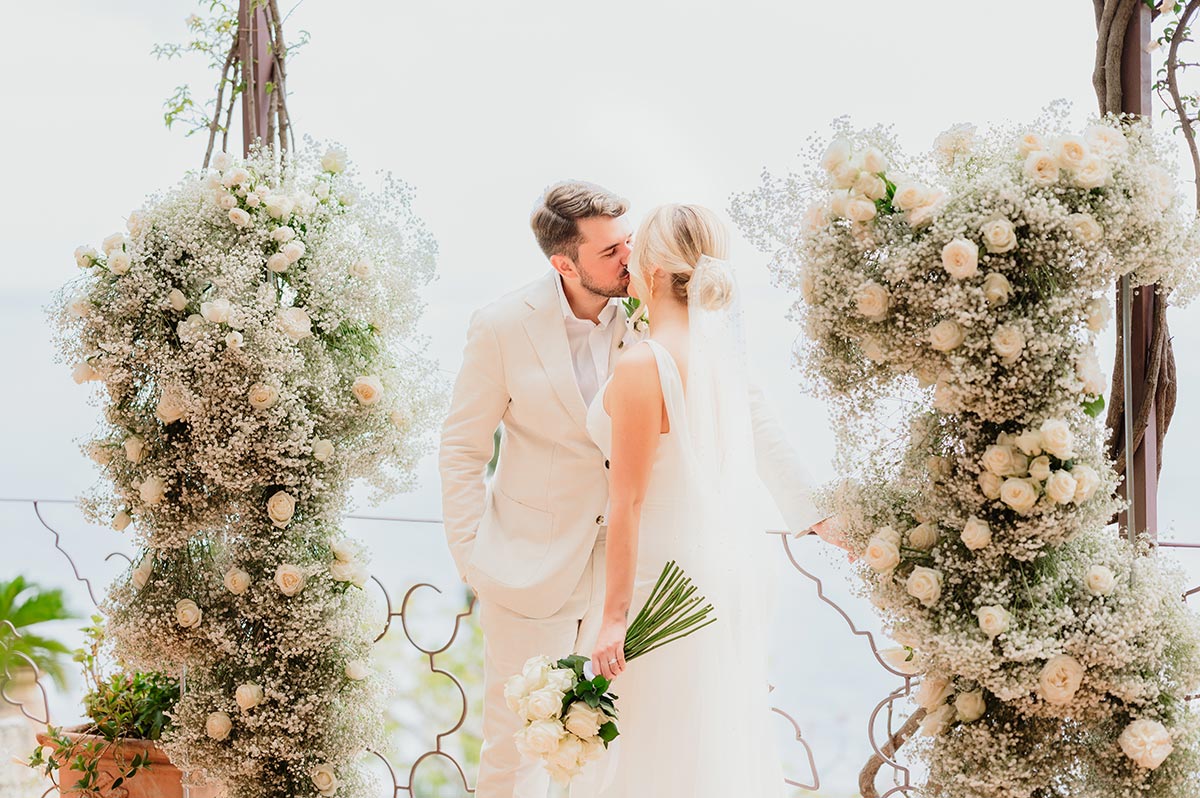
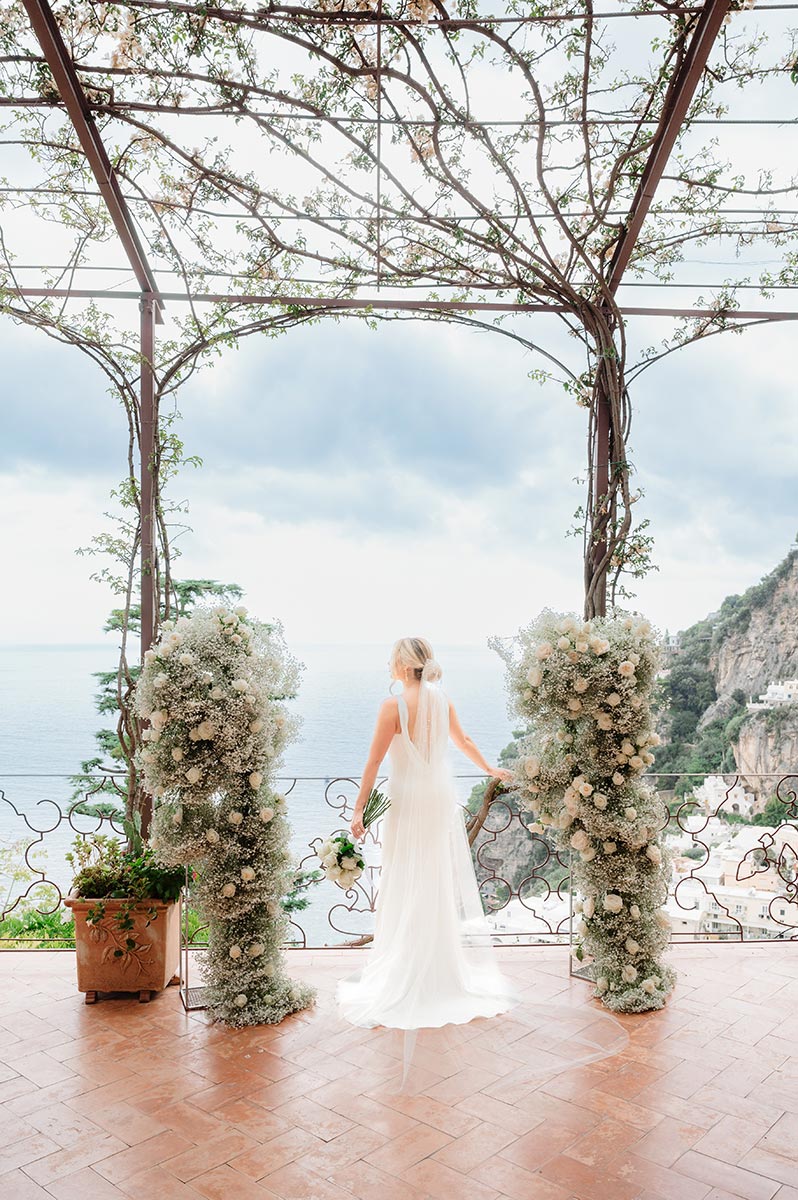
As a photographer, I am passionate about using my expertise and knowledge of the area to create a personalized and unforgettable experience for my clients. The goal is to capture not just the couple’s love for one another but also the unique charm and character of the surrounding area. By taking non-traditional routes, we can achieve a more organic and intimate result that reflects the essence of the couple and their special day.
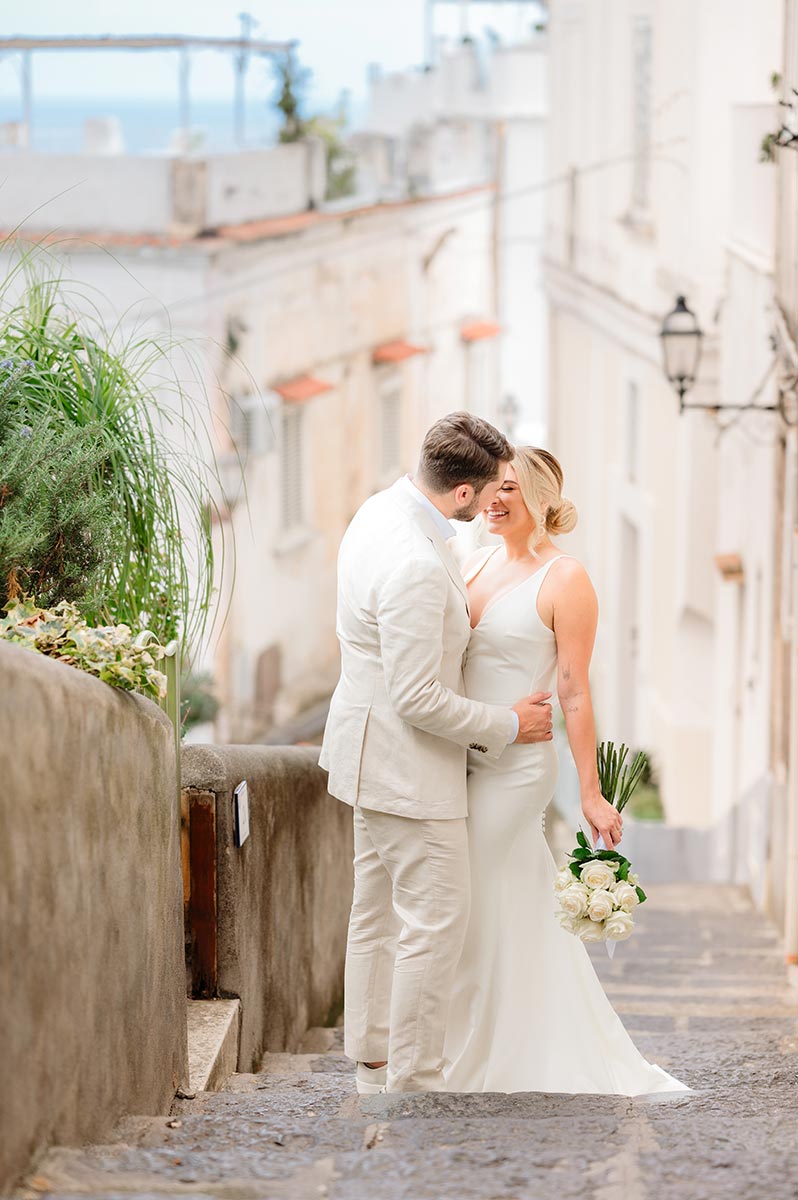
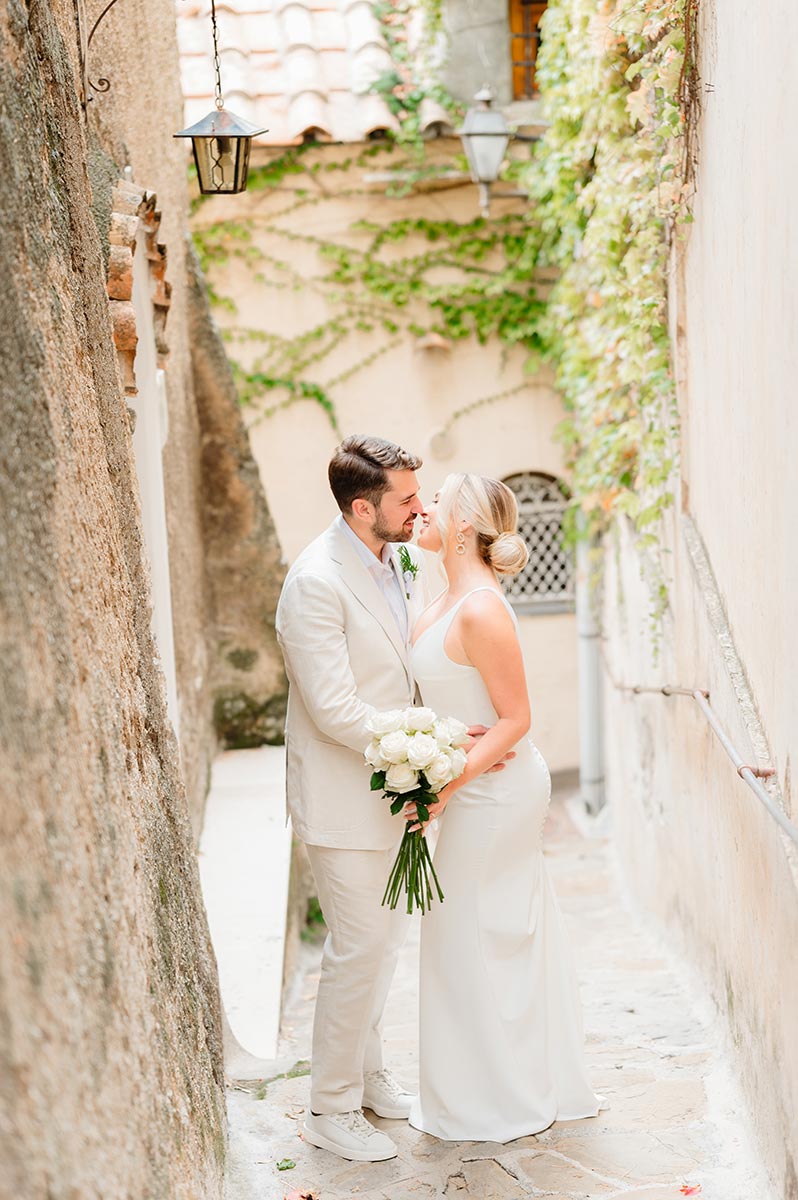
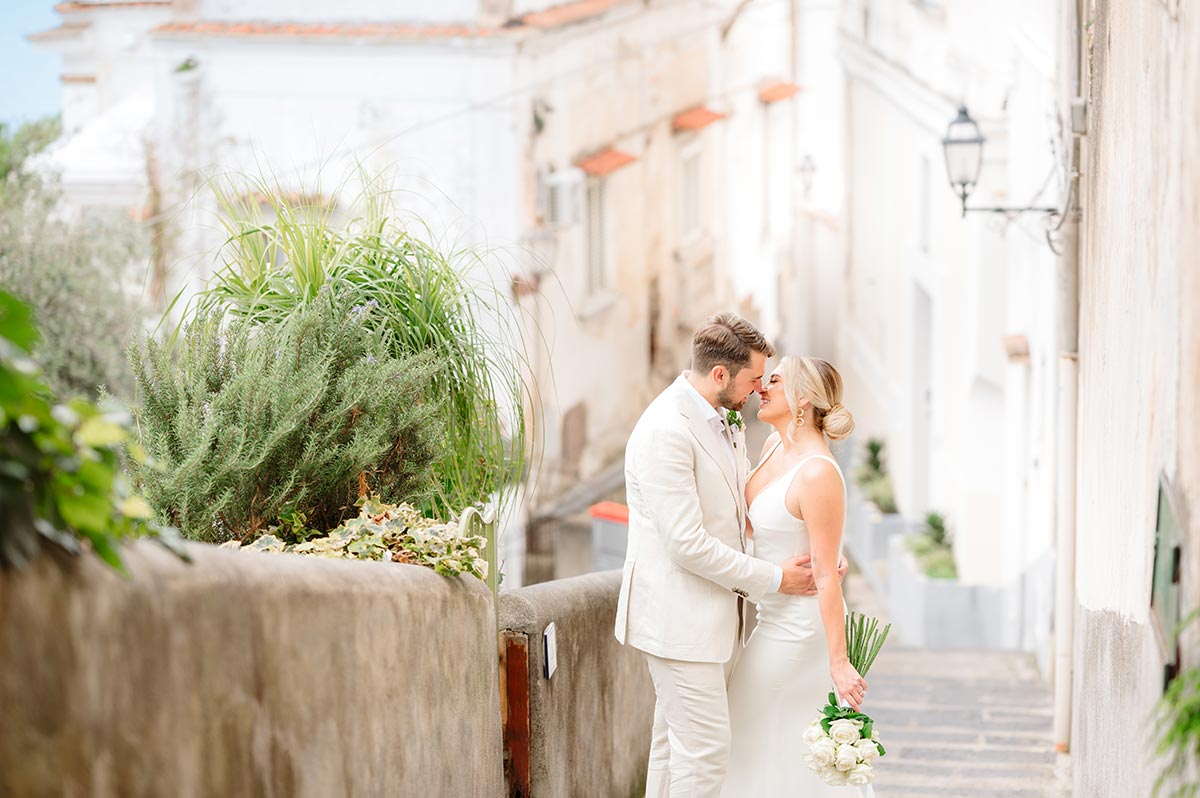
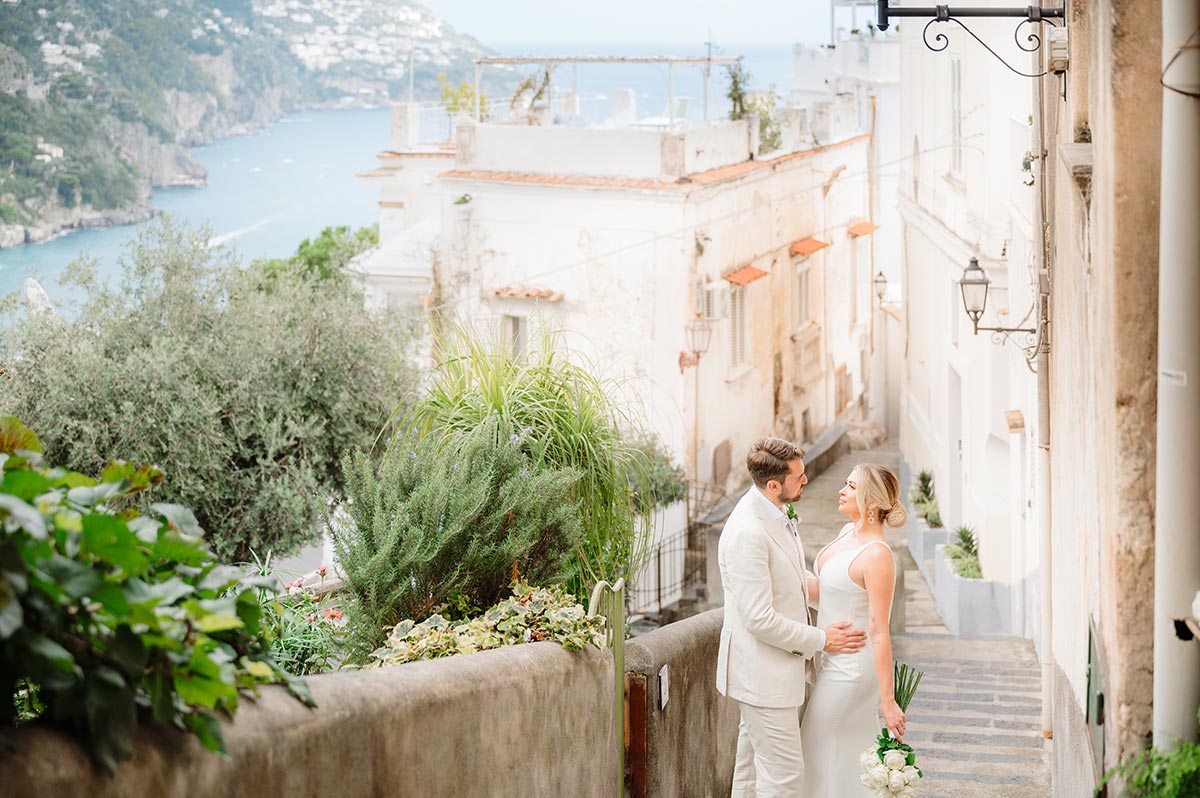
If you are seeking stunning and one-of-a-kind wedding photos, consider taking a non-traditional approach and exploring the lesser-known paths of Positano. With the help of a talented wedding photographer like myself, you can create memories you will treasure for a lifetime.
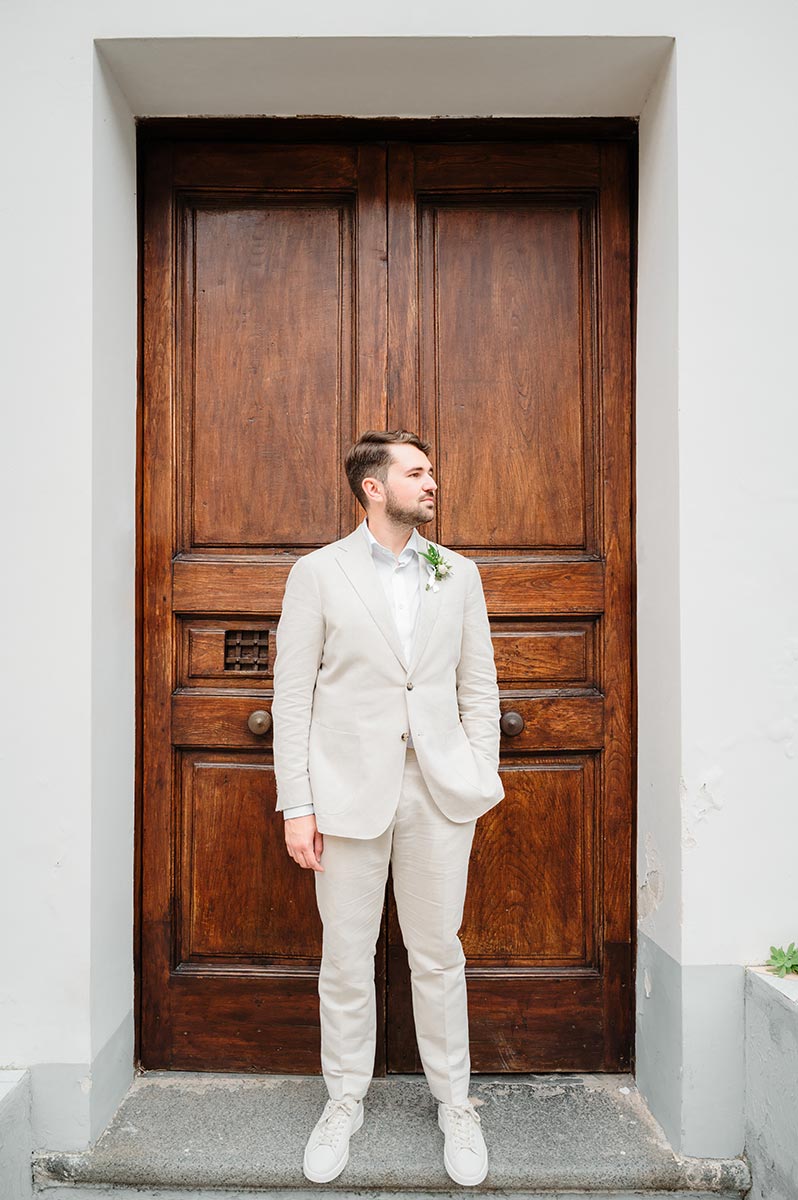
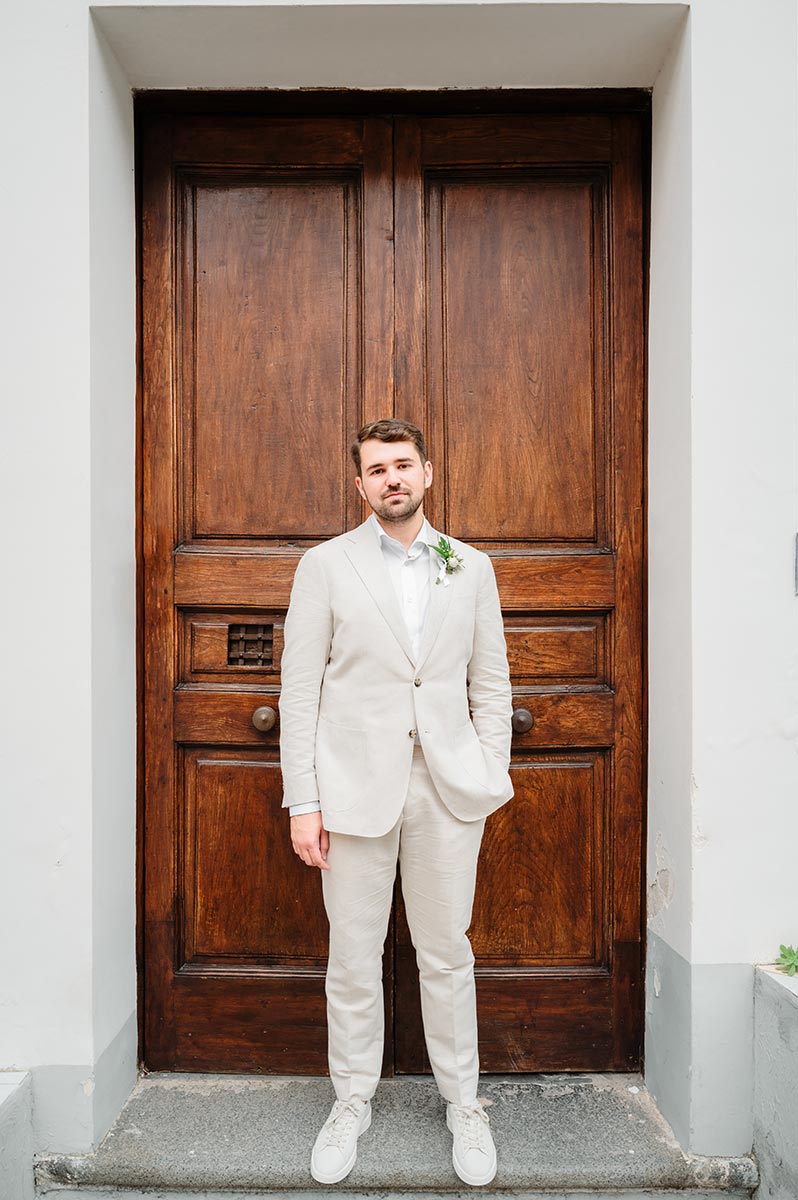

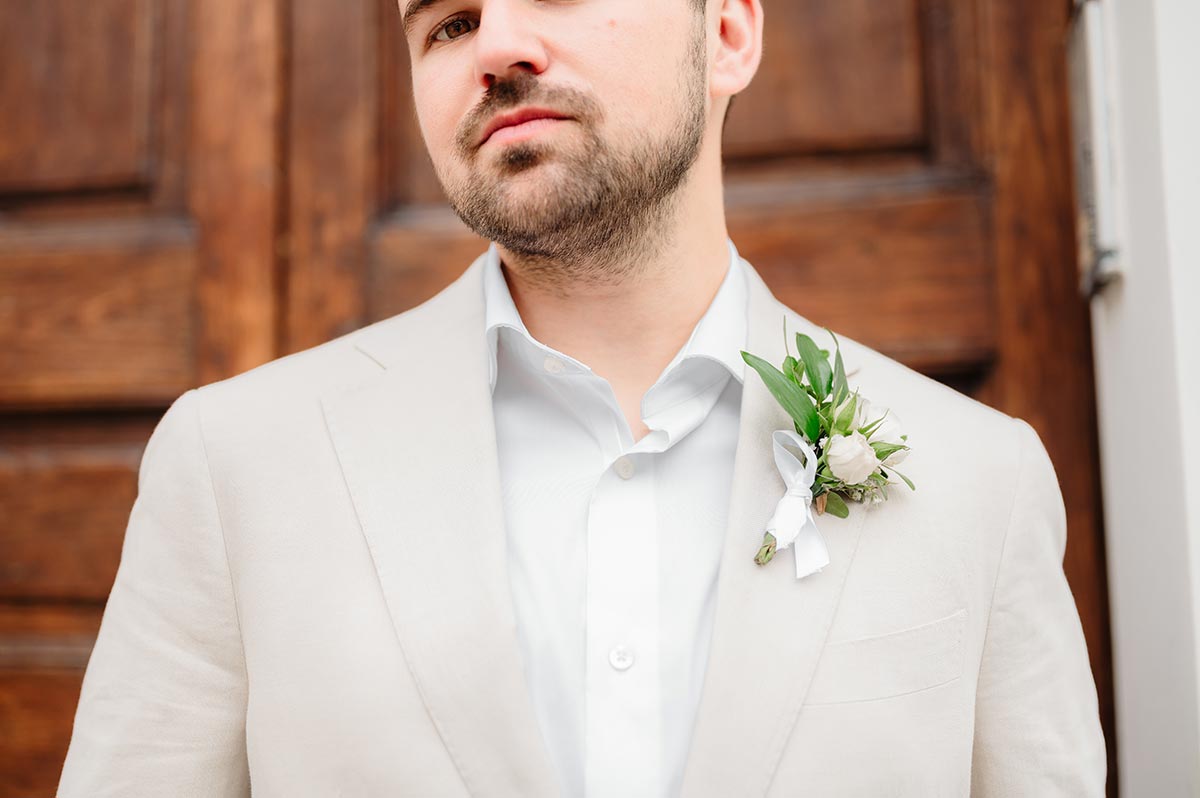
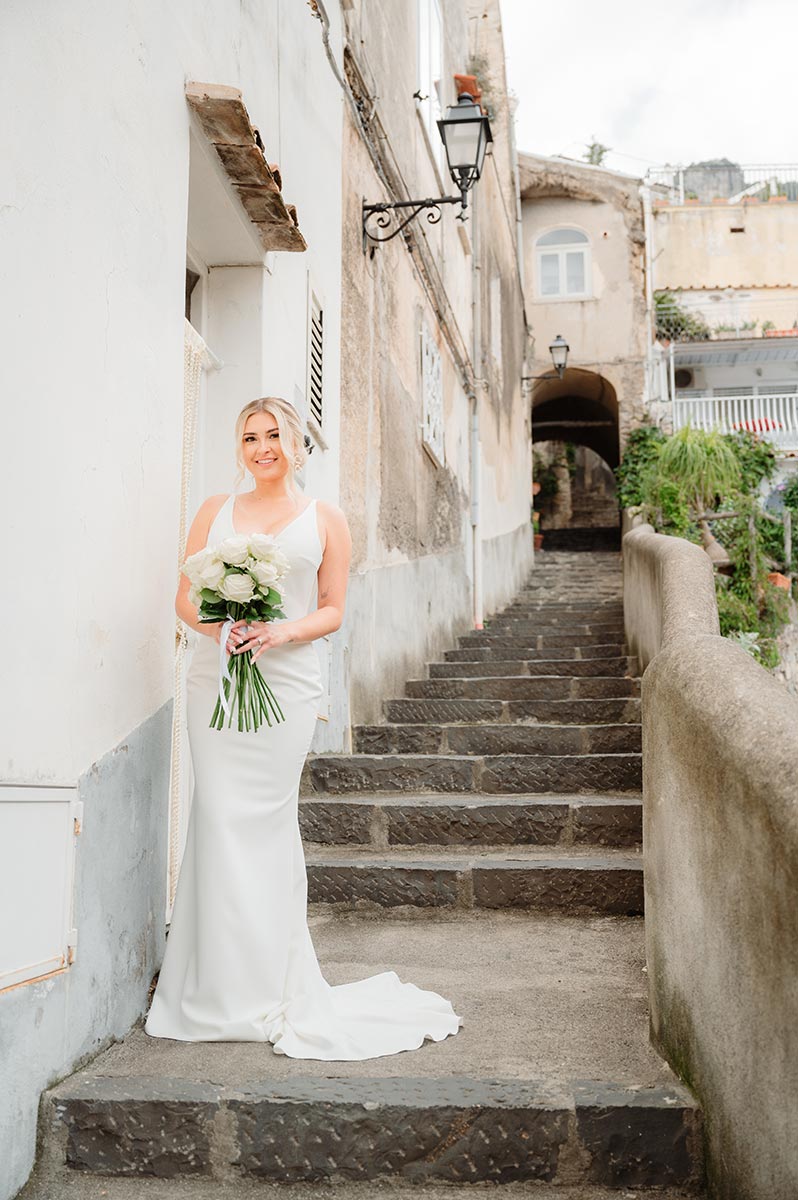
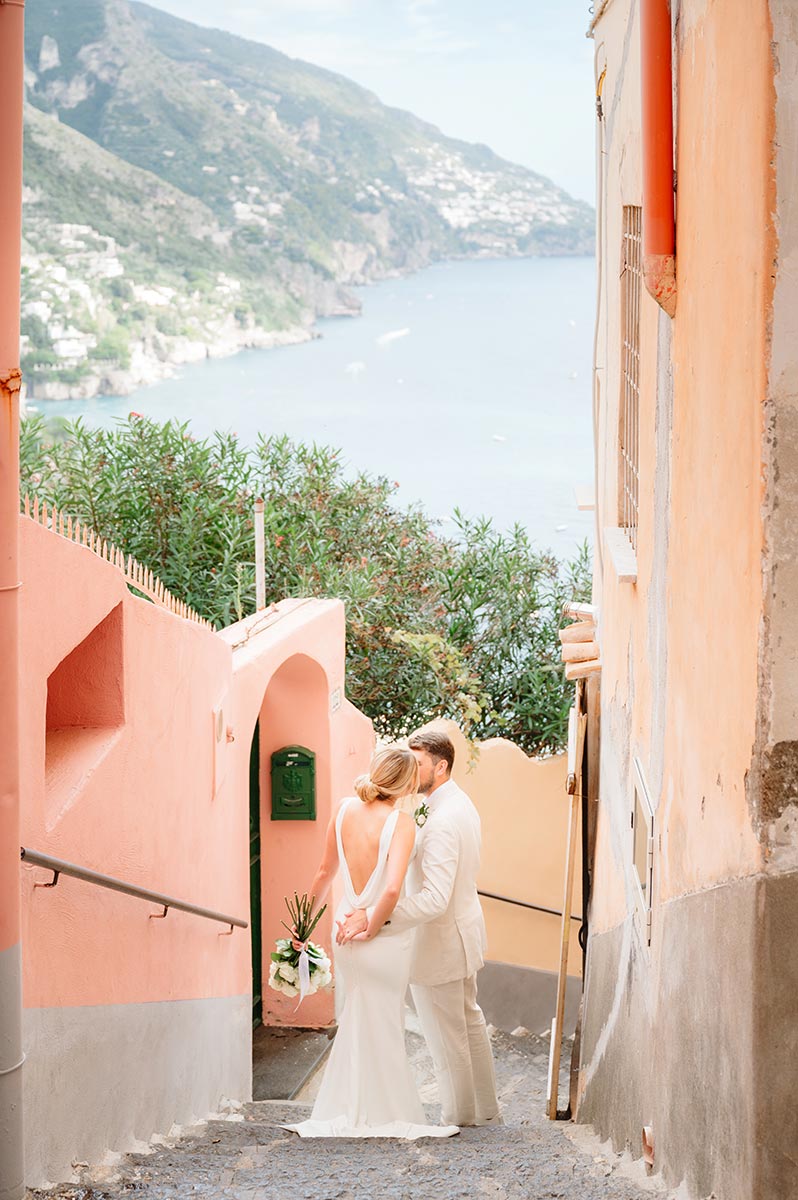
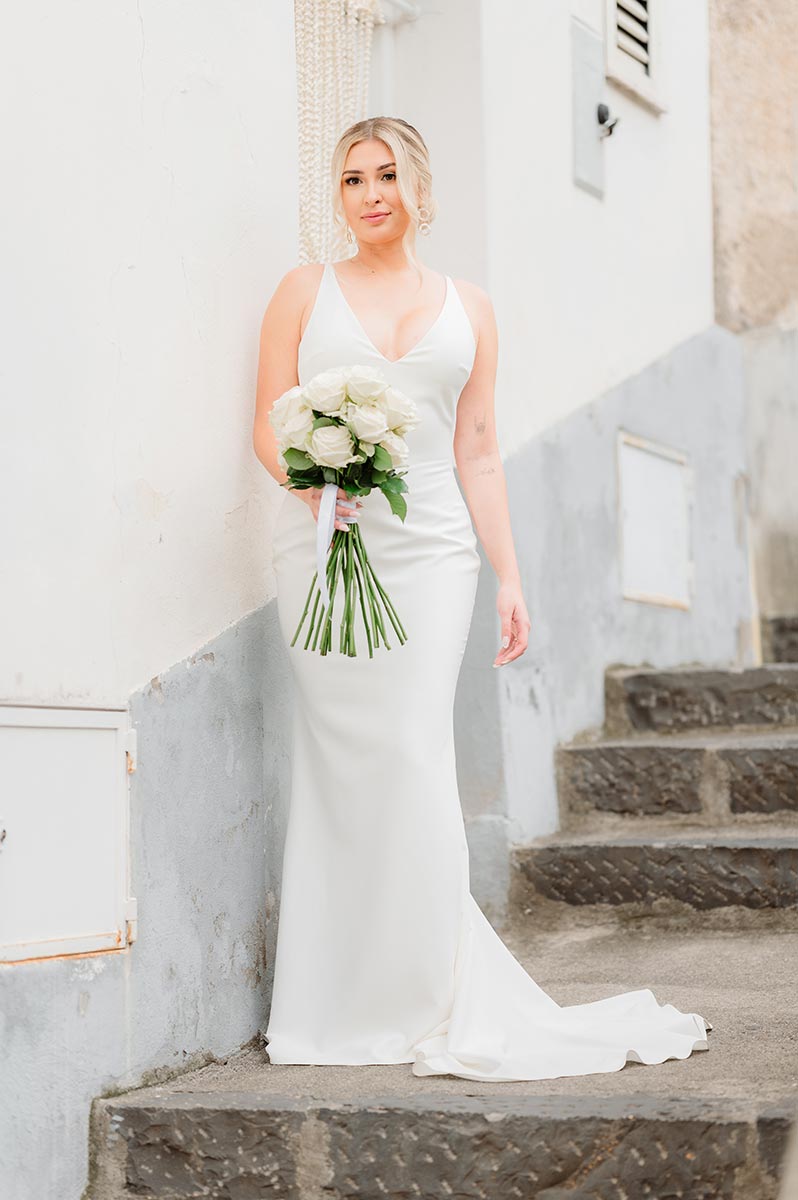

Look how amazing will be your wedding pictures at Villa Magia
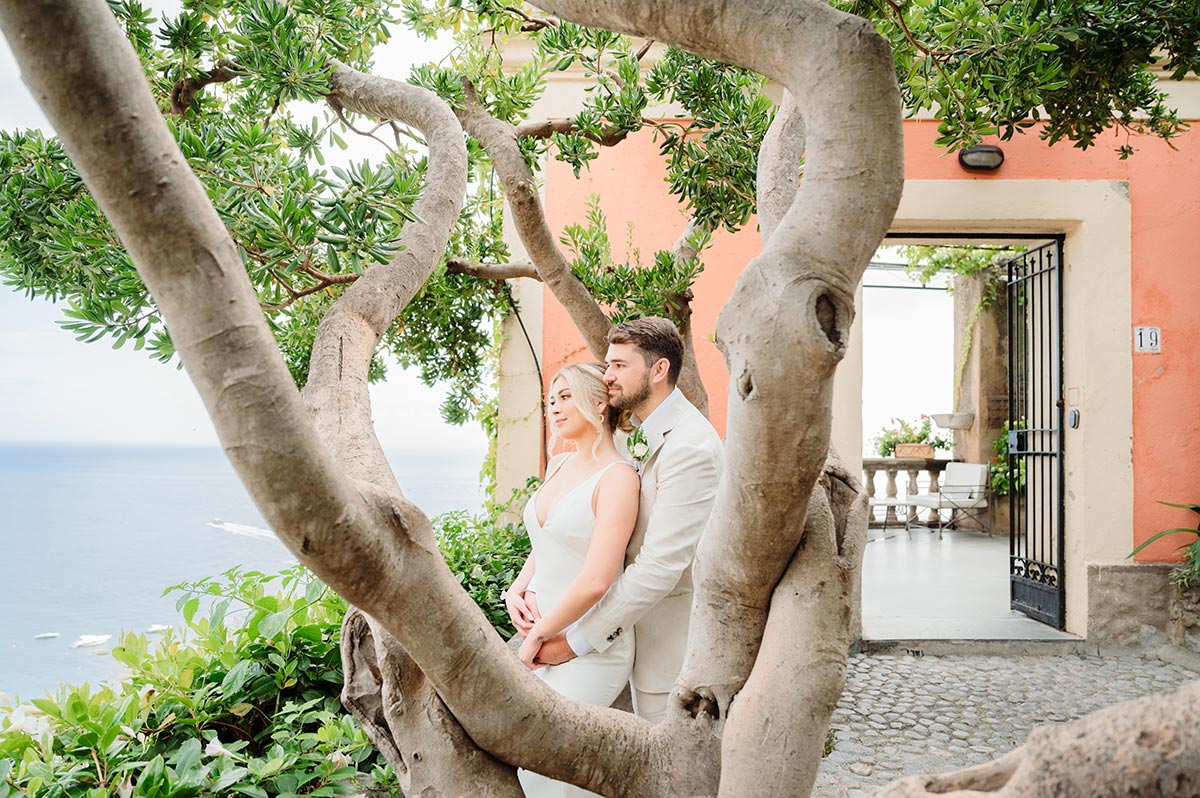
As a wedding photographer based in Positano, I have a special connection with Villa Magia. As a local photographer, I understand the area and its hidden gems, making my job easier and more enjoyable. Villa Magia, in particular, holds a special place in my heart. This historic venue is an oasis of tranquility and peace, surrounded by lush gardens and stunning coast views.
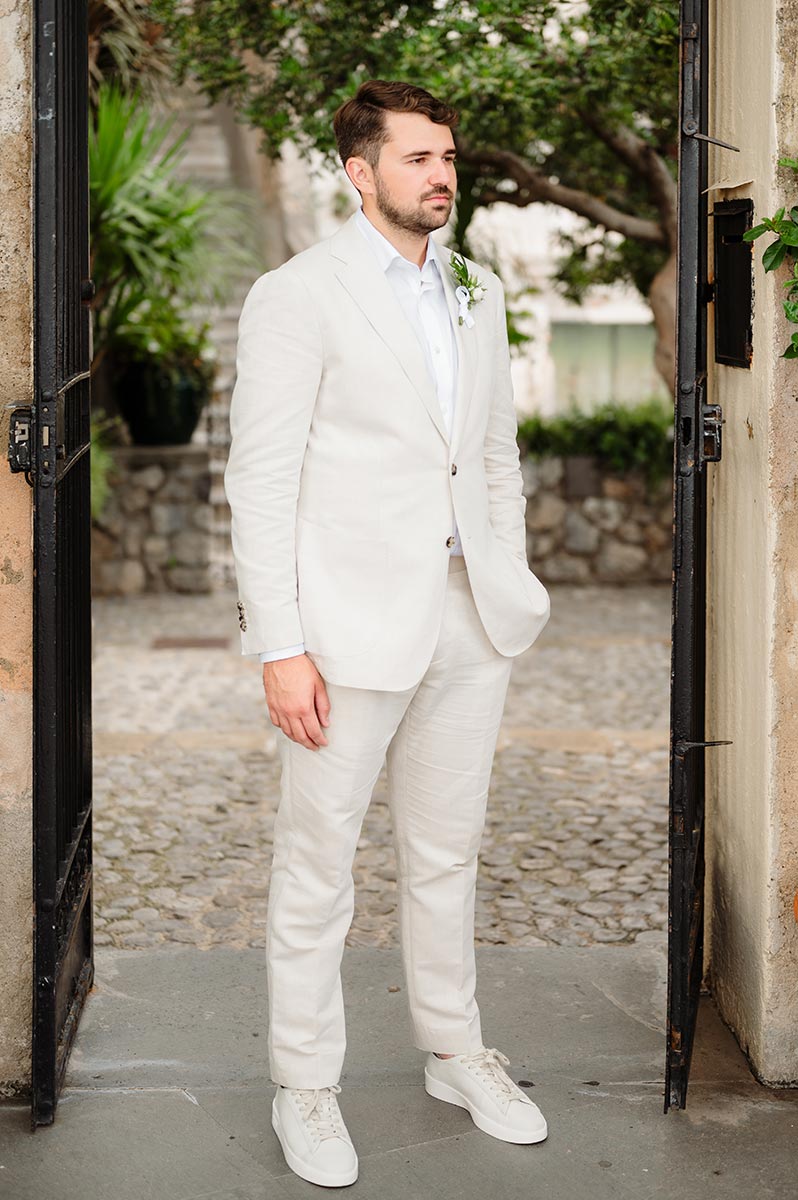
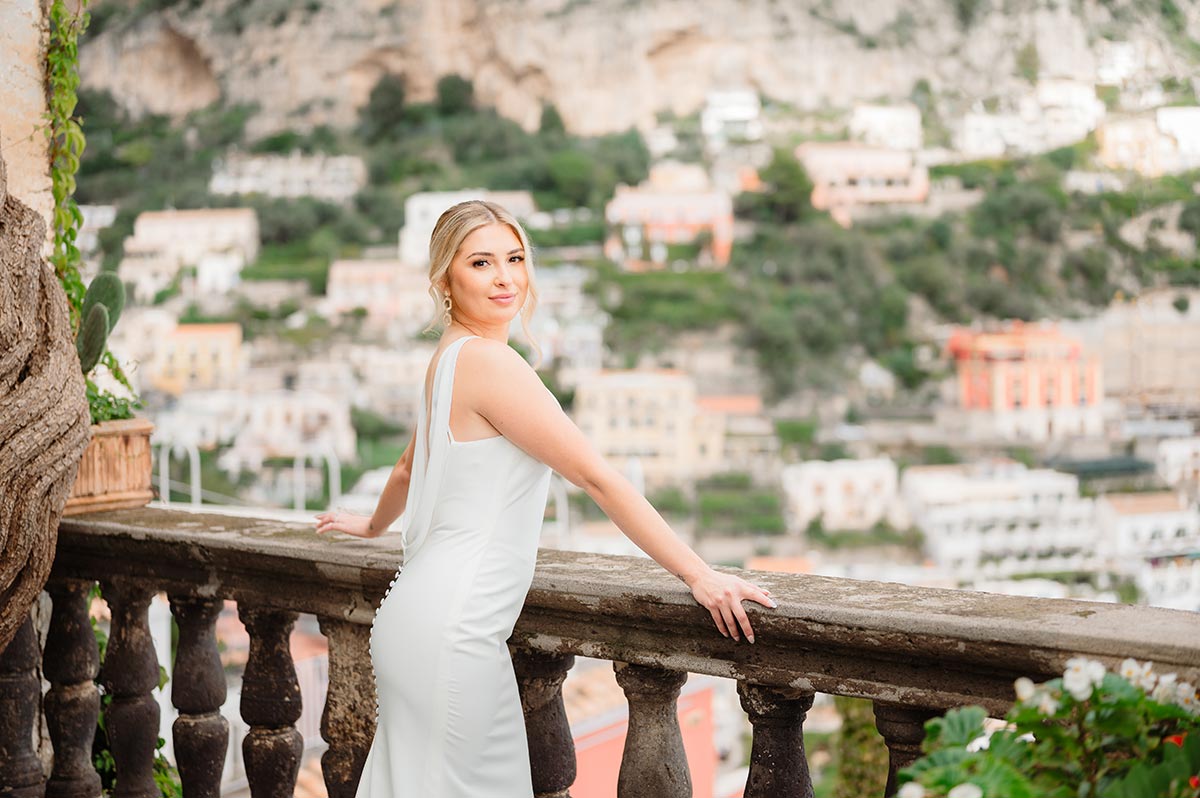
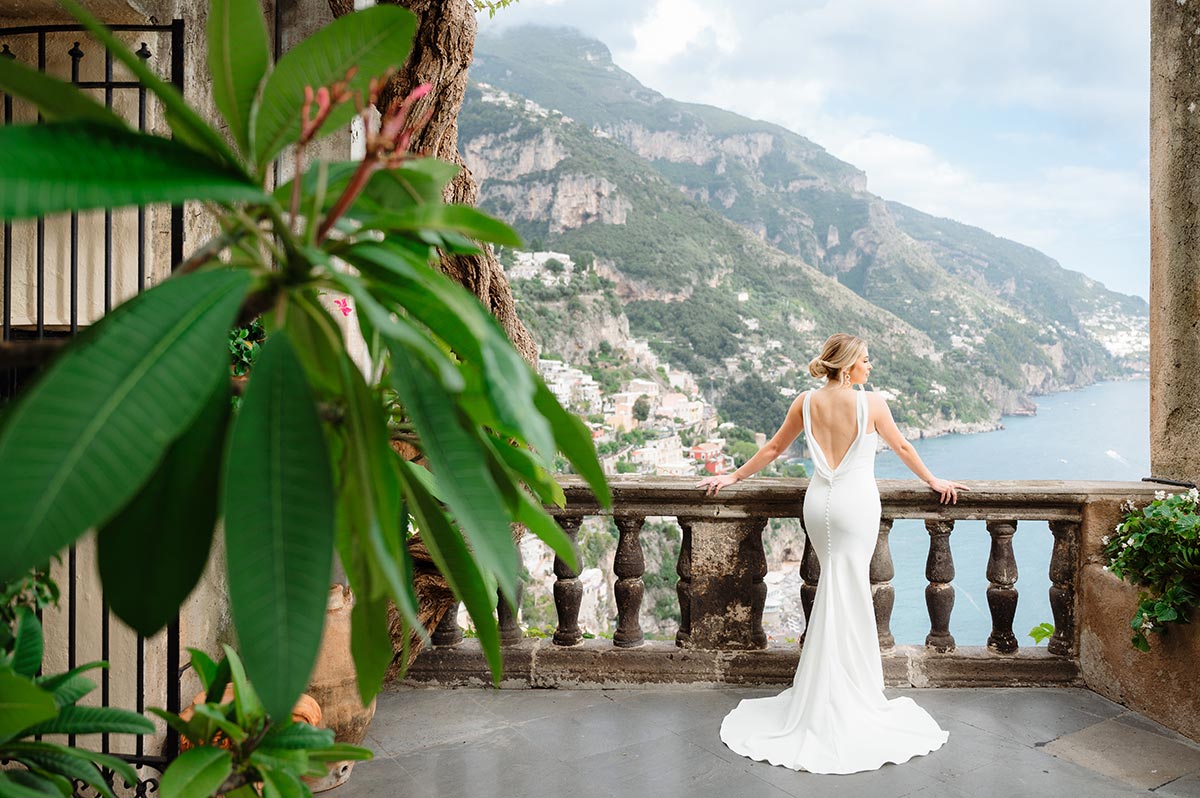
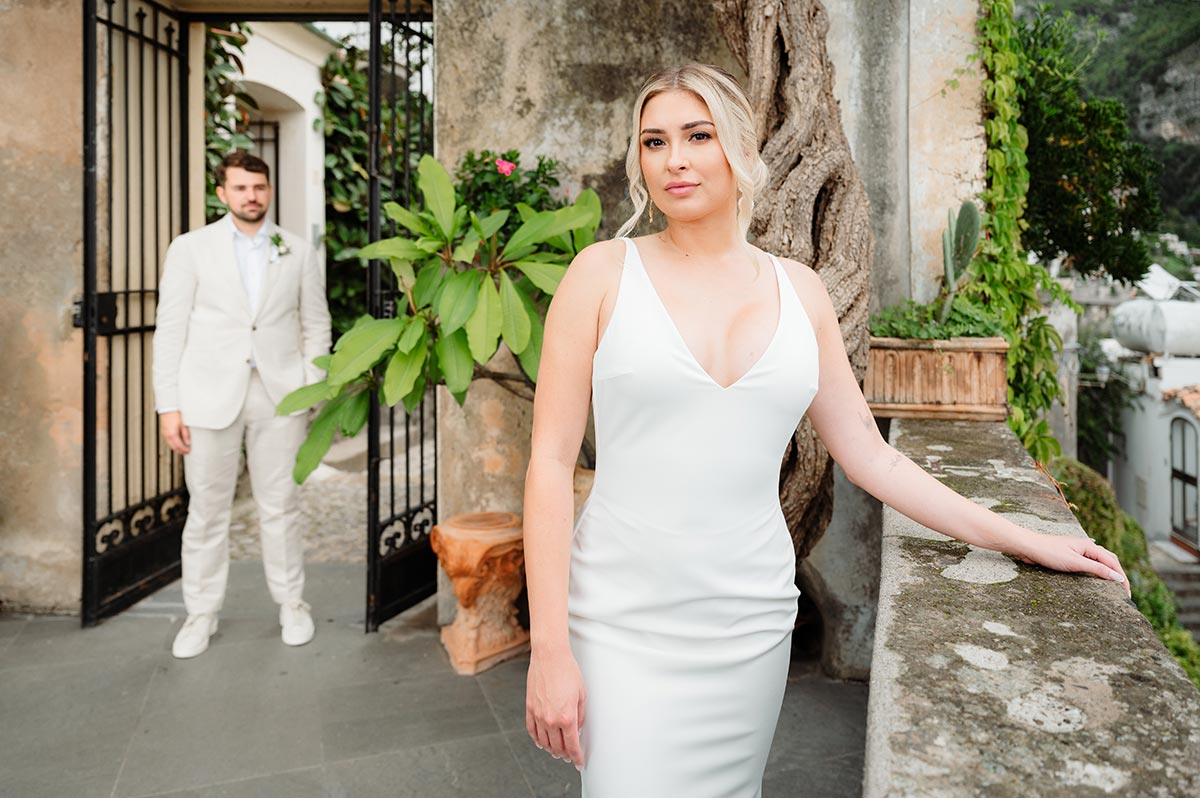
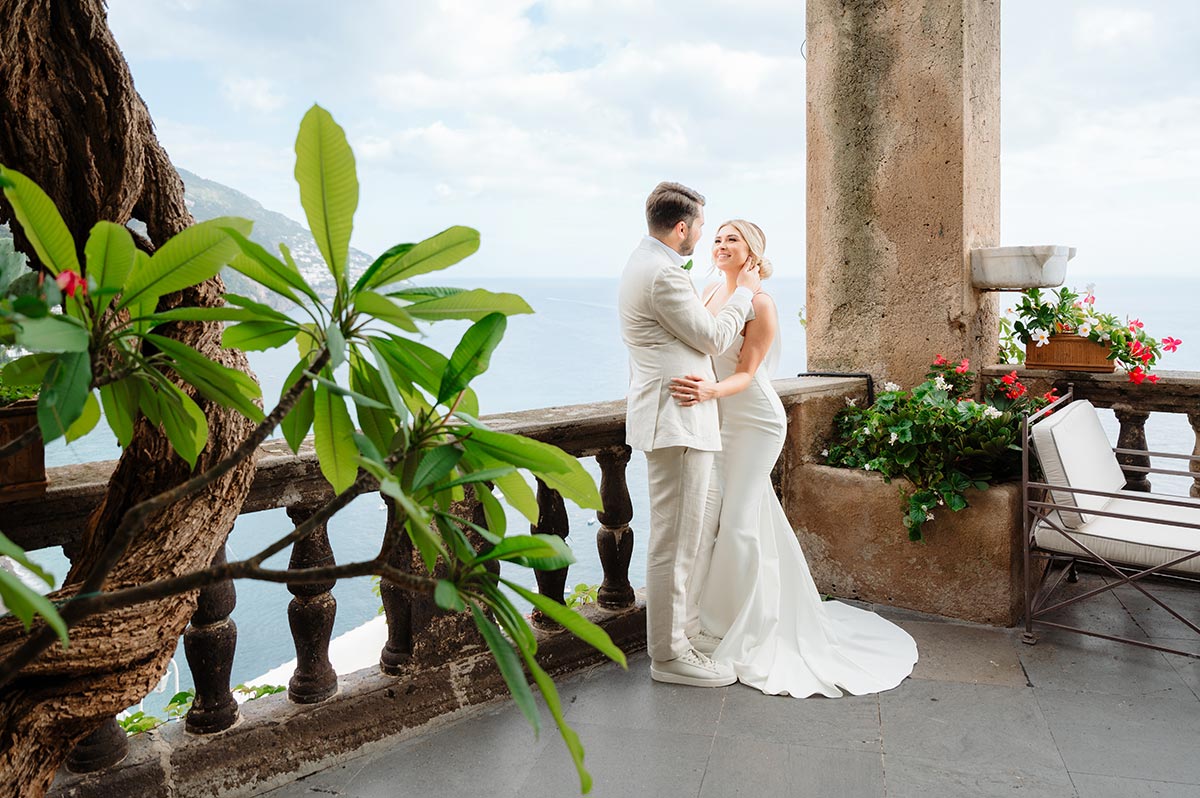
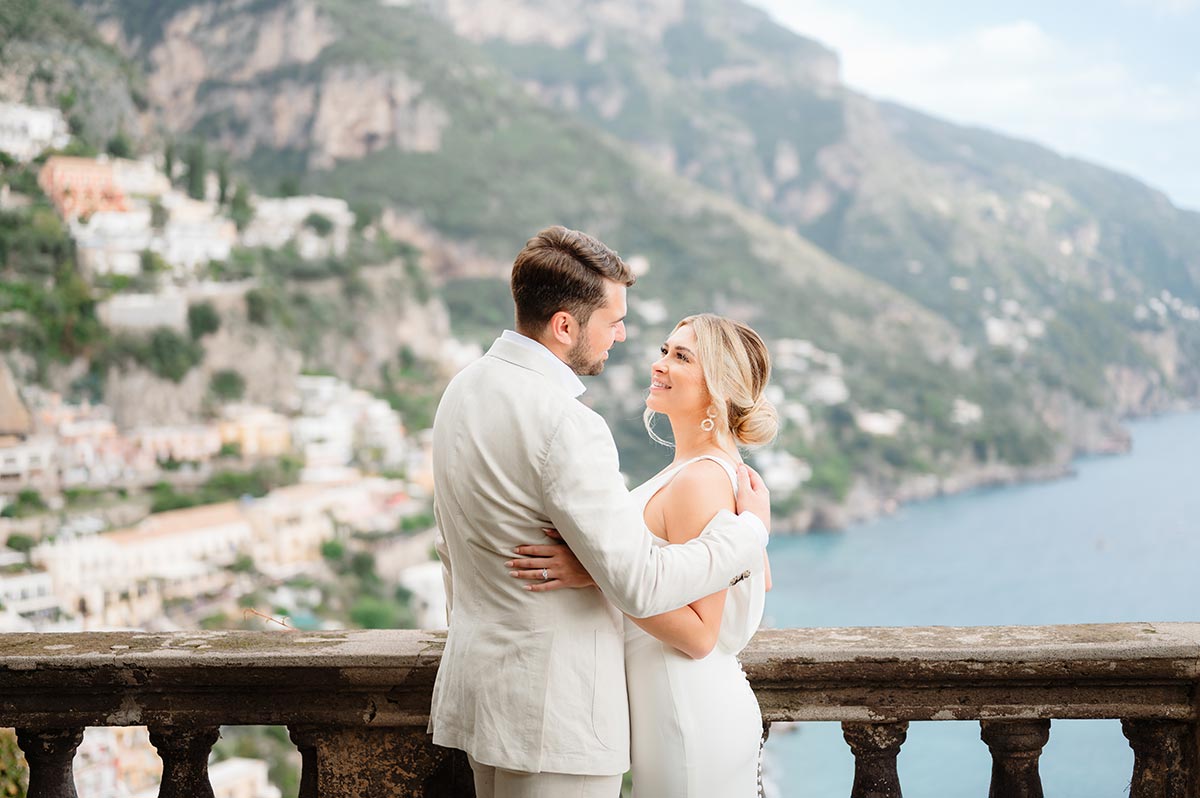
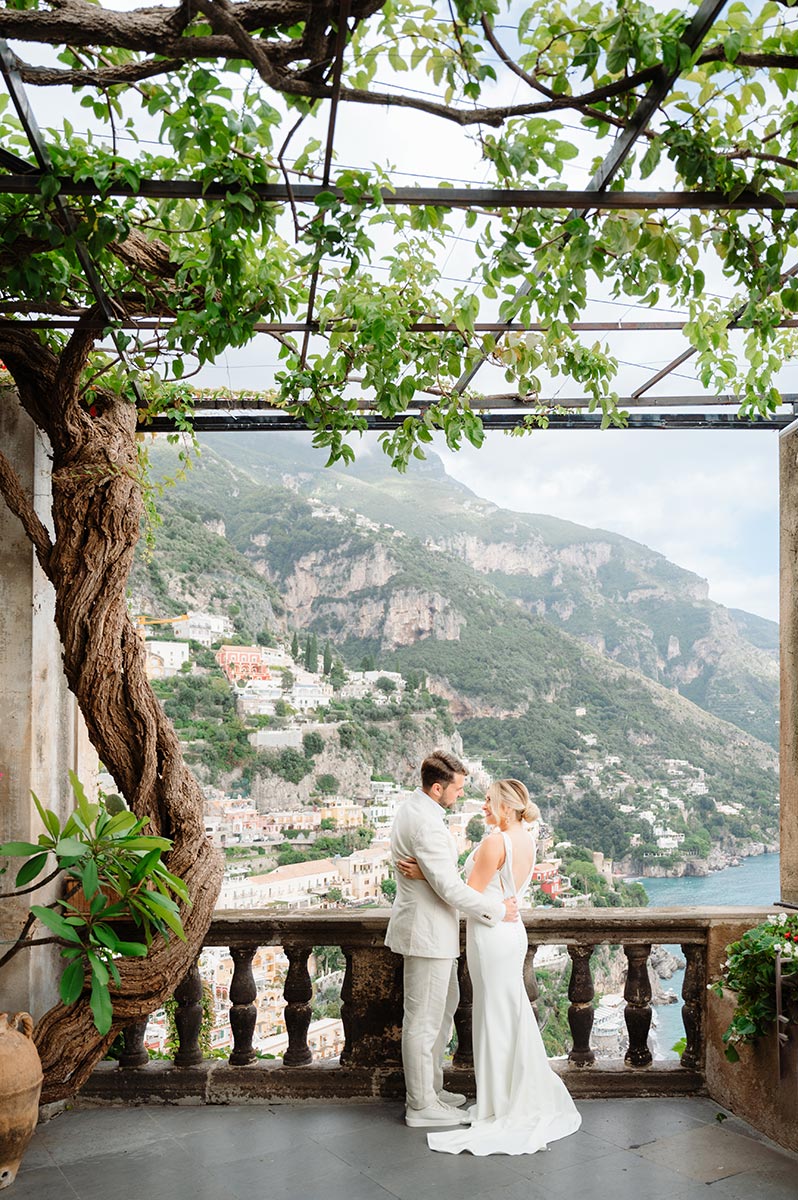

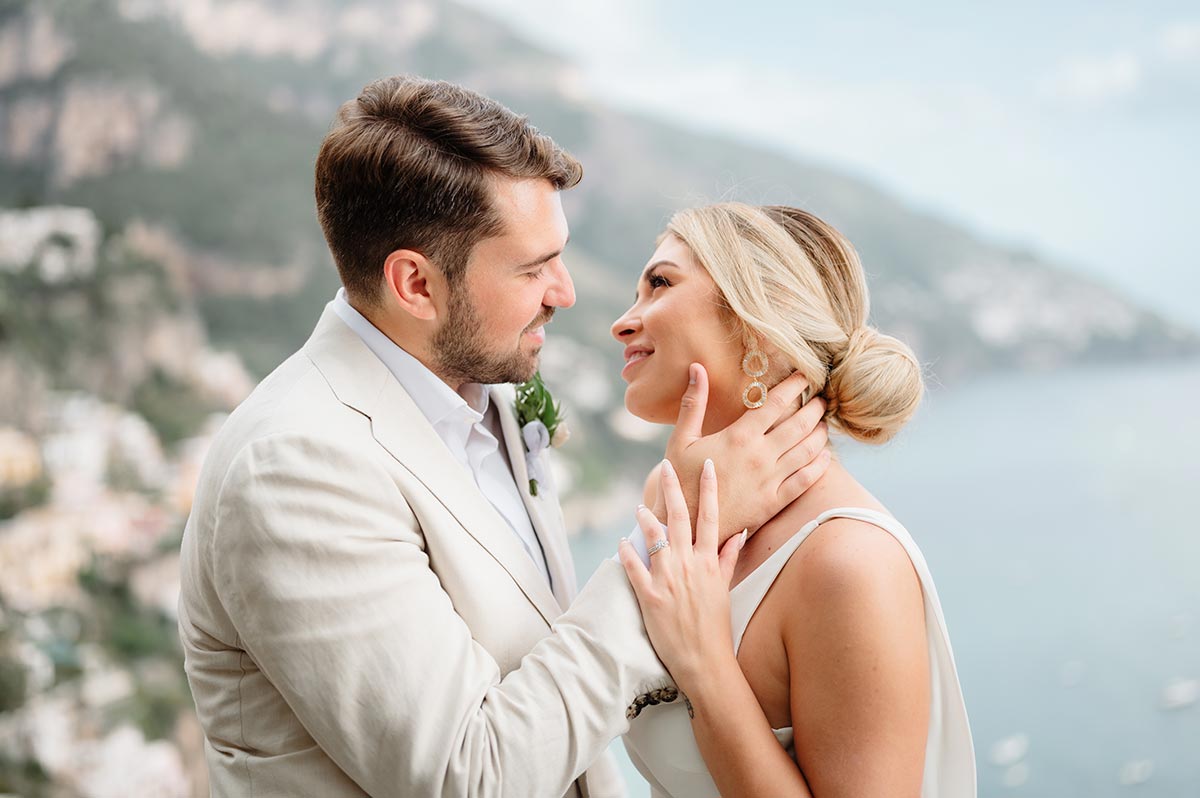
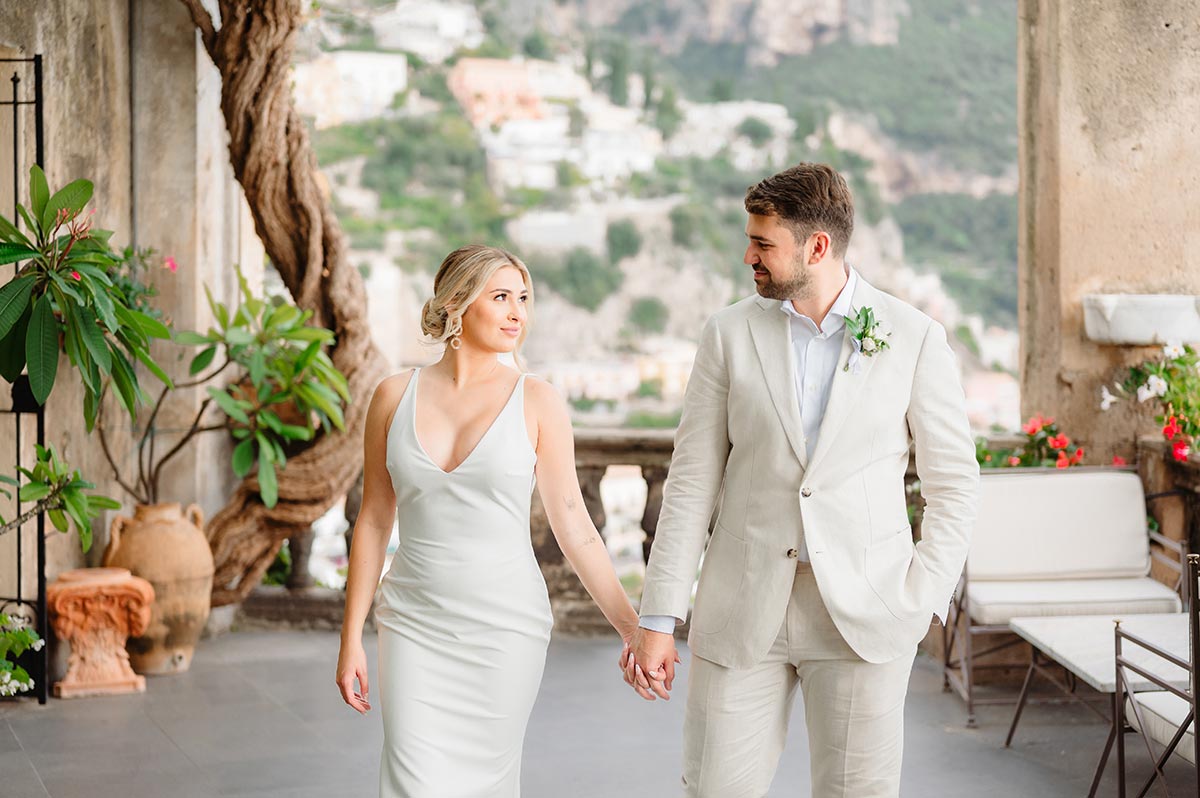
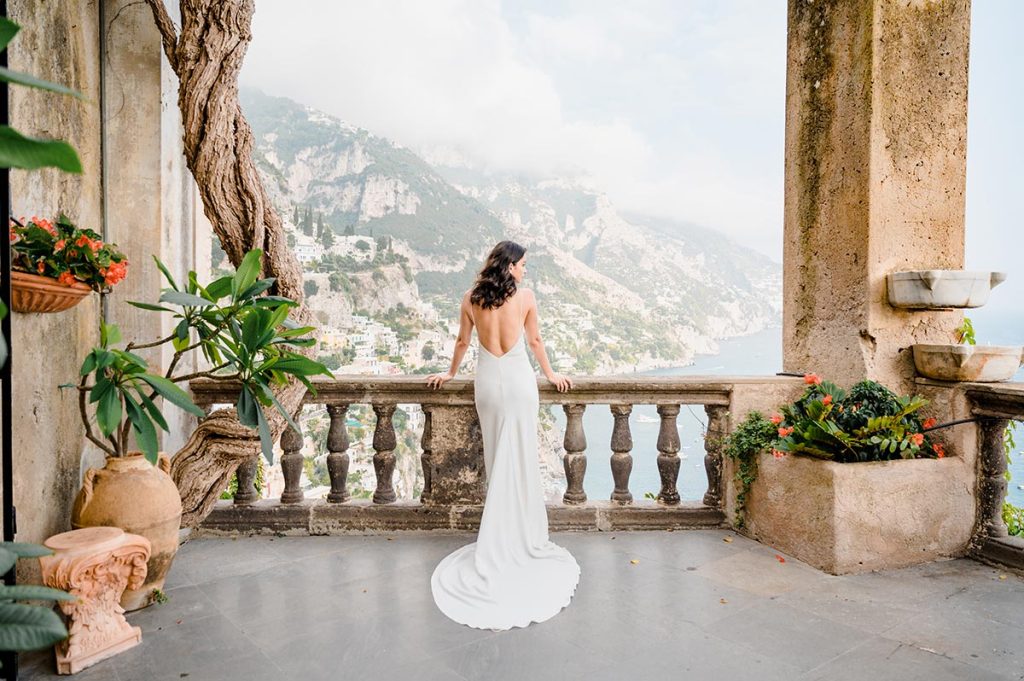
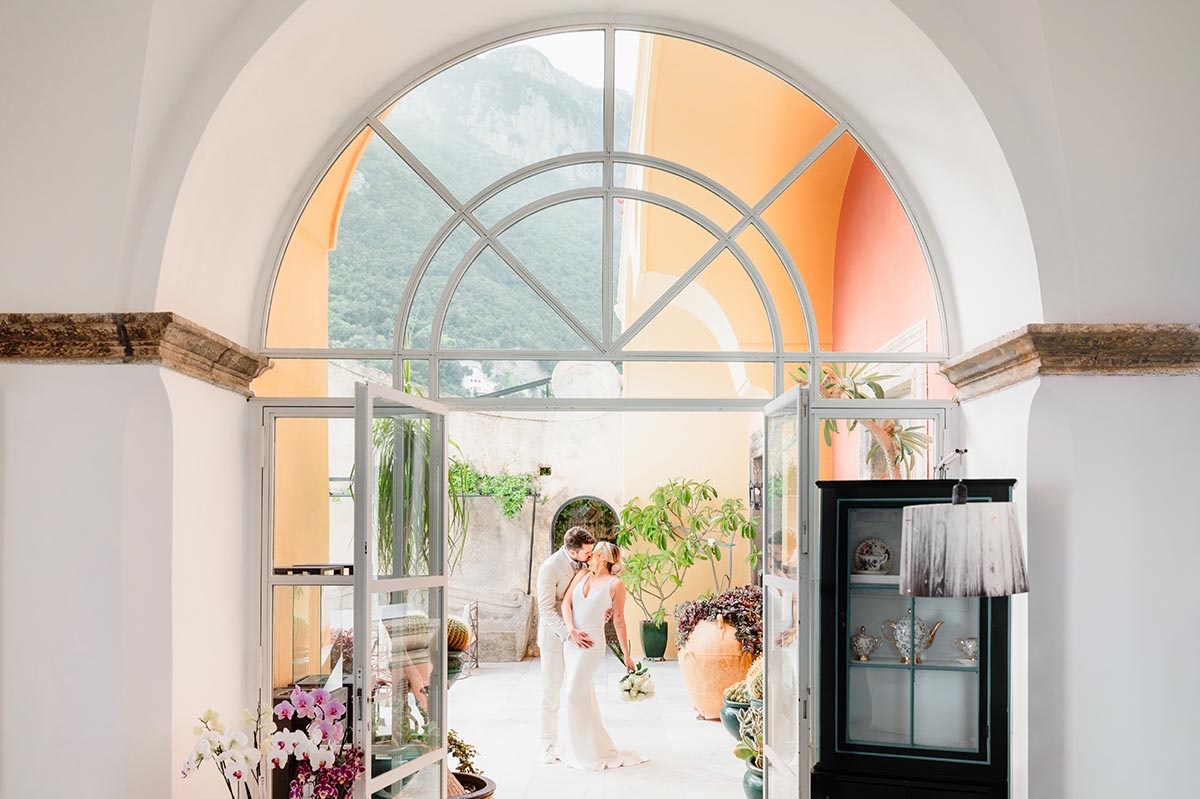
Villa Magia has many unique features that make it a fantastic choice for wedding photography. Firstly, the bridal suite is truly one-of-a-kind, with a swimming pool outside the main door and a panoramic terrace inside. This allows for some incredible photos that truly capture the essence of Positano. Additionally, the venue has a large hall with a vast arched balcony that is perfect for capturing intimate moments and stunning coast views.
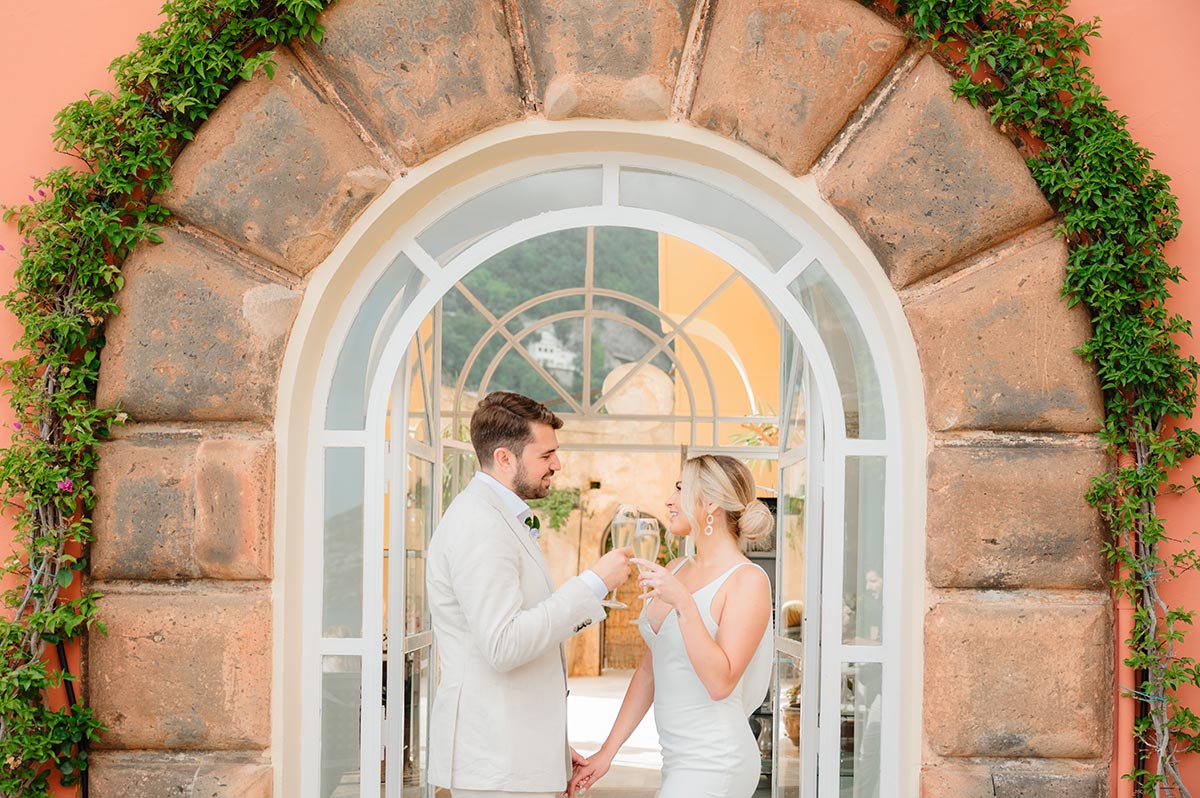
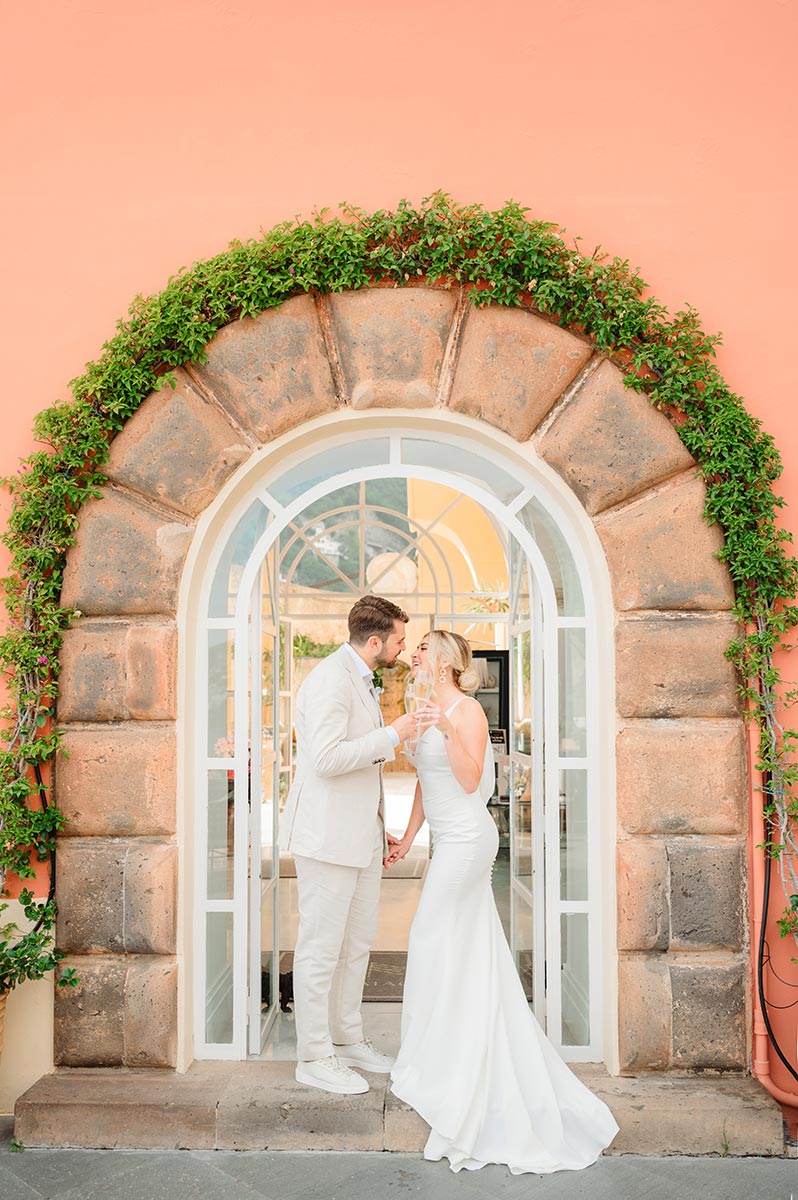
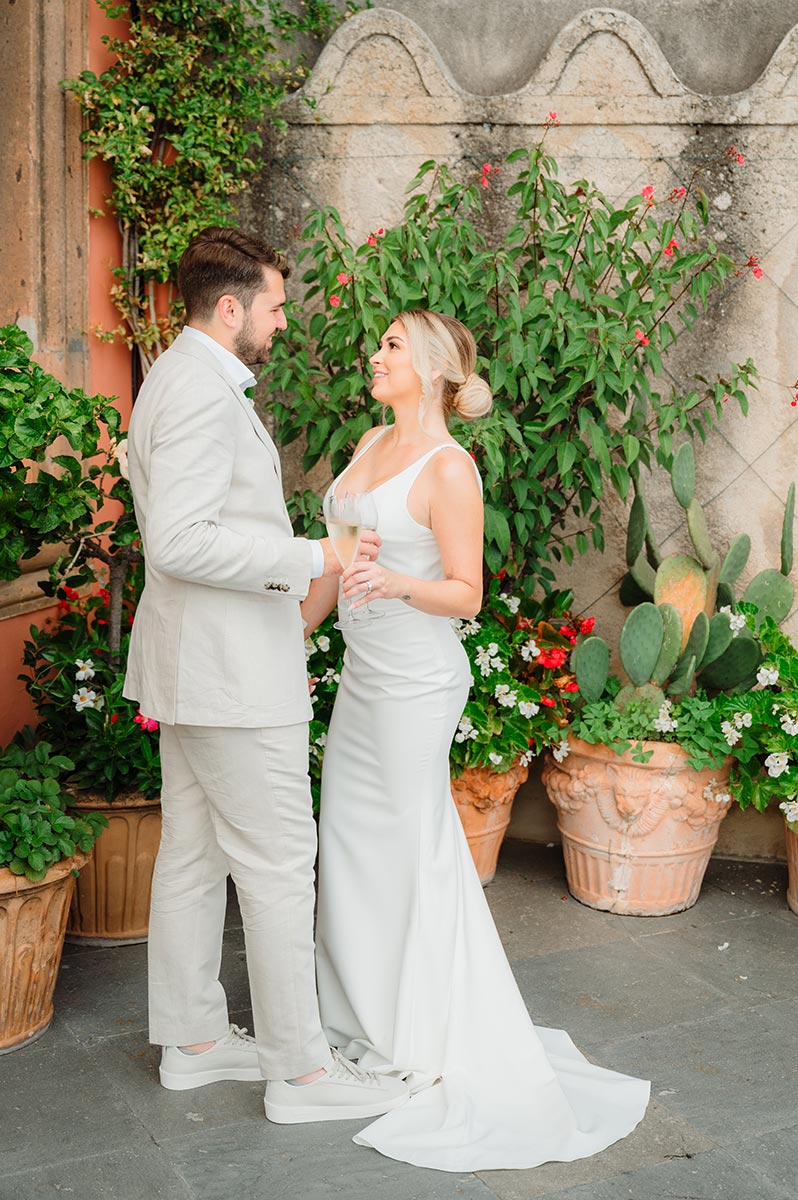
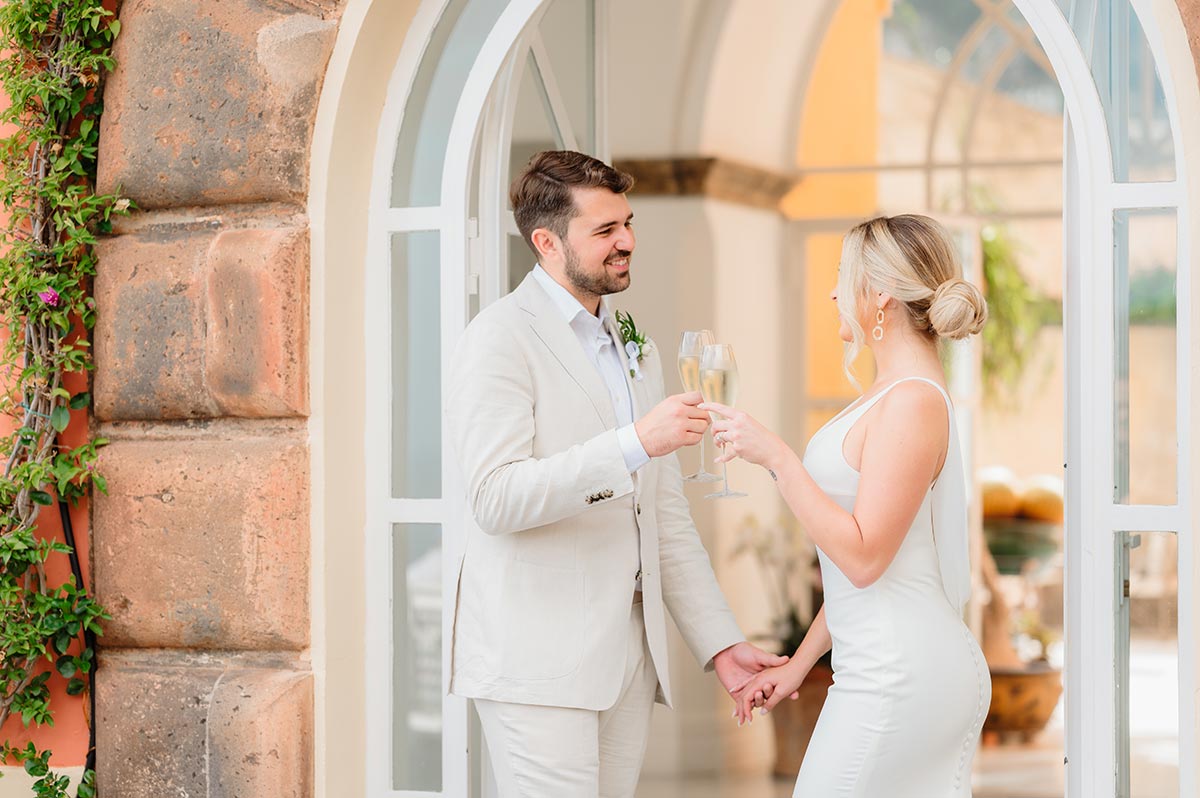
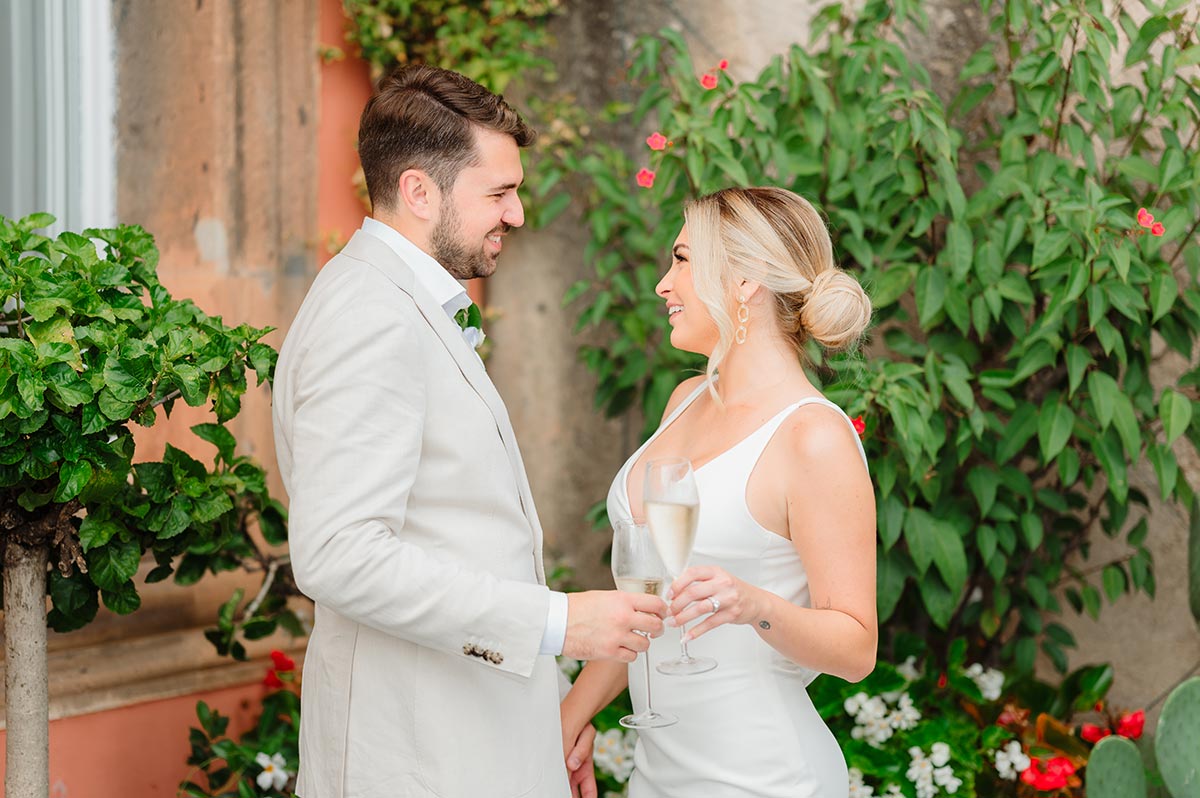
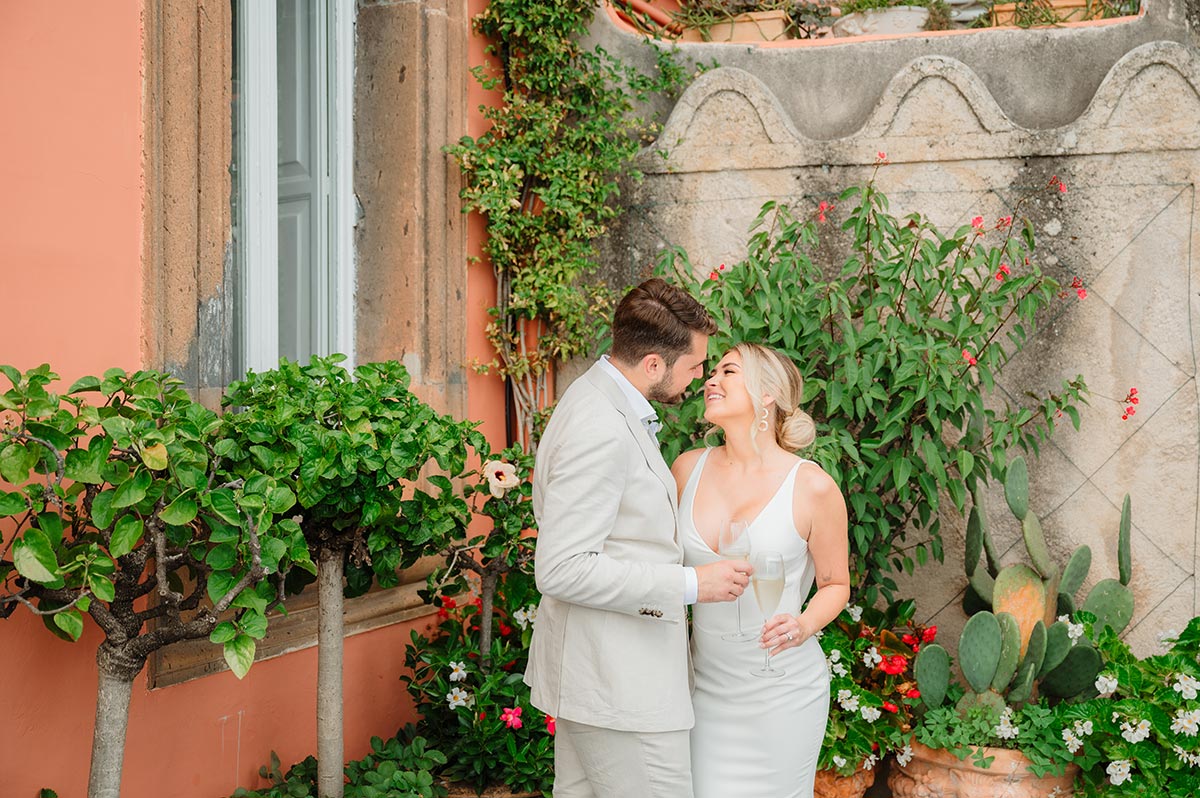
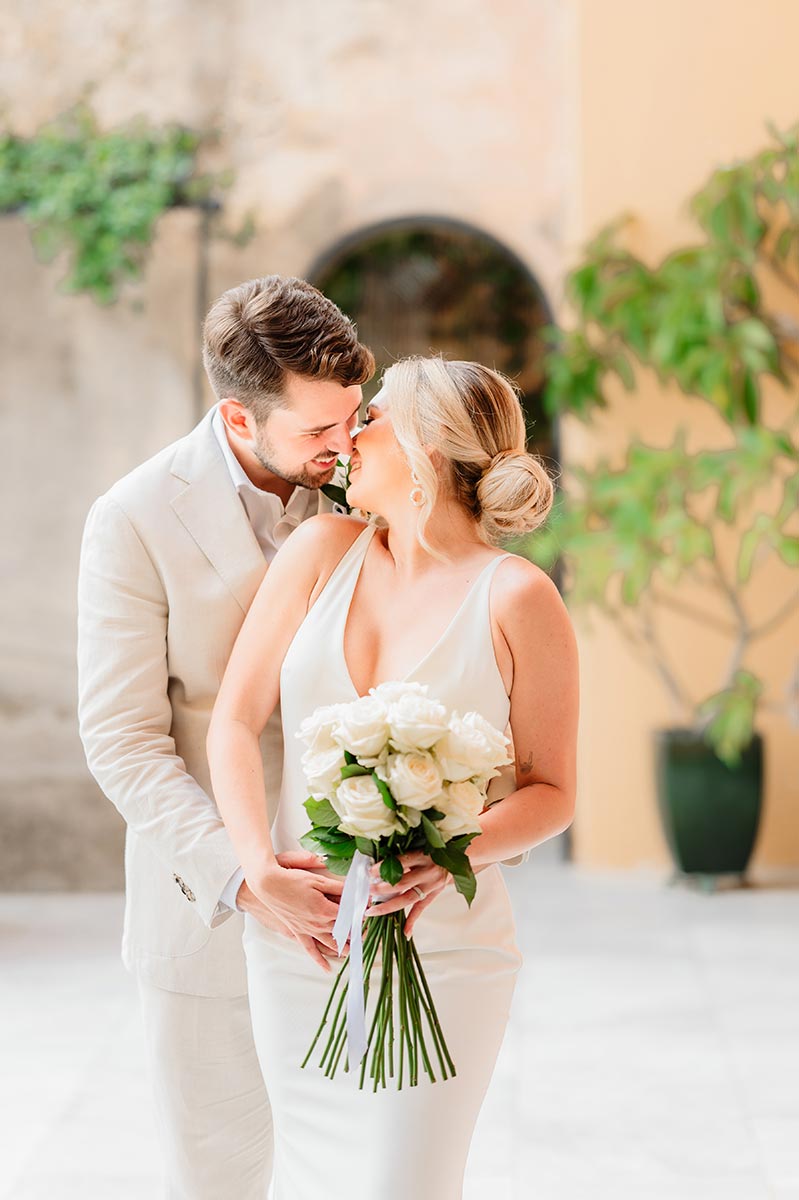
Another aspect of Villa Magia that makes it perfect for wedding photography is its beautiful inner courtyard. These courtyards blend history, architecture, and nature and provide the perfect setting for timeless photos with ideal light. The greenery and climbing plants are a photographer’s dream, offering a stunning backdrop for the wedding party.
POSITANO EXPERIENCE
Discover the best way to plan a romantic wedding in Positano, and hire an Italian wedding photographer.
AIRY AND MODERN
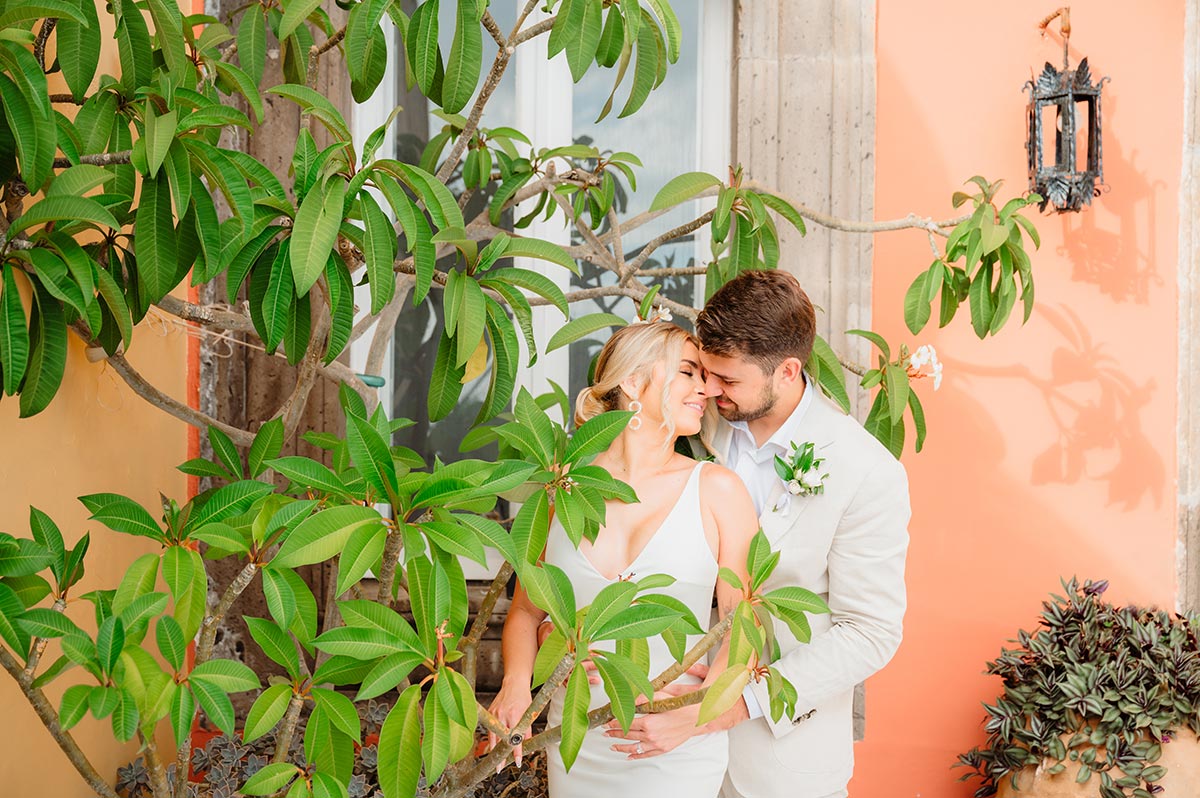
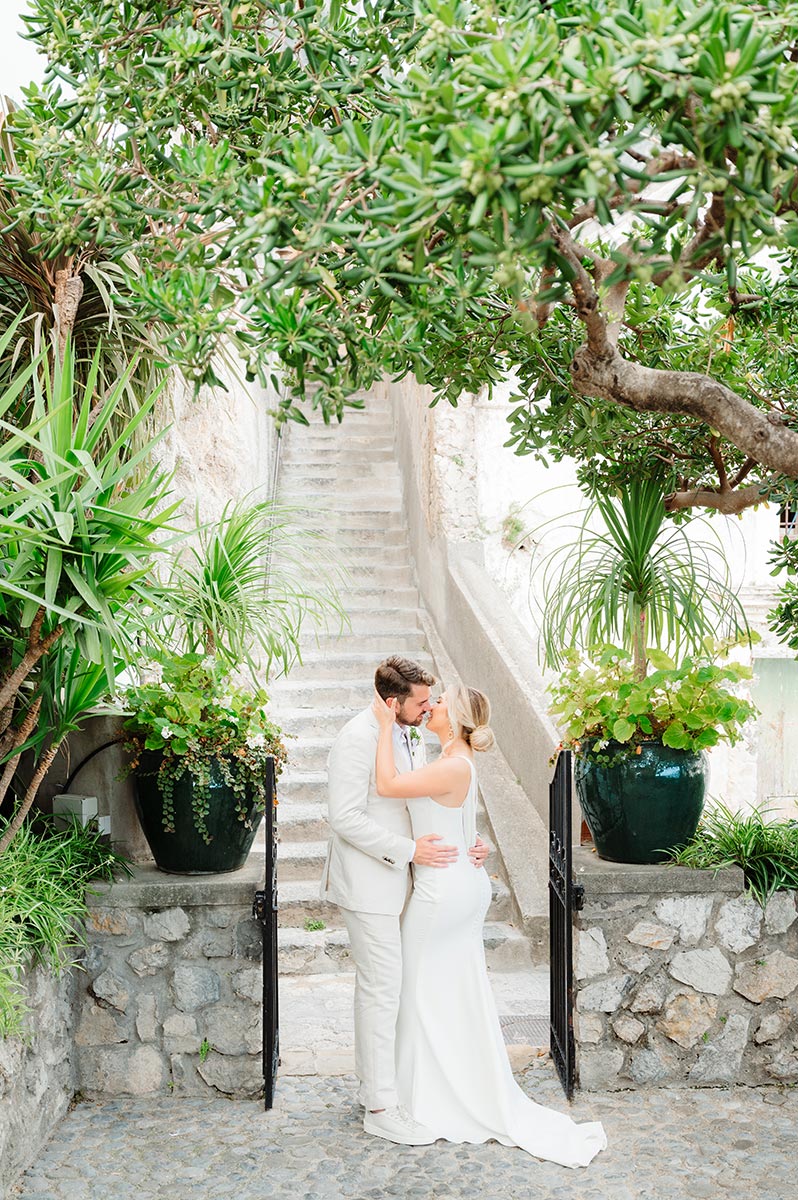
The lush gardens, sparkling fountains, and picturesque walkways surrounding Villa Magia offer countless opportunities for outdoor photos that perfectly capture the essence of the Amalfi Coast. Whether capturing the bride and groom as they stroll hand-in-hand or capturing their guests’ happiness and excitement, the Villa Magia grounds offer a truly idyllic setting for wedding photography. The gardens provide the perfect backdrop for intimate ceremonies, outdoor receptions, and other wedding-related events.
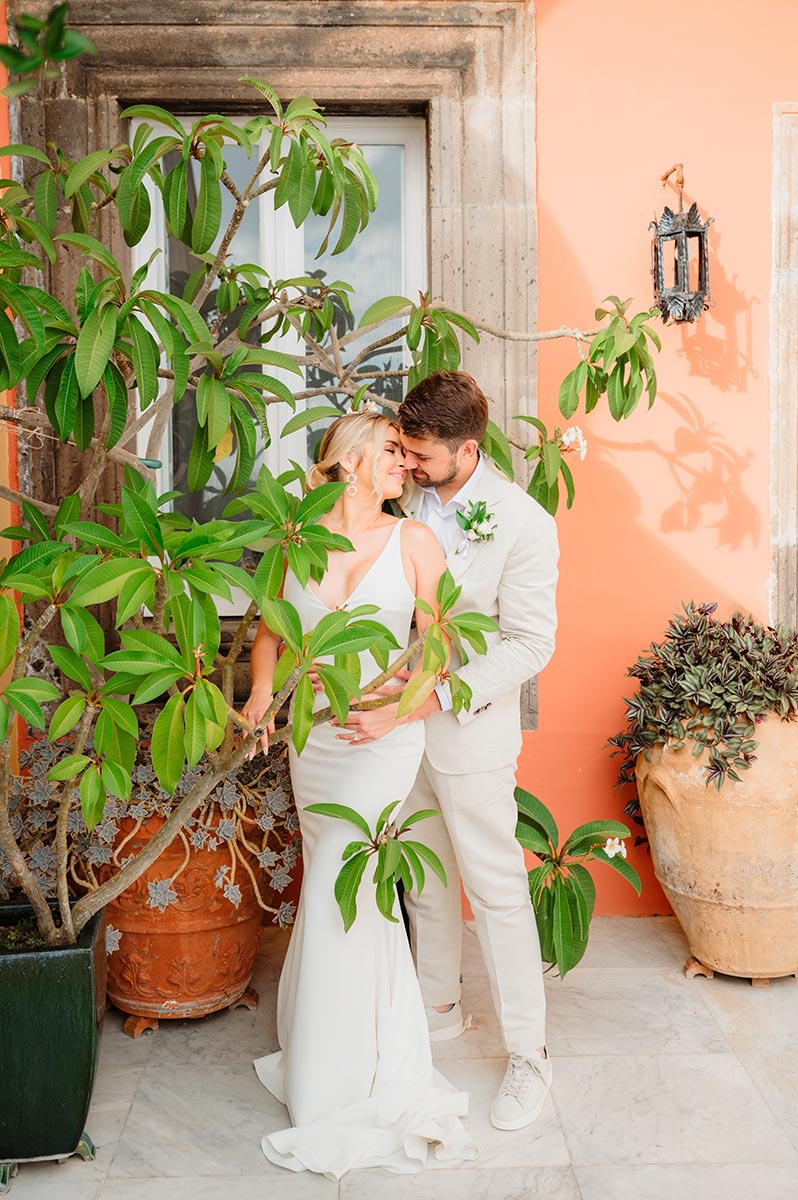
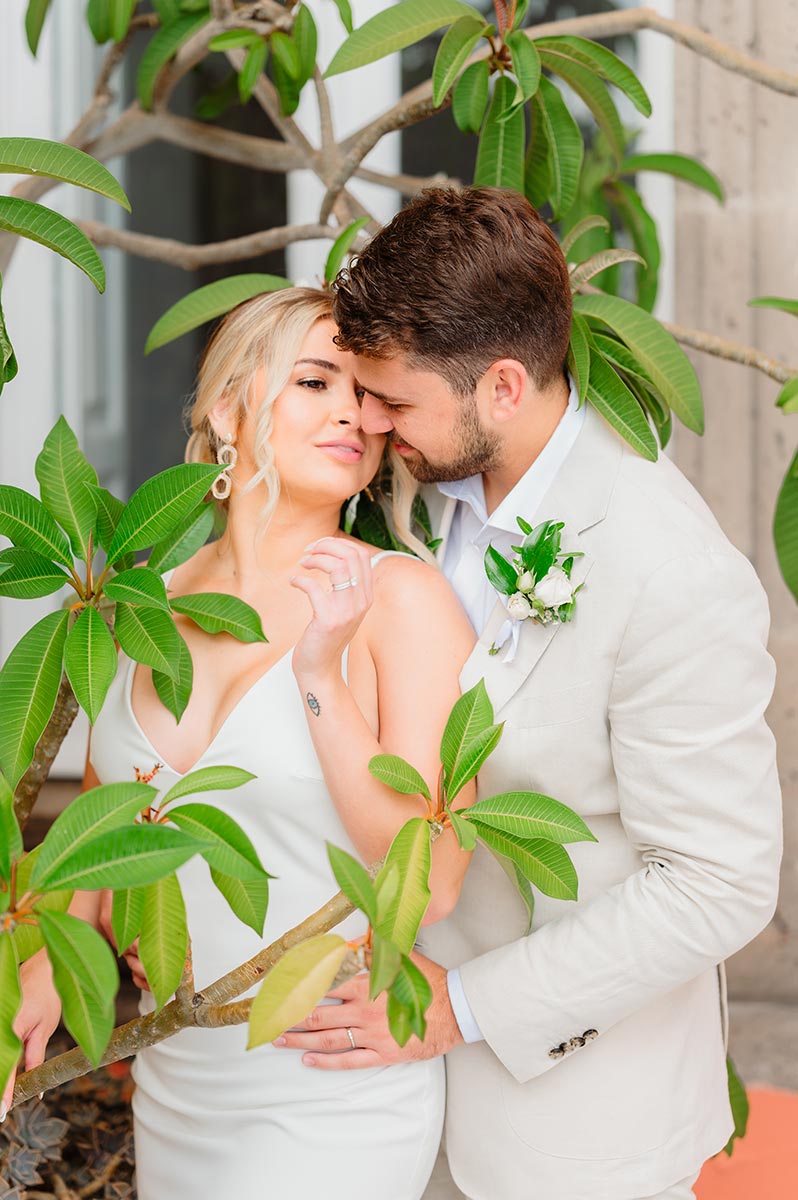
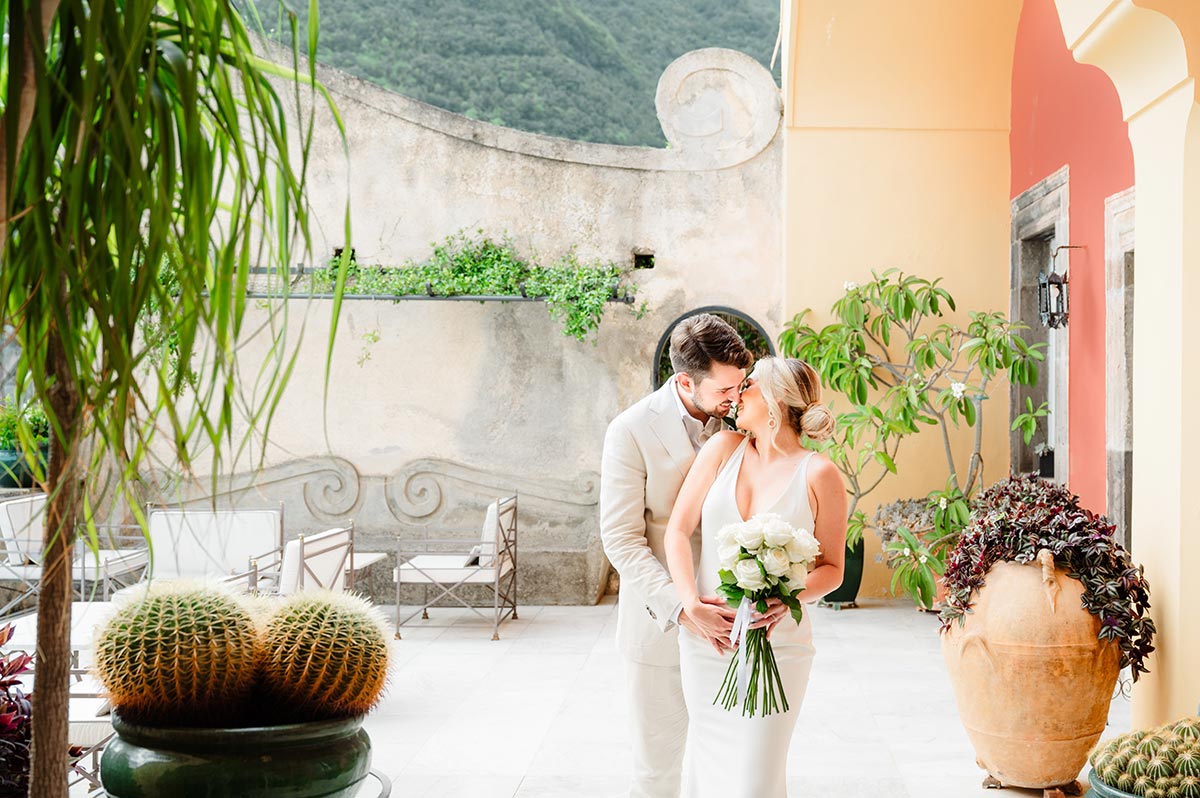
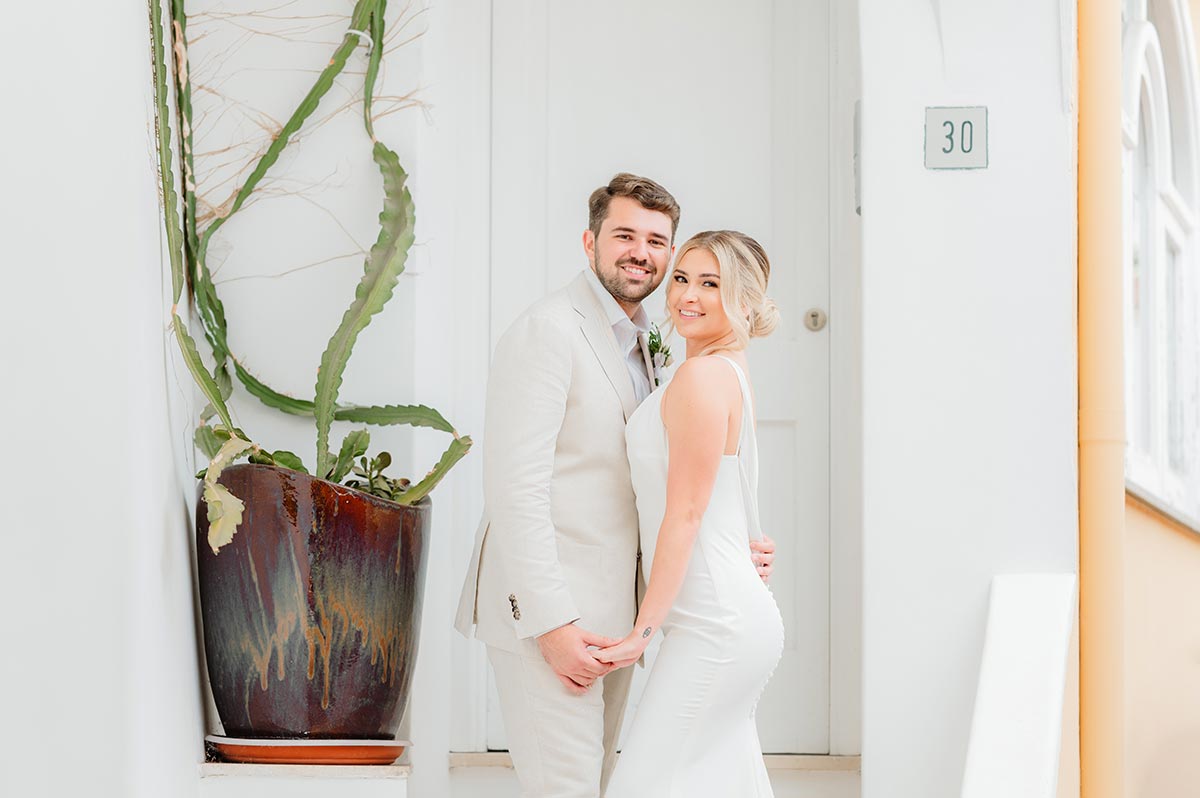
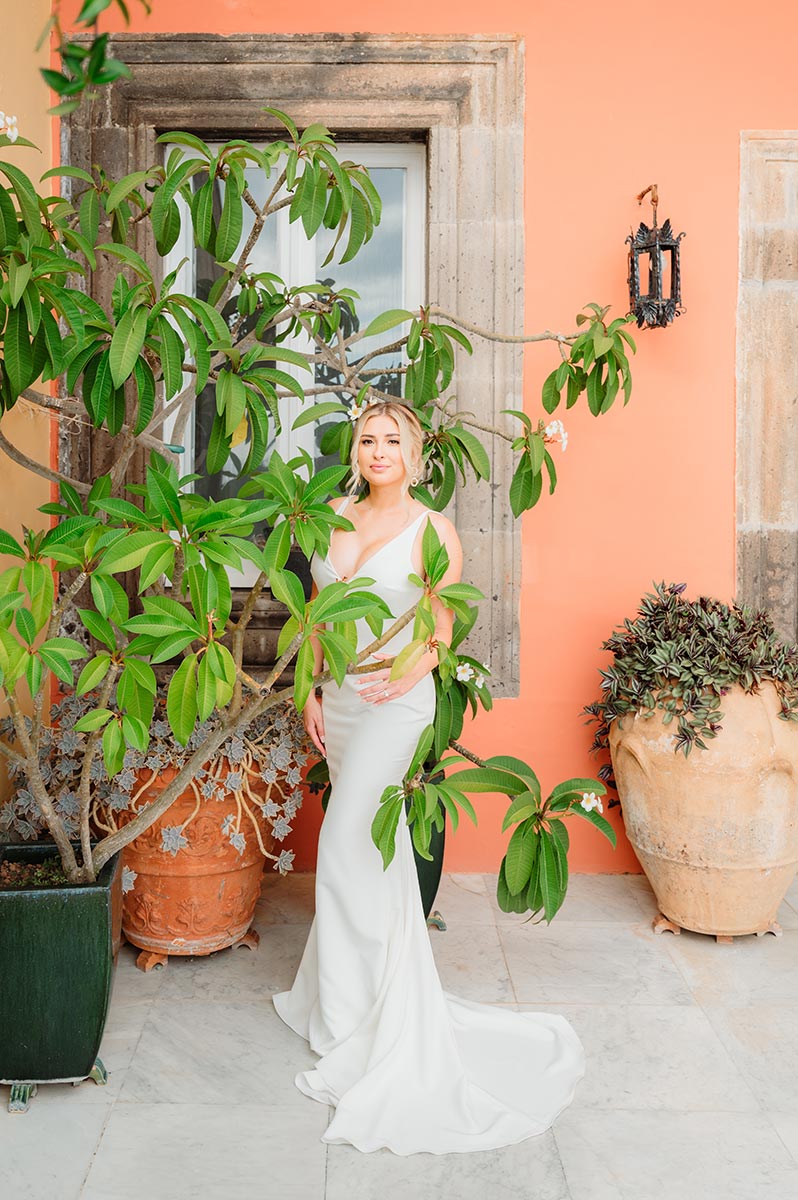
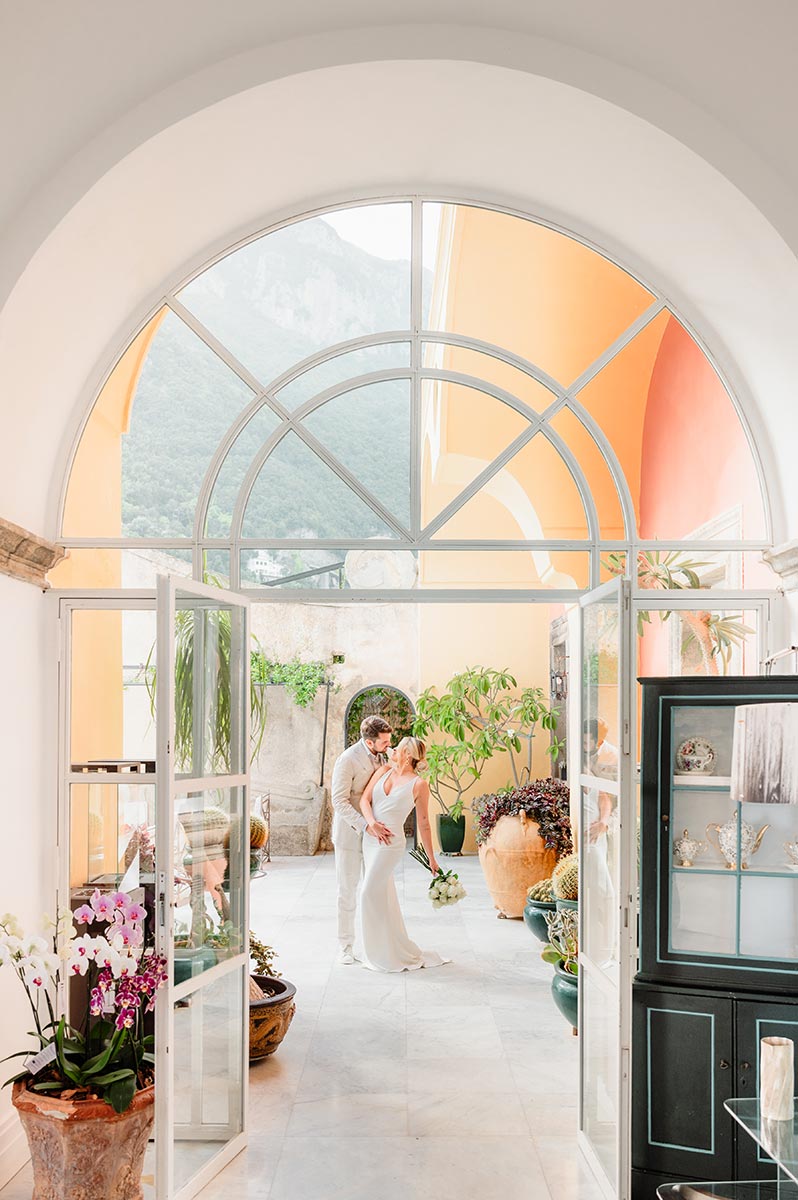
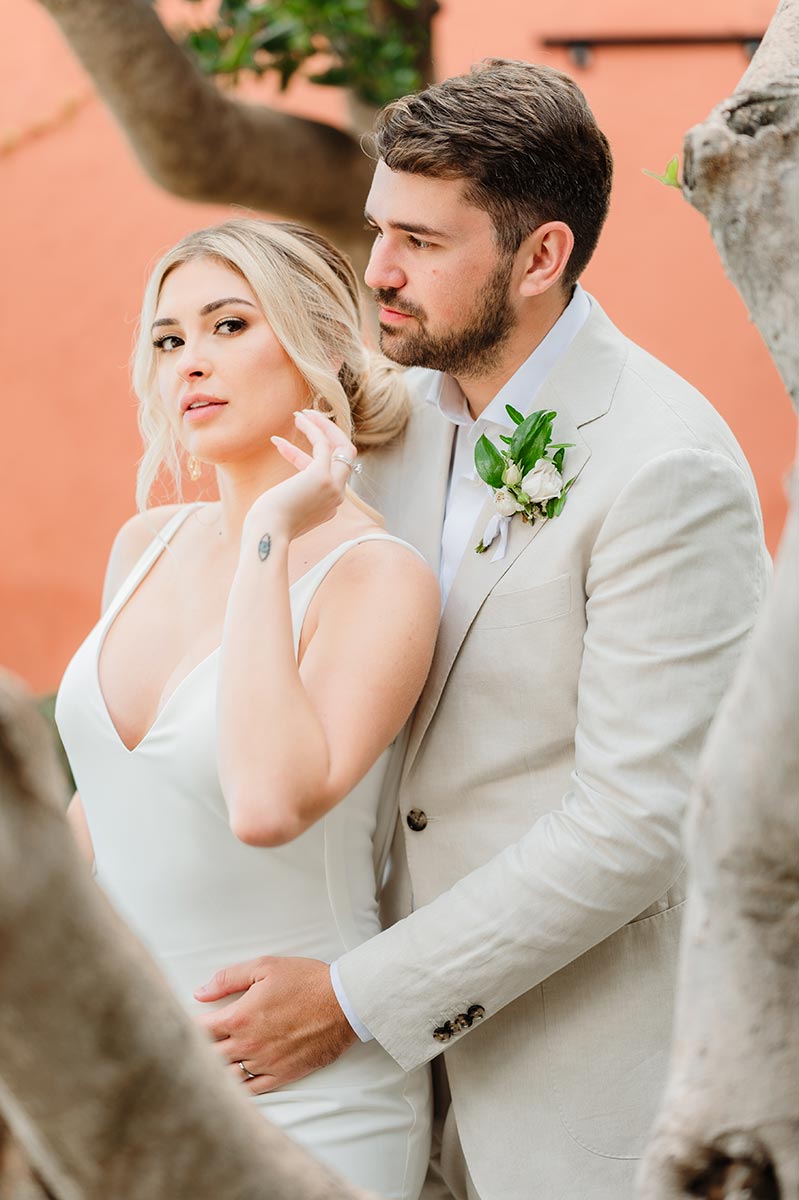
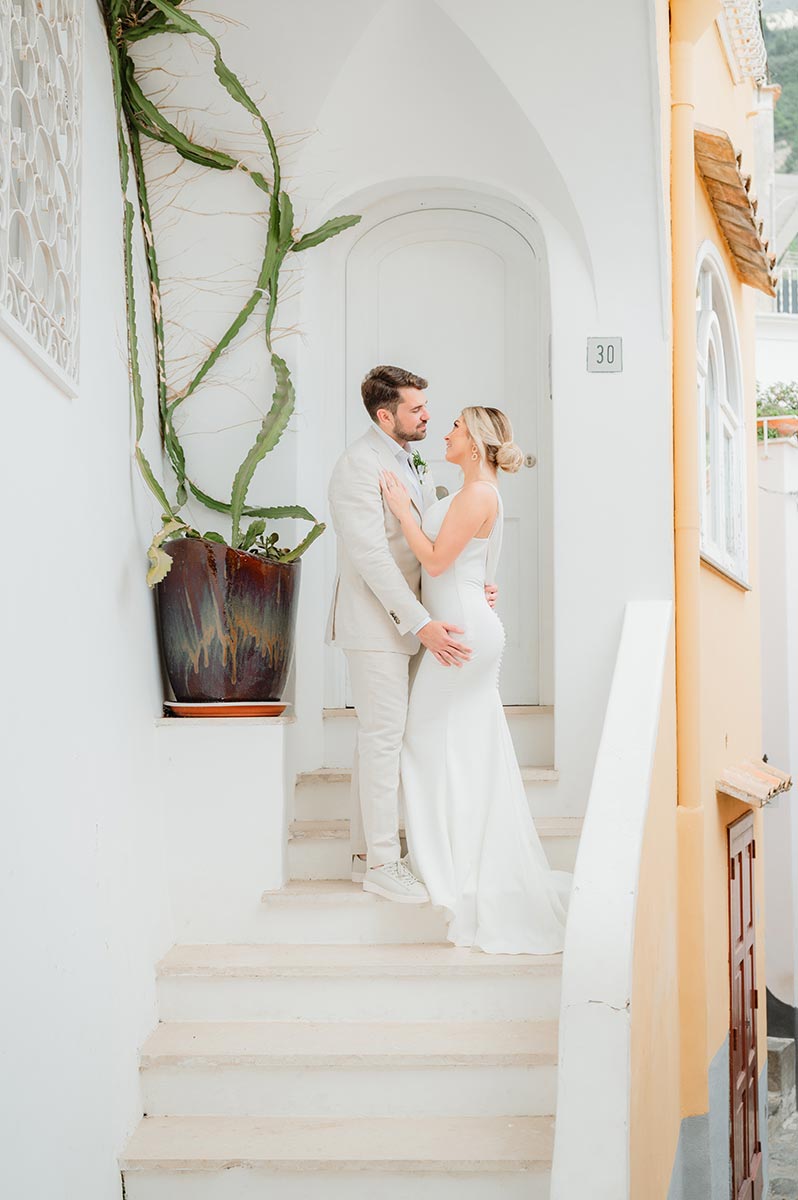
If you are looking for a wedding venue in Positano that offers stunning views, unparalleled hospitality, and endless opportunities for breathtaking photography, then Villa Magia is a perfect choice. This historic venue has a unique combination of history, architecture, and natural beauty that is unmatched by any other venue. And as a local photographer, I have the knowledge and experience to make the most of every aspect of this beautiful venue, ensuring that your wedding photos are truly unforgettable.

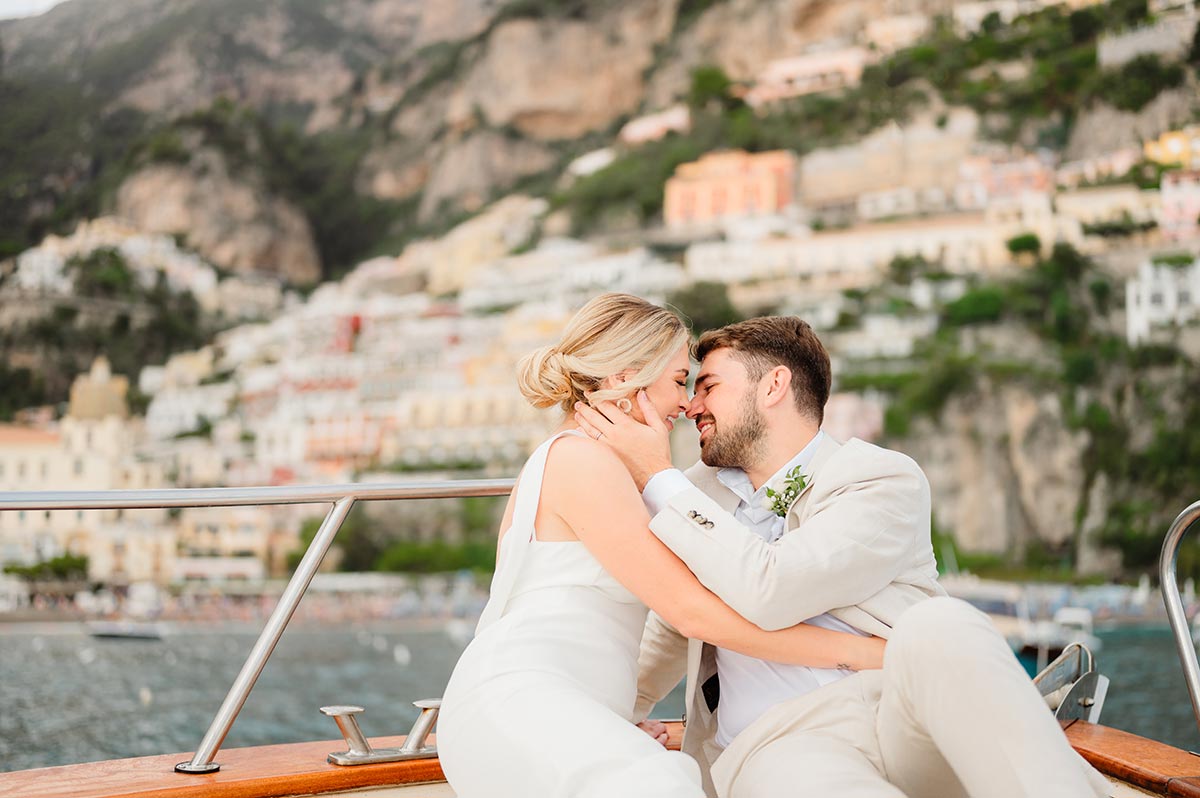
Choosing a Boat for Your Sunset Trip
When it comes to choosing a boat for your sunset trip, there are a few things you should keep in mind. First, you’ll want to consider the size of the boat and the number of passengers it can accommodate. Suppose you’re planning an intimate elopement with just the two of you. In that case, you may want to opt for a smaller, more intimate vessel, yet keep in mind that as a professional photographer in Positano, we need space between you and us to get good pictures. So the boat must be more prominent.

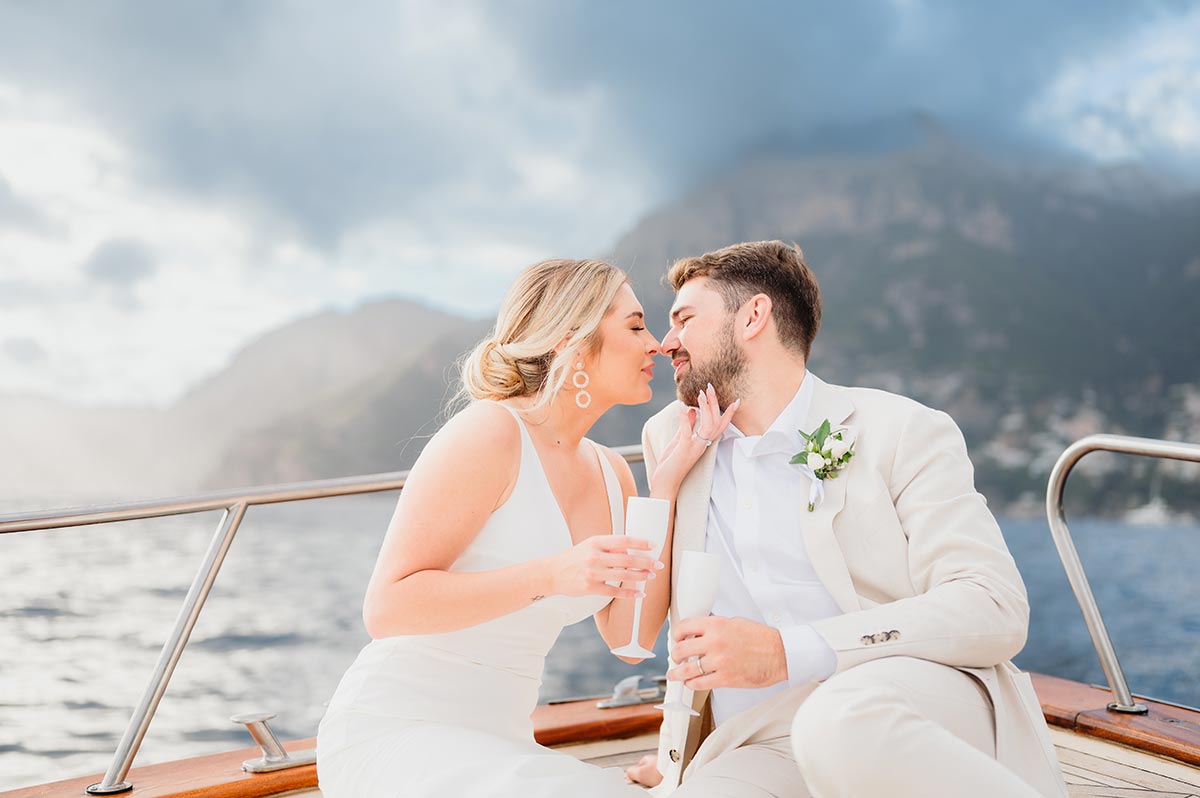
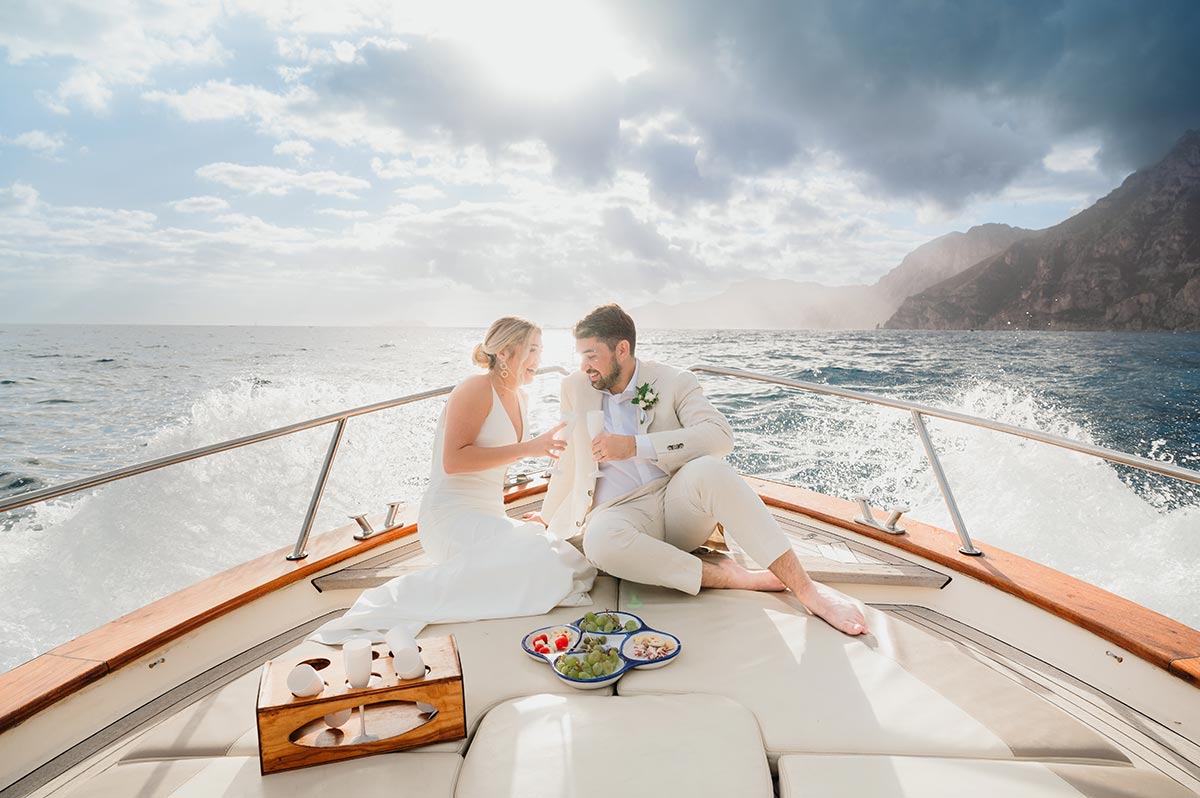

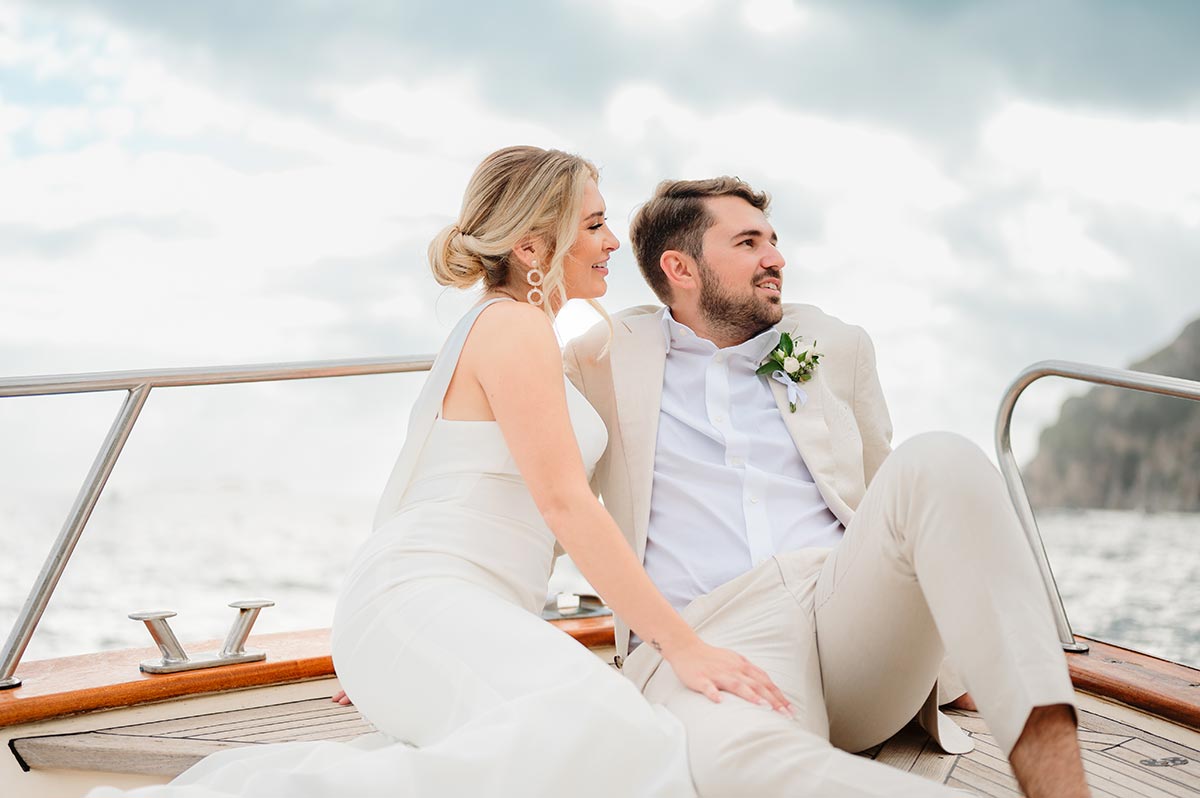
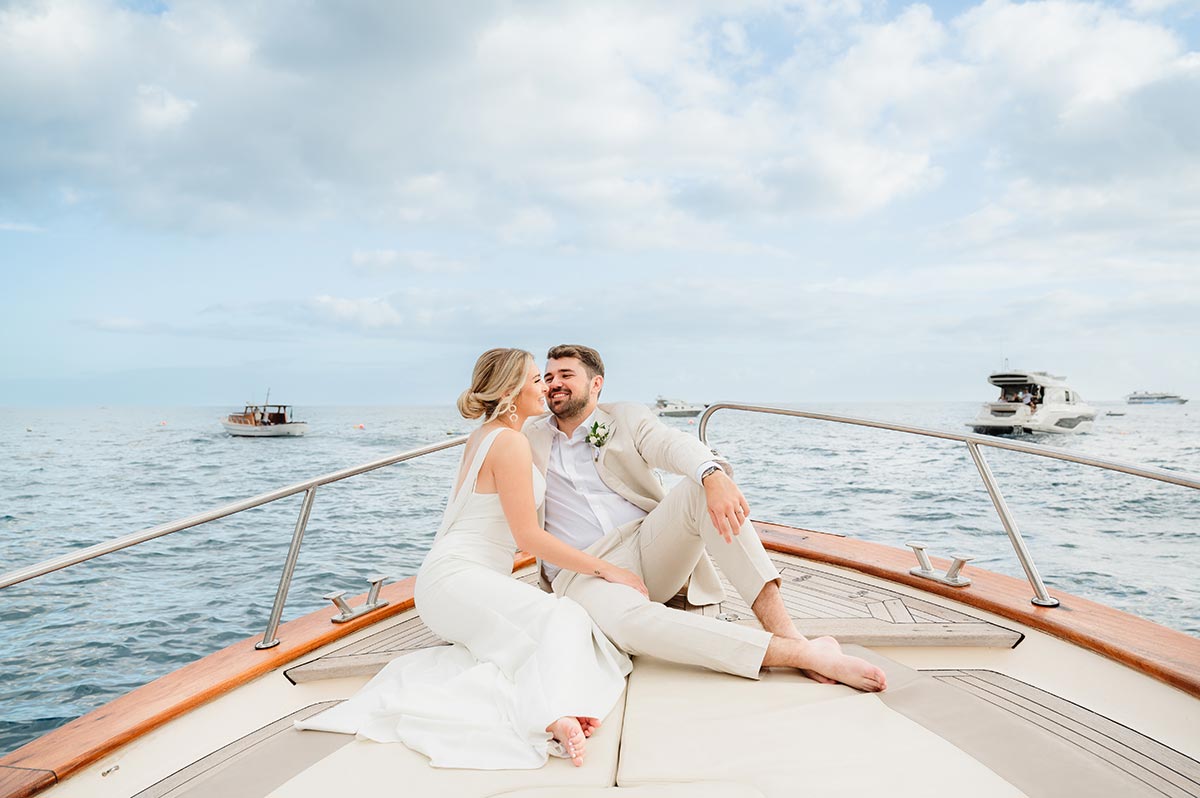
On the other hand, if you’re planning a more significant celebration with friends and family, you’ll want to choose a boat that can accommodate a larger group. A relevant factor to consider is the type of boat. Positano offers a variety of boats to choose from, including speedboats, motorboats, and traditional wooden vessels. Consider your personal preferences and the type of experience you’re looking for, and select the boat that best fits your needs.
As photographers based on the Amalfi Coast, we are in close contact with several companies that offer professional services for boat trips during sunset in Positano. Our extensive experience in this industry makes us well-equipped to recommend the best and most reliable service providers for your needs.
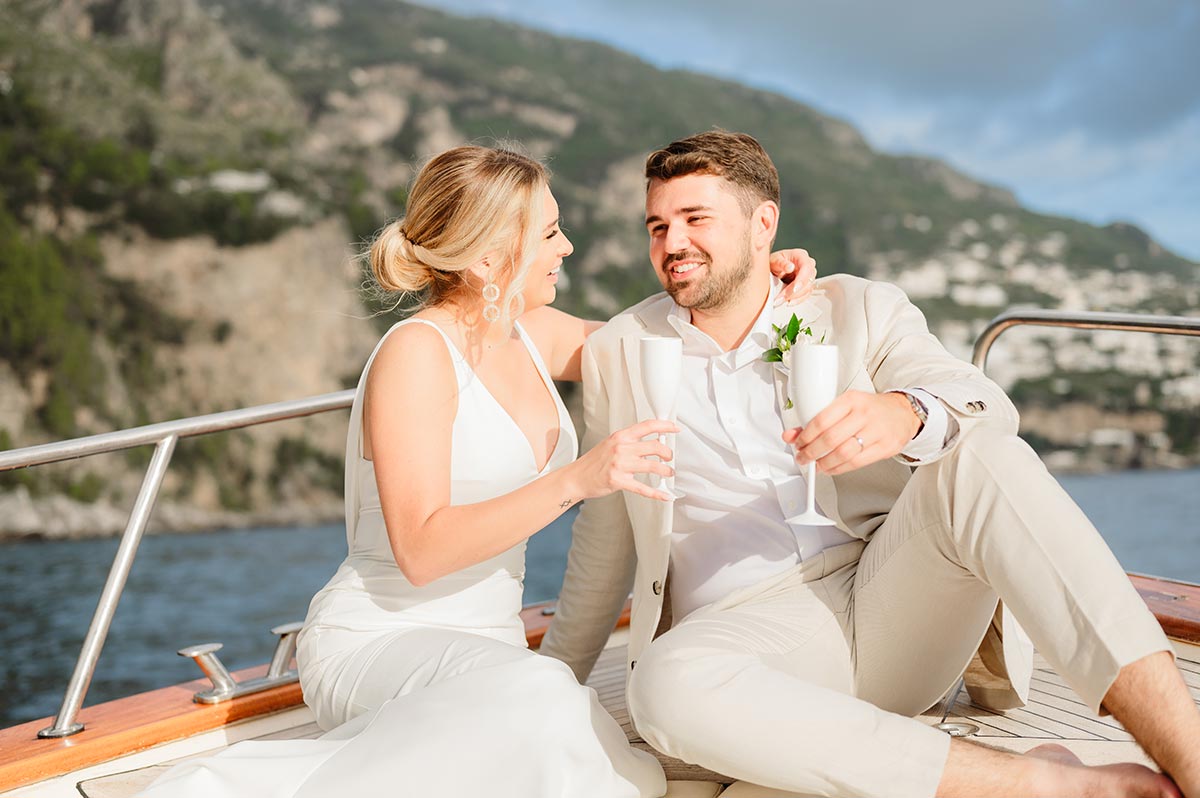

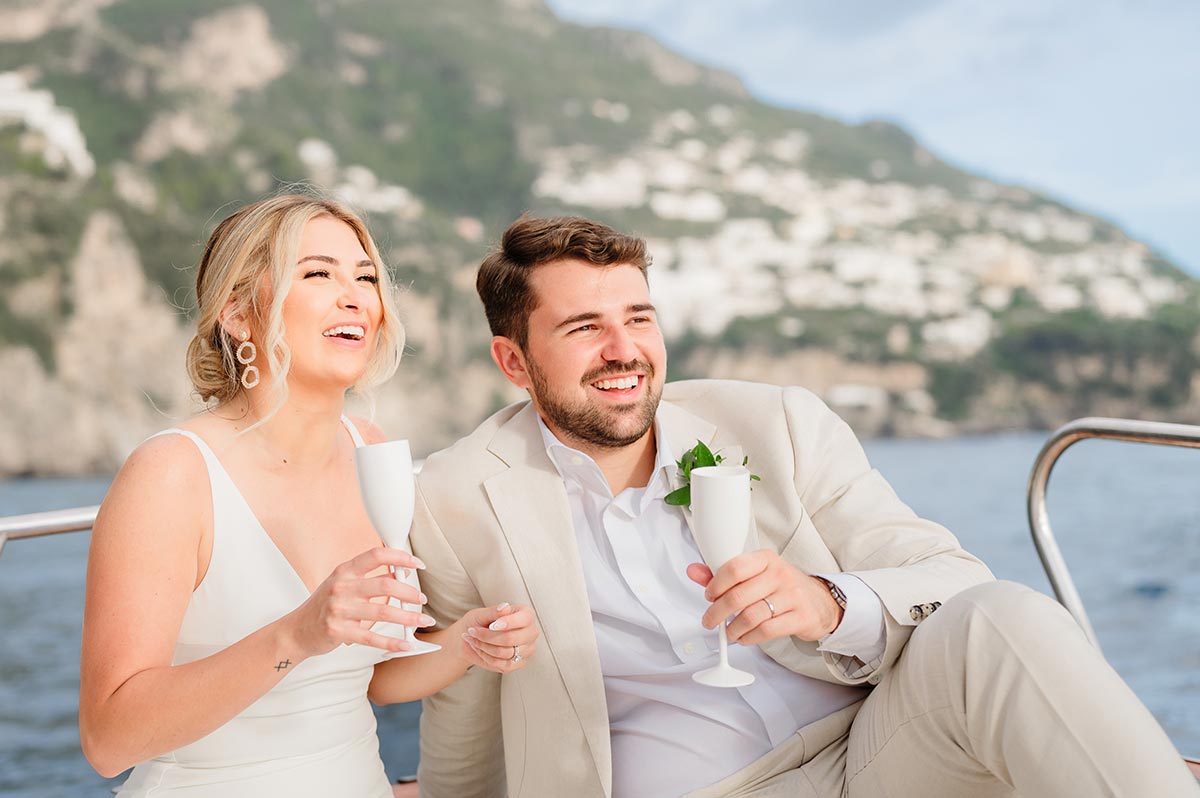
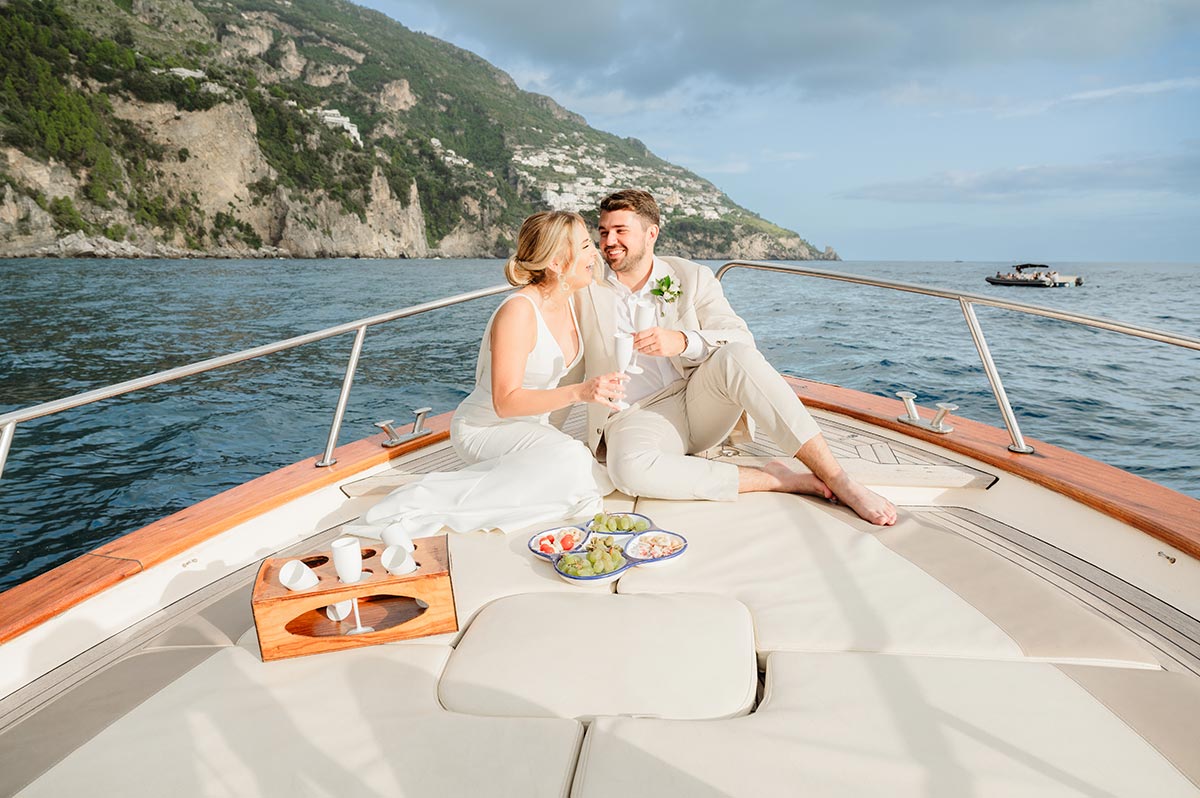
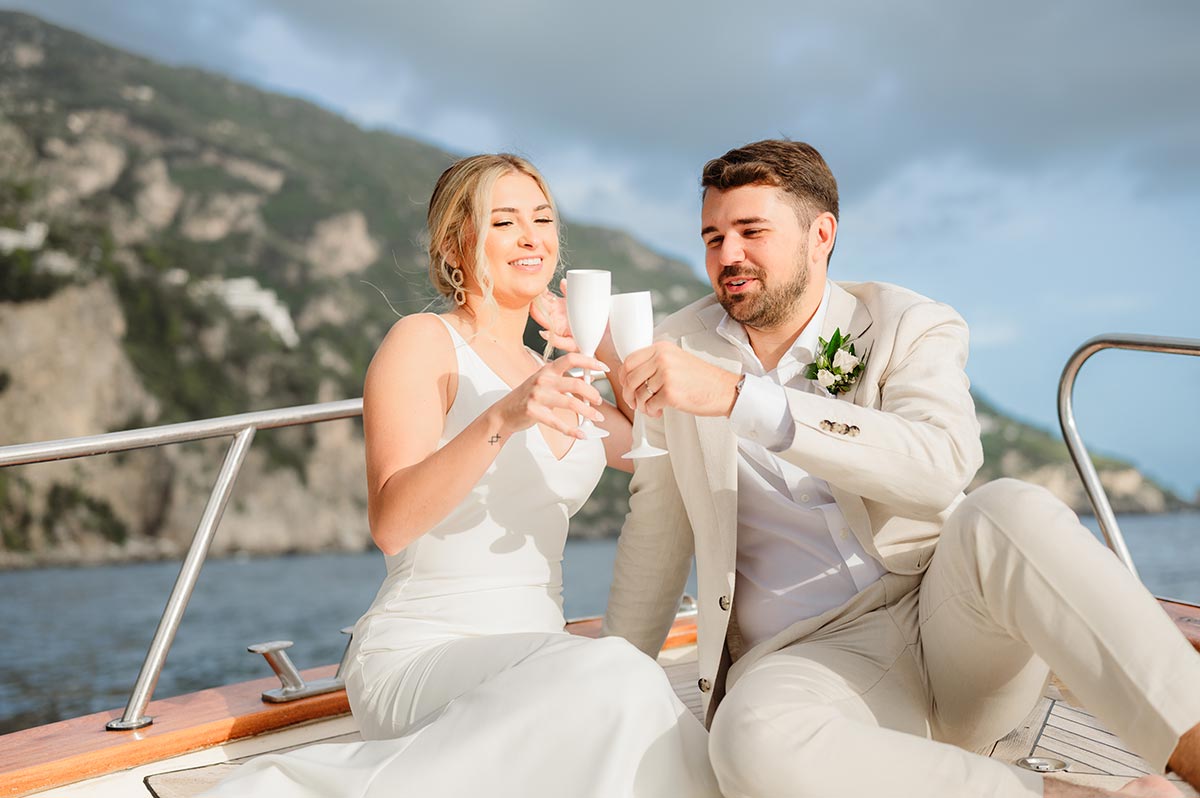
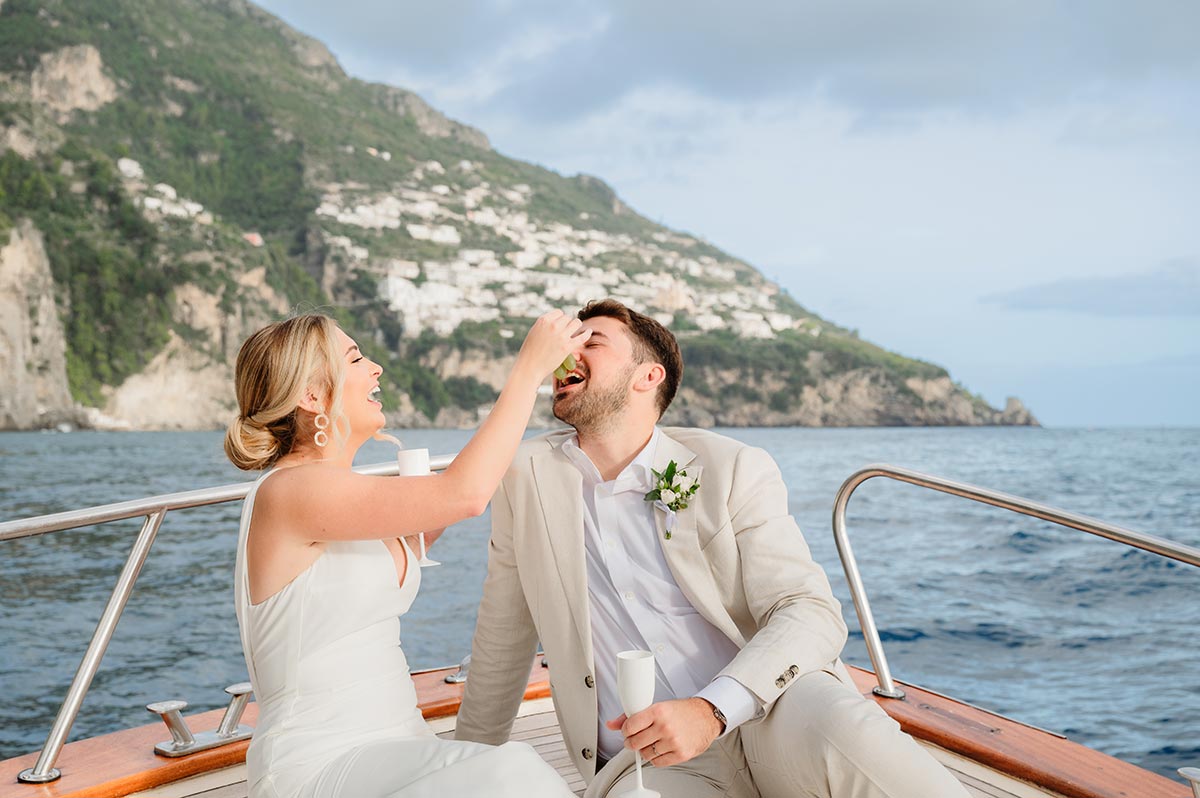
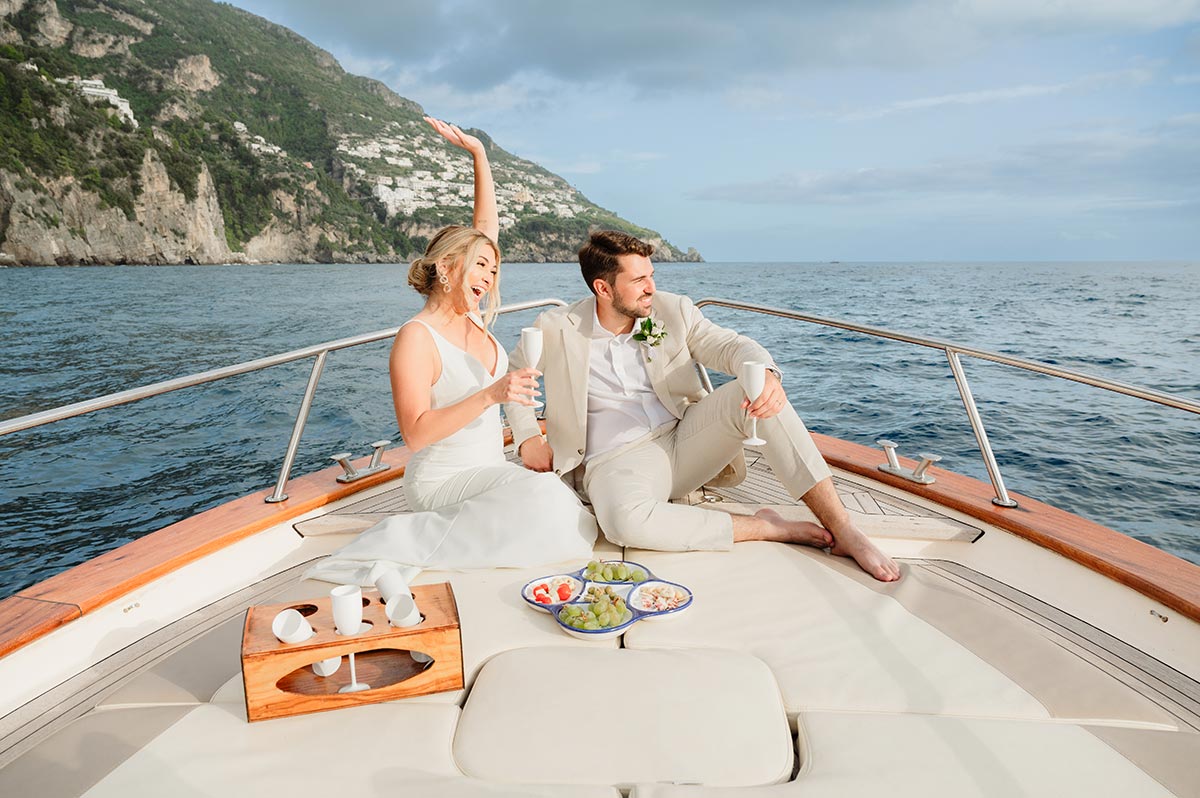
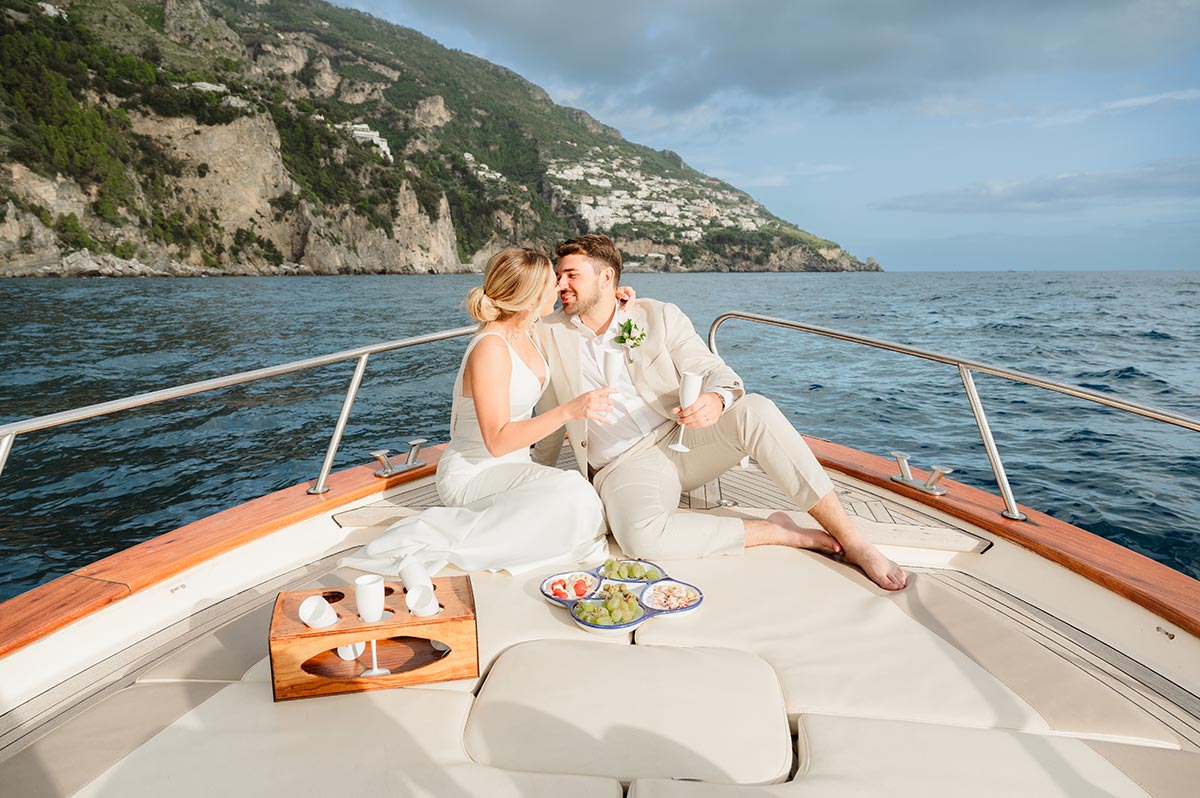
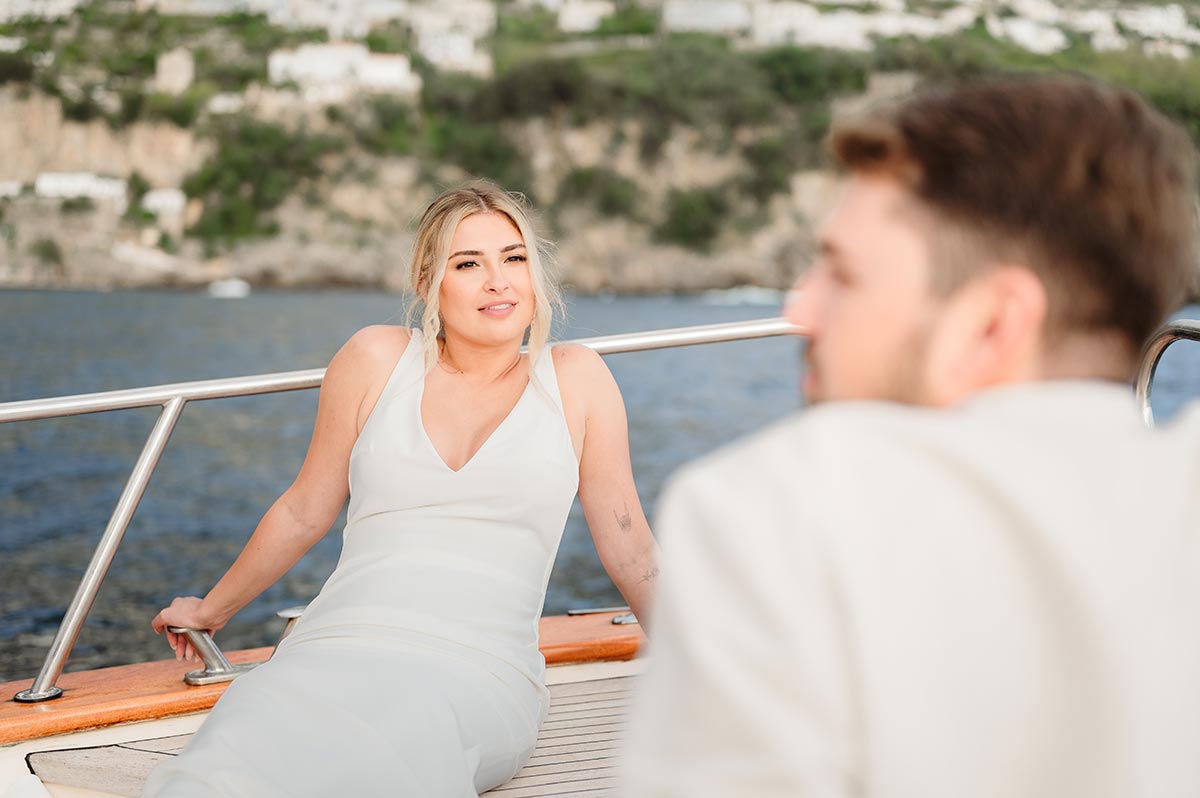
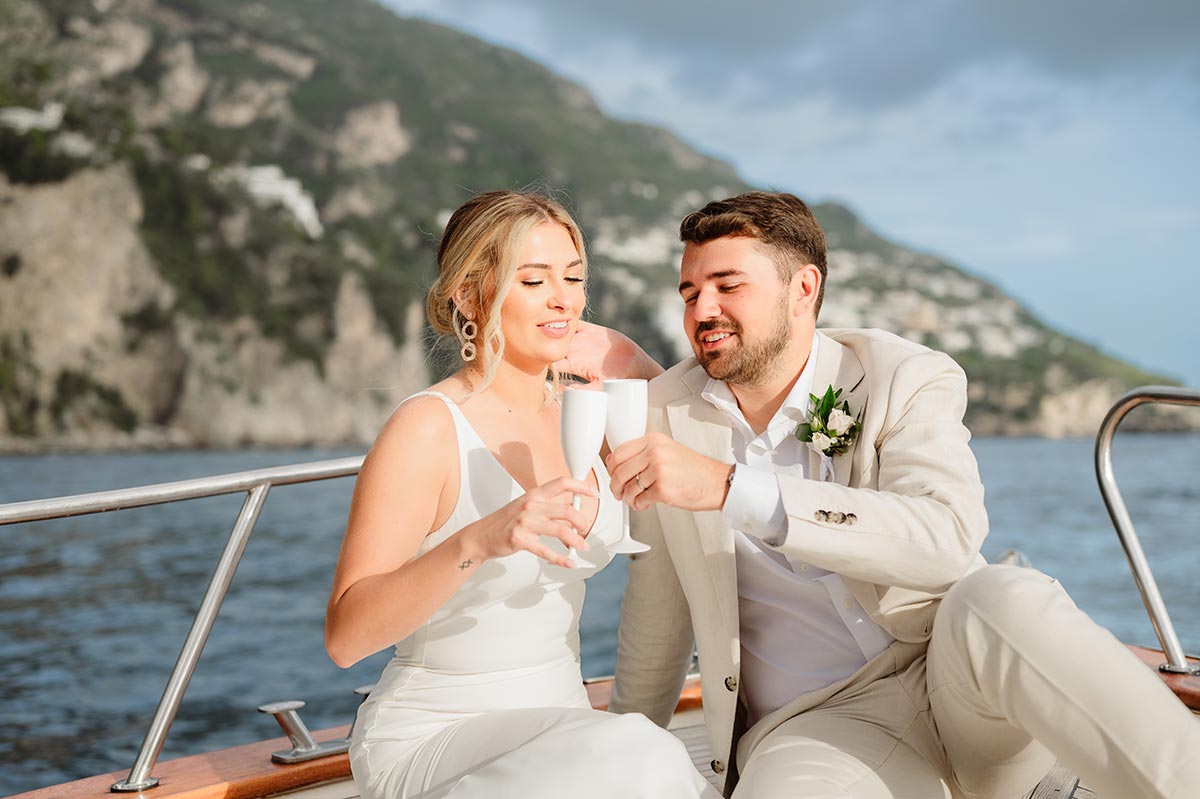
One of the advantages of working with us is that we have established relationships with these companies, allowing us to provide you with direct contacts and transparency about costs. This ensures that you can clearly understand what you are paying for and what services are included.
We are proud to offer our clients a unique and personalized experience where we can work closely with the boat captain to ensure that the trip is tailored to your needs. Our photographers have great experience in capturing stunning sunset shots, and we are always happy to work with our clients to ensure they get the most out of their trip.
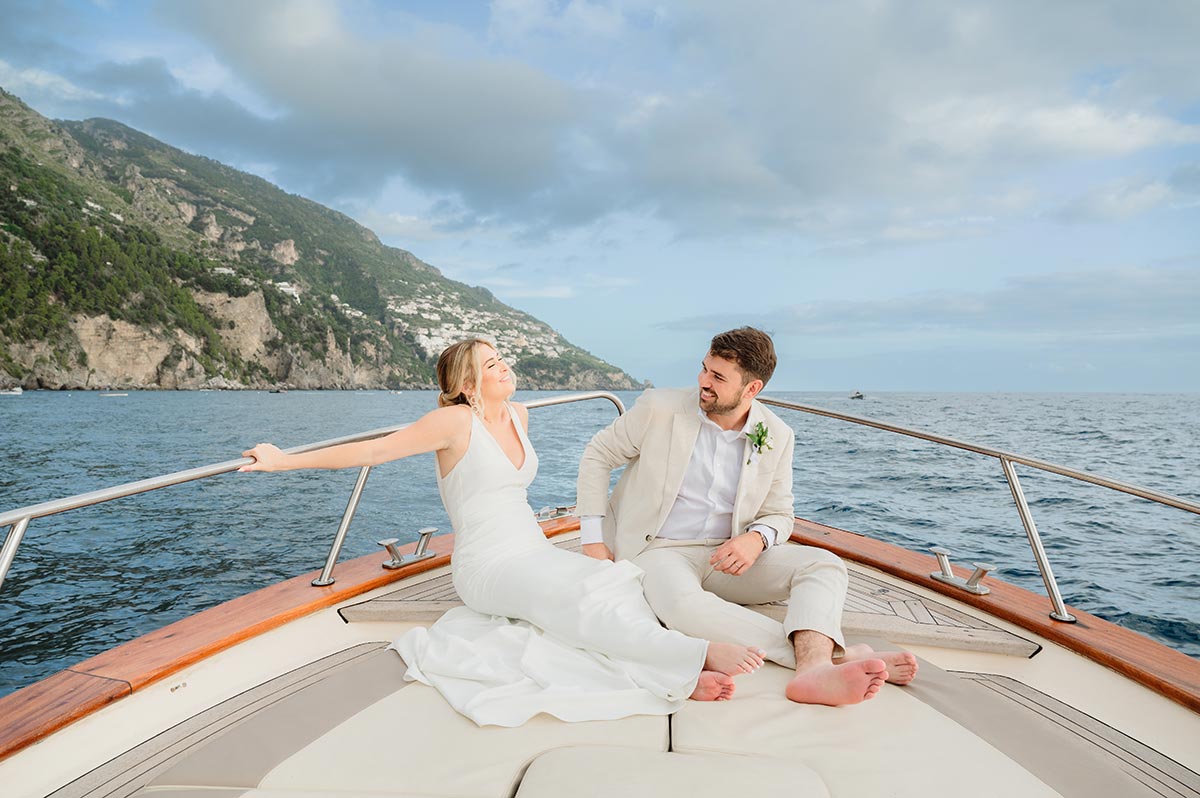
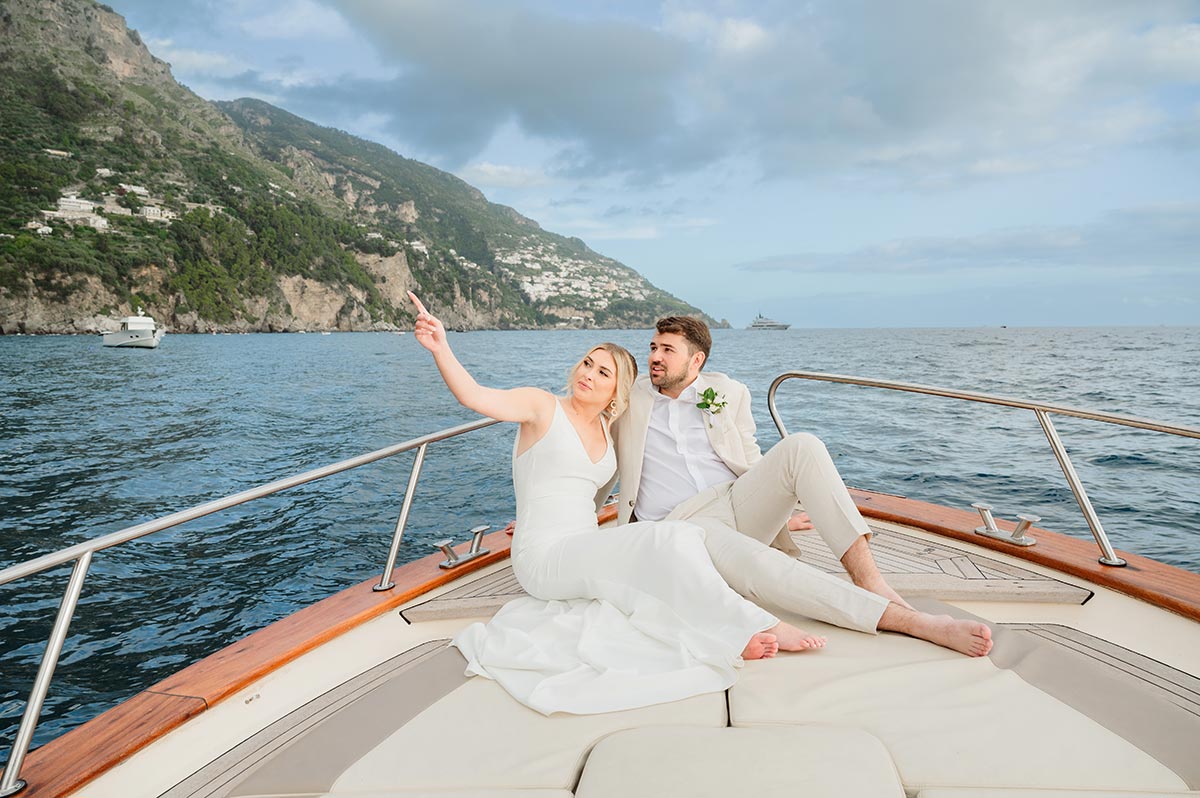
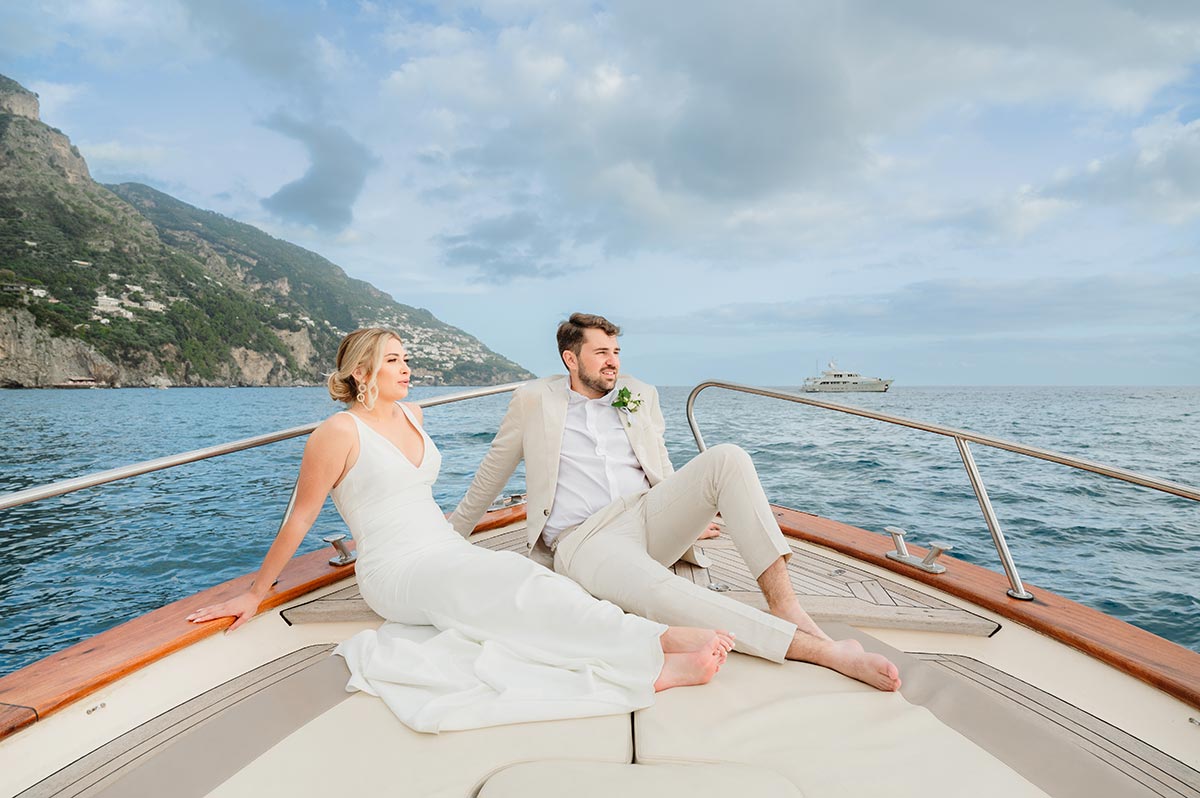
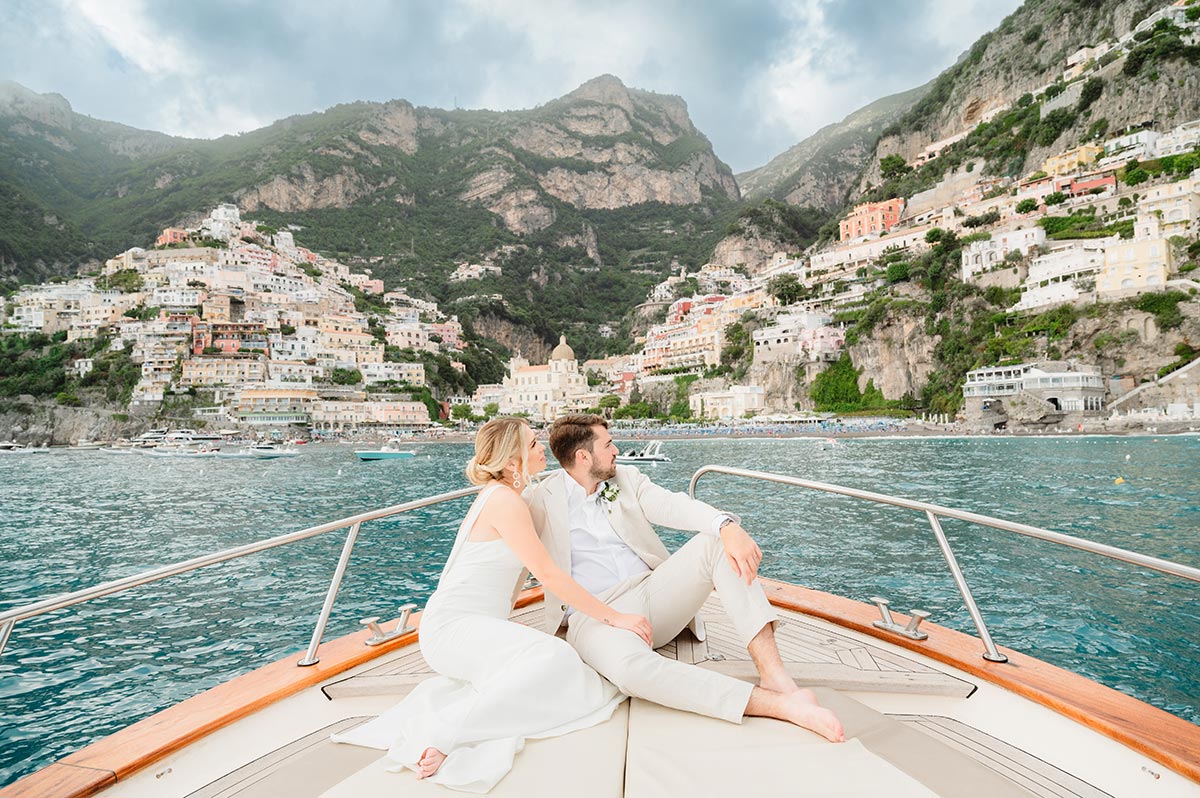
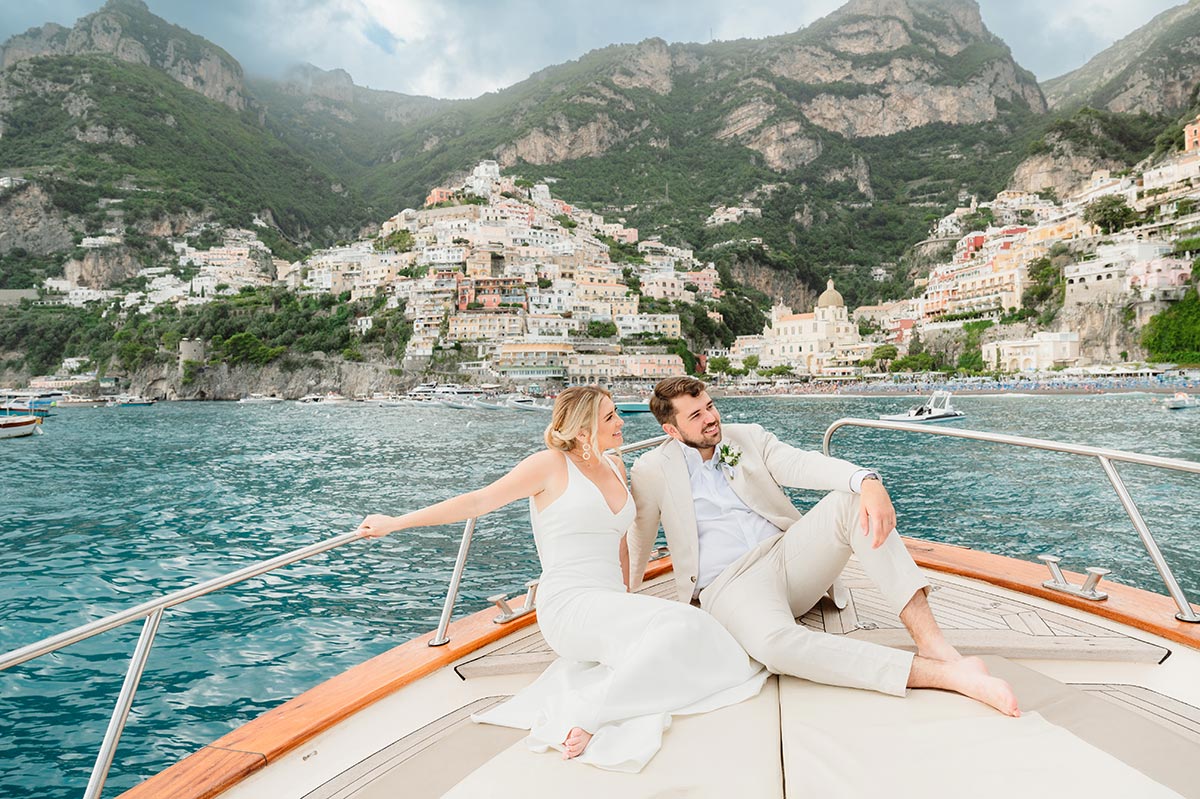
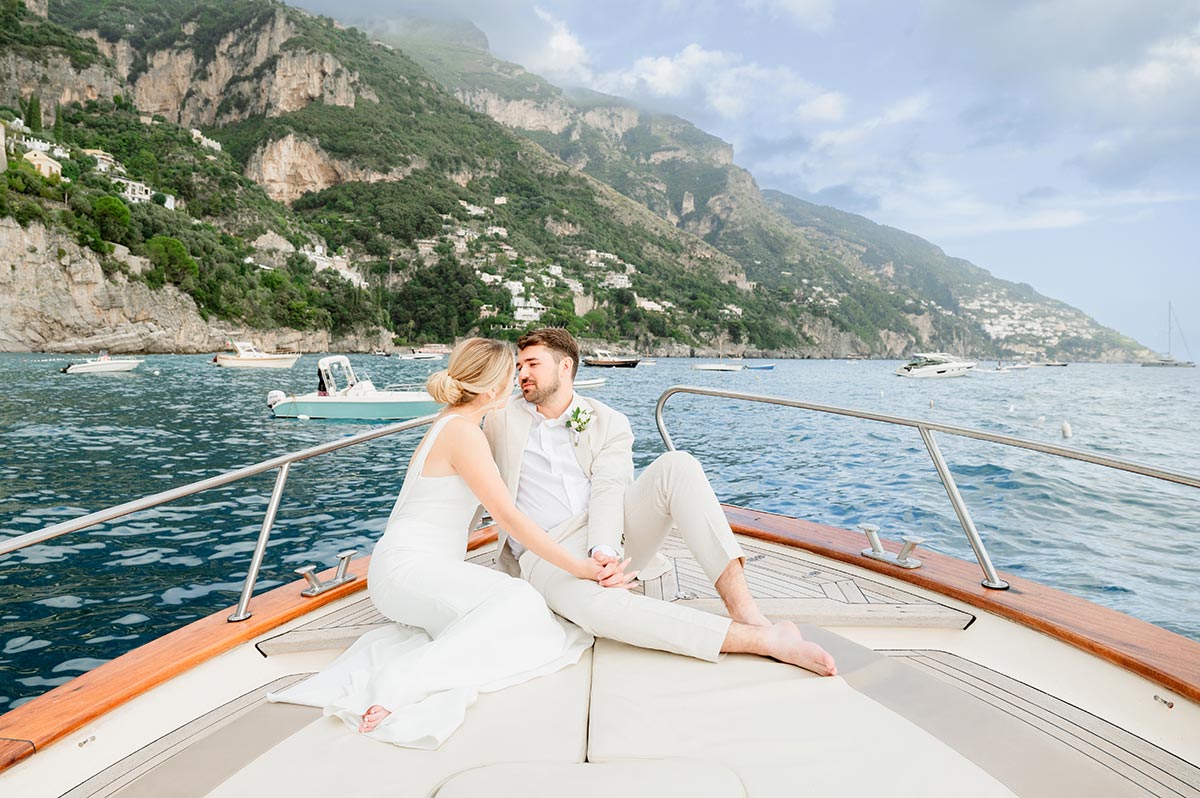
The boat captain, or skipper, is always willing to stop the boat at the desired location and adjust the direction of the bow to ensure that the background is just suitable for the photos. If you want to take advantage of the backlighting during sunset, the skipper will happily accommodate your request. This customization level is not something you would typically receive from other boat tour companies.
In addition to providing you with the best possible experience on the water, we also ensure that the boat is of the highest quality. Our trusted suppliers only use well-maintained boats with all necessary safety equipment. Whether you are looking for a private tour or a group excursion, we can help you find the perfect boat.
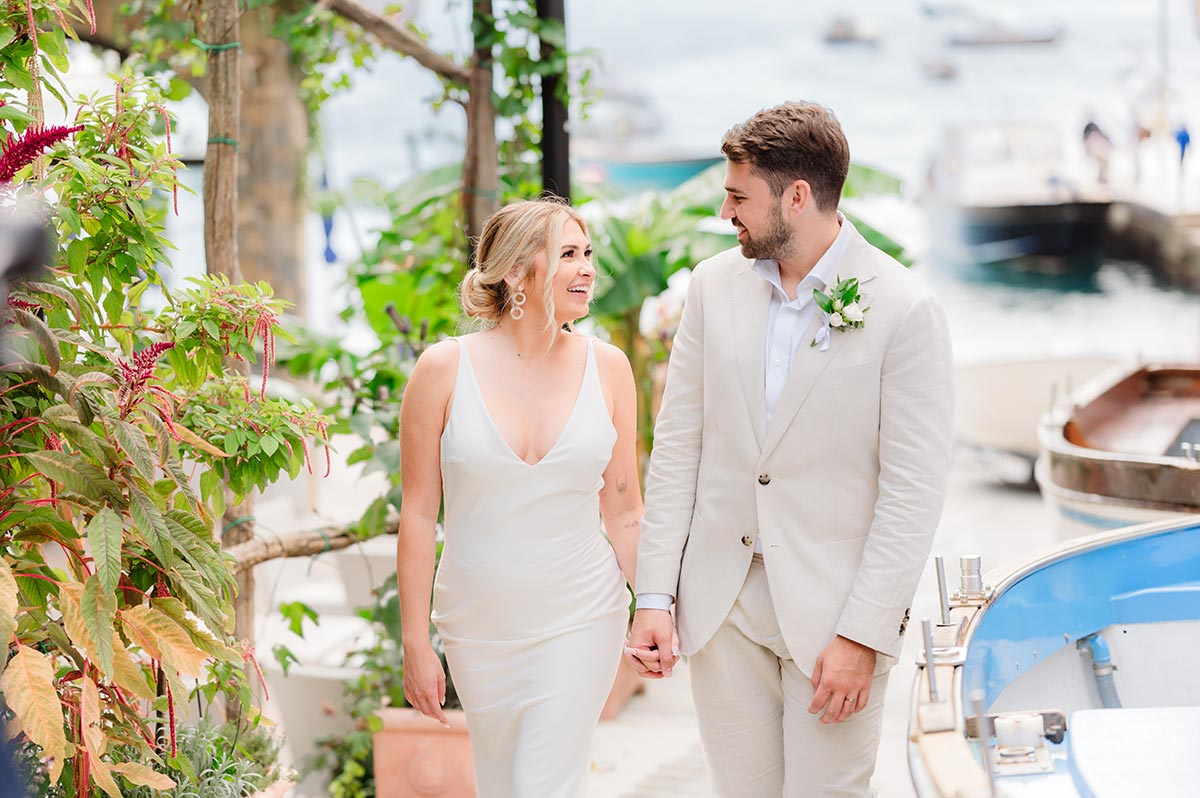
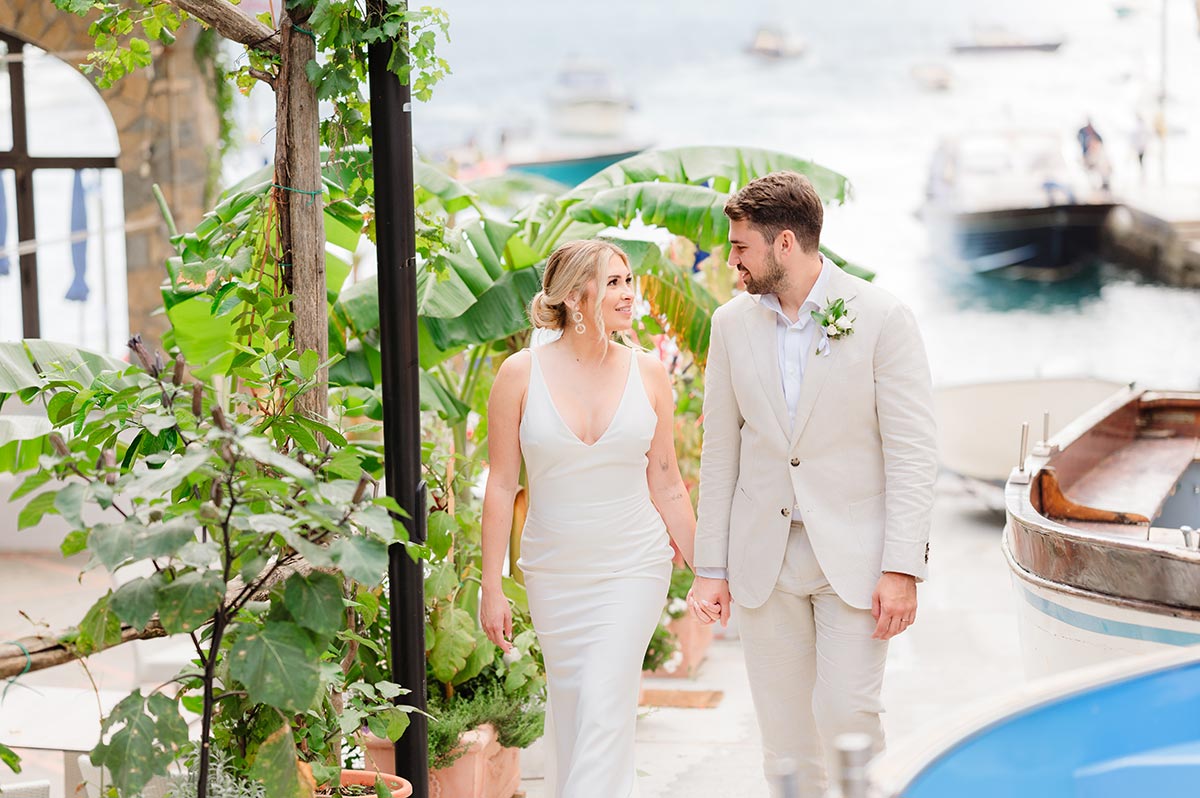

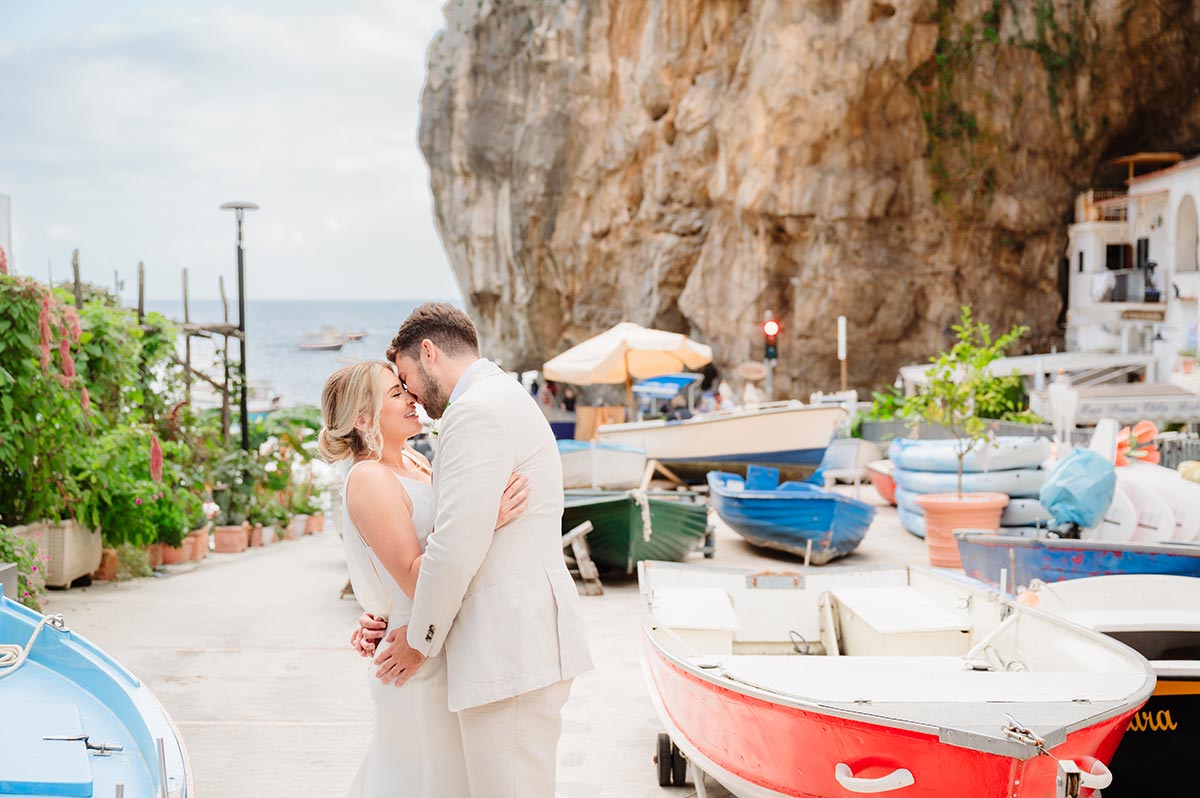
At Emiliano Russo Studio, the key to capturing beautiful sunset photos is to work closely with our clients to understand their preferences and needs. We are always happy to discuss your ideas and provide suggestions to ensure your unforgettable trip. Whether you want to capture stunning images of the sun setting over the horizon or create romantic memories with your loved one, we are here to make it happen.
Finally, it is essential to note that while we do everything in our power to ensure that your boat trip is a success, we cannot guarantee the weather or the conditions on the water. However, we are always willing to reschedule your trip if necessary, and we are always happy to provide alternative suggestions for capturing beautiful sunset photos.

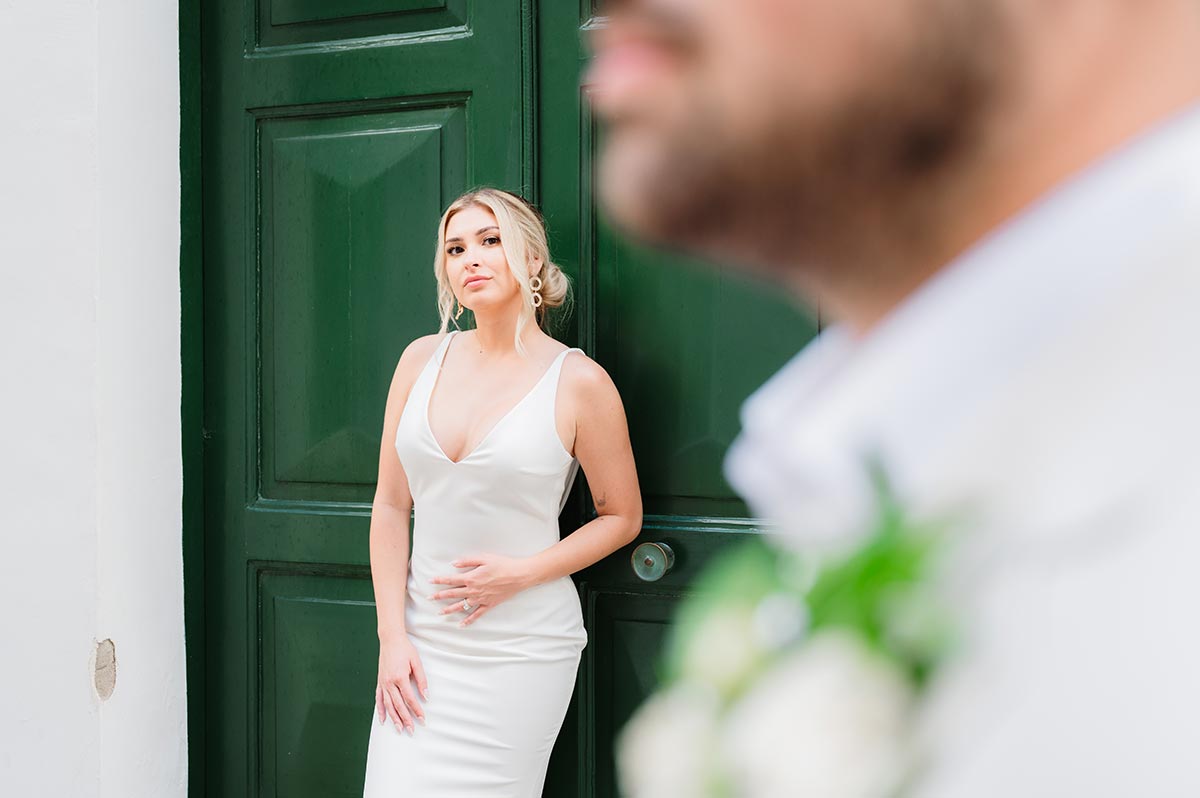
So, if you are looking for a photographer to help you capture beautiful sunset photos during your boat trip in Positano, look no further than Emiliano Russo Studio. We are here to make your experience on the water truly unforgettable.
Once you’ve selected your boat, it’s time to book your sunset trip. When making your reservation, specify the date, time, and number of passengers. You’ll also want to provide any other relevant information, such as where you’d like to embark and any special requests you have.
It’s essential to book your trip in advance to ensure you can secure the boat and time slot you want. During peak season, boats can fill up quickly, so book as early as possible.
POSITANO WEDDING
EMILIANO RUSSO
Positano is definitely one of the most enchanting spots in Italy for an intimate wedding
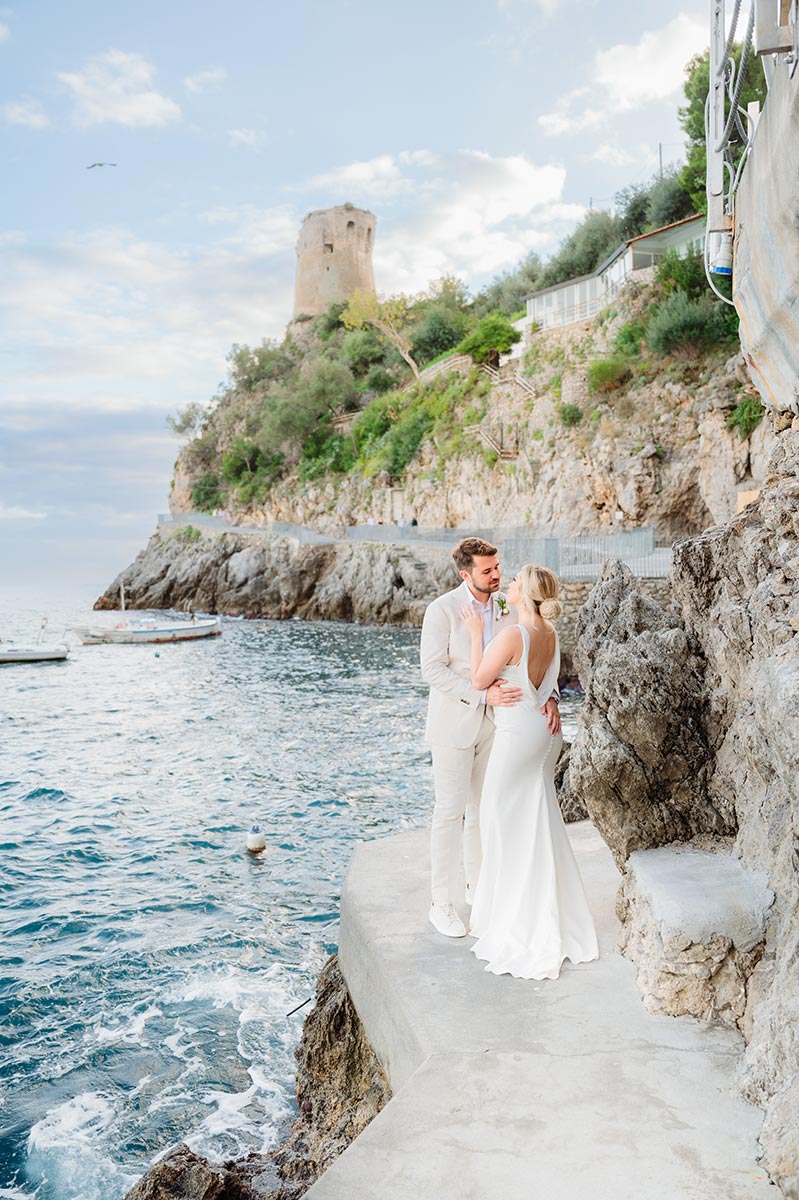
HIDDEN JEMS
We know intimate places in Positano and your love story deserve the best.
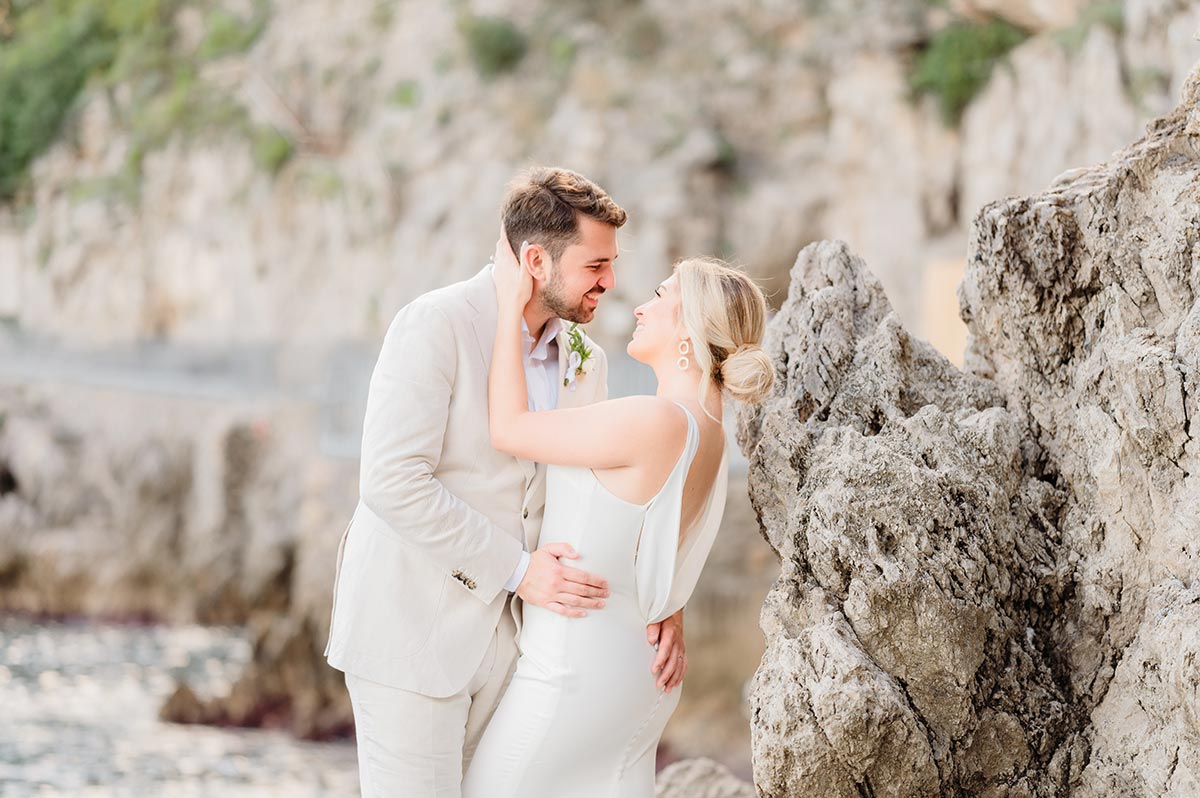
POSITANO IS UNIQUE
You can combine a luxurious wedding with a deep journey on the Coast
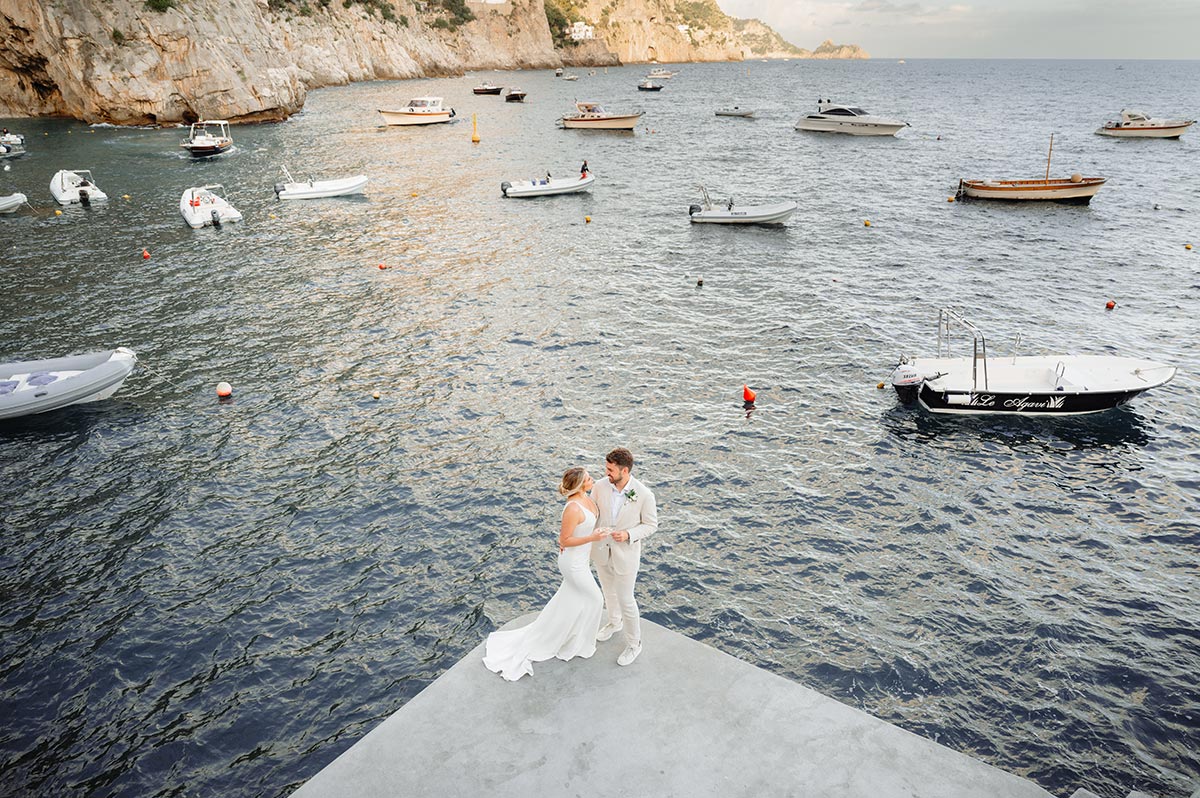
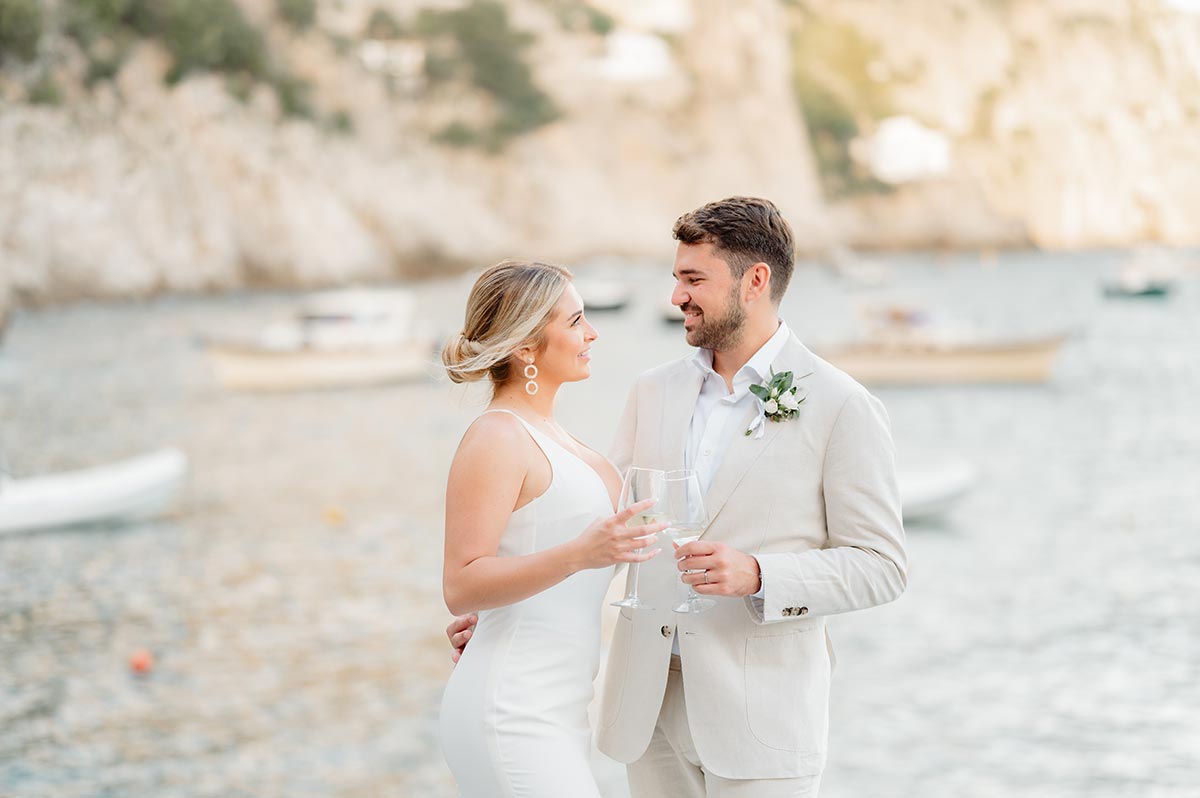
What to Expect on Your Sunset Boat Trip: Marina di Praia and “Il Pirata”
As photographers on the Amalfi Coast, we have connections with several companies that offer a professional boat trip service during sunset in Positano. These providers provide reliable and top-notch services, allowing us to give our clients the best recommendations. As we have personal relationships with these companies, we can be transparent with our clients by providing direct contacts, ensuring they have full transparency on the costs. Our clients’ advantage is the special treatment they get when they book through us. The skipper will usually stop the boat at our desired location, and even adjust the boat’s position to achieve the perfect background or use the backlight to our advantage. This level of customization is only sometimes possible for those who book directly with the companies.
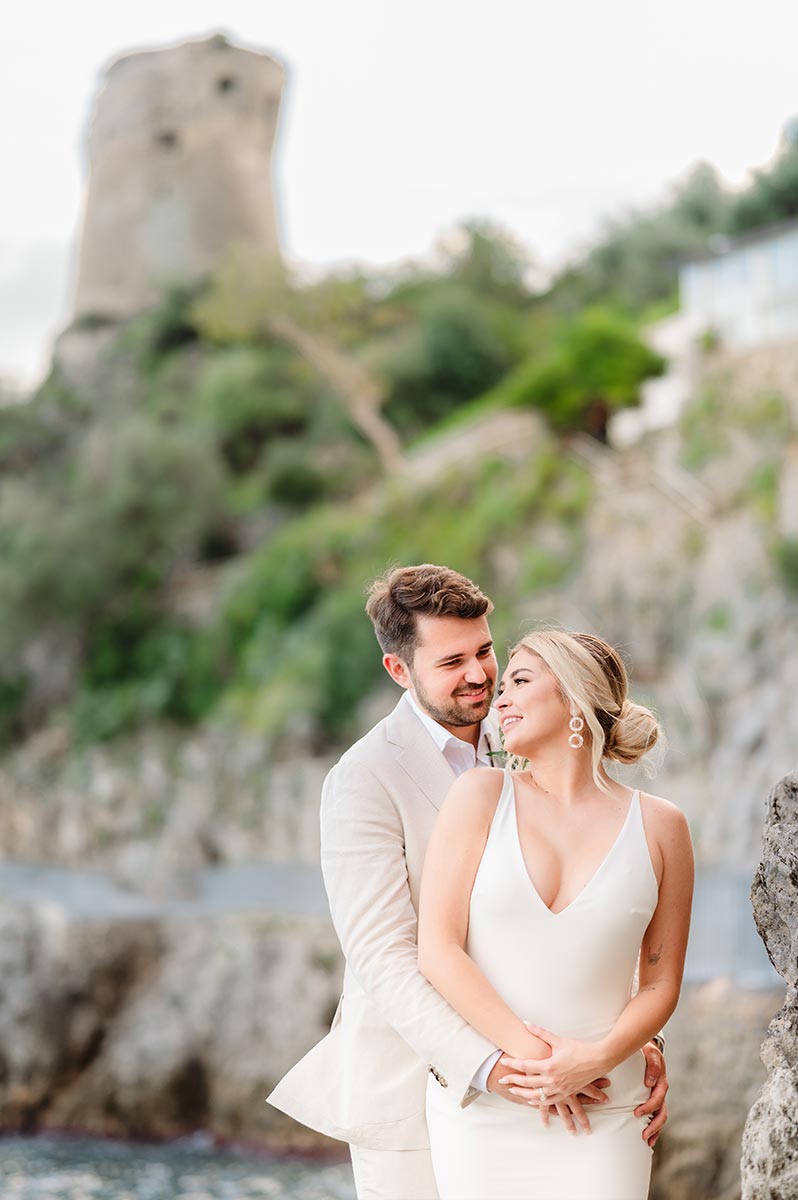
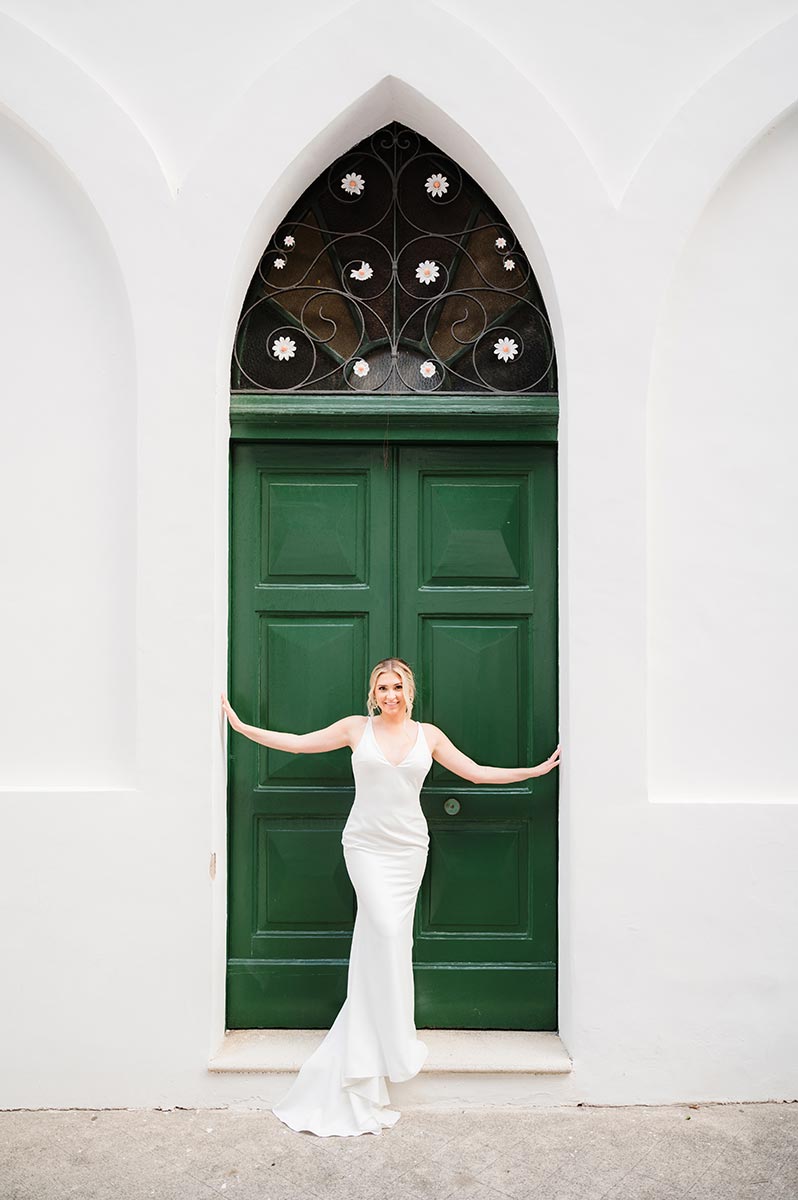
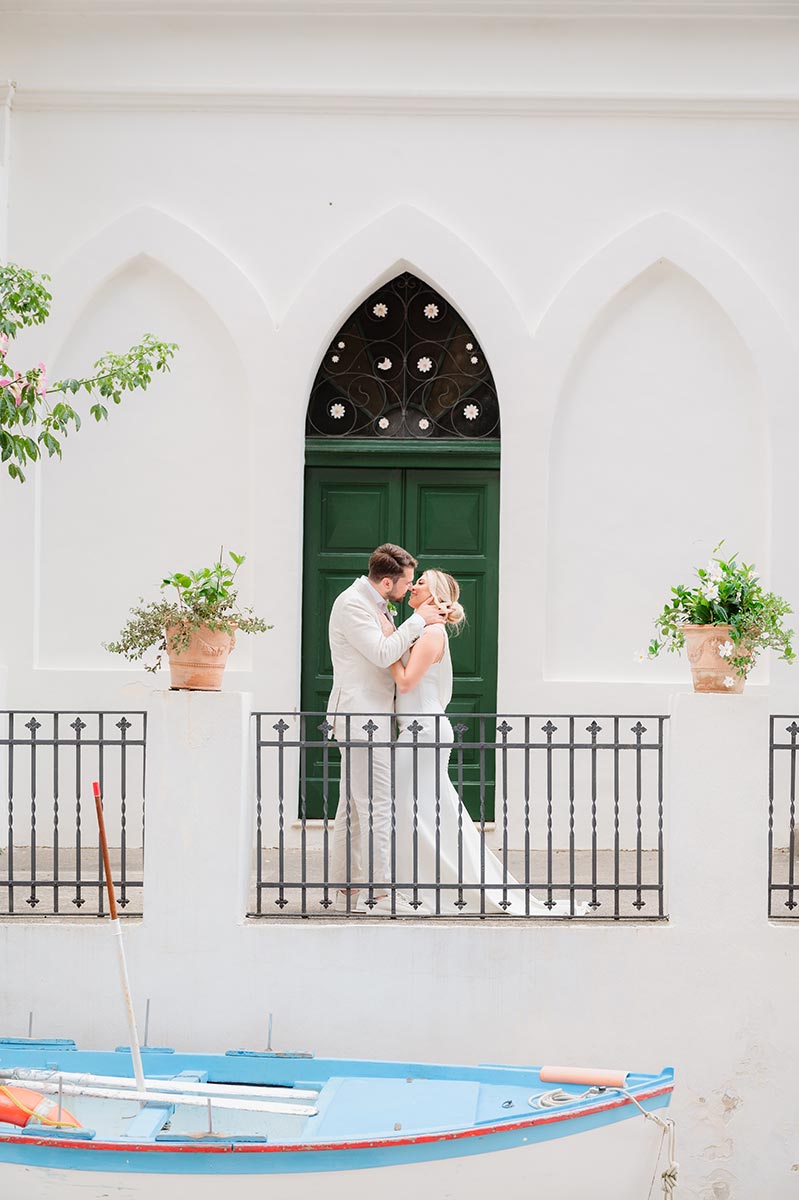
We often stop at Marina di Praia, a small fishing village during the boat trip, especially if our clients have booked for more than two hours. Here, we take advantage of the unique and distinct photo opportunities that can’t be found in Positano. The small, characteristic church with its arched door provides a one-of-a-kind backdrop, along with other scenic locations like the fishing boats and the rocks, as well as the breathtaking landscape.
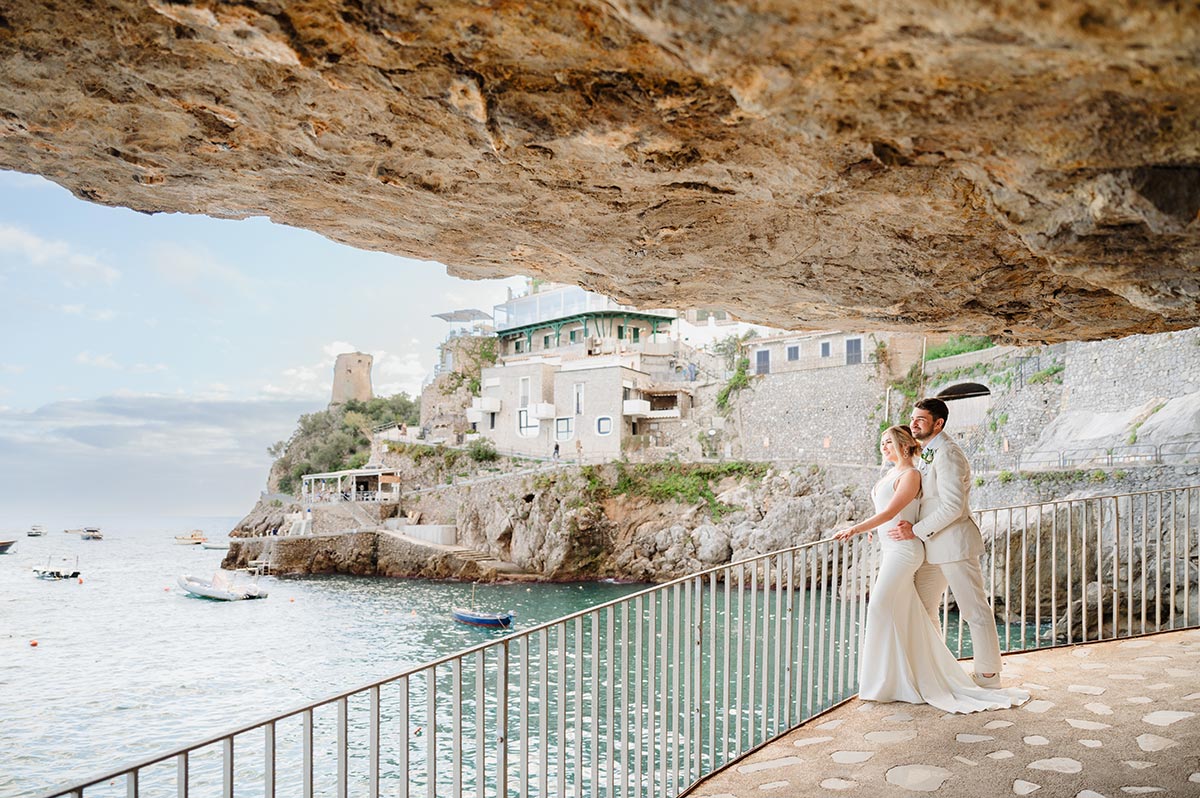
One of our favorite stops is the “Pirata” beach club, located on the rocks of Praiano. The “Pirata” is an excellent place for a drink or aperitif and one of the best restaurants in Praiano and the entire Amalfi Coast. The hospitality of the owner, Mrs. Vera, is unparalleled. She has offered my clients complimentary glasses of Prosecco, pleasantly surprising them. I recommend “Il Pirata” for intimate wedding dinners and other events.
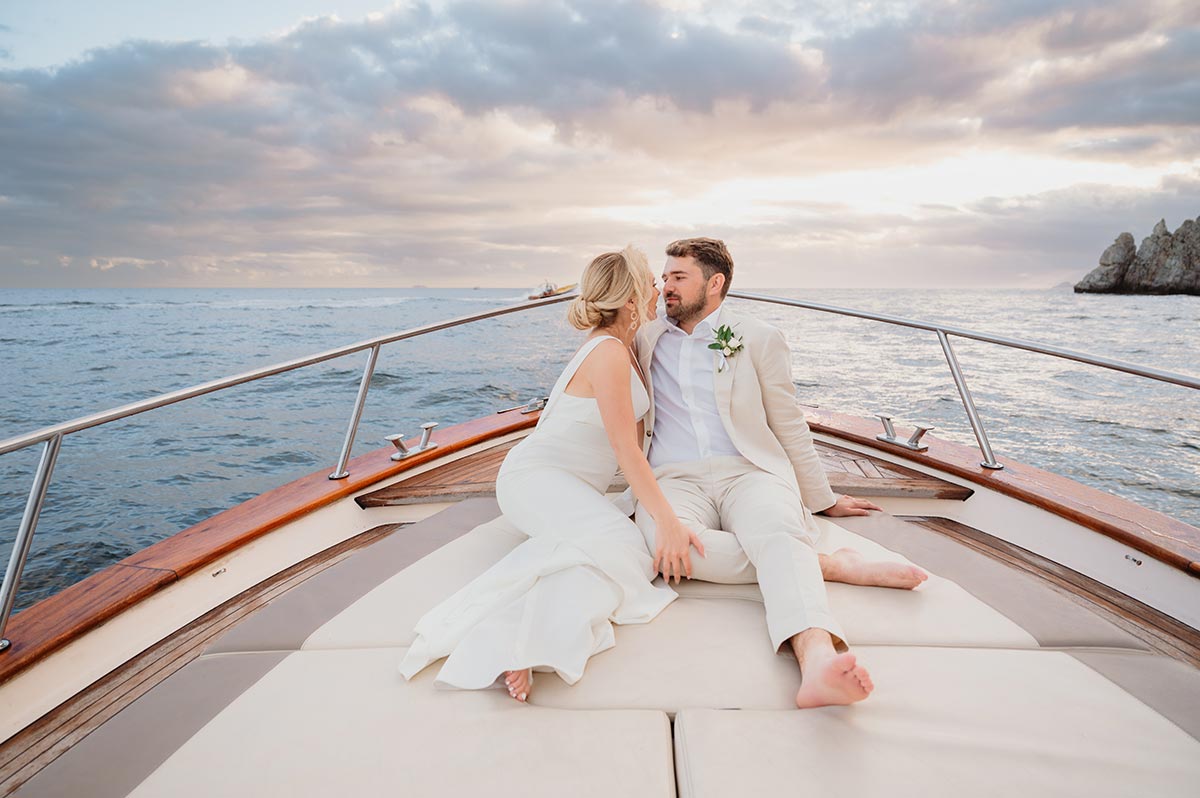
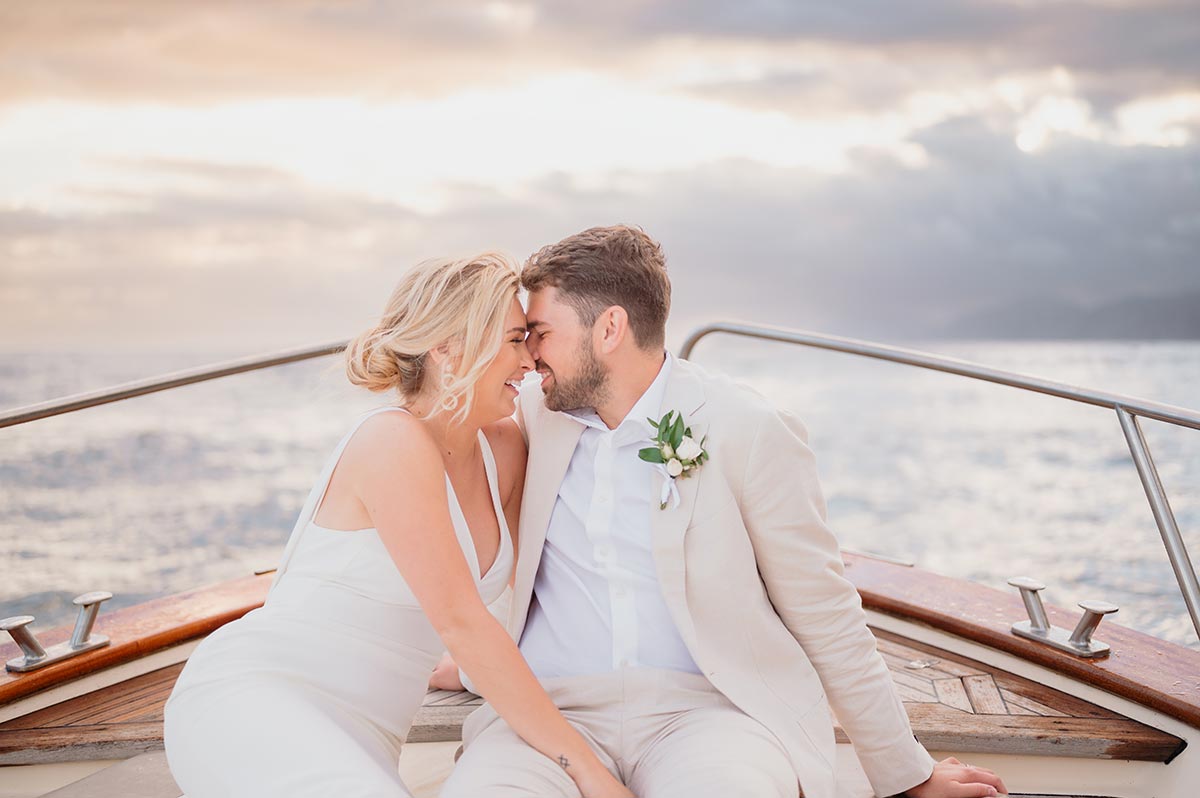
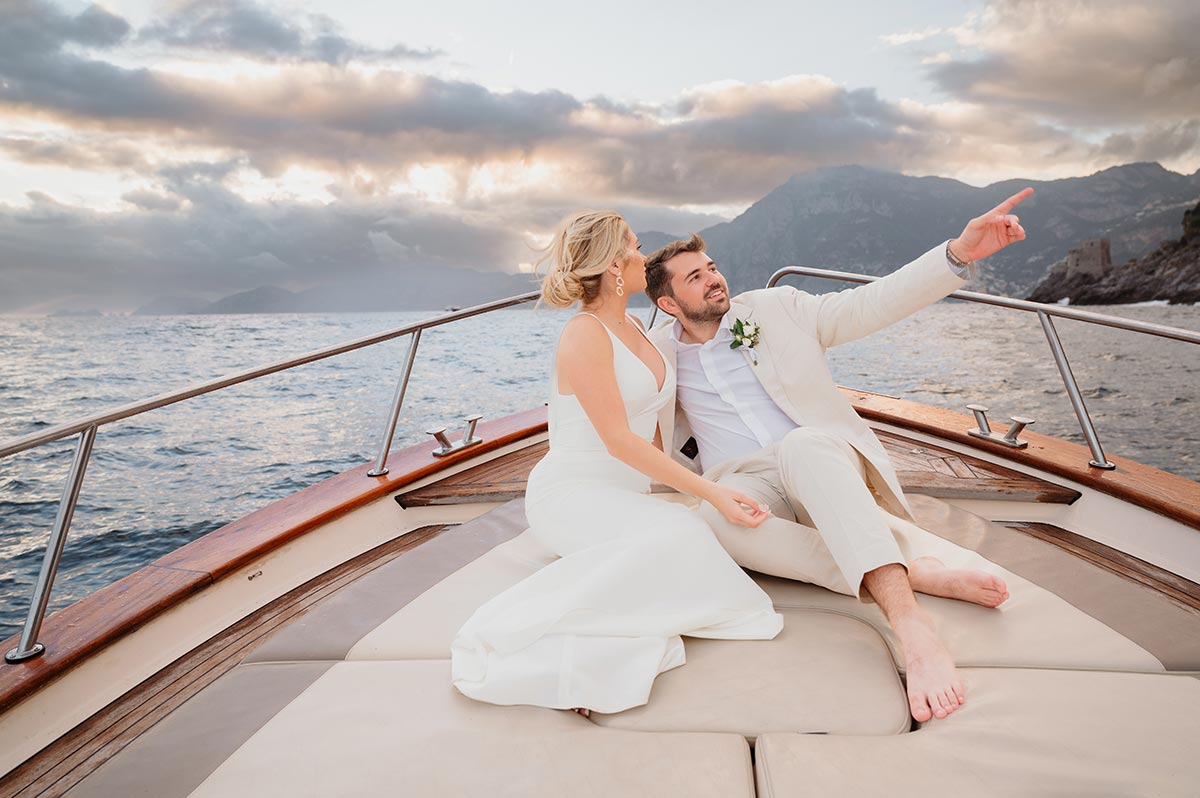
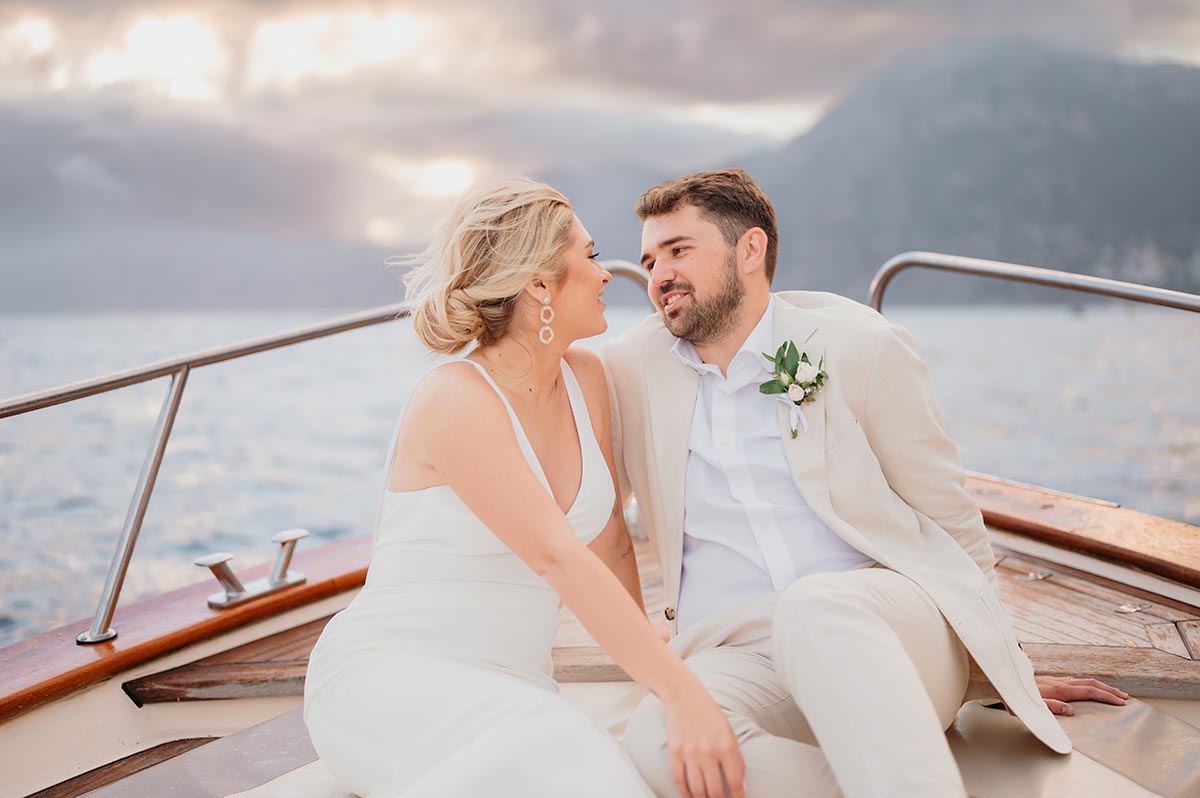
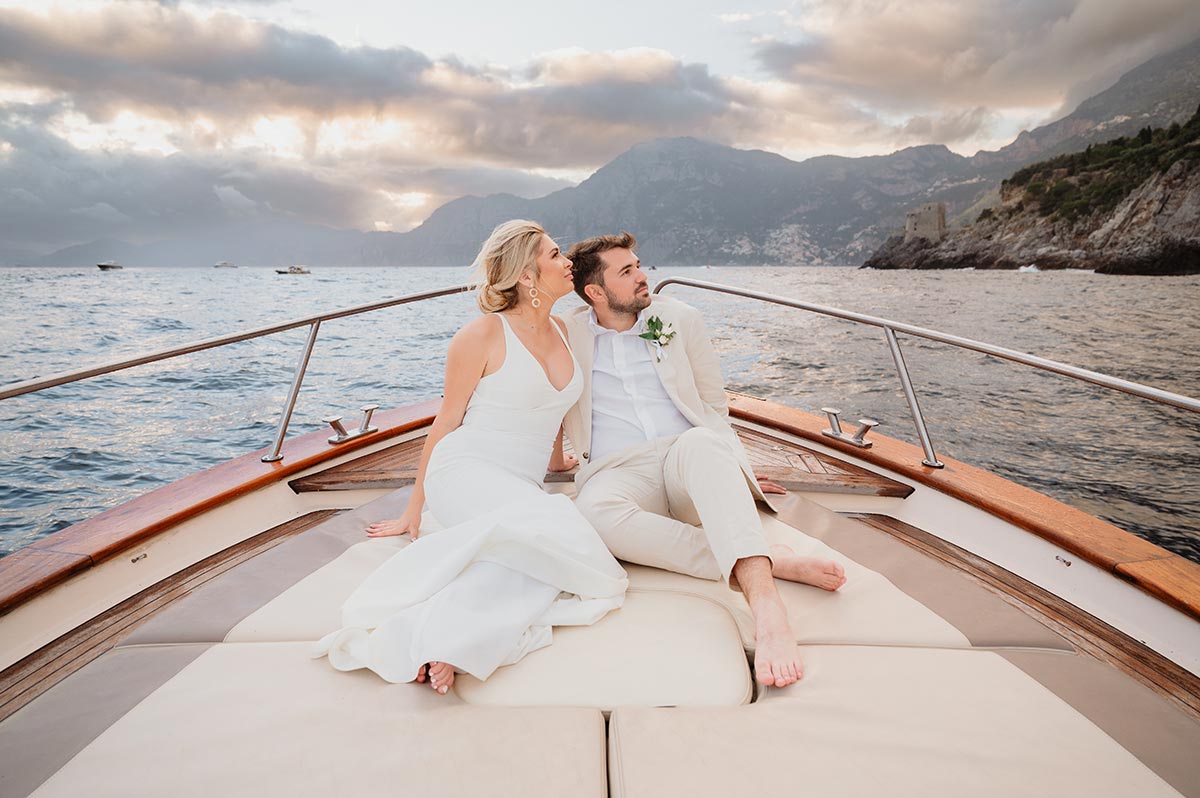
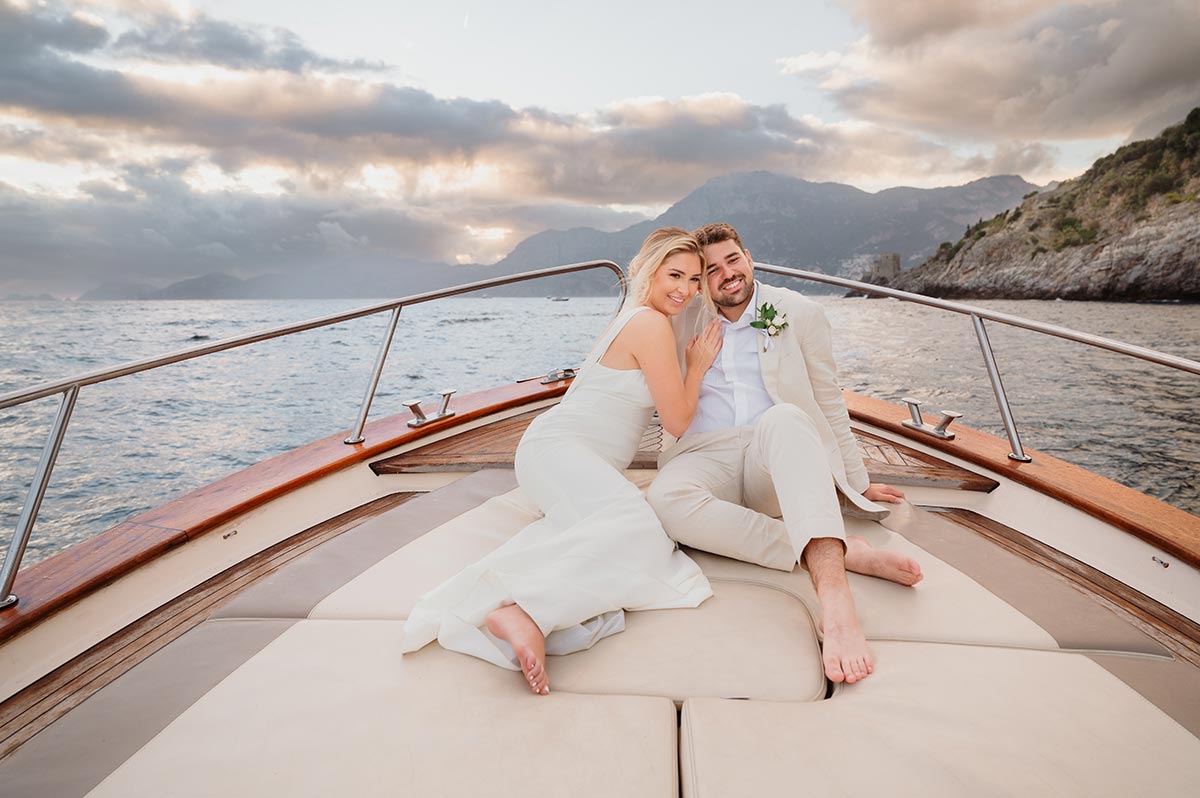
I love taking photos at Marina di Praia because of the unique atmosphere that cannot be found anywhere else on the Amalfi Coast. From the stunning landscapes to the warm hospitality at the “Pirata,” Marina di Praia is a must-visit destination for anyone looking for a truly unforgettable experience.
Your sunset boat trip will begin with a scenic boat ride along the Amalfi Coast. You’ll have the opportunity to take in the breathtaking views and admire the stunning scenery. As you approach the sunset, you’ll be treated to a fantastic display of colors as the sun dips below the horizon.
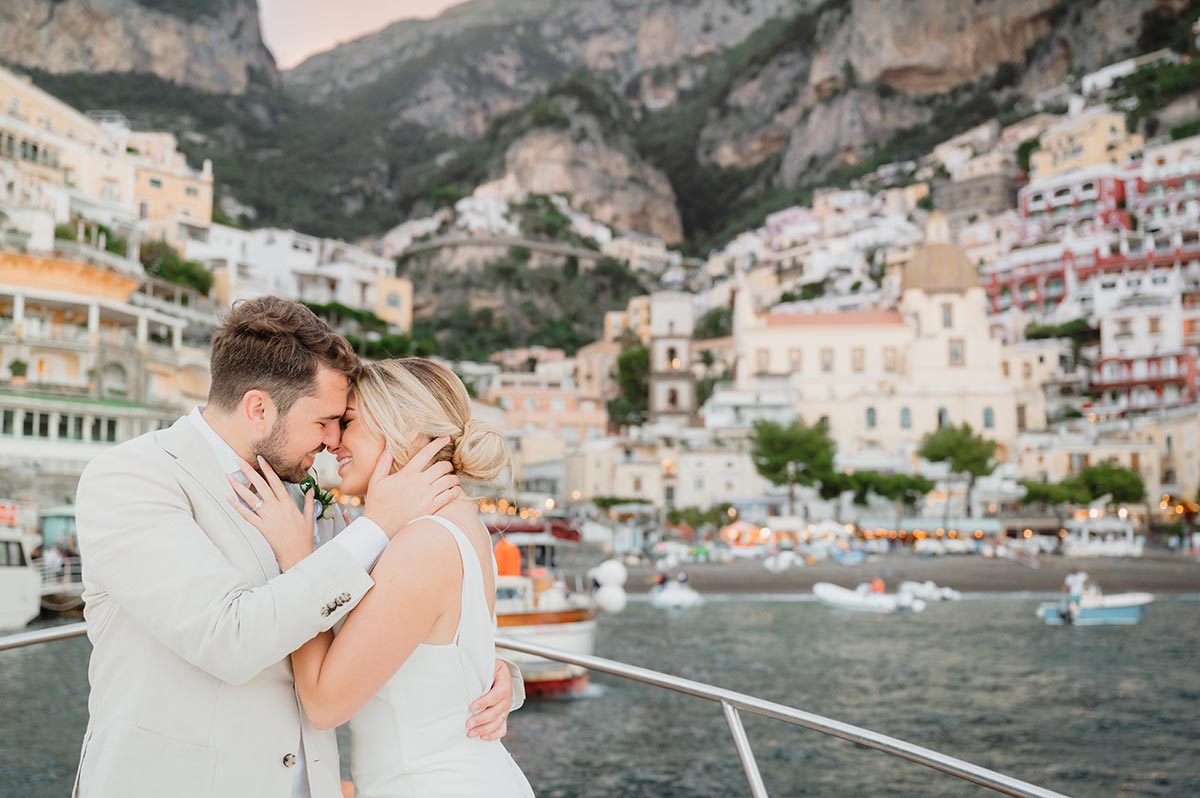
Onboard, you’ll be able to enjoy a romantic dinner or a glass of champagne, making the experience even more special. Your captain and crew will be on hand to ensure that your trip is as smooth and enjoyable as possible, and they’ll be happy to answer any questions you may have about the area and its history.
A blast is ending at the Positano marina and back for an intimate romantic dinner
As photographers on the Amalfi Coast, we always aim to provide our clients with a unique and memorable experience. Our boat trips are no exception, as we strive to capture the essence of the Amalfi Coast through our lens.
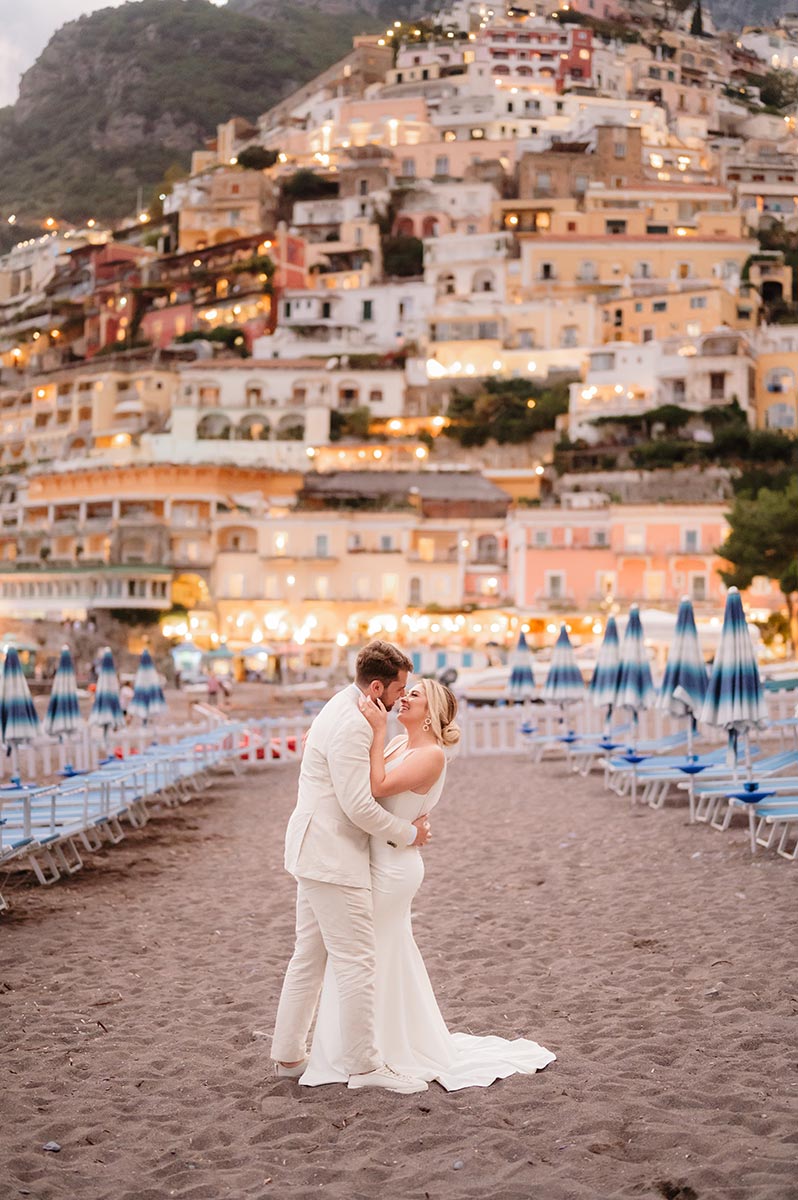
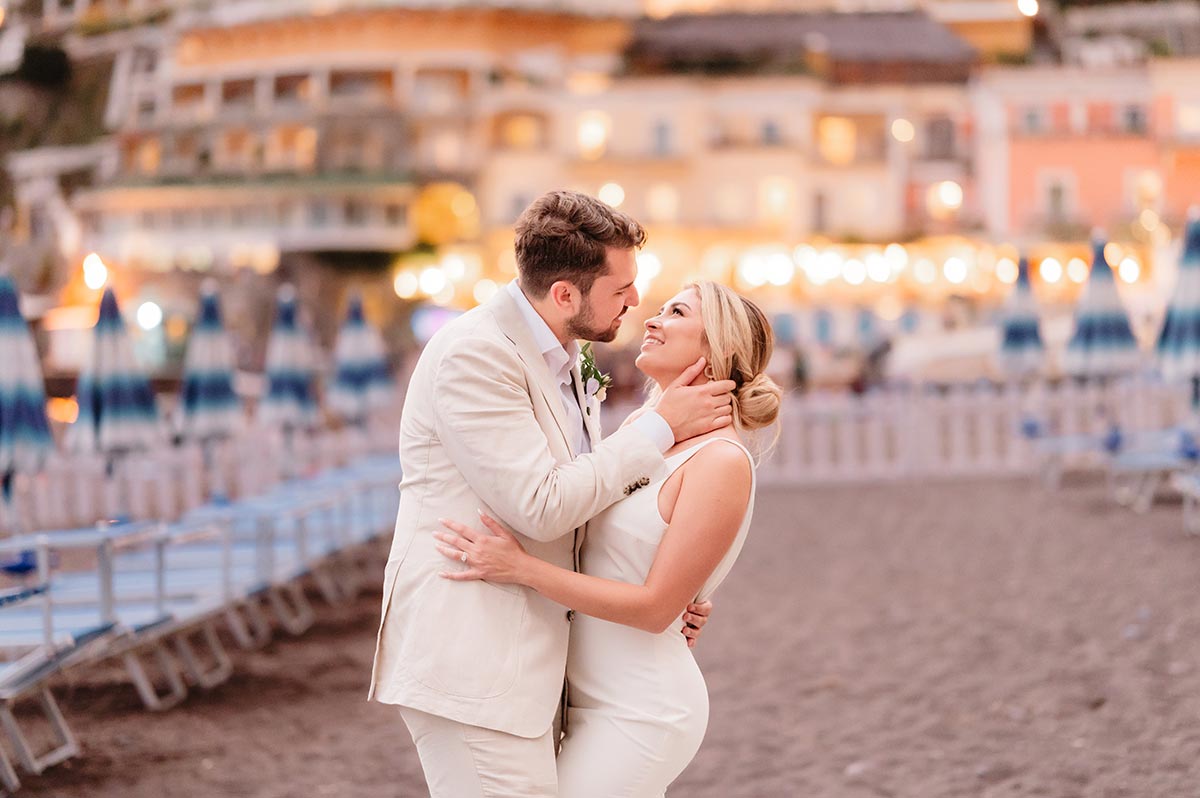
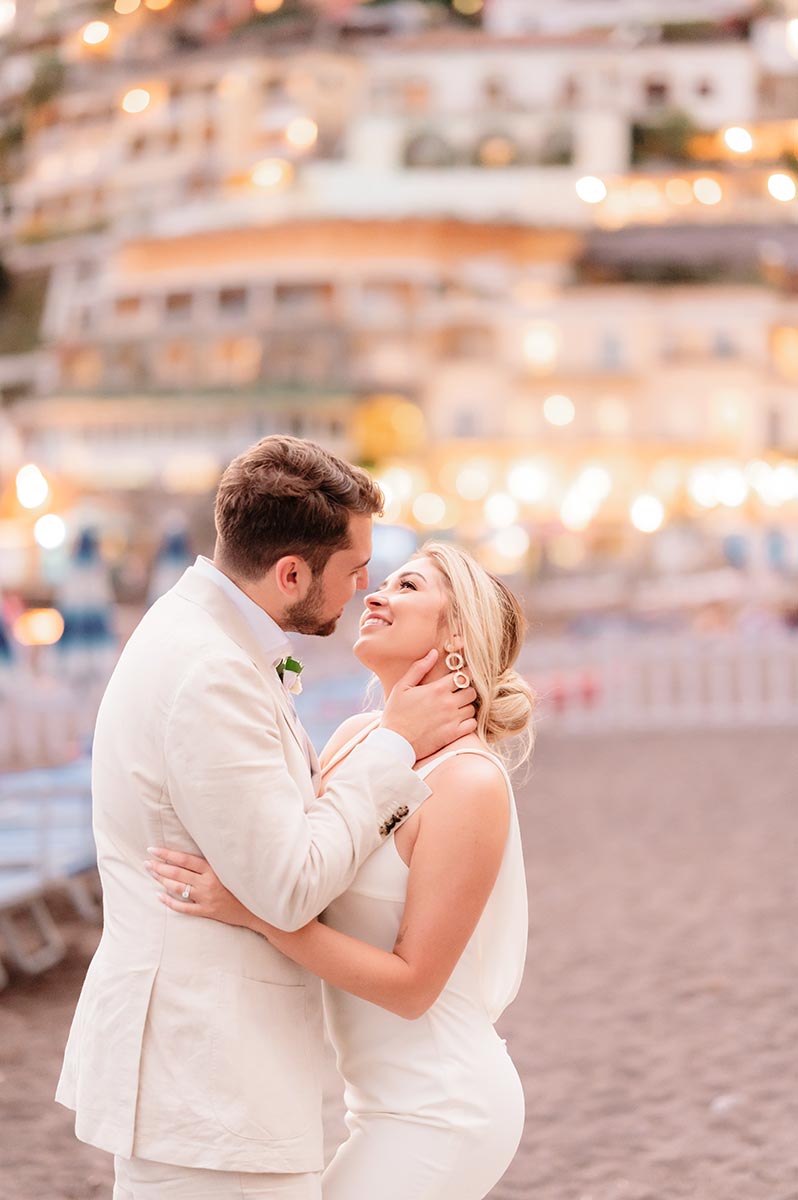
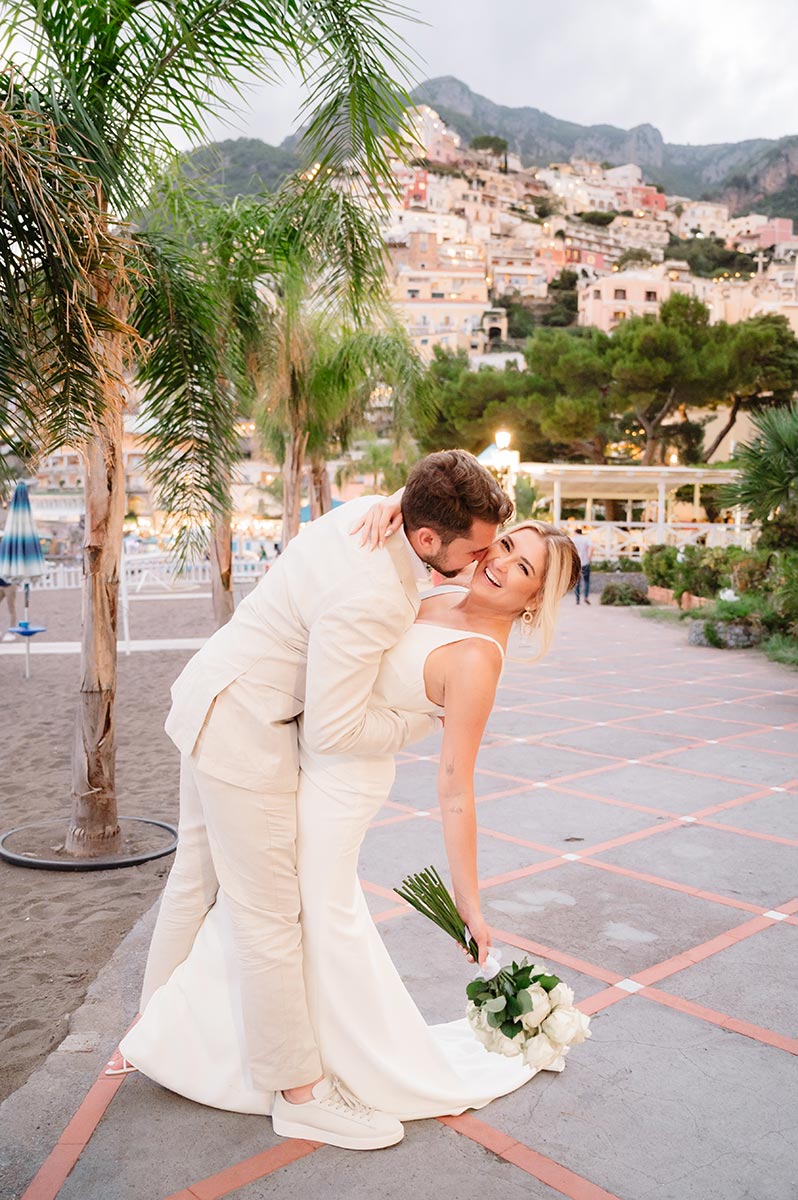

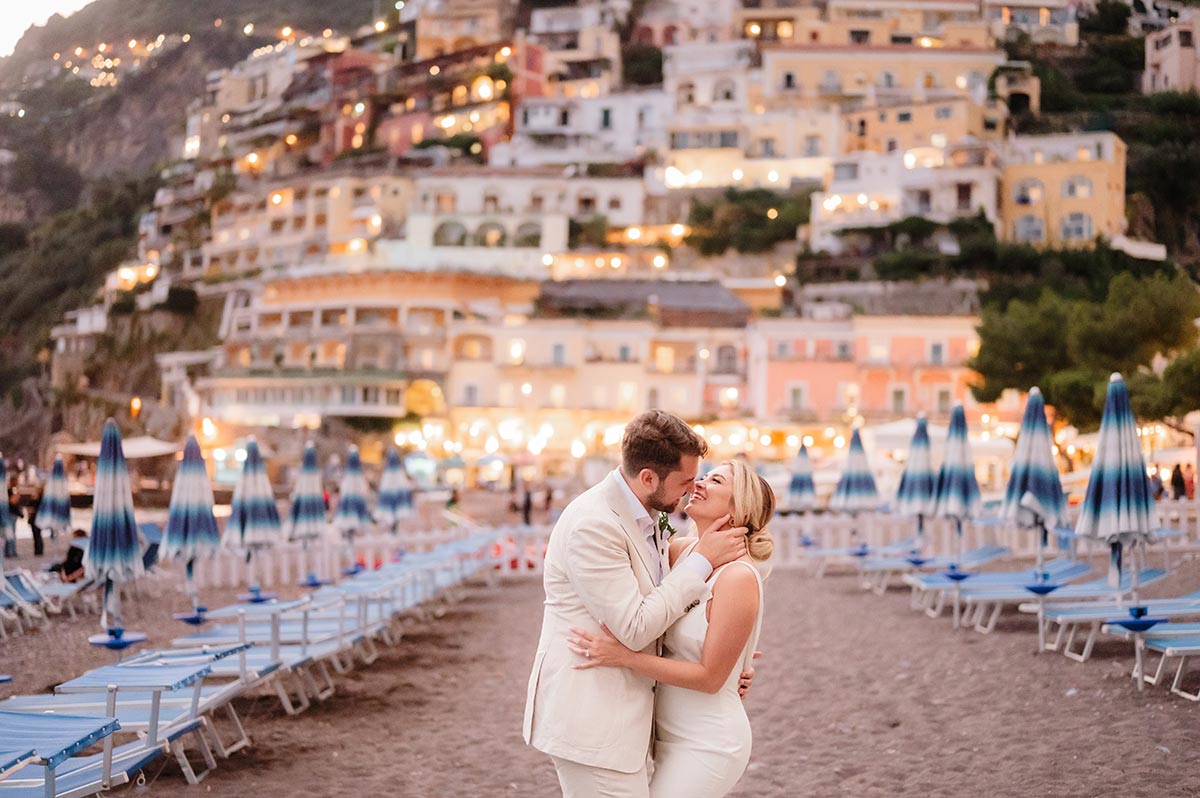
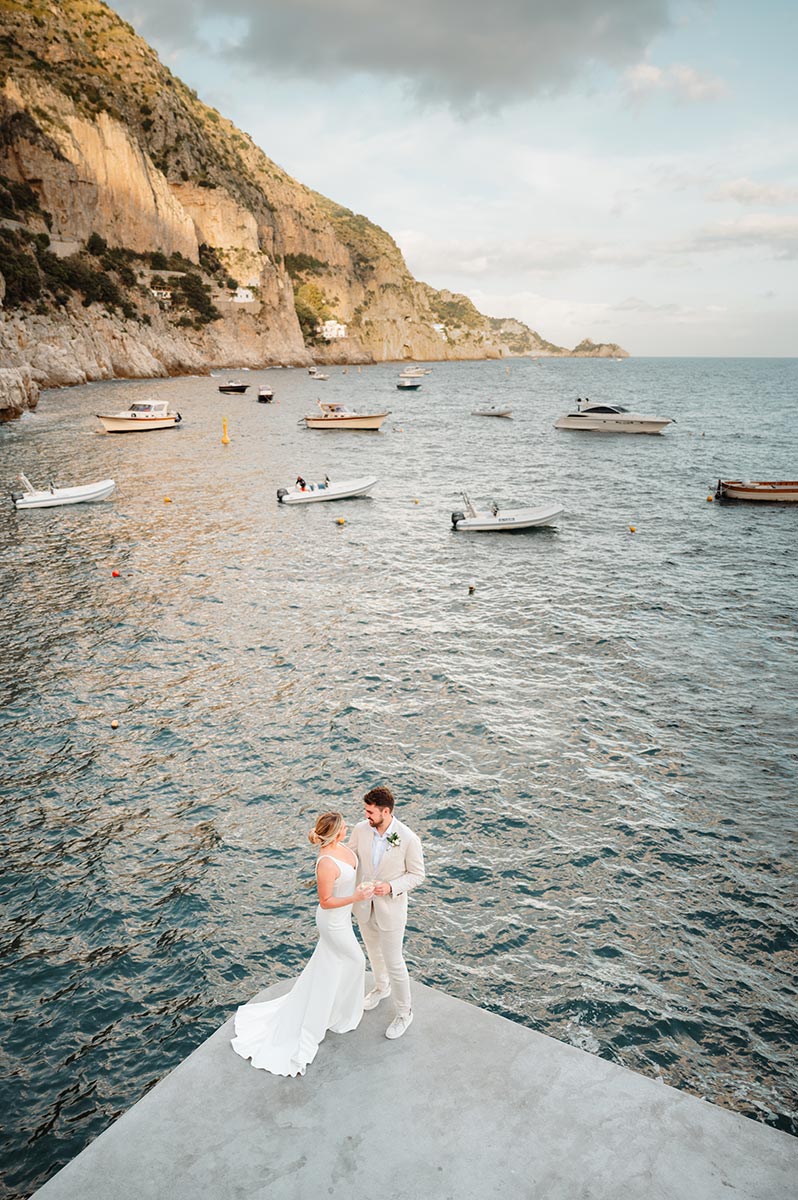
At the end of the boat trip, we typically conclude our service in Positano with the final photo shoot on the beach of the marina. The blue hour offers the perfect backdrop for our clients, with little to no people in the background and a breathtaking view of Positano. We also like to capture moments along the main boardwalk at the beach, and the intimate dinner setting, where we often end with a celebratory toast with the couple.
We take pride in our work, as our passion for photography shines through in every shot. As a photography studio, we offer something truly unique to our clients in terms of experience and the final product. Our photographs speak for themselves, and we have received countless compliments on our work.
However, it must be understood that quality and experience come at a cost. Our services are costly, as they require a significant investment of energy, knowledge, research, and promotion. We work as a team of two photographers, sharing a common vision for photography and human relationships, but we must maintain quality.
Potential clients must acknowledge that they get what they pay for when engaging us as photographers. Our work cannot be taken for granted, as we invest so much time and effort into creating memories that will last a lifetime.