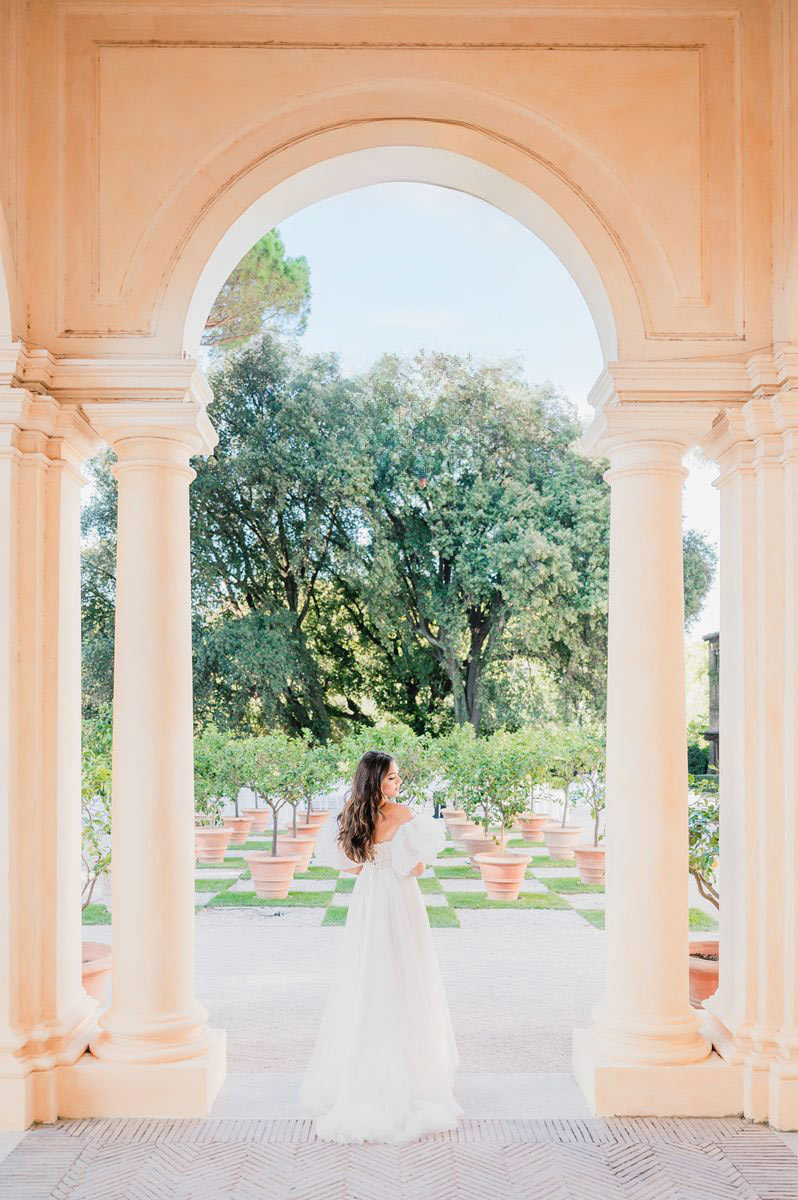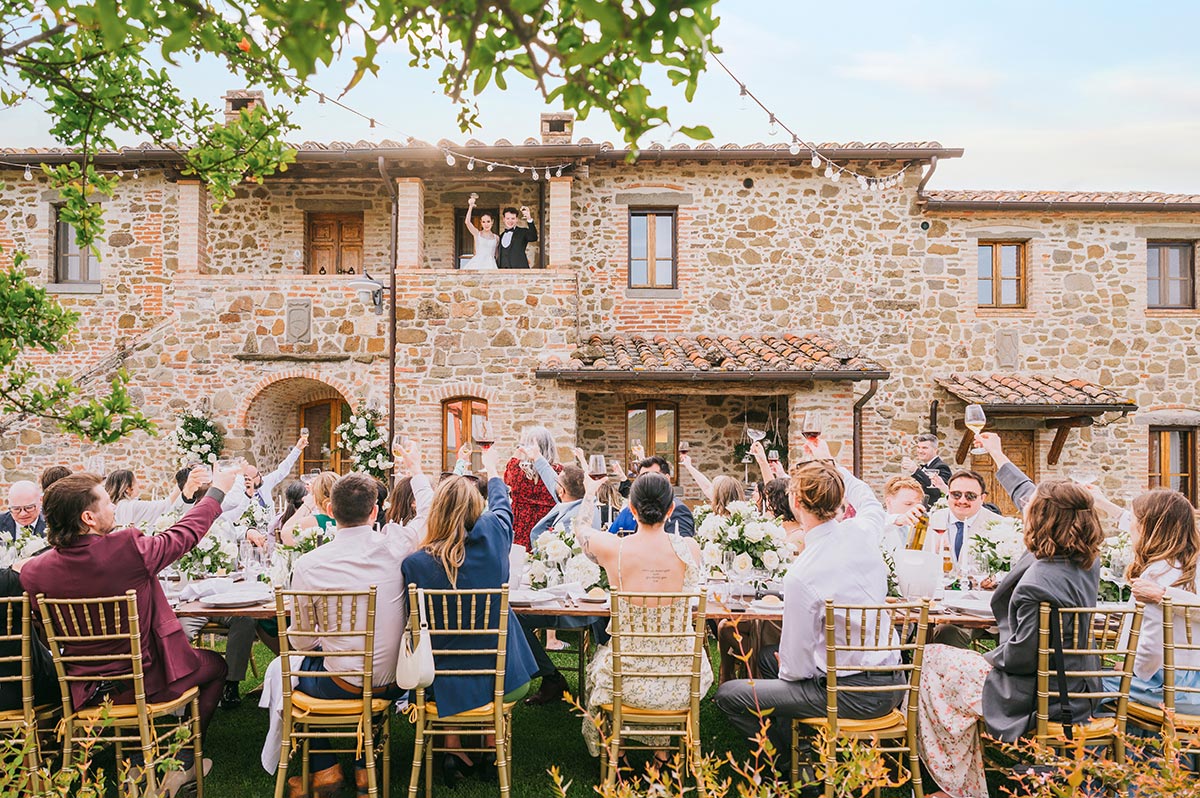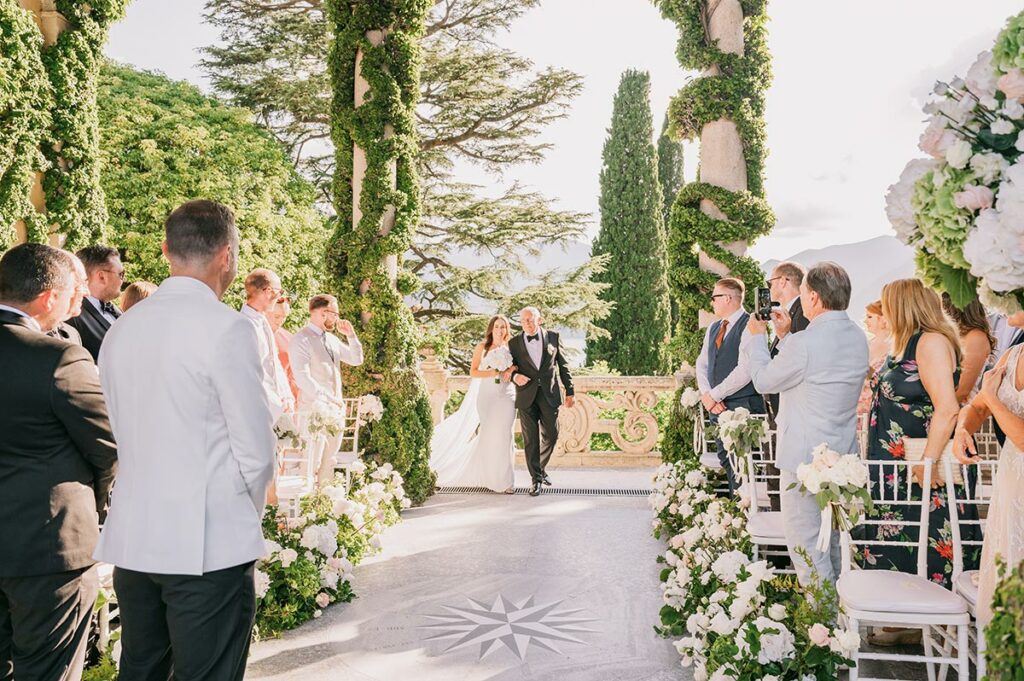

Dreamy wedding at the Hotel Caruso Ravello
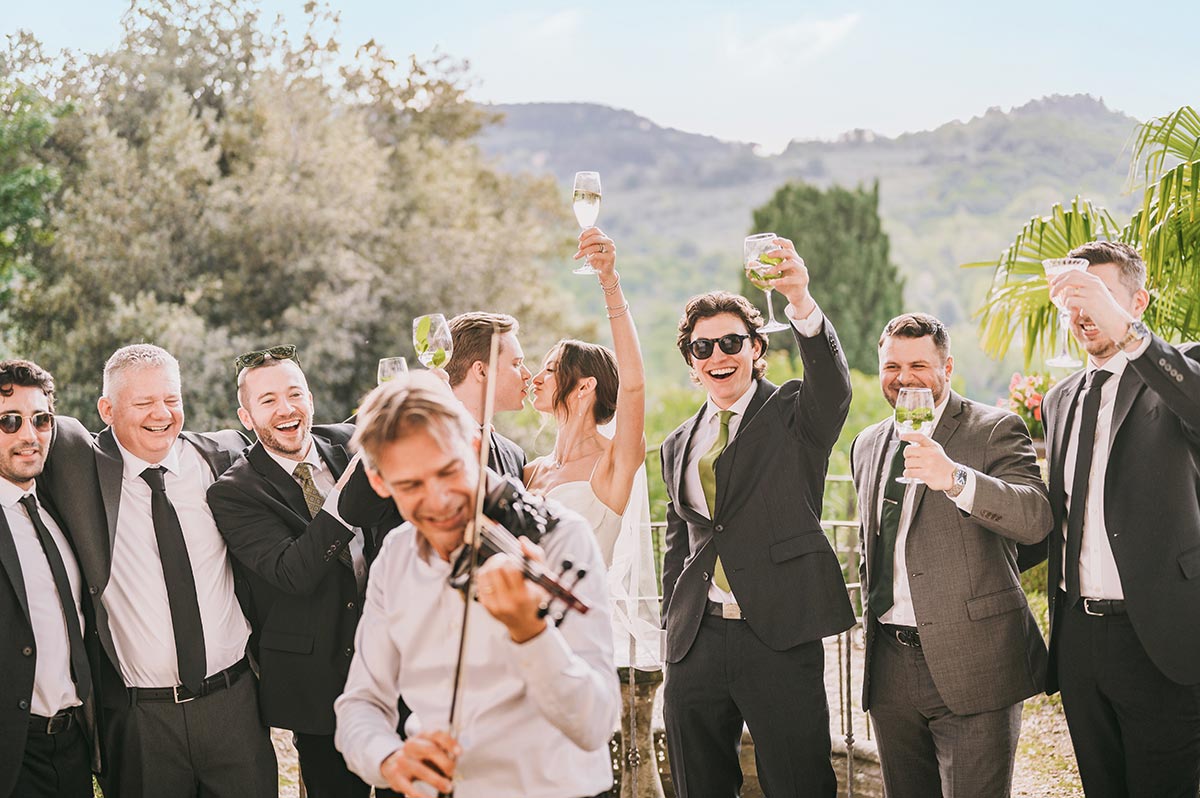
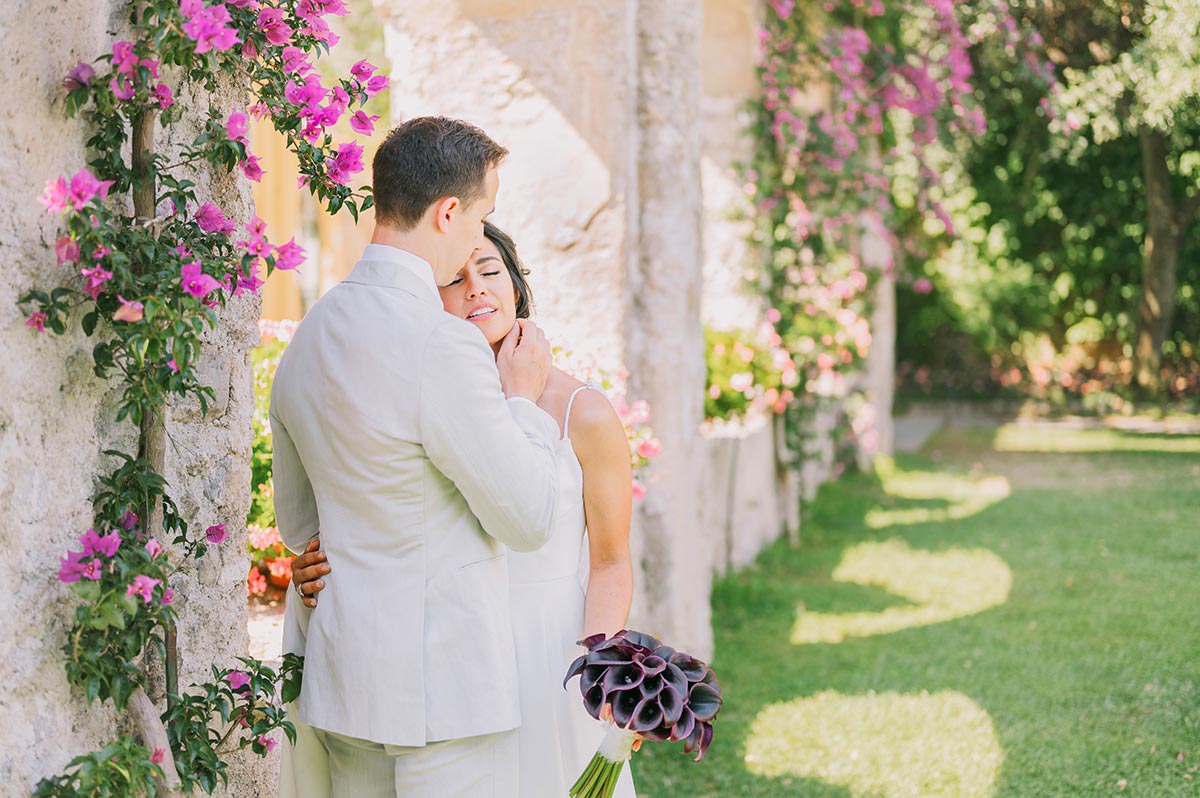
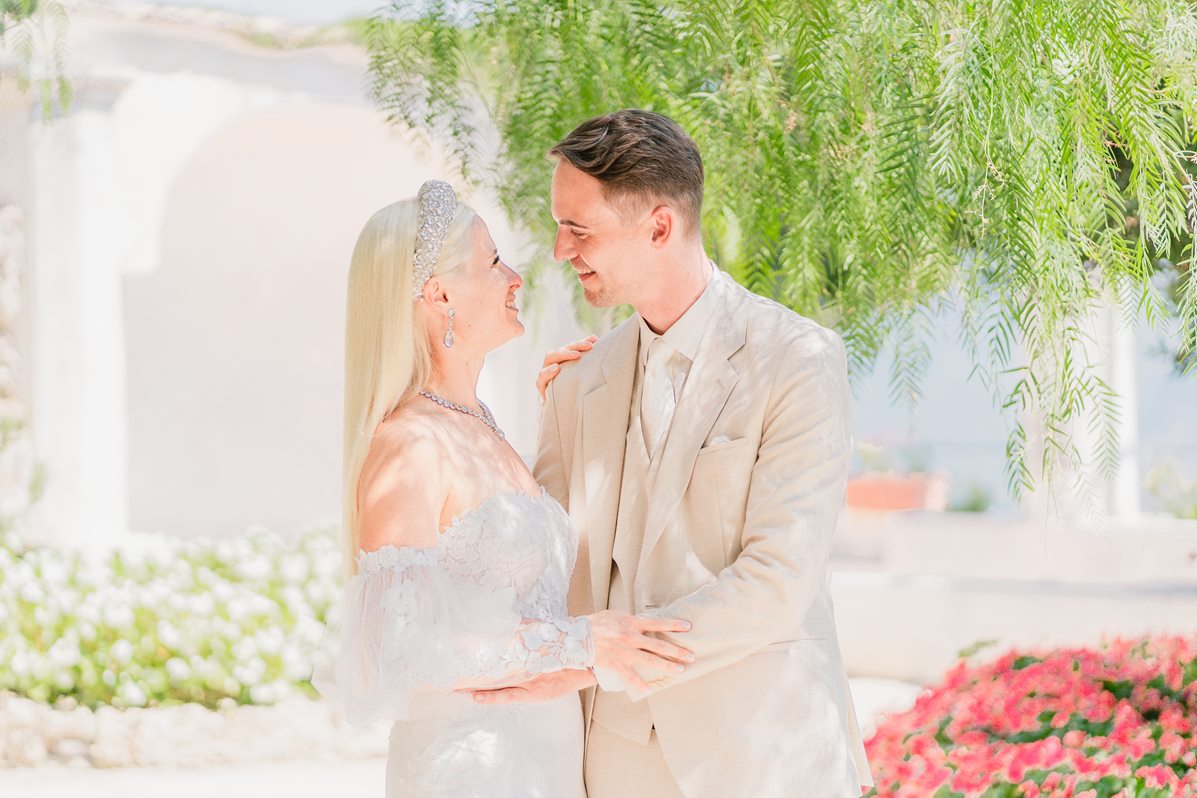
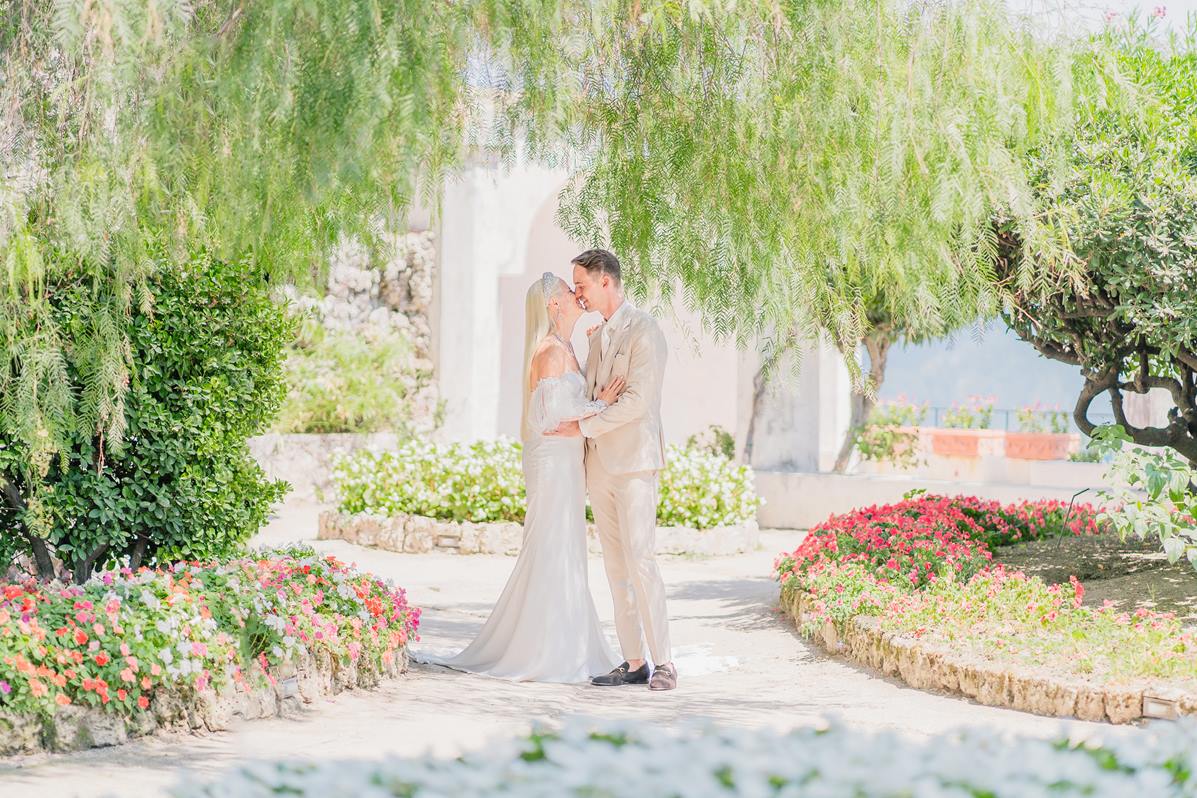
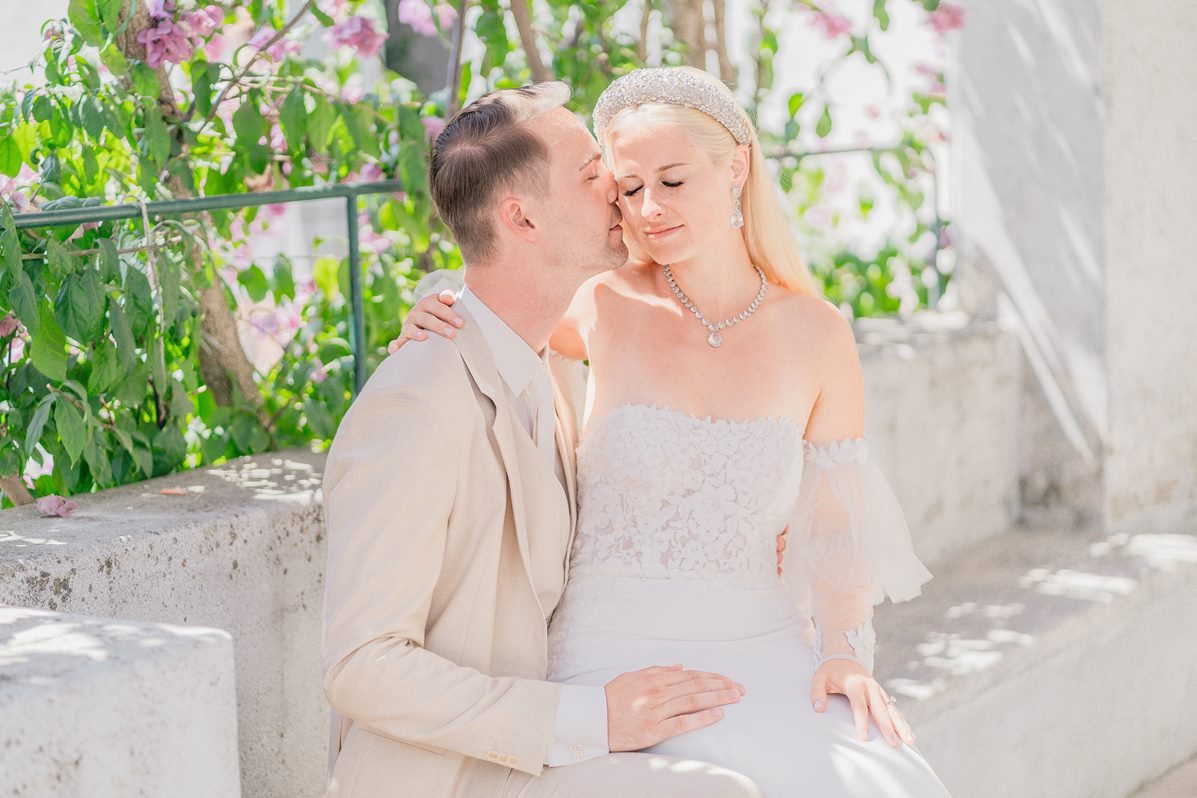
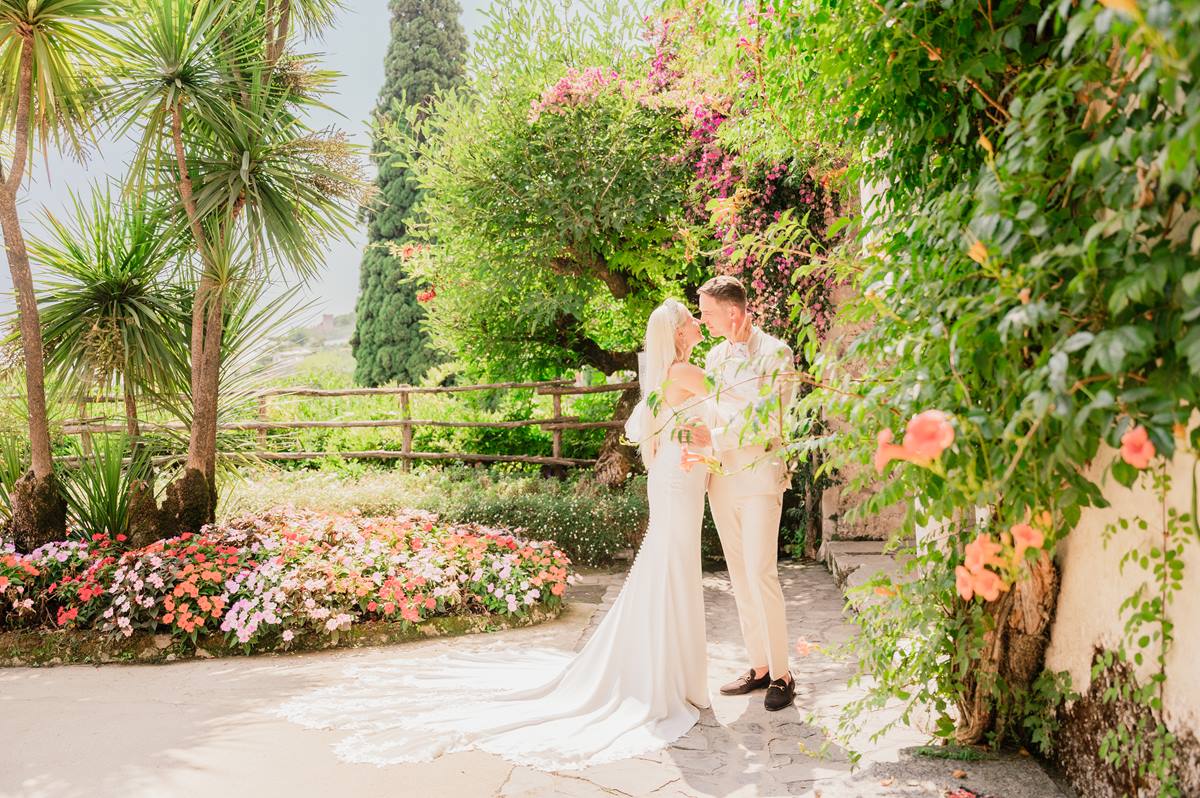
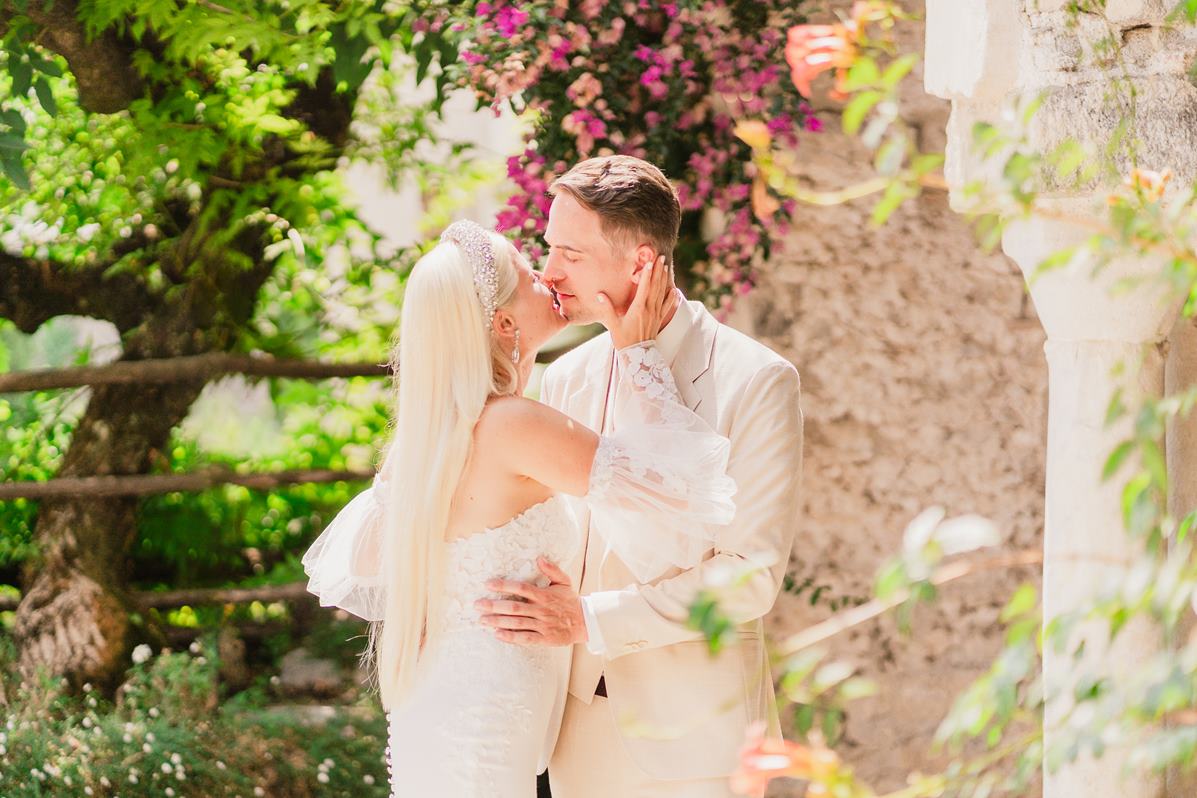
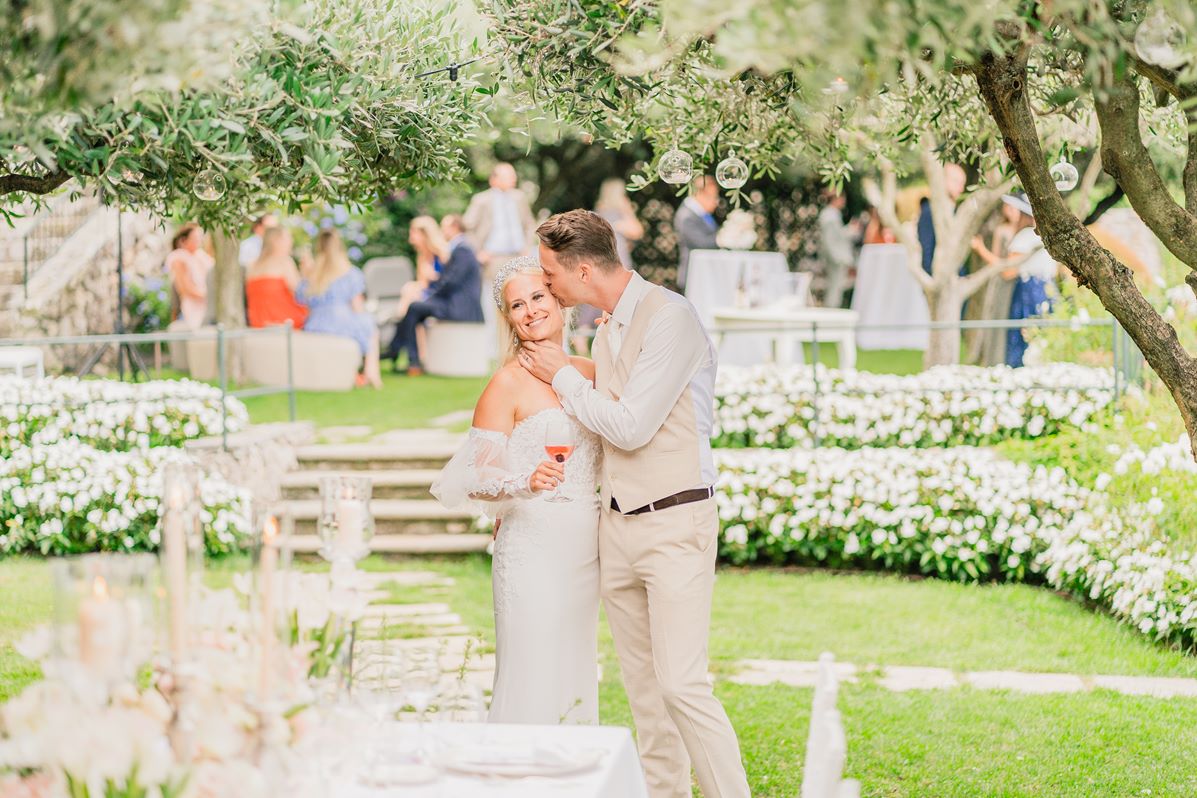
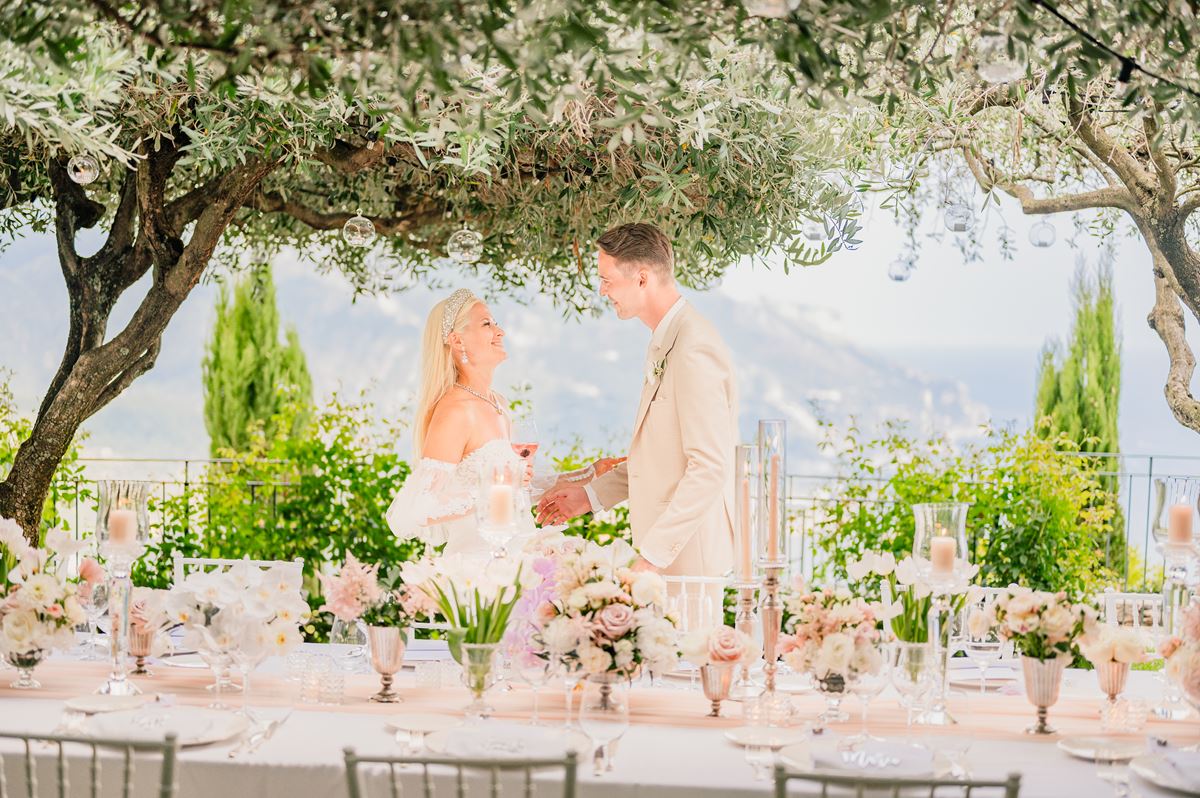
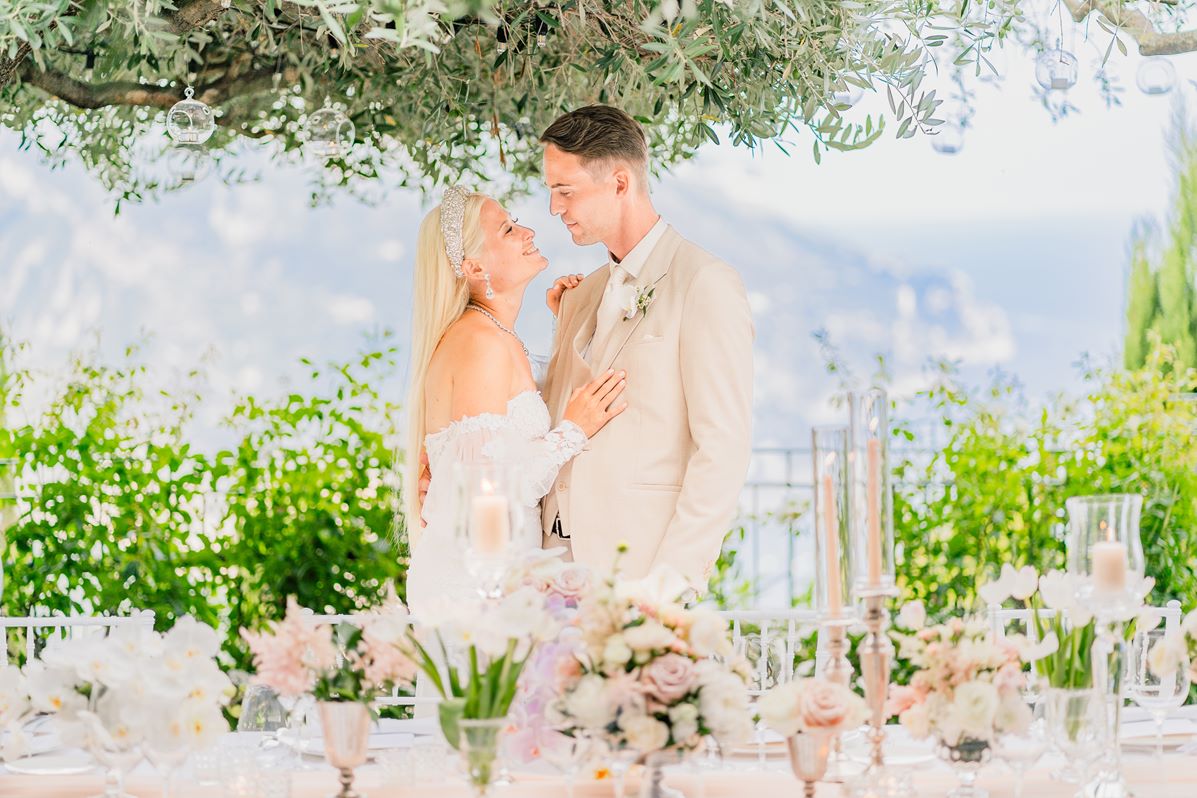
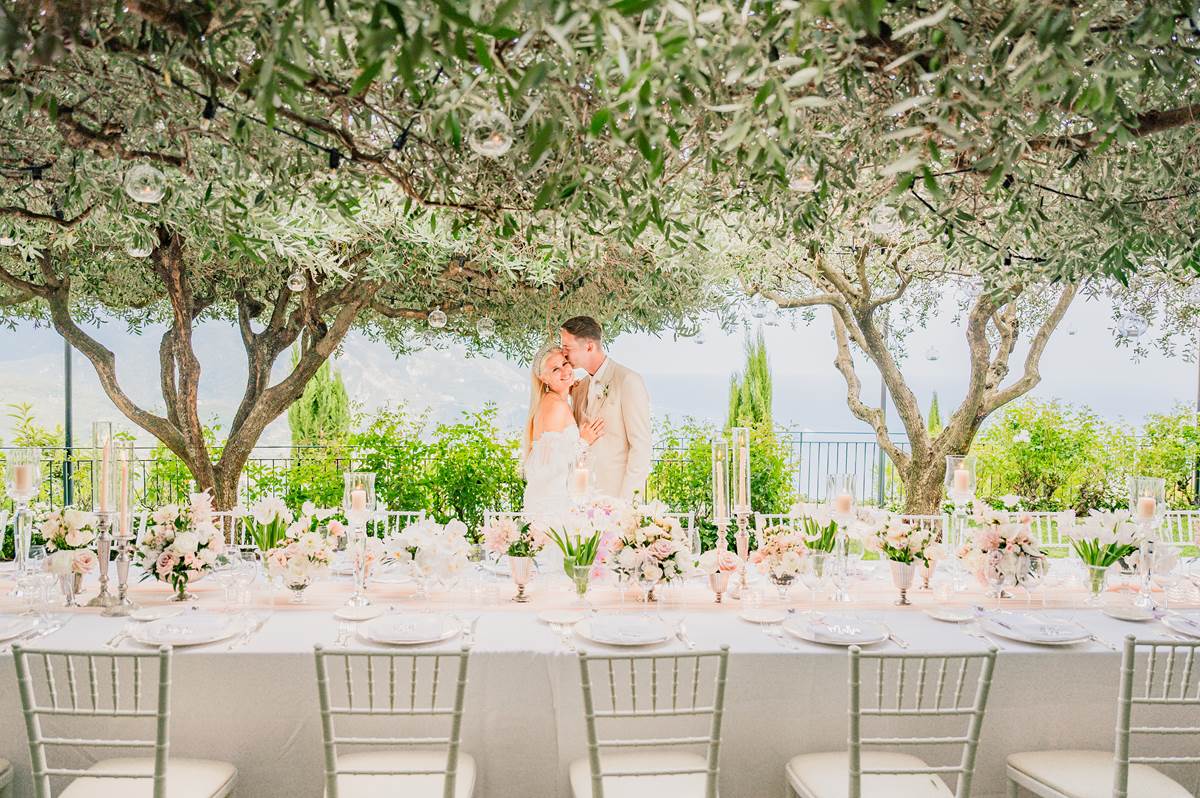
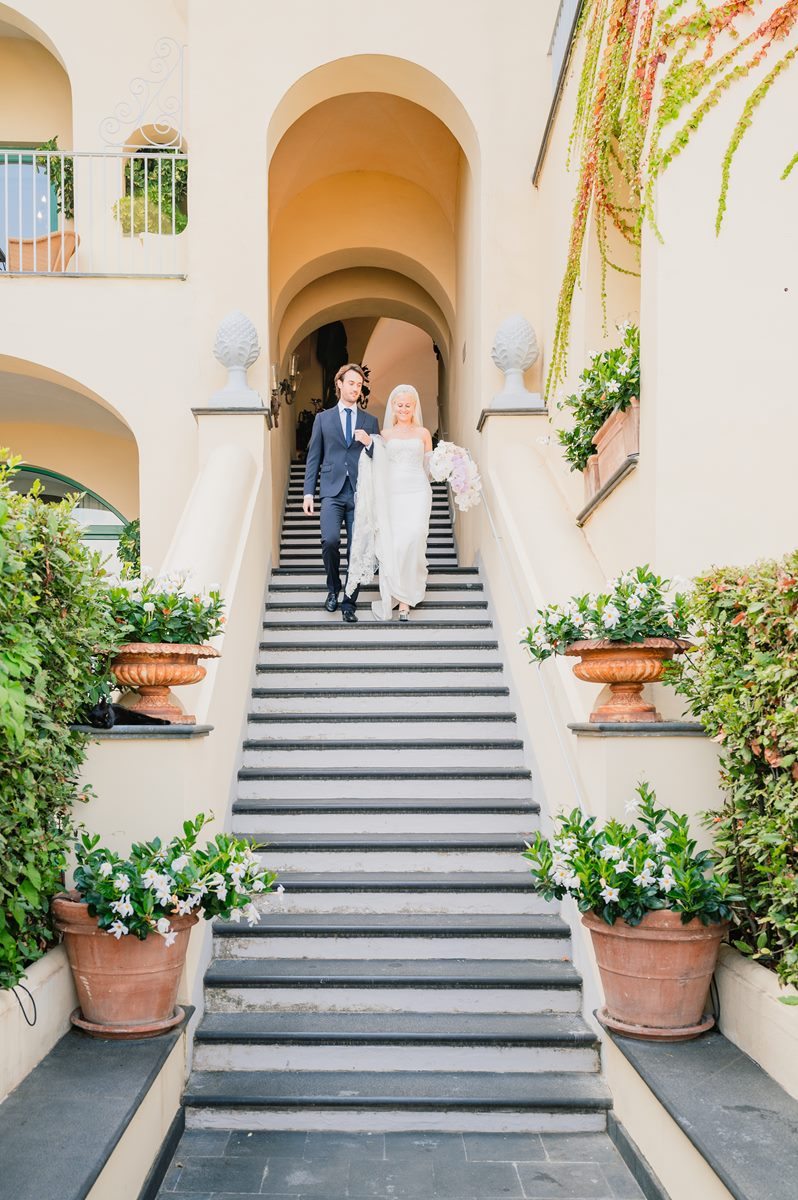
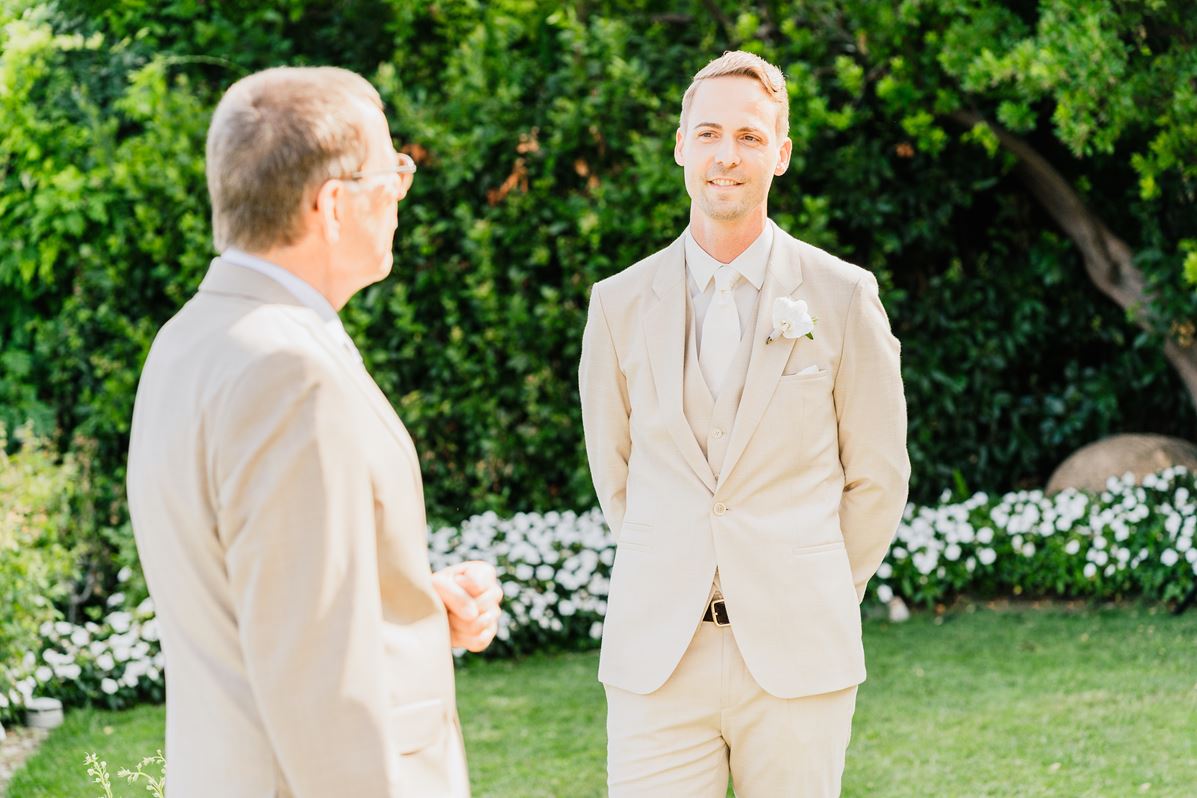
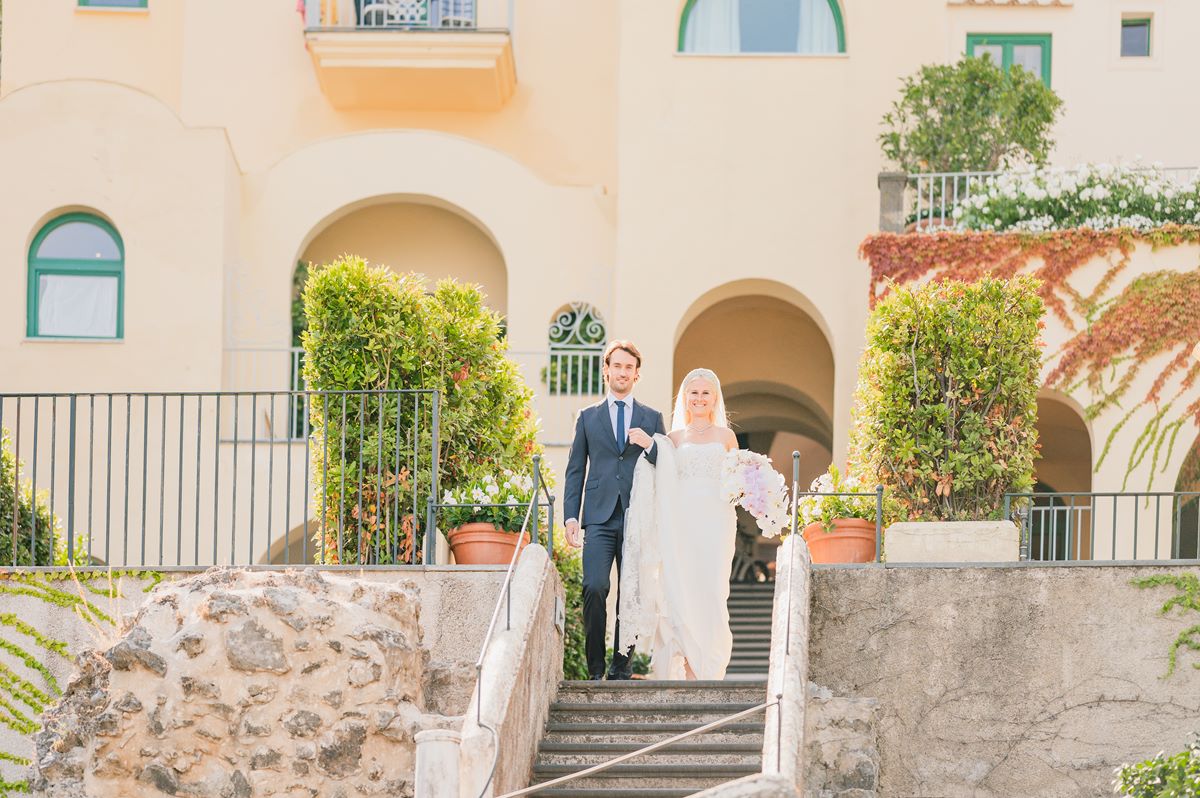
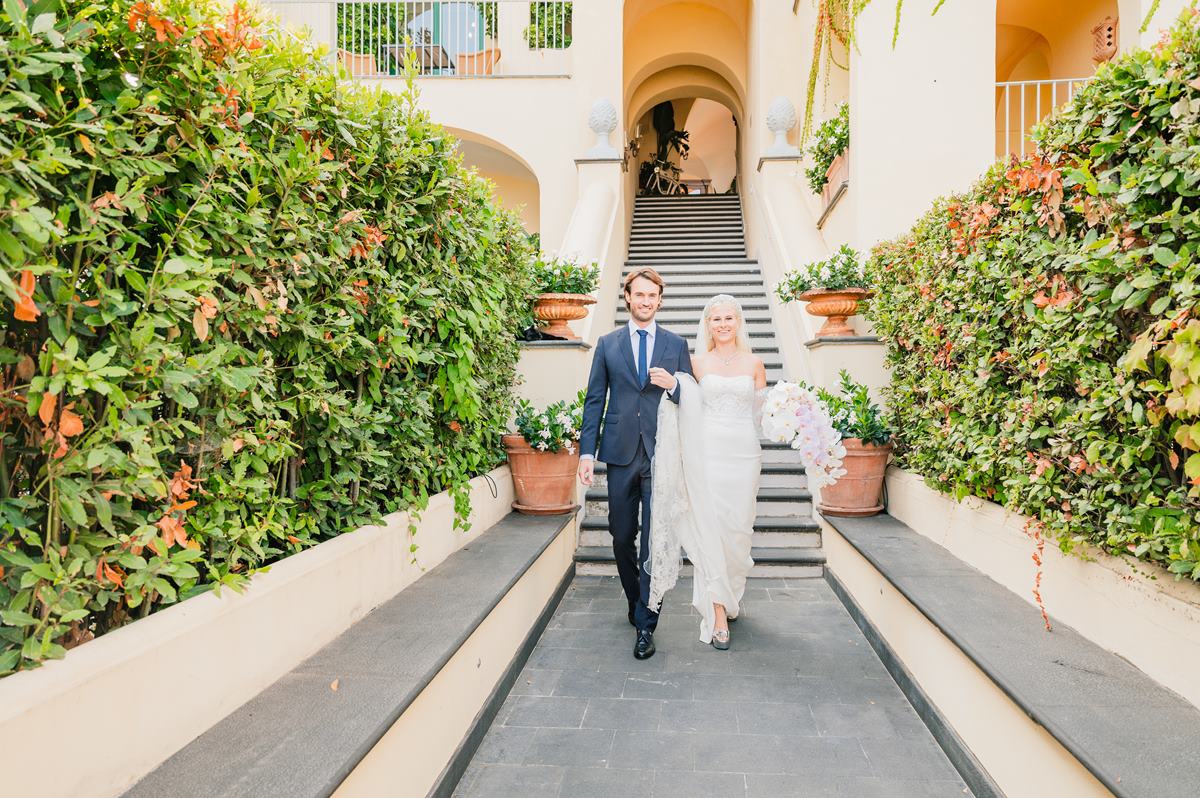
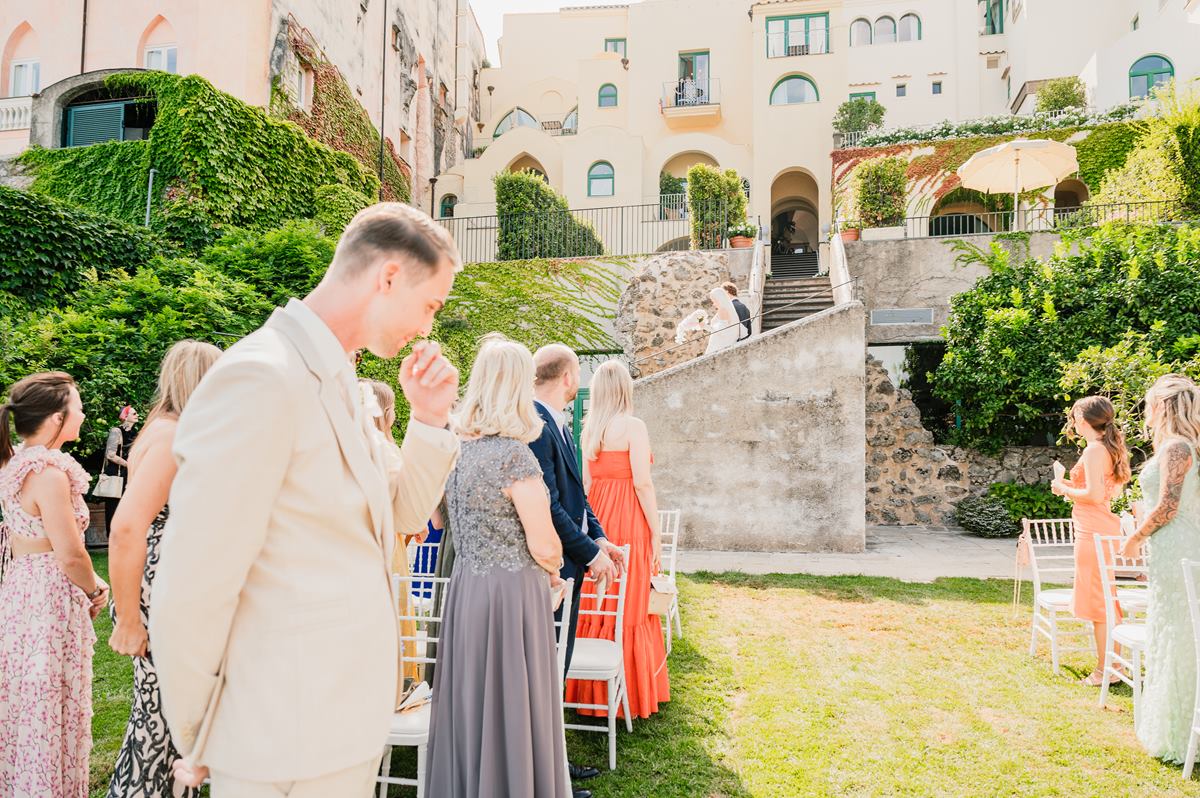
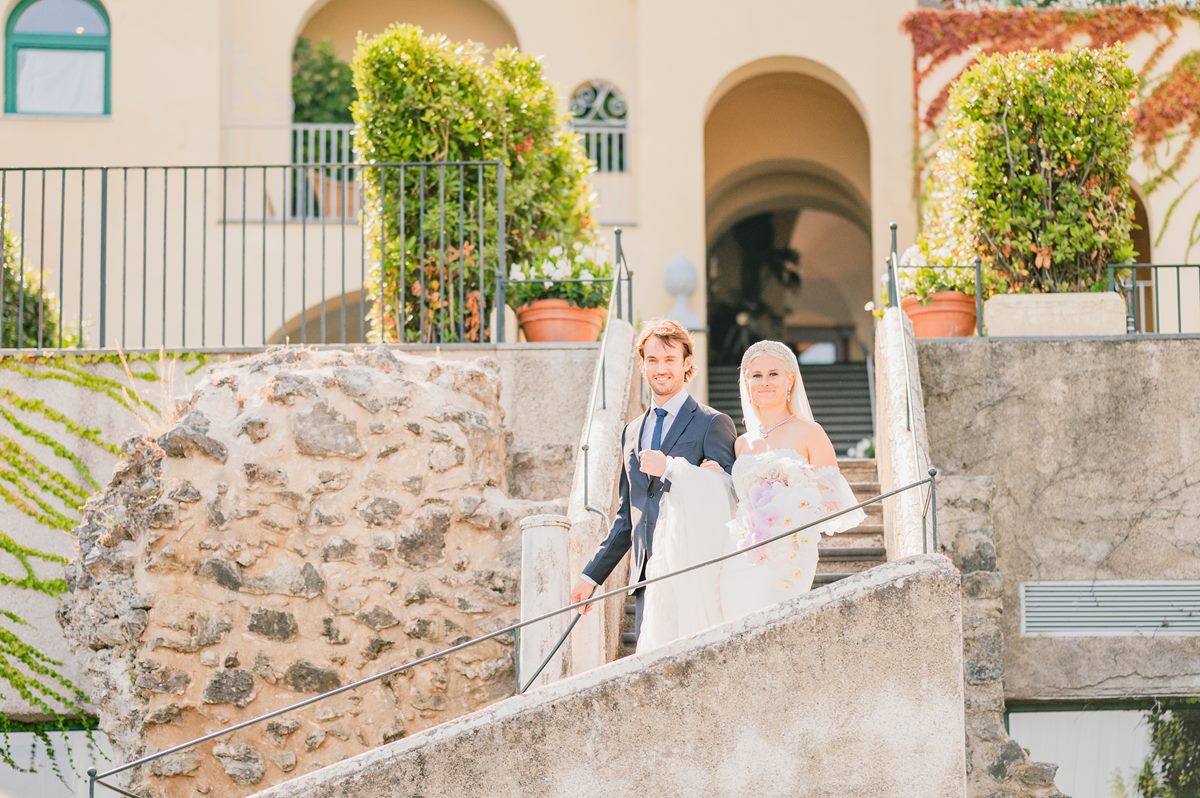
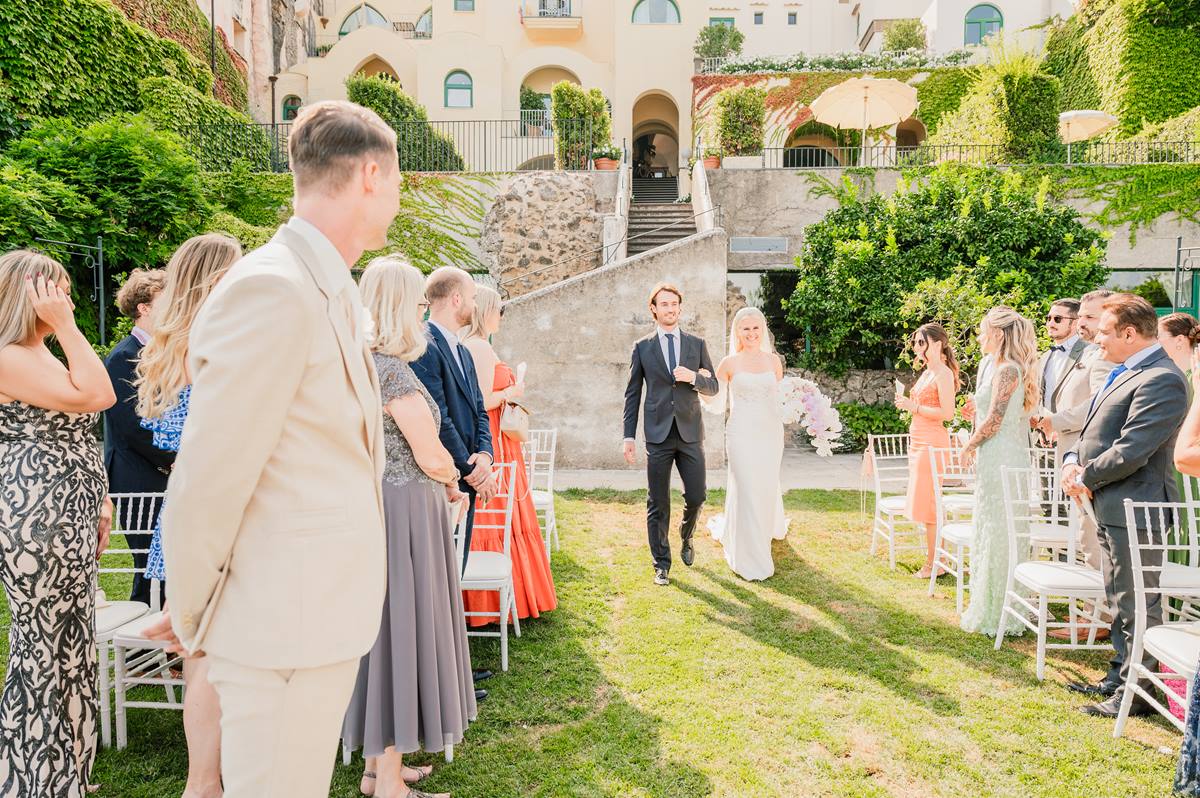
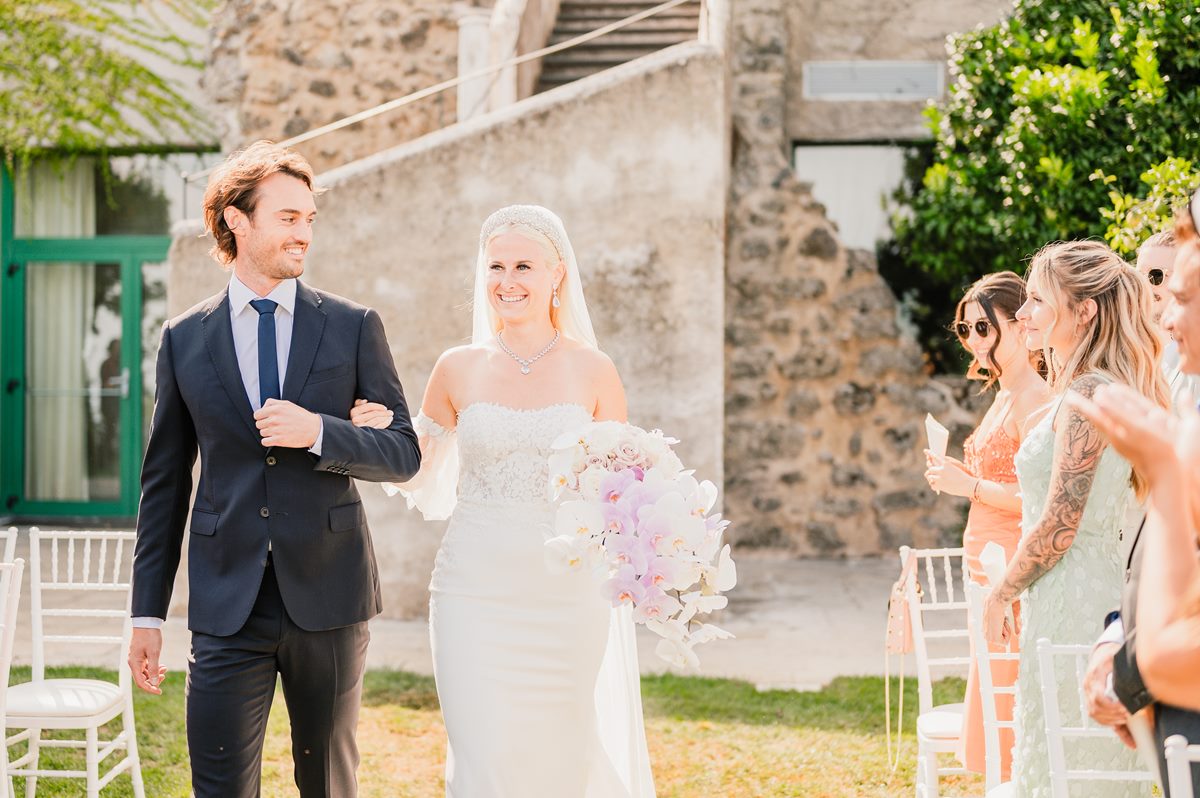
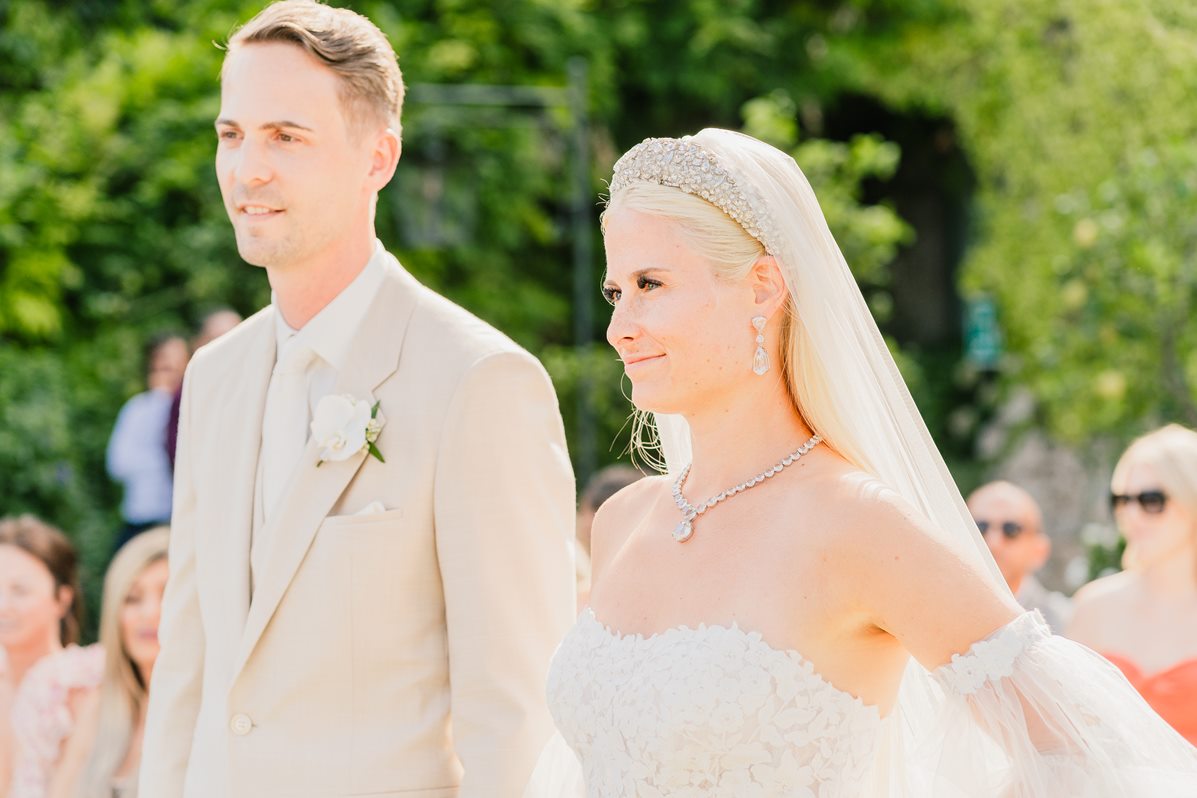
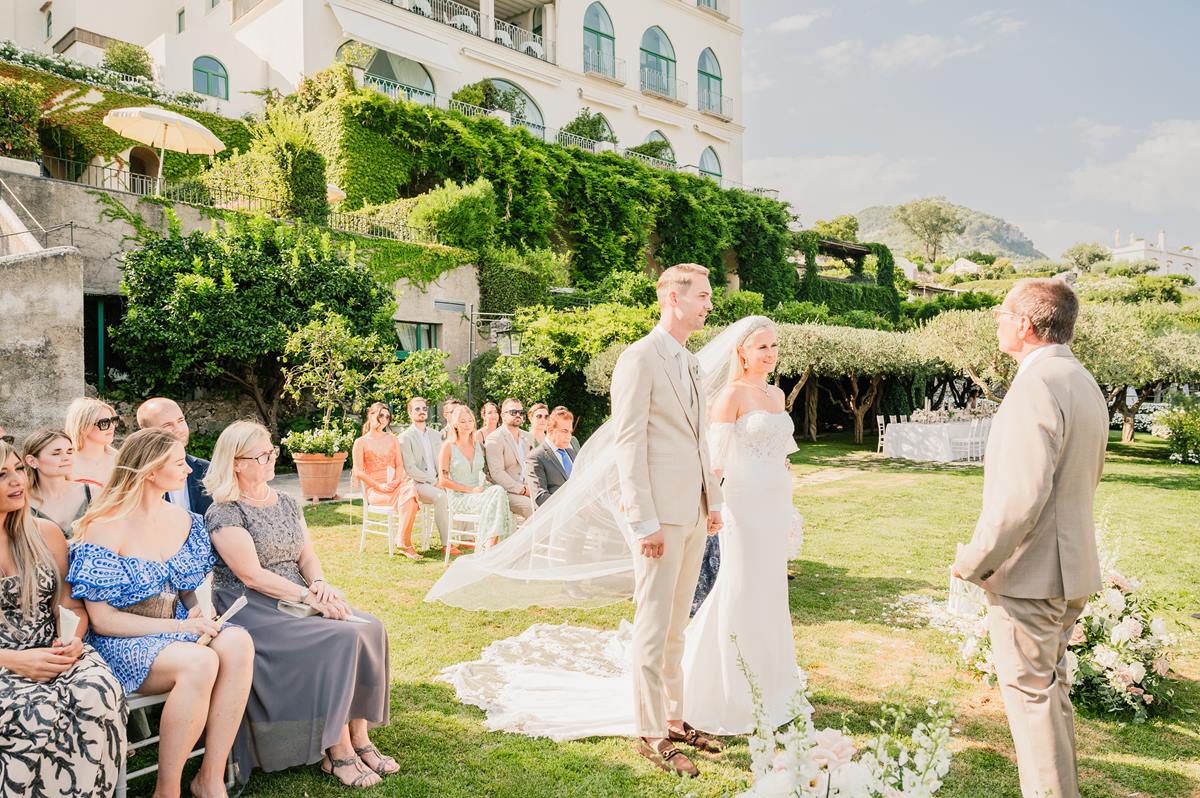
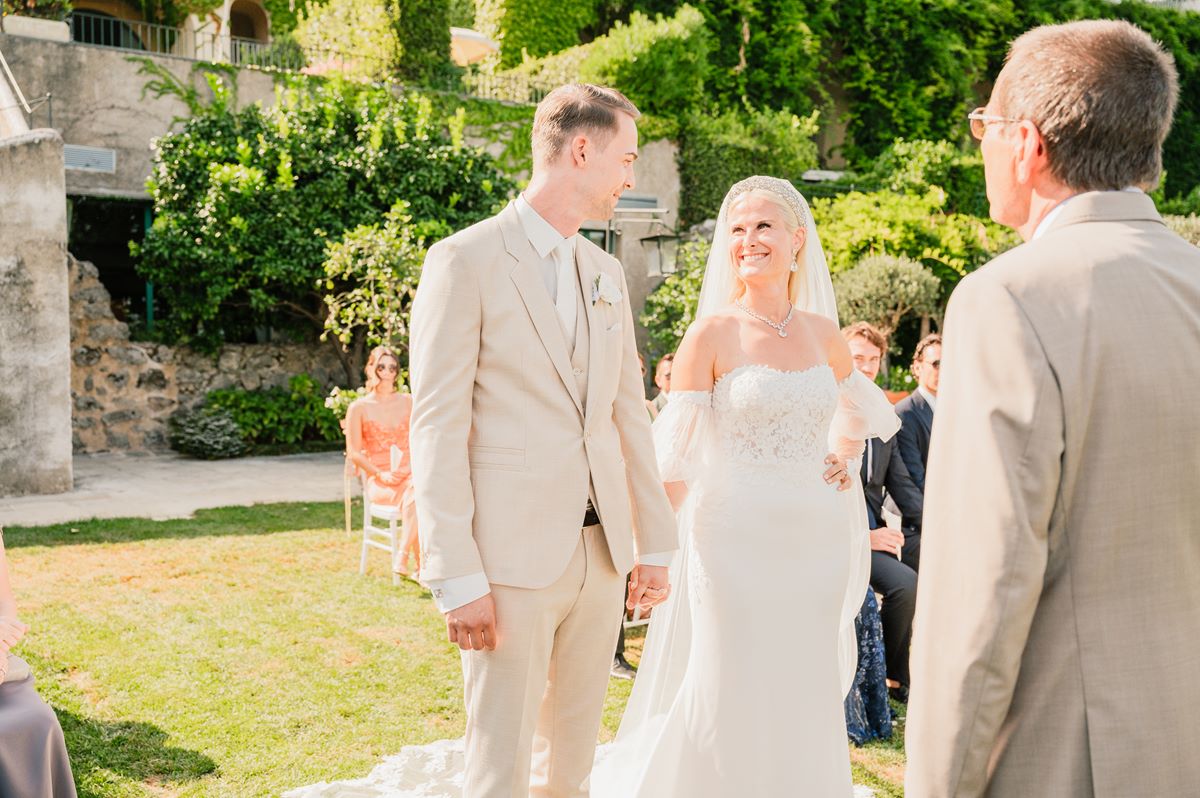
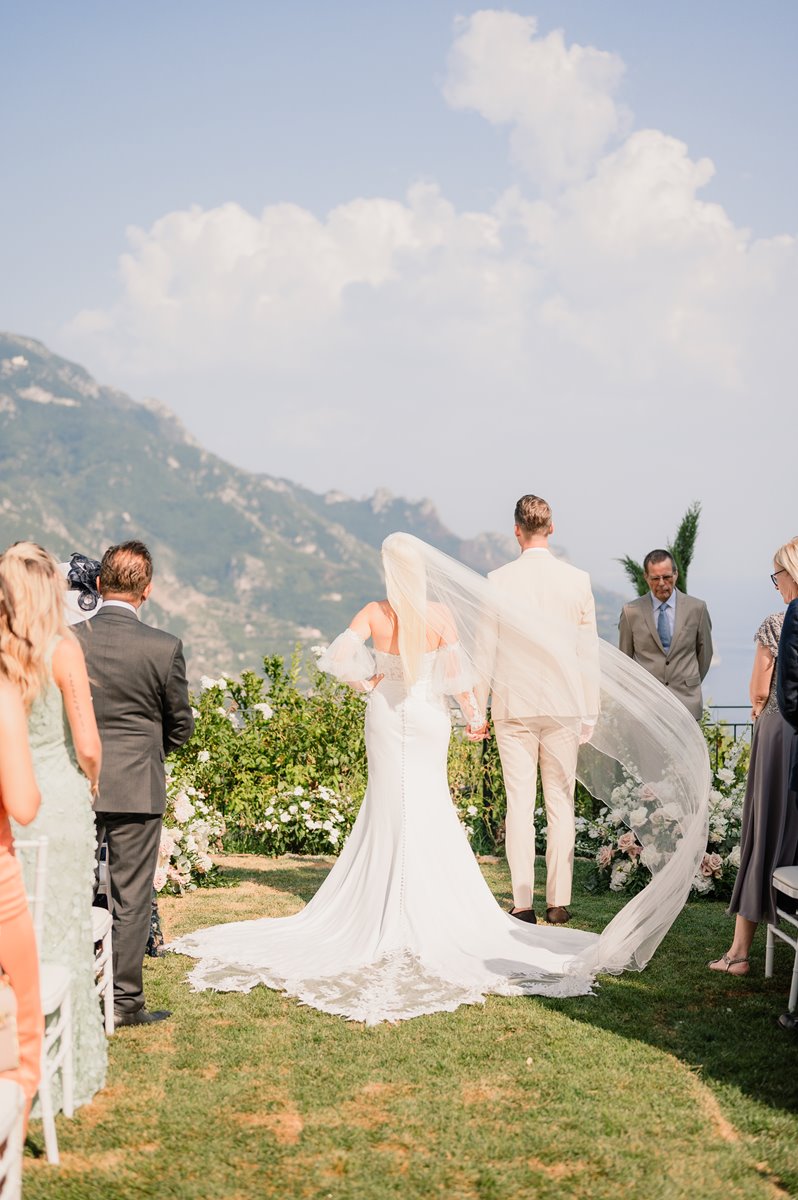
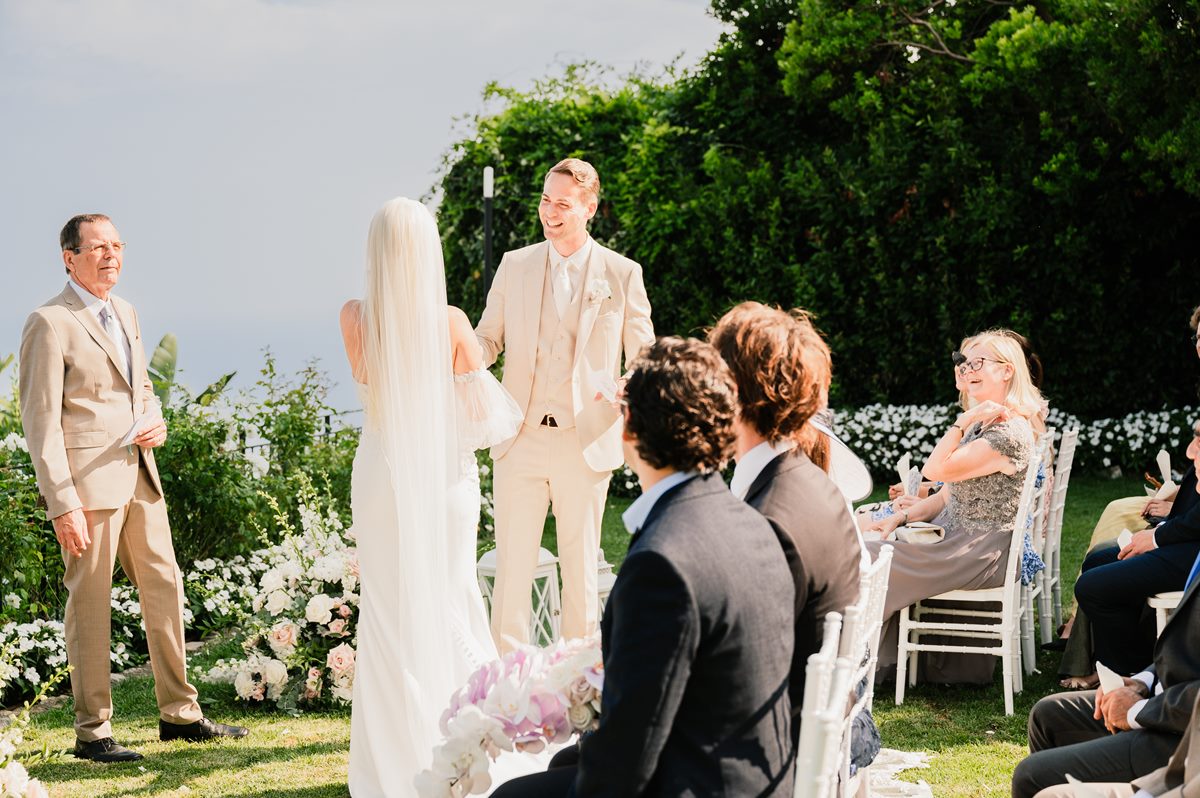
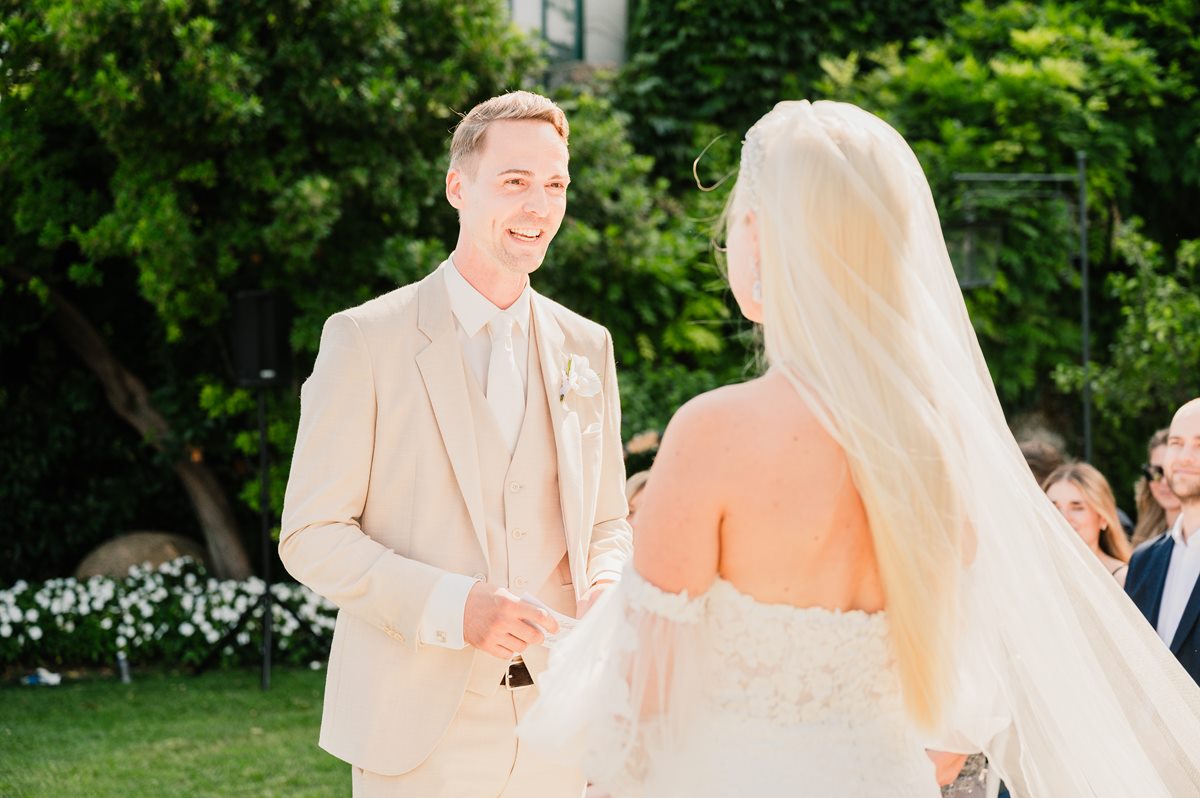
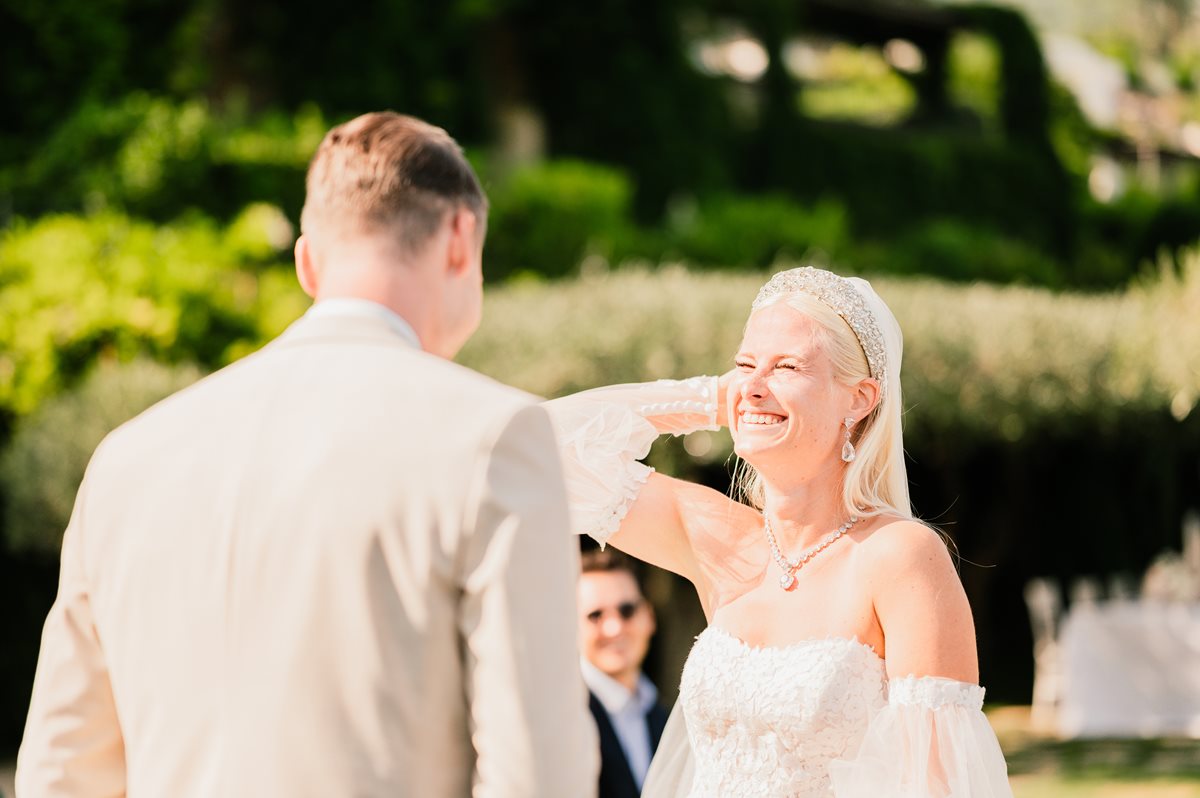
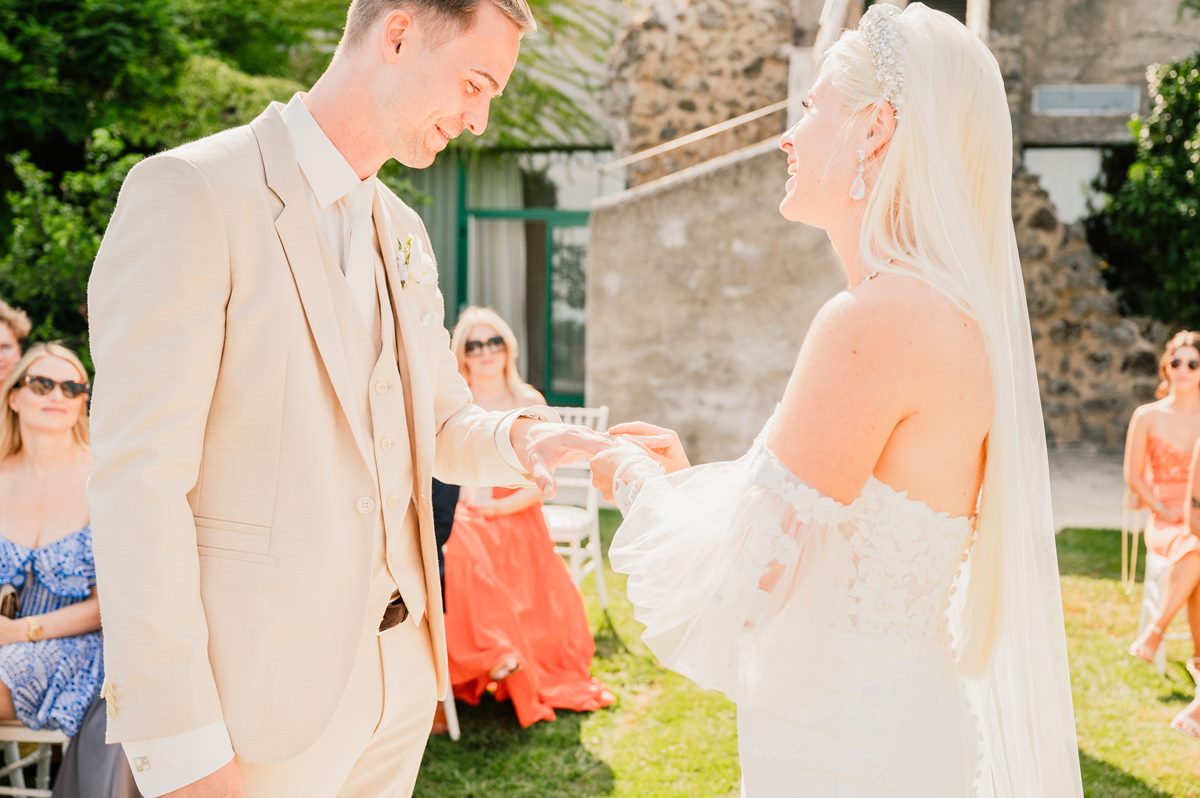
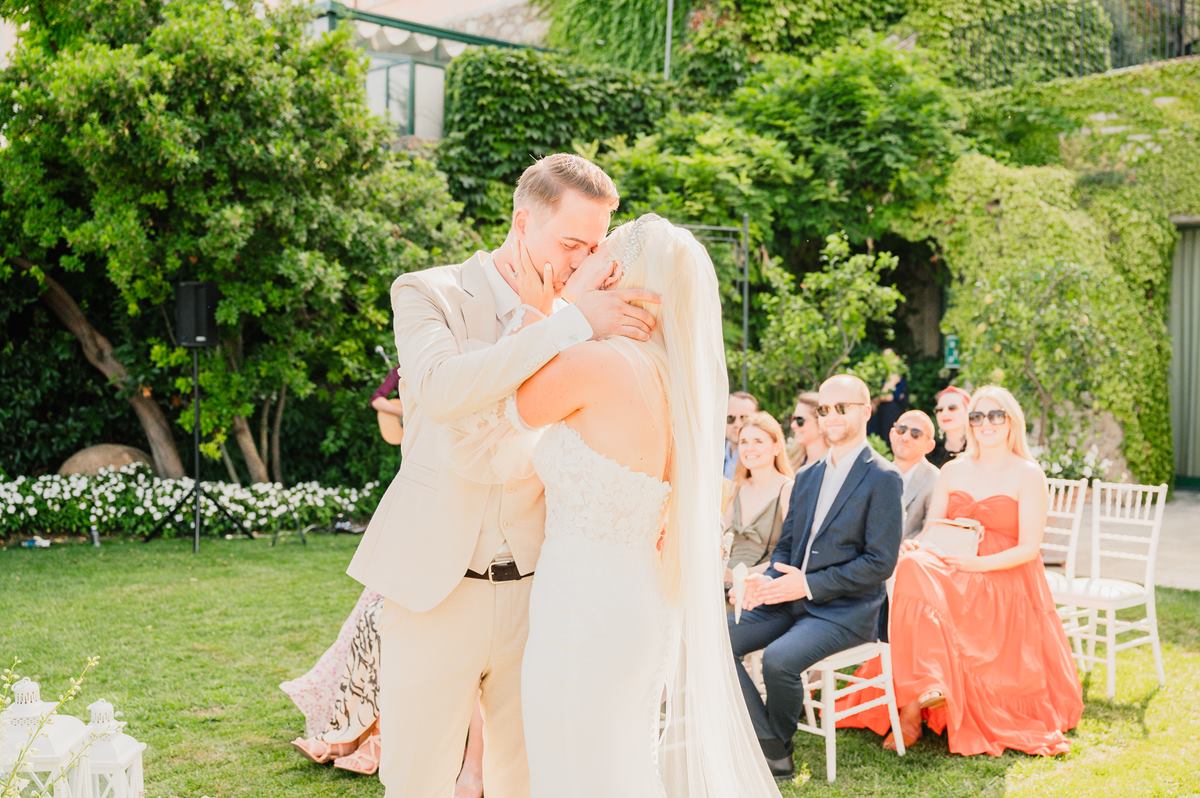
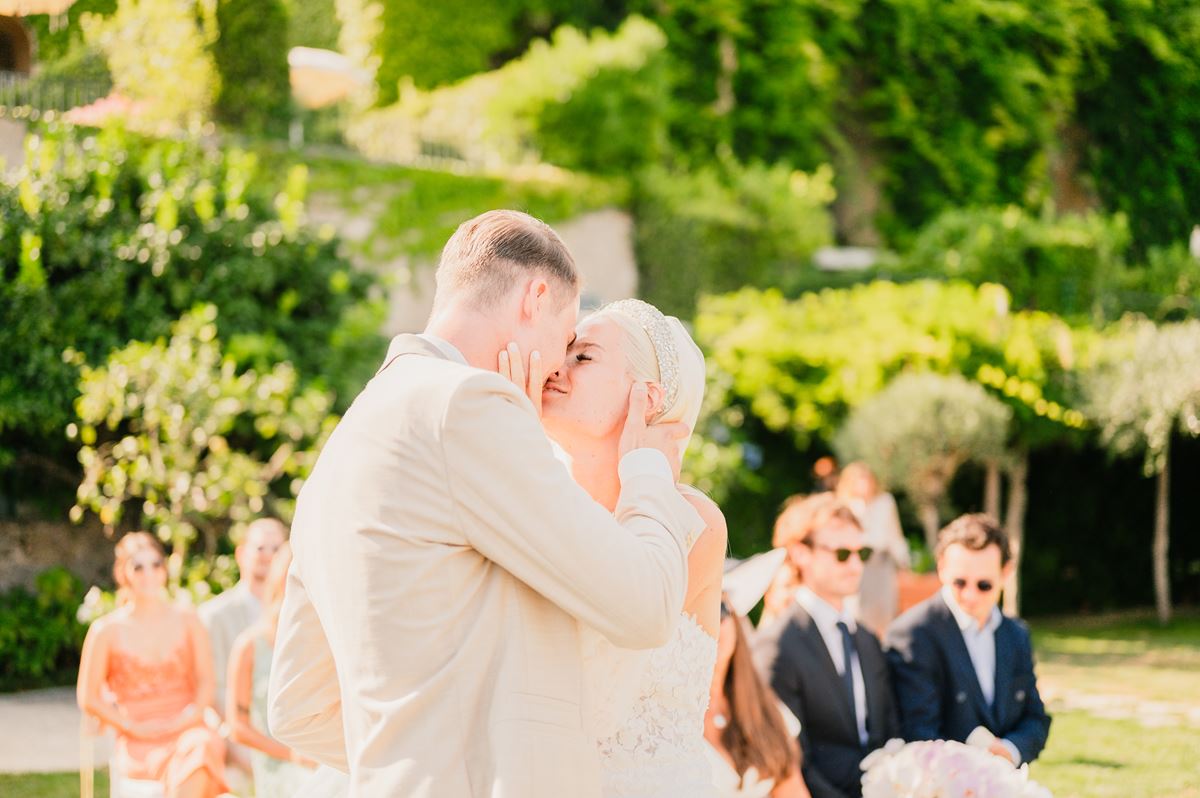
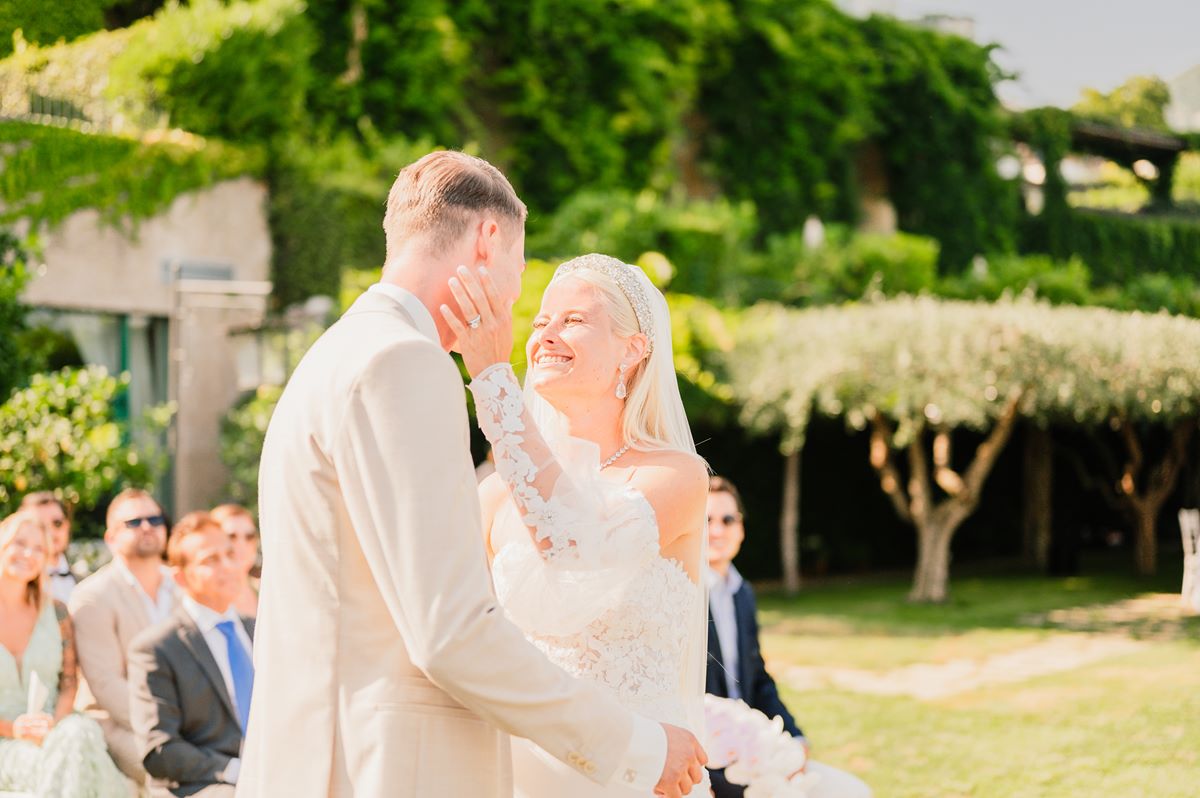
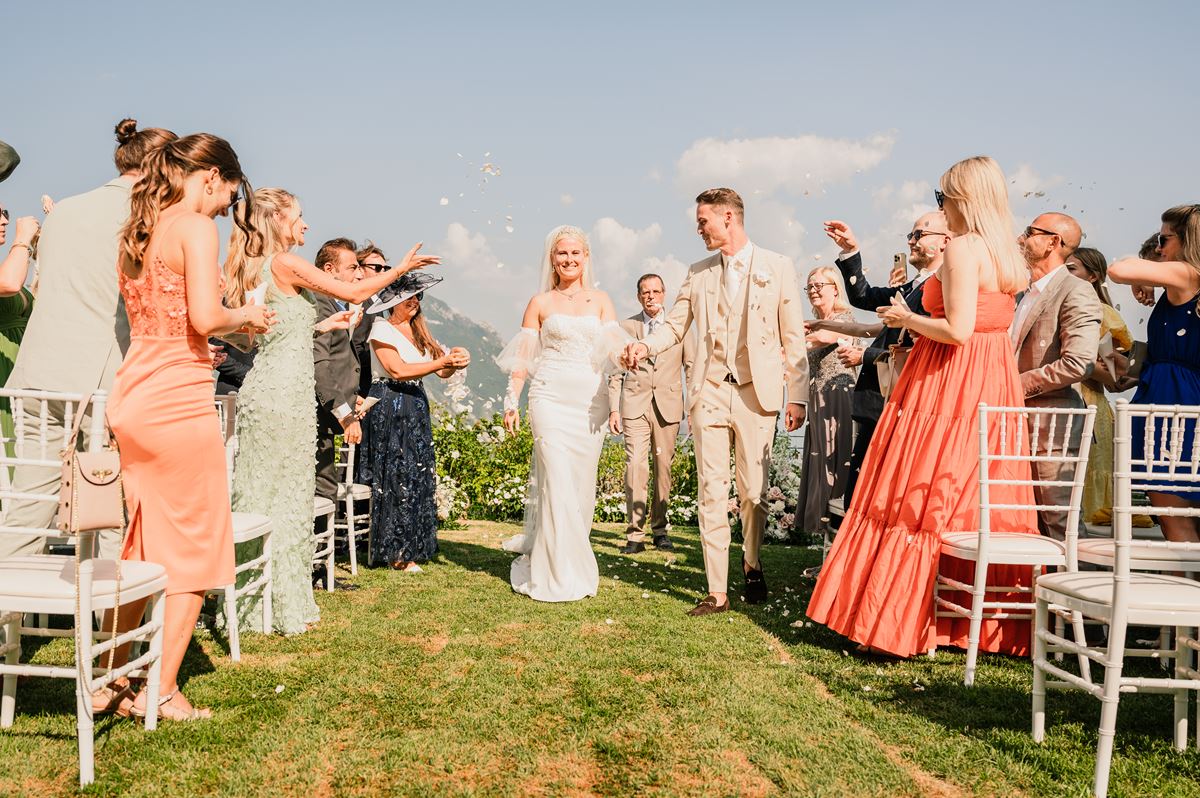
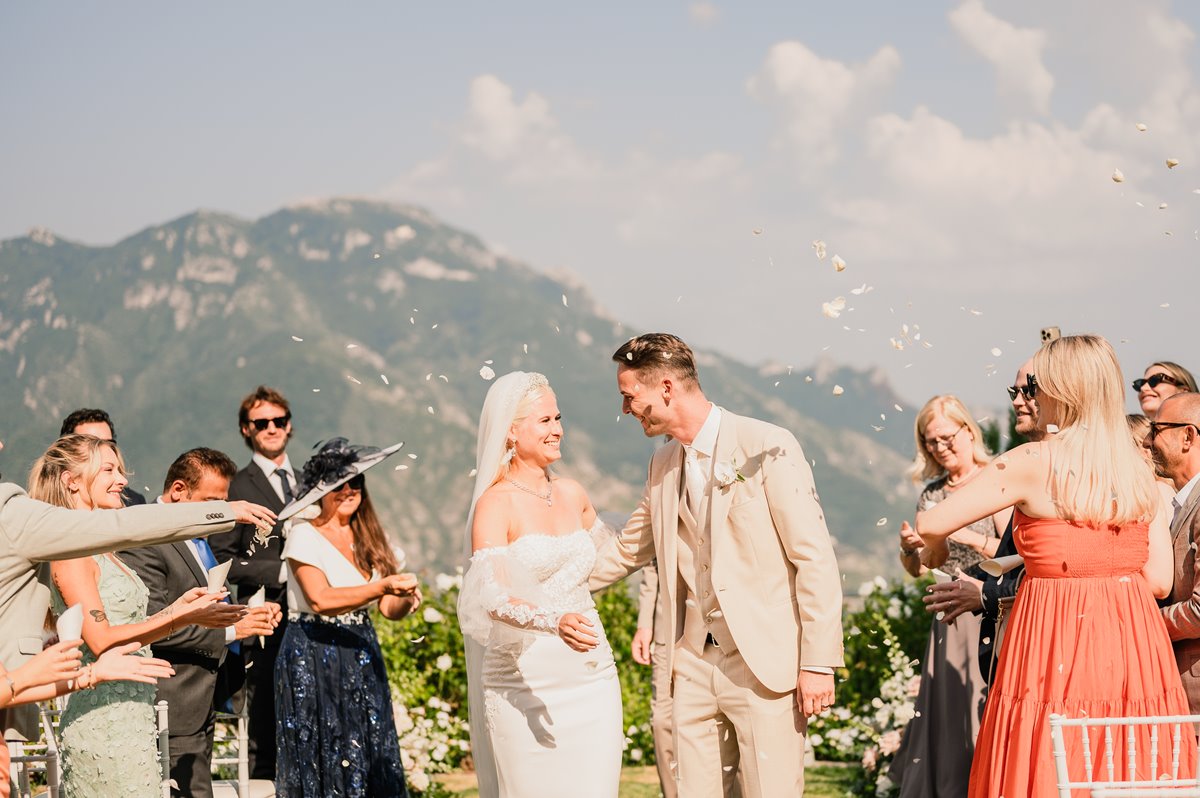
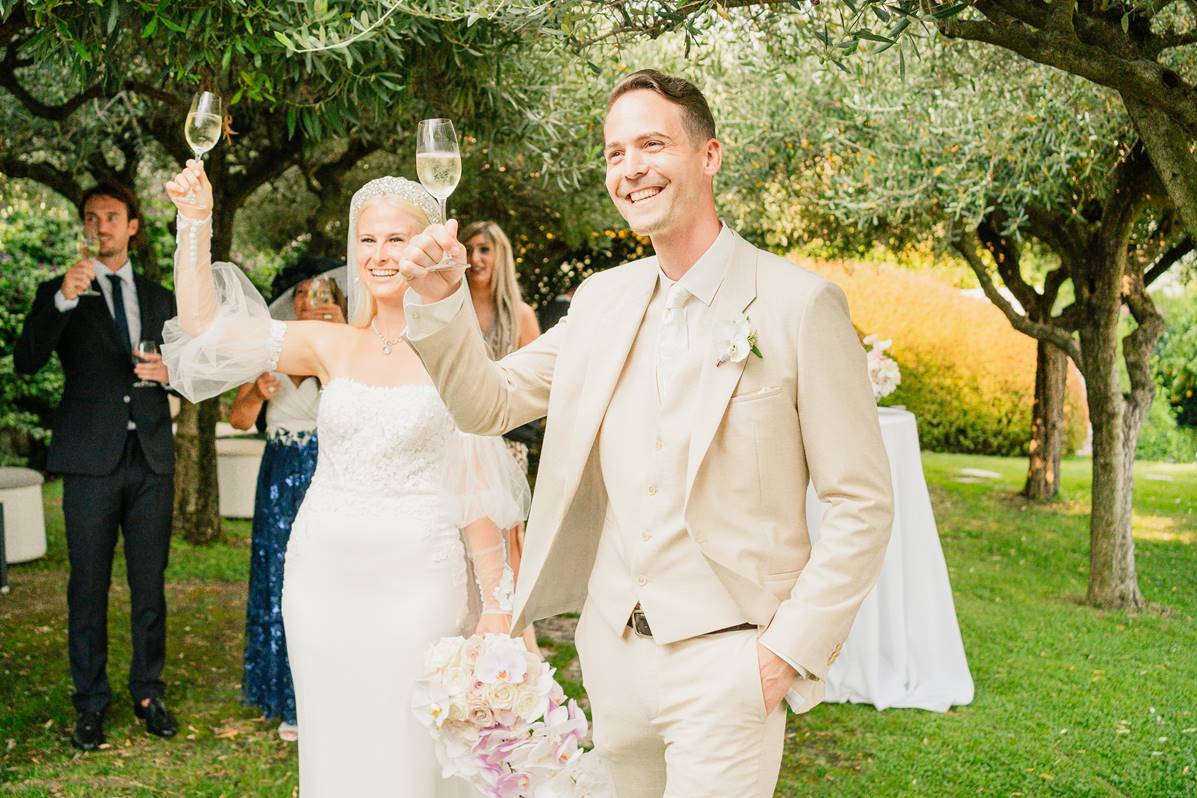
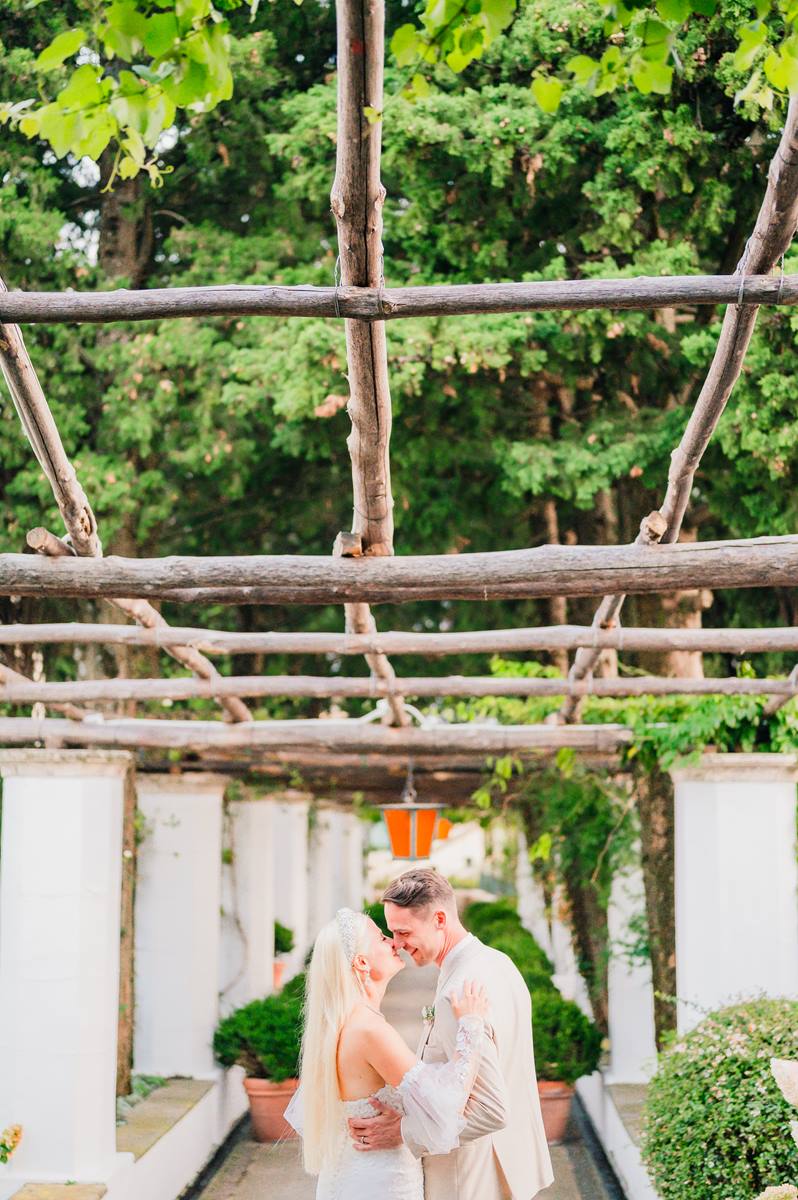
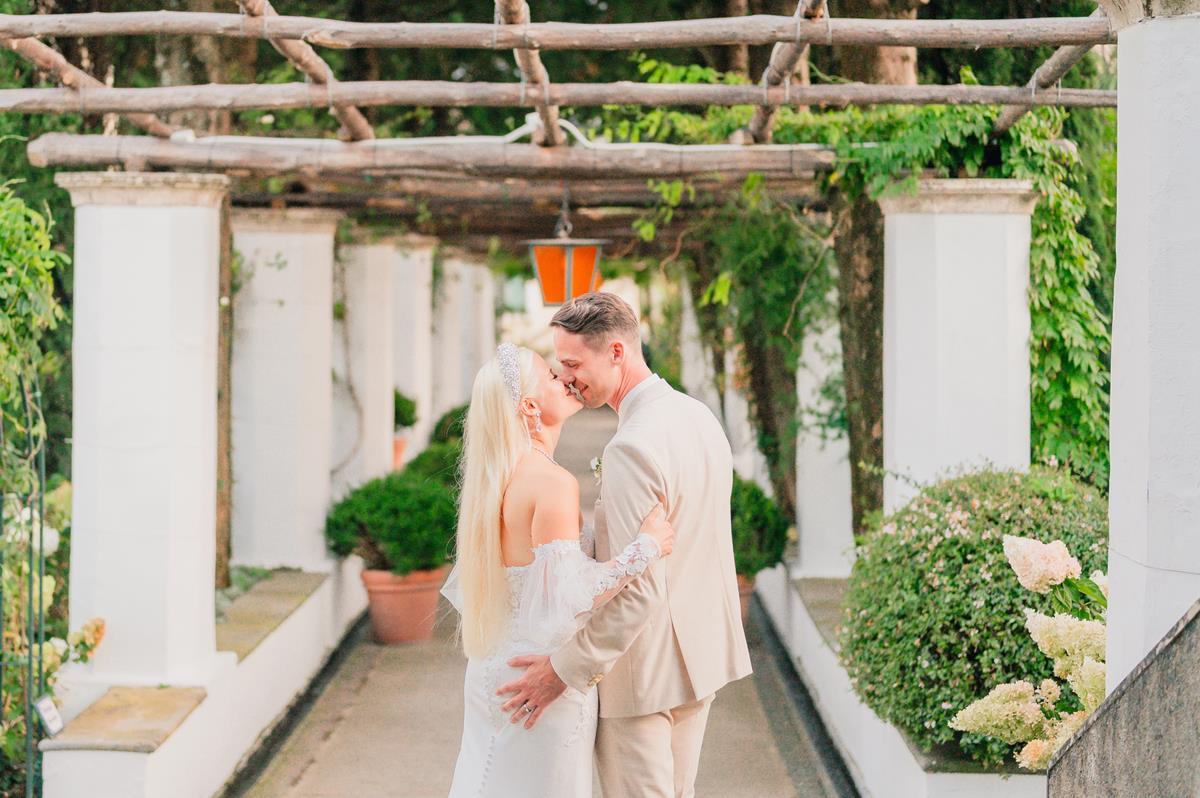
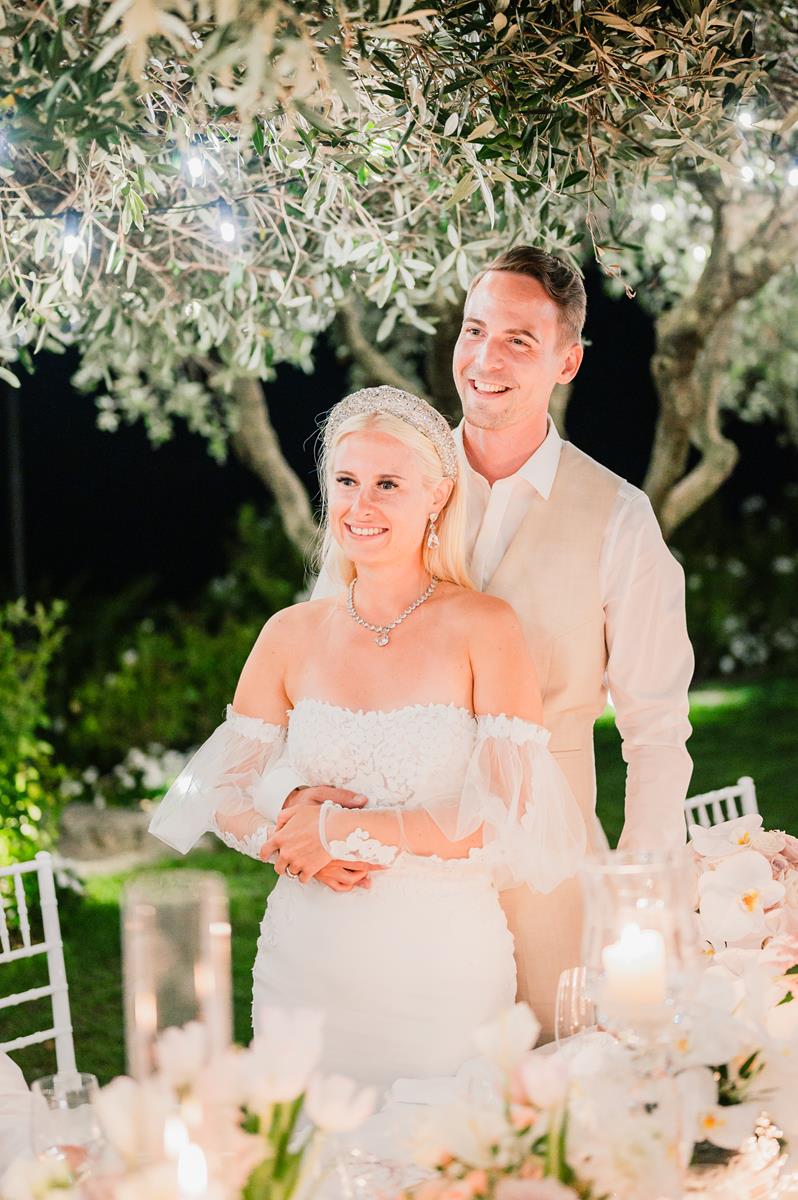
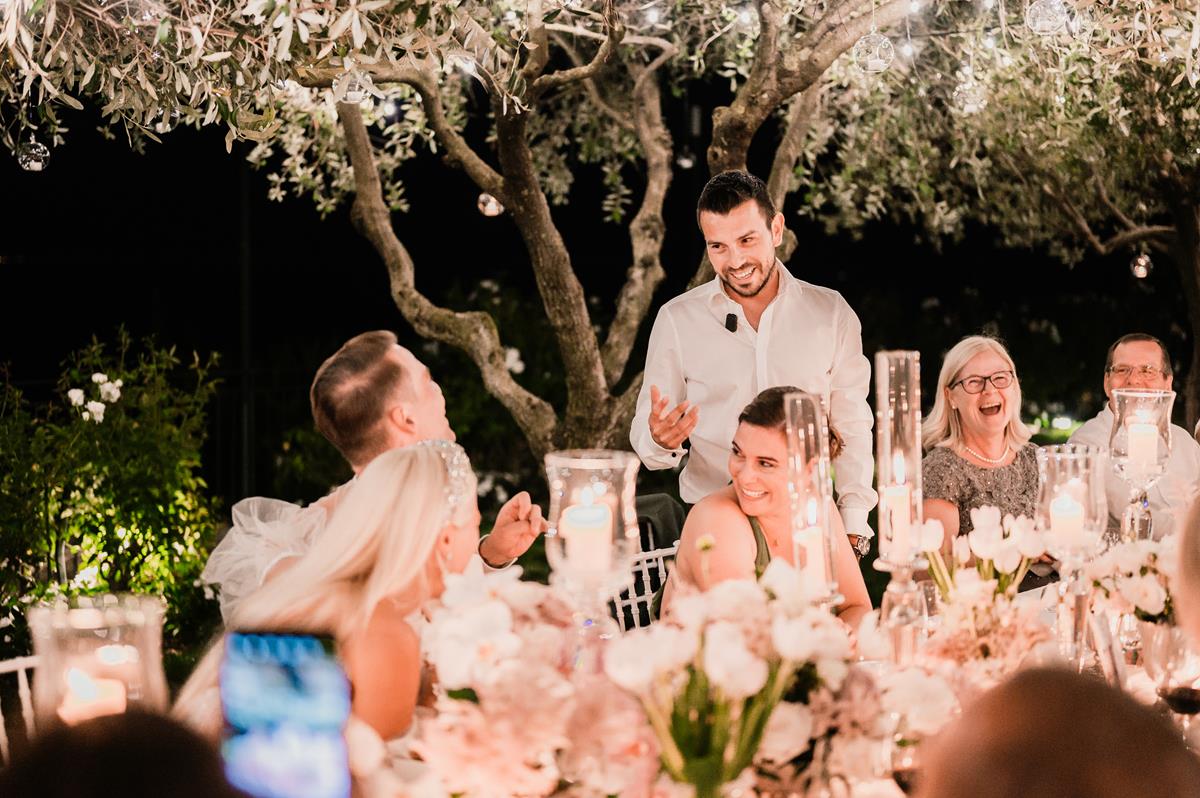
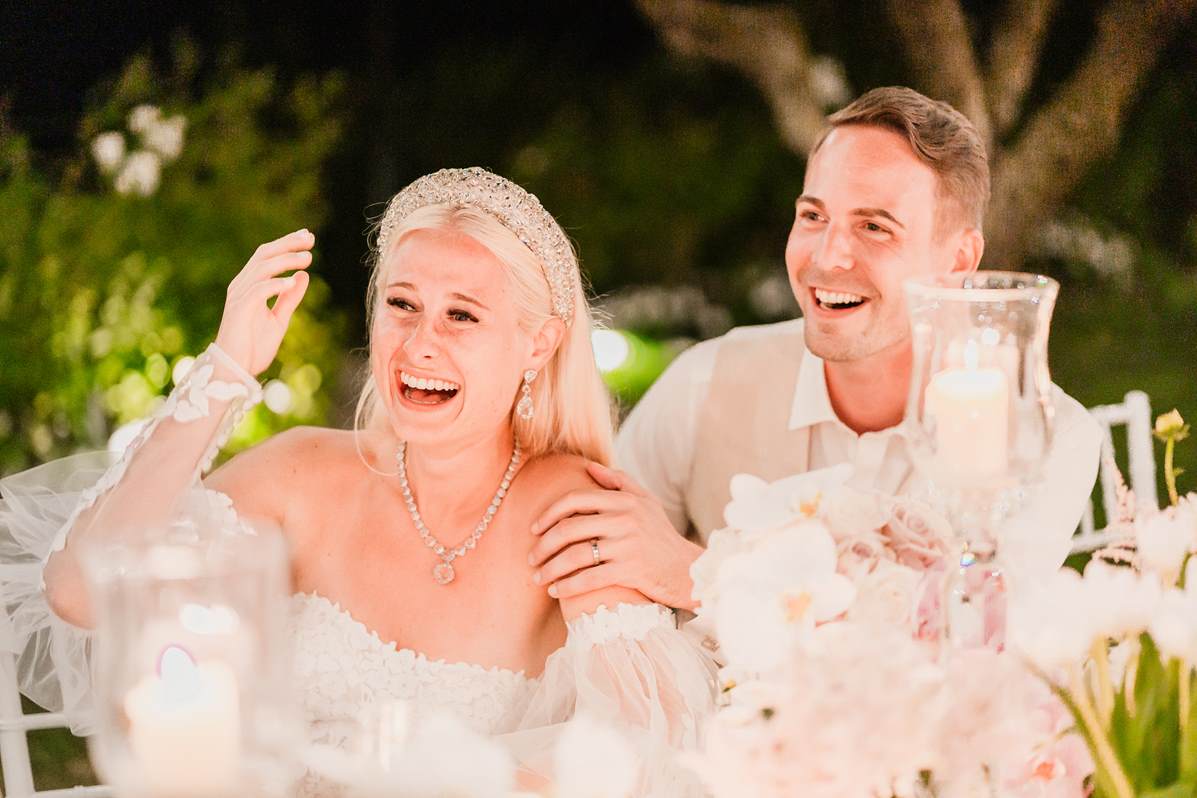
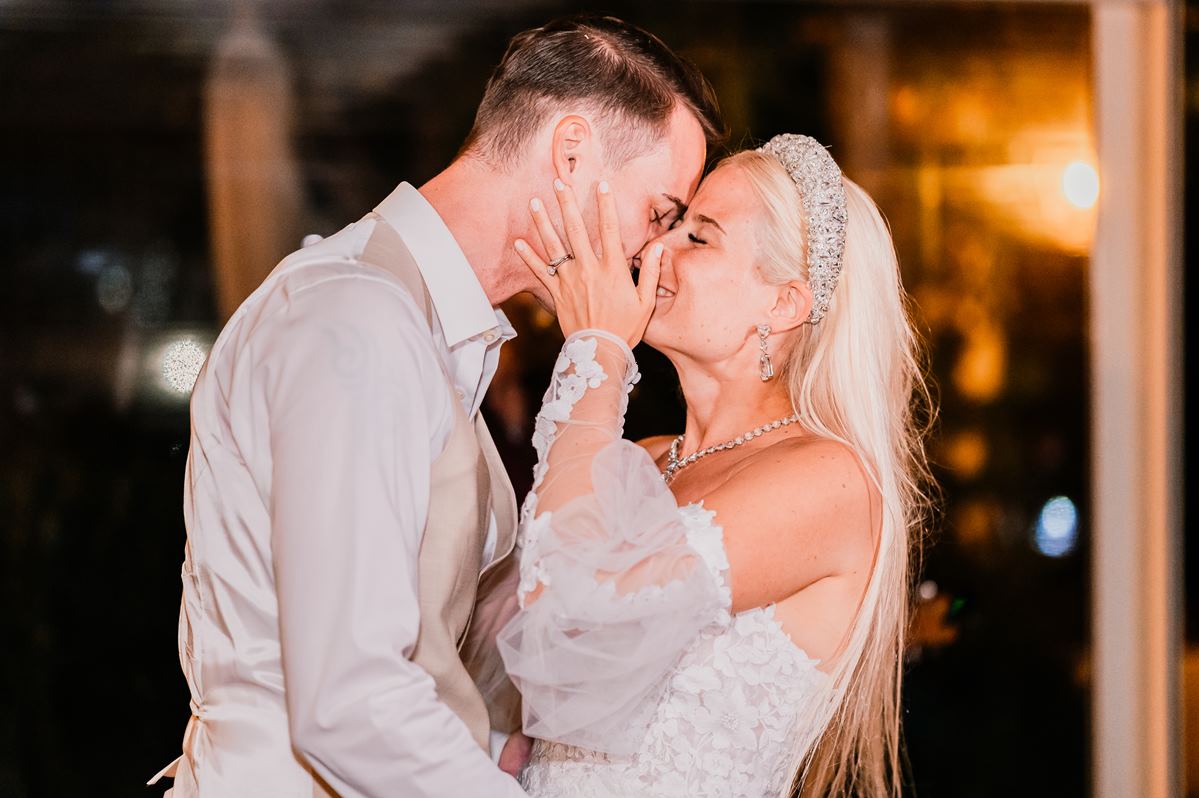
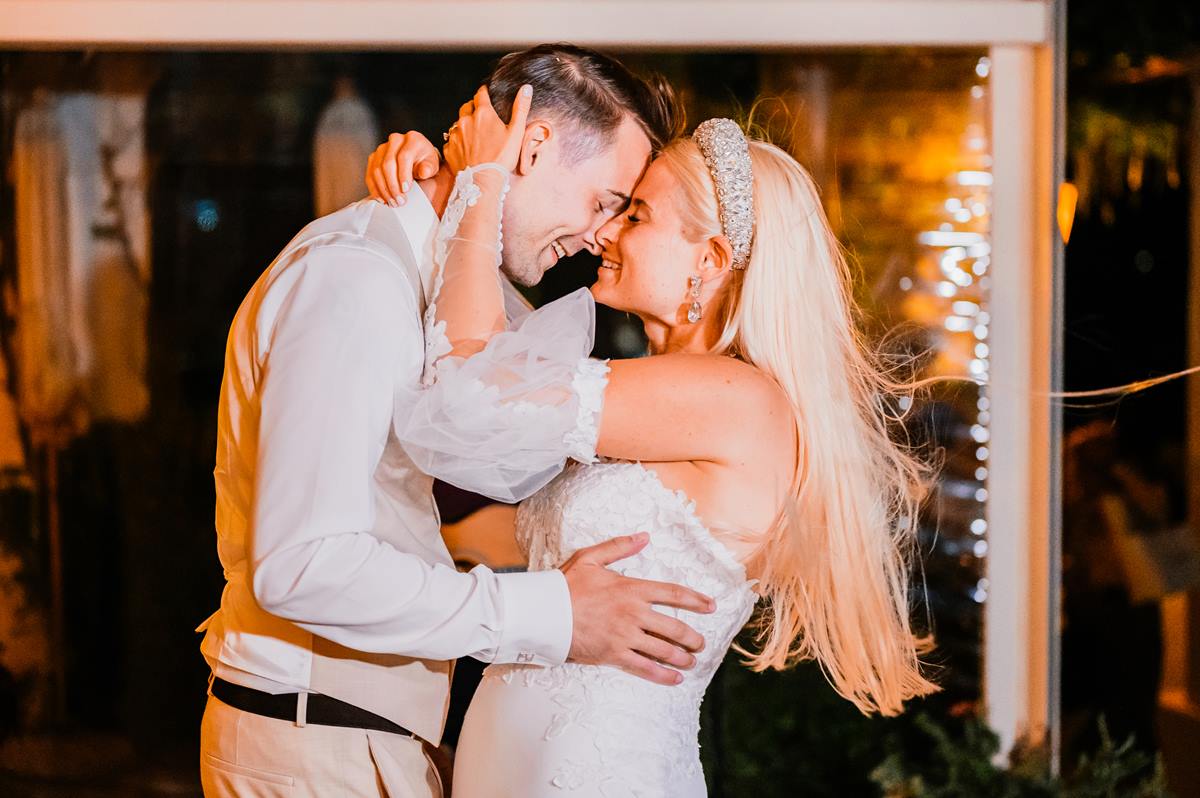
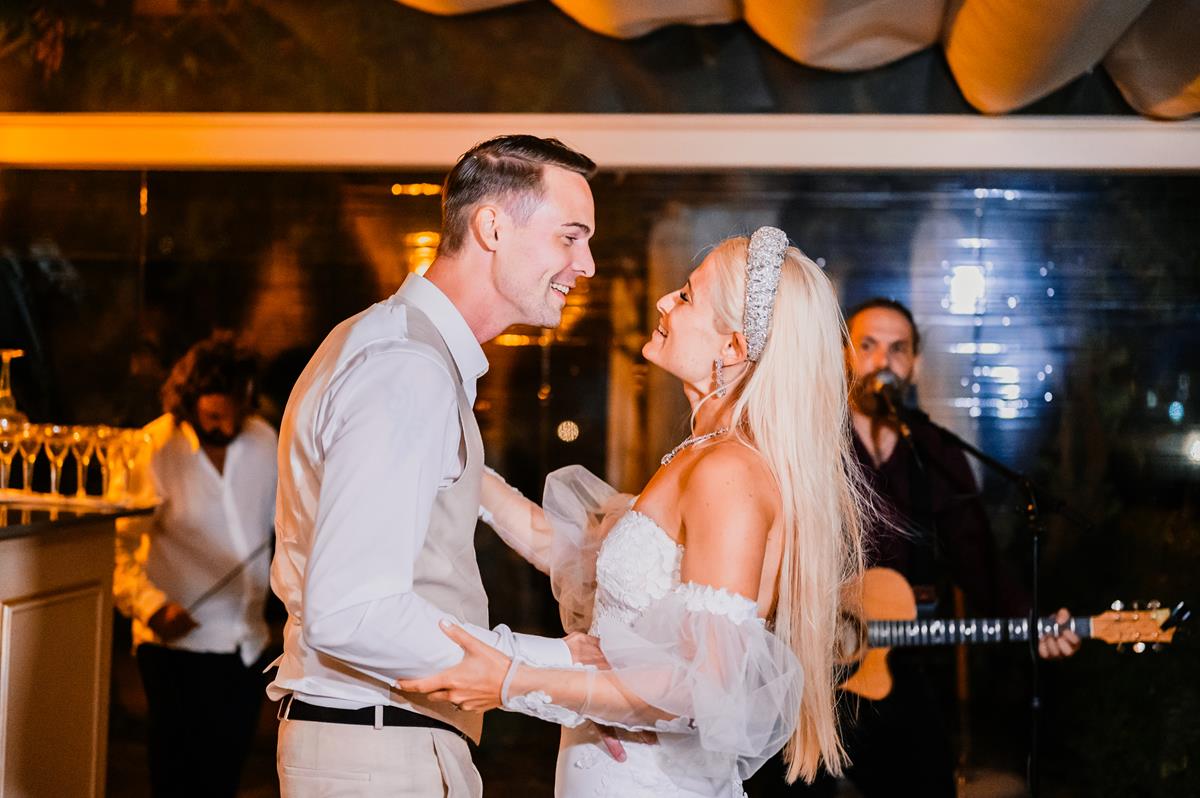
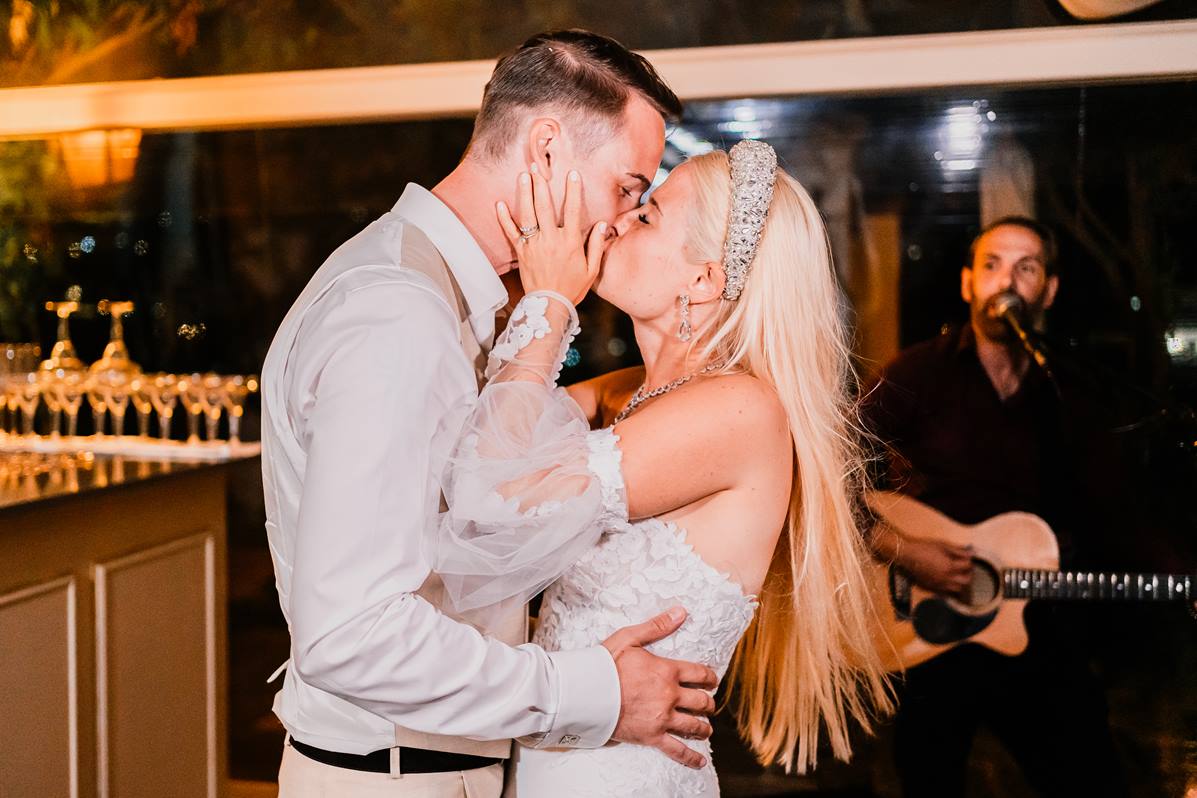
Dive into a realm brought to life by Love and Luxury. The Dreamy Wedding at the Hotel Caruso Ravello, distinctively captured by Emiliano Russo.
START PLANNING YOUR WEDDING IN AMALFI COAST
Enchanting Vows: The Allure of Ravello Weddings
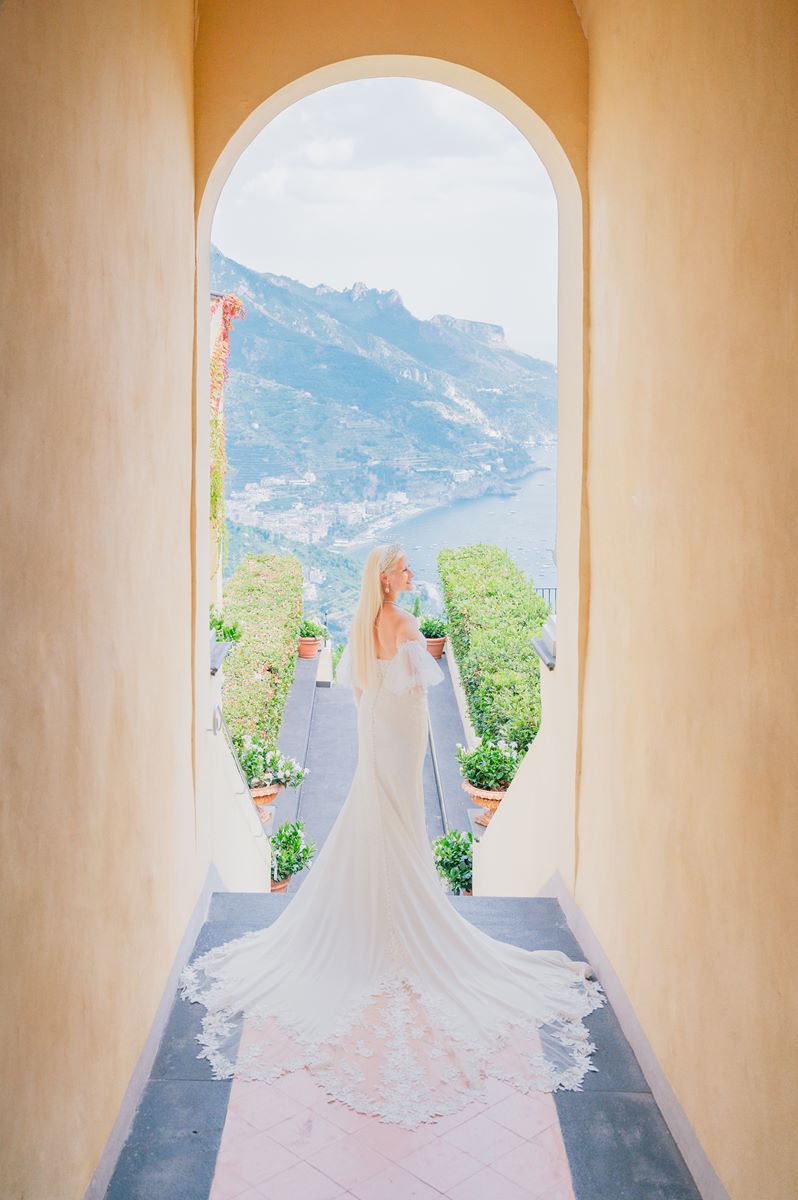
Ravello is a small town on the Amalfi Coast in Italy, and it’s one of the most beautiful places I’ve ever seen. It’s perched high above the sea, with breathtaking views of both land and water. The town itself is full of narrow streets lined with colorful houses and shops, and there are plenty of places to eat and drink.
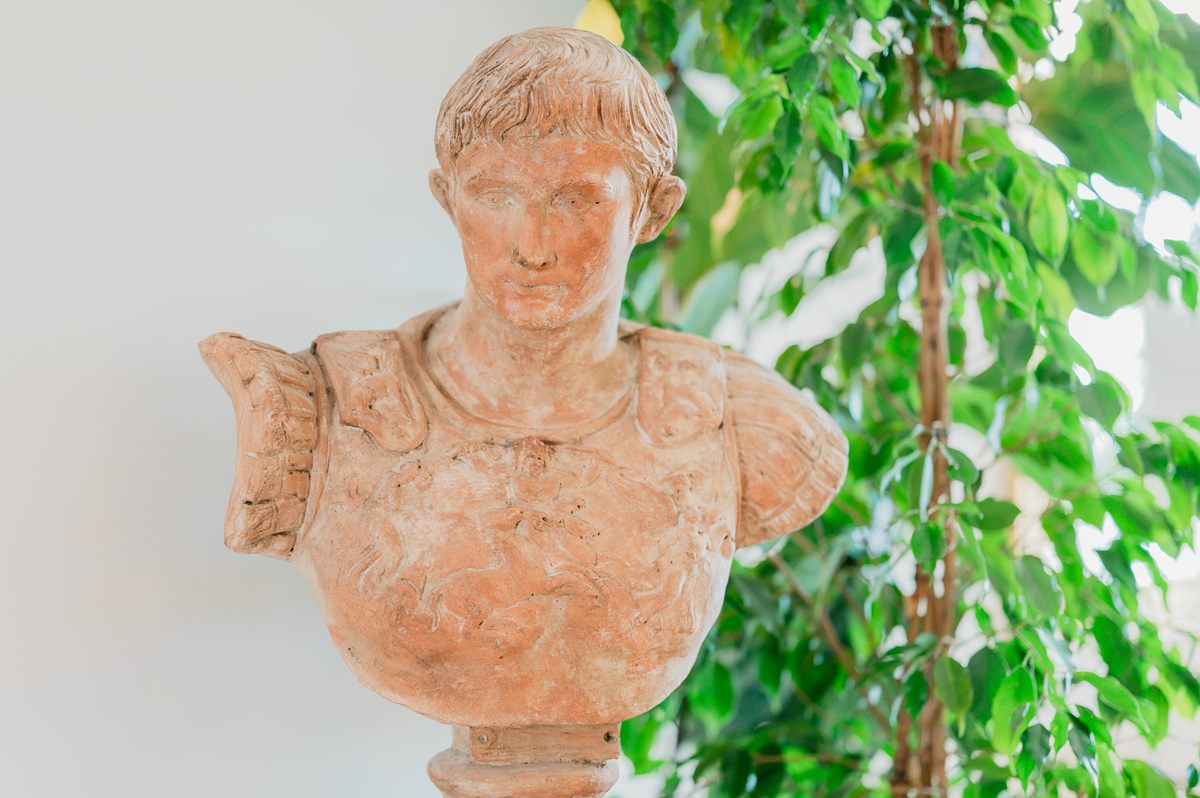
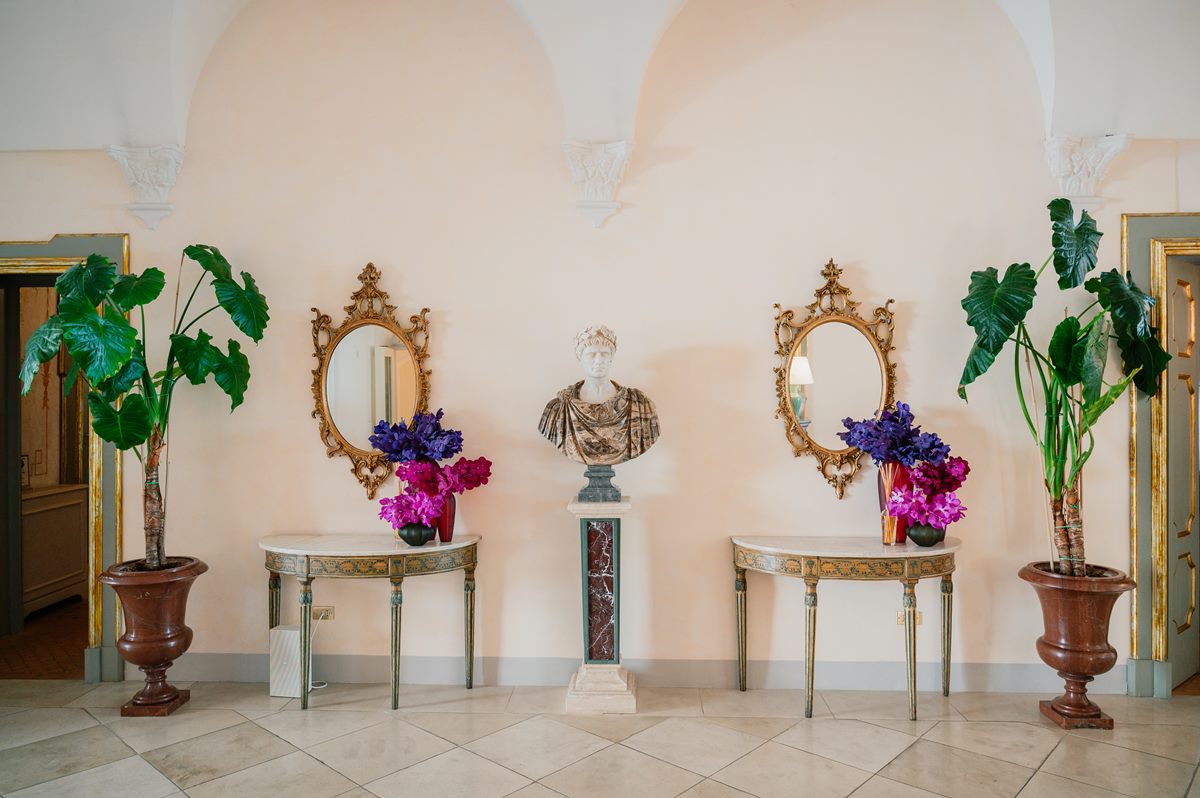
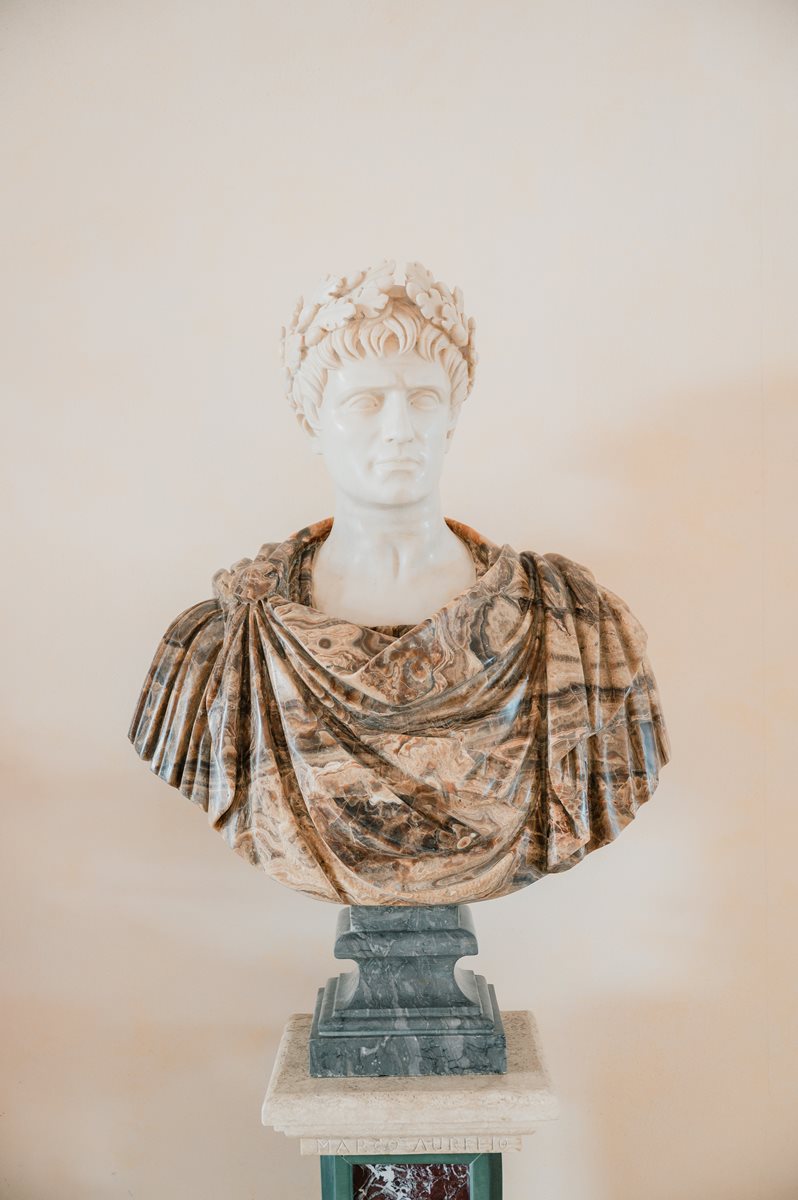

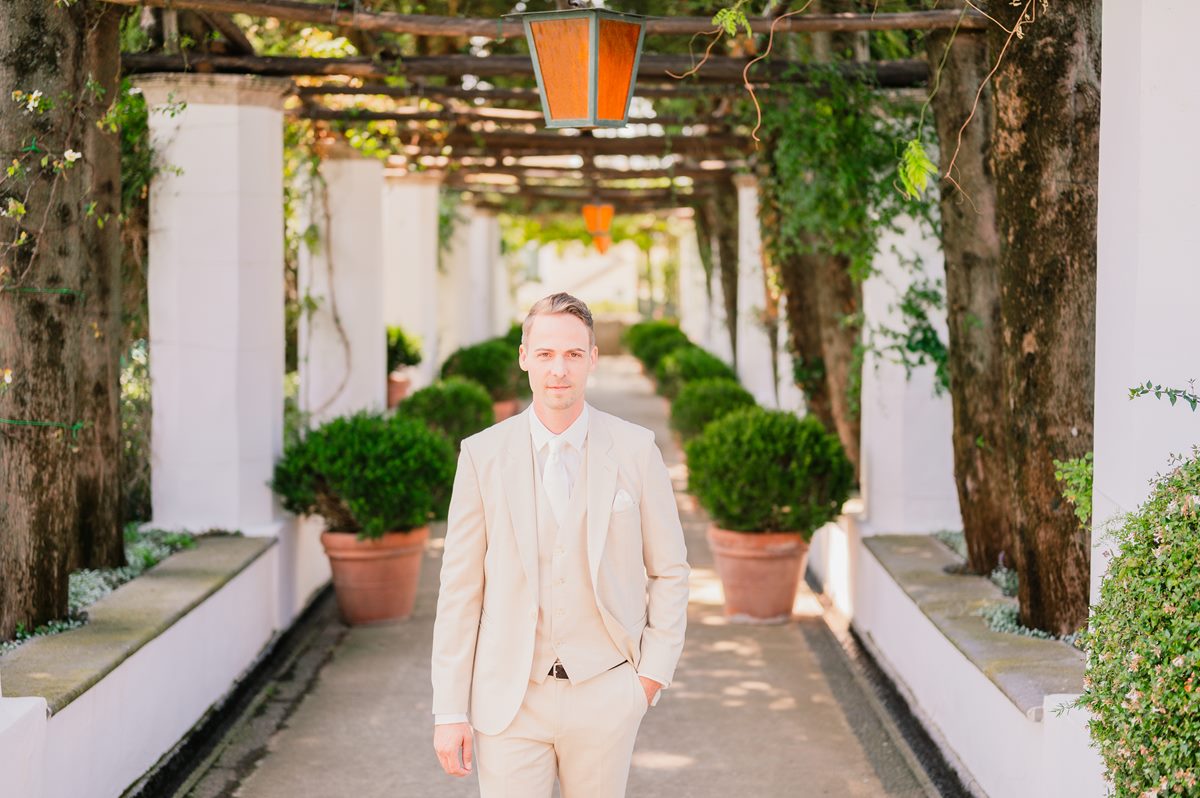
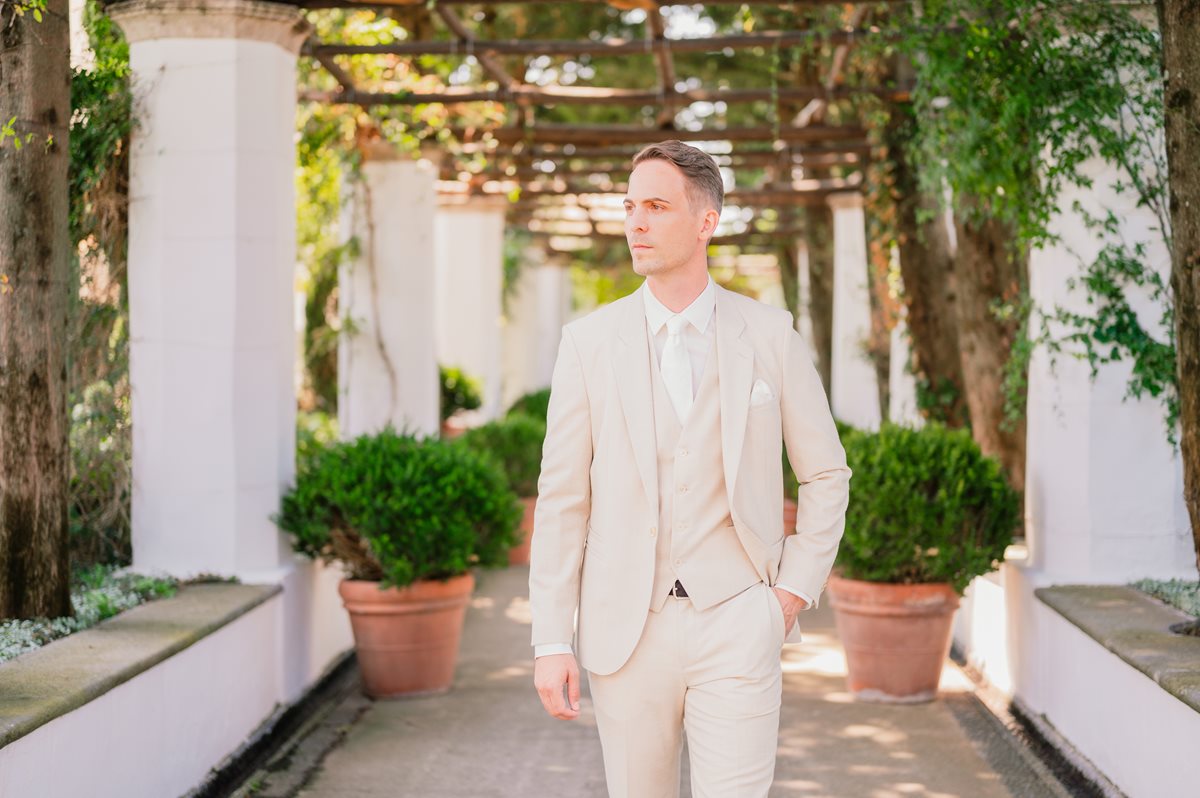
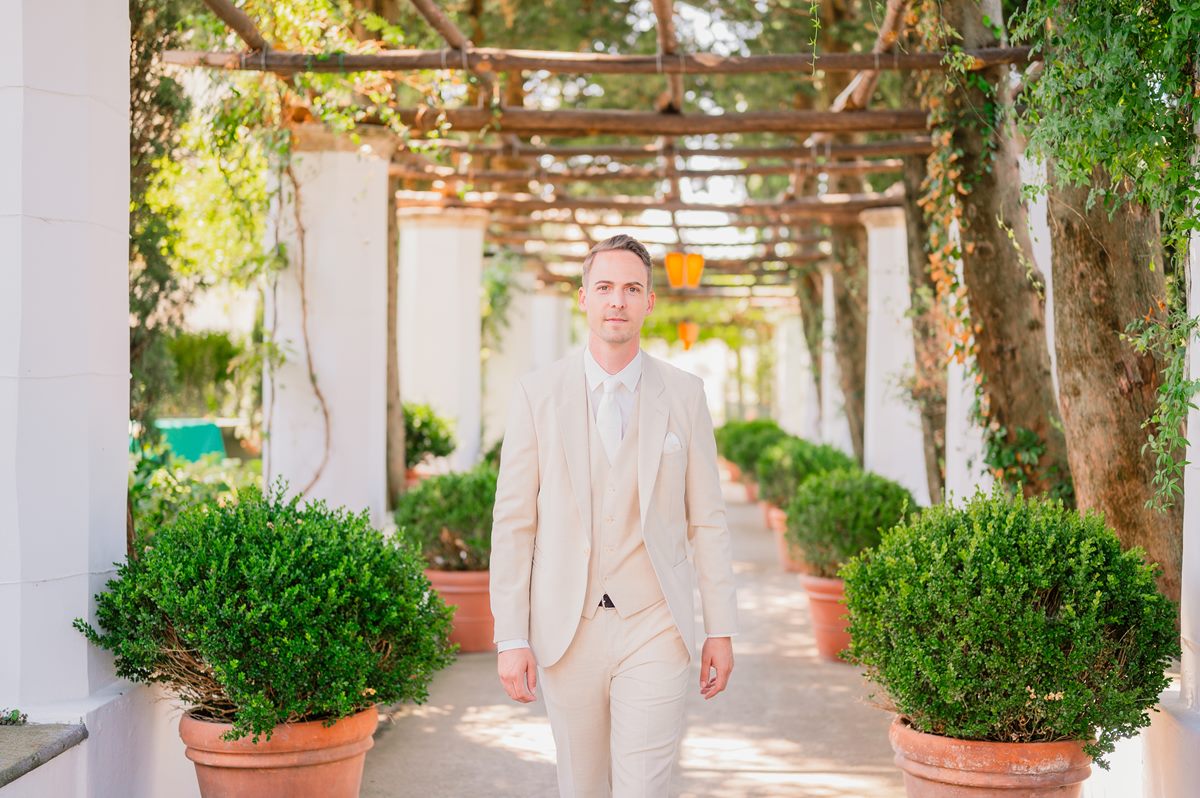



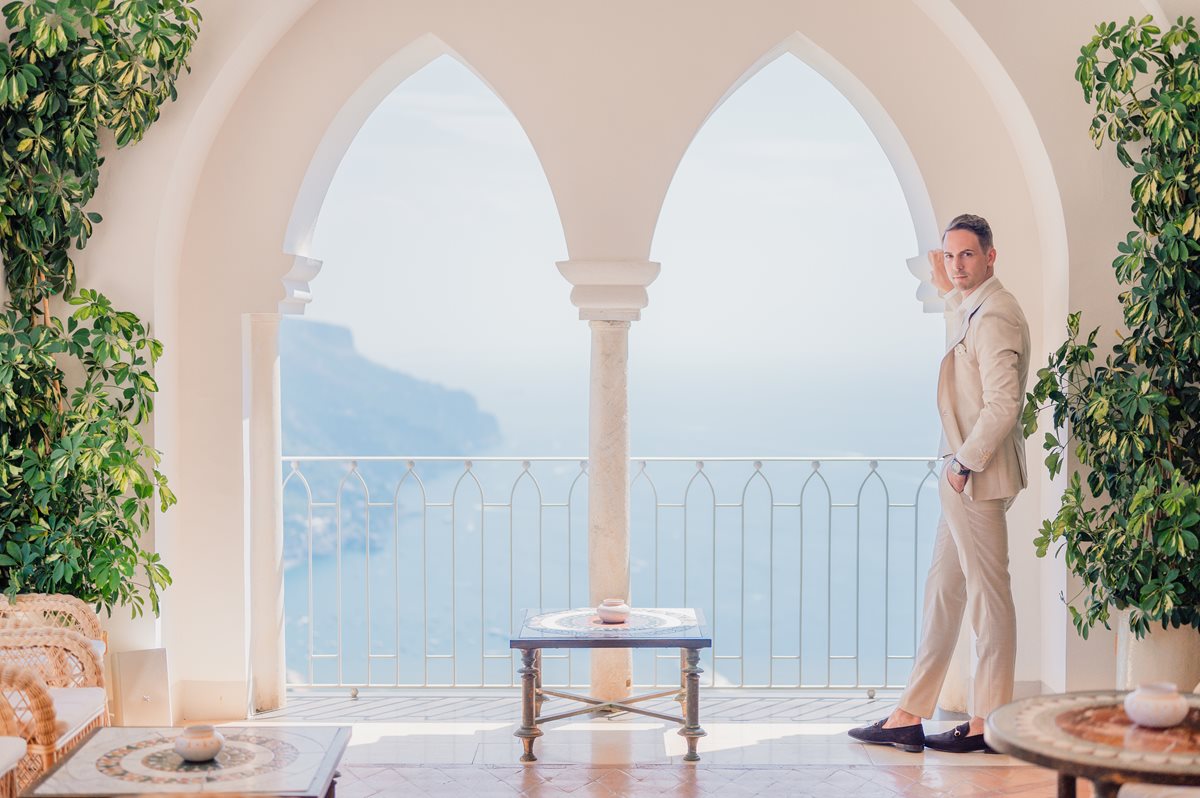
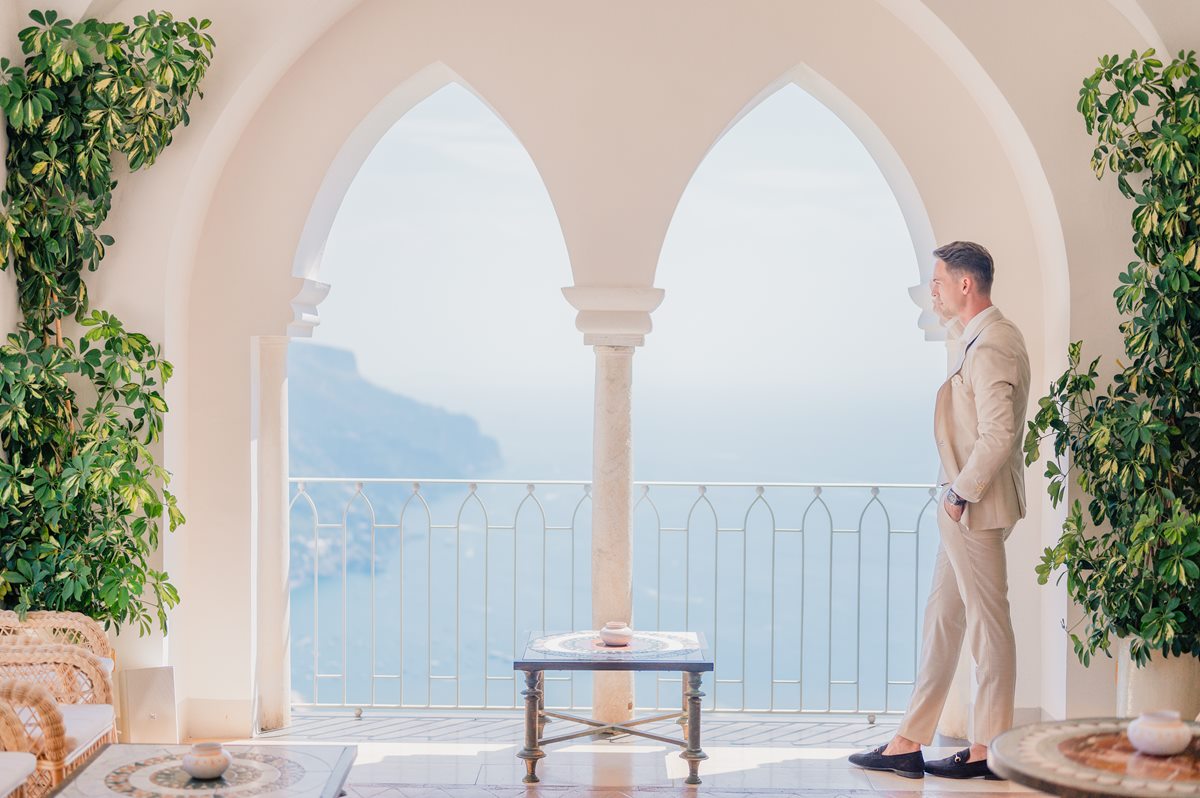
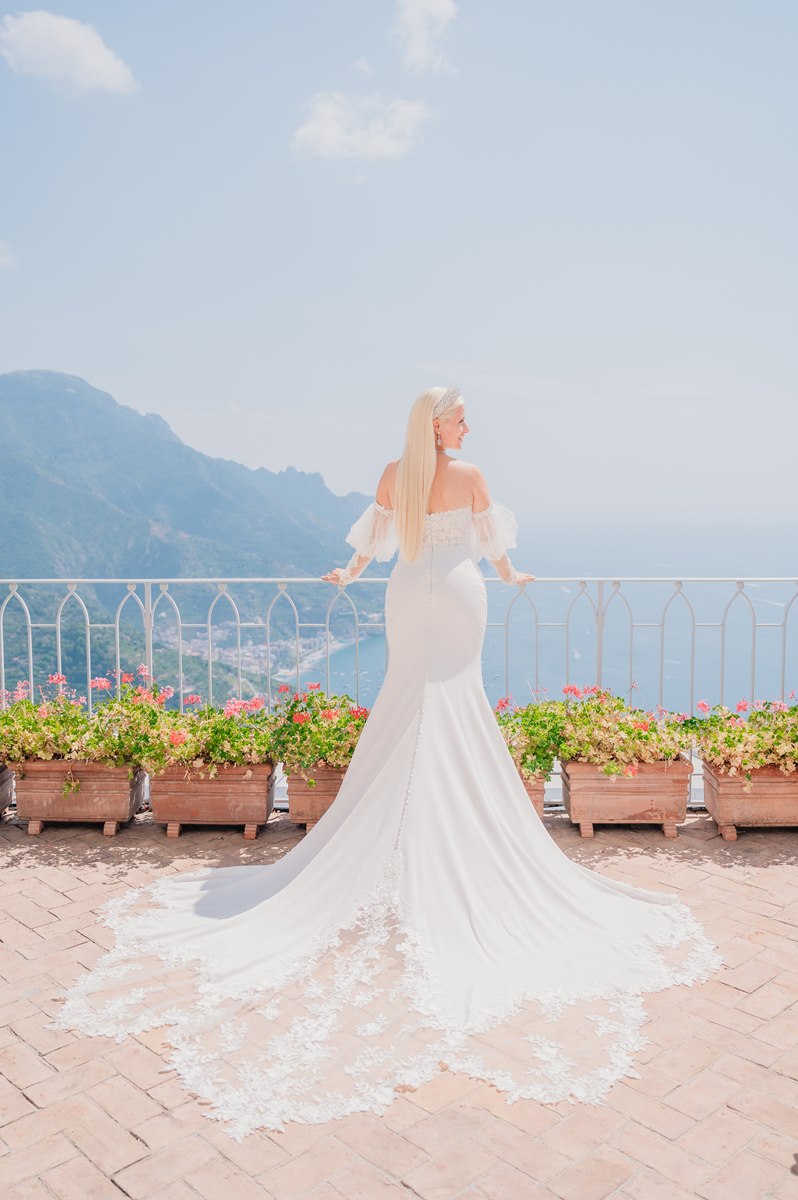
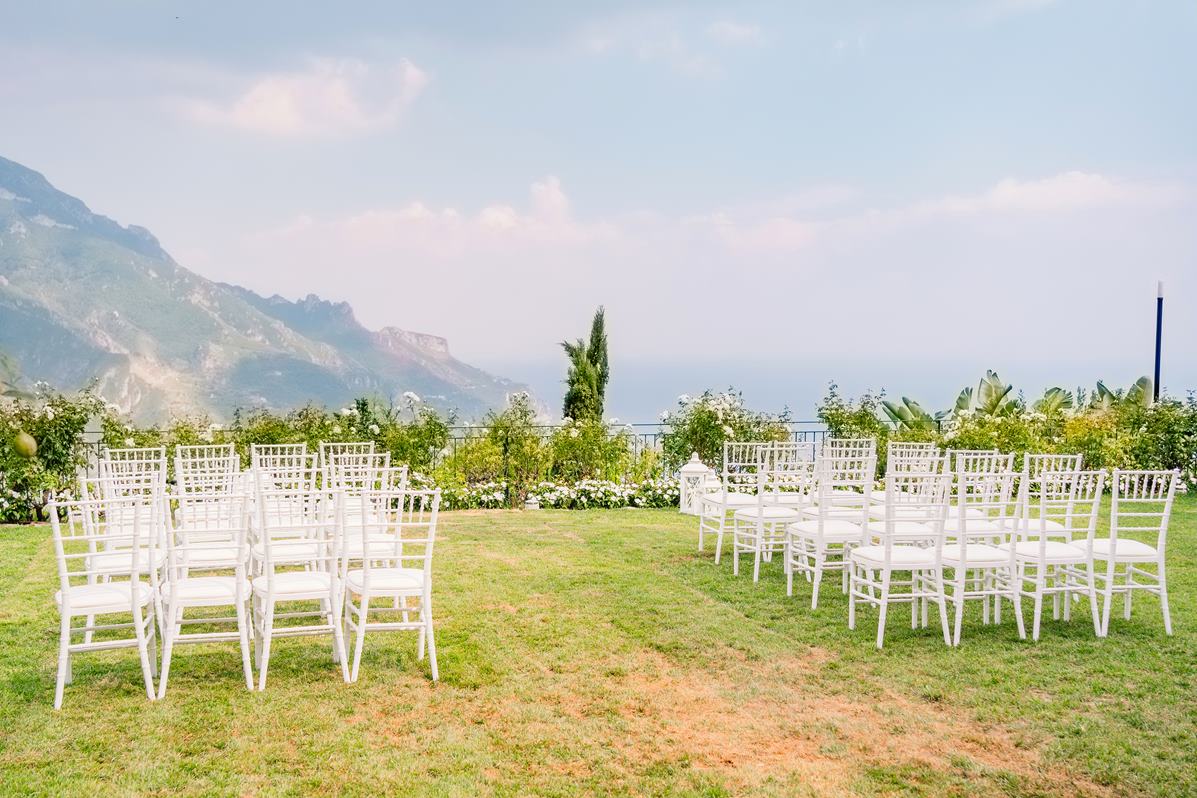
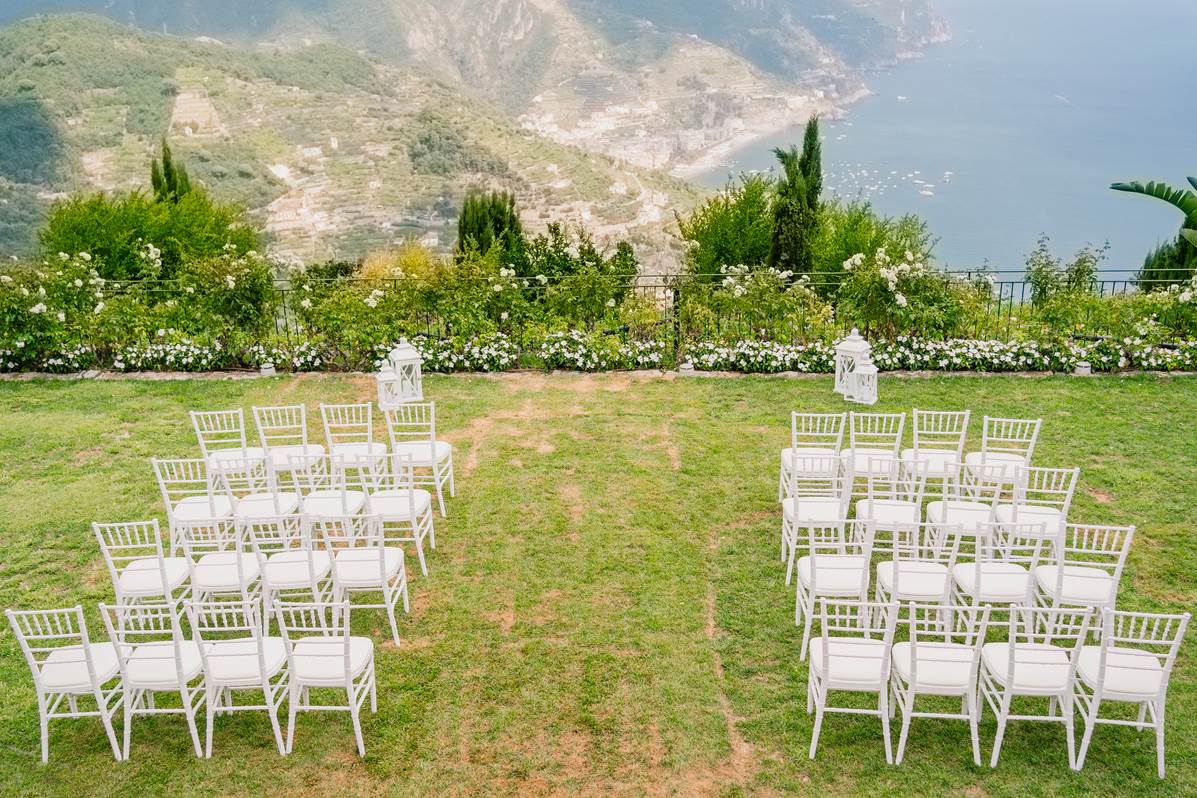
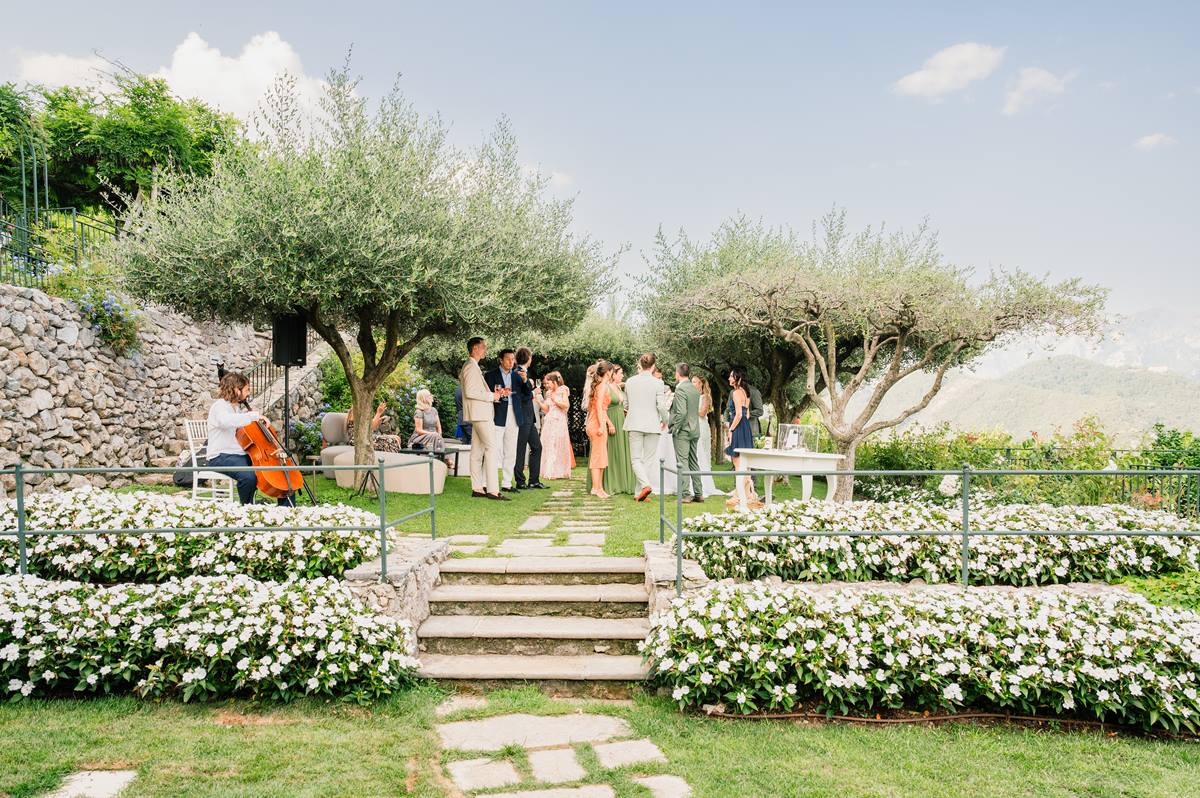
The Hotel Caruso is a beautiful place to get married. It’s located in the heart of Ravello, and it has stunning views of the sea and surrounding mountains. The hotel itself is an old villa that was converted into a hotel many years ago, but it still retains much of its original charm.




A Symphony of Ravello’s Wedding Elegance
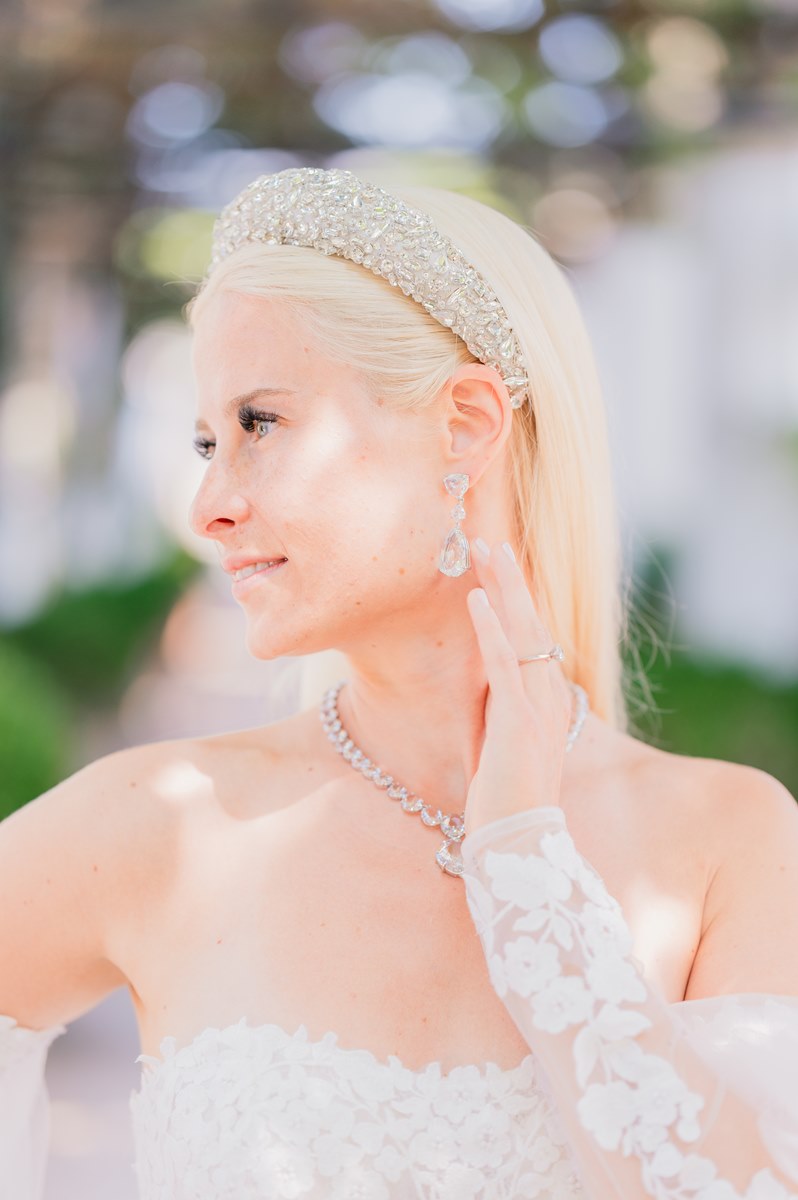
Upon the altar of Ravello’s heart, where the sea kisses the horizon, your wedding unfolds as a symphony of pure elegance—each note a testament to a love as deep as the ocean itself. The Hotel Caruso is a beautiful place to get married. It’s located in the heart of Ravello, and it has stunning views of the sea and surrounding mountains. The hotel itself is an old villa that was converted into a hotel many years ago, but it still retains much of its original charm.
The Art of Intimate Ceremonies in Ravello
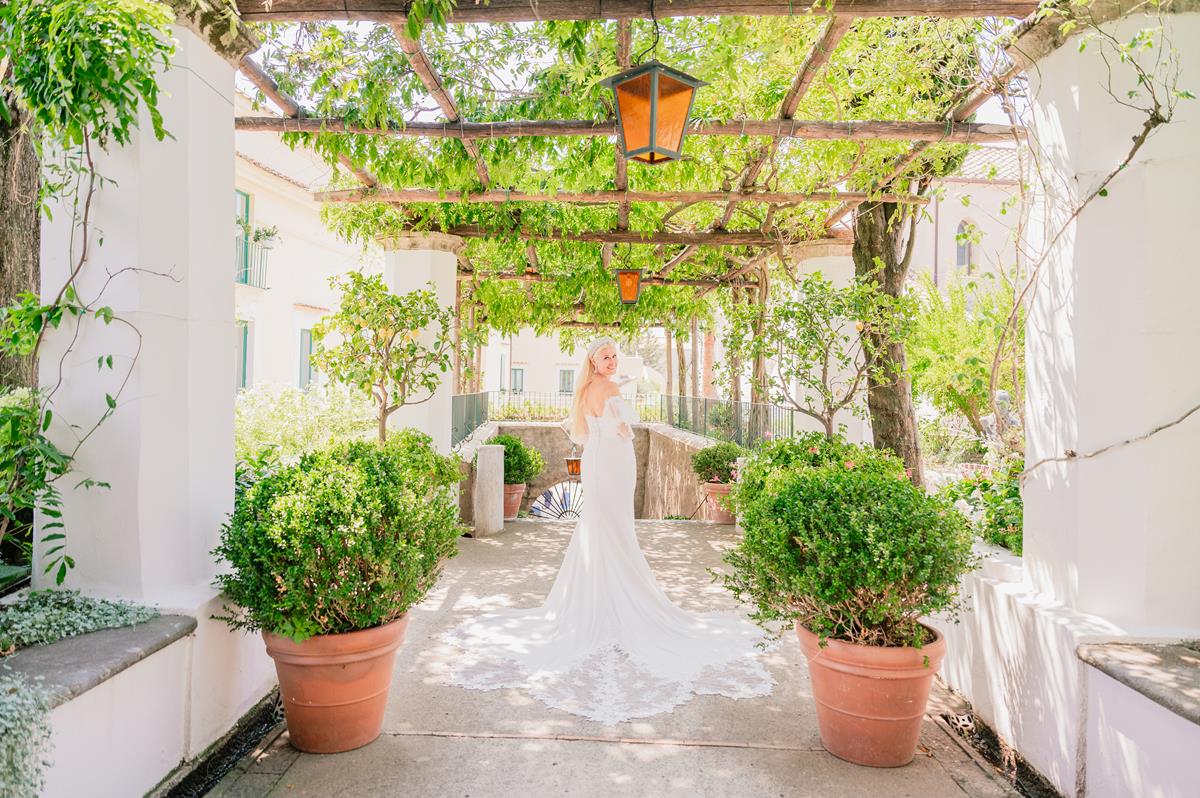
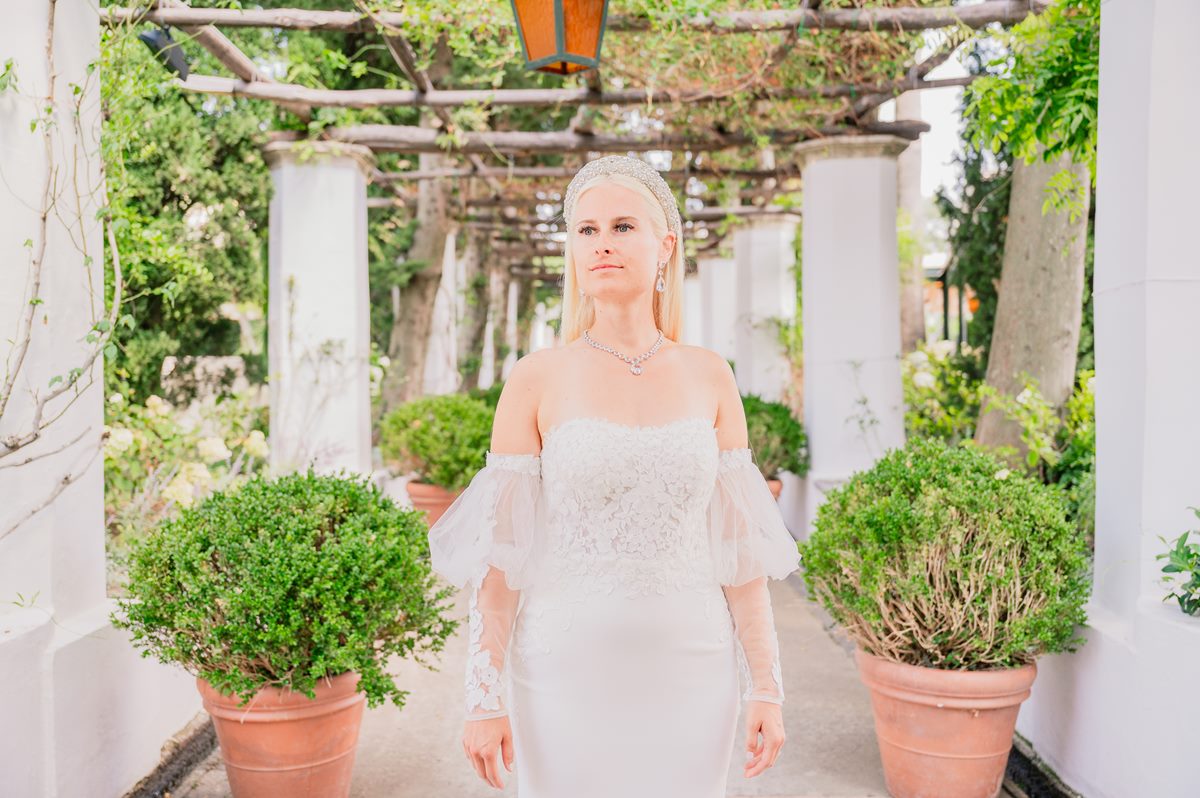
In Ravello, the intimate intertwining of souls is made manifest. Within its embrace, every whispered vow is treasured, every glance an indelible stroke upon the canvas of time. The art of intimate ceremonies in Ravello is a delicate dance between two souls.

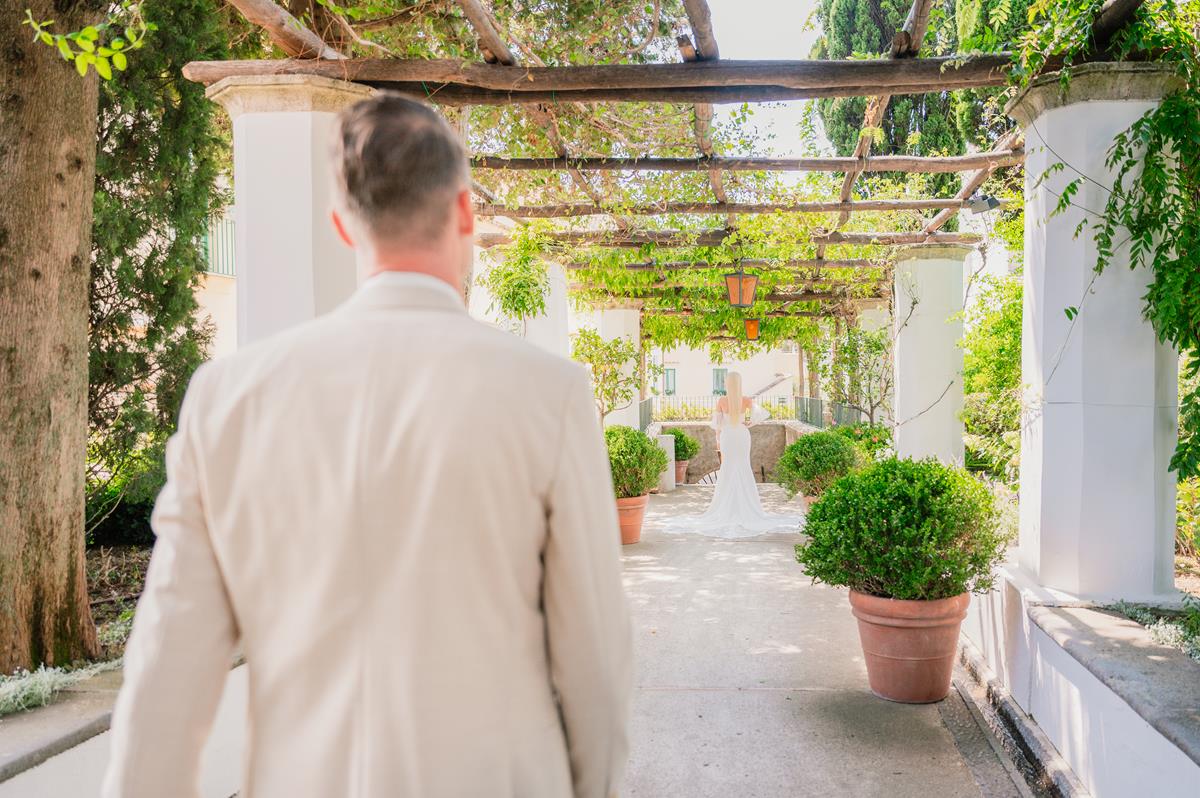
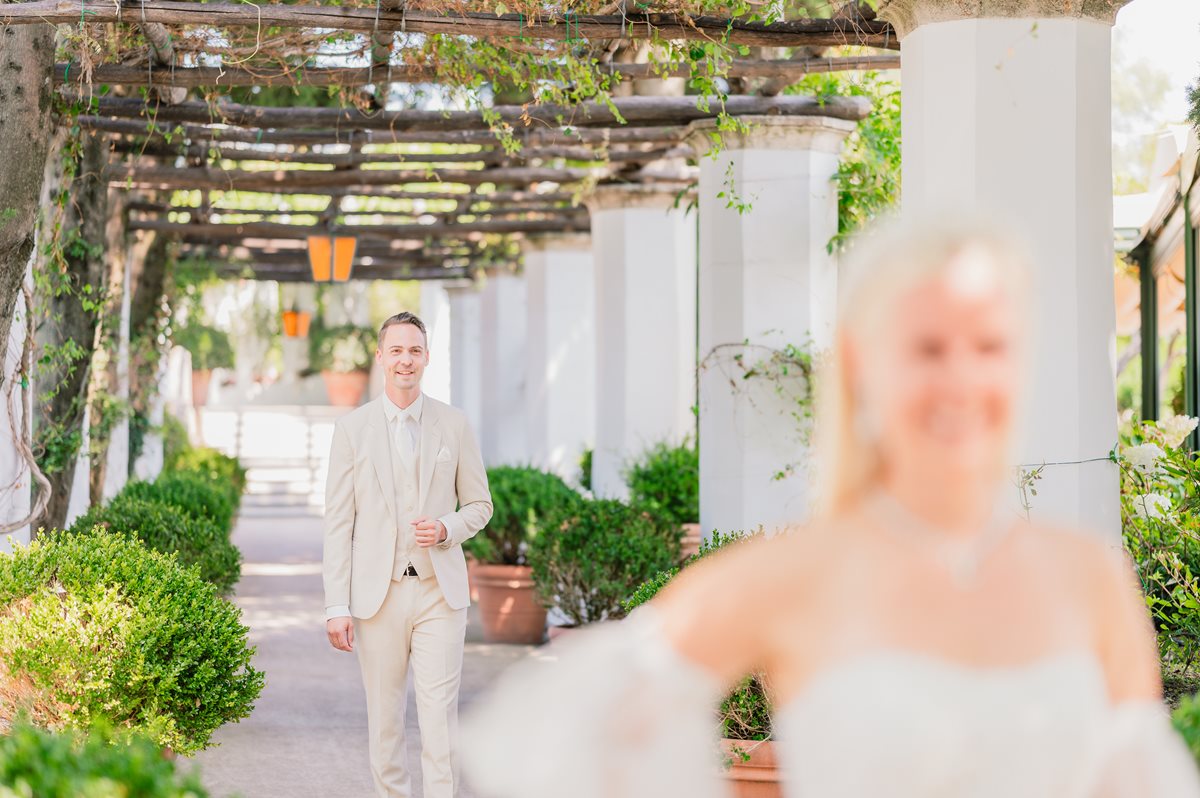
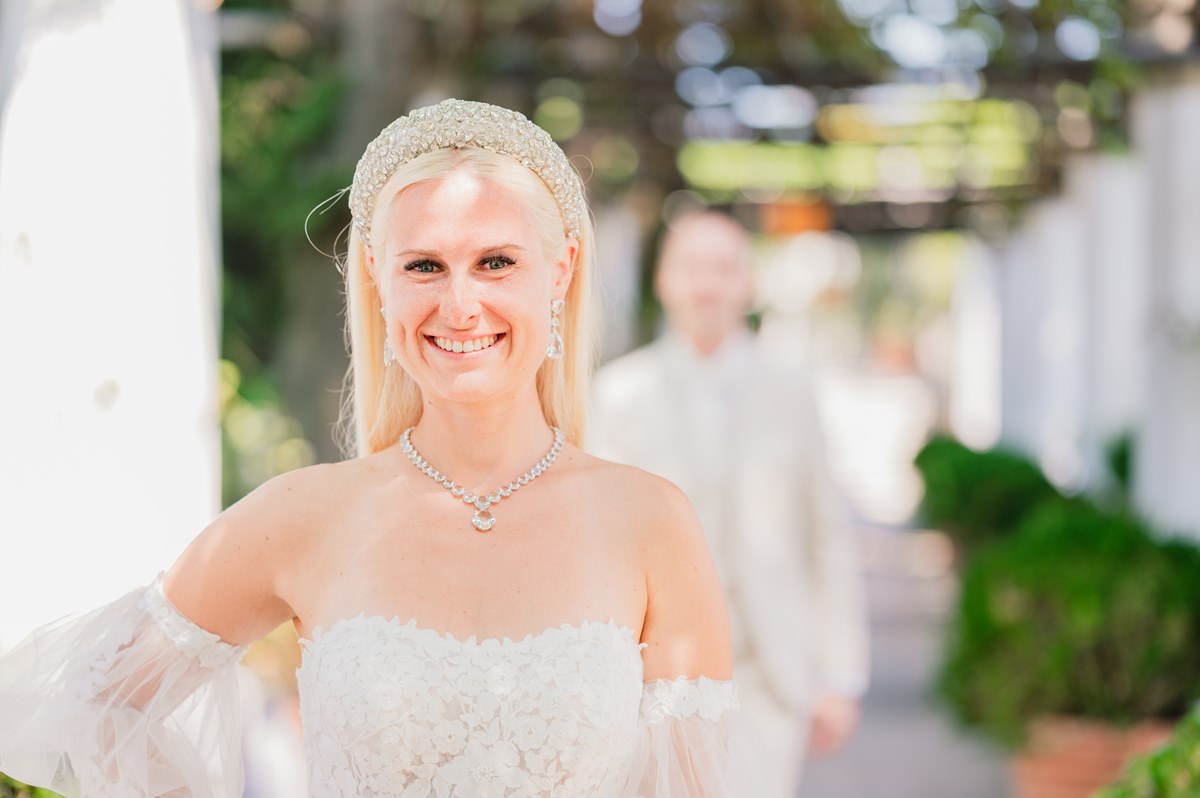
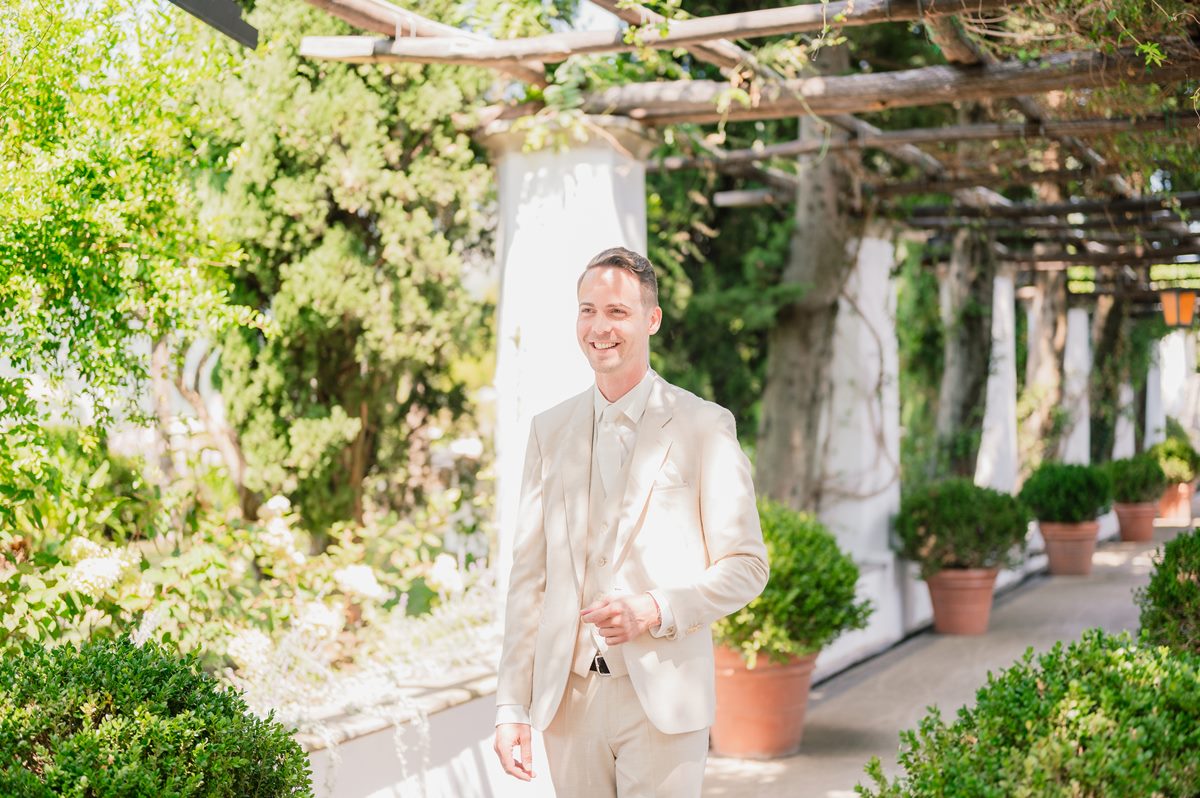
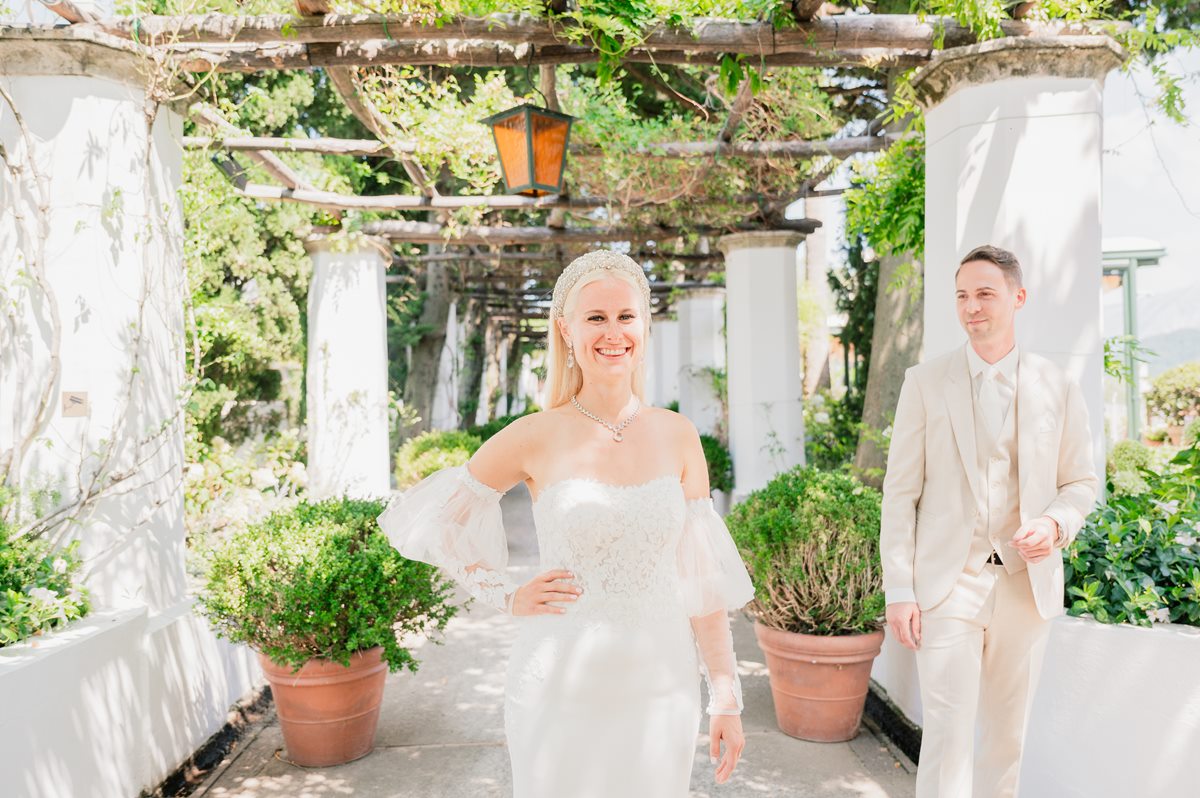

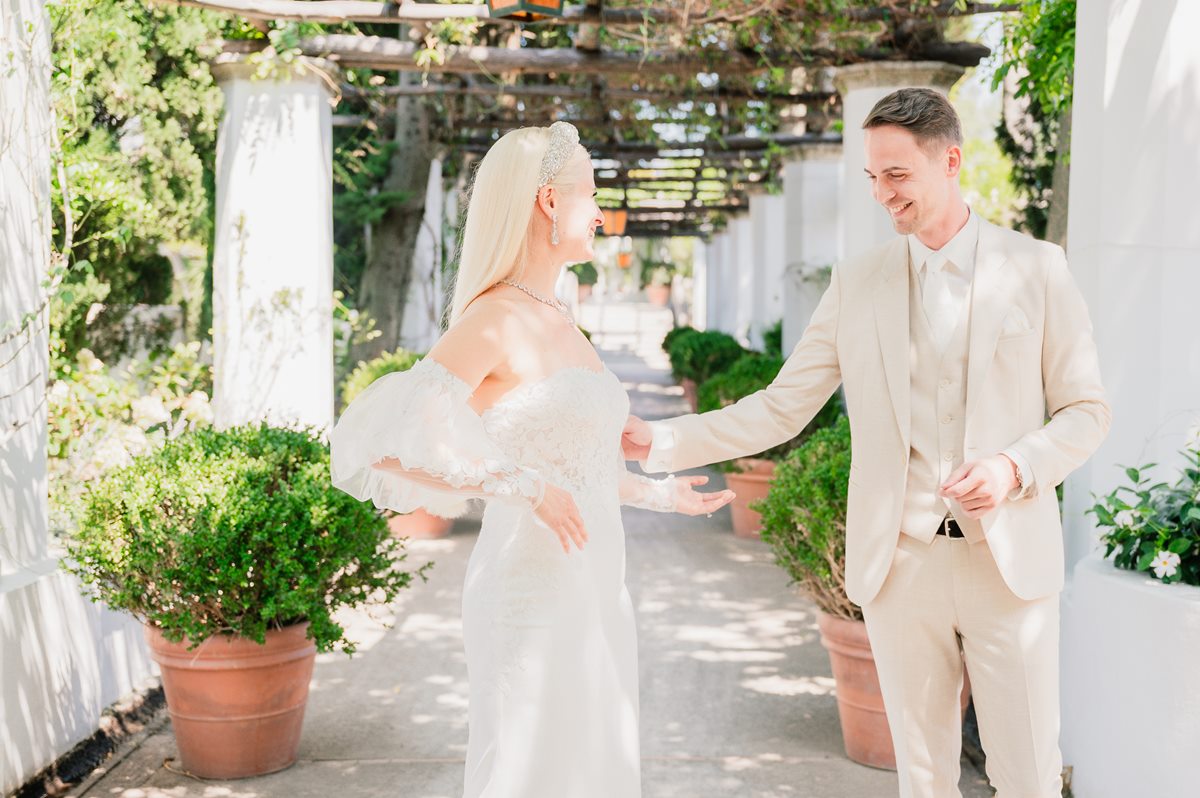
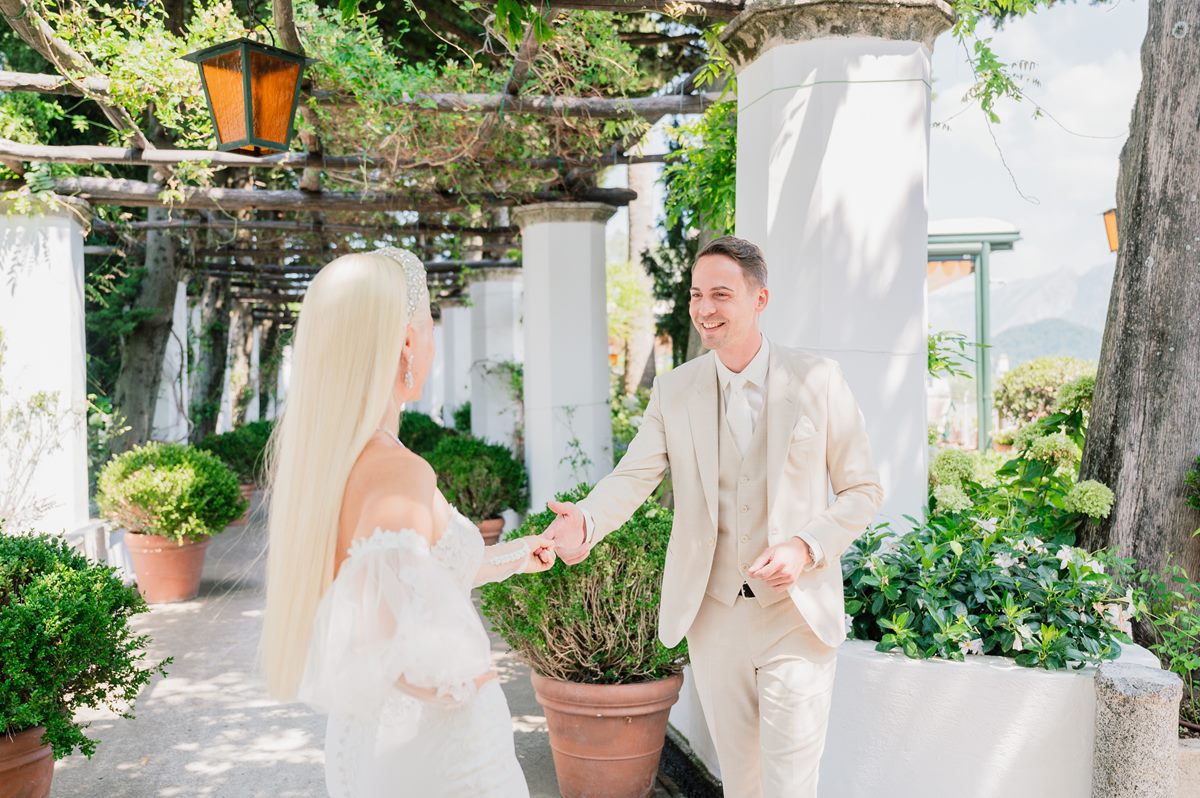
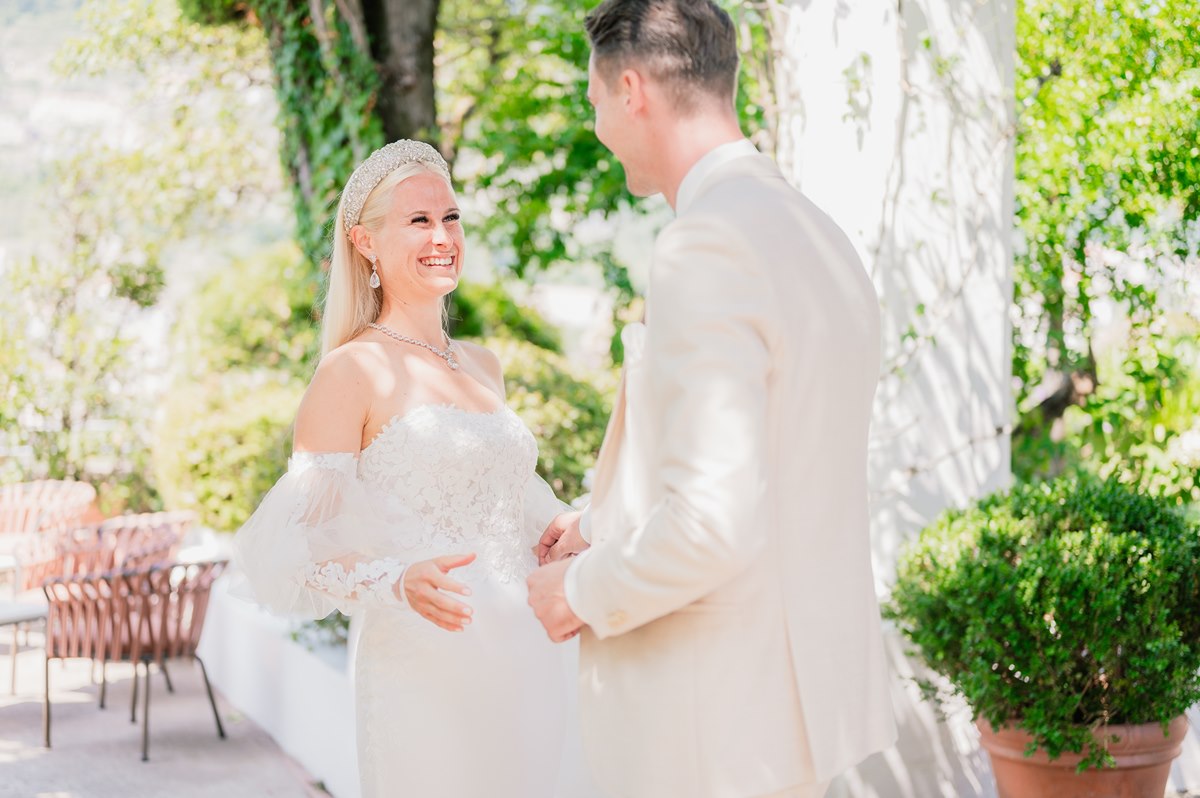
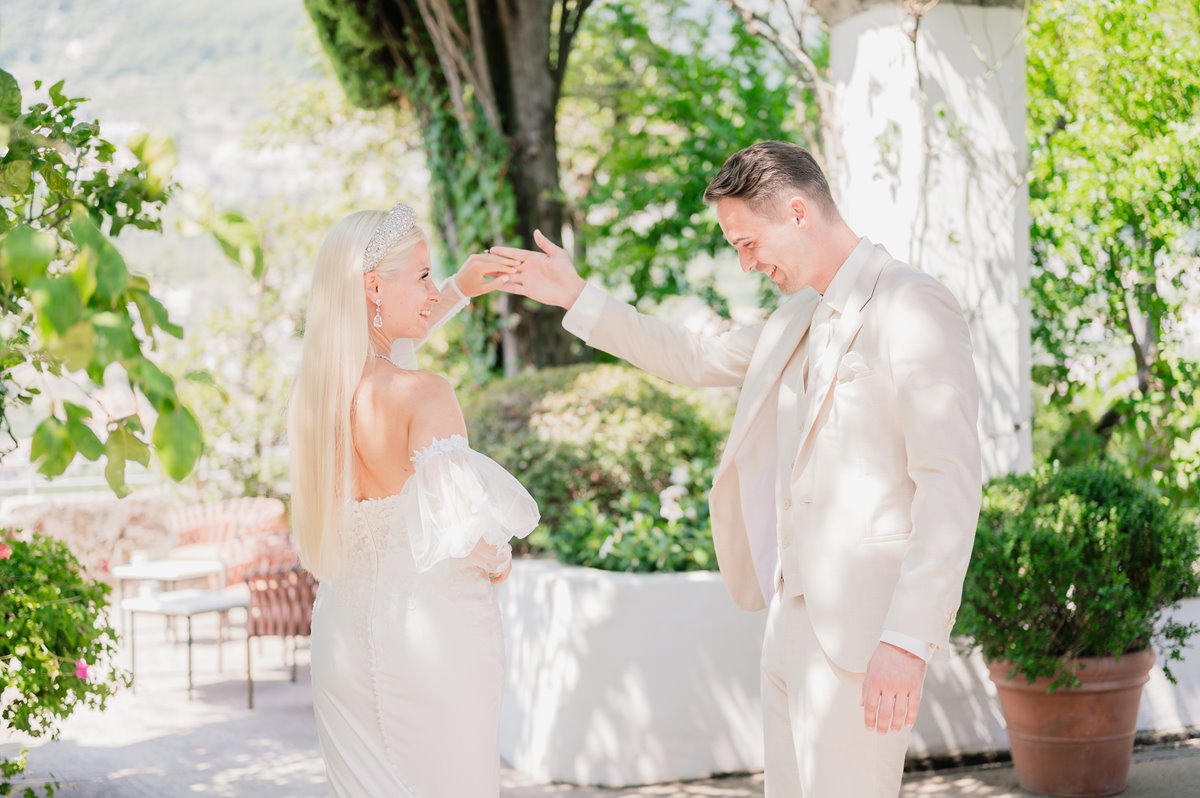

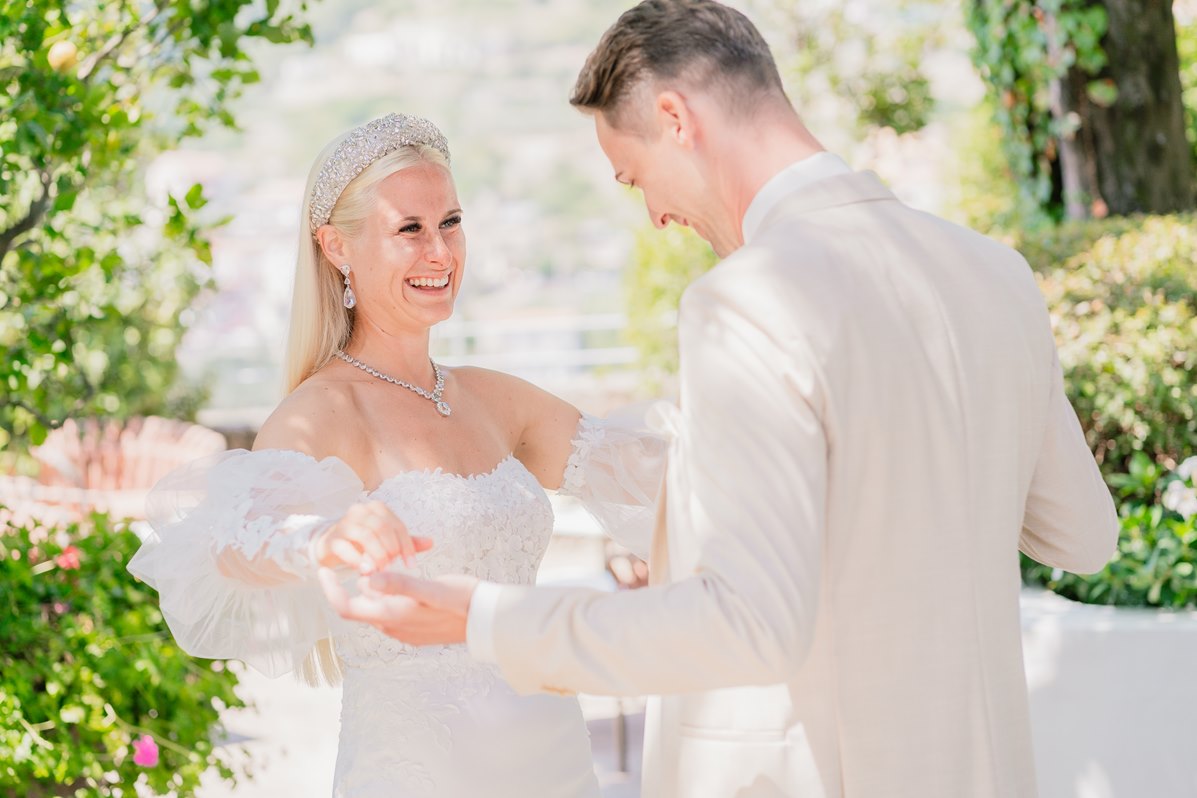

It is a symphony of pure elegance—each note a testament to a love as deep as the ocean itself. The Hotel Caruso is a beautiful place to get married. It’s located in the heart of Ravello, and it has stunning views of the sea and surrounding mountains.
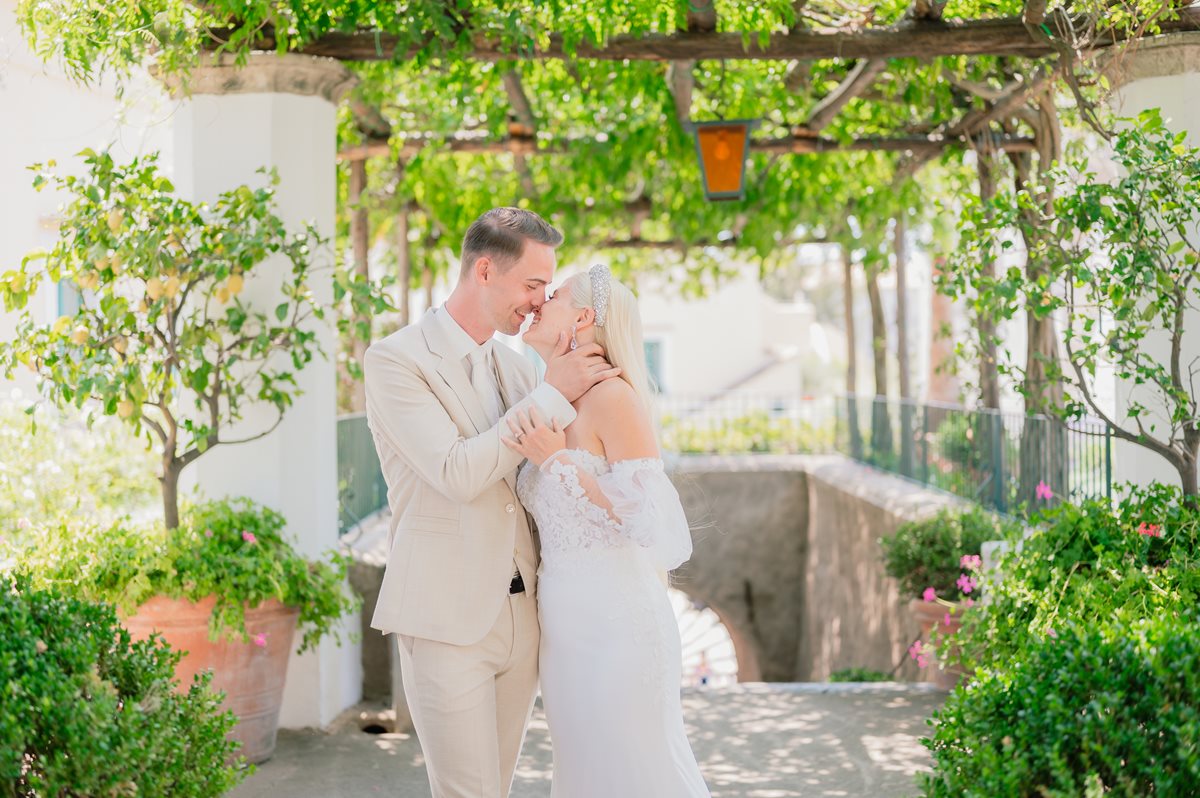

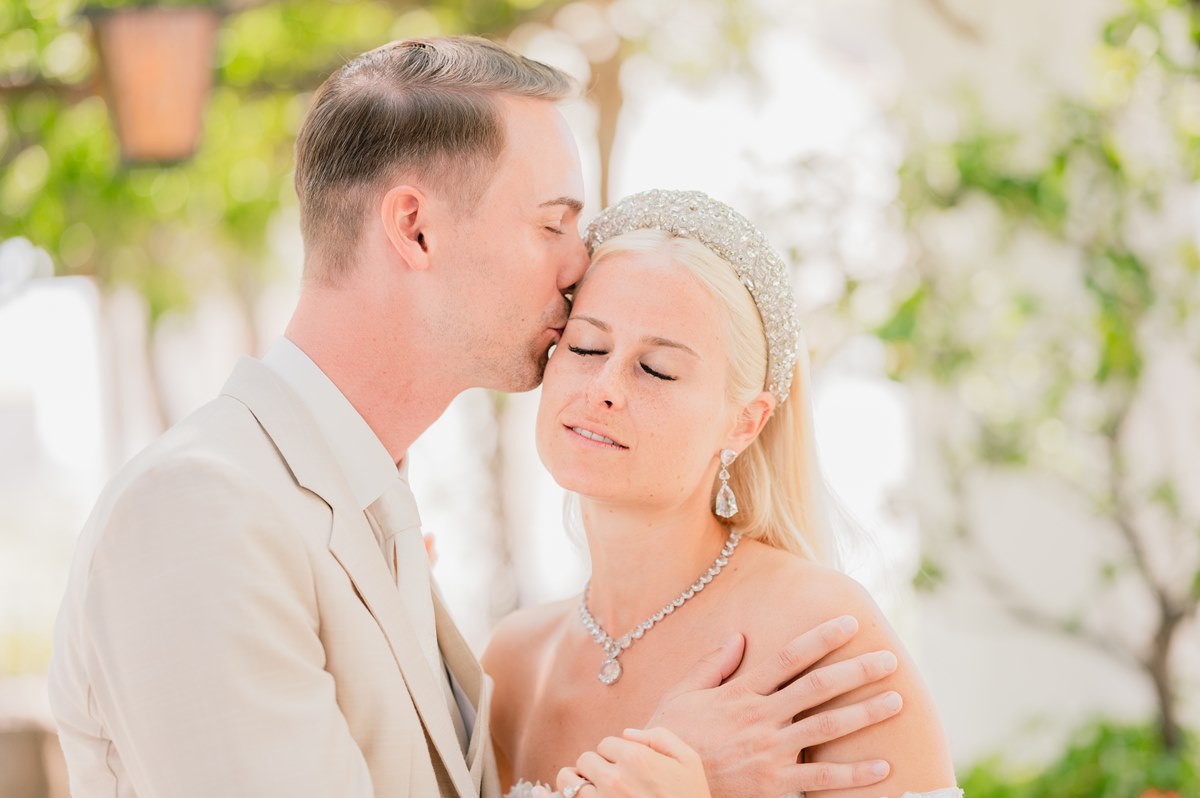
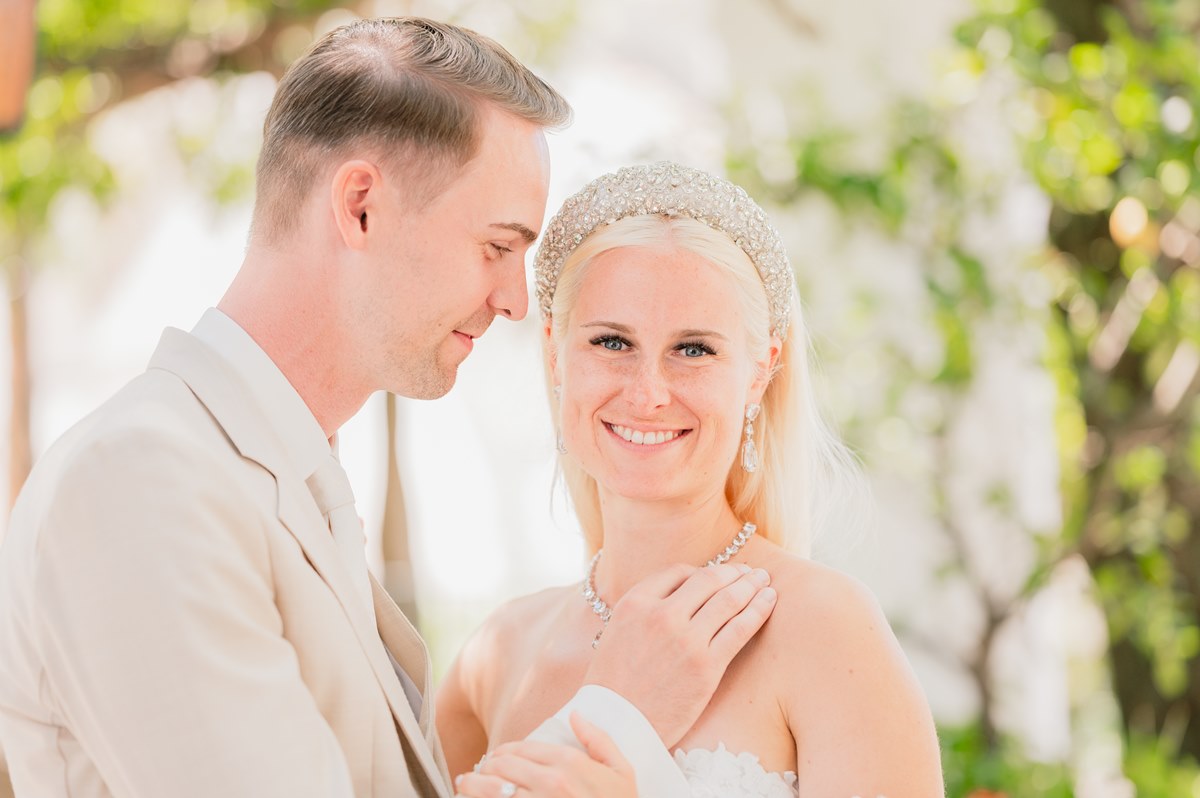
Creating Timeless Memories at a Ravello Wedding
In the grand tapestry of Ravello, every moment is a thread woven into the eternal. Here, memories become timeless, carrying the essence of your wedding day through the ages. The Hotel Caruso is a beautiful place to get married.
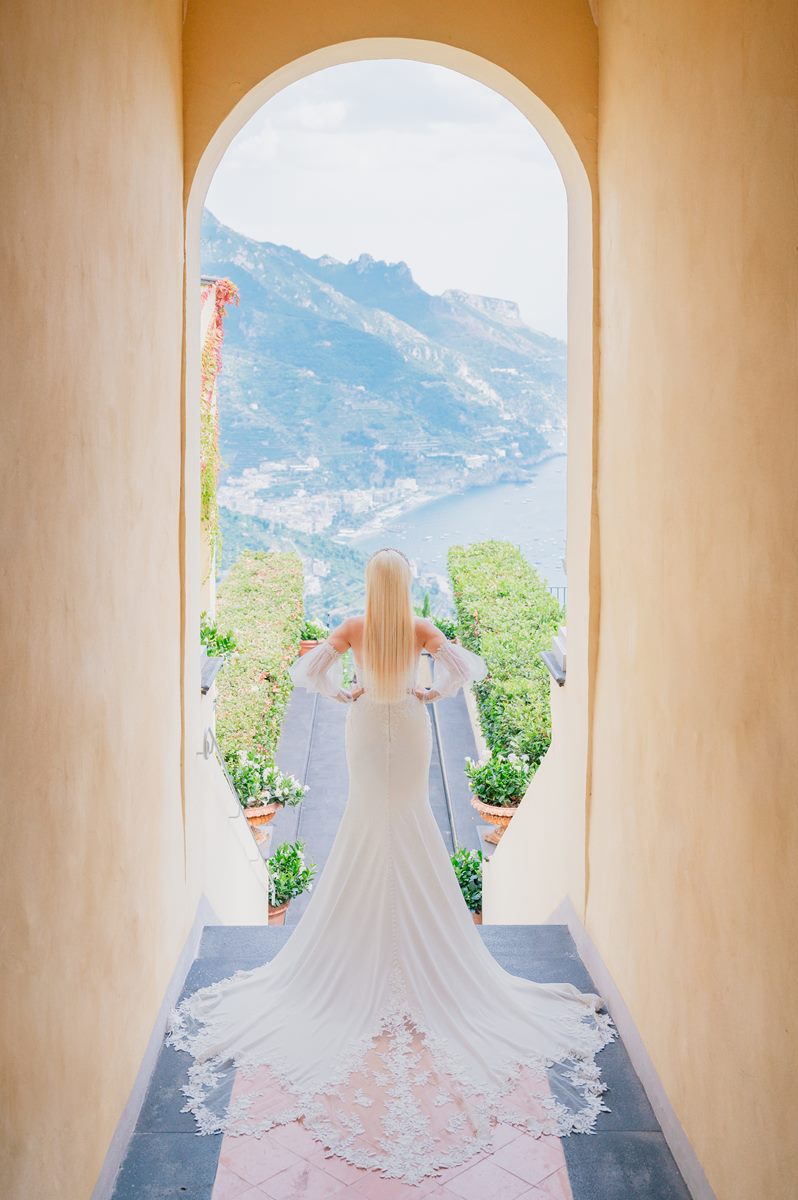
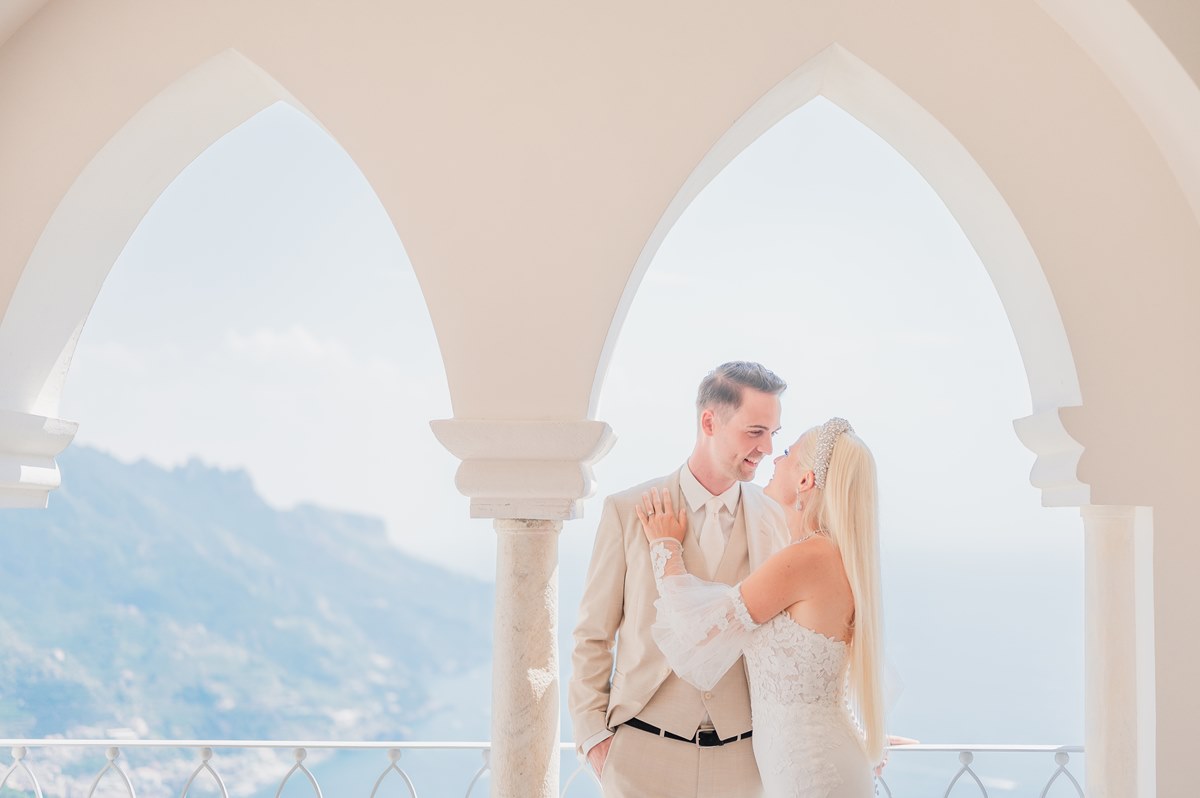
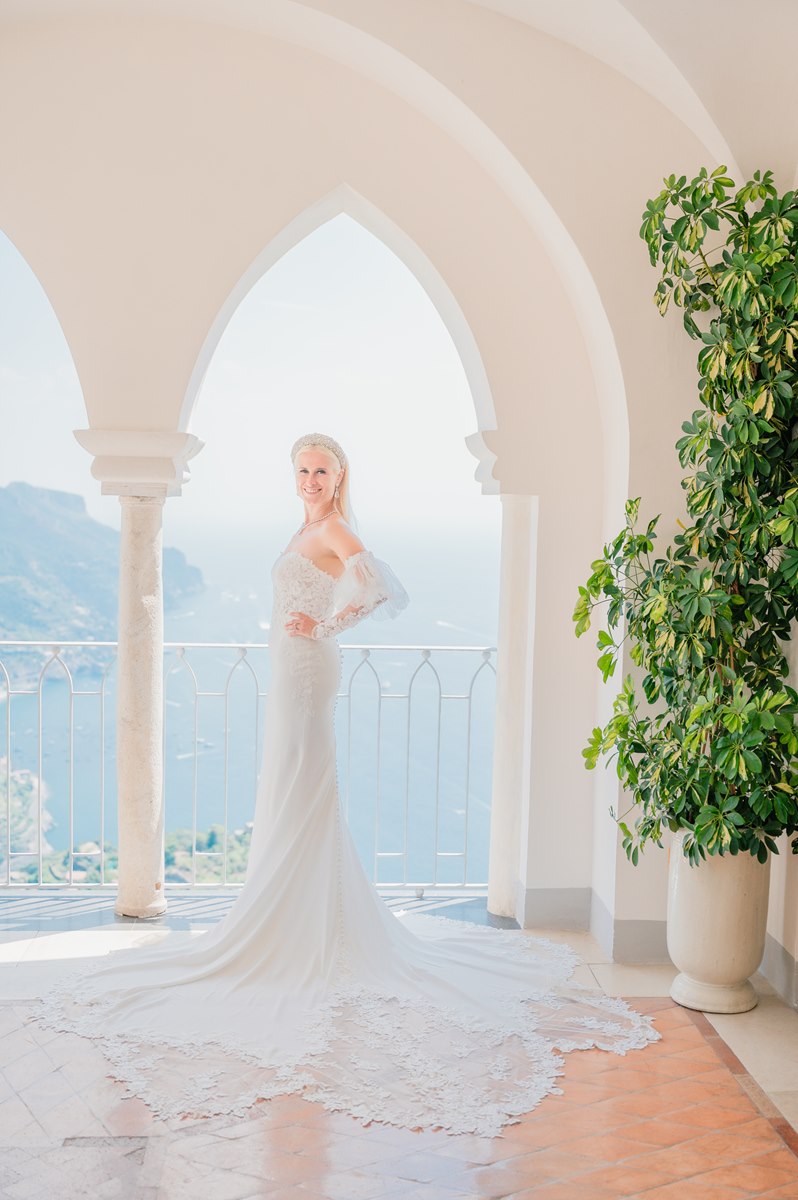
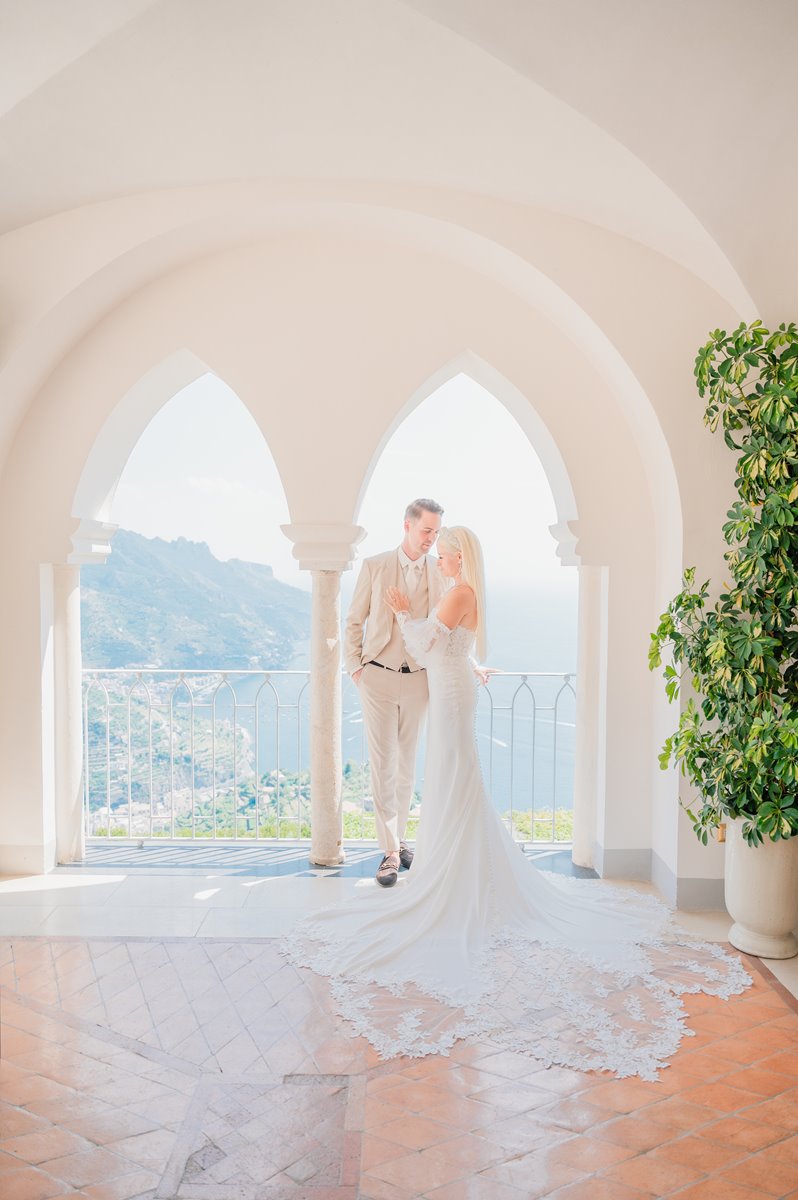
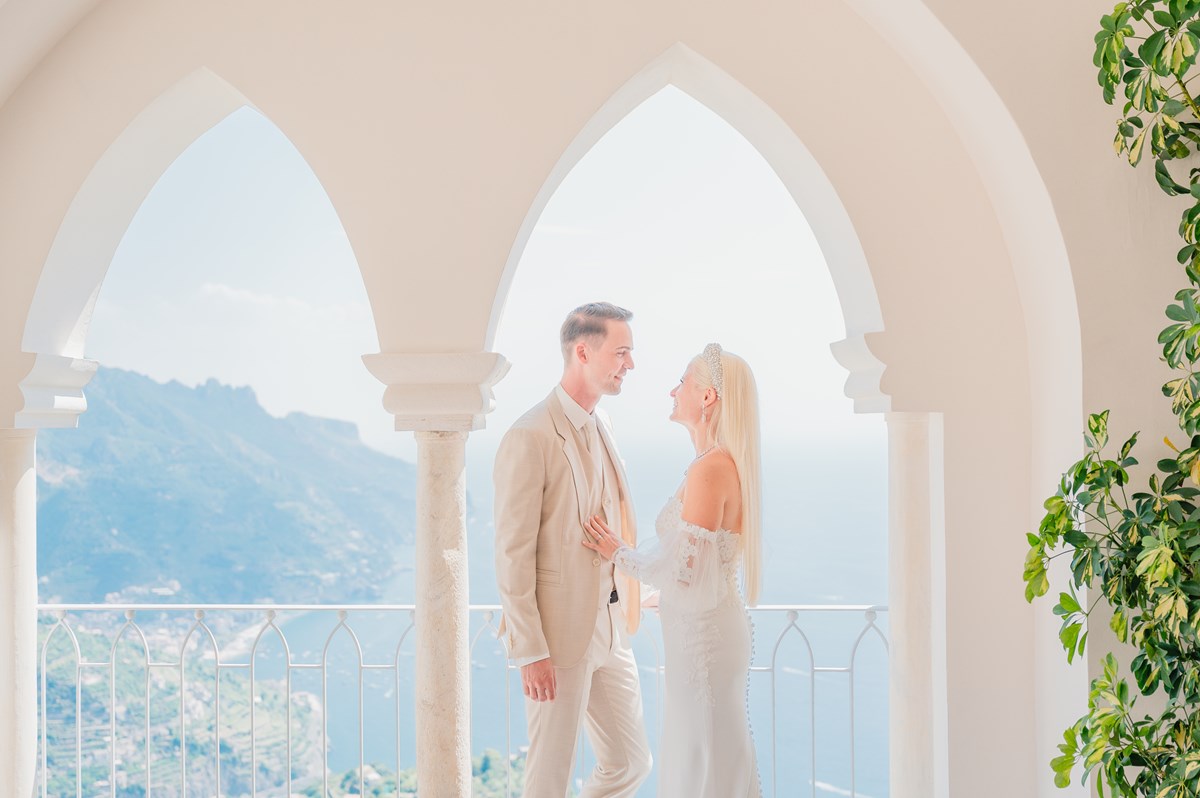
It’s located in the heart of Ravello, and it has stunning views of the sea and surrounding mountains. Creating Timeless Memories at a Ravello Wedding In the grand tapestry of Ravello, every moment is a thread woven into the eternal. Here, memories become timeless, carrying the essence of your wedding day through the ages.
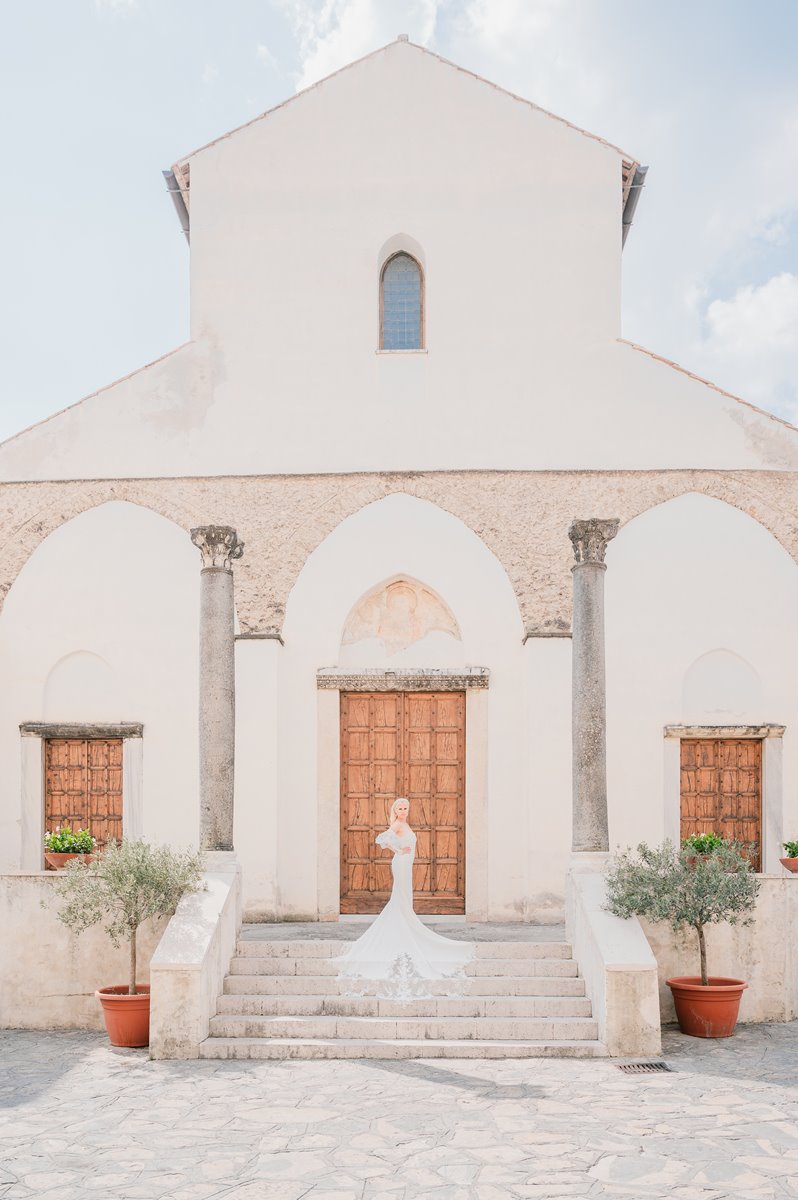
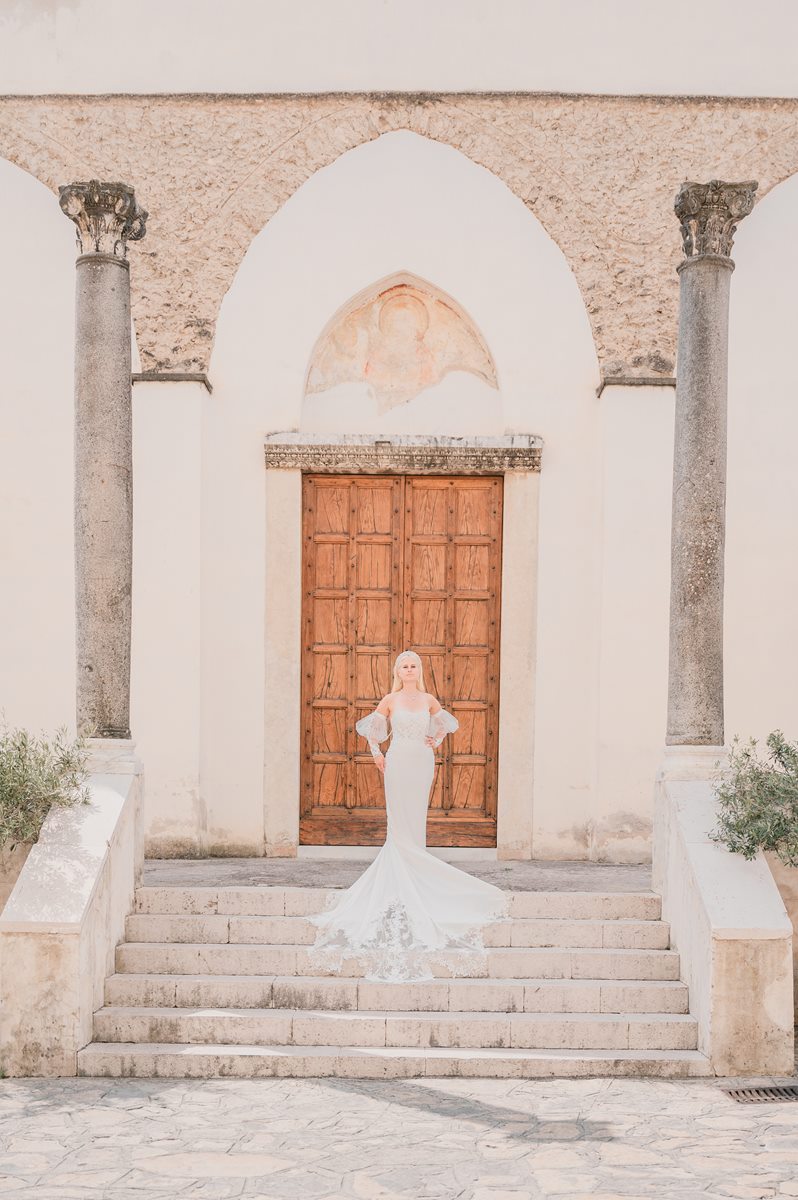

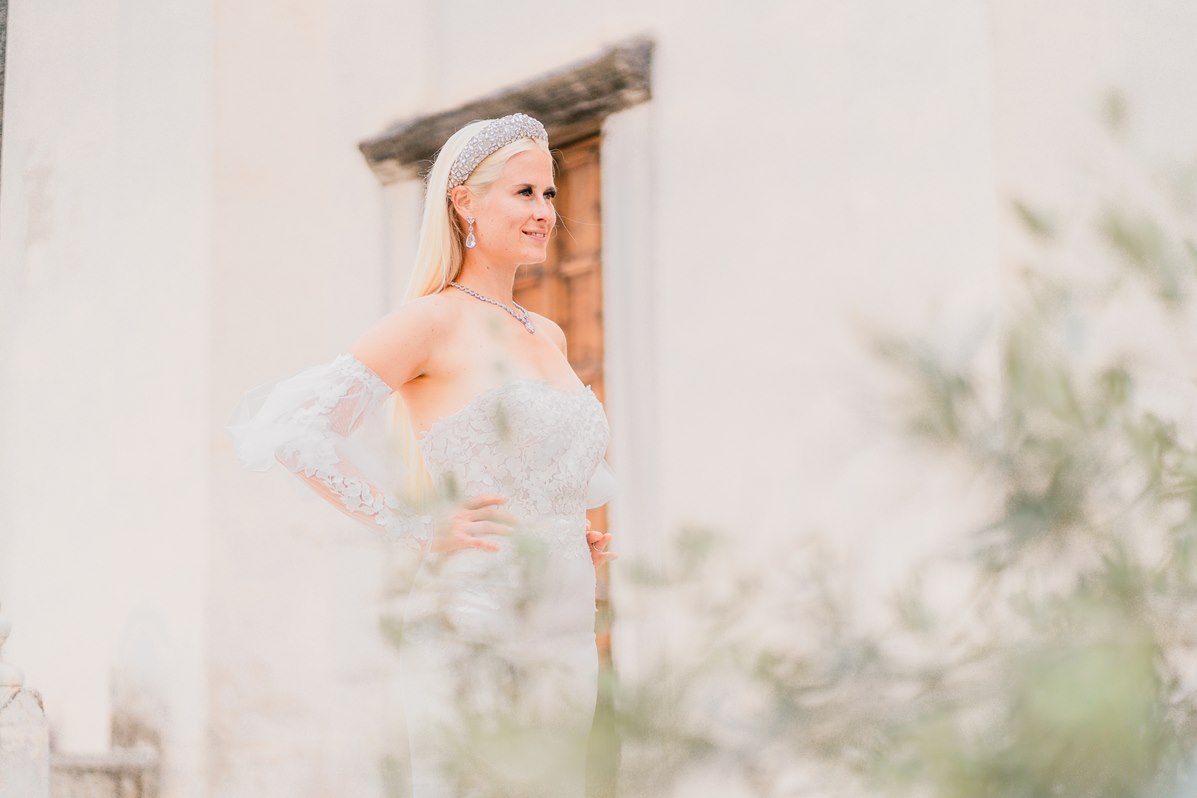
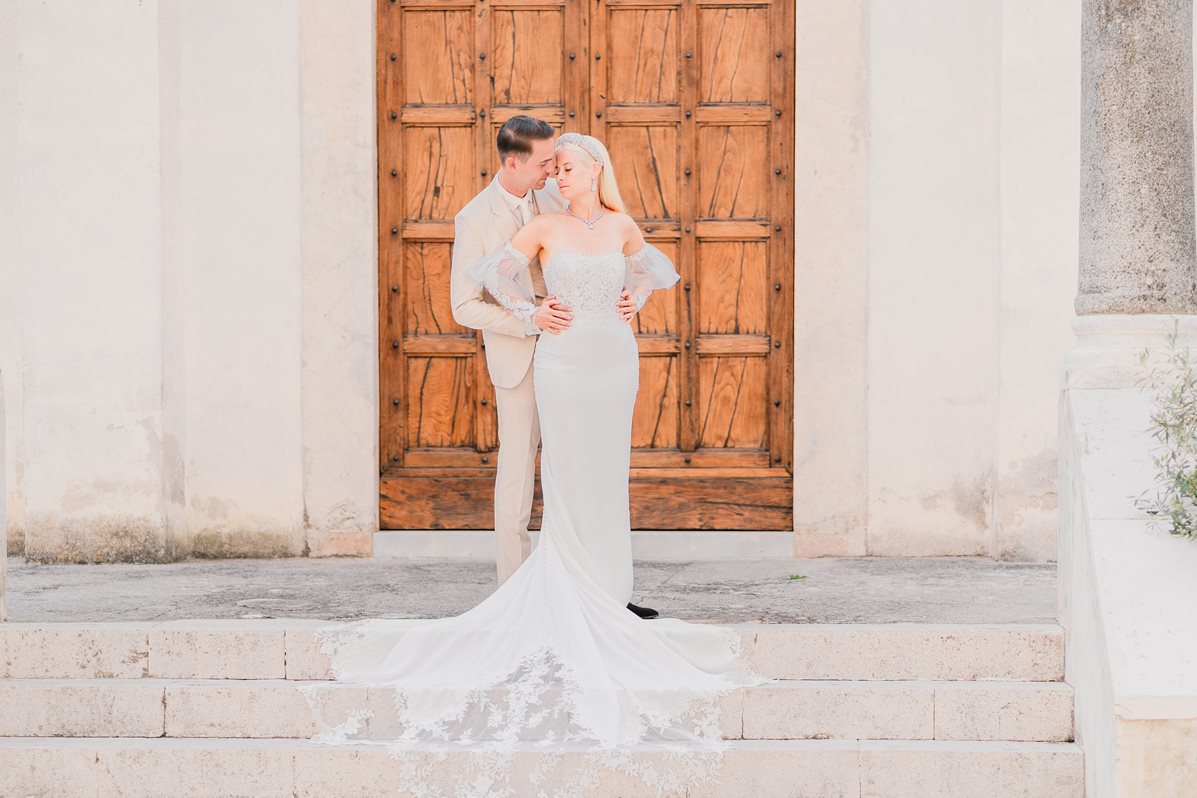
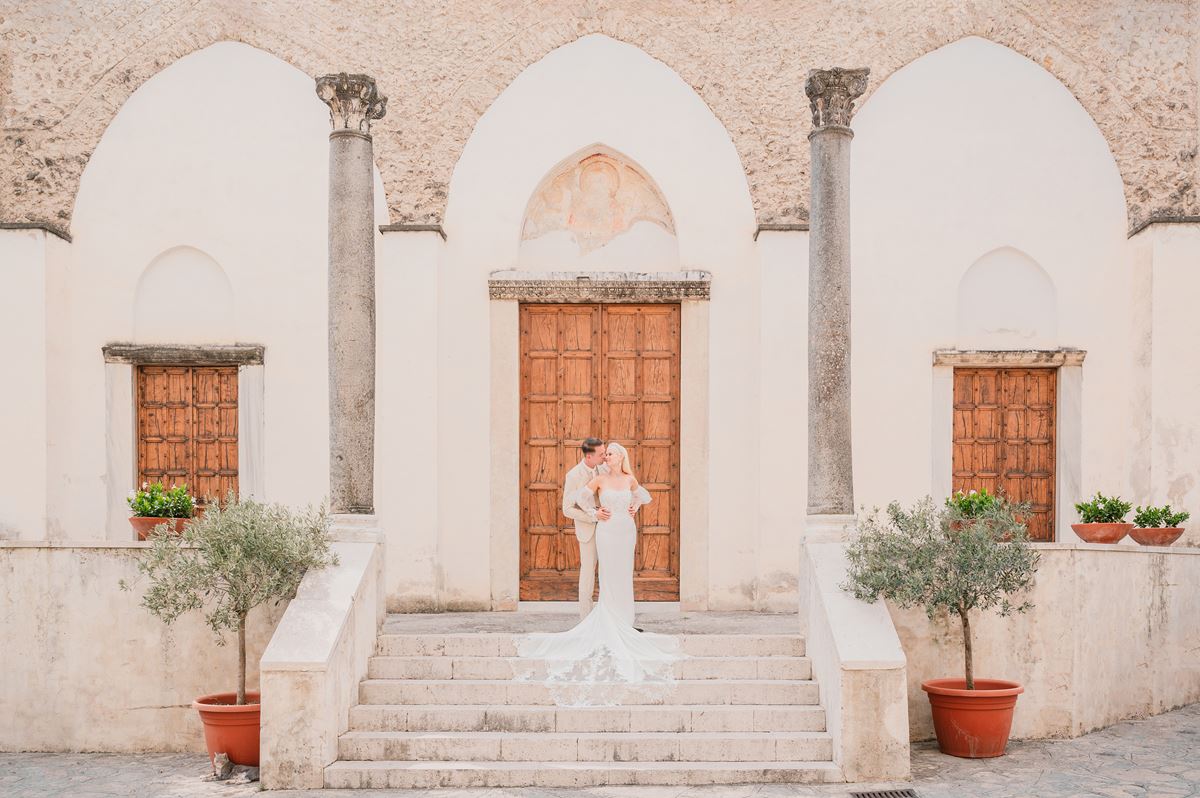
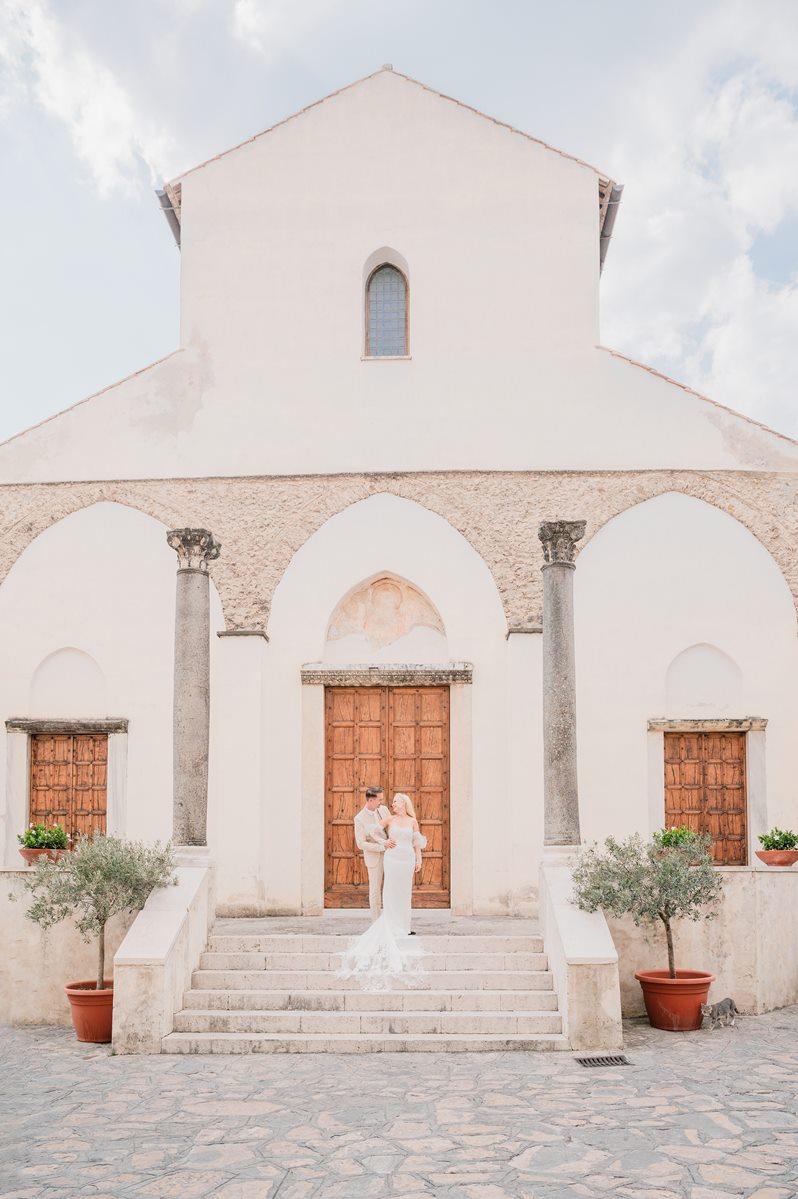
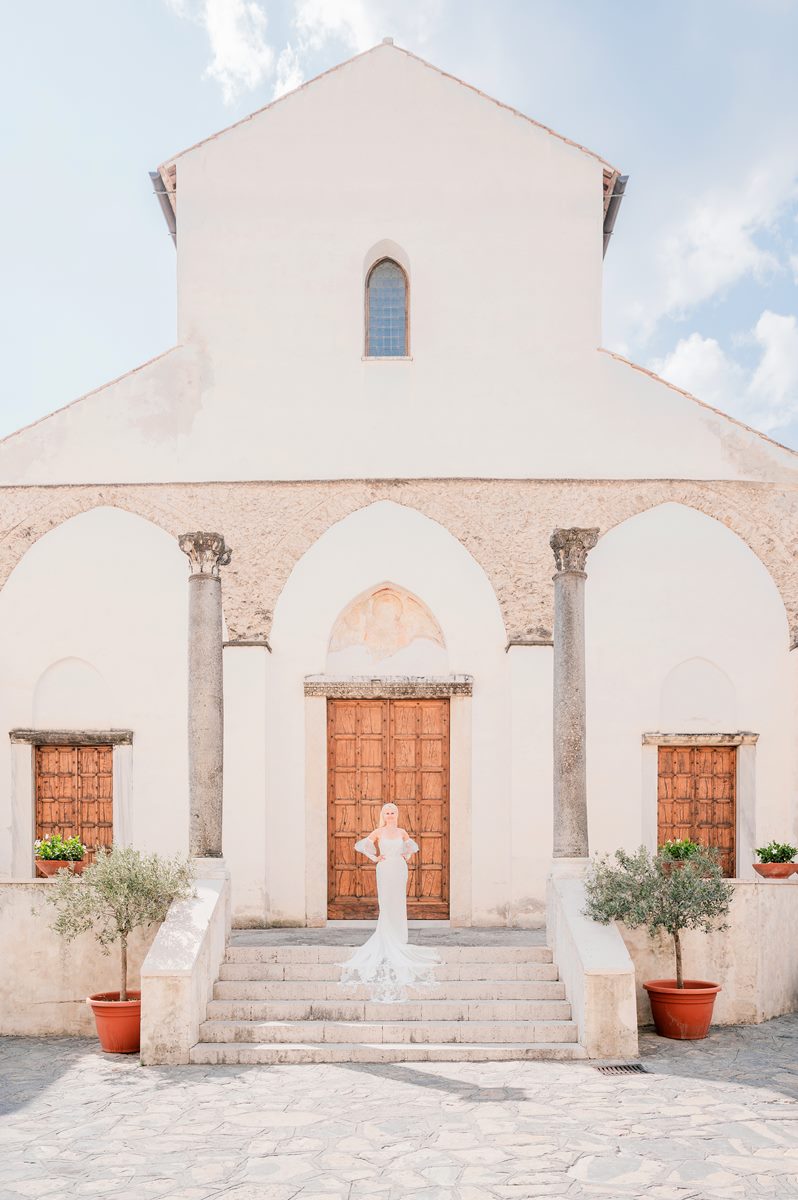
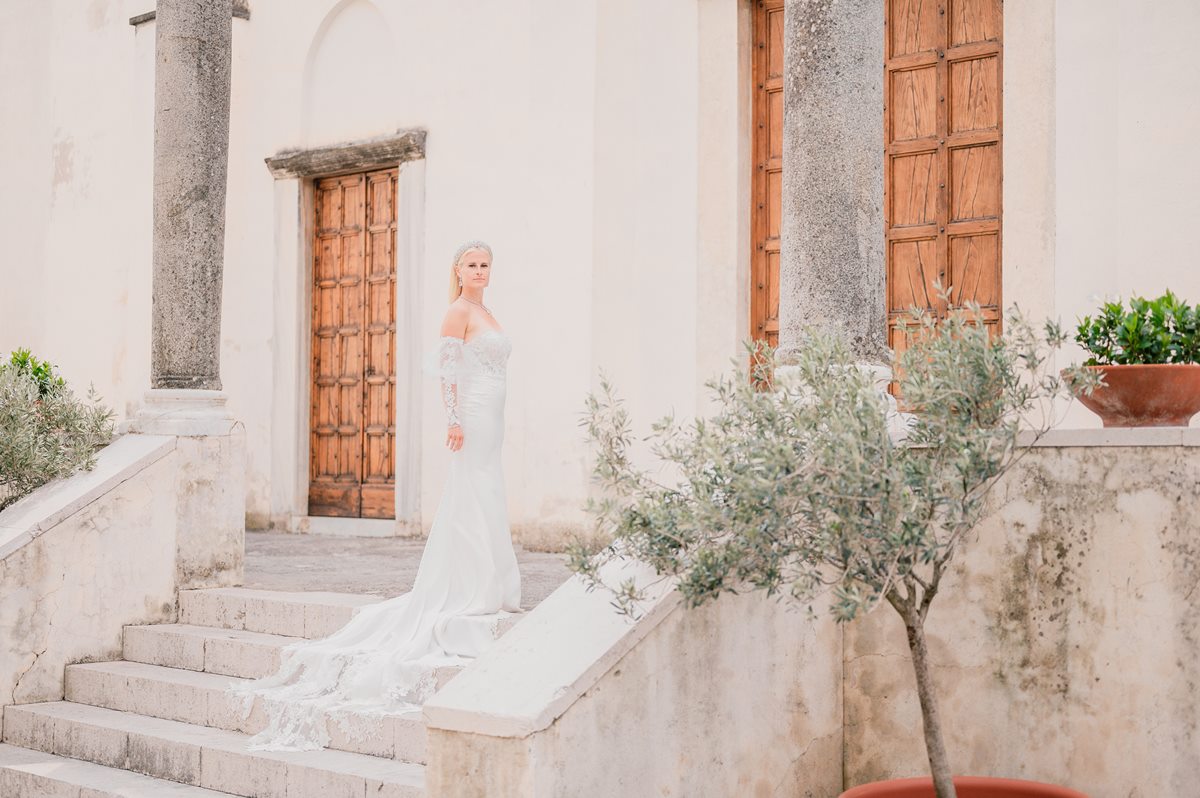
The Exquisite Backdrop: Hotel Caruso Ravello for Your Nuptials
The Hotel Caruso is a beautiful place to get married. It’s located in the heart of Ravello, and it has stunning views of the sea and surrounding mountains. The hotel is also one of the most luxurious in all of Italy, with its own private beach club and spa facilities.

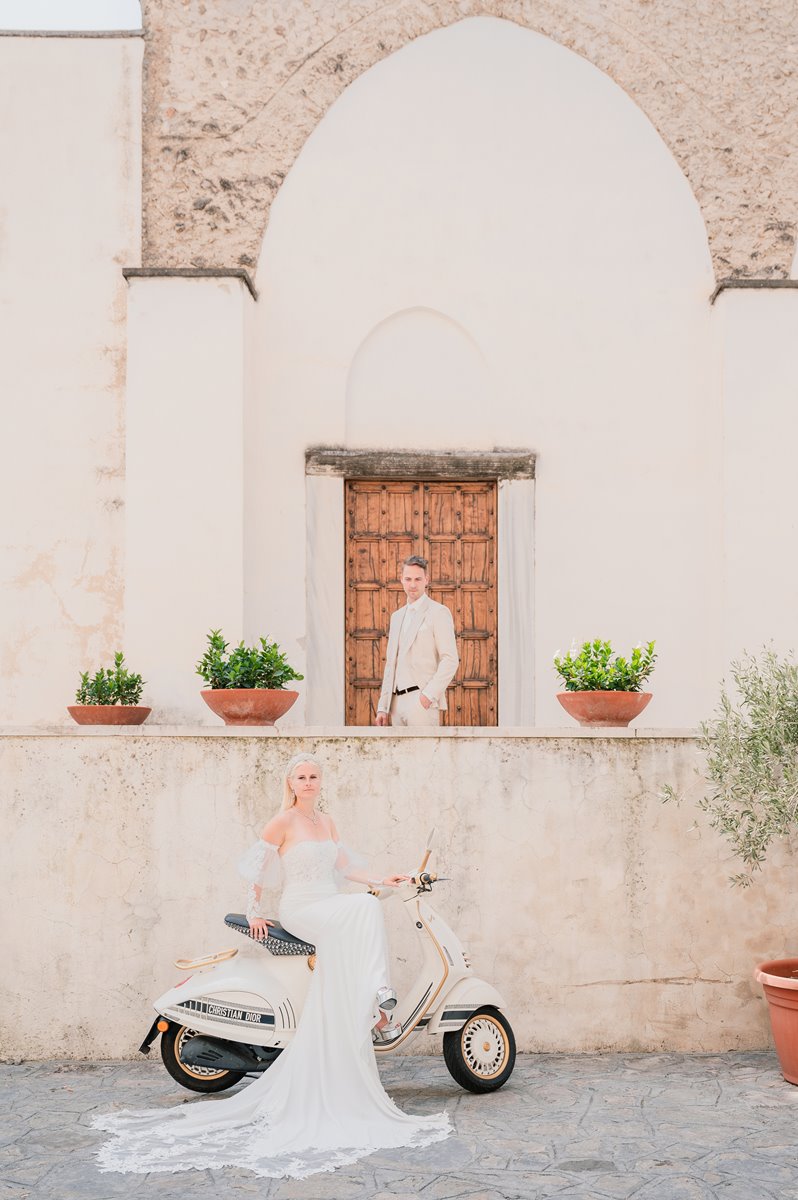
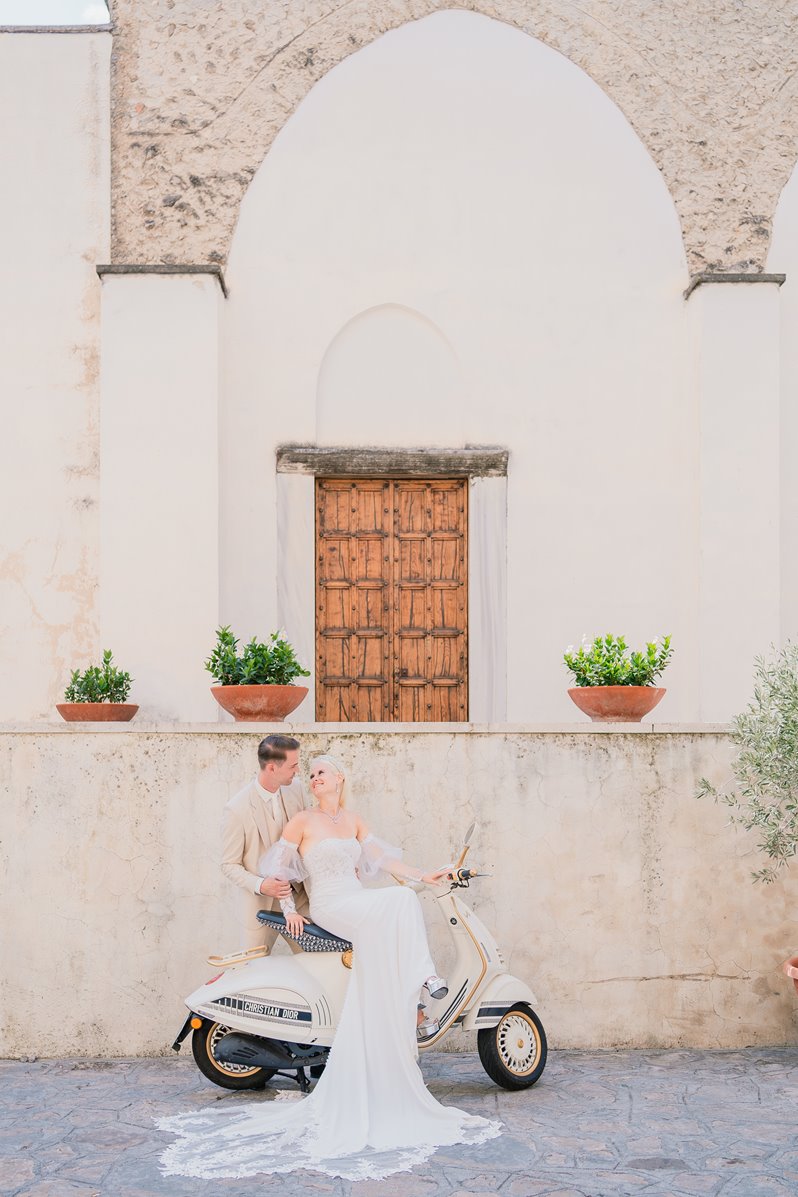
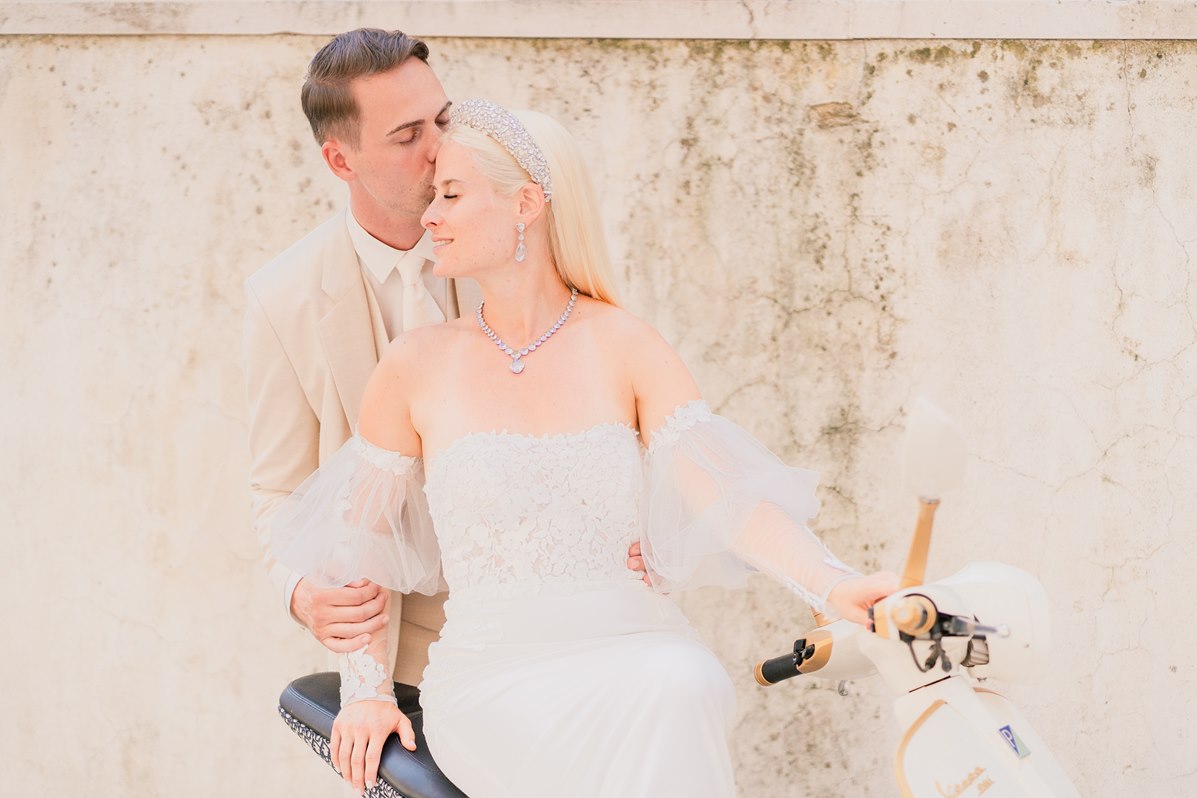
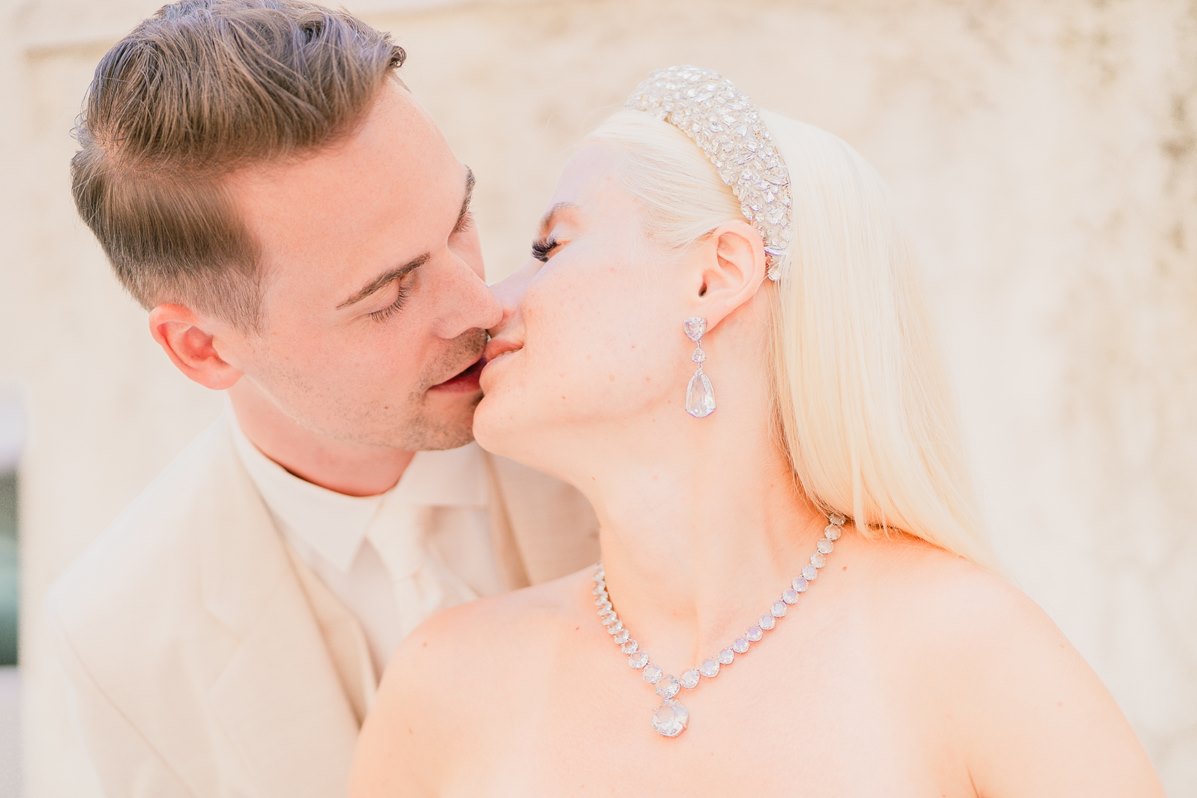
A Dreamscape of Romance at the Hotel Caruso Ravello
Dreams are spun into golden reality within the walls of Hotel Caruso Ravello. Surrender to a love that blooms in concert with the roses, cradled by whispers of the Amalfi breeze. The hotel is a dreamy place to get married, with its stunning views of the sea and surrounding mountains.


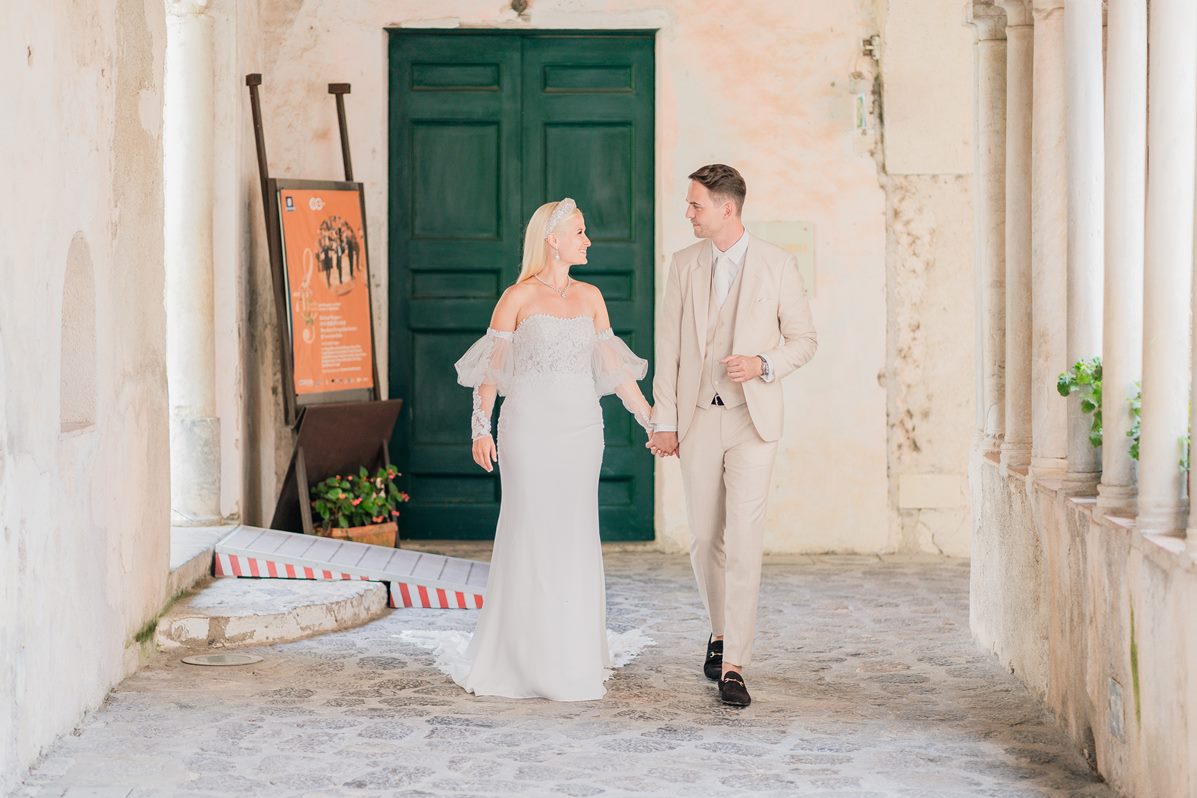

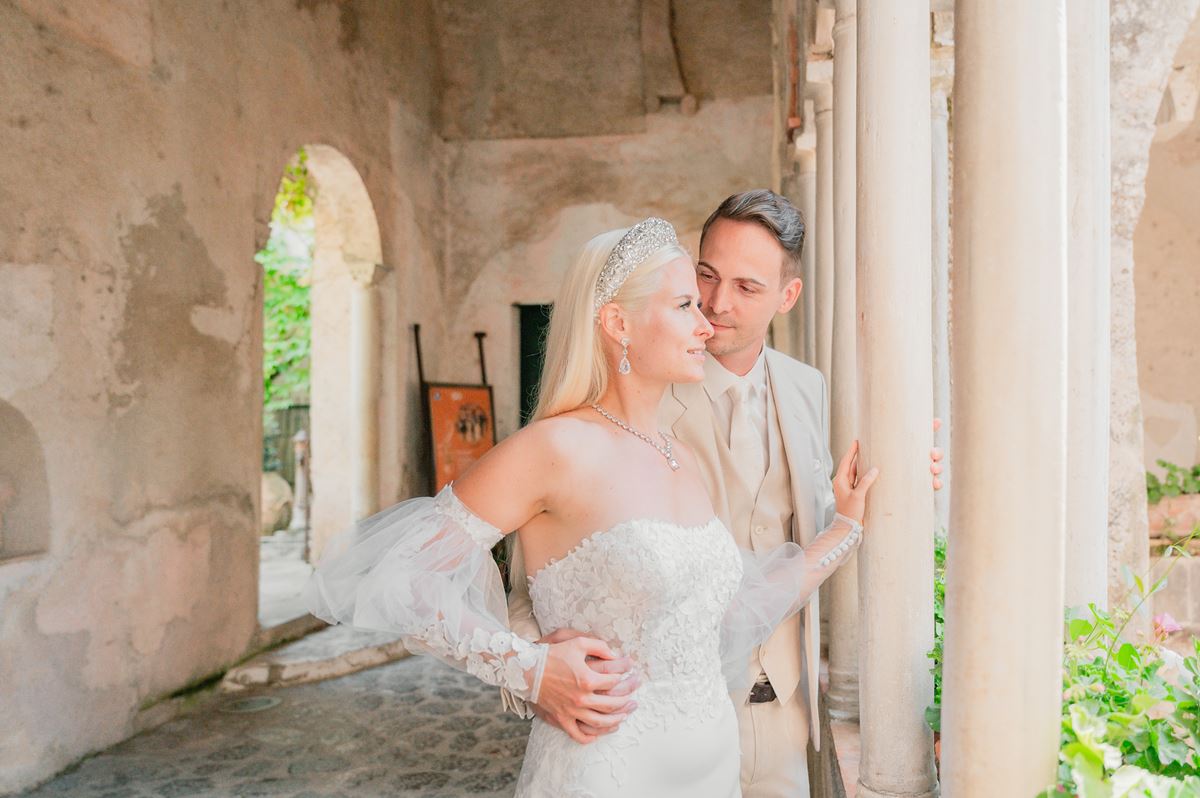
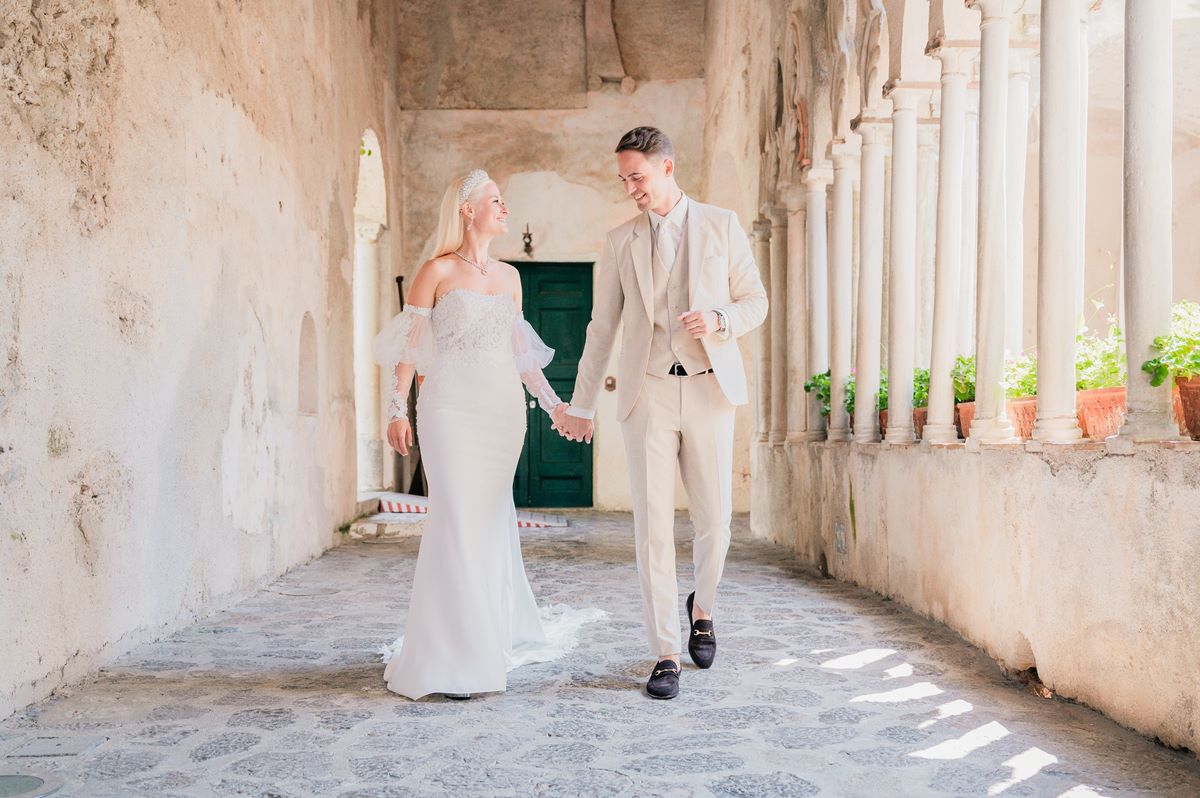
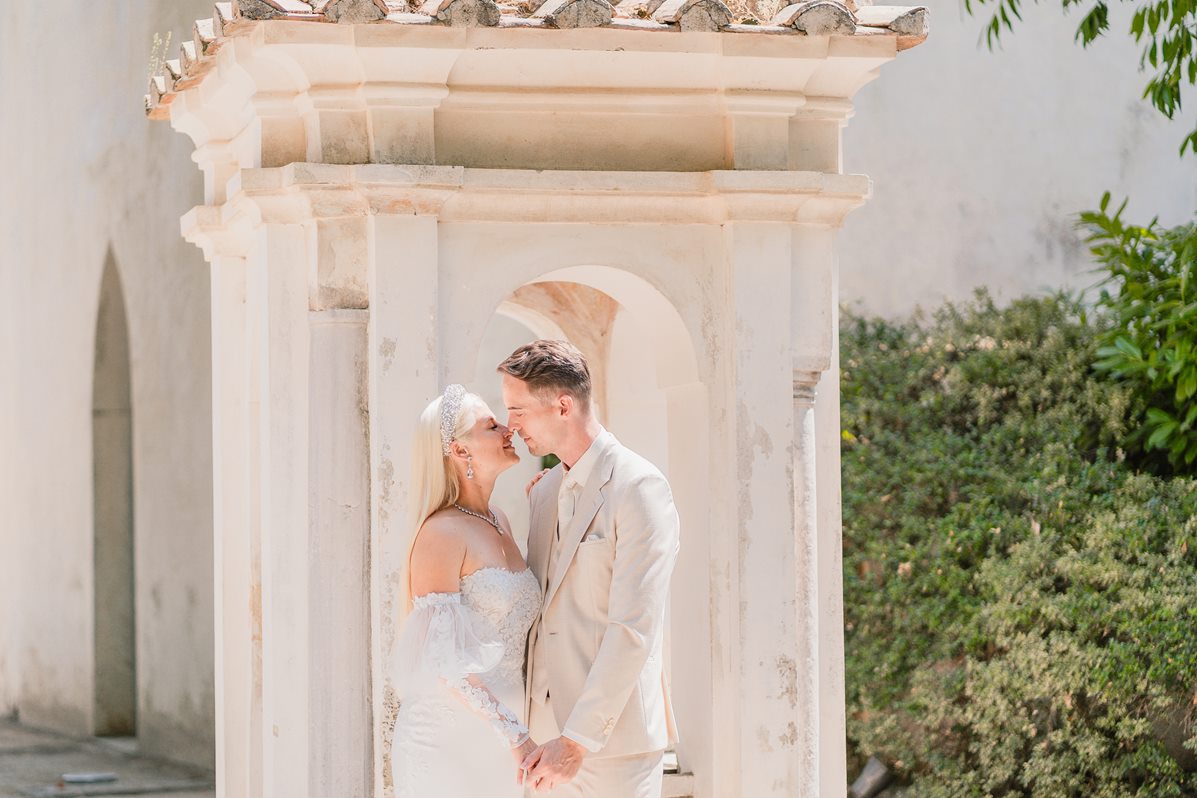

The hotel is also one of the most luxurious in all of Italy, with its own private beach club and spa facilities. A Dreamscape of Romance at the Hotel Caruso Ravello Dreams are spun into golden reality within the walls of Hotel Caruso Ravello.
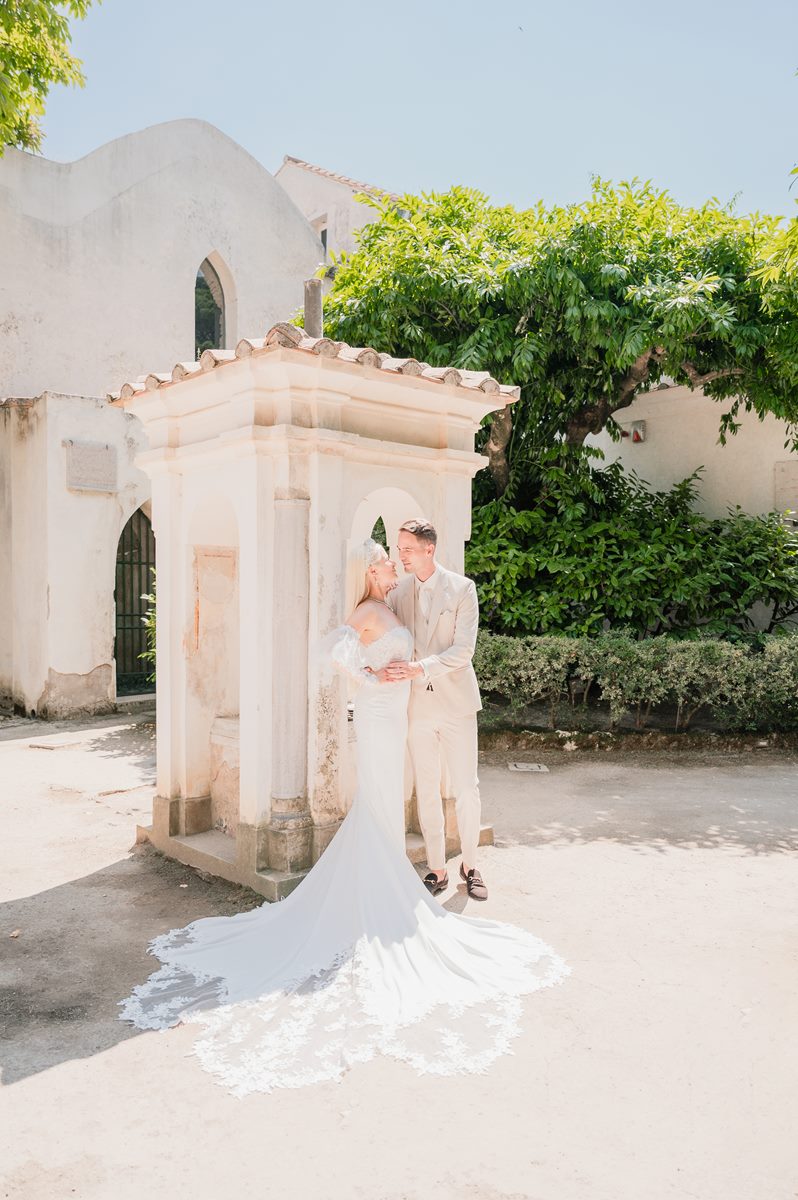
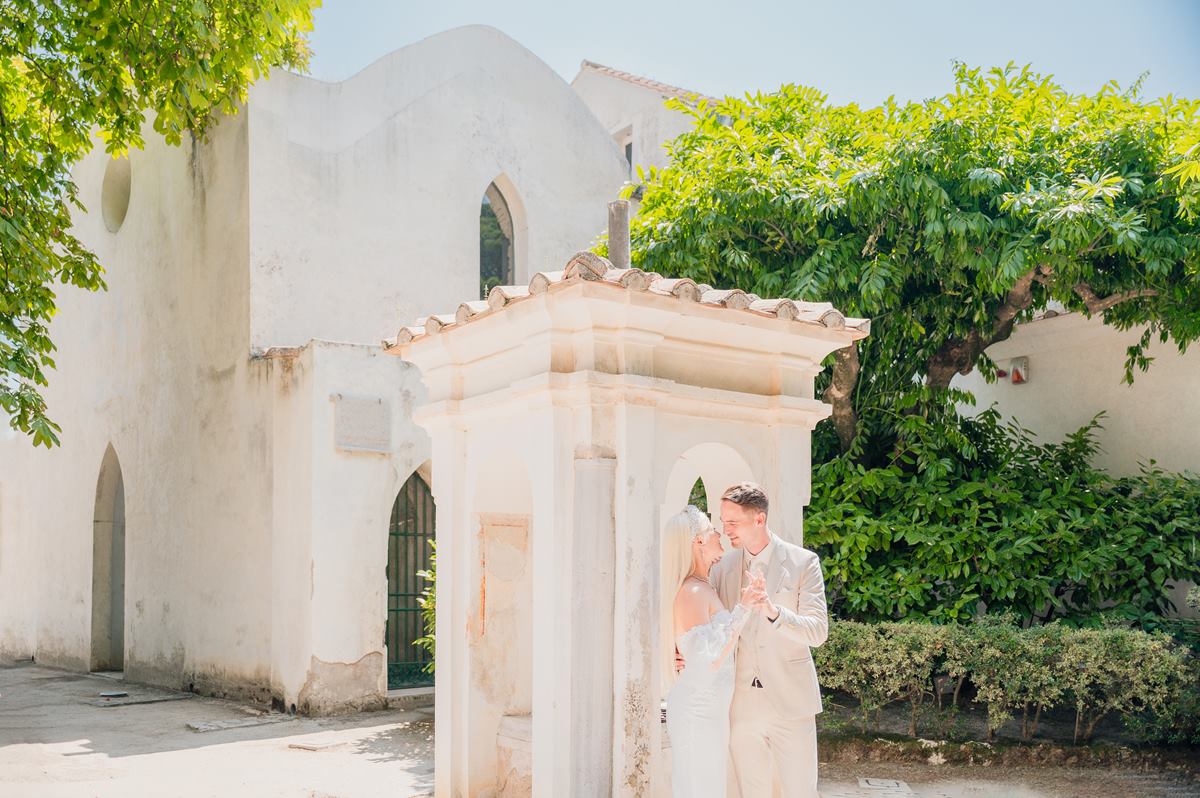
Surrender to a love that blooms in concert with the roses, cradled by whispers of the Amalfi breeze..
From Dawn to Dusk: Ravello Wedding Photography at Hotel Caruso
Capturing the poetry of light from the blush of dawn to the amber glow of dusk, your Ravello wedding at Hotel Caruso is immortalized through the adoring lens of photography.
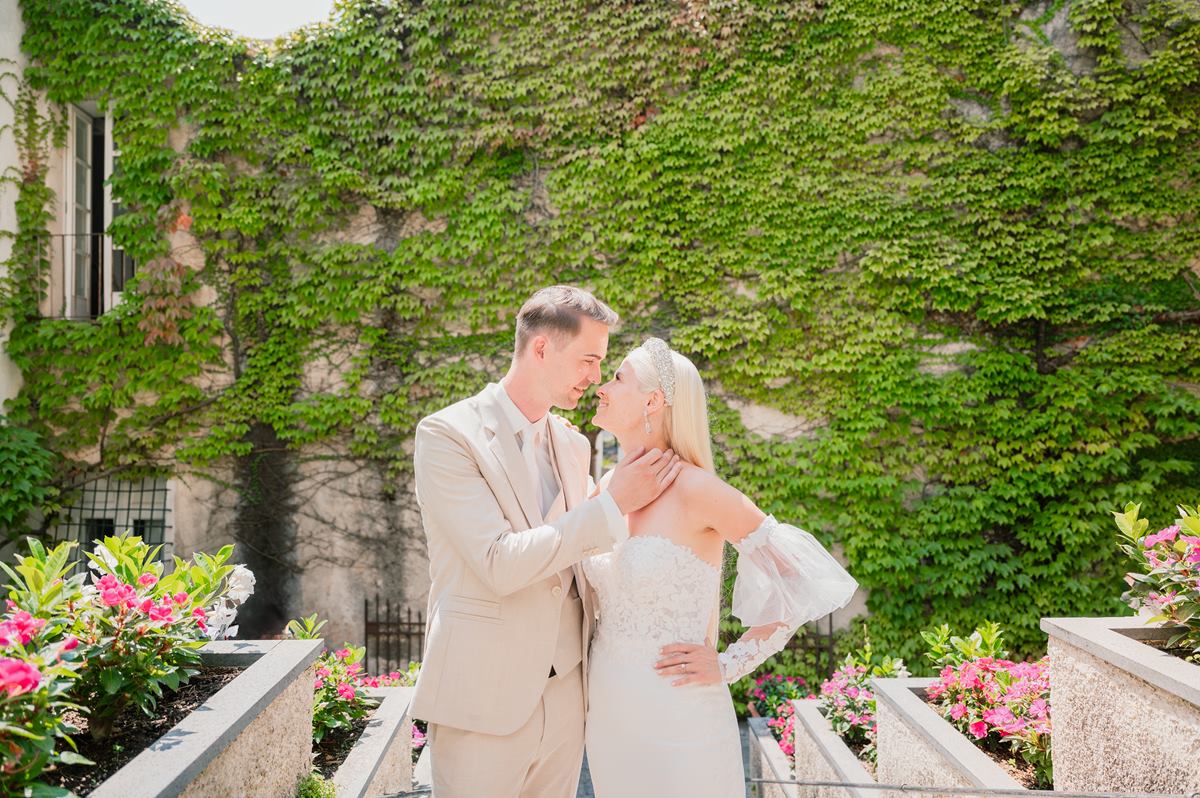



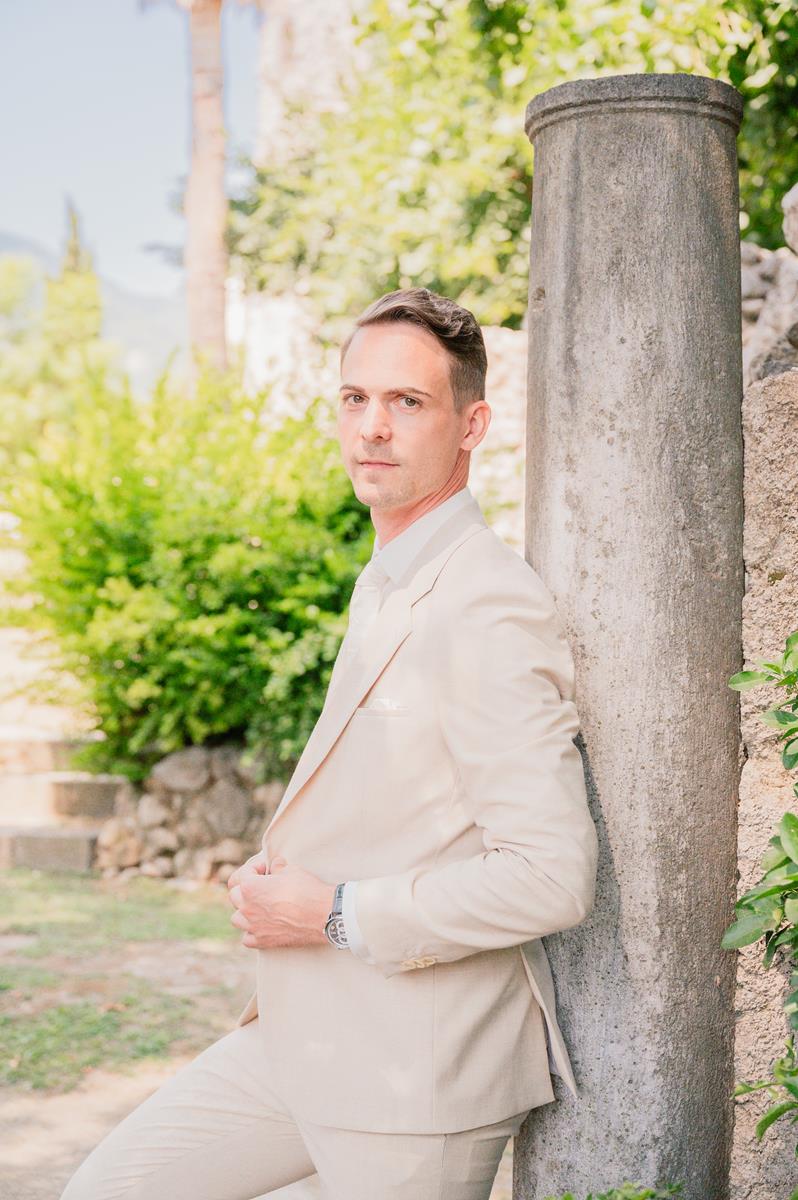

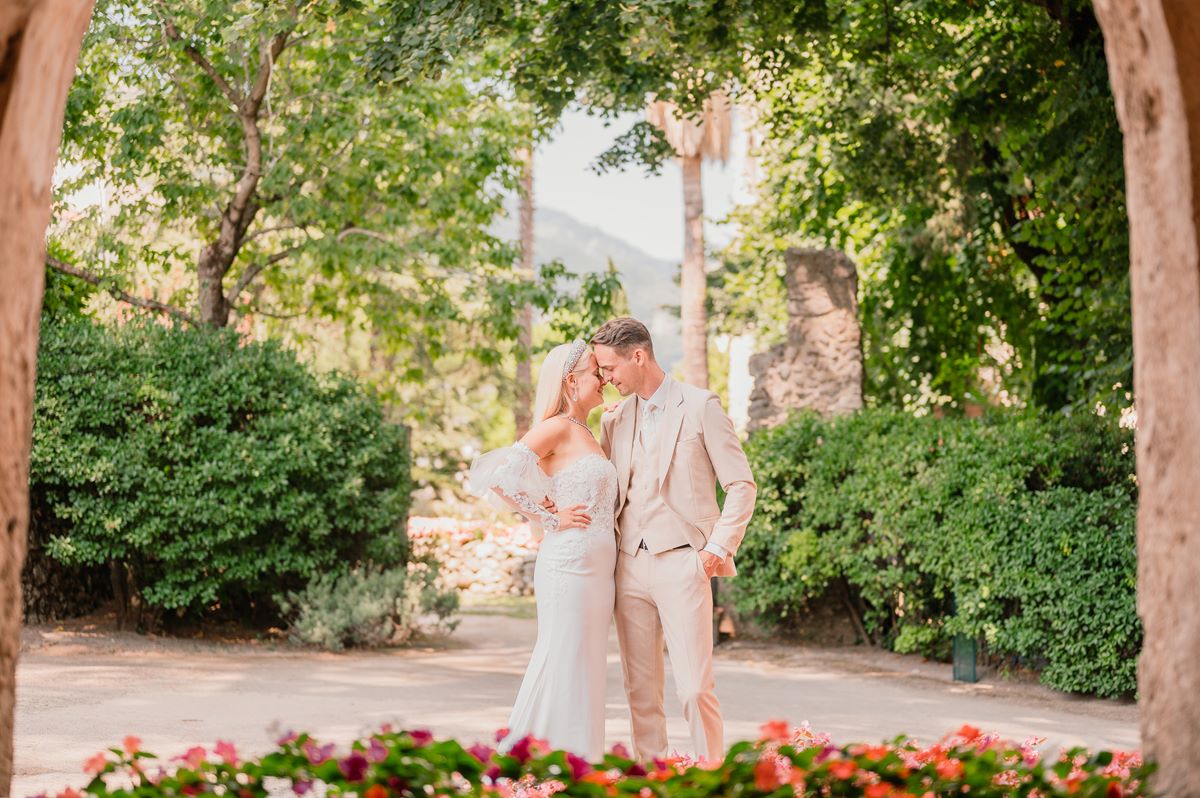
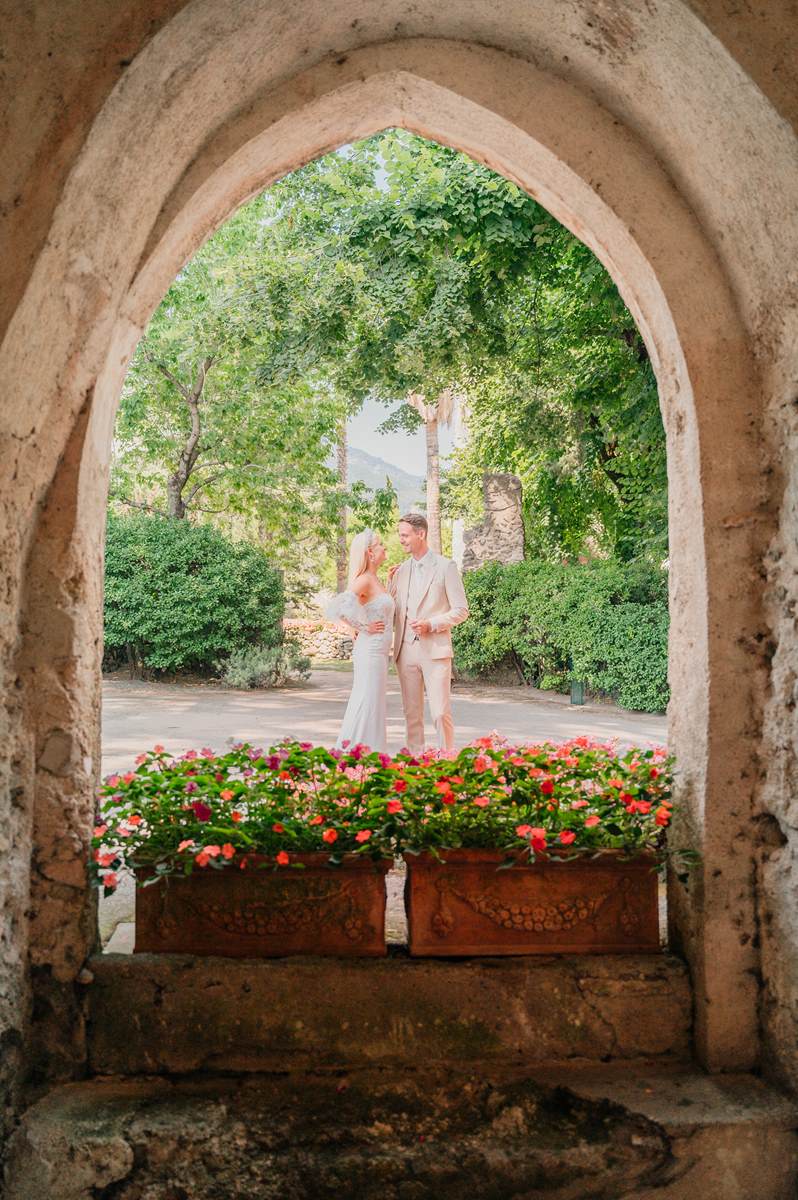
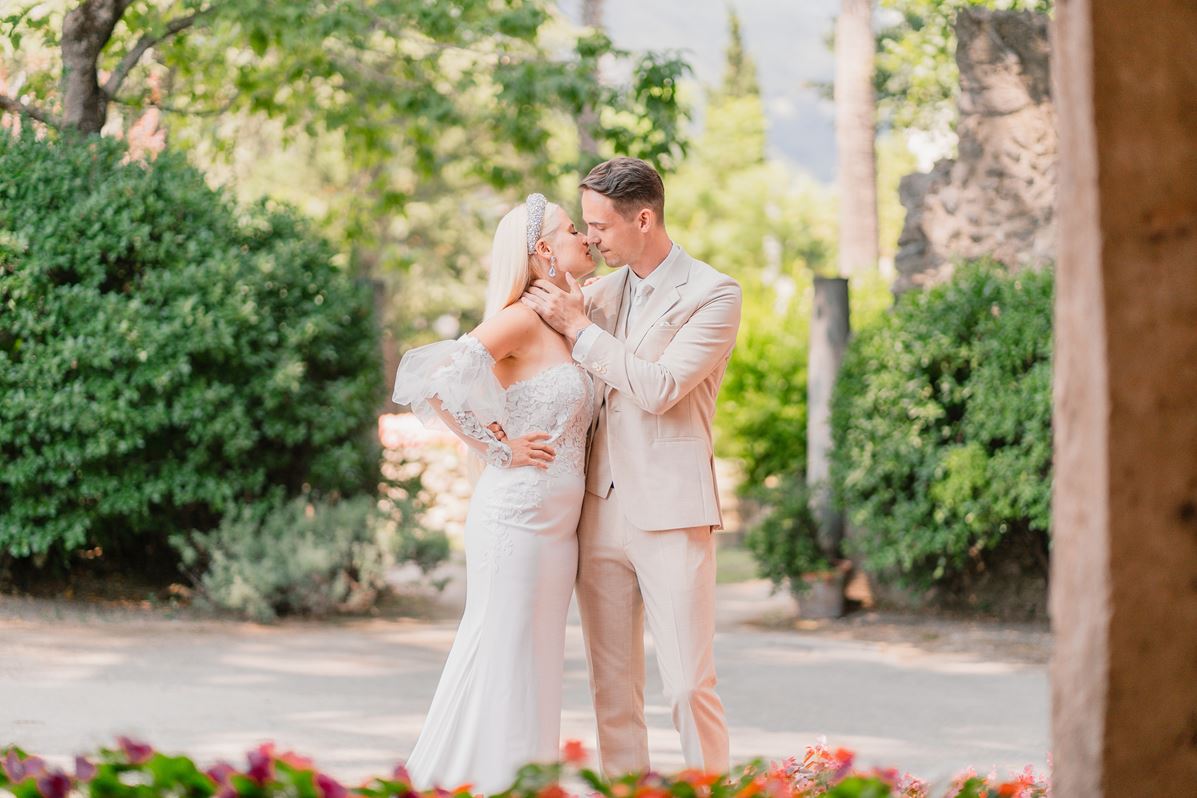
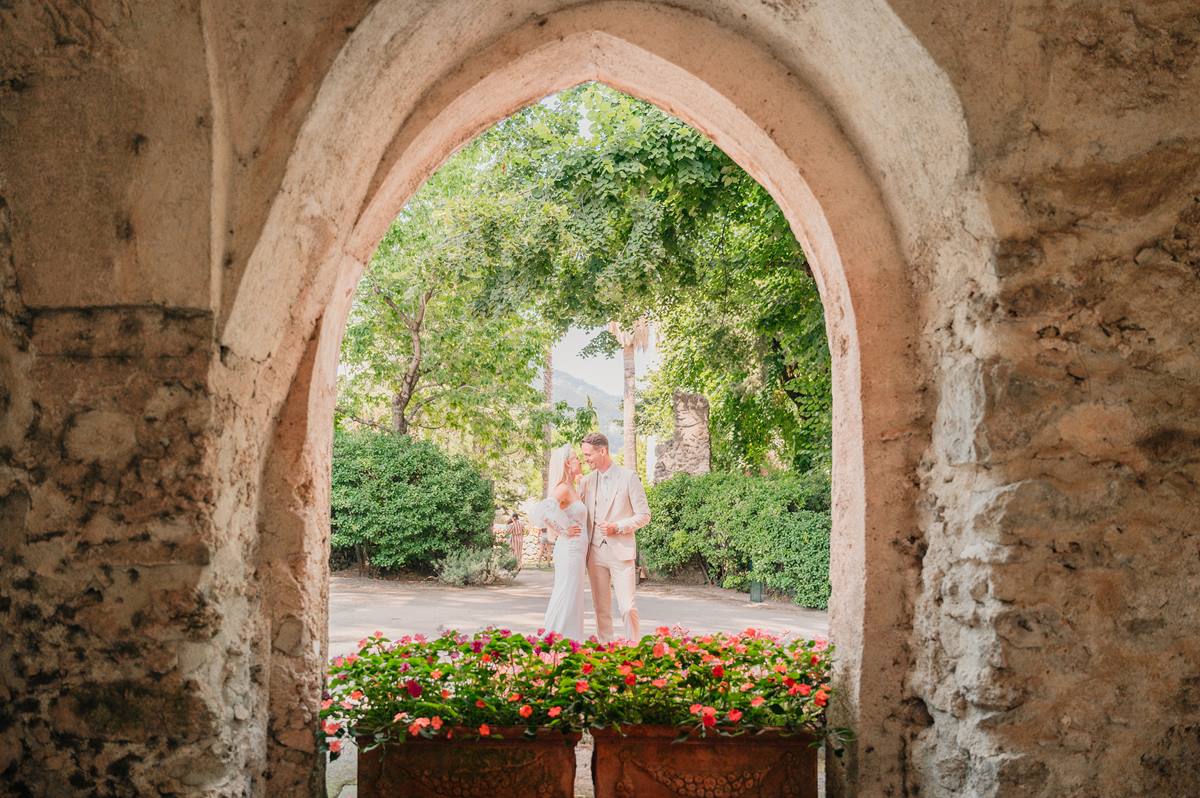
The hotel’s wedding photography services are provided by a team of professional photographers who specialize in capturing the essence of your special day. From the moment you step foot on the grounds, they will be there to document every detail and emotion as it unfolds around you.
CREAMY COLORS
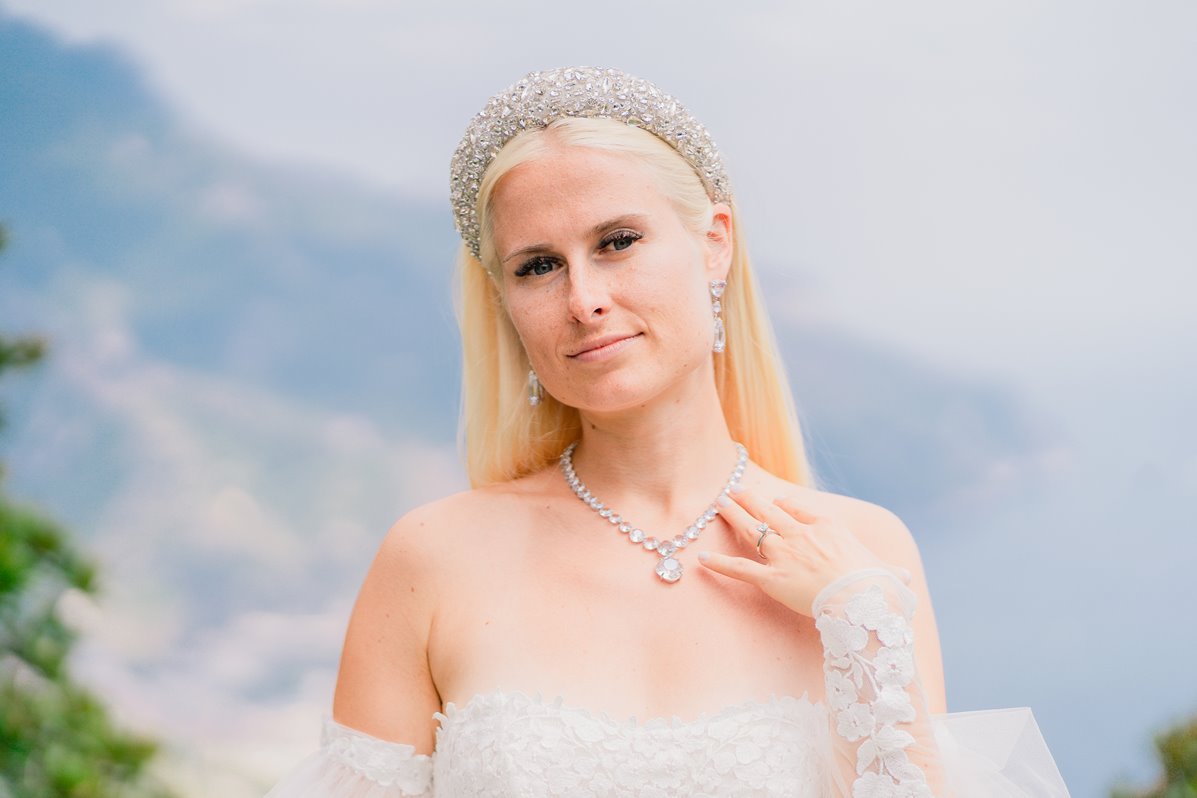
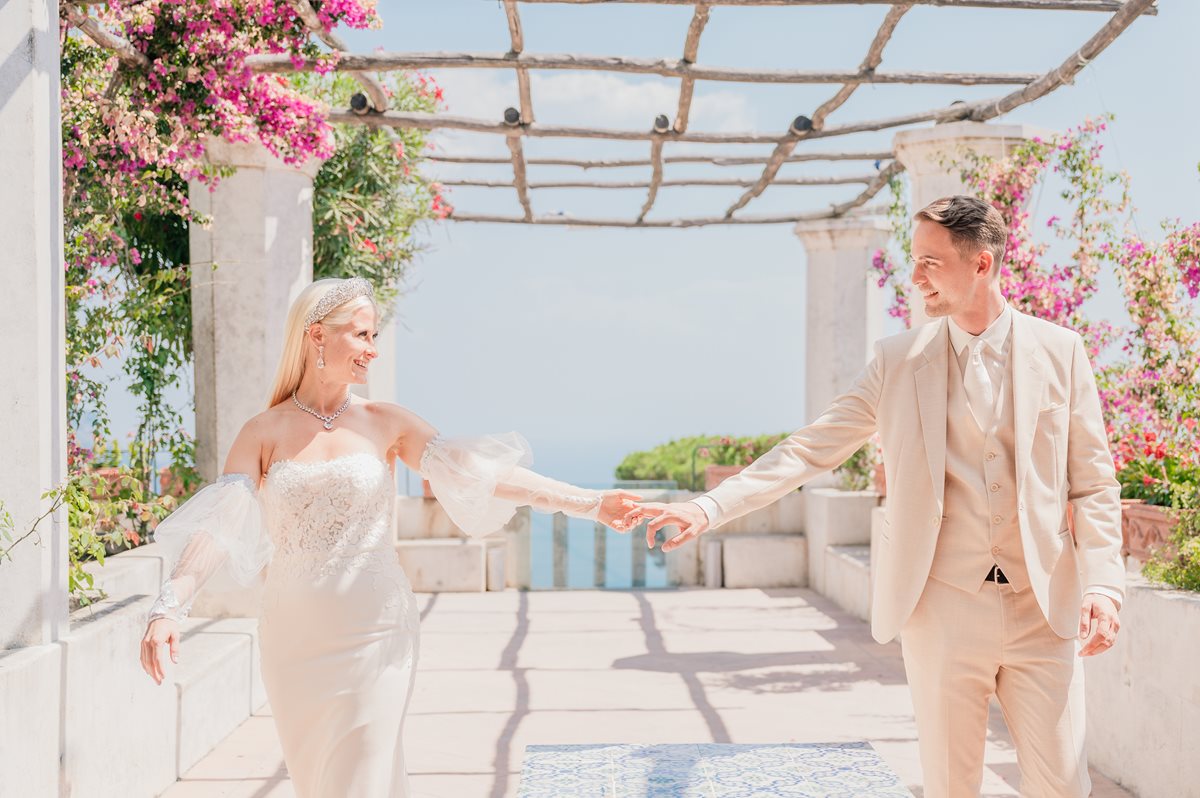
I love capturing feelings around stunning atmospheres inside beautiful lights in charming places around Italy and not only. I love crafting memories that are built by my eye, my work philosophy and definitely my sensitivity.
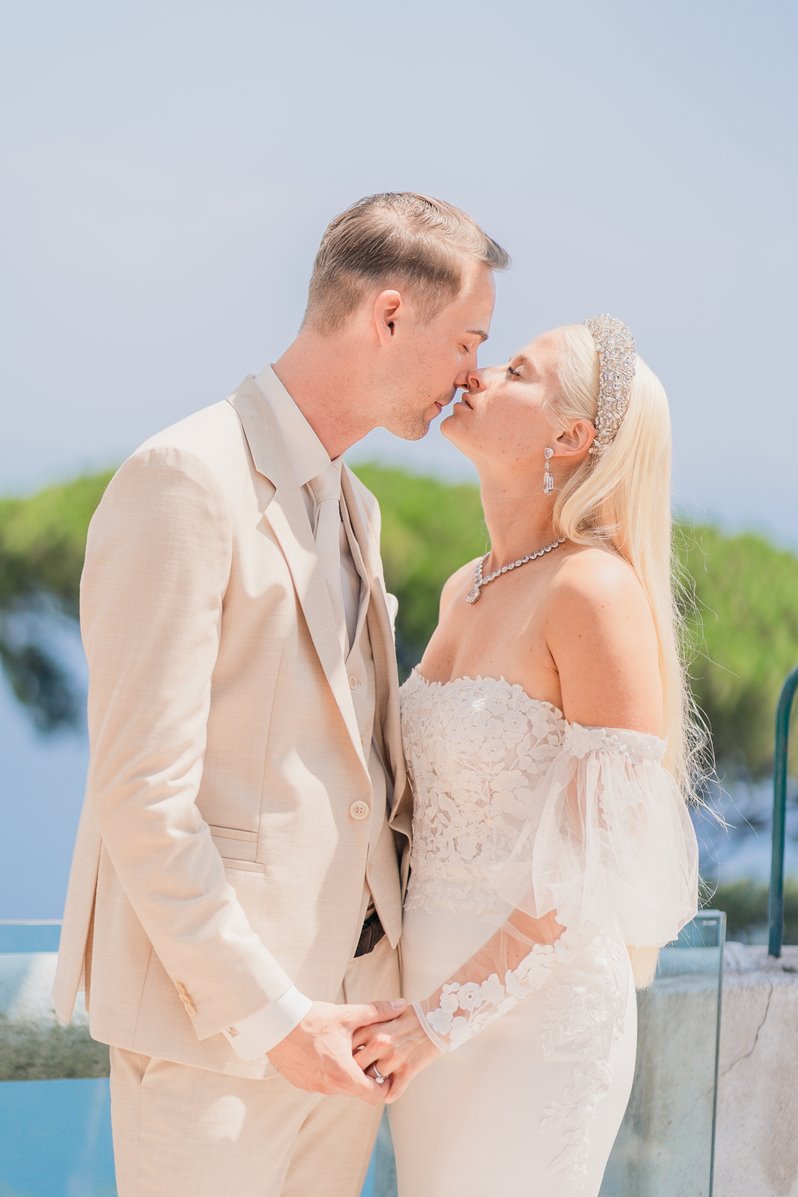
RAVELLO STORIES
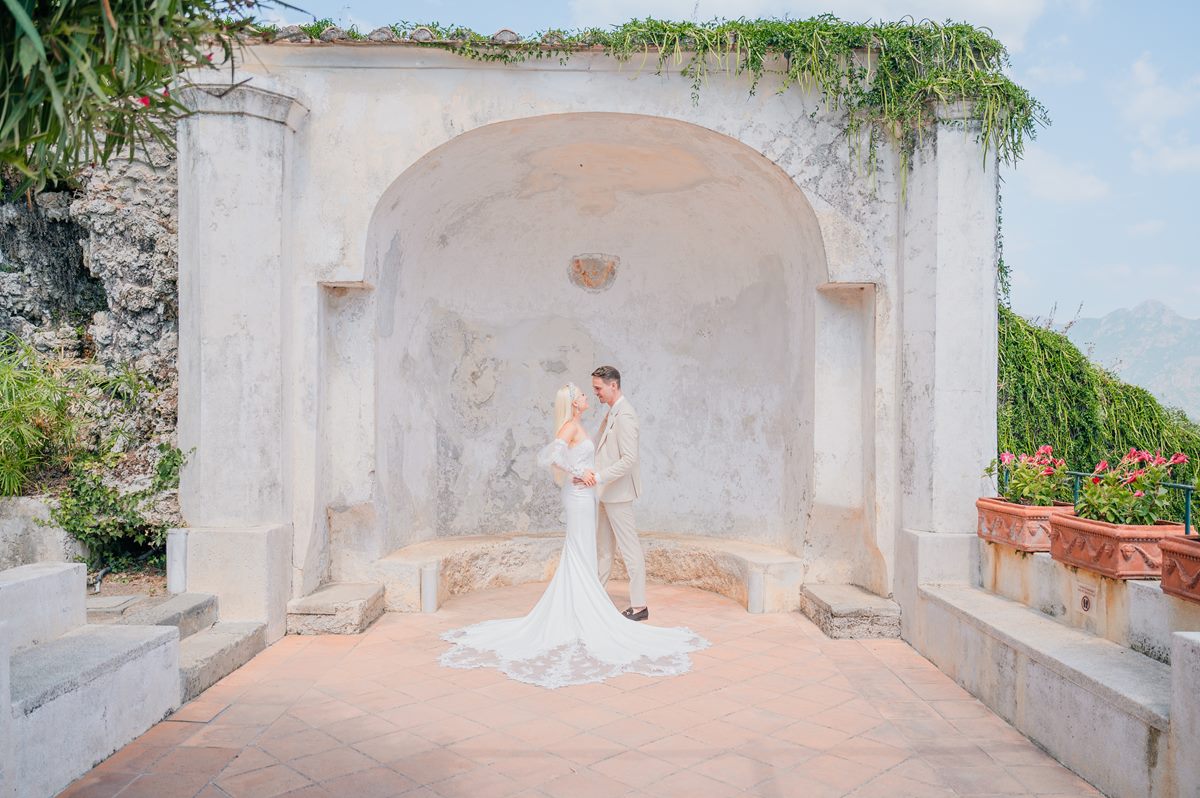

Luxurious Amenities for Your Wedding at Hotel Caruso
Surrender to the opulent embrace of Hotel Caruso, where each luxury speaks to the heart, and the grandeur of love is matched by the splendor of service. The hotel’s wedding packages are designed to ensure that your special day is everything you’ve ever dreamed of.


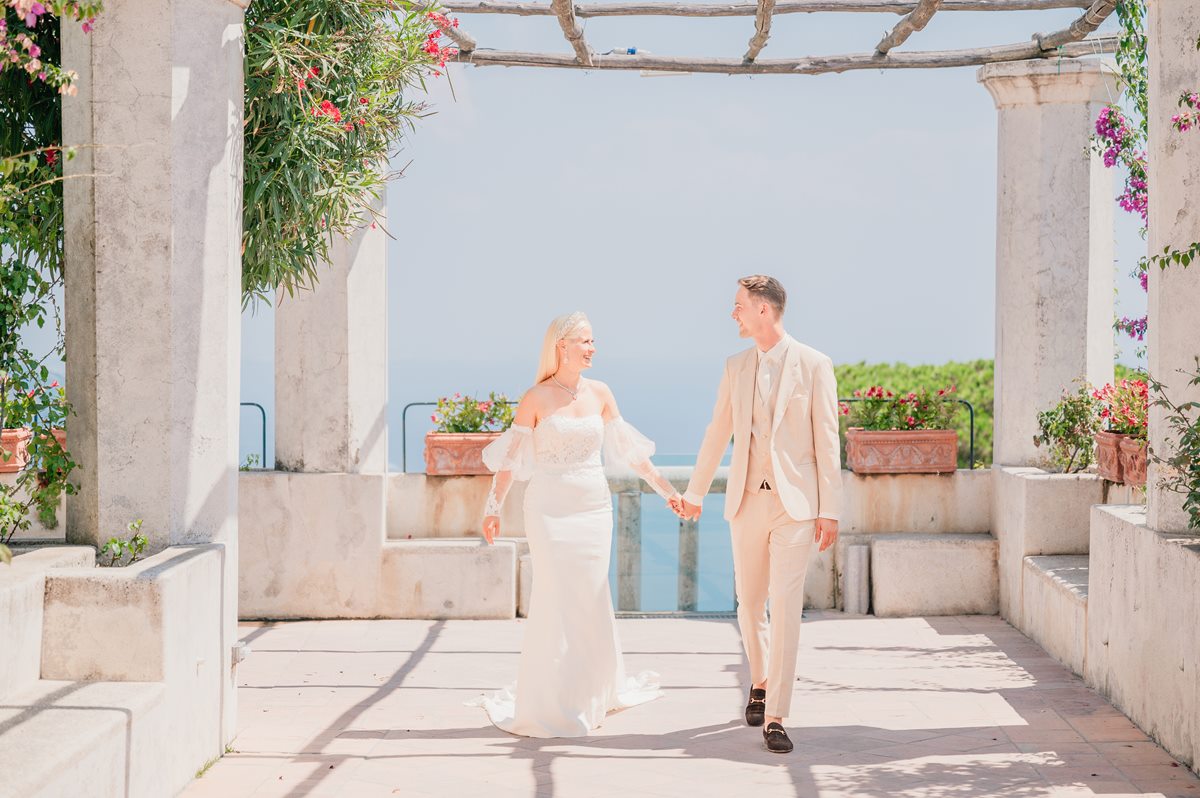
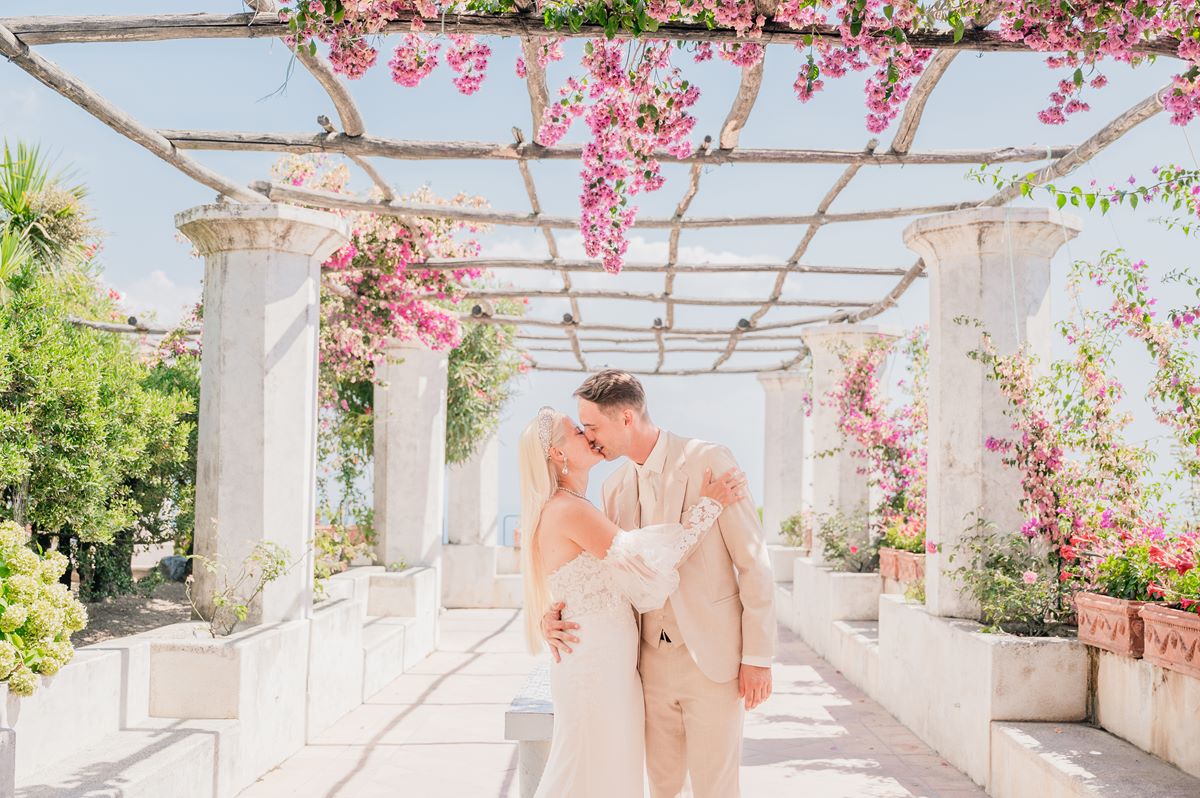
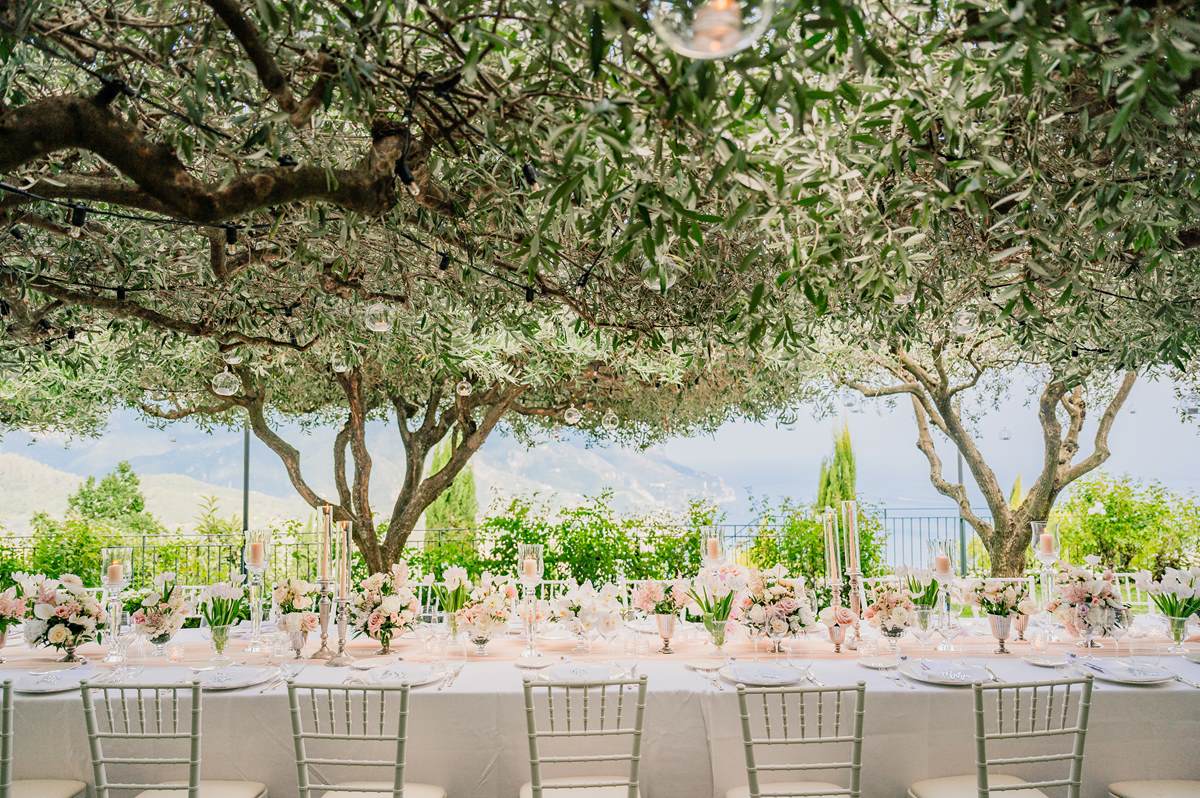
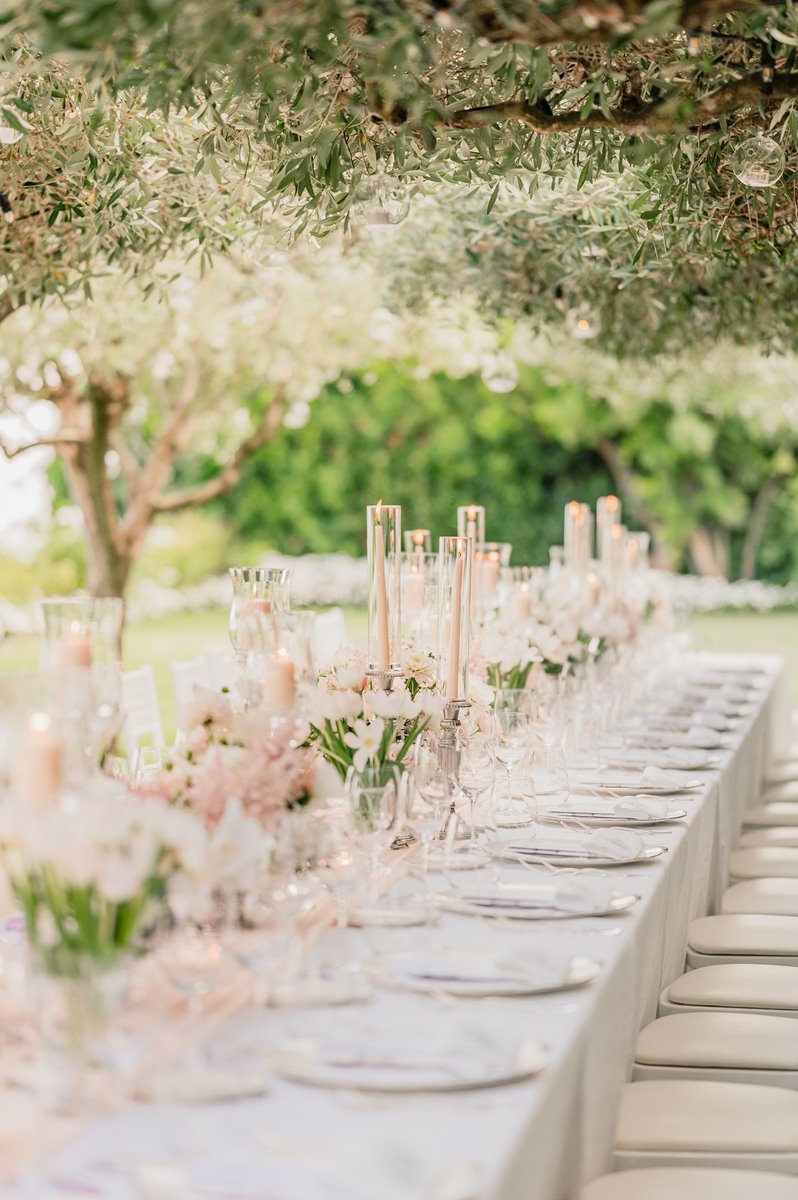
From the moment you arrive, you will be treated like royalty by our dedicated staff who are there to make sure every detail is perfect. Our wedding planners will work with you to create a personalized experience that reflects your unique style and personality, while our chefs will prepare an exquisite menu that will leave your guests raving about their meal for years to come.
WEDDING IN RAVELLO
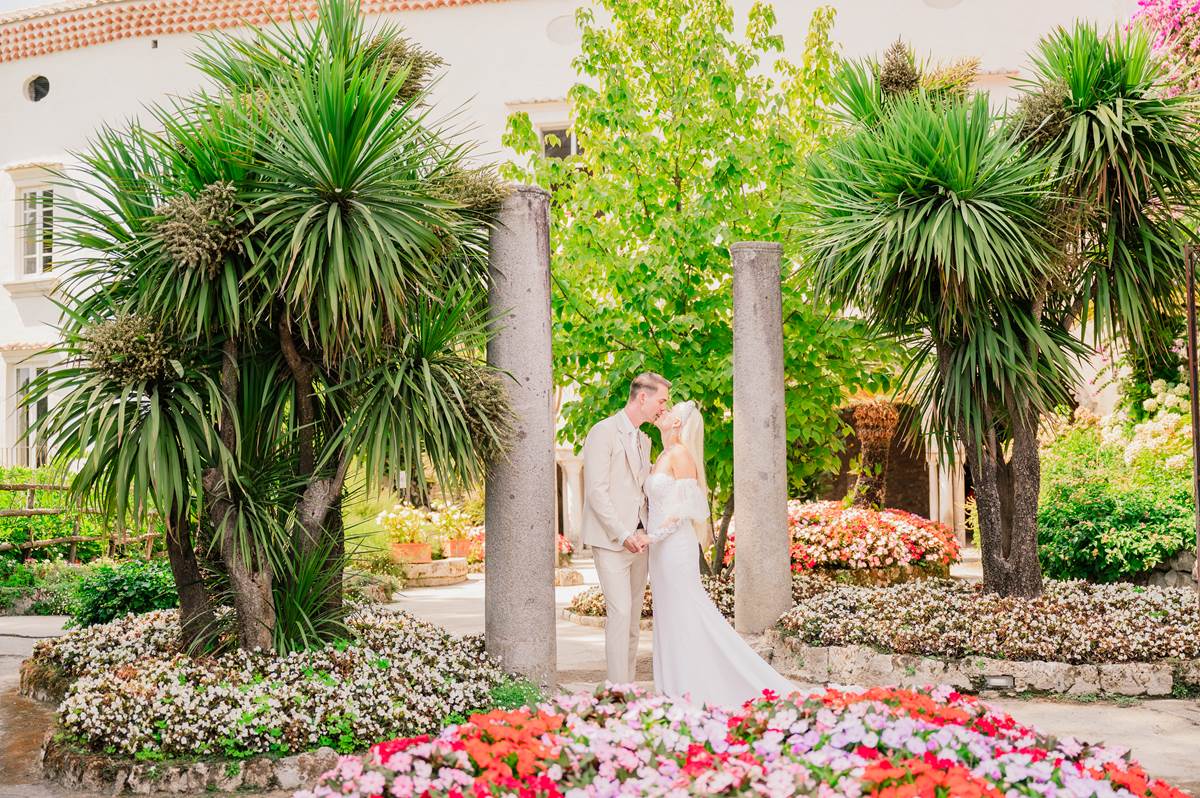
EMILIANO RUSSO
Ravello is definitely one of the most enchanting spots in Italy for an elegant wedding.
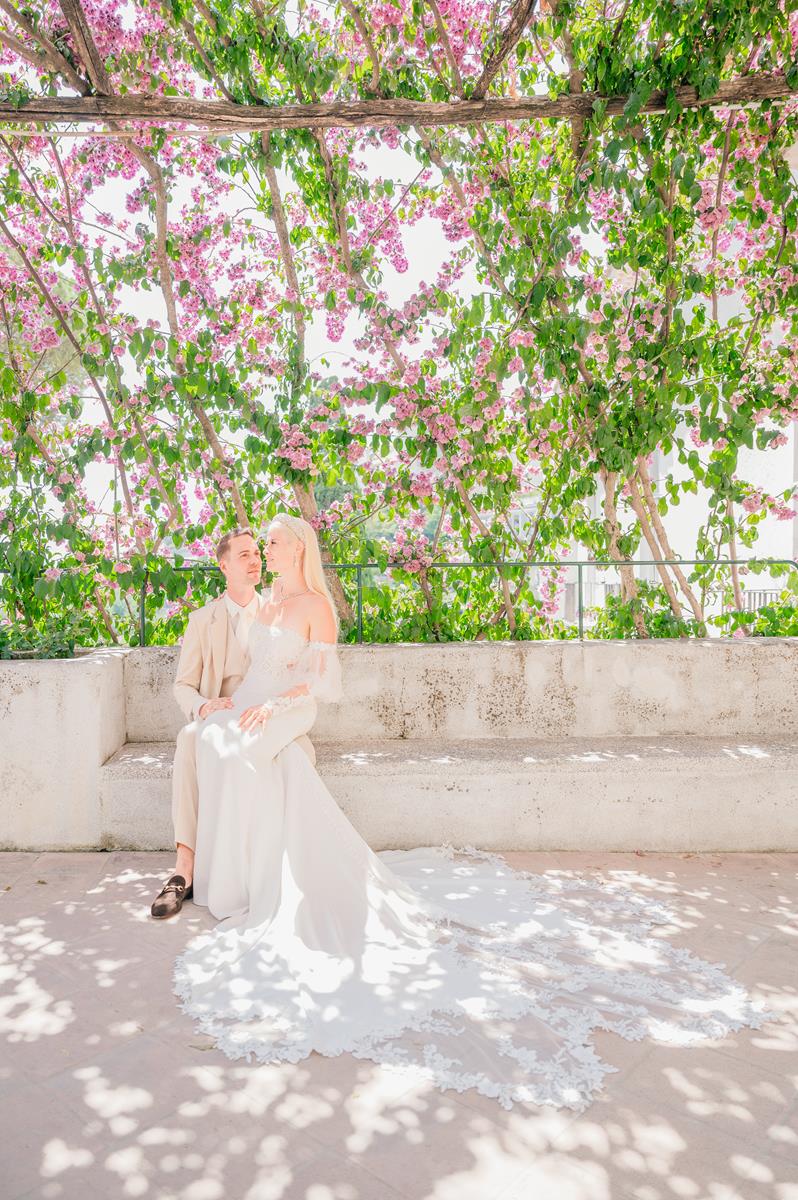
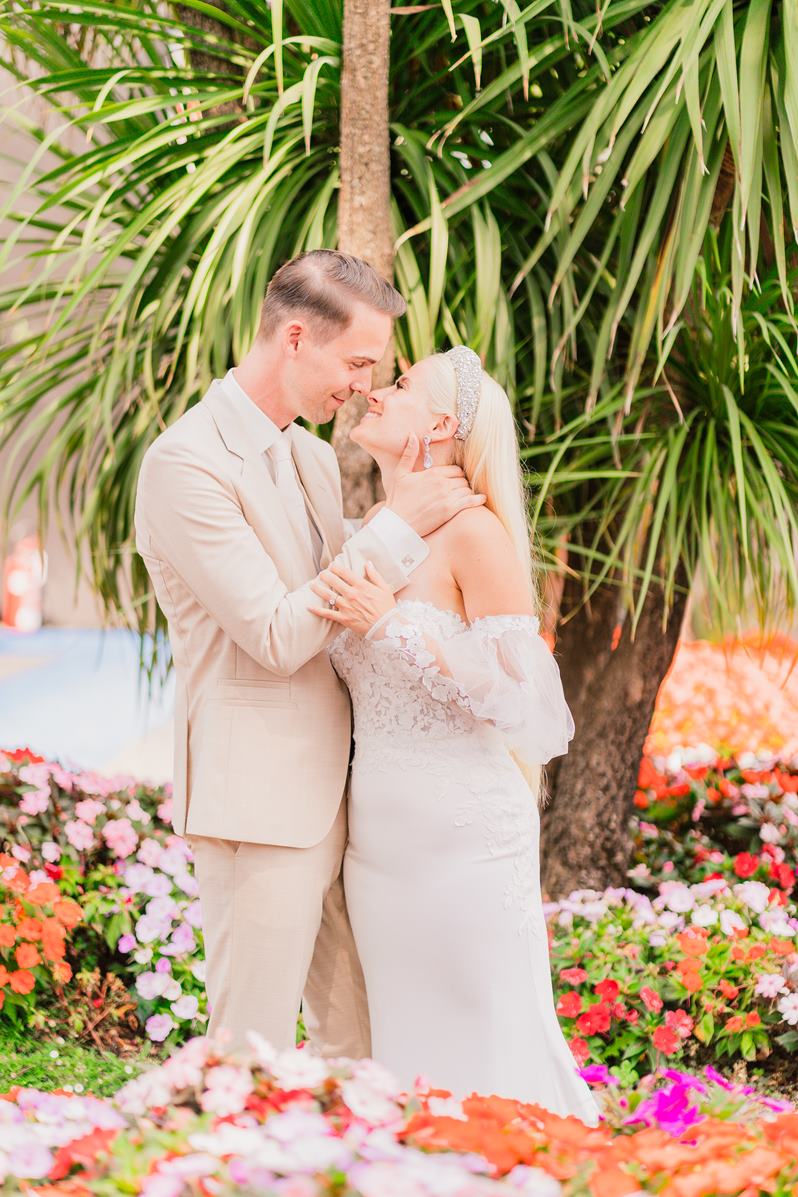
HIDDEN JEMS
We know intimate places in Ravello and your love story deserve the best.

RAVELLO IS UNIQUE
You can combine a luxurious wedding with a deep journey on the Coast
Ravello Wedding Planner: Crafting Your Vision
At Ravello, we believe that every wedding should be a reflection of the couple’s unique style and personality. That’s why our wedding planners work closely with you to create a personalized experience that will leave your guests raving about their meal for years to come. From the moment you arrive, our dedicated staff will be there to make sure every detail is perfect—from selecting the perfect venue to designing custom menus and more.


Curating Your Everlasting Narrative with a Ravello Wedding Planner
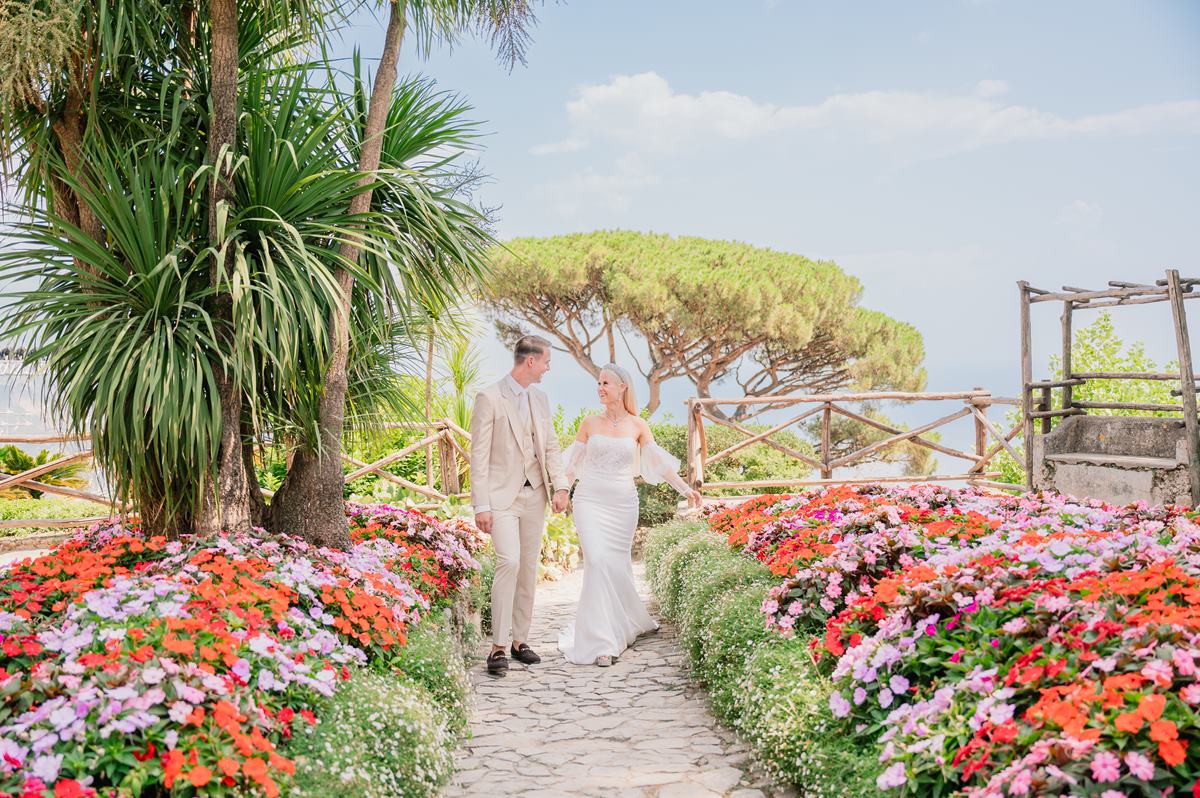
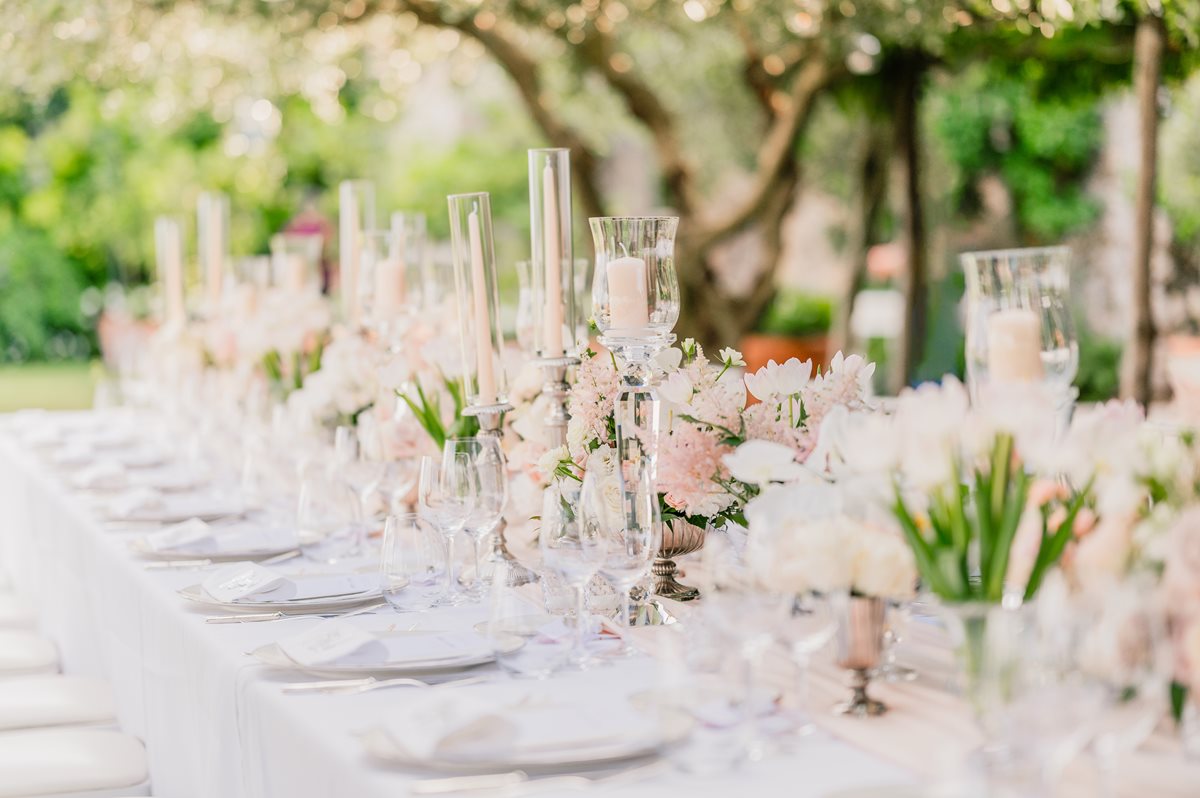
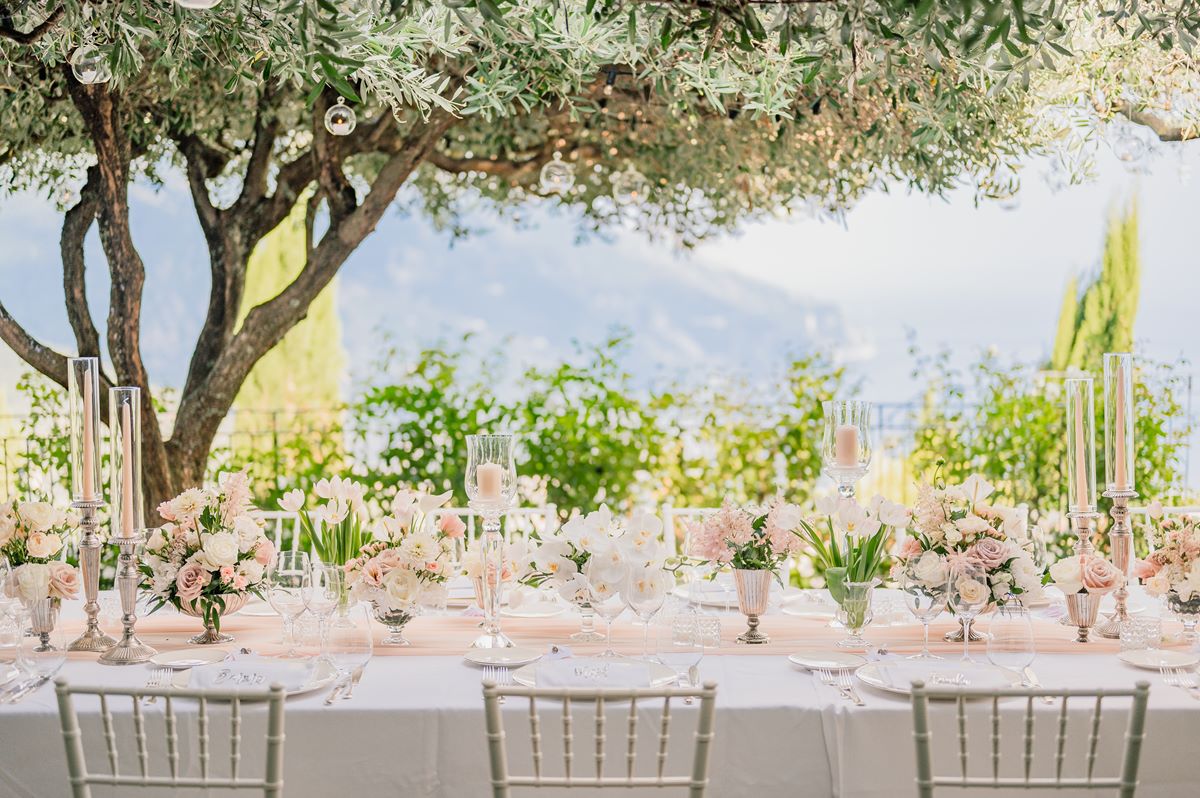
In the artful hands of a Ravello wedding planner, your love story is woven into the very fabric of your celebration—each detail a brushstroke of your unique narrative. Our wedding planners are experts at curating your story into a beautiful, cohesive event that will leave your guests in awe.


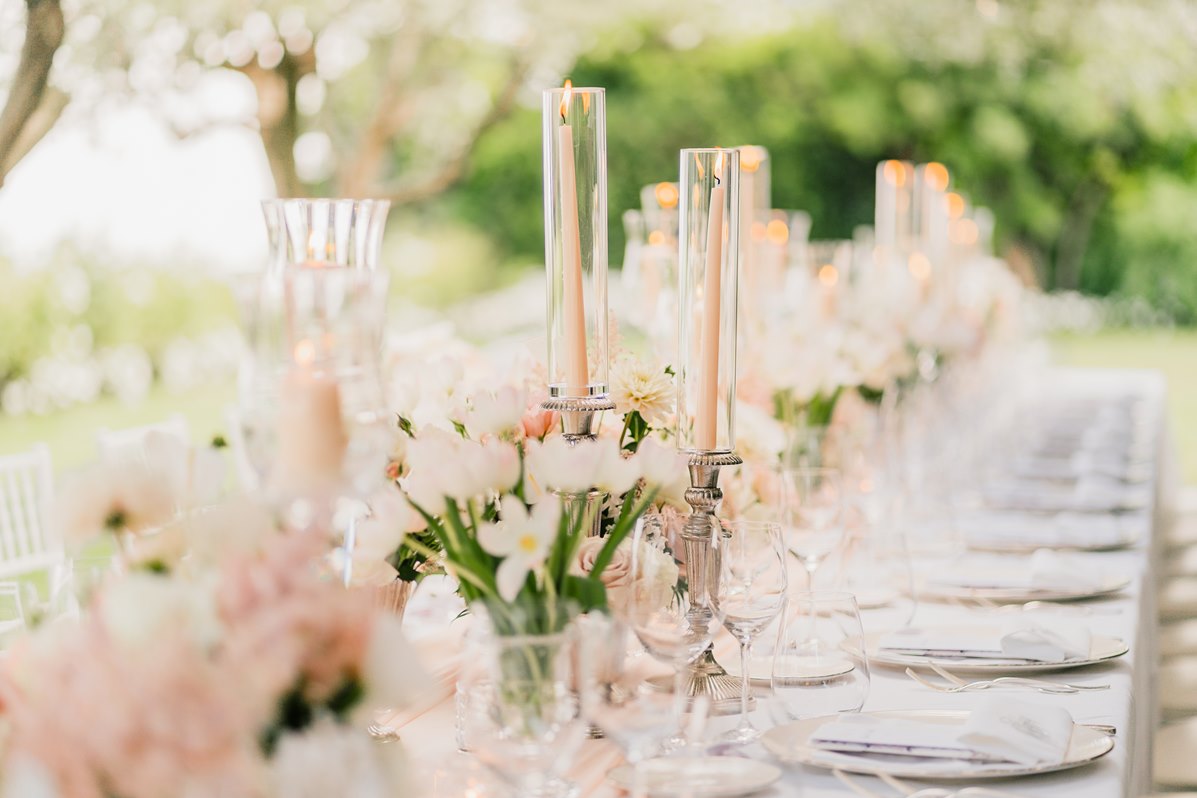

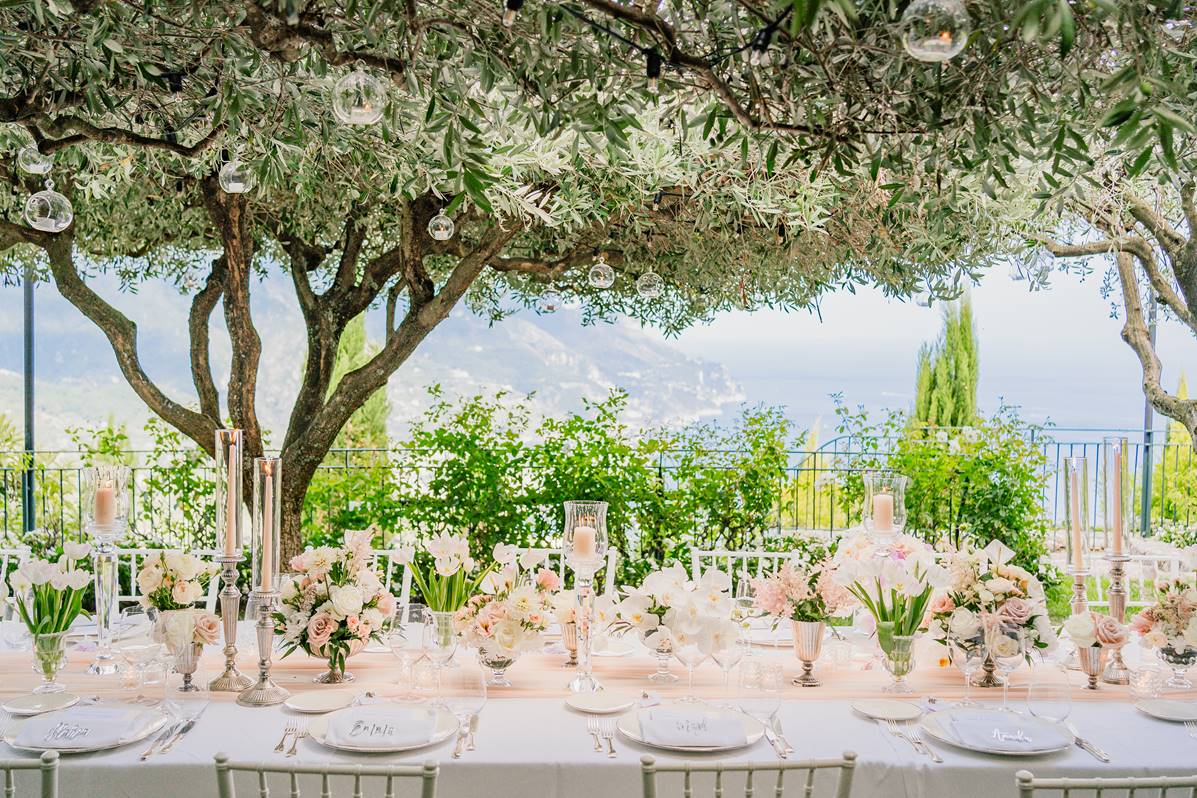
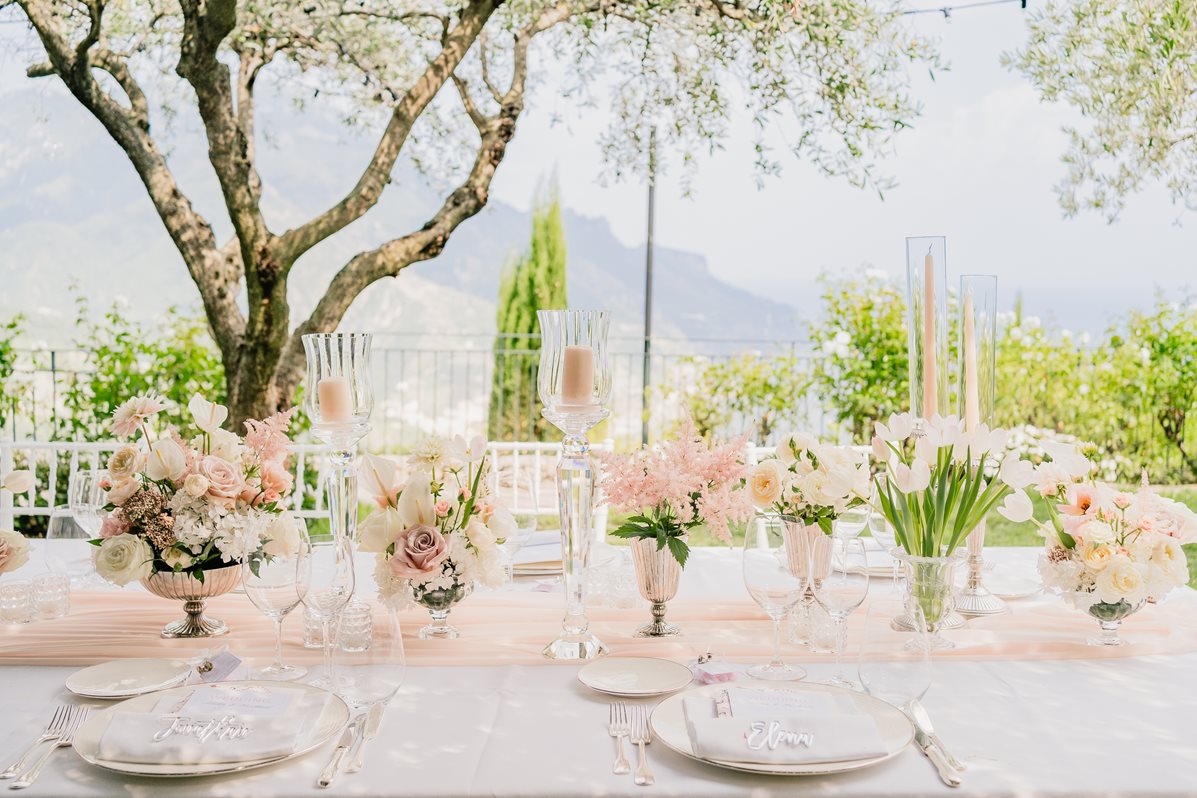


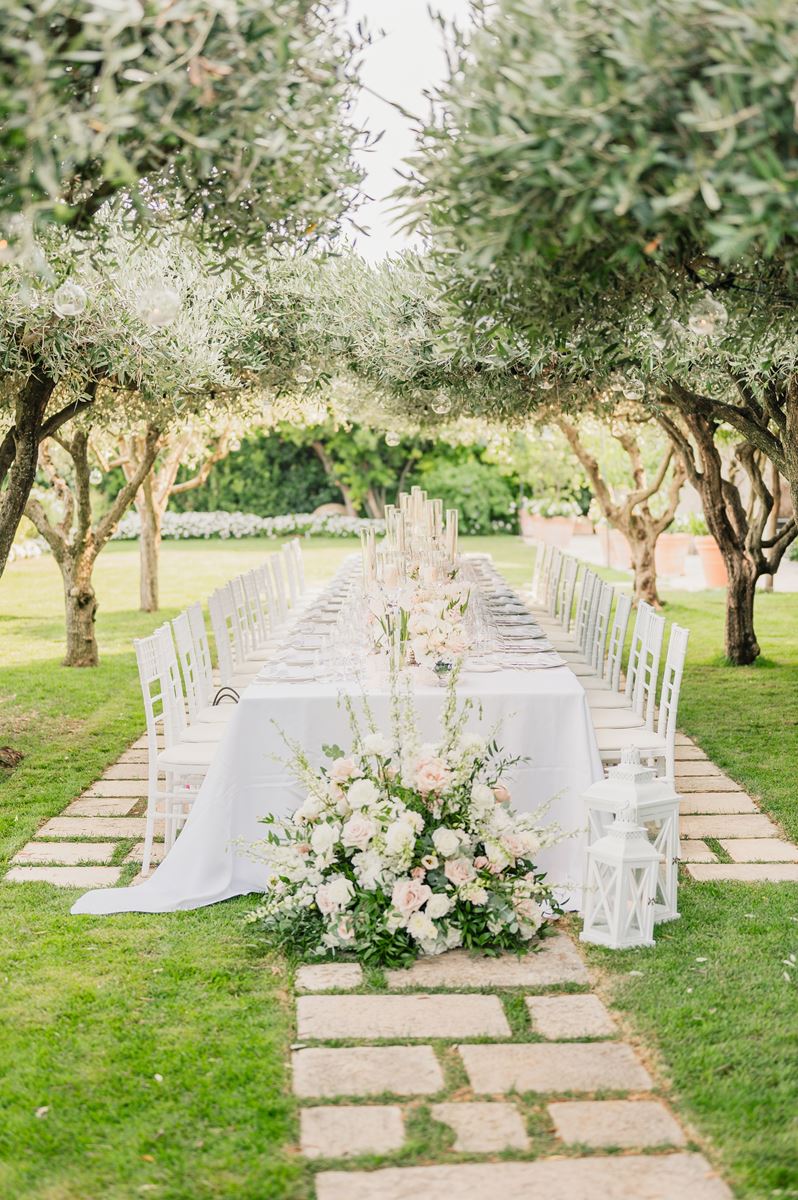

From the moment you arrive, our dedicated staff will be there to make sure every detail is perfect—from selecting the perfect venue to designing custom menus and more. Curating Your Everlasting Narrative with a Ravello Wedding Planner In the artful hands of a Ravello wedding planner, your love story is woven into the very fabric of your celebration—each detail a brushstroke of your unique narrative.

The Orchestra of Details: Ravello Wedding Planning Services
Marvel as the finest Ravello planners orchestrate your day with precision, each element in perfect harmony, to craft an unforgettable concerto of matrimonial splendor. From the moment you arrive in Ravello, your wedding planner will be there to guide you through every step of the planning process.
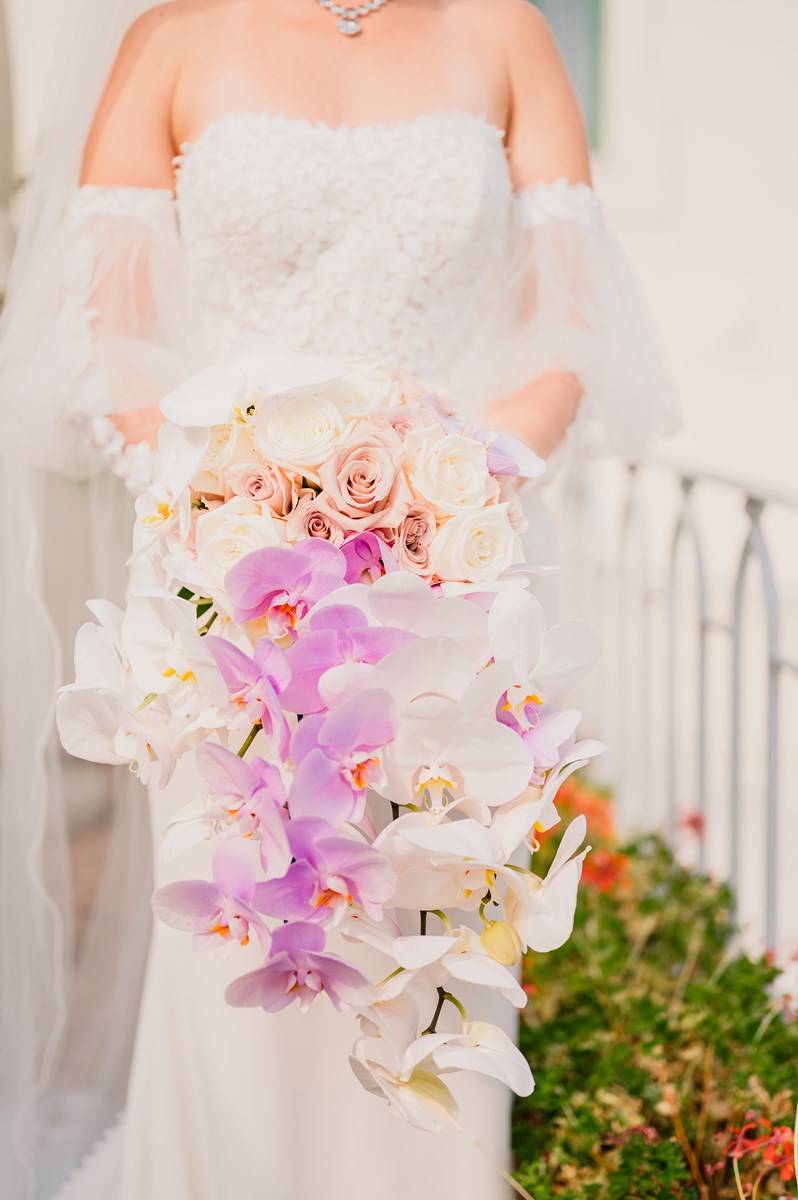
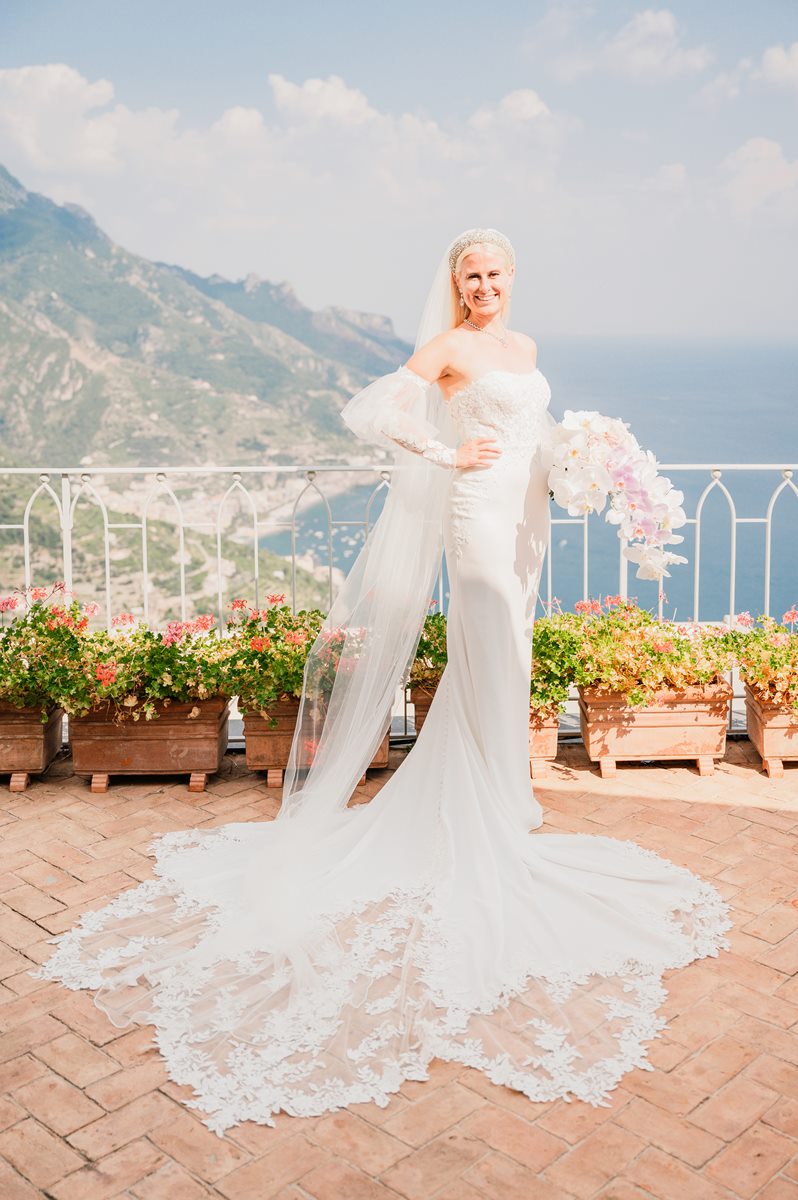
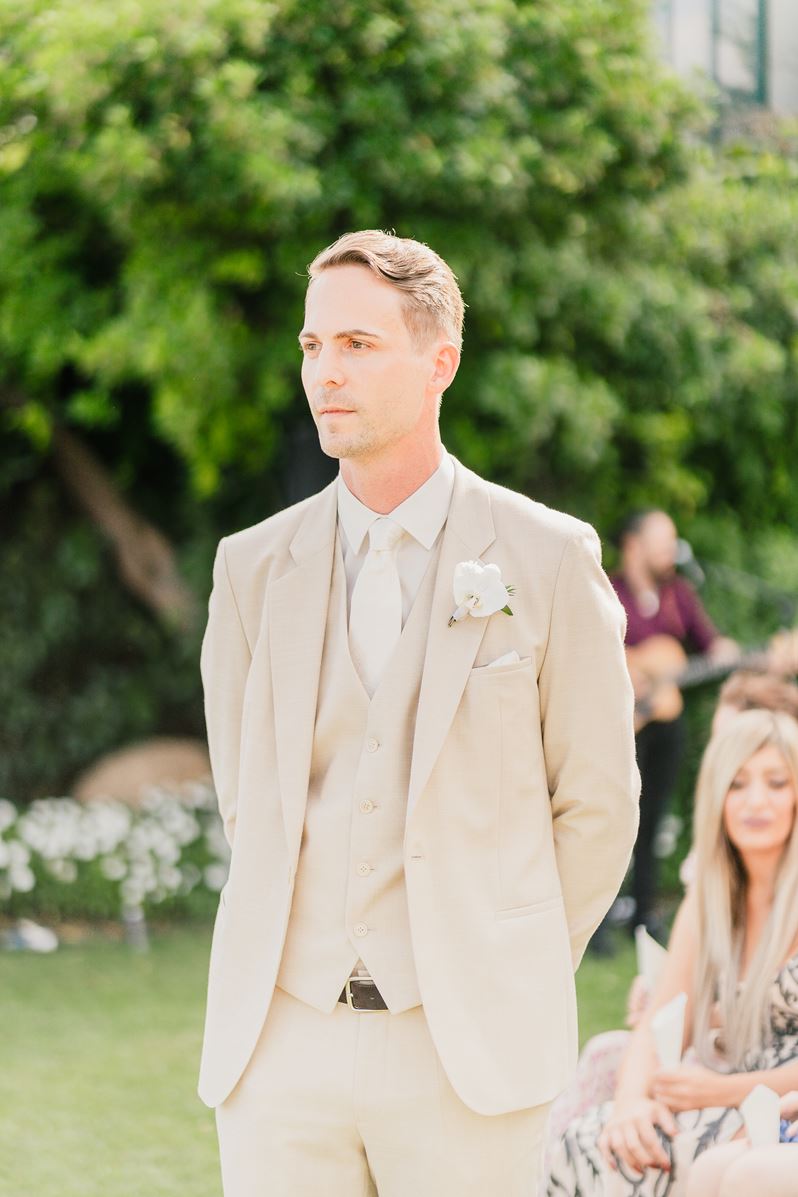
They’ll help you select the perfect venue, design custom menus and more. And on your big day, they’ll ensure that every detail is perfect—from selecting the perfect venue to designing custom menus and more.
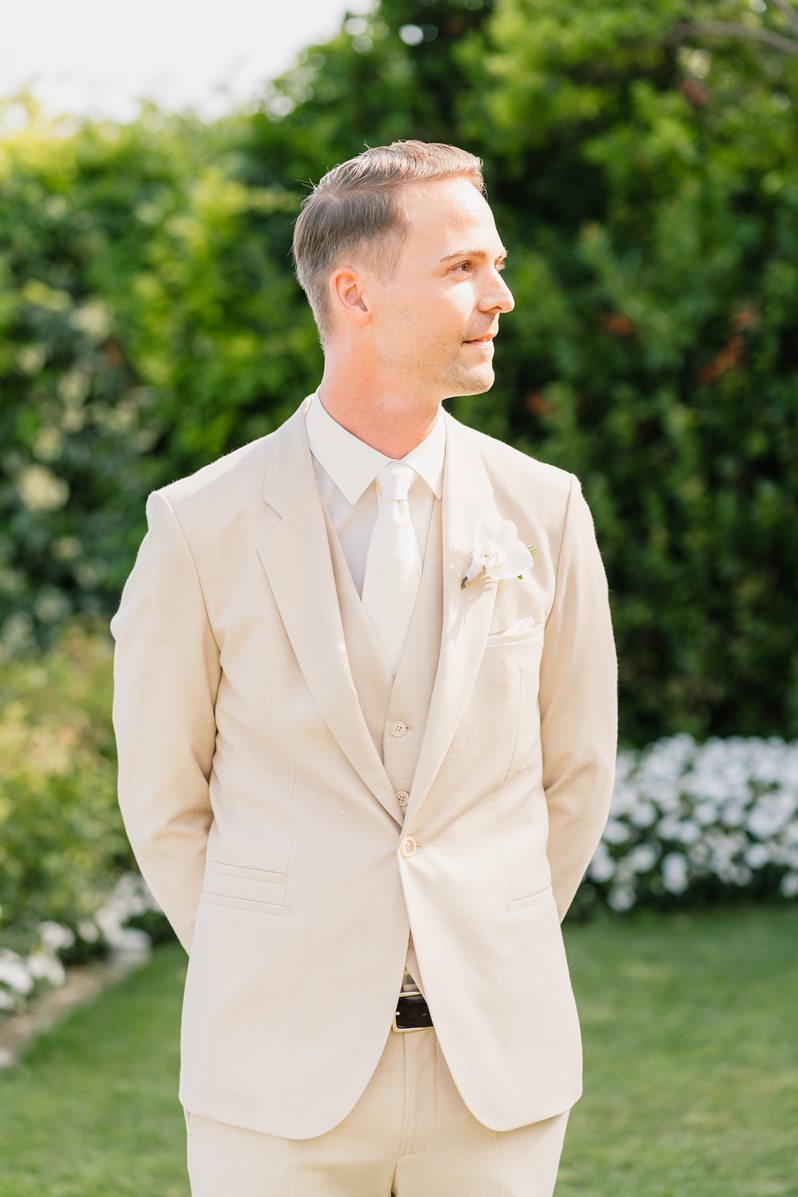

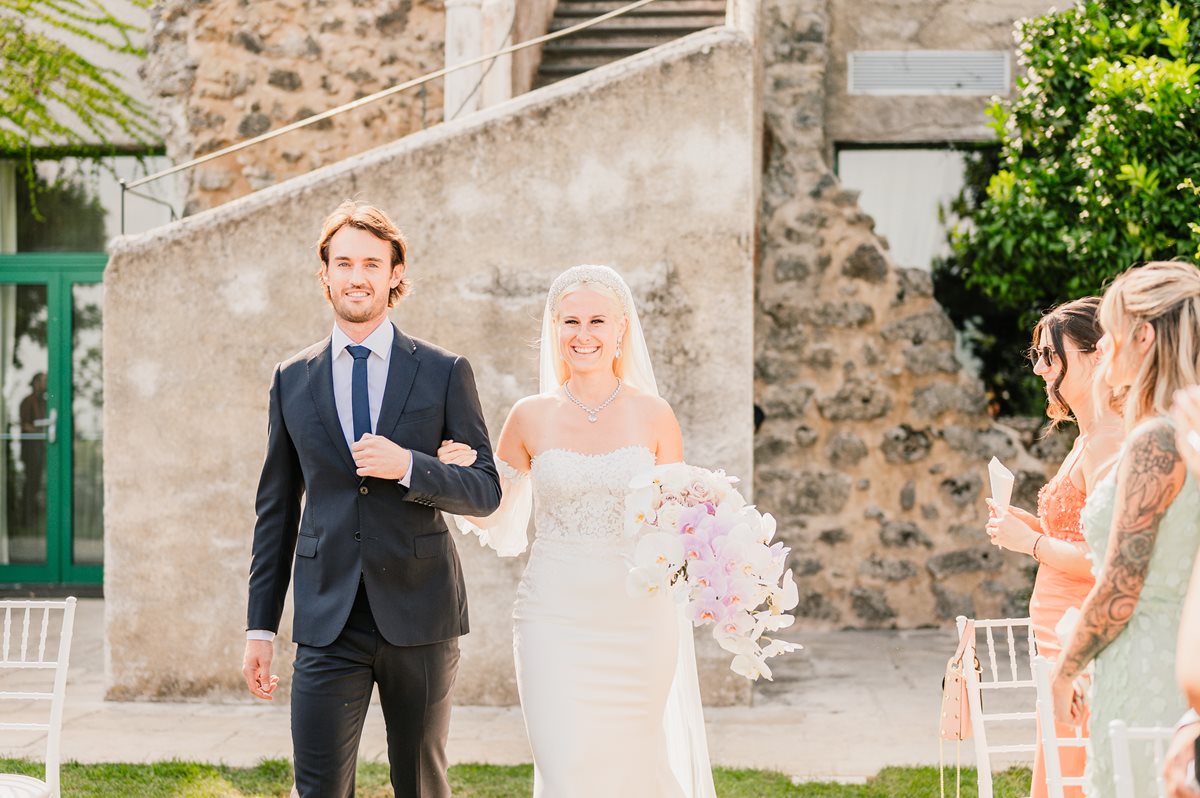
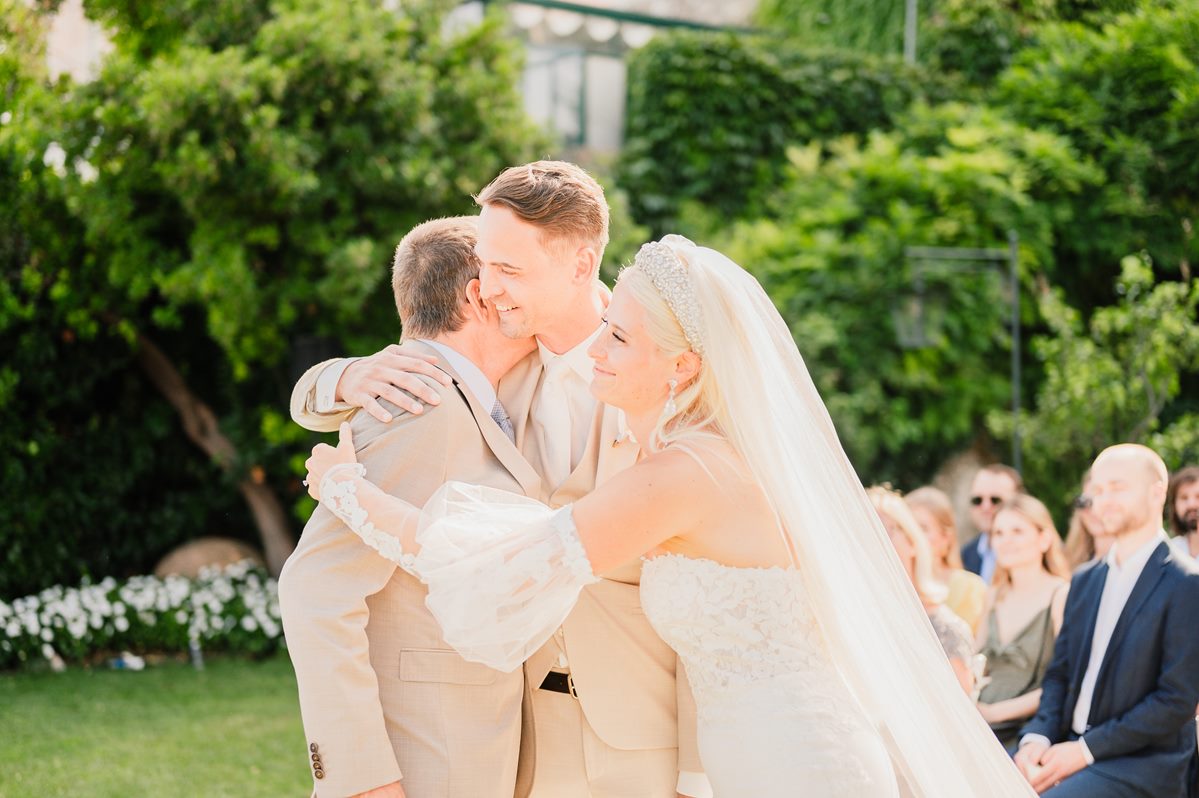
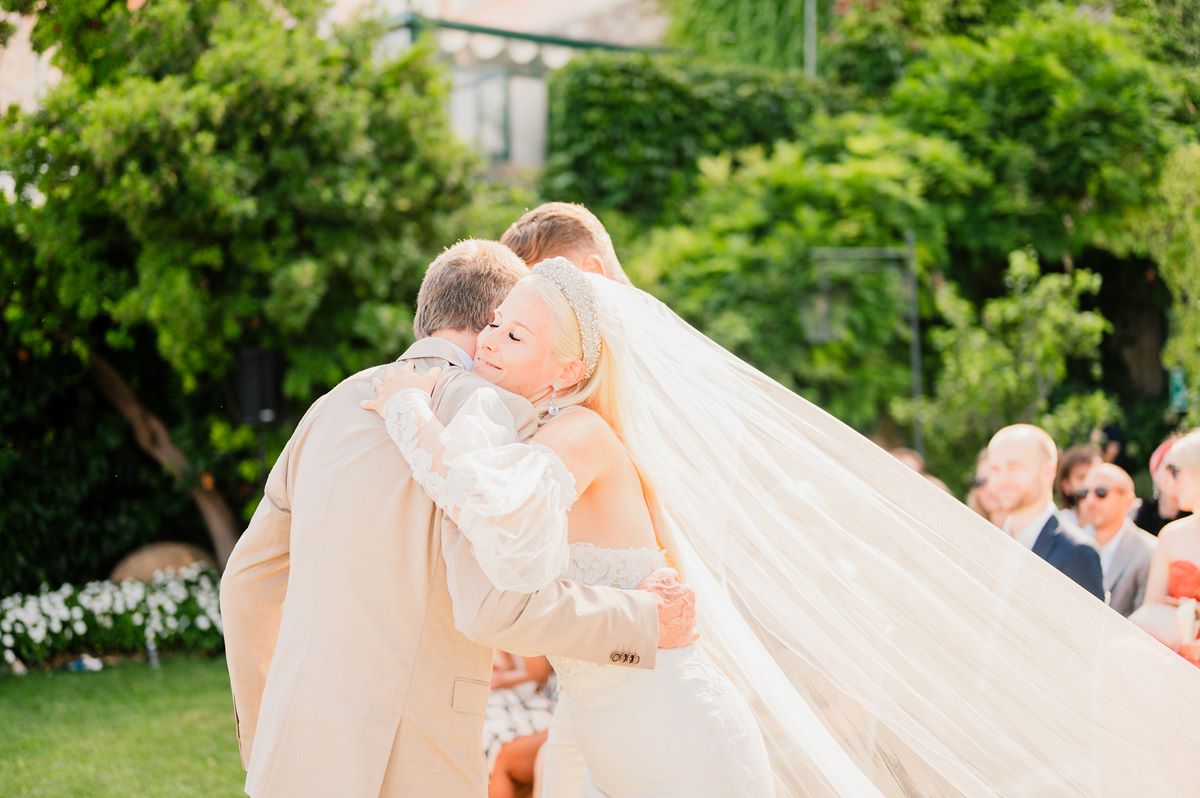

Savour the Journey with Ravello’s Finest Wedding Planners
Embarking on the path to your nuptials with Ravello’s esteemed wedding planners is to taste the sweet anticipation of a journey as delightful as the destination itself. From the moment you arrive in Ravello, your wedding planner will be there to guide you through every step of the planning process.
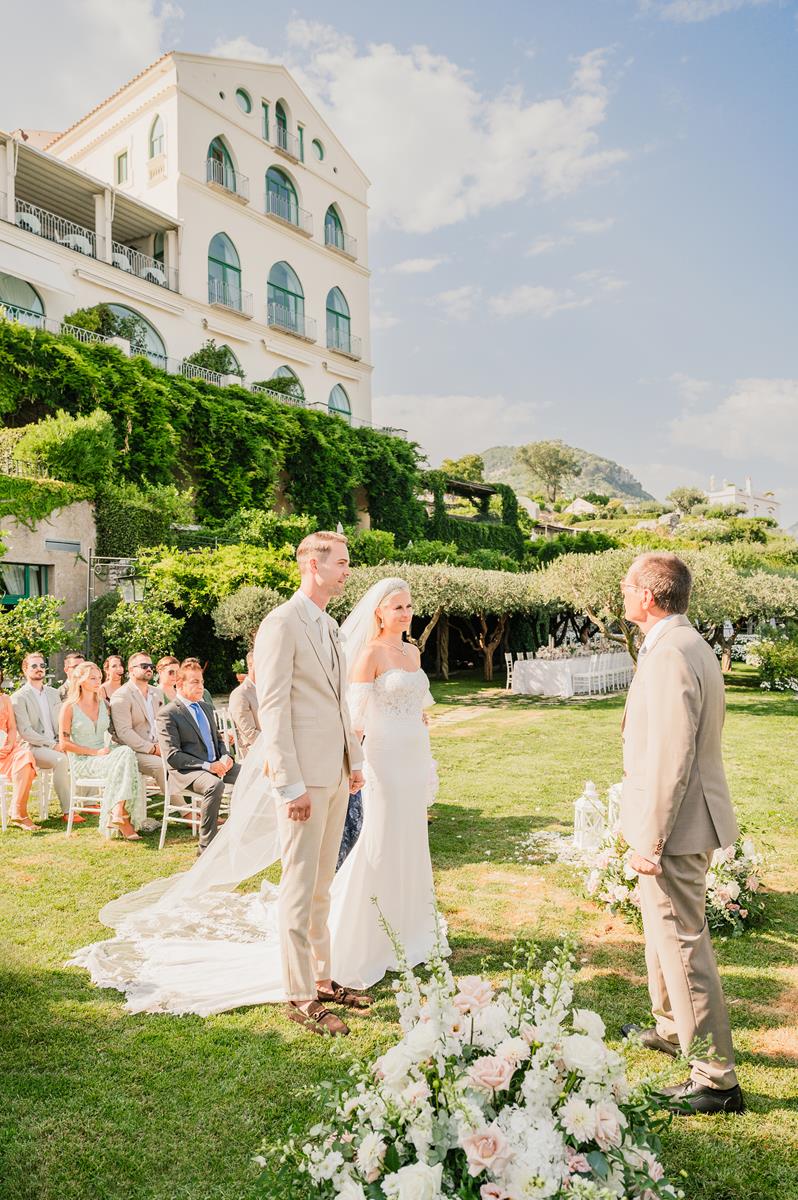

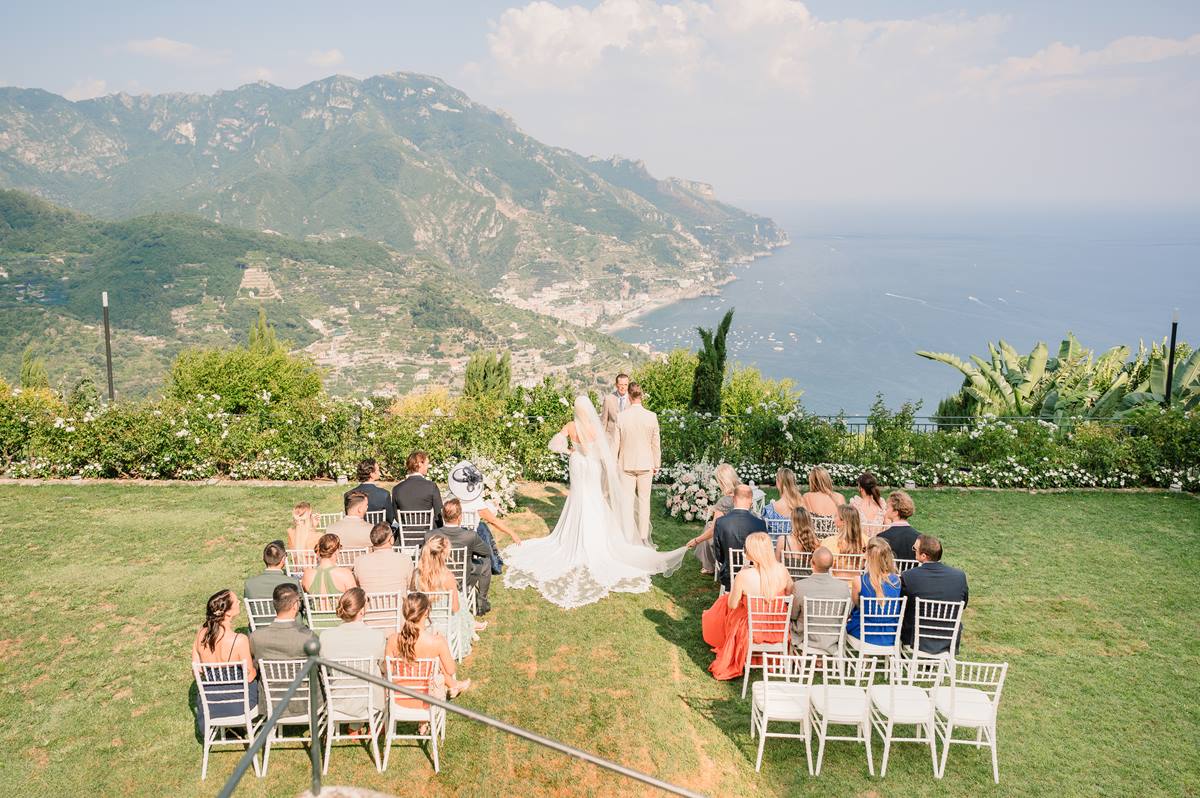

They’ll help you select the perfect venue, design custom menus and more. And on your big day, they’ll ensure that every detail is perfect—from selecting the perfect venue to designing custom menus and more. Savour the Journey with Ravello’s Finest Wedding Planners Embarking on the path to your nuptials with Ravello’s esteemed wedding planners is to taste the sweet anticipation of a journey as delightful as the destination itself.
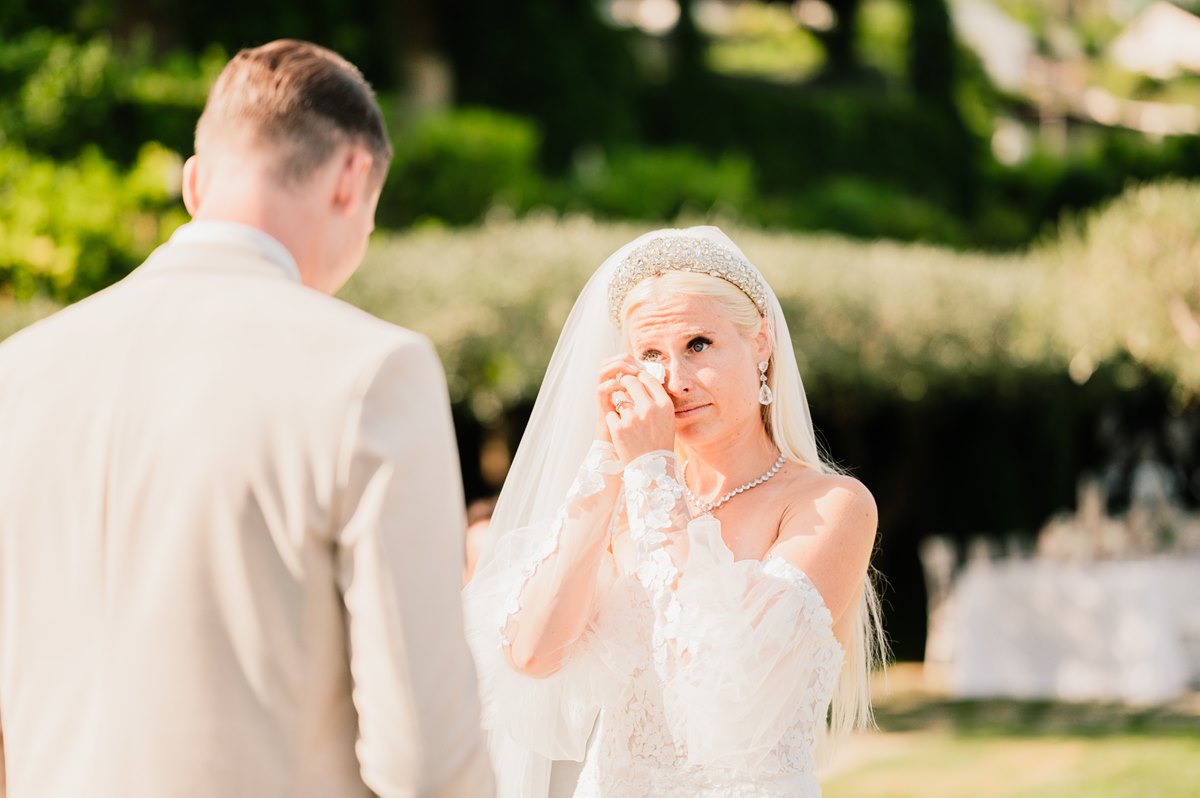
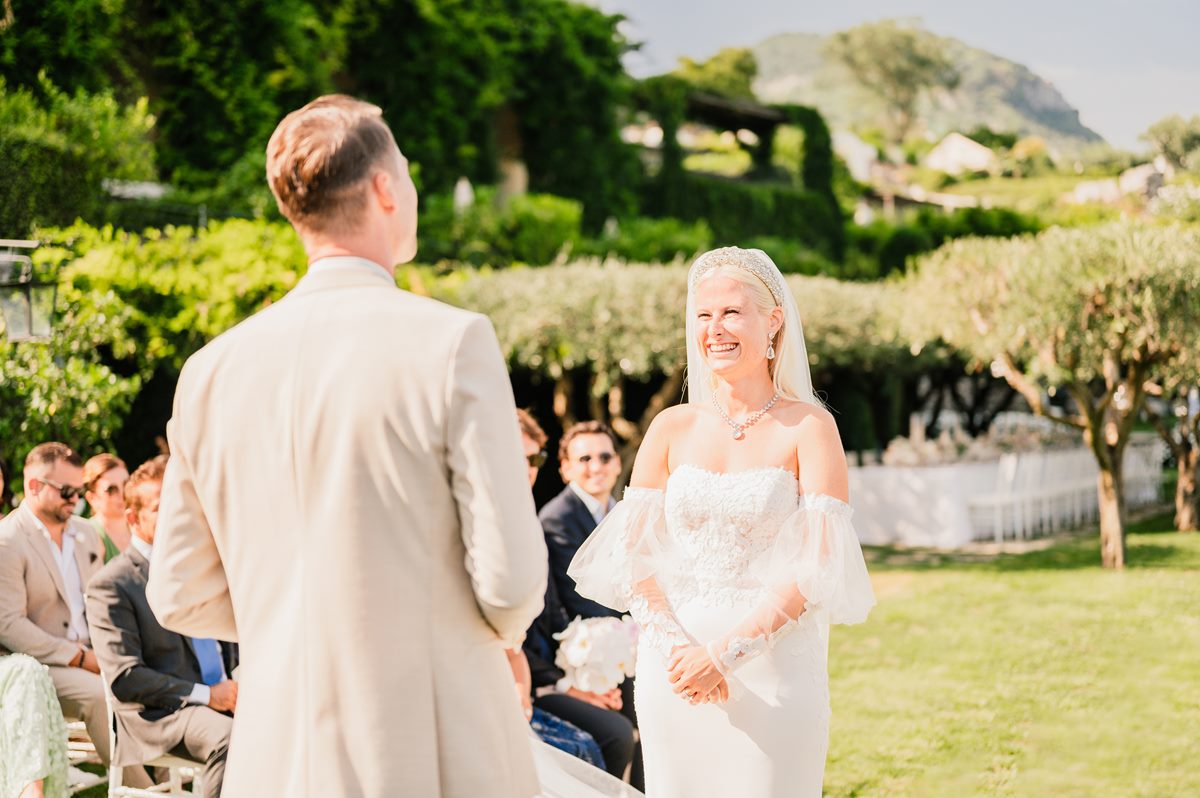

A Vision in White: Bridal Couture in Ravello
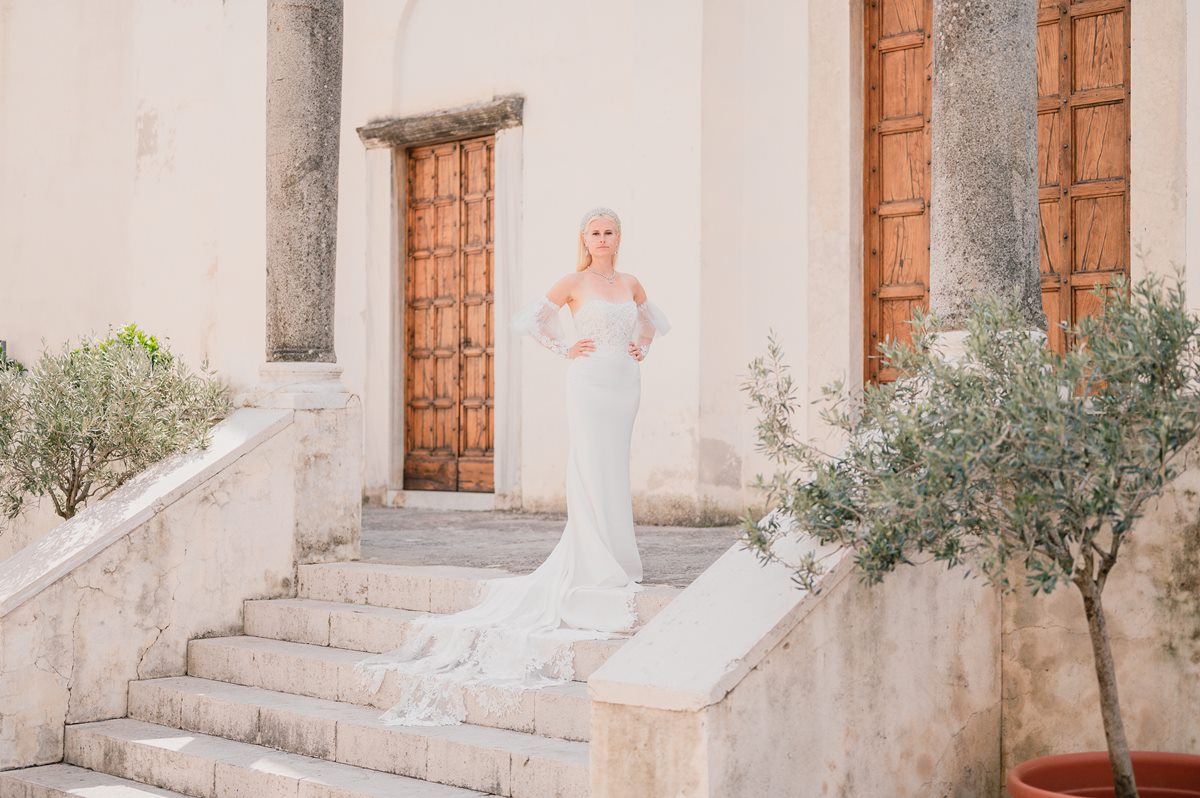
Ravello is a place of beauty, and its brides are no exception. The town’s cobblestone streets and medieval architecture provide the perfect backdrop for a wedding day that feels like something out of a fairy tale. And when it comes to bridal couture in Ravello, there’s no shortage of options. From traditional Italian gowns to modern designs by some of the world’s most renowned designers, you’ll find everything you need to make your big day unforgettable.
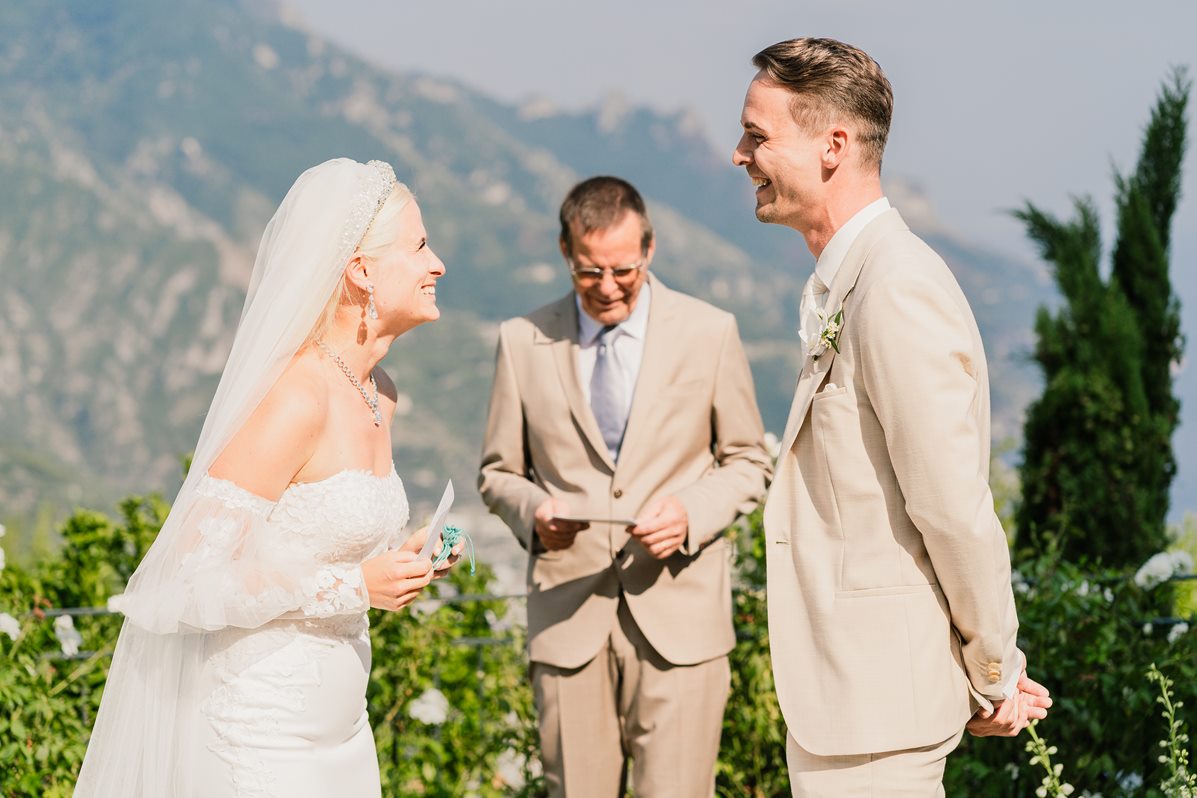
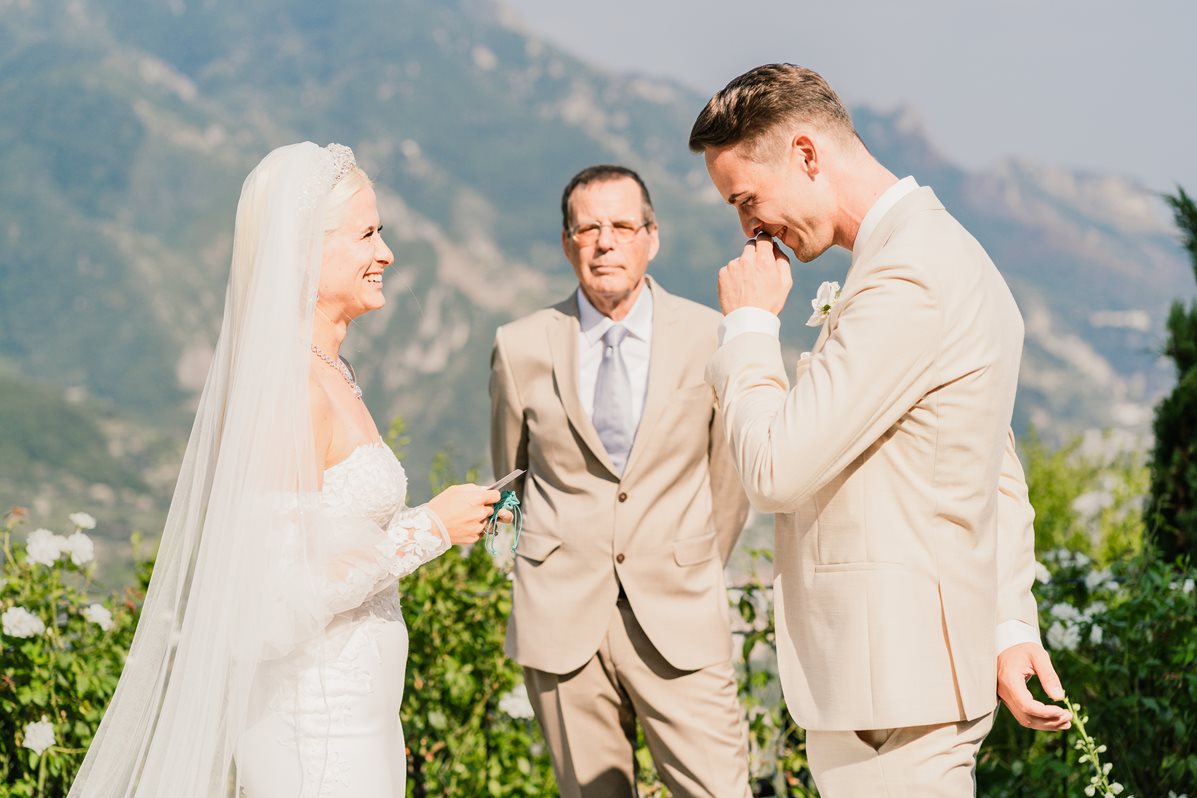
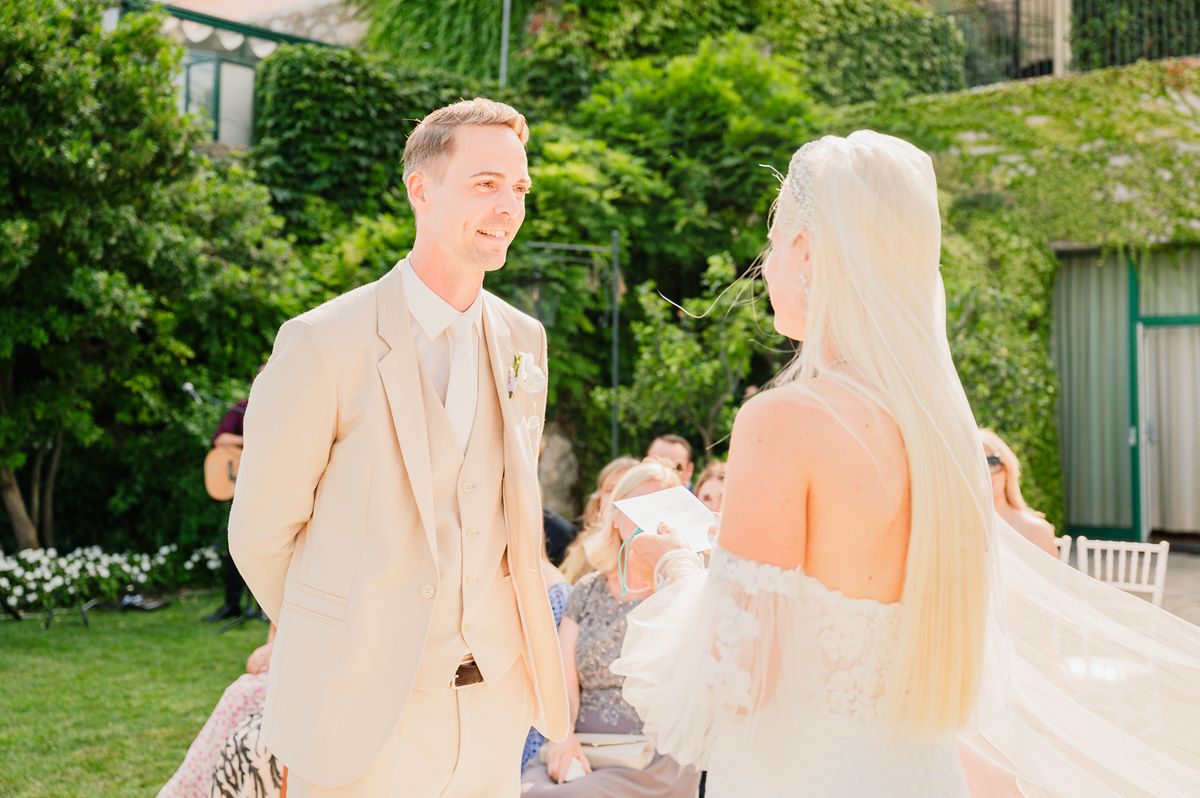
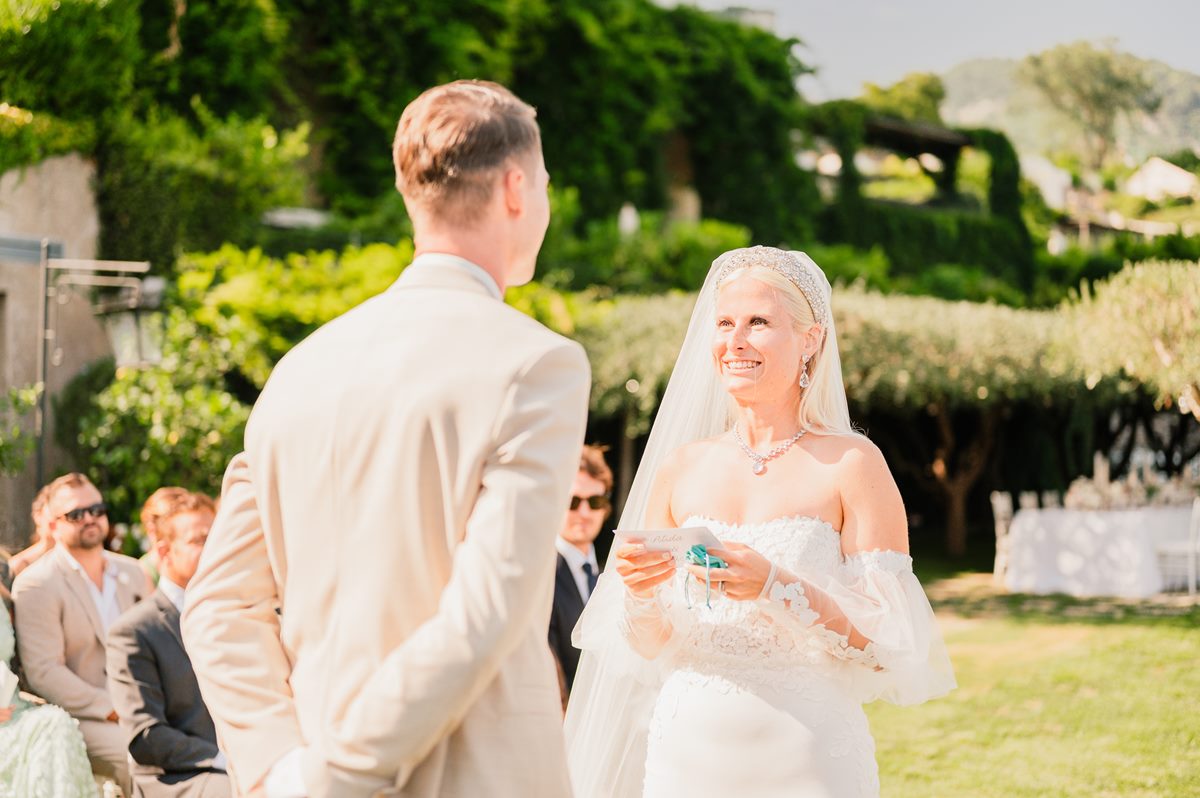
The Essence of Bridal Sophistication in Ravello
Adorn yourself with Ravello’s bridal couture—an articulation of elegance that sings of the timeless dance between tradition and modernity, crafted for the bride who herself is a muse. The Essence of Bridal Sophistication in Ravello Adorn yourself with Ravello’s bridal couture—an articulation of elegance that sings of the timeless dance between tradition and modernity, crafted for the bride who herself is a muse.. A Vision in White: Bridal Couture in Ravello The Essence of Bridal Sophistication in Ravello Adorn yourself with Ravello’s bridal couture—an articulation of elegance that sings of the timeless dance between tradition and modernity, crafted for the bride who herself is a muse.
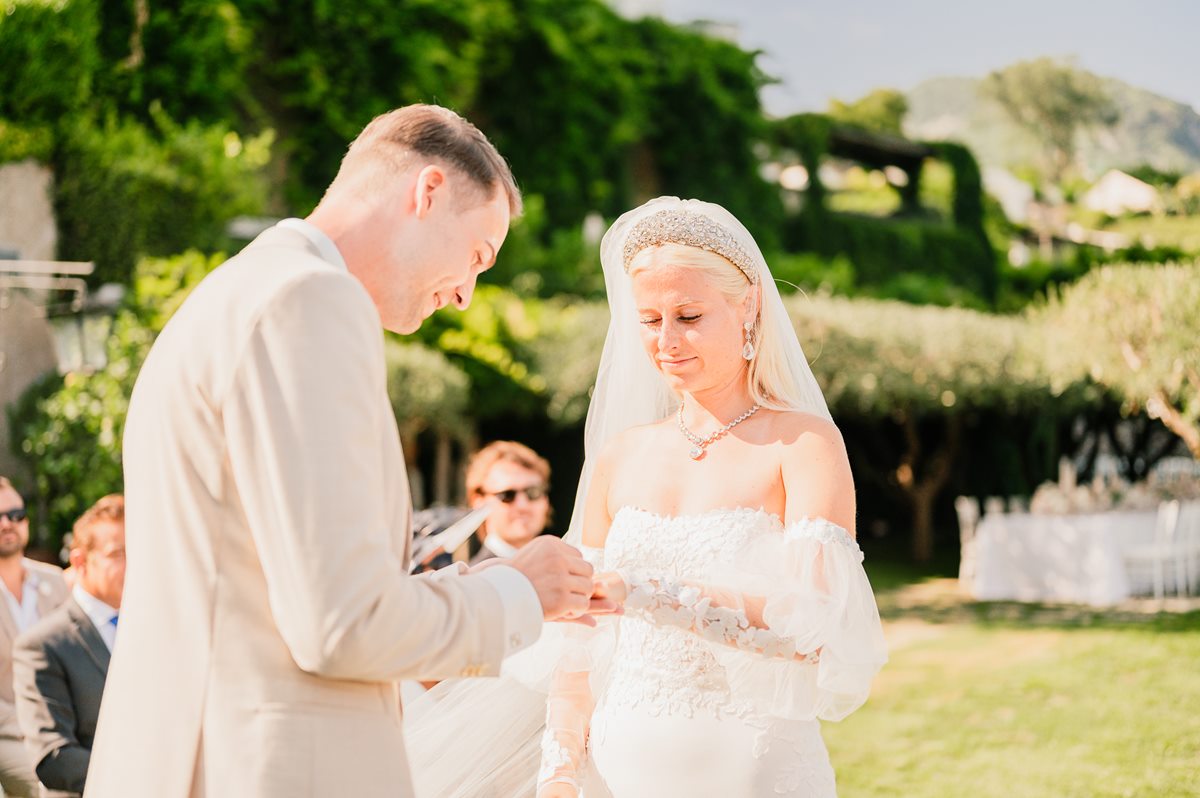
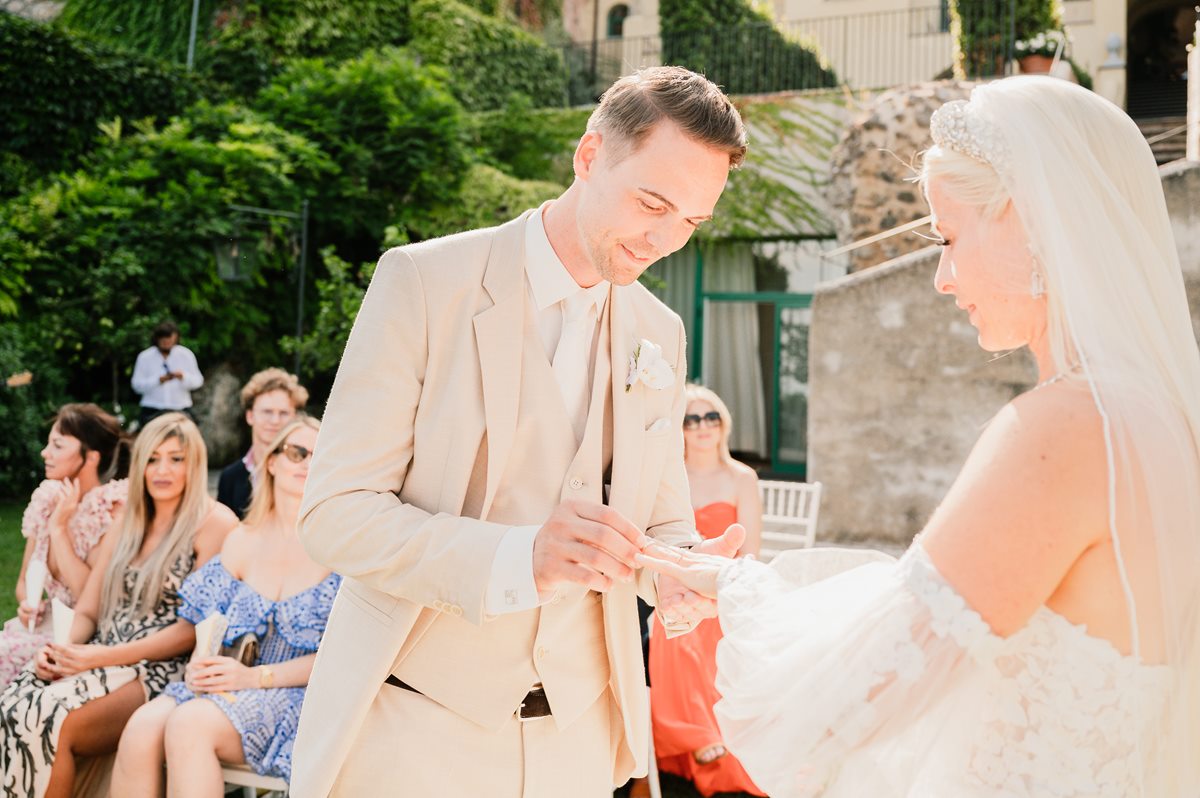
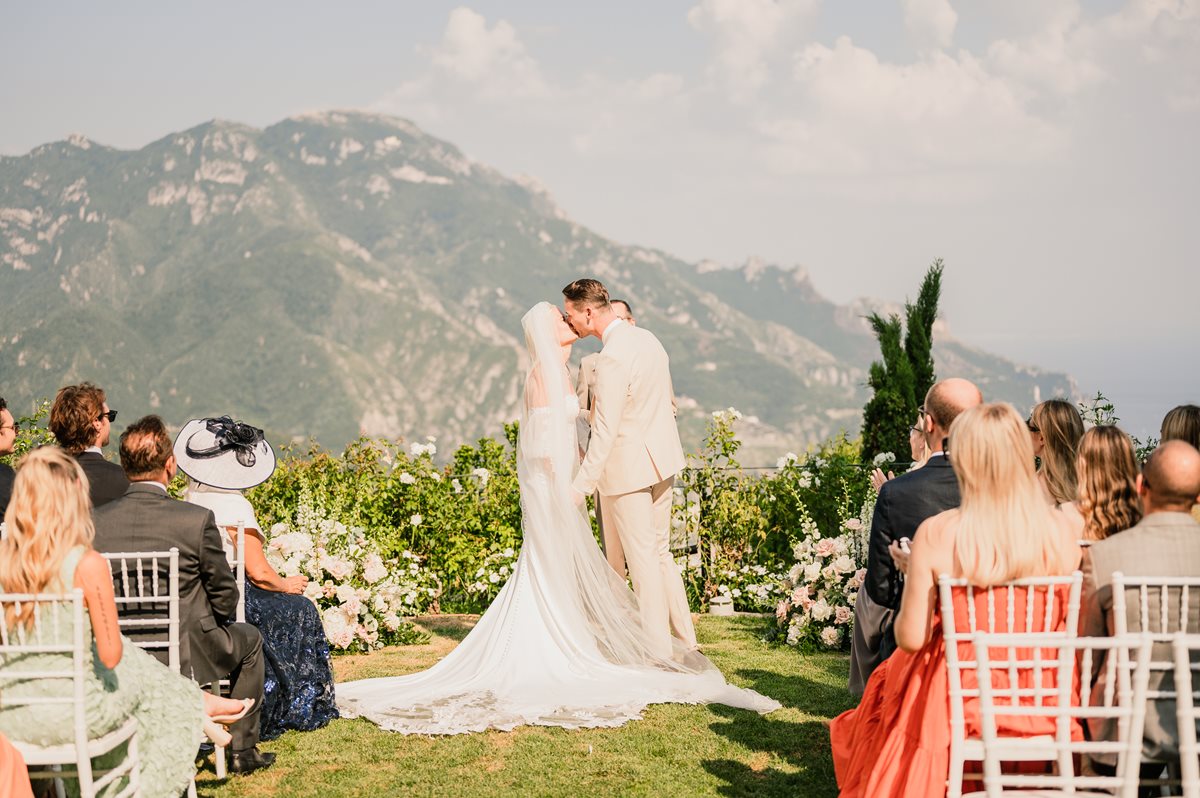

Haute Couture Gowns Meet Ravello’s Charm
In Ravello, haute couture gowns find their echo in the charm of the locale—where each stitch tells a love story and every fabric a whispered promise of beauty. A Vision in White: Bridal Couture in Ravello The Essence of Bridal Sophistication in Ravello Adorn yourself with Ravello’s bridal couture—an articulation of elegance that sings of the timeless dance between tradition and modernity, crafted for the bride who herself is a muse.. Haute Couture Gowns Meet Ravello’s Charm In Ravello, haute couture gowns find their echo in the charm of the locale—where each stitch tells a love story and every fabric a whispered promise of beauty.
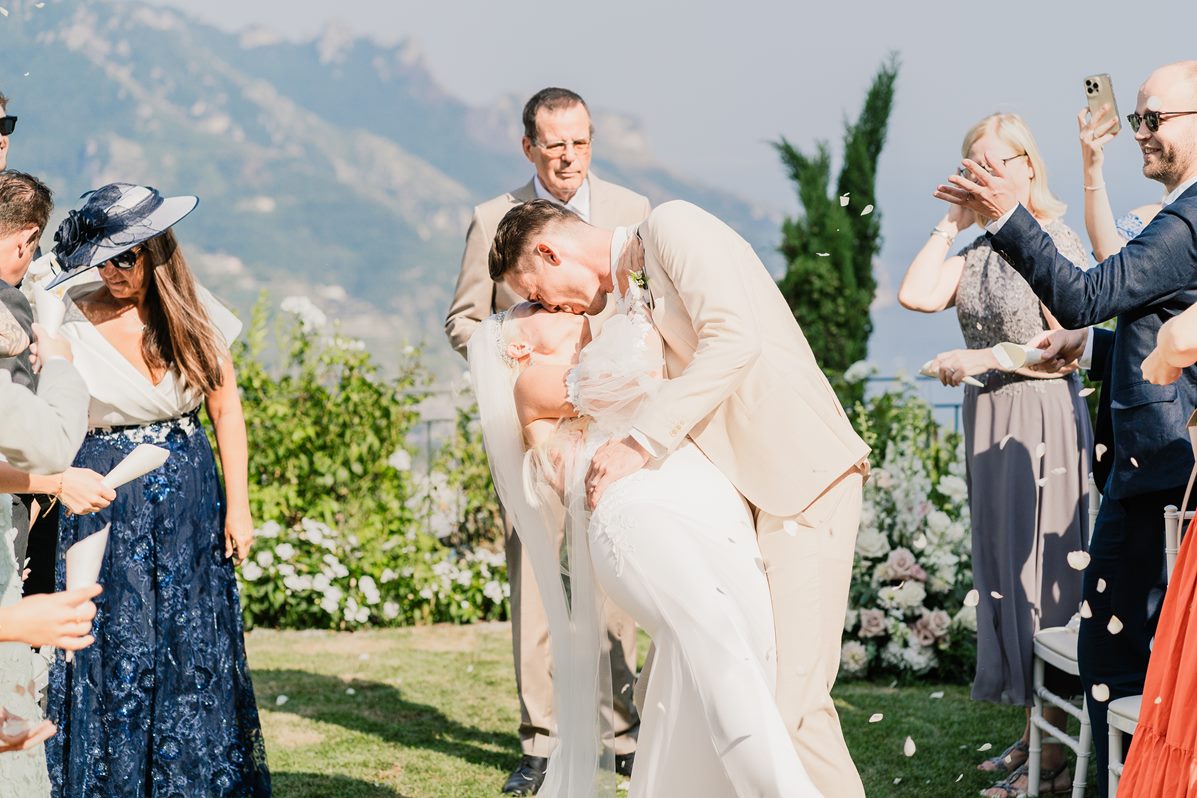
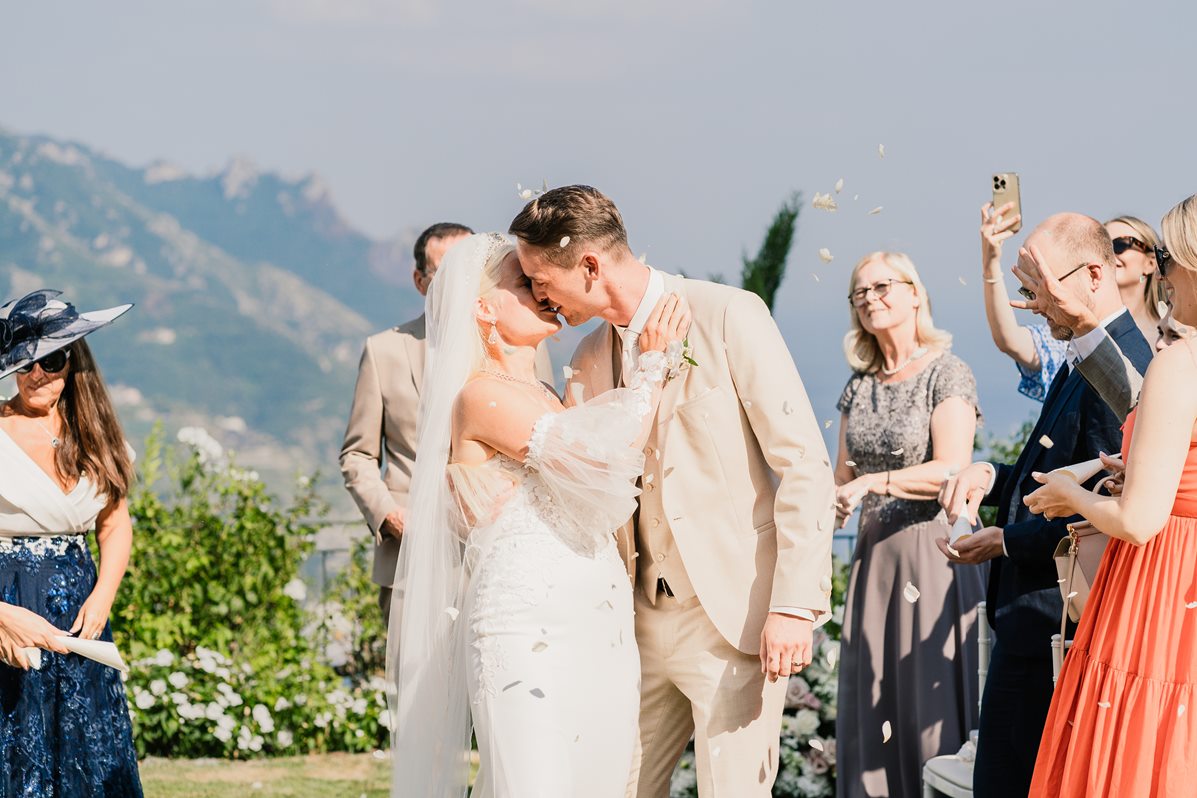

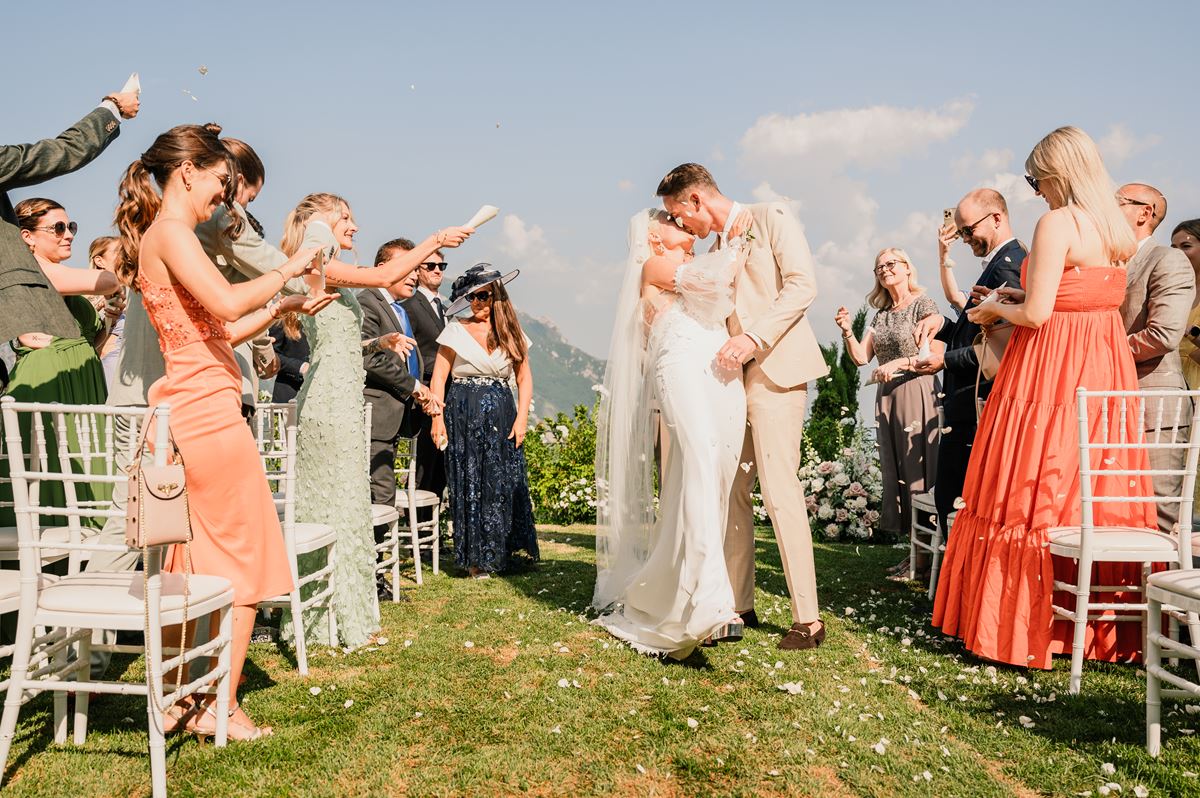
Bespoke Bridal Fashion in the Heart of Ravello
Allow Ravello to tailor your dreams into reality, with bespoke bridal fashion that mirrors the soul of your love—unique, resplendent, and deeply entwined with the essence of this enchanted place. Ravello is a place of dreams, where the beauty of nature and the artistry of man come together in perfect harmony. It is here that we find our inspiration for haute couture gowns that are as unique as the women who wear them.
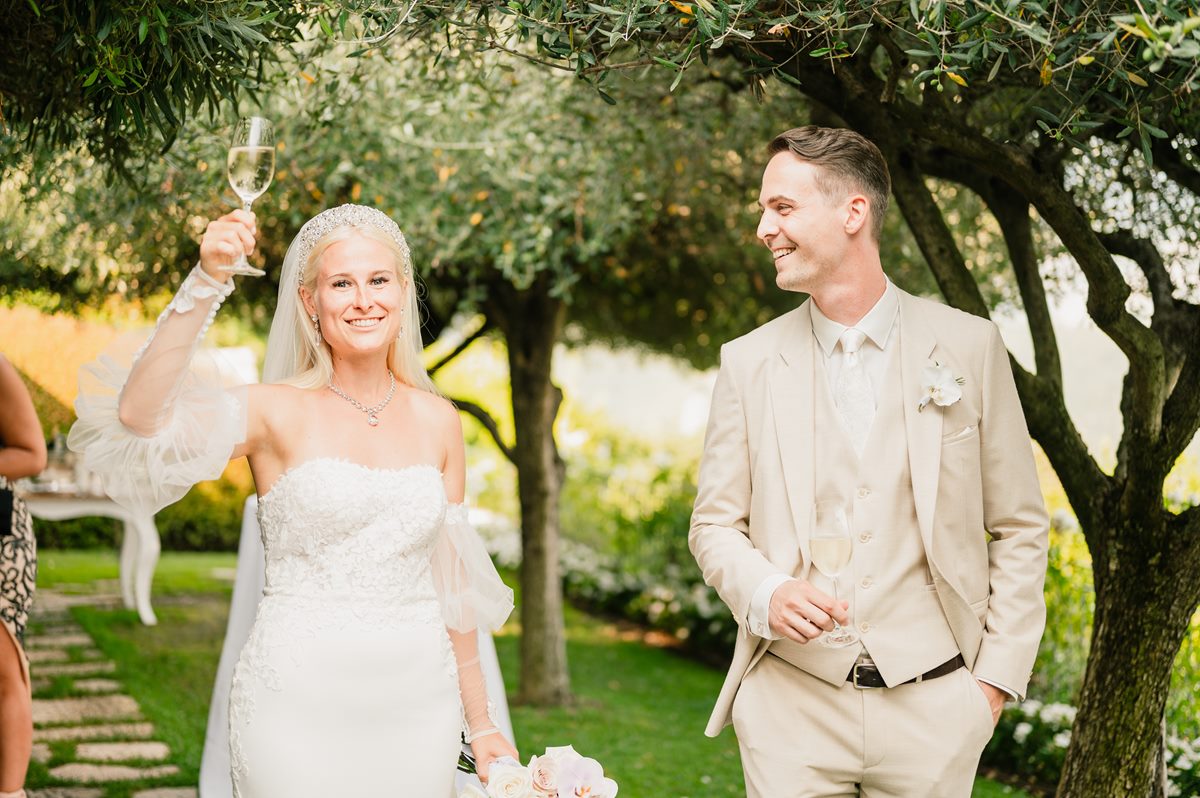
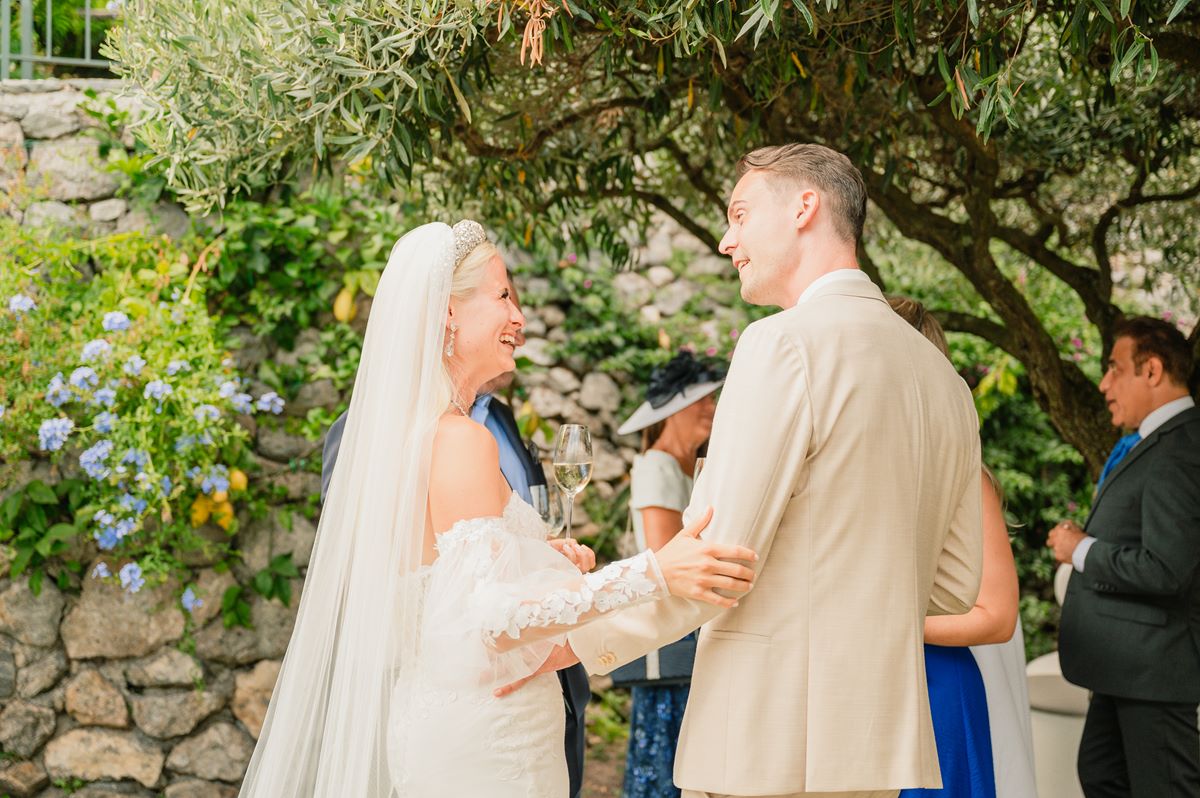
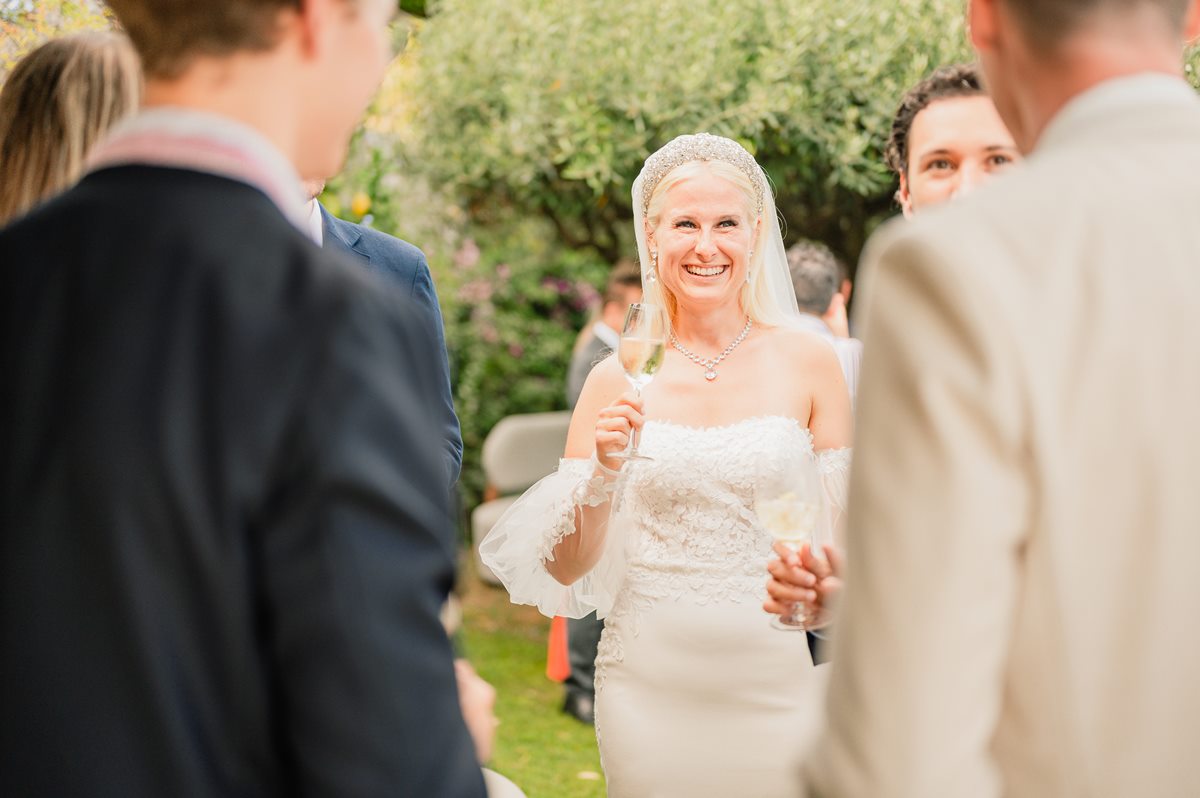

Photographic Poetry: Ravello Wedding Photographer
Ravello is a place of dreams, where the beauty of nature and the artistry of man come together in perfect harmony. It is here that we find our inspiration for haute couture gowns that are as unique as the women who wear them. Photographic Poetry: Ravello Wedding Photographer. Ravello is a place of dreams, where the beauty of nature and the artistry of man come together in perfect harmony. It is here that we find our inspiration for haute couture gowns that are as unique as the women who wear them. Photographic Poetry: Ravello Wedding Photographer Ravello is a place of dreams, where the beauty of nature and the artistry of man come together in perfect harmony. It is here that we find our inspiration for haute couture gowns that are as unique as the women who wear them. Photographic Poetry: Ravello Wedding Photographer.
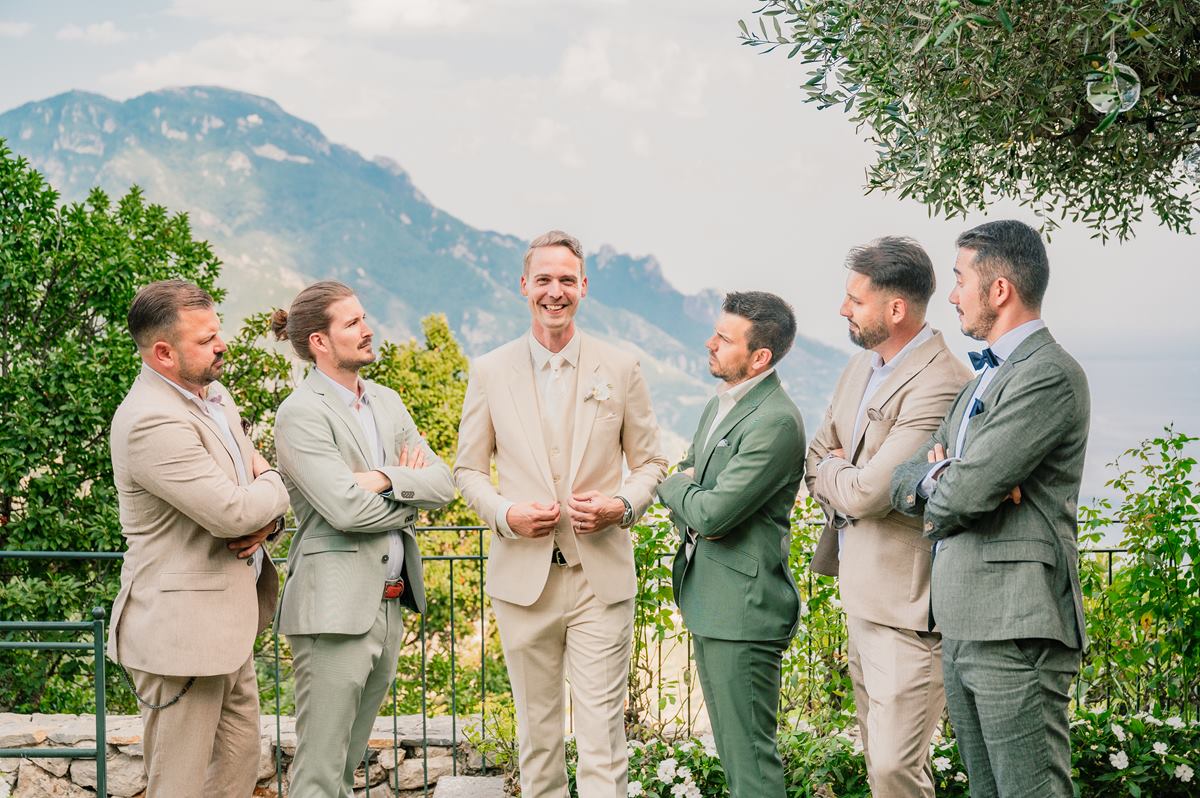
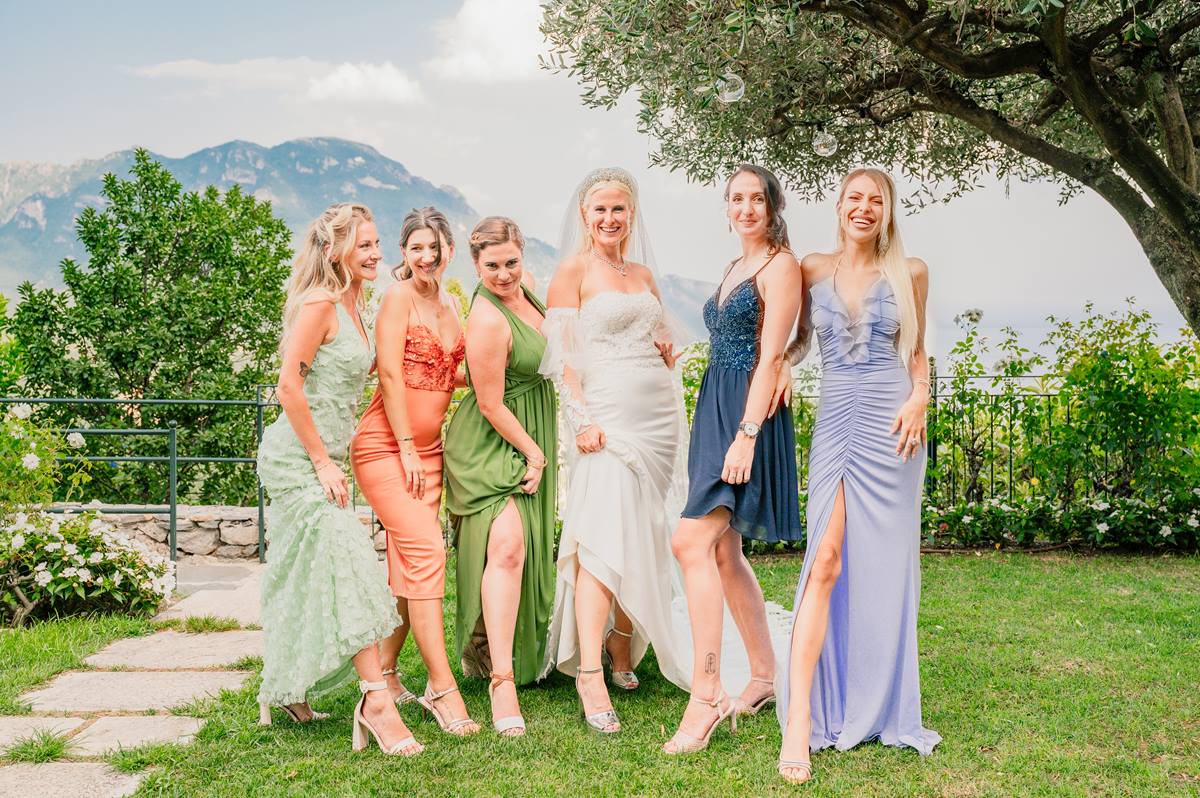
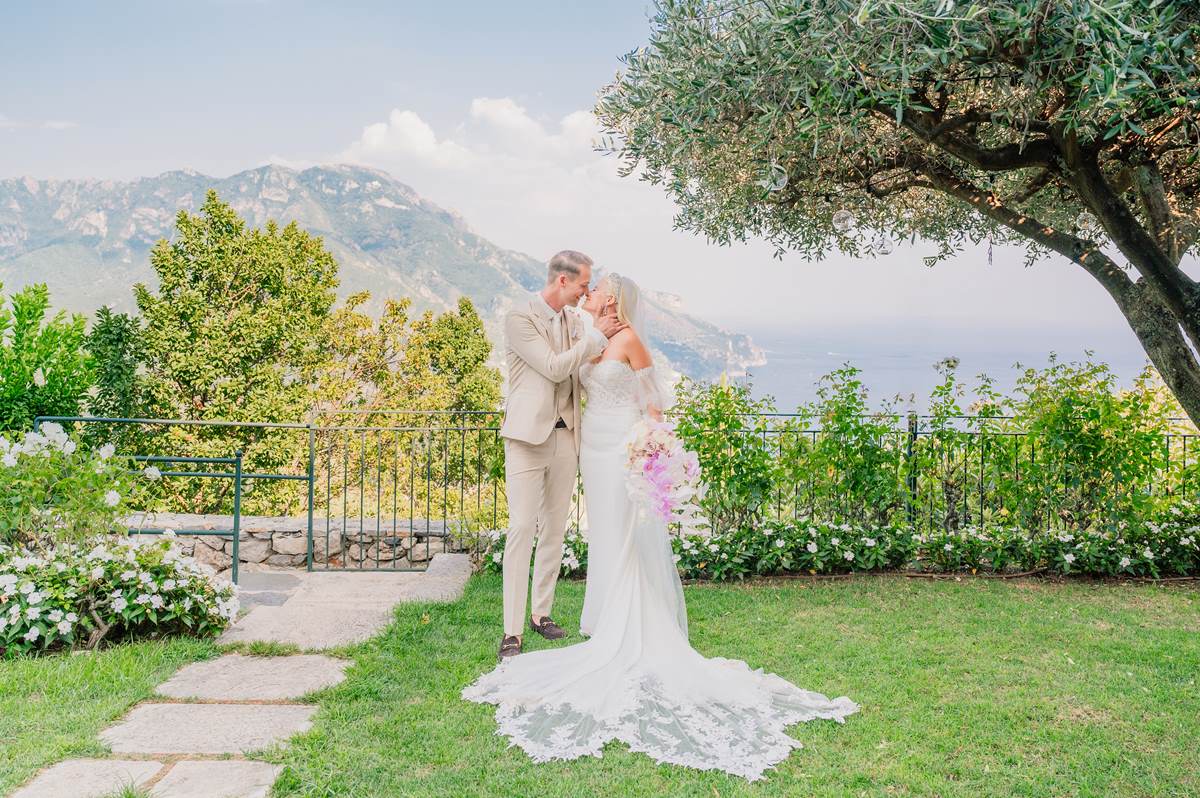

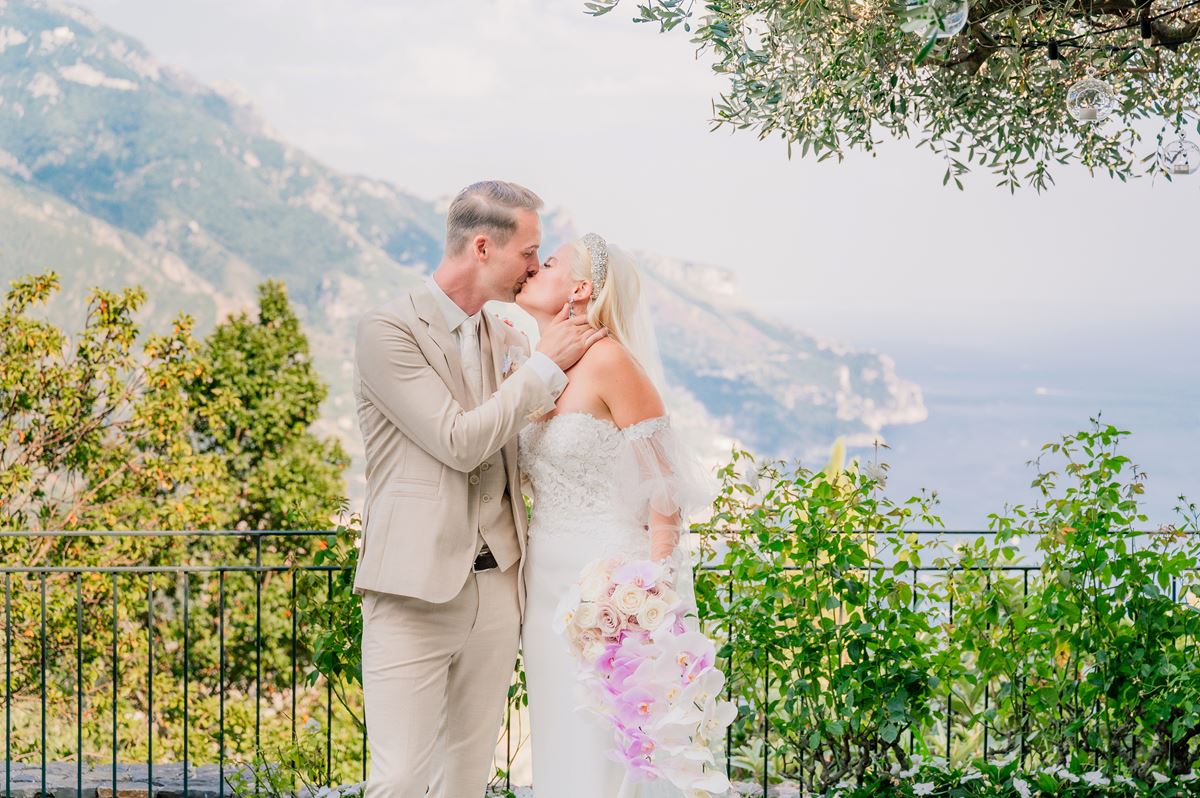

Dreamy Wedding at the Hotel Caruso Ravello Through the Lens
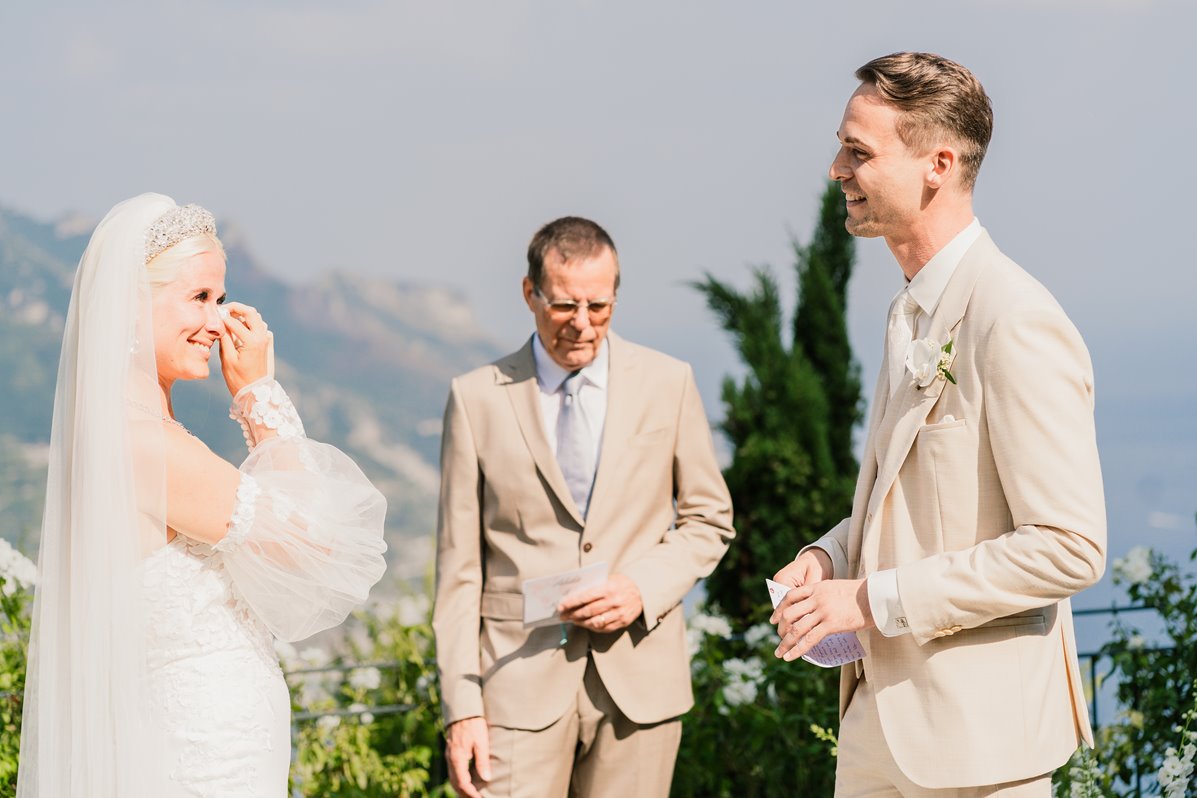
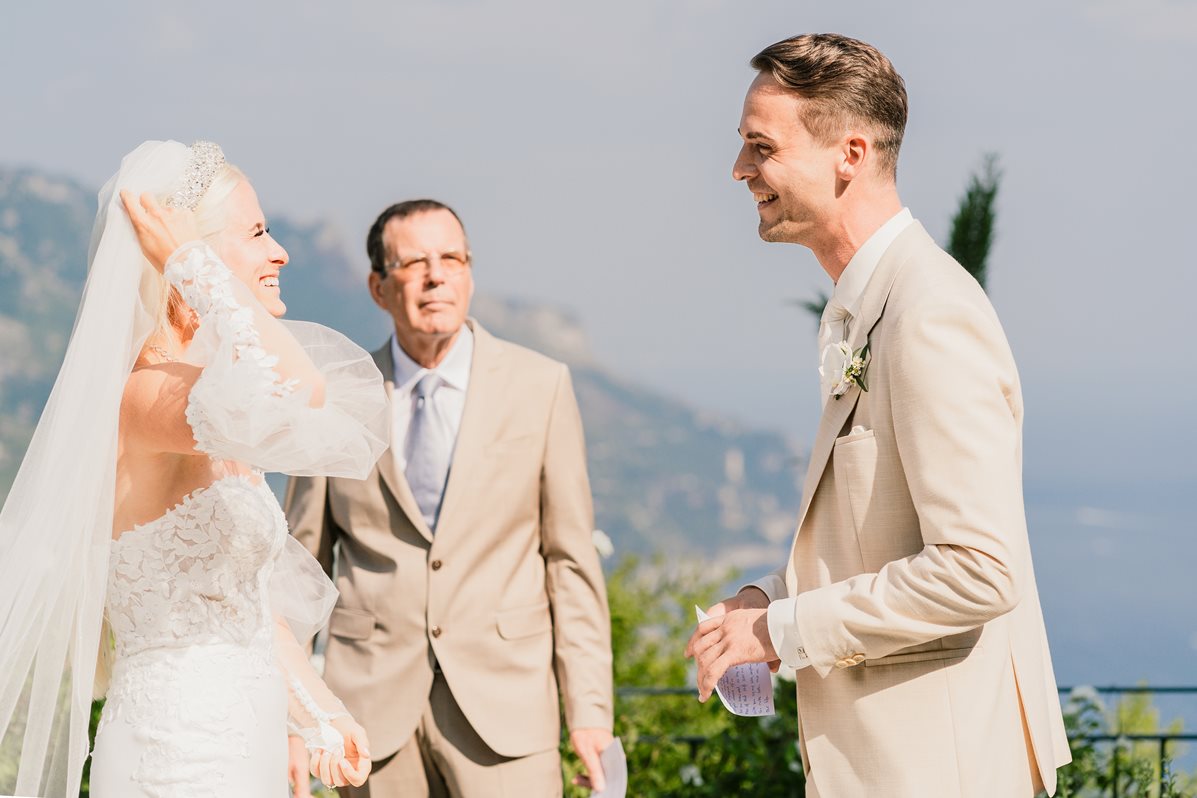
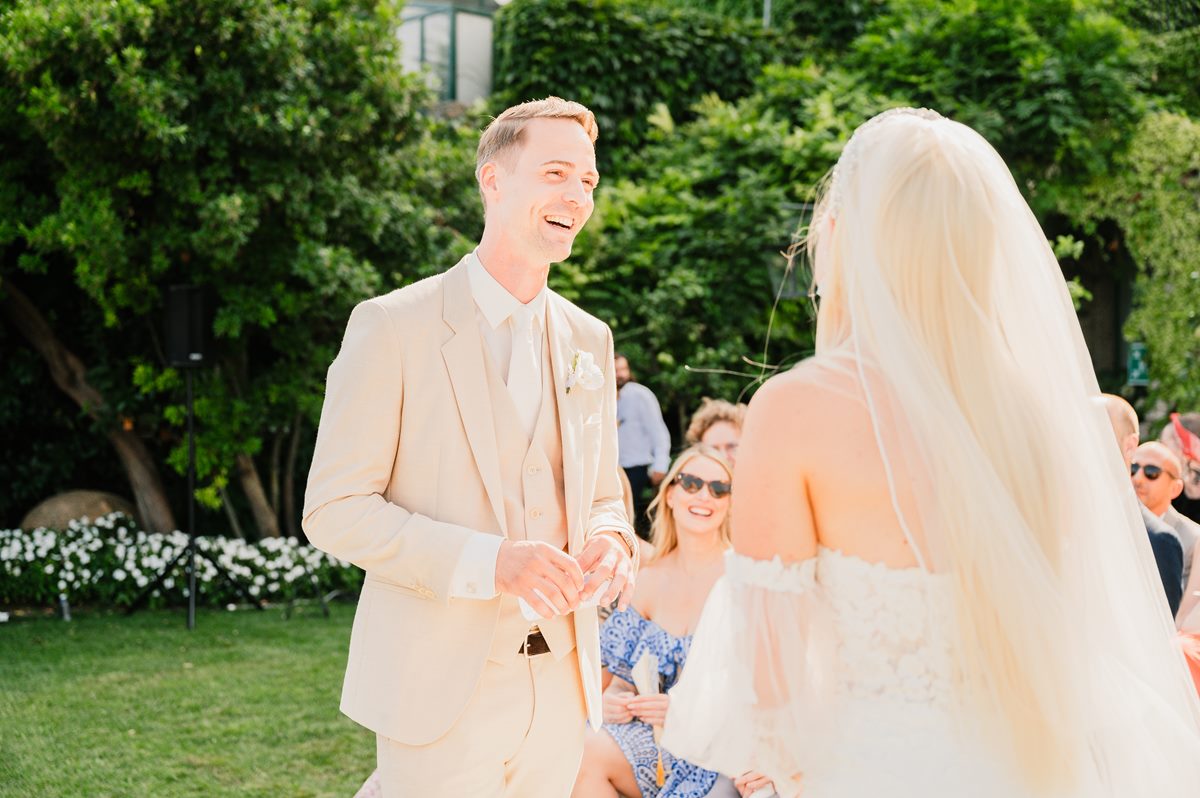
Let the lens of a Ravello wedding photographer transform your special day at Hotel Caruso into a tableau of dreamy captures, each one holding a moment in a tender, never-ending embrace.

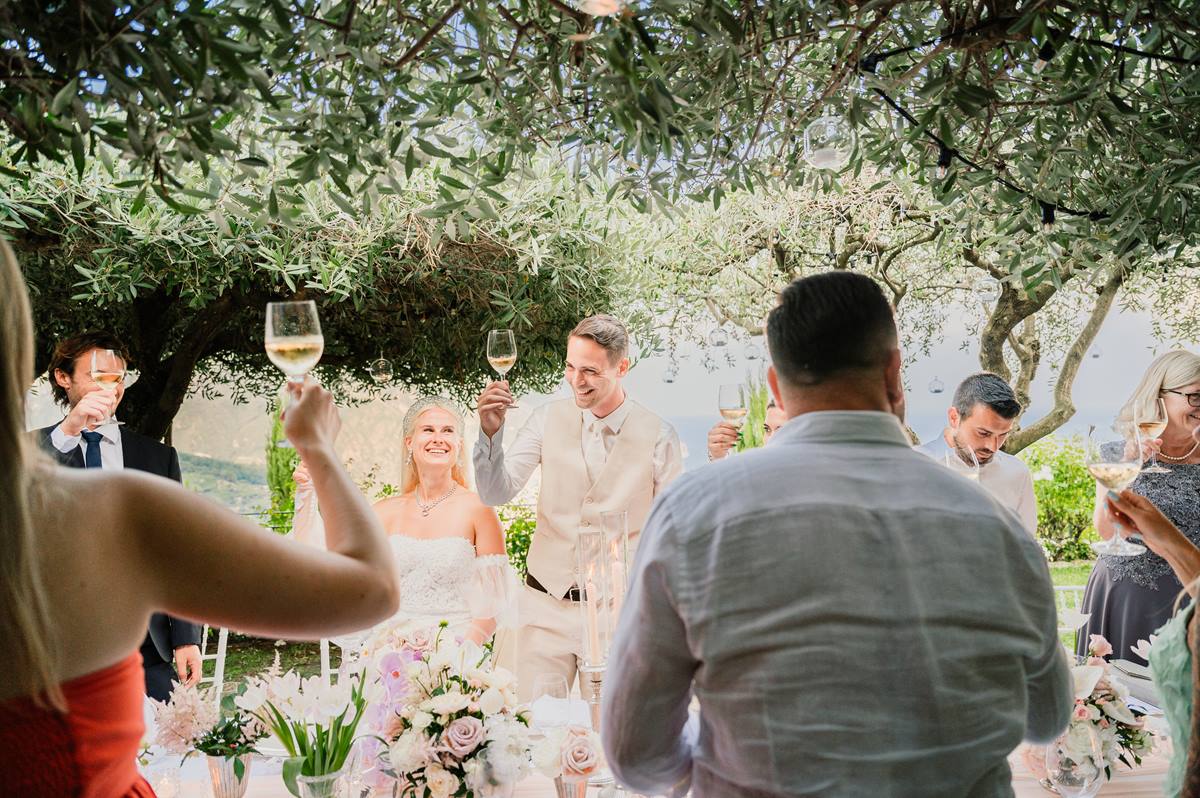
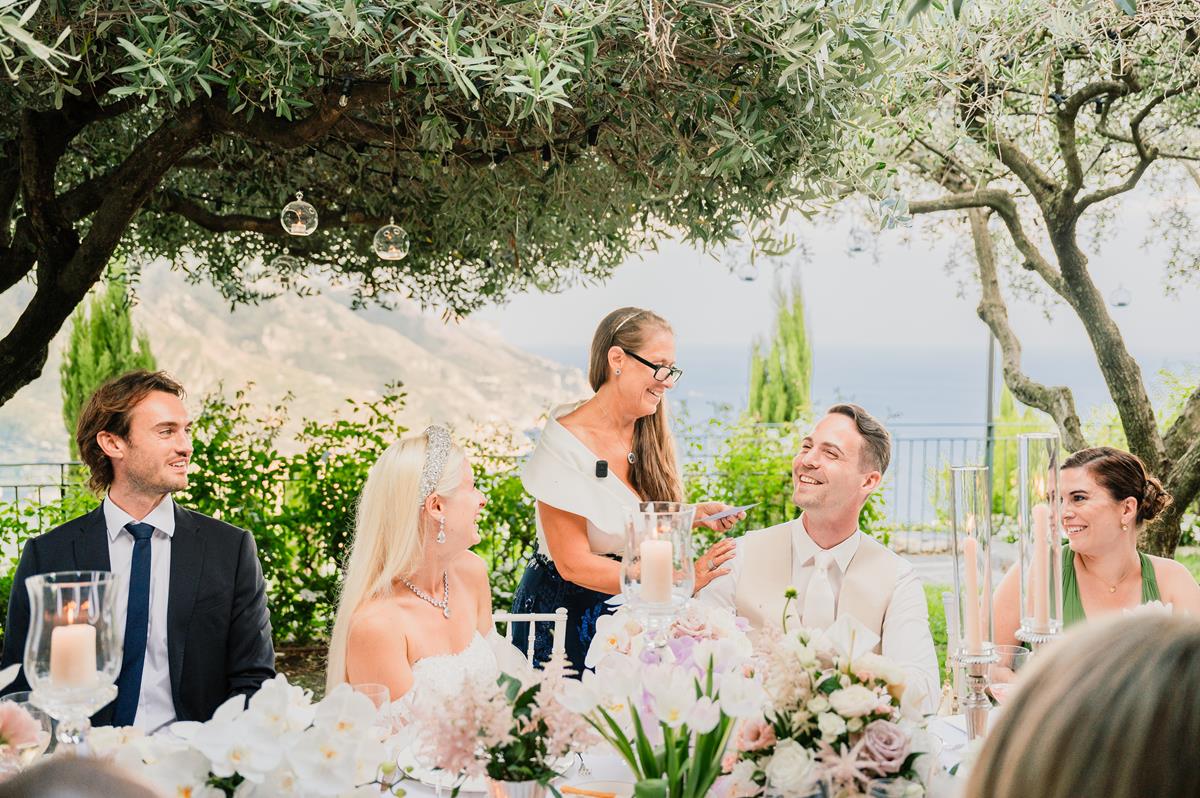

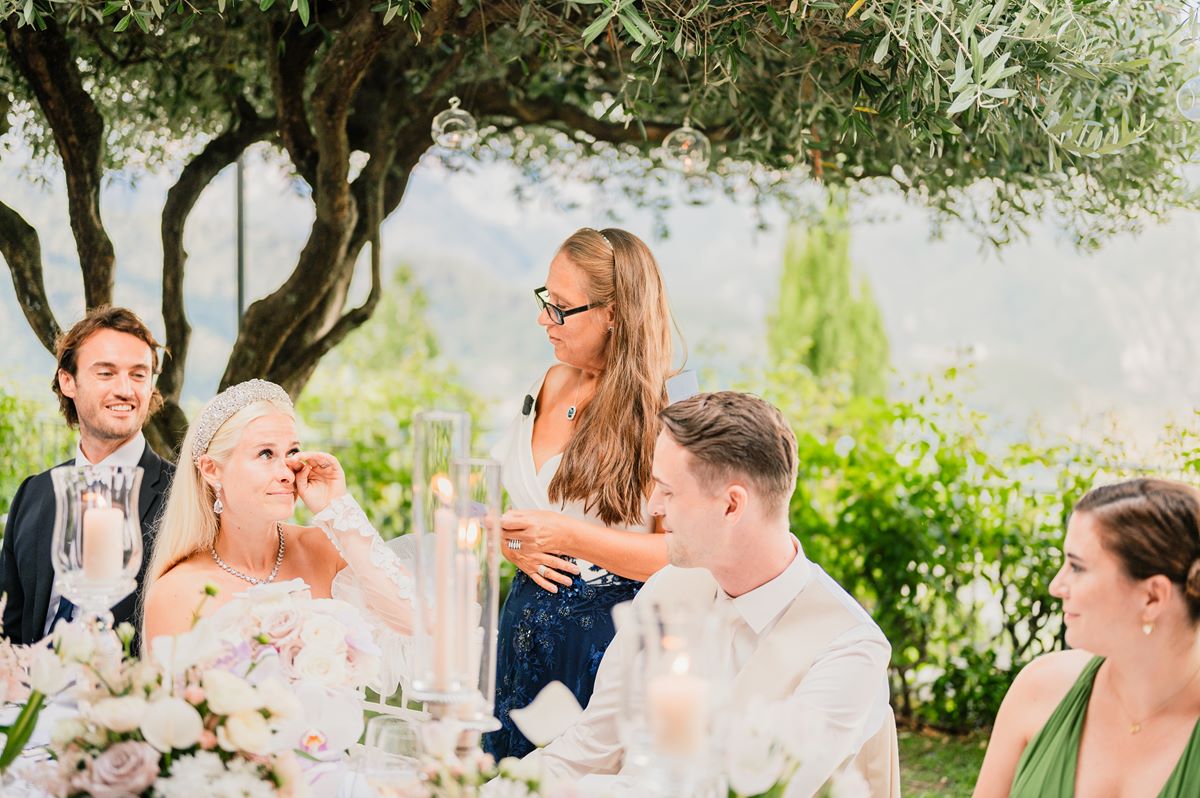
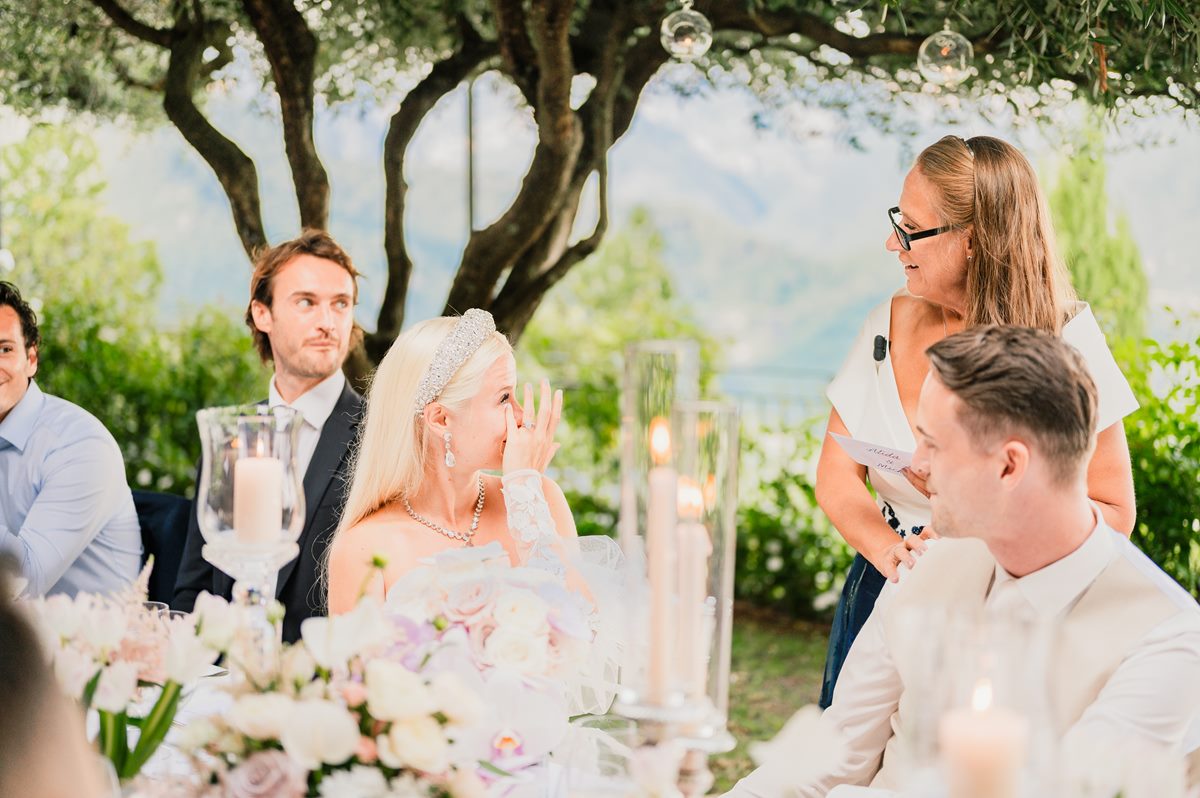
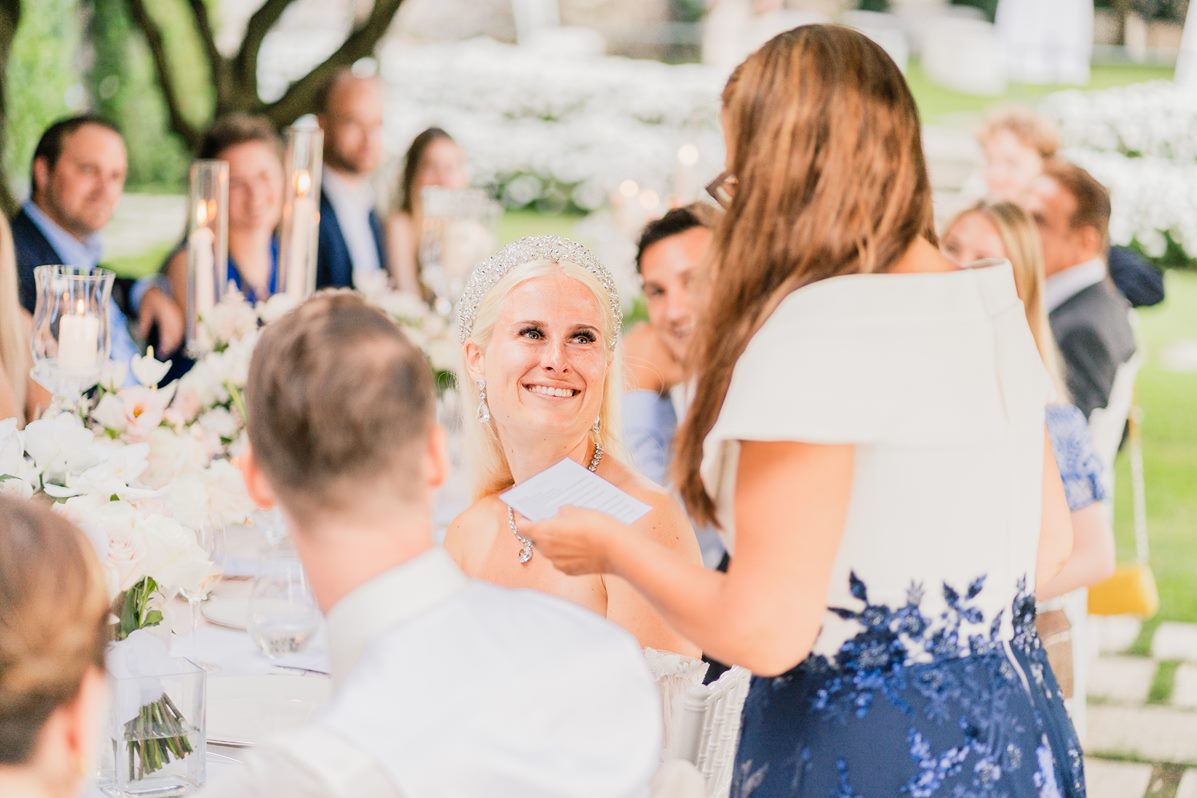


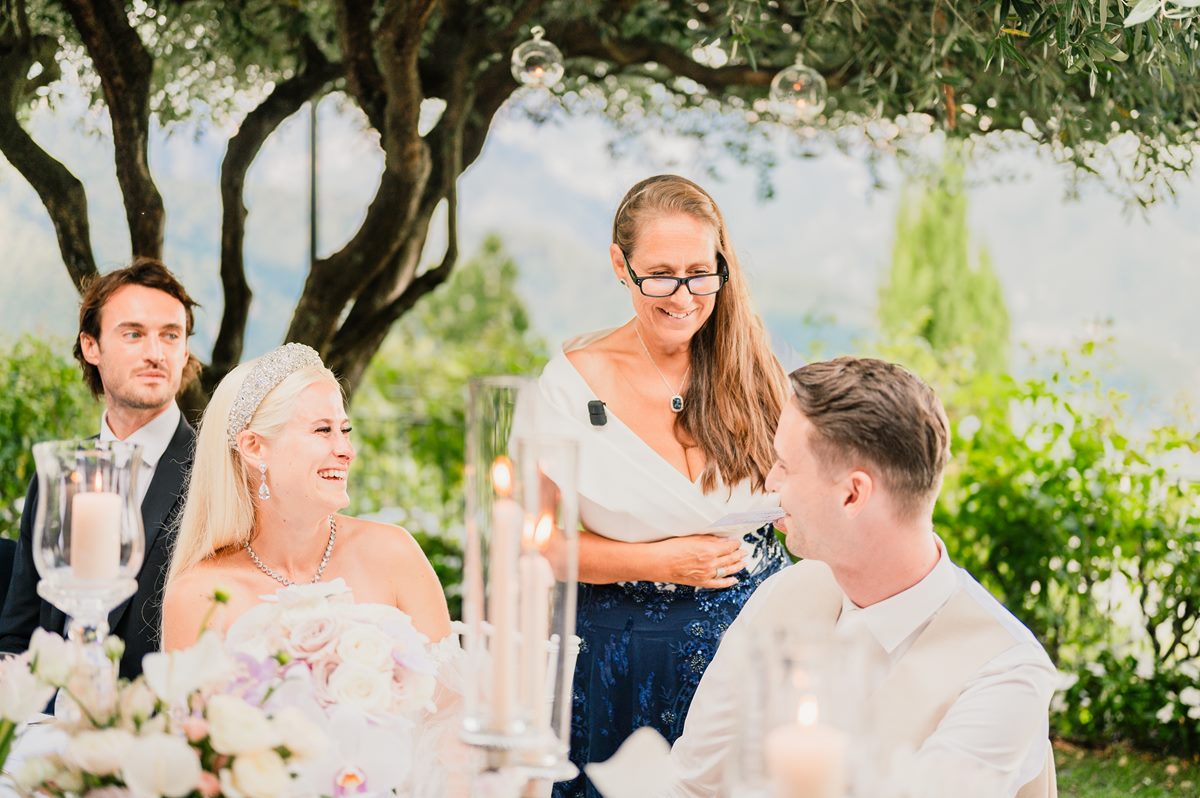
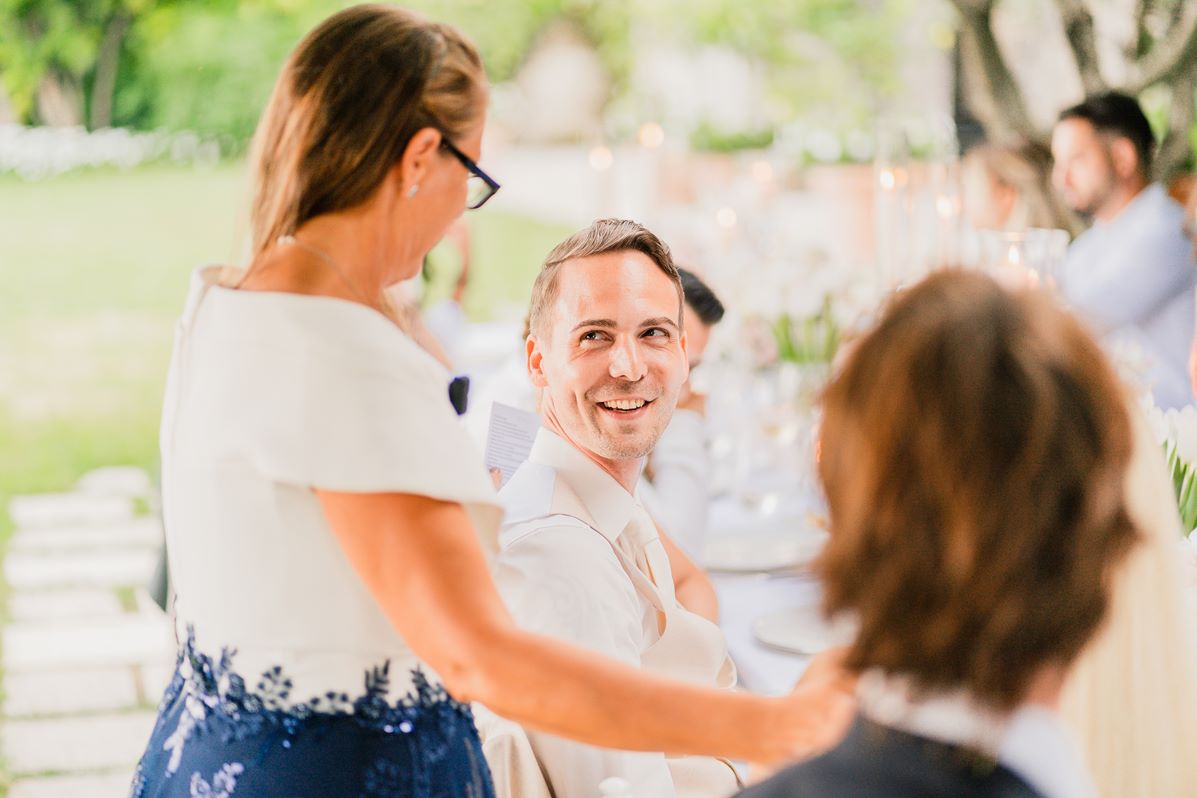

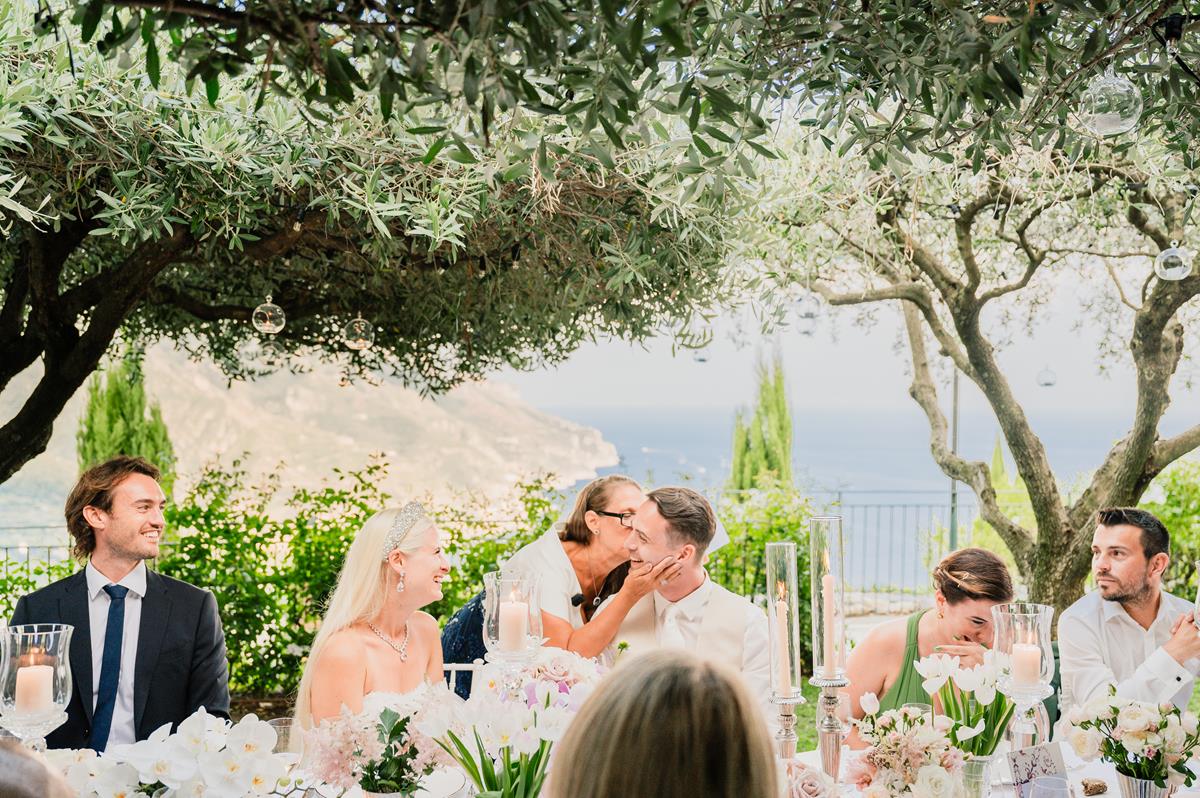
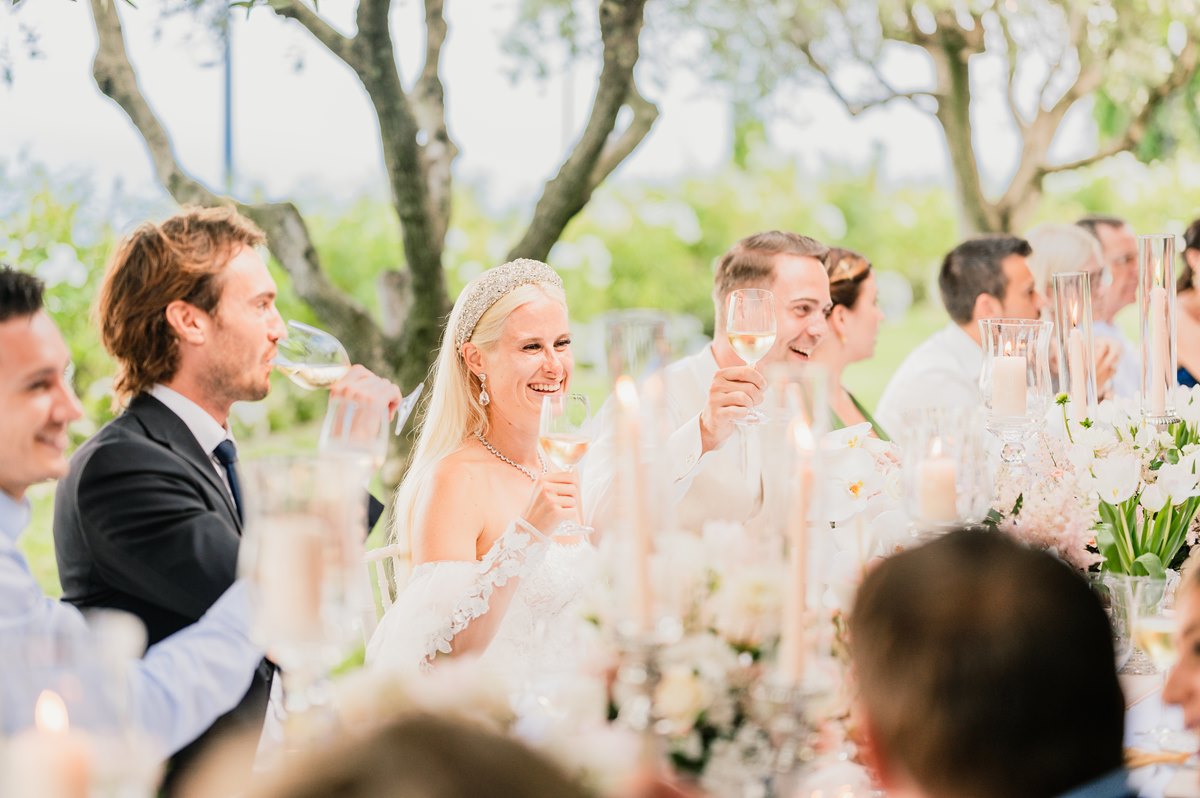
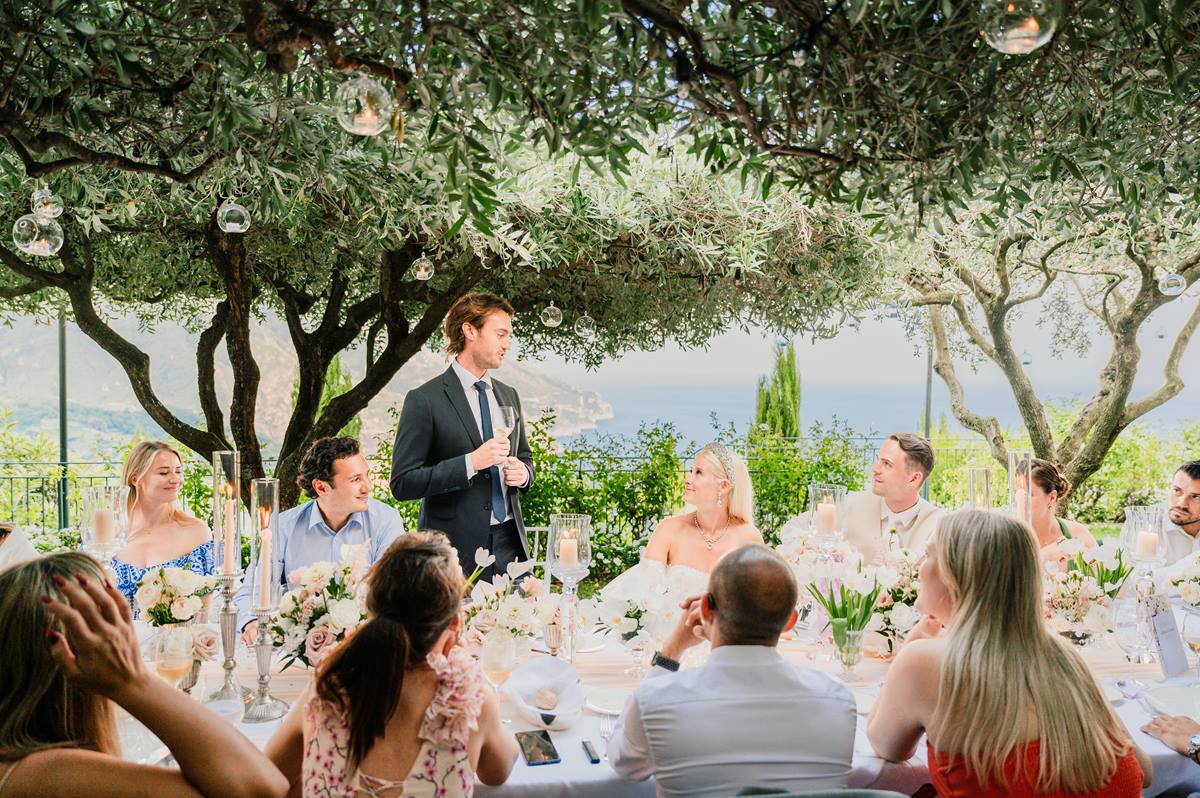
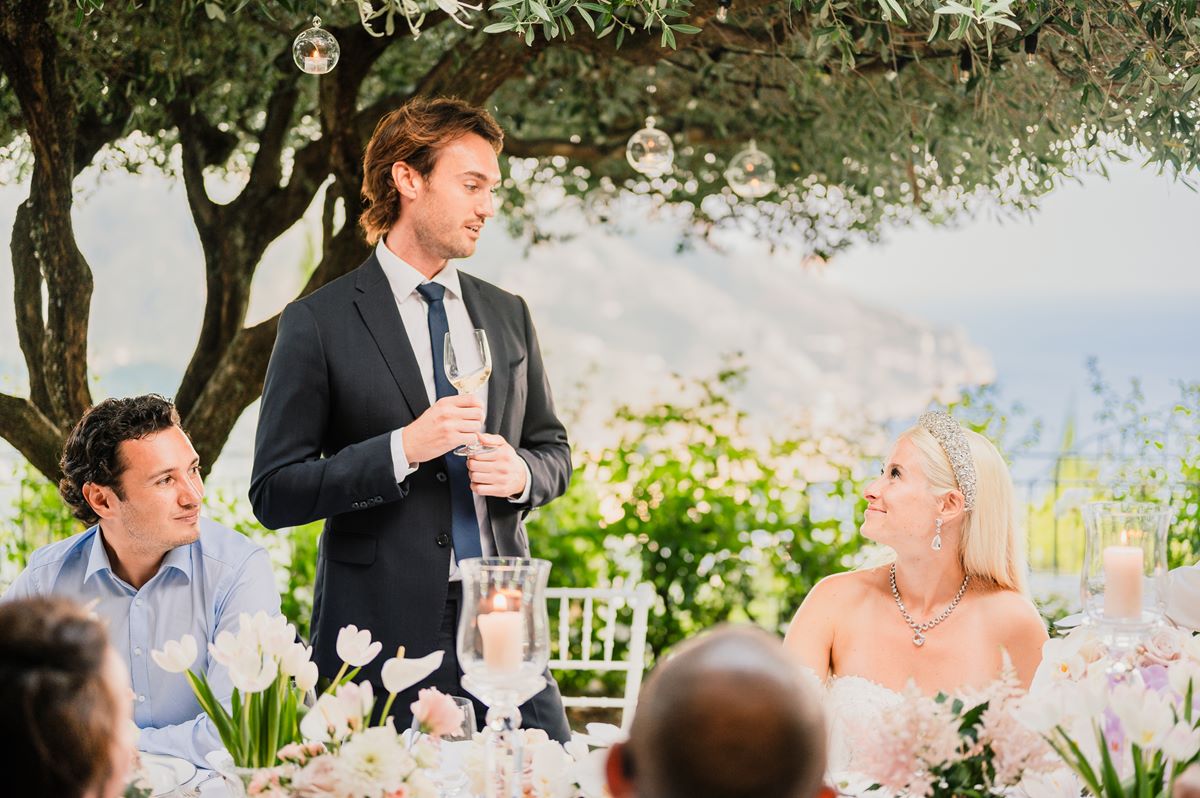
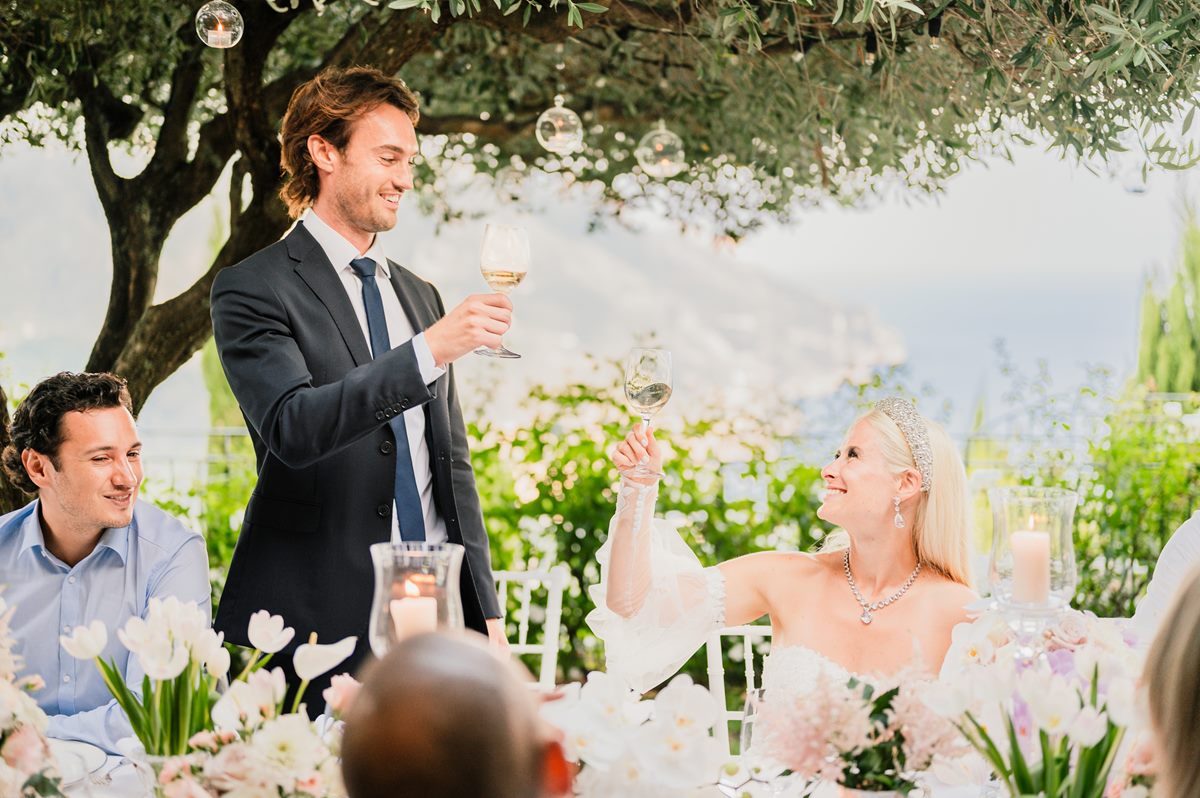

Dreamy Wedding at the Hotel Caruso Ravello Through the Lens Let the lens of a Ravello wedding photographer transform your special day at Hotel Caruso into a tableau of dreamy captures, each one holding a moment in a tender, never-ending embrace.
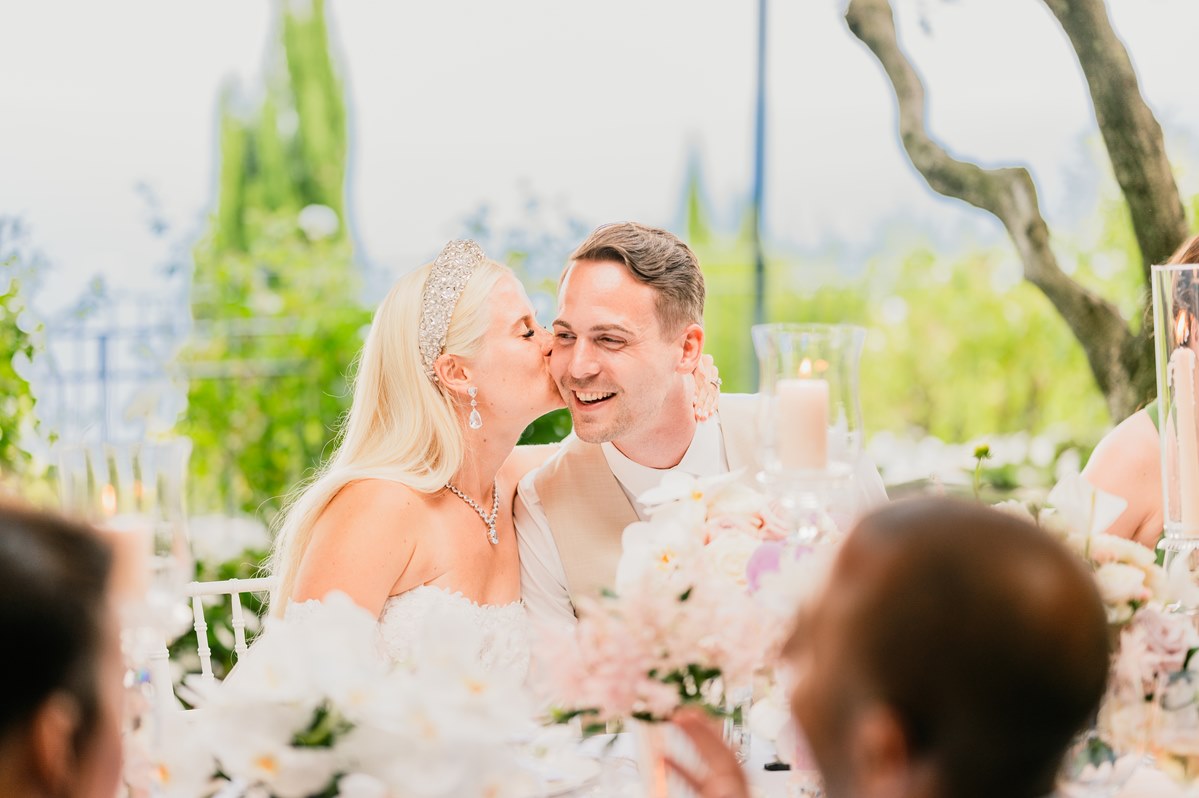
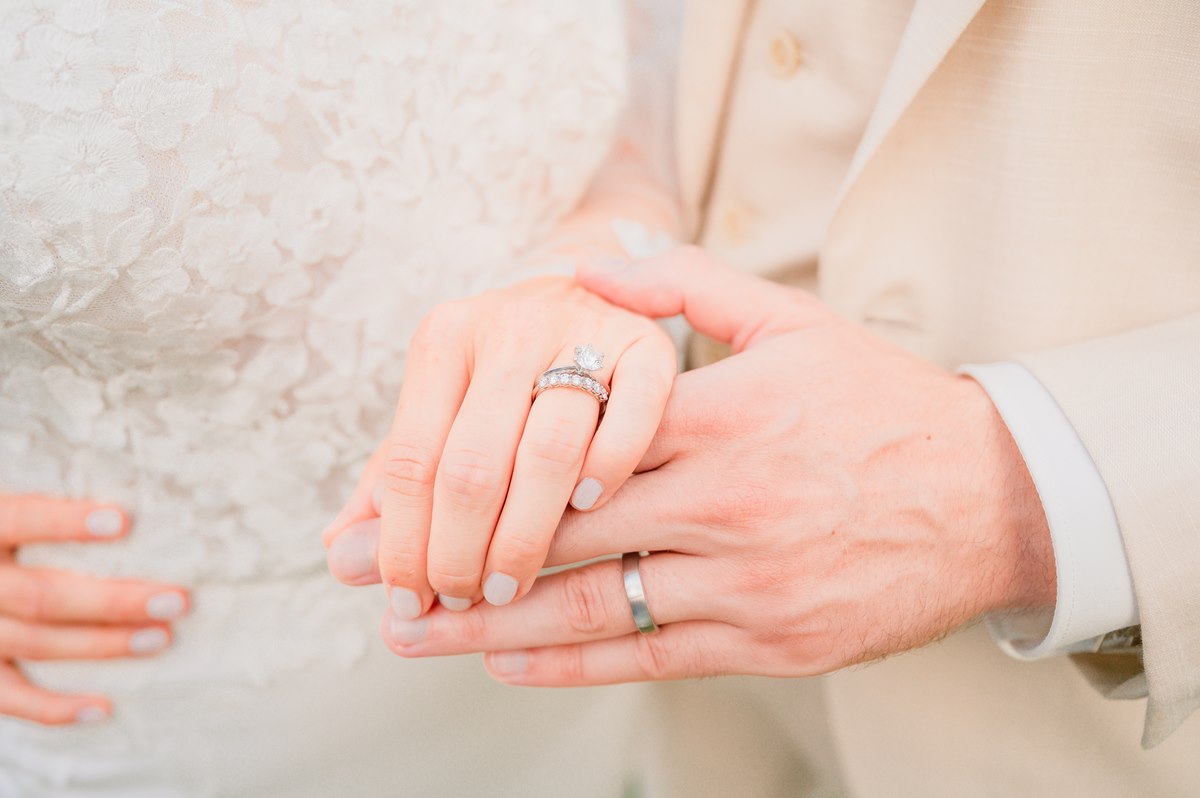
Capturing Your Ravello Love Story
Yours is a love story that demands to be told in whispers and glimpses, each captured frame a sonnet penned by the insightful eye of Ravello’s photographer.
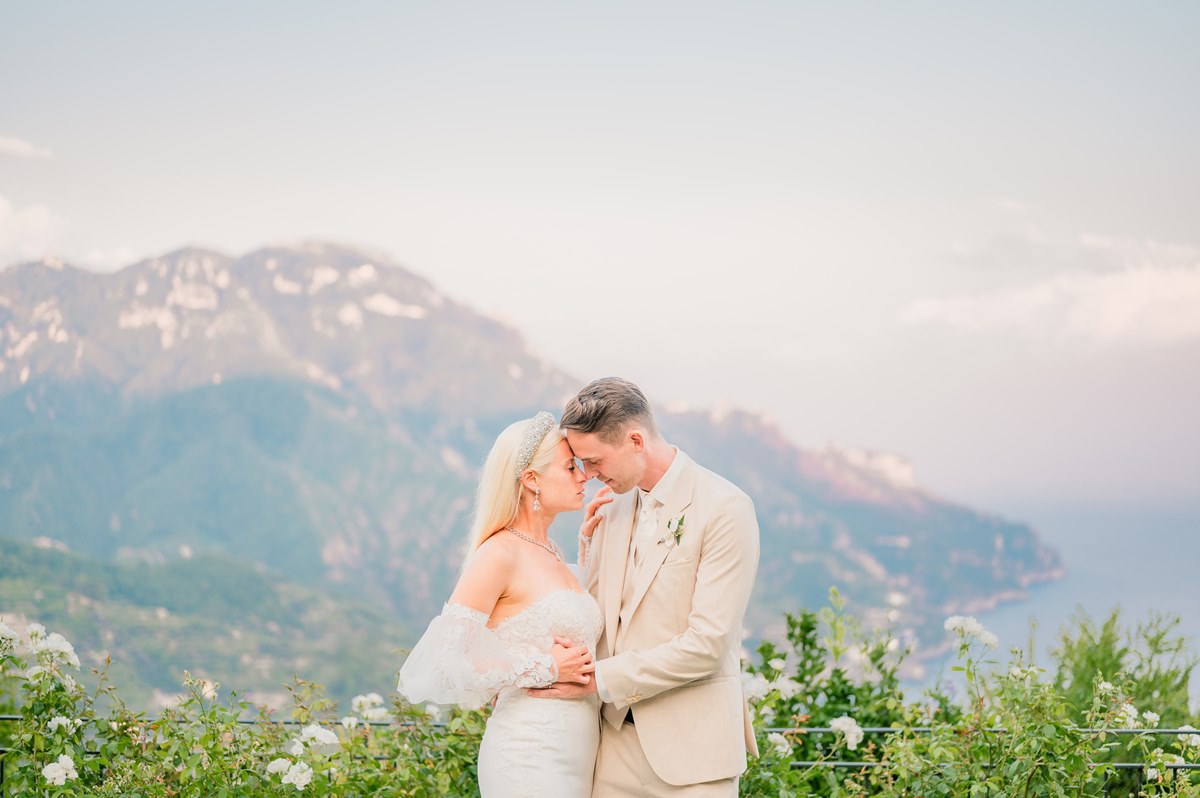

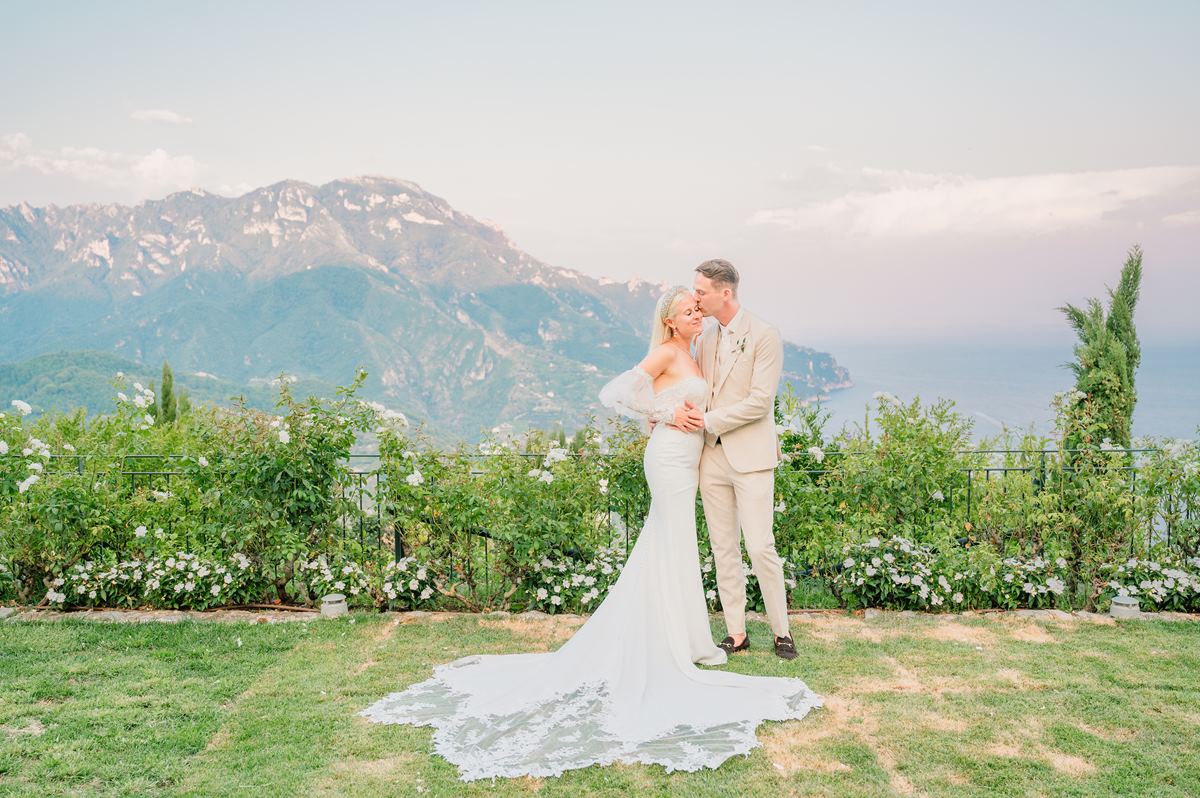

Capturing Your Ravello Love Story Yours is a love story that demands to be told in whispers and glimpses, each captured frame a sonnet penned by the insightful eye of Ravello’s photographer.
Let the lens of a Ravello wedding photographer transform your special day at Hotel Caruso into a tableau of dreamy captures, each one holding a moment in a tender, never-ending embrace.
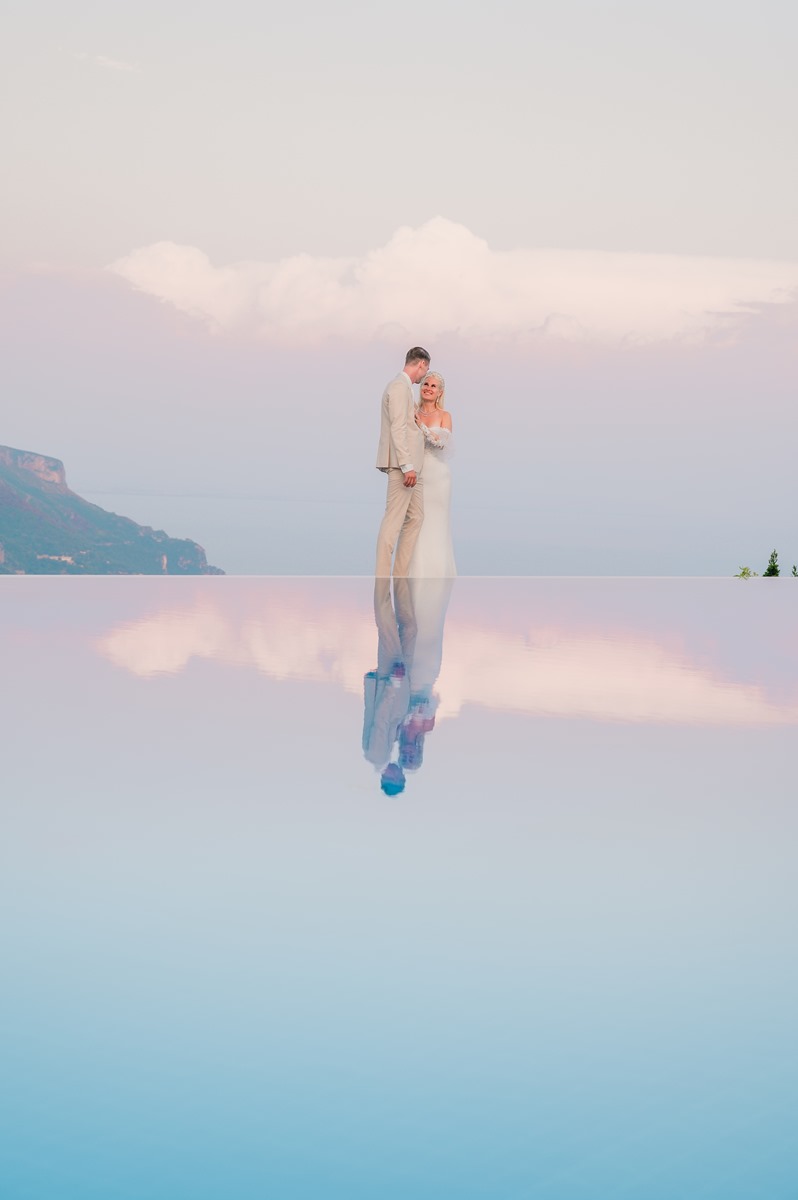
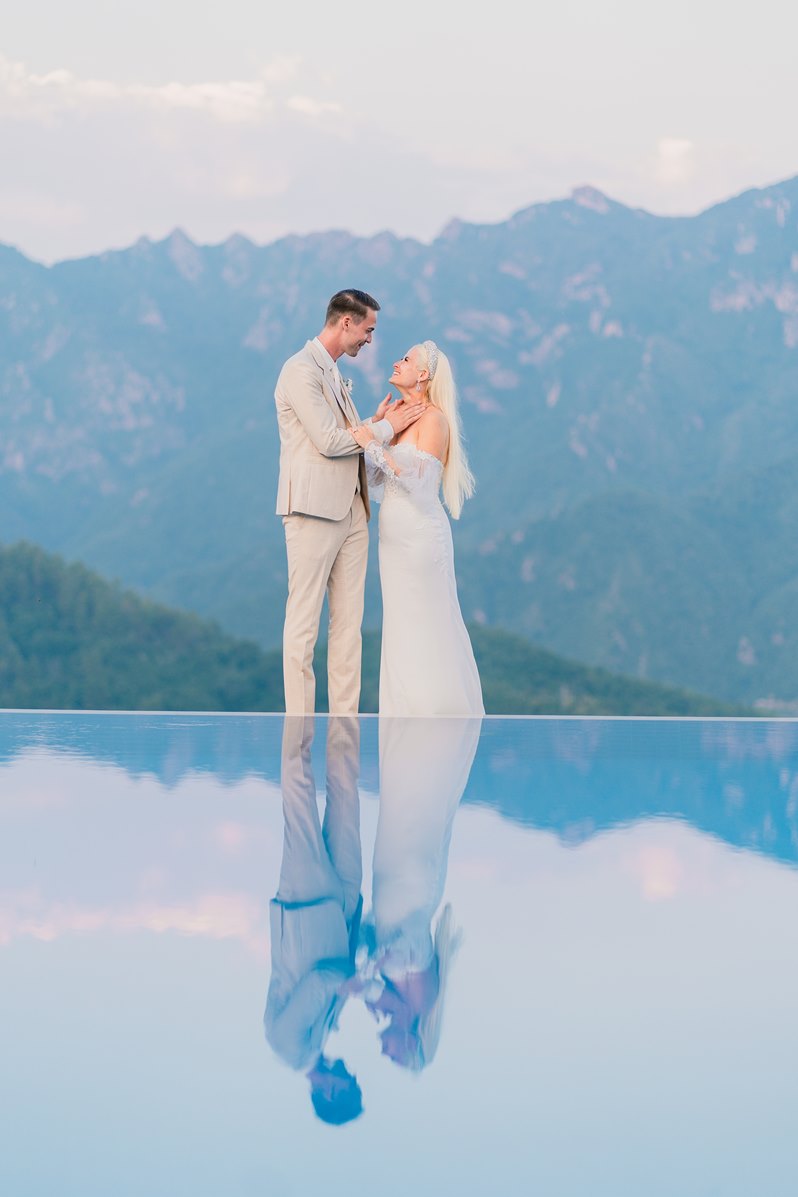
INFINITY POOL

EMILIANO RUSSO
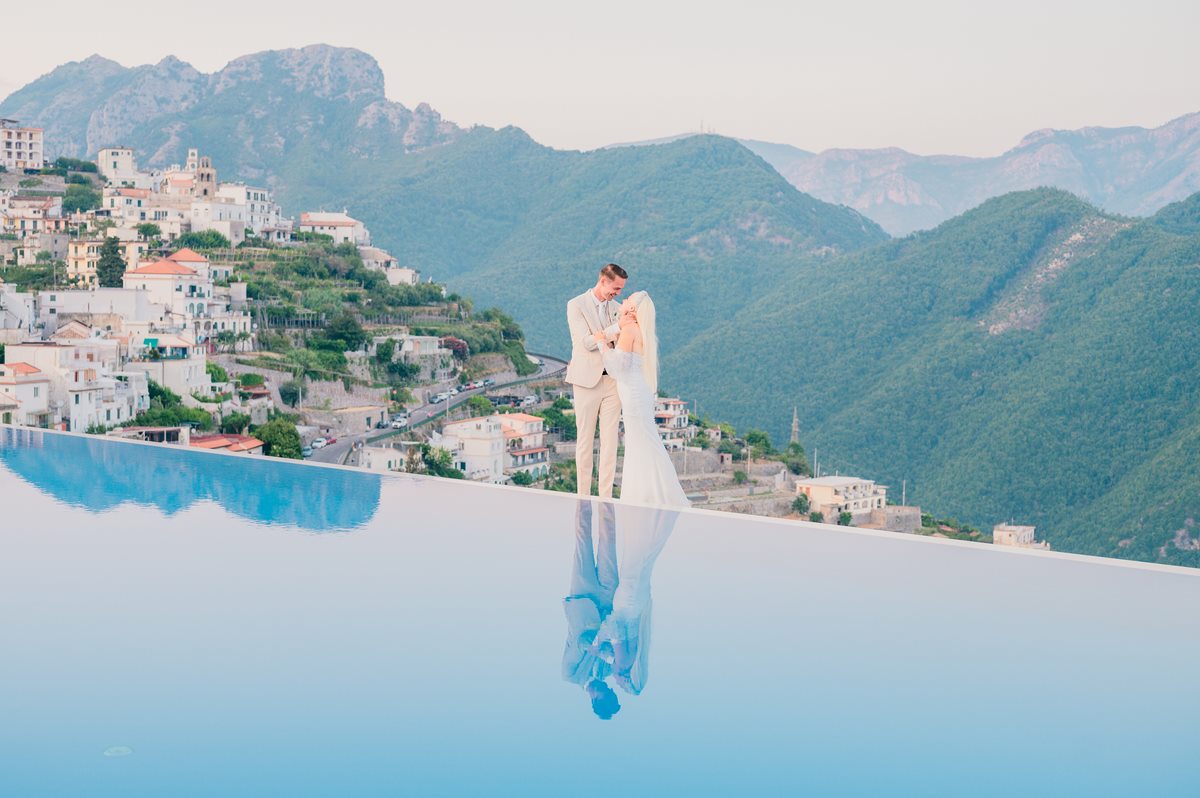
Hotel Caruso is definitely one of the most enchanting spots in Ravello for a wedding.
HIDDEN JEMS
We know intimate places in Ravello and your love story deserve the best.
BELMOND HOTEL CARUSO
You can combine a luxurious wedding with a deep journey on the Coast



The Artistic Eye of a Ravello Wedding Photographer
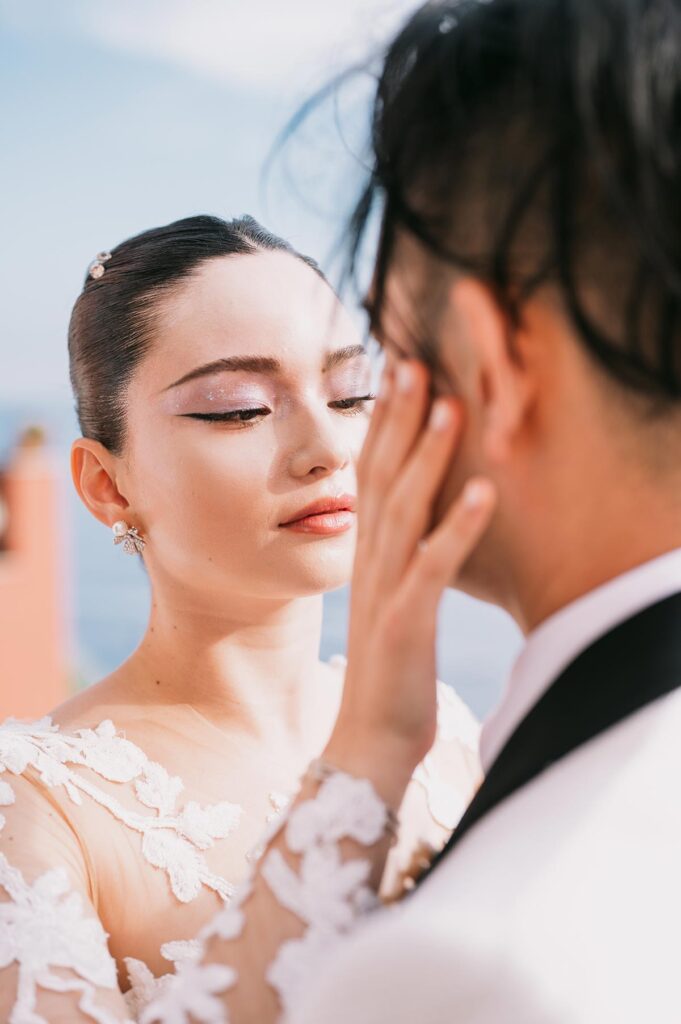
Let the unmatched artistic vision of a Ravello wedding photographer illuminate the love that dances within your eyes, capturing the intangible, making every glance a timeless portrait.
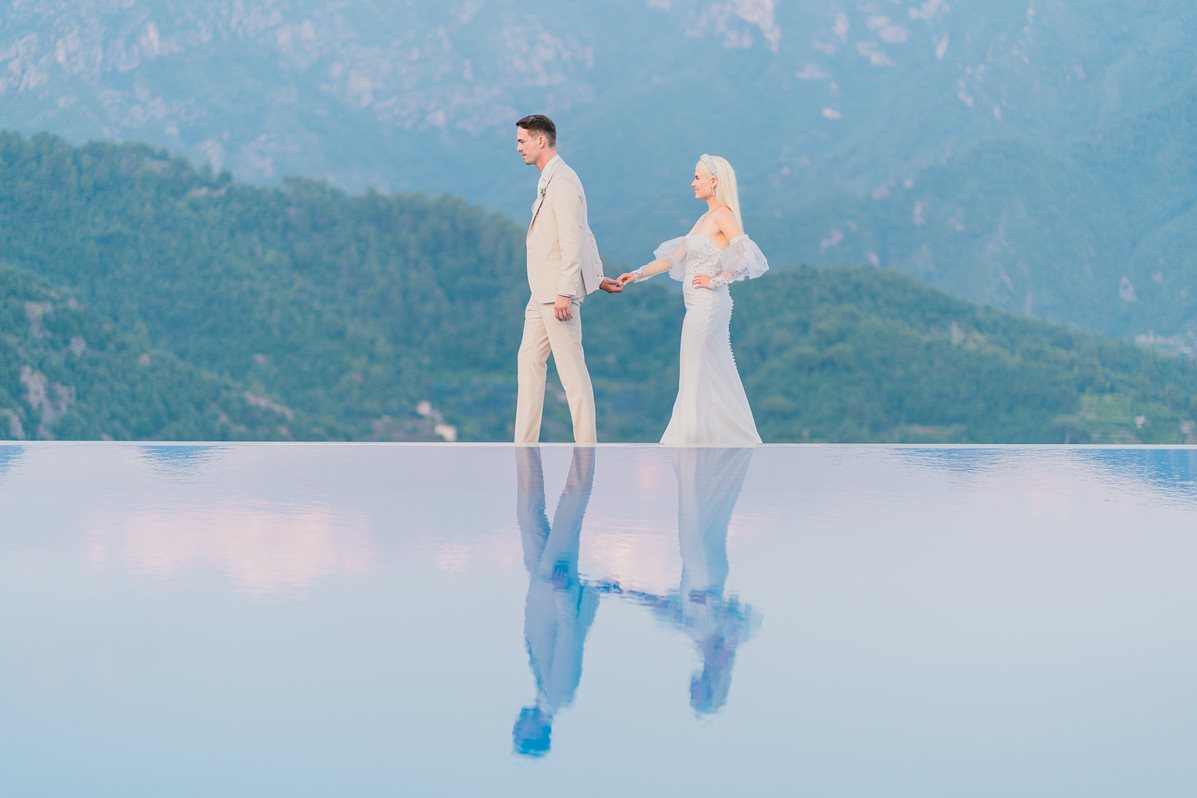


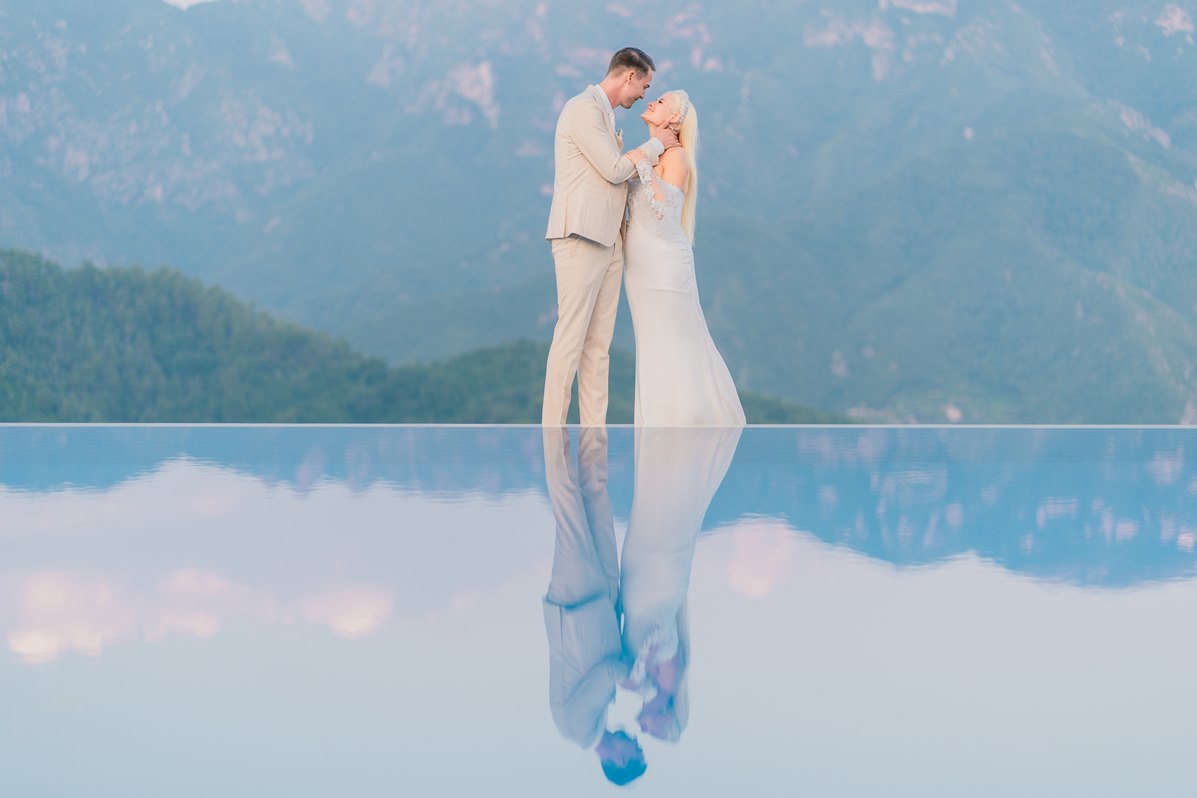
The Artistic Eye of a Ravello Wedding Photographer Let the unmatched artistic vision of a Ravello wedding photographer illuminate the love that dances within your eyes, capturing the intangible, making every glance a timeless portrait.
Celebration Cuisine: A Ravello Wedding Feast
The art of celebration cuisine is a Ravello wedding tradition that dates back centuries. It’s an art form that requires passion, creativity and an unwavering commitment to quality.
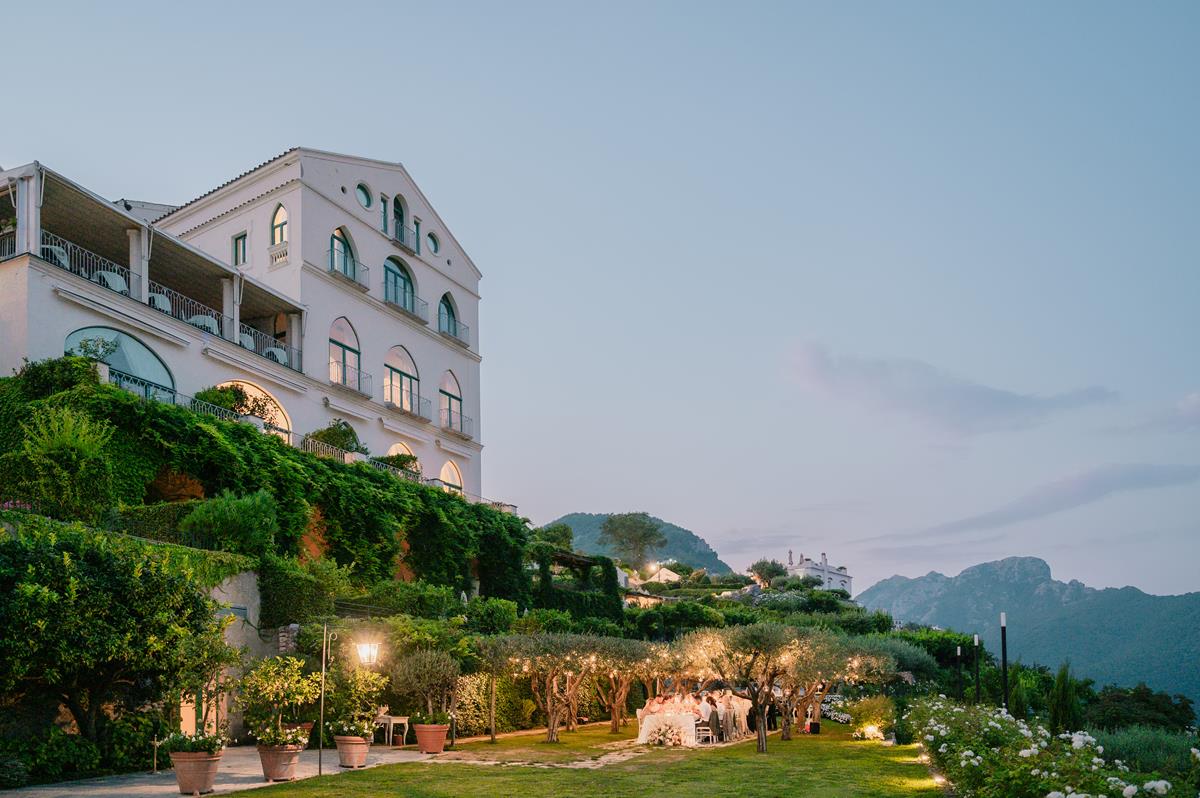
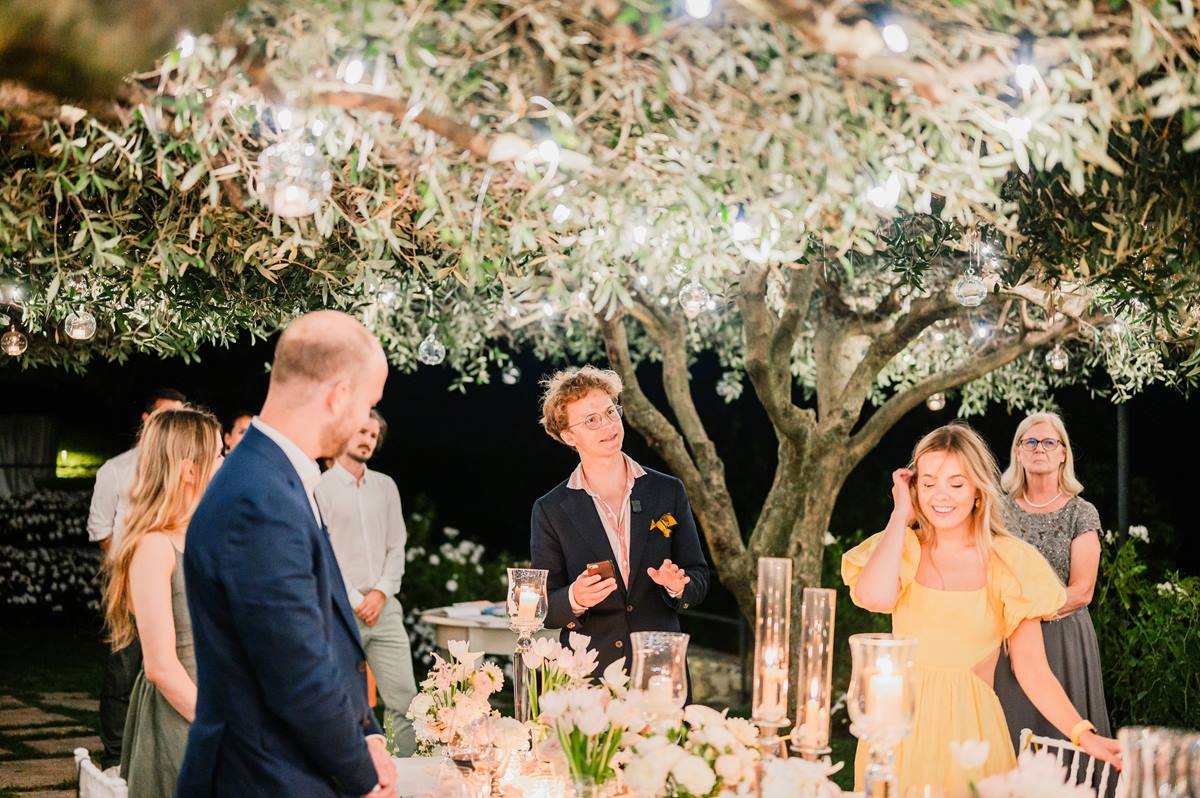
At Hotel Caruso, we take great pride in our ability to create culinary masterpieces that will leave your guests speechless. From the moment they step foot on our property until long after they’ve left, every bite of food will be an experience worth savoring.
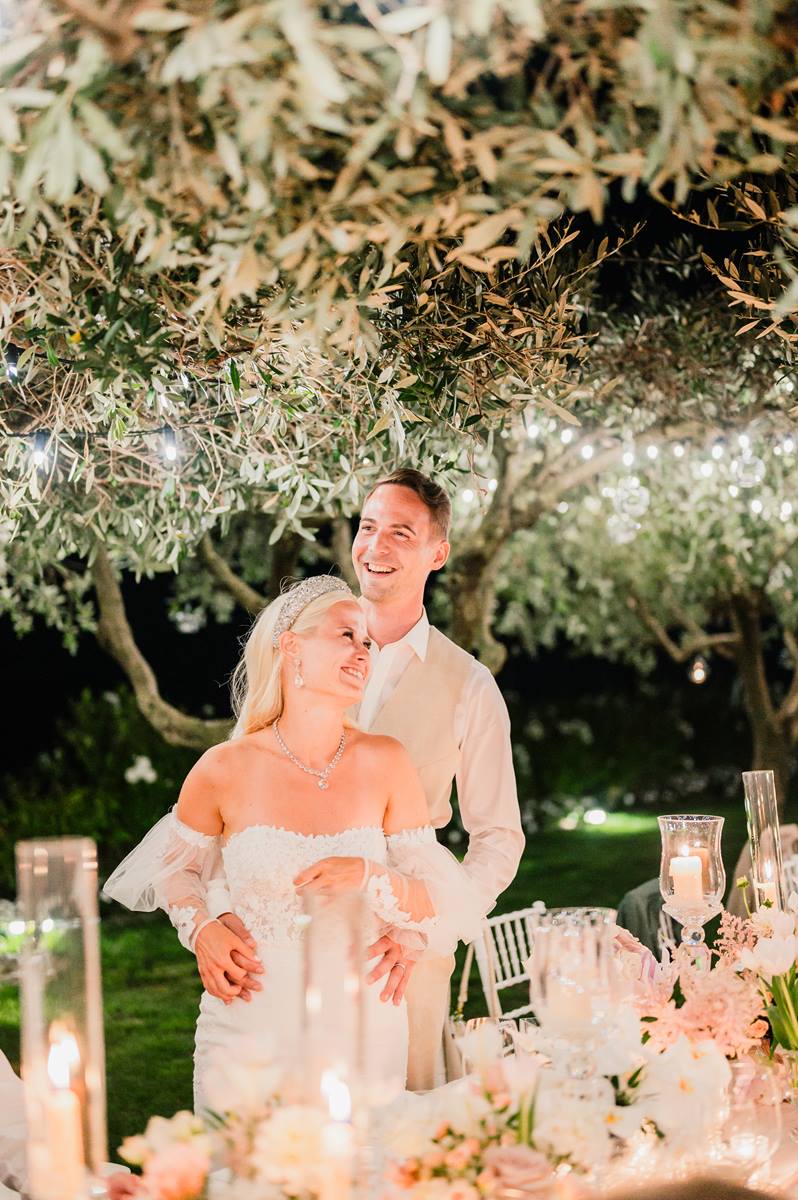


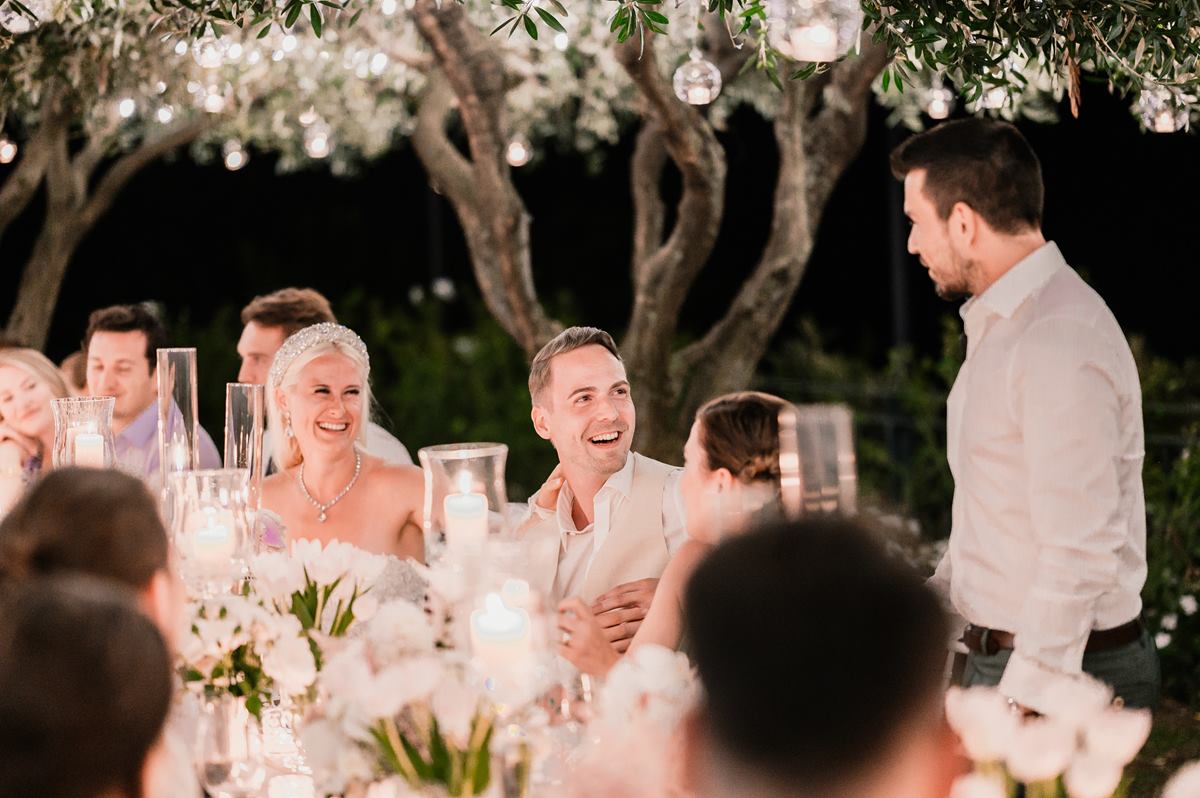

Gastronomic Delights for a Ravello Wedding Reception
At your Ravello reception, indulge in a symphony of flavors that sing of tradition and innovation, each course a shared sojourn into the rhapsody of taste. Our chefs are masters of their craft, and they take great pride in creating dishes that are as beautiful to look at as they are delicious to eat.
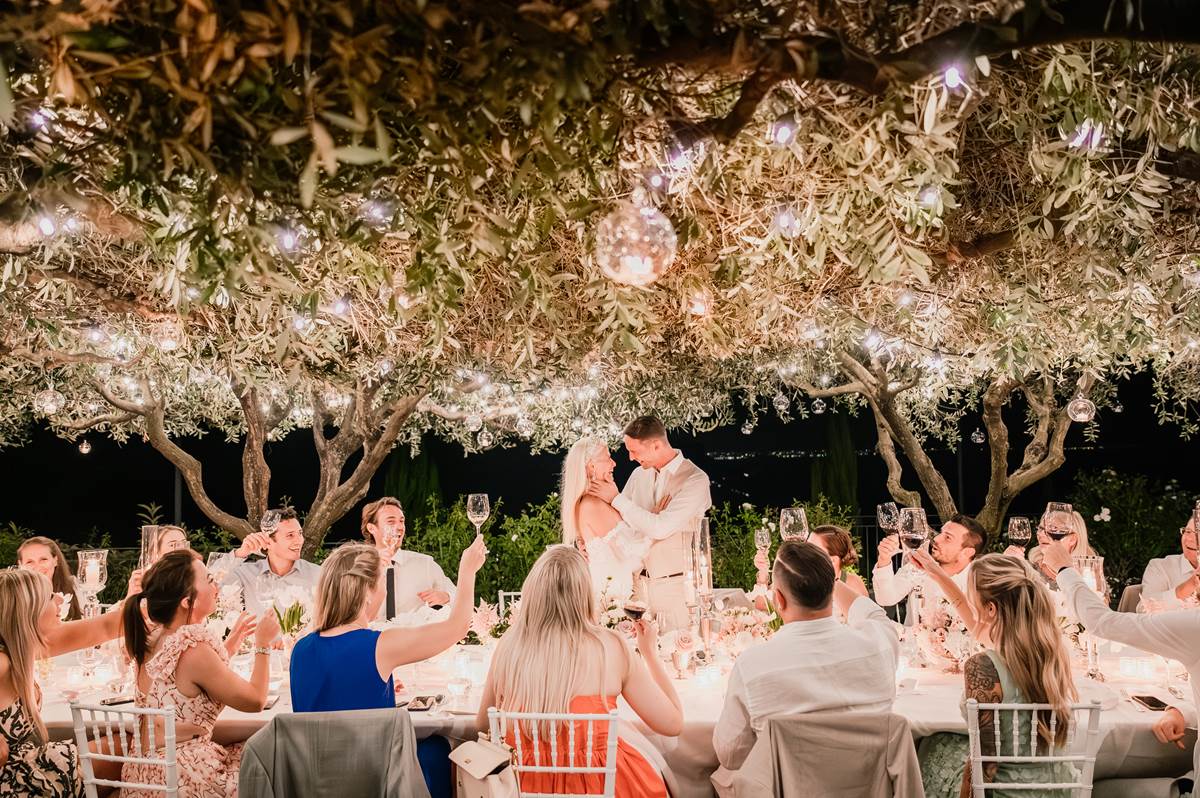
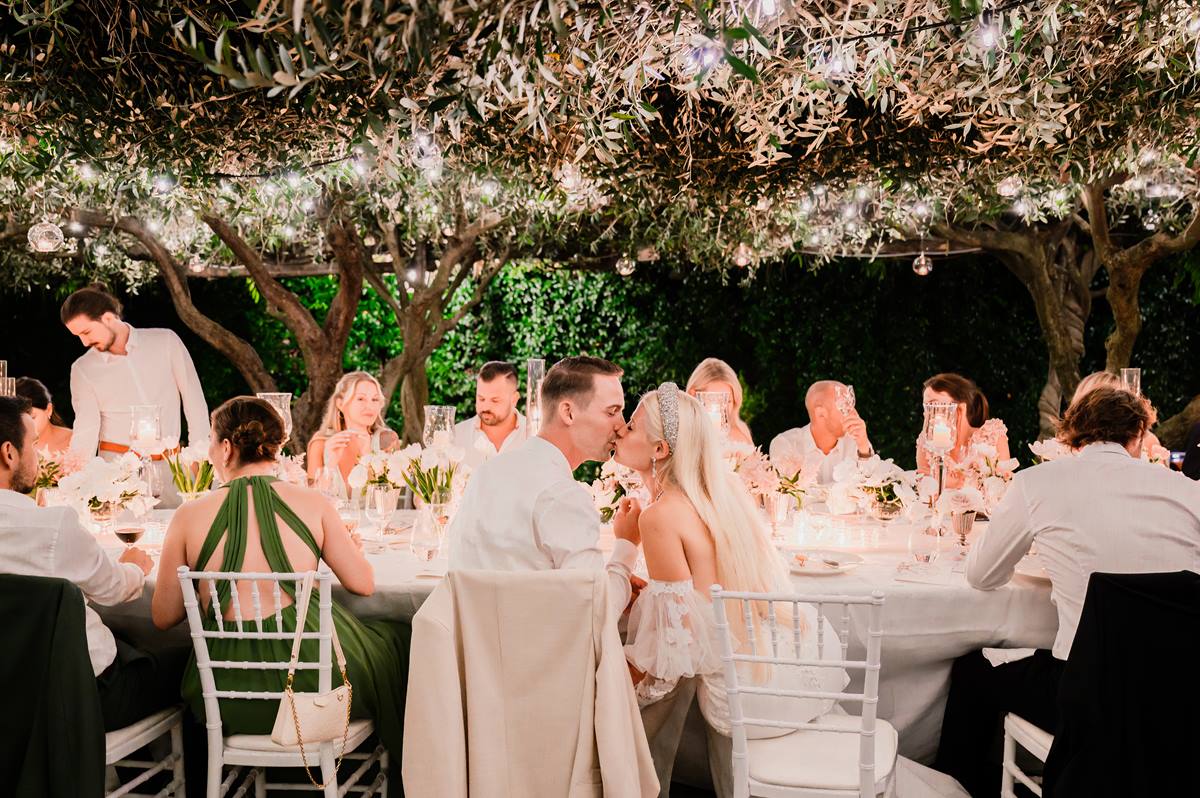
From the first bite to the last, every dish will be a work of art that reflects your personality and style. We offer a variety of menus for you to choose from, including traditional Italian fare and modern fusion cuisine.
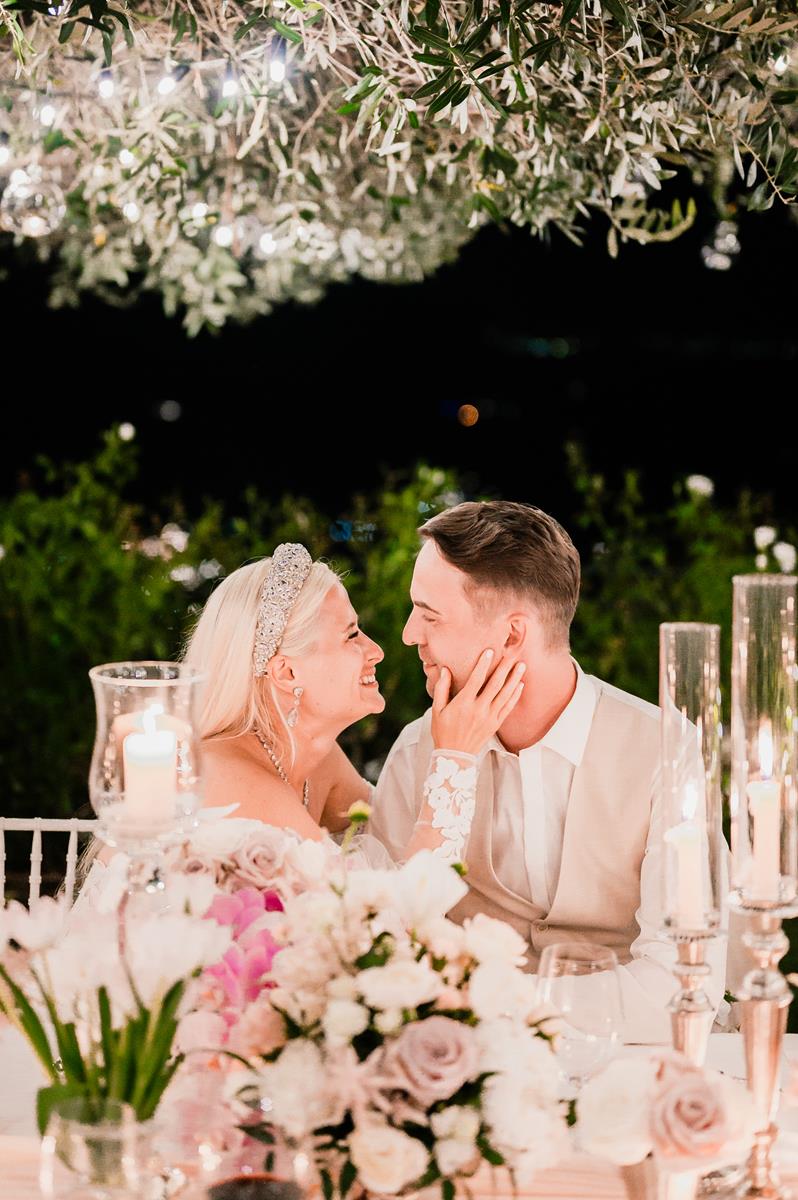
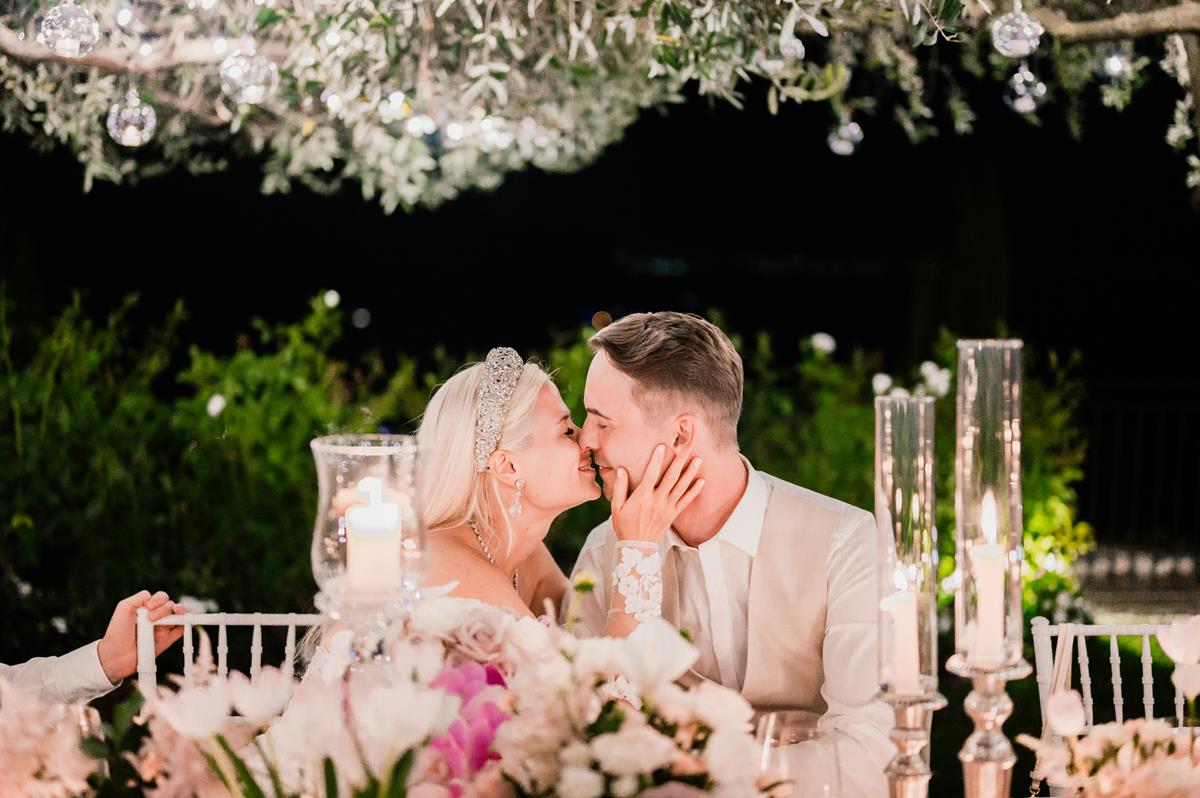
A Taste of Paradise: Fine Dining at Ravello Weddings
Experience a culinary odyssey at your Ravello wedding, where the art of fine dining marries the essence of romance, enchanting every sense with its divine offerings.
Our chefs are masters of their craft, and they take great pride in creating dishes that are as beautiful to look at as they are delicious to eat. From the first bite to the last, every dish will be a work of art that reflects your personality and style. We offer a variety of menus for you to choose from, including traditional Italian fare and modern fusion cuisine.

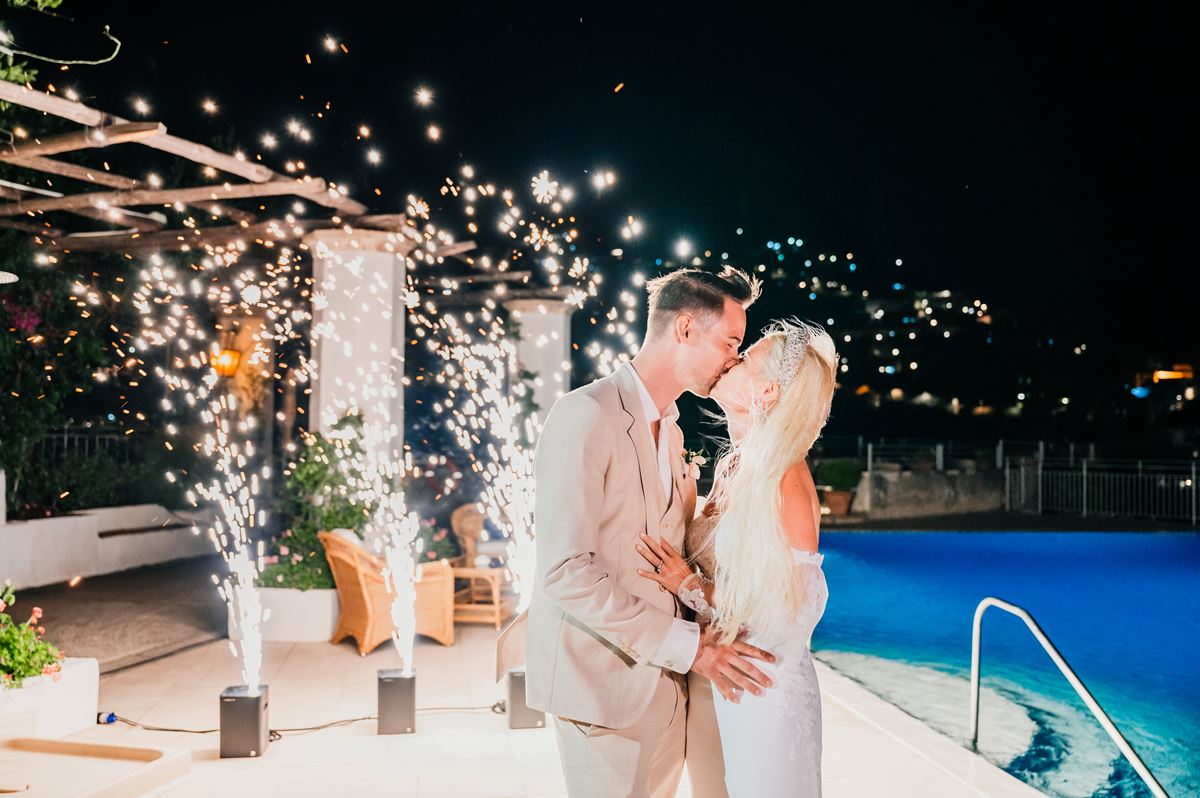
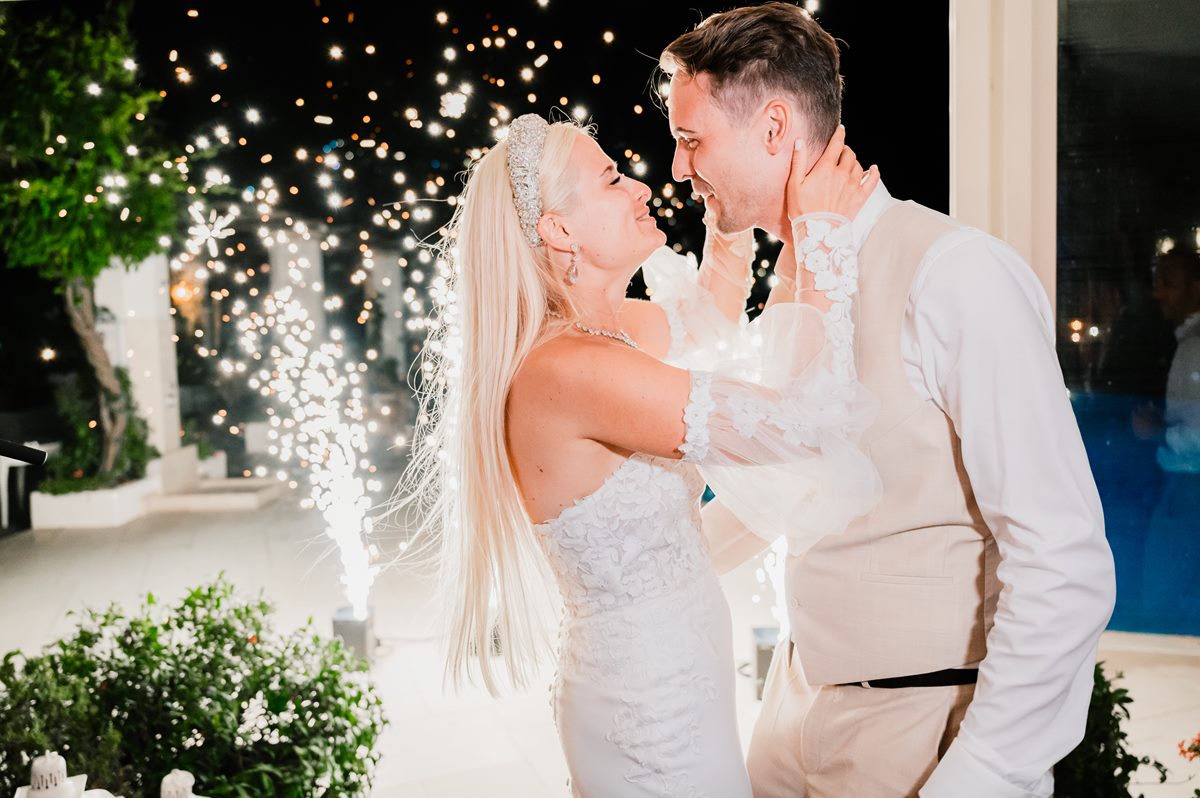
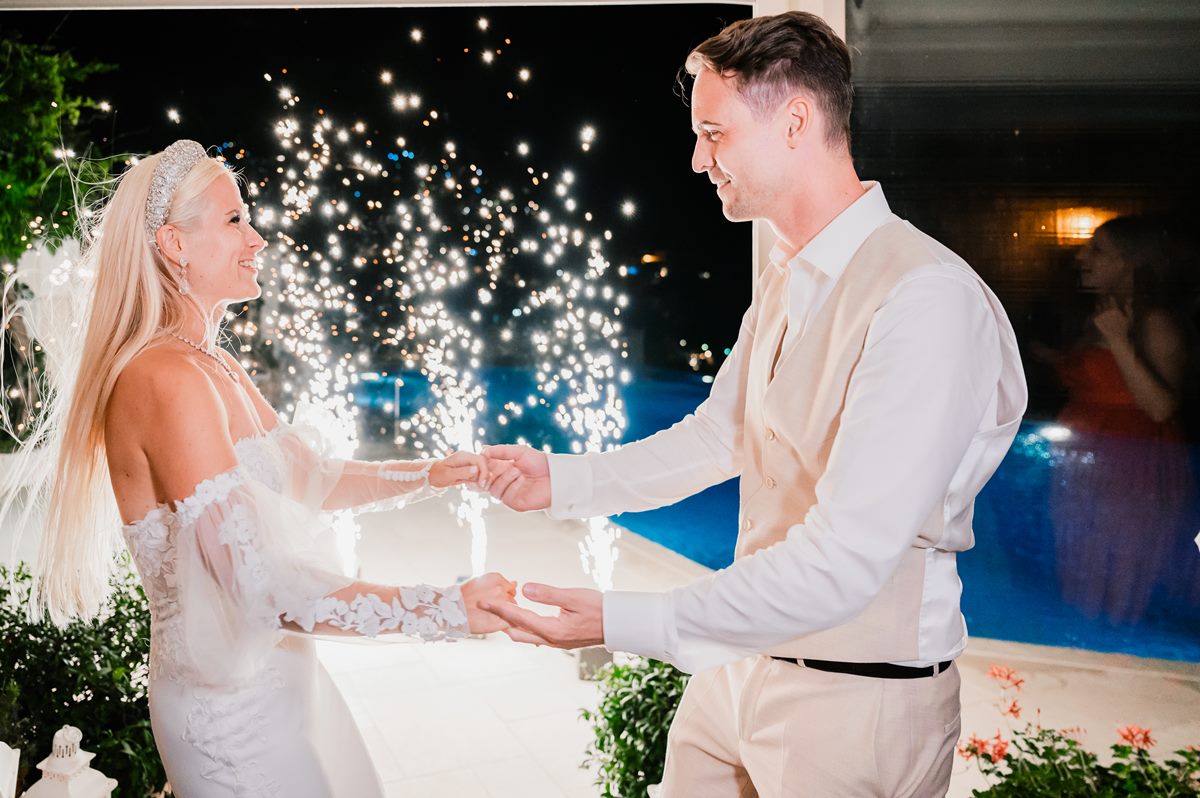
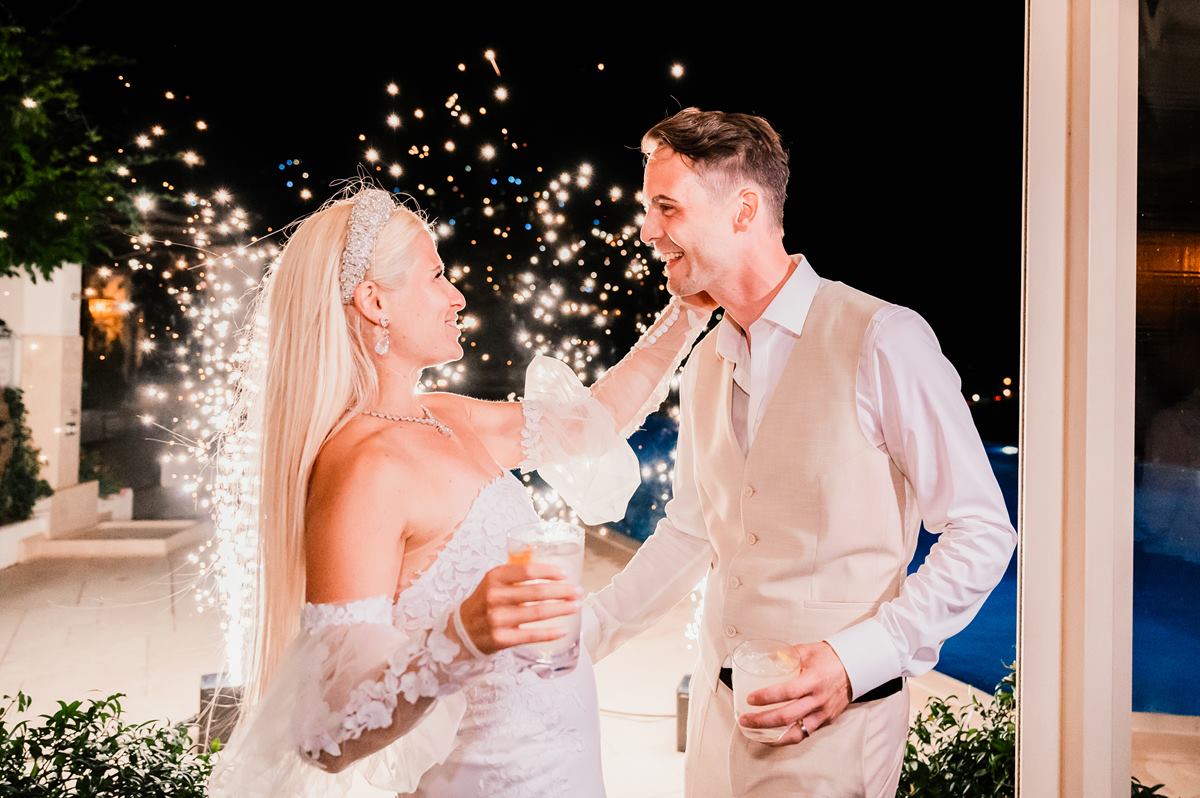
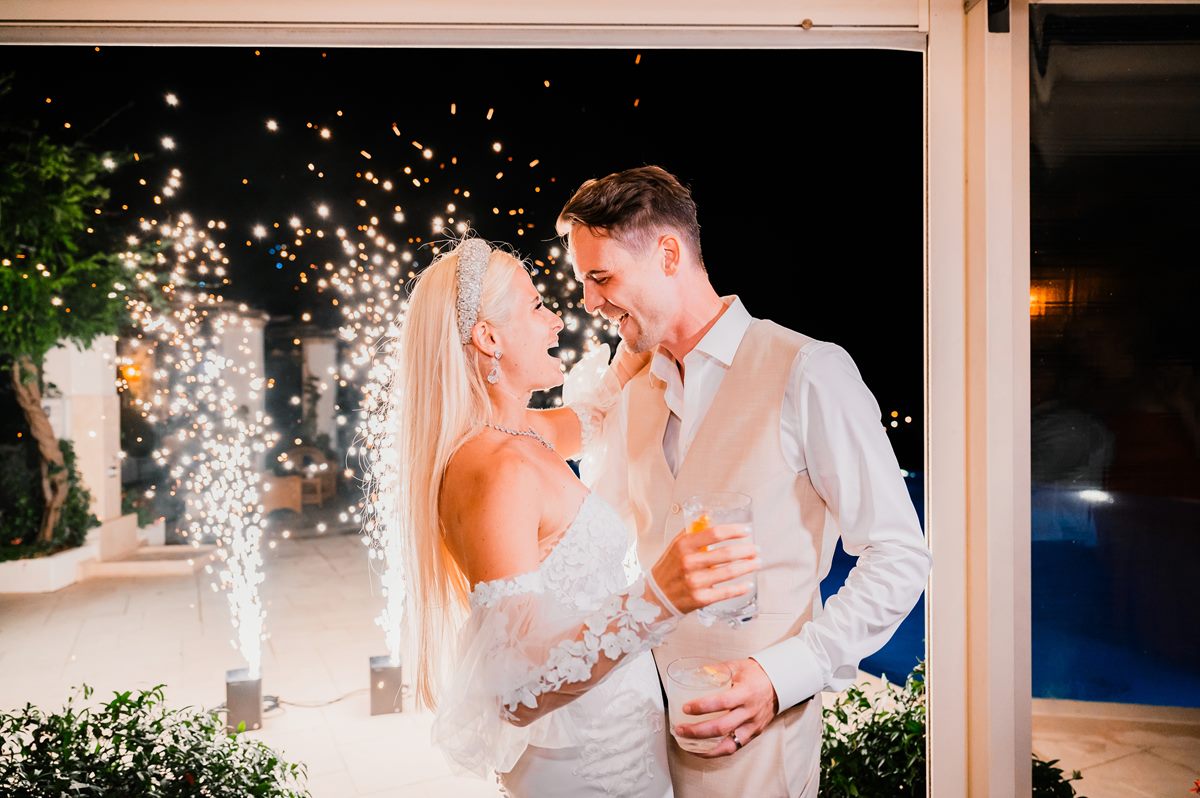
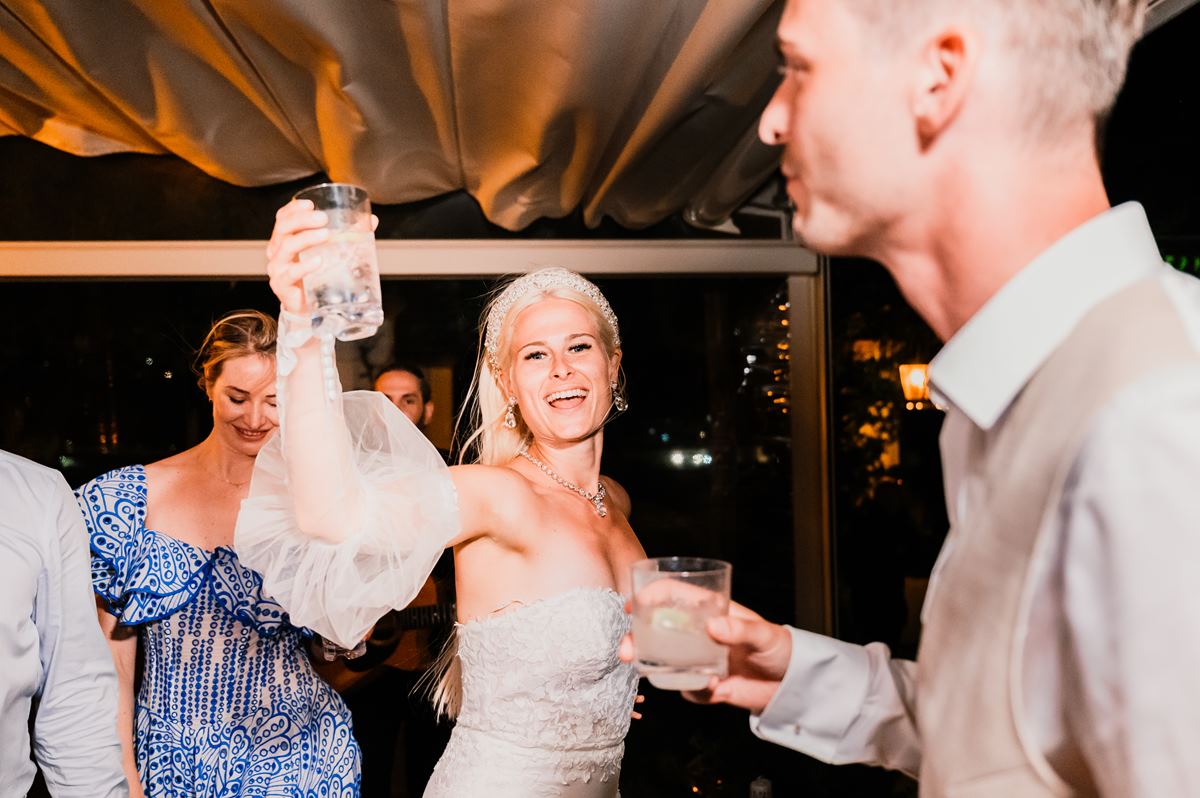




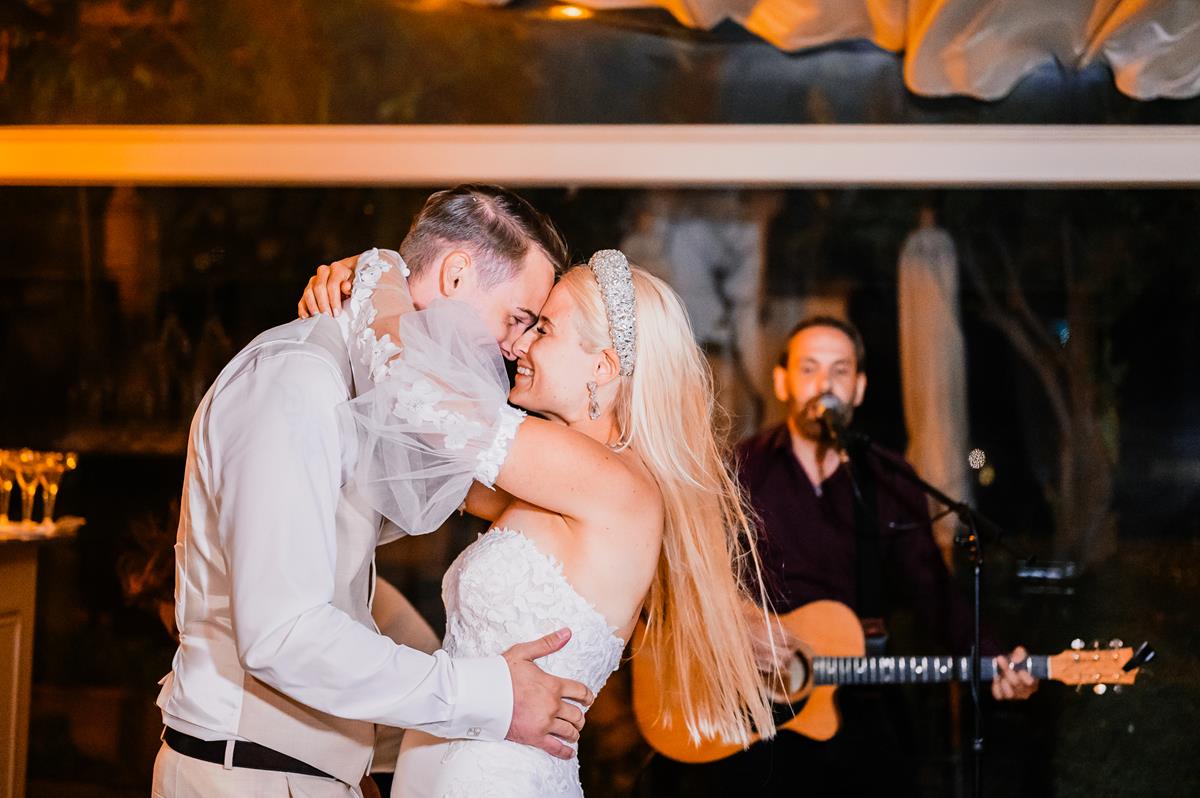
Ravello’s Culinary Wonders: From Cocktails to Wedding Cakes
Imbibe on the nectar of Ravello’s mixology and savor the sweet alchemy of wedding cakes that encapsulate the spirit of celebration—every sip and bite a festivity in itself. Our mixologists are masters of their craft, and they take great pride in creating cocktails that are as beautiful to look at as they are delicious to drink.
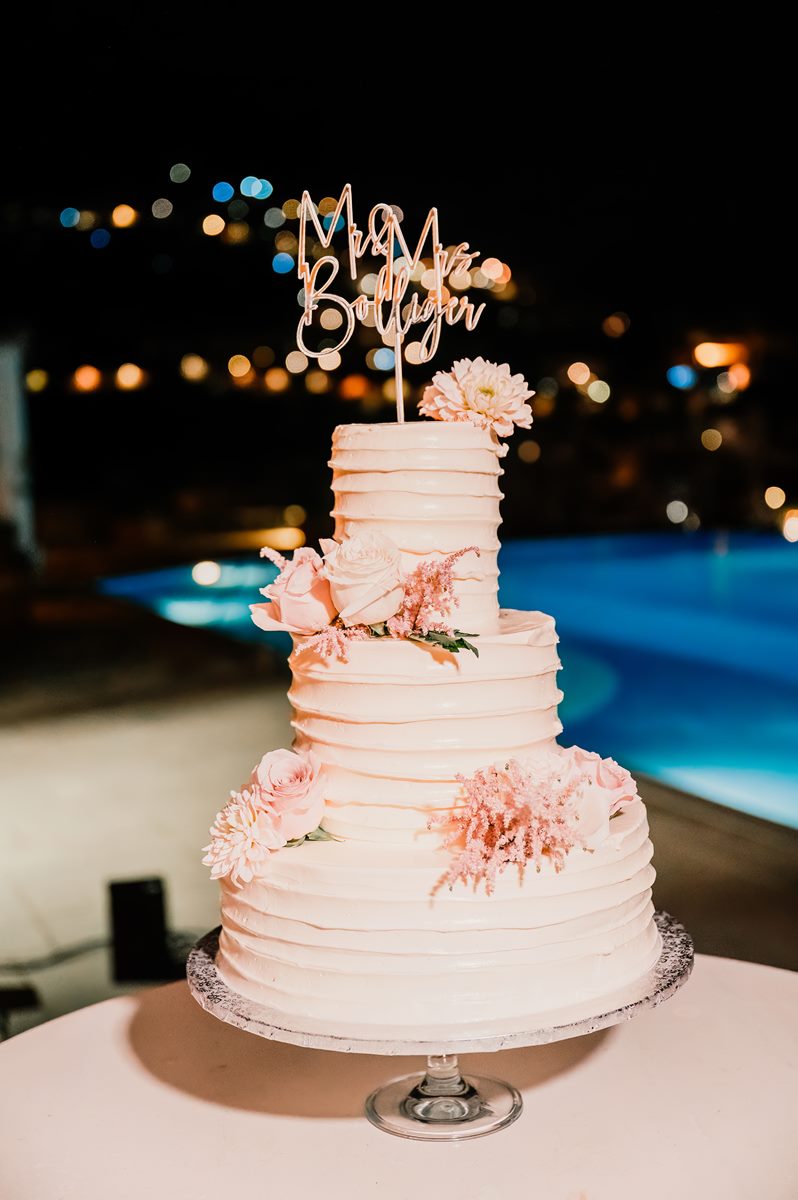

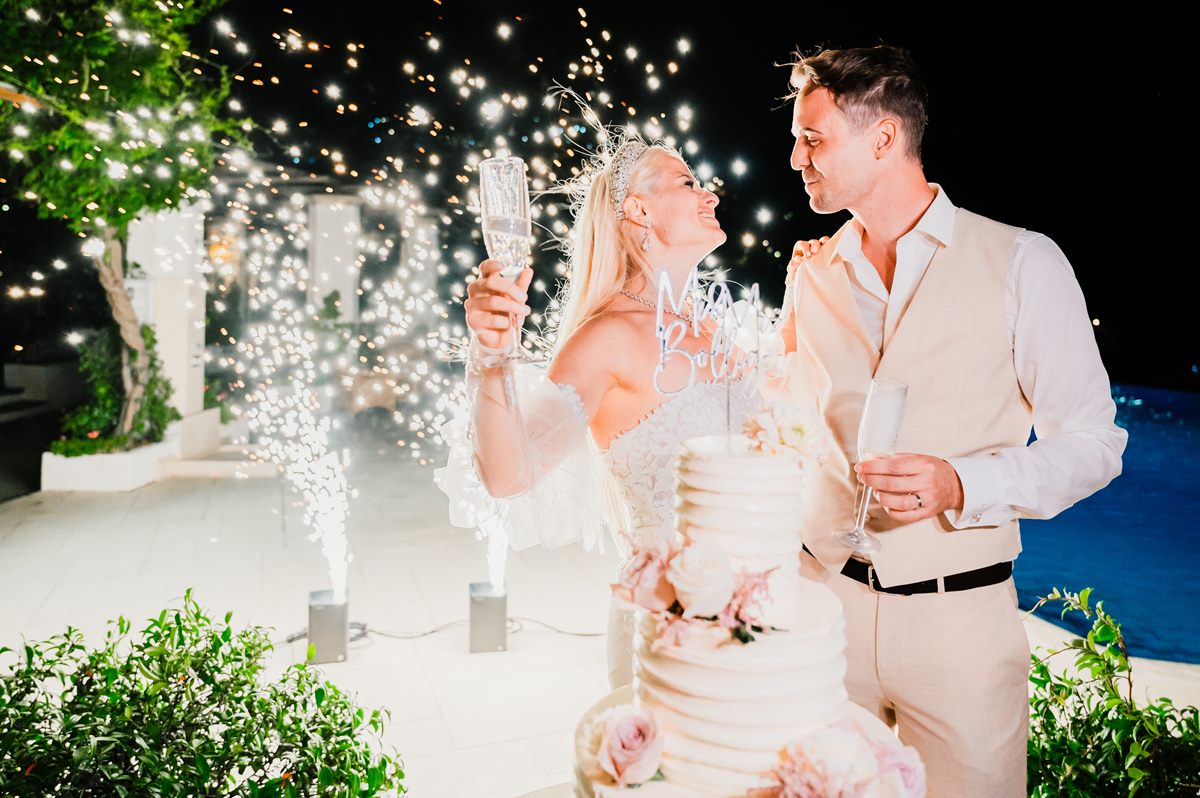
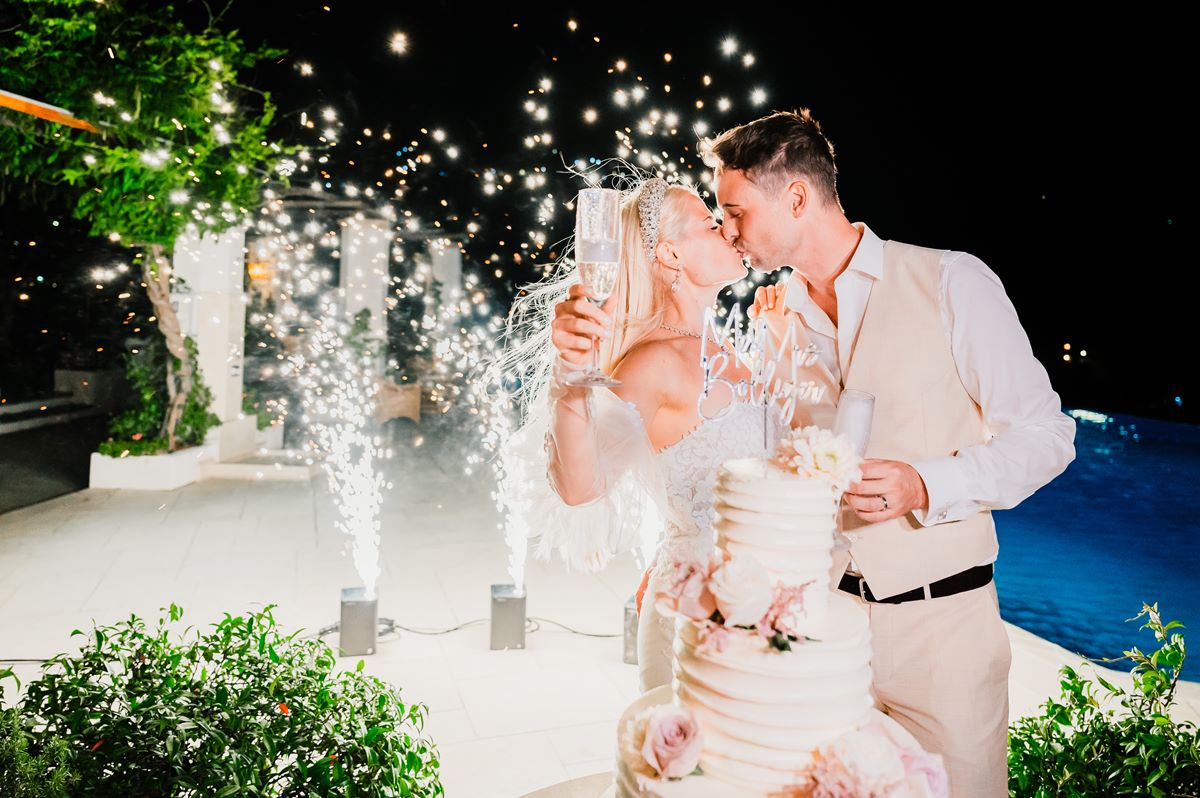
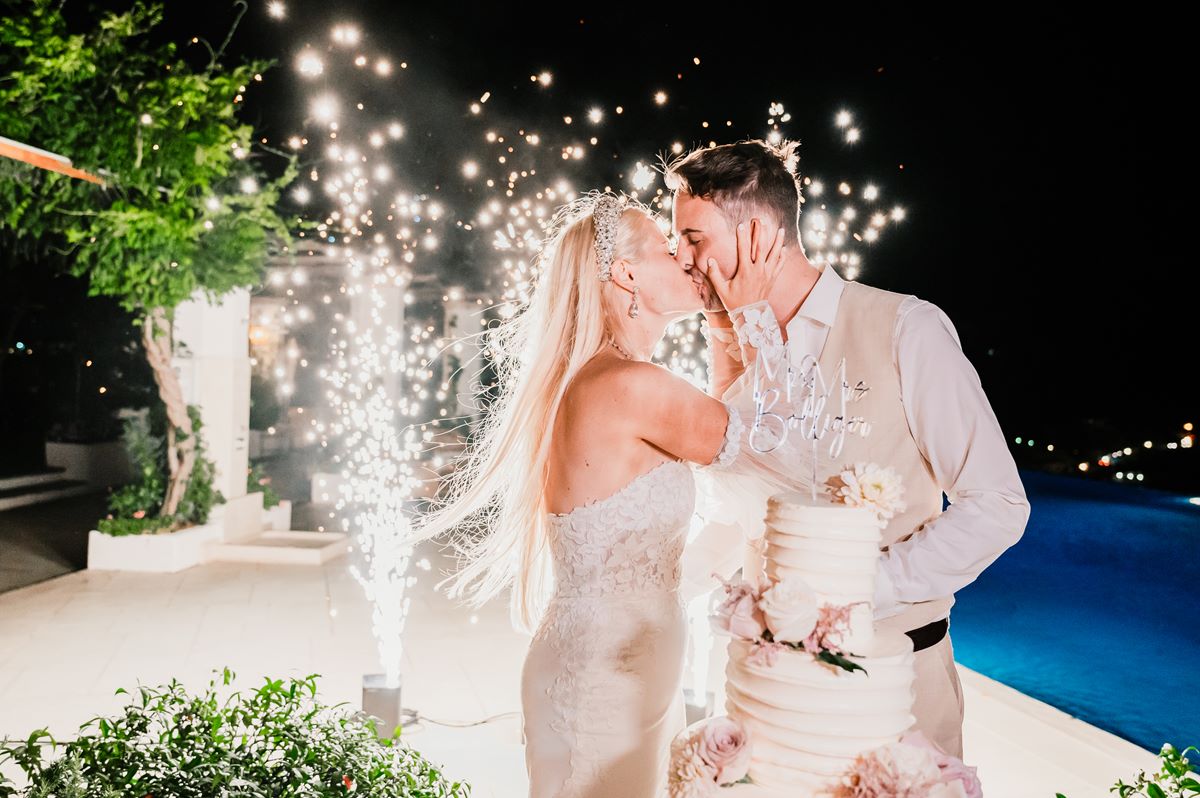
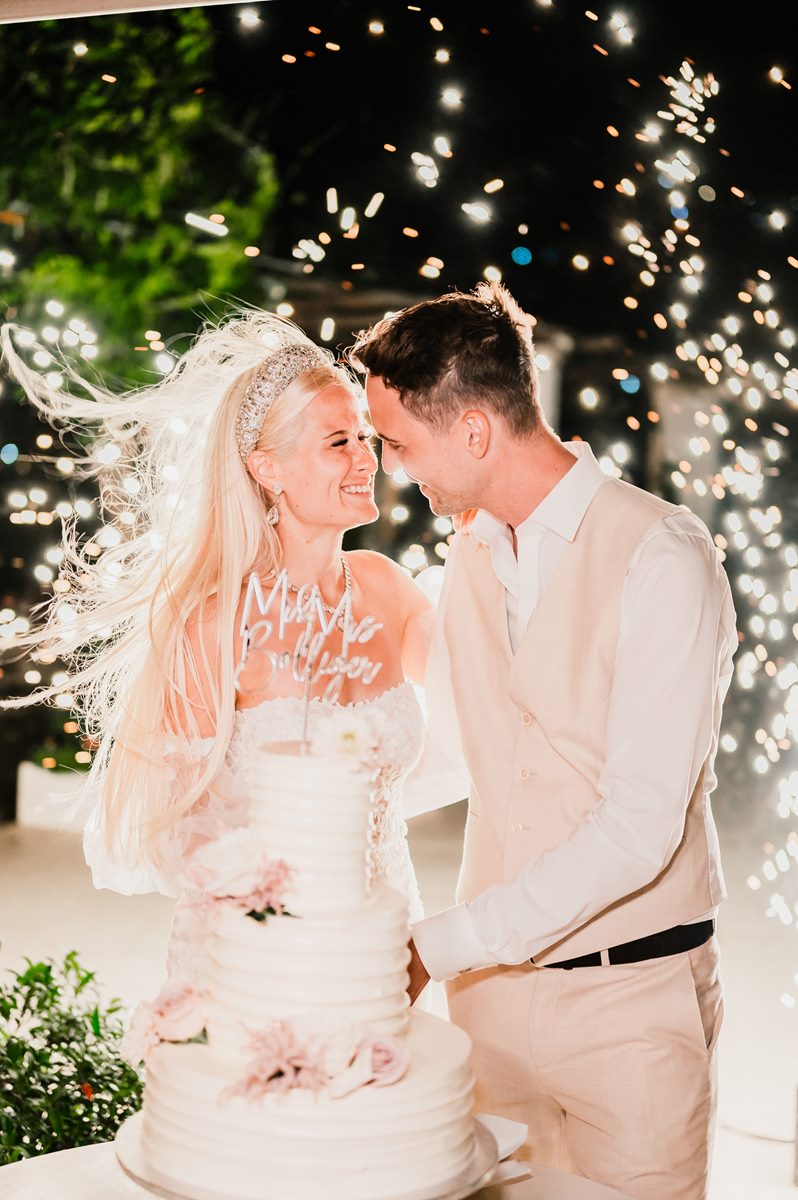
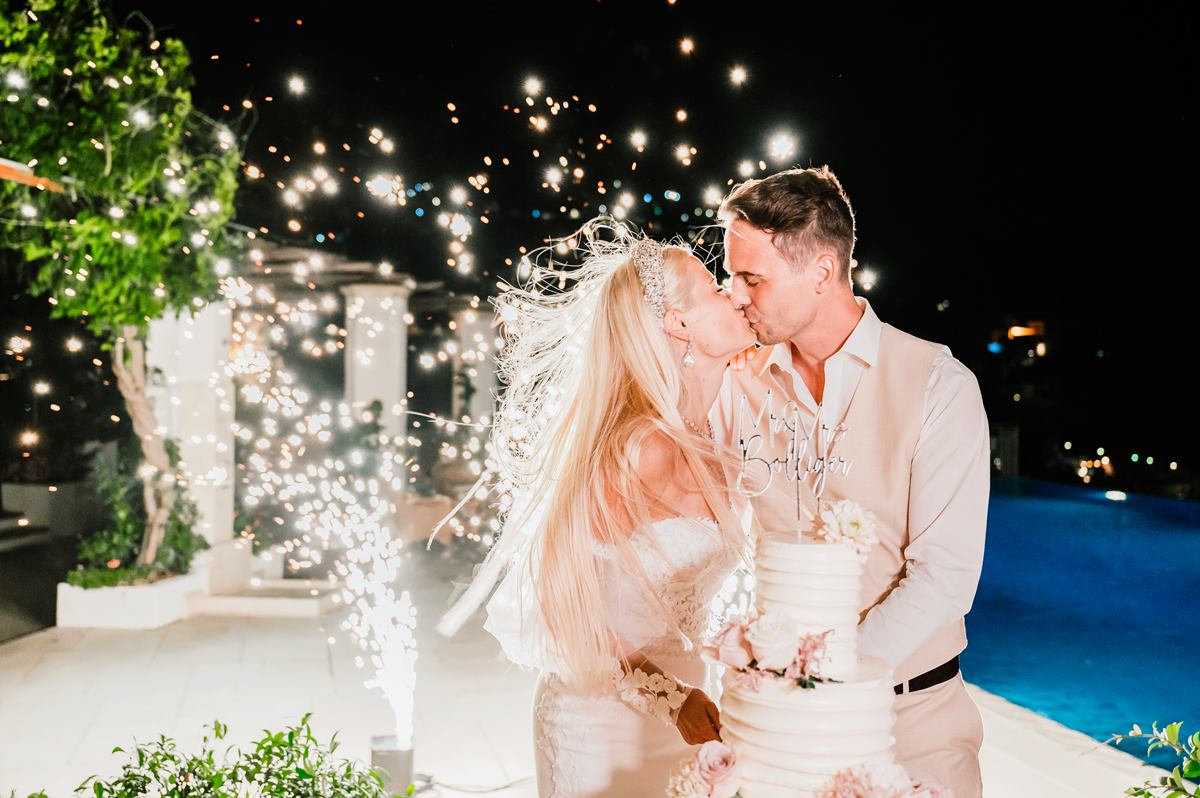
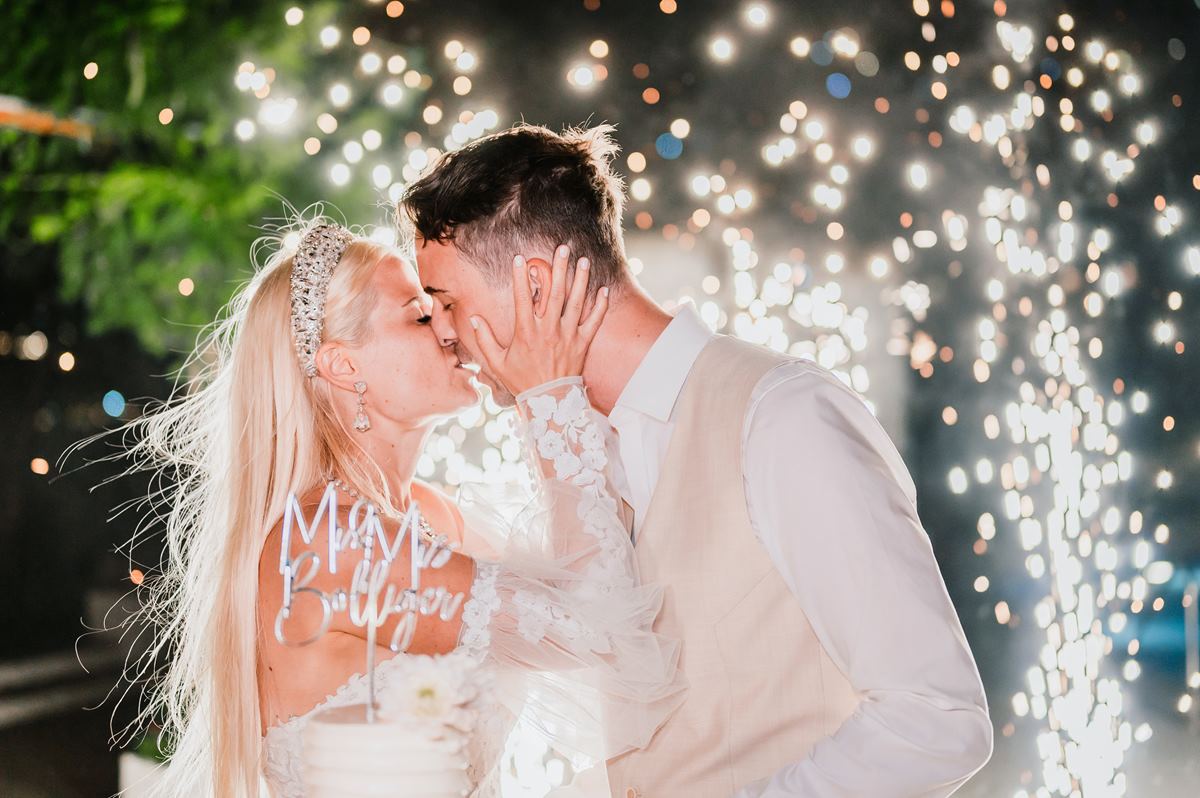
From the first sip to the last, every cocktail will be a work of art that reflects your personality and style. We offer a variety of menus for you to choose from, including traditional Italian fare and modern fusion cuisine.