The Beauty of Wedding Venues over your Budget. How much does a wedding in Tuscany cost?
Check out our complete guide on wedding costs in Tuscany. Learn about venue prices, catering, photography, and more. This information will help you plan your perfect Italian celebration!


Tuscany is a region in central Italy. It features rolling hills and vineyards, making it a beautiful place for a romantic wedding.
If you’re considering getting married in Tuscany, here are some things to consider:
The cost of a wedding varies based on the location you choose. Several factors influence your big day’s cost. These factors include the location and type of venue, such as outdoor versus indoor spaces. Generally, Tuscany is more affordable compared to other places. If you are planning a smaller wedding with fewer guests, you will likely spend less on a Tuscany wedding than at other venues in Italy. However, if you choose a castle or a luxury villa, the price will be higher.
It is a good idea to hire wedding vendors individually instead of using one vendor for everything. This approach can help you save money. Avoid relying solely on the venue’s preferred vendors. They might have a financial interest in promoting specific vendors. While it may take more time, it’s important to do your research to find the best vendors for your wedding.
The season affects the price: The choice of wedding venue, date, and other factors can significantly impact how a wedding in Italy cost. For example, if you choose to get married in Italy during peak season in a popular location like Tuscany, you can expect to pay more due to the high demand. Venues and vendors may charge higher prices during peak season as they know they can command a premium.
Let’s list the factors that determine how much a wedding in Tuscany cost
Costs of a Destination Wedding in Tuscany: Villas and Wedding Venues Budget
The average cost of a venue rental in Tuscany can vary € 5.000 to € 90.000. This includes the space only. Tables, chairs, and food can have an additional price and make a massive difference in your preferences.
Similarly, the size of your guest list can also affect the price of your wedding. A more extensive guest list means more food, drinks, and seating arrangements, which can quickly add up. The type of food and drinks you choose can also impact the price. For example, a sit-down dinner with multiple courses will be more expensive than a buffet-style meal.
Choosing a more remote or less popular location can save you money, as prices are typically lower. Additionally, having your wedding on a weekday or during the off-season can lower costs.
Venue Options for Your Destination Wedding in Italy
The venue is the essential part of your wedding budget, and it’s also the most expensive. If you’re looking for a unique and memorable setting that will be talked about for years to come, here are some options:
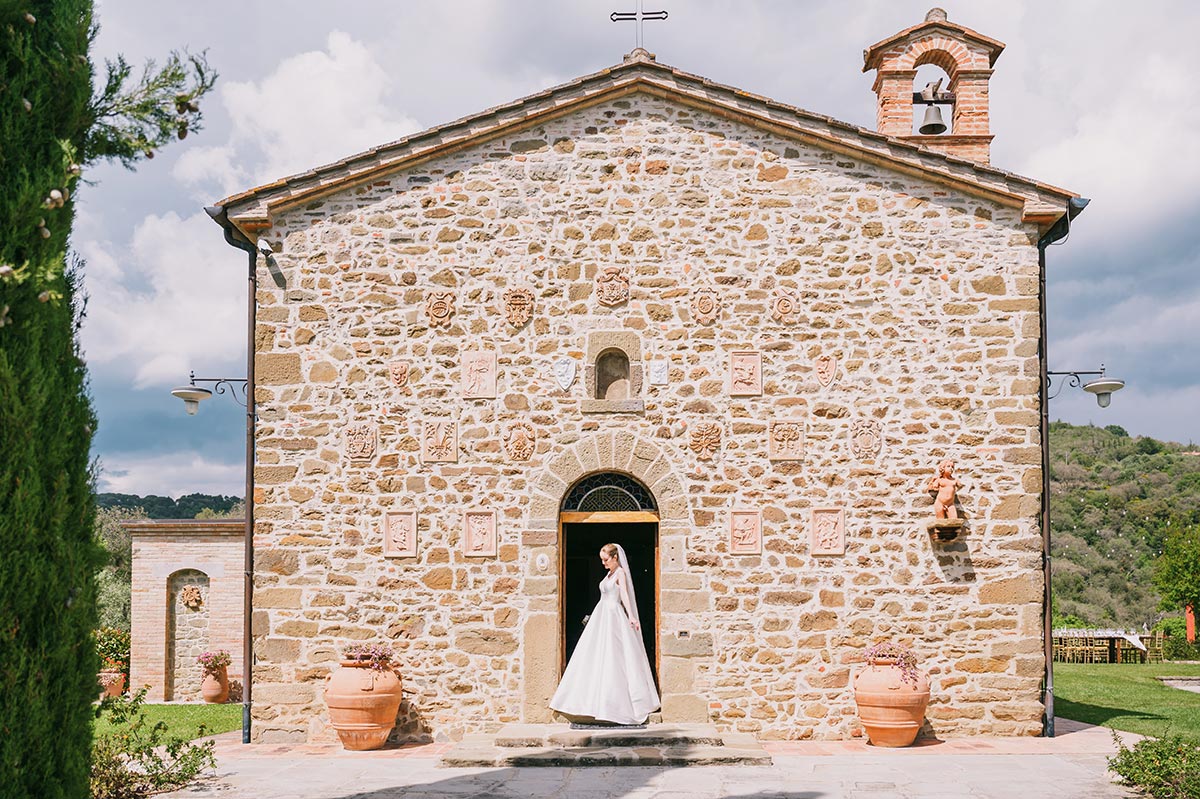
- Castles – Many castles in Tuscany can be rented out for weddings. These venues provide an elegant backdrop for your ceremony and reception and plenty of photo opportunities!
- Villas – A villa is another popular option because they’re often more affordable than castles but still offer an elegant setting with plenty of room for guests (and photographers). They also tend to have beautiful gardens where you can take pictures outside without having them interrupted by passersby or other people taking photos in front of yours!
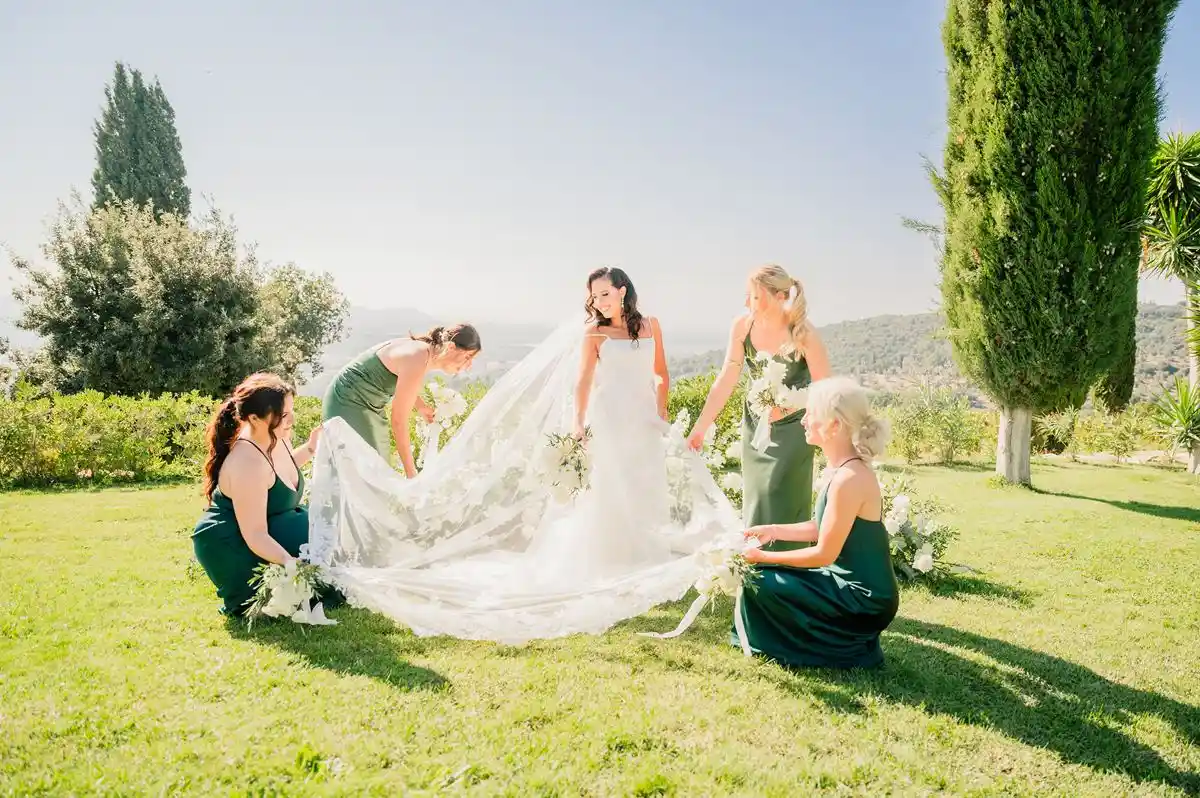
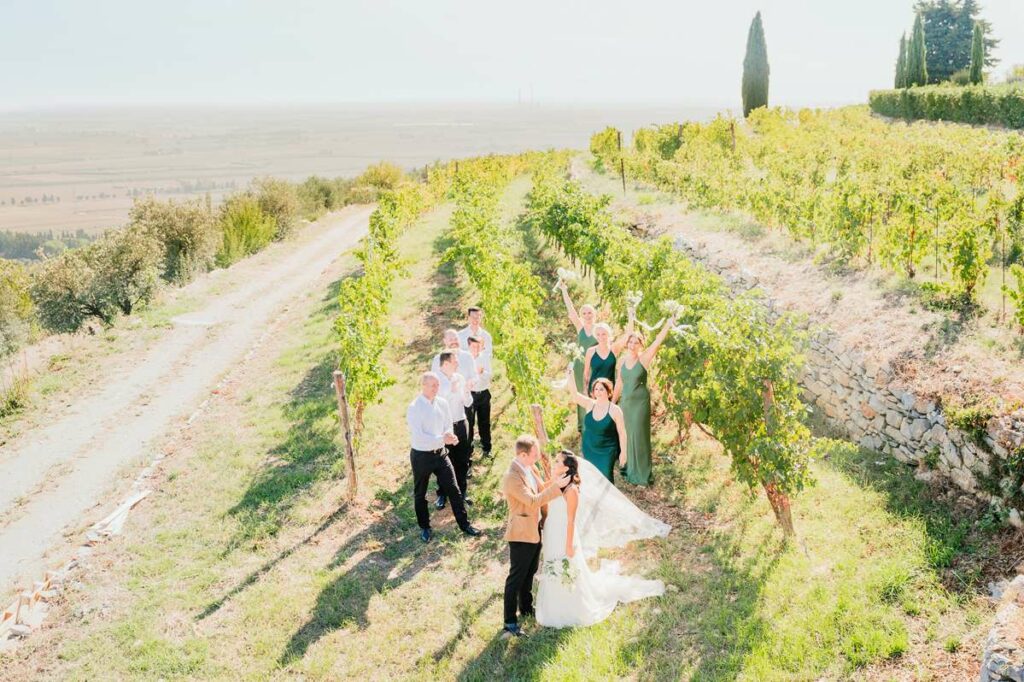
- Vineyards: Most popular and affordable venues for hosting events. Many vineyards also offer a variety of affordable packages, making them accessible to a wider range of budgets and ensuring that more people can enjoy the unique experience that a vineyard setting provides. Furthermore, the availability of onsite catering and the opportunity to sample exquisite wines further contribute to the allure of these venues, making them an excellent choice for those seeking a combination of beauty, elegance, and value.
- Hotel: The most traditional option, hotels are great for those who want to stay in one place and get to know the area. They’re also often cheaper than other accommodation options.
- Bed & Breakfast: Similar to hotels, but with a home-like feel (and sometimes breakfast).
- Airbnb/Other Rental Company: If you don’t mind staying away from Tuscany’s main cities, like Florence and Siena, you can find many rental options throughout Italy. These rentals offer great value for money and maintain a good level of comfort. Make sure the rentals are close to public transport, so you won’t waste your valuable holiday time traveling back and forth to town every day.
Tuscany Wedding Catering: how food at a wedding can change the cost to get married
The price of catering for a wedding in Tuscany can vary greatly depending on various factors. Generally, couples can expect to pay anywhere from 150 to 300 euros per person, depending on their choice.
The menu is one of the most significant factors that can impact the price of catering. Couples can choose from various options, including traditional Tuscan cuisine, international dishes, or a combination. More elaborate menus with a wider variety of courses and higher-end ingredients will typically be more expensive, while more straightforward menus with fewer courses will be more affordable.
Another factor that can impact the price of catering is the type of service. Buffet-style service is typically less expensive than a sit-down meal with table service. Additionally, offering a limited selection of drinks or having a cash bar can save couples money.
The size of the guest list can also impact the price of catering. Larger weddings require more food, drinks, and service staff, which can quickly add up. However, some caterers may offer discounts for more significant events.

The location of the wedding can also impact the price of catering. Venues in more remote areas may charge higher prices due to the difficulty sourcing ingredients and transporting equipment. Additionally, venues requiring a longer setup time or limited kitchen facilities may charge more.
Finally, couples may add services such as late-night snacks, dessert tables, or specialty cocktails, which can also impact the final price of catering.
Hire a Tuscany wedding Planner to keep under control the average cost of a wedding
Getting married in Tuscany can be a magical experience, but planning a wedding in a foreign country can also be stressful and overwhelming. That’s why it’s essential to consider hiring a wedding planner in Tuscany to help make the process smoother and more enjoyable.
A good wedding planner should have several key traits. First, they must be highly organized. They also need to pay attention to detail. Planning a wedding involves many tasks. A planner must find the right venue and coordinate with vendors. A skilled wedding planner keeps everything on track.
Additionally, a wedding planner in Tuscany should have strong relationships with local vendors and venues. They should be able to provide insight into the best options for your budget and preferences and be able to negotiate contracts on your behalf.
Another essential characteristic of a good wedding planner in Tuscany is excellent communication skills. They should be able to clearly explain the planning process, answer any questions you have, and provide regular updates throughout the planning process./poem
While it can be tempting to rely on your wedding planner to choose vendors for you to save time and money, it’s important to do your research and choose vendors that you feel comfortable with. Your wedding planner may have personal relationships with certain vendors, but that doesn’t necessarily mean they’re the best fit for your wedding.
WEAR POEMS
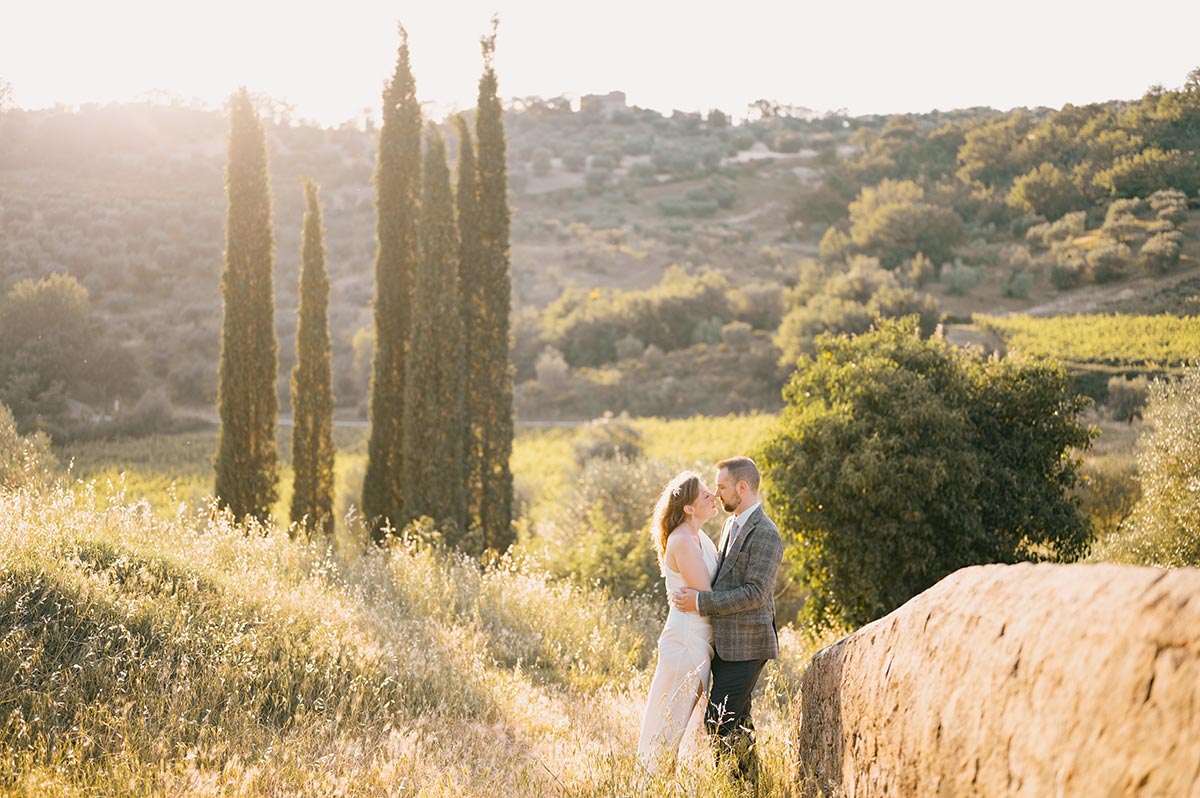
STOP TIME
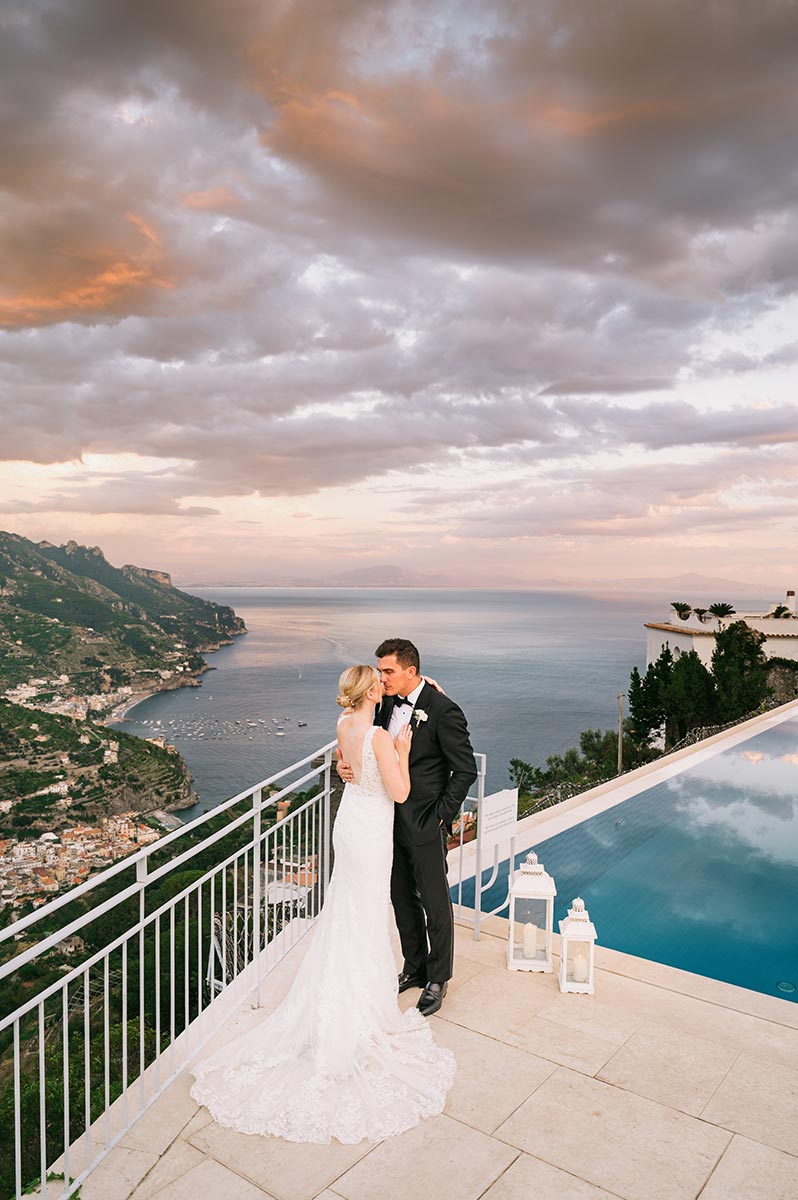
IN YOUR LIFE
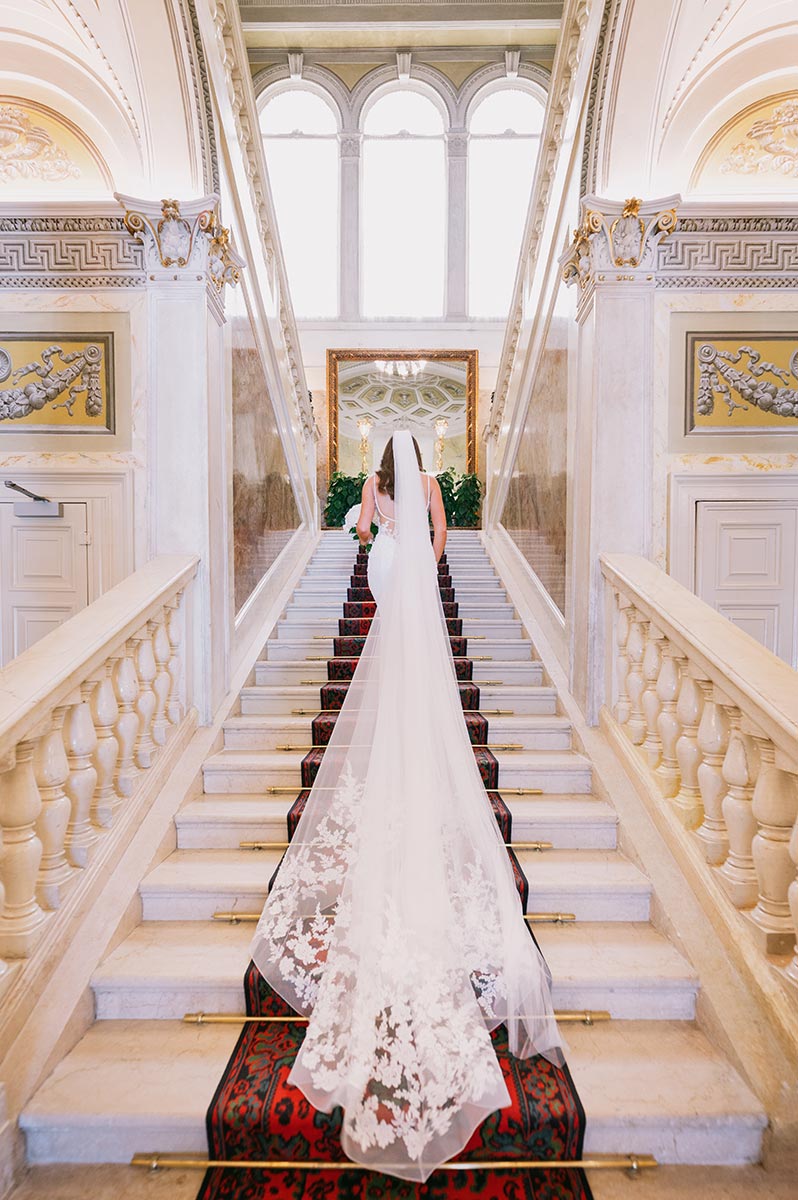
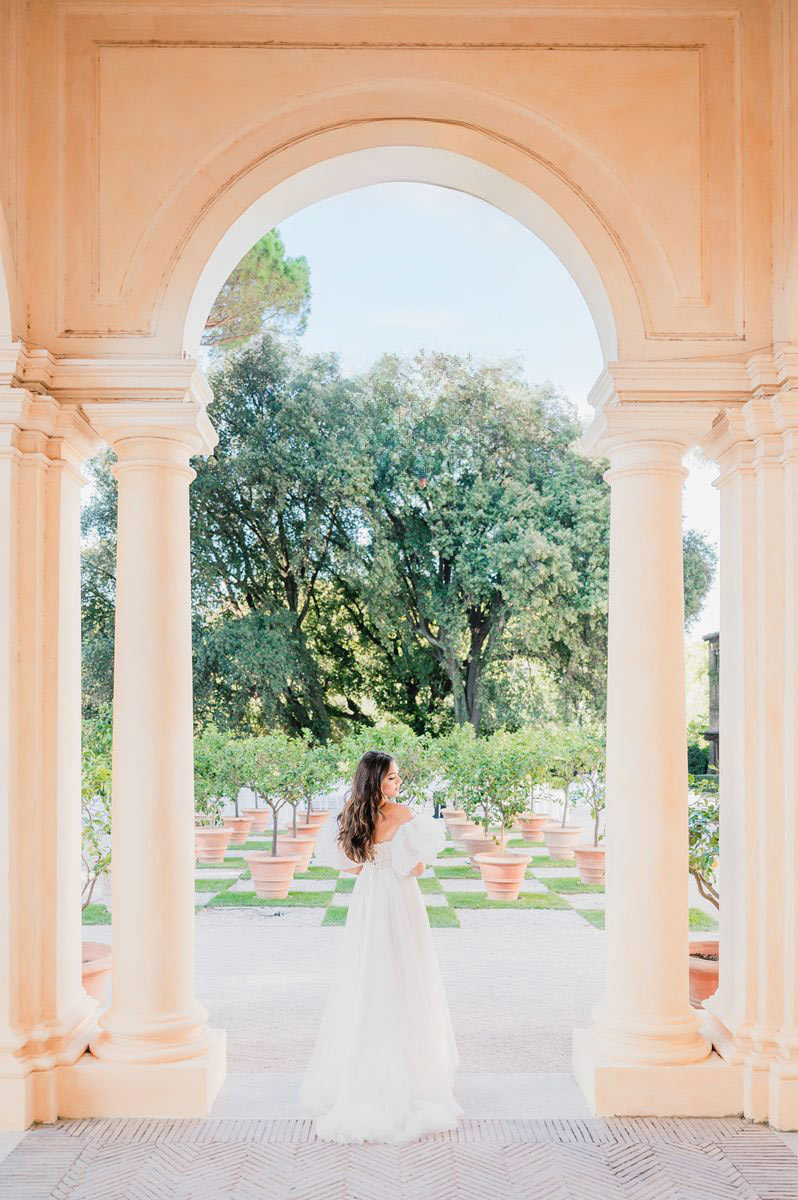
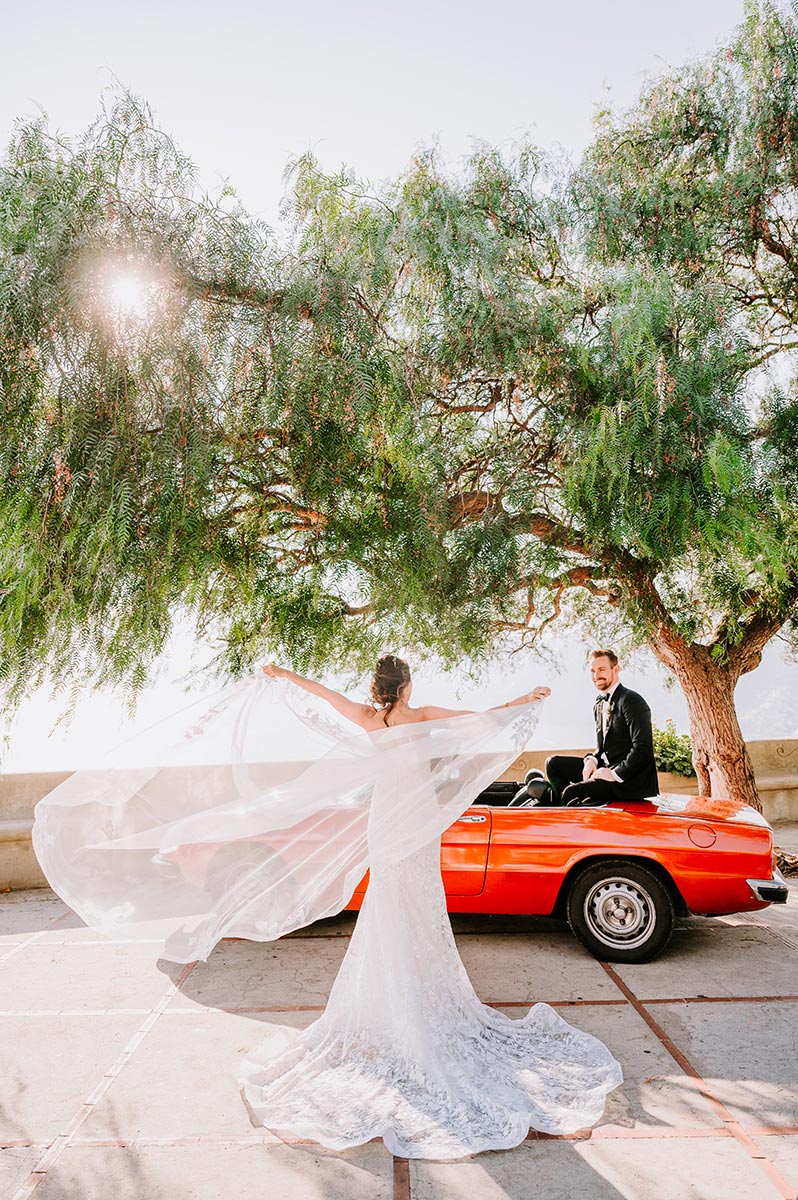
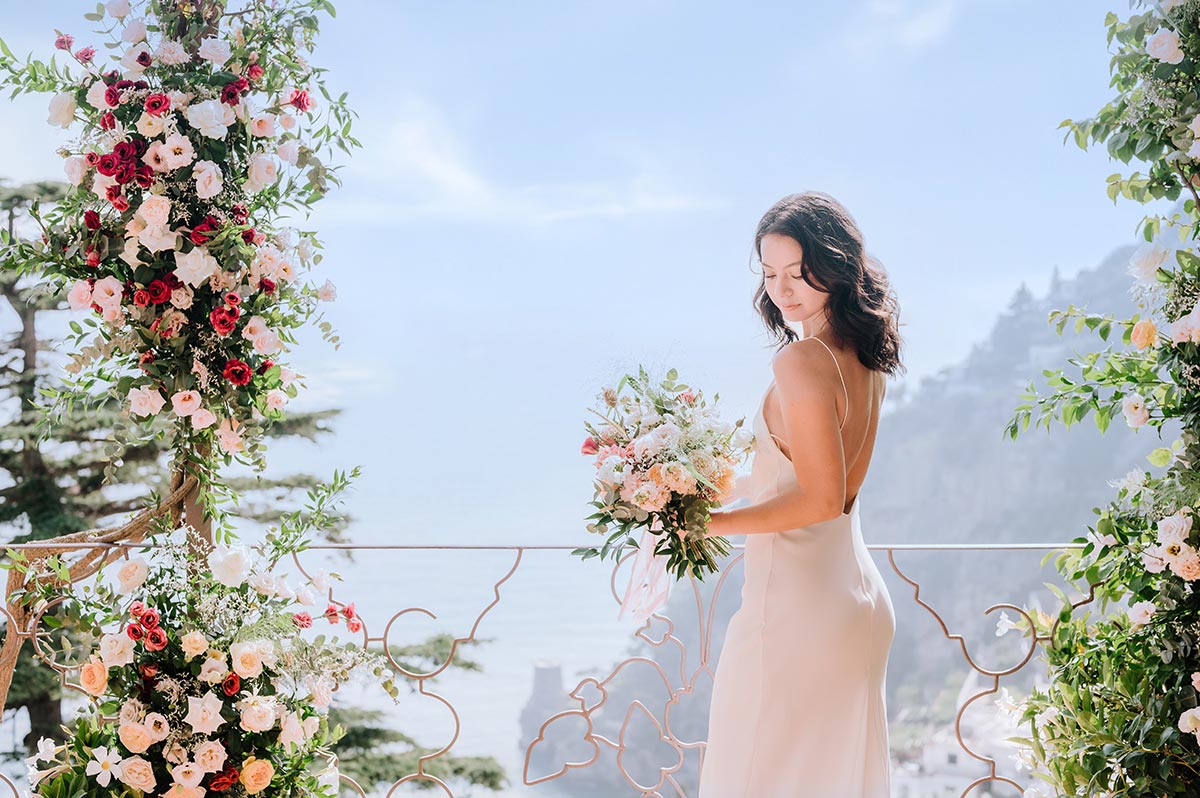
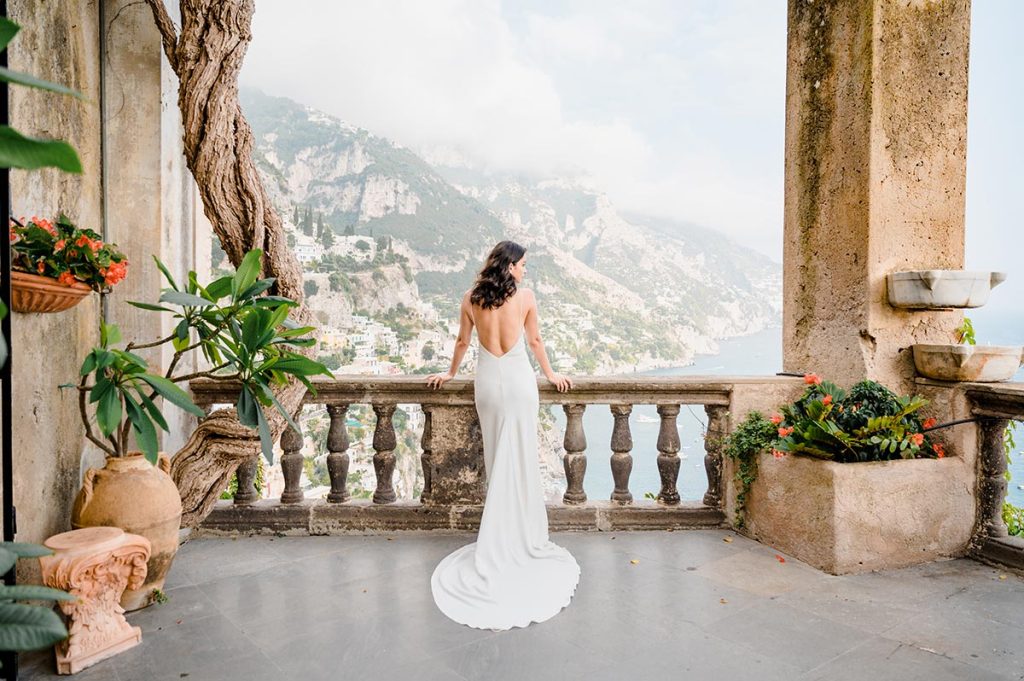
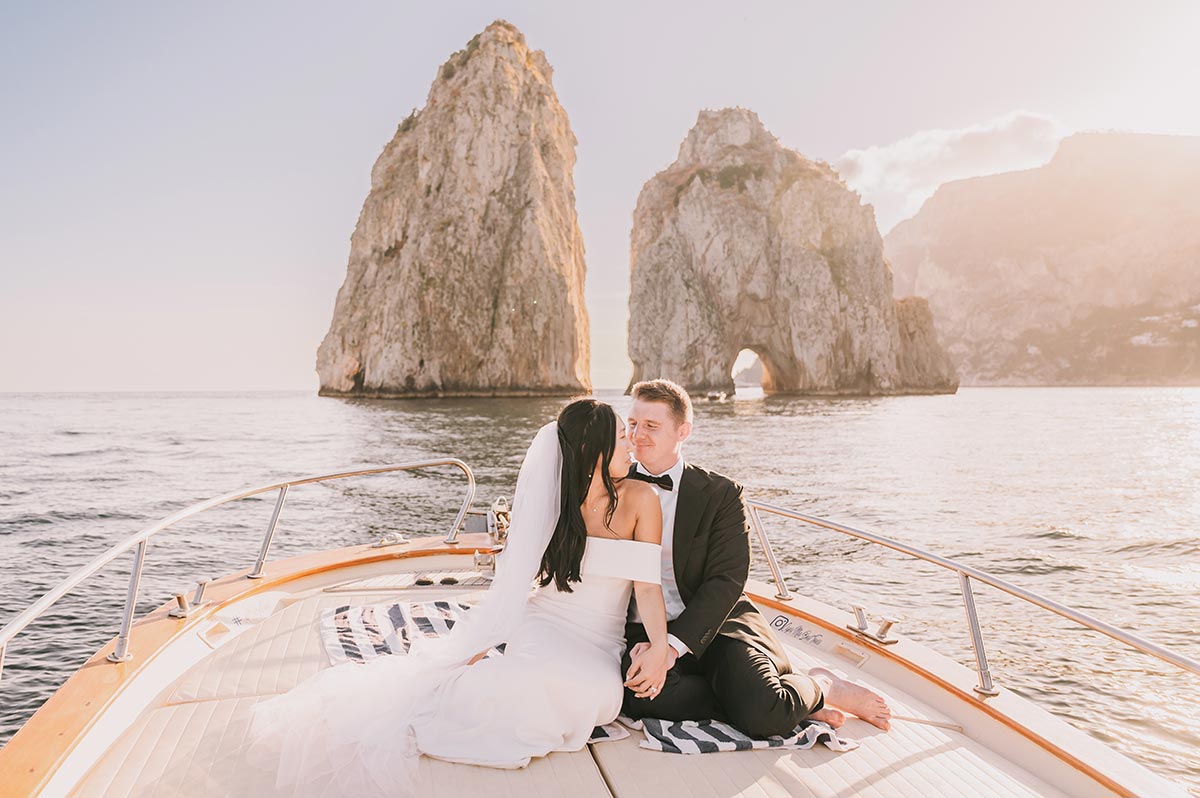
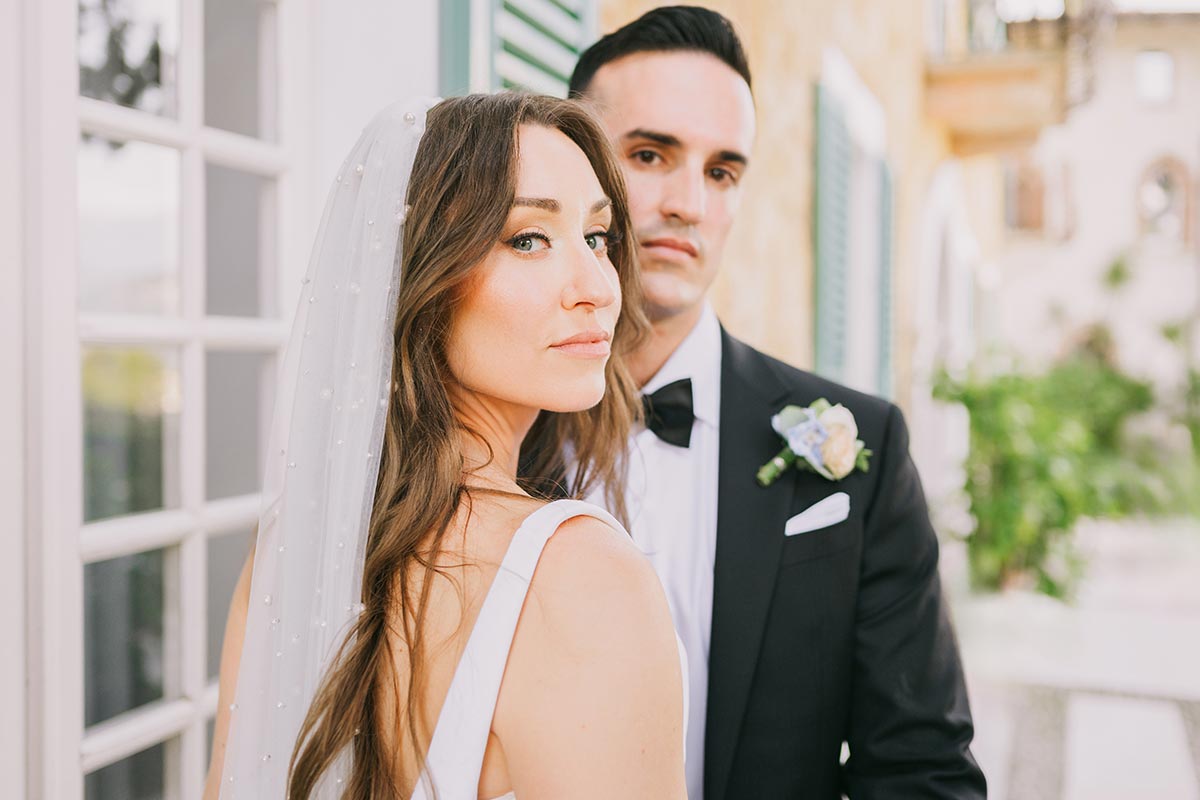
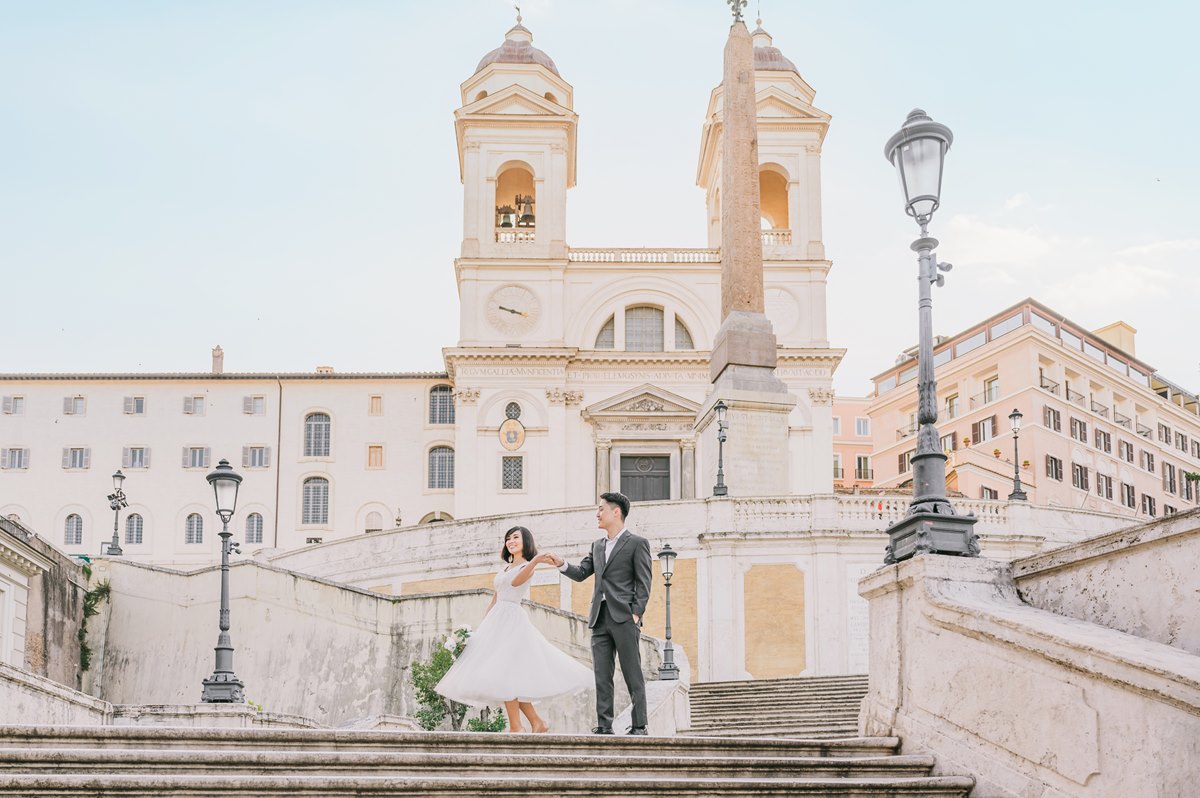
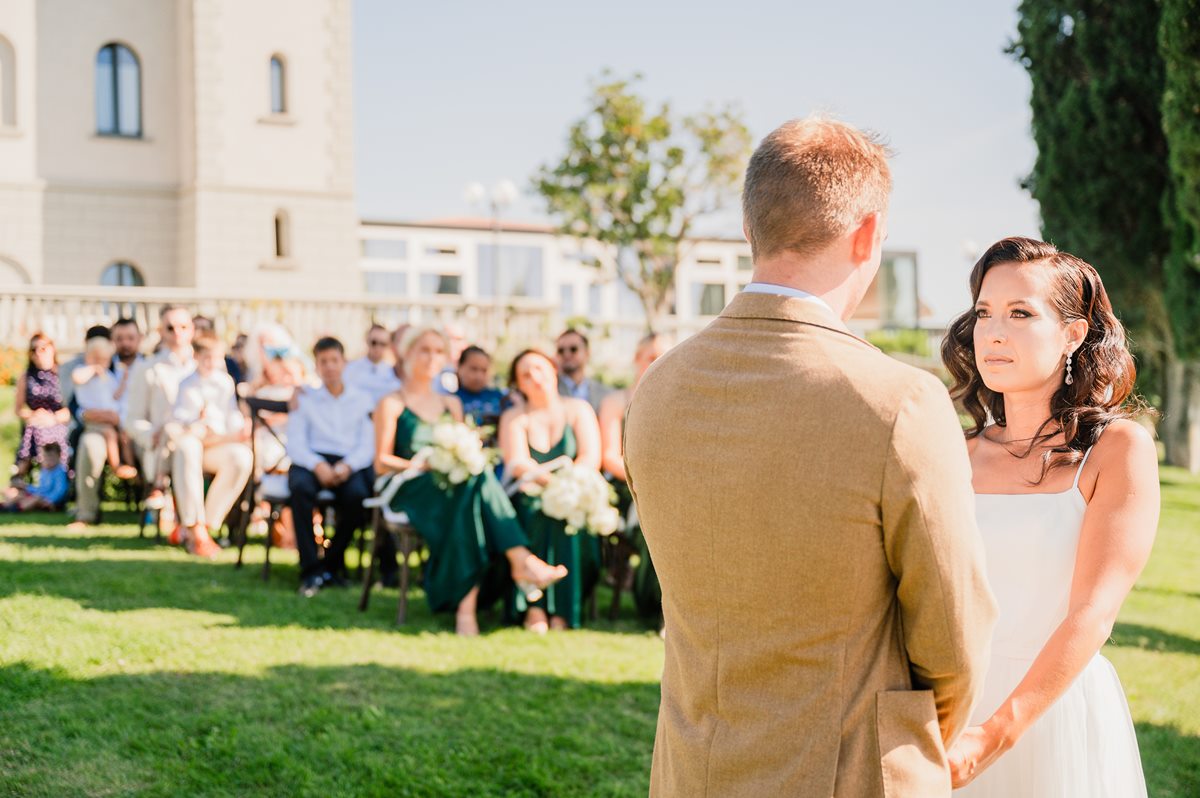
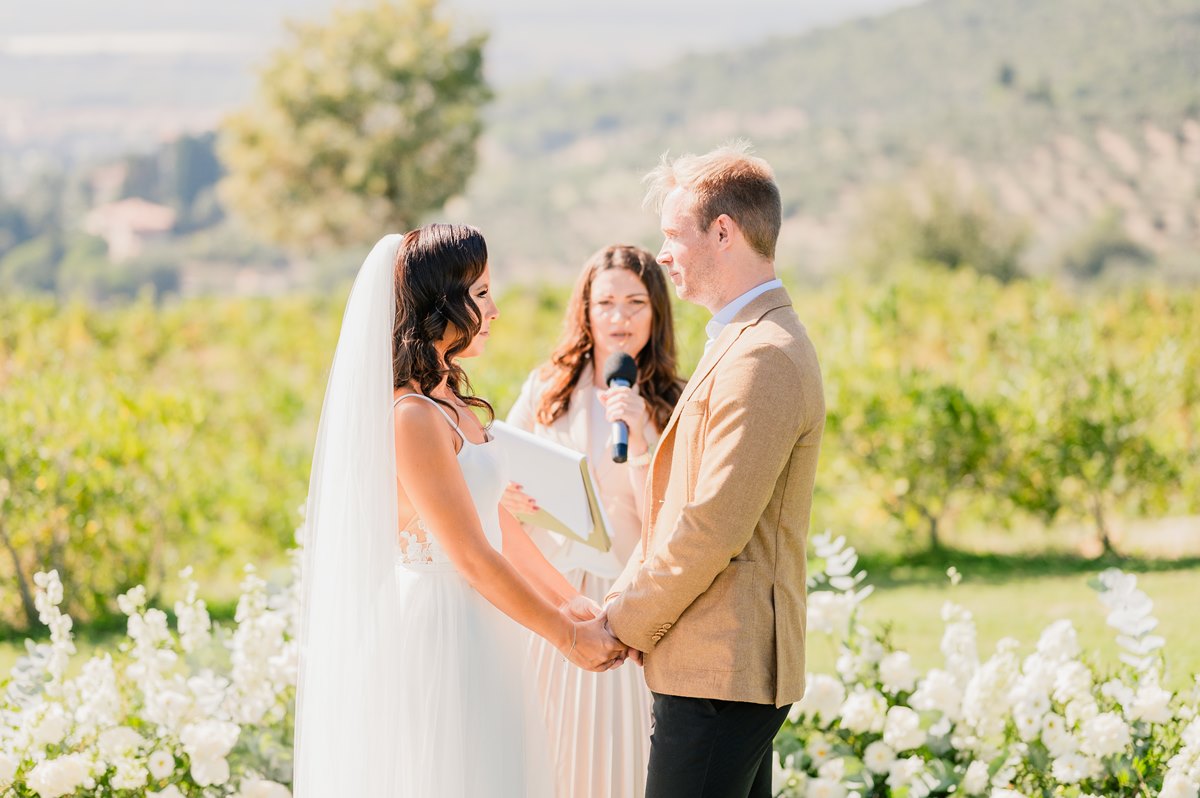
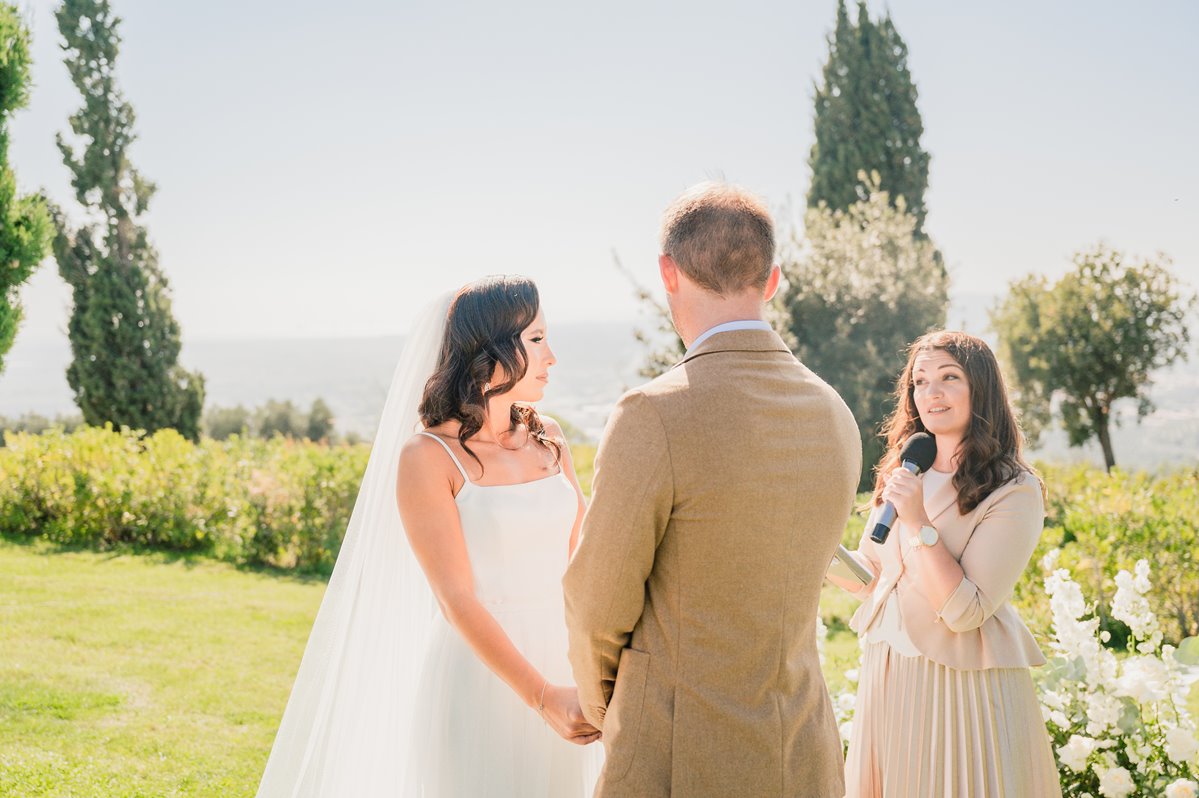
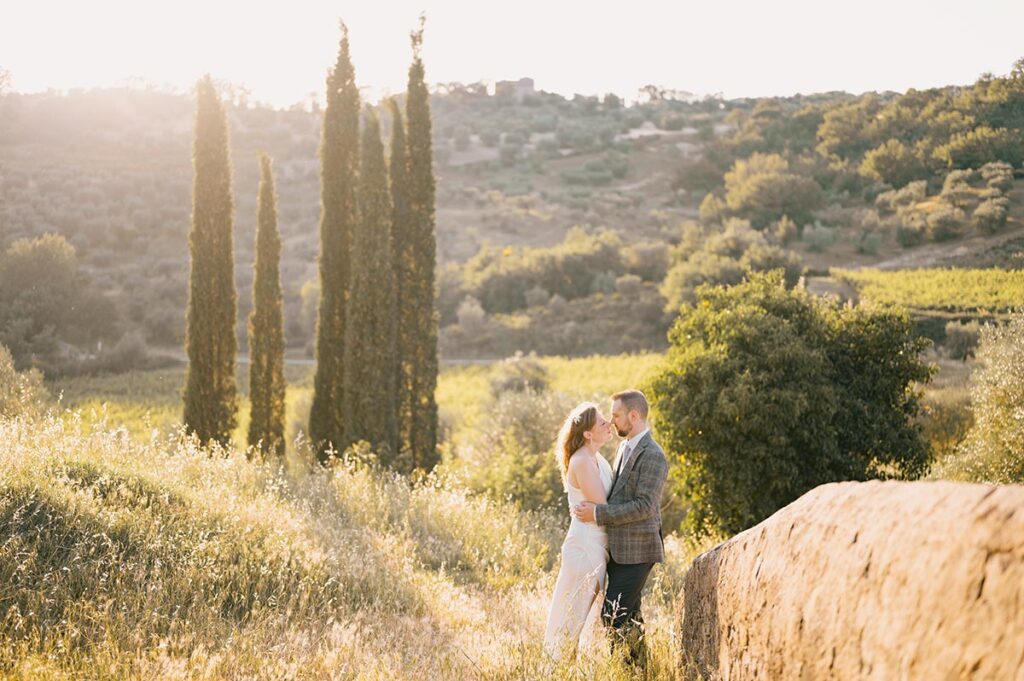
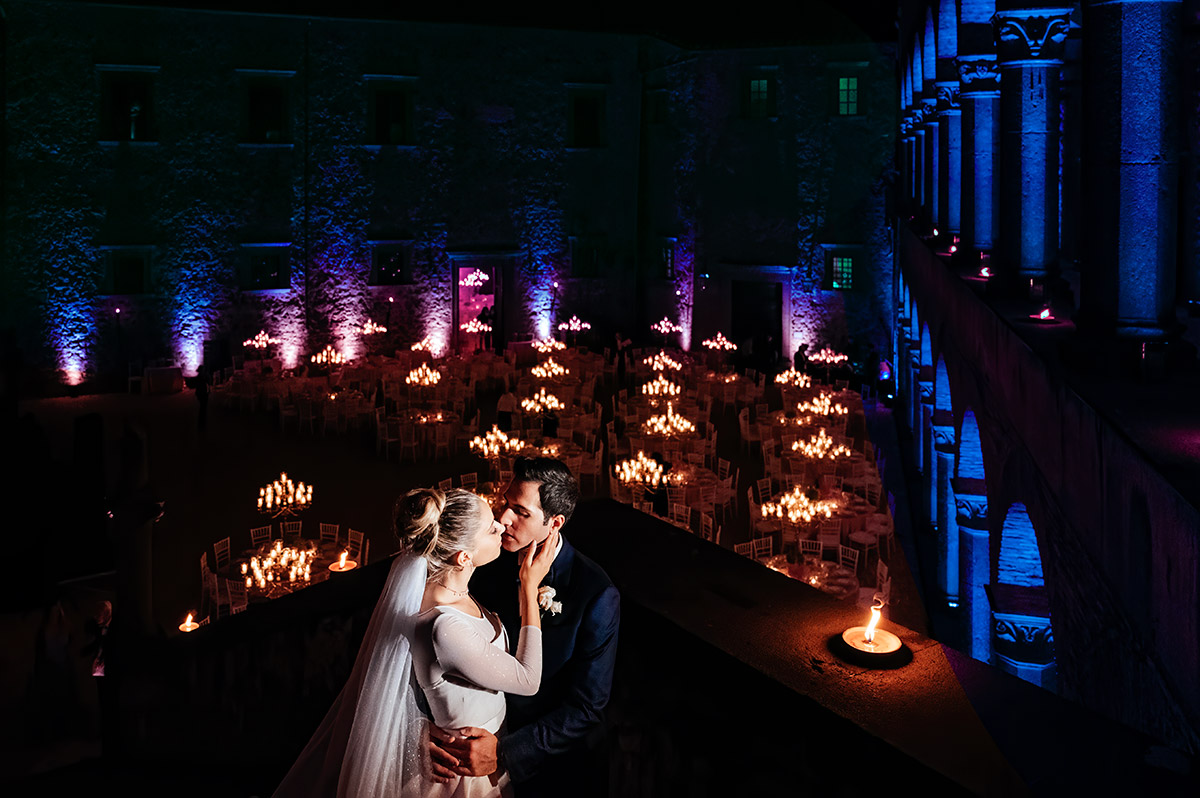
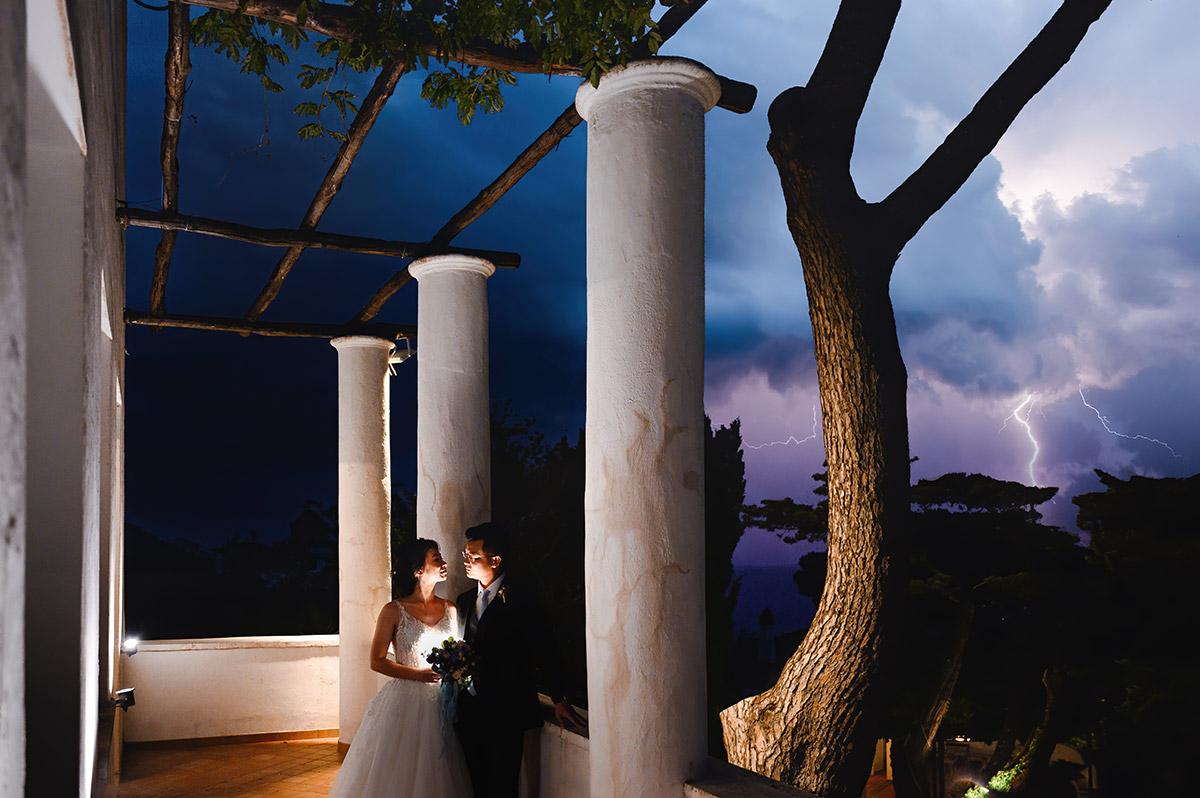
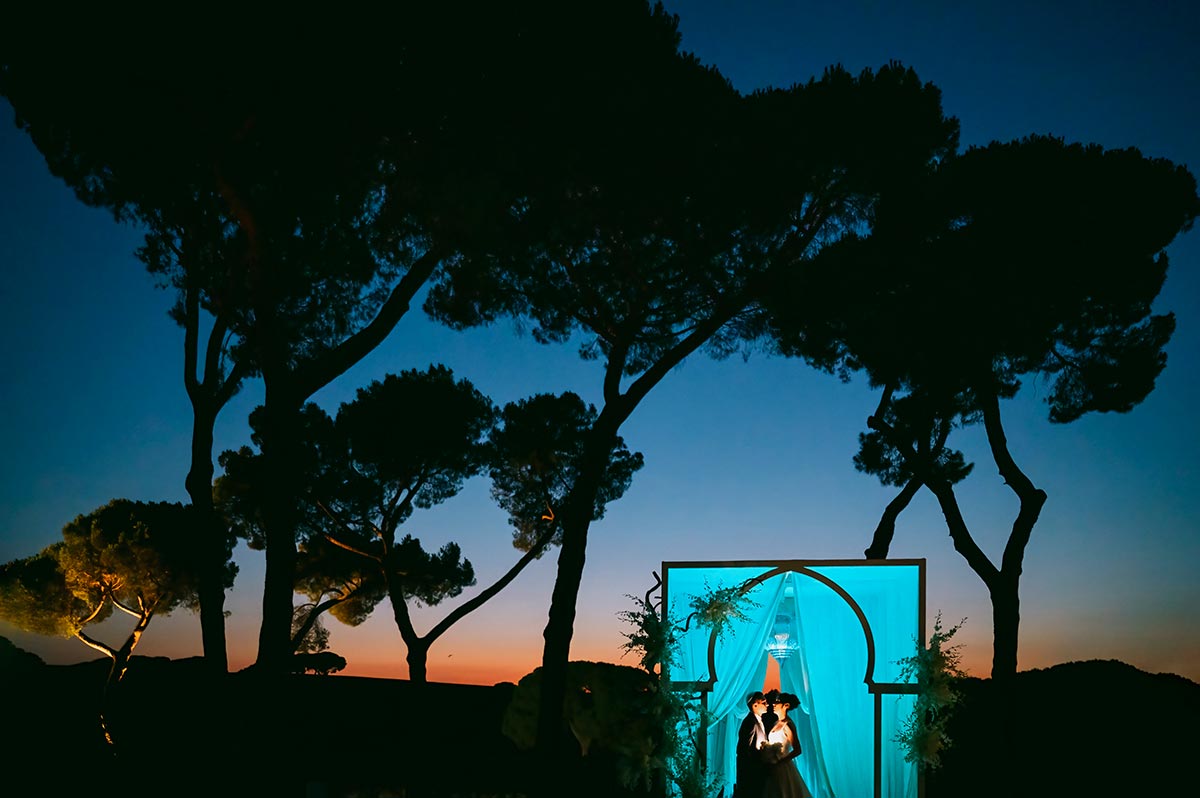
Who dreams of a wedding in Italy should never miss out to be photographed on heritage sites.
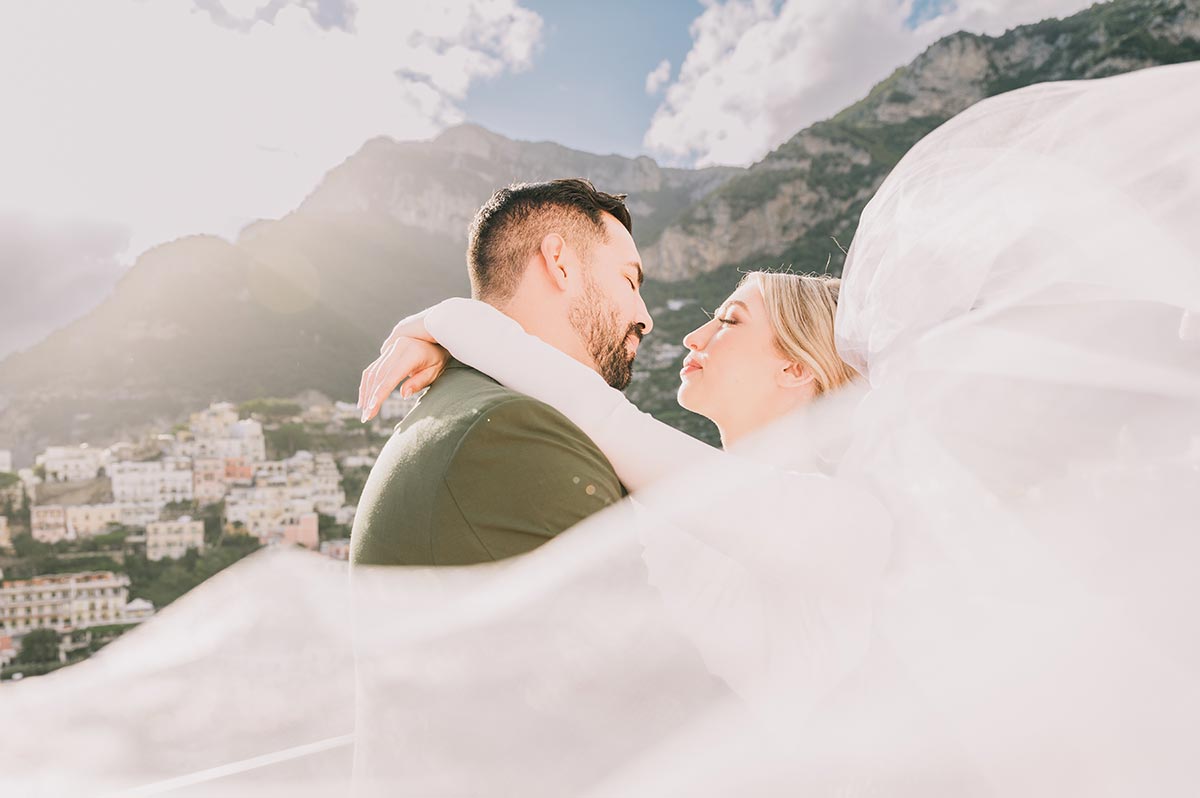
FEEL VIBES
One option is to ask your wedding planner for recommendations and then do your research to compare prices and read reviews. This can help ensure that you’re getting the best value for your money and working with vendors who align with your vision for your wedding.
In summary, hiring a wedding planner in Tuscany can be a wise decision for couples planning a destination wedding. A good wedding planner should be organized, well-connected, and an effective communicator. However, it’s important to research when choosing vendors to ensure you’re getting the best fit for your wedding. By working with a reputable wedding planner and researching, you can create the wedding of your dreams in one of the most beautiful areas of Italy.
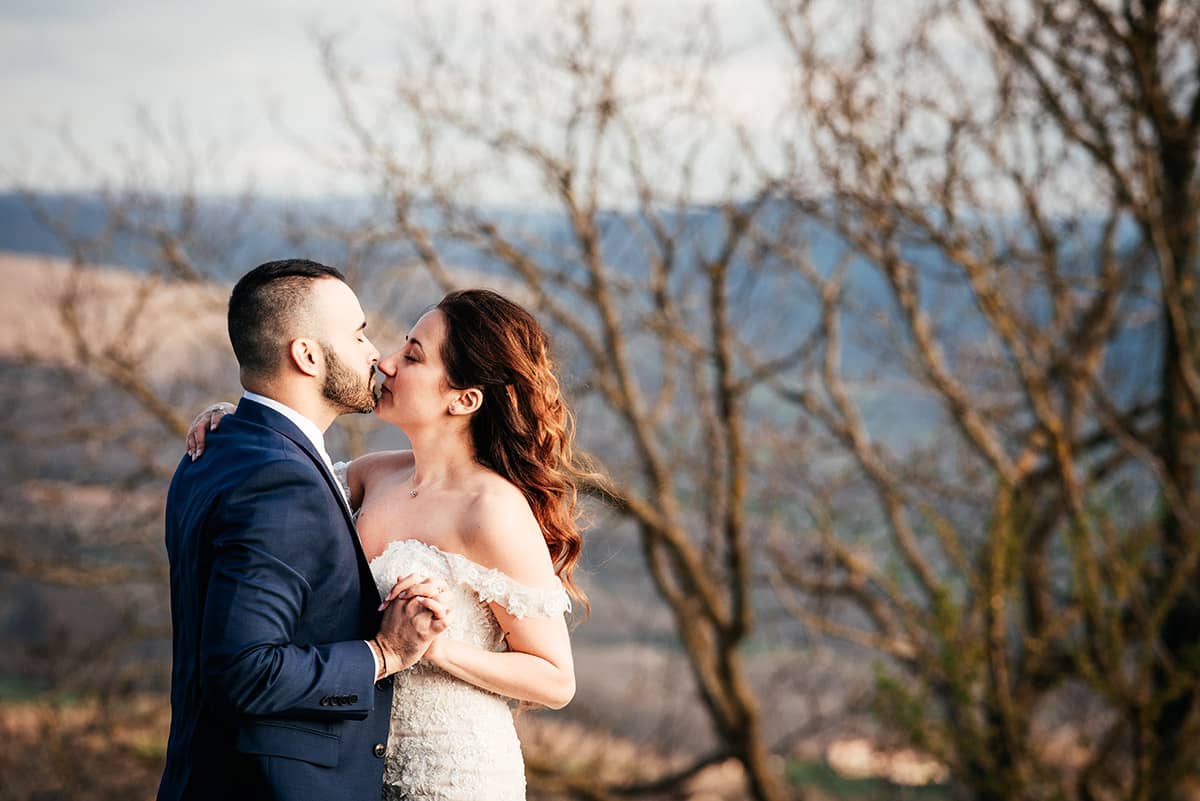
The average cost of a wedding planner in Tuscany can go from 3.000 € to 15.000, based on their experience and the wedding typology they plan.
Flowers and decorations in your Italian wedding ceremony
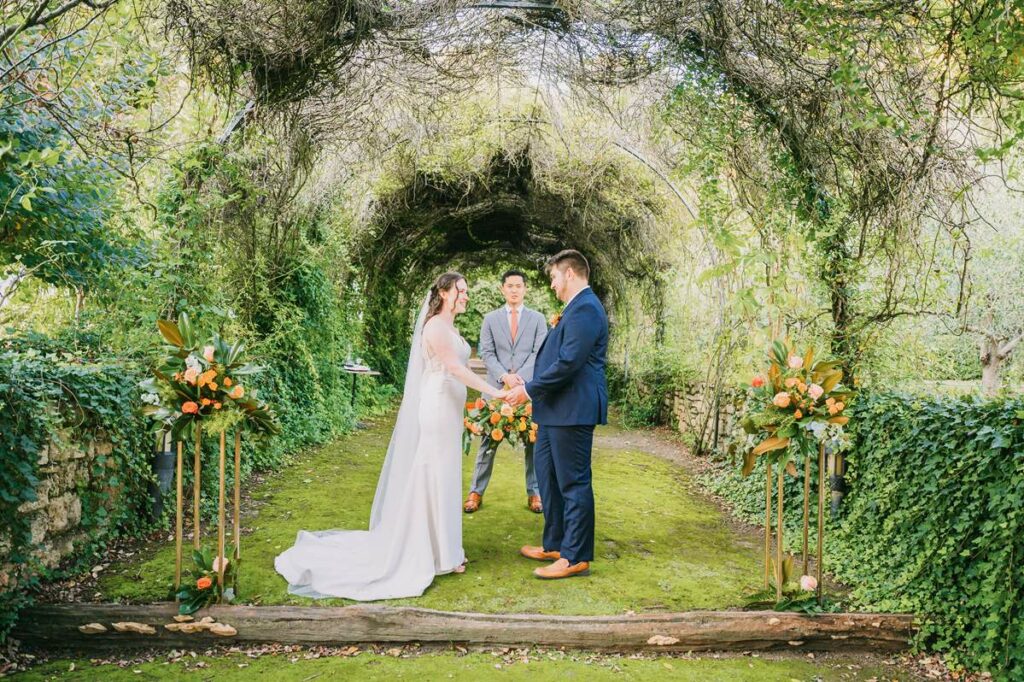
Flowers and decorations play a key role in shaping the atmosphere of your Tuscan wedding. They bring your vision to life and create a lasting impression for both you and your guests.
When planning, consider the mood you want to evoke. Is it the essence of Tuscany that draws you in? Think about the details that make this region special to you. Whether it’s the rustic charm of olive branches, the vivid colors of sunflowers, or the elegance of cypress trees, weave these elements into your décor to make the celebration truly personal.
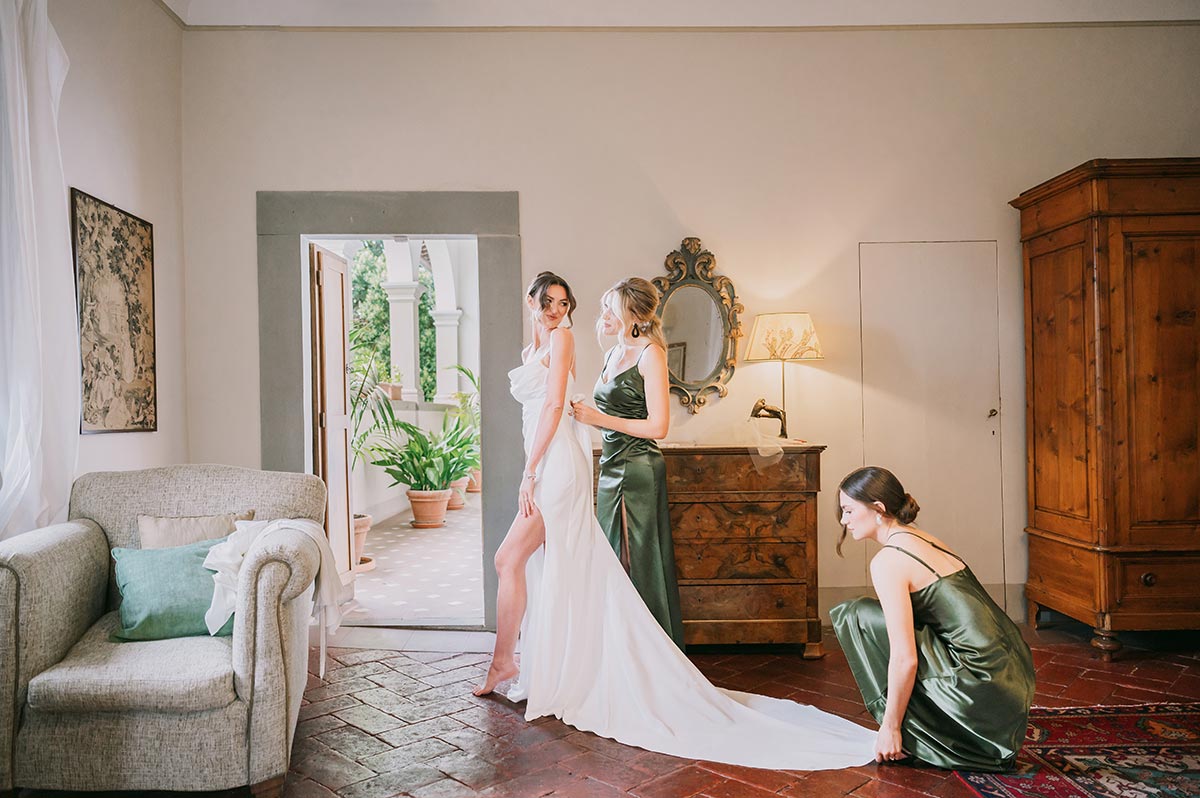
The cost of flowers and decorations depends on various factors, including the types of flowers, the quantity needed, their seasonal availability, and your specific choices. Being mindful of these aspects can help you balance style and budget.
For wedding flowers, there are plenty of options to explore. A classic choice is the bride’s bouquet paired with a groom’s boutonniere. However, if you’re looking for something distinctive, floral garlands offer a unique alternative.
Floral garlands provide a fresh twist on tradition. While bouquets are typically carried in hand, garlands drape gracefully over shoulders or cascade down the back, resembling a crown or tiara in reverse. This look is perfect if you’re aiming for something bold and unconventional.
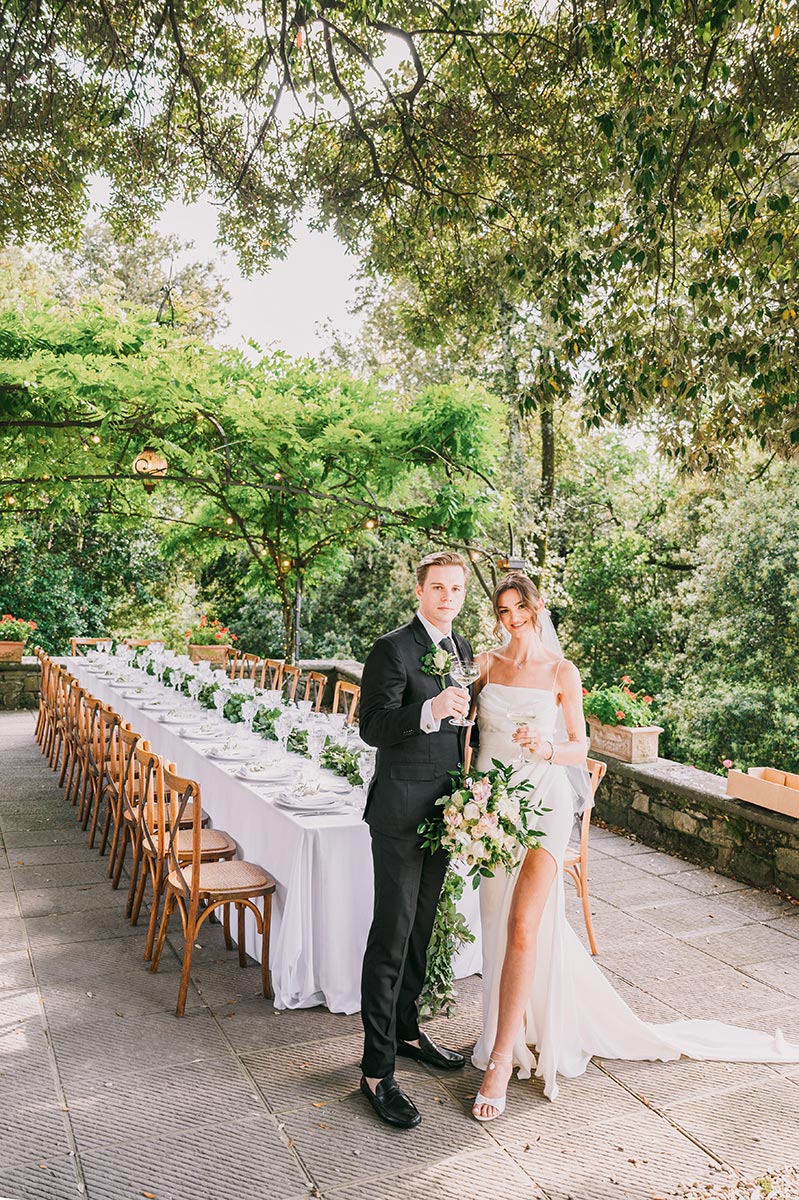
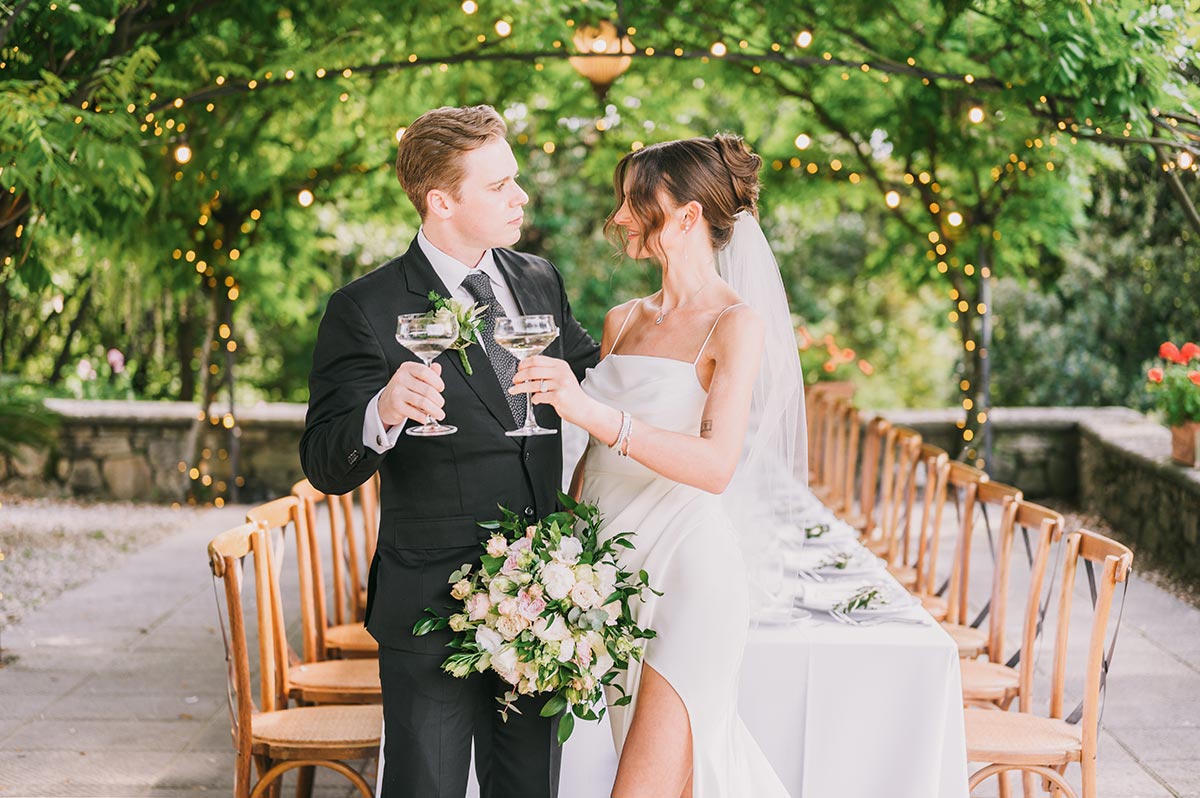
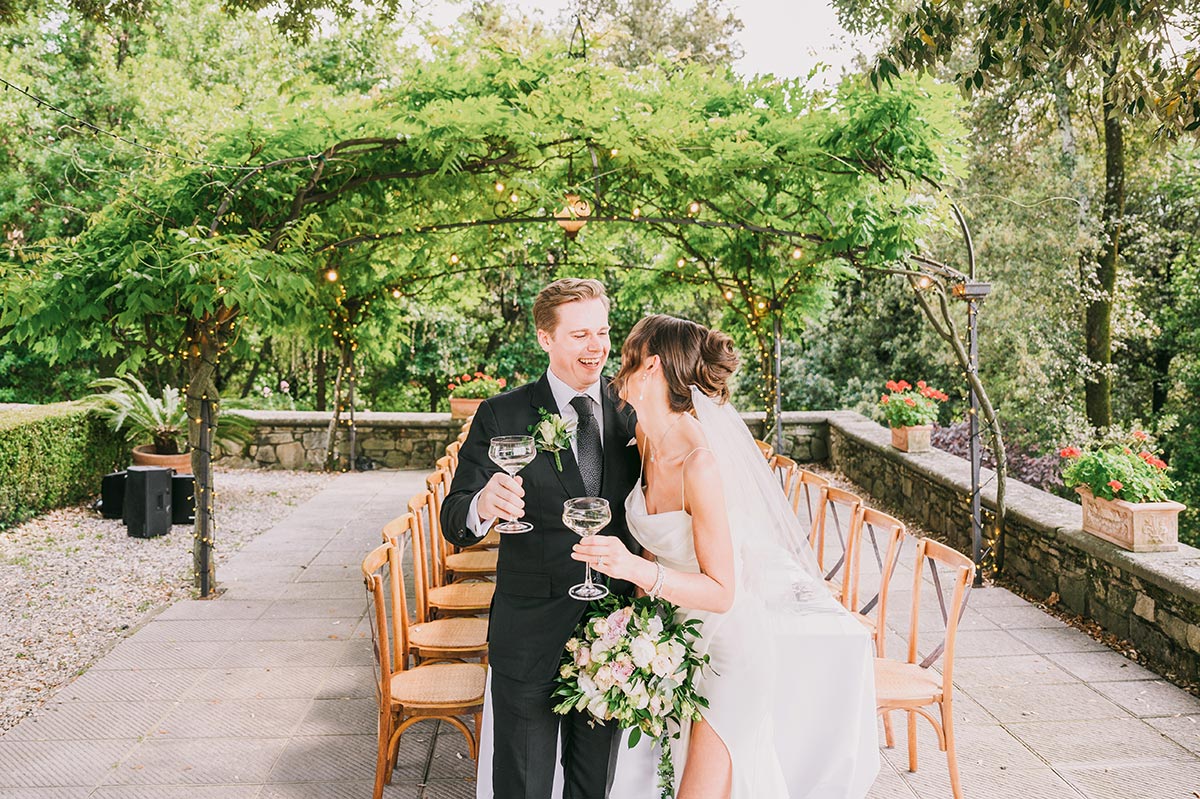

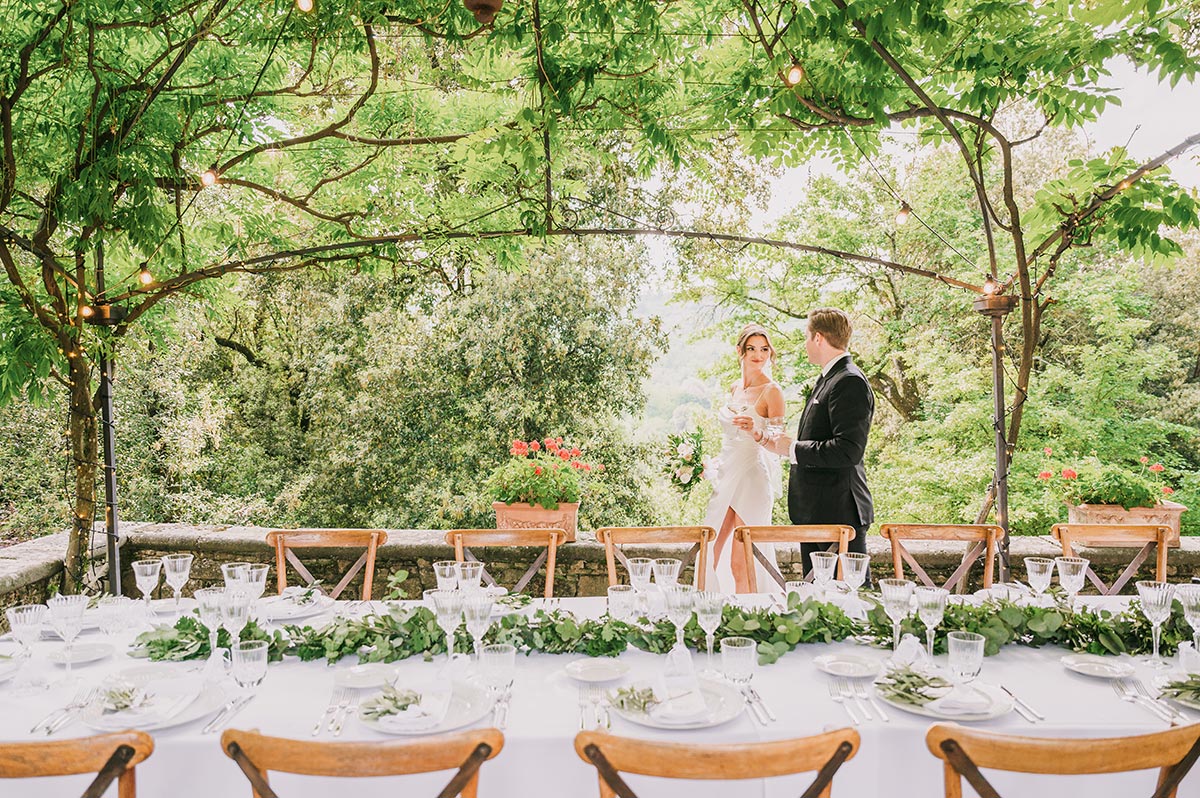

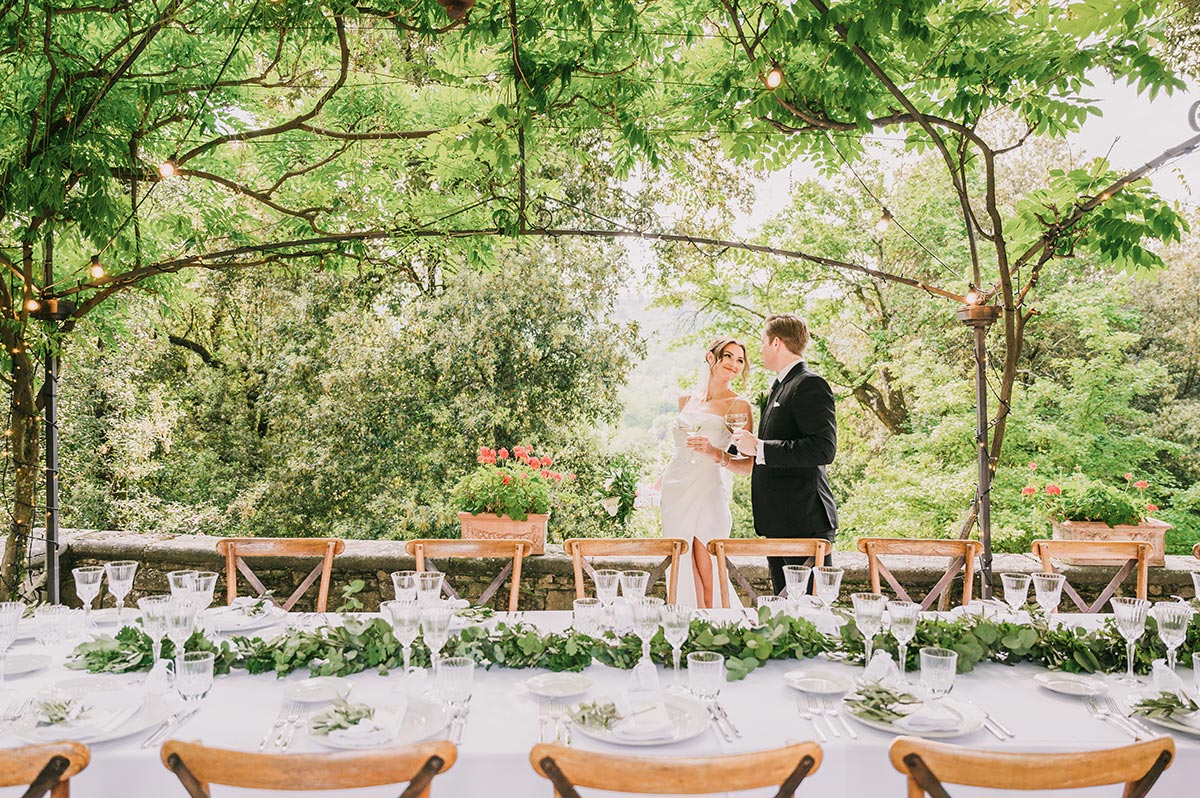
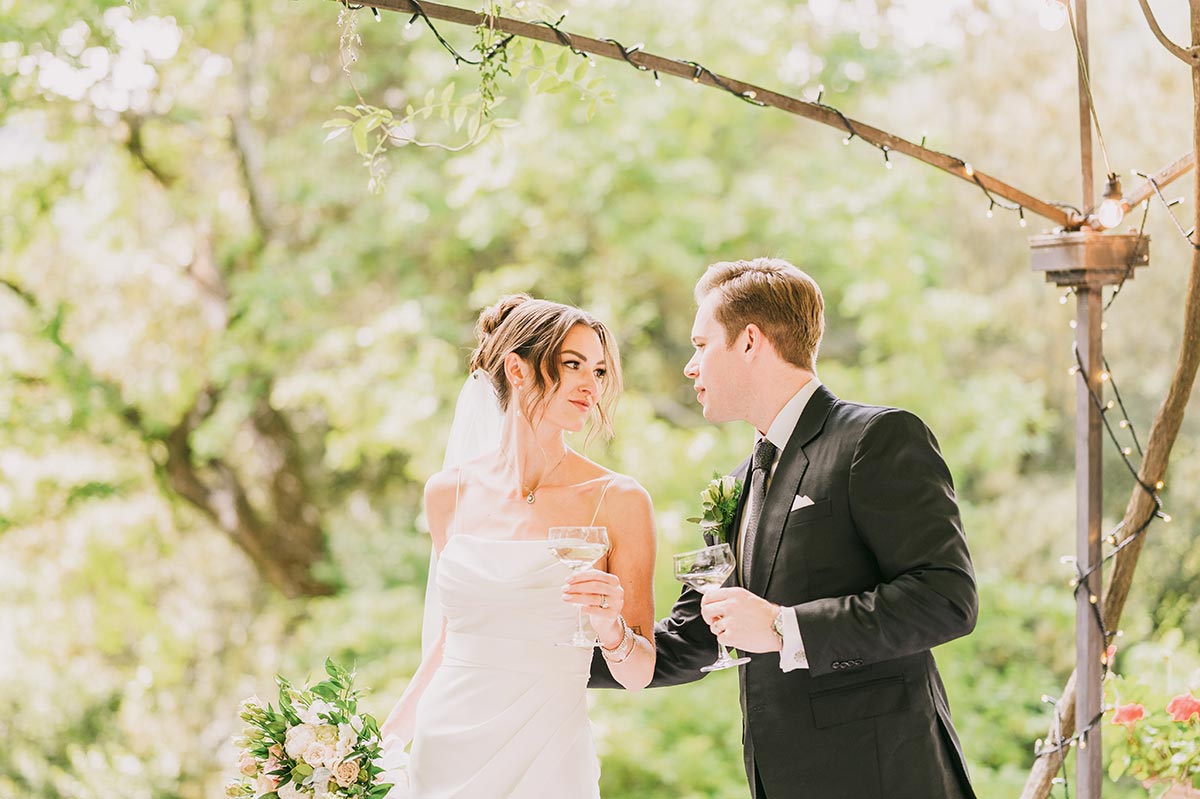
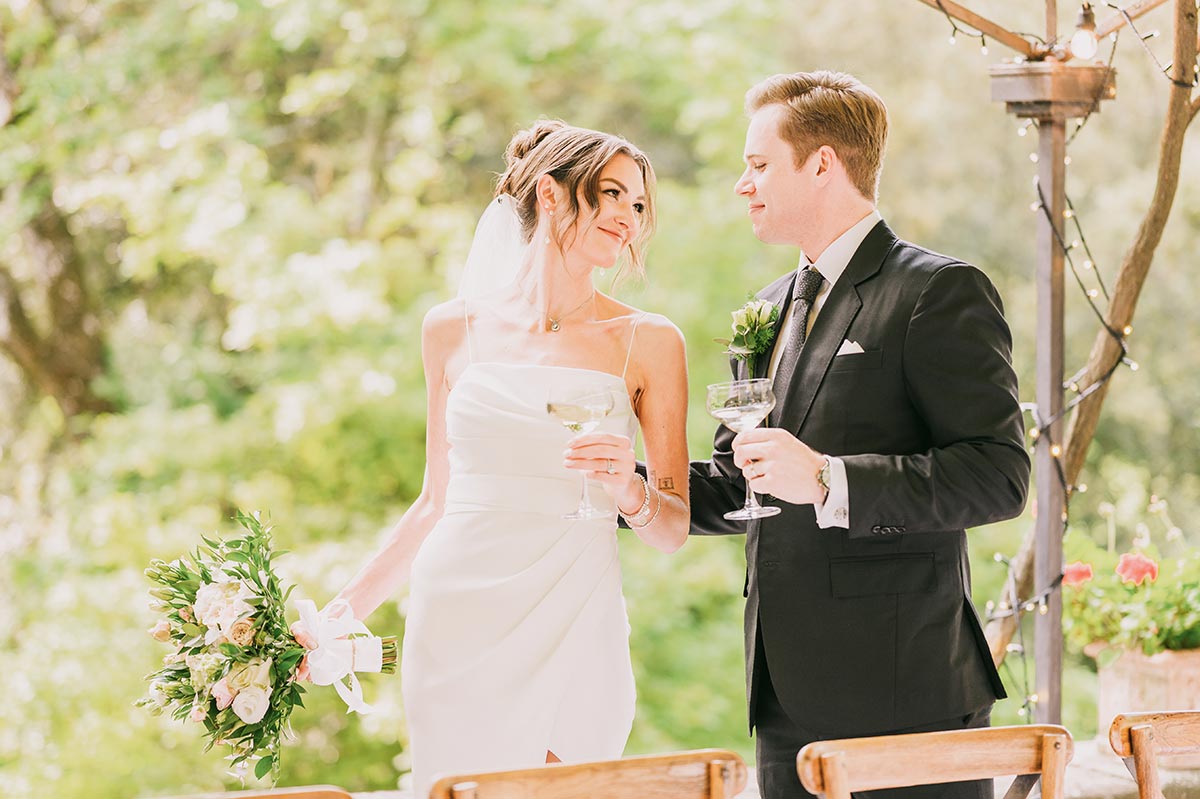
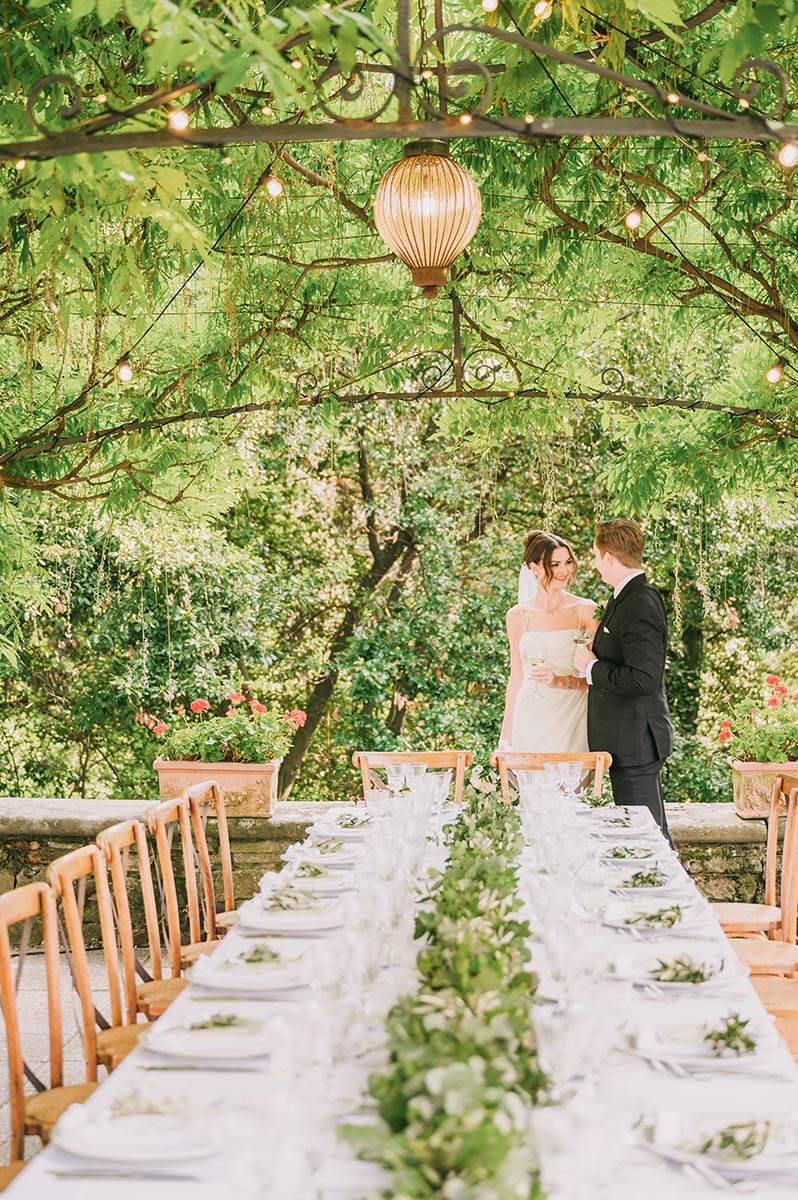
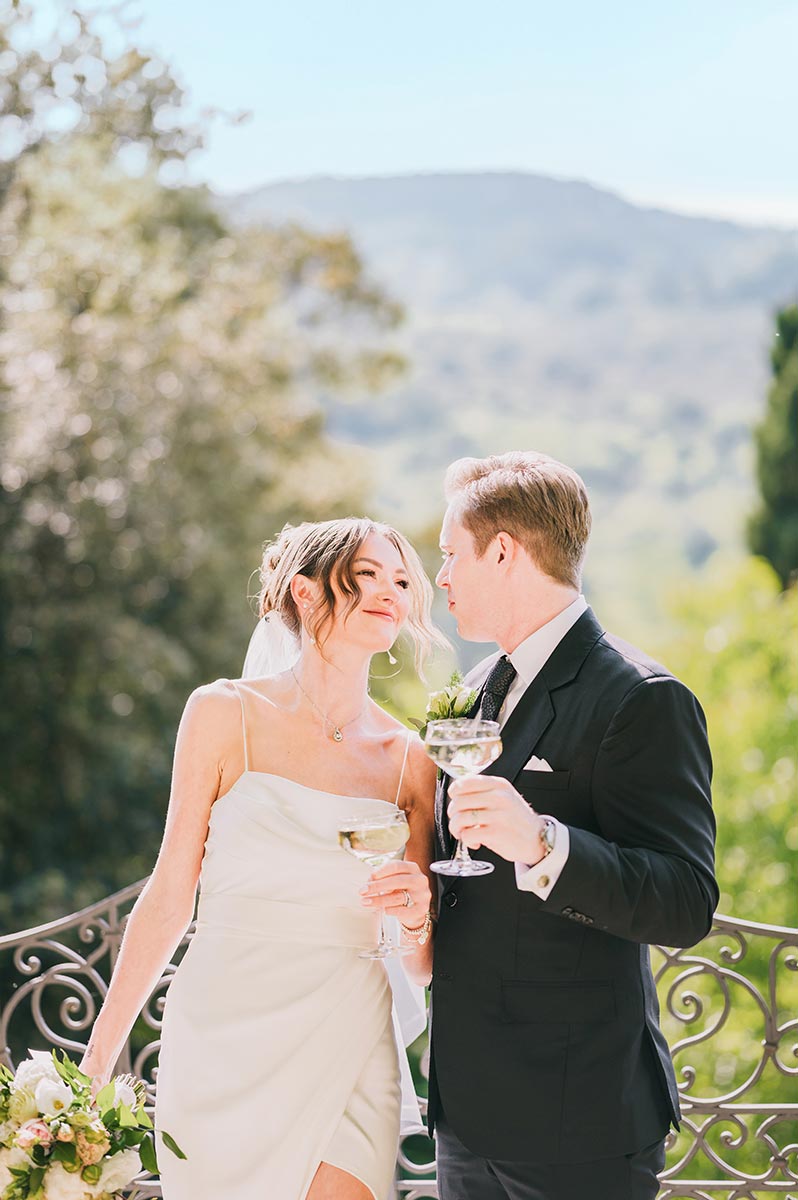


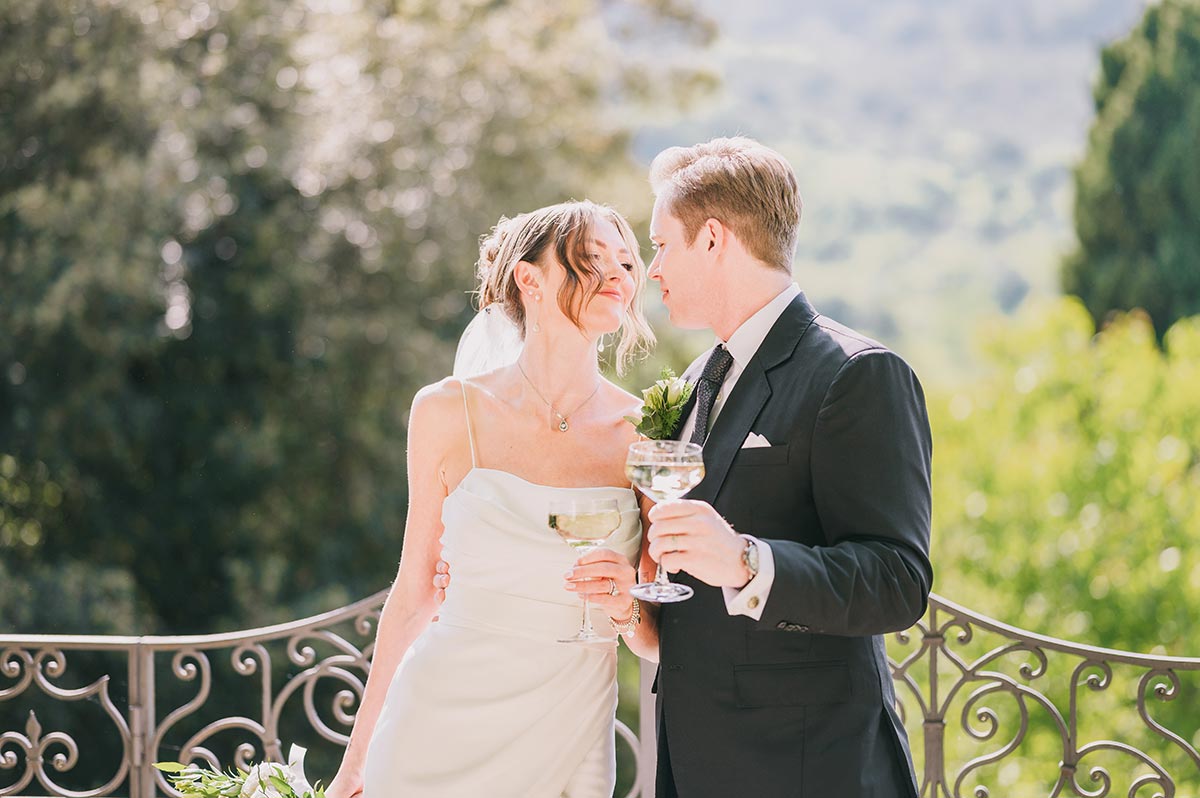
Another beautiful option is using centerpieces crafted from fresh greenery and seasonal flowers. Think roses, baby’s breath, hydrangeas, or dahlias, depending on the time of year. These arrangements can effortlessly blend the natural beauty of Tuscany with your personal style, making your tablescapes as enchanting as the surrounding landscape.
Other decorations in your destination wedding venue
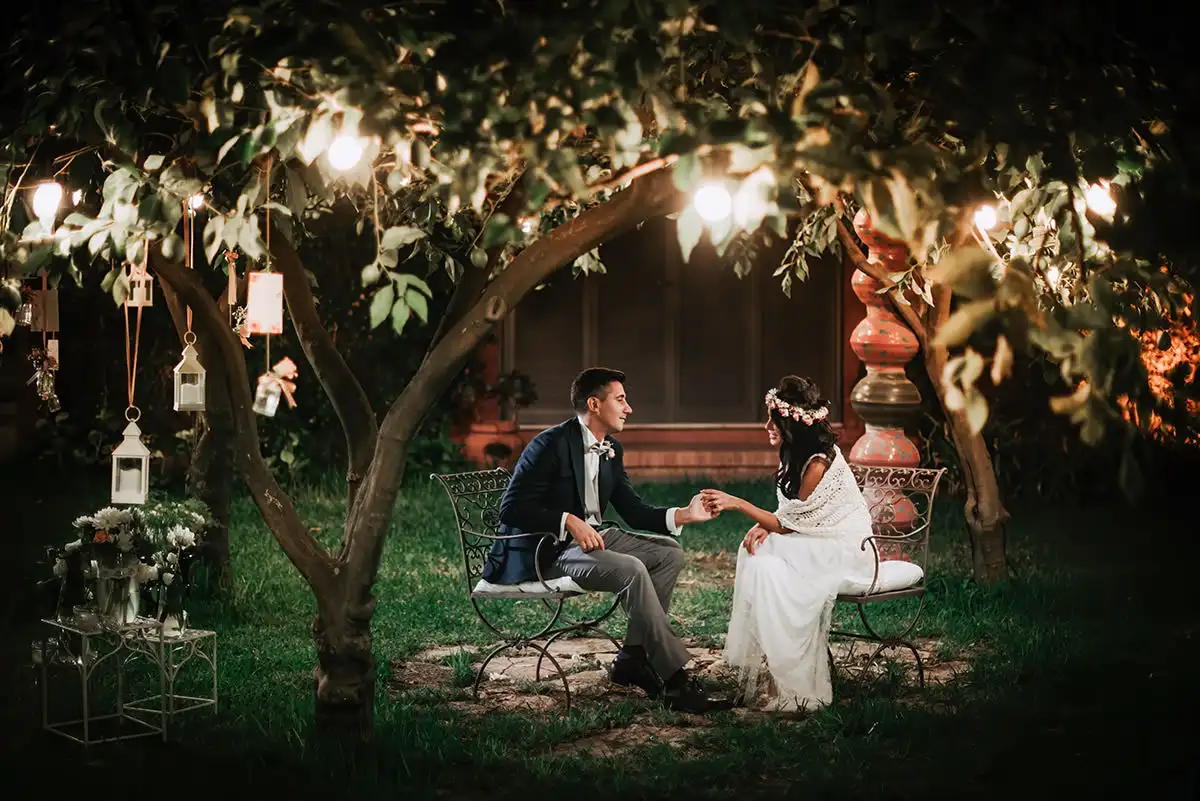
Candles are a timeless way to infuse your wedding with romance and warmth. They can be arranged on tables, nestled in lanterns, or even scattered along pathways to enhance the setting with their soft glow.
As evening falls, candles light up the night and set a magical tone for dining and dancing. Pair them with lanterns to amplify the charm. Hanging lanterns from trees or posts adds a touch of elegance, whether it’s during the day or under the stars.
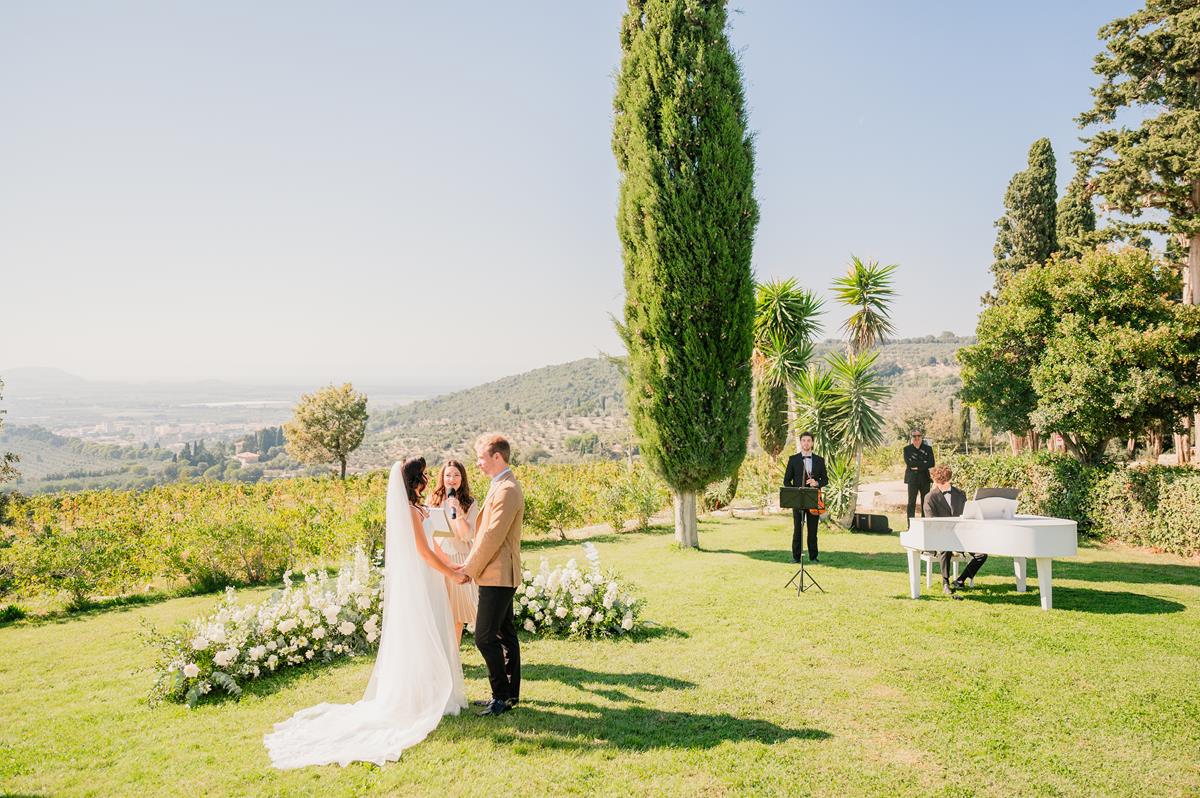
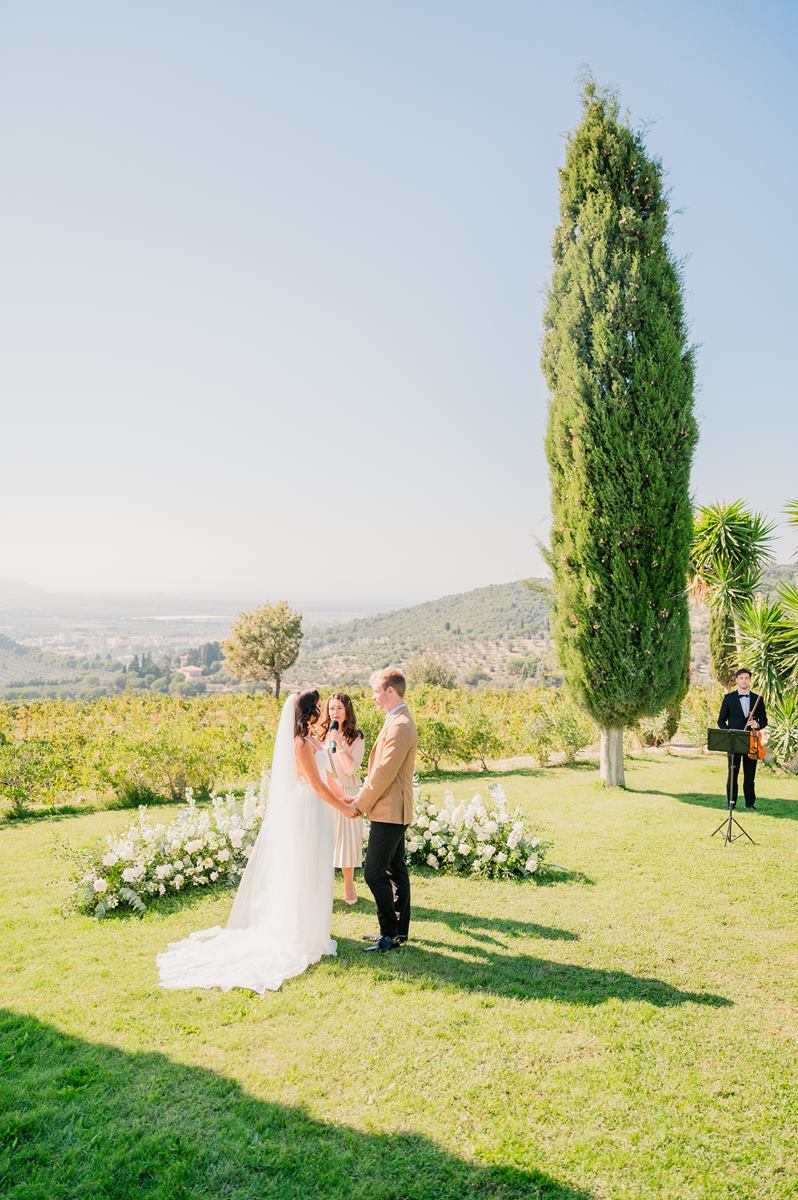
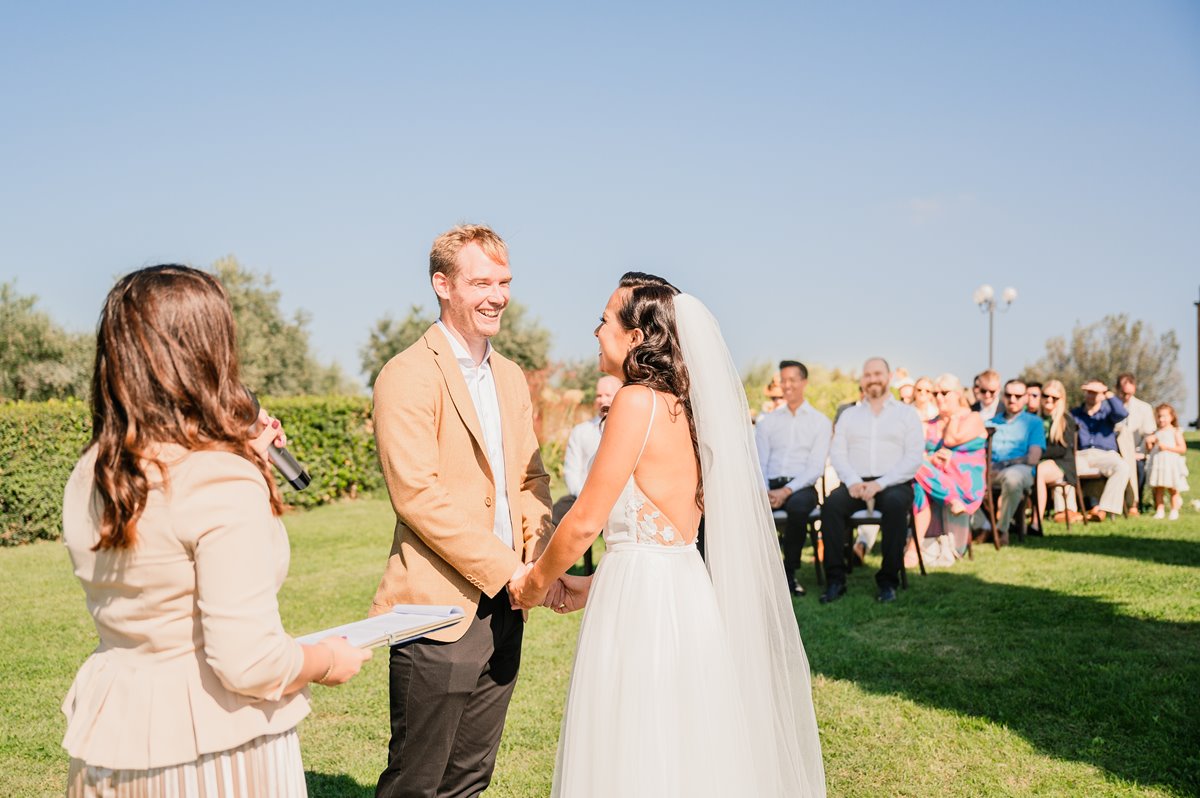
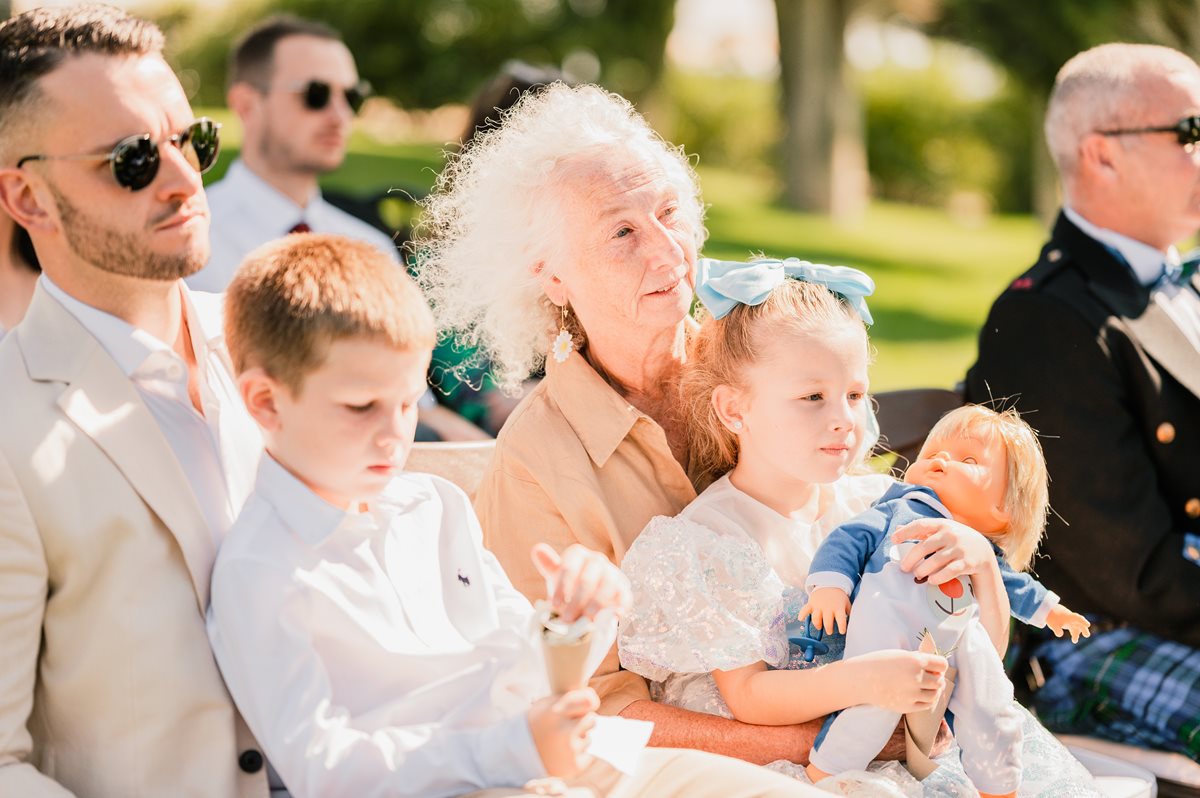
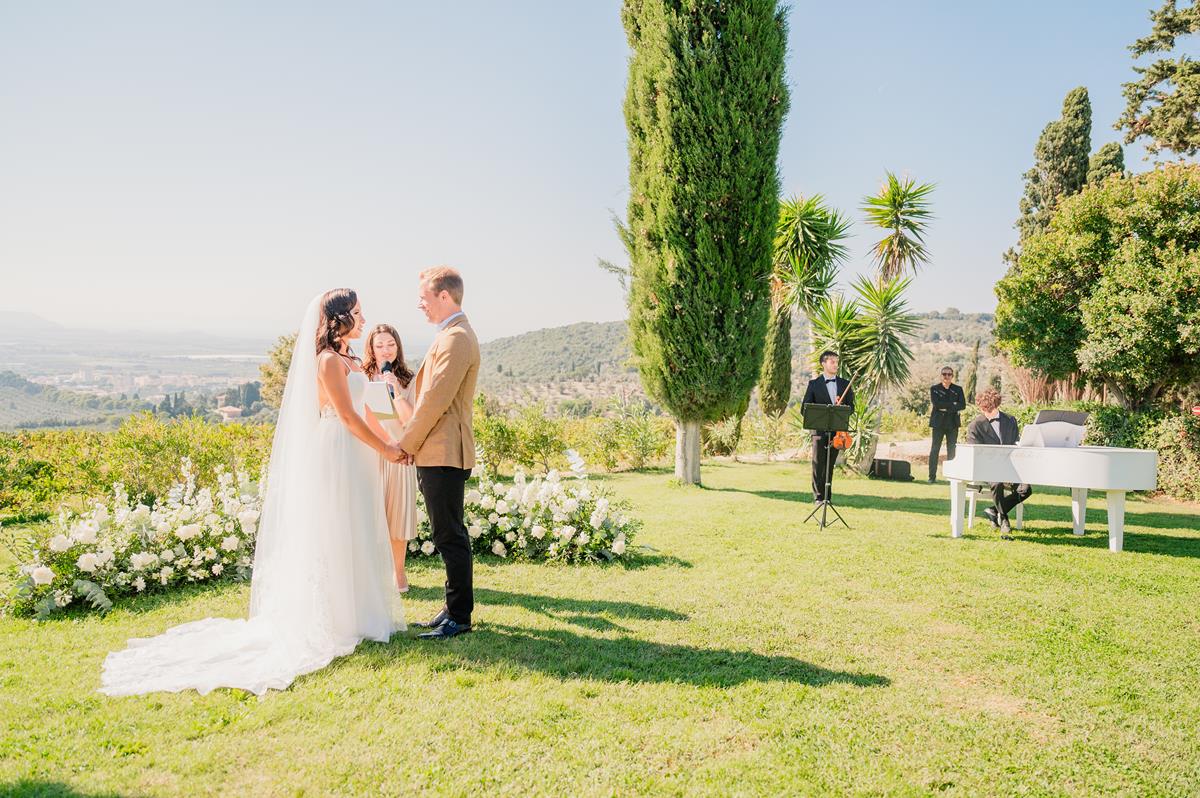
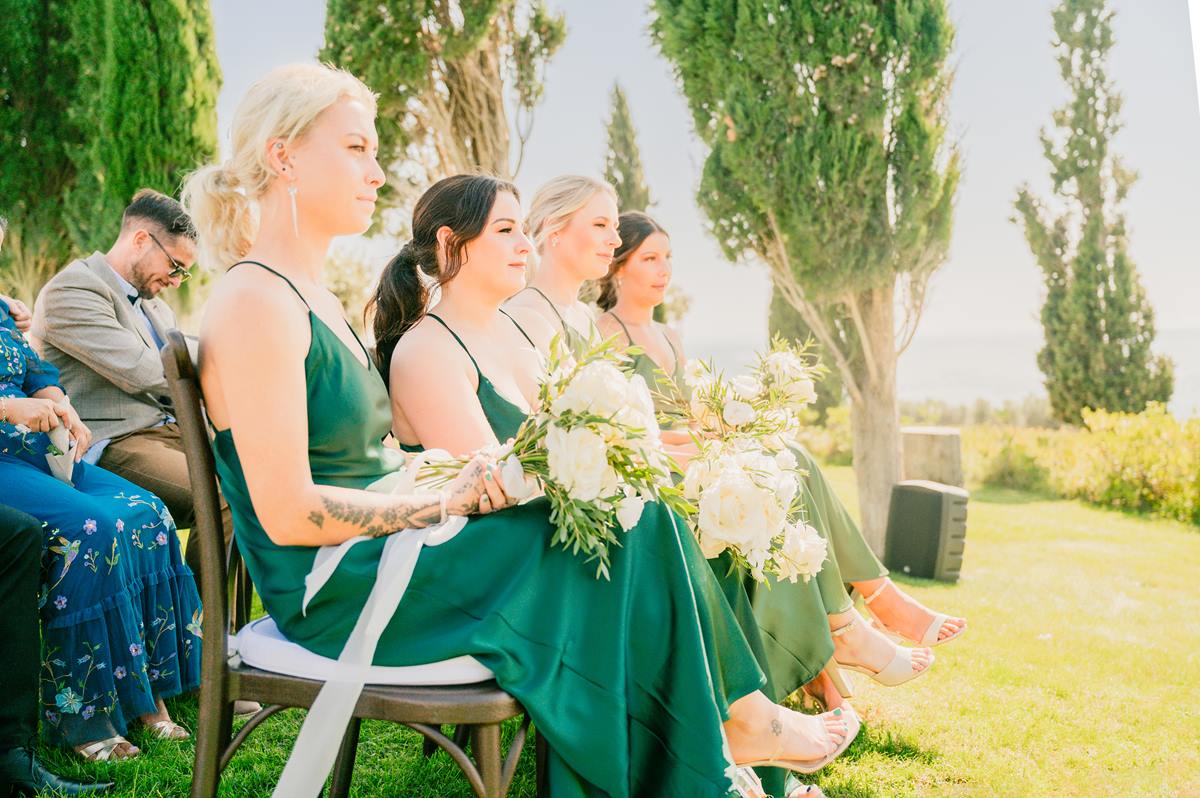
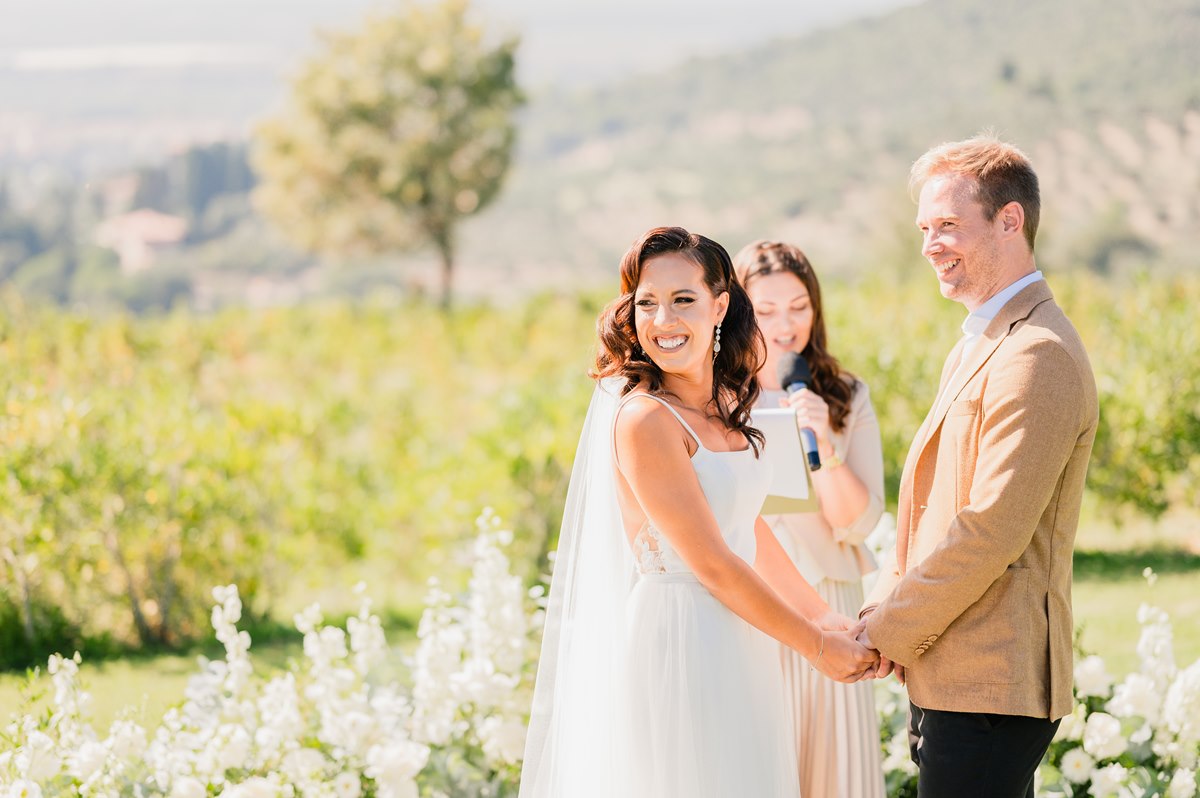
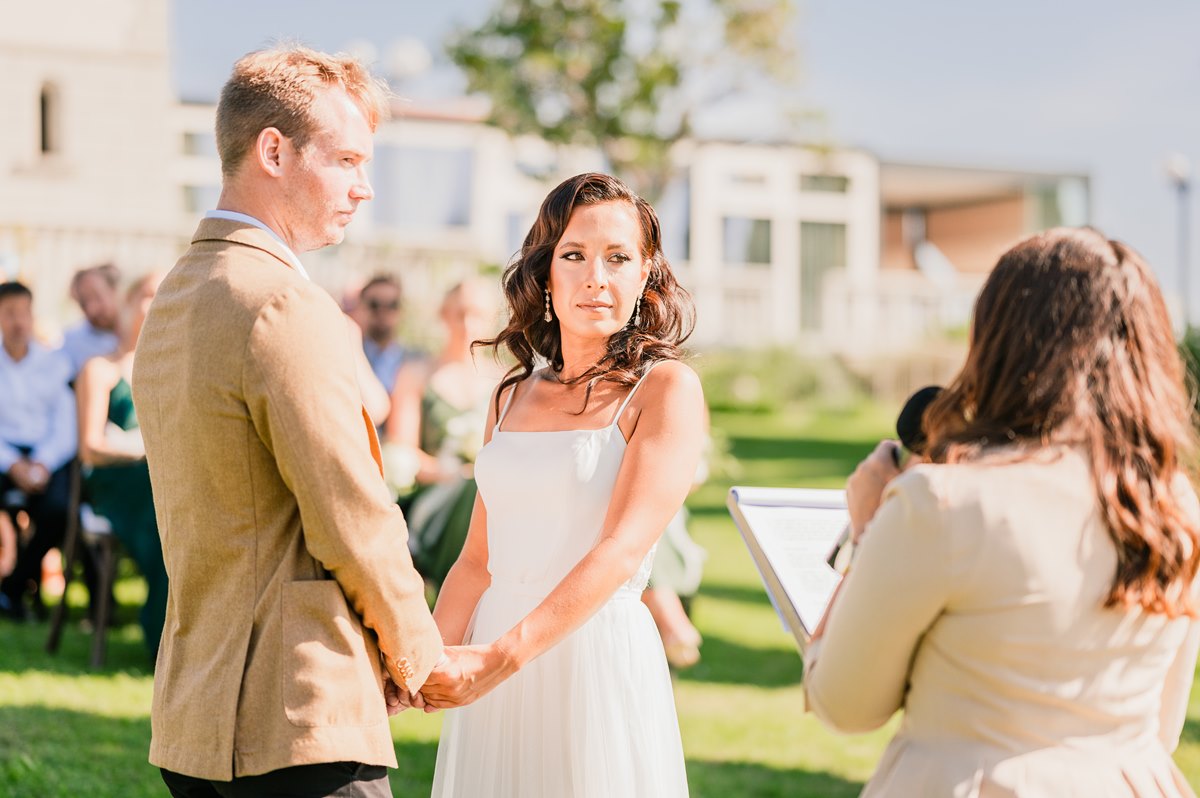






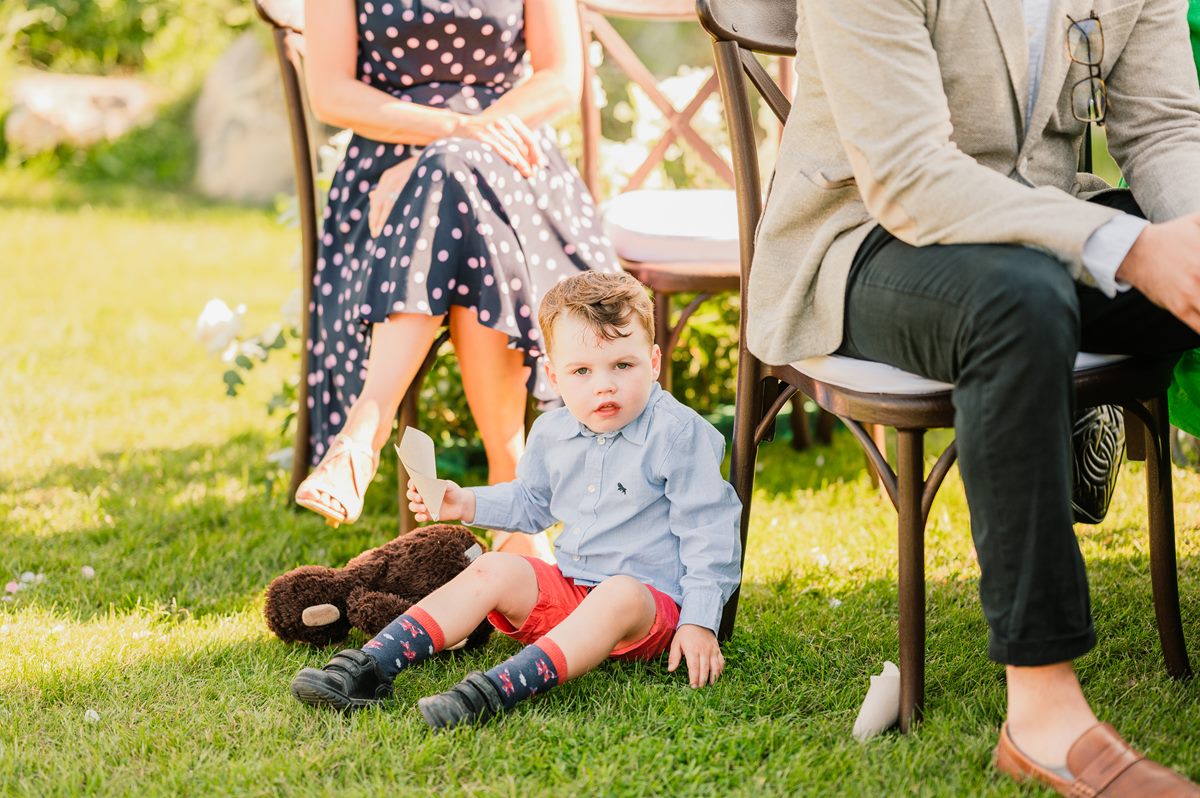

String lights are another versatile choice for creating a captivating atmosphere. Drape them over trees, suspend them above dining areas, or use them to frame mirrors and windowsills. Their gentle sparkle adds a whimsical touch that effortlessly ties the décor together.
Italian wedding transportation options based on number of guests
Transportation is an important part of any wedding and one of the most expensive parts. You’ll have to consider how you’ll get your guests around Tuscany. There are many options available:
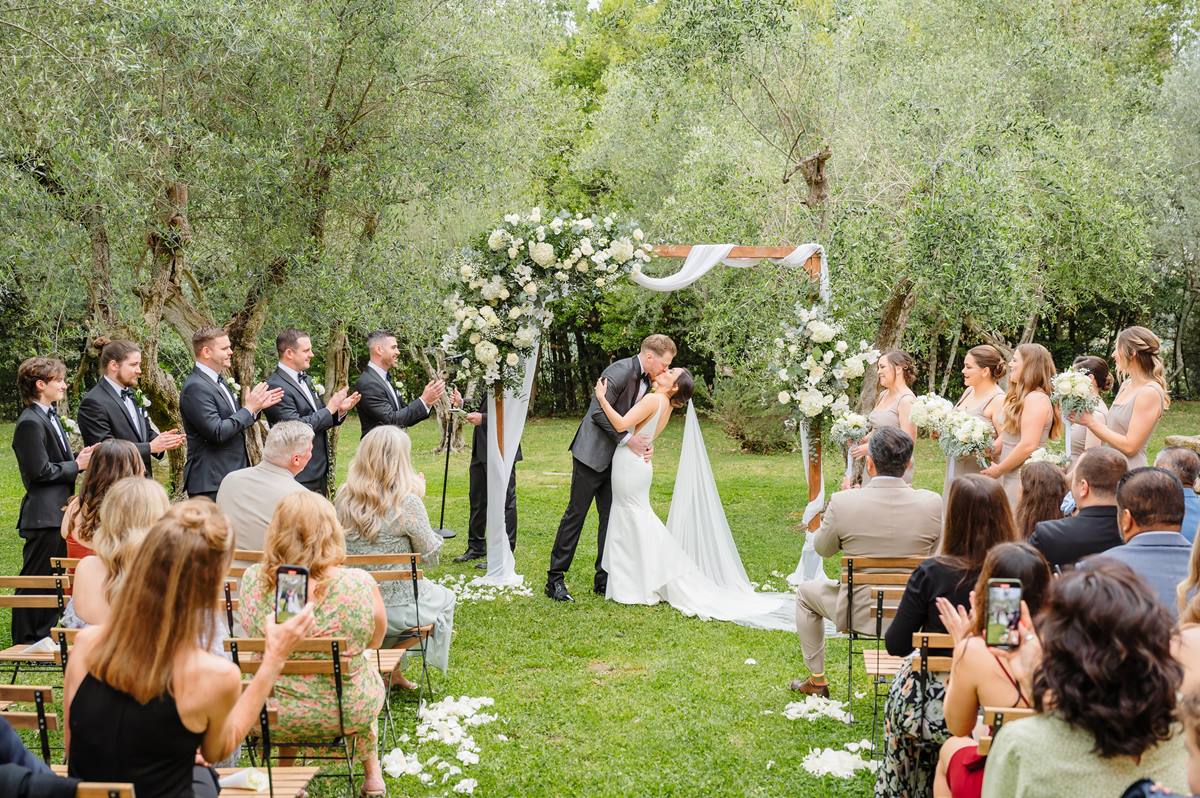

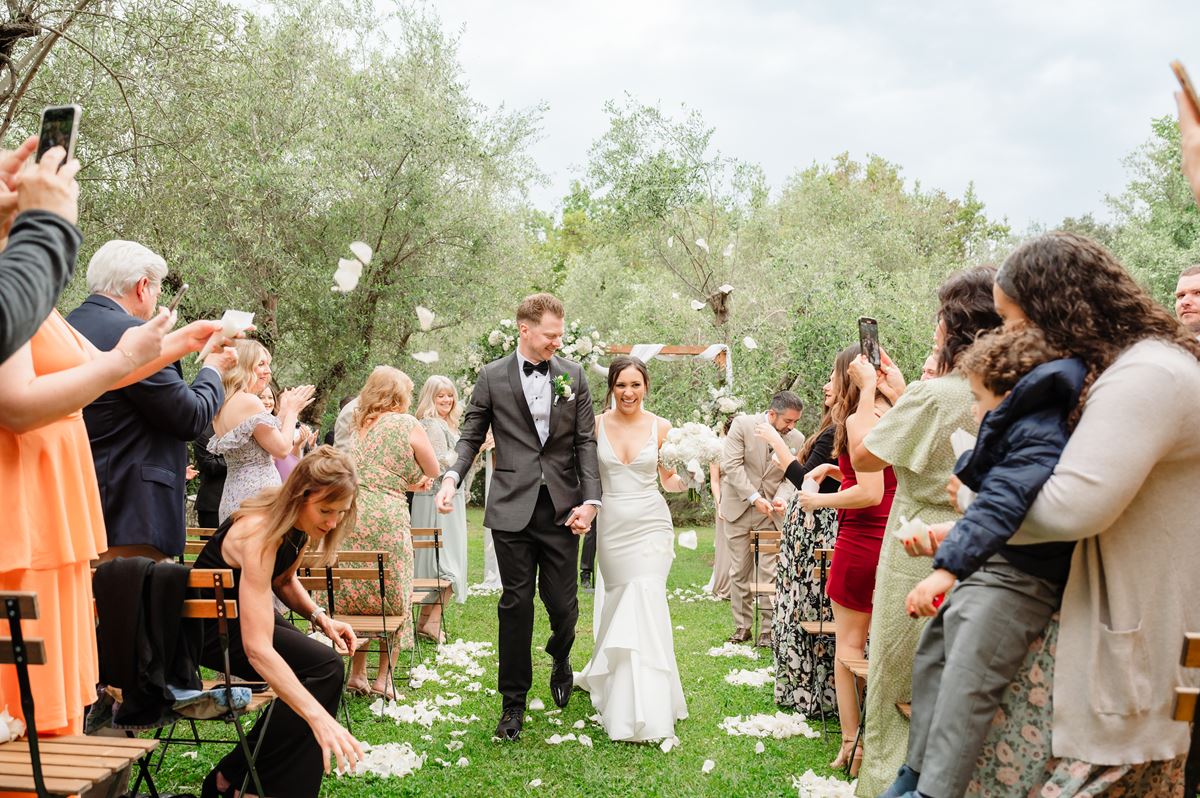
- Airport Transfers – This option works well if your family and friends are traveling from far away. It’s a great choice if you want them to spend some time in Florence before or after their stay in Tuscany. Keep in mind that this option can be costly. You will need to pay for transportation from both airports, if necessary, and for hotels or other places to stay along the way.
- Rental Cars – If you don’t mind driving in Italy during your trip, consider renting a car. It might save you money compared to other options like taxis or limousines. Hiring a driver who speaks fluent English can be expensive. Plus, you want someone who can navigate busy streets without getting lost! Also, remind everyone to check gas prices before they start driving around looking for restaurants.
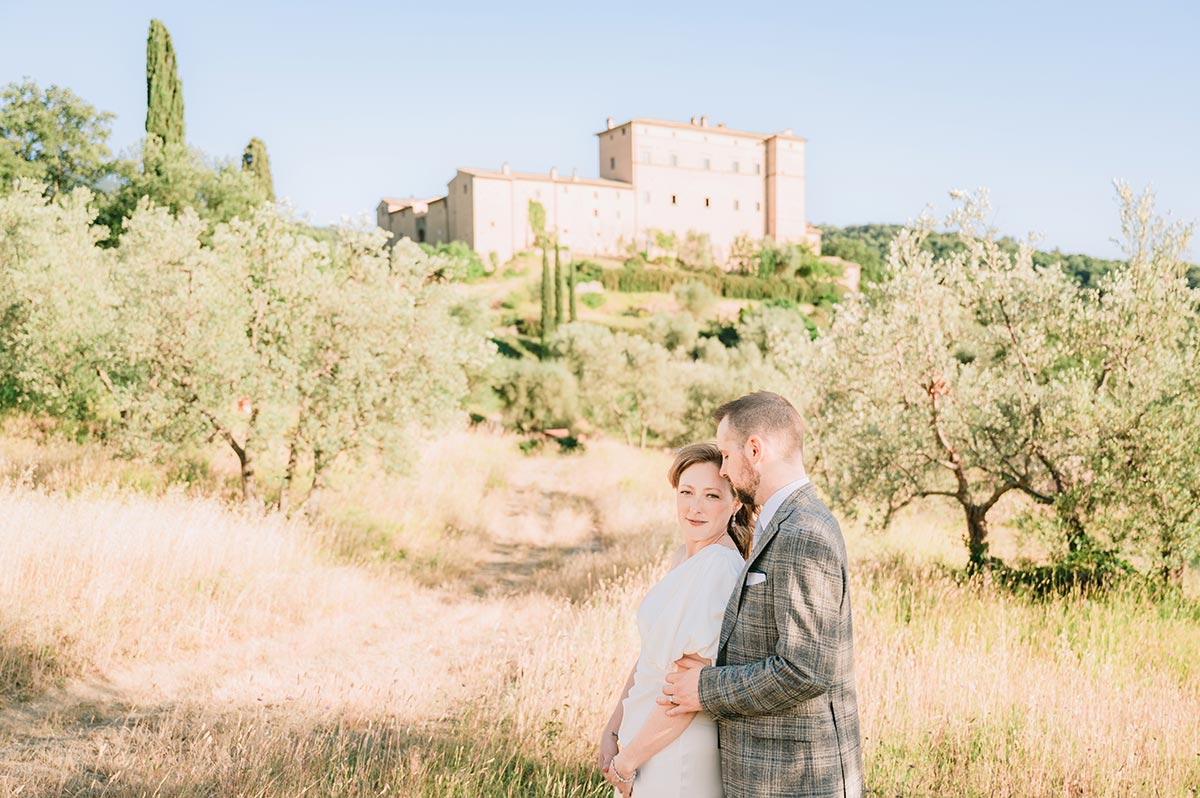
How much does a wedding photographer and videographer cost?
Tuscany wedding photography and videography are essential to your wedding, and it’s worth considering who you want to capture the day. If you’re planning on hiring a professional photographer or videographer, there are several things to consider:
- Whether they will be local or from out of town (and how much this might cost).
- Whether they shoot digitally or film (and how much that choice will affect their prices).
- What kind of editing and retouching do they offer as part of their service package–and whether that’s something you want to be done at all!
- Is their style cutting edge?
- Are they dark and moody or airy and bright?
- Do they have a very consistent style in their portfolio on the website?
- How long does it take to deliver the files?
- Do they include vat or not?
- Do they provide a regular contract?


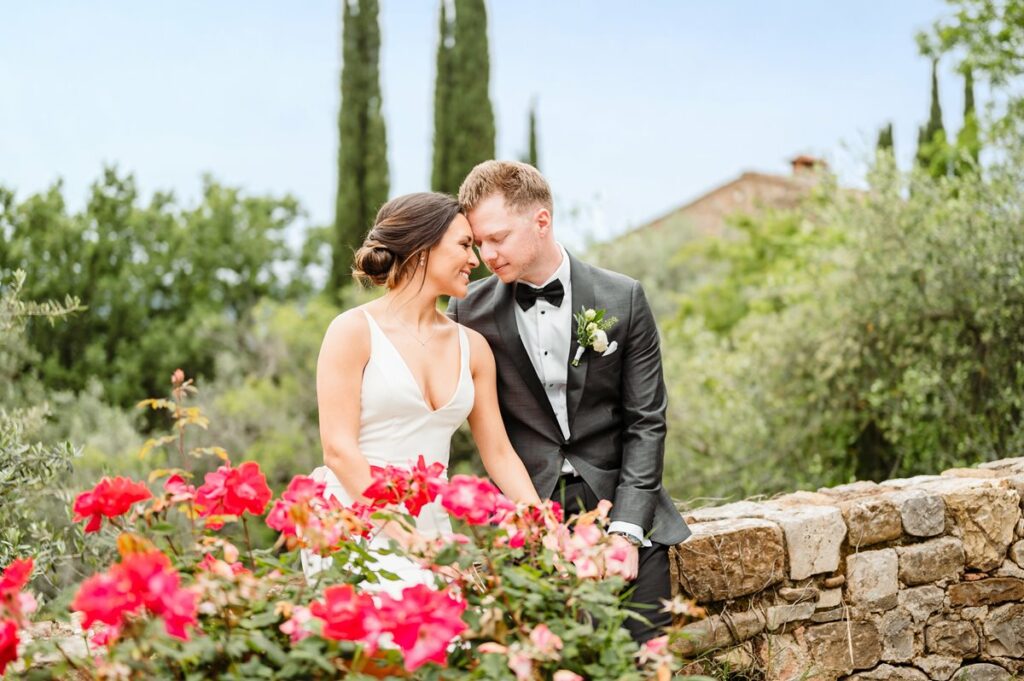
Your wedding day is one of the most incredible chapters of your life, and my job as a photographer is to make sure those moments stay alive forever. I don’t just take pictures; I tell the story of your day in a way that feels authentic and timeless.
I’ll be there for every laugh, every tear, every quiet glance. From your first kiss as a married couple to the joy on the dance floor, I capture those moments that truly matter. These photos won’t just be images; they’ll be the emotions, the atmosphere, and the essence of your wedding day.
The average price of a wedding photographer can vary from € 2.500 to € 15.000.
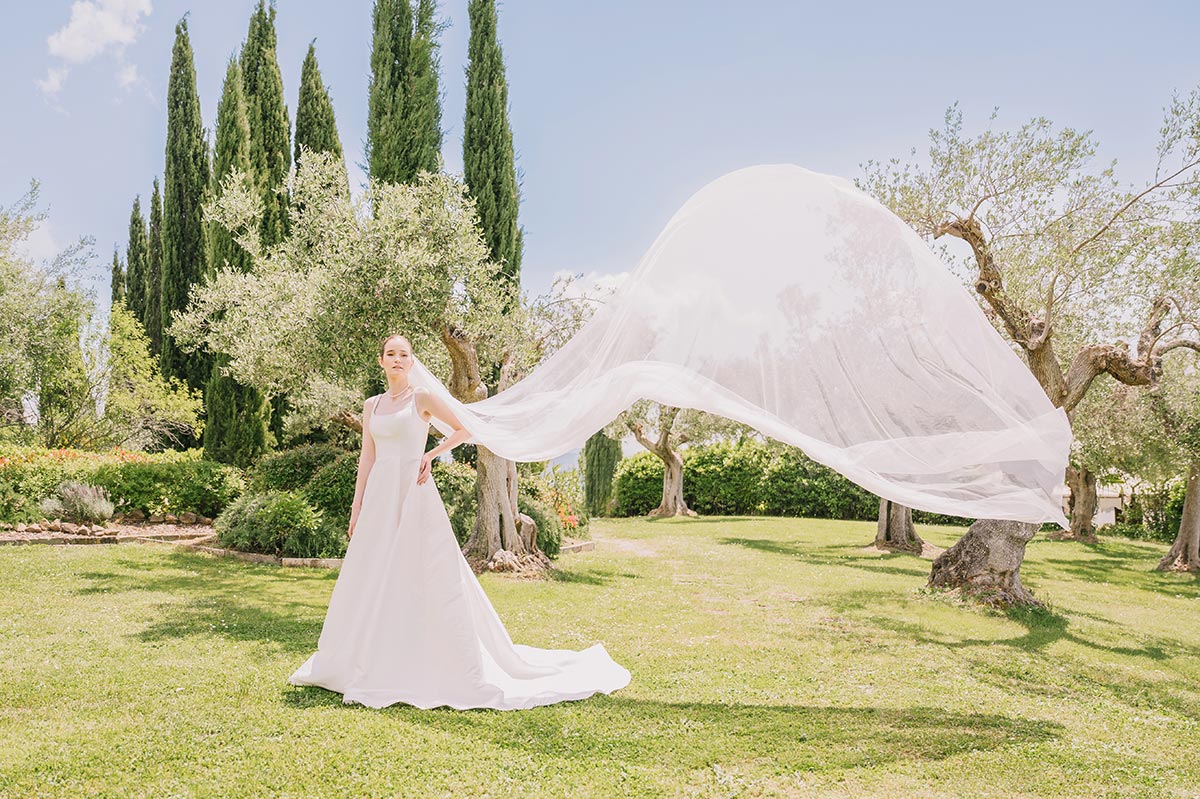
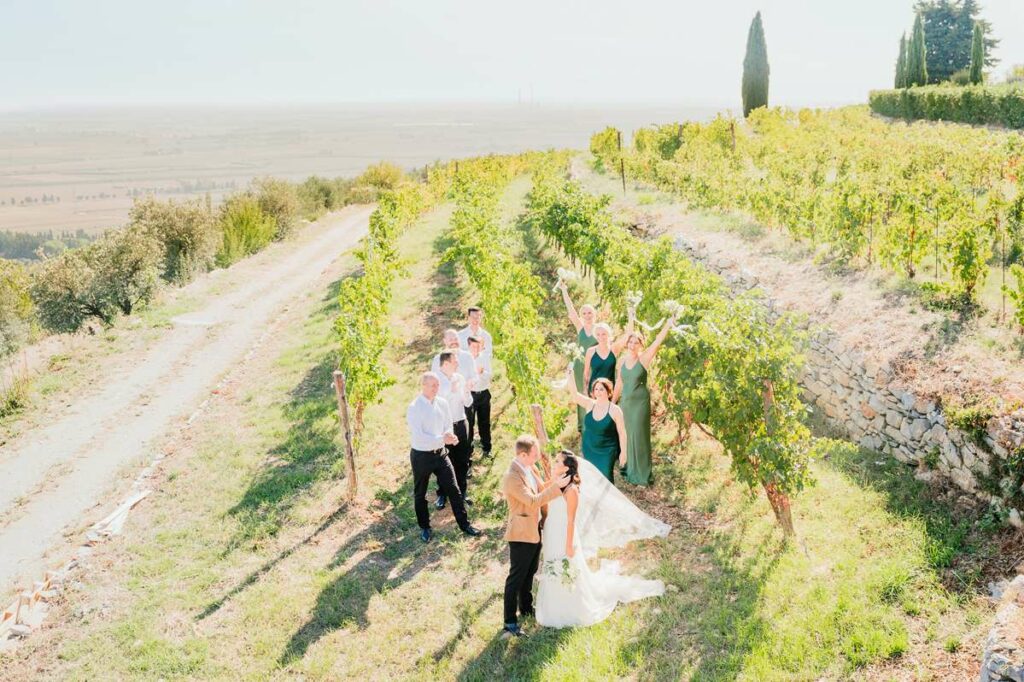
I know it’s tempting to save money on photography, but trust me, it’s one of the most important decisions you’ll make. I’ve seen how disappointing it can be when photos don’t reflect the beauty of the day. You only get one chance to capture it all, and it’s worth working with someone who understands how to get it right.
Before the wedding, I love sitting down with couples to hear about their vision. What are the moments you’ve dreamed about? Are there special details you want remembered? This is your story, and I want to make sure it’s told in a way that feels personal and meaningful to you.
For me, photography is about more than pictures. It’s about freezing the feeling of the day, so you can look back and relive it, even years later. That’s why I put my heart into every frame, to create something you’ll treasure forever.
Entertainment and music to add fun in your venue in Tuscany
Music and entertainment are the heartbeat of any wedding, especially in a setting as magical as Tuscany. They go beyond being simple details, adding life and energy to your celebration while turning moments into unforgettable memories.
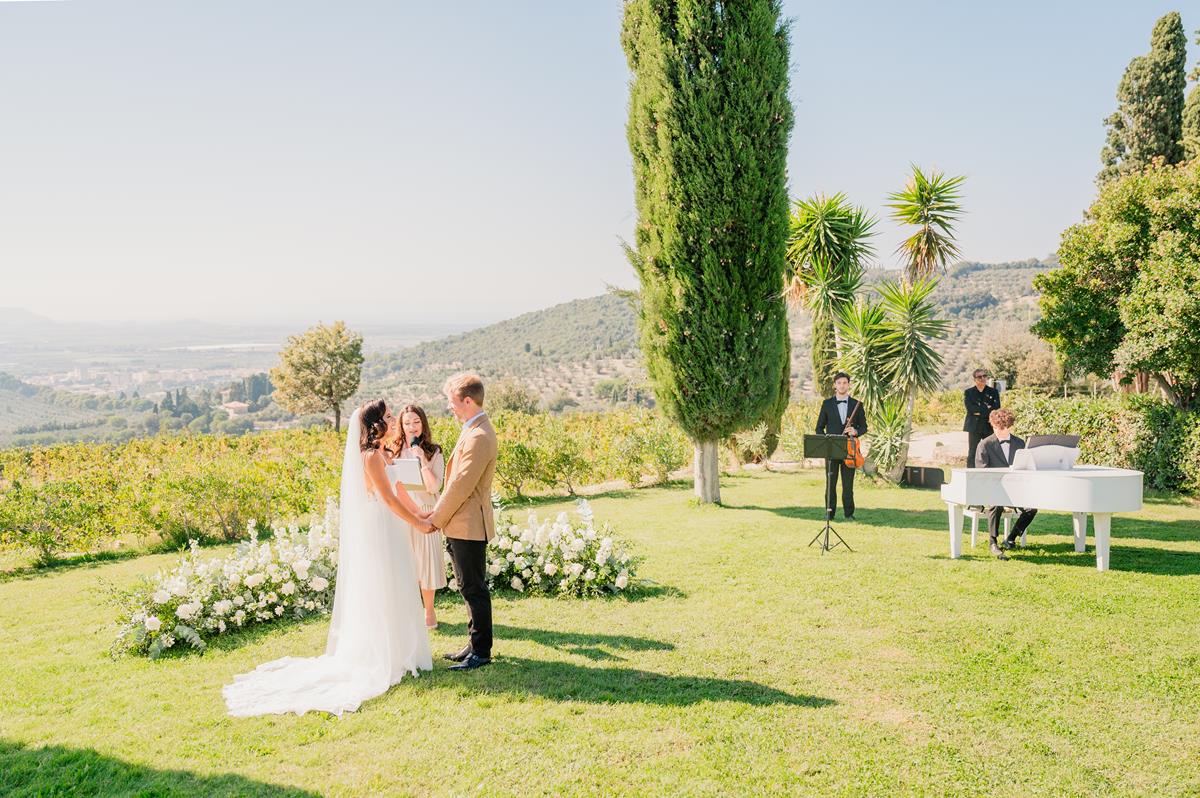
When planning your Tuscan wedding, think about the atmosphere you want to create. Perhaps you imagine an elegant string quartet accompanying your ceremony or an energetic band that fills the evening with joy and movement. Tuscany offers a wealth of talented musicians and entertainers who enhance your wedding party, from classical sophistication to a modern party vibe.
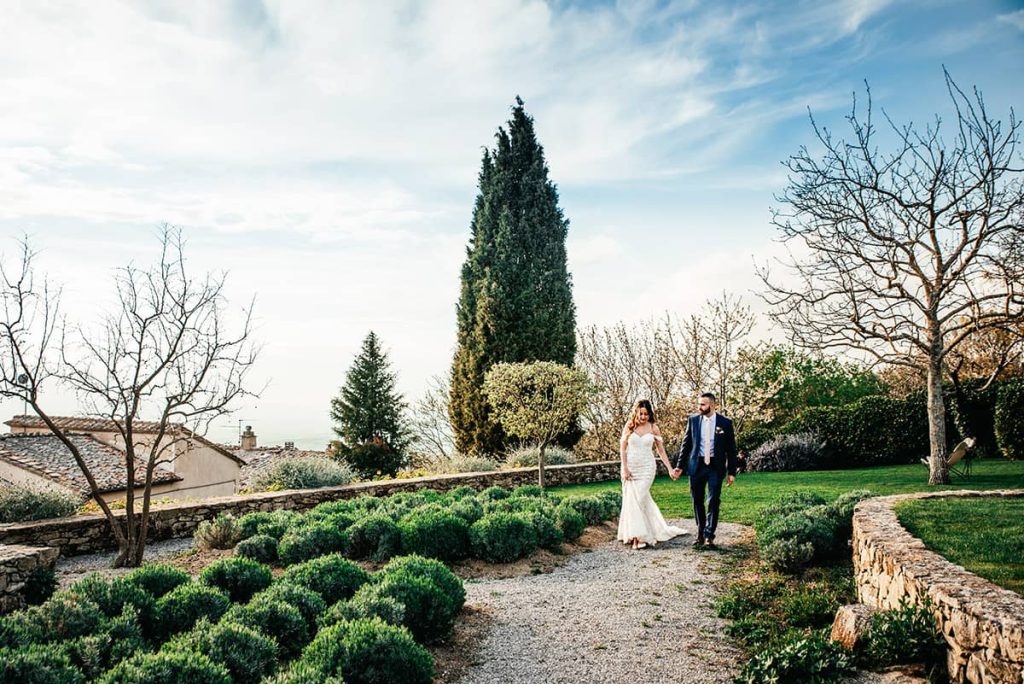
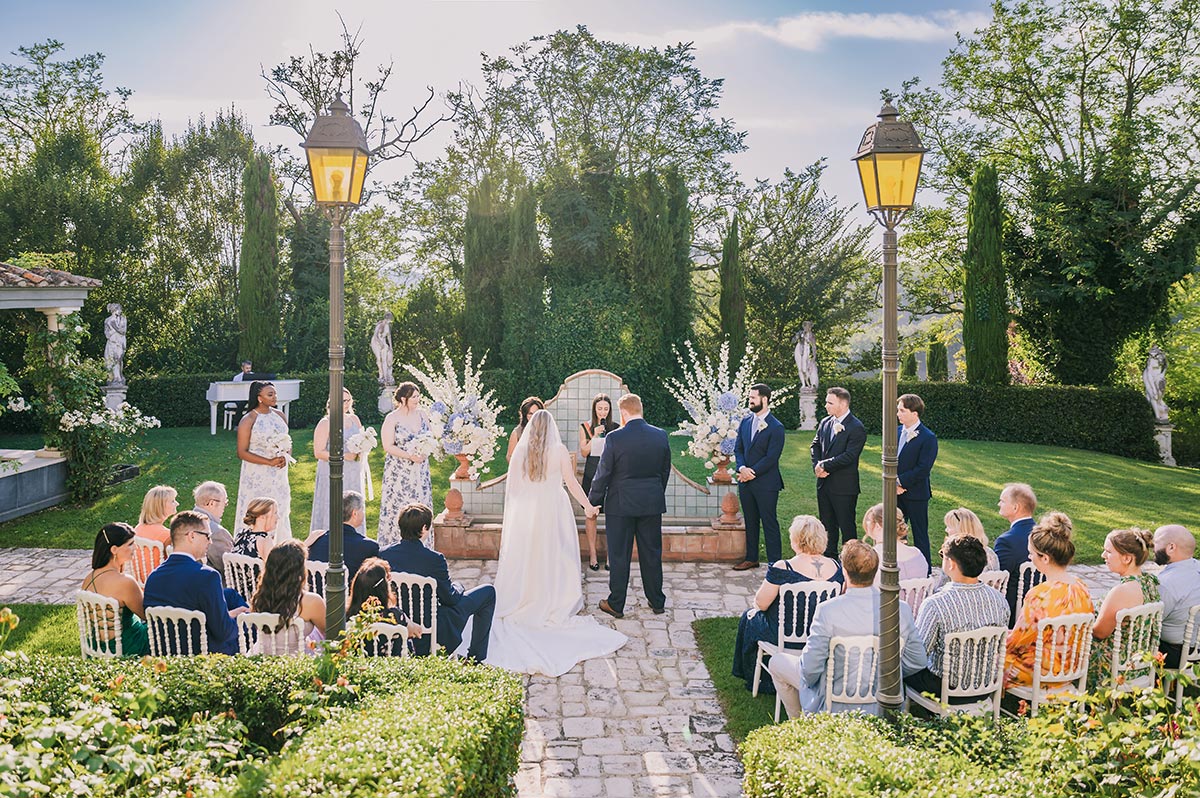
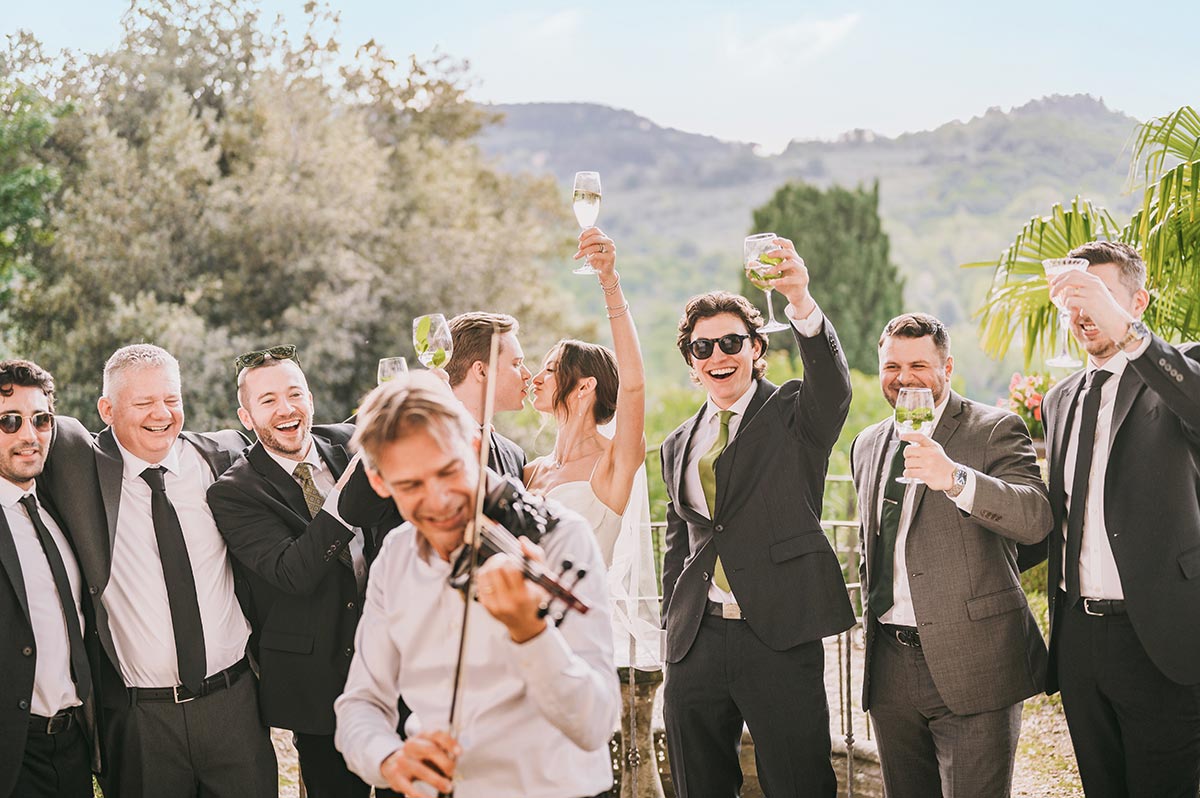
Live music carries a unique charm. A string quartet during the ceremony or cocktail hour creates an air of romance and refinement. For a lively touch, a versatile band that plays jazz, folk, or pop can lift the energy and keep everyone celebrating together. Live performers bring a personal, dynamic element that enhances every moment.
For a more contemporary vibe, hiring a DJ works perfectly. They can blend the latest hits with timeless favorites to keep the dance floor buzzing. DJs often bring an interactive energy, organizing fun activities or games that involve your guests and add to the enjoyment.
Music is just the beginning. A fireworks display can offer a breathtaking finale, filling the sky with light and excitement. This dazzling touch leaves everyone in awe and makes for an incredible closing moment. If you prefer something playful and interactive, a photo booth provides entertainment while giving guests a fun way to capture memories.
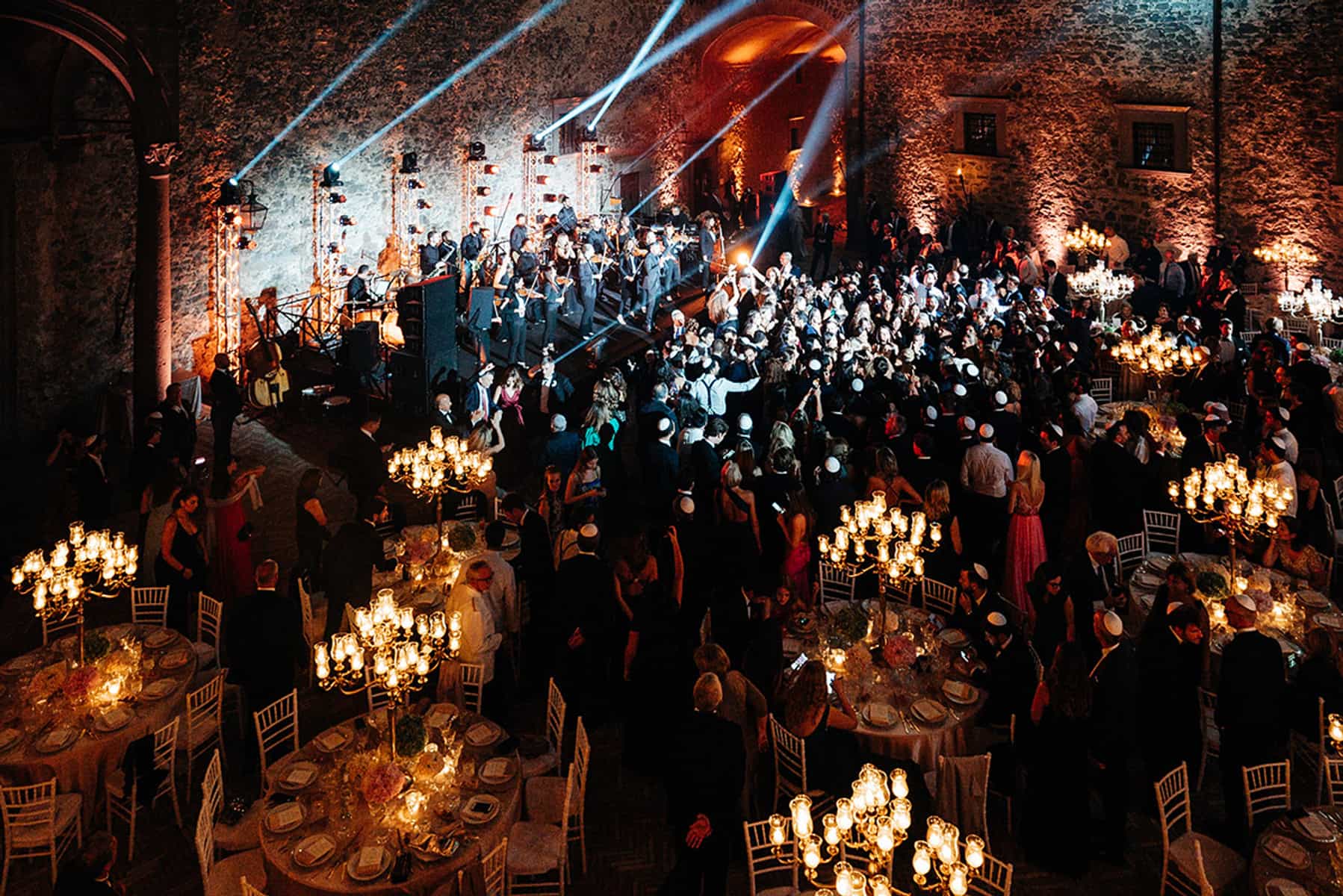
Lighting also plays a key role in creating the right atmosphere. Warm, soft lighting transforms any venue into a romantic and welcoming space, while a professional sound system ensures every note and word resonates clearly. These technical touches tie everything together, bringing a polished and seamless experience to your wedding day.
Music, entertainment, and thoughtful details like lighting shape the spirit of your celebration. From the elegance of live music to the energy of a DJ or the wonder of a fireworks display, every element can be tailored to make your wedding uniquely yours. These choices leave you and your guests with joyful memories that last forever.
Final considerations on the cost of Tuscany wedding costs
Plana wedding in Italy takes time, effort, and research. If you invest your time and do your homework, you can save money. You can still have the wedding of your dreams.
When planning a destination wedding, remember that coordinating everything from a distance can be challenging. Hiring a professional wedding planner is essential. They know the area well and can guide you through the process. A planner can also suggest vendors and venues that match your budget and style.
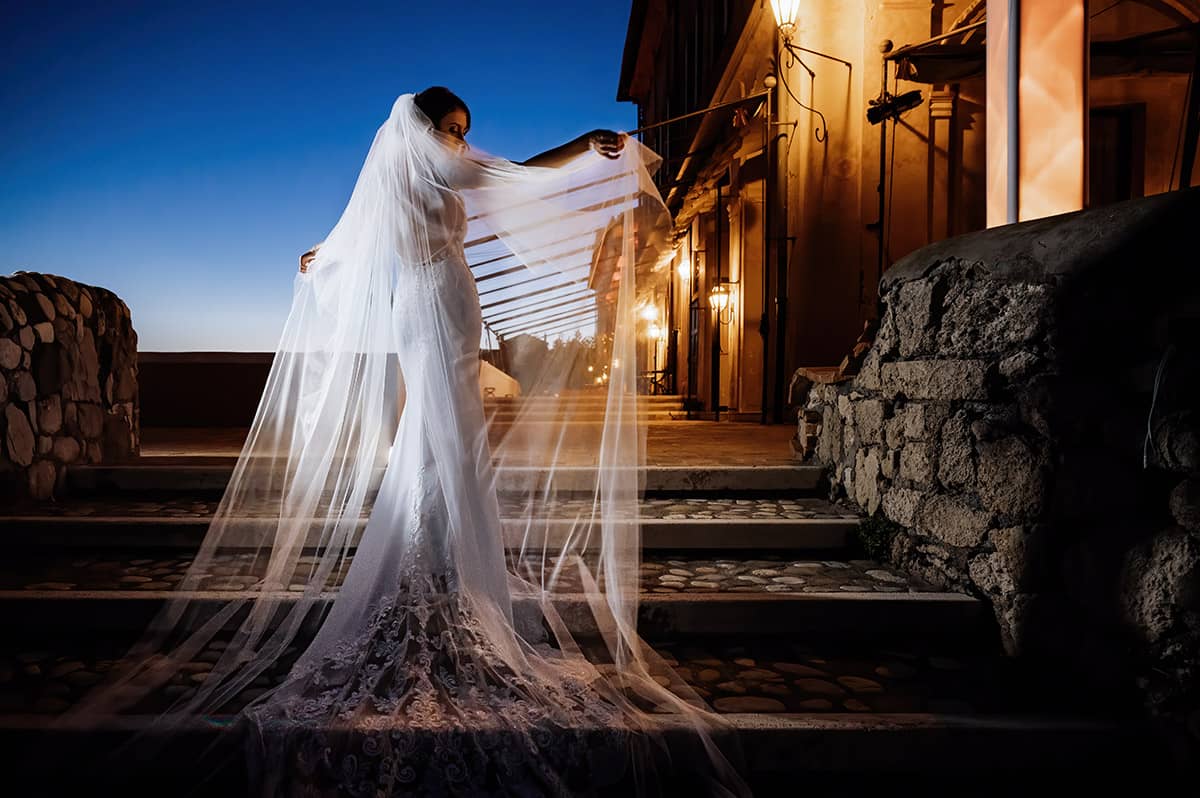
One way to save money is to have an intimate wedding destination, smaller. Limiting your guest list to close friends and family helps you cut costs on catering and other expenses. Another option is to choose a weekday for your wedding, since it usually costs less than a weekend wedding.
Finally, don’t forget to factor in the cost of travel and accommodations for you and your guests. Tuscany is a popular destination so prices can be high during peak season. Consider having your wedding during the off-season to save money on travel and accommodations.
Remember to focus on what matters most to you. Be ready to compromise on other aspects to stay within your budget. Happy wedding planning!