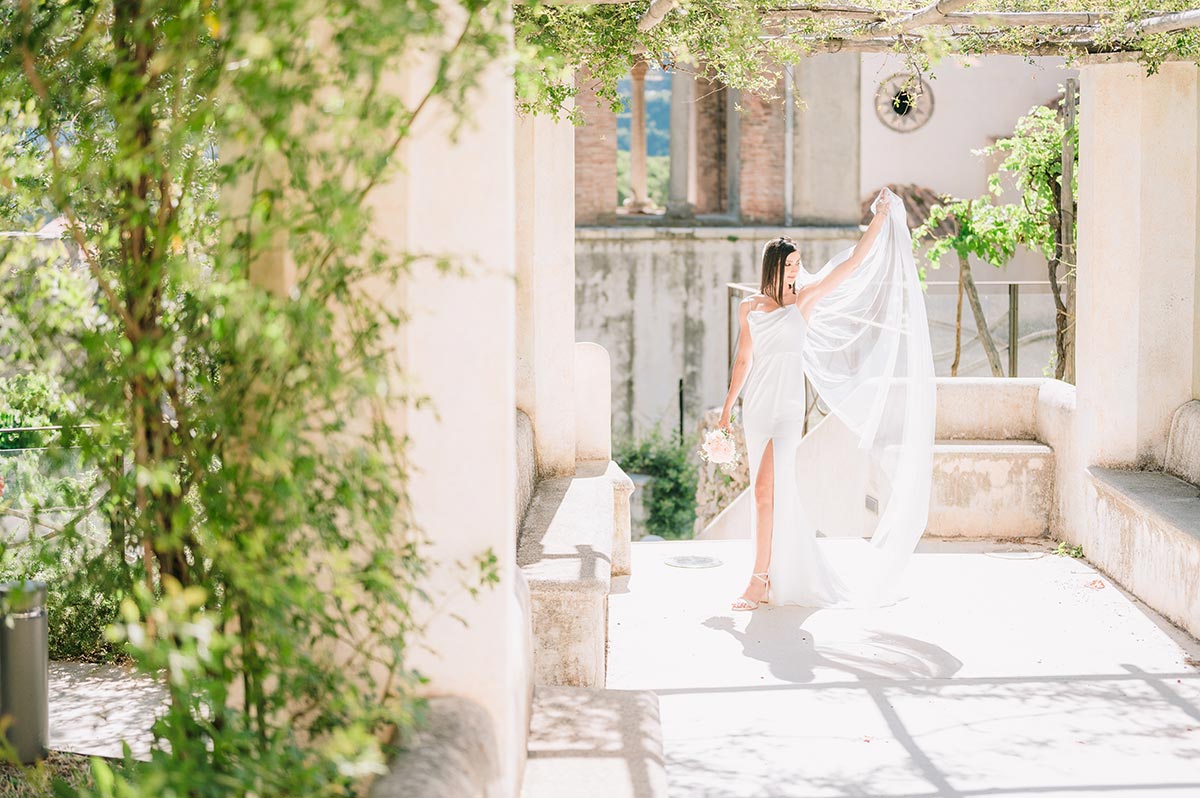
Where is the best place to get married in Italy?
Looking for the best place to get married in Italy? Check out our top picks for the most romantic and picturesque wedding destinations.
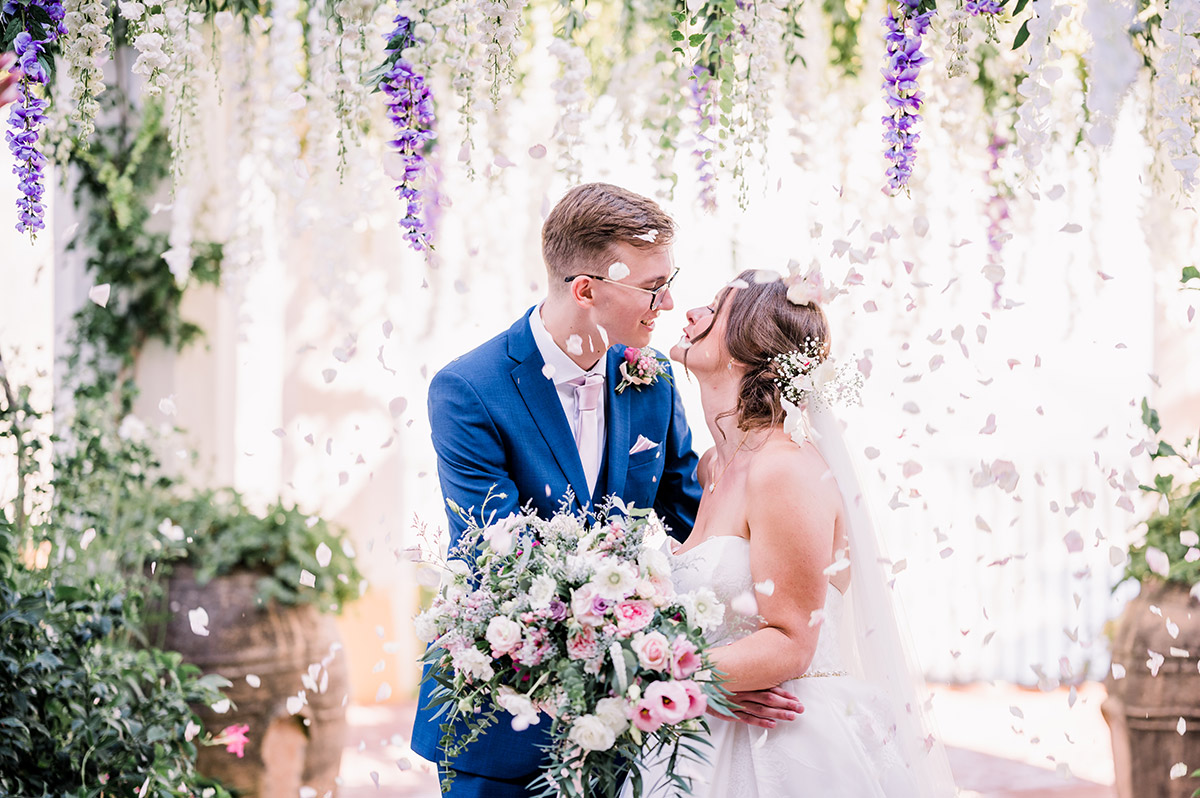

Italy, with its rich history and culture, is undoubtedly the perfect place for a wedding. The country’s timeless charm lures couples worldwide to exchange vows in this beautiful land. In addition, its picturesque locations, ancient monuments, and delicious cuisine add to the appeal of this romantic destination, making it an unparalleled choice for couples looking for a destination wedding location.
The history and culture of Italy can be traced back to ancient civilizations, such as the Etruscans, Greeks, and Romans. With such a rich heritage, Italy has a wealth of historical and cultural landmarks, making it the perfect location for couples who appreciate art, history, and culture. From the iconic Colosseum to the majestic Roman Forum, the country boasts an abundance of ancient ruins that will leave a lasting impression on you and your guests.

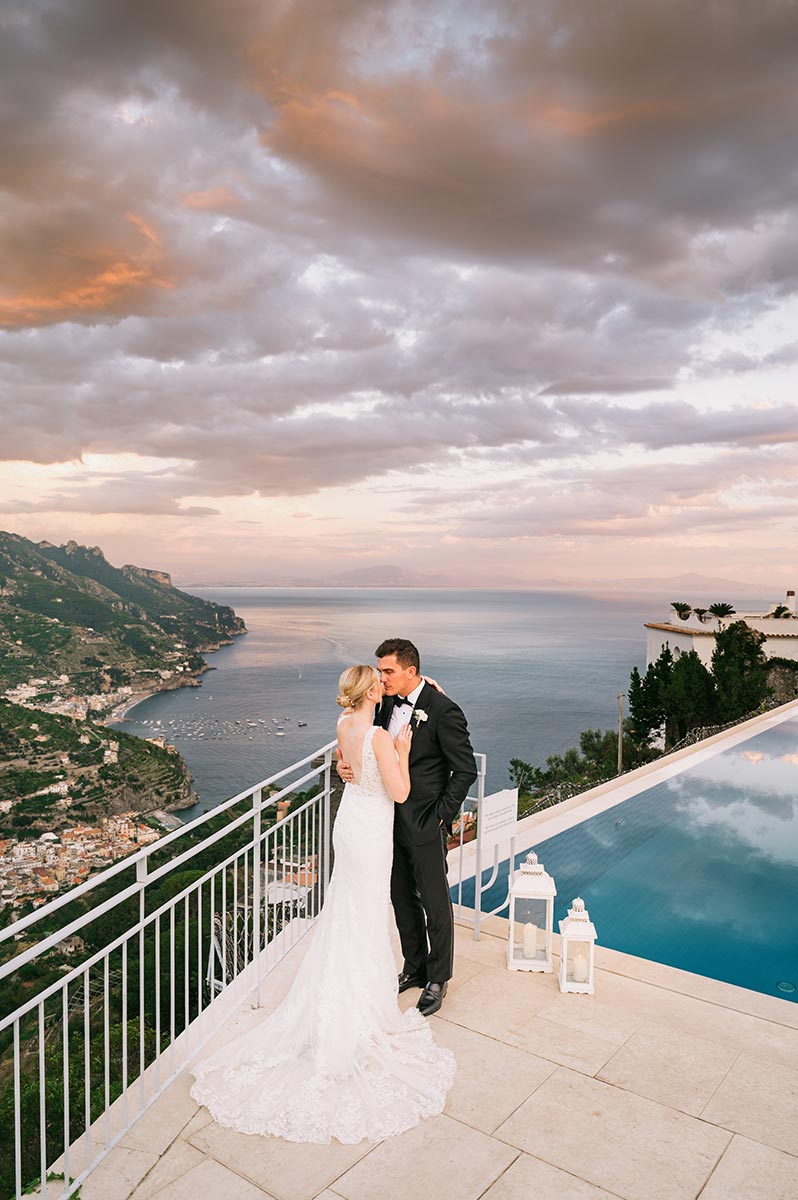
Italy’s natural beauty is equally impressive, with breathtaking landscapes that will take your breath away. From the romantic and idyllic countryside of Tuscany to the stunning Amalfi Coast, Italy has a wide range of scenic locations that make it a popular wedding destination. Couples can exchange vows overlooking the Mediterranean Sea’s azure waters or amidst the Italian countryside’s rolling hills.
Italian cuisine is world-renowned and a highlight of any Italian wedding. From traditional pasta dishes to delectable seafood, Italy has an array of culinary delights that will tantalize your taste buds. The country’s wine is also famous, with many excellent vintages. The delicious food, outstanding wine, and stunning scenery make Italy a dream destination for foodie couples looking for an unforgettable wedding experience.
Best places where to get merry in Italy
Here you will find a list of the best locations for your wedding based on our personal preferences and trends.
Venice
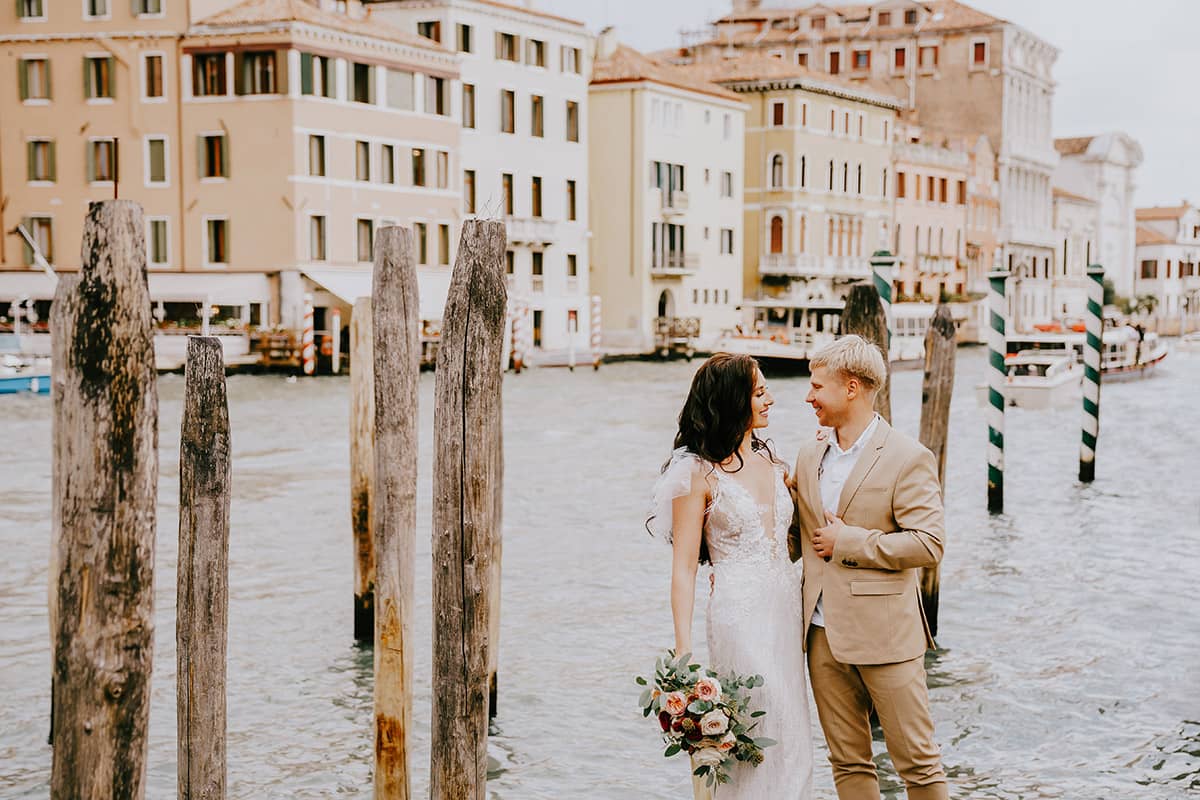
Venice, known as the “City of Love,” has long been recognized as one of the world’s most romantic and enchanting cities. This beautiful city in Italy is famous for its intricate canal network, lined with stunning architecture and ancient landmarks that have stood the test of time. This makes it a dream location for couples looking to tie the knot in a fairytale-like setting.
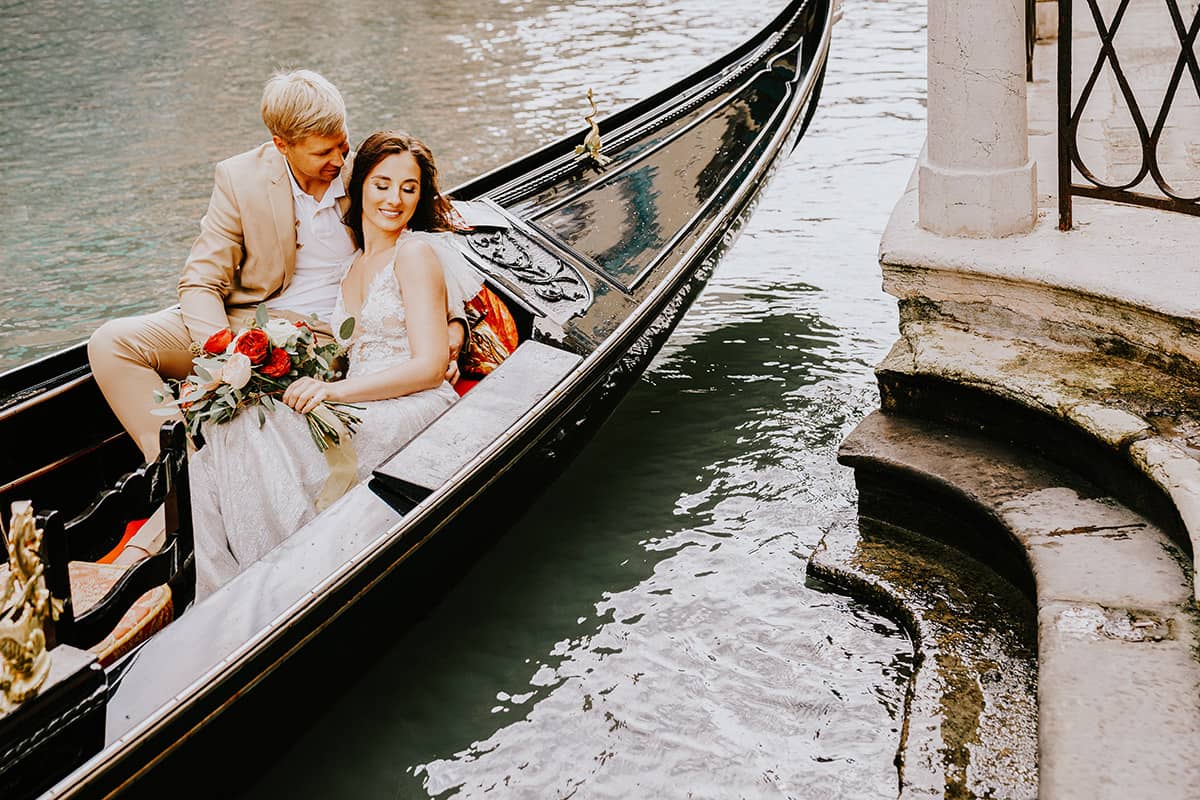
The canals of Venice are perhaps the most iconic feature of this charming city. The gondolas, a popular mode of transportation for locals and visitors alike, offer a unique perspective of the city. Couples can ride romantic gondolas through winding canals, passing by historic buildings, churches, and bridges. The scenery is breathtaking, and the atmosphere is incredibly romantic, making it an ideal setting for exchanging vows.
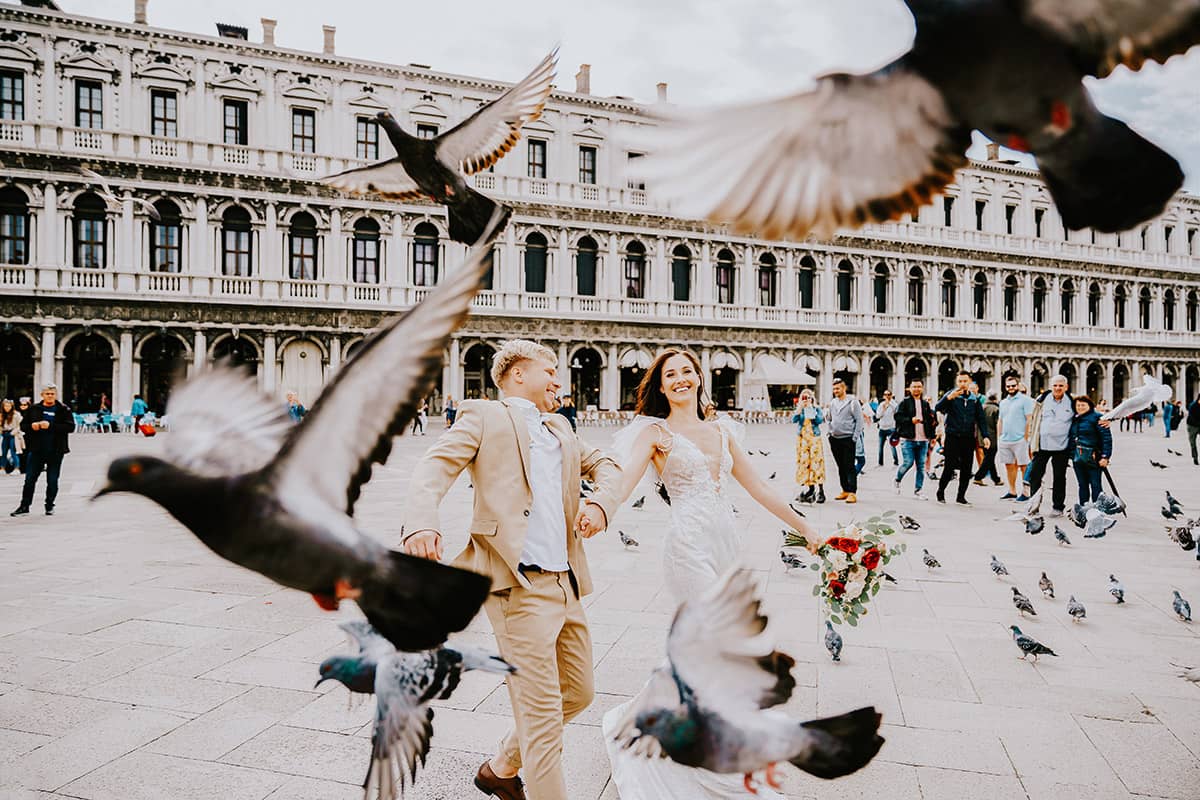
Venice’s rich cultural heritage is evident in its stunning architecture, with buildings adorned with intricate details and designs. The city has been influenced by various architectural styles, from Gothic to Renaissance, and Baroque to Neoclassical, creating a unique blend of sorts that is simply mesmerizing. The iconic St. Mark’s Basilica and Doge’s Palace are two of the most famous landmarks in Venice, and their stunning architecture will impress you and your guests.
The city is also home to a vibrant arts and culture scene, with numerous museums and galleries that showcase the works of local artists and international luminaries. Venice’s cultural offerings allow couples to incorporate art and culture into their wedding celebrations.
Venice is also famous for its delicious cuisine, with a wide variety of local dishes sure to please even the most discerning palates. From fresh seafood to traditional pasta dishes, Venetian cuisine is a culinary delight that will tantalize your taste buds and provide a memorable dining experience for you and your guests.
Rome
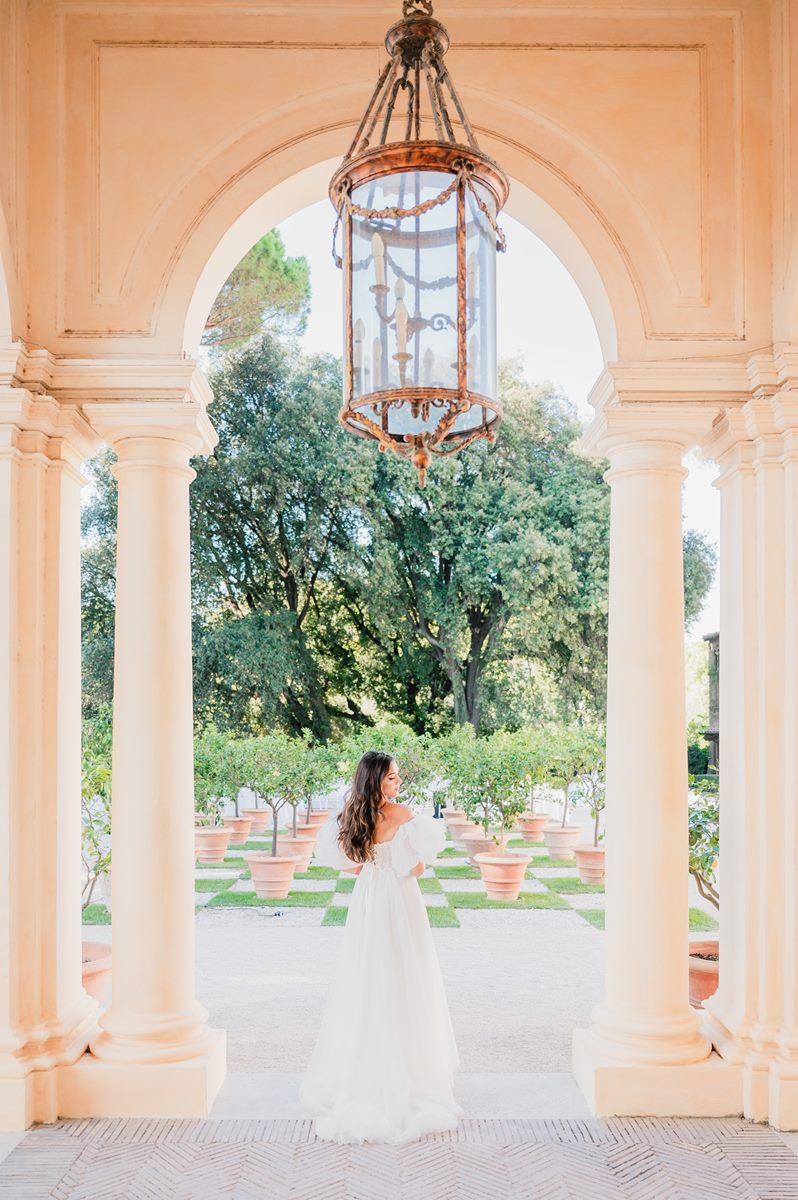
Rome, the Eternal City, is a treasure trove of history, culture, and art, making it an ideal location for a romantic wedding. As the capital city of Italy, Rome is steeped in rich cultural history and has been a center of influence for thousands of years. The city boasts countless ancient monuments, landmarks, and art collections, making it one of Europe’s most popular tourist destinations.
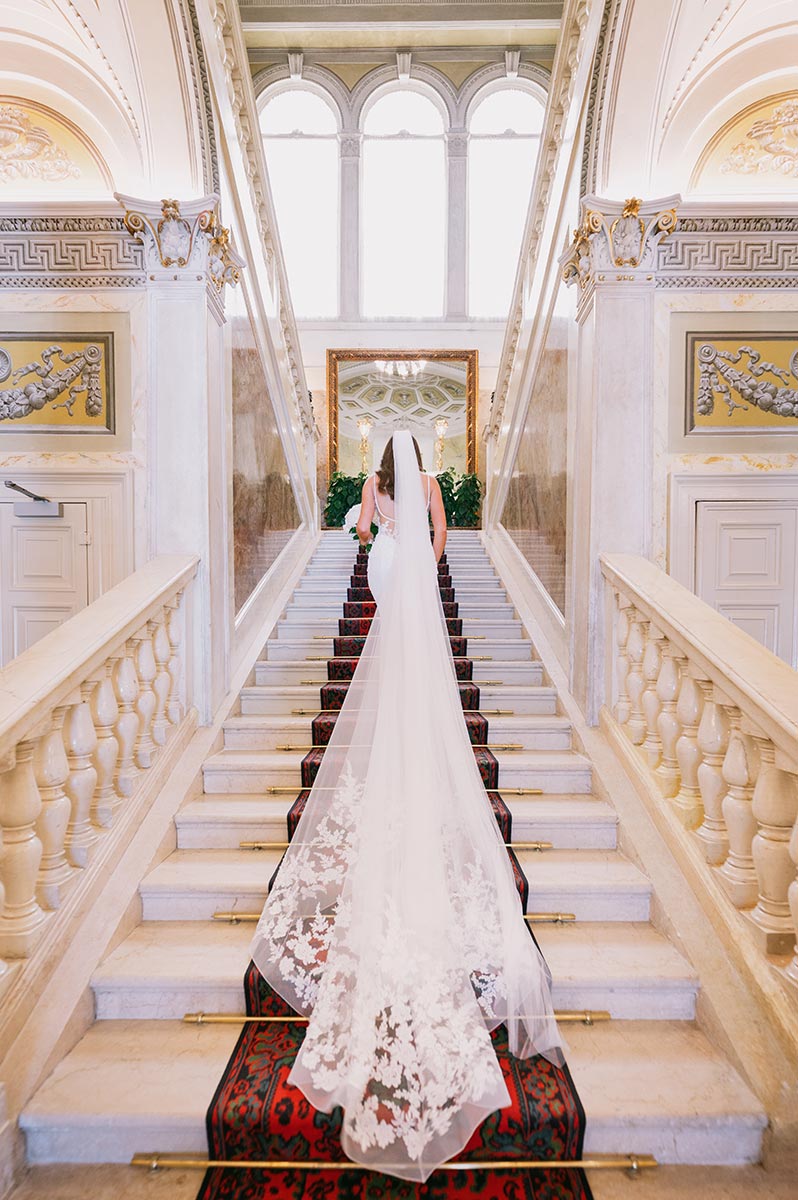
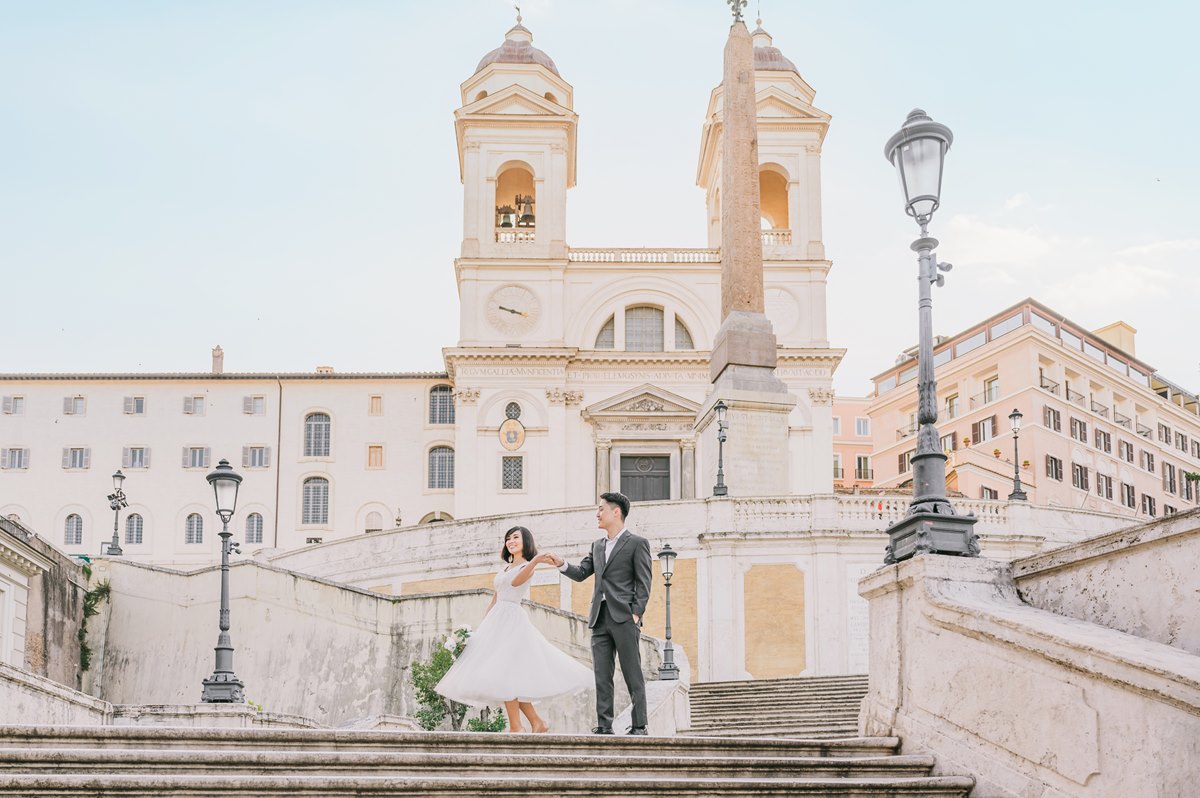
One of the most iconic features of Rome is its ancient architecture, which is evident in its numerous historical landmarks. The Colosseum, one of the most recognizable symbols of Rome, is a testament to the city’s rich history and is one of the most visited landmarks in the world. The Pantheon, another iconic landmark, is a marvel of ancient engineering and boasts an impressive dome that has stood the test of time. These old structures offer a unique and unforgettable setting for a romantic wedding ceremony.

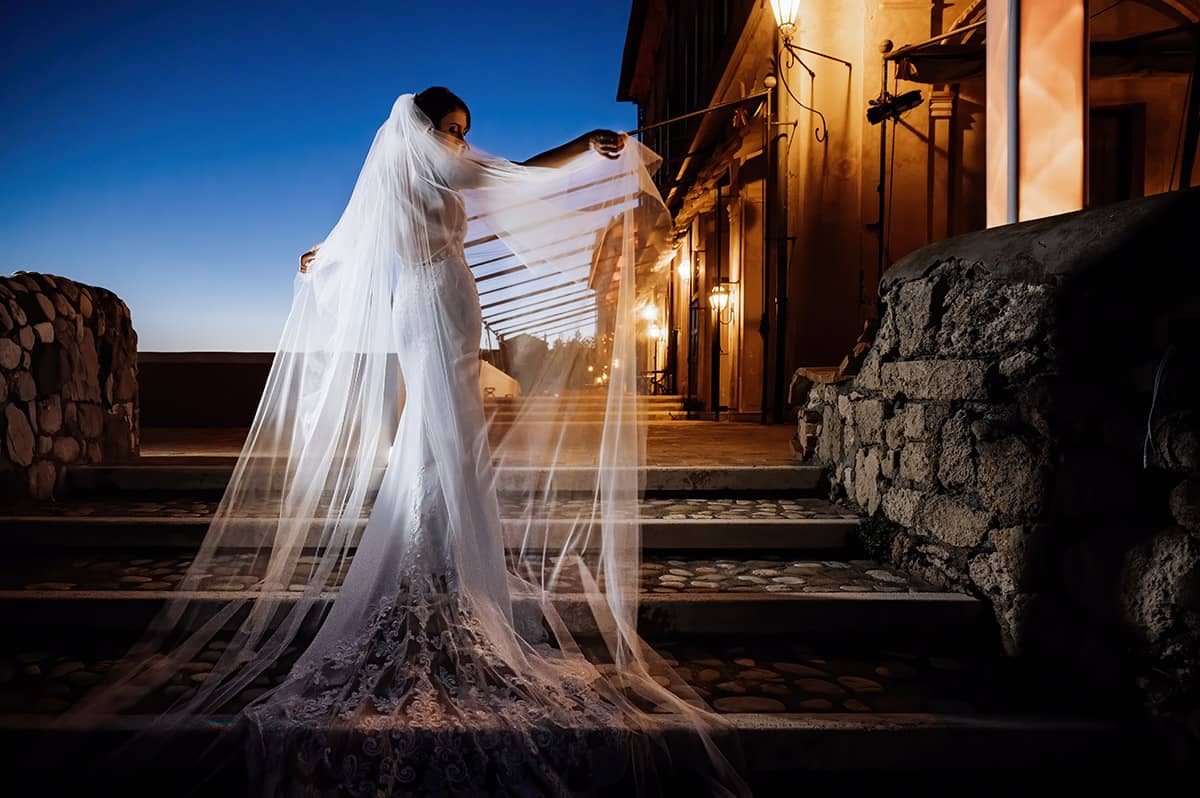
Rome is also home to Vatican City, one of the world’s most sacred and spiritual places. The Vatican City is the center of the Roman Catholic Church. It is home to many historical and religious landmarks, including St. Peter’s Basilica, the Sistine Chapel, and the Vatican Museums. A wedding ceremony in Vatican City is a once-in-a-lifetime experience that will create memories to last a lifetime.
The city’s rich cultural heritage is also evident in its art and culture scene, with numerous museums and art galleries that showcase the works of local and international artists. From classical sculptures to modern art installations, Rome has something to offer every art enthusiast. This makes it an excellent destination for couples who appreciate art and culture and want to incorporate it into their wedding celebrations.
OUR WEDDING STORIES
EVERY MOMENT TOLD

Rome’s culinary scene is another highlight that cannot be missed. The city’s food is renowned for its simplicity and quality, with dishes prepared using the freshest ingredients and traditional recipes. From pizza and pasta to gelato and wine, Rome’s cuisine will tantalize your taste buds and provide a memorable dining experience for you and your guests.
Florence and Tuscany
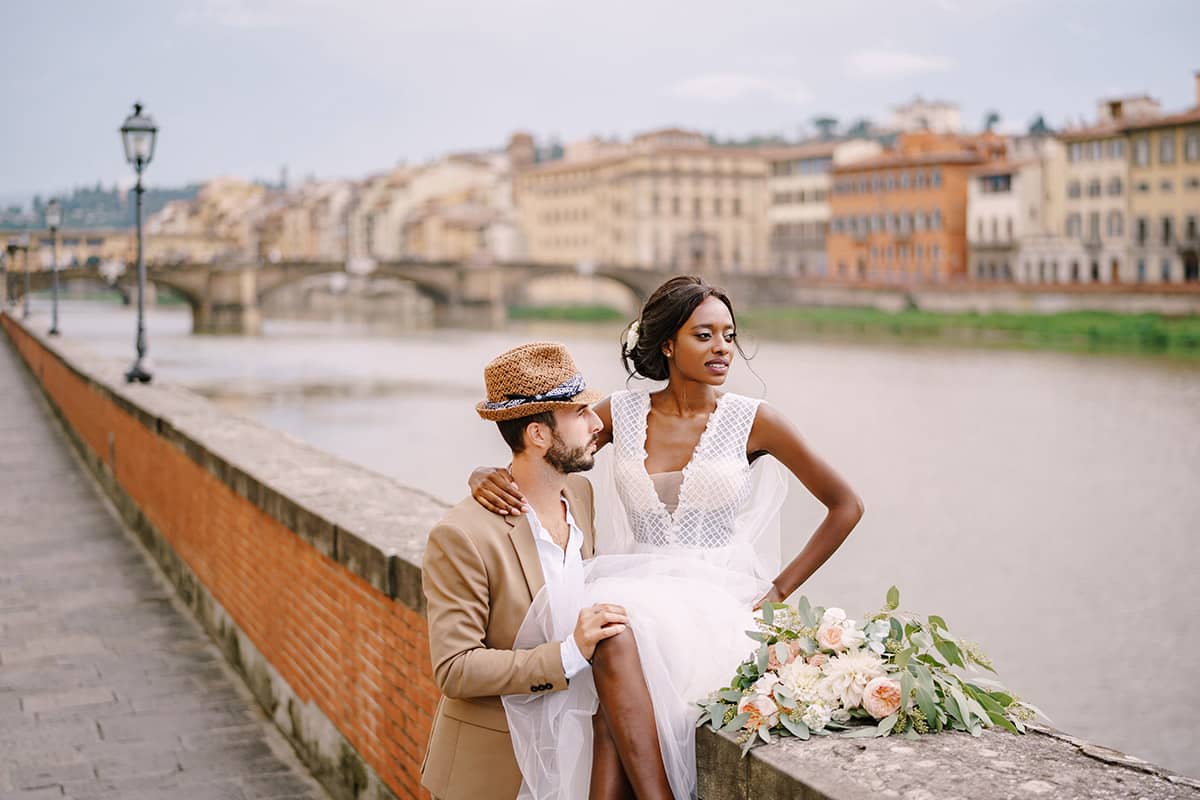
Florence is the perfect place for a wedding. With its rich history and art, it’s no wonder this city has been home to some of the most famous artists in history. From Michelangelo to Leonardo da Vinci, Florence has inspired many artists over the years.
The Aesthetic touch
Lear more on how we compose images, our consistant colour grading and how this will fit in your feelings.

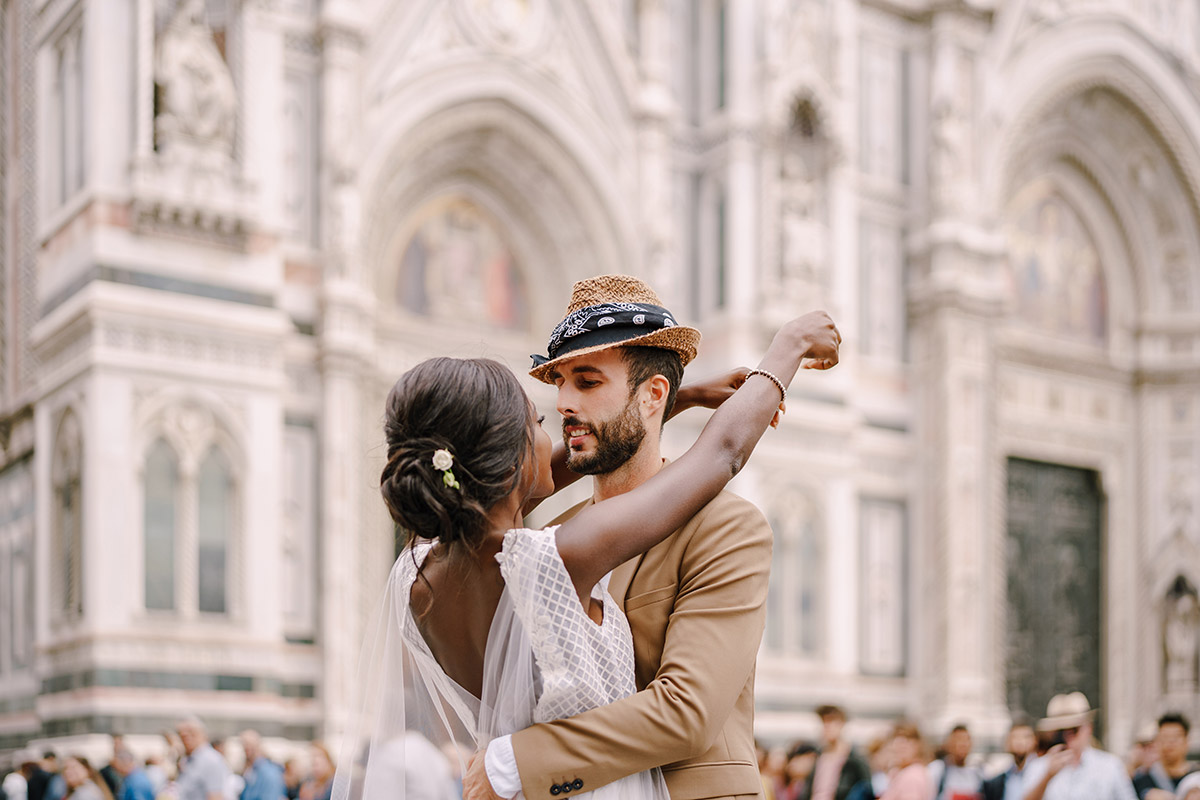
The architecture throughout Florence is also stunning–you’ll find grand churches like Santa Maria del Fiore Cathedral (also known as The Duomo) as well as smaller buildings such as Palazzo Vecchio (the town hall) or Ponte Vecchio (the old bridge). And if you’re looking for something more modern, there are plenty of museums like the Uffizi Gallery where you can see some fantastic pieces from artists like Botticelli or Raphael!
Florence is also known for its nightlife scene–there are many bars and clubs around town where locals go out after work on Friday nights before heading home again on Saturday mornings because they have early shifts at their jobs during weekdays!
Tuscany is one of the most popular regions in Italy, known for its stunning landscapes, charming medieval towns, world-renowned cuisine, and excellent wine. It is also one of the most sought-after wedding destinations in the world, offering a perfect combination of romance, luxury, and natural beauty. Here are some reasons why Tuscany is the best place to get married:
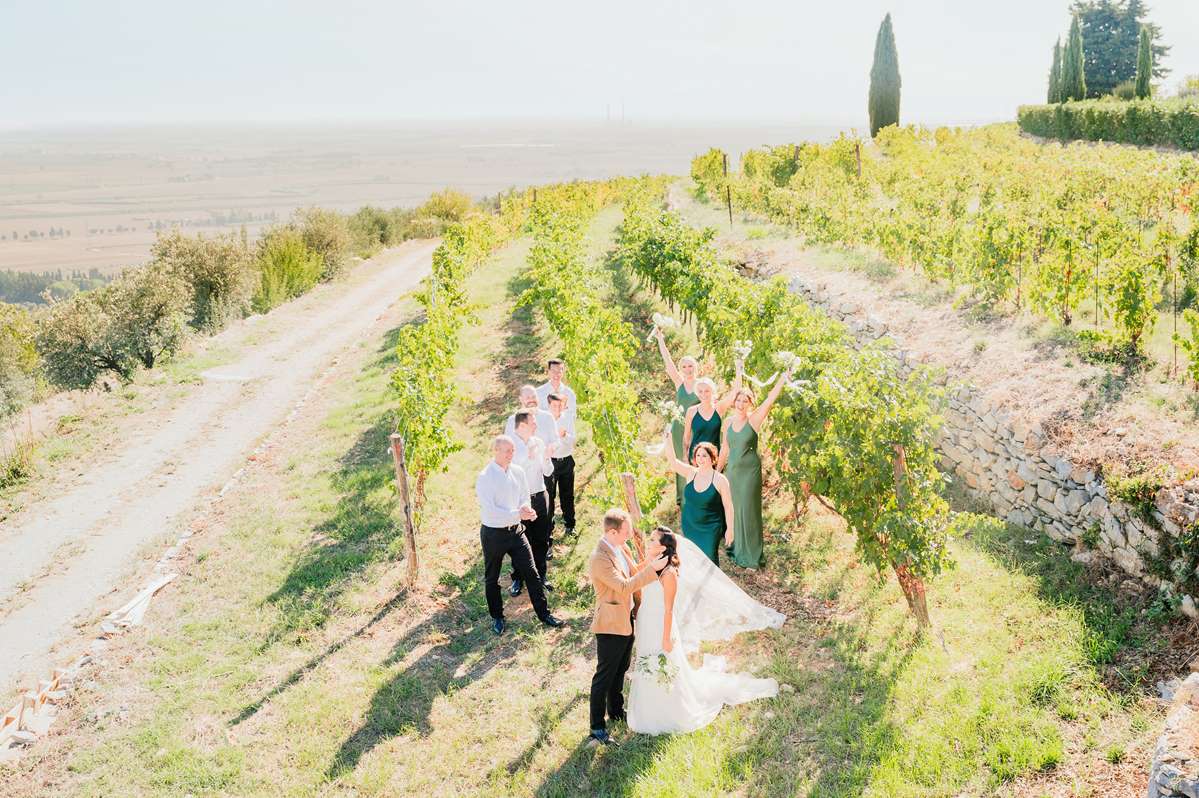
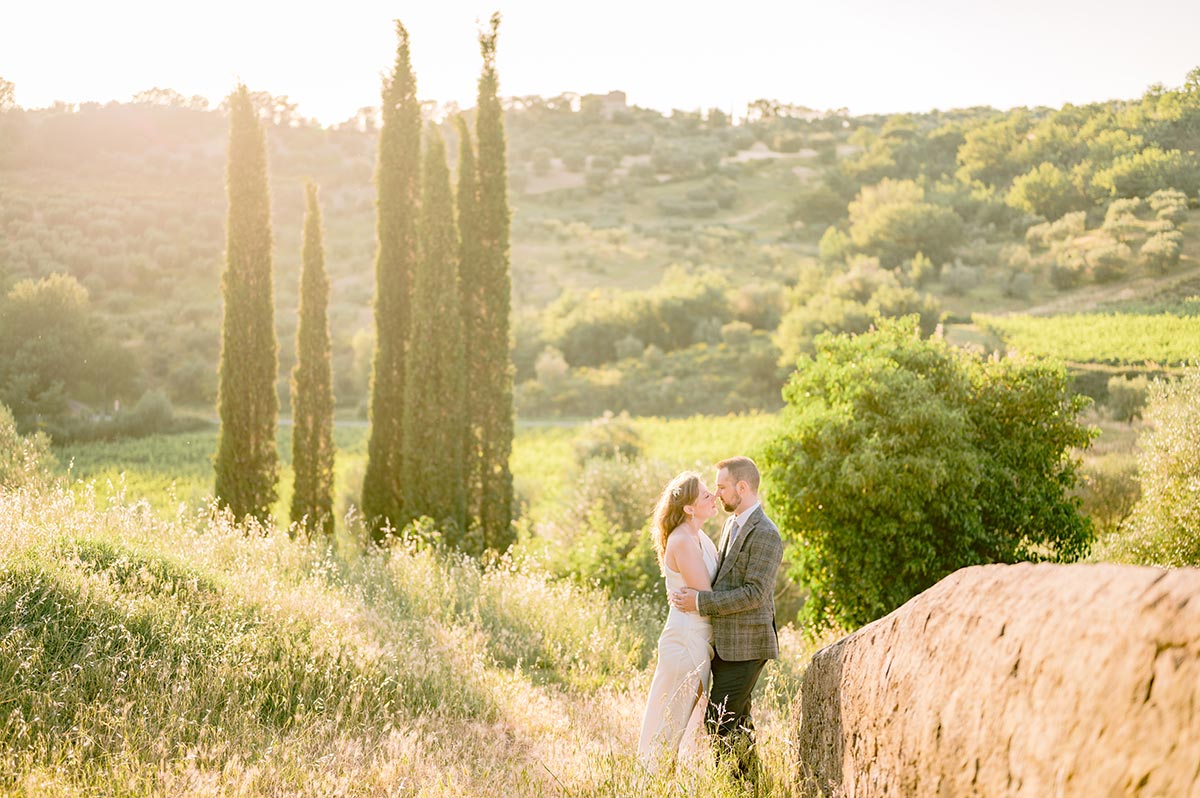
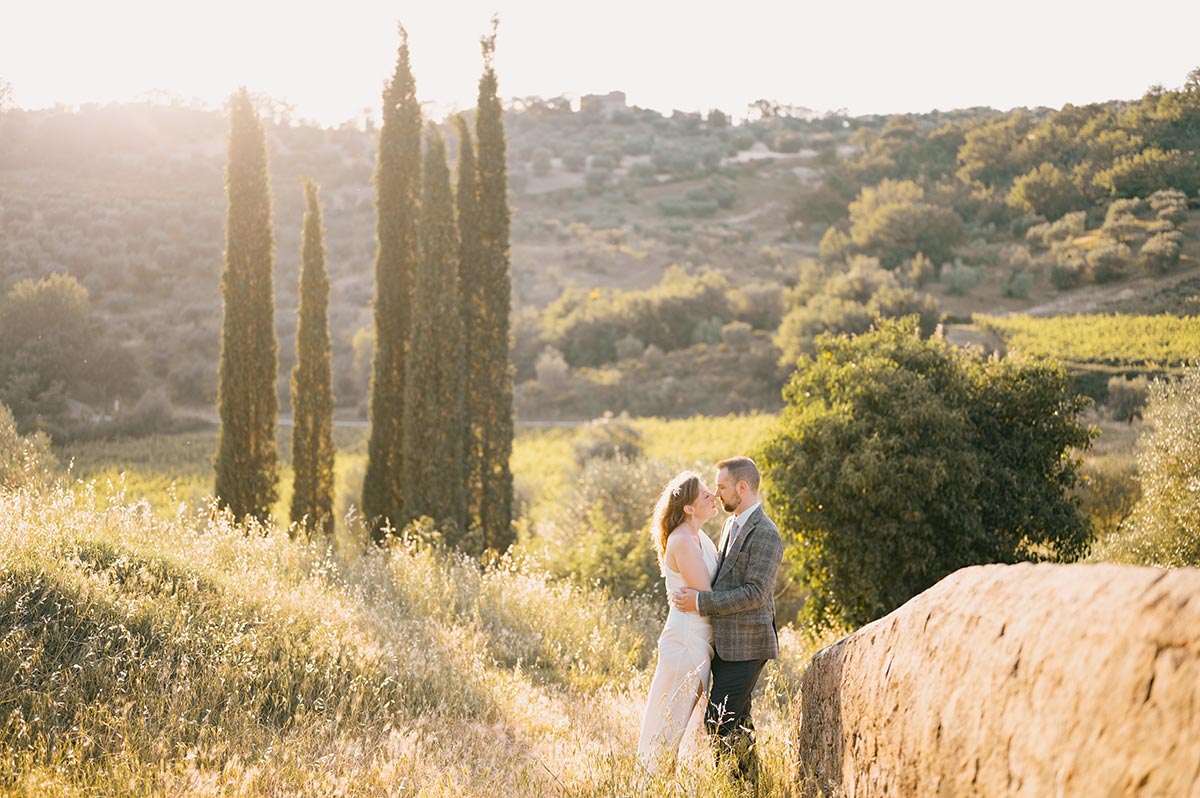
Firstly, Tuscany’s breathtaking landscapes are unrivaled in their natural beauty. Rolling hills covered with vineyards, olive groves, cypress trees, medieval hilltop towns, and stunning countryside vistas provide an enchanting backdrop for a wedding ceremony. Couples can choose from various scenic locations for their wedding, from an ancient castle perched on a hill to a historic villa surrounded by vineyards or a rustic farmhouse nestled in the heart of the countryside. The region’s natural beauty is unmatched, providing the perfect setting for a romantic and unforgettable wedding.
Secondly, Tuscany is renowned for its world-class cuisine, making it an ideal destination for foodies. The region’s cuisine is simple yet elegant, focusing on locally-sourced ingredients and traditional recipes. Tuscany’s culinary scene is spectacular, from fresh pasta, olive oil, truffles, and seafood to world-renowned wines. The region has many Michelin-starred restaurants, rustic trattorias, and wine cellars, offering couples and their guests a unique and unforgettable dining experience.
Thirdly, Tuscany is steeped in history and culture, making it an excellent destination for couples who want to incorporate art and history into their wedding celebrations. The region has numerous historical landmarks, including the Leaning Tower of Pisa, the Uffizi Gallery, and the Palazzo Vecchio. Couples can incorporate these landmarks into their wedding itinerary, taking advantage of the region’s rich cultural heritage.
Fourthly, Tuscany is famous for its world-renowned wines, making it an excellent destination for wine lovers. The region’s vineyards produce some of the world’s most iconic wines, including Chianti, Brunello di Montalcino, and Vino Nobile di Montepulciano. Couples can take advantage of the region’s wine culture, incorporating wine-tasting experiences into their wedding celebrations.
Finally, Tuscany’s warm and welcoming people make it an ideal location for a wedding. The region is renowned for its hospitality, and locals are always happy to share their love for their area with visitors. Couples can enjoy the warmth and generosity of the Tuscan people, creating a sense of community and friendship that will make their wedding day even more special.
WEAR POEMS
STOP TIME
IN YOUR LIFE
Who dreams of a wedding in Italy should never miss out to be photographed on heritage sites.
FEEL VIBES
Sicily
Sicily is an extraordinary region in Italy, offering couples a unique and unforgettable wedding experience. The island is in southern Italy, surrounded by crystal-clear waters, stunning beaches, and picturesque towns. It’s the perfect place to exchange your vows and start your journey as a couple.
One of the main reasons why Sicily is the ideal place to get married is its stunning natural beauty. The island is surrounded by the Mediterranean Sea, with rugged coastlines, pristine beaches, and crystal-clear waters. The natural landscapes offer breathtaking backdrops for your wedding photographs and will leave you and your guests in awe. Imagine saying your vows in front of the turquoise waters of the Mediterranean, with the sun setting behind you, creating a romantic and unforgettable atmosphere.
INTIMATE ELOPEMENTS IN ITALY
LIVE YOUR EXPERIENCE WITH US
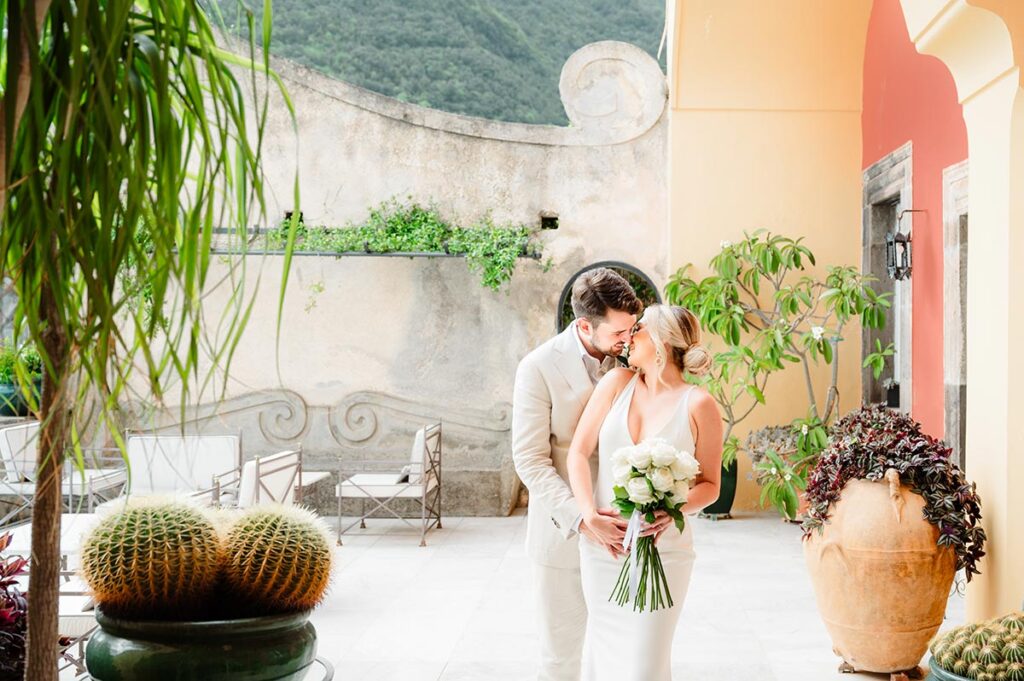
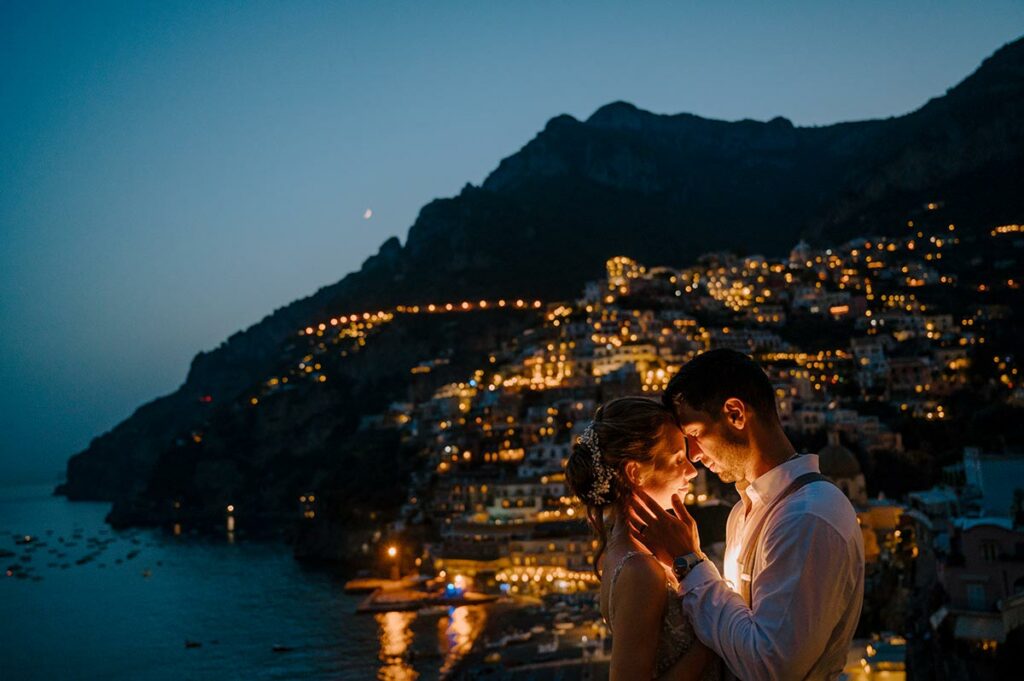
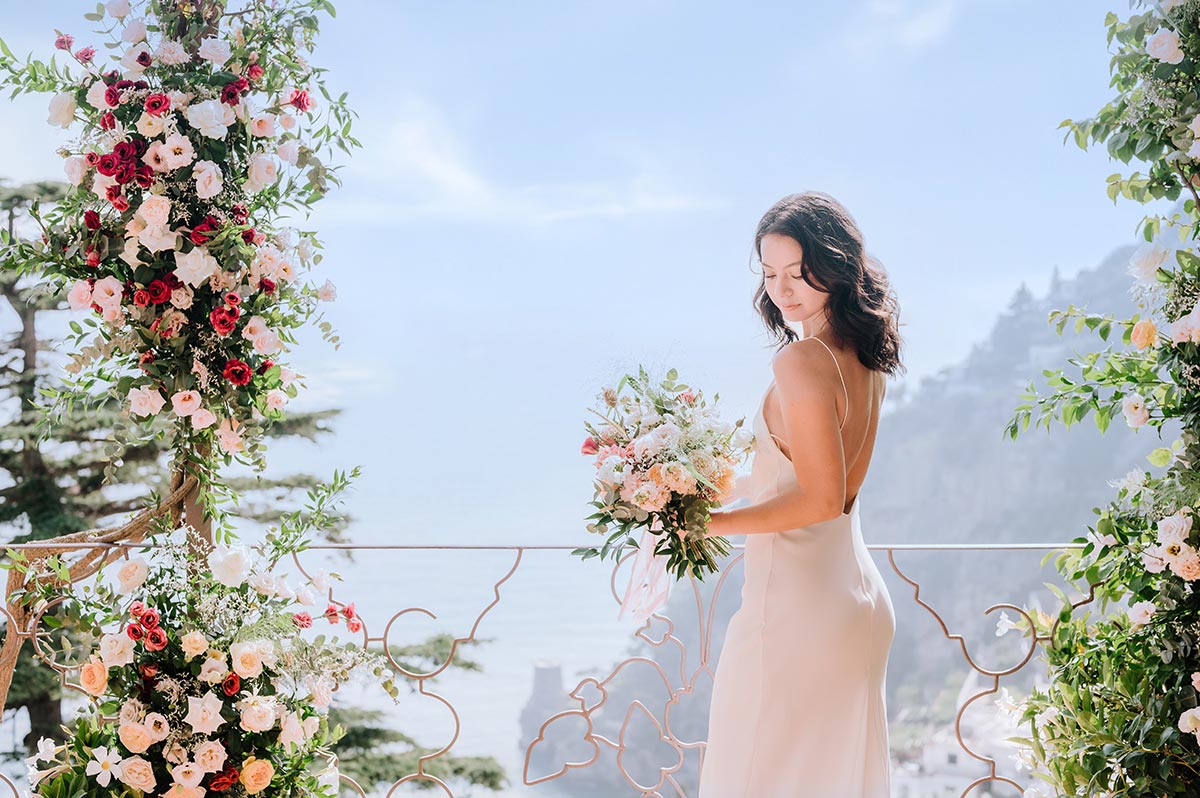
An intimate and private wedding in Positano. Find out how to make your elopement in Italy unforgettable with wonderful photos and unique details on breathtaking views.
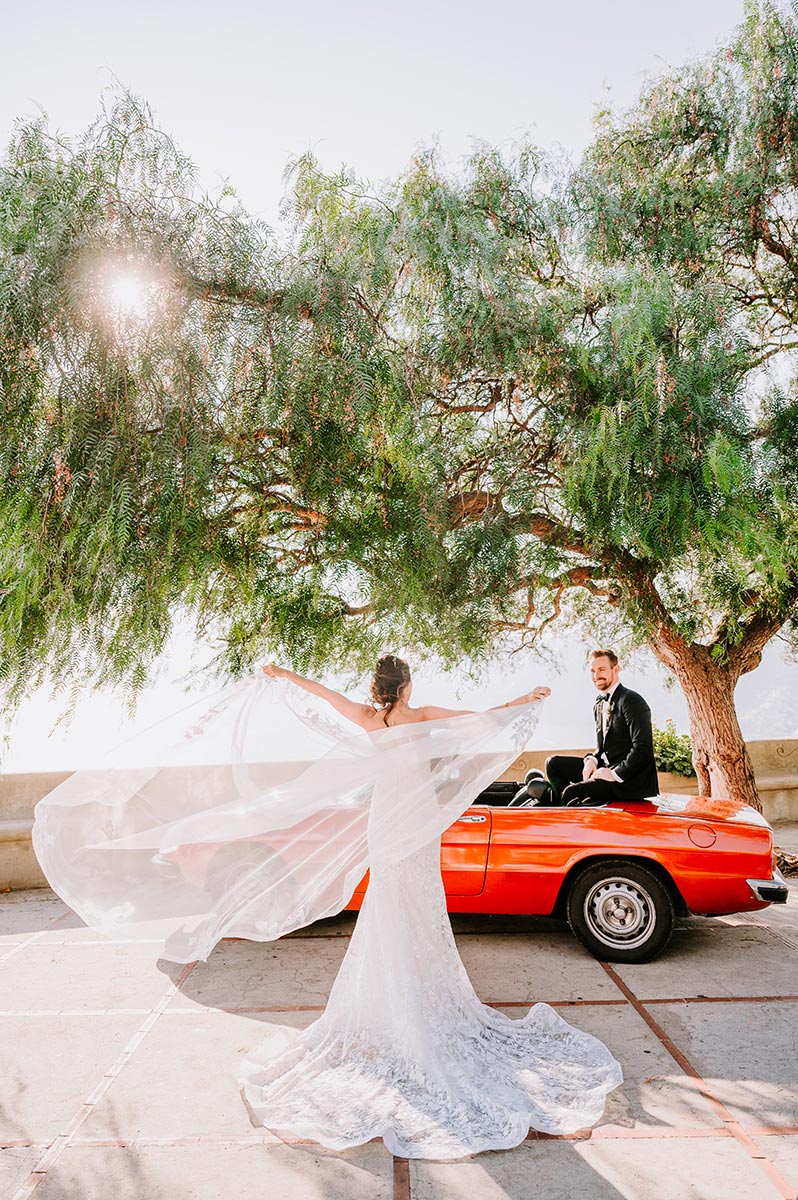
An intimate wedding with a vintage car in Praiano. If well organized you can plan the ceremony in Positano and take pictures along the coast and driving a vintage car.
Give a nice shape to your lucid dreams
Our goal is to redesign the atmosphere of your wedding and give you a unique emotional record of a perfect day.
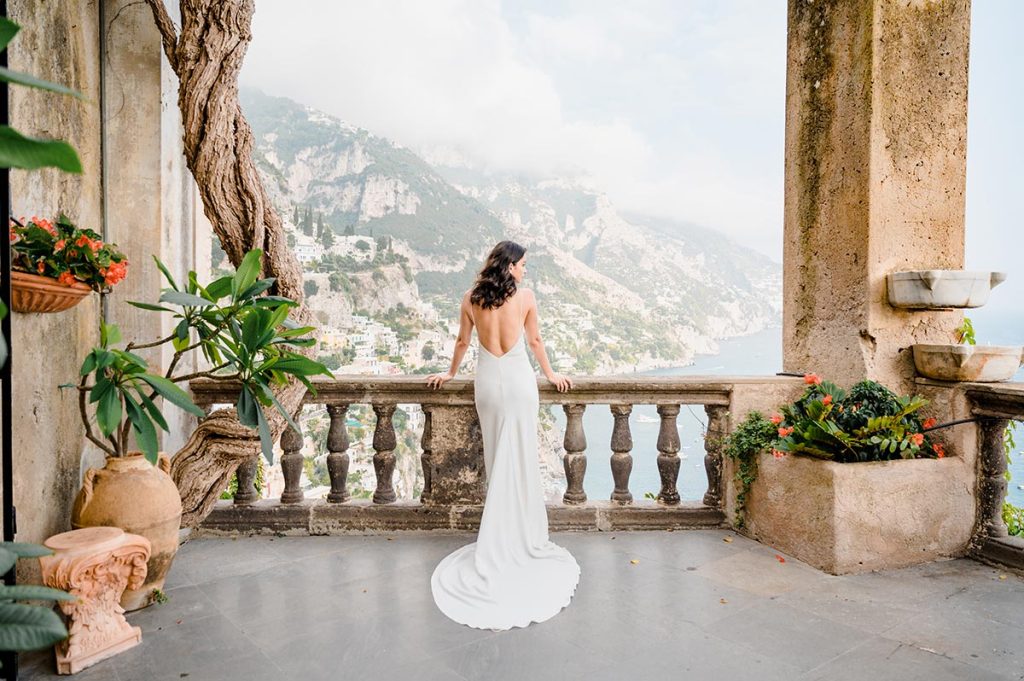
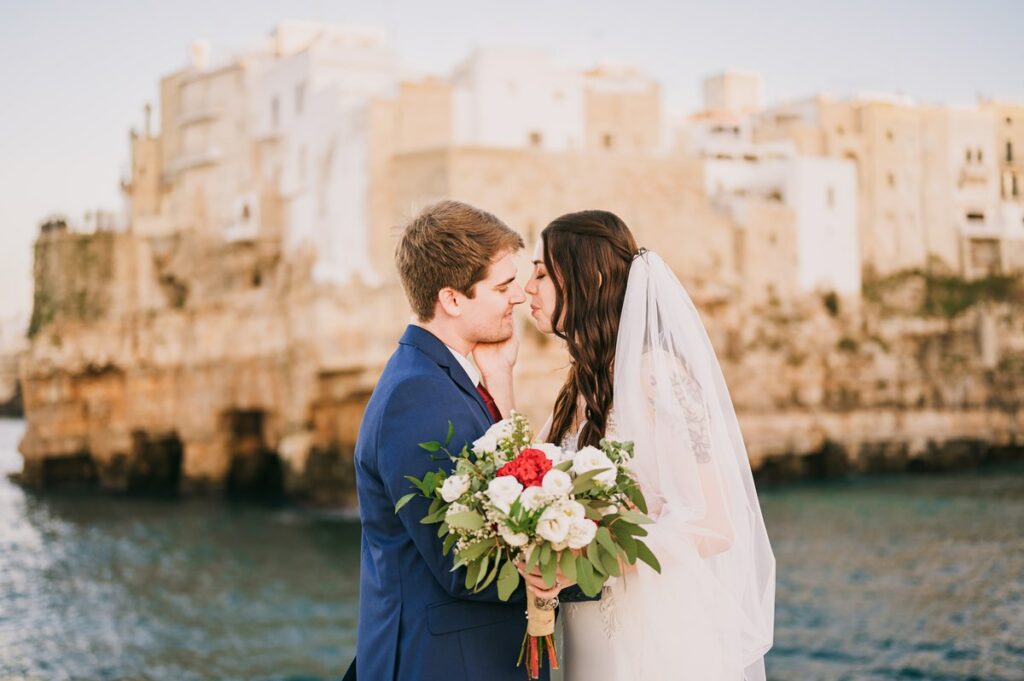
For you who love luxury and elegance, refinement, amazingness on such an important day, there is a dream to live with no delay.
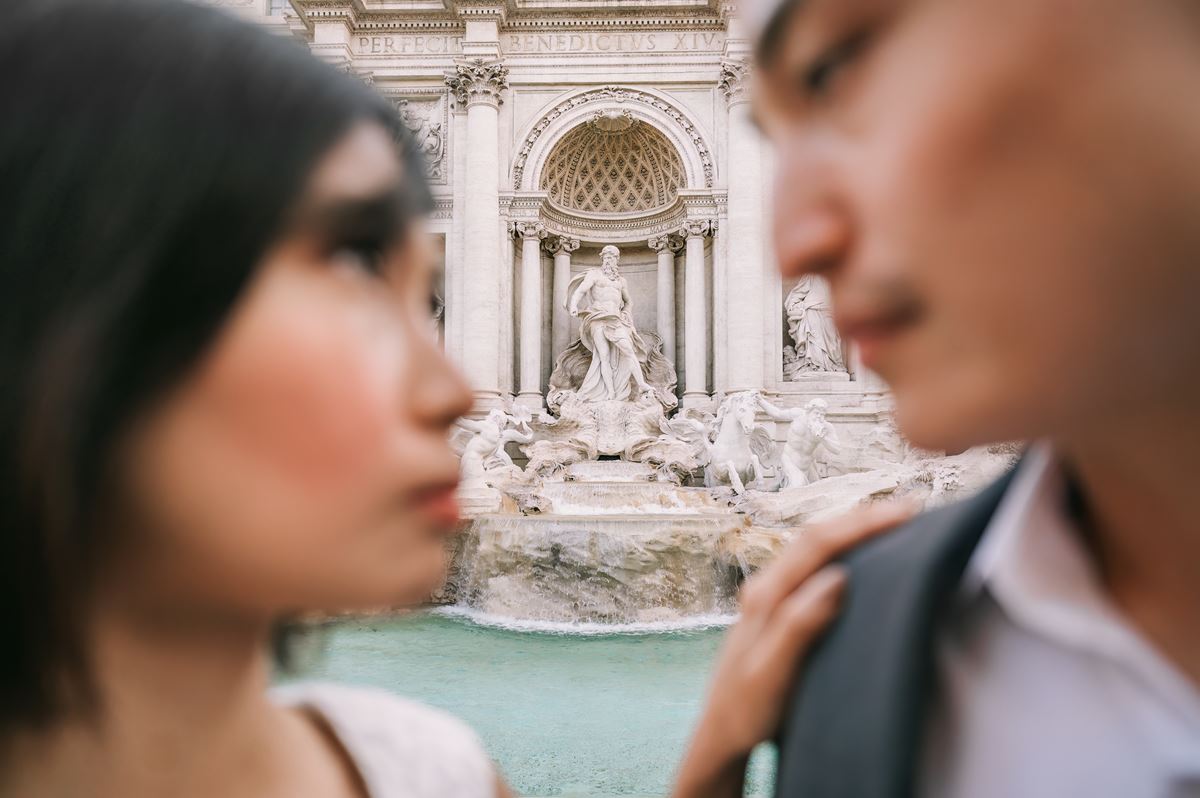
Sicily’s unique culture is also why it’s a perfect wedding destination. The island has a rich history, influenced by the Greeks, Romans, Arabs, Normans, and Spanish. The island’s architecture, food, and traditions reflect the blend of cultures. The Baroque architecture of the cities, the ancient Greek temples, and the Norman castles all make for a romantic and charming setting for your wedding. Traditional Sicilian cuisine is also something to be noticed. From fresh seafood, delicious pastries, and the famous cannoli, the island’s cuisine will tantalize your taste buds and leave your guests wanting more.
For those looking to get married in a more casual setting, there are many beautiful beaches where you can exchange vows and have your reception. Consider marrying on the beach under the stars with your closest family and friends. The island has many quaint towns dotted with pastel-colored houses that make for beautiful backdrops for photos after the ceremony.
Umbria
Umbria is one of the most beautiful regions in Italy, and it’s also home to some truly stunning lakes. The region’s lush forests are perfect for hiking and biking, while its charming villages offer plenty of opportunities for exploring on foot or by bicycle. The region’s lakes are a highlight of any visit to Umbria. The area has many beautiful lakes, including Lake Trasimeno, known for its unique coloration and historical significance. The region also has several famous wineries offering wine tastings and tours for visitors looking to sample local wines.
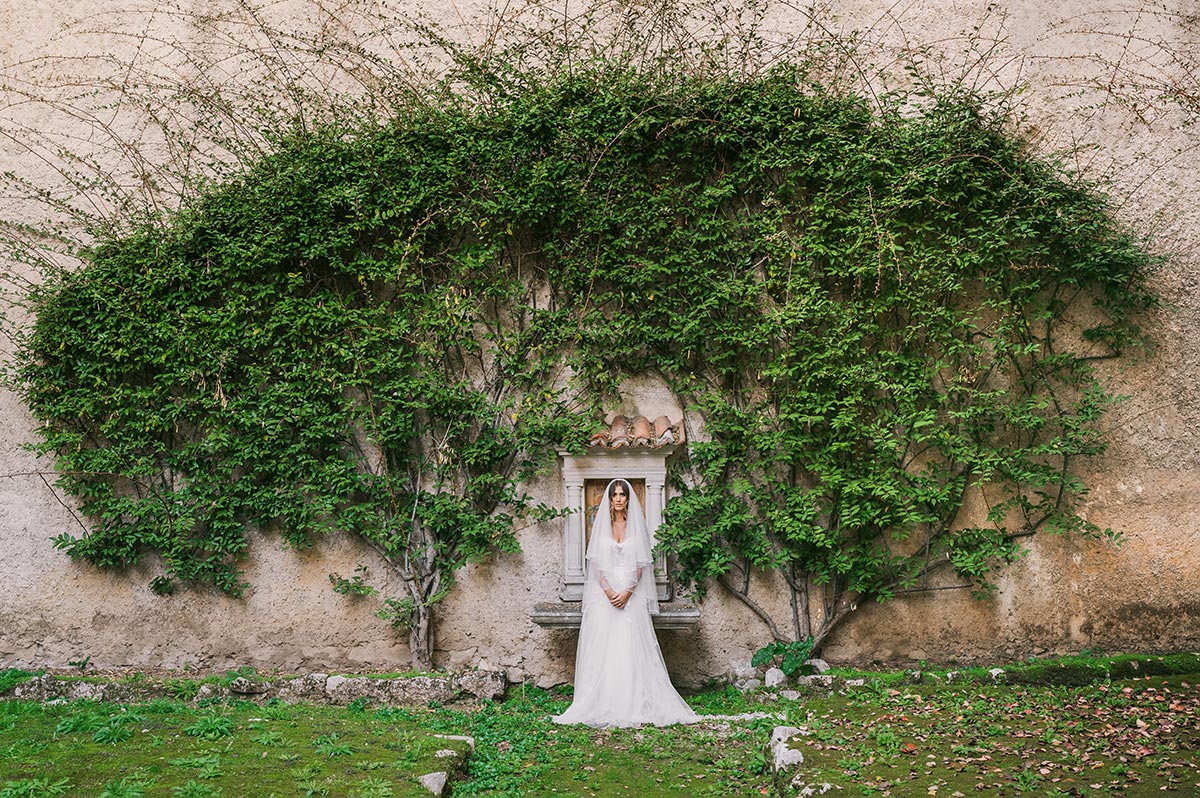
The city of Perugia is one of the most popular destinations in Umbria. The historic center is full of beautiful architecture, including the famous medieval citadel, the Rocca Paolina. The city also has a lively nightlife and plenty of shopping opportunities for those who want to take advantage of all Umbria offers.
Assisi is a popular tourist destination known for its hilltop Basilica of Saint Francis, which houses the remains of Saint Francis. There are also several other churches in Assisi to visit, including the Church of Santa Maria degli Angeli and the Church of San Rufino. The city’s old town is also worth exploring, with its narrow streets and ancient buildings. The Basilica of Saint Francis is one of the most popular attractions in Assisi, and it’s no wonder why: It’s beautiful inside and out!
Amalfi Coast
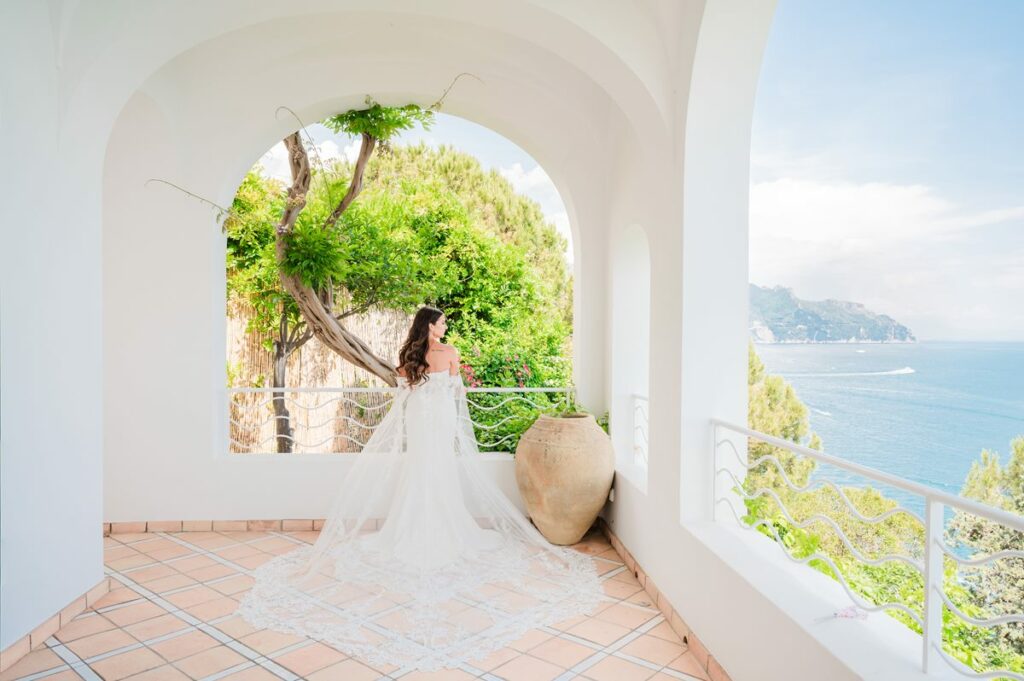
The Amalfi Coast, in southern Italy, is a picturesque coastal area renowned for its natural beauty and scenic landscapes. Unsurprisingly, this area is one of the most popular destinations for couples to get married in Italy. The Amalfi Coast offers a unique blend of stunning beaches, rugged cliffs, and turquoise waters, making it an ideal location for a romantic and intimate wedding ceremony.
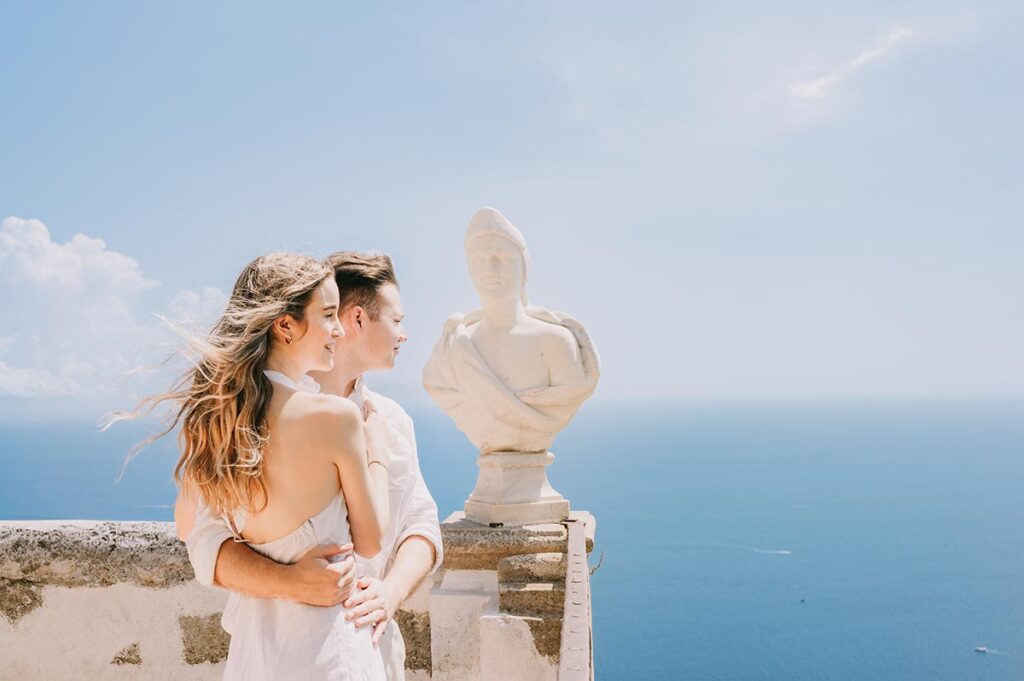
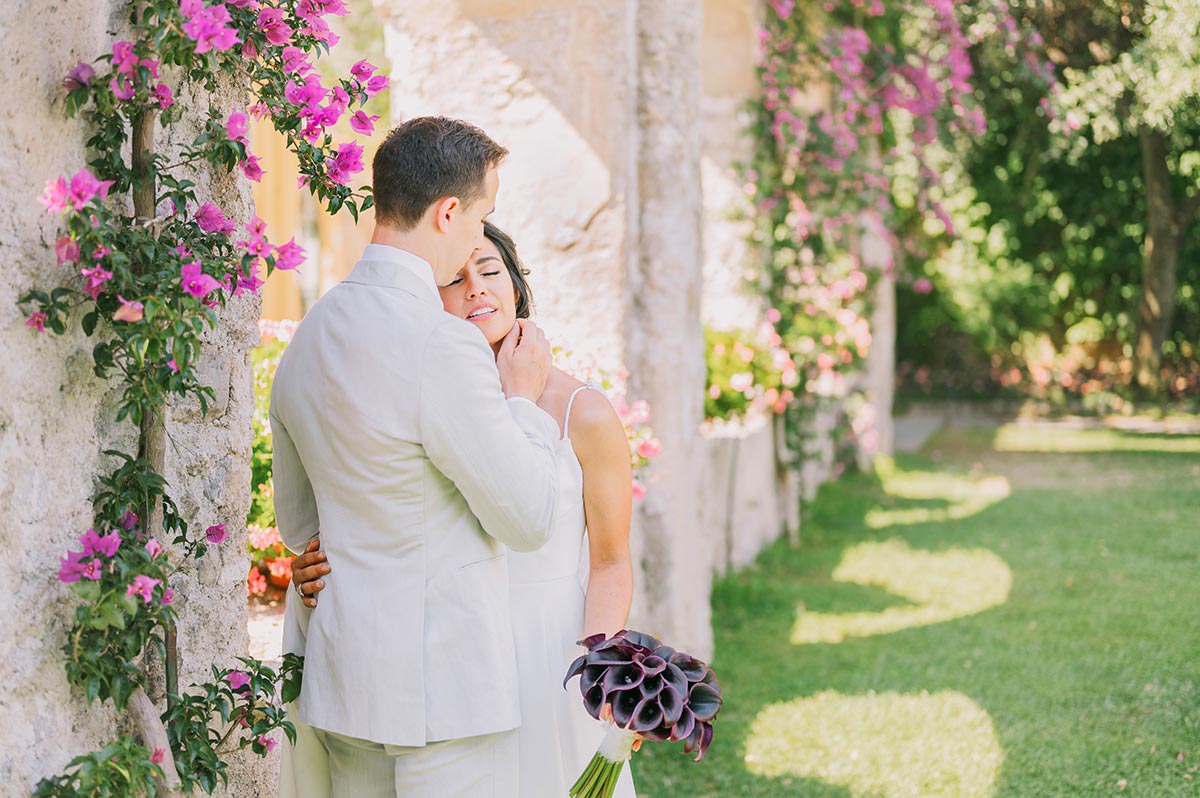
The Amalfi Coast boasts several charming towns that are perfect for a wedding. Among these, Ravello is the most popular. It is a small town perched high up in the mountains, offering breathtaking views of the coastline below. In addition, Ravello is known for its stunning architecture, which includes grand villas and historic churches. The town’s lovely gardens and wine cellars are also popular with visitors, making it an ideal destination for a wedding.
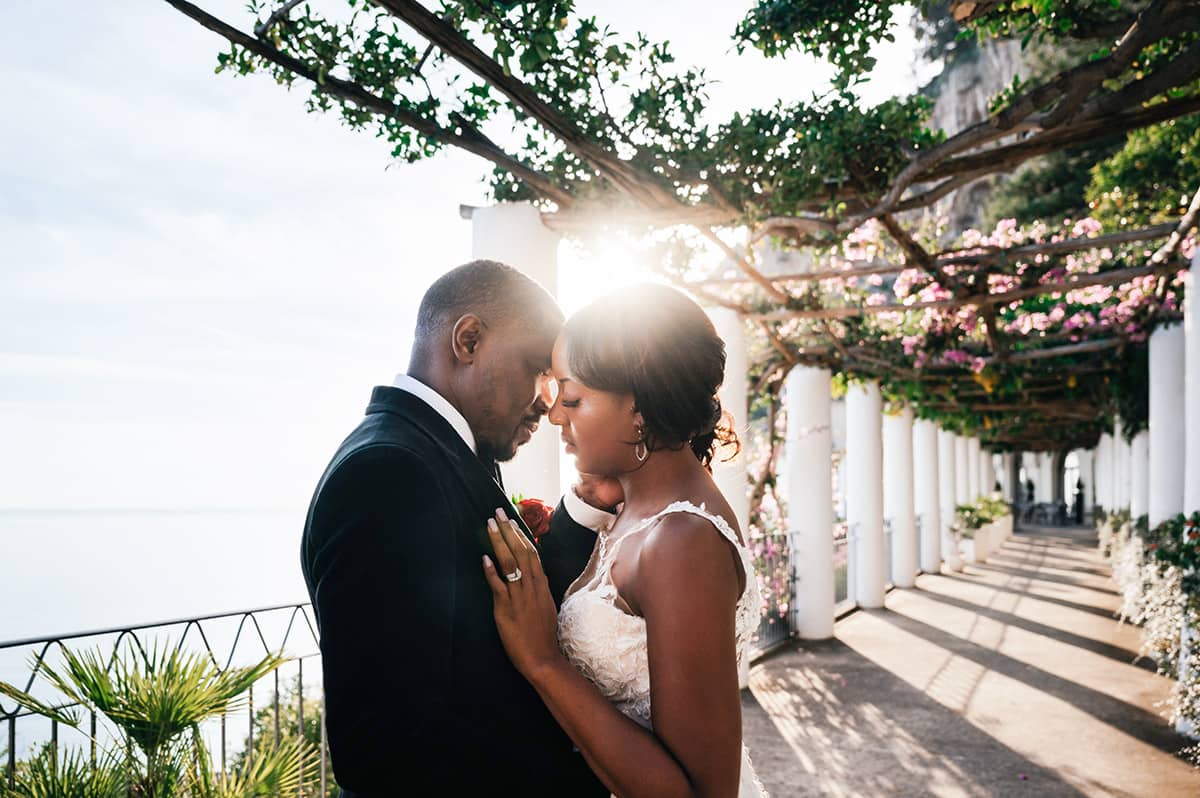
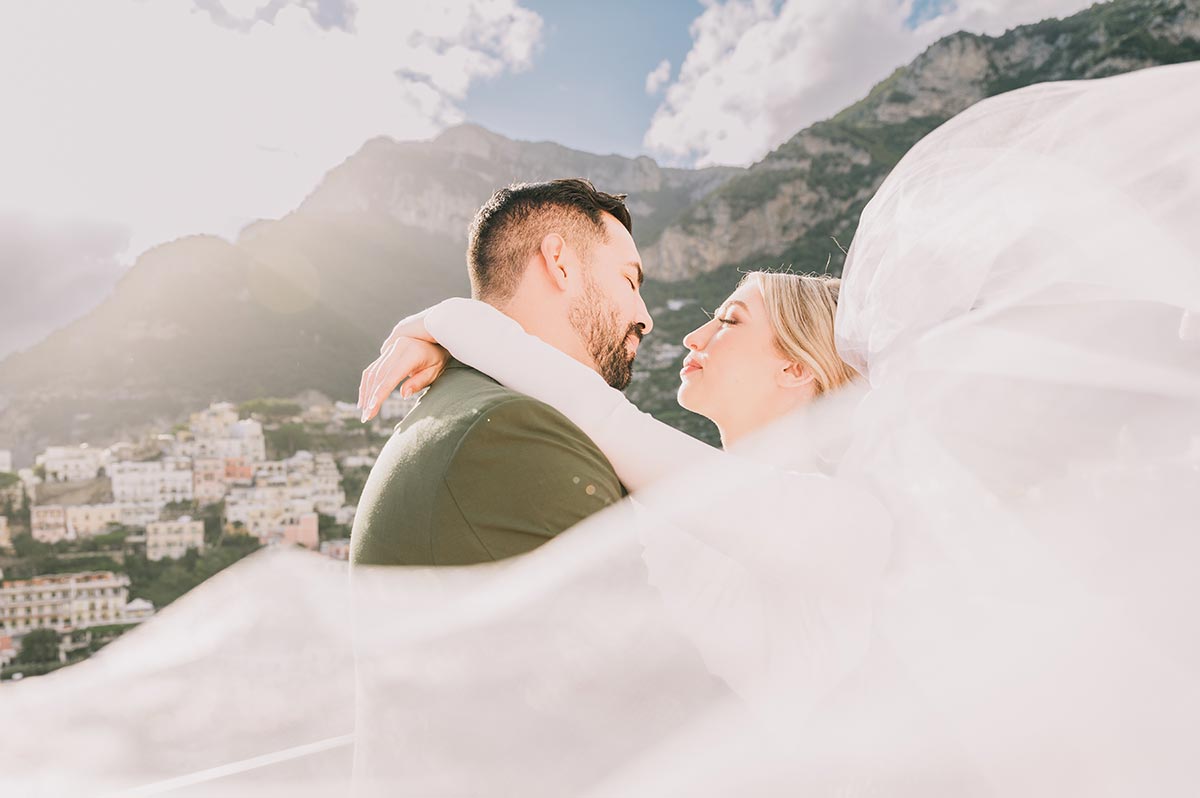
Besides Ravello, many other beautiful towns along the Amalfi Coast make for an ideal wedding location. One of these is Positano, a famous village for its colorful houses and narrow winding streets leading down to the beach. It’s a place that exudes romance and charm and is perfect for couples looking for a unique and unforgettable wedding location.
One of the most significant attractions of the Amalfi Coast is its cuisine. The region is renowned for its fresh seafood, locally grown vegetables, and the famous limoncello liqueur. A wedding reception in this area will surely be a gastronomic delight, with dishes prepared using only the freshest ingredients and traditional recipes handed down through generations.
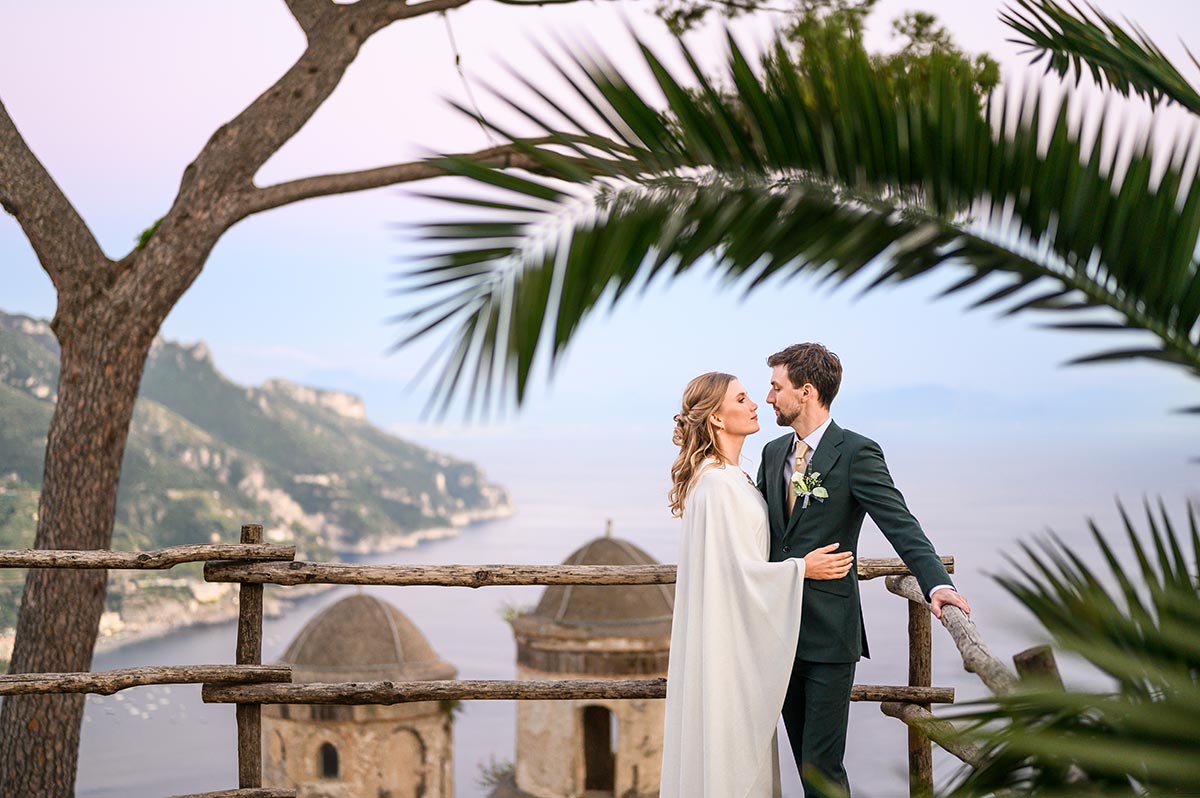
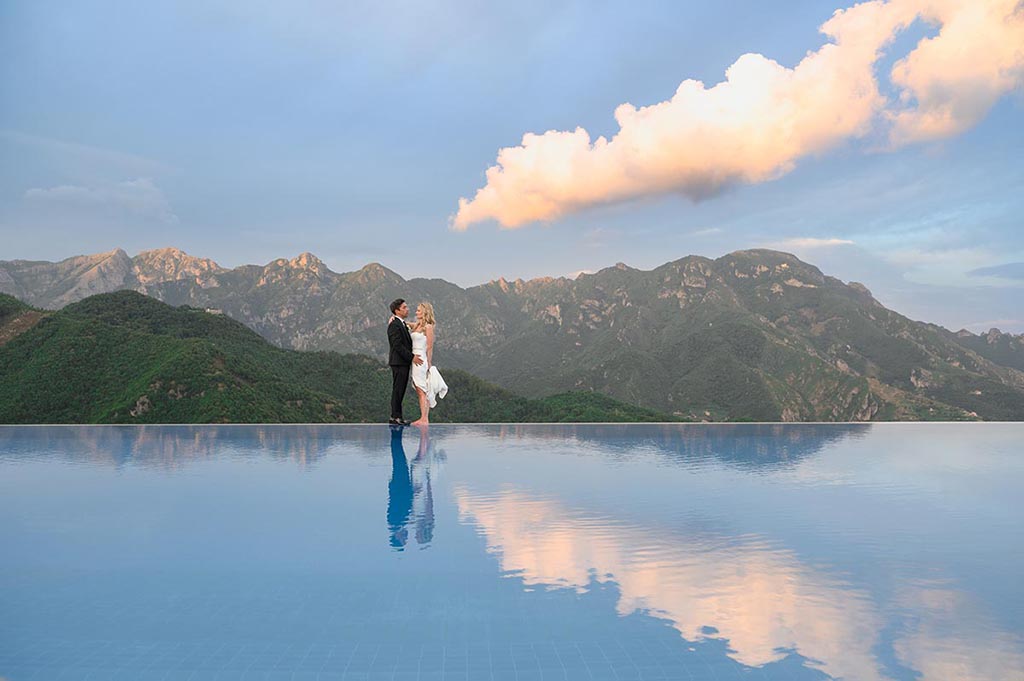
Apart from its natural beauty and cuisine, the Amalfi Coast is known for its rich history and culture. The area has been inhabited since ancient times, and numerous archaeological sites and historical landmarks provide a fascinating glimpse into the region’s past. A wedding in this area can be an opportunity to explore the history and culture of Italy and make your special day even more memorable.
Lake Como
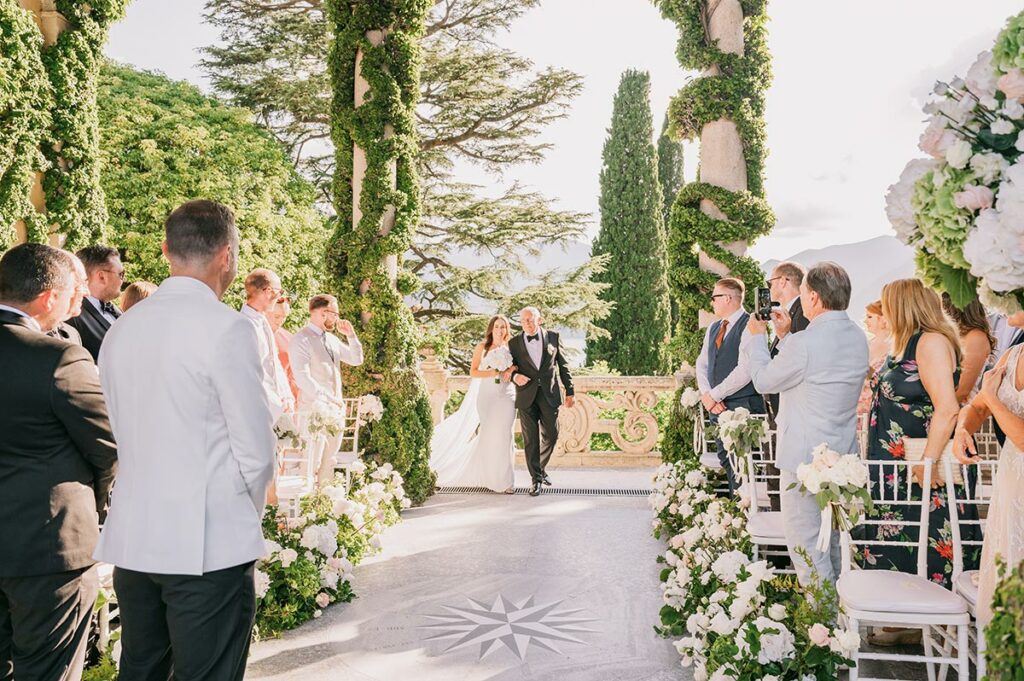
Lake Como, located in the Lombardy region of northern Italy, is one of the world’s most scenic and romantic places, attracting couples from all corners to exchange their wedding vows. Here are some reasons why Lake Como is the ideal place to get married in Italy:
Firstly, the natural beauty of Lake Como is unparalleled. The stunning blue waters are surrounded by lush green hills and mountains and are dotted with charming towns and villages. The lake’s shoreline is lined with elegant villas and gardens that offer a perfect setting for a wedding ceremony. The picturesque scenery makes it an ideal location for couples looking to capture unforgettable memories of their special day.
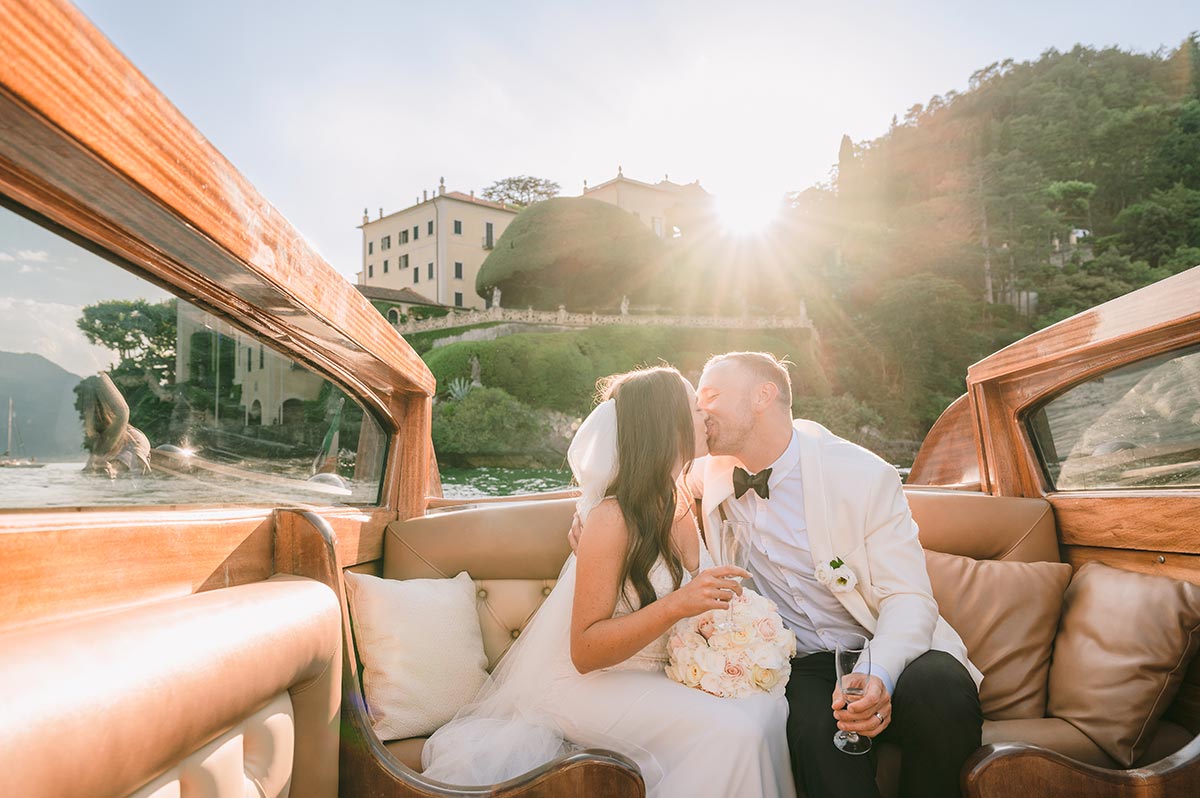
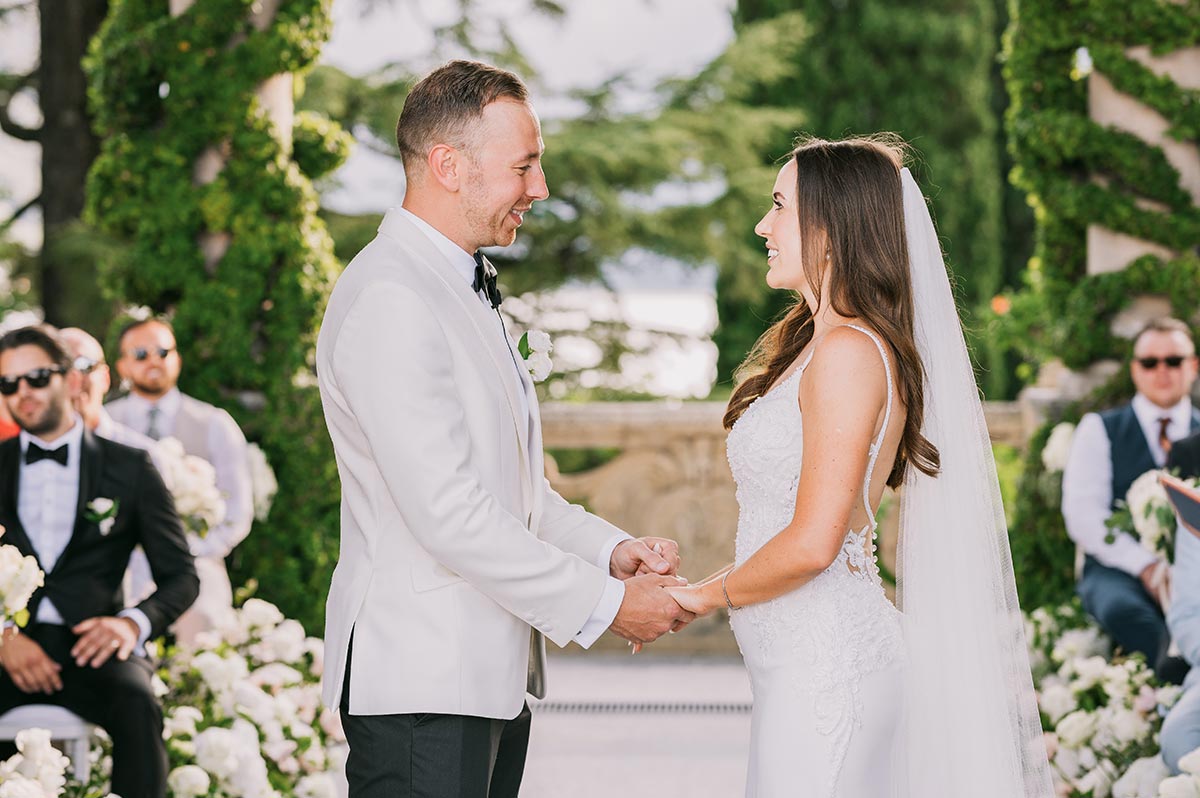
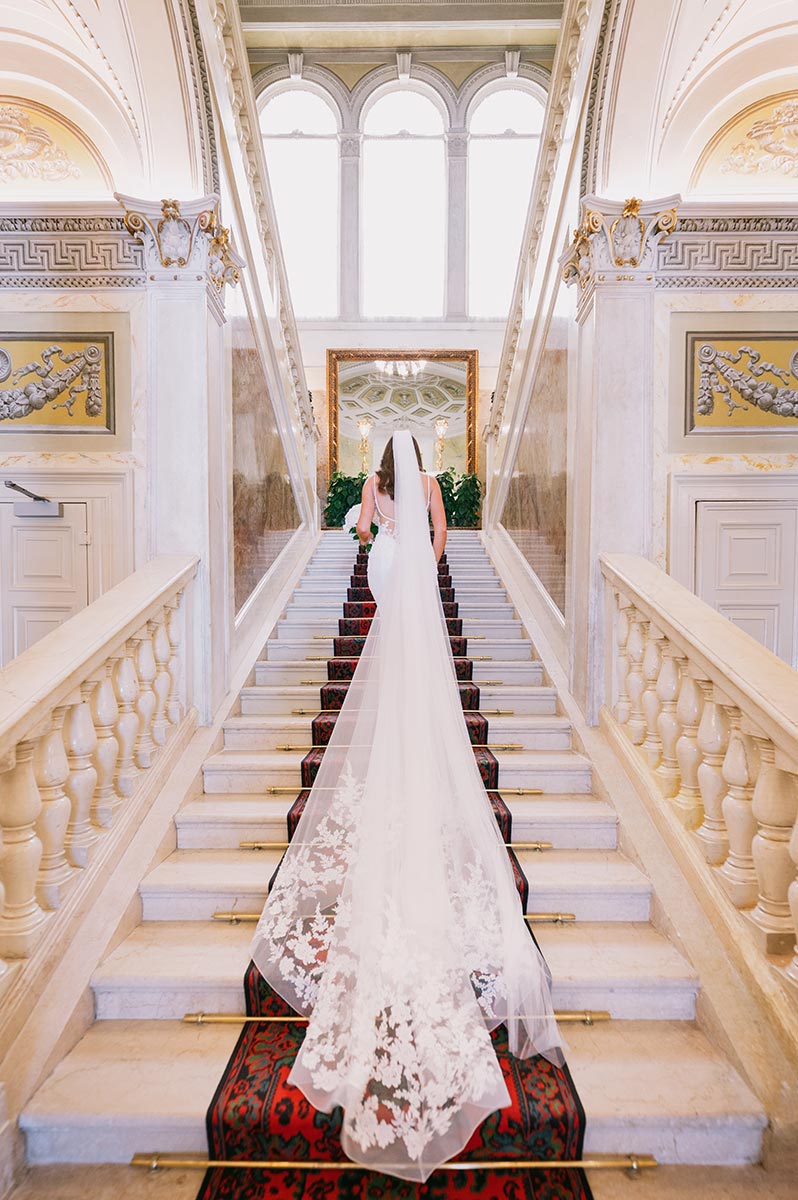
Secondly, Lake Como offers various venues and accommodations catering to different tastes and budgets. Whether you are looking for a luxury hotel or a private villa, there is something for everyone. In addition, the region is home to many historic villas and castles, which have been converted into wedding venues, making it possible to have a unique and steeped wedding.
Another reason why Lake Como is a popular wedding destination is the region’s food and wine. Lombardy is known for its rich and flavorful cuisine; the lake region is no exception. Traditional dishes such as risotto and polenta, paired with local wines, create an unforgettable culinary experience for wedding guests. In addition, the lakeside restaurants and cafes also offer an excellent selection of dishes featuring local produce and seafood, making it an ideal location for foodies.
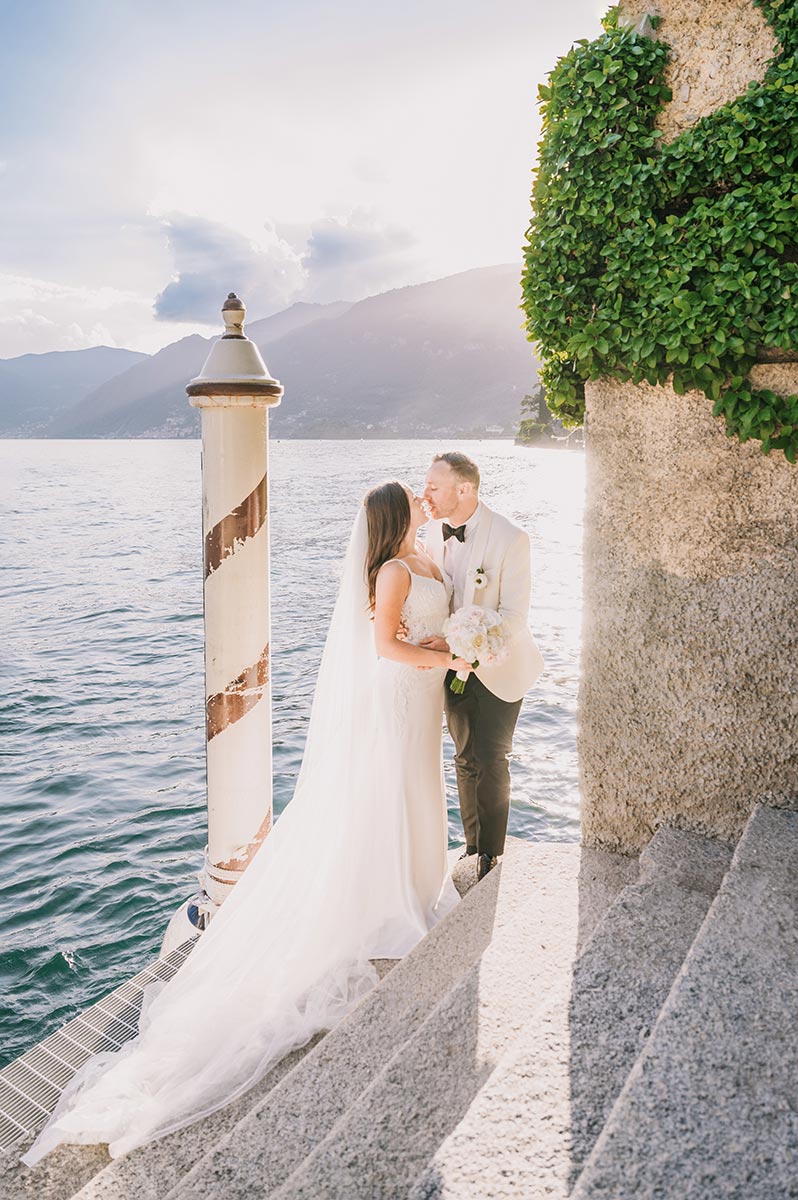
Moreover, Lake Como offers various activities for couples and guests. From water sports to hiking, cycling, and golfing, there are endless opportunities to enjoy the region’s natural beauty and outdoor activities. Guests can take boat rides on the lake, visit the charming towns and villages along the shoreline, or explore the mountains and hills surrounding the region. The options are endless and make for an exciting and memorable wedding experience.
Finally, Lake Como is easily accessible from major cities in Italy, such as Milan and Venice. There are regular train services, and the area is well connected by road, making it easy for guests to reach the wedding venue. The region’s proximity to other major cities in Italy also makes it possible to combine the wedding with a visit to other Italian destinations, adding to the overall experience of the wedding and honeymoon.
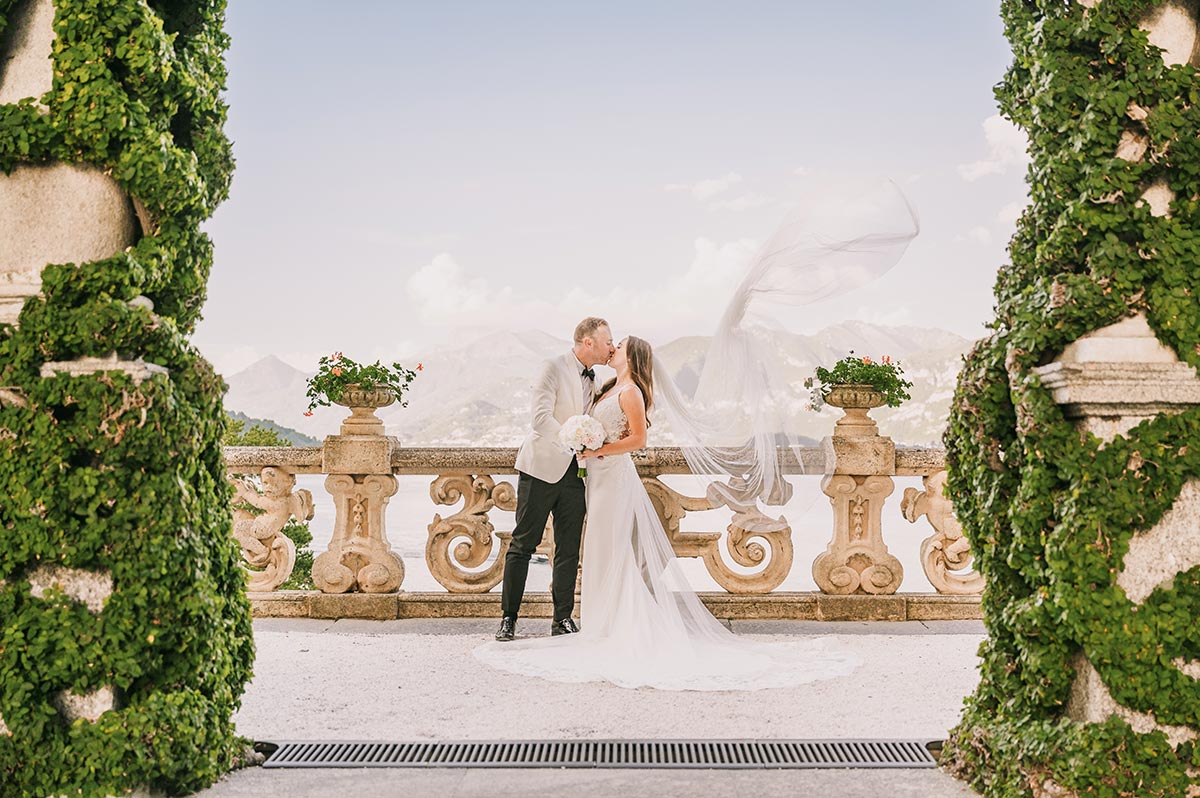
In conclusion, Lake Como is the ideal place to get married in Italy. Its natural beauty, stunning venues, delicious cuisine, and various activities make it a perfect location for a romantic and memorable wedding. Furthermore, the region’s accessibility and proximity to other Italian destinations only add to the allure of Lake Como as a wedding destination. A wedding on the shores of Lake Como is sure to be an unforgettable experience that will create lasting memories for the couple and their guests.
Apulia
Apulia, also known as Puglia, is located in the southernmost part of Italy and is becoming an increasingly popular destination for weddings. Here are some reasons why Apulia is the ideal place to get married in Italy:
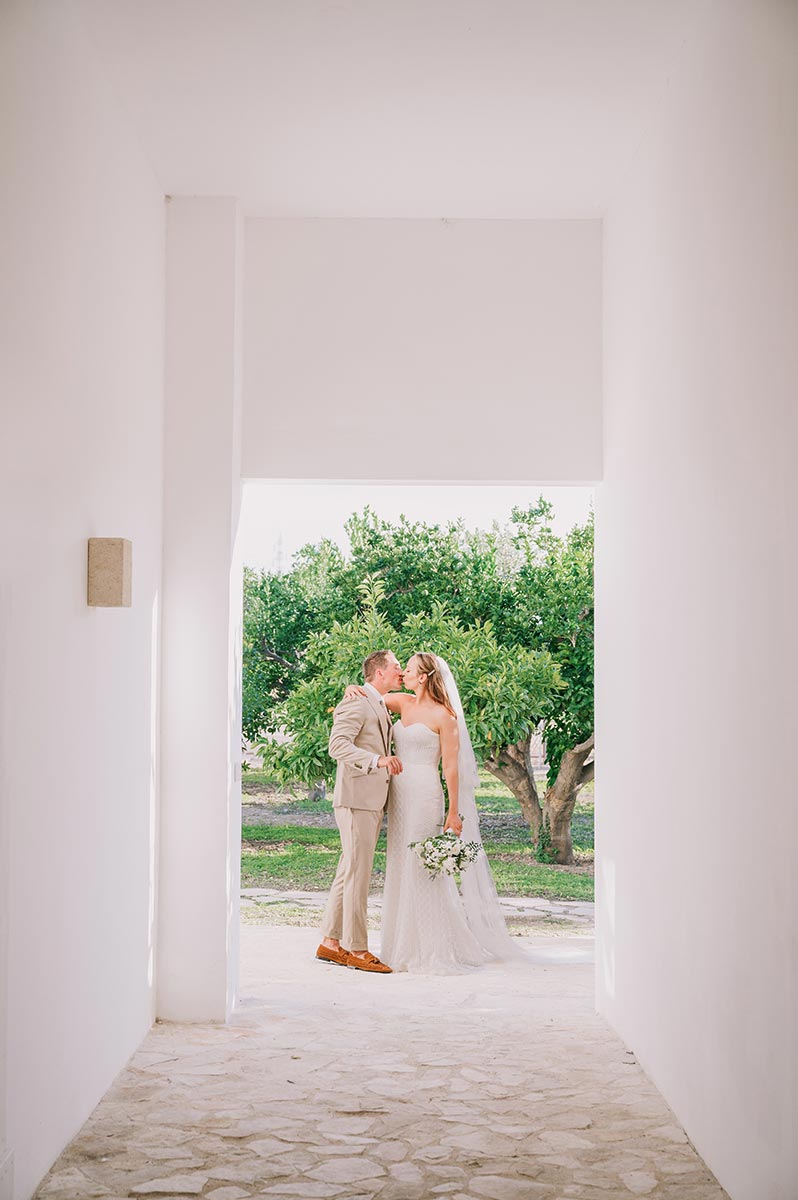

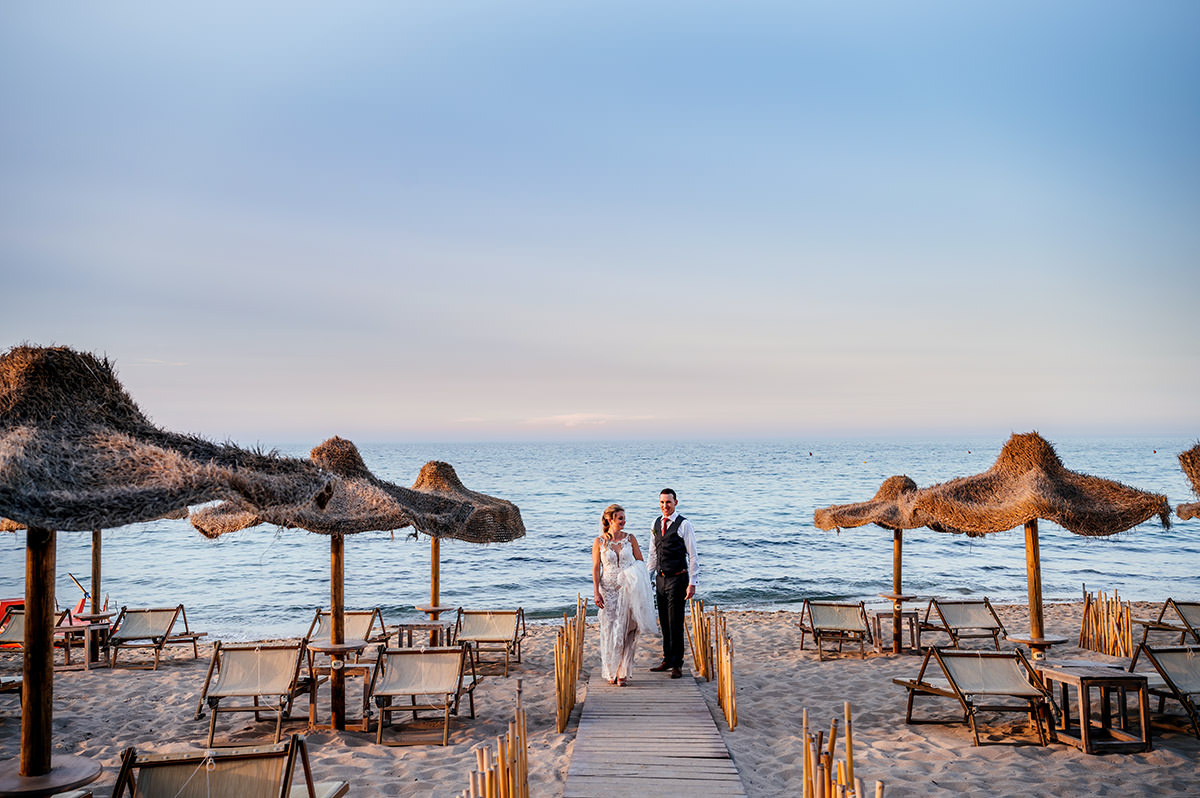
Firstly, Apulia is known for its beautiful beaches and crystal-clear waters. Furthermore, the region has some of Italy’s most picturesque coastlines, with sandy beaches, rocky coves, and turquoise waters. This makes it an ideal location for couples looking to have a beach wedding with stunning backdrops for their special day. Moreover, the region’s mild climate makes it possible to have a wedding on the beach almost all year round.
Firstly, Apulia is known for its beautiful beaches and crystal-clear waters. Furthermore, the region has some of Italy’s most picturesque coastlines, with sandy beaches, rocky coves, and turquoise waters. This makes it an ideal location for couples looking to have a beach wedding with stunning backdrops for their special day. Moreover, the region’s mild climate makes it possible to have a wedding on the beach almost all year round.

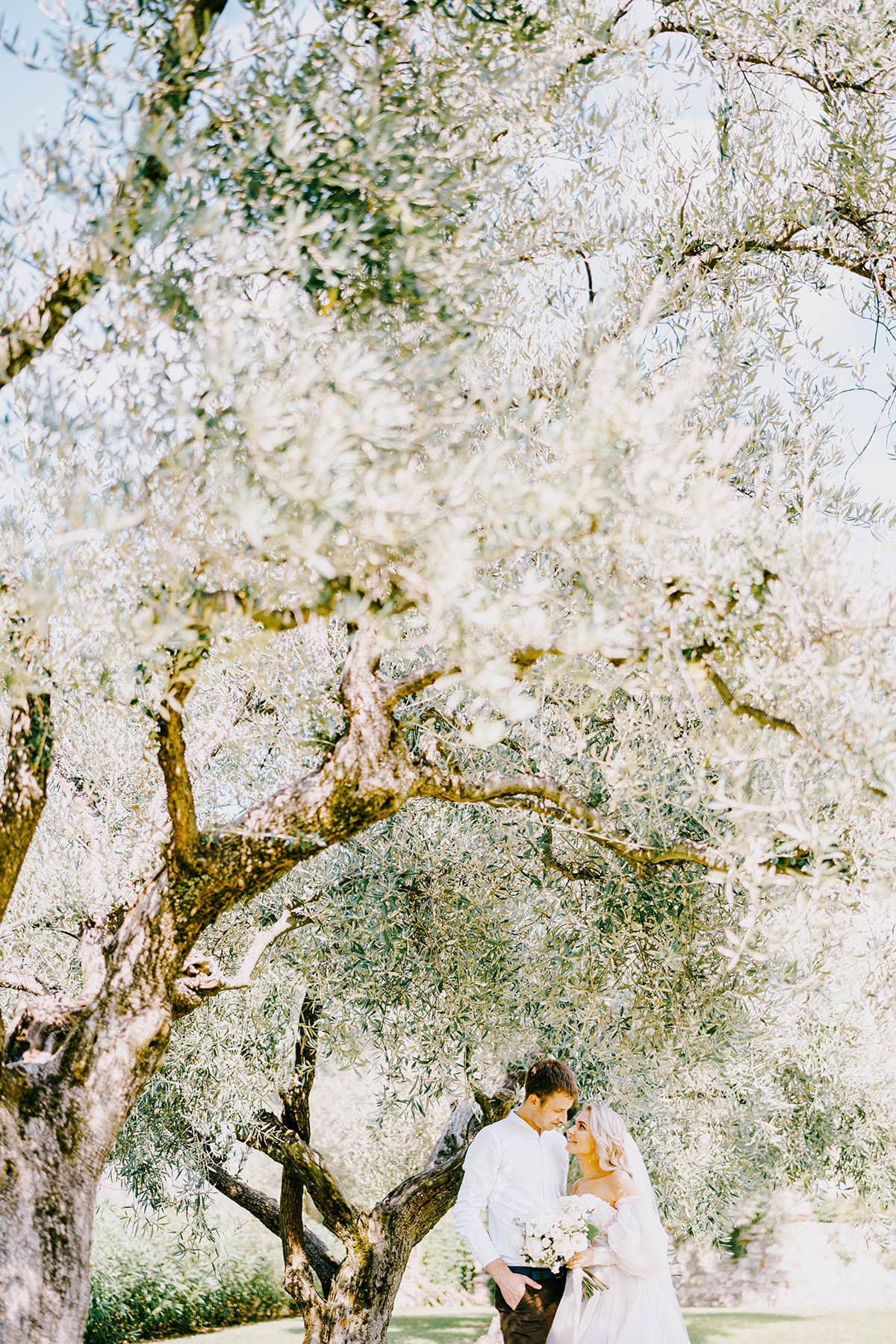
Another reason why Apulia is an excellent place to get married is its traditional cuisine. The region is known for its farm-to-table approach, focusing on fresh and locally-sourced ingredients. Traditional dishes such as orecchiette pasta, grilled seafood, and local wines provide a delicious culinary experience for wedding guests. The region’s olive oil and wine production are also significant, making it a perfect place to indulge in delicious food and drink.
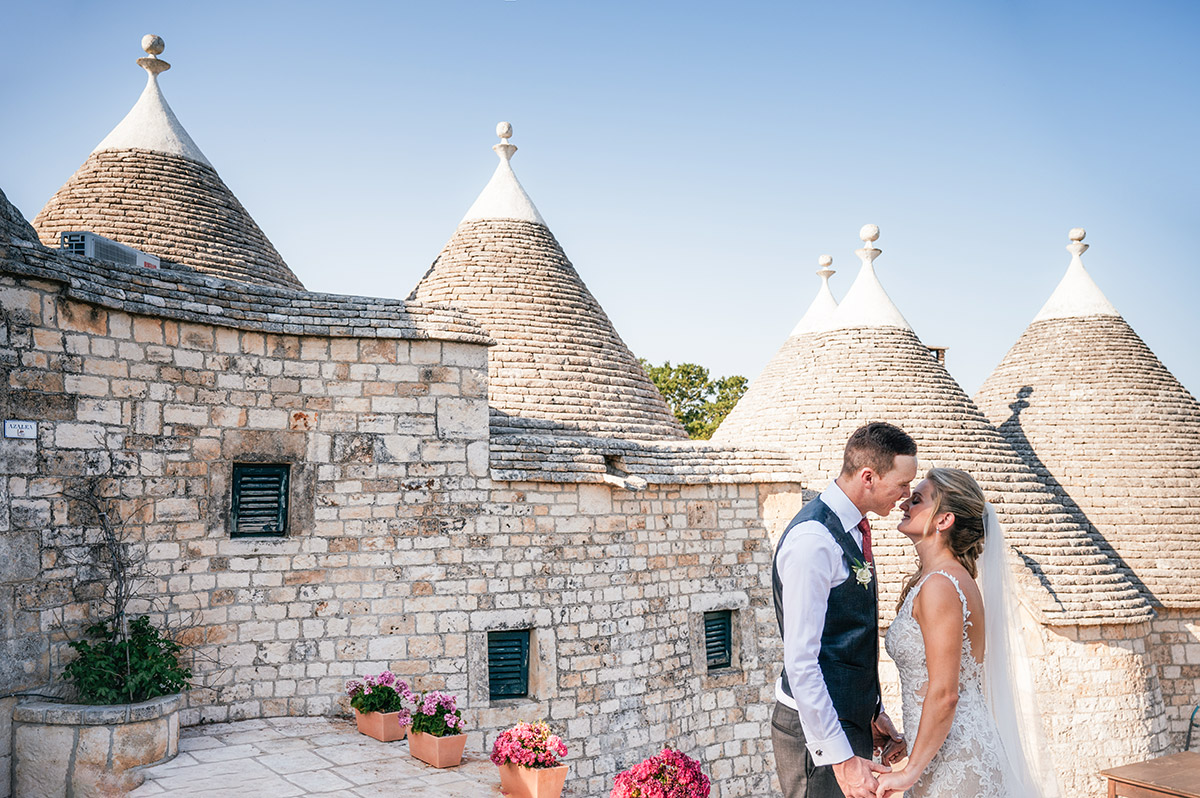
Moreover, Apulia has many charming towns and villages offering unique and picturesque wedding venues. The town of Alberobello, for example, is famous for its trulli, the traditional Apulian dry stone huts with conical roofs that make a perfect setting for a romantic wedding. In addition, the region’s countryside is dotted with vineyards, olive groves, and citrus orchards, offering a beautiful backdrop for a wedding ceremony.
Finally, Apulia offers a range of activities for couples and guests. The region’s countryside is perfect for hiking, cycling, and horseback riding, allowing guests to explore the beautiful country. The region’s beaches are also ideal for water sports such as windsurfing, kayaking, and snorkeling. The part is also well known for its thermal baths, making it a perfect place for couples to relax and unwind after their wedding.
How to choose the best wedding venue in Italy
Choosing a wedding venue is one of the most important decisions a couple will make when planning their wedding. In Italy, there are countless options for wedding venues, from historic castles and villas to vineyards and beaches. To help you choose the best wedding venue in Italy, we’ve compiled a list of criteria to consider during your search.

Location: The first thing to consider when choosing a wedding venue in Italy is the location. Do you want the countryside, a beach, or a wedding in the city’s heart? Italy has diverse backgrounds, each with its unique charm and character. Consider your personal preferences and your wedding theme when deciding on a location.
Capacity: The next thing to consider is the capacity of the venue. How many guests do you plan on inviting? Make sure the venue can accommodate your guest list comfortably, and remember to consider the size of the dance floor, the bar area, and the dining space.
Amenities: What amenities are necessary for you and your guests? Do you want an outdoor ceremony space, a pool, or a spa? Make a list of amenities important to you and look for venues that offer them.
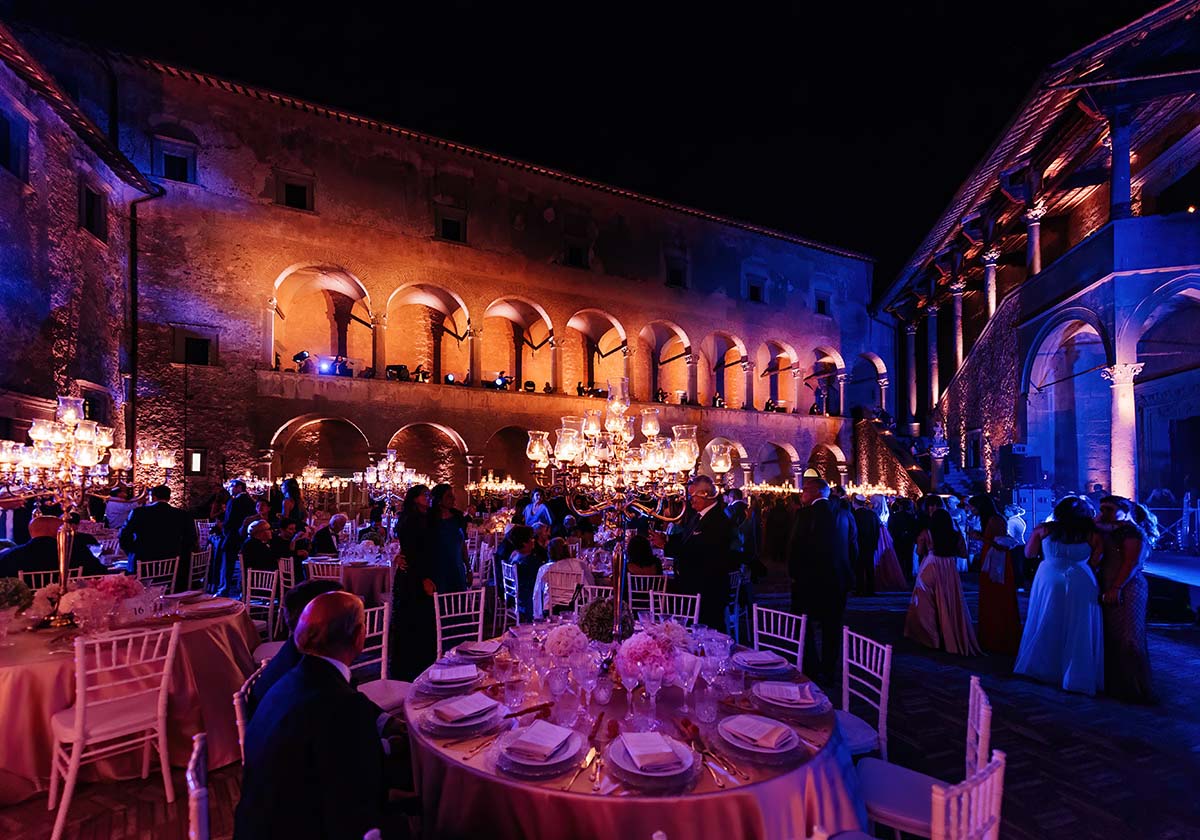
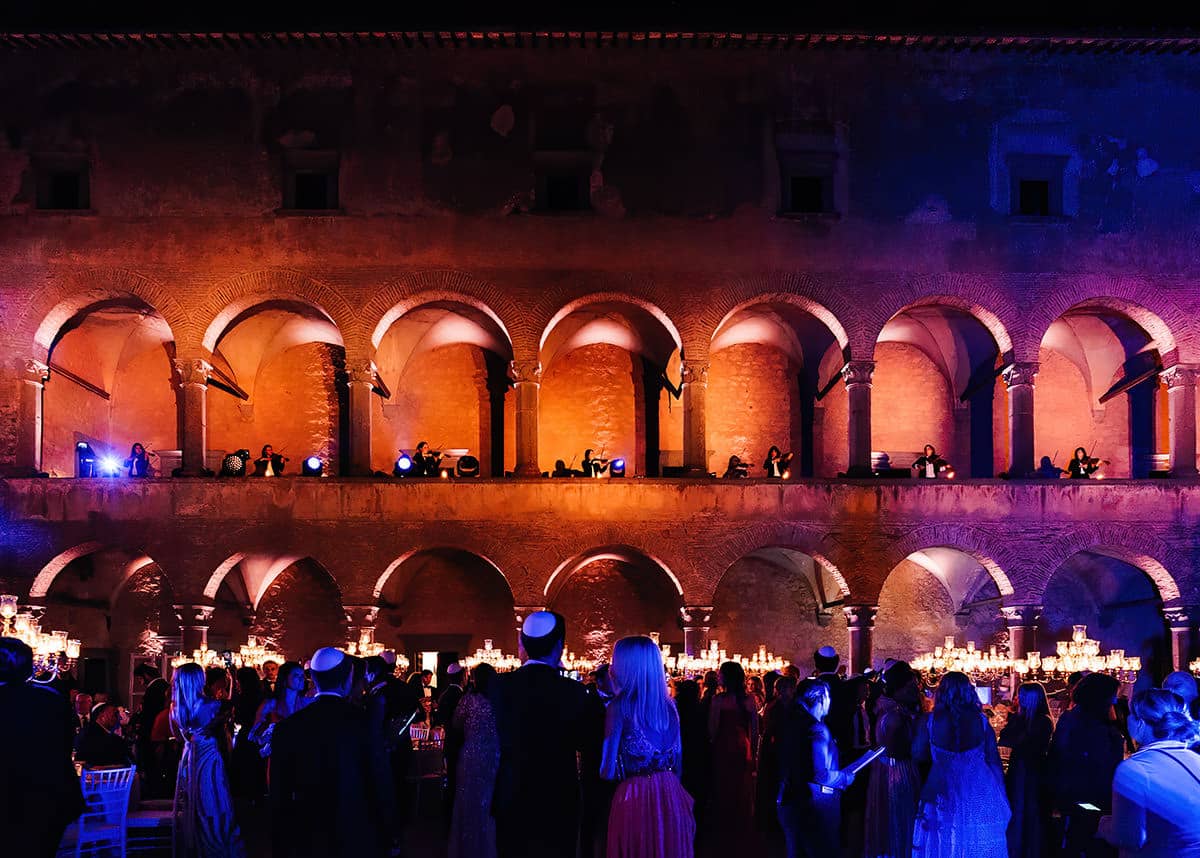
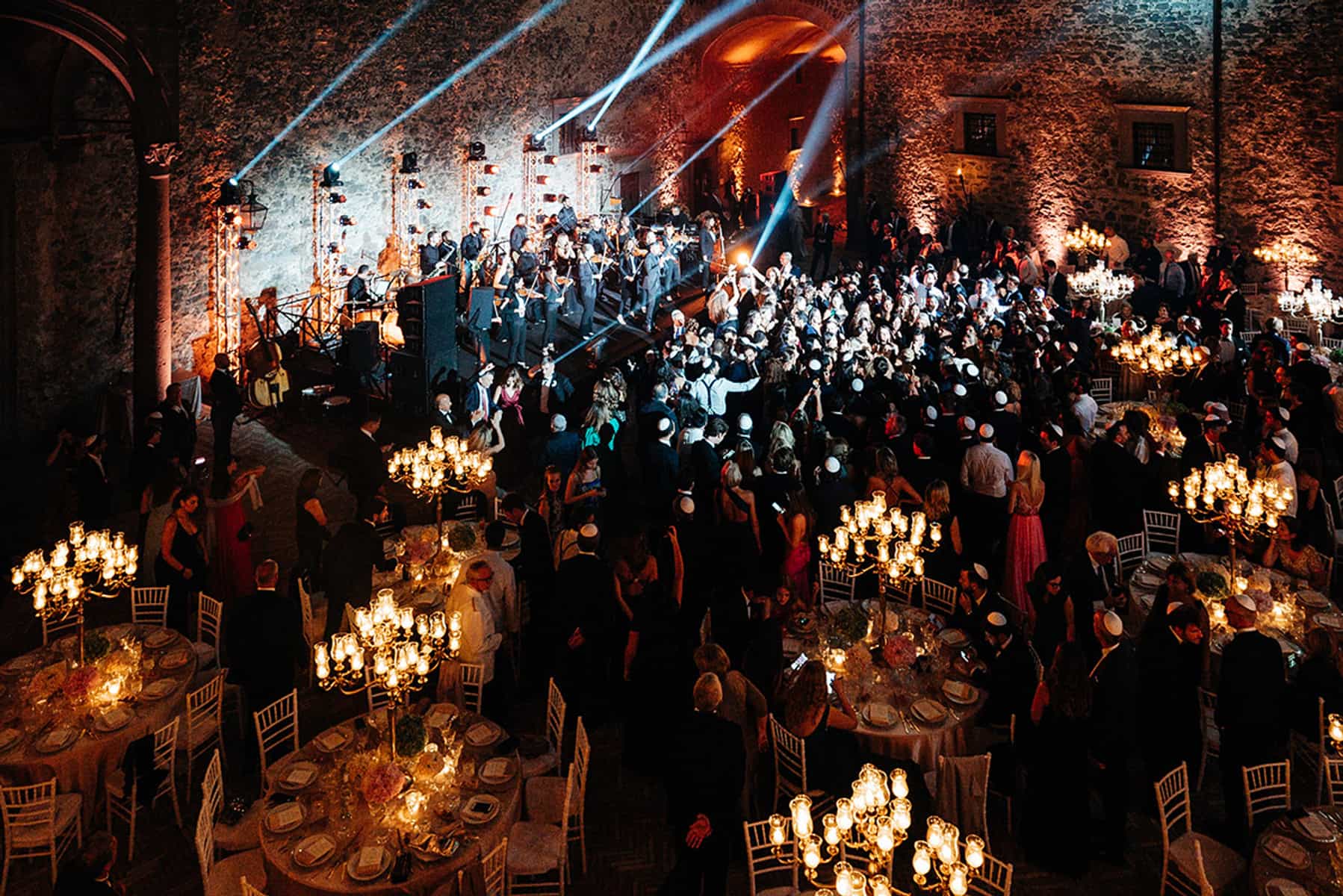
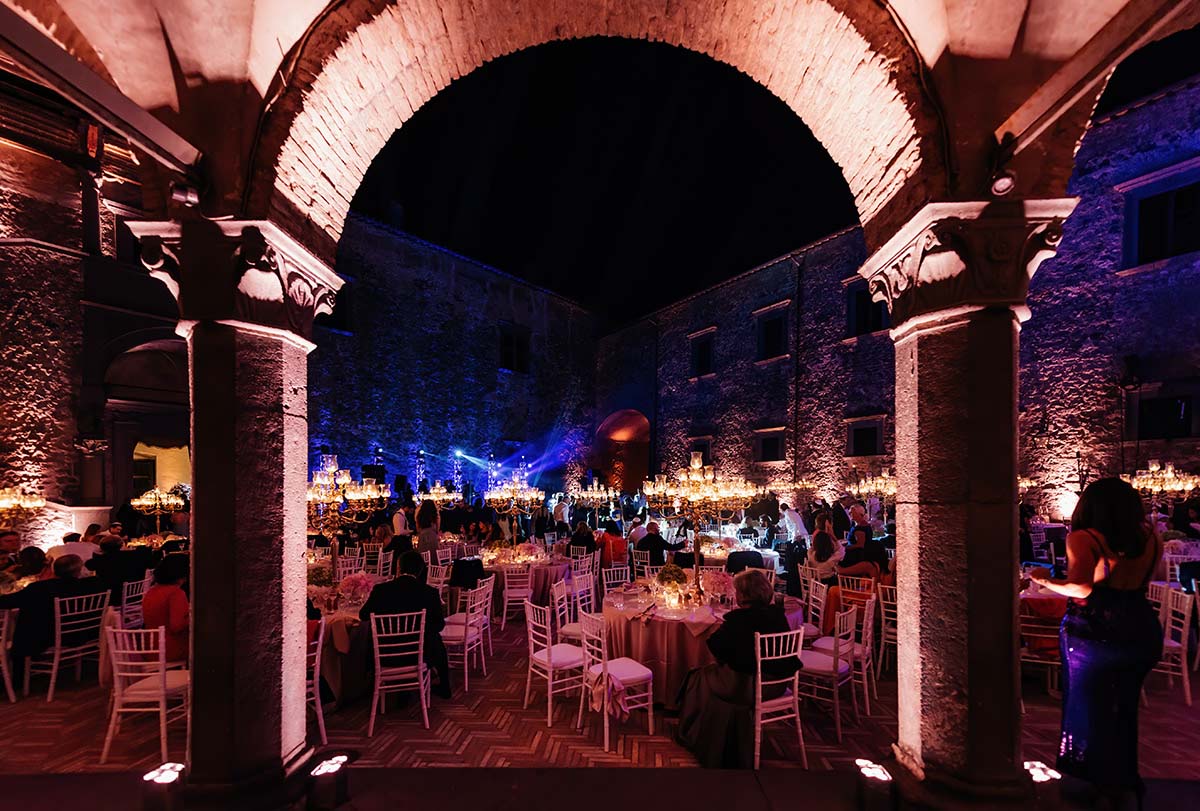
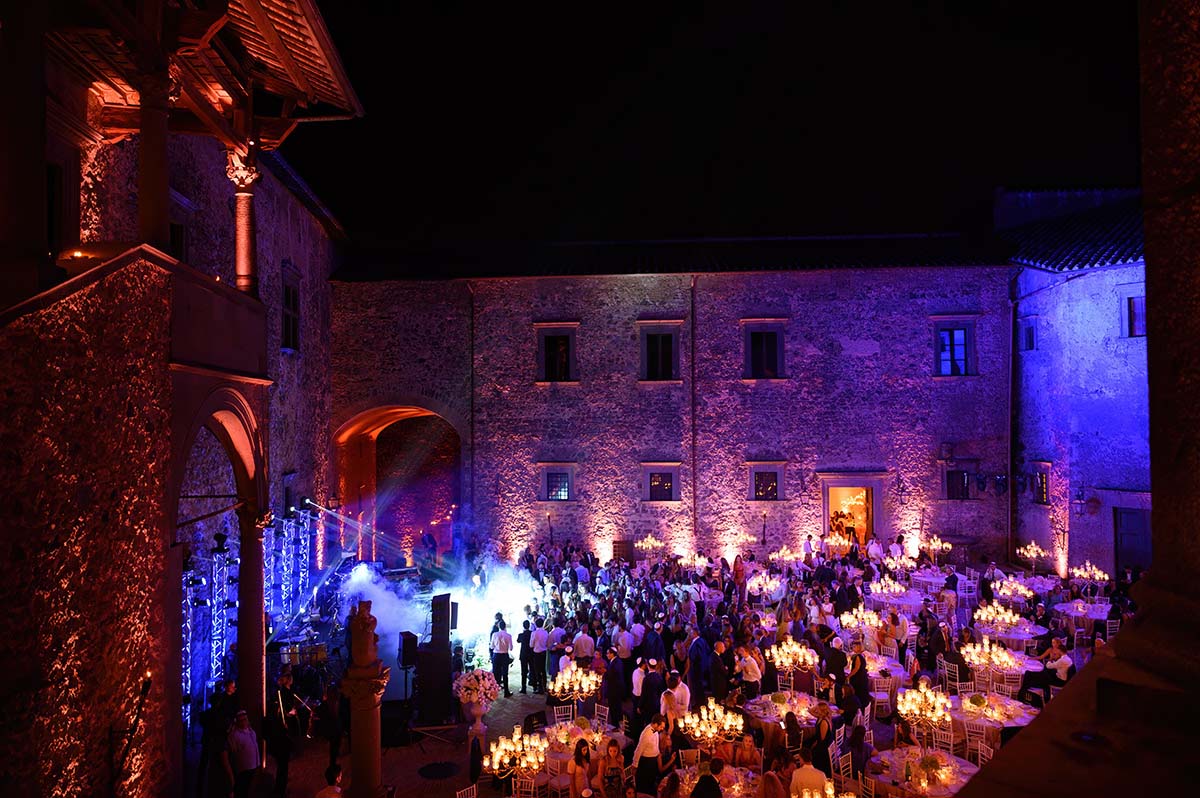
Accommodation: If you plan on having a destination wedding in Italy, it’s essential to consider the accommodation options for your guests. Look for venues that offer on-site accommodation, or consider nearby hotels and bed and breakfasts. Make sure to factor in the cost of housing when choosing a platform.
Catering: Food and drinks are essential to any wedding, and Italy is known for its incredible cuisine. Ensure the venue offers a catering service that meets your standards and dietary requirements. If you have specific menu requests or wine preferences, discuss them with the forum beforehand.
CREAMY COLORS
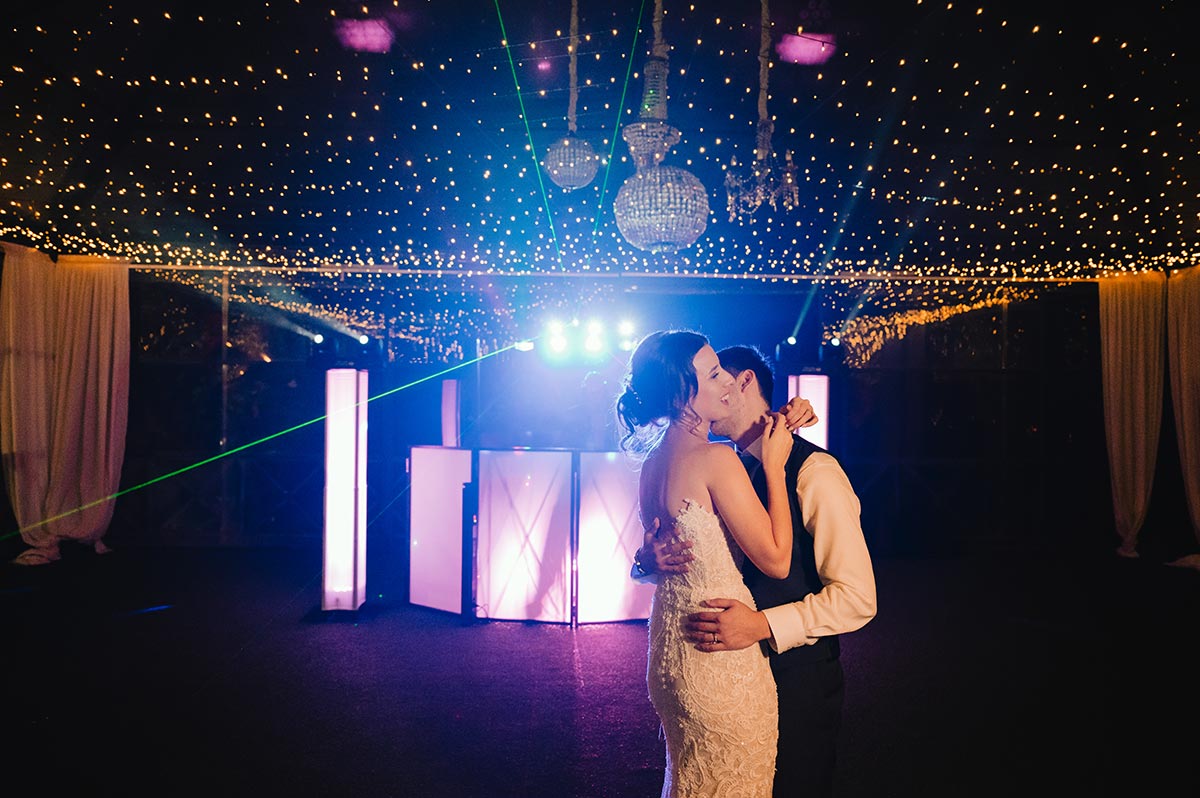
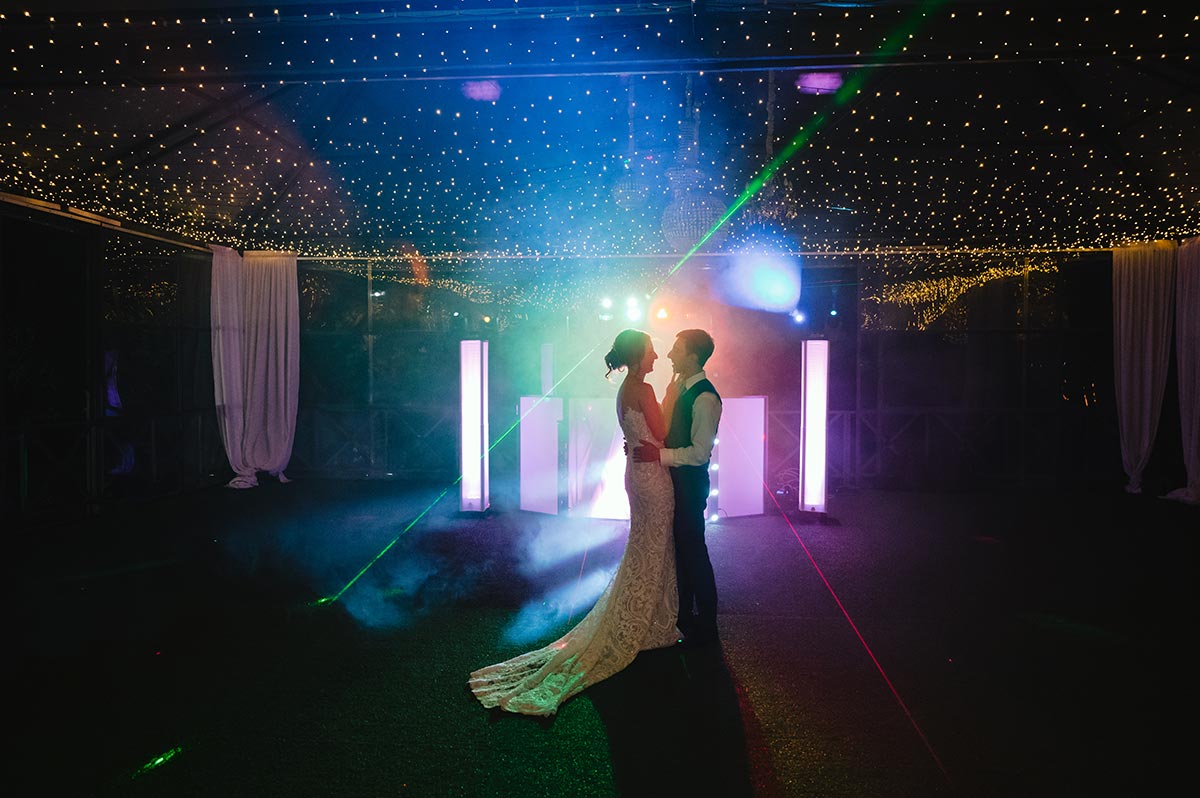
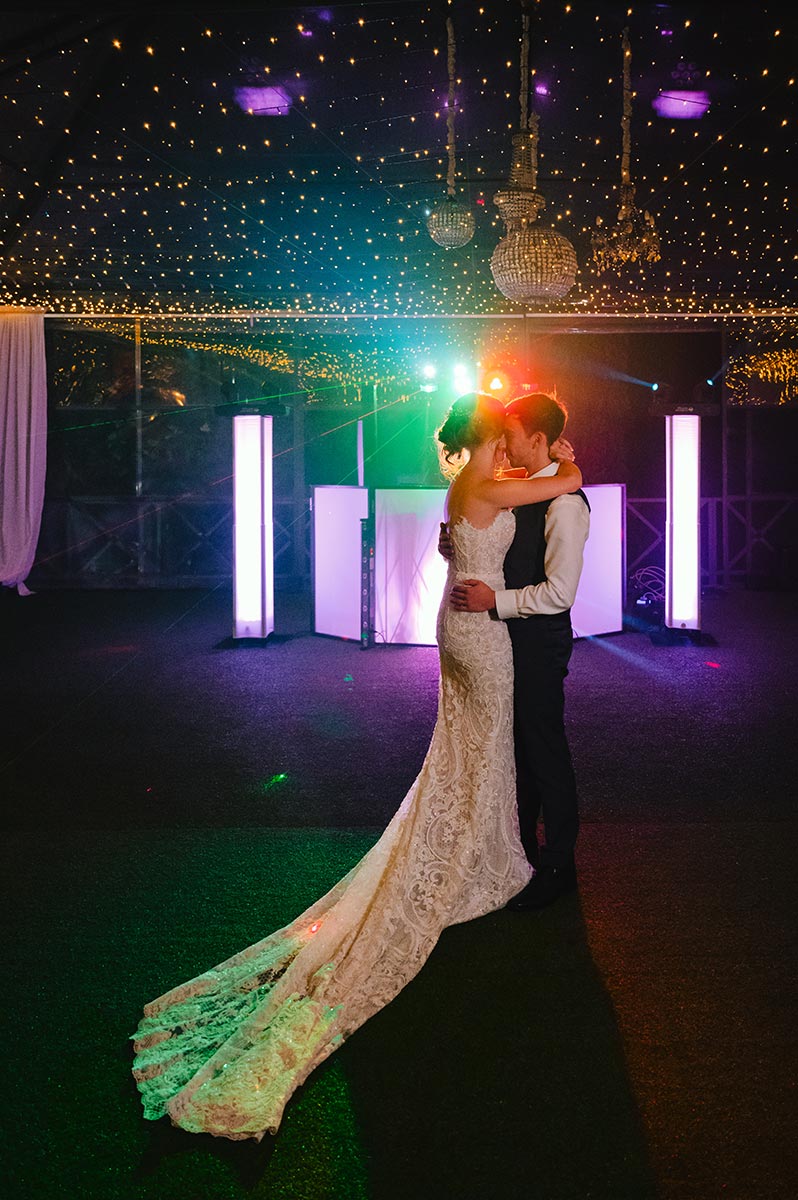
I love capturing feelings around stunning atmospheres inside beautiful lights in charming places around Italy and not only. I love crafting memories that are built by my eye, my work philosophy and definitely my sensitivity.
ROME STORIES
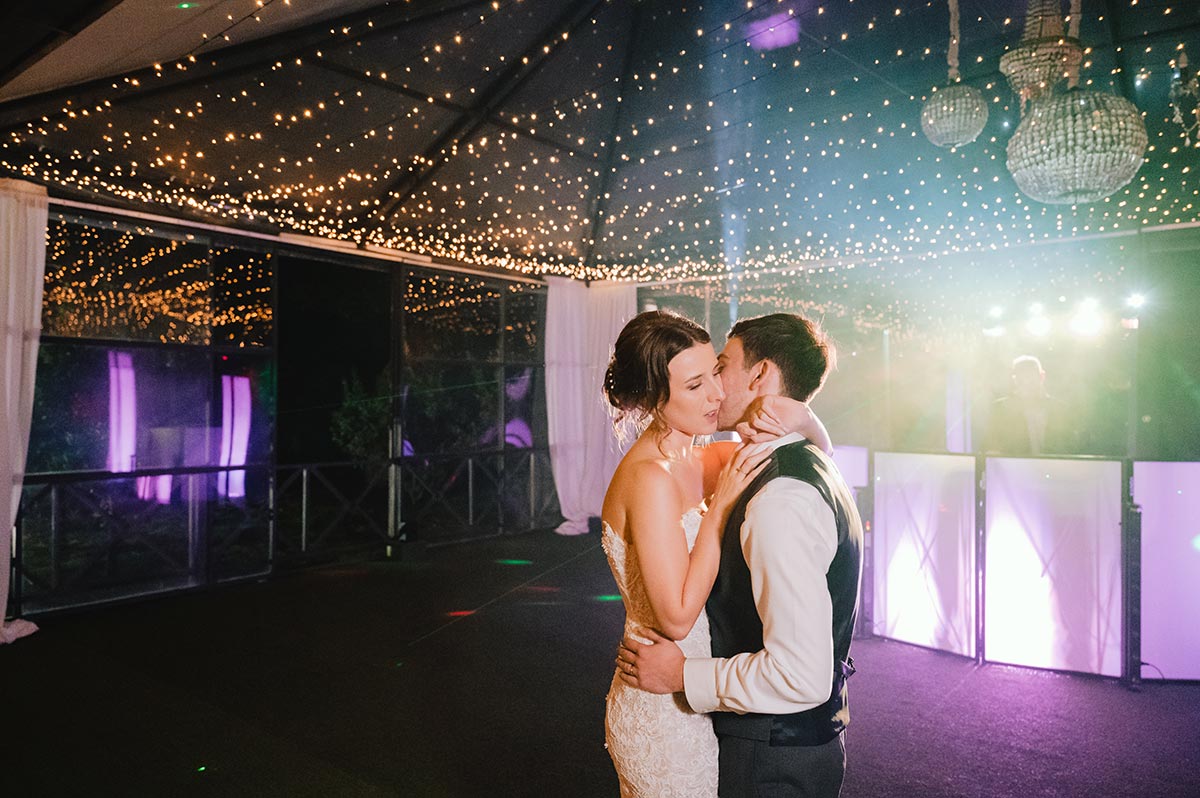

Budget: One of the most important factors to consider when choosing a wedding venue in Italy is your budget. Determine how much you will spend on the forum and factor in additional costs such as catering, decor, and entertainment. Remember that wedding venues in Italy can vary significantly in price depending on the location and amenities.
Availability: Once you have a list of potential wedding venues in Italy, it’s essential to check their availability. Popular wedding venues can book up quickly, especially during peak wedding season, so contact the media as early as possible to secure your date.
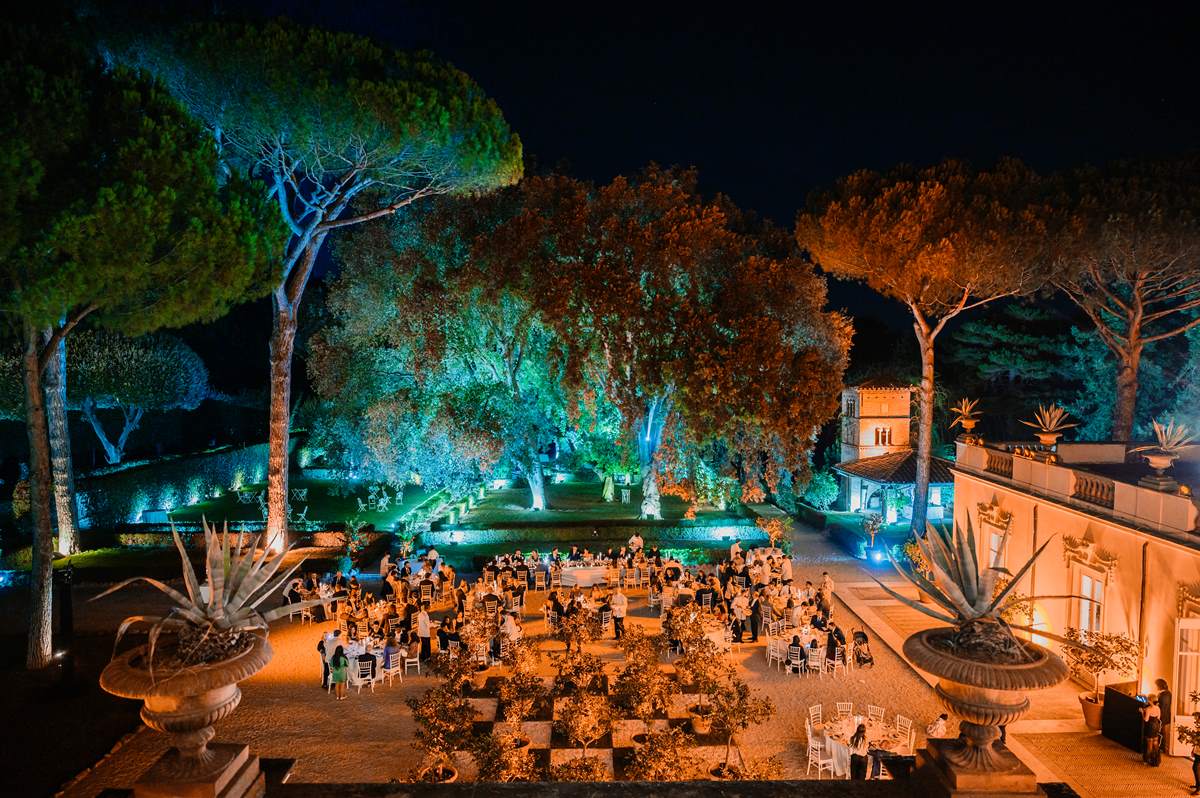
Accessibility: It’s essential to consider the accessibility of the wedding venue for both you and your guests. If the platform is remote, ensure transportation options are available. Also, consider the accessibility of the venue for guests with mobility issues.
Weather: The weather can be unpredictable, especially in some areas of Italy. Make sure to consider the weather patterns in the location you are interested in and choose a venue that offers a backup plan in case of inclement weather.
Legal requirements: Finally, research the requirements for getting married in Italy. Different regions may have different needs, so you must have all the necessary paperwork and documentation before your big day.
Choosing a wedding venue in Italy can be an exciting and fun process. However, considering the criteria above, you can find a venue that perfectly suits your preferences and ensures your dream wedding in Italy becomes a reality.