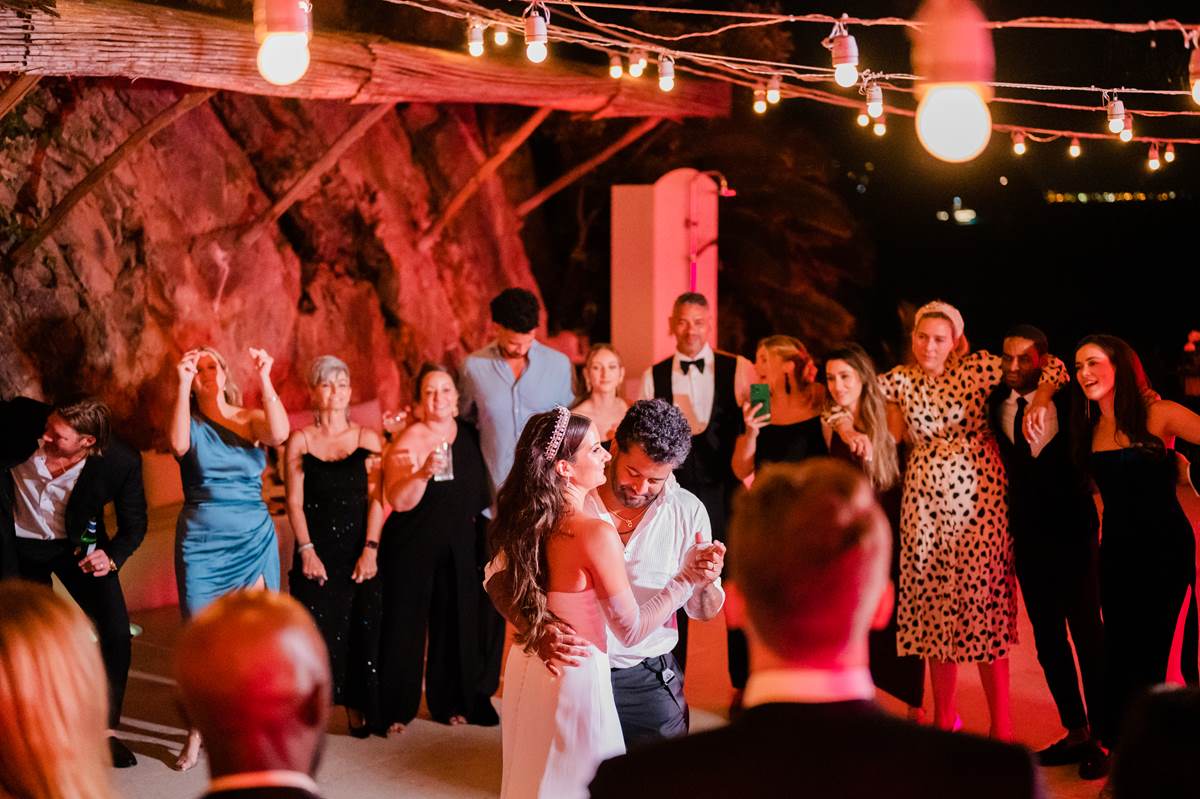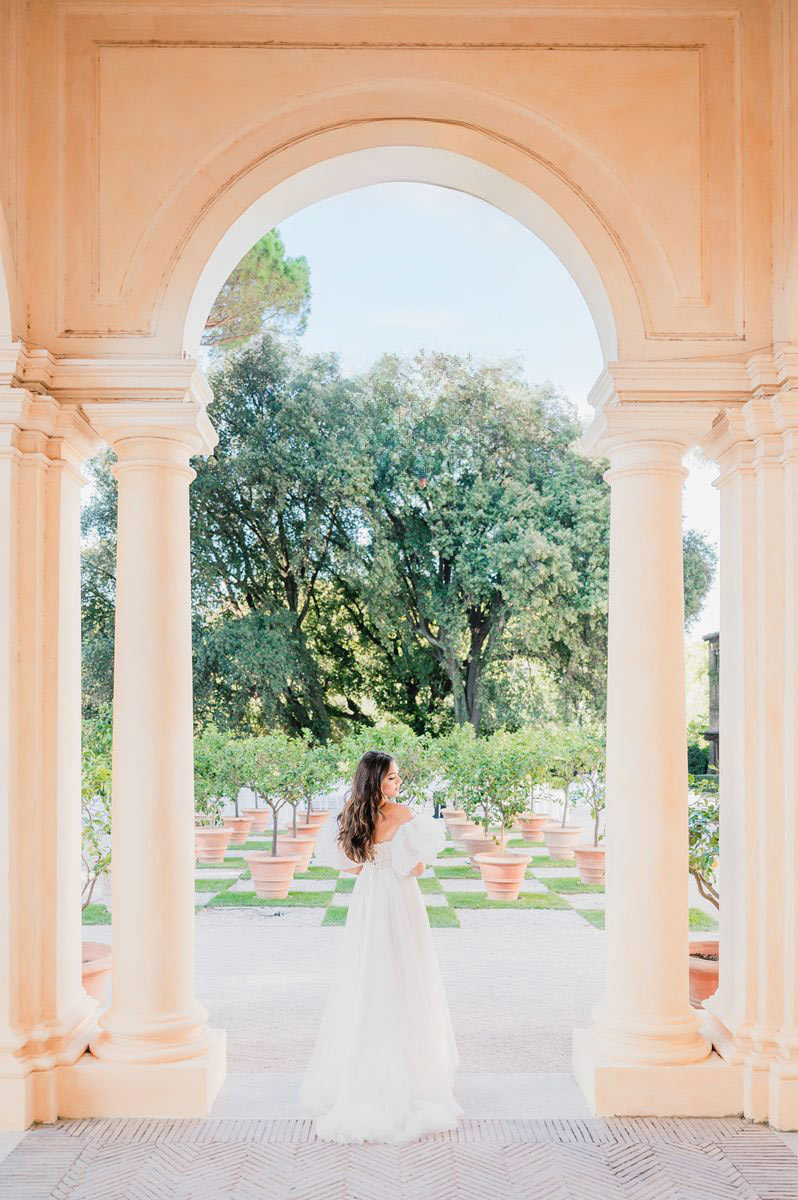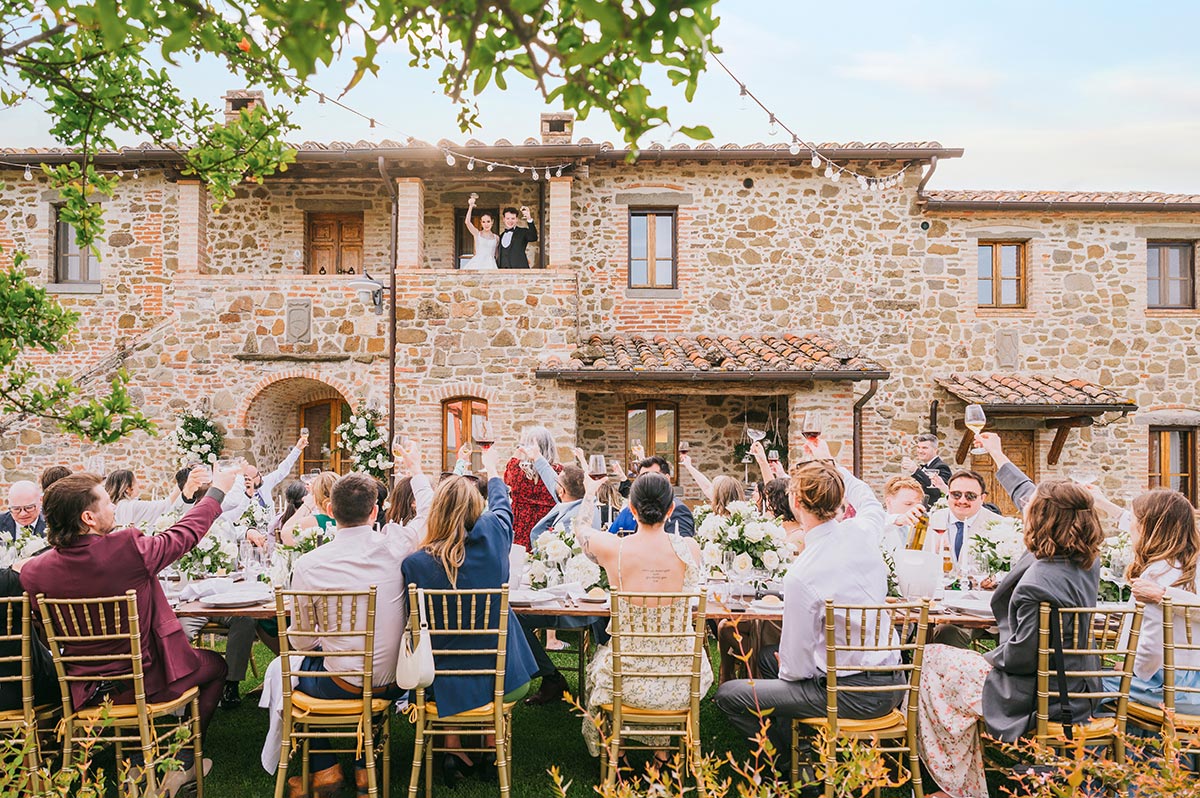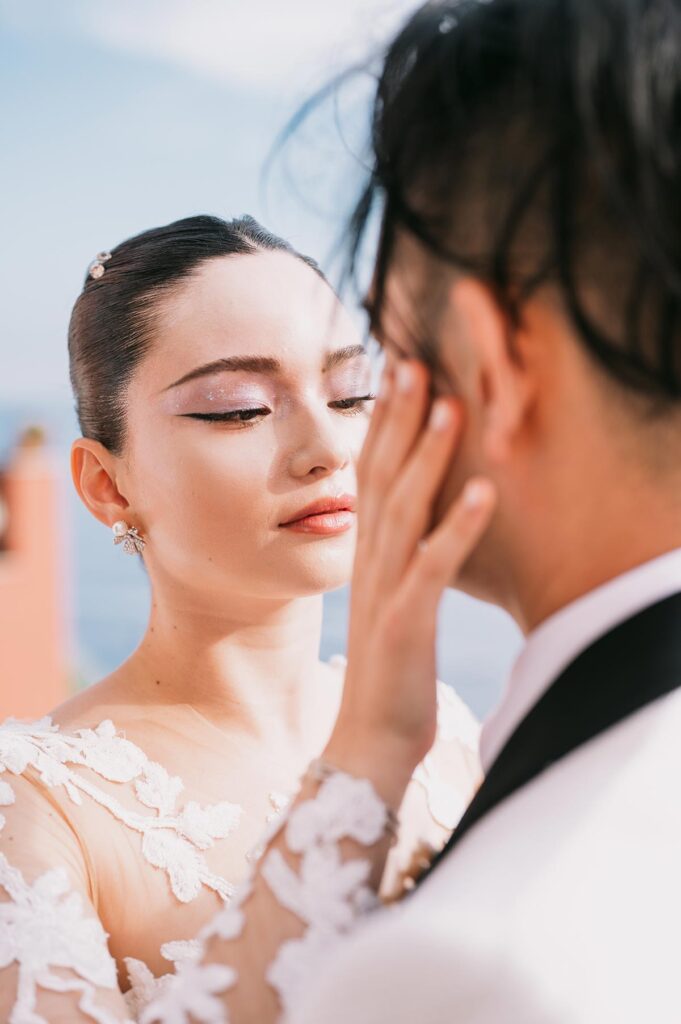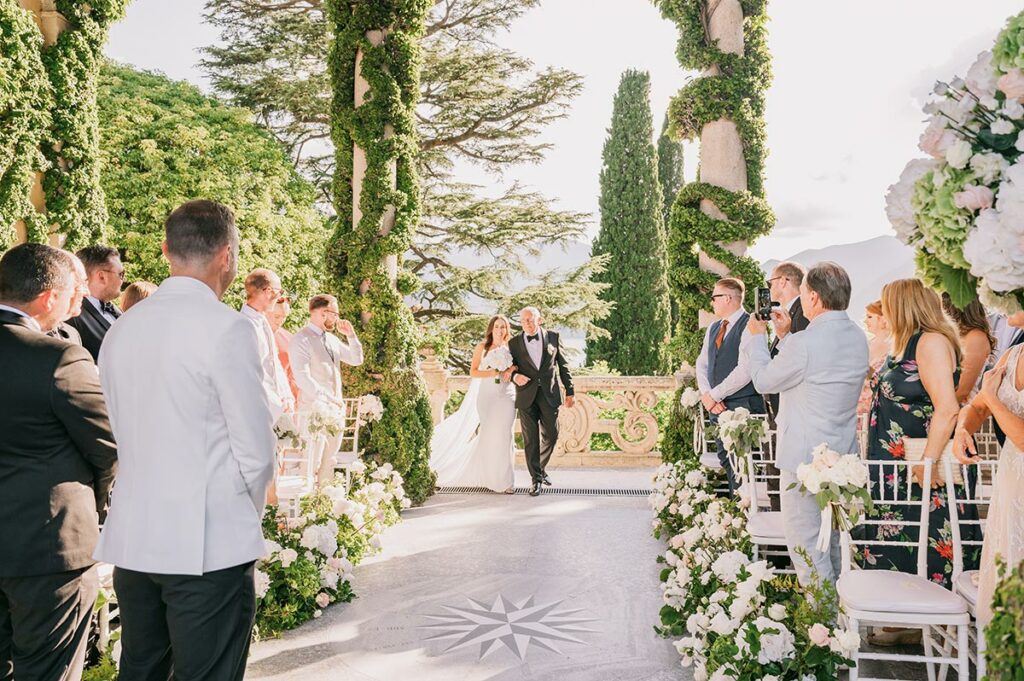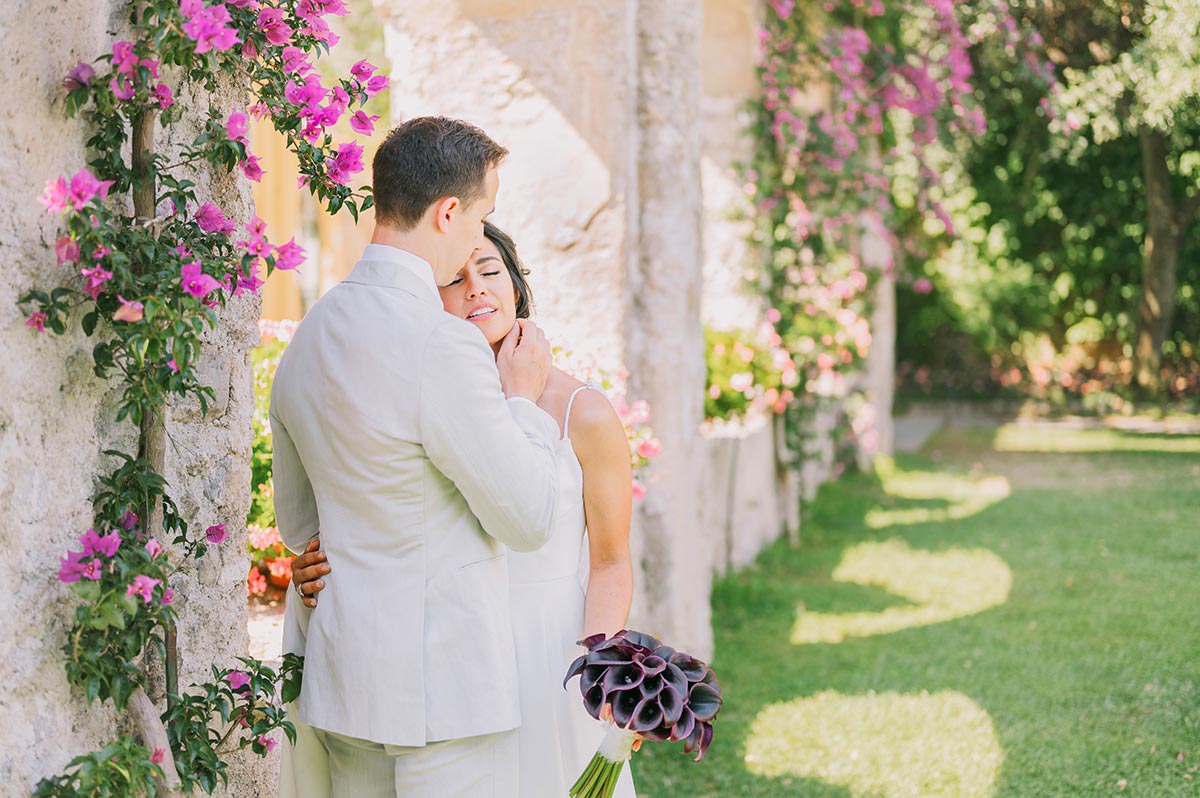
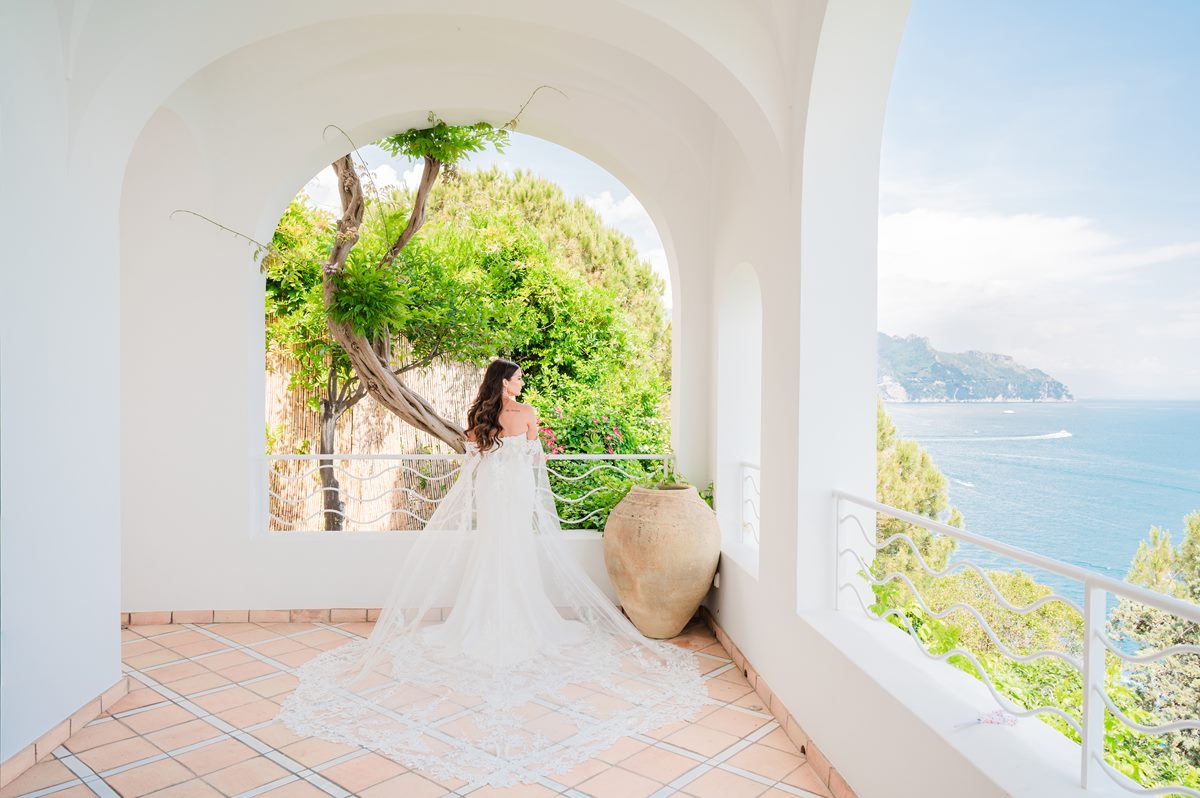
Tie the knot in style with a Hotel Santa Caterina Wedding Amalfi, blending luxury with the charm of the Mediterranean.
Your fairytale begins at Hotel Santa Caterina Wedding Amalfi, the perfect fusion of elegance, romance, and Italian scenery.
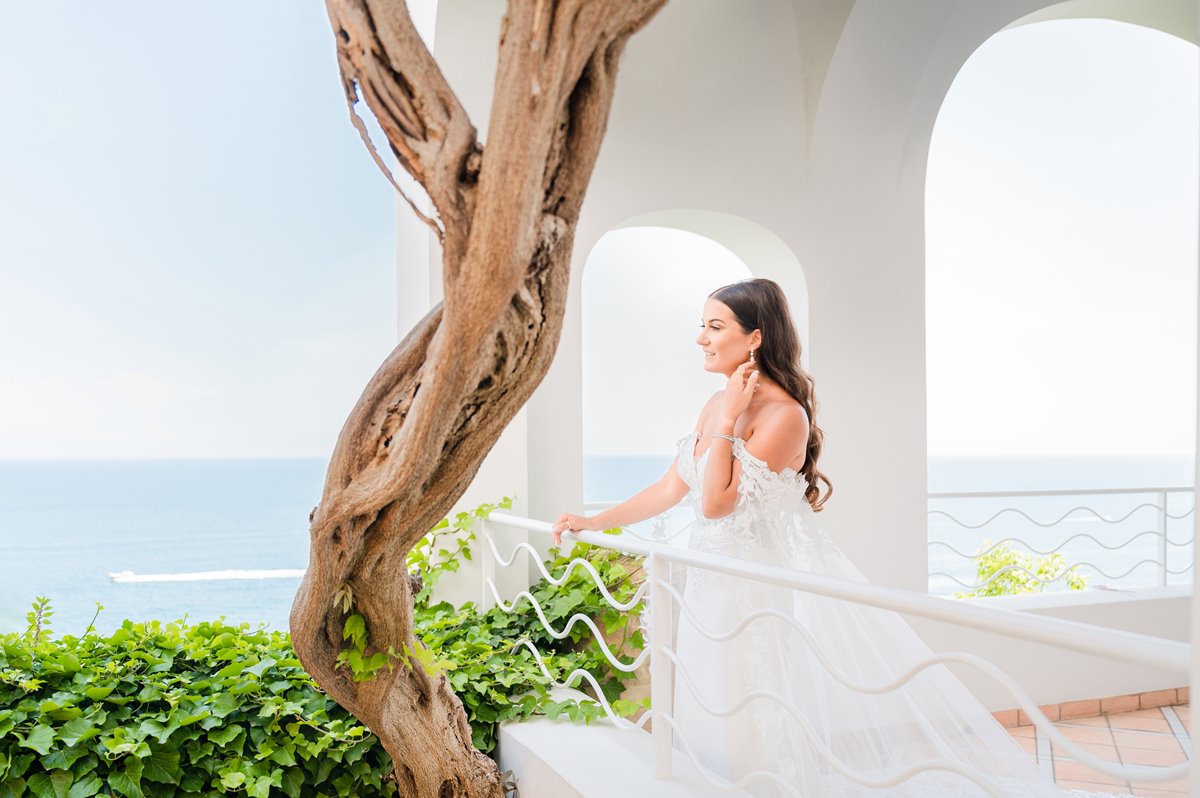
START PLANNING YOUR WEDDING IN AMALFI COAST
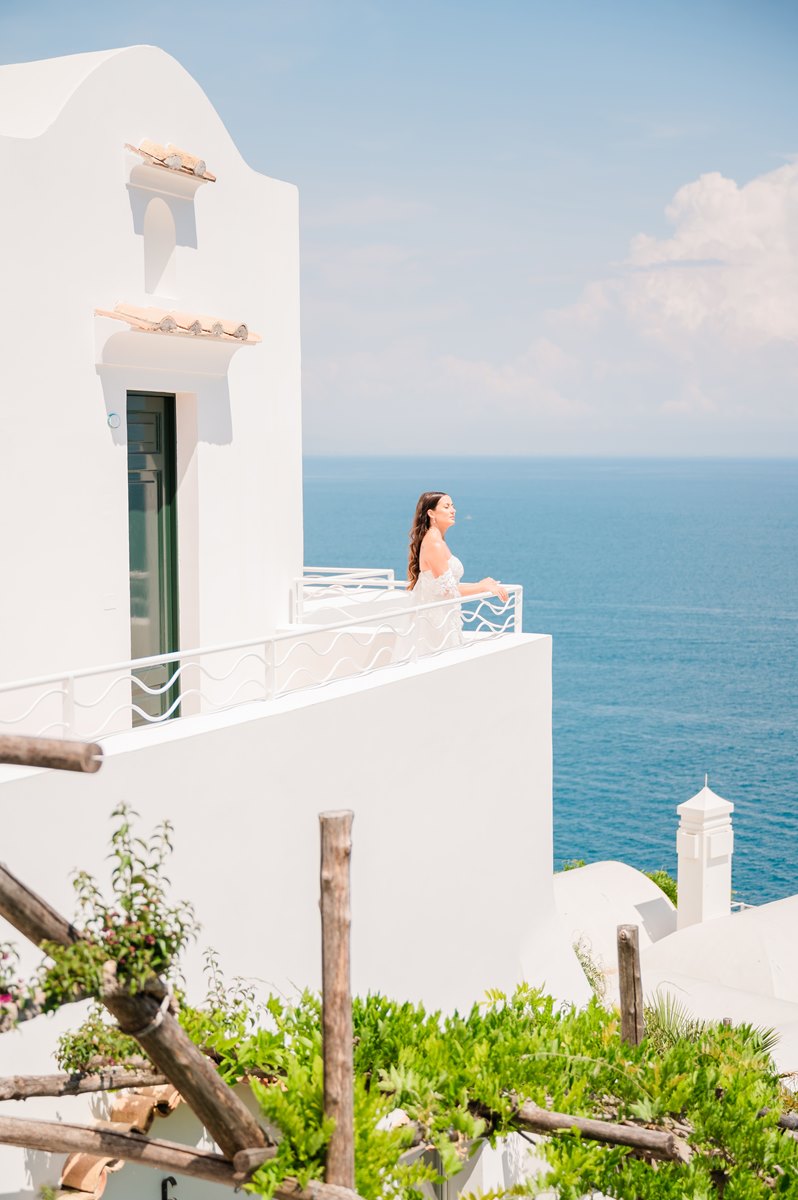
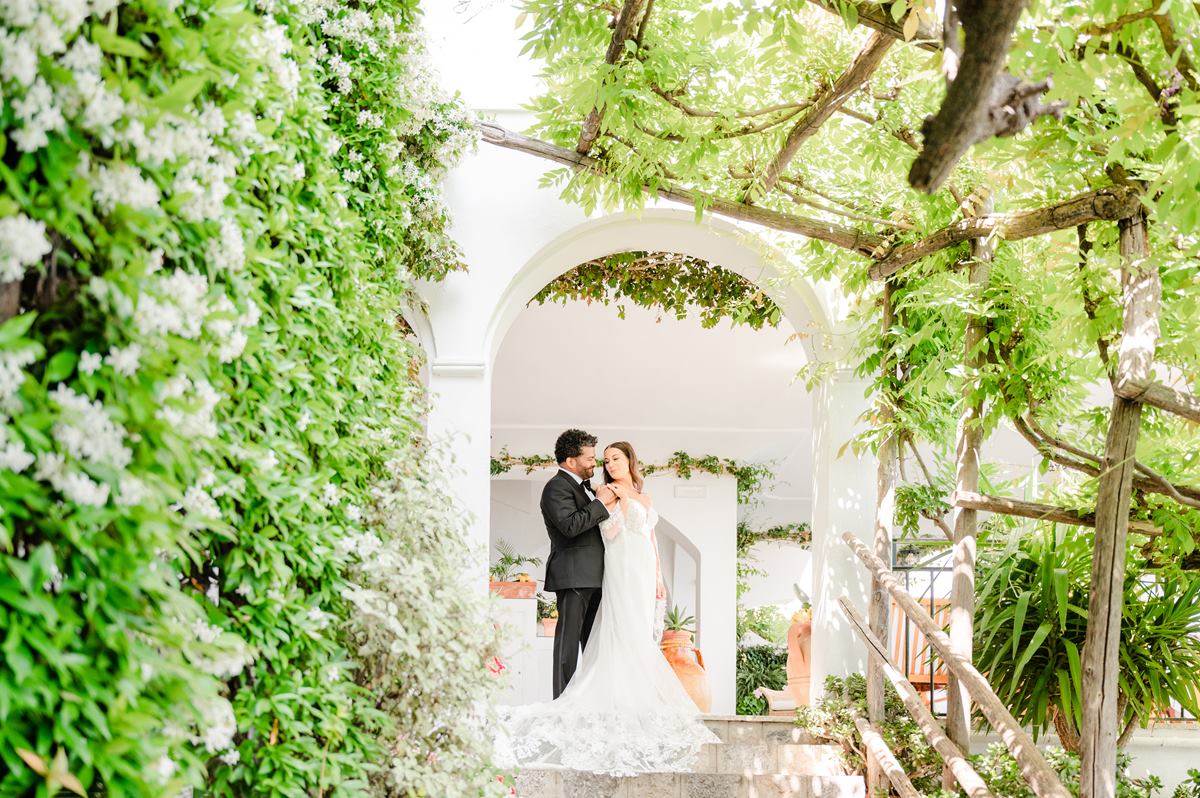
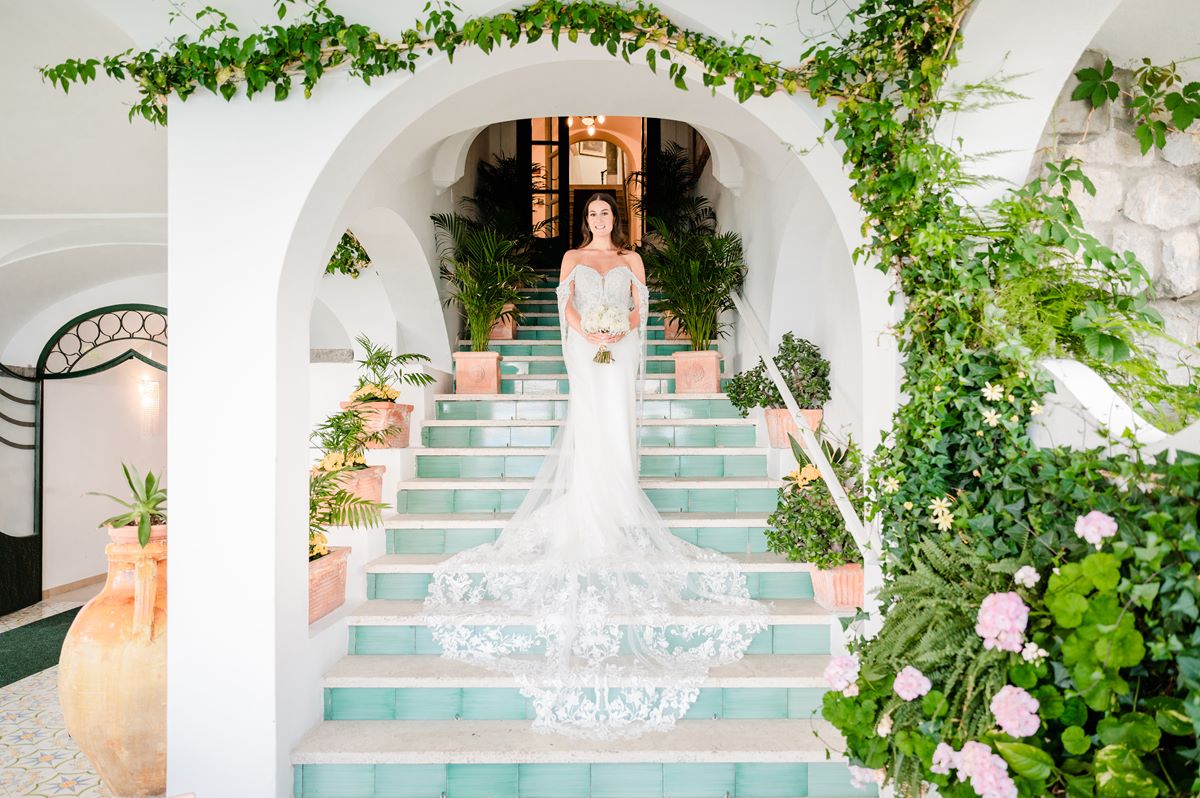
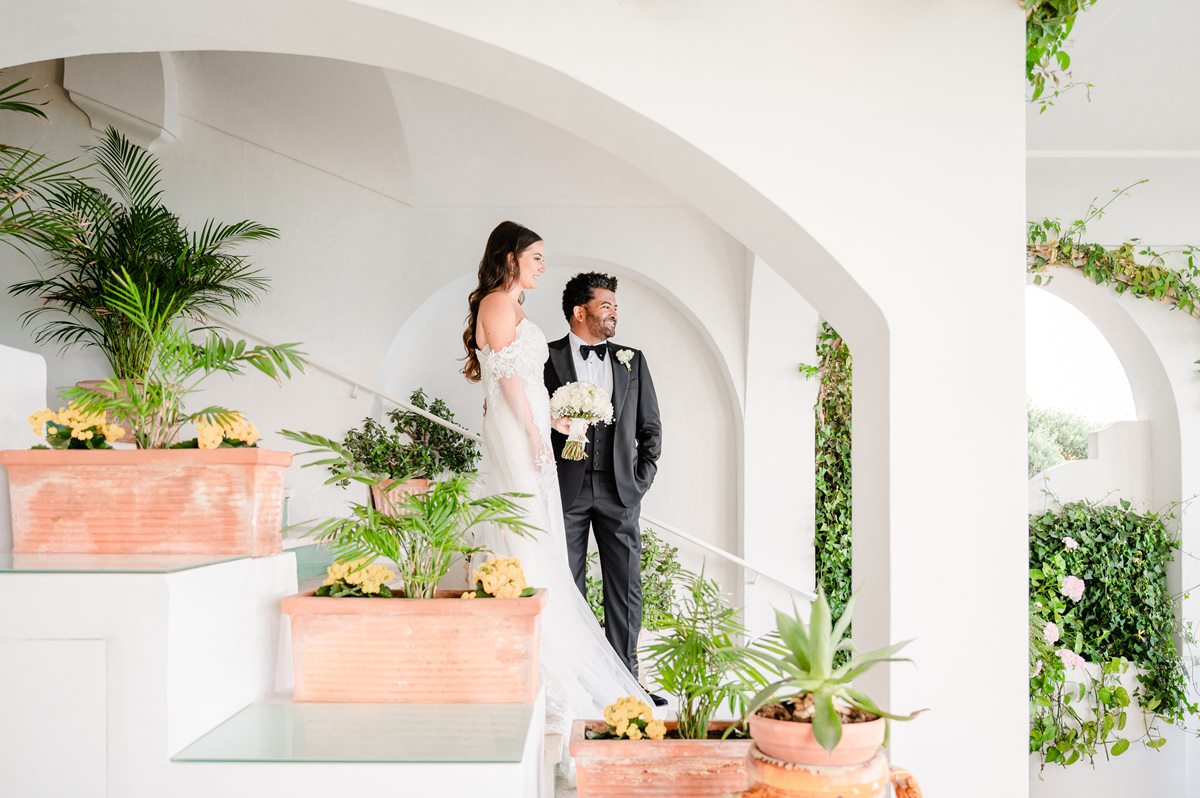
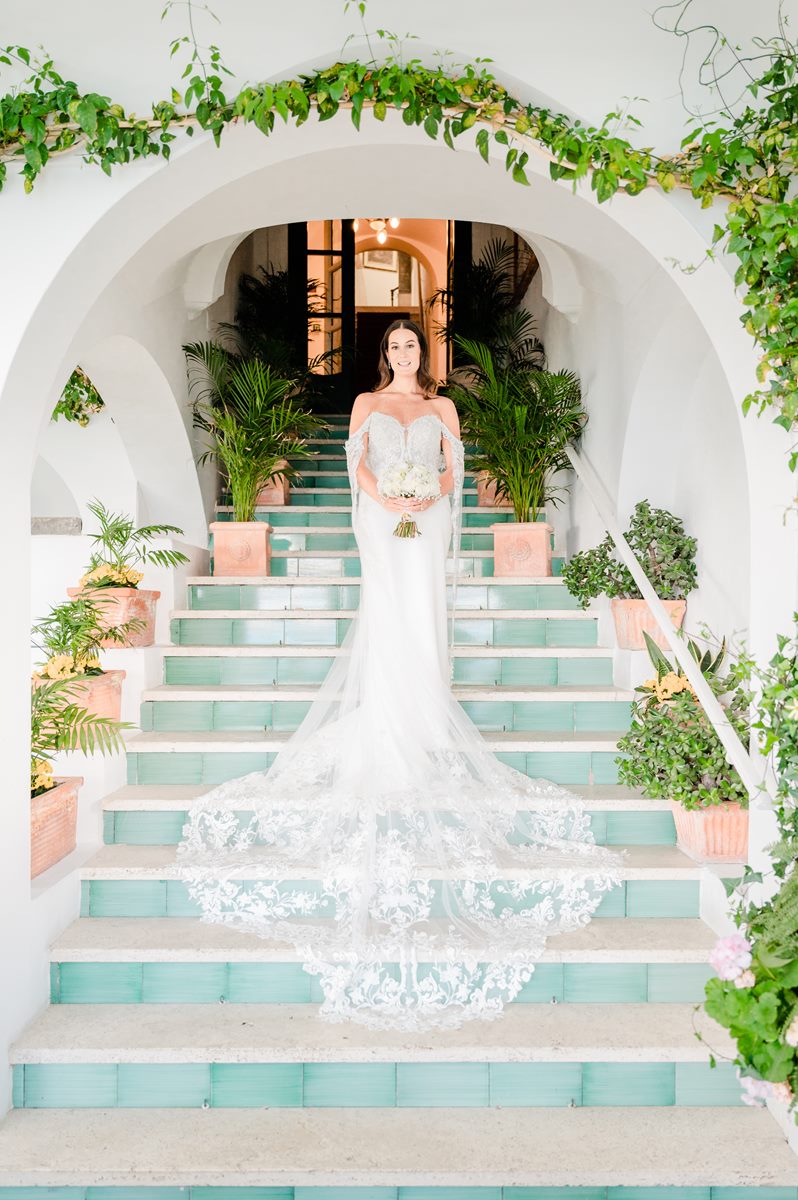
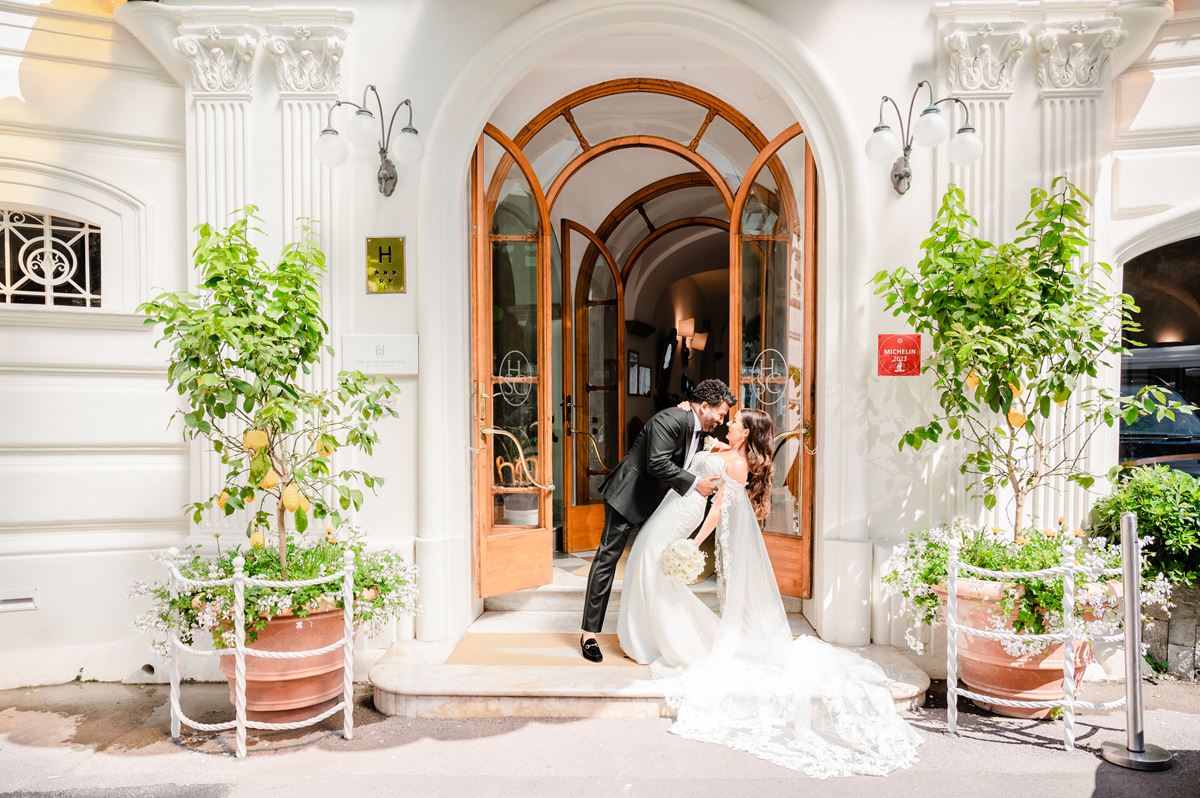
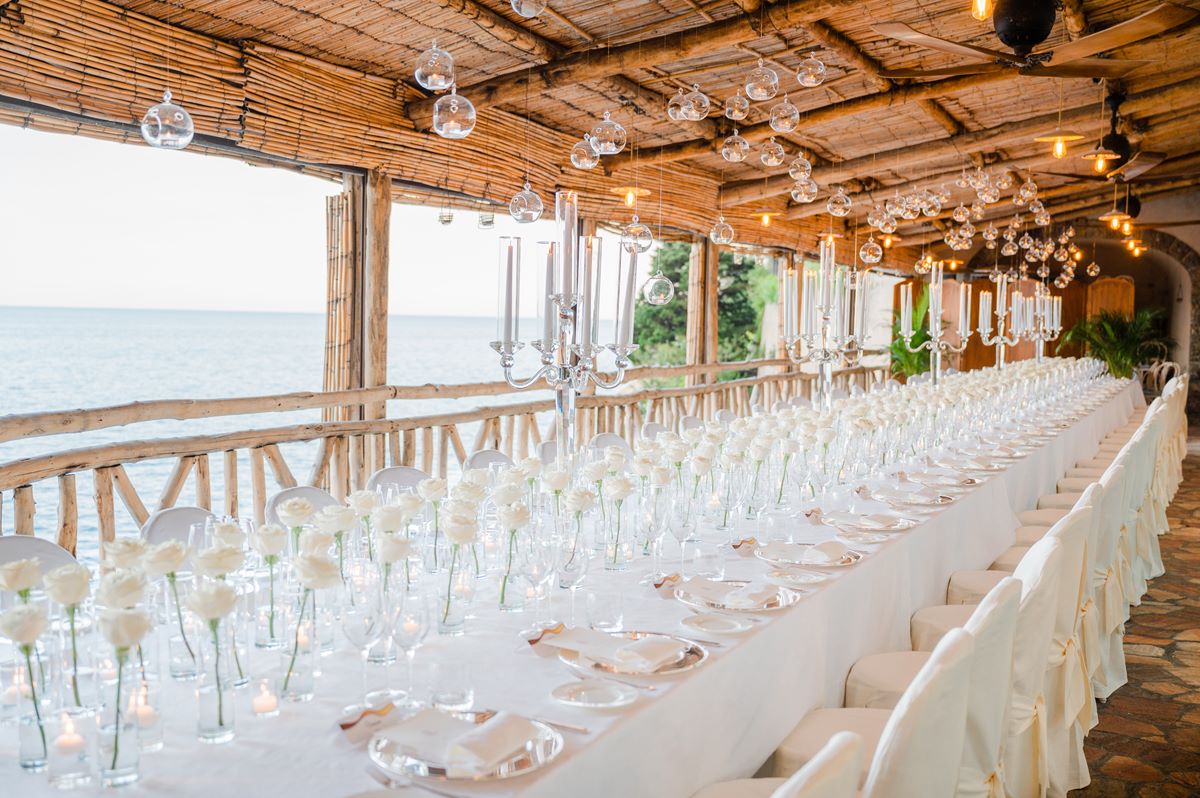
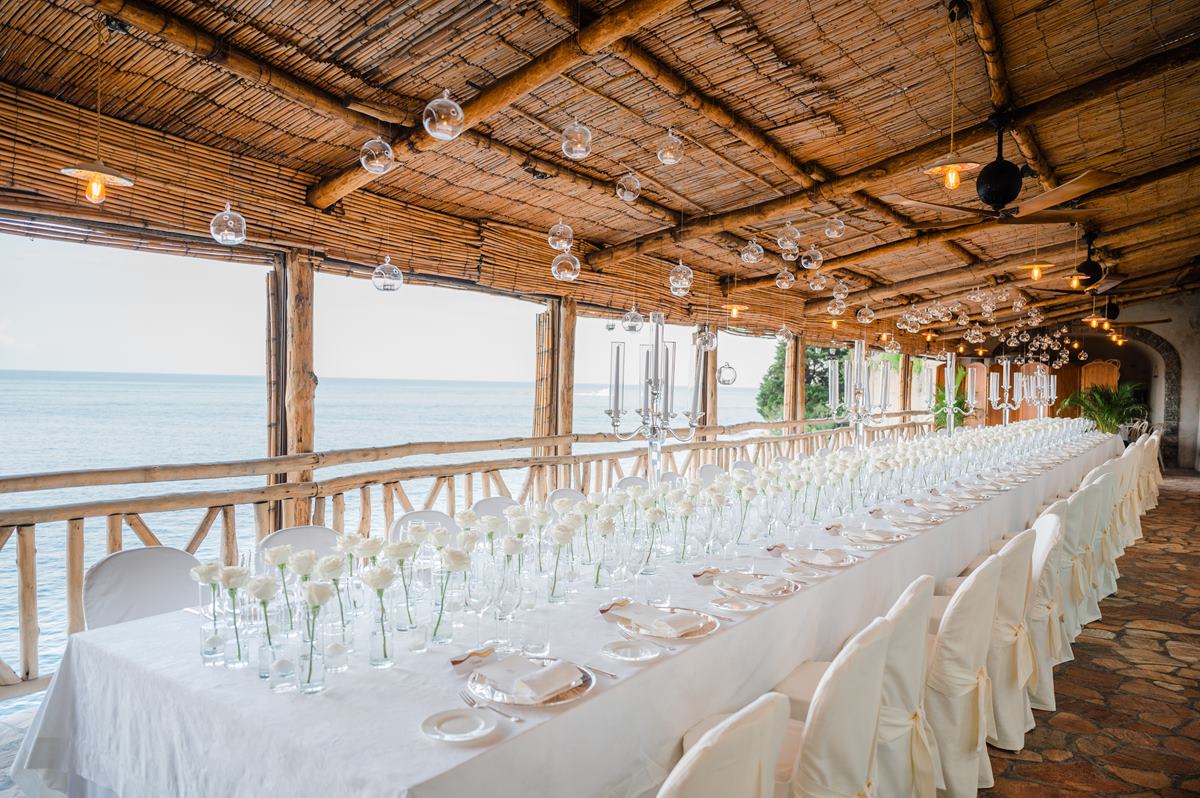
A wedding day is one of the most special days in people’s lives and celebrating it at Hotel Santa Caterina in Amalfi ensures it becomes an unforgettable experience. The hotel is located in the heart of Amalfi, just a few steps away from the beach and close to all the main attractions.
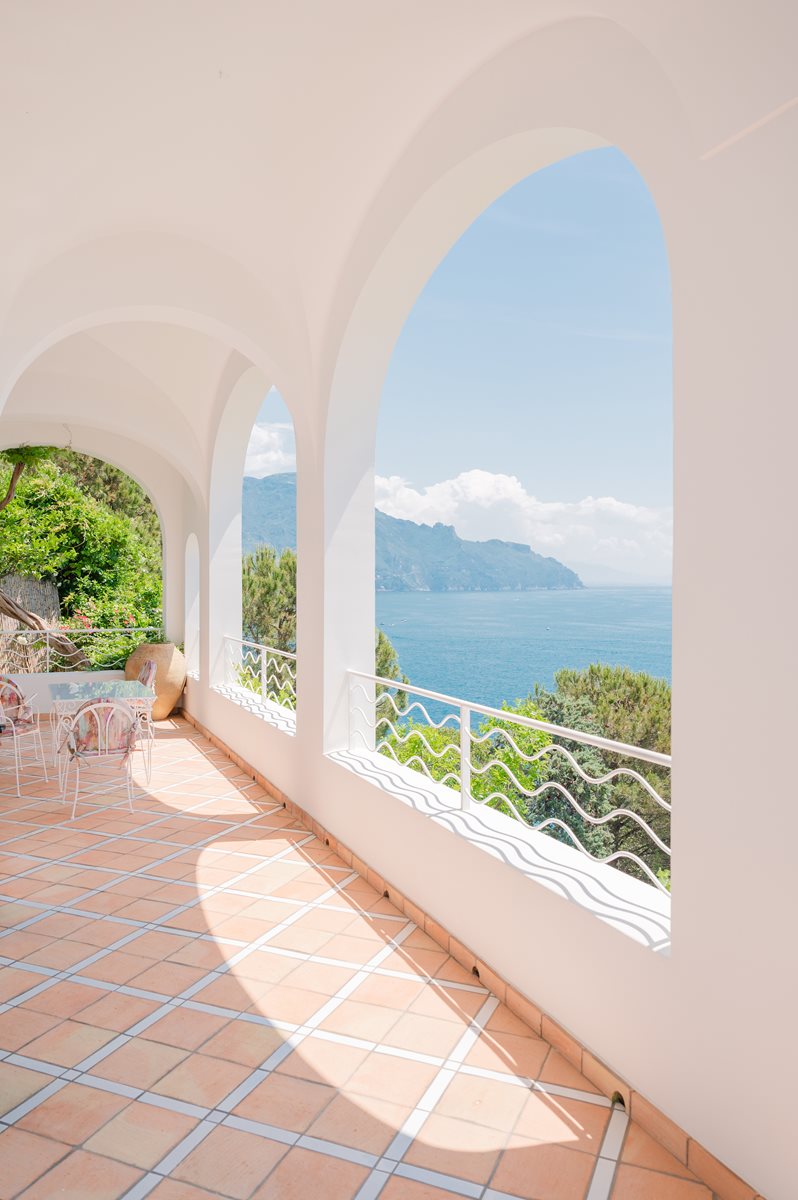
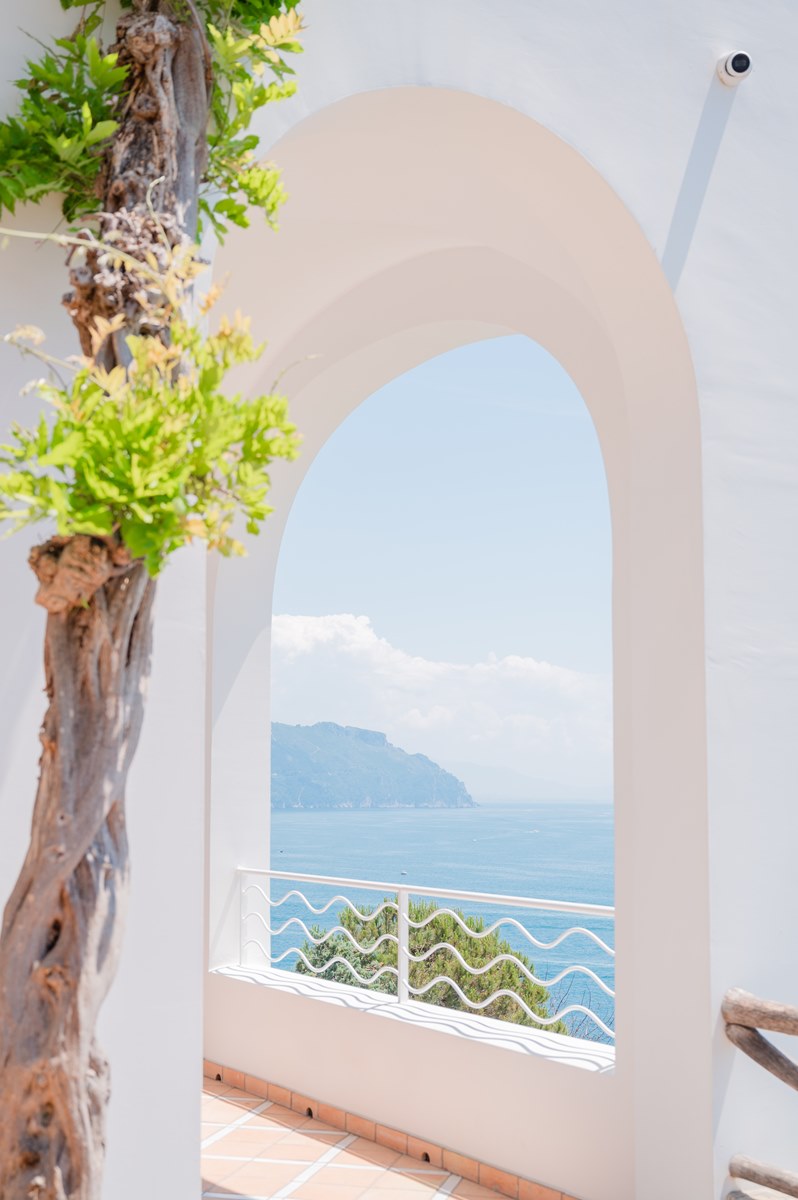
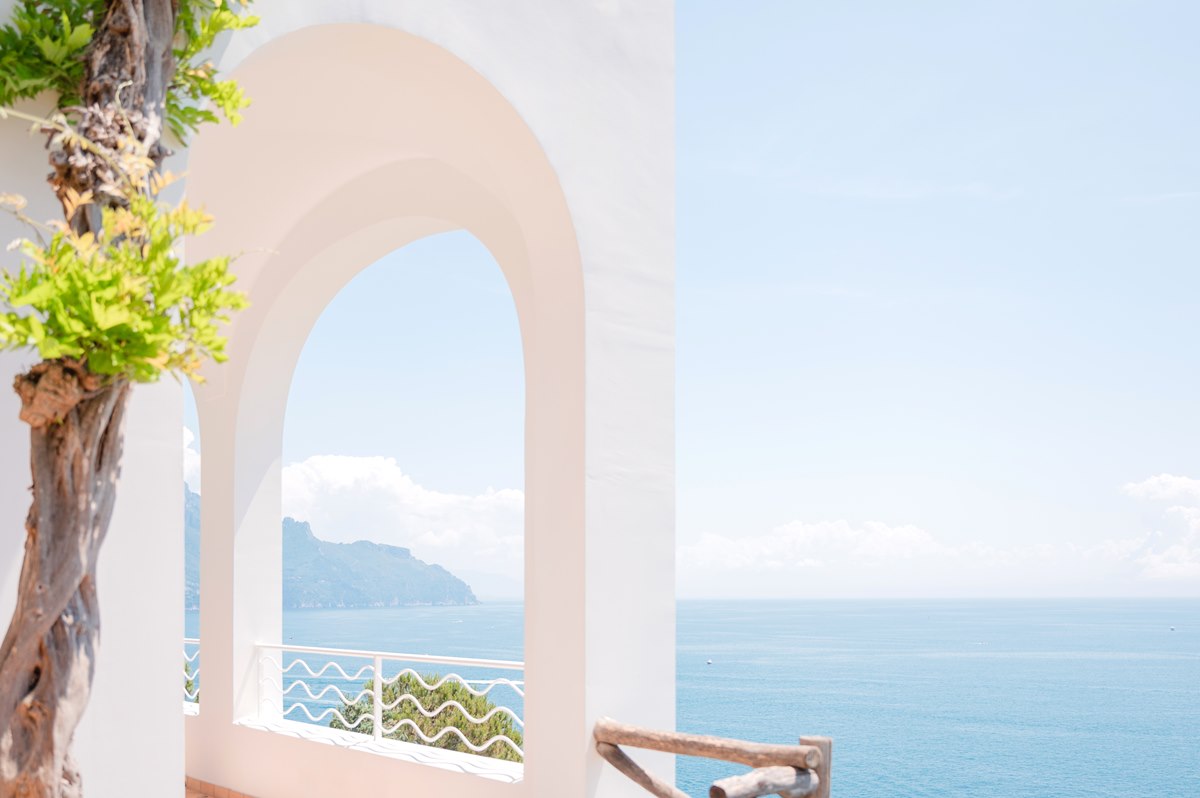
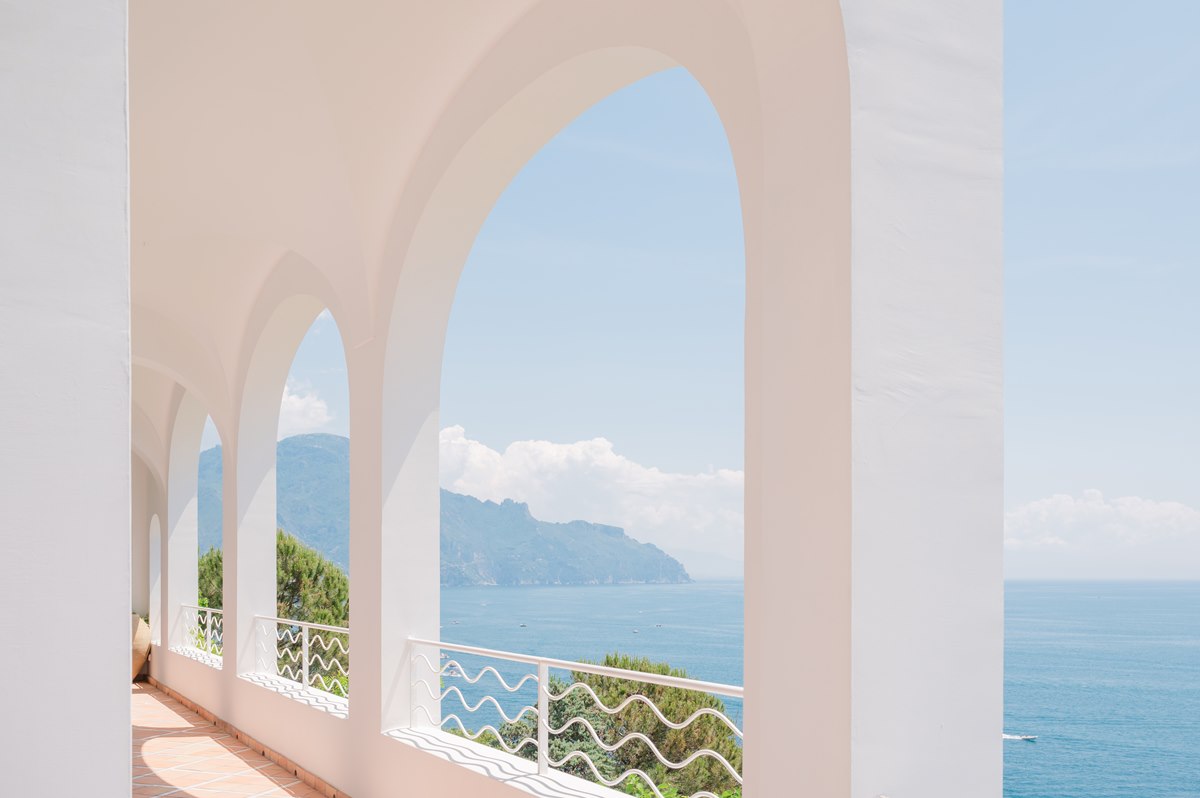

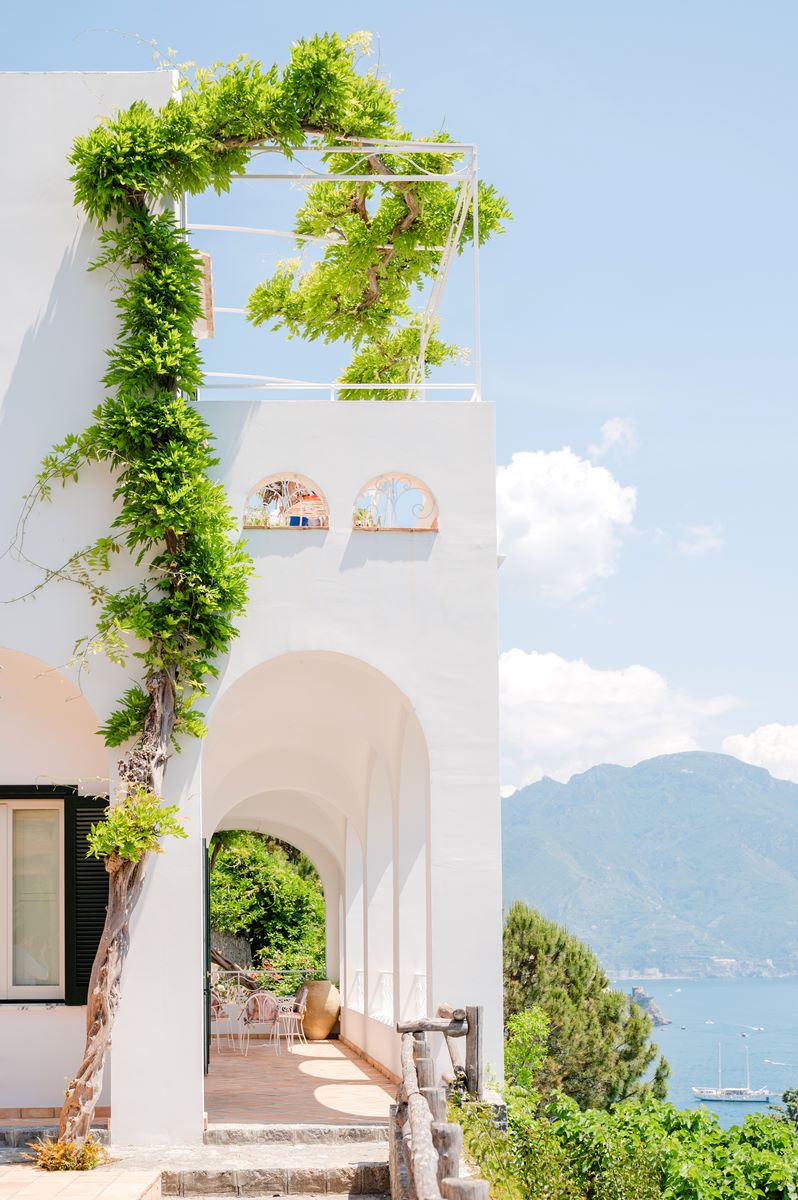



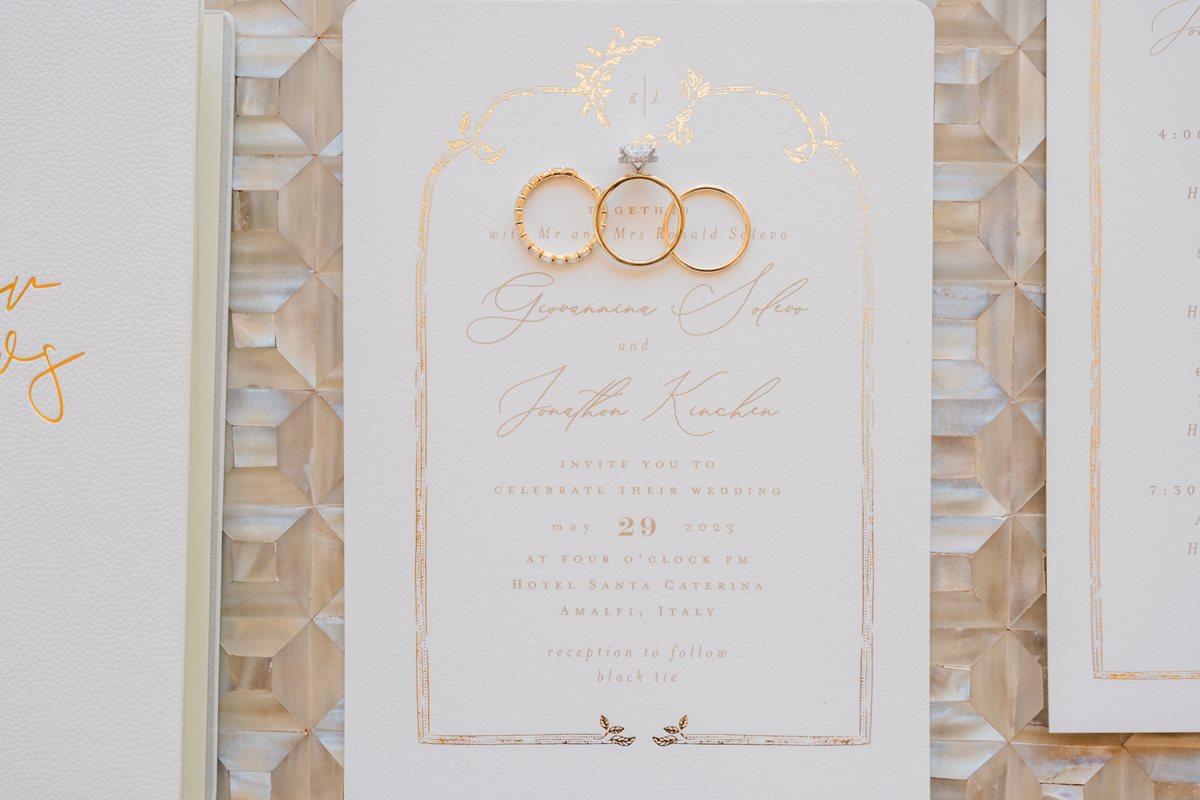
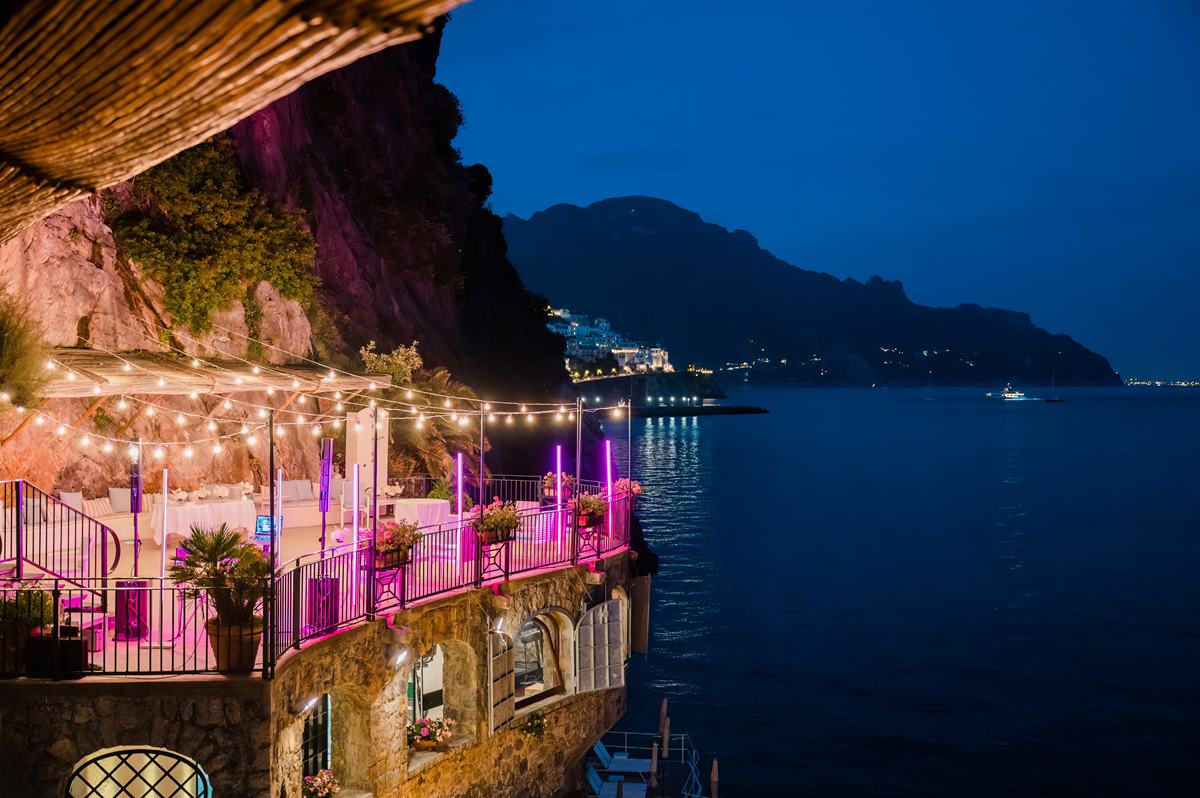
It offers an amazing view over the sea and its surrounding mountains, which makes it perfect for a romantic wedding ceremony. The hotel is also a great place to stay if you want to explore the Amalfi Coast. It offers a wide range of services, including a restaurant, bar and swimming pool. The rooms are spacious and comfortable, with all the amenities you need for an enjoyable stay.
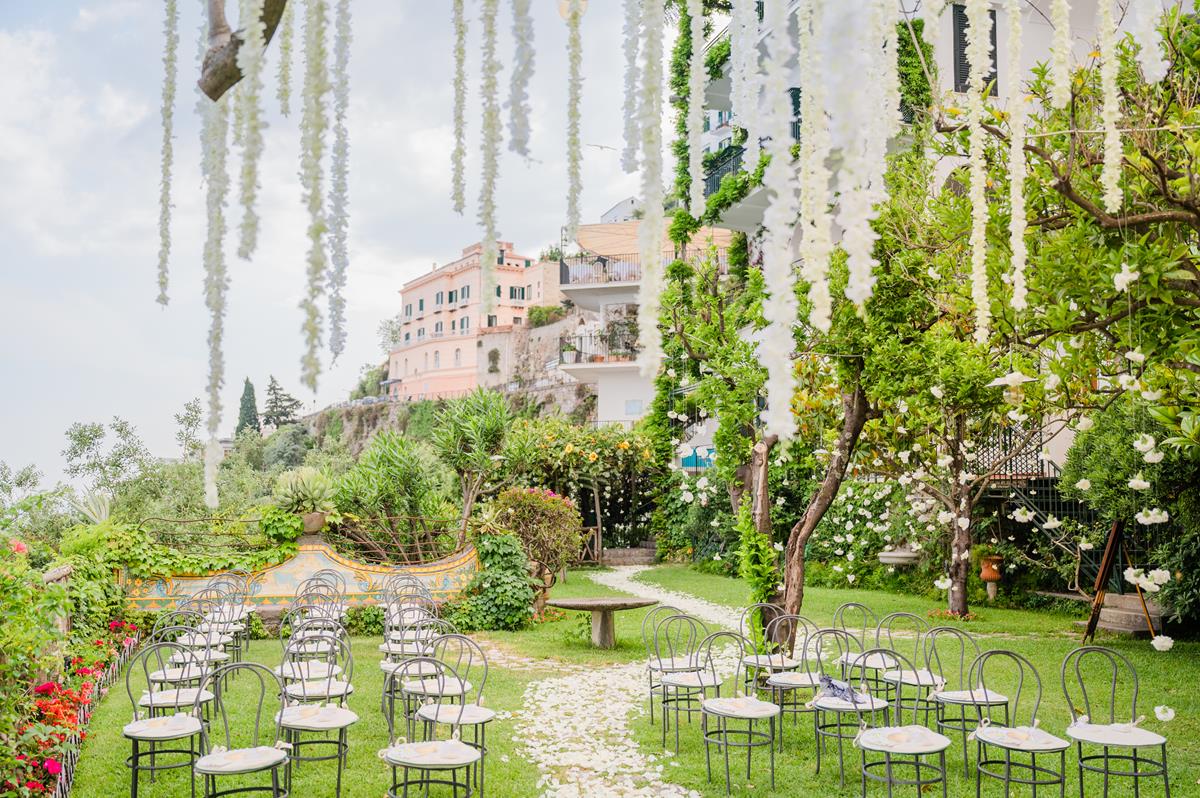
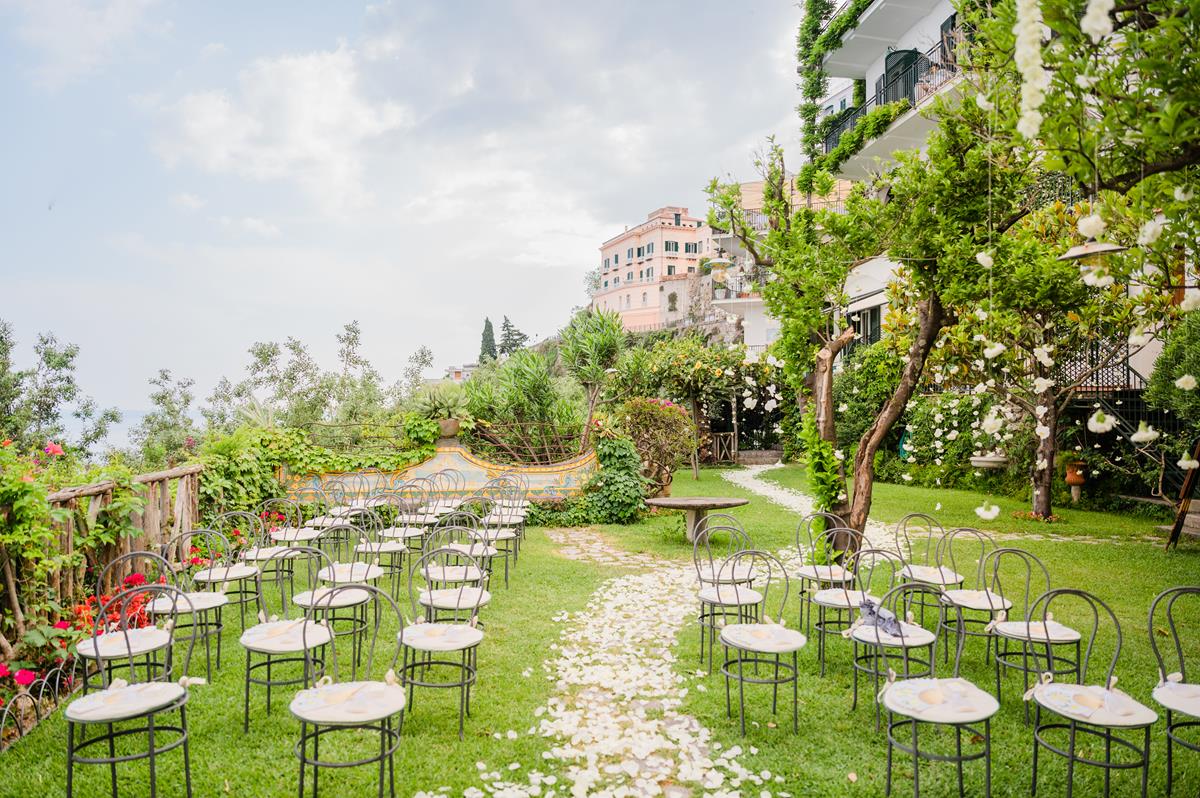
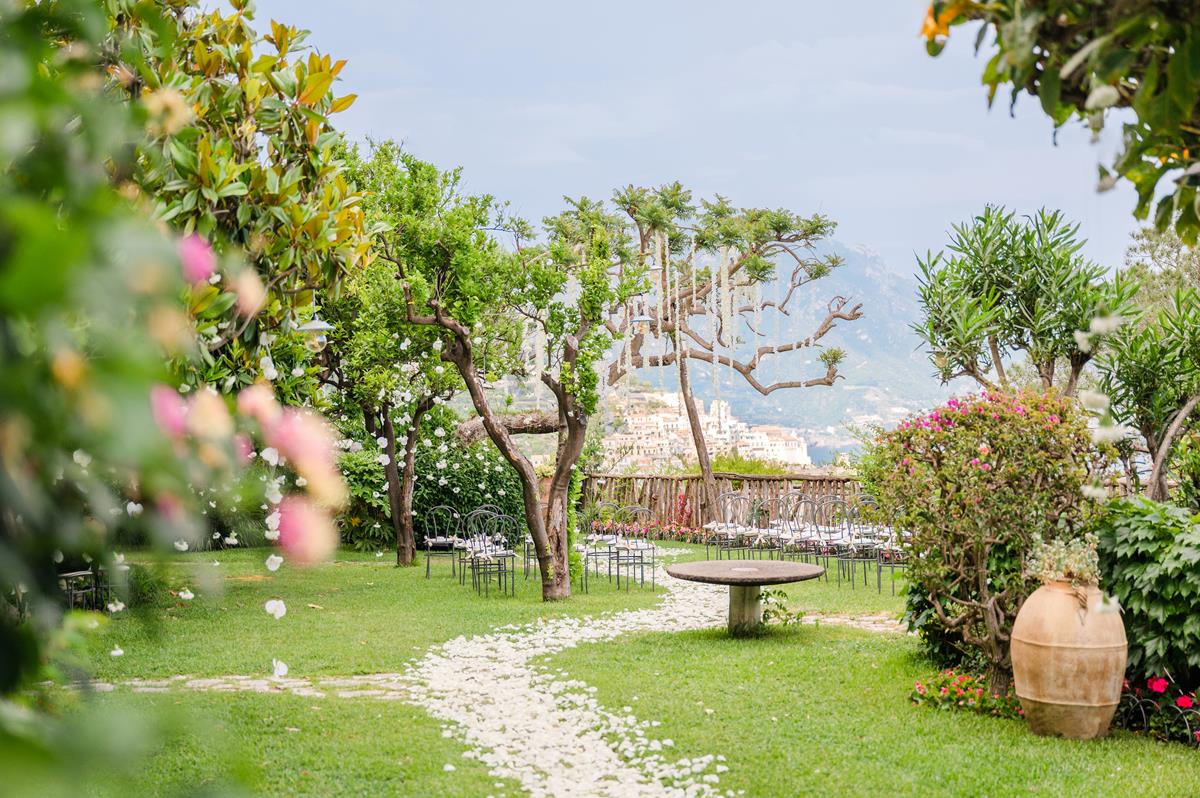
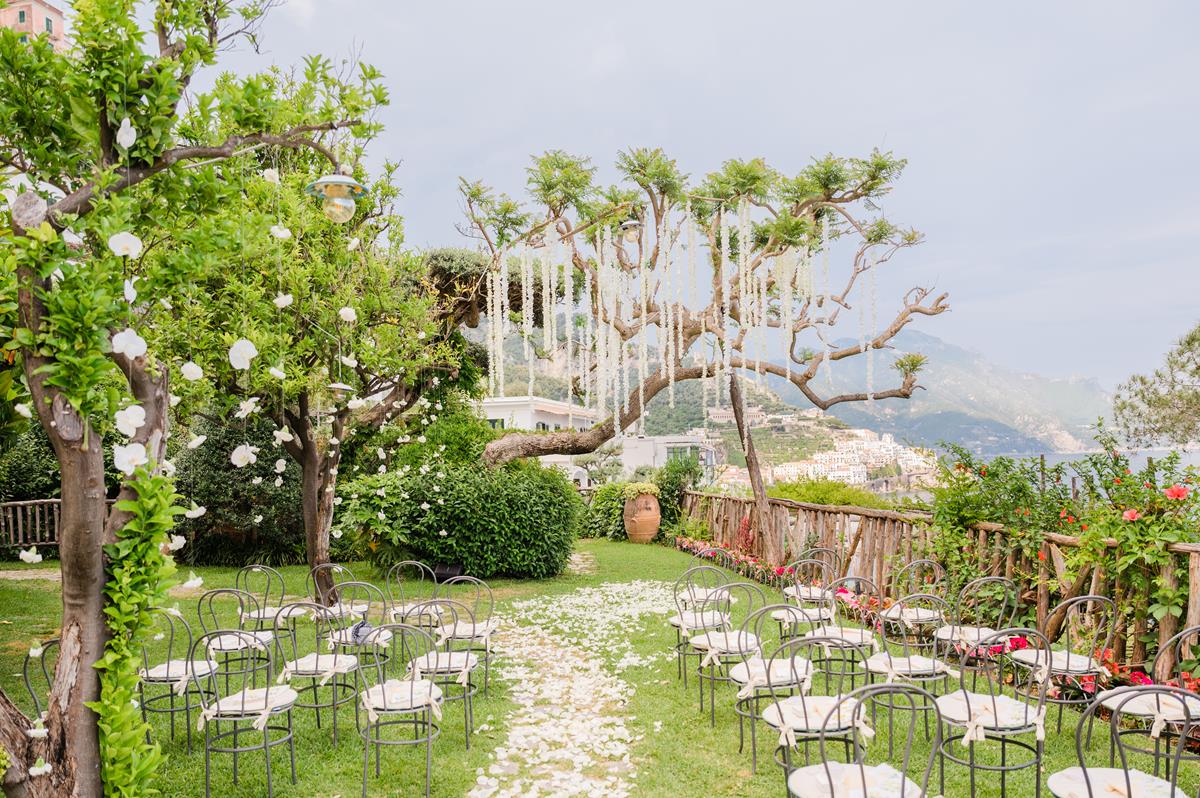
An Introduction to Hotel Santa Caterina Wedding Amalfi
Why Hotel Santa Caterina is the Perfect Amalfi Wedding Venue
Hotel Santa Caterina is a beautiful hotel located in the heart of Amalfi, just a few steps away from the beach and close to all the main attractions.




It offers an amazing view over the sea and its surrounding mountains, which makes it perfect for a romantic wedding ceremony. The hotel is also a great place to stay if you want to explore the Amalfi Coast. It offers a wide range of services, including a restaurant, bar and swimming pool. The rooms are spacious and comfortable, with all the amenities you need for an enjoyable stay.





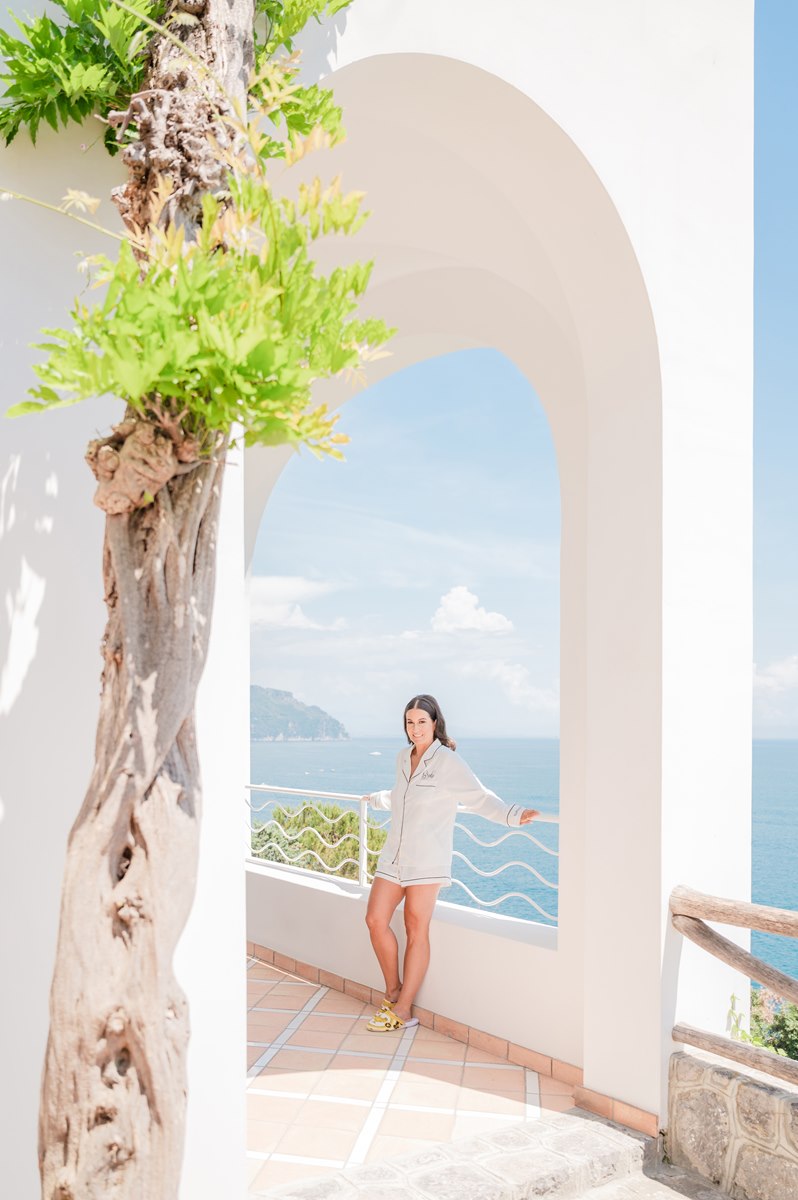







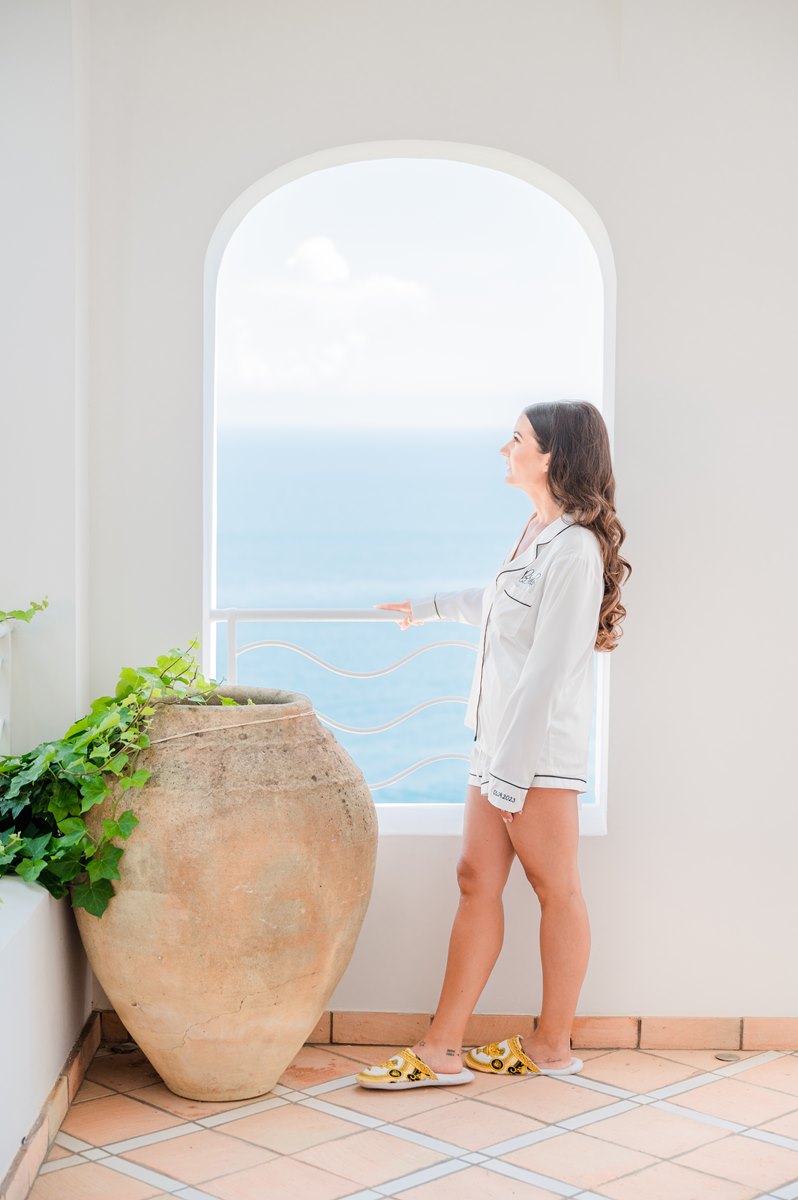


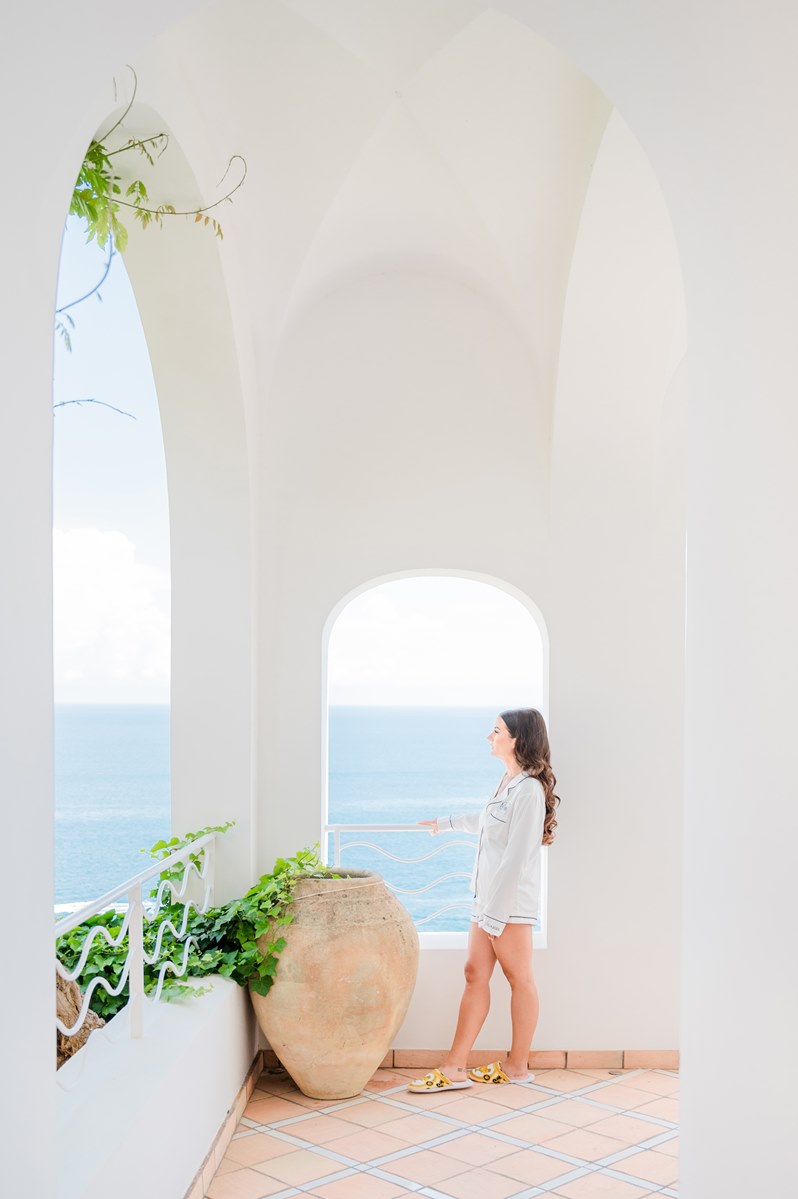
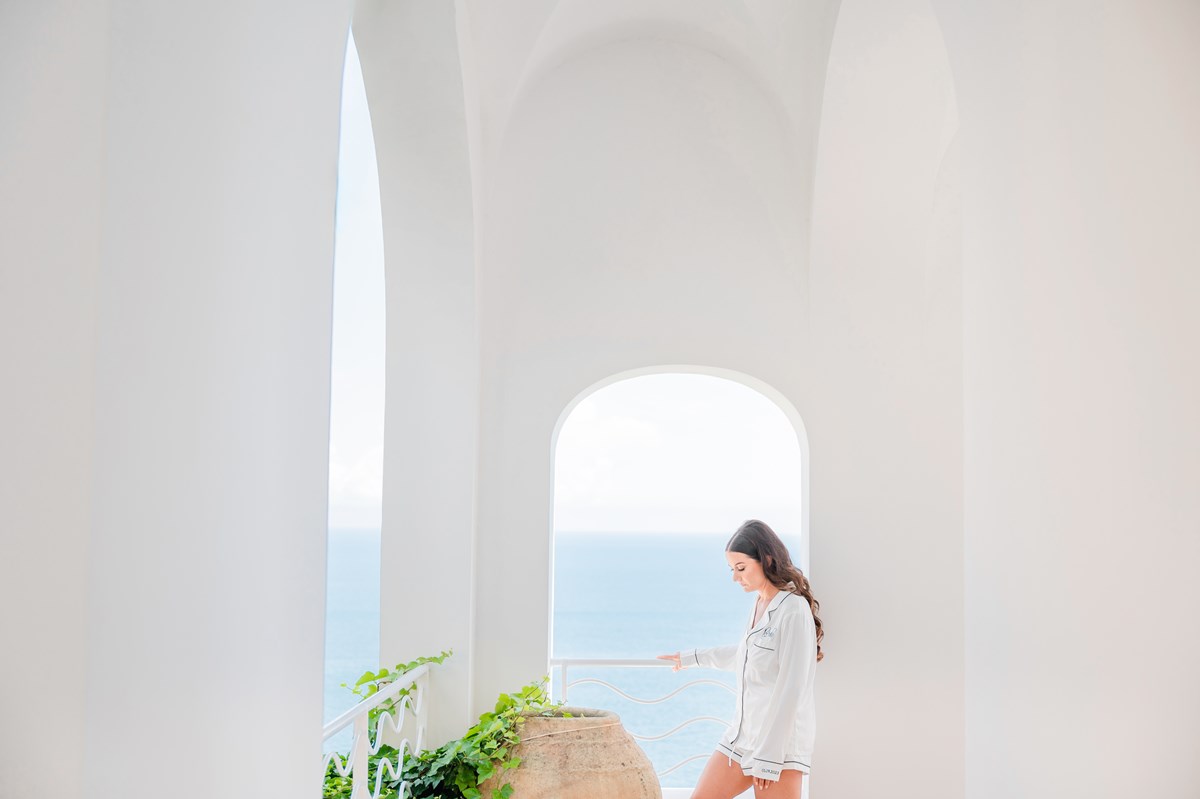

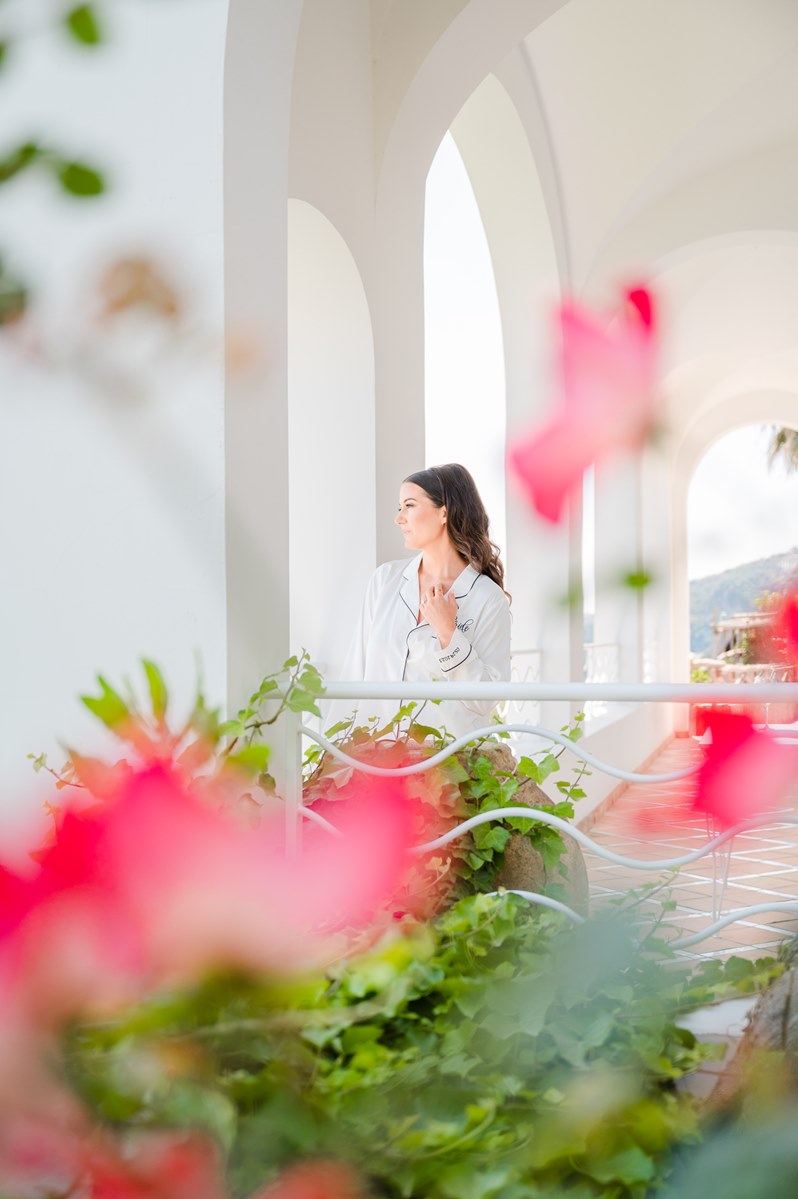

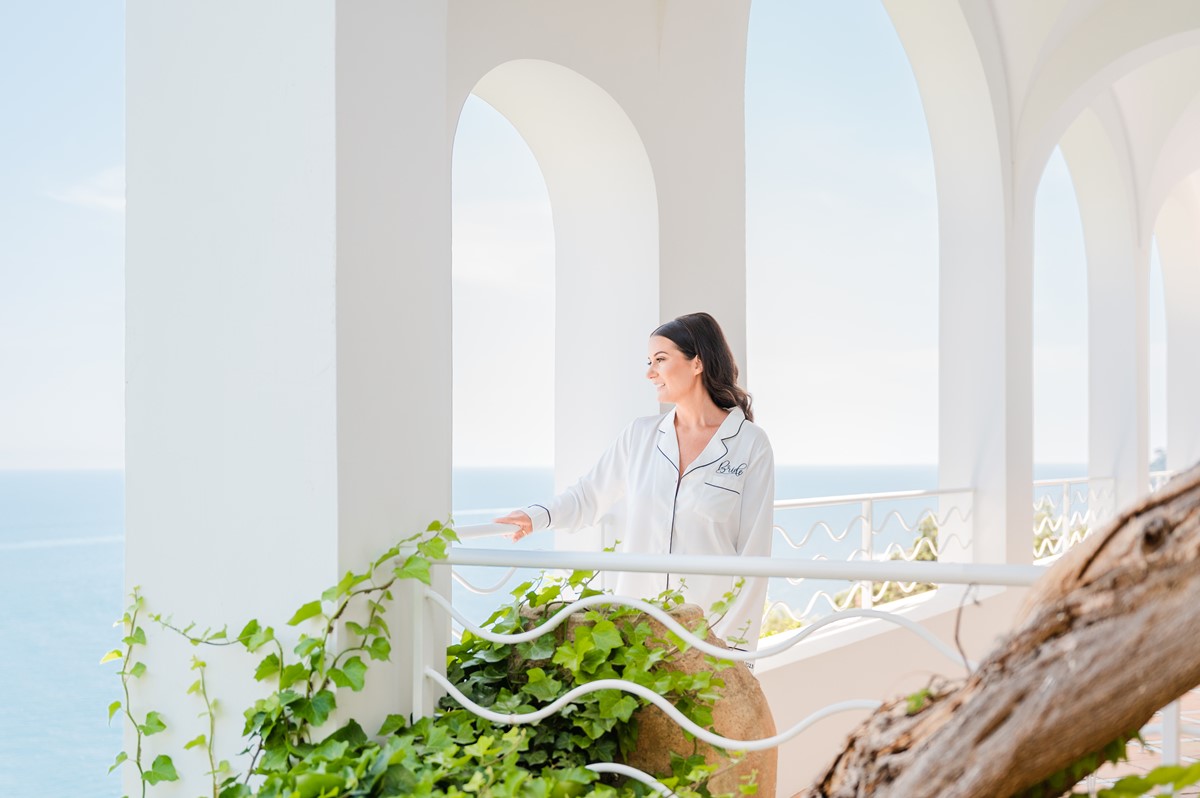
Hotel Santa Caterina has its special charm, offering picturesque views and warm hospitality that makes it the perfect venue for a wedding in Amalfi.
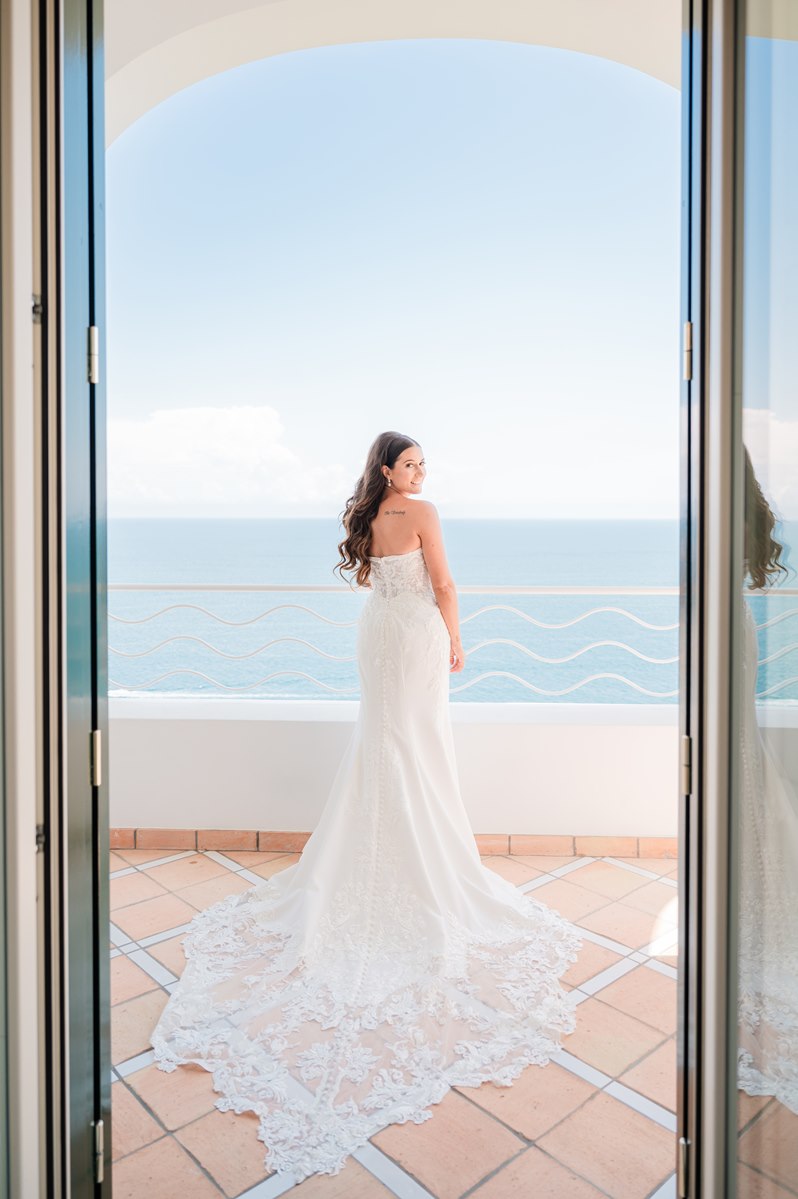

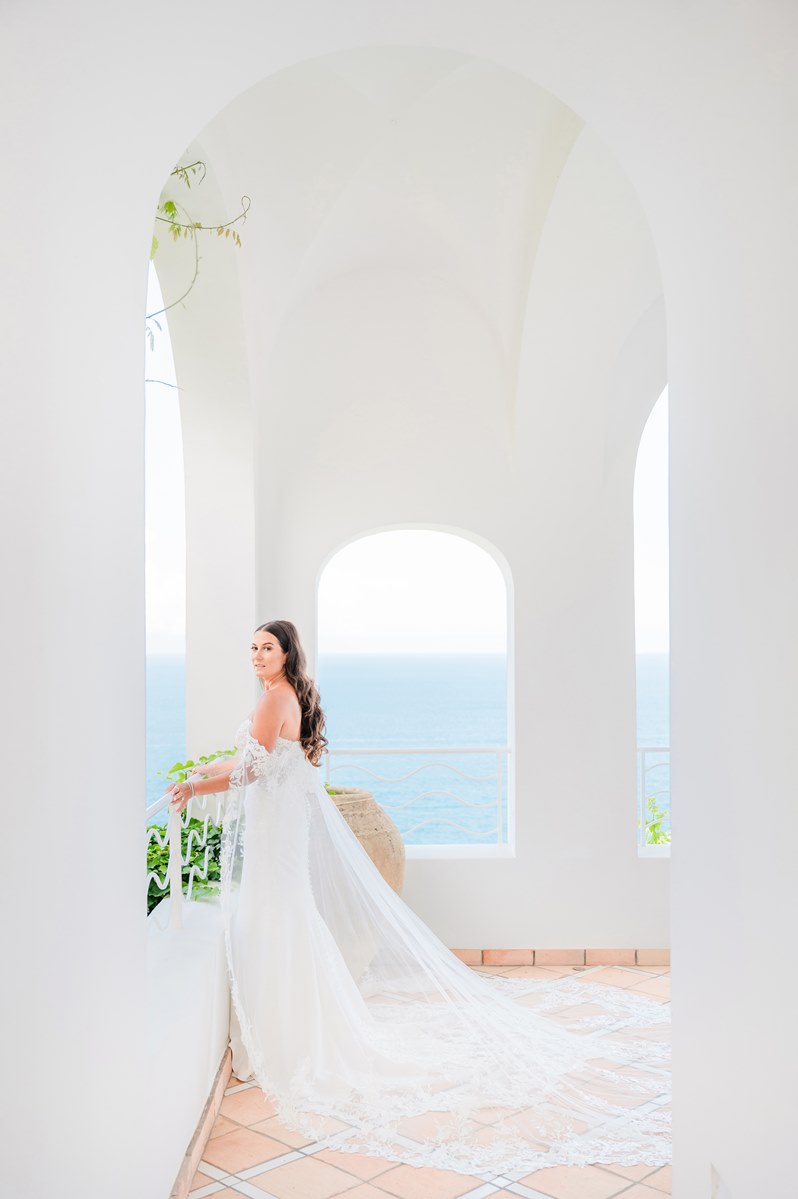
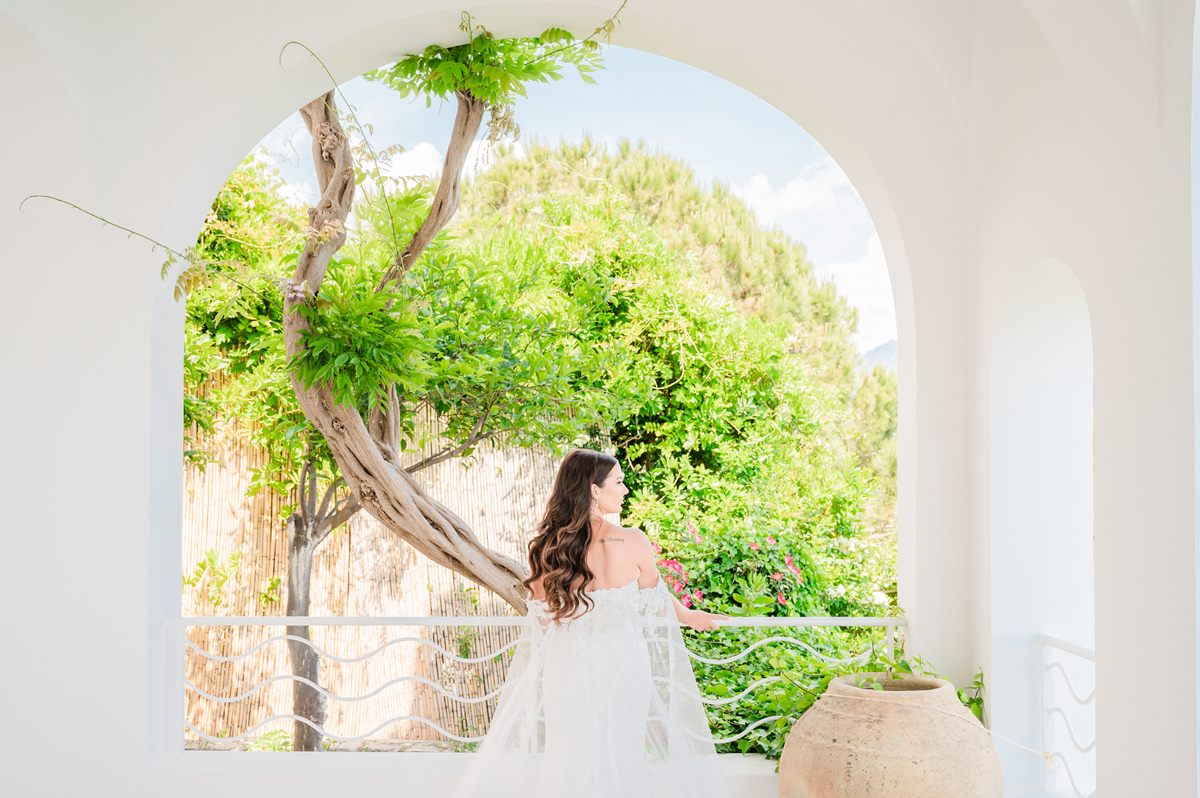




What Makes an Amalfi Coast Wedding Unforgettable
The unique combination of the unbeatable weather, sparkling blue sea, and charming architecture makes any Amalfi Coast wedding truly unforgettable. The Amalfi Coast is a popular destination for weddings, and it’s easy to see why.
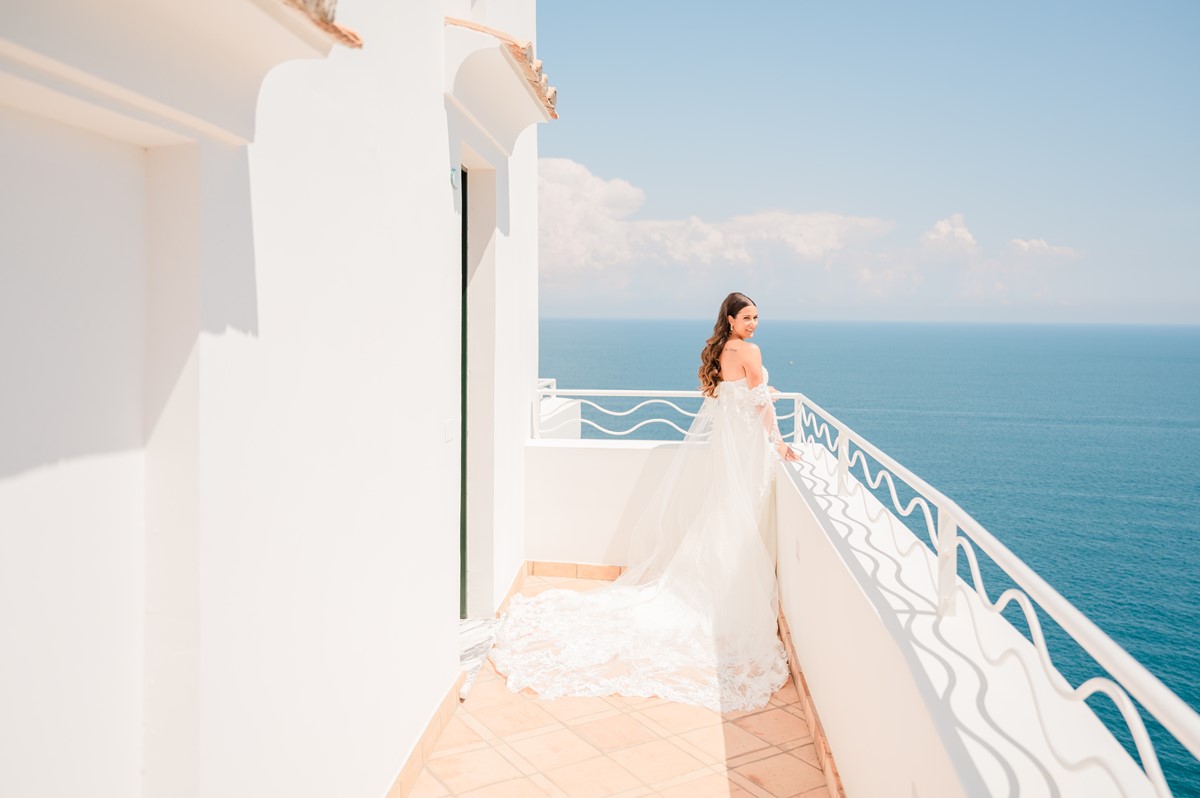
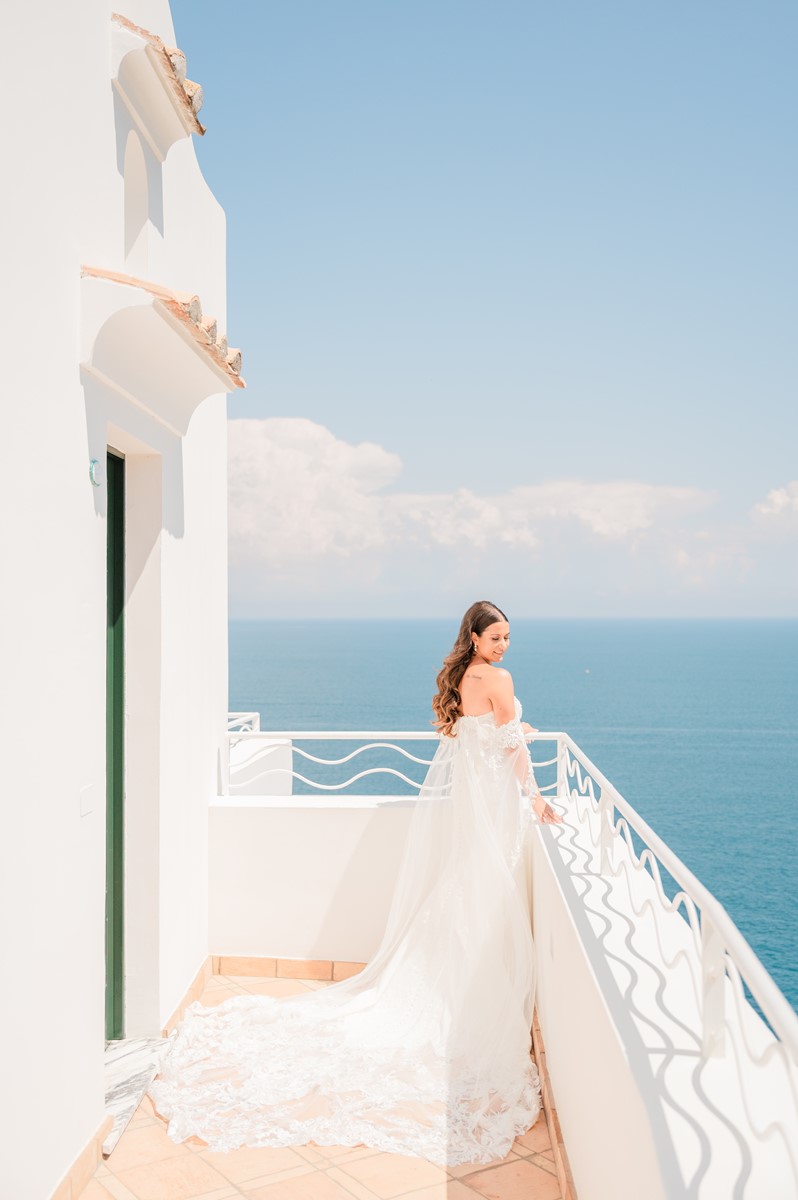
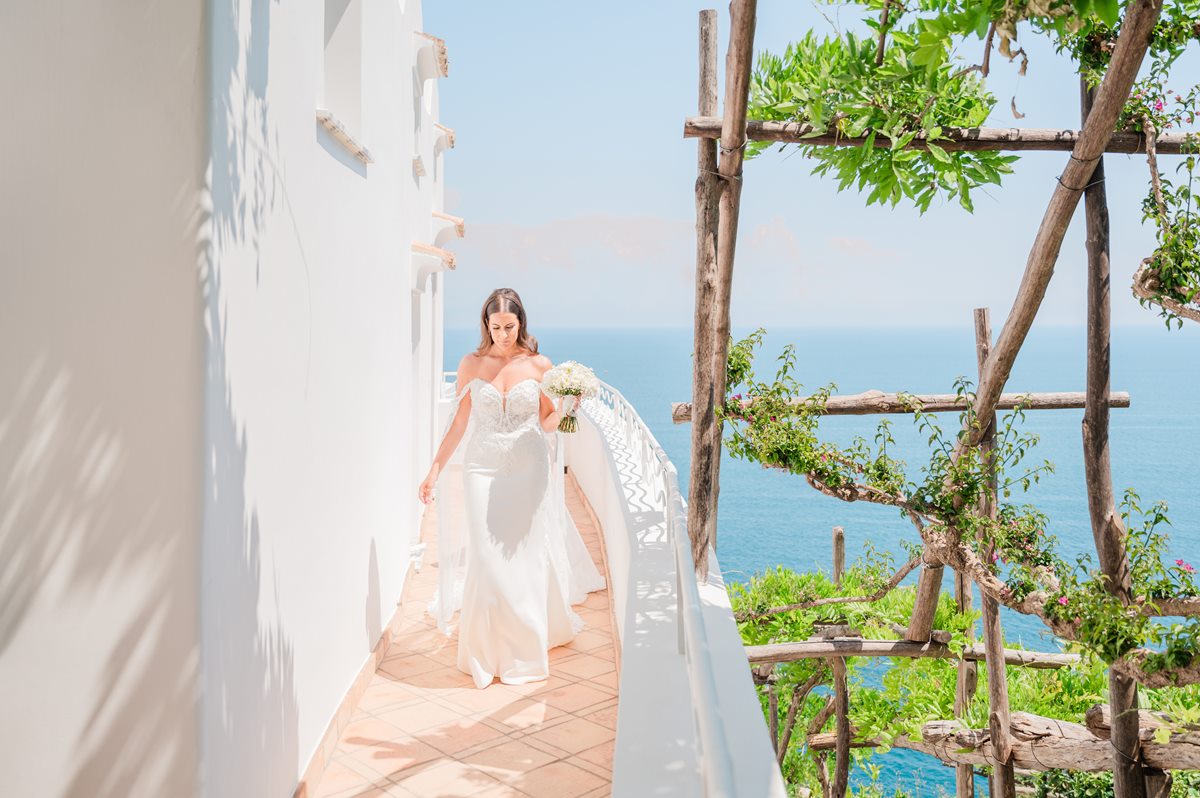
The region offers stunning views of the Mediterranean Sea, beautiful beaches and coves, and charming towns with narrow streets lined with colorful houses. It also has some of the best food in Italy, including fresh seafood and delicious pasta dishes.
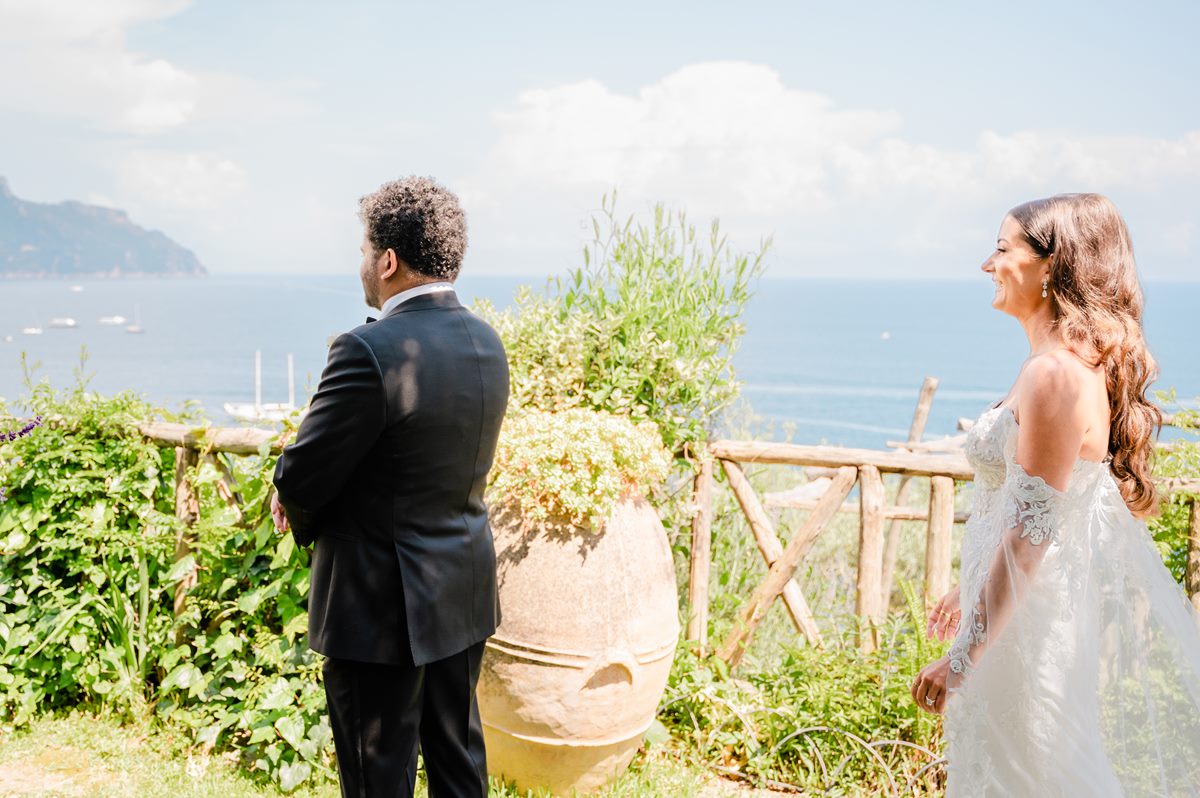
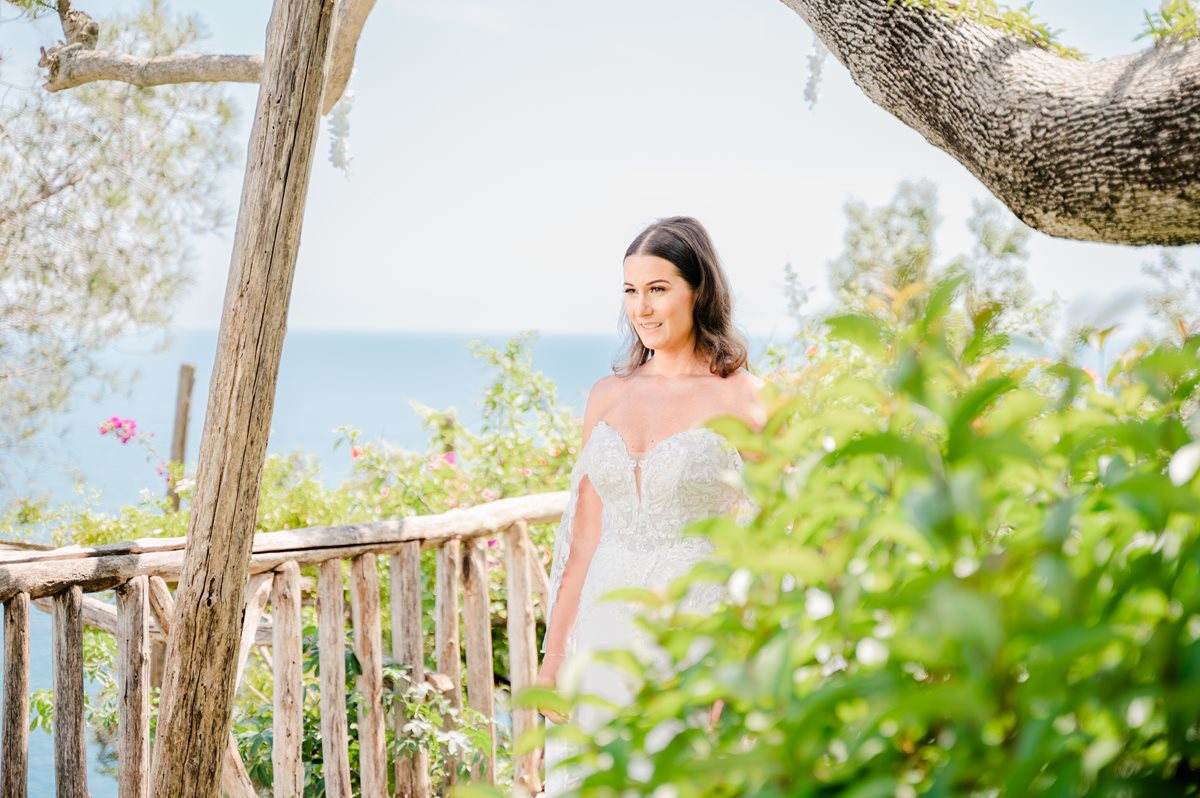
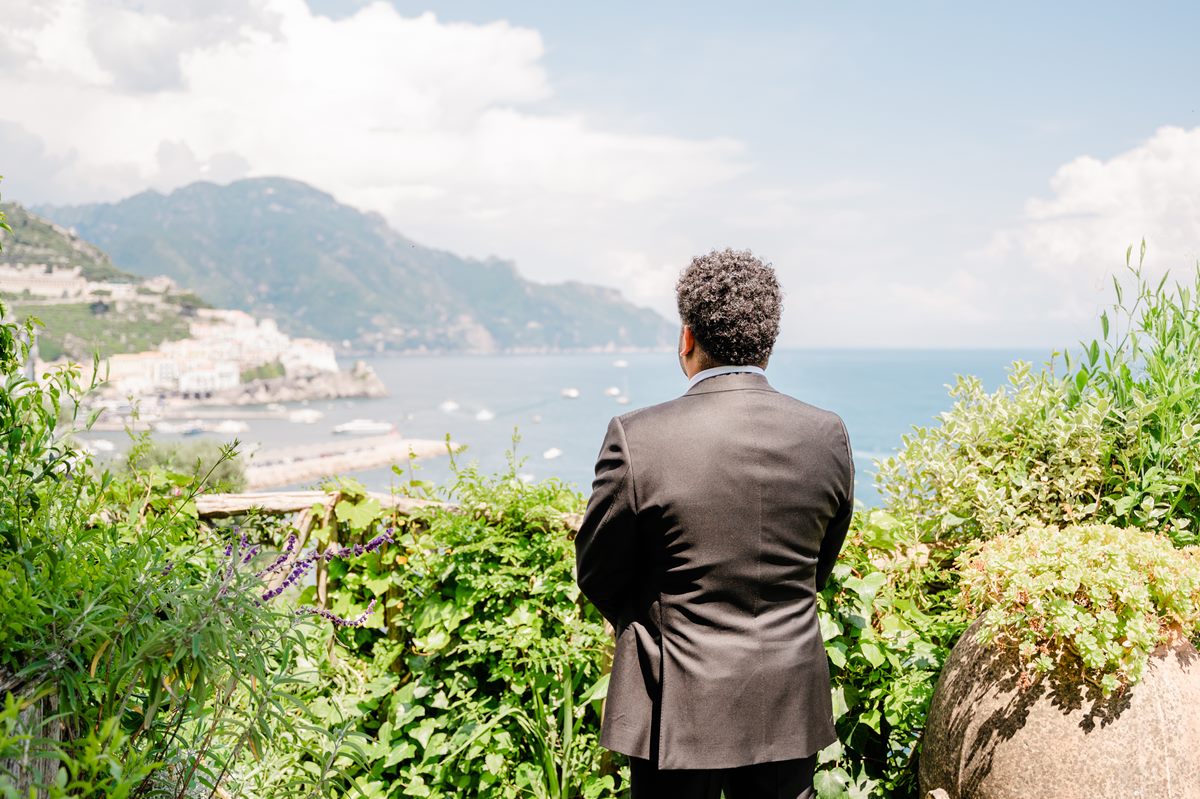
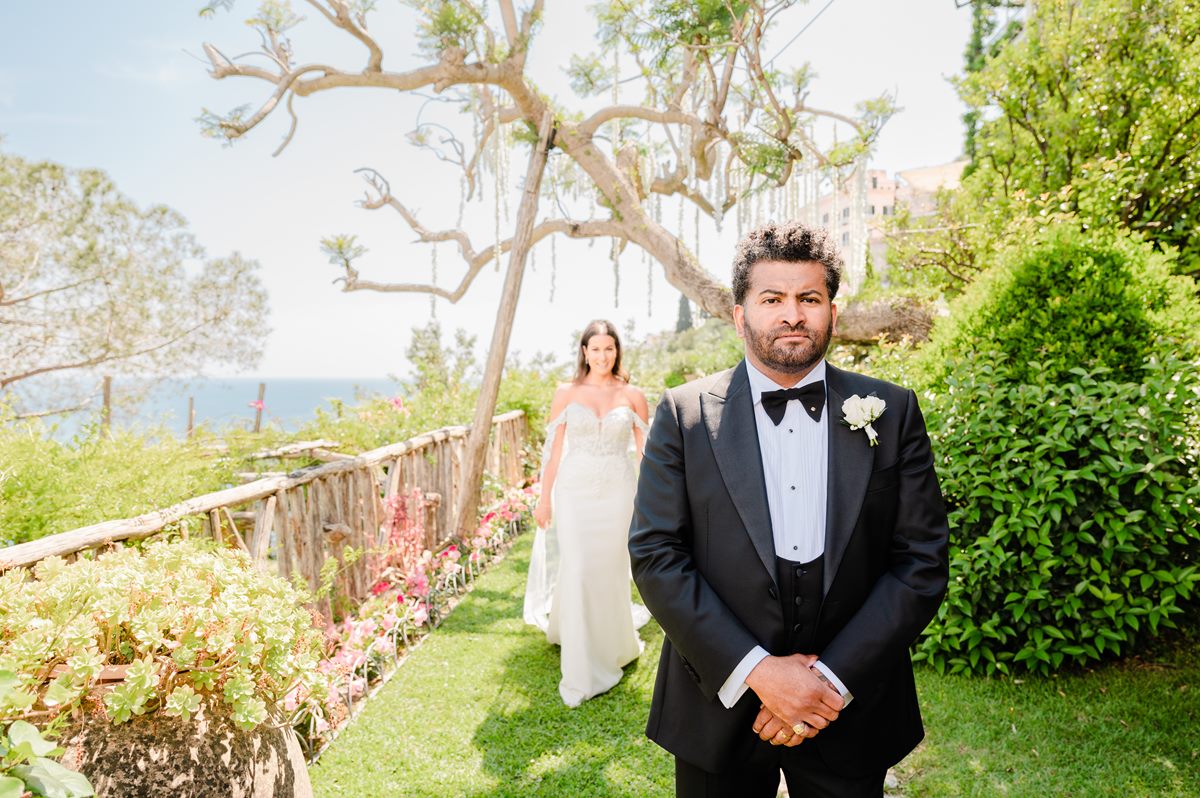
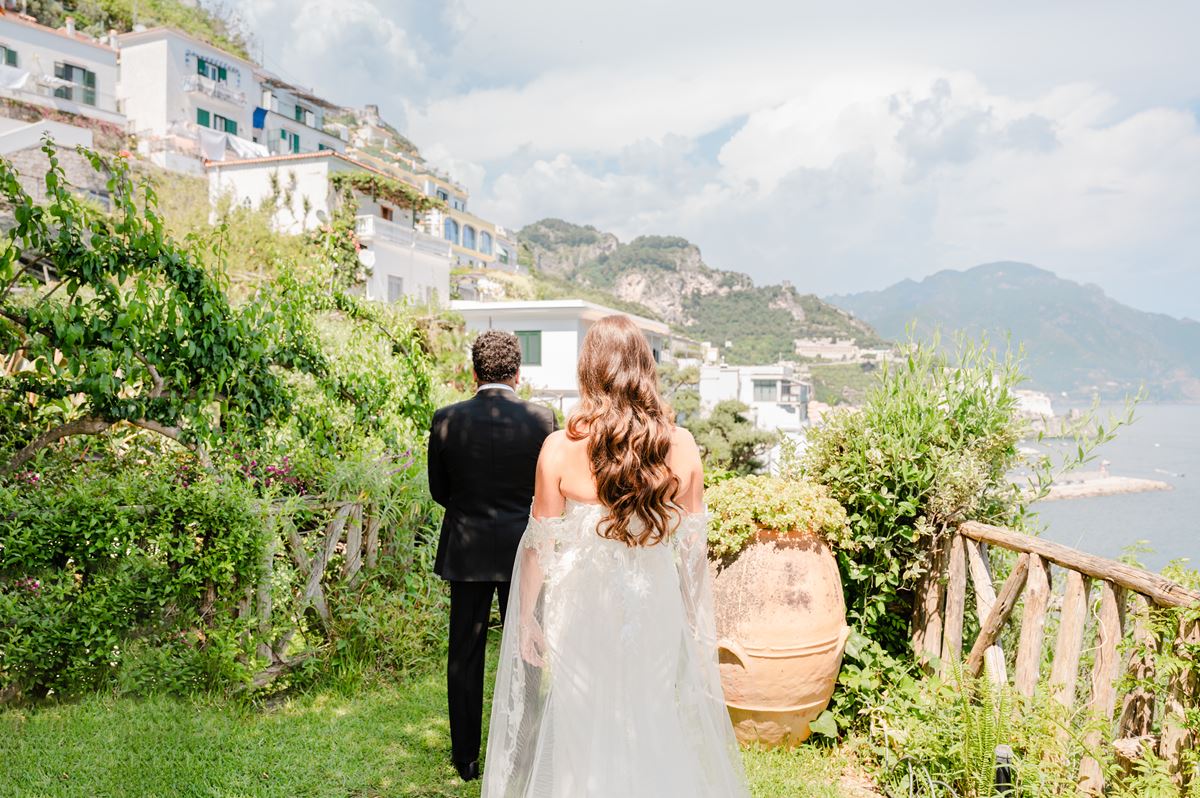
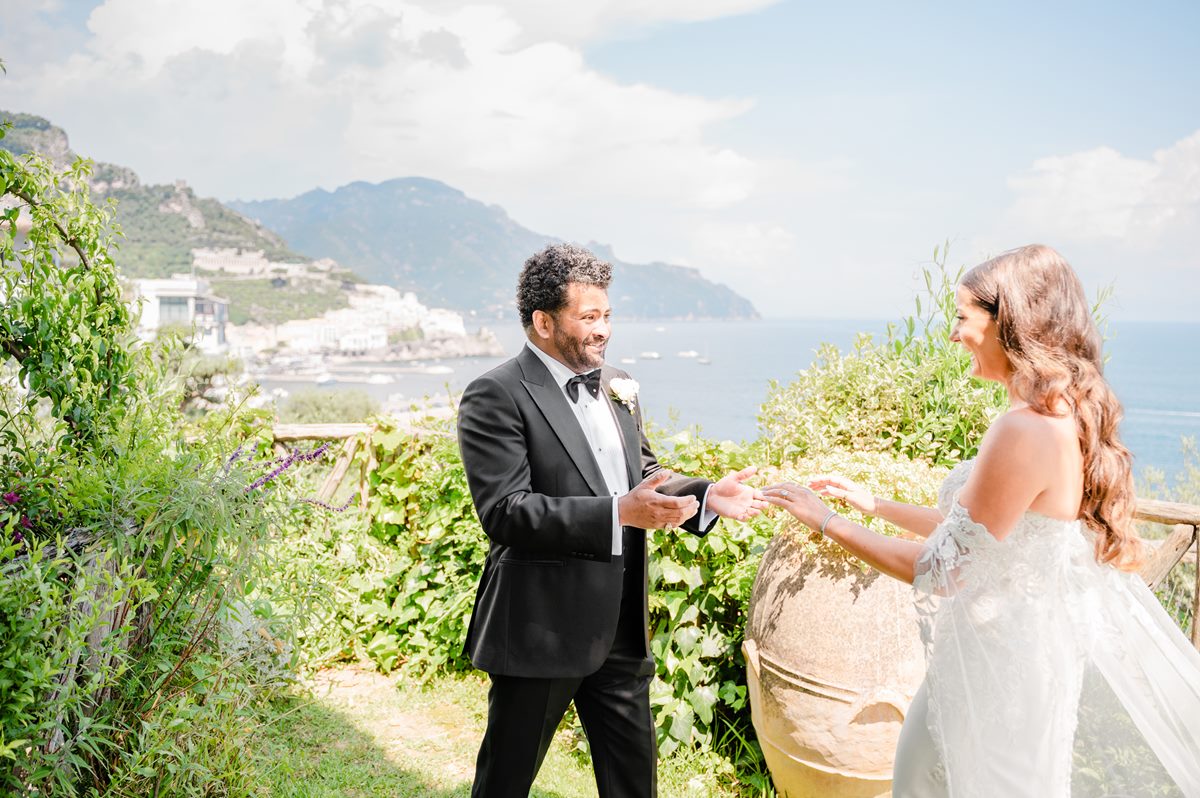
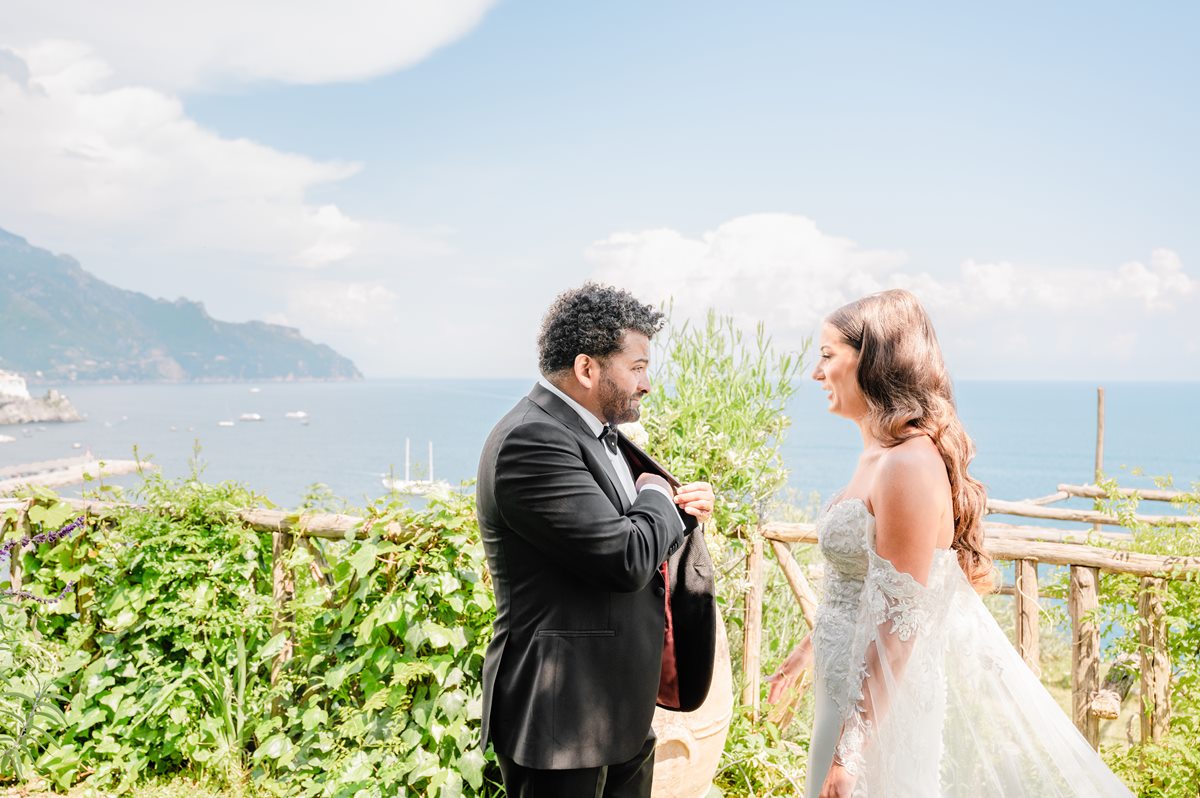
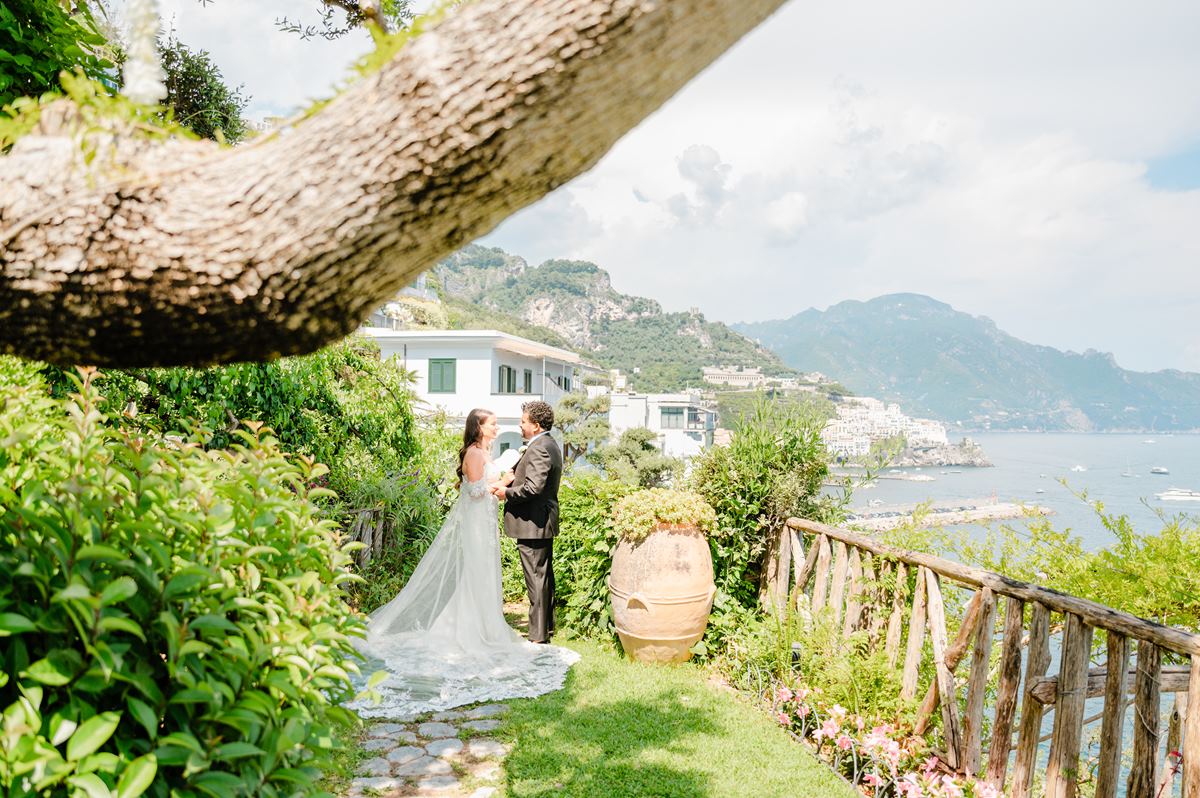
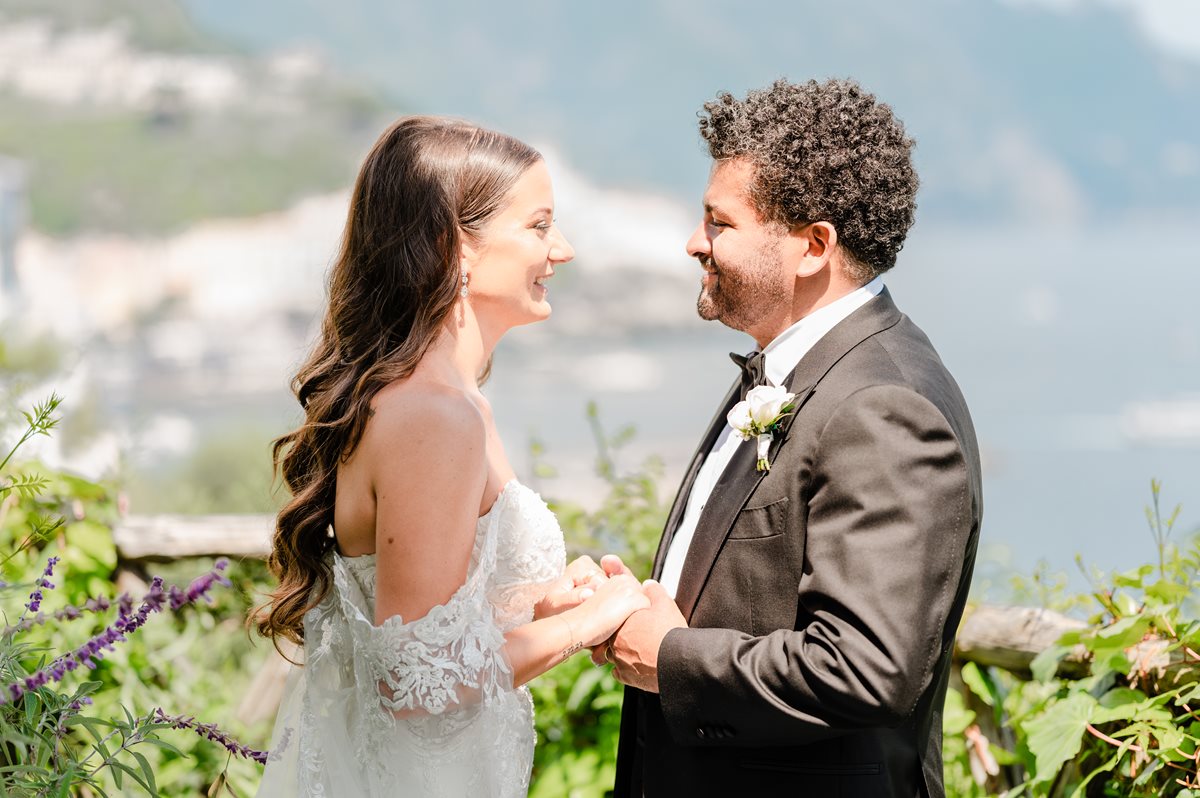

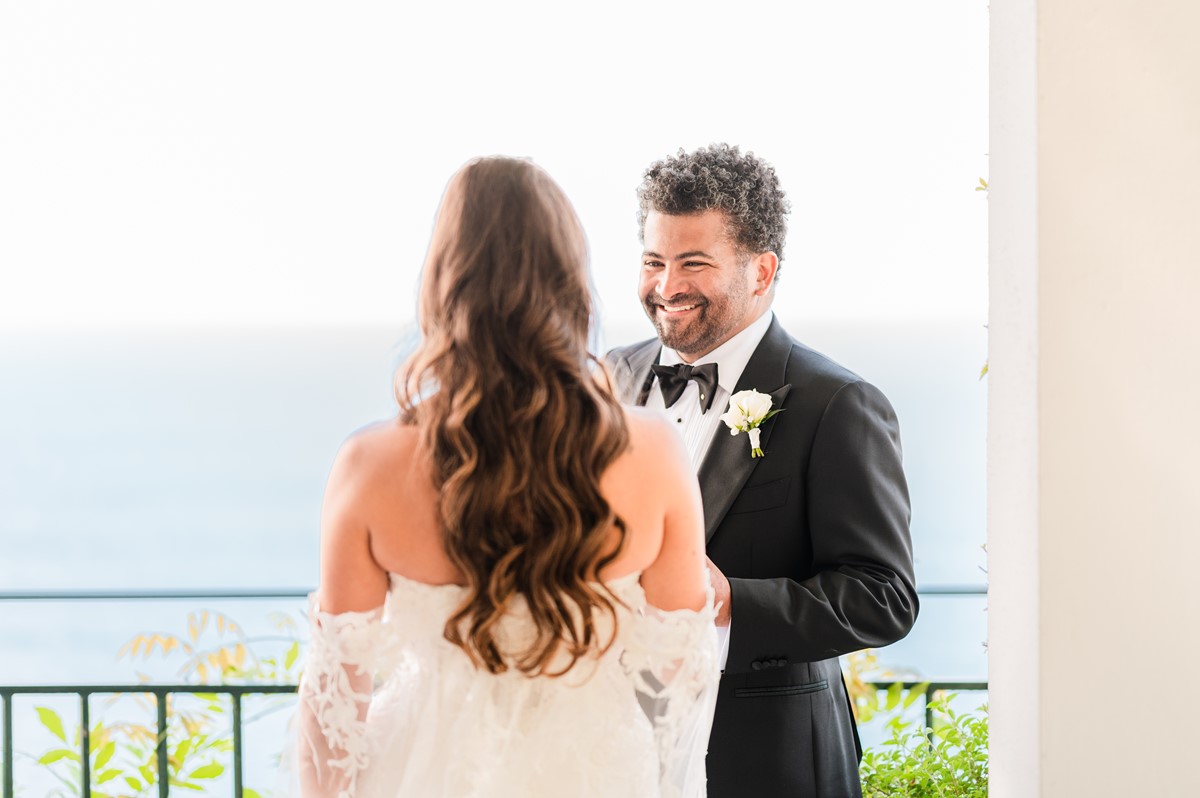
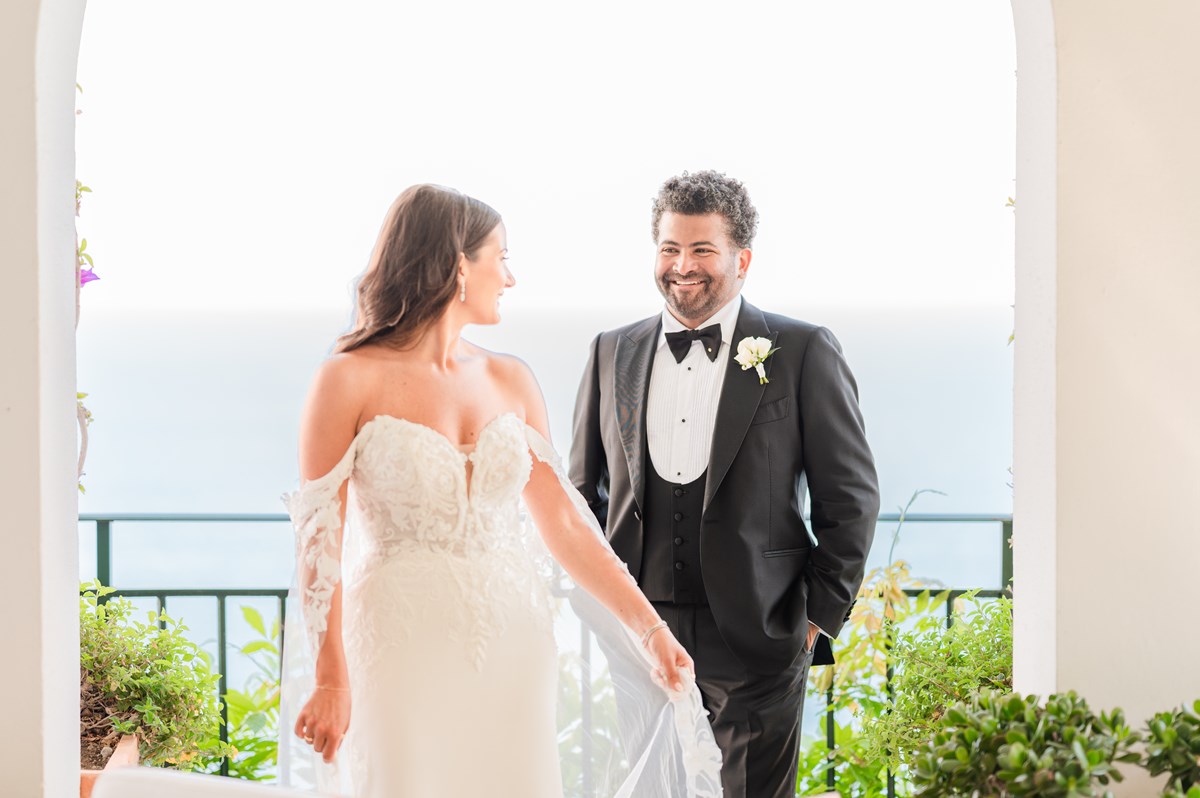
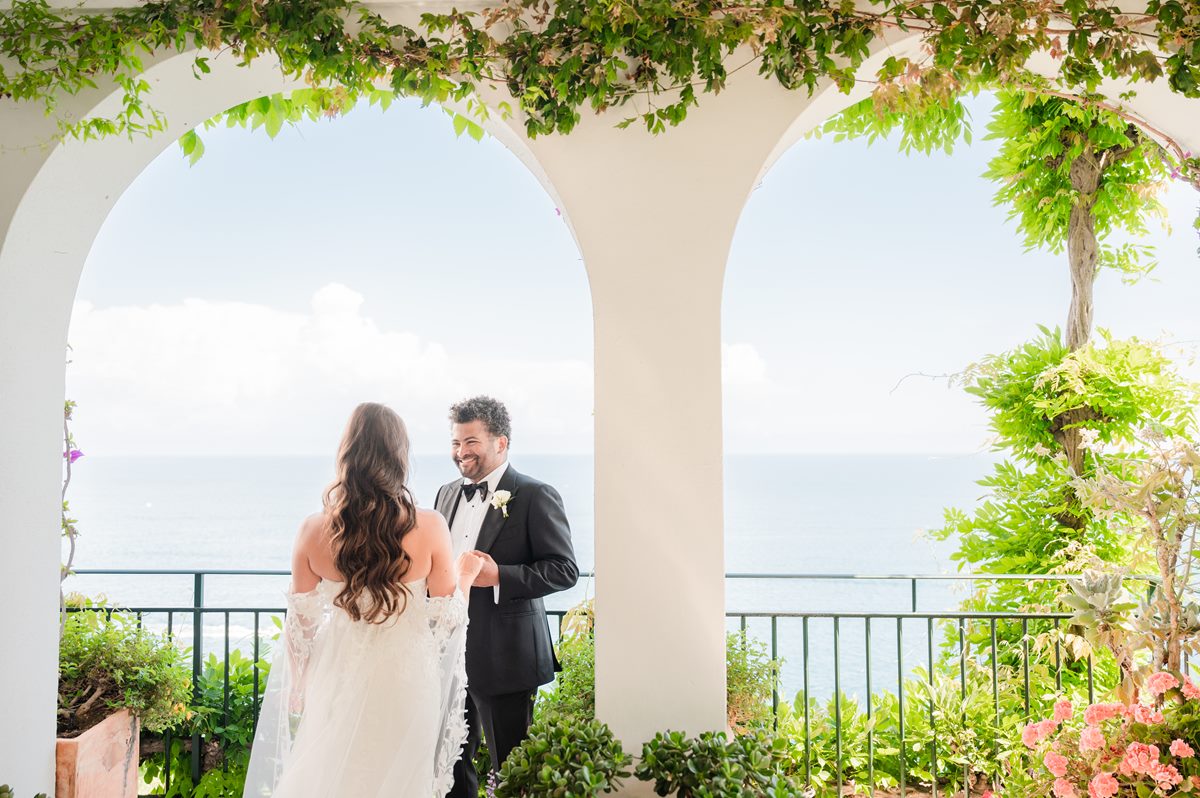
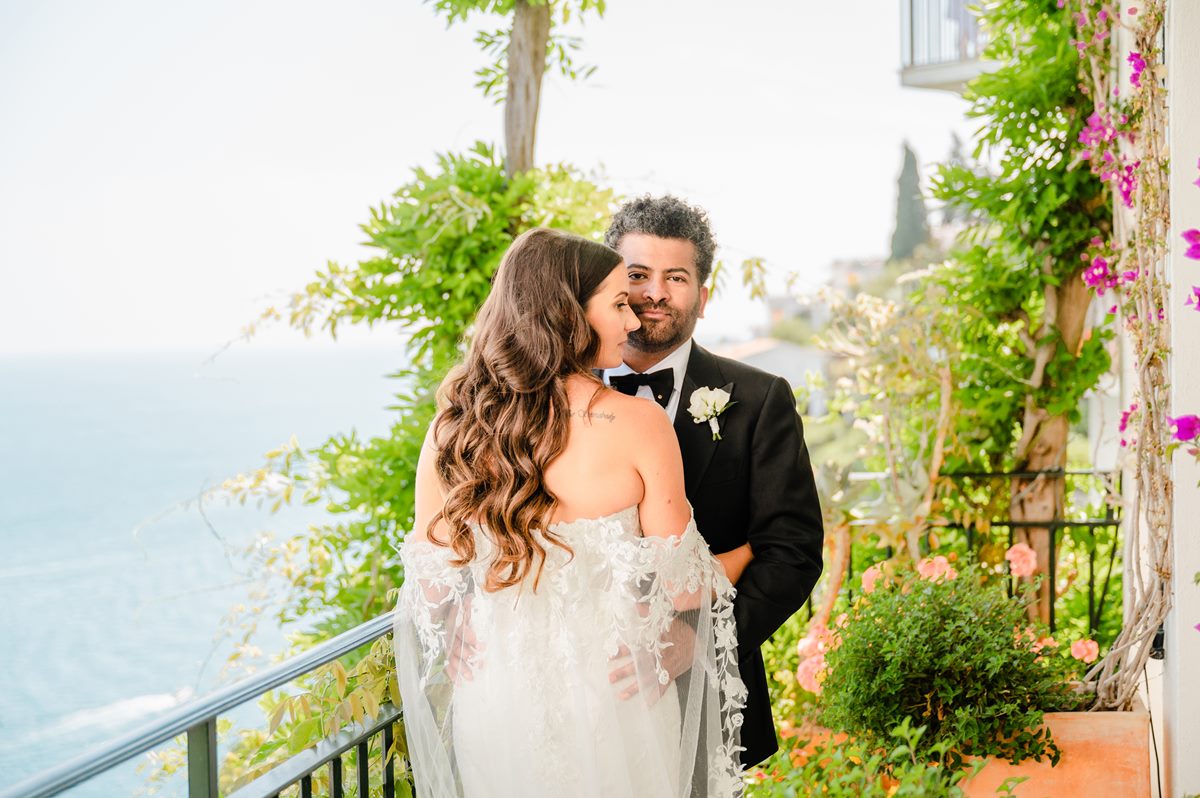
A Peek Into a Hotel Santa Caterina Wedding Day
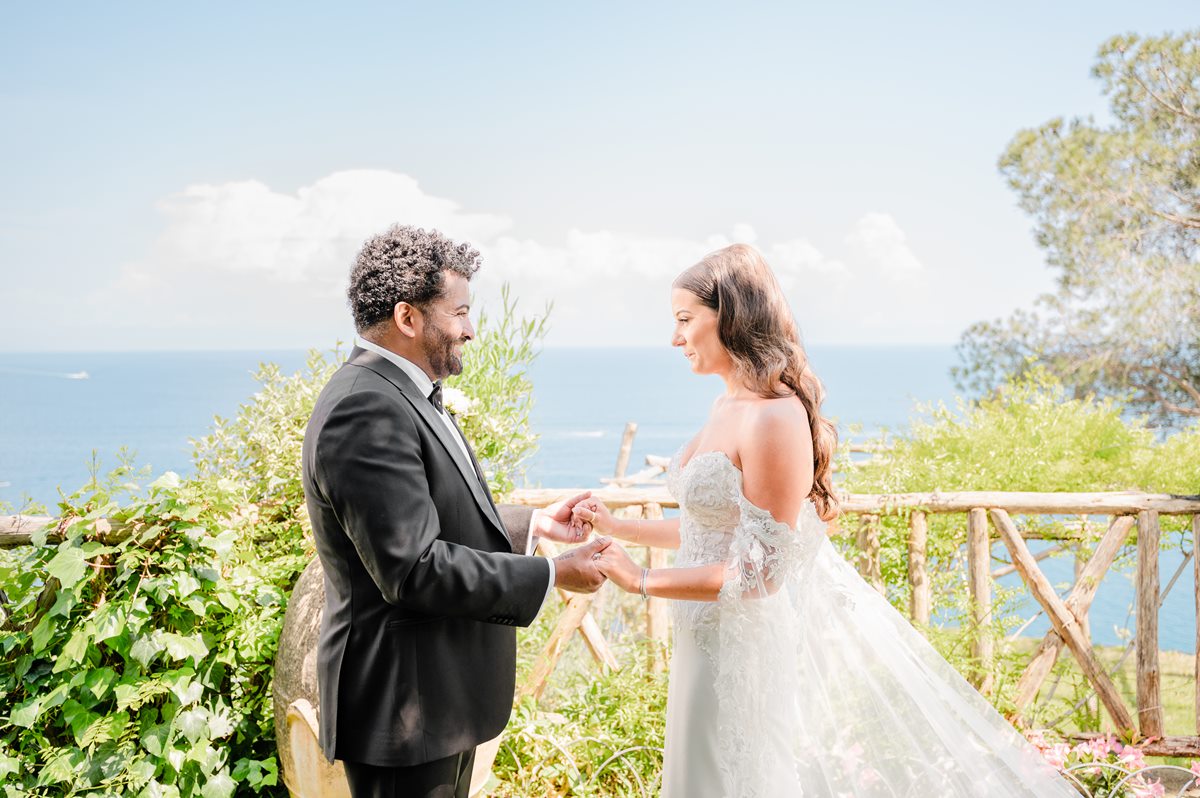
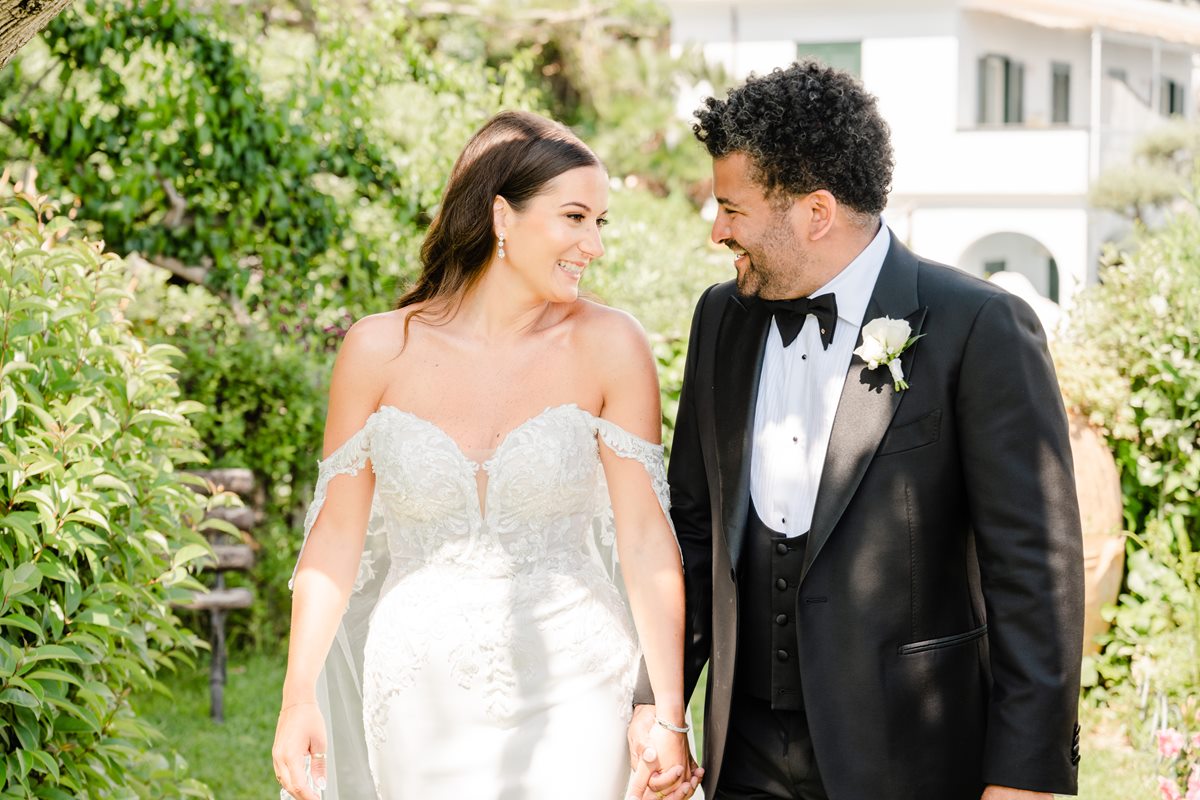
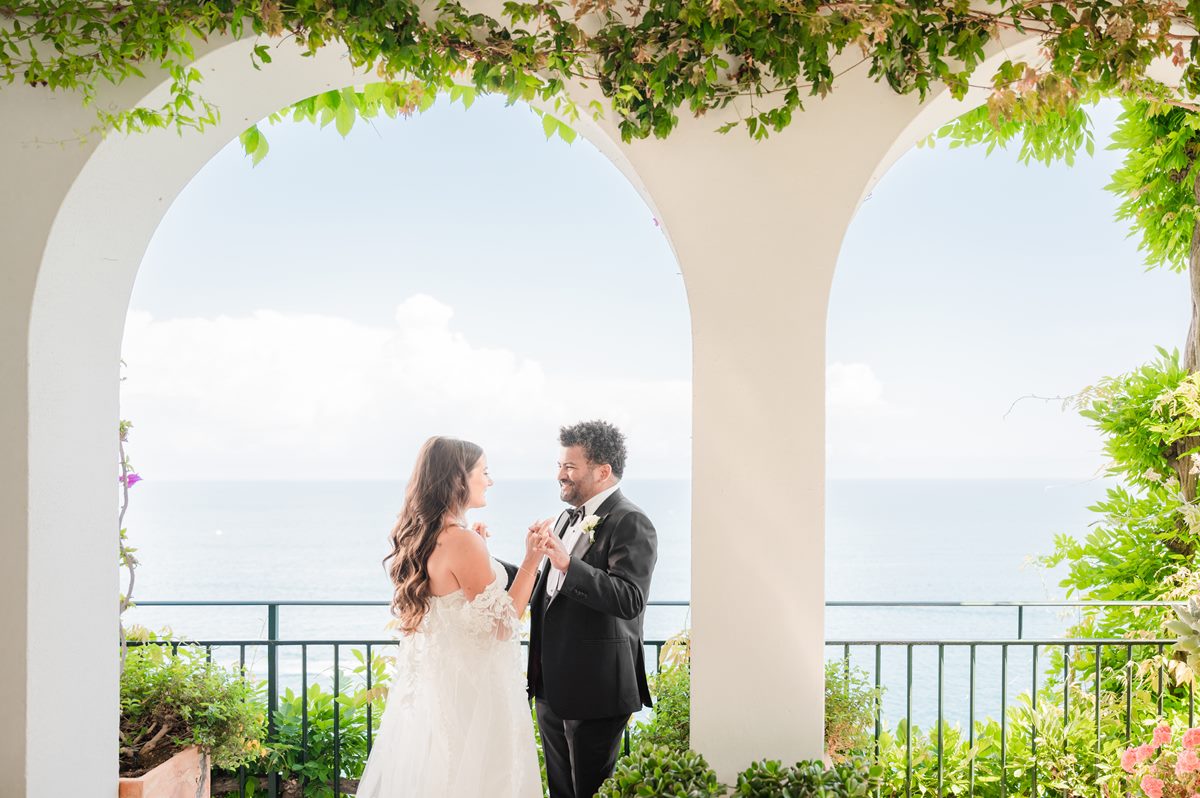
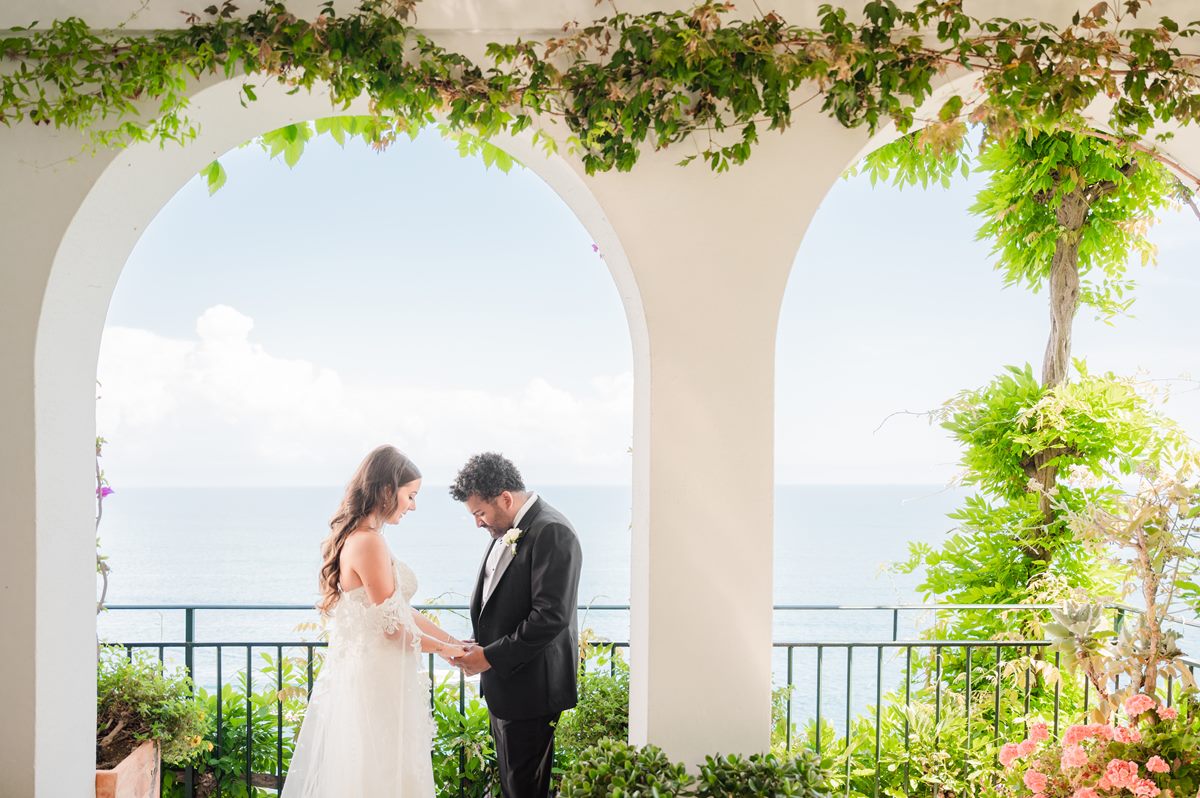
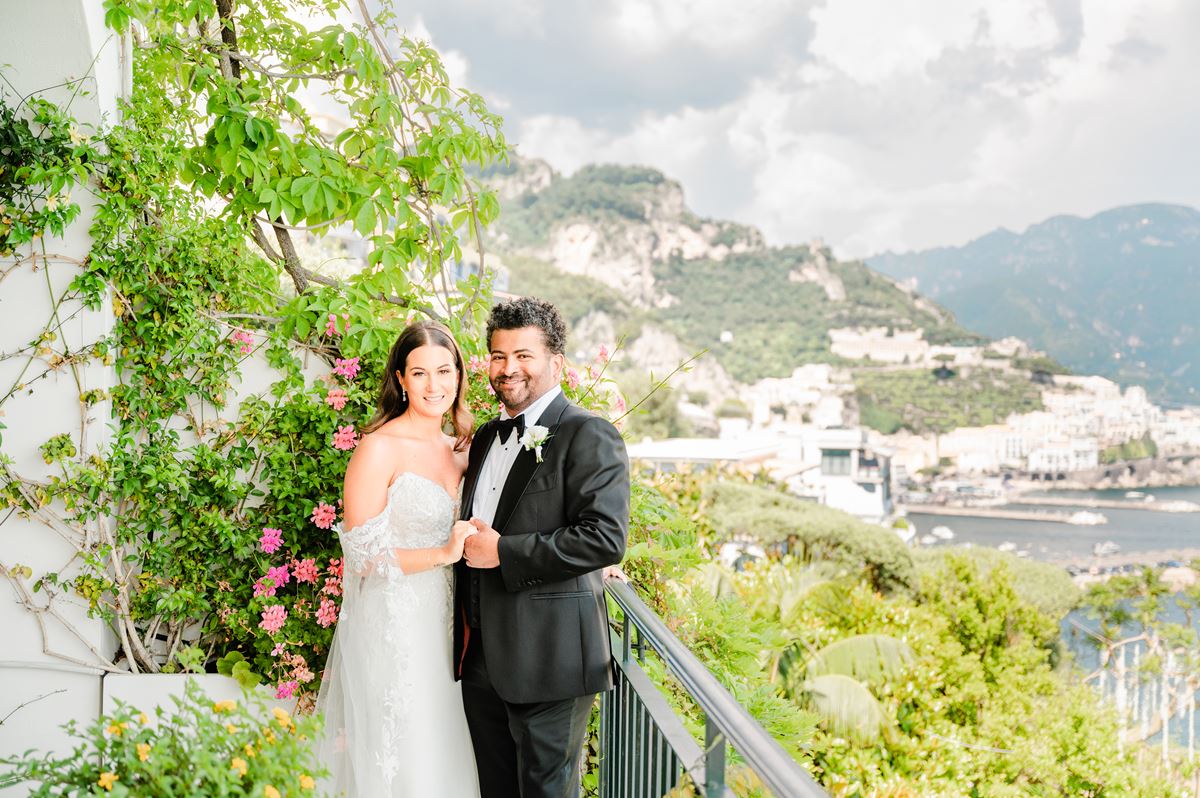
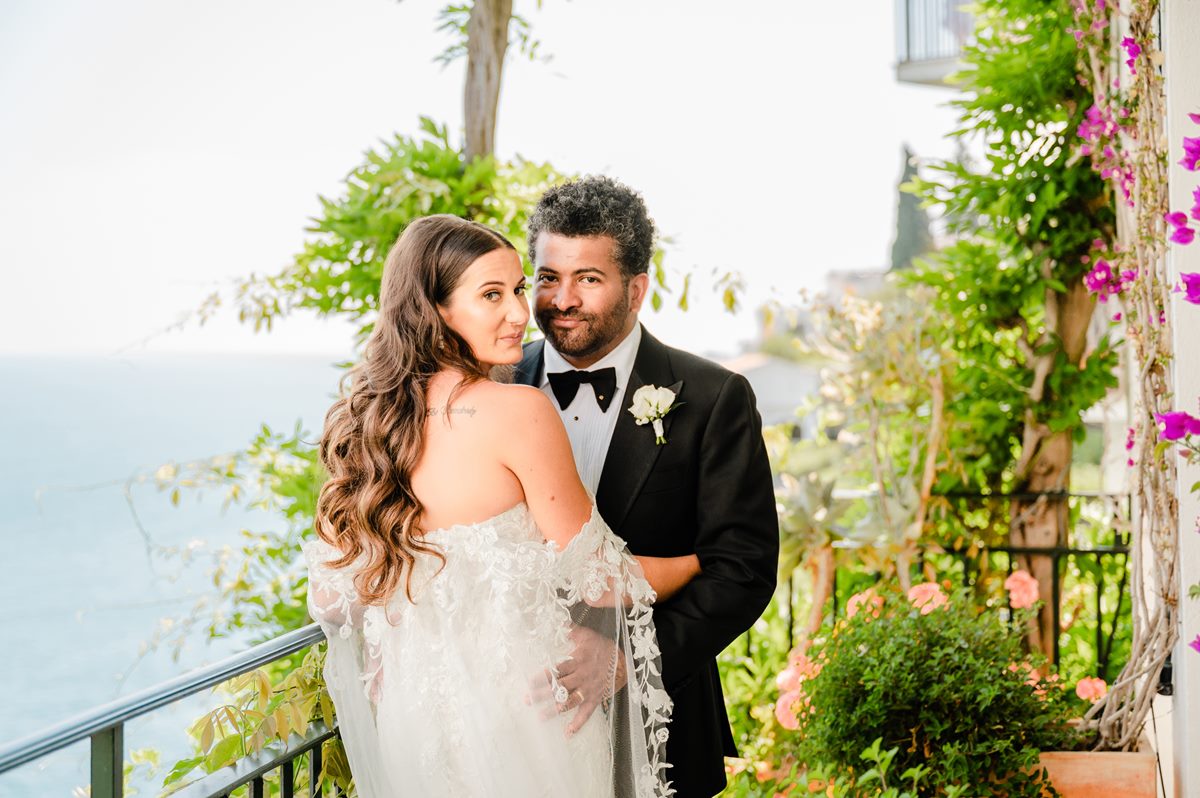
From the breathtaking view to the intricate details of the ceremony, a wedding day at Hotel Santa Caterina is a delightful journey of endless surprises. The hotel is located in the heart of Amalfi, just a few steps from the sea. It offers panoramic views of the Mediterranean Sea and the Amalfi Coast, as well as beautiful gardens with fountains and statues. The hotel has 70 rooms and suites that are decorated in a traditional Italian style, with marble floors and antique furniture.
Choosing the Ideal Amalfi Coast Wedding Planner
The Amalfi Coast is a popular destination for weddings, and there are many wedding planners in the area. However, not all of them are created equal. You want to choose a planner who has experience with destination weddings and can help you plan your dream day from start to finish.

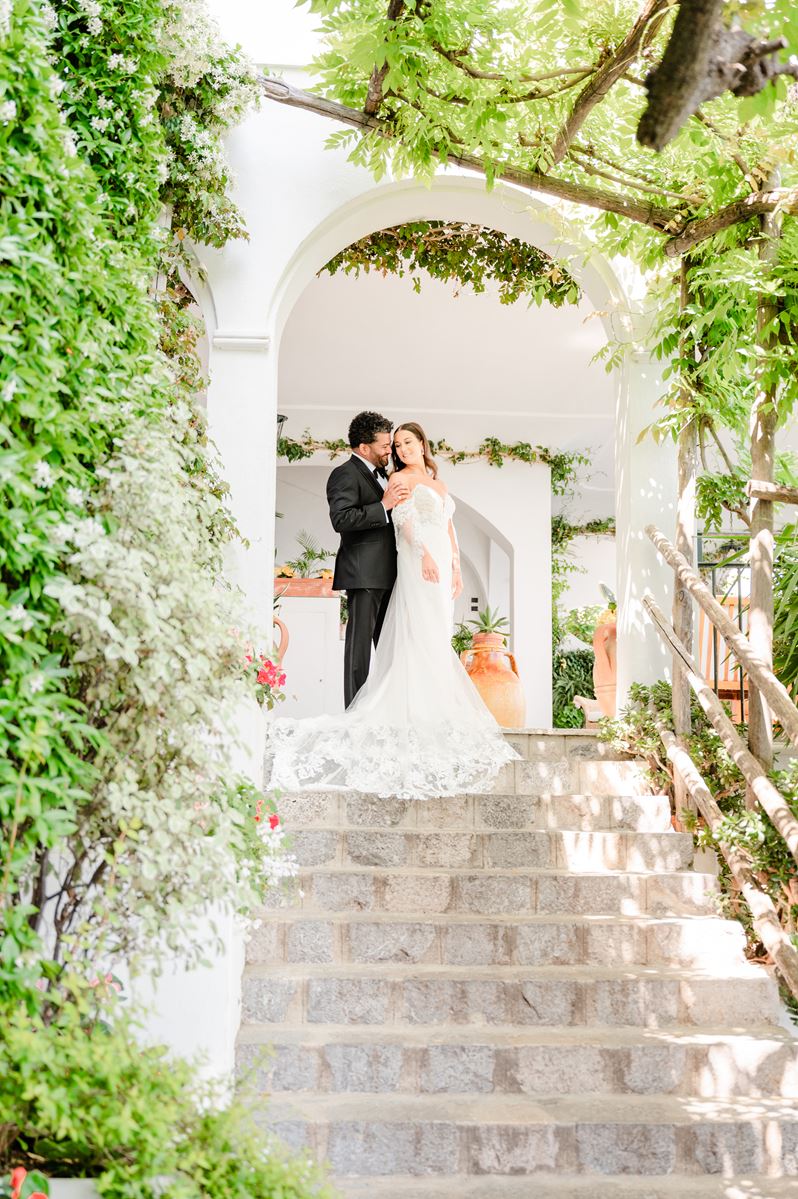
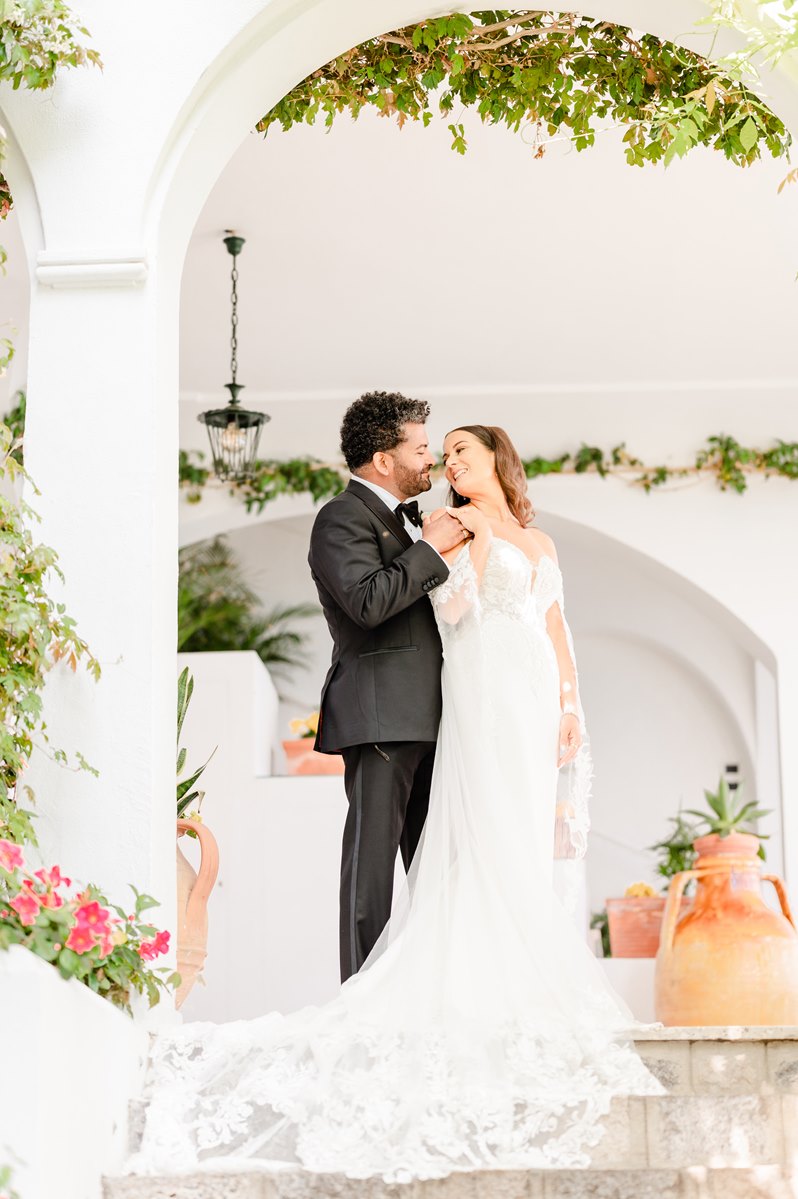
Once you have narrowed down your options, make sure that the planner you choose has experience with destination weddings and can help you plan your dream day from start to finish.
Tips for Selecting the Best Amalfi Wedding Planner
Your wedding planner should be someone who understands your vision, communicates effectively, and has a great track record with weddings in Amalfi.
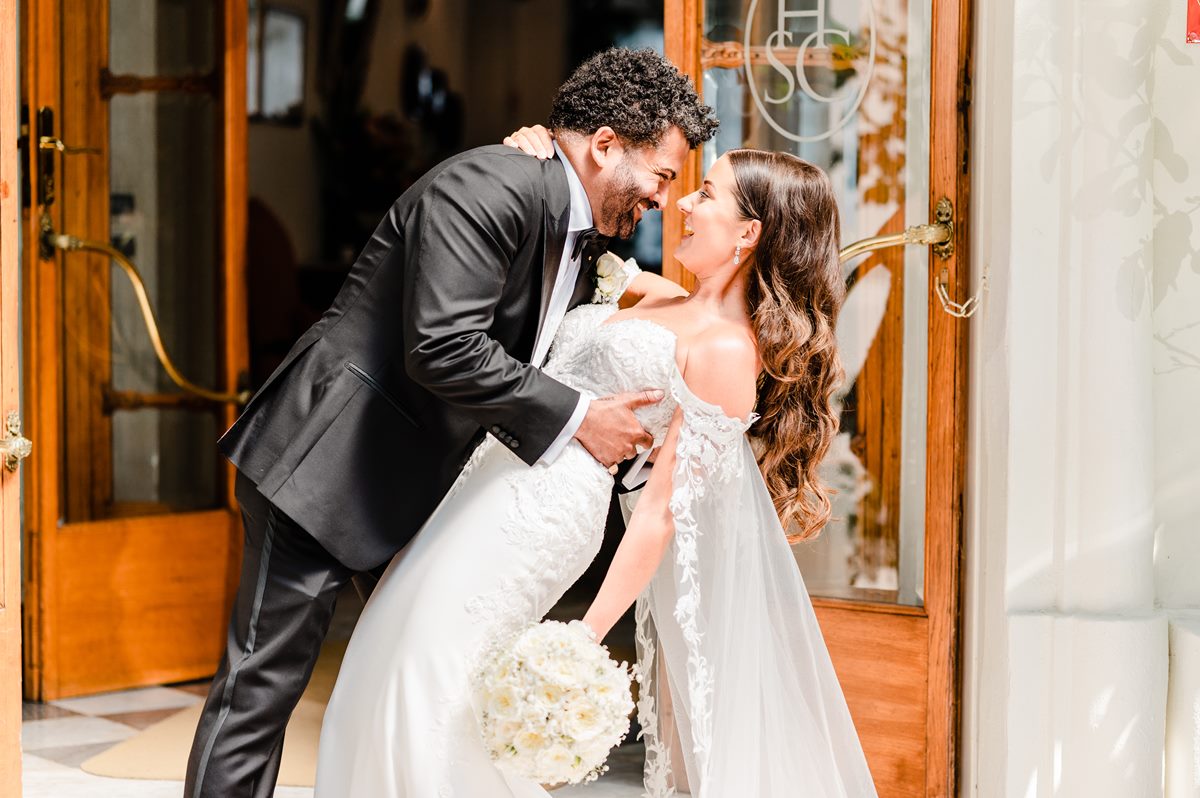
They should also be able to provide you with a list of references from past clients, as well as a portfolio of their work. You want to make sure that the planner you choose has experience planning weddings in Amalfi and can help you plan your dream day from start to finish. You should also consider whether or not the planner you choose has experience with destination weddings and can help you plan your dream day from start to finish.
MEMORABLE WEDDINGS WITH AN AMALFI WEDDING PHOTOGRAPHER
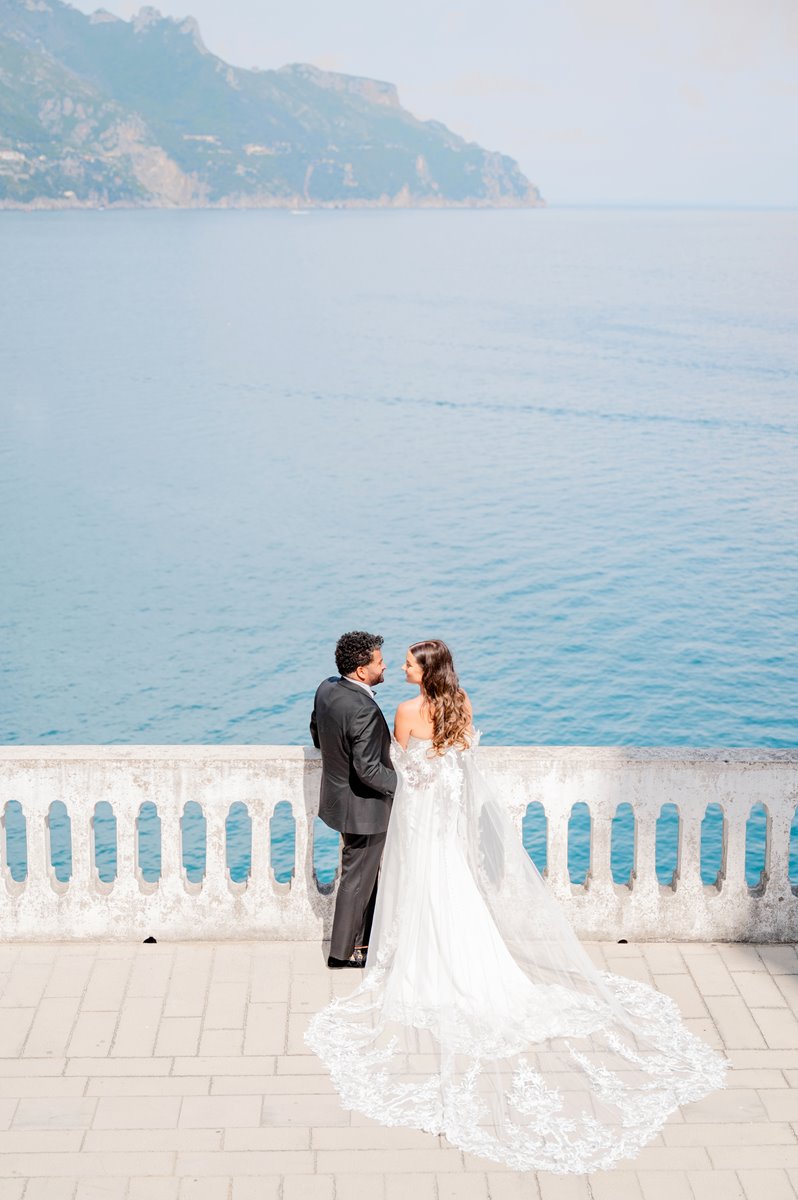
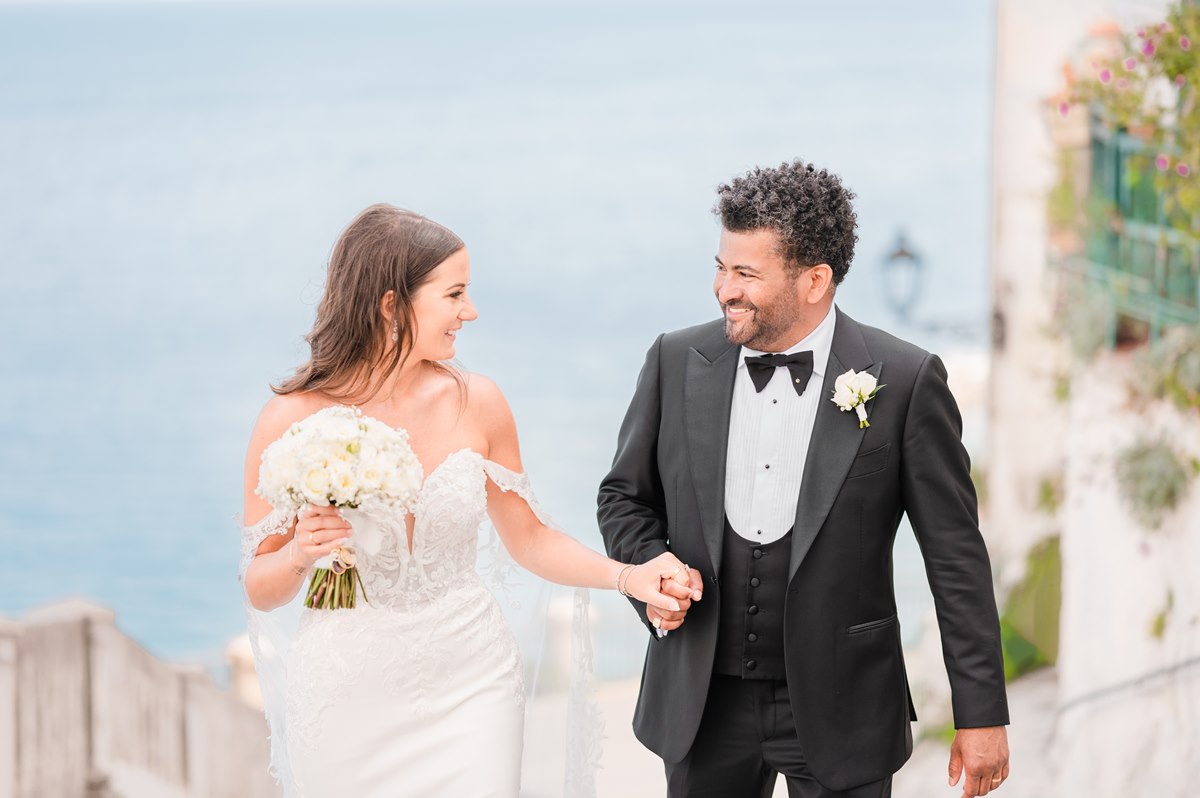
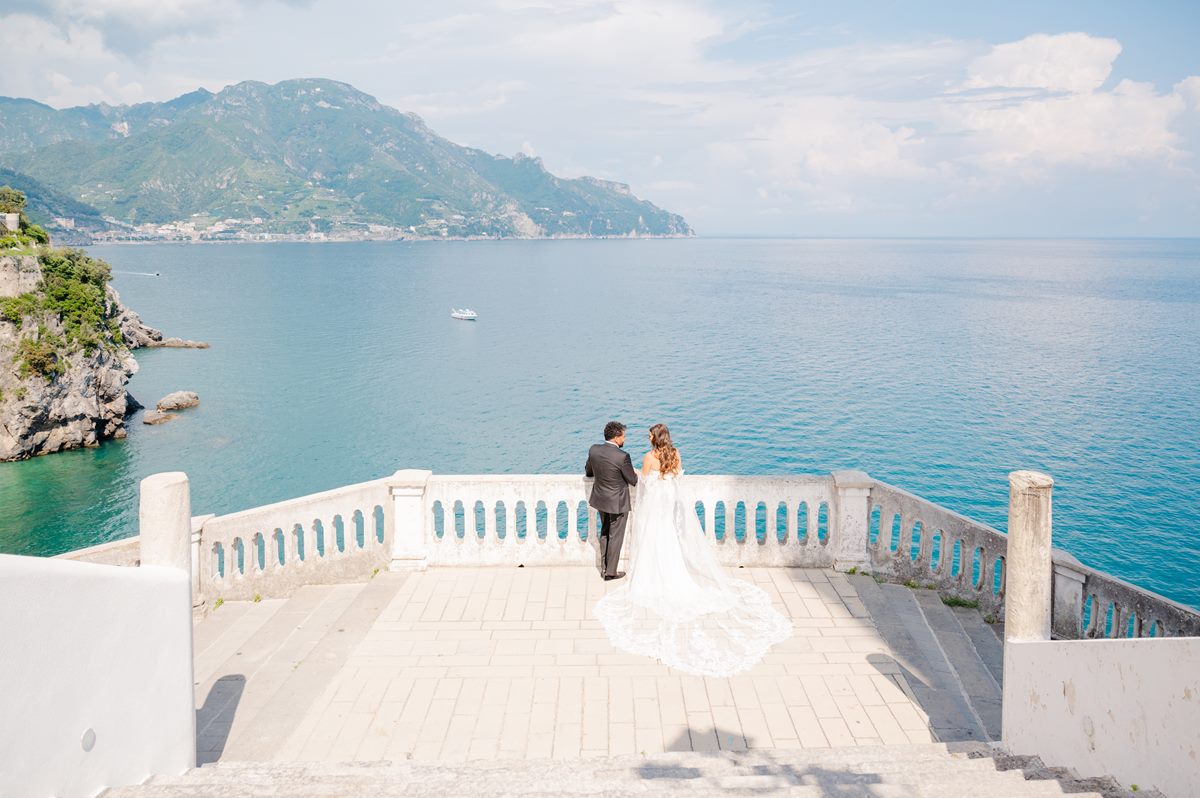
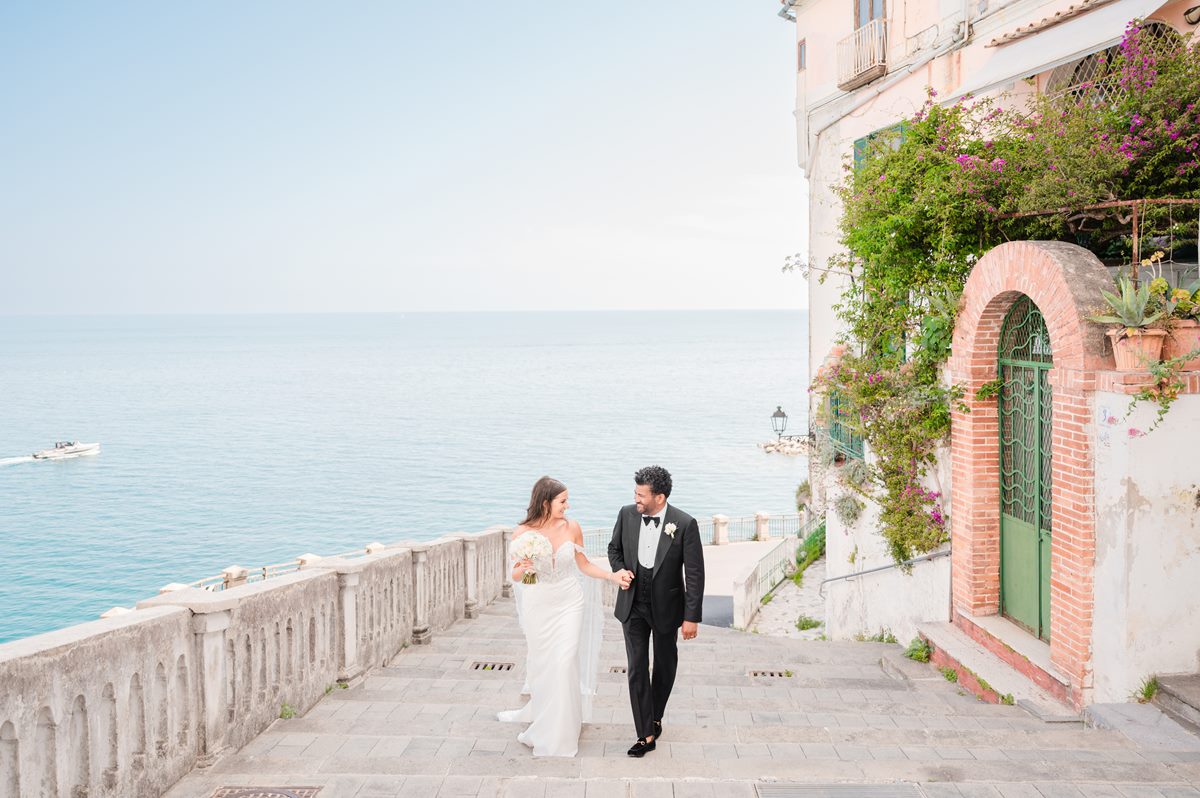
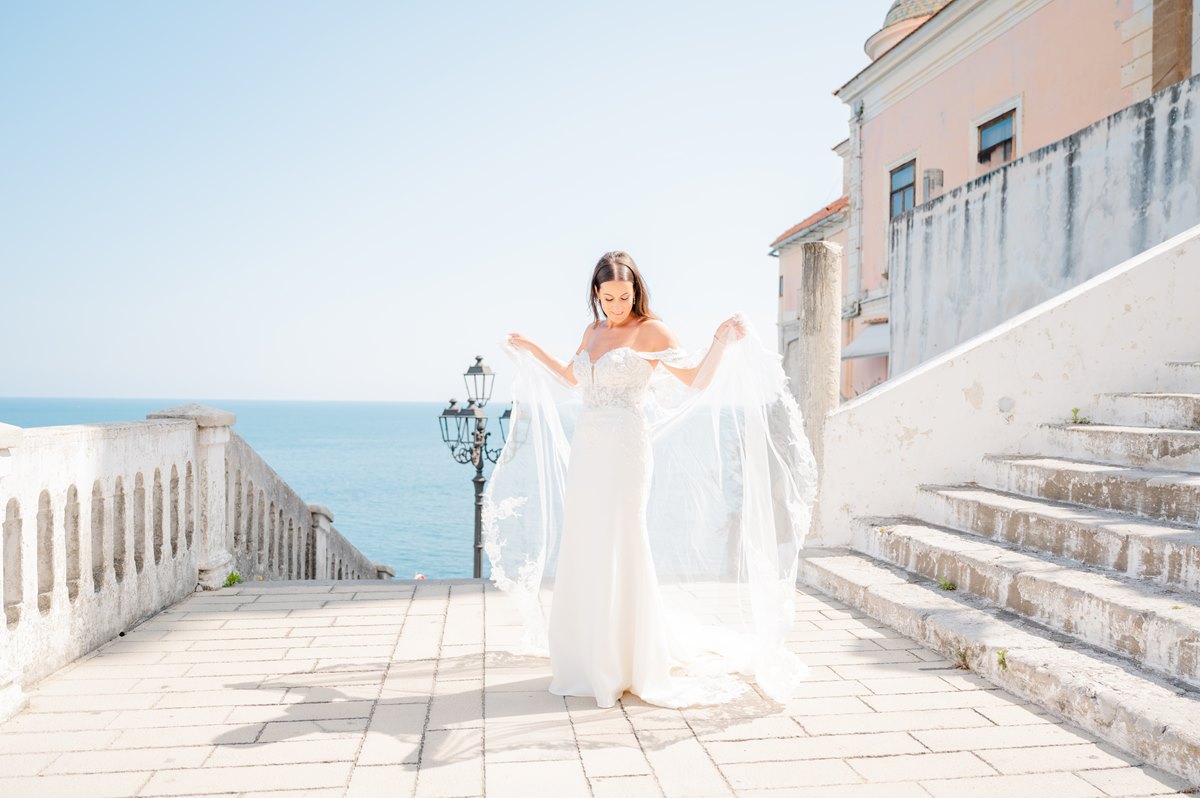
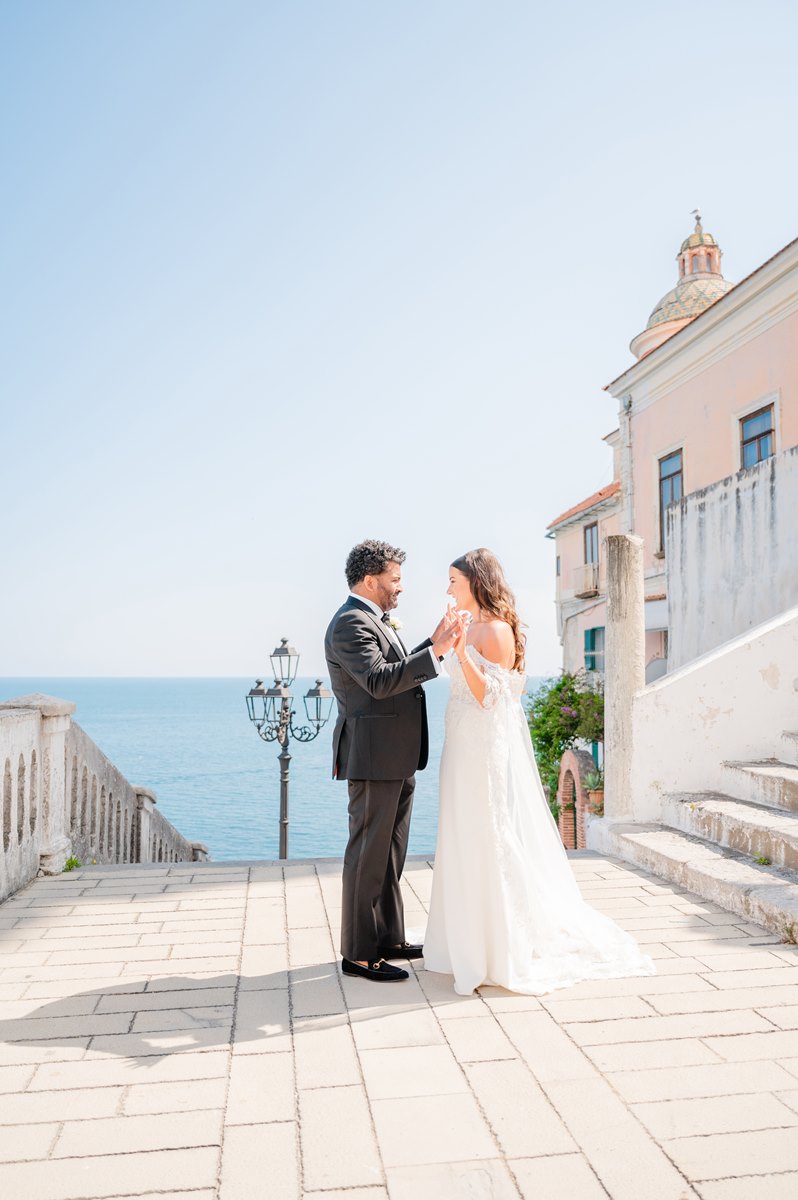
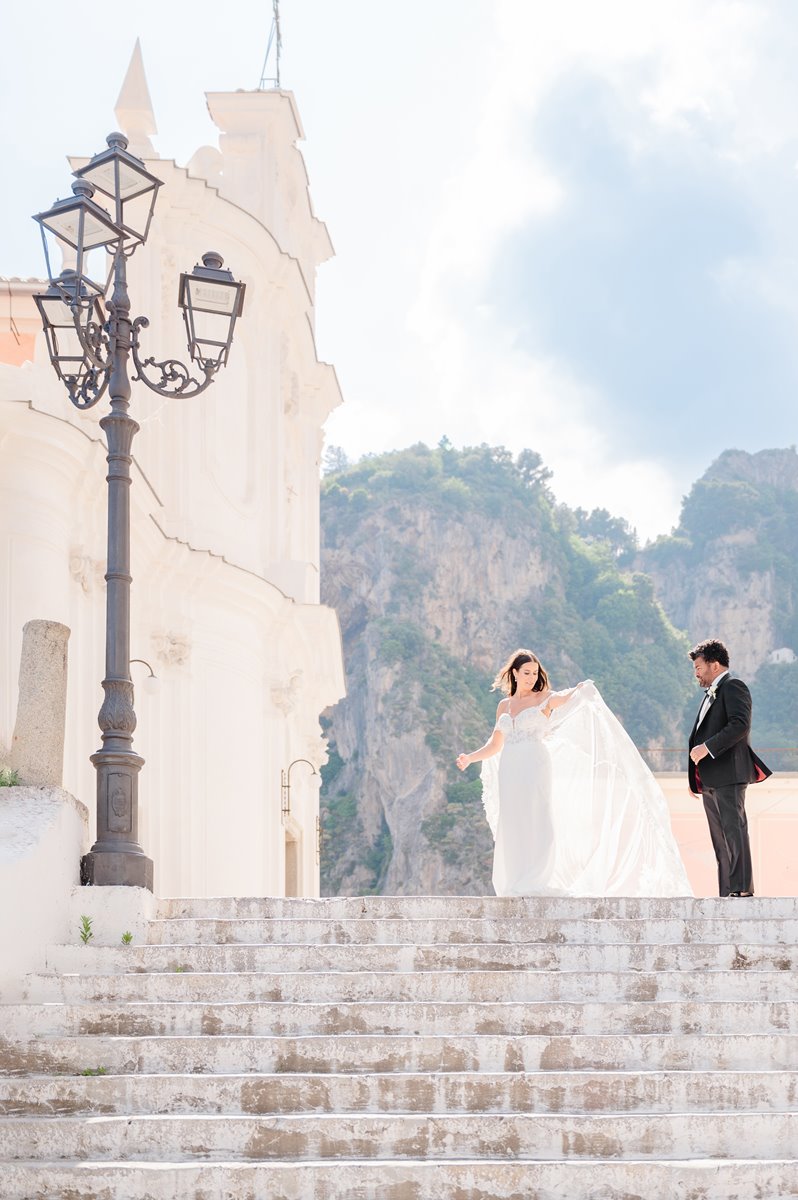
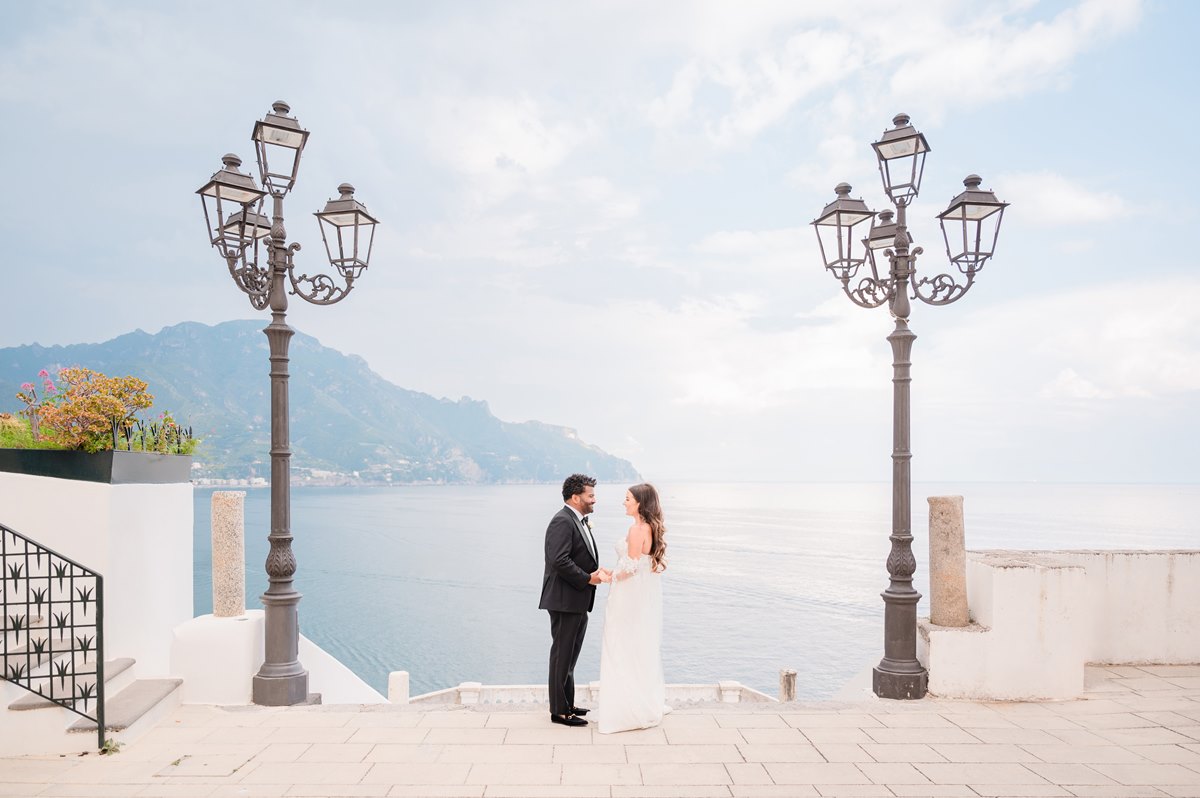
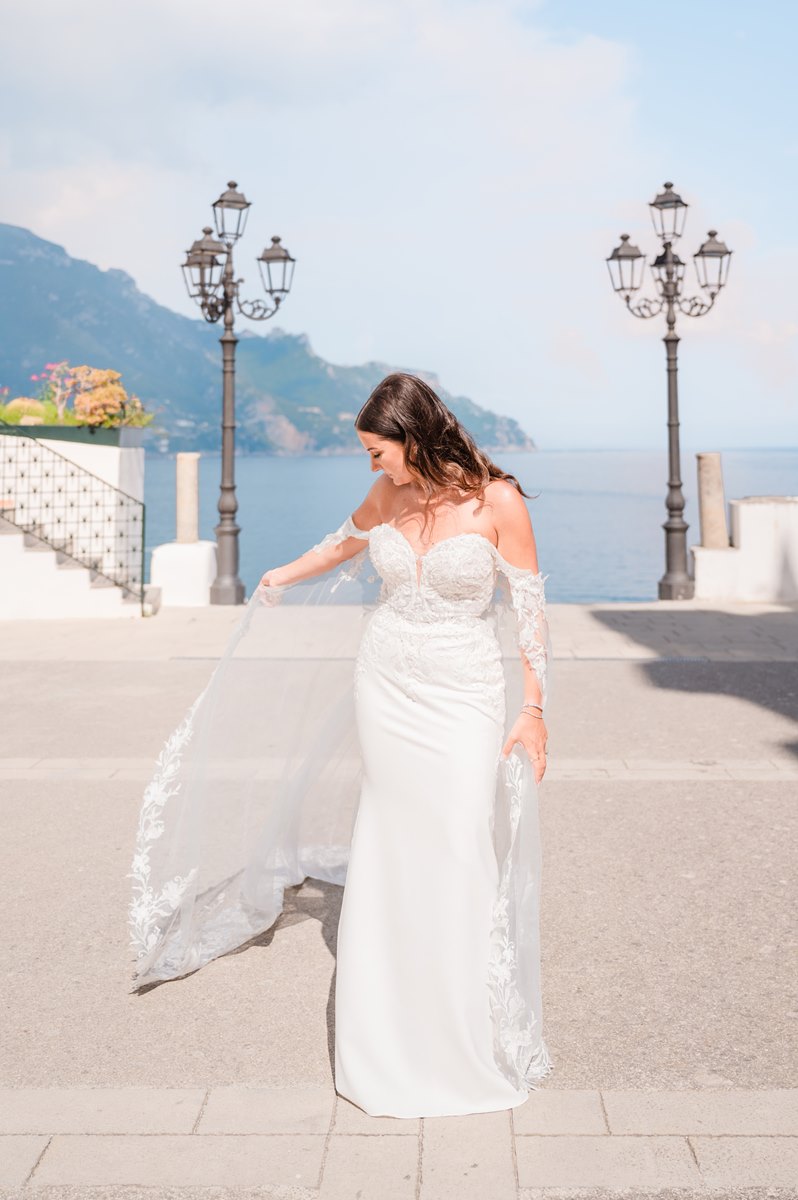
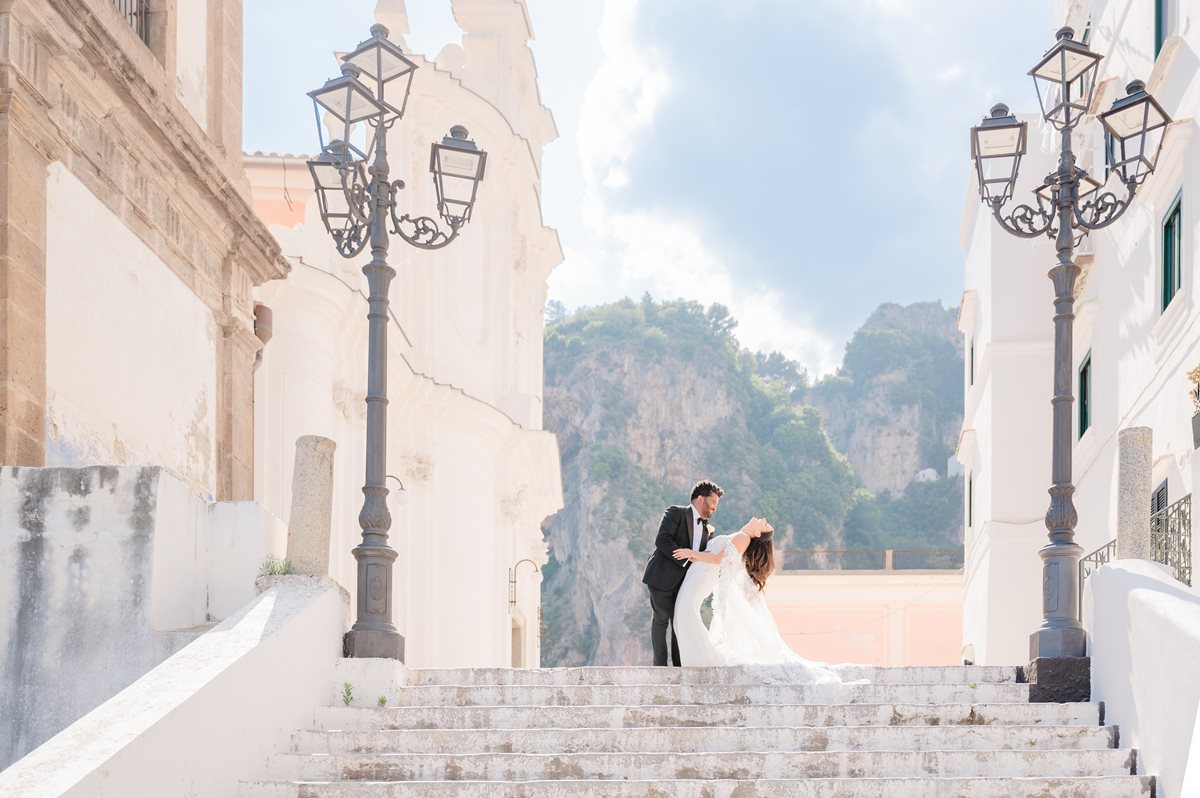
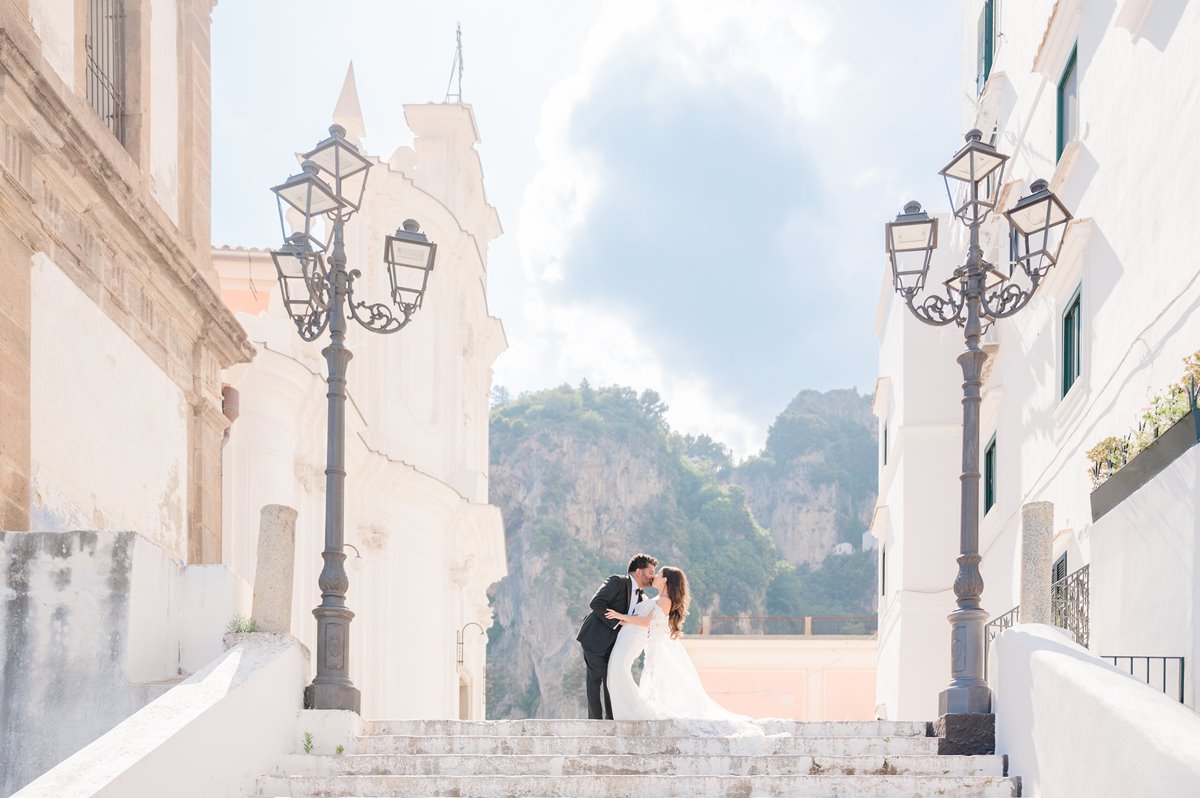
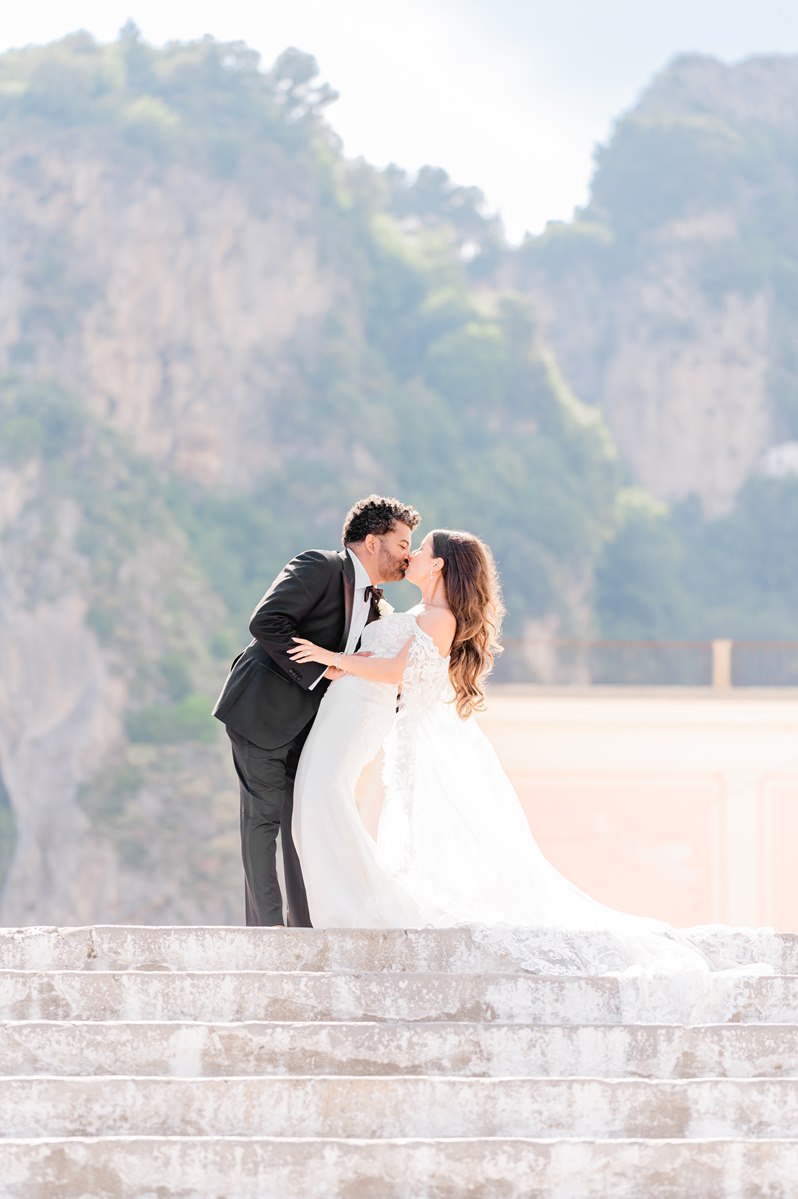
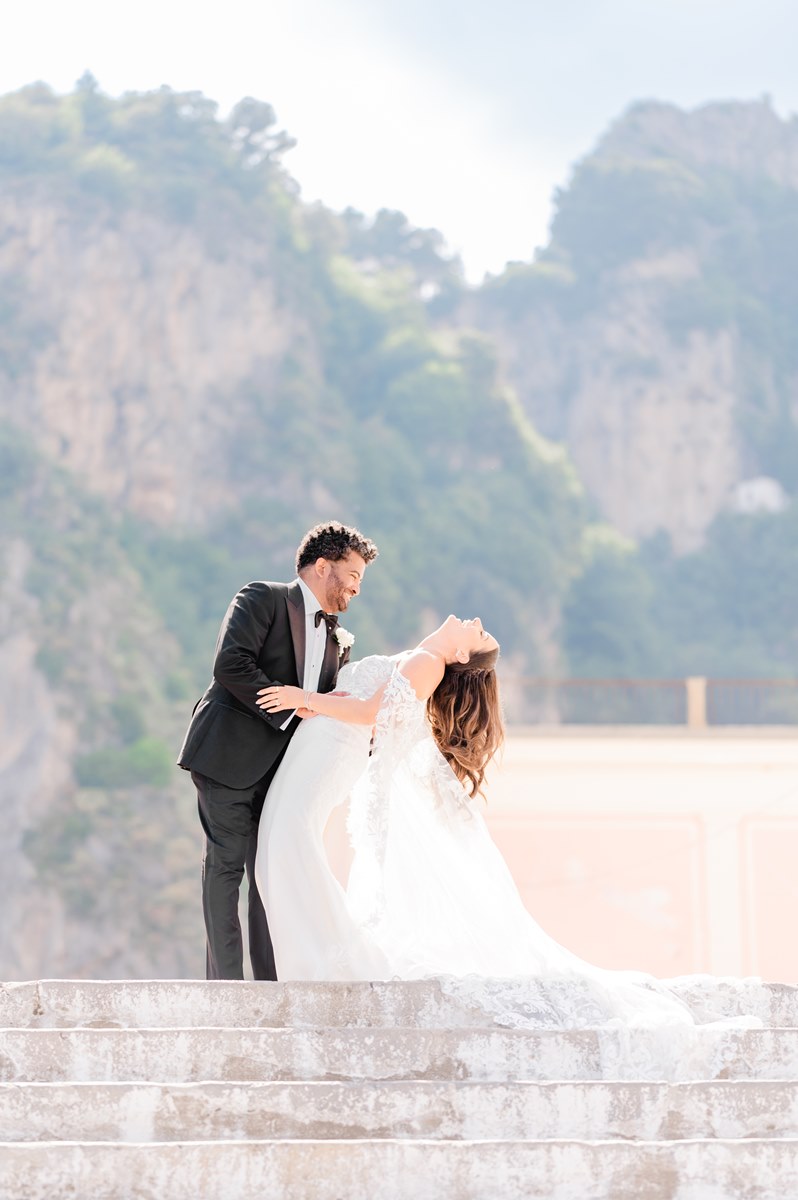
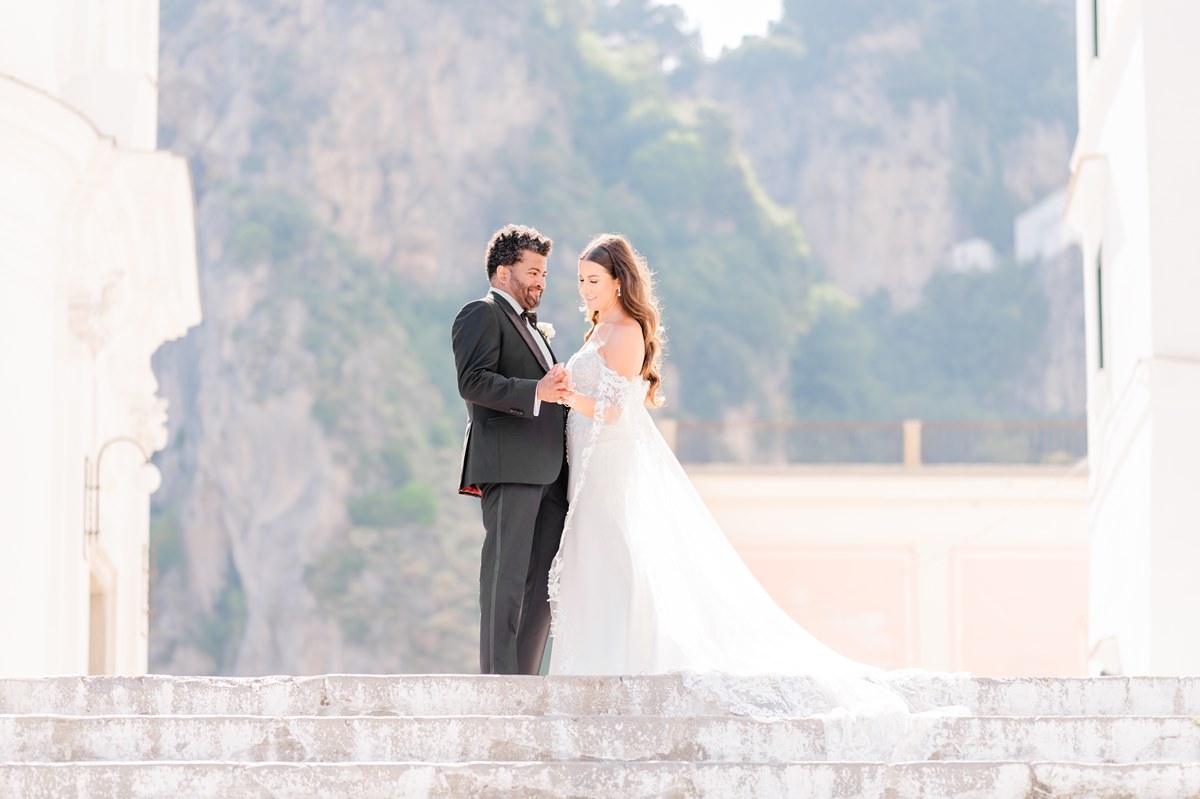
What will certainly remain of your wedding in Amalfi is a picture of it, yet in order to make this memory unforgettable you need of the professionists. And you will definitely find them in Amalfi and the surrounding villas.
IF YOU THINK OF HIRING ME, IT MEANS THAT YOU SHARE THIS VISION AND WE HAVE MANY THINGS IN COMMON.

Tips for Selecting the Best Amalfi Wedding Planner Your wedding planner should be someone who understands your vision, communicates effectively, and has a great track record with weddings in Amalfi. They should also be able to provide you with a list of references from past clients, as well as a portfolio of their work. You want to make sure that the planner you choose has experience planning weddings in Amalfi and can help you plan your dream day from start to finish.
Why You Need a Wedding Planner for Your Hotel Santa Caterina Ceremony
When you’re planning a wedding in Amalfi, it can be difficult to know where to start. There are so many details that need to be taken care of, and it’s easy for things to fall through the cracks. That’s why hiring a wedding planner is so important—they can help you stay organized and make sure everything goes smoothly on your big day.
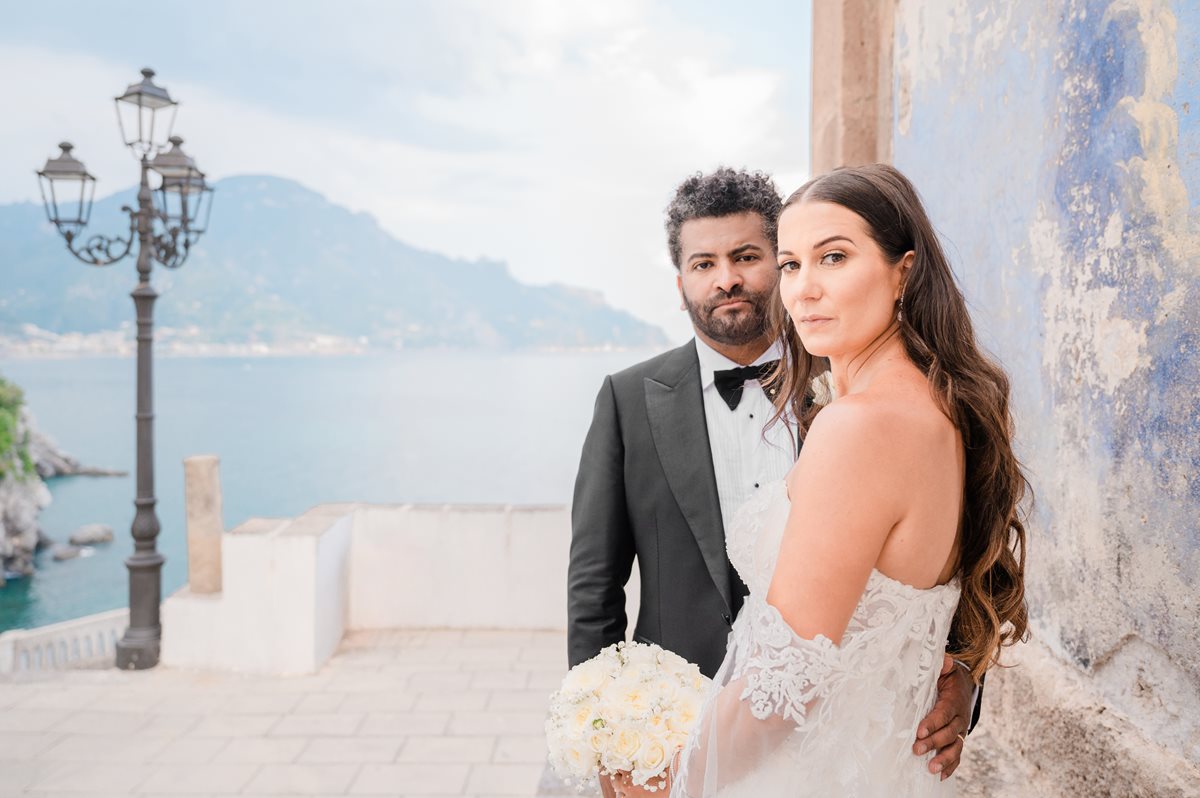
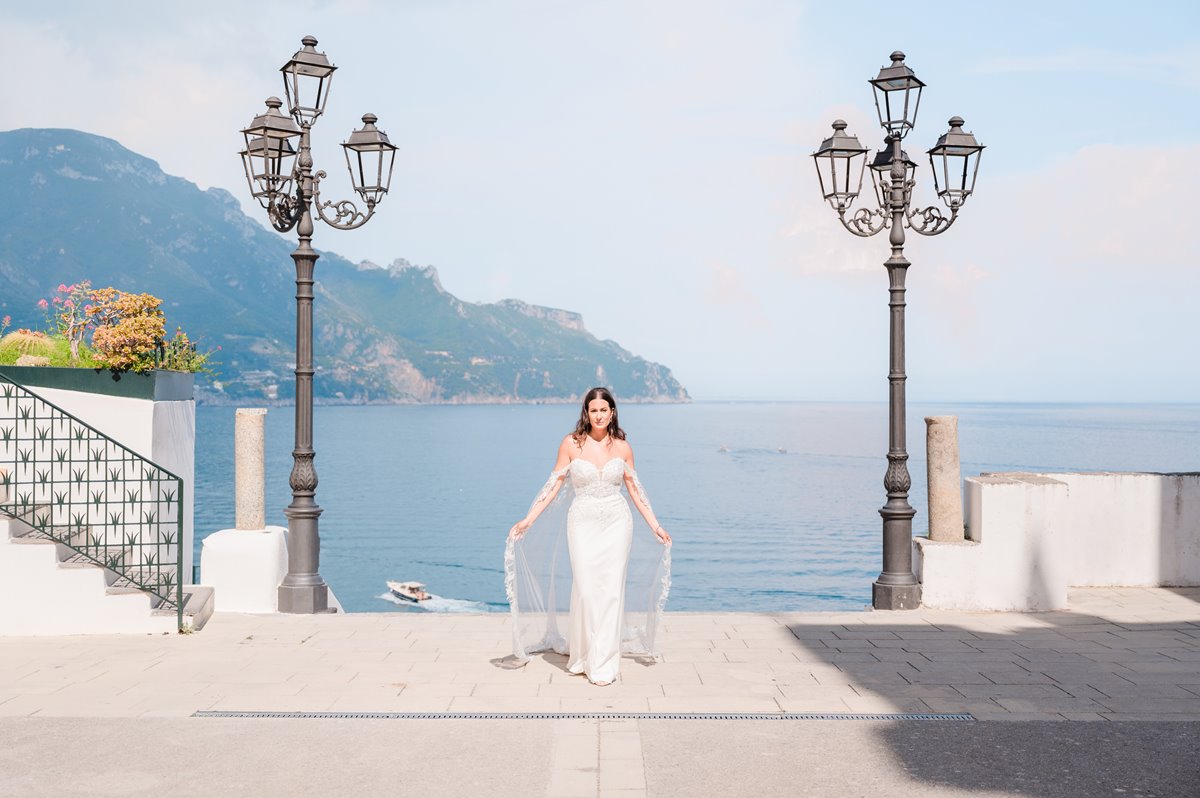
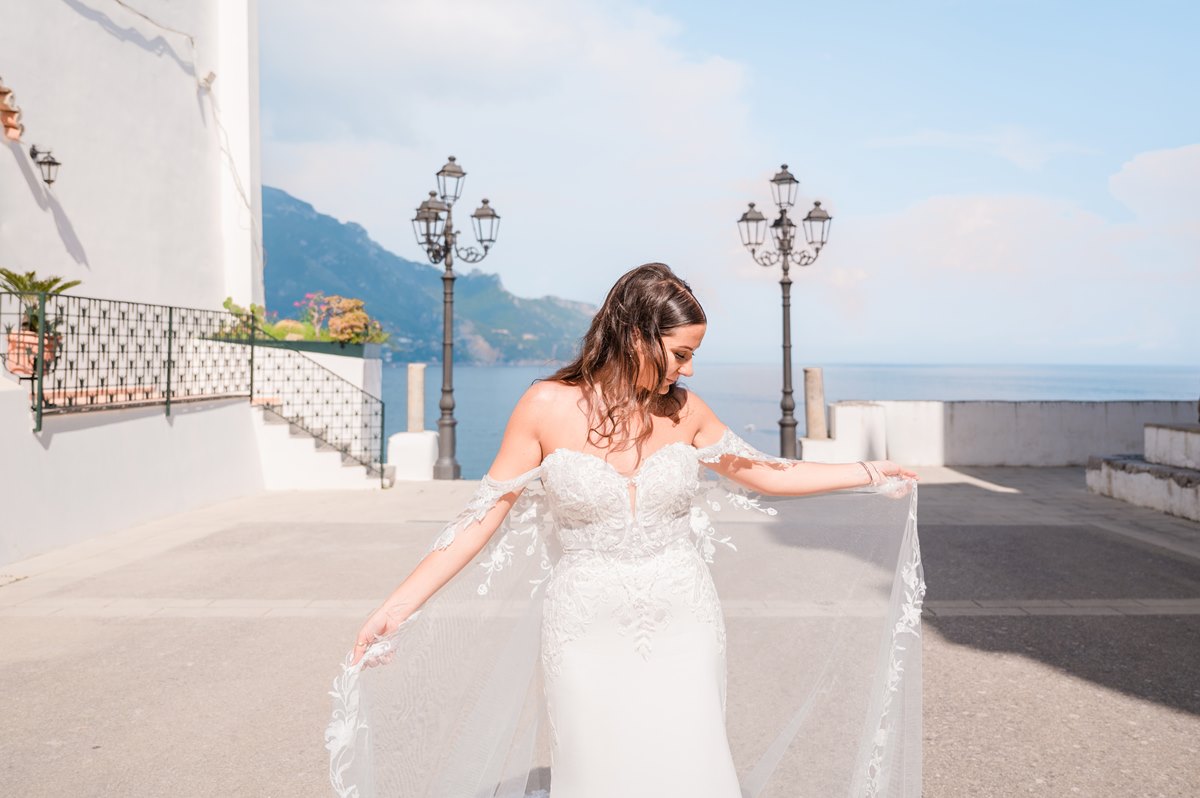
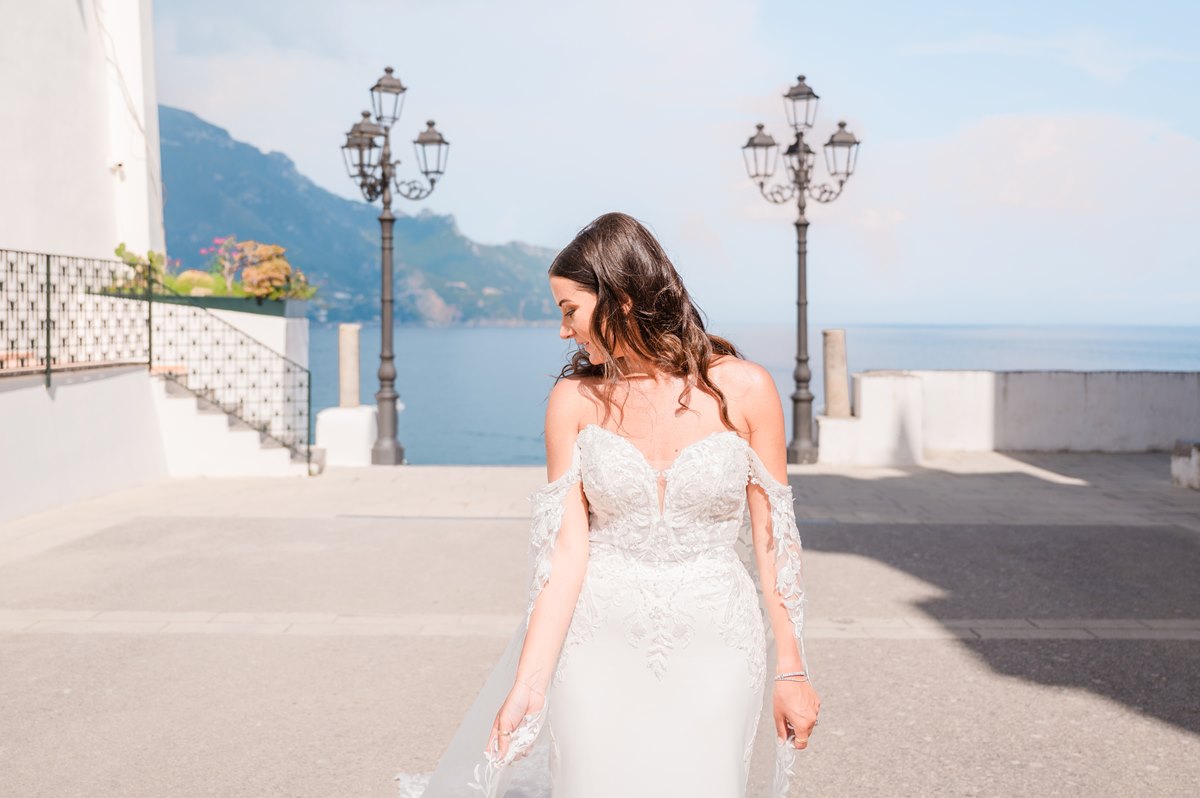
A wedding planner makes your wedding planning process smoother, allowing you to enjoy your big day at Hotel Santa Caterina without any stresses.
Detailed Wedding Planning Services on the Amalfi Coast
The wedding planning services on the Amalfi Coast take care of every small detail, ensuring you have the perfect wedding ceremony.
WEDDING IN AMALFI
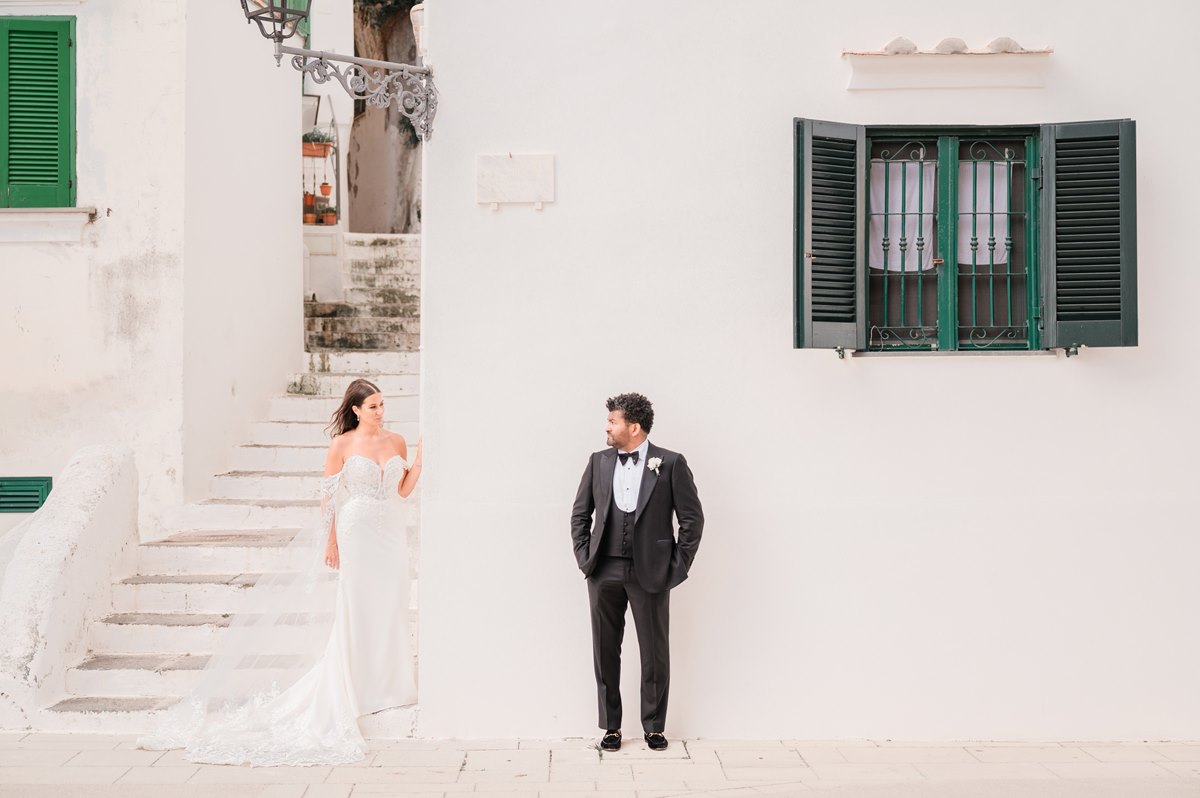
EMILIANO RUSSO
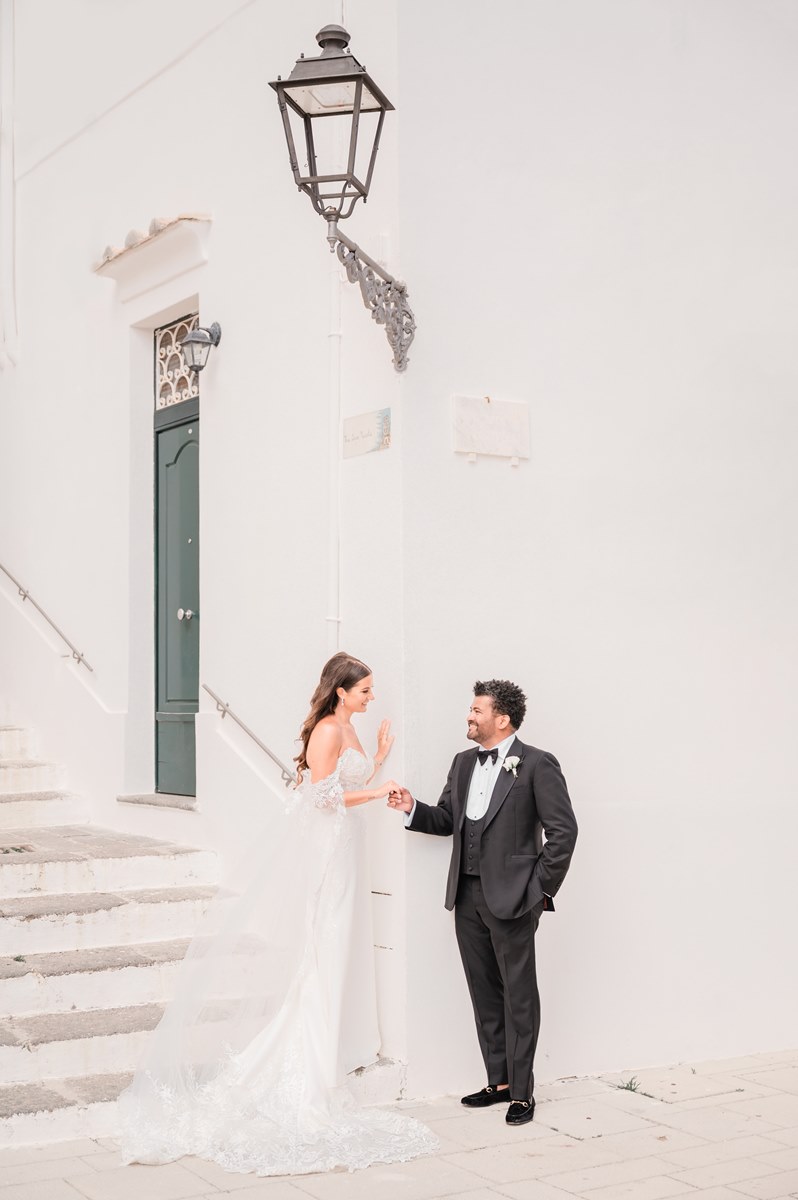
Amalfi is definitely one of the most enchanting spots in Amalfi for a wedding proposal.
HIDDEN JEMS
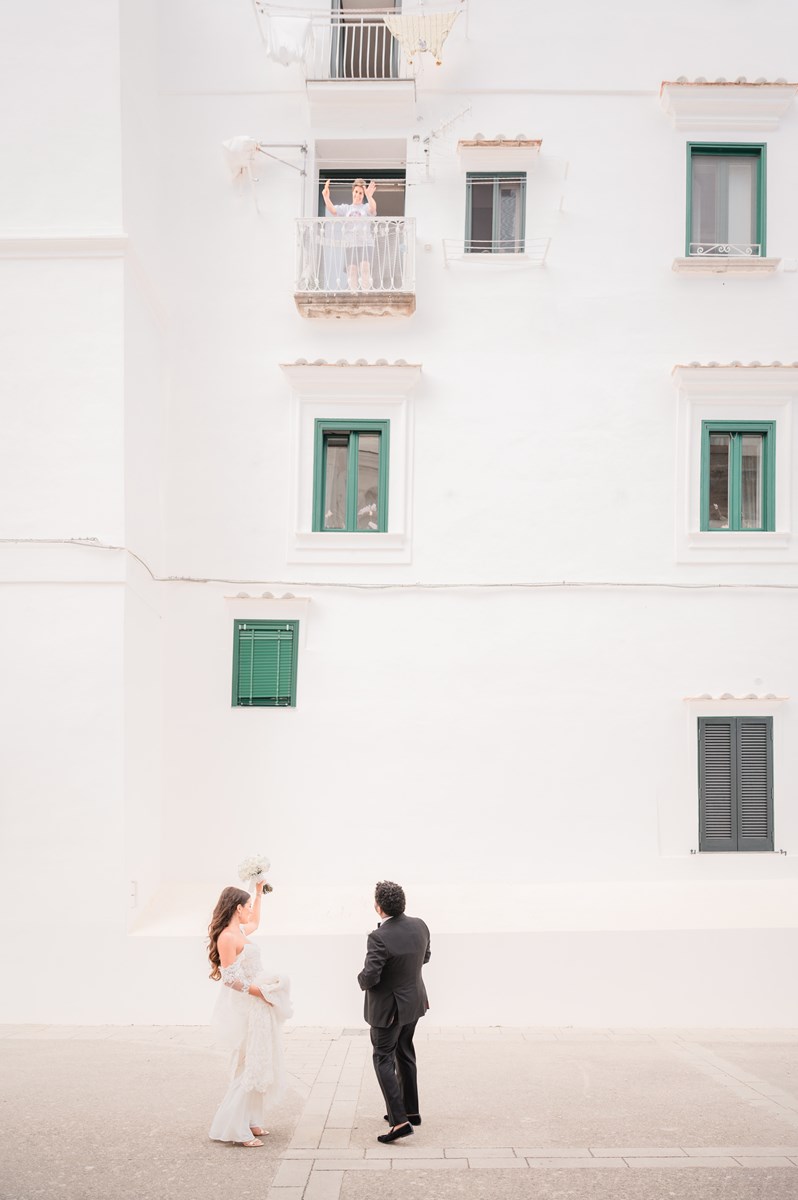
We know intimate places in Amalfi and your love story deserve the best.
AMALFI IS UNIQUE
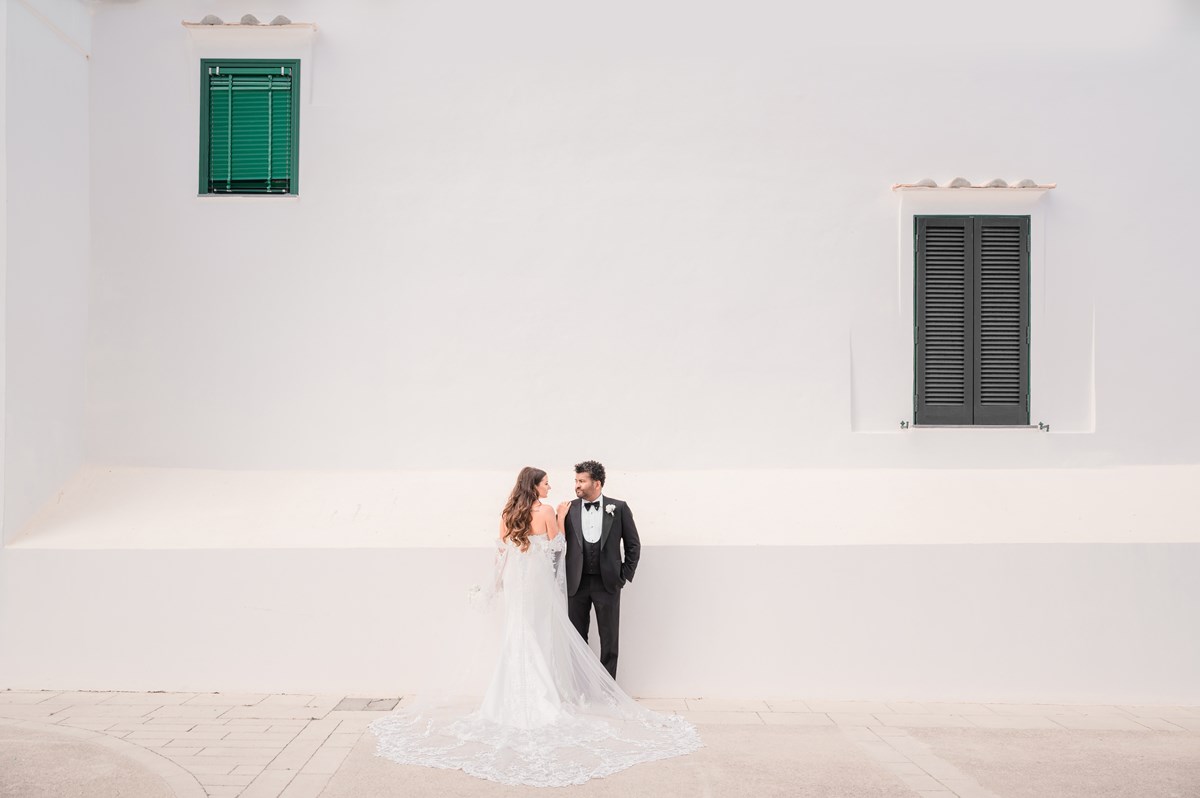
You can combine a luxurious wedding with a deep journey on the Coast
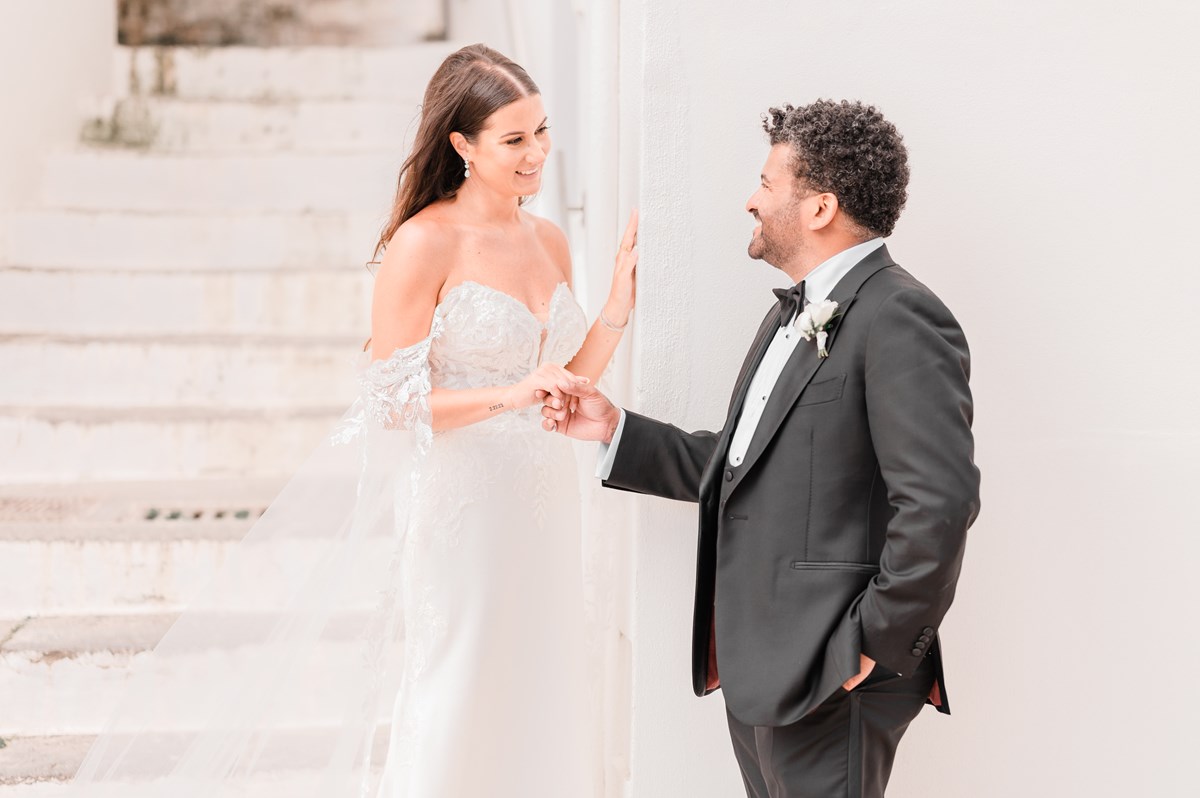
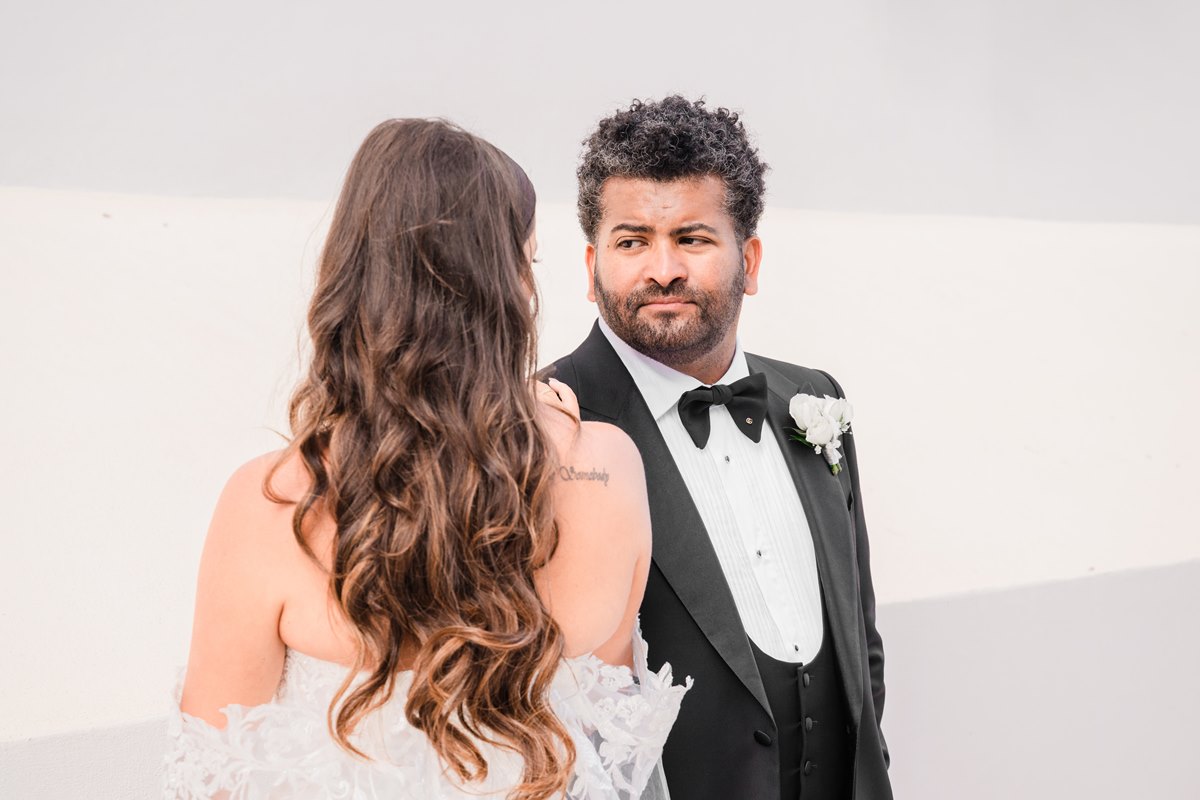
The wedding planner will take care of all the details, from finding the perfect venue to planning your wedding ceremony. They’ll also help you choose your wedding dress and accessories, as well as make sure everything is in place for your big day. A wedding planner can help with everything from finding a photographer and videographer to booking transportation for your guests.


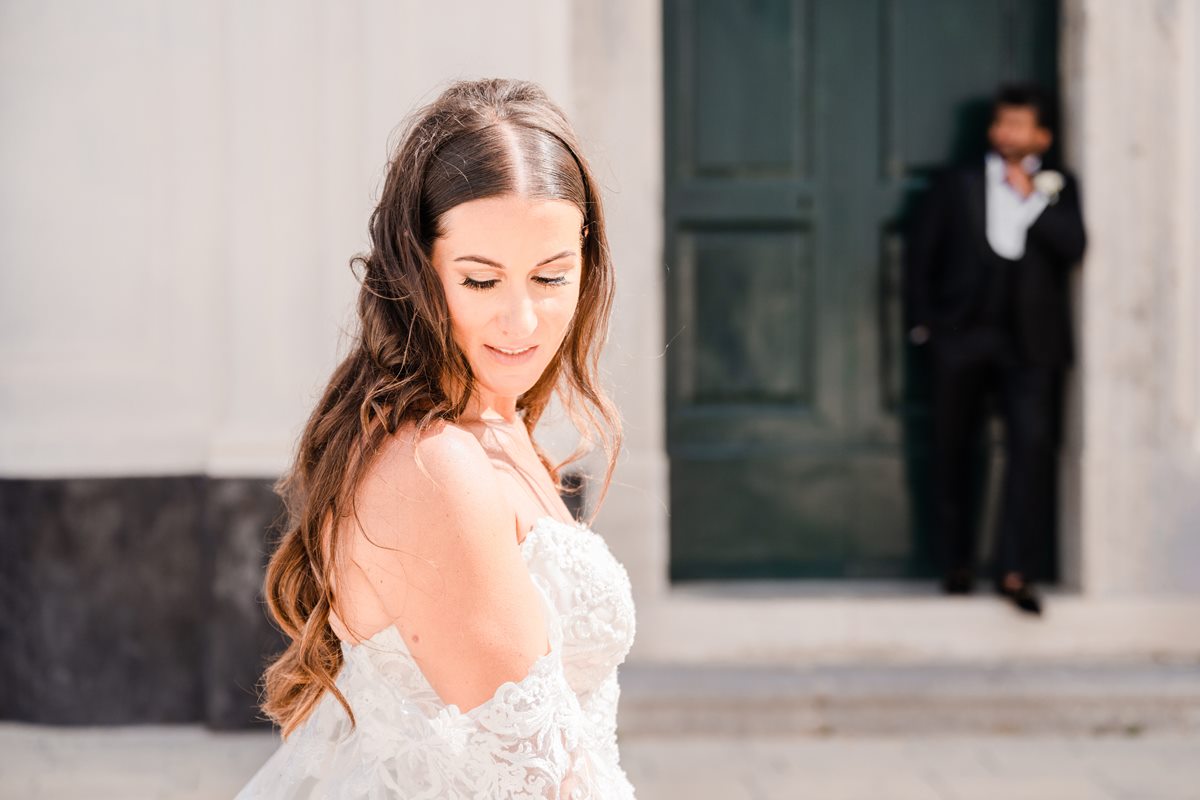


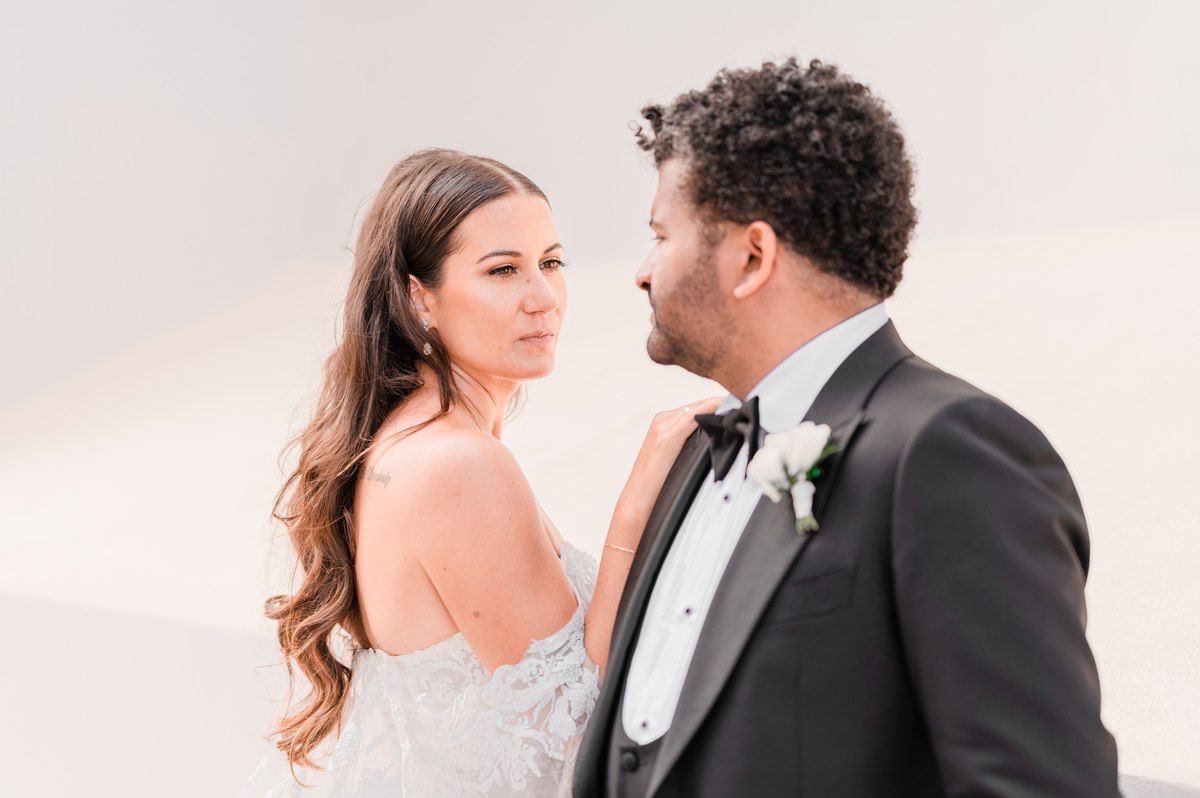
The Allure of an Amalfi Wedding
The Amalfi Coast is one of the most beautiful places in the world, and it’s no wonder that so many couples choose to get married here.
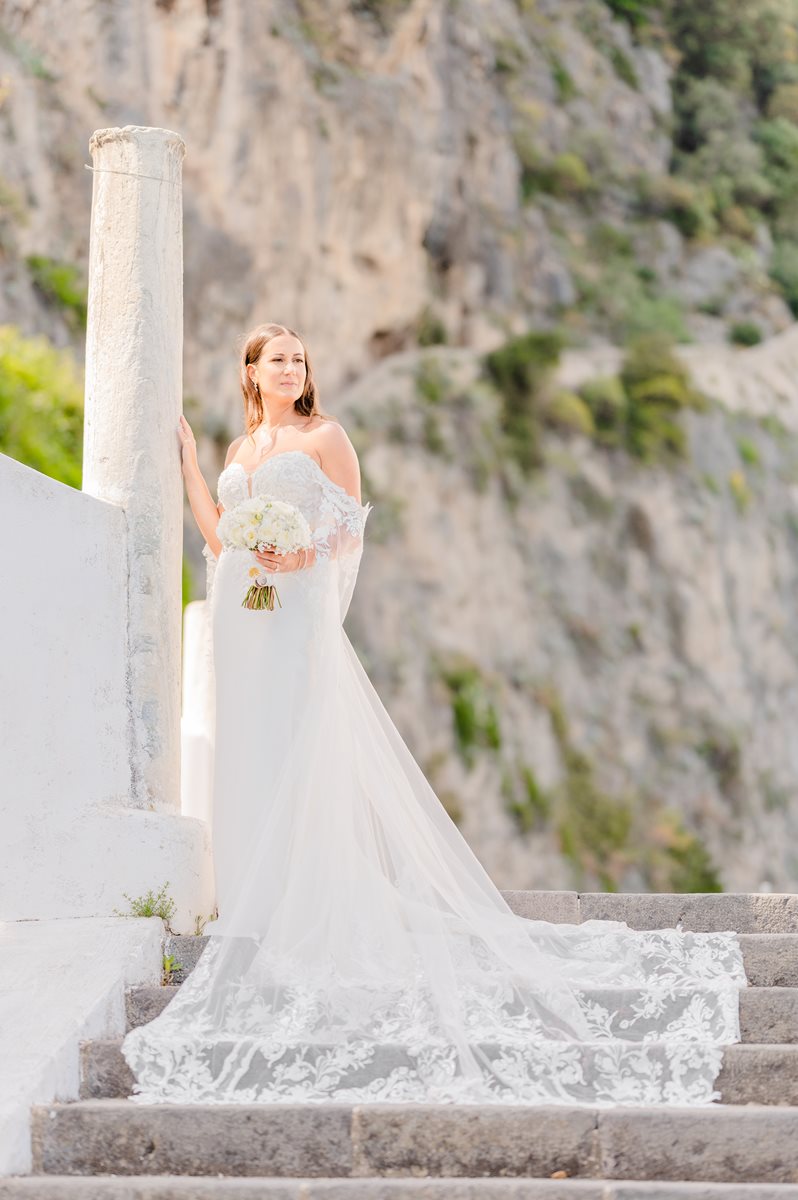
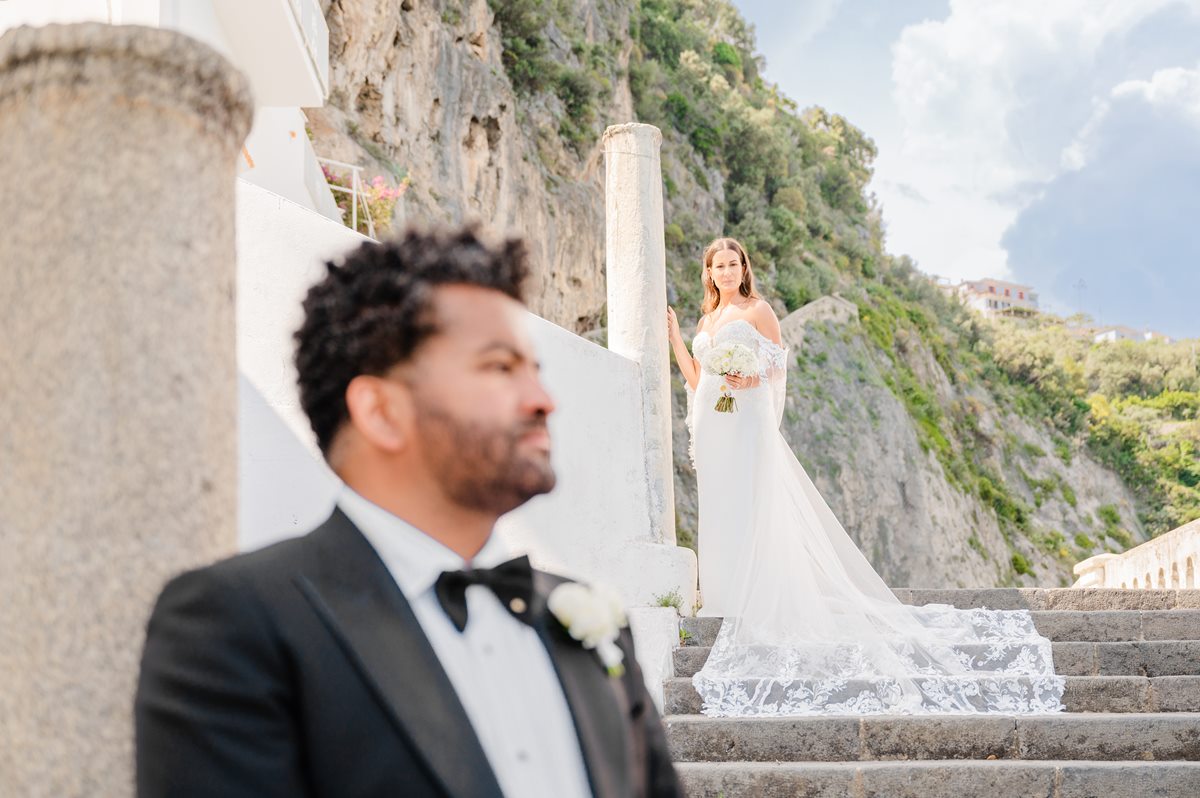
The stunning scenery, delicious food and wine, and friendly locals make it an ideal location for your wedding. You can have your ceremony on a beach or in a garden, with views of the sea or mountains as your backdrop.
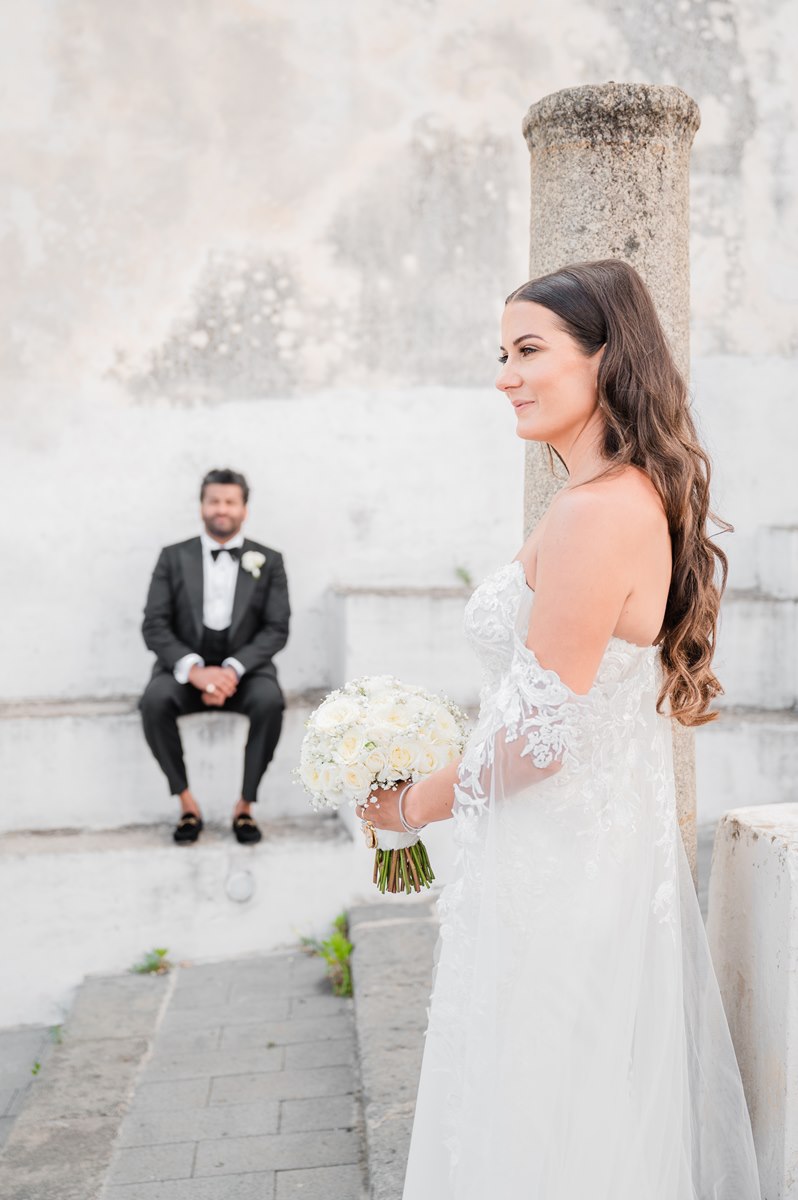
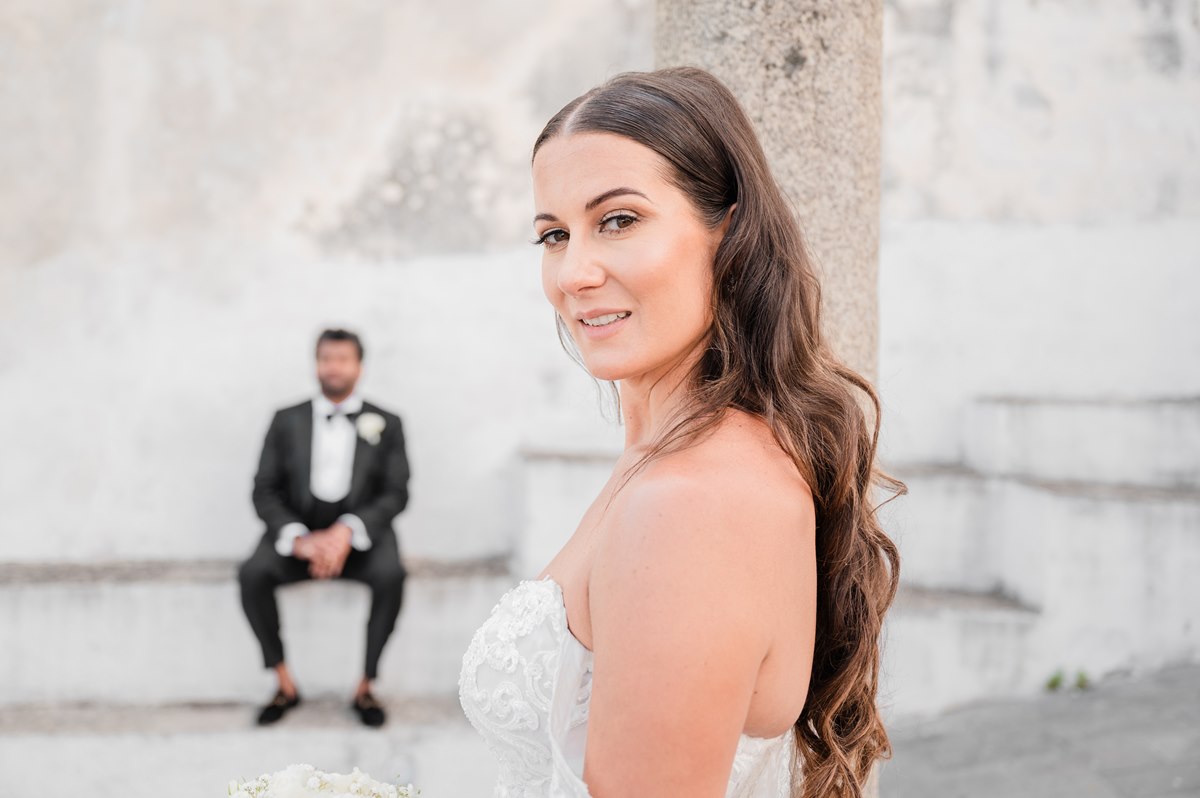
A Closer Look at a Hotel Santa Caterina Wedding Amalfi
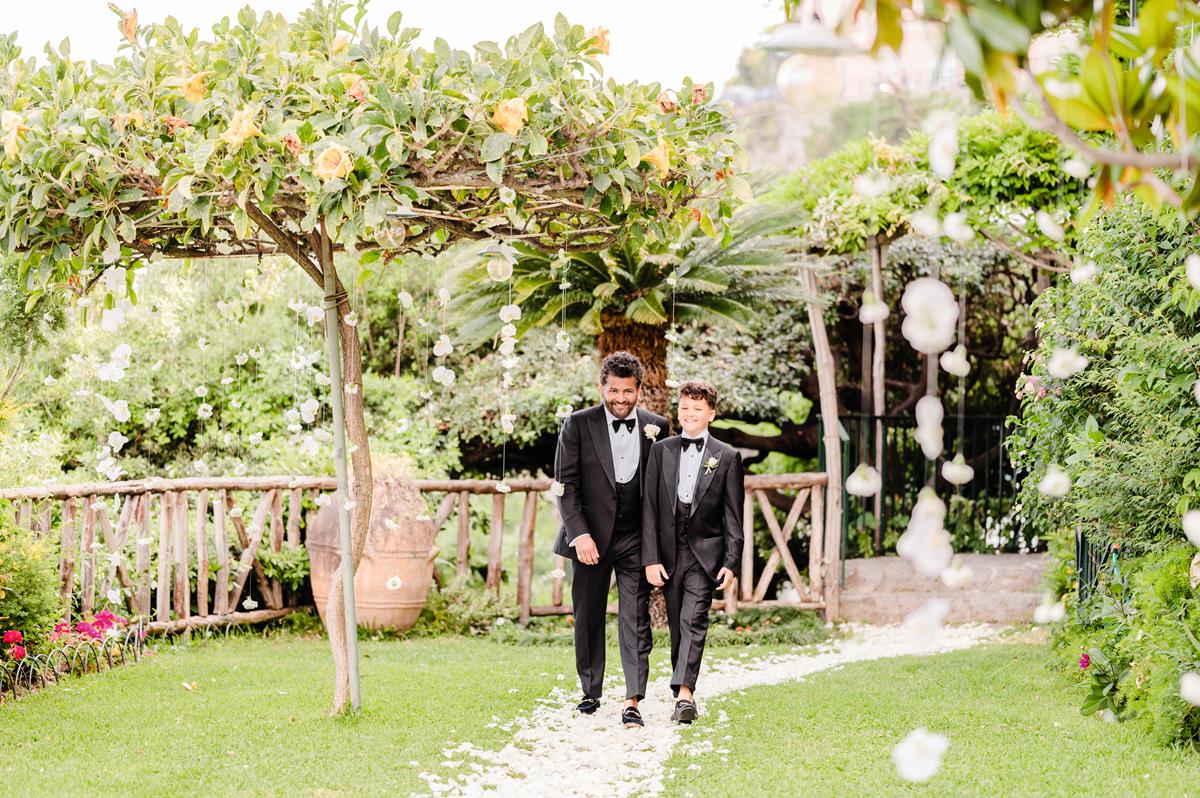
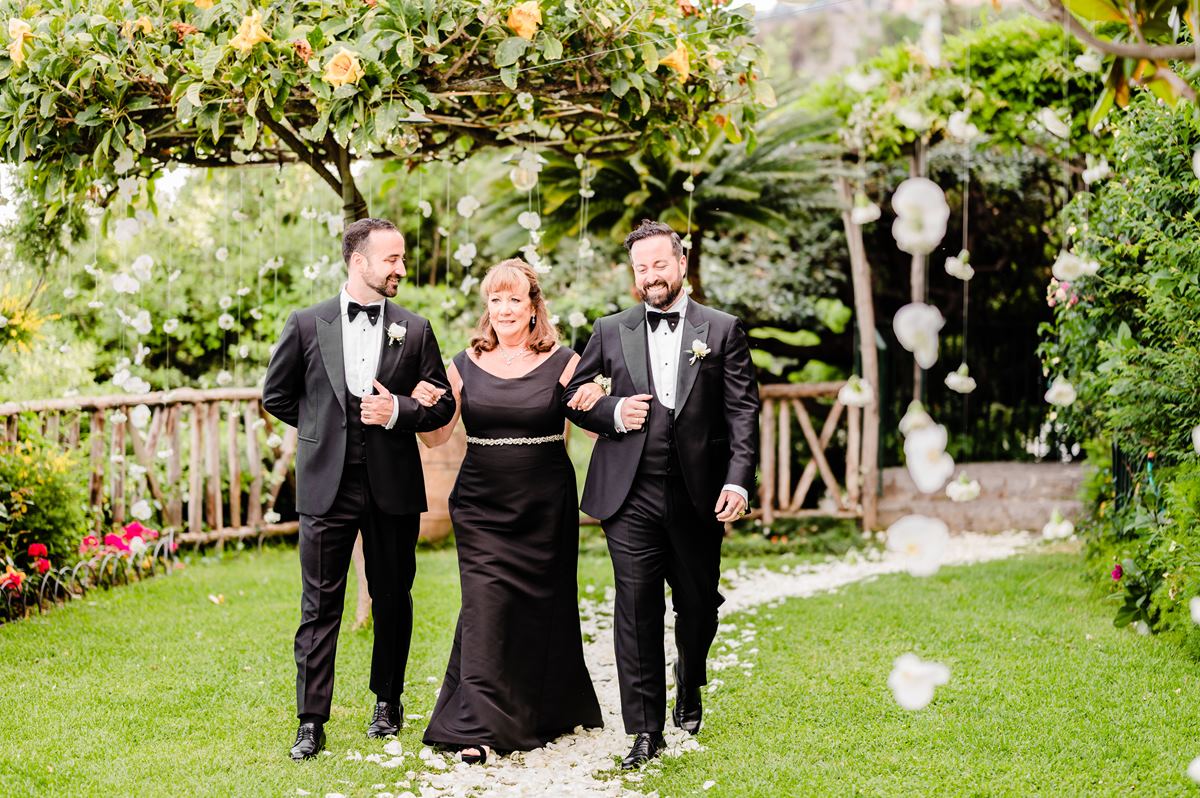
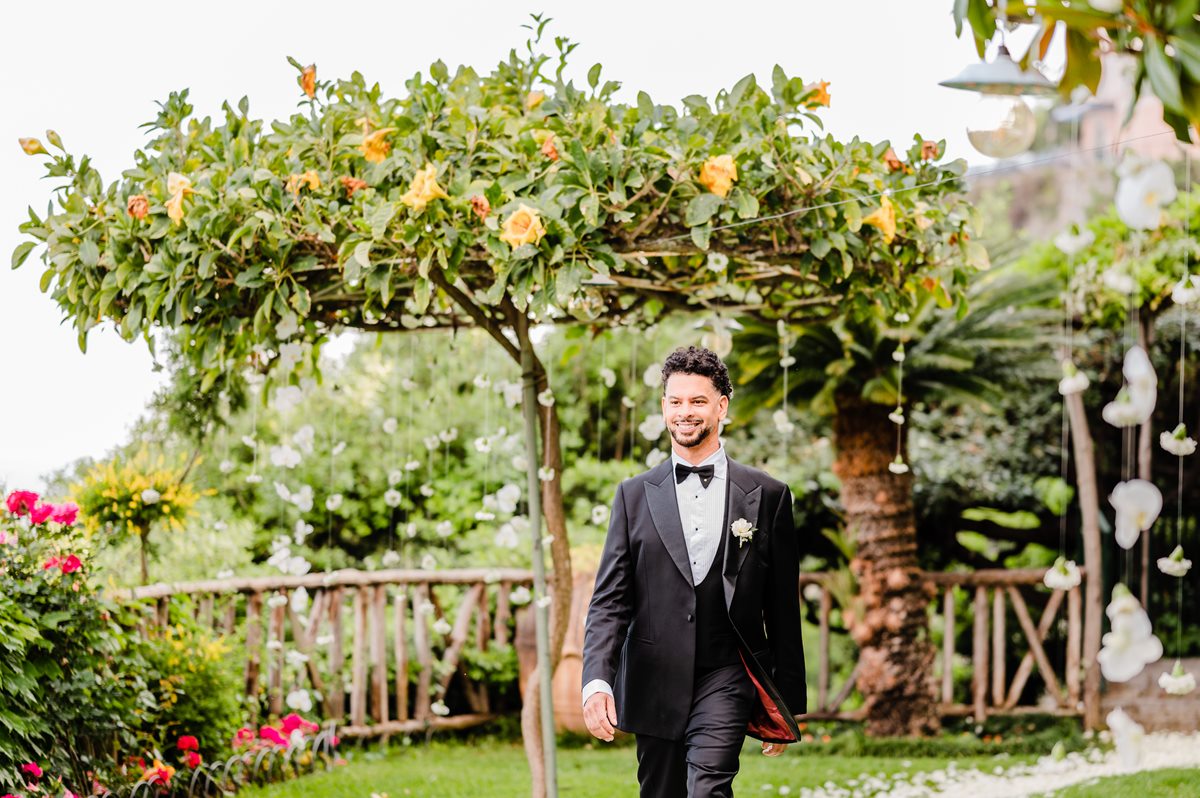
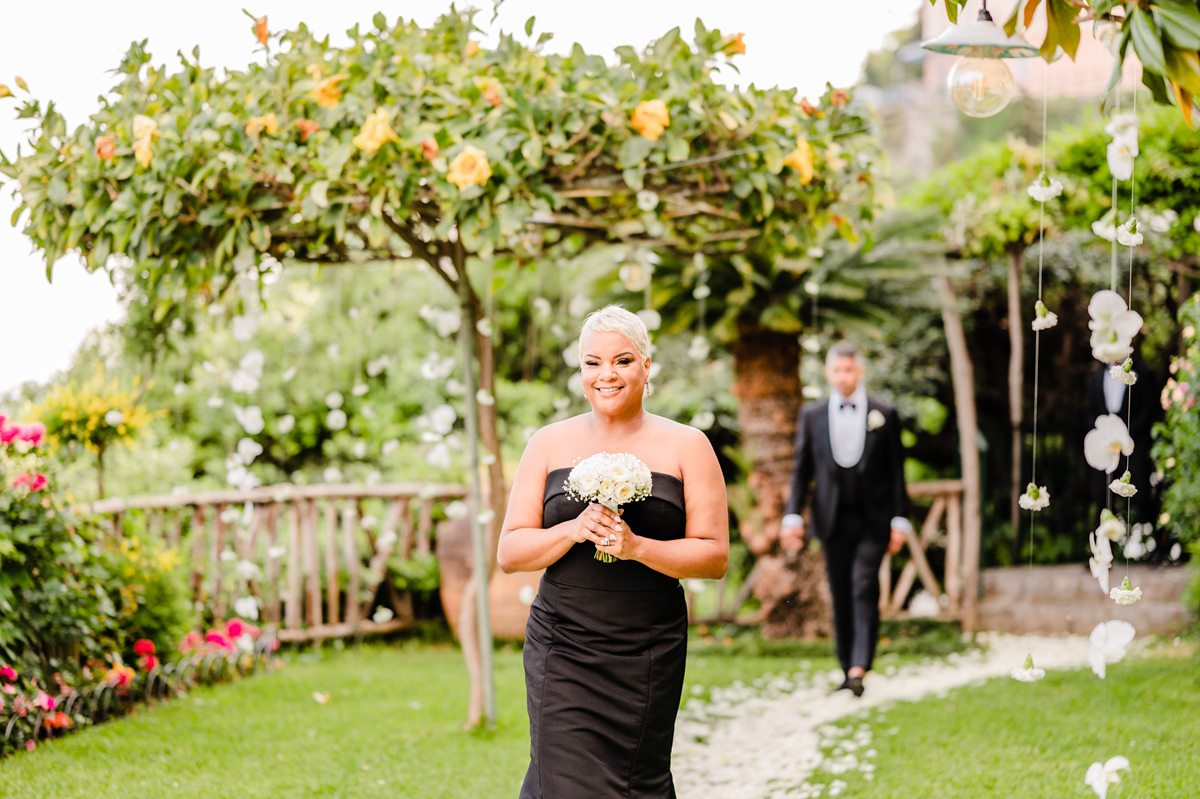
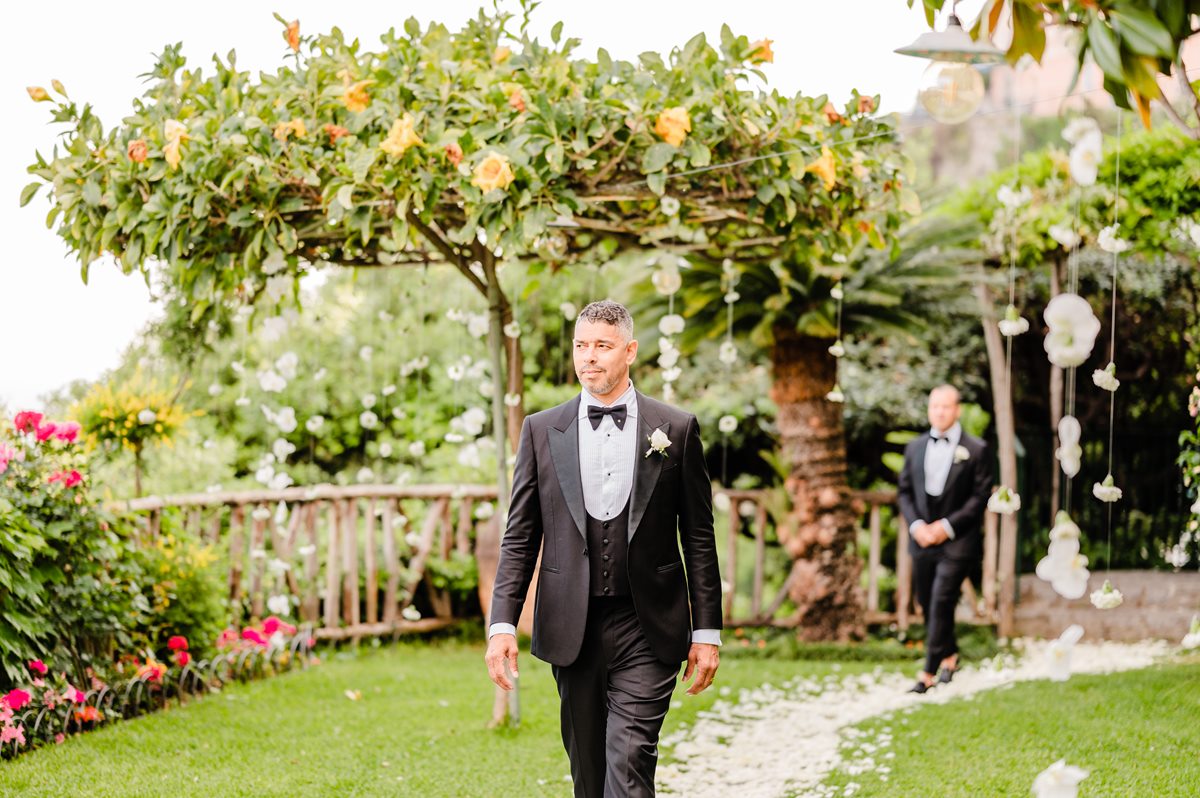
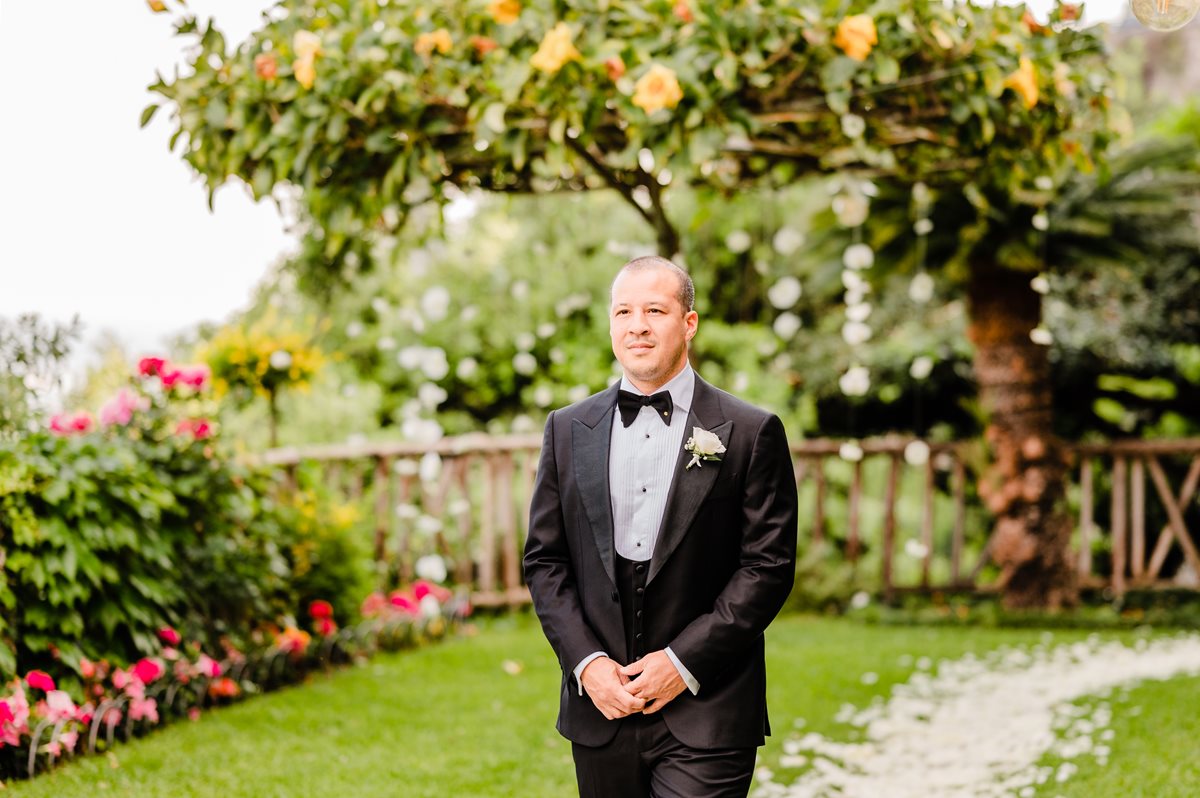
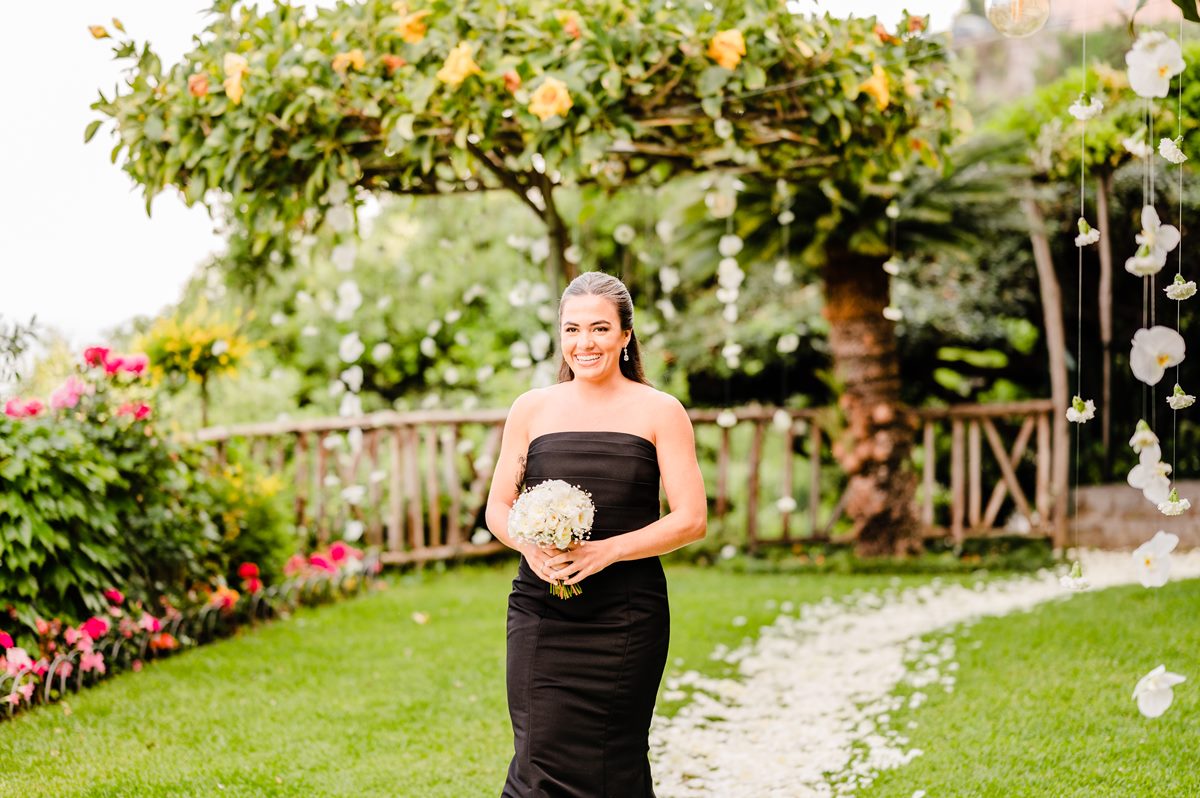
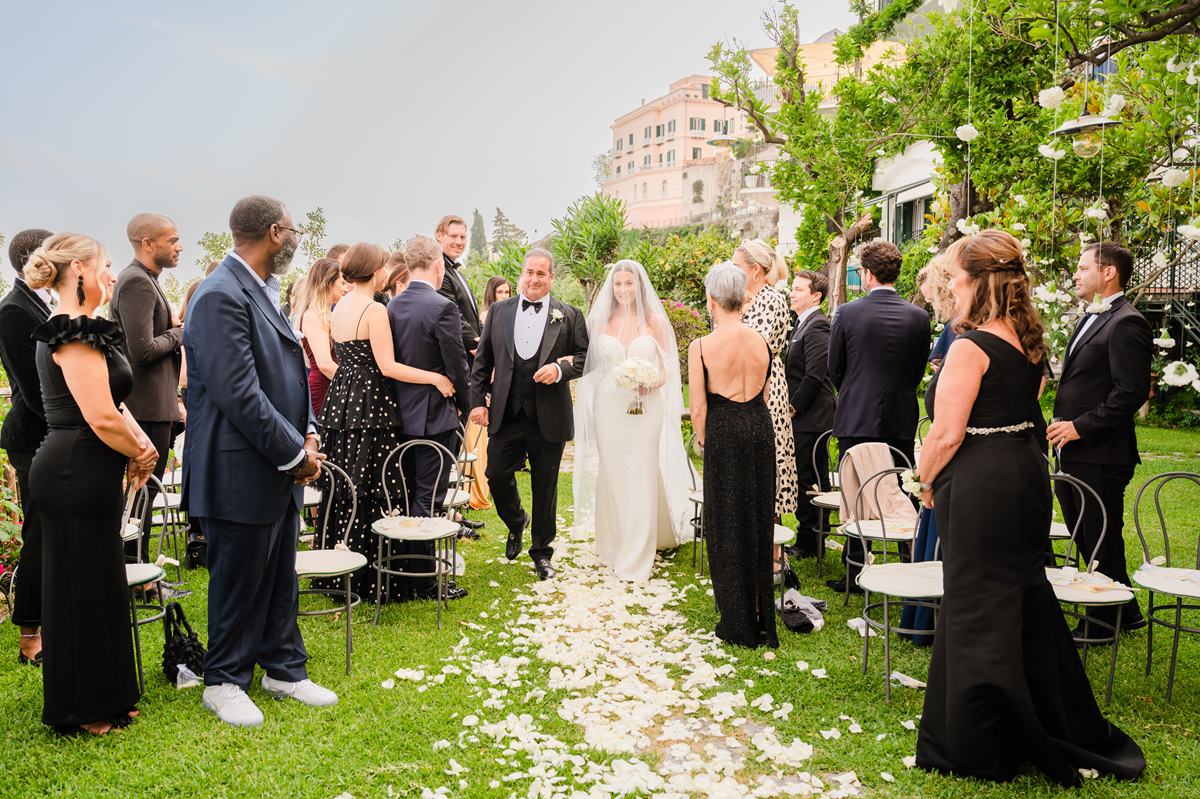
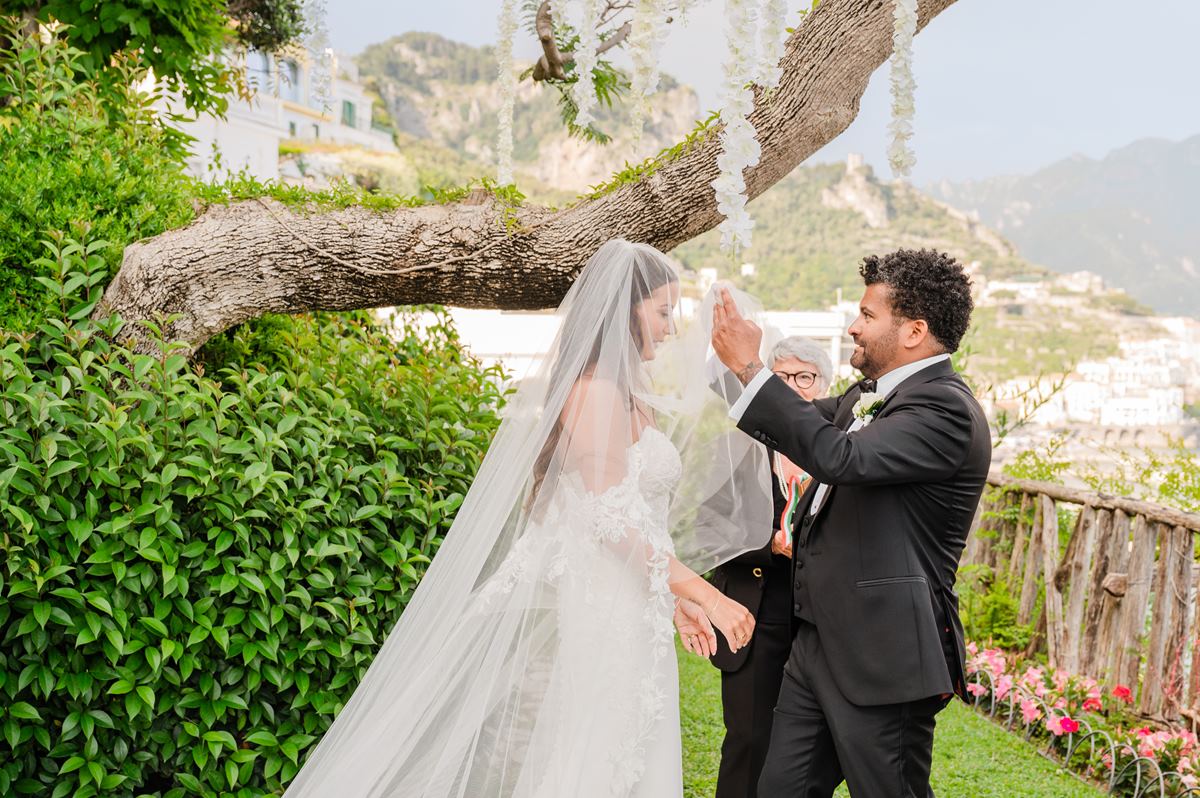
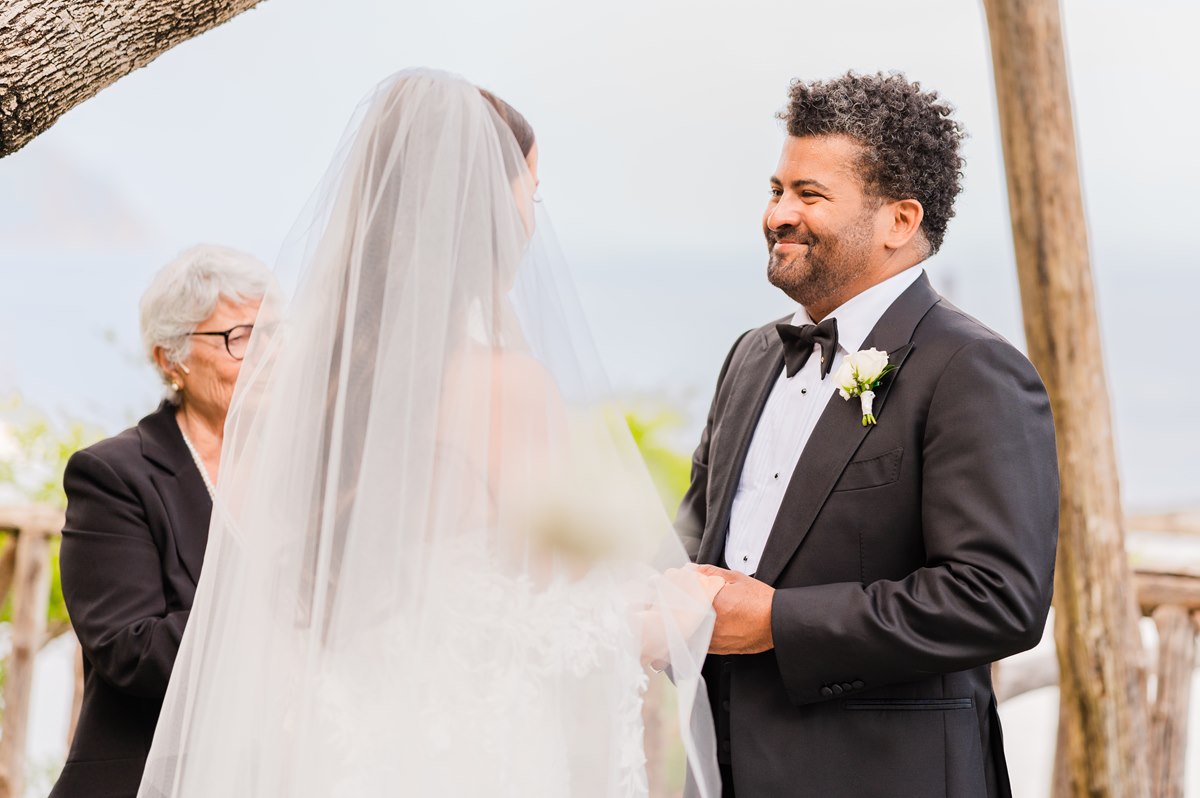
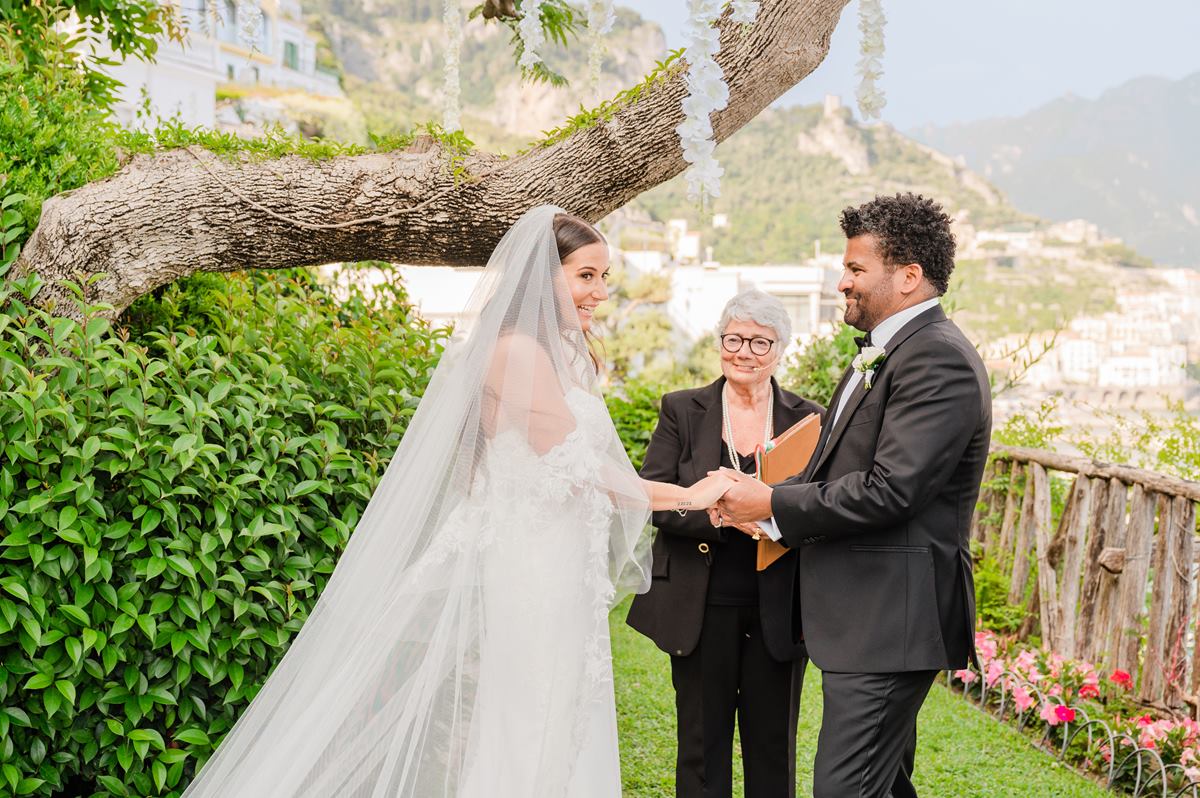
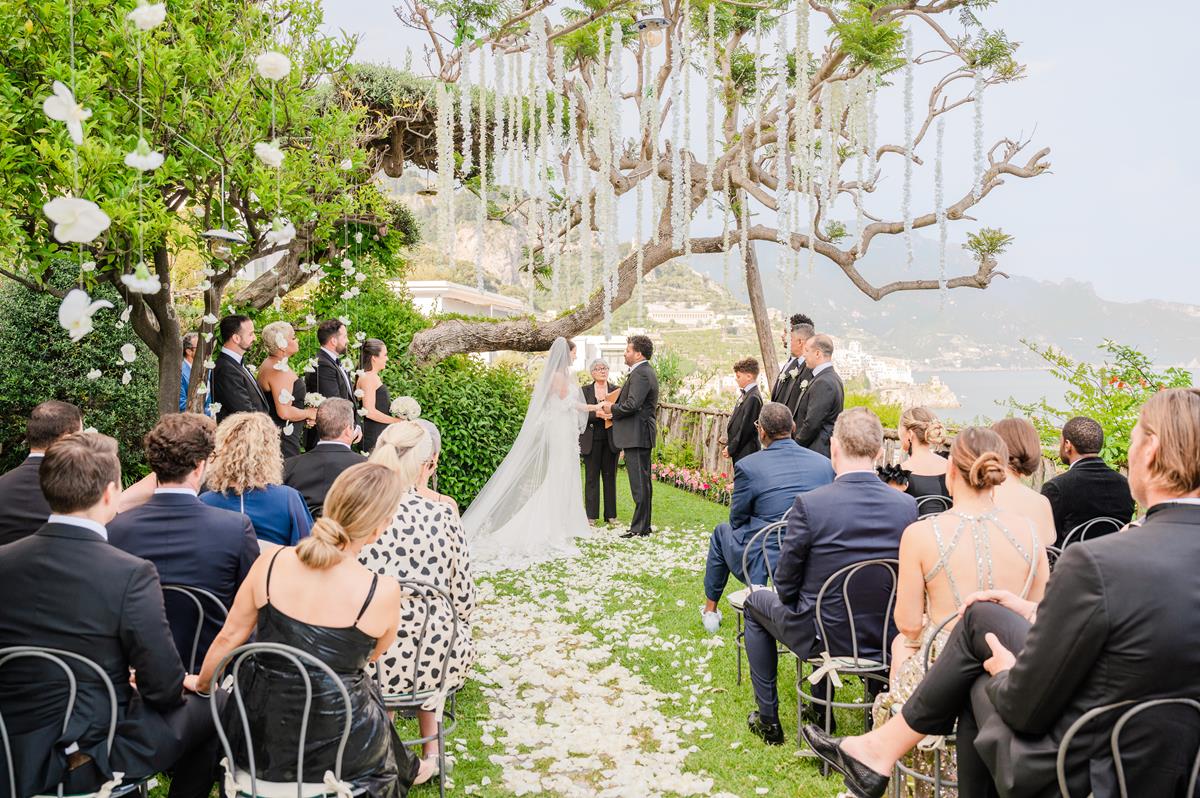
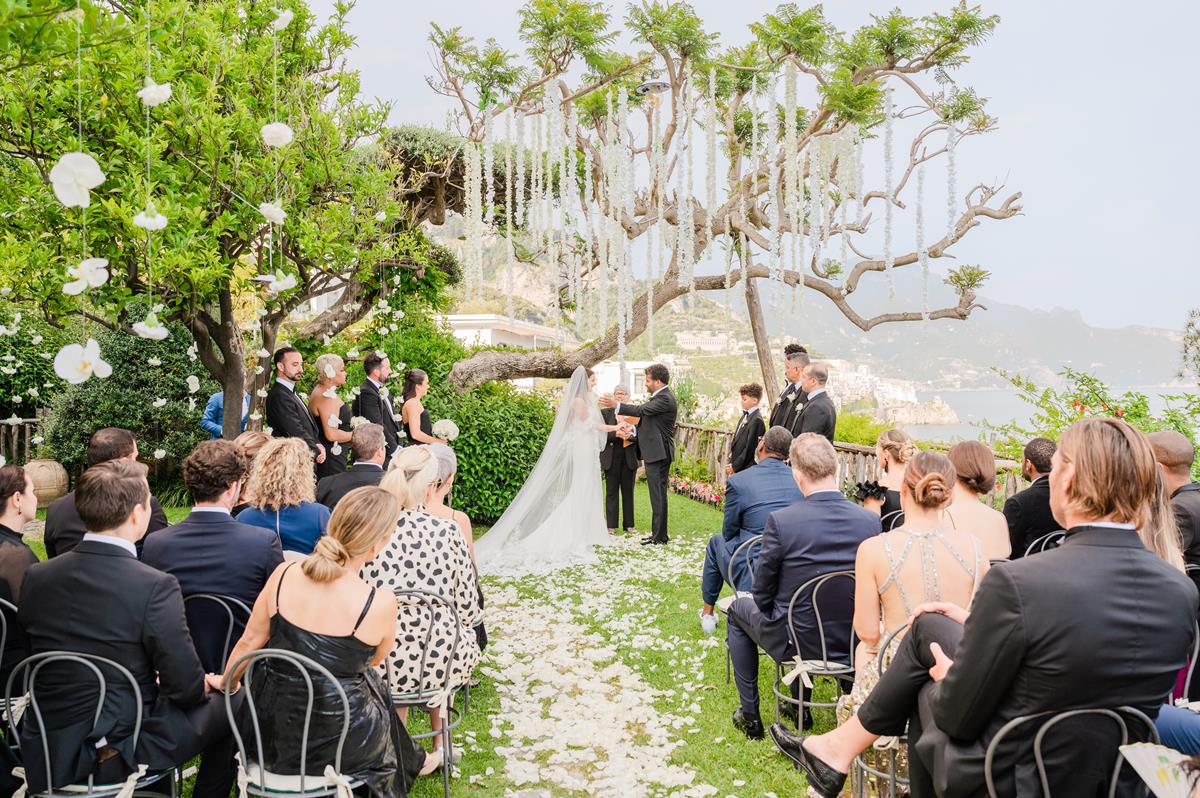
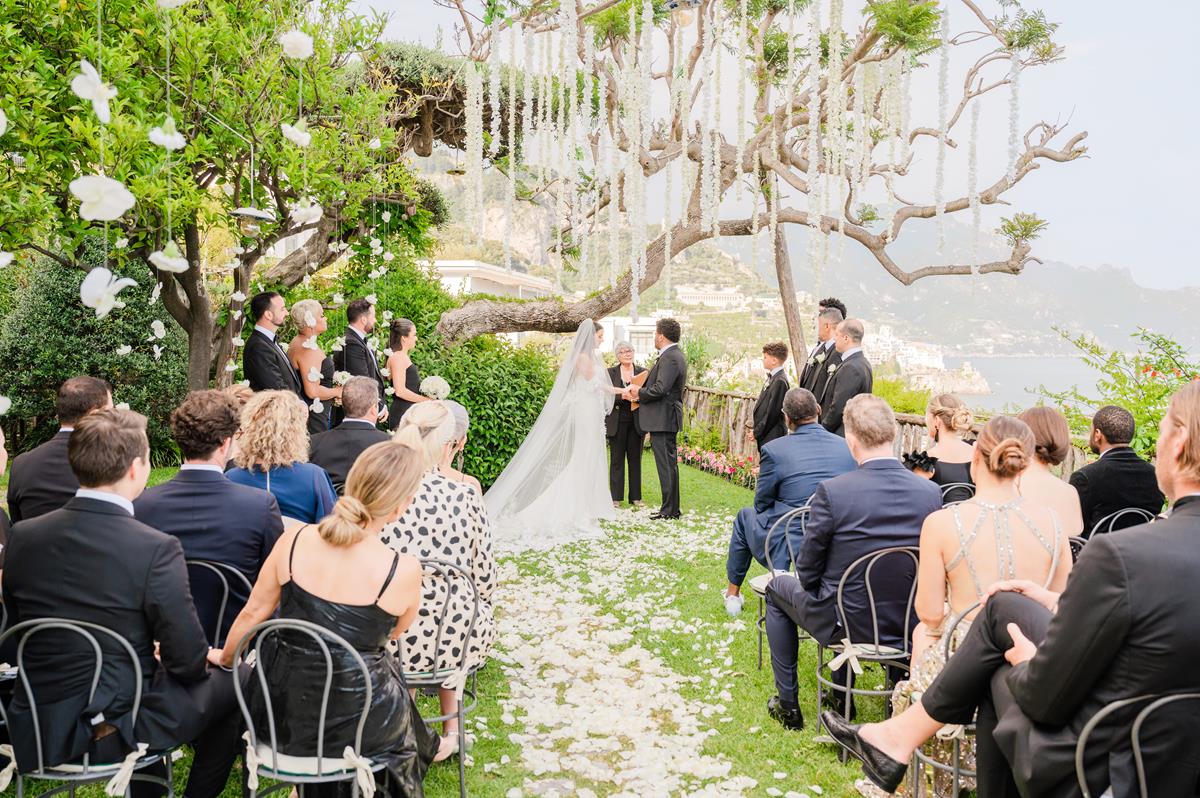
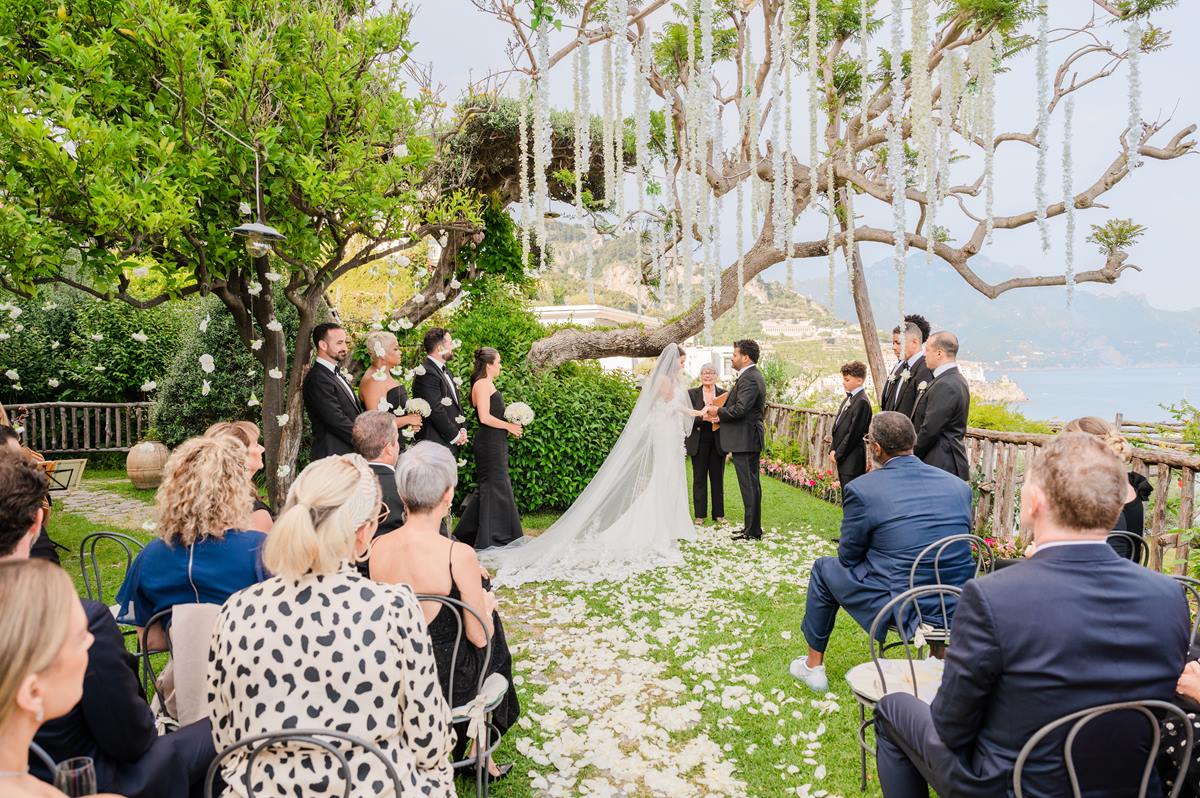
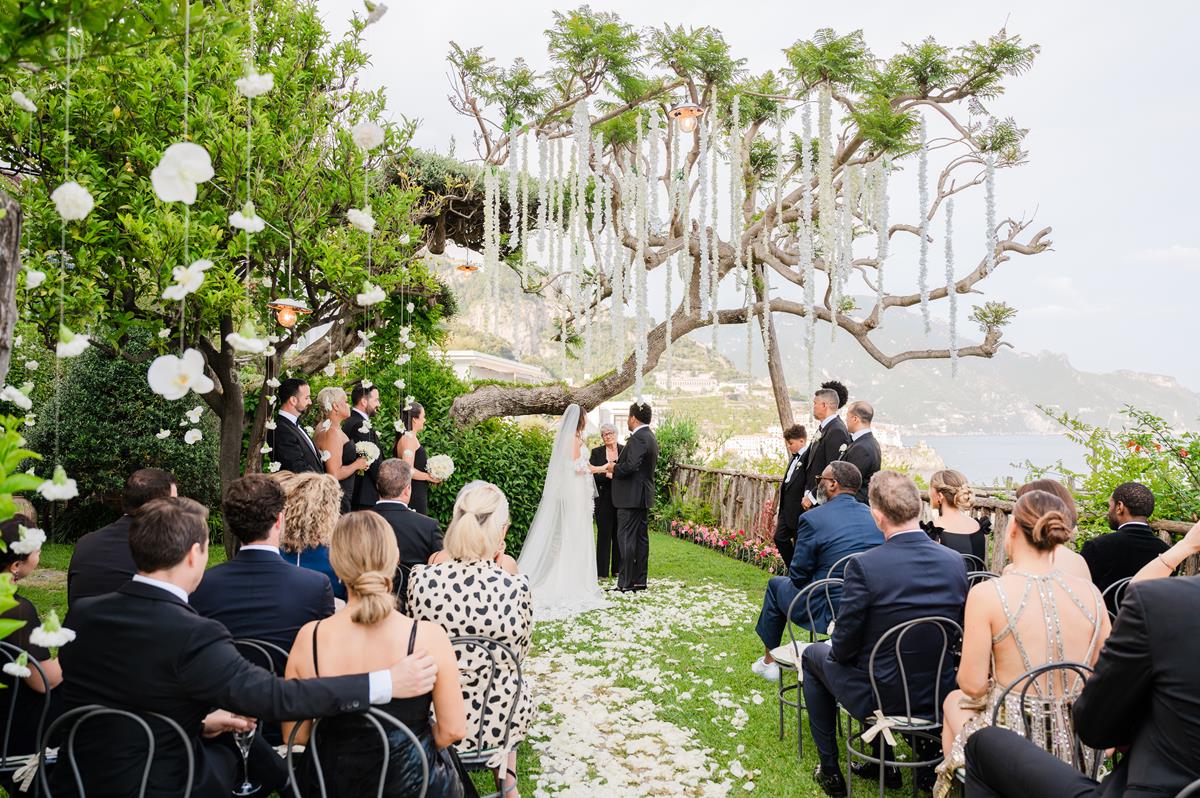
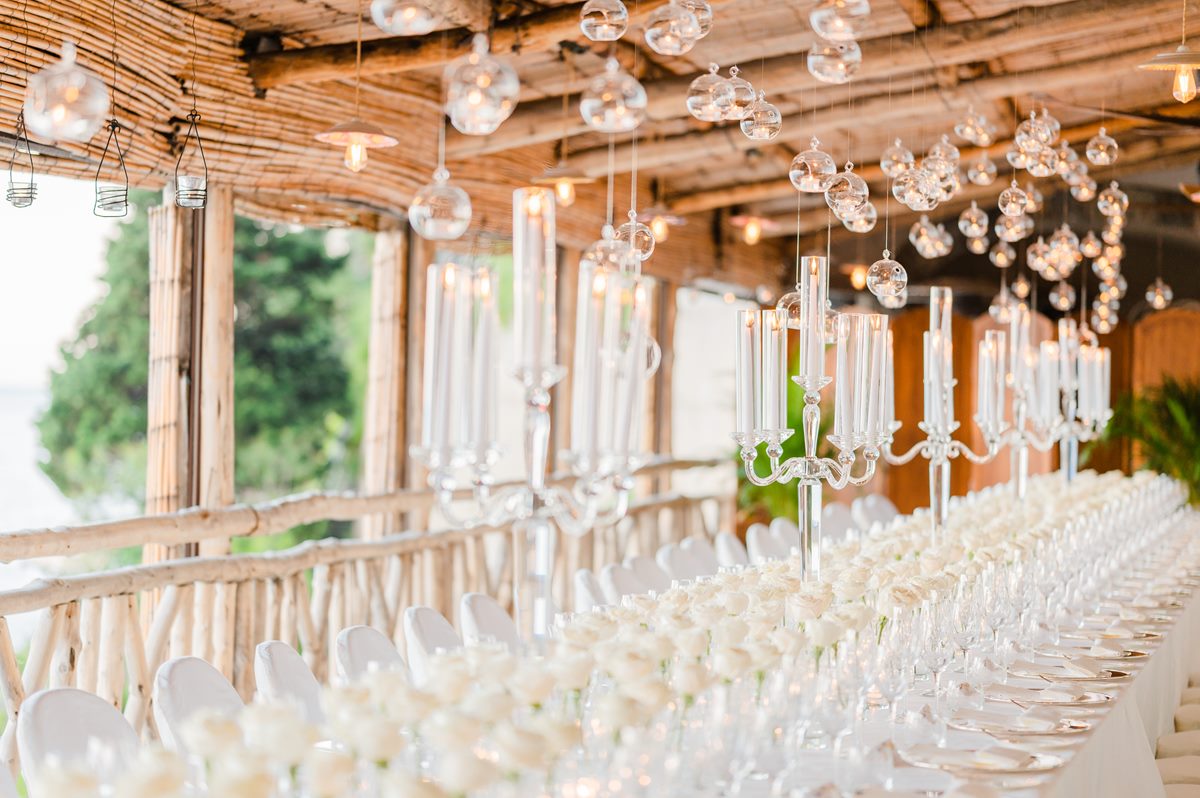
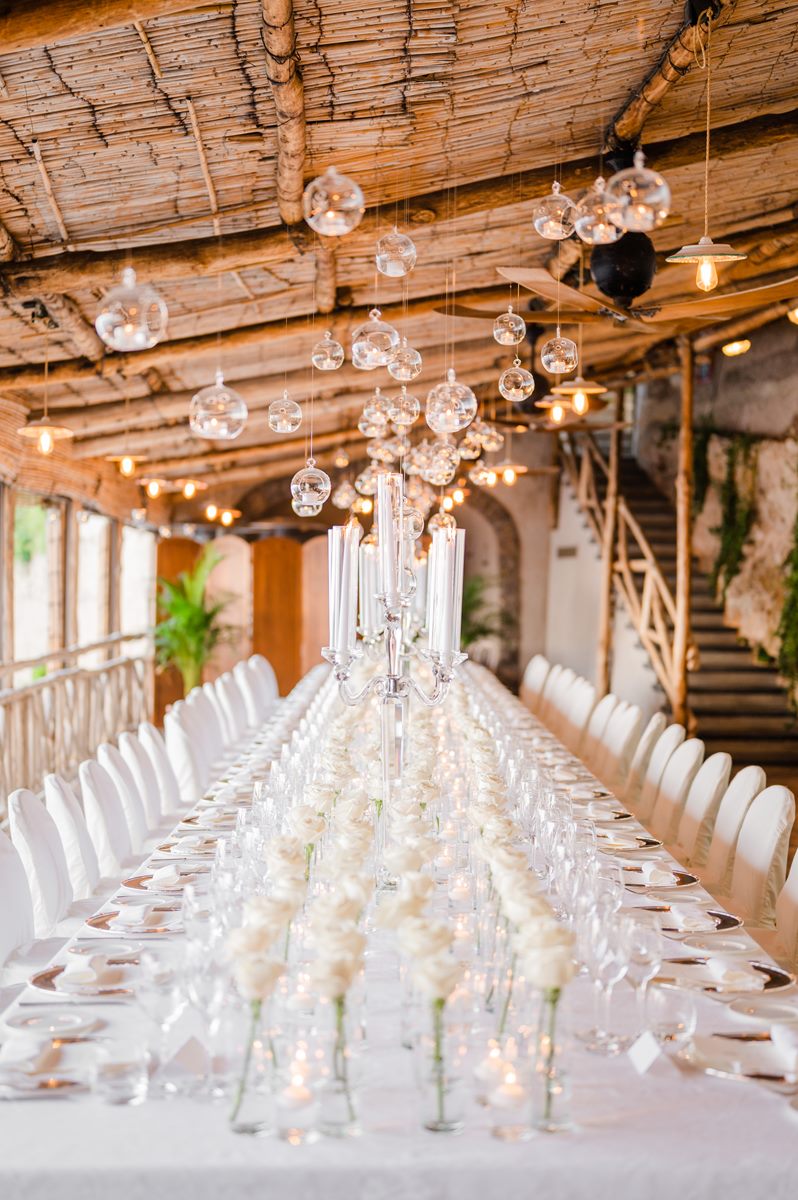
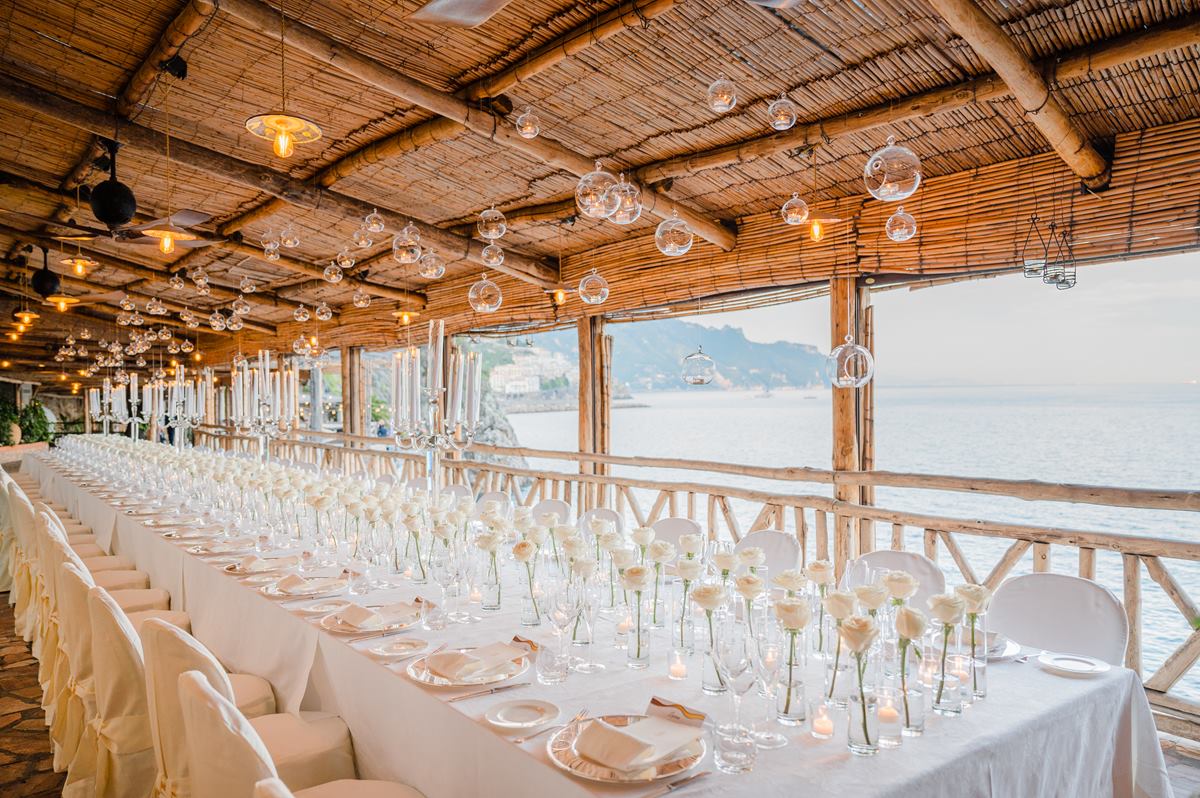
With panoramic sea views and enchanting surroundings, a Hotel Santa Caterina Wedding in Amalfi is nothing short of a dream. The hotel is located on a cliff, overlooking the sea and surrounded by lush gardens.
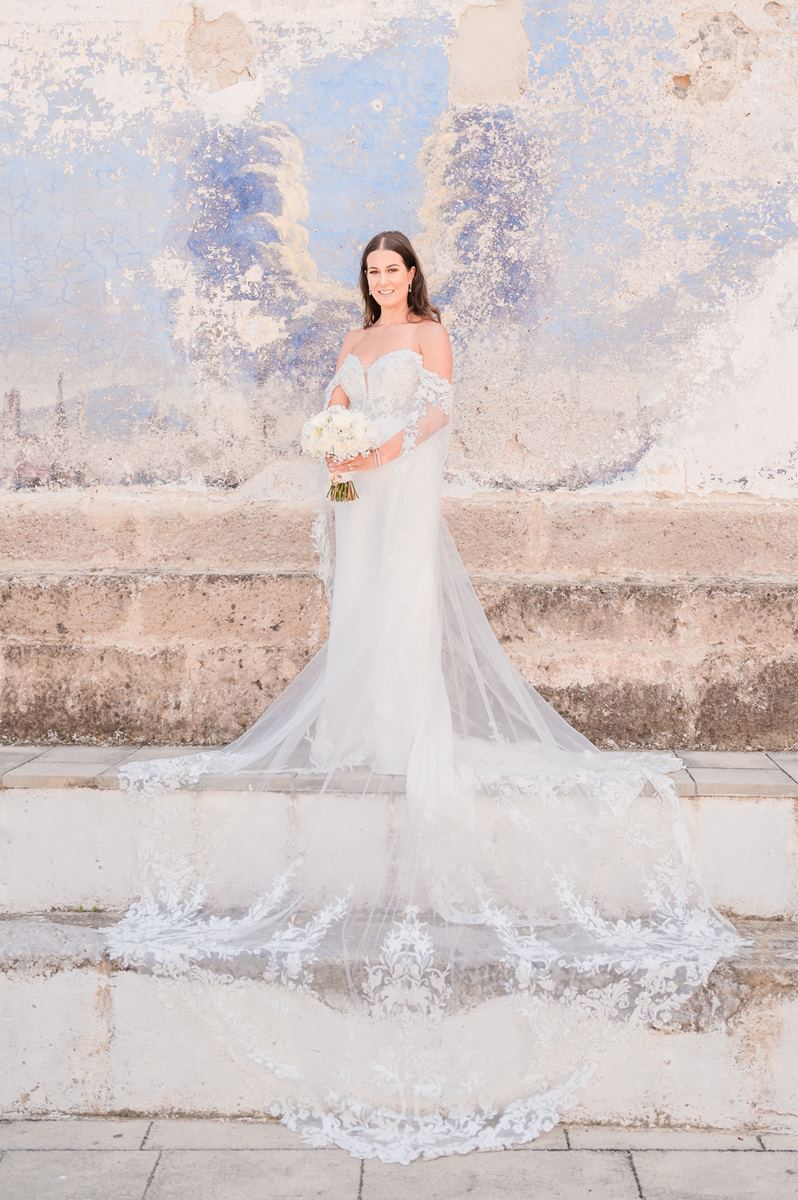

It has been family-owned since 1904 and offers an intimate setting for your wedding. The hotel has 38 rooms, all with private balconies or terraces that offer stunning views of the Amalfi Coast.
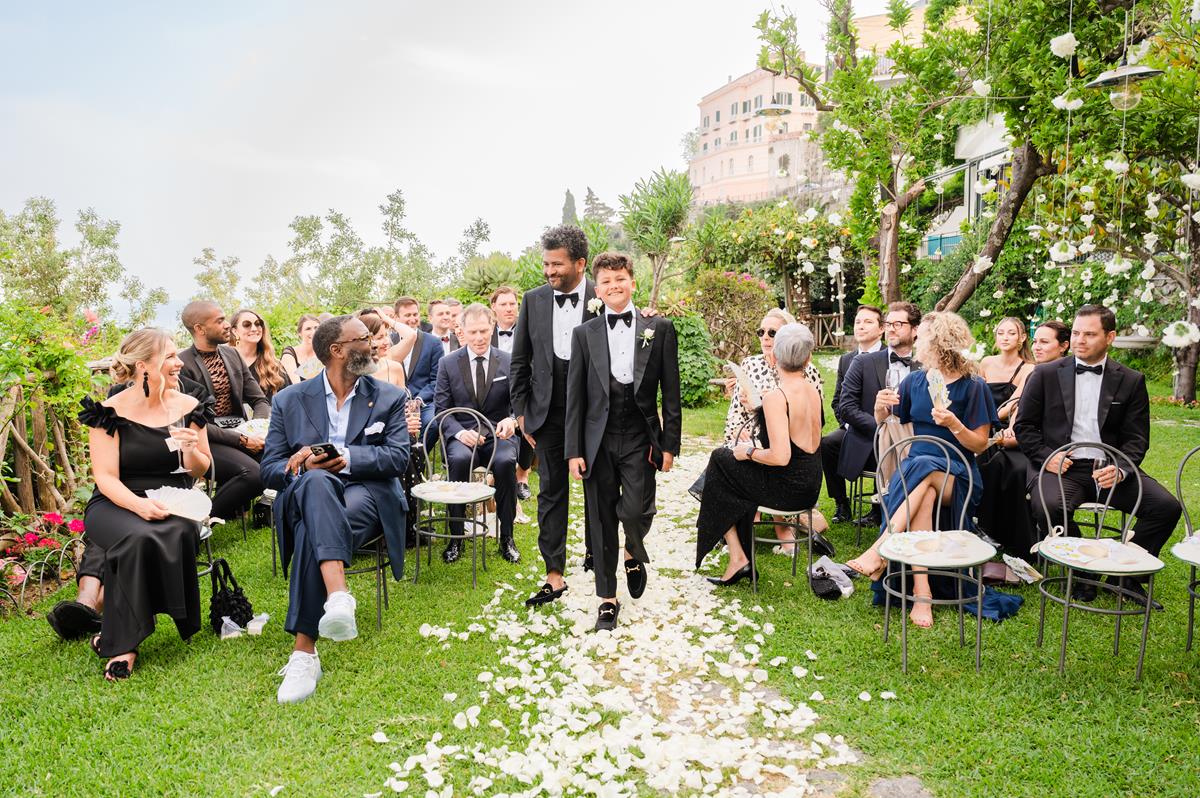
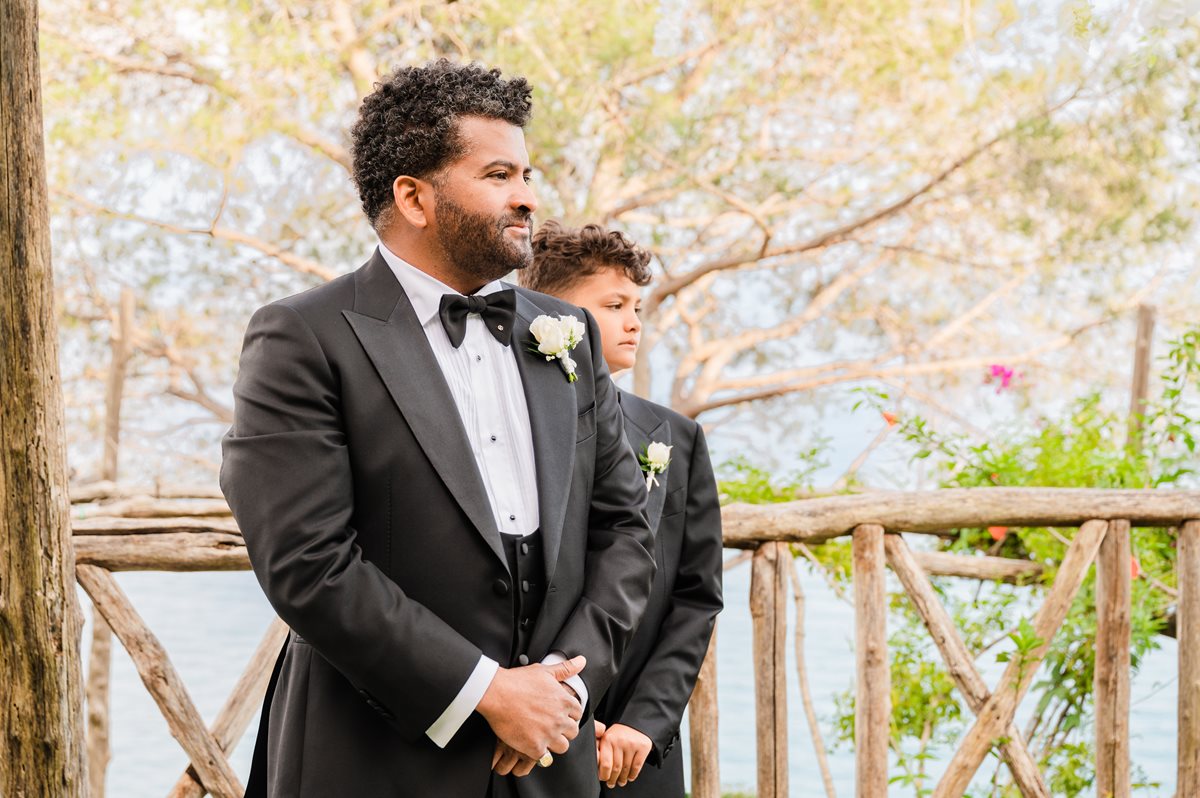
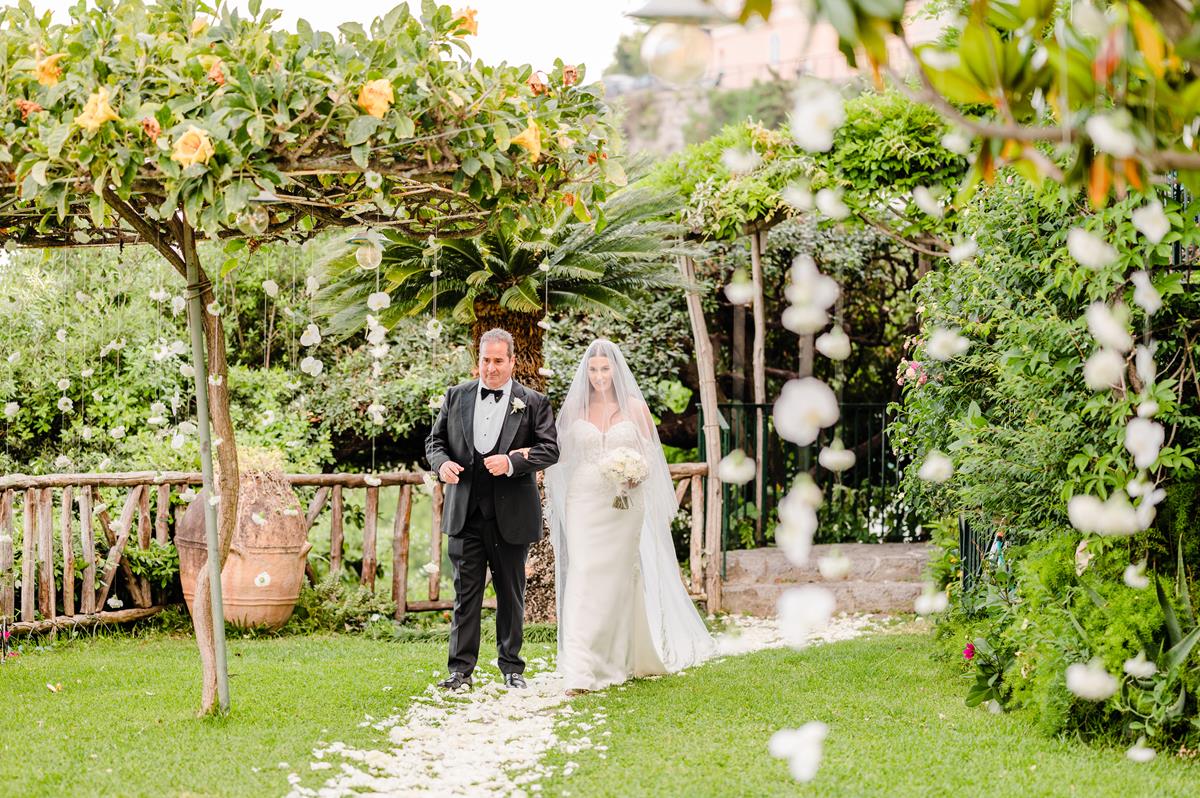
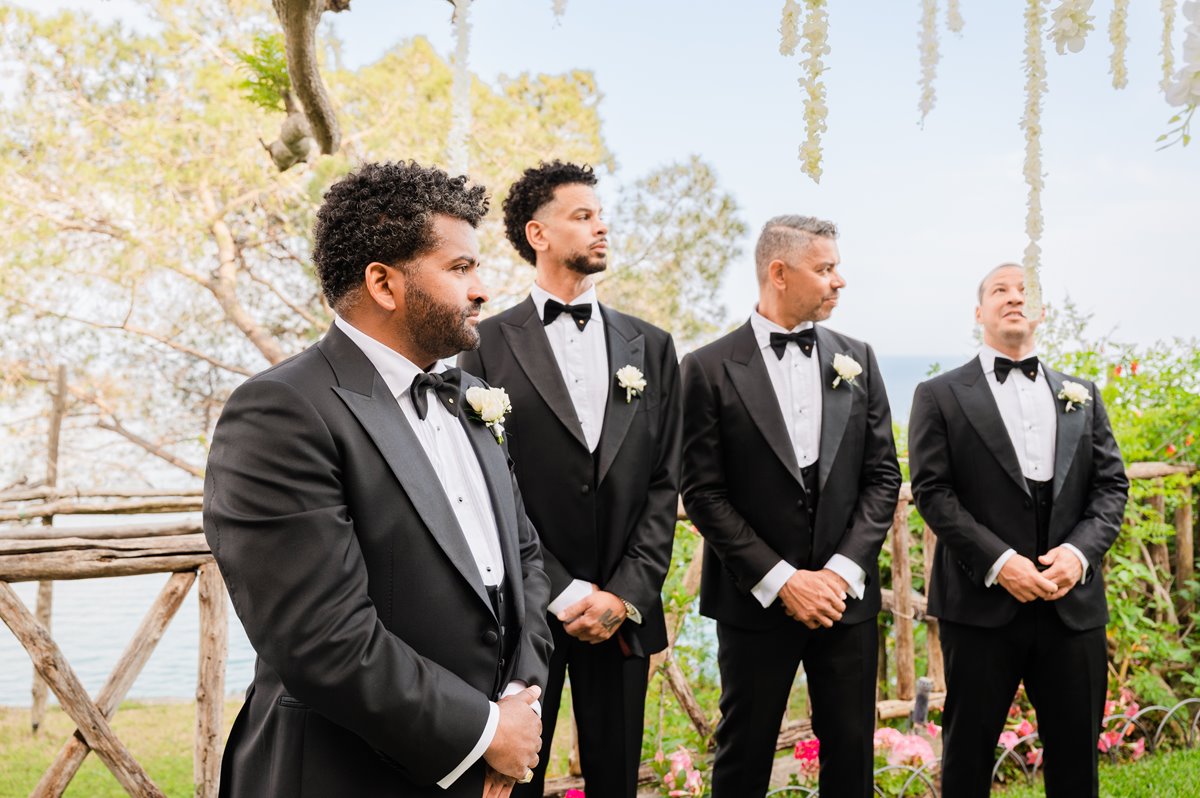

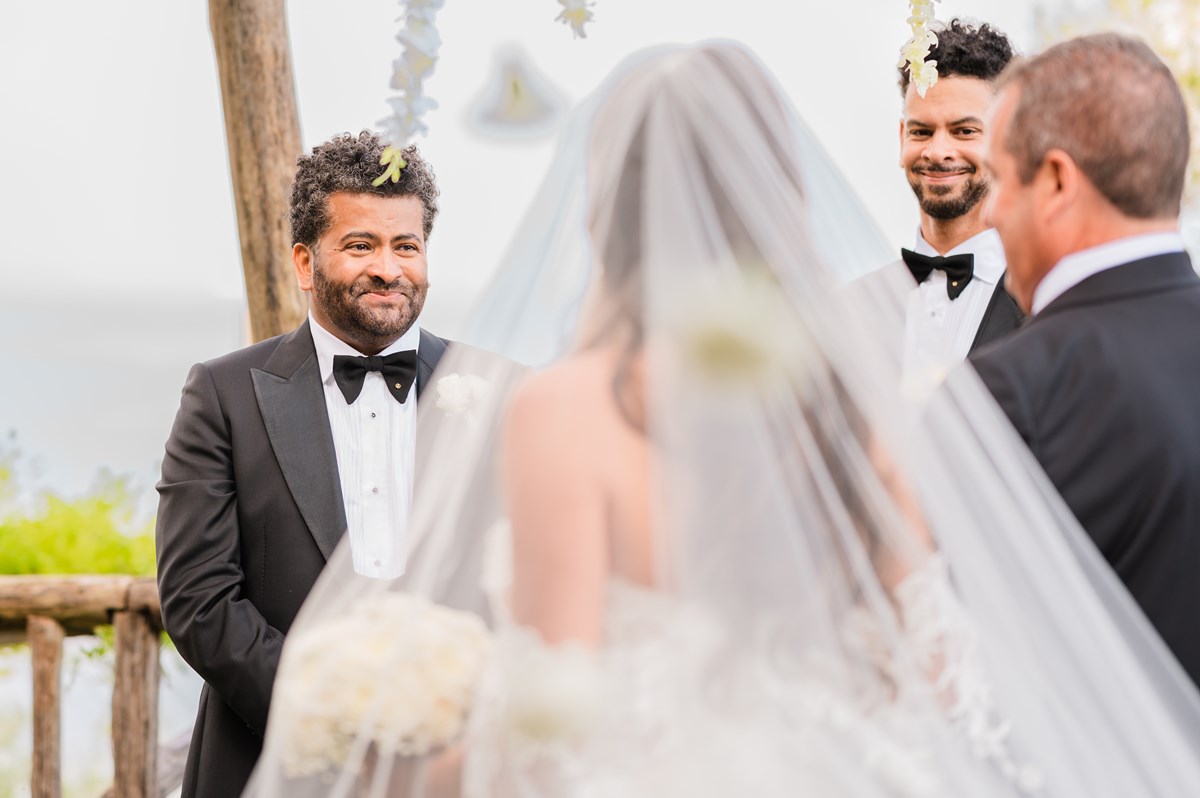
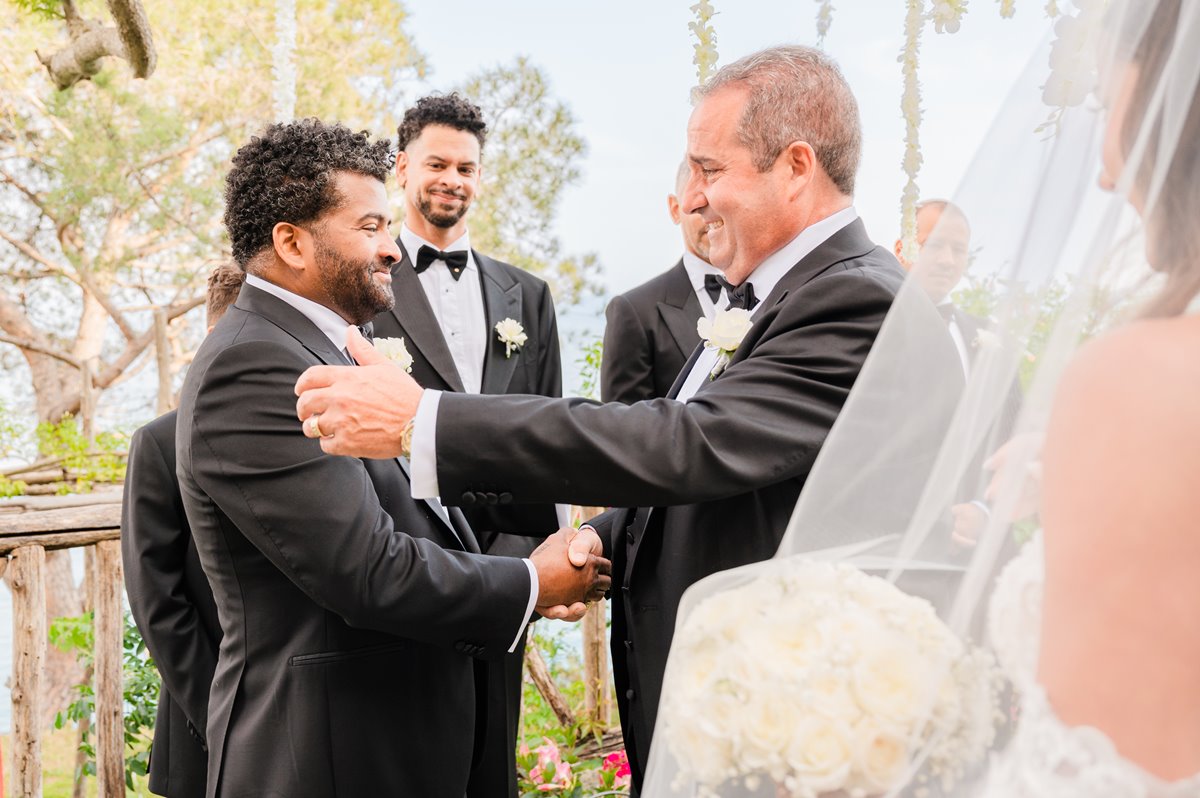
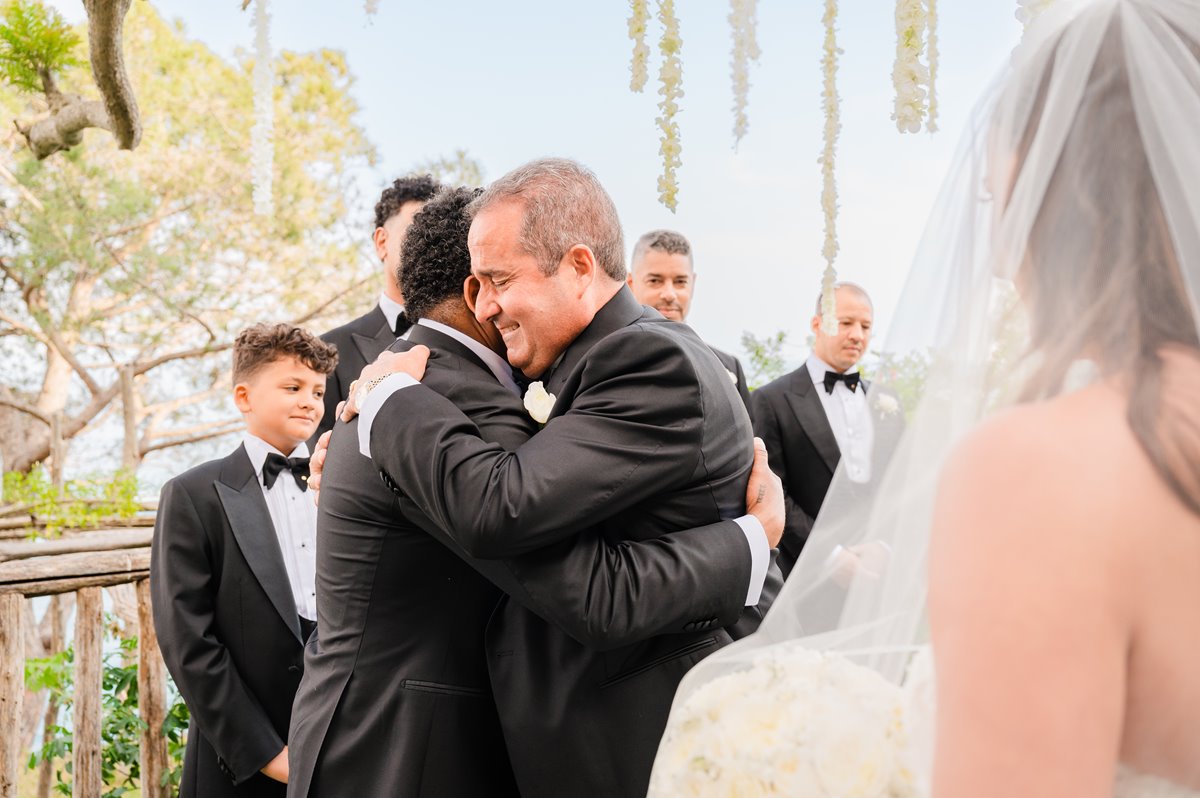
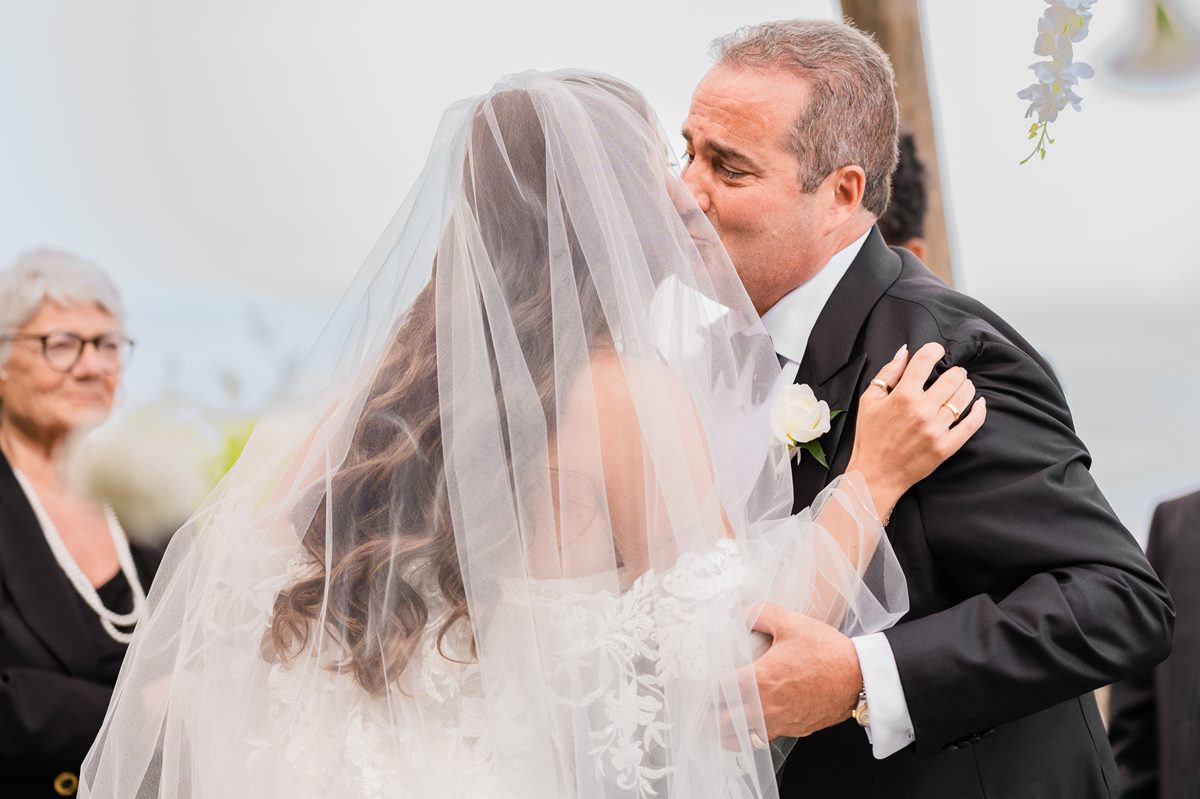
The Unique Charm of a Wedding in Amalfi
Every Amalfi wedding has its unique charm, with the beautiful coastline and historical attractions adding an extra touch of romance. The Amalfi Coast is a UNESCO World Heritage site and one of the most beautiful places in Italy. It’s known for its stunning cliffs, crystal-clear waters and picturesque villages. The area has been attracting visitors since Roman times, when it was a popular holiday destination for wealthy Romans. Today, it’s still one of Italy’s most popular tourist destinations.

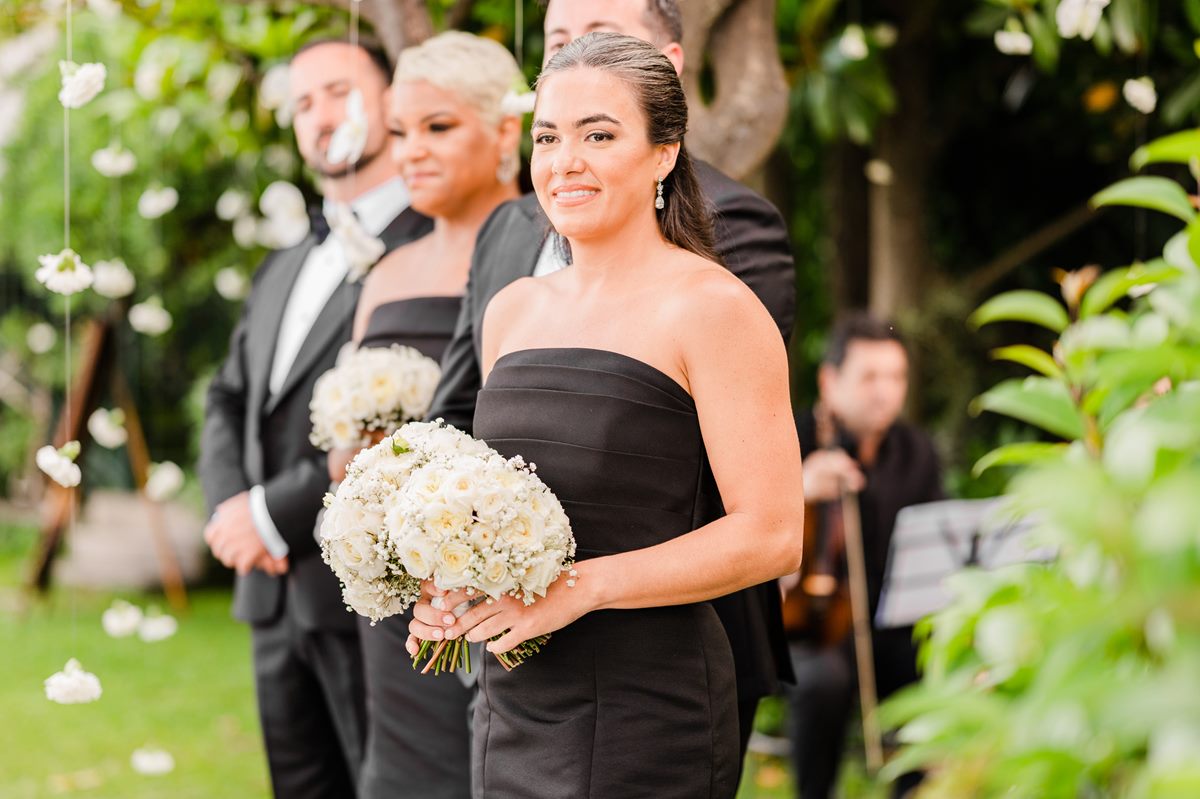
How to Plan the Amalfi Wedding of Your Dreams
Planning your dream wedding in Amalfi involves choosing the right venue, planning the decorations, selecting the menu, and managing the guest list. You’ll also need to find a wedding planner who can help you with all of these tasks. The best way to start planning your Amalfi wedding is by looking at some of the most popular venues in the area.
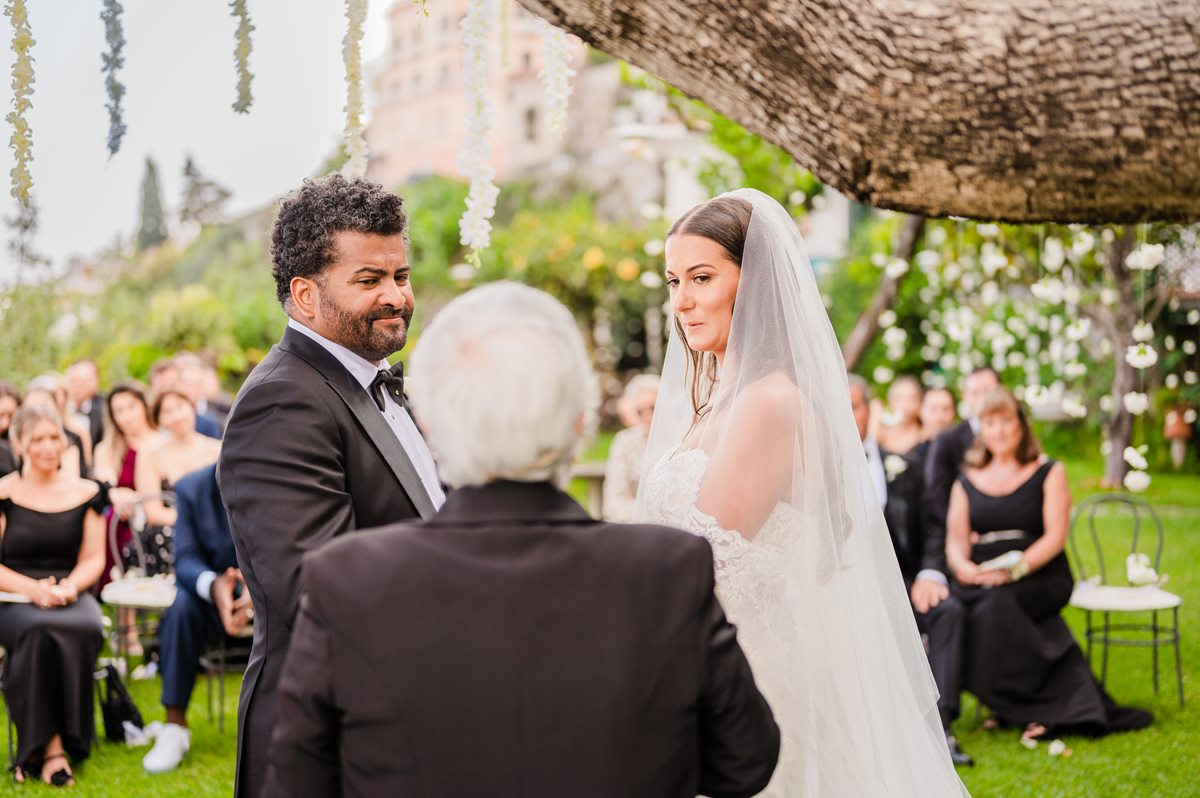
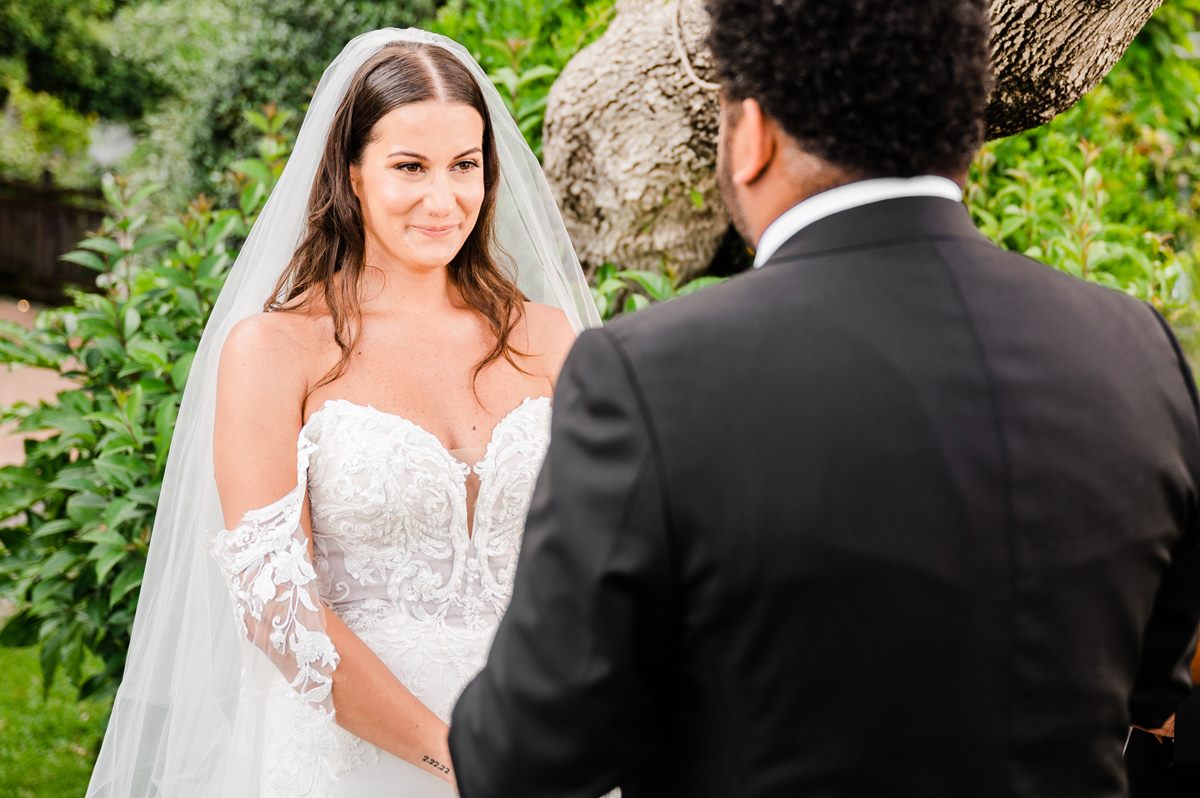
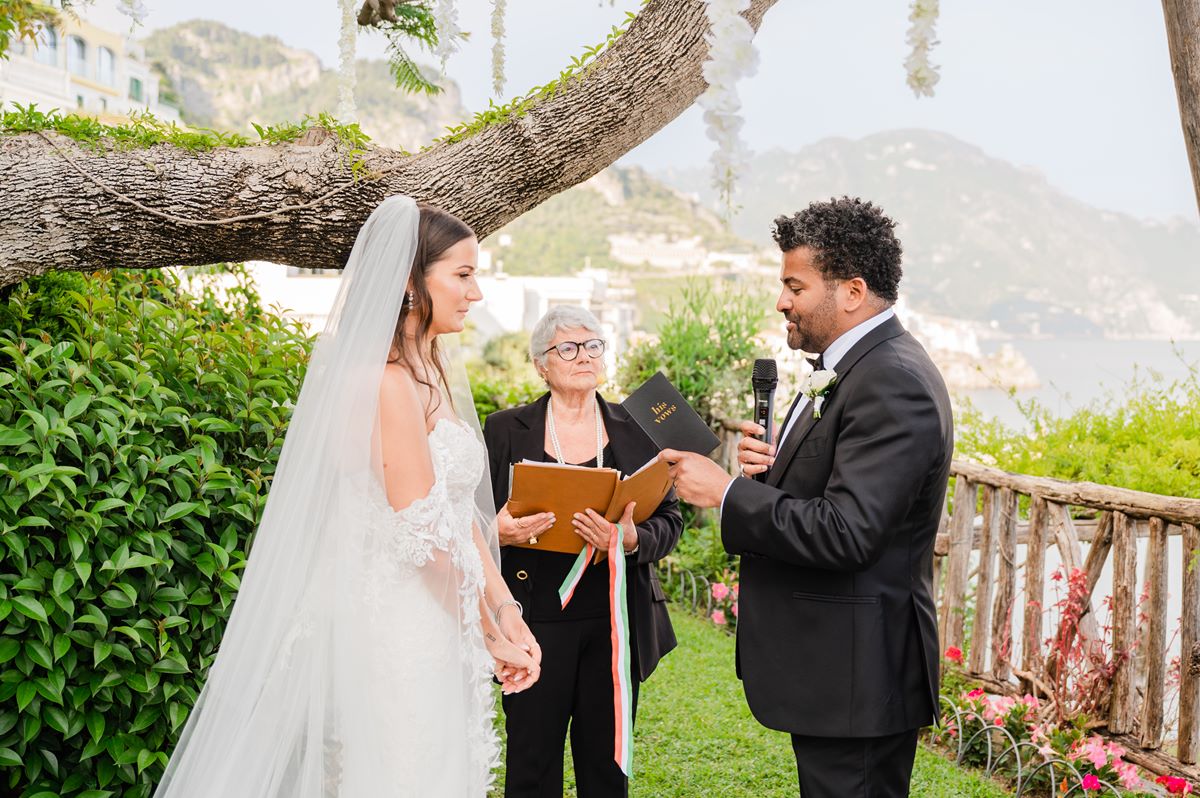

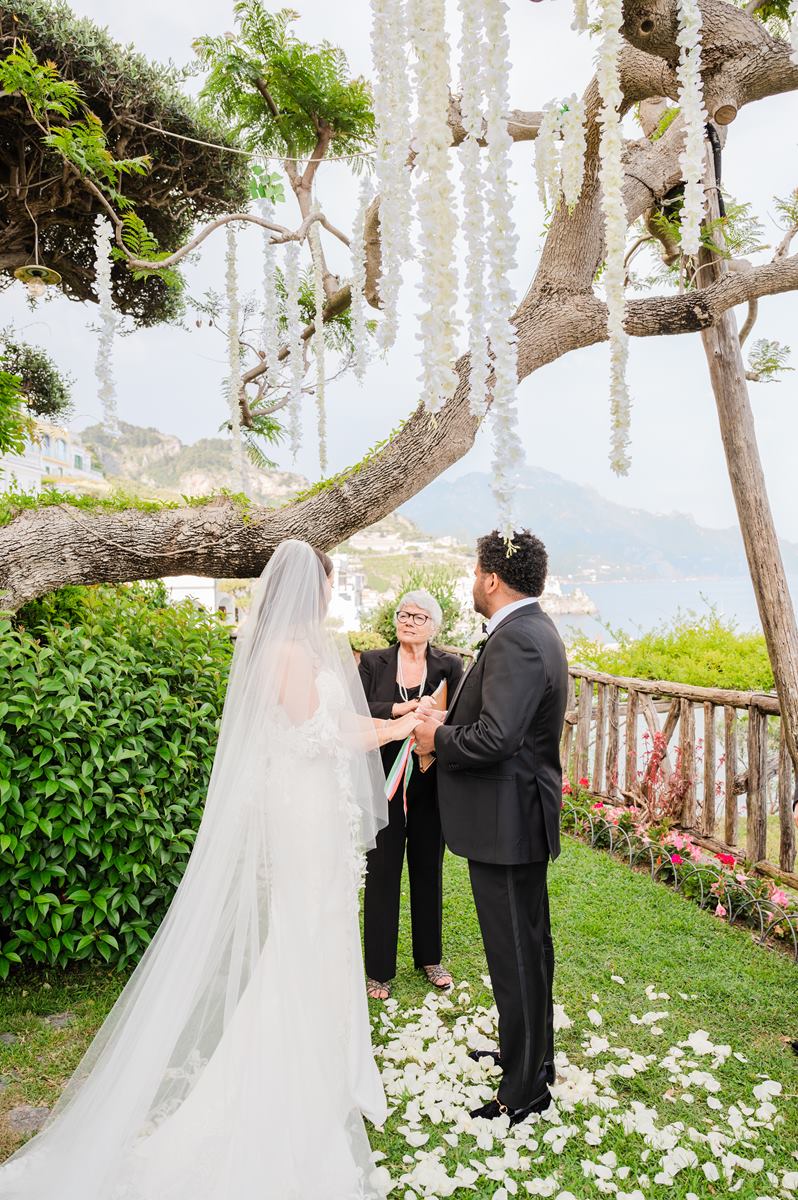
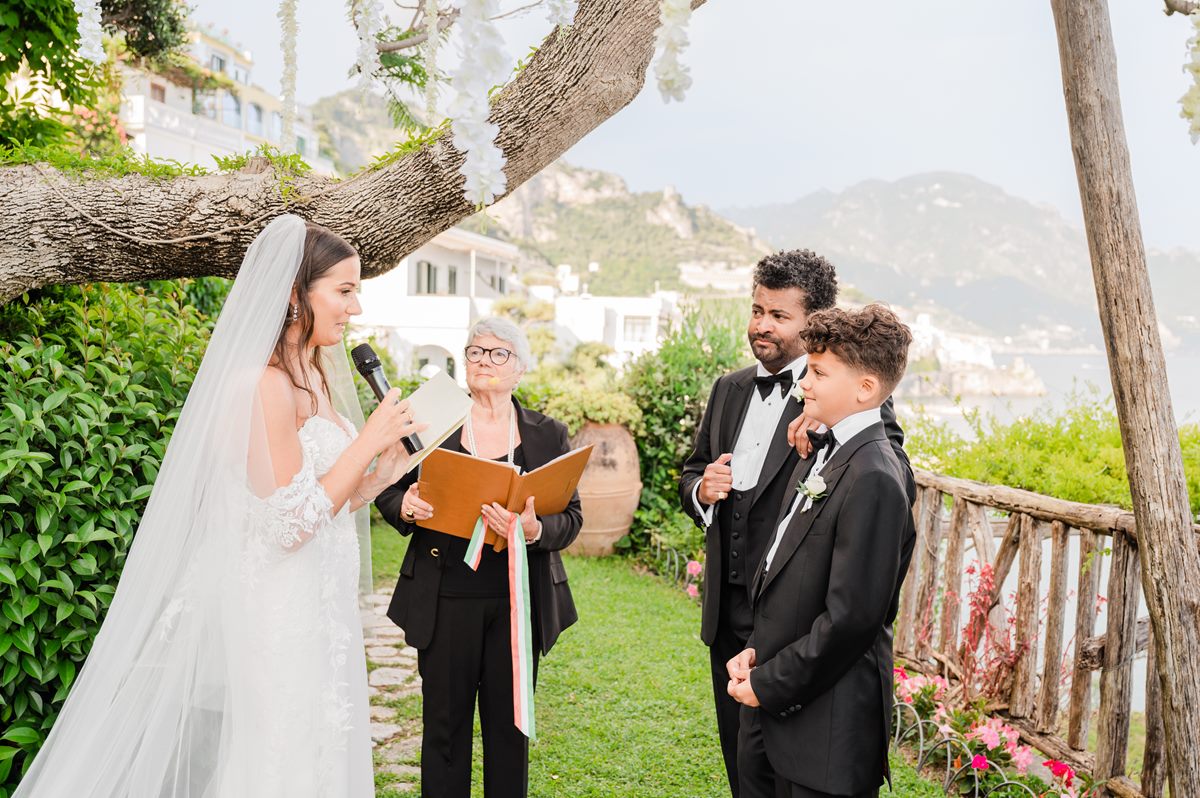
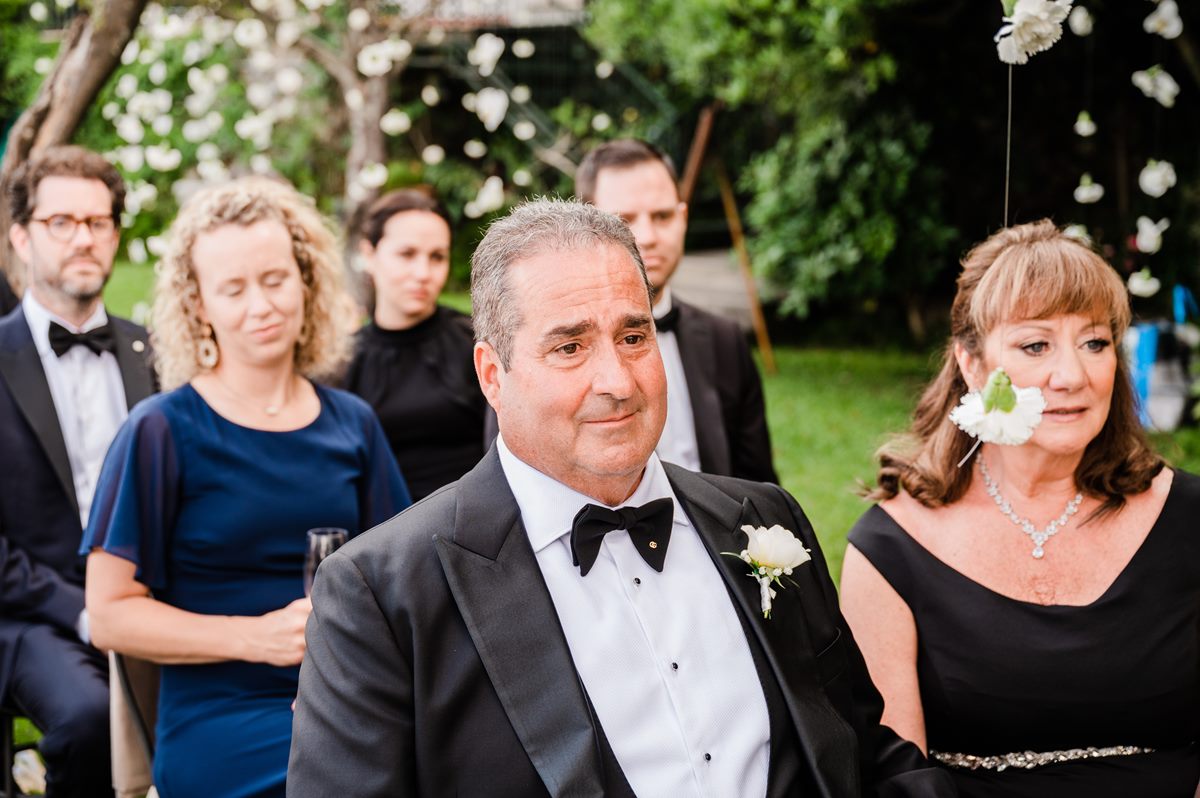
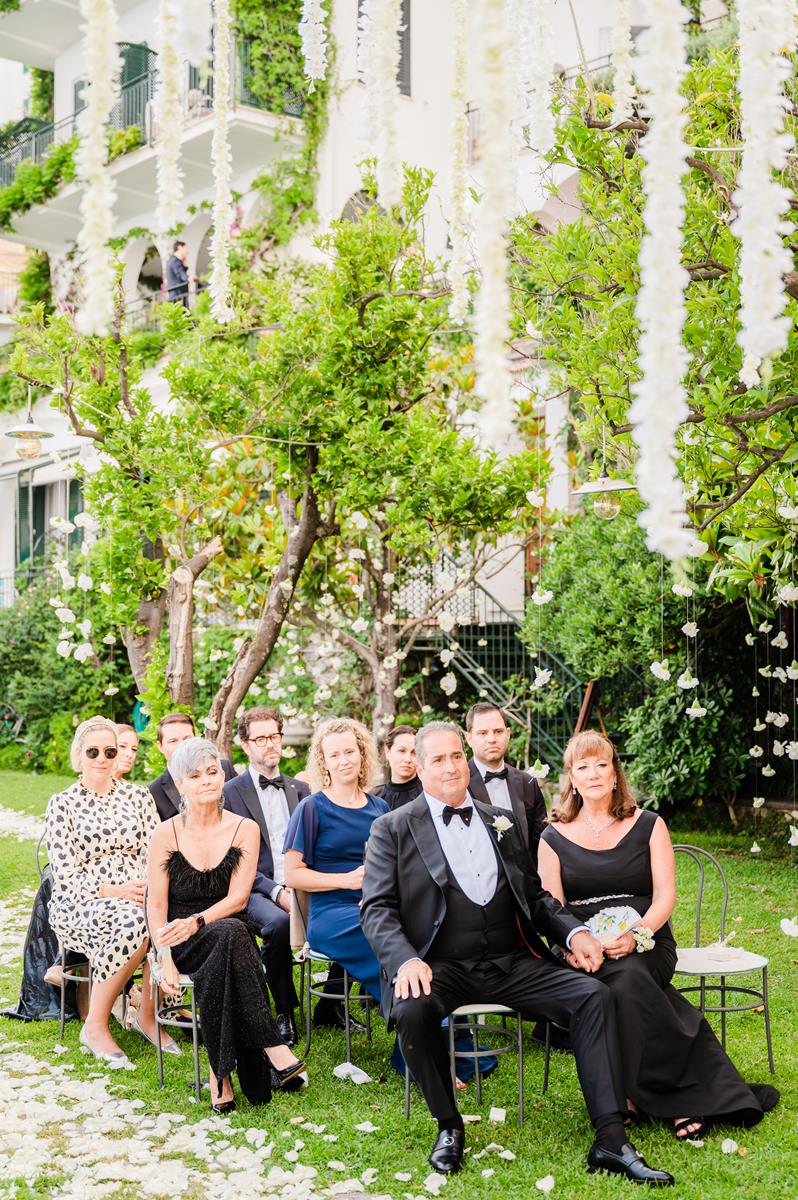


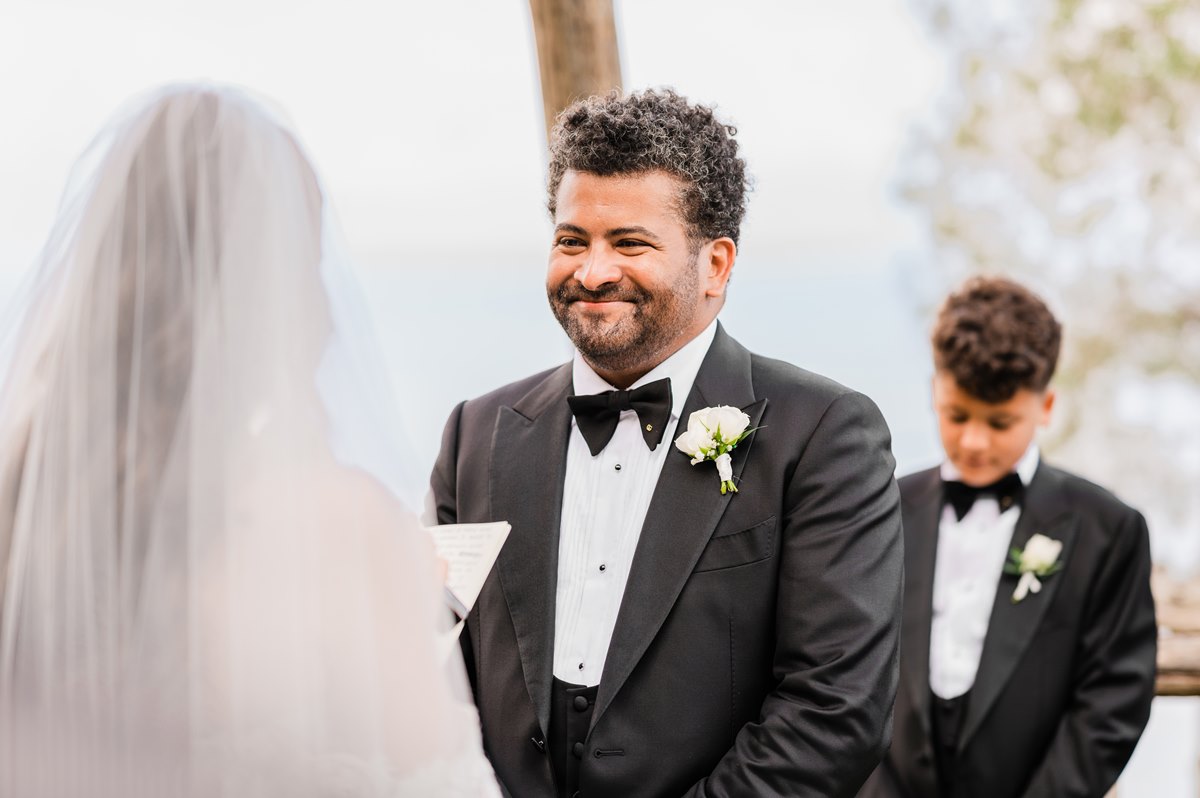
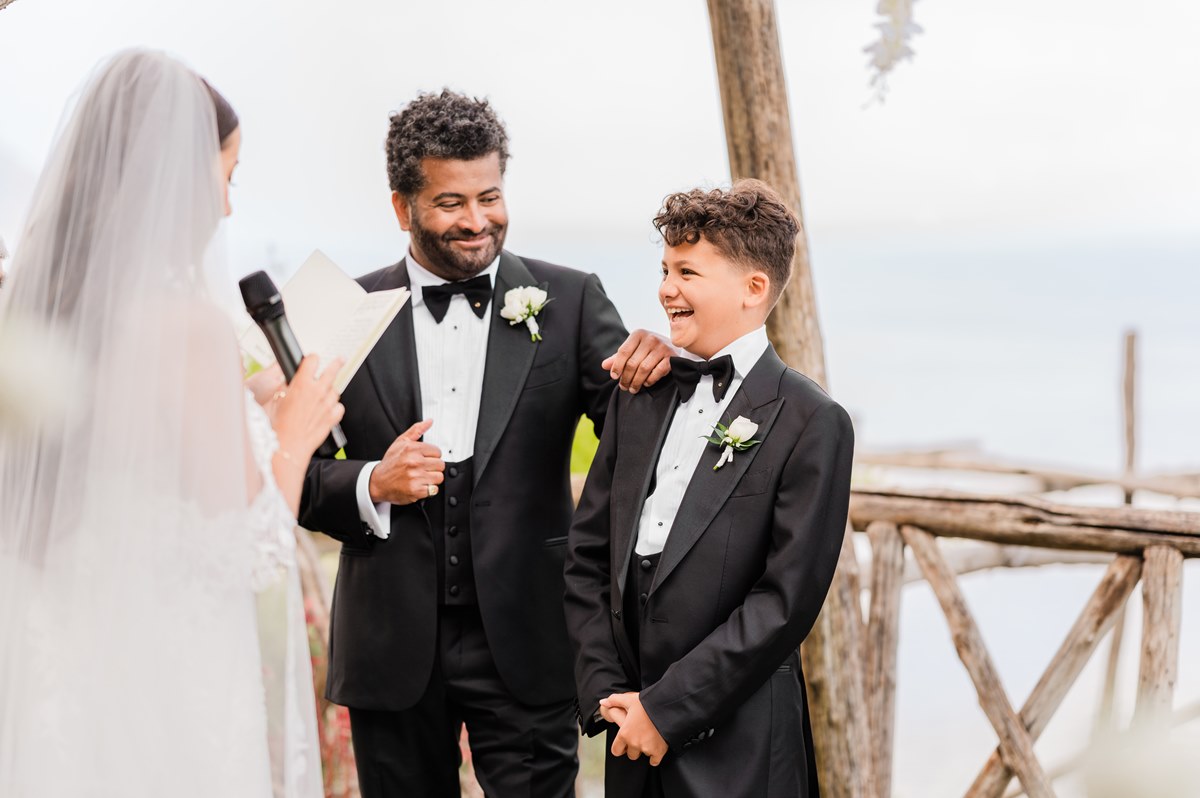
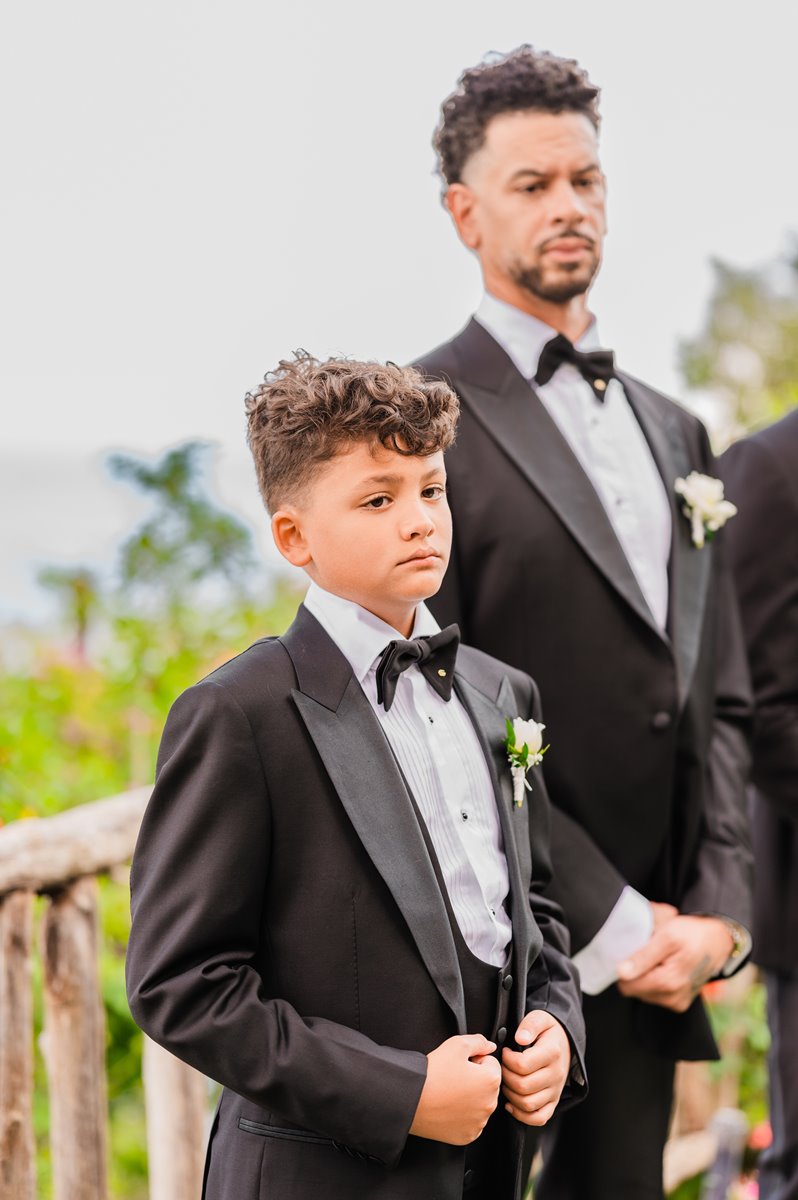
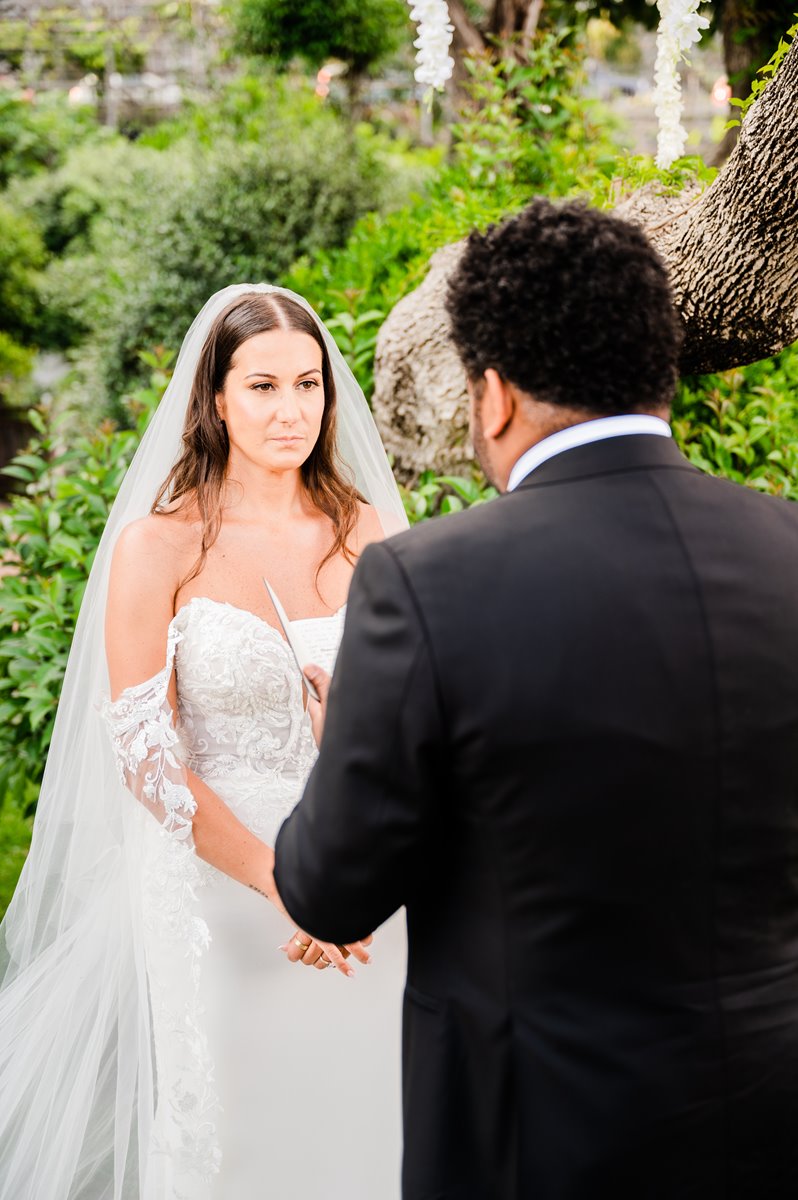
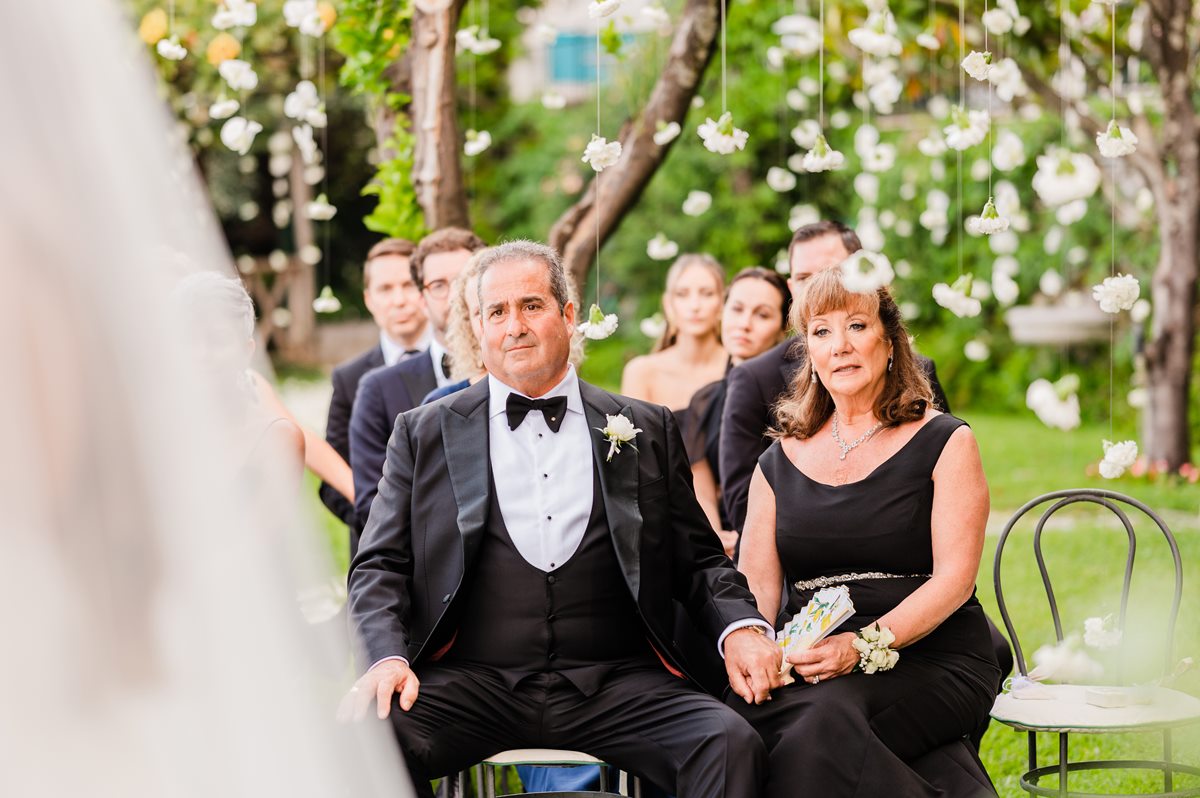

Capturing the Magic with an Amalfi Wedding Photographer
The Amalfi Coast is one of the most beautiful places in Italy, and it’s no wonder that so many couples choose to get married there. The scenery is stunning, with its rugged cliffs and azure waters, but there are also plenty of other reasons why an Amalfi wedding is a great idea. The area has a rich history and culture, which means that you can incorporate some local traditions into your big day.
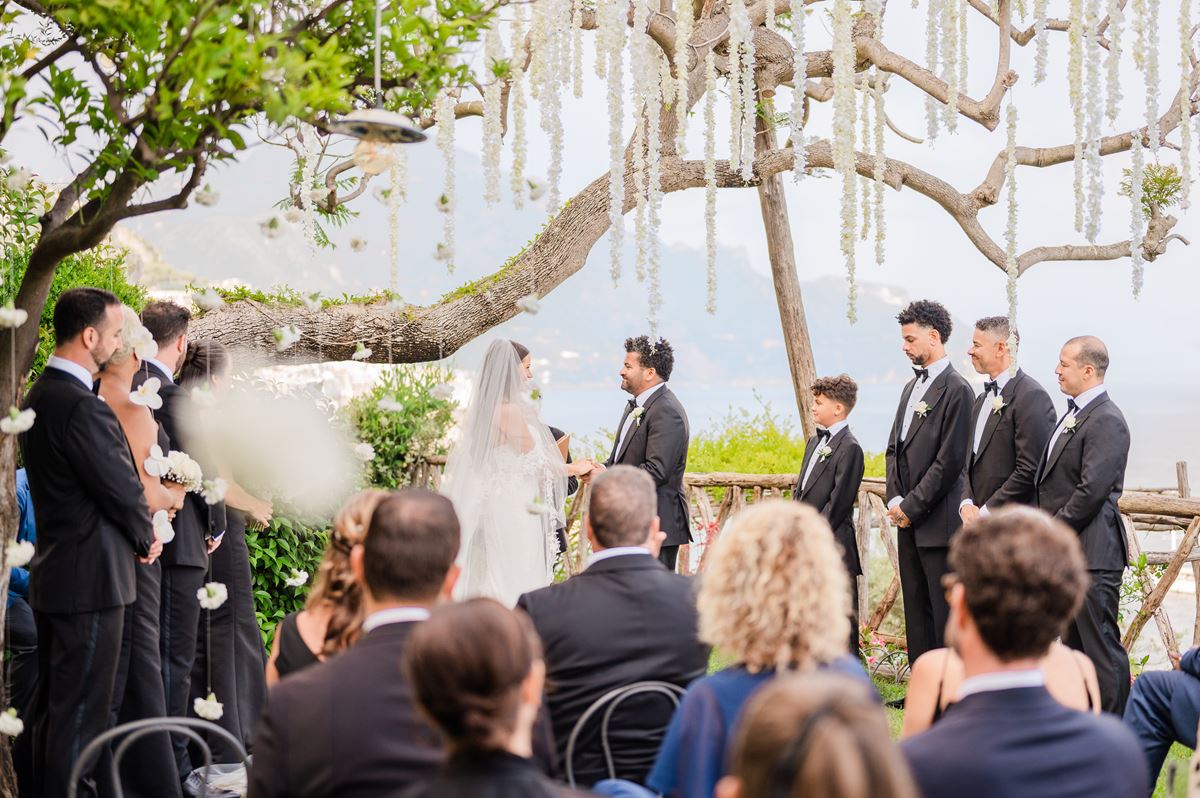
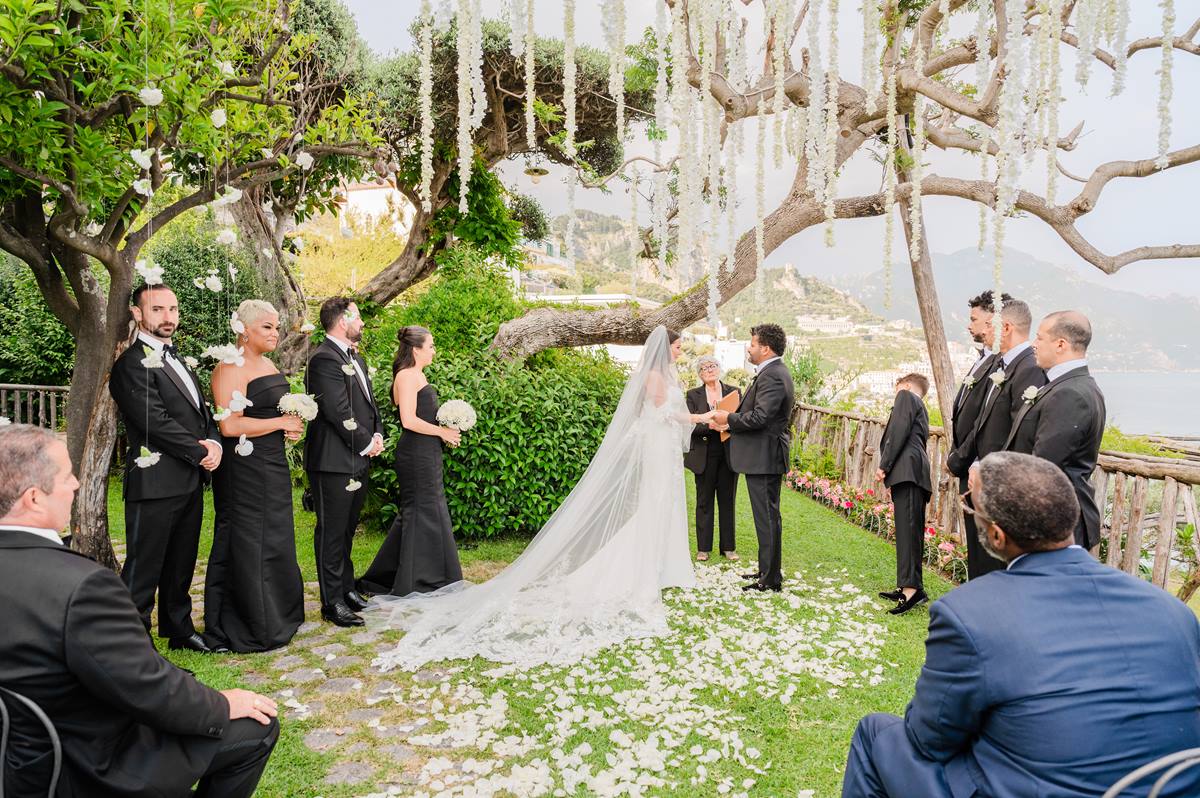
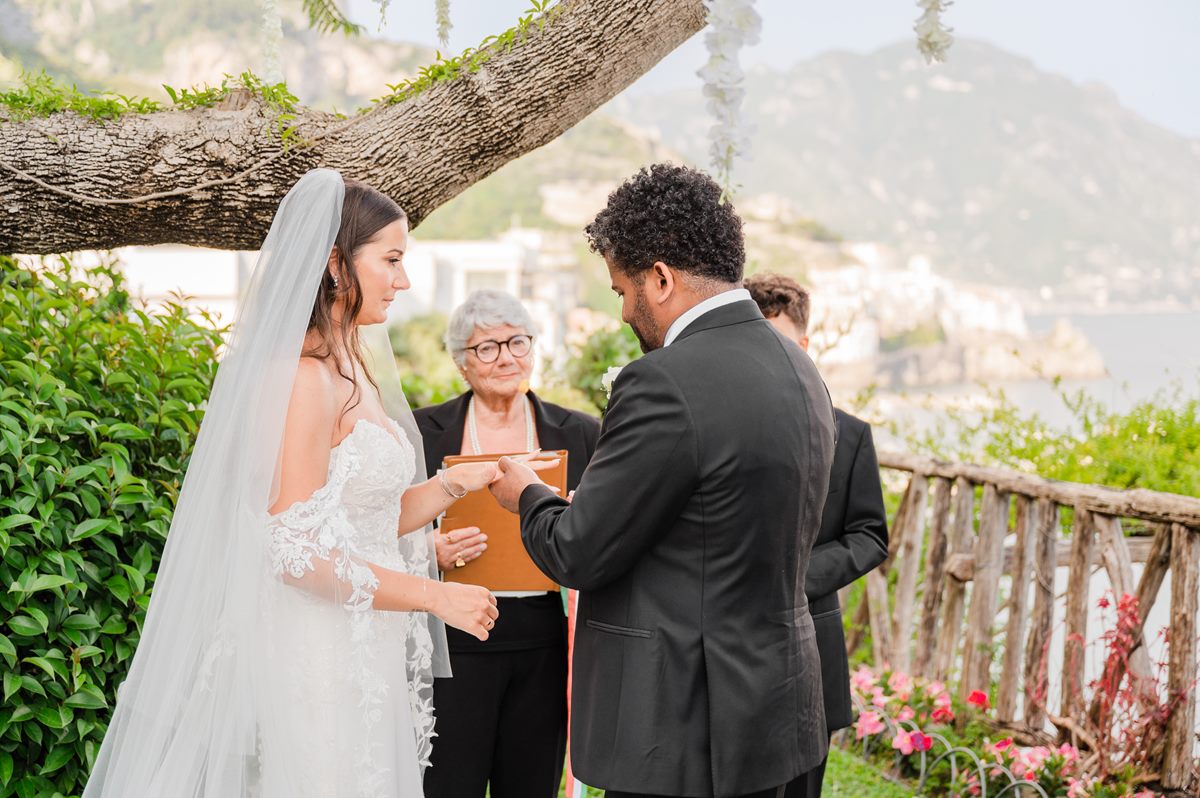
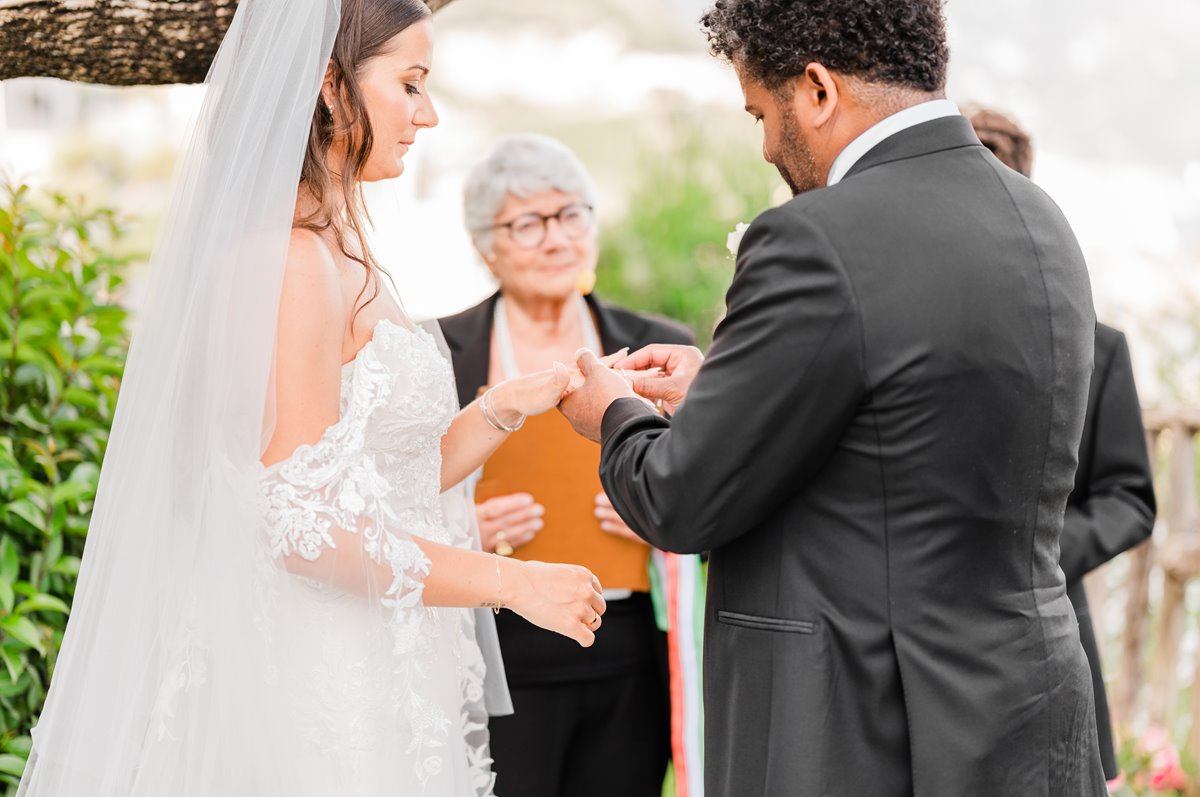
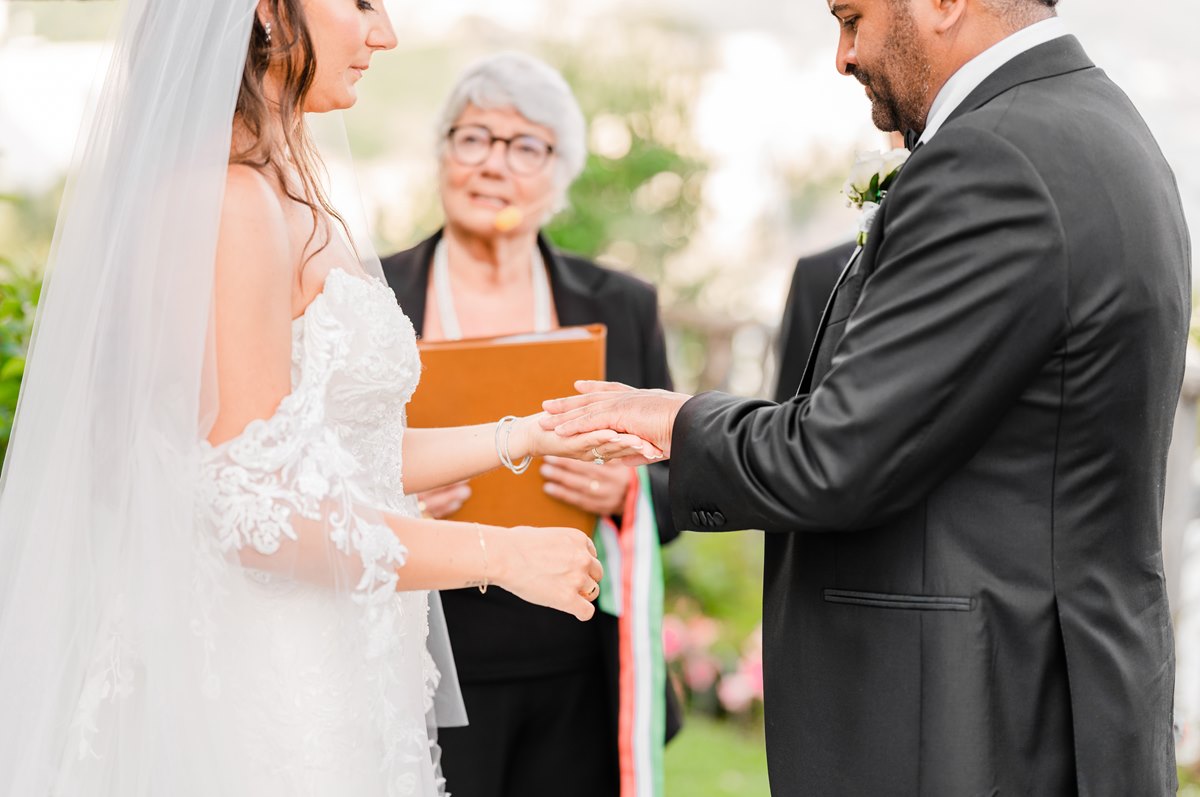
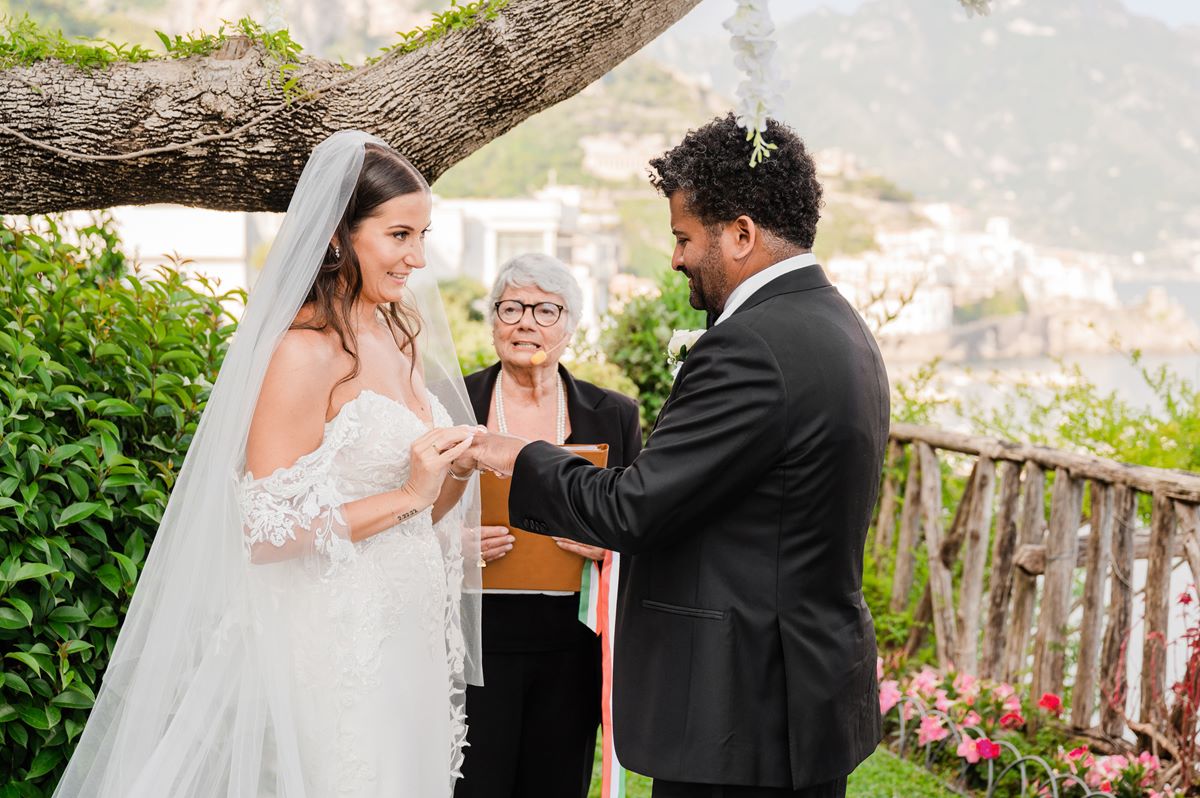
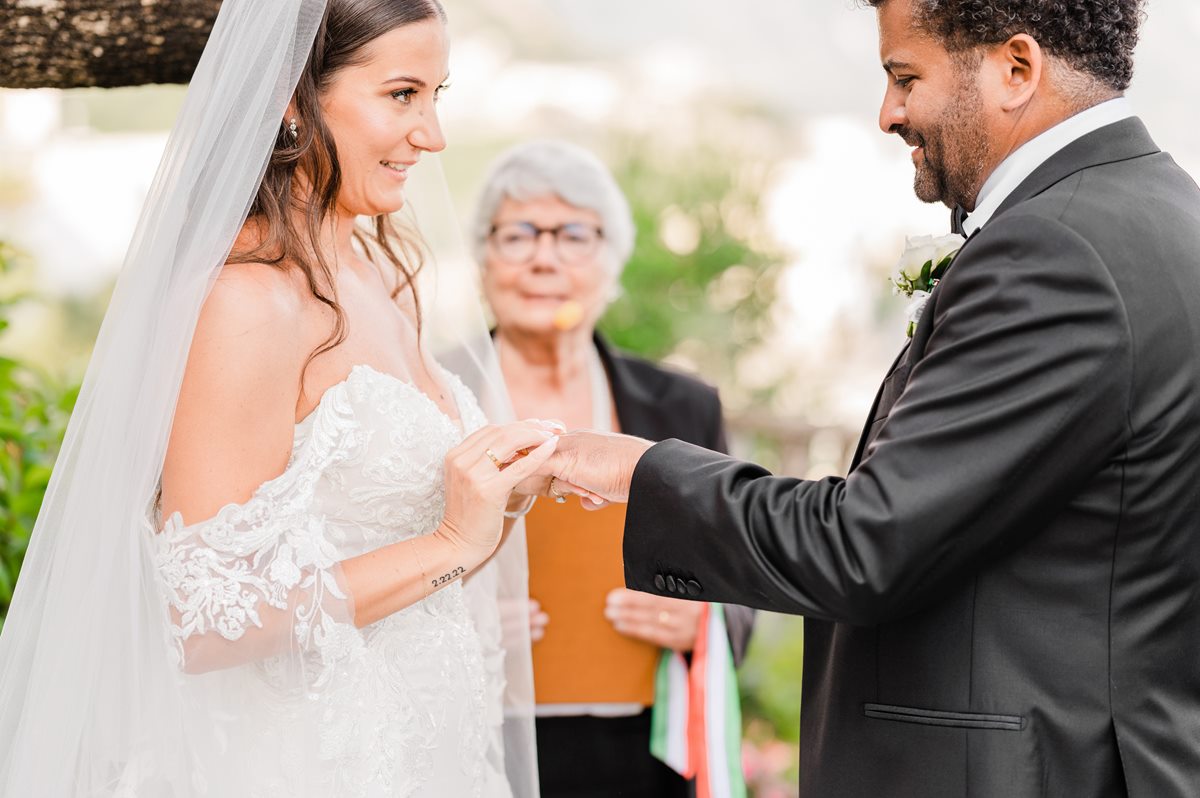

The Amalfi Coast is also home to some of the best food in Italy, so you can be sure that your guests will have a great time eating and drinking their way through your wedding weekend. However, one of the most important things to consider when planning an Amalfi wedding is how you’re going to capture all of those magical moments on camera.

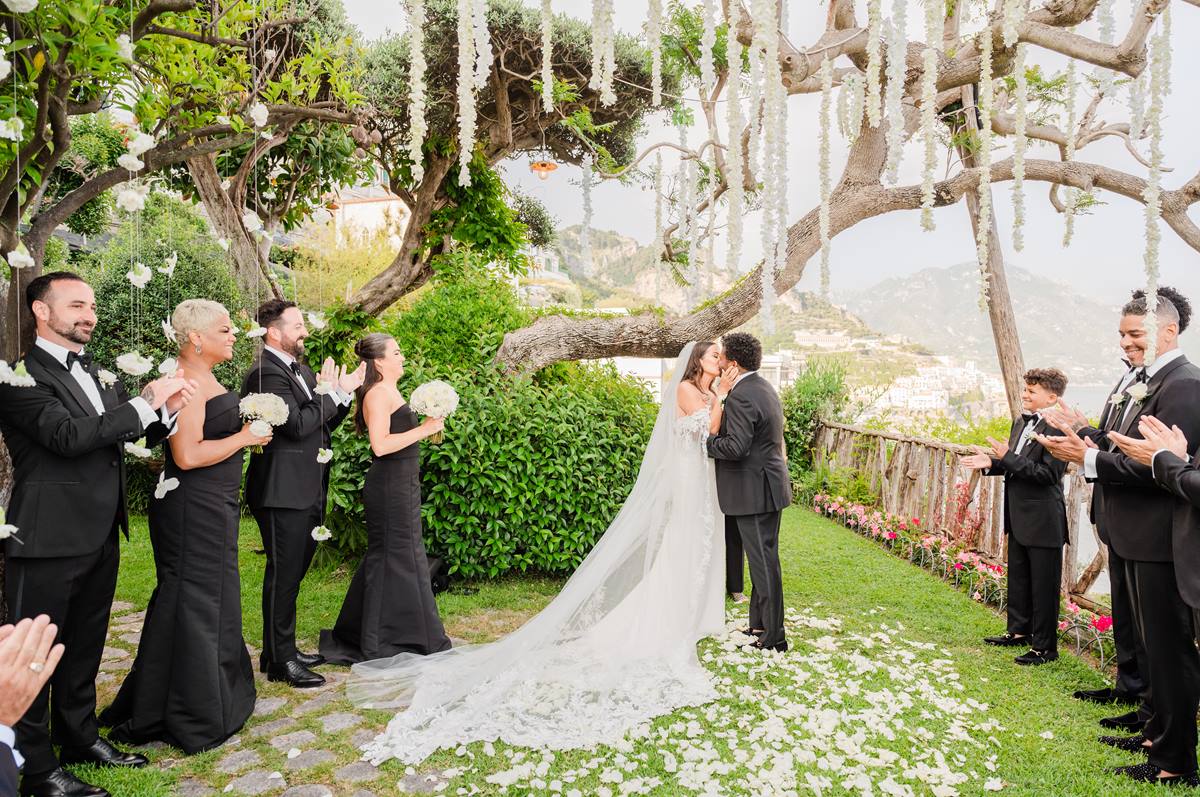
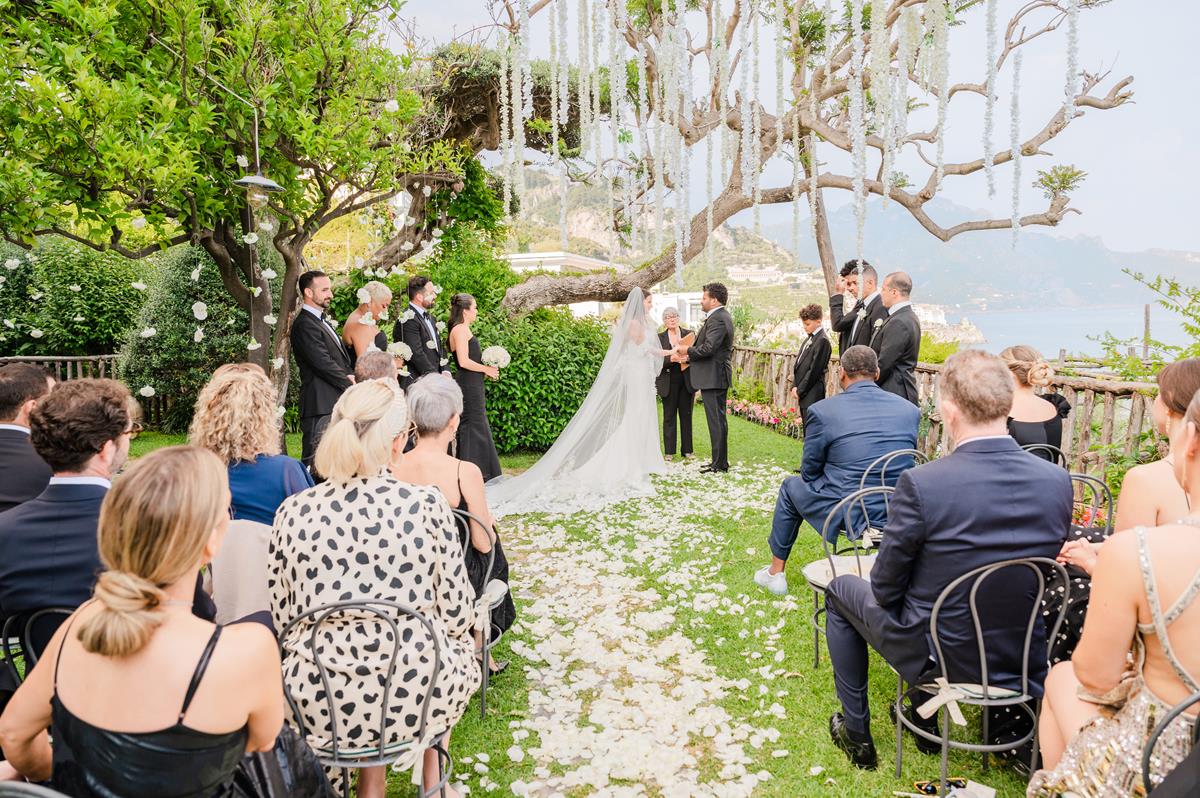
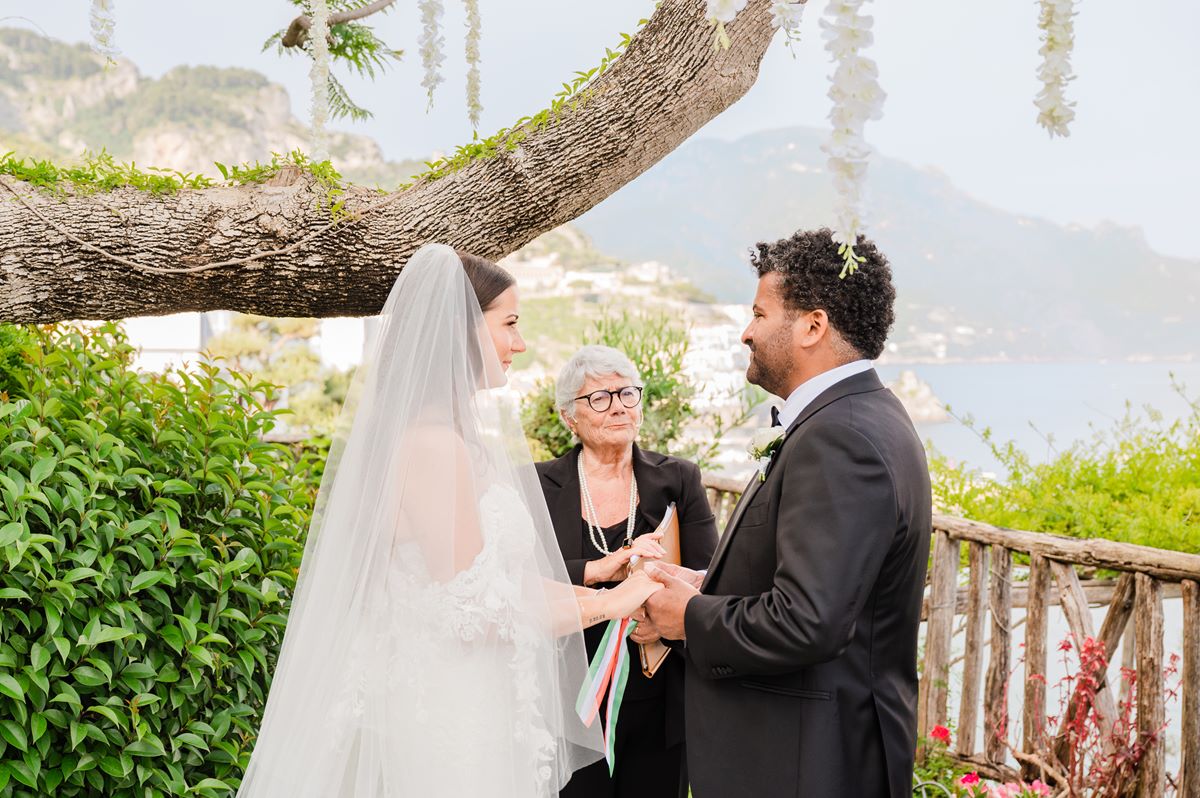
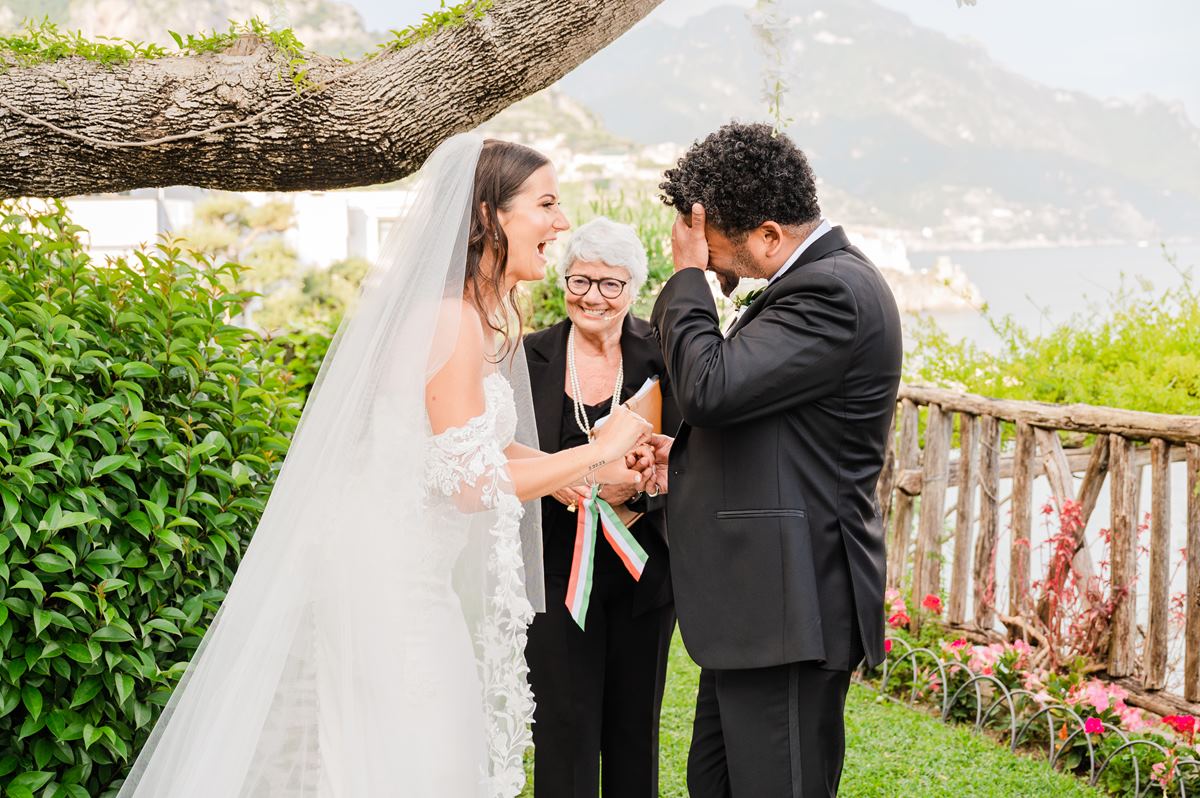
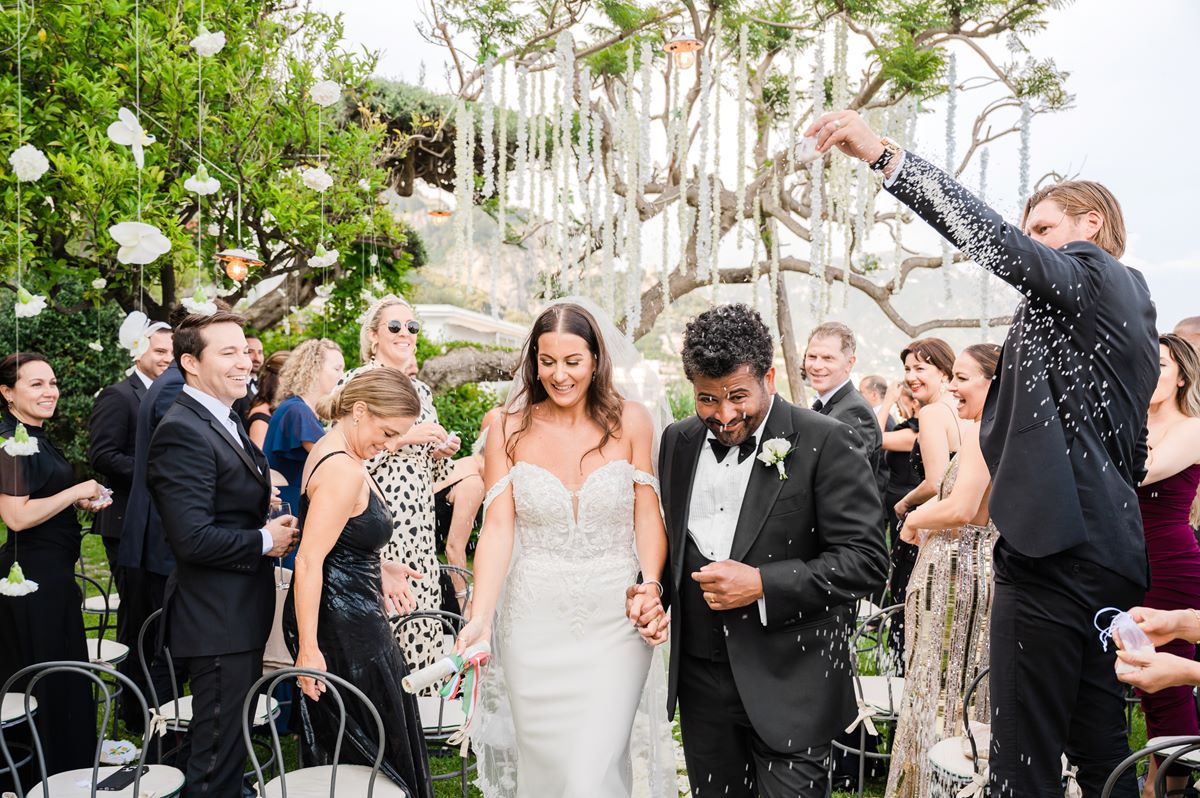
The Role of a Photographer in Your Hotel Santa Caterina Wedding
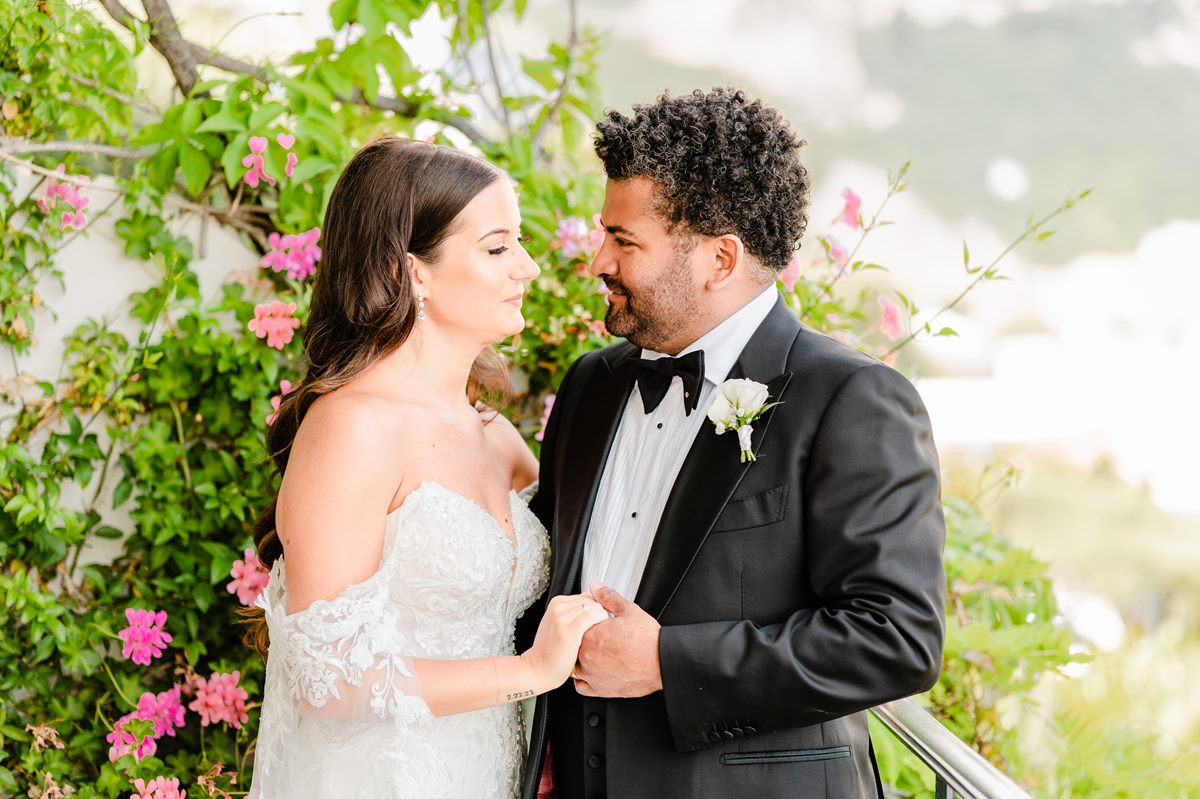
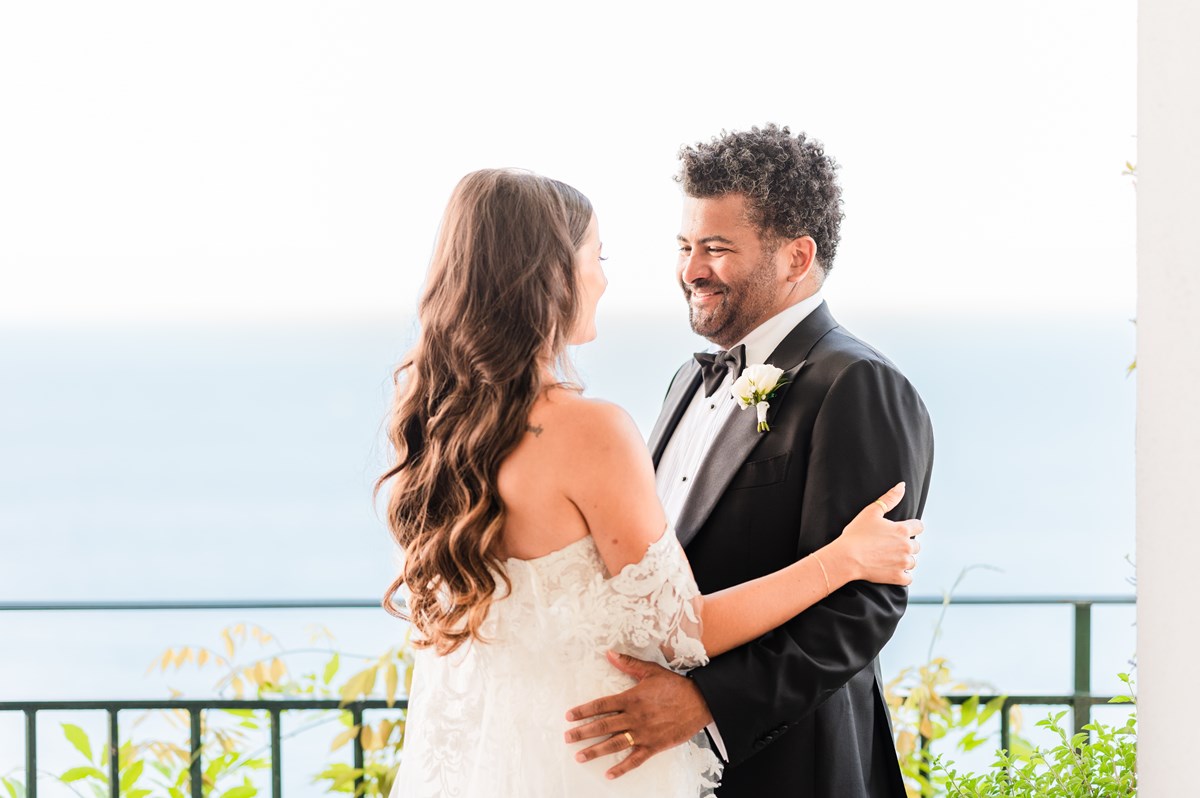
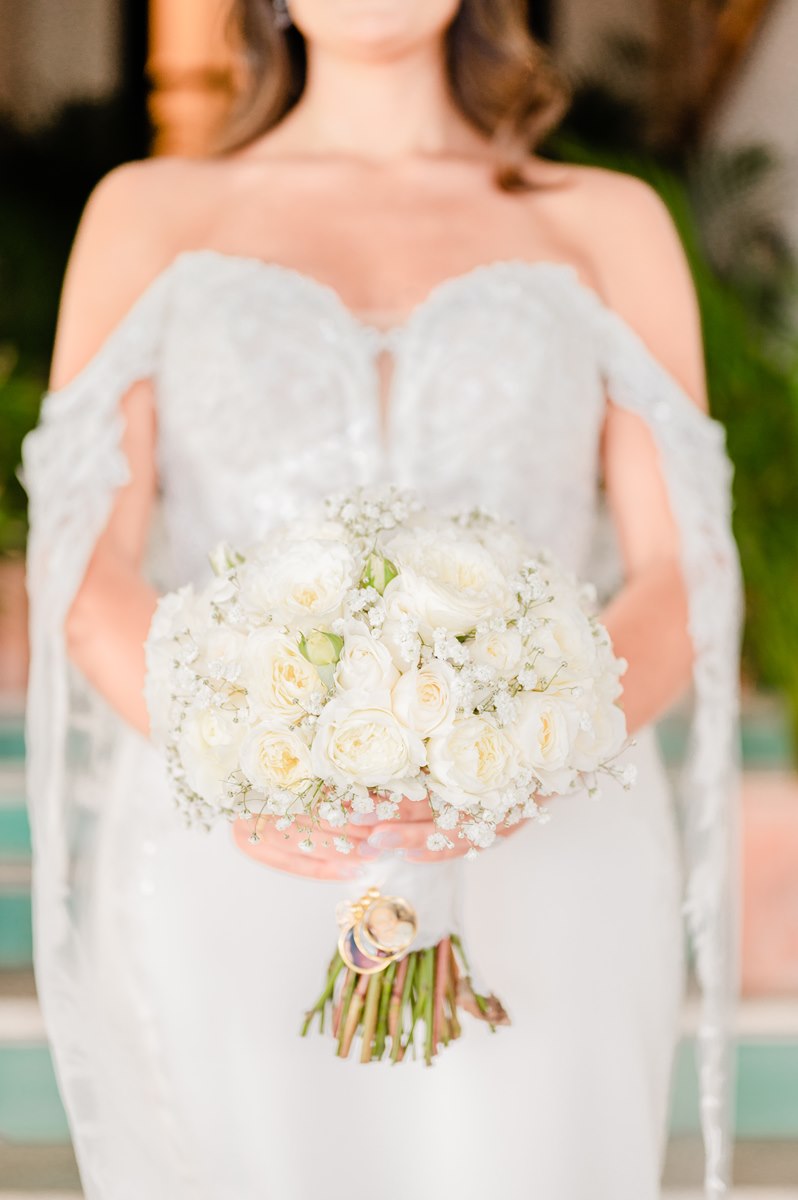
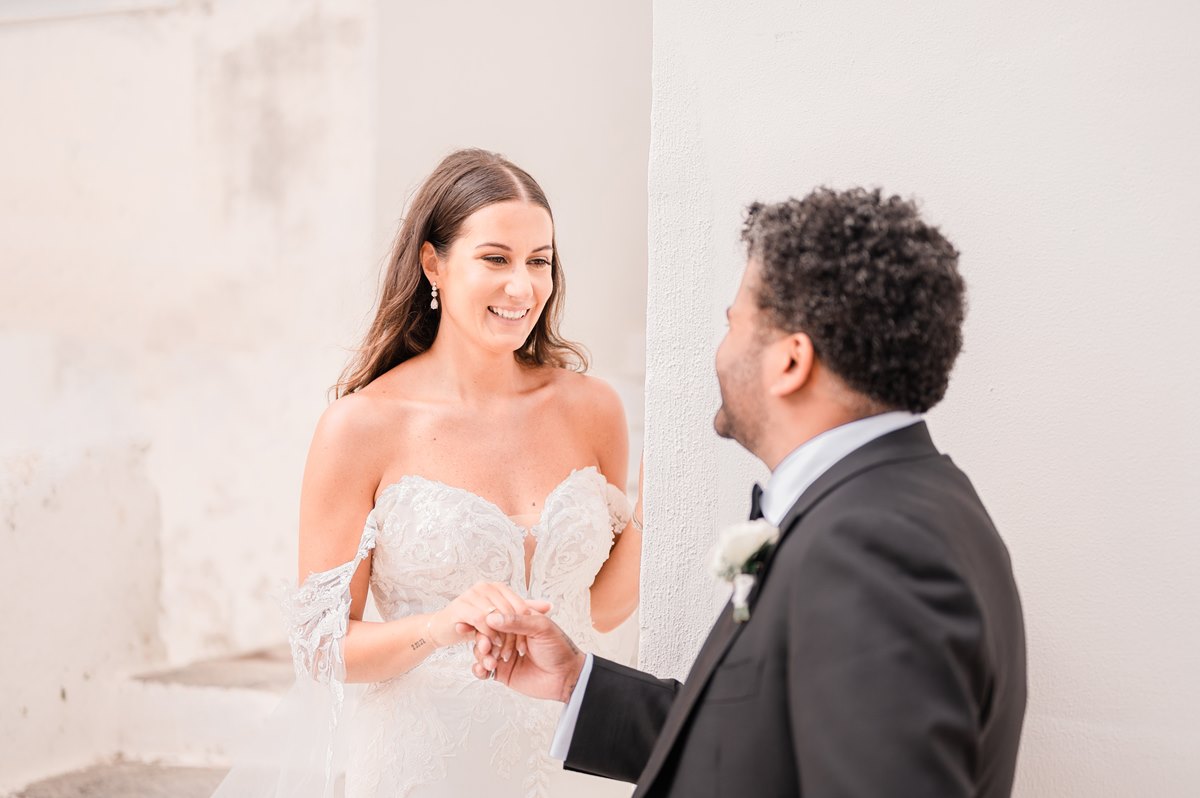
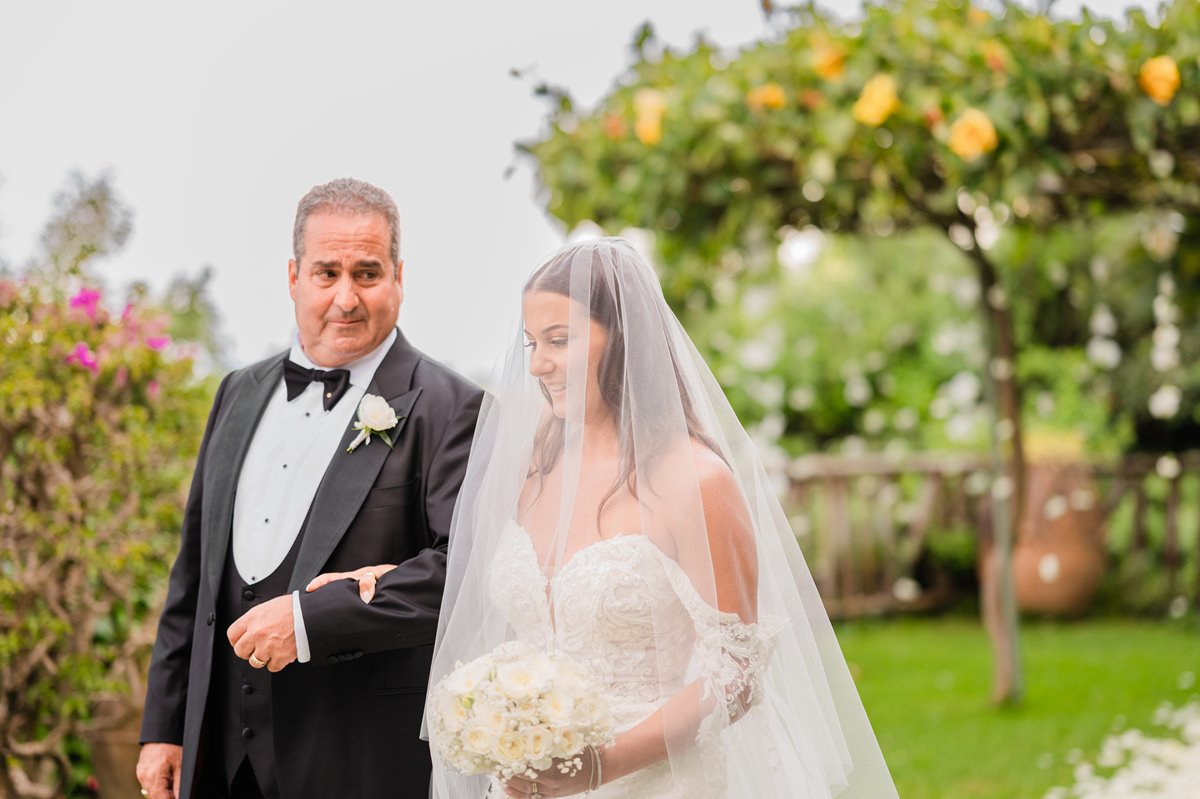
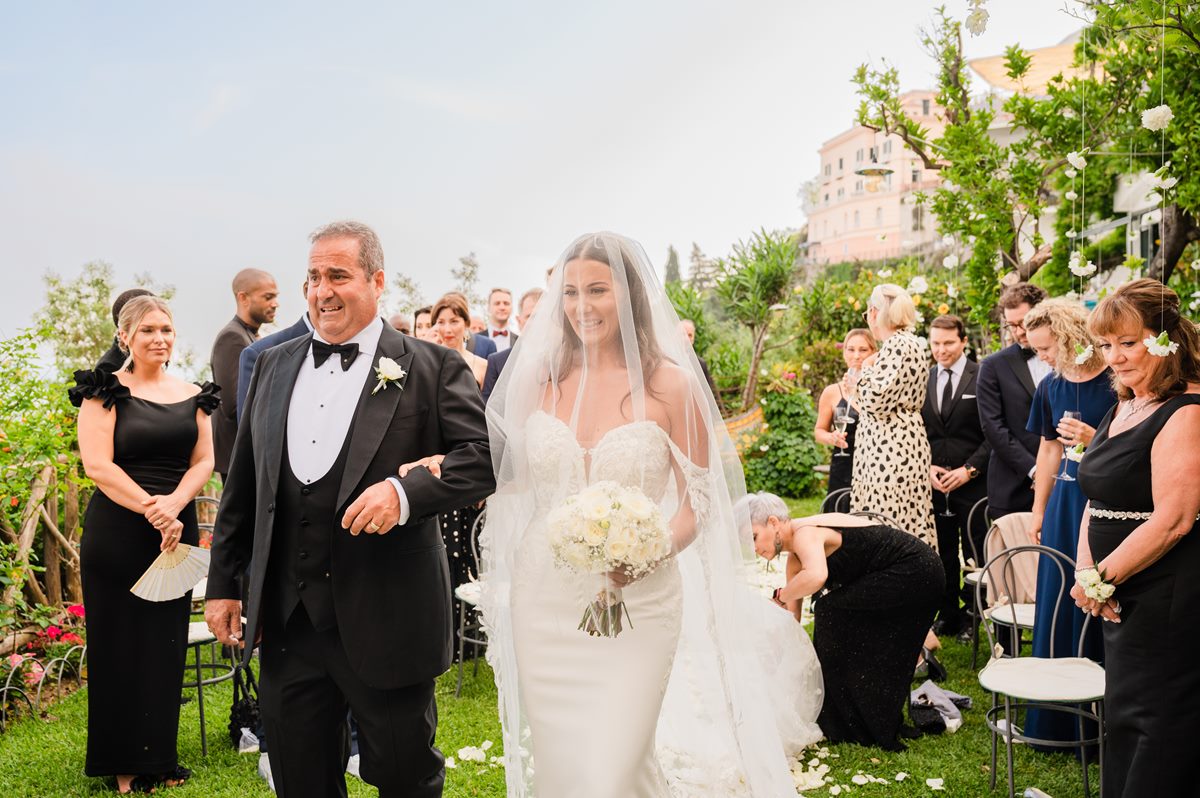
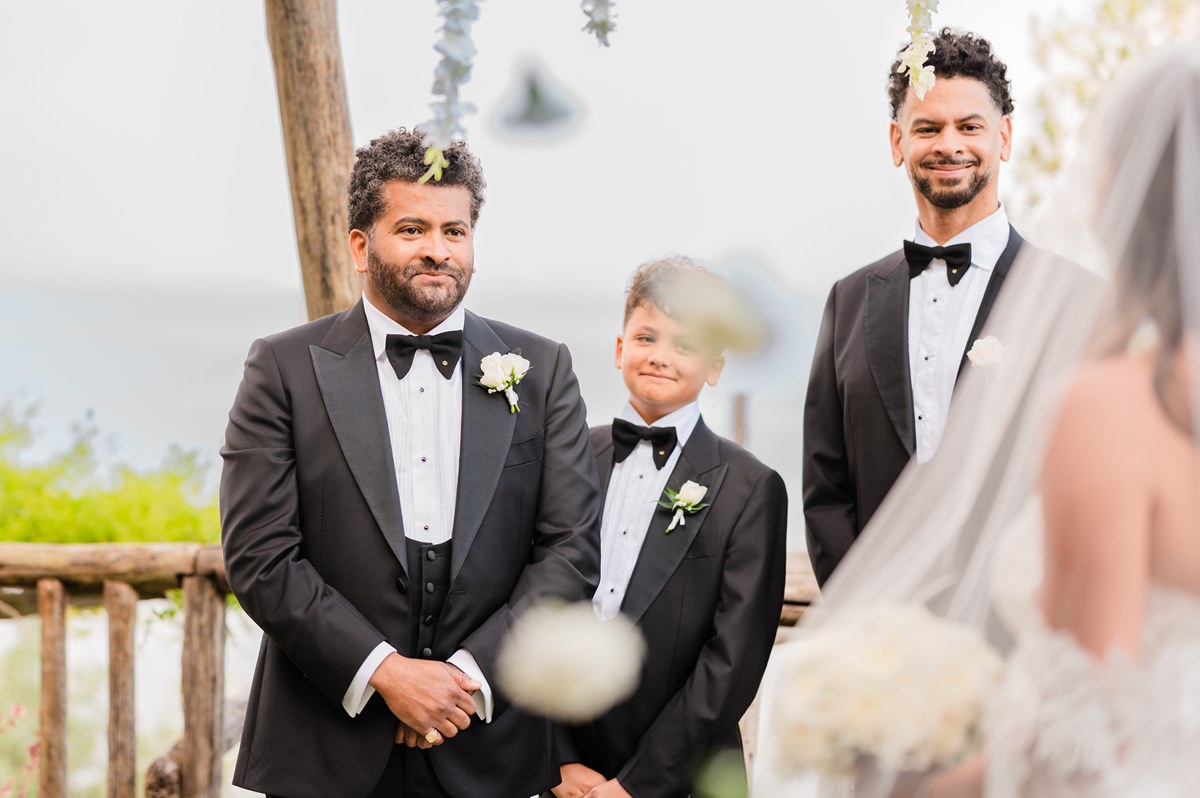
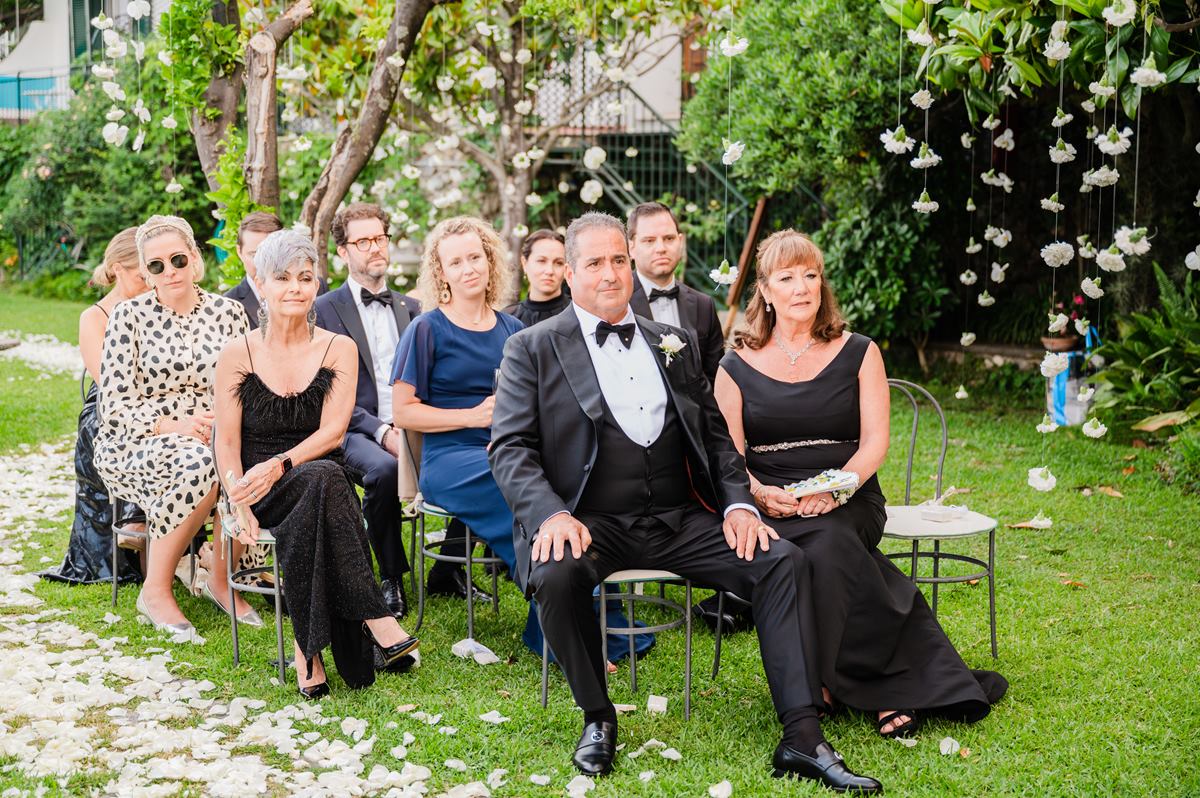
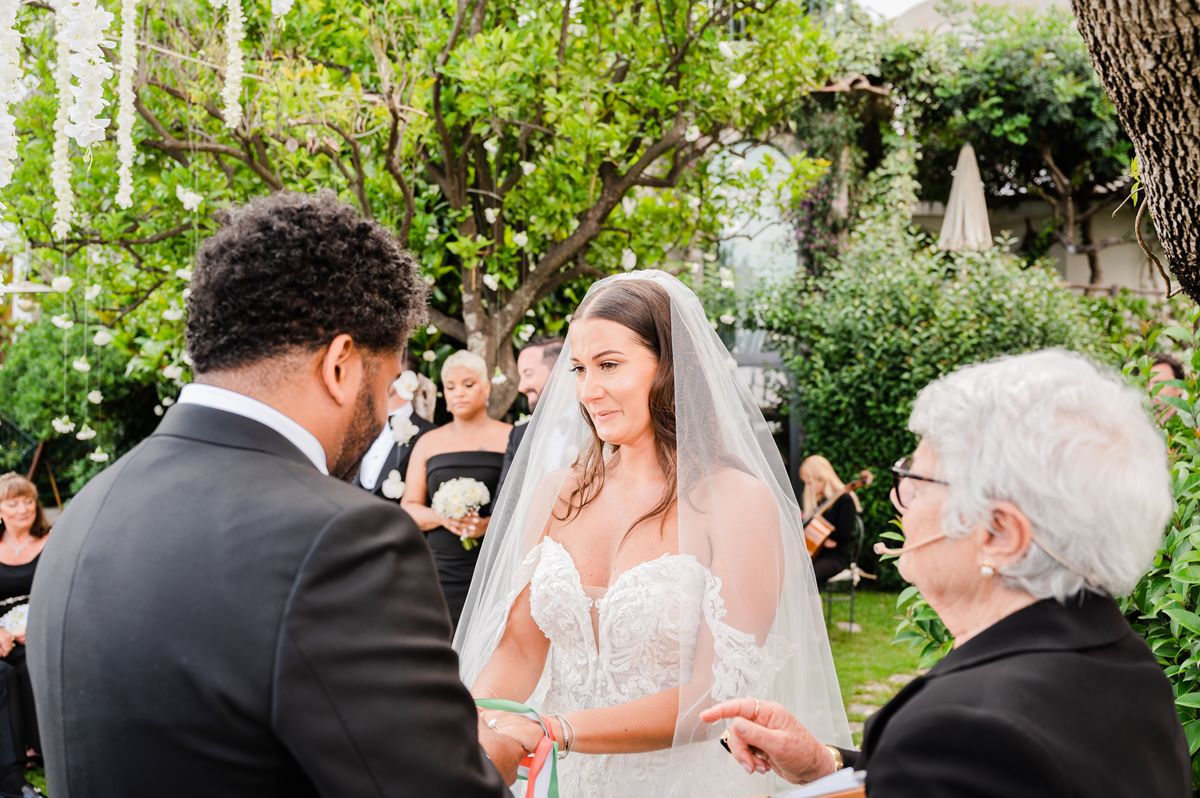
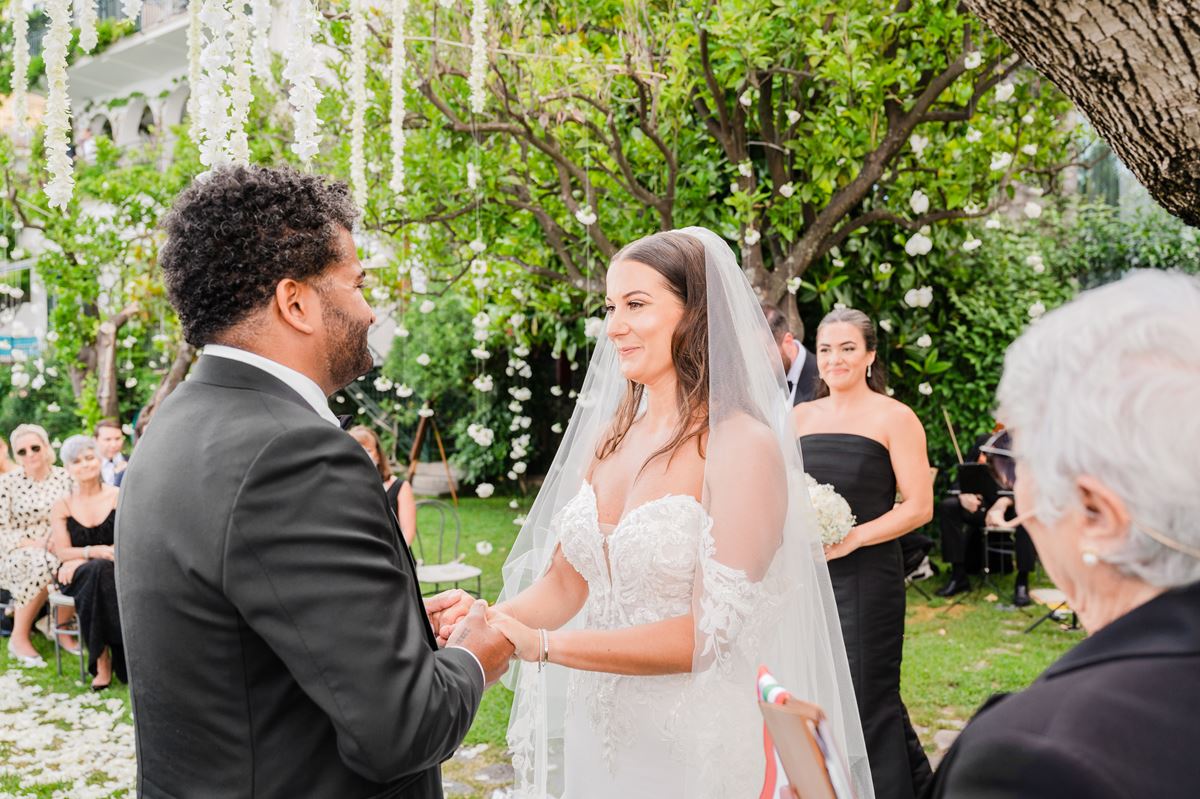
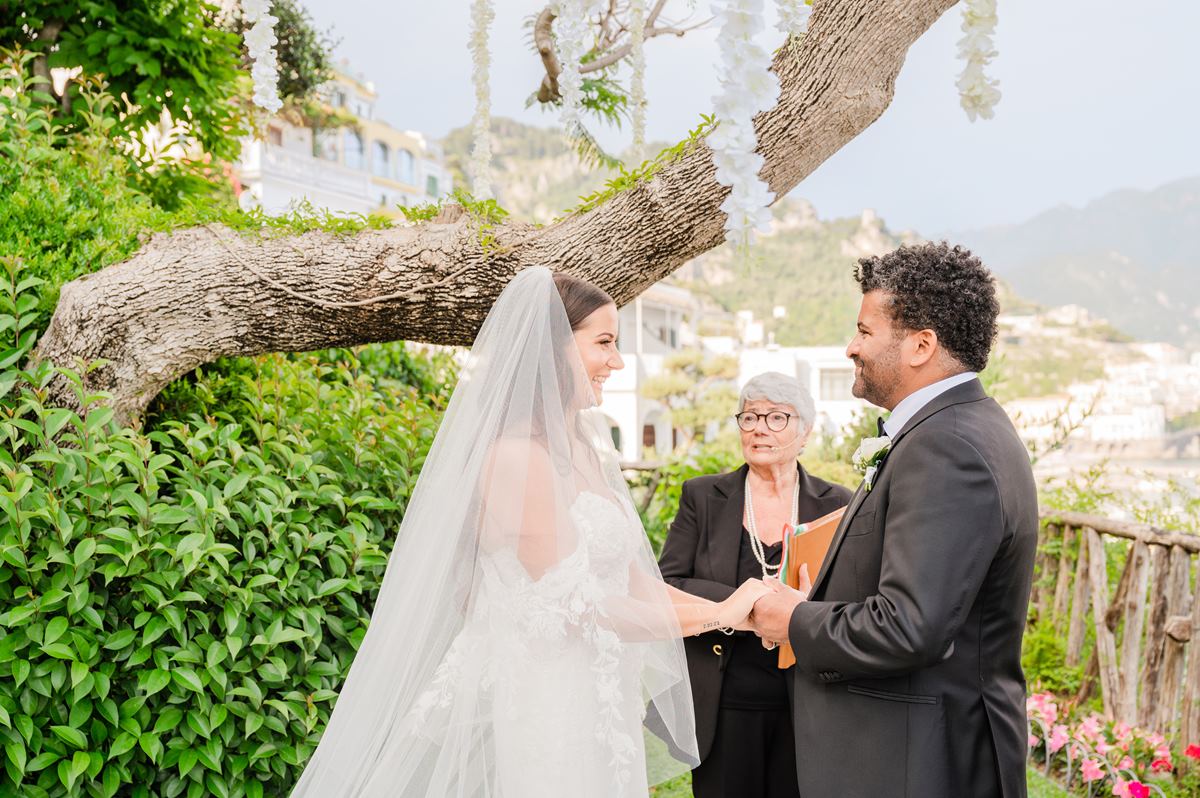
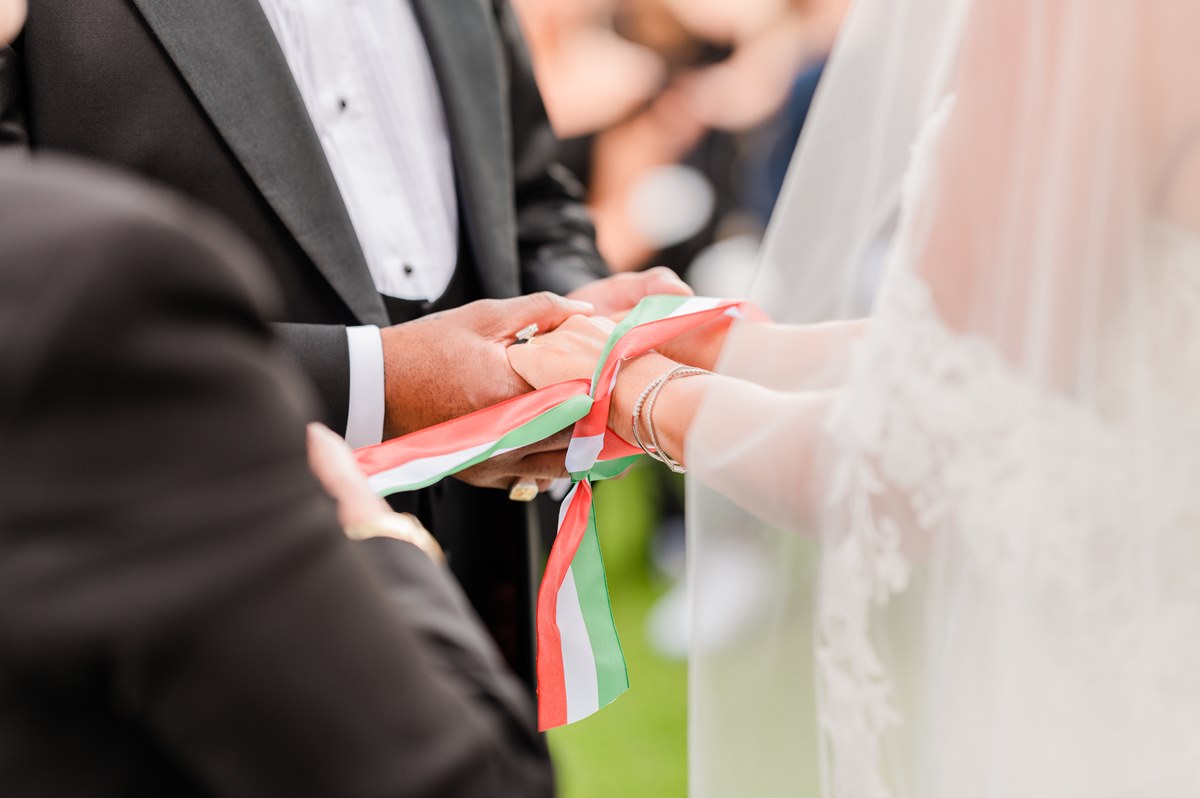
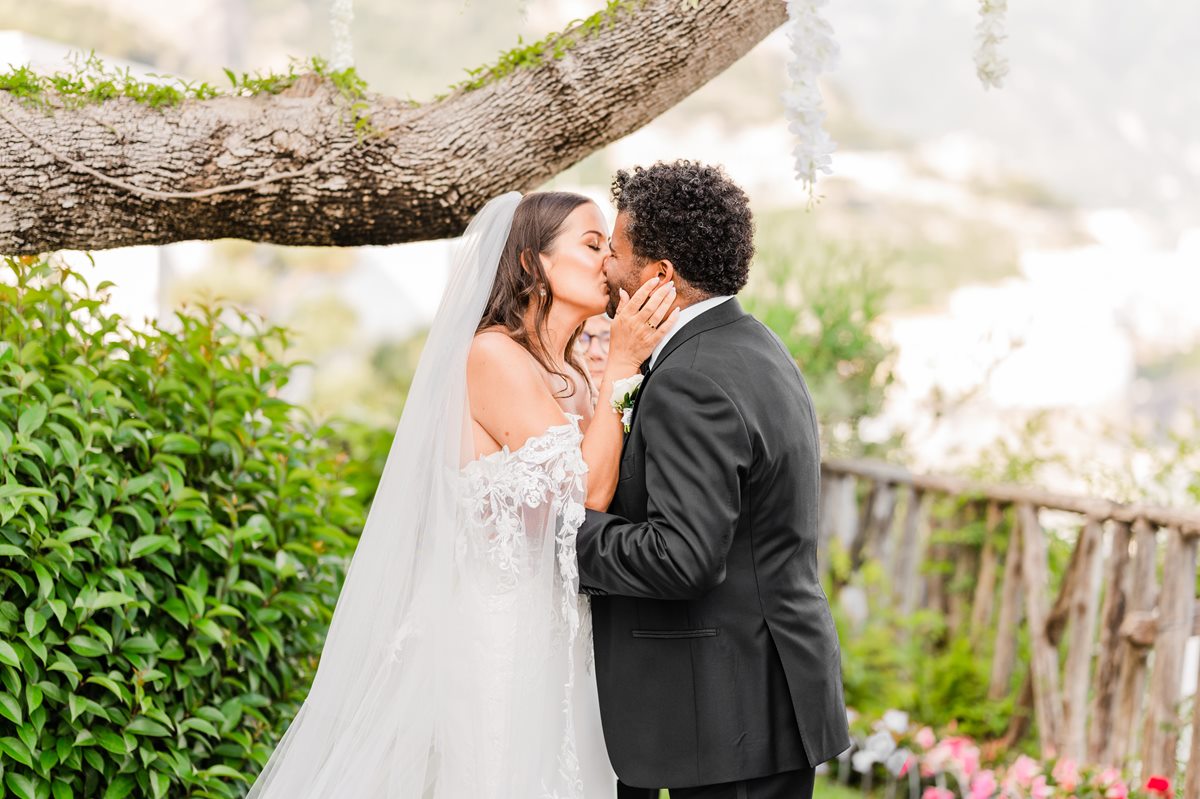
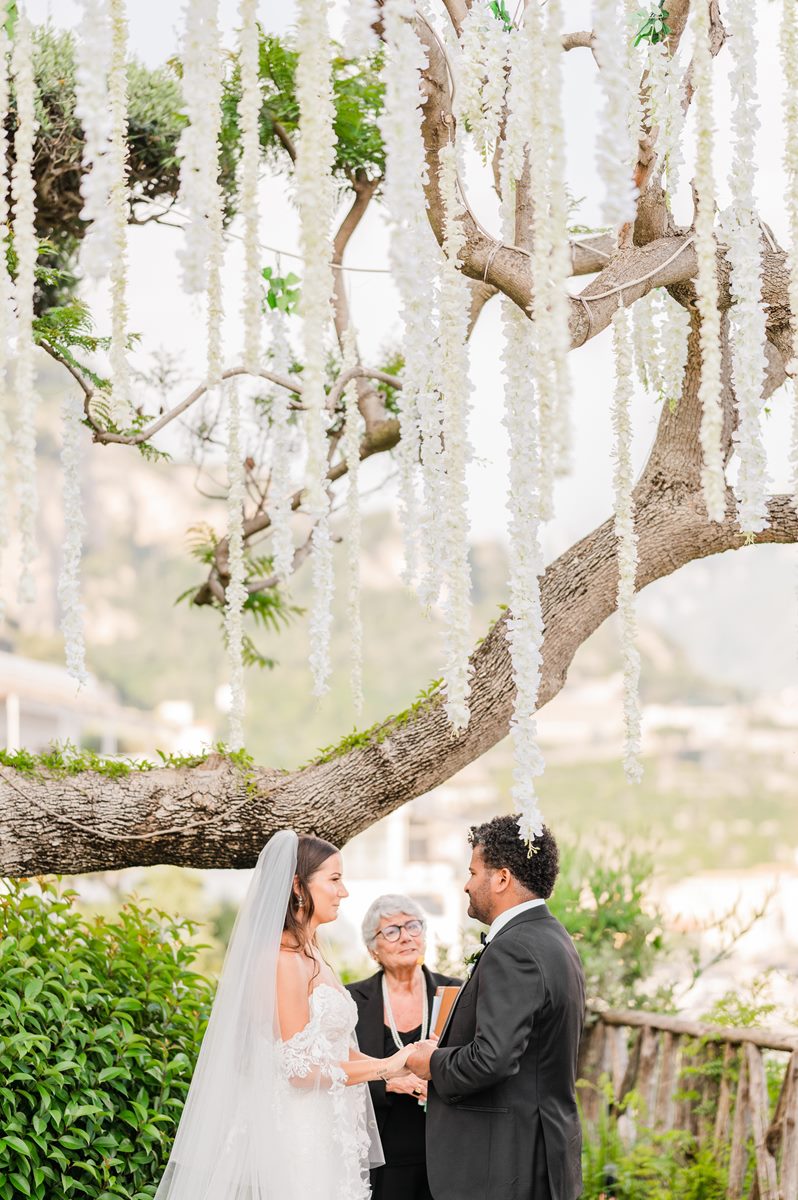
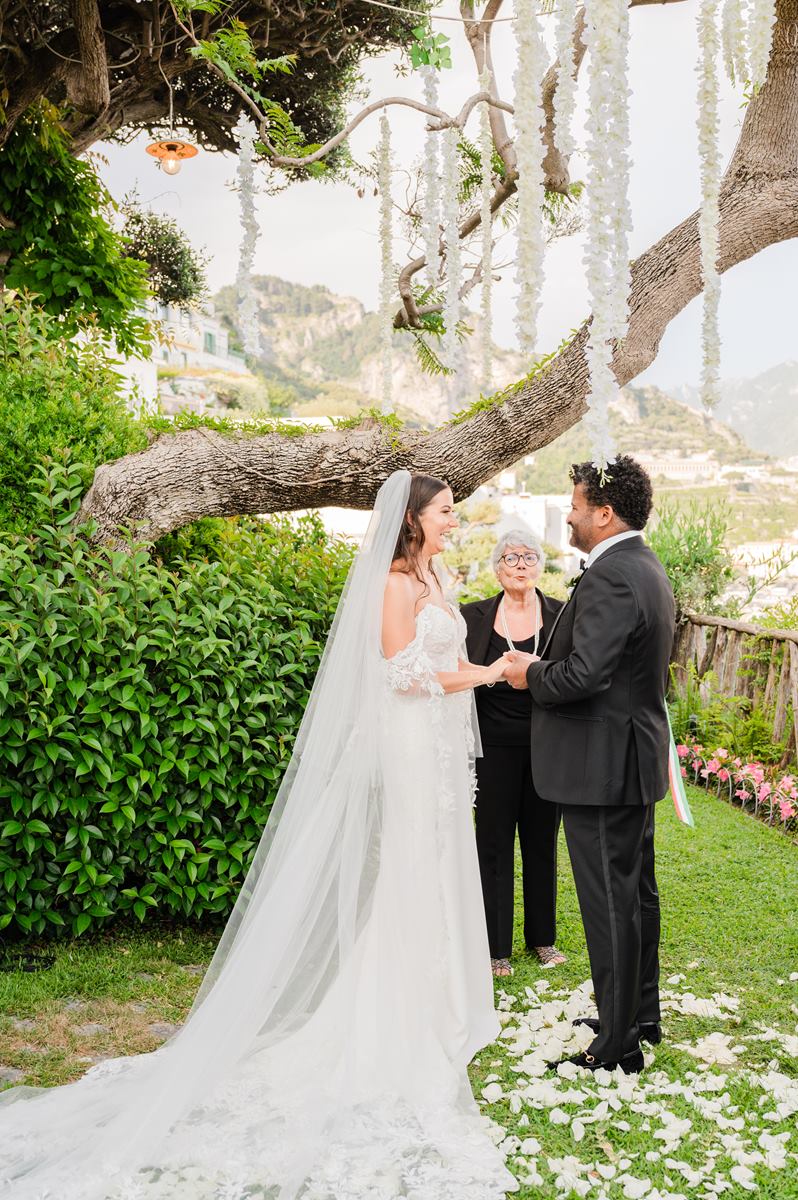
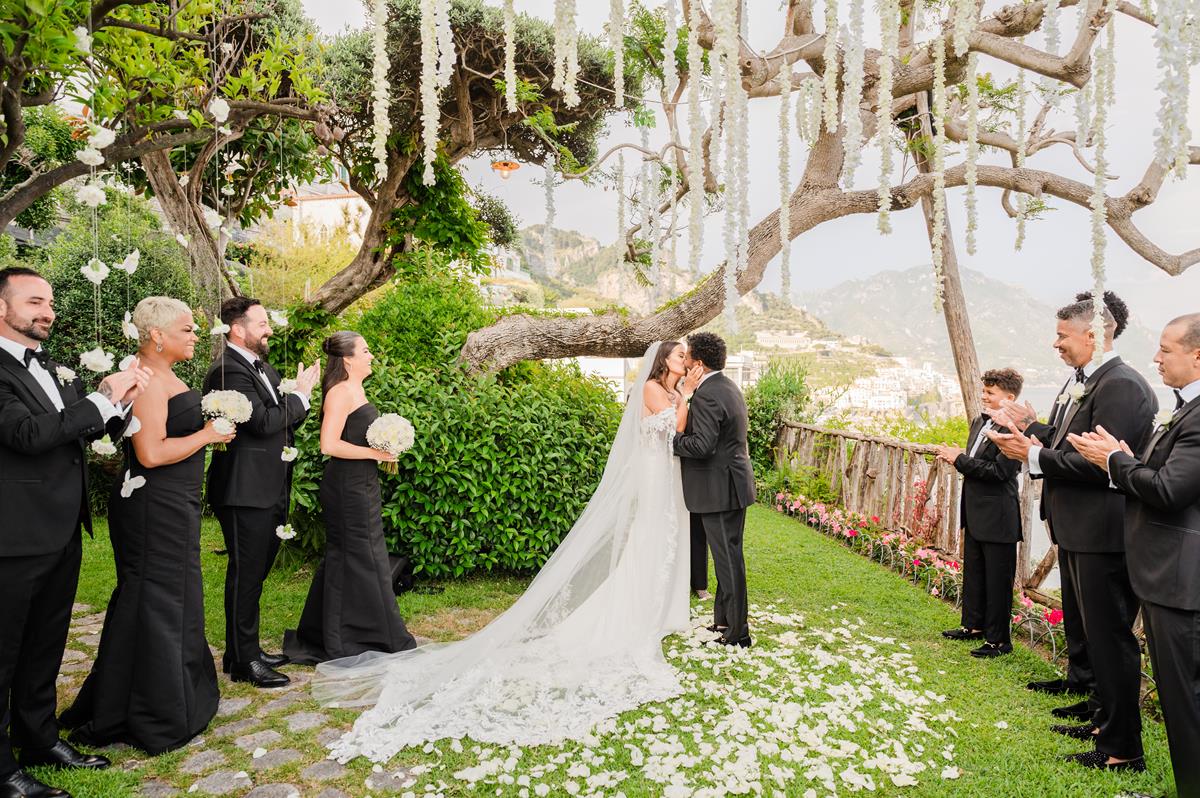
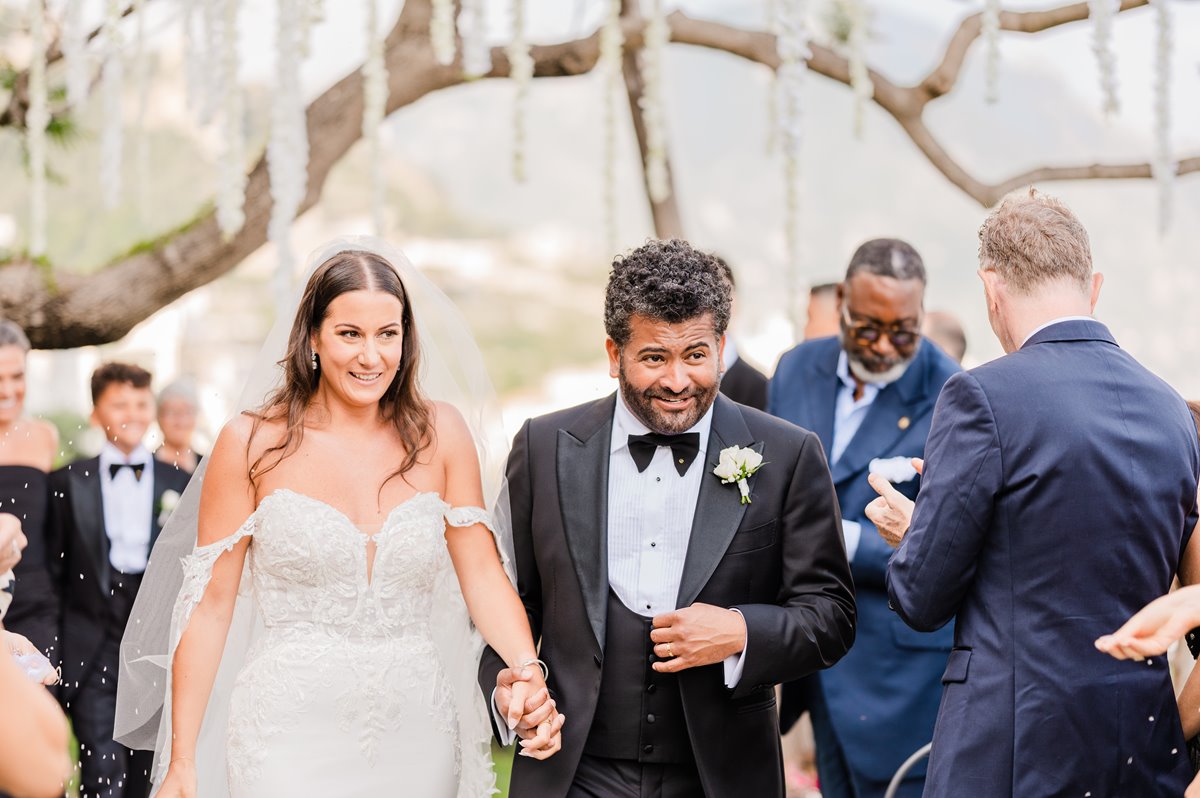
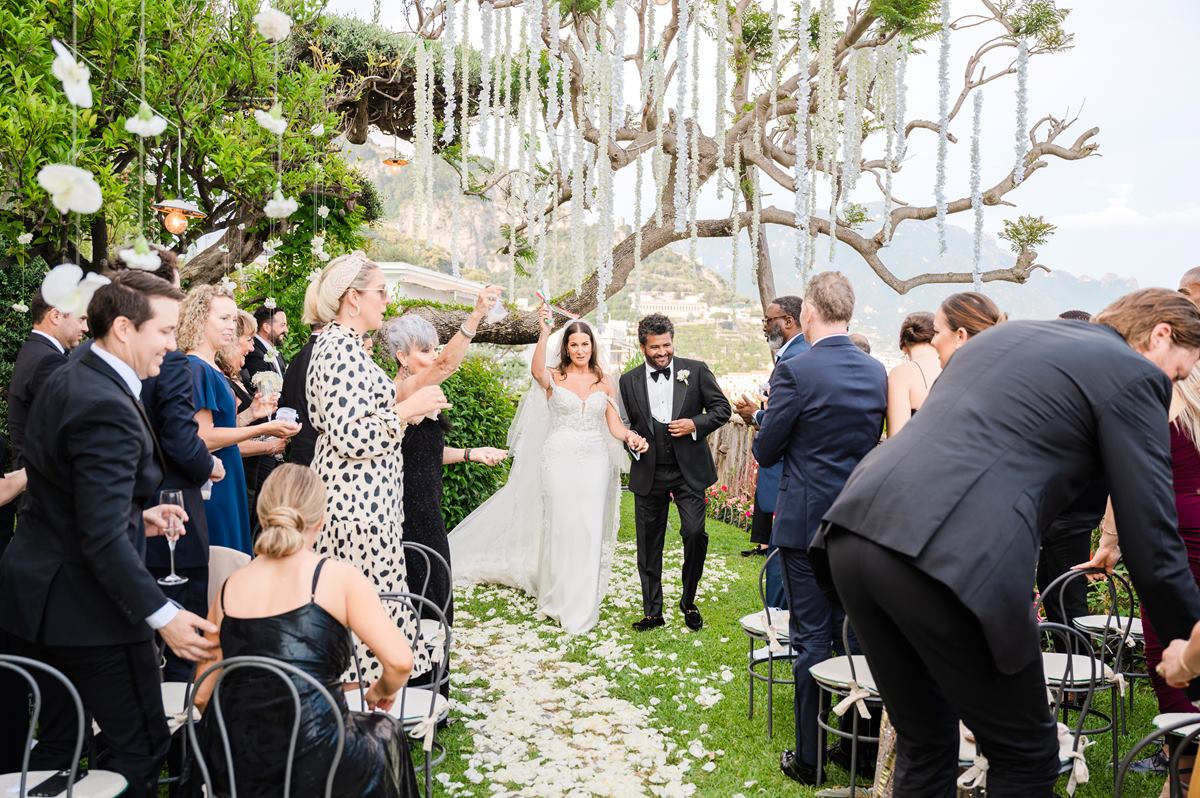
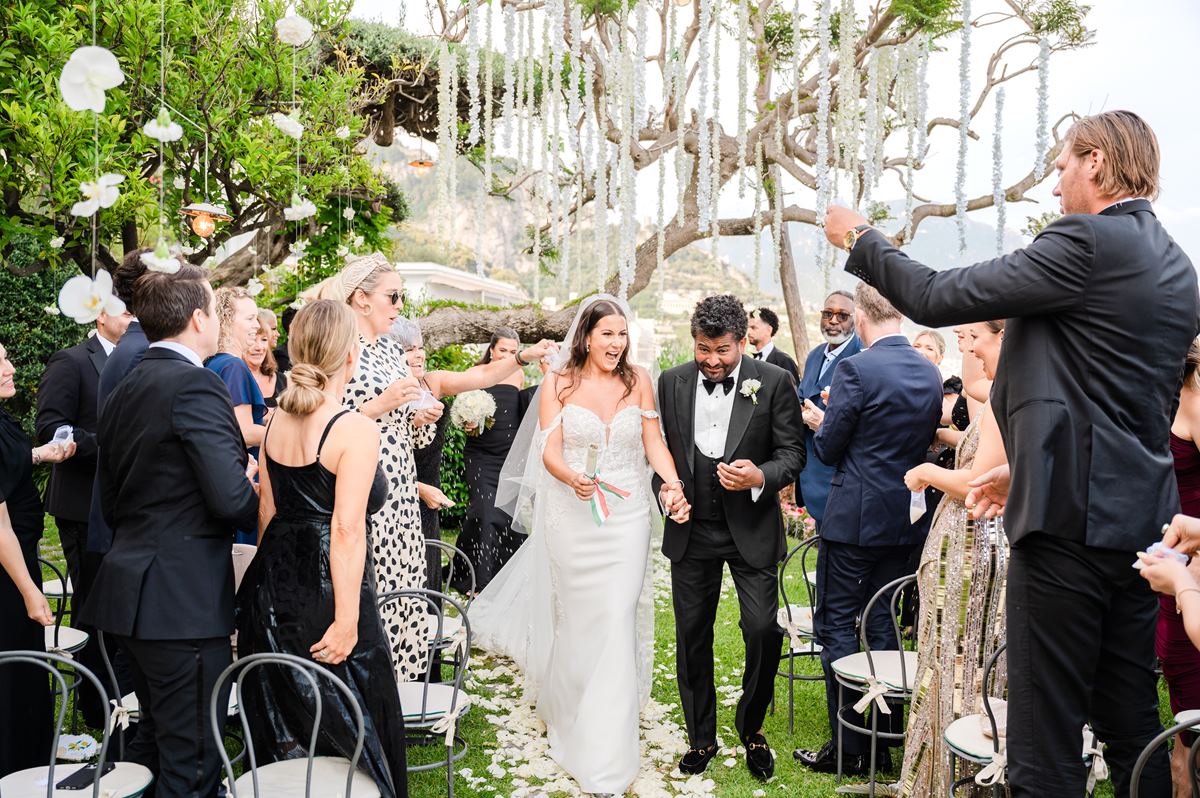
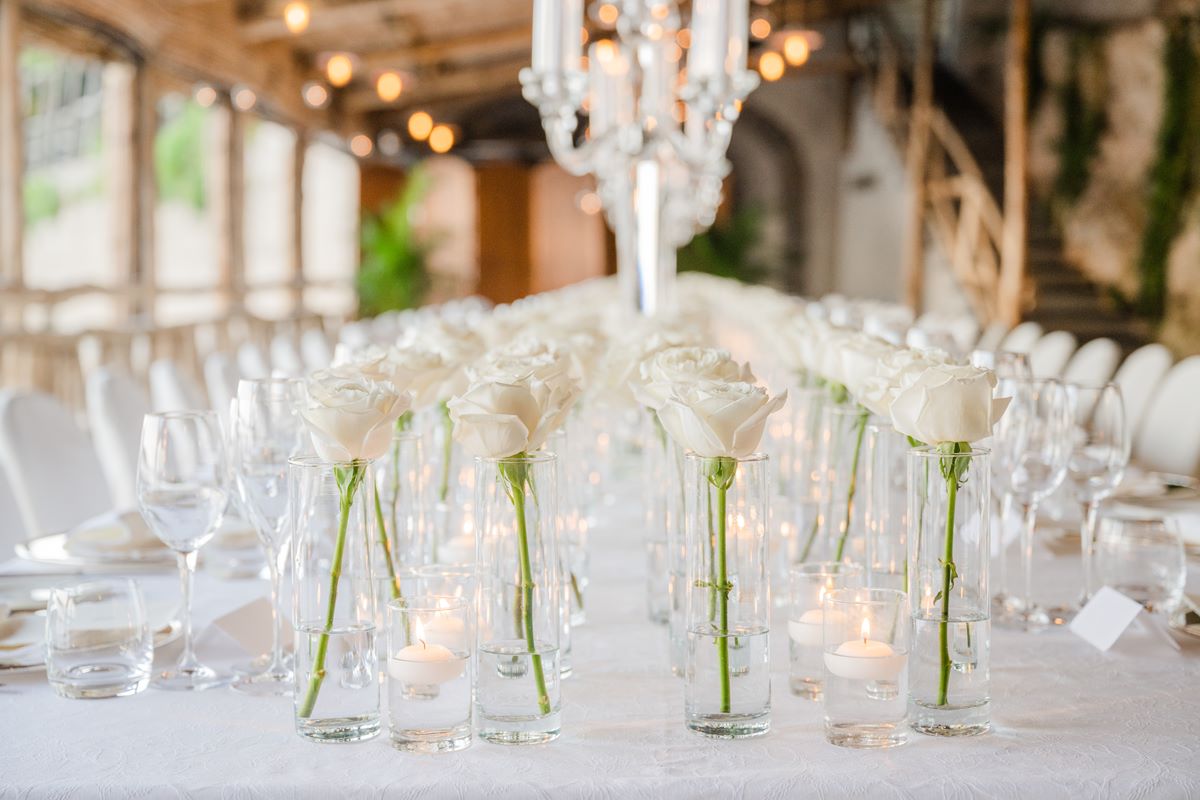
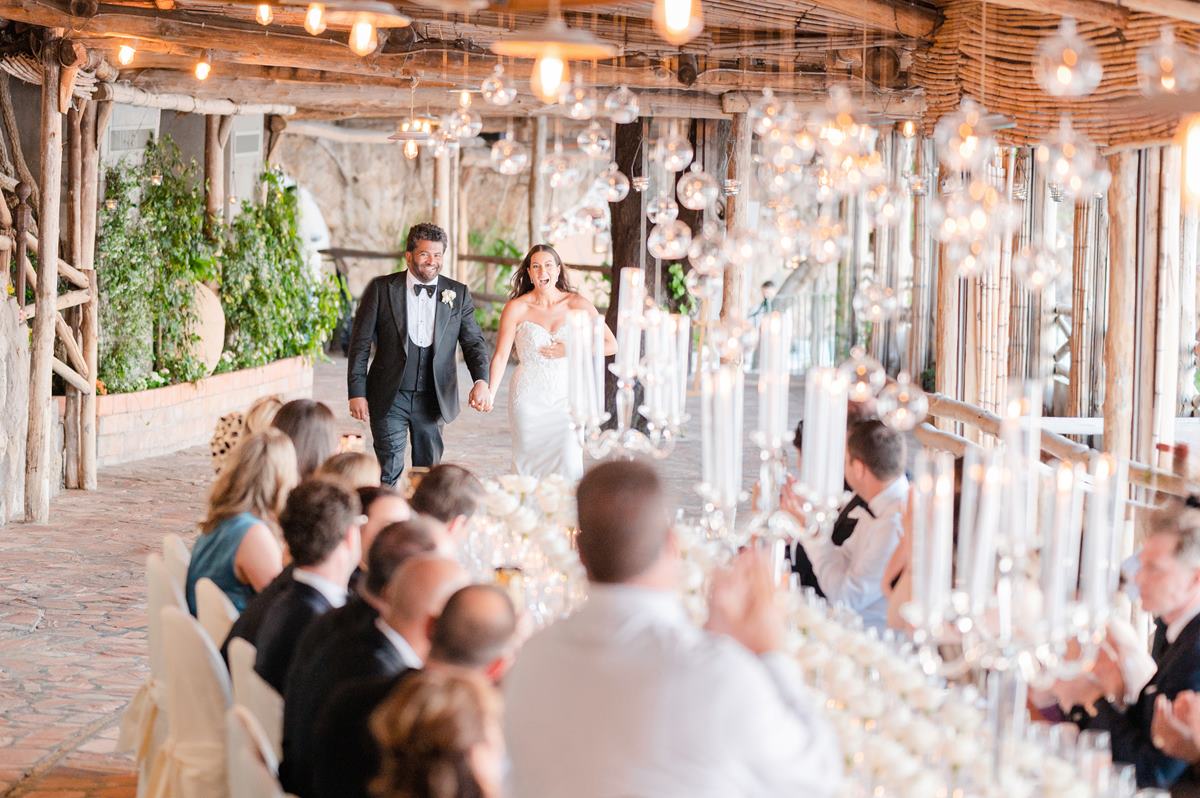
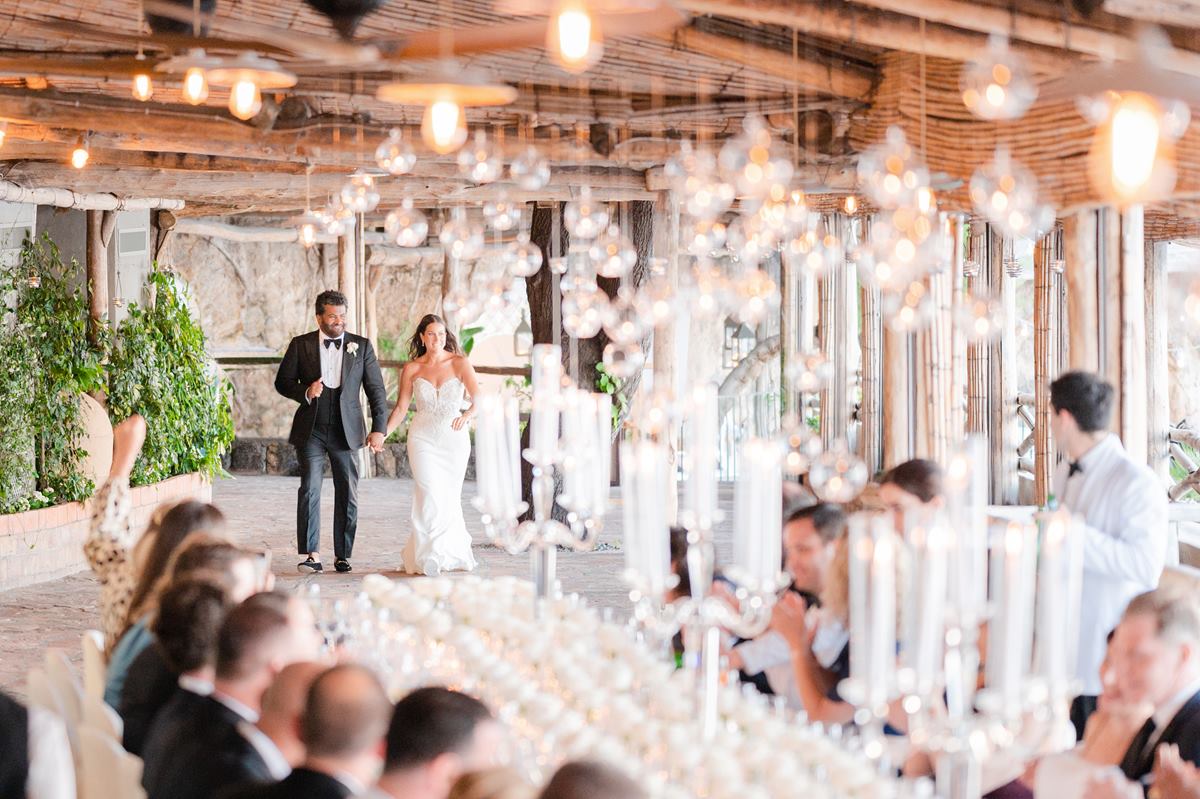
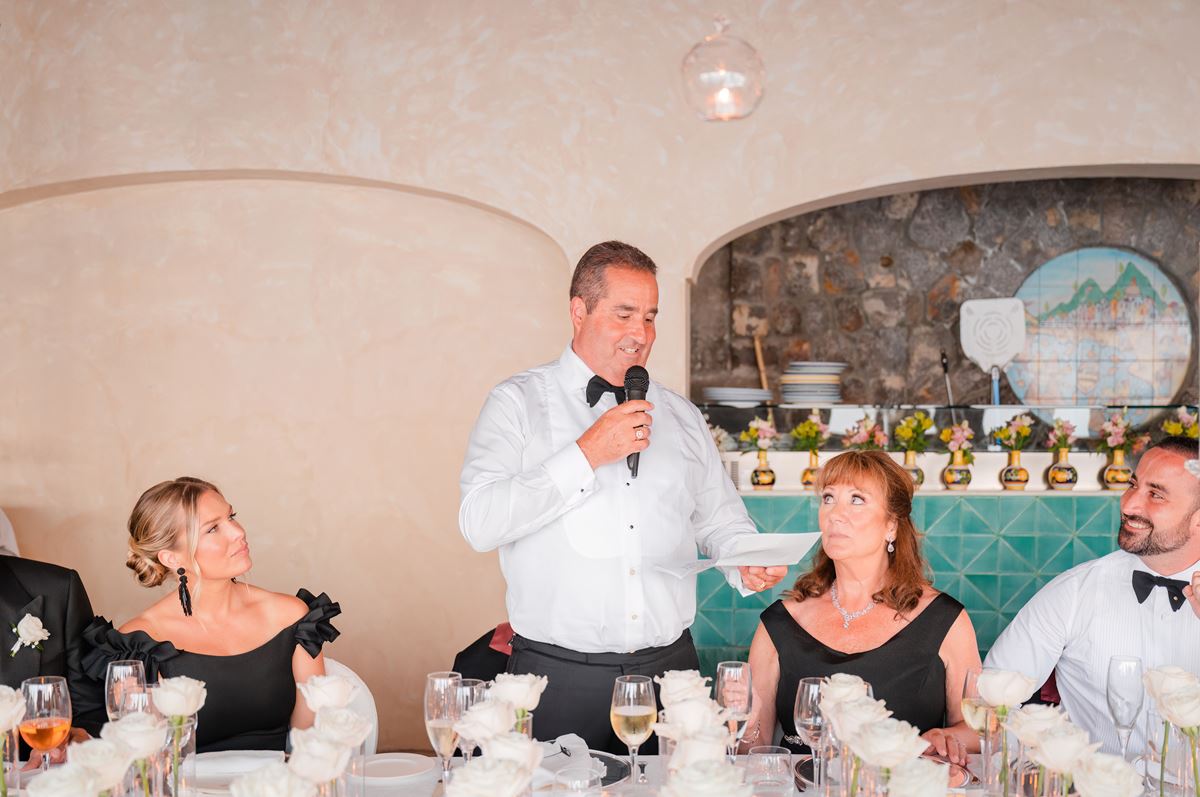
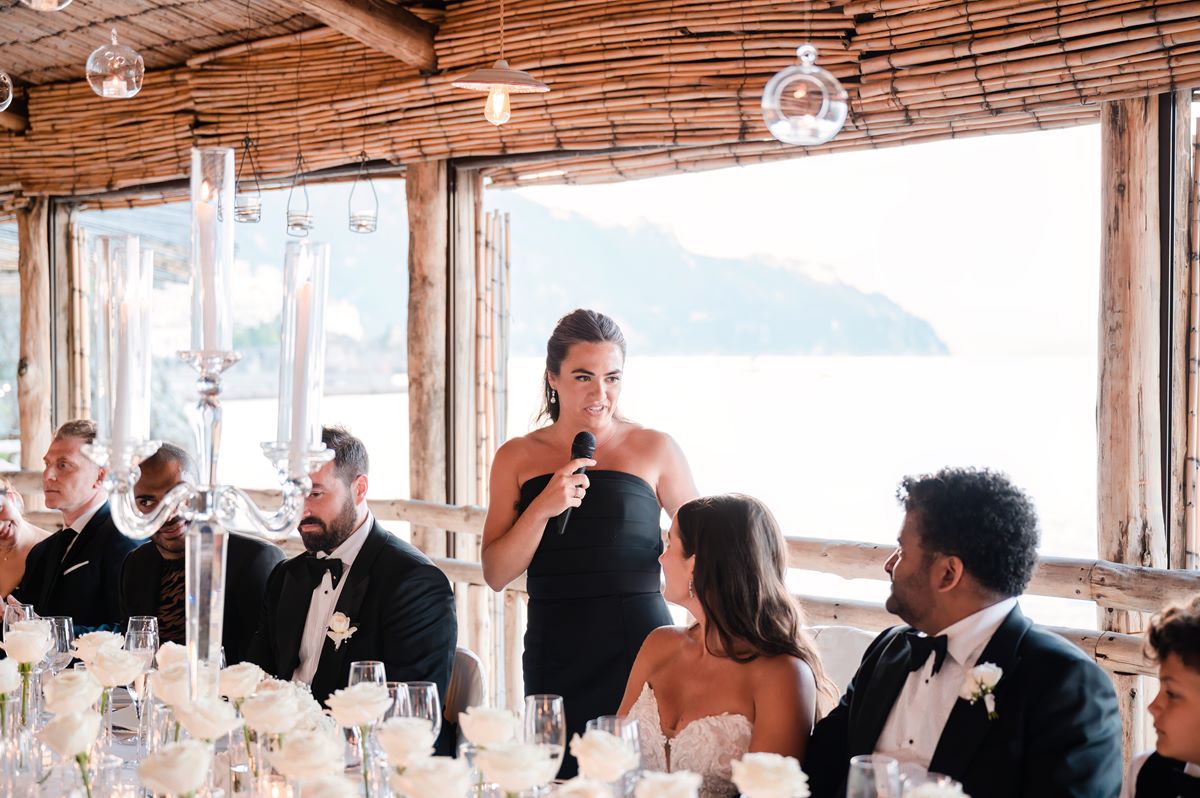
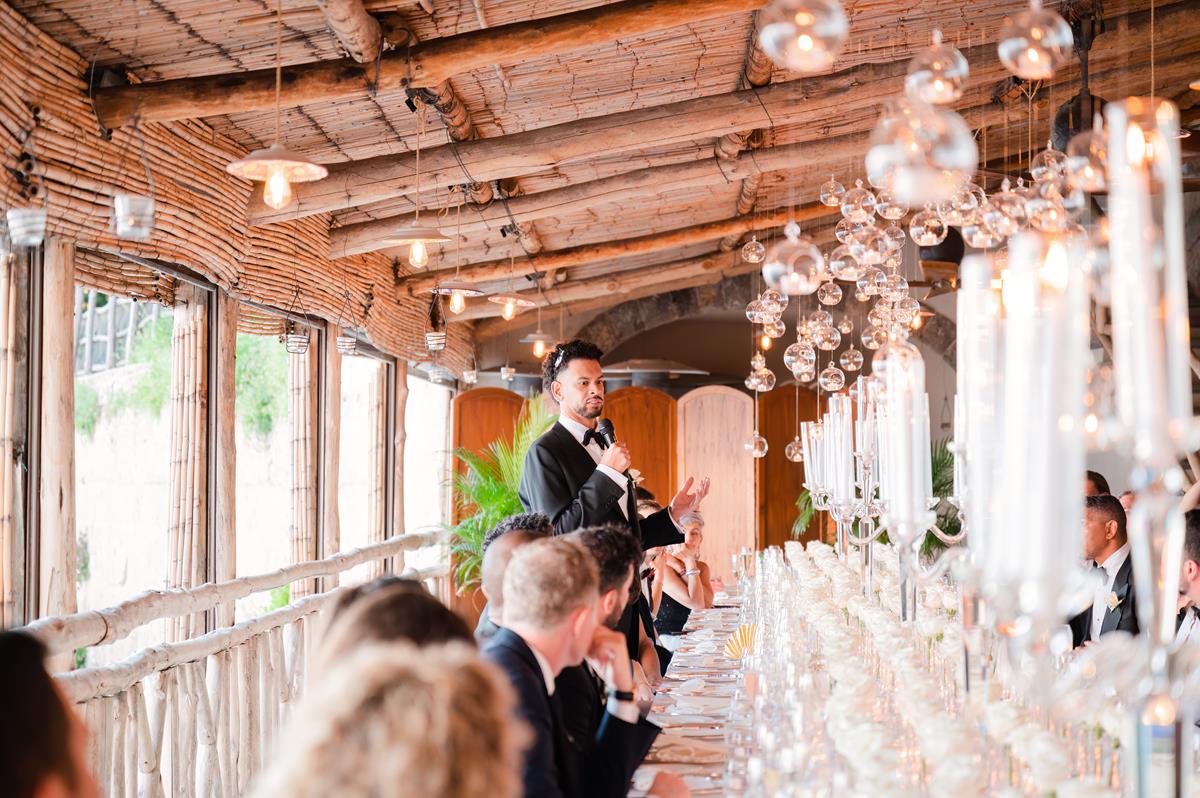
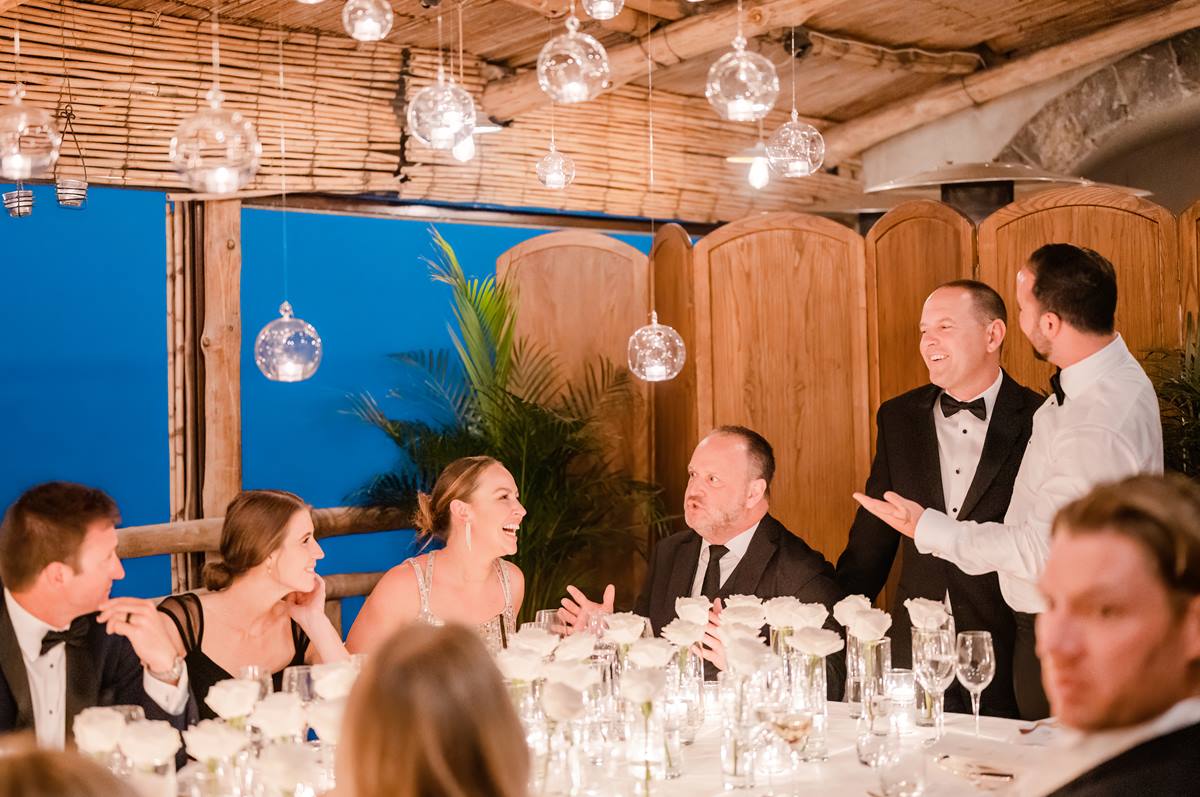
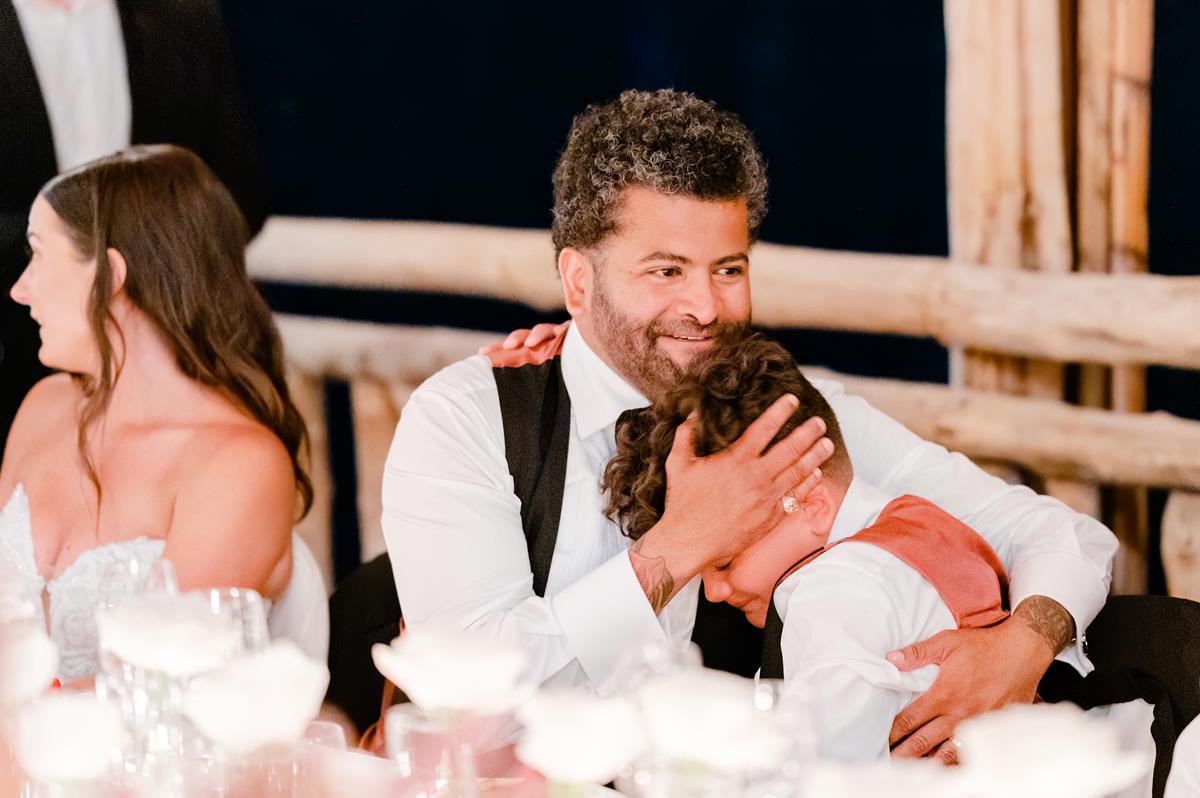
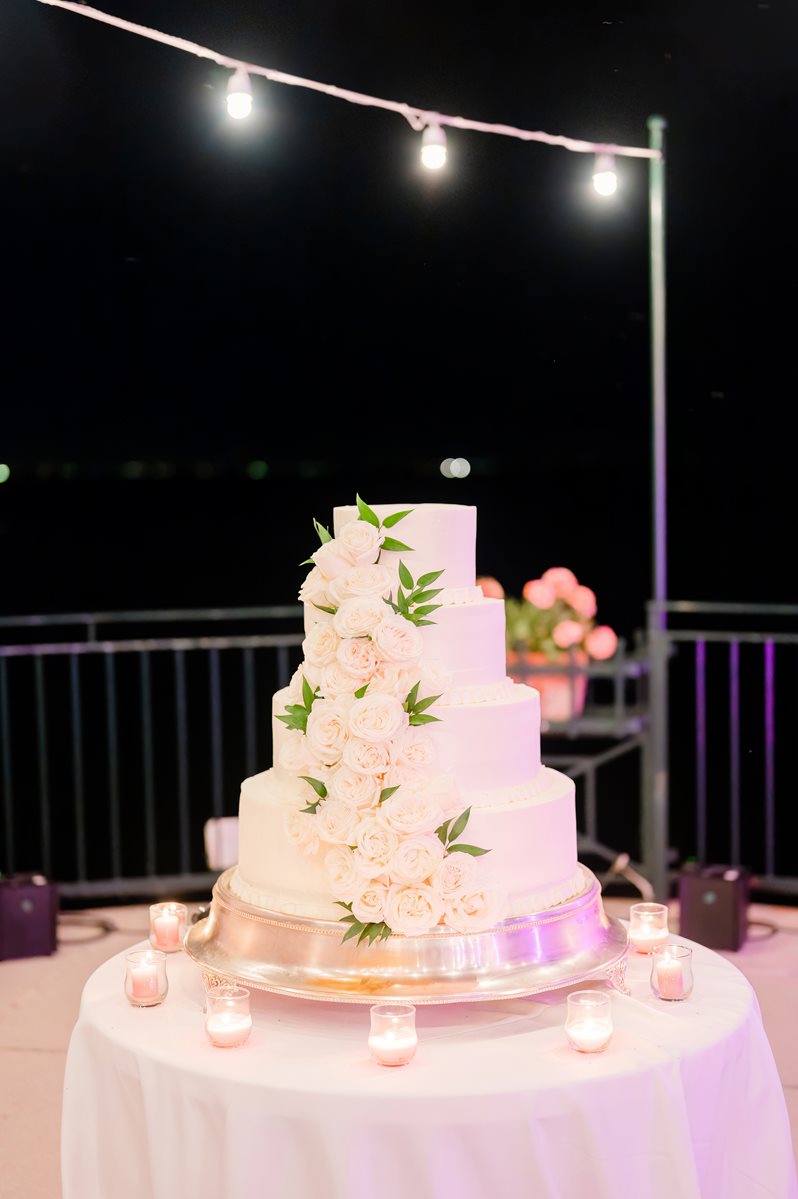
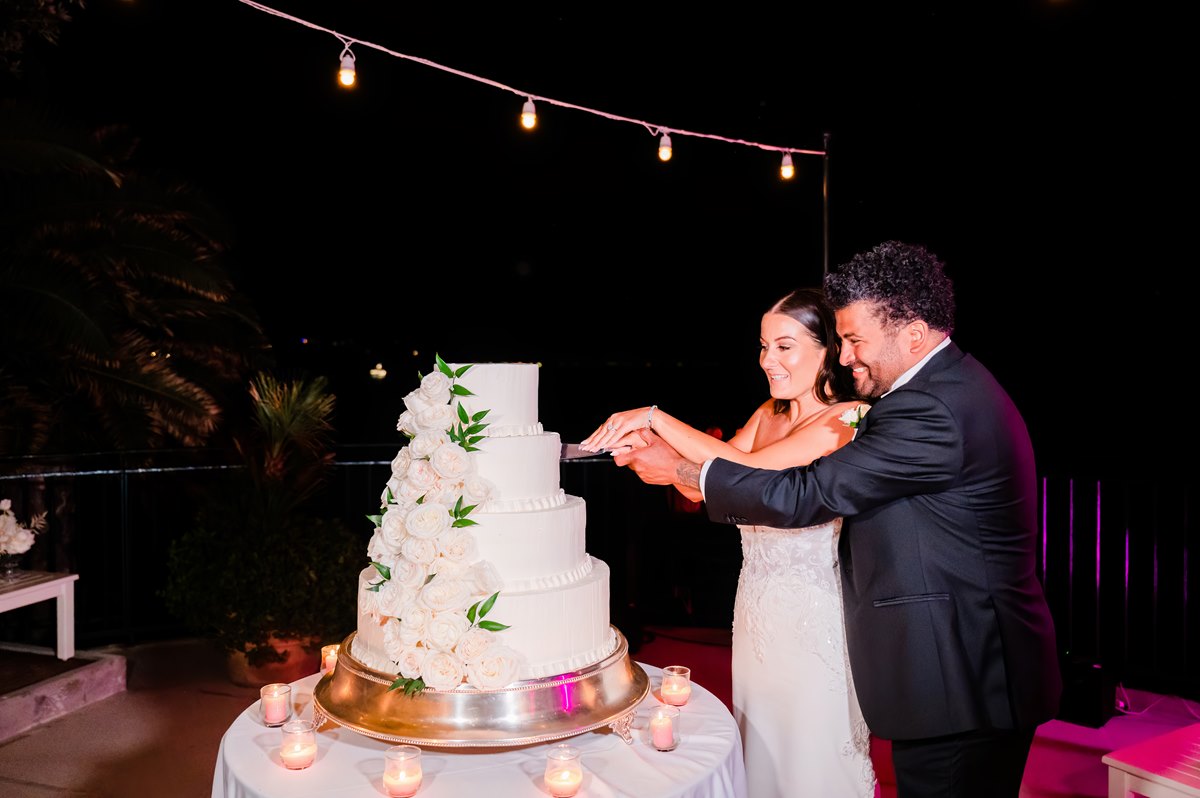
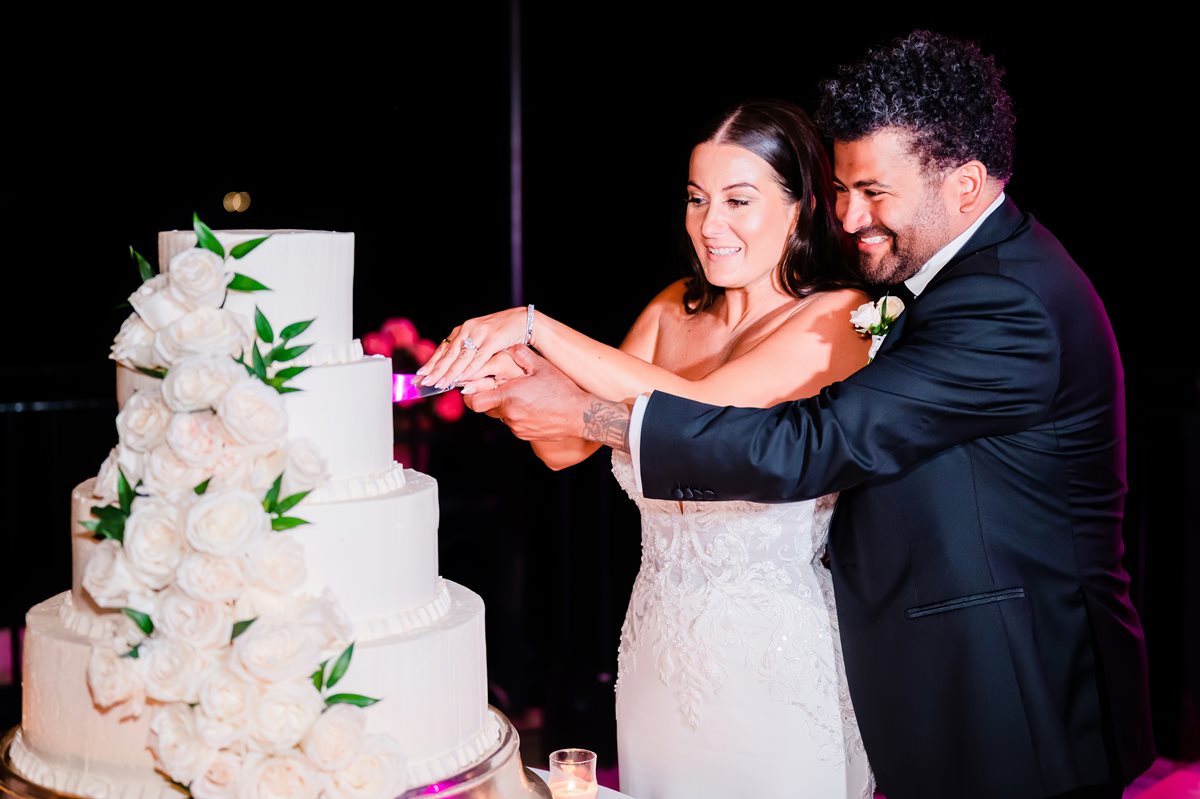
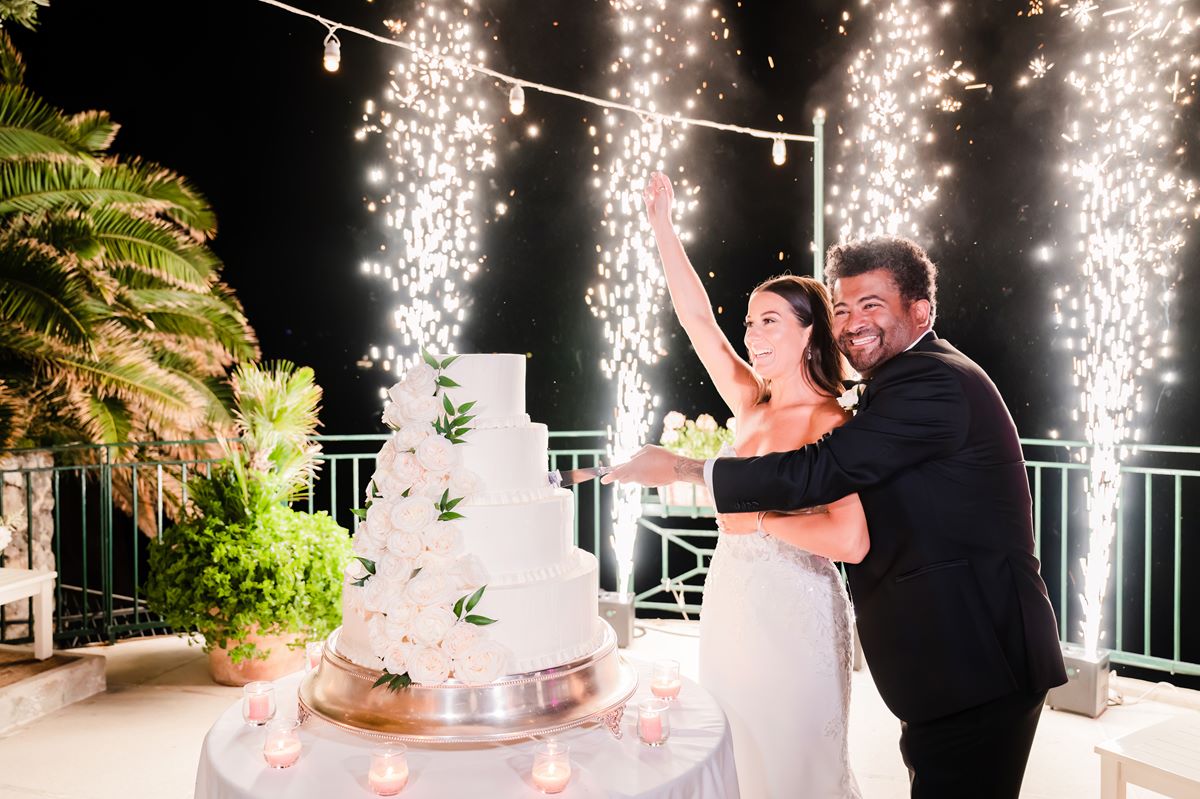
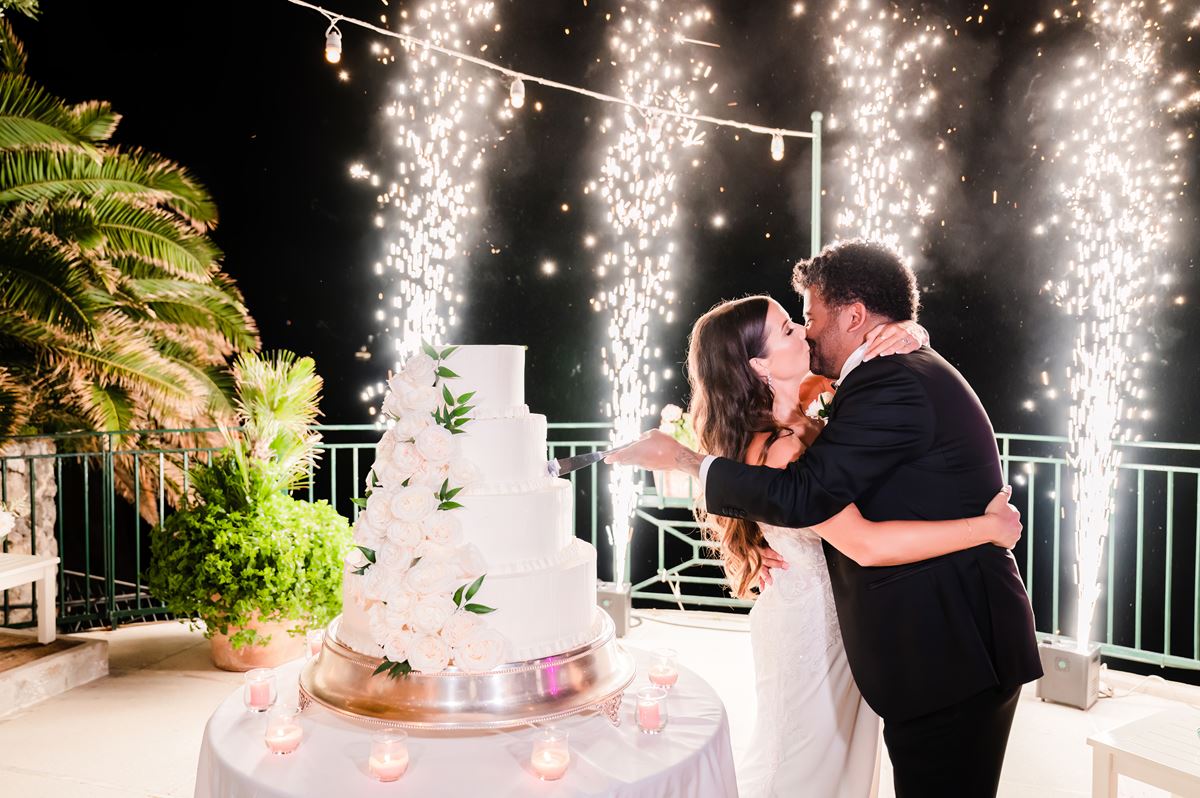
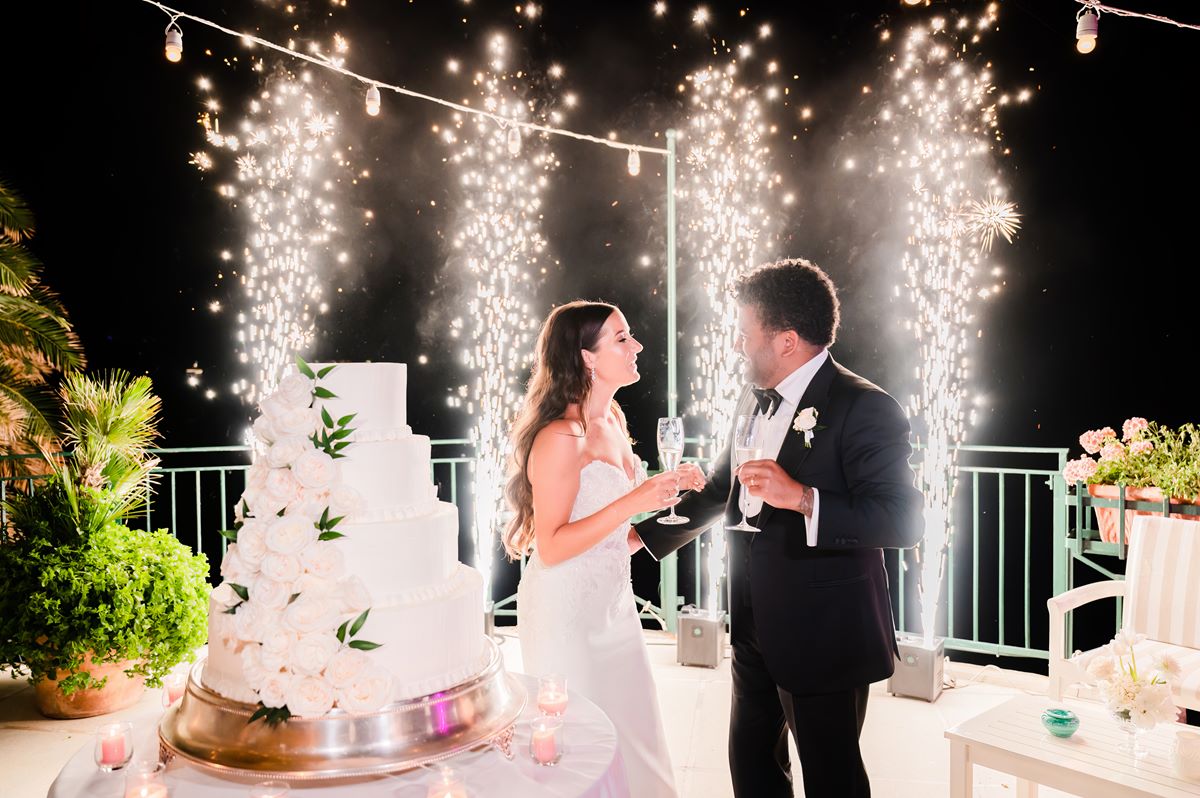
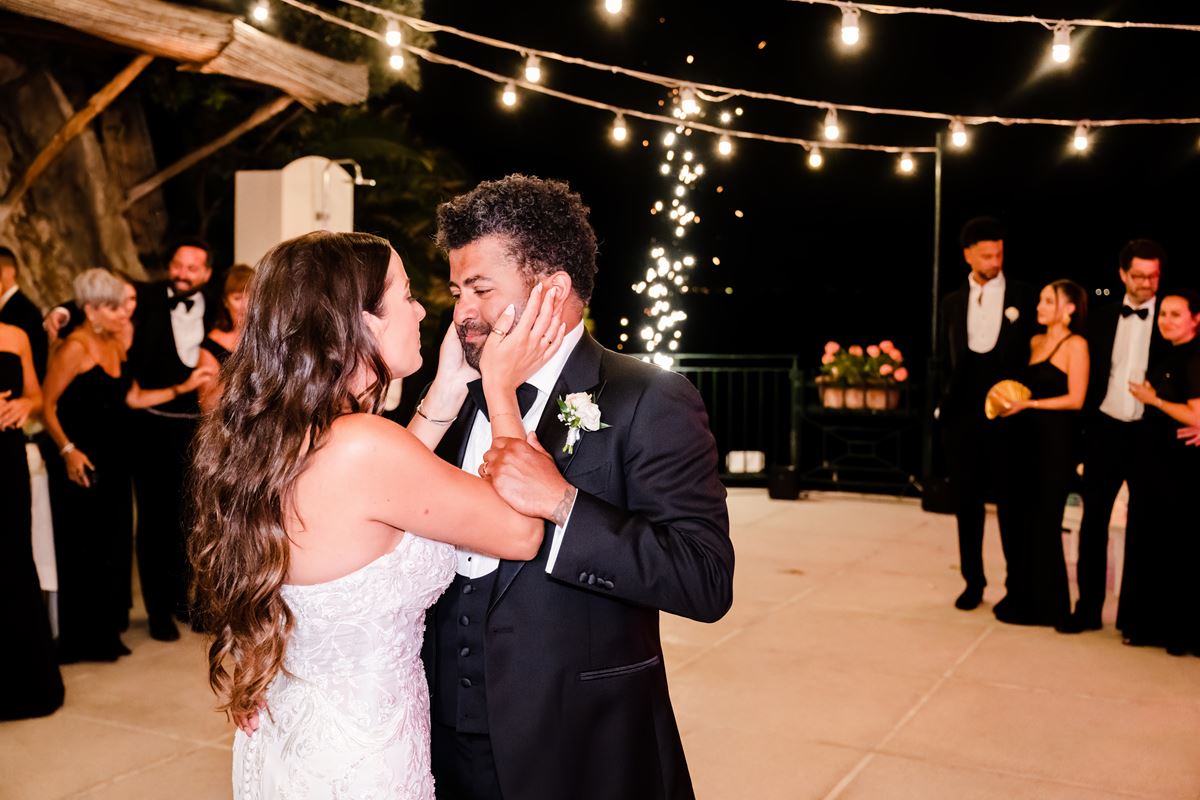
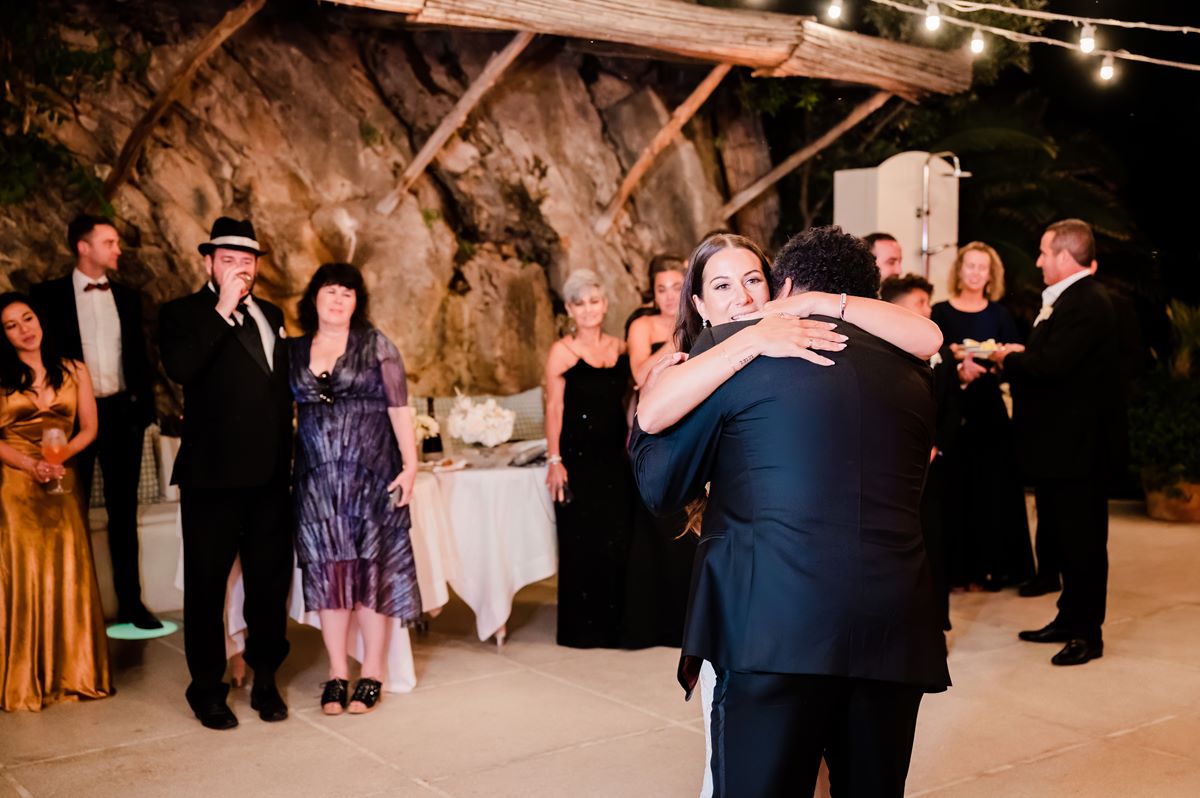
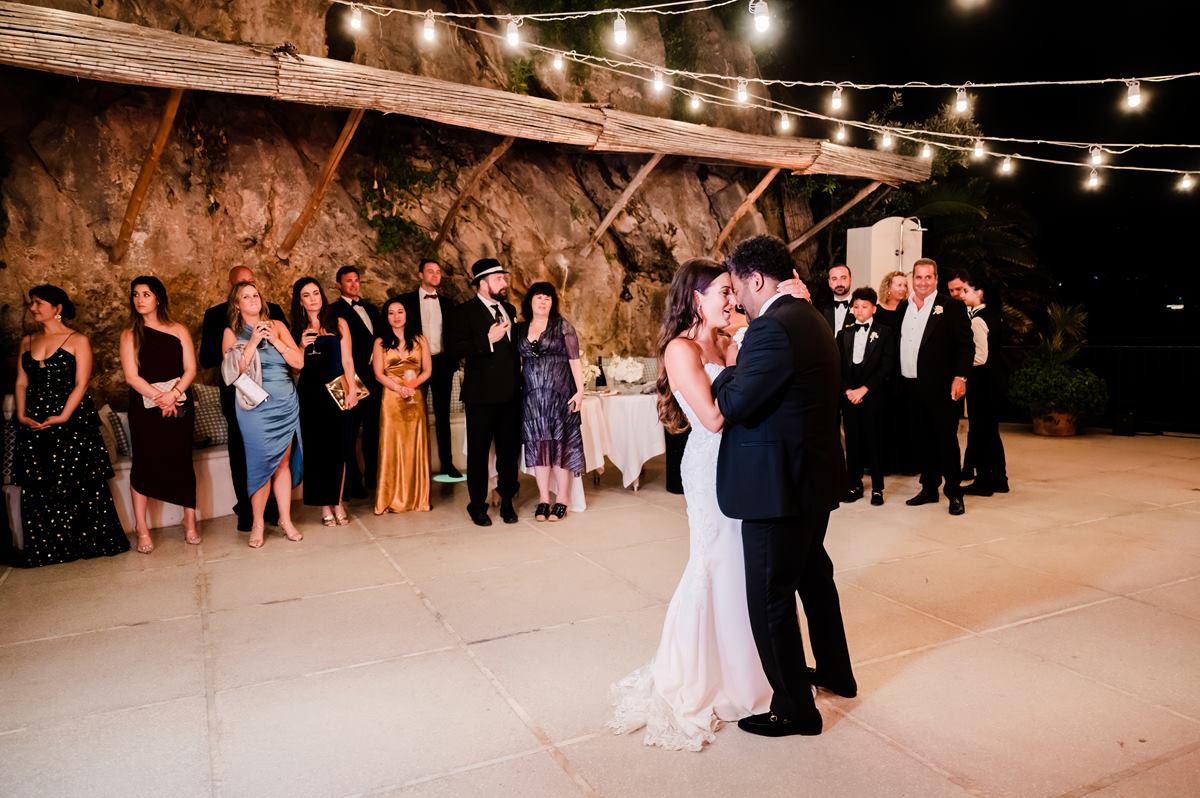
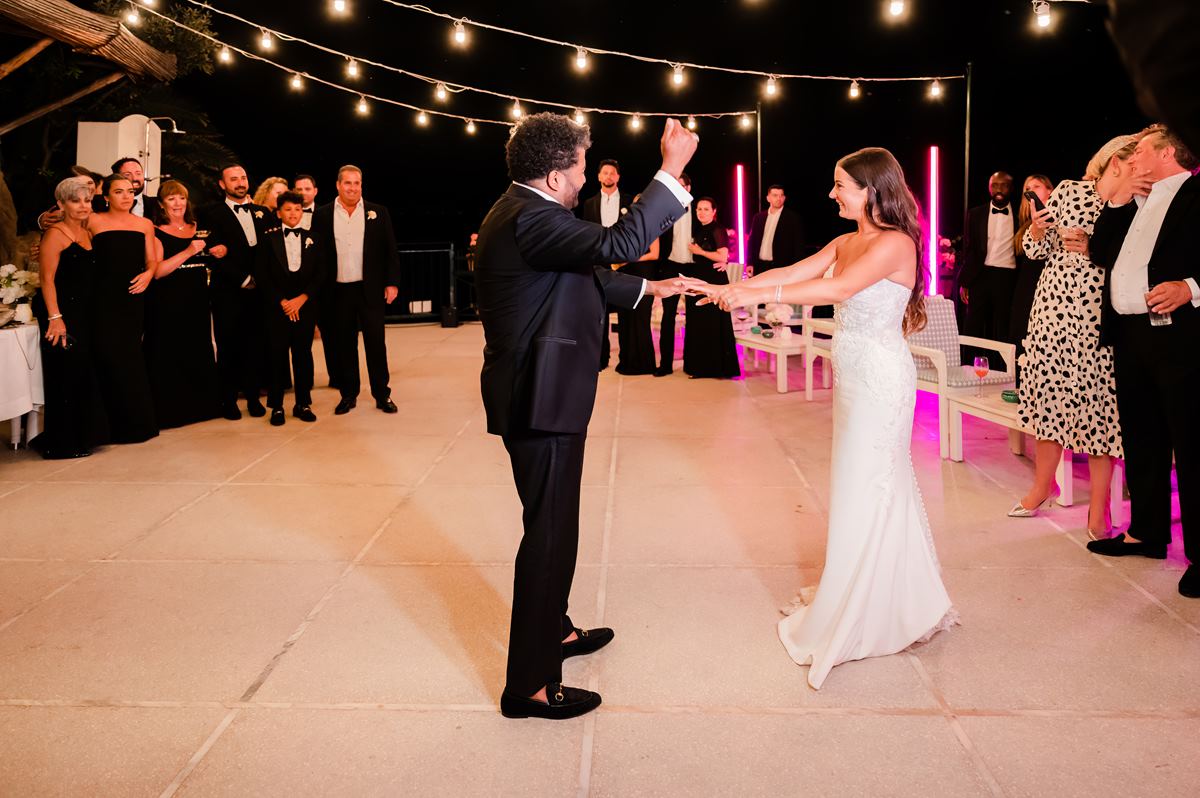
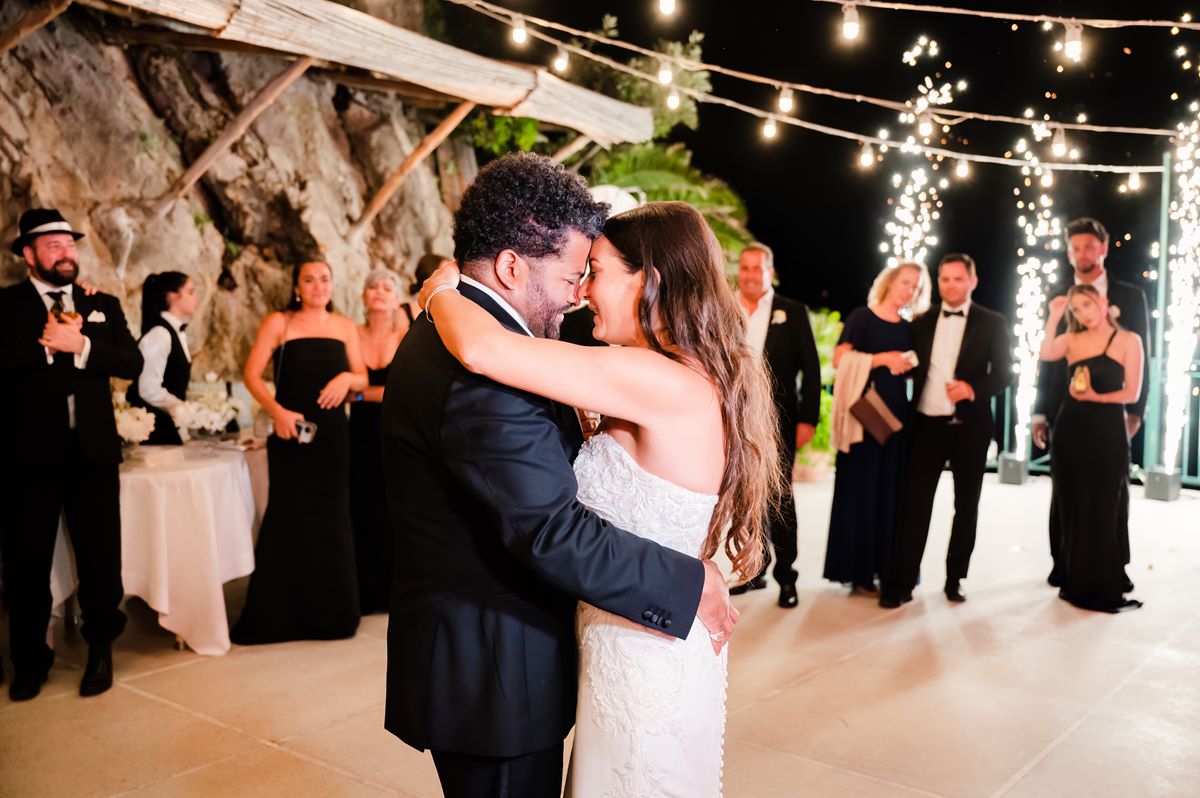
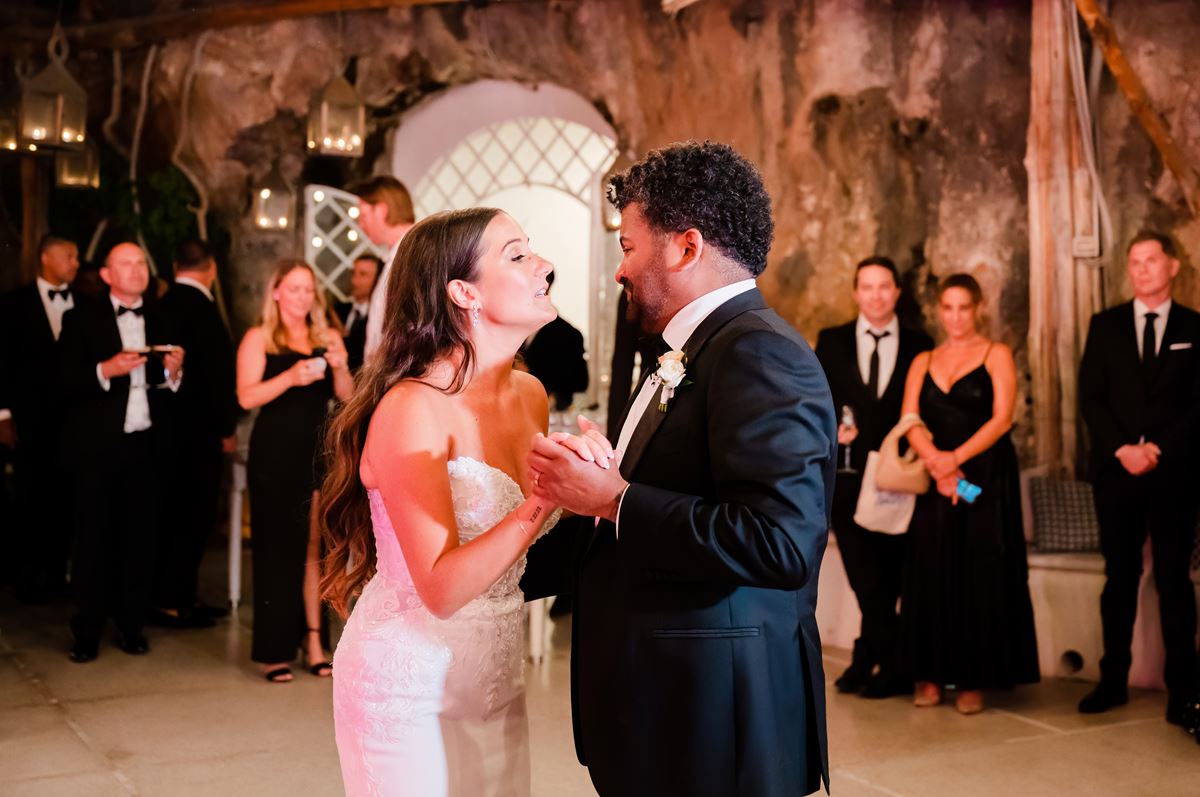
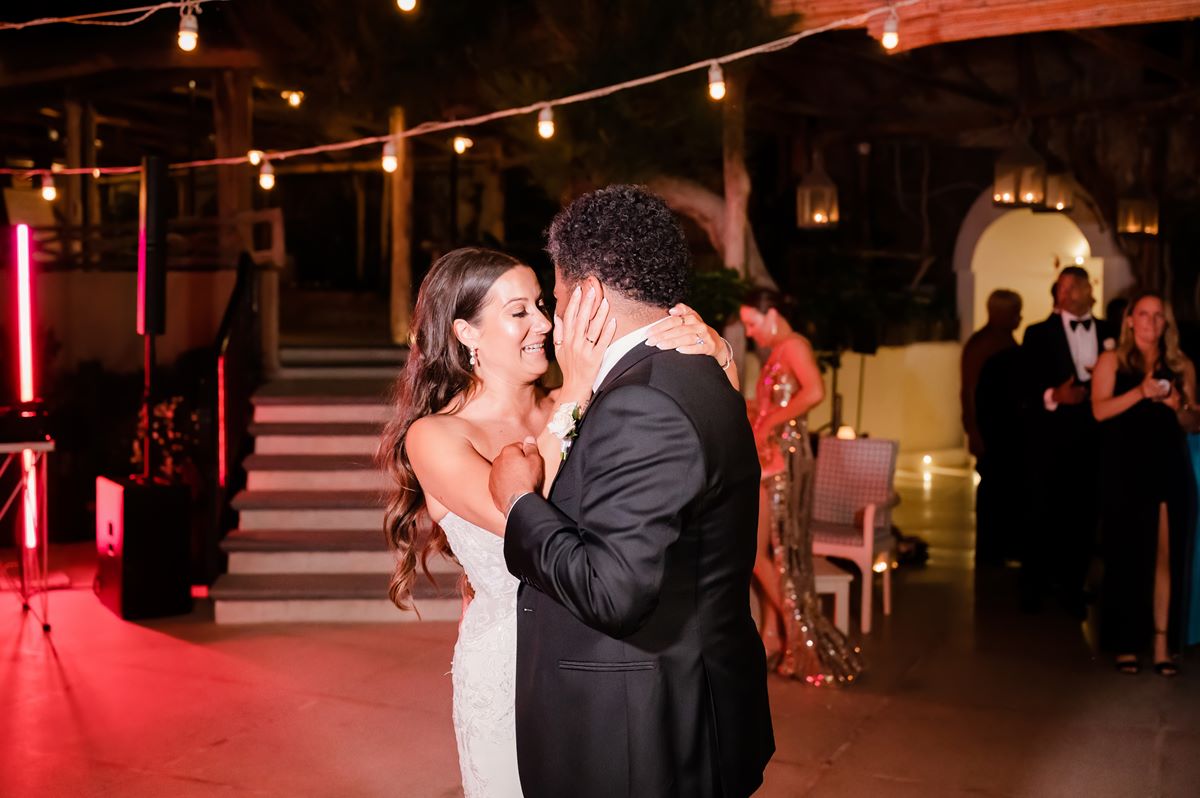
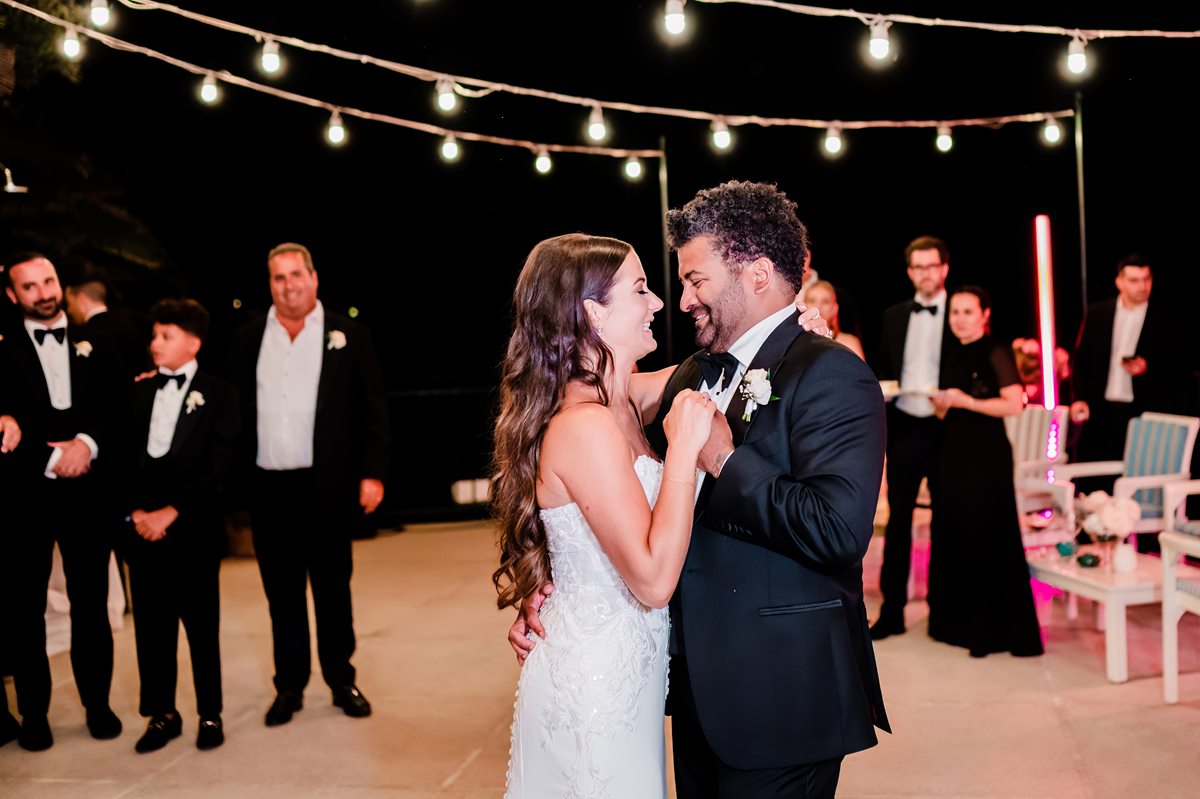
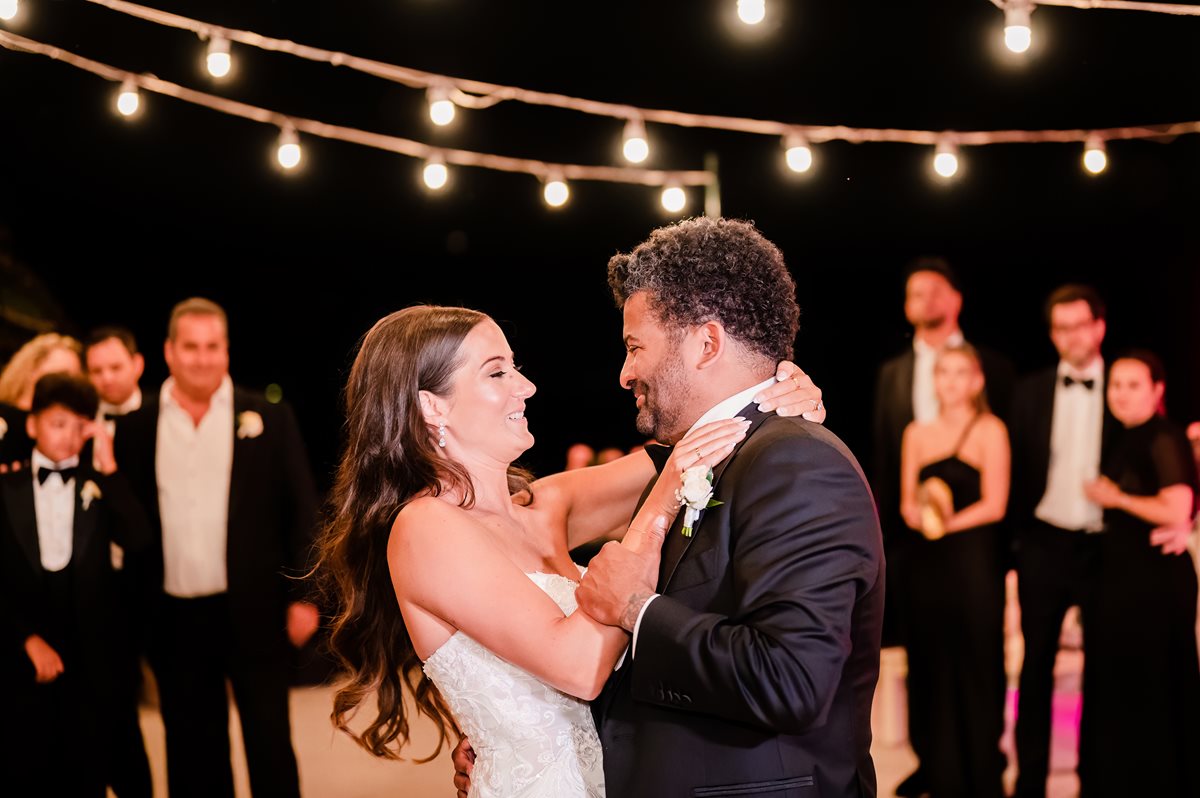
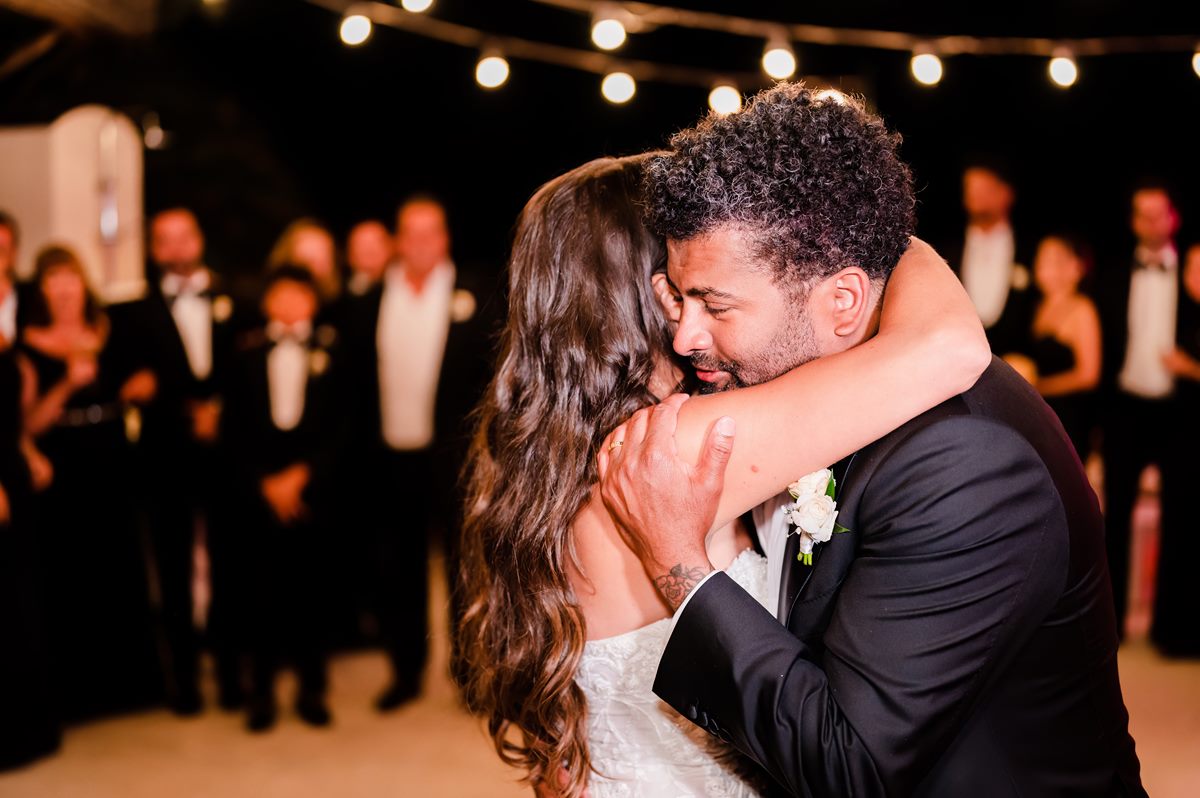
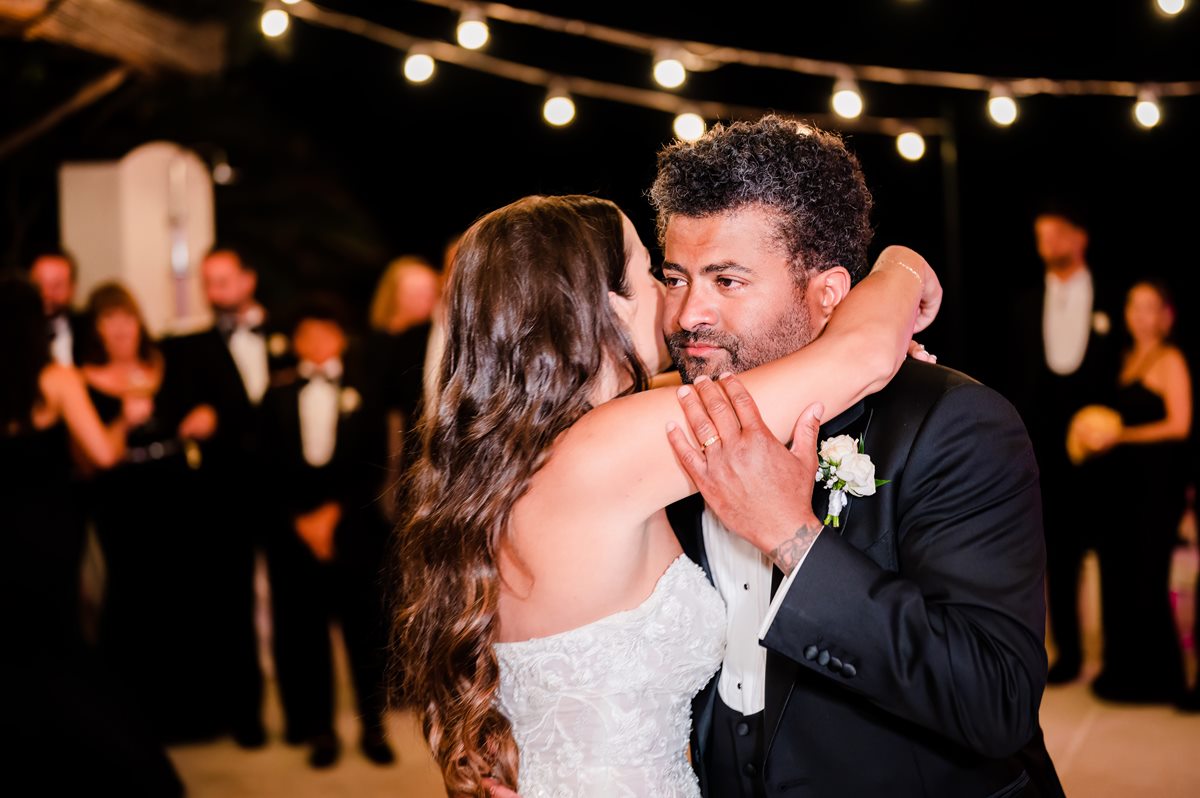
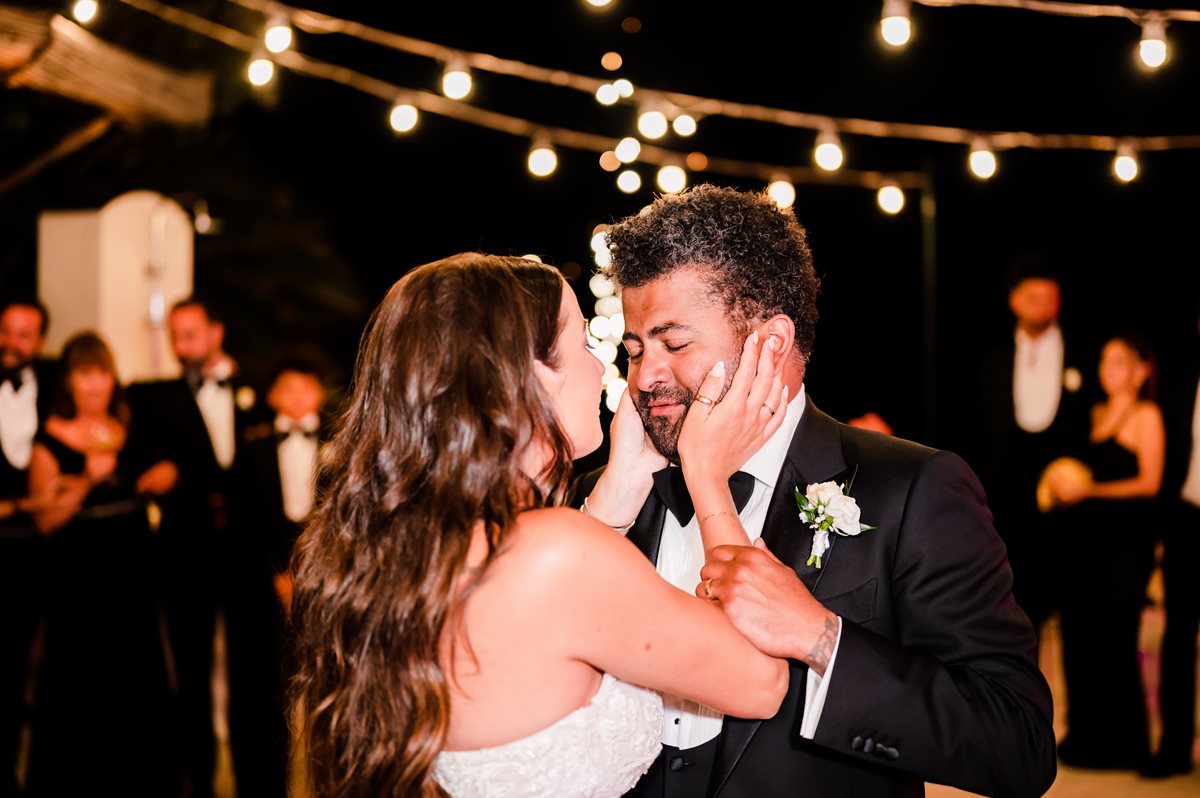
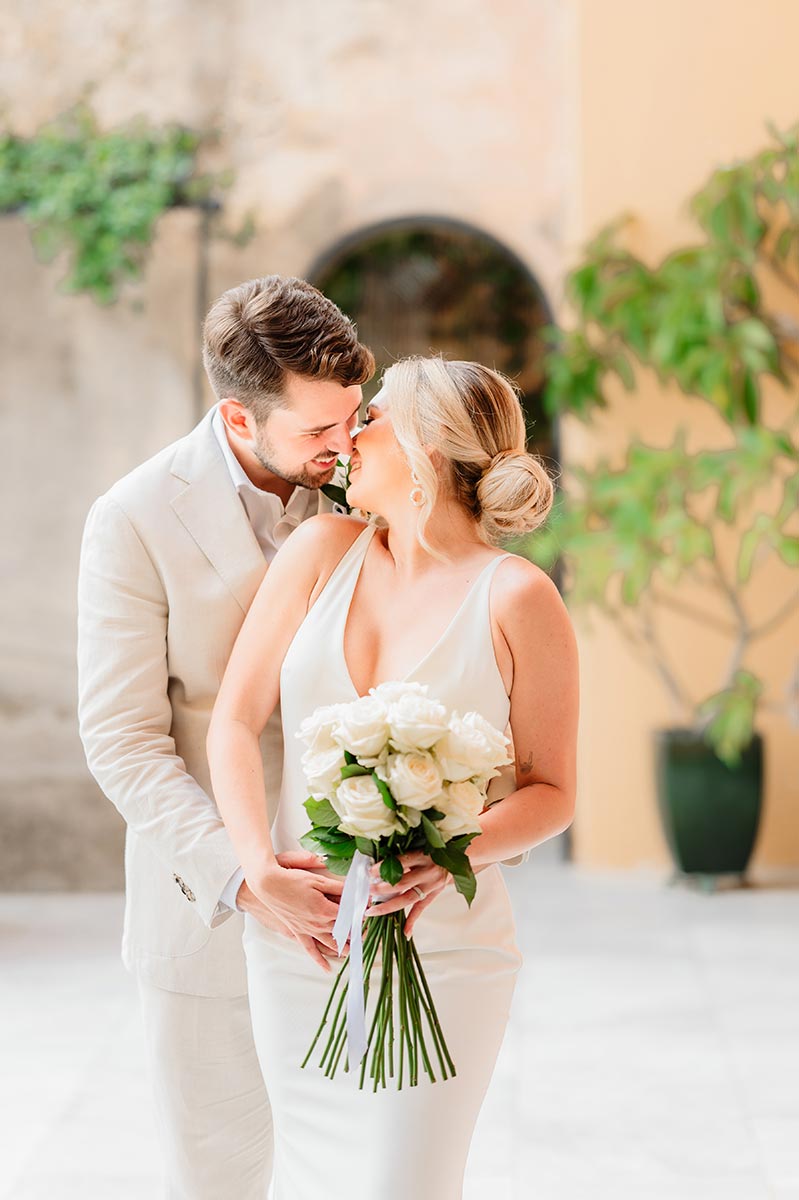
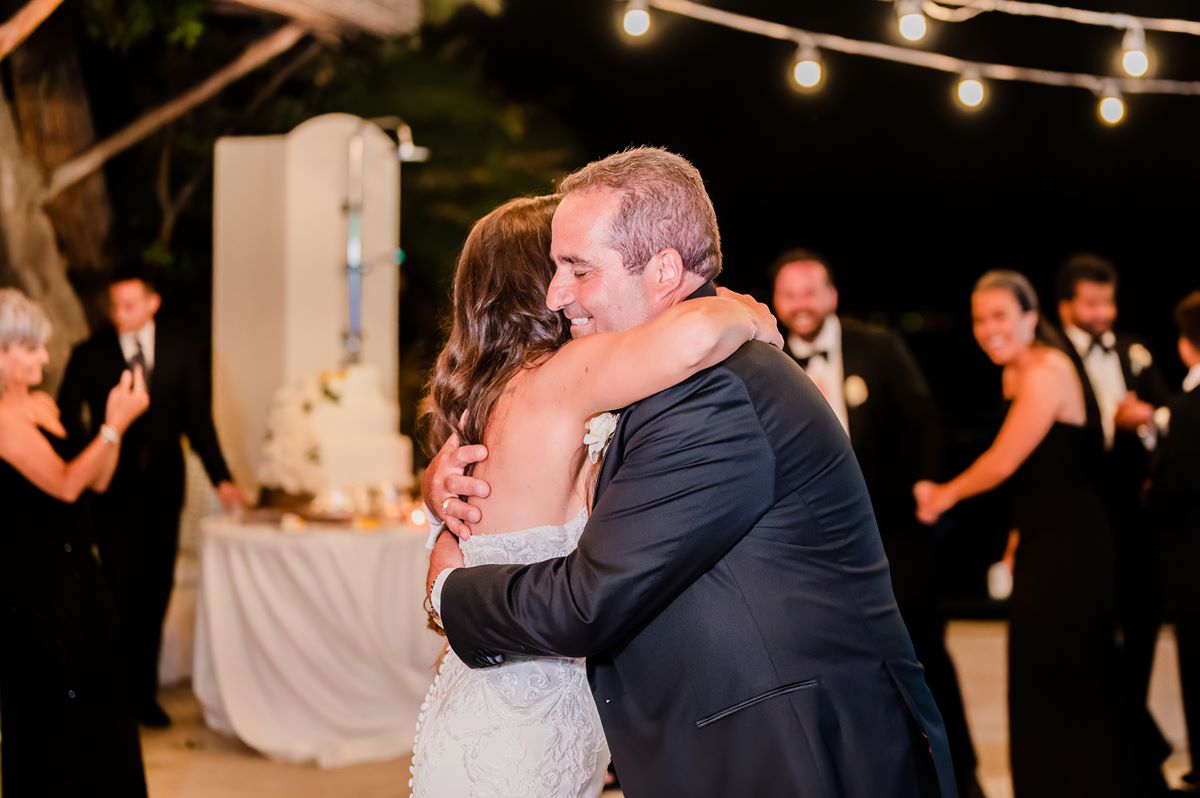
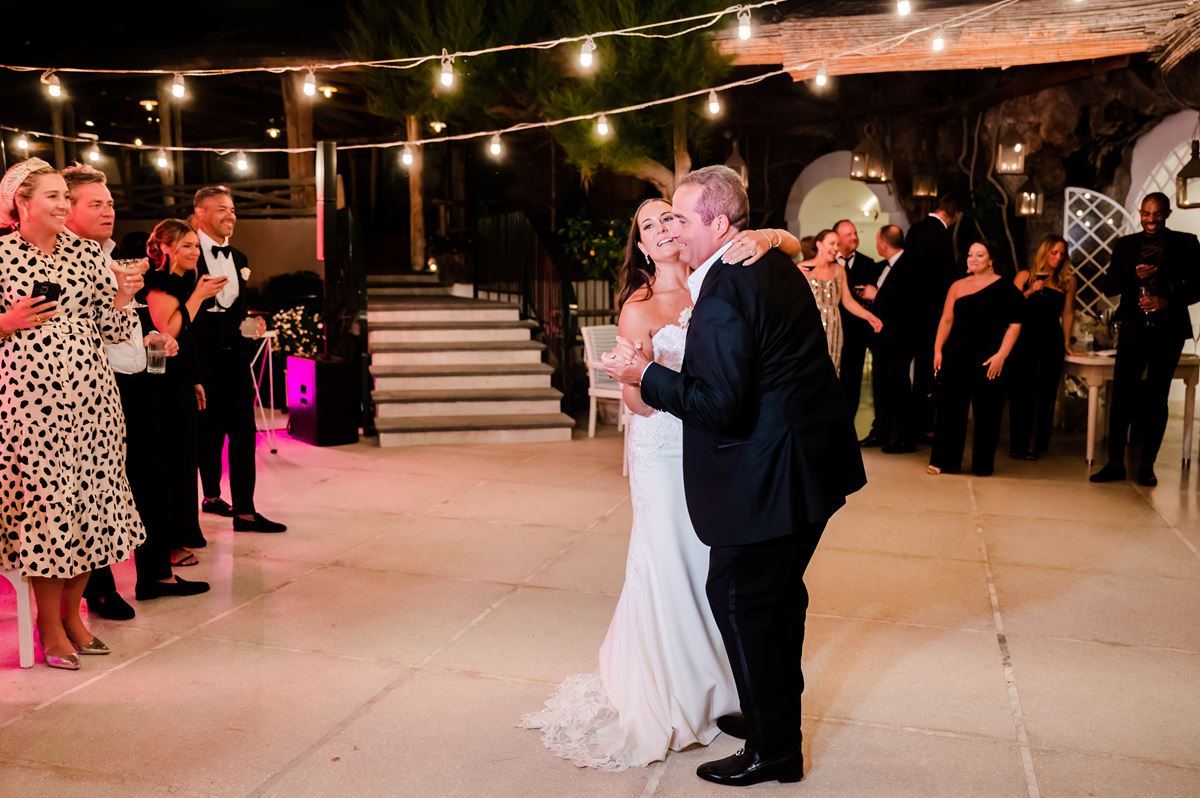
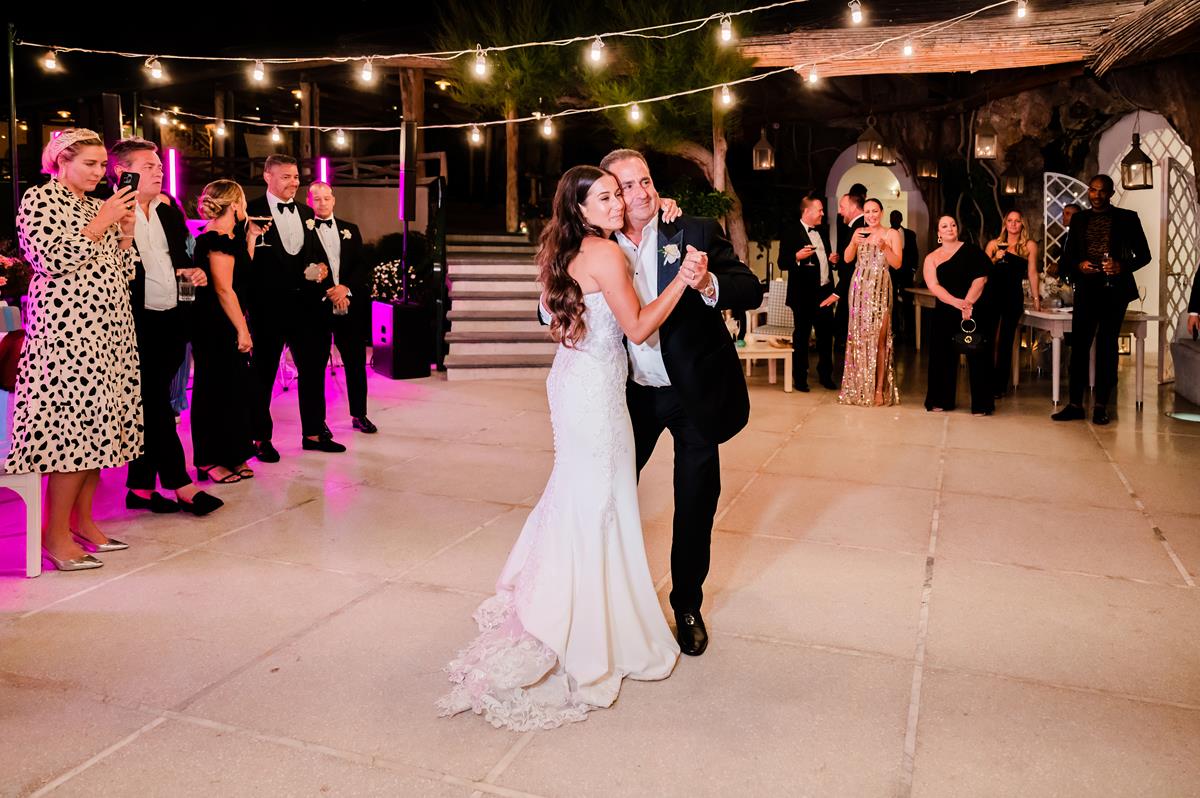
A wedding photographer captures all the special moments and emotions during your wedding at Hotel Santa Caterina. They will be there to capture the moment you walk down the aisle, as well as all of those special moments between you and your partner. They will also capture all of the details that make your wedding unique, such as the flowers in your bouquet or the cake topper on top of your wedding cake. A good photographer will be able to capture all of these things without being intrusive or taking away from your day.
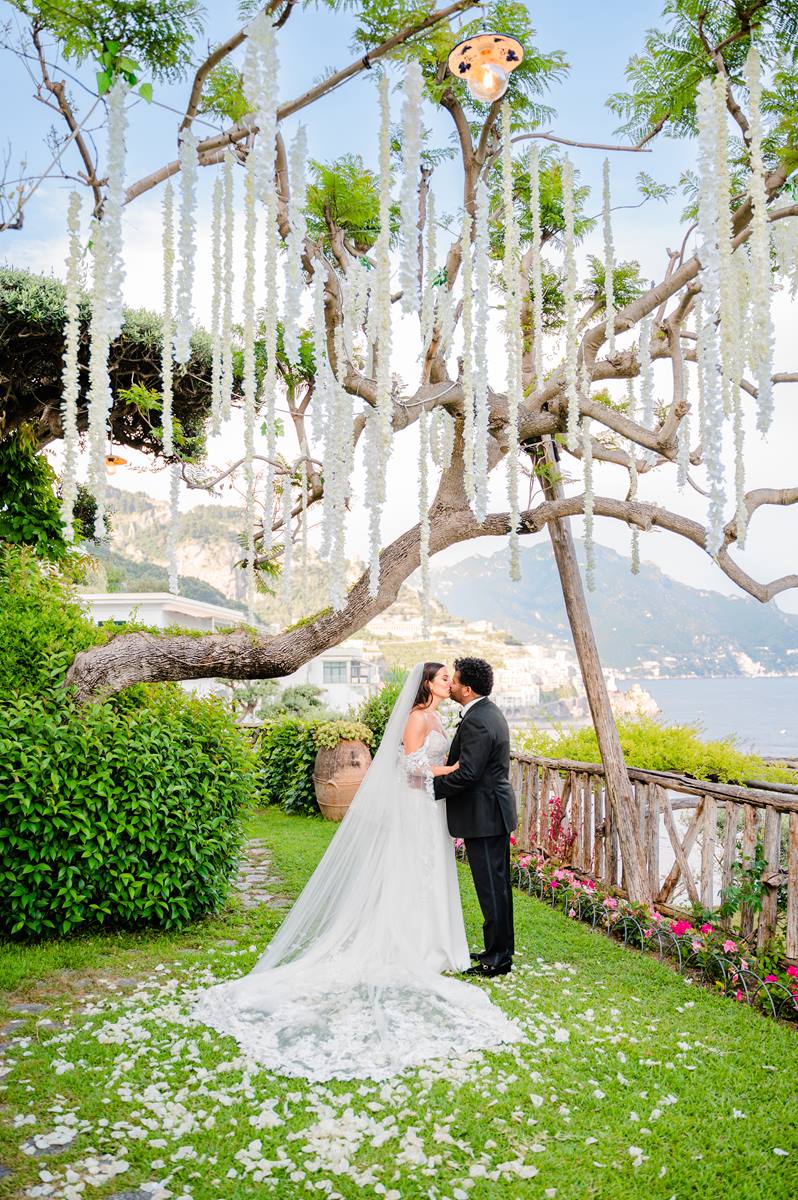
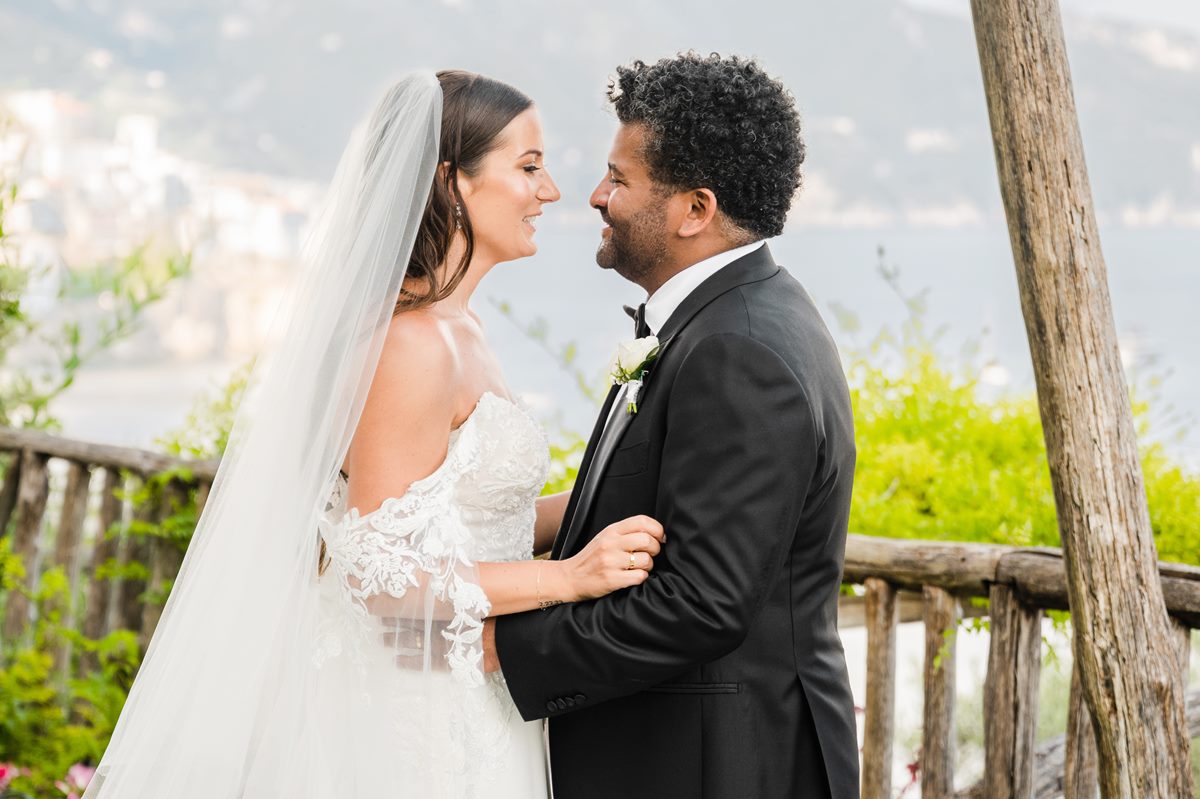
Why You Should Hire an Amalfi Coast Wedding Photographer
An Amalfi coast wedding photographer knows the local locations intimately and can capture your wedding moments amidst the most stunning settings. They will be able to capture the beauty of your wedding day in a way that you can look back on for years to come. A good photographer will also be able to capture all of those special moments between you and your partner, as well as the details that make your wedding unique.
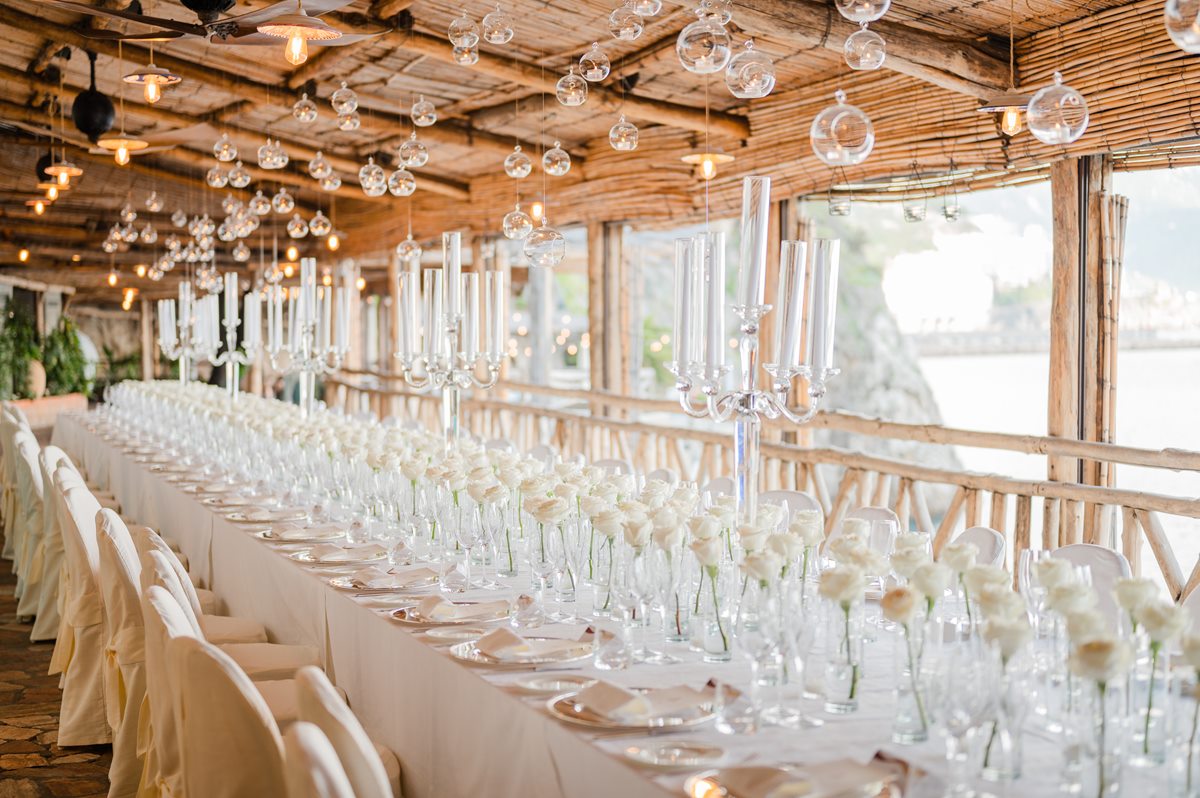



How to Choose the Perfect Amalfi Wedding Photographer
Choosing the perfect Amalfi wedding photographer involves checking their portfolio, their familiarity with the Amalfi coast, and their rapport with you. You should also ask them about their experience shooting weddings in general, as well as their approach to capturing your special day. If you are planning on having a destination wedding in Amalfi, it is important to choose a photographer who has experience shooting weddings in this area. They will be able to help guide you through the process and ensure that everything goes smoothly from start to finish.





Navigating the Logistics for Your Hotel Santa Caterina Wedding
If you are planning a destination wedding in Amalfi, it is important to consider the logistics of getting there. You will need to book your flights and accommodations well in advance, as well as arrange for transportation from the airport to your hotel. If you are not familiar with the area or do not speak Italian fluently, this can be challenging.


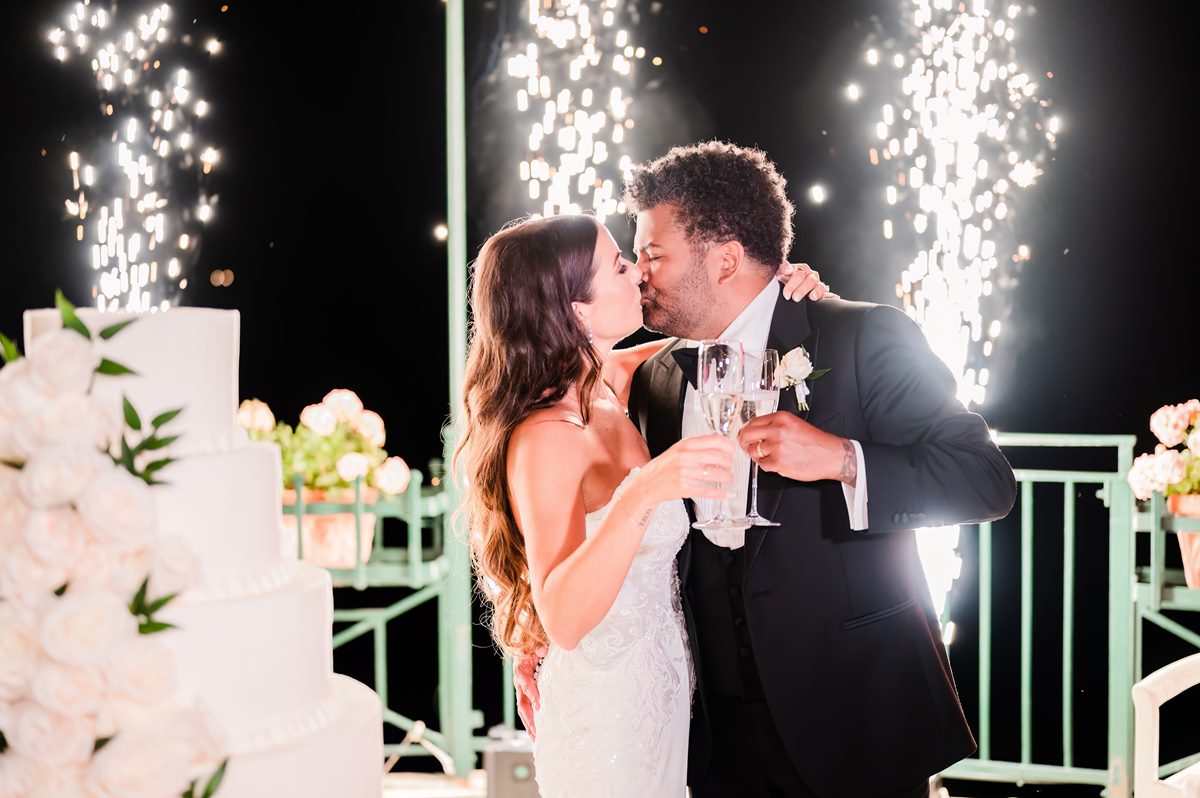
Important Things to Know When Planning an Amalfi Wedding
From understanding the local culture to arranging for accommodation, there are several factors to consider when planning a destination wedding in Amalfi. The first thing you should do is research the area and learn about its history, culture and traditions. This will help you understand what to expect when you arrive and how to interact with locals. You can also find out more about local customs by reading travel guides or talking to people who have been there before.
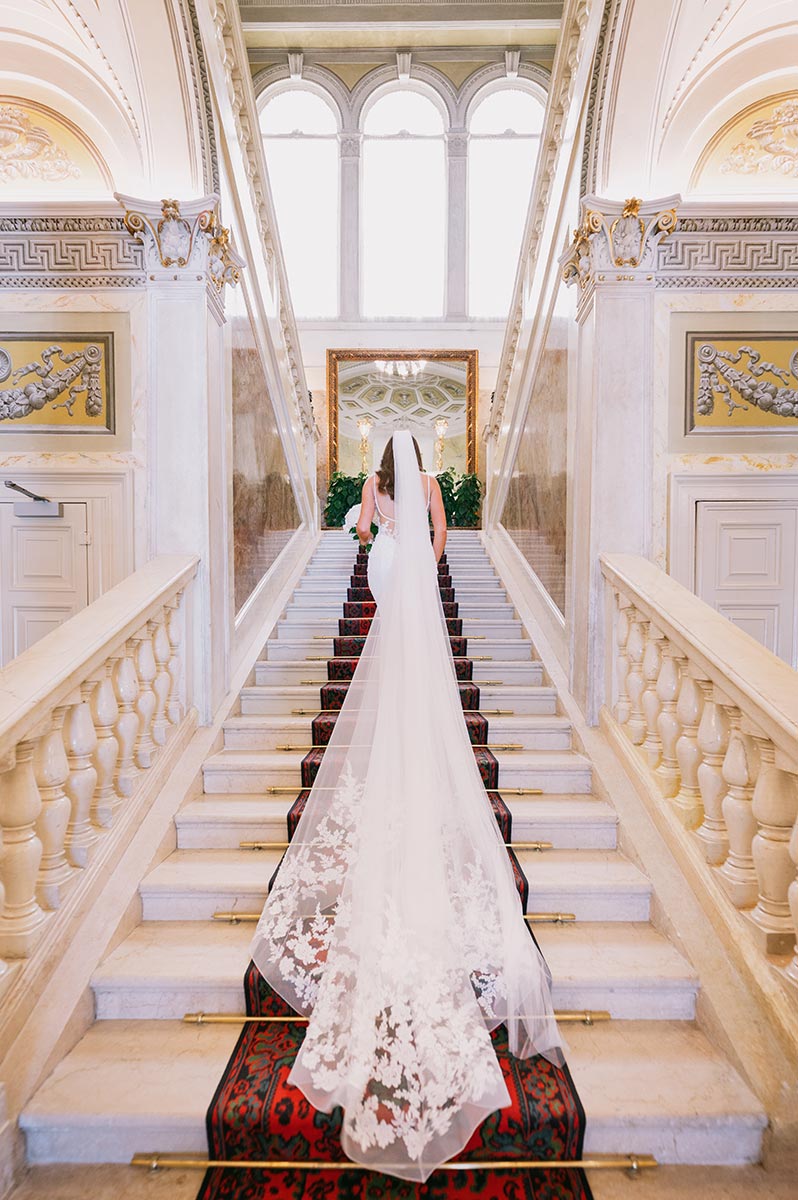
Bridging Cultural Differences during Your Amalfi Coast Wedding
Embracing the local culture and incorporating some of it into your wedding ceremony can help bridge any cultural differences during your Amalfi coast wedding. This will make your guests feel more comfortable and help them enjoy the experience. You can do this by incorporating local customs into your ceremony, such as having a traditional Italian wedding cake or using Italian music during the reception. You can also include some of the local customs in your wedding favors. For example, you could give out small bottles of limoncello or other Italian liqueurs as gifts to your guests. This will help them feel like they are part of the celebration and give them something to take home with them as a reminder of their time on the Amalfi coast.
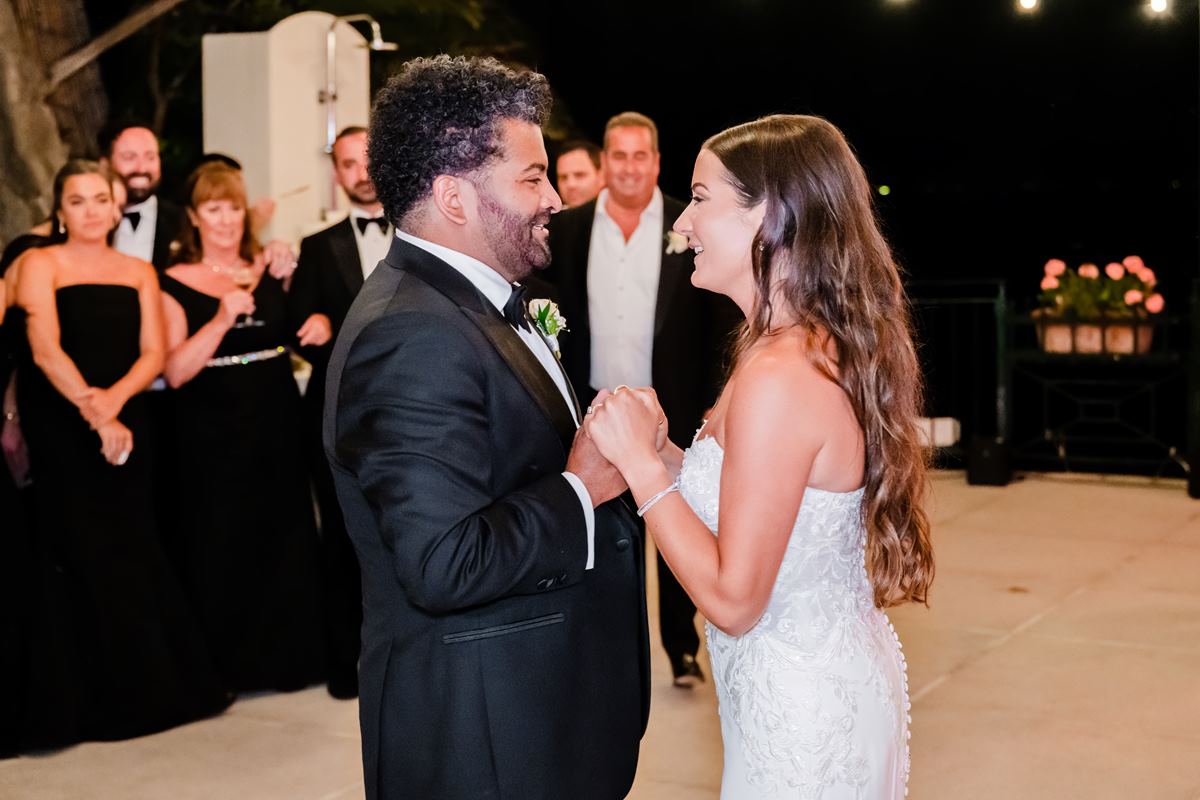
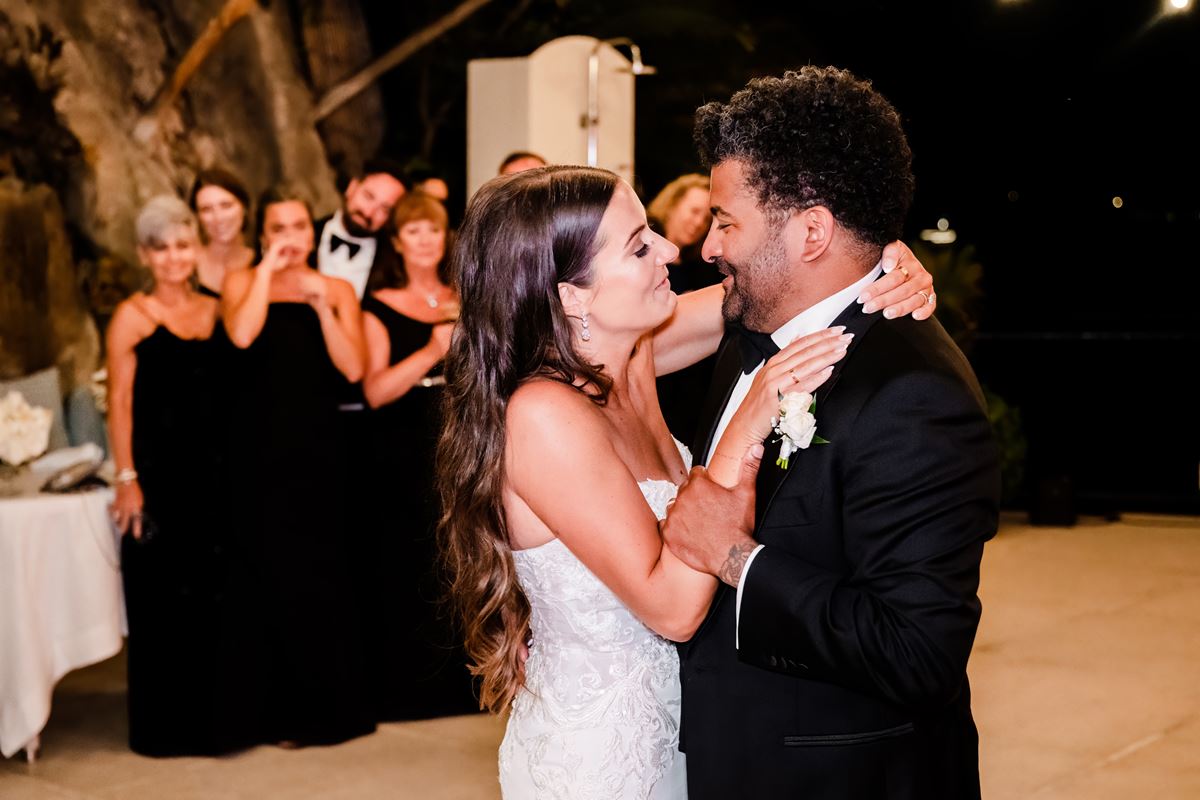


Coordinating Lodging for Your Wedding Attendees in Amalfi
Booking ample lodging for your guest attendees in Amalfi is a crucial part of your wedding planning process. You want to make sure that everyone has a place to stay and that they are comfortable during their time in Amalfi. One of the best ways to do this is by booking a block of rooms at one of the many hotels or bed and breakfasts in town. This will allow you to get a discount on the price of each room and ensure that all of your guests have somewhere nice to sleep while they are visiting.


Moving Beyond the Venue: Exploring the Amalfi Coast
Once you have your venue and lodging sorted out, it’s time to start exploring the Amalfi Coast. There are so many things to see and do in this beautiful part of Italy that you will never run out of options. From hiking the Path of the Gods to taking a boat tour of Capri, there is something for everyone on this amazing stretch of coastline. If you are looking for a more relaxing day, you can take a boat tour of the Amalfi Coast. This will allow you to see some of the most beautiful parts of this area without having to worry about driving or getting lost. You can also take a hike on one of the many trails that run through this region, including the Path of the Gods which offers stunning views over Positano and Amalfi.

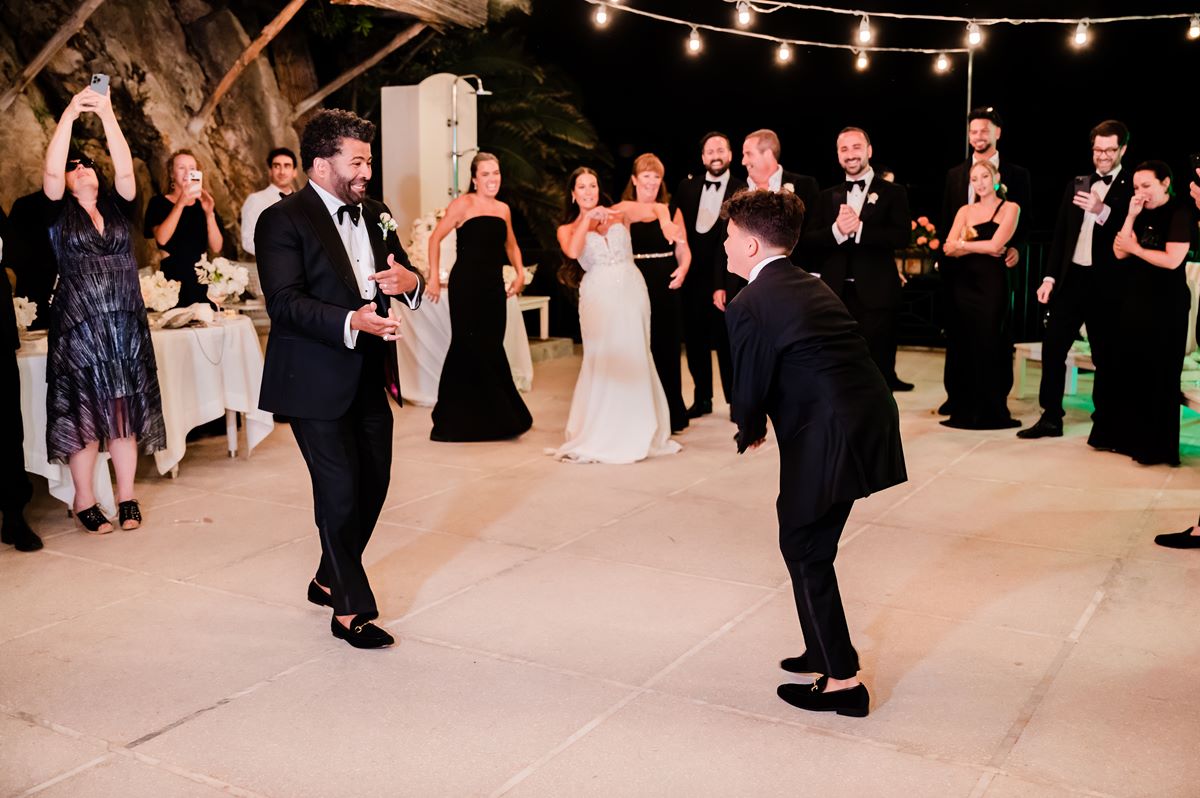
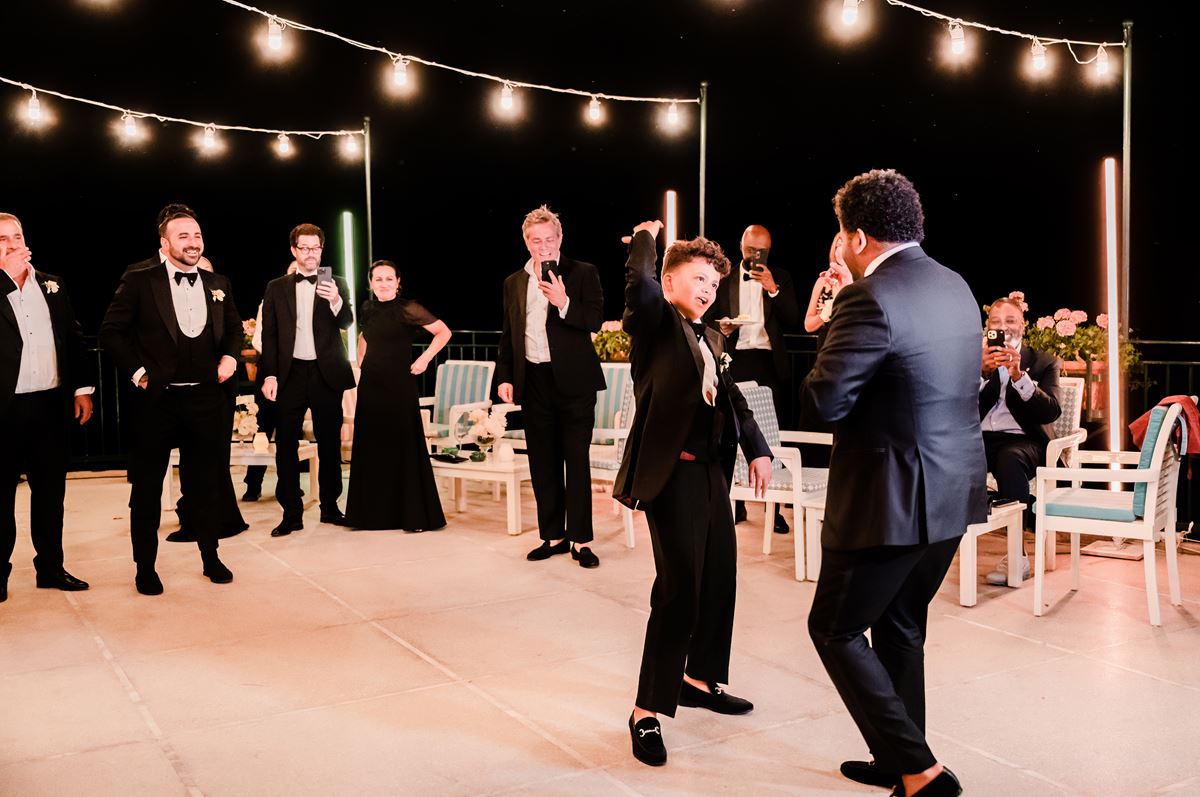
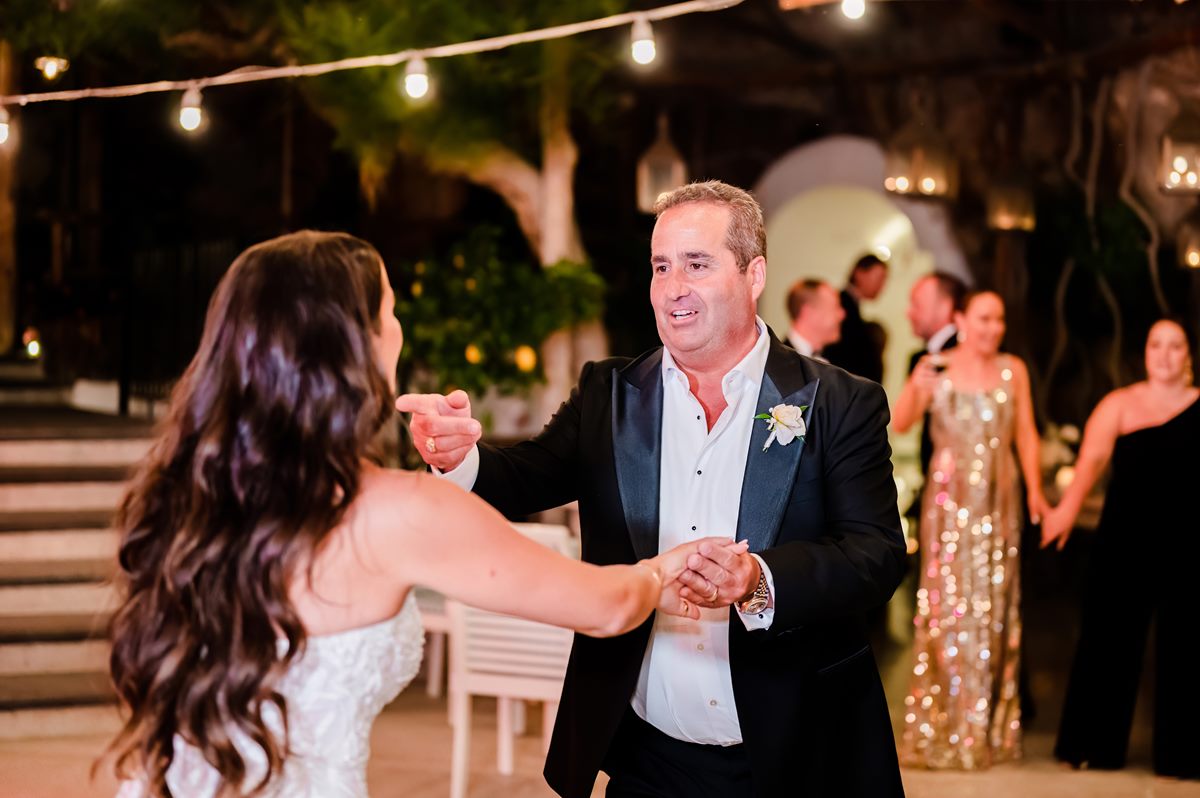

Making the Most Out of Your Stay in Amalfi
Going beyond the wedding venue to explore the Amalfi coast with its stunning sights and authentic Italian experiences can enrich your stay. There are many things to see and do in Amalfi, so it’s important that you make the most of your time there. Here are some tips for getting the most out of your stay: -Take a boat tour of the Amalfi Coast. This will allow you to see some of the most beautiful parts of this area without having to worry about driving or getting lost. You can also take a hike on one of the many trails that run through this region, including the Path of the Gods which offers stunning views over Positano and Amalfi.

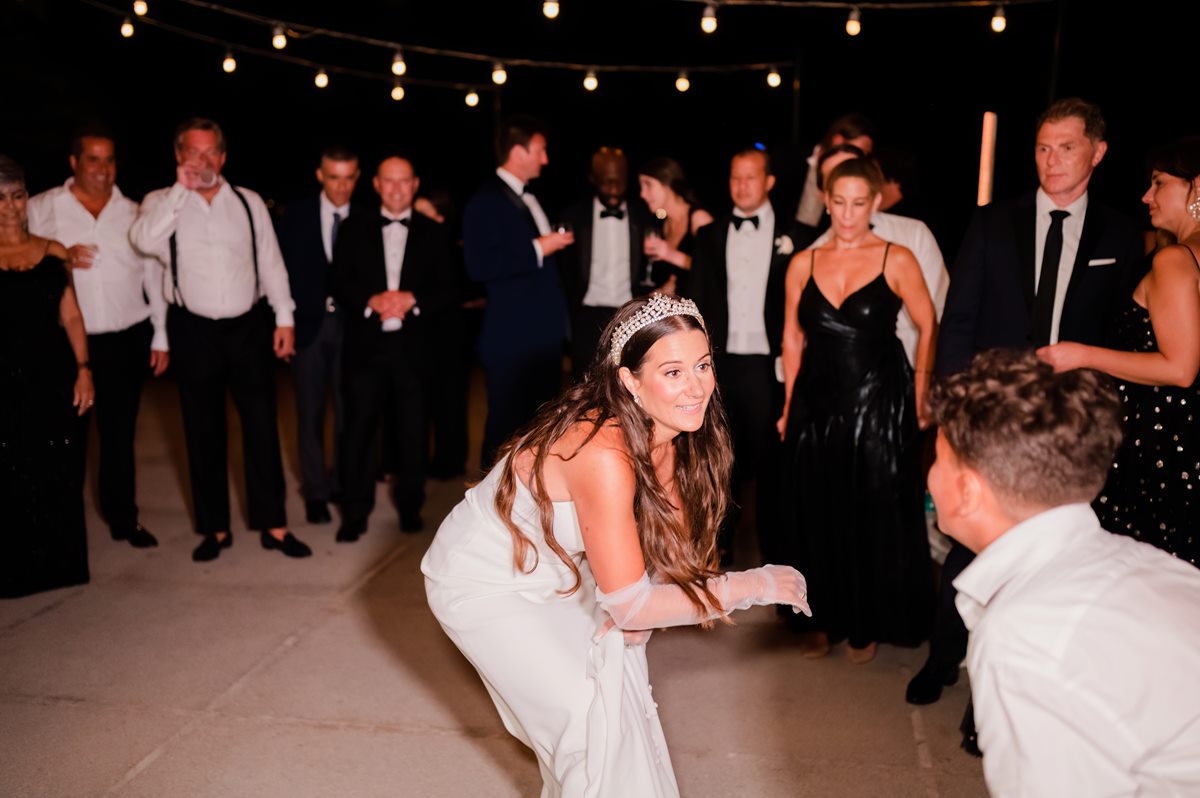











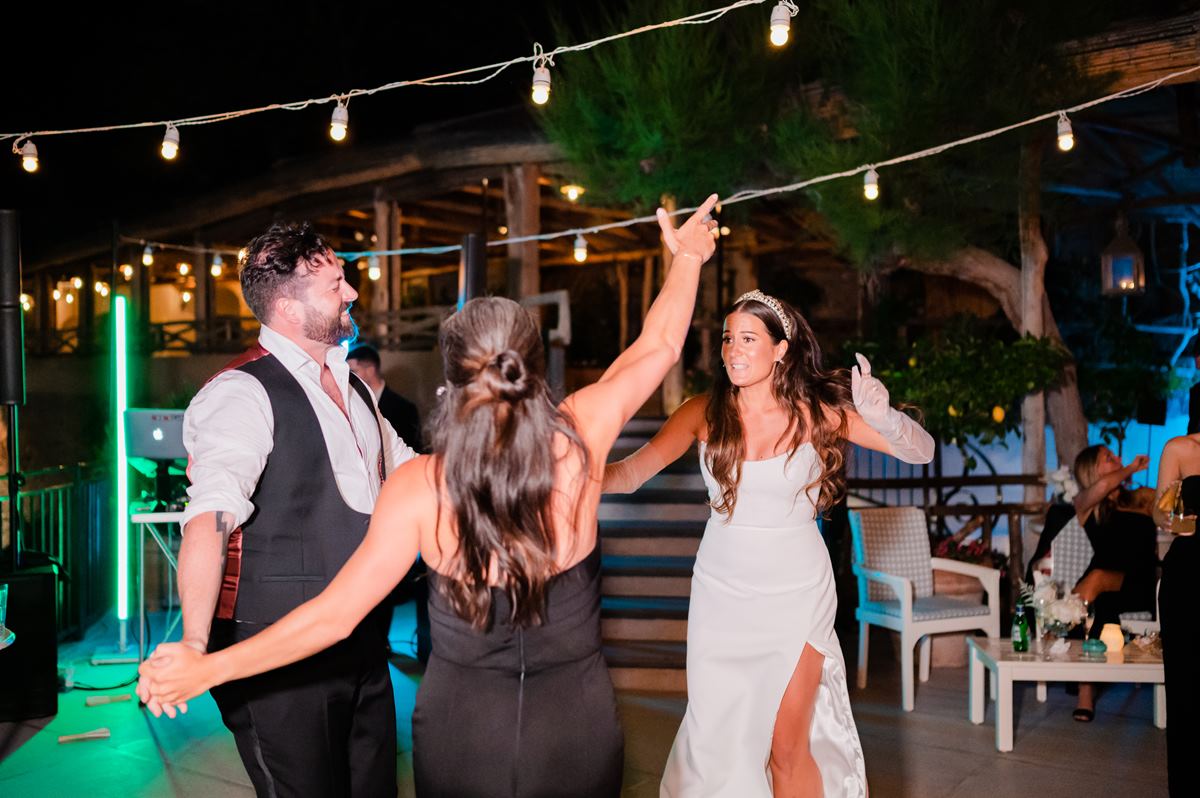


Sightseeing Tips for You and Your Wedding Guests on the Amalfi Coast
Visiting historical landmarks, indulging in local cuisine, and exploring the local markets are a few sightseeing tips for you and your wedding guests.
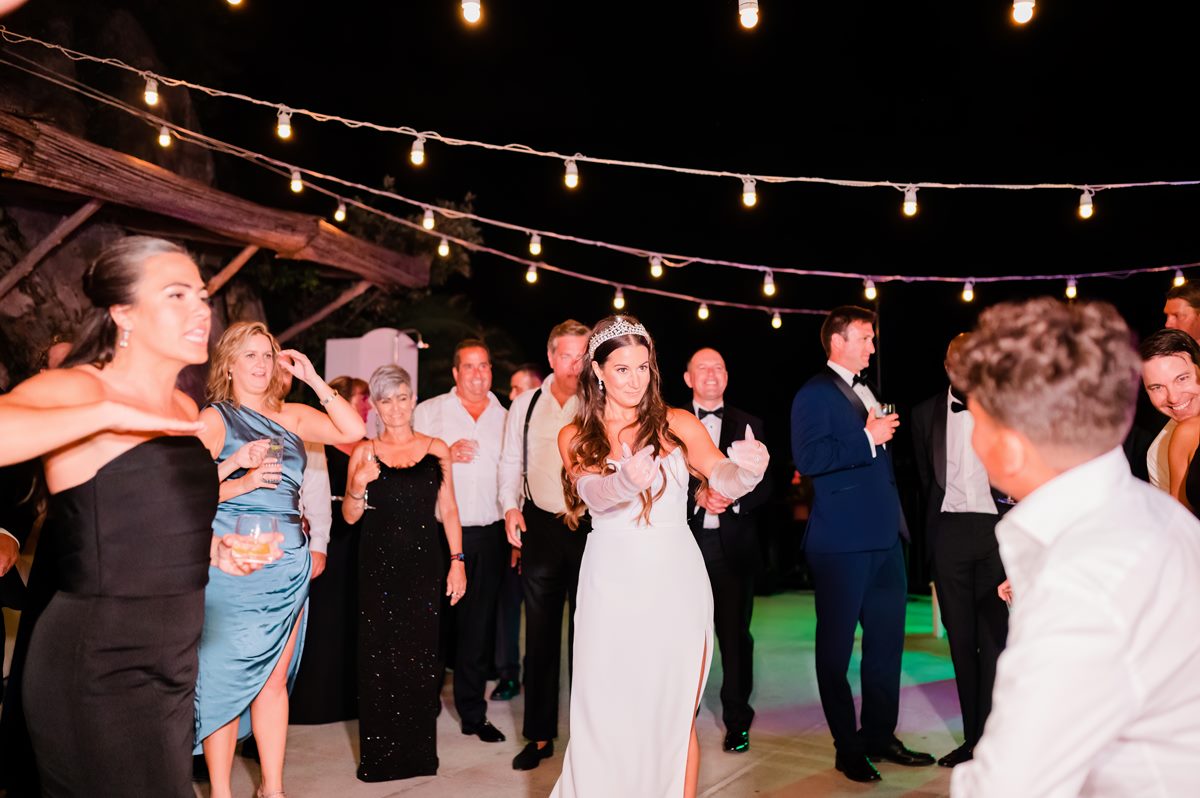























What Makes the Amalfi Coast So Special
The scenic views, historical architecture, and serene beauty of the Amalfi Coast make it a unique destination for a memorable wedding.