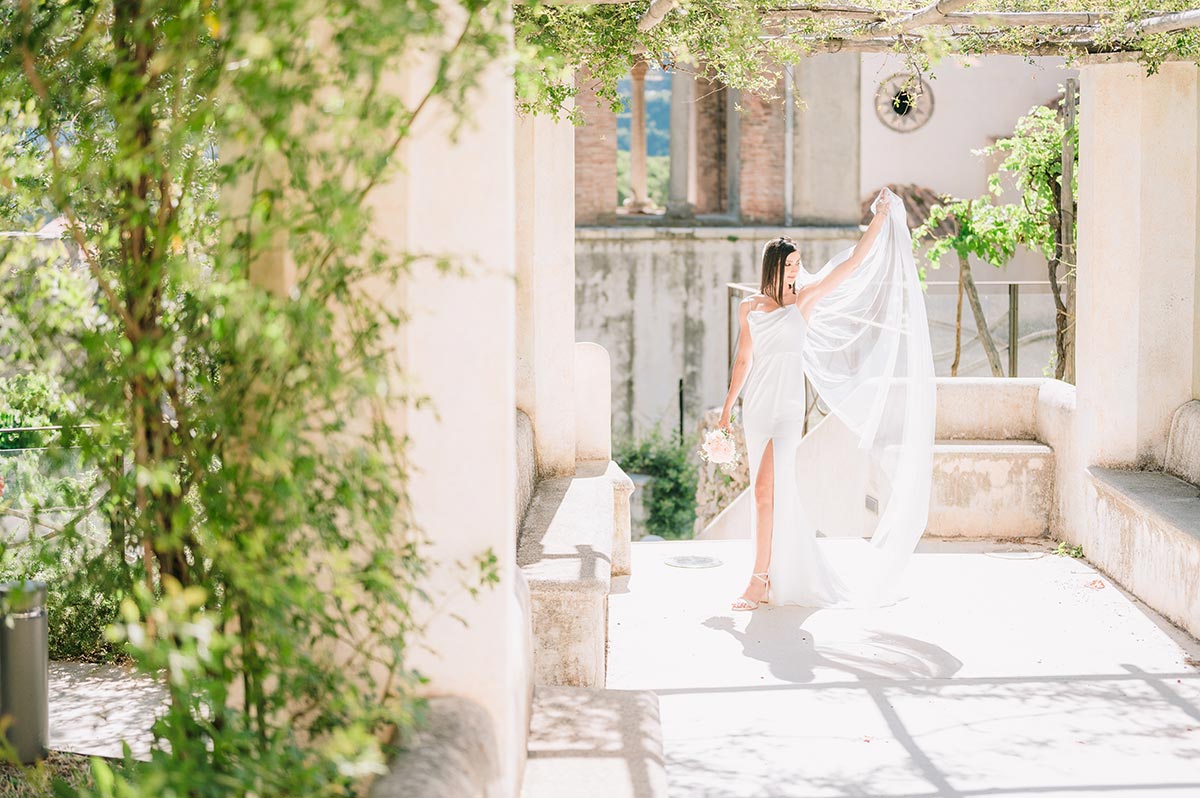
Symbolic Wedding Ceremony in Positano: The Complete Guide

VOWS, PAPERWORK, AND THE POSITANO LIGHT

What a civil ceremony at Positano’s Town Hall actually costs and requires, and why most American couples here choose a symbolic ceremony instead.

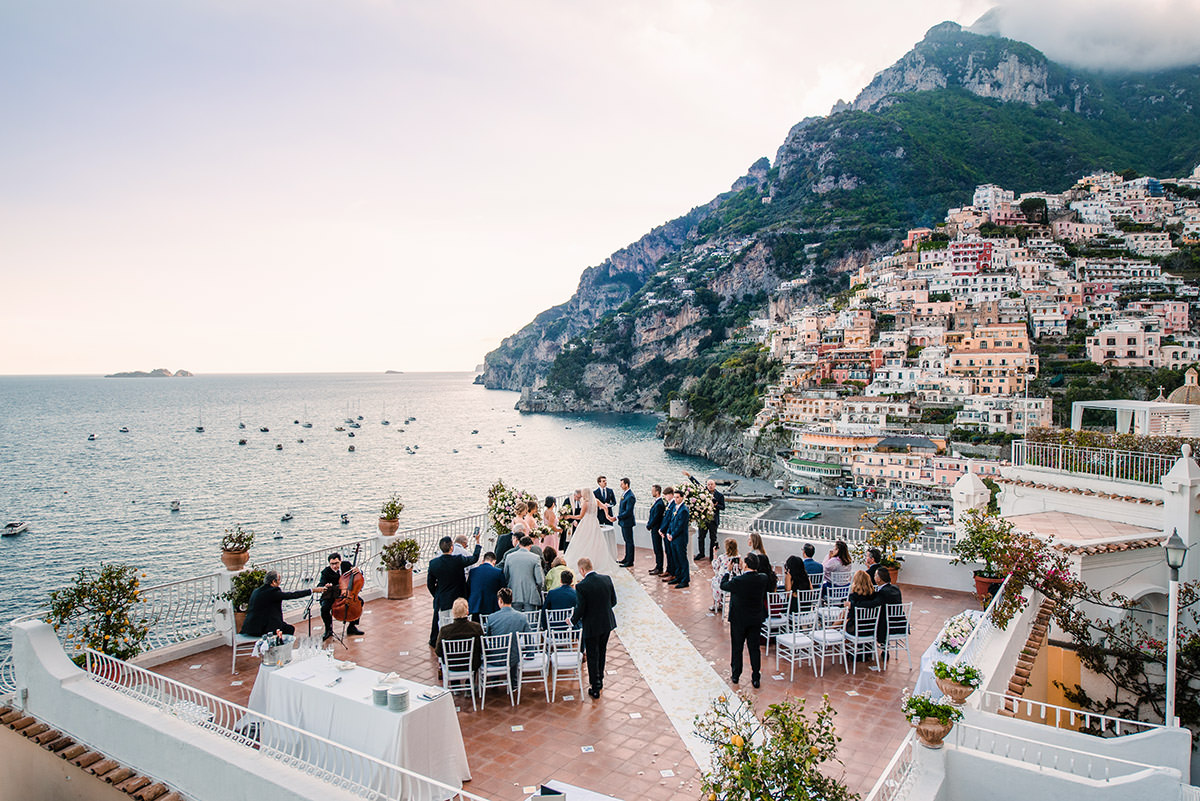
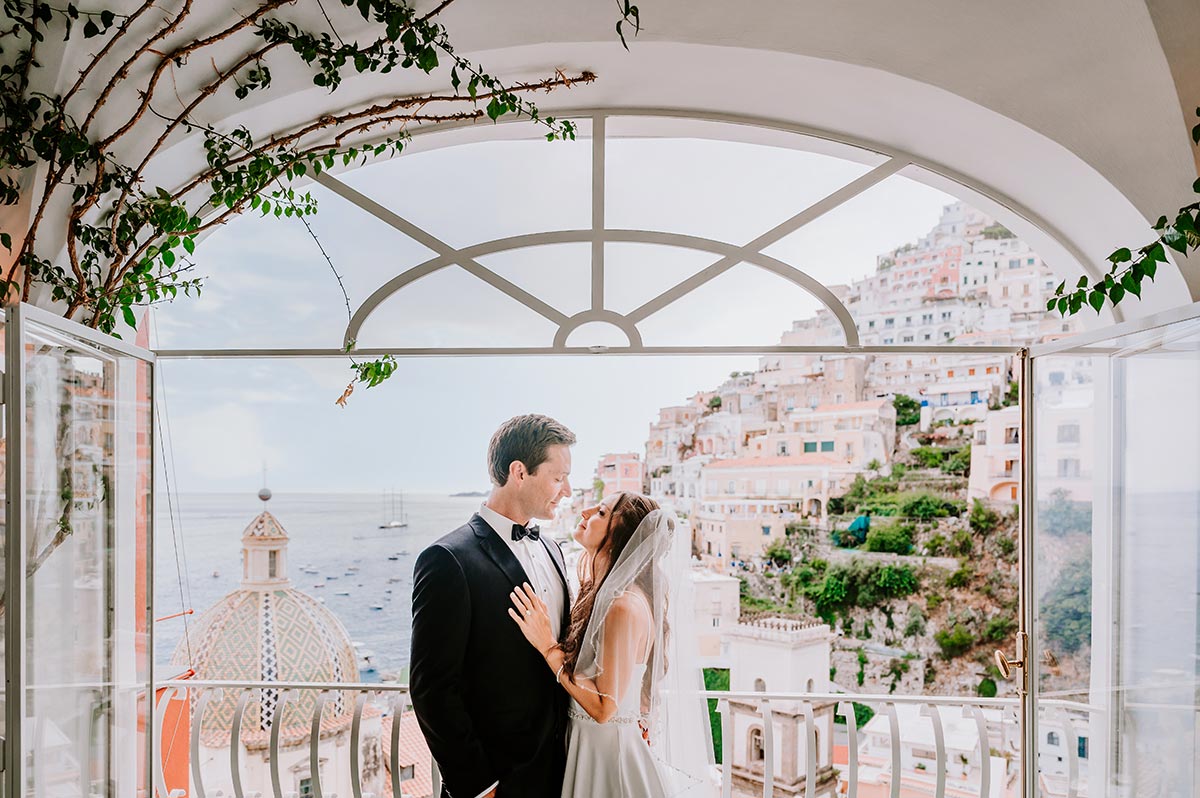
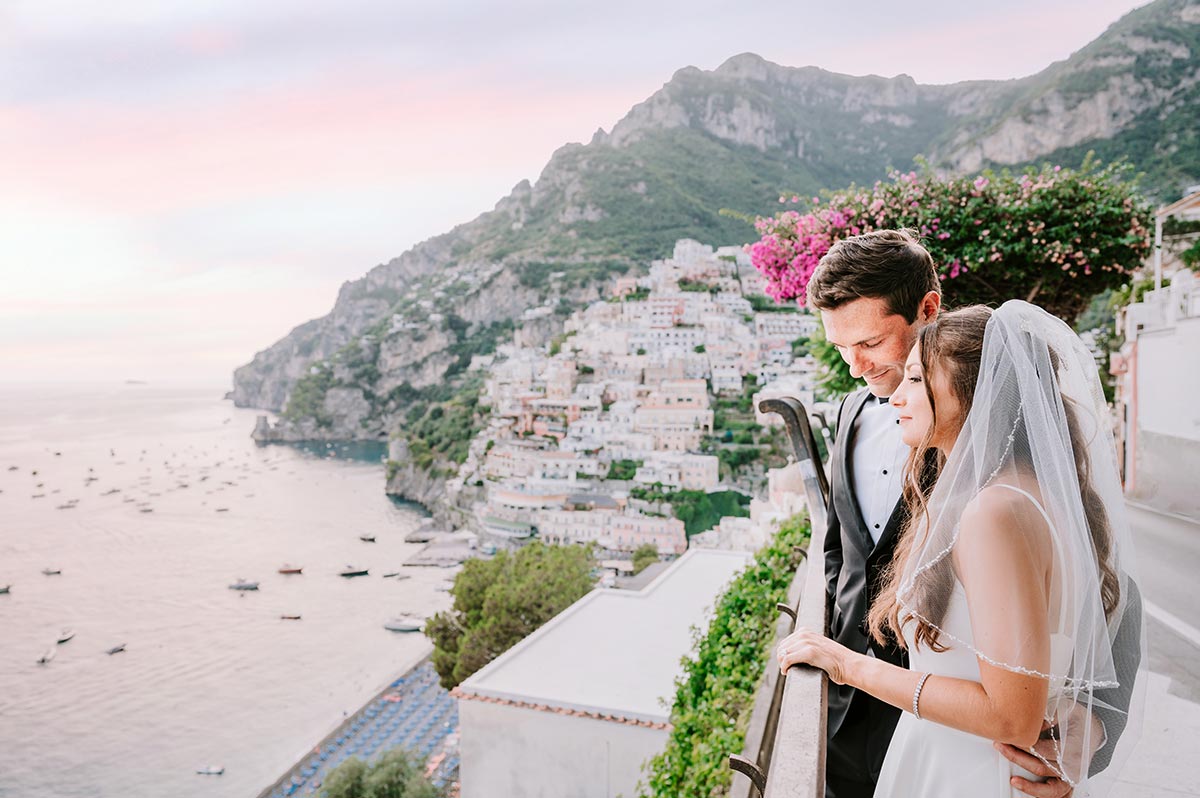
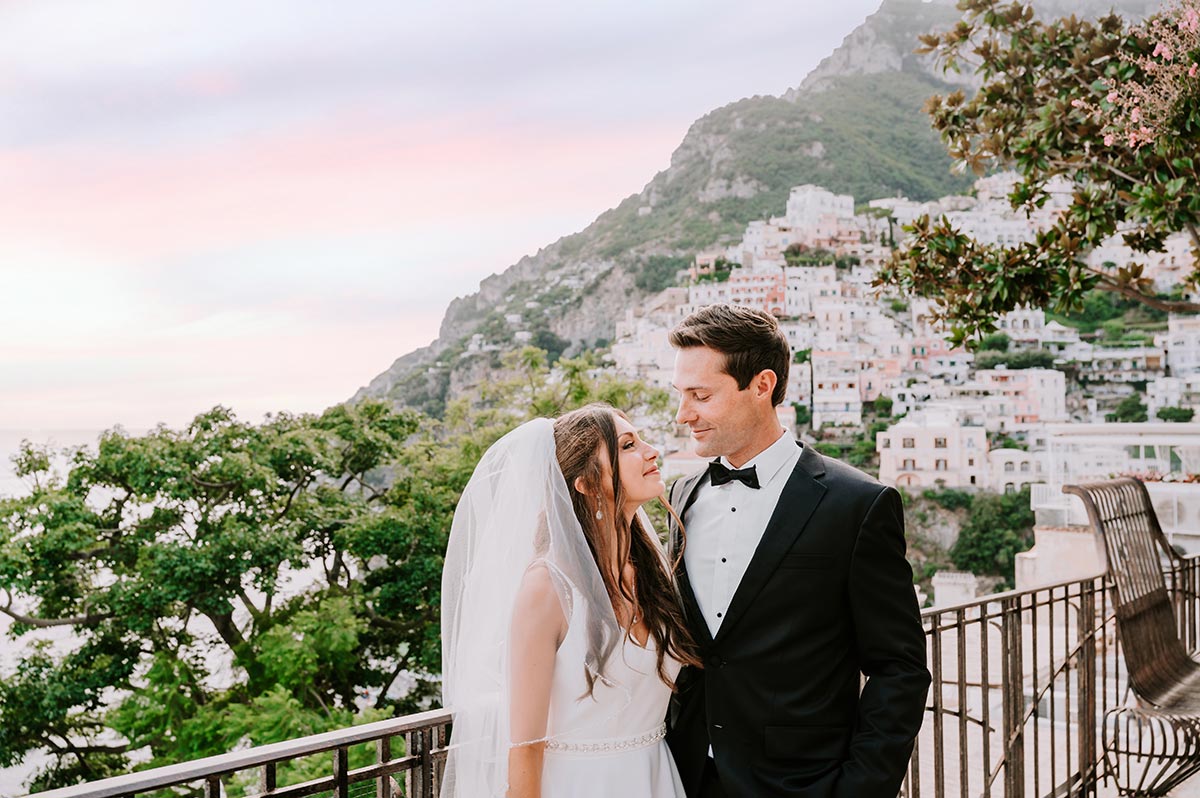
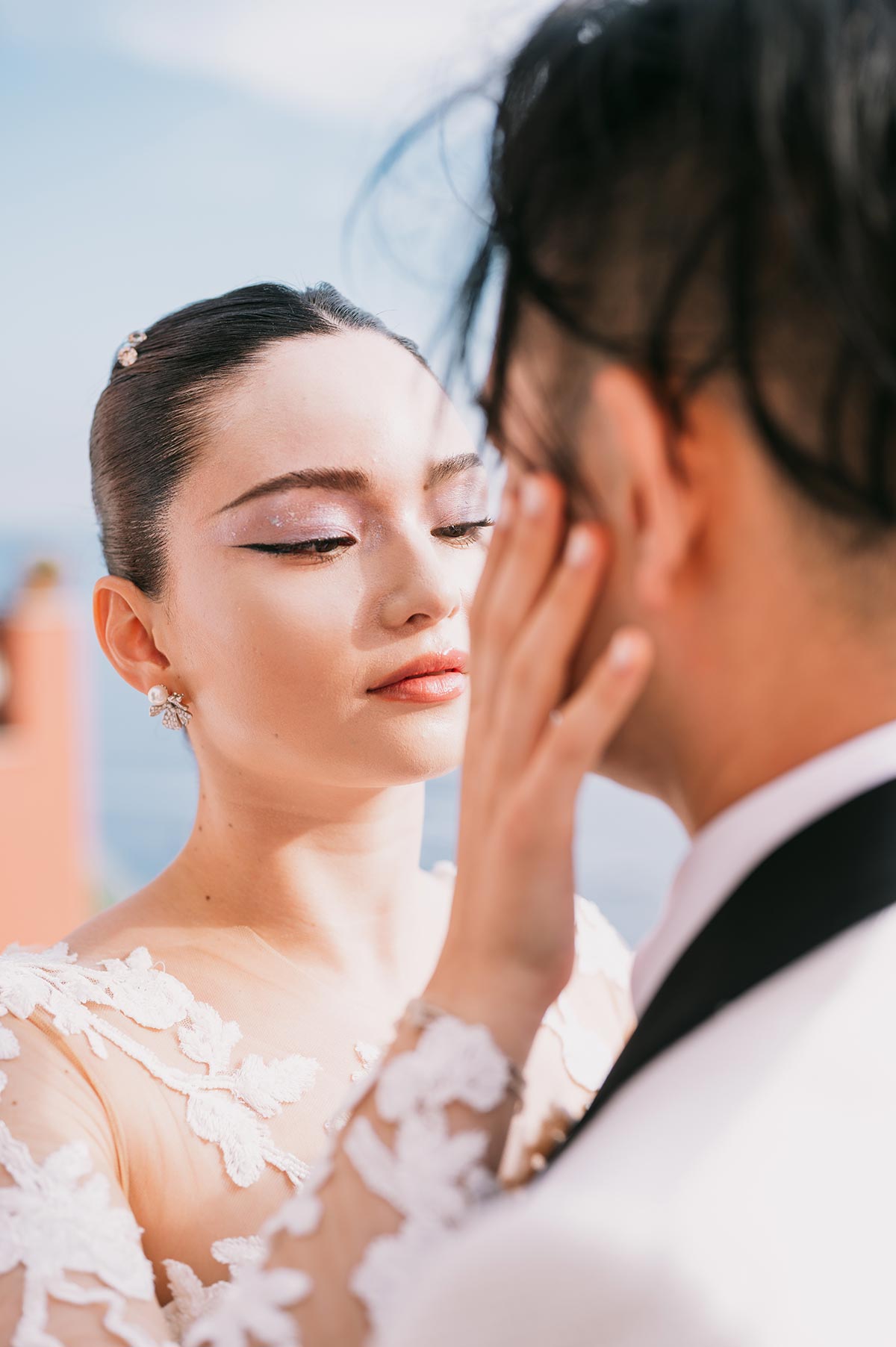
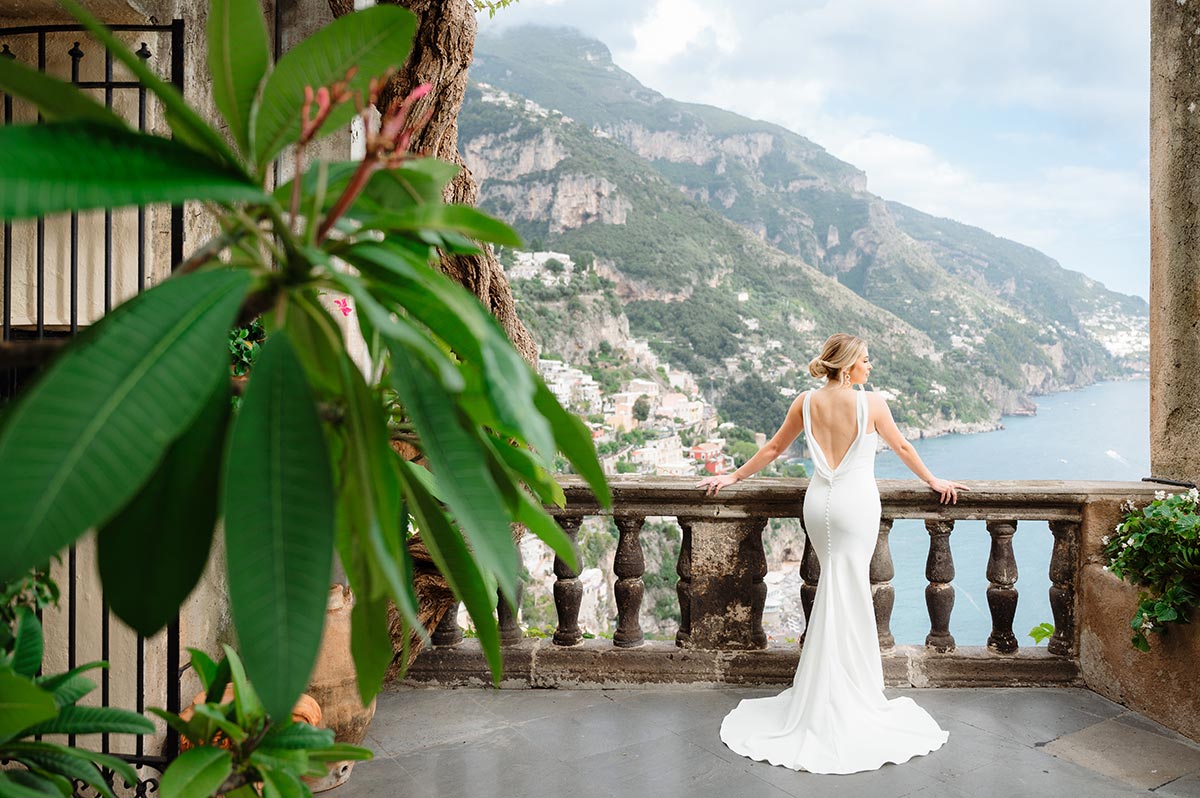
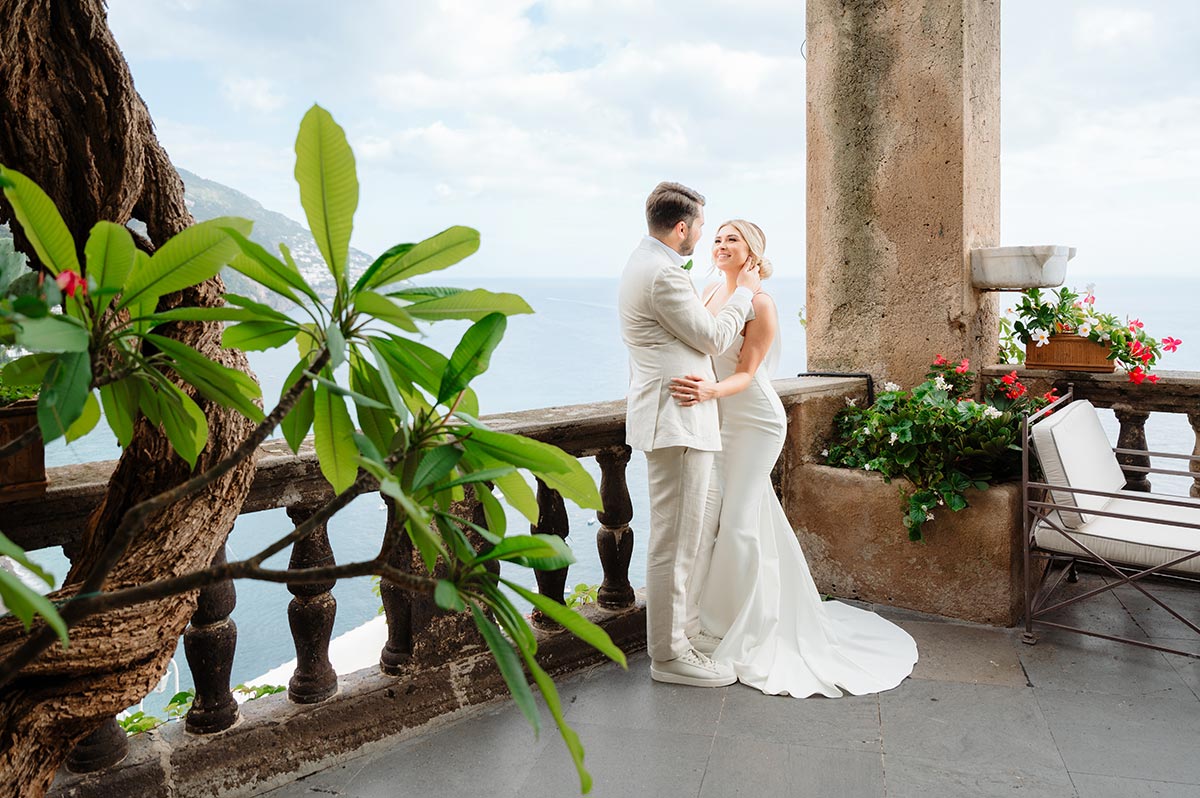
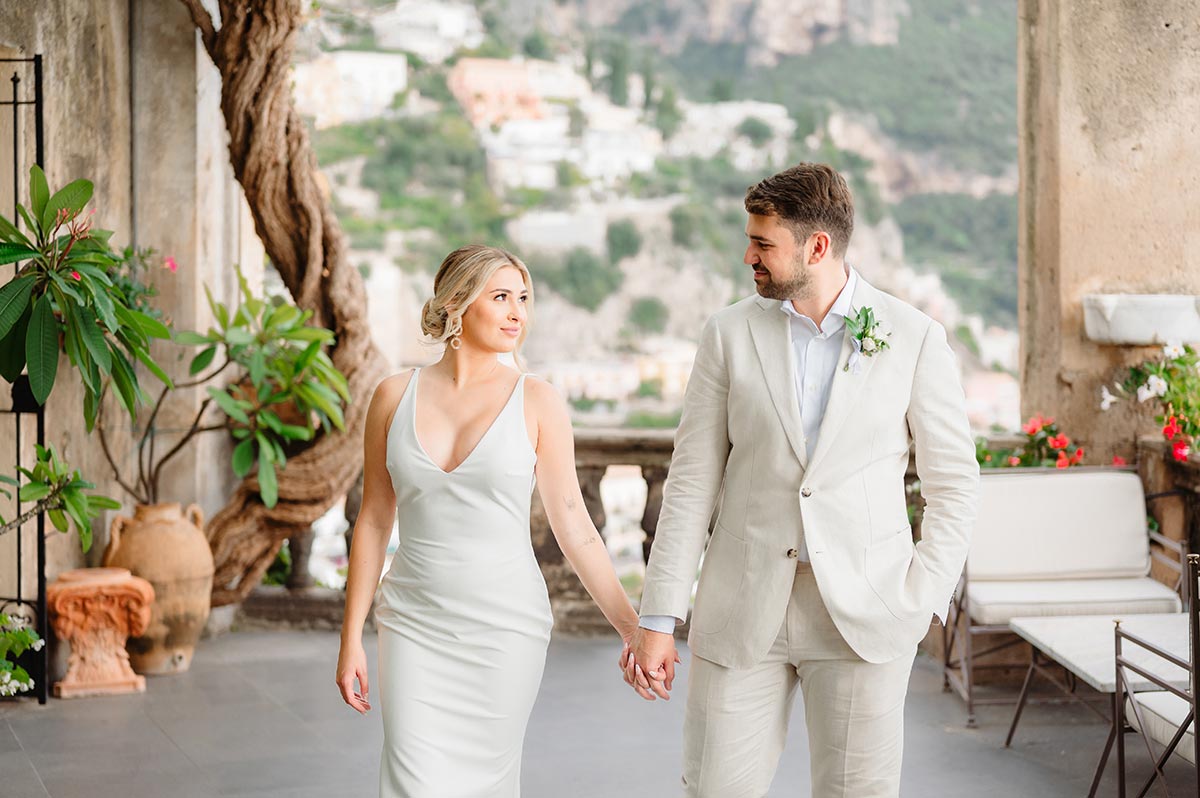
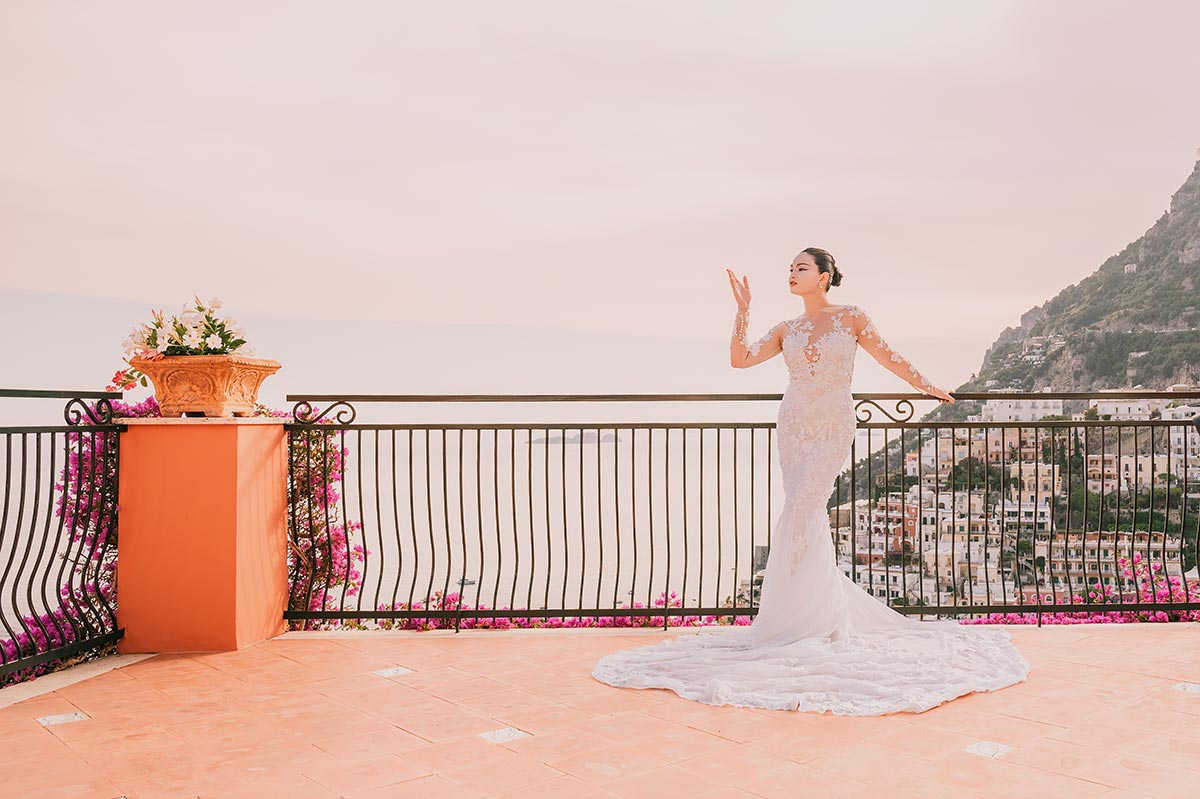
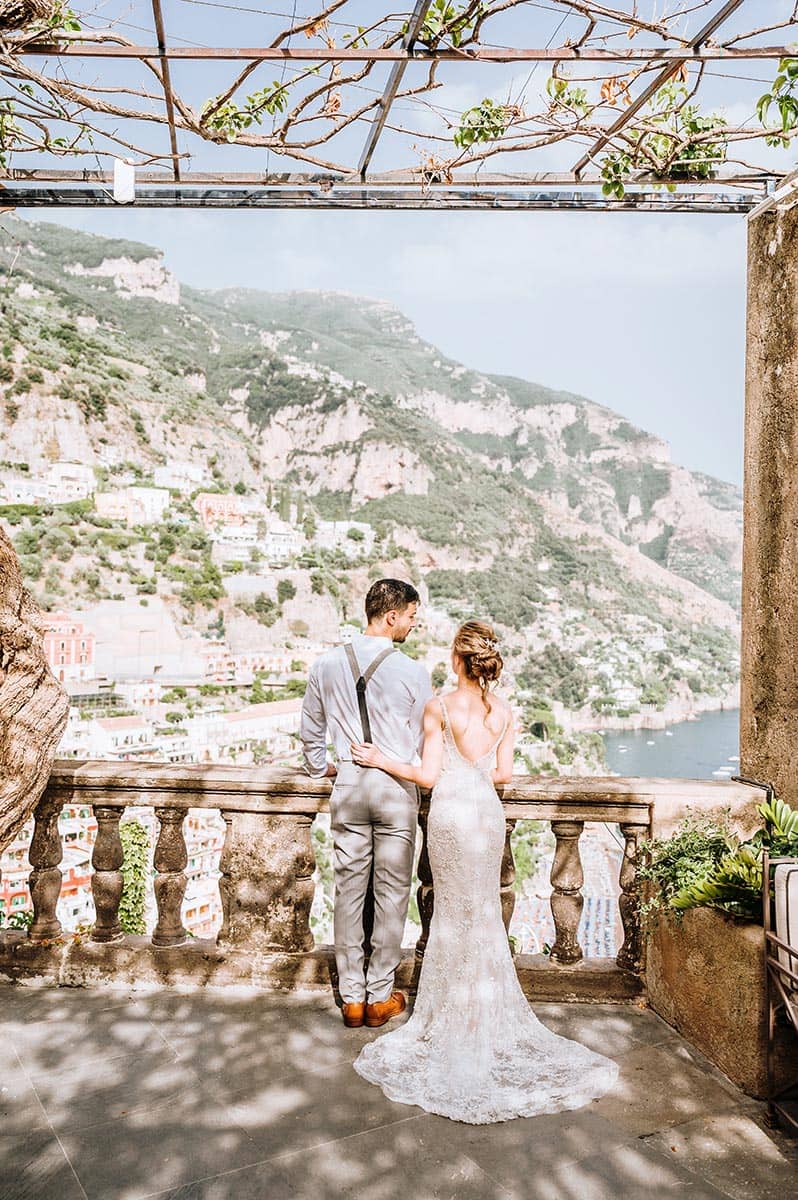
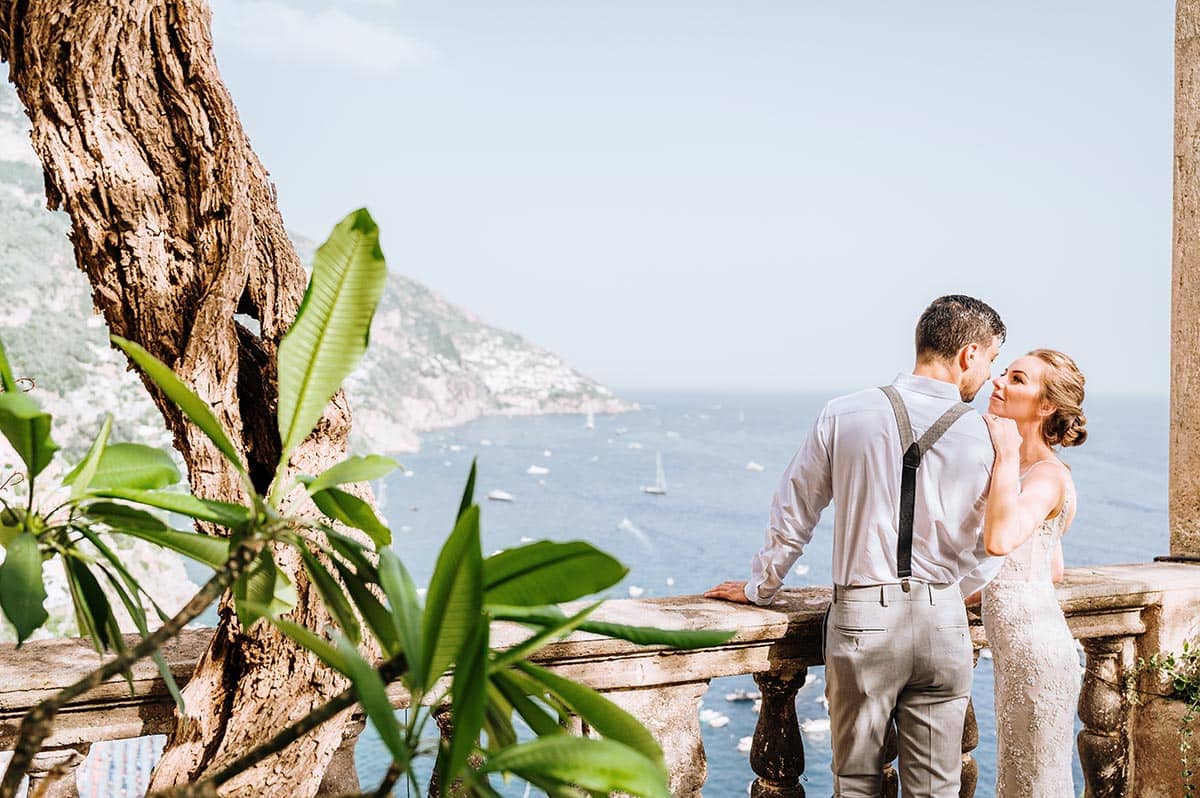
A beautiful symbolic wedding ceremony Positano overlooking the sea and colorful cliffside village.

Real costs and paperwork, from Town Hall to the light.

Two women in silk robes share champagne during preparations for a symbolic wedding ceremony in Positano.
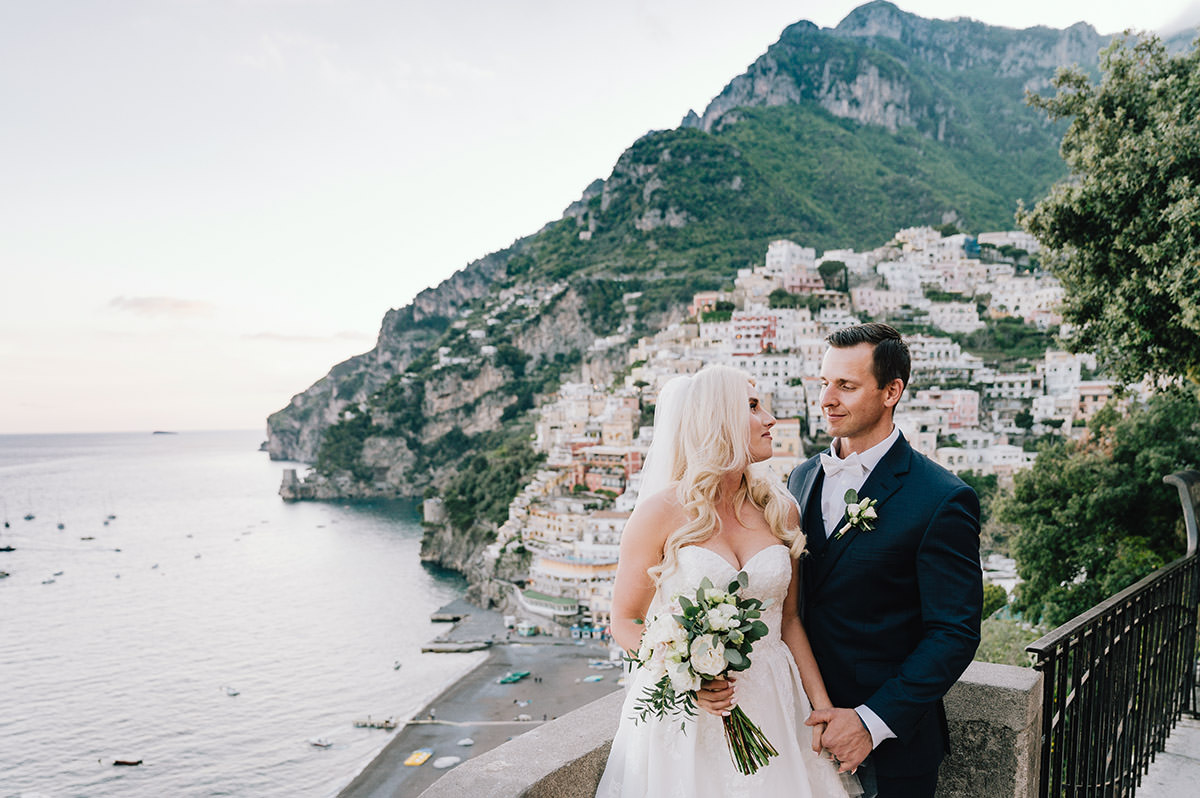
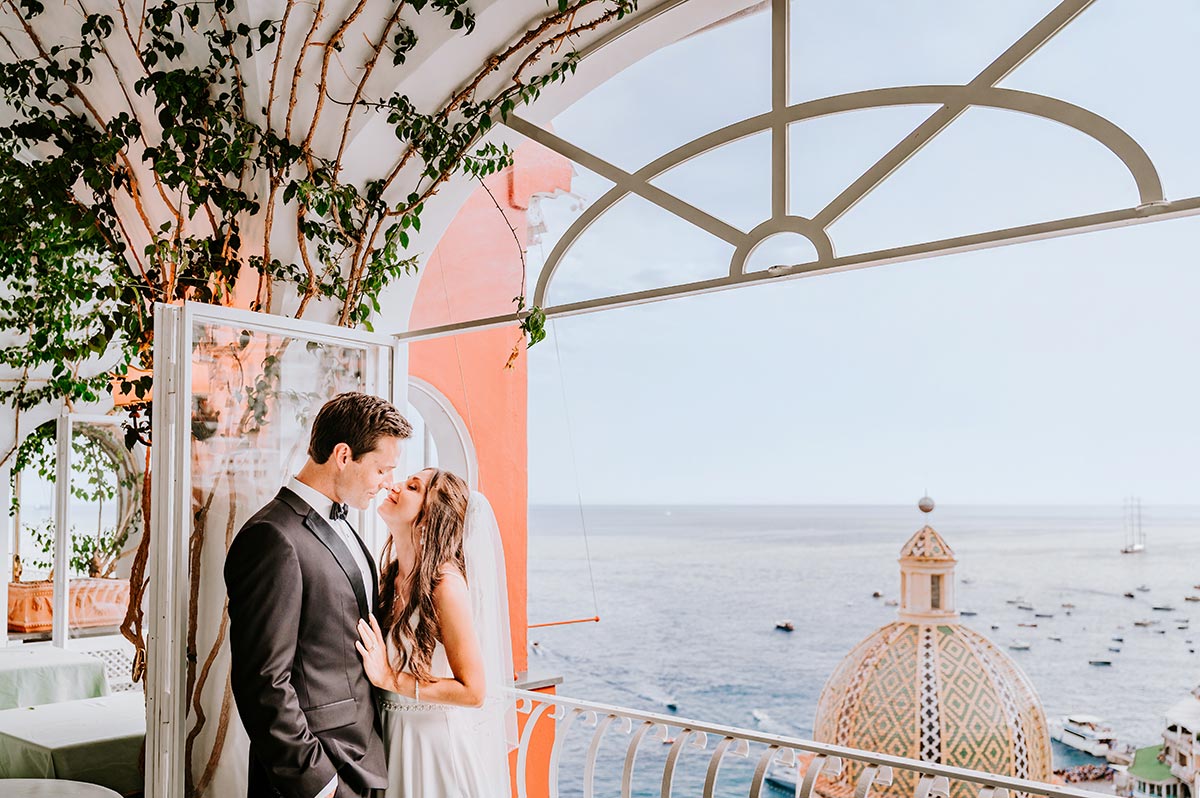
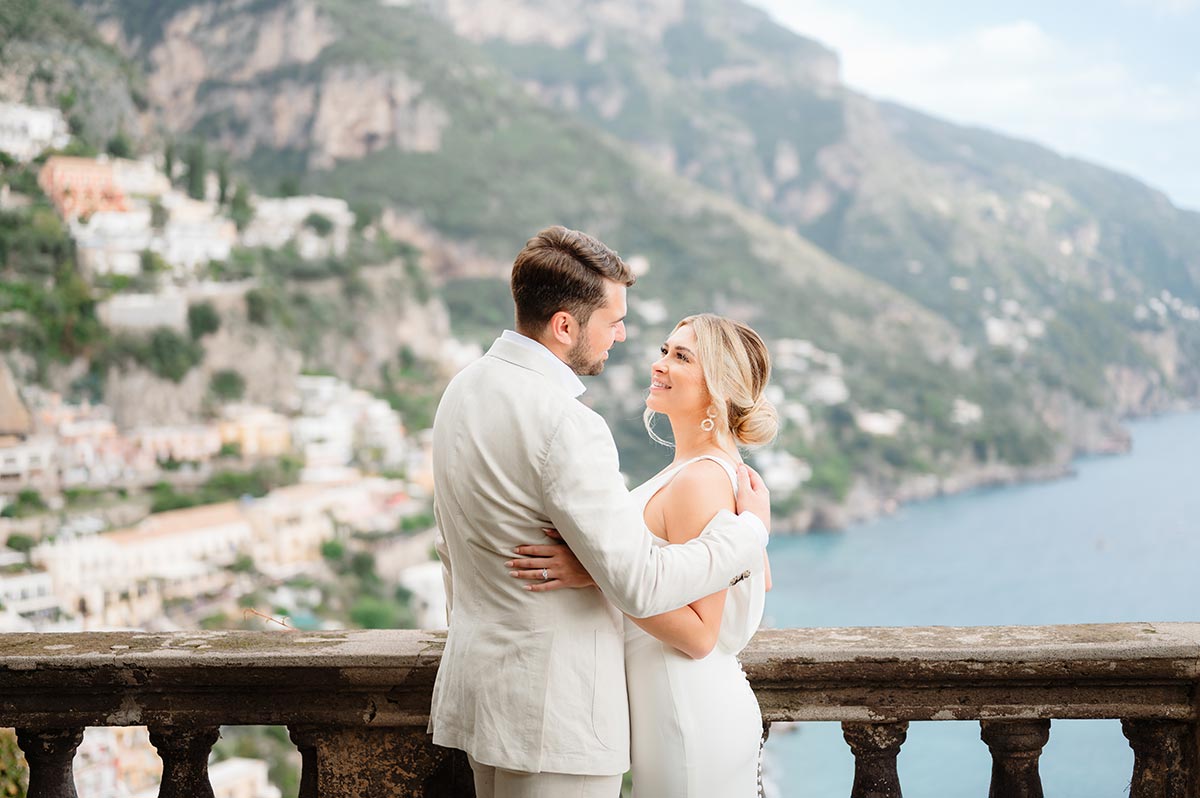
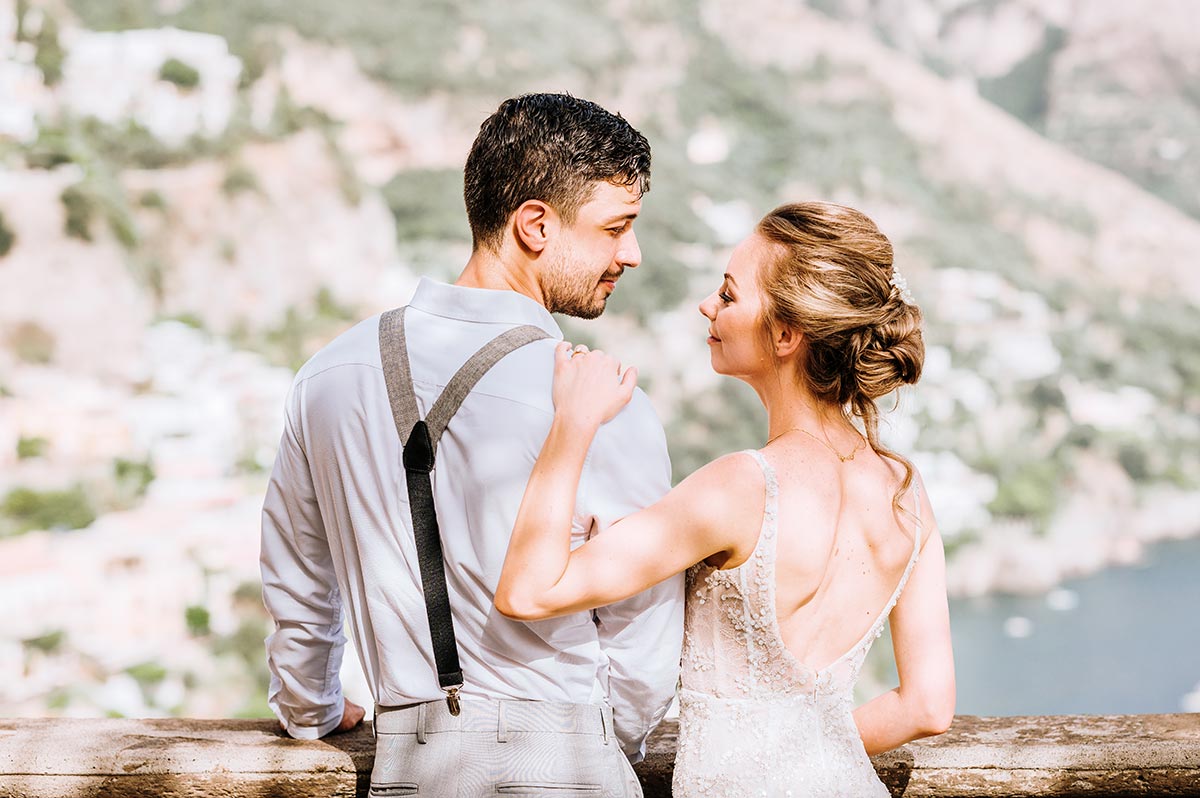
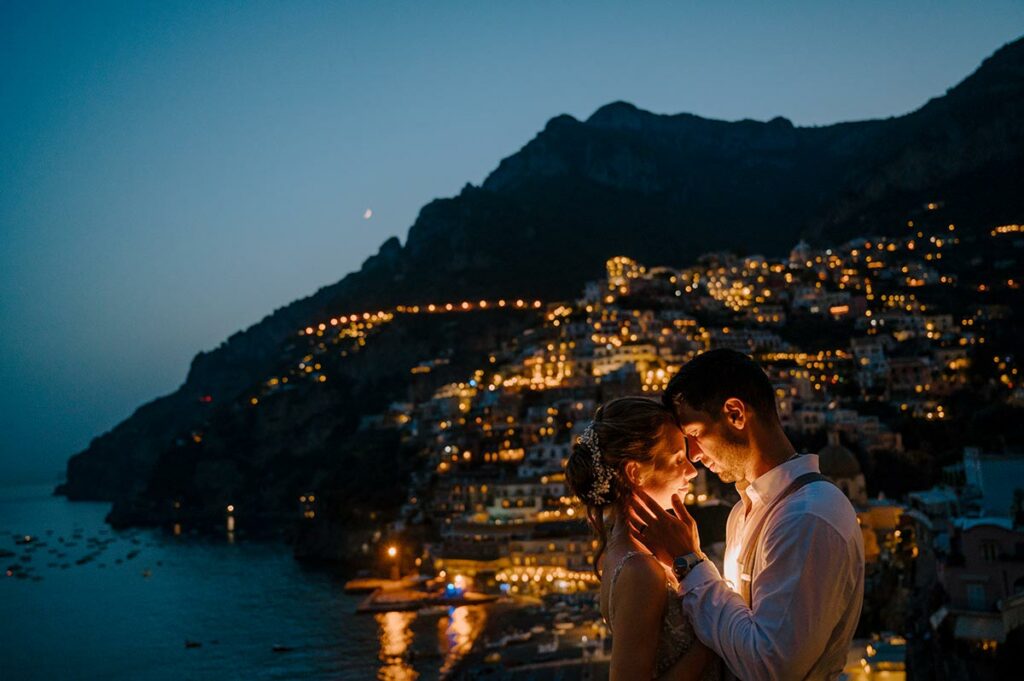
Couple's symbolic wedding ceremony Positano with view of the colourful town and coastline.

I shot two weddings in Positano three weeks apart last year that taught me more about this decision than anything else could. The first couple spent their morning in a hotel room going over a folder of stamped documents, running through a checklist one more time before their fifteen-minute slot at the Comune. The second couple woke up, had coffee on their terrace, and didn’t think about paperwork once, because they’d handled the legal part at a courthouse in New Jersey two weeks before flying out. Both ceremonies were beautiful. Only one of them was stressful to photograph.

If you’re planning a wedding in Positano from the US, you’re going to face this exact choice: a civil ceremony at the Town Hall, which is legally binding but rigid, or a symbolic ceremony, which has no legal weight but total freedom of format and location. Here’s what each one actually involves, what it costs, and how I’d think about the decision if it were mine.

The Civil Ceremony at Positano Town Hall: What It Actually Costs

The Comune di Positano runs civil ceremonies on its terrace, and it’s genuinely one of the more scenic municipal wedding venues in Italy, an open-air space looking straight out over the village and the sea. The fee structure runs by day and duration: weekday slots, Monday through Friday between 11 AM and 8 PM, run around 1,000 euros, while a Saturday ceremony jumps to roughly 1,800 euros. Some sources break it down differently, around 600 euros for up to an hour of terrace access, 1,500 euros for longer with a prosecco toast included. Pricing varies by package and year, and 2026 rates may run up to 10% higher than 2025 figures, so confirm current pricing directly with the Comune at weddings@comune.positano.sa.it rather than treating any number here as locked in.

What that fee buys you is roughly fifteen to twenty minutes. The ceremony is a standardized legal proceeding conducted in Italian by the mayor or a civil registrar, and if you don’t speak fluent Italian, Italian law requires a certified interpreter present to translate the civil code articles as they’re read. You sign the register, and the next couple’s slot starts shortly after.

The Paperwork Americans Actually Need for a Civil Ceremony

The fifteen-minute ceremony is the easy part. Getting there involves a specific document trail, and the order matters.

You’ll need a Nulla Osta, an affidavit of no impediment to marriage, issued by a US Consulate in Italy. For Positano, Naples is the nearest consulate. It’s signed in person before a US consular officer, takes 5 to 10 business days to issue, costs 50 USD per copy, and is valid for 180 days from issue, which means timing it too far ahead of your wedding date can actually work against you.

You’ll also need an Atto Notorio, a sworn declaration that can be done either at an Italian consulate in the US before you travel, or at an Italian court once you’ve arrived. It’s also valid for 180 days. The traditional requirement was four witnesses with no family relation to either of you, but most Italian courts in practice now ask for only two. Beyond these two documents, you need a full, long-form birth certificate issued within the last six months, your passport, certified Italian translations of any non-Italian paperwork, and, if either of you has been previously married, a divorce decree or death certificate with an apostille and certified translation.

One detail that trips up even well-prepared couples: only the specific Prefettura where your consular officer’s signature is registered can legalize your Nulla Osta. Skipping this step, or going to the wrong office, is one of the more common reasons couples end up scrambling in the days before their ceremony.

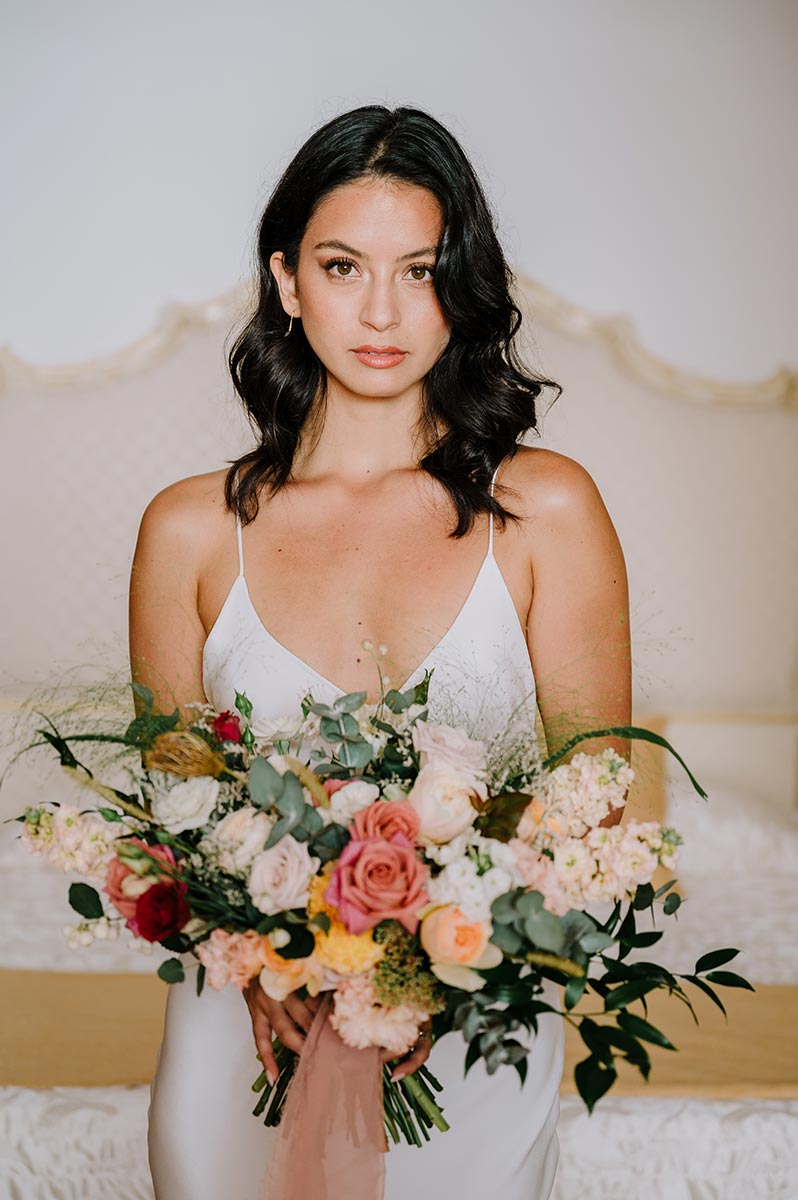
Bride in white dress preparing for her symbolic wedding ceremony in Positano.
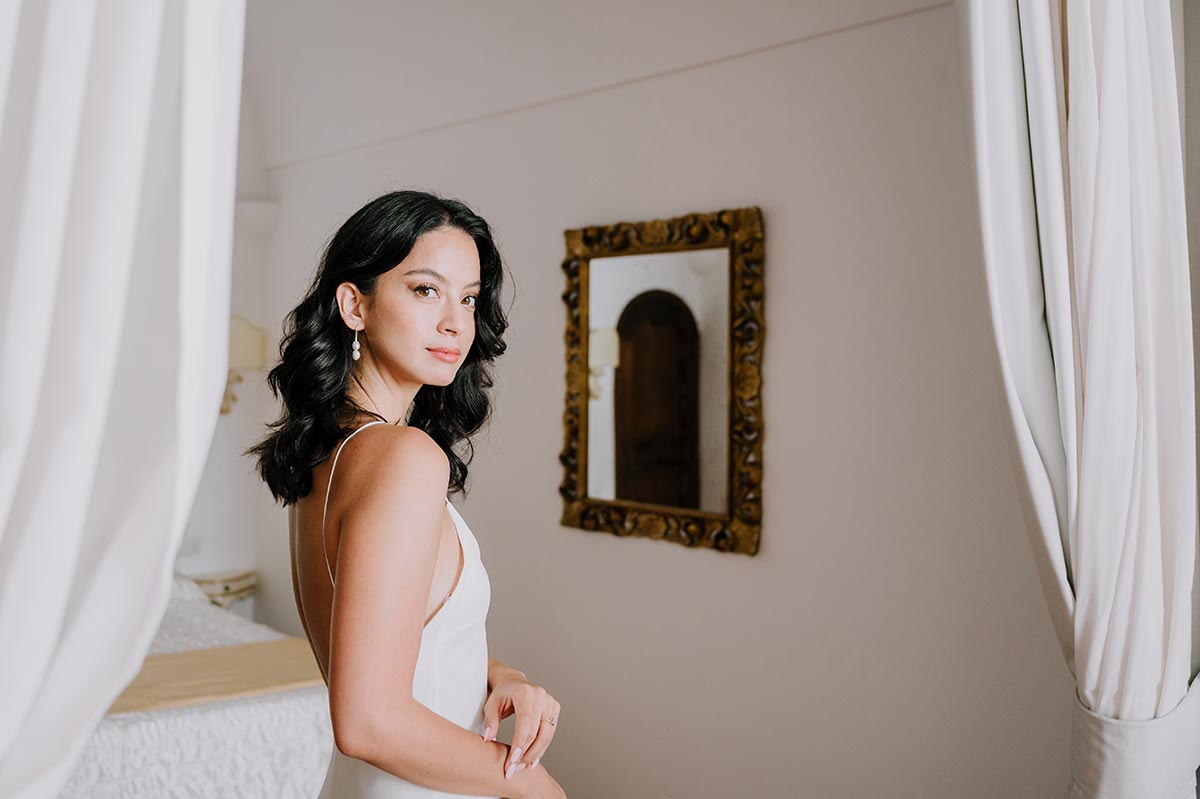
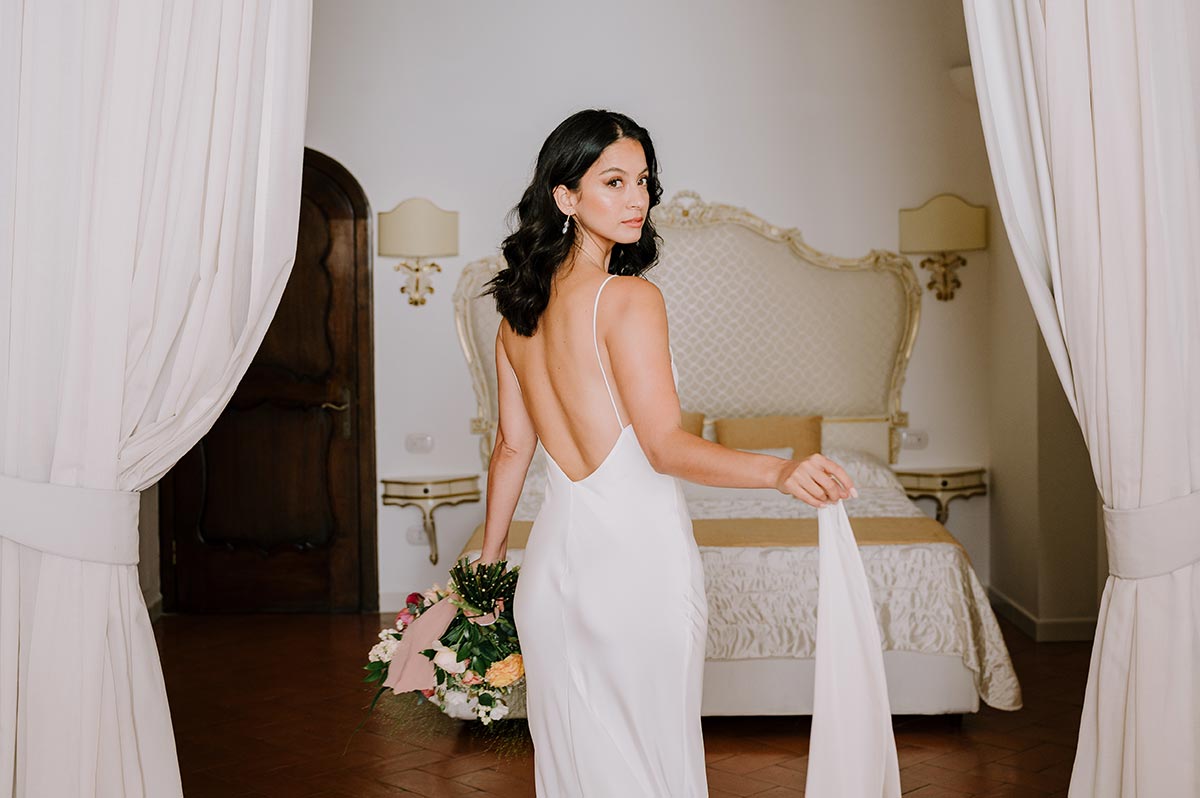
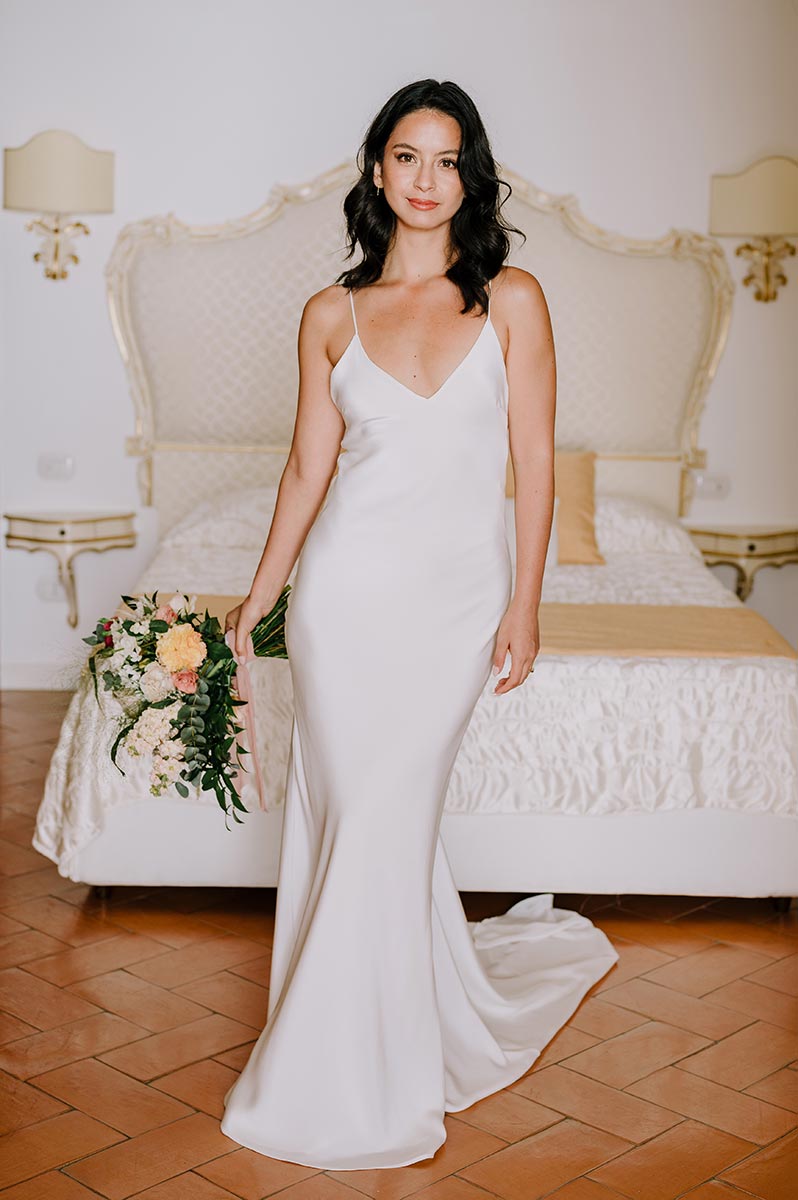
Bride in white dress posing for a symbolic wedding ceremony in Positano bedroom.

How Many Guests Can Actually Fit

The Town Hall terrace has a real capacity limit, and the numbers vary depending on who you ask and how the space is configured. Most sources put it around 30 seated guests plus another 30 standing, so roughly 60 total, though some quote up to 80 standing-only. There’s an indoor hall used as a weather backup that holds fewer, generally cited around 50. If your guest list runs larger than that, or if you specifically want everyone seated rather than a mix of seated and standing, the Town Hall’s physical limits become a real planning constraint, not just a bureaucratic one. A symbolic ceremony at a private venue doesn’t have this problem, since the space is yours for the booking and the capacity is whatever the venue itself allows, which for places like Villa Magia or Hotel Marincanto can be tailored to your actual guest count rather than fitted around someone else’s terrace.

Why Most of My American Couples Choose Symbolic Instead

A symbolic ceremony carries no legal weight at all, which sounds like a downgrade until you understand what it actually buys you. You handle the legal marriage at a courthouse back home, usually in a single short appointment, and arrive in Positano with nothing left to prove to the Italian government. Because the ceremony has no legal standing, the Comune has no say in where, when, or how you hold it.

That freedom has a direct, practical effect on your photography, which is the part nobody explains until they’re already locked into a 2 PM Town Hall slot. Positano sits in the shadow of the Lattari Mountains, and the light disappears from the village well before the official sunset time most weather apps quote. If your only available civil ceremony slot is midday, you’re getting married under harsh, flat overhead light, full stop. A symbolic ceremony lets us schedule around the light instead of around a municipal calendar, which in practice means a 6 or 6:30 PM ceremony with the golden, diffused light that makes Positano’s photos look the way they do in the campaigns that brought you here in the first place. Our Positano wedding photographer page goes deeper into how I plan a day’s timeline specifically around this light.

What a Symbolic Ceremony Actually Looks Like

Without the Town Hall’s restrictions, the entire town becomes available, and the venue types couples actually choose from break down into a few distinct categories, on top of the wider range covered in our complete wedding in Positano guide.

Private Terraces and Hotel Gardens

Some of my couples exchange vows on a private terrace at a venue like Hotel Marincanto or Villa Magia, timed precisely so the light hits at its best. Others choose a quieter garden setting, screened from the rest of the town, for a smaller, more intimate guest list.

One of the Coast’s Norman Watchtowers

This stretch of coast is dotted with old Norman watchtowers, originally built centuries ago to watch for ships approaching the shore, and a handful have been restored into private event spaces. They’re a less expected option than a hotel terrace, with thick stone walls and a genuinely dramatic backdrop, worth knowing about if you want something that doesn’t look like every other Positano wedding photo.

On the Water

Others do it on the water entirely, reading vows to each other on the bow of a traditional Gozzo boat with the cliffs rising behind them, something a civil registrar will never follow you onto but a symbolic celebrant will. It’s a format I see more with just-the-two-of-you weddings than with larger ones, and it’s covered in more depth in our Positano elopement guide.

You can have a professional English-speaking celebrant lead the ceremony, or hand it to a close friend who knows your story better than anyone official ever could.

Rituals Couples Actually Choose

A symbolic format opens the door to rituals that a rushed civil proceeding simply doesn’t allow time for. None of these are specific to Positano, they’re common across symbolic ceremonies generally, but they photograph well and carry real emotional weight.

The Love Letter and Wine Box

You and your partner write letters to each other weeks before the wedding, seal them in a box with a bottle of wine during the ceremony, and agree not to open it until a major anniversary or a genuinely difficult moment in the marriage.

A CEREMONY BUILT AROUND THE LIGHT, NOT A TOWN CLOCK

What actually shapes your wedding photos in Positano is not the venue alone, it is the ceremony format you choose. A symbolic ceremony lets us pick the exact hour, so the warm golden light does the rest of the work for us.

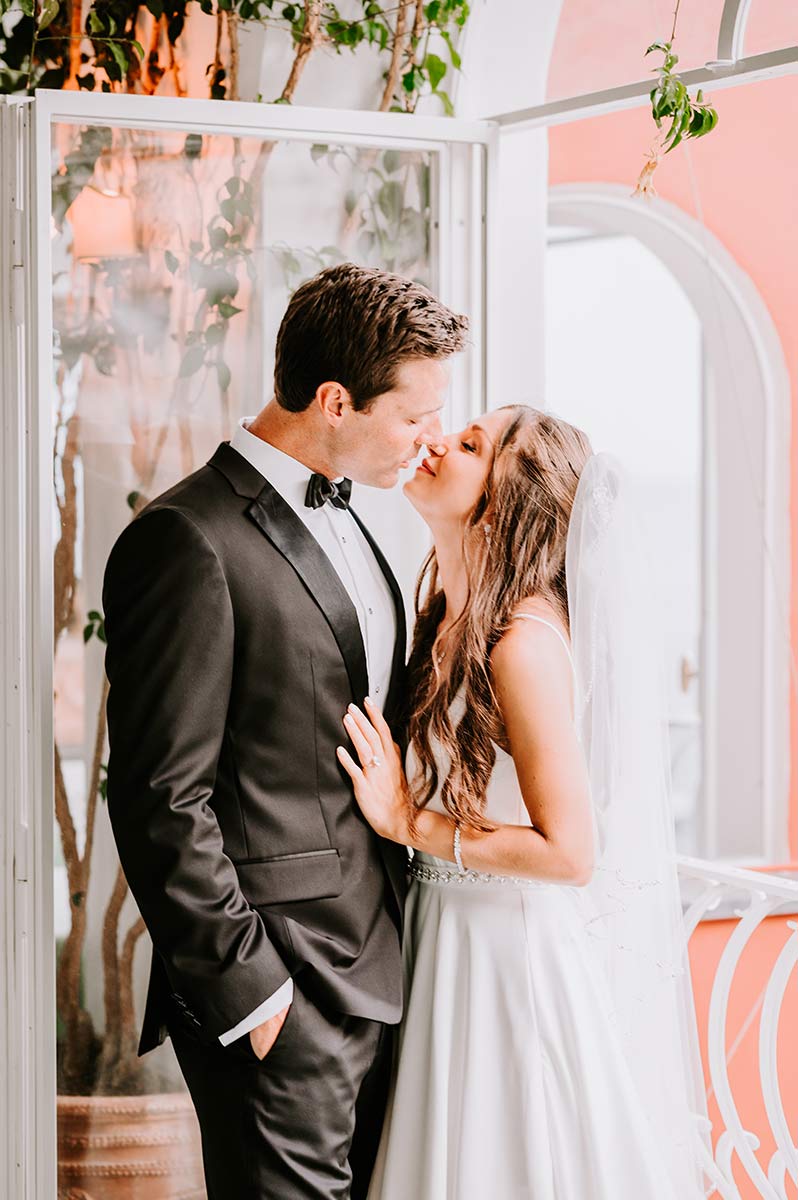
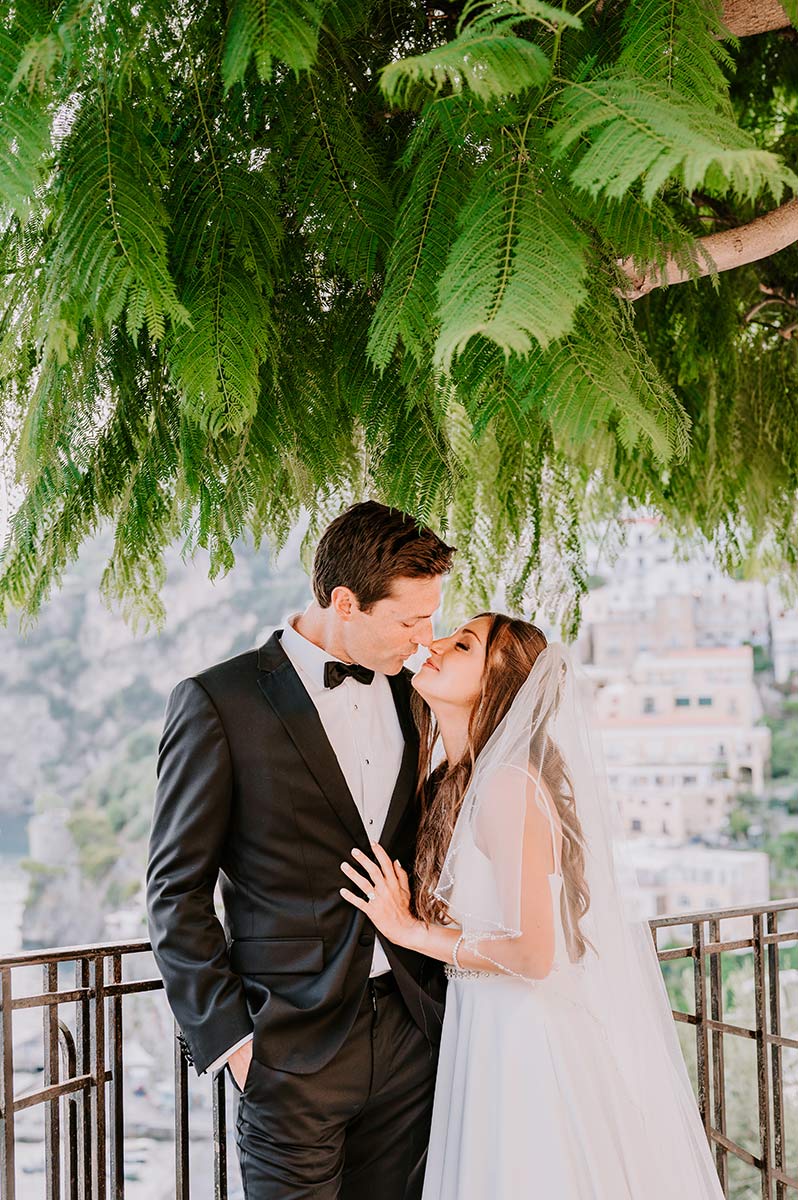
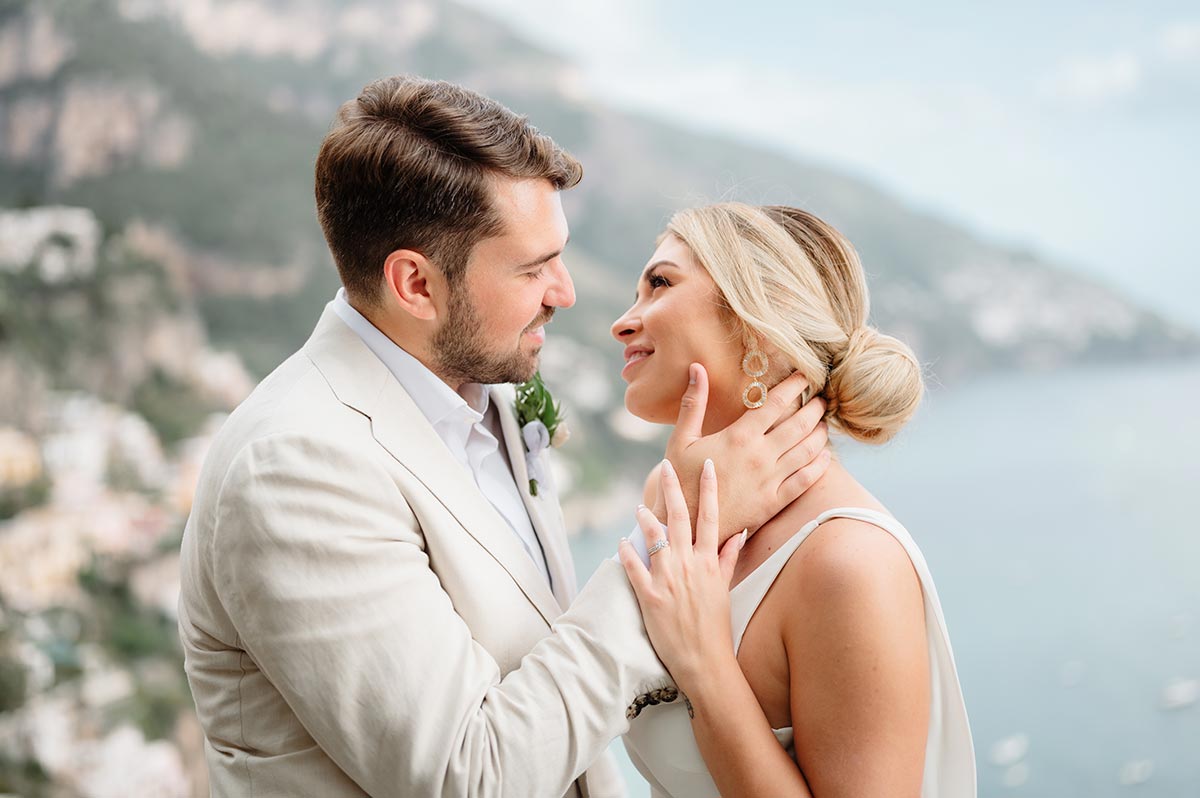
Newlyweds share a kiss during their symbolic wedding ceremony in Positano.
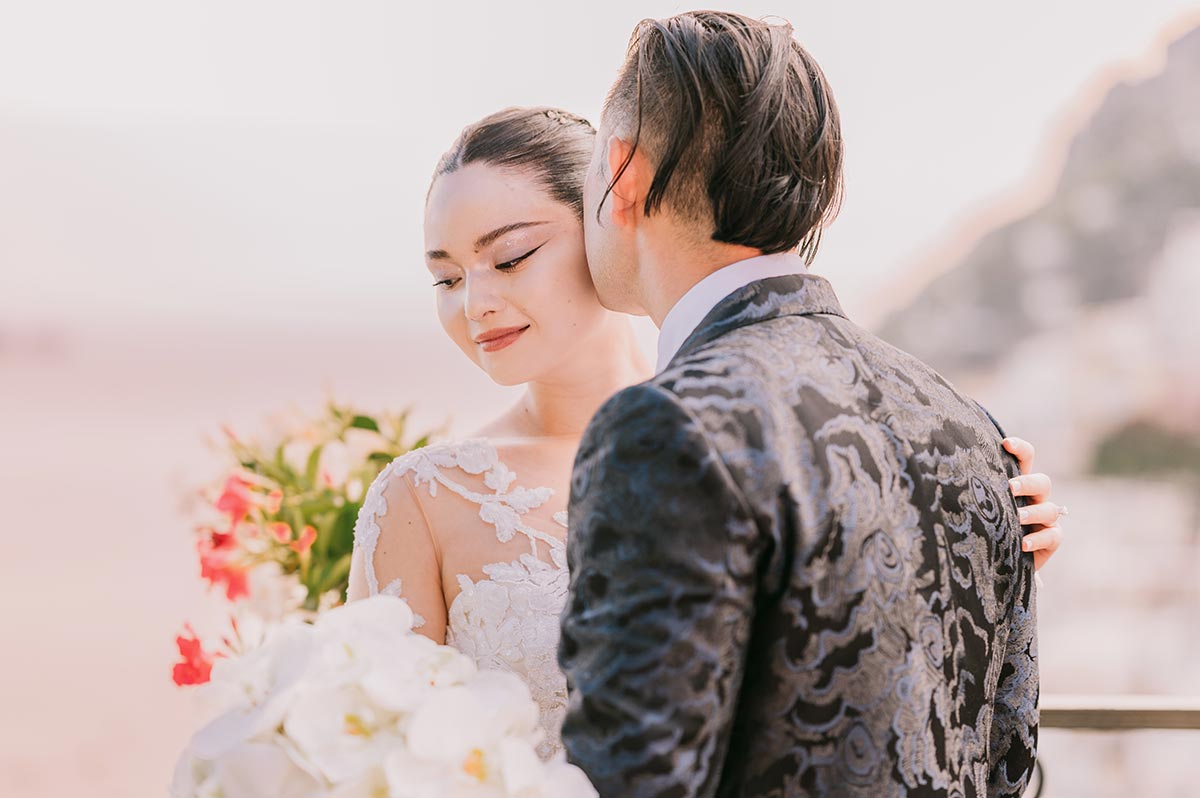
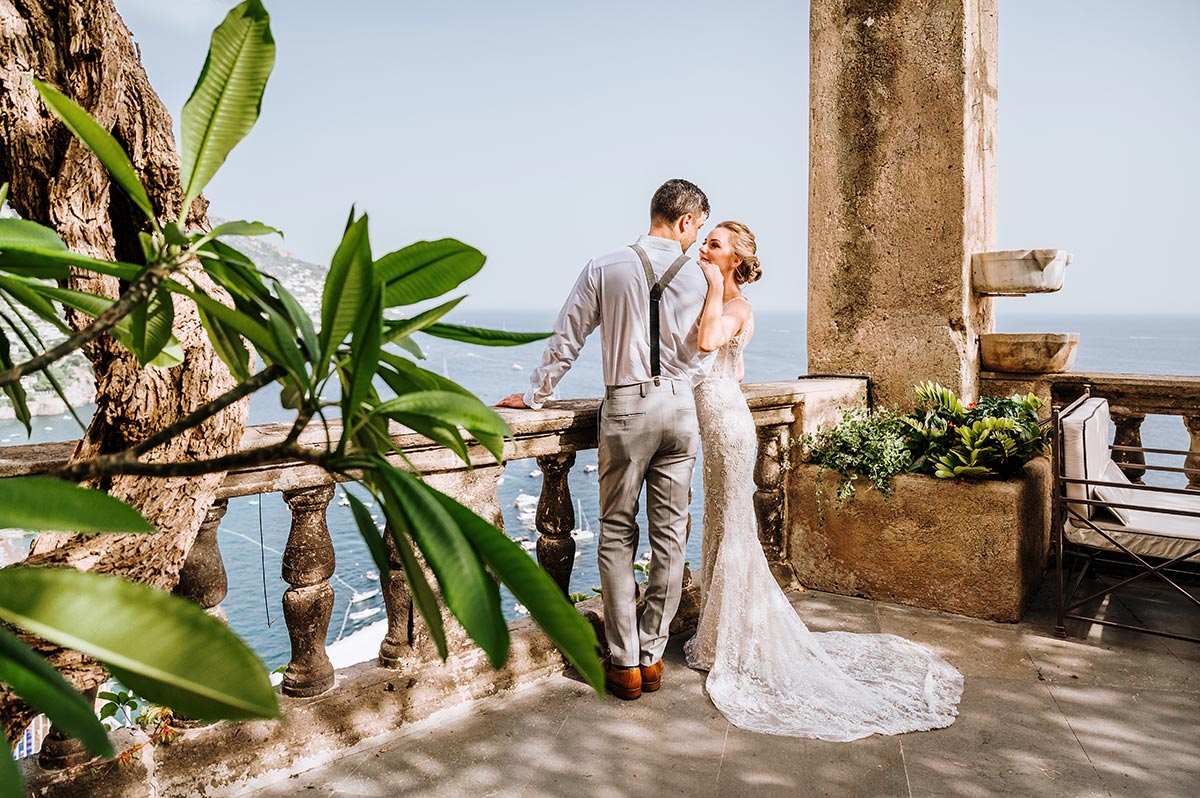
Couple sharing an intimate moment during their symbolic wedding ceremony Positano with a view of the coast.
Newlyweds share a kiss during a symbolic wedding ceremony in Positano with the Mediterranean Sea in the background.

IF THE LIGHT MATTERS TO YOU JUST AS MUCH AS THE PAPERWORK DOES, WE ALREADY HAVE A LOT IN COMMON.

Couple enjoying their symbolic wedding ceremony Positano with a stunning coastal view.
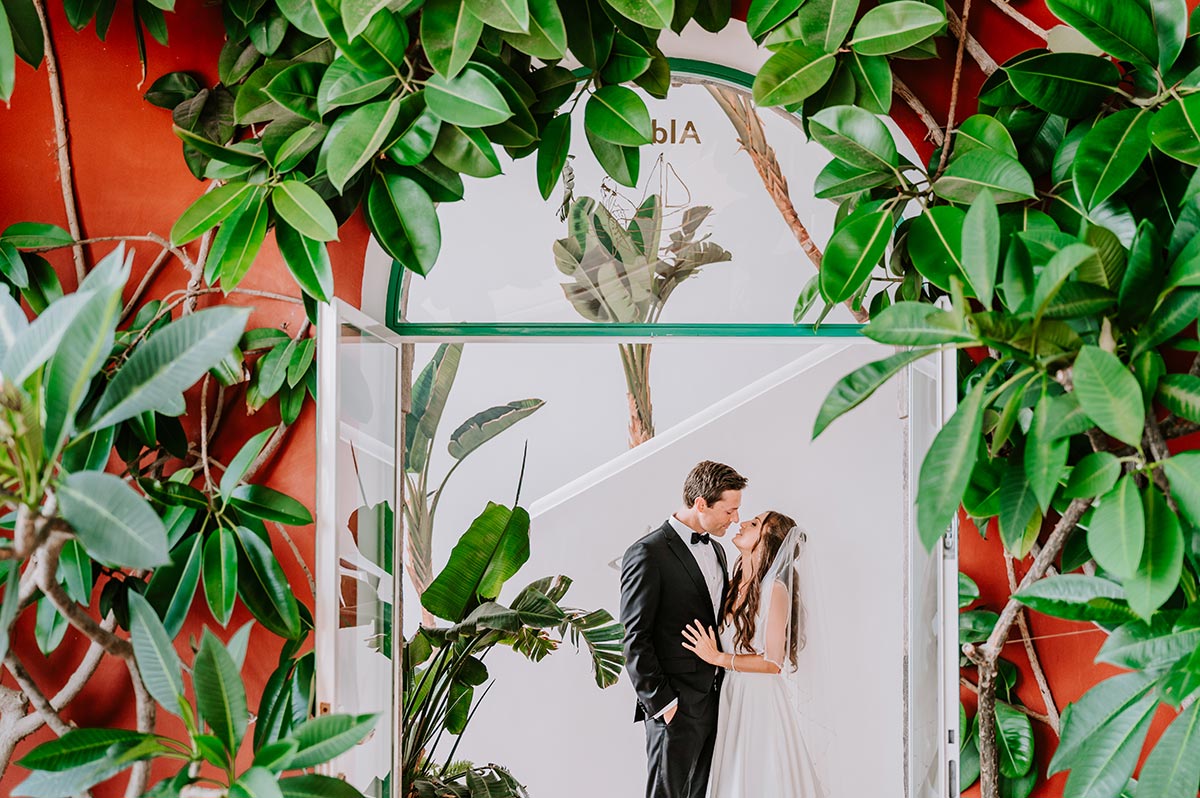
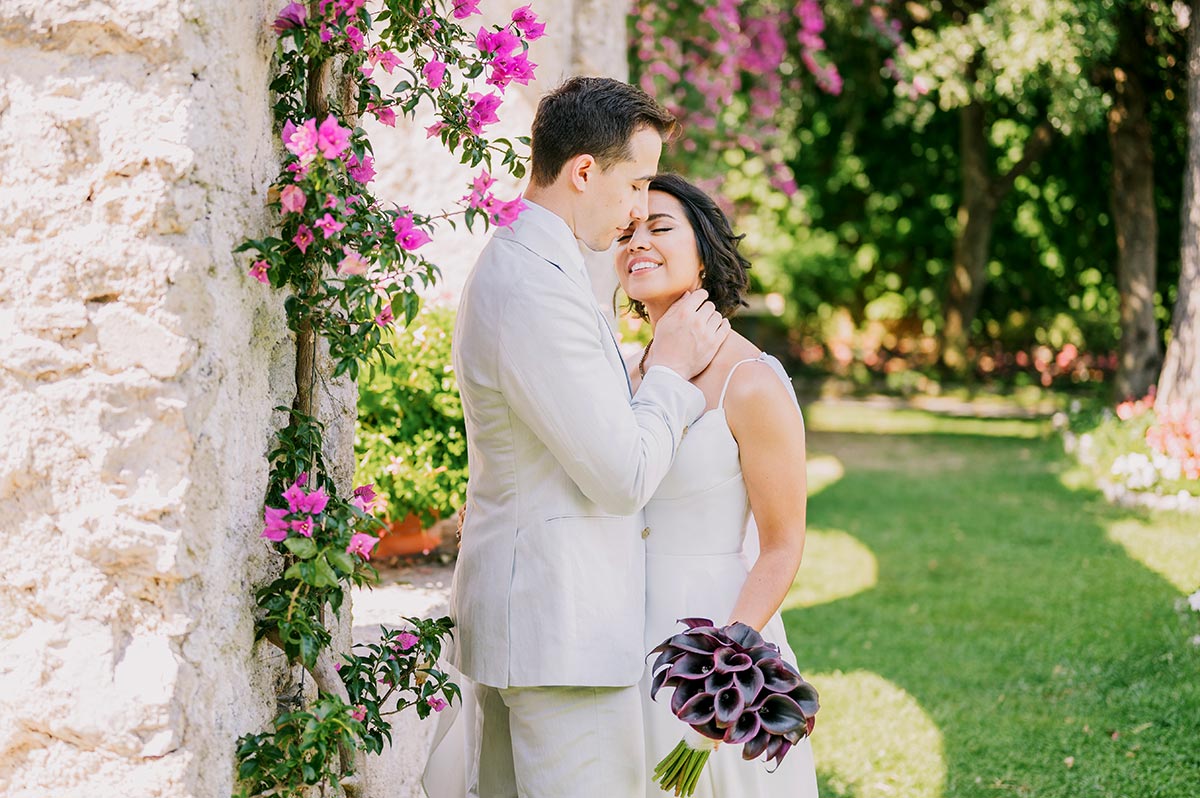
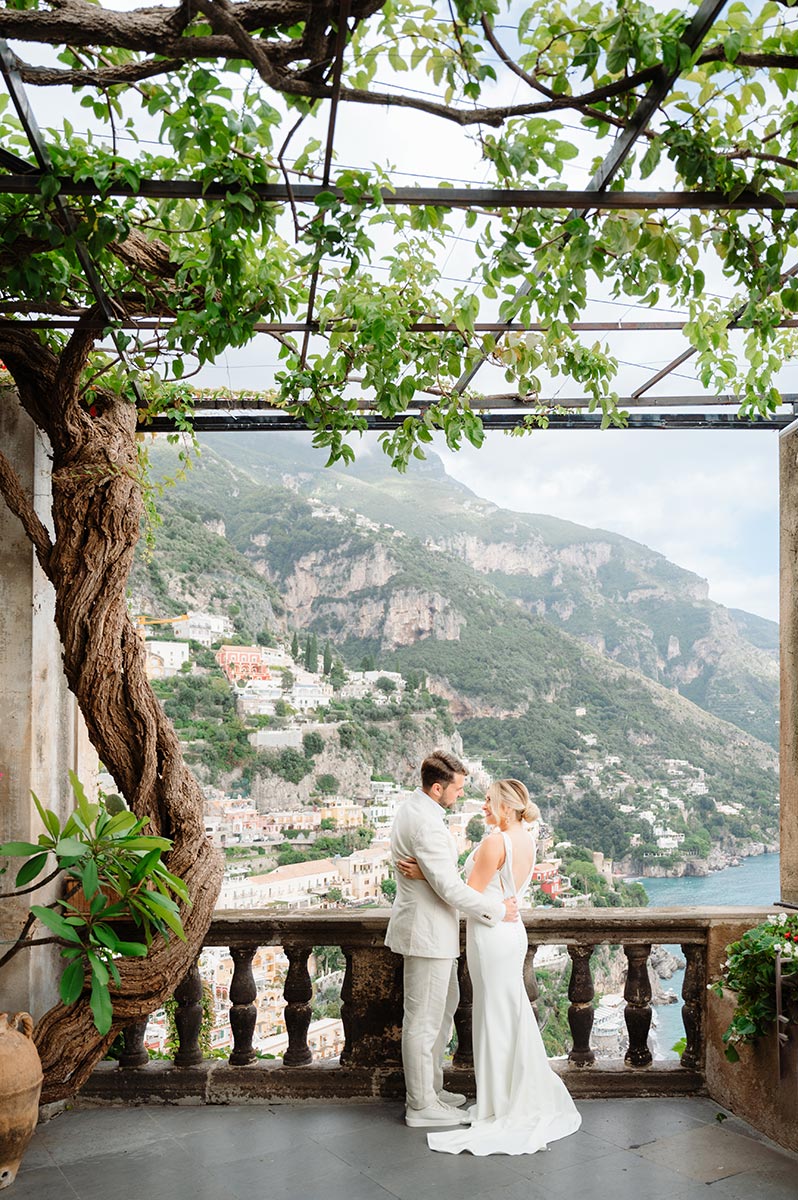
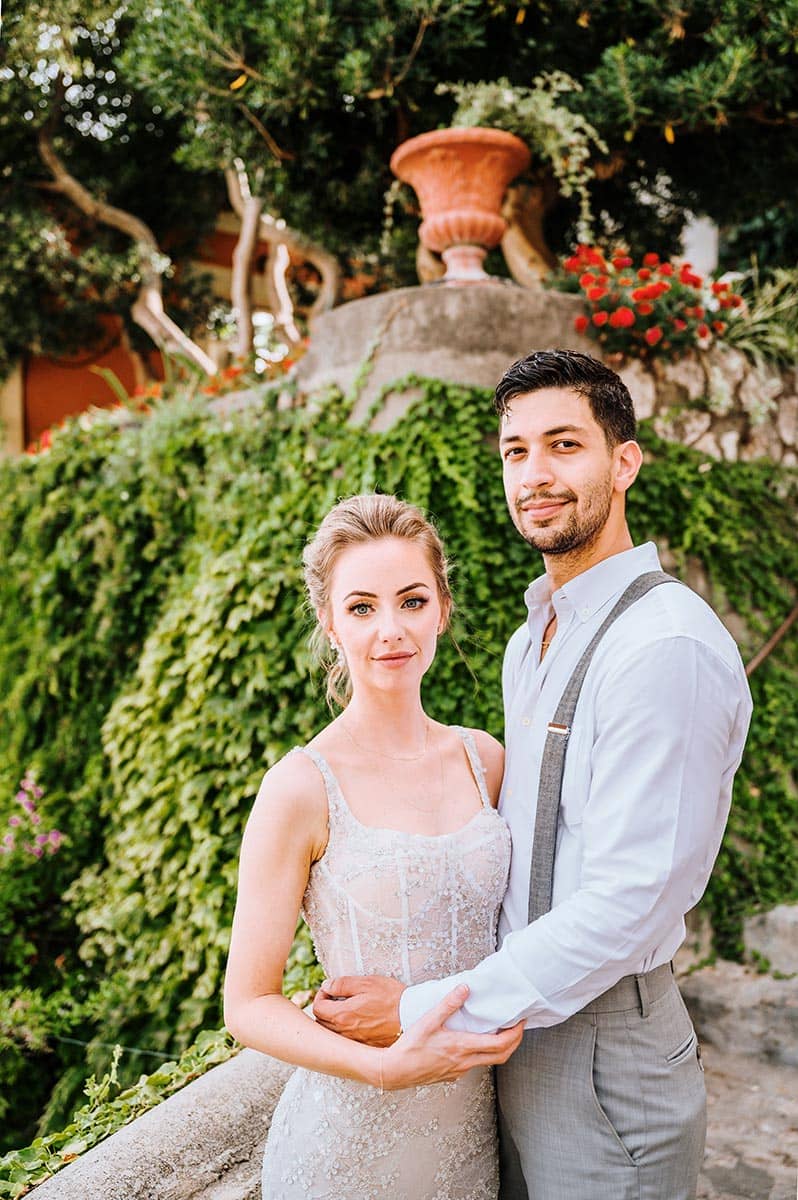
Couple shares a tender moment during their symbolic wedding ceremony in Positano, surrounded by lush greenery.
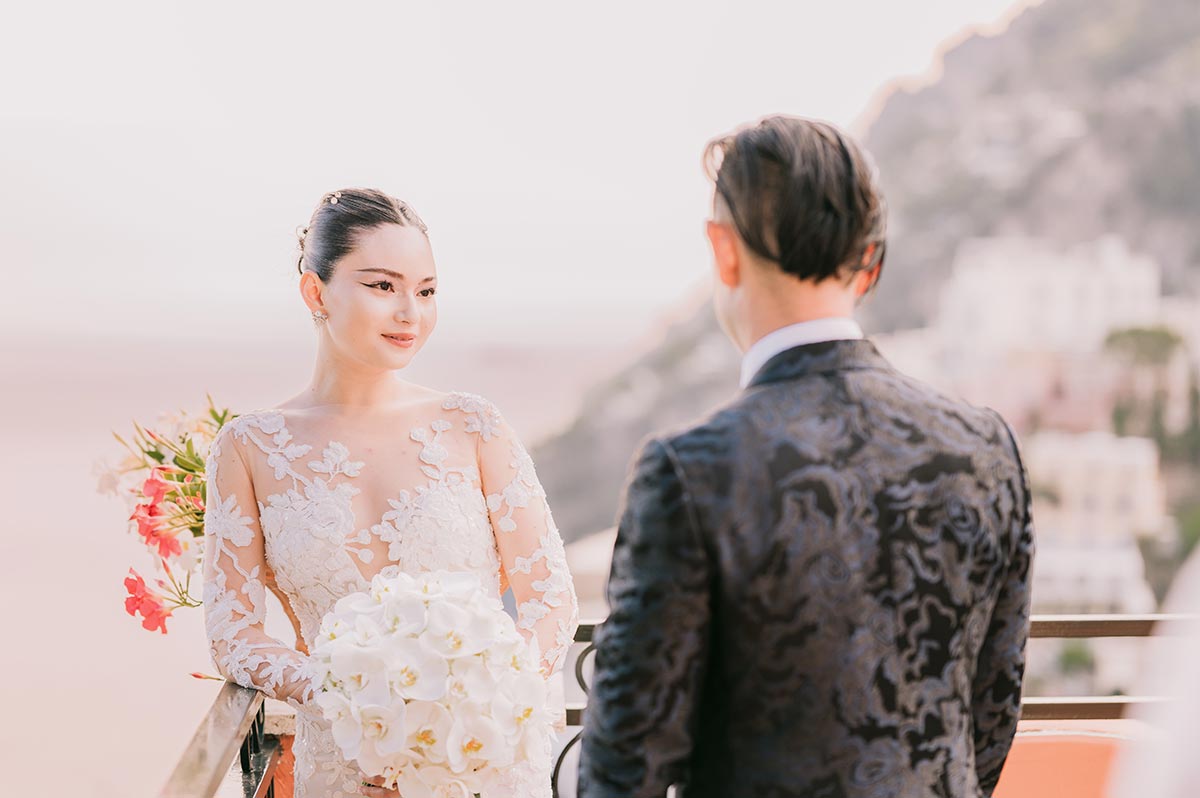
Bride and groom gaze at each other during a symbolic wedding ceremony Positano with the iconic hillside town in the background.
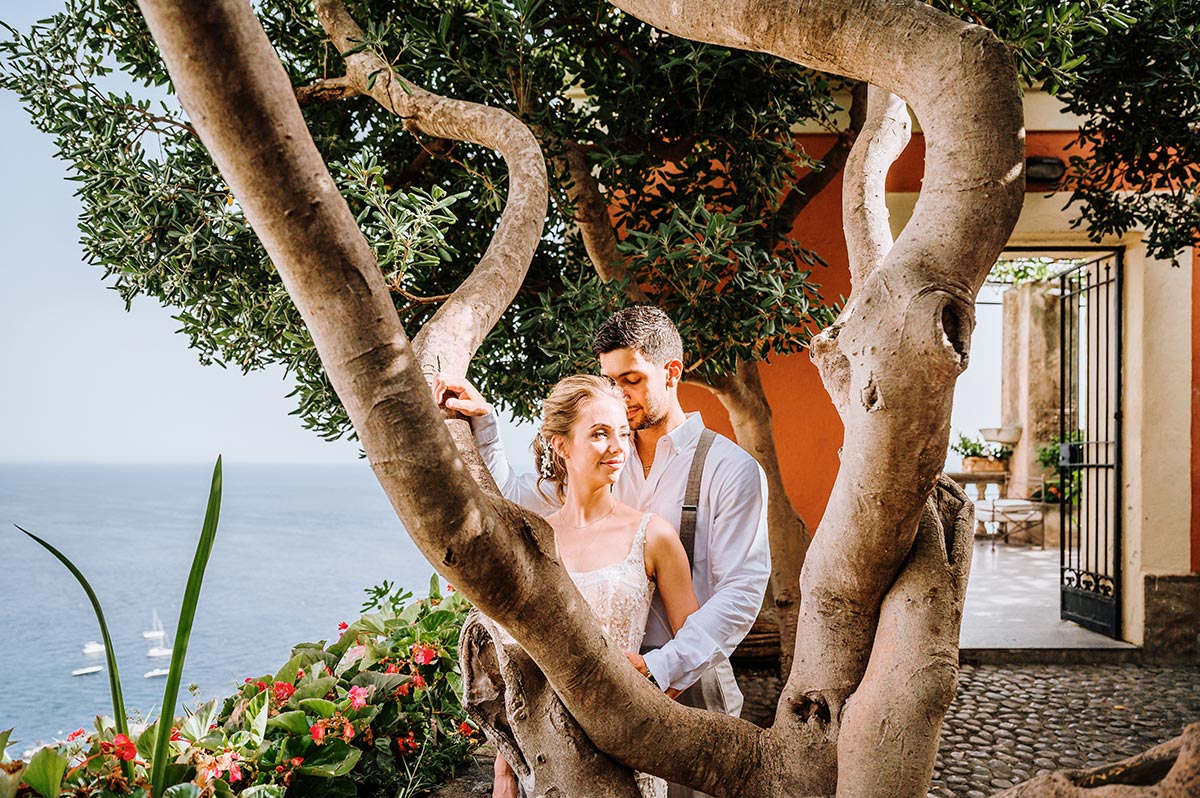
Couple shares intimate moment during a symbolic wedding ceremony Positano, with lush greenery overhead.

The Ring Warming

Your rings pass through your immediate circle of guests before the exchange, each person holding them briefly and silently adding their own well wishes, which works particularly well for smaller, more intimate guest lists.

Tree or Plant Ritual

Taking soil from your respective hometowns and mixing it to plant something together is a quieter option for couples who want a symbol without a performative moment.

Handfasting and Sand Ceremony

Handfasting, tying your joined hands with ribbon or cord, and the sand ceremony, pouring two colors of sand into one vessel, are both visual, photogenic options if you want something with a clear physical gesture.

Common Mistakes That Delay the Paperwork

If you do go the civil route, a few mistakes show up again and again with American couples, and almost all of them come down to timing rather than missing documents entirely. The most common is getting the Nulla Osta too early. Because it’s only valid for 180 days, couples who secure it eight or nine months out sometimes find it’s expired by the time their actual wedding date arrives, forcing a second trip to the consulate during what should be a relaxed final stretch of planning. The second is choosing the wrong Prefettura for legalization, since only the office tied to the specific consular officer who signed your Nulla Osta can process it, and not every couple realizes this distinction exists until they’re turned away. The third is underestimating how long an Italian court appointment for the Atto Notorio takes to schedule if you’re doing it in Italy rather than at a US consulate beforehand, particularly during peak wedding season when local courts are handling a higher volume of foreign couples. None of these are unfixable, but all three are easier to avoid than to untangle once you’ve discovered them with weeks left before the wedding.

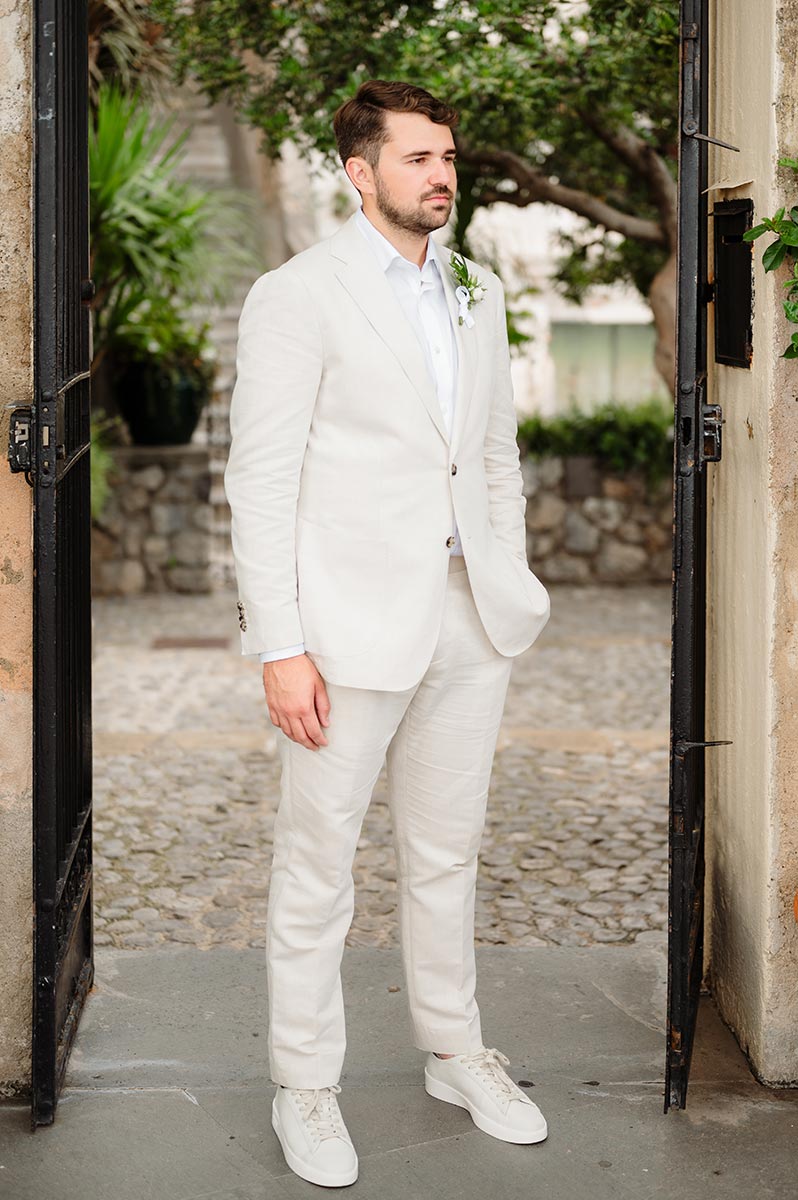
Groom in a light suit ready for his symbolic wedding ceremony in Positano.
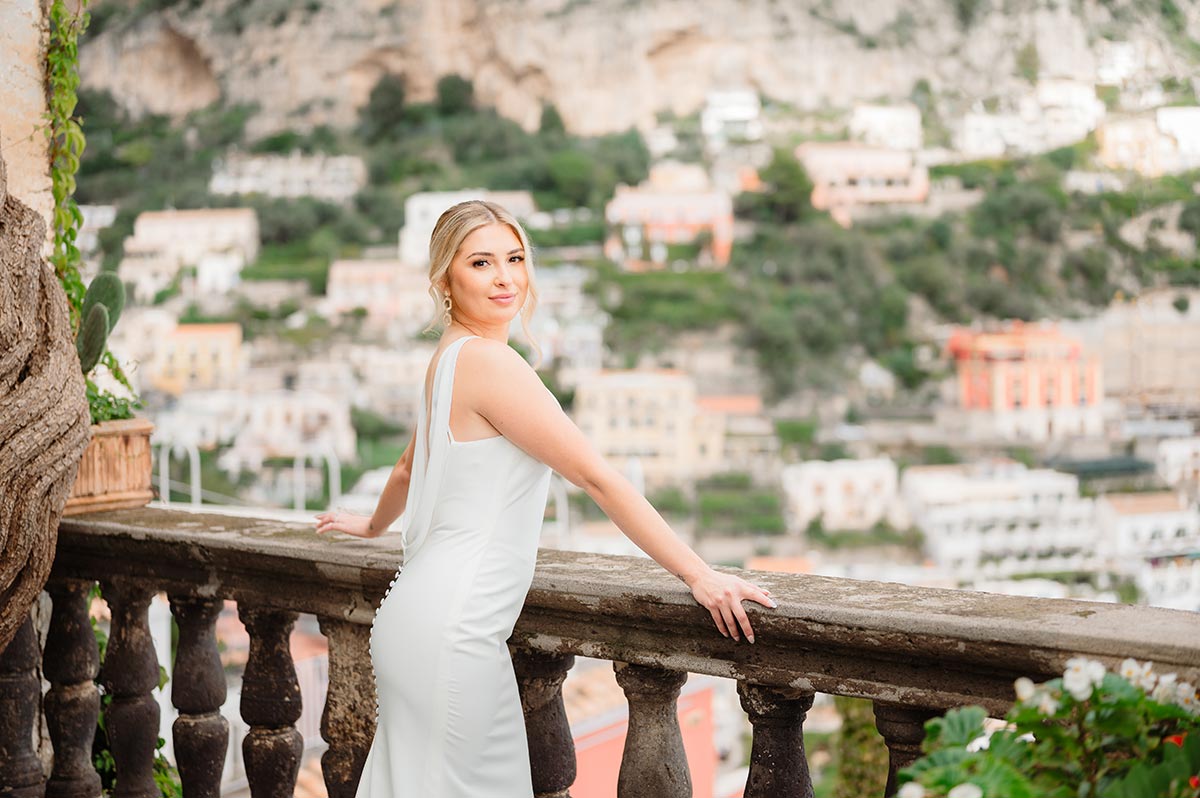
Bride looking back on balcony during symbolic wedding ceremony Positano.

Civil or Symbolic: How to Actually Decide

If having your legal marriage actually happen on Italian soil matters to you symbolically, beyond the practical paperwork, the civil ceremony is worth the bureaucracy, and I’d build your timeline around accepting whatever Town Hall slot you’re given rather than fighting it. If your priority is controlling the light, the location, and the format of the day itself, a symbolic ceremony paired with a courthouse appointment at home removes nearly every constraint. Most of my American couples land on the second option, not because the civil ceremony isn’t beautiful, the Town Hall terrace genuinely is, but because the freedom of a symbolic ceremony tends to align better with what they actually pictured when they decided to get married in Italy in the first place.

Who Actually Manages This Paperwork Trail

Reading through the document requirements above, it’s reasonable to wonder whether you’re expected to navigate all of this alone from another country. Most couples don’t, and I’d actively discourage trying to. A local wedding planner who handles Positano weddings regularly has typically been through this exact sequence dozens of times, knows which Prefettura corresponds to which consulate, and can flag a timing problem with your Nulla Osta before it becomes a crisis rather than after. If you’re leaning toward the civil route specifically because the legal weight matters to you, hiring help with the paperwork isn’t an admission that you couldn’t handle it yourself, it’s the same logic as hiring a local photographer who knows the light instead of guessing at it from photos online. Our Positano wedding planner guide covers what that kind of support actually looks like in practice.

Bride enjoying view of Positano during her symbolic wedding ceremony.
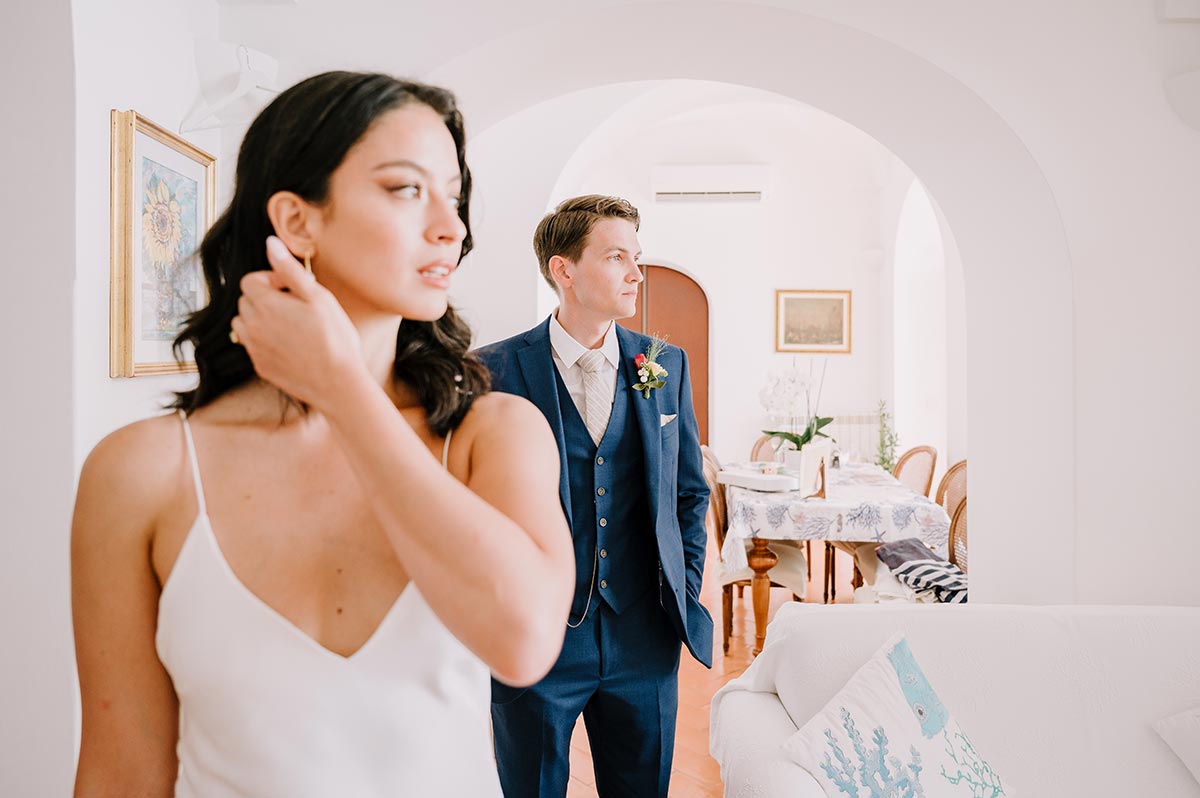
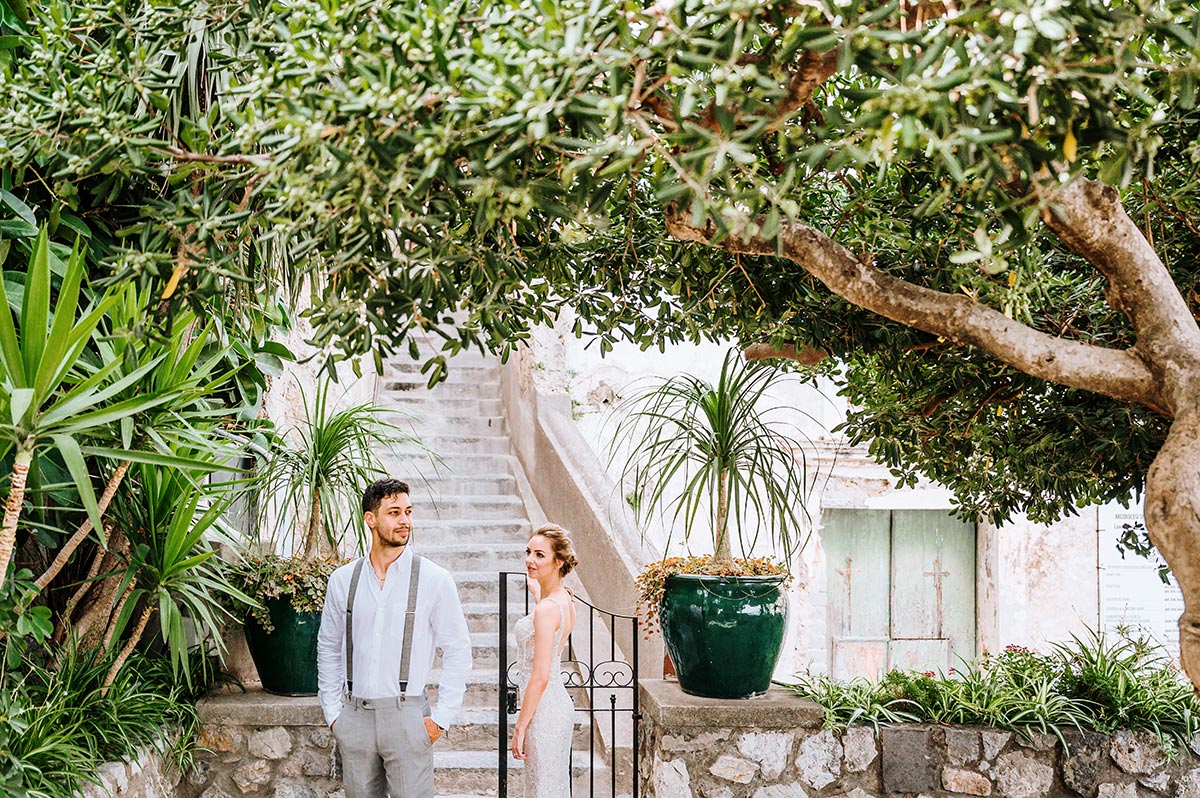
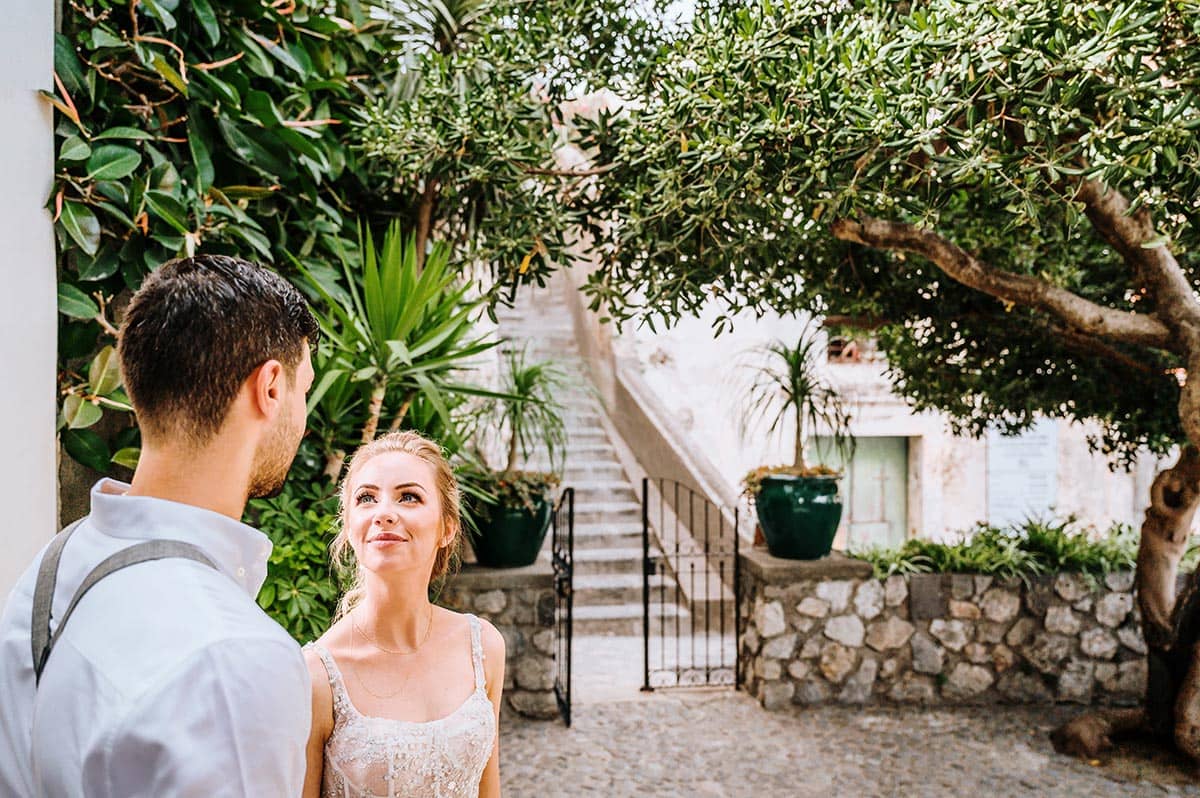
Bride and groom ready for their symbolic wedding ceremony in Positano, with the groom waiting by a gate and the bride on a balcony.
Couple embracing during a symbolic wedding ceremony in Positano with ocean views.
Couple embracing on balcony during a symbolic wedding ceremony in Positano with coastal mountains background.
Couple in wedding attire embraces during a symbolic wedding ceremony Positano with stunning cliffside village views.
Close up of a bride showing her ring during a symbolic wedding ceremony in Positano.

Frequently Asked Questions

Can we do the legal paperwork in the US and still have a meaningful ceremony in Positano?

Yes, this is what most of my couples do. The legal marriage at a US courthouse is typically a brief, unceremonious appointment, and the symbolic ceremony in Positano becomes the real, emotional event with none of the legal pressure attached.

How far in advance should we start the paperwork if we do want a civil ceremony?

Start the Atto Notorio process several months out if doing it through a US-based Italian consulate, since appointments can be hard to get. Time the Nulla Osta more carefully, since it’s only valid for 180 days, getting it too early means it could expire before your wedding date.

Couple sharing an intimate moment during their symbolic wedding ceremony Positano with a scenic ocean backdrop.

Do we need a certified interpreter for a civil ceremony if we don’t speak Italian?

Yes, Italian law requires it if neither of you speaks fluent Italian. Your wedding planner can typically arrange this as part of the booking process.

Is a symbolic ceremony respected the same way as a civil one by family and guests?

In my experience, yes. Guests rarely distinguish between the two once they’re sitting in front of you watching you exchange vows. The legal formality happened privately at home; what your guests witness in Positano is the real emotional event either way.

Newlyweds hold hands during a symbolic wedding ceremony Positano with a scenic coastal view.

Can we combine a religious ceremony with the symbolic format?

A full Catholic ceremony has its own separate requirements through the local parish, distinct from both the civil and symbolic paths covered here. If that’s part of your plan, it’s worth discussing directly with your planner early, since church timelines and requirements run on a different track entirely.

Who actually performs a symbolic ceremony if we don’t want a stranger doing it?

Many of my couples use a close friend or family member as celebrant, which works well precisely because a symbolic ceremony carries no legal requirements about who can officiate. If you’d rather have a professional, English-speaking celebrants are available and your planner can recommend one.

TOWN HALL VS TERRACE

Discover how the ceremony format you pick shapes your whole wedding day, and hire an Italian wedding photographer.
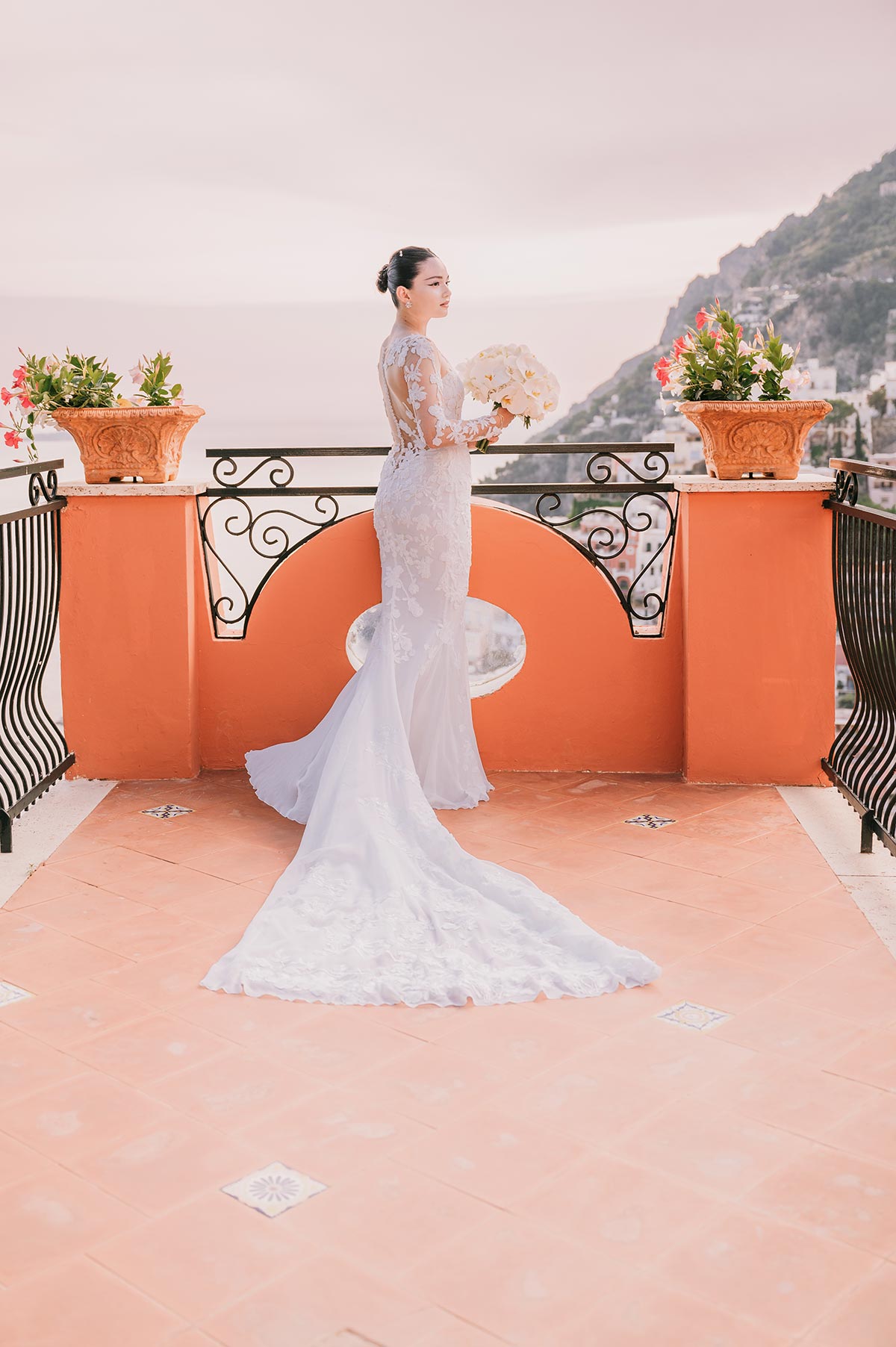
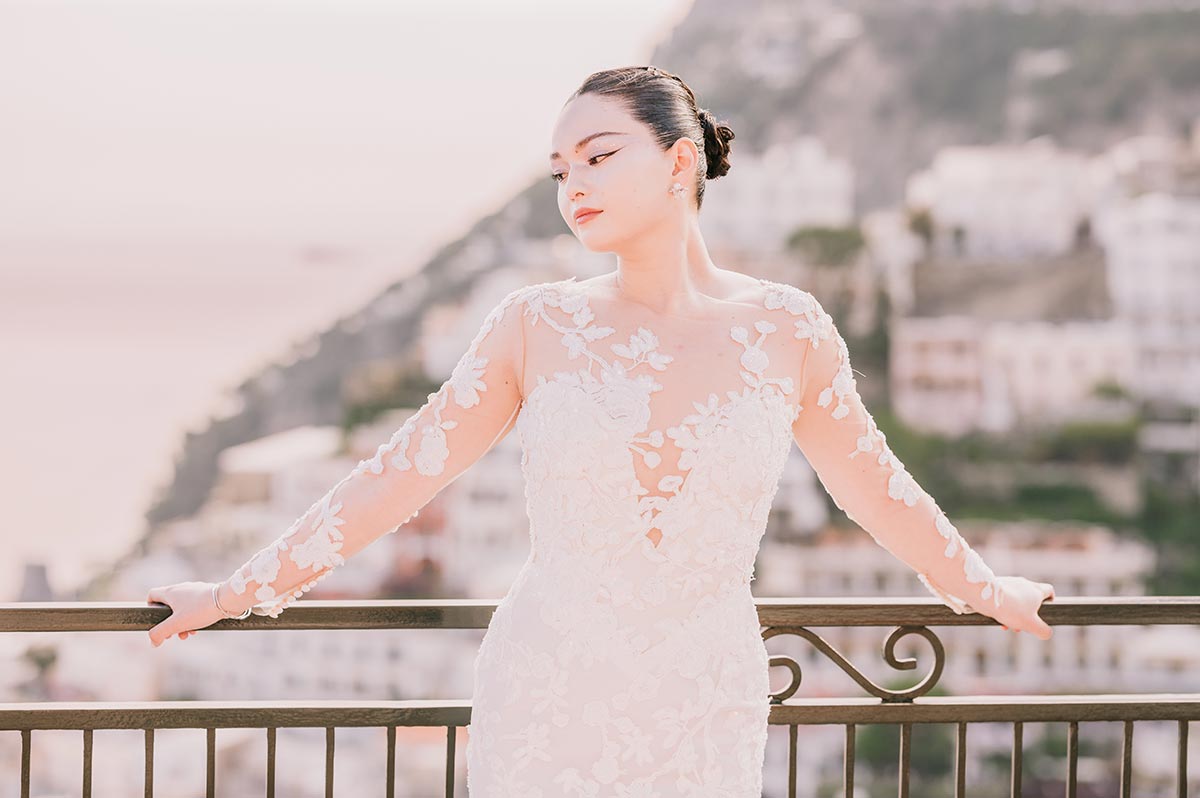
Bride in a lace gown holding a bouquet during a symbolic wedding ceremony in Positano.
Bride in white gown posing on a terrace with a view of Positano for her symbolic wedding ceremony.

COSTS AND LIGHT

Choosing between a civil and a symbolic ceremony in Positano is not really about the paperwork itself. It is about what your actual wedding day will look like. A civil ceremony gives you a legal document and a fixed slot at the Town Hall. A symbolic ceremony gives you the freedom to choose the venue, the hour, and the light. Most of my American couples pick a courthouse back home for the legal part, then build their real Positano ceremony around the golden hour instead of a municipal calendar.

Does choosing a symbolic ceremony save us money compared to a civil one?

Not necessarily in a straightforward way. You’re trading the Town Hall’s fee for a US courthouse appointment, which is usually inexpensive, but you’re also paying for whatever private venue and celebrant you choose for the symbolic ceremony itself, and that cost varies widely depending on the location. The bigger financial factor tends to be the venue choice, not the civil-versus-symbolic decision on its own. If you want a straight answer on which format fits your day and your budget, send me the specifics and I’ll tell you what I’d do in your position.

FROM OUR POSITANO WEDDING JOURNAL

CELEBRATE YOUR LOVE IN ITALY