Top 7 Reasons Couples Choose Covo dei Saraceni for Their Positano Elopement
Experience the magic of an intimate wedding at Covo dei Saraceni, Positano. Stunning sea views, luxury accommodations, and impeccable service for your perfect elopement.
Make your elopement memorable with us.
START PLANNING YOUR WEDDING IN POSITANO
Top 7 Reasons Couples Choose Covo dei Saraceni for Their Positano Elopement
When it comes to planning an intimate celebration of love, there’s something incredibly magical about choosing a scenic location. Placed in the heart of the Amalfi Coast, Covo dei Saraceni serves as a breathtaking backdrop for couples ready to elope to Positano. As I’ve had the privilege of capturing many precious moments at this stunning venue, I can confidently share why so many couples are drawn to this enchanting location. From its mesmerizing views of the azure Mediterranean to its exquisite accommodations tailored for couples seeking a romantic getaway, Covo dei Saraceni offers everything you need for a stress-free and memorable Positano elopement.

Whether you’re dreaming of beachside vows or sunset ceremonies atop the cliffs, this venue provides an idyllic ambiance that makes every moment feel extraordinary. Let me take you through the top reasons why Covo dei Saraceni should be on your radar while planning your elopement in Positano!
Unmatched Scenic Beauty in Positano
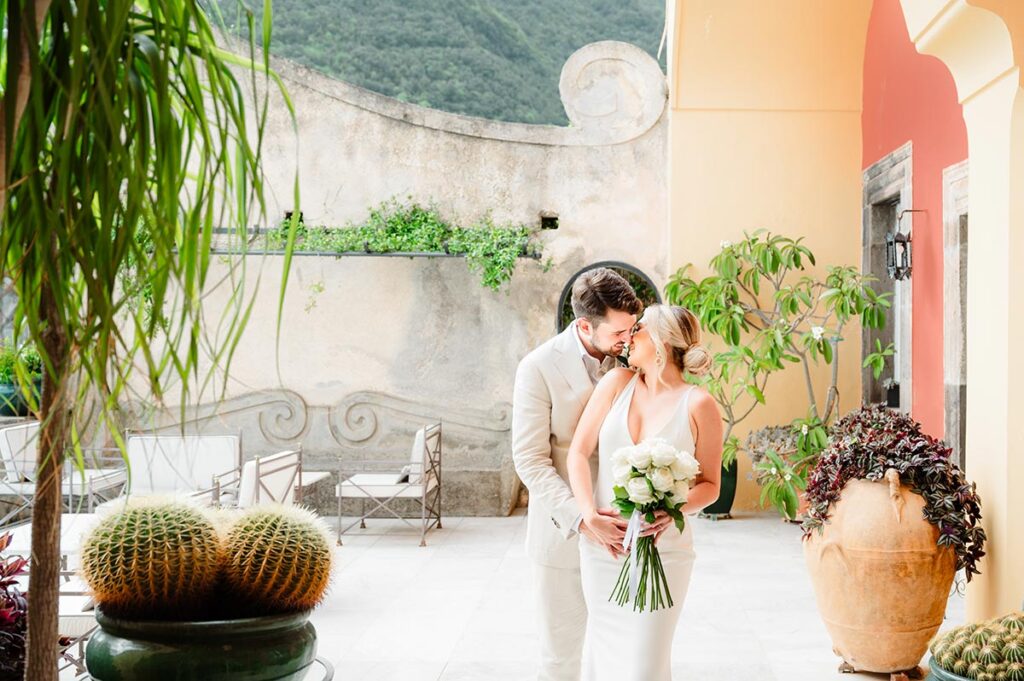
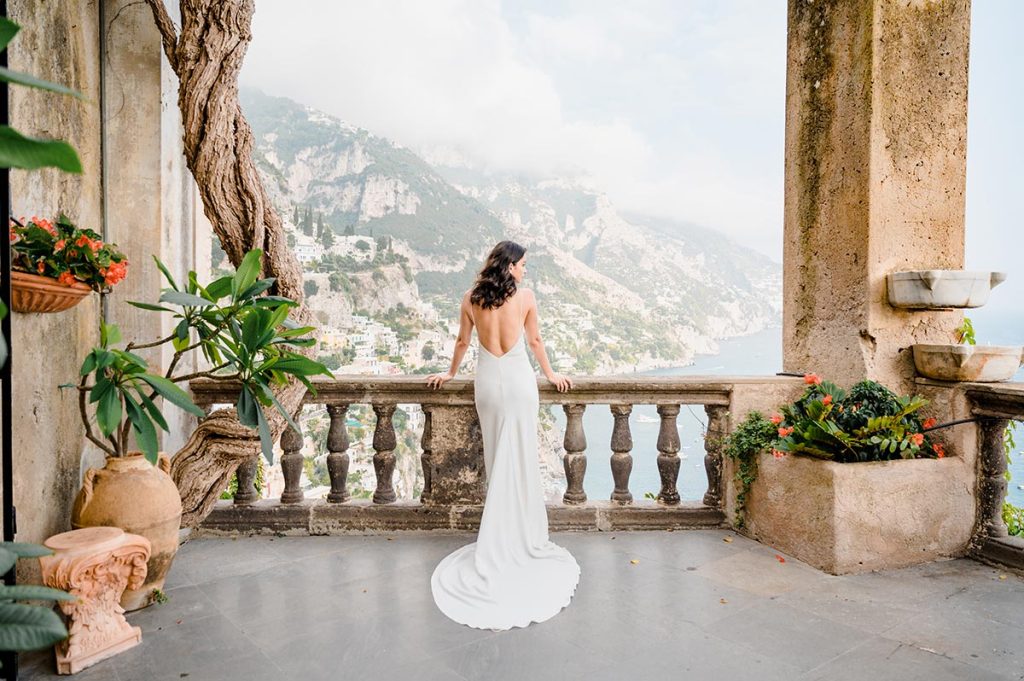
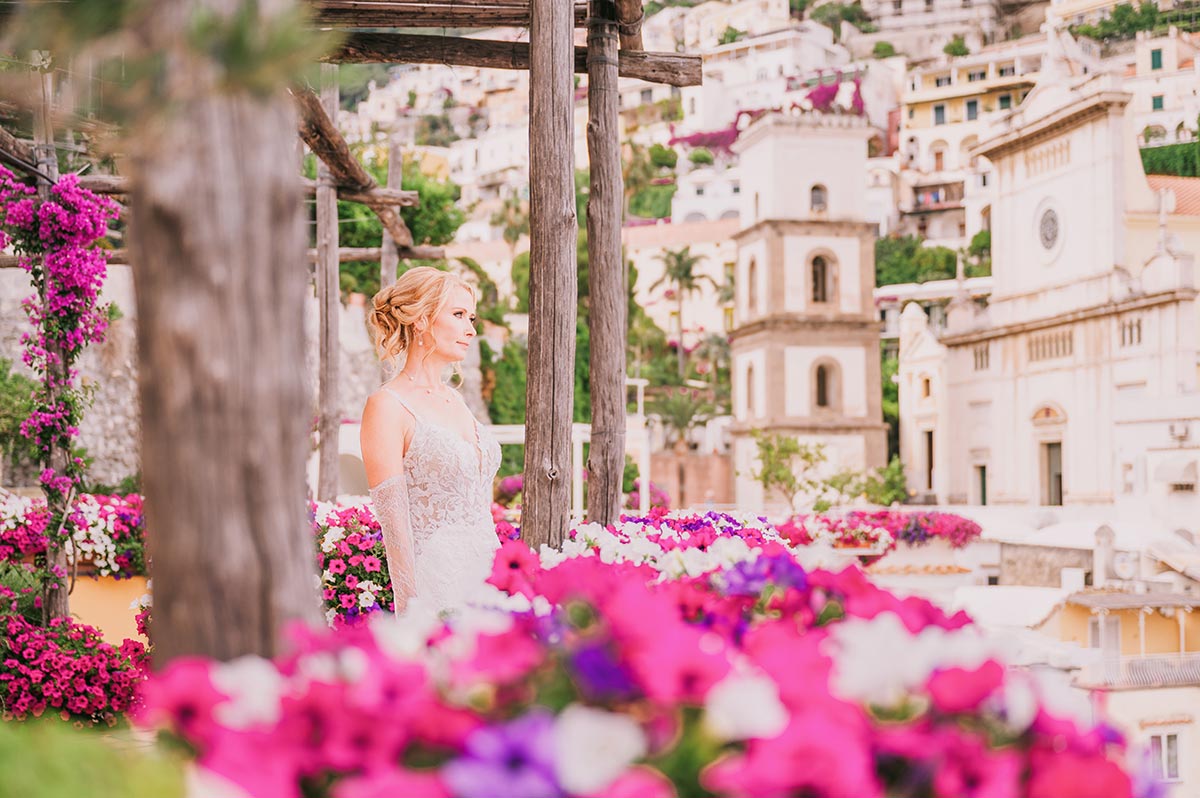
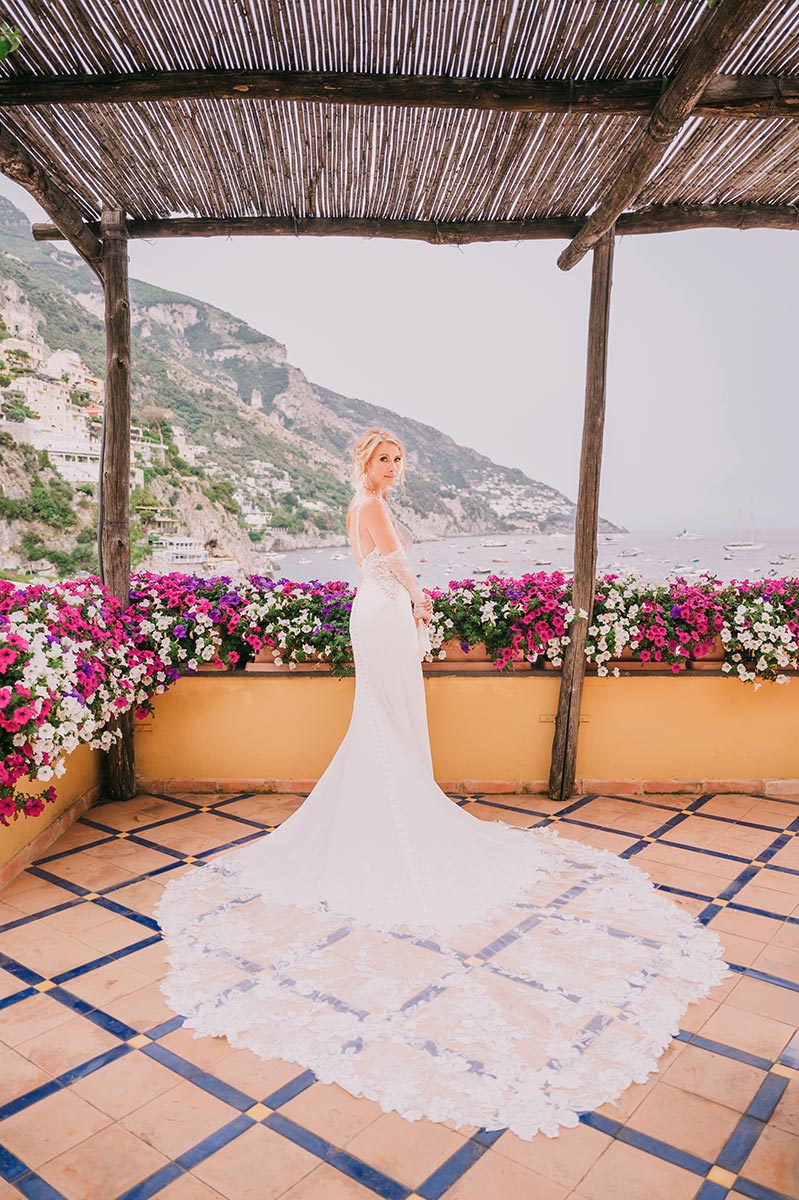
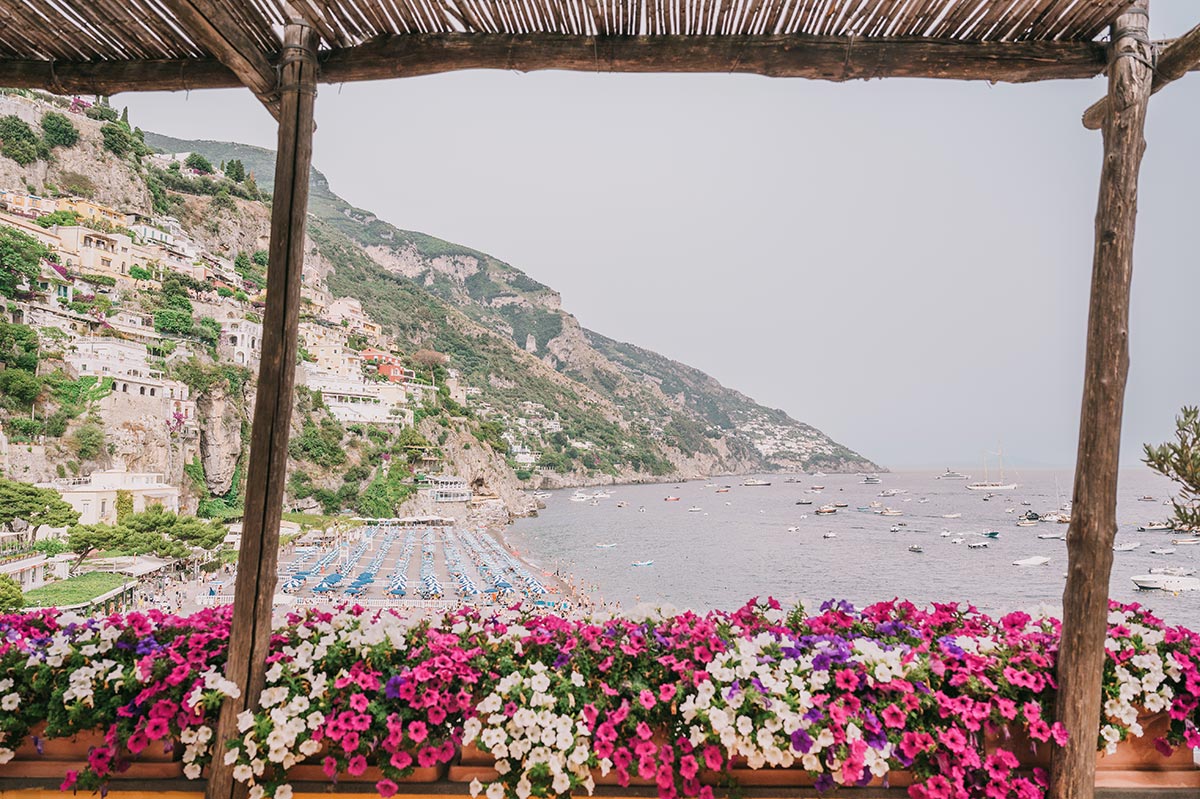
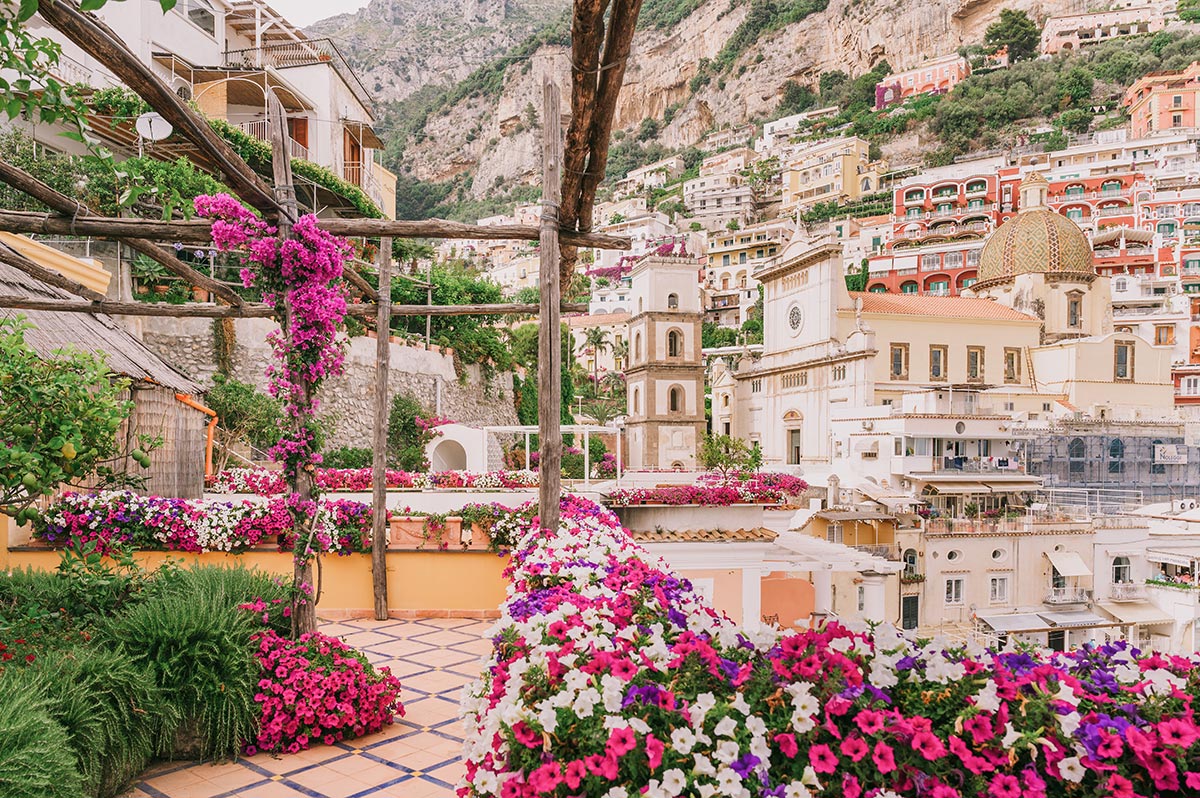
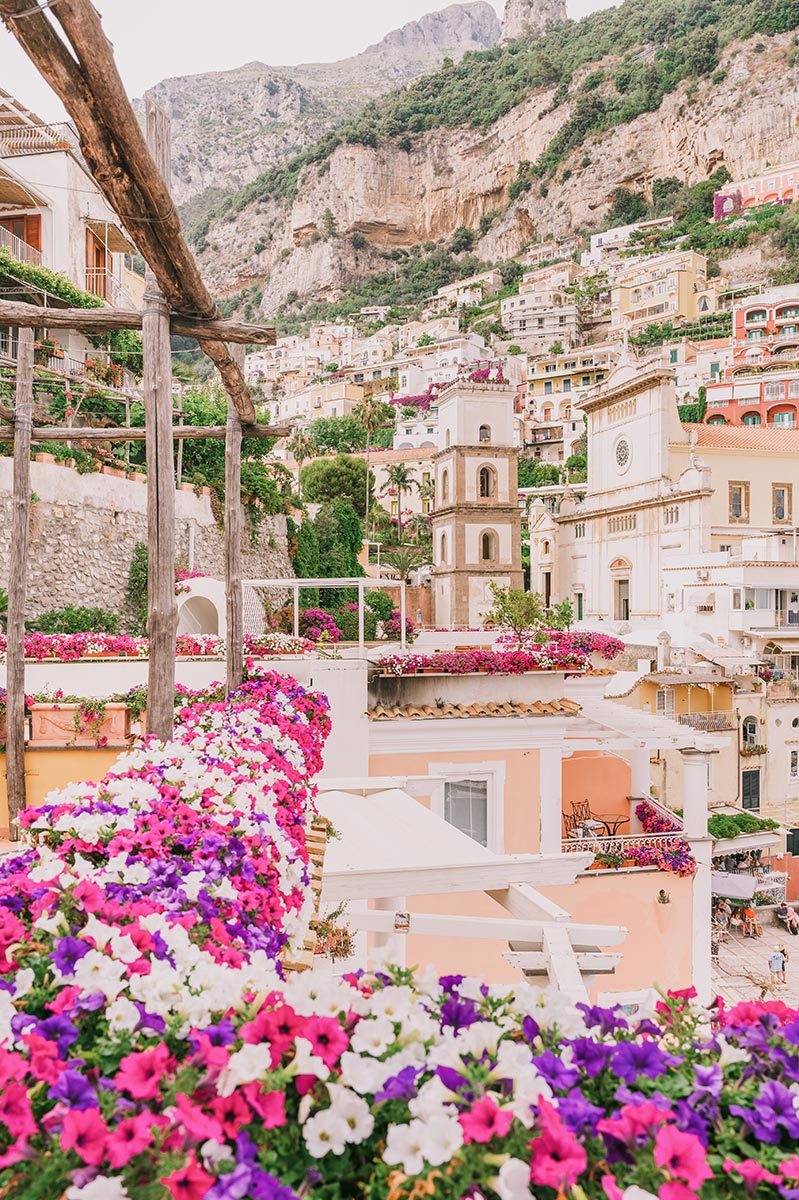
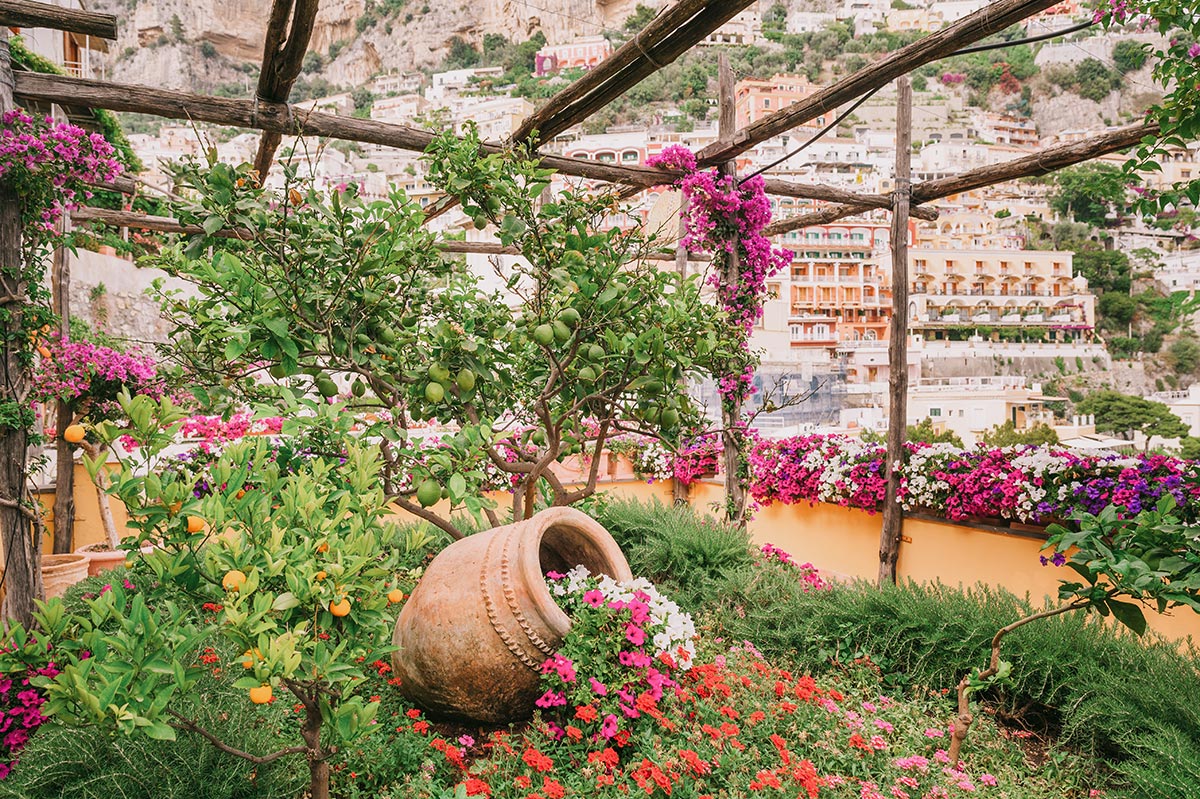
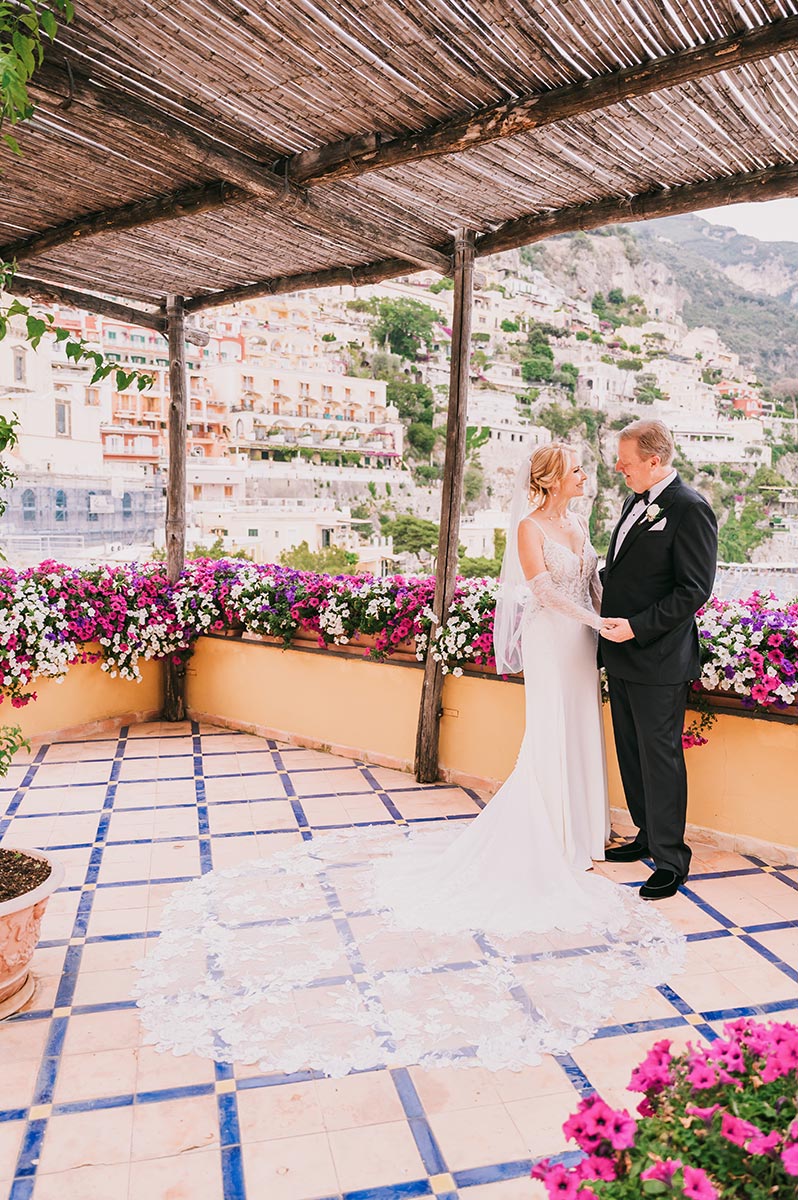
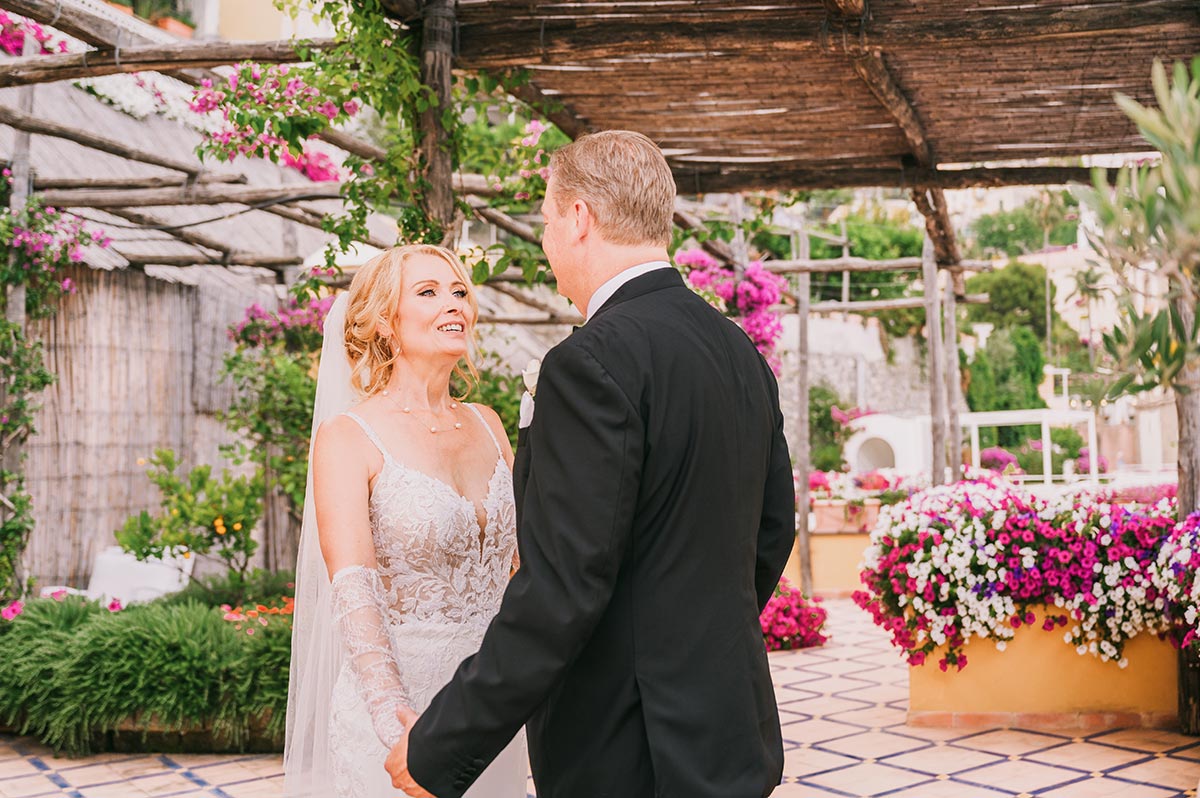
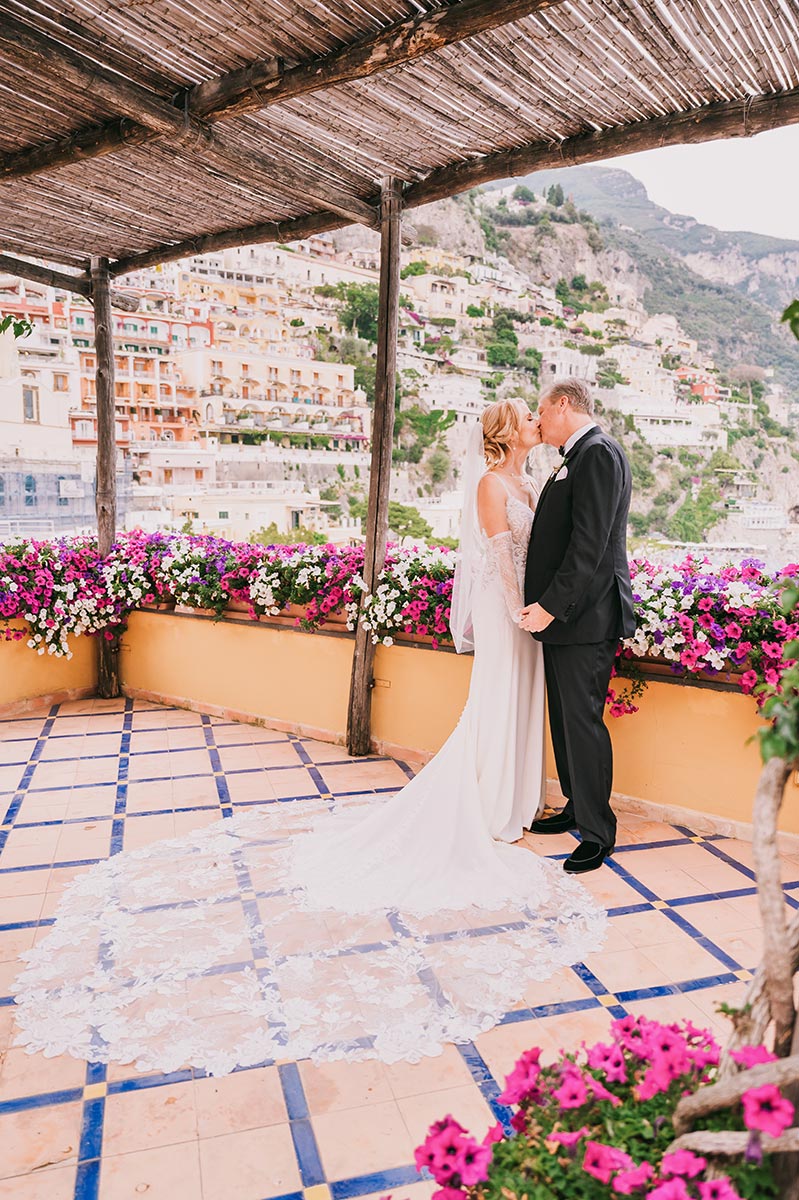
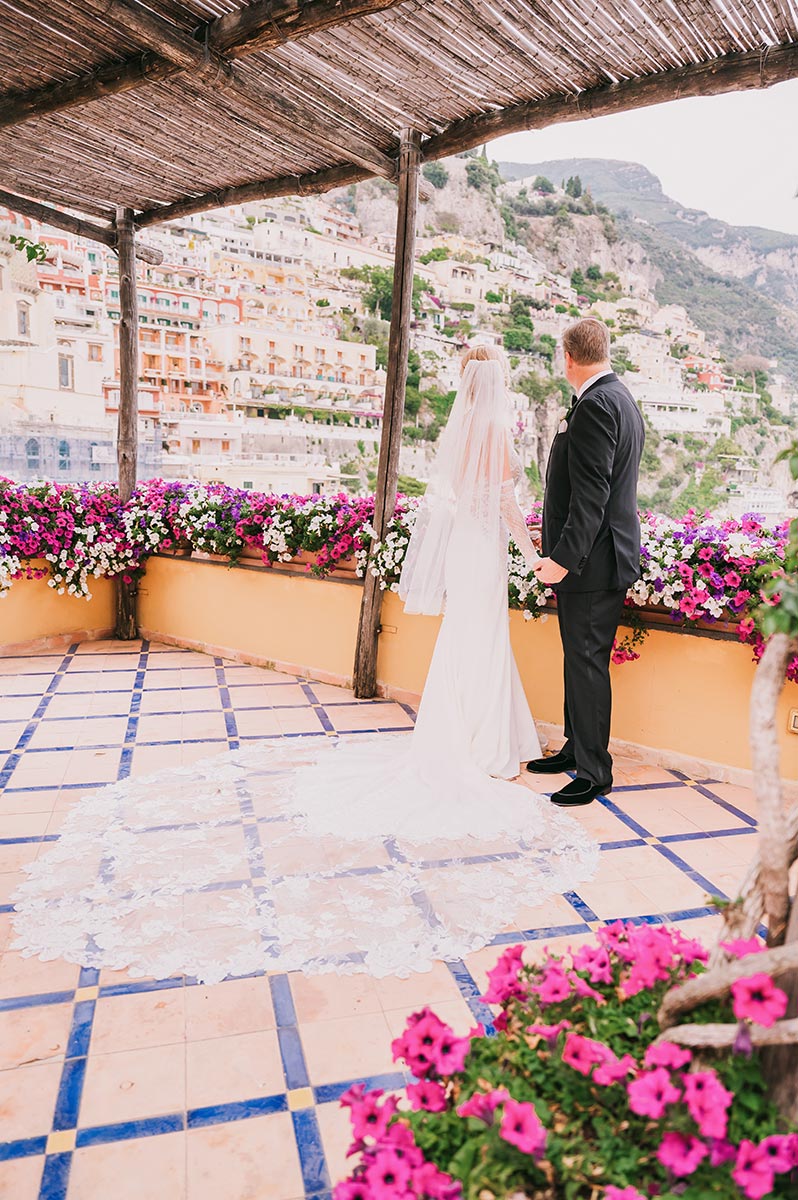
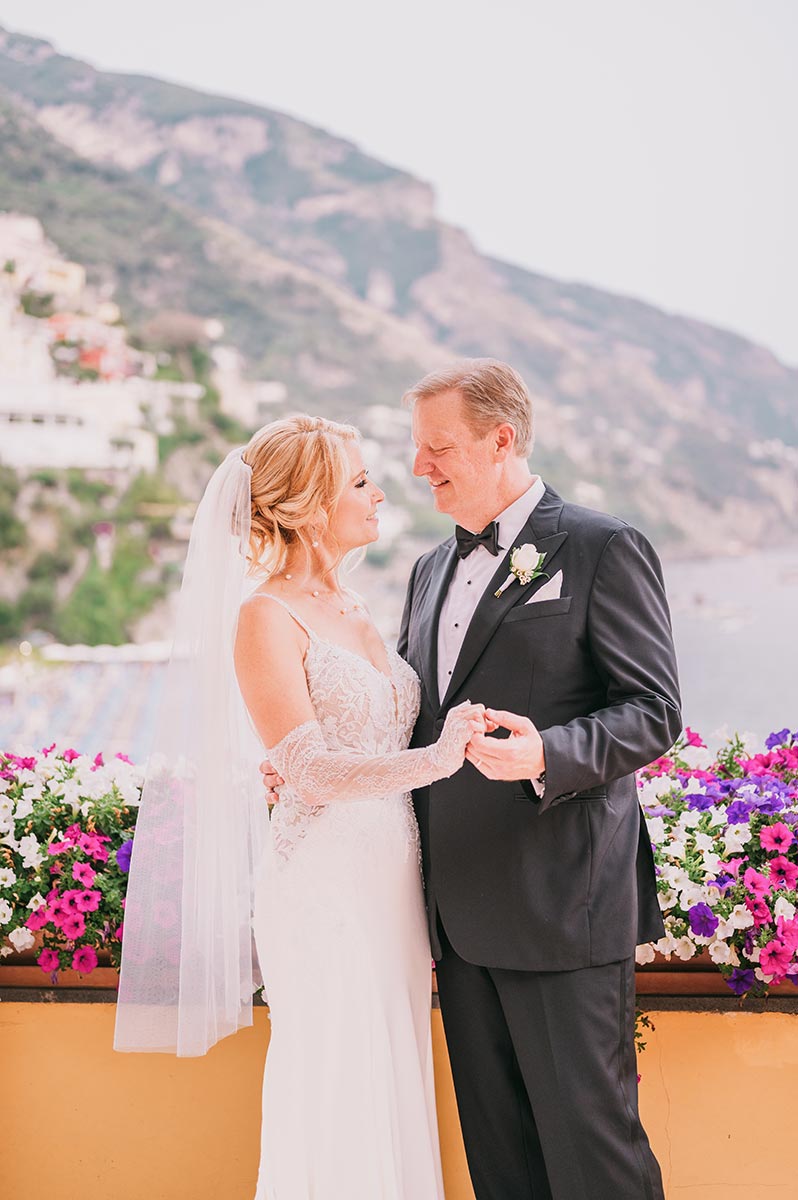
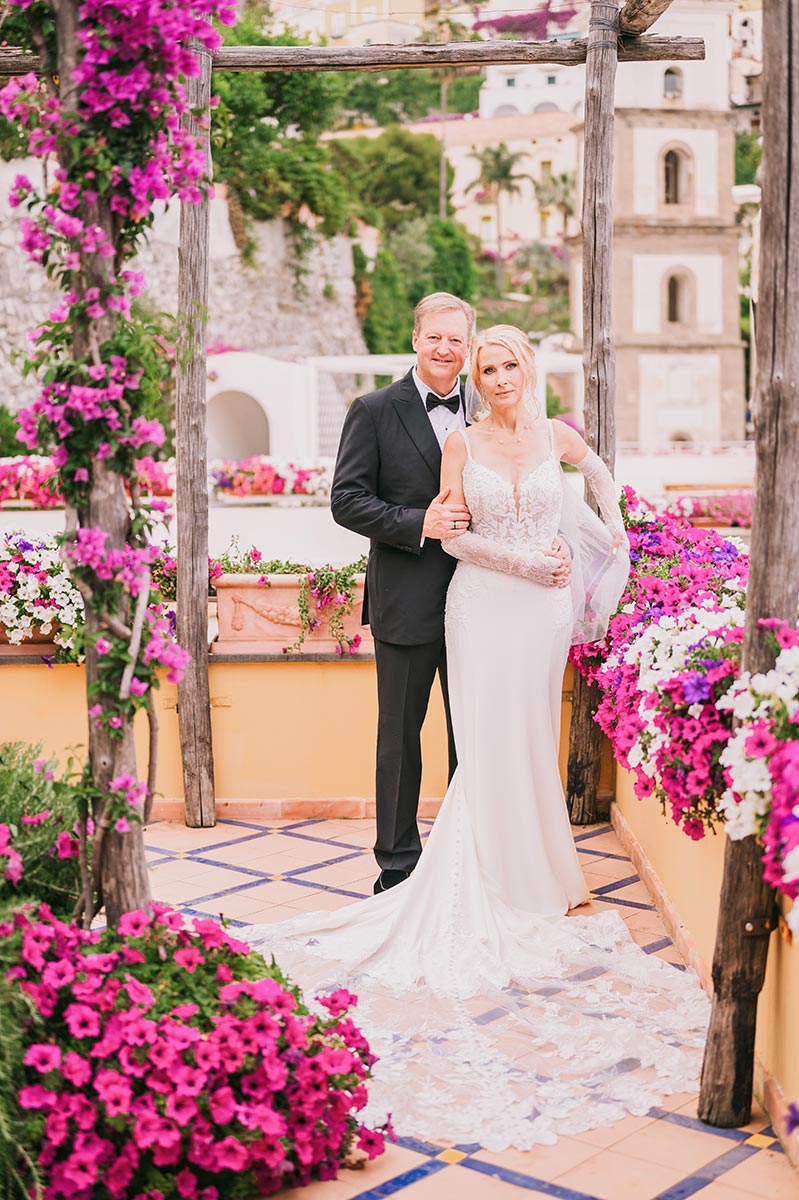
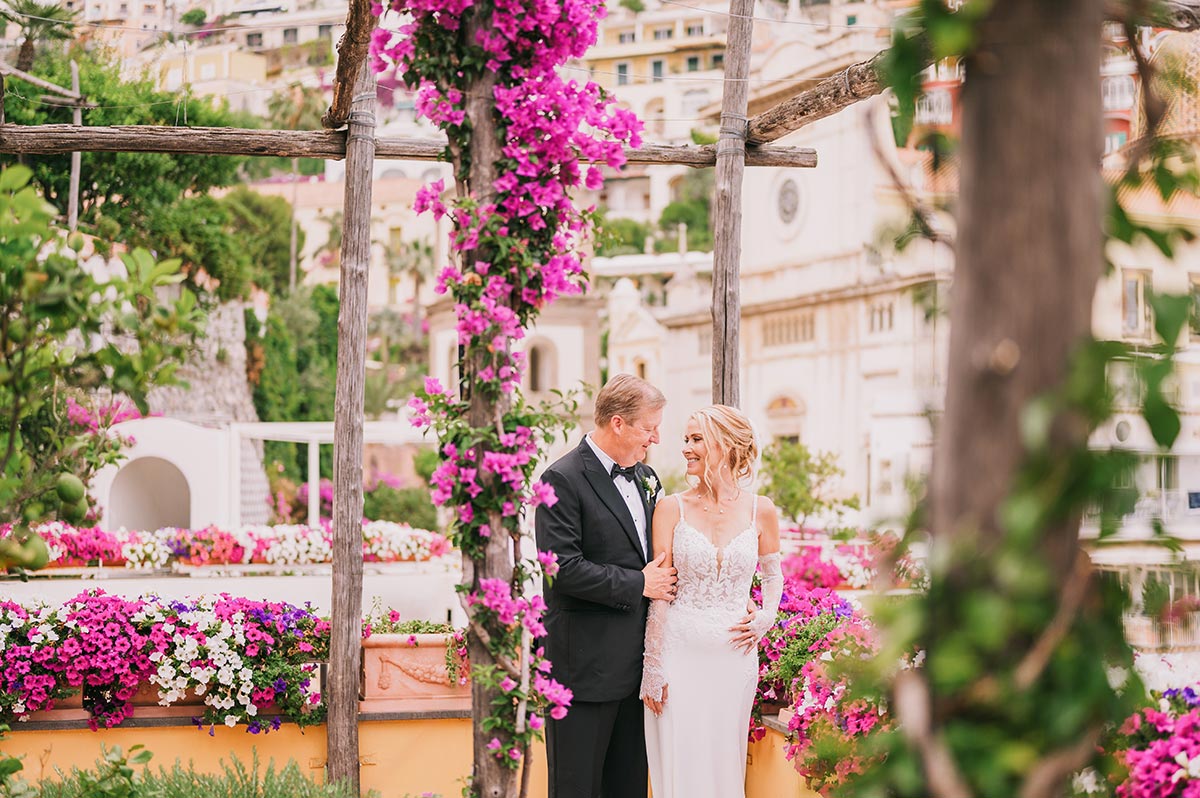
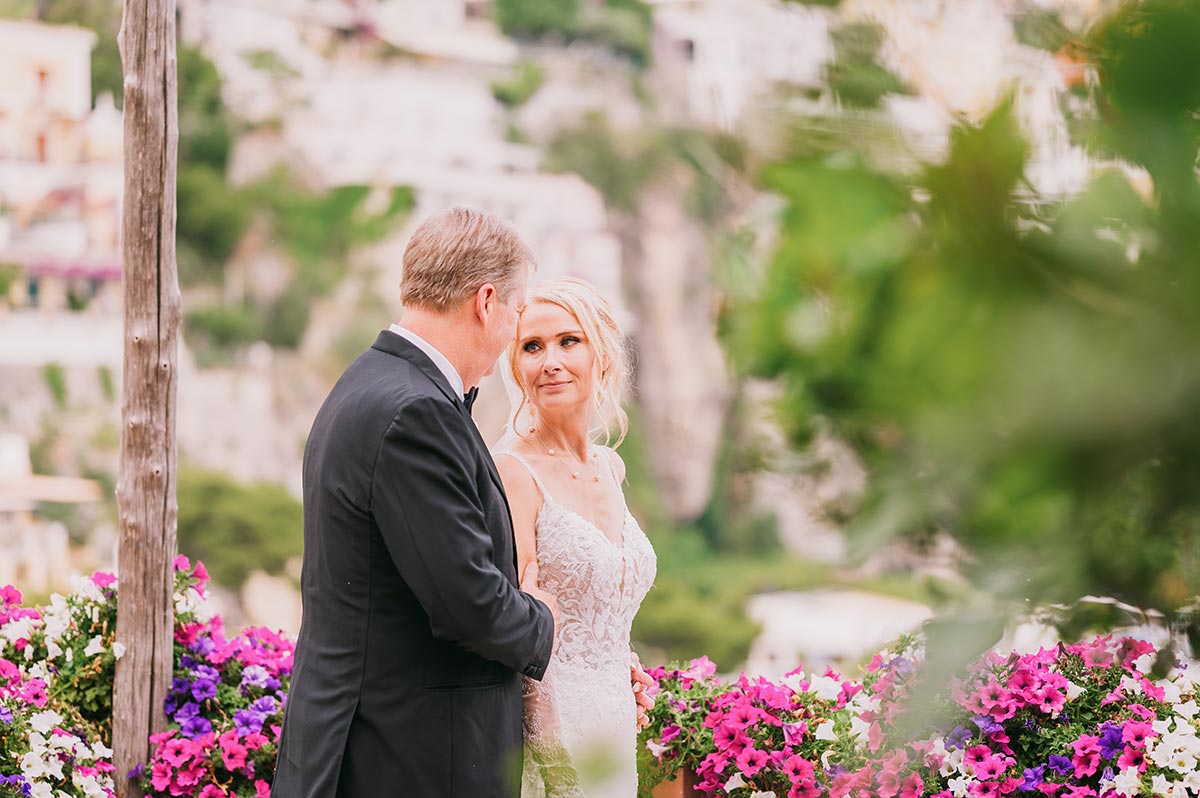
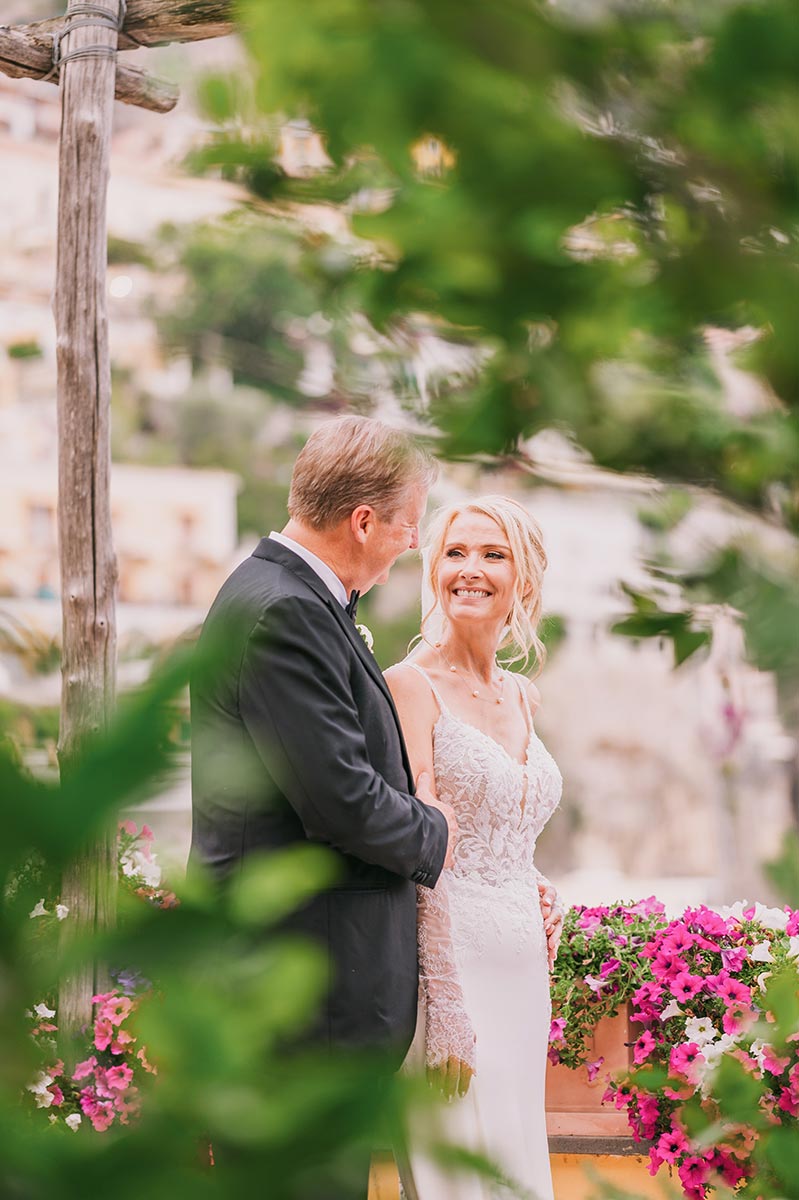
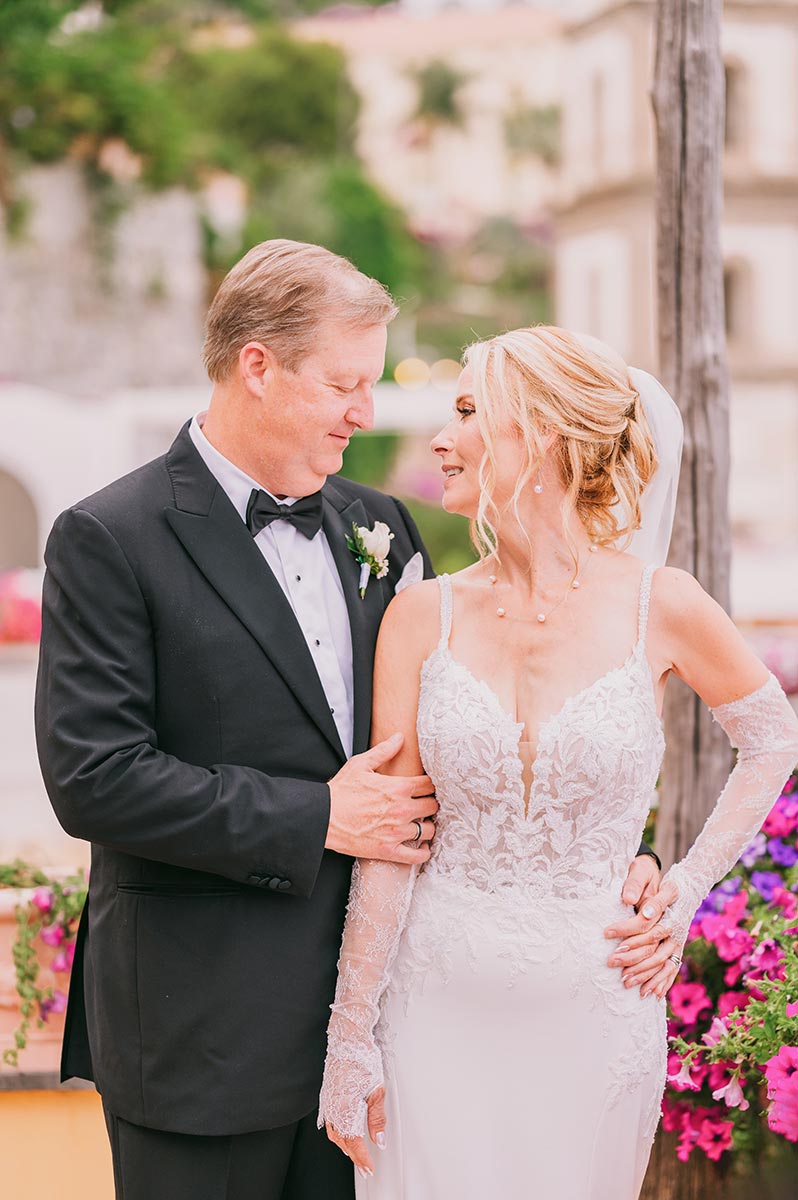
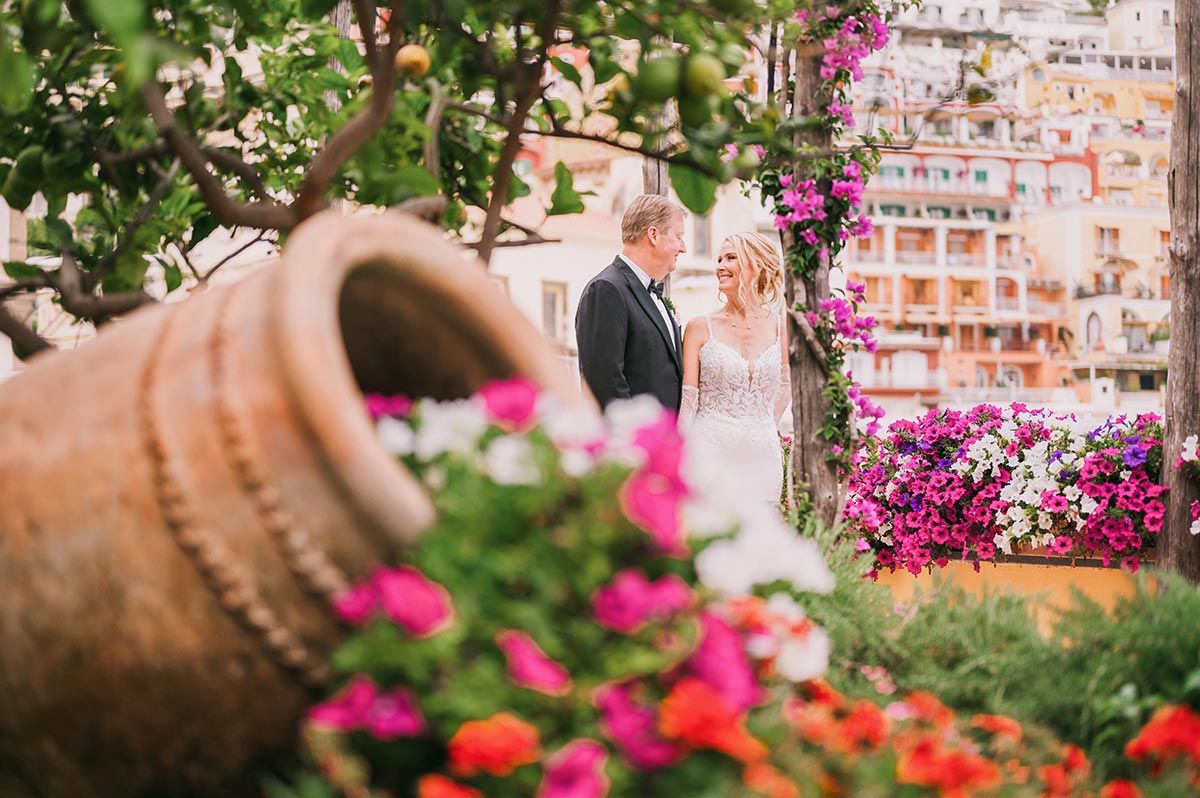
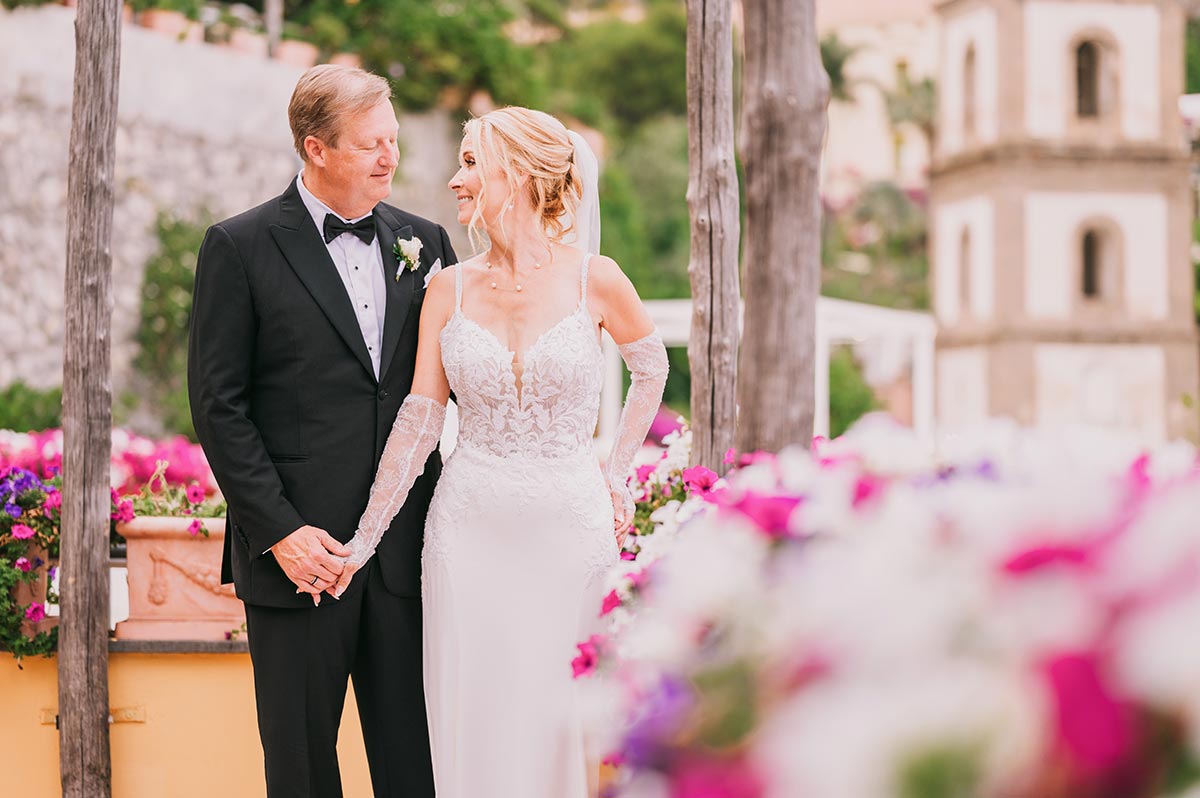
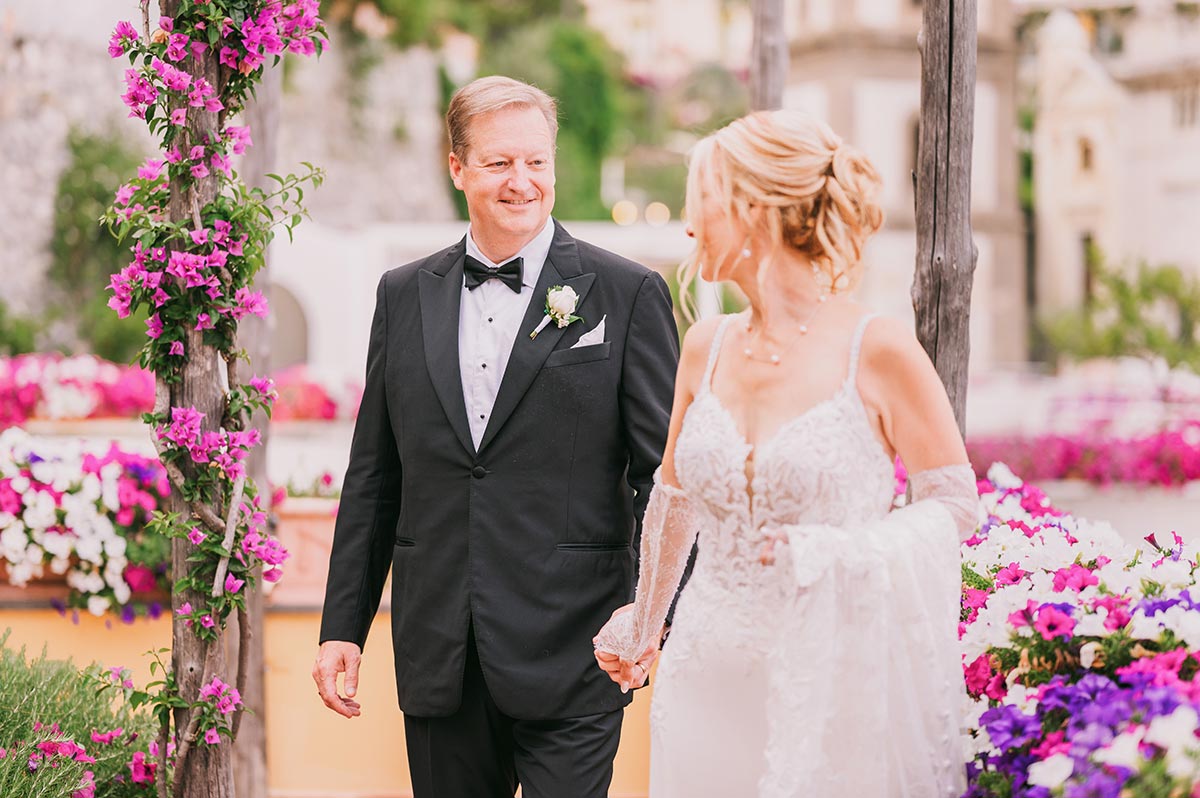
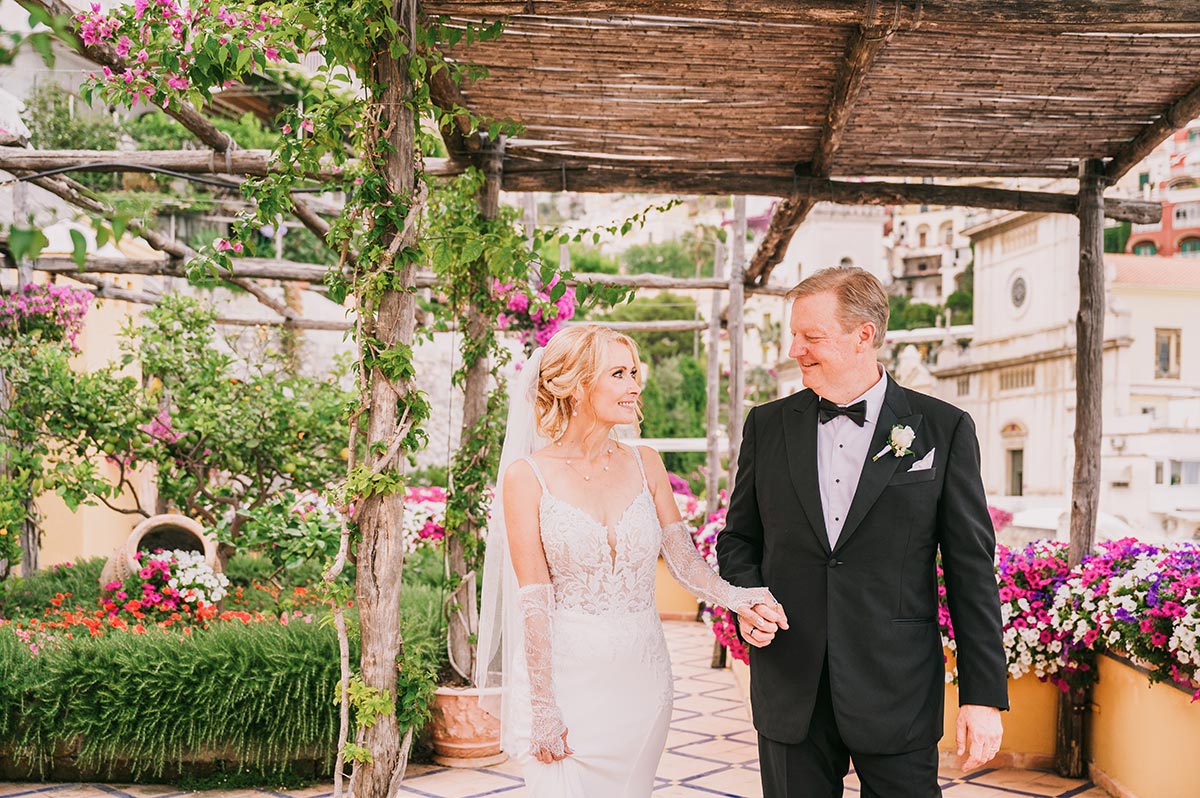
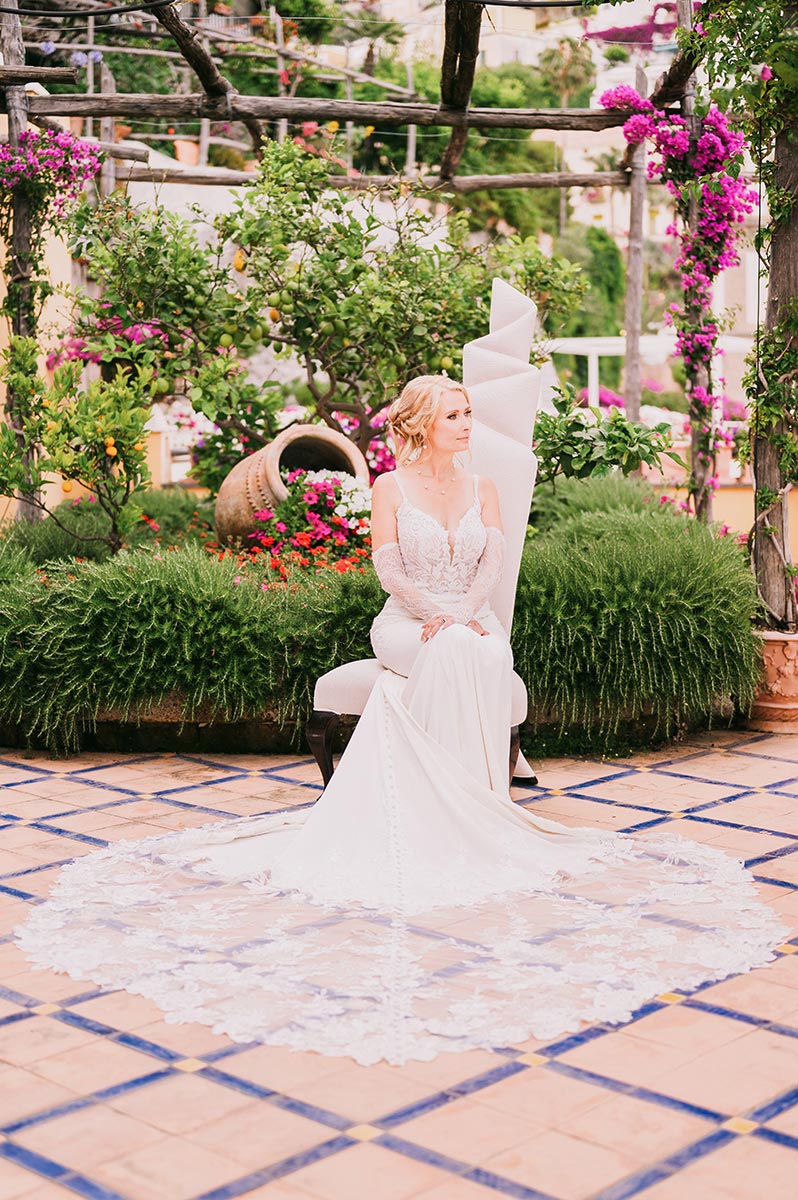
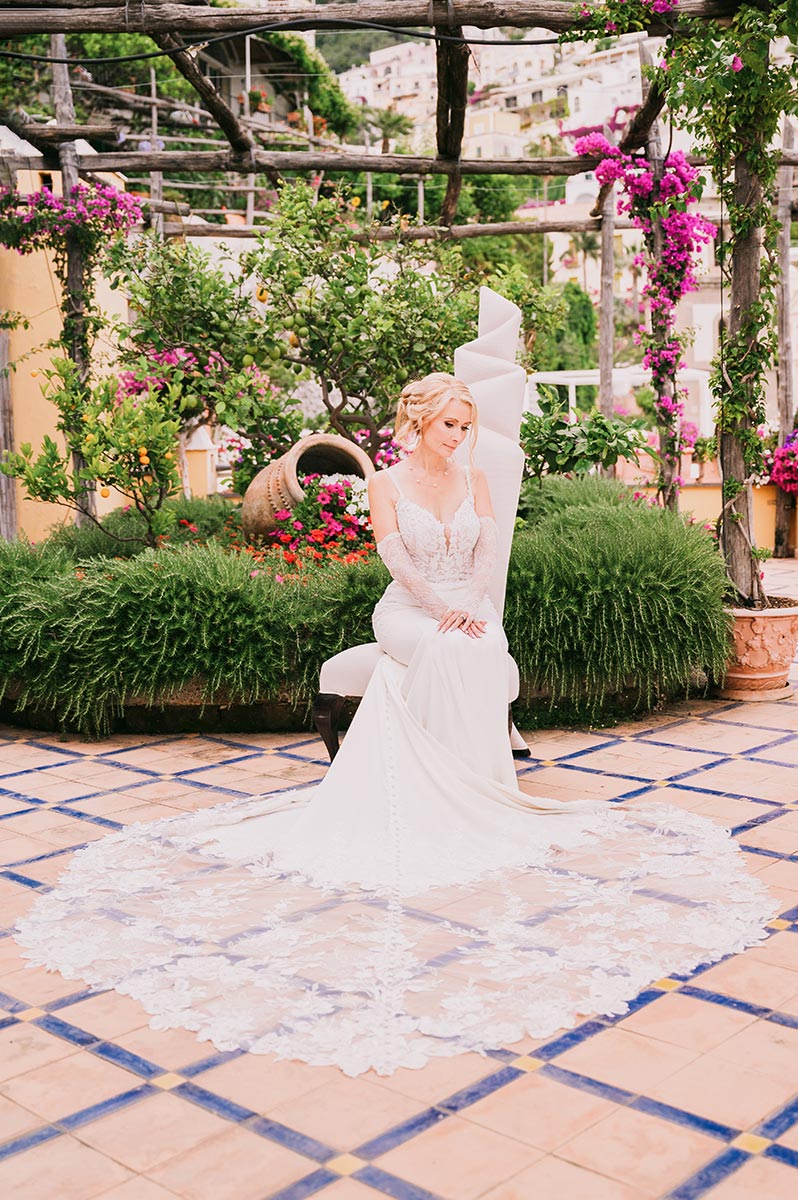
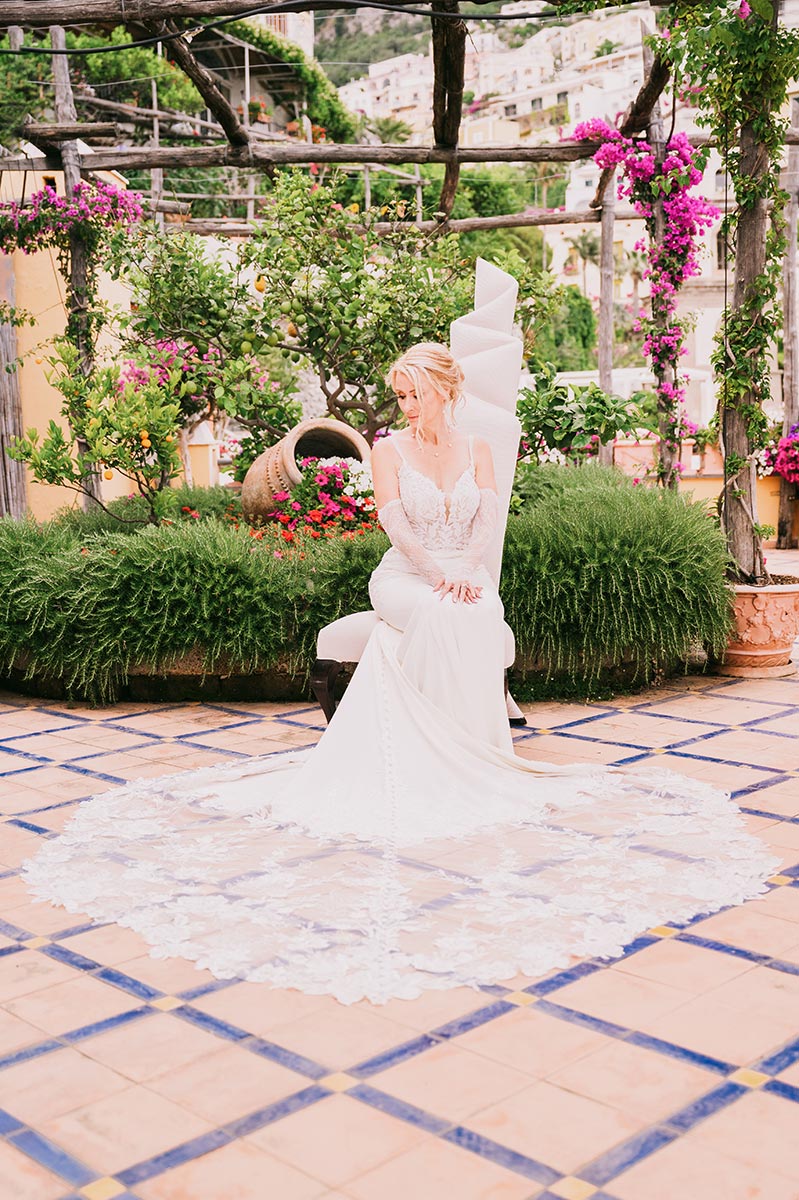
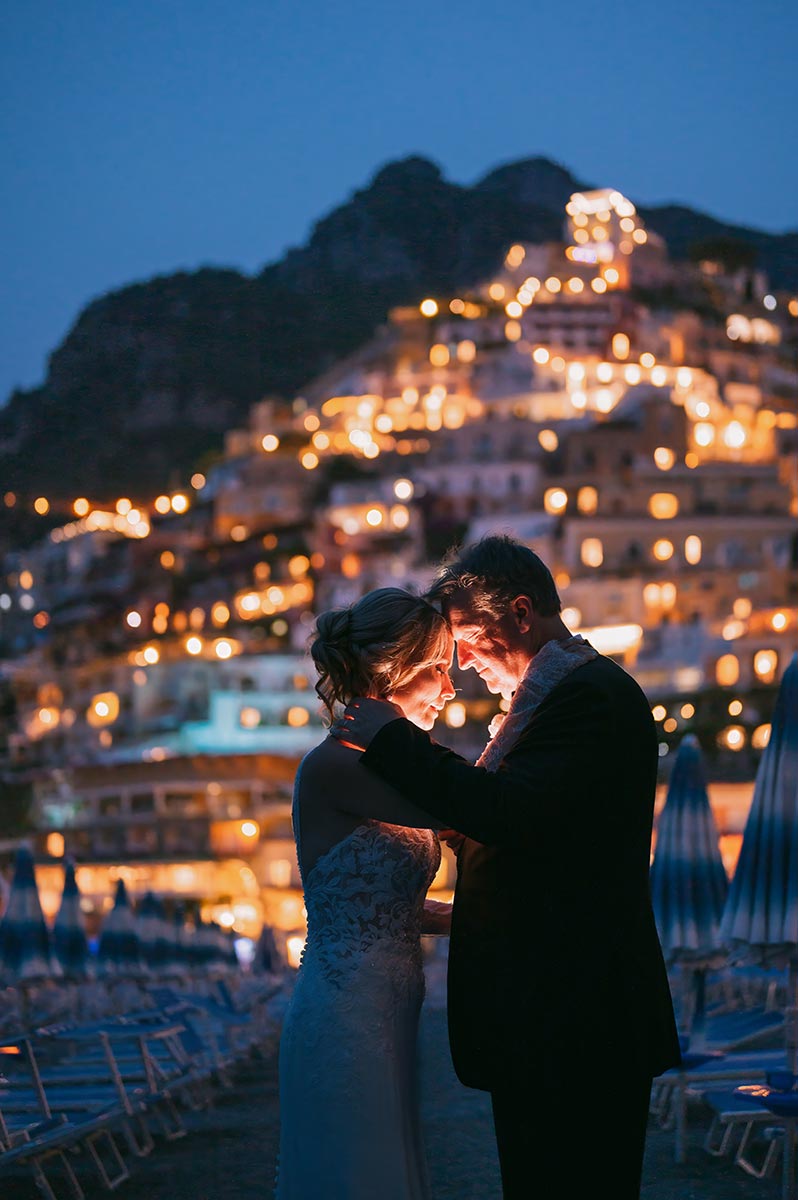
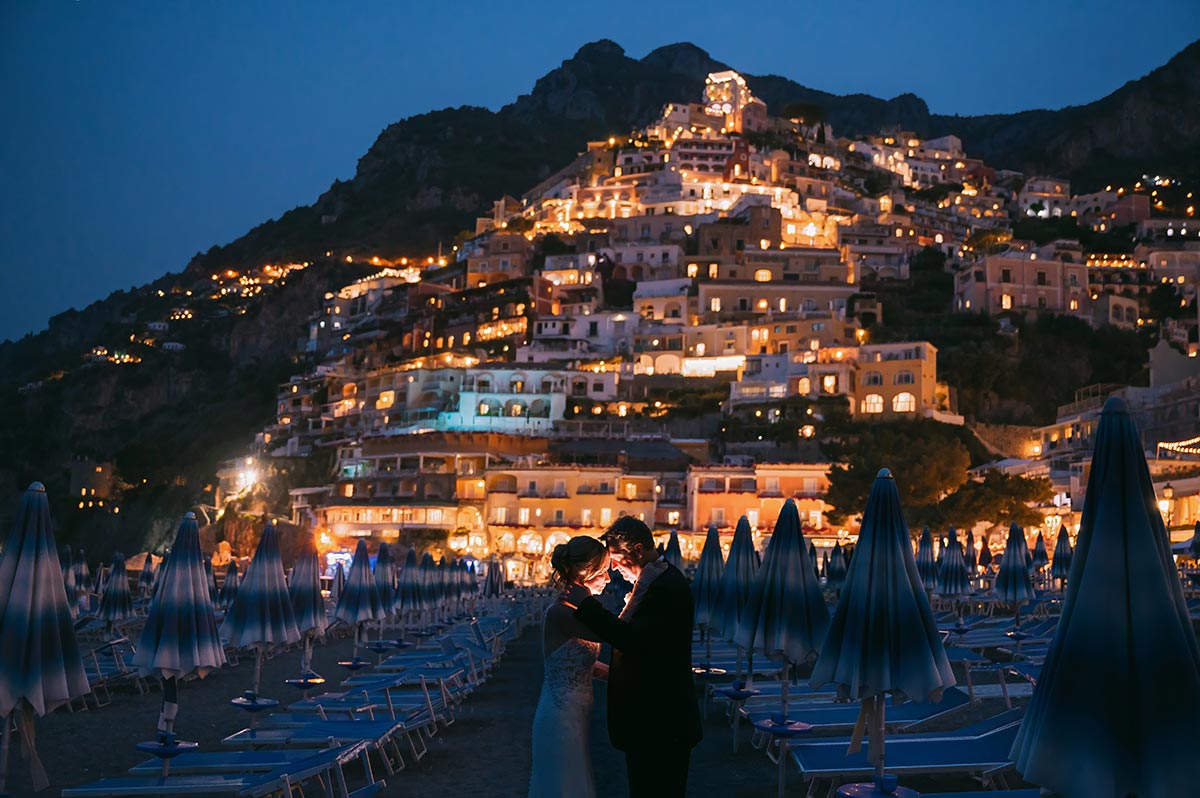
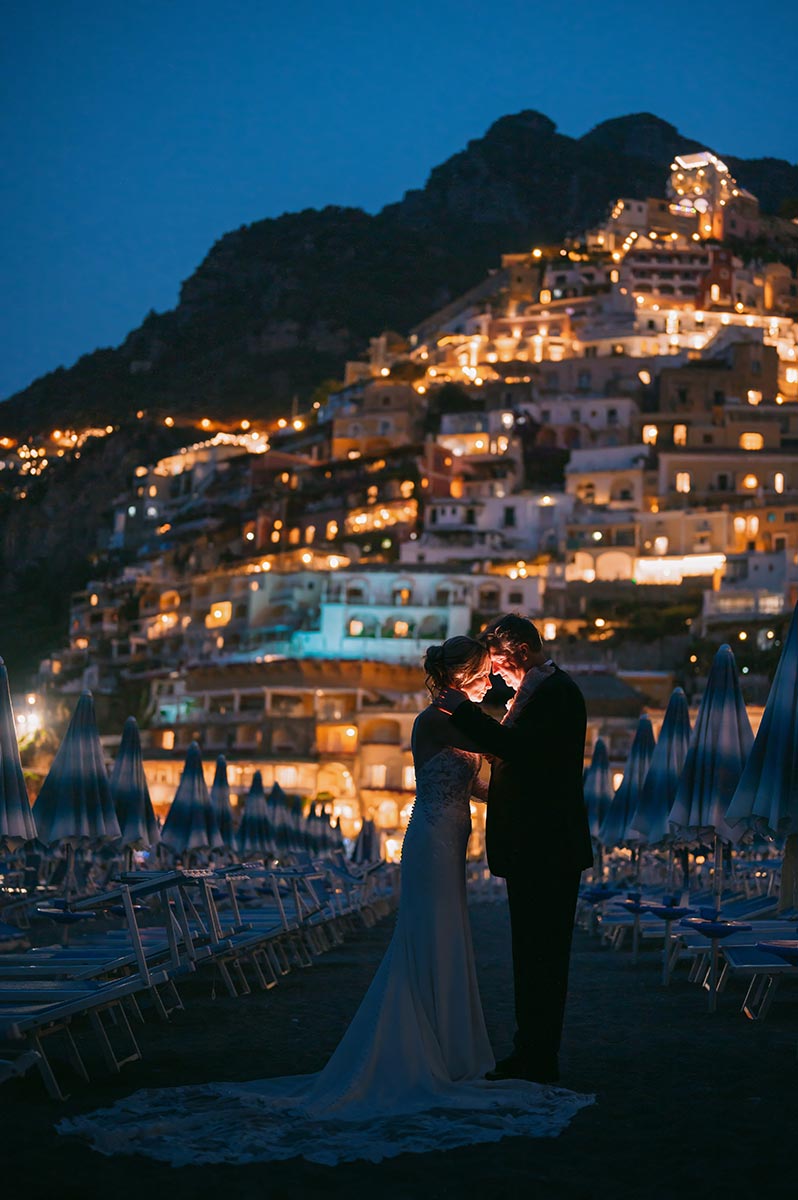
One of the most compelling reasons couples choose Covo dei Saraceni for their Positano elopement is the unmatched scenic beauty that envelops this iconic venue. Picture this: as you stand on the sun-drenched terrace, the breathtaking views of colorful cliffside houses cascading down to the sparkling Mediterranean Sea stretch before you.





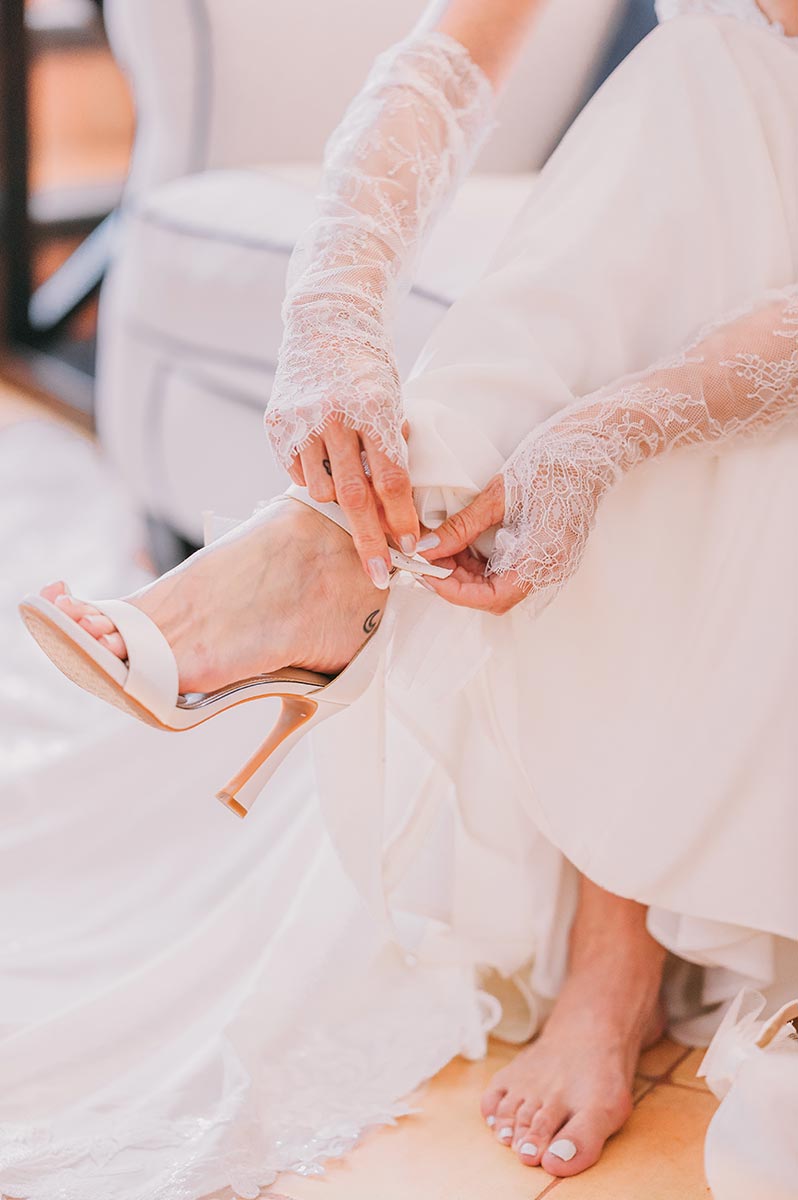

It’s a sight so stunning that it feels like a living postcard, and trust me when I say it makes for an exquisite backdrop for your elopement photos. The colors of Positano, combined with the soft sounds of waves lapping against the shore, create an atmosphere that is nothing short of poetic.
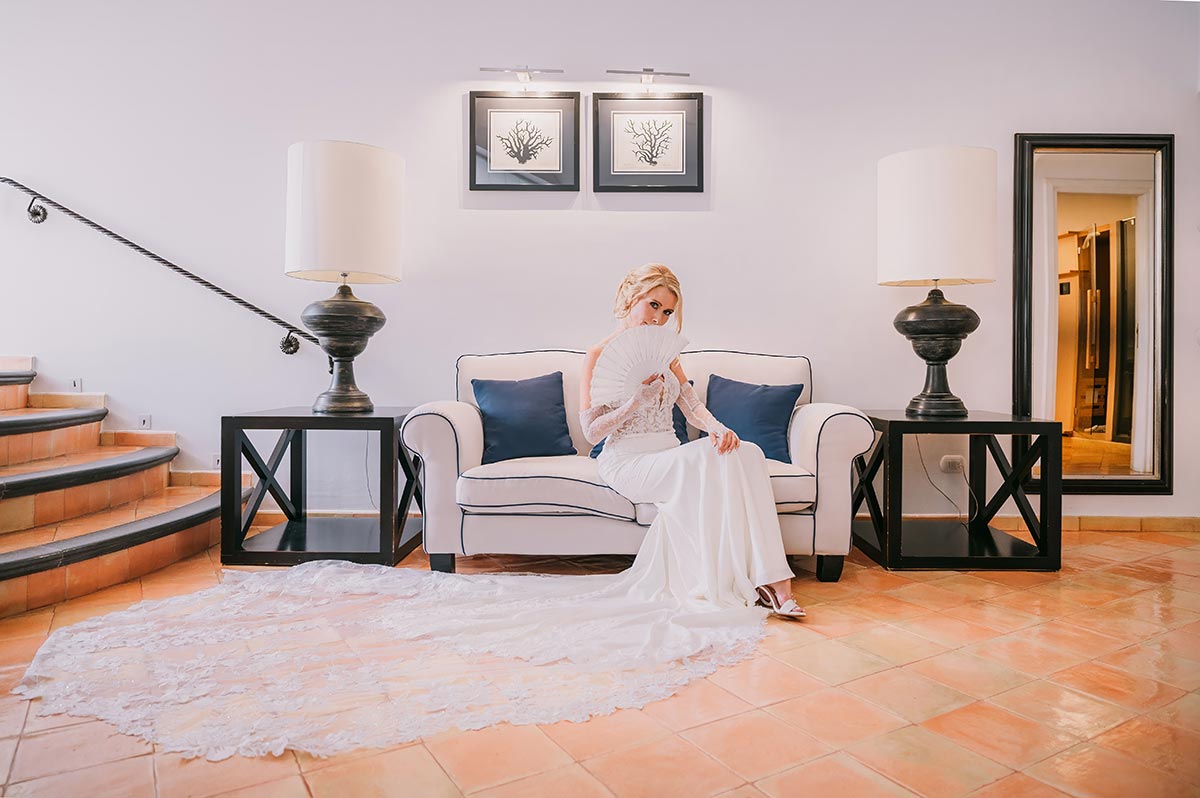
The natural beauty of this location is complemented by its strategic position along the Amalfi Coast, where every angle presents an Instagram-worthy shot. Imagine exchanging vows with your beloved as the sun sets behind the cliffs, casting a warm golden hue over everything around you. This enchanting ambiance creates a romantic setting that will leave both you and your guests in awe.
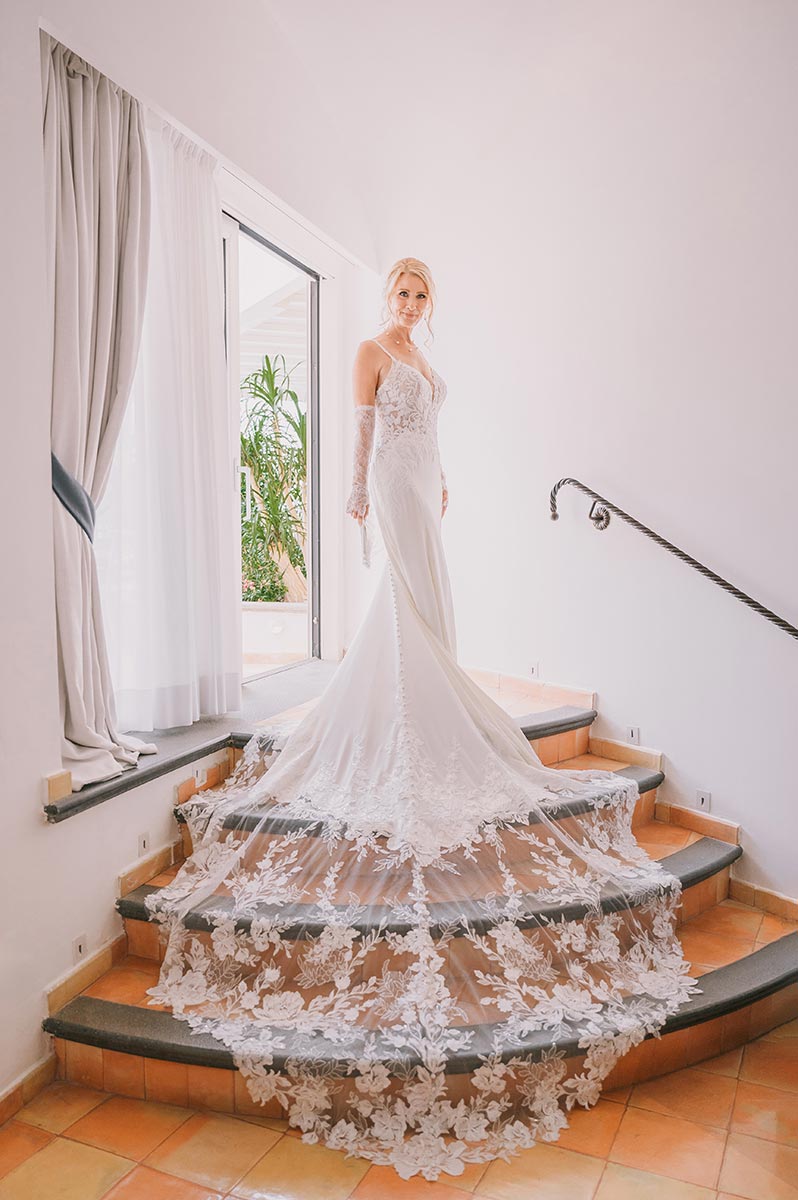

- Breathtaking Views: Whether you’re looking out at the vivid blue waters or taking in the vibrant hues of Positano’s architecture, every view is picture-perfect.
- Picturesque Beachfront: Covo dei Saraceni’s proximity to sandy shores allows couples to enjoy intimate beachside vows followed by sunset strolls along the coast.
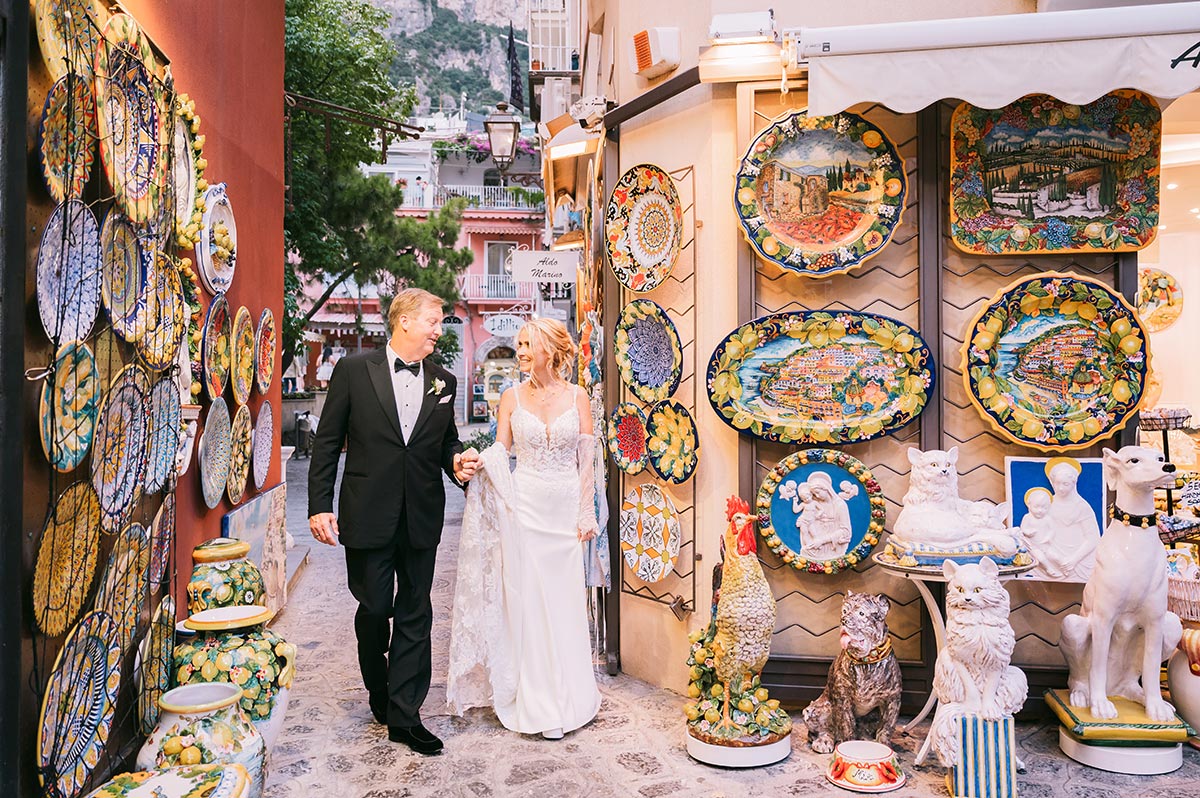
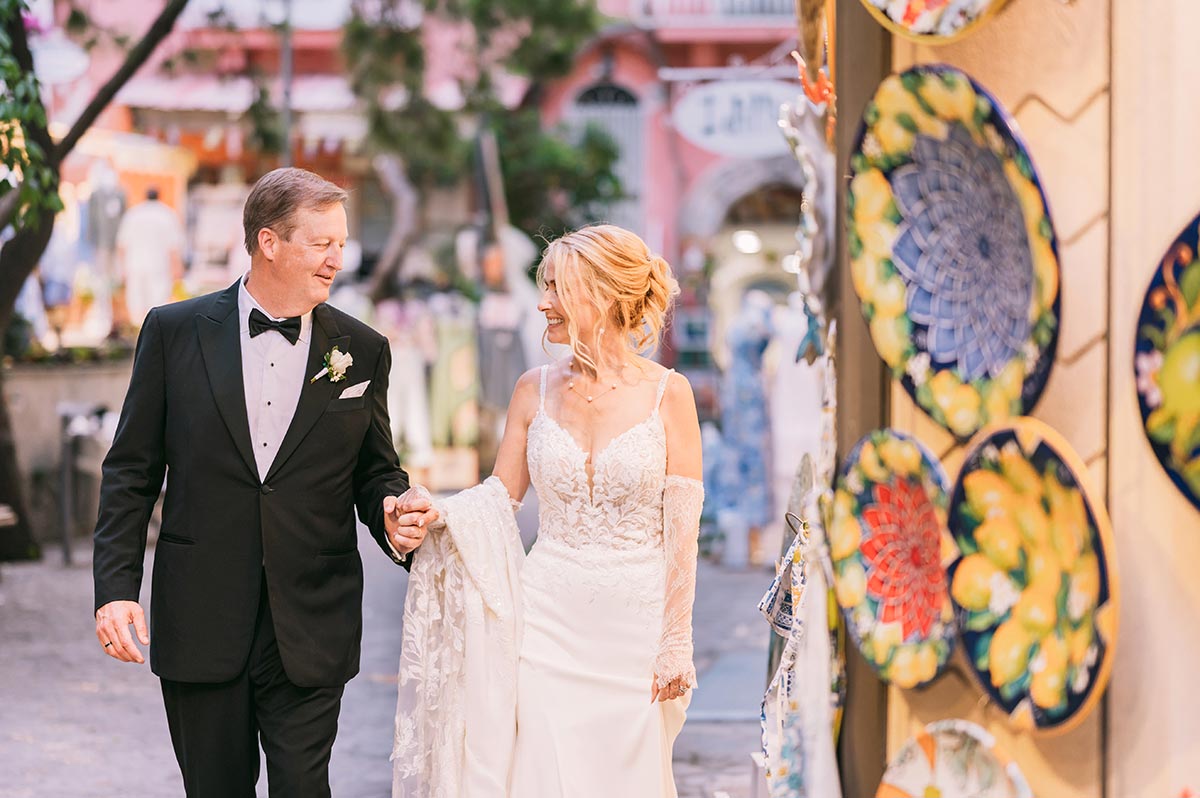
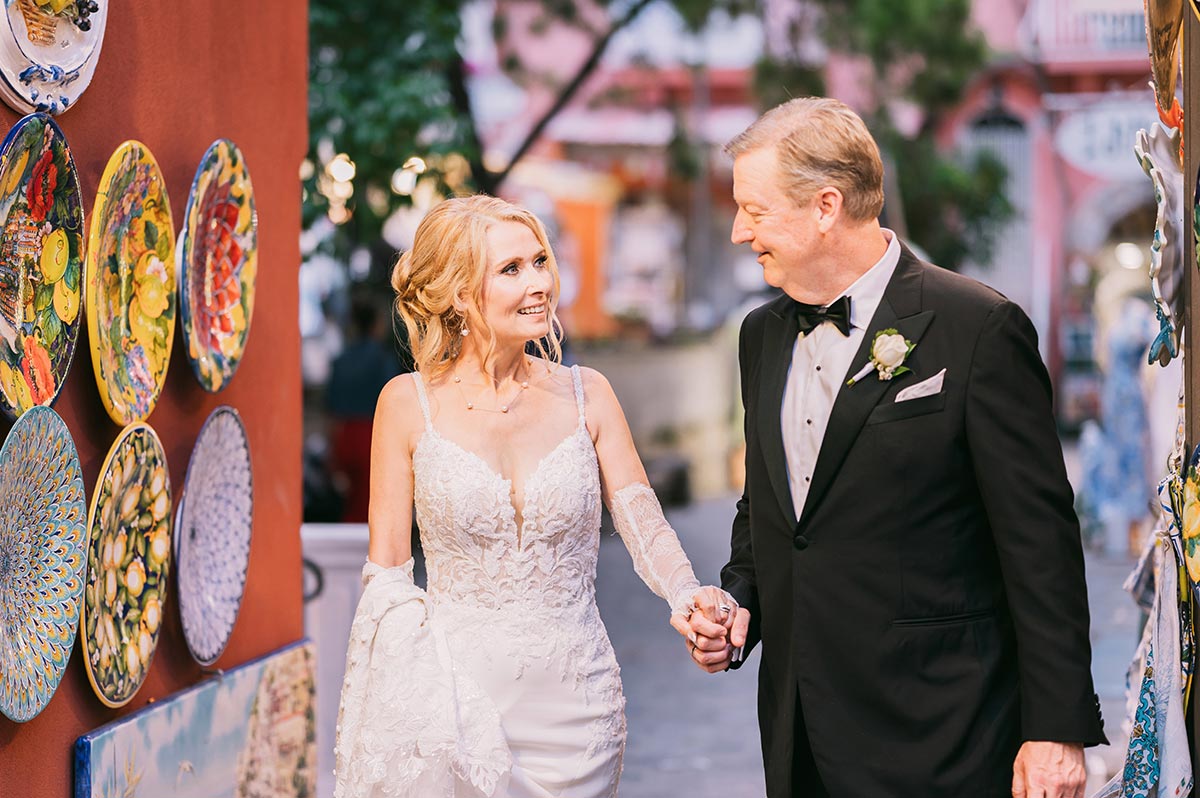
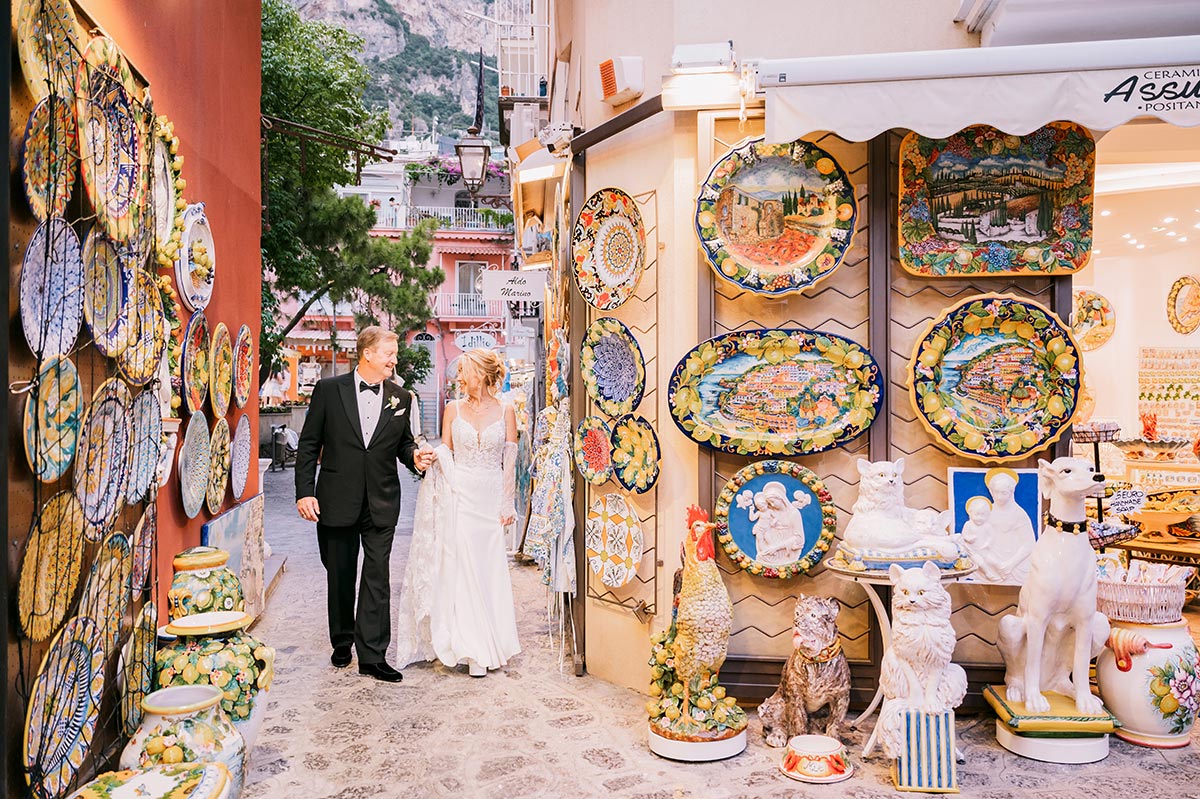
- Unique Photo Opportunities: The charming streets and hidden corners of Positano provide endless opportunities for beautiful photography, capturing every fleeting moment during your special day.

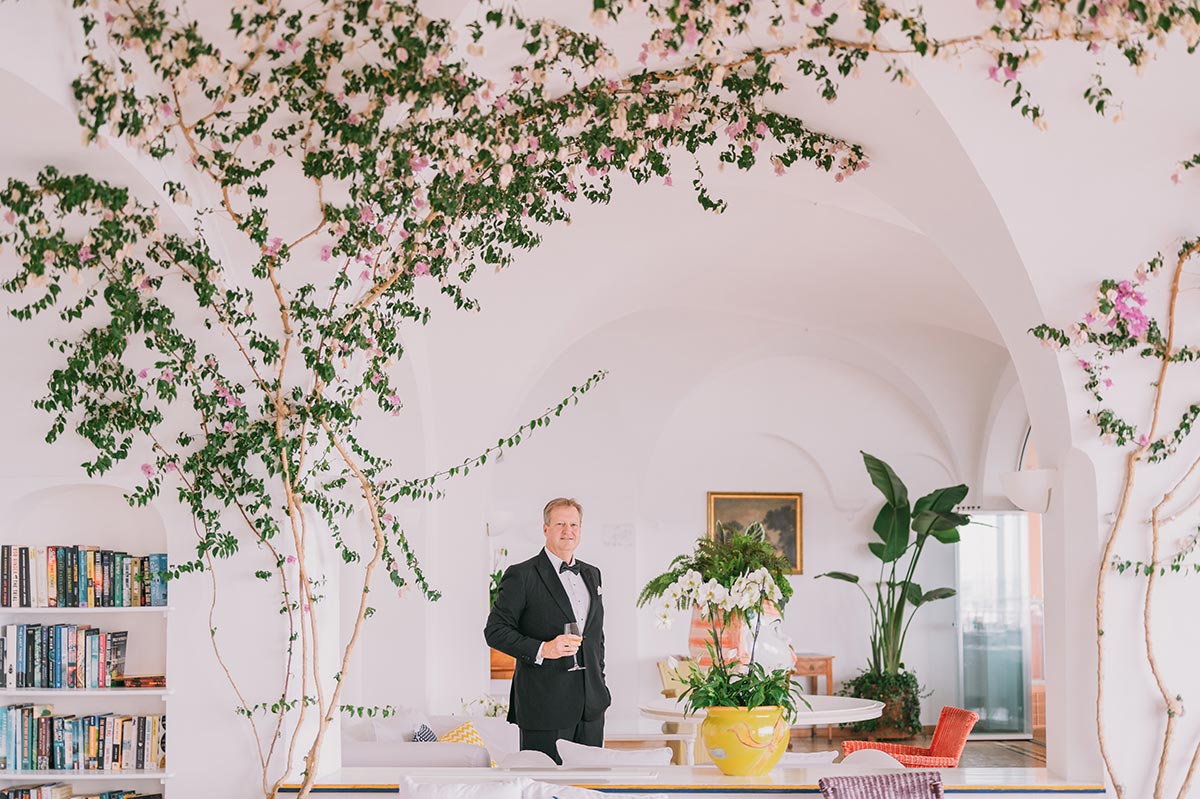


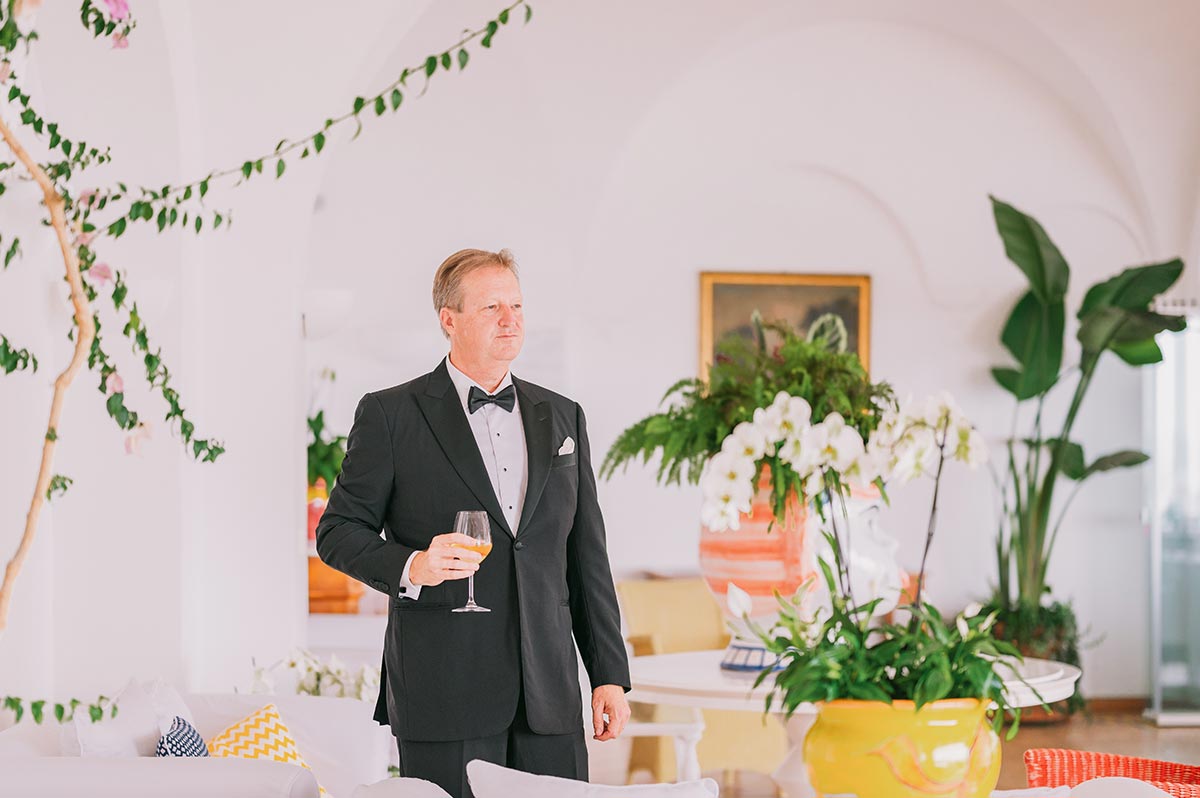

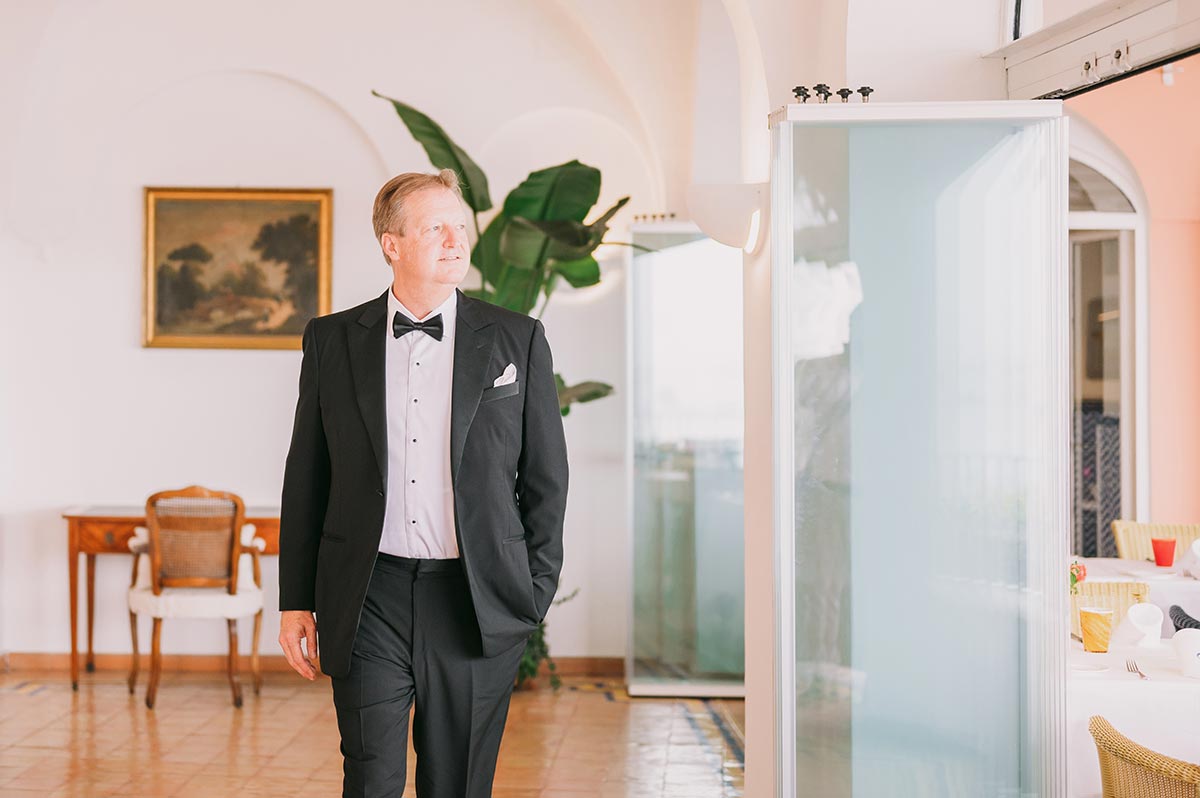
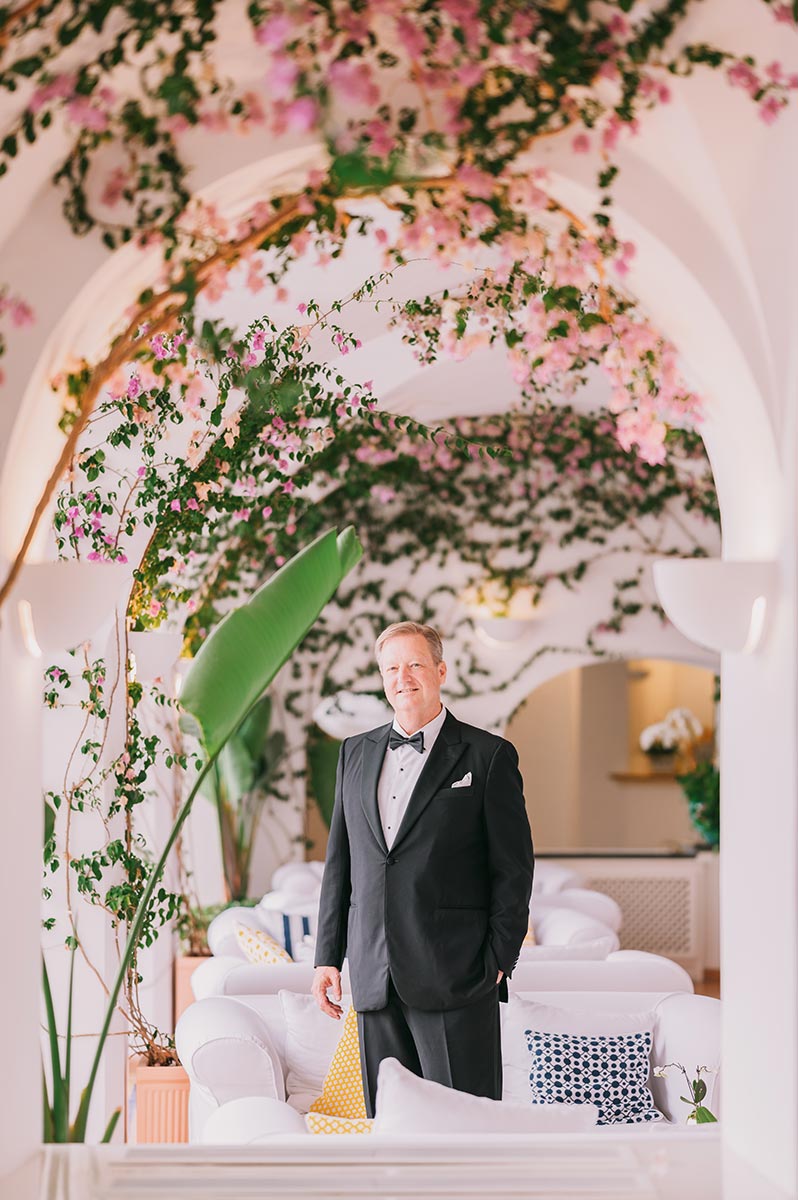


Furthermore, being surrounded by such picturesque landscapes enhances not just your photos but also your overall experience. It allows you to connect more deeply with each other amidst nature’s grandeur, a memory that becomes etched in your heart forever. Every corner of this venue speaks volumes about romance and beauty; it pulls at your emotions and invites you into its captivating charm.
If you’re considering an intimate ceremony on Italy’s Amalfi Coast, I assure you that choosing Covo dei Saraceni will lead to unforgettable moments filled with love and laughter, set against one of the world’s most beautiful backdrops. Trust me; when it comes to eloping in southern Italy, there’s no place quite like it!
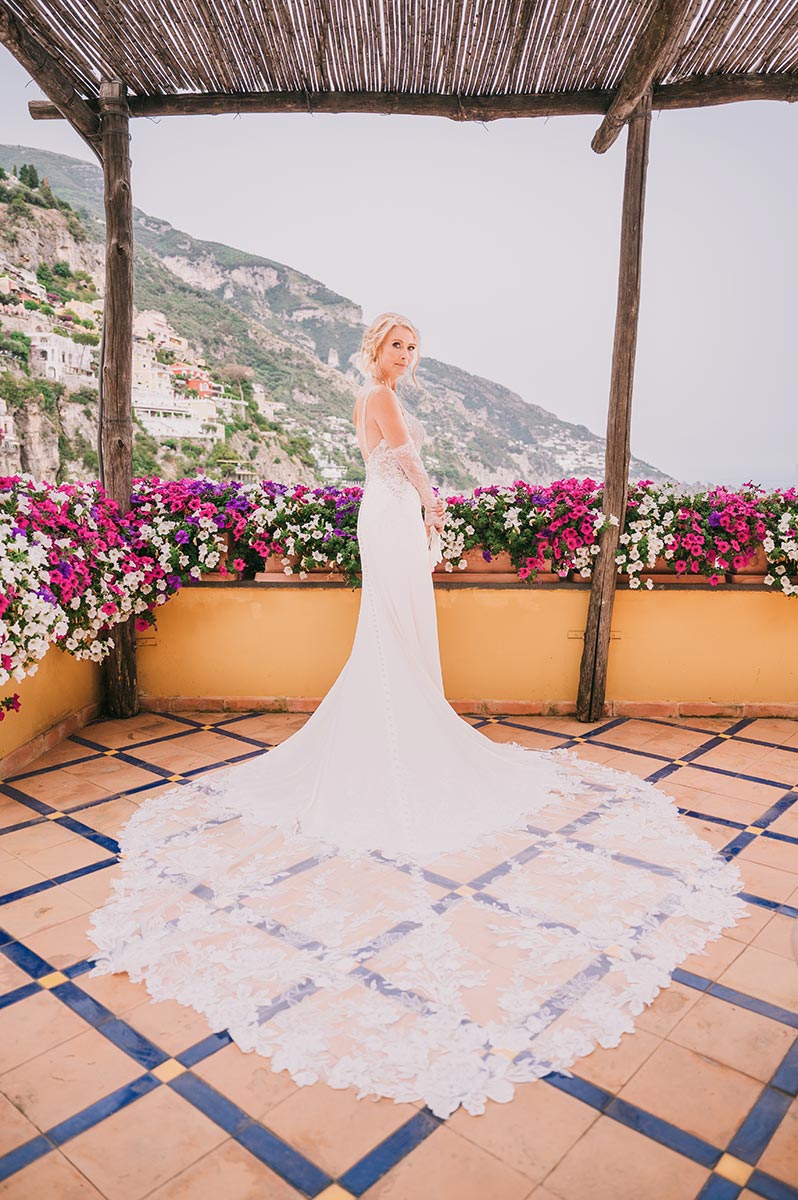
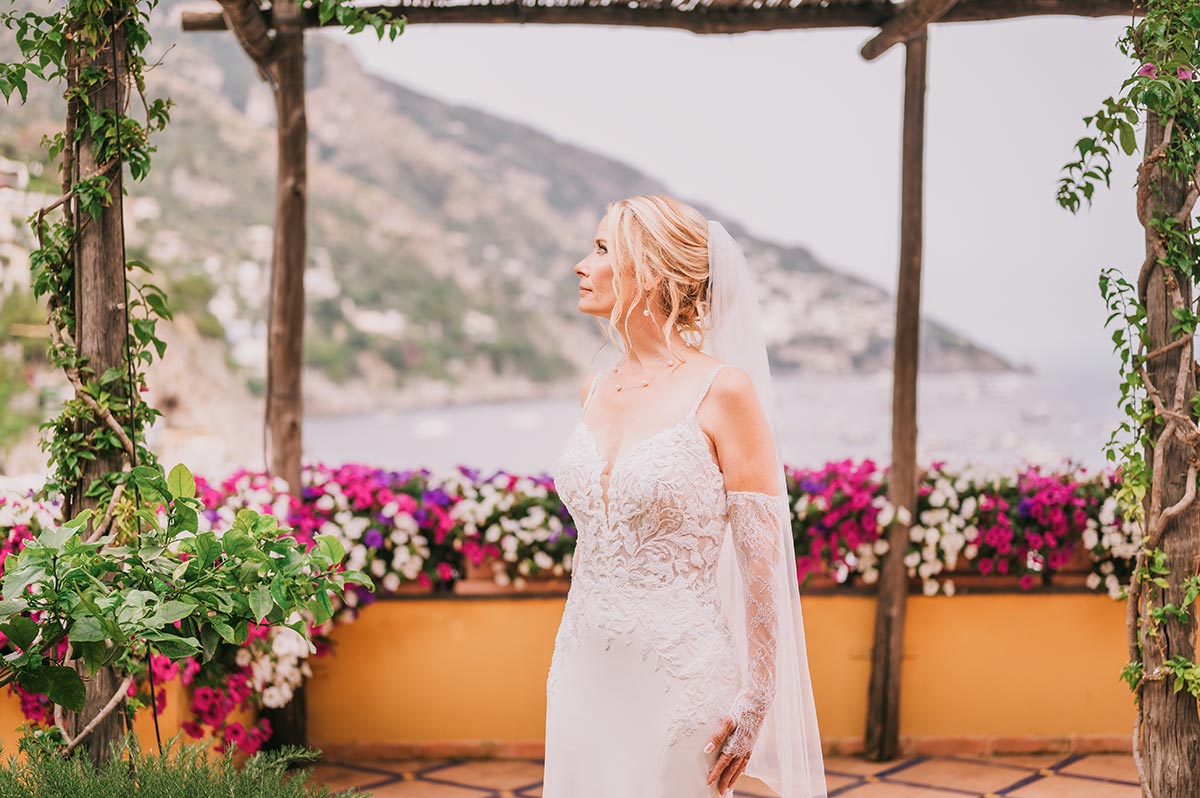
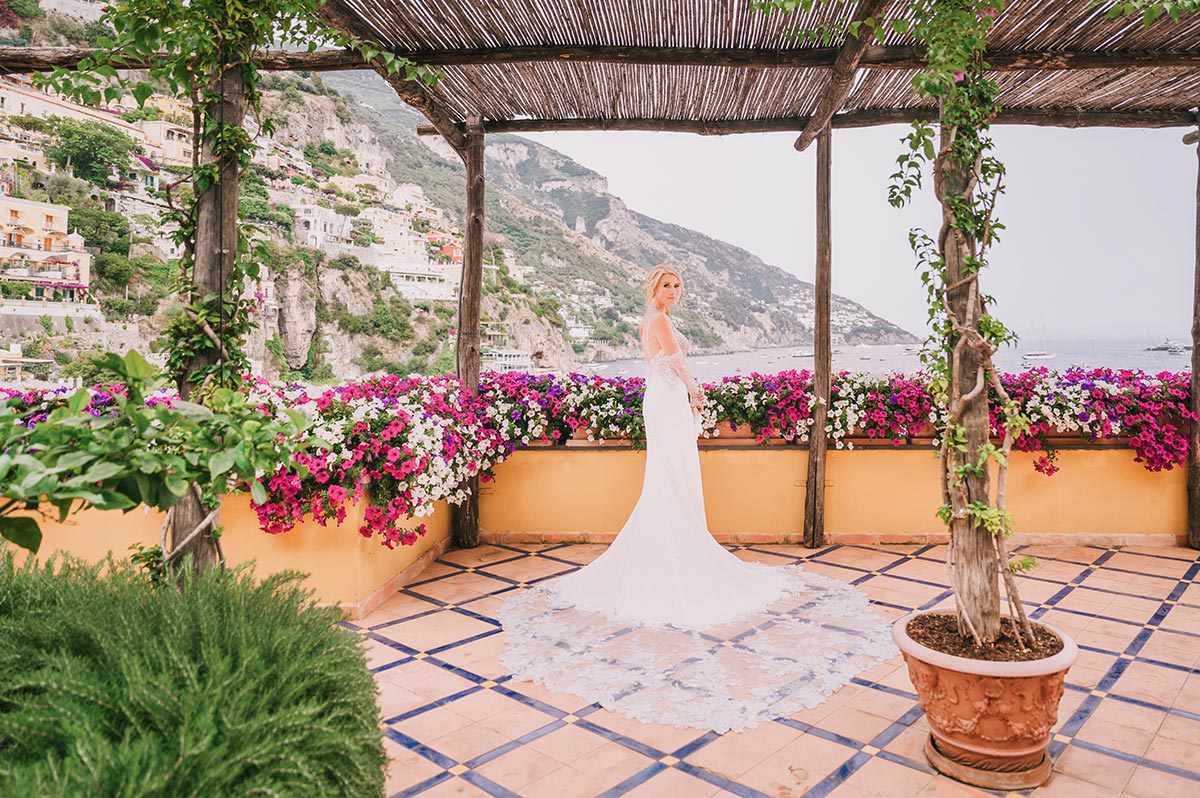
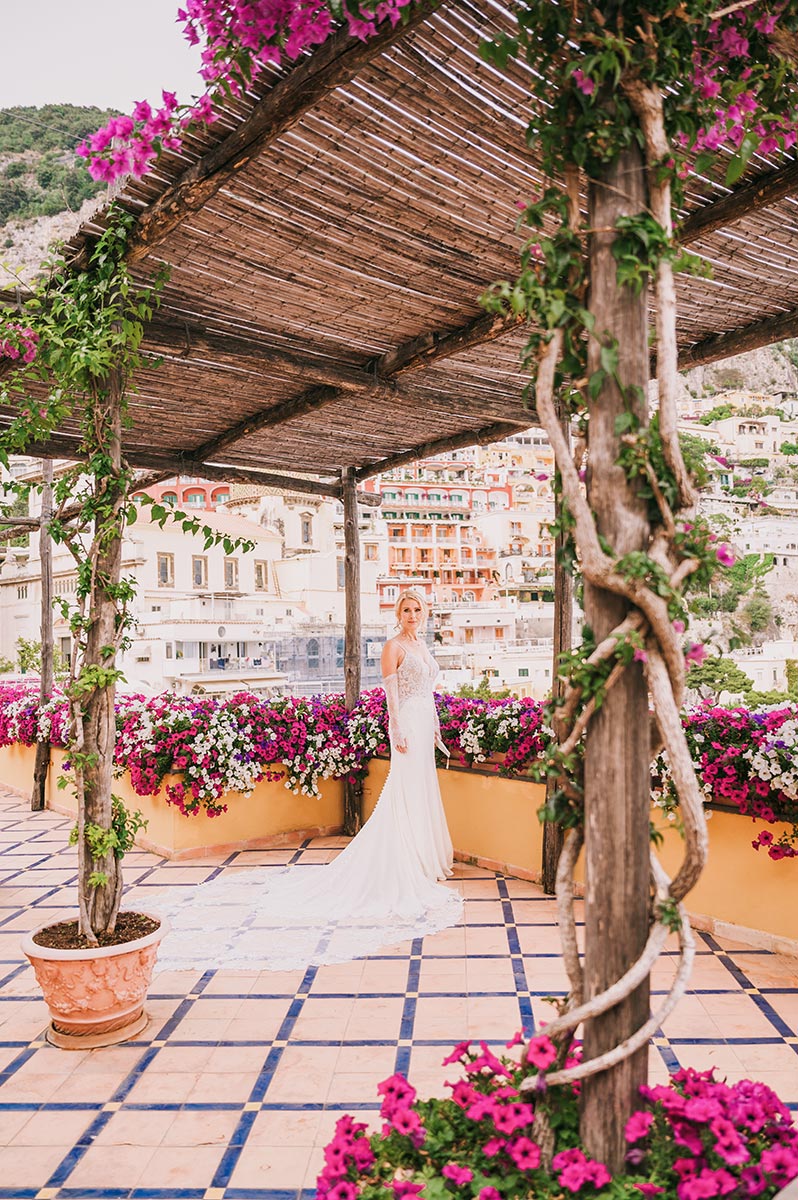
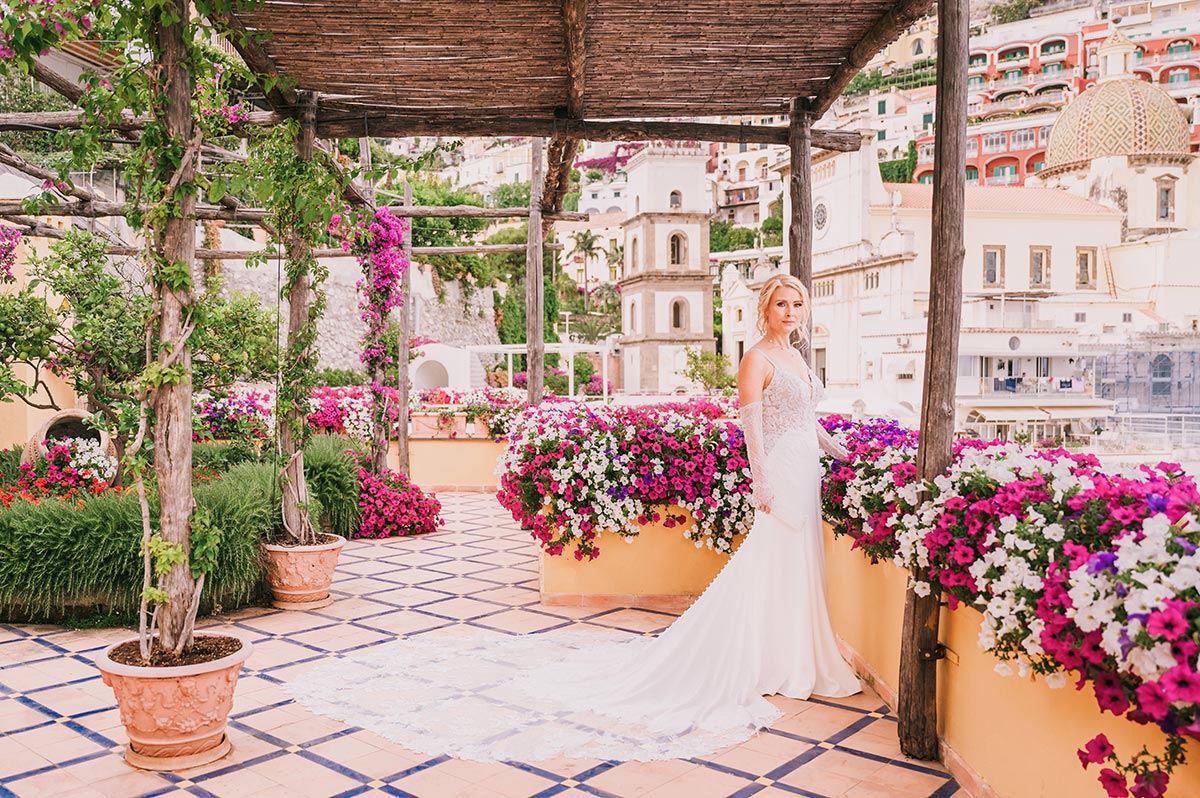
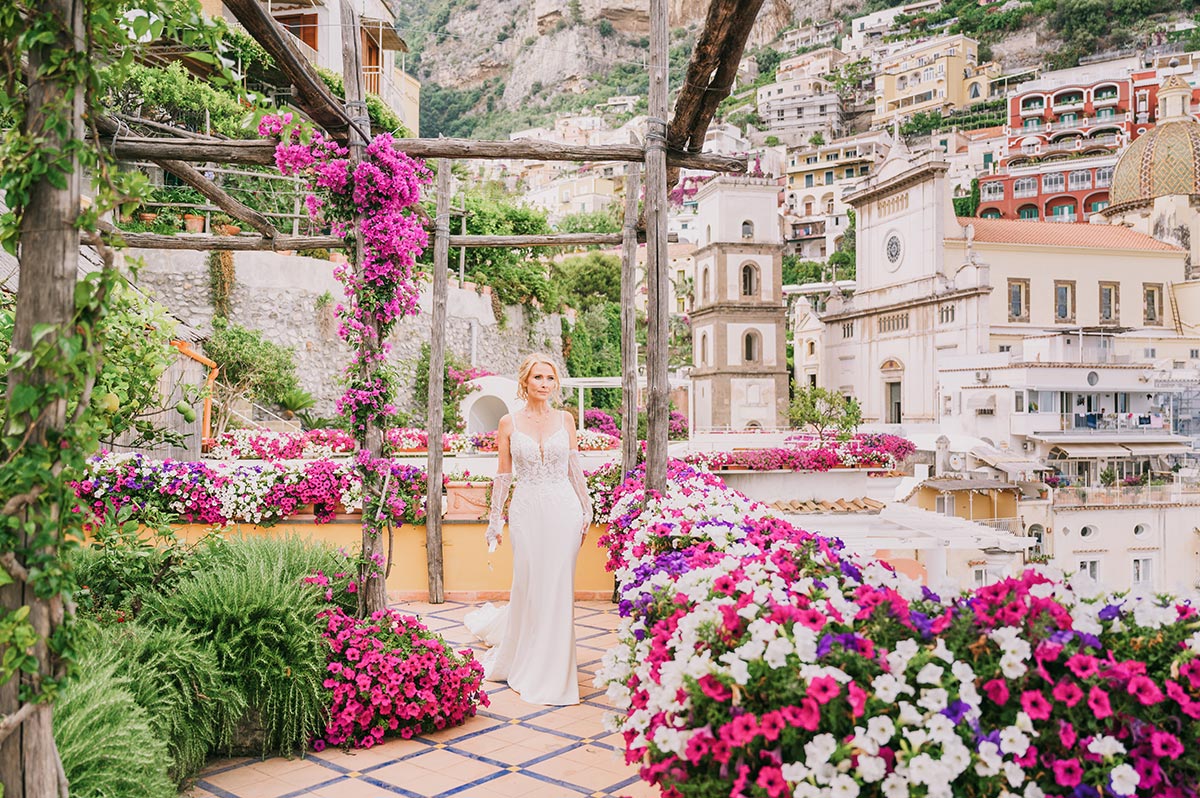
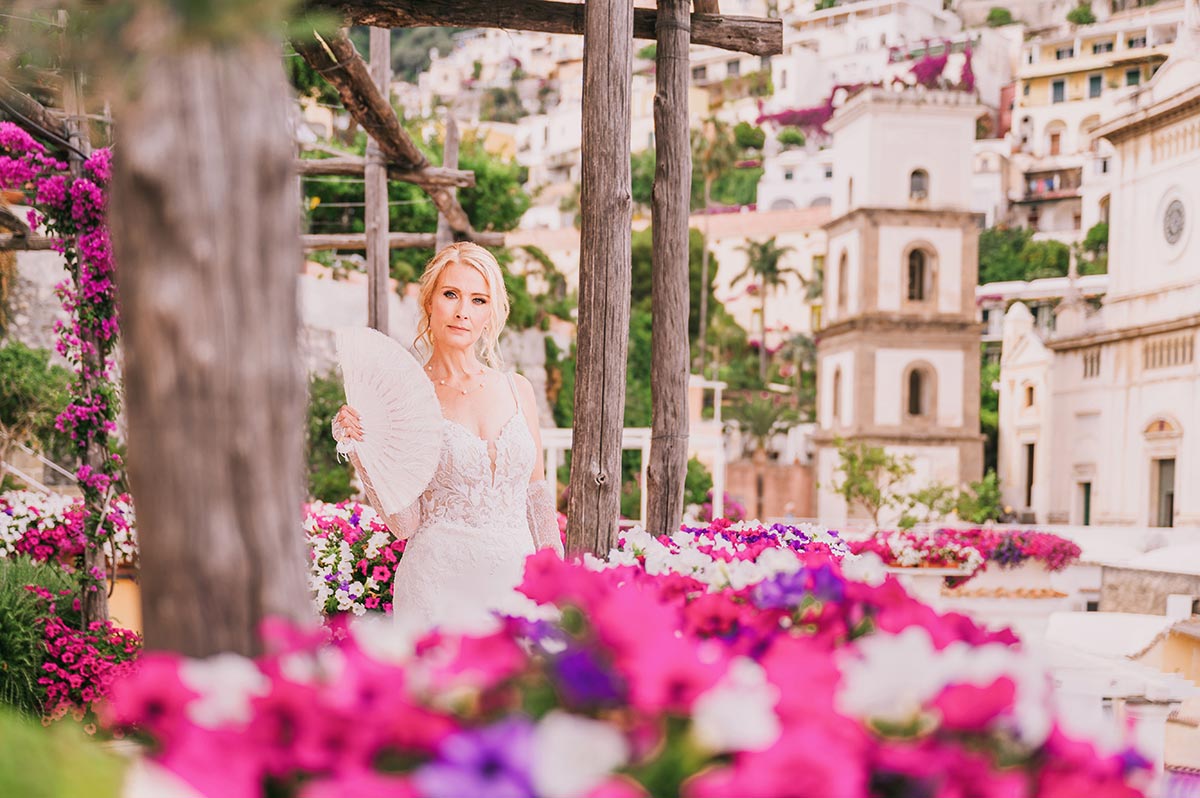
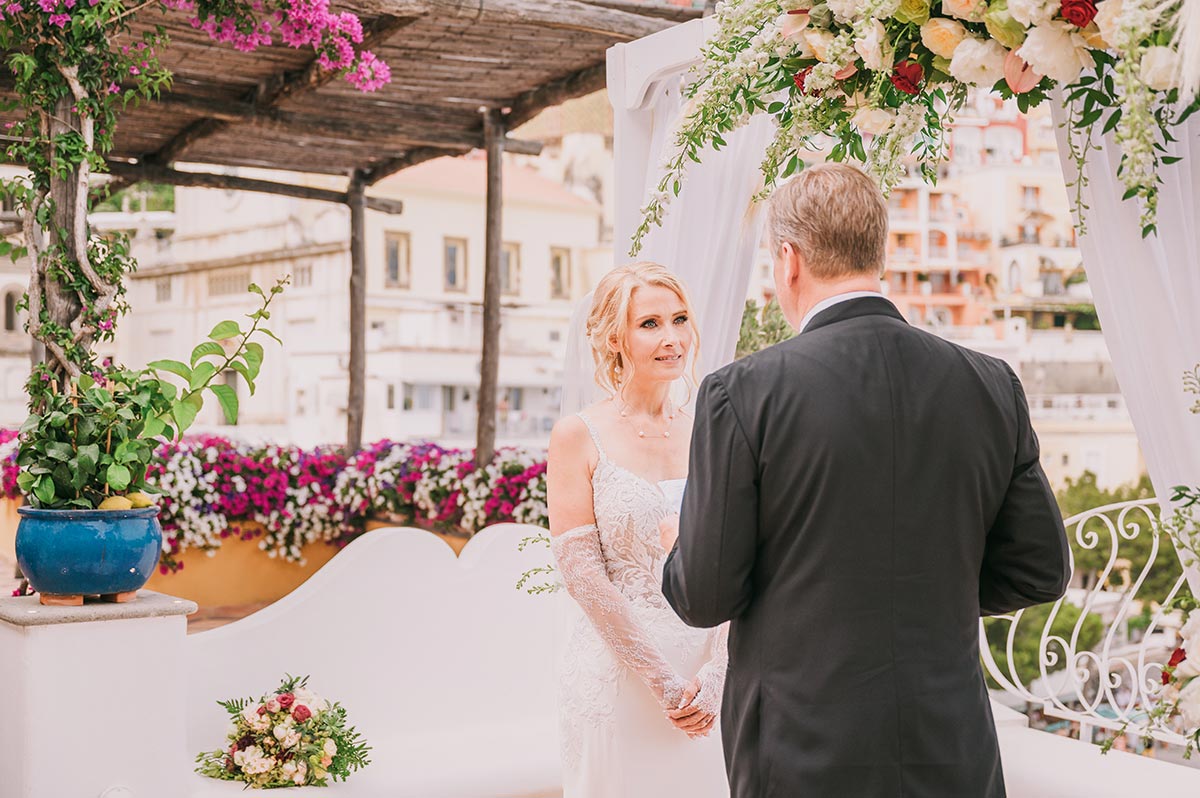
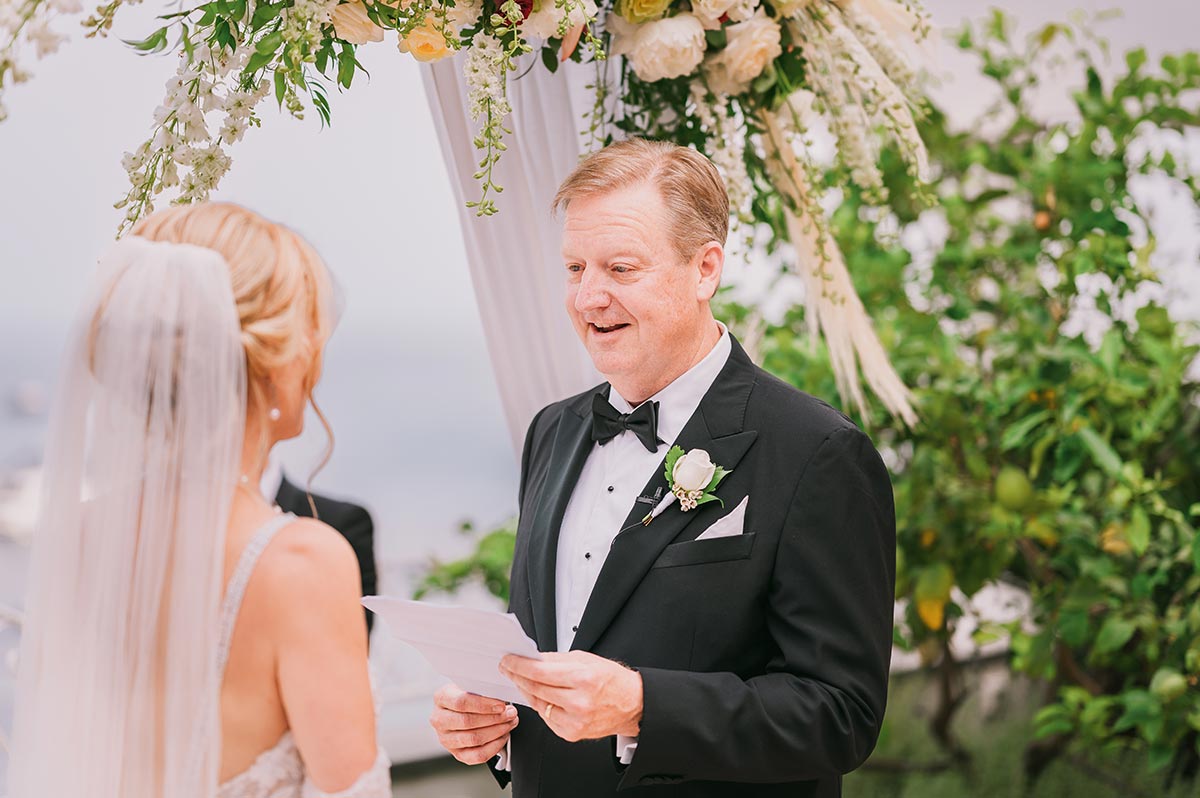
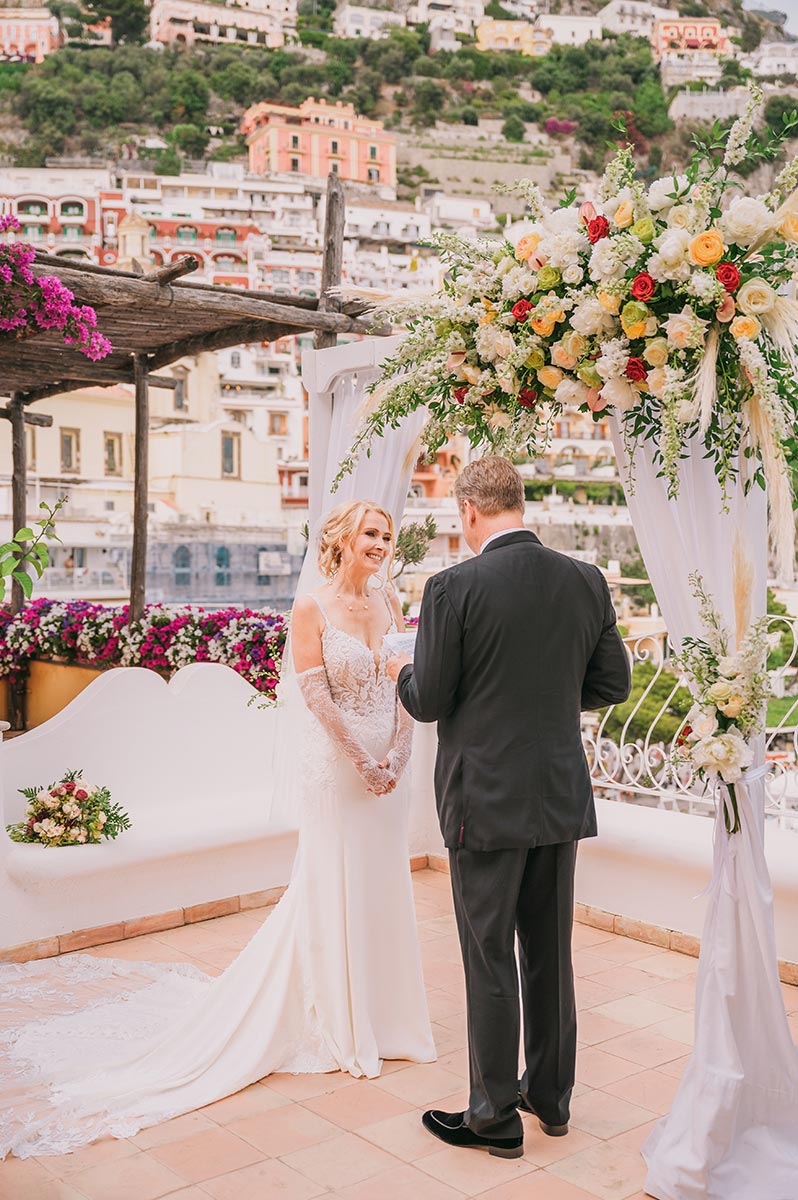
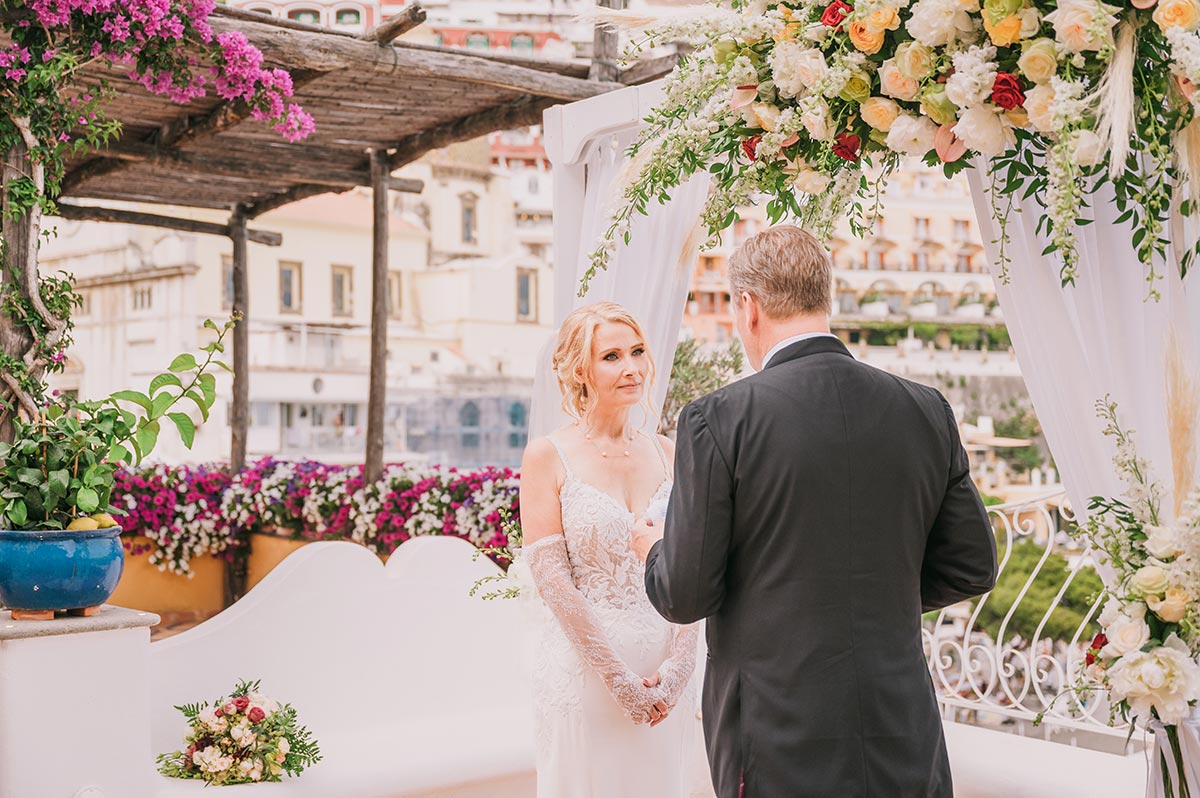
Seaside Ceremony Options in a small terrace overlooking Positano
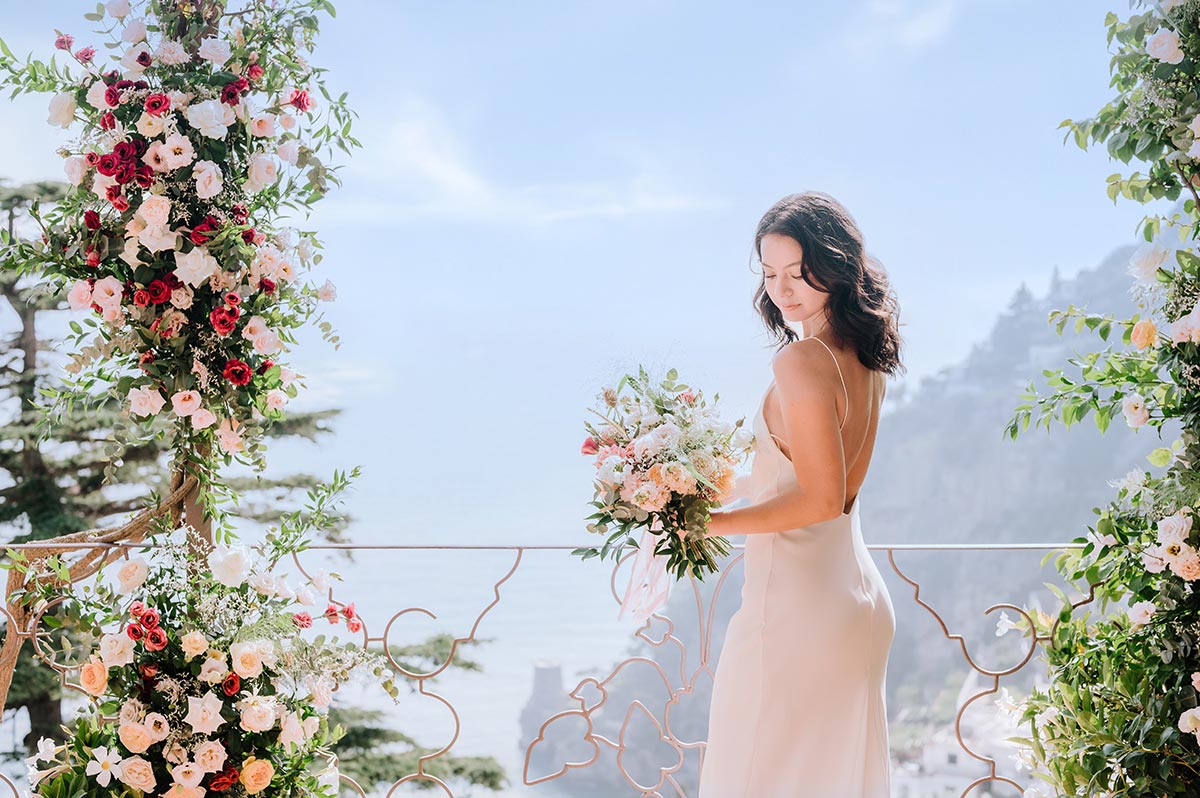
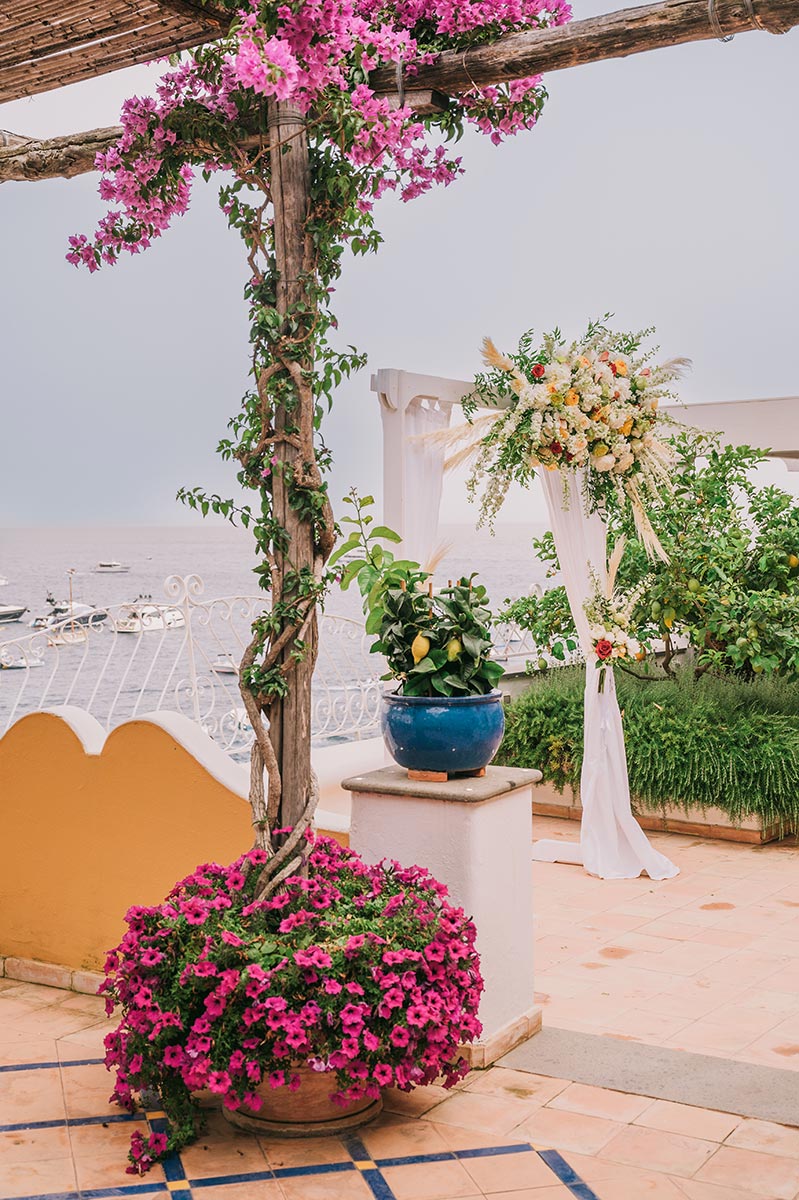
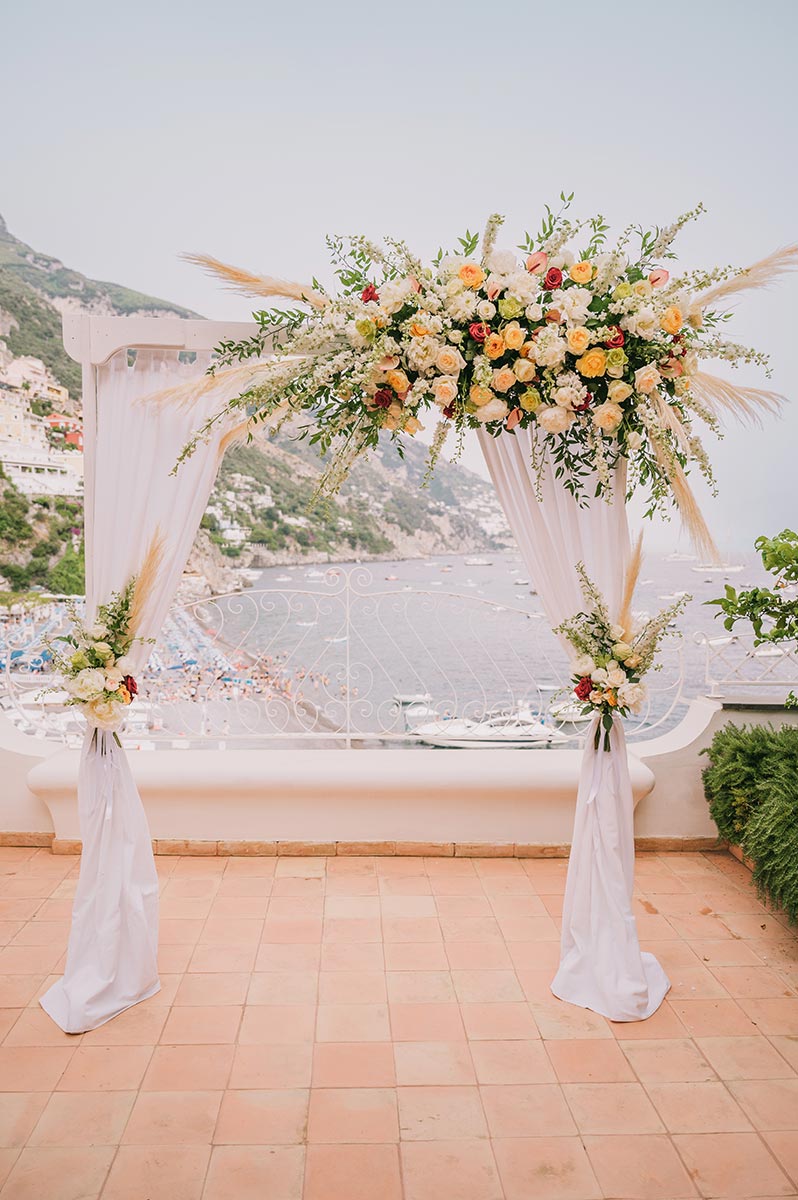
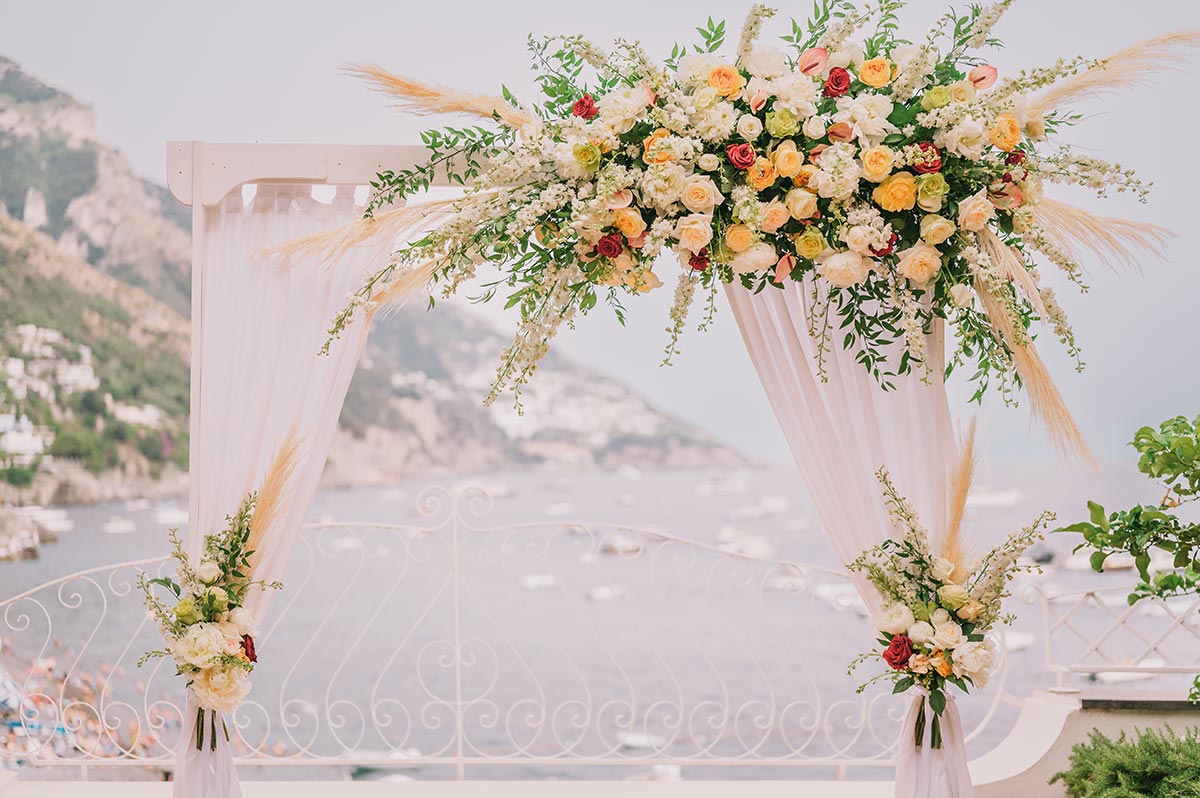
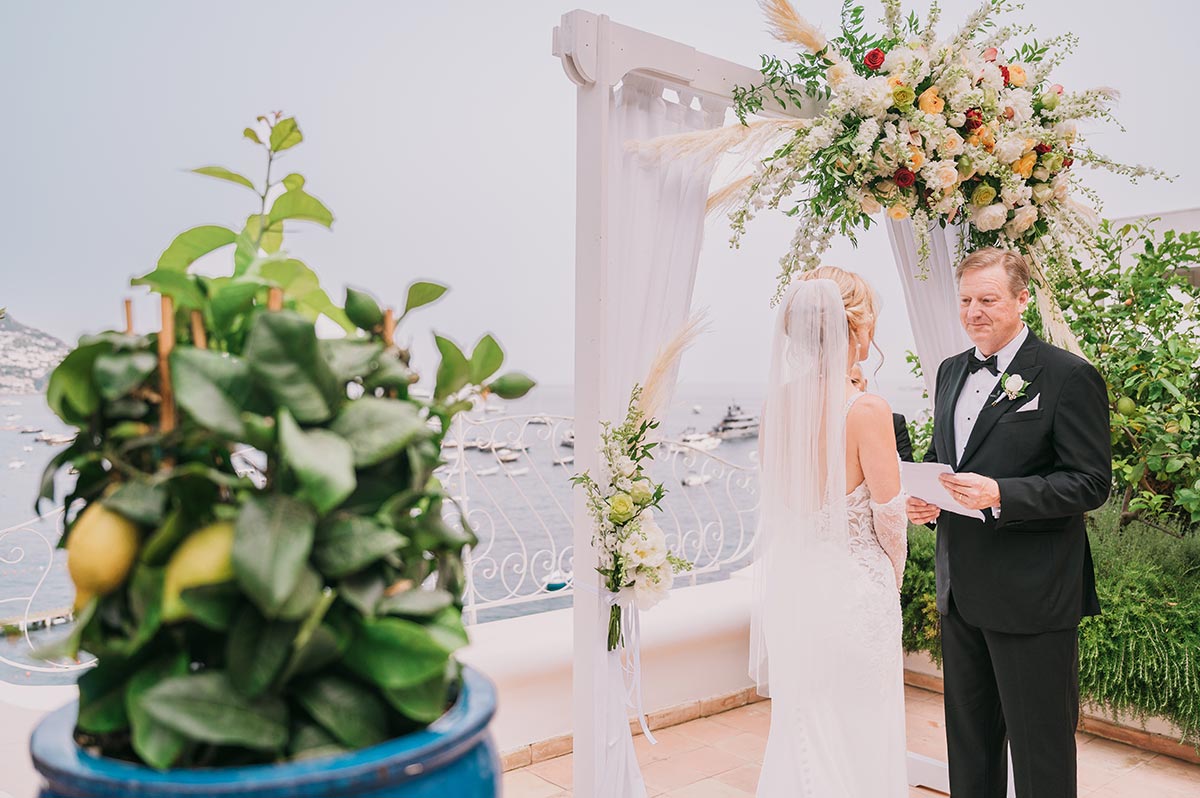
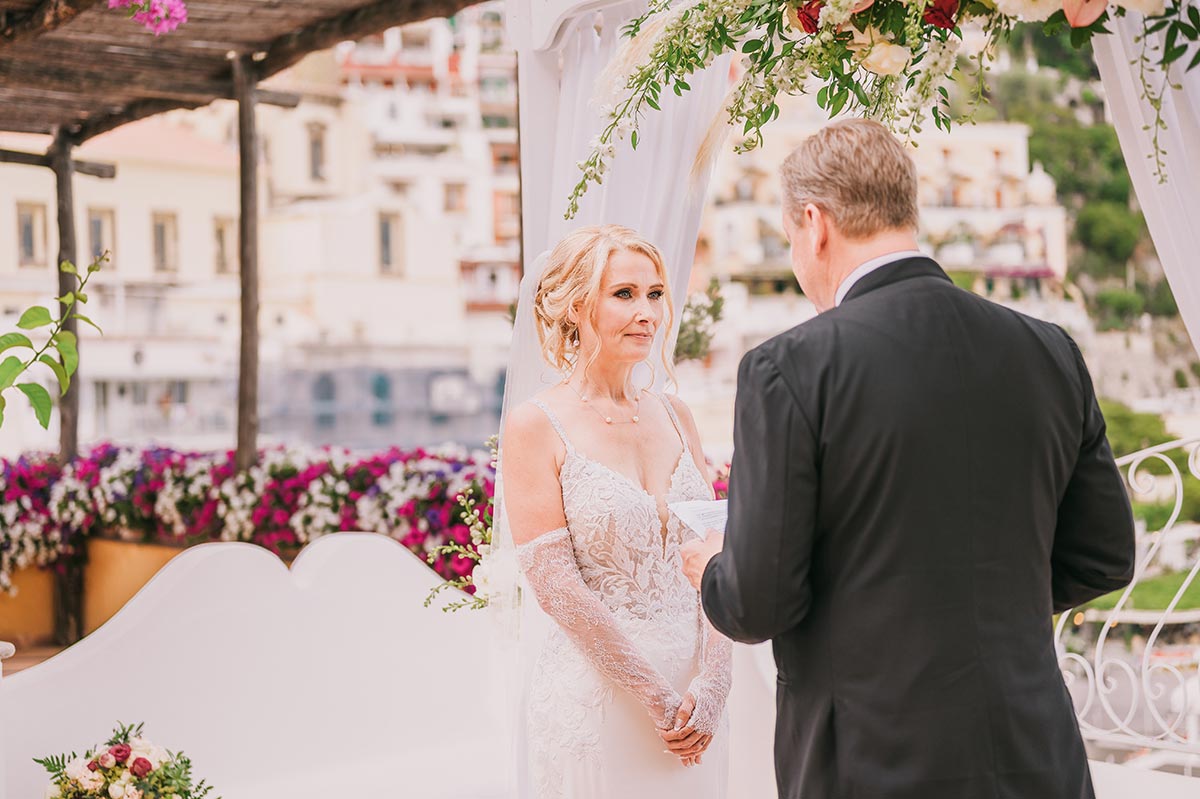
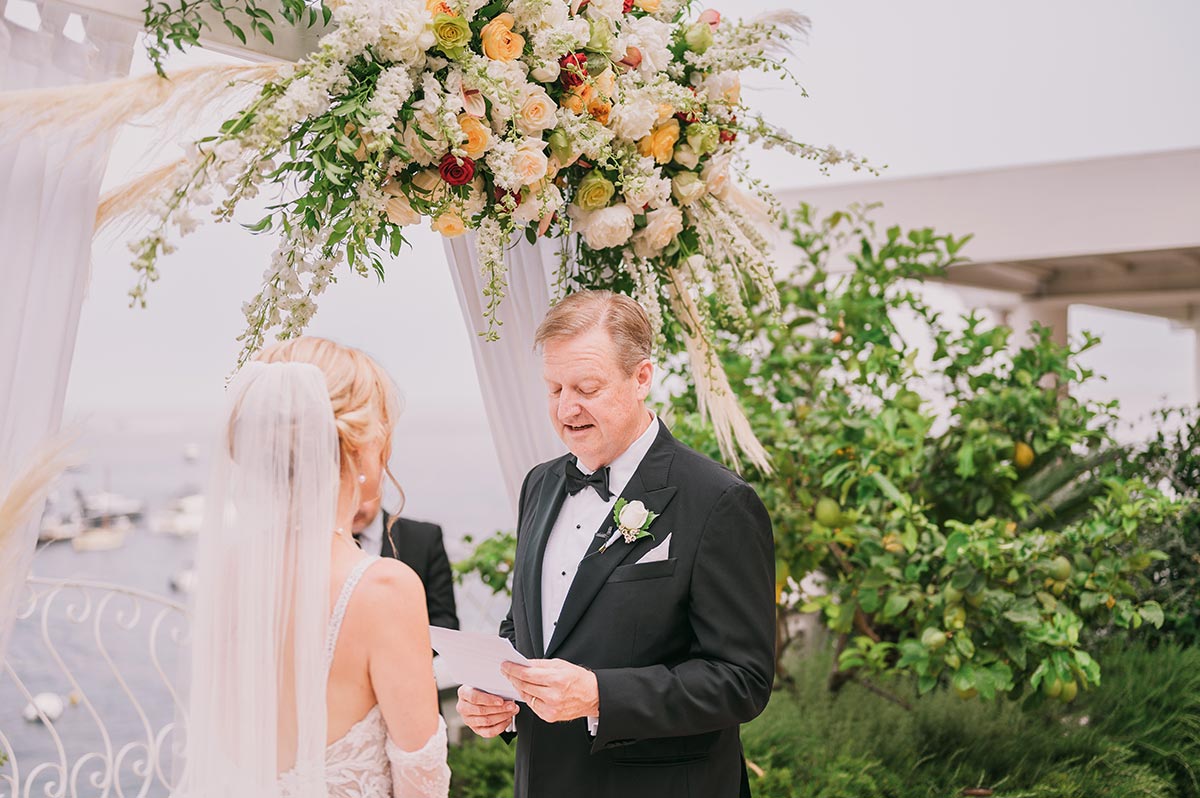
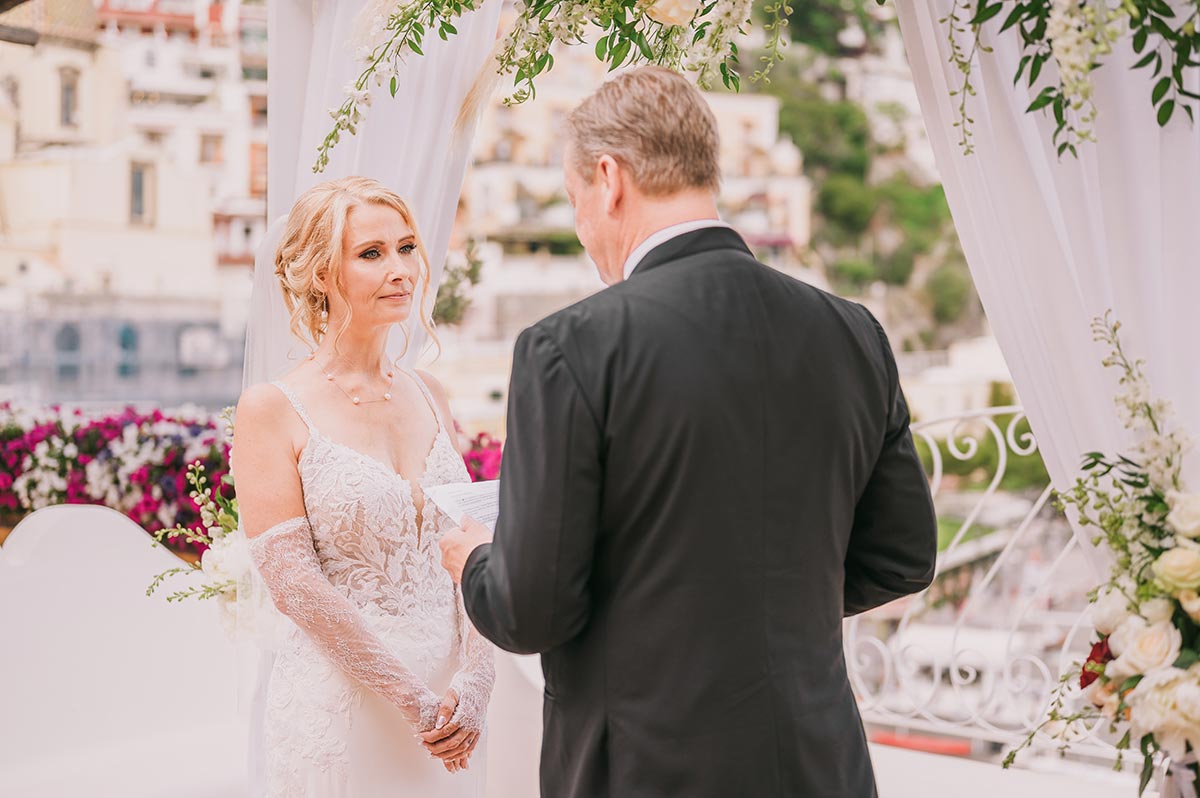
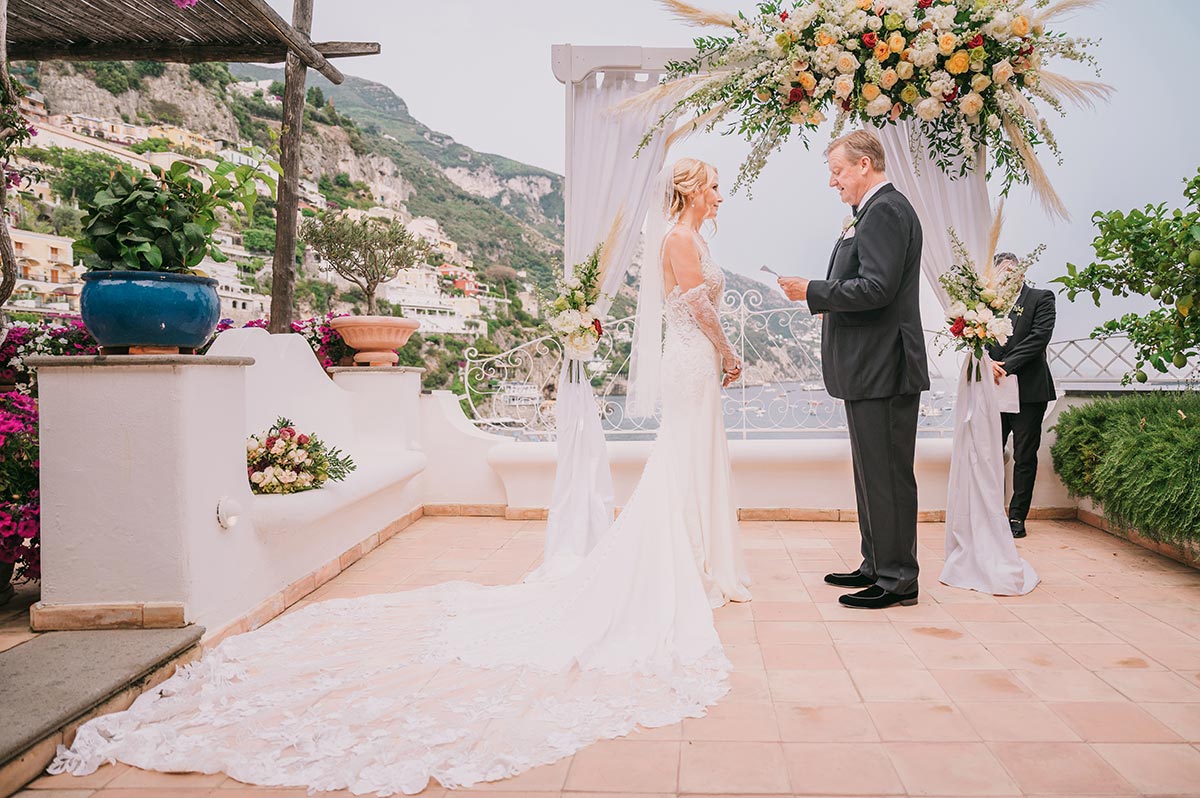
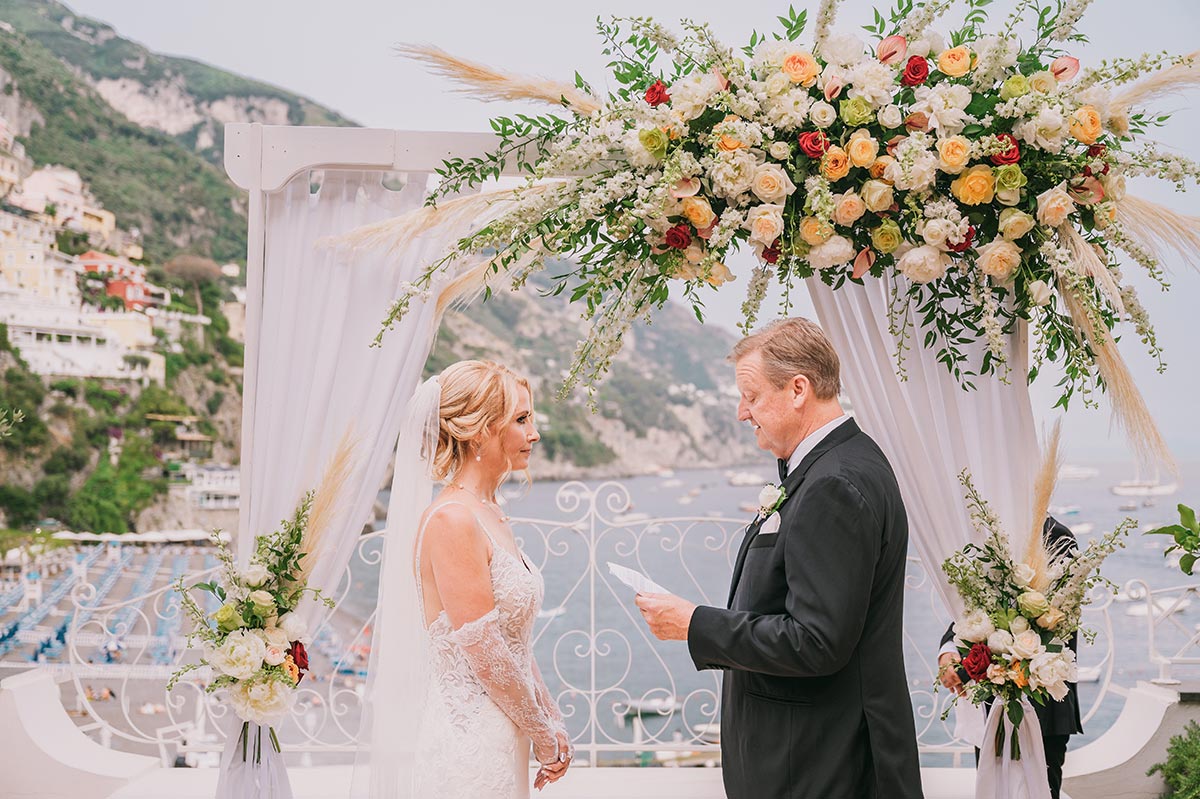
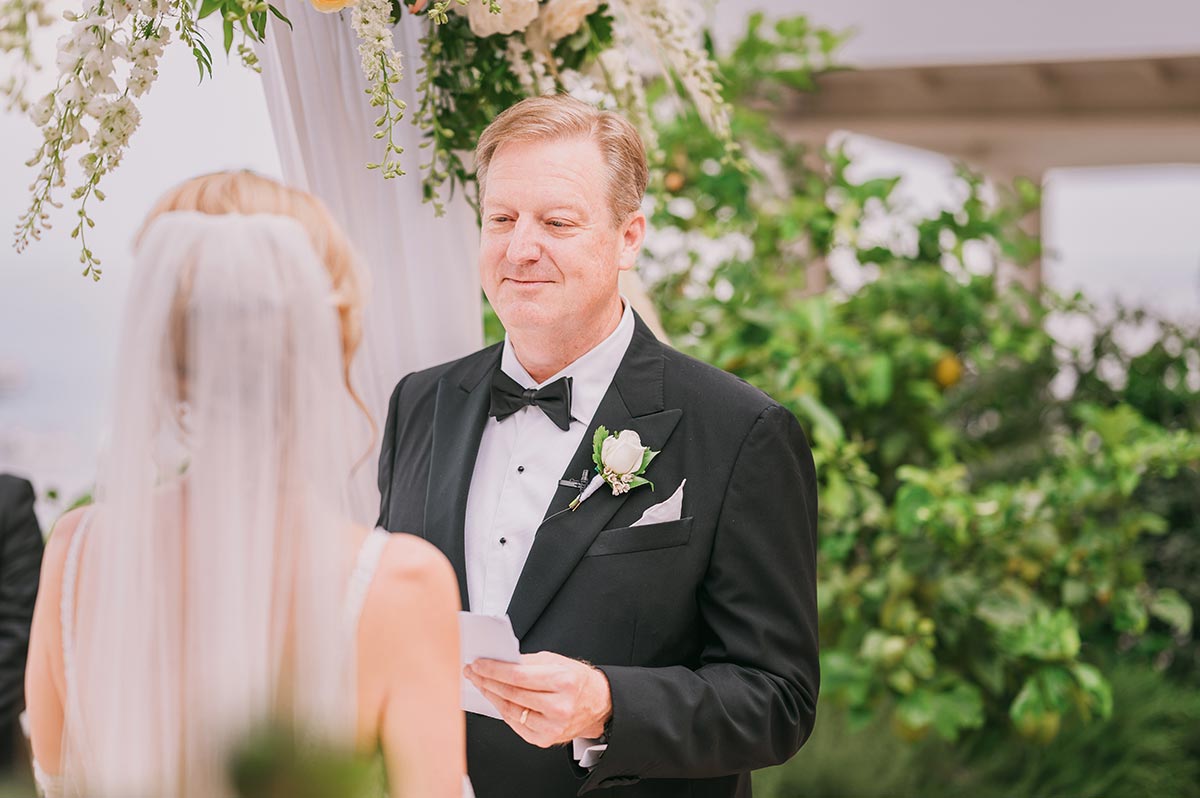
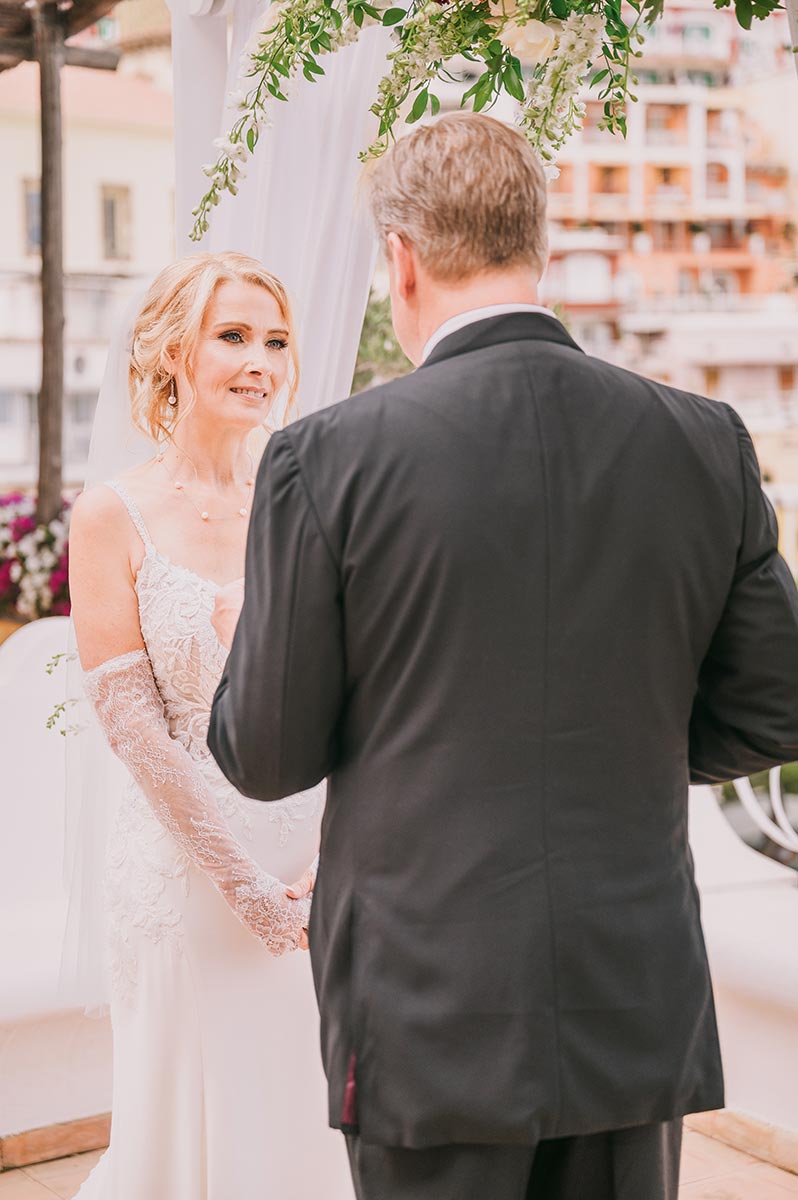
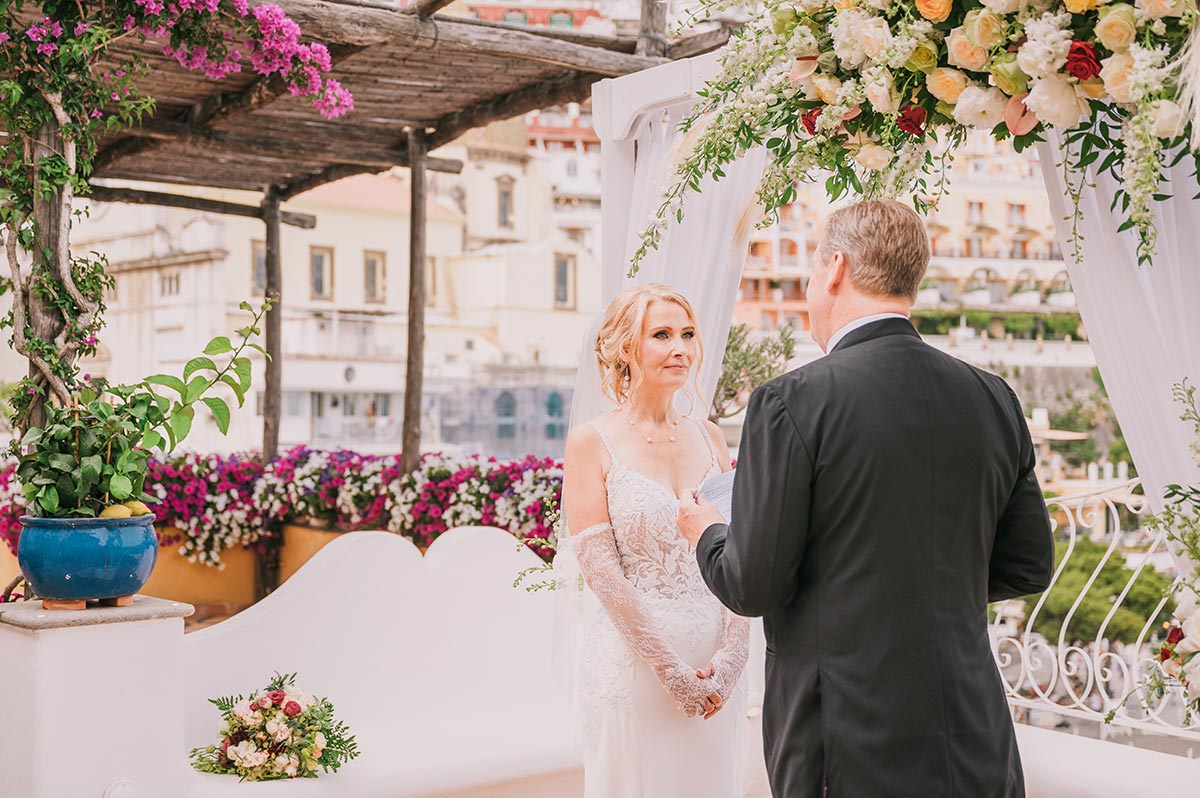
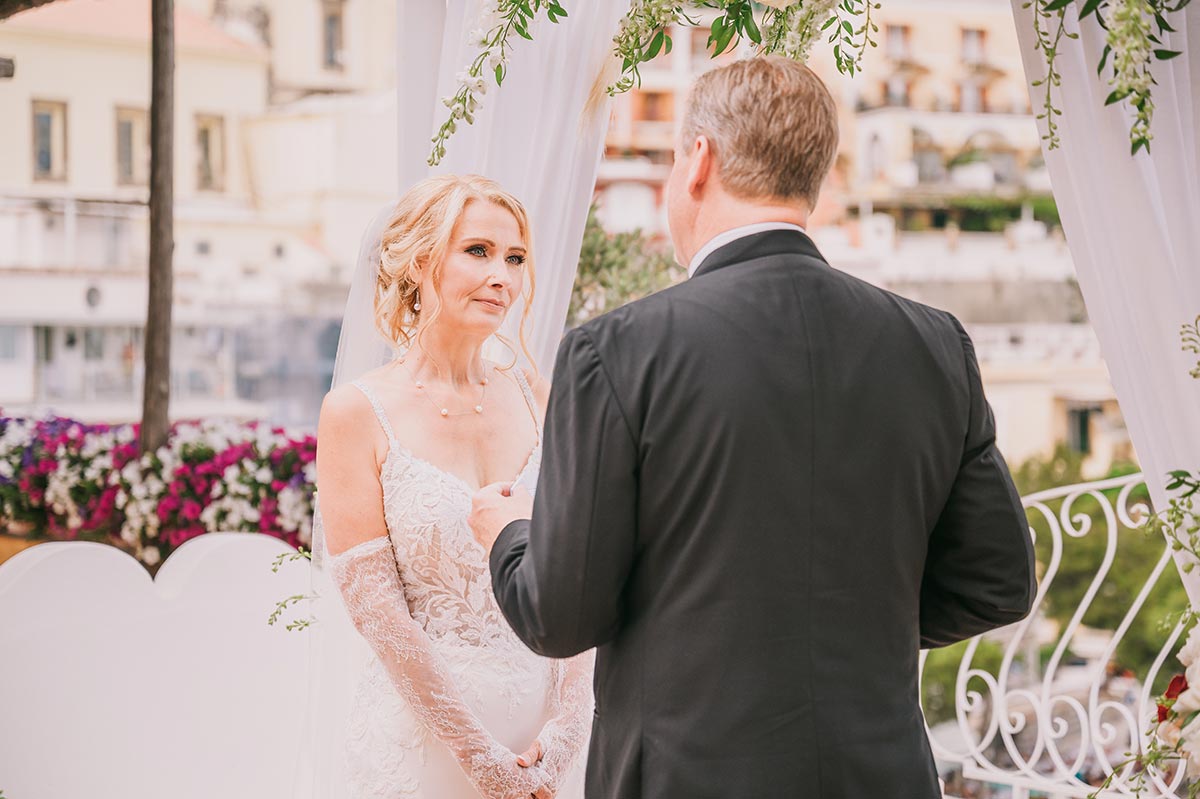
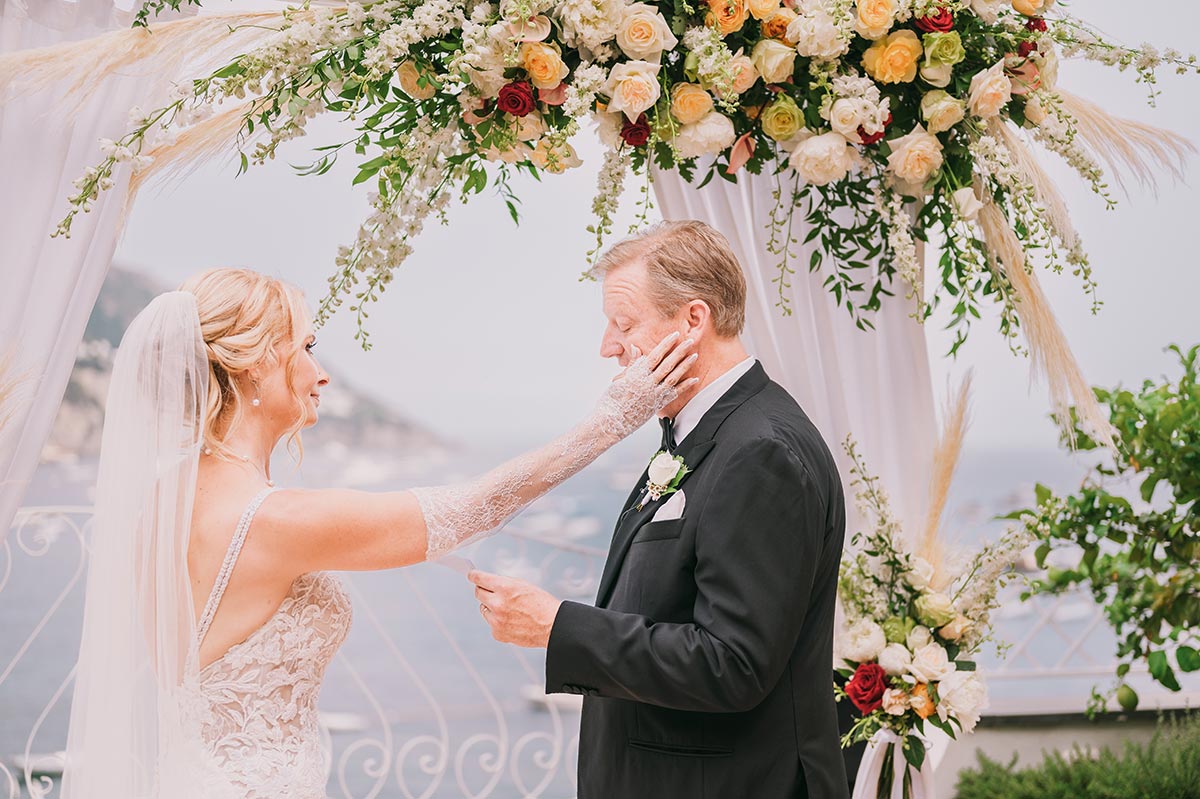
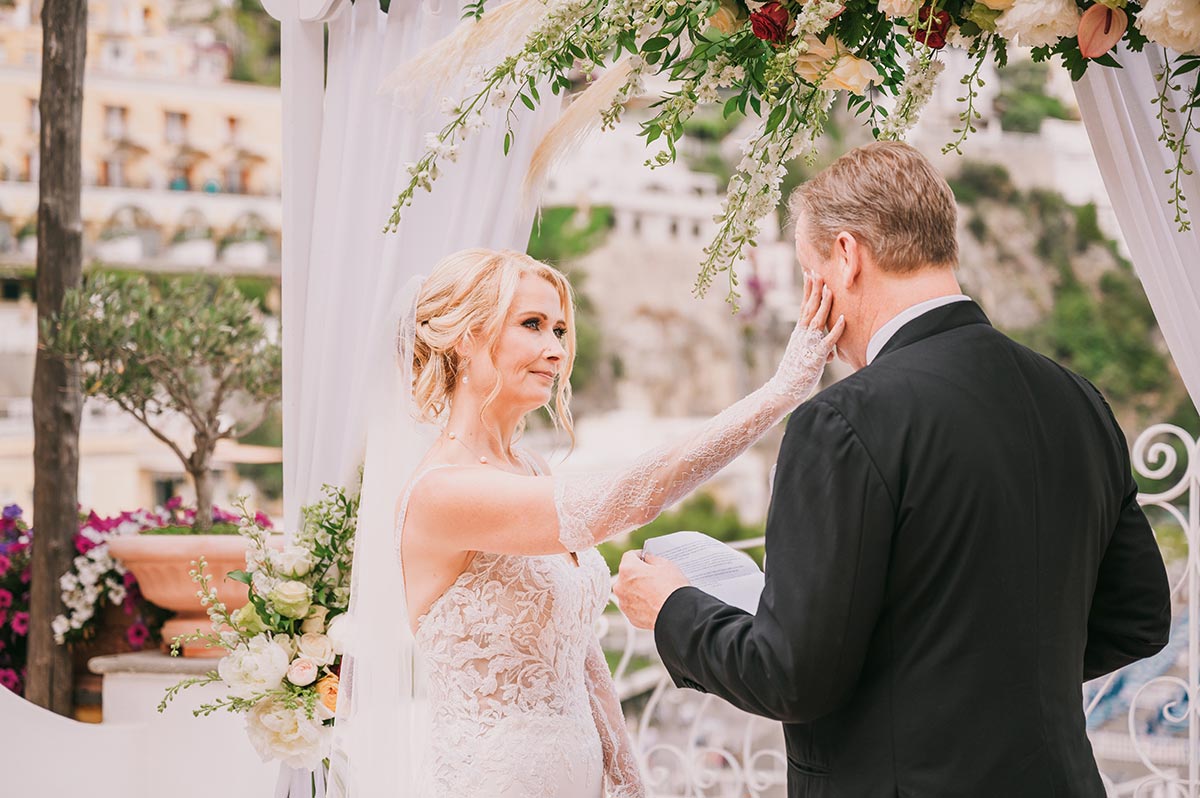
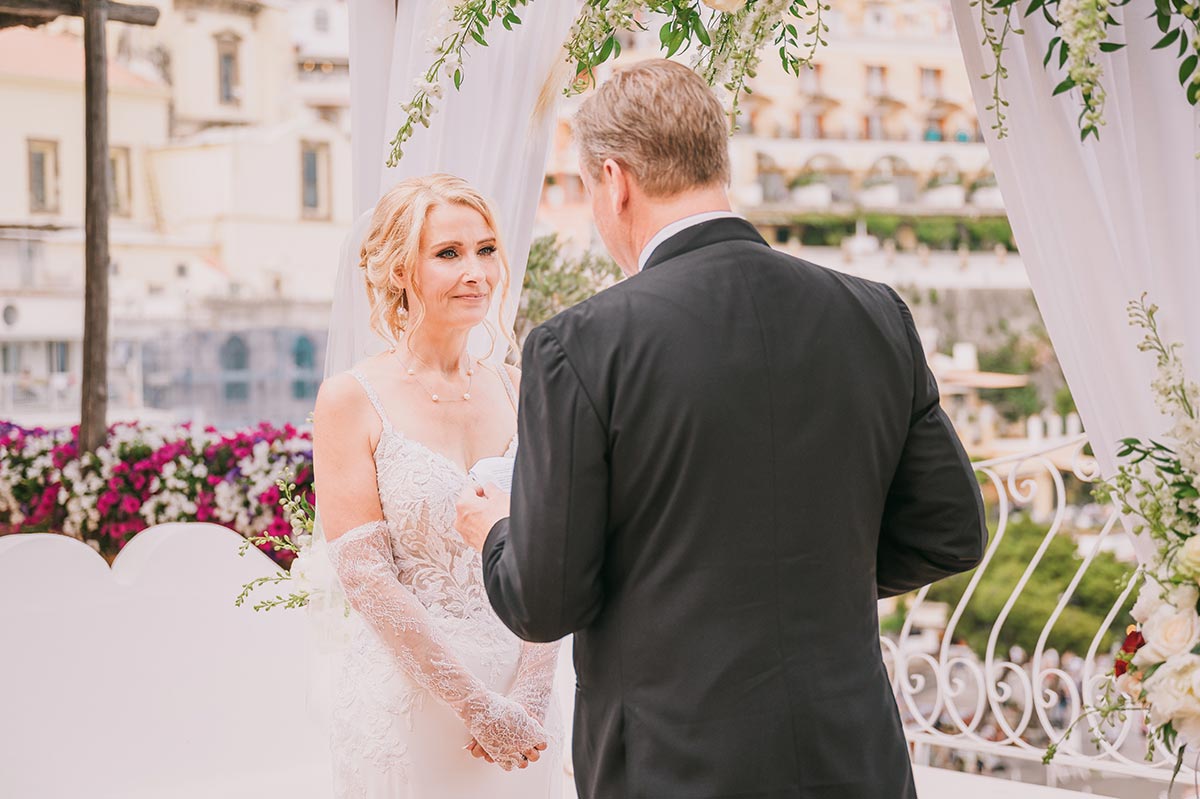
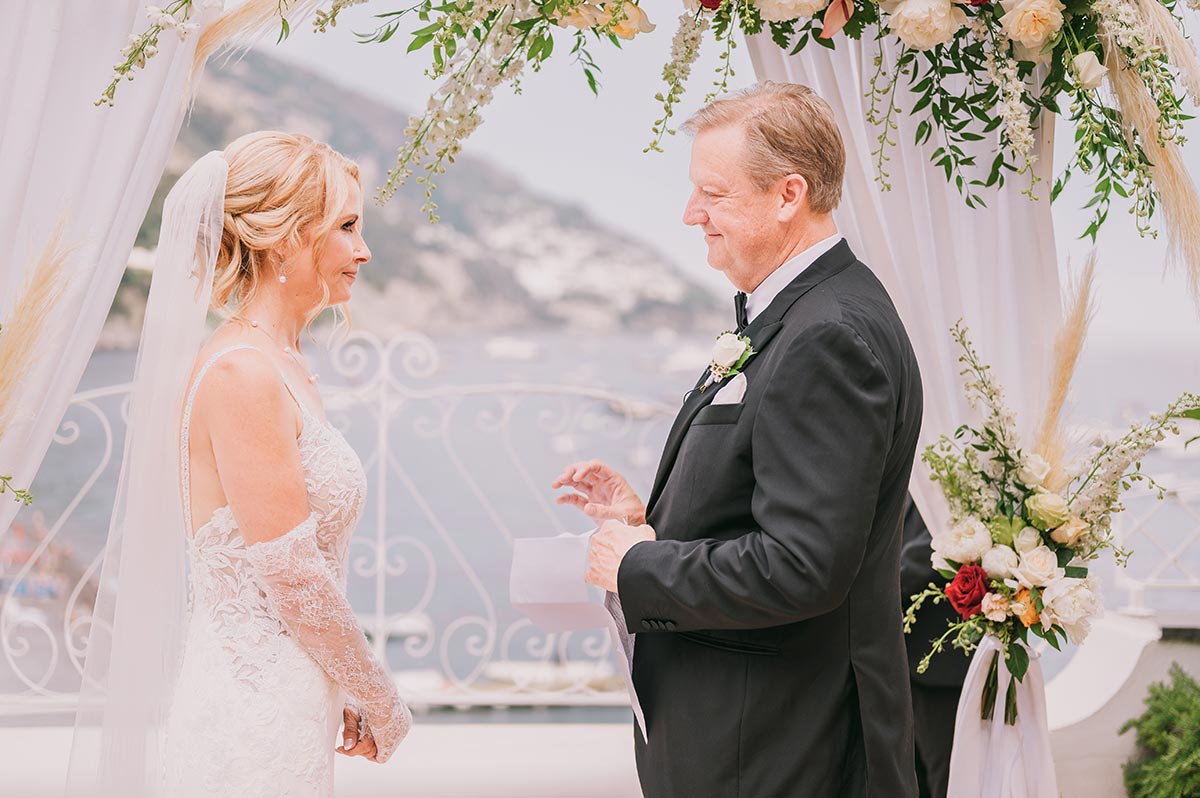
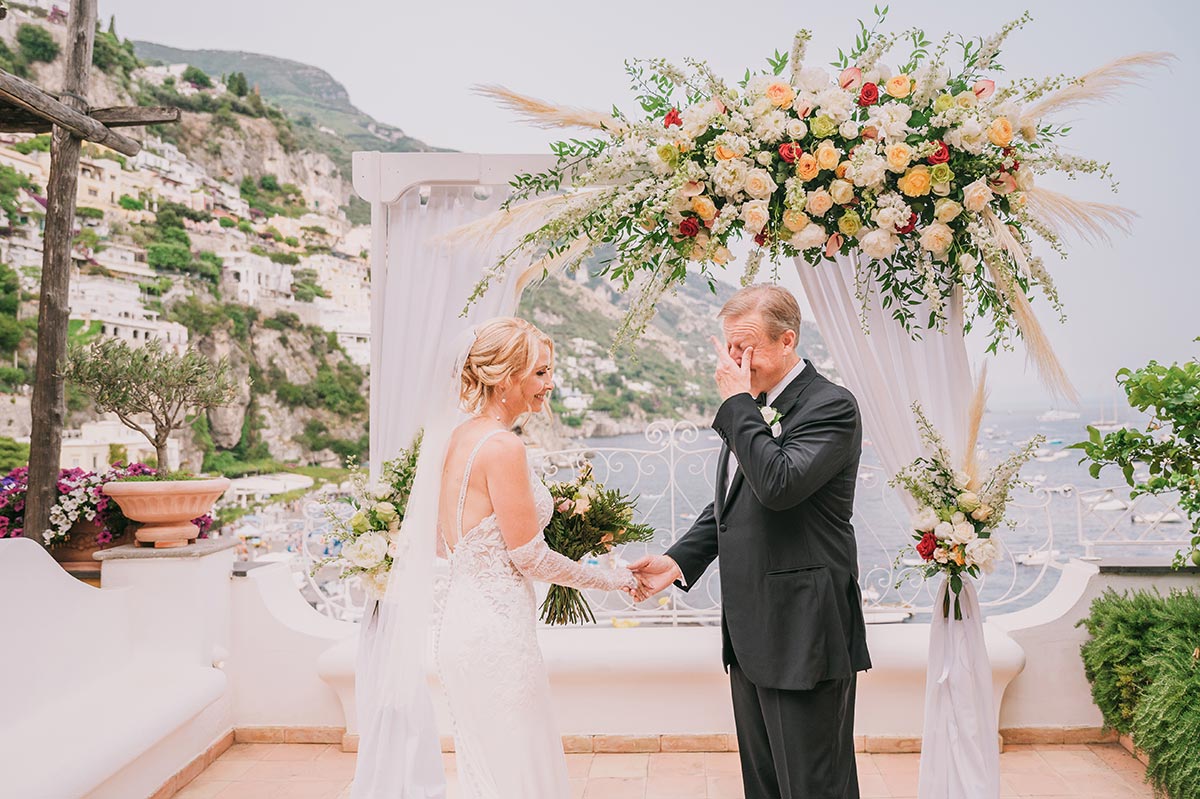
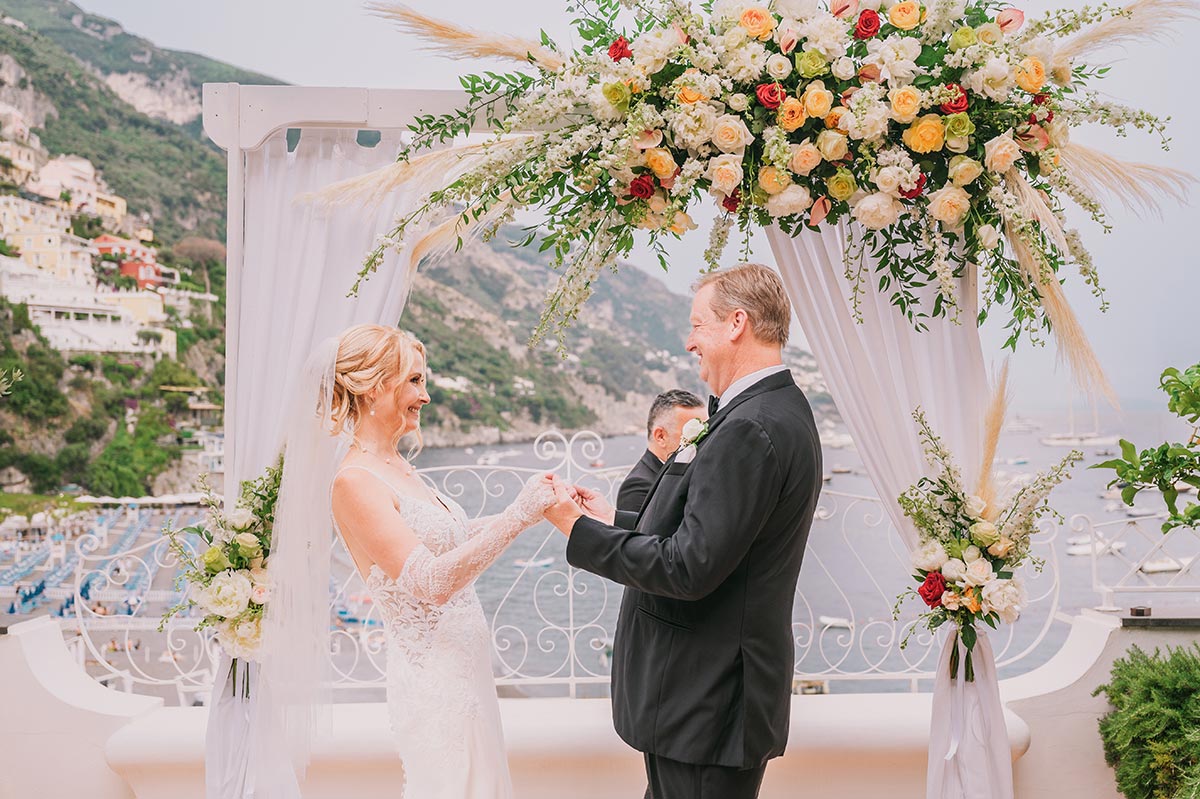
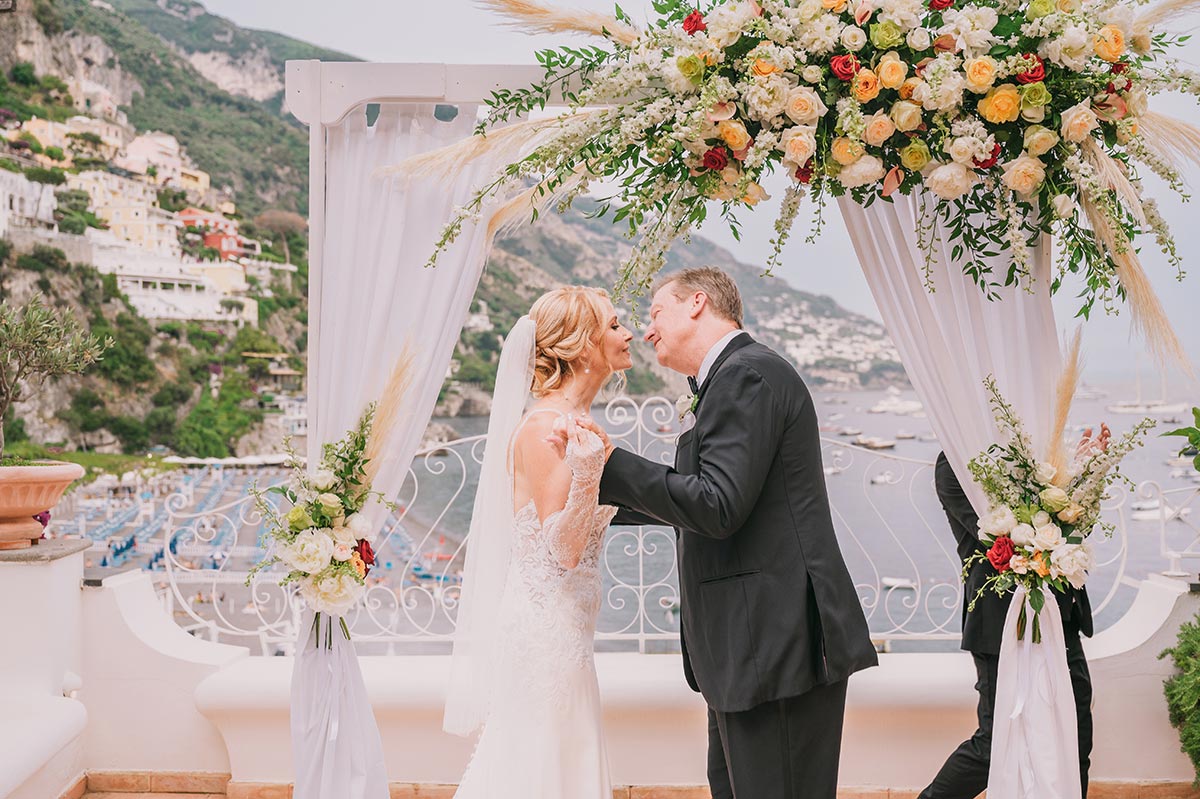
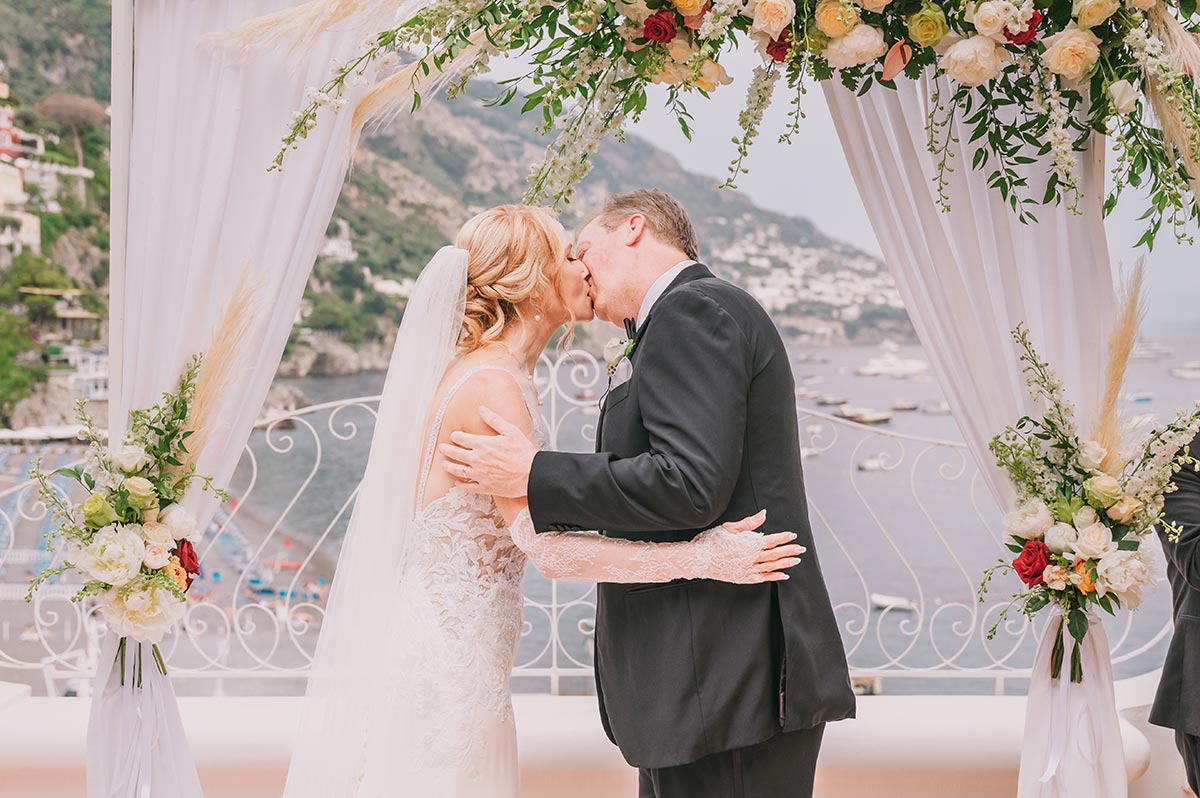
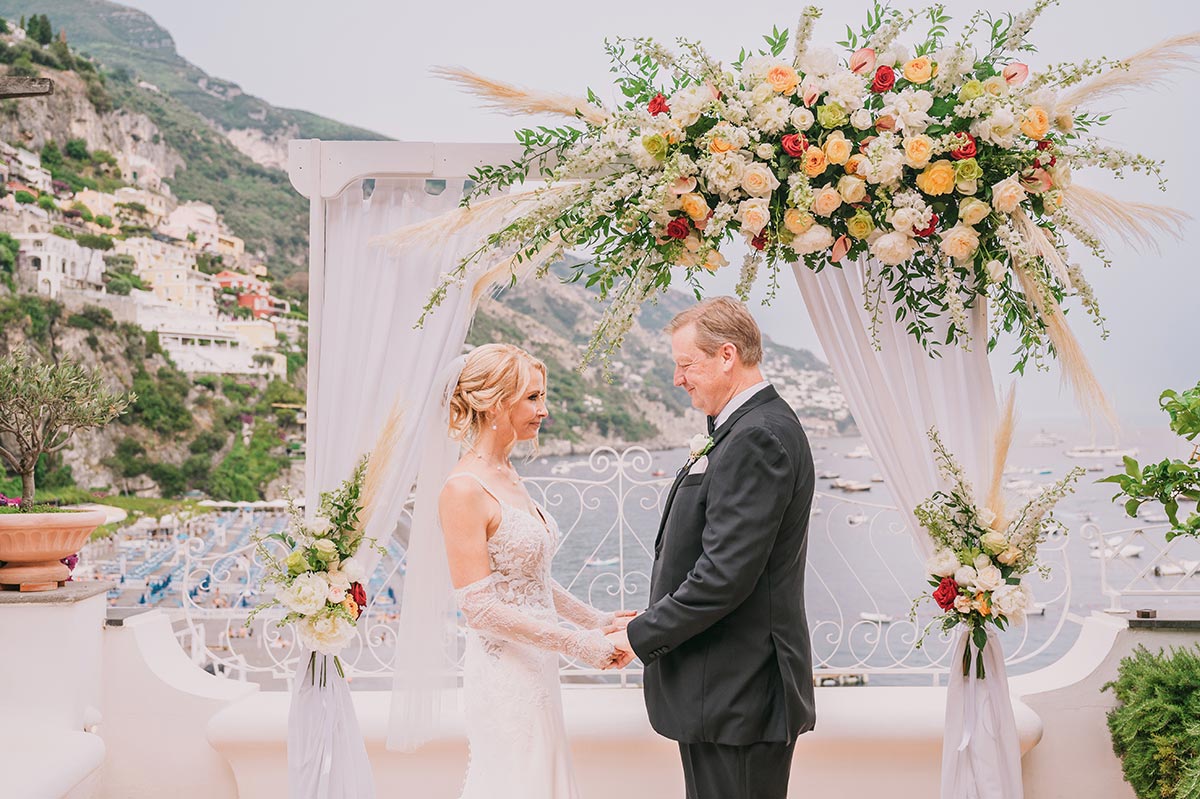
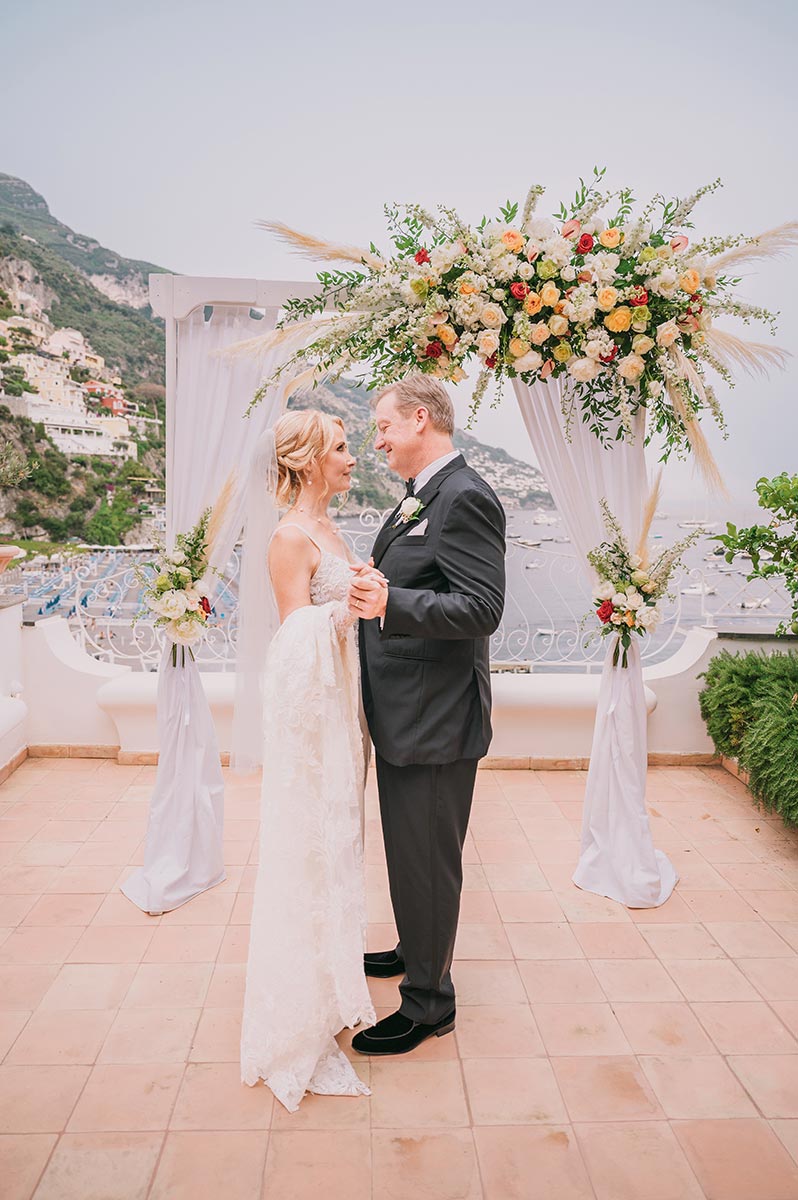
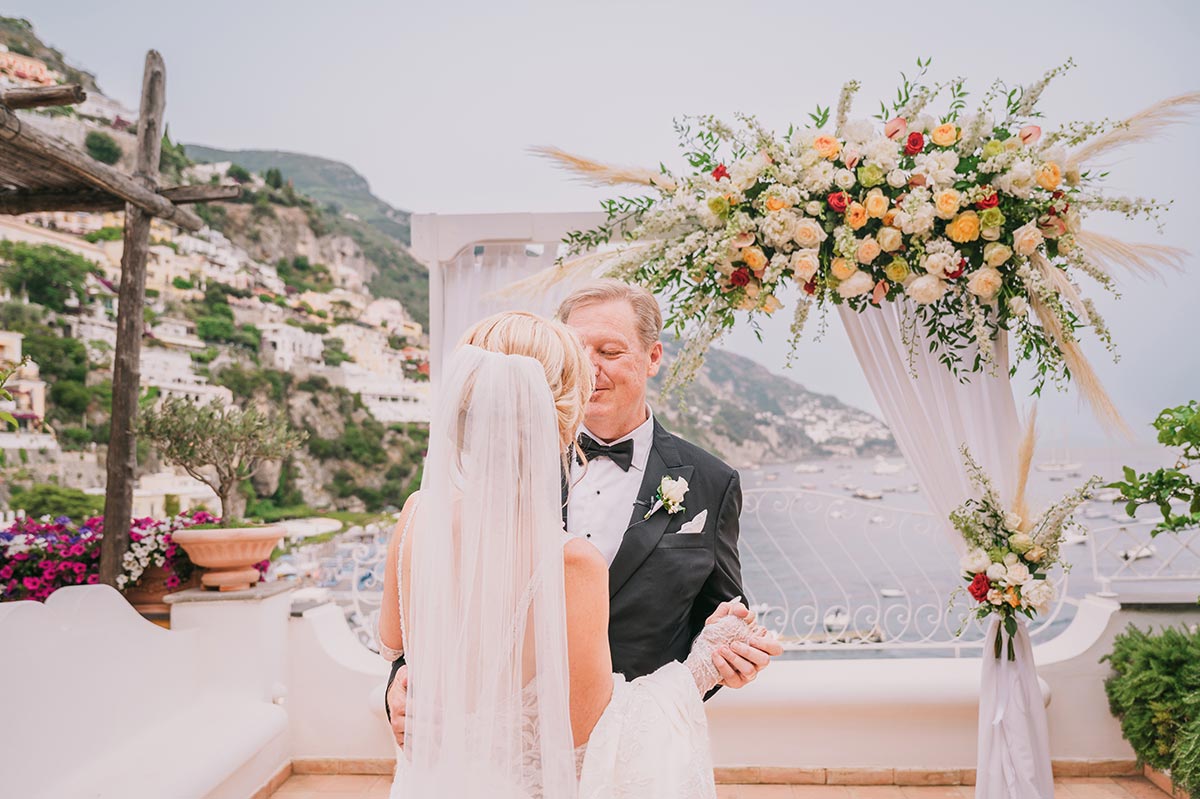
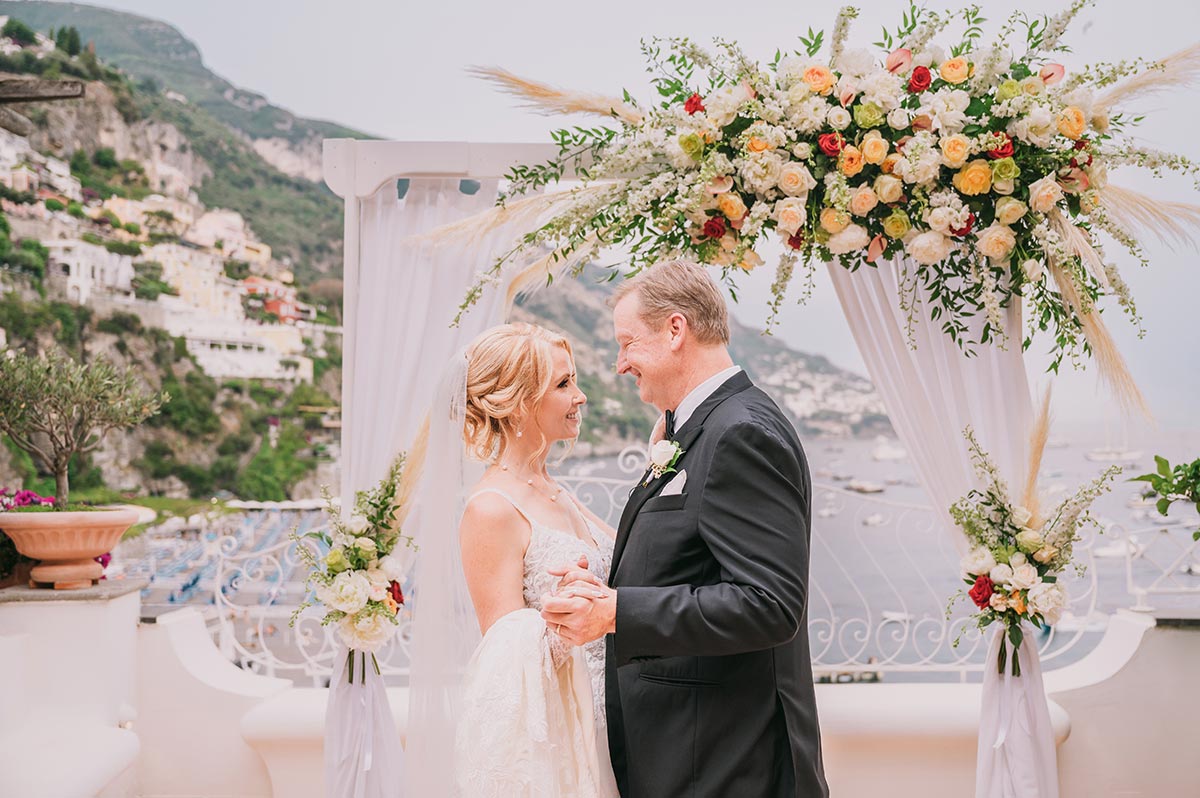
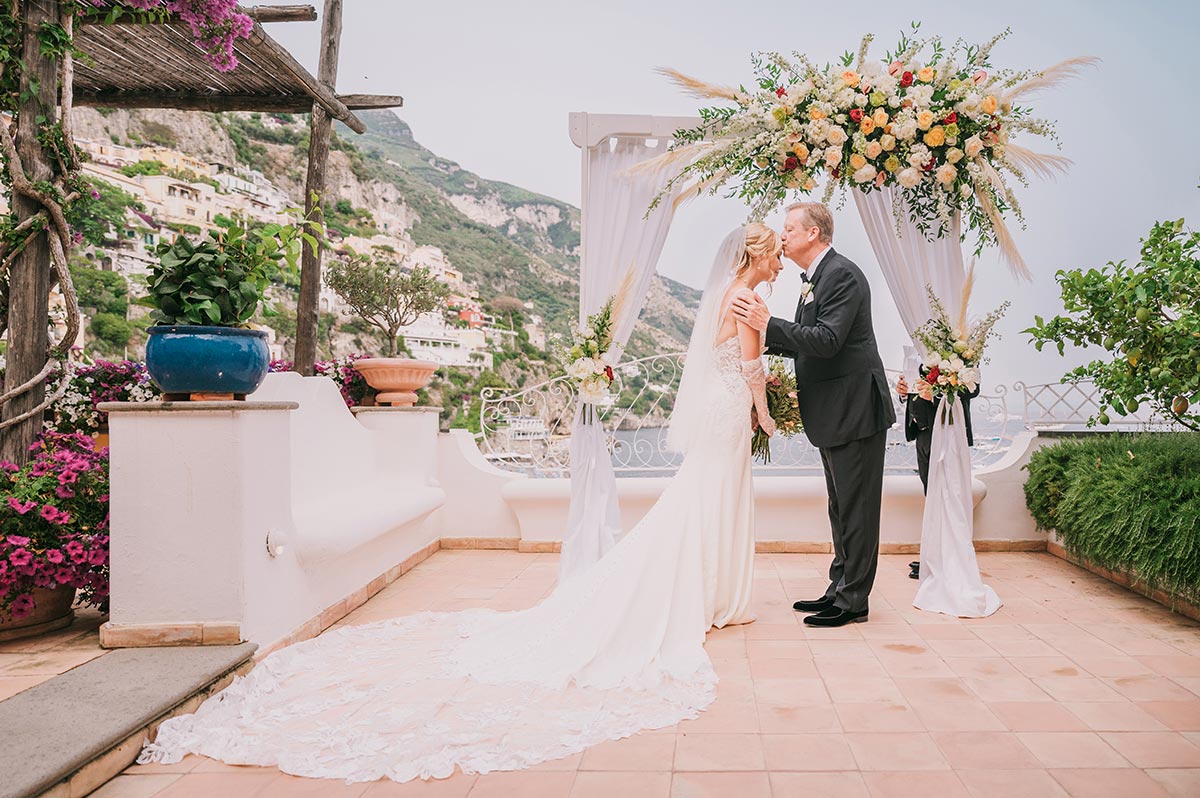
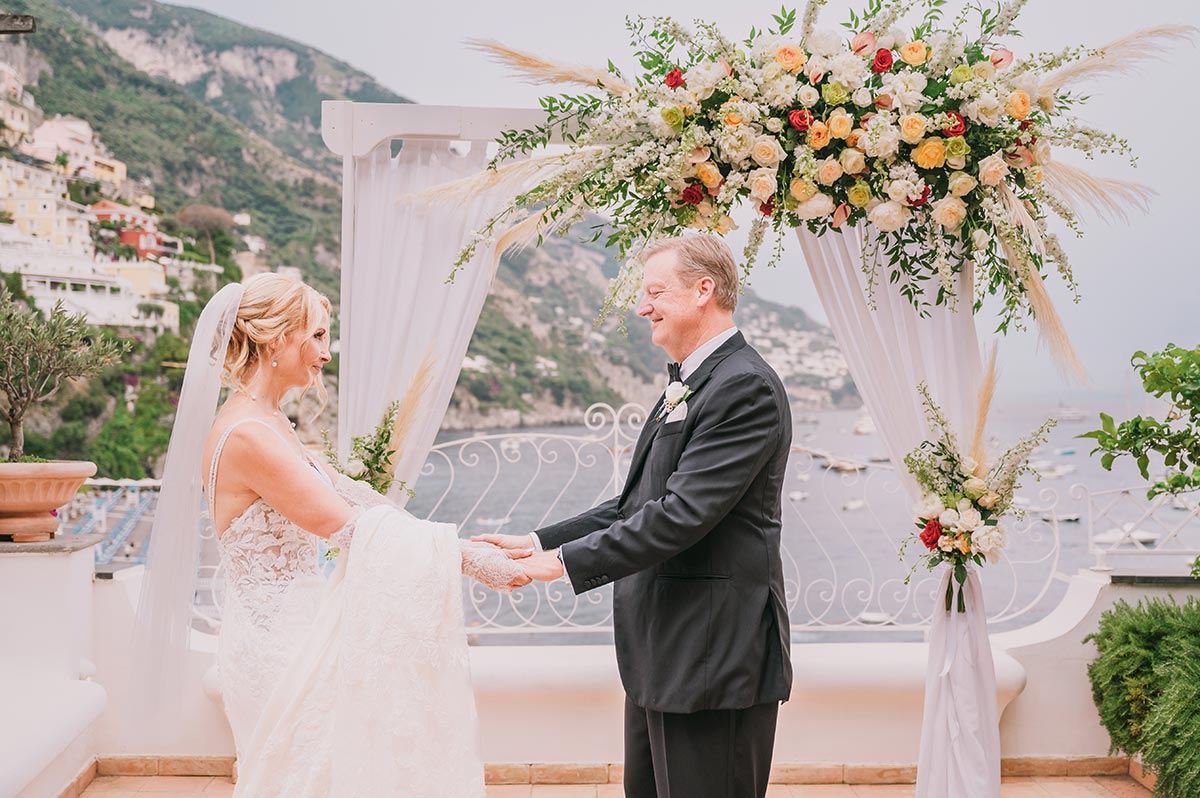
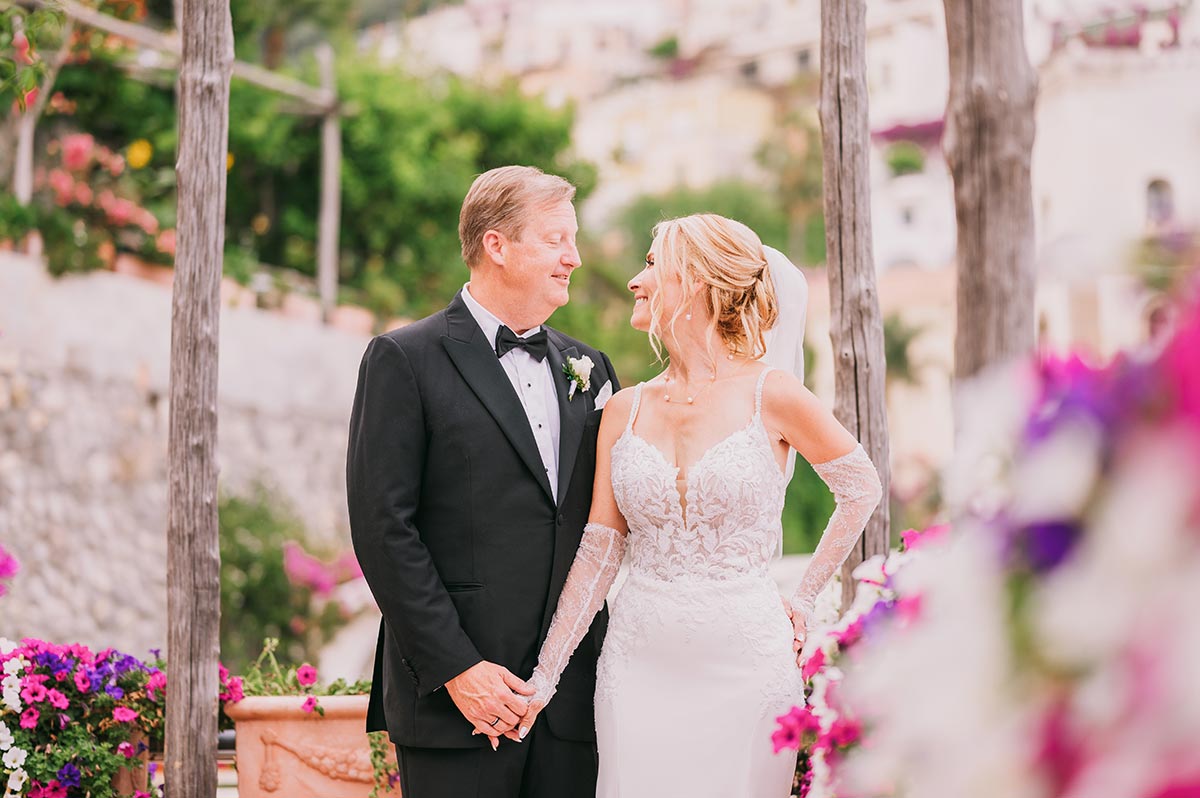
Imagine saying your vows with the sun setting on the horizon, the gentle sound of waves lapping against the shore, and the vibrant hues of Positano framing your special moment. At Covo dei Saraceni, you can choose to host your seaside ceremony on a small terrace that overlooks this breathtaking coastal paradise. This unique space provides an intimate atmosphere for couples looking to exchange their promises in a truly magical setting.
The terrace at Covo dei Saraceni is not just any ordinary spot; it’s a dream-like vantage point where love comes alive amid Italy’s stunning Amalfi Coast. Here are some highlights that make this location an exceptional choice for your Positano elopement:
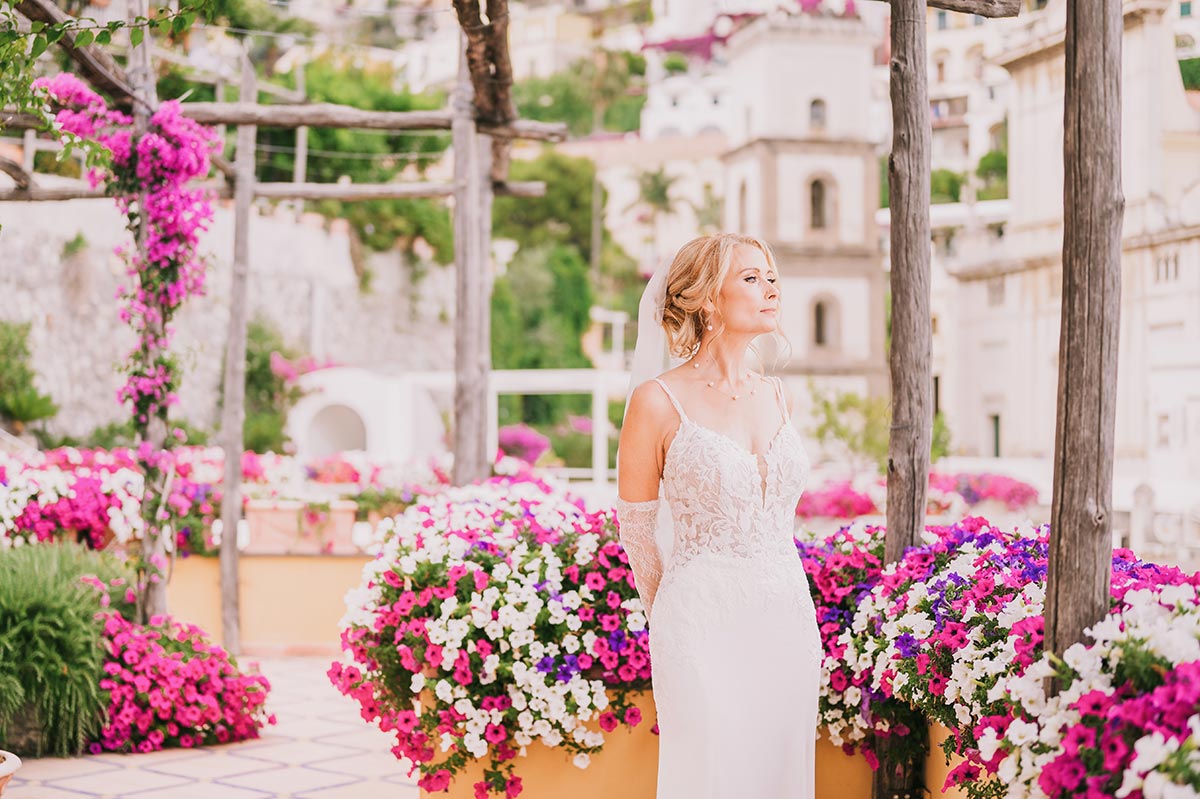
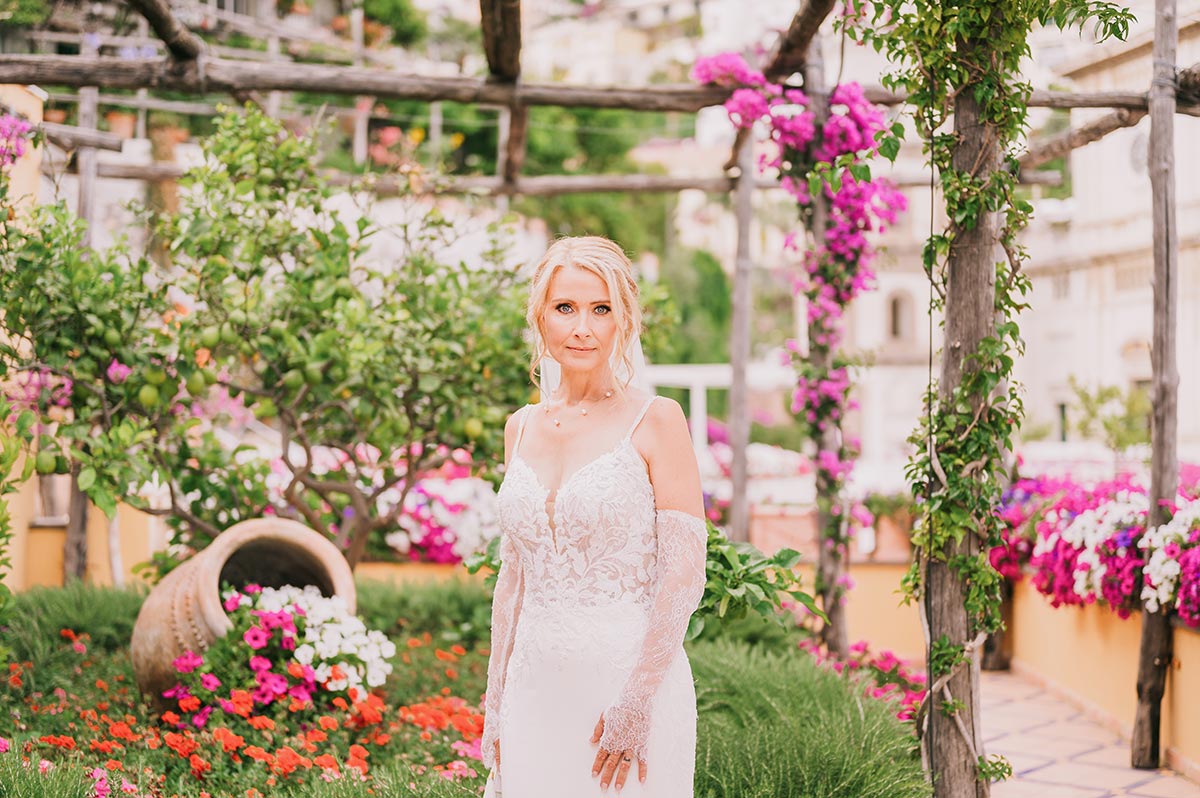
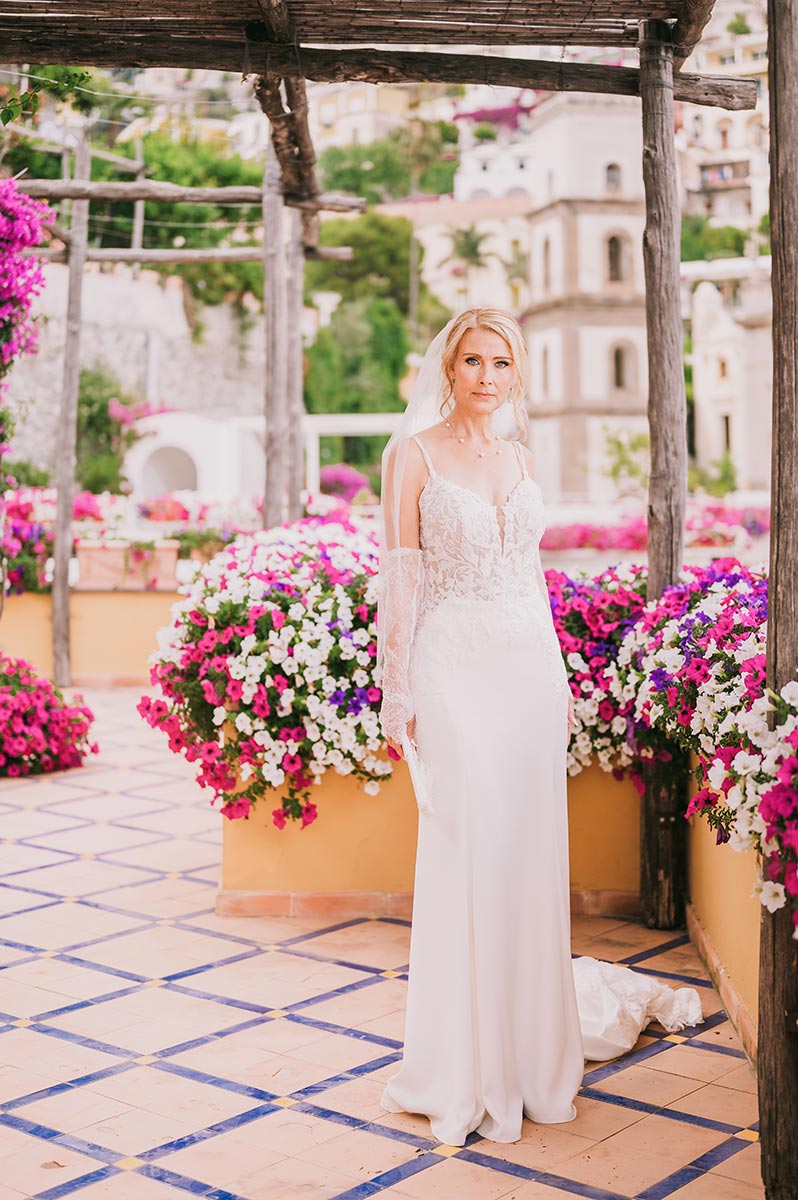
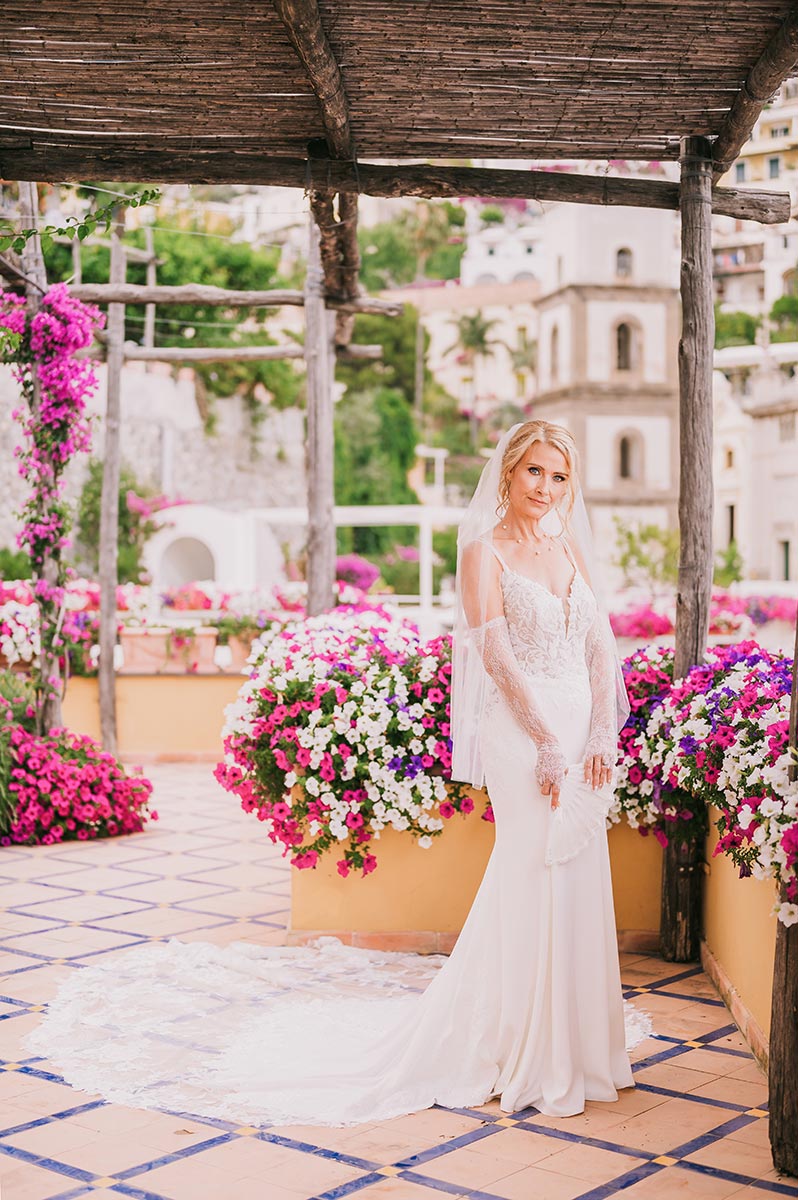
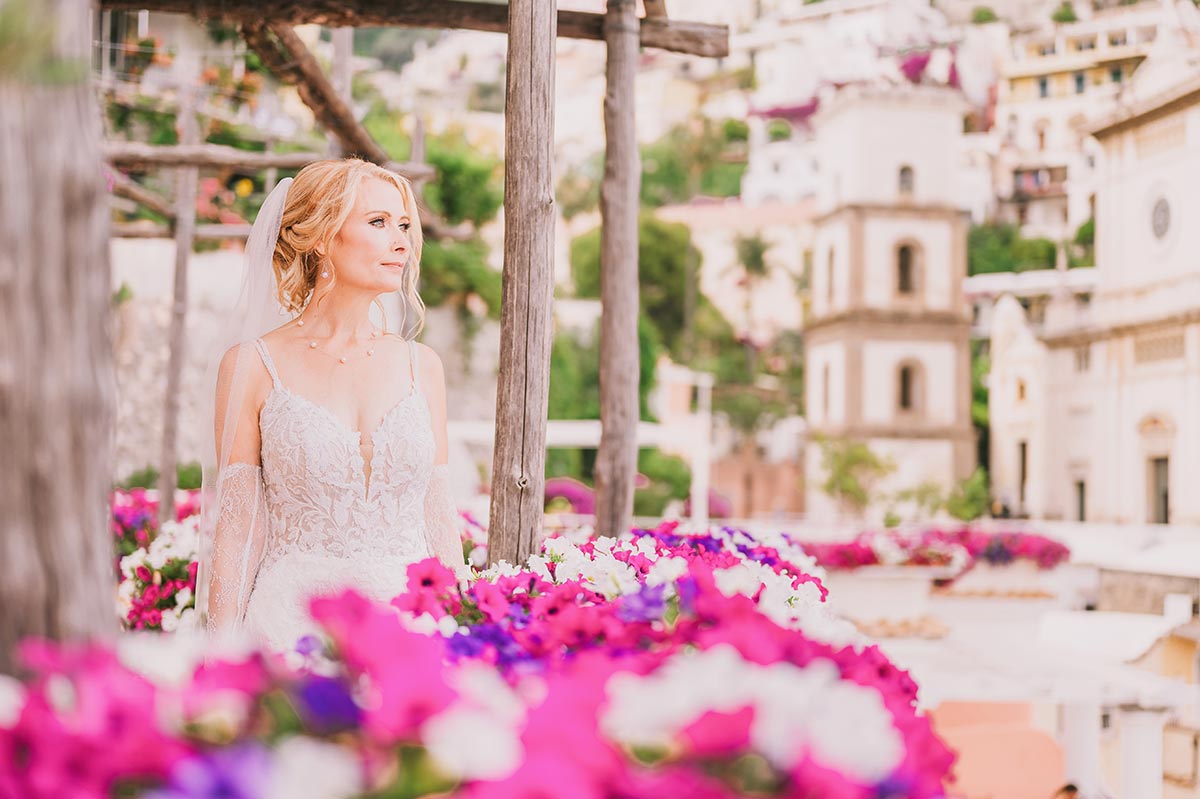
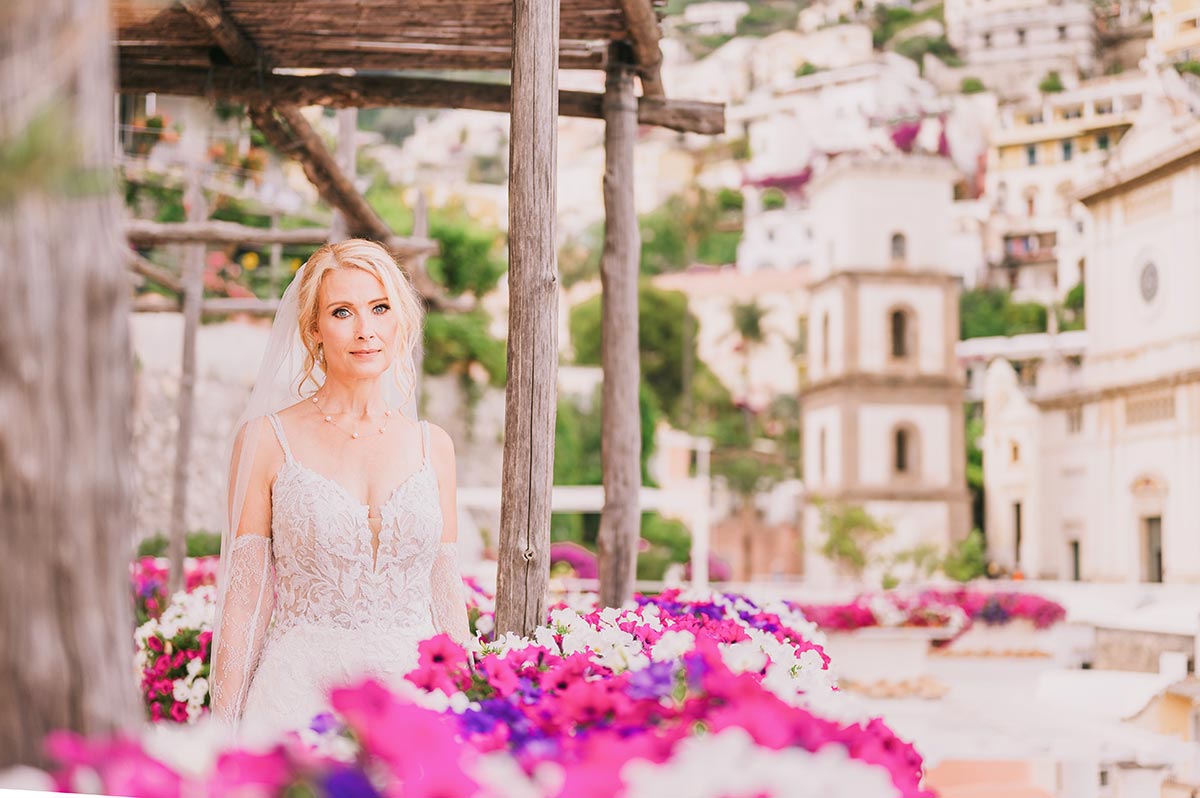
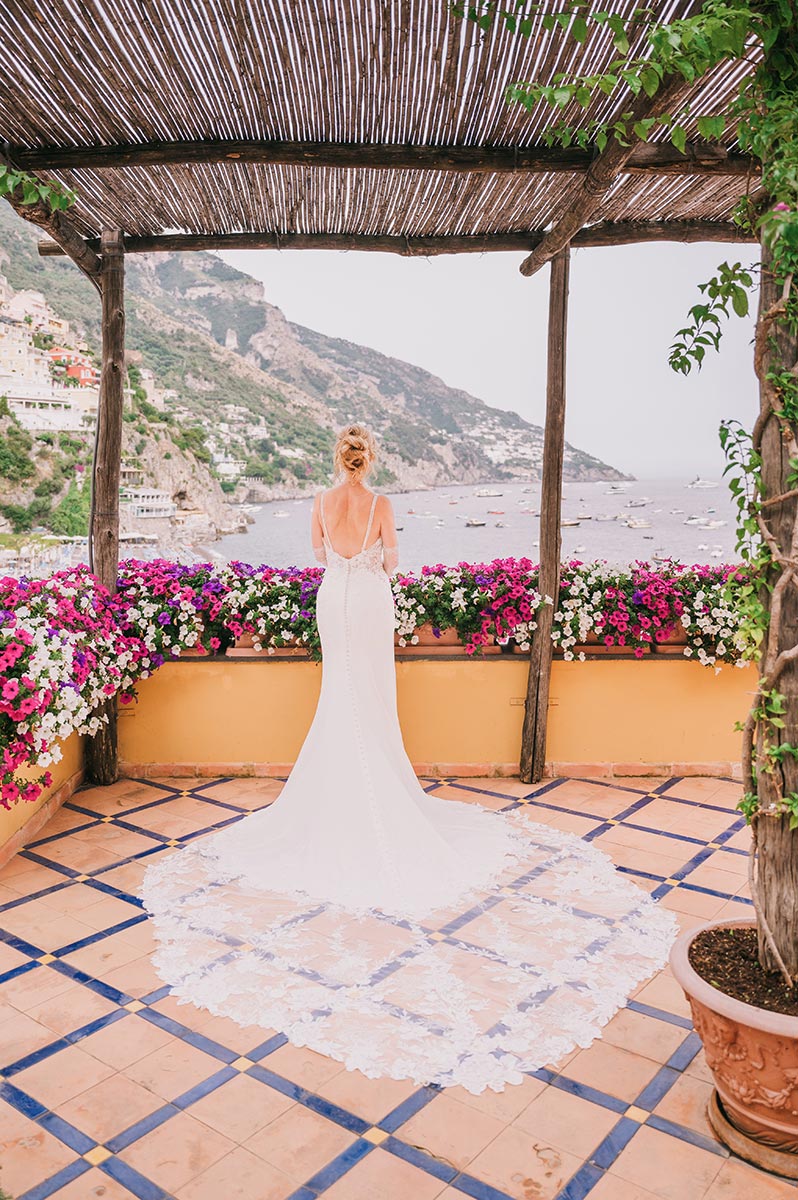
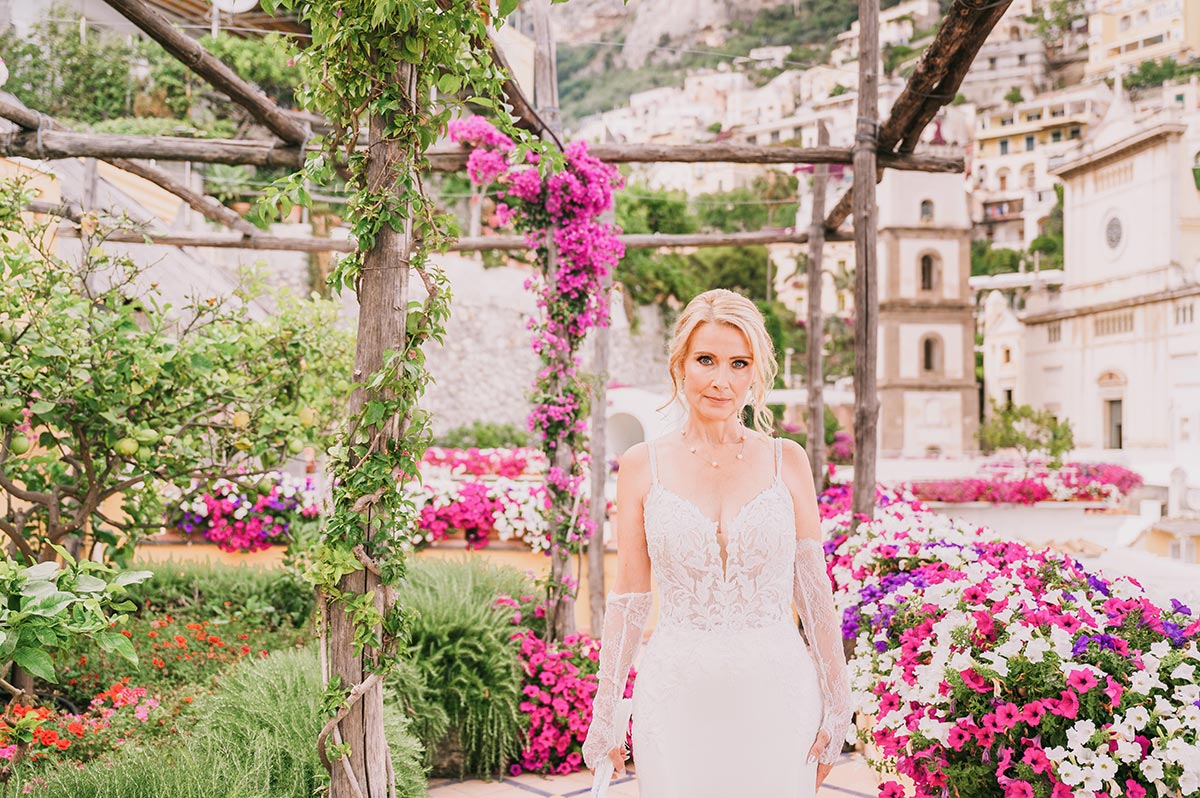
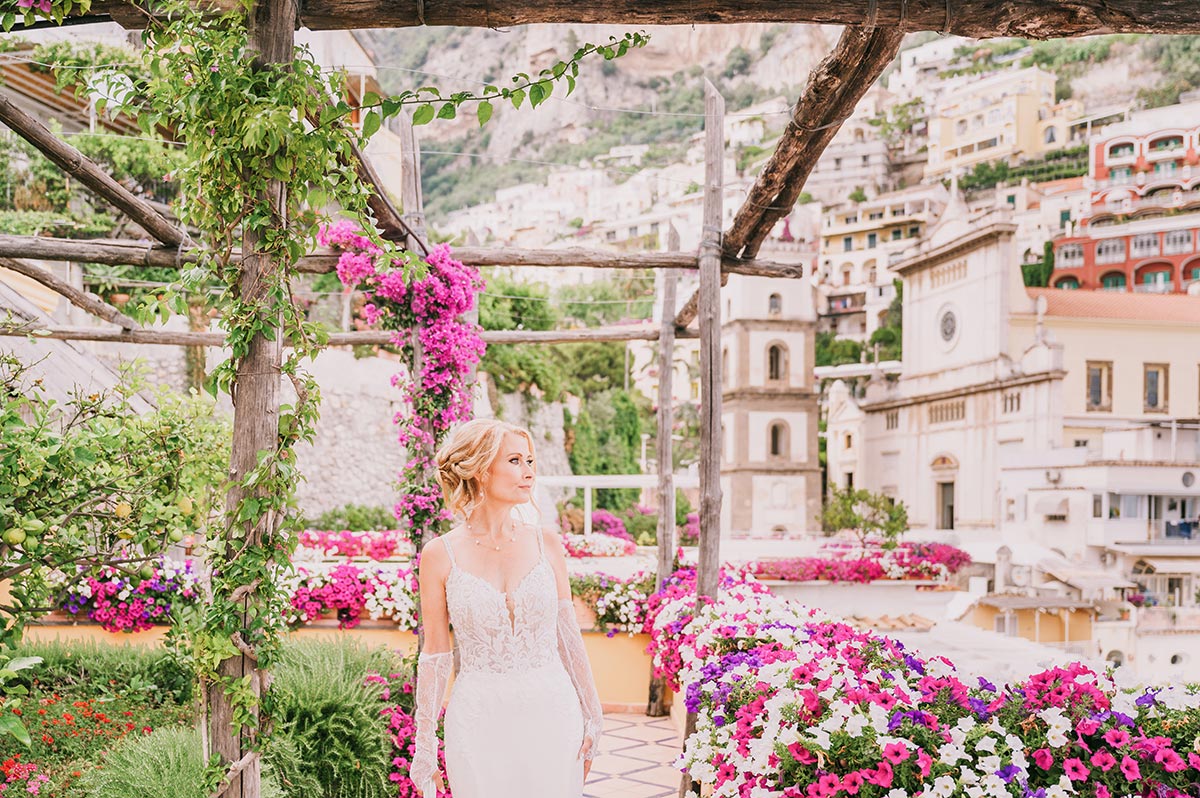
- Unparalleled Views: The terrace offers unobstructed views of the azure sea, with the picturesque cliffs of Positano as your backdrop. You’ll feel like you’re on top of the world as you share your vows surrounded by such natural beauty.
- Intimacy at Its Best: With limited space, your ceremony will be personal and heartfelt. It’s just you, your partner, and perhaps a few close friends or family members witnessing your love story unfold.
- Sunset Ceremonies: Time your ceremony just right, and you can exchange vows as the sun dips below the horizon—turning the sky into a canvas of oranges, pinks, and purples that adds an ethereal touch to your day.
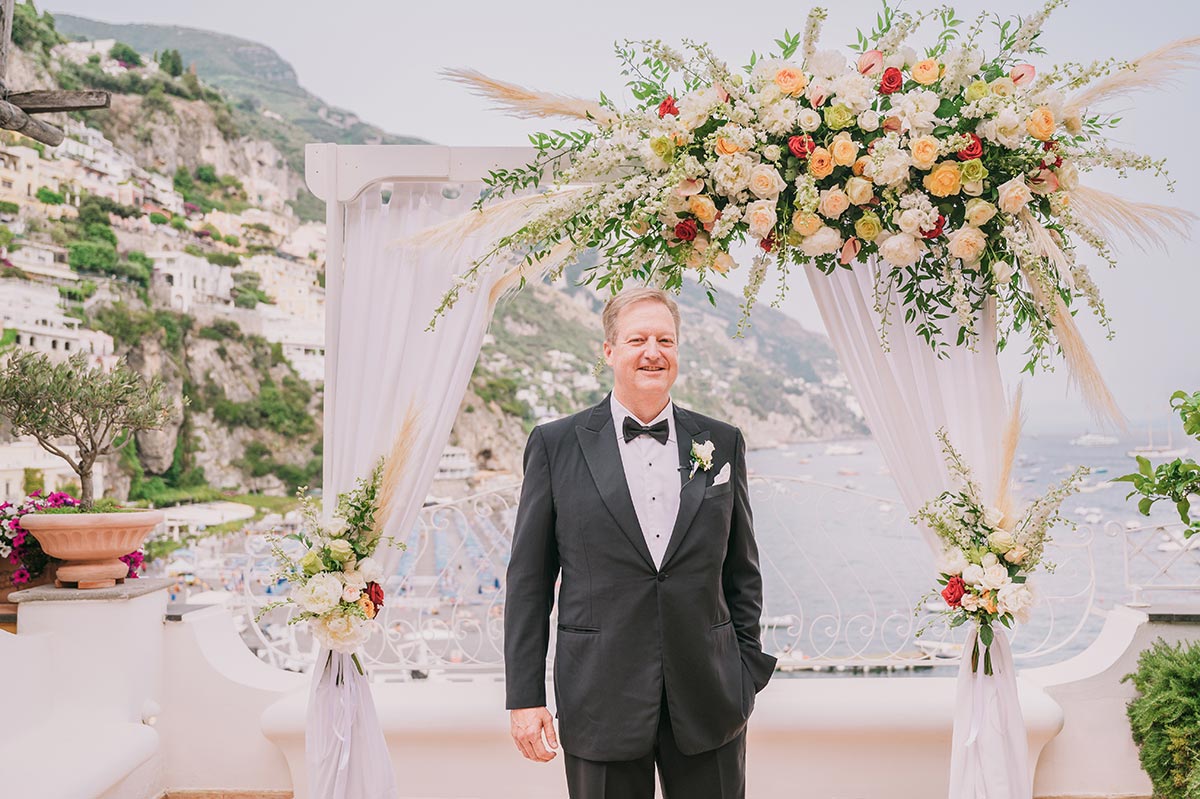
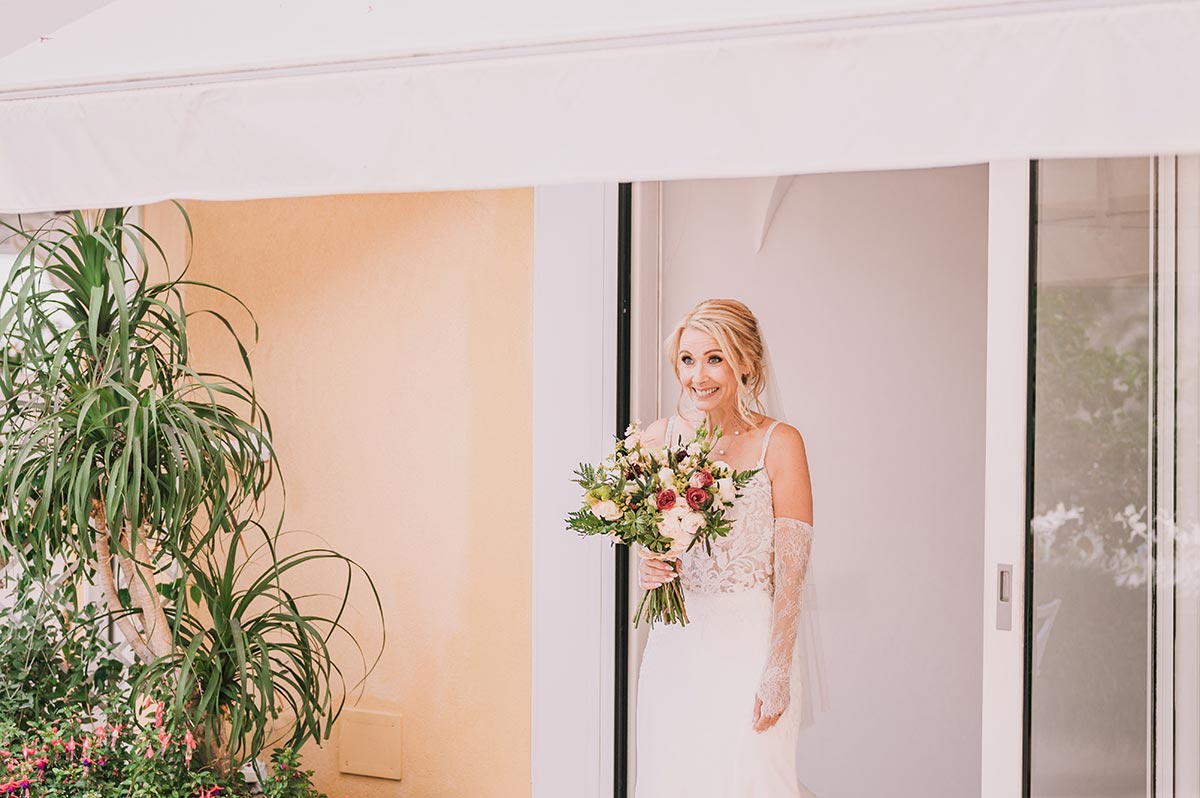

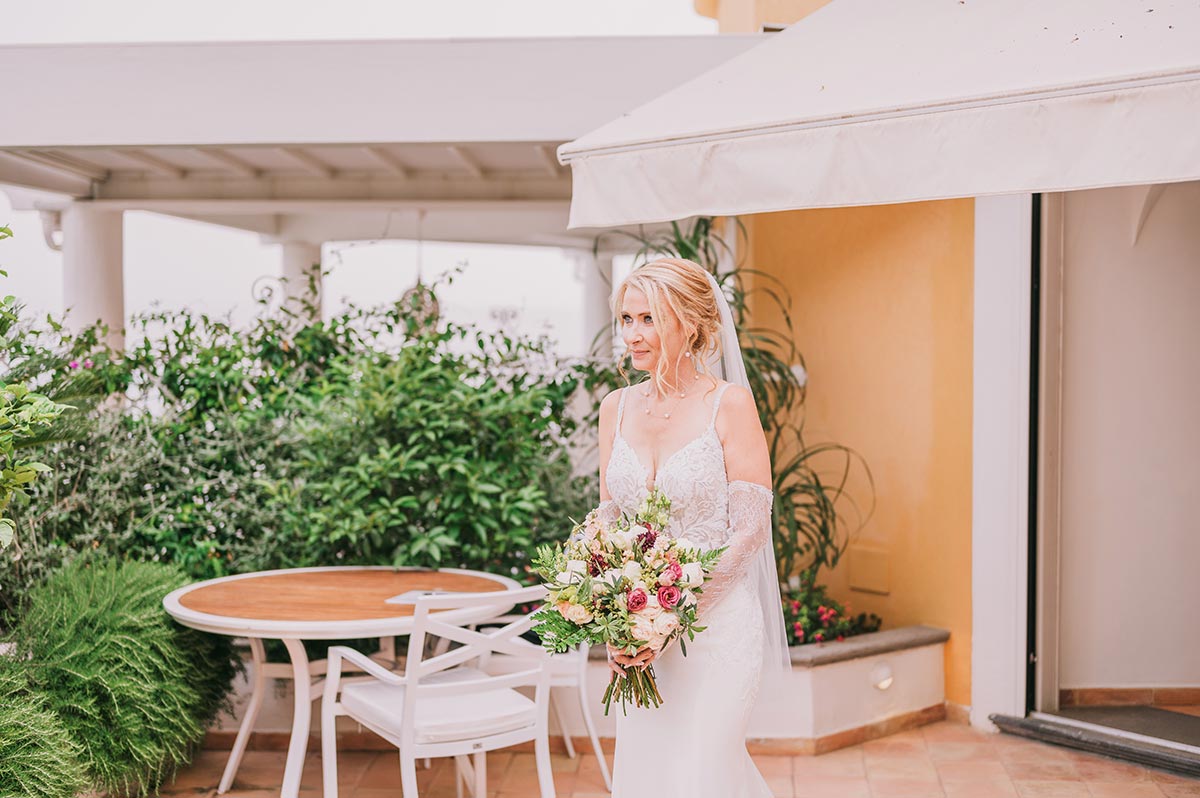
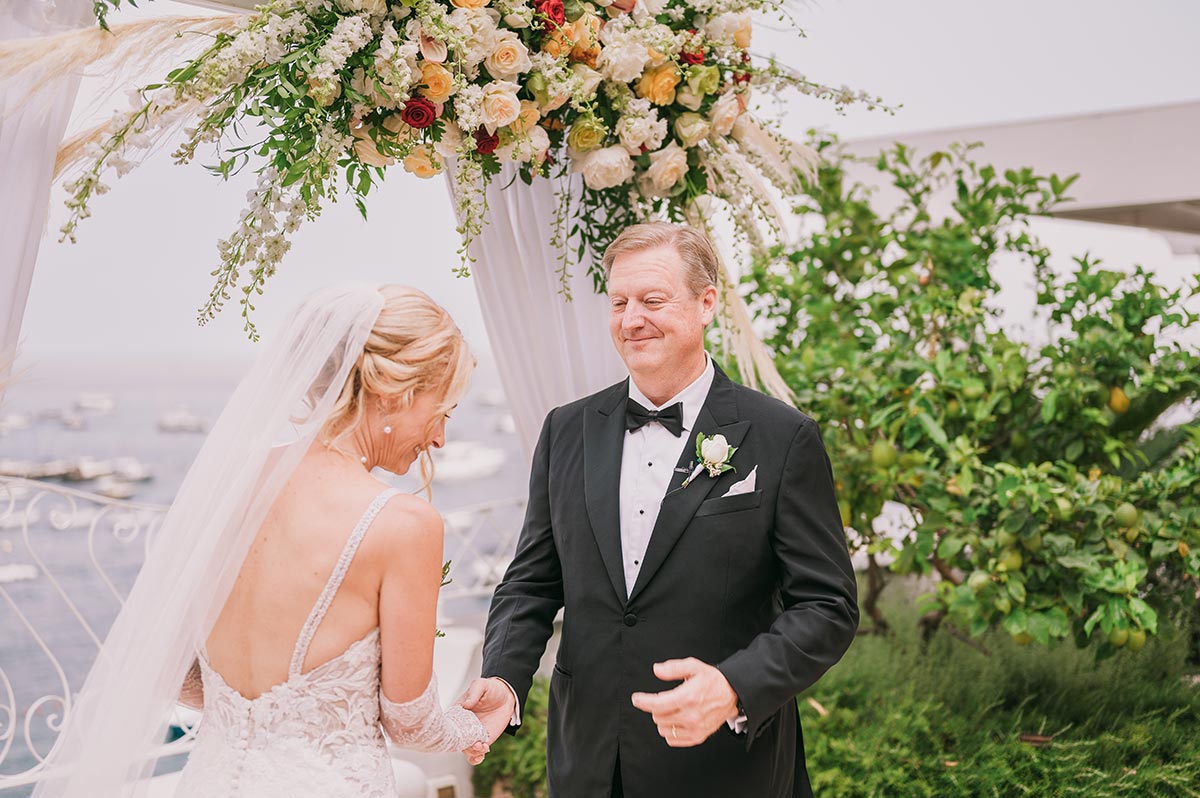
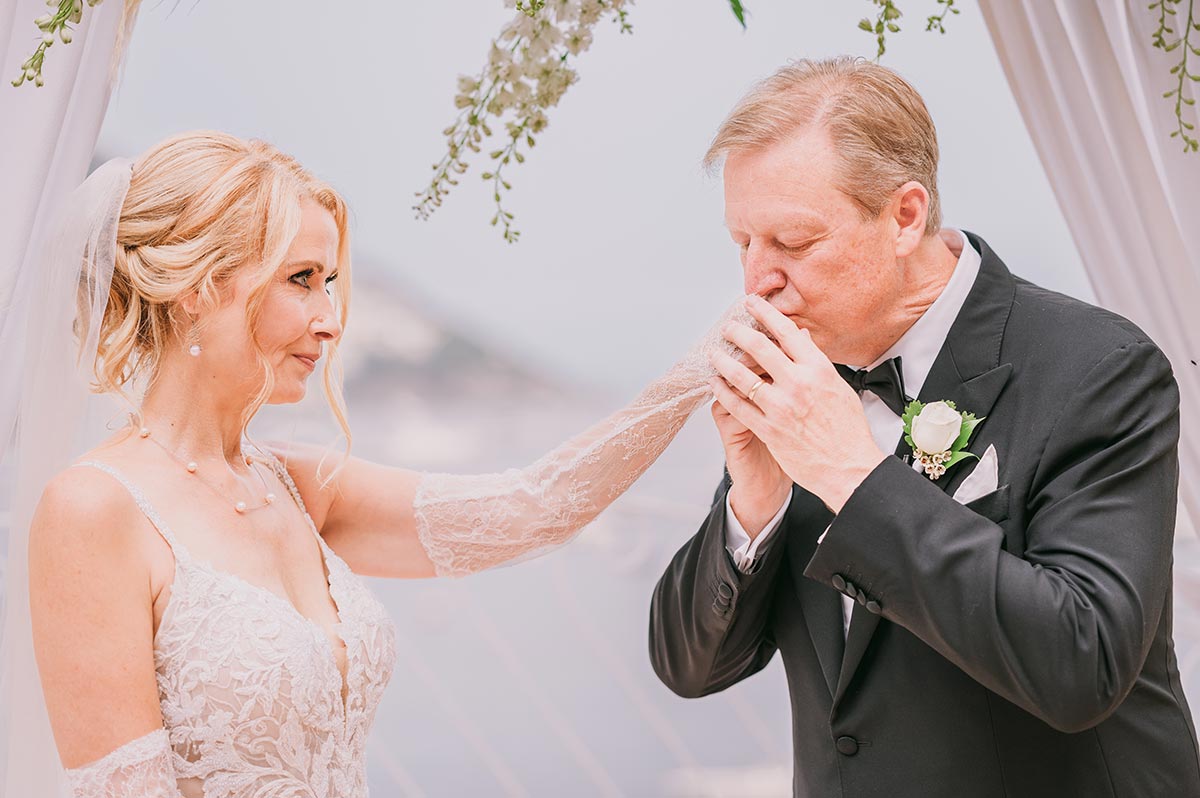
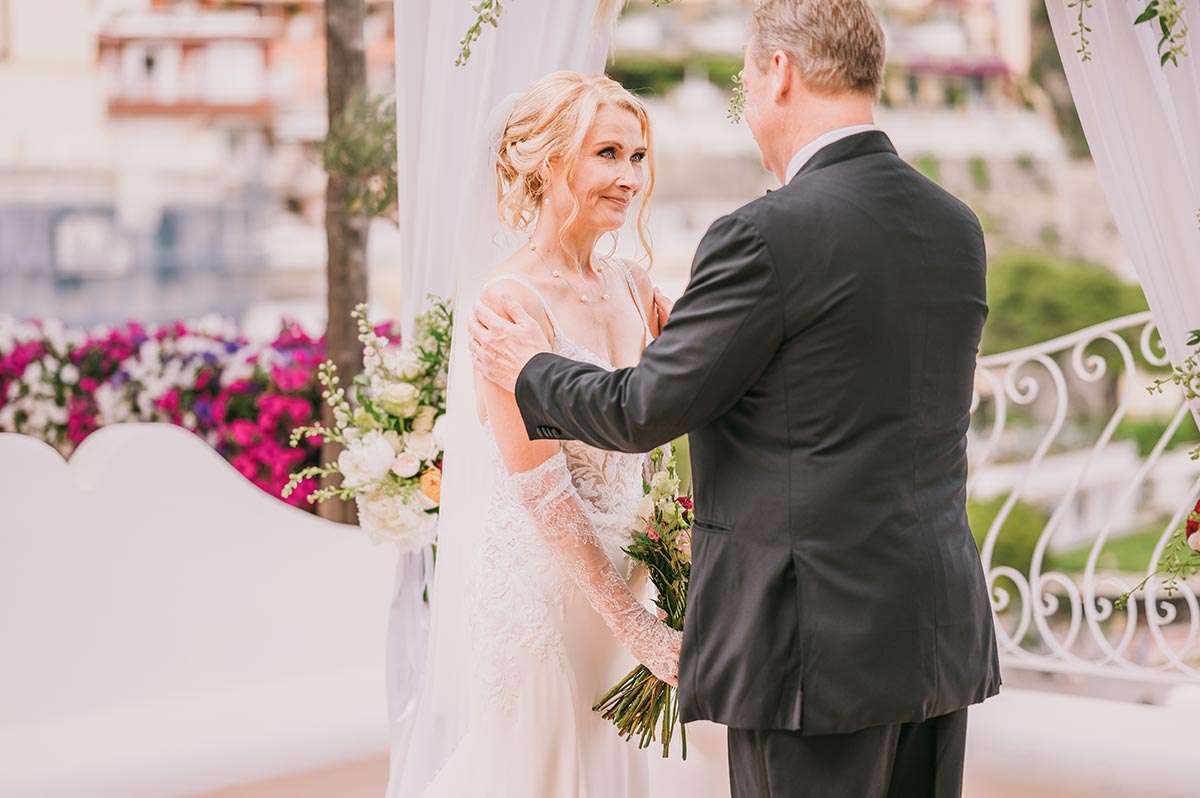
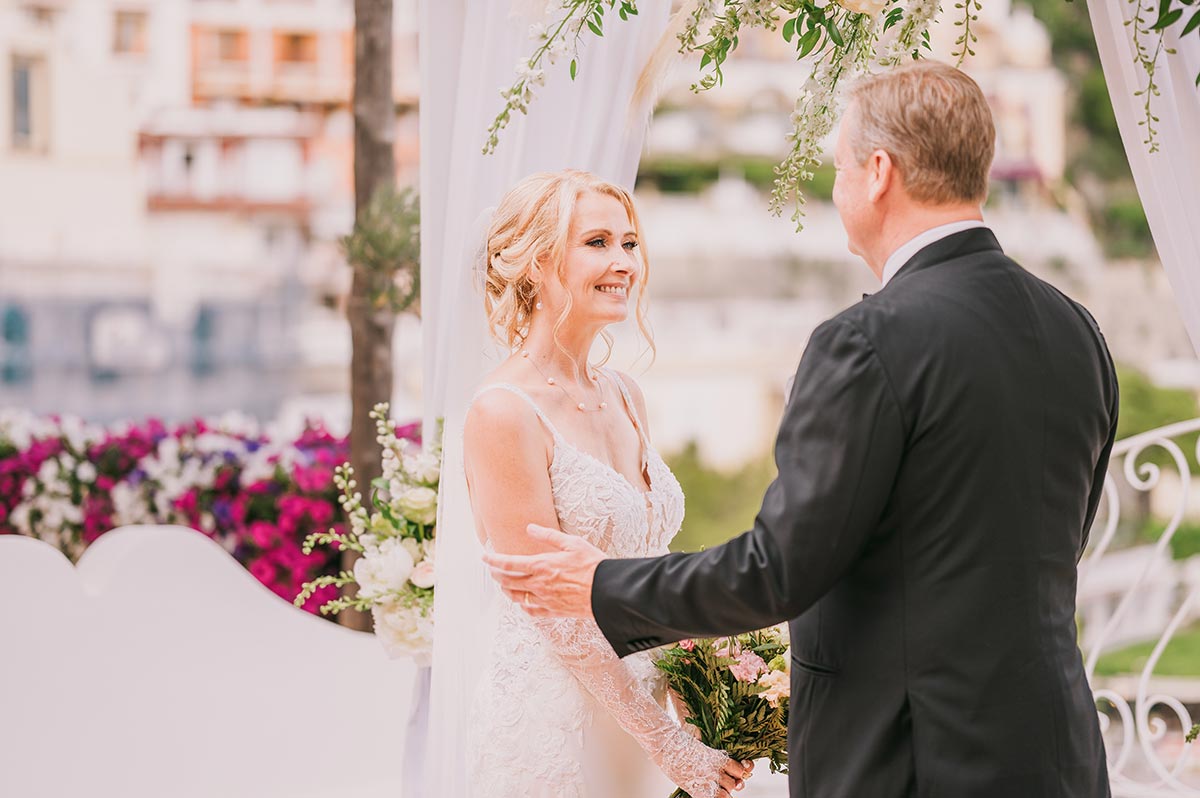
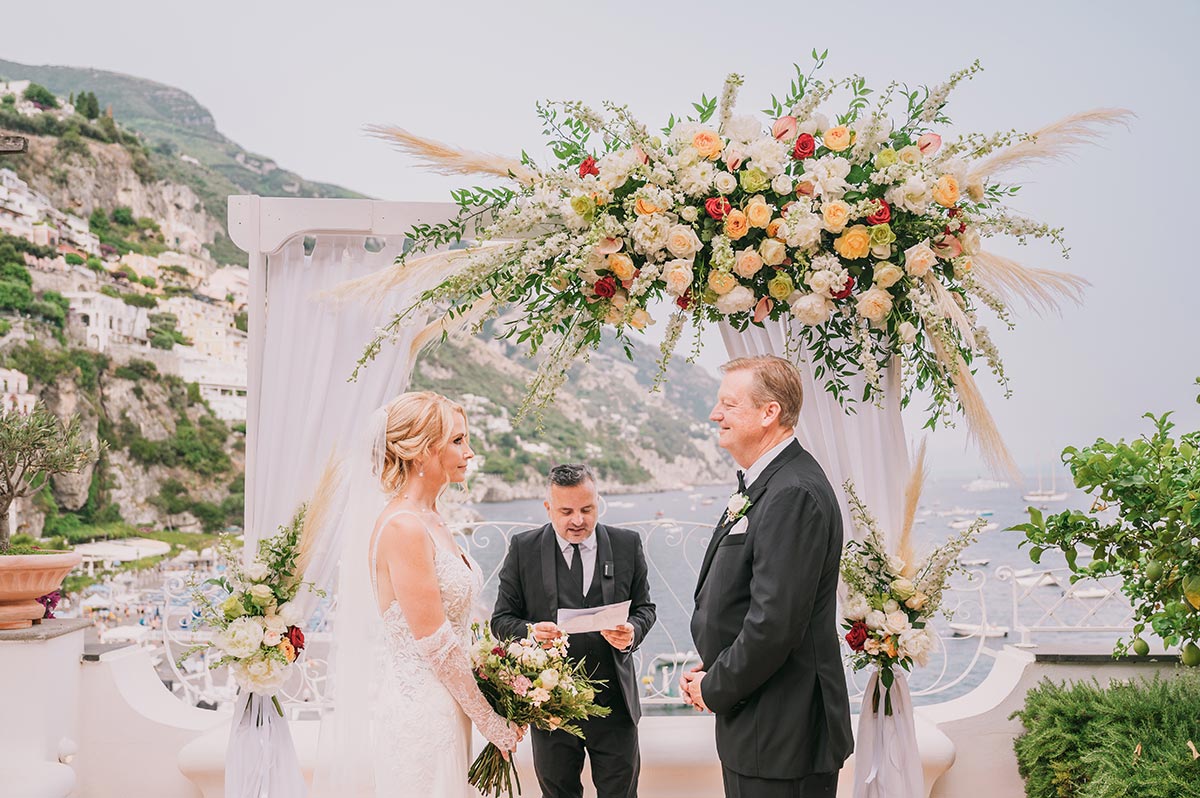
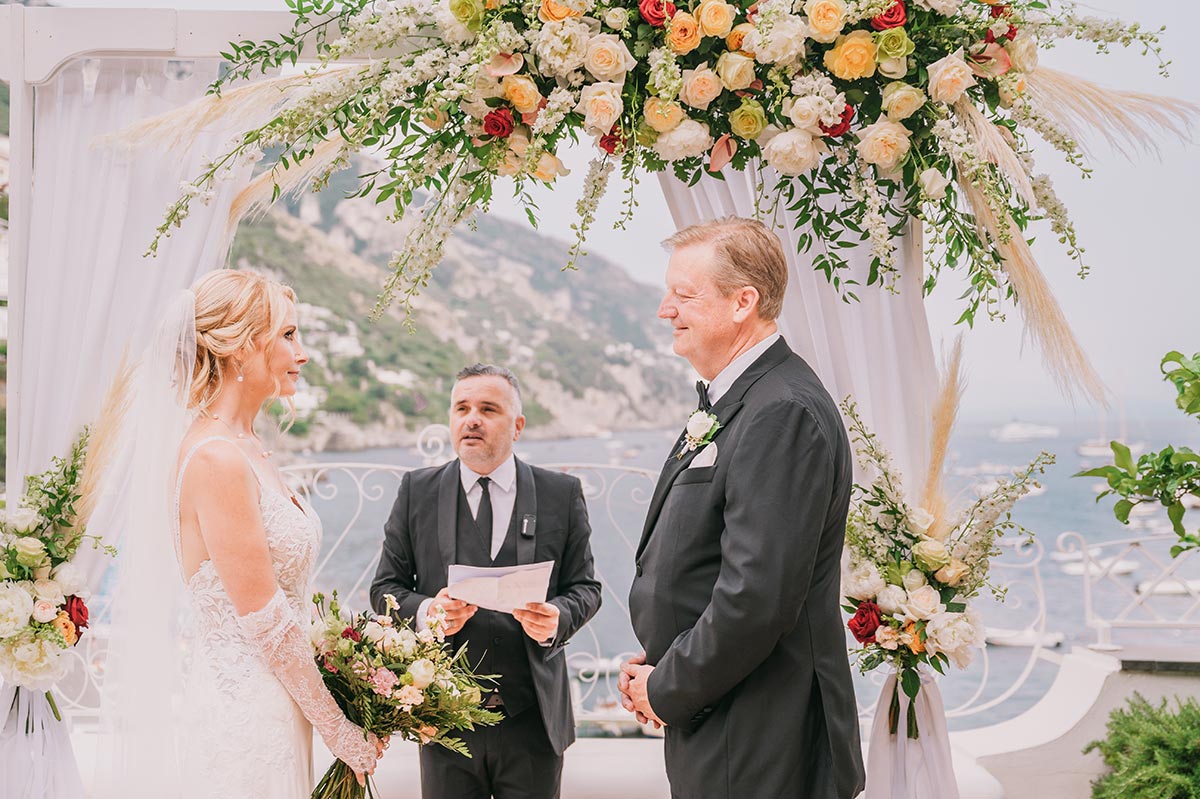
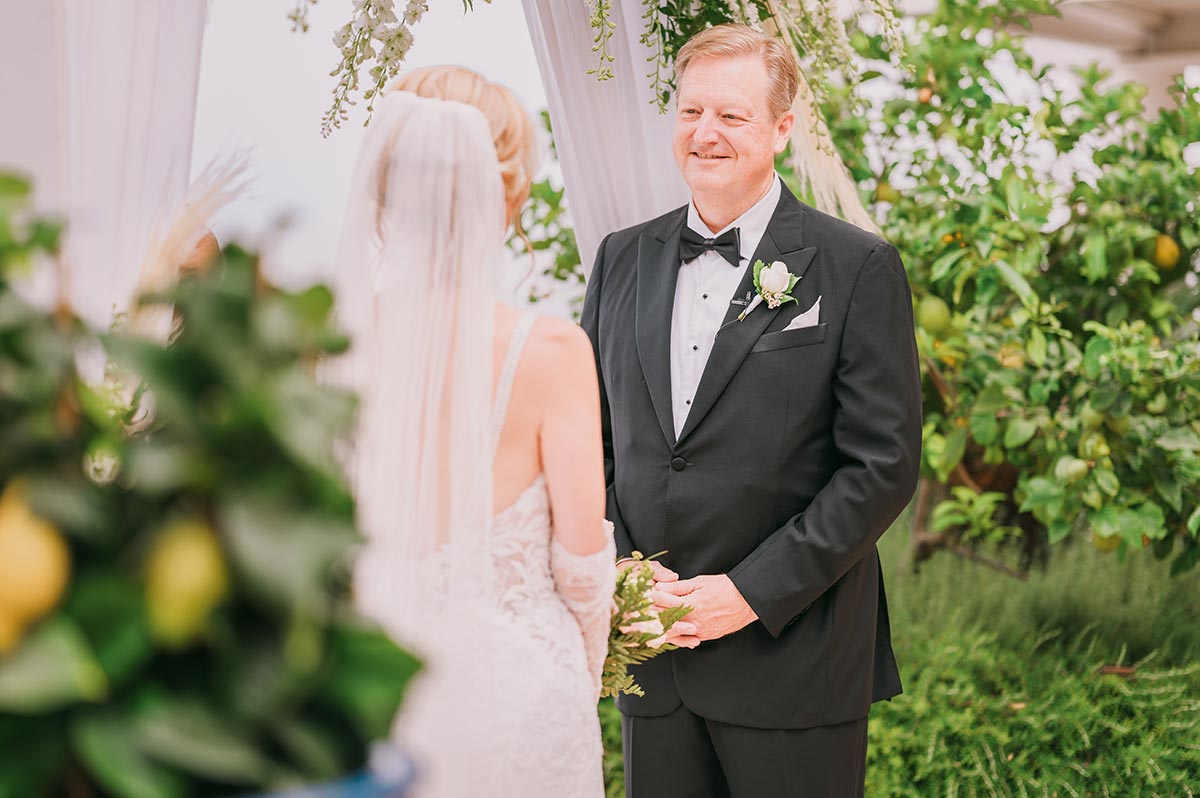
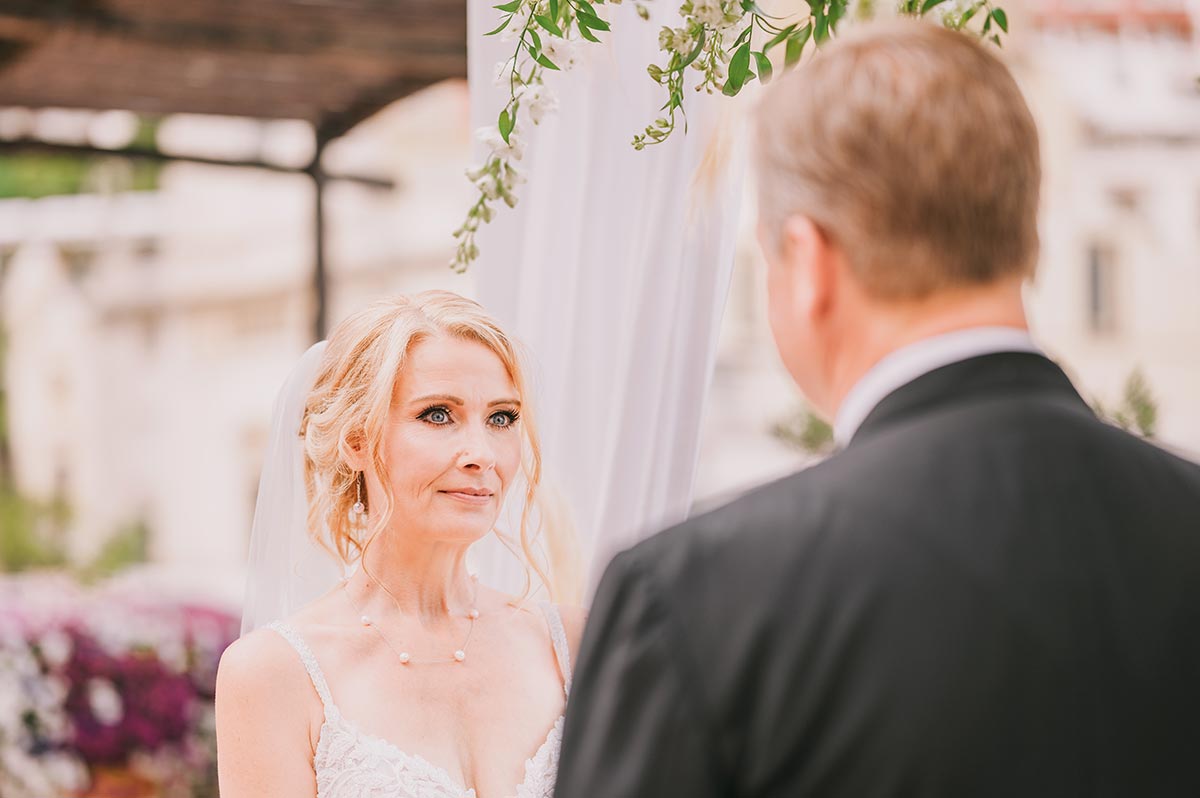
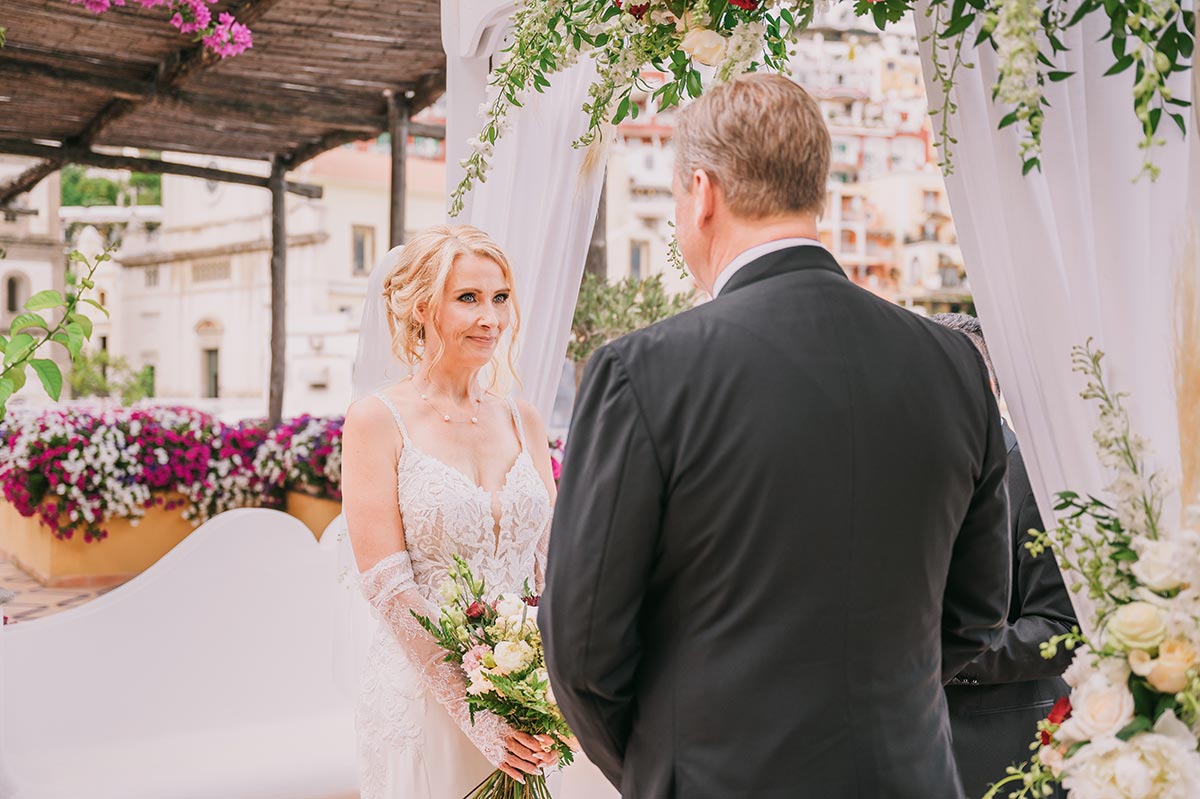
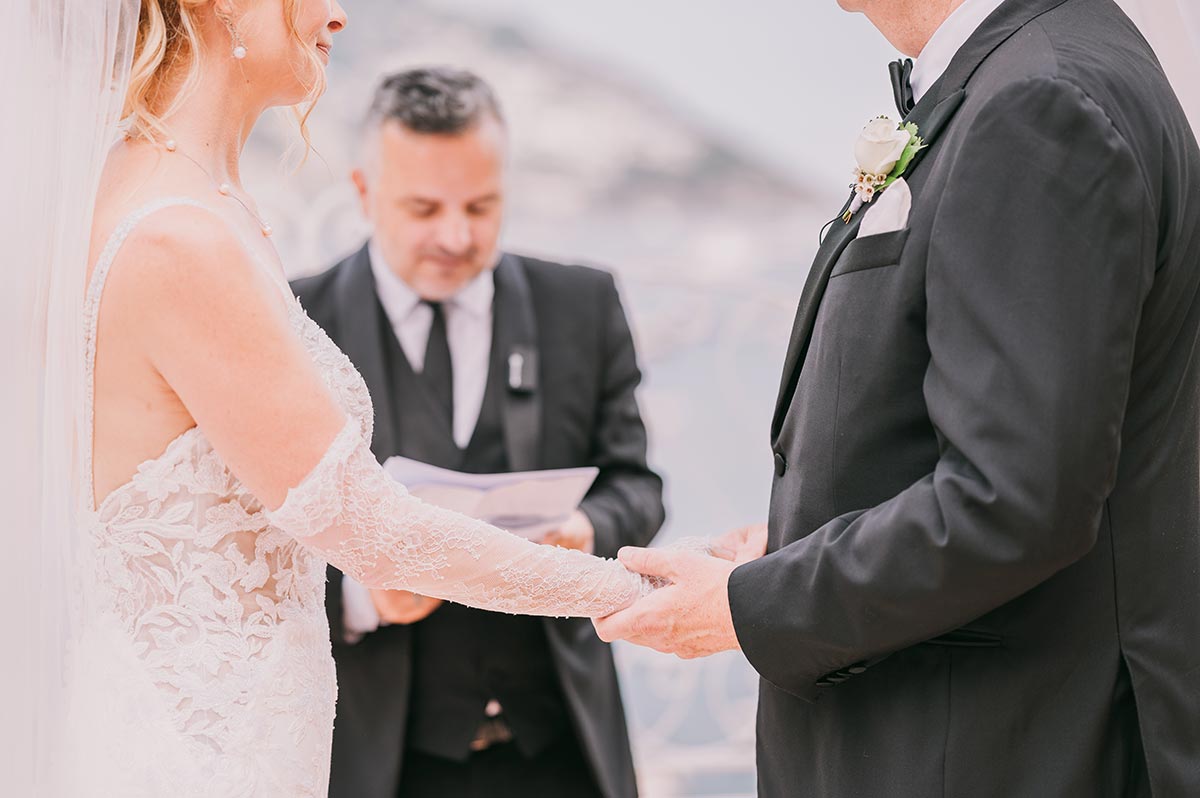
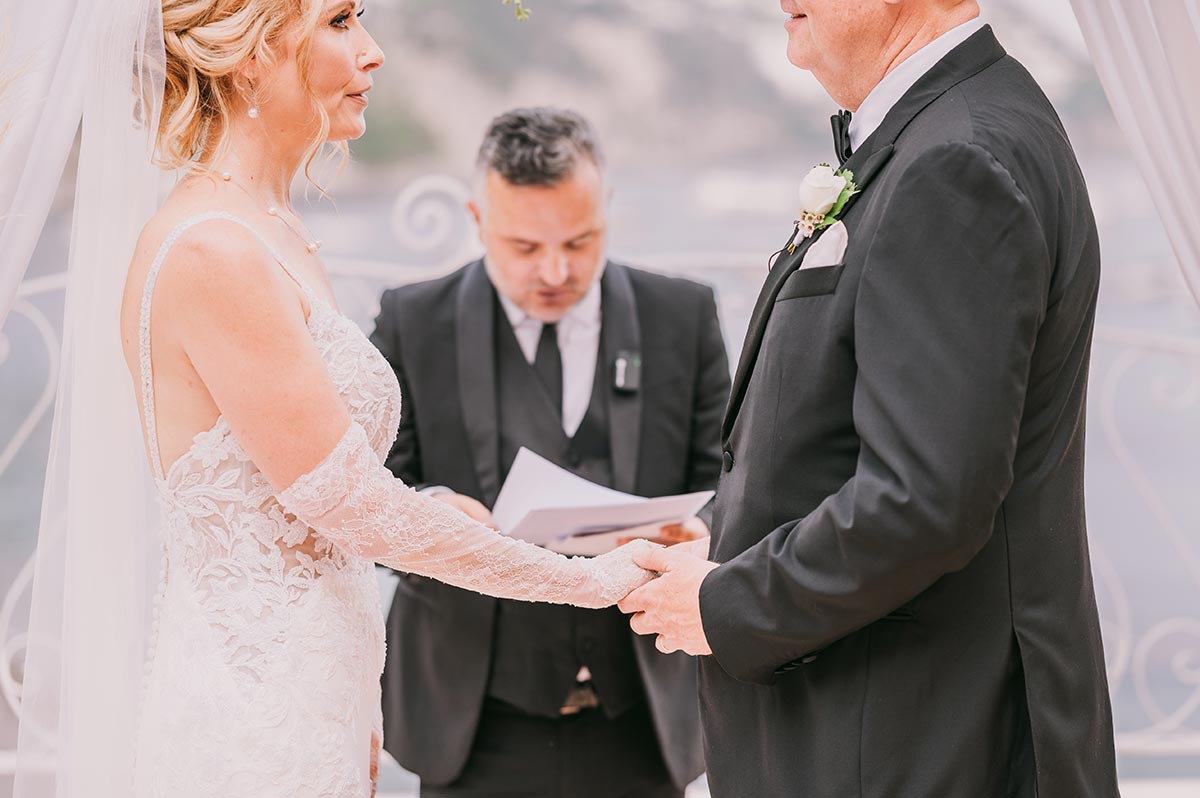
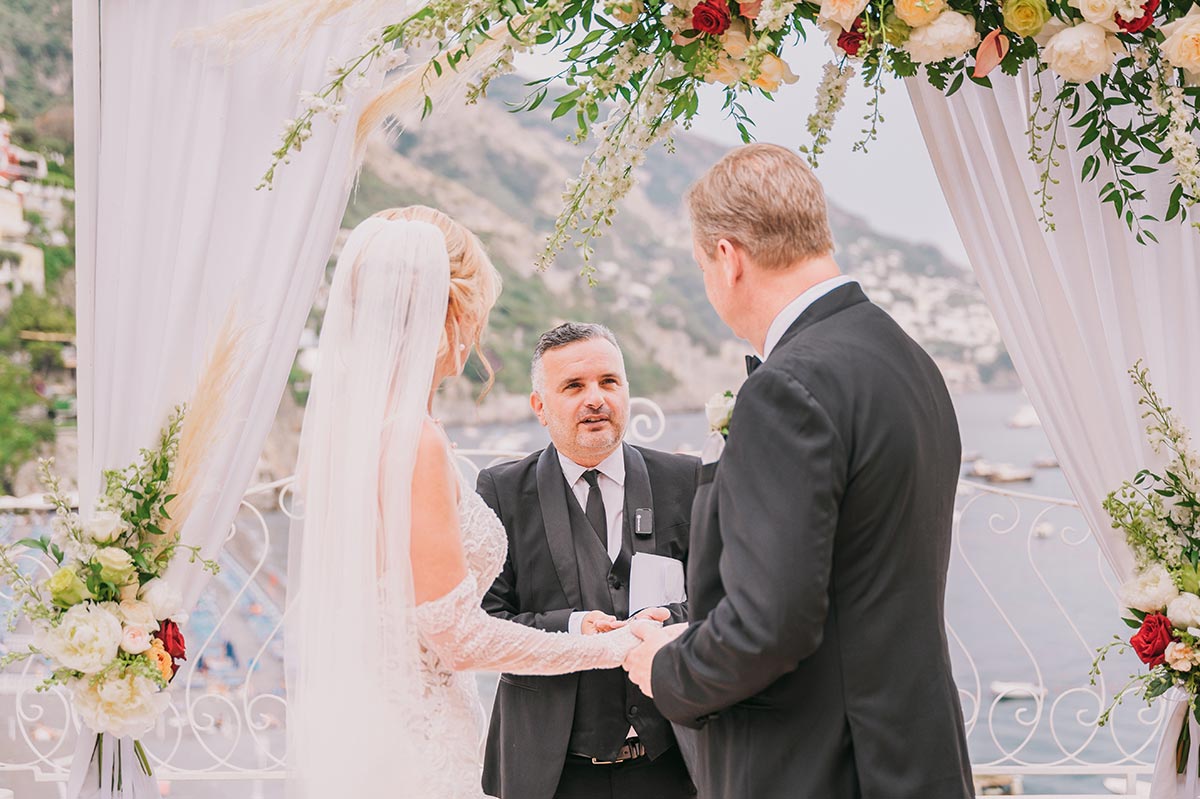
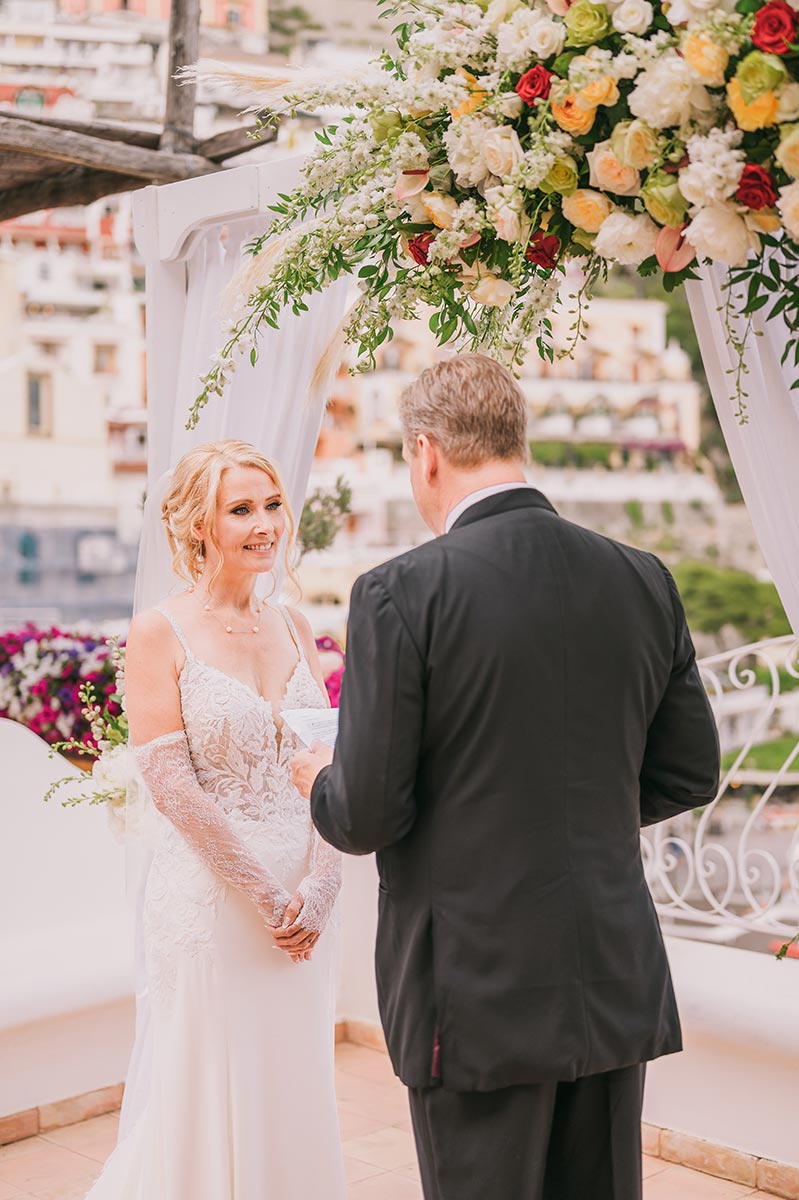
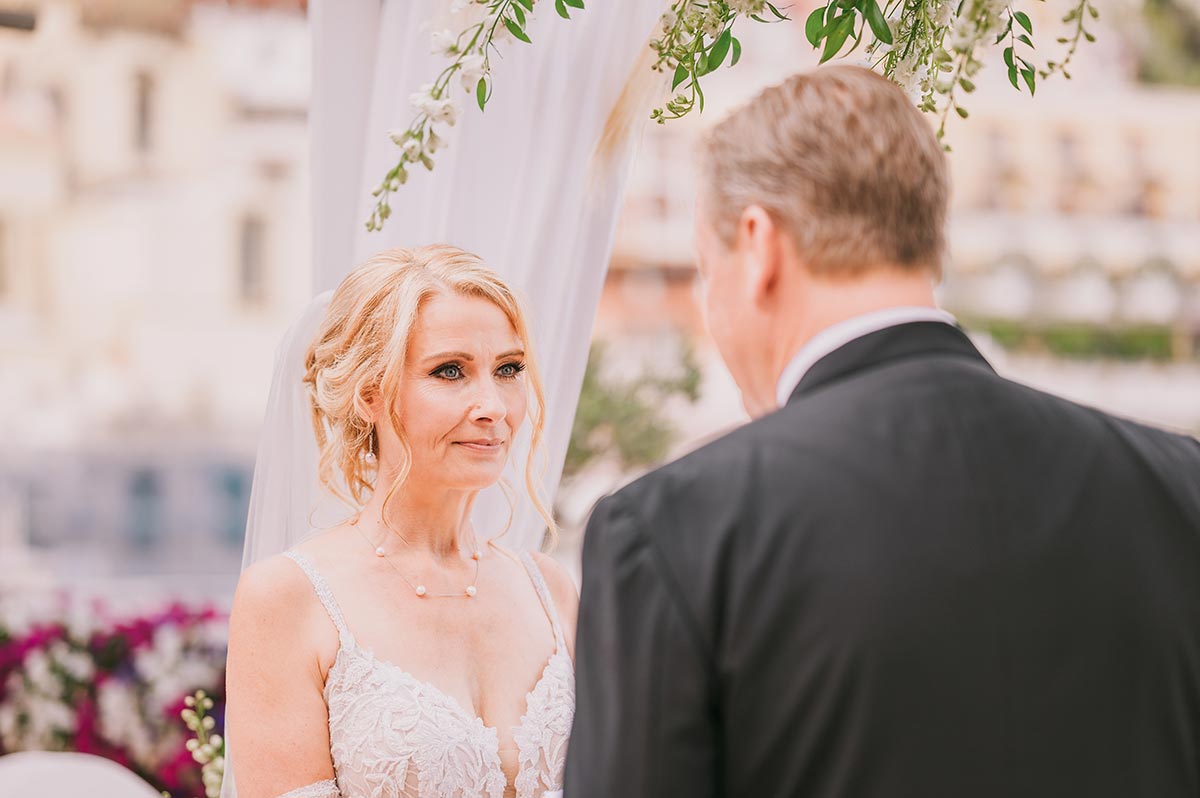
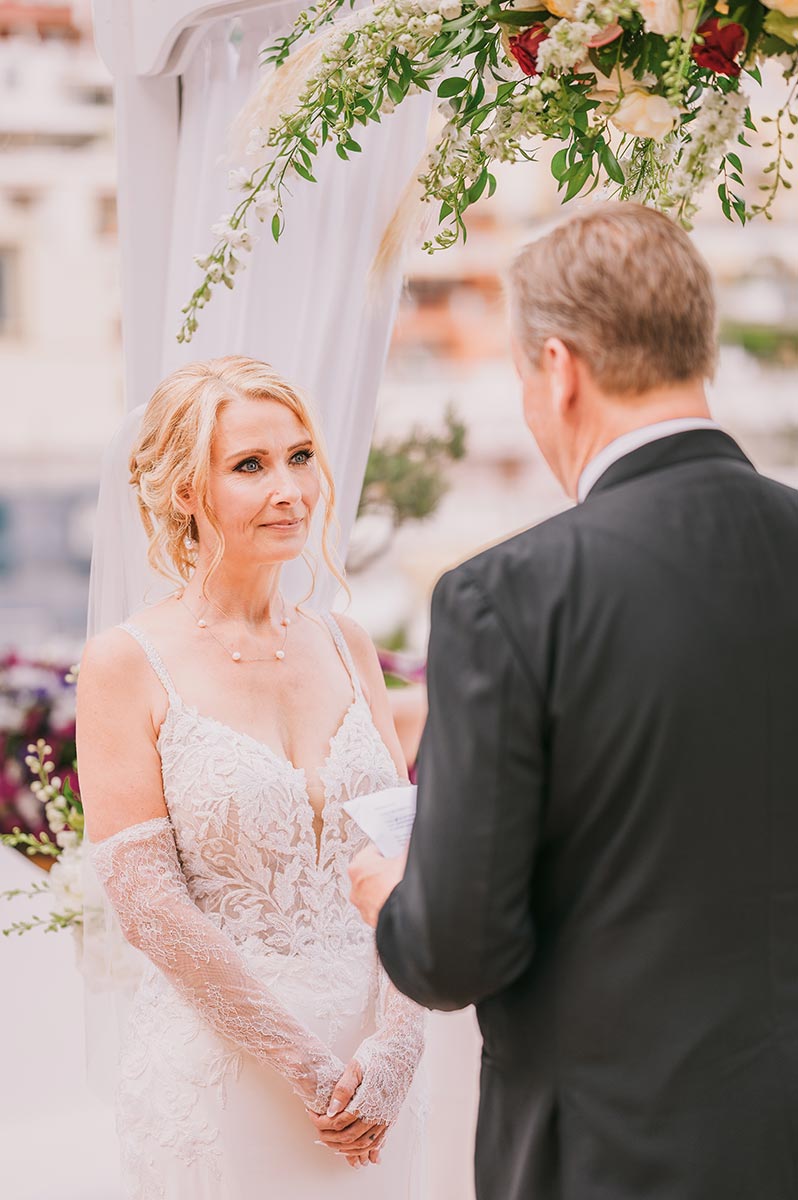
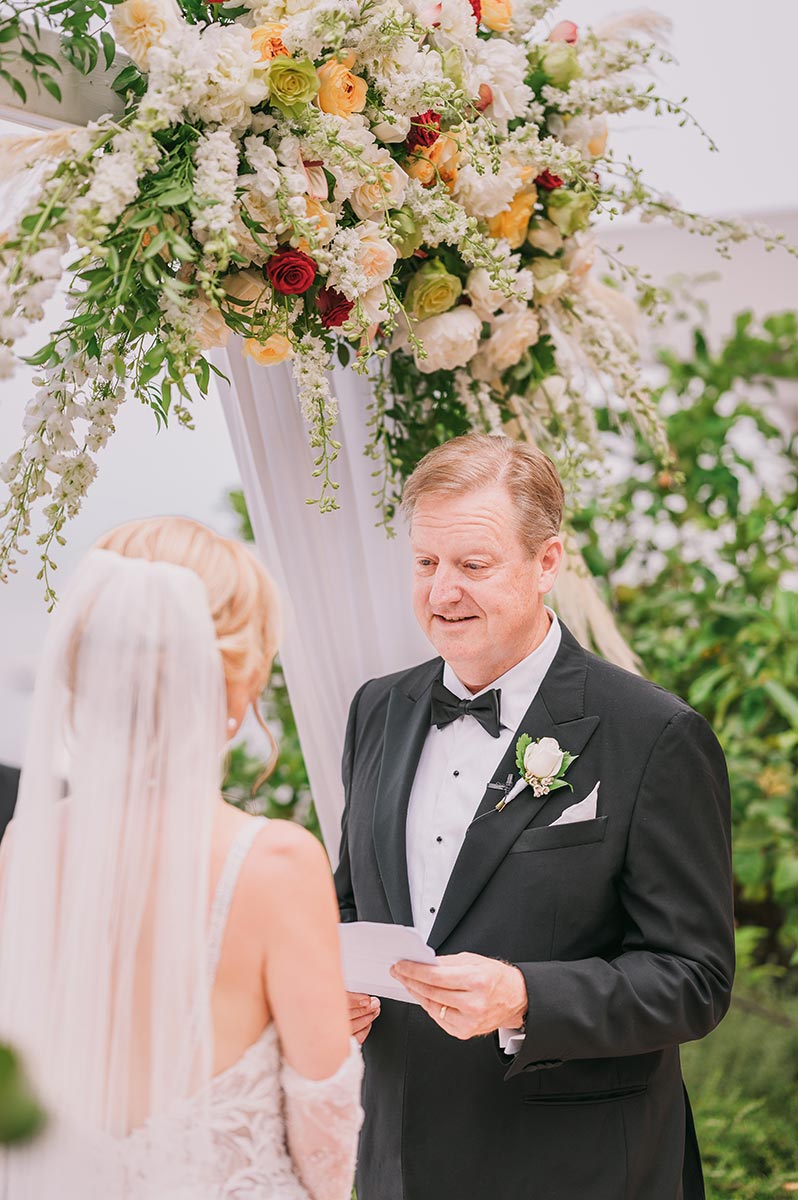
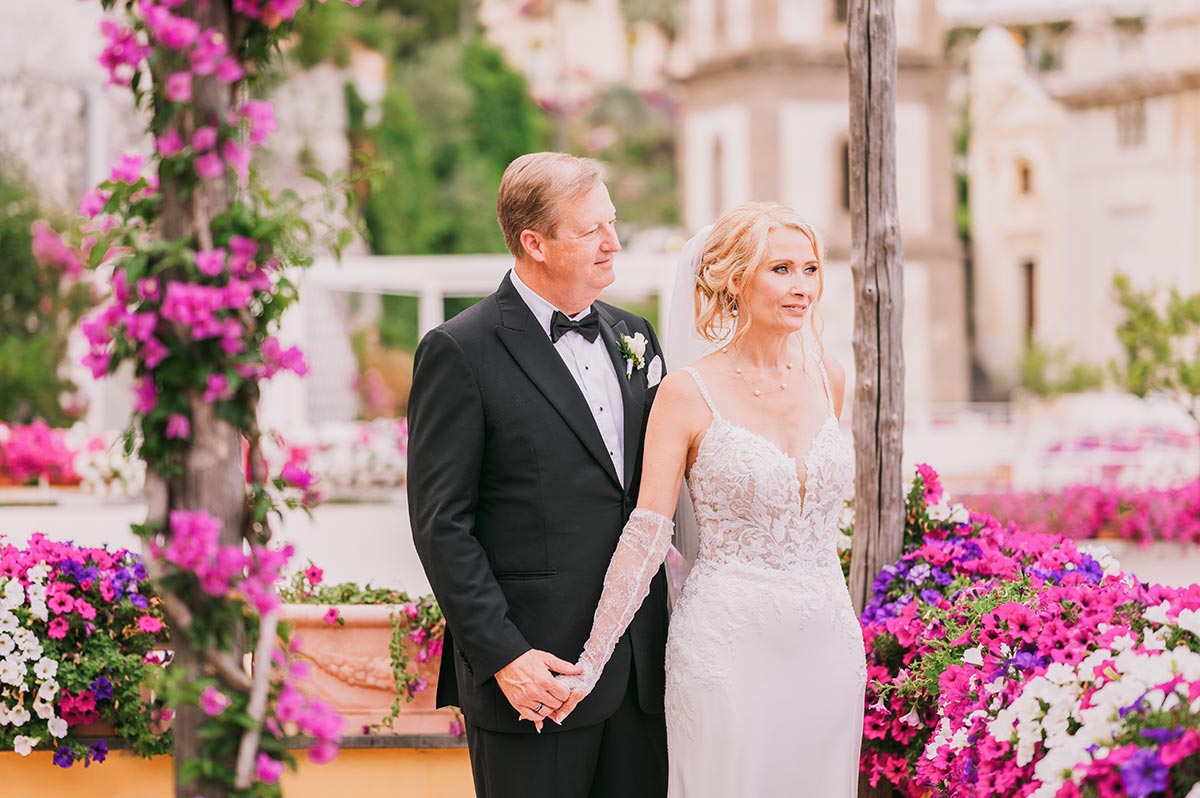
This small terrace not only enhances the ambiance but also serves as a beautiful setting for photographs that you’ll cherish forever. With my experience capturing elopements in Positano, I can assure you that every glance exchanged during these moments will be beautifully immortalized against this stunning backdrop.
Choosing Covo dei Saraceni for your seaside ceremony means you won’t just get married; you’ll create lasting memories wrapped in warmth and beauty. And let’s not forget about the delightful culinary offerings waiting to celebrate after saying ‘I do’! Trust me when I say this venue knows how to elevate both romance and refinement—making it the perfect choice for couples looking for charm amongst charming Positano weddings!


Intimate Atmosphere of Covo dei Saraceni
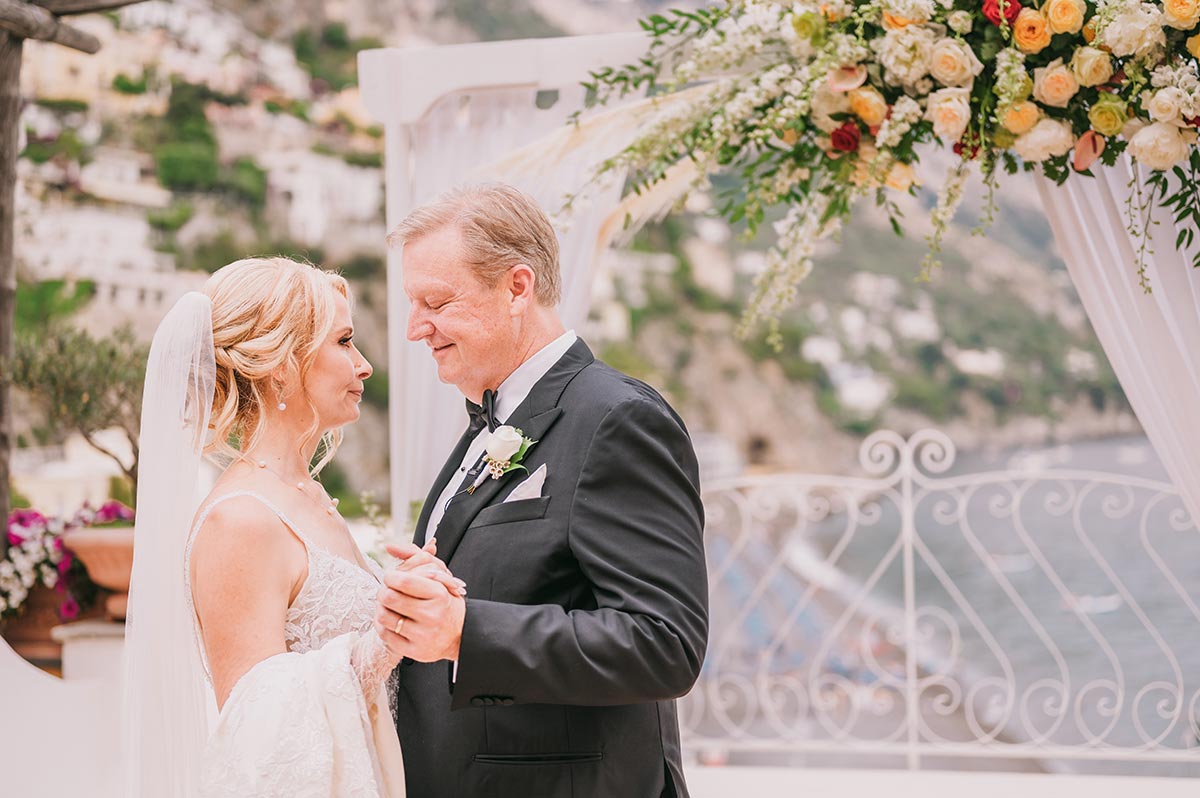
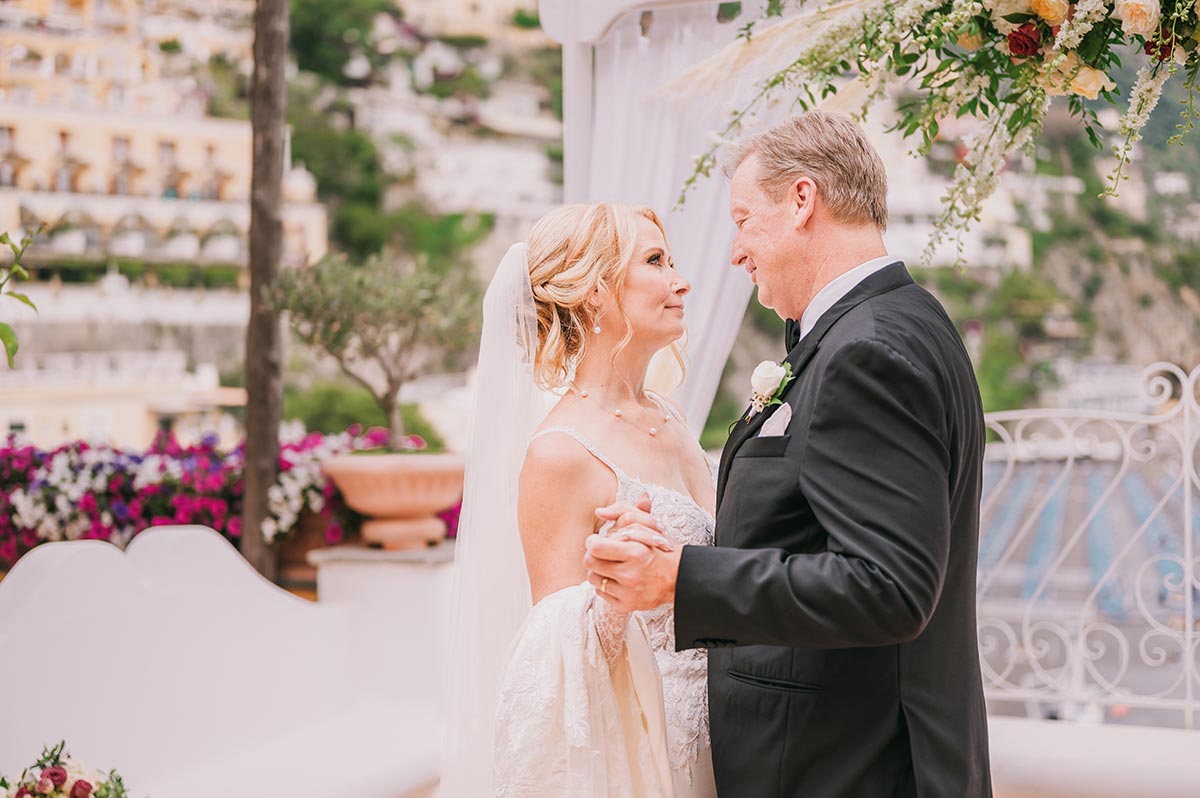
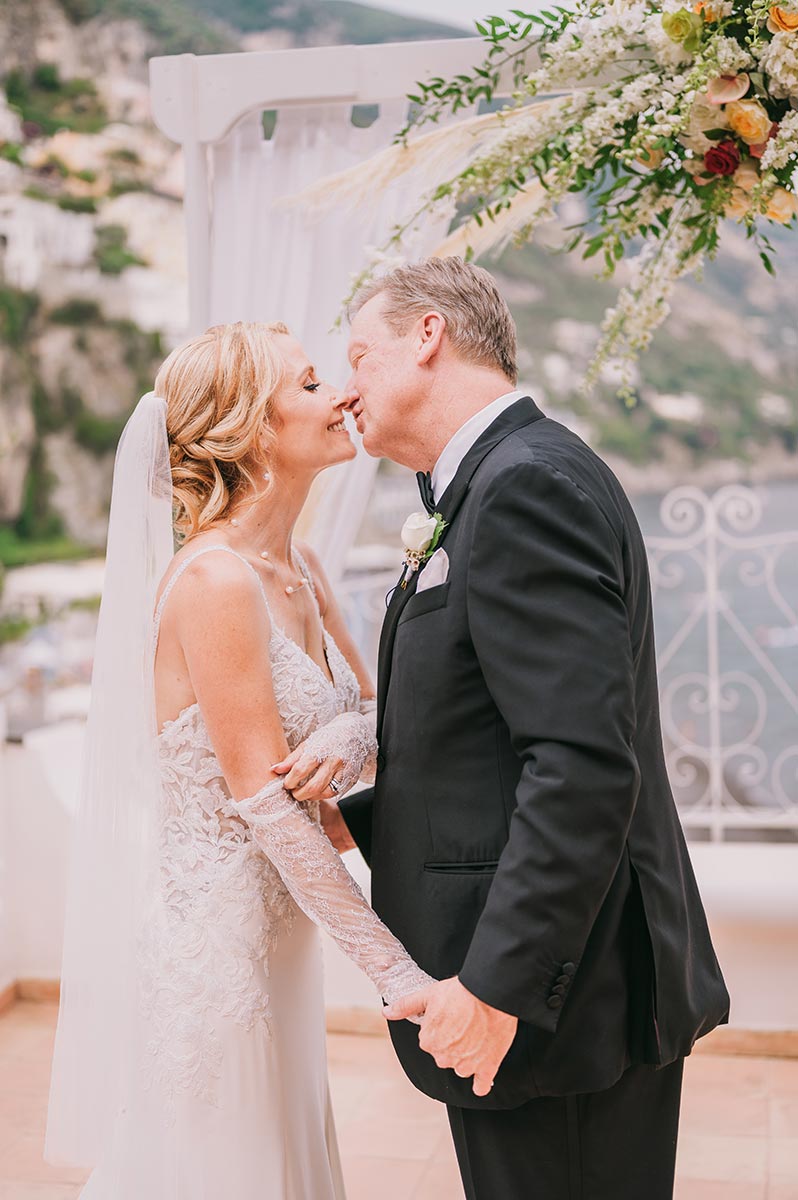
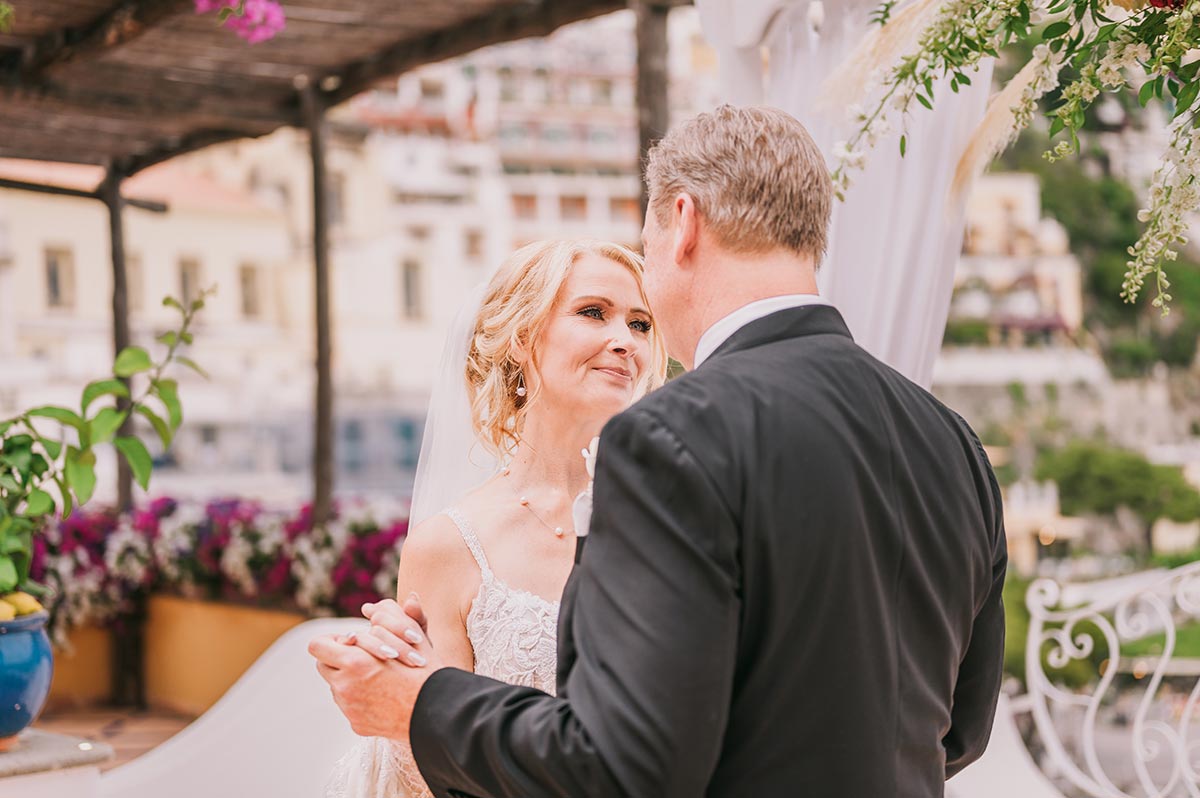
The intimate atmosphere of Covo dei Saraceni is one of the many compelling reasons couples flock to this stunning venue for their Positano elopement. When you step into this picturesque haven, you’re immediately enveloped by a sense of warmth and romance that feels tailor-made for love stories. The elegant decor, combined with breathtaking views of the Amalfi Coast, creates an ambiance that is both inviting and enchanting. As a wedding photographer who has captured countless beautiful moments here, I can attest that the atmosphere truly enhances your special day.
Covo dei Saraceni radiates intimacy, a quality defining the best intimate weddings in Positano. Here’s what makes it so special:
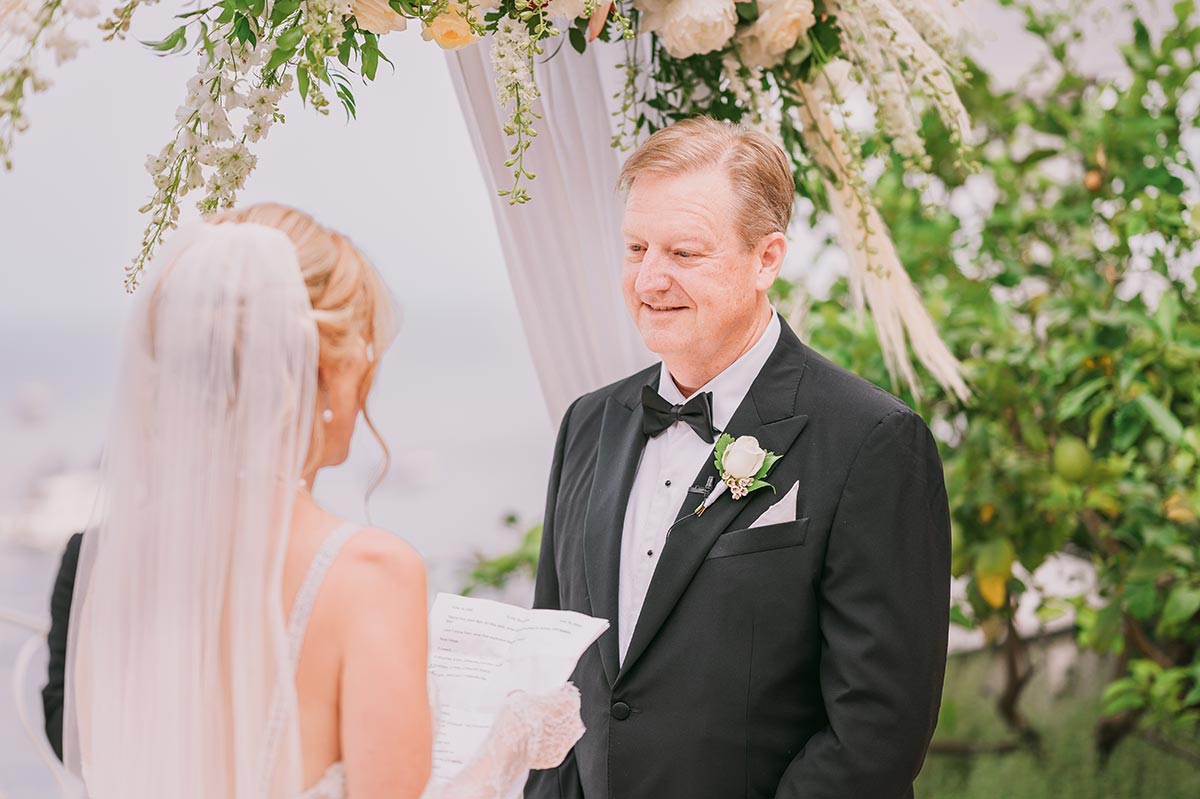
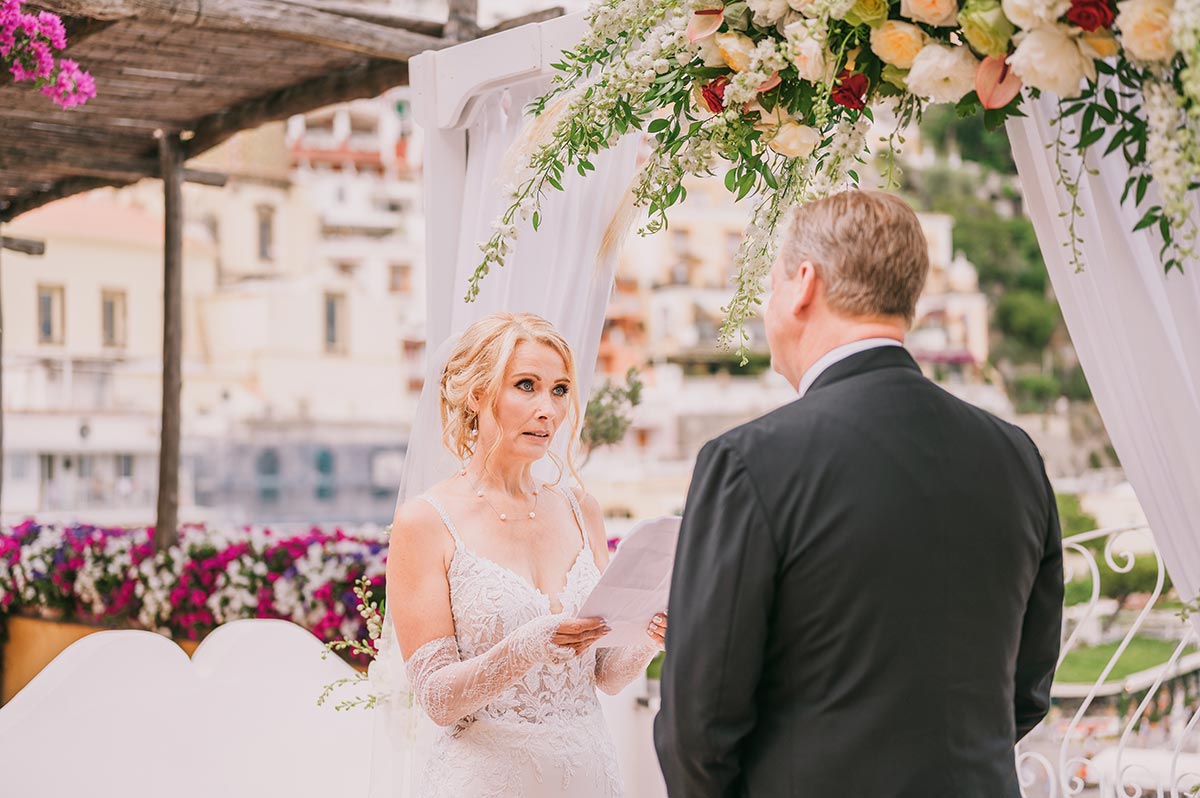
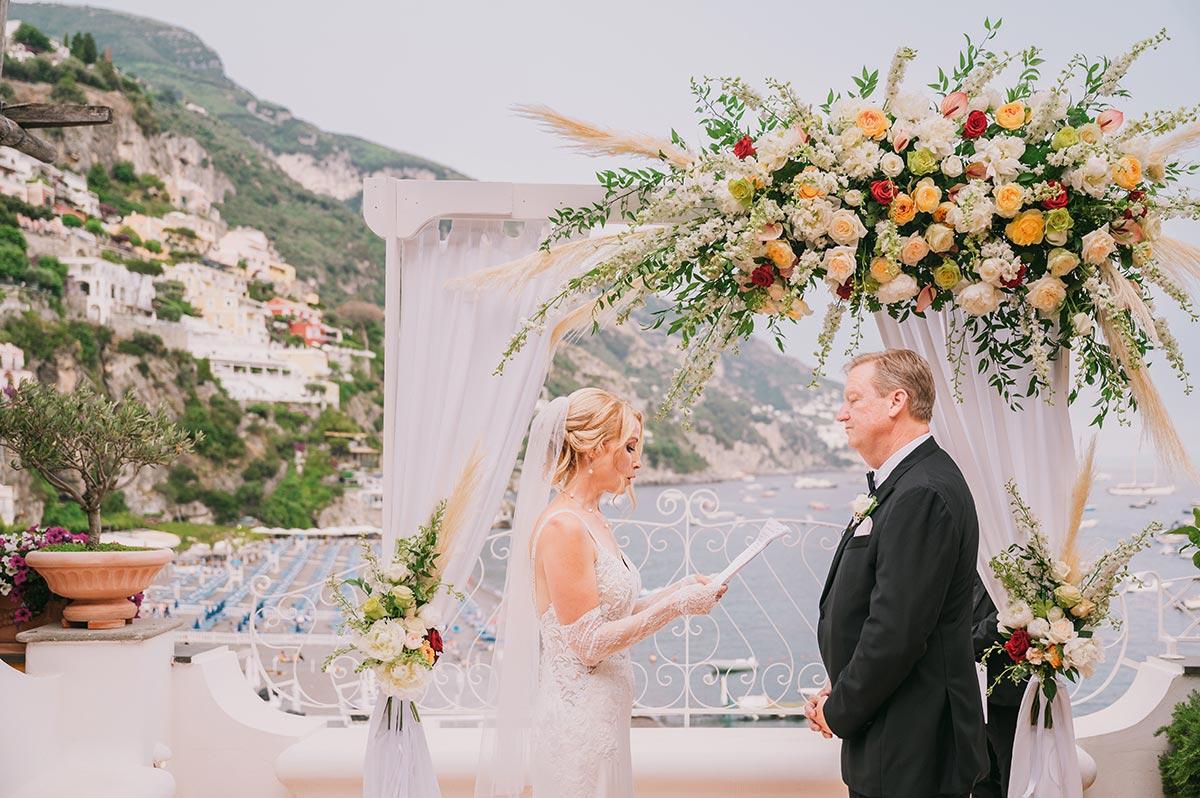
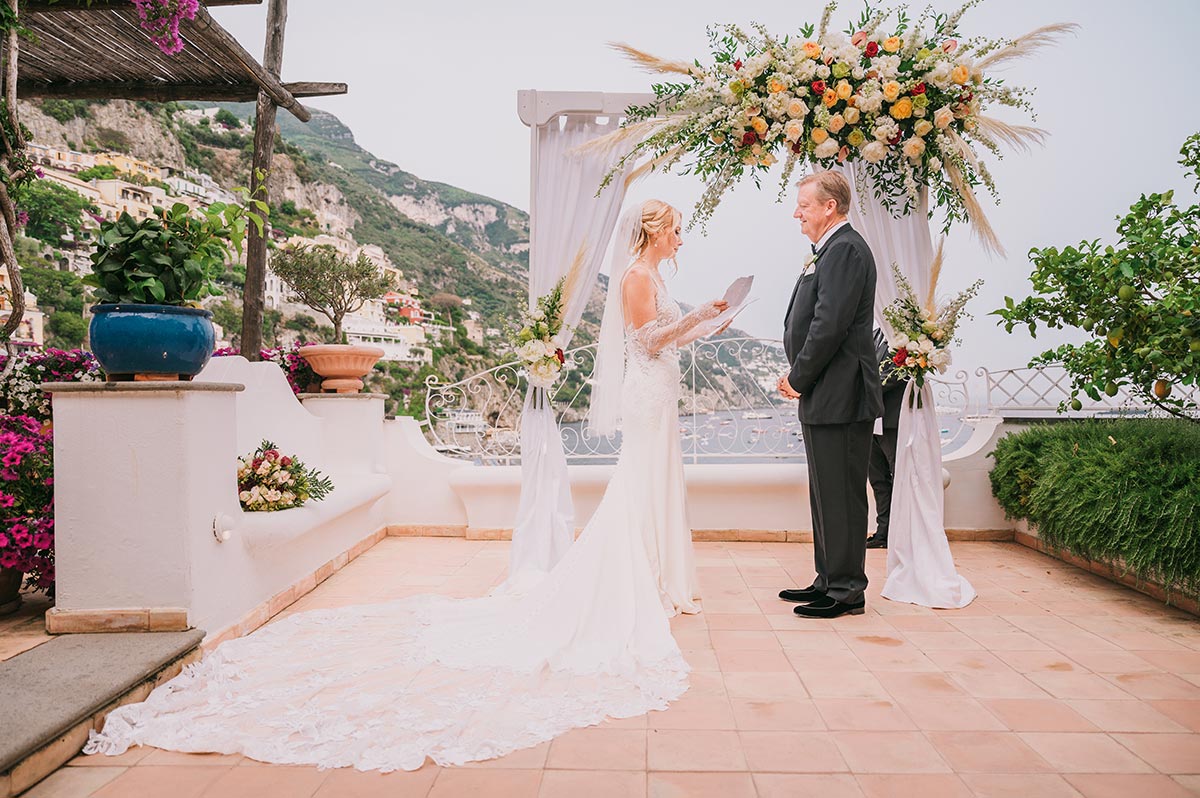
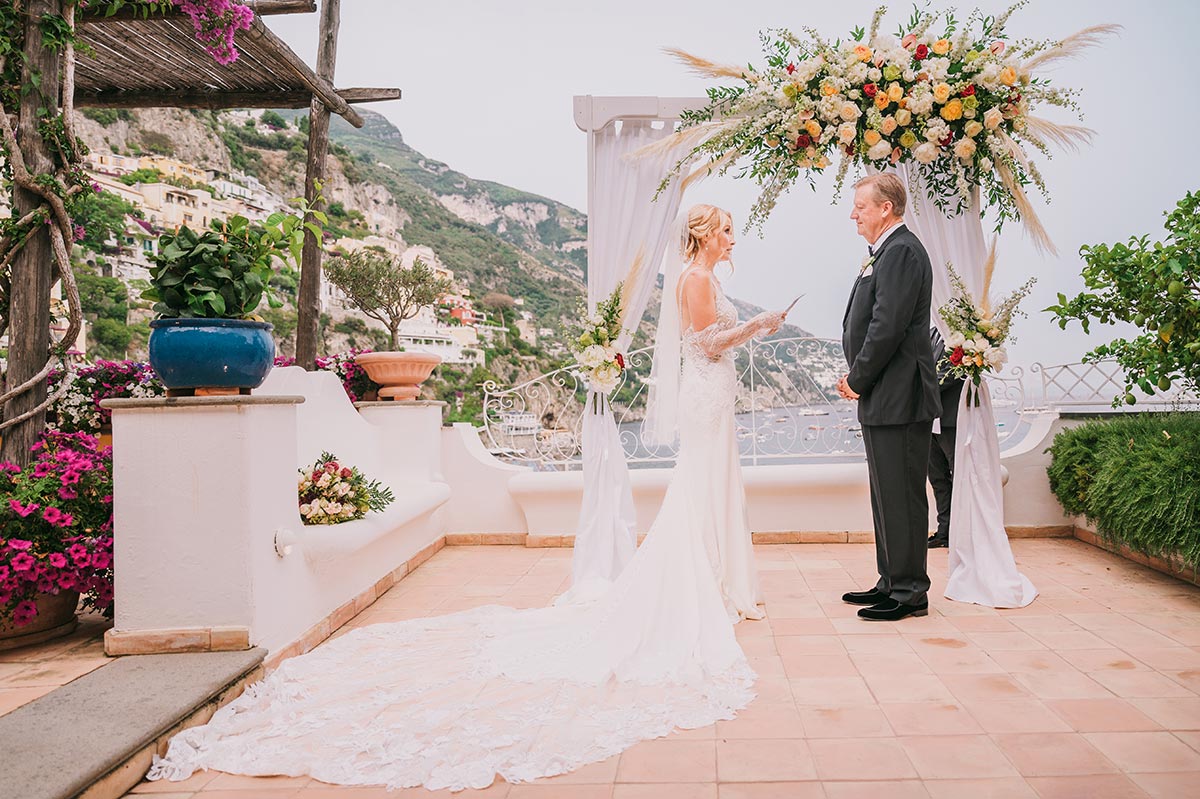
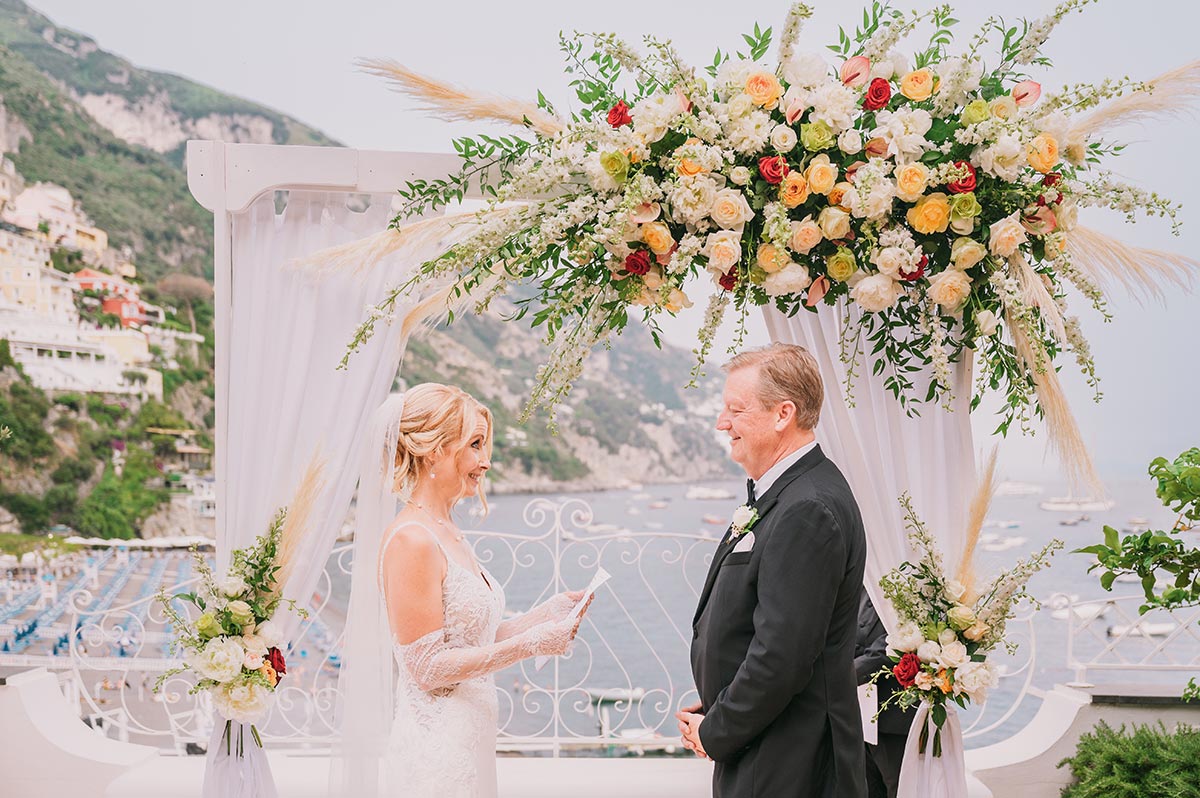
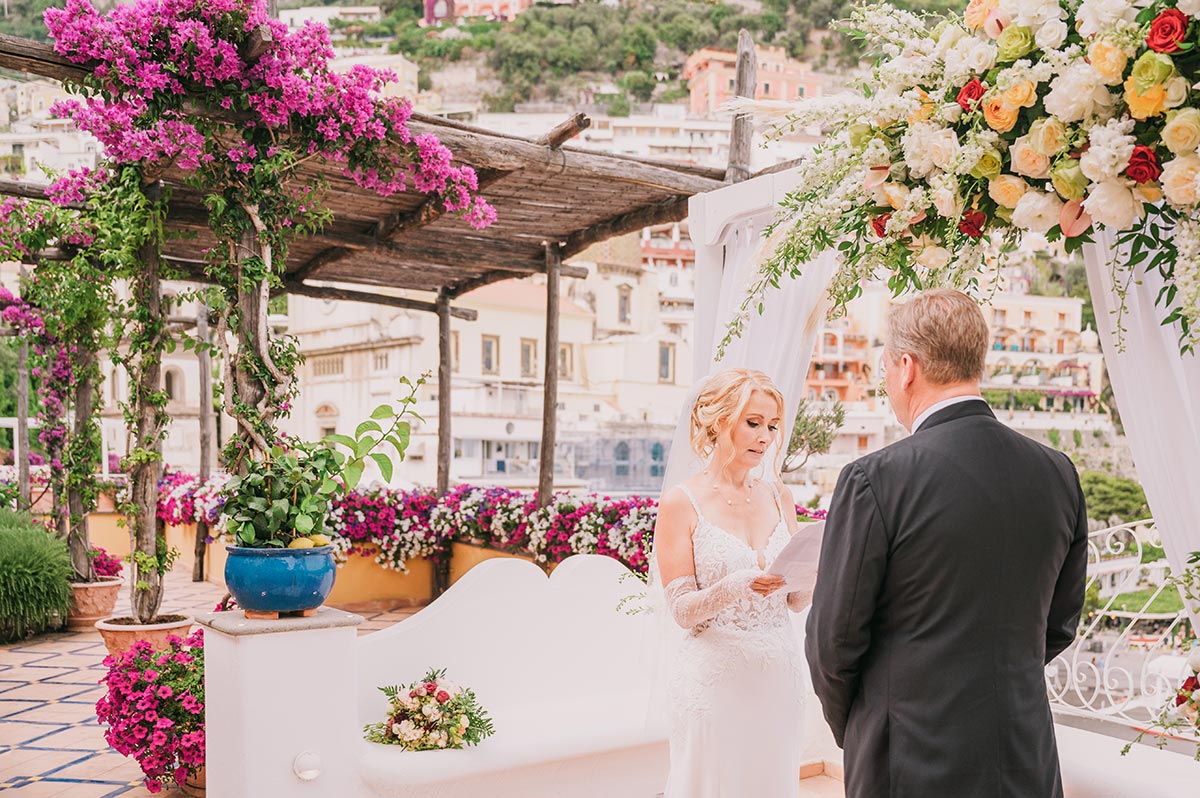
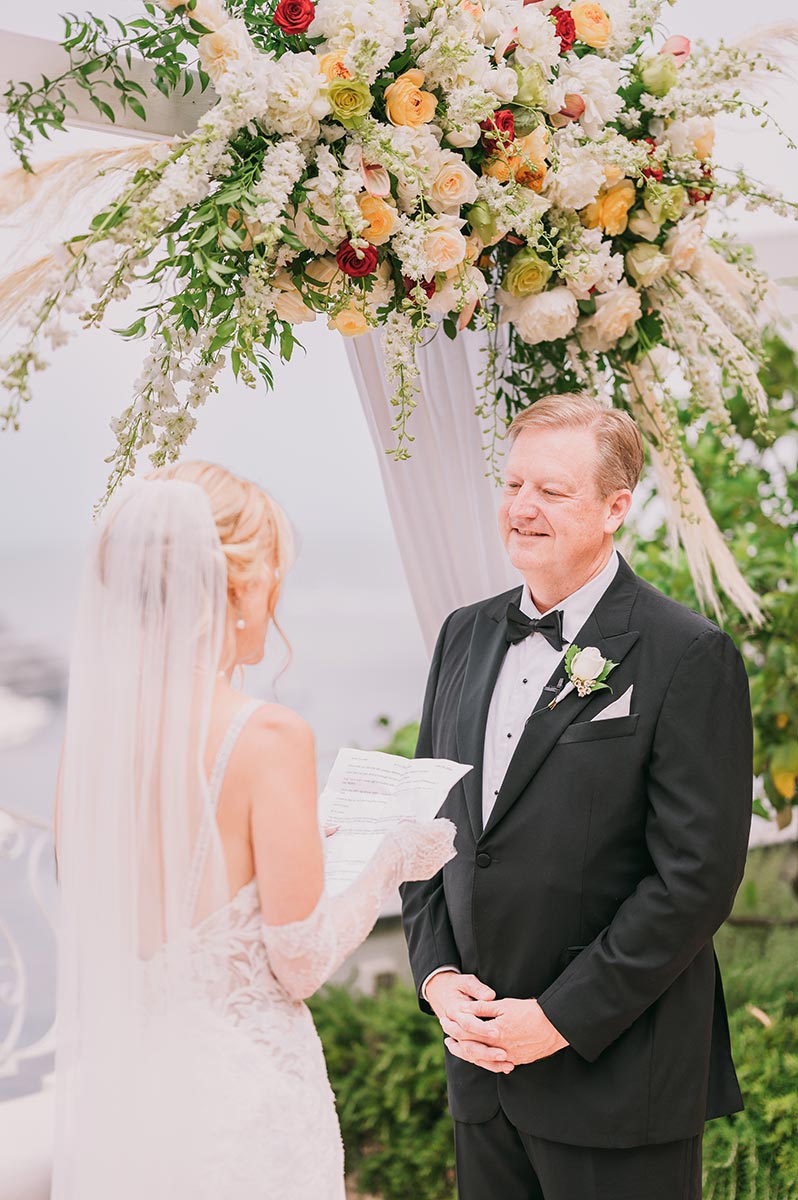
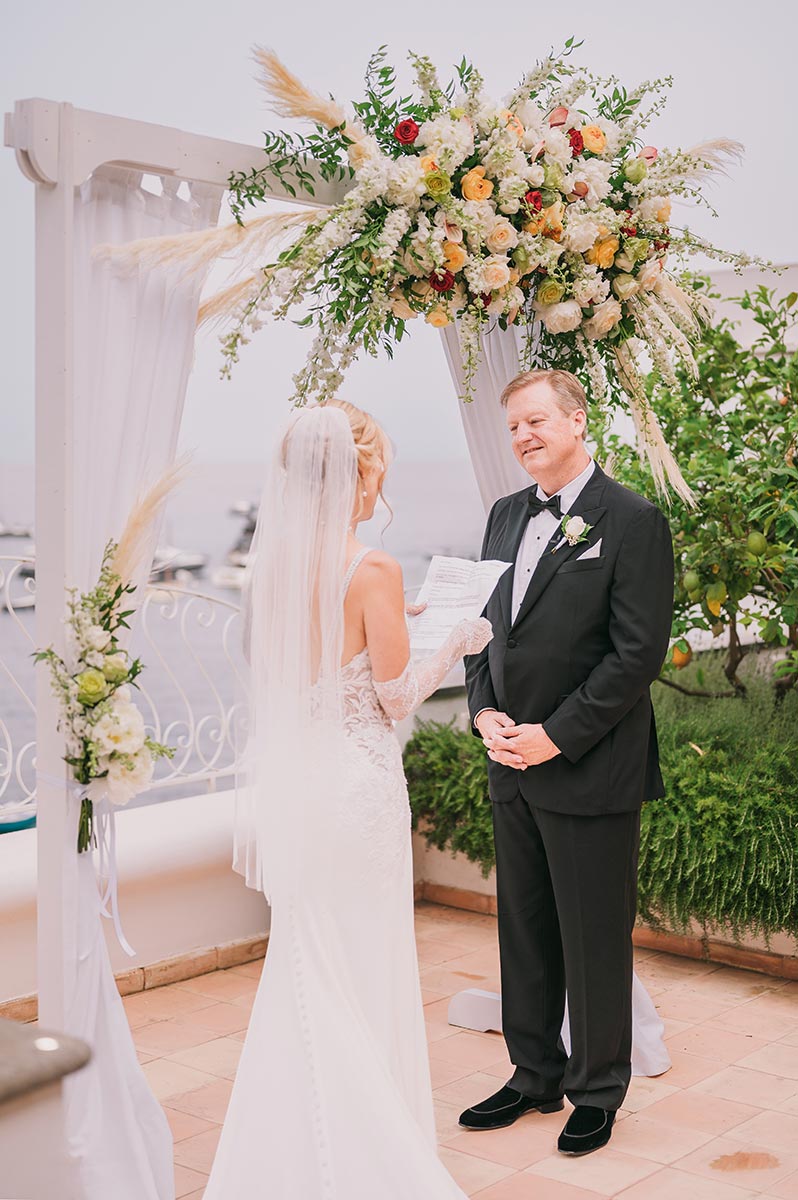
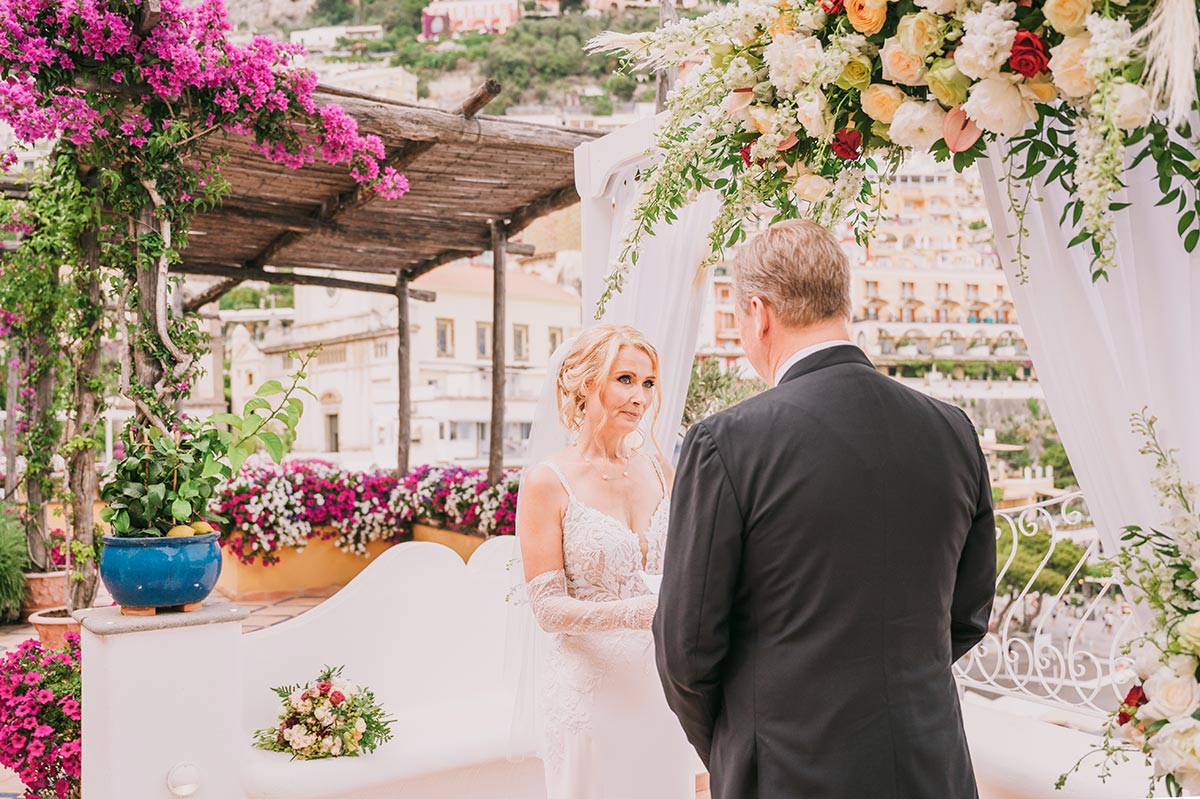
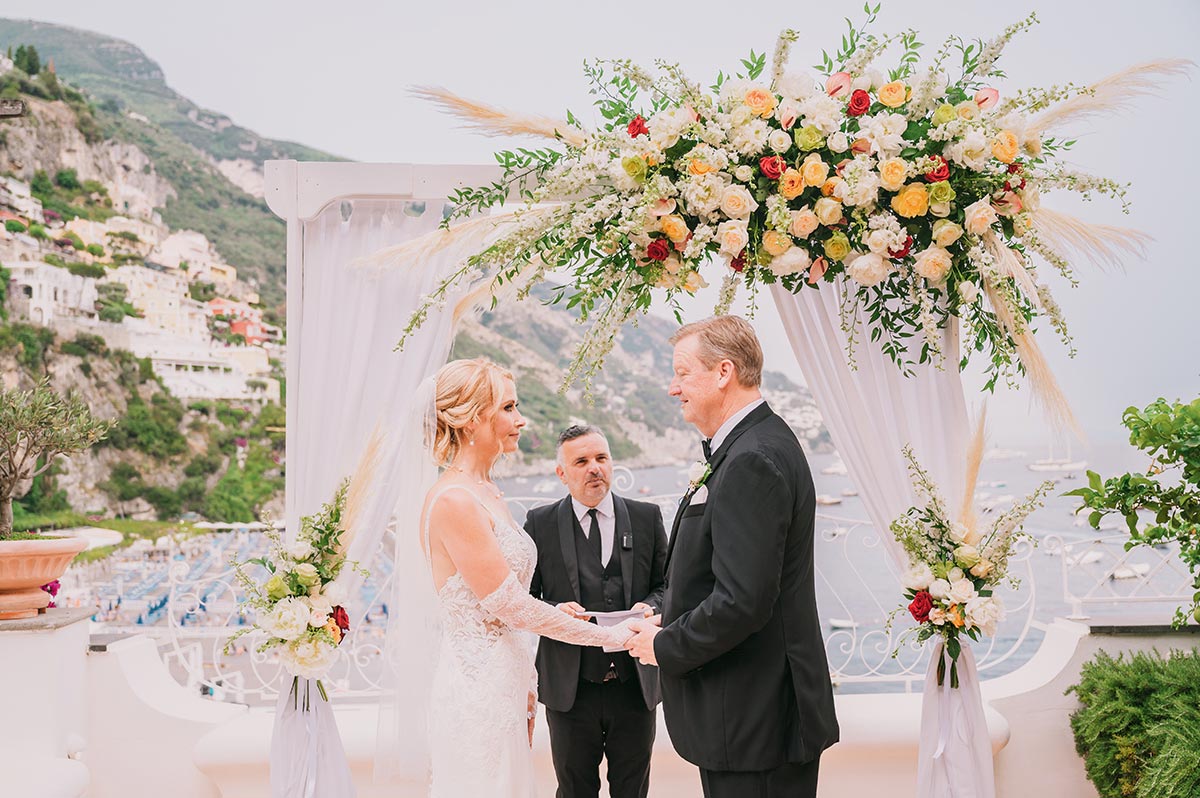
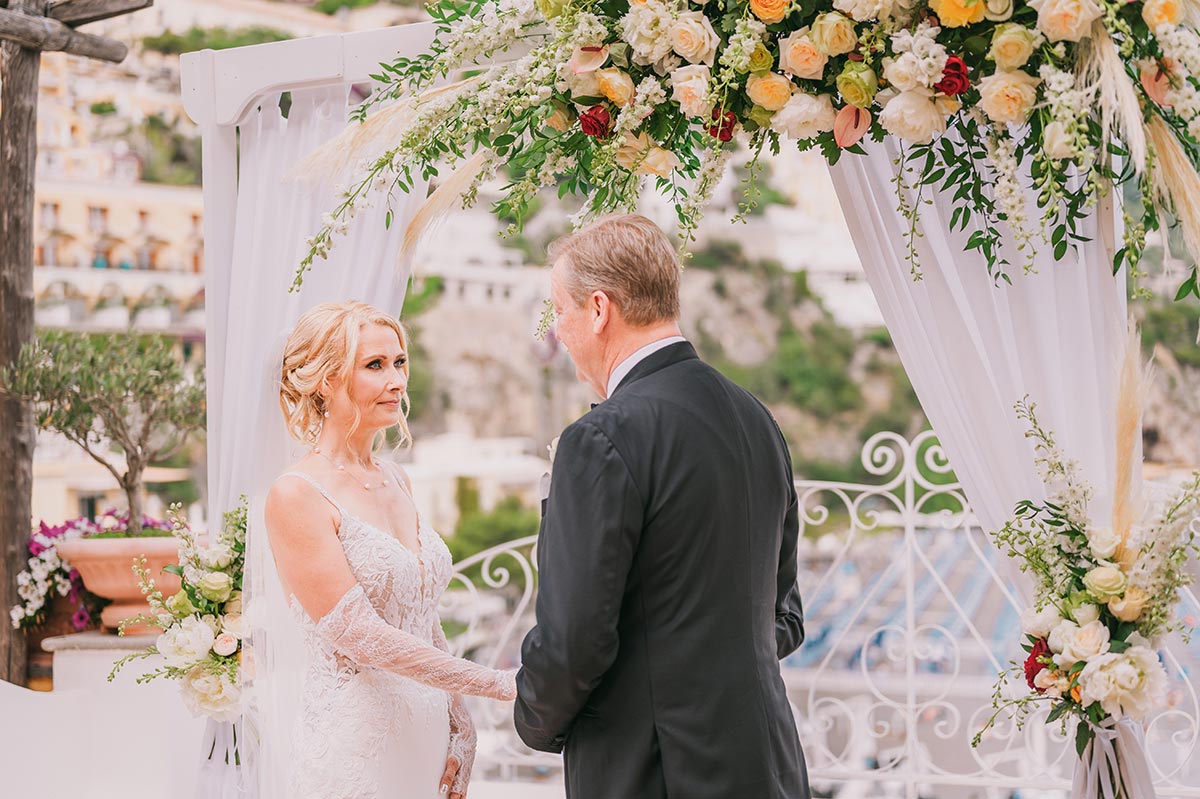
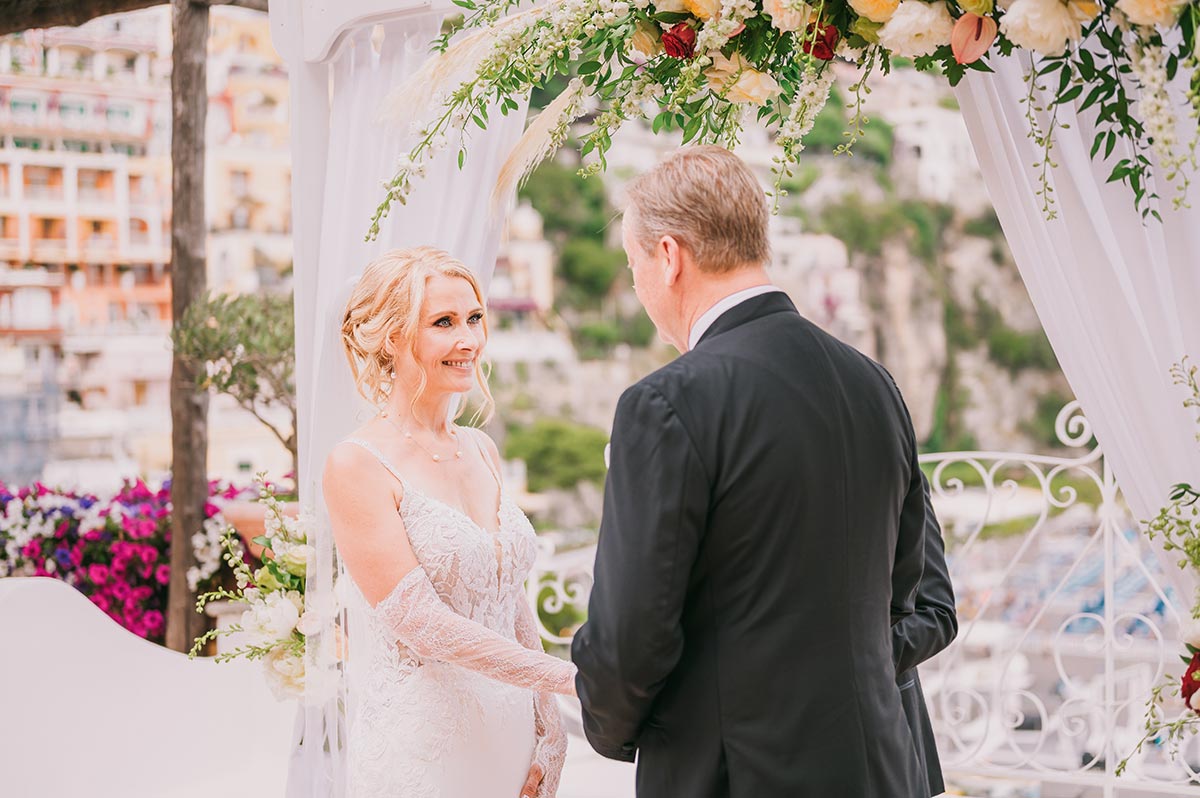
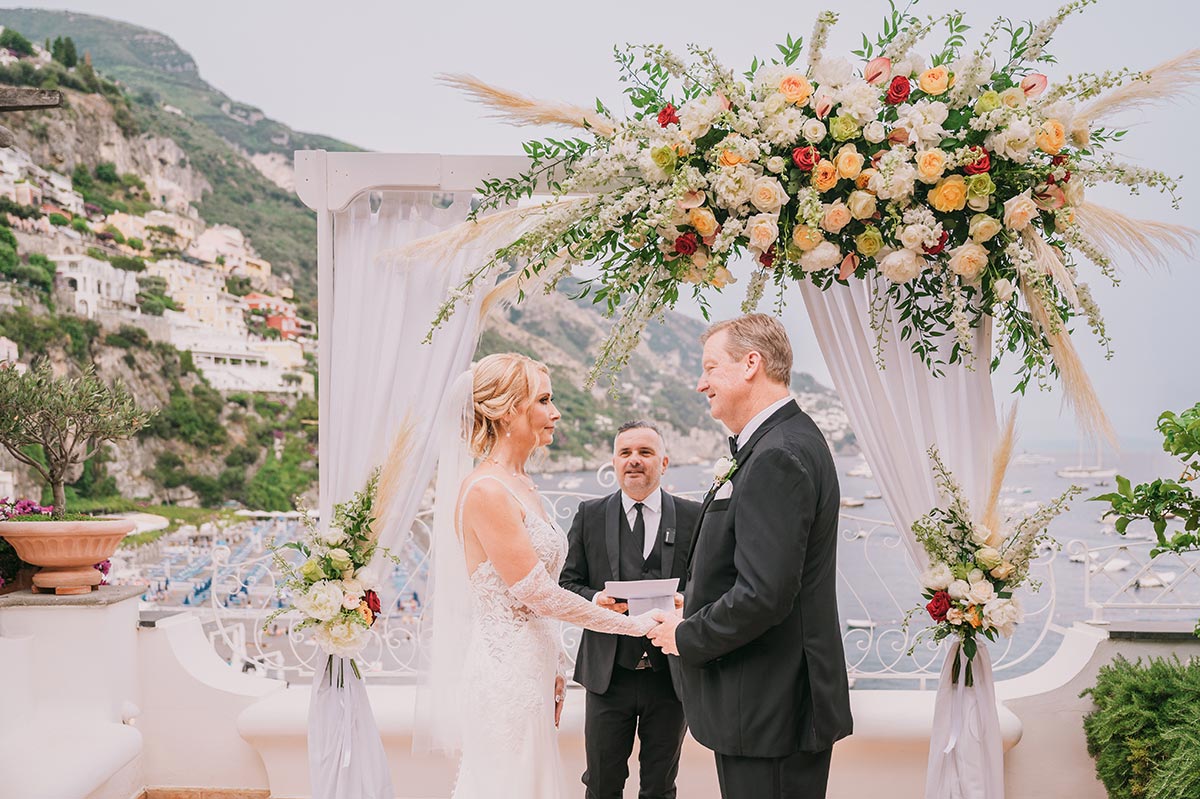
- Charming Settings: Each corner of the venue boasts unique charm, from its cozy bridal suite to the romantic terraces overlooking the sea. It feels like each space whispers a love song, inviting couples to get lost in their moment.
- Personalized Experience: With its boutique nature, Covo dei Saraceni offers bespoke wedding packages that allow you to craft your dream ceremony without feeling overwhelmed. Say goodbye to stress and hello to creating cherished memories.
- Intimate Guest Count: The venue comfortably accommodates small gatherings, ensuring that every guest is part of an unforgettable experience. Less is truly more when surrounded by loved ones who genuinely cherish your union.
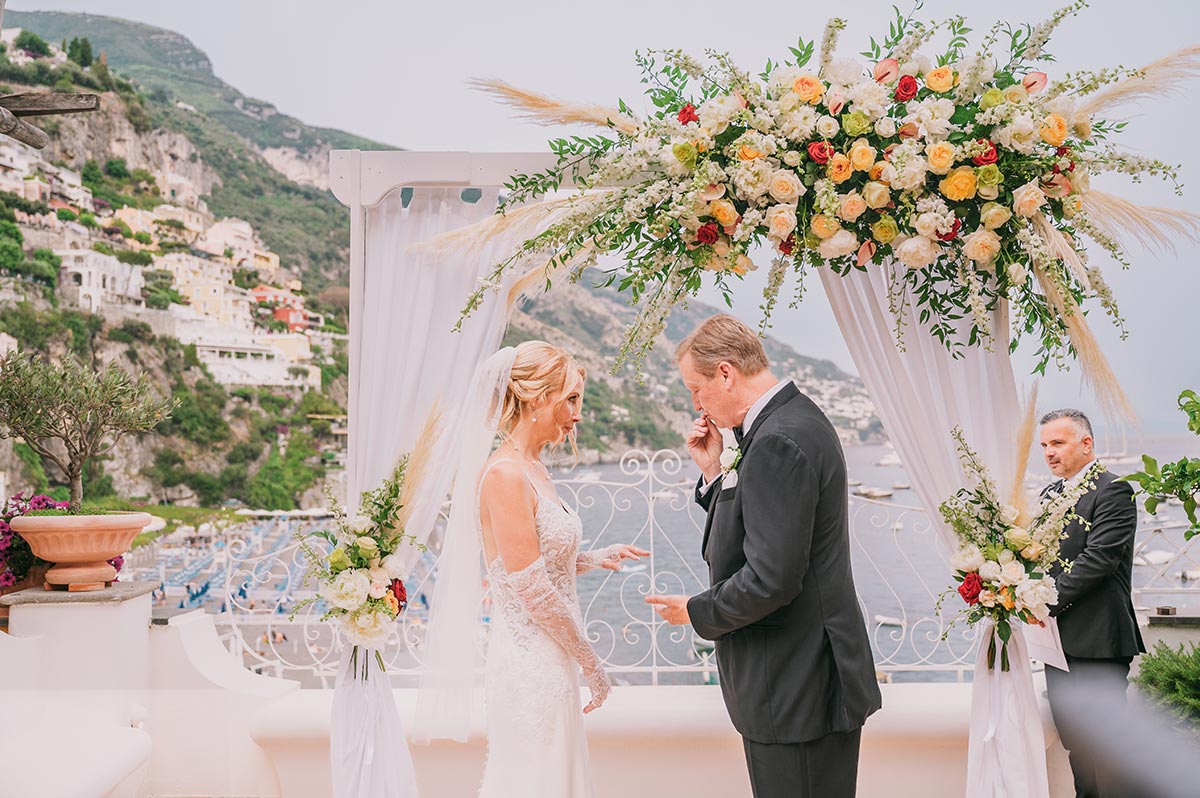

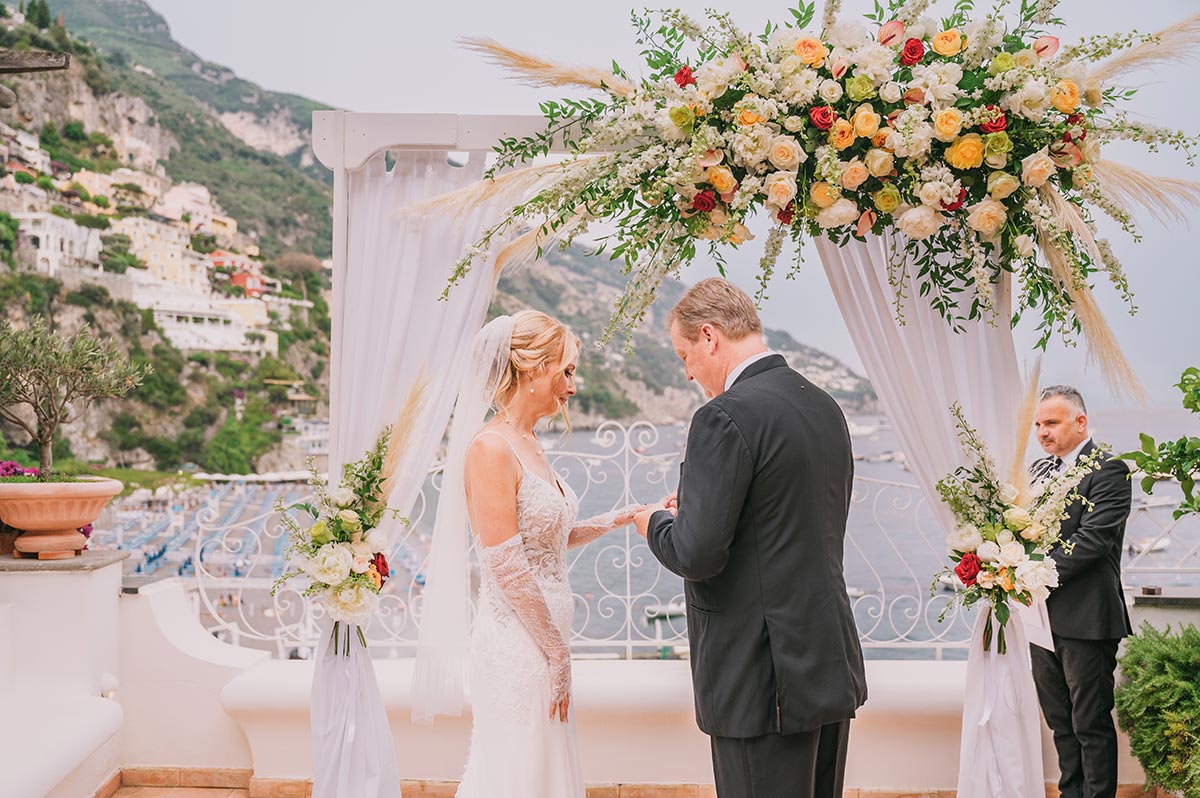
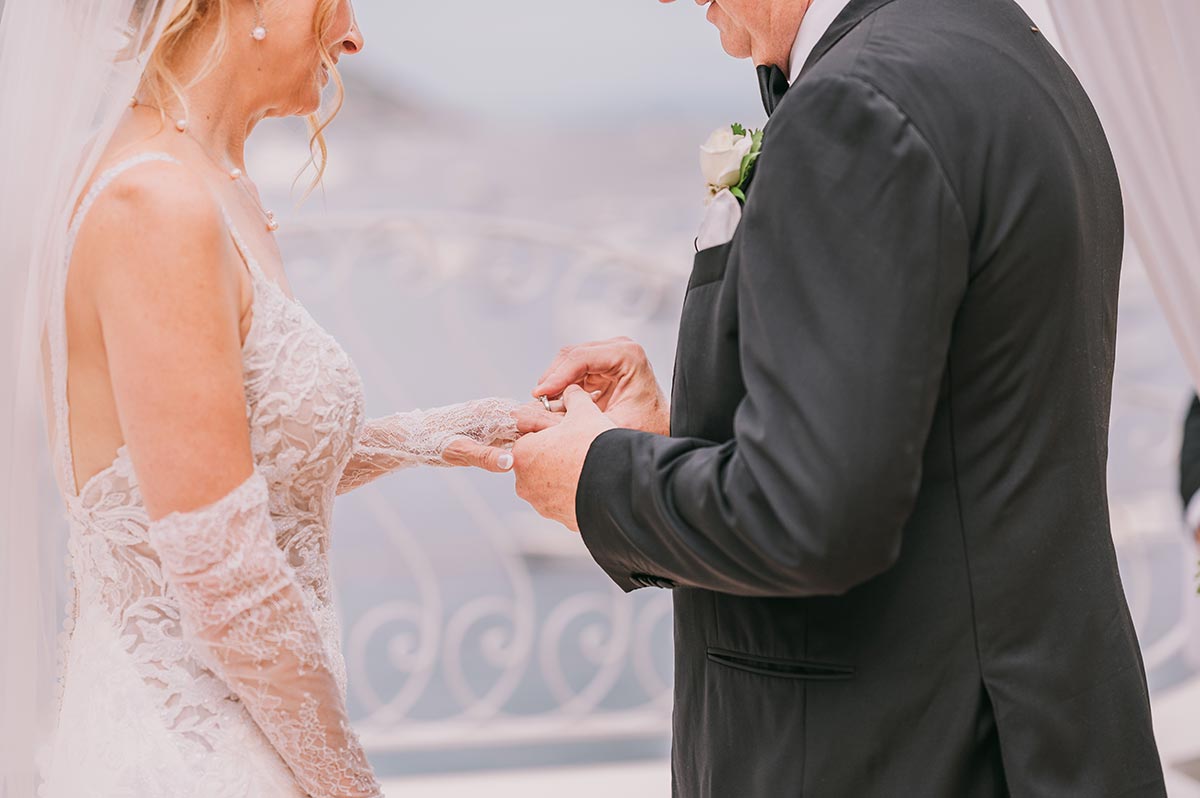
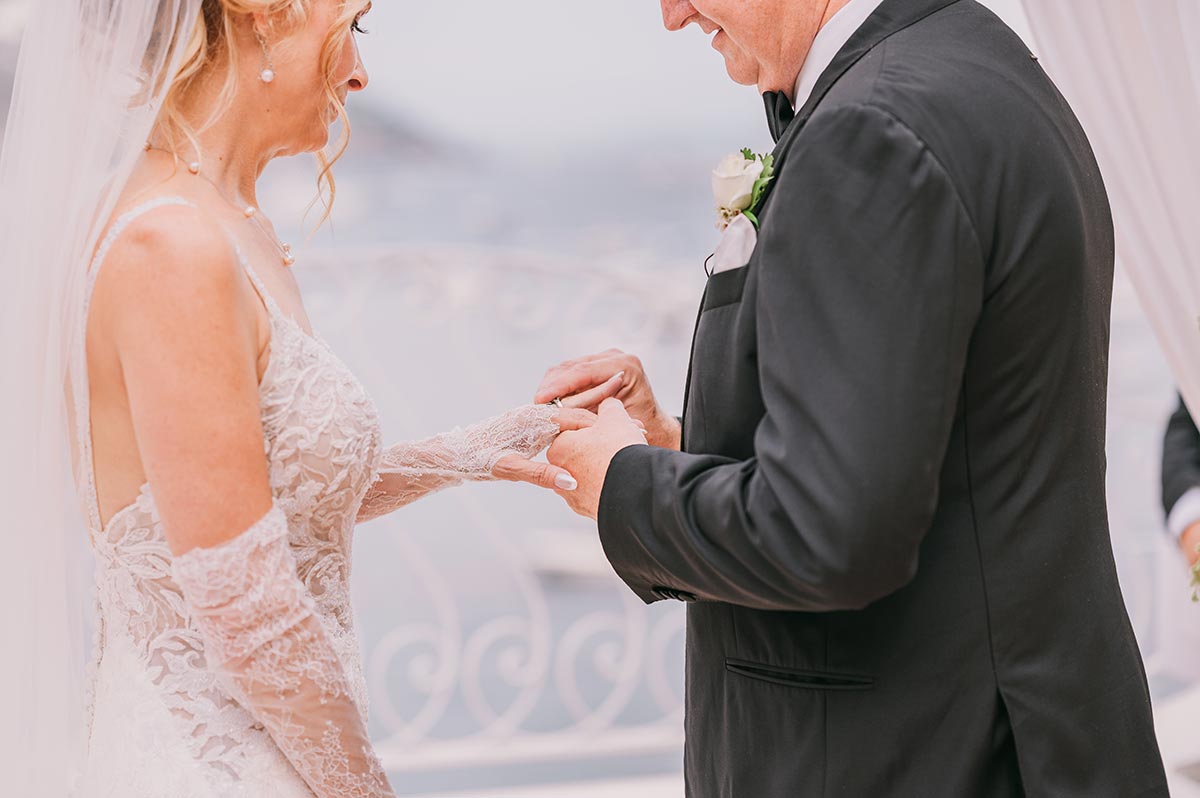
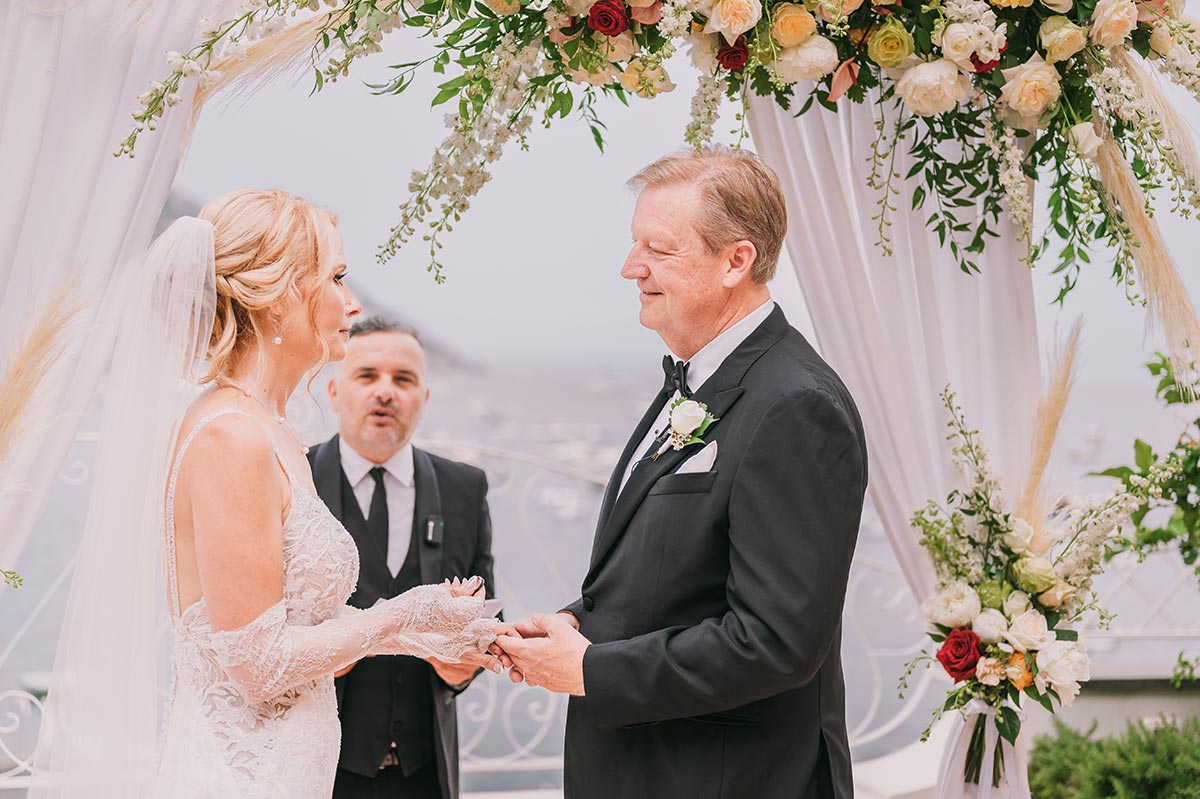
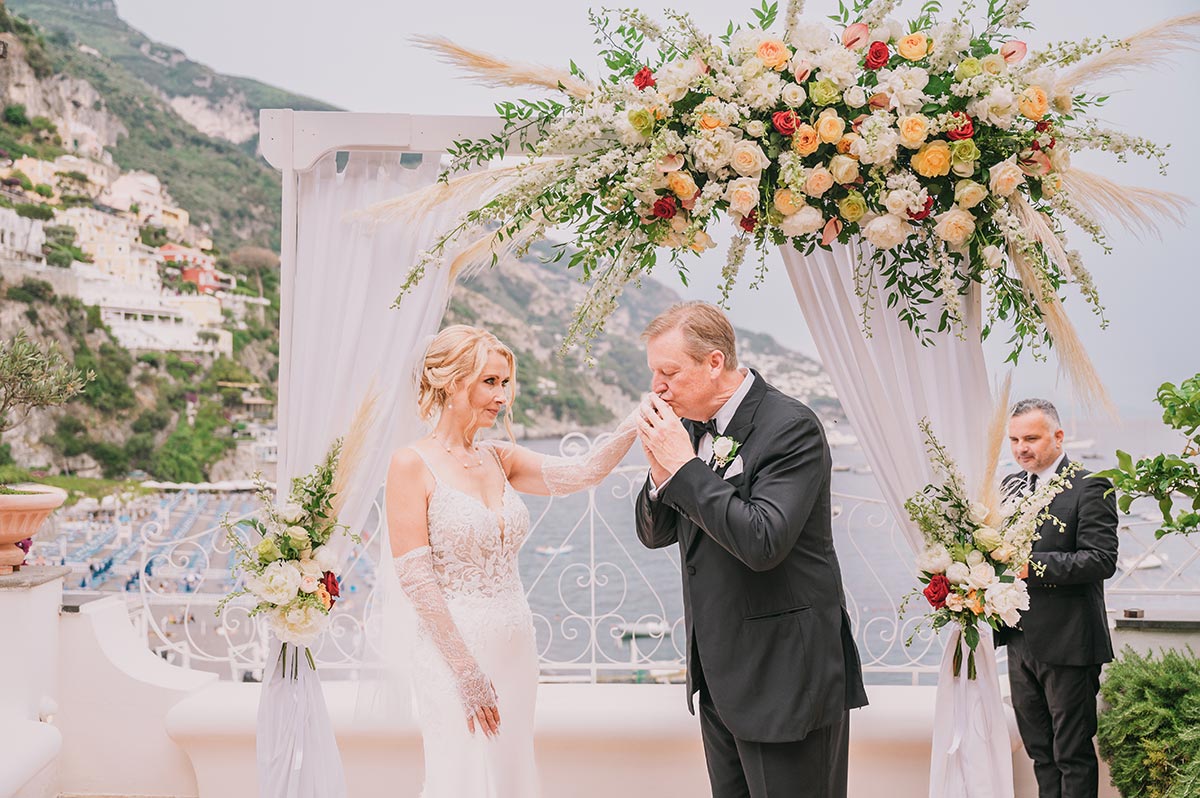
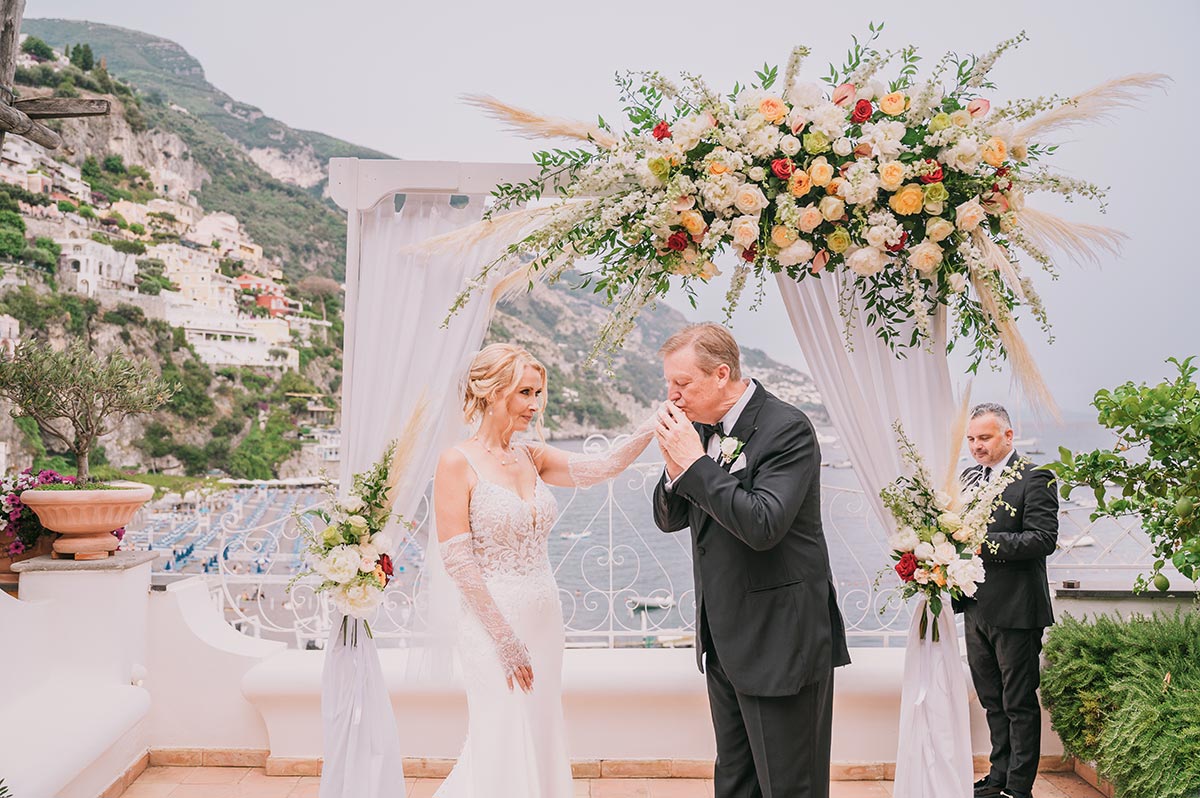
“Getting married at Covo dei Saraceni felt like stepping into a fairy tale. We were able to focus on each other without distractions.” – A couple reflecting on their elopement experience at Covo dei Saraceni.
The serene environment also allows for deeper connections, not just between couples but among friends and family members as well. Imagine sharing heartfelt conversations as you savor exquisite local cuisine or clinking glasses under a sunset sky painted in hues of gold and pink; it’s these moments that linger in our hearts long after the celebrations have ended.
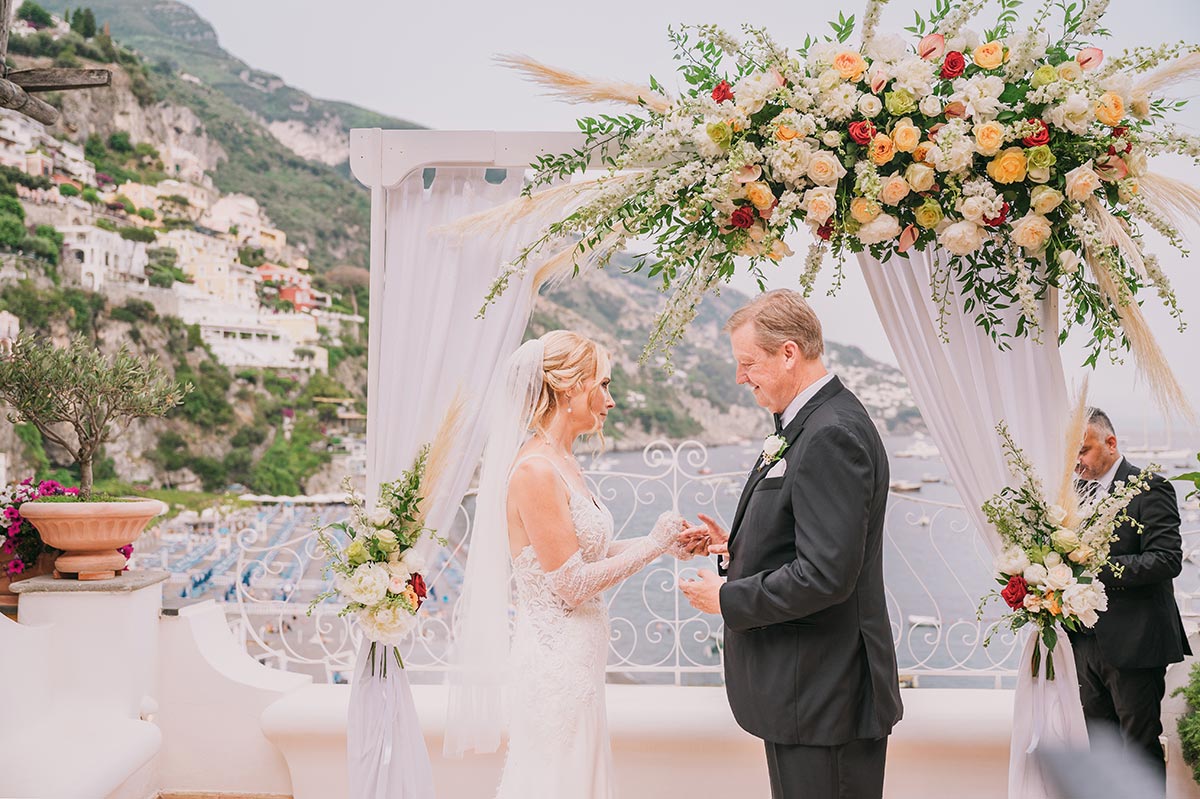
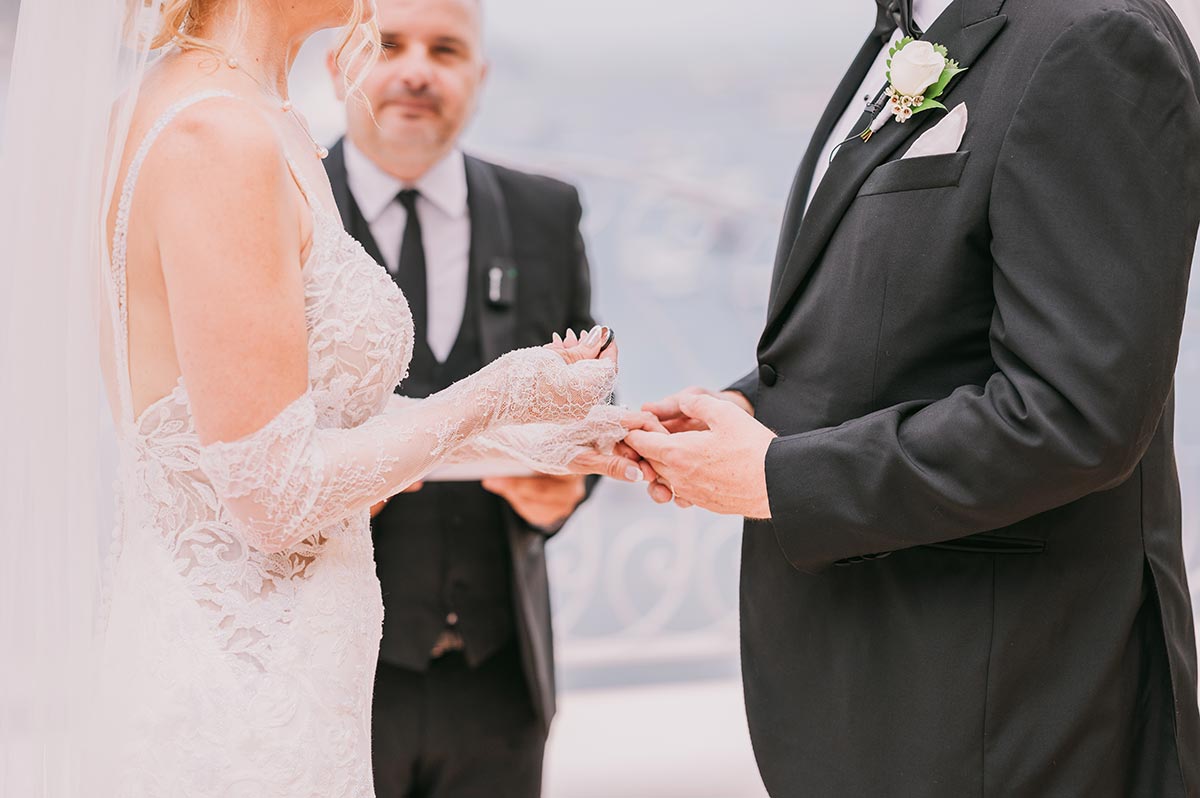
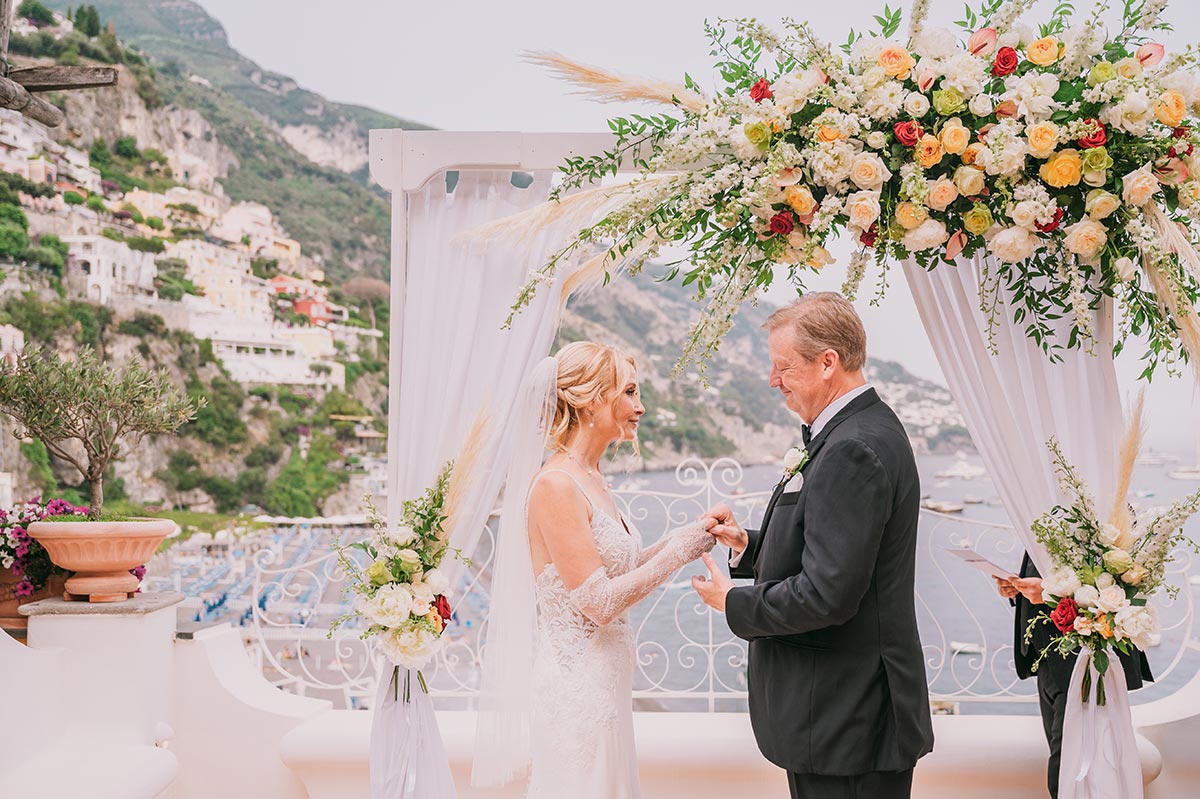
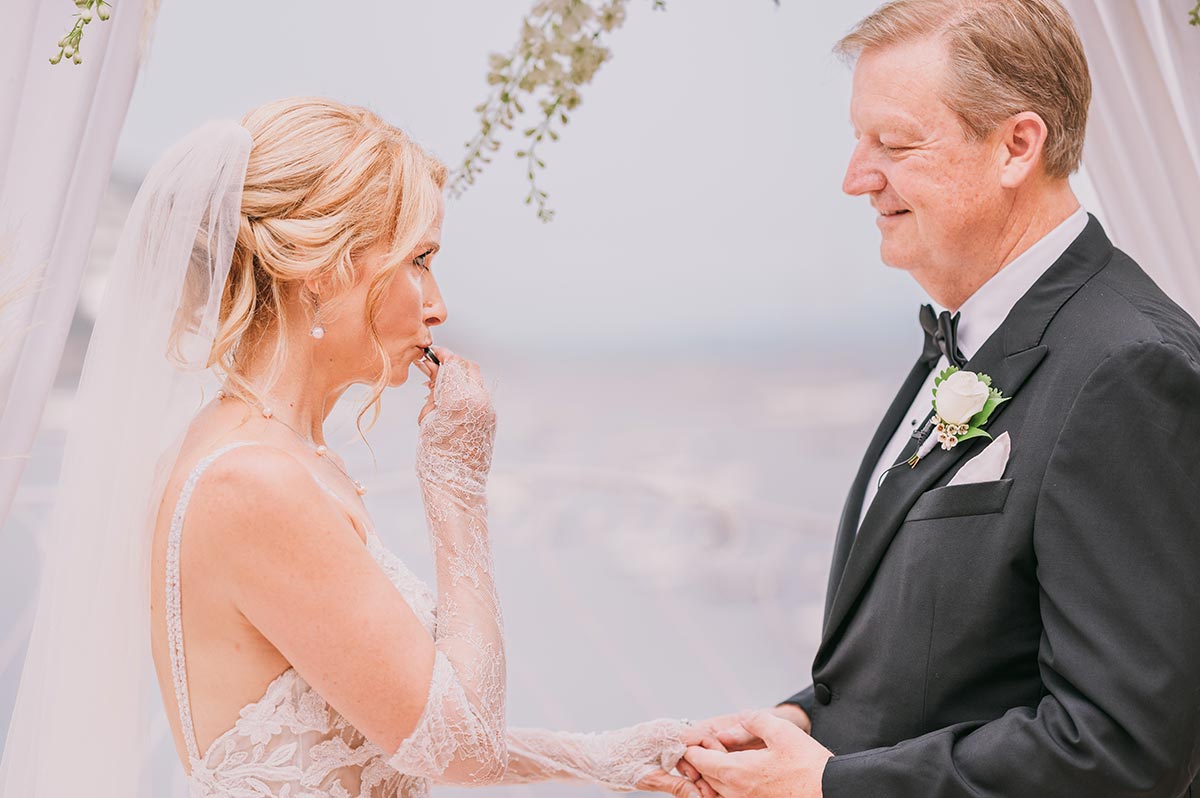
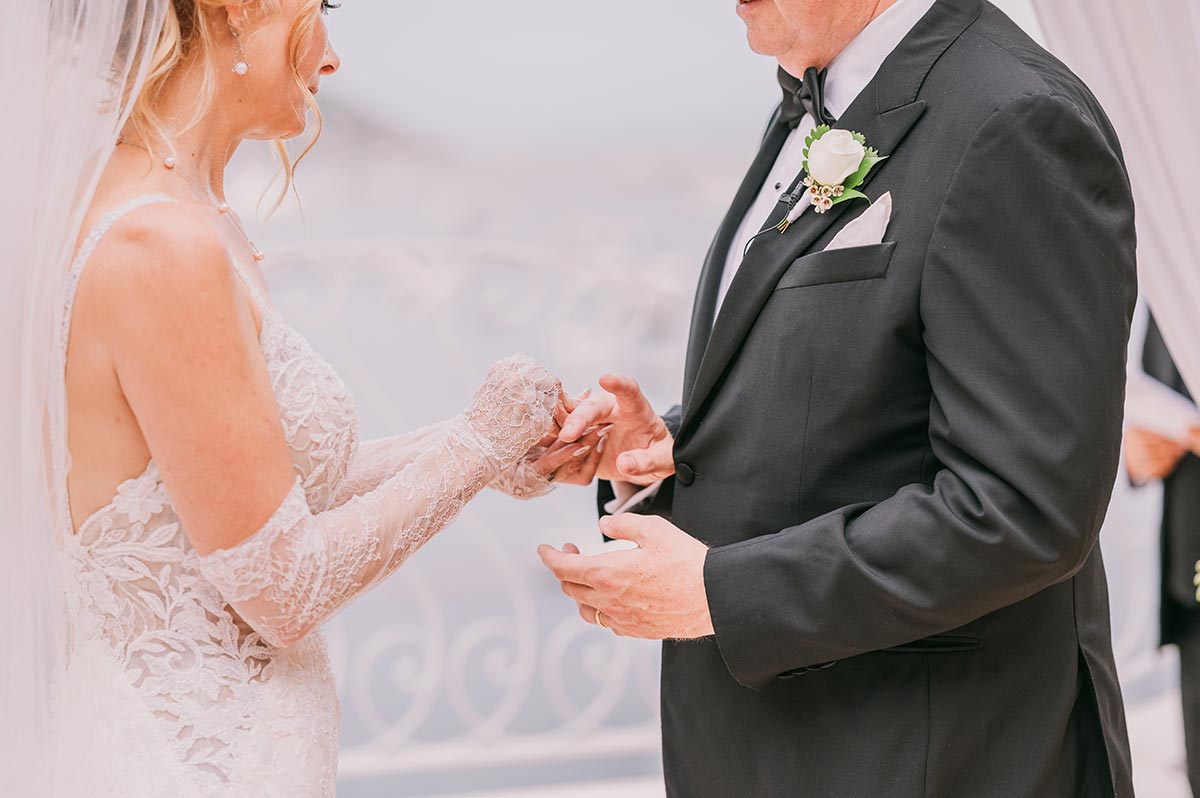

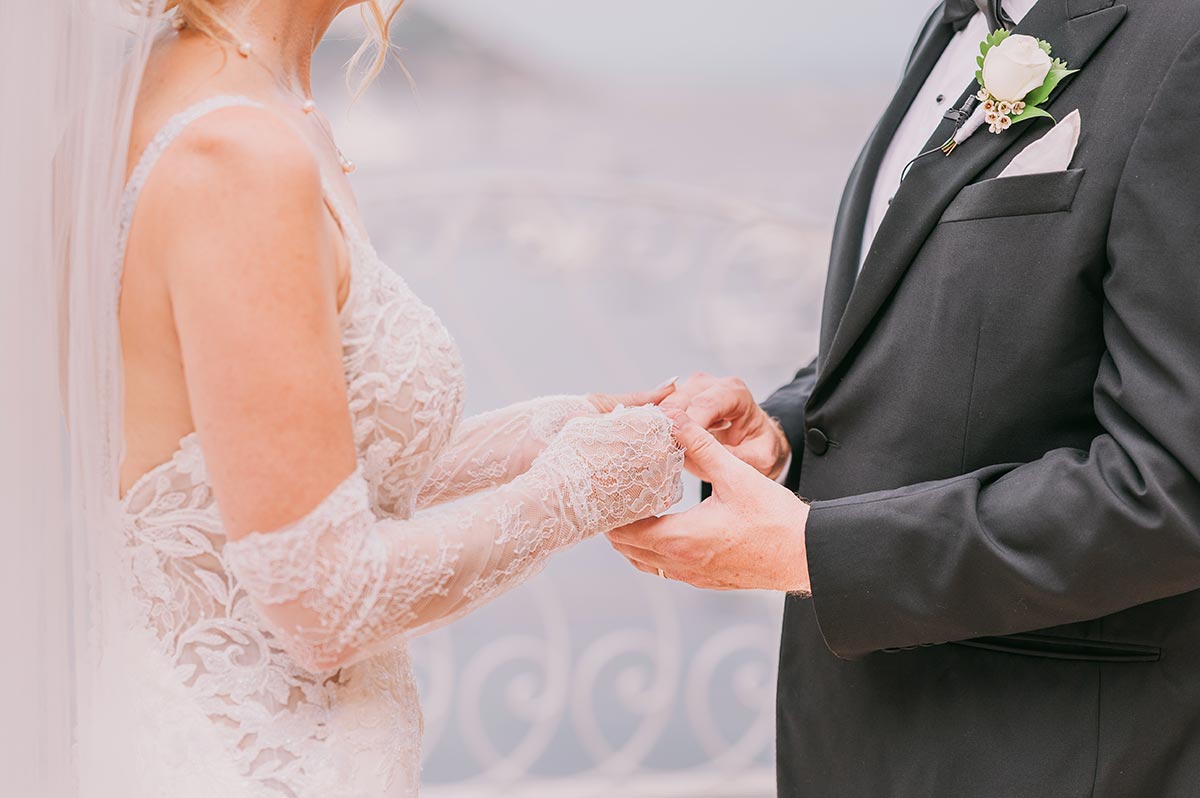
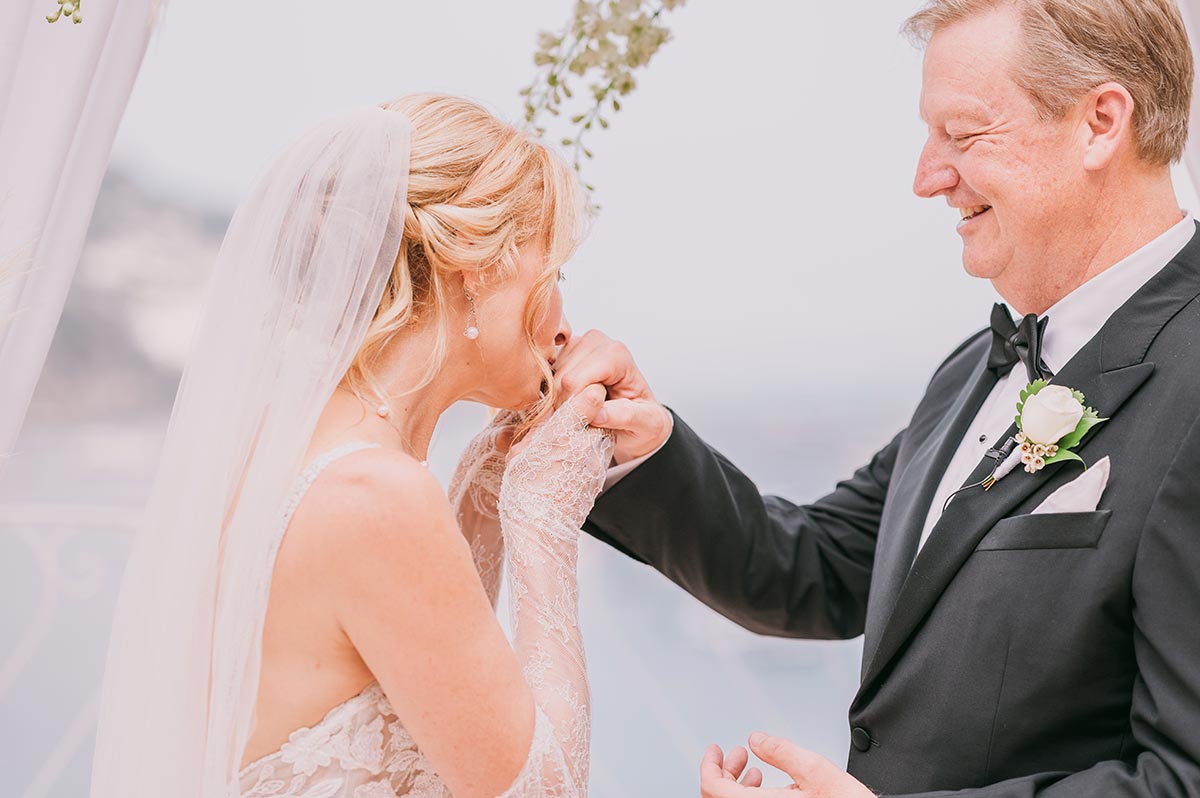
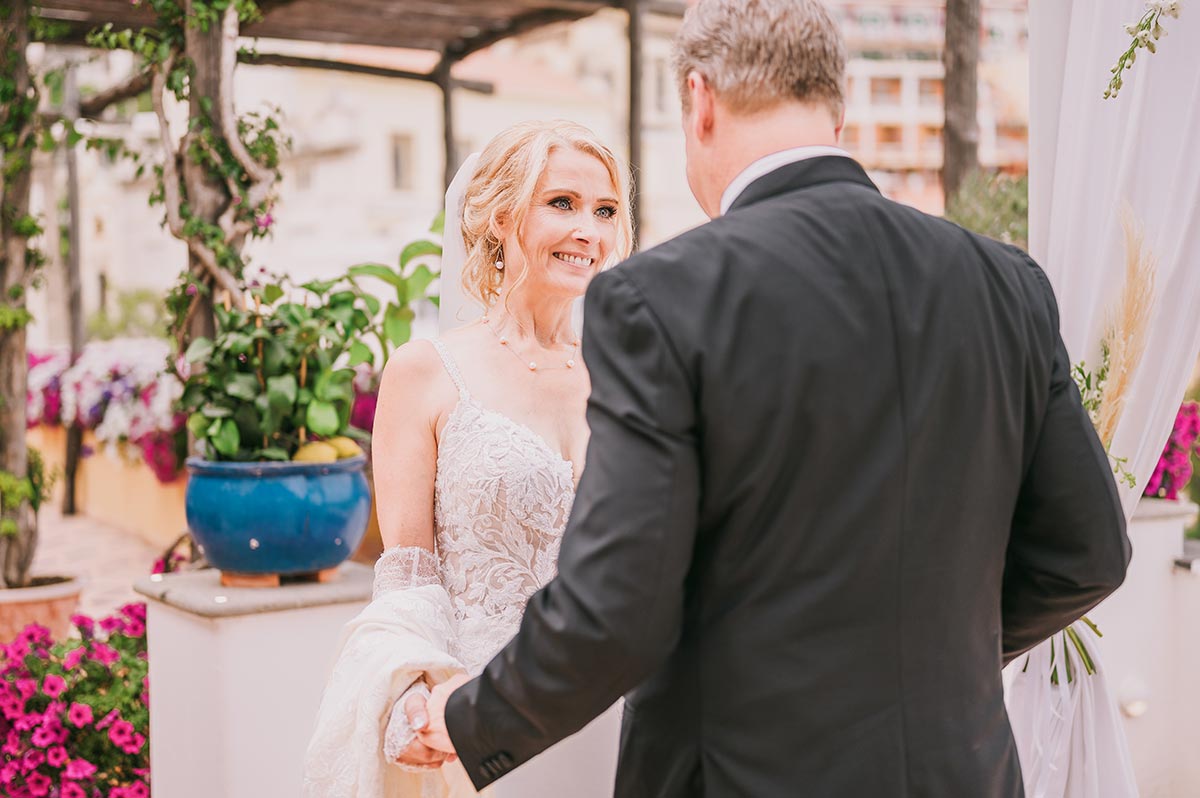
Additionally, this intimate atmosphere encourages vulnerability, perfect for capturing those candid moments through my lens. When couples feel relaxed and connected to their surroundings, genuine emotions surface; those fleeting snapshots become treasures that tell your unique story forever. Trust me when I say there’s nothing quite like capturing spontaneous laughter or tender glances shared amidst such beauty!
If you’re seeking an unforgettable experience for your Positano marriage ceremony, I wholeheartedly recommend considering Covo dei Saraceni as your destination. It promises not only picturesque scenery but also a cozy atmosphere where love thrives, making every moment feel like pure magic! After all, who wouldn’t want to say “I do” surrounded by such breathtaking beauty?

Culinary Excellence in Positano
Culinary excellence in Positano is another compelling reason why couples choose Covo dei Saraceni for their elopement. As a wedding photographer in Positano who has had the pleasure of capturing countless celebrations at this beautiful venue, I can attest that the dining experience here is nothing short of extraordinary. Picture this: after exchanging your vows against the backdrop of stunning cliffs and azure waters, you and your loved ones gather around a beautifully set table to indulge in a feast that embodies the flavors of Italy. Here are some highlights that make Covo dei Saraceni a gastronomic delight for couples planning their intimate ceremony:

- Fresh Local Ingredients: The culinary team at Covo dei Saraceni prides itself on using only the freshest ingredients sourced from local markets. This not only supports local farmers but also ensures that every dish bursts with flavor and authenticity, mirroring the vibrant culture of Positano.
- Exquisite Menus: Couples have the option to customize their dining experience with tailored menus reflecting their tastes and preferences. Whether you prefer traditional Italian fare, seafood delicacies, or gourmet vegetarian options, there’s something to satisfy every palate.
- Romantic Dining Settings: Imagine savoring a candlelit dinner on a terrace overlooking the sea, with soft music playing in the background as you toast to your new life together. The ambiance enhances not just your meal but also fosters connection and intimacy, perfect for those special moments you’ll want to remember forever.
With each course thoughtfully crafted by expert chefs, dining at Covo dei Saraceni becomes an experience that complements your celebration rather than just being an afterthought. From mouthwatering antipasti to delectable desserts, every meal transforms into an event in itself, recognizing that good food is essential for bringing people together.
Covo dei Saraceni also offers exclusive elopement packages that include culinary options tailored specifically for intimate ceremonies. So whether you’re enjoying a simple yet delightful brunch after a sunrise elopement or indulging in an extravagant multi-course dinner under twinkling stars, rest assured your gastronomic desires will be exquisitely fulfilled.

In conclusion, when choosing Covo dei Saraceni for your Positano elopement, you’re not just picking a venue; you’re curating an entire experience rich in romance and flavor. Trust me when I say that memories made over shared meals linger long after the last bite is taken, making this venue a perfect choice for those looking to celebrate love amidst culinary artistry!
Luxurious Accommodations in Hotel for your elopement experience
When you choose Covo dei Saraceni for your elopement in Positano, one of the standout features is the luxurious accommodation that awaits you. Imagine waking up in a beautifully designed bridal suite that overlooks the stunning Mediterranean Sea, the soft waves serenading you into a blissful state. This venue is not just a place to stay; it’s an integral part of your elopement experience, setting the tone for romance and intimacy from the very start. Here are some reasons why the accommodations at Covo dei Saraceni are simply unparalleled:
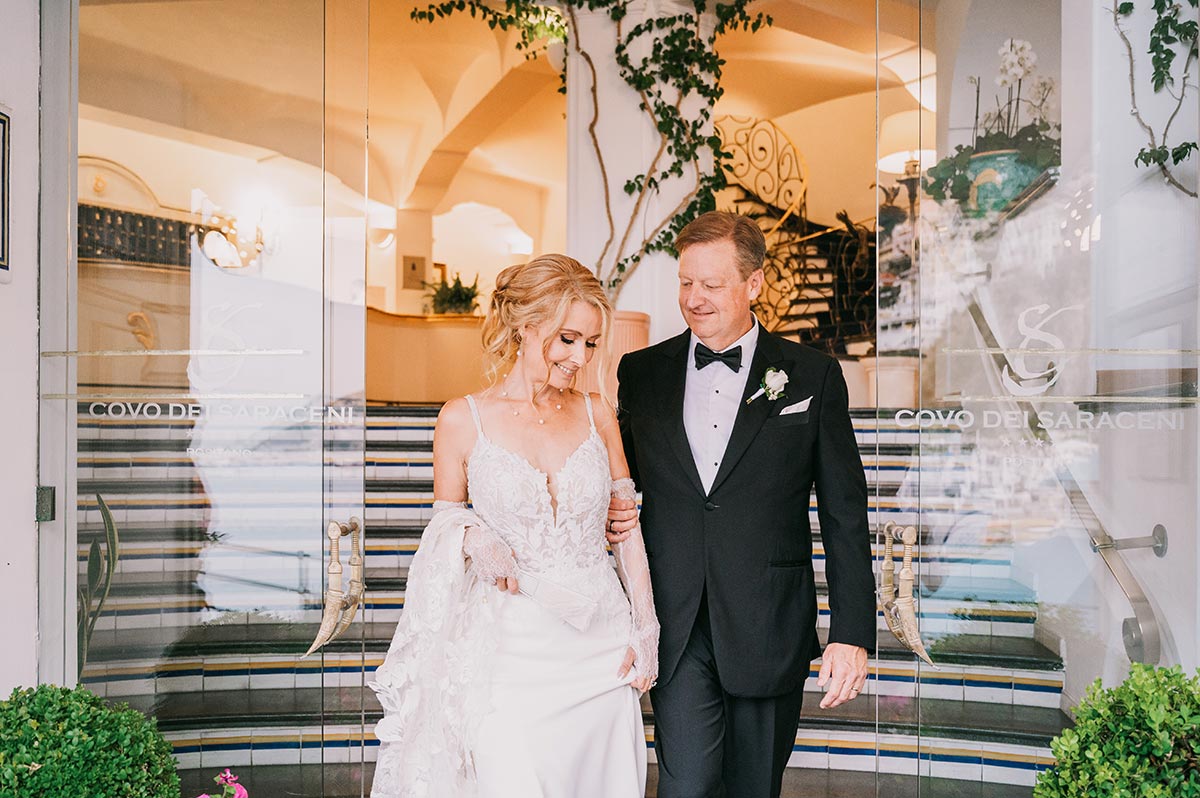
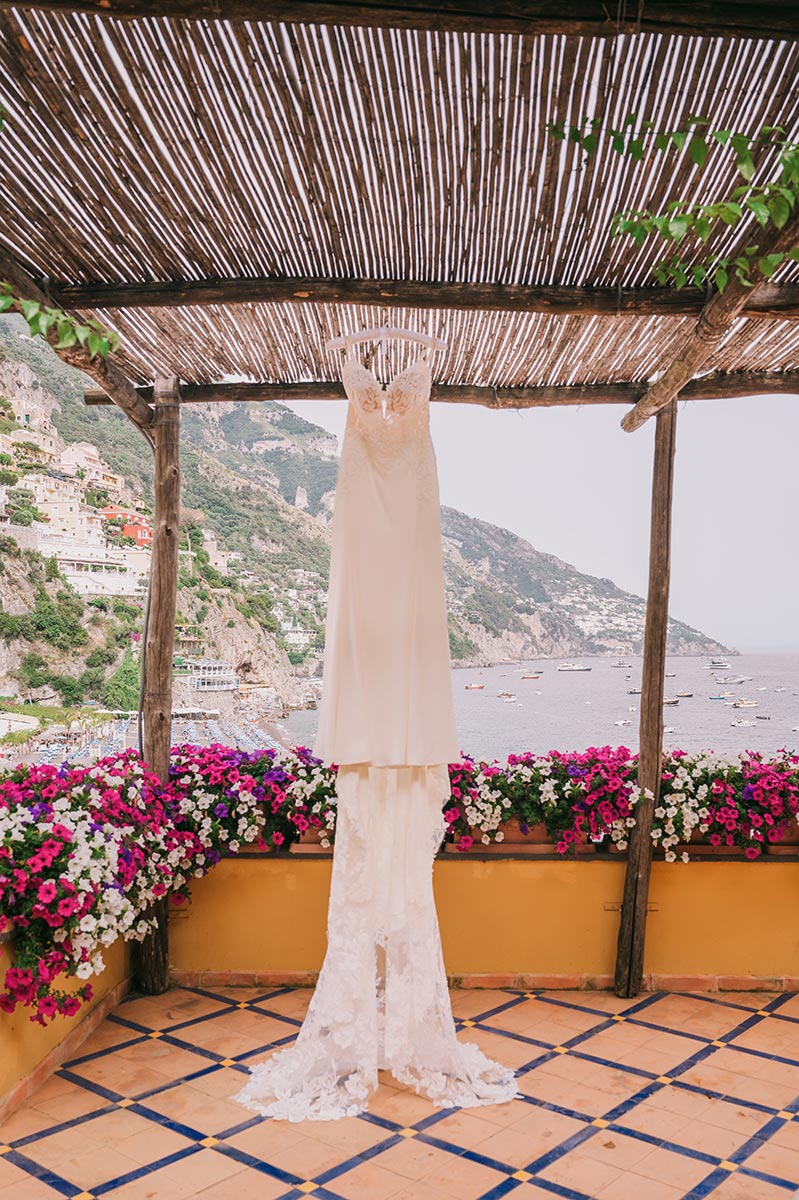
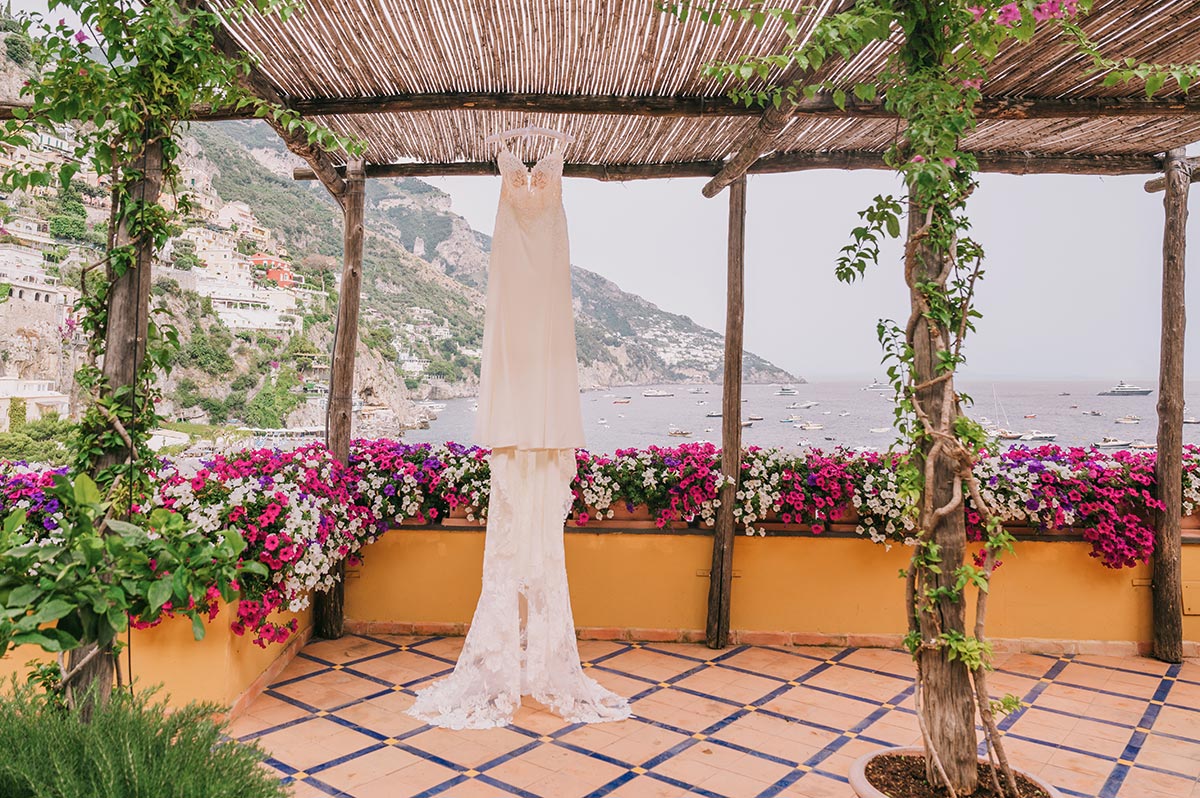
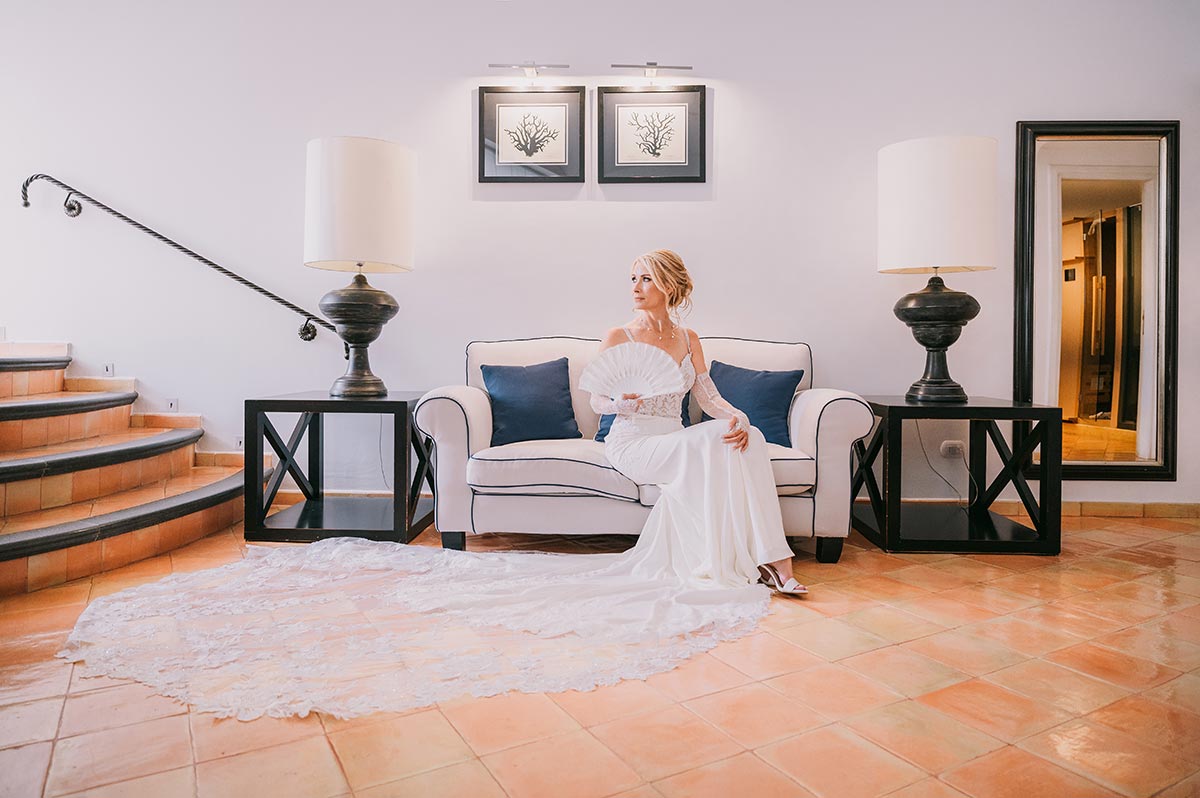
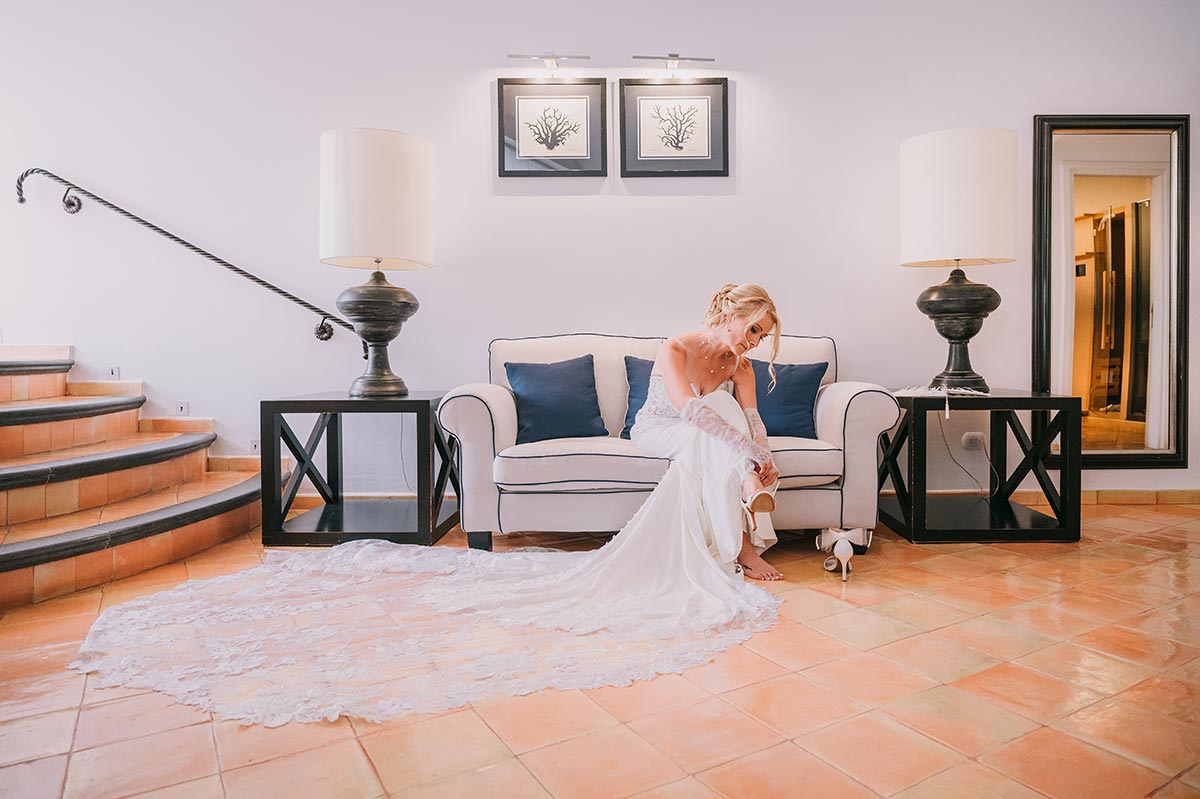
- Elegant Bridal Suite: The bridal suite at Covo dei Saraceni is a sanctuary of comfort and style, adorned with tasteful decor that reflects the charm of Positano. It offers ample space for you and your bridal party to prepare for your big day, complete with stunning views that make getting ready feel like an event in itself.
- Seaside Relaxation: After the excitement of your ceremony, retreat to your luxurious room where you can unwind while gazing out at the sparkling sea. The serene ambiance allows couples to savor those precious moments together, reflecting on their vows and soaking in each other’s love.
- Personalized Service: At Covo dei Saraceni, you’ll find that the staff goes above and beyond to cater to your needs, ensuring every detail is perfect. From arranging spa treatments to planning romantic candlelit dinners on your terrace, their dedication to creating a memorable experience is evident.


The luxurious accommodations at this Amalfi Coast wedding venue don’t just enhance comfort; they amplify romance. Picture yourselves enjoying breakfast on your balcony as the sun rises over Positano’s iconic cliffs, there’s nothing quite like it! These moments of tranquility allow couples to reconnect before diving into their celebrations.
Moreover, many rooms offer private terraces equipped with hot tubs or sun loungers, making it easy for you to indulge in blissful relaxation after a day filled with love and laughter. It’s these thoughtful touches that make staying at Covo dei Saraceni feel exclusive and unique, a vital part of crafting a perfect elopement Italy style.
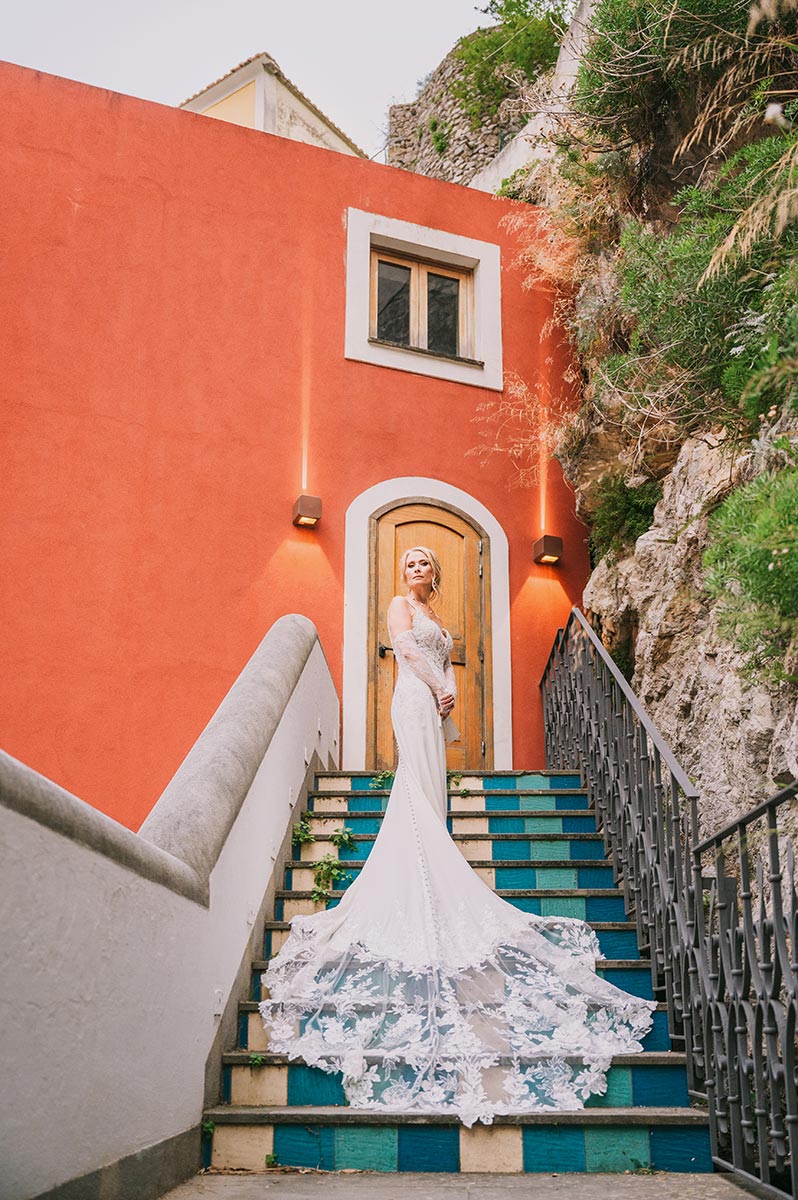
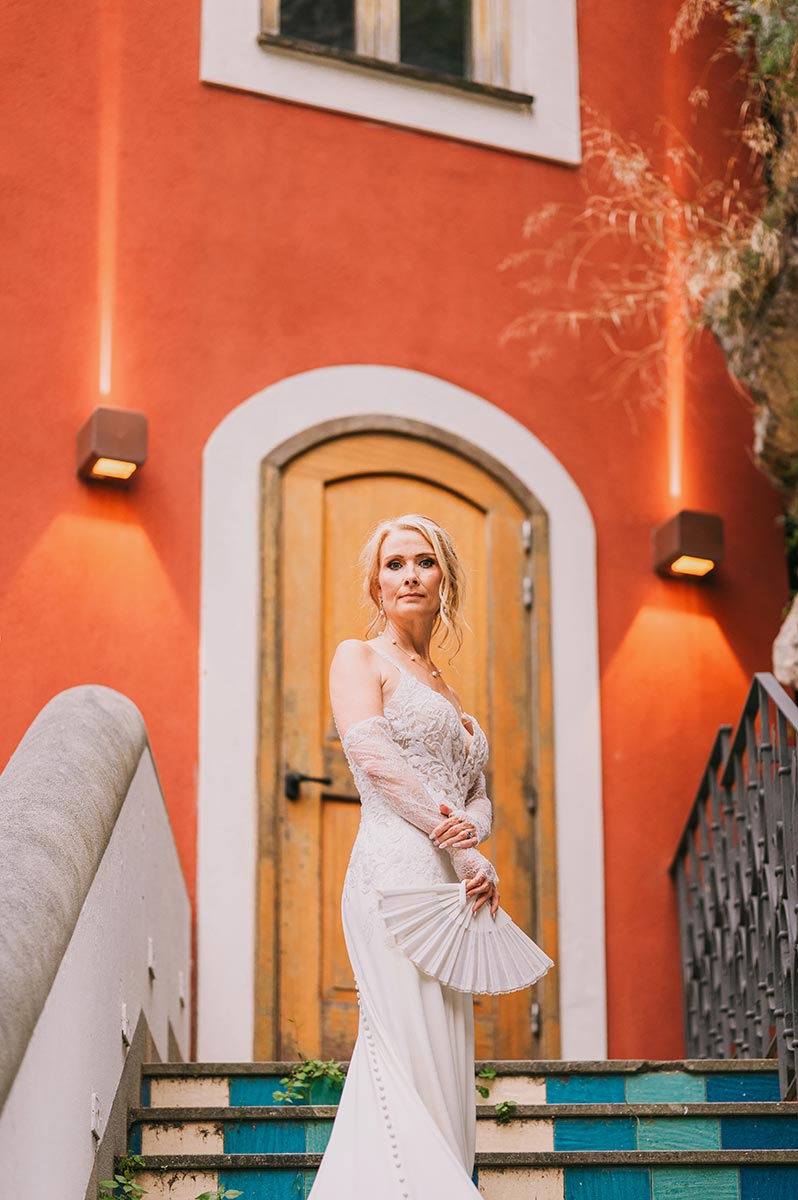
If you’re searching for an unforgettable experience while eloping in southern Italy, I wholeheartedly recommend considering Covo dei Saraceni not just for its breathtaking scenery but also for its luxurious accommodations that truly elevate every aspect of your special day. Trust me; when it comes to marrying the love of your life against such an exquisite backdrop, every moment spent here will be cherished forever!
Expert Wedding Coordination
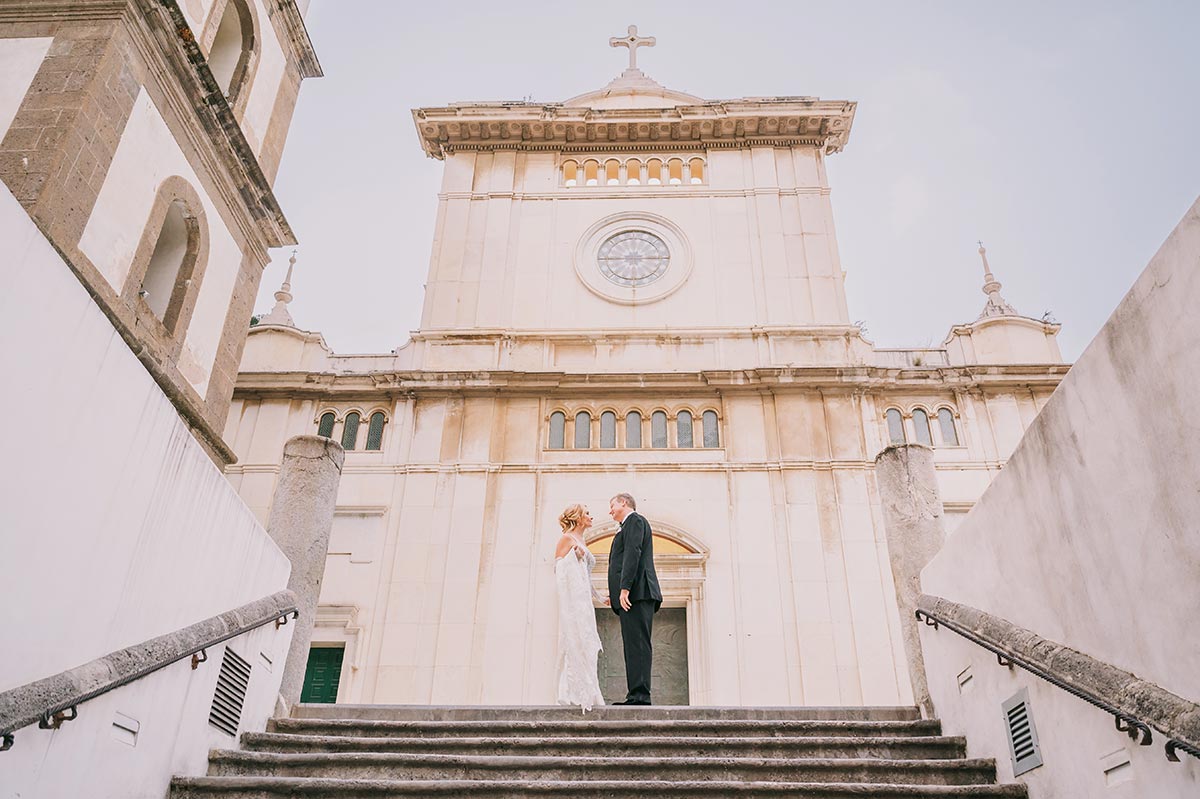
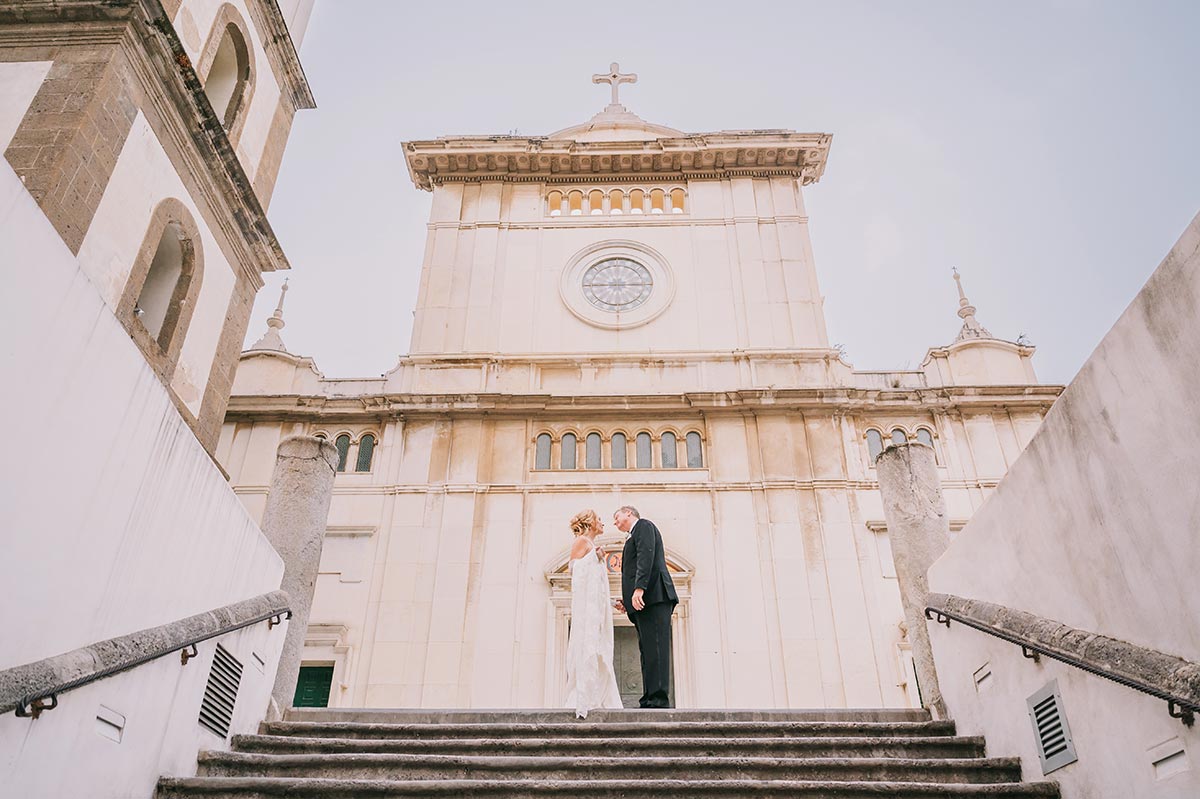
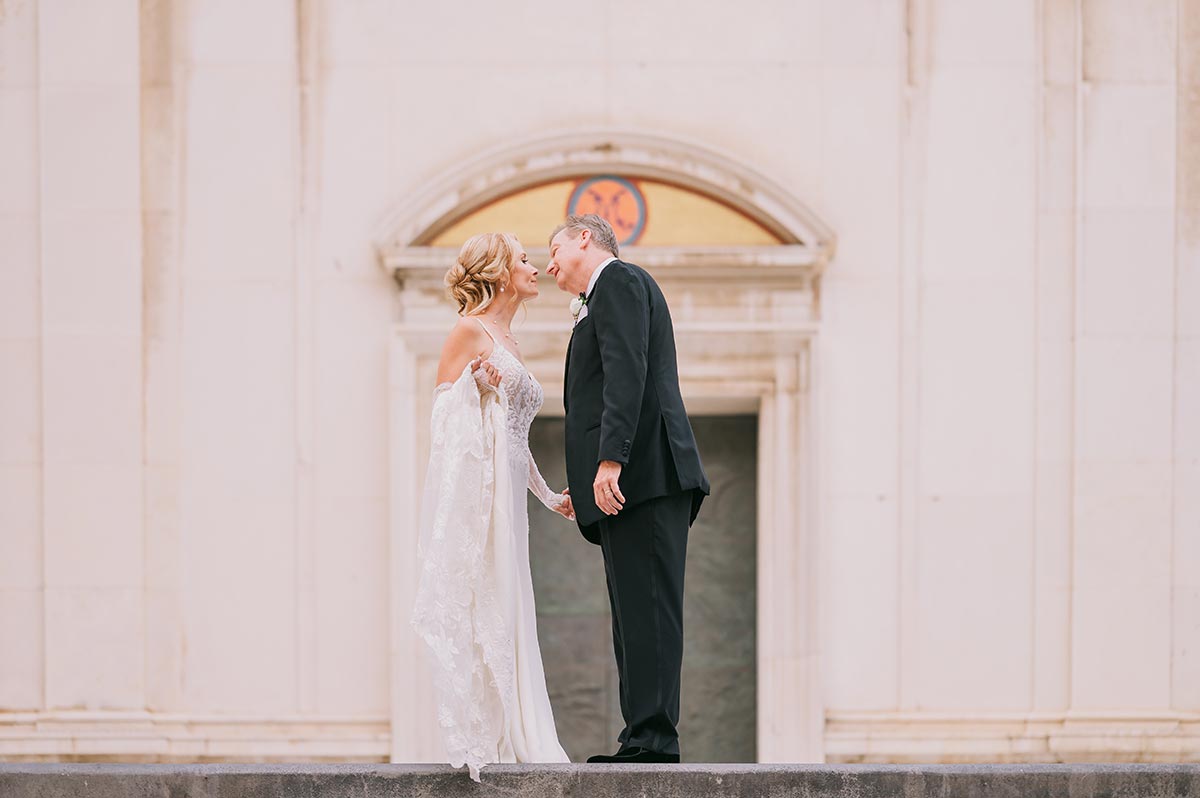
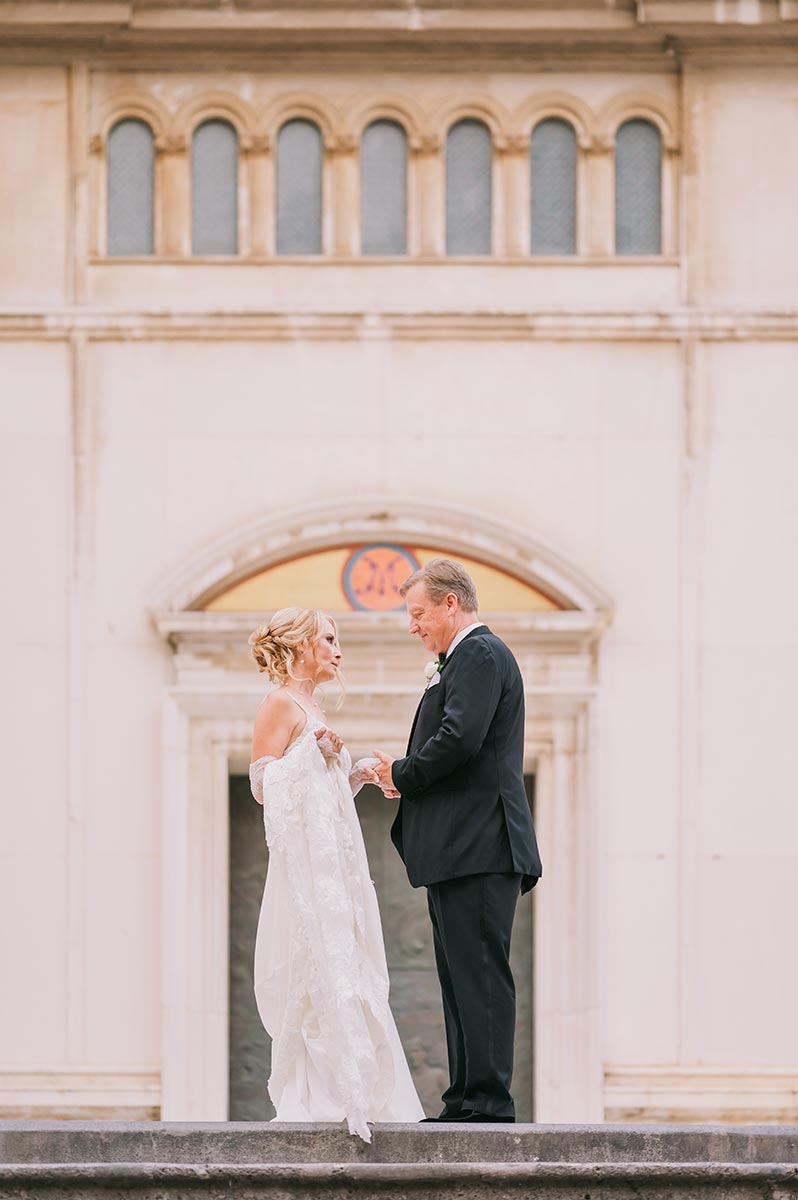
The expert wedding coordination offered at Covo dei Saraceni is another significant reason couples find themselves saying “I do” in this enchanting venue. From the moment you step into their world, you’re greeted with a team of dedicated professionals passionate about making your elopement dreams a reality. Having worked closely with them during various elopements, I can tell you that their attention to detail and personalized approach transform ordinary ceremonies into unforgettable experiences.
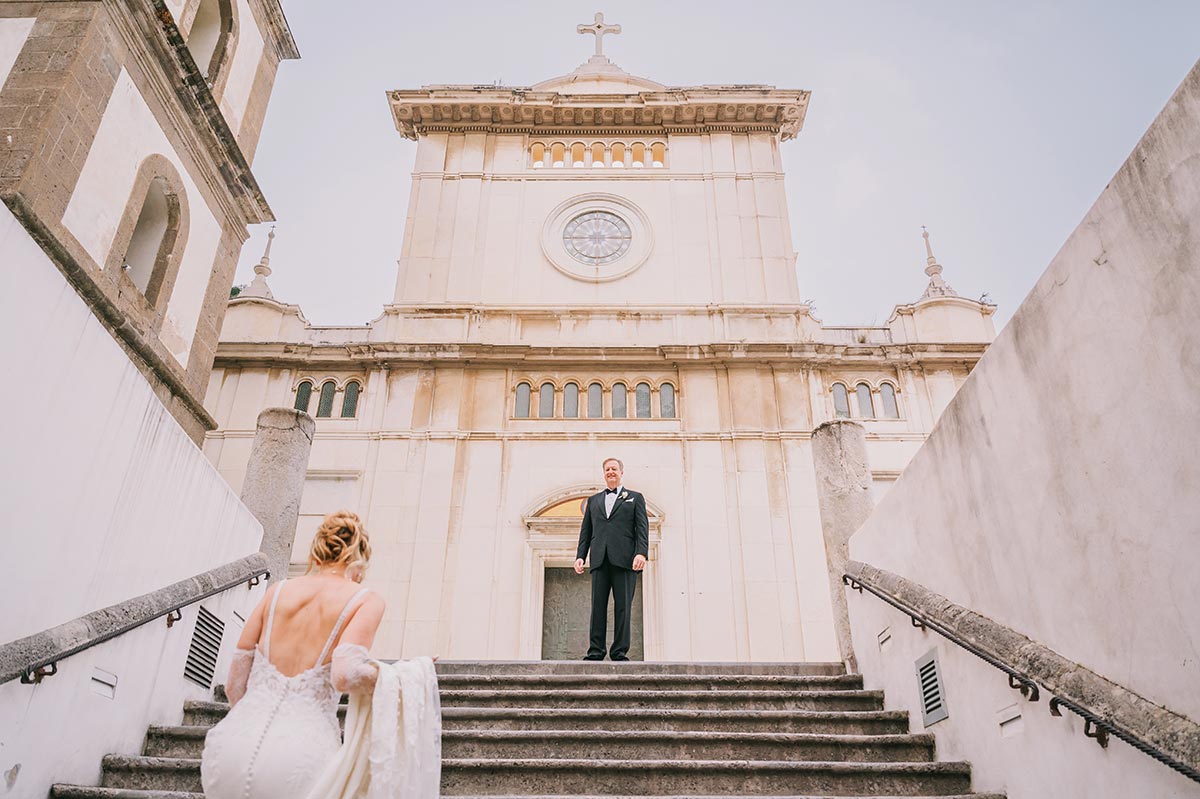
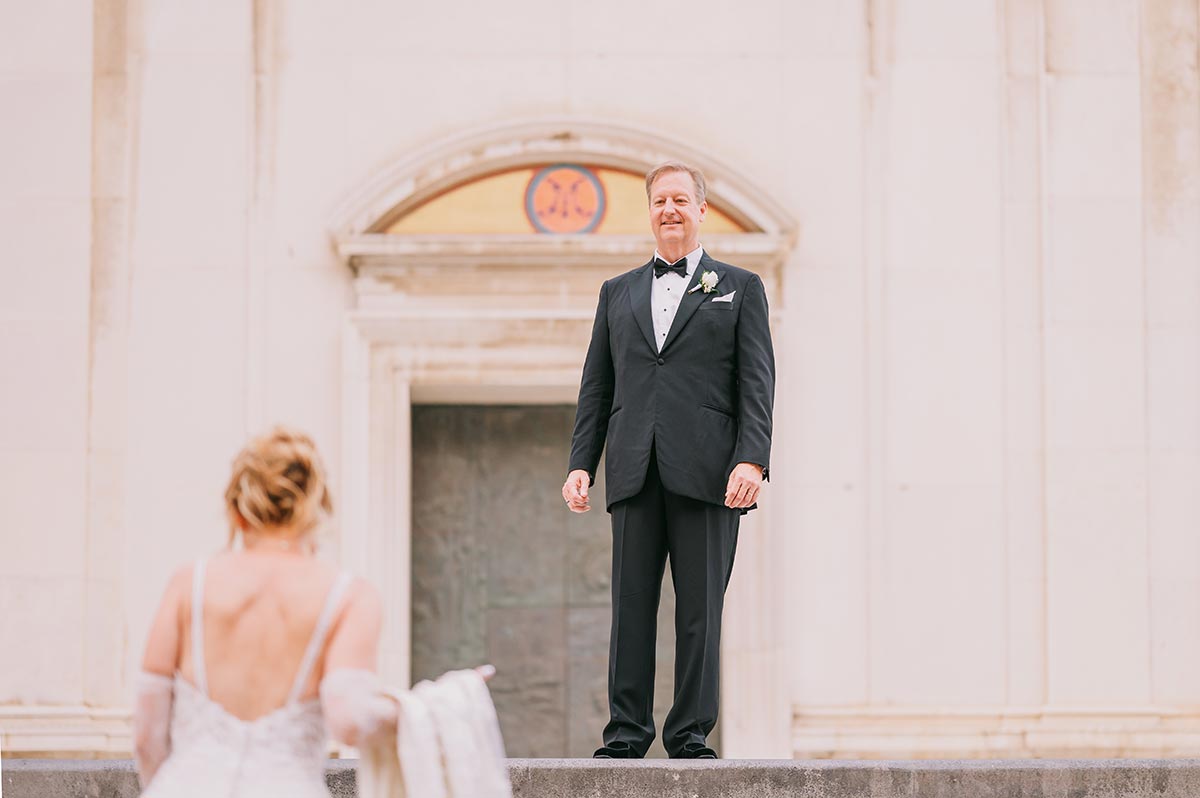
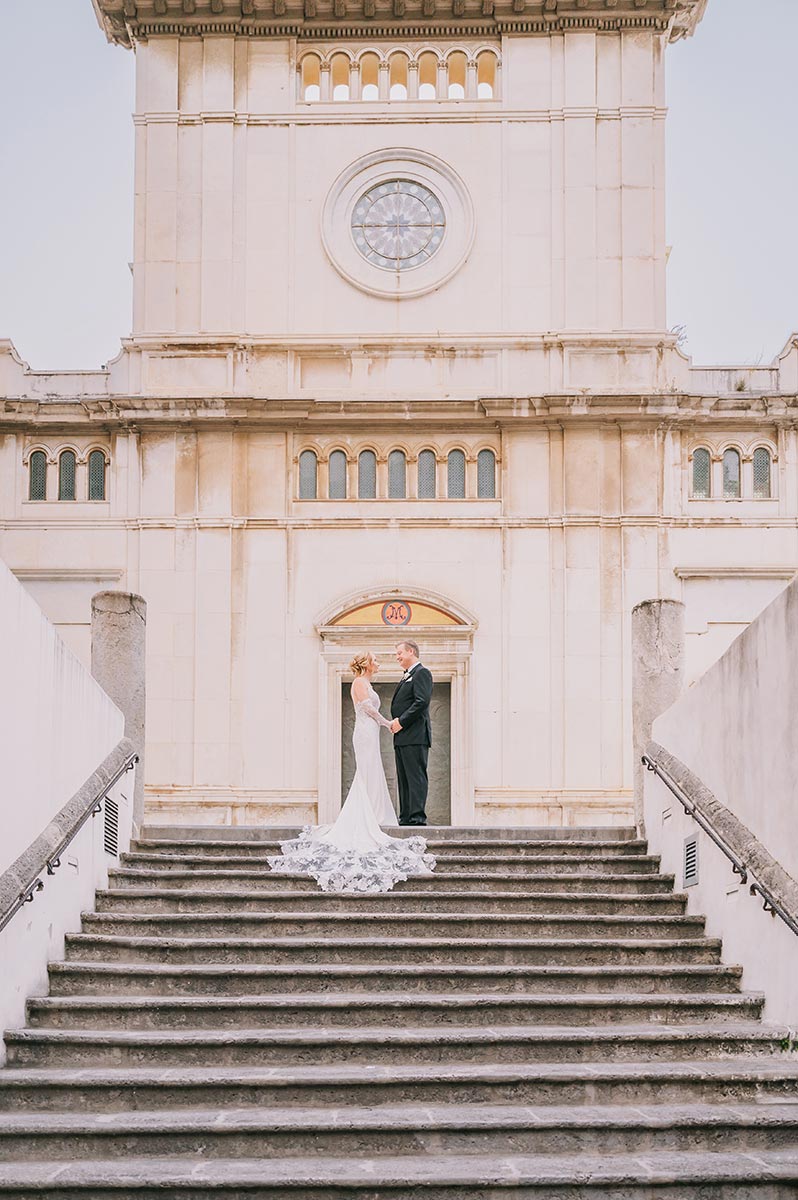
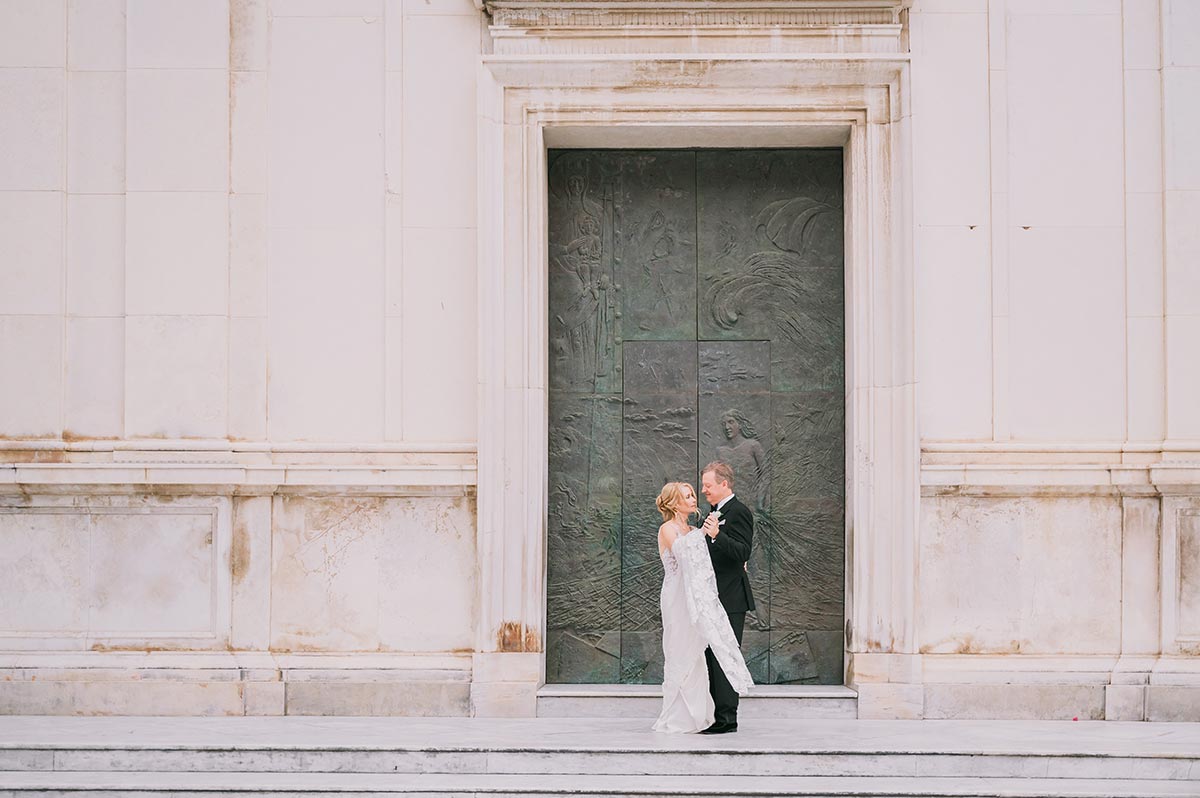
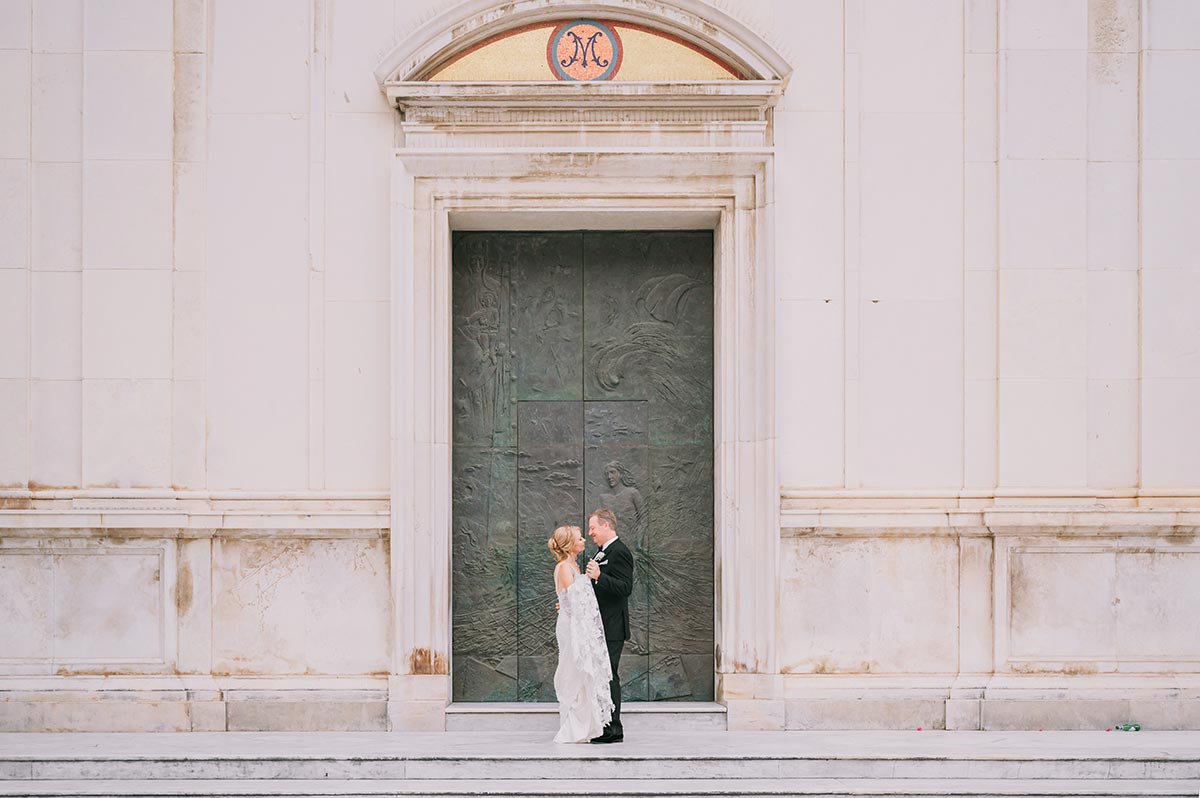
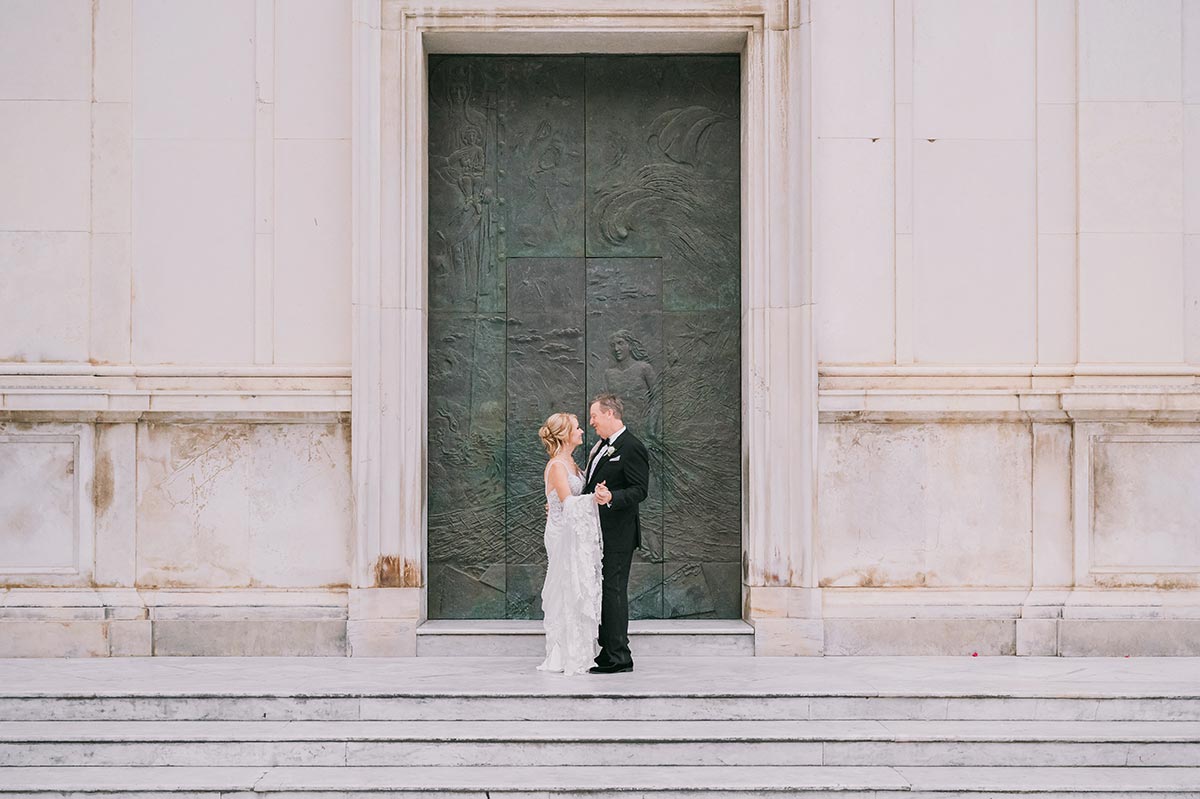
Here’s why the expert coordination at Covo dei Saraceni sets it apart:
- Tailored Planning: The team understands that every couple is unique, and they pride themselves on offering bespoke wedding packages in line with your vision. Whether you’re dreaming of a lavish celebration or a simple yet elegant affair, their planners work closely with you to curate an event that feels distinctly yours.
- Stress-Free Experience: Planning an elopement can be overwhelming, especially from afar. With their local expertise, the coordinators handle all the logistics—from vendor sourcing to timeline management, allowing you to focus on what truly matters: each other. As they often say, “Let us carry the weight while you enjoy every moment.”
- Strong Vendor Relationships: Over the years, Covo dei Saraceni has built solid relationships with reliable local vendors. This means you’ll have access to top-notch florists, caterers, and entertainment options that align with your style and preferences, ensuring everything runs smoothly on your special day.
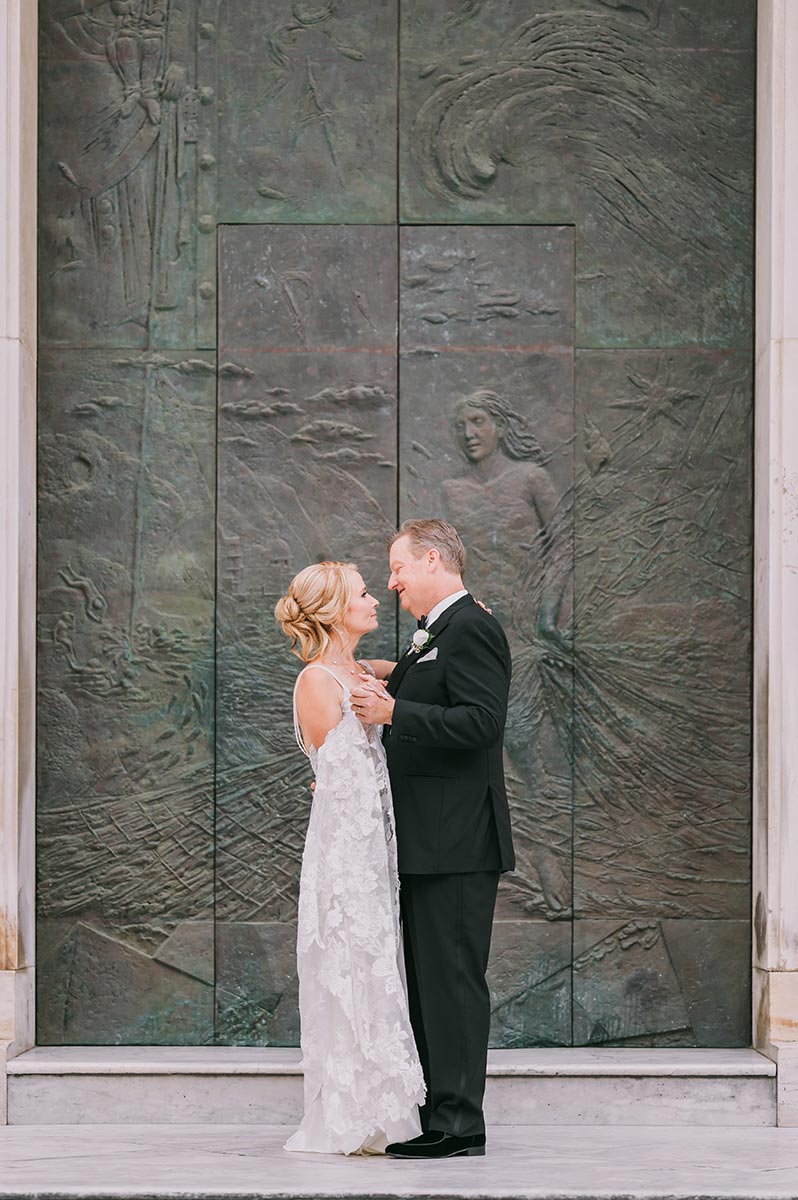
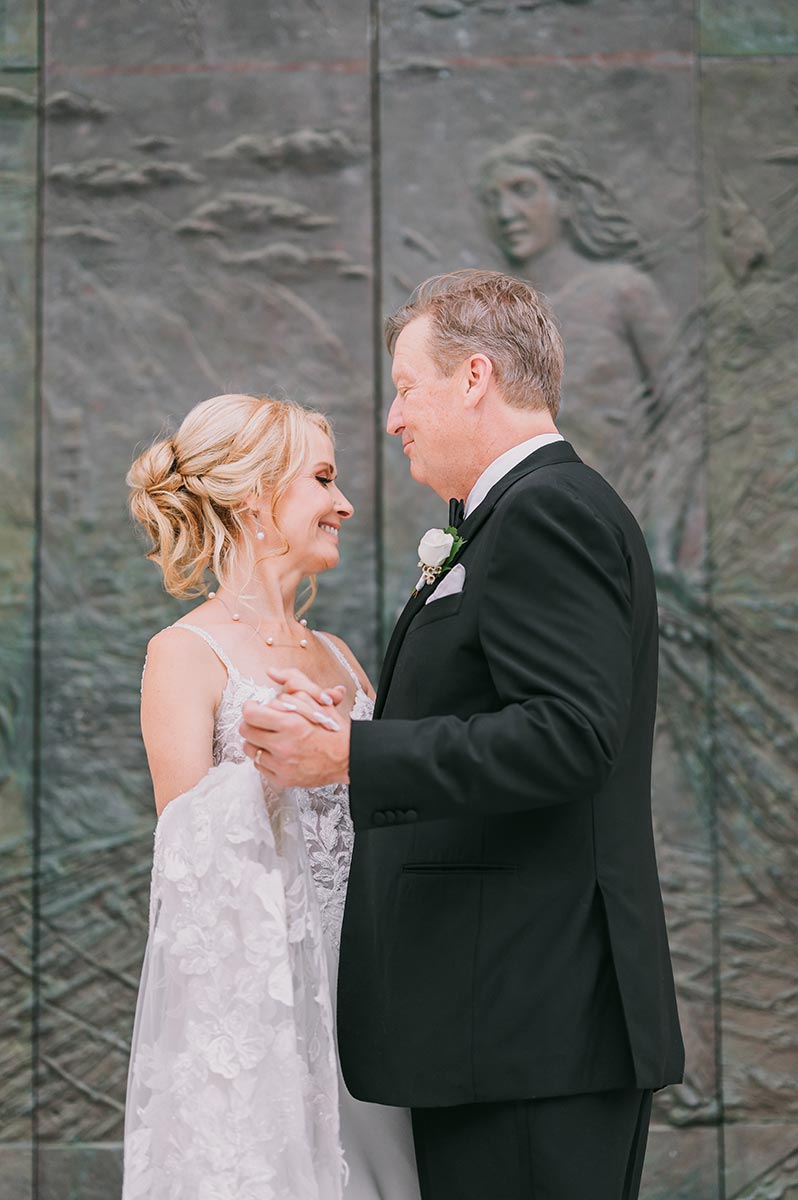
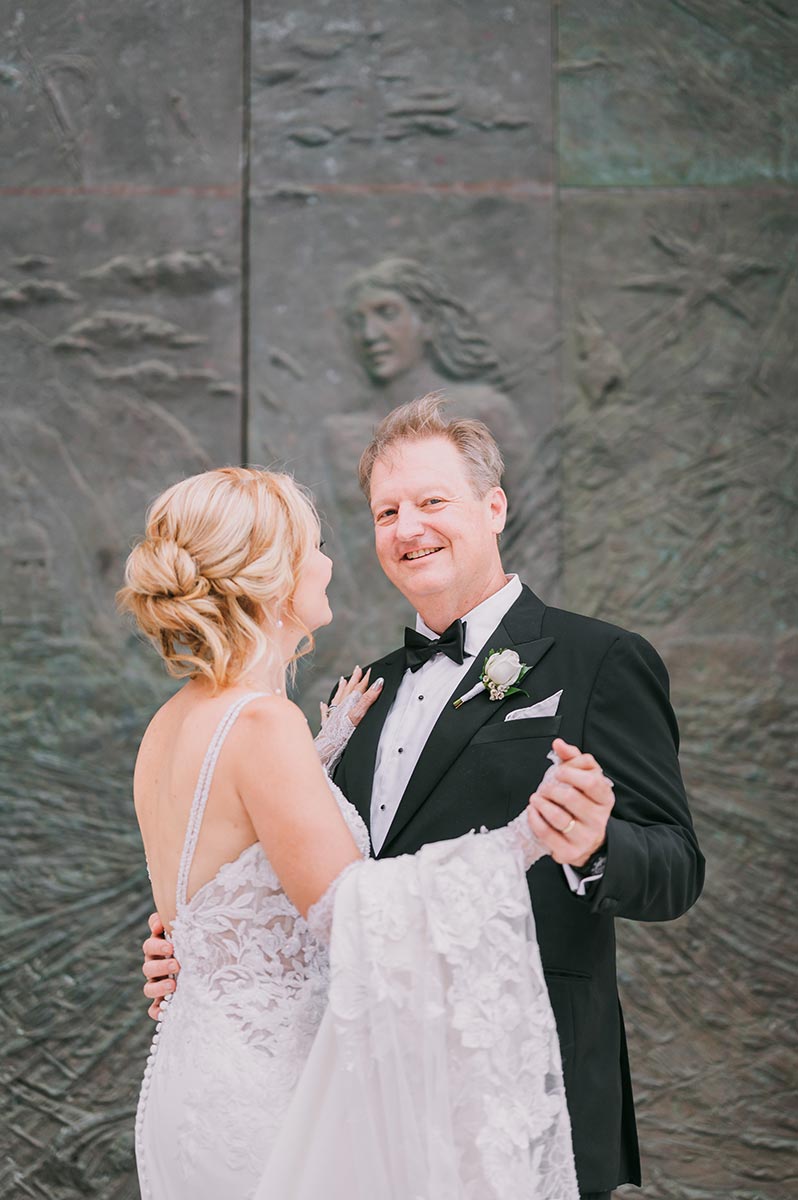
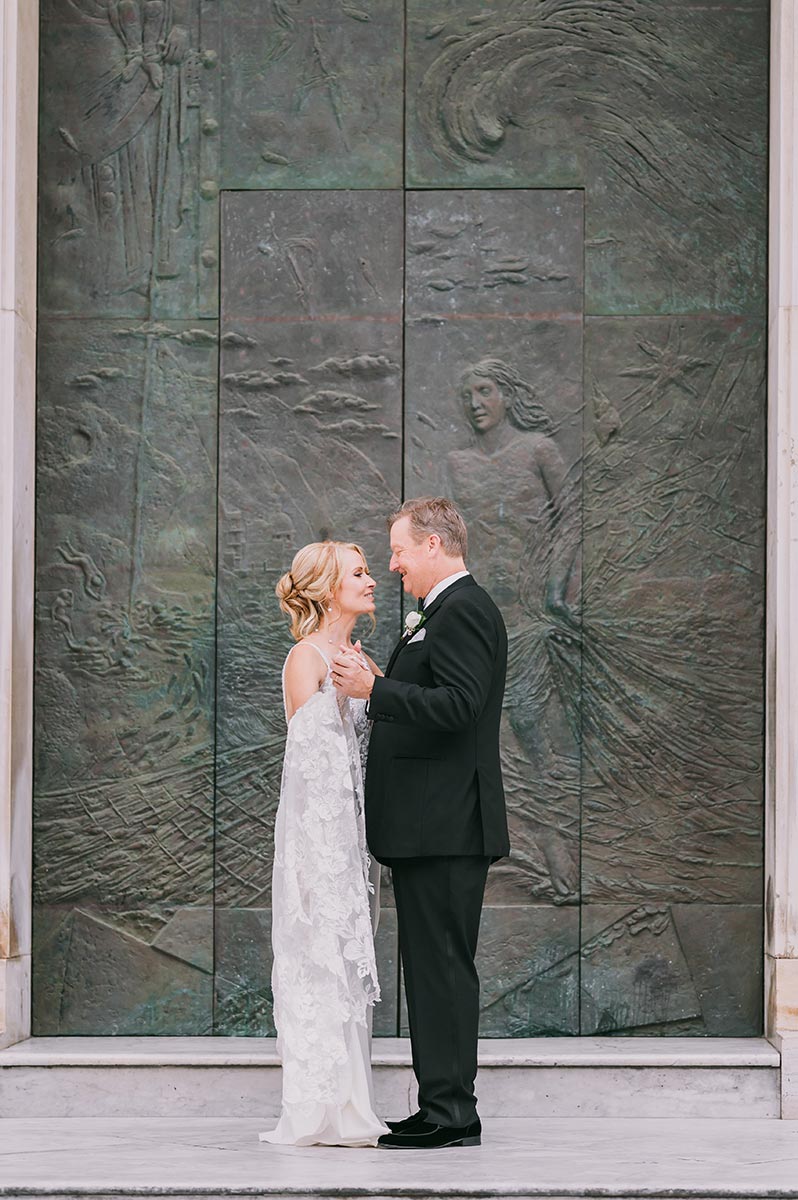
This level of expert coordination allows you to fully immerse yourself in the joy of your elopement without fretting over potential hiccups. Imagine exchanging vows as the sun dips below the horizon, your only concern being how to hold back tears of happiness! That’s the kind of memory Covo dei Saraceni aims to create for couples like you.
Furthermore, having someone who knows the ins and outs of Positano means you’re not just getting married; you’re experiencing this beautiful destination in its entirety. Think breathtaking photo spots we often overlook or hidden gems for post-ceremony celebrations, their guidance helps you discover these treasures easily.
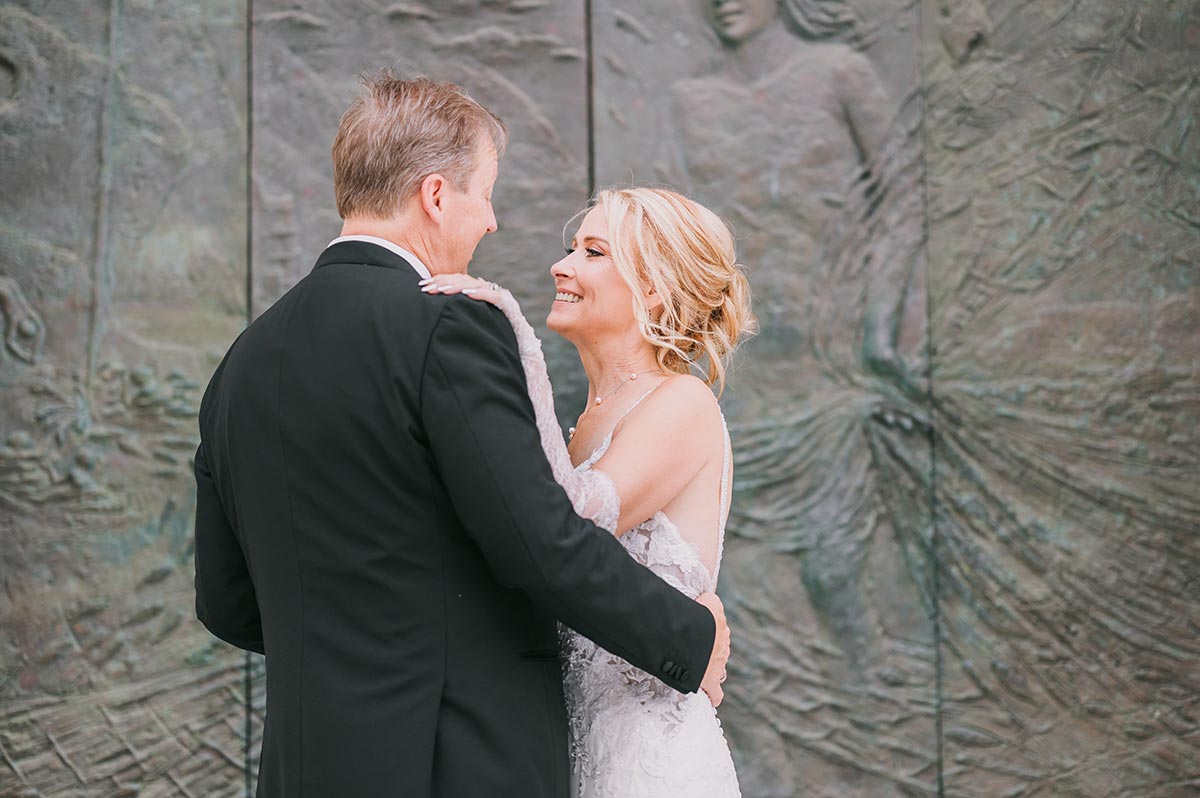
If you’re considering an Amalfi Coast wedding venue for your intimate ceremony, remember that expert wedding coordination is just one more reason why Covo dei Saraceni should be high on your list. Their commitment to transforming your dreams into reality ensures that every detail aligns perfectly, allowing you both to enjoy each fleeting moment amidst Italy’s stunning beauty.
A Romantic Haven in Amalfi Coast
When it comes to seeking a romantic haven along the Amalfi Coast, Covo dei Saraceni shines like a jewel amidst the vibrant landscape of Positano. With its breathtaking views and warm ambiance, it’s no wonder that couples looking to elope in this stunning location choose it as their dream venue. Allow me to share some heartfelt insights into why Covo dei Saraceni has become a beloved choice for intimate ceremonies filled with love and laughter.

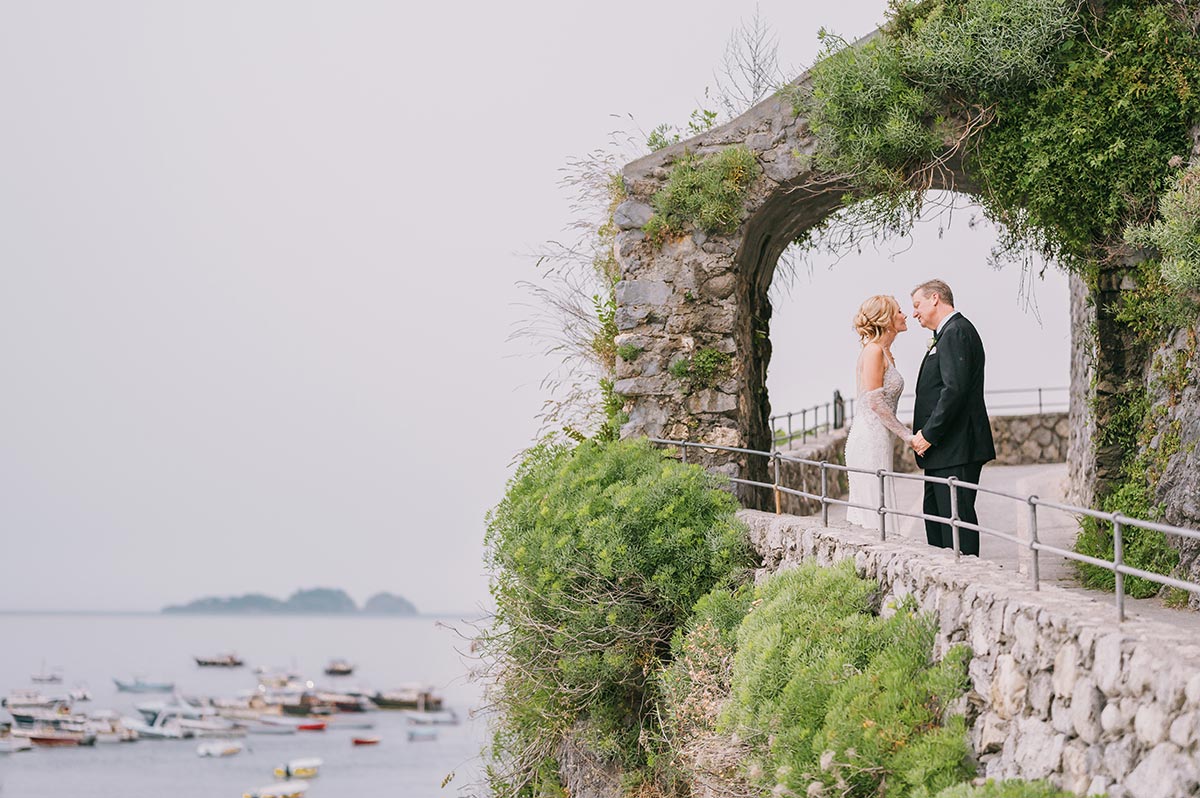
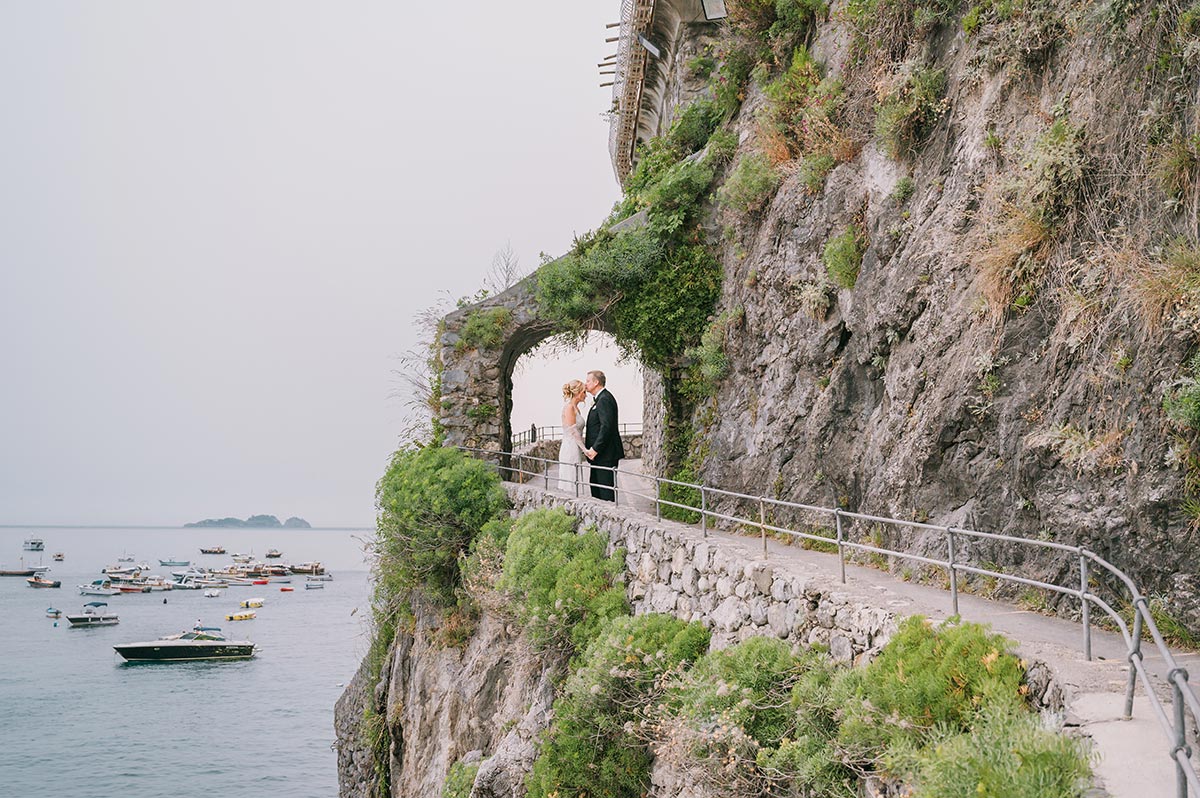
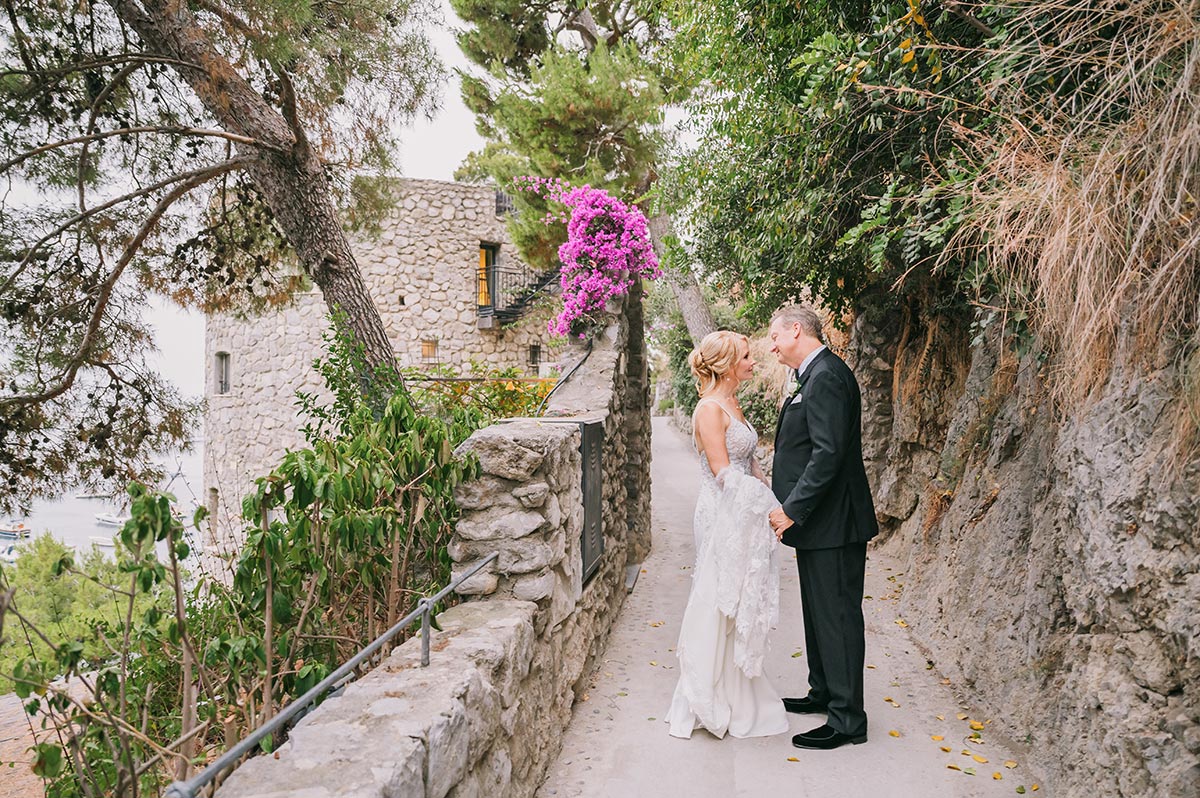
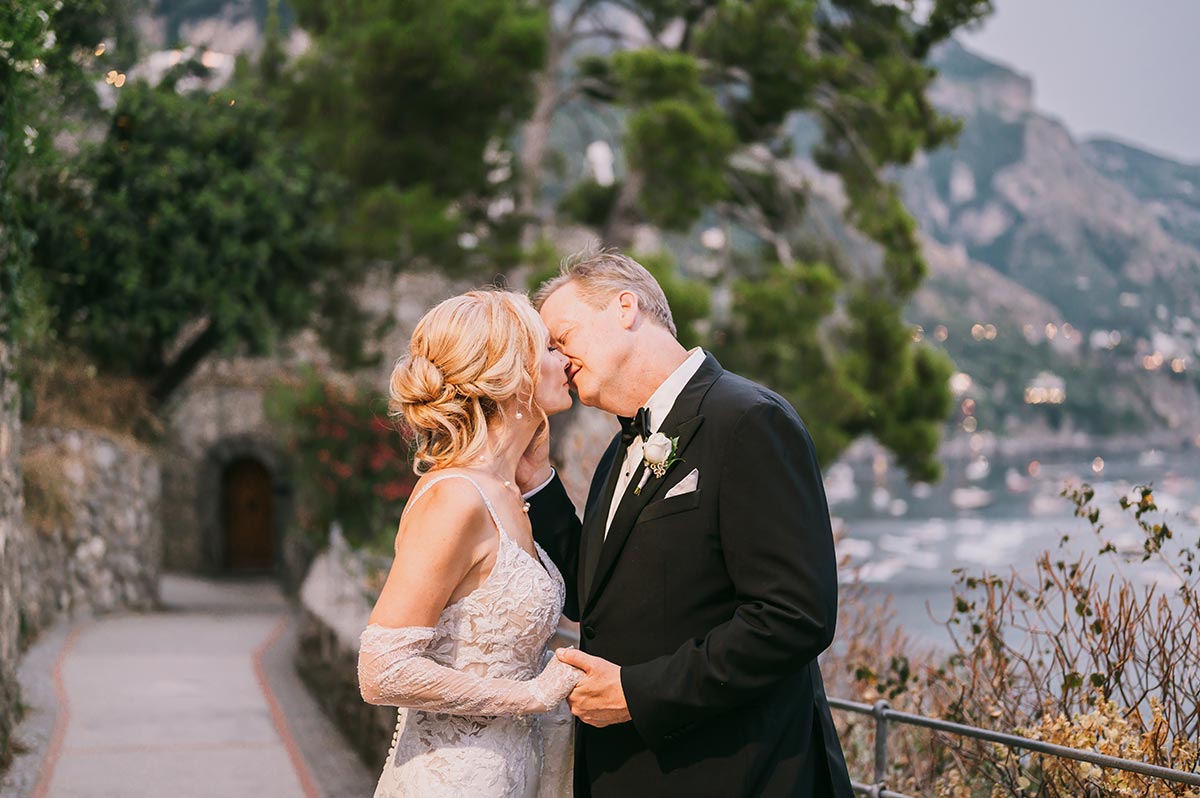
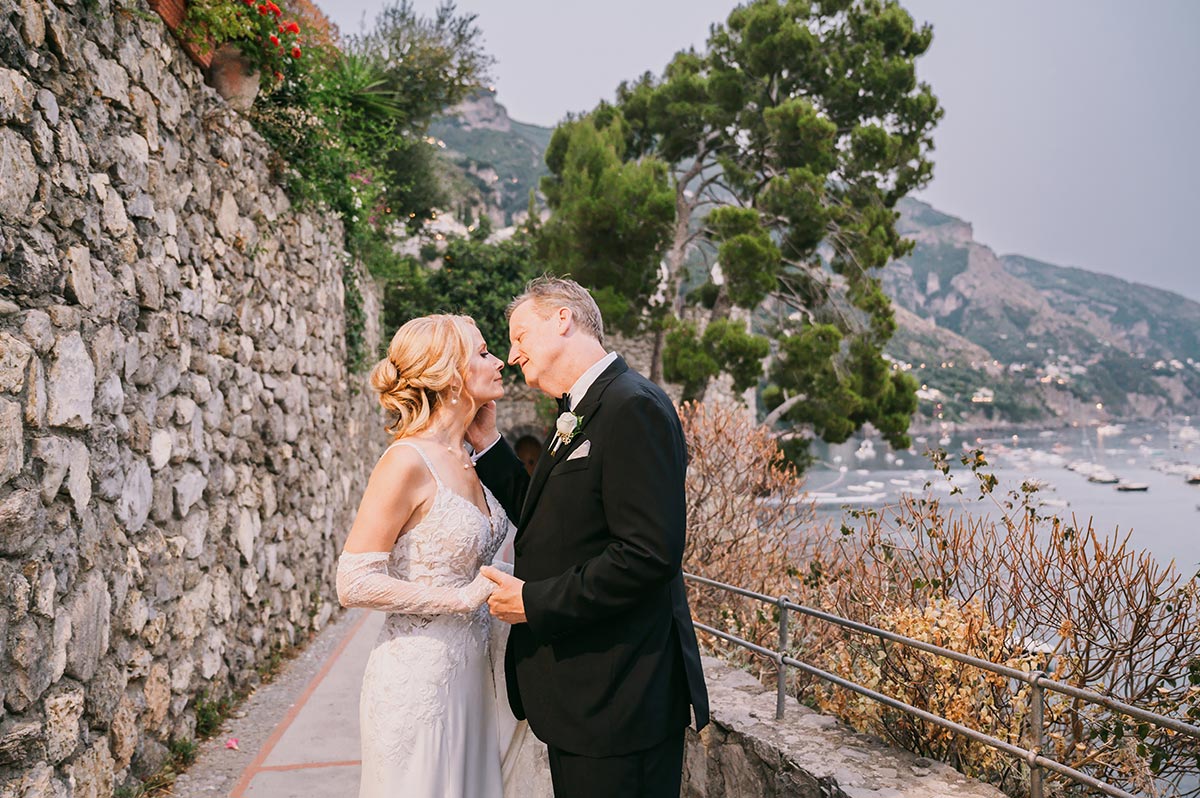
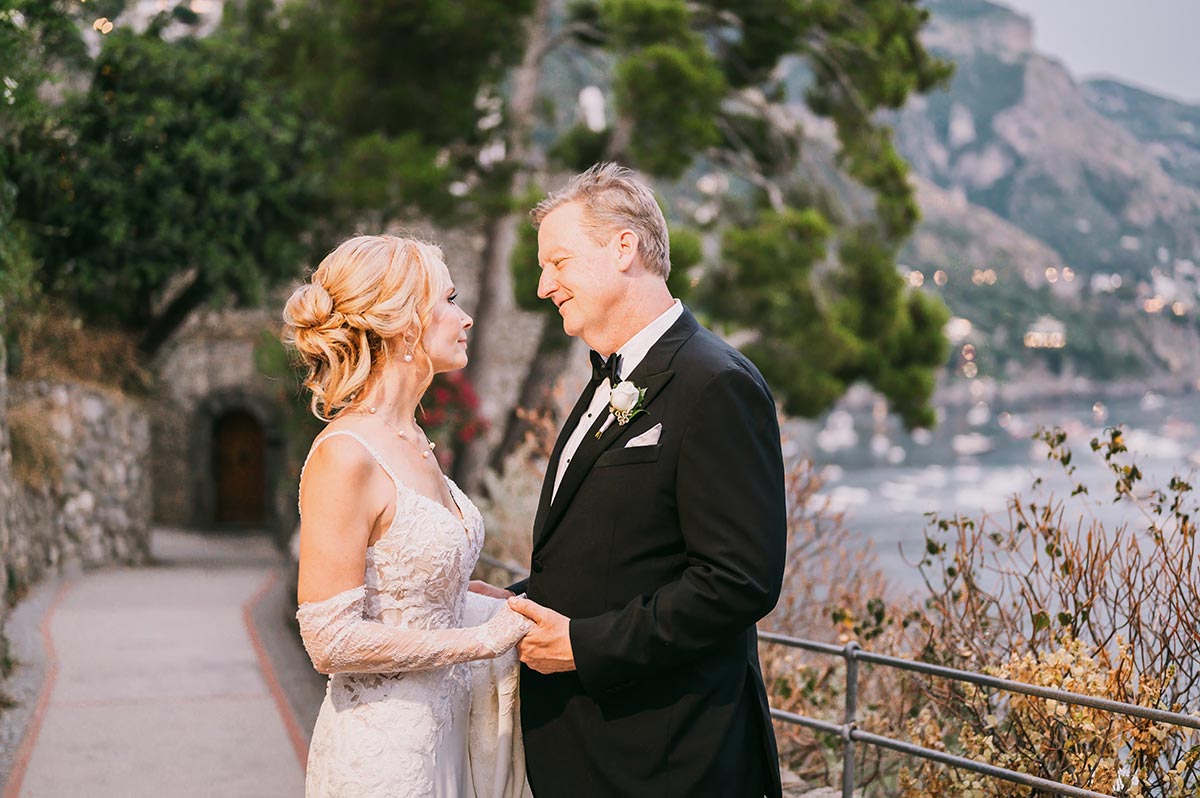
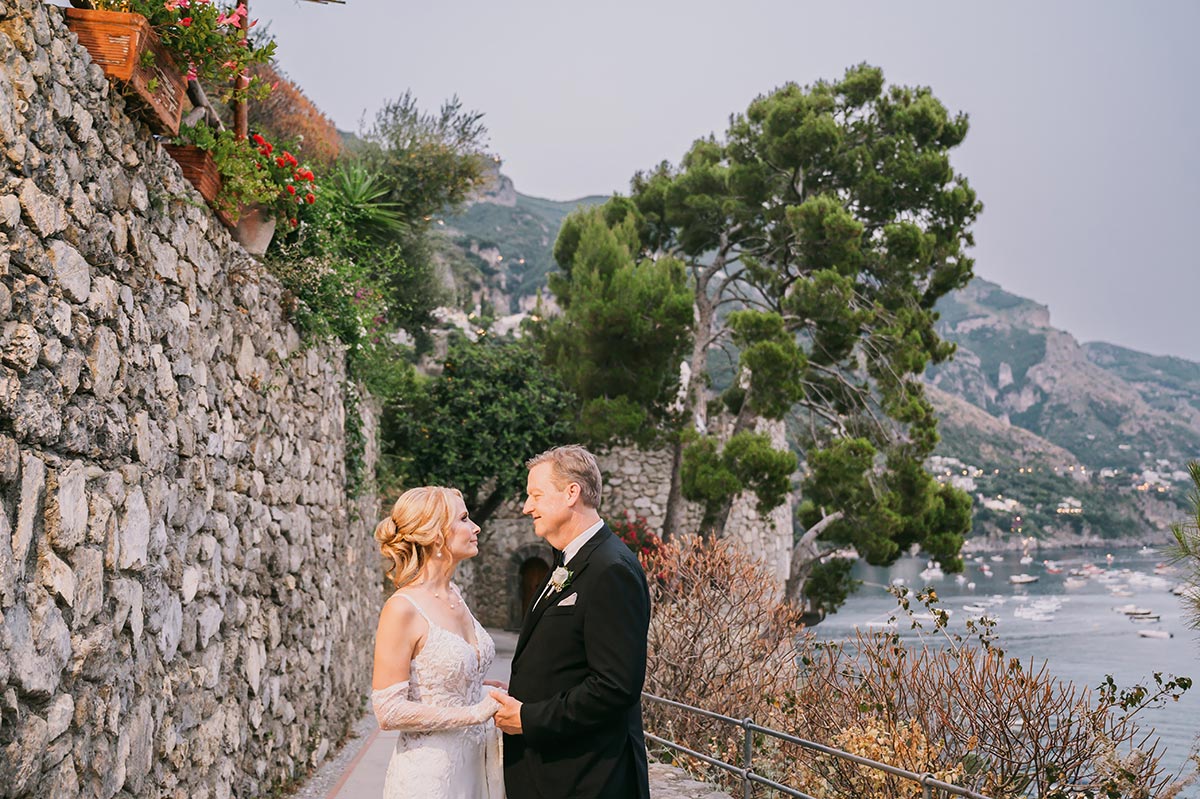
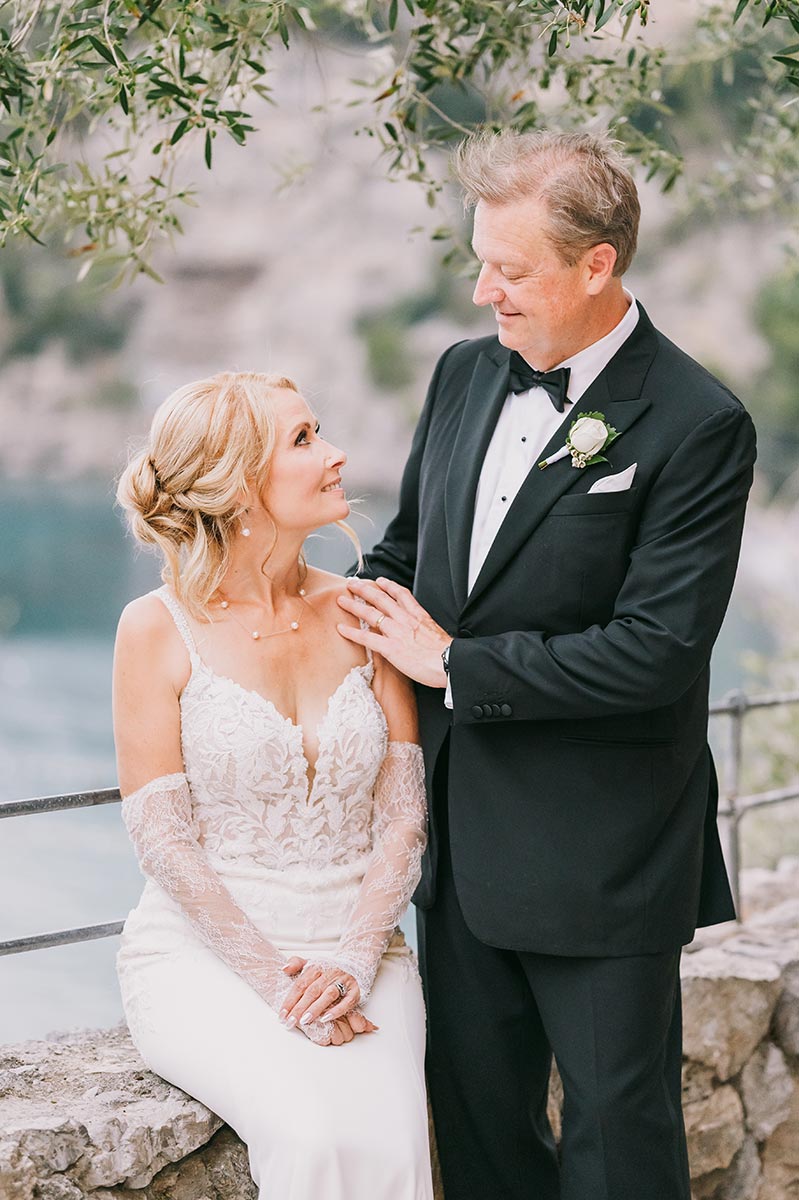

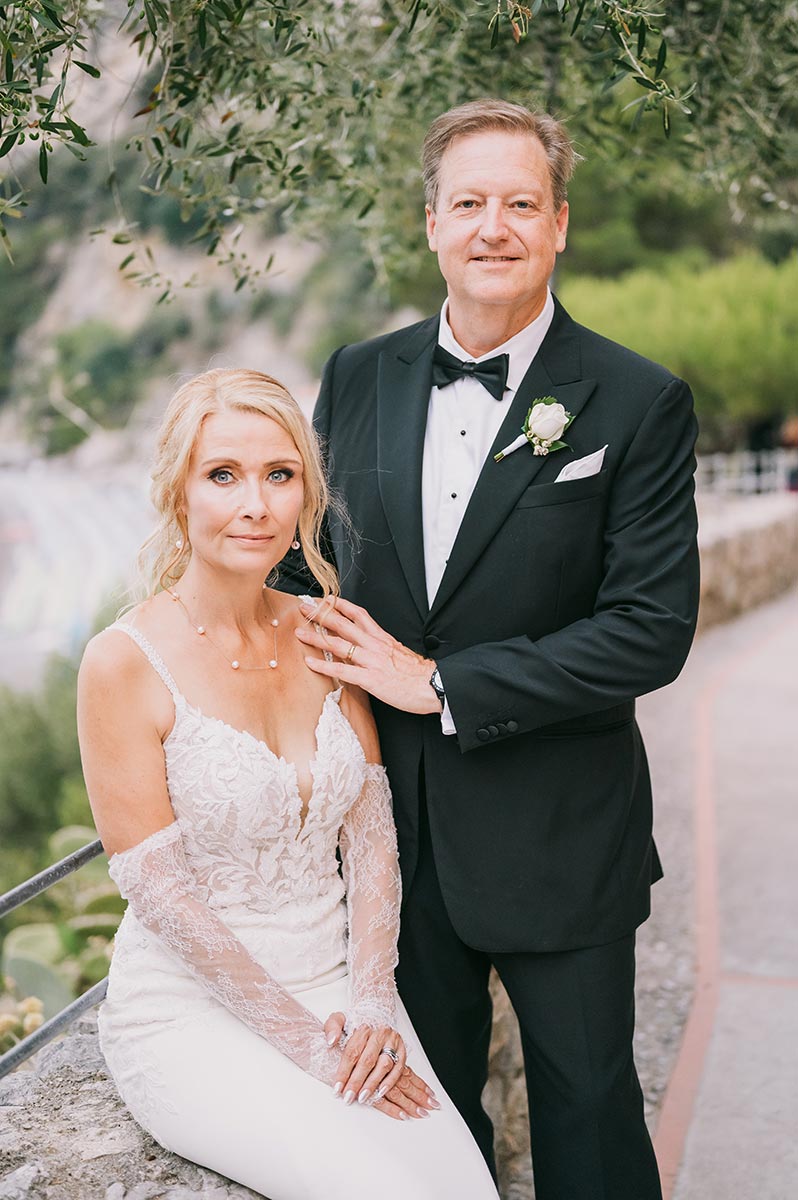
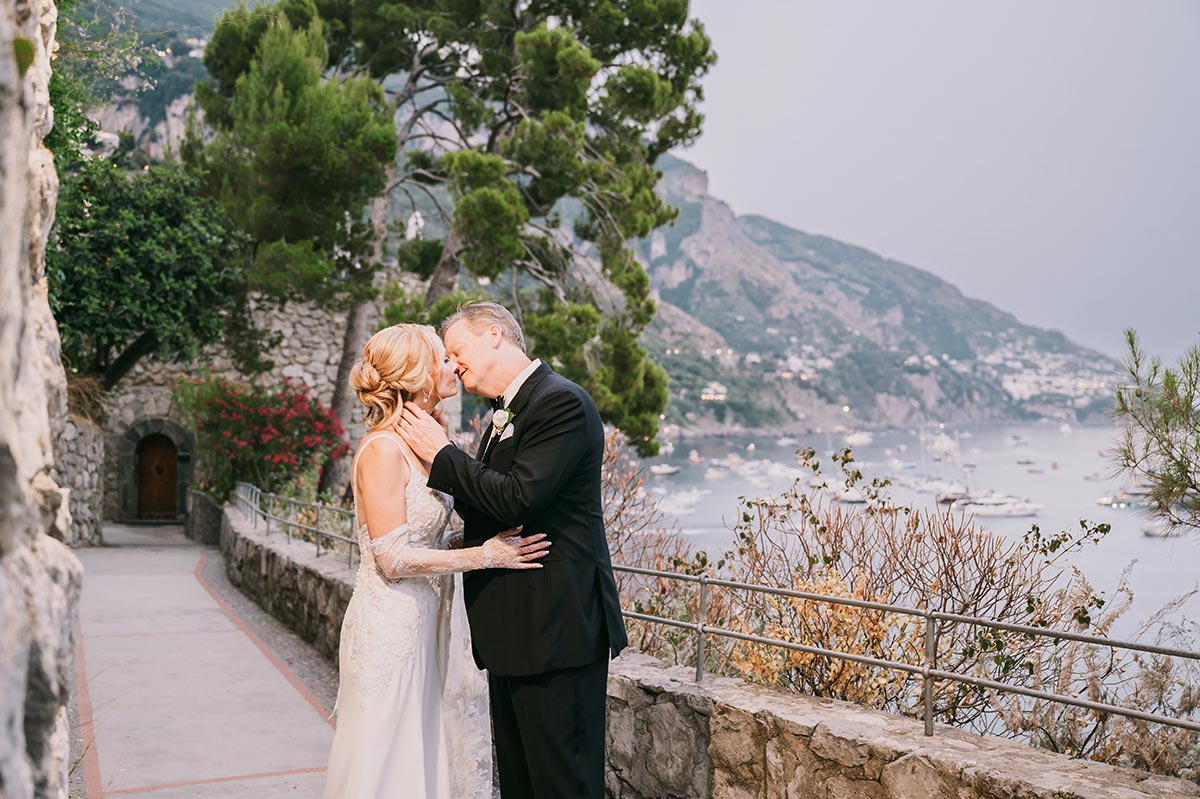
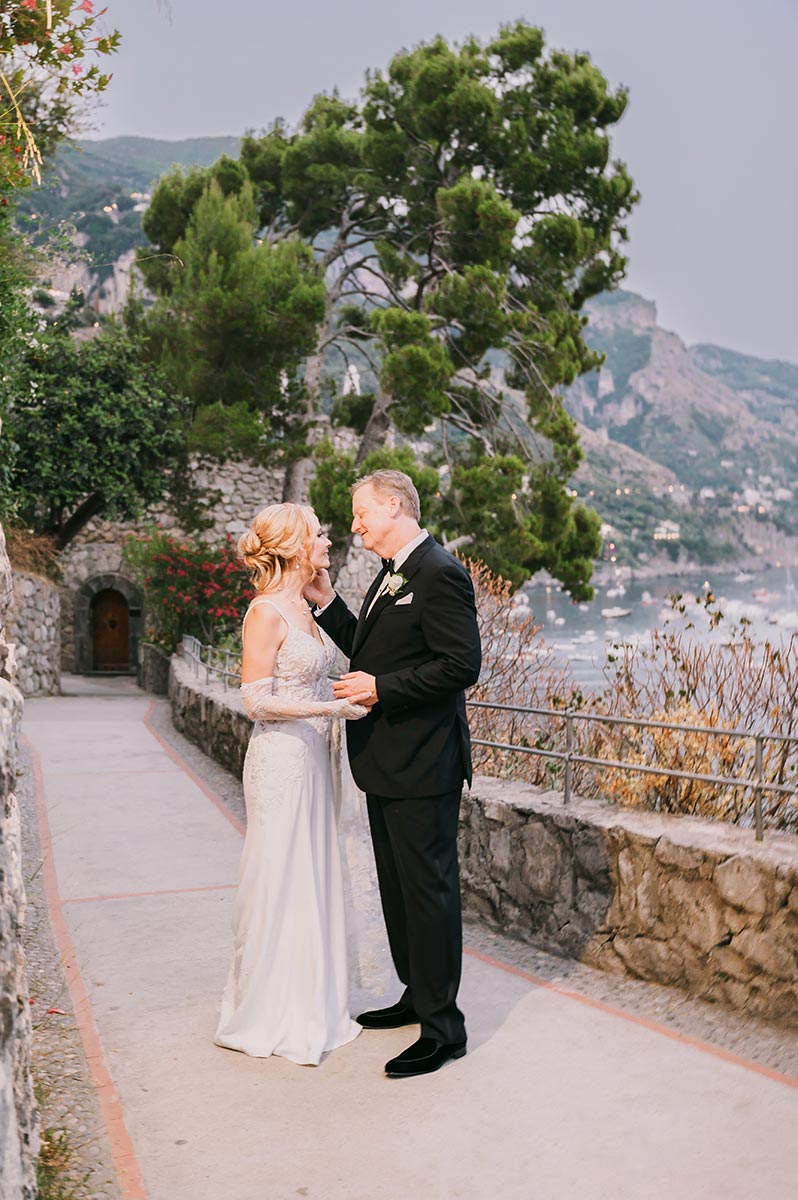
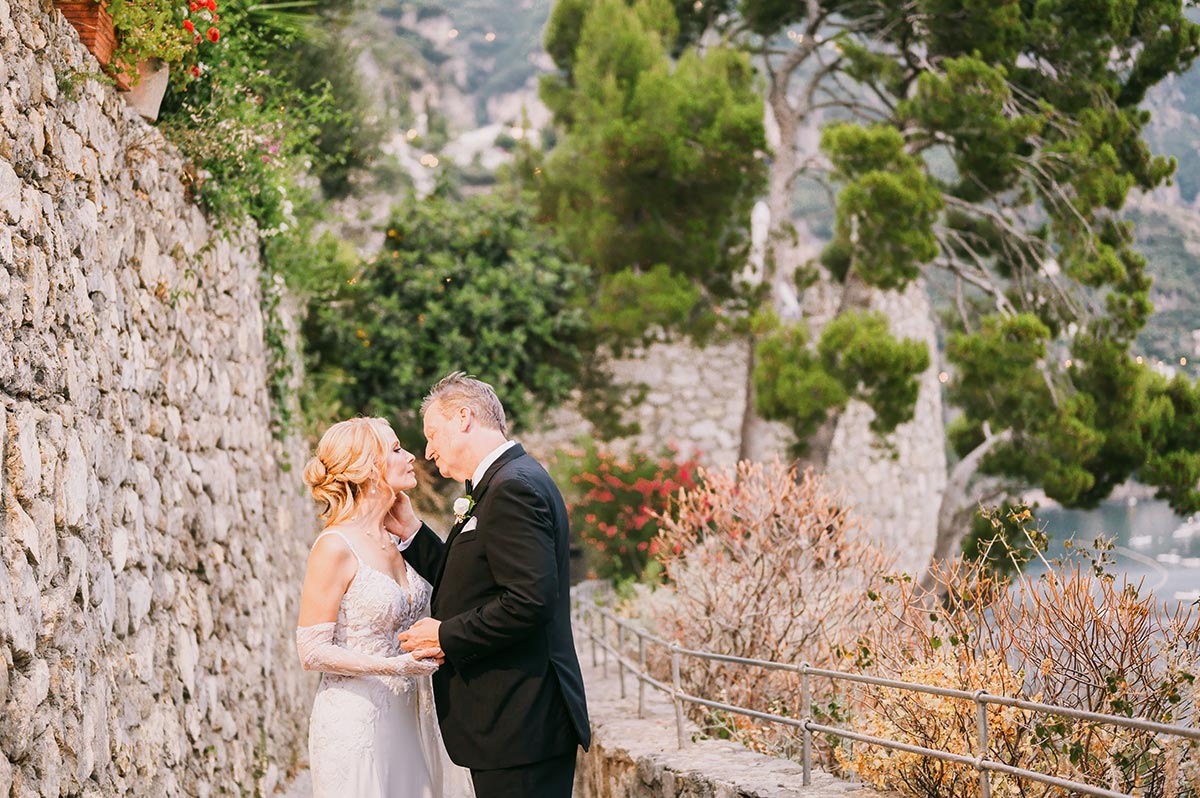
The moment you step foot into Covo dei Saraceni, you’re greeted by an enchanting atmosphere that feels tailor-made for romance. The combination of elegant decor and sweeping views over the Mediterranean creates a backdrop that invites you to lose yourselves in each other. As someone who has captured countless beautiful moments here, I can assure you that every corner is infused with charm; think cozy spaces where whispered vows feel more poignant amid gentle sea breezes.
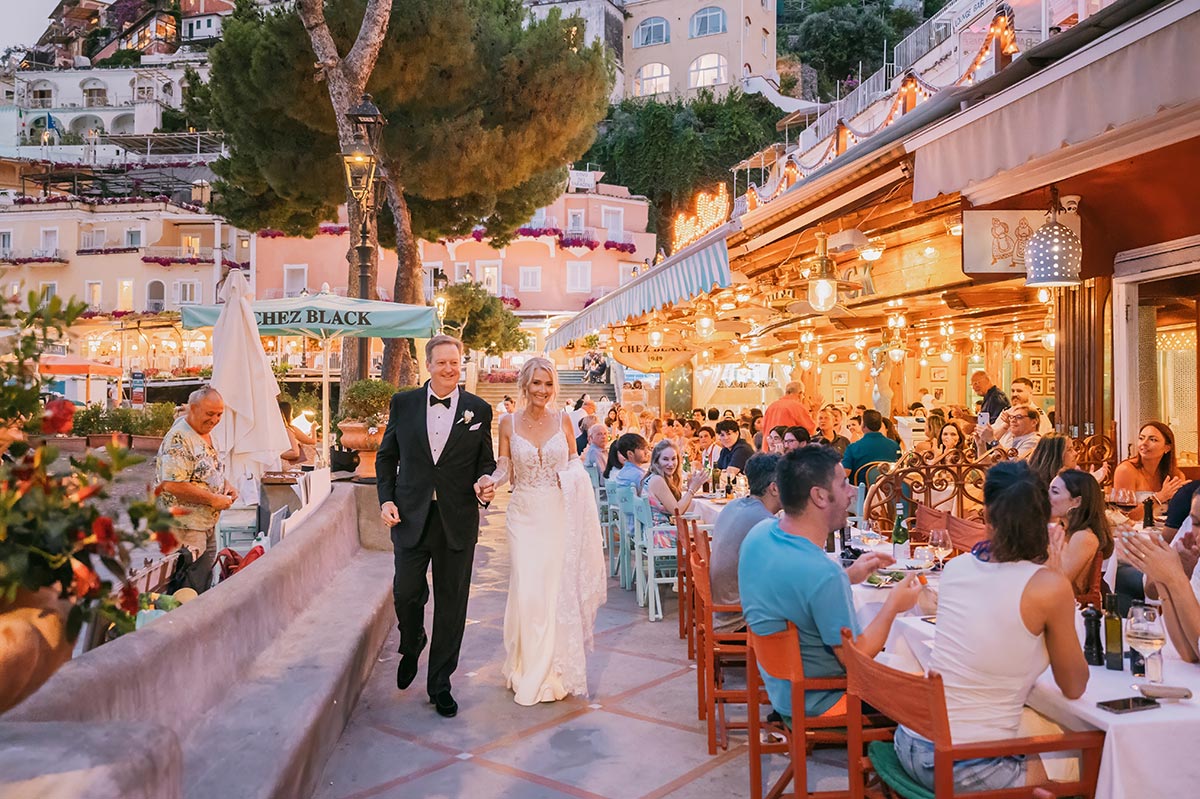

- Warm Hospitality: The staff at Covo dei Saraceni embodies genuine Italian hospitality. From the very first interaction, they make it their mission to ensure your experience is nothing short of magical, like having your own personal cheerleaders who want to see your love story unfold beautifully.
- Intimate Spaces: Whether you choose an outdoor terrace overlooking the sea or a cozy indoor setting, Covo dei Saraceni offers intimate spaces designed for small gatherings. Here, you can exchange promises surrounded by your closest friends or family without feeling overwhelmed by large crowds.
- Serene Environment: The tranquility of this venue allows couples to immerse themselves fully in the moment. It’s easy to forget about everyday stresses as you bask in the beauty of Positano. Each glance exchanged feels like poetry in motion against such breathtaking scenery.
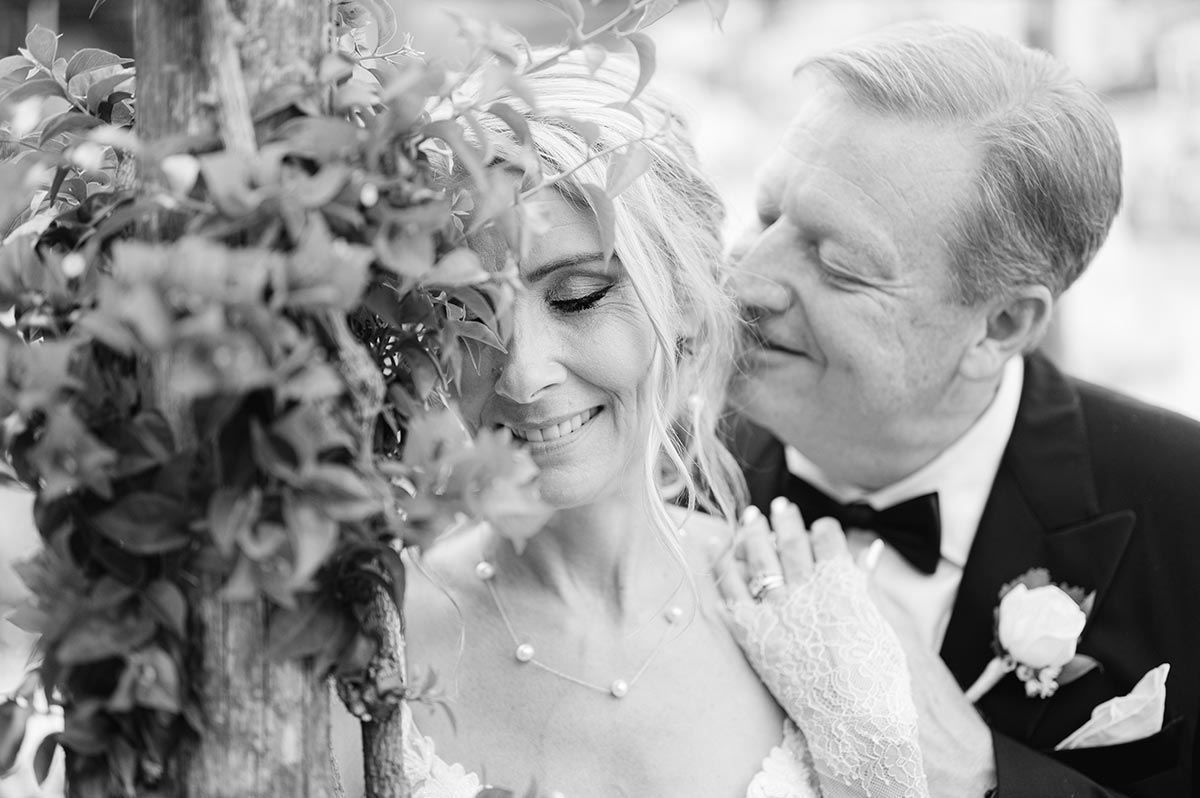
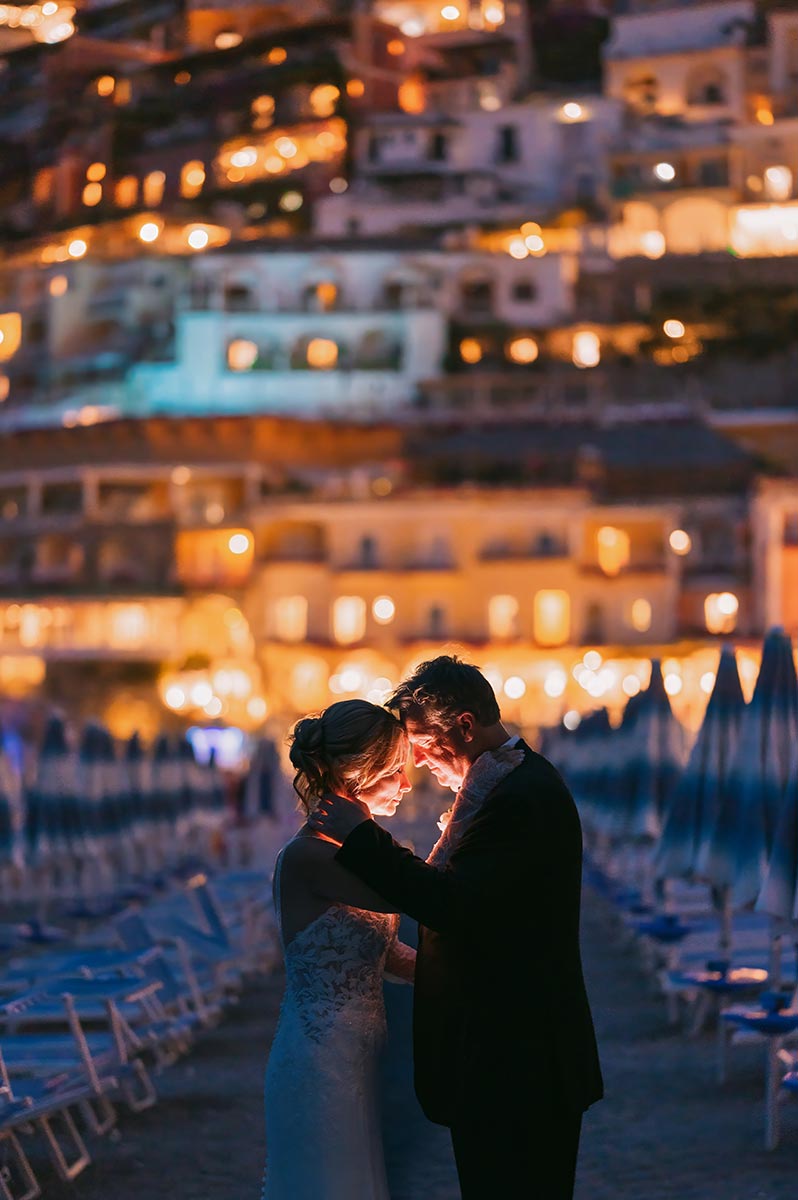
This romantic haven not only provides a beautiful backdrop for your special day but also encourages deep connection and vulnerability between partners. It’s these tender moments that make capturing emotions through my lens so rewarding, every genuine smile and joyful tear becomes a cherished memory immortalized against an exquisite landscape.
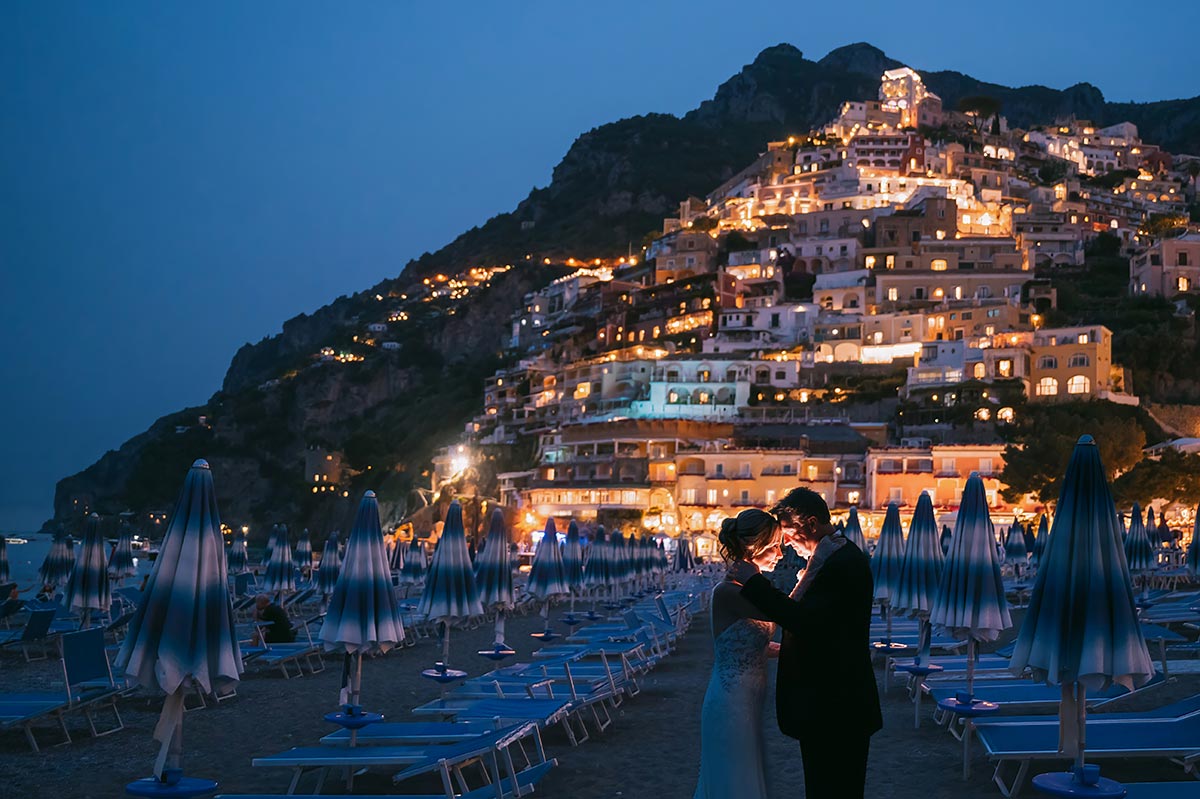
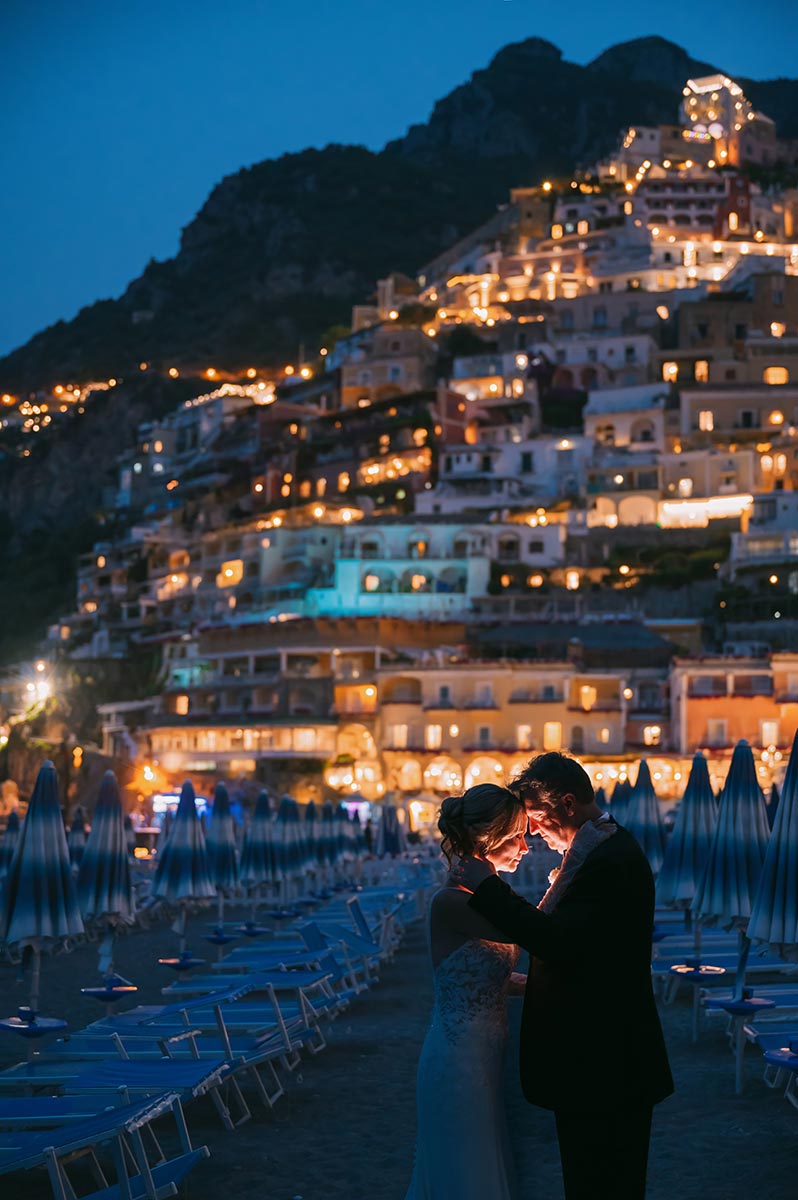
If you’re dreaming of an idyllic escape for your Amalfi Coast elopement, I wholeheartedly believe that choosing Covo dei Saraceni will provide you with an unforgettable experience filled with warmth, beauty, and love. Trust me; when it comes to creating lasting memories wrapped in romance and charm, there’s no place quite like this magical venue!
Choosing to elope at Covo dei Saraceni means more than simply selecting a beautiful venue; it’s about embracing the enchanting spirit of Positano and creating memories that will last forever. As your photographer and guide through this journey, I’m here to ensure every moment is captured with artful precision and heartfelt care.