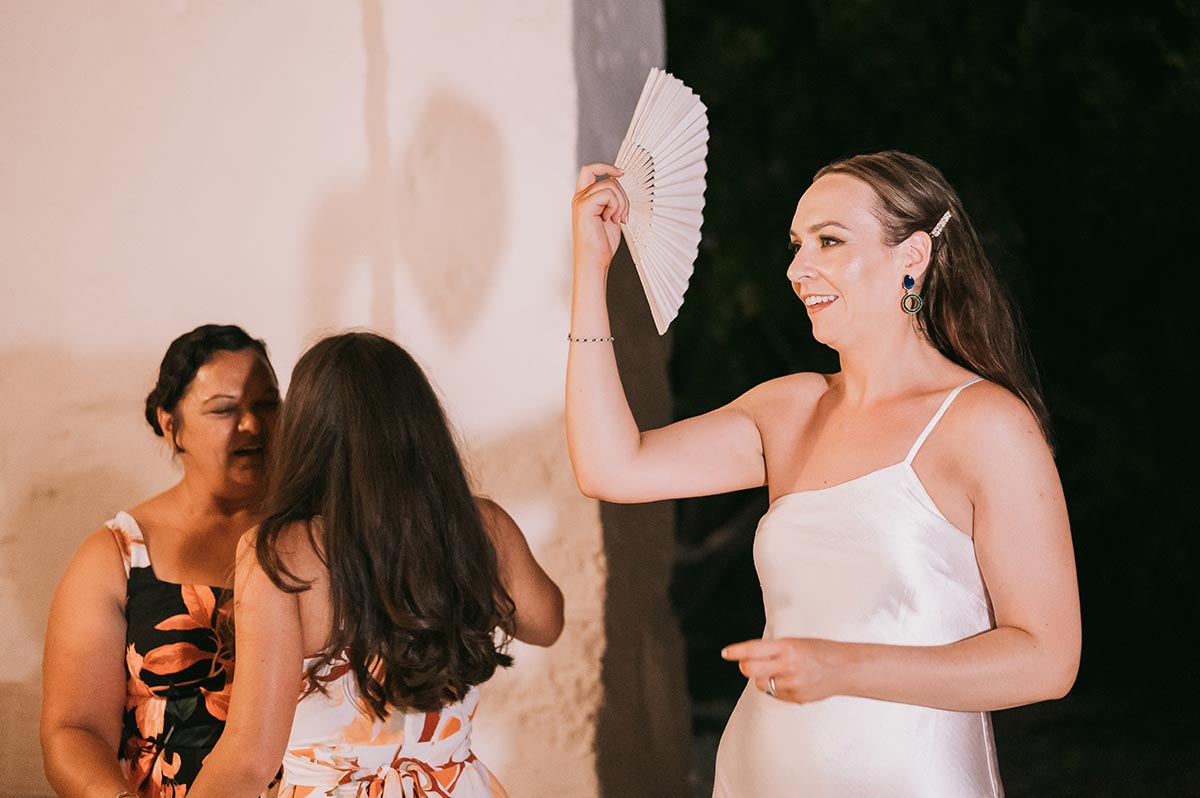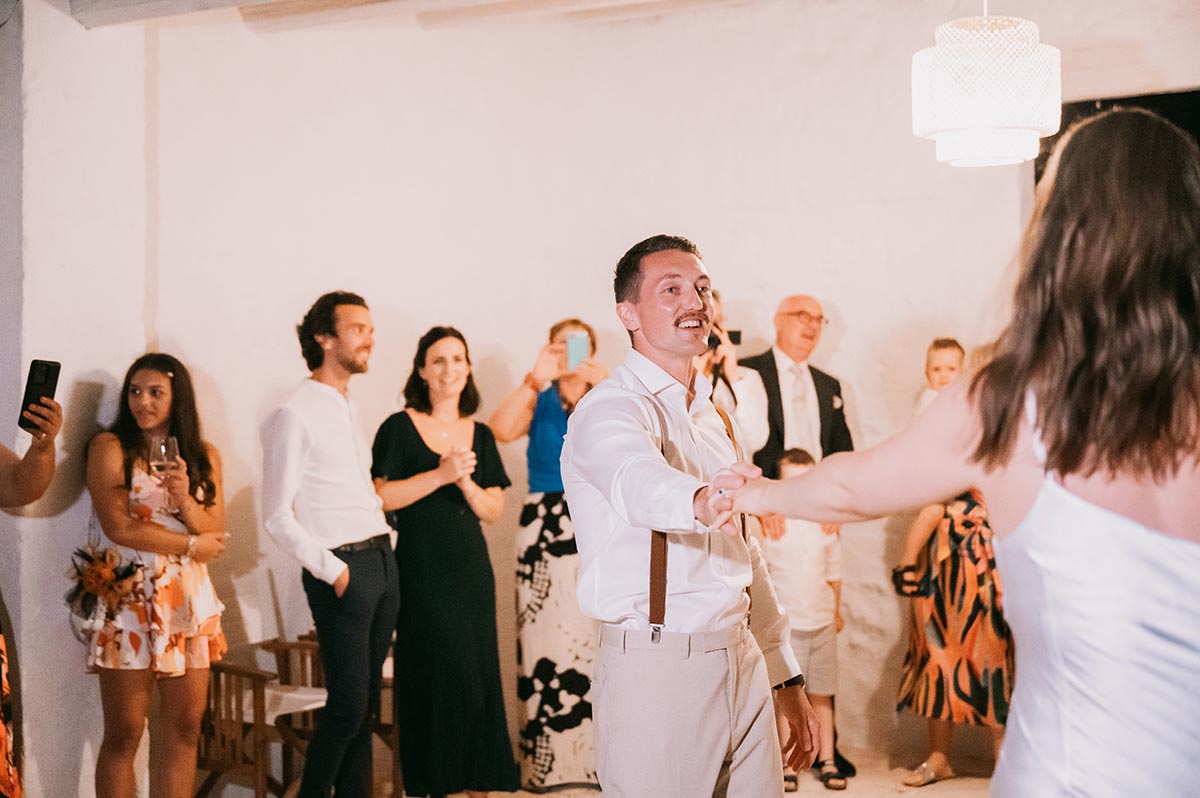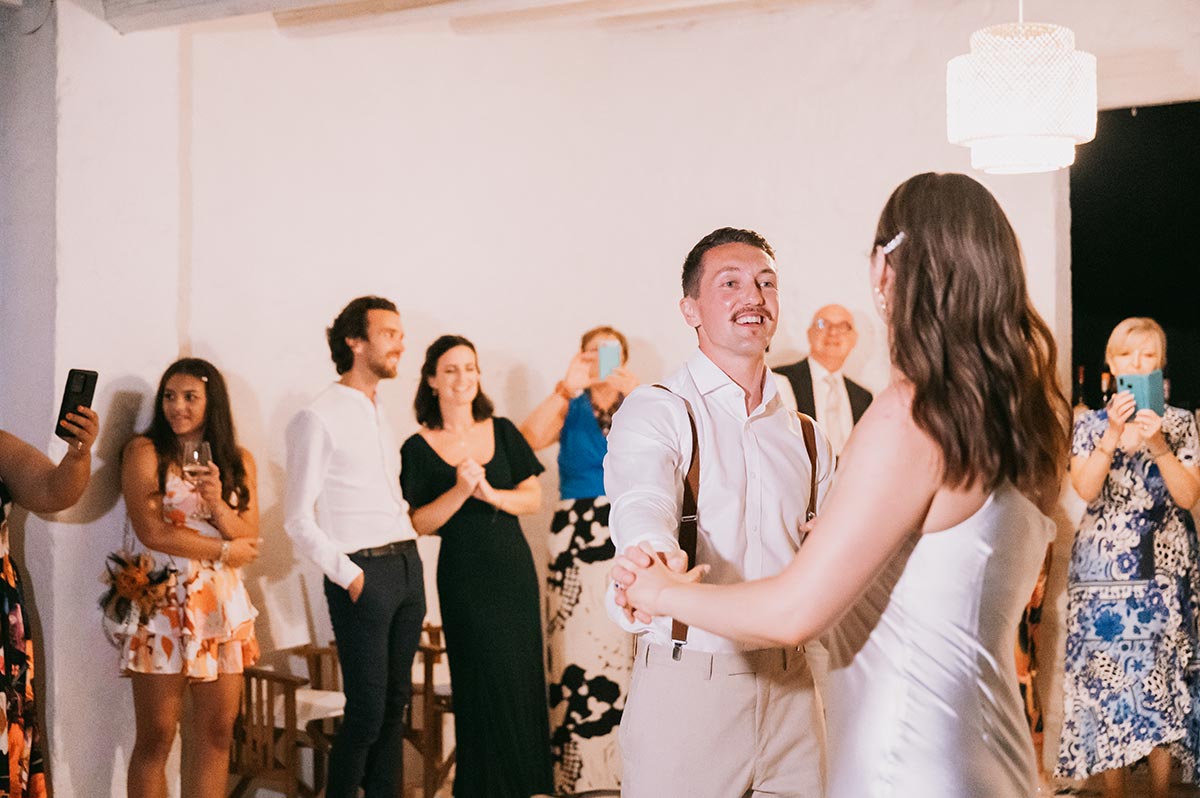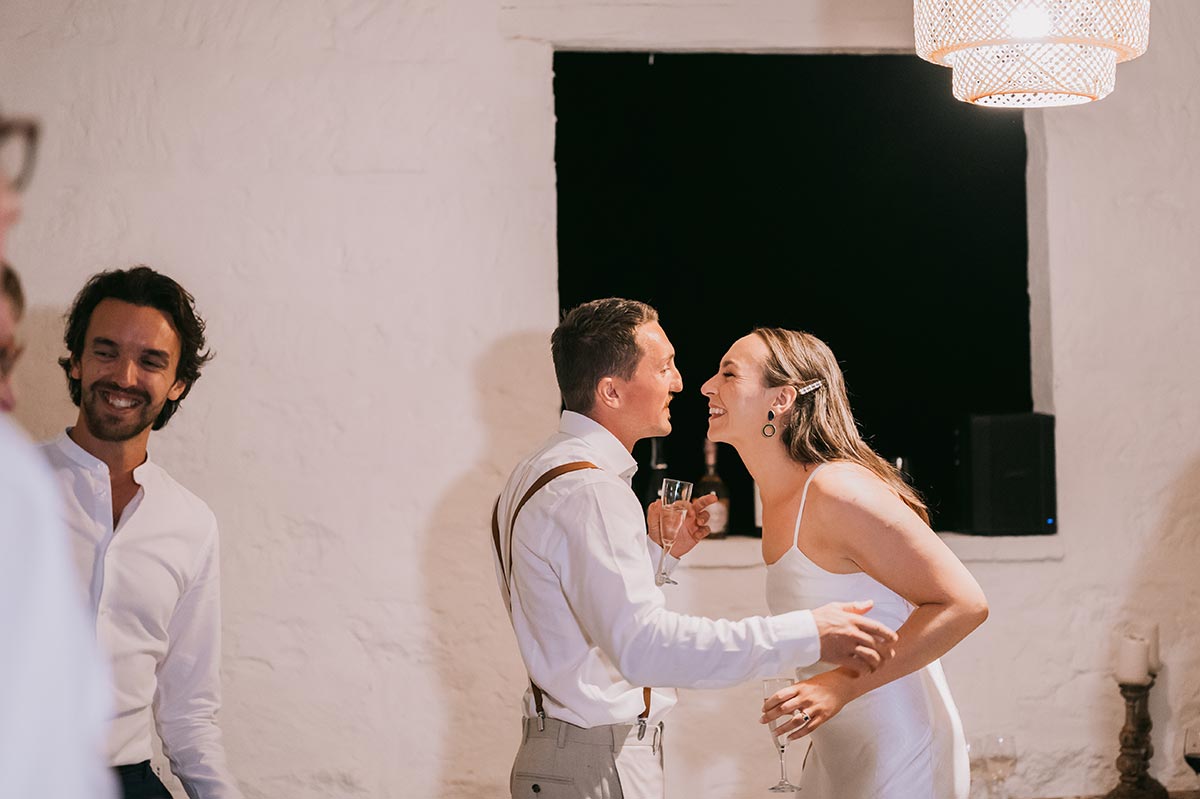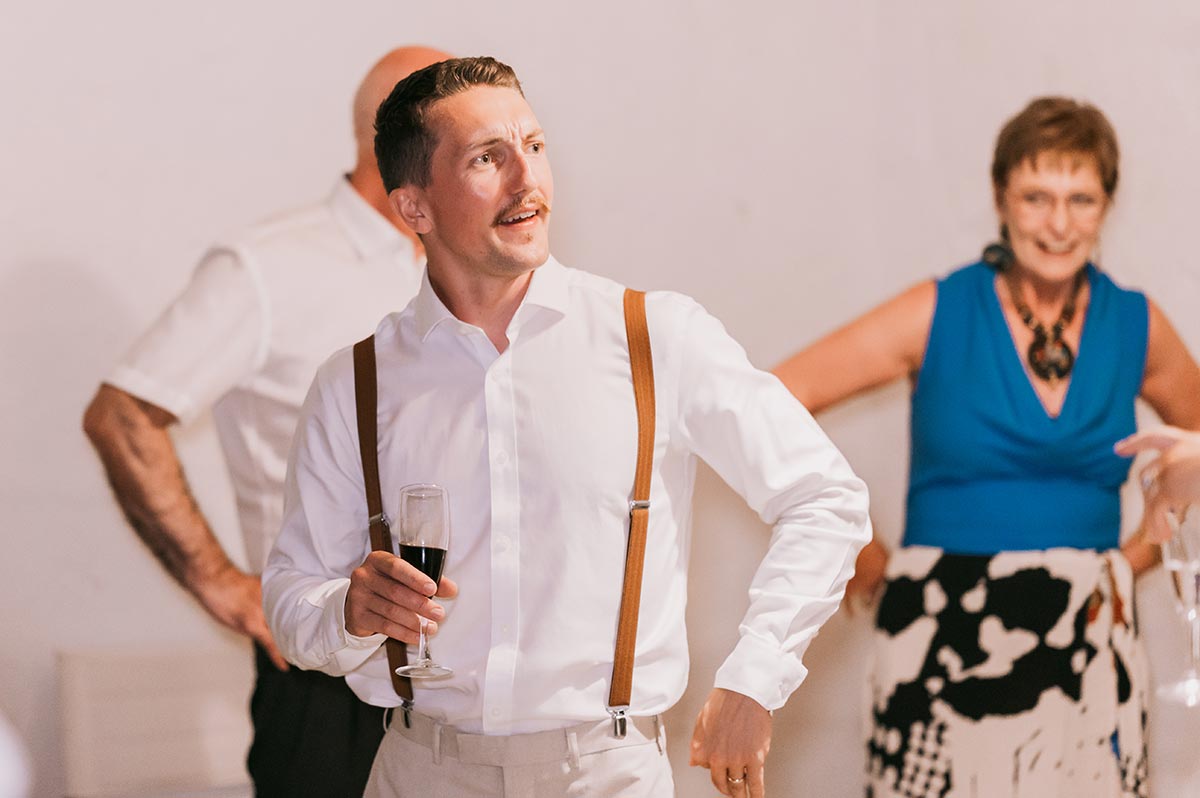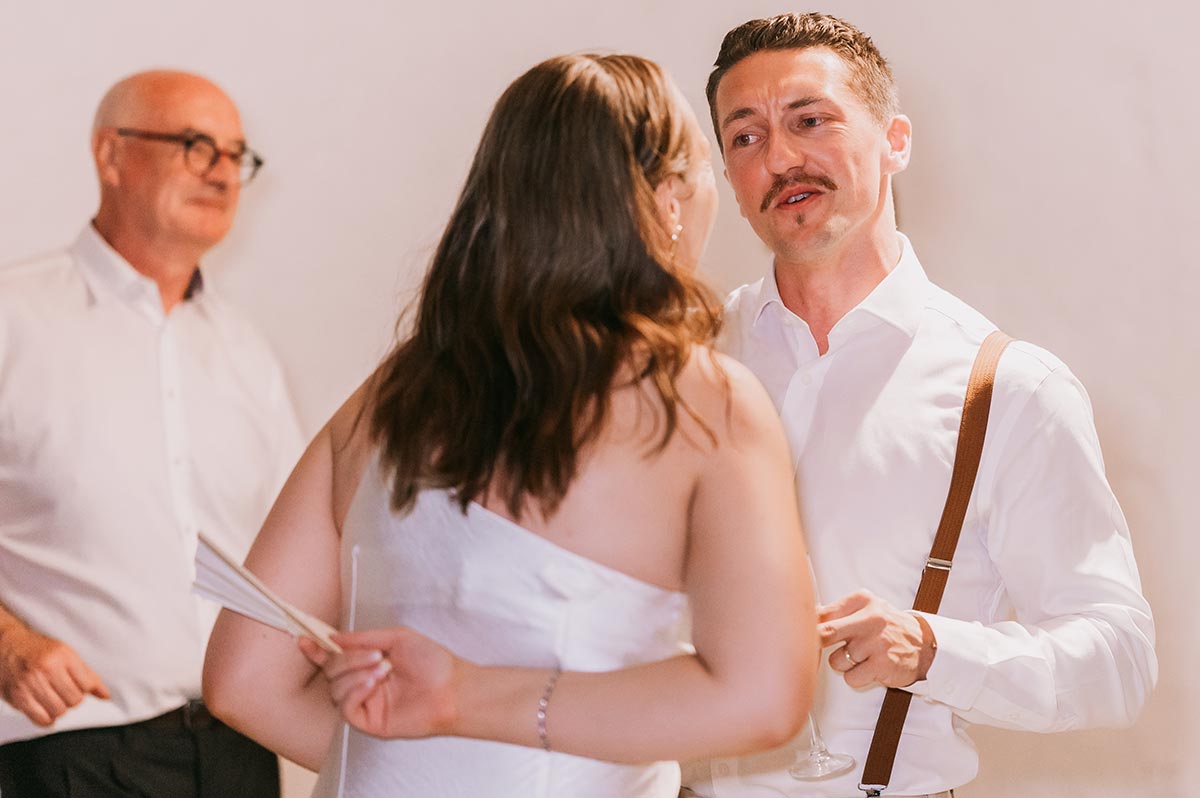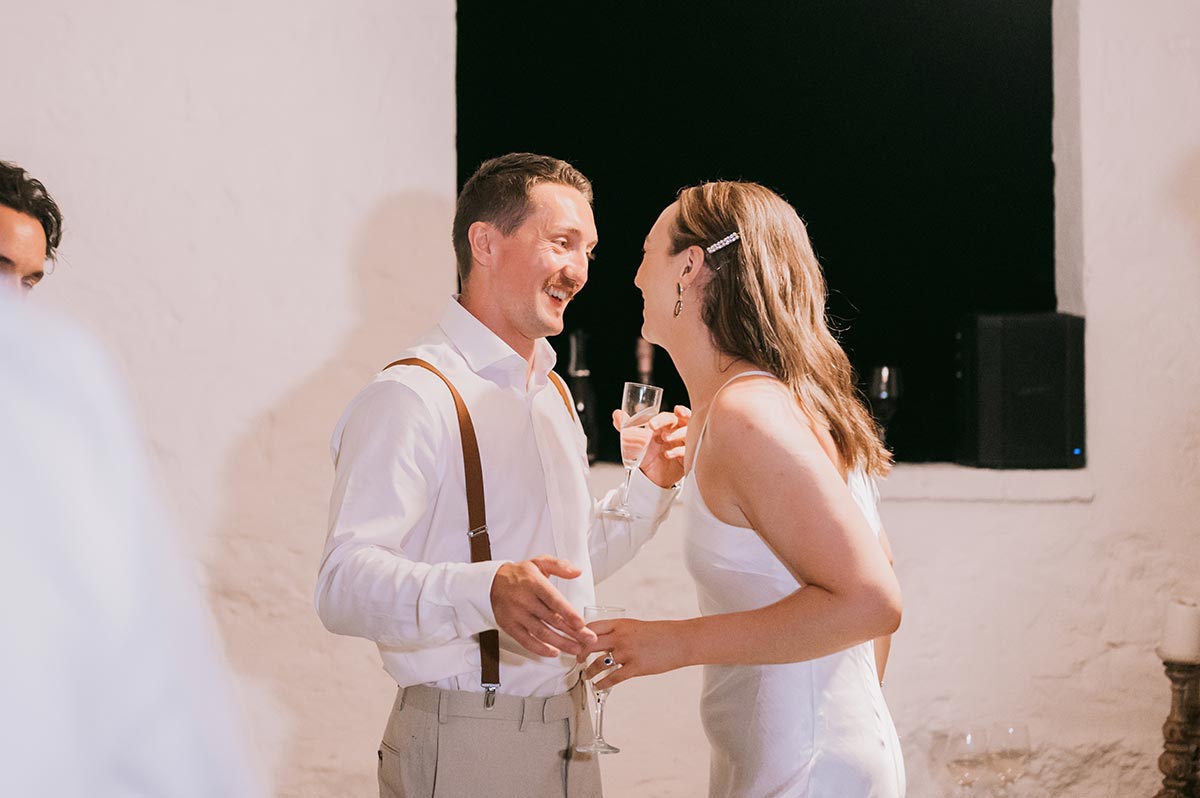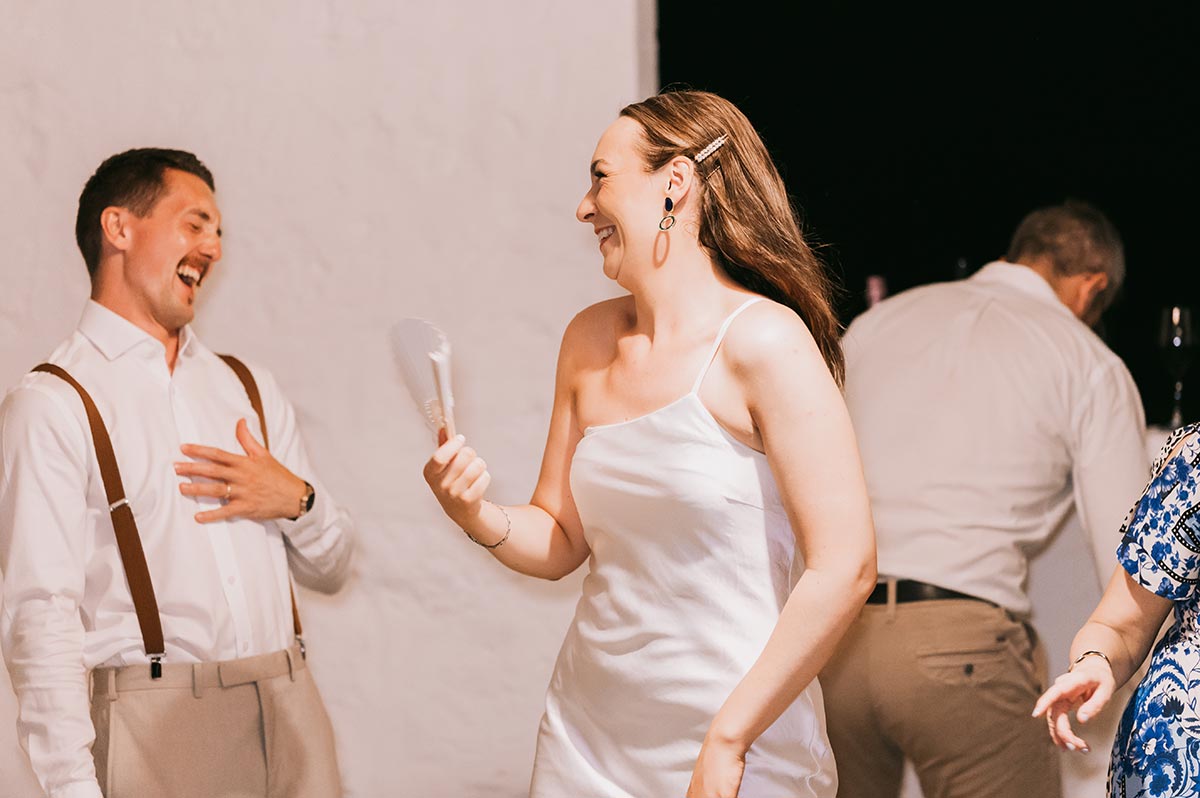
Wedding in Masseria Apulia
APULIA STORIES
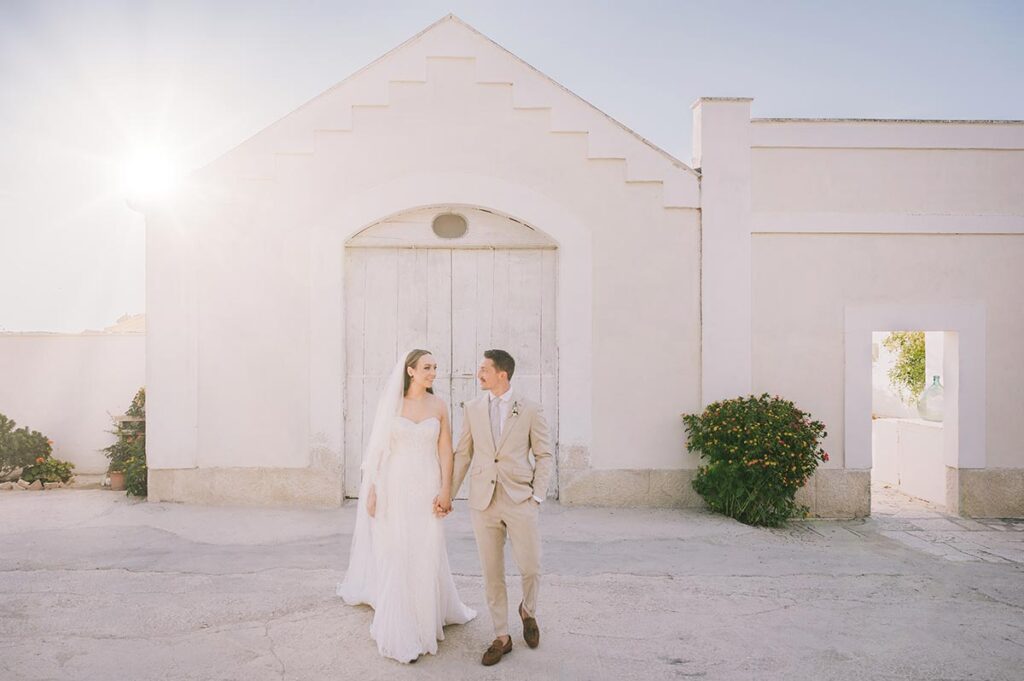
There are many reasons why a wedding in Masseria is the perfect choice for a romantic and unforgettable marriage in Italy
An Idyllic and Romantic Setting for a Dream Wedding in Masseria
Wedding planning can be daunting and stressful, but choosing the right venue can make all the difference. If you’re looking for a picture-perfect and romantic setting for your special day, look no further than a wedding in Masseria.
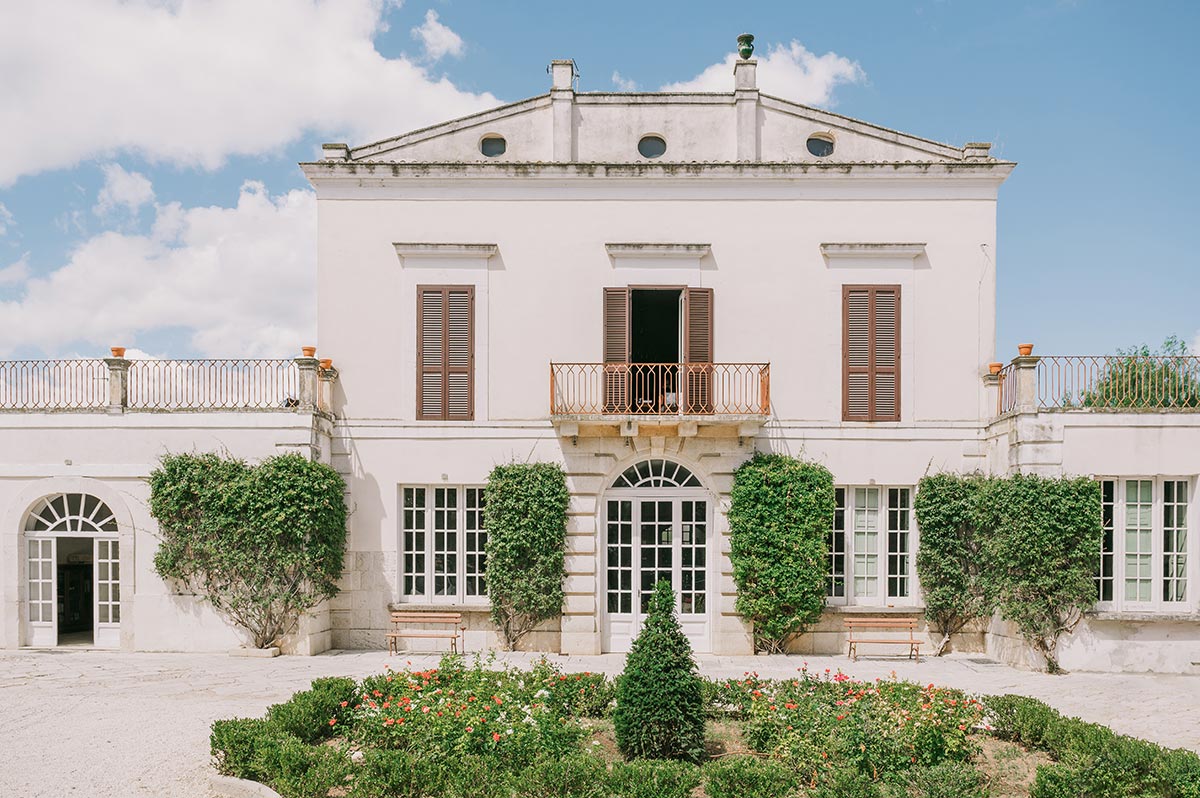
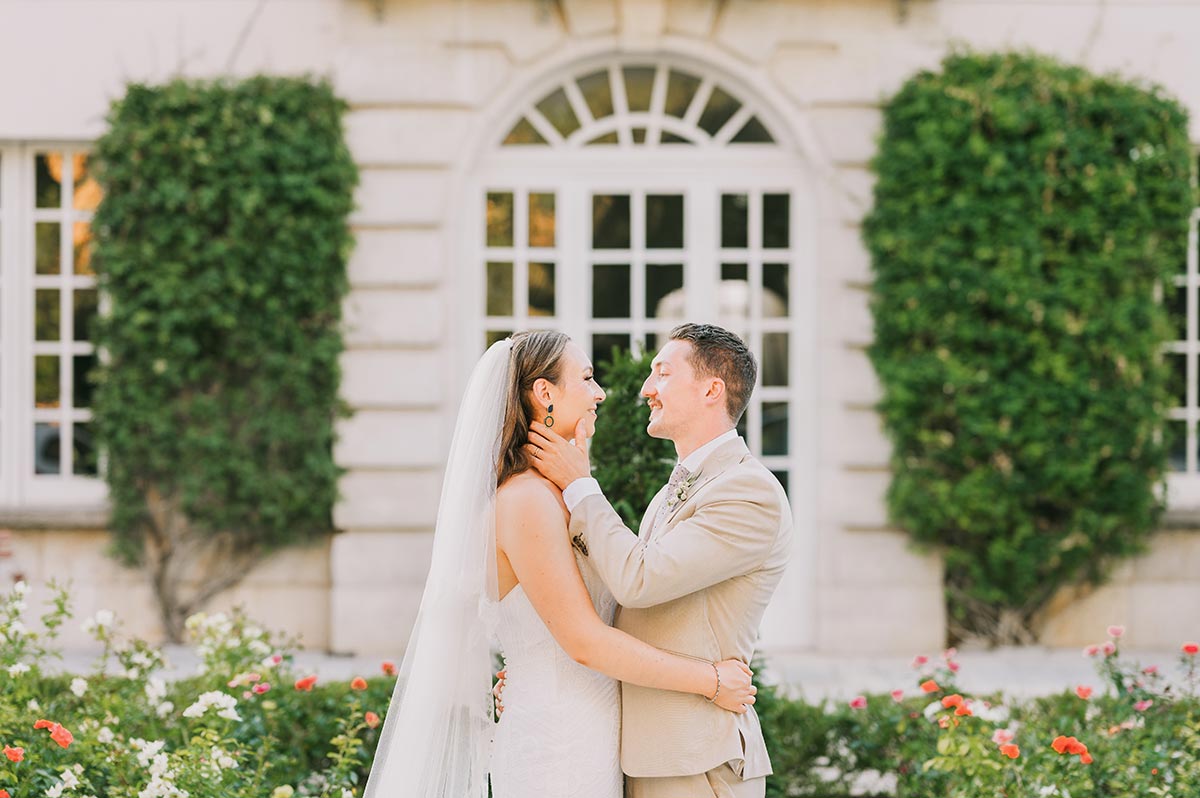
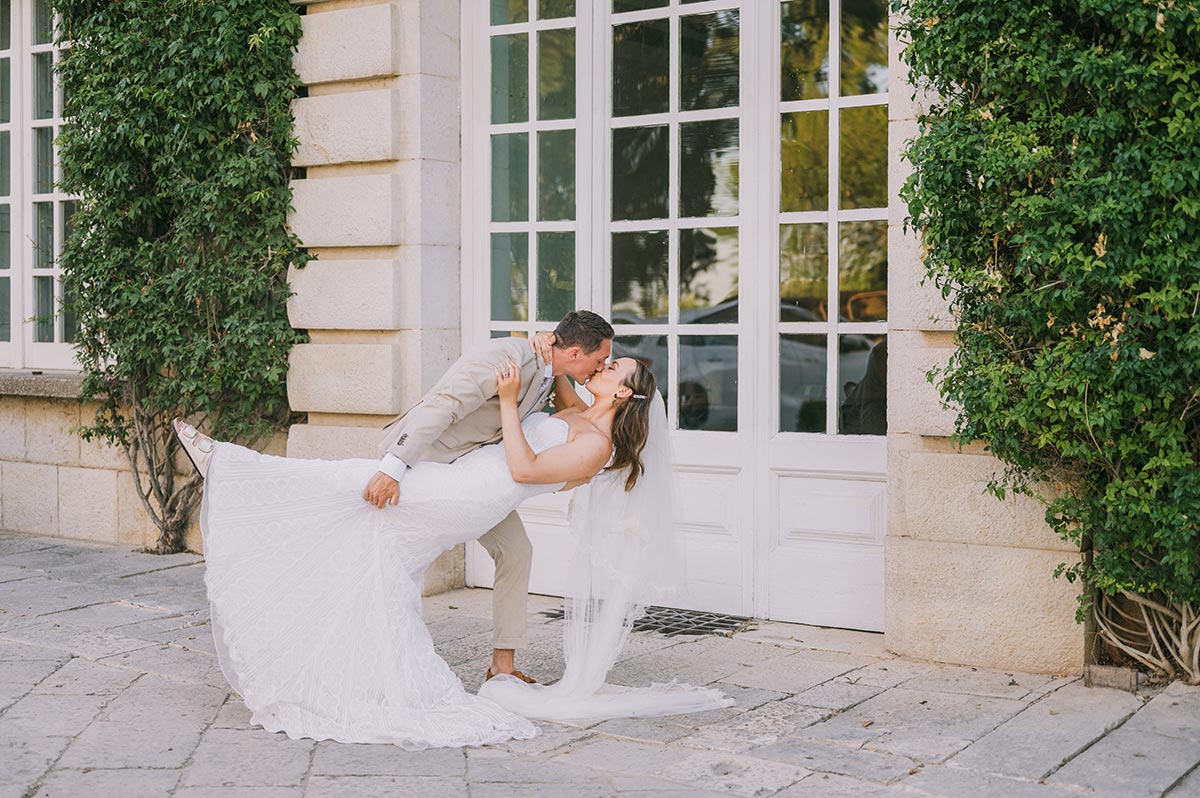
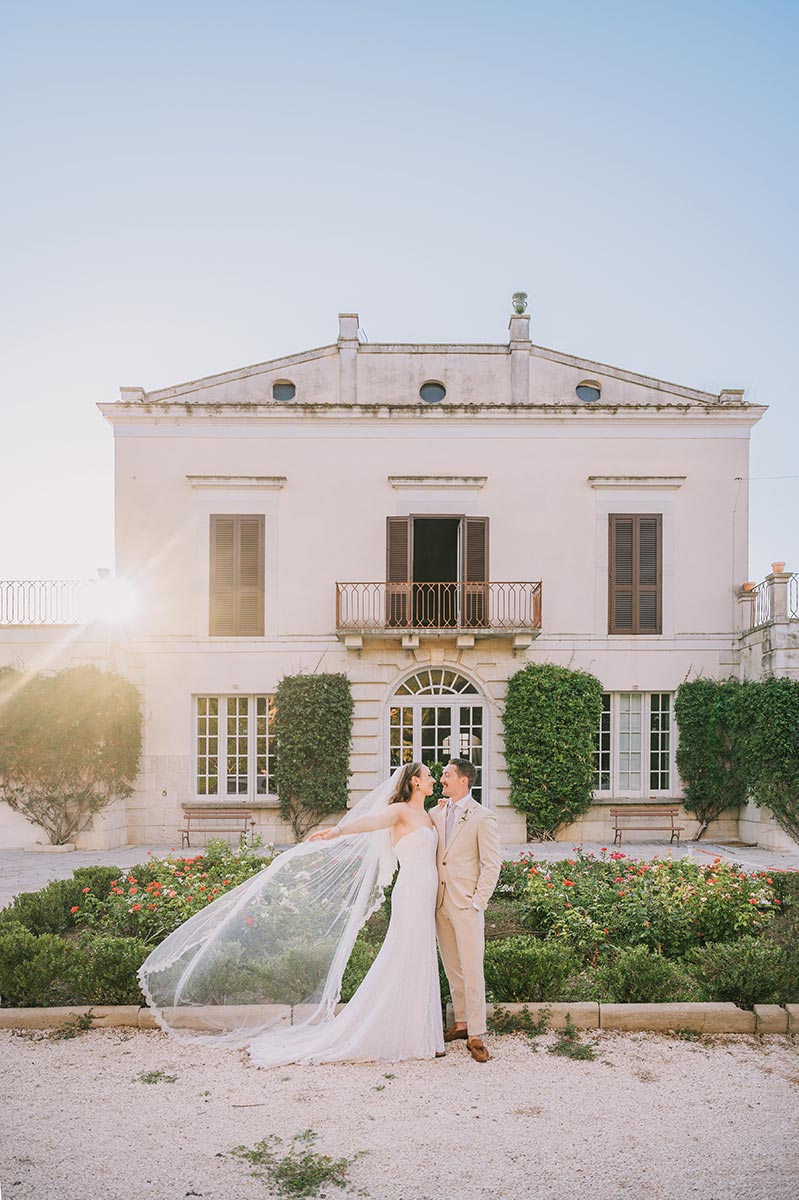
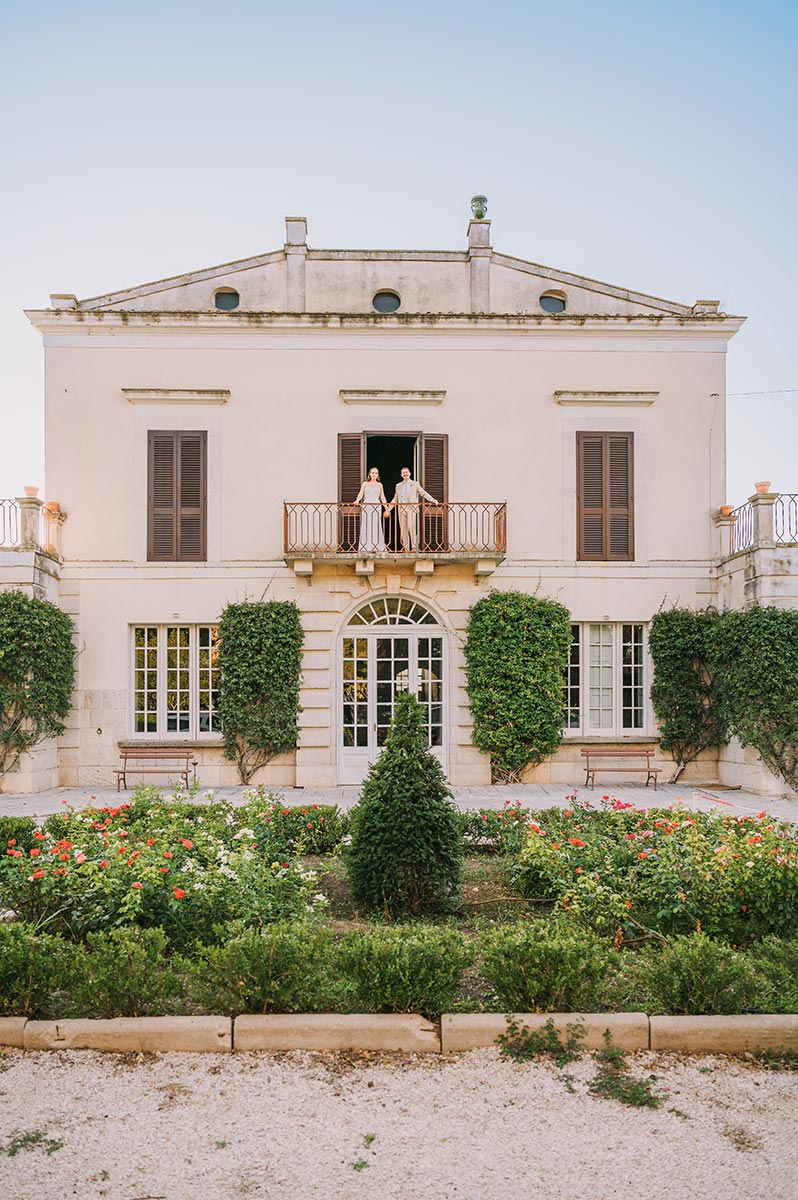
Masseria is a type of fortified farmhouse found in the Puglia region of Italy, known for its stunning architecture, beautiful countryside, and rich history. This unique and charming venue offers a serene atmosphere, perfect for couples looking to tie the knot in a breathtaking and idyllic setting.
Why Choose a Masseria for Your Wedding Venue in Apulia?
There are many reasons why a wedding in Masseria is the perfect choice for a romantic and unforgettable day. Here are just a few:

The Beauty of the Puglia Region
Puglia, also known as Apulia, is a stunning region located at the heel of the Italian boot. It is renowned for its stunning coastline, delicious cuisine, and unique architecture. The area boasts a rich history, with evidence of human settlement dating back to prehistoric times. Over the centuries, the region has been ruled by various civilizations, including the Greeks, Romans, and Normans, each leaving their mark on the region’s culture and architecture. Today, Puglia is a popular tourist destination, attracting millions of visitors each year who experience the region’s beauty and rich history.

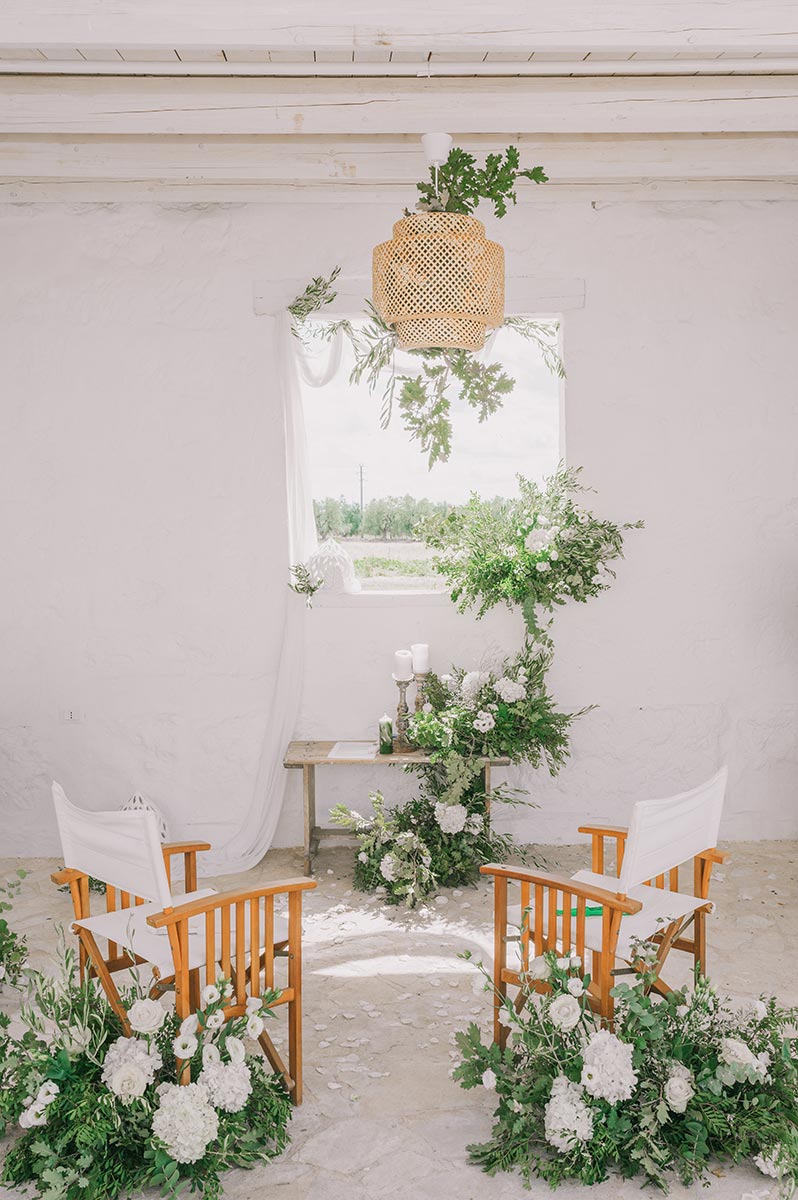
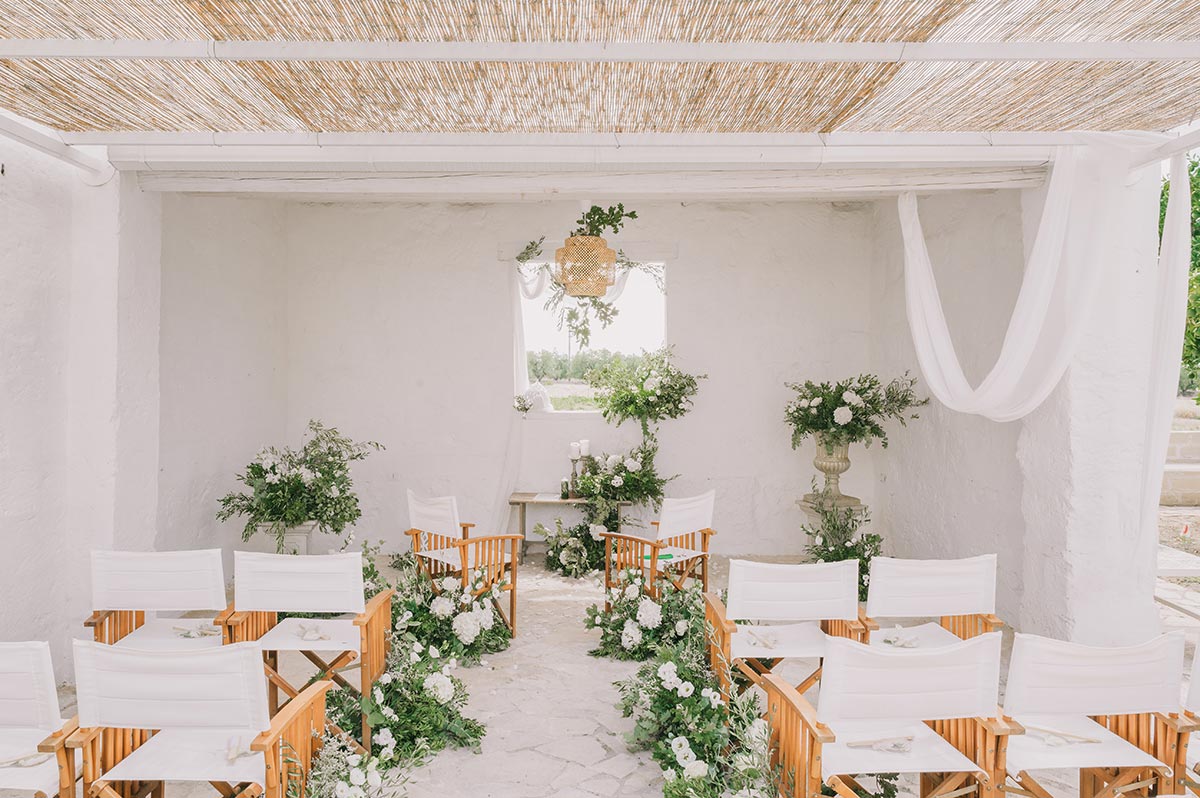
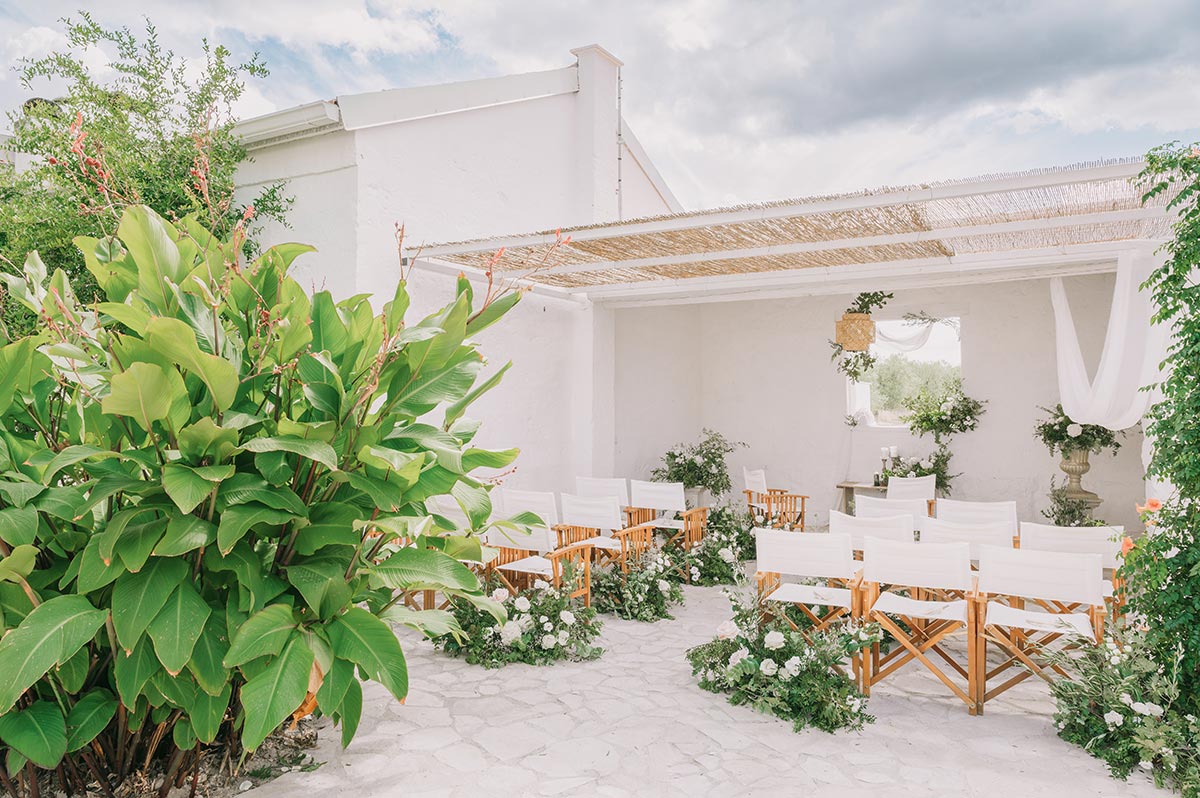
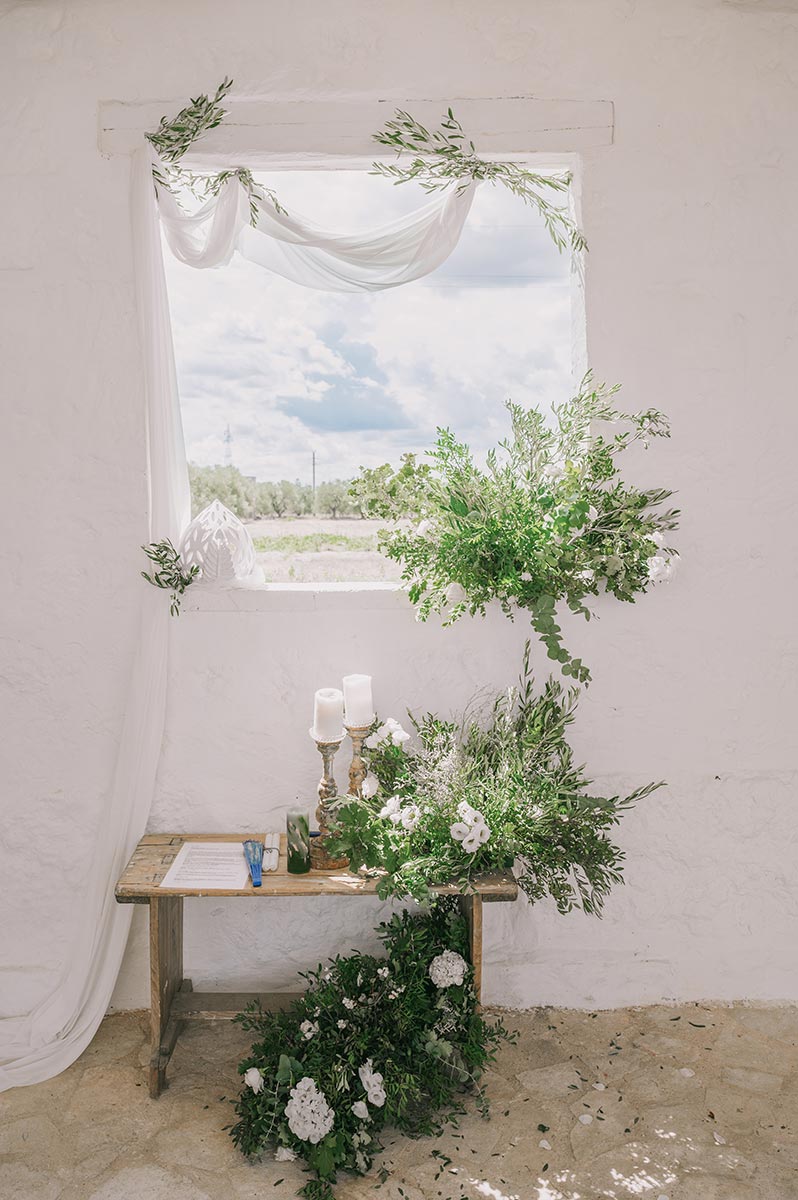
The Puglia coastline
It is one of the most stunning in the world, with crystal-clear waters and miles of pristine beaches. The region is dotted with charming fishing villages, hidden coves, and scenic cliffs that offer breathtaking views of the Adriatic Sea. The most famous stretch of coastline is the Gargano Peninsula, located in the northern part of the region. Visitors can find miles of sandy beaches, crystal-clear waters, and breathtaking scenery. The coastline is also home to several nature reserves, including the Tremiti Islands, known for their stunning beauty and rich wildlife.
The delicious cuisine of Puglia
It is renowned for its simplicity and freshness, emphasizing local, seasonal ingredients. The region is famous for its olive groves and vineyards, which produce some of Italy’s best olive oil and wine. Its hearty stews, pasta dishes characterize the cuisine of Puglia, and fish-based words, all made with the freshest ingredients. One of the most famous dishes from the region is “orecchiette con le cime di rapa,” a pasta dish made with ear-shaped pasta, broccoli rabe, and a rich tomato sauce.
Unique Architecture
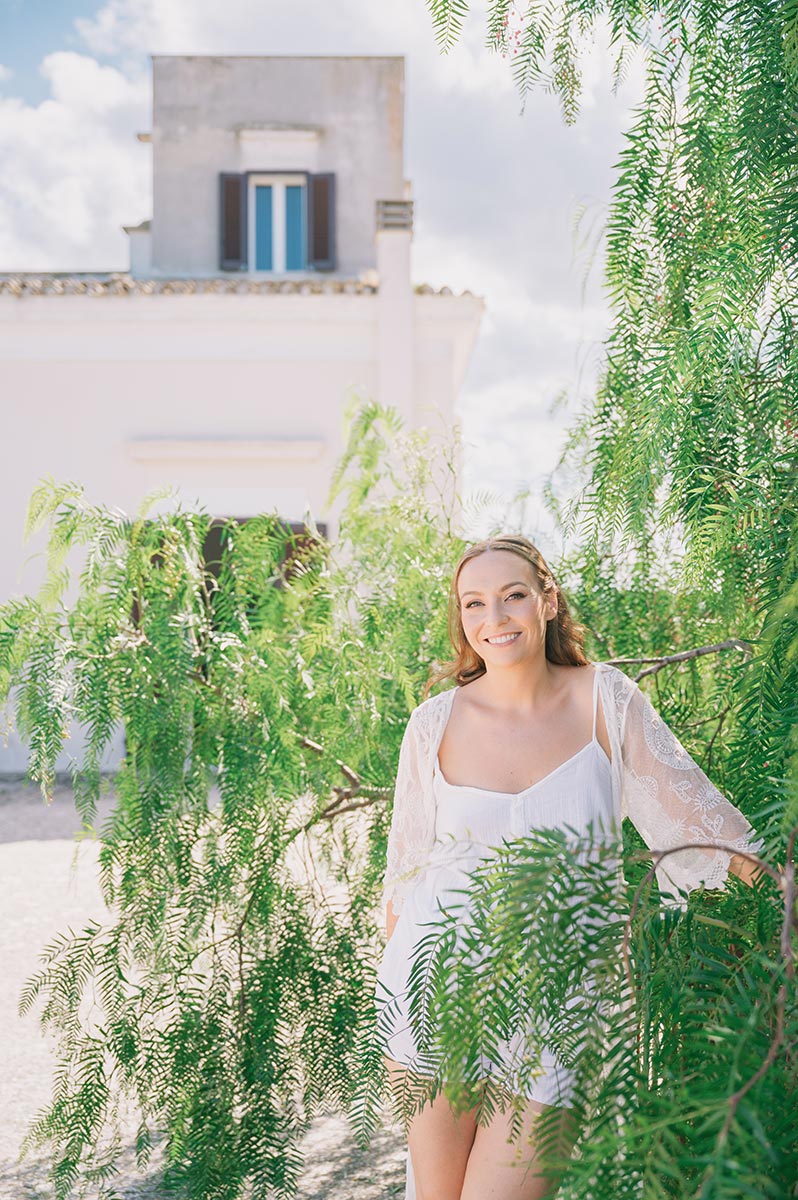
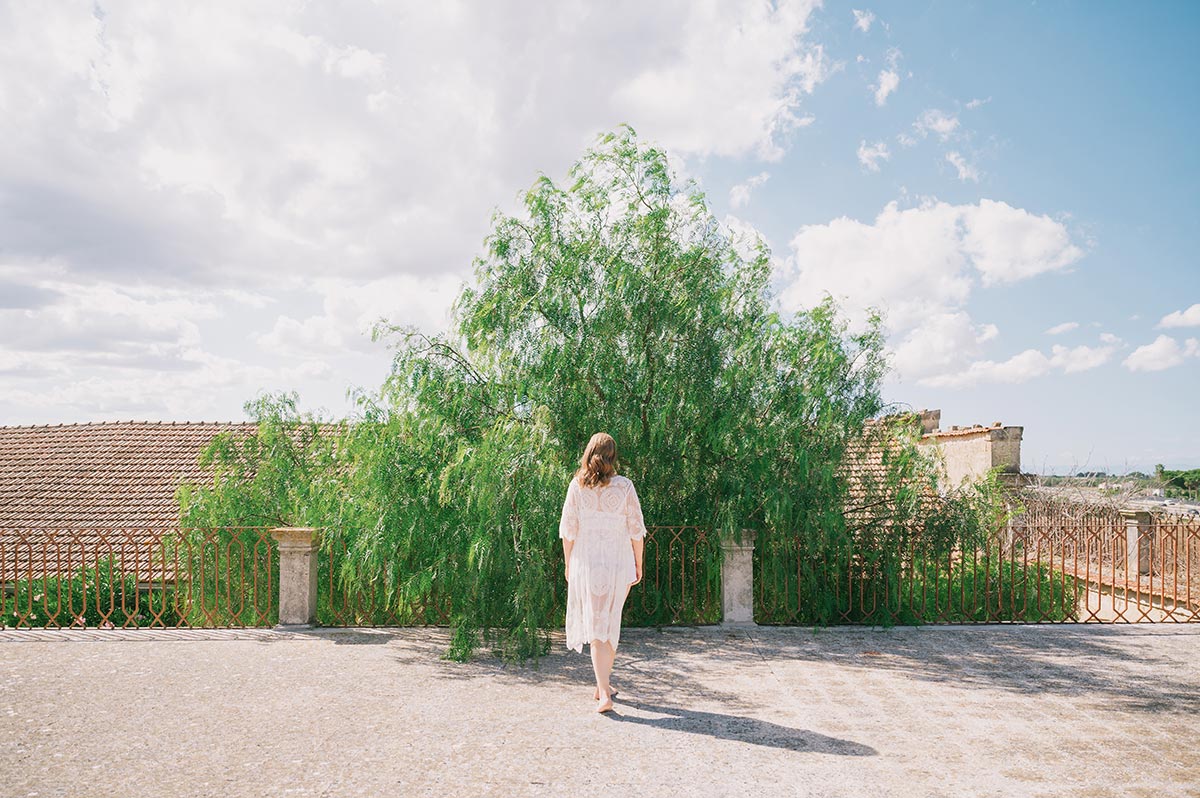
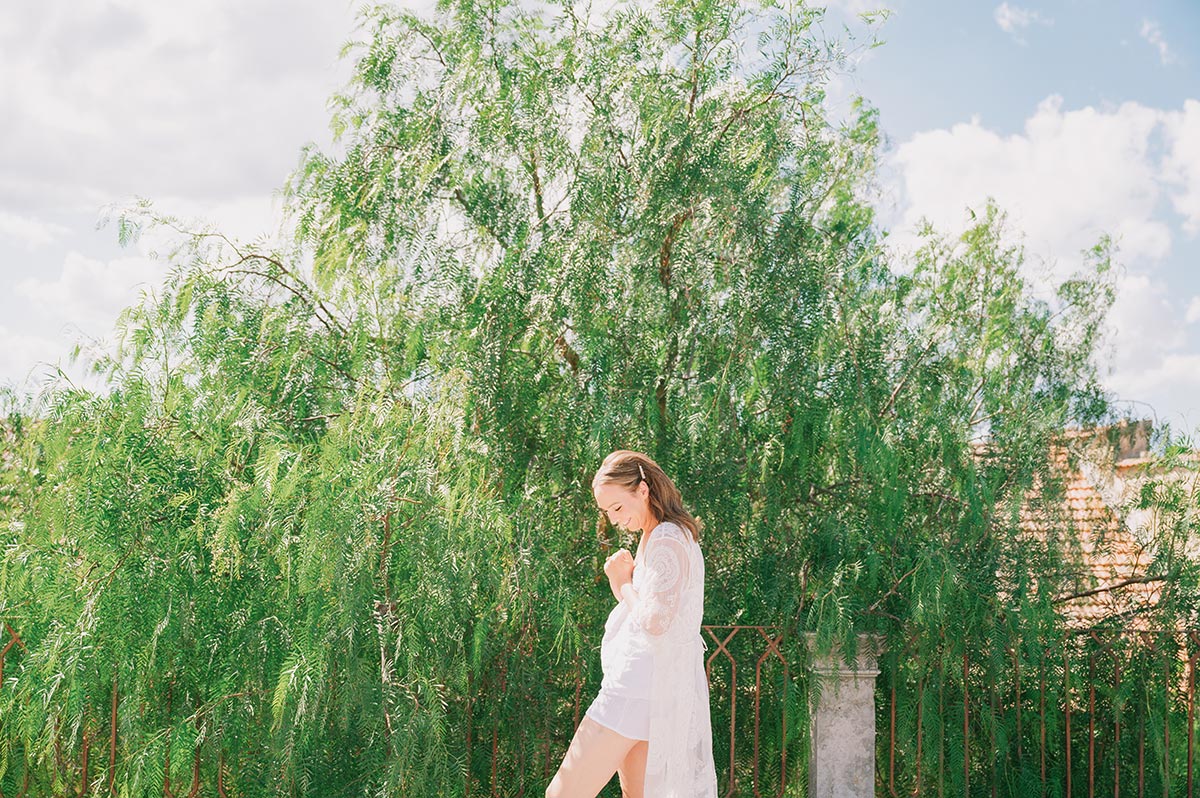
Puglia is also known for its unique architecture, a mix of ancient and modern styles. The region is dotted with traditional trulli houses and conical-roofed structures made of stone and mortar. The Trulli symbolize the region’s rich history and are a popular tourist attraction.
The area is also home to several historic towns, such as Alberobello, a UNESCO World Heritage site. The town is famous for its well-preserved trulli houses and picturesque streets, making it a popular tourist destination.
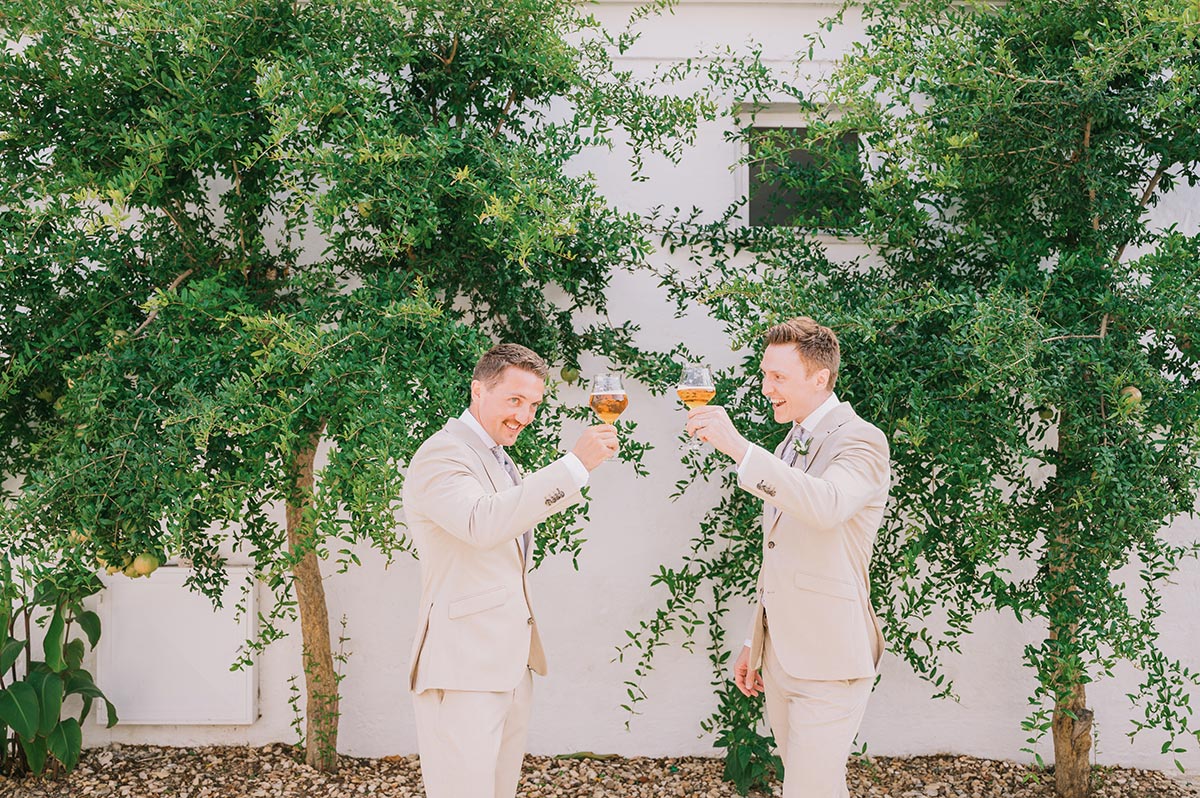


Puglia is steeped in rich culture and history
With evidence of human settlement dating back to prehistoric times. Over the centuries, the region has been ruled by various civilizations, including the Greeks, Romans, and Normans, each leaving their mark on the region’s culture and architecture.


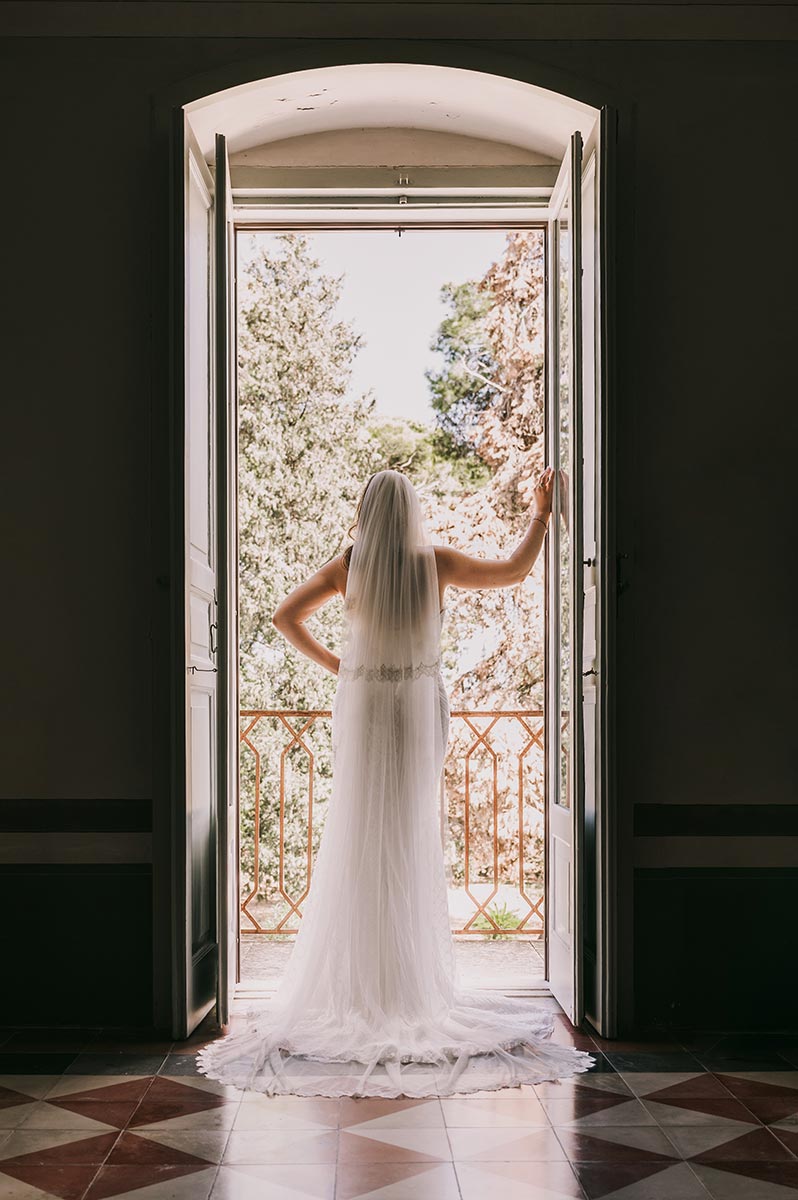
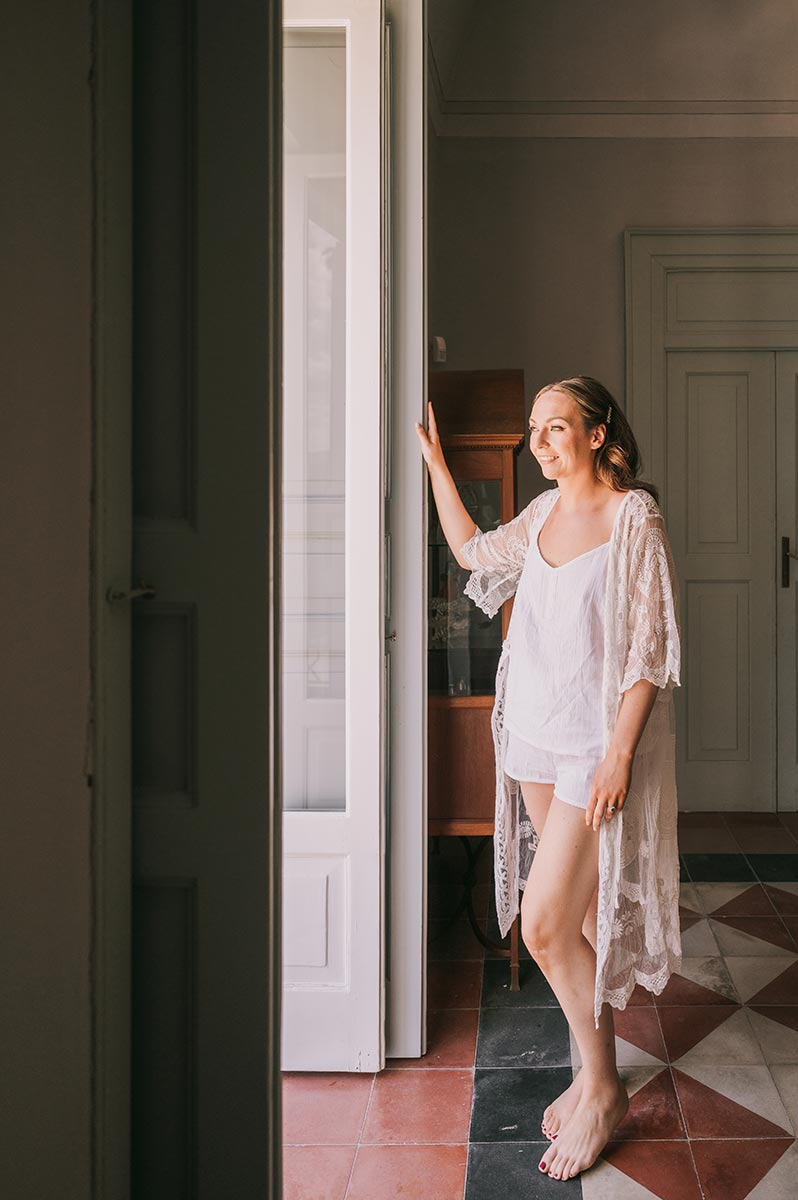
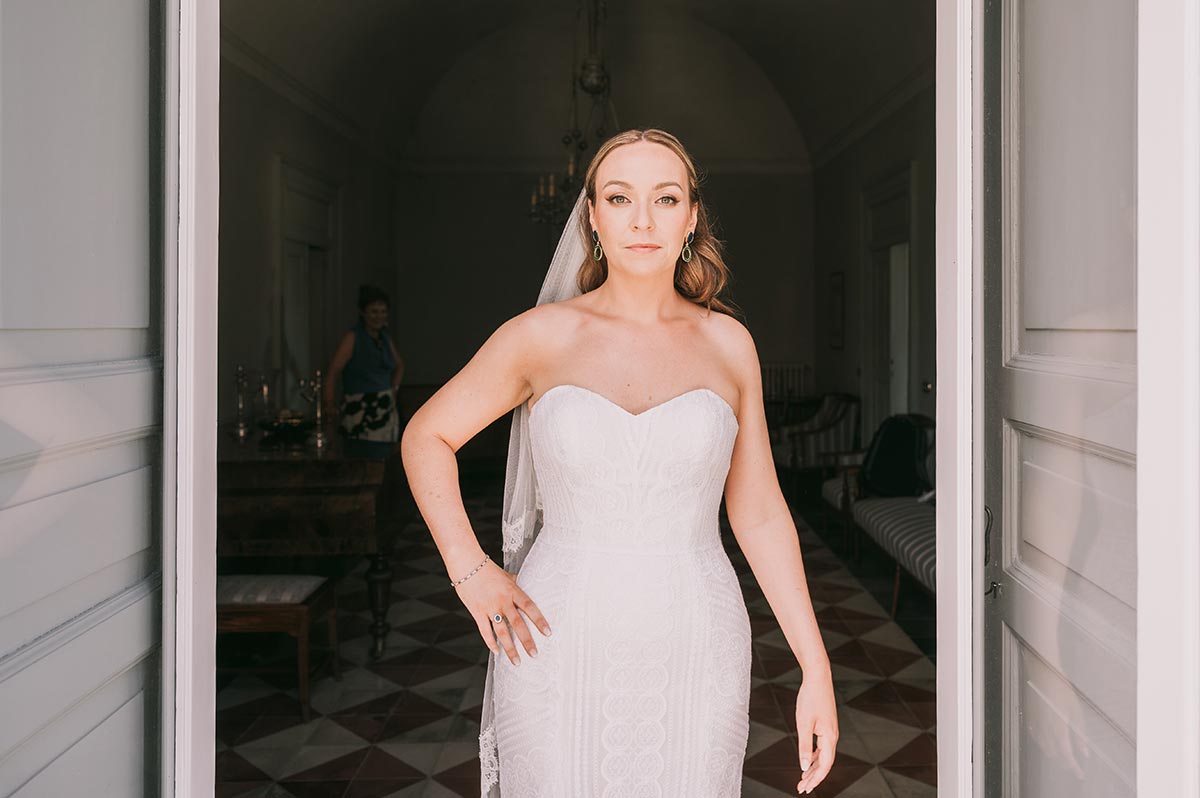
Today, the region is home to several museums and historic sites, including the Castel del Monte, a castle built by Emperor Frederick II in the 13th century. The court is now a UNESCO World Heritage site and is a popular tourist attraction.
A Unique and Authentic Experience in a peaceful atmosphere
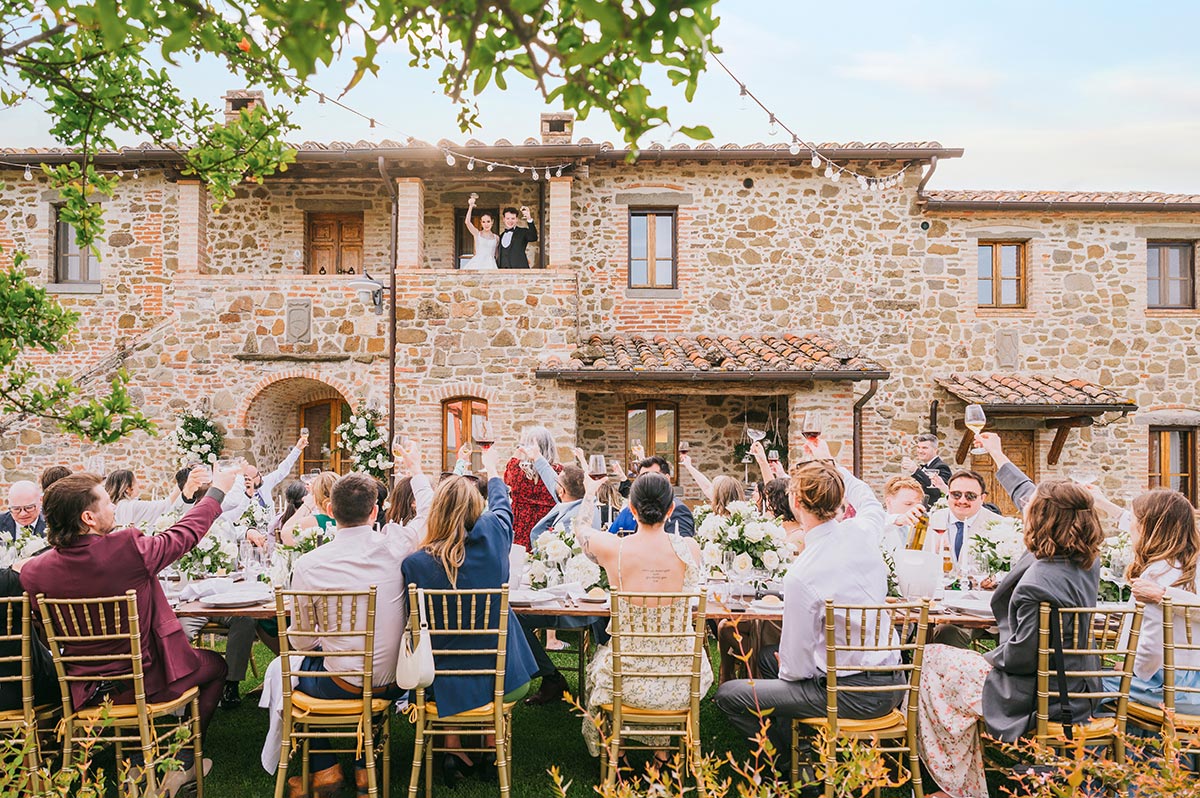
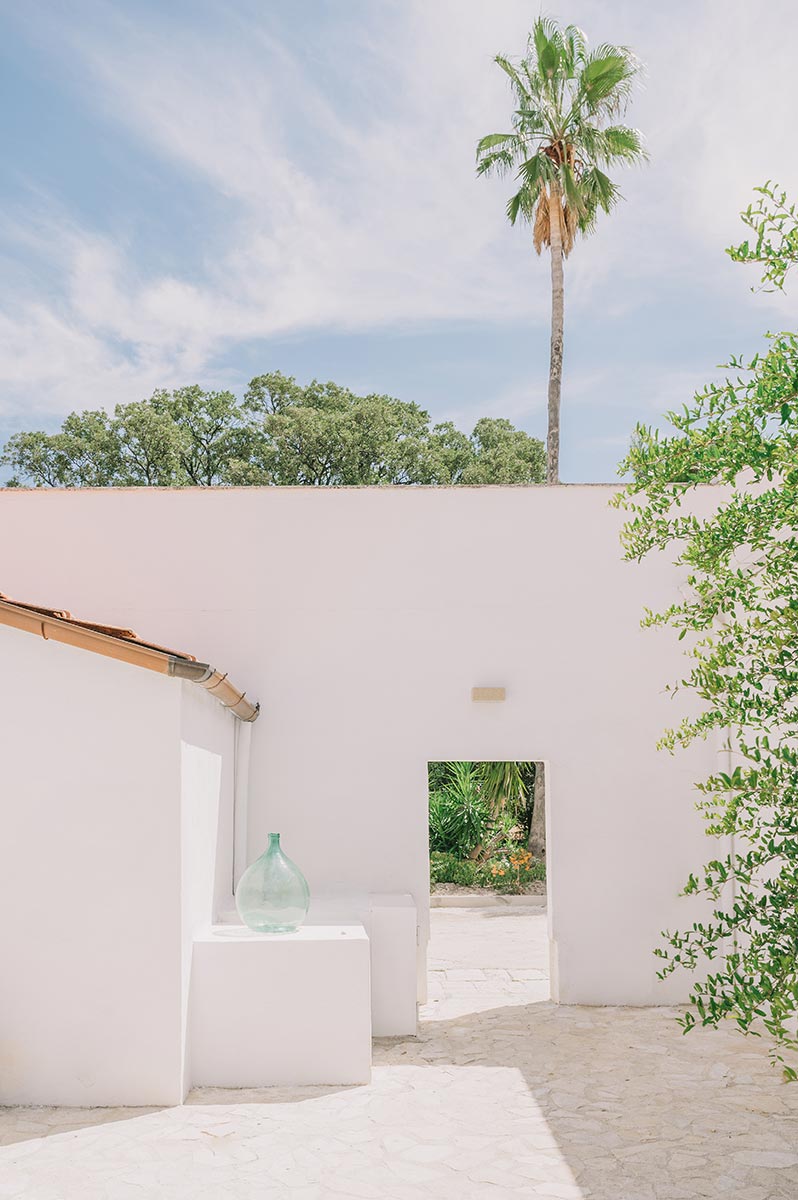
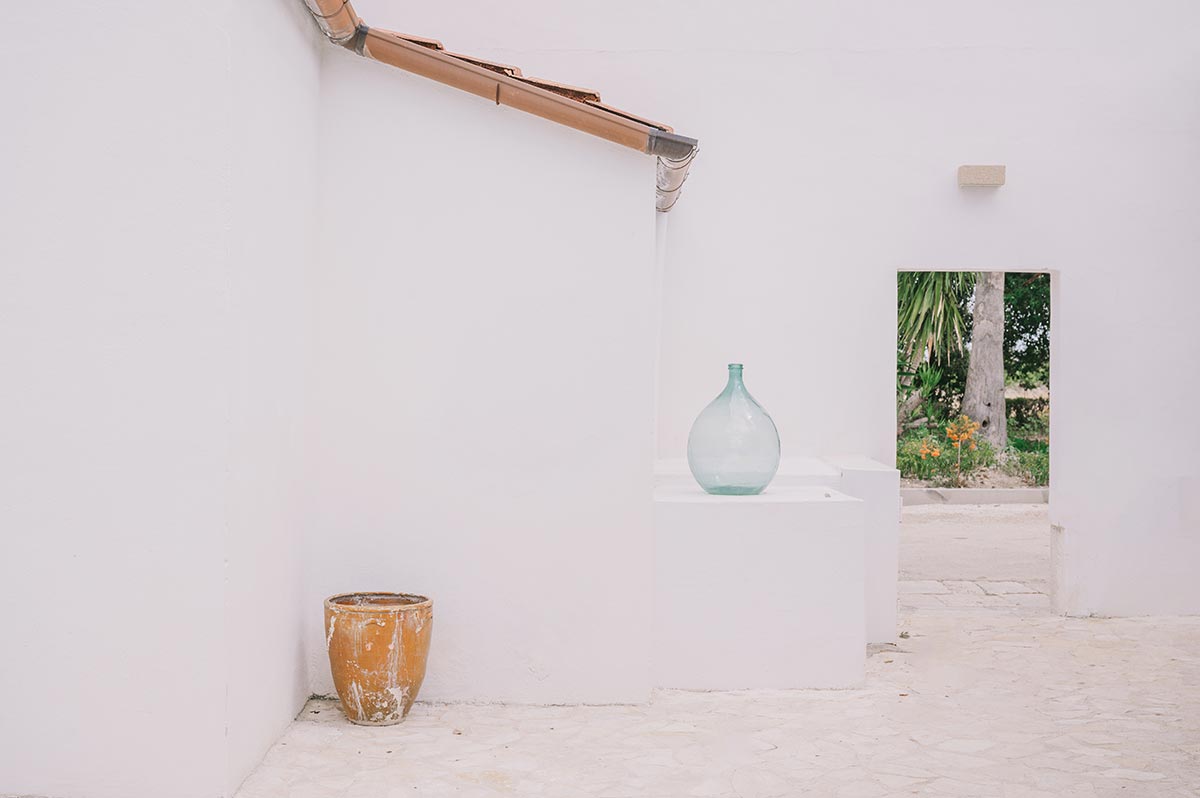
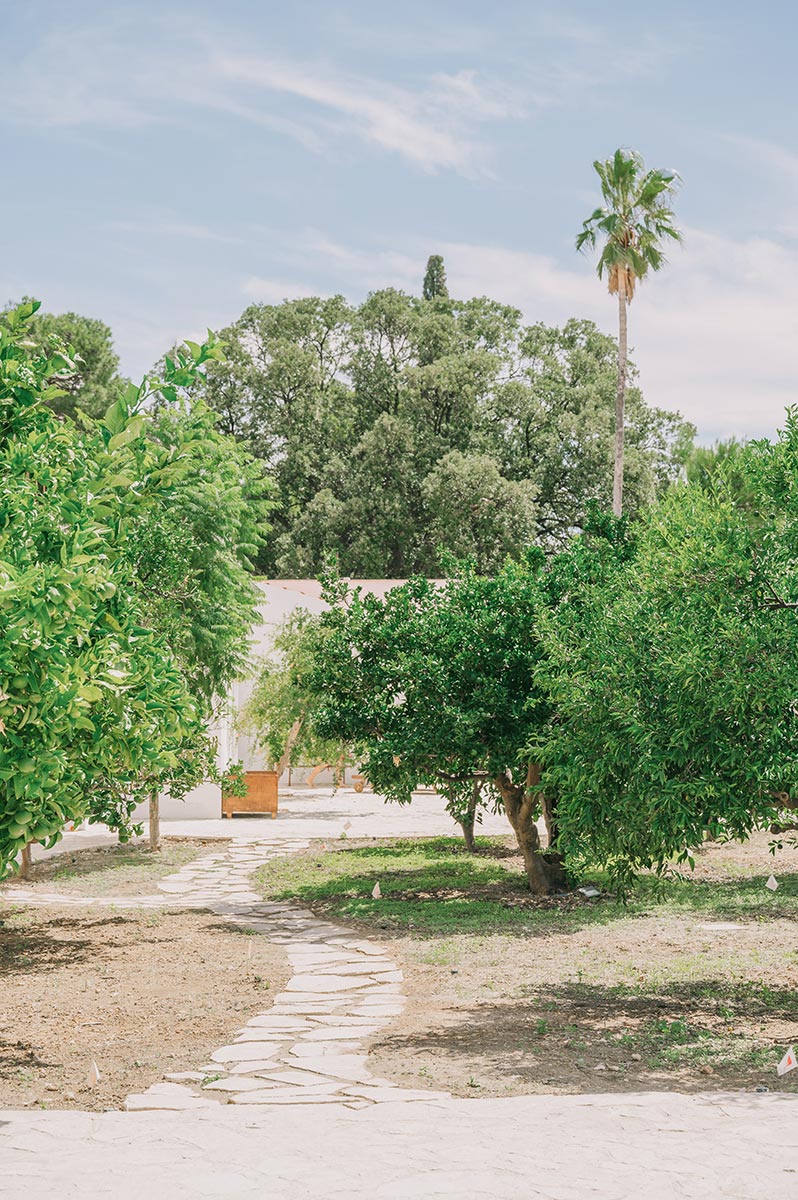
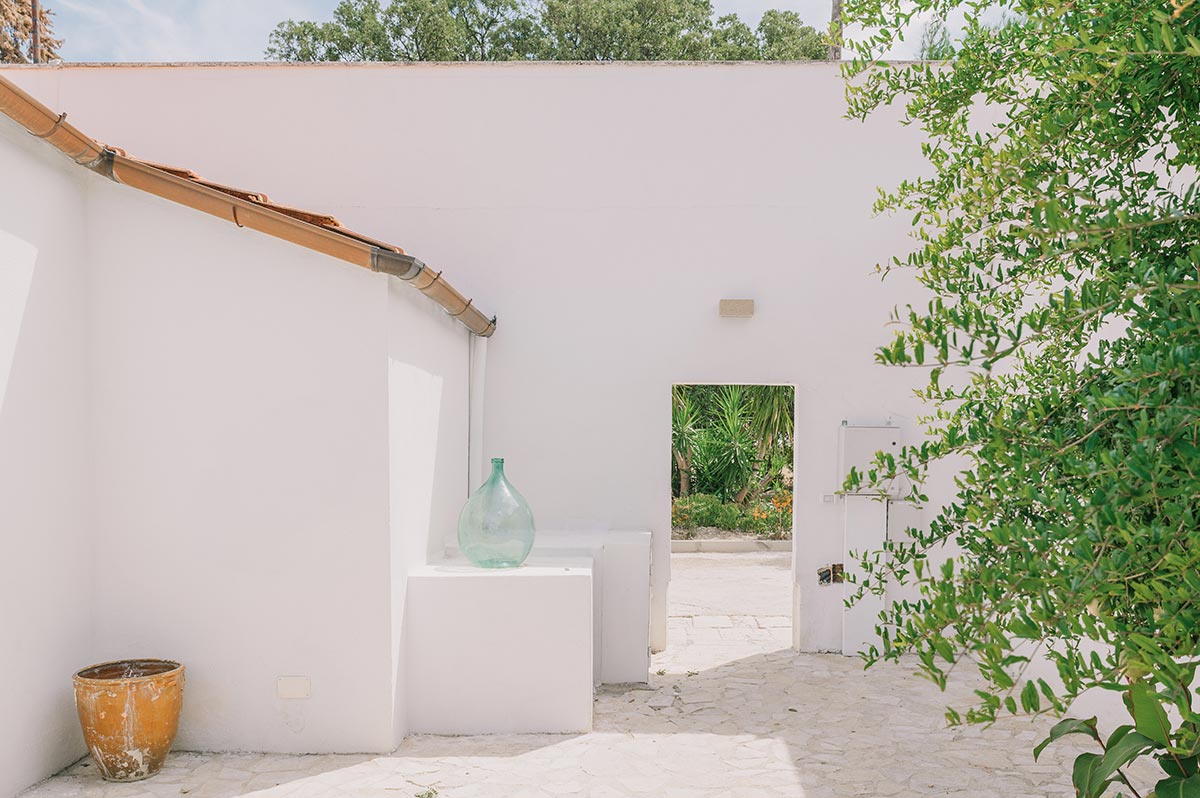
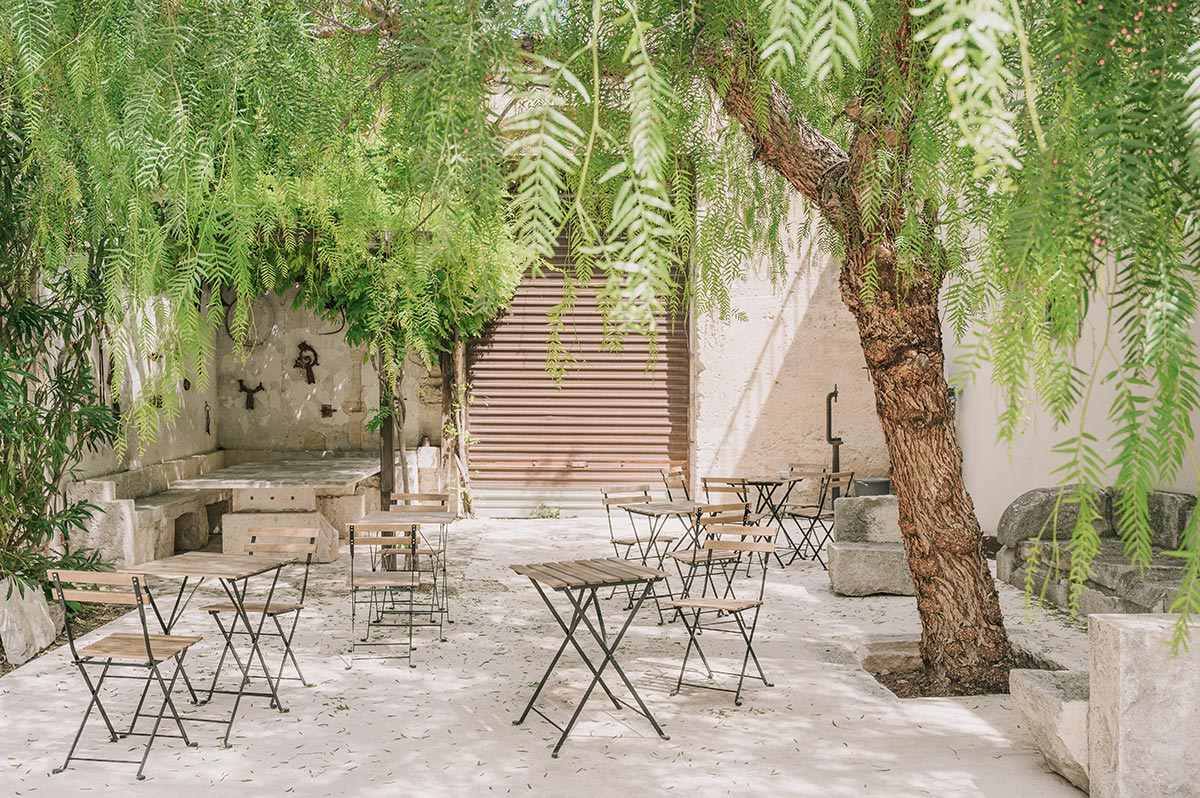
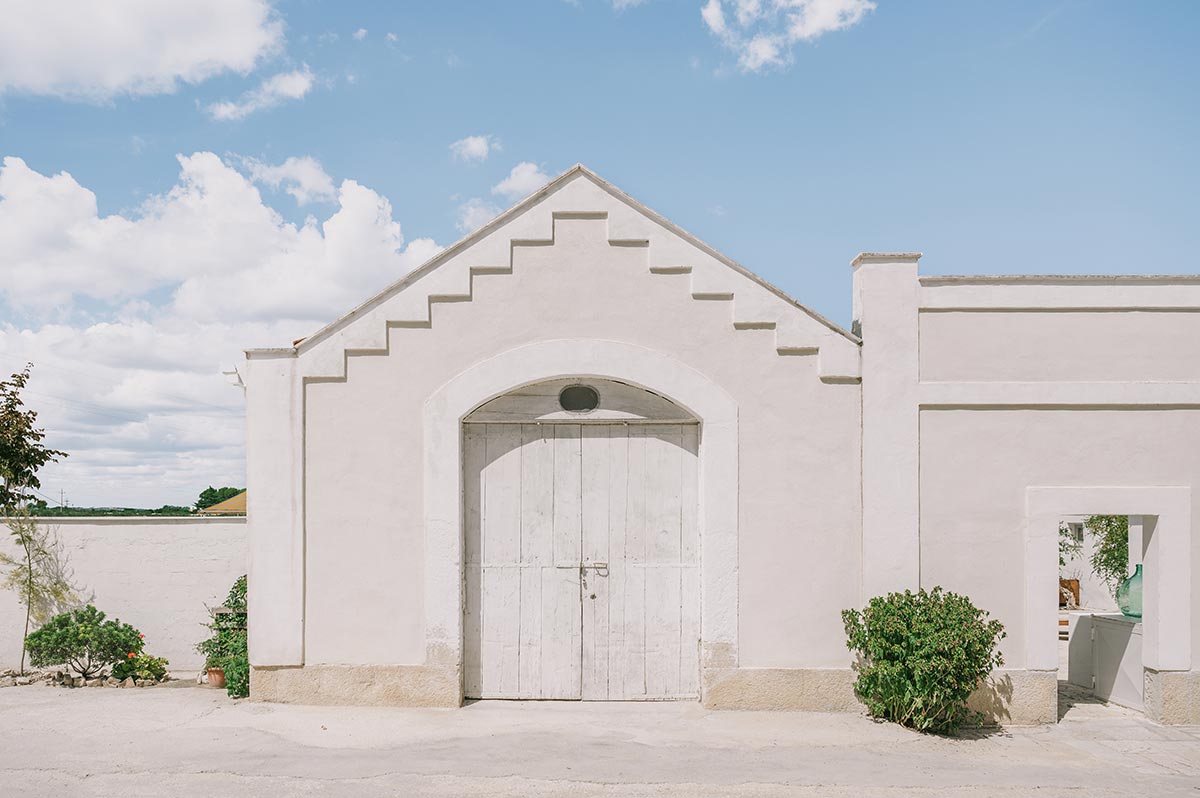
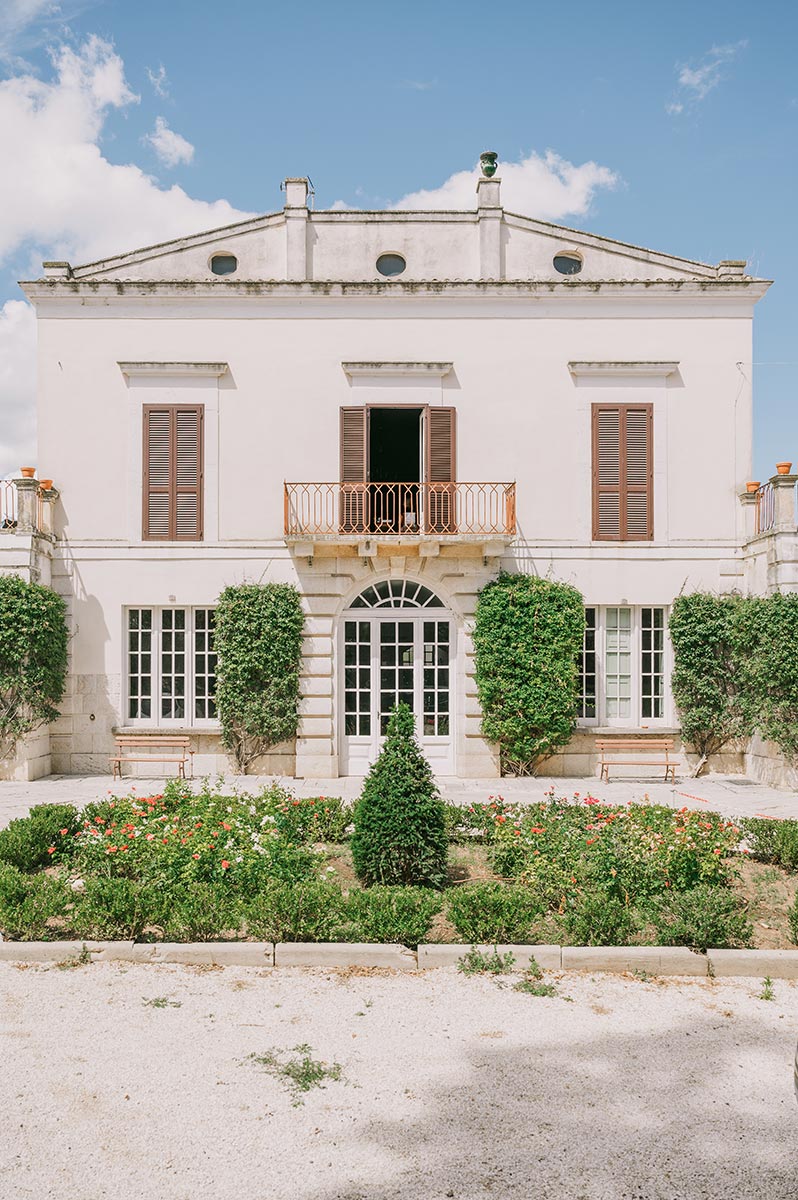
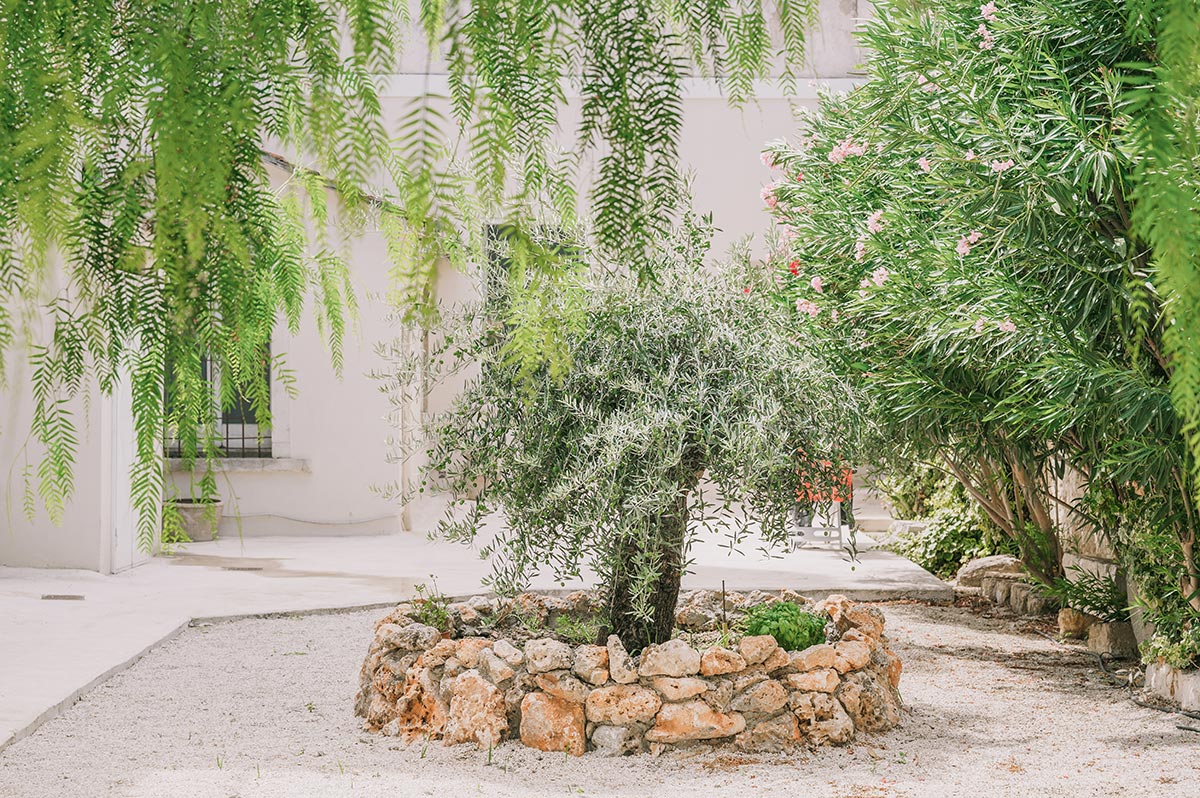
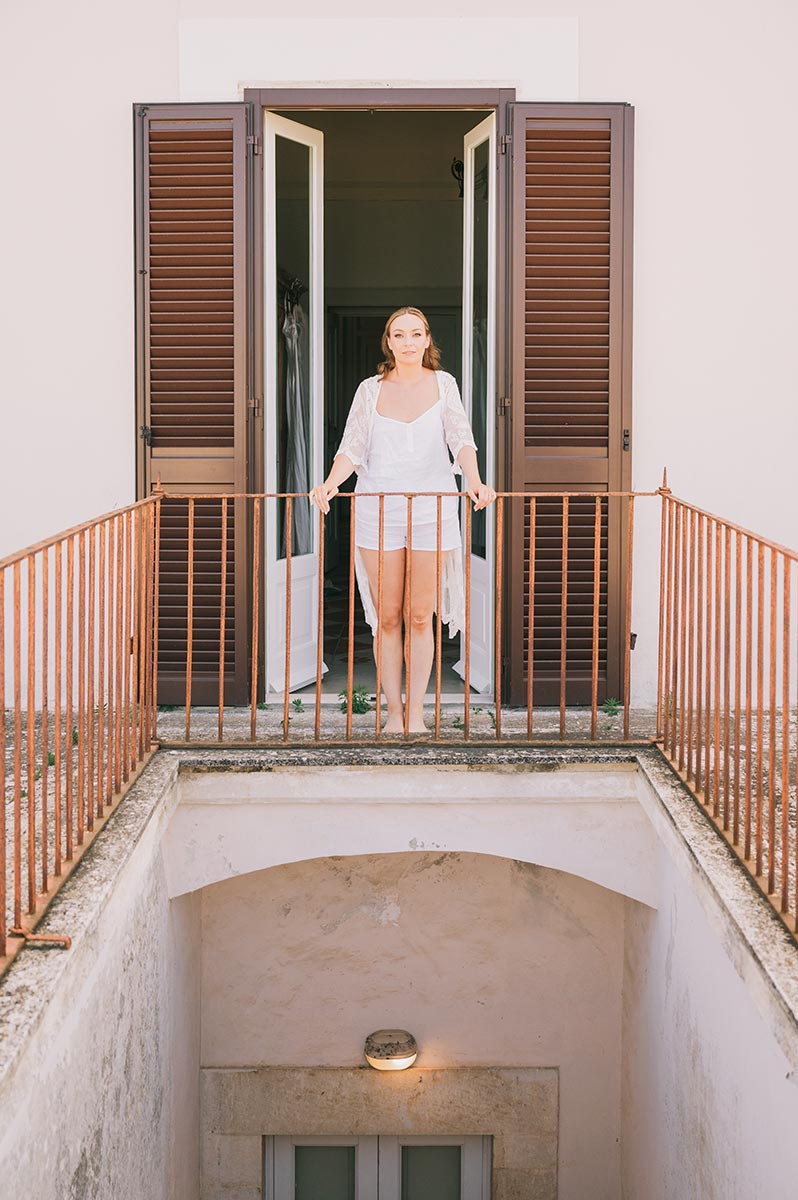
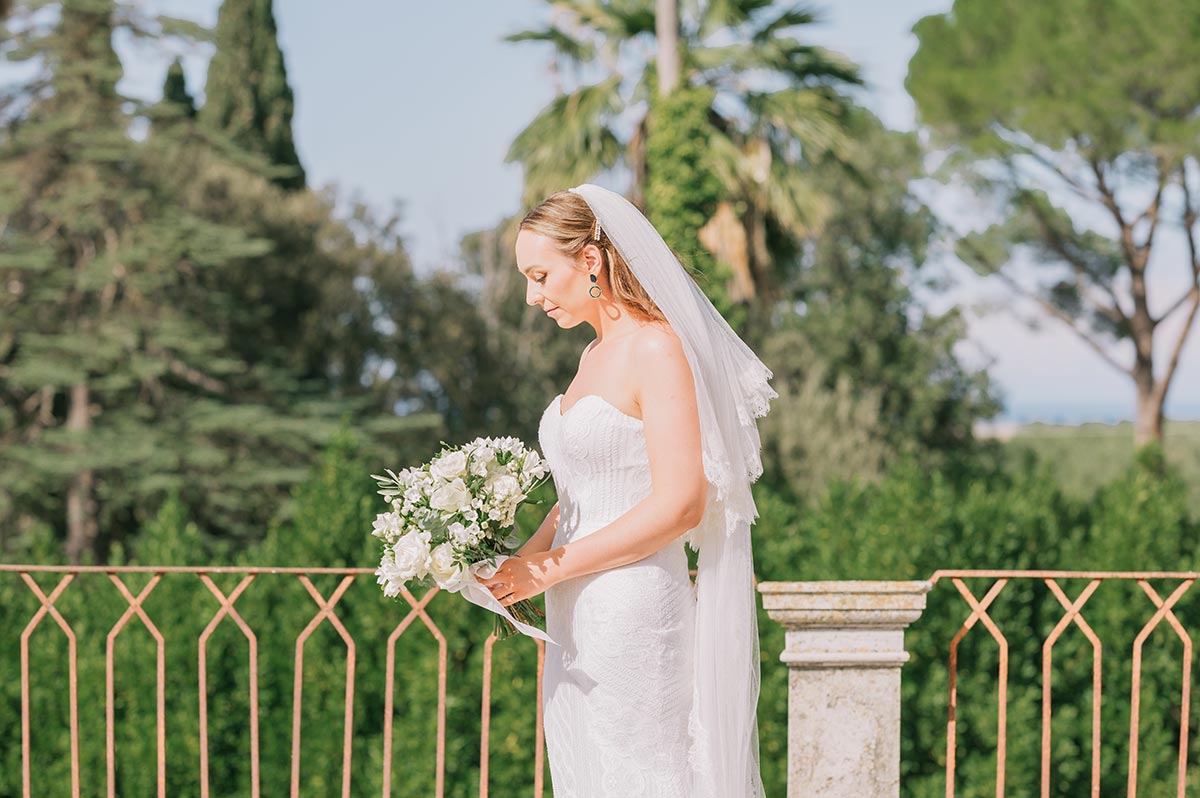
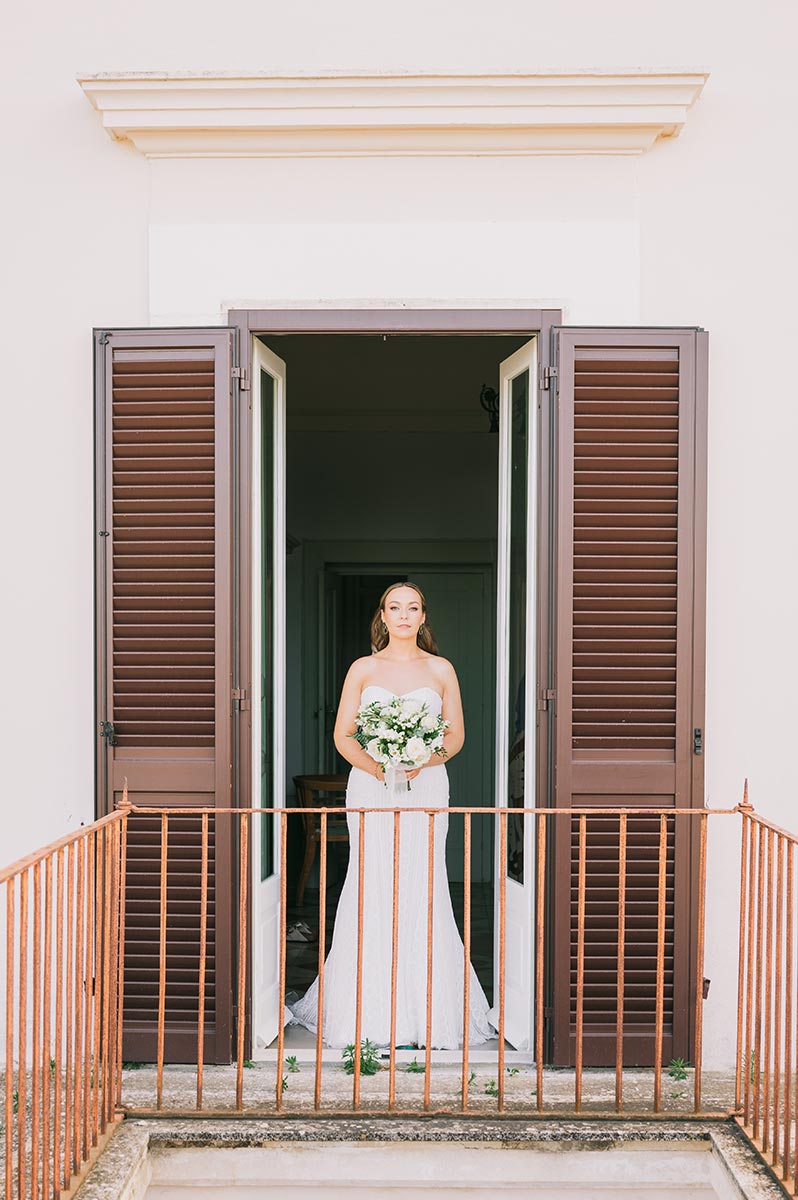
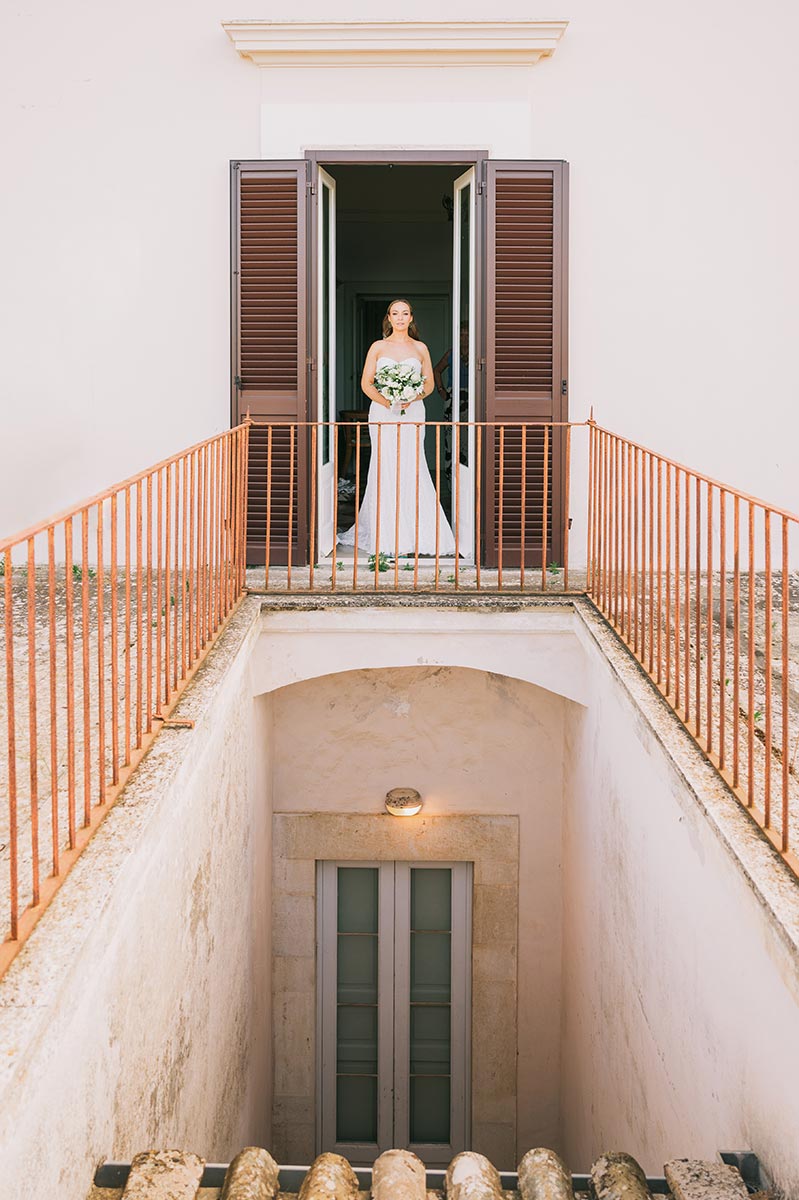
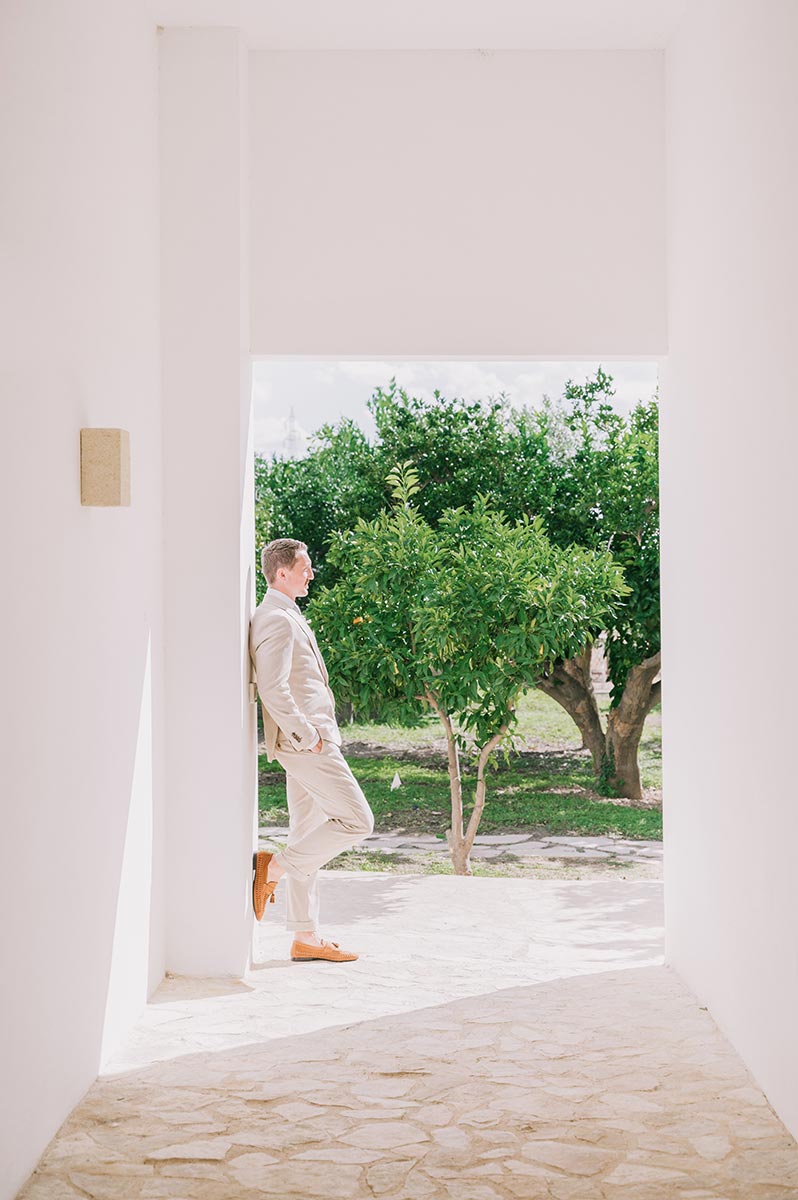
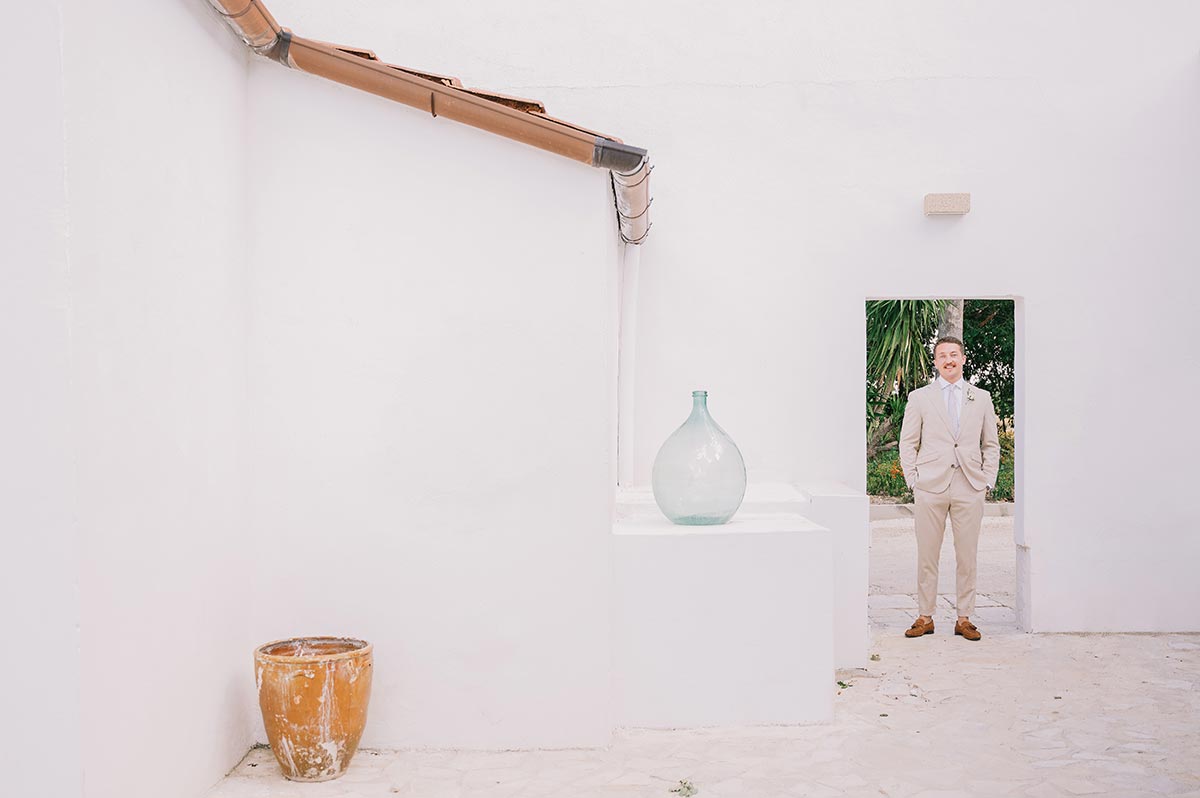
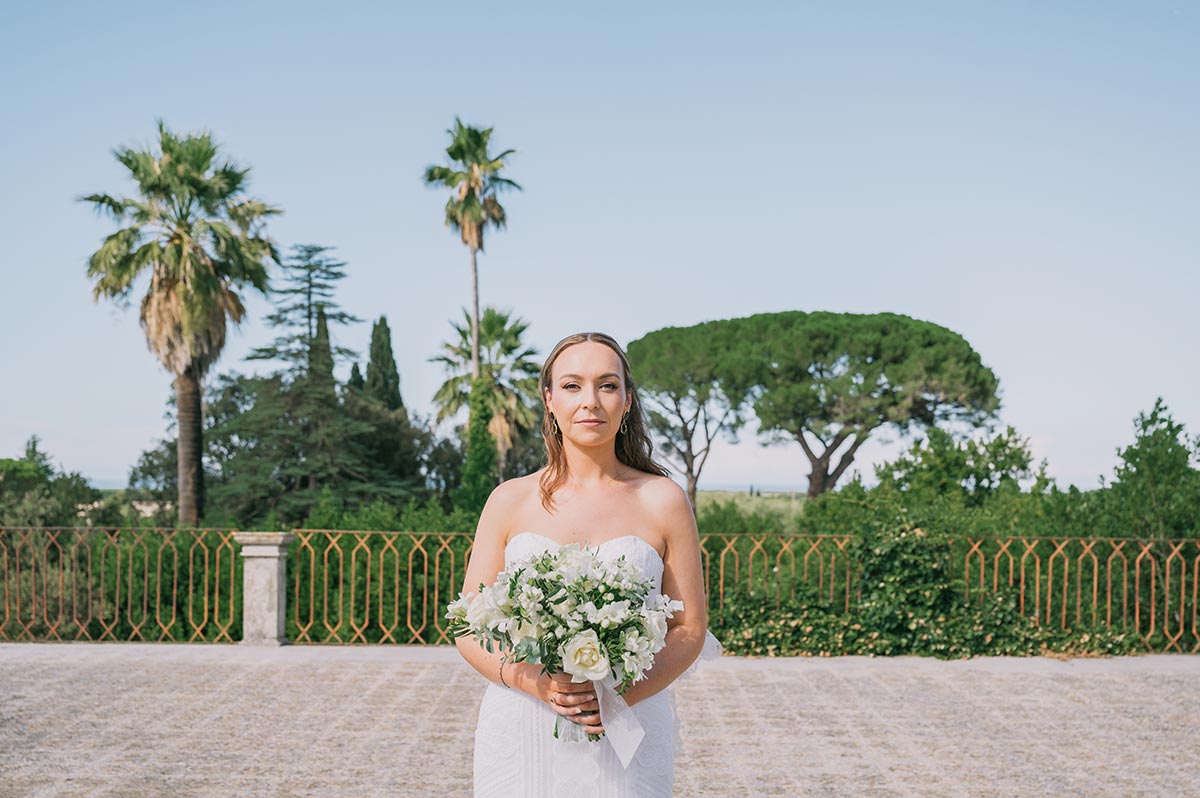
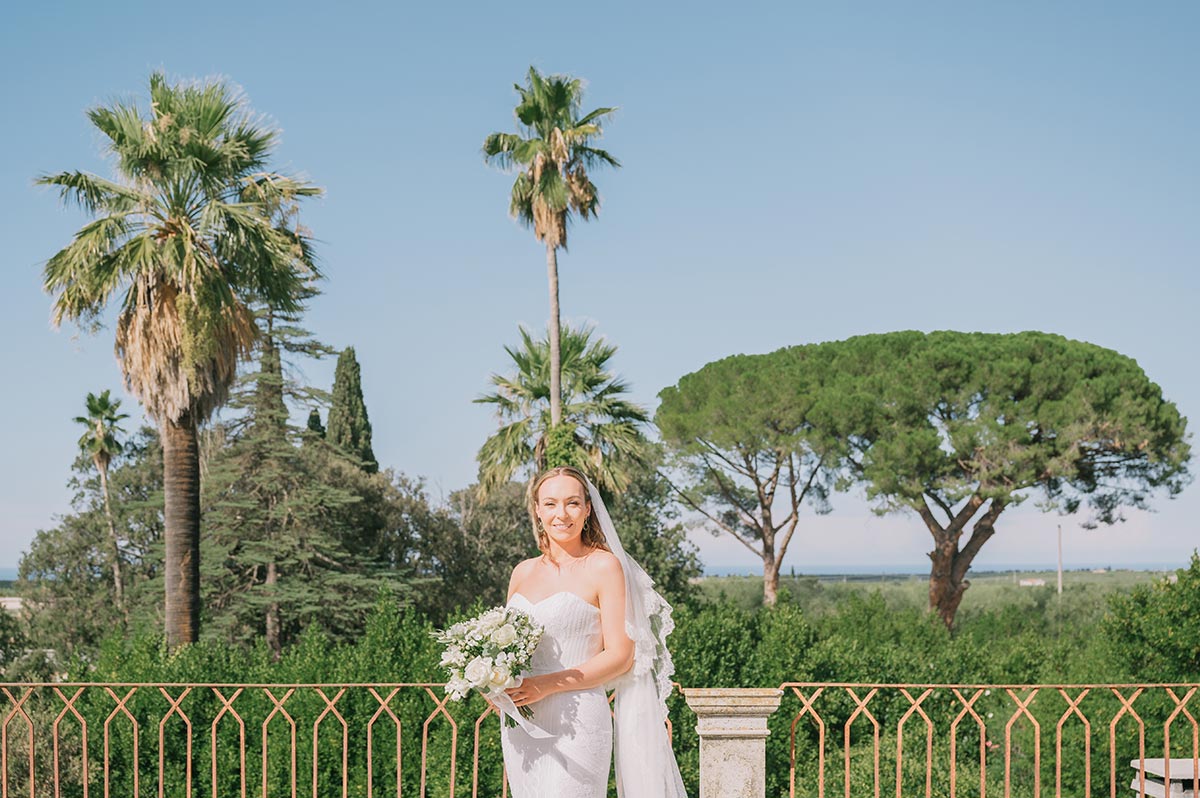
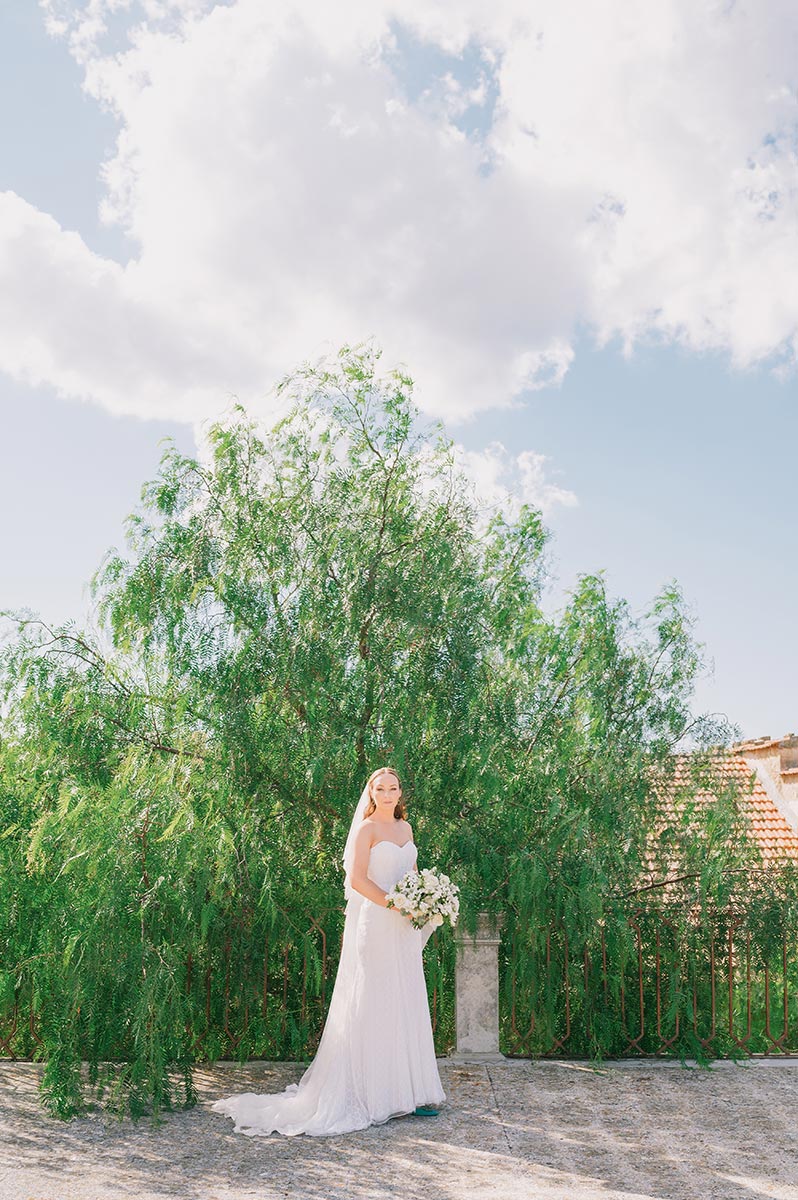
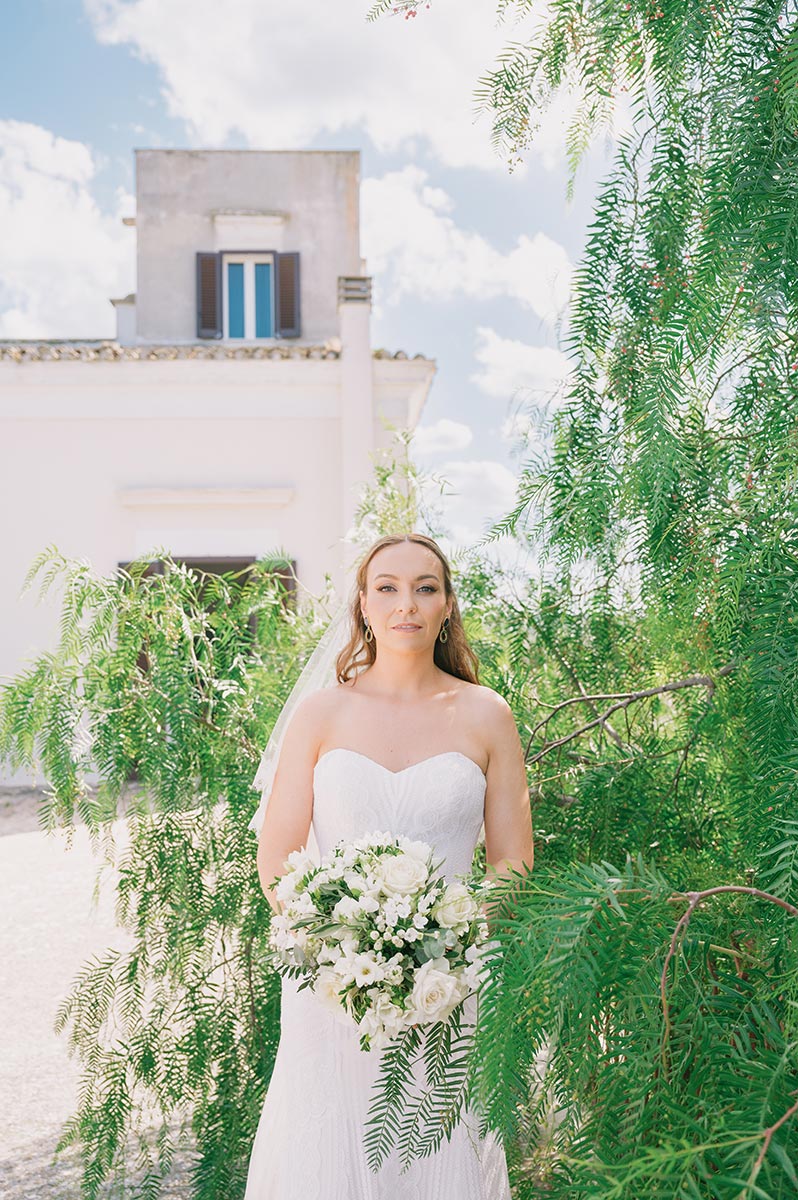
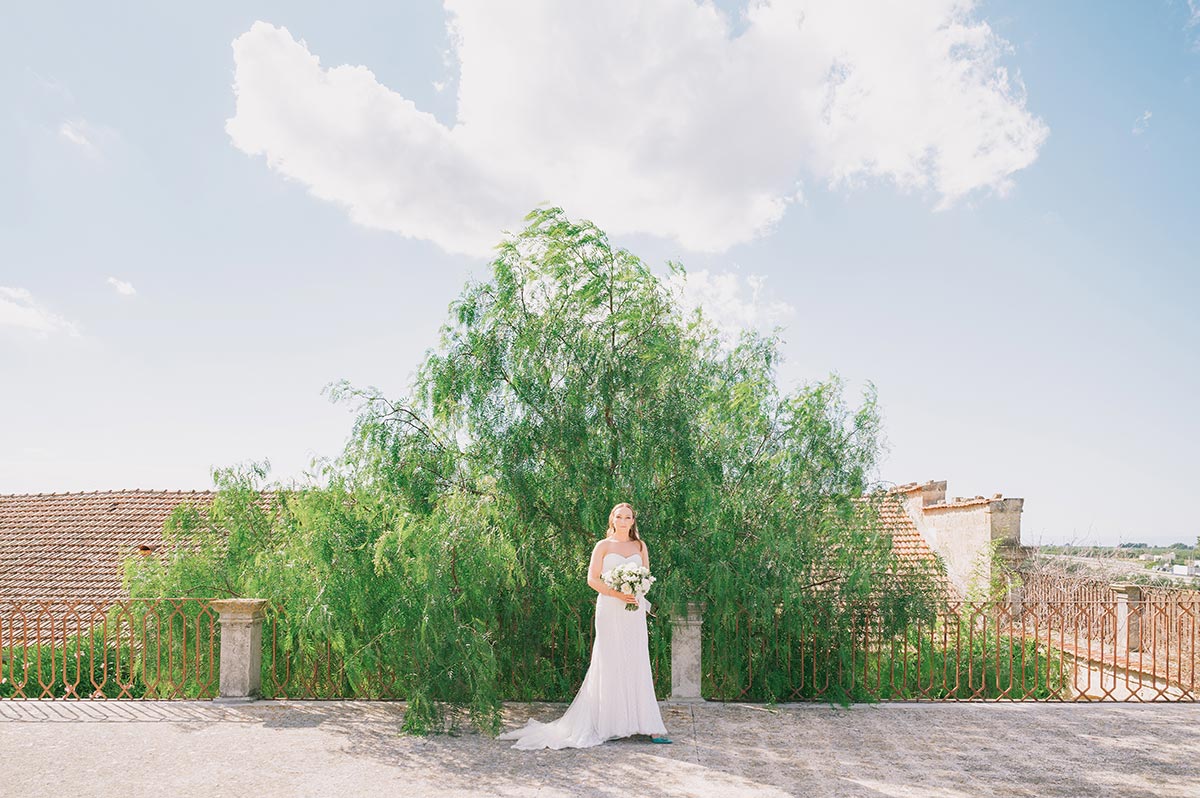
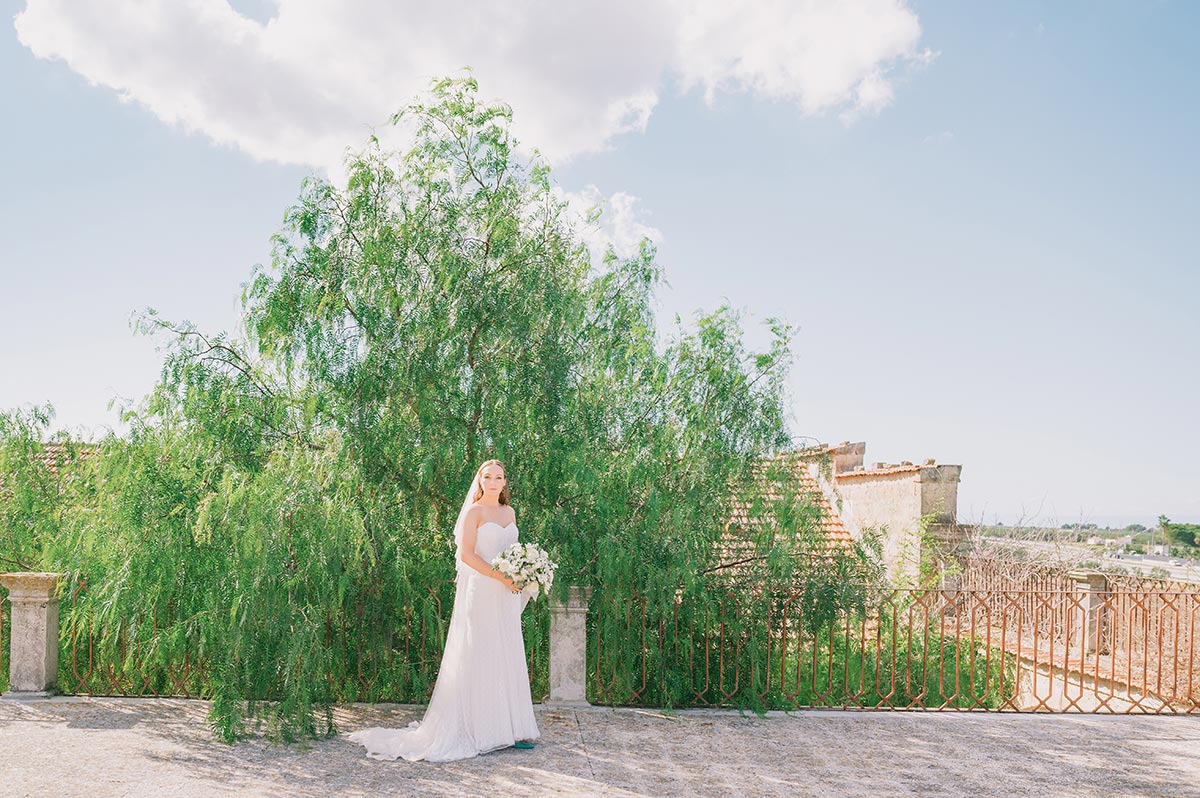
Masseria is a traditional farmhouse with a rich history and beautifully restored to provide couples with a unique and authentic experience. With its thick stone walls, terracotta roof tiles, and lush gardens, Masseria delivers a charming and unforgettable setting for your special day.



The histories of Masseria
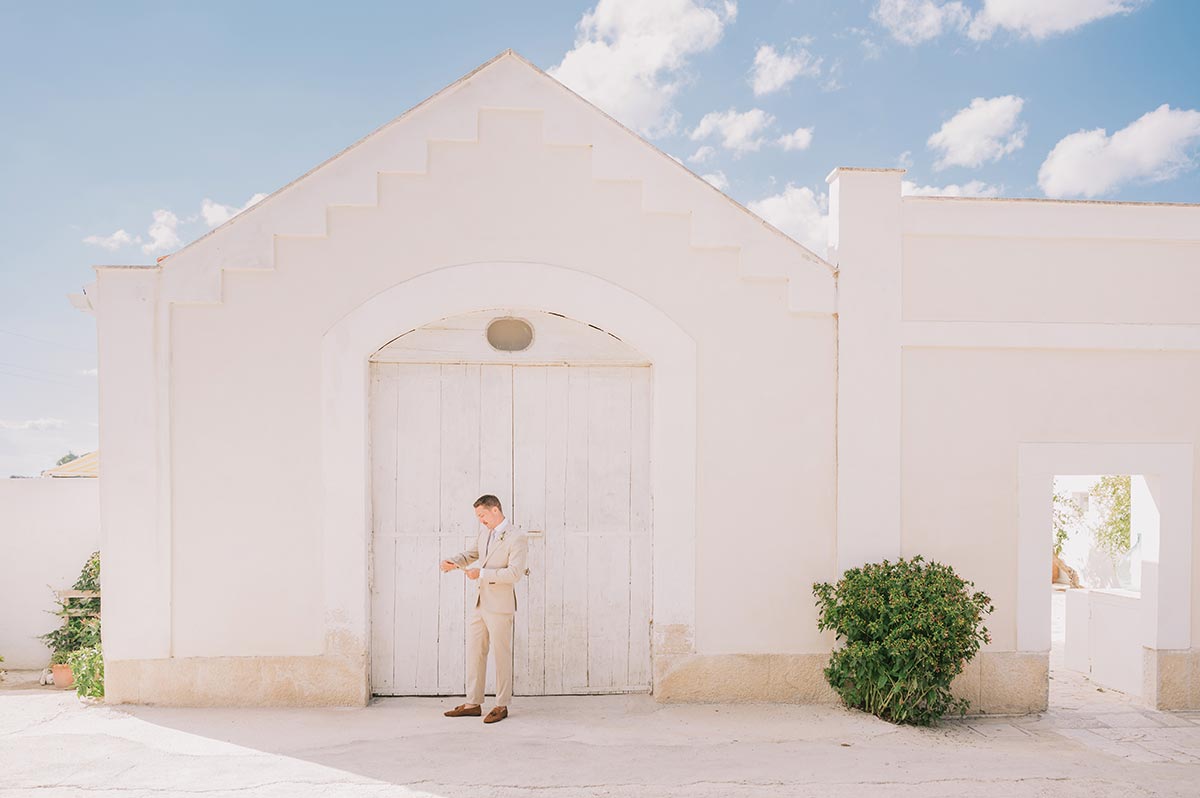
Masserias have been a staple of the Puglia landscape for centuries, serving as working farmhouses for generations of families. Built with thick stone walls and terracotta roof tiles to protect against the hot summer sun, these charming farmhouses were designed to be both practical and beautiful. Over the years, Masserias have been transformed into luxurious accommodations, offering visitors a unique and authentic experience in one of Italy’s most beautiful regions.
Restored to perfection
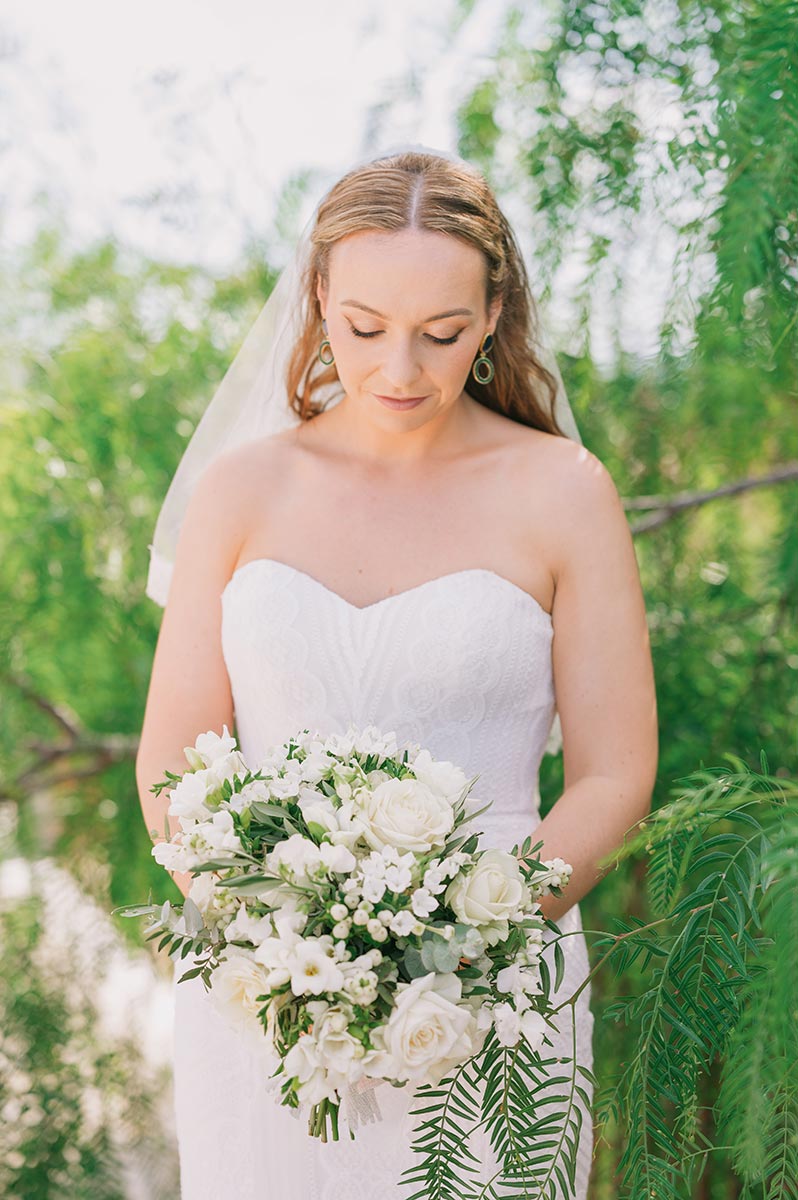
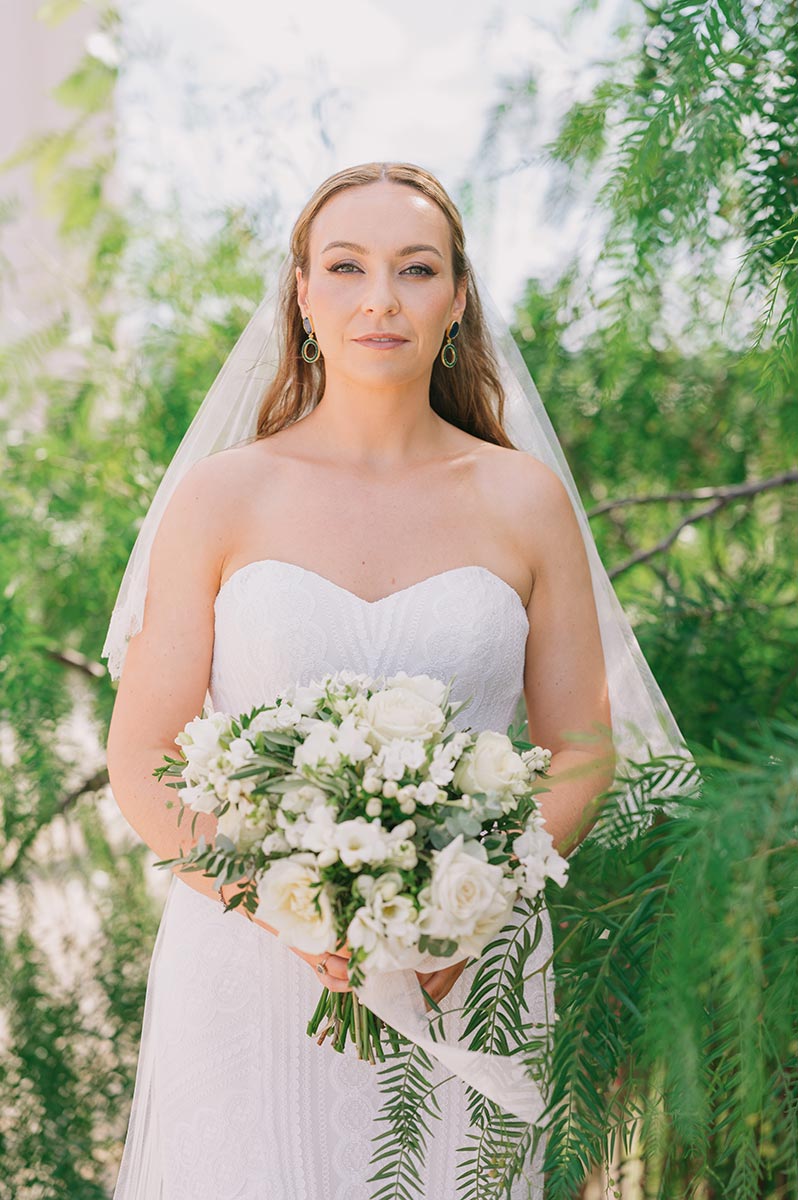
Each Masseria has been beautifully restored to maintain its original character and charm while incorporating modern amenities and conveniences to make your stay as comfortable as possible. With spacious rooms, outdoor terraces, and lush gardens, you and your guests can enjoy the beauty of the Puglia region in style. Whether you’re looking for a relaxing escape or an immersive cultural experience, a Masseria wedding offers the perfect combination of old-world charm and modern luxury.
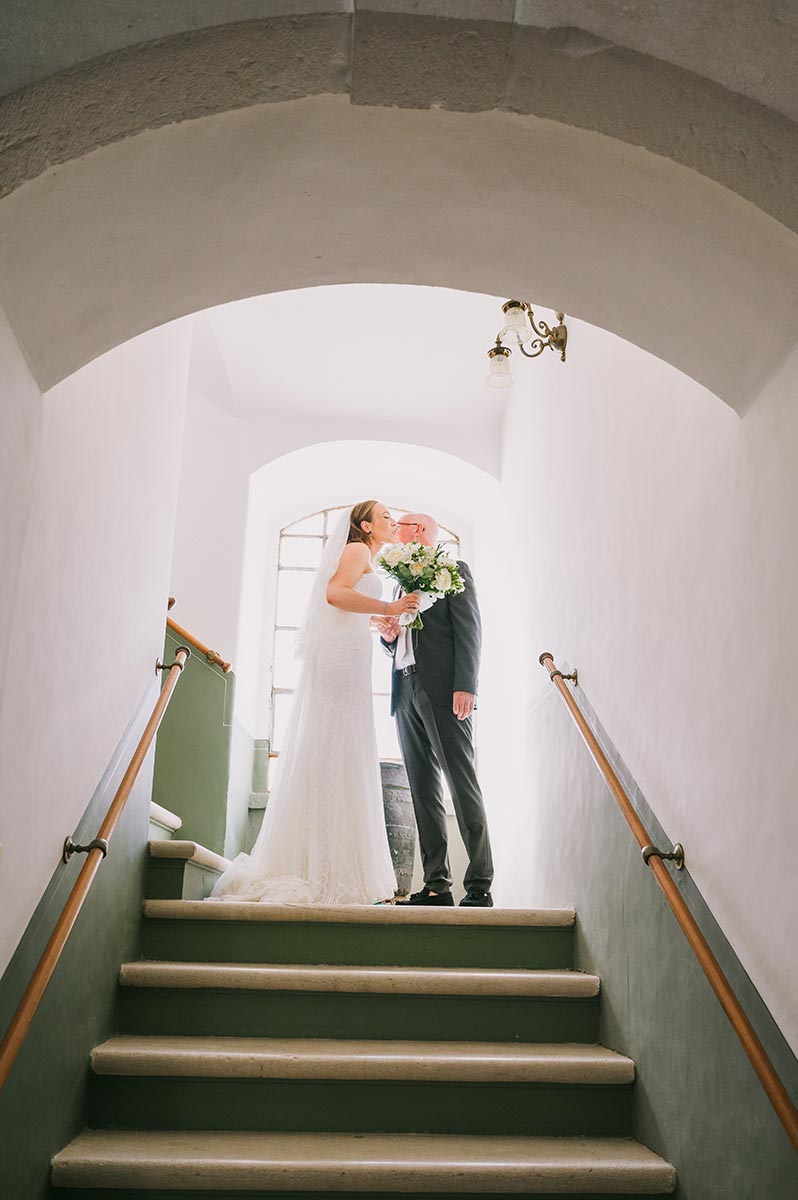
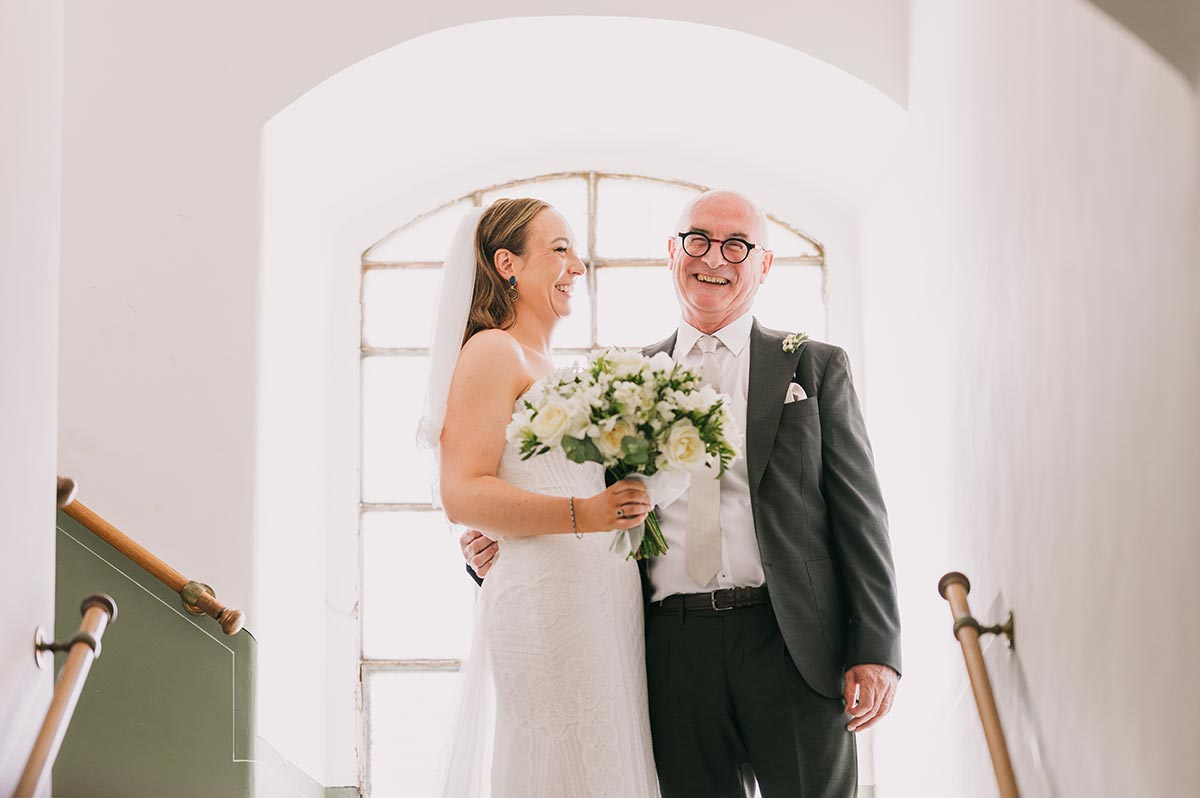
A memorable and romantic setting
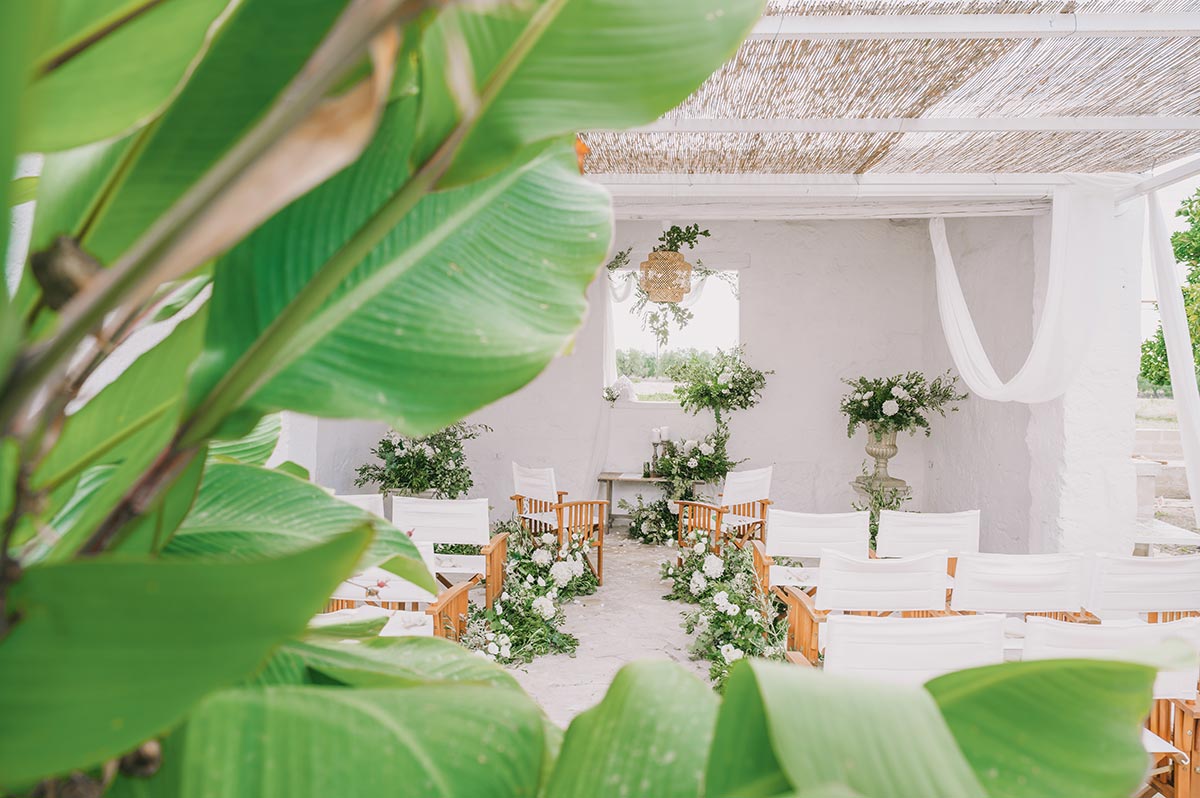
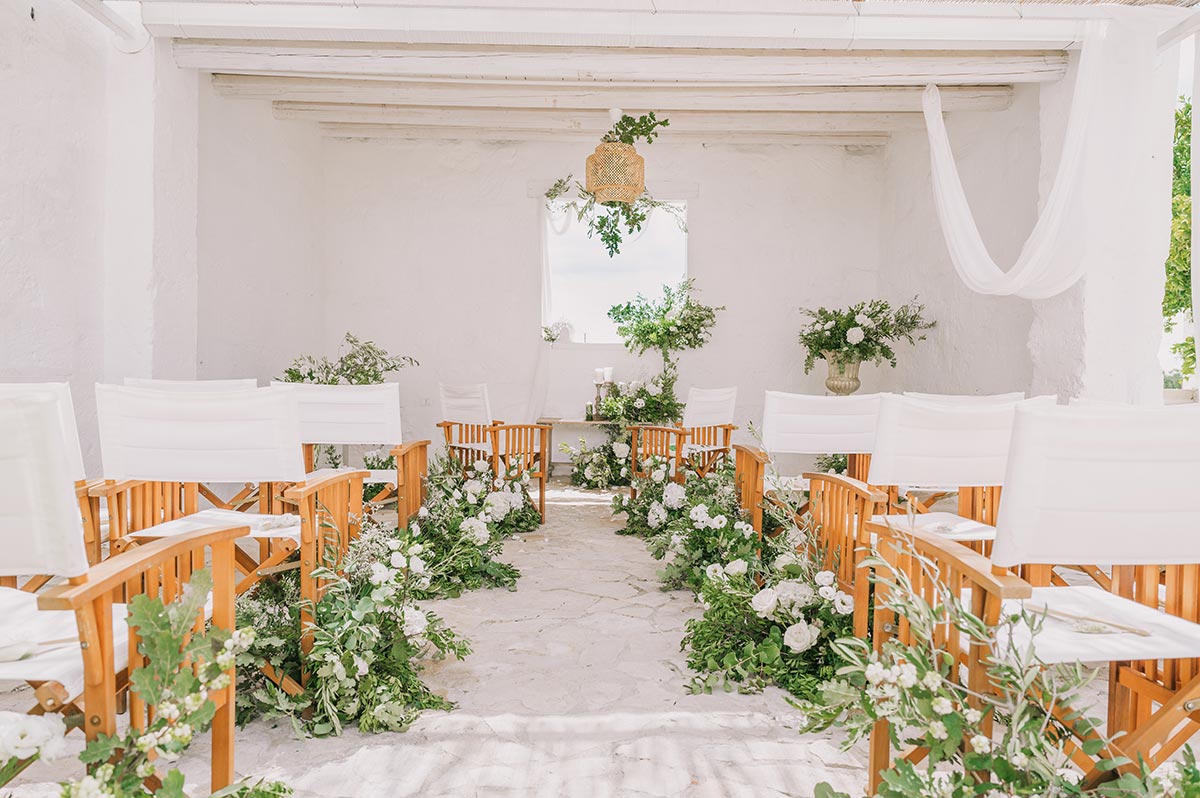
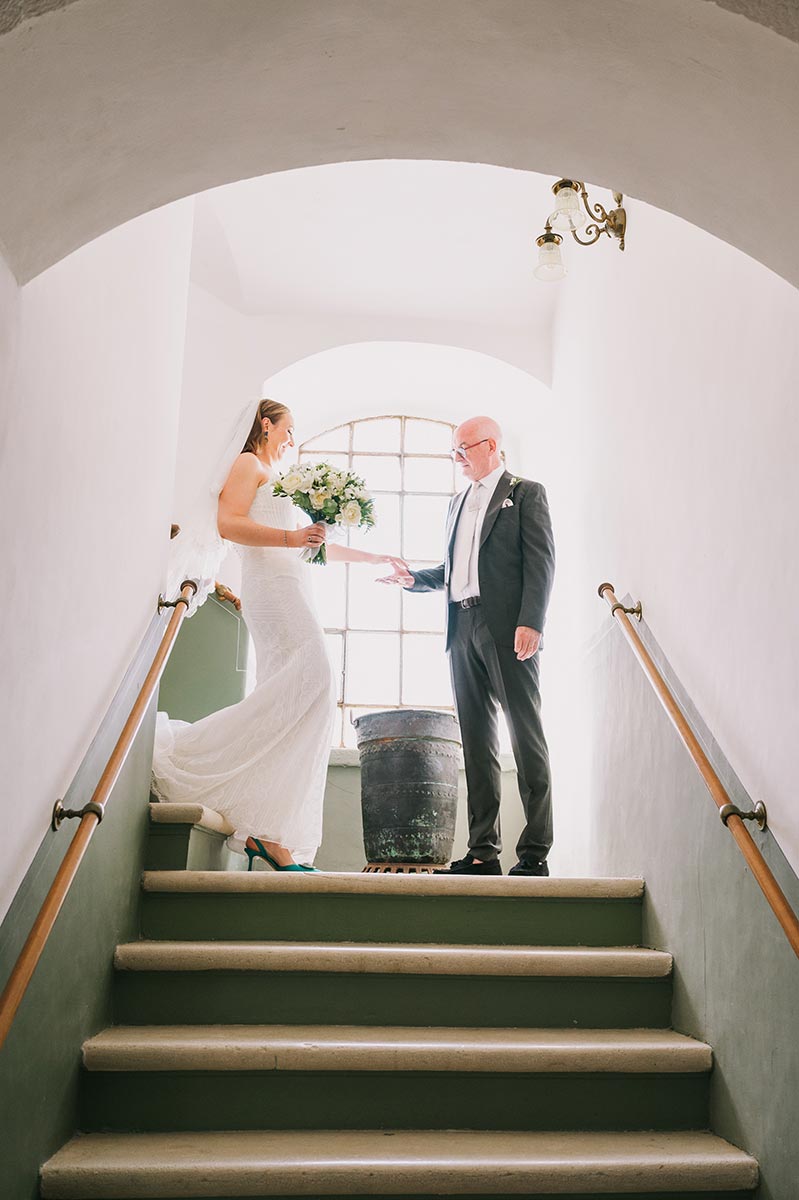
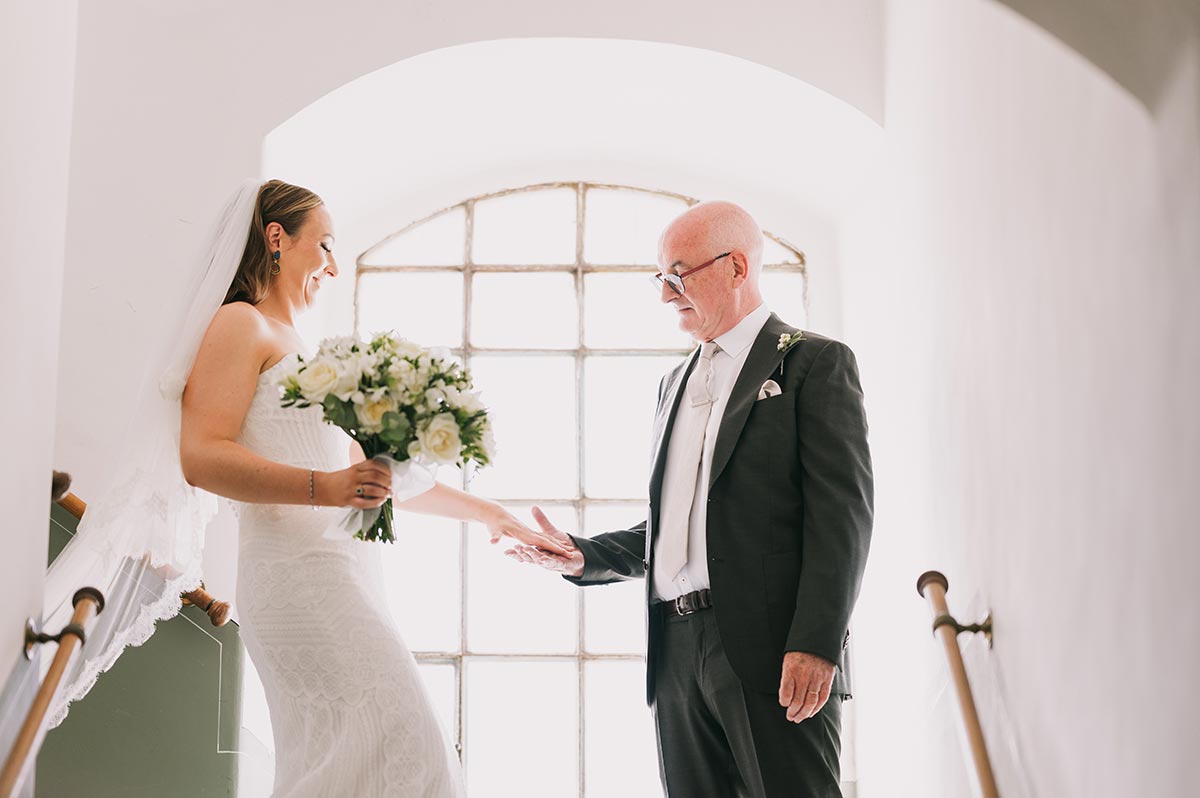
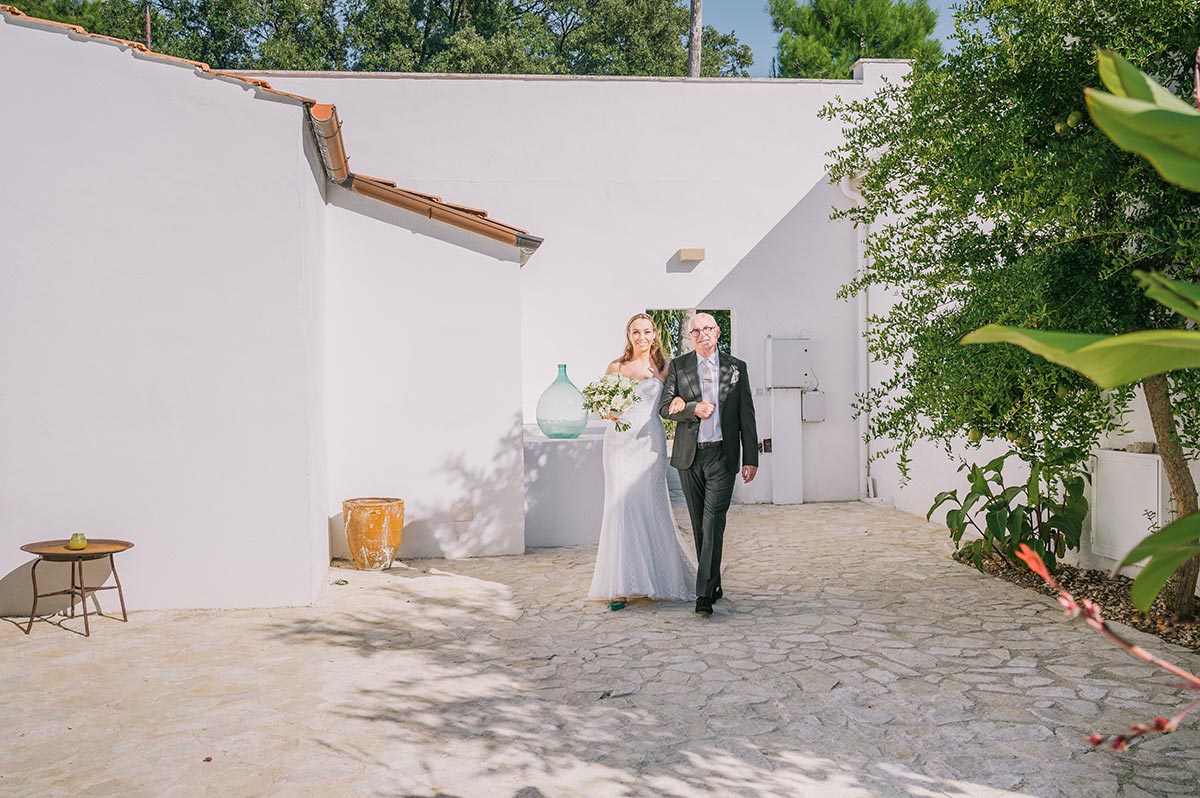
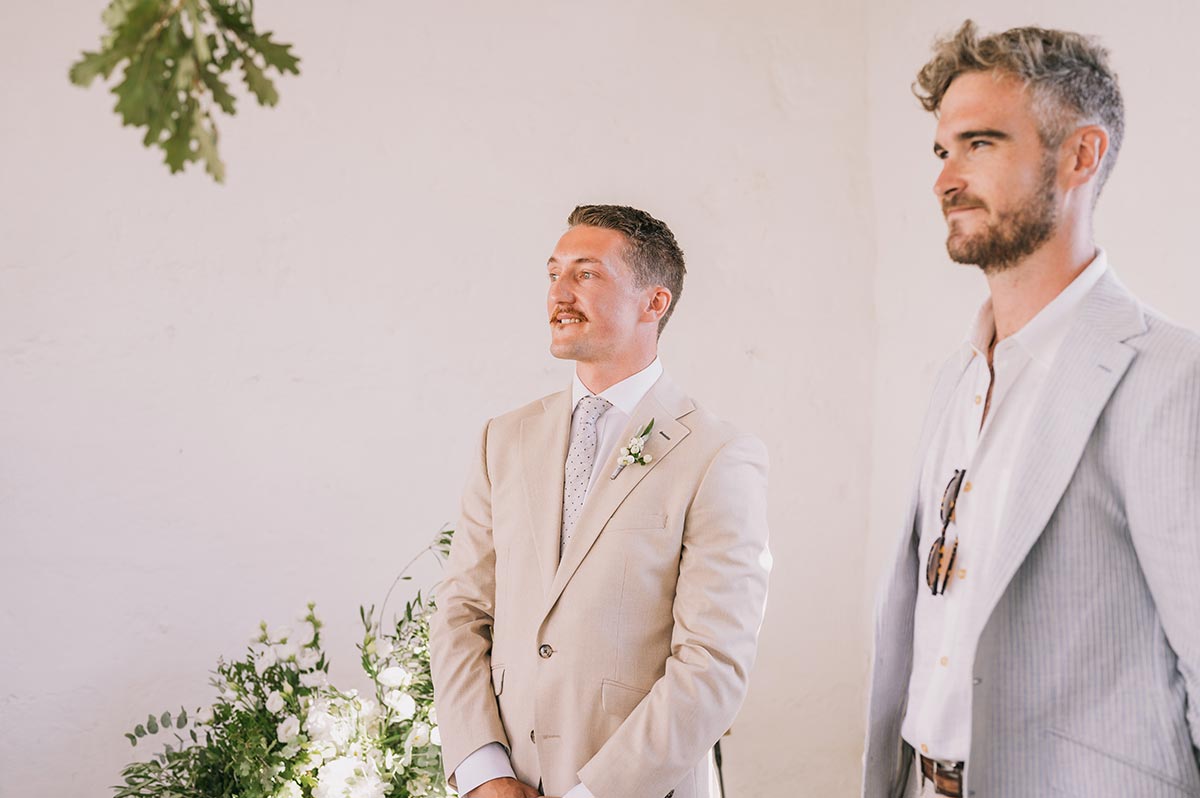
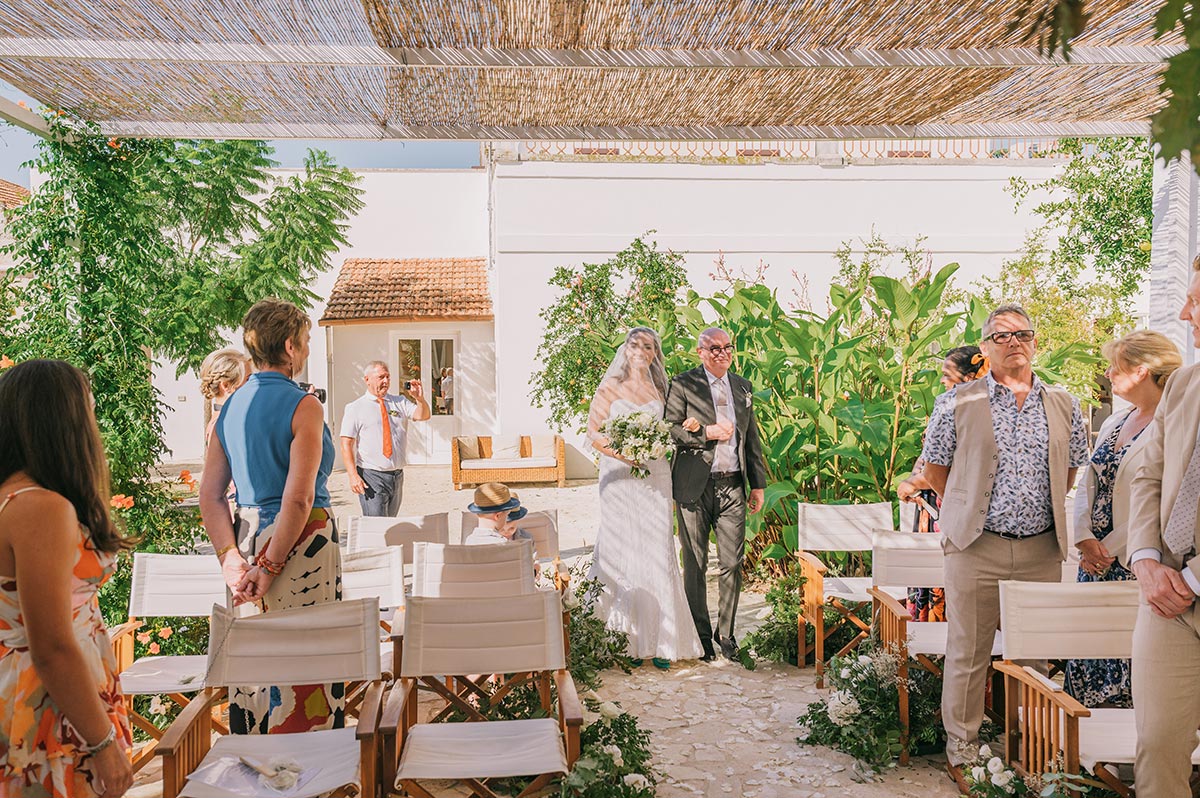
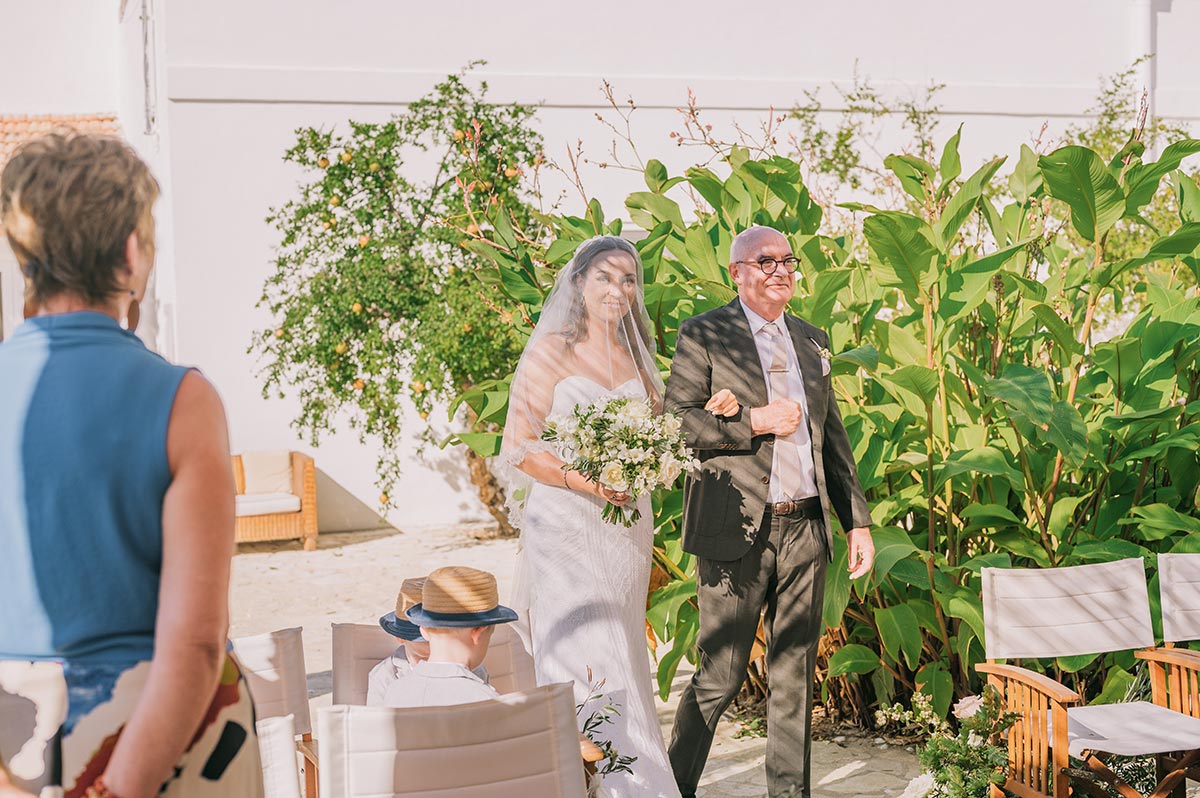
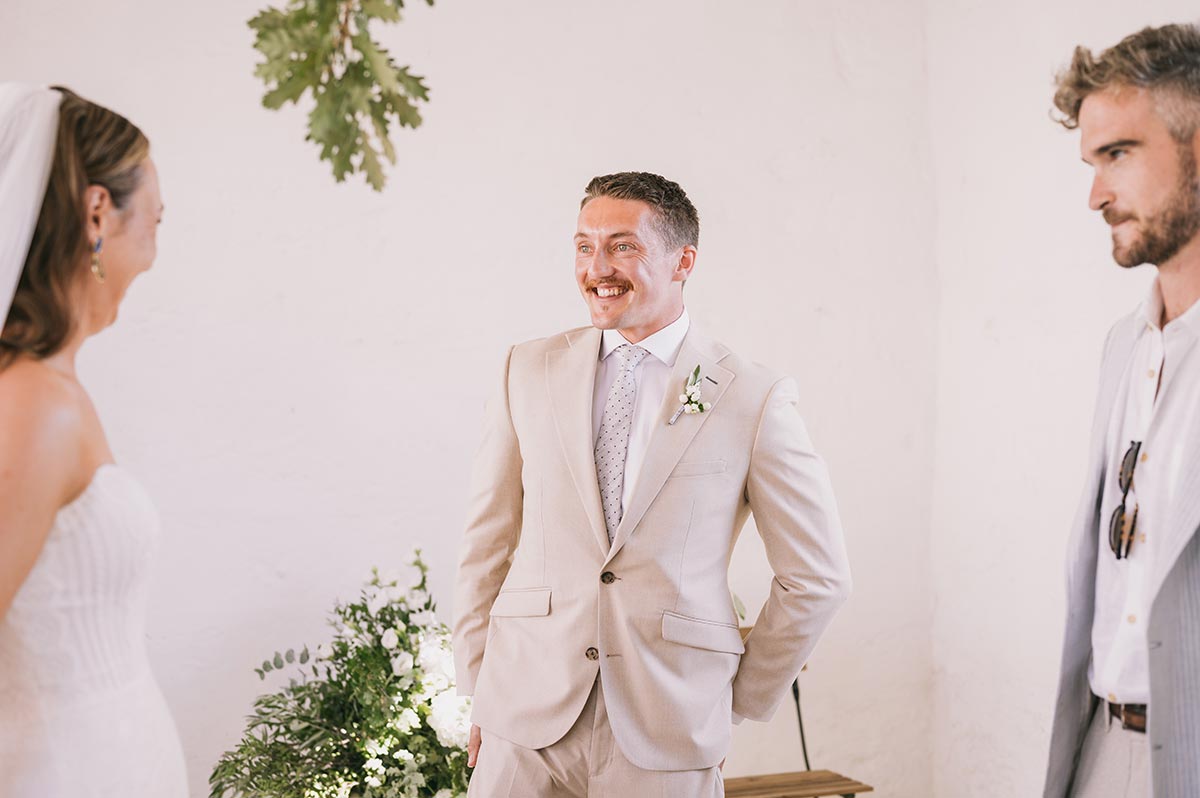
For your wedding day, a Masseria is perfect for a unique and romantic ceremony. With its lush gardens and breathtaking views, your special day will be surrounded by the natural beauty of the Puglia region.
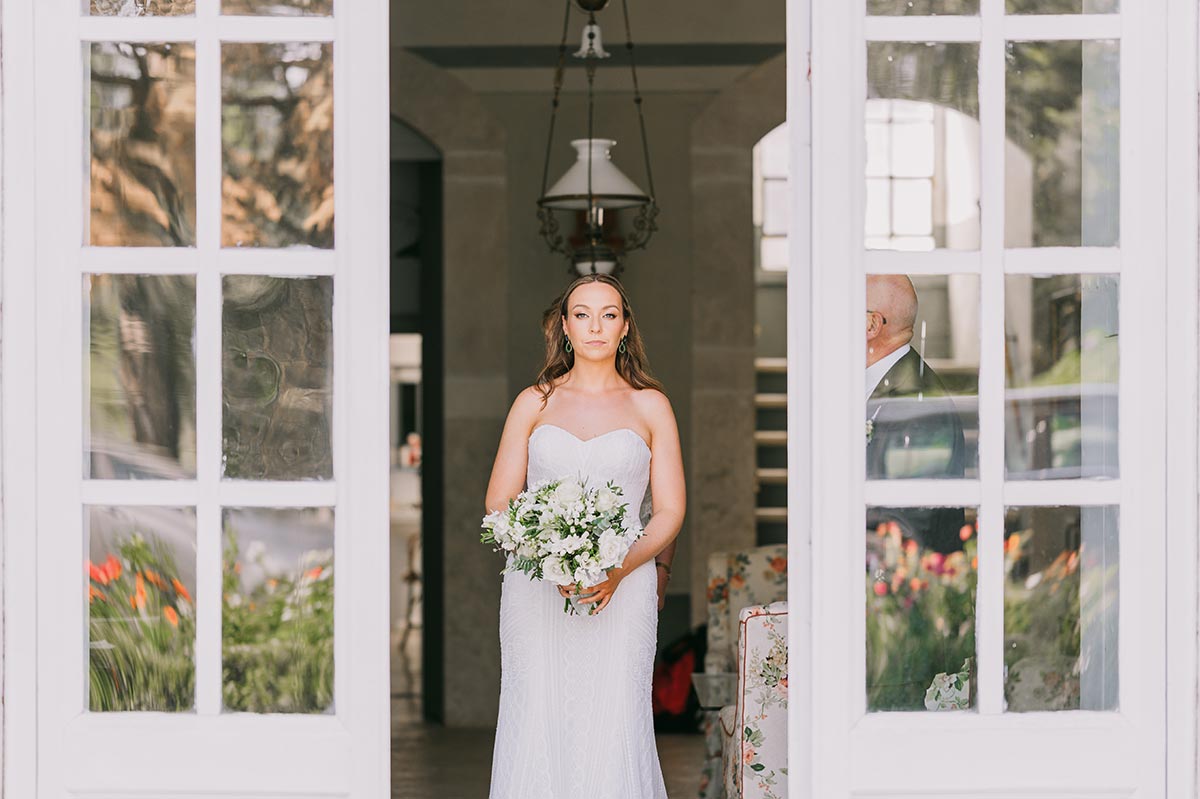
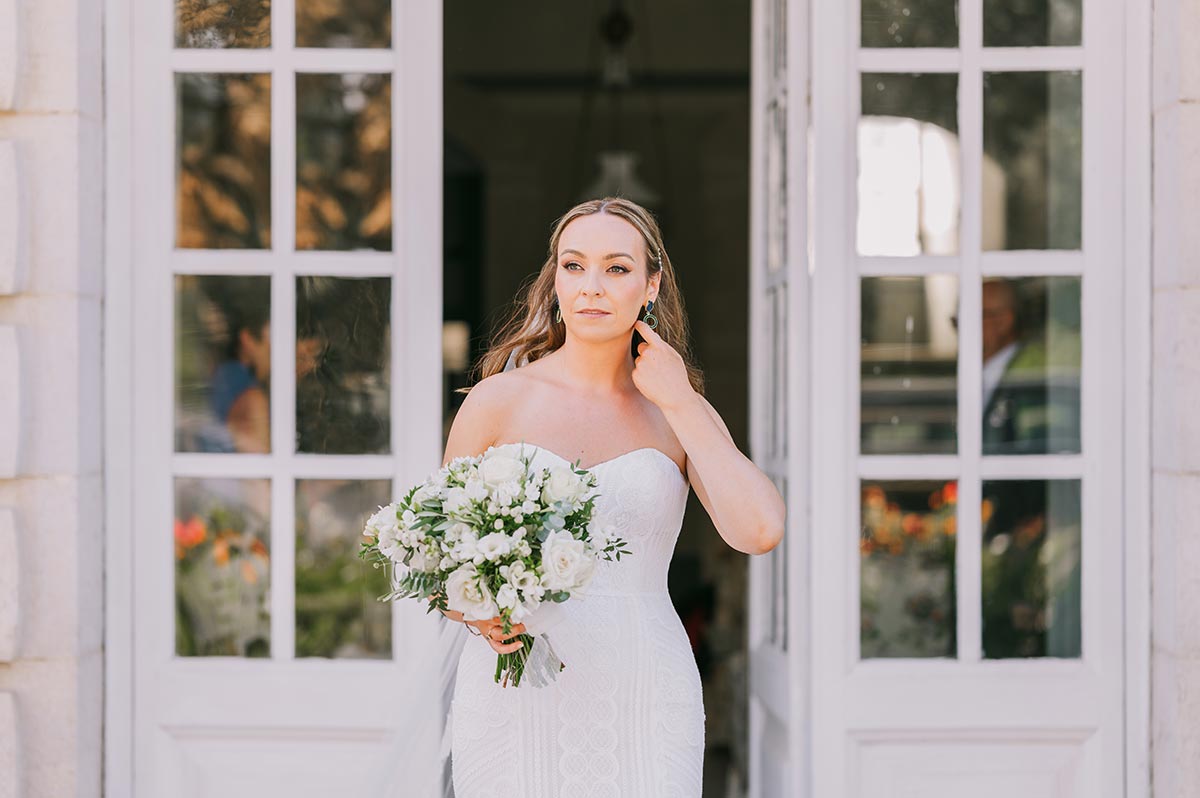
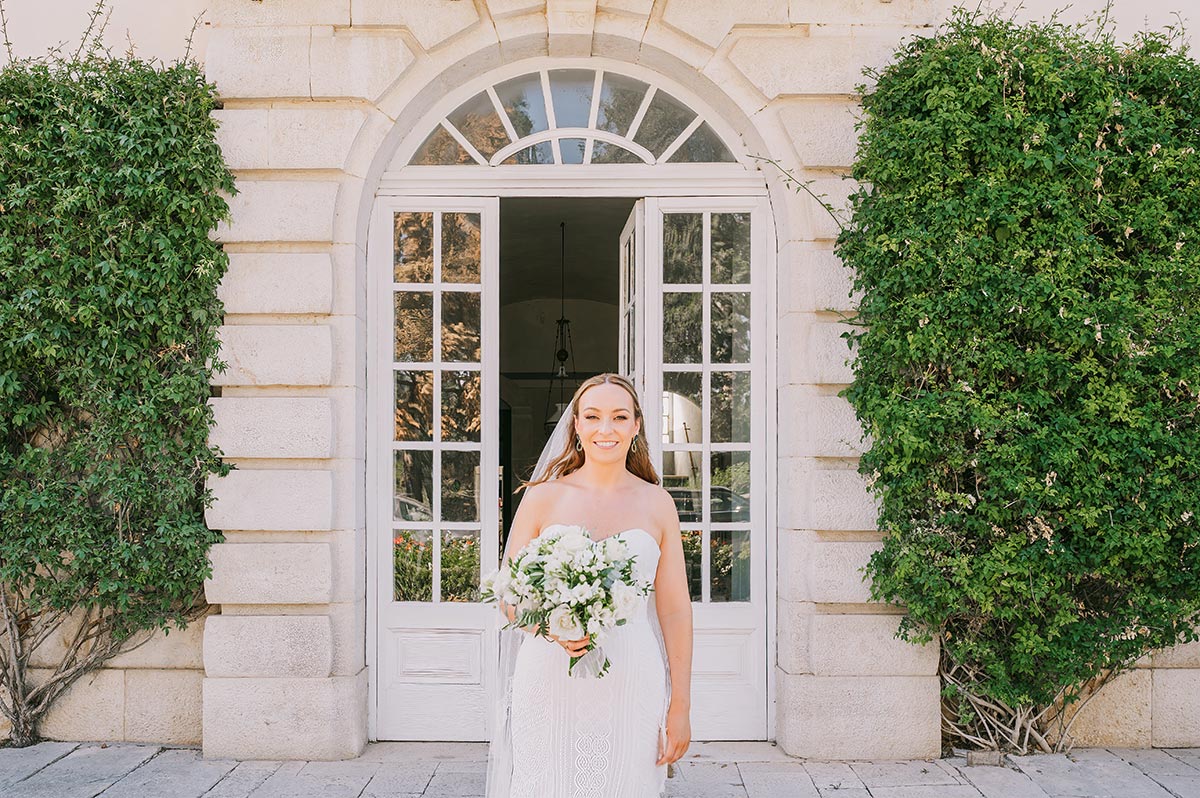
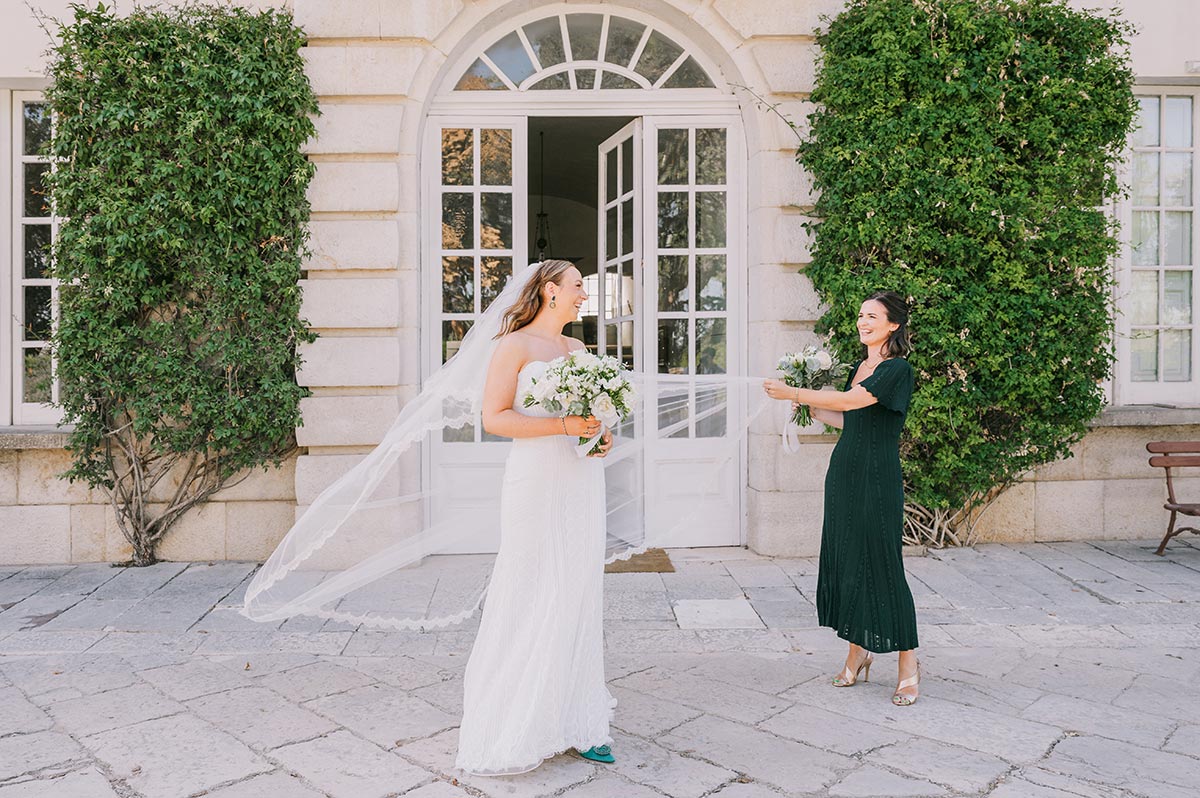
The Masseria’s charming interiors, with their high ceilings, exposed stone walls, and elegant furnishings, will provide your guests with a warm and inviting atmosphere. Whether you’re looking for a traditional wedding ceremony or a more intimate affair, a Masseria wedding offers a truly unforgettable experience.
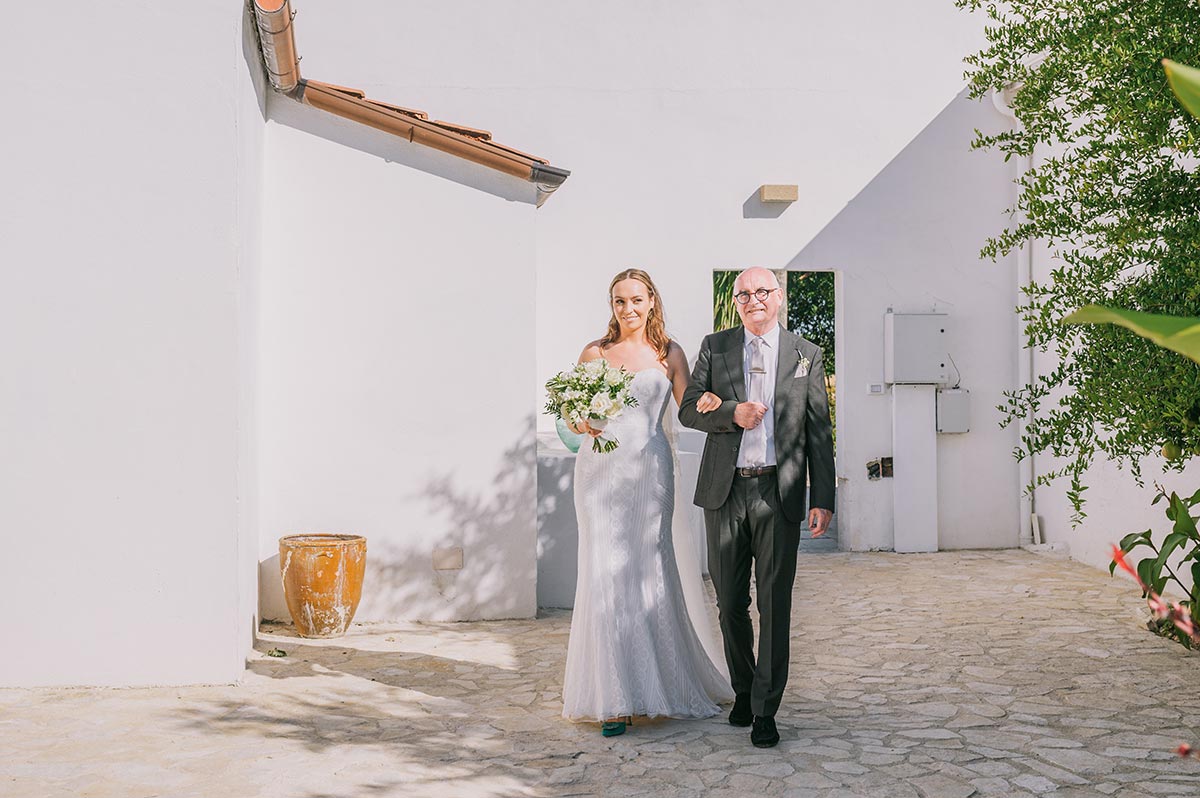

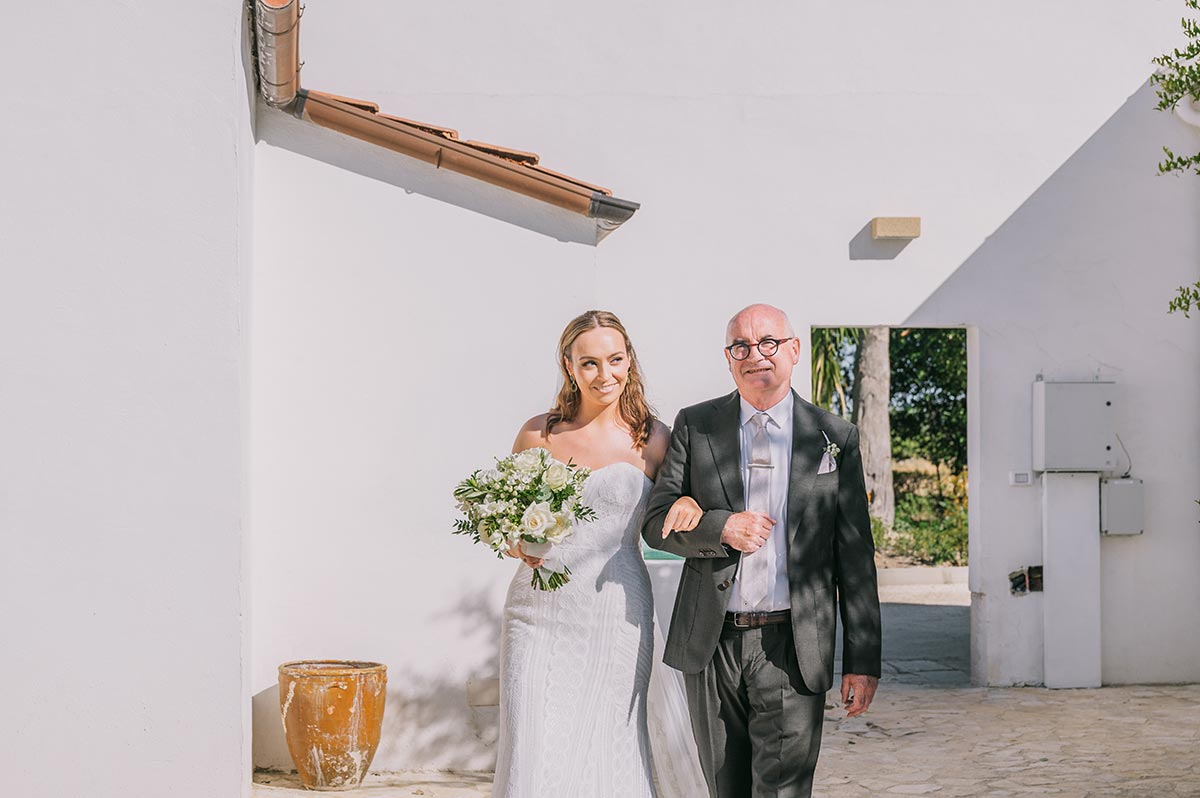
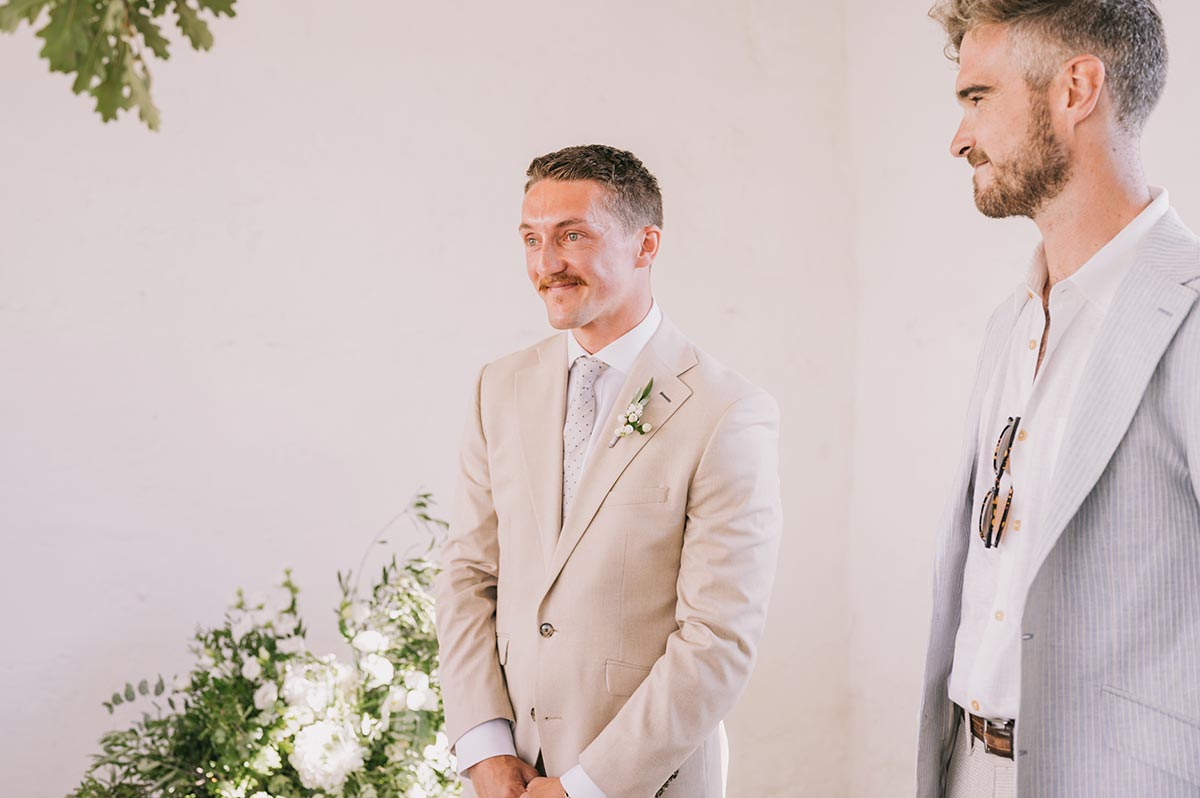
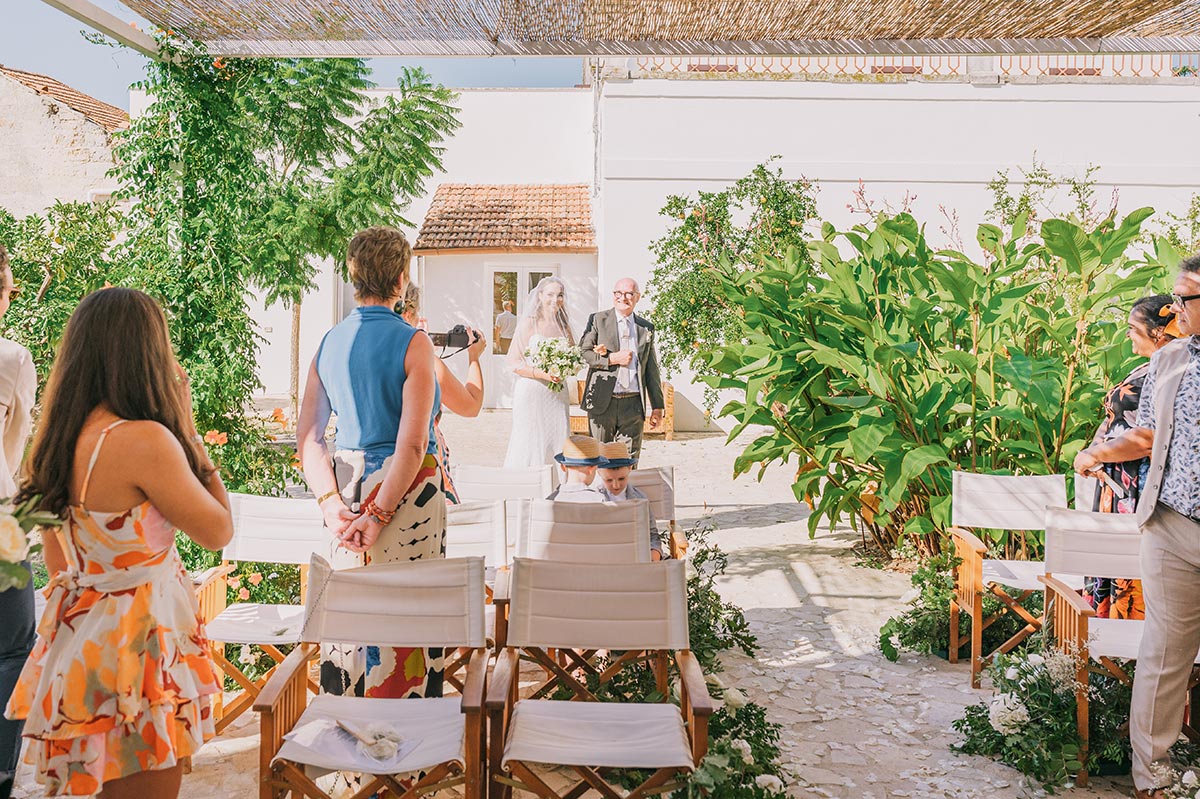

How to Plan a Wedding in Masseria
Planning a wedding in Masseria can be exciting and enjoyable, but knowing what to expect is essential. Here are some tips to help you plan a wedding in Masseria:
Choose the Right Masseria
With so many venues, finding the right one is essential. Consider factors such as the size of the platform, the facilities and services available, and the surrounding landscape when deciding.
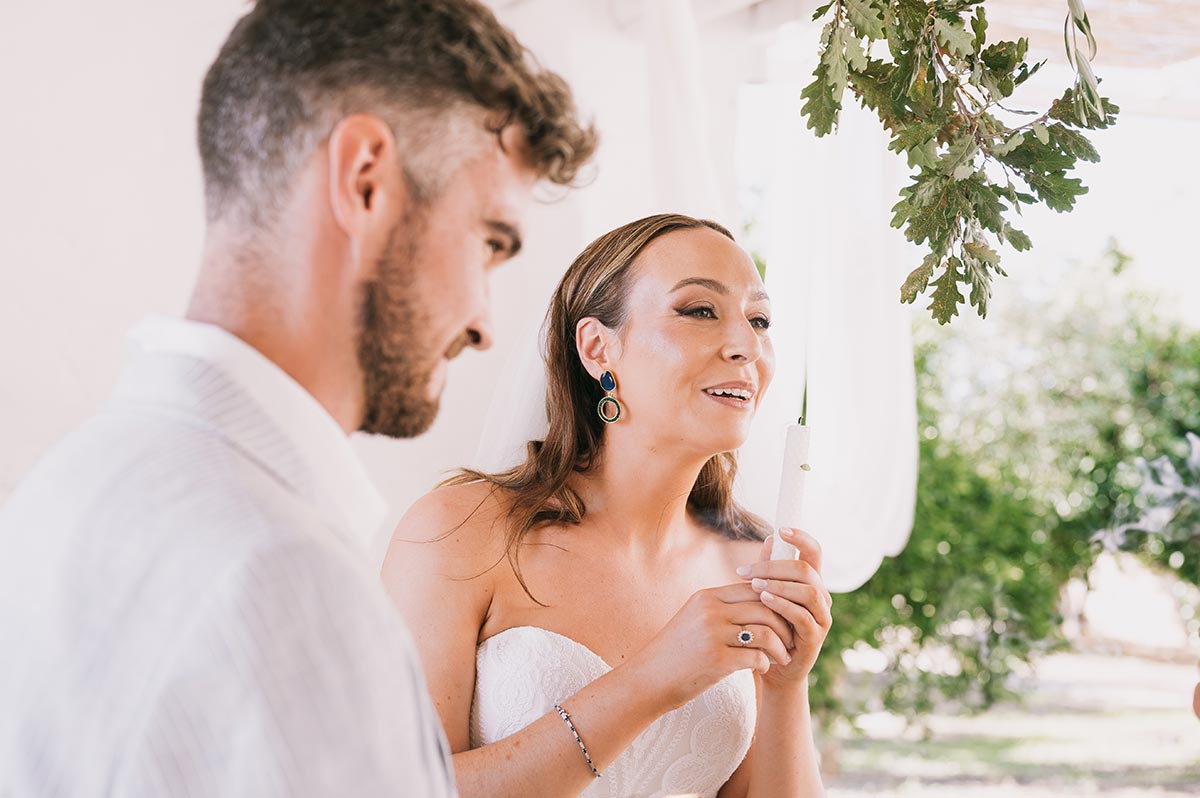
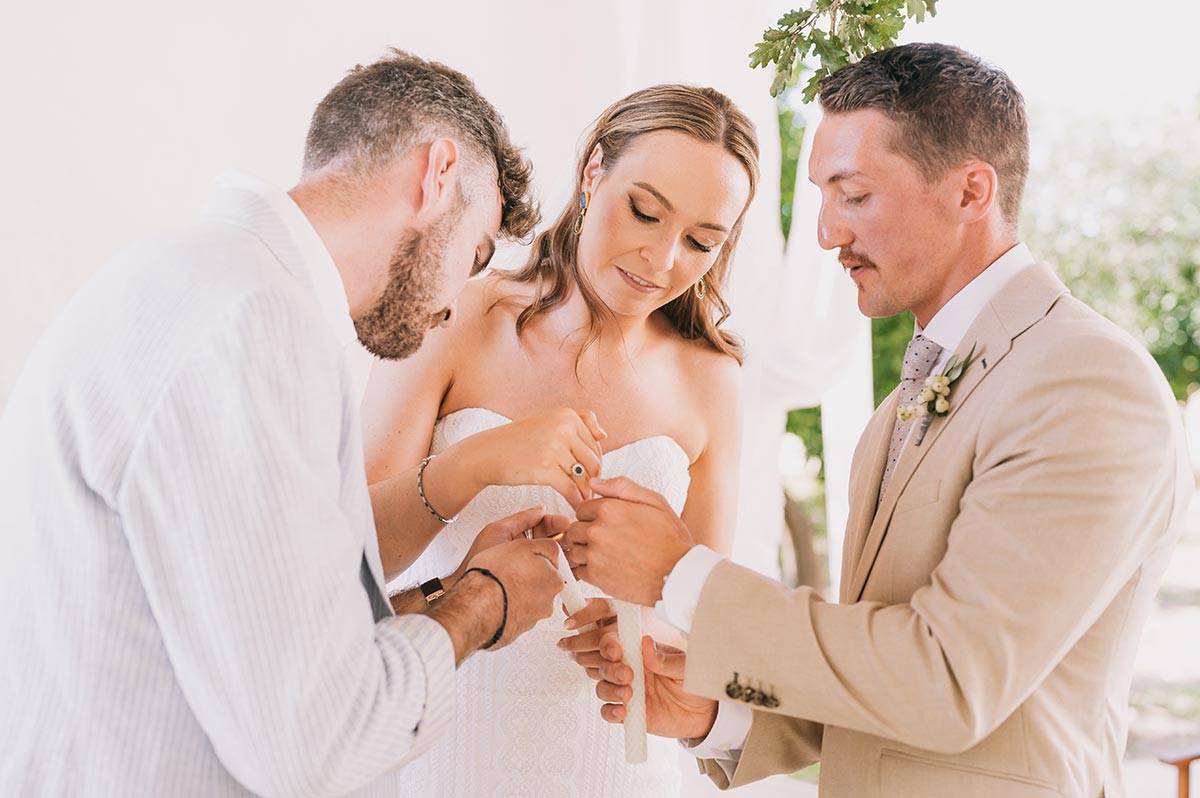
Masseria is a popular venue choice, so booking early is essential to avoid disappointment. Consider booking your Masseria up to a year in advance to ensure you get your dream date and venue. Here are four popular Masseria (historic farmhouses) in Puglia, Italy, that is considered ideal for weddings:
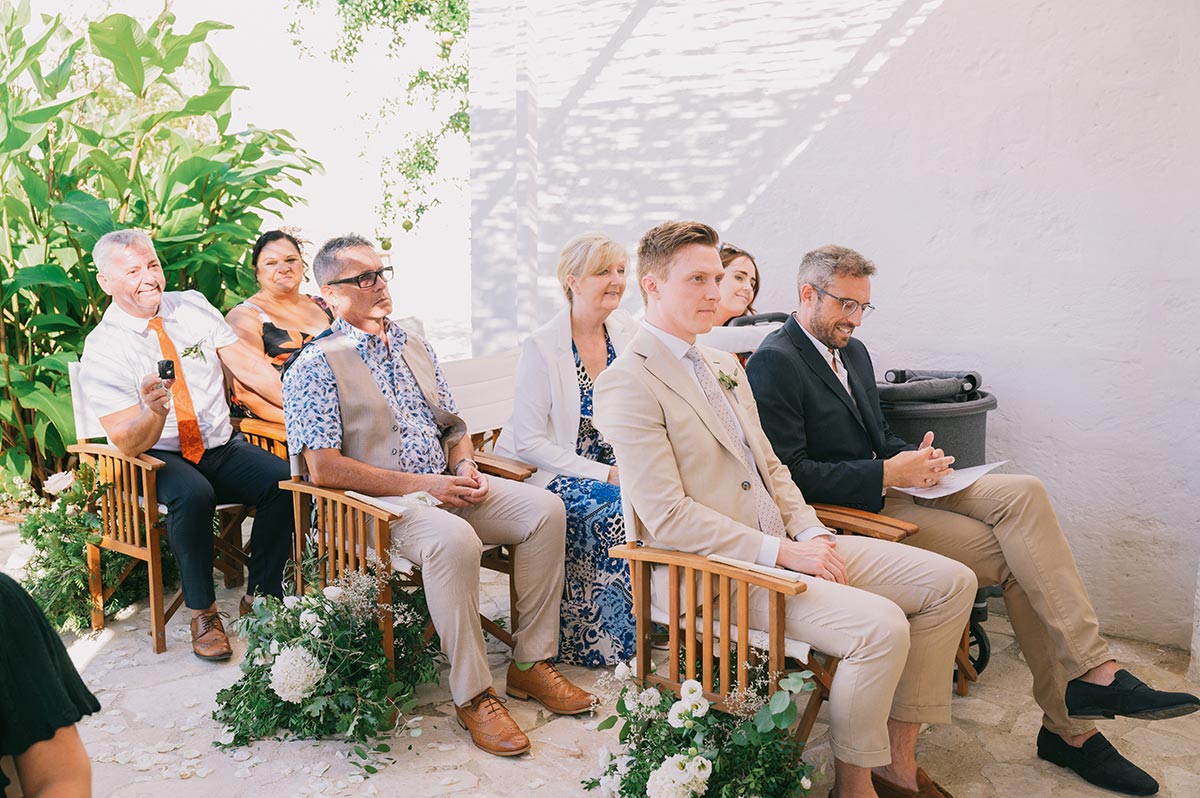
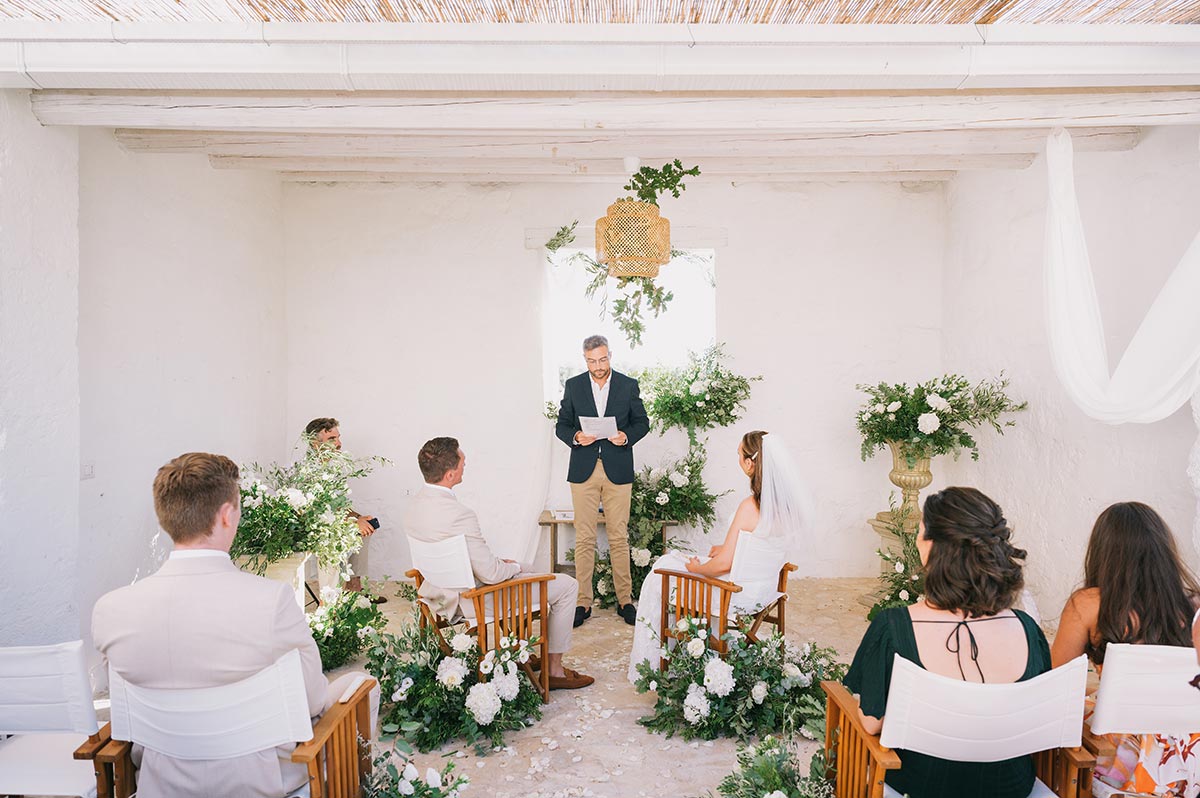
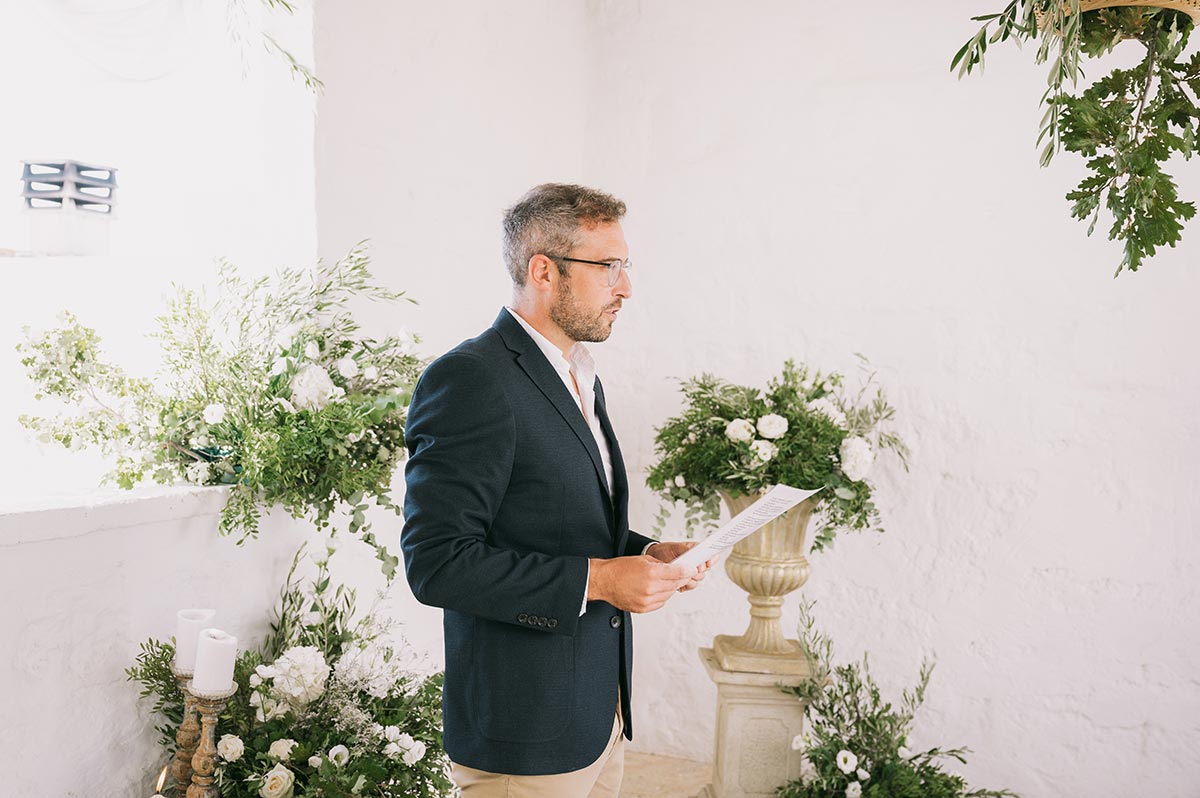
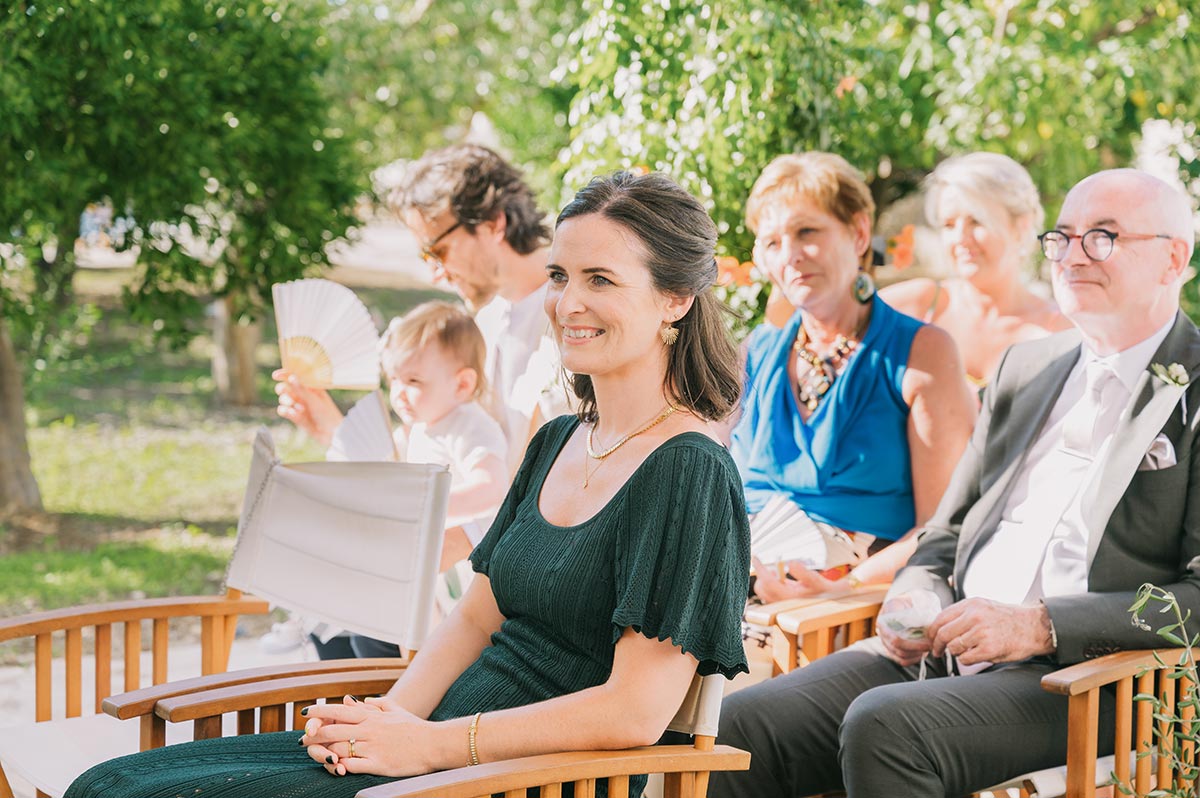

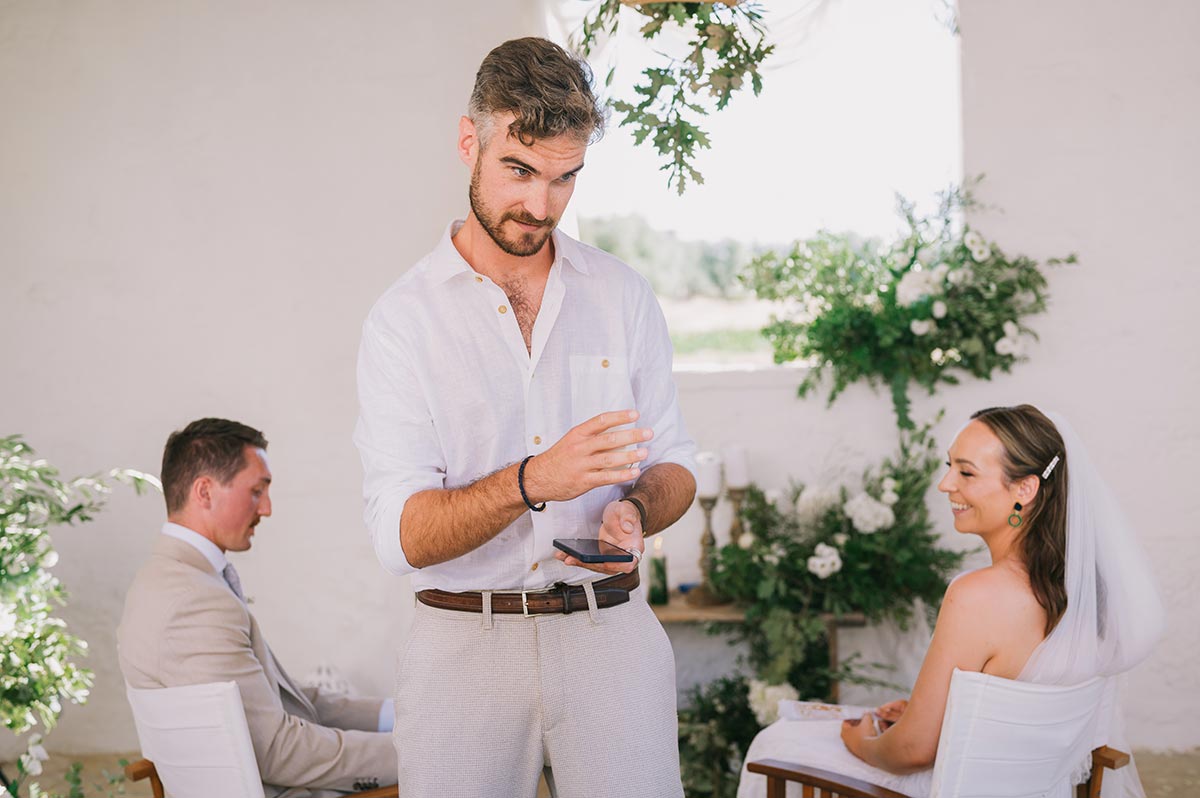
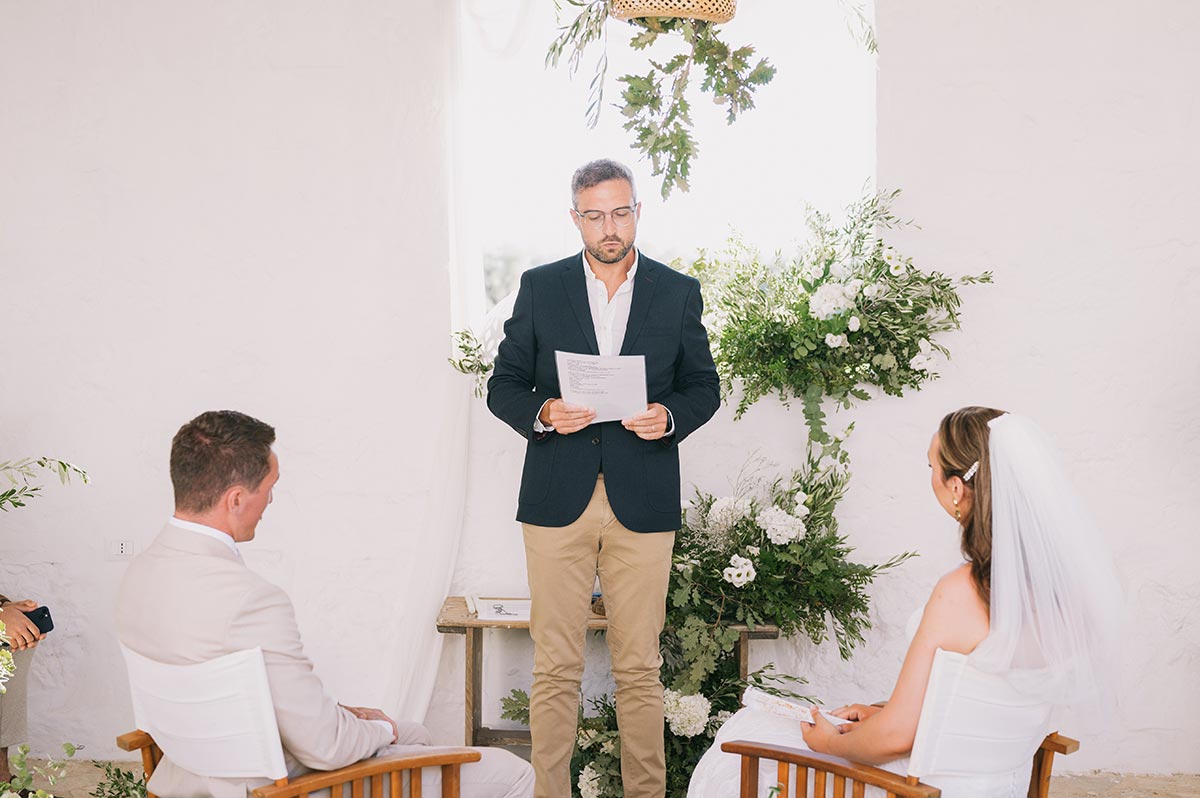
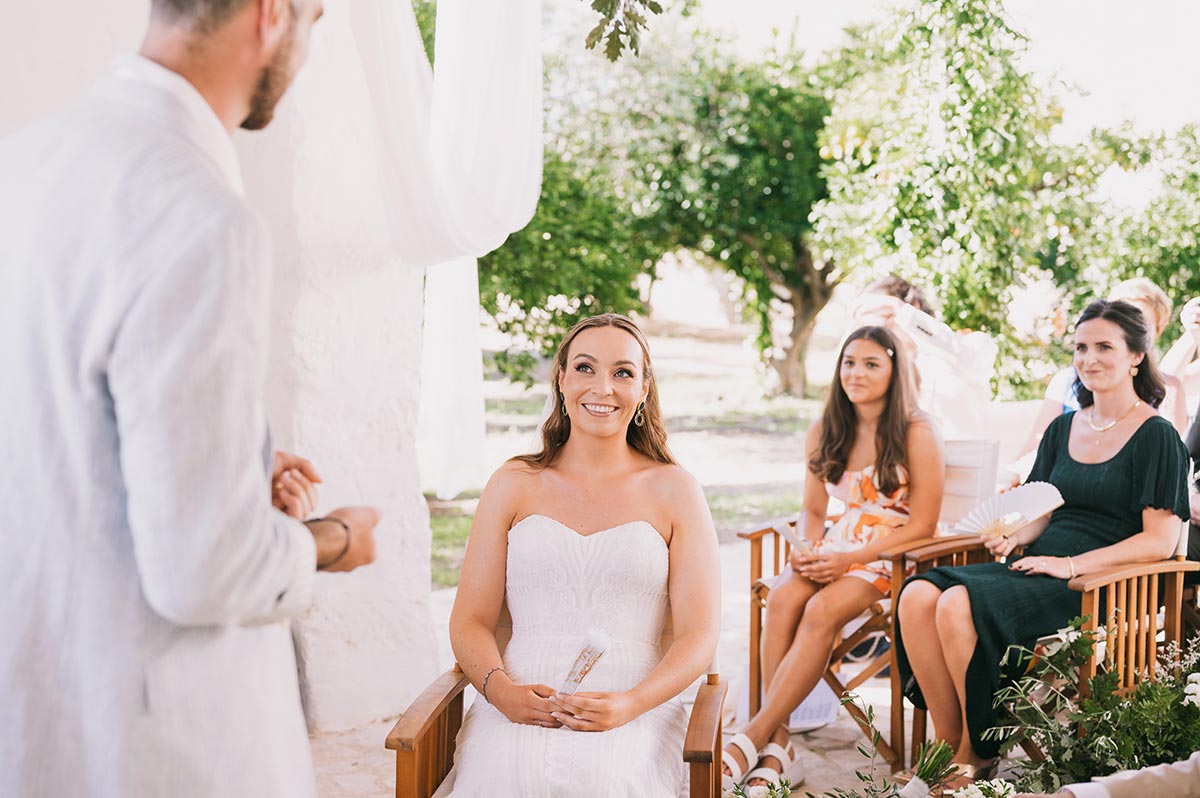
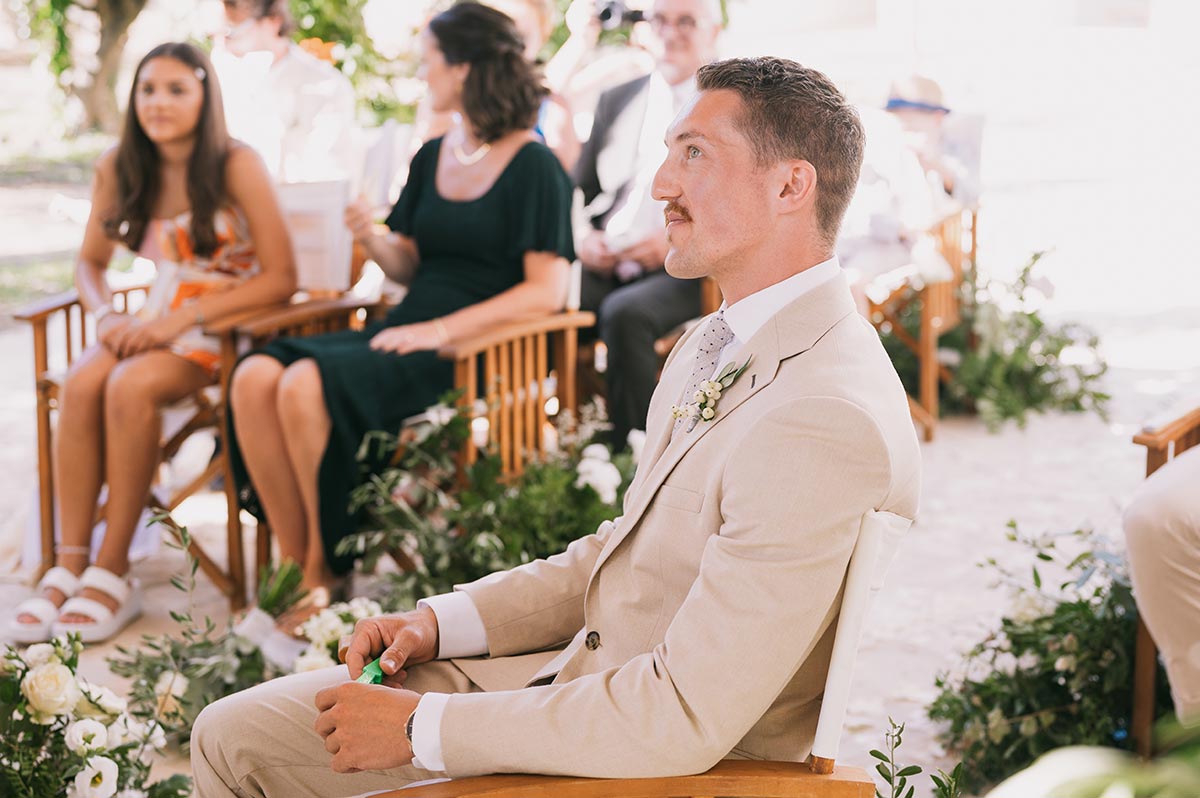

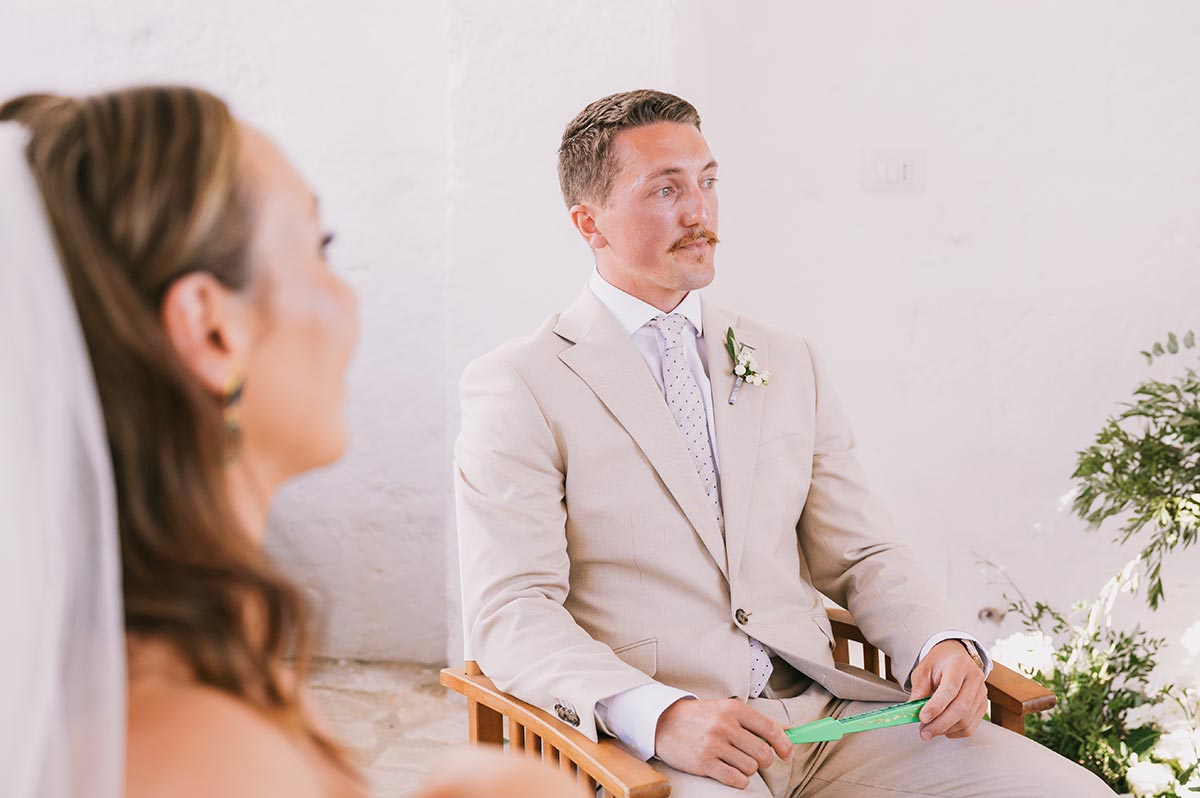
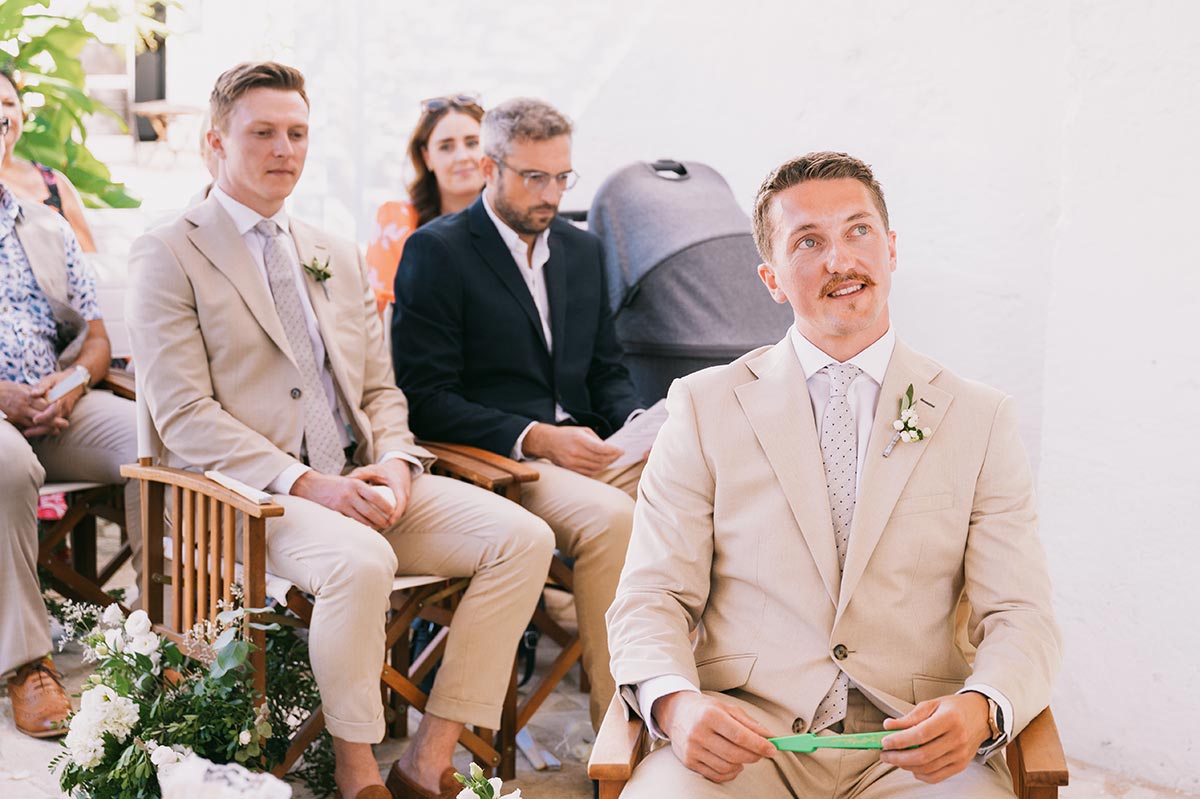
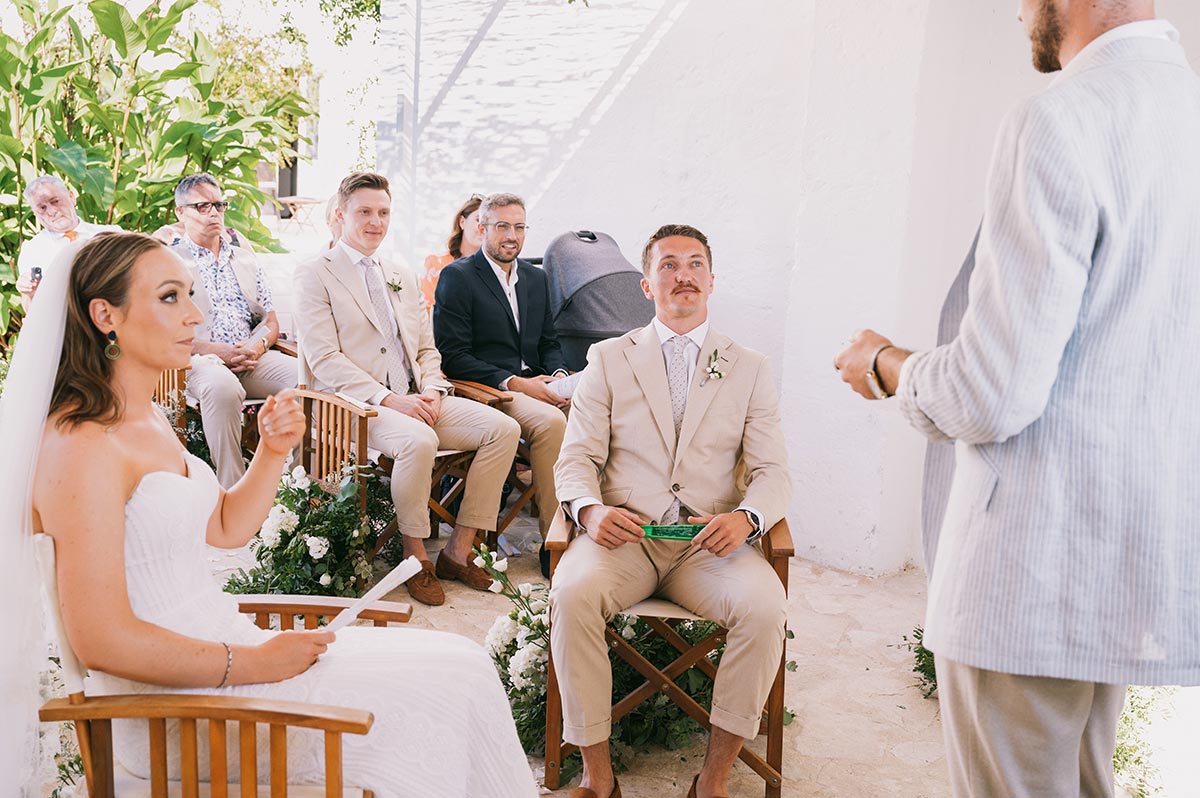
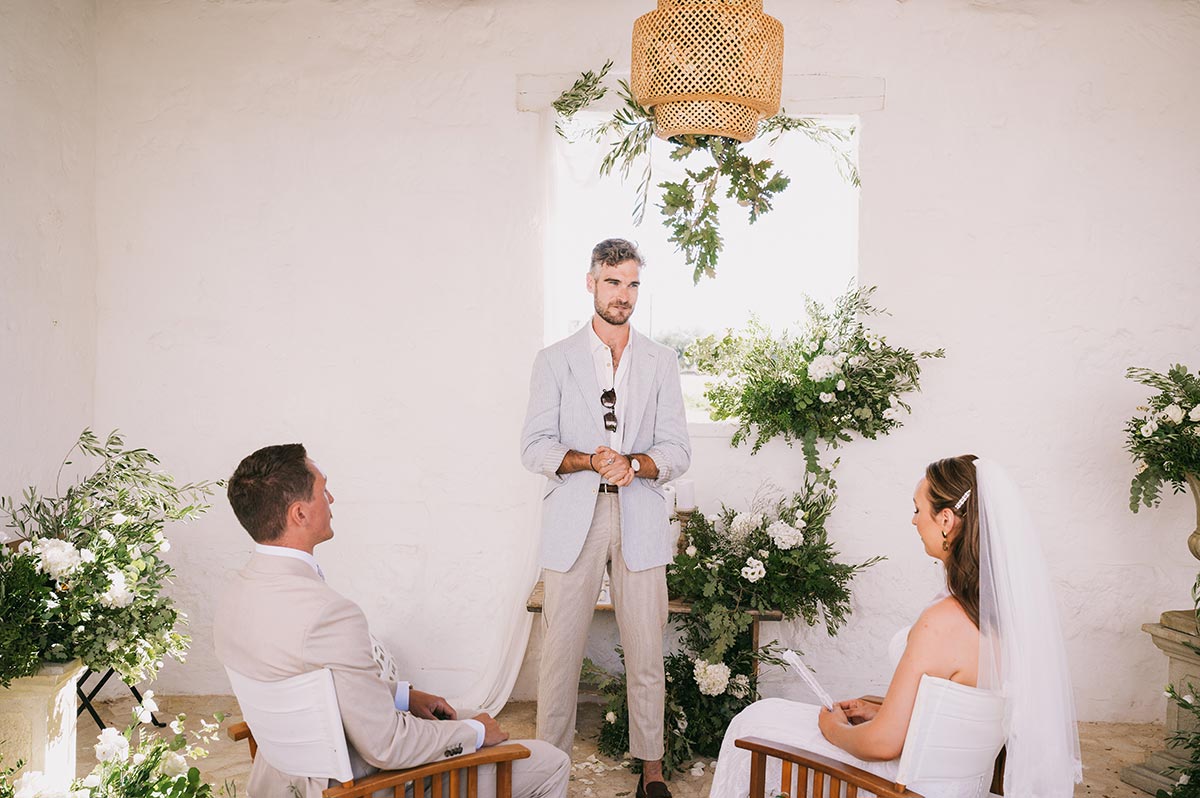
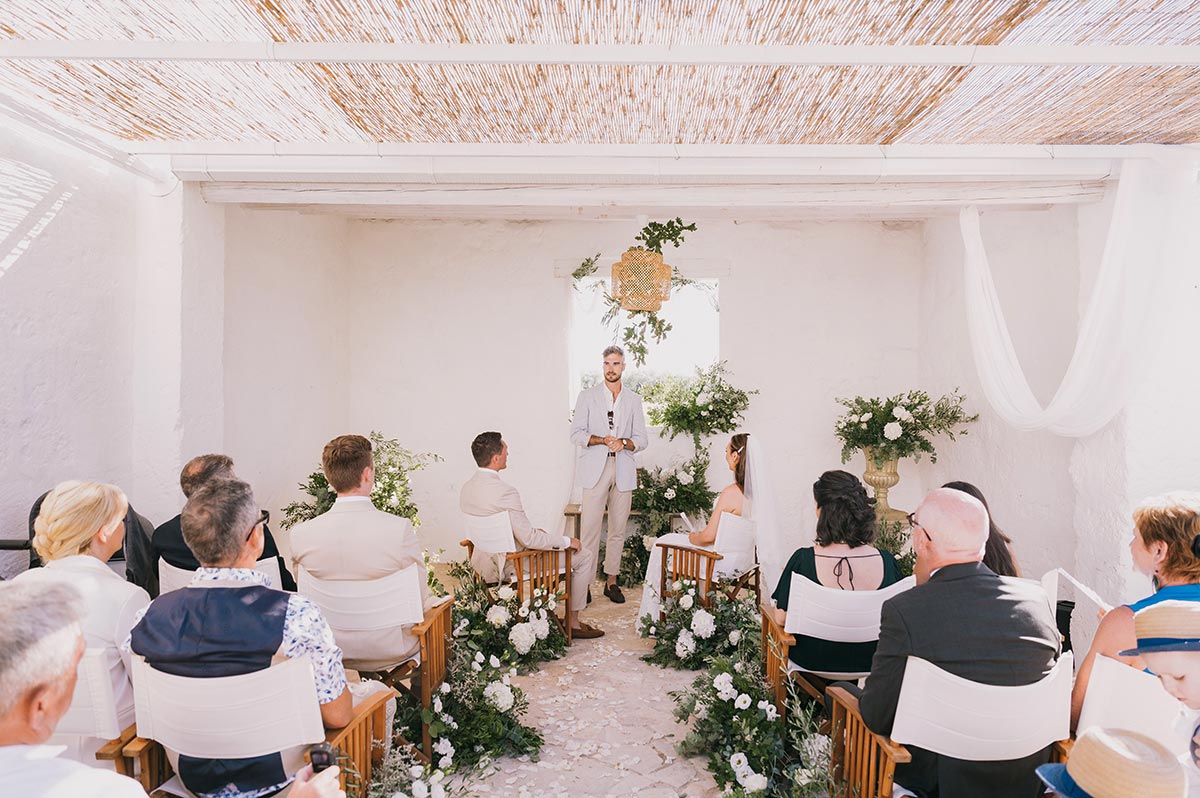
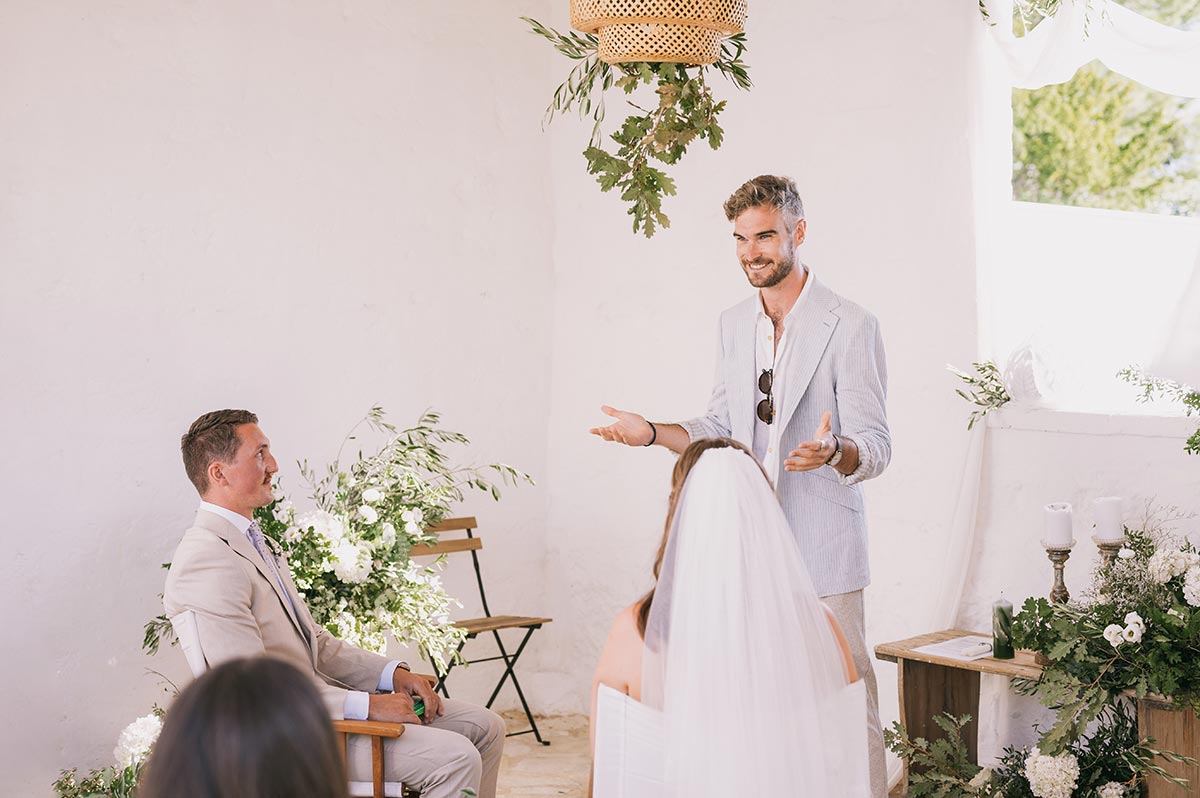
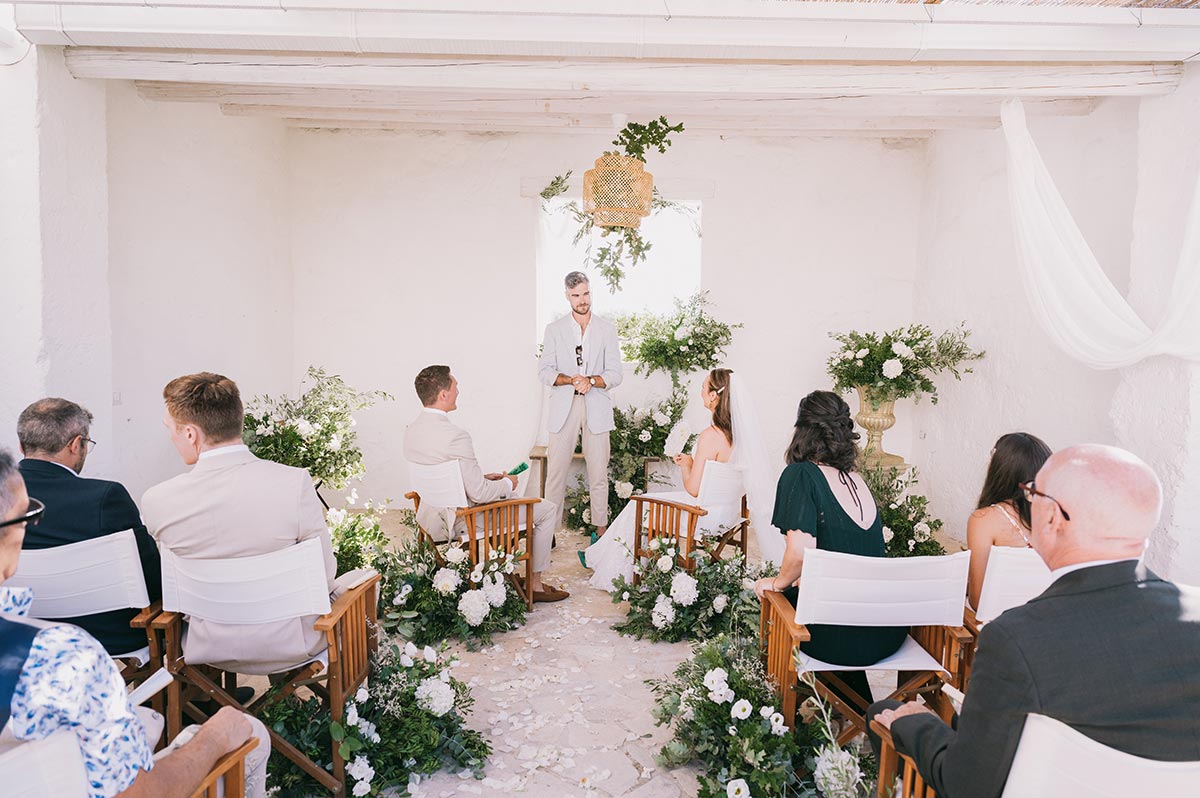

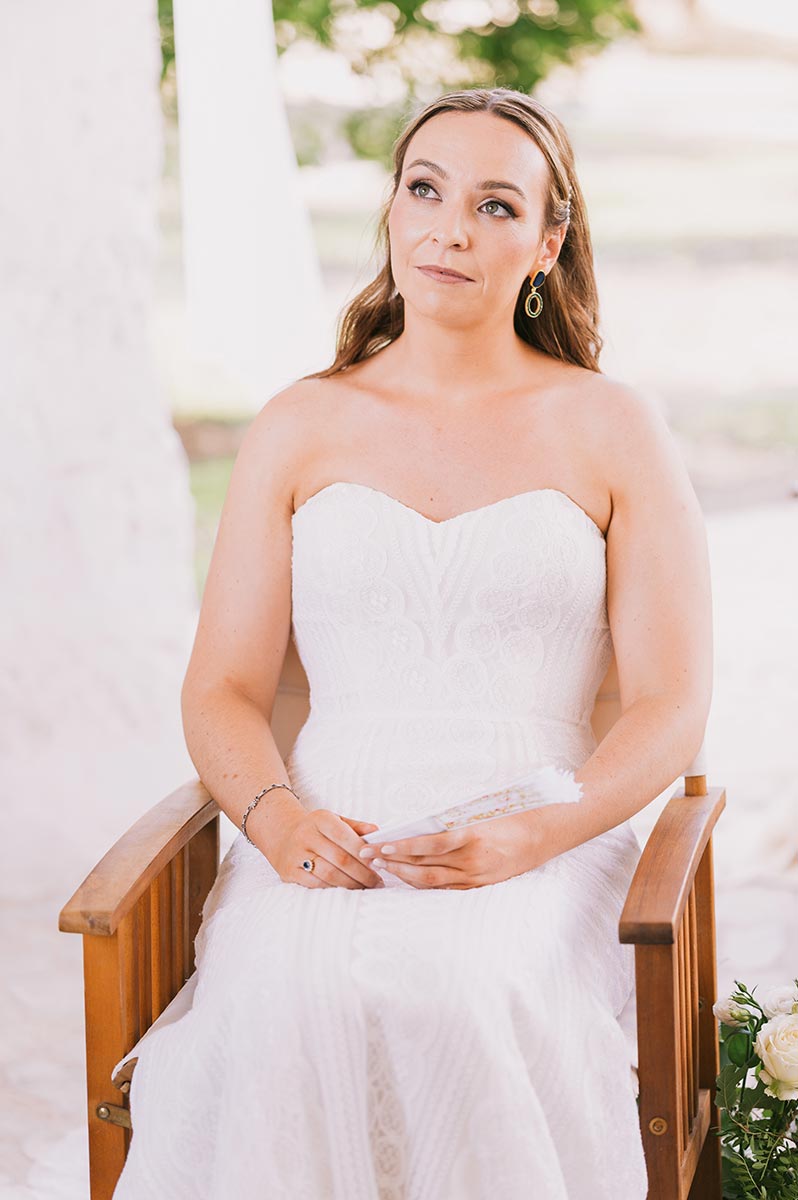

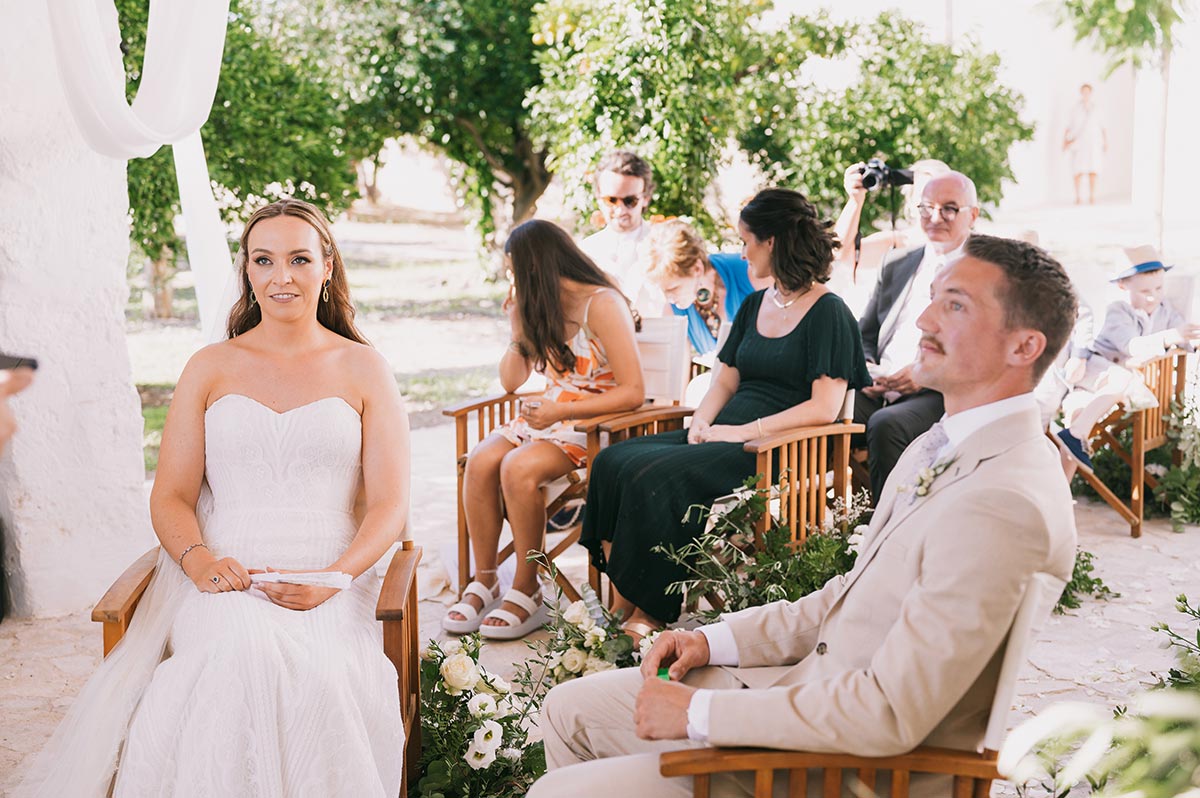
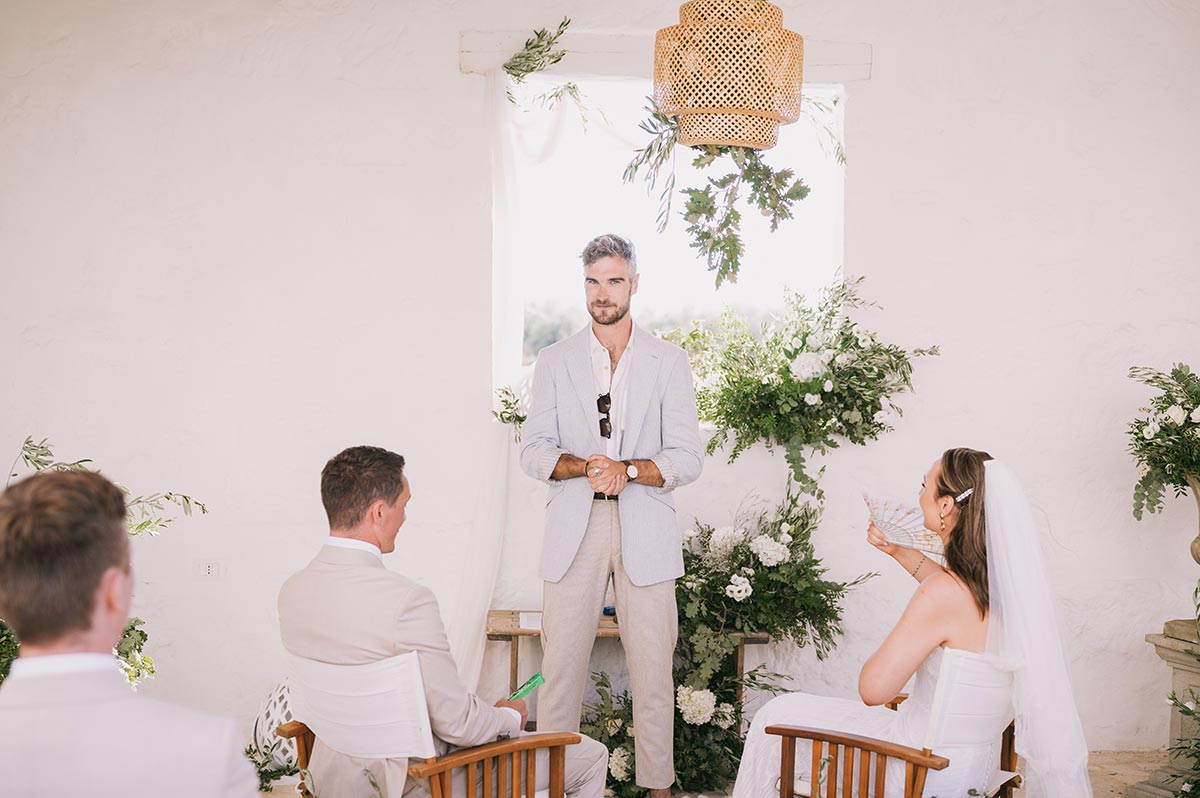
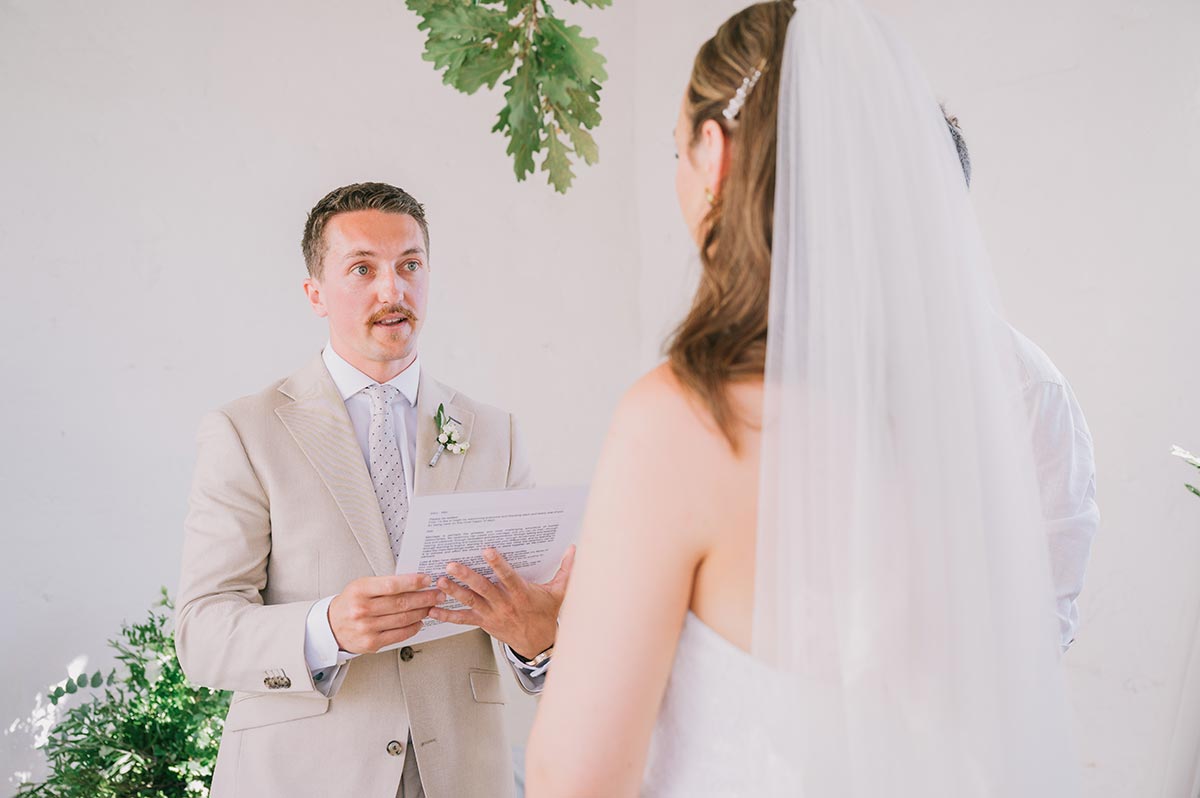
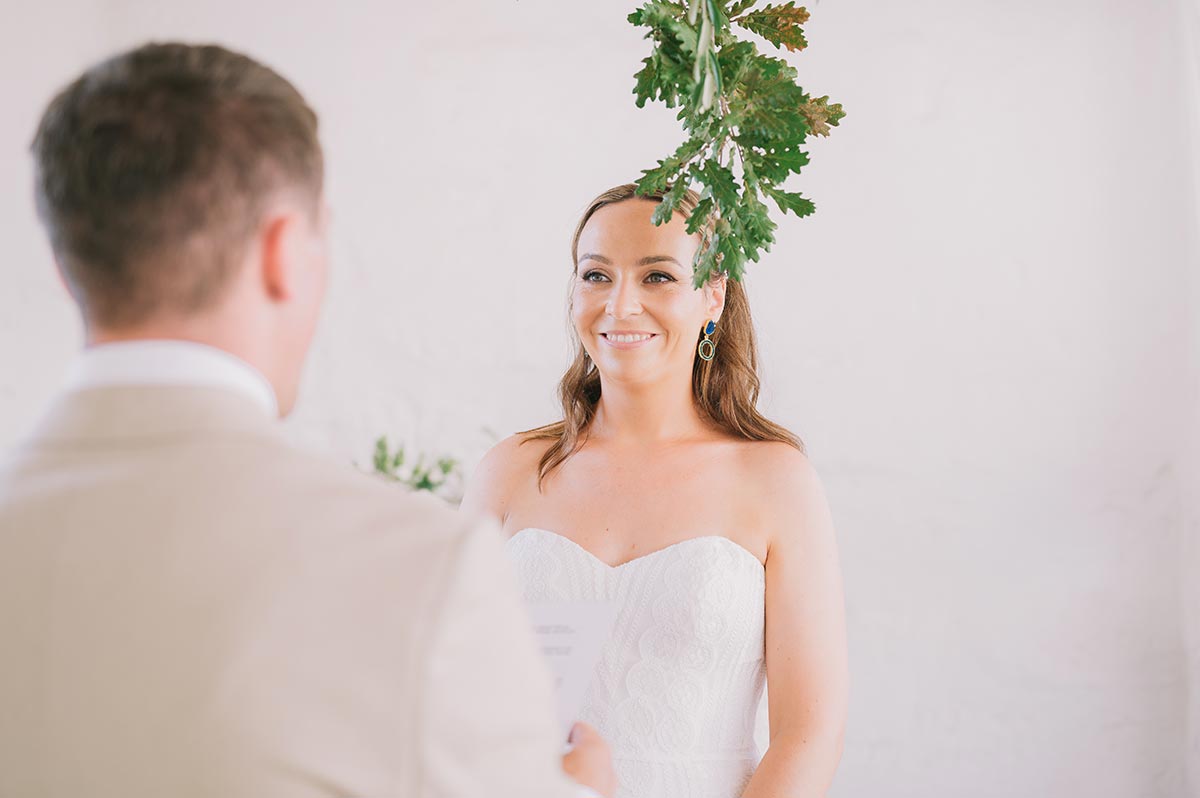
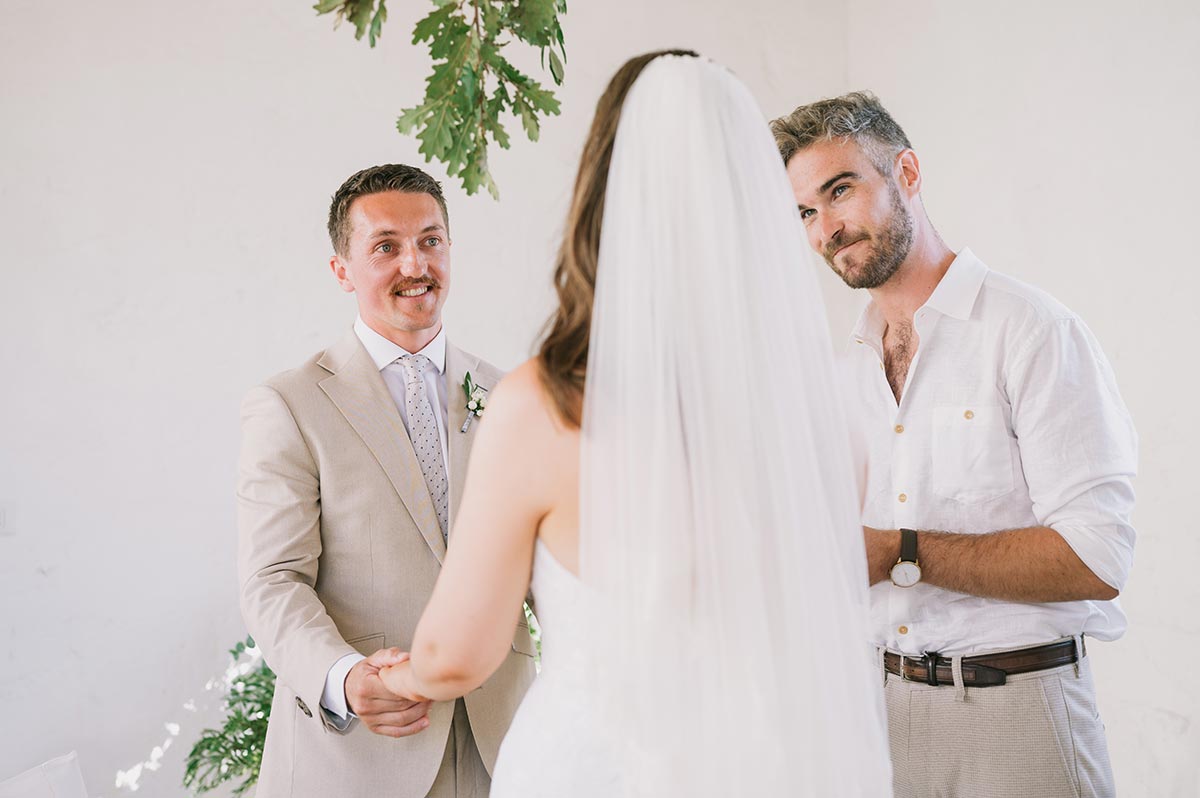
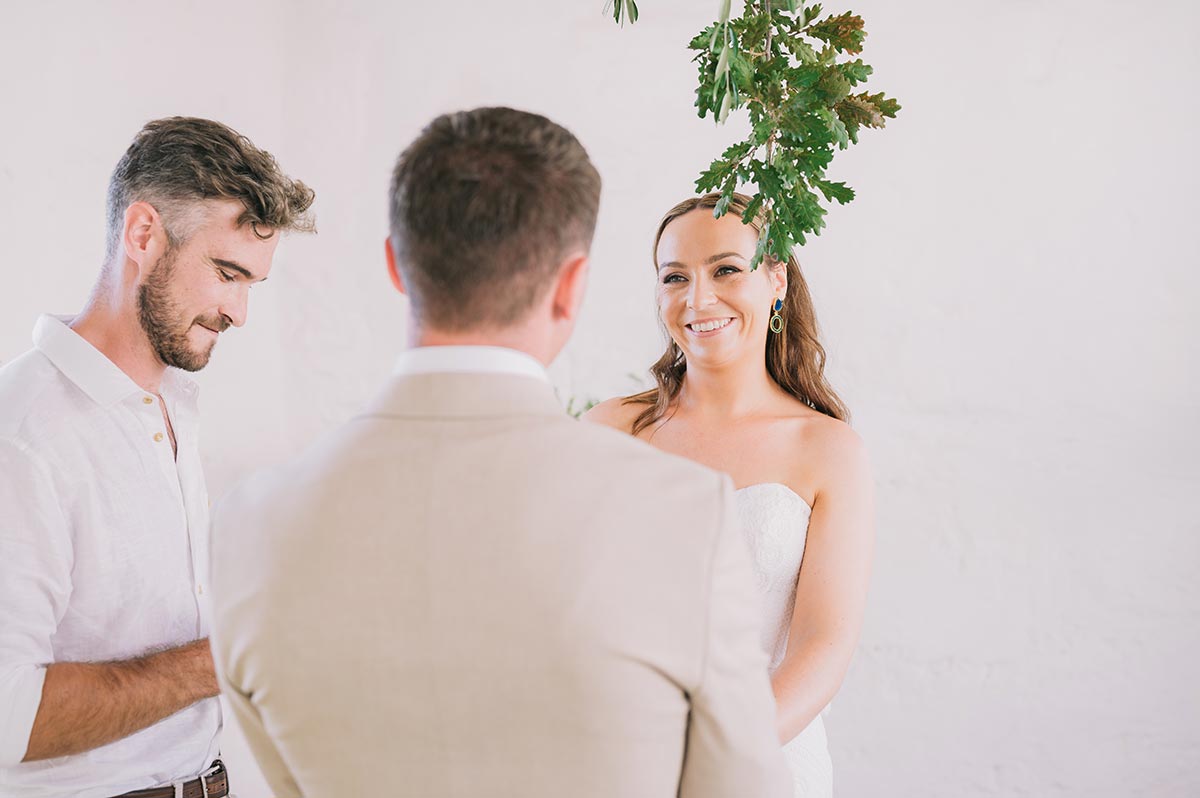
Masseria Moroseta:
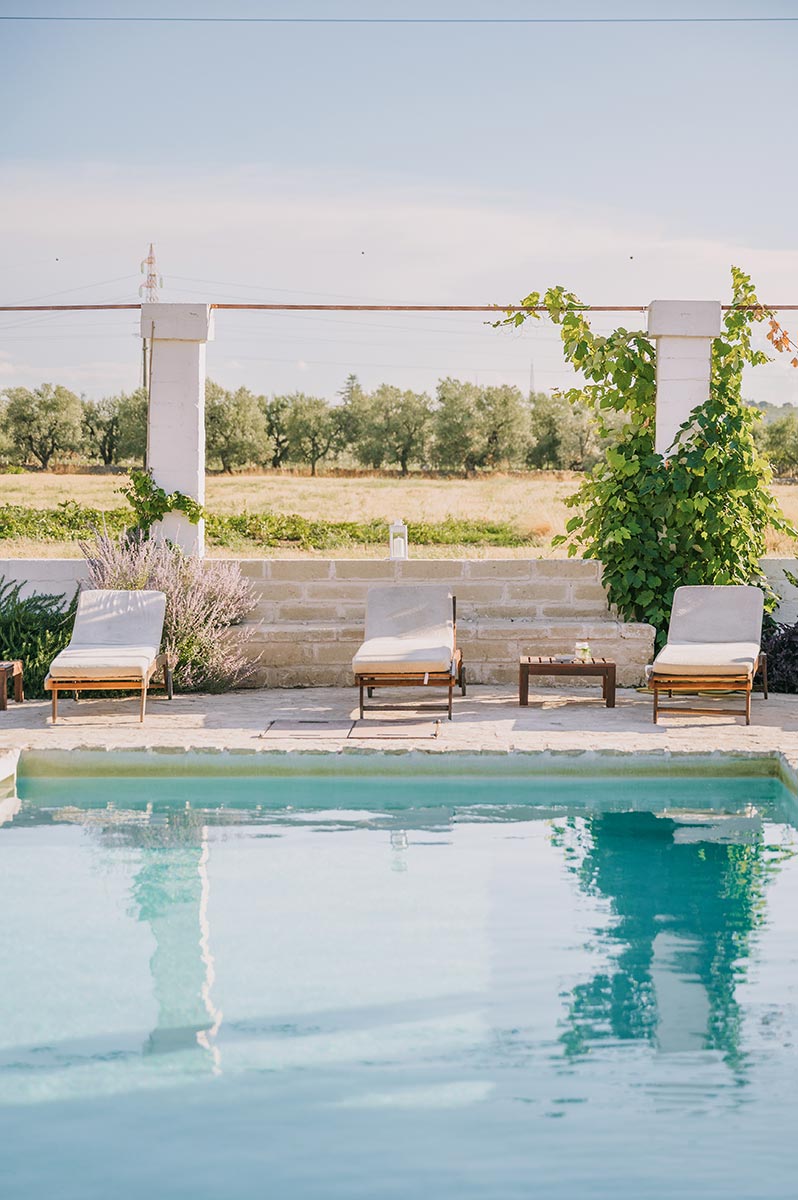
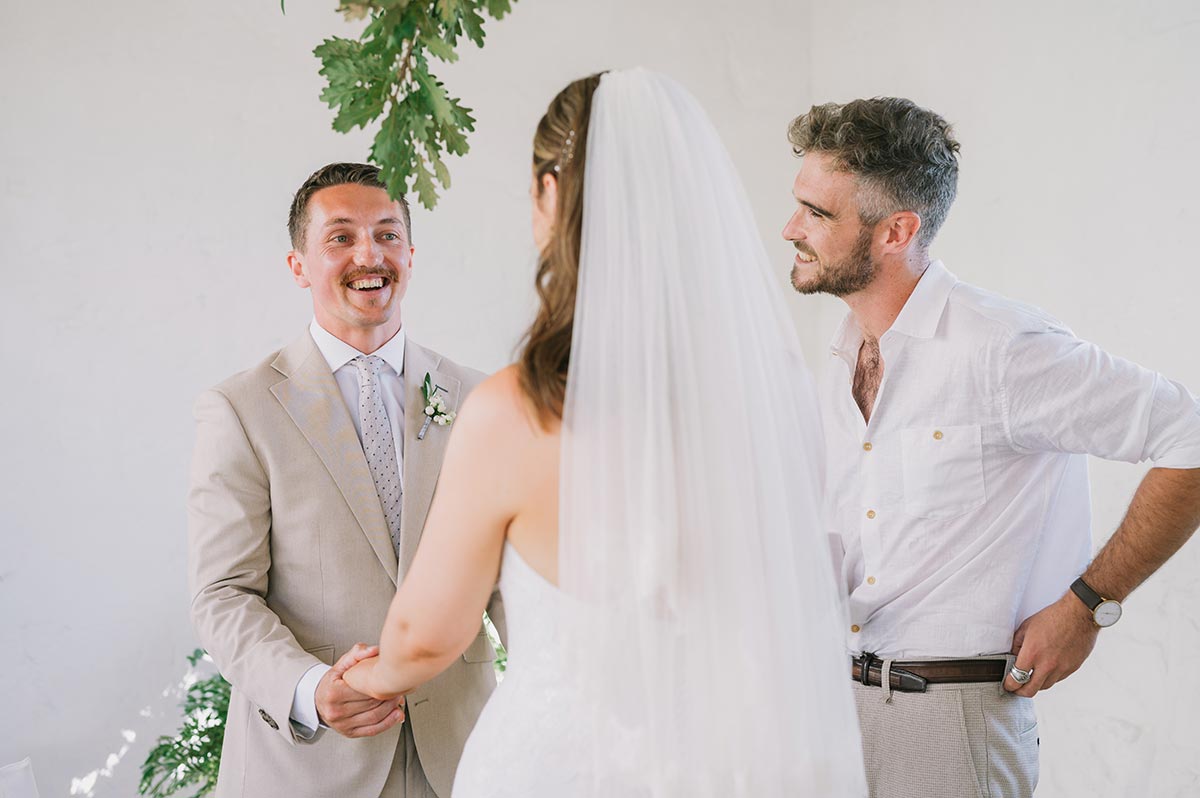
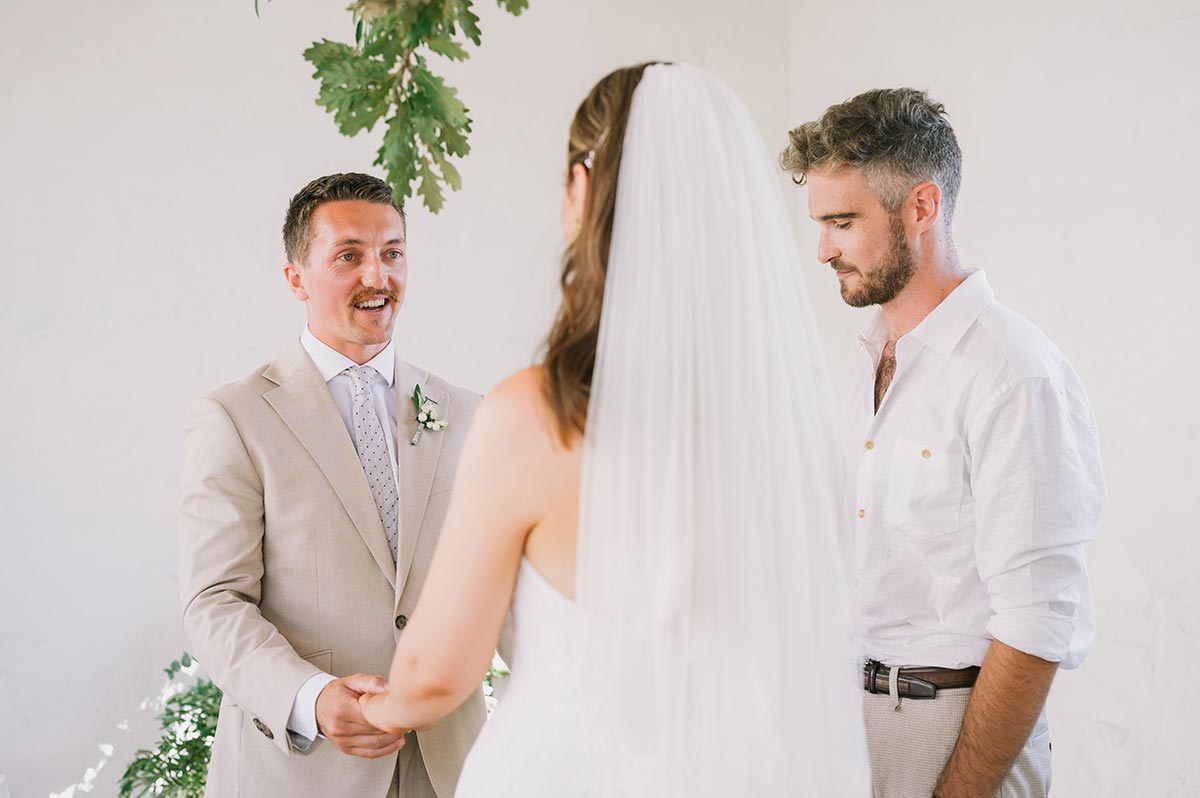
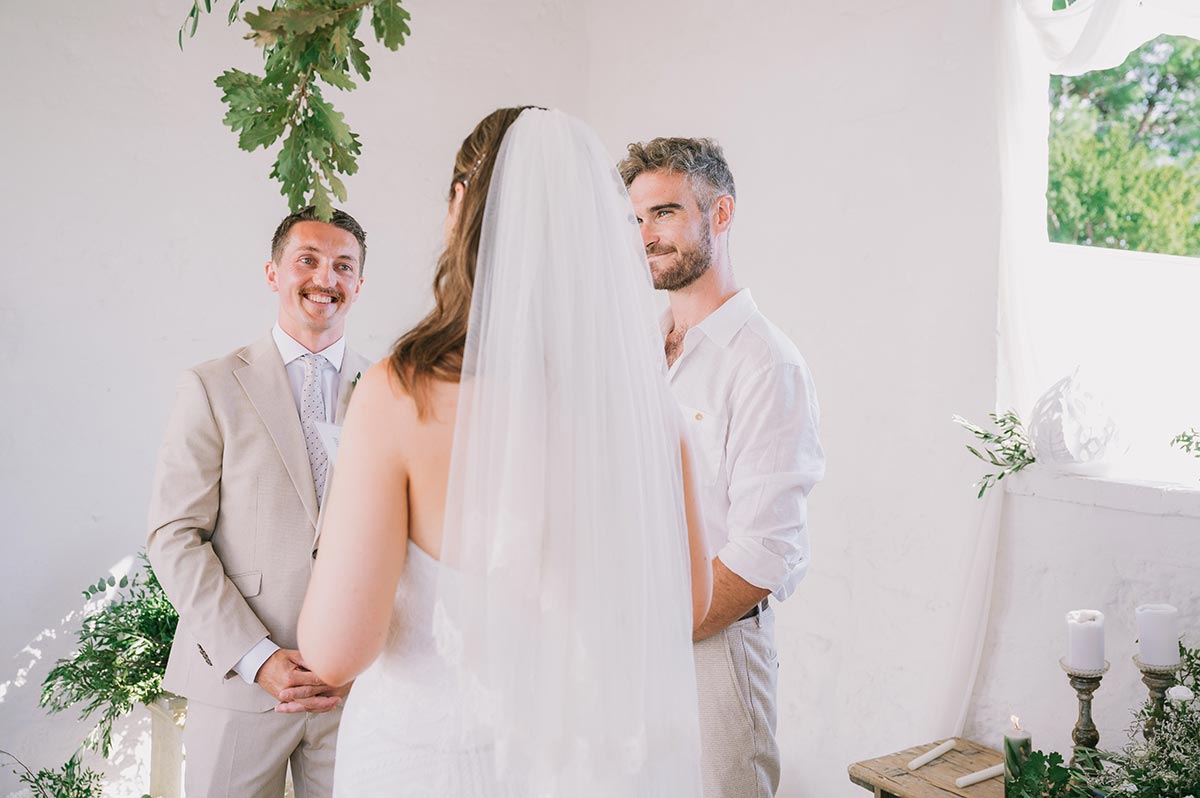
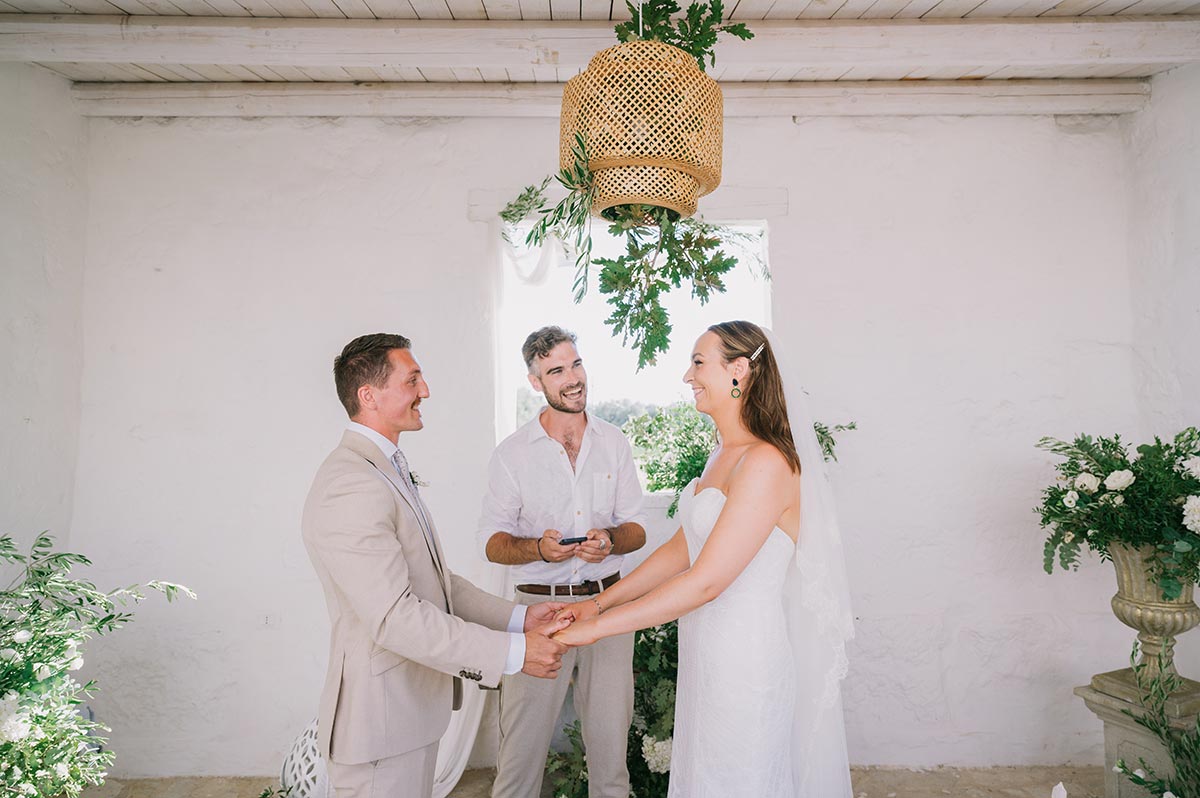
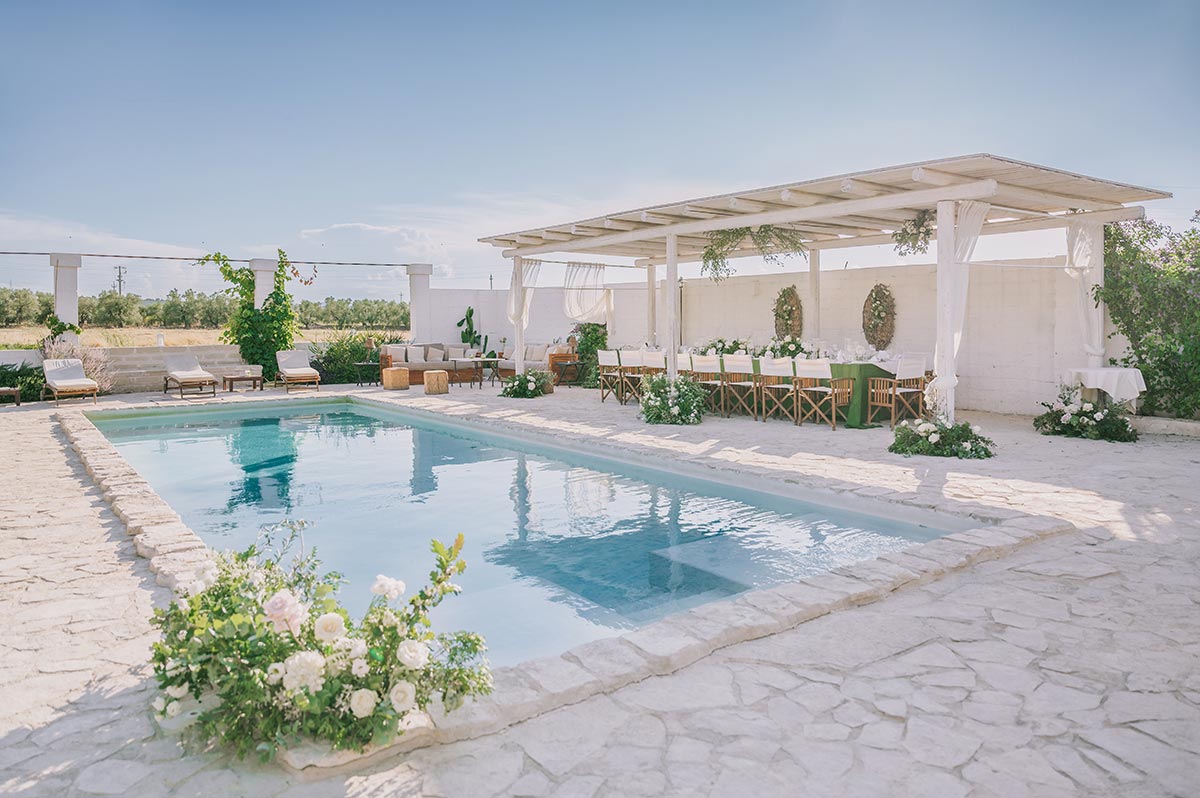
This stunning Masseria is set in the heart of the Apulian countryside and offers a serene and elegant atmosphere for your special day. Its spacious gardens and outdoor areas are perfect for hosting a wedding ceremony and reception, and the property also features a swimming pool, spa, and restaurant.




Masseria Le Carrube:
This beautiful Masseria is located in the Salento area of Puglia and features classic stone architecture, lush gardens, and elegant outdoor spaces ideal for a wedding celebration. With on-site catering and professional event planning services, Masseria Le Carrube takes care of every detail to ensure your special day is stress-free and unforgettable.
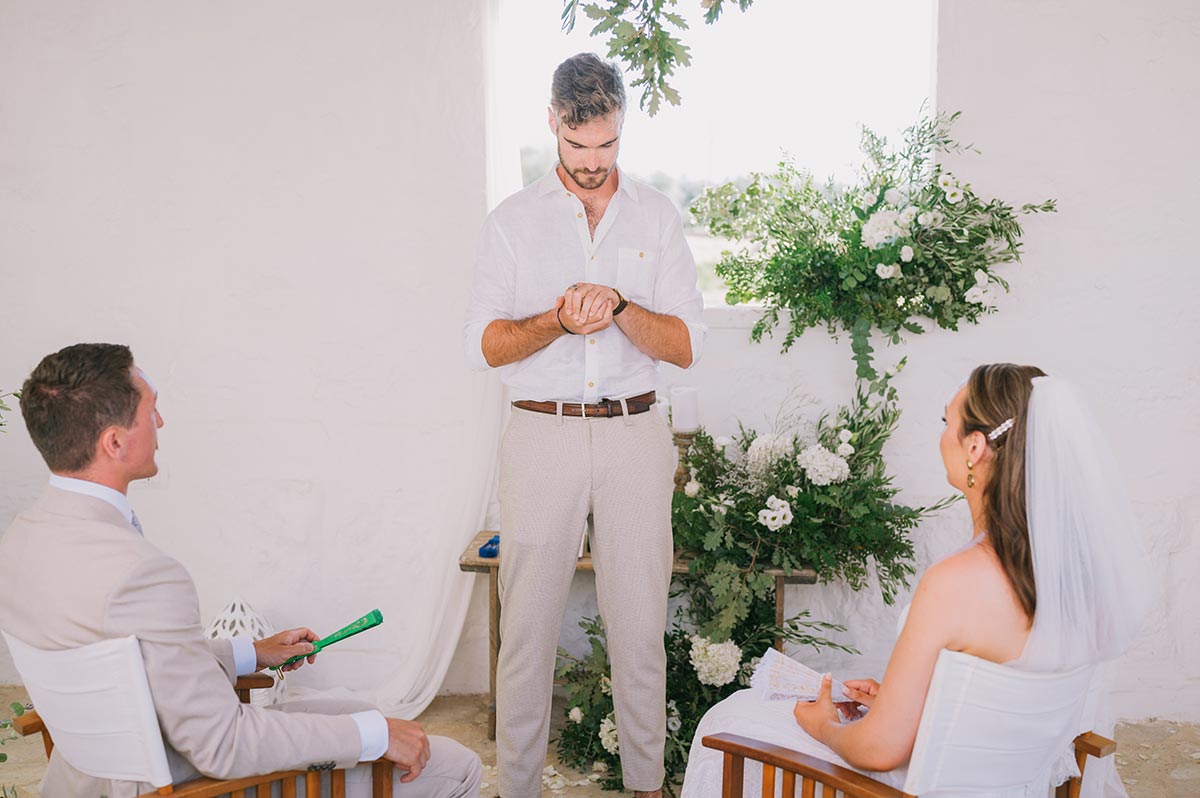



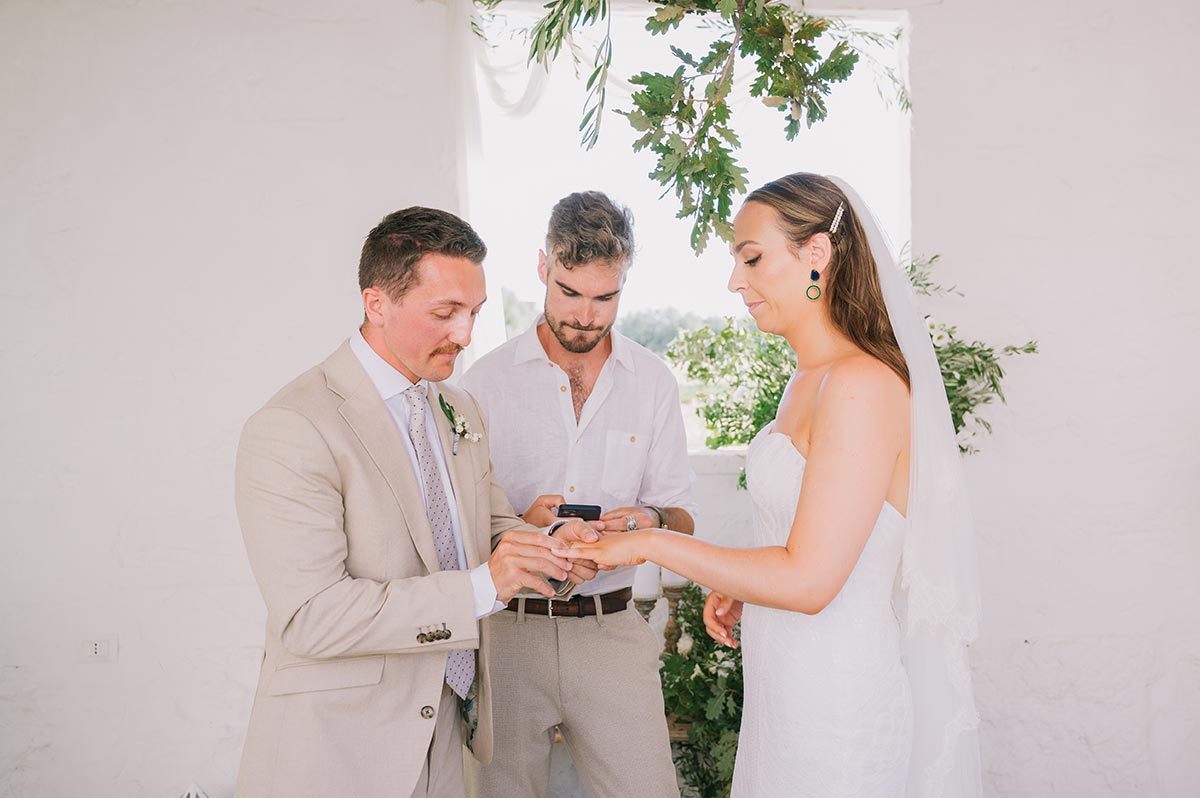


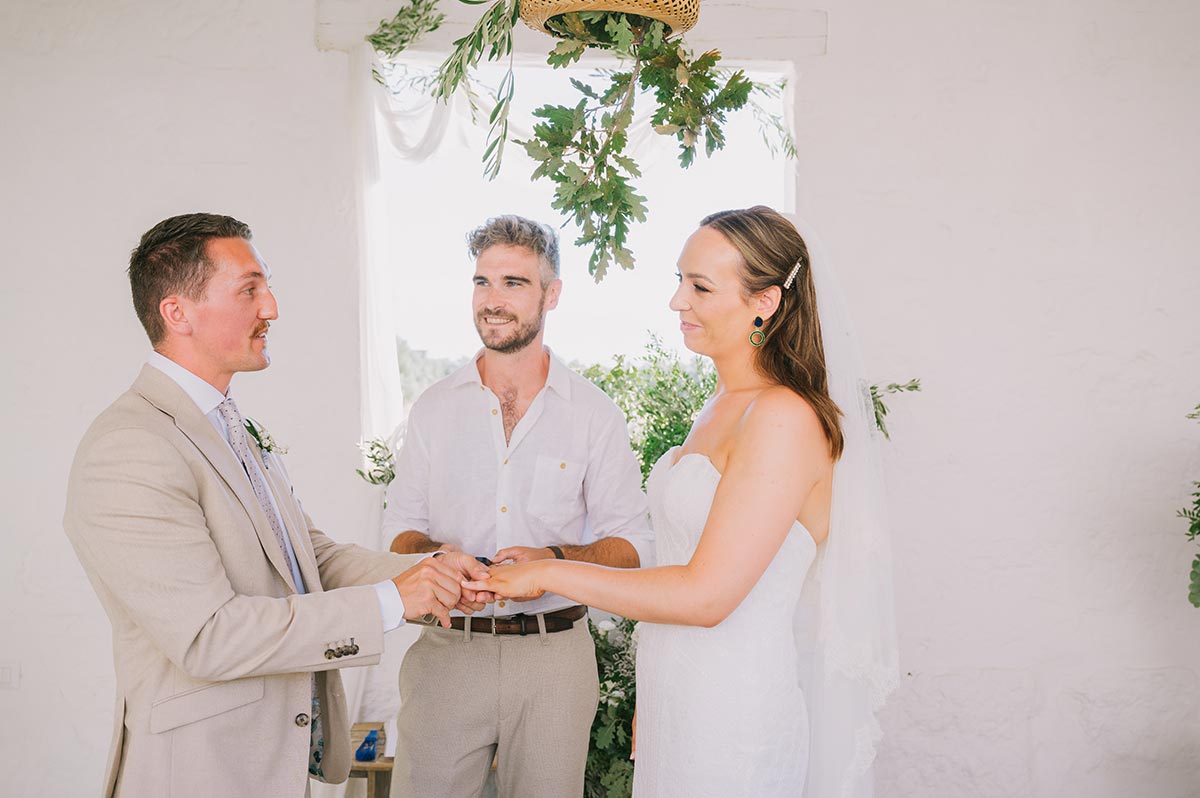
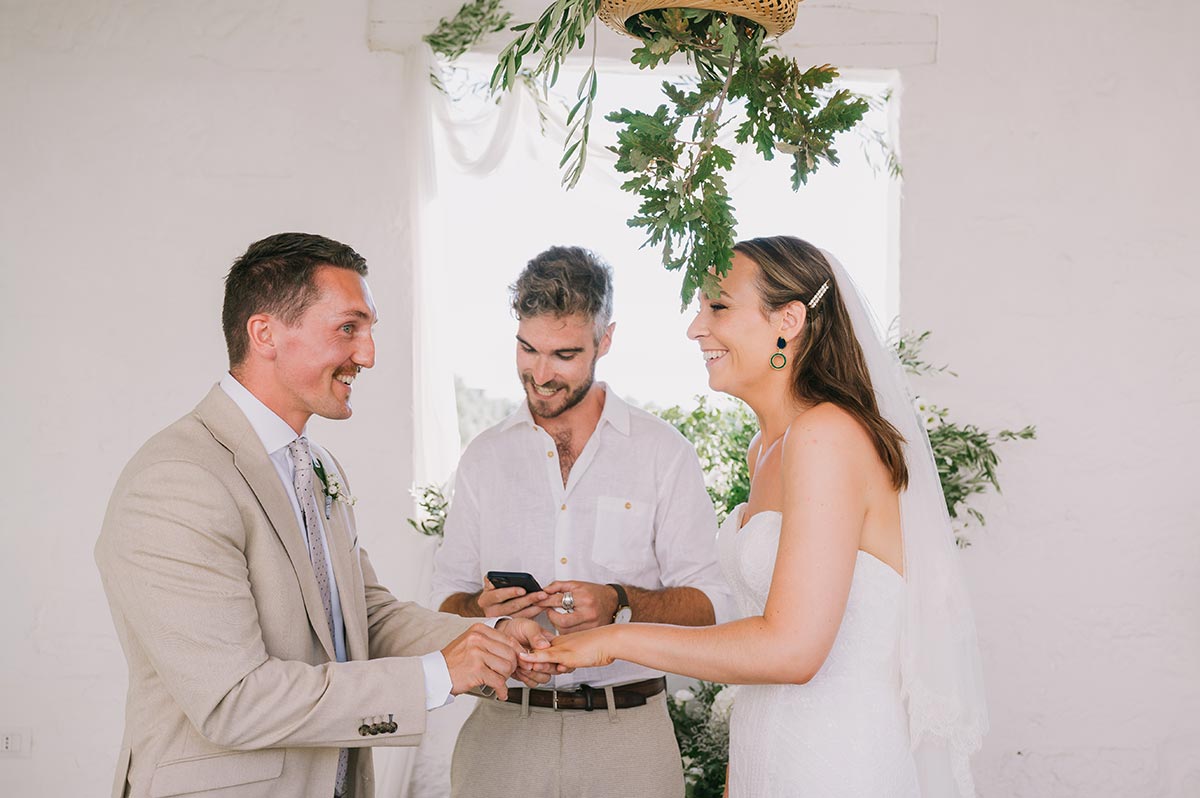
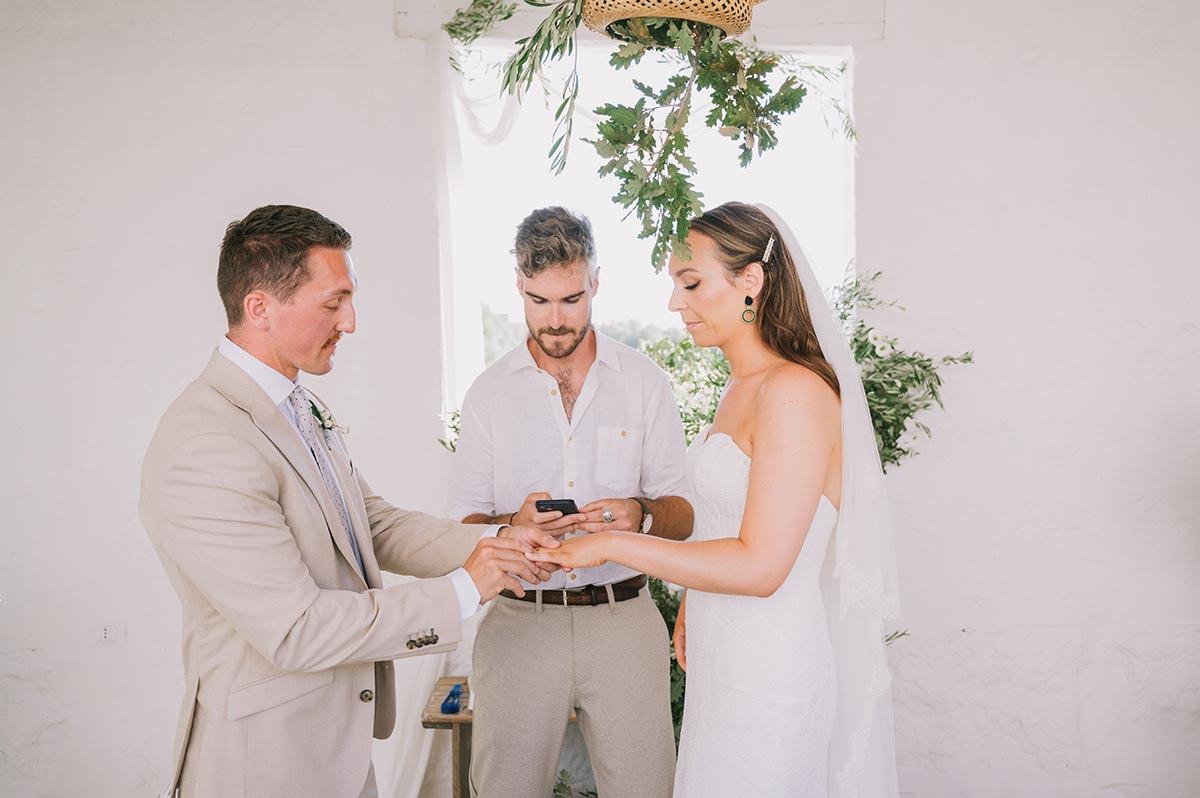
Masseria Li Veli:
This charming Masseria is set in peaceful countryside and features a beautiful pool, spacious gardens, and elegant indoor spaces for your wedding ceremony and reception. The property’s experienced staff and on-site catering do planning and hosting your wedding day easy.
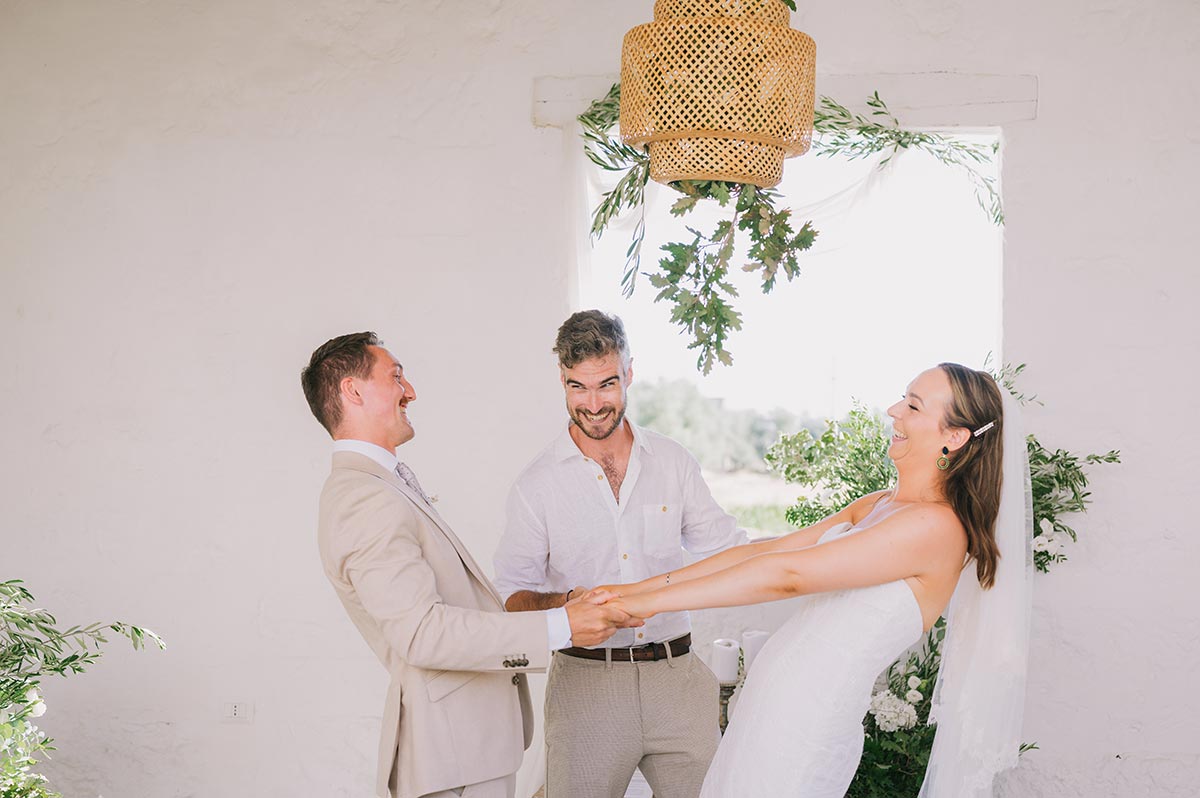
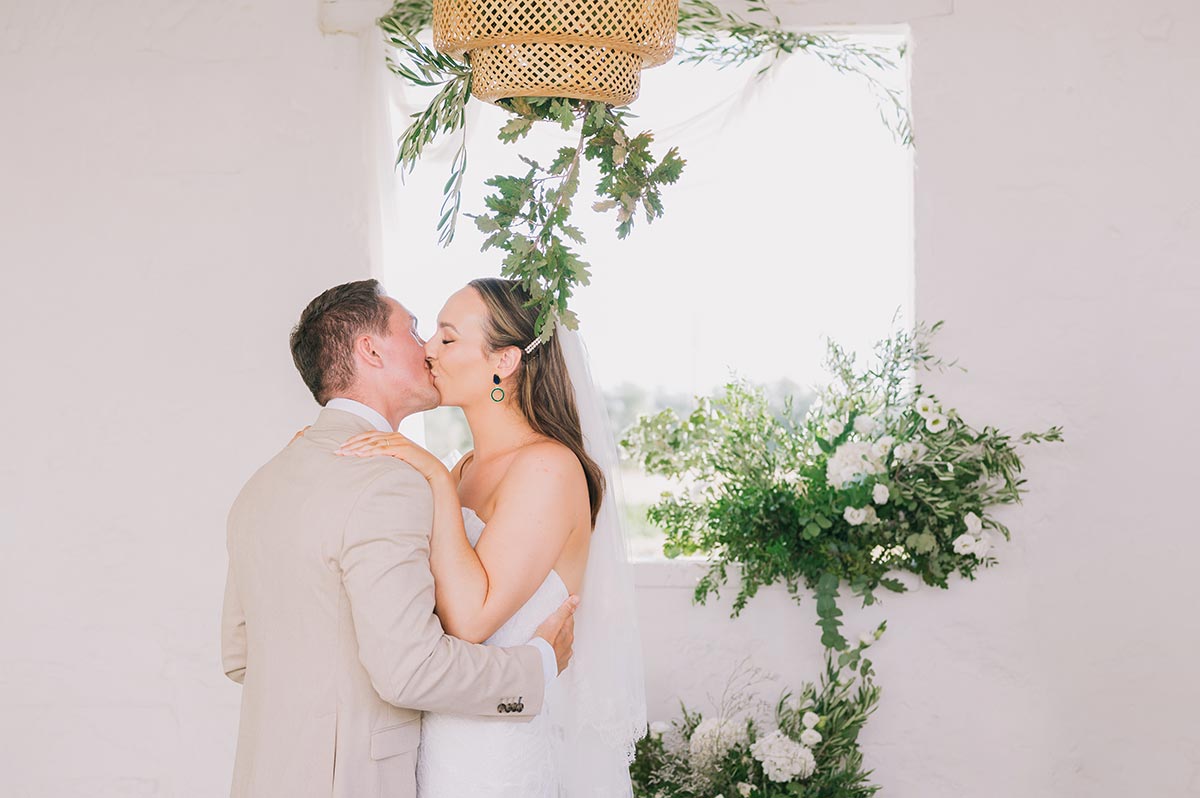
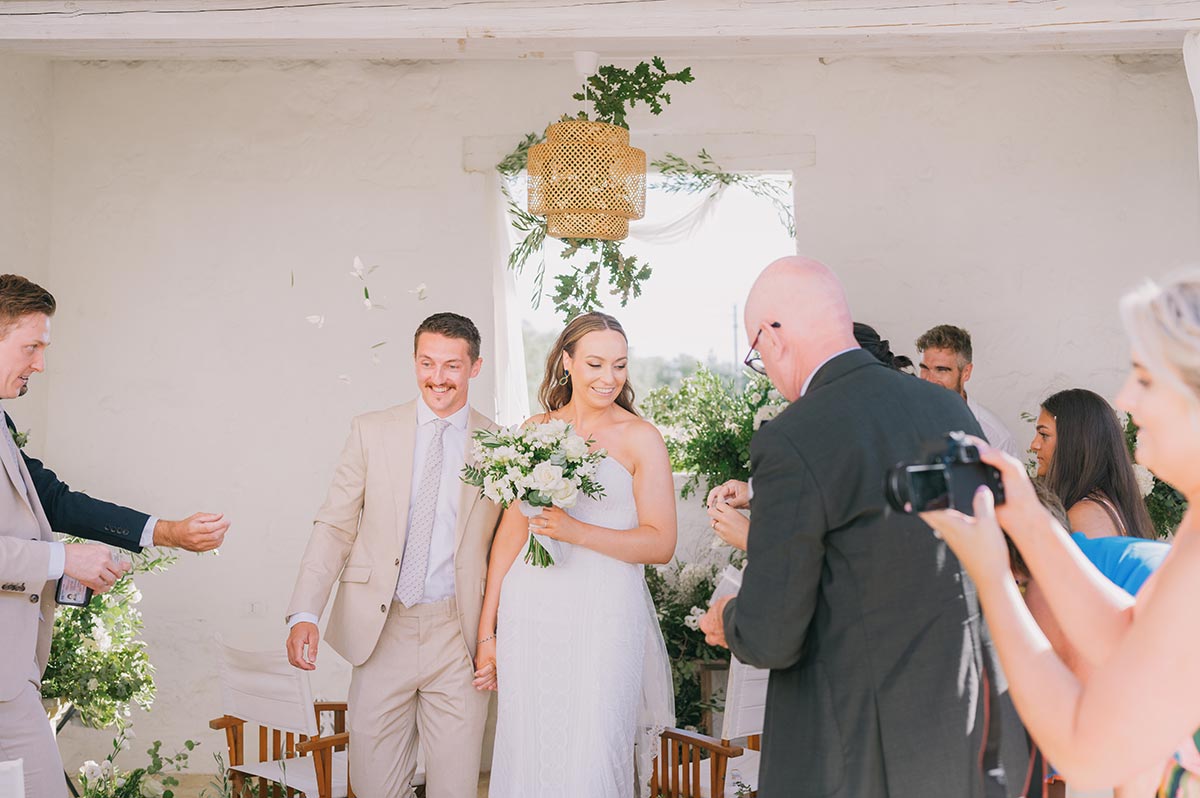
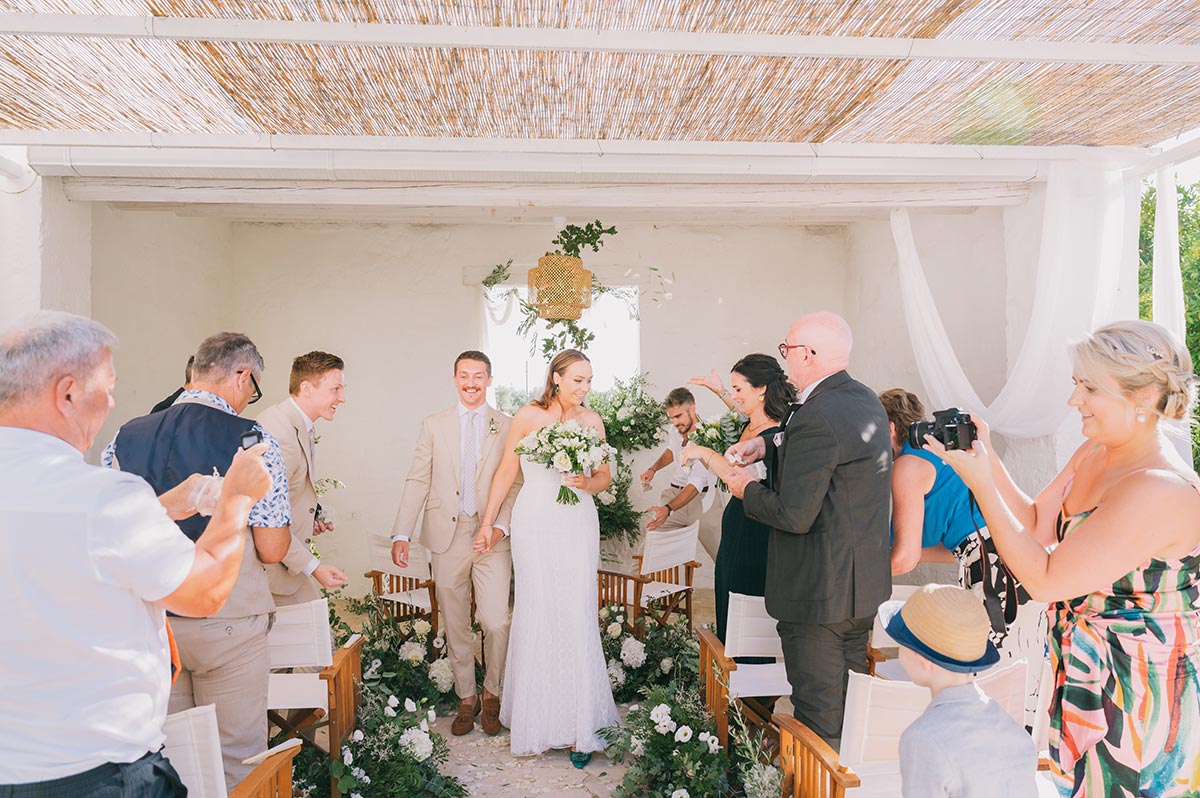
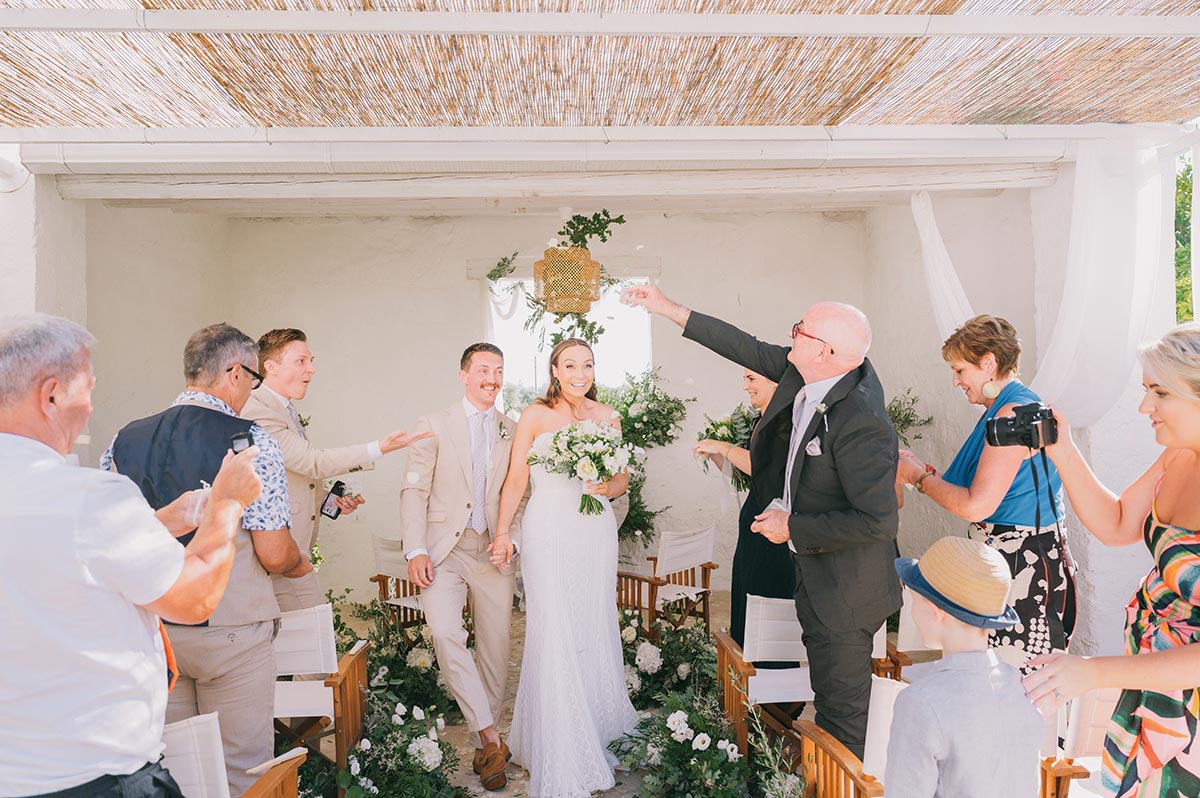
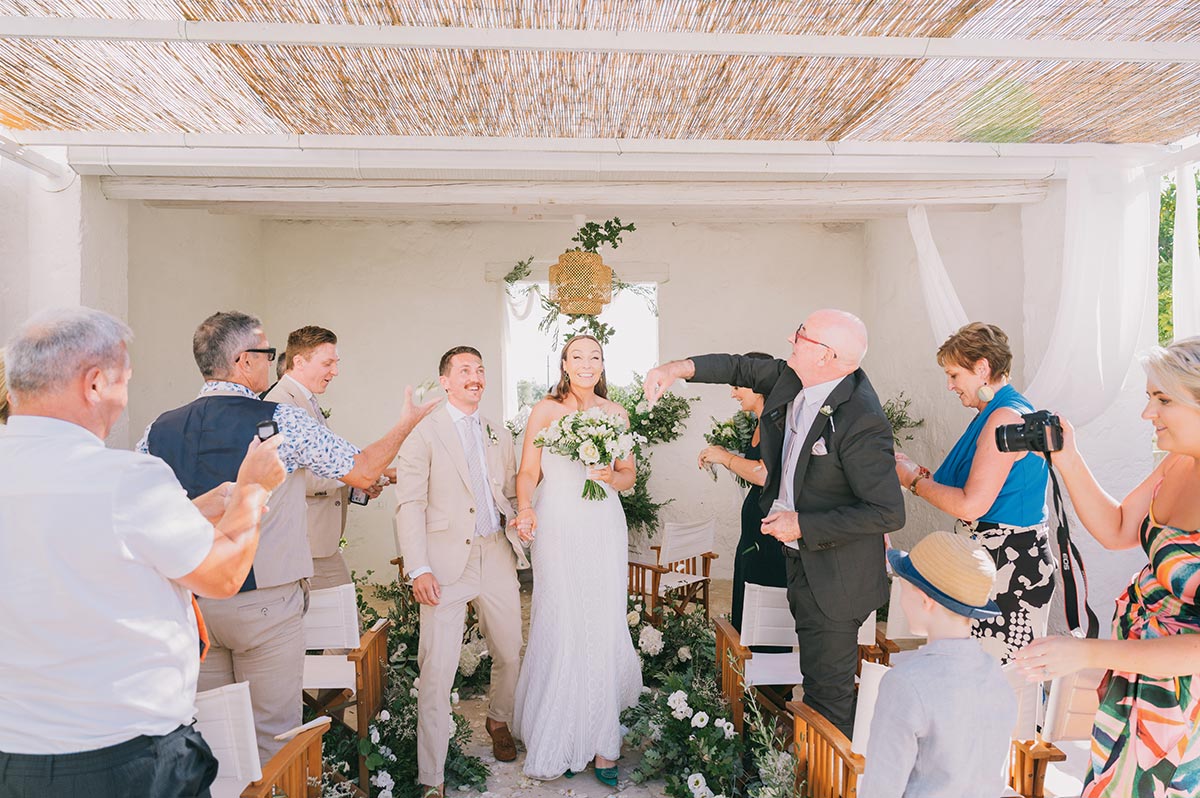
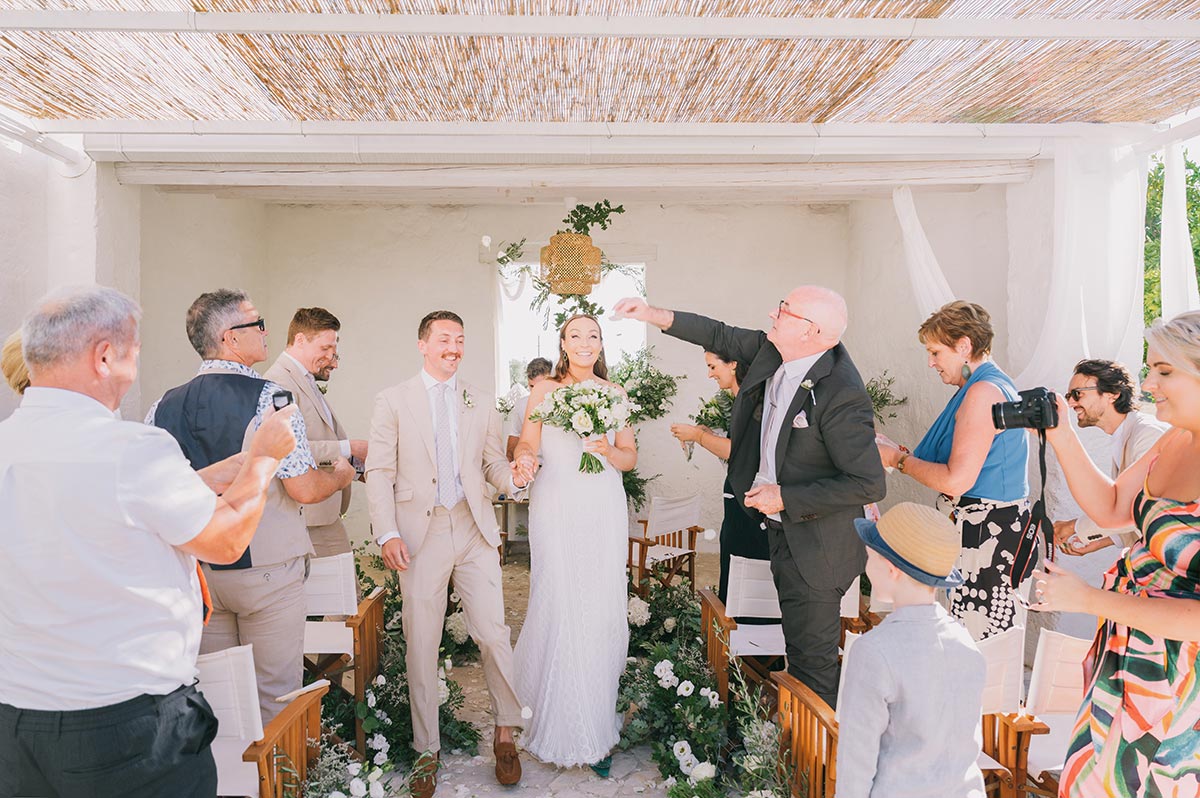
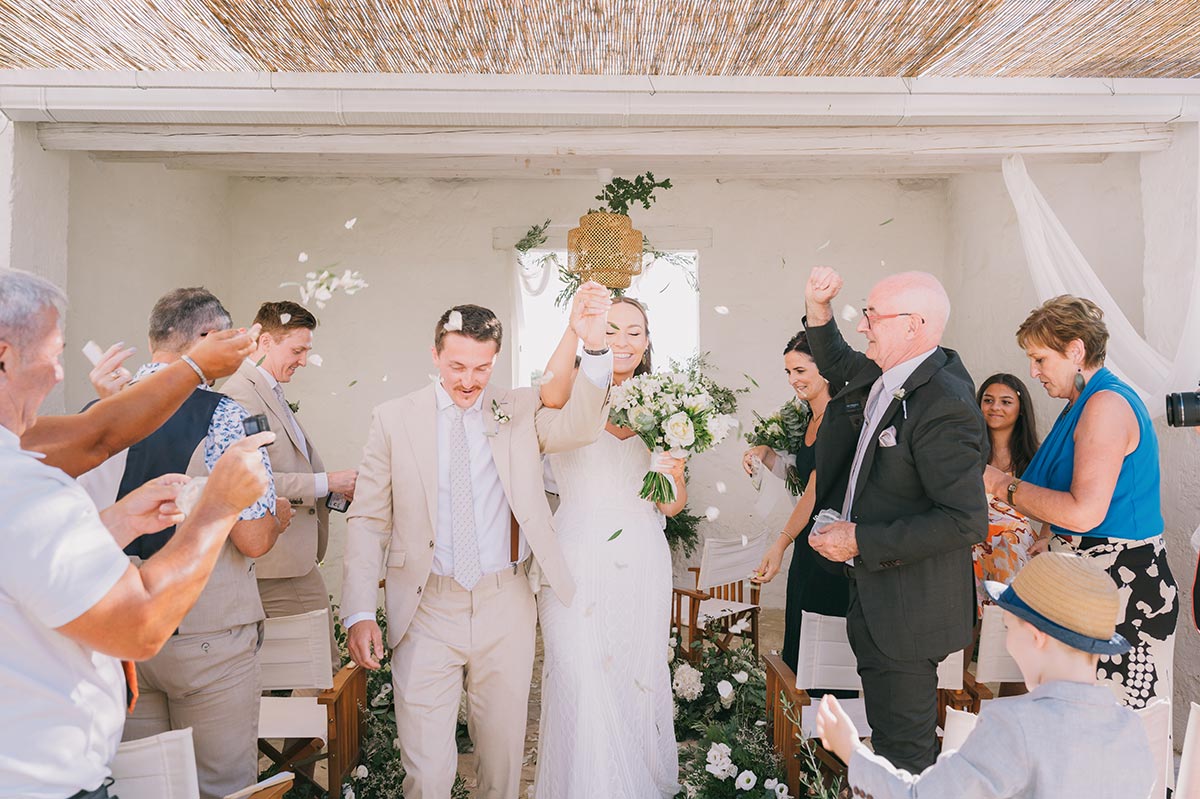
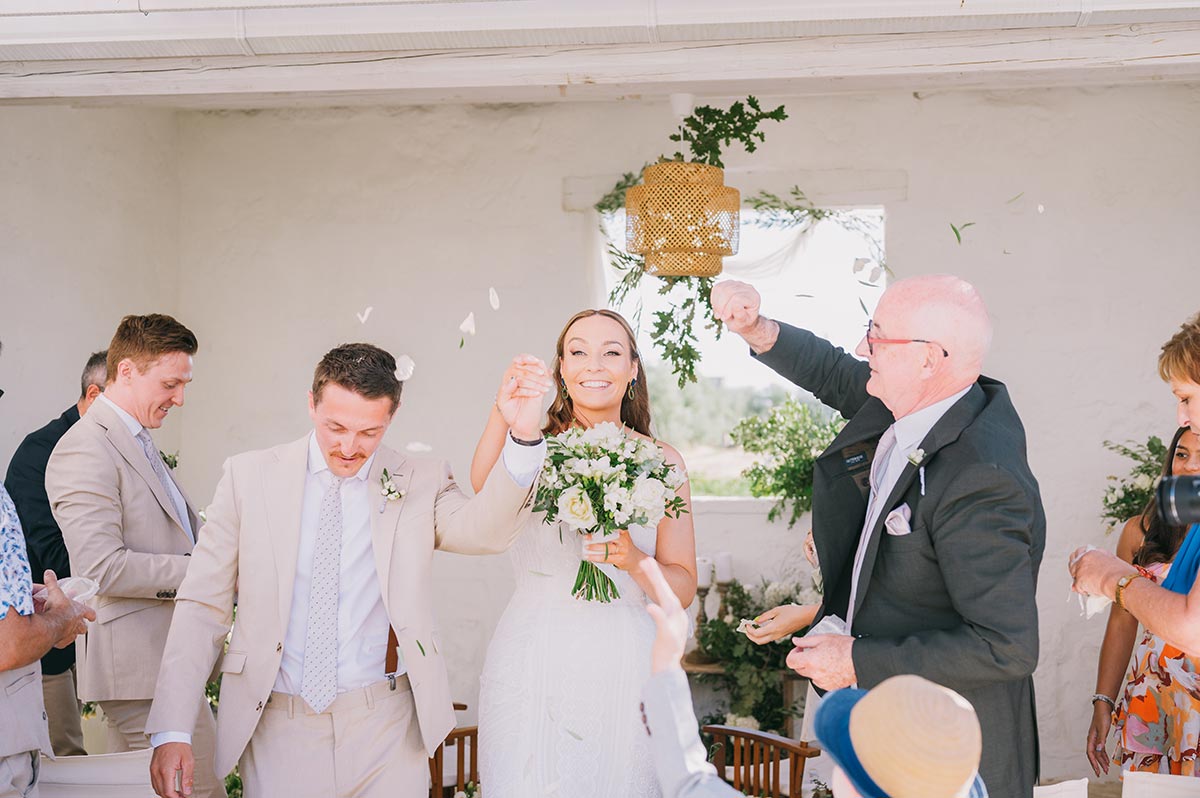
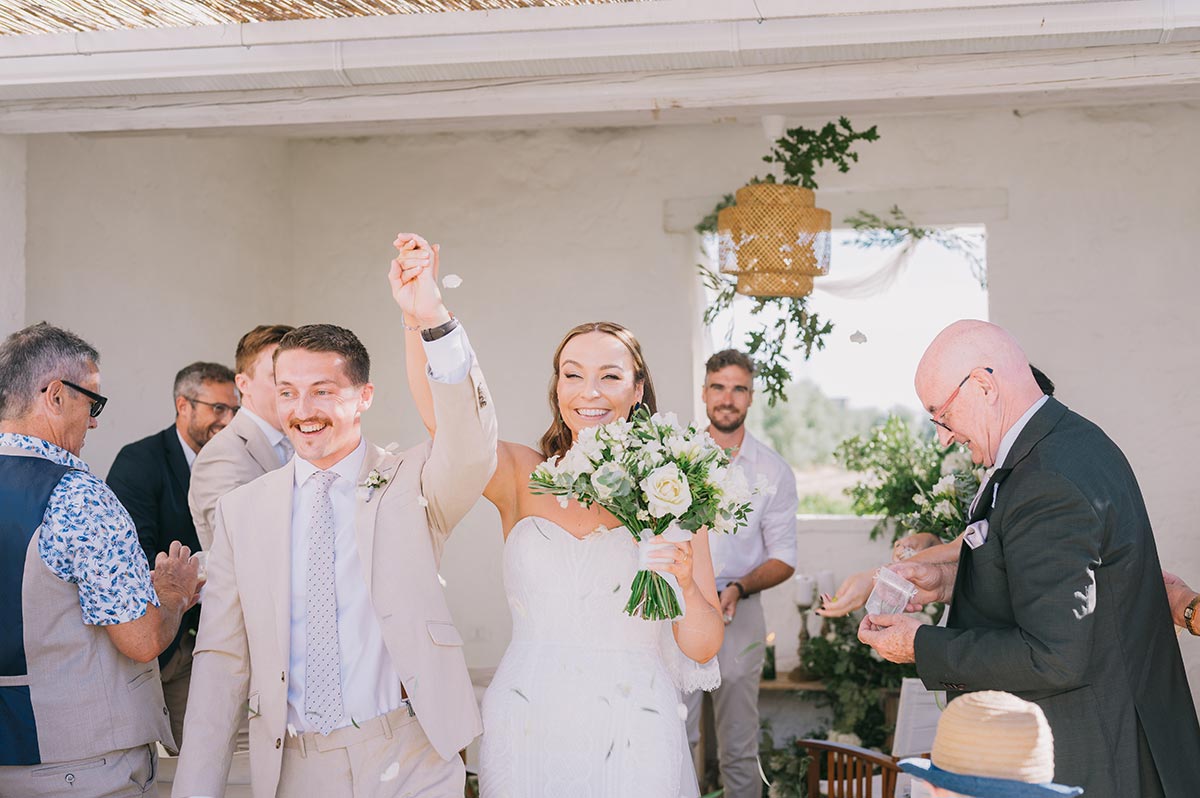
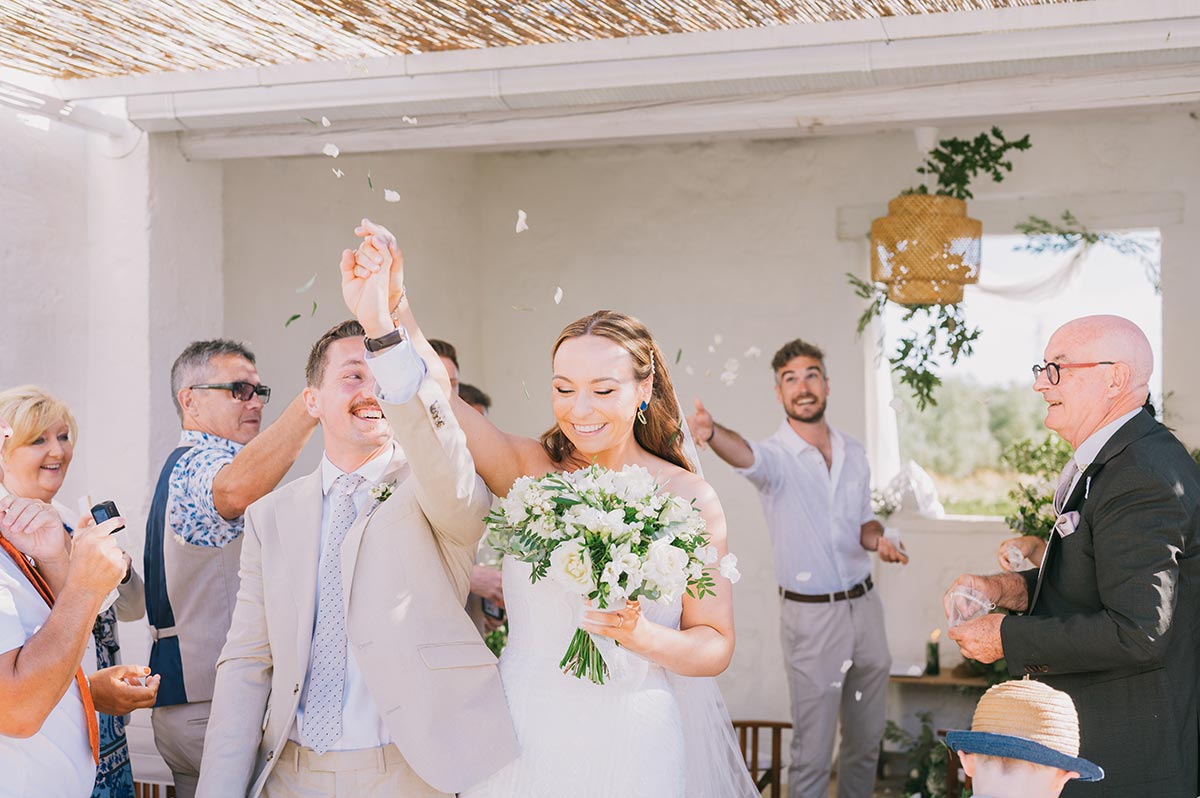
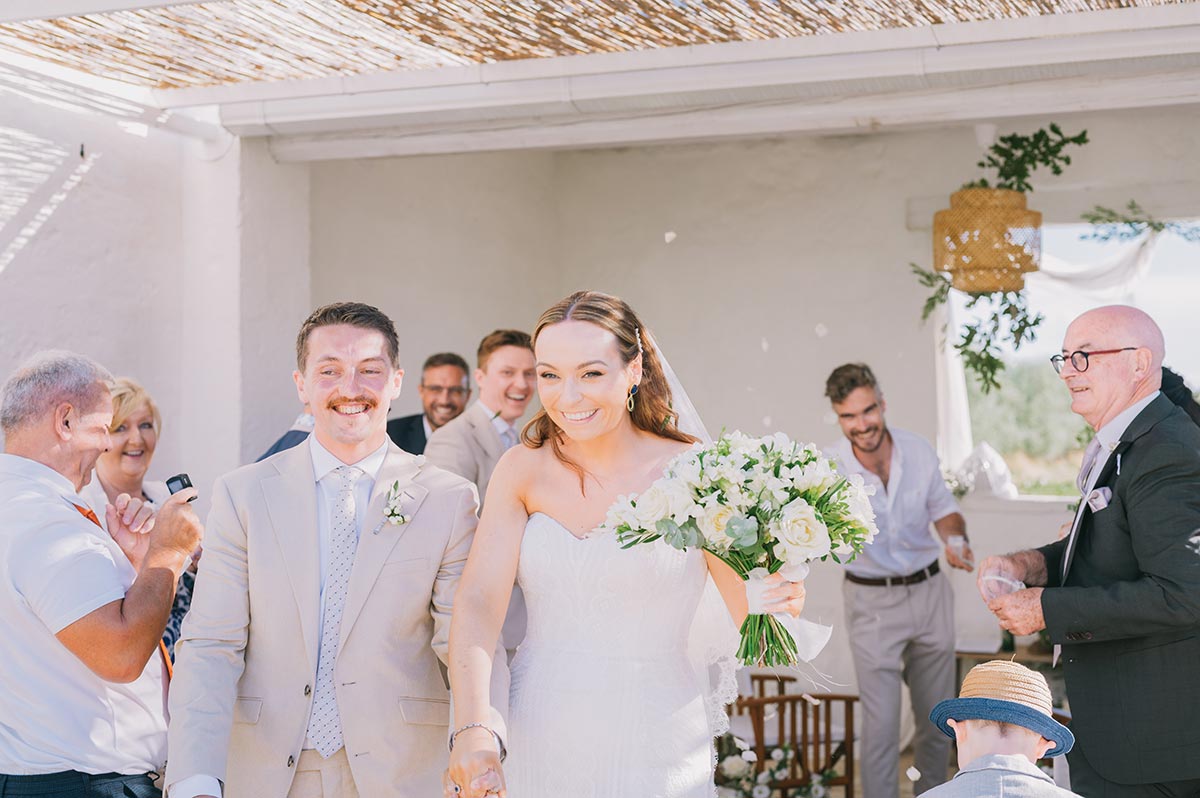
Masseria San Domenico
This historic Masseria is in a tranquil location surrounded by olive groves and vineyards and offers a breathtaking setting for your wedding day. Masseria San Domenico is an idyllic choice for your special day, with beautiful outdoor spaces, professional catering, and on-site event planning services.










Hire an Apulia wedding Planner:
Hiring a wedding planner can make the planning process much easier and stress-free. A wedding planner can help you choose the right Masseria to arrange transportation and accommodations for your guests.
MASSERIA EXPERIENCE
Discover the best way to plan a romantic wedding in Masseria, and hire a wedding photographer in Apulia, Italy
AIRY AND MODERN

Your wedding day is one of the most memorable and meaningful days of your life, and choosing the right wedding planner is crucial in making it a day to remember. But with so many options available, it can take time to figure out where to start.
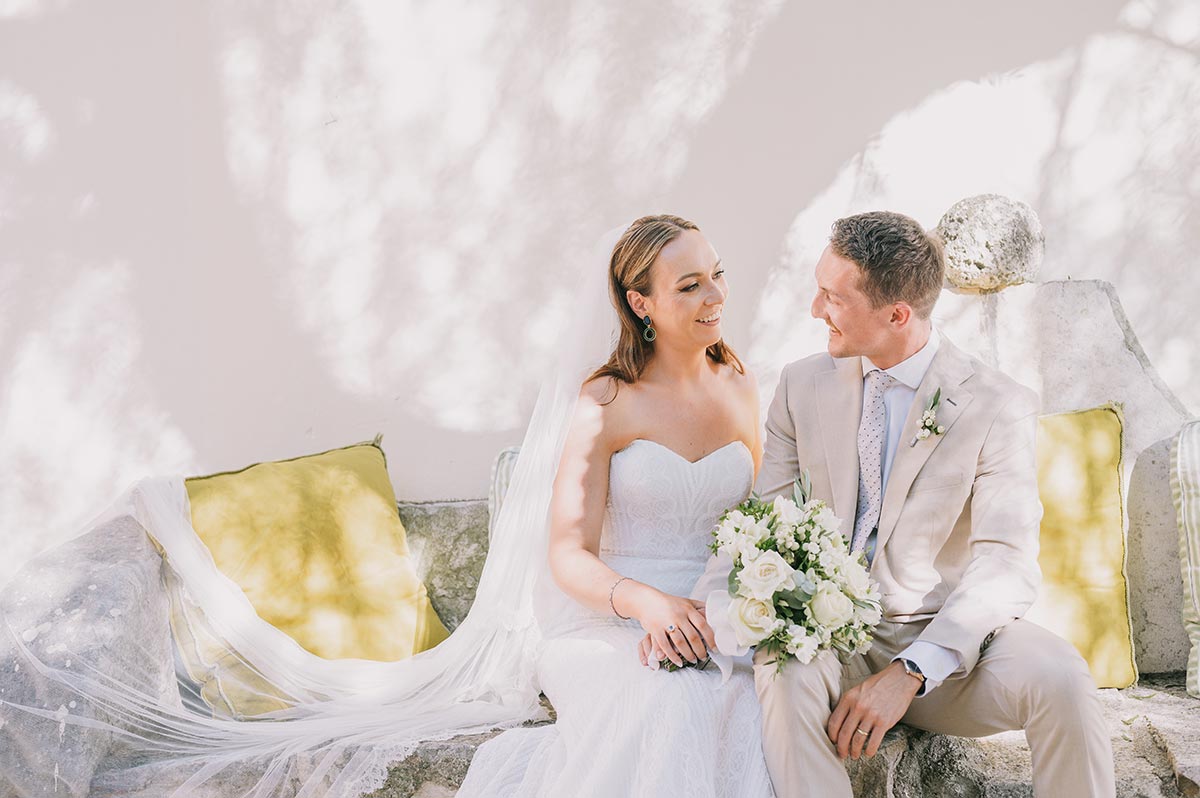
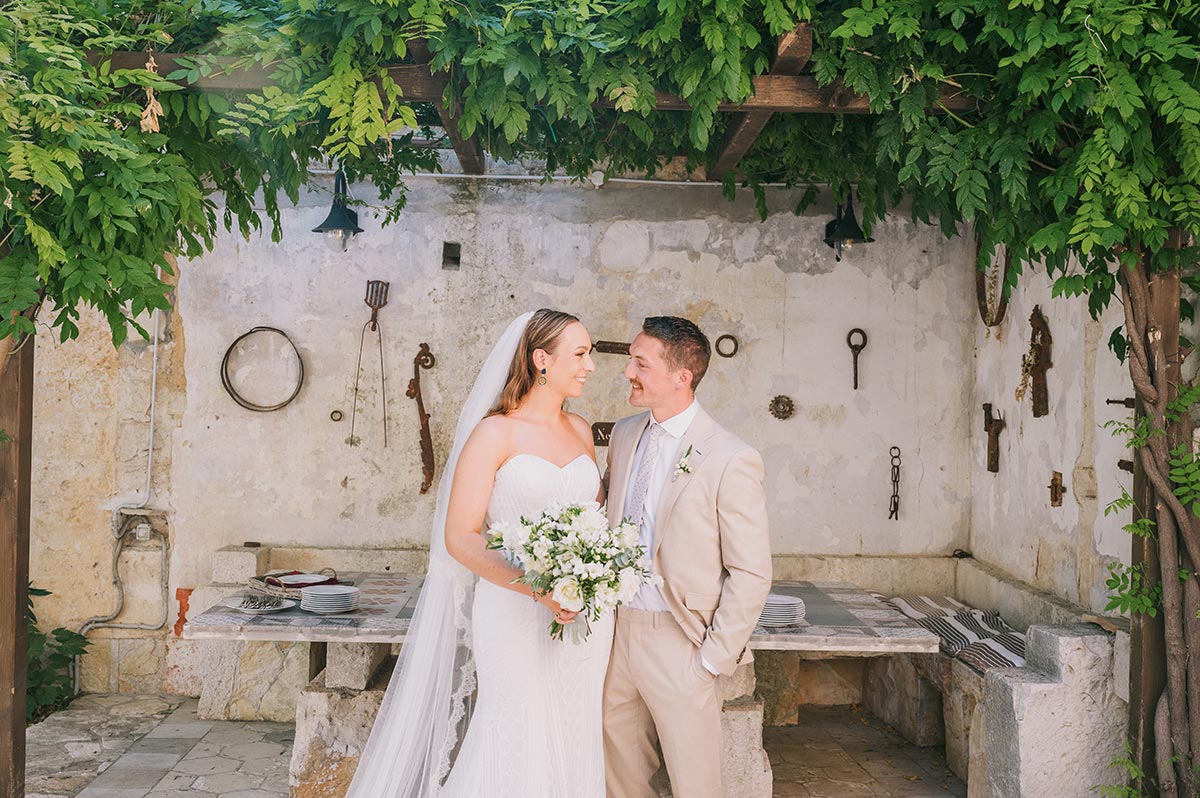
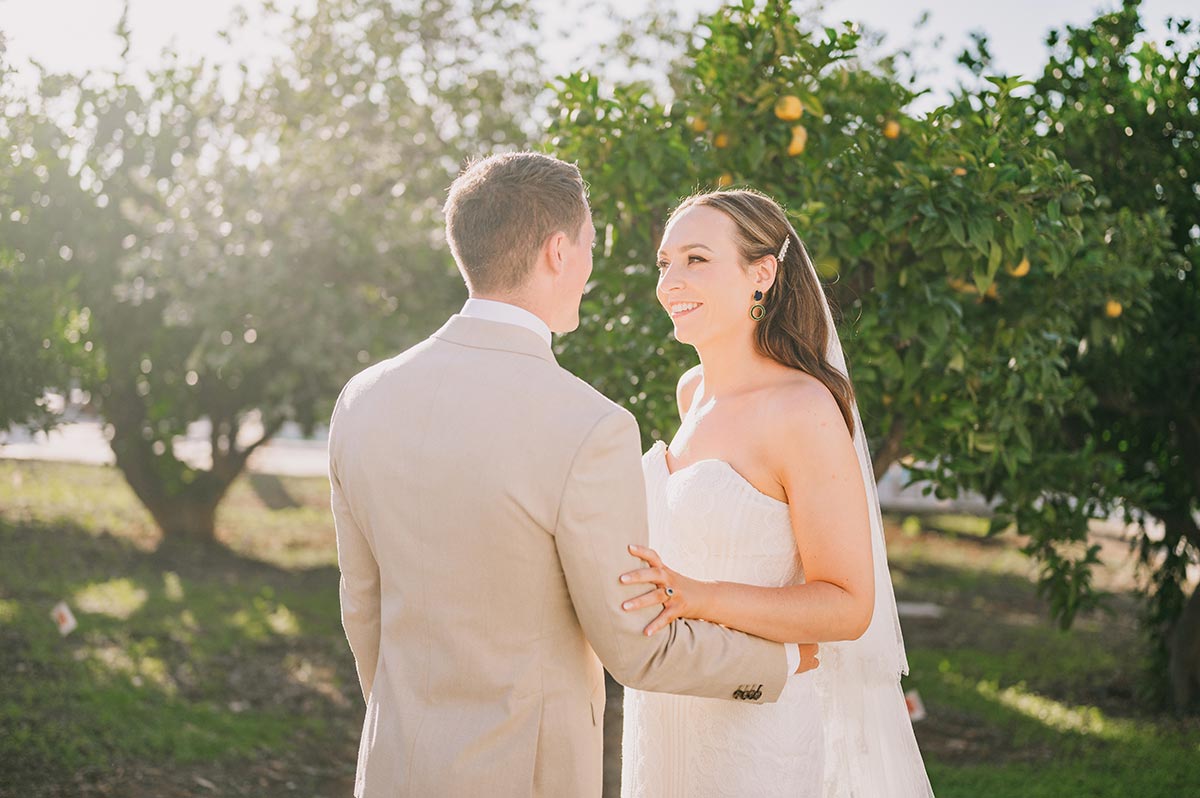
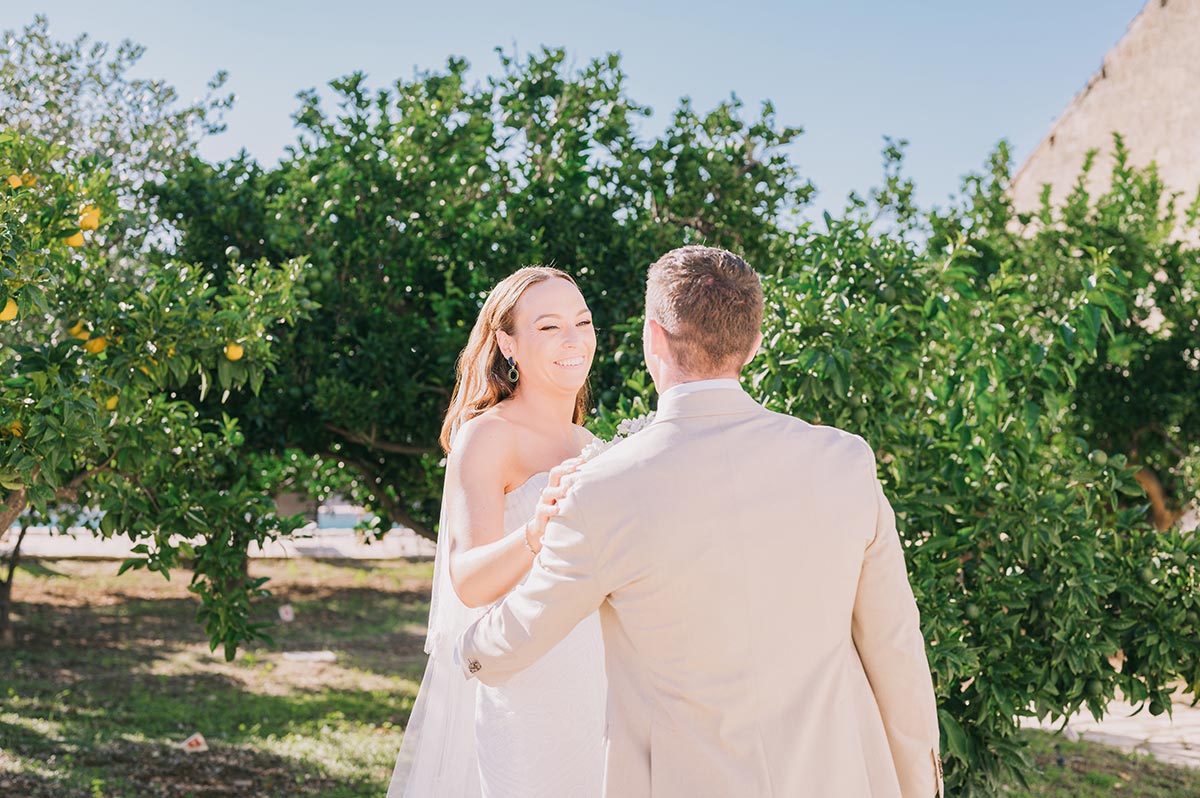
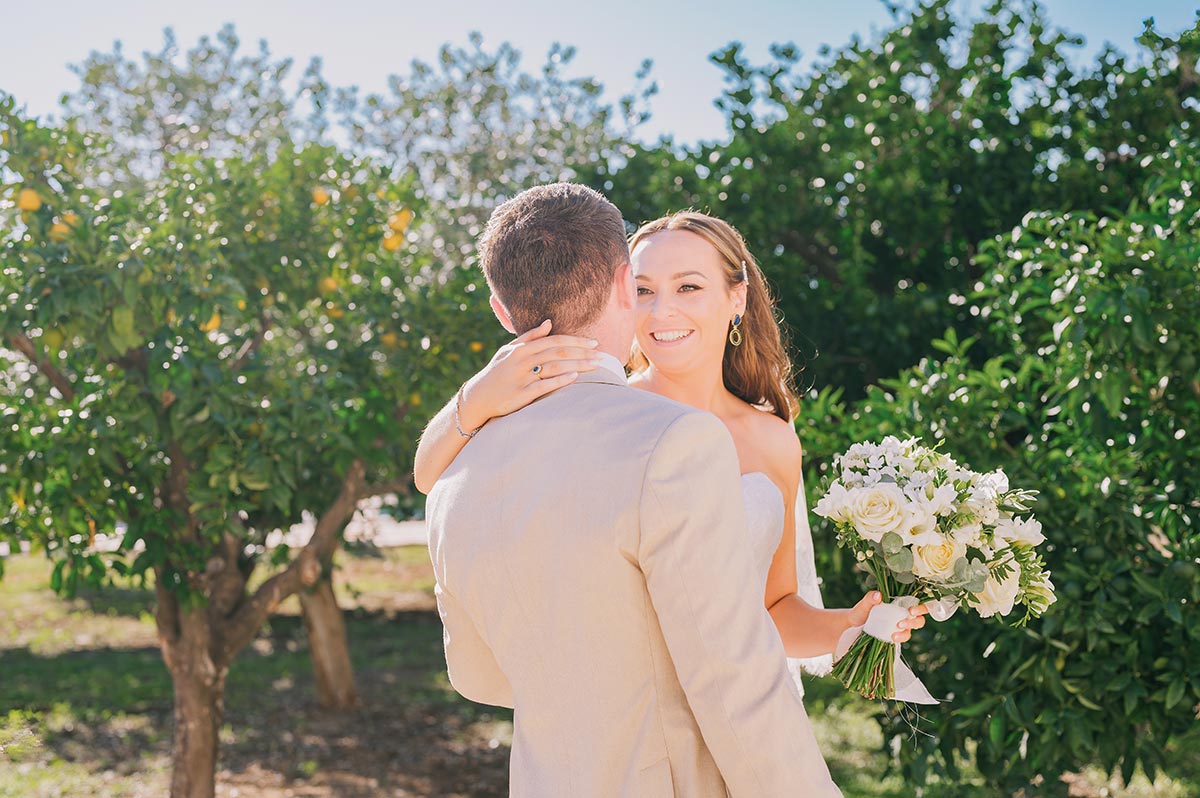
The first step in hiring a wedding planner is to do your research, especially on google, and check Instagram to see if the planner works consistently. Get a feel for their style and approach to planning weddings. You can also attend wedding expos and events to meet with potential wedding planners.
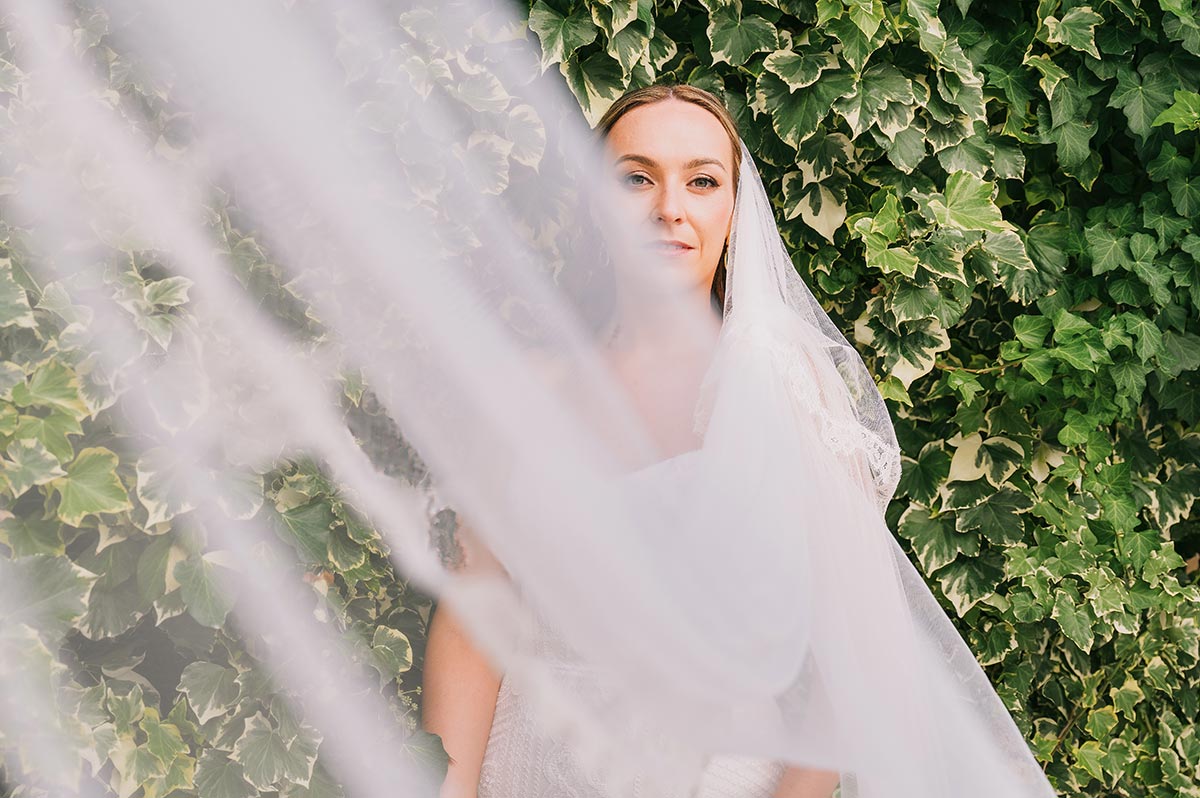
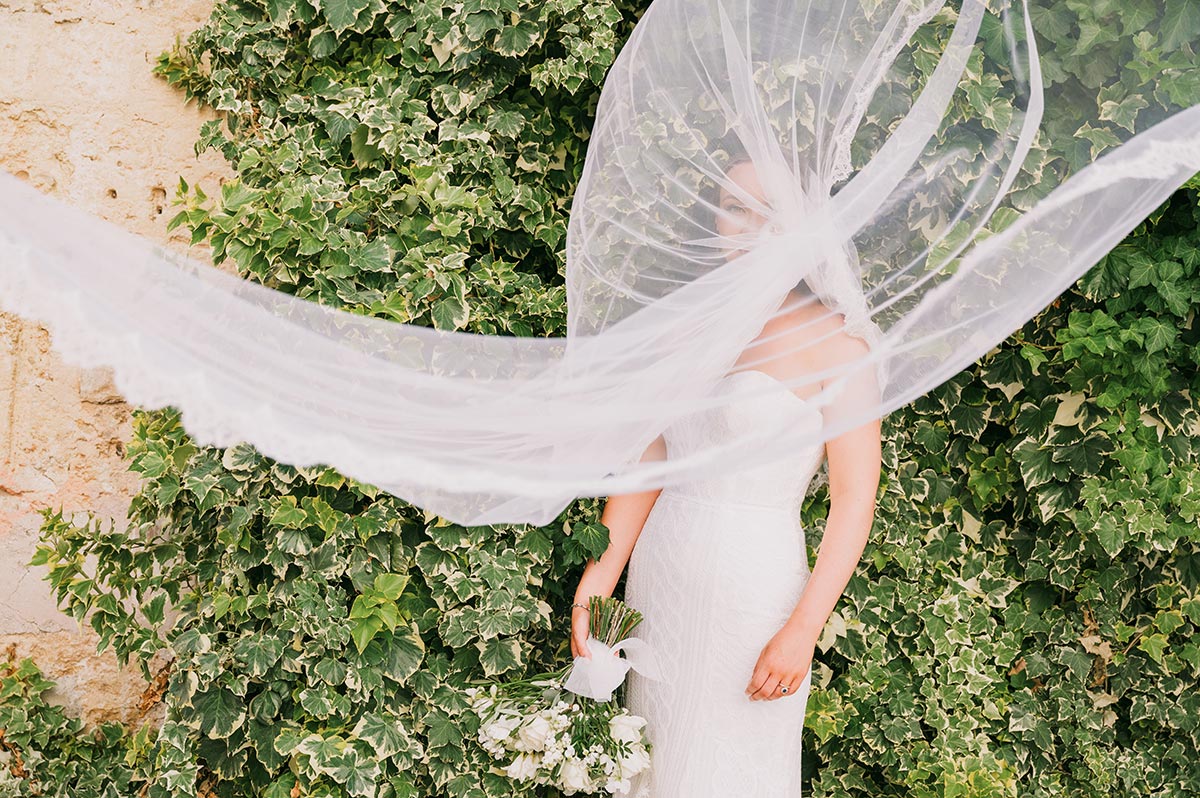
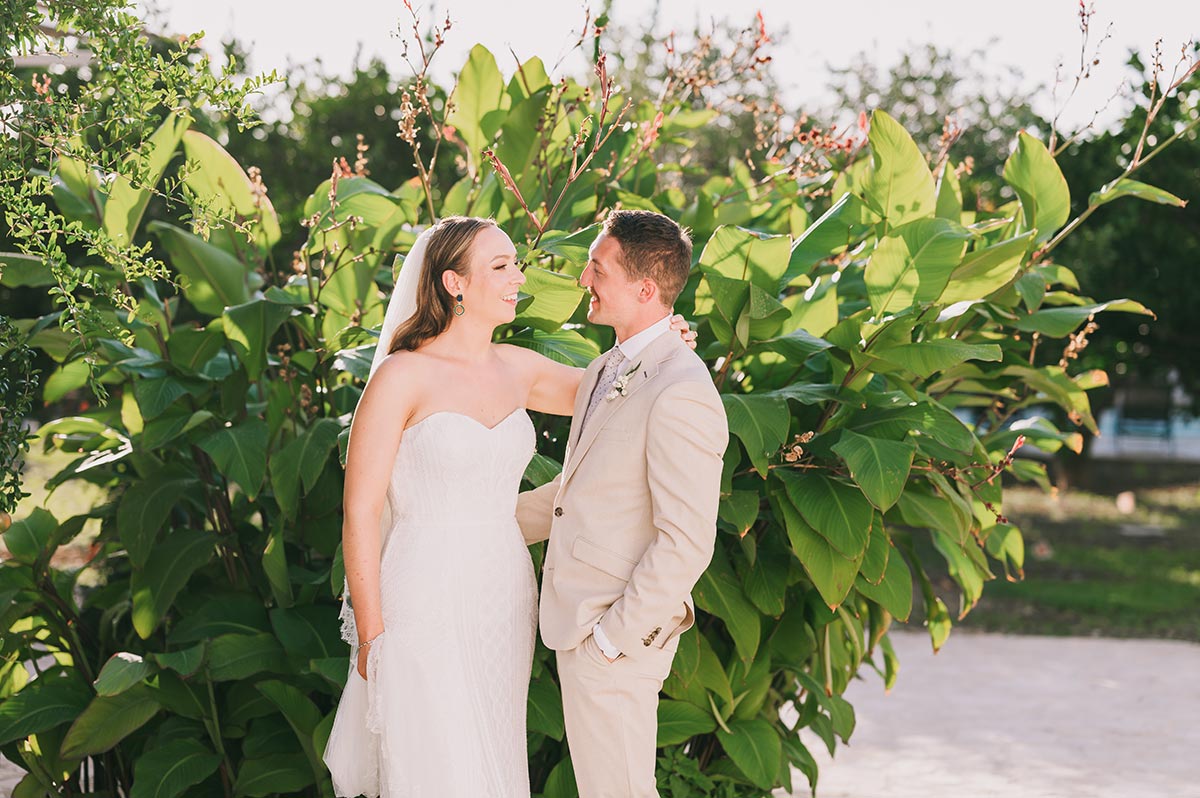
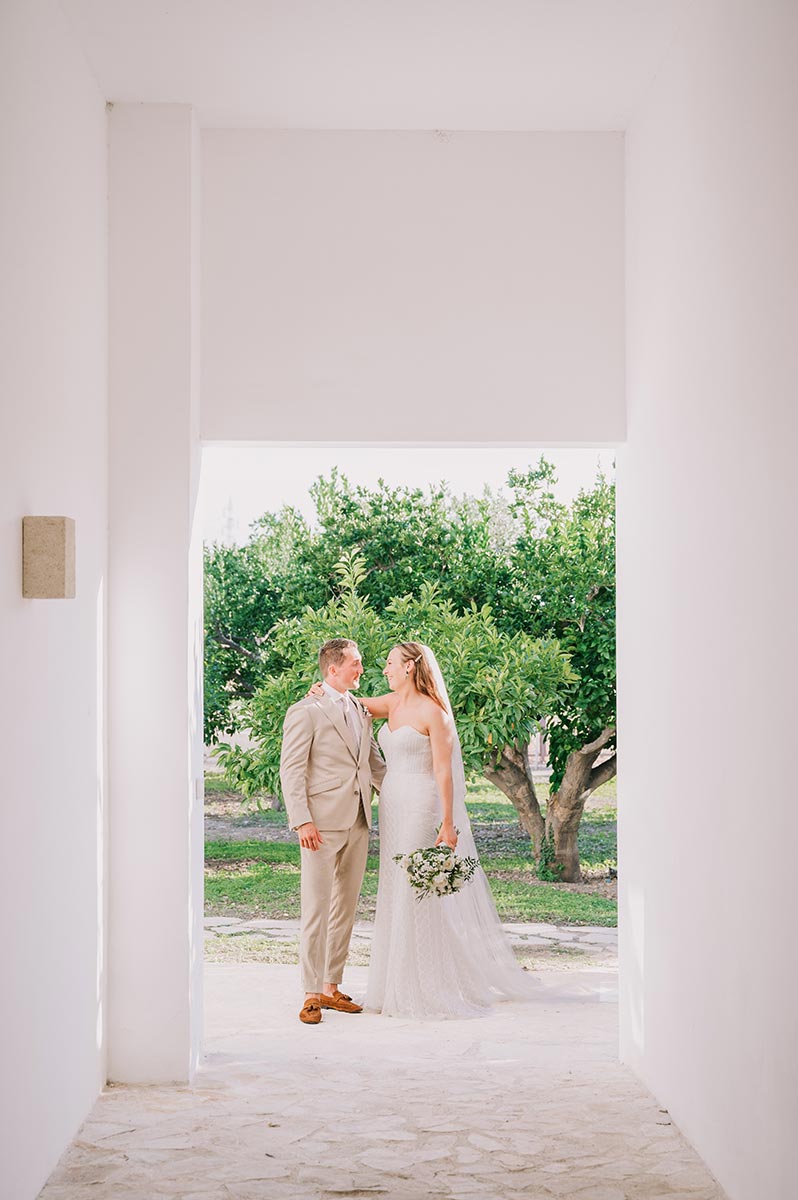
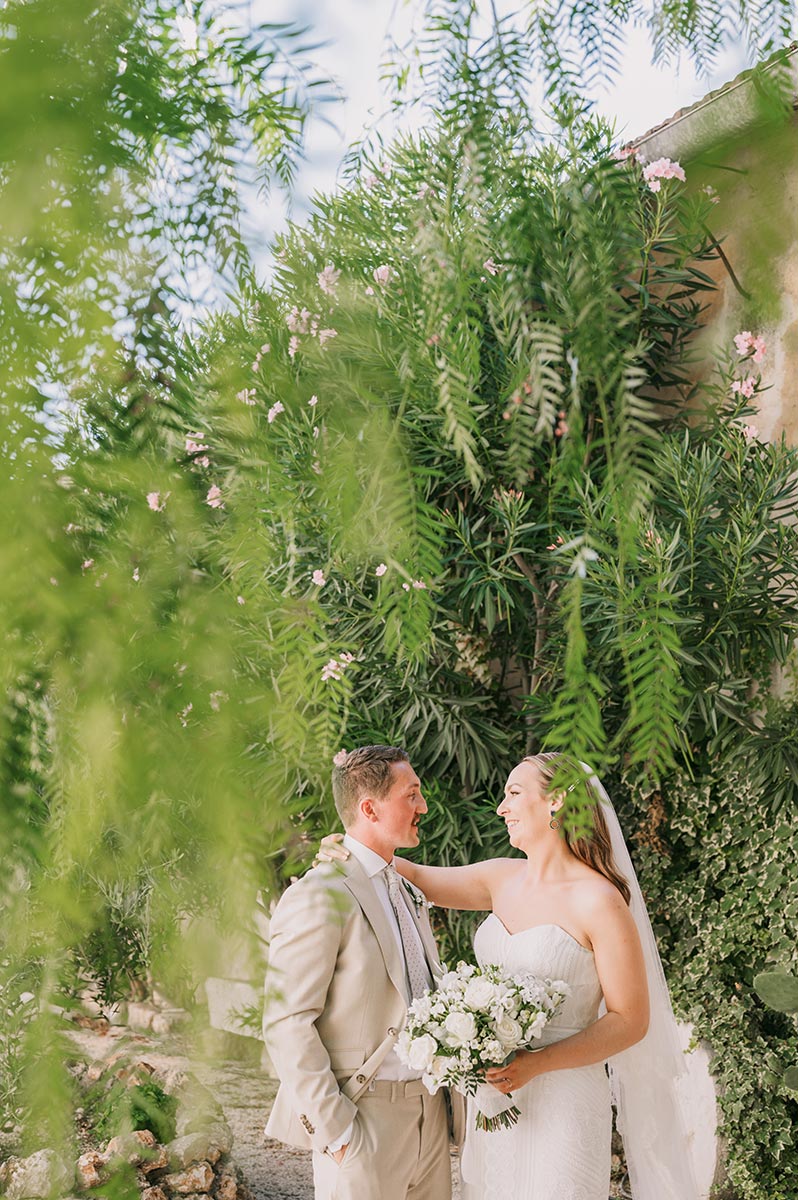
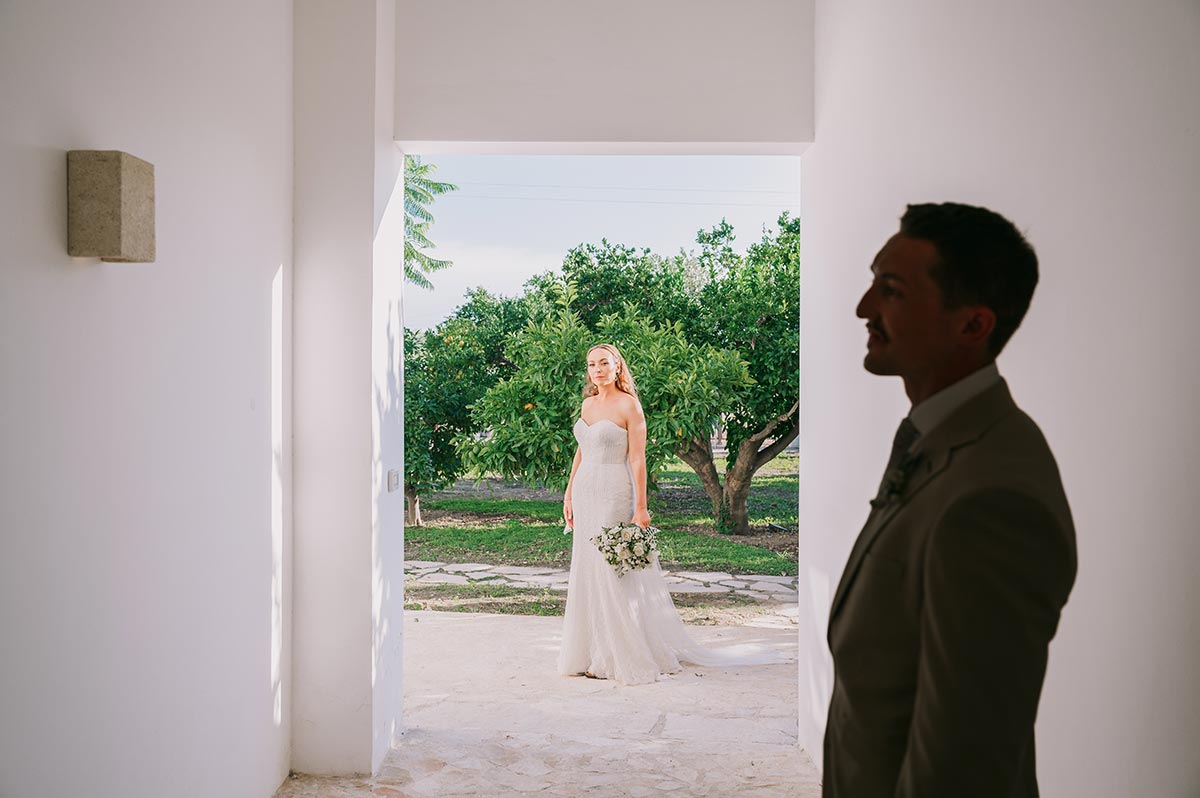
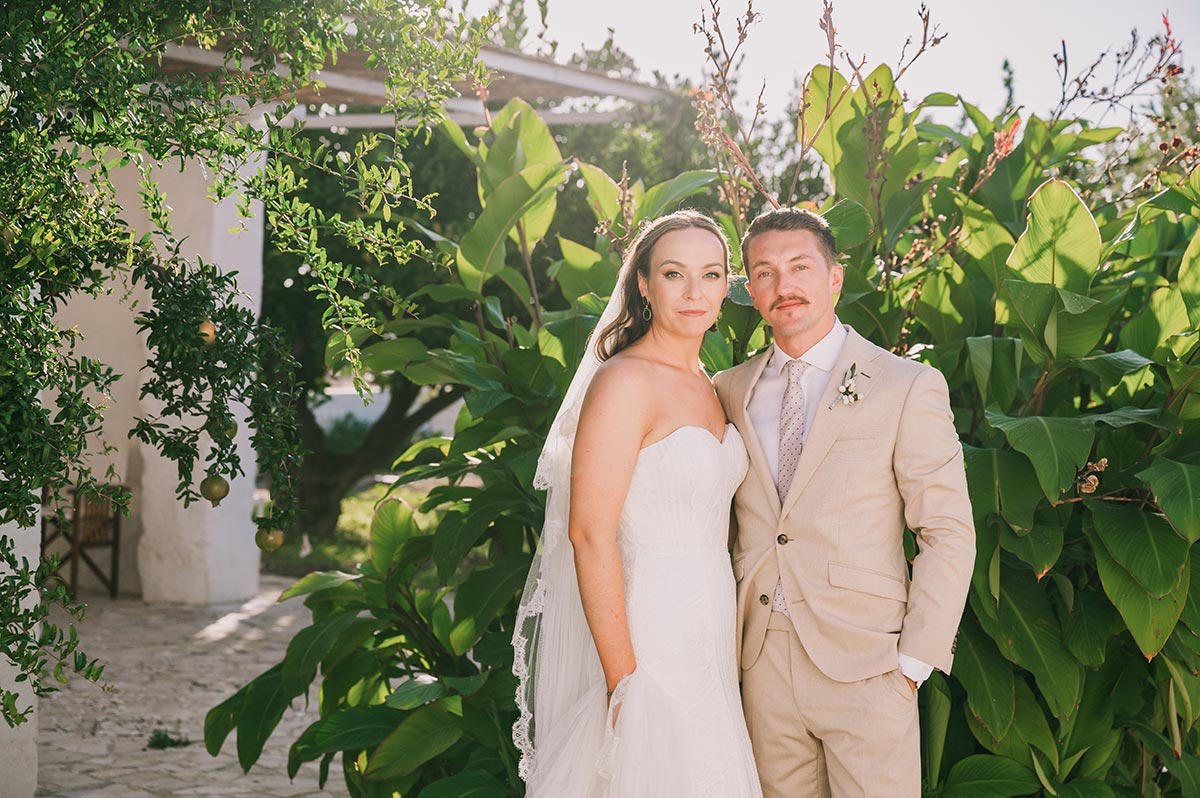
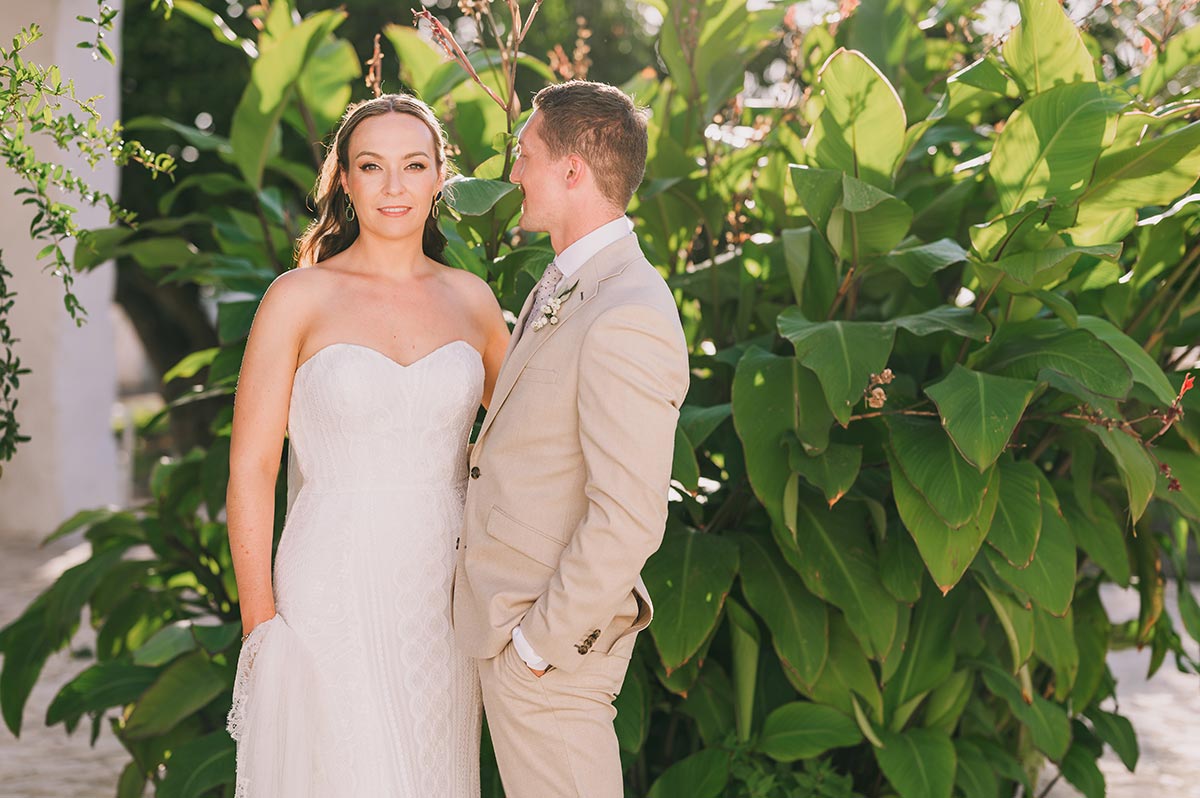
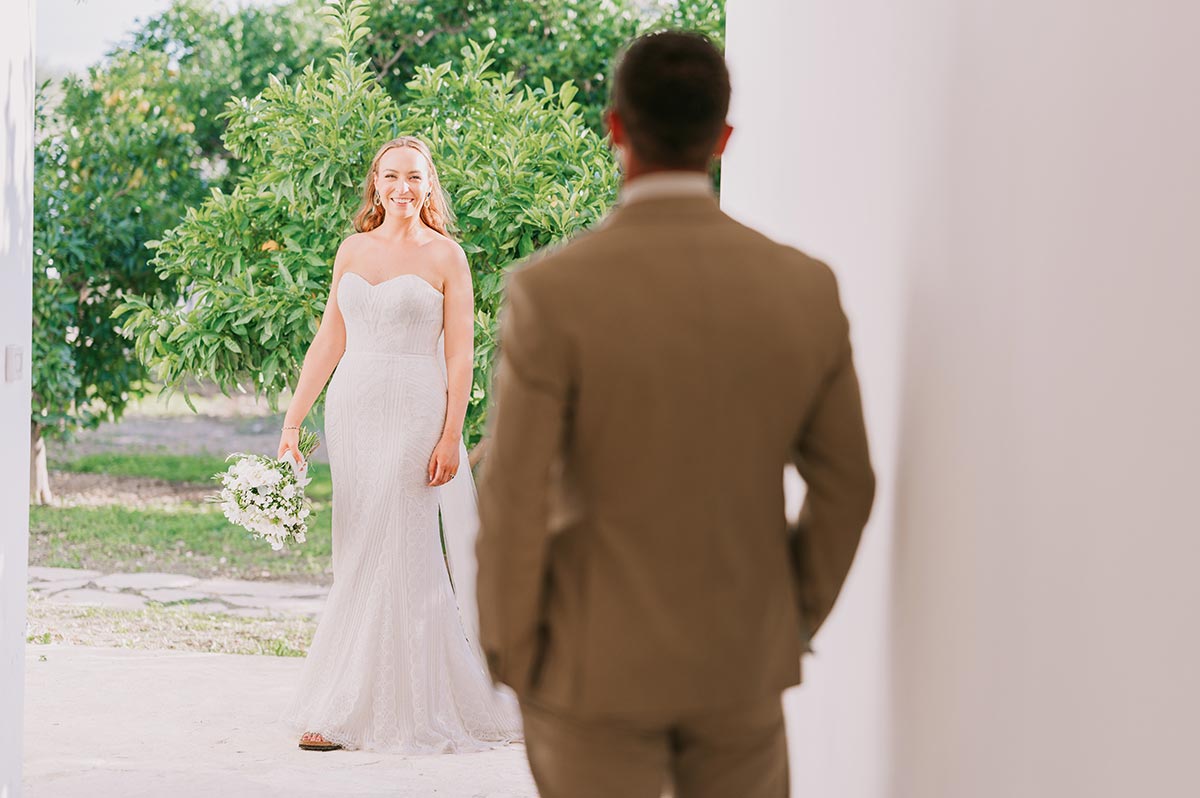
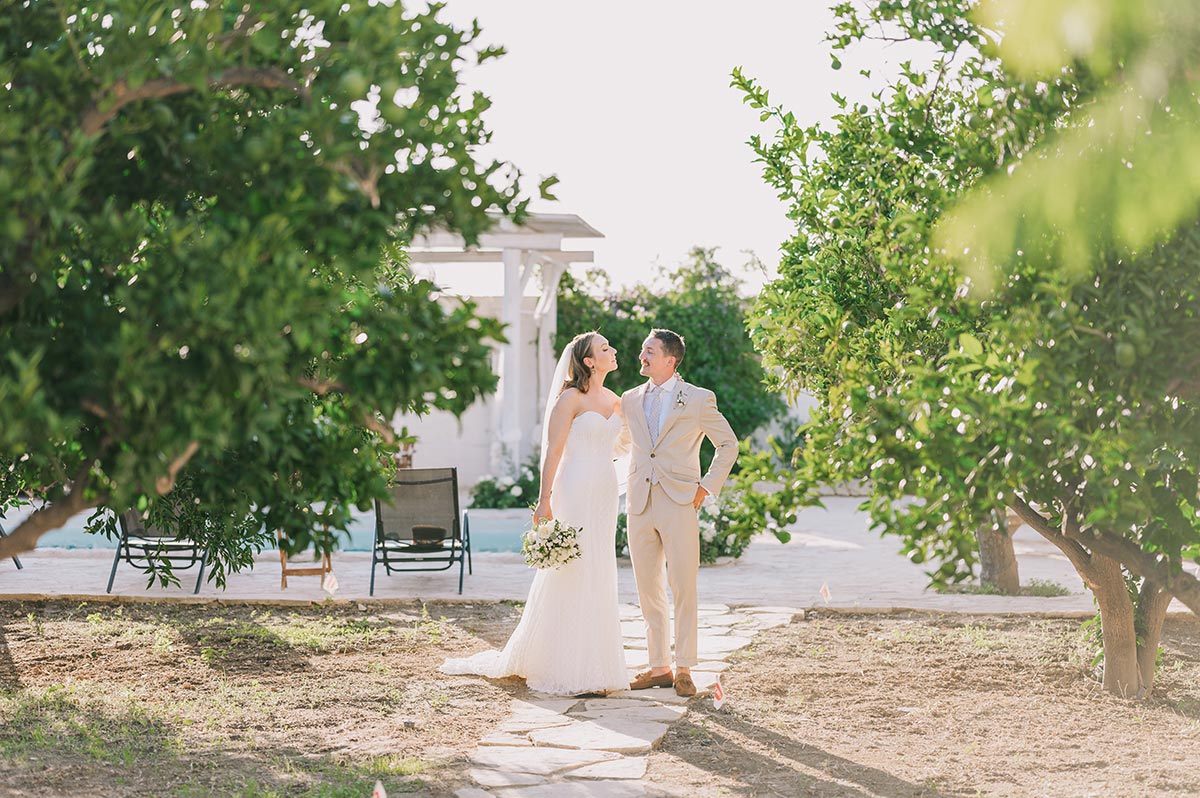
This will allow you to ask questions, see examples of their work, and determine if their style and approach align with your vision for your wedding. It’s crucial to consider your budget. Wedding planners can offer a range of services, from full-service planning to day-of coordination, and their fees will reflect this.
CREAMY COLORS
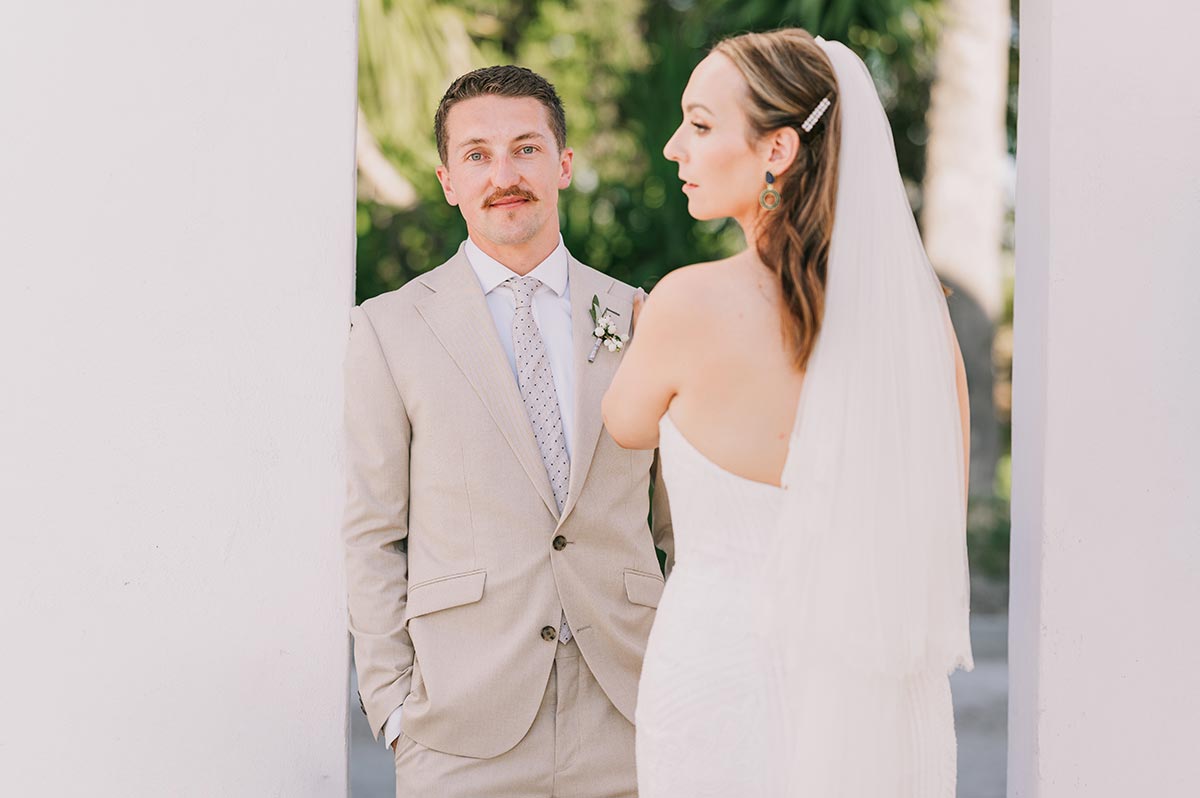
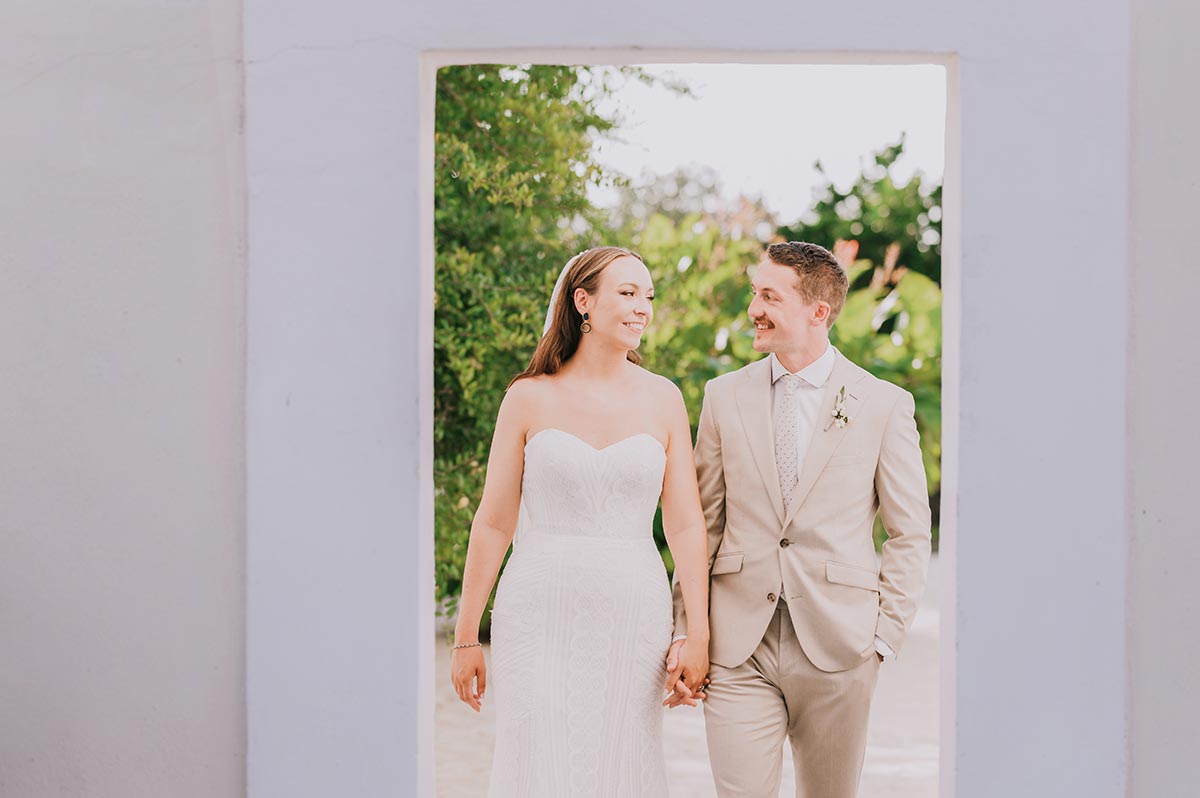
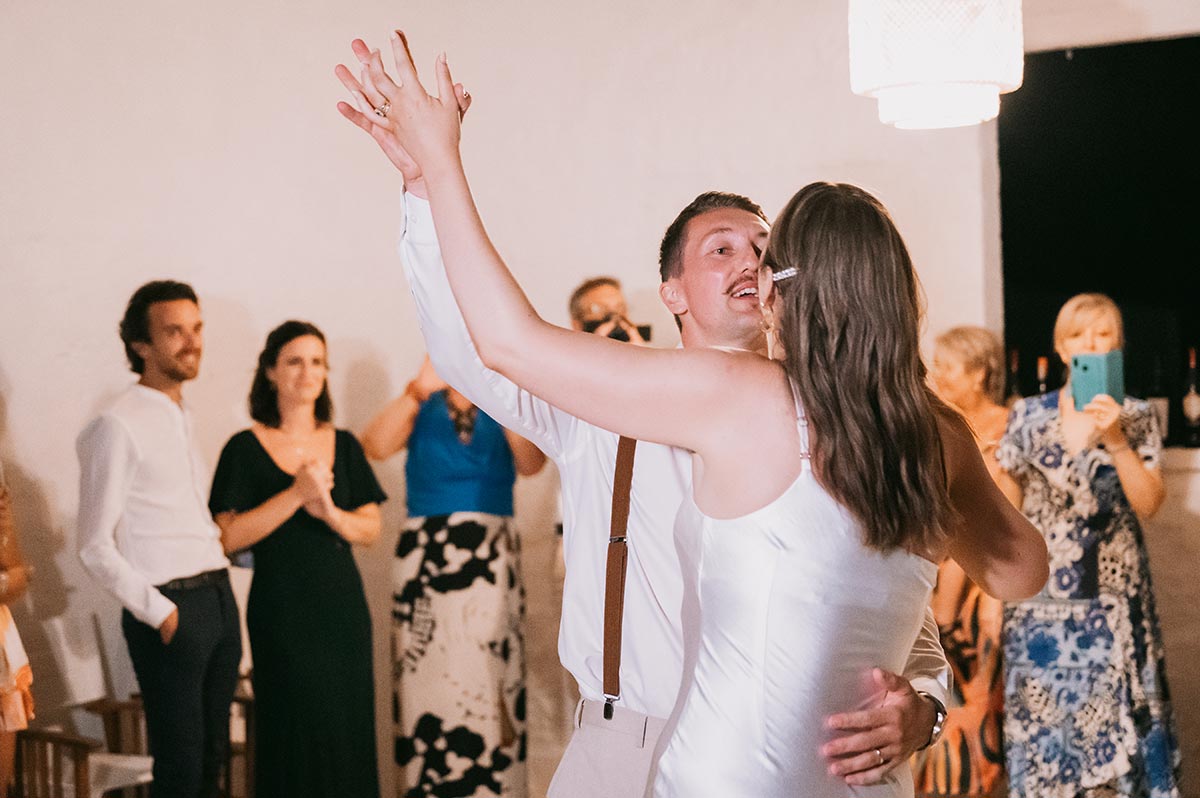
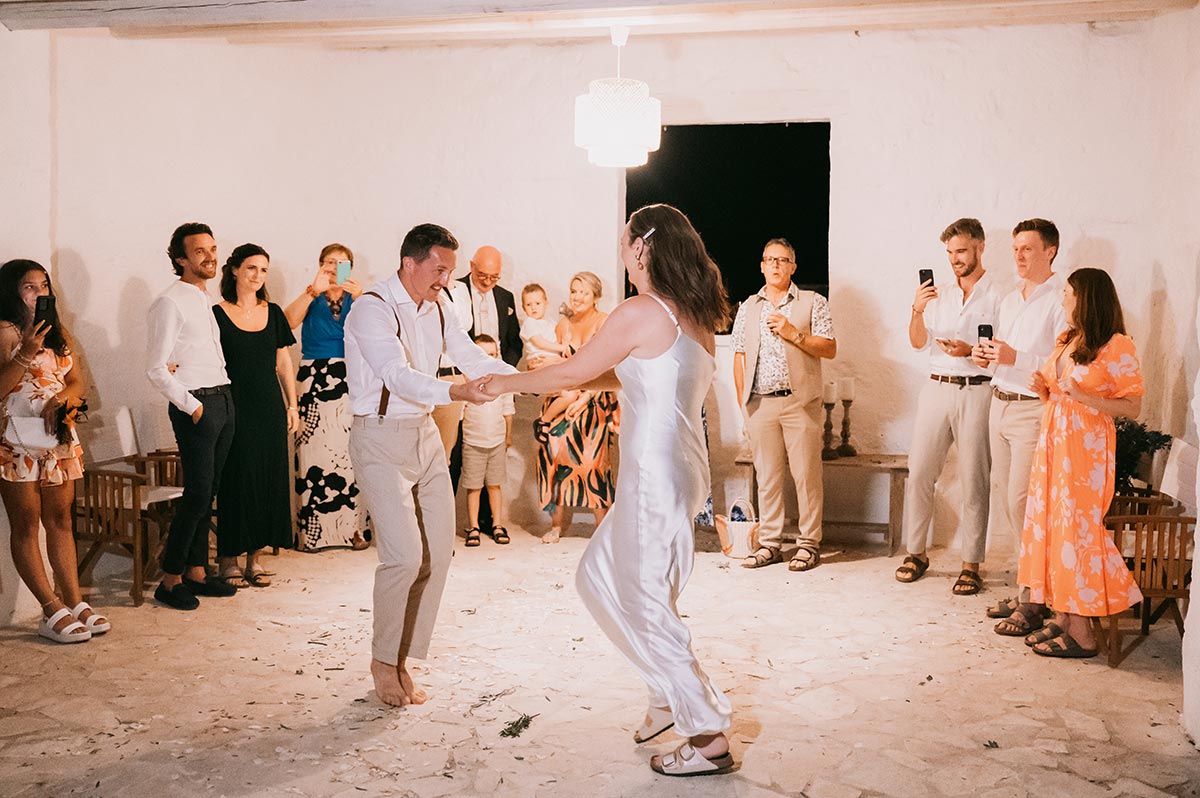
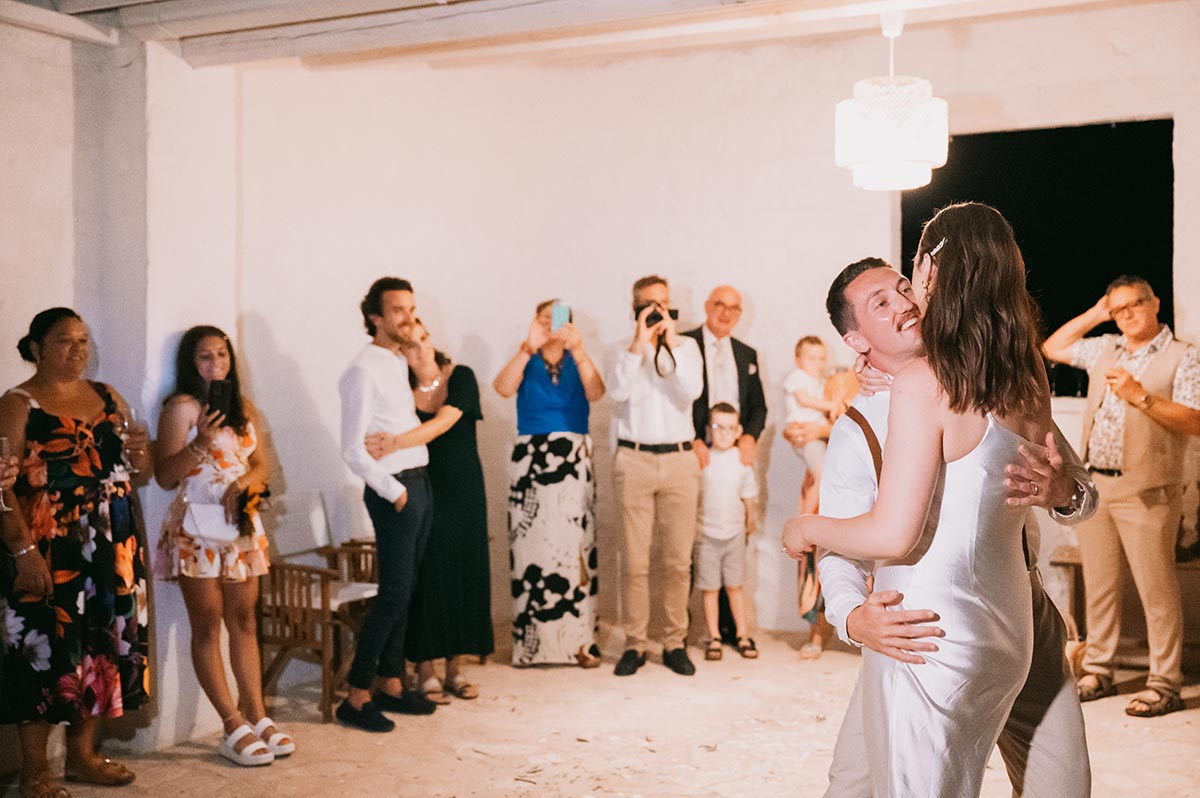
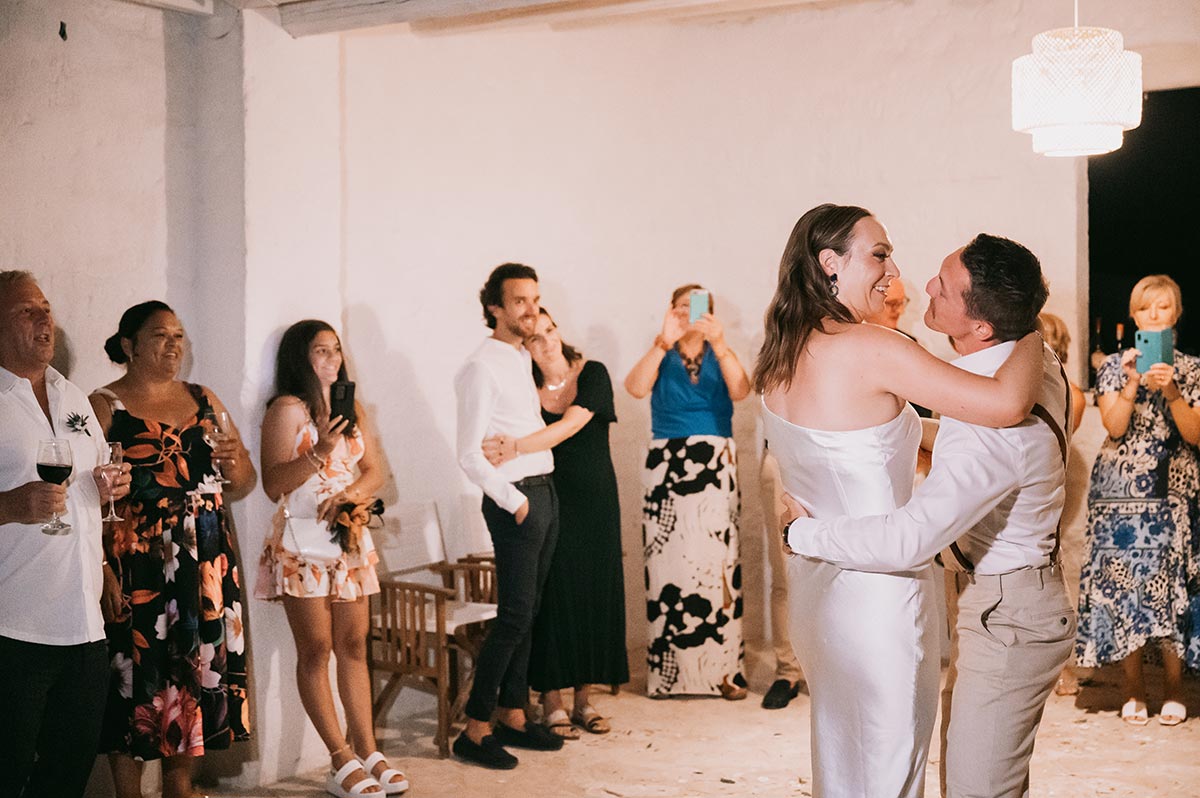
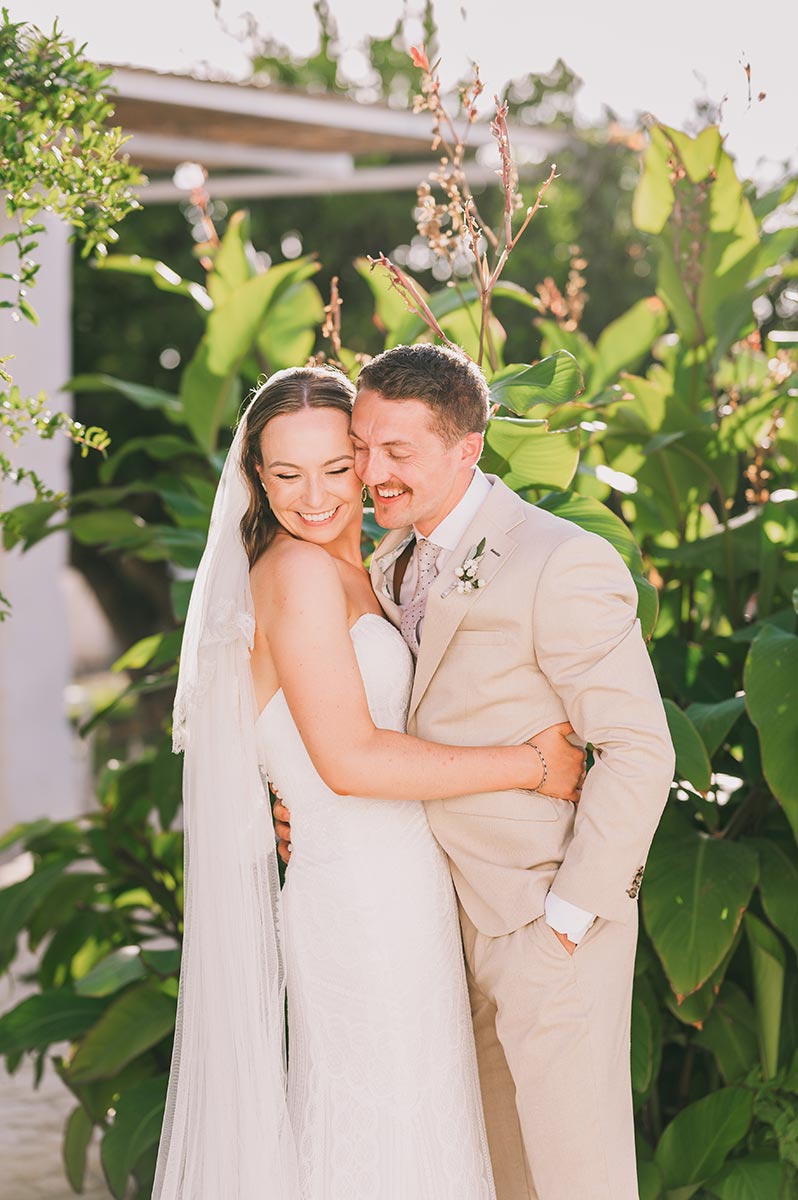
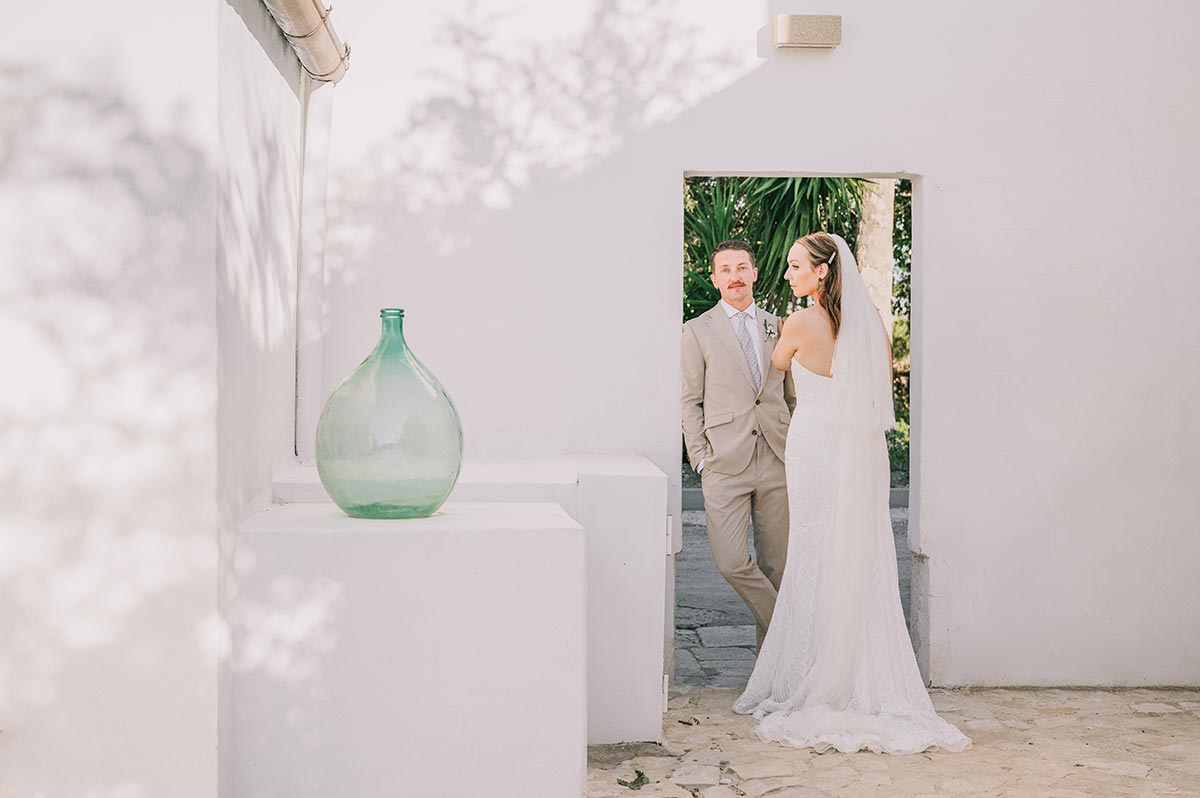
I love capturing feelings around stunning atmospheres inside beautiful lights in charming places around Italy and not only. I love crafting memories that are built by my eye, my work philosophy and definitely my sensitivity.
APULIA STORIES
Make sure you understand what is included in the services offered by each planner you’re considering, and determine which services align with your needs and budget. Once you’ve narrowed your list of potential wedding planners, it’s time to schedule consultations. During these consultations, you’ll have the opportunity to discuss your vision for your wedding and get a better understanding of the planner’s approach and experience.
Be sure to ask about their planning process, how they handle unexpected events, and what kind of support they provide during the planning process and on the day of the wedding.
You should review the contract and fees carefully. Make sure you understand what is included in the services offered and that you are comfortable with the terms of the agreement. Ask about any additional fees or charges, such as vendor referrals or overtime charges.
Ultimately, choosing a wedding planner comes down to trust. You need to feel comfortable with your planner and trust that they will do their best to make your dream wedding a reality. So, trust your instincts when choosing the right Apulia wedding planner for your special day.
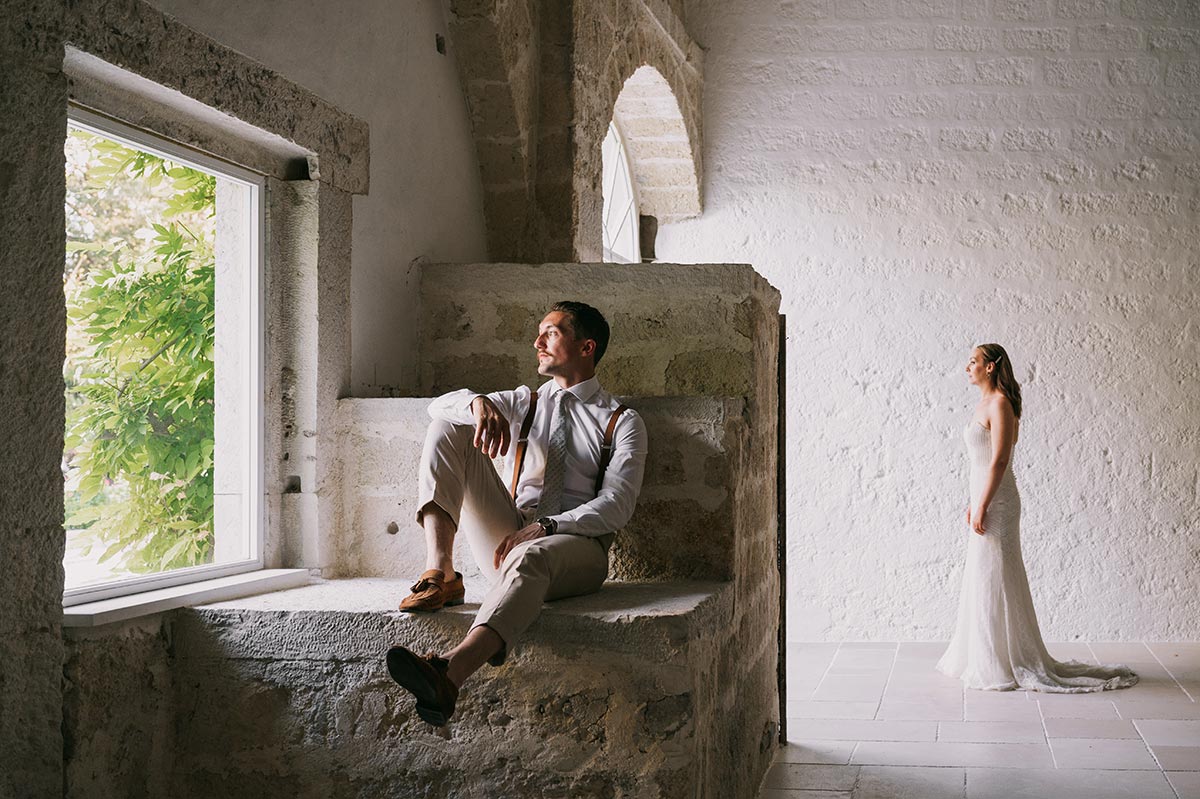
Hire an Apulia wedding photographer
Hiring the right wedding photographer is vital to ensuring you have beautiful, high-quality images you can treasure for a lifetime. Before you search for a wedding photographer, it’s essential to define your style and vision for your wedding photography. Consider the look and feel you want for your images and whether you prefer traditional, posed shots or a more candid, photojournalistic style. This will help you find a photographer whose style aligns with your vision. Check out the photographers’ websites and social media profiles, like for the wedding planners, and try to understand their style and approach to wedding photography.
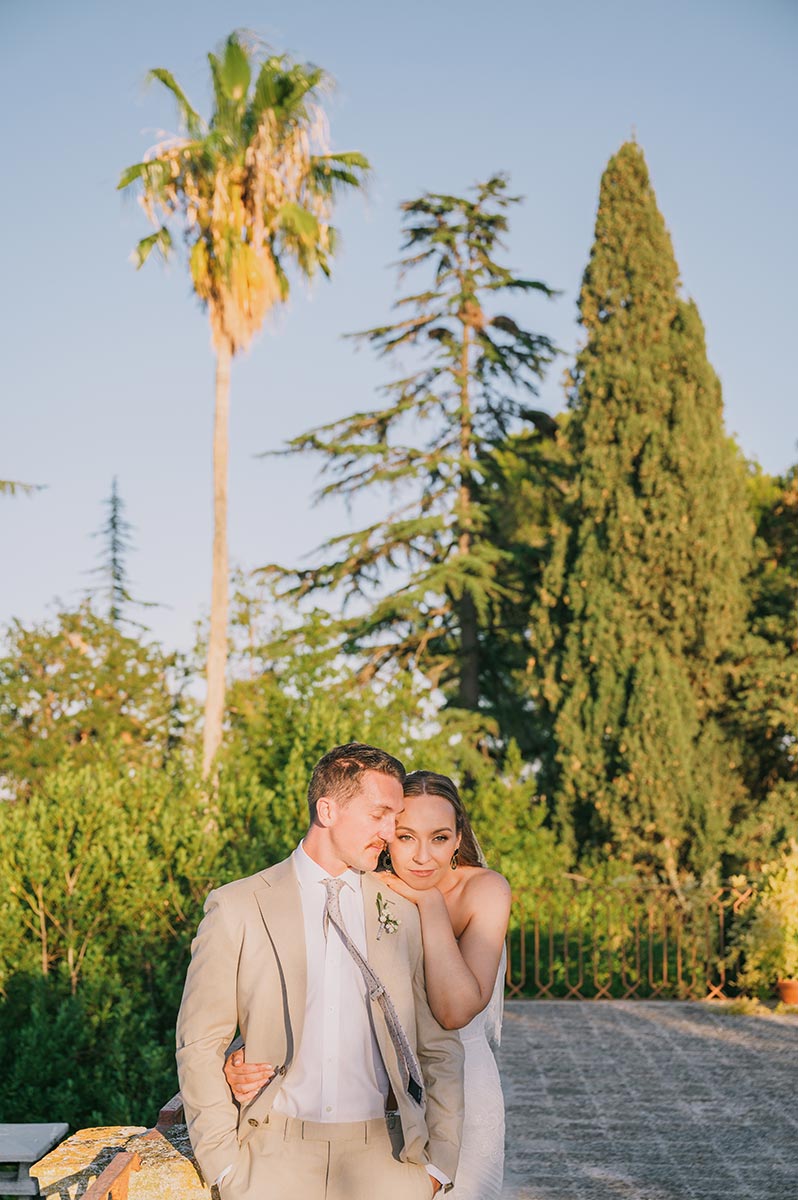
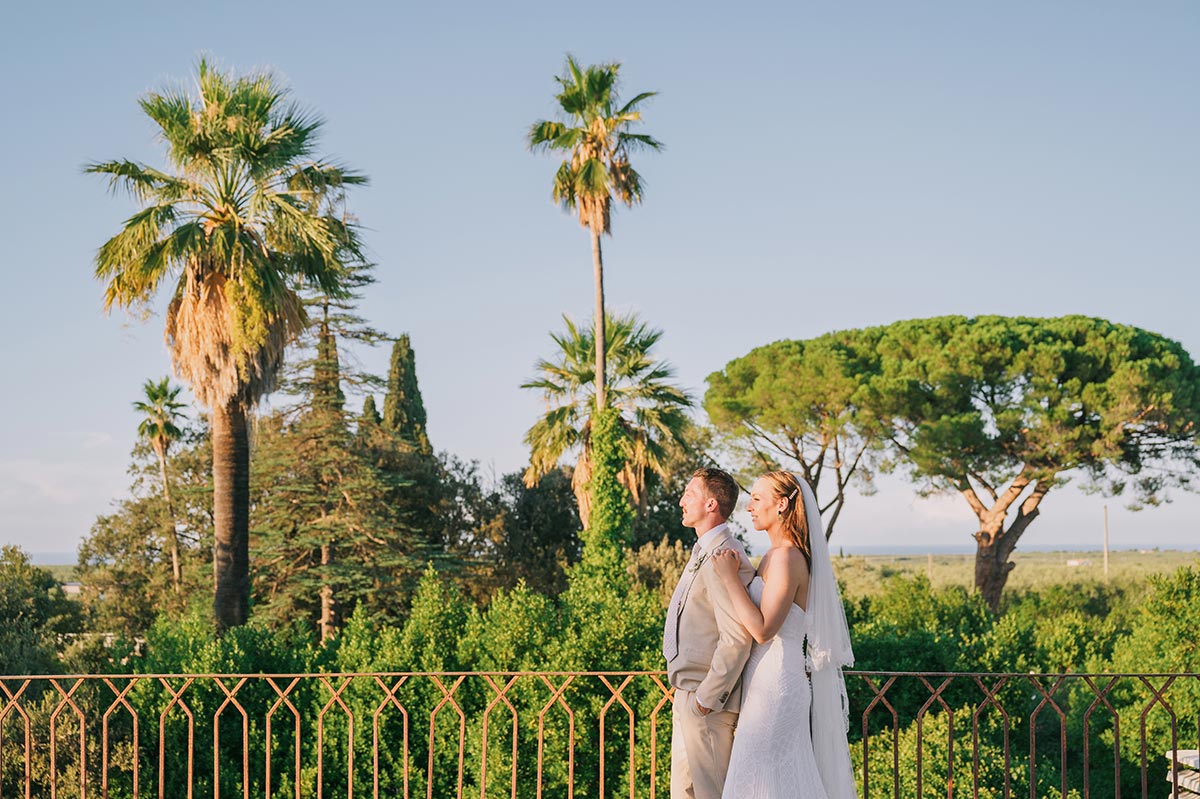
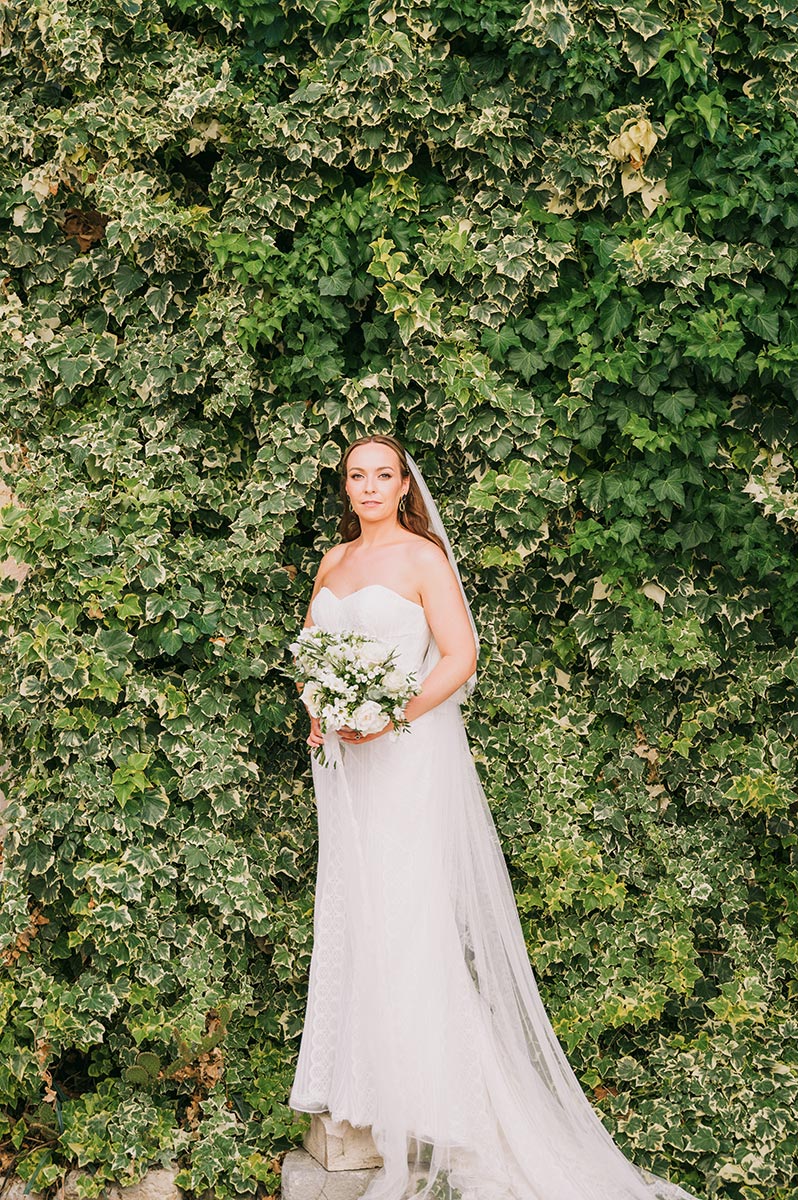
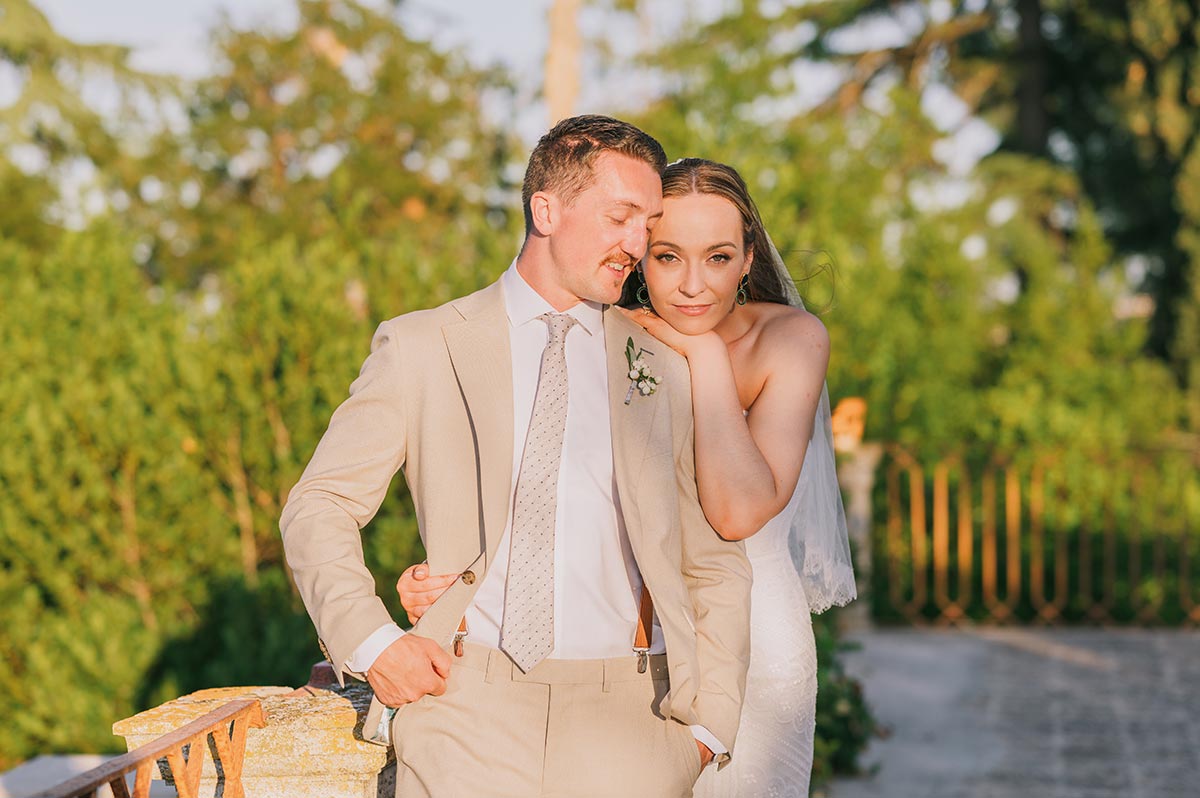
During the consultations, you’ll have the opportunity to discuss your vision for your wedding photography and better understand the photographer’s process and experience. Be bold, ask questions, and get a clear sense of what the photographer can offer. Photographers can offer a range of packages and services, and their fees will reflect this. Make sure you understand what is included in each package, and determine which package aligns with your needs and budget. Ask always to read the contract before making the final decision.
Personalize Your Day with local traditions
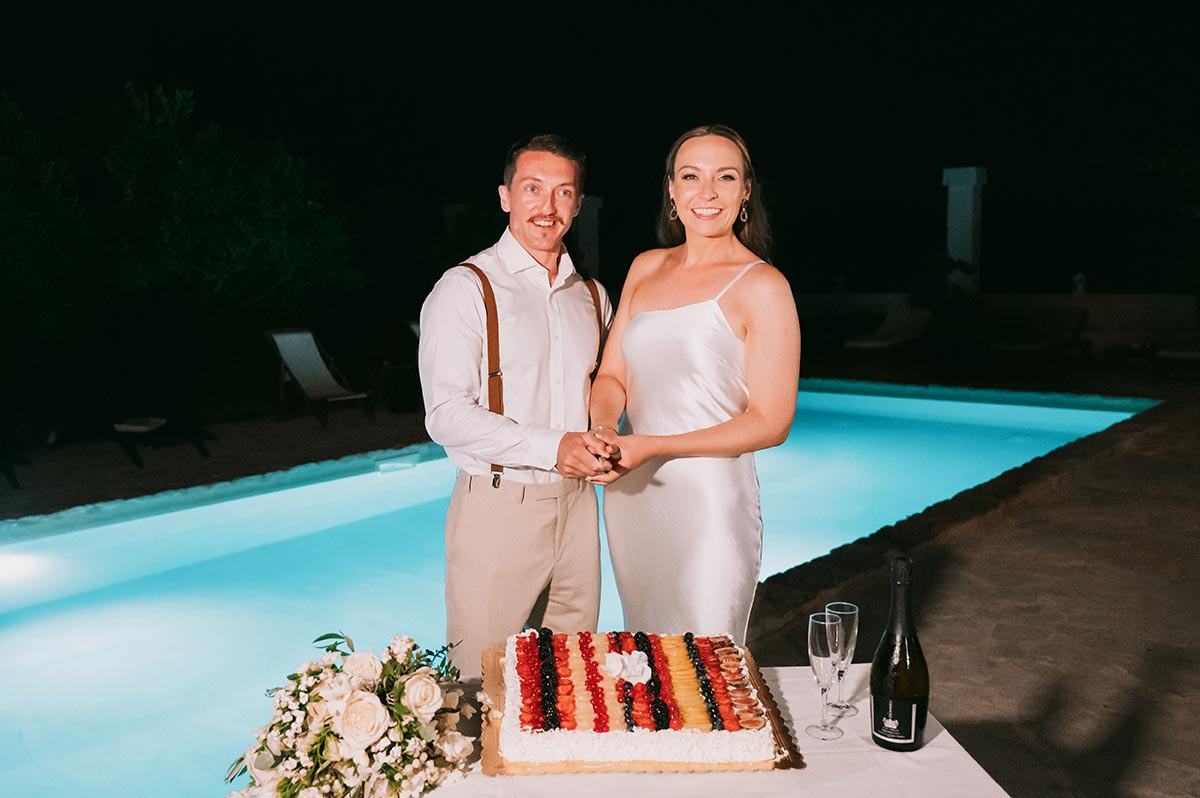
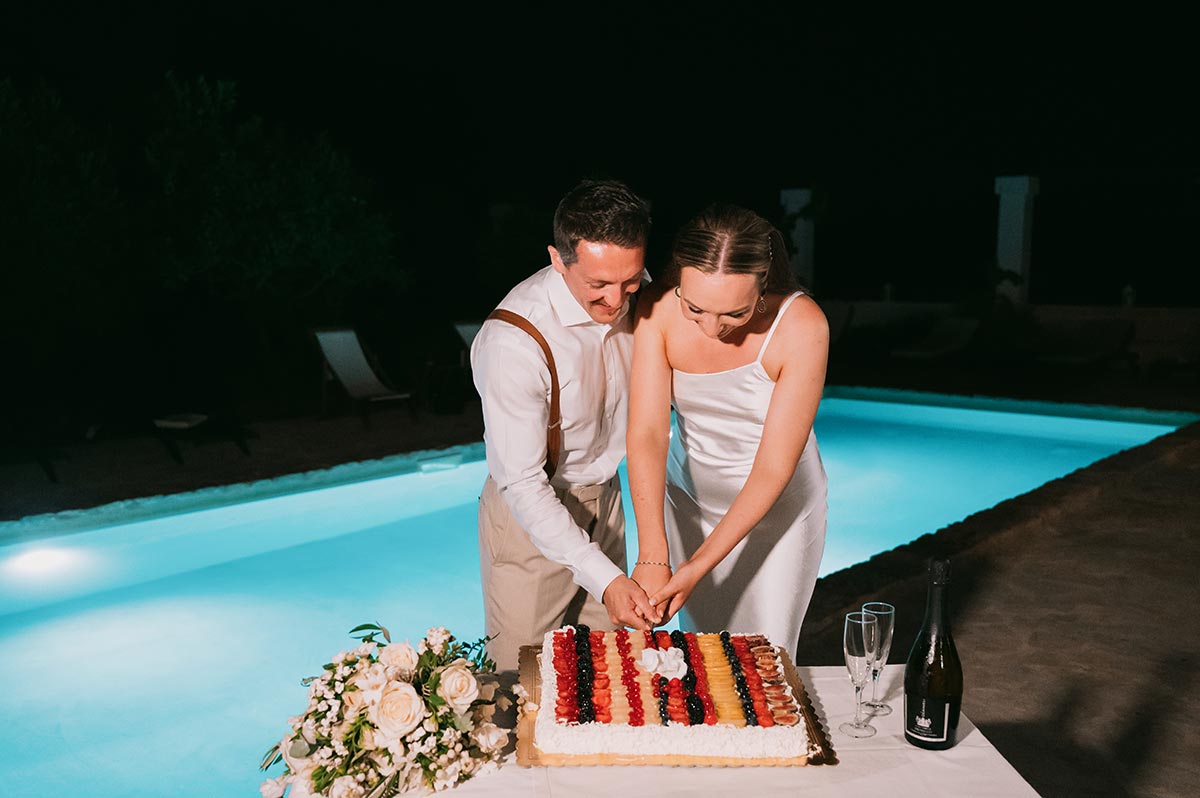
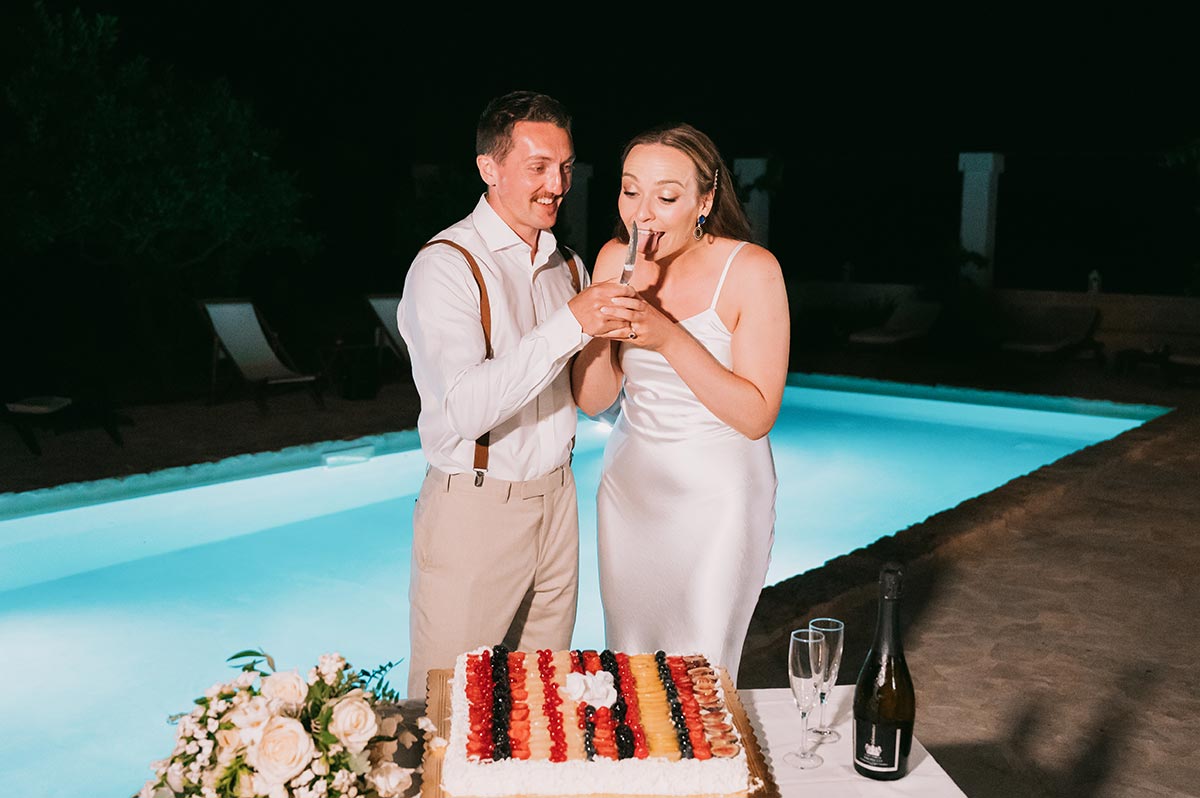
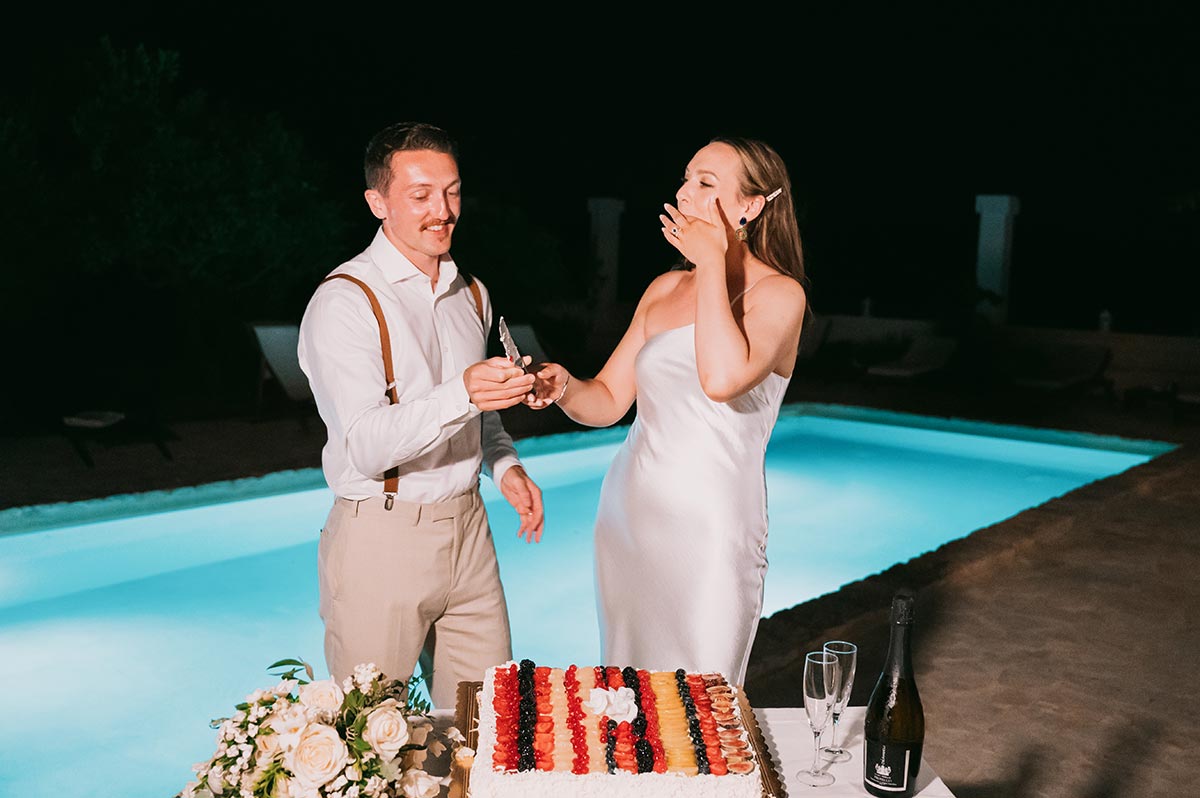
A wedding in Masseria provides the perfect opportunity to personalize your special day and create a unique experience. Consider incorporating local traditions and customs, such as a Pugliese wedding cake or a traditional Pugliese band, to make your day memorable.
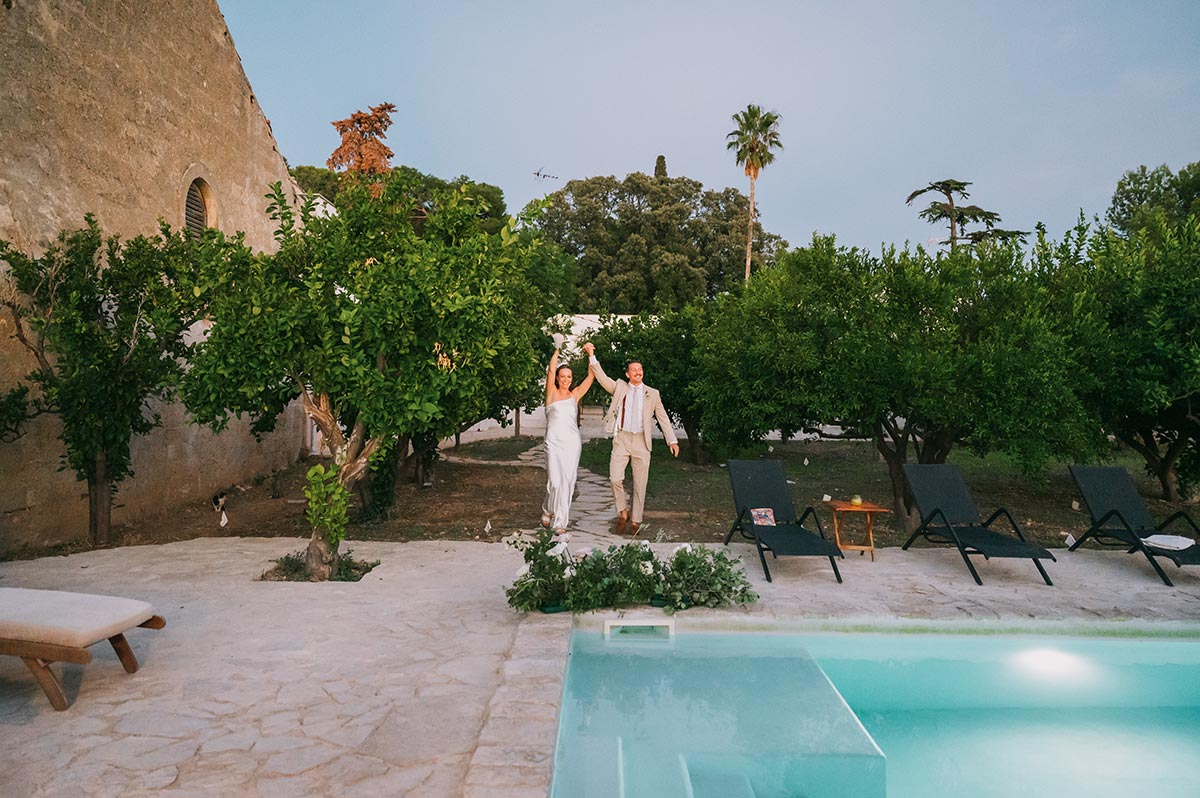
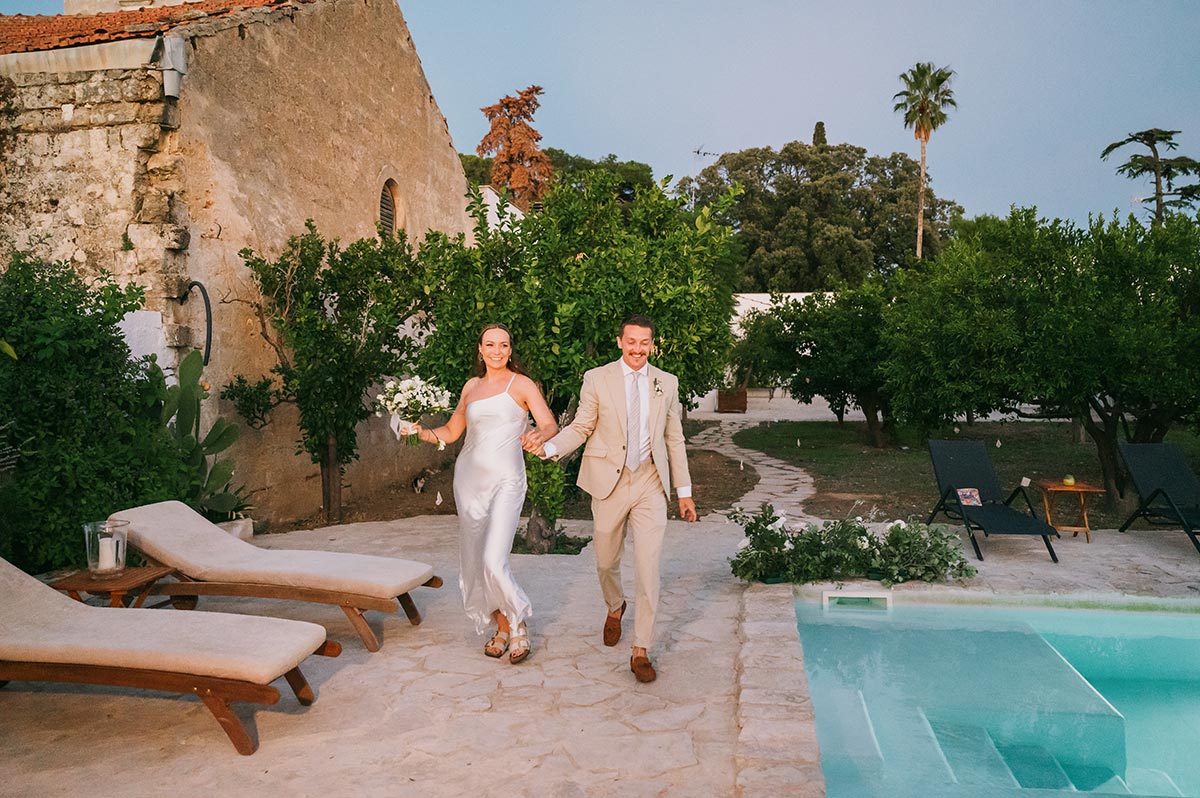
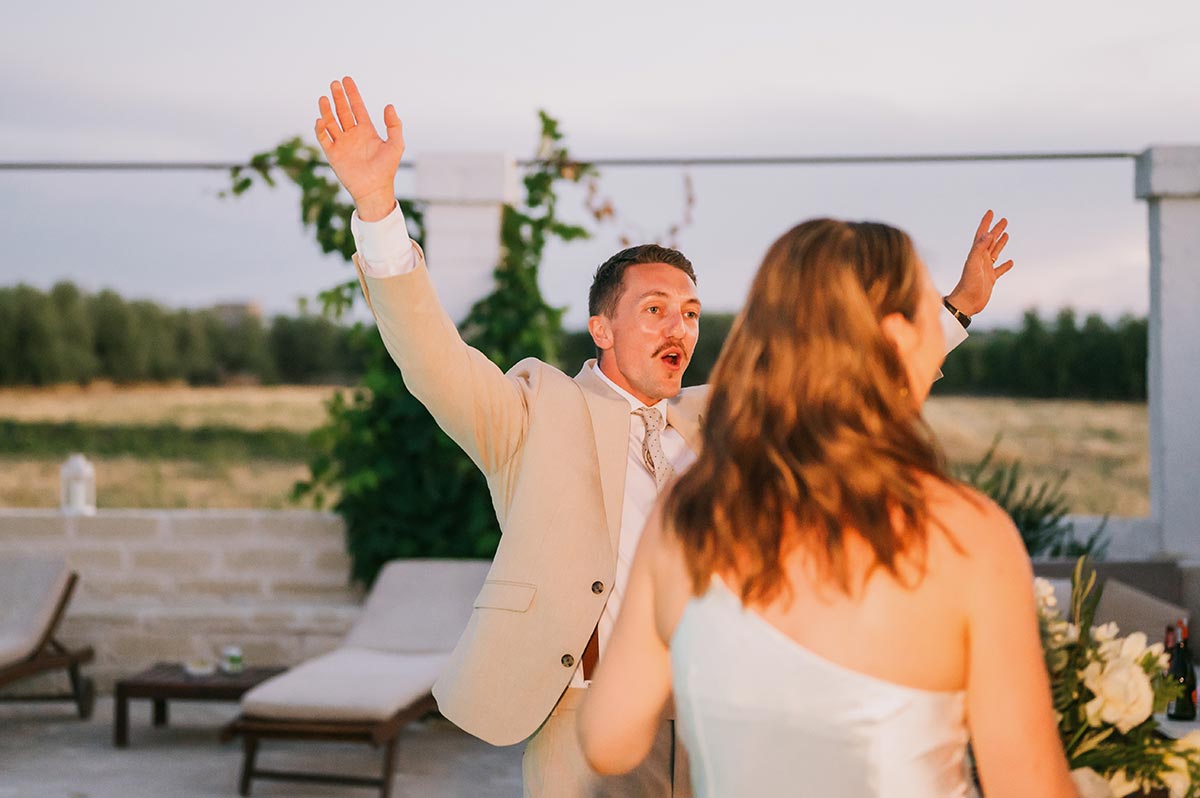
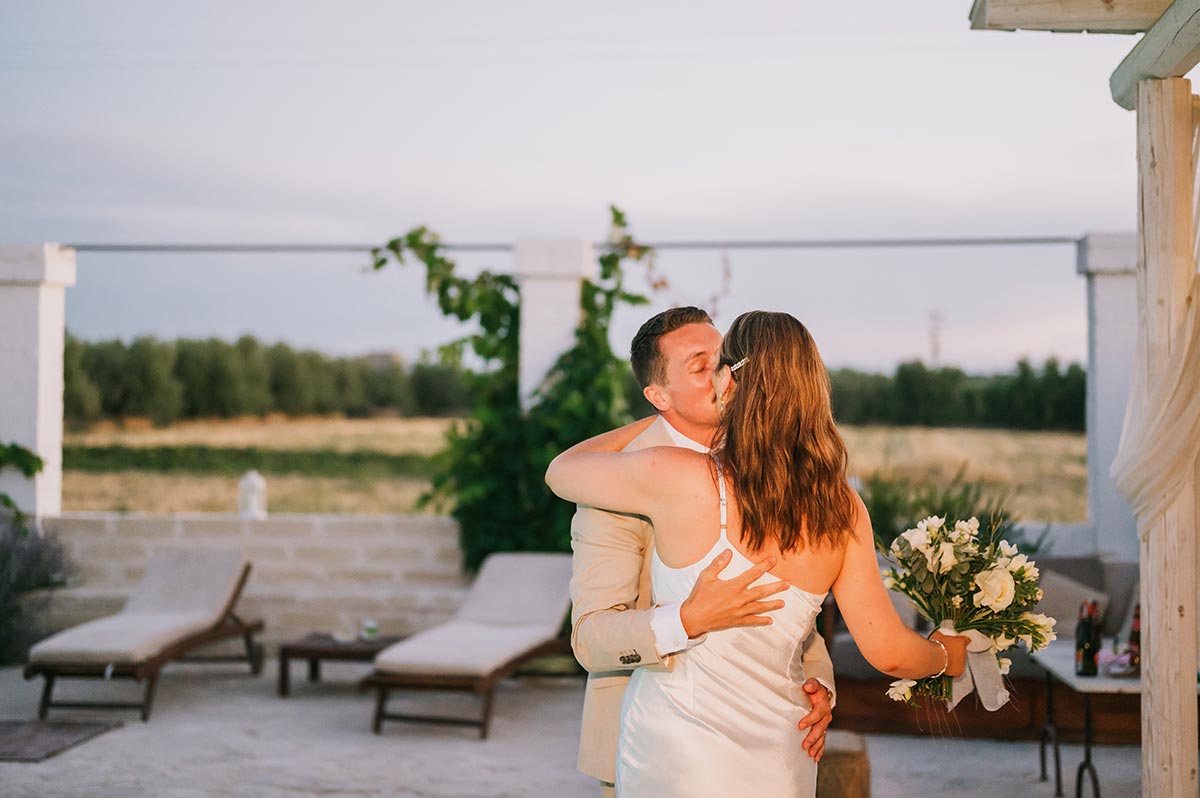
Puglia is known for its rich and diverse musical traditions, with a wide range of traditional instruments, such as the tambourine, accordion, and flute, used to play various local folk songs. By including this music in your wedding, you can bring a touch of the local culture to your celebration, creating an unforgettable experience for you and your guests. To make the most of this musical tradition, it is recommended that you choose a wedding venue that is equipped to host live music performances. A Masseria is the perfect setting to enjoy the region’s music.
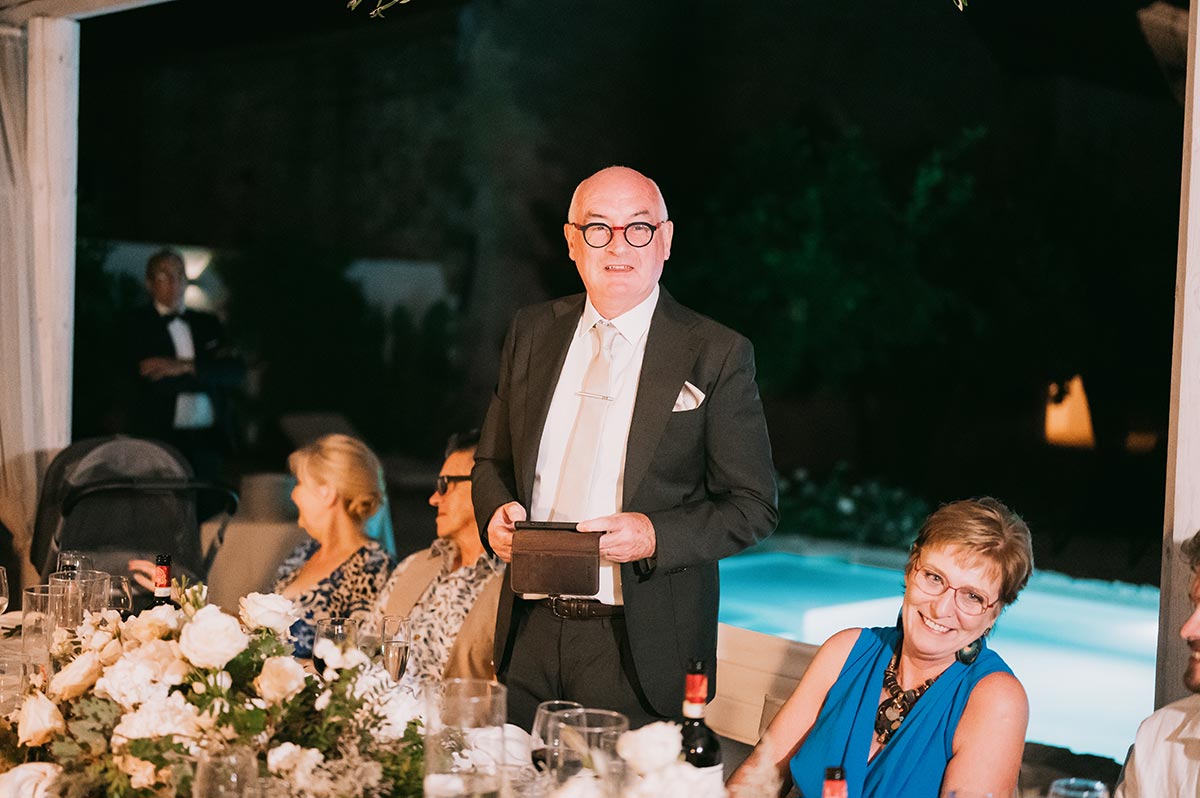
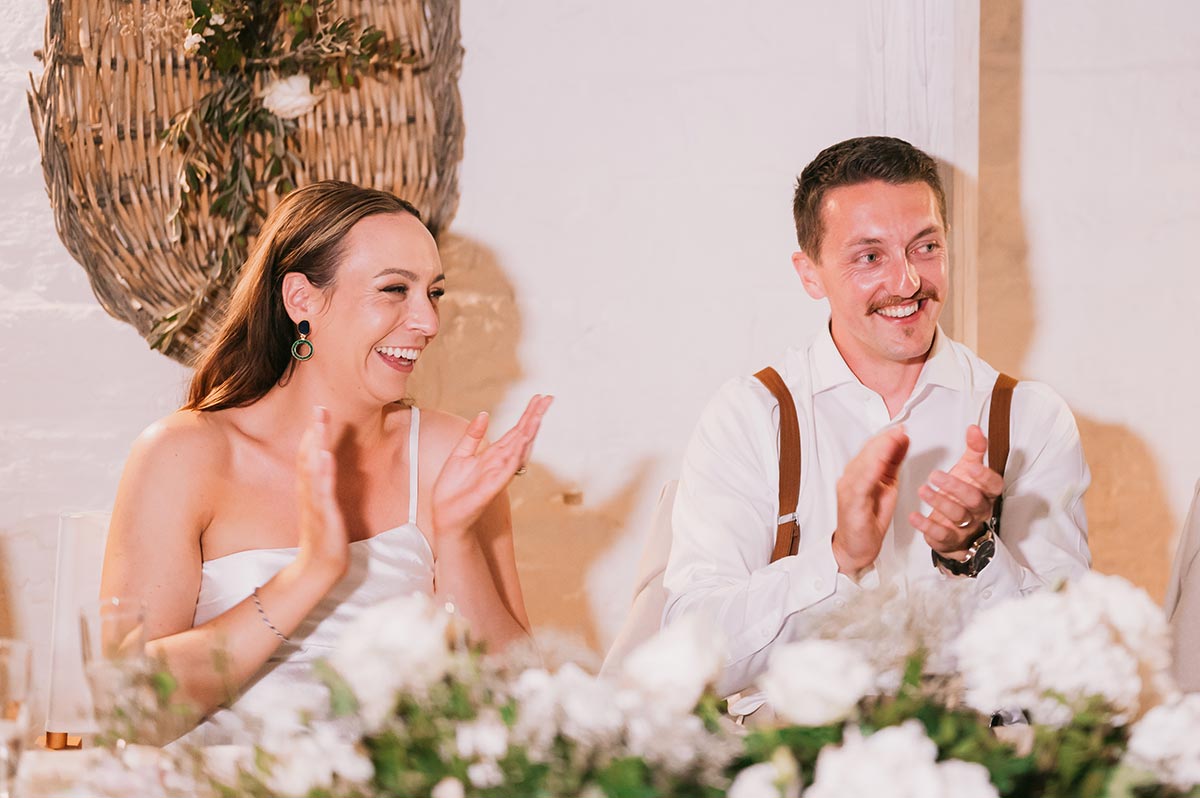
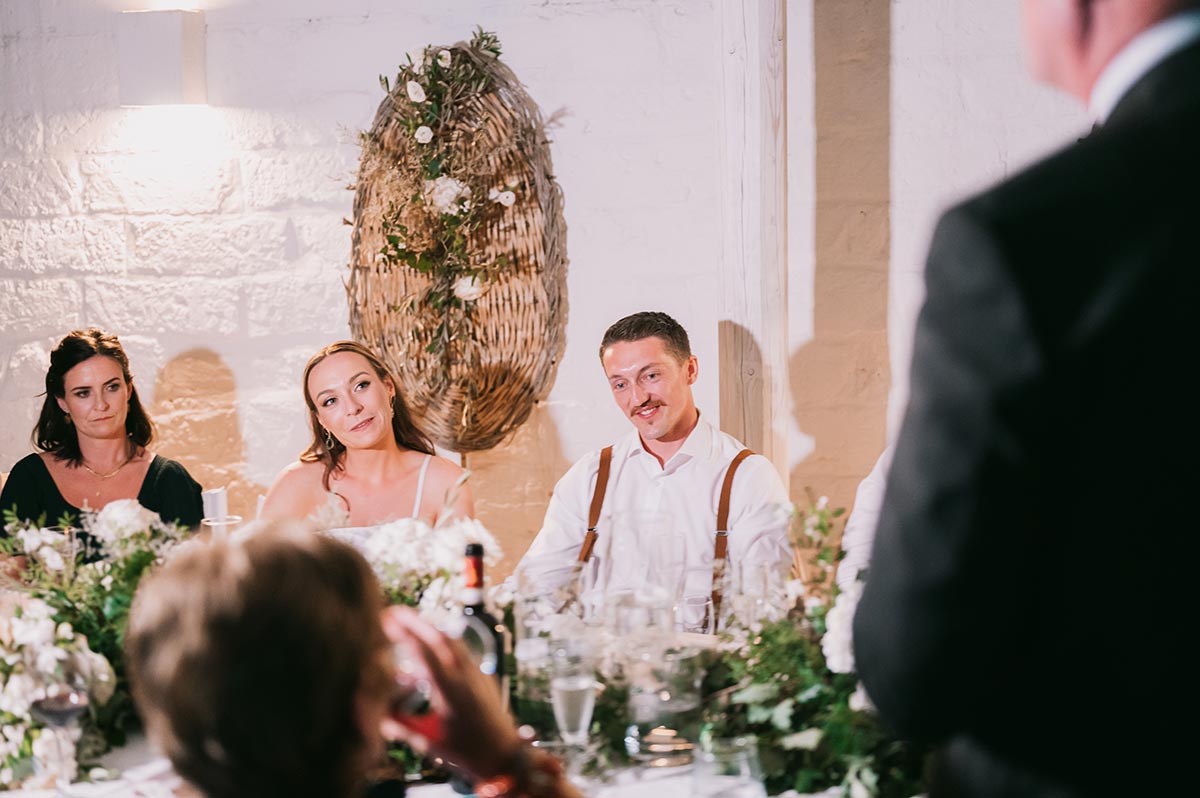
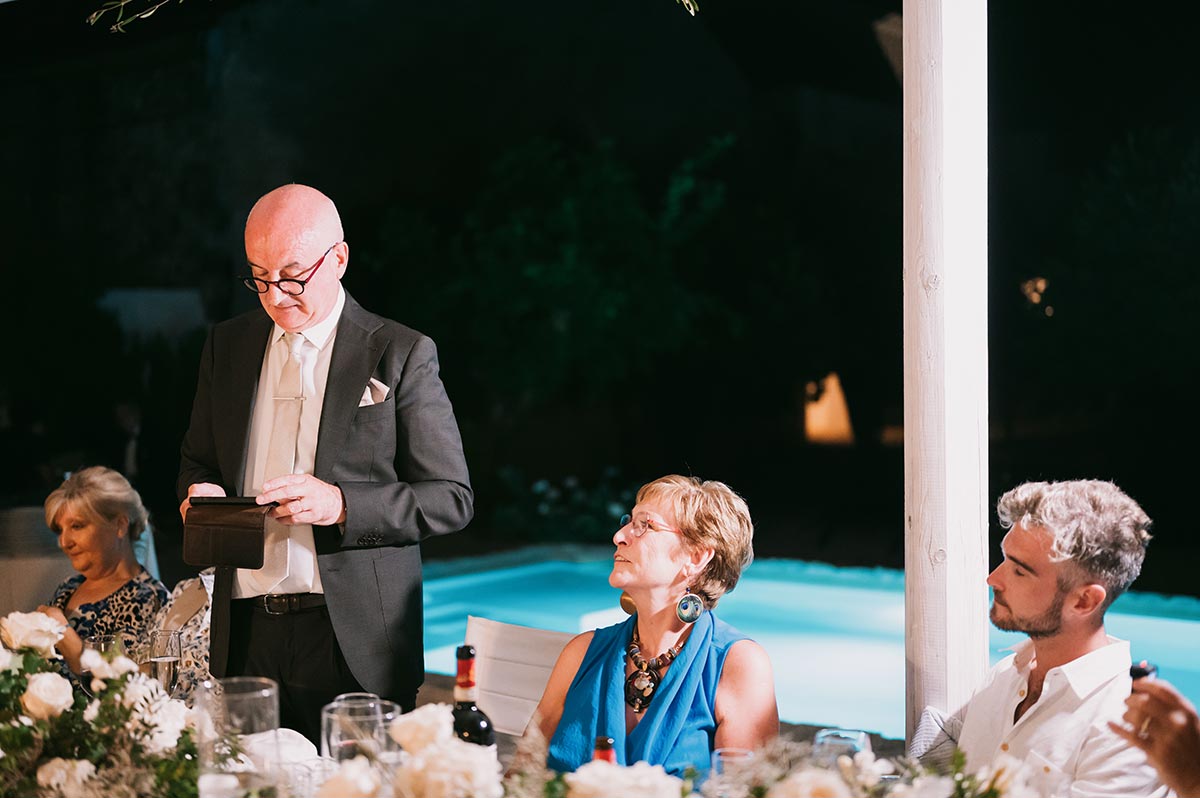
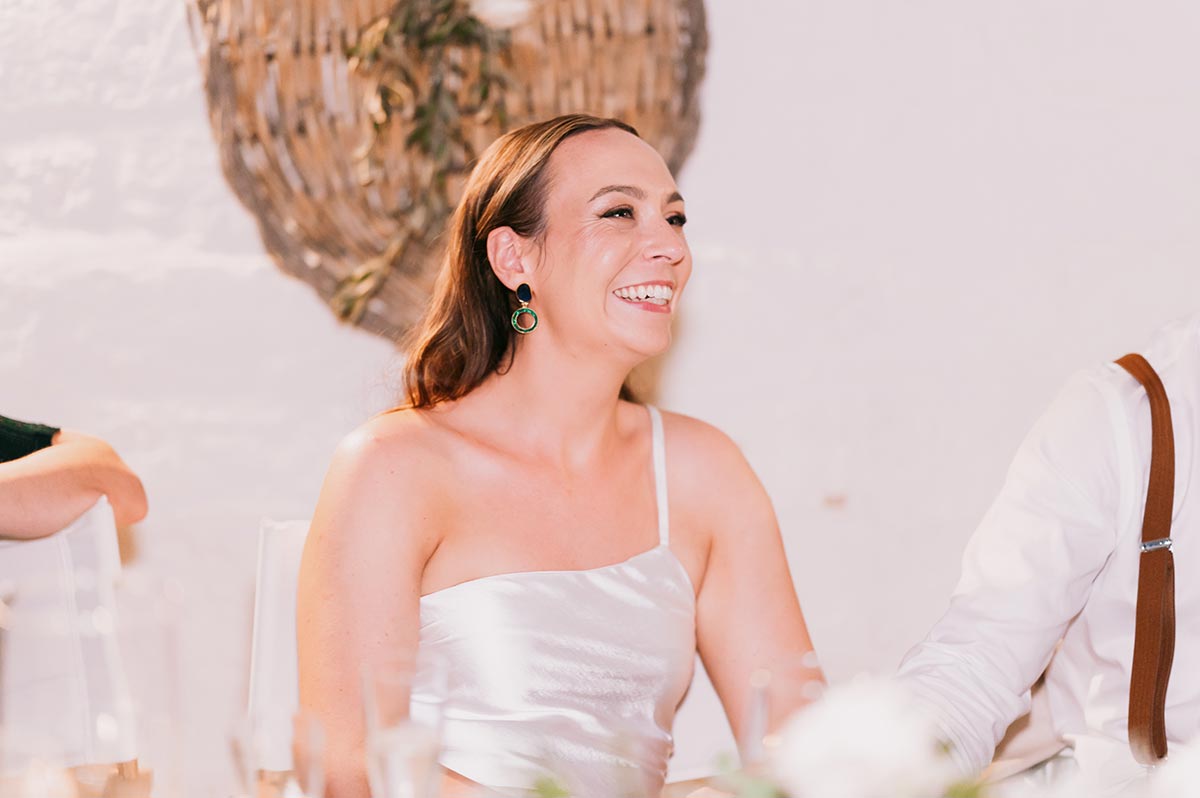
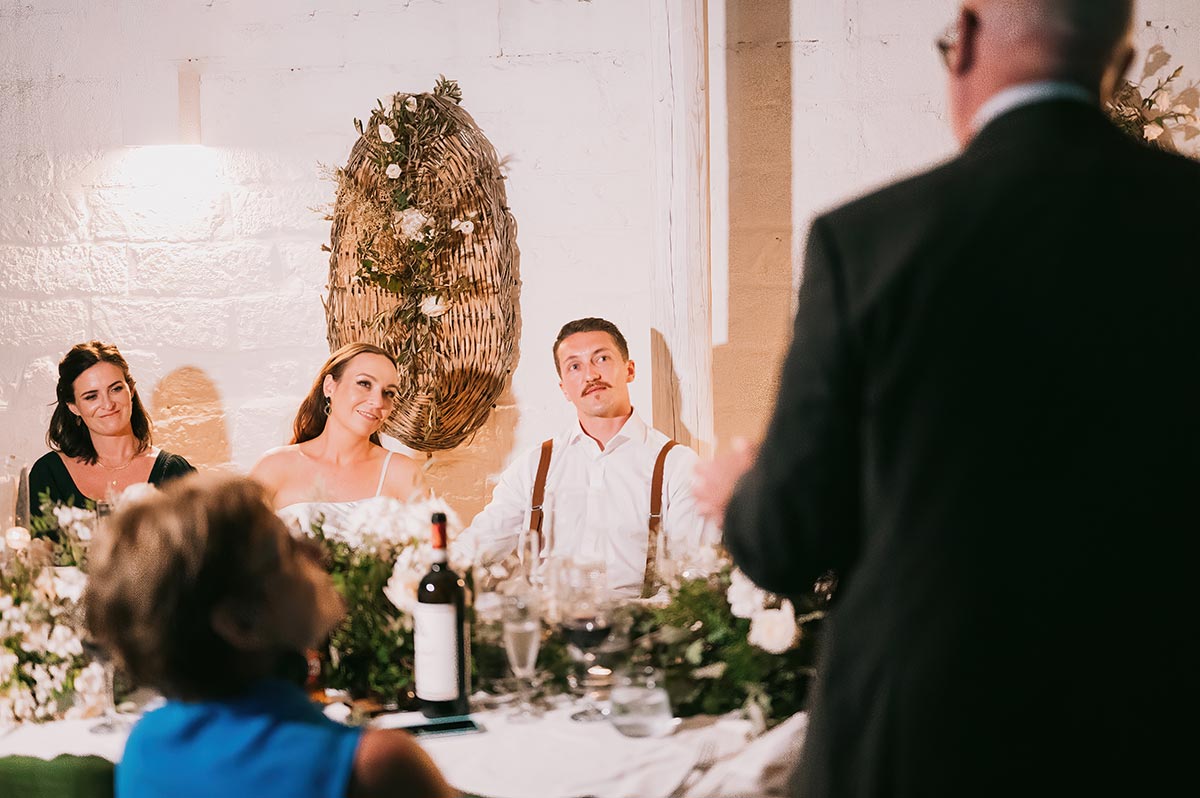
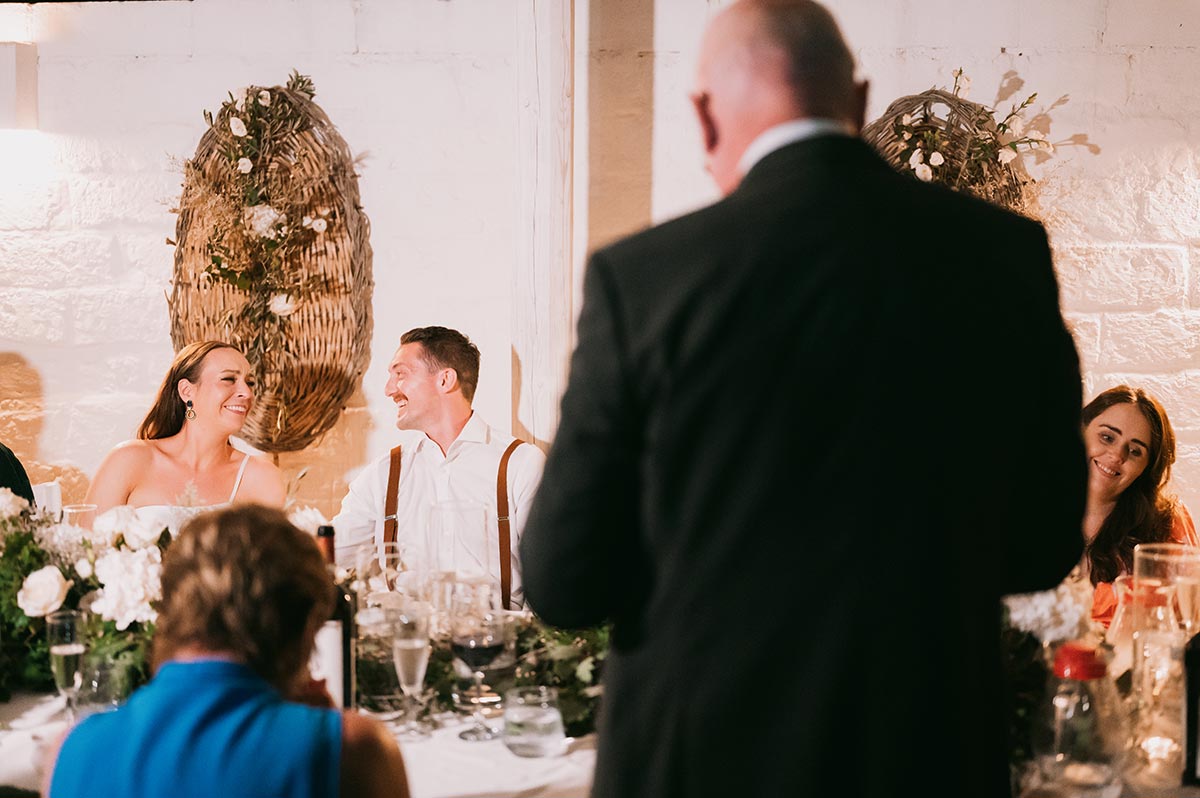

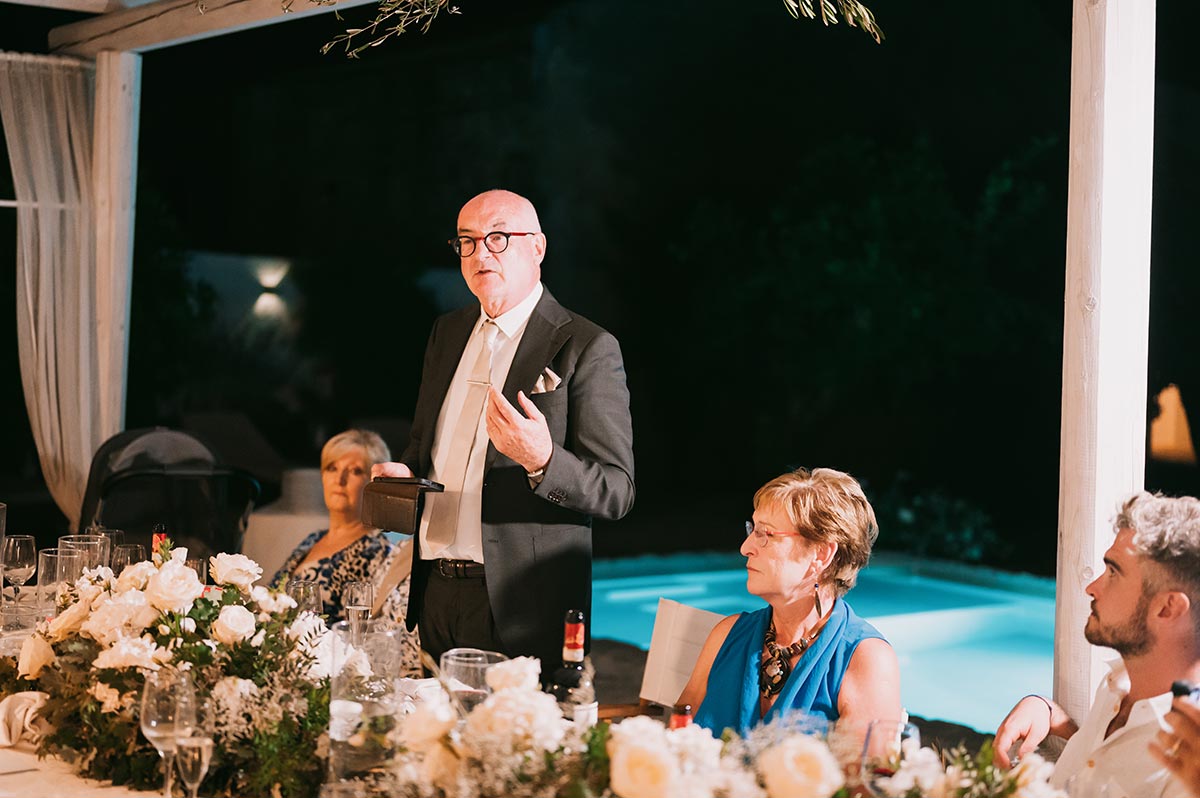
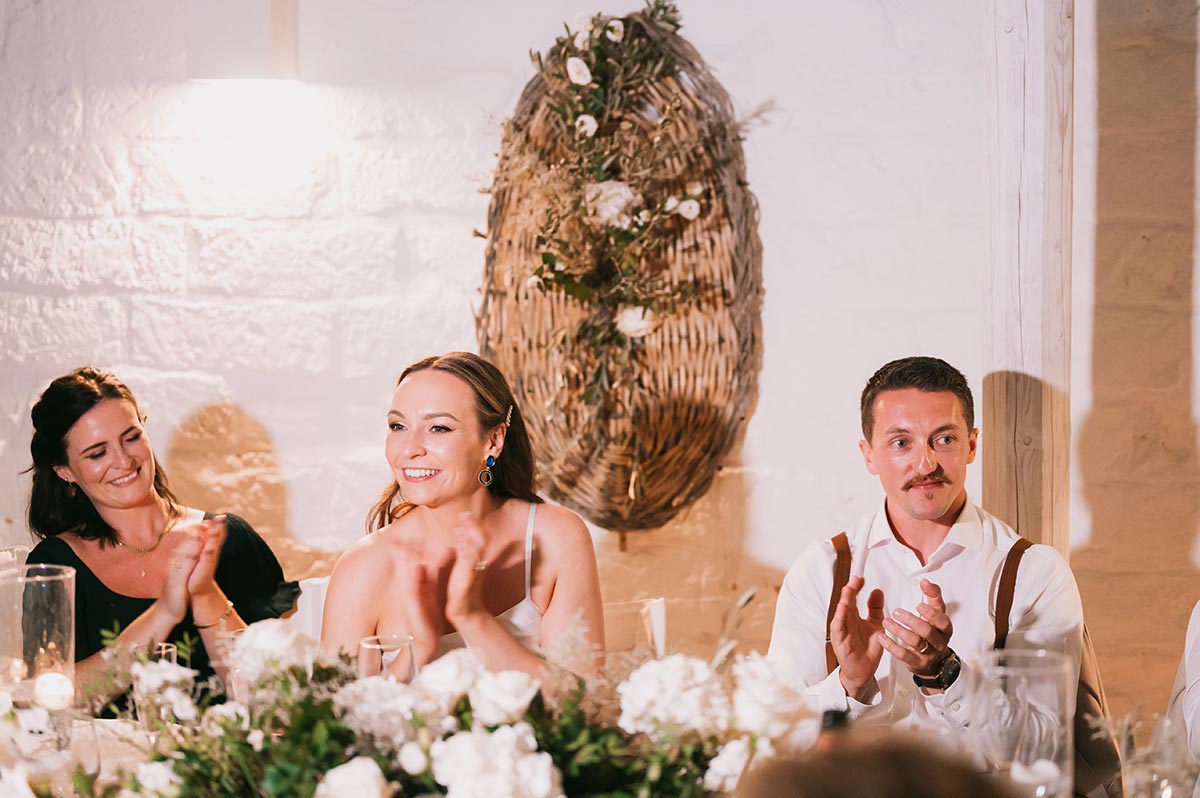
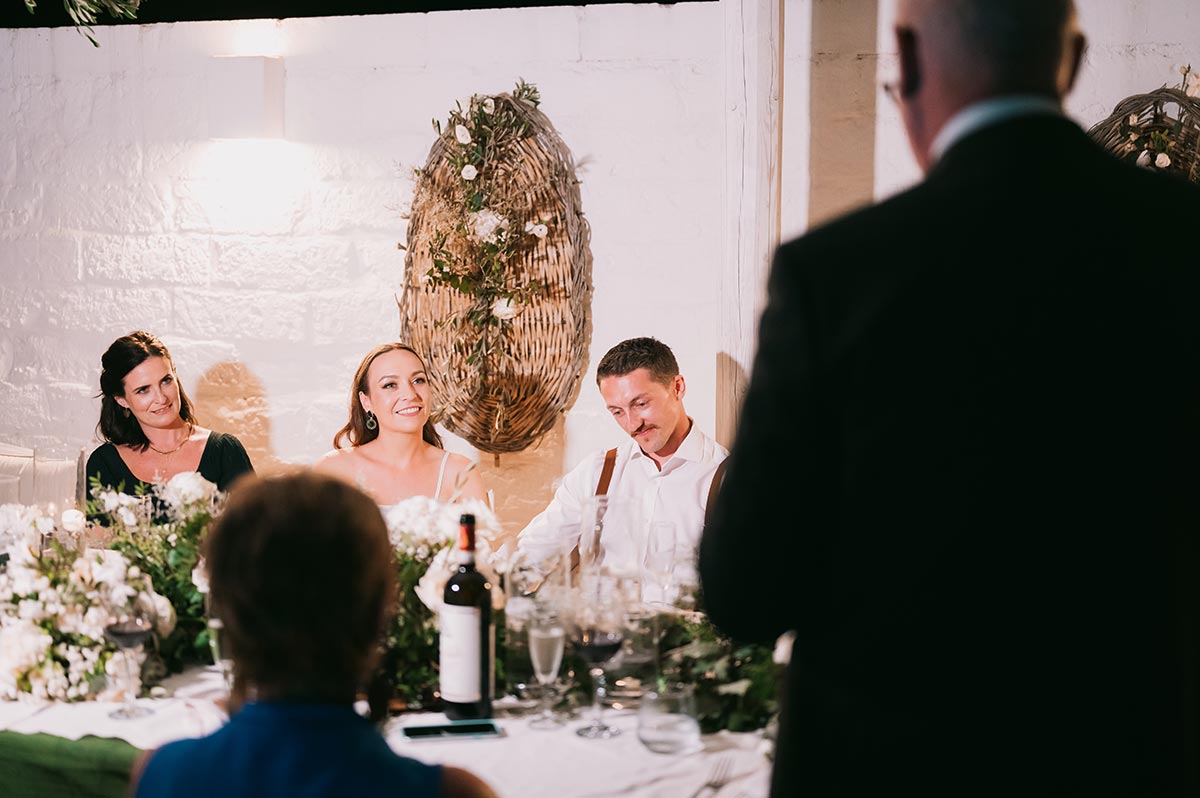

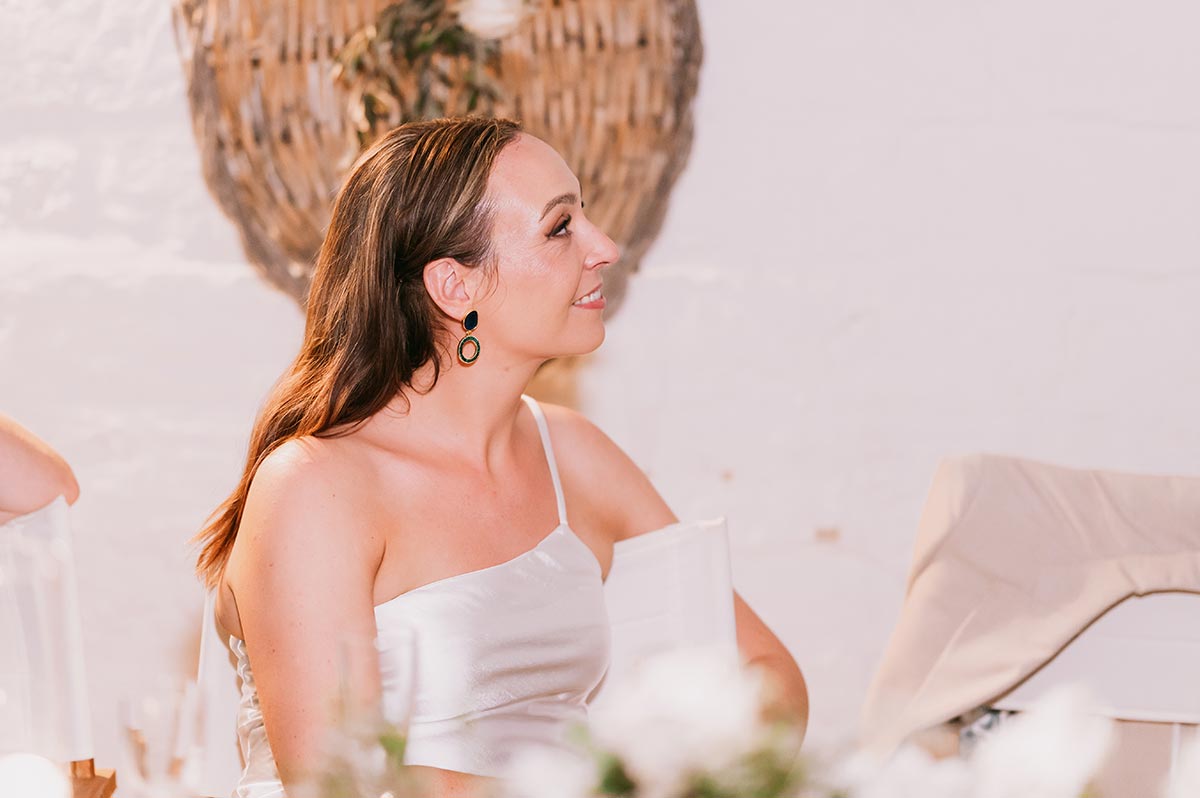
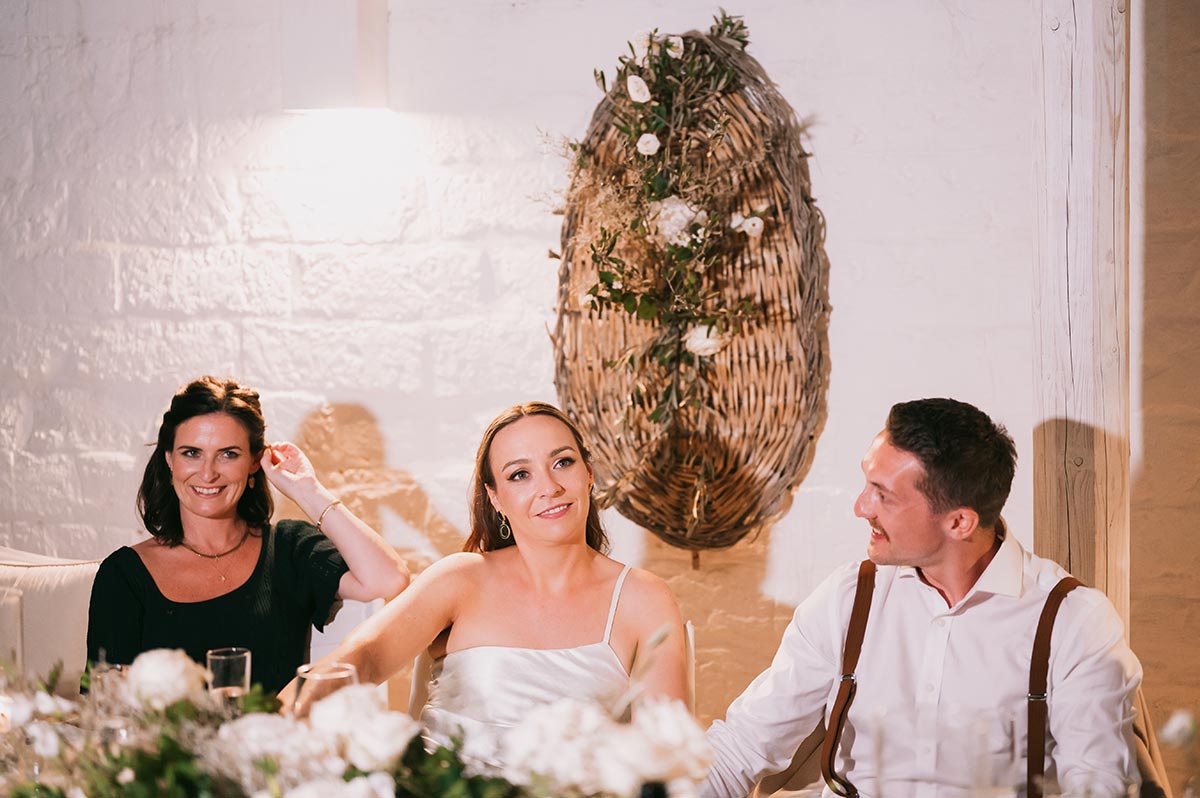
In addition, to live music, it is also essential to have an adequate lighting setup to create the right ambiance for your wedding.
To bring out the natural beauty of the Masseria and its surroundings, consider using soft, warm lighting, such as string lights or lanterns, to create a cozy and inviting atmosphere. If you want to add excitement to your celebration, you can use colored lightings, such as reds and blues, to create a more dynamic and energetic feel.
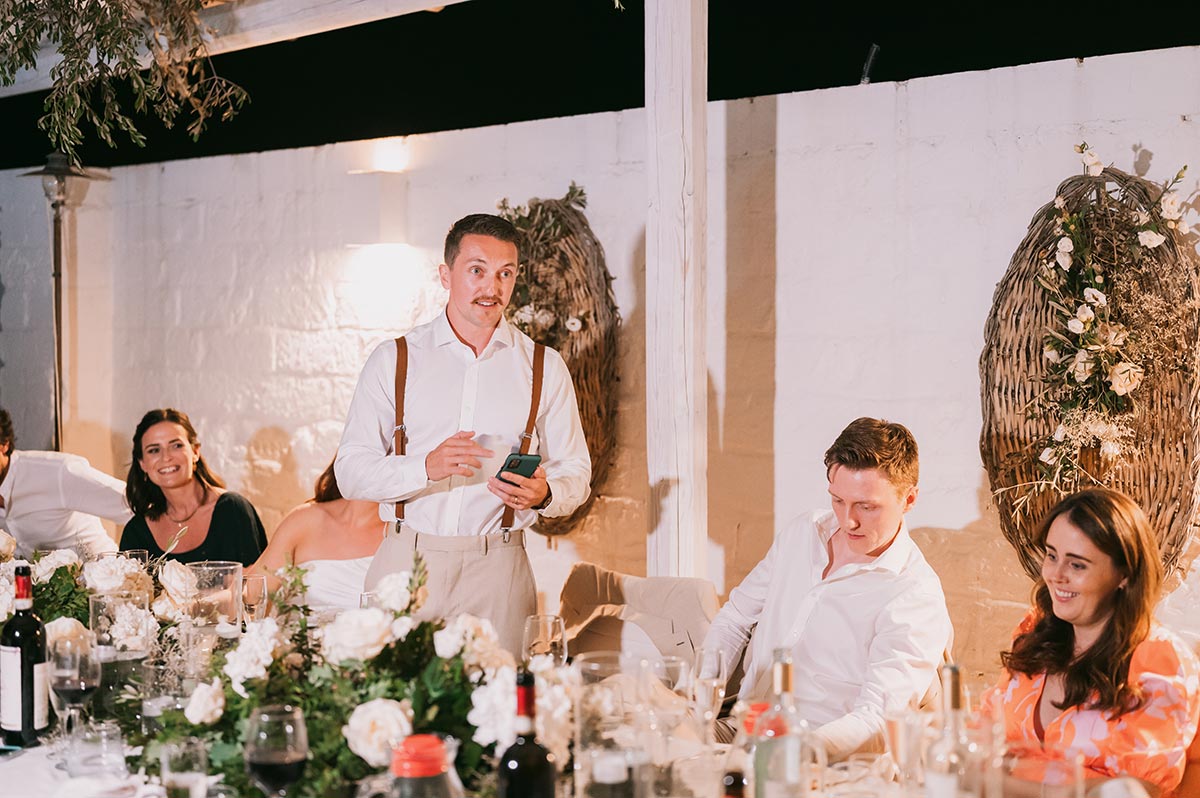
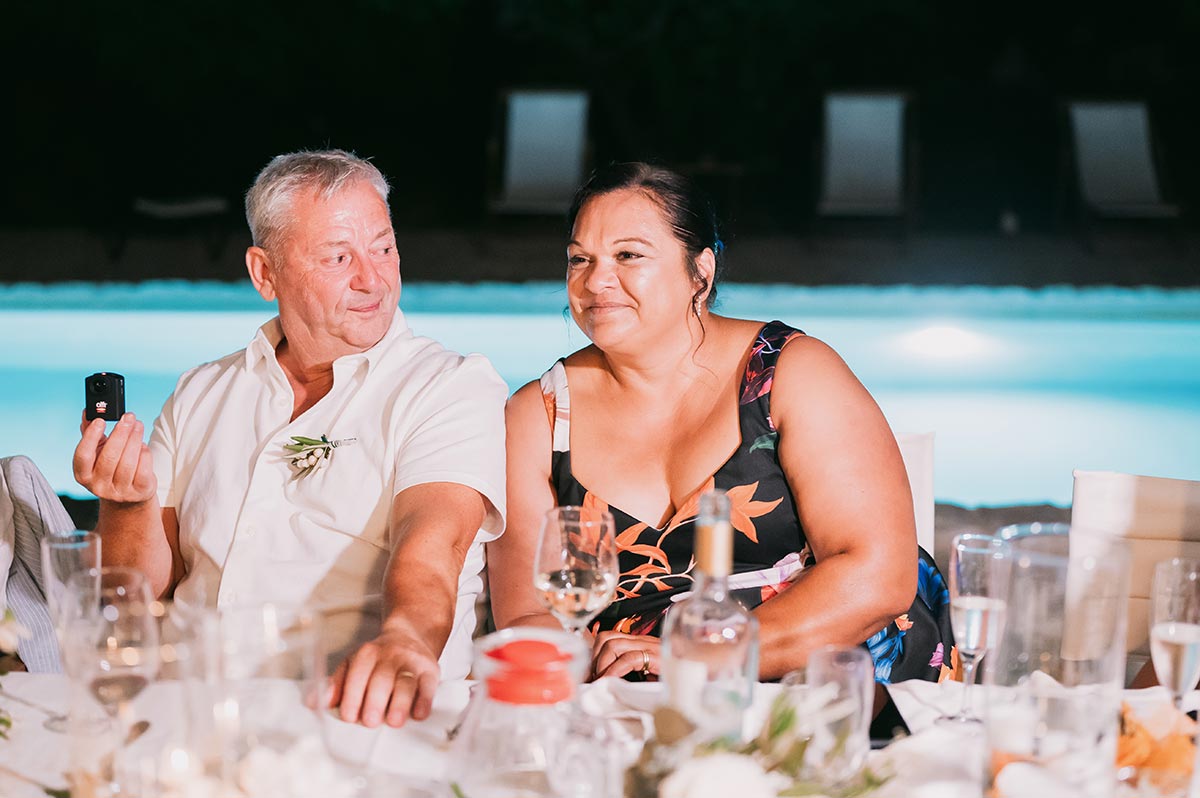
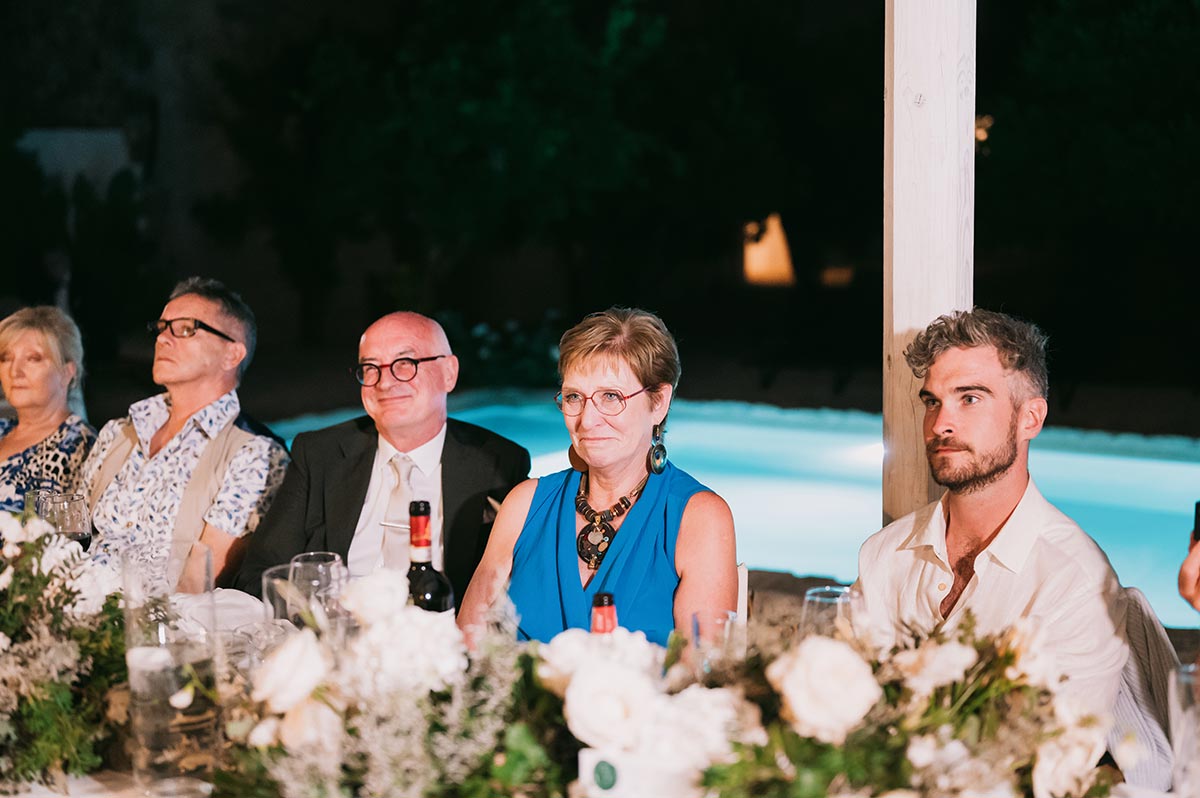
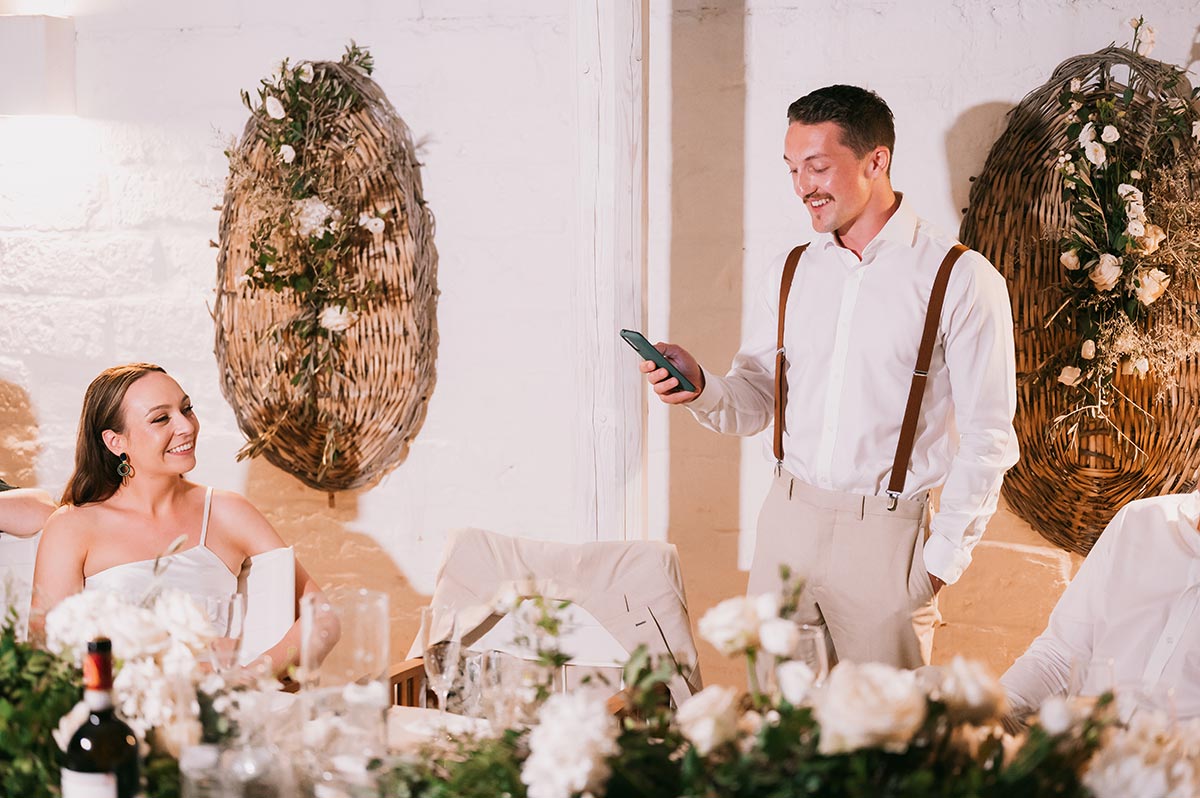
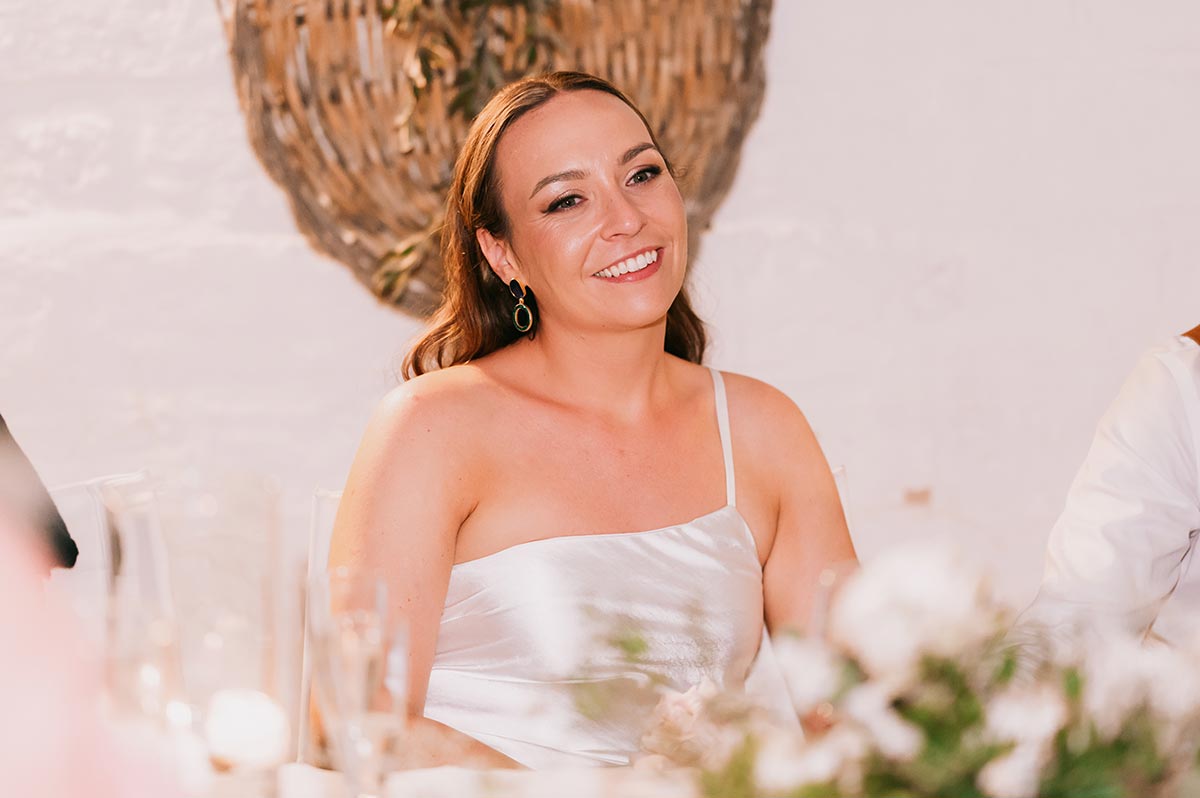

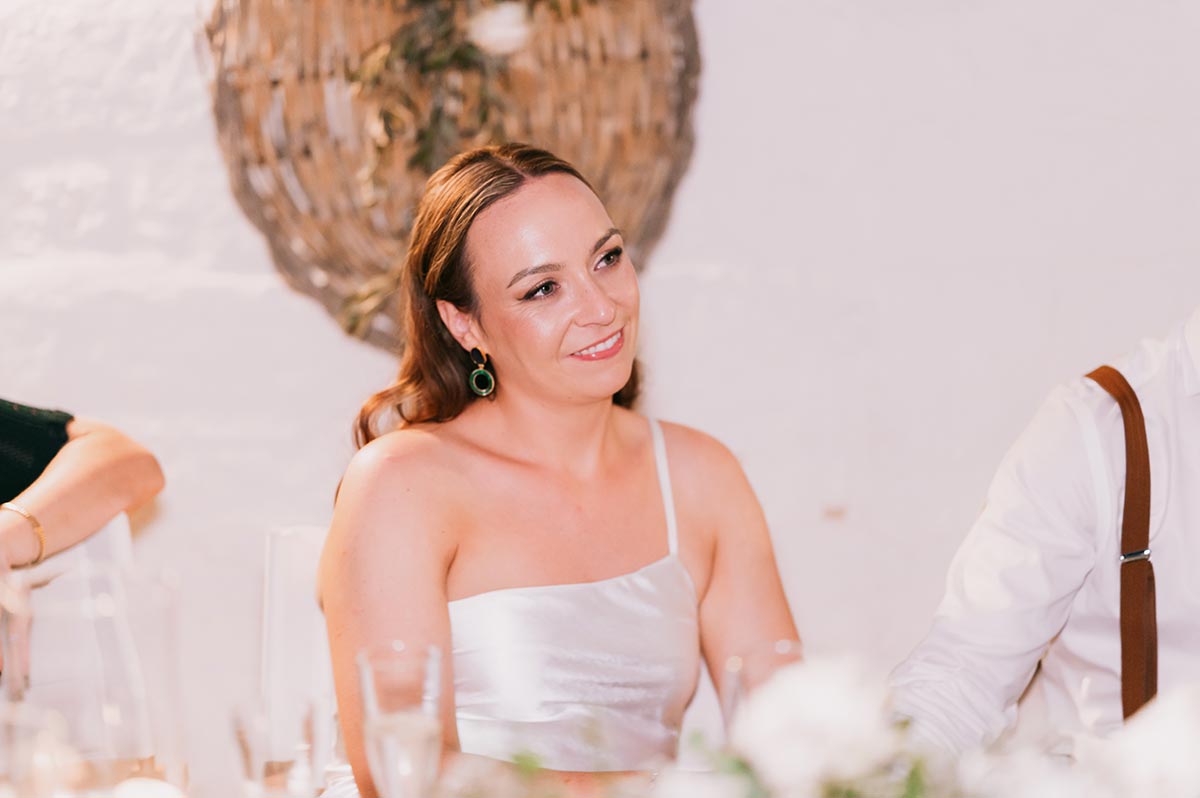
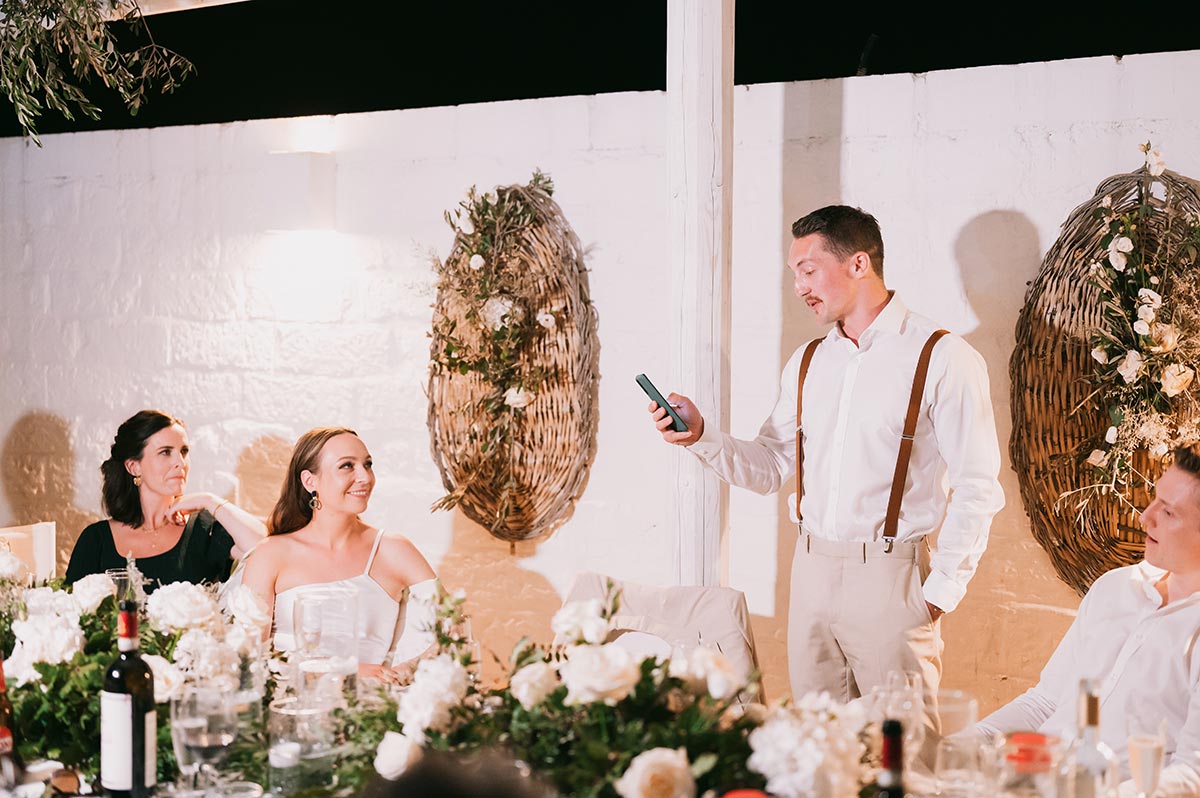
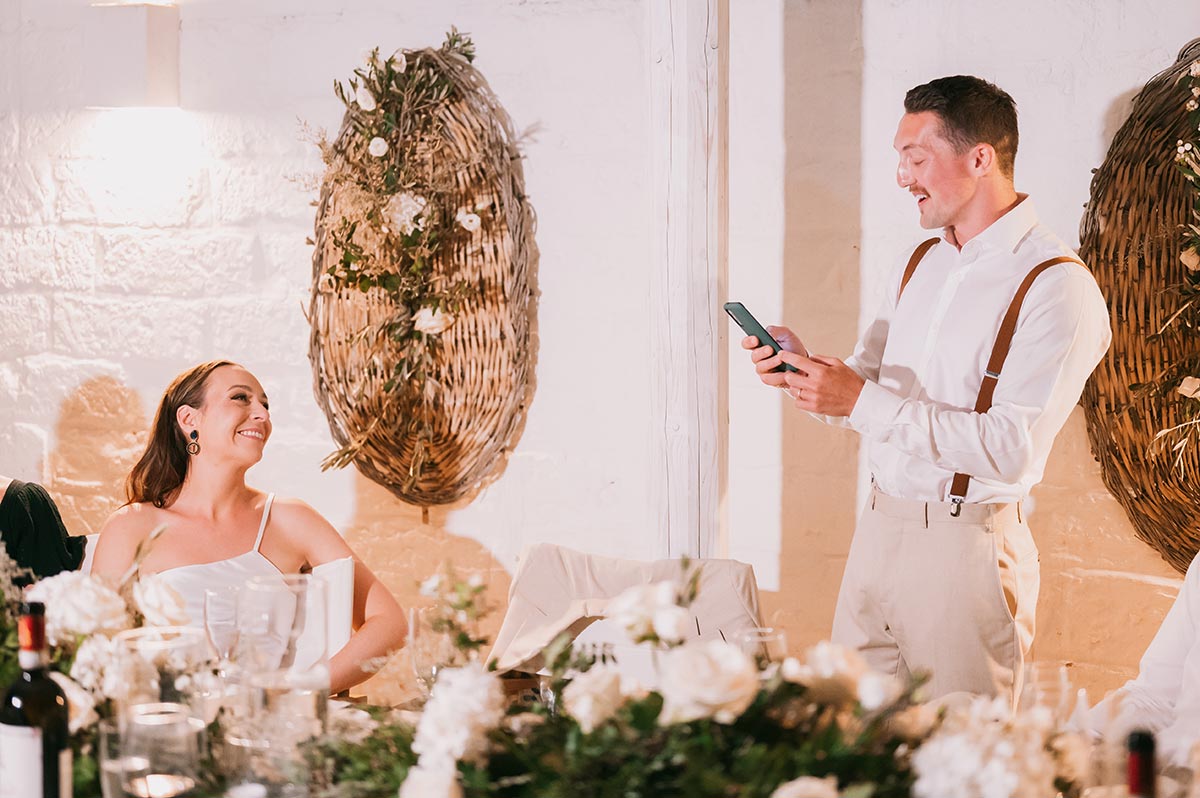

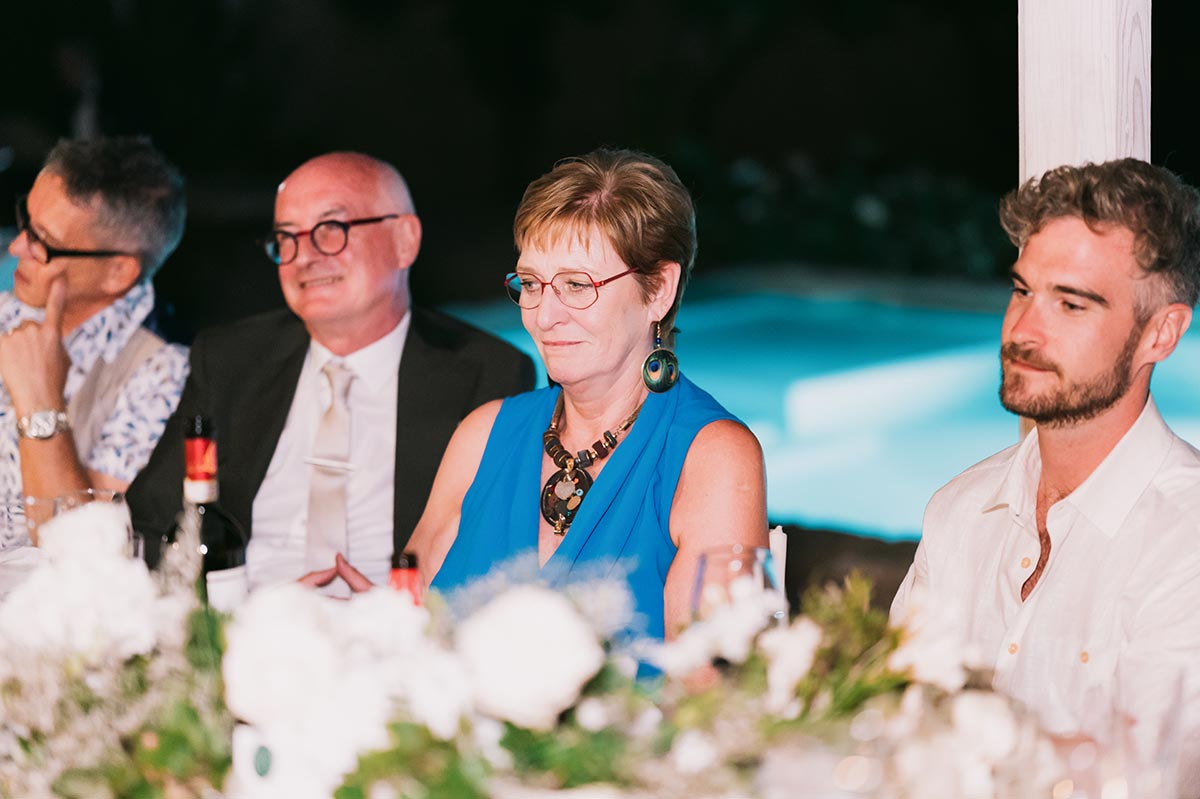



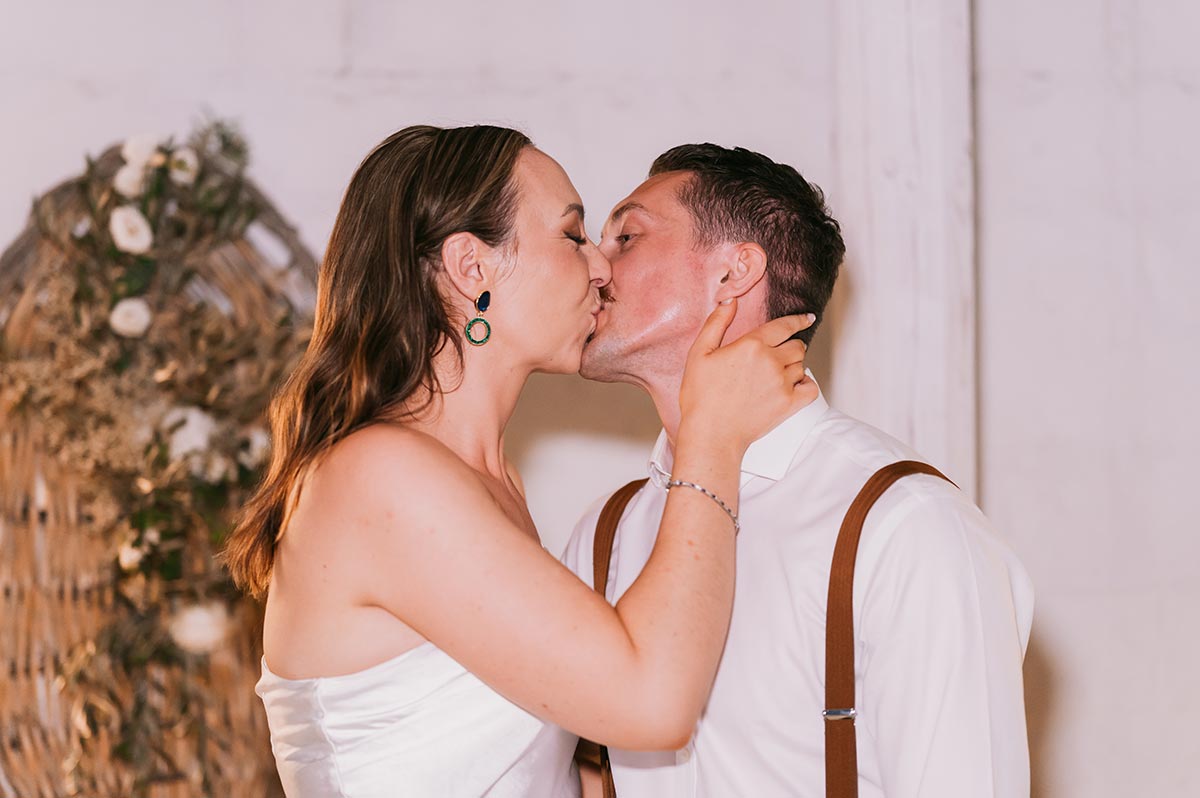
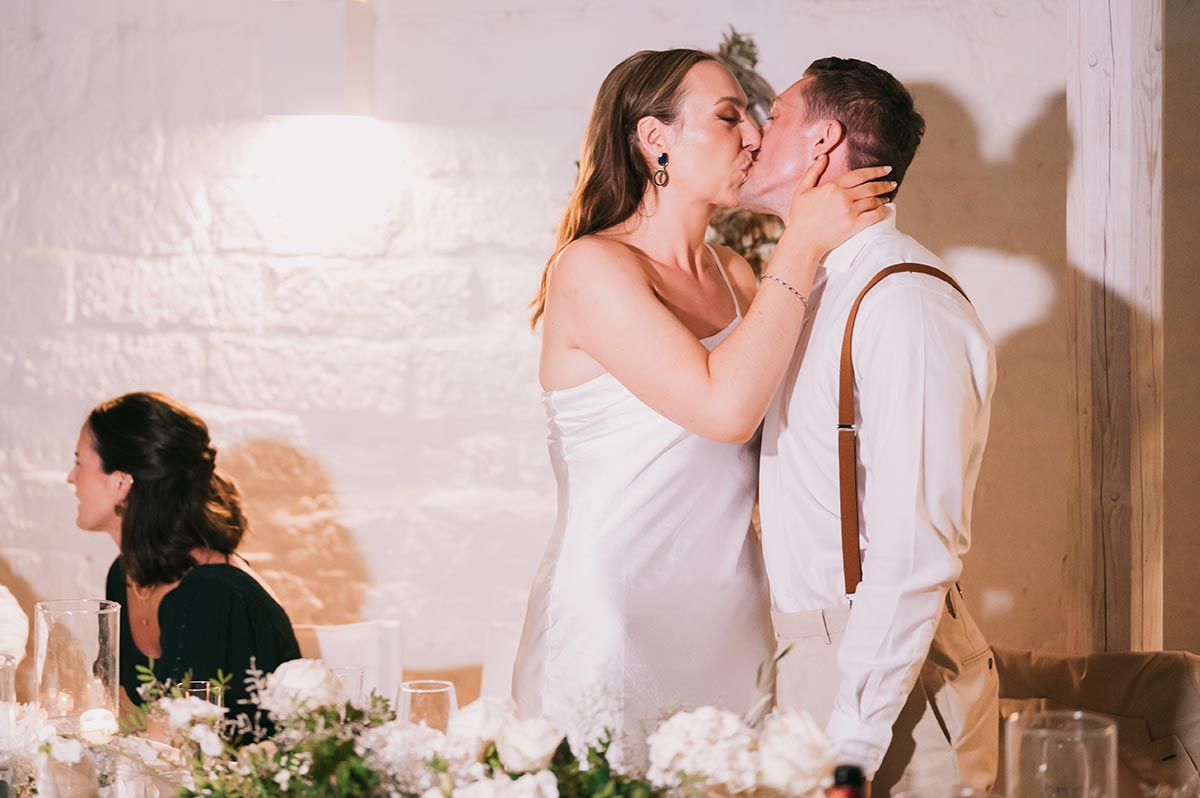
The Perfect Setting for a Dream Wedding
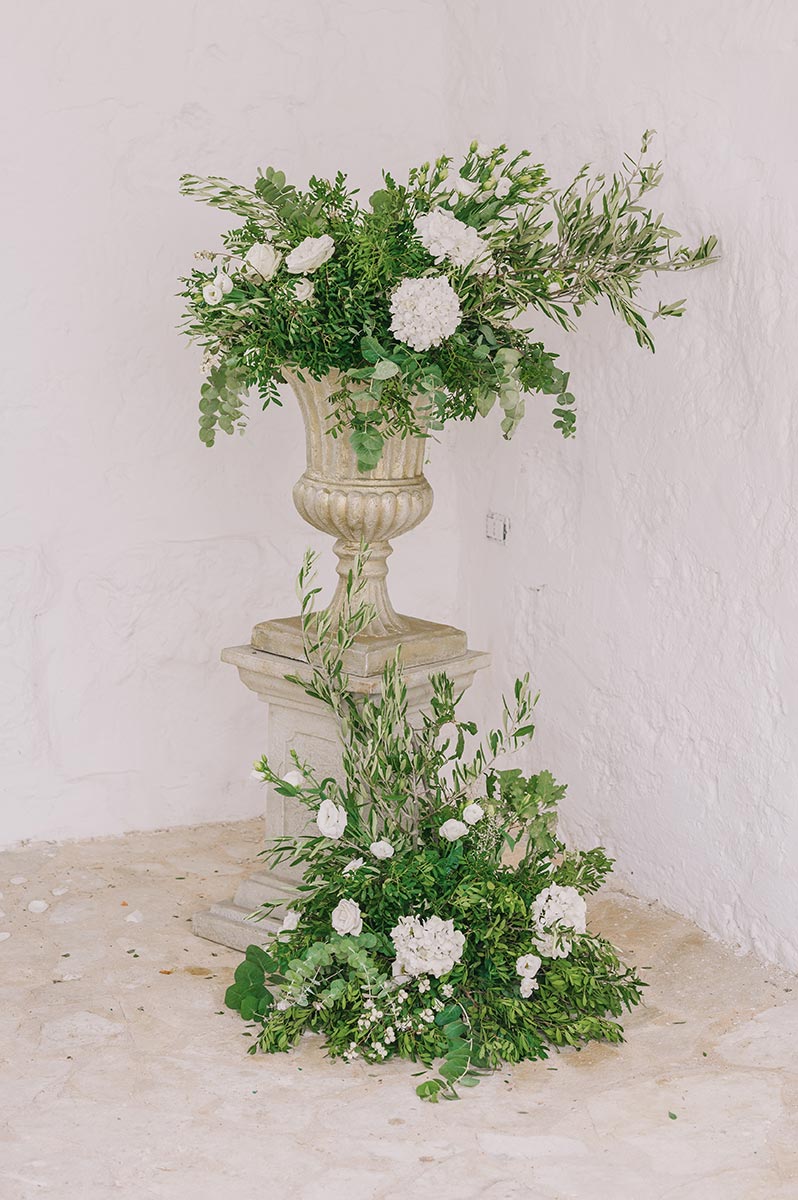
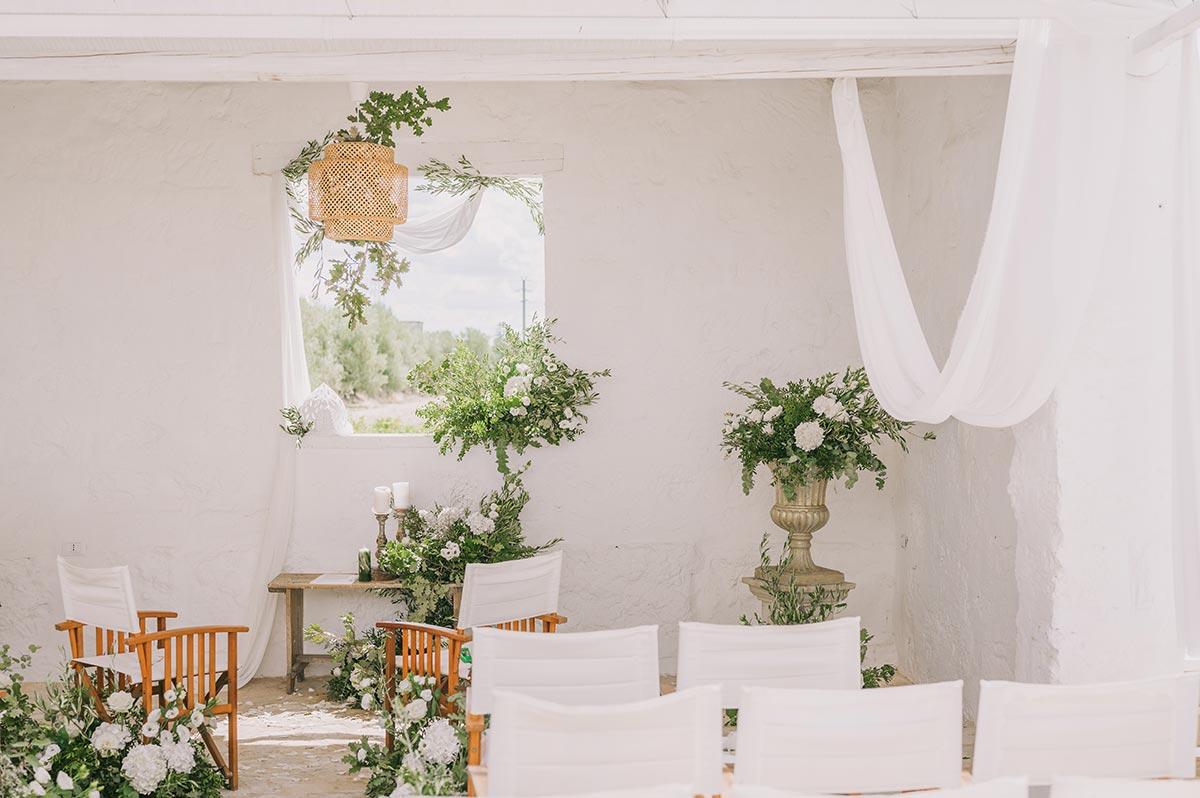
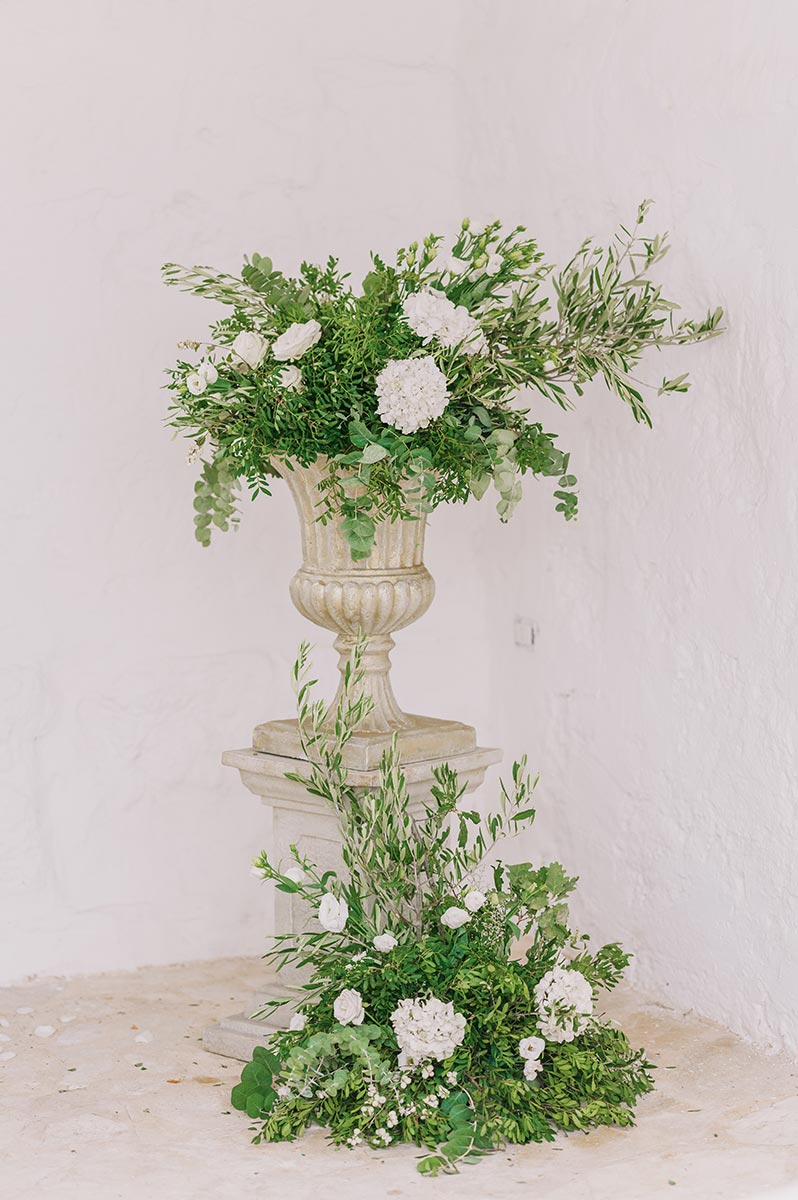
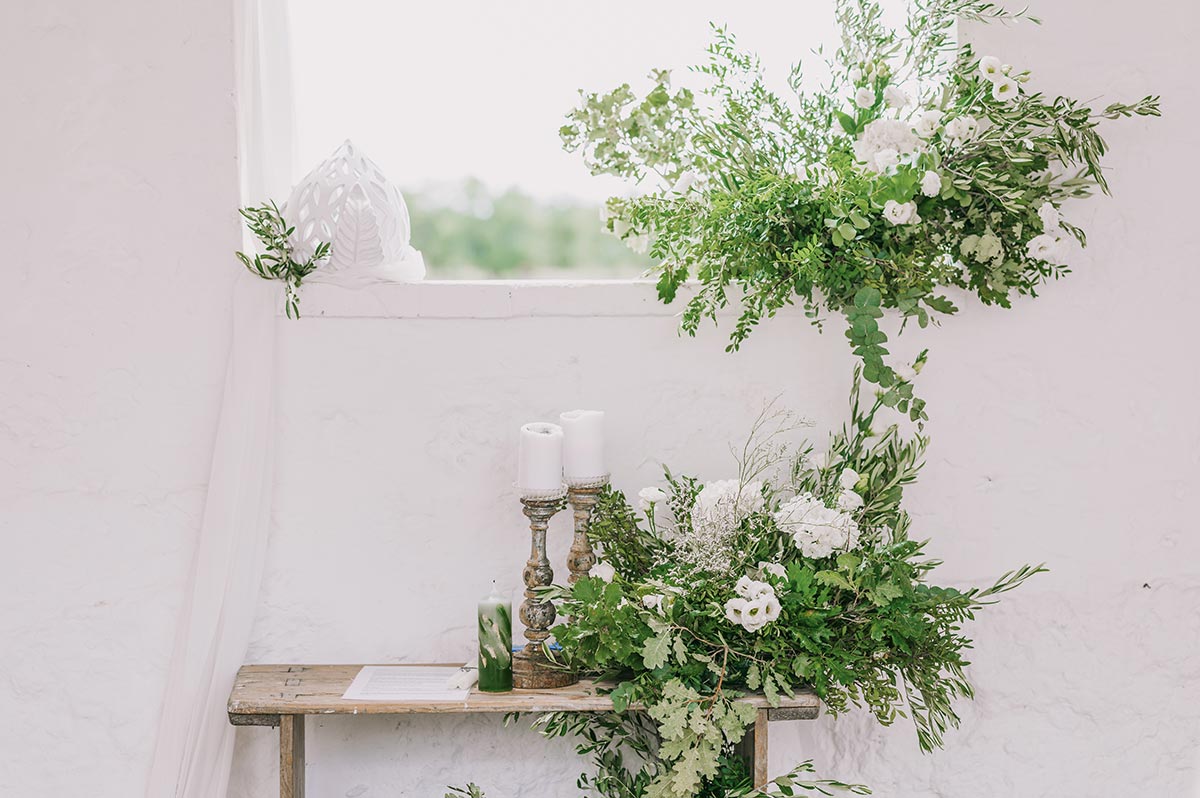
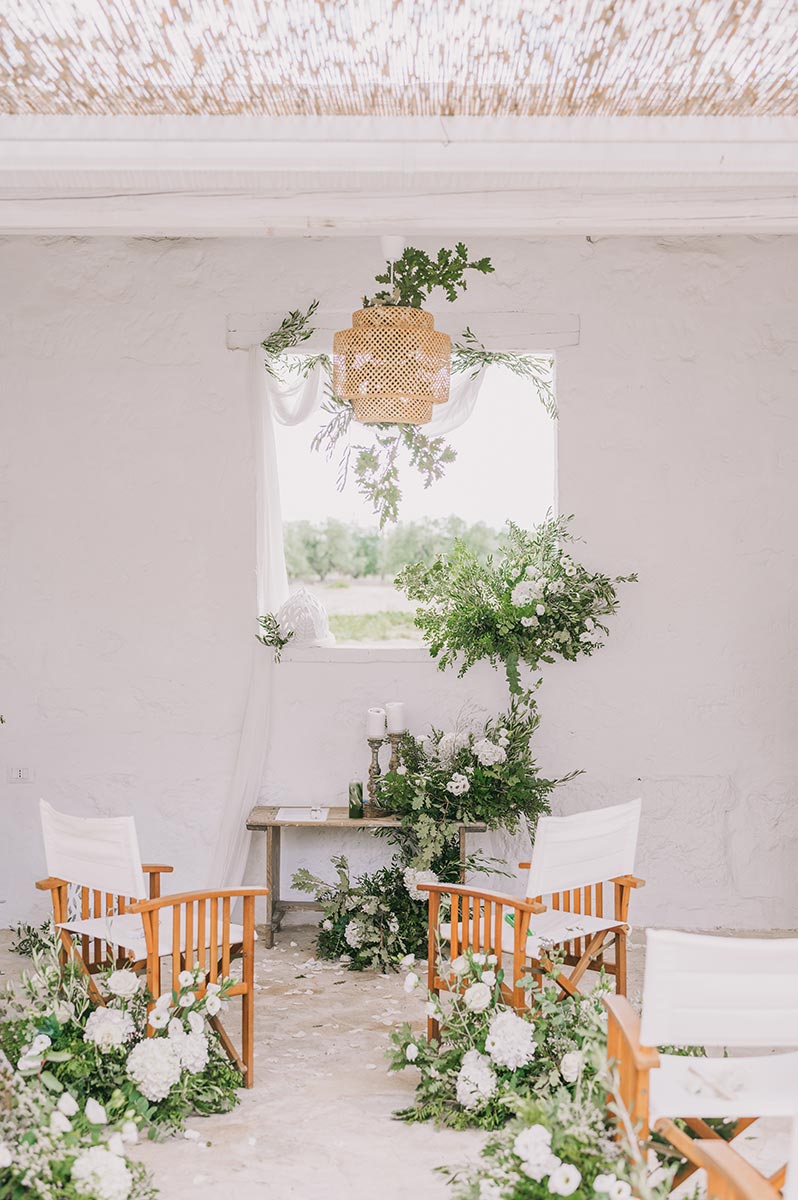
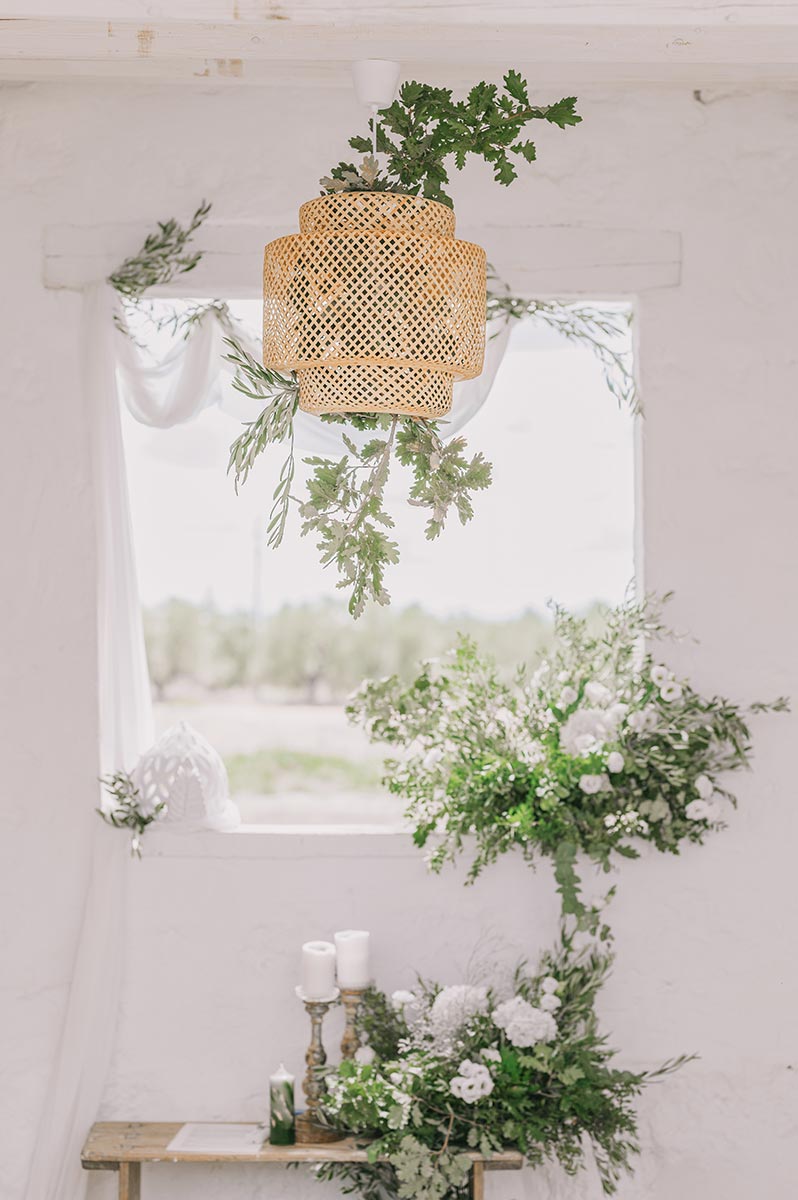
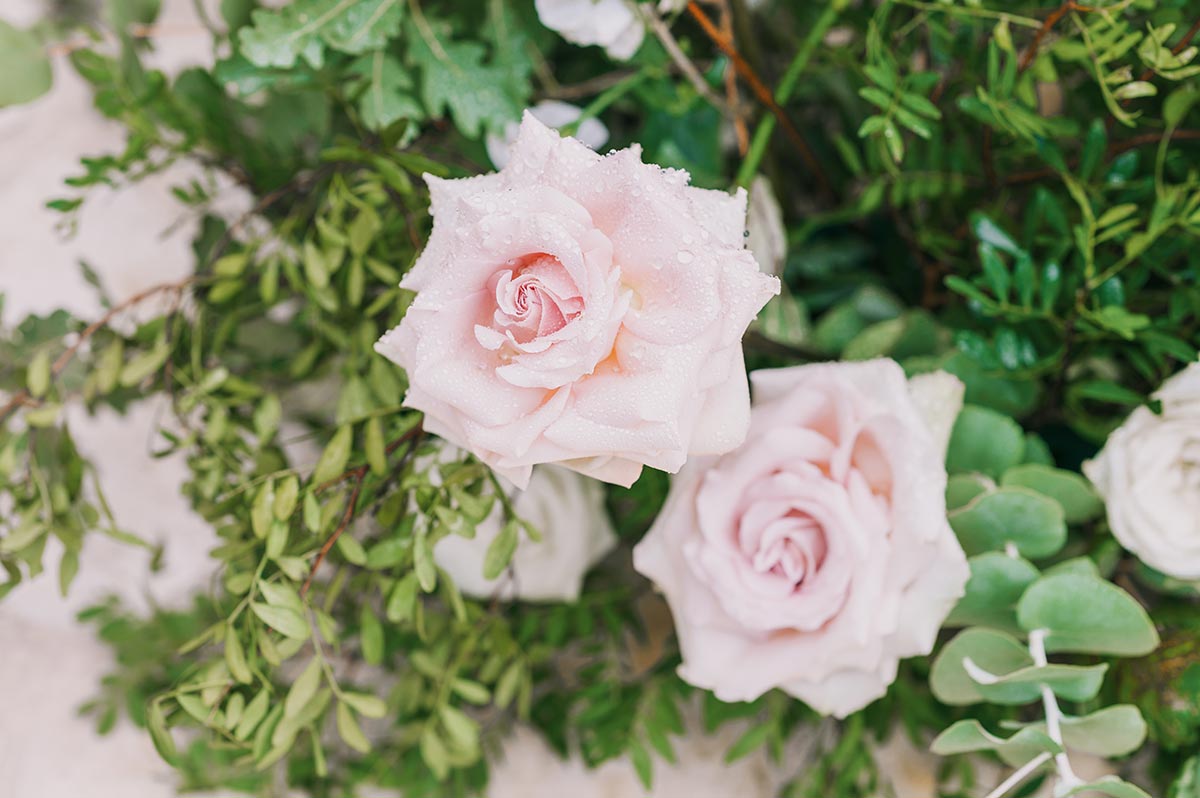
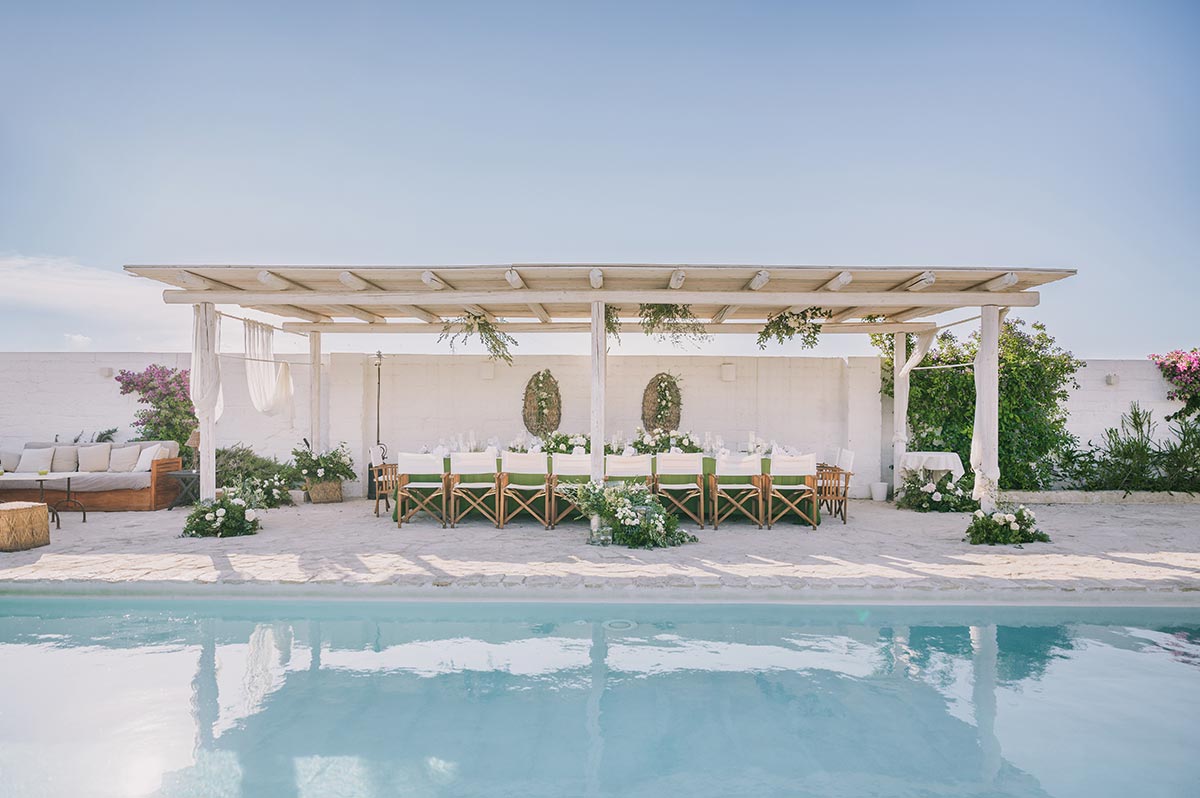
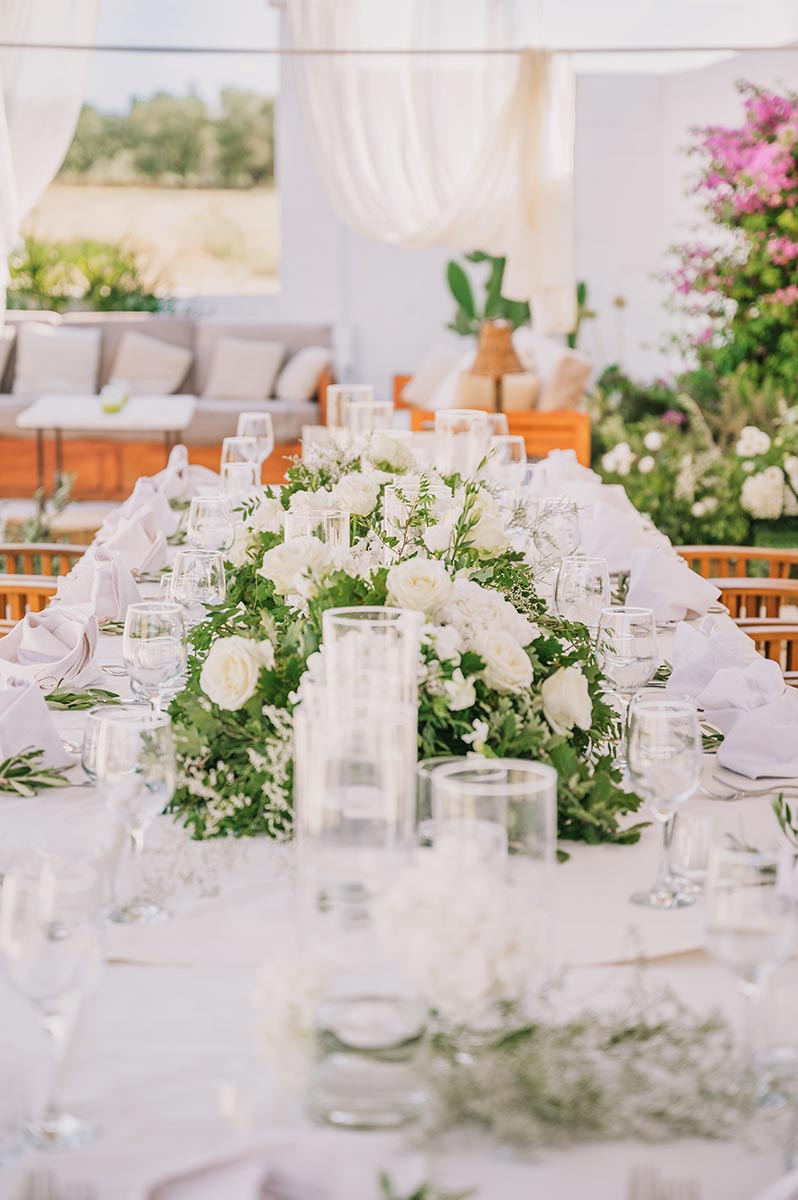
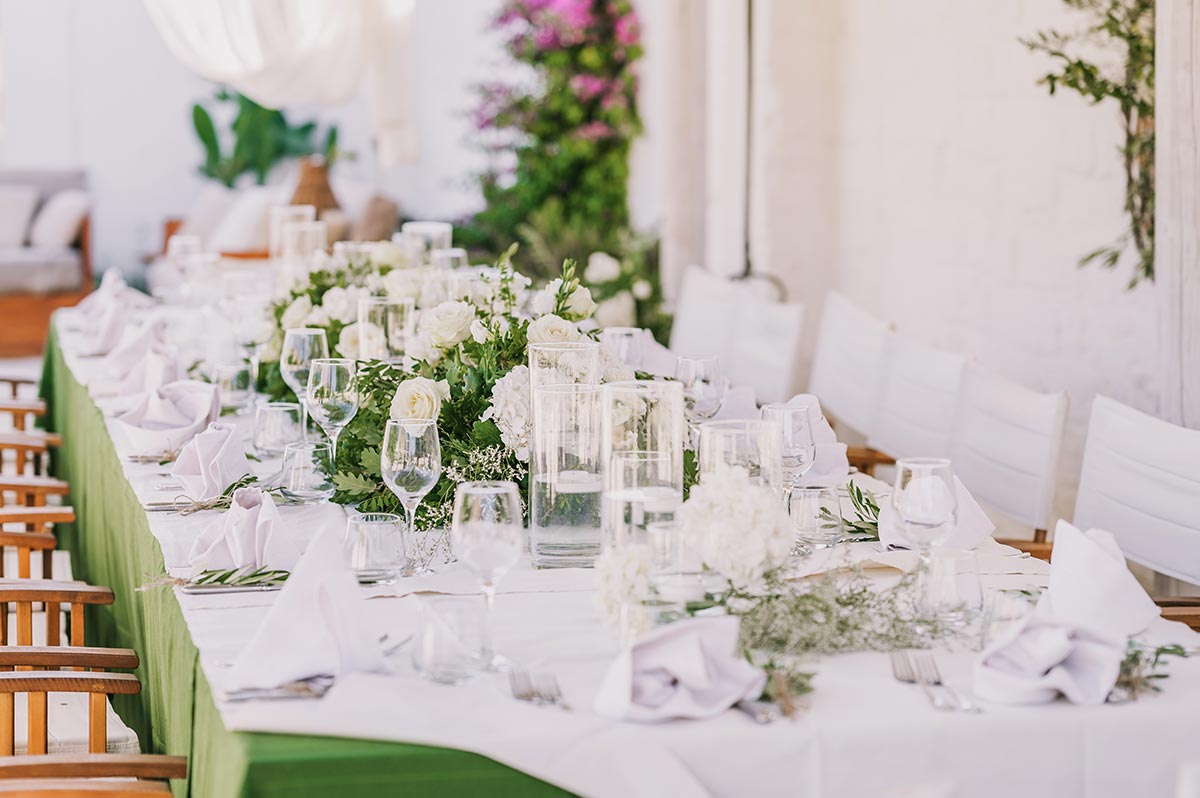
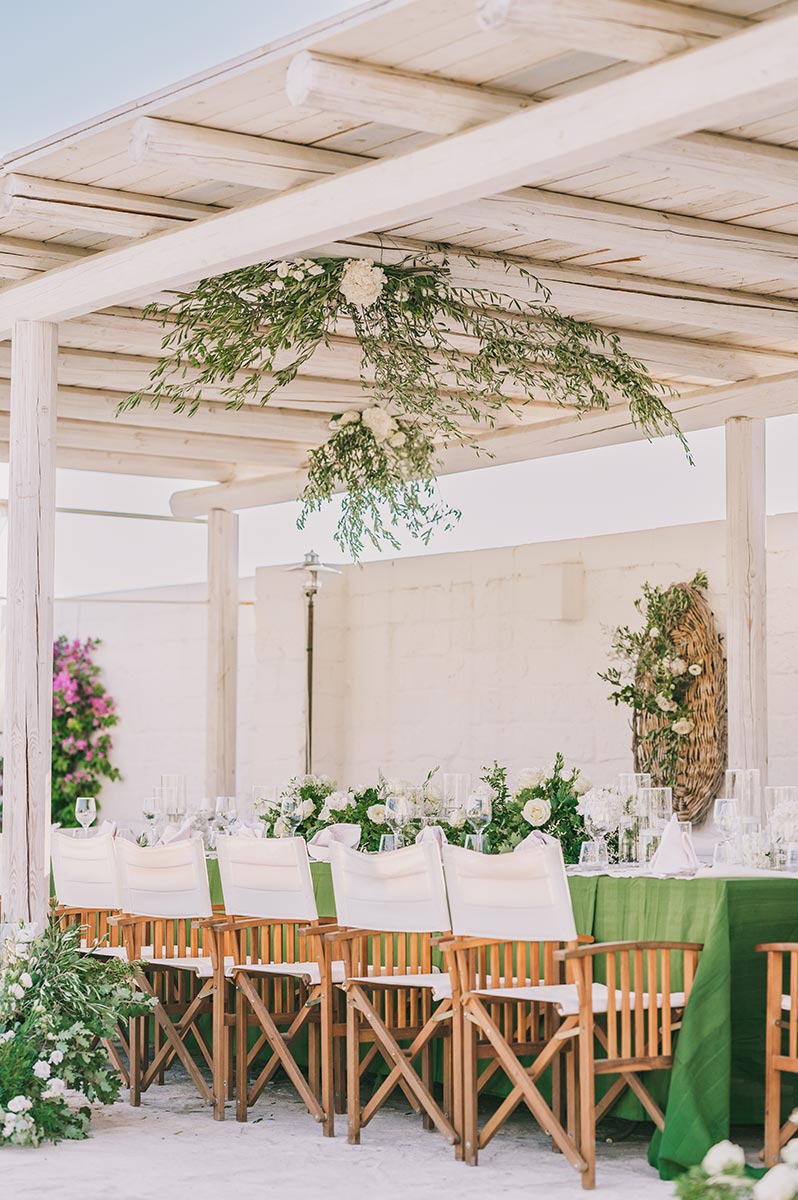
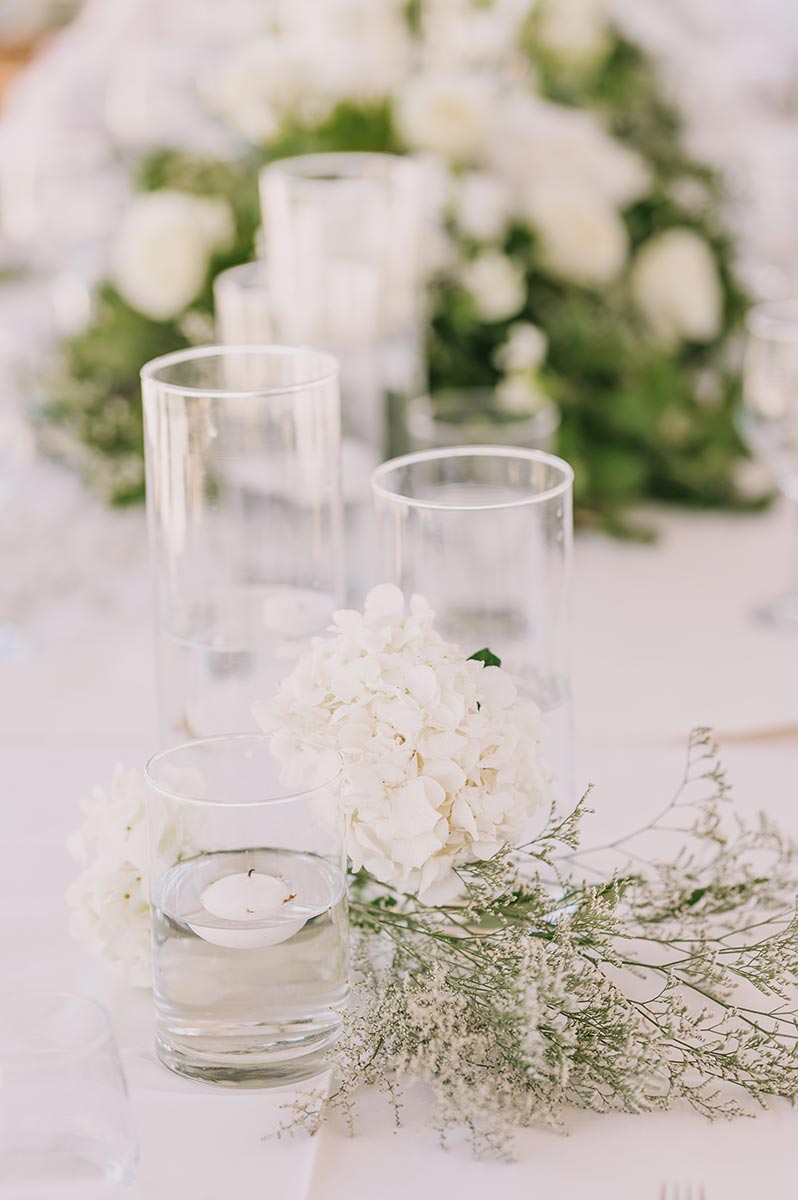
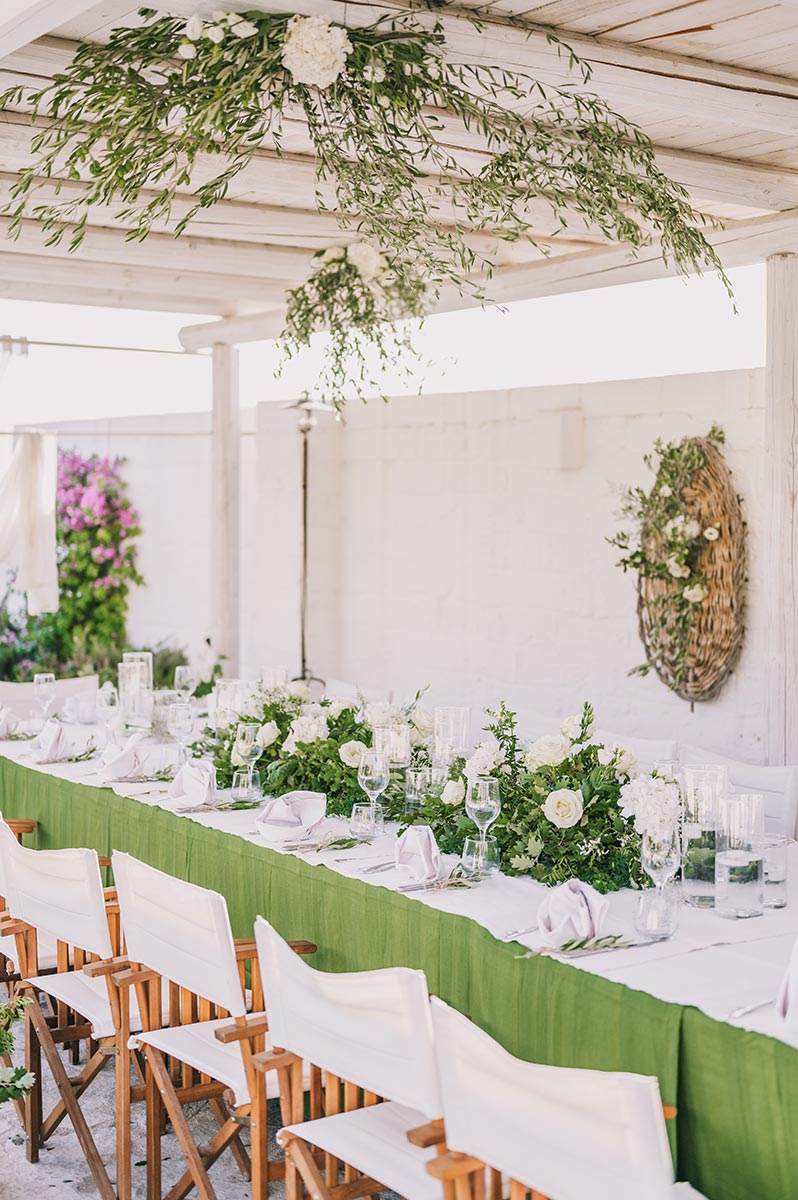
When selecting flowers for your wedding in Puglia, consider incorporating traditional local blooms, such as sunflowers, lavender, and daisies, which are abundant in the region and offer stunning natural beauty. These flowers can be used in bouquets, centerpieces, and floral arrangements to add a touch of local charm to your celebration.
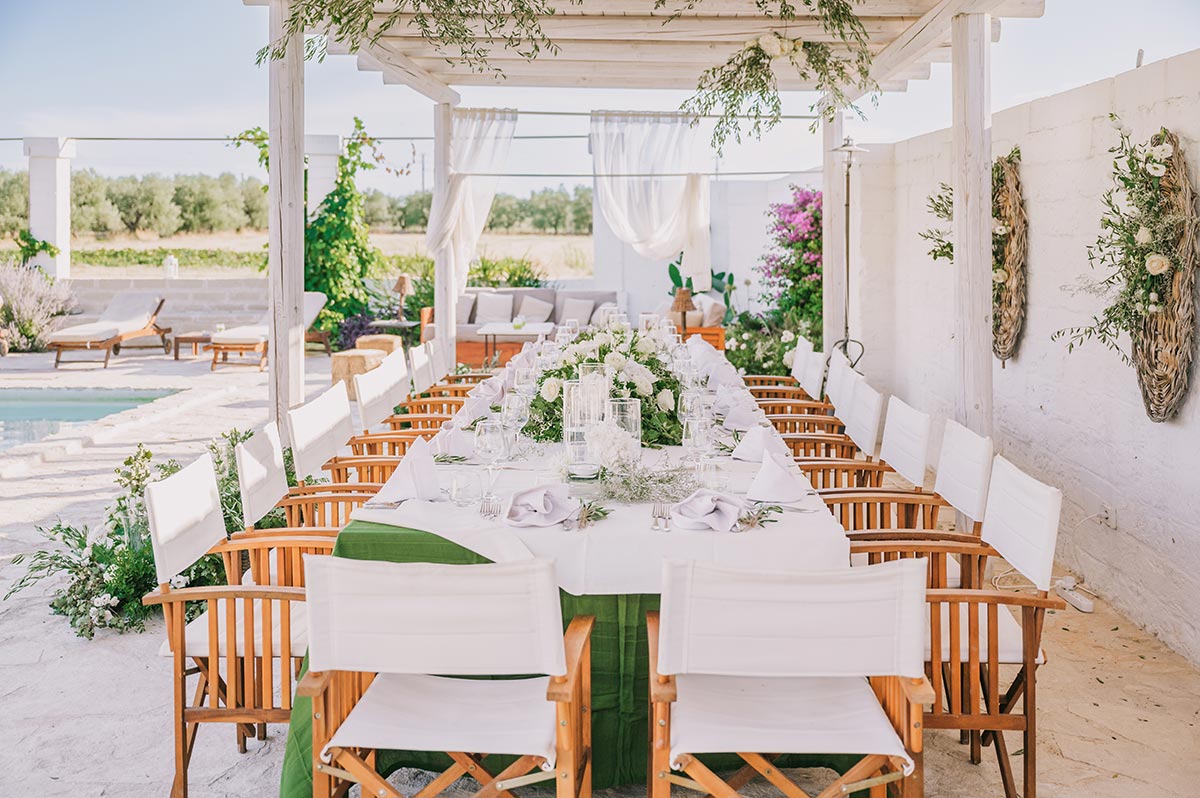
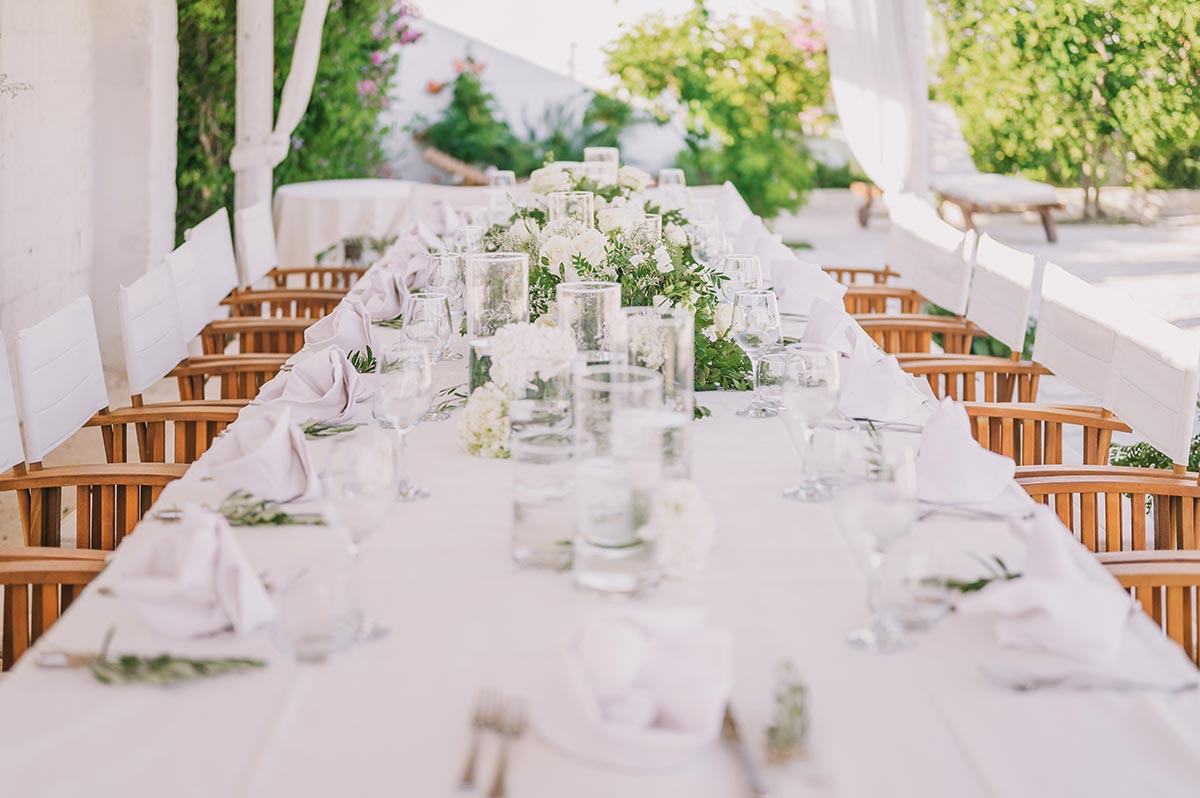
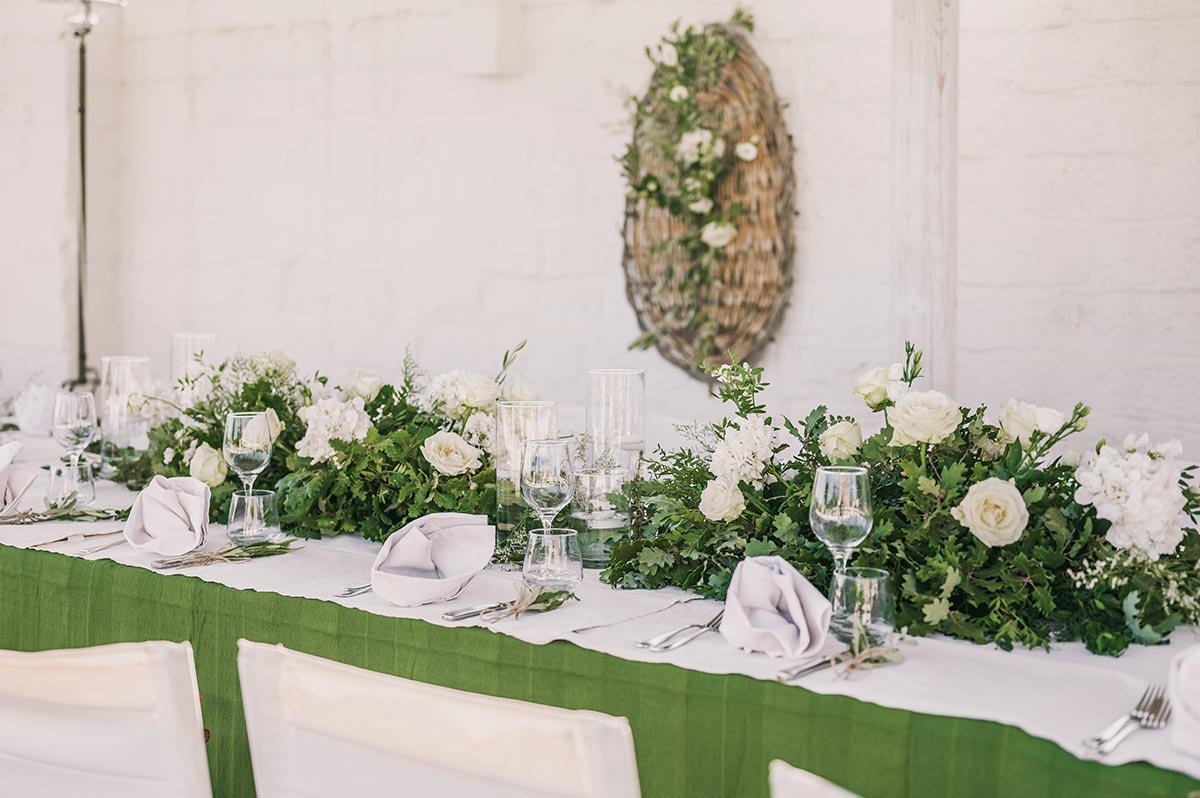
To create a cohesive look, it is also essential to consider the overall color palette of your wedding. Soft, warm colors, such as whites, creams, and yellows, are famous for Puglia weddings and help create a relaxed and romantic atmosphere. If you want to add a pop of color, consider incorporating deeper hues, such as purples and blues, to create a more dramatic look.
It is important not to overdo it with the floral décor, as too many blooms can take away from the natural beauty of the Masseria and make the space feel cluttered. To create a harmonious look, consider using more extensive arrangements and statement pieces, such as flower walls or garlands, rather than lots of small accounts scattered throughout the venue.
Trust your planner or photographer’s suggestions to find the best florist in Apulia.
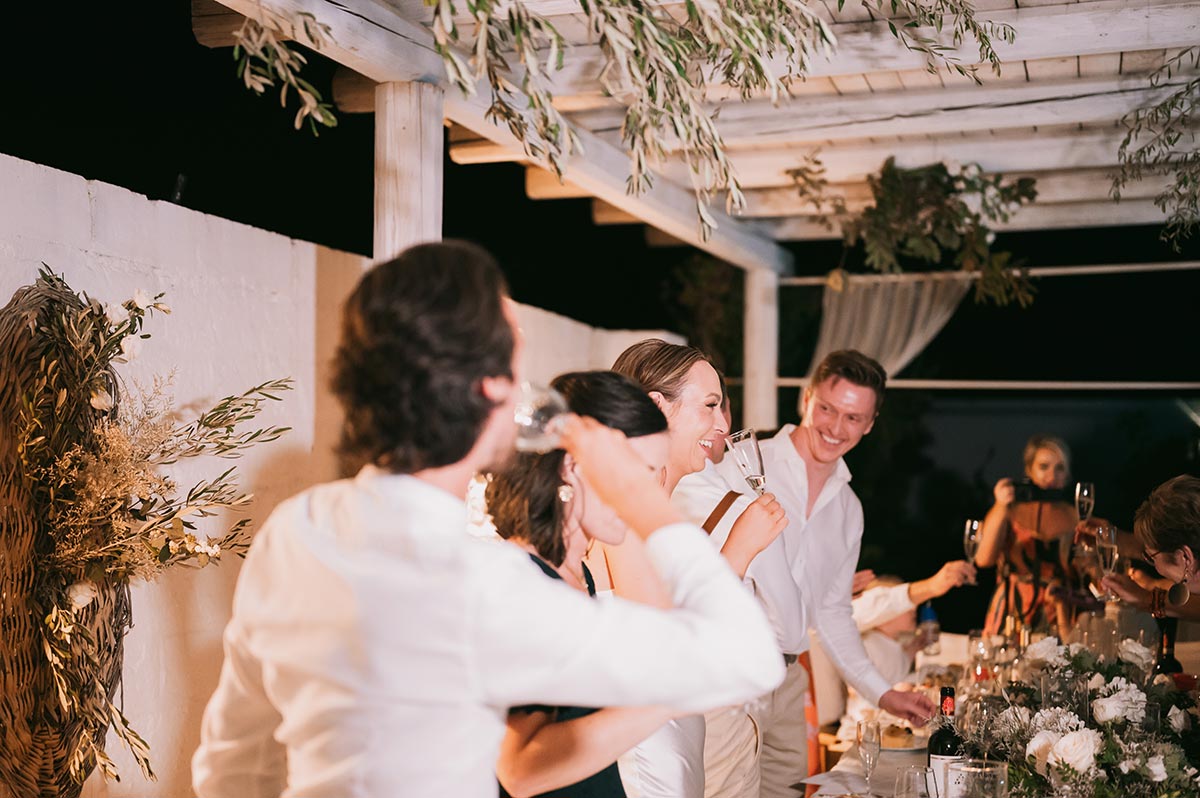
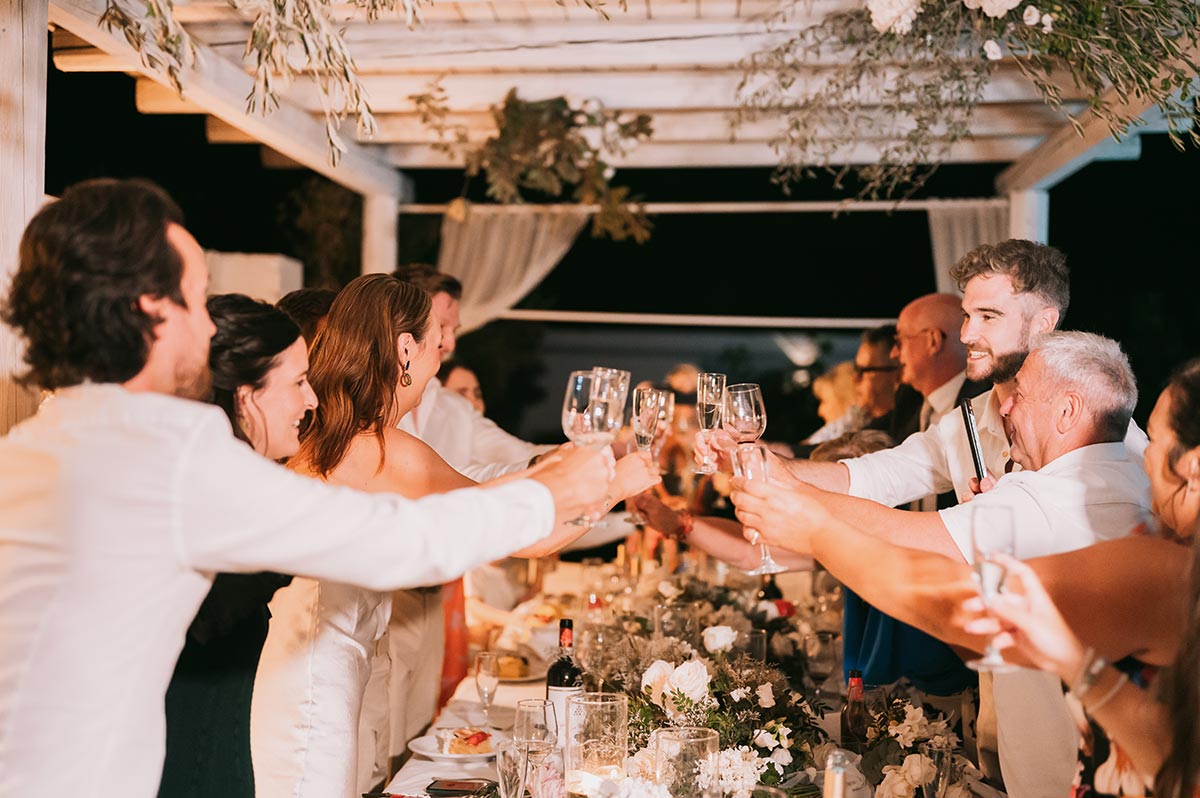
Accommodation and Transportation for Your Guests
Personalizing your wedding with floral décor is a beautiful way to bring the beauty and traditions of Puglia to life. When choosing the right flowers for your wedding, it is crucial to find a balance between honoring local traditions and creating a visually stunning setting that complements the beauty of your Masseria venue.
When selecting flowers for your wedding in Puglia, consider incorporating traditional local blooms, such as sunflowers, lavender, and daisies, which are abundant in the region and offer stunning natural beauty. These flowers can be used in bouquets, centerpieces, and floral arrangements to add a touch of local charm to your celebration.

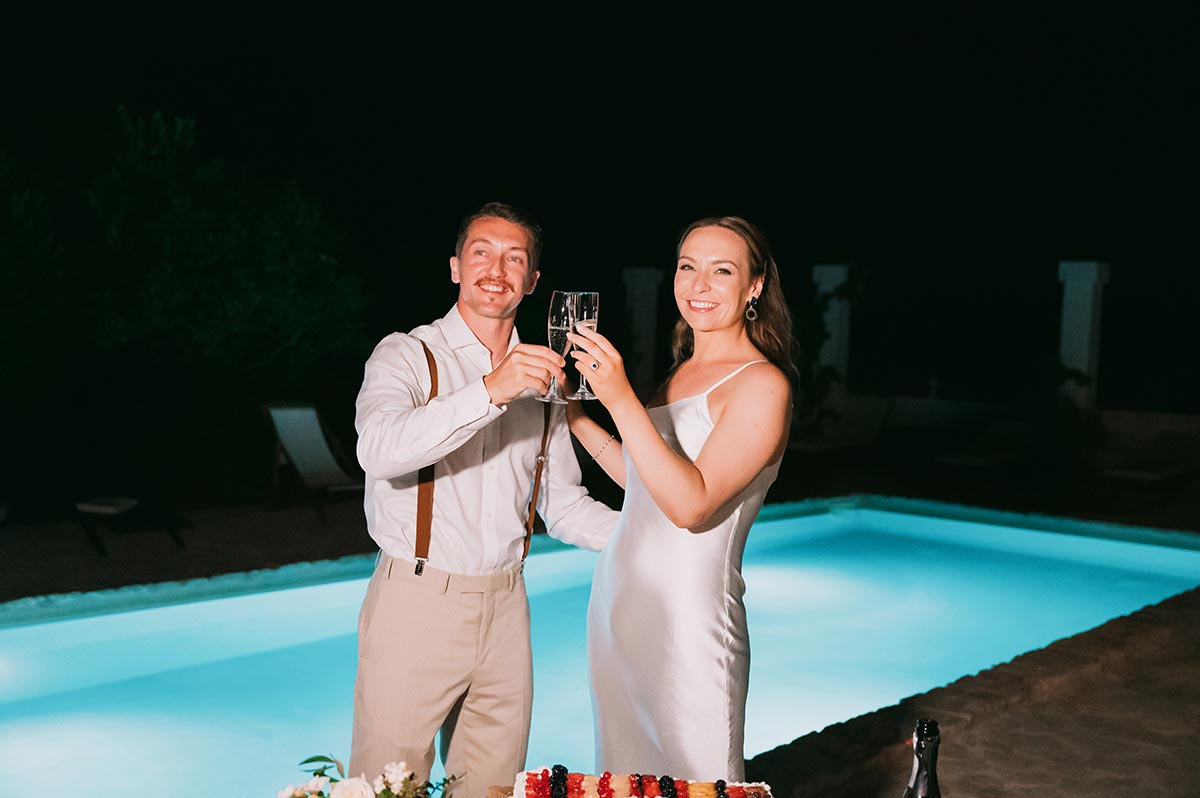
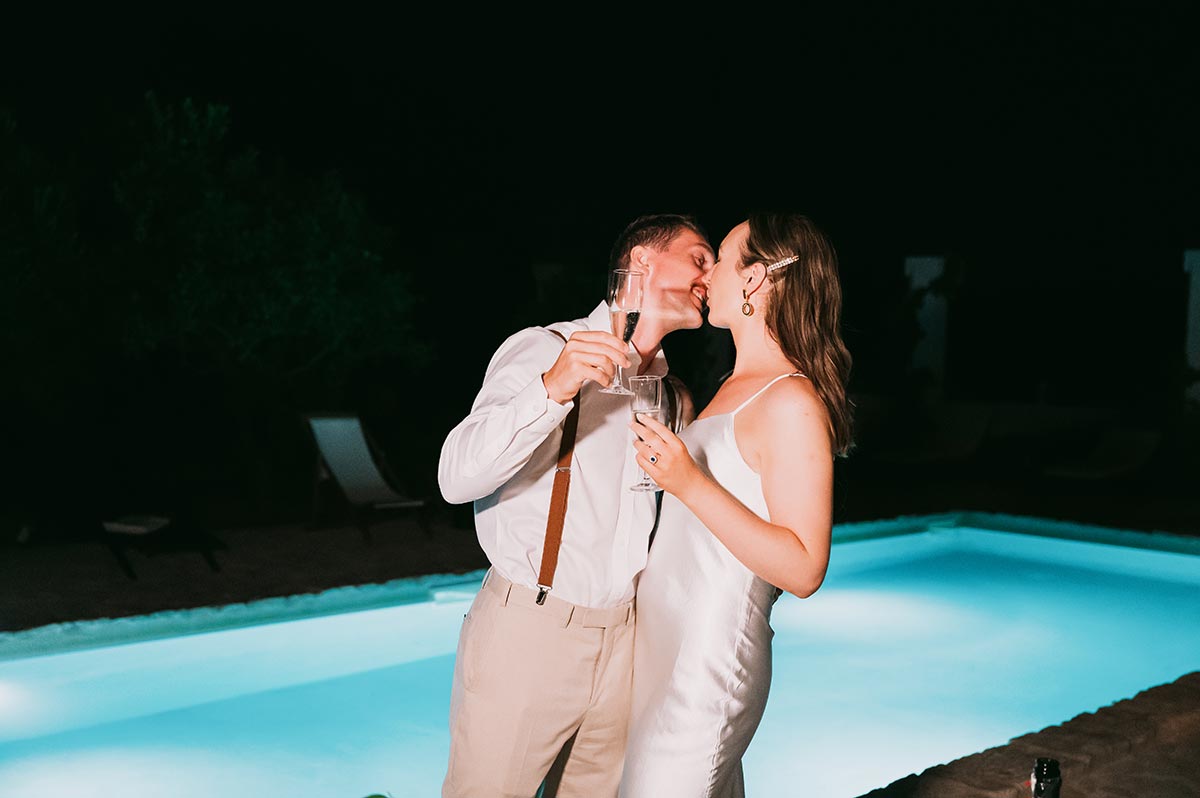

To create a cohesive look, it is also essential to consider the overall color palette of your wedding. Soft, warm colors, such as whites, creams, and yellows, are famous for Puglia weddings and help create a relaxed and romantic atmosphere. If you want to add a pop of color, consider incorporating deeper hues, such as purples and blues, to create a more dramatic look.
It is important not to overdo it with the floral décor, as too many blooms can take away from the natural beauty of the Masseria and make the space feel cluttered. To create a harmonious look, consider using more extensive arrangements and statement pieces, such as flower walls or garlands, rather than lots of small accounts scattered throughout the venue.
Trust your planner or photographer’s suggestions to find the best florist in Apulia.




Accommodation and Transportation for Your Guests
One of the benefits of a wedding in Masseria is that many venues offer on-site accommodation for you and your guests. This can make planning much easier, as you won’t have to worry about finding nearby hotels and arranging transportation for your guests.
Many Masseria venues also offer transportation services, including airport transfers and shuttle buses, to make it easy for guests to get to and from the venue. This can save you and your guests time and hassle, ensuring that everyone arrives at the venue refreshed and ready to celebrate.
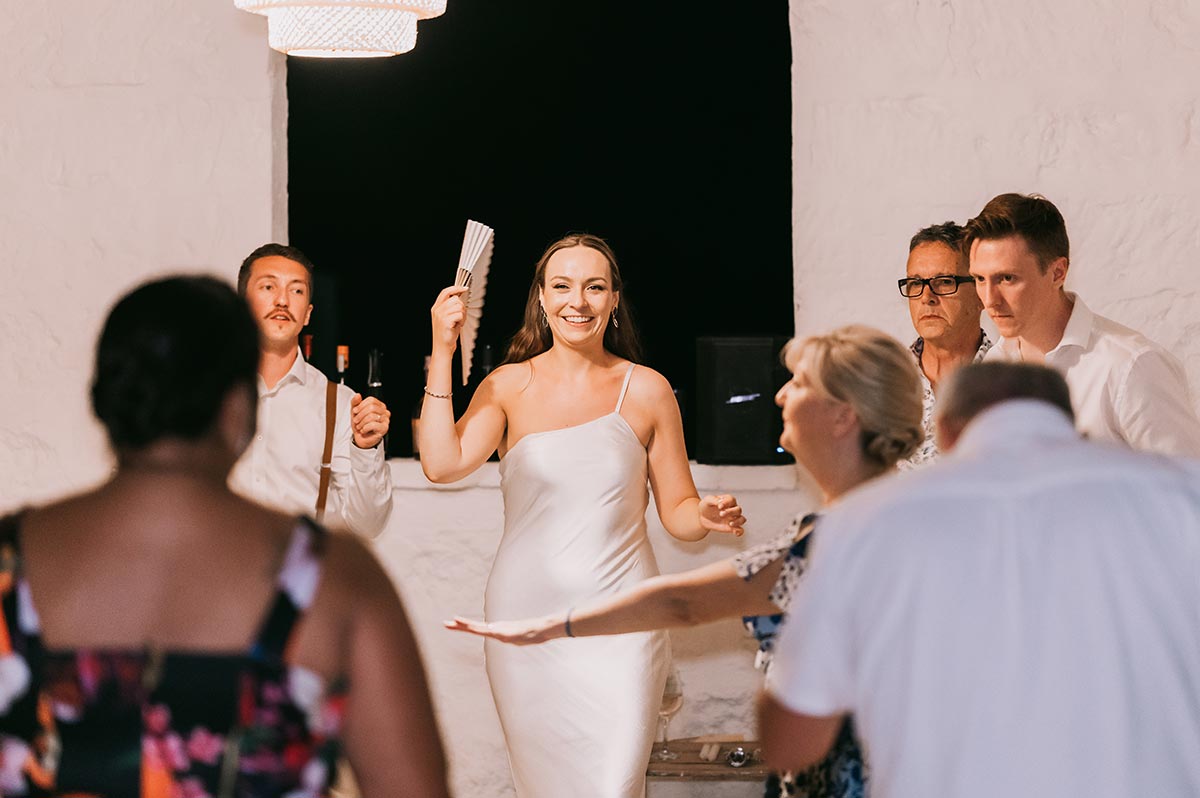
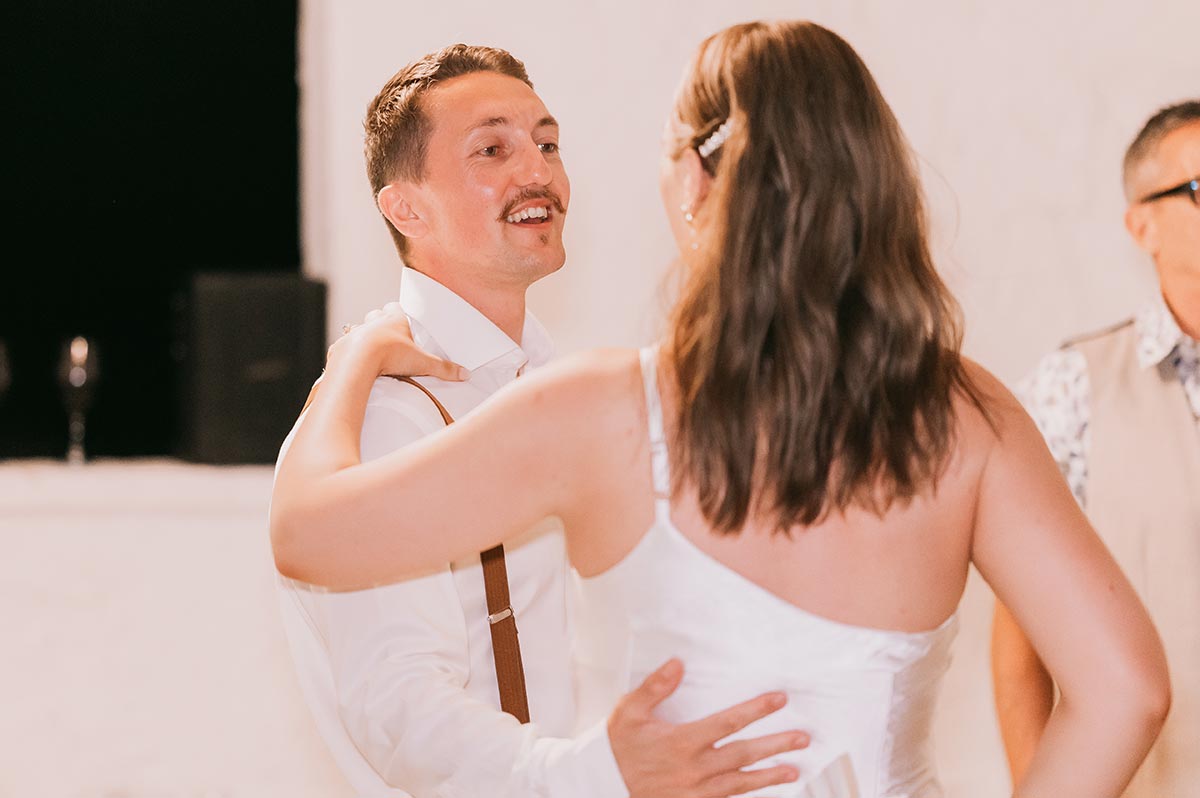
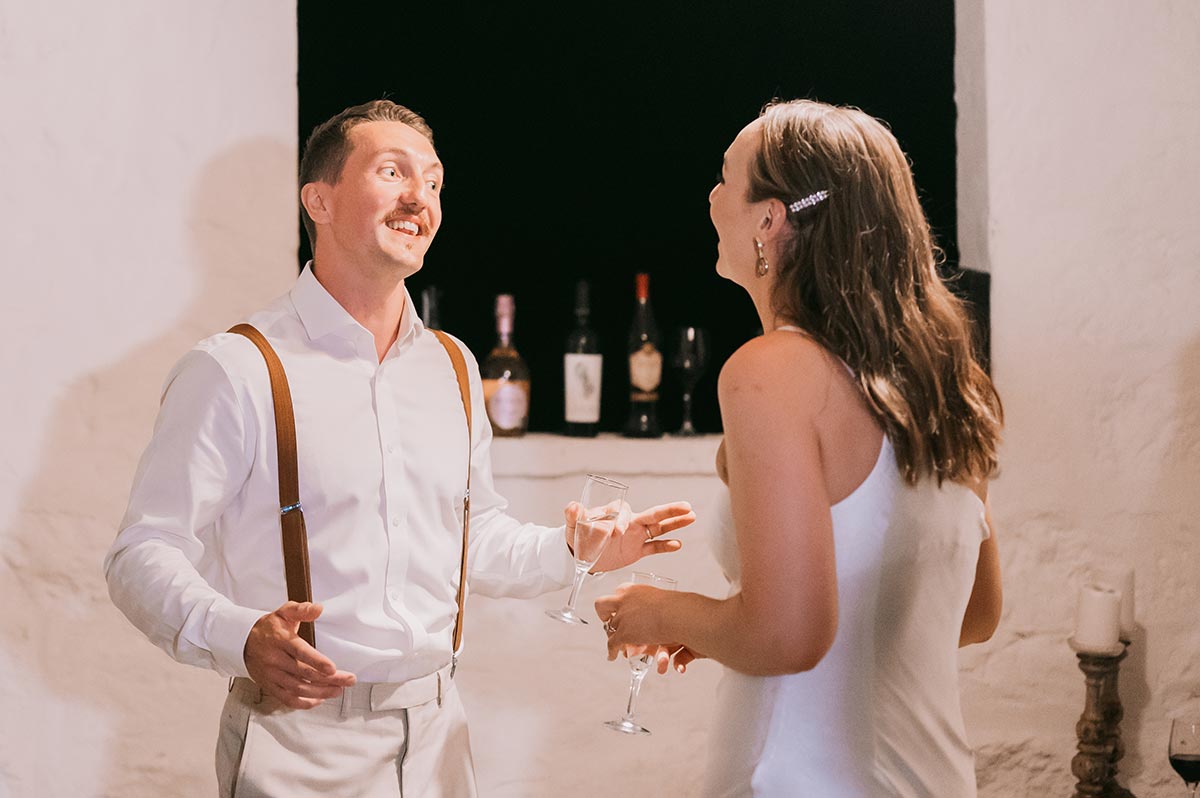

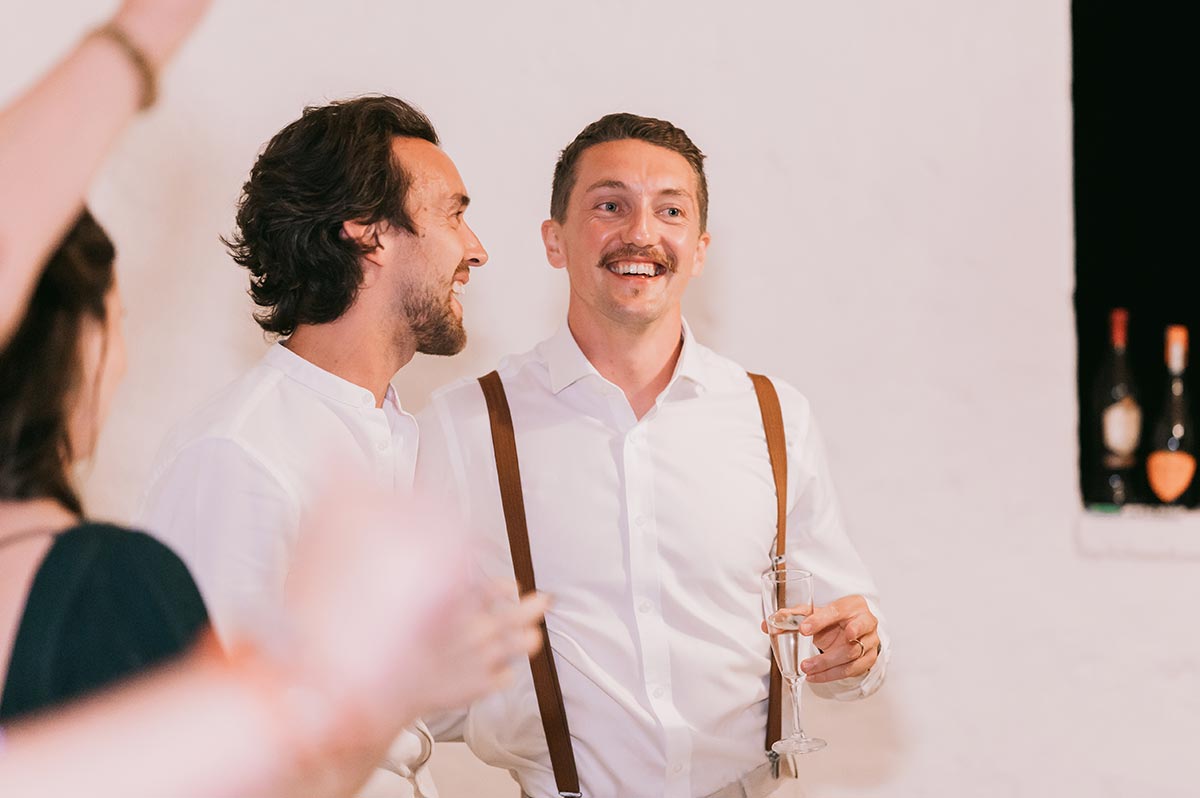


The Food and Wine of Puglia
The Puglia region is known for its delicious cuisine, and a wedding in Masseria is the perfect opportunity to sample the best of the region’s food and wine. Many Masseria venues offer on-site dining, with menus that feature traditional Pugliese dishes and local ingredients.
Puglia is also renowned for its wine, and a wedding in Masseria is the perfect opportunity to sample the region’s best wines. Puglia’s wines are the ideal accompaniment to your wedding feast, from crisp and refreshing whites to rich and full-bodied reds.