Why a Wedding in Massa Lubrense Could Be an Inspired Alternative to Sorrento
Unveil the romantic allure of Massa Lubrense for your wedding day. With tranquil venues, stunning vistas, and a cost-effective alternative to Sorrento, this intimate location provides the perfect backdrop for a truly unforgettable wedding celebration.
START PLANNING YOUR WEDDING IN ITALY
Why a Wedding in Massa Lubrense Could Be an Inspired Alternative to Sorrento
Picture saying “I do” in a place where the cerulean sea meets the sky, with lemon groves infusing the air with a sweet, aromatic fragrance—a place called Massa Lubrense.
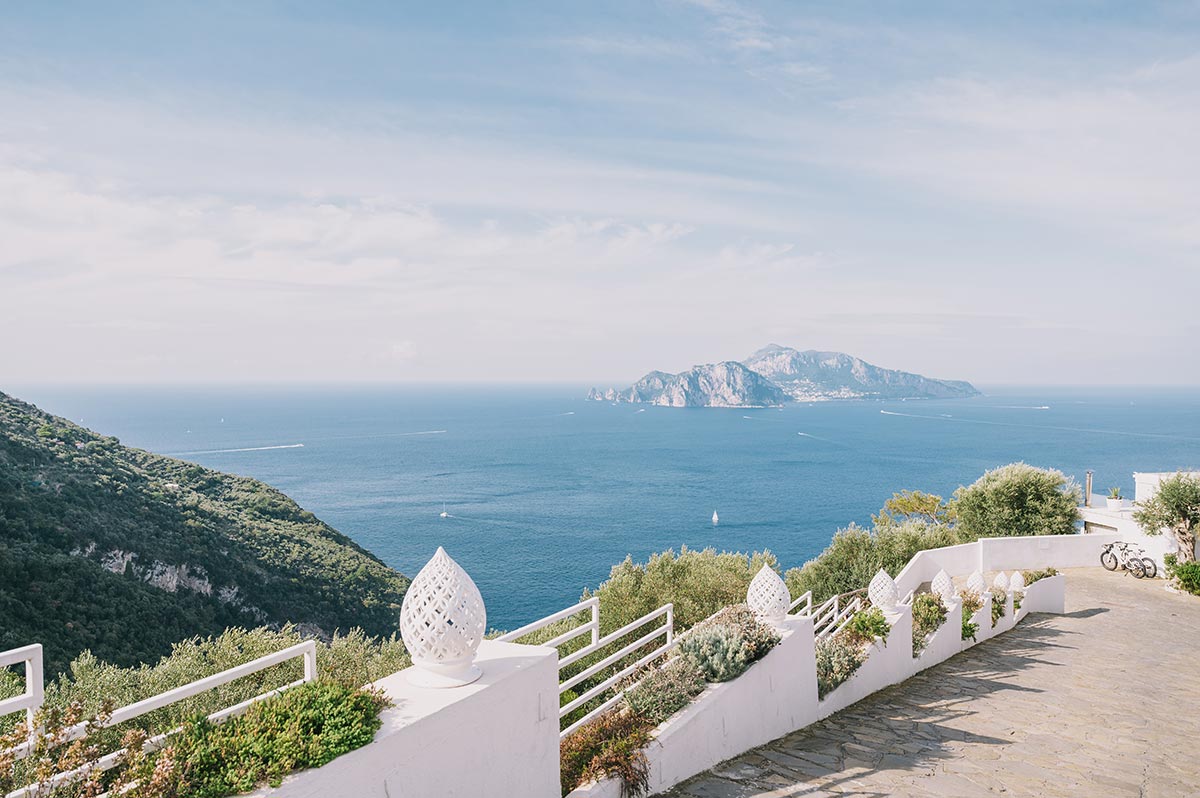
While Sorrento often takes center stage, Massa Lubrense provides a unique and tranquil canvas for your love story, enriched with a sense of intimacy and peace that’s hard to find in more crowded destinations.
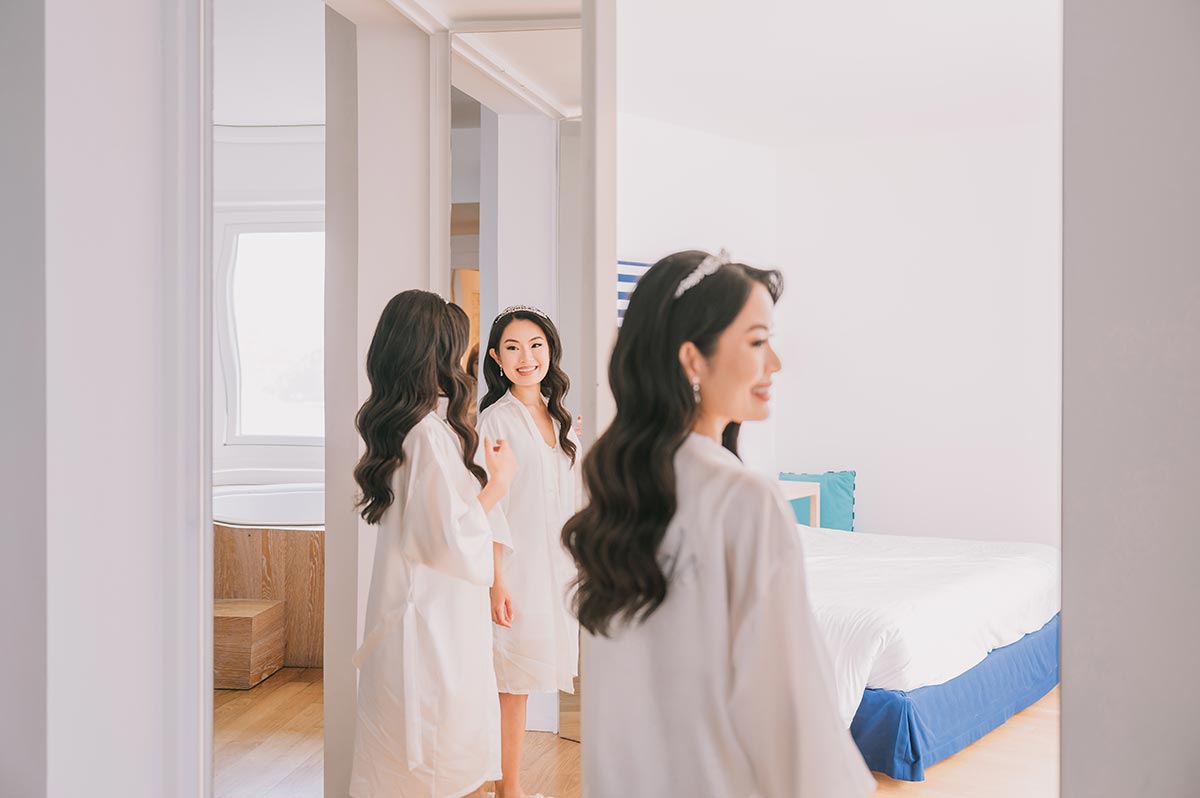
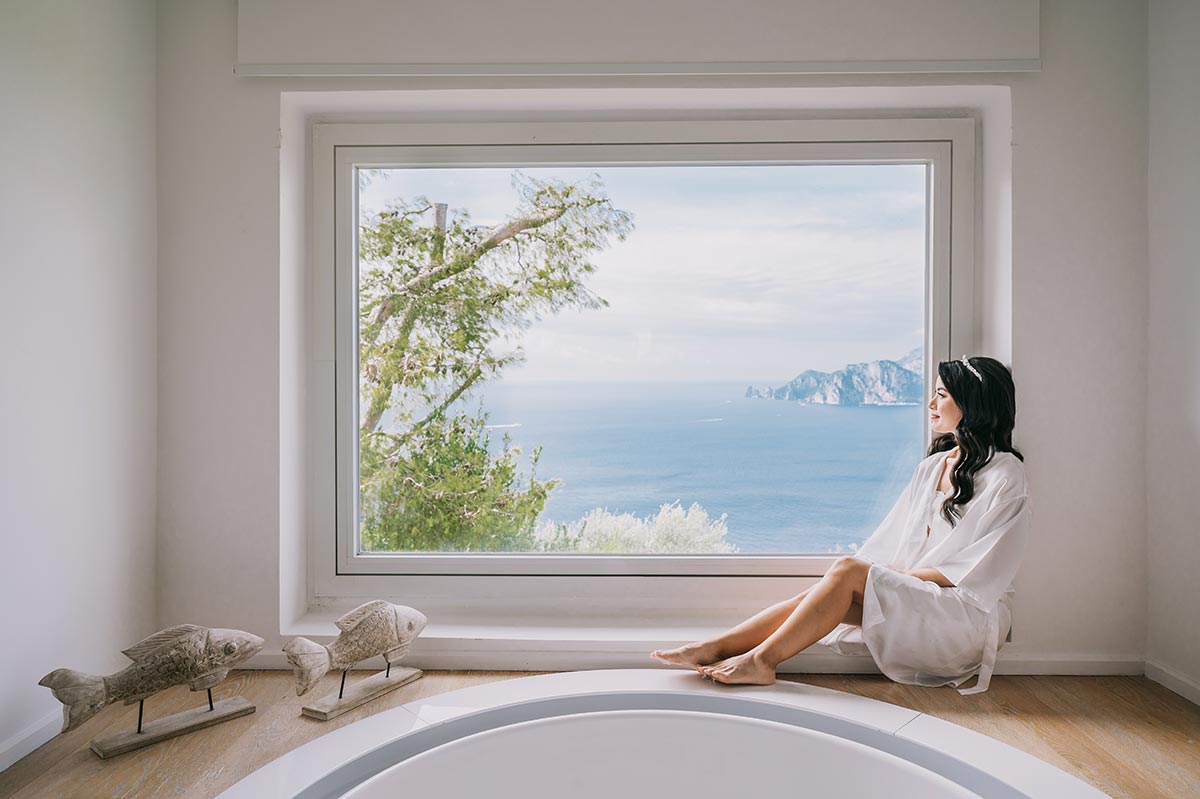
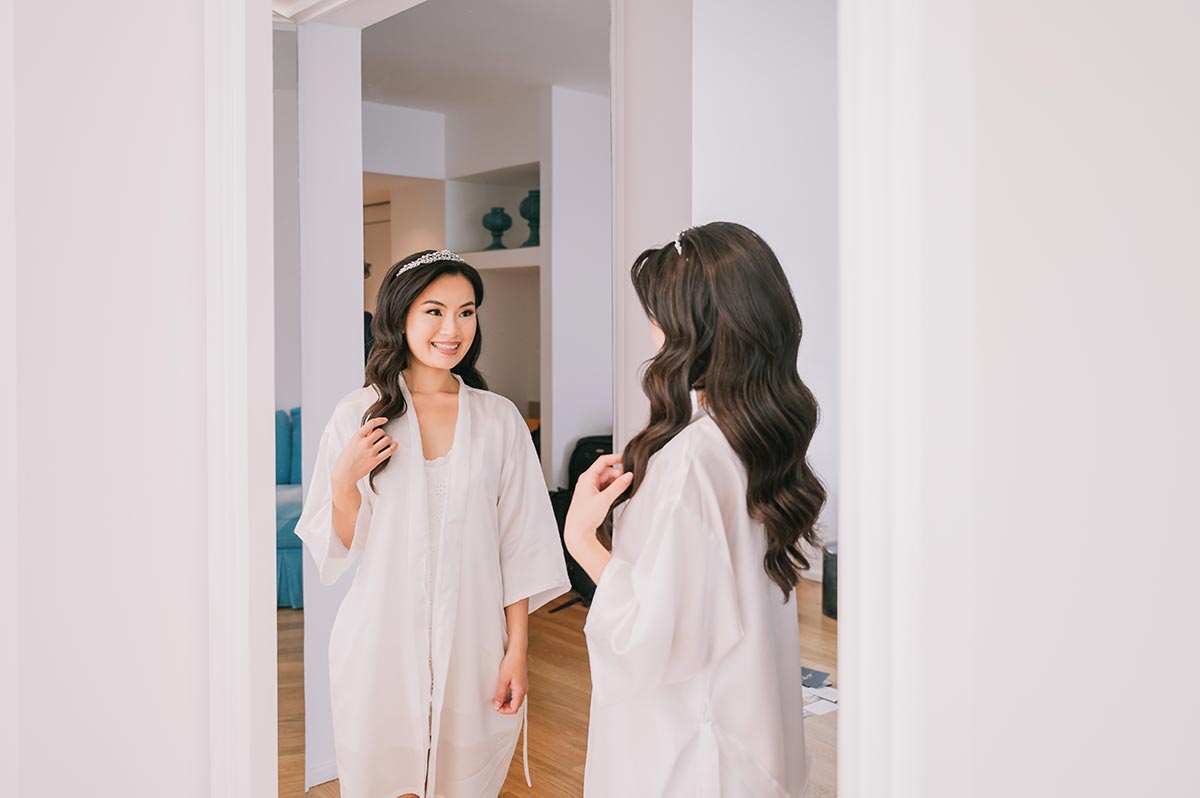



As a wedding photographer who has captured the essence of love in both locations, I can assure you—there is something truly magical about a wedding in Massa Lubrense. It’s a setting where love unfolds against an unspoiled and tranquil backdrop, ensuring every moment feels timeless and unforgettable.
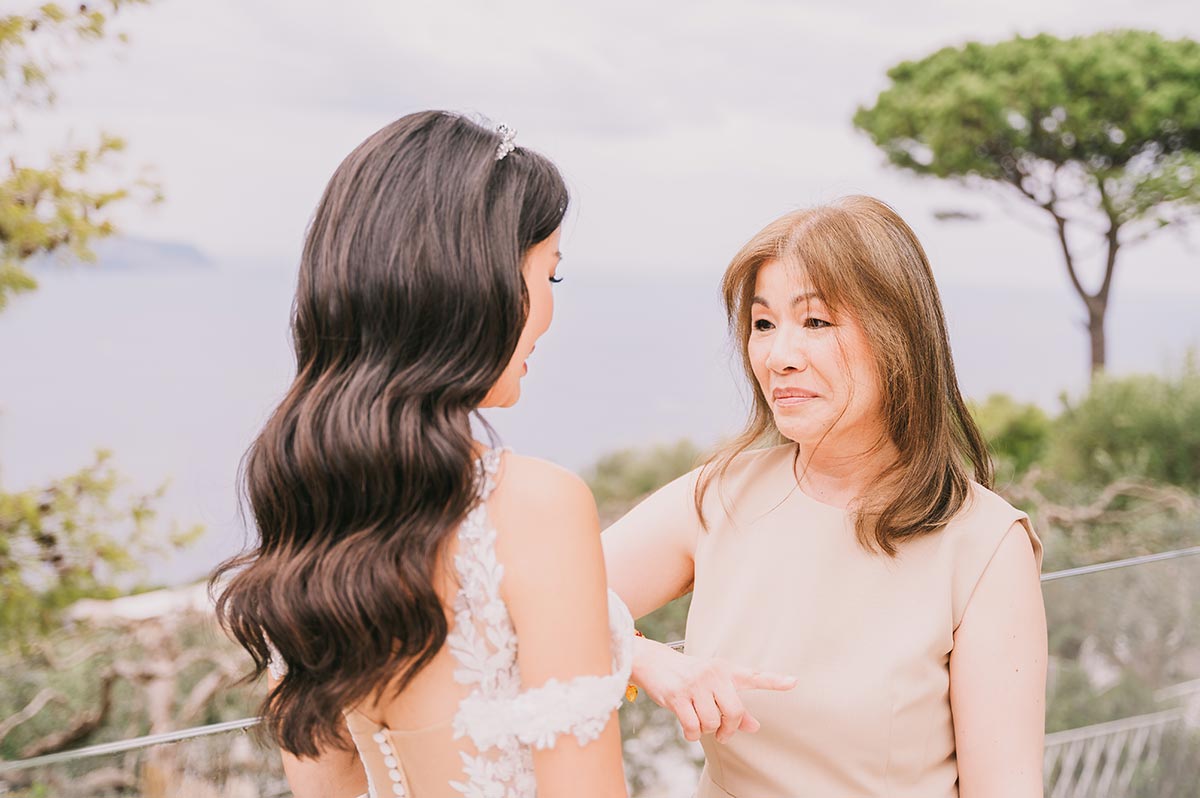
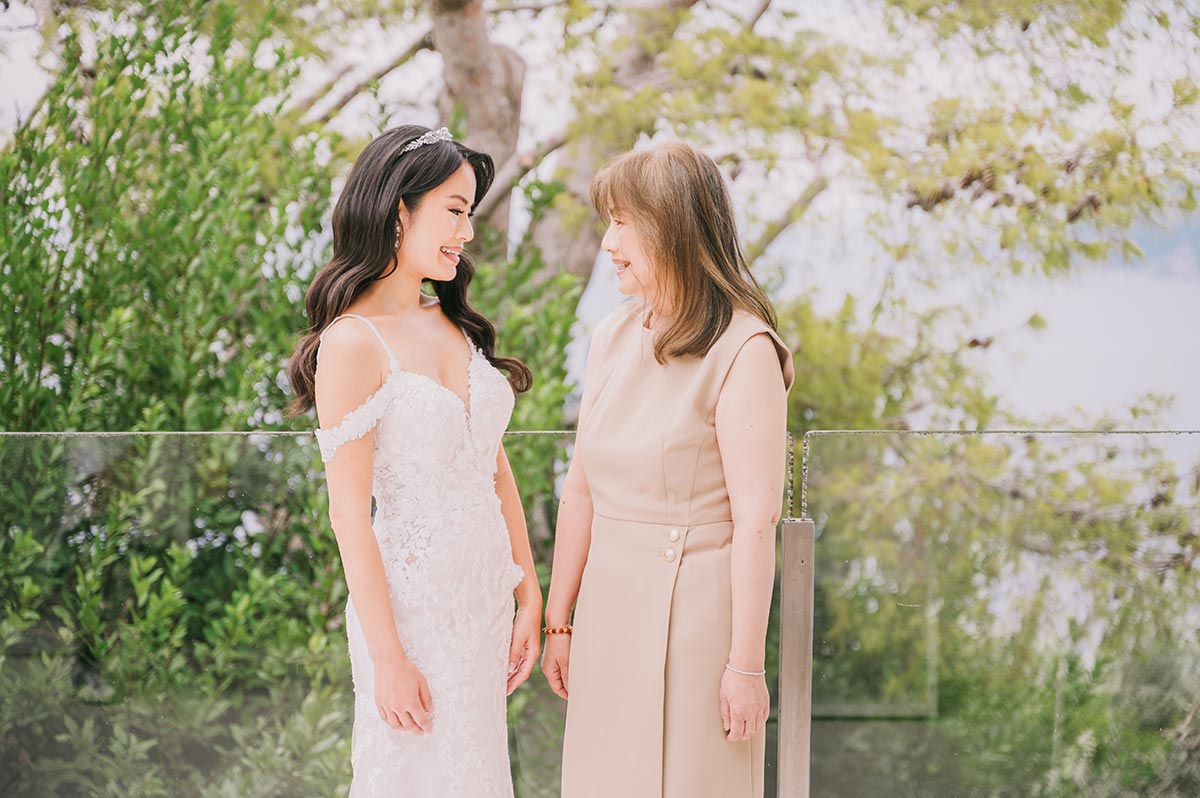
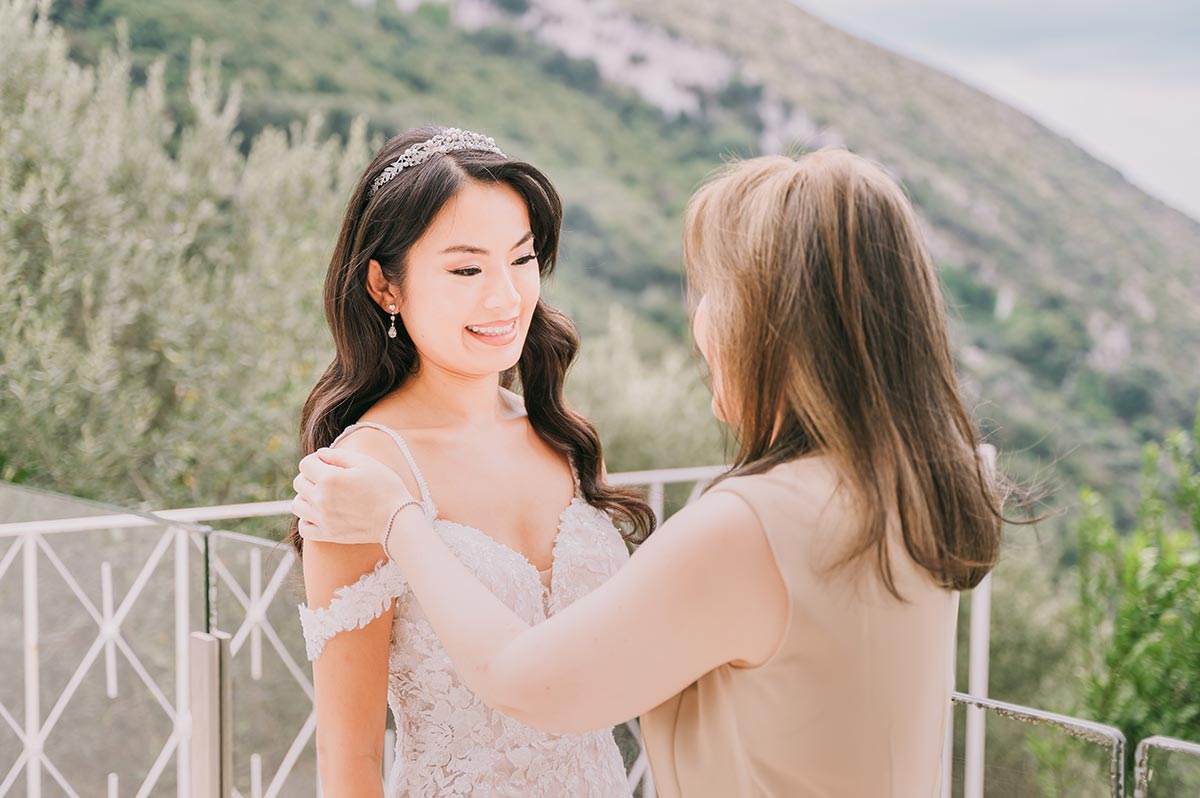
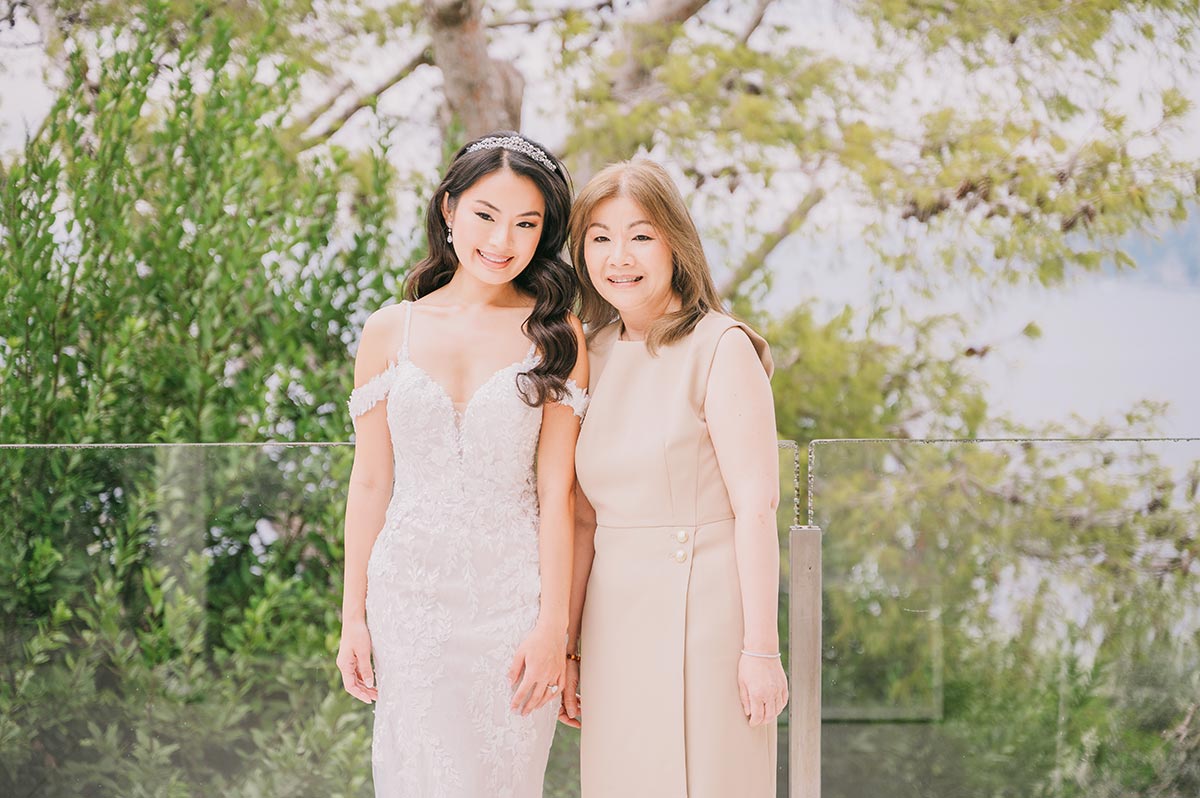
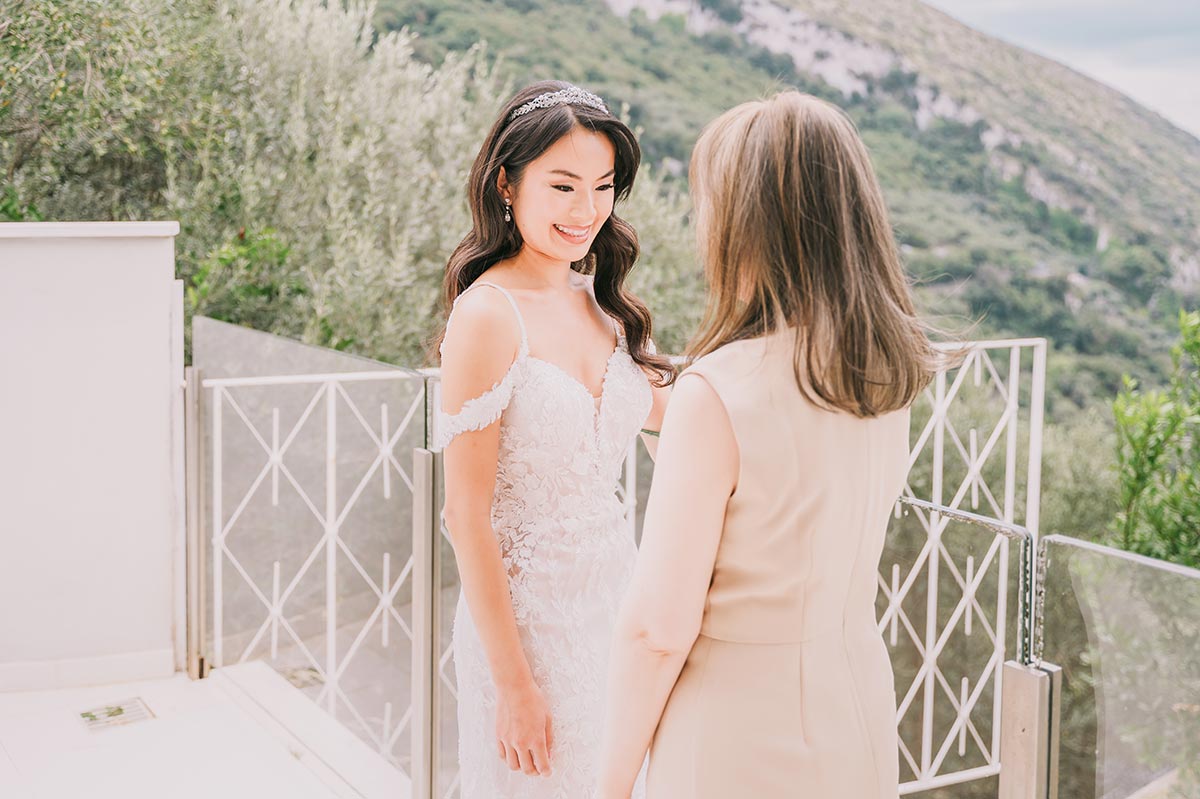
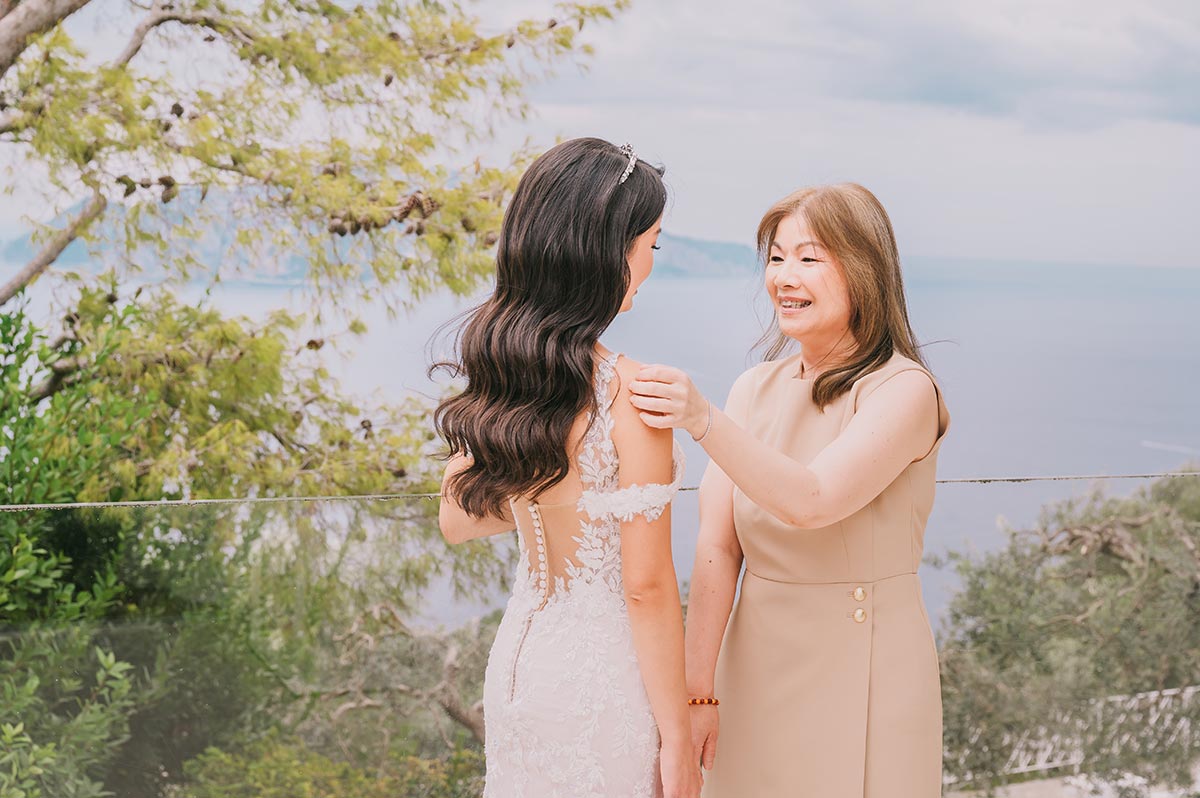


Discover Why Massa Lubrense is the Ideal Alternative to Sorrento
Massa Lubrense offers more than just stunning scenery for your wedding; it provides a range of experiences that distinguish it from its more famous neighbor. Let’s explore why this quaint Italian town could be the perfect choice for your special day.
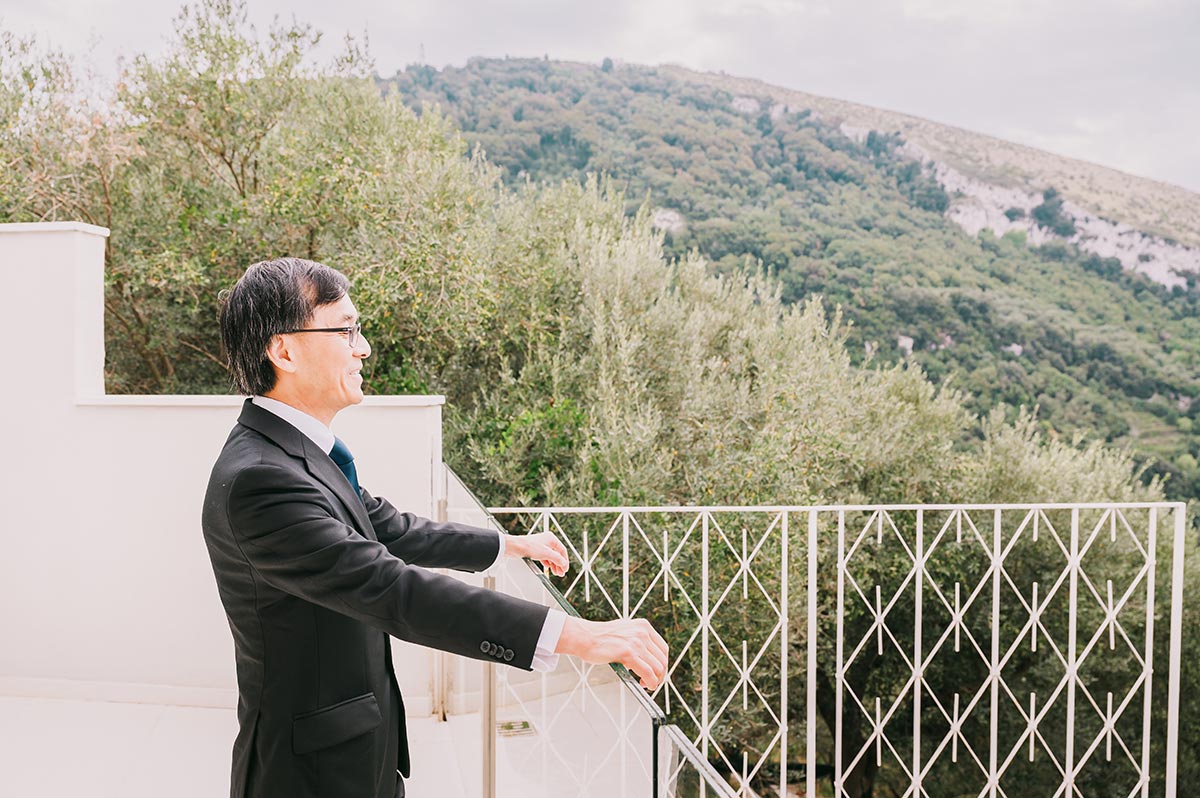
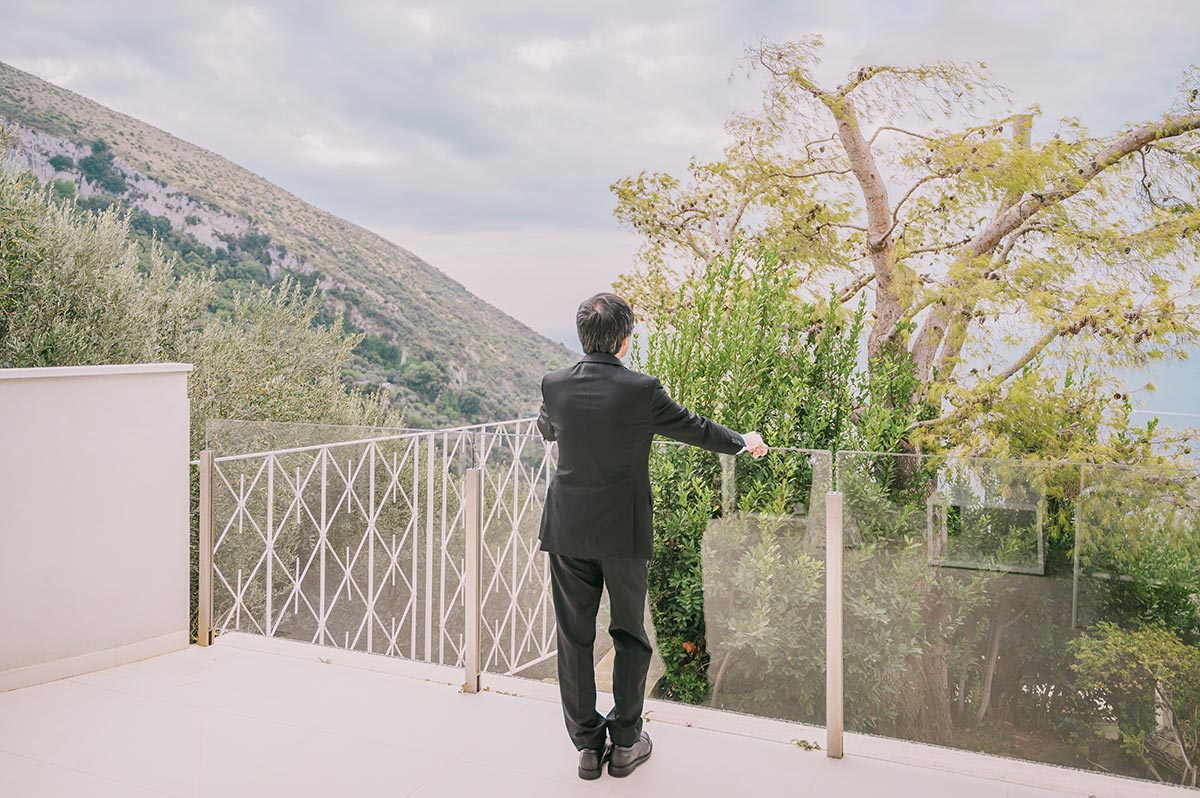
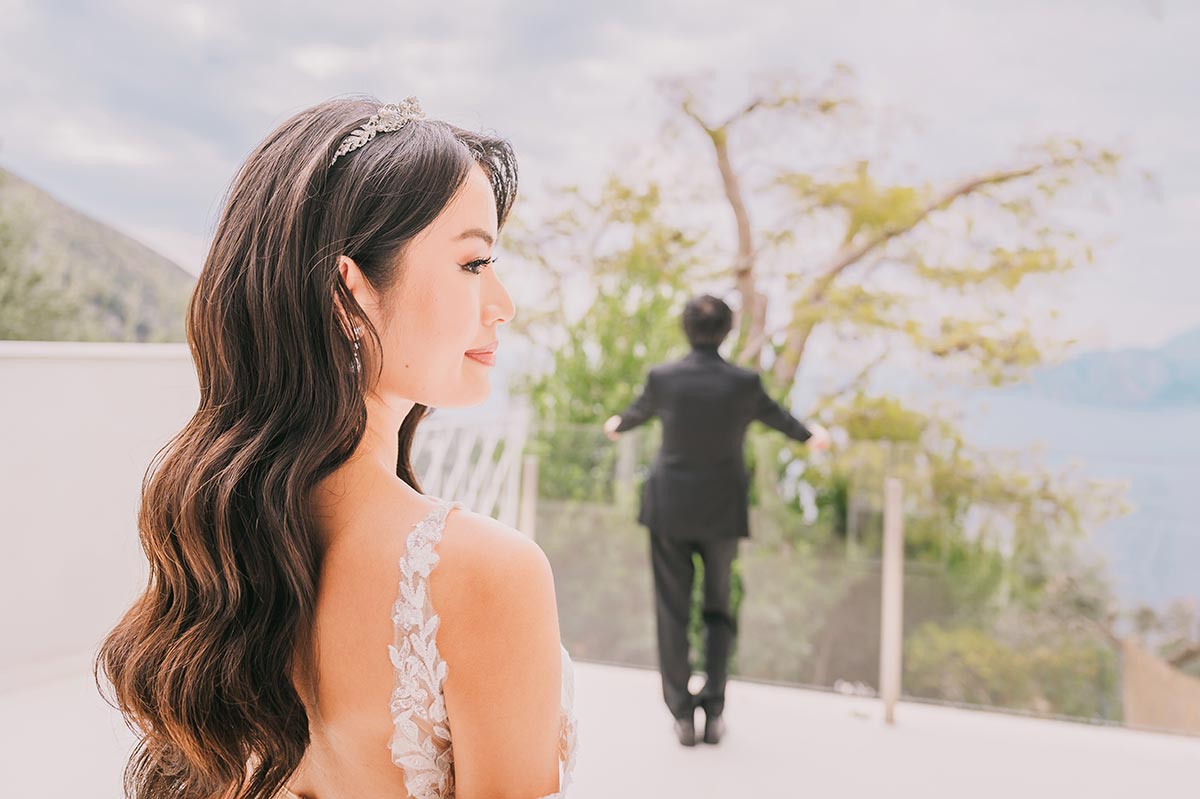
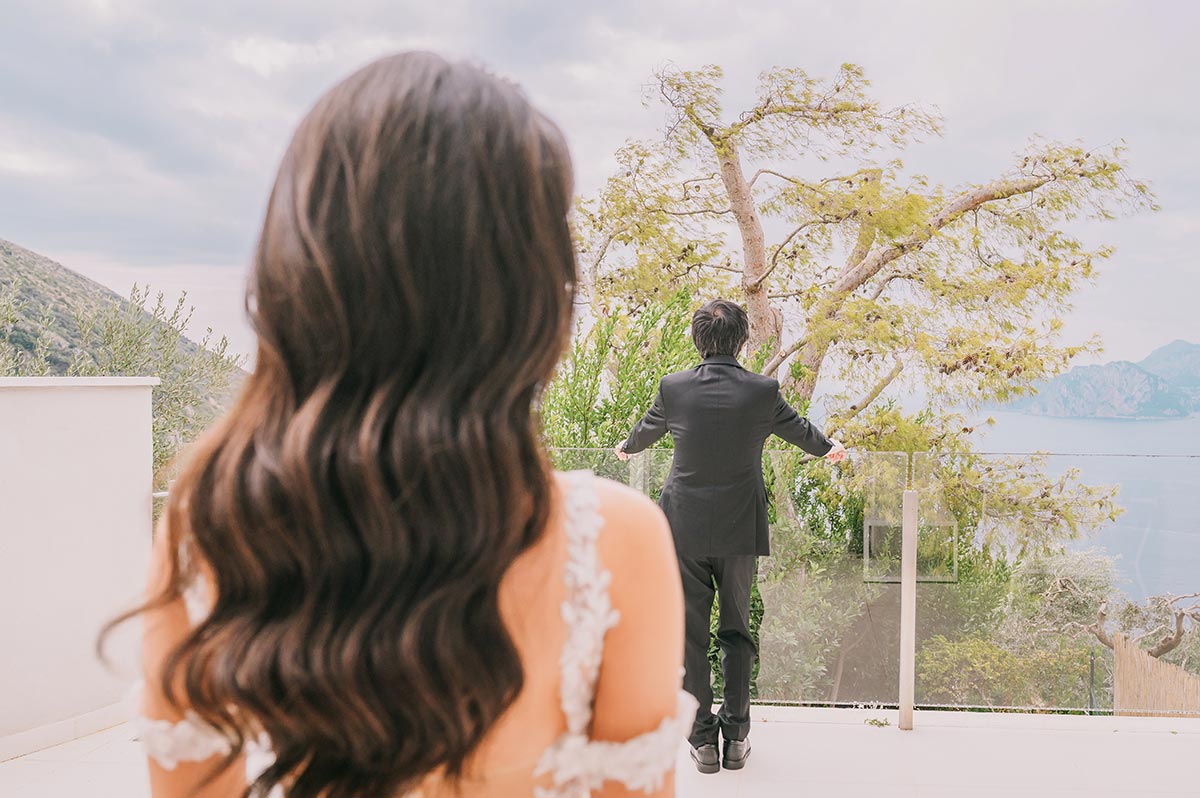
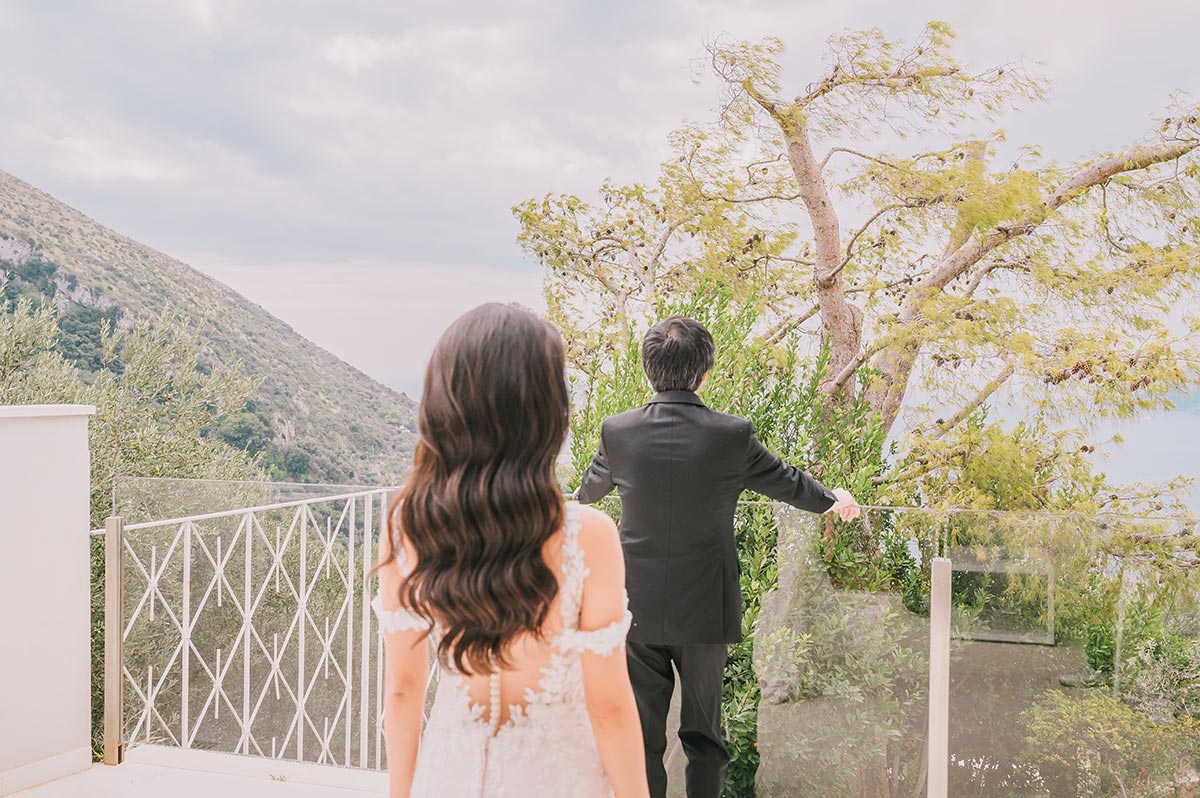
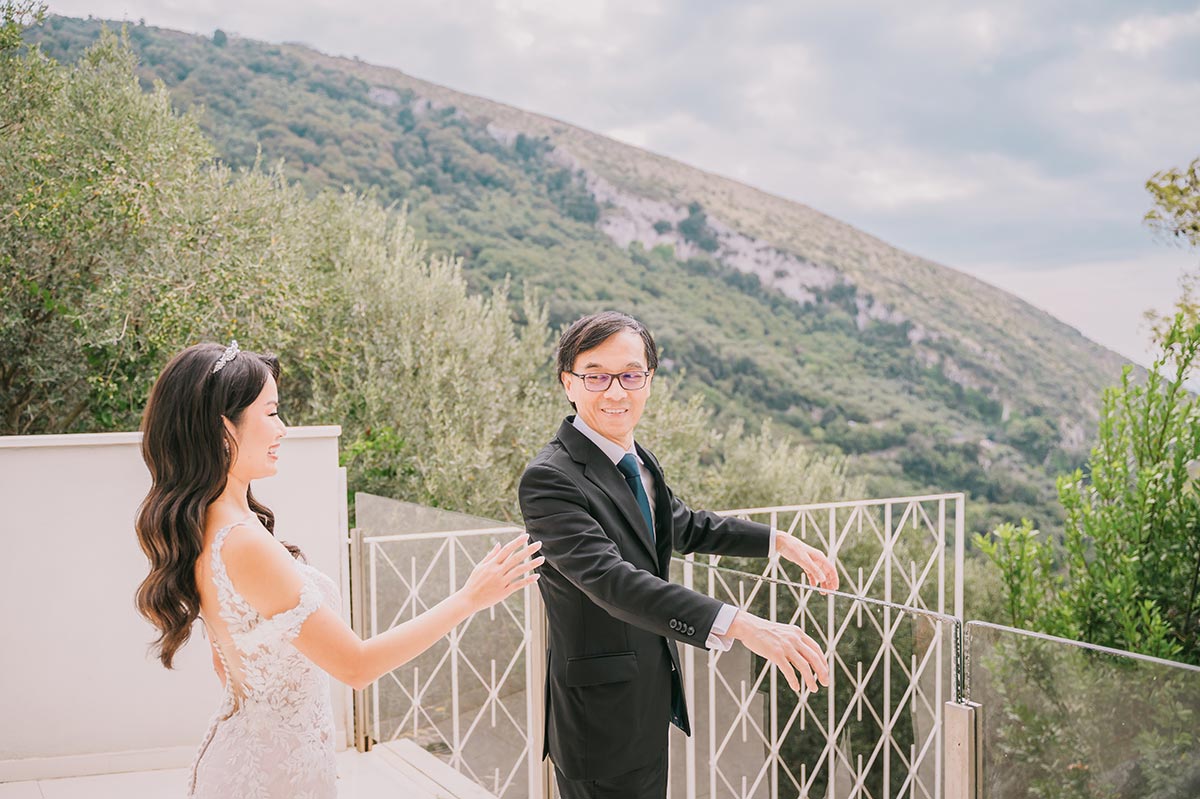
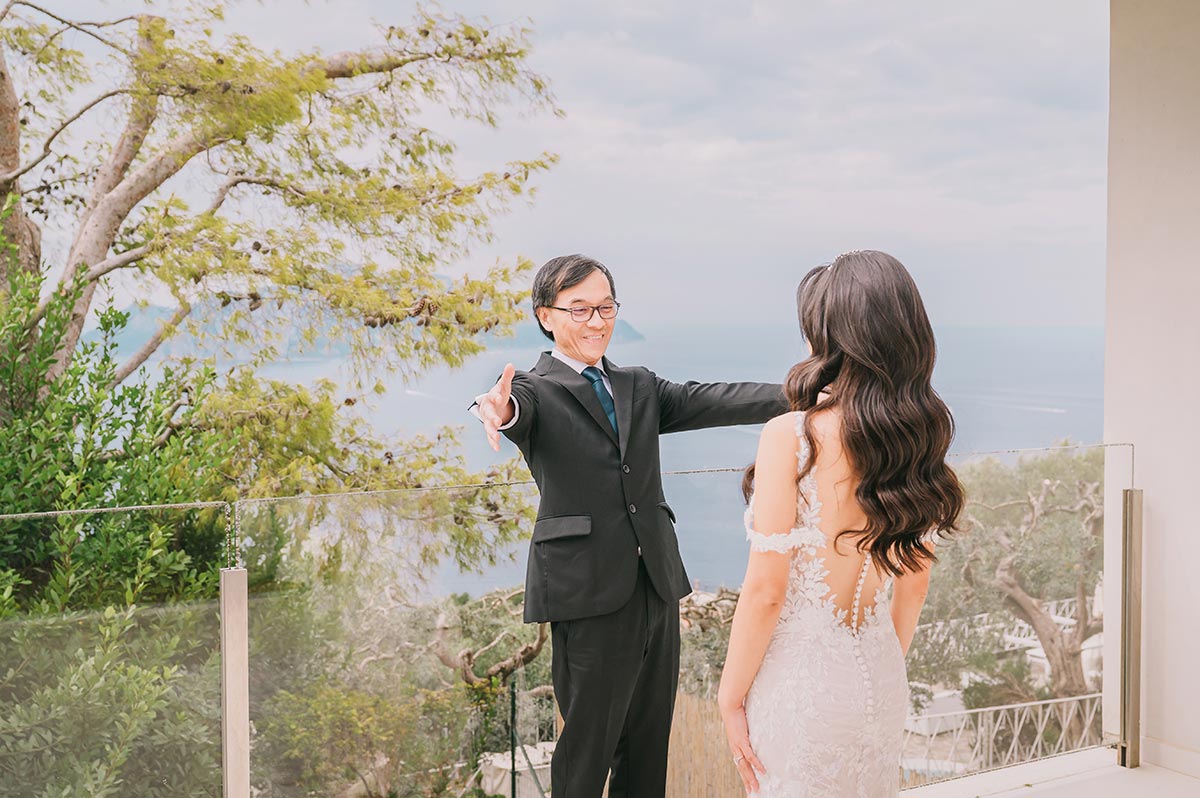


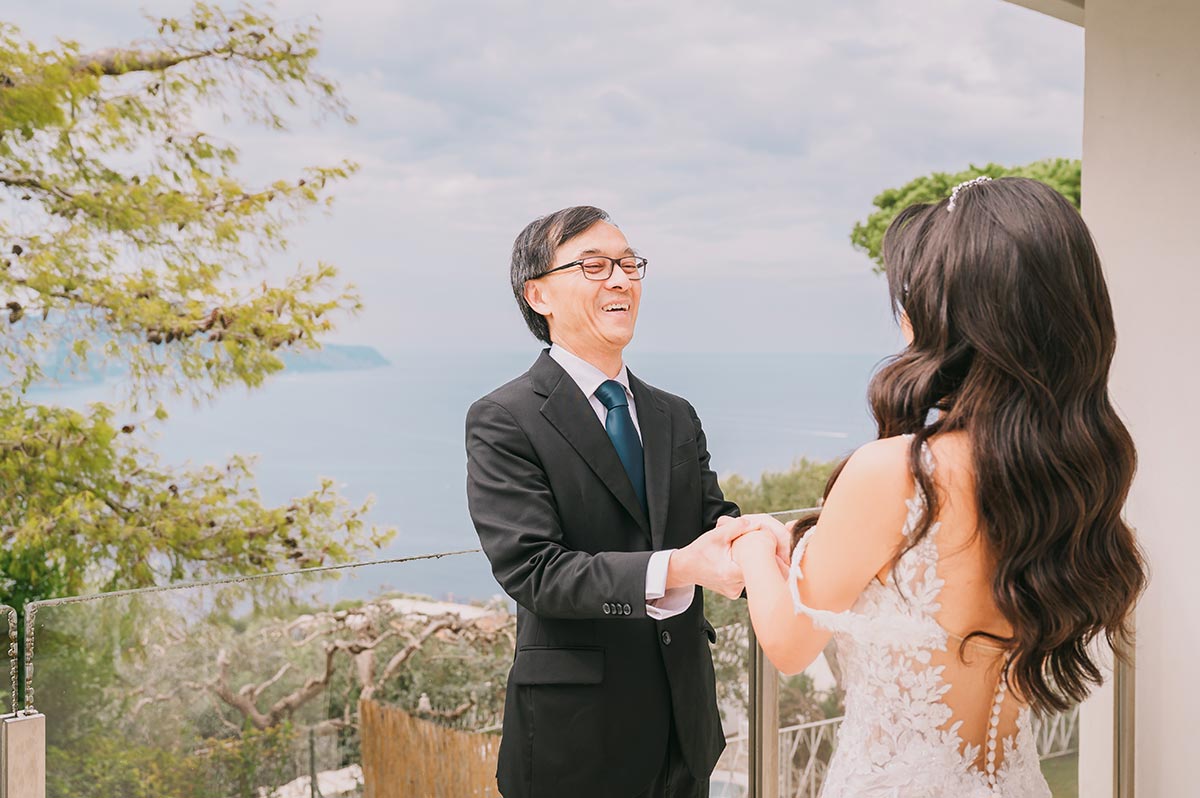
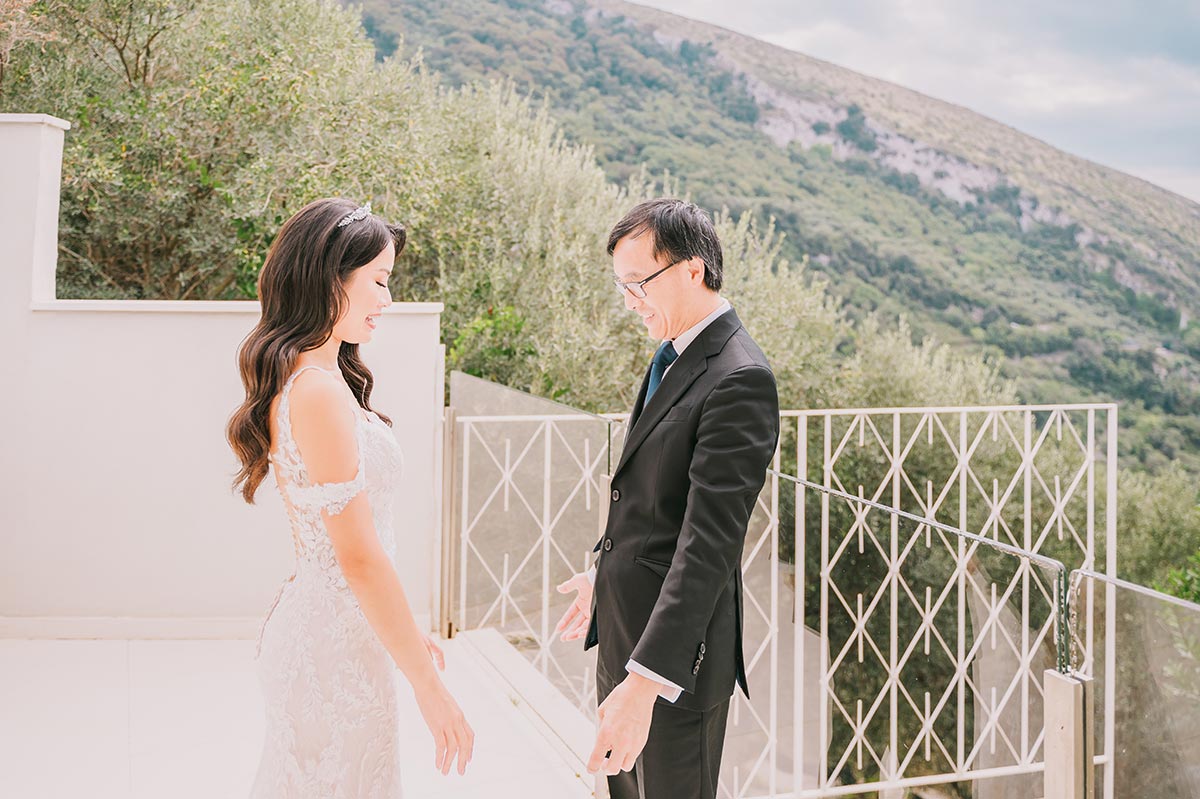

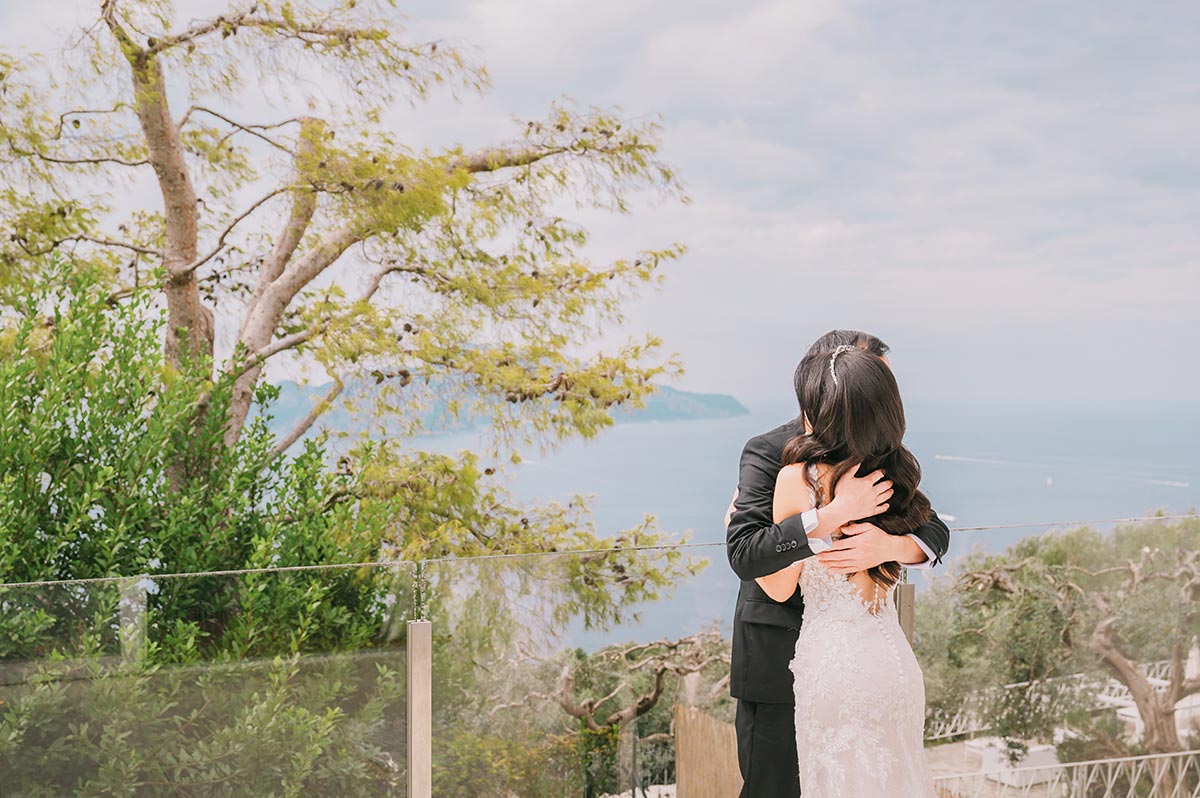

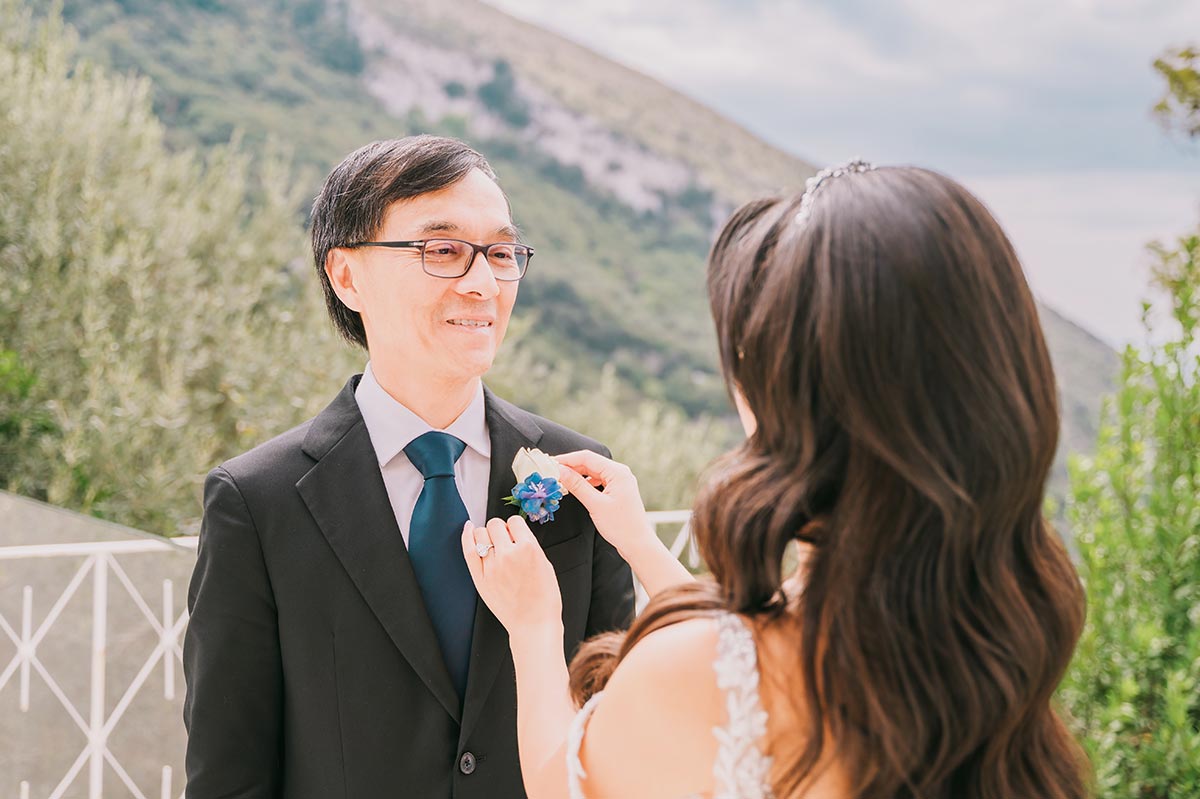
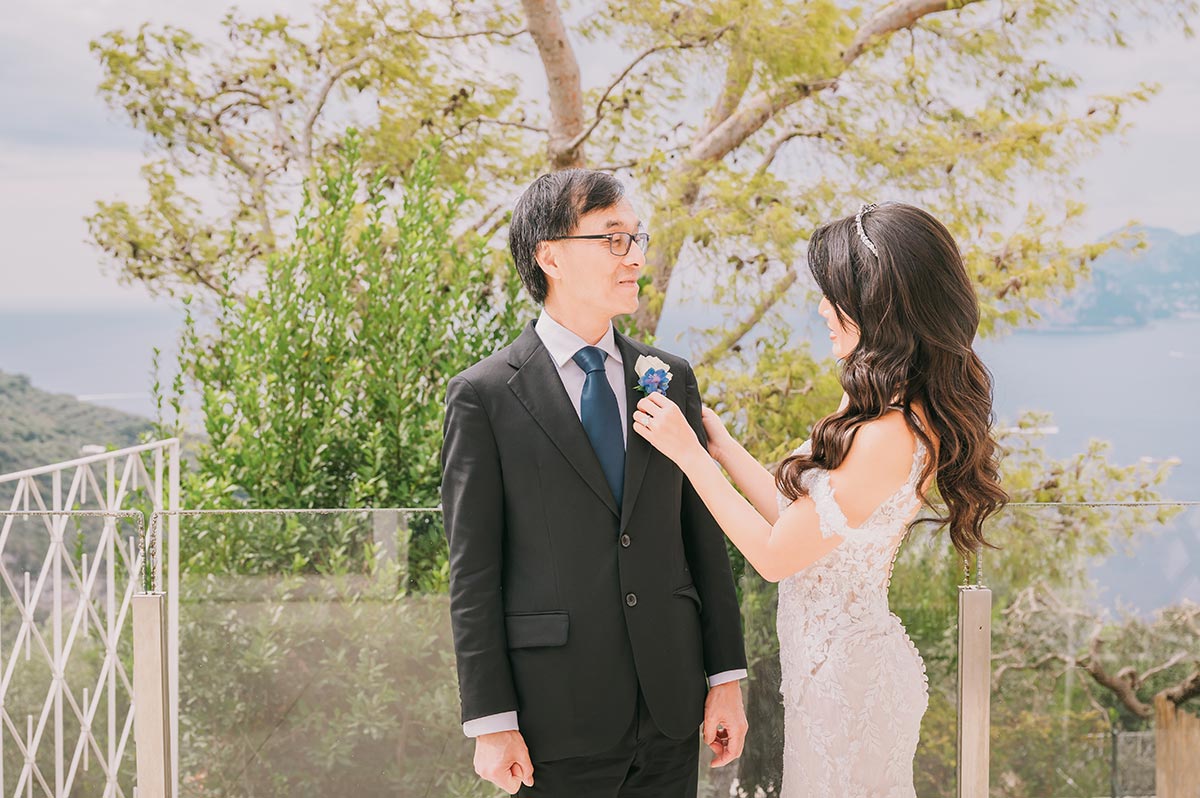


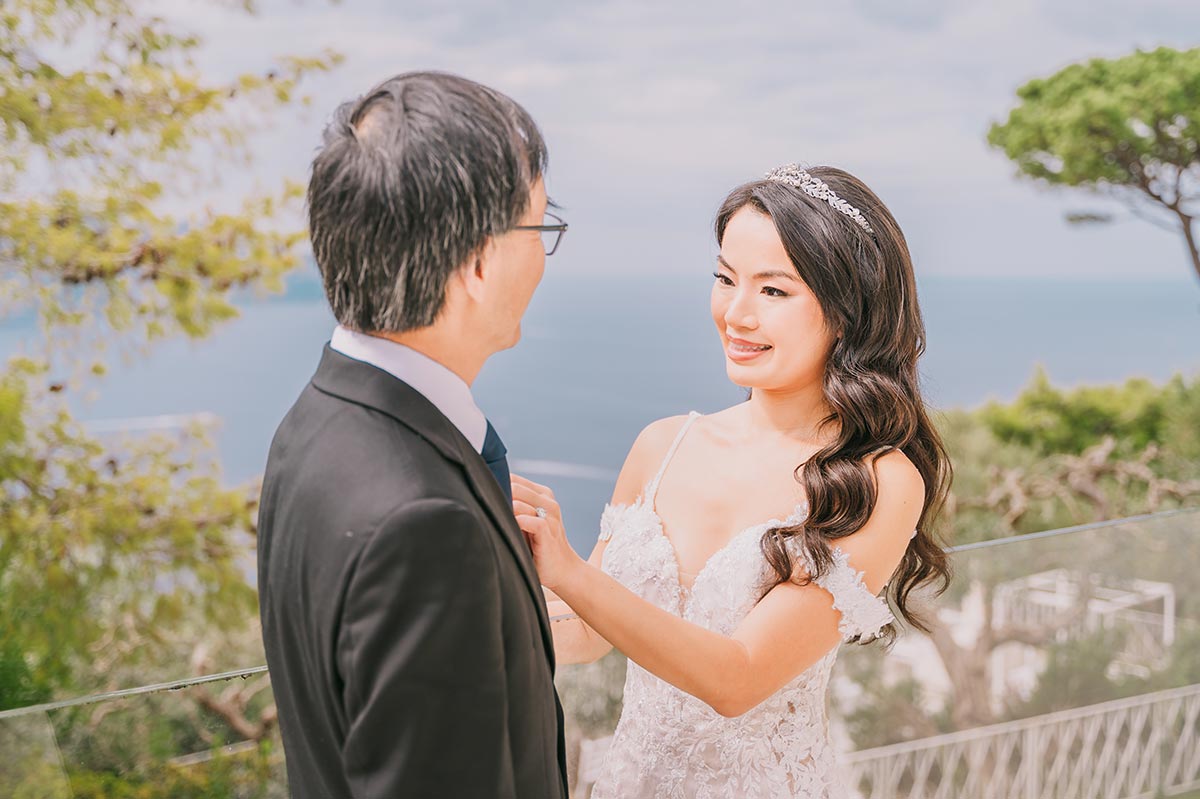

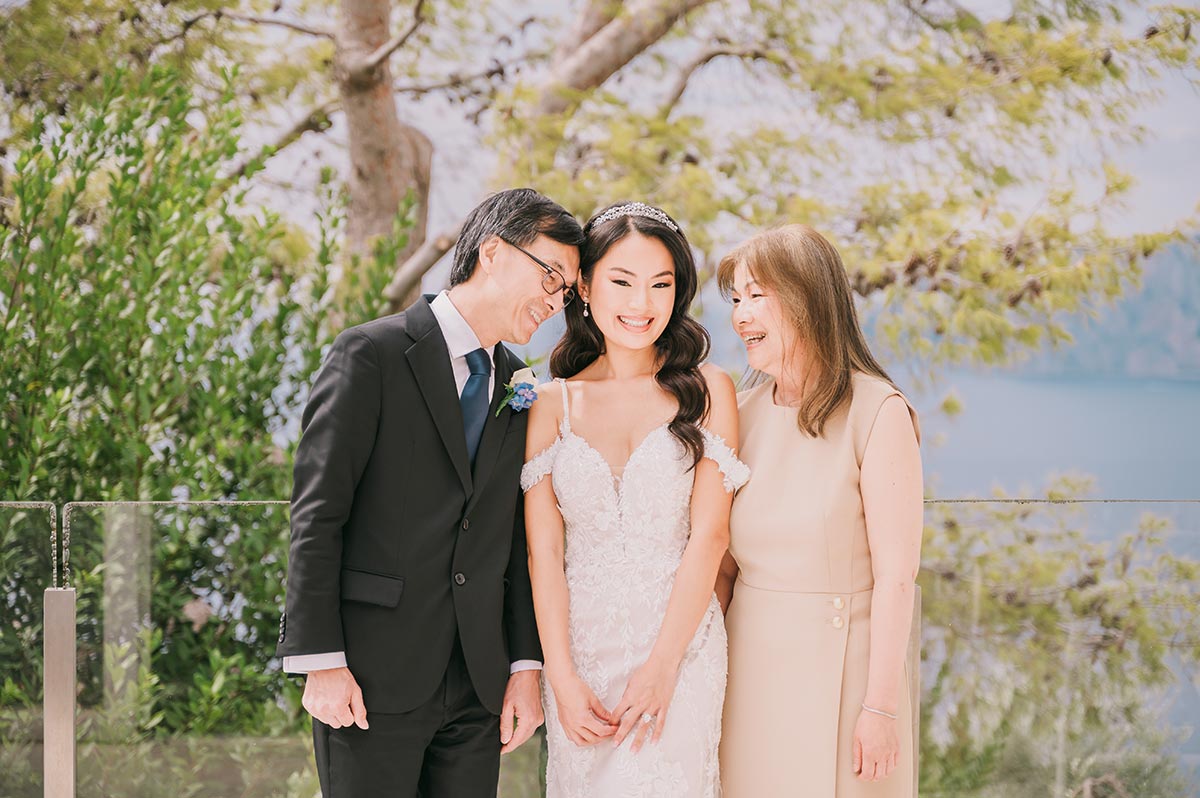

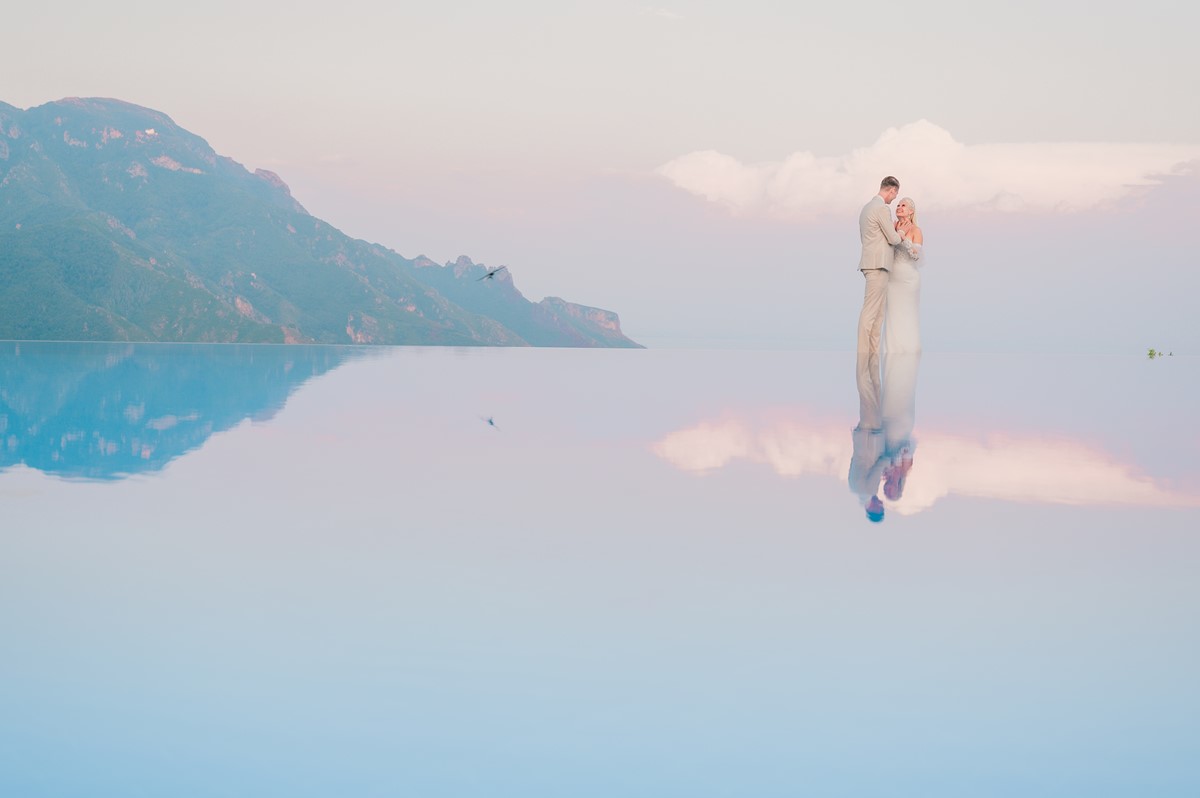
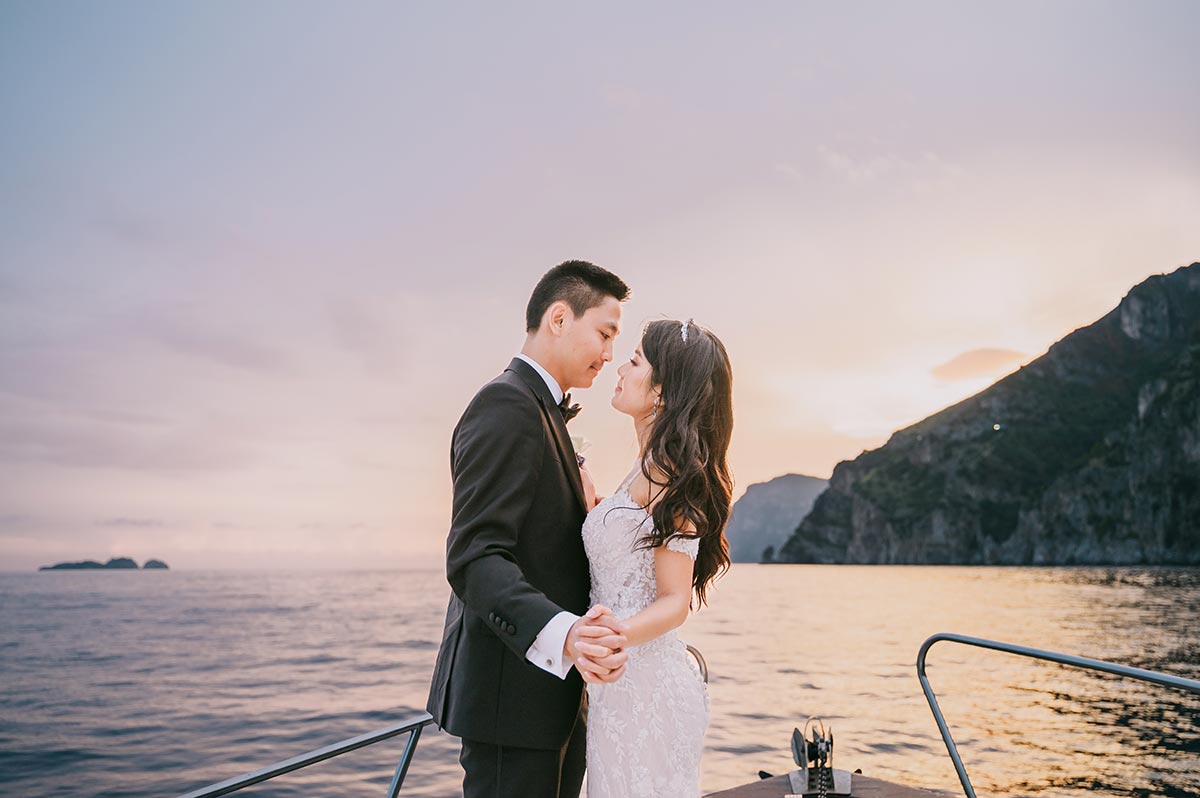
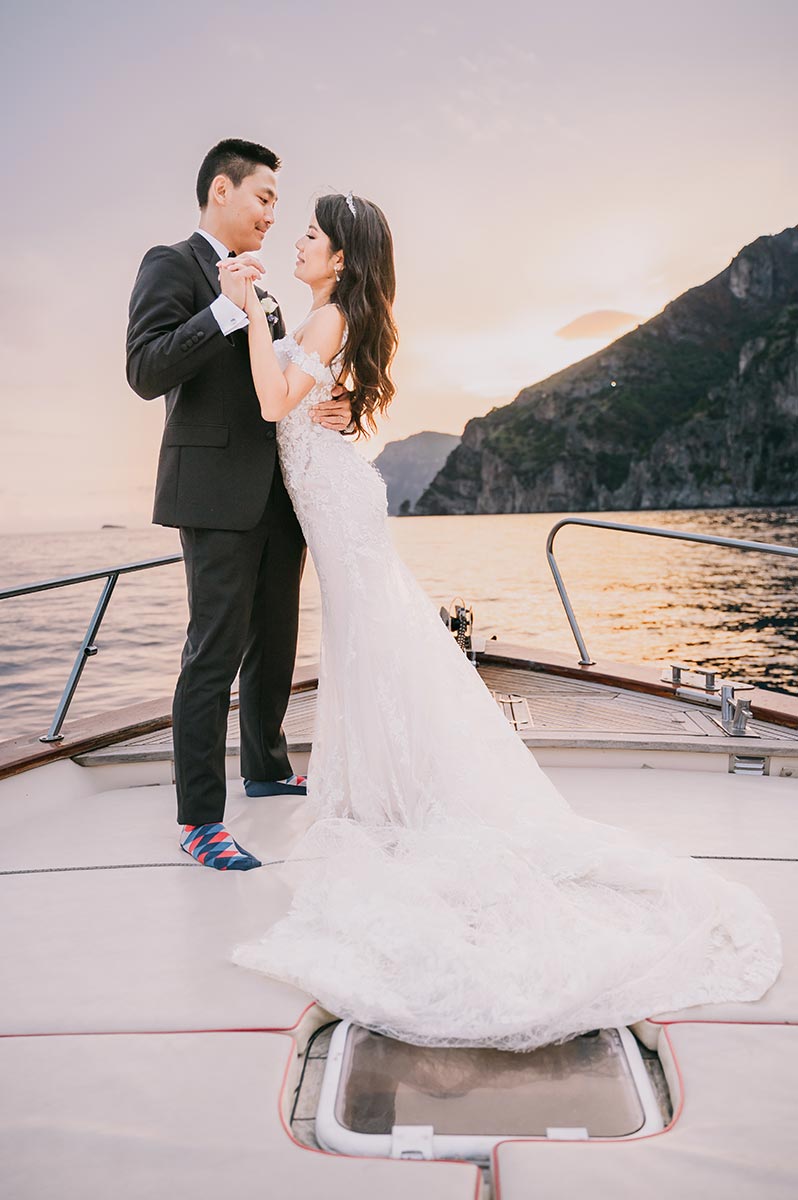
Tranquil Ambiance: Massa Lubrense exudes a calm that is ideal for a wedding day where every detail matters. The sunsets here are like personal gifts, coloring the horizon in breathtaking hues and adding an unforgettable glow to your ceremony.
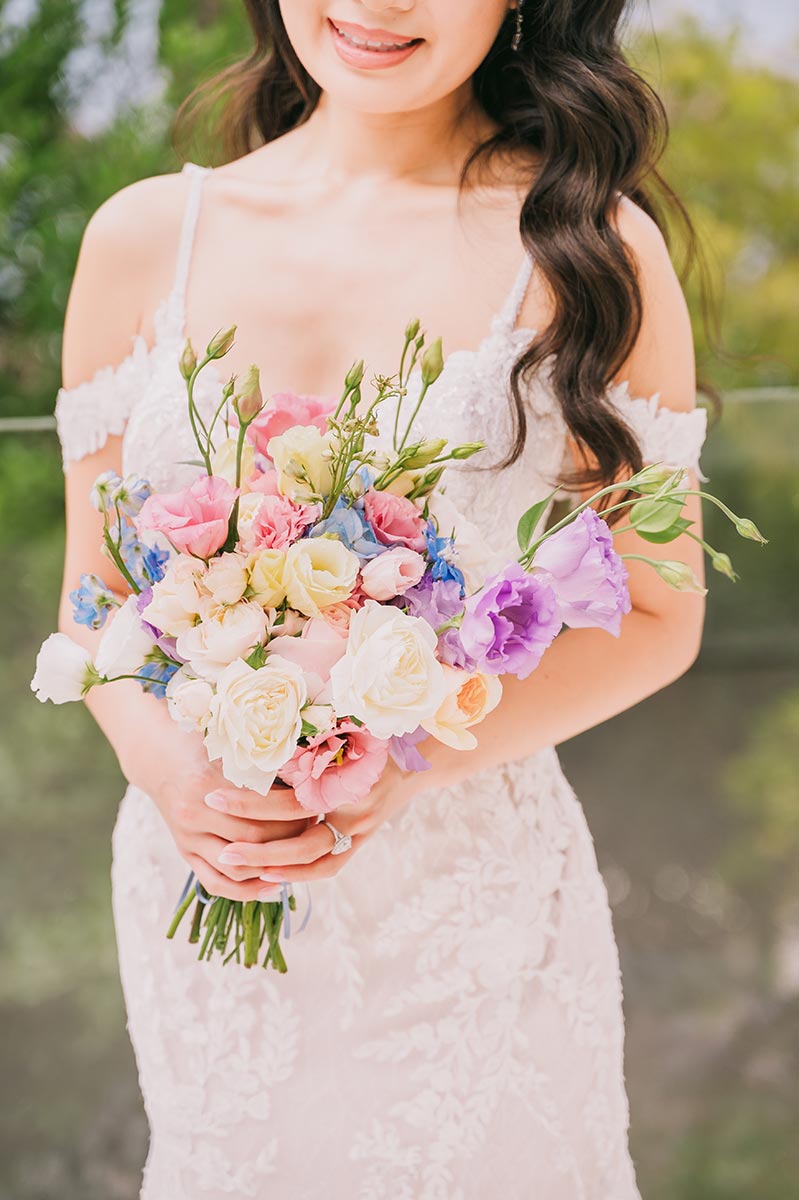

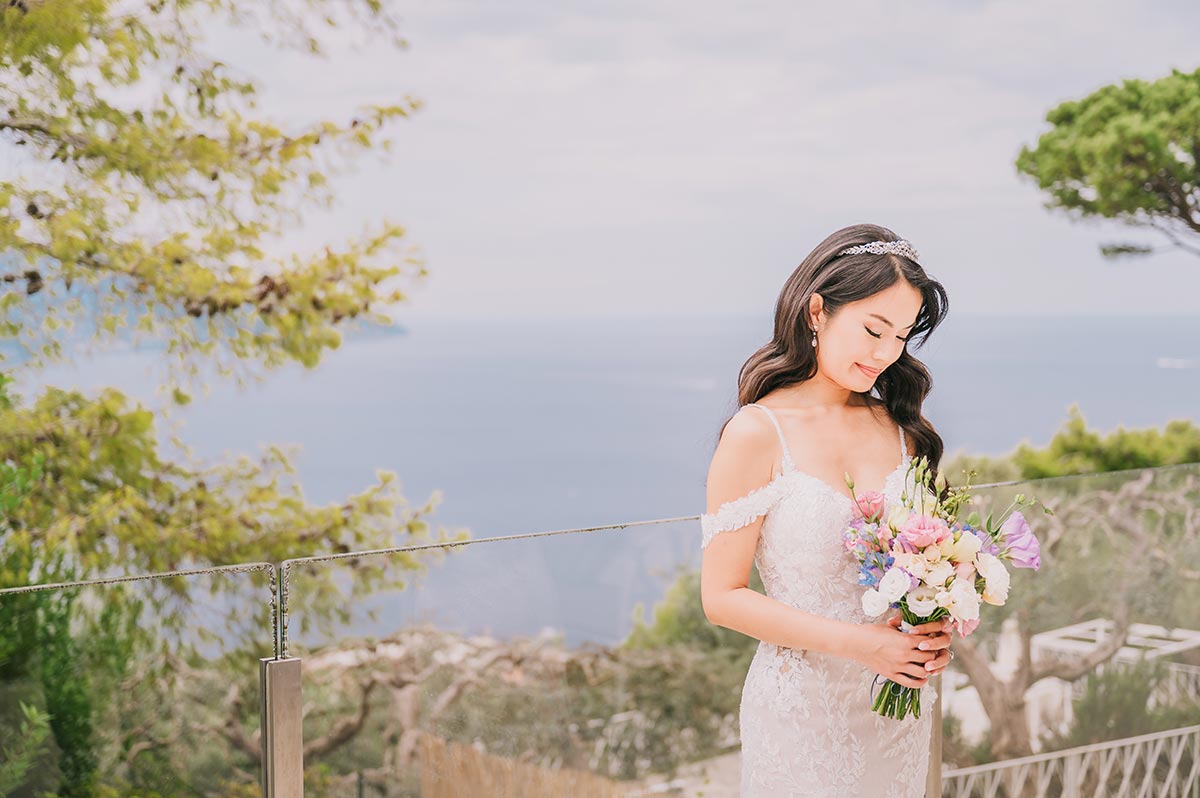
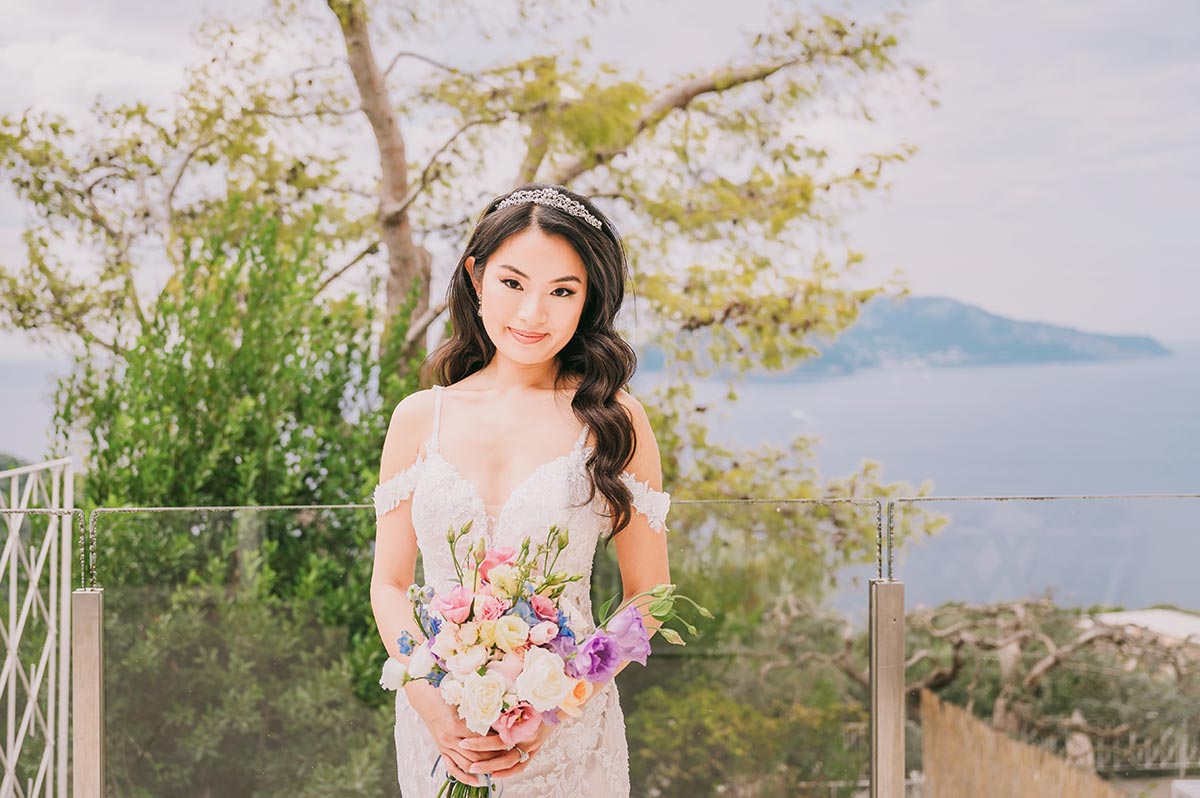


Unlike the bustling streets of Sorrento, Massa Lubrense provides you with a serene and intimate experience, perfect for savoring every meaningful glance and exchange of vows. There’s something uniquely profound about embracing the tranquility of the sea breeze and the rustling leaves—it makes every moment with your loved ones feel that much more special.
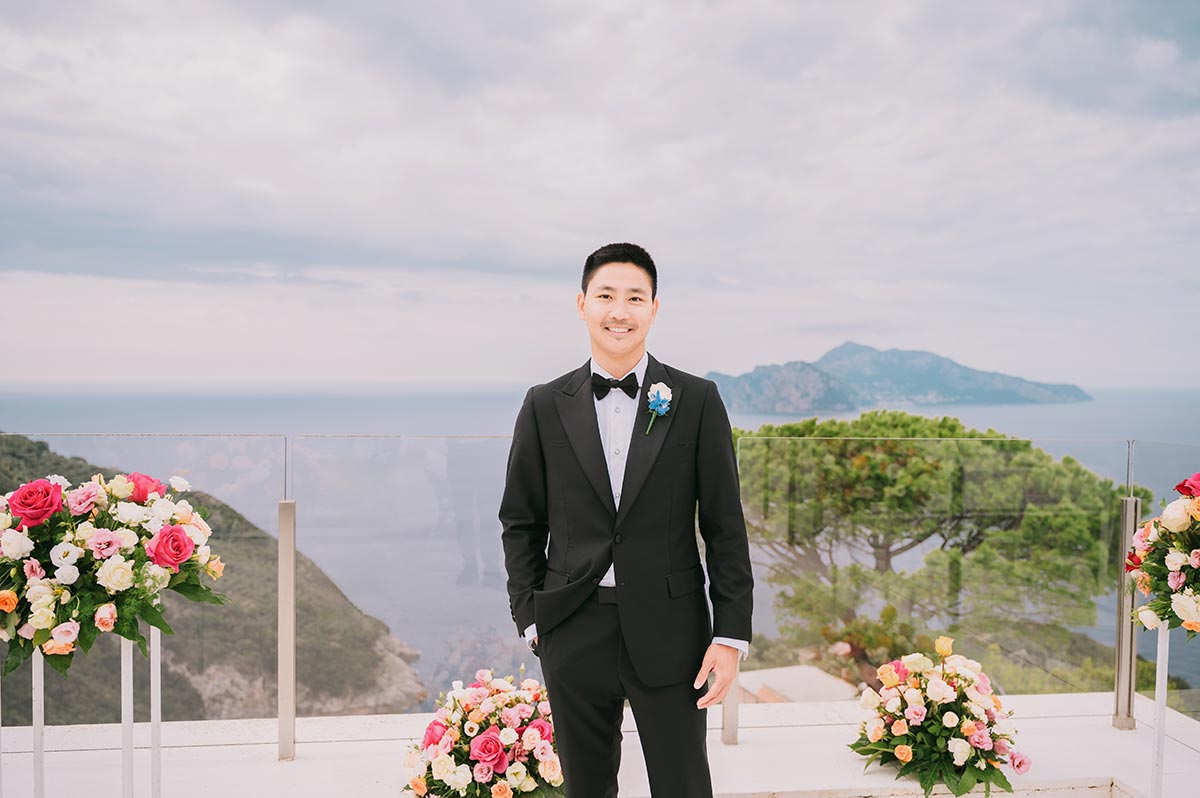
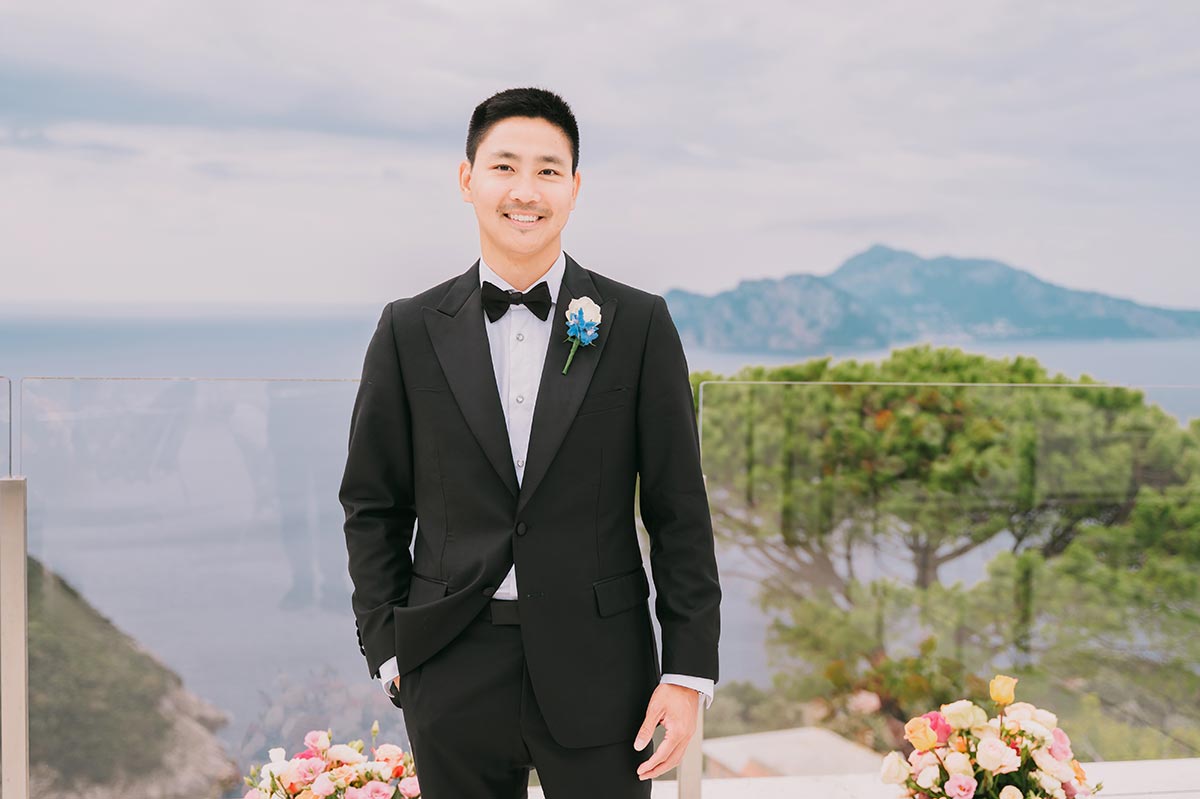
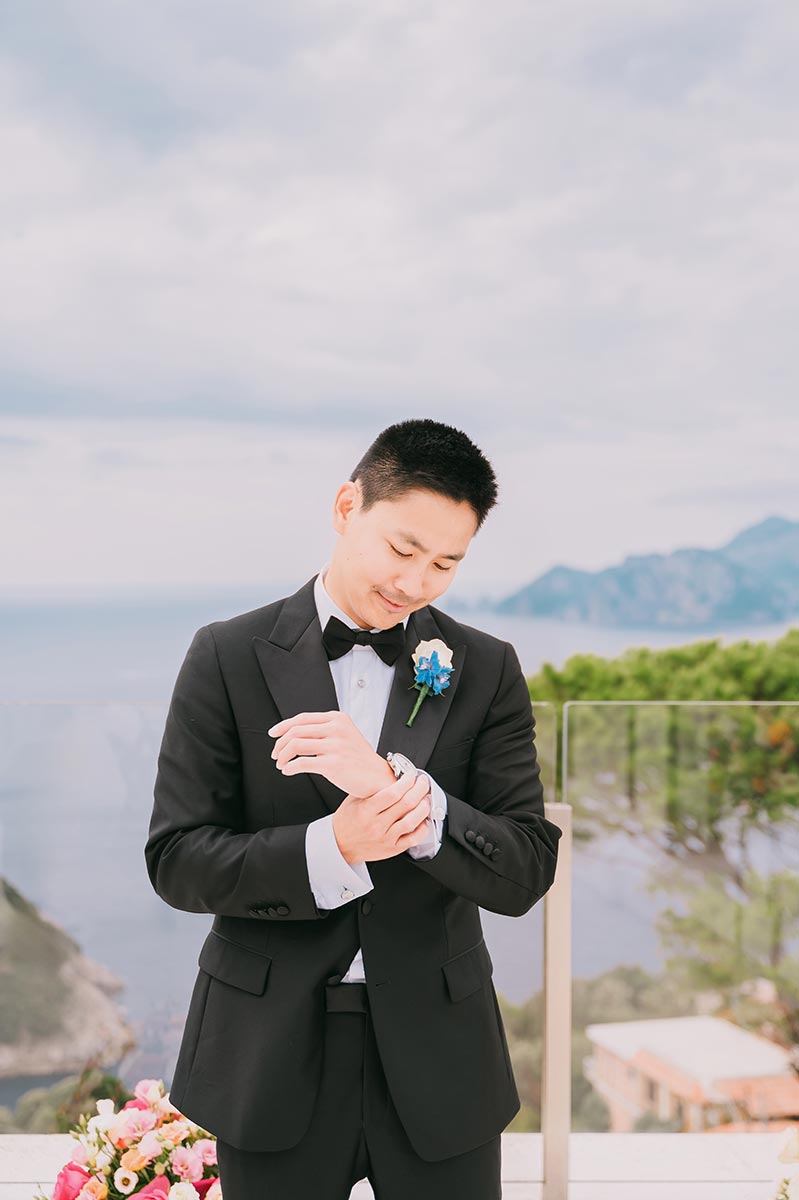

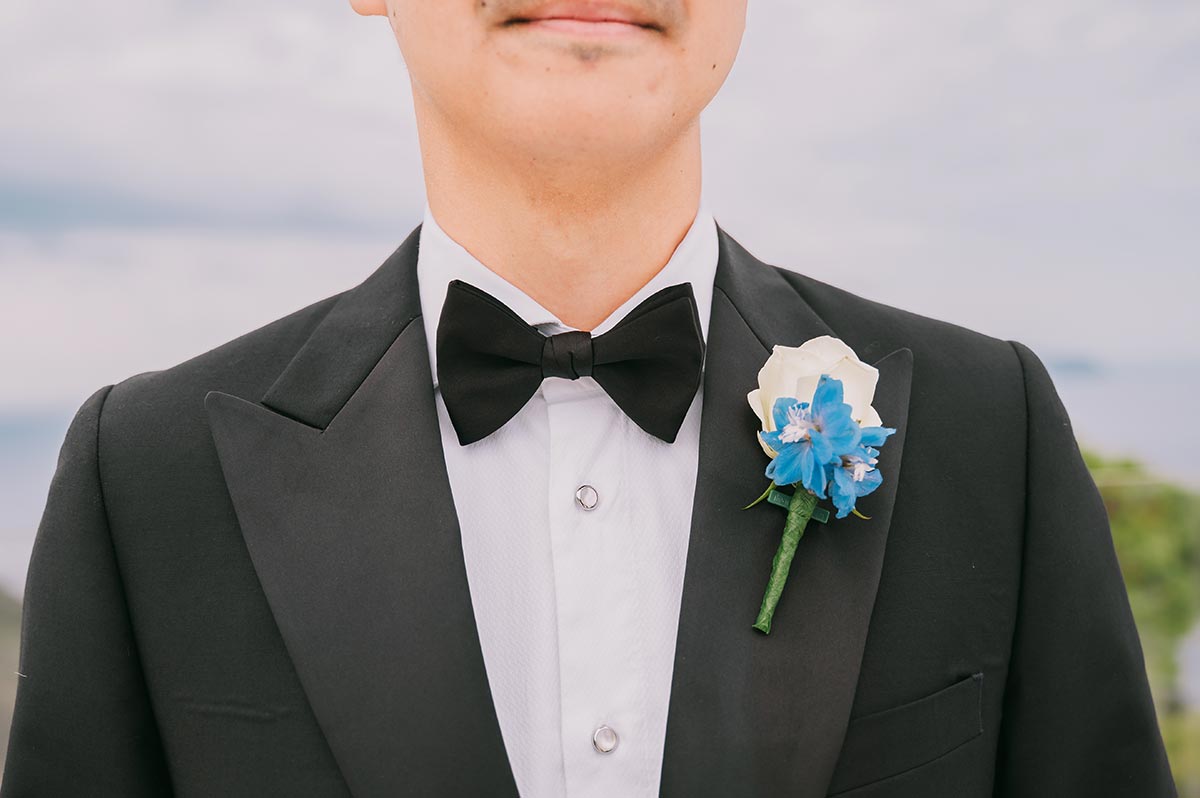

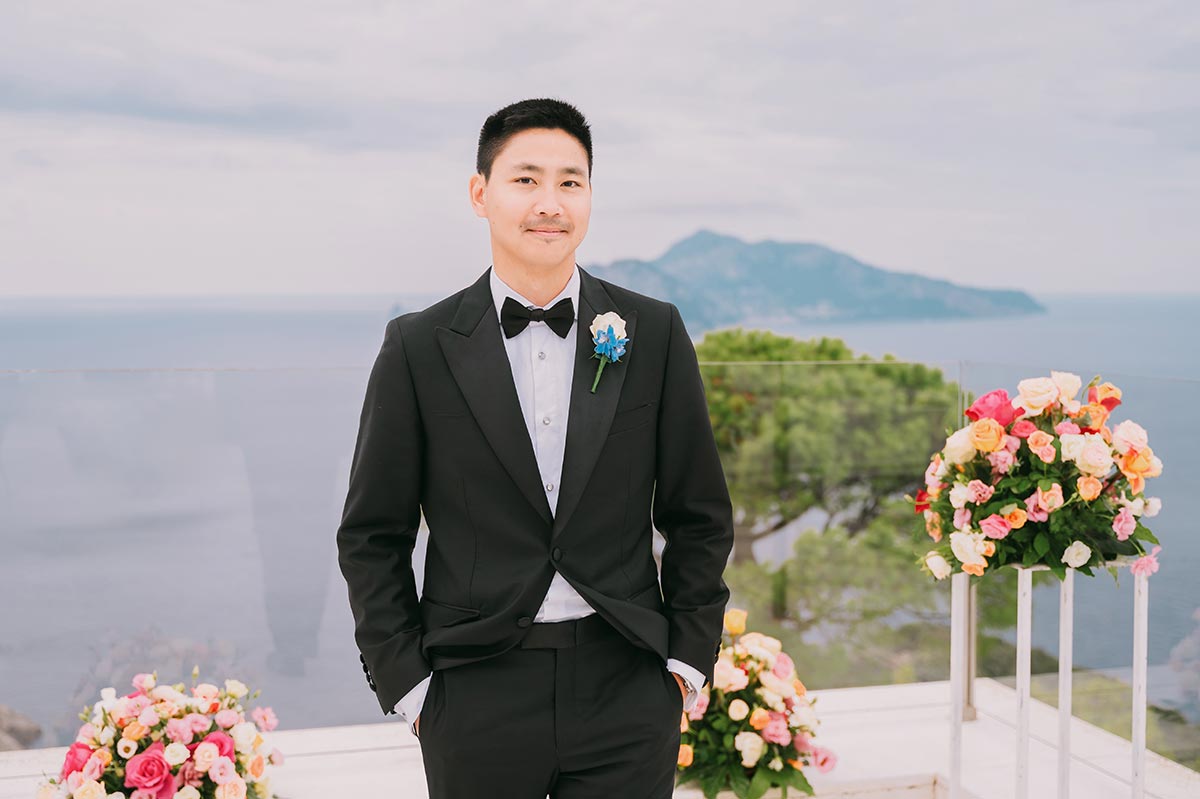
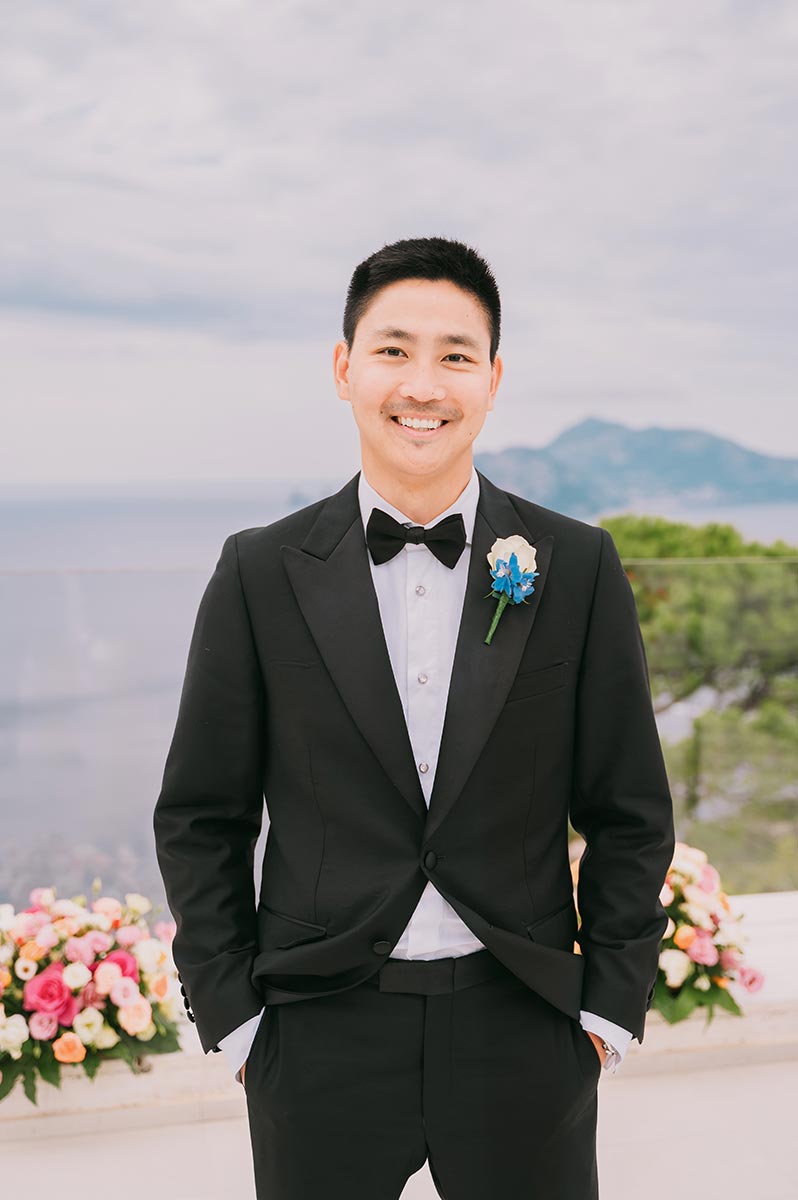

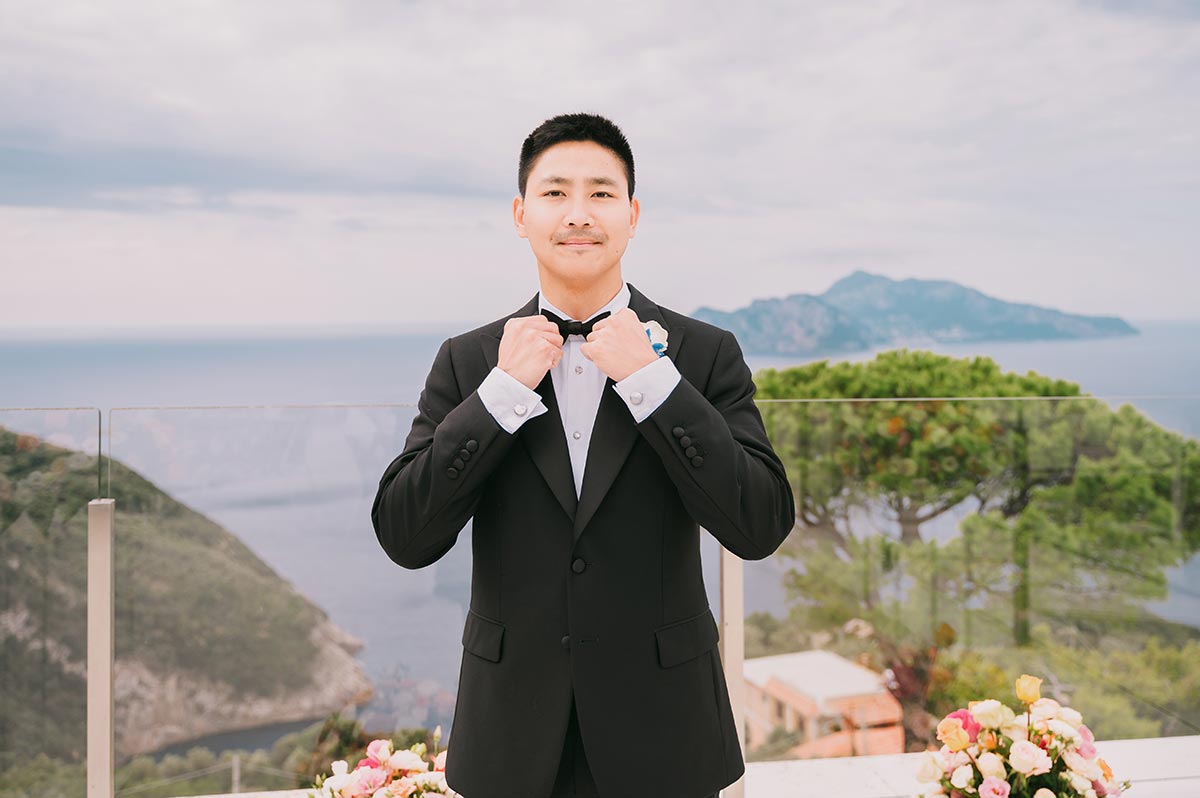
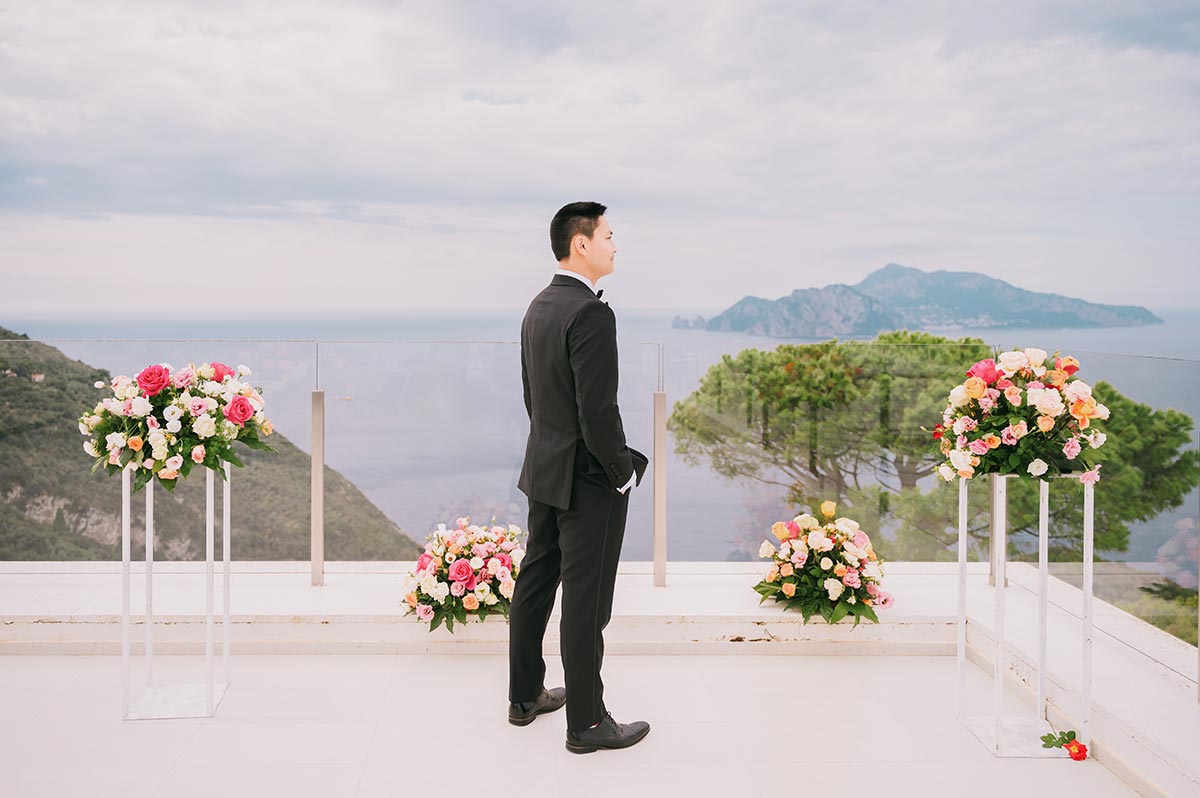
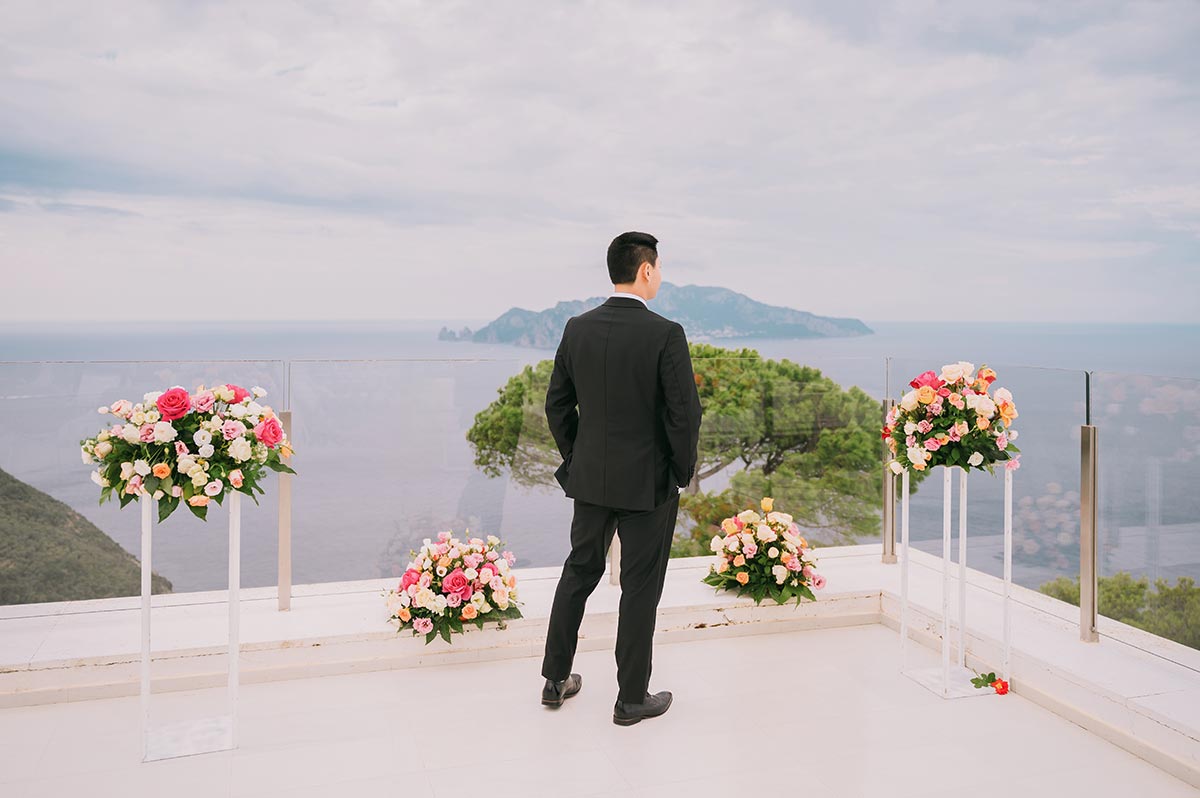
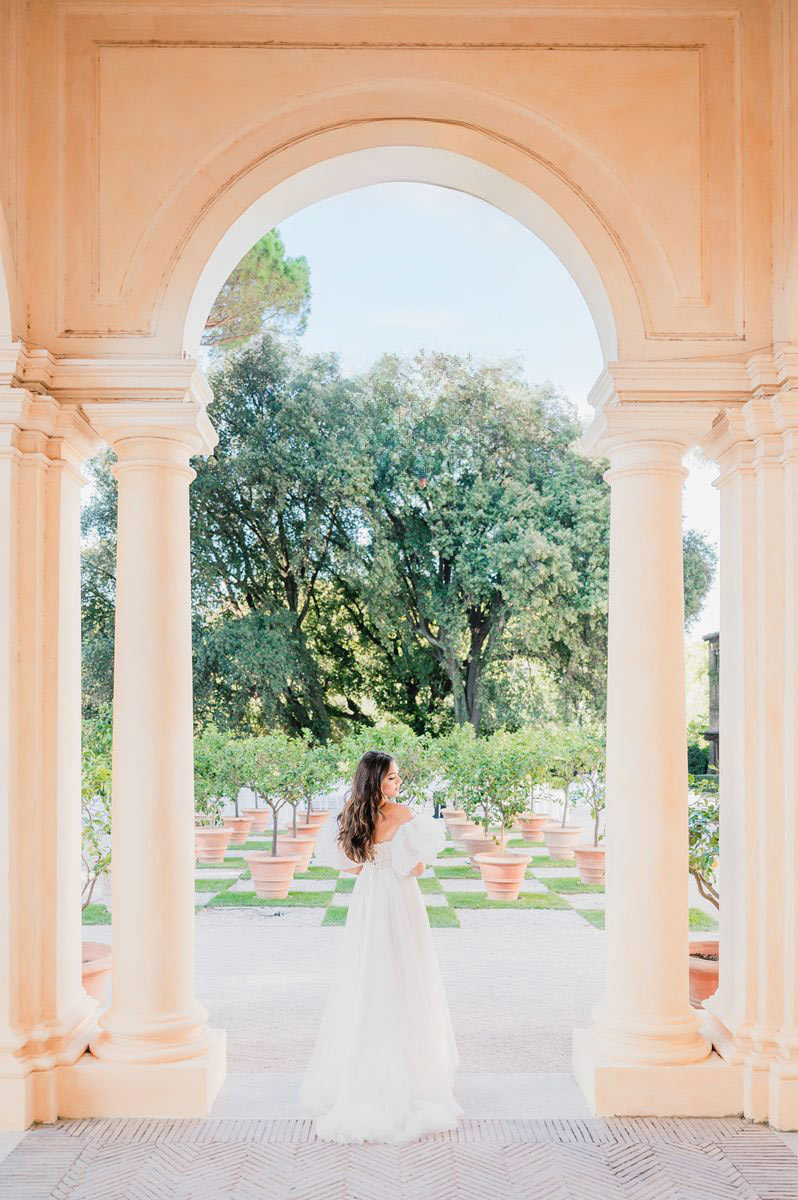
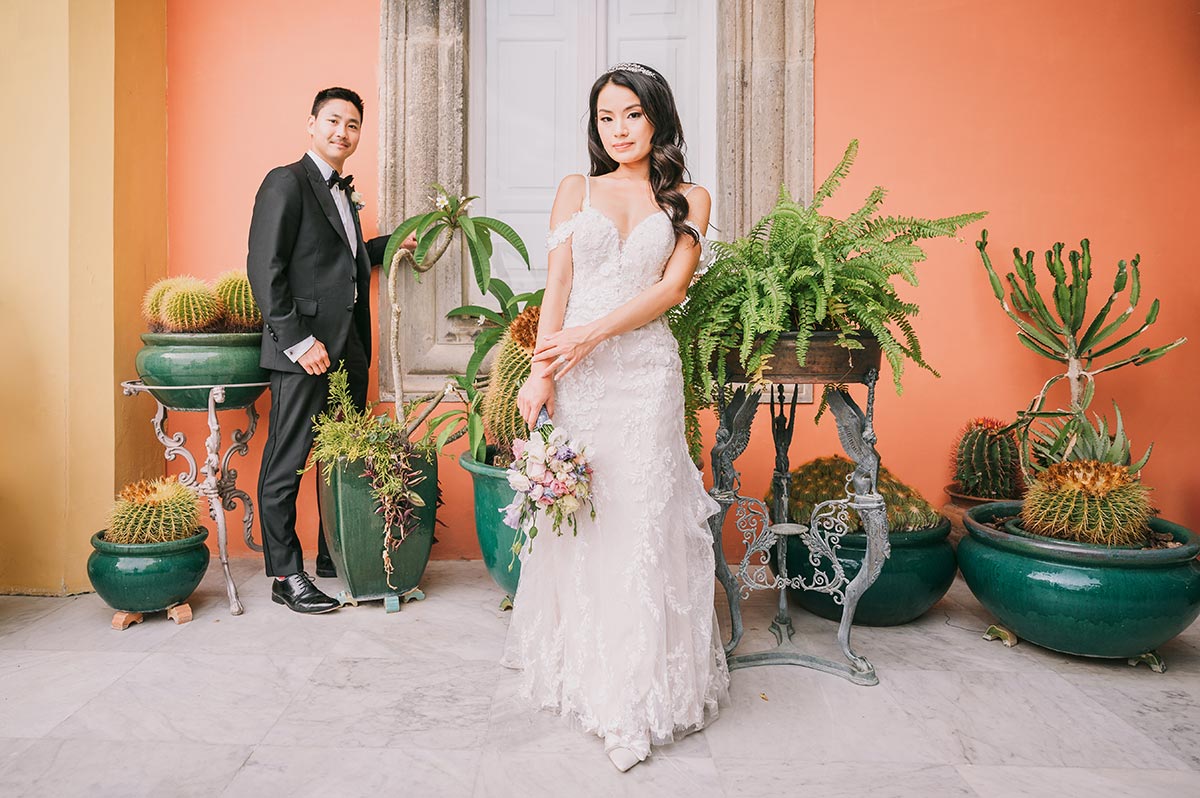
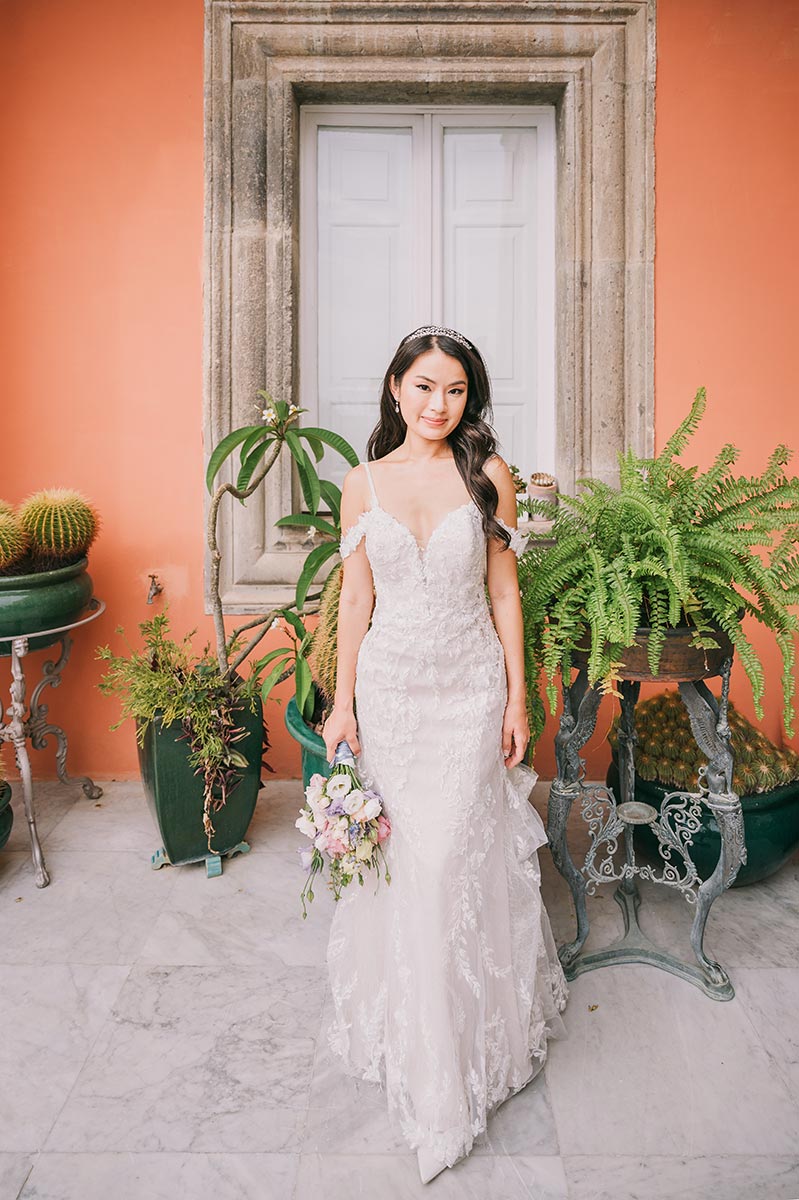
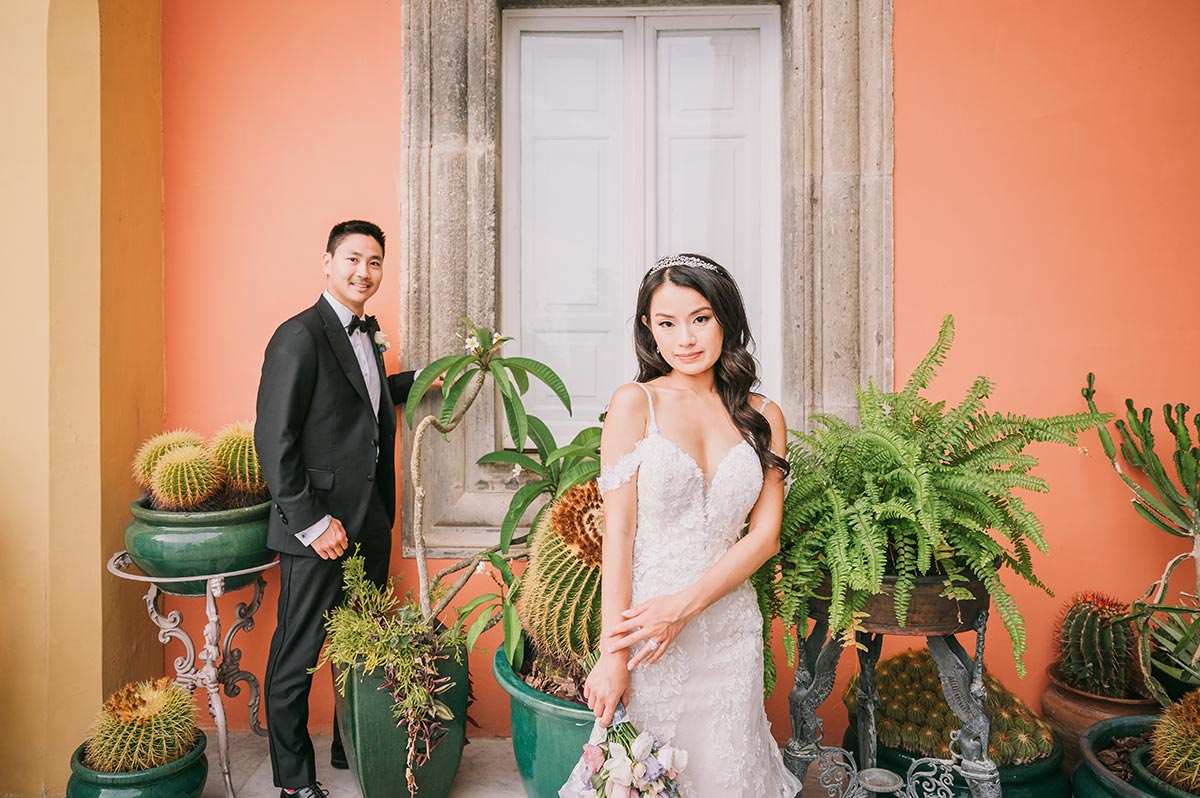
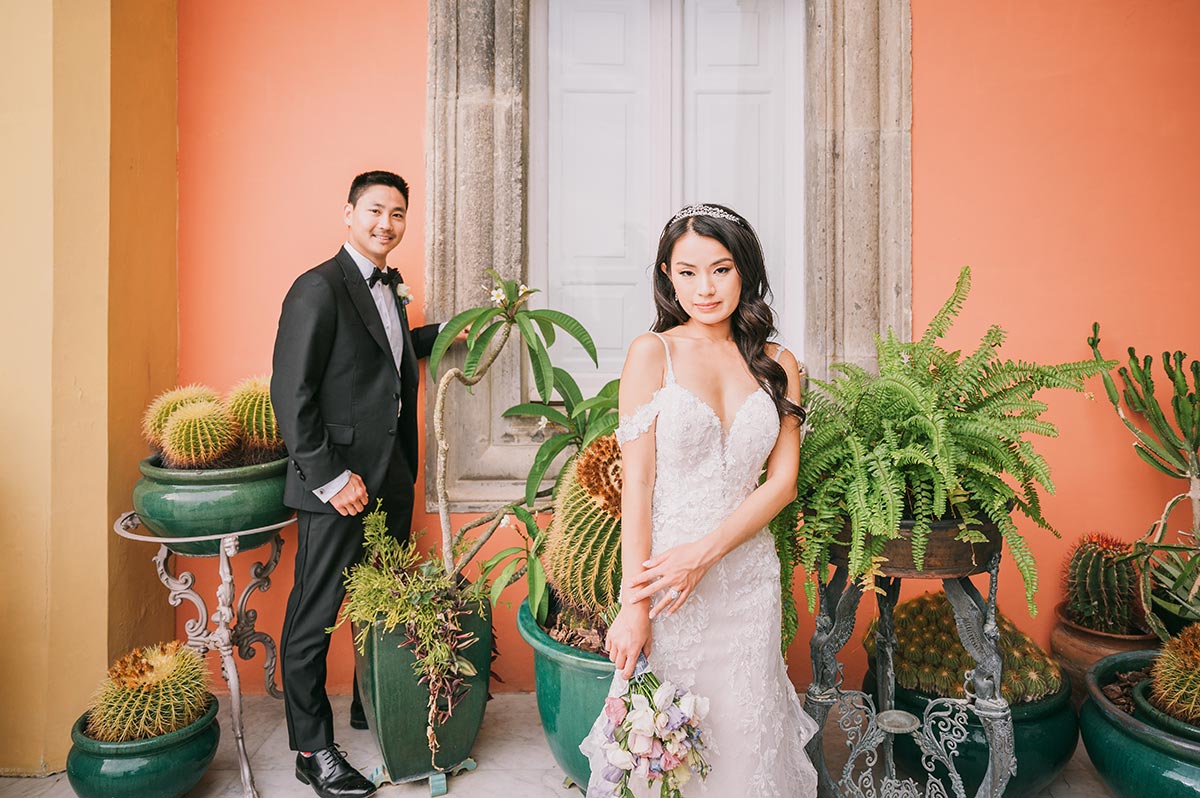
Hidden Gems: The charm of Massa Lubrense lies in its secluded treasures, from rustic chapels nestled in lush groves to beautifully manicured gardens that offer romantic, picture-perfect backdrops. As a photographer, I often find that these serene corners allow me to capture authentic moments—moments that are untouched by the bustle of heavily frequented spots. Imagine exchanging vows in a quiet vineyard or transforming a secret garden into your private wedding wonderland. Each venue provides its own charm, creating endless opportunities for remarkable and personalized photos that are a true reflection of your love story.

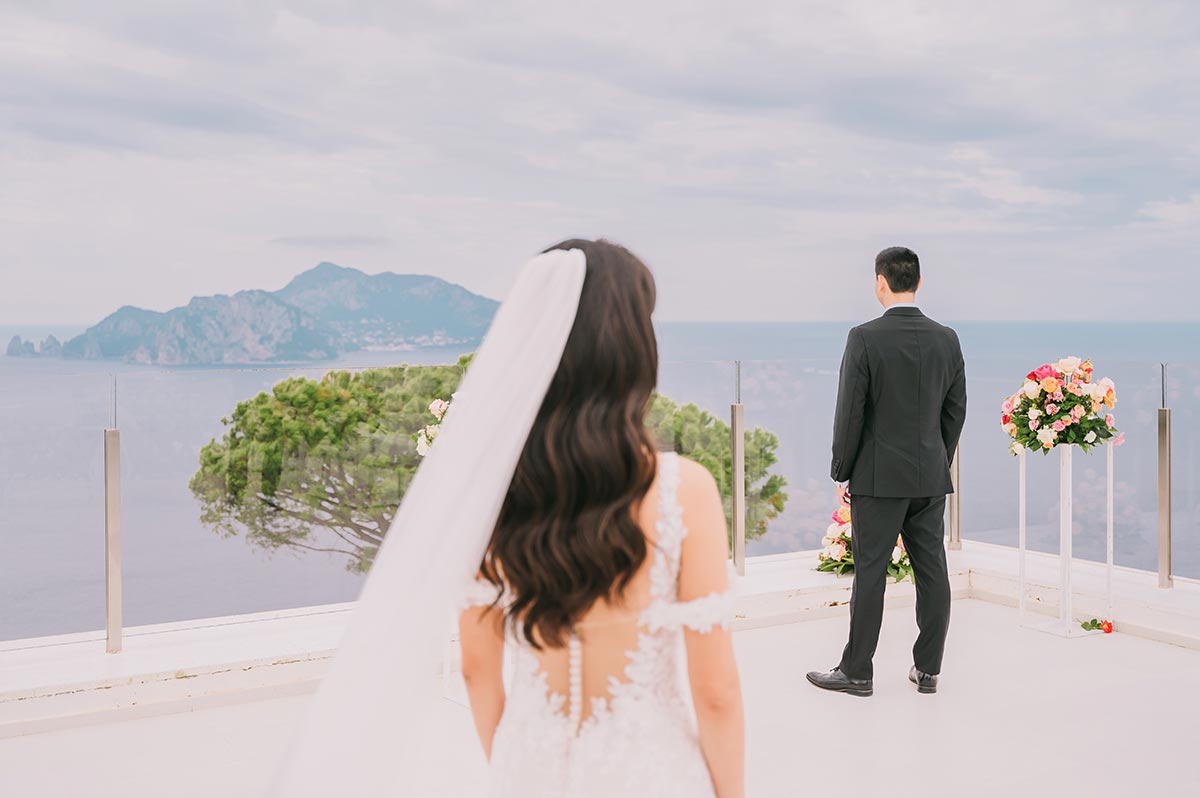
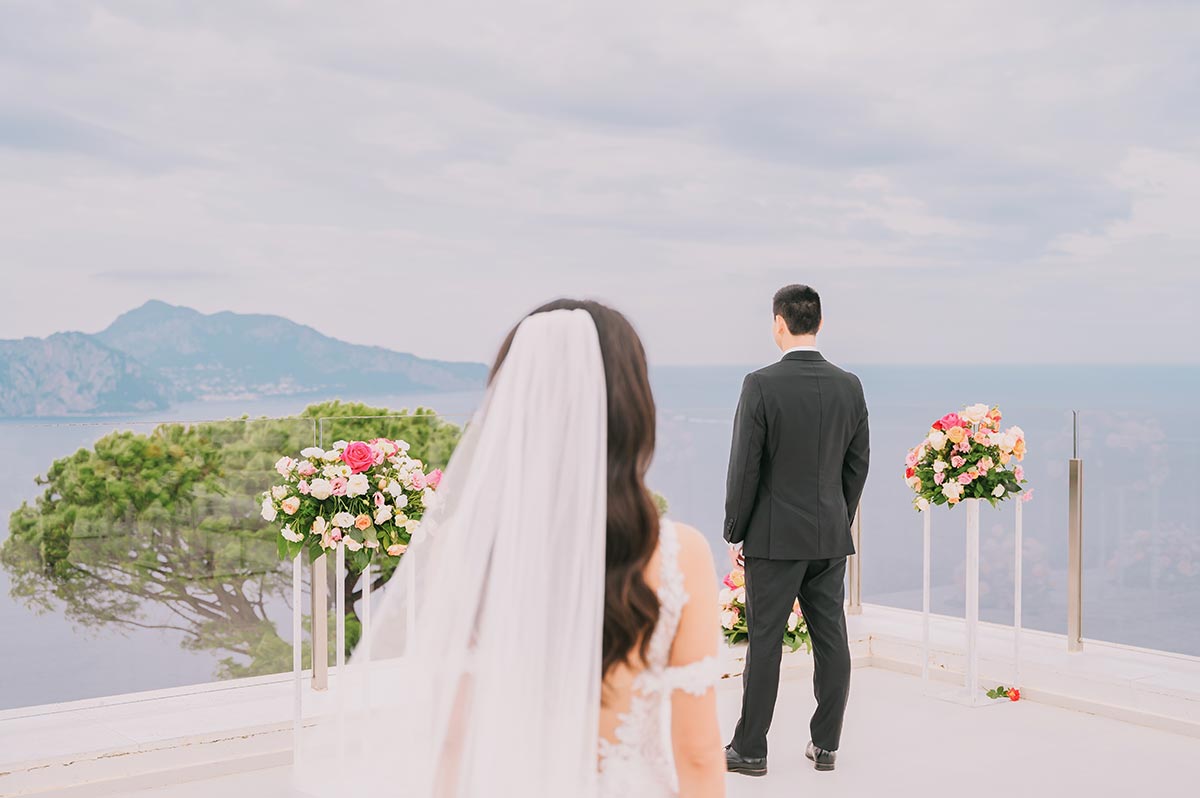
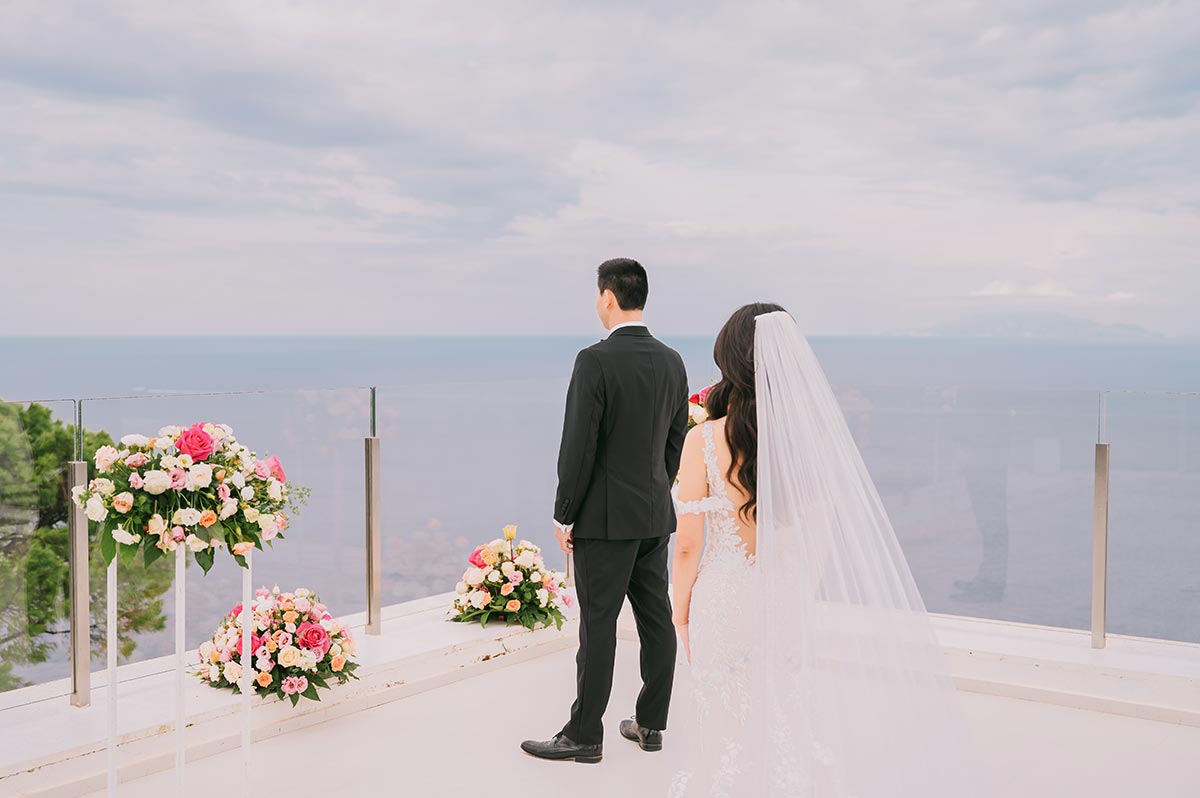
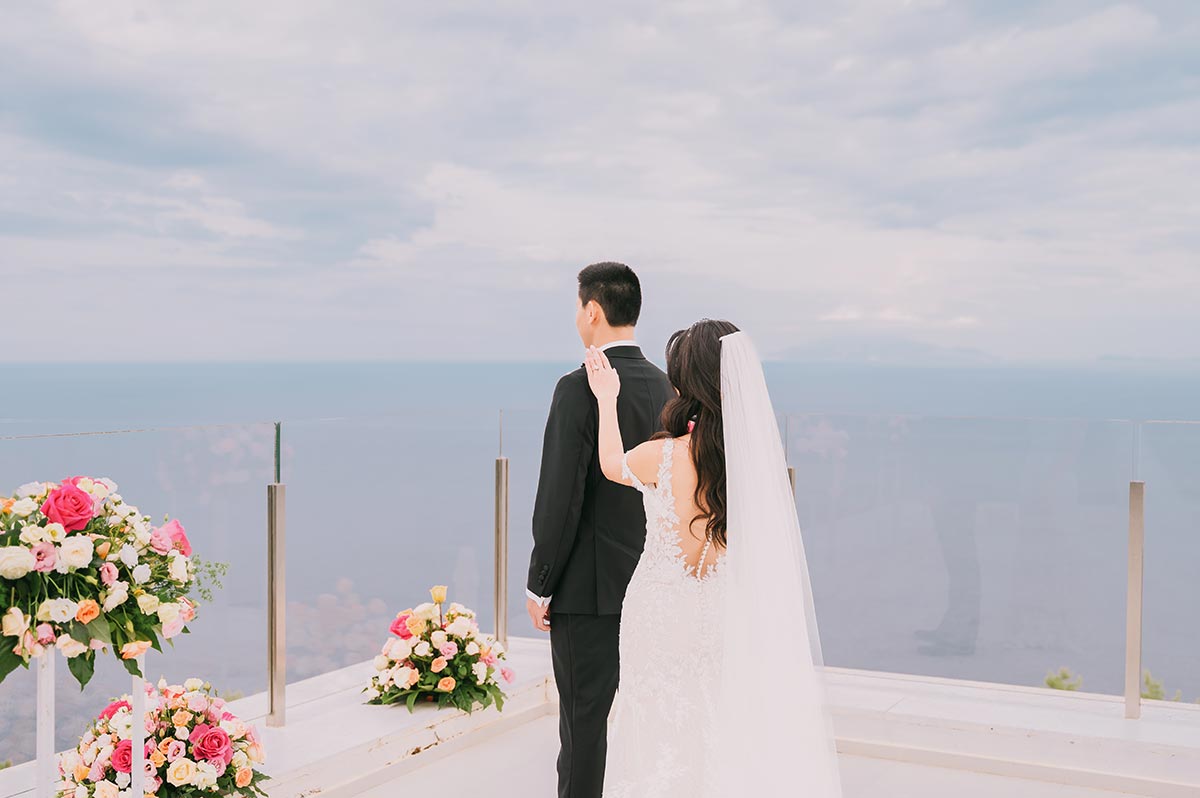

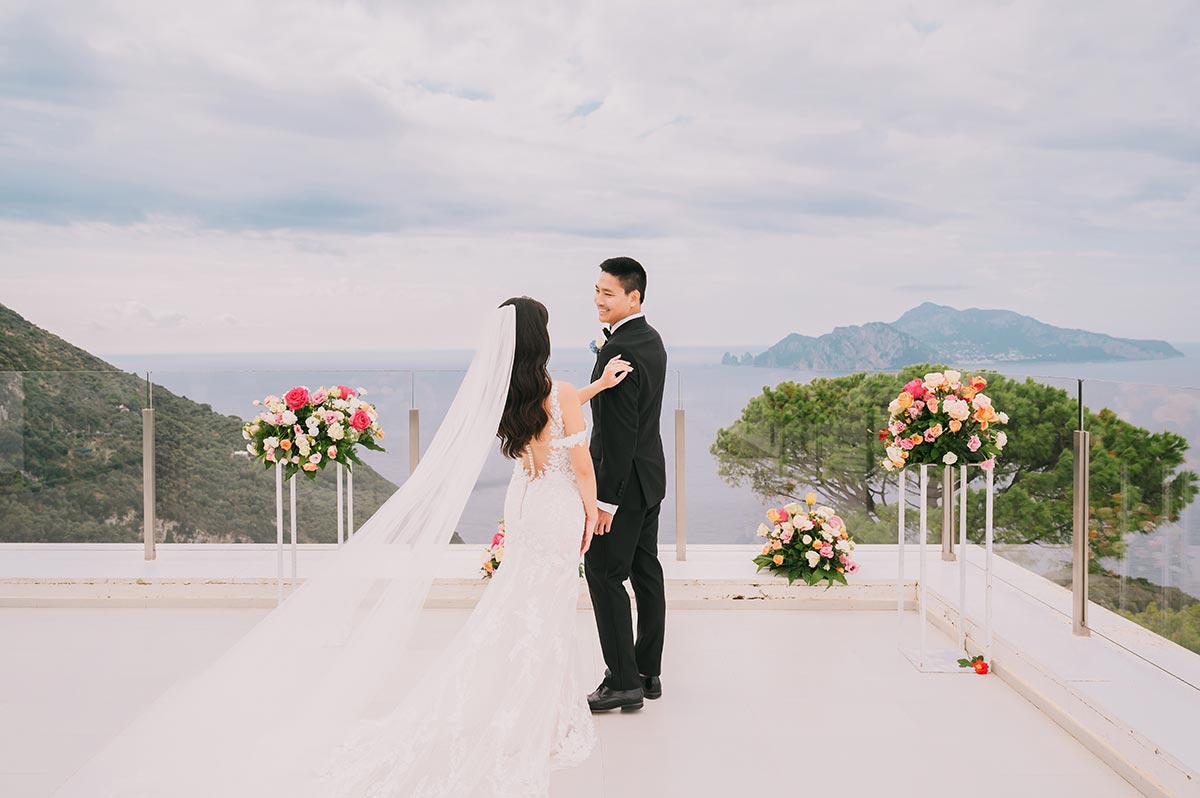
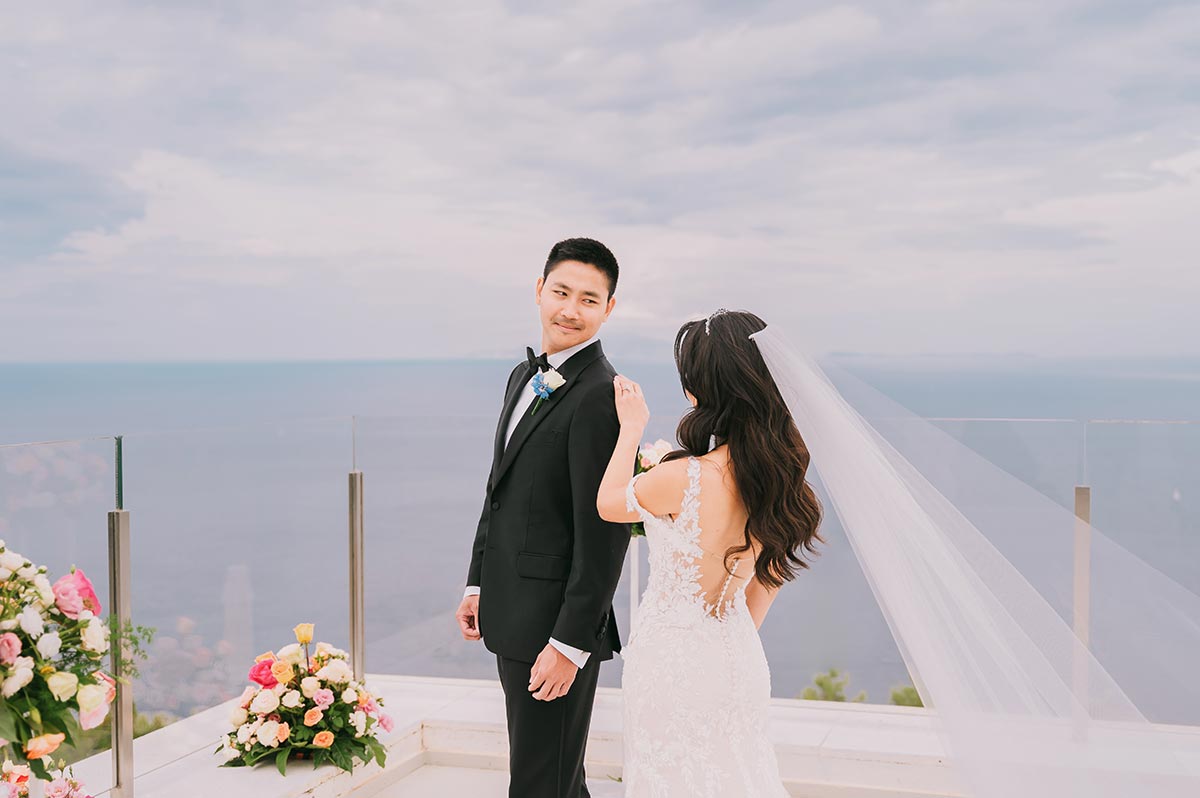
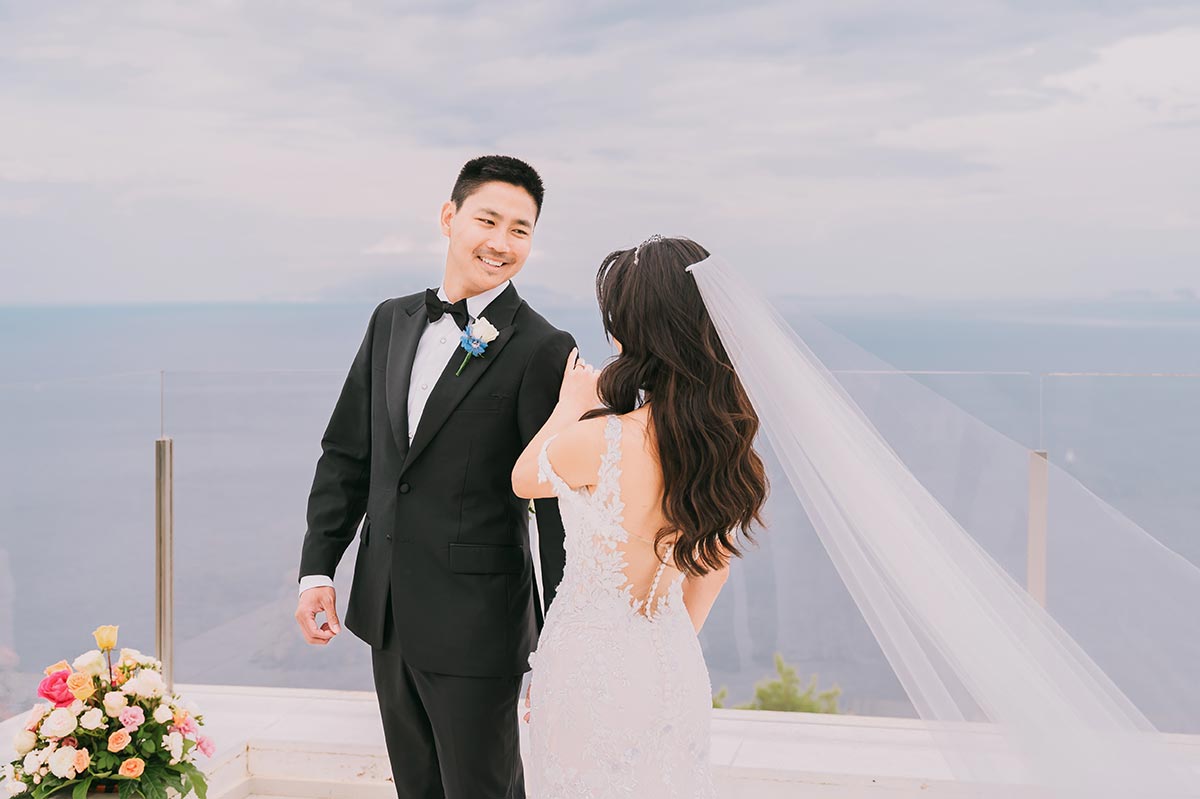
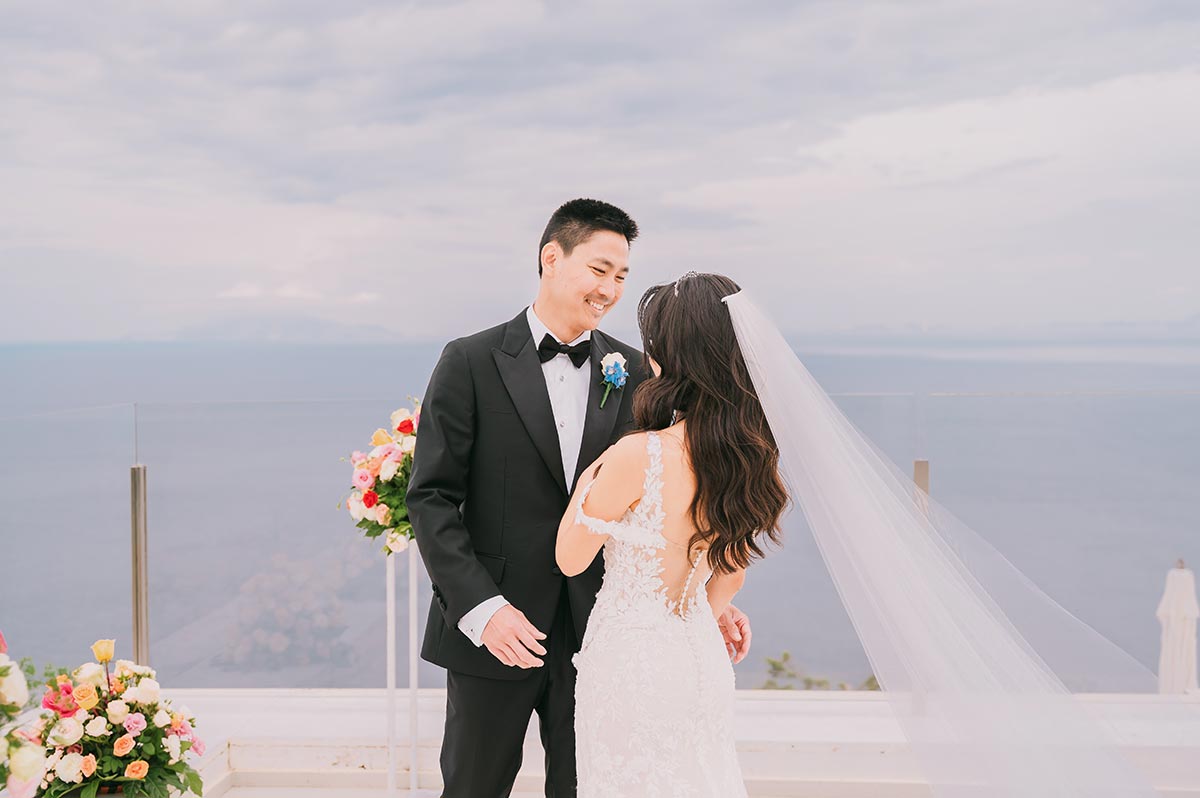
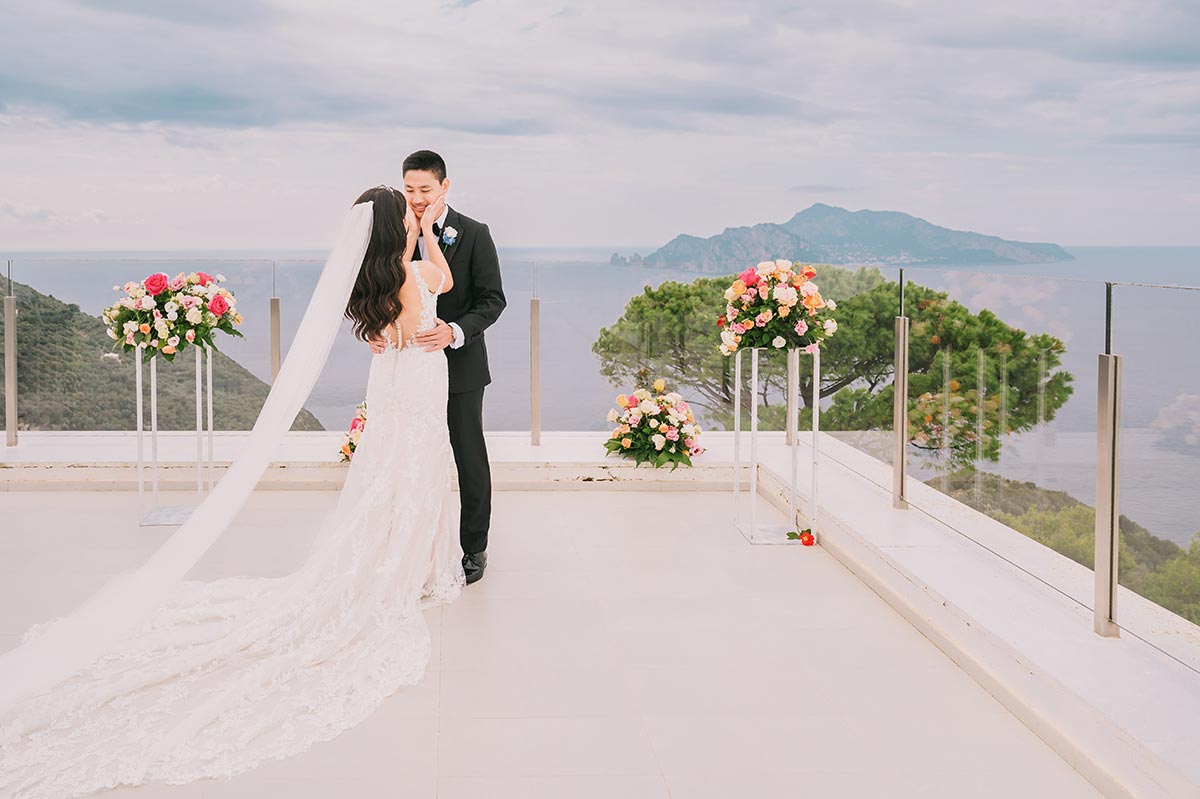
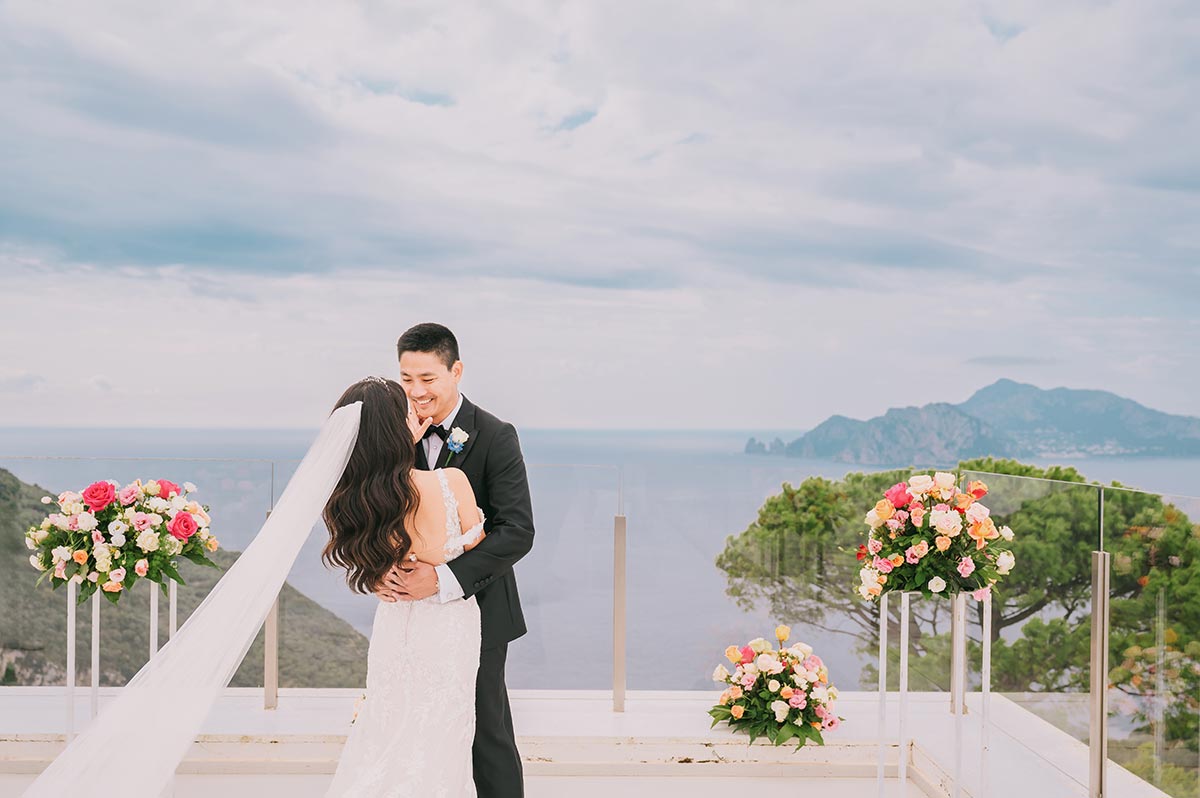
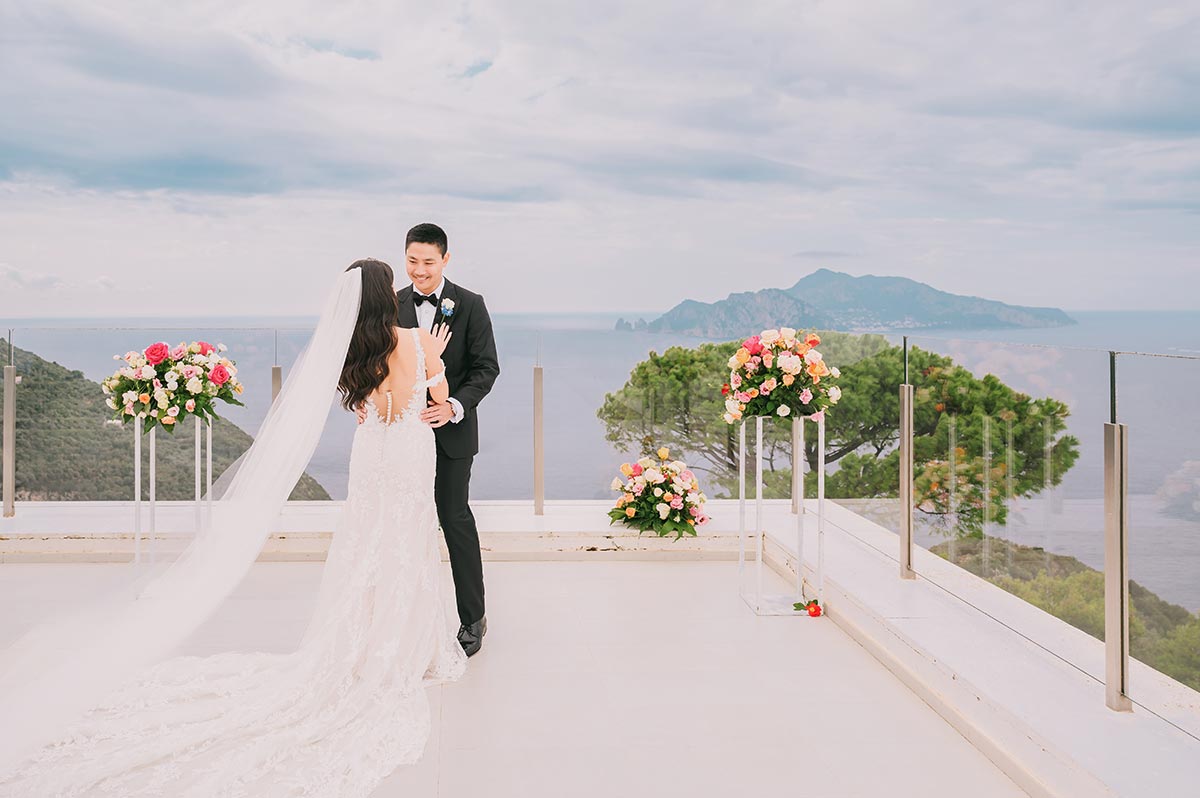

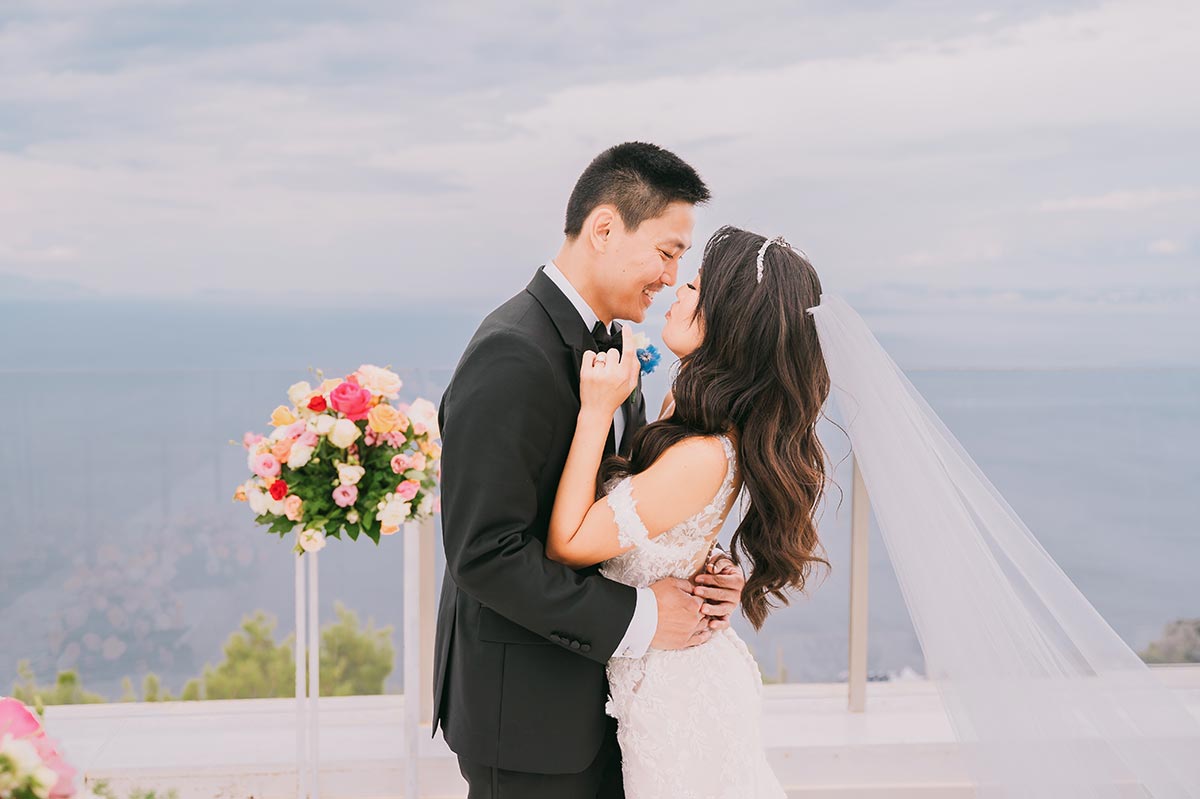
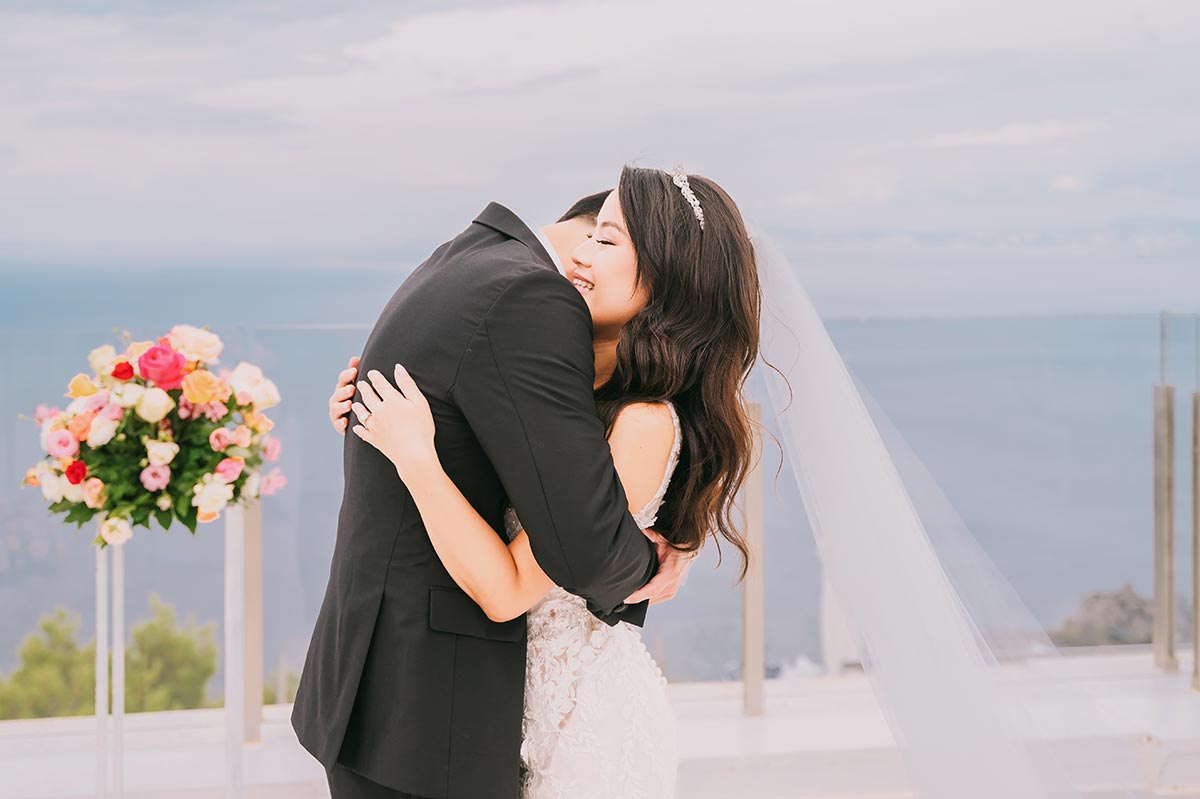

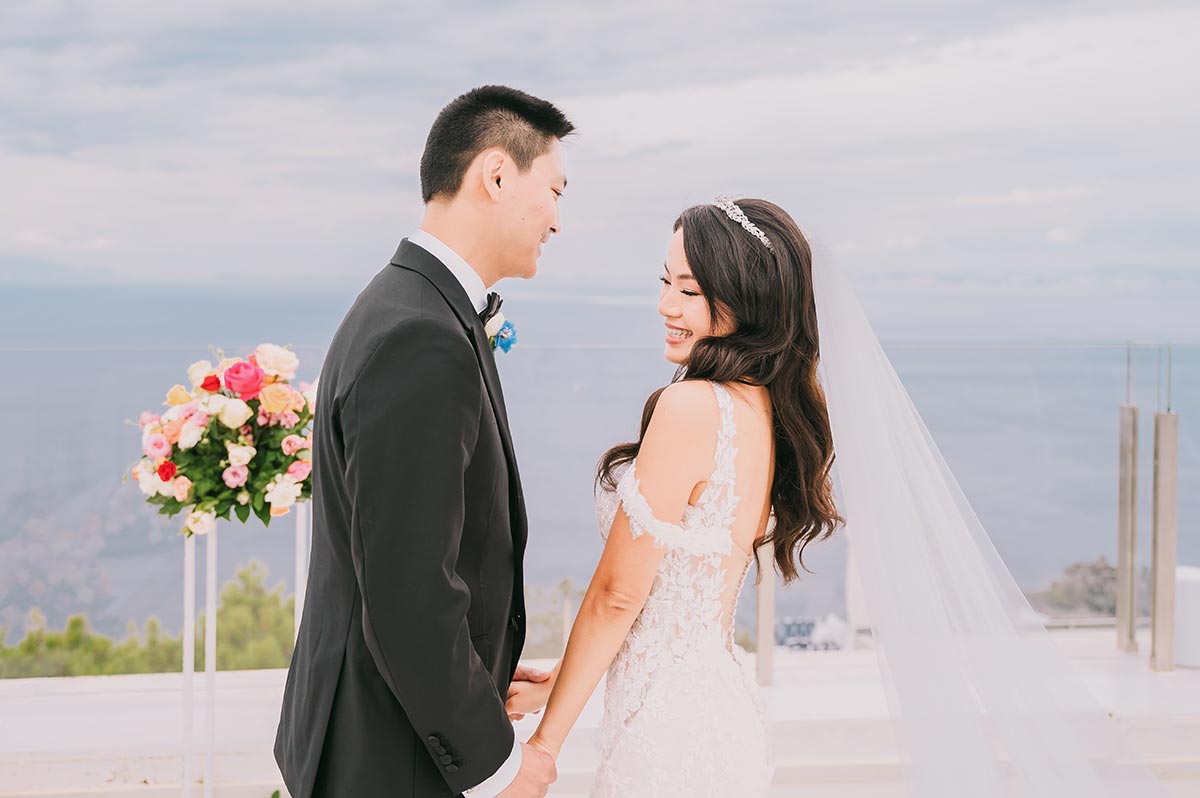

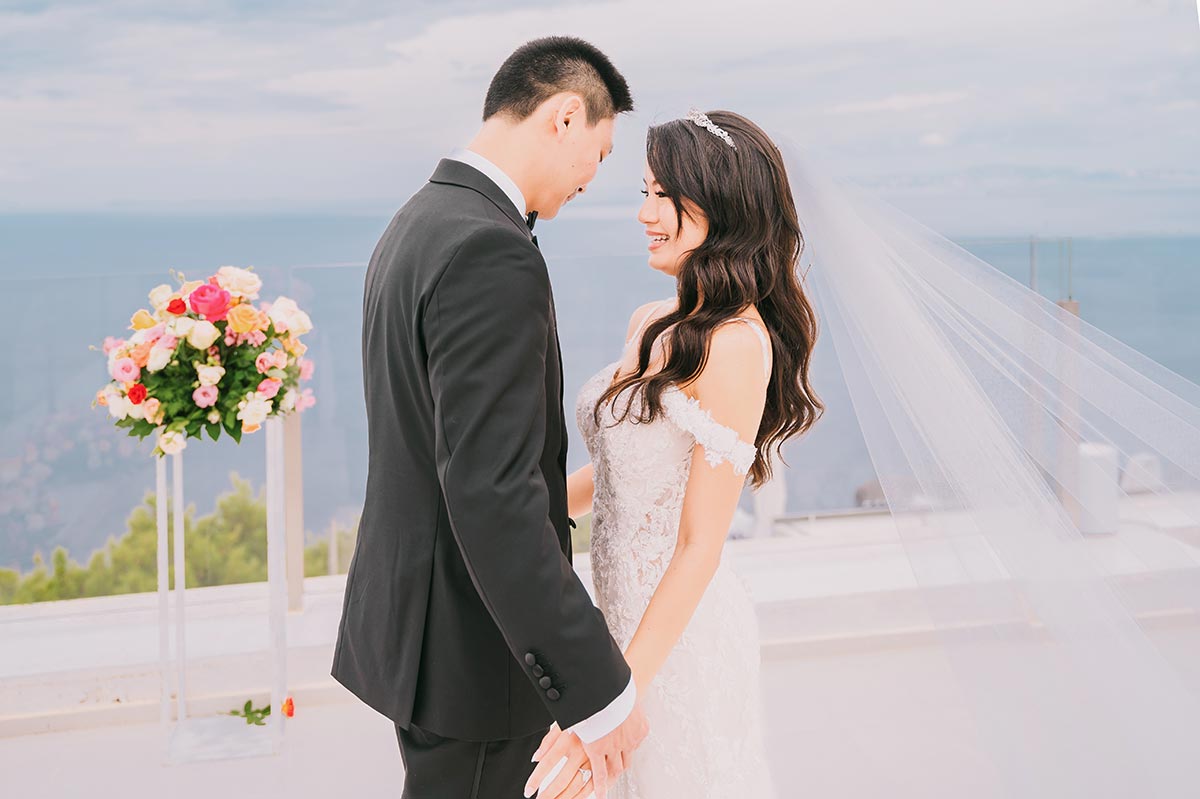
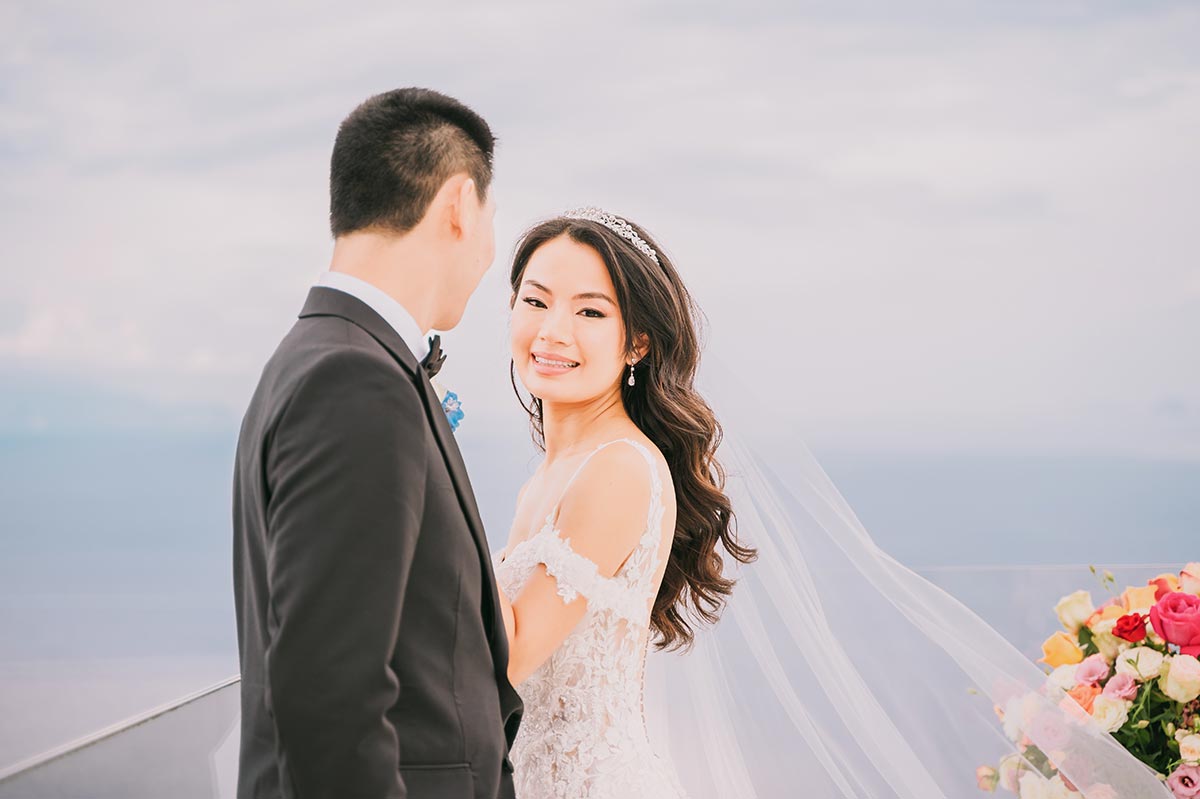
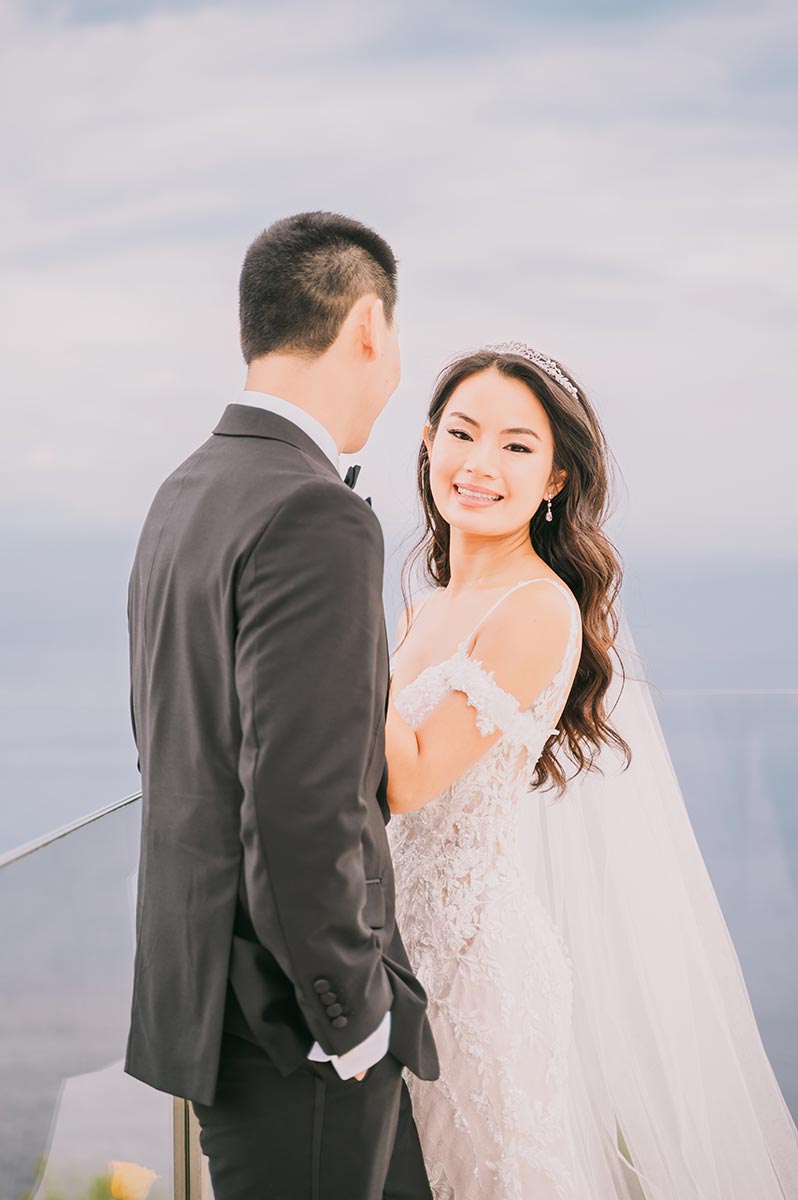
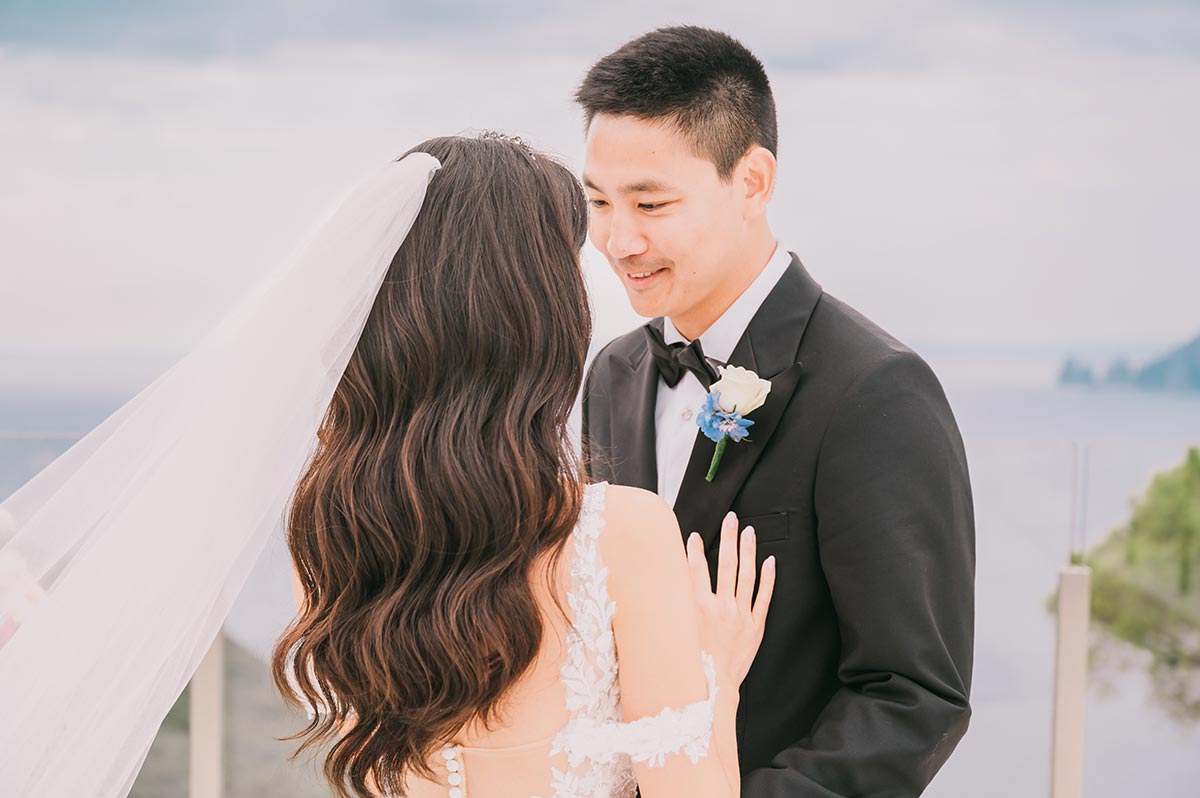
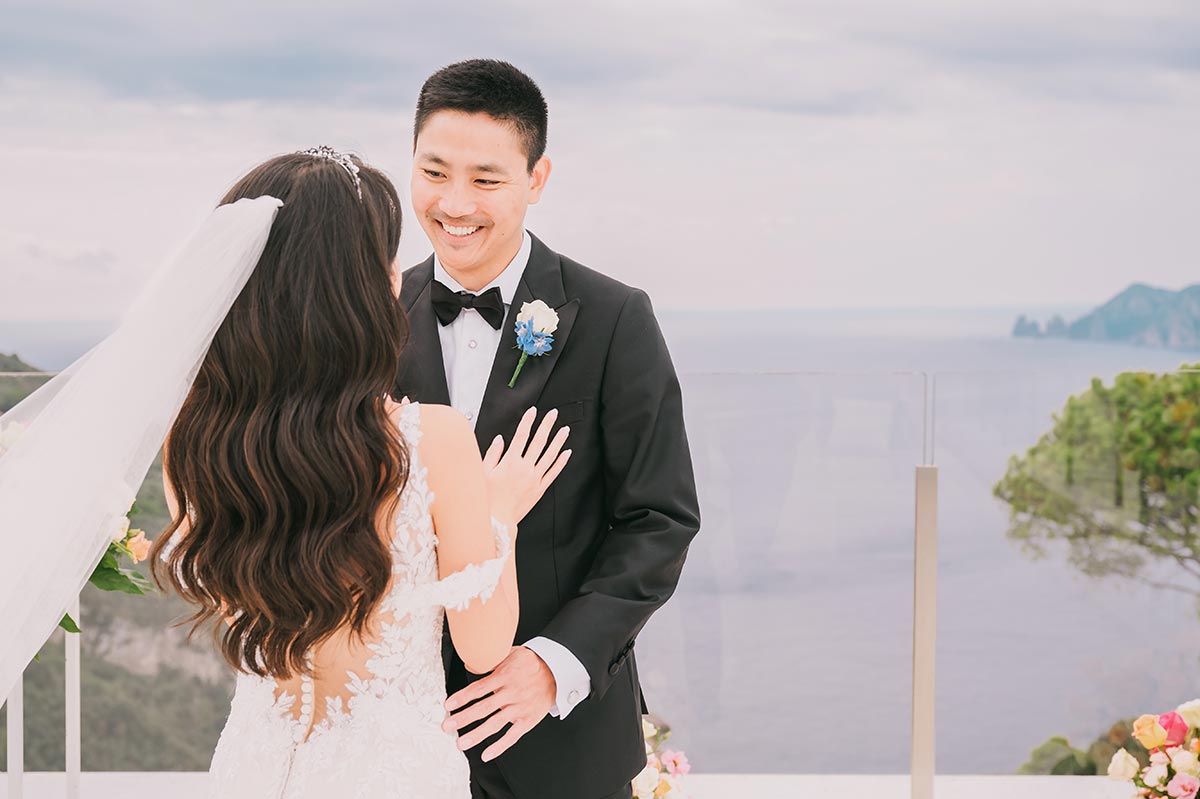


Cost-Effective Elegance: Hosting a destination wedding in Massa Lubrense can be surprisingly affordable compared to more popular wedding destinations like Sorrento or even venues in the United States. According to WeddingWire, destination weddings in Italy, such as a wedding in Sorrento, can be significantly less costly than those in the U.S., and Massa Lubrense adds even greater value by providing an enchanting yet budget-friendly setting. Here, venue costs, catering, and other services come at a fraction of the price while maintaining an exquisite level of quality. This cost-effectiveness allows you to create a high-end wedding experience without overstretching your budget.

Unlock the Hidden Charms of Massa Lubrense
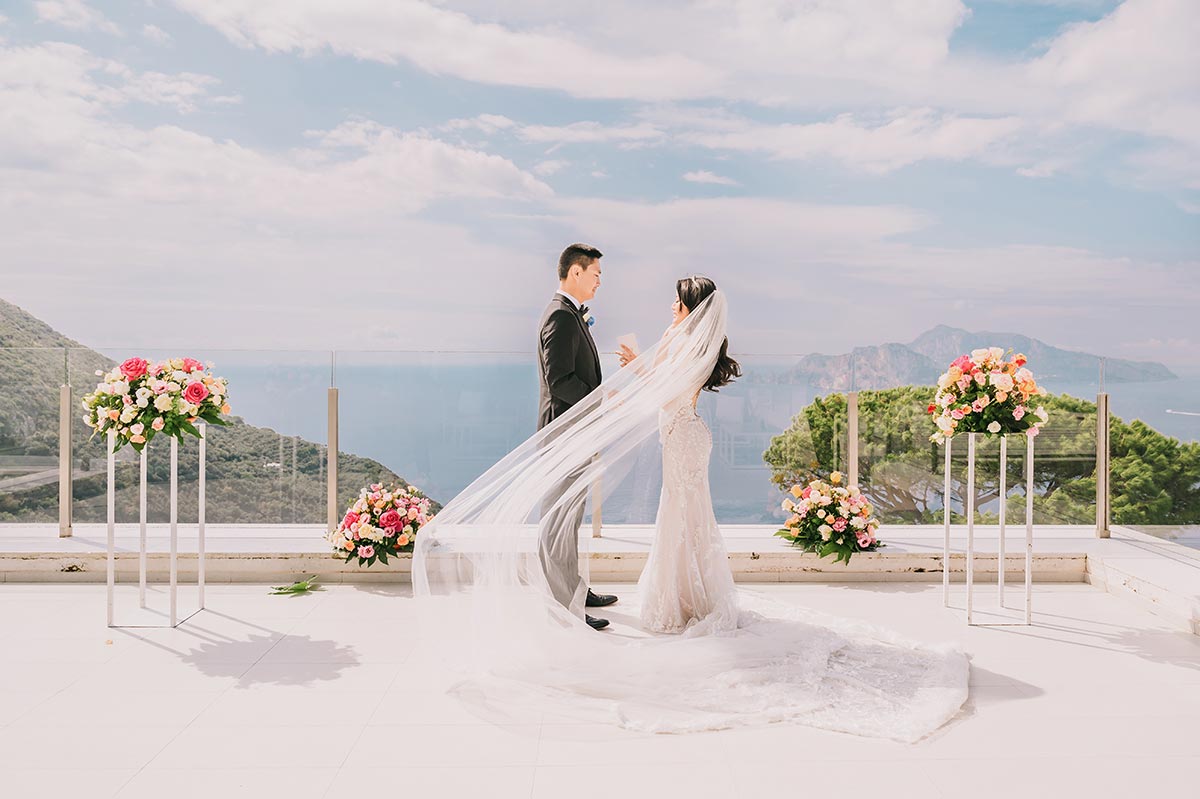
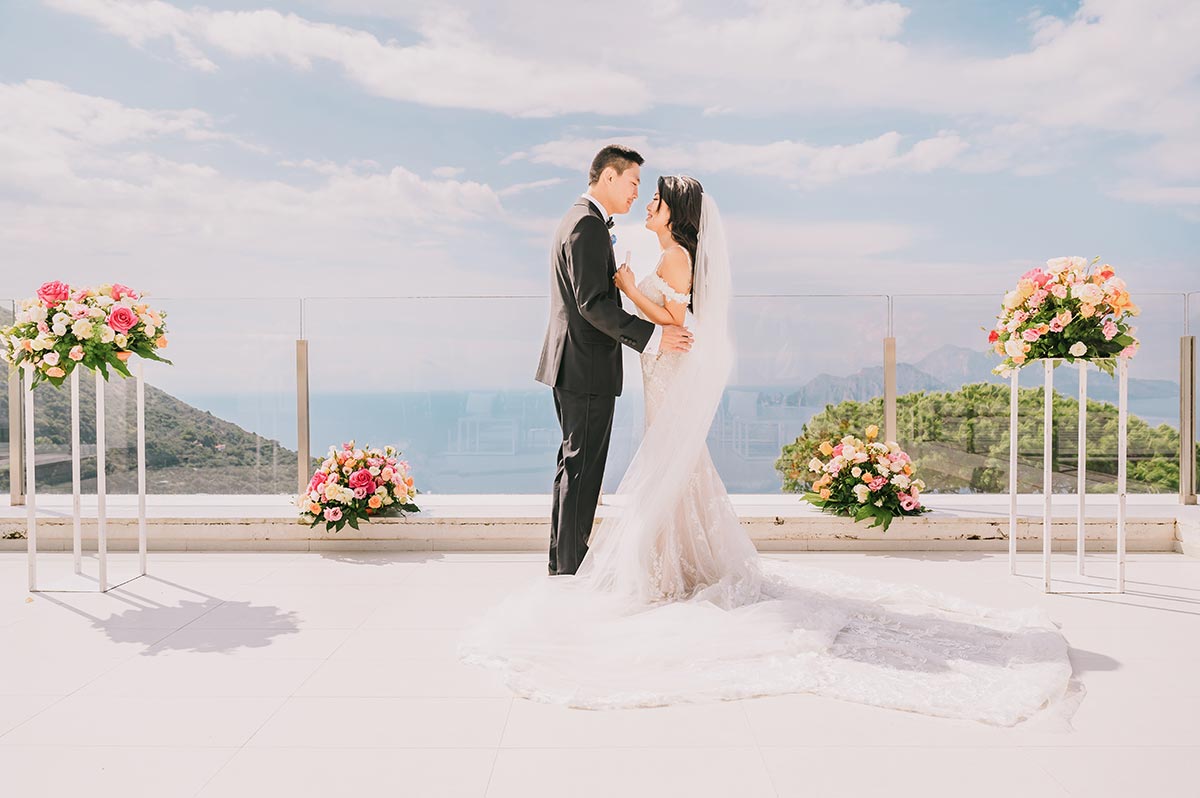
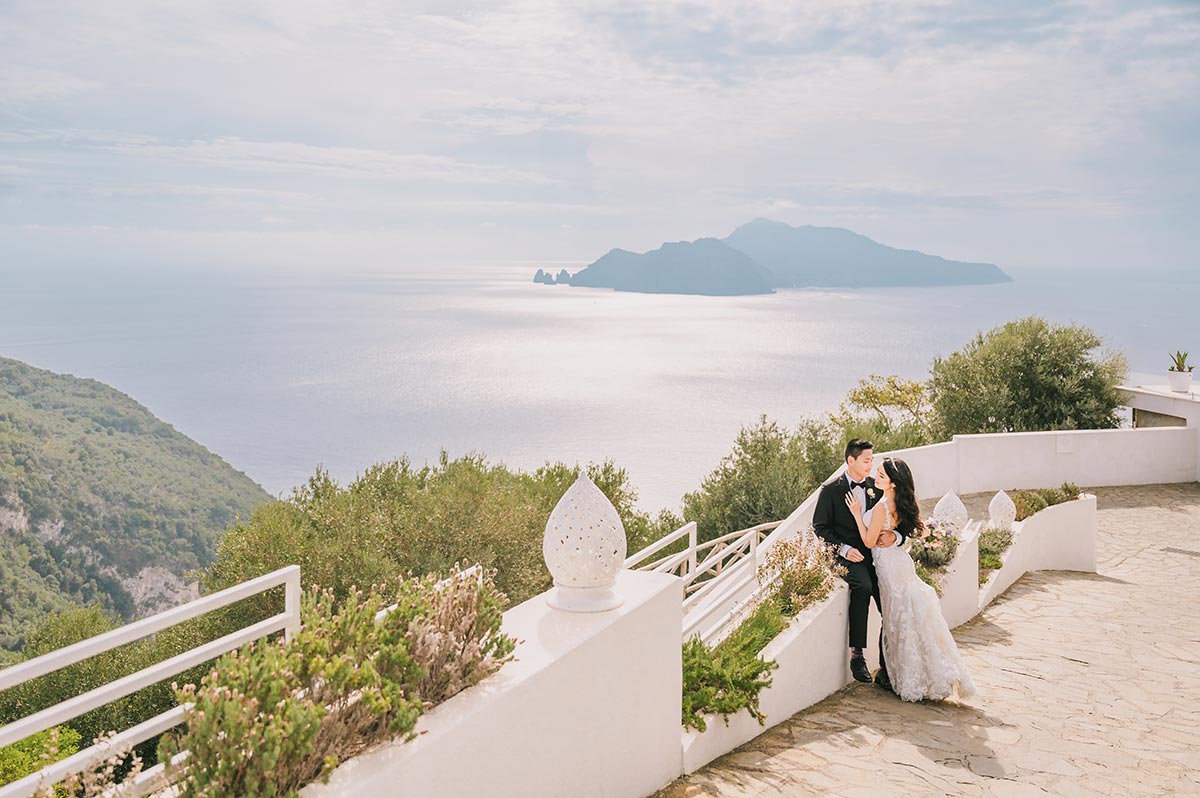
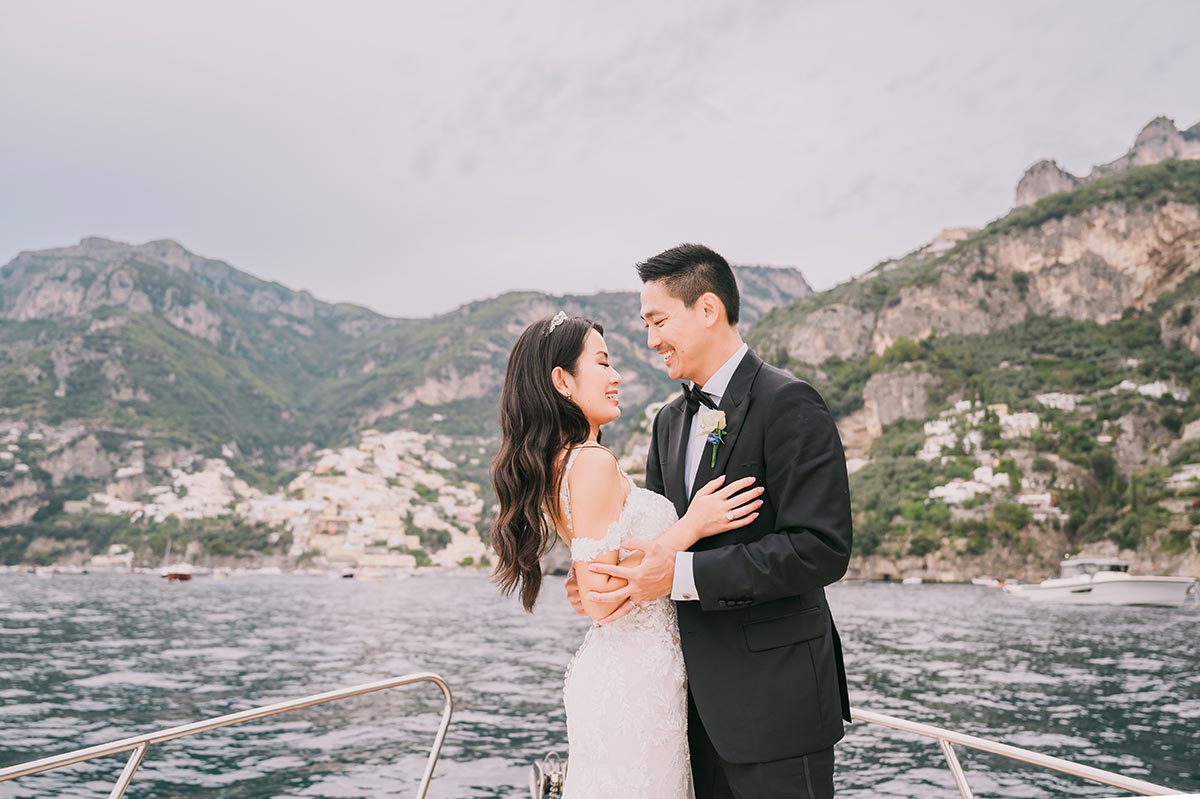
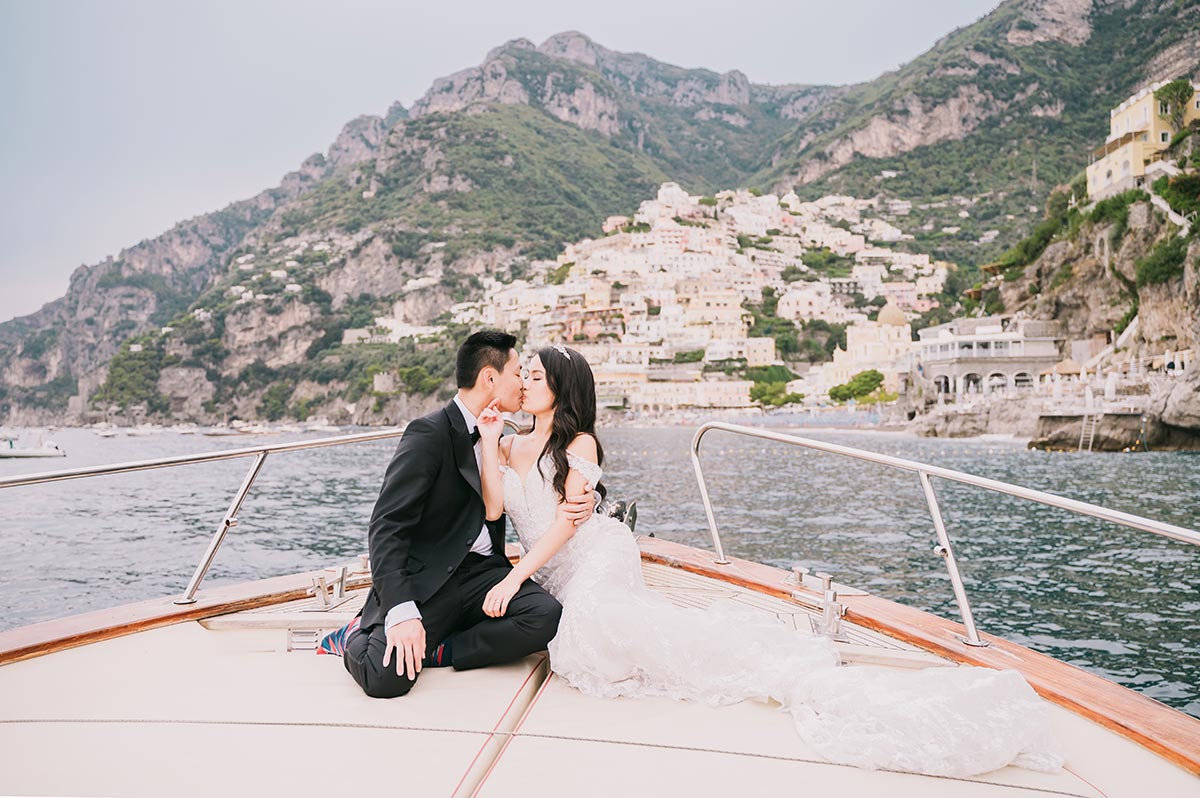
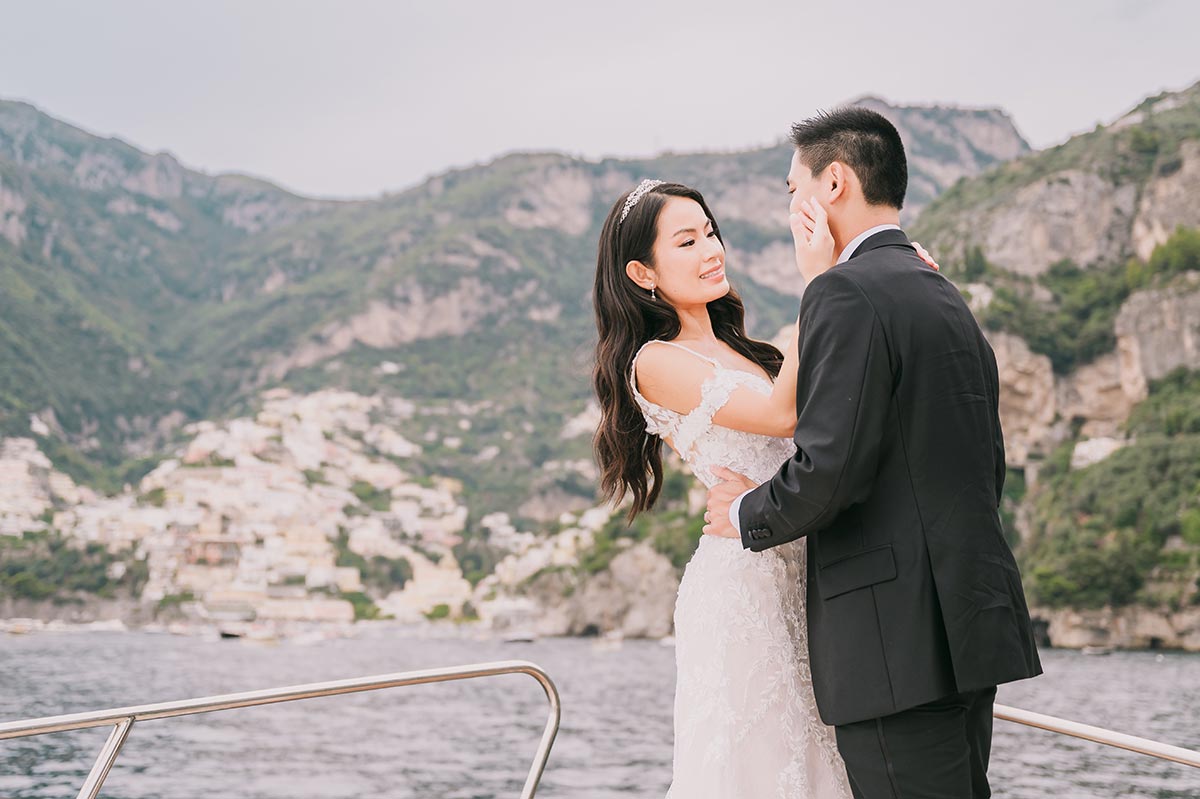
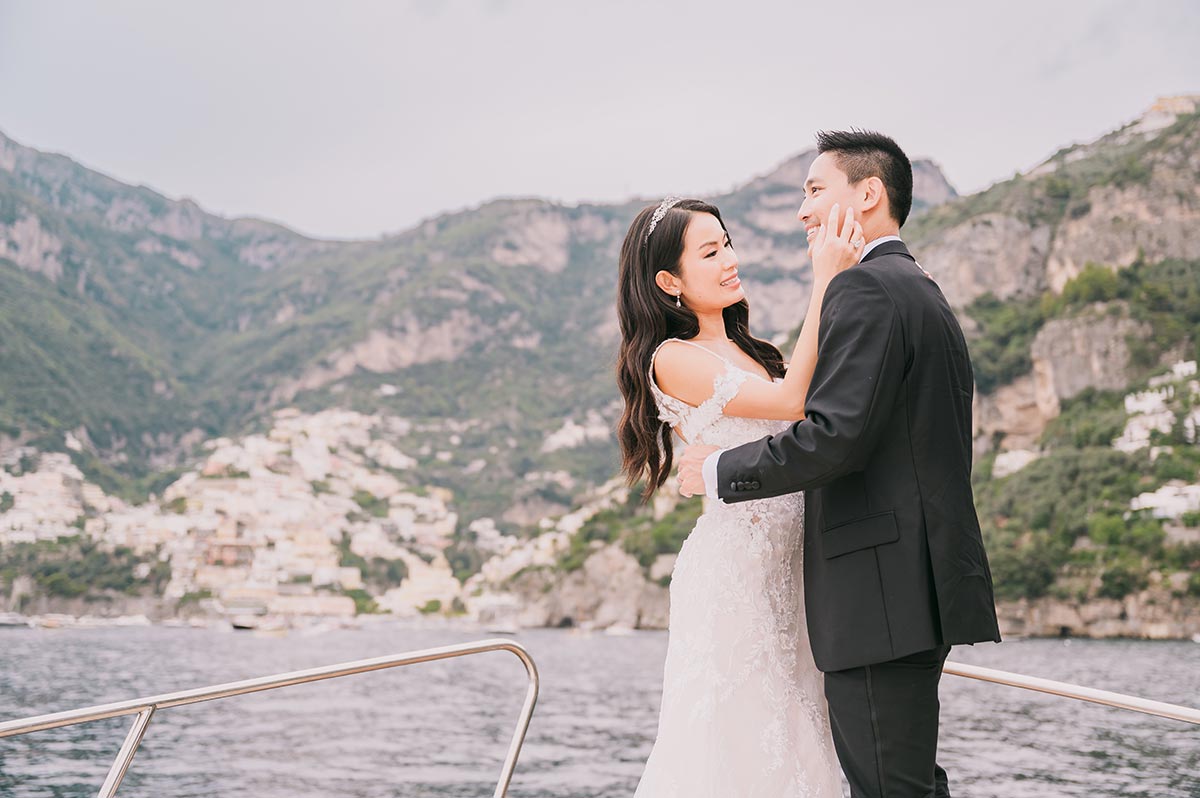
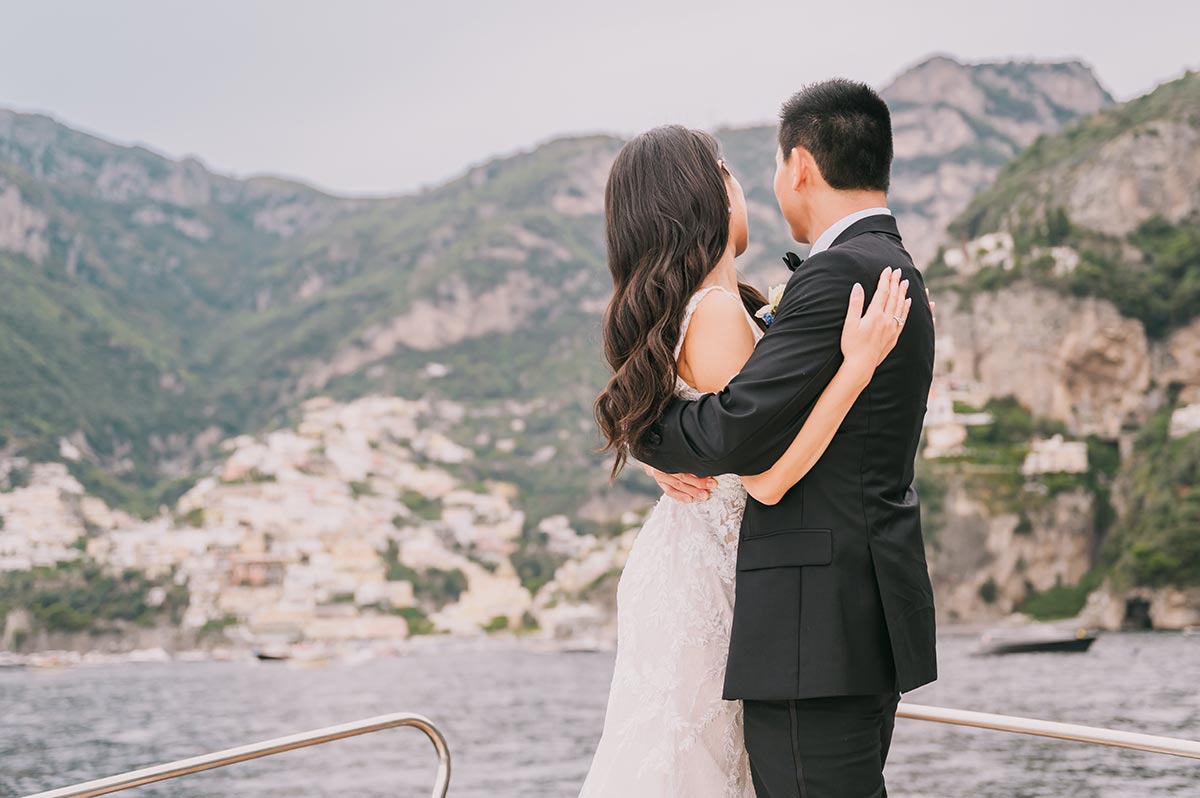
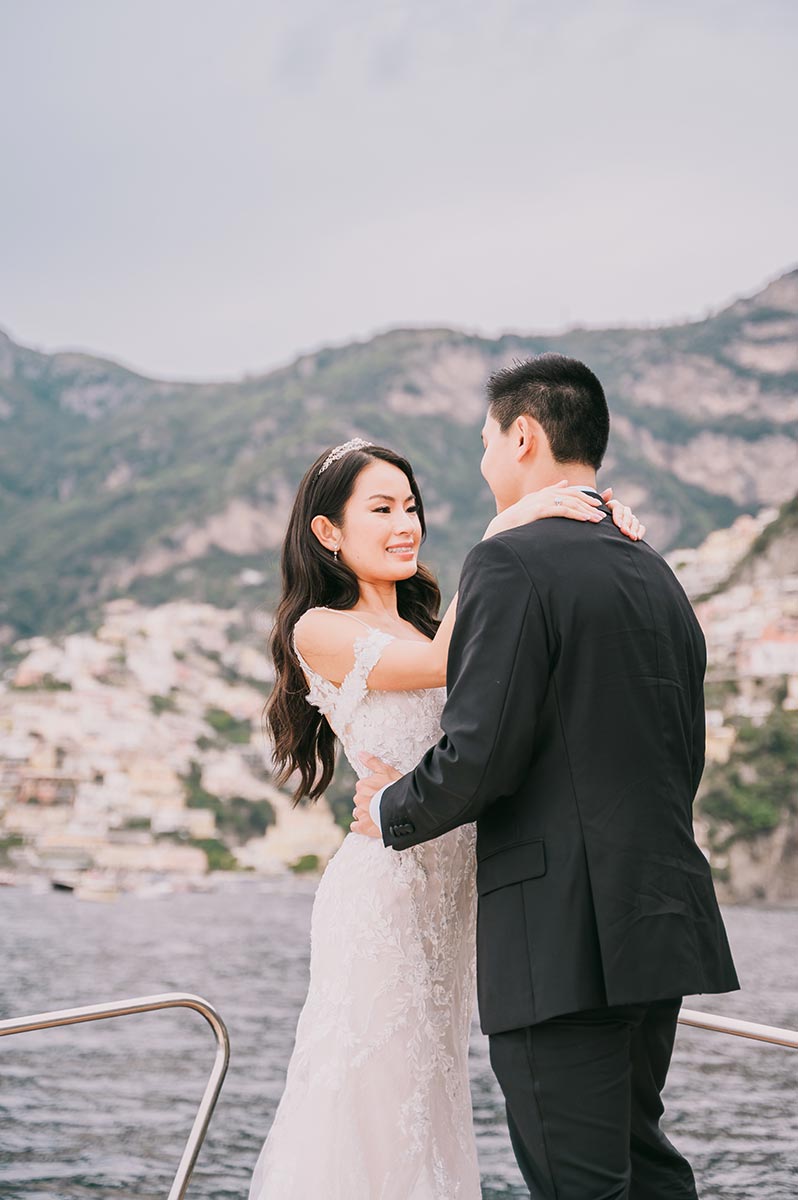
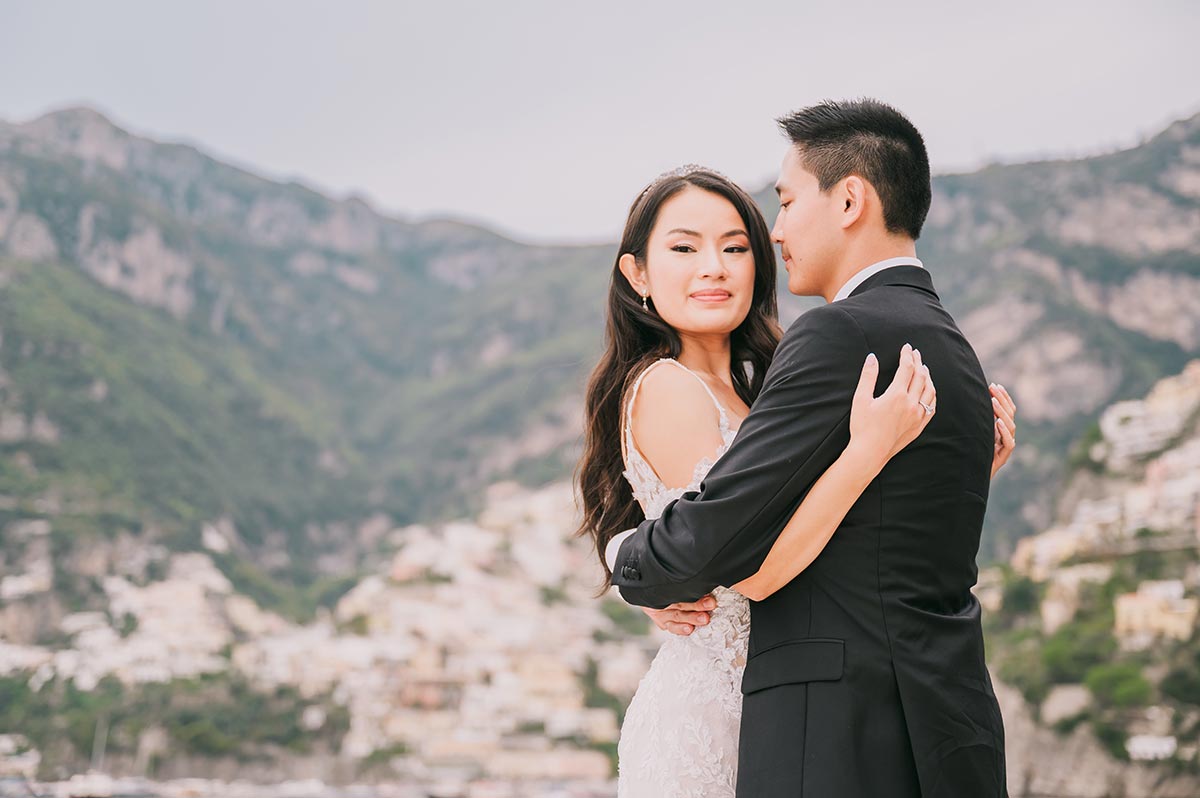
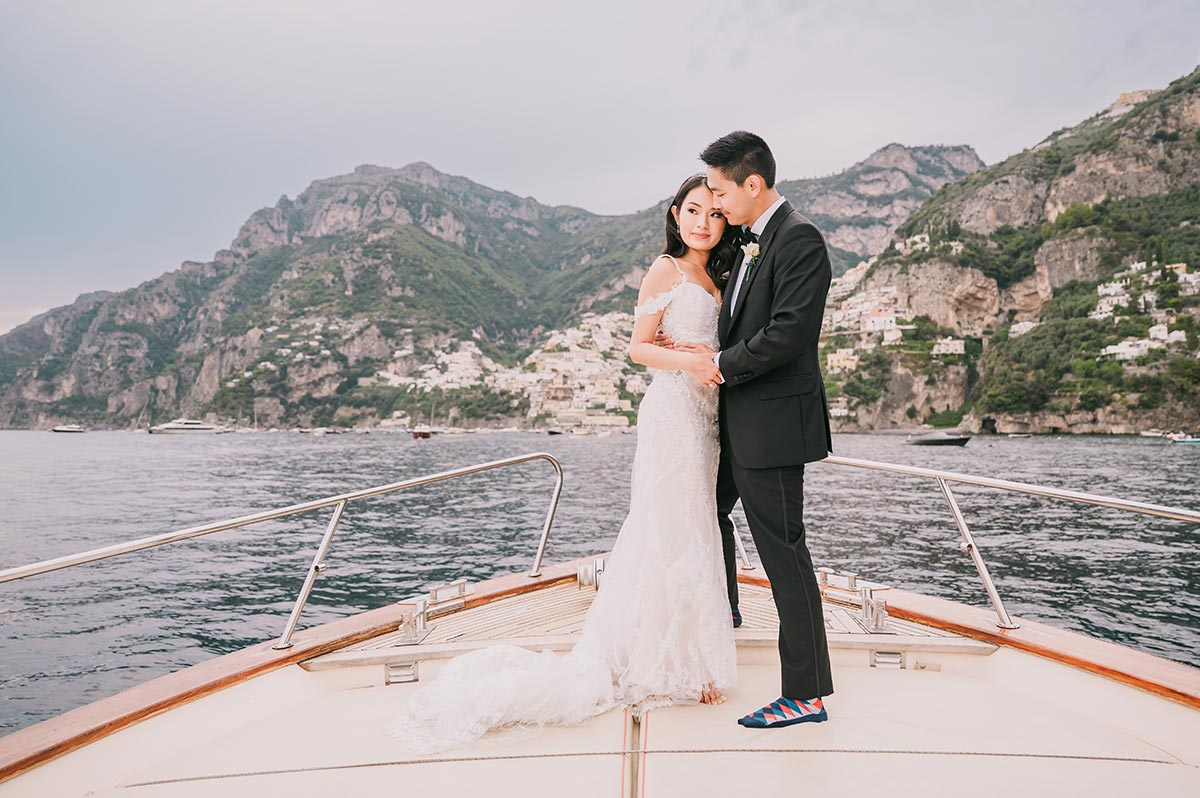
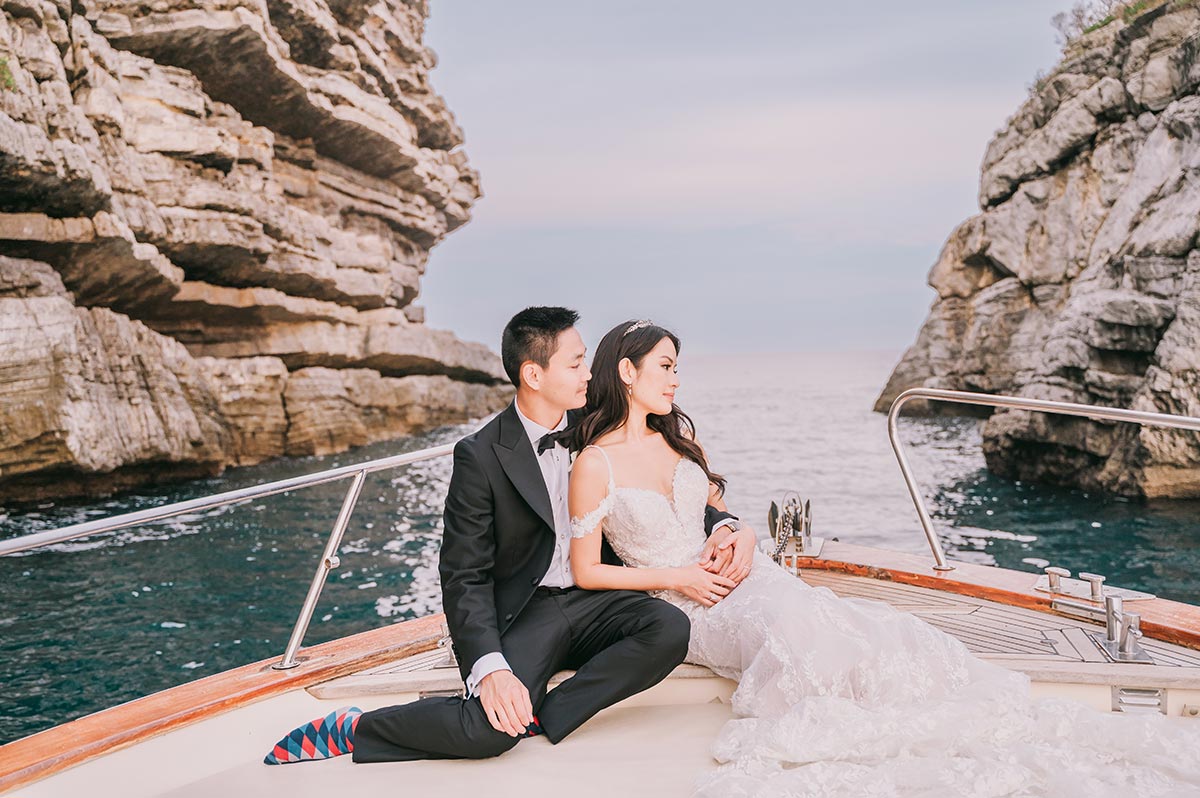
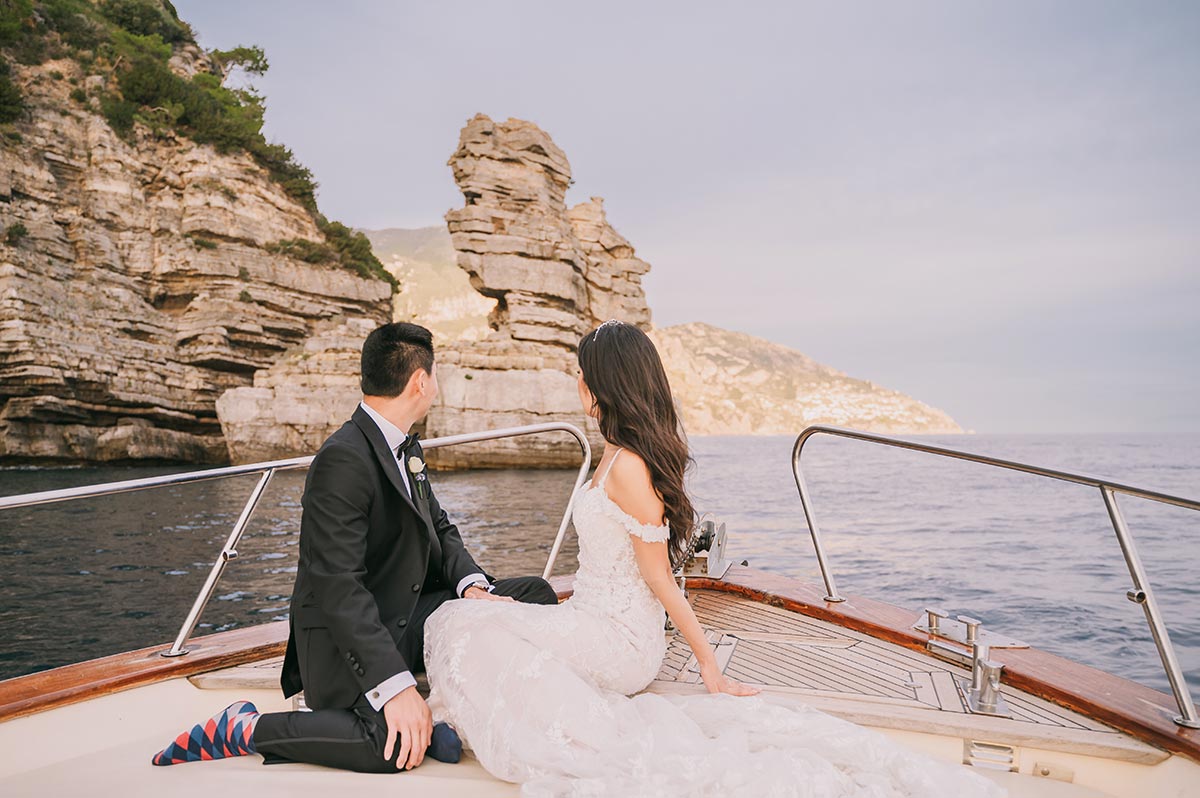
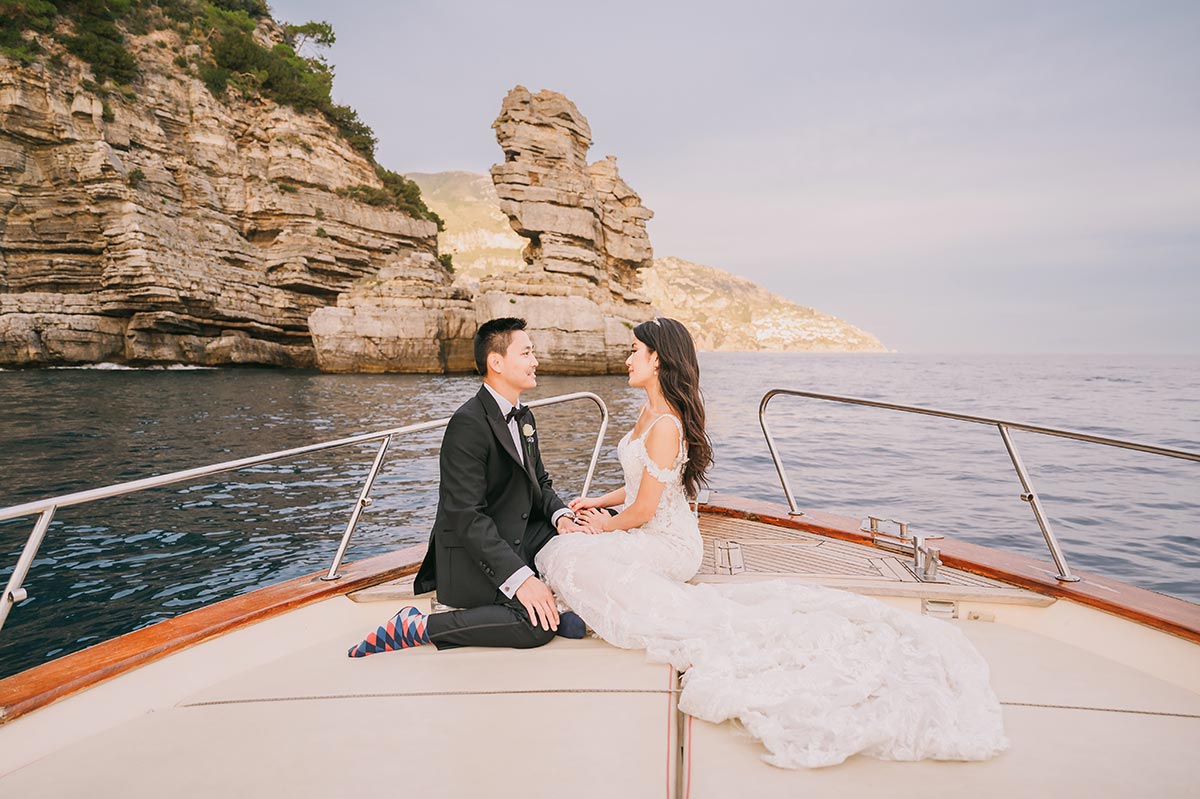
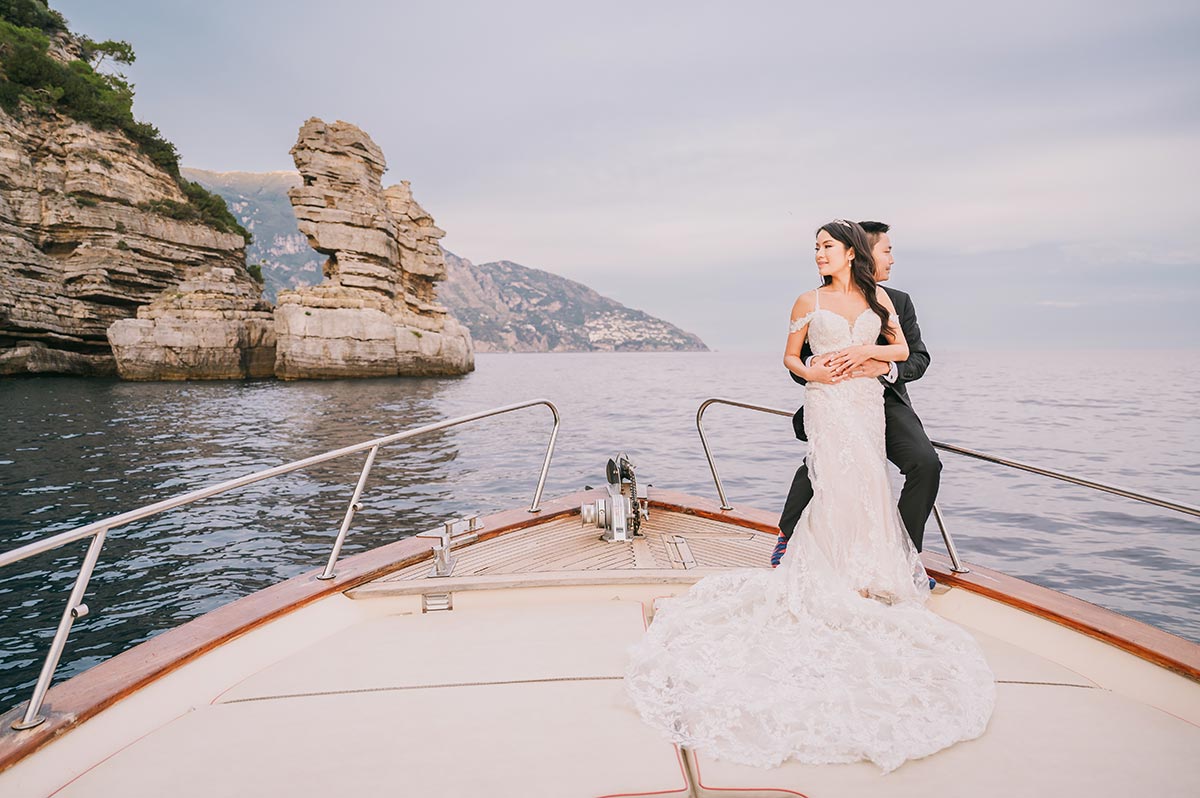
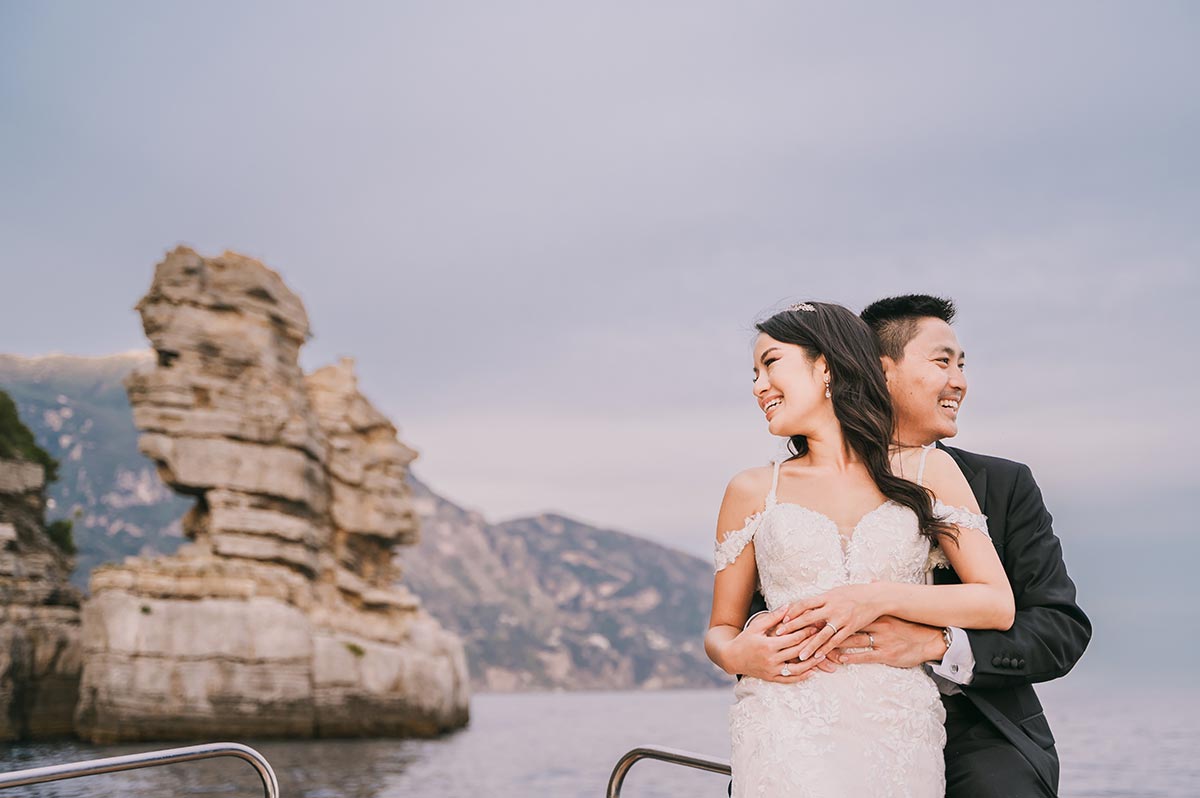
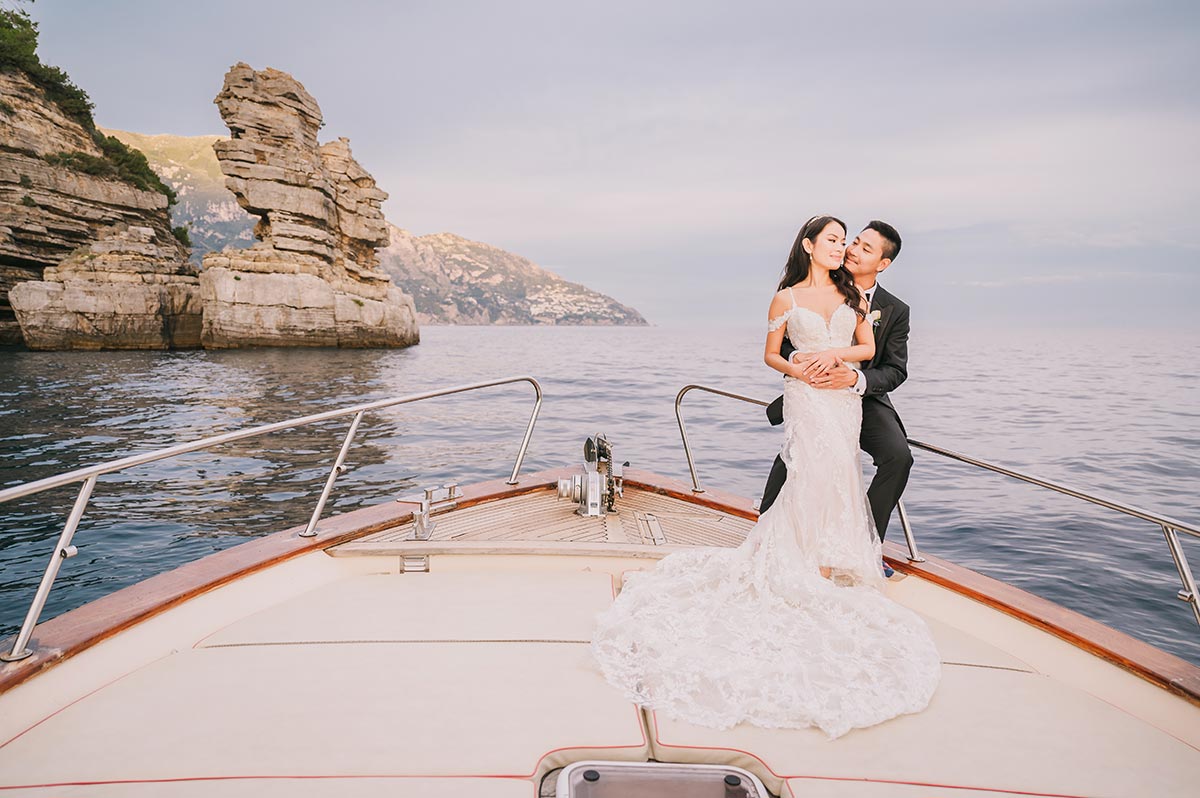
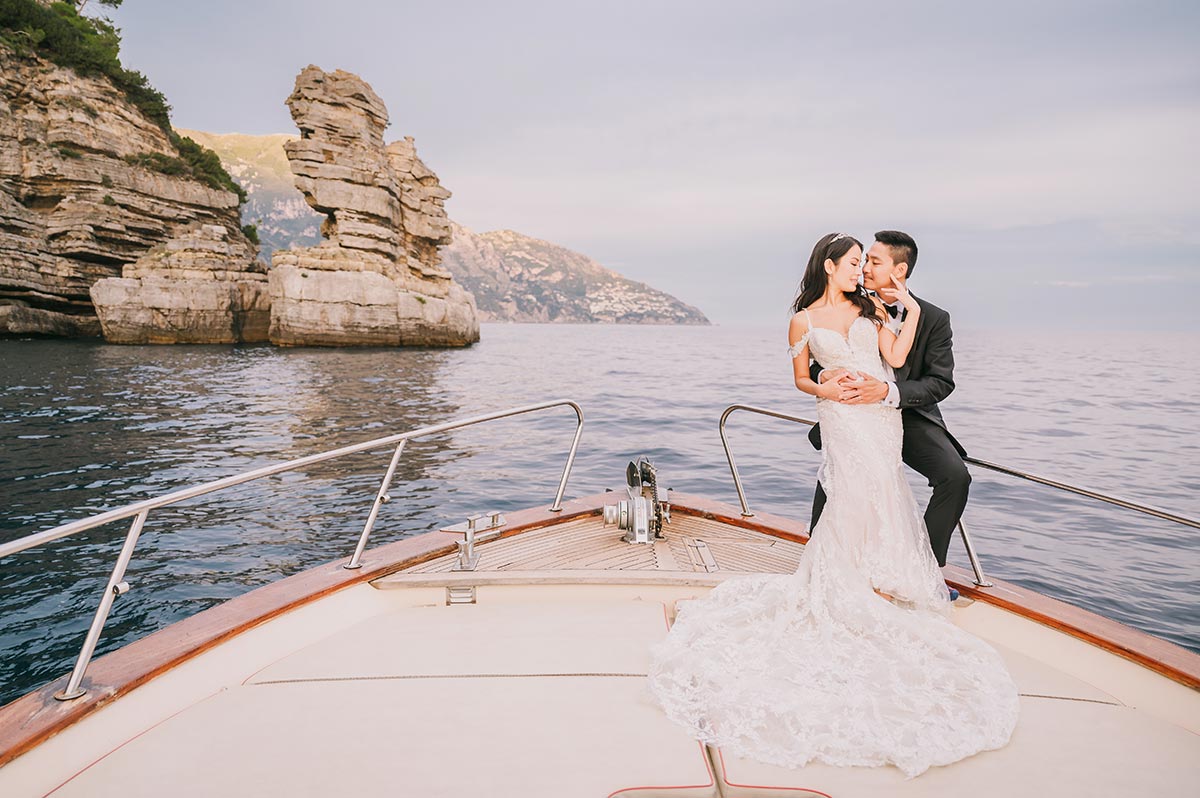
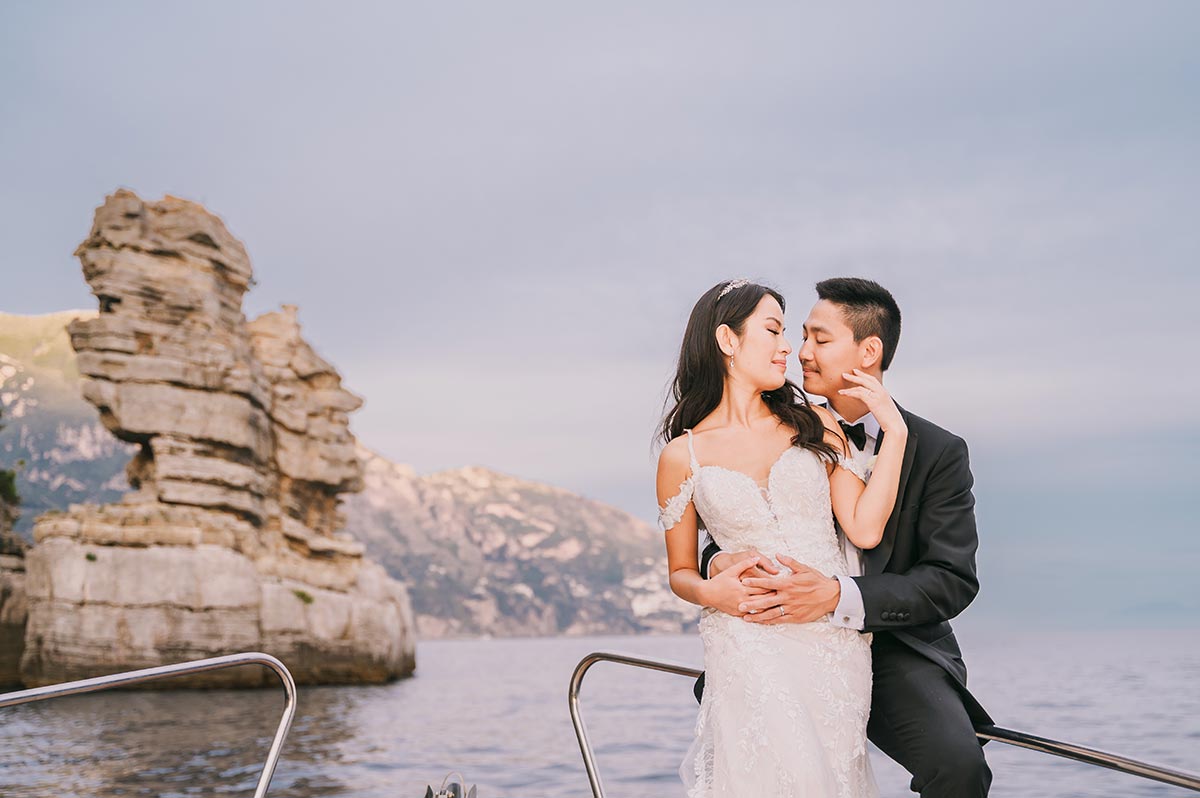
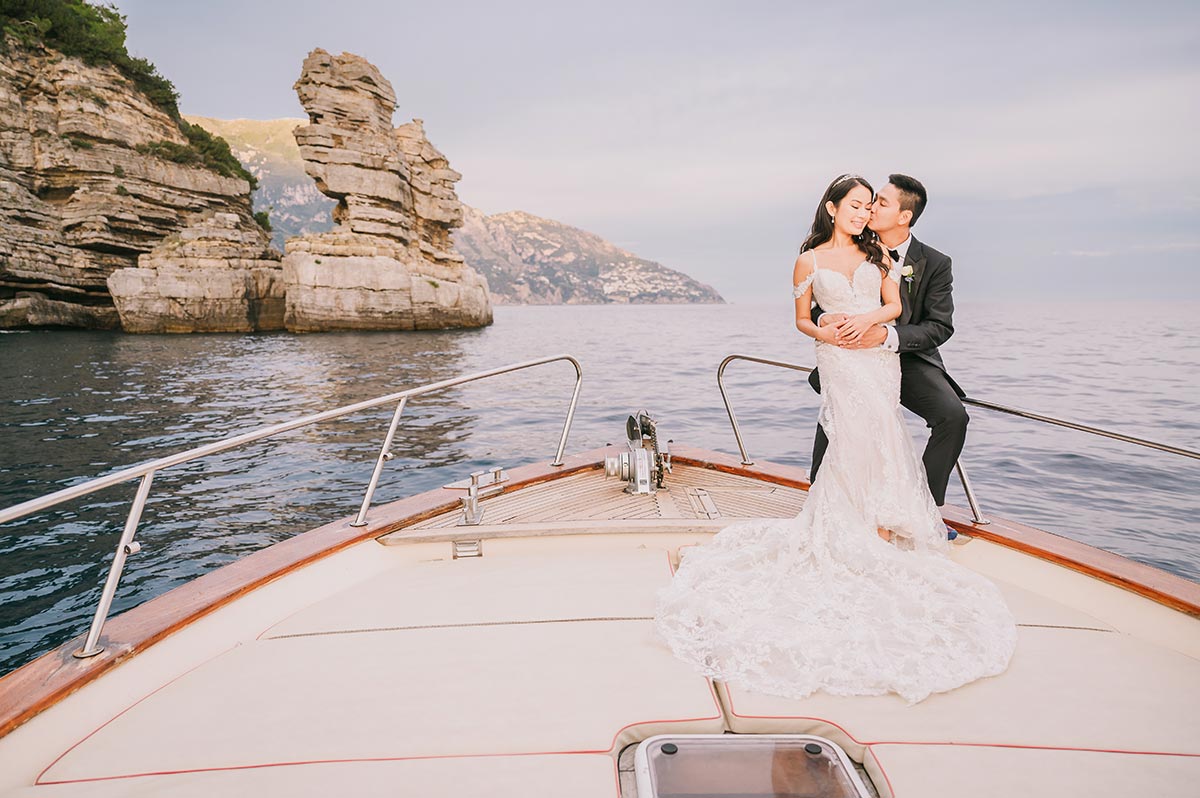
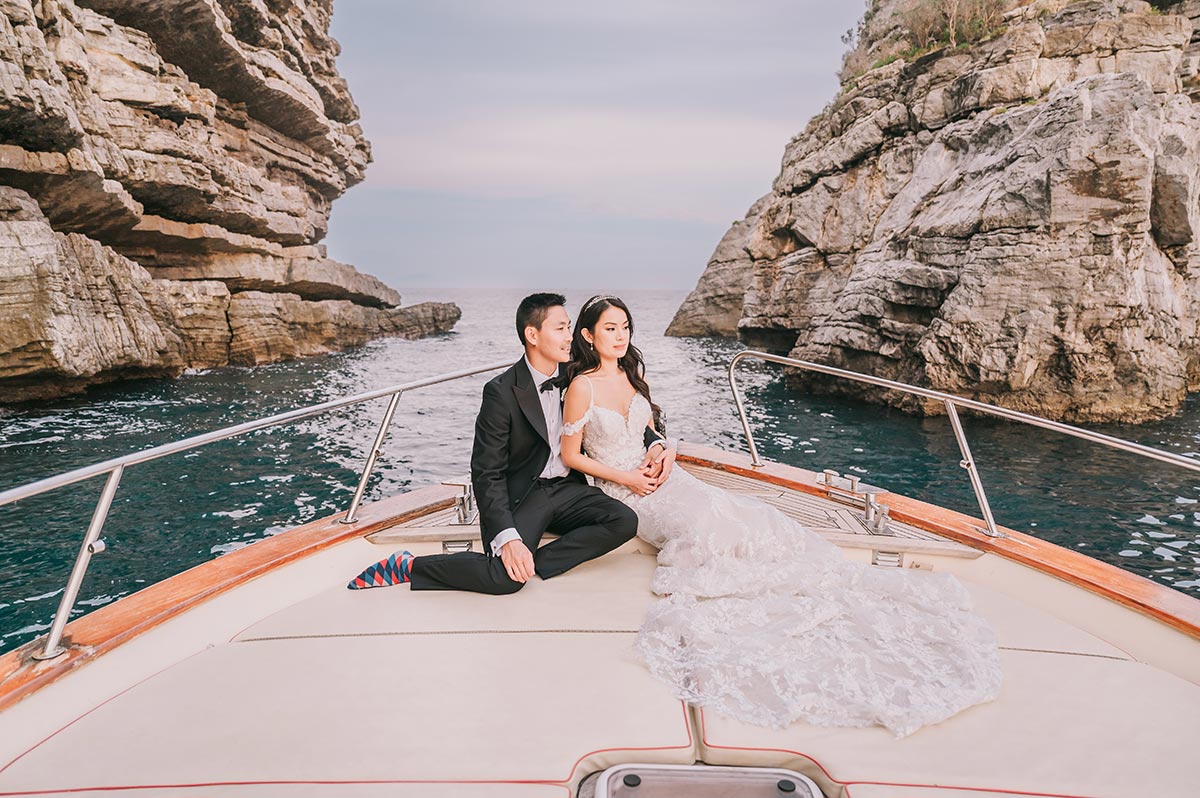
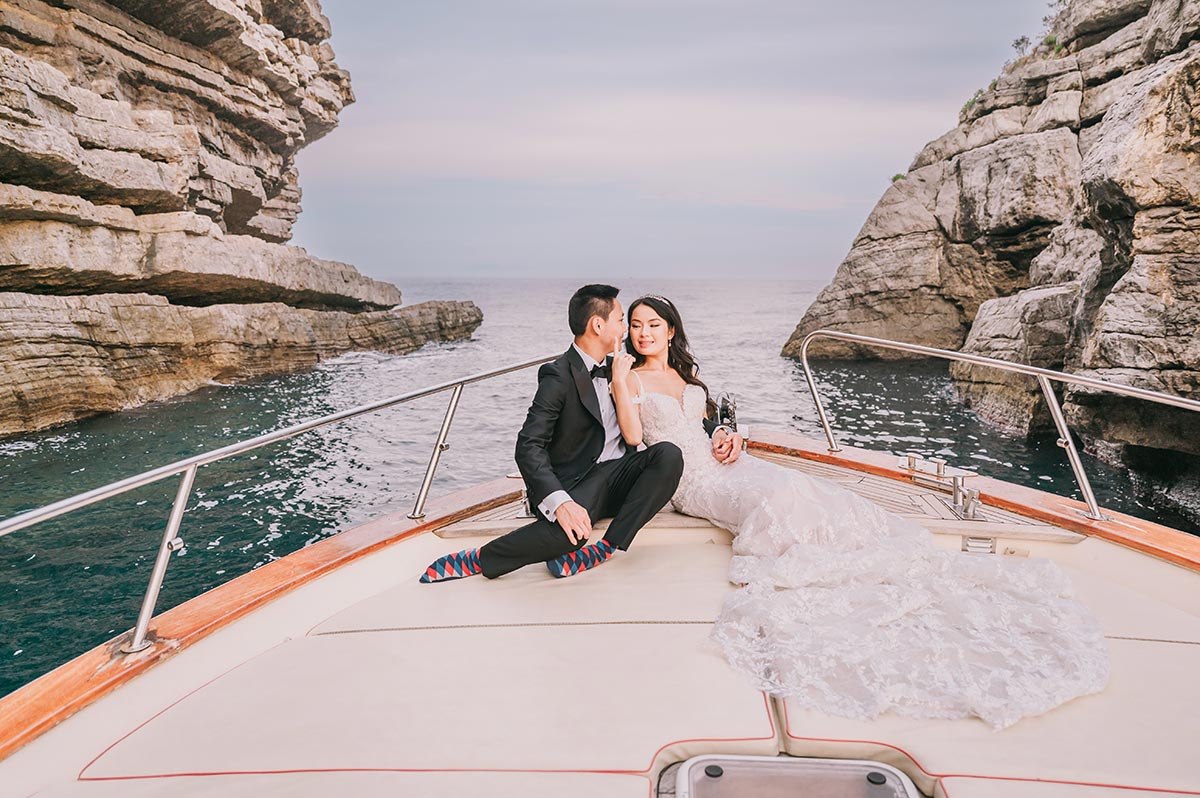
Imagine exchanging vows in a place where crystal-clear waters lap against rugged cliffs and lush olive groves sway gently in the breeze, as if whispering their own tales of romance. That is the essence of Massa Lubrense—a hidden gem on the Amalfi Coast that stands out for its charm and tranquility.
A Massa Lubrense wedding one-of-a-kind experience
Why is a Massa Lubrense Wedding a special experience? First of all, because the area has a lot to offer: beach, hills, sea, mountains, fabulous cities, culture, ancient atmosphere, delicious food, elegance. When I have been hired to be a Wedding Photographer in Massa Lubrense, I’ve had the opportunity to appreciate all the special features of a Style Wedding.

IF YOU THINK OF HIRING ME, IT MEANS THAT YOU SHARE THIS VISION AND WE HAVE MANY THINGS IN COMMON.
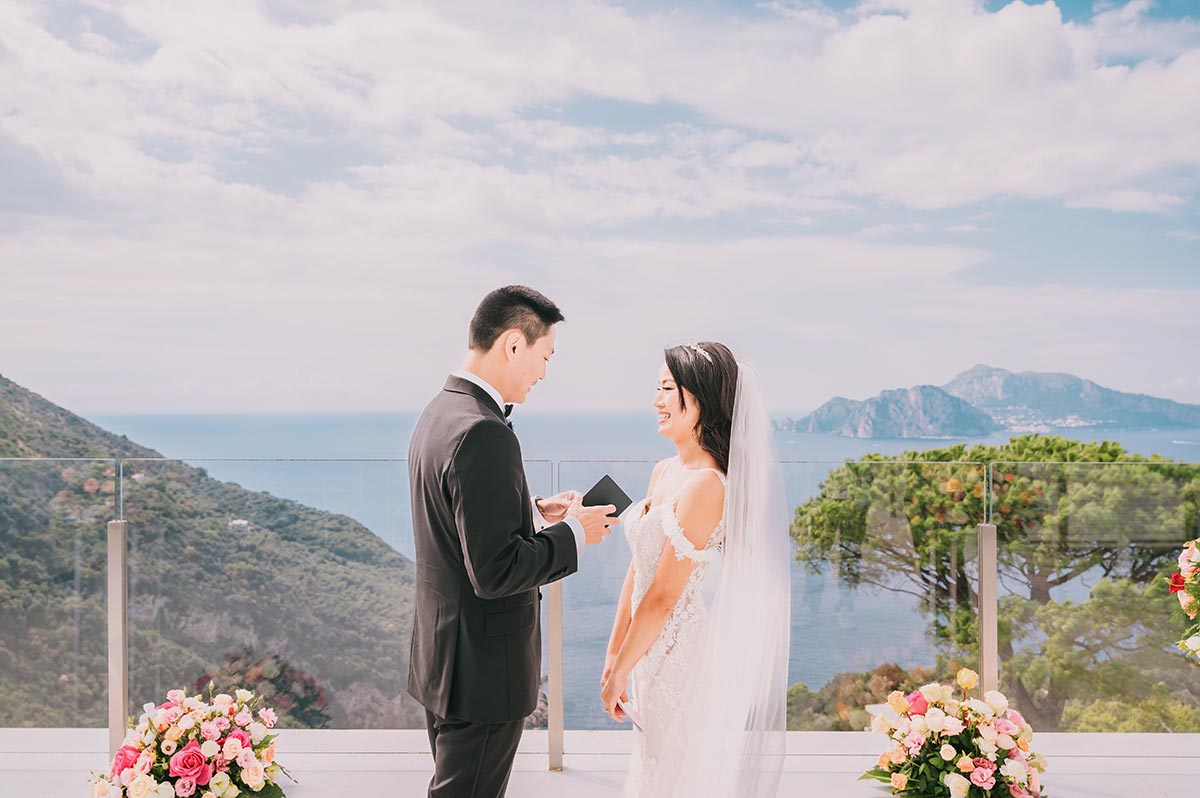
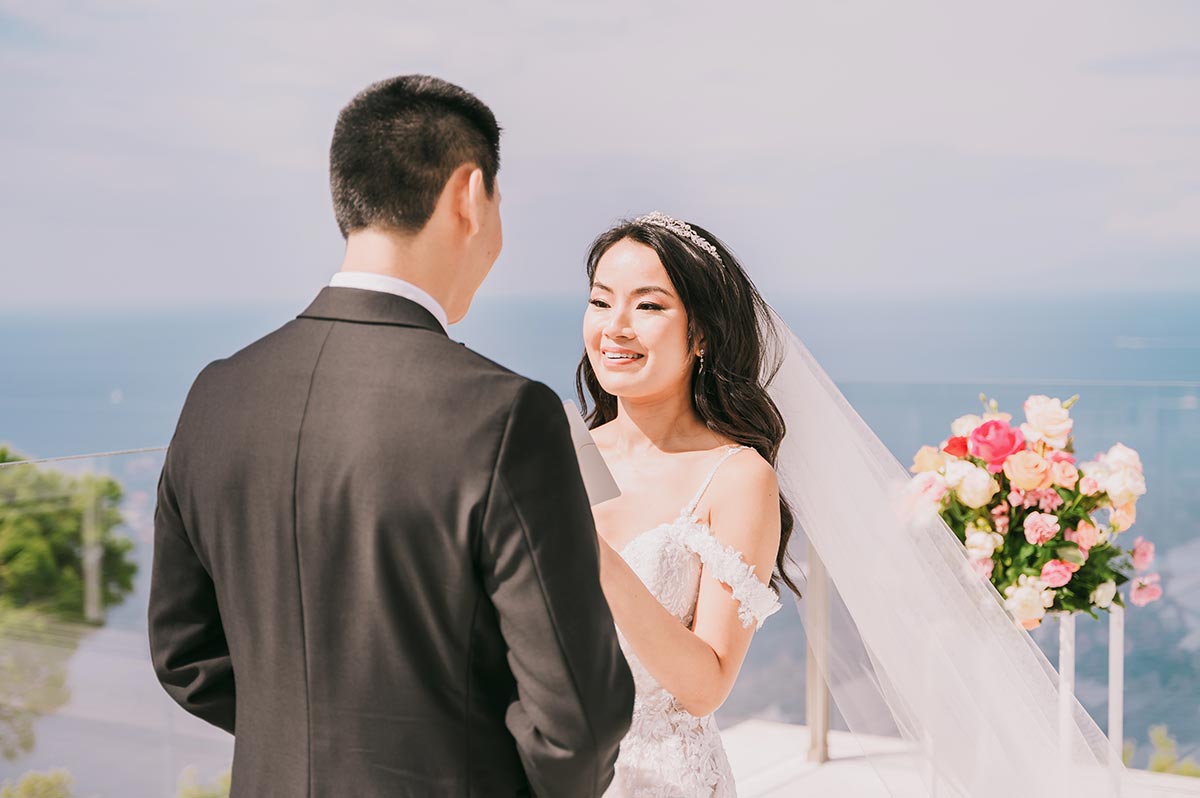
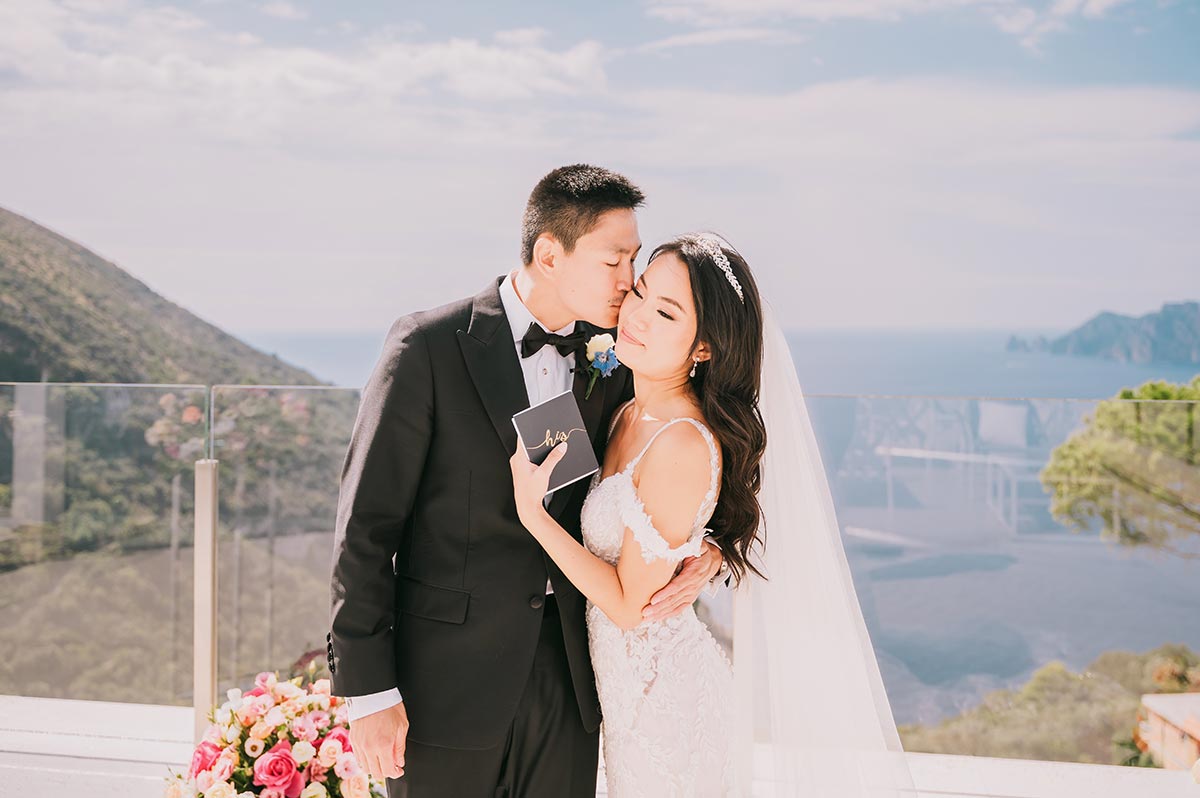

Whether it’s a secluded garden perfumed with the scent of lemon blossoms or a rustic cliffside chapel that feels like it’s reaching for the heavens, every location in Massa Lubrense exudes an atmosphere of romance that is simply unmatched.
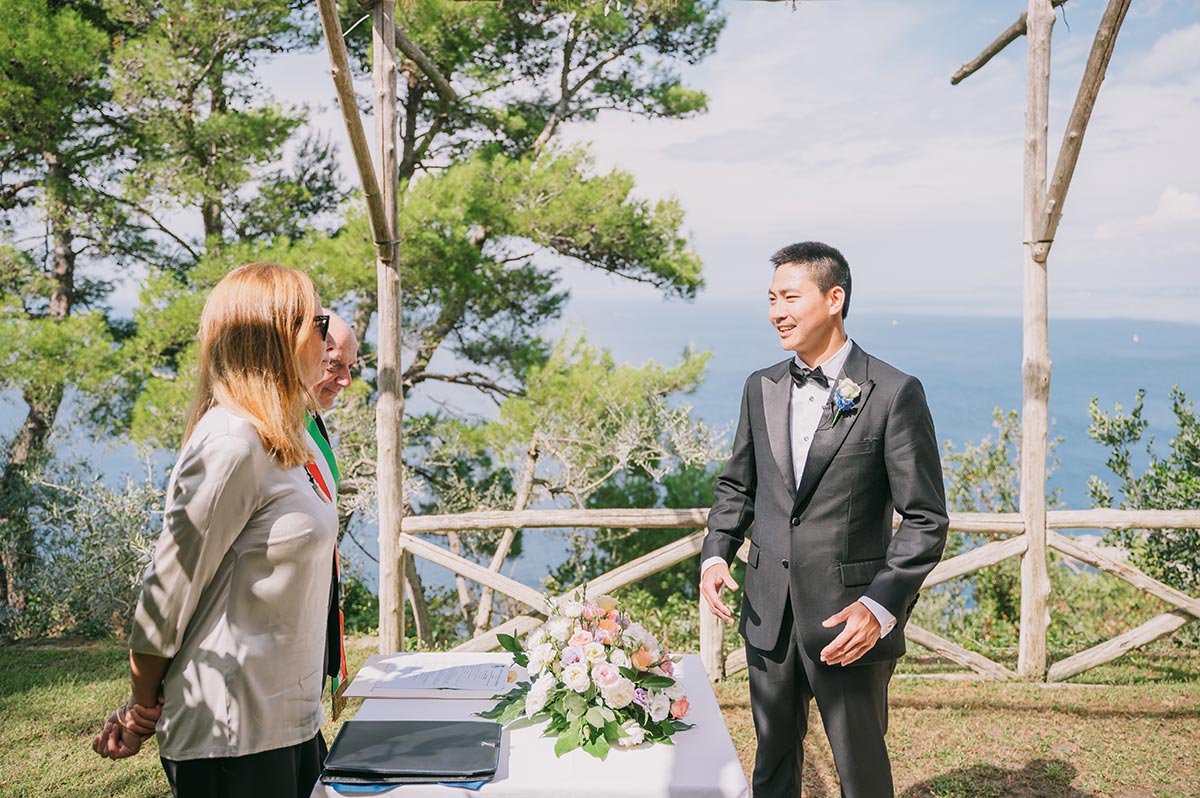
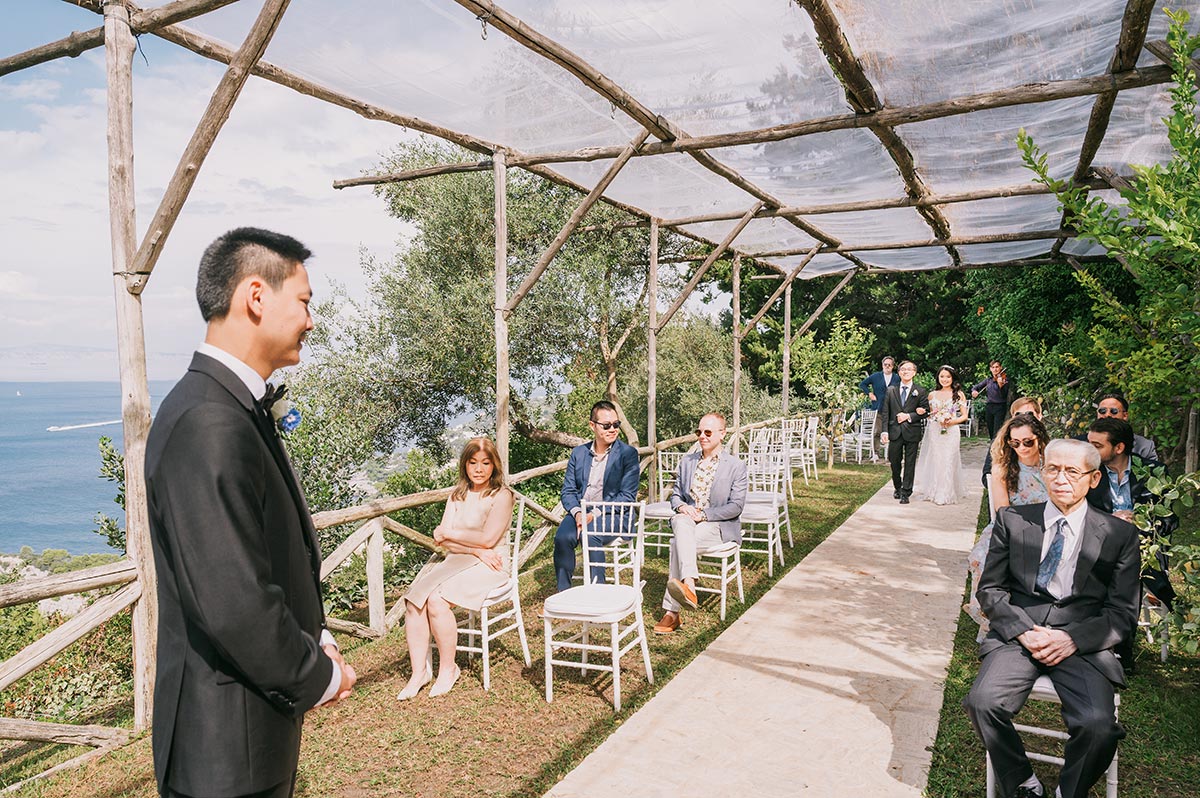
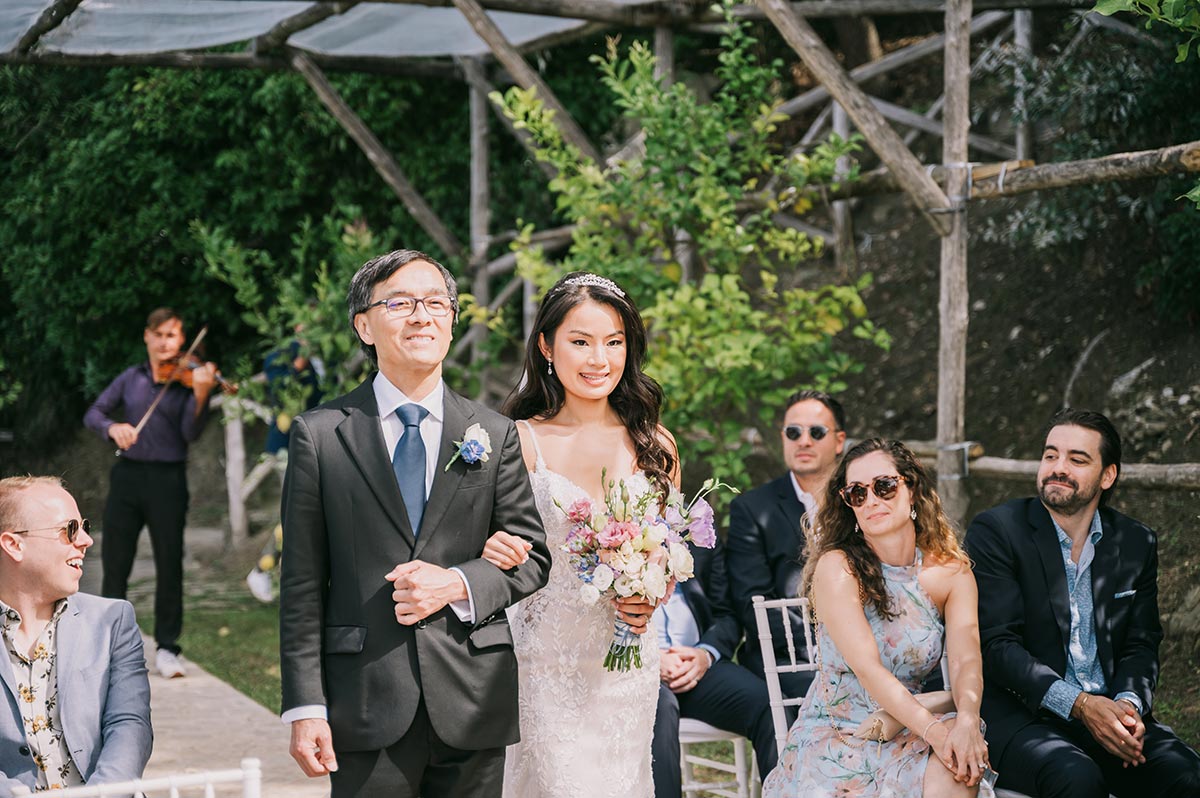
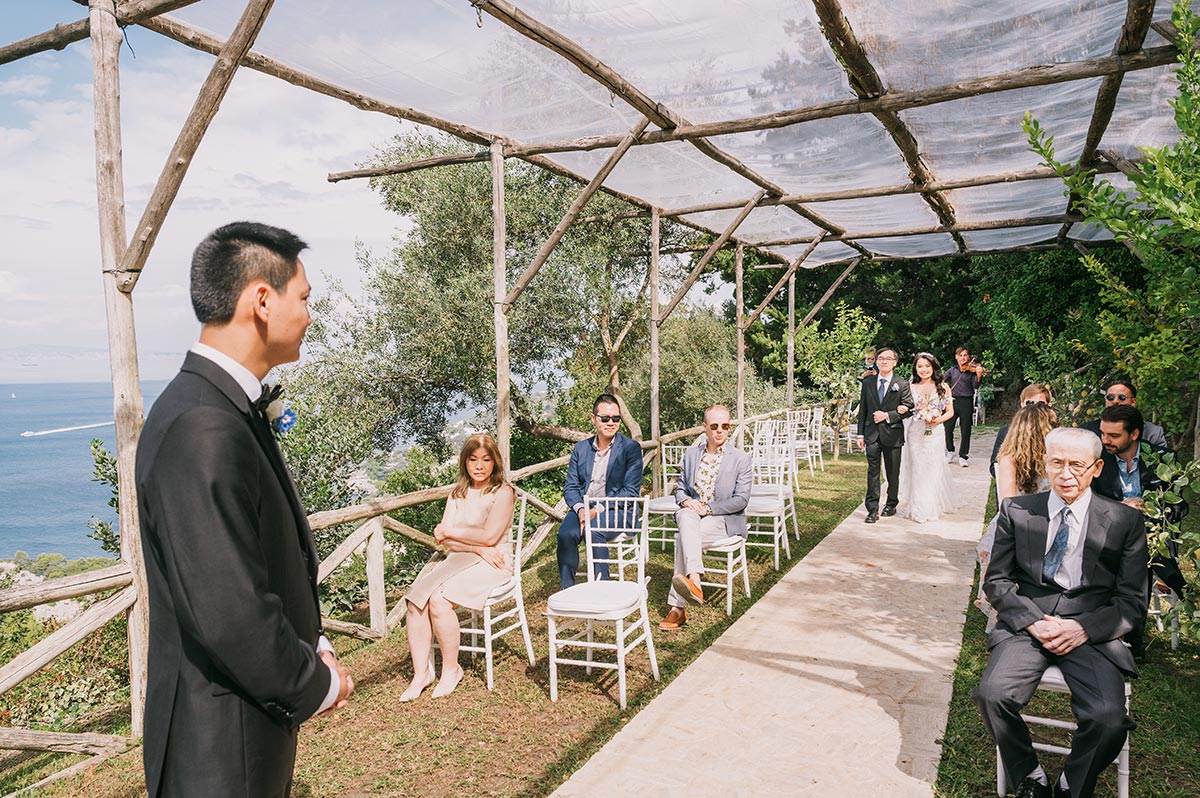
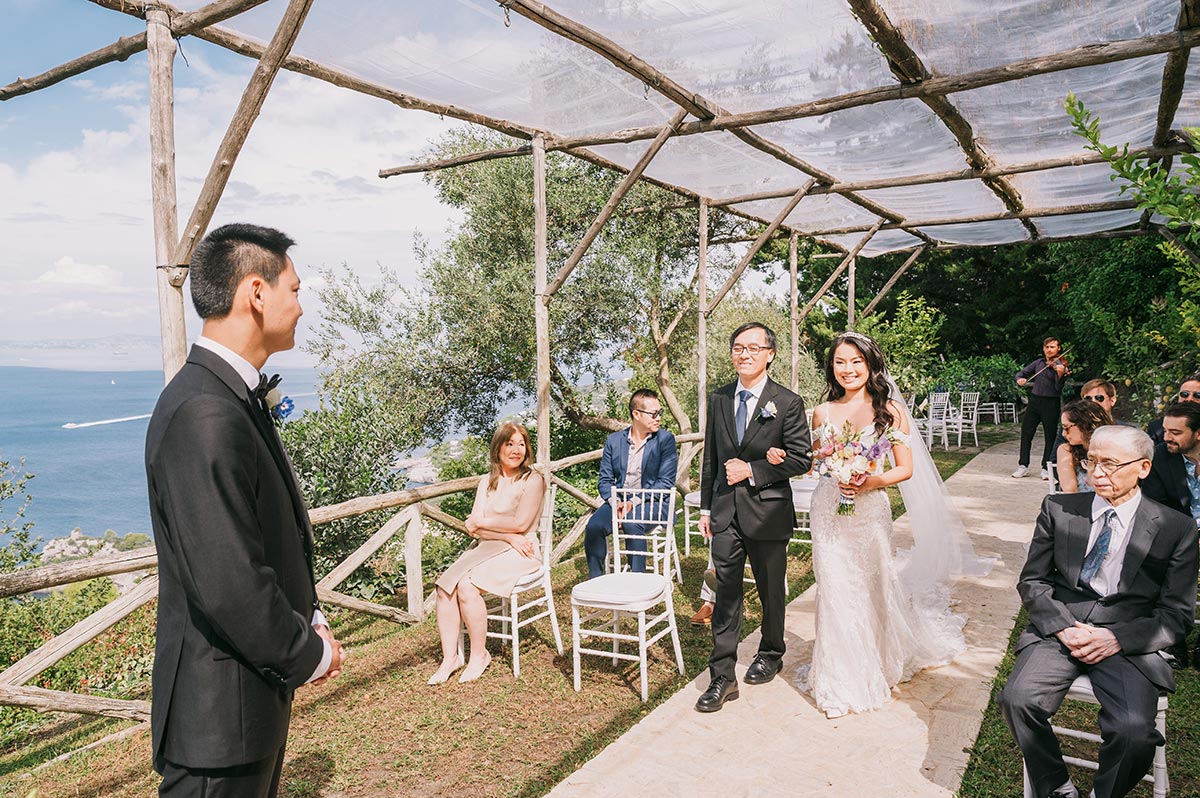

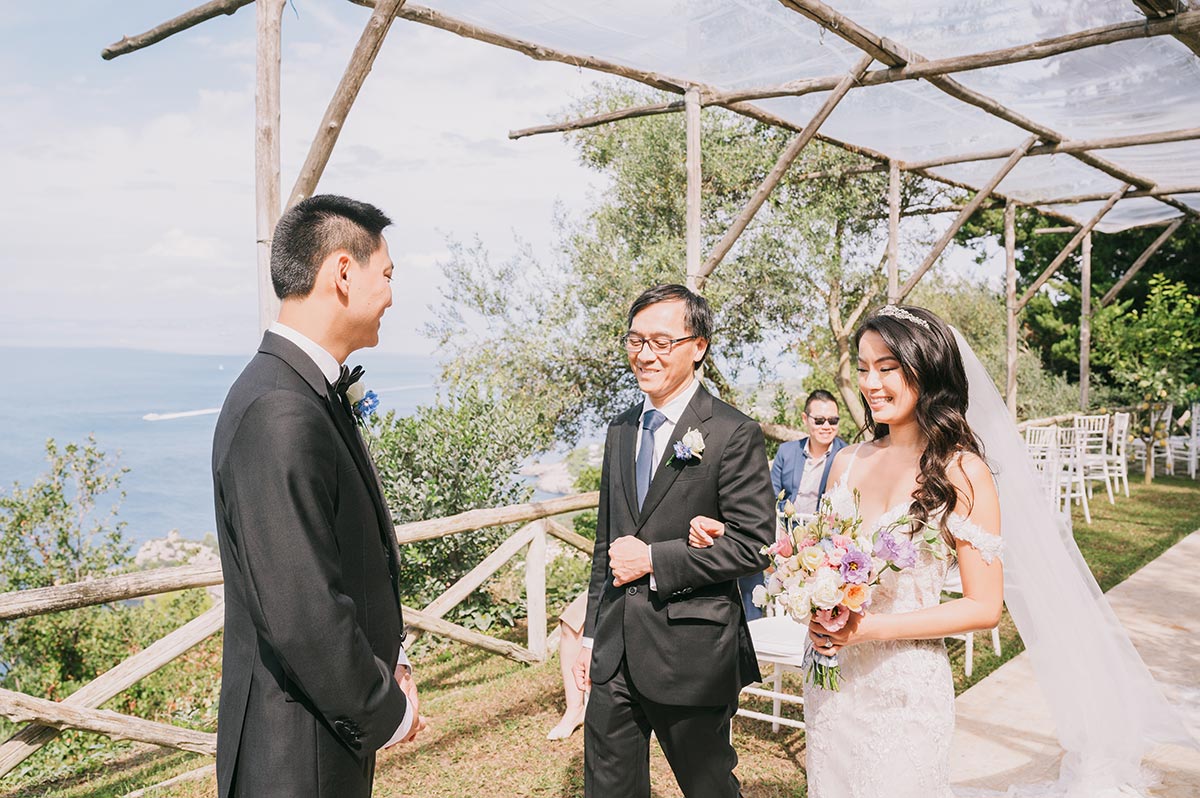


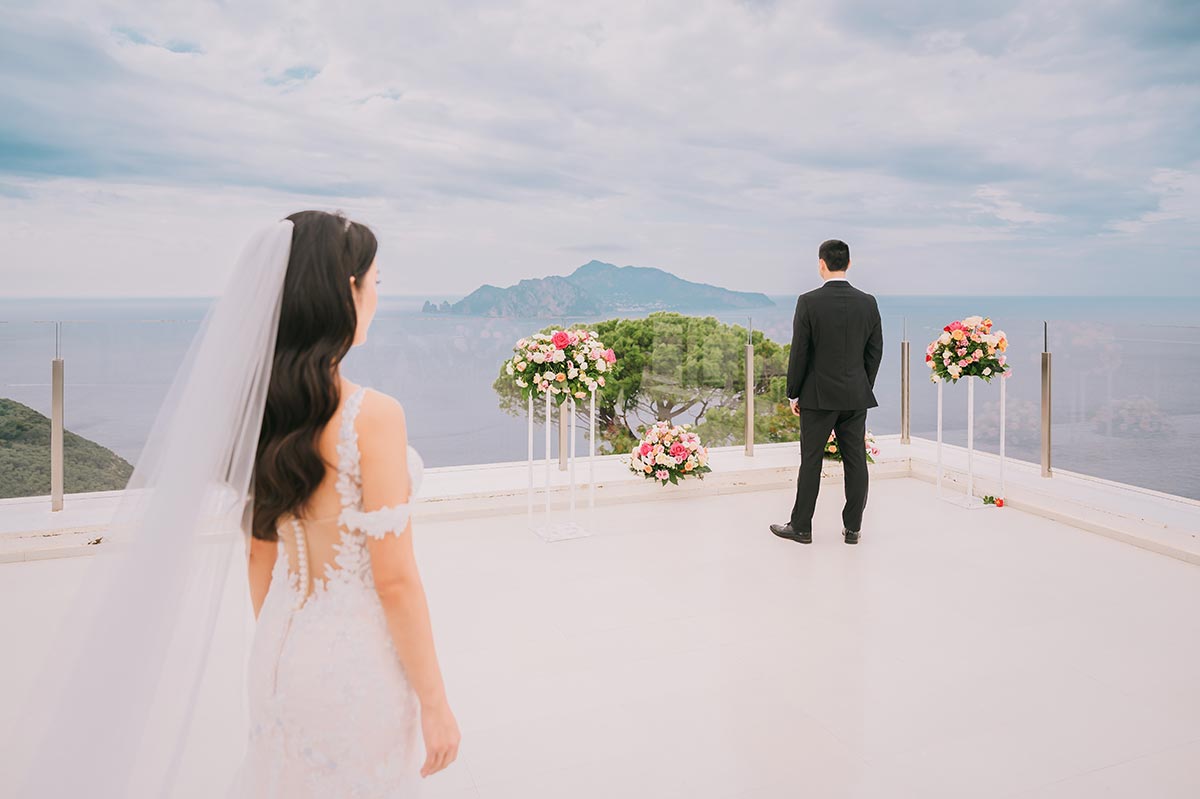
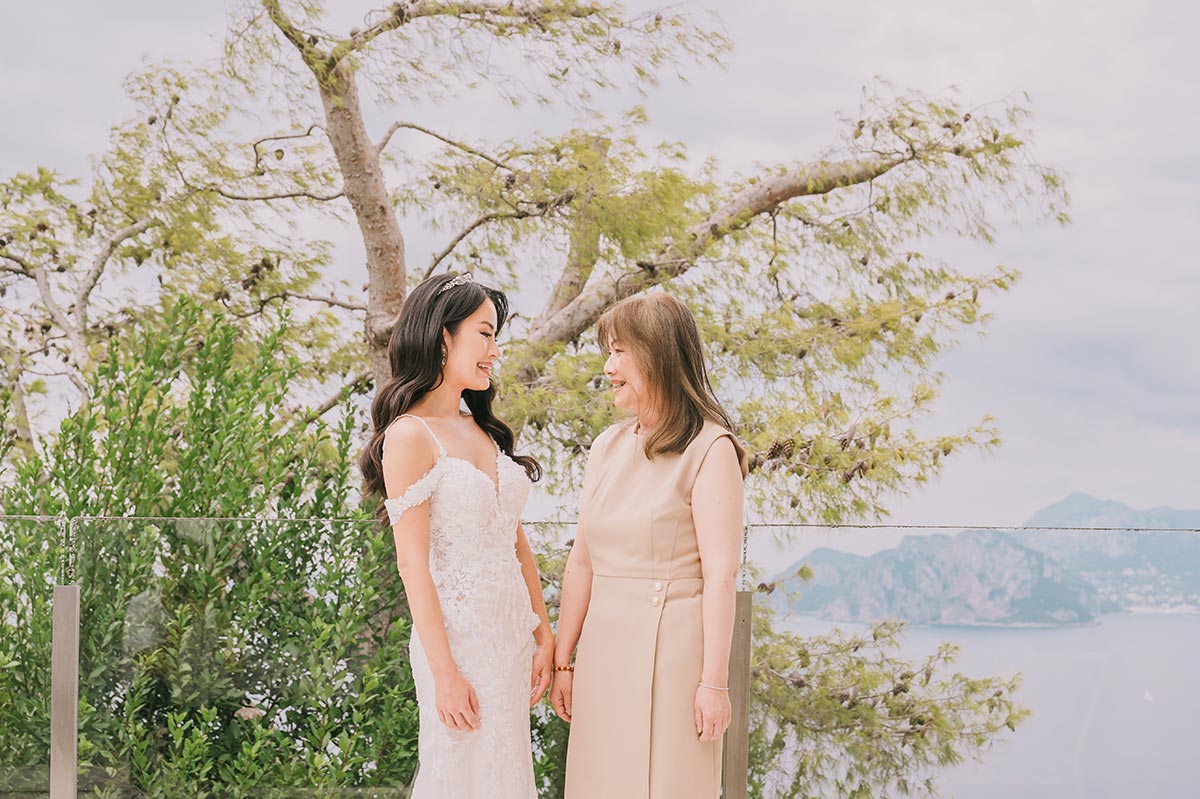
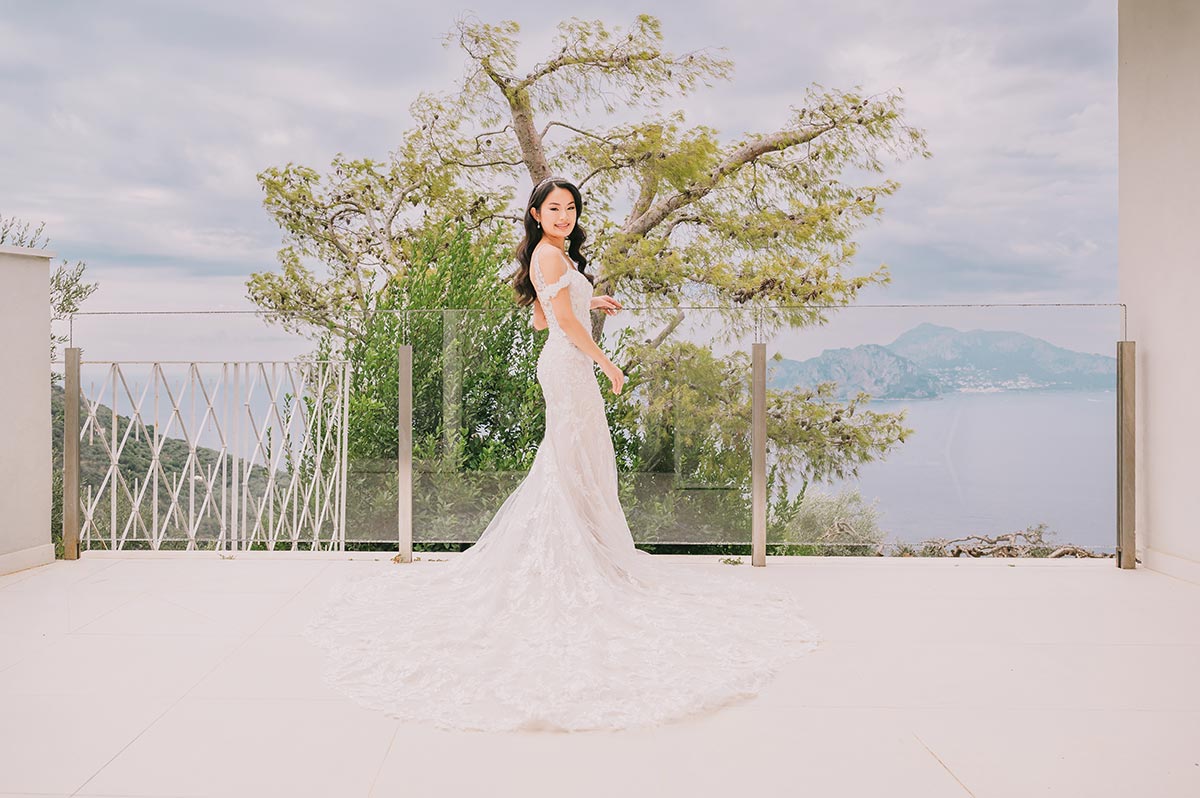
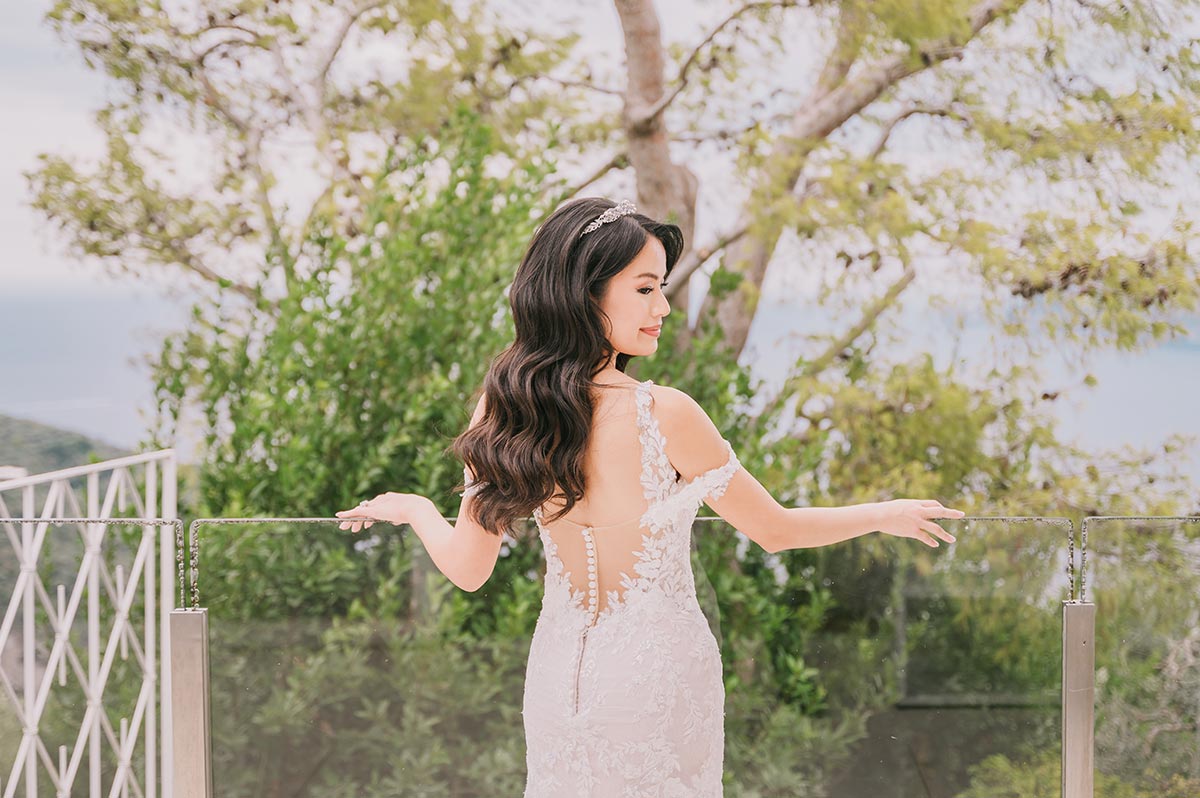
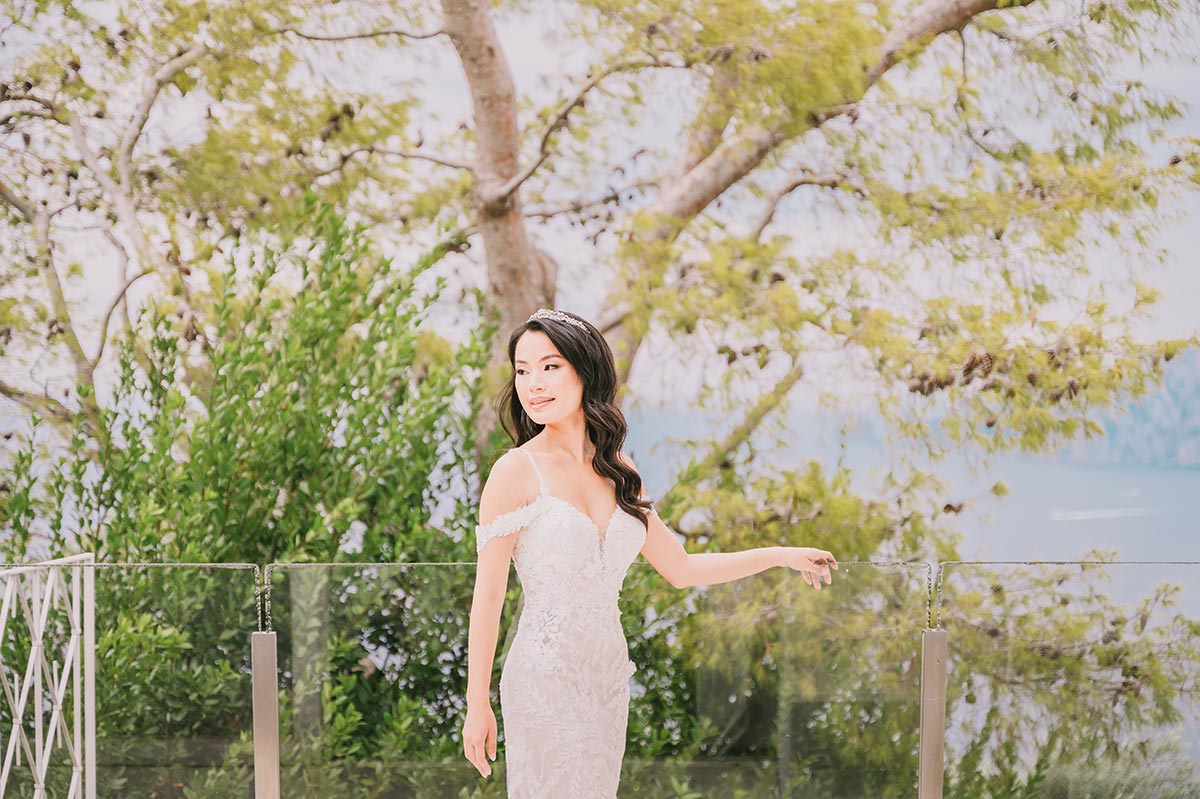
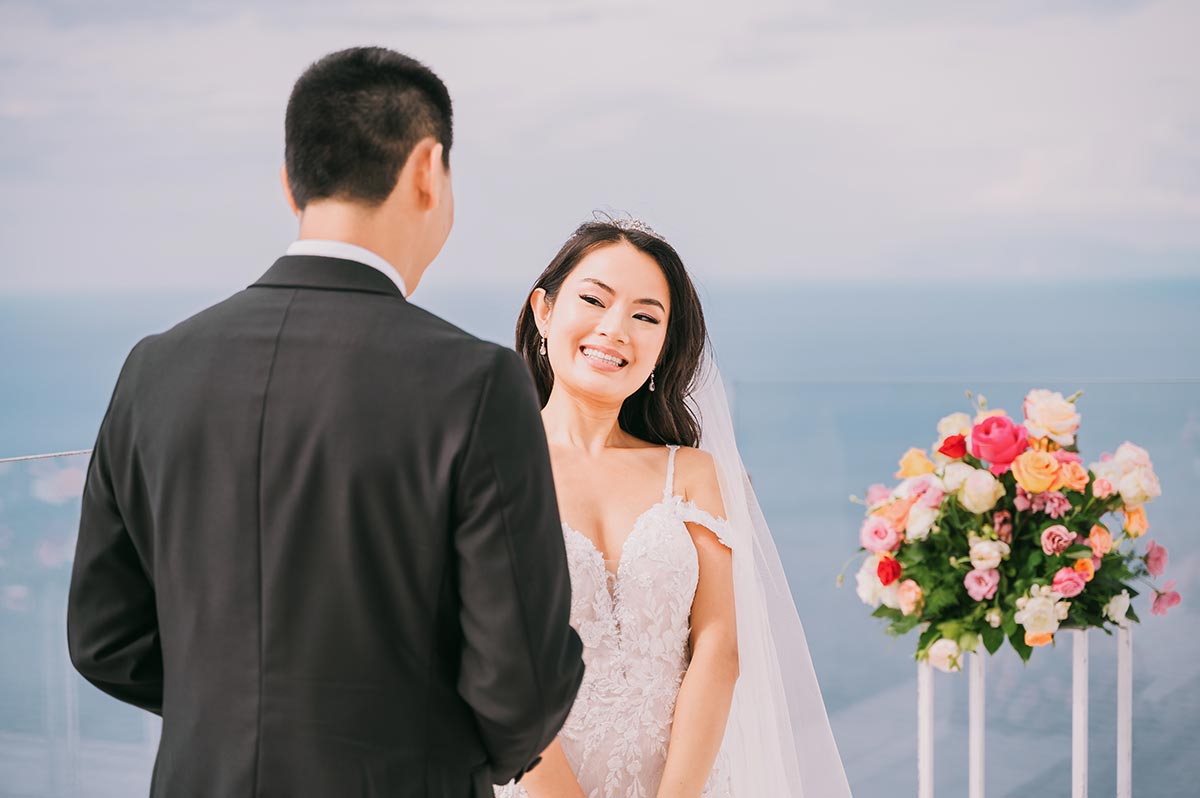
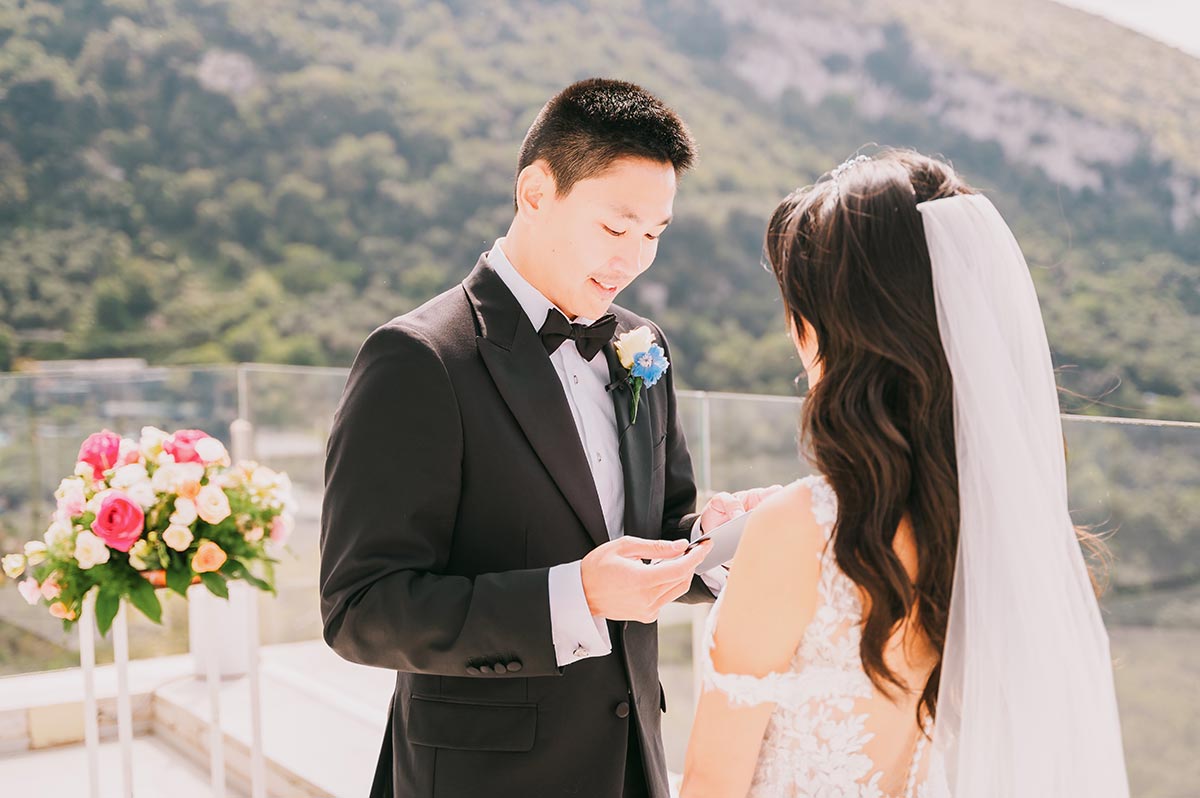
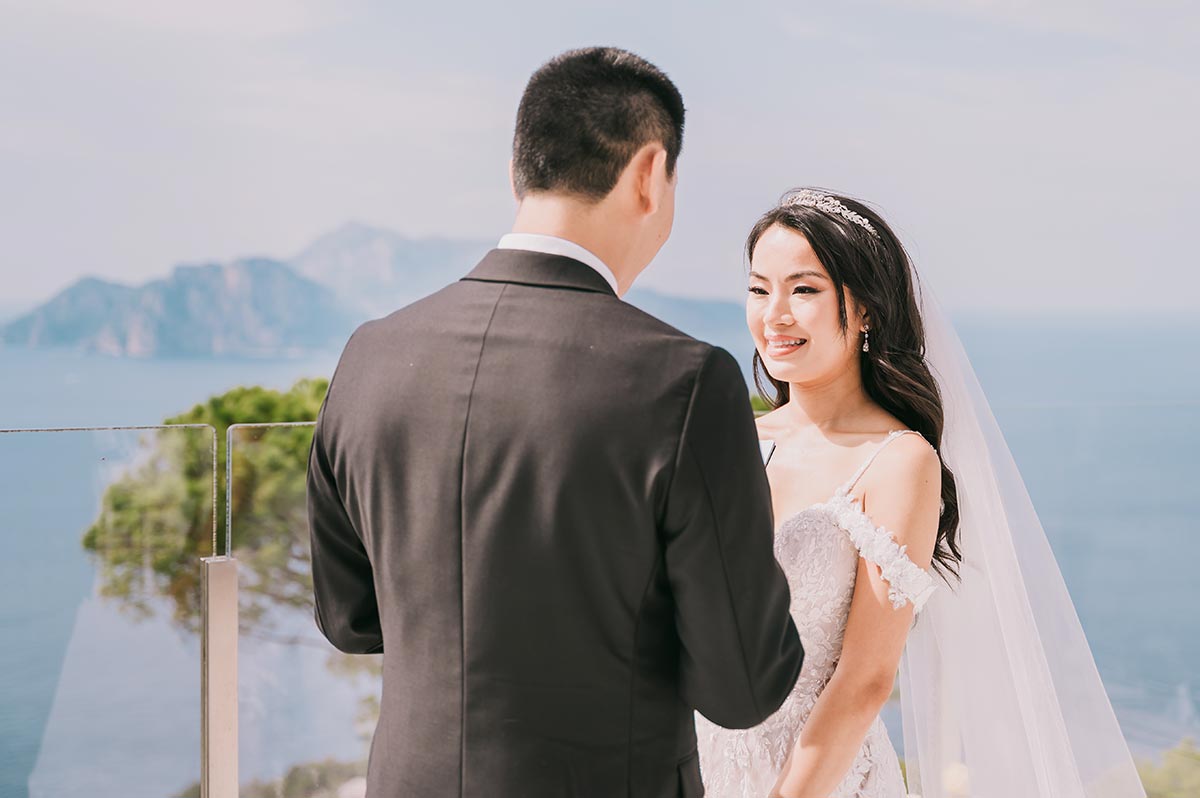
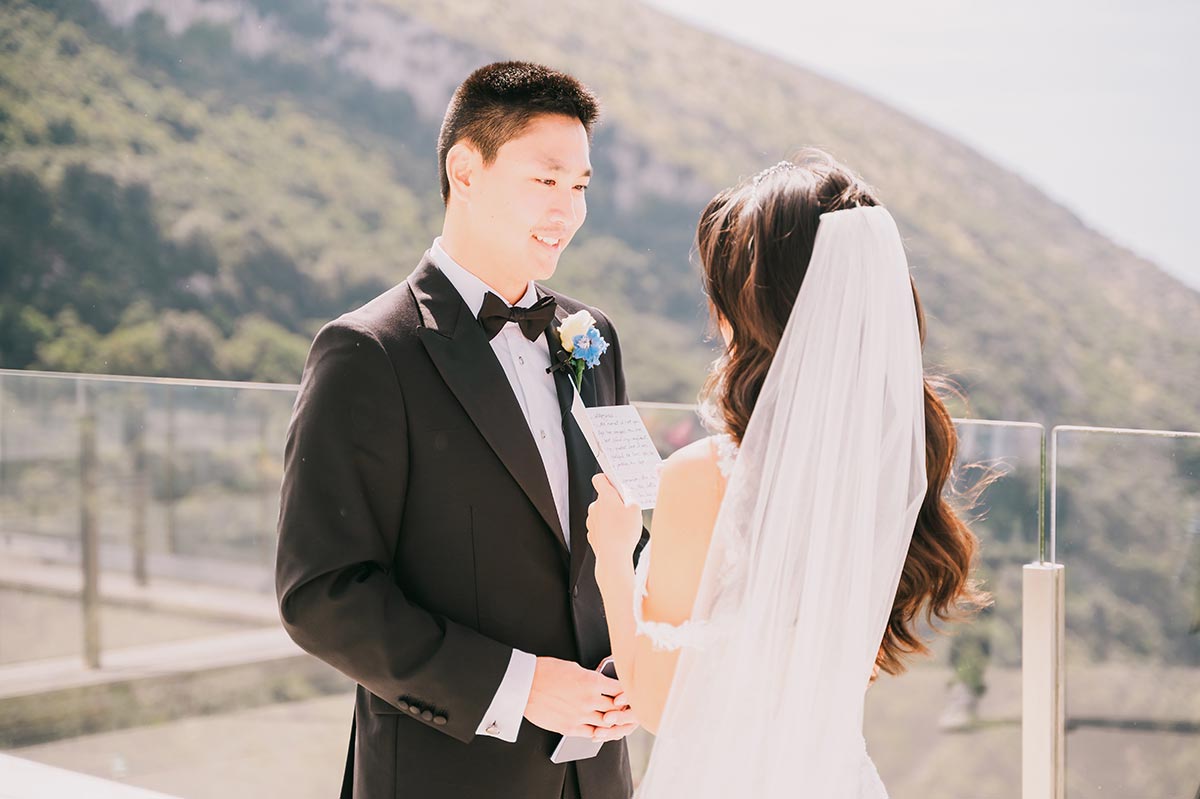
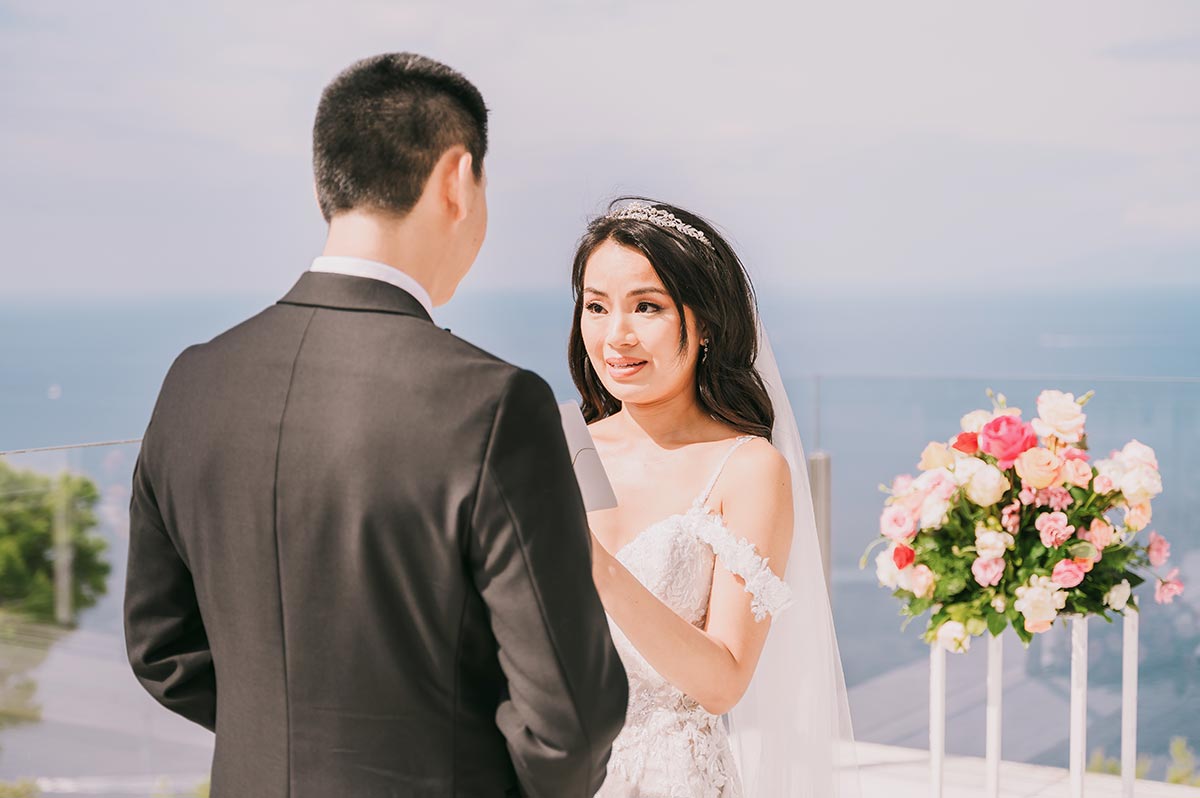
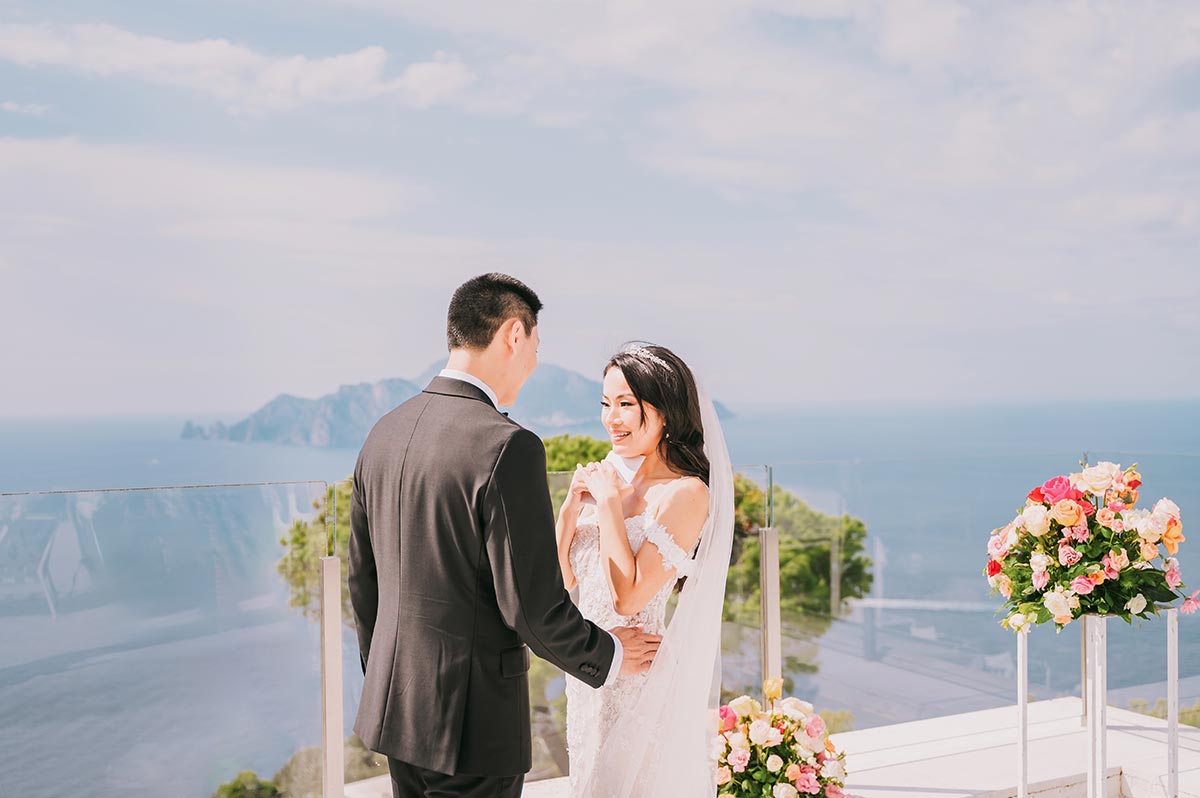
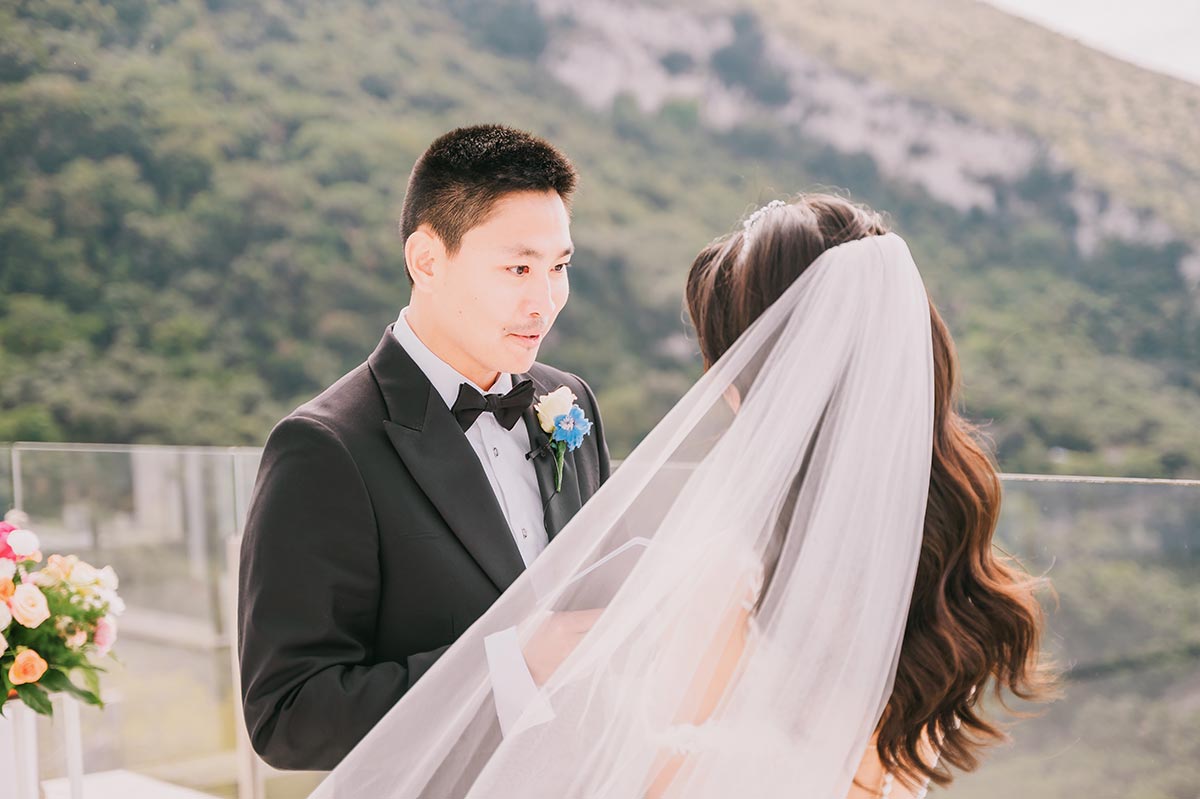
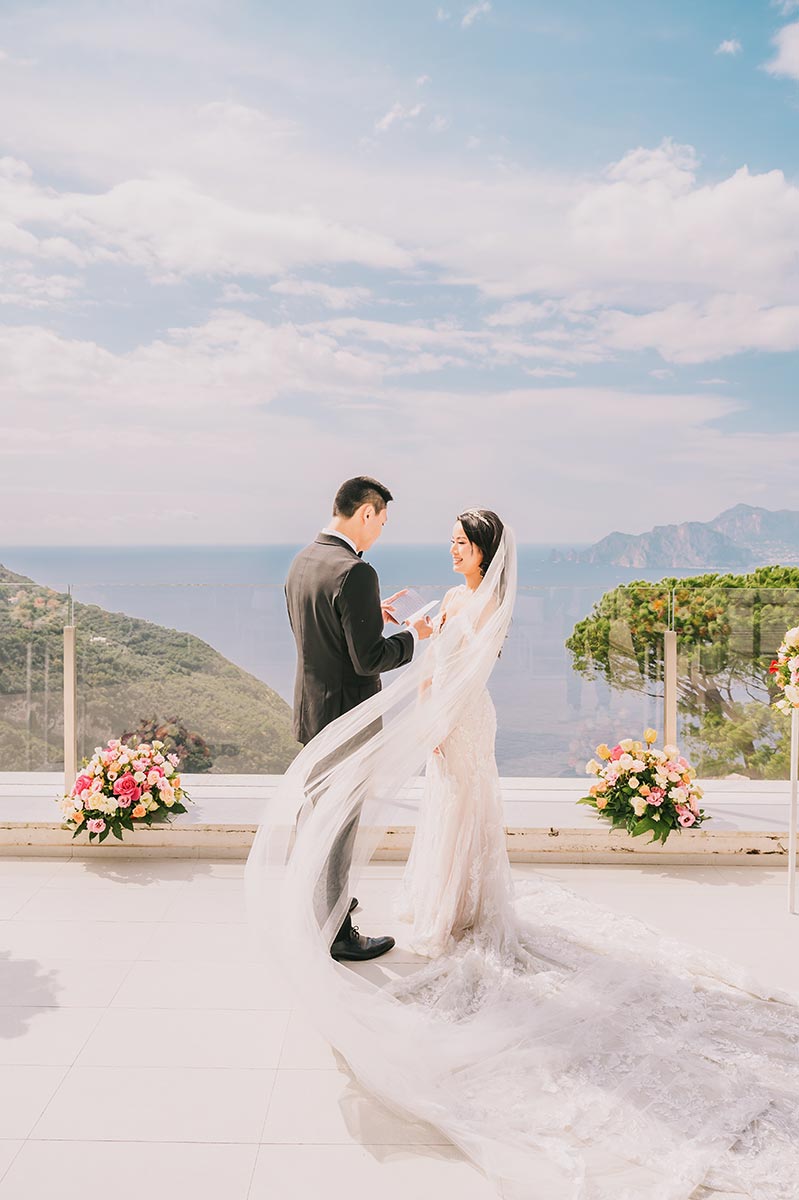
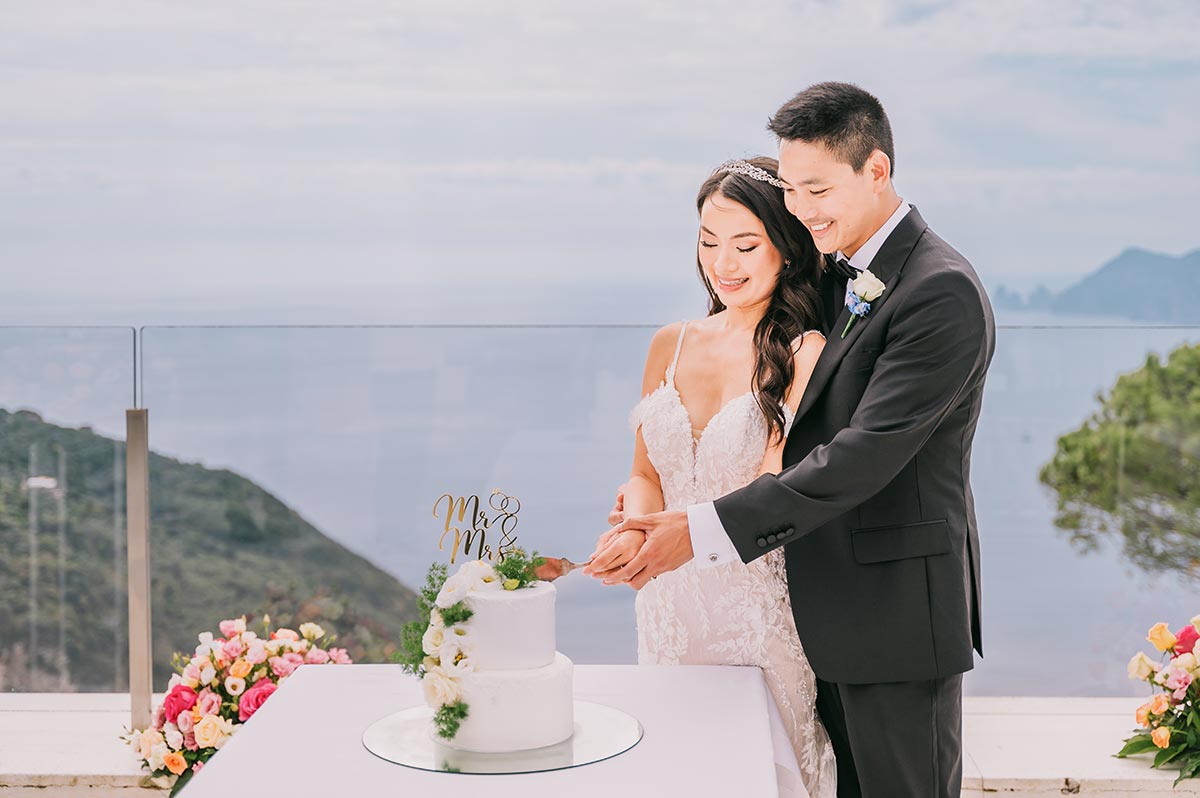
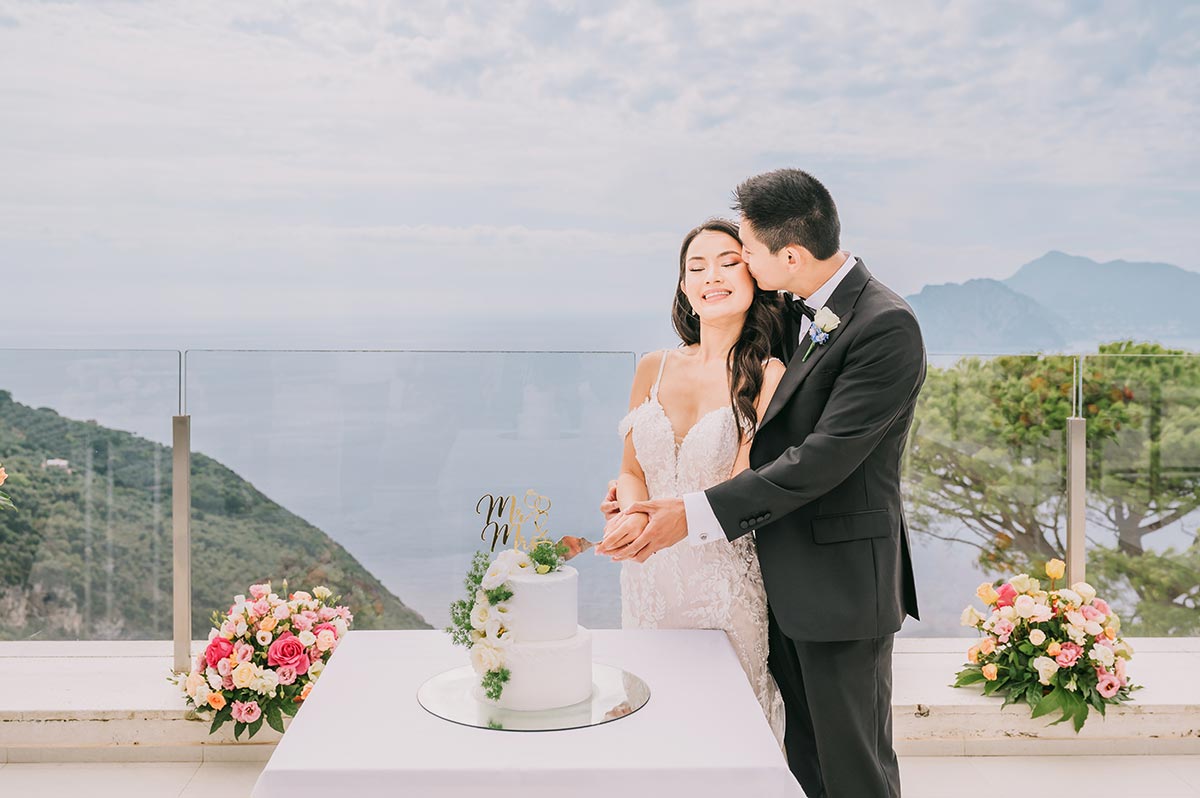
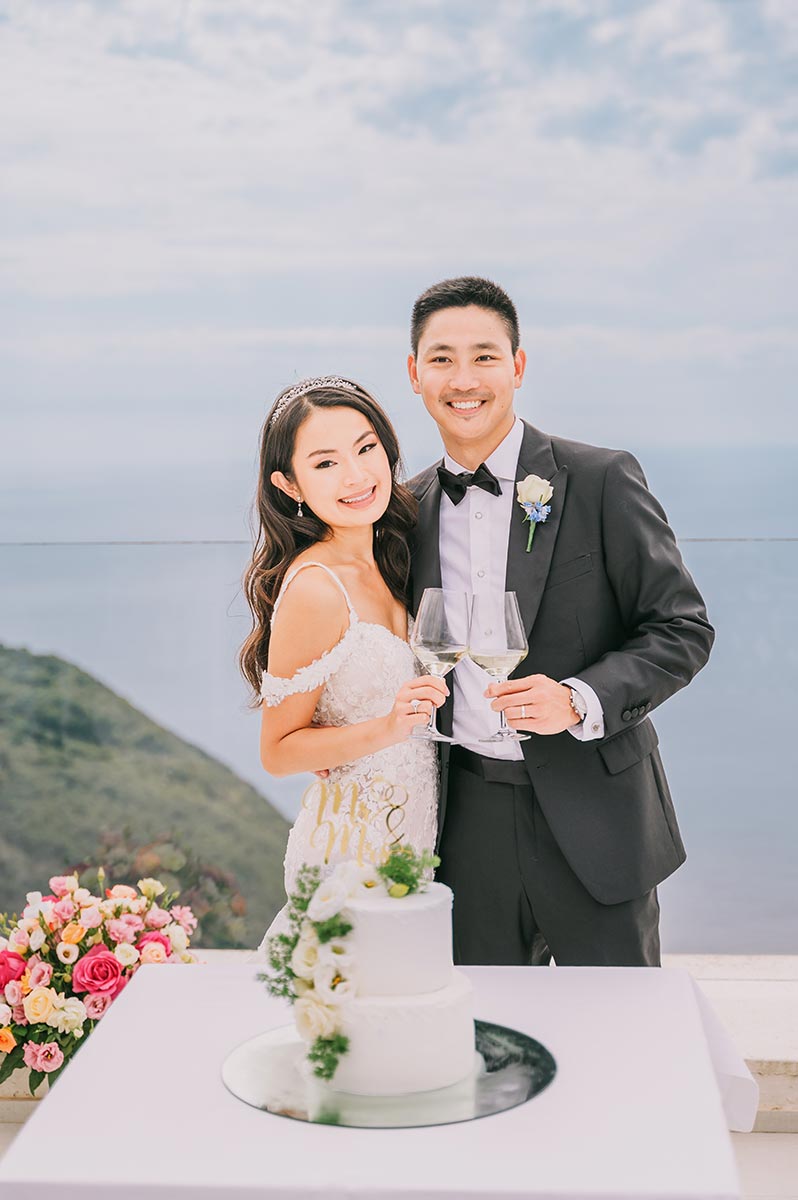
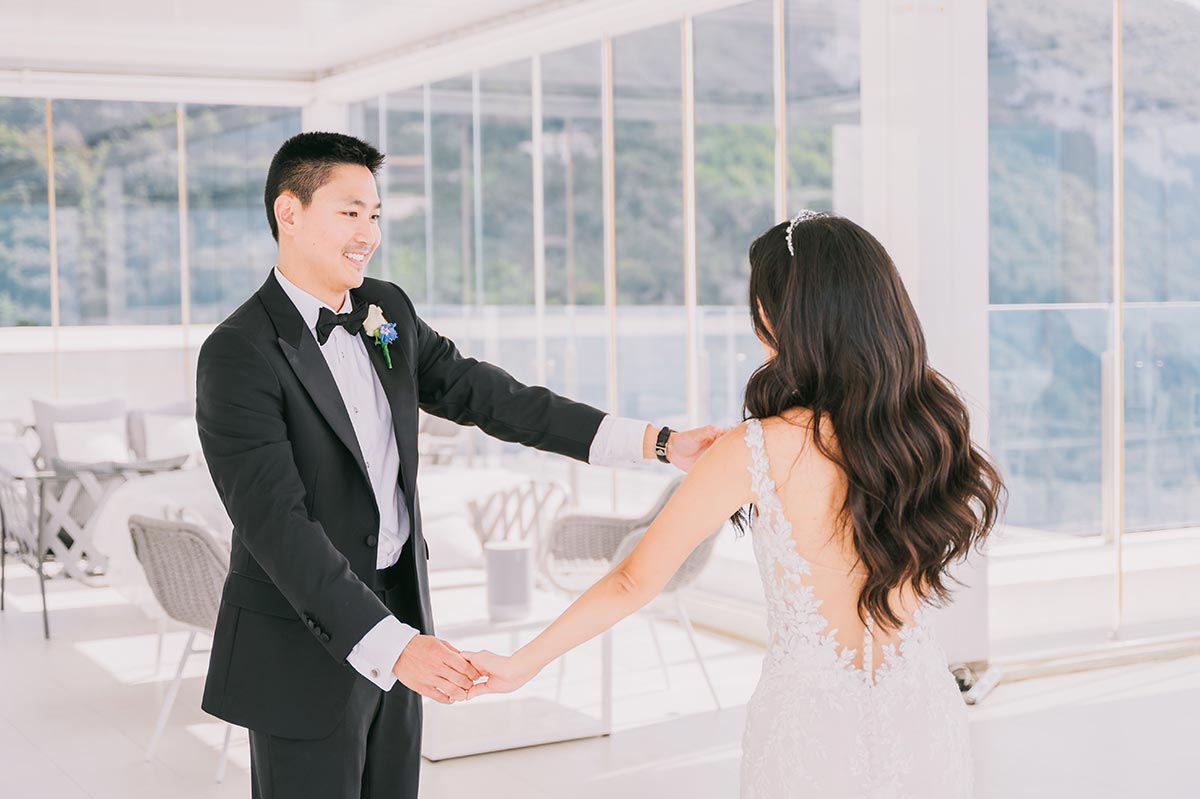
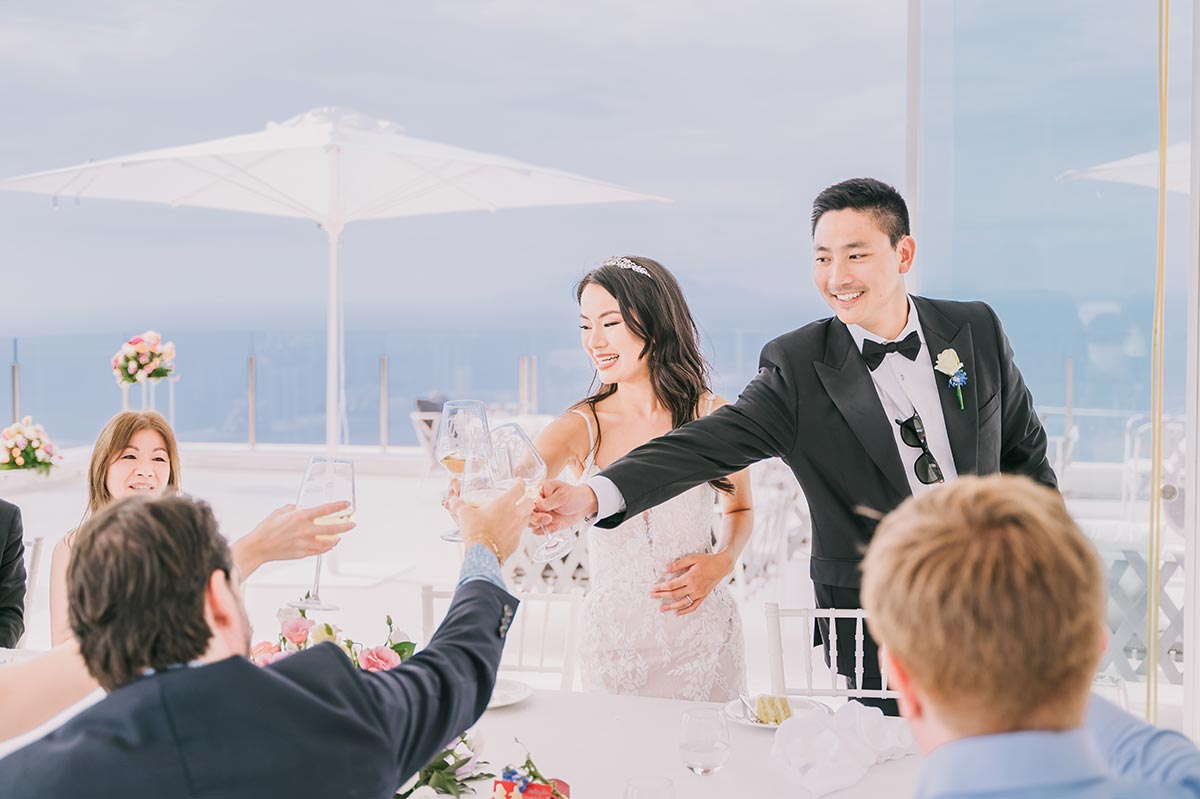
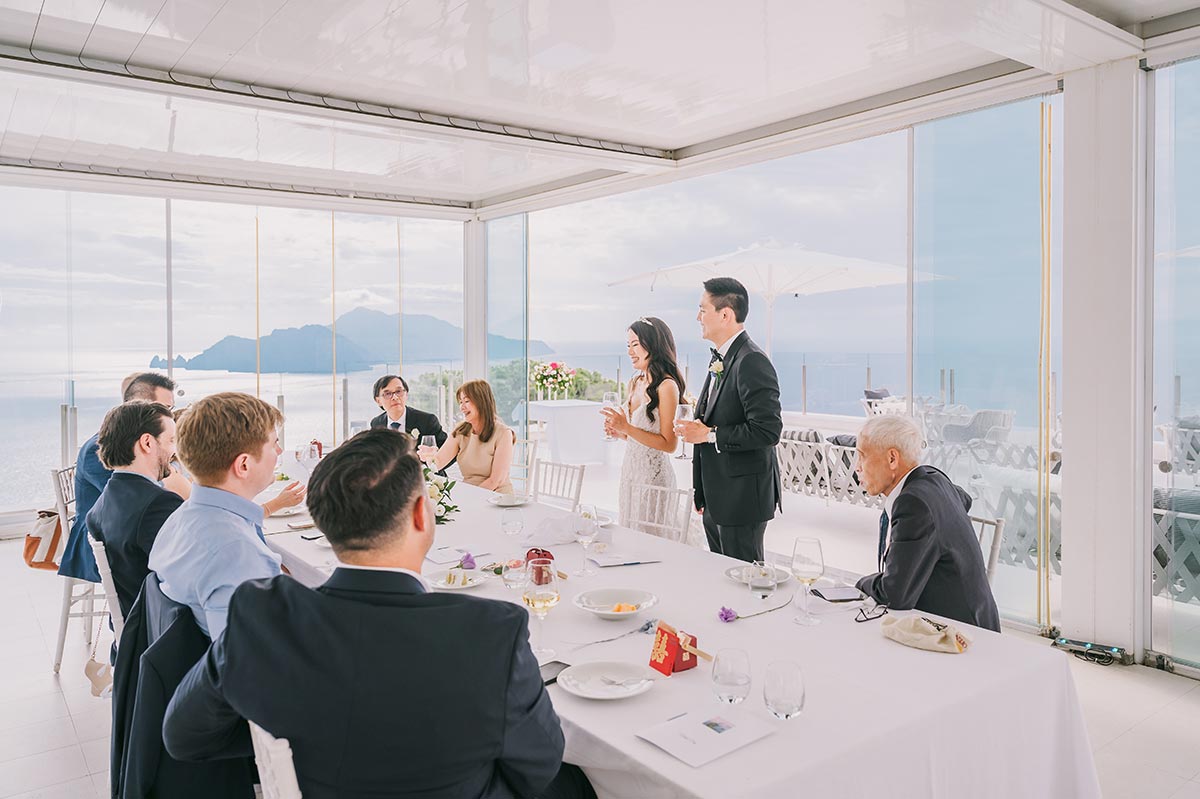
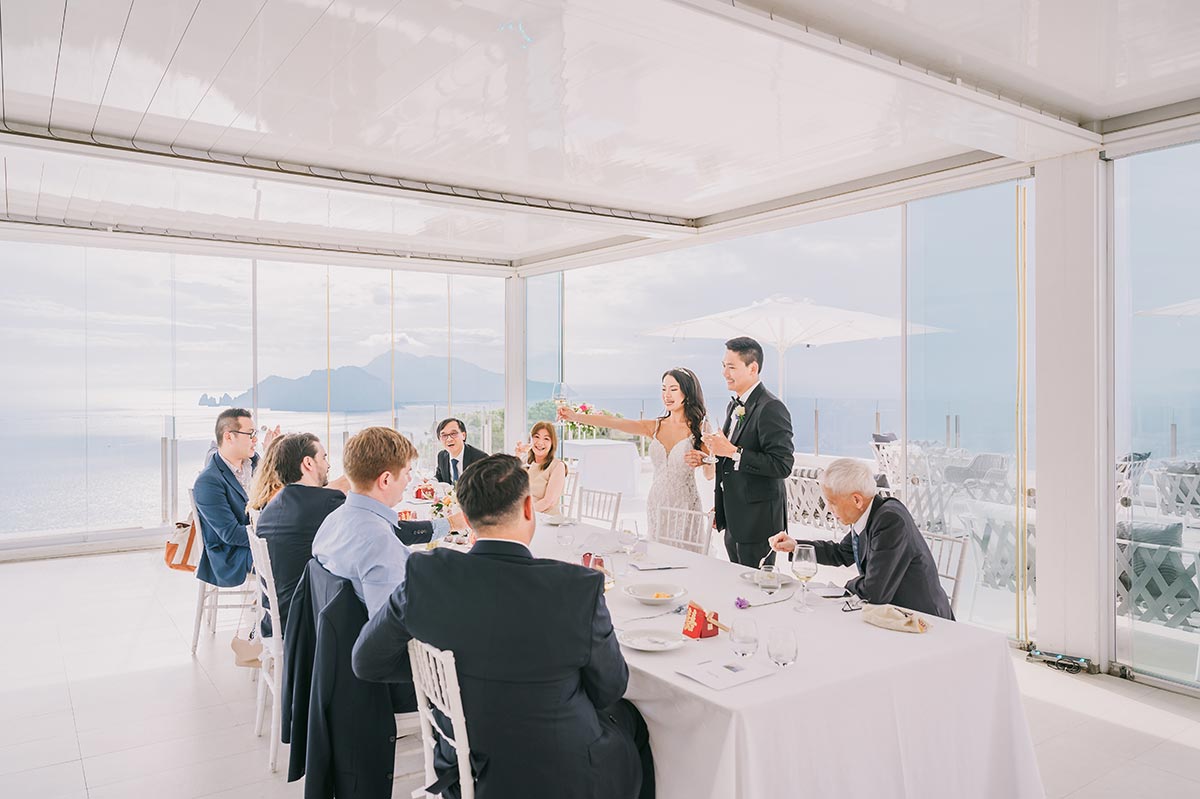
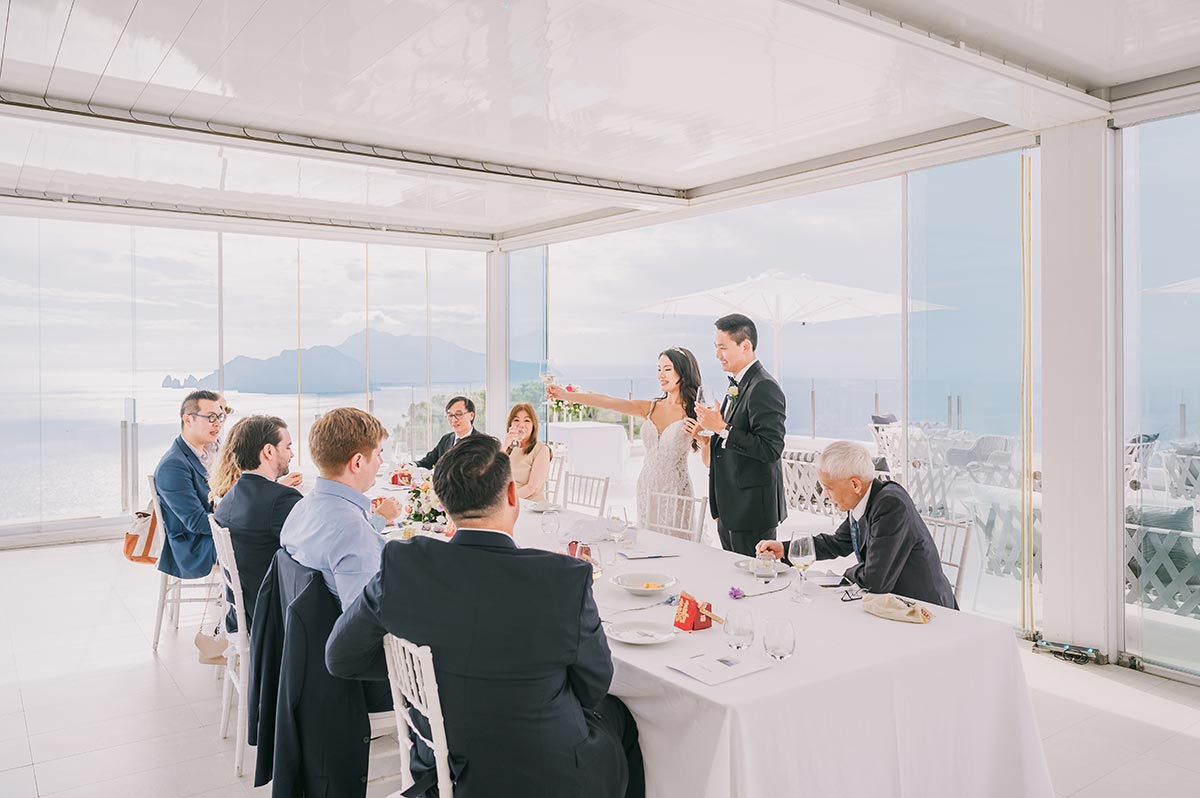
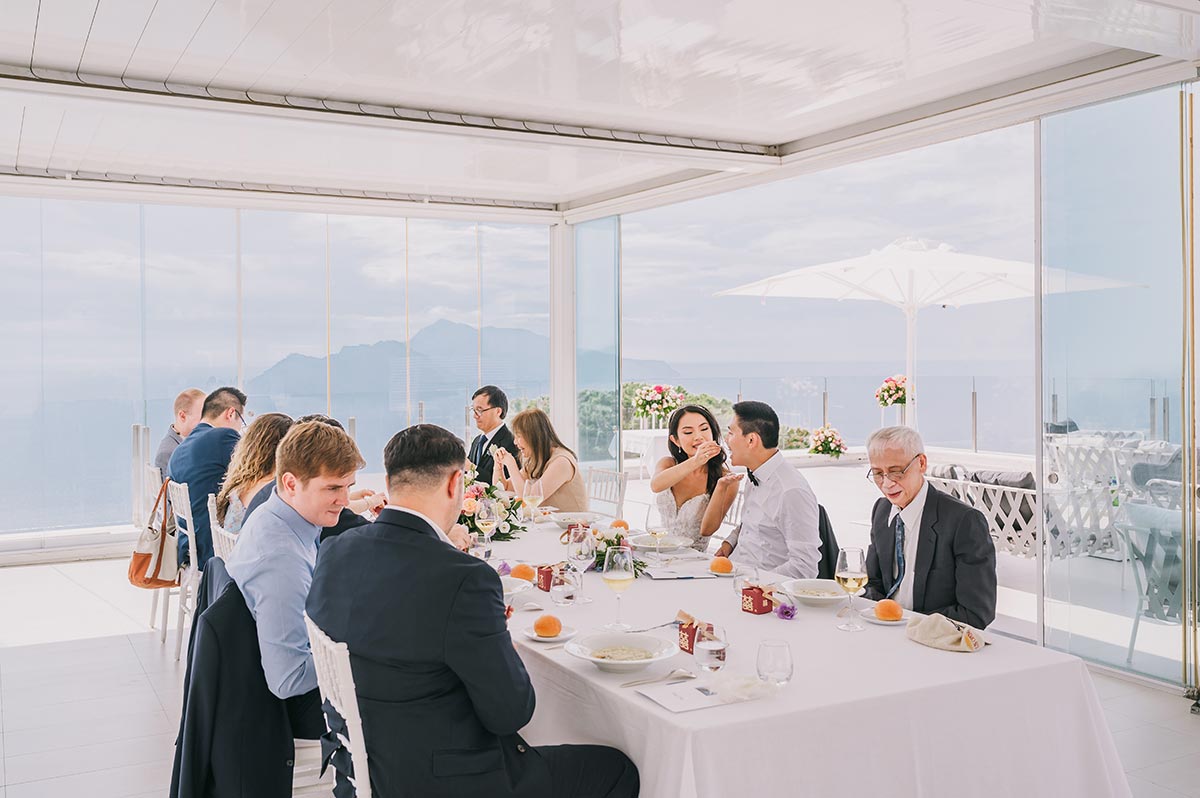
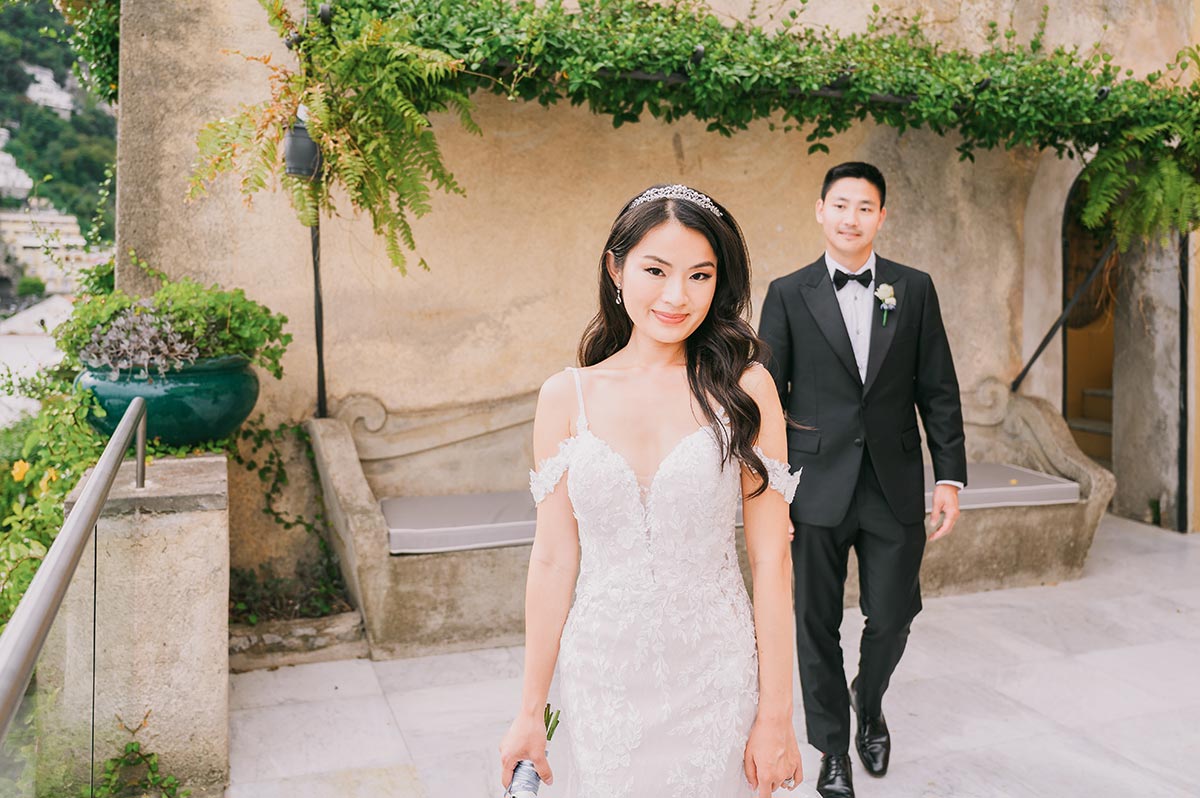
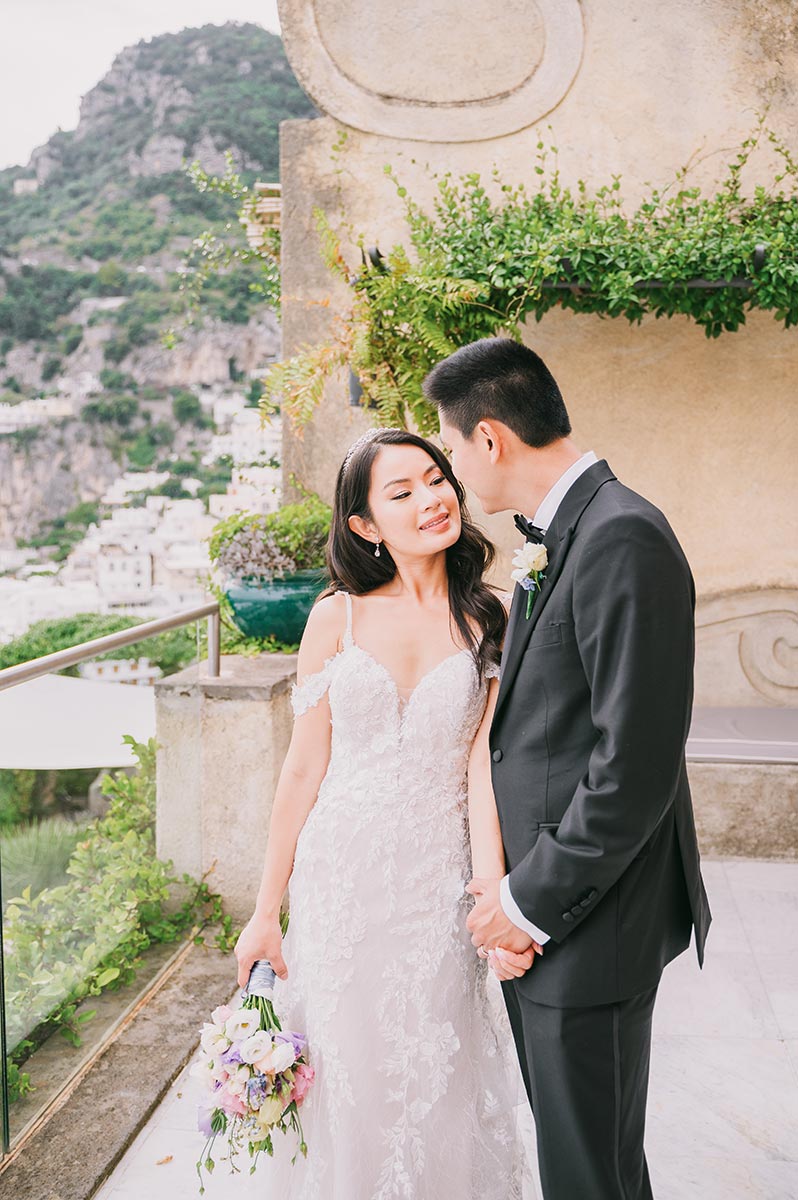
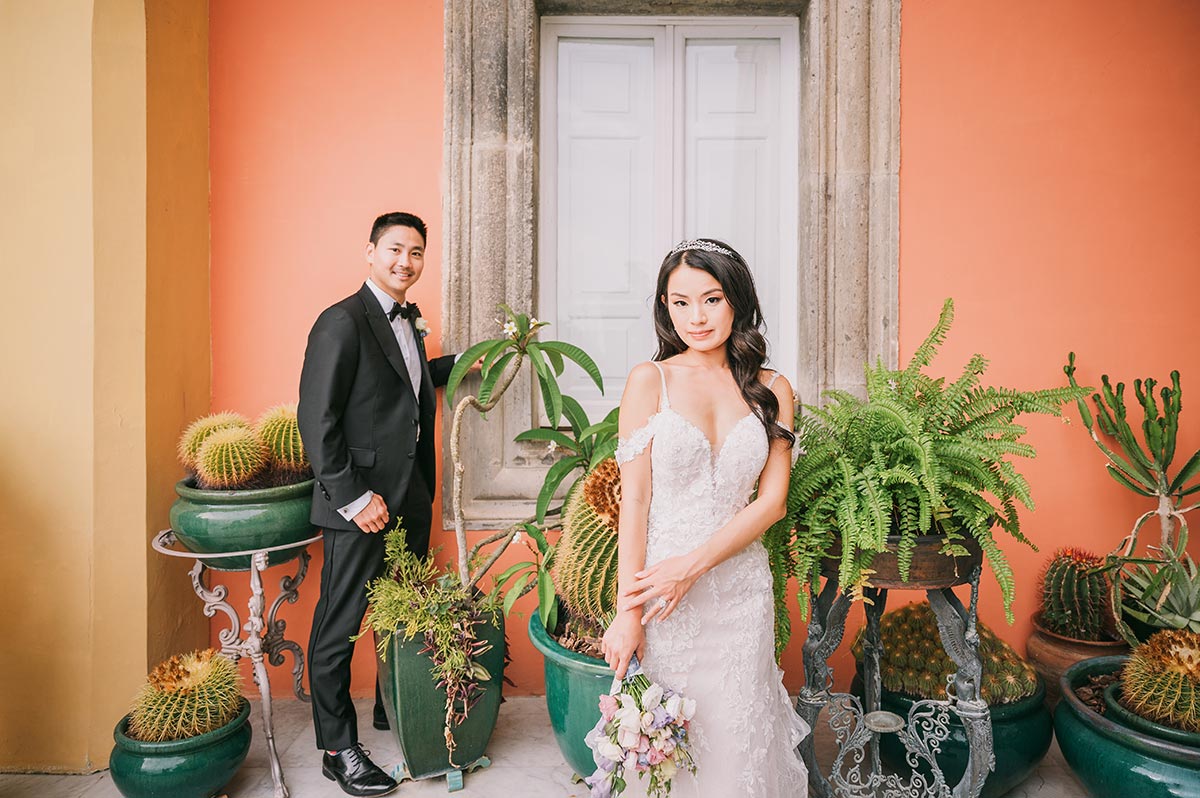
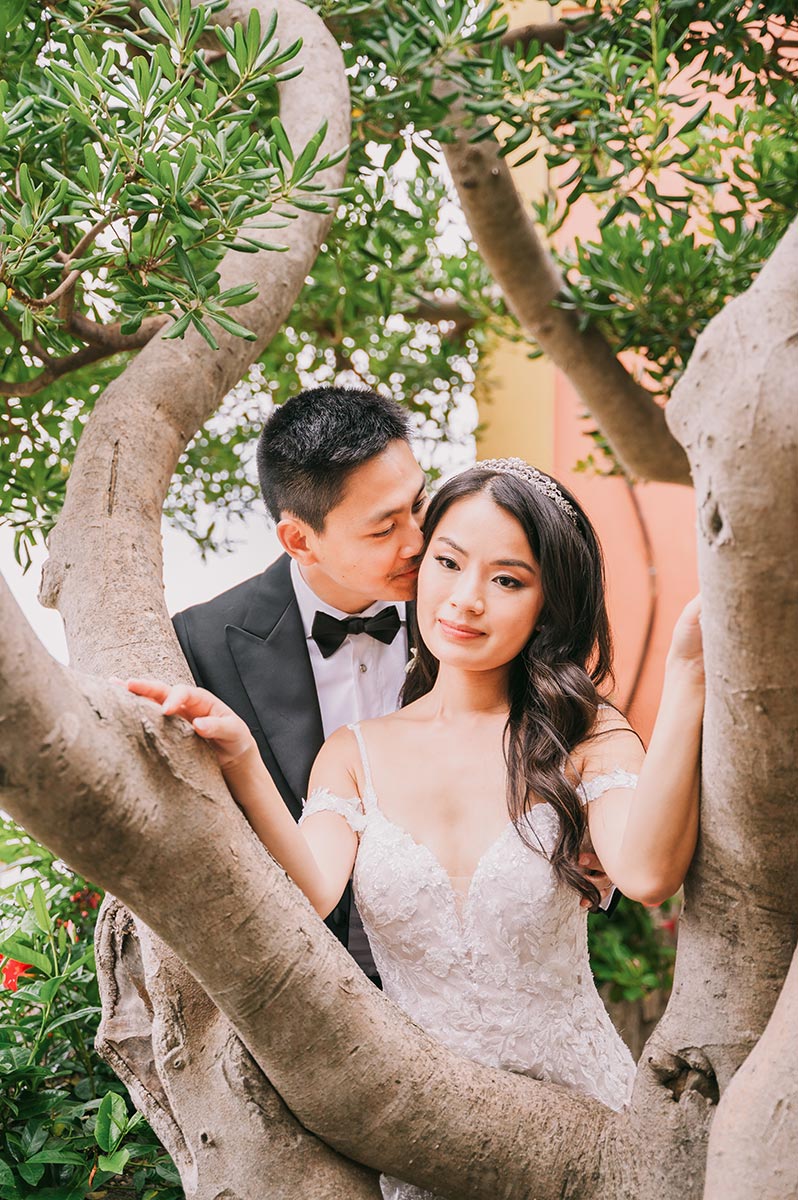
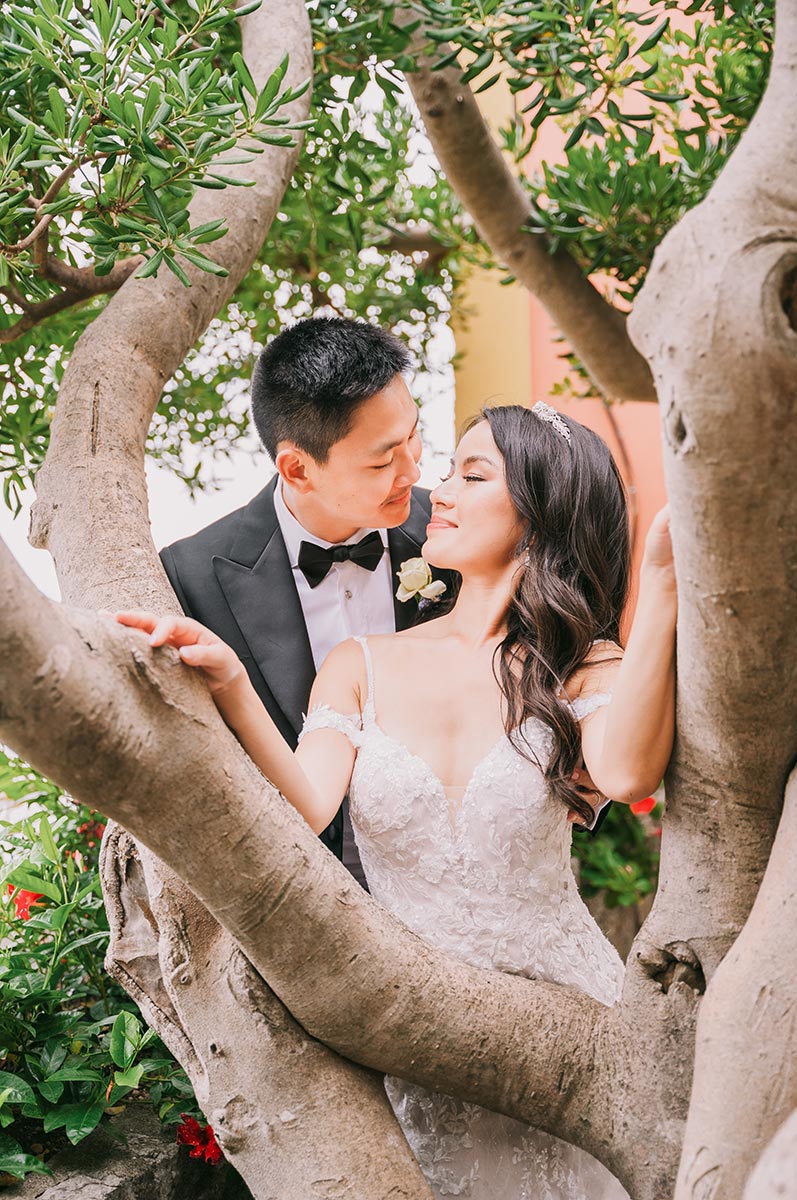
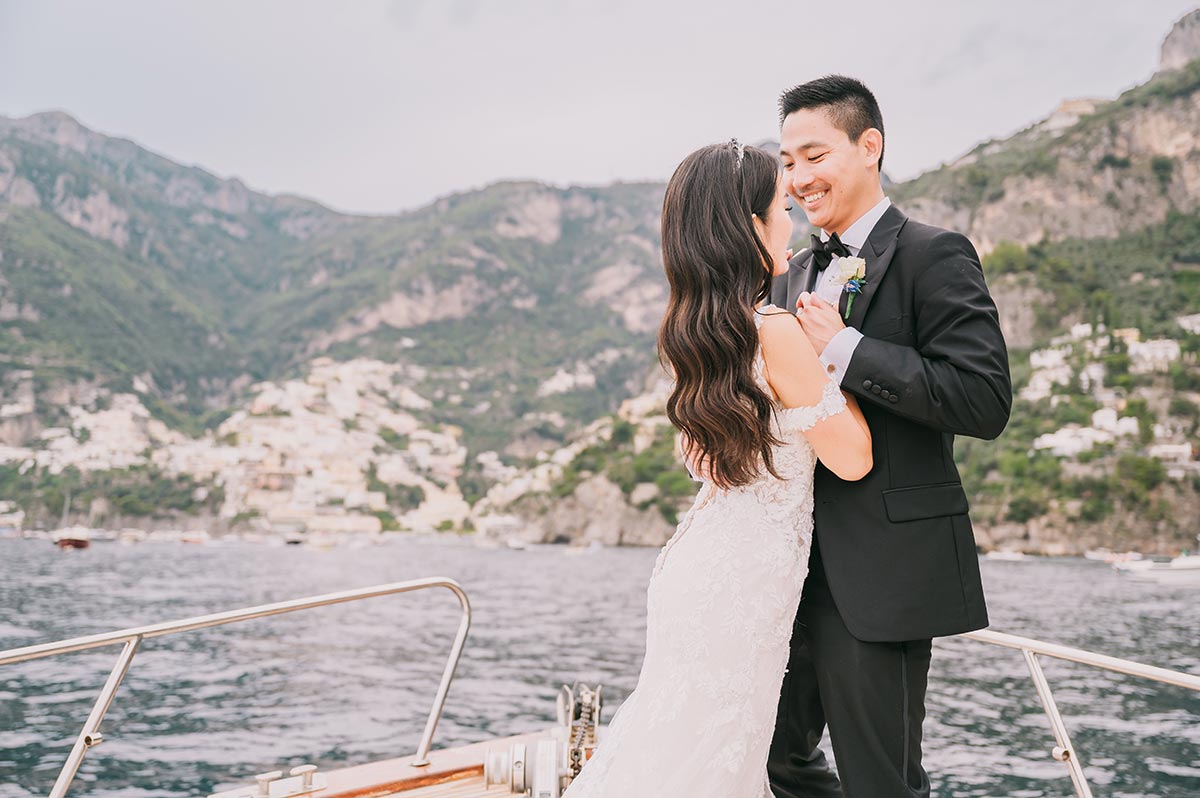
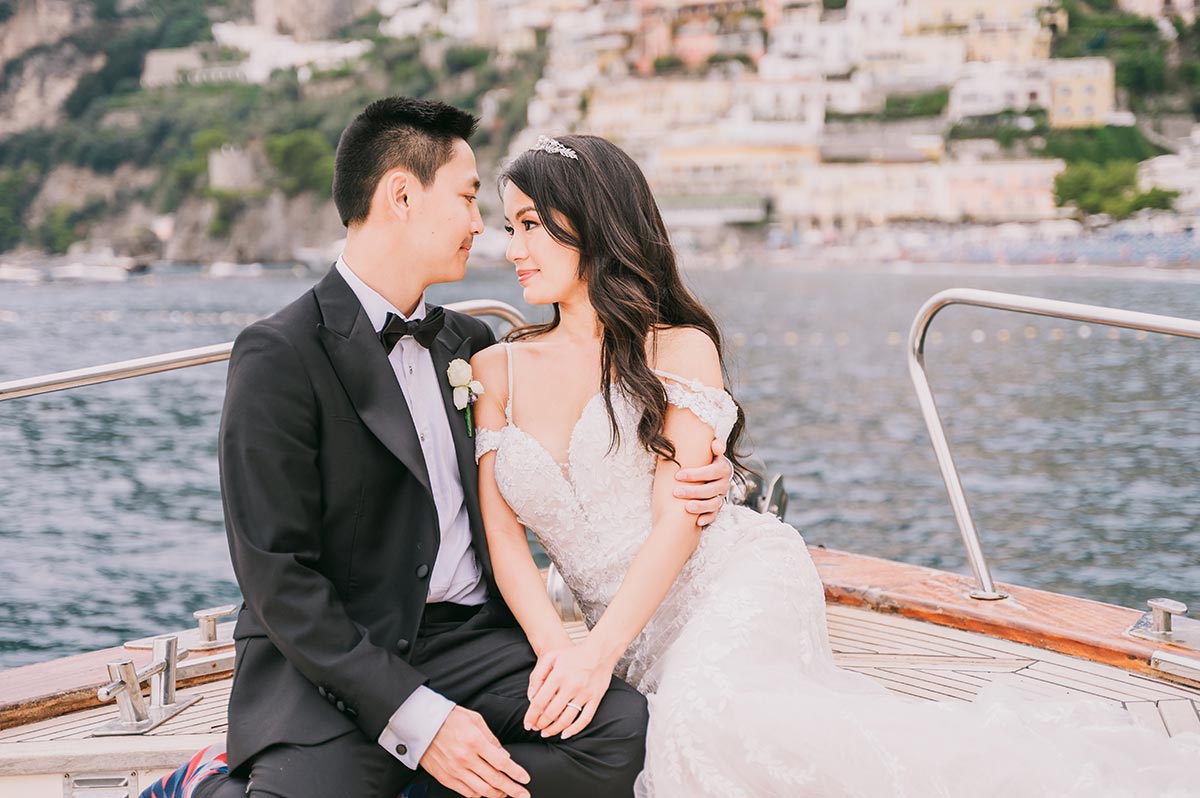
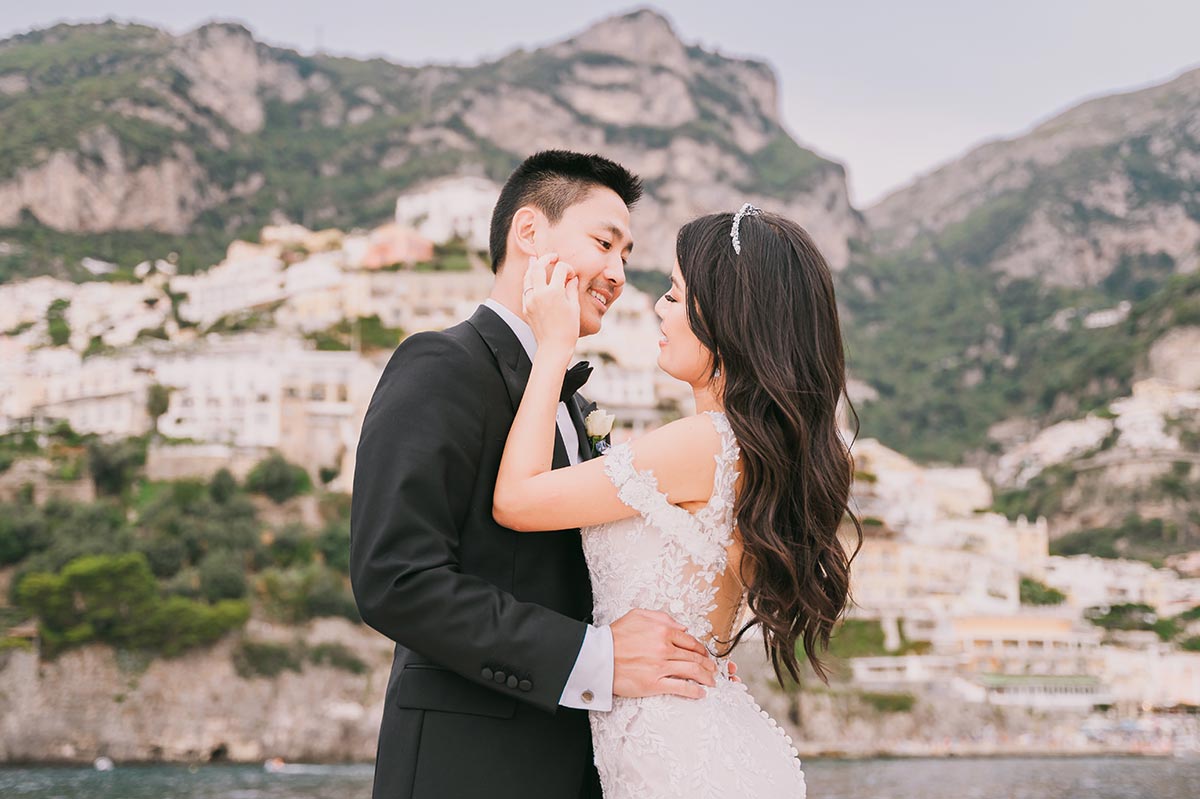
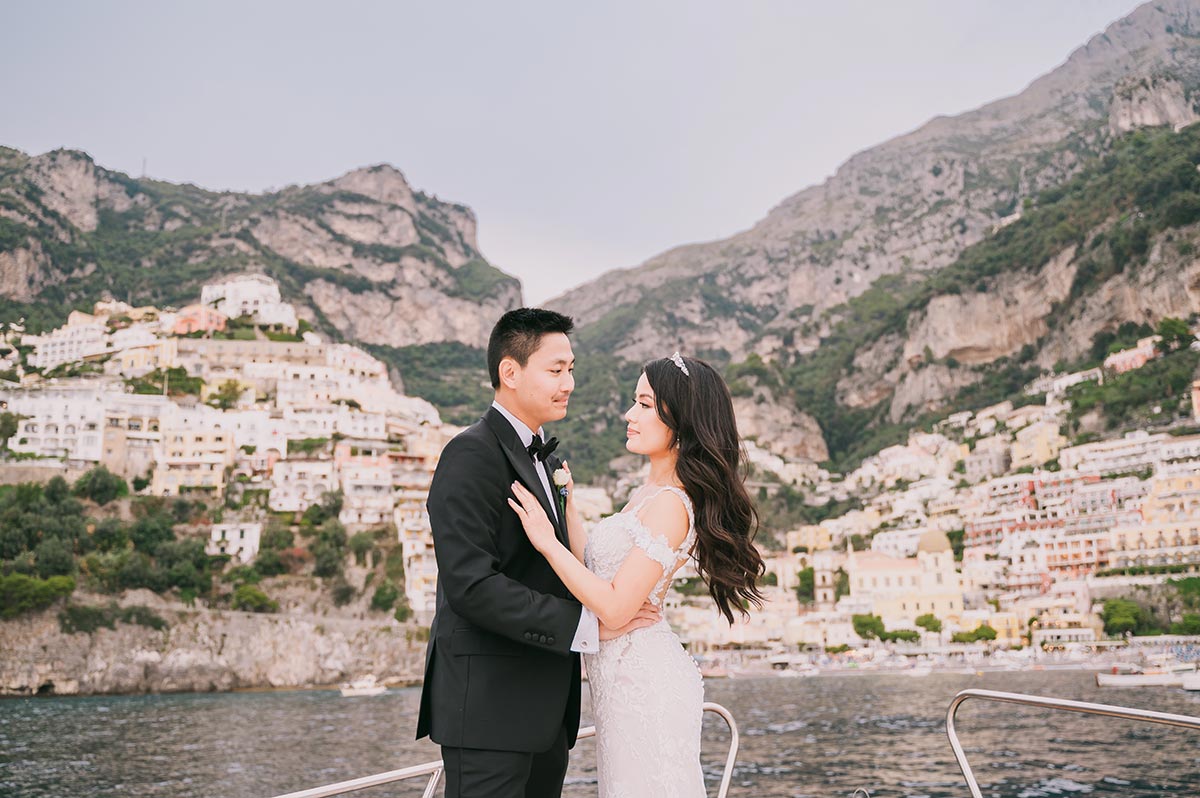
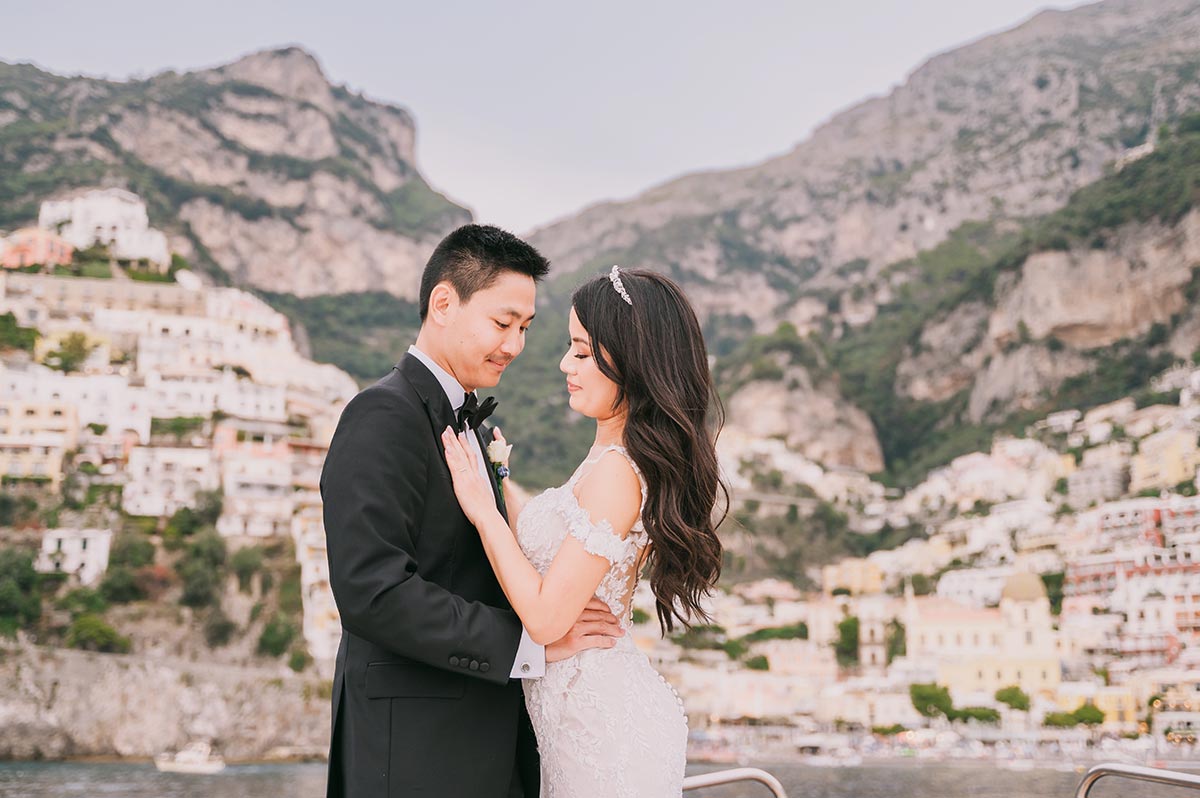
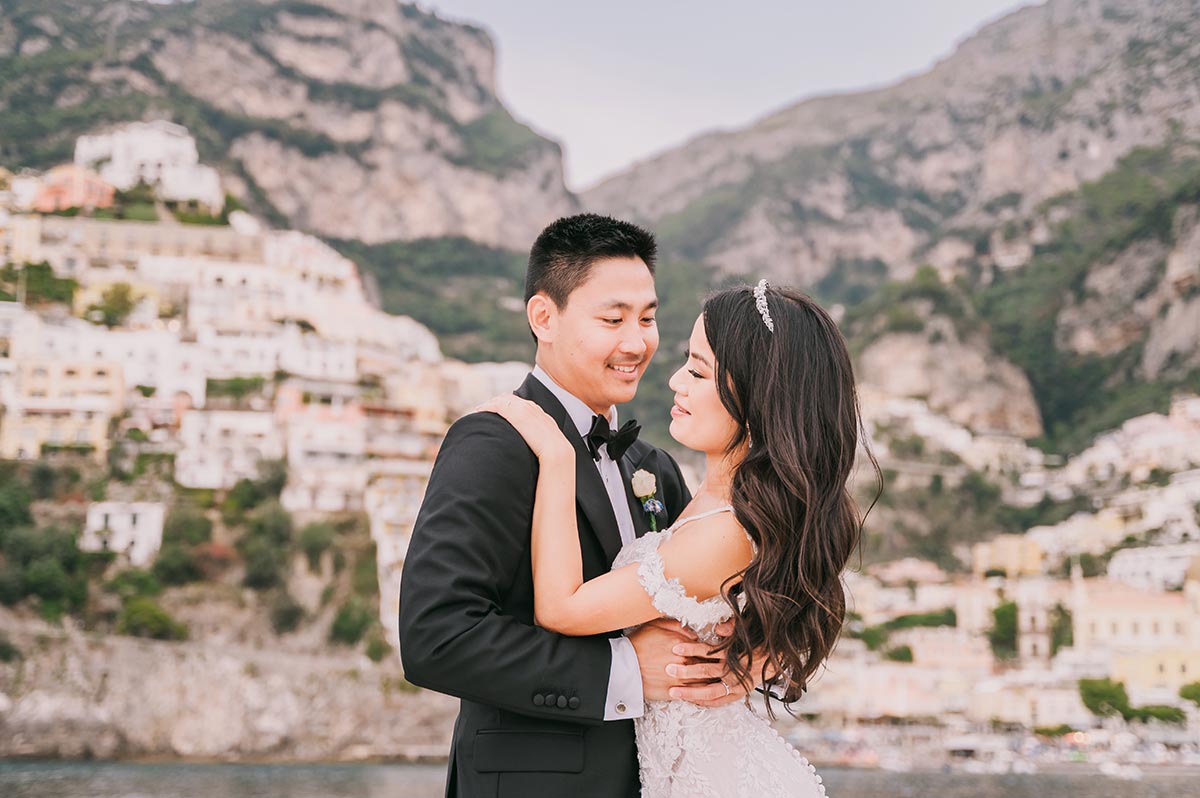
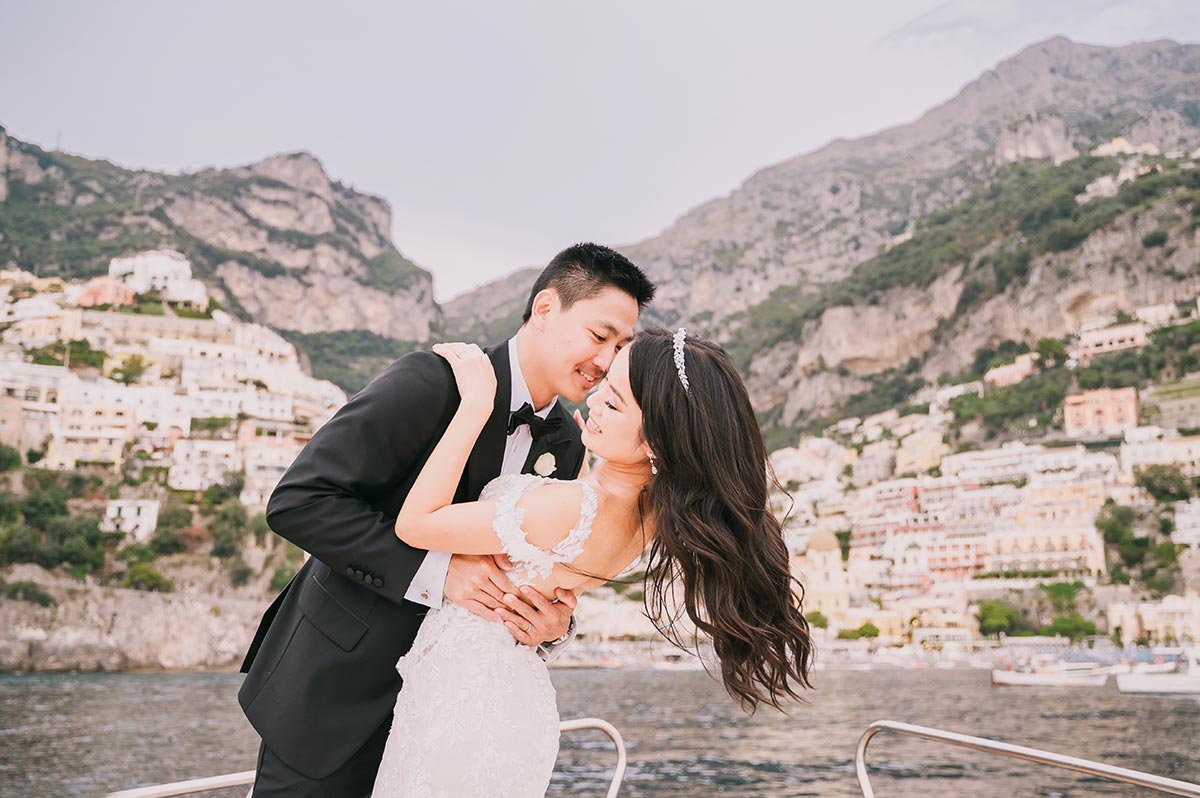
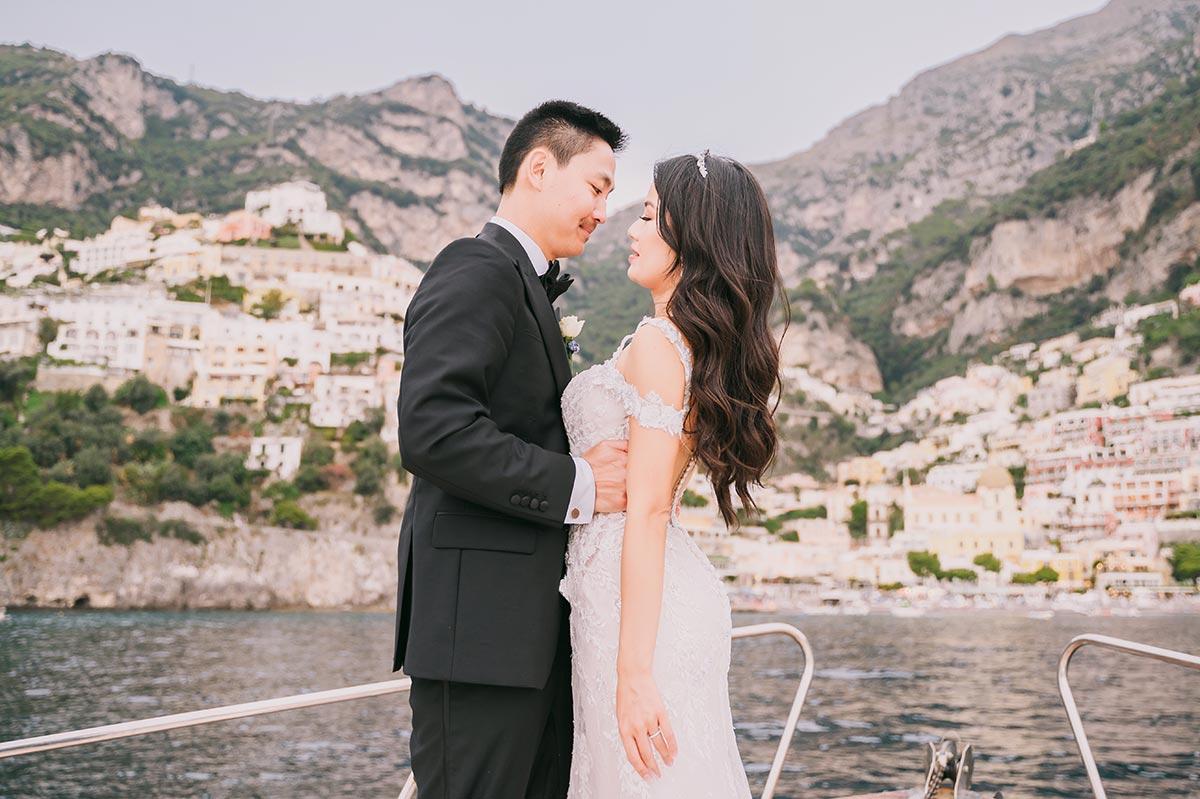
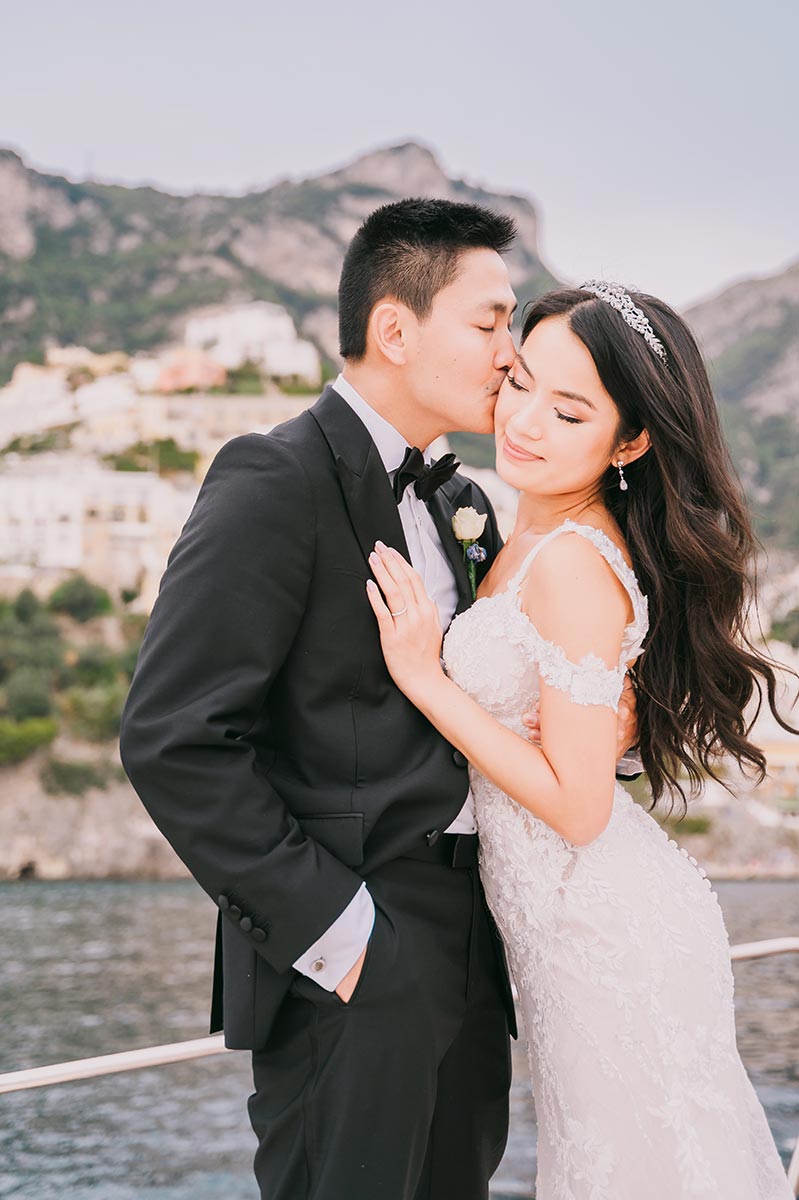
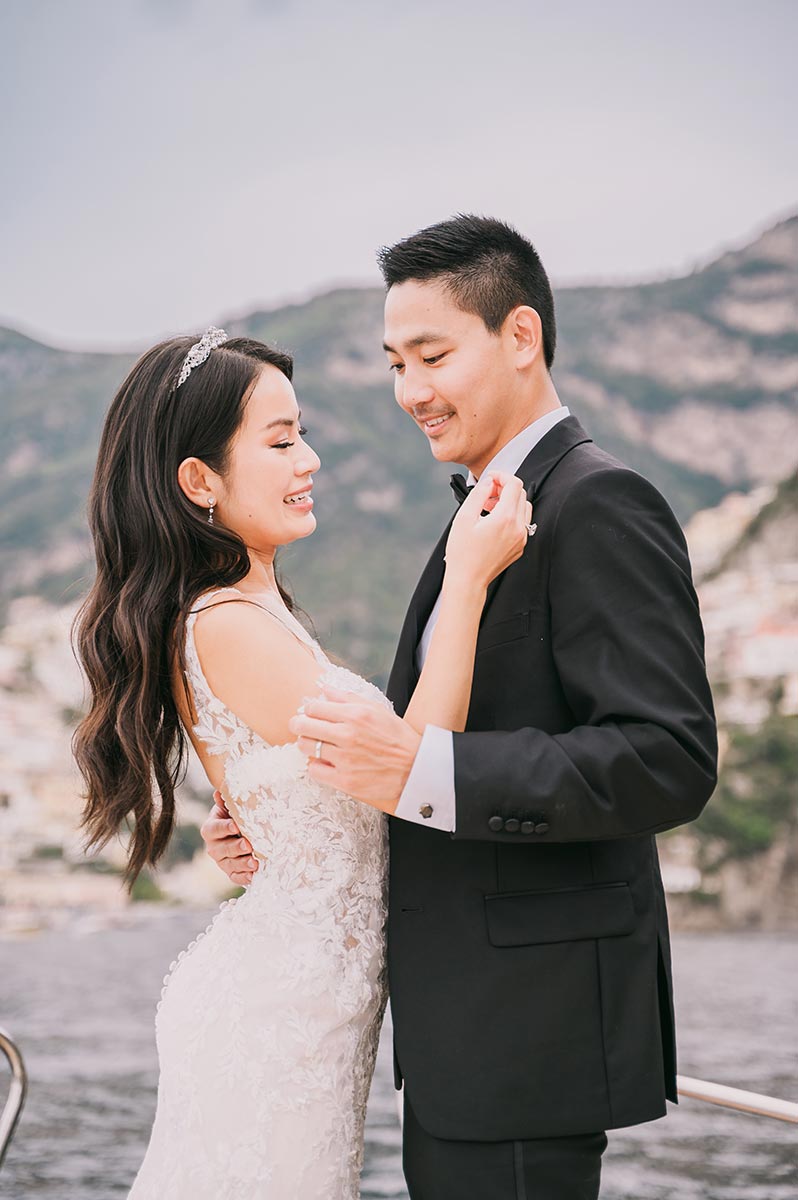
One memorable wedding I photographed was for Flora and James, a couple from New York City. They chose Relais Blu as their venue—a stunning location overlooking the shimmering Mediterranean.
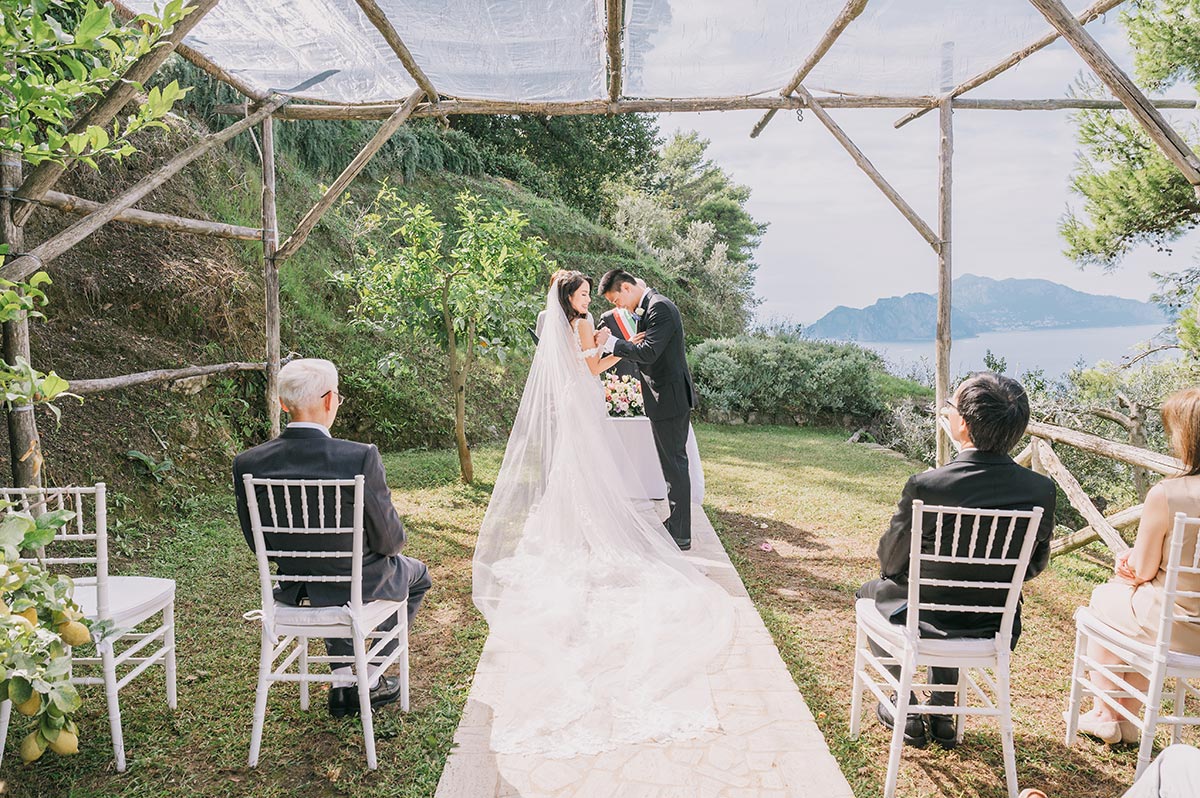
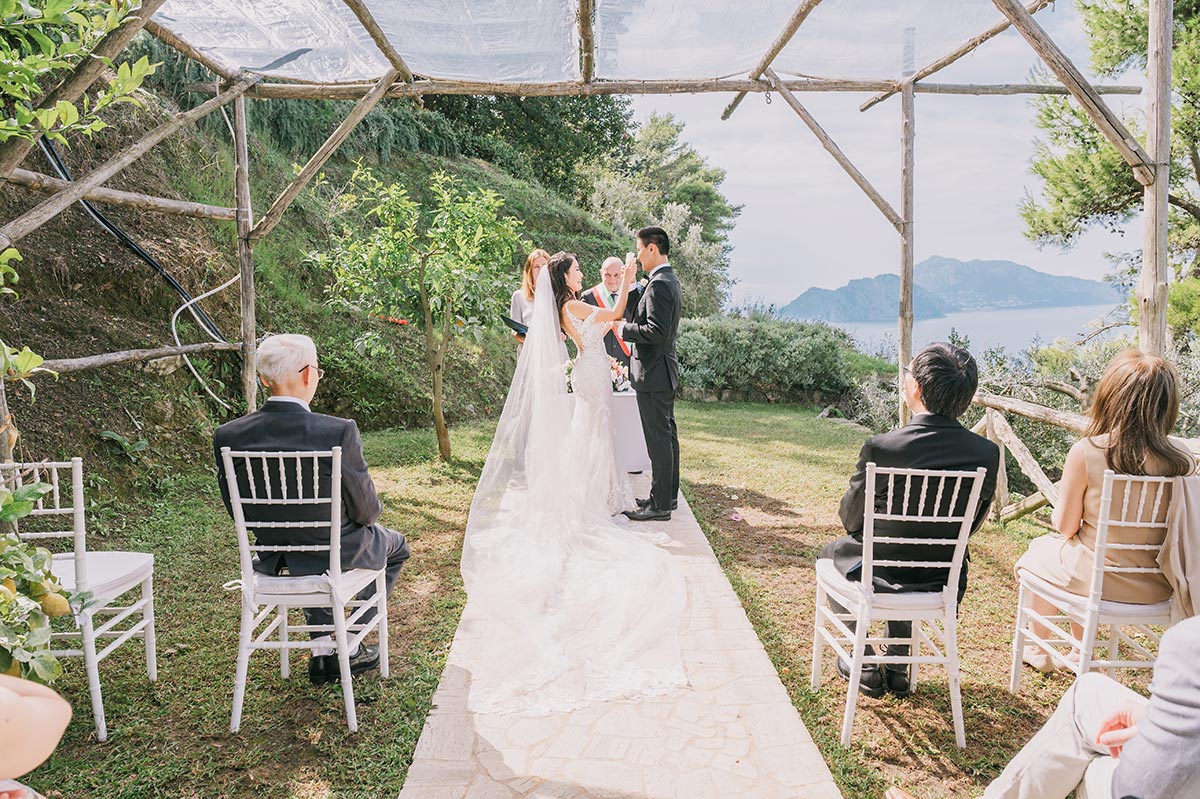
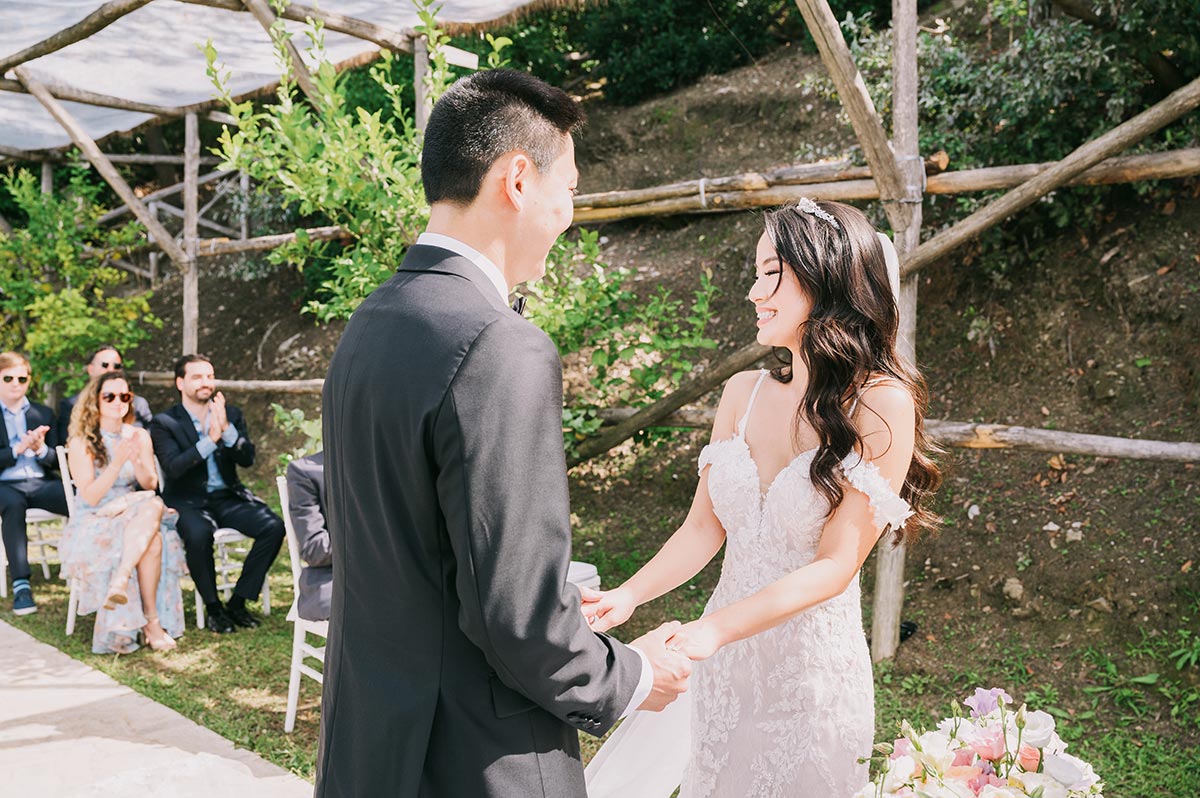
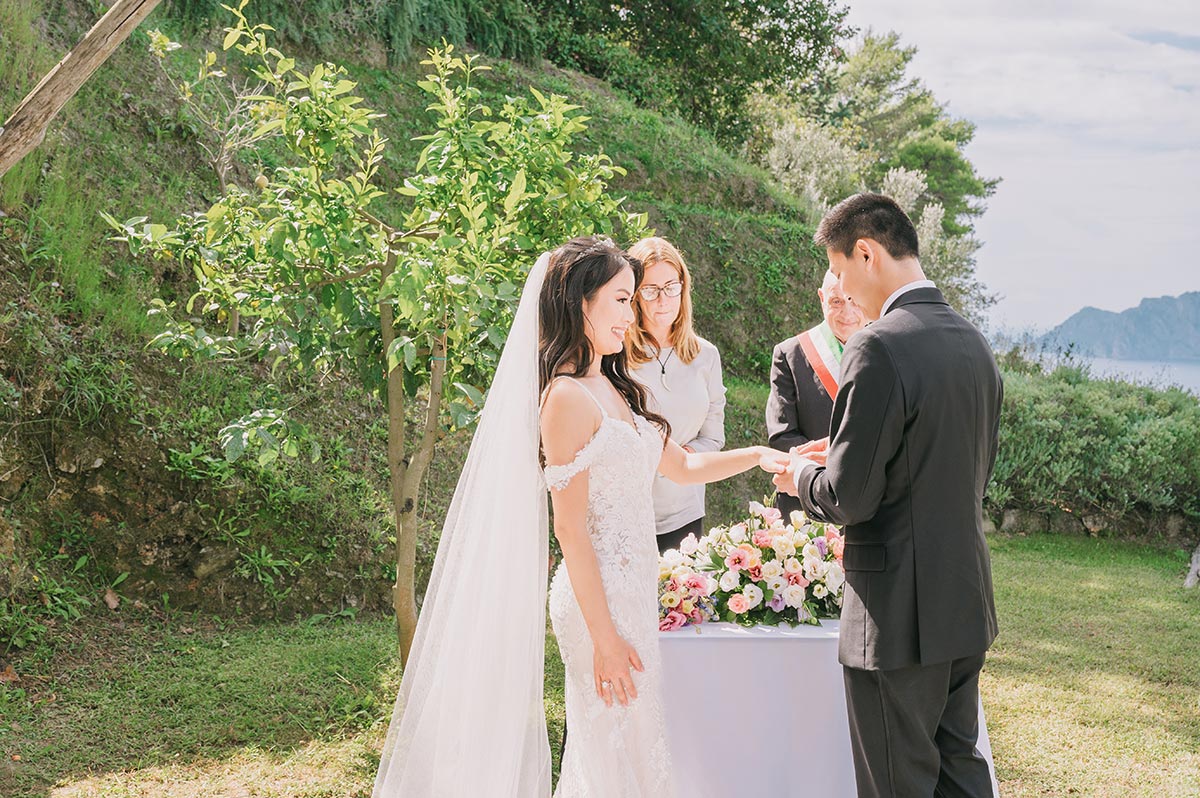
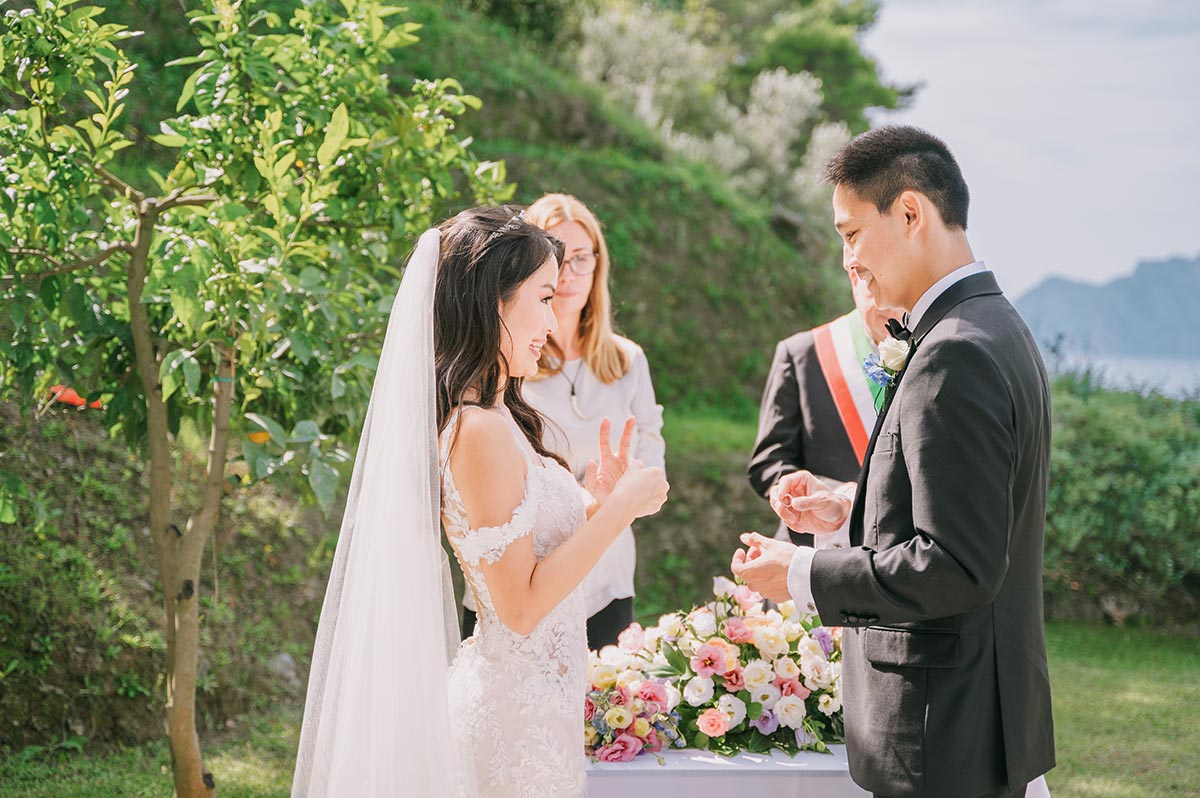
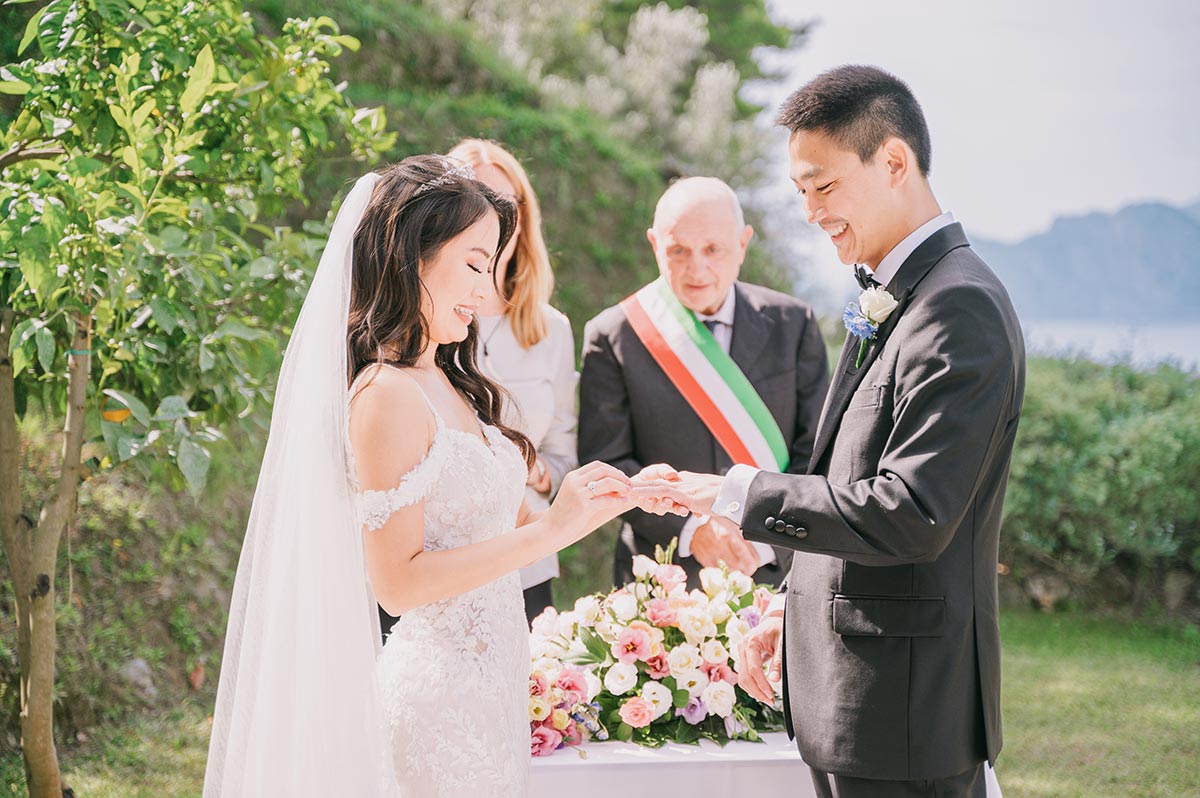
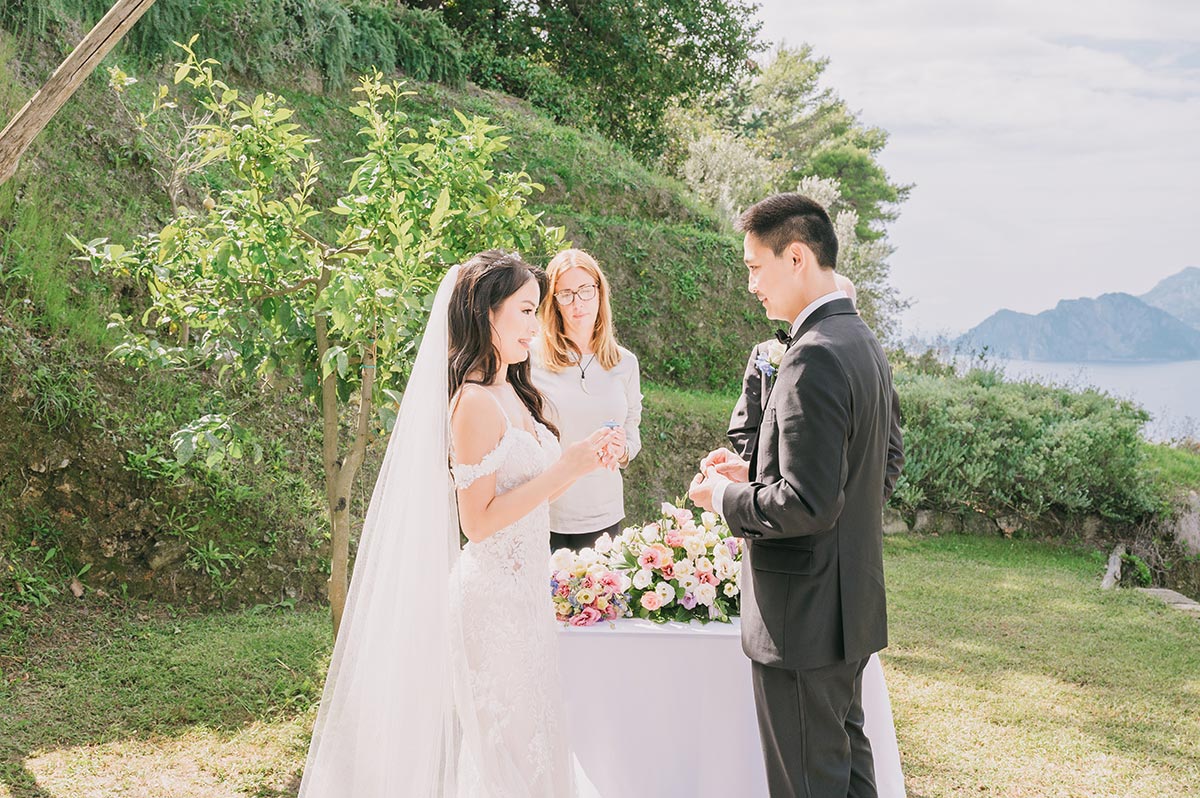
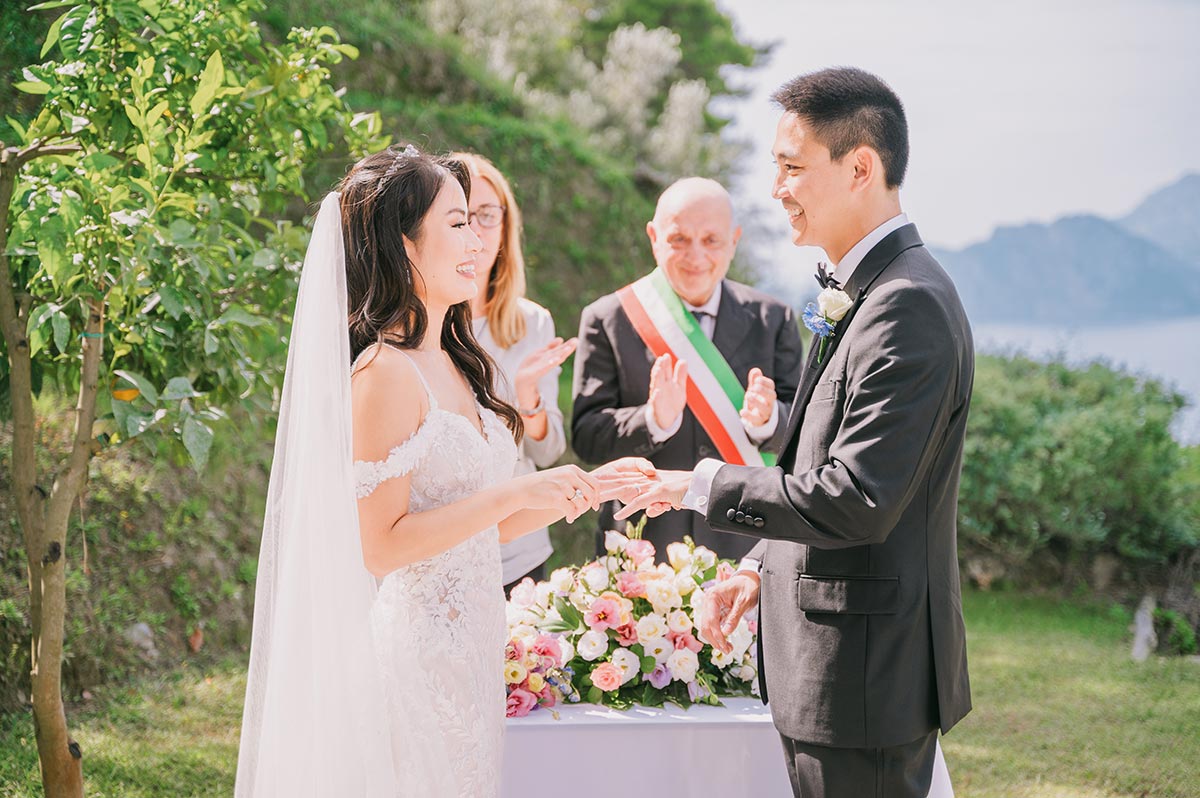

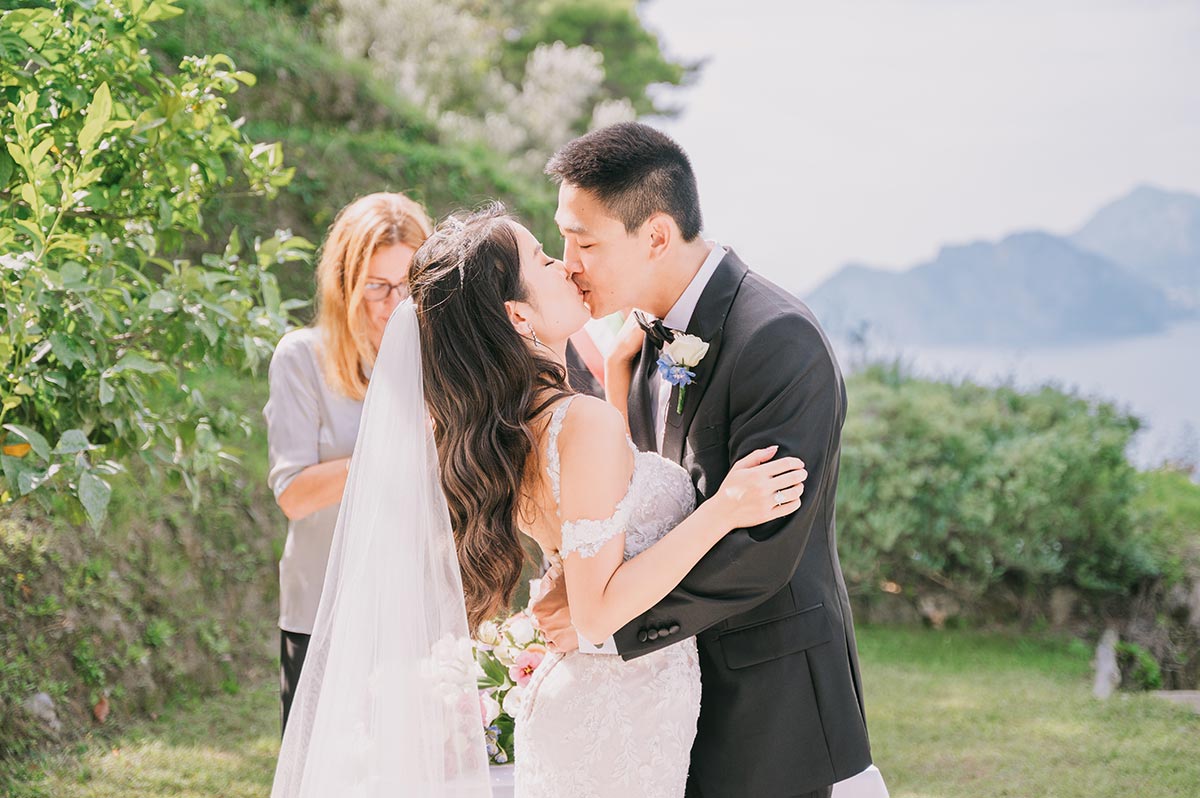
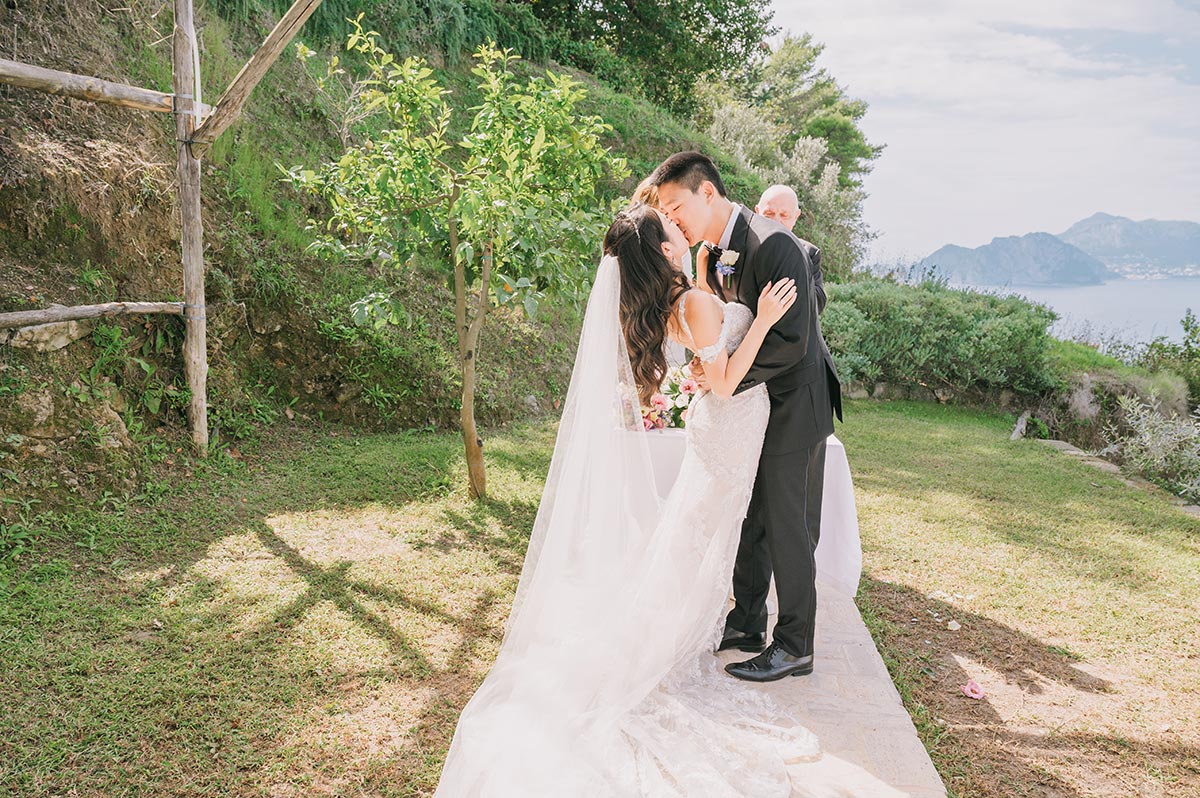
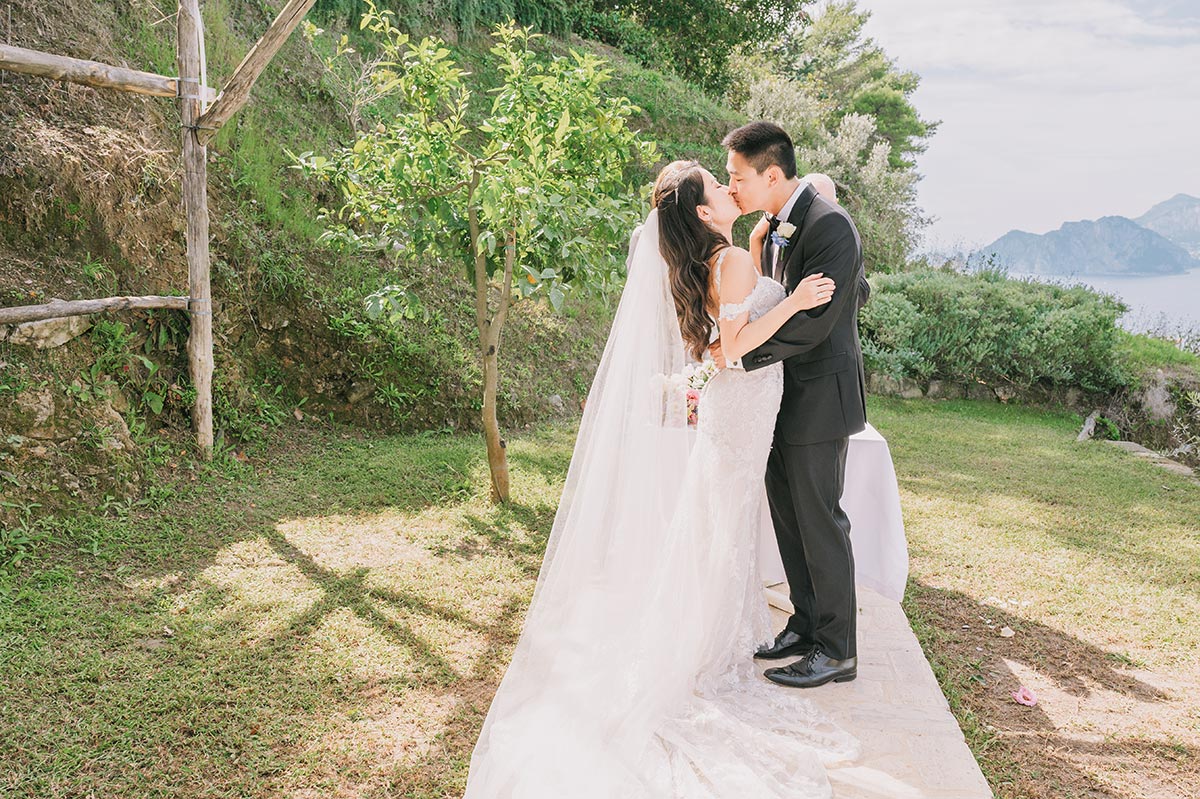
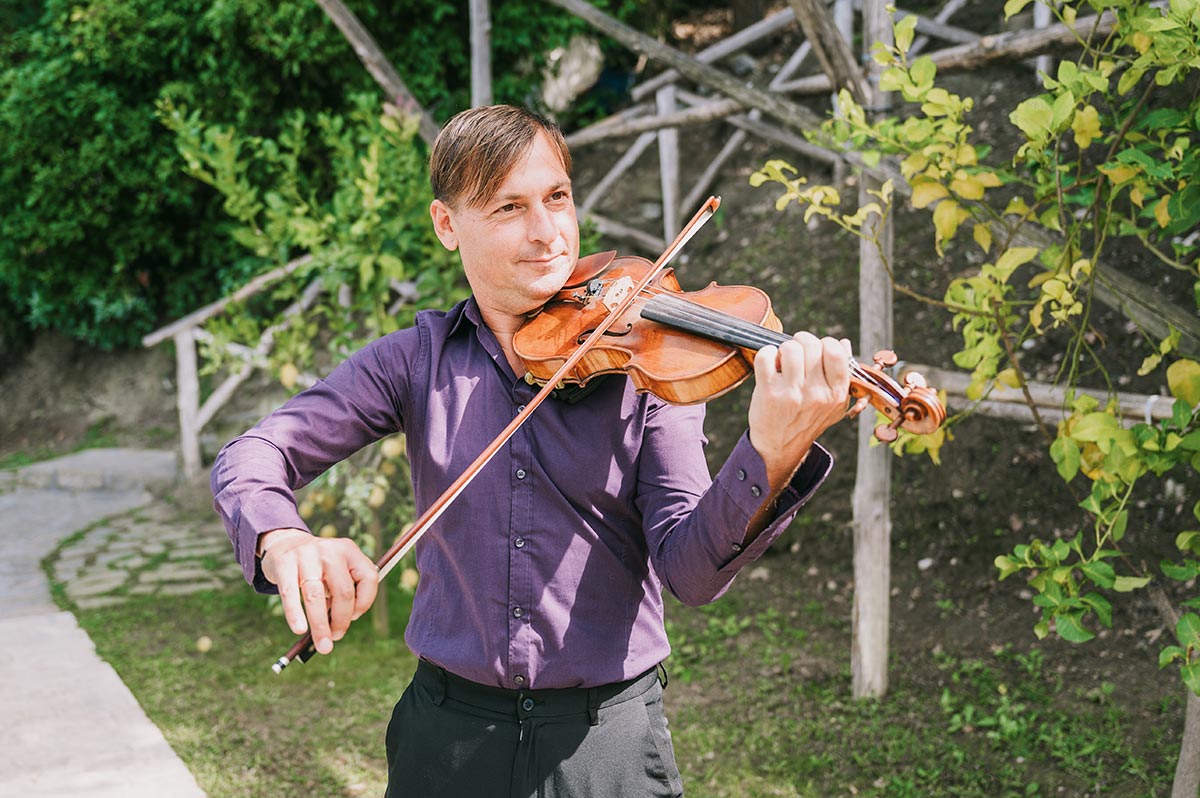
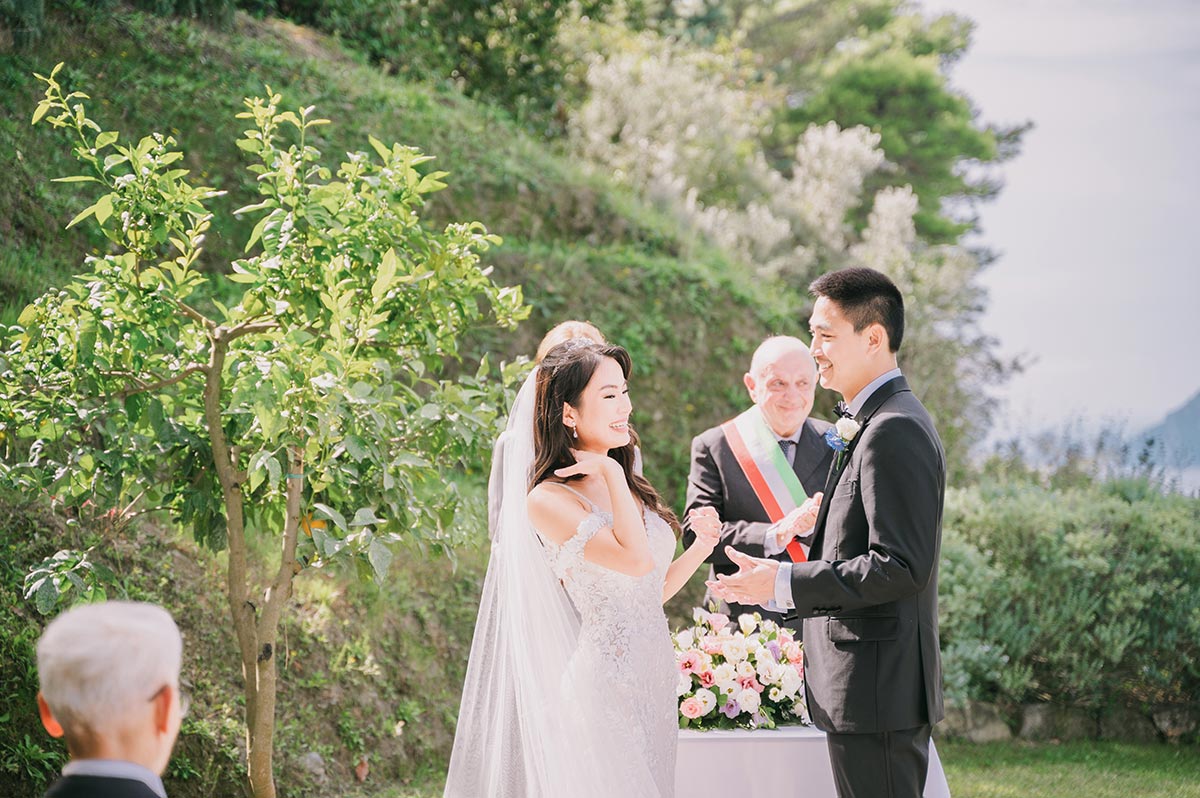
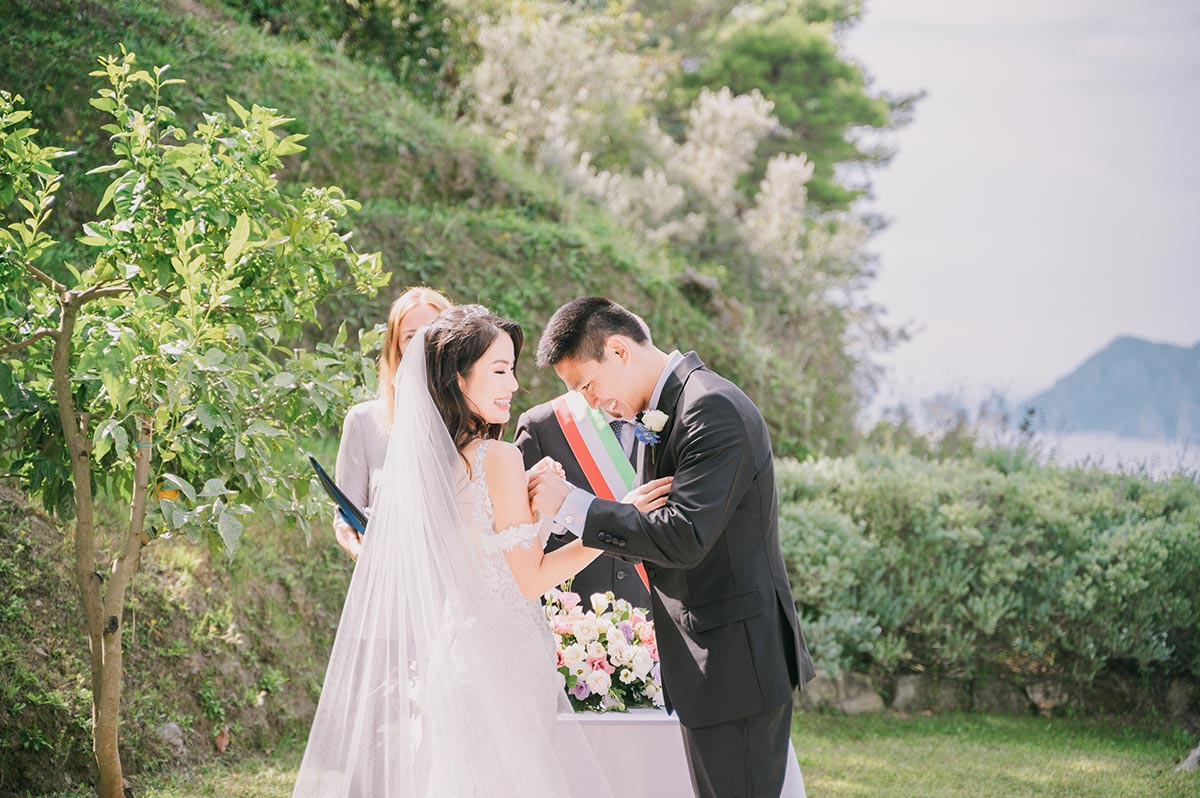

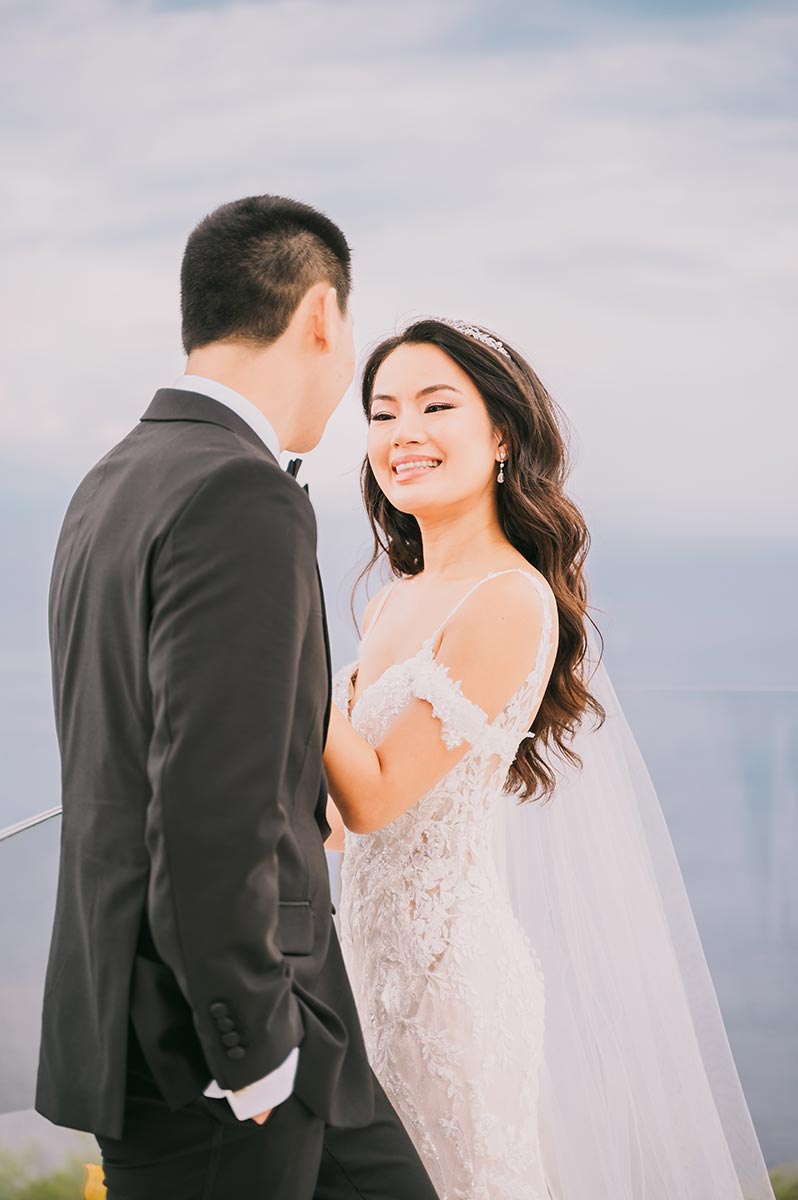
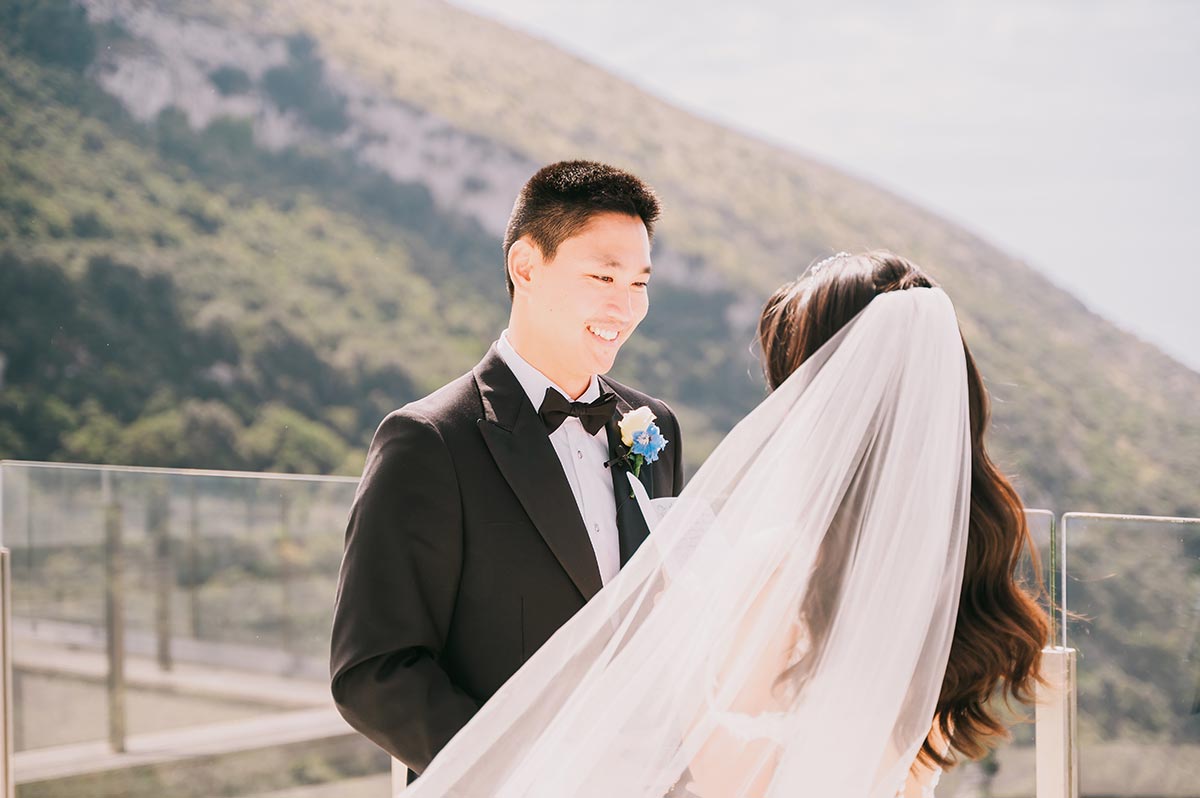
Their wedding day was filled with laughter, joy, and those cherished quiet moments that make everything worthwhile. For me, Flora and James’ day wasn’t just about the celebration; it was about the bond we formed.
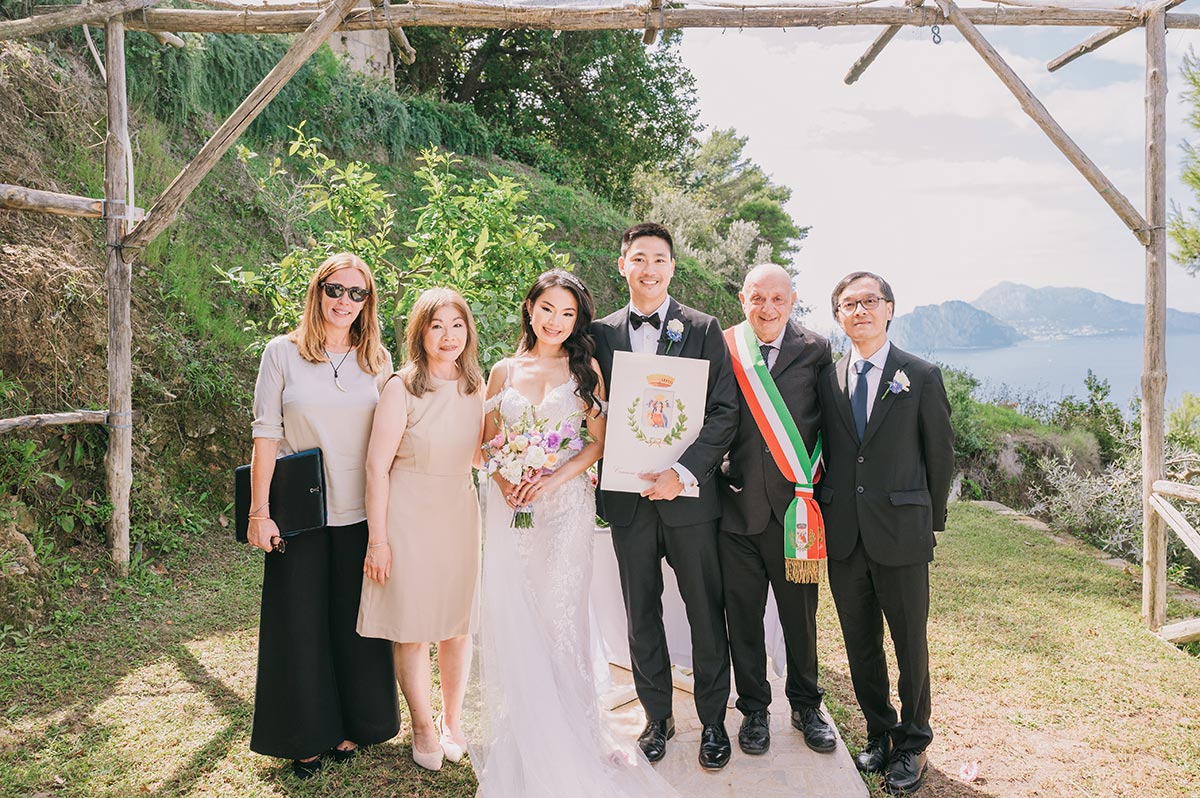

Even months later, we’ve remained friends, and this kind of relationship always reflects in my work. The better I know the couple, the better I can capture those unspoken glances and smiles that are the true essence of love.
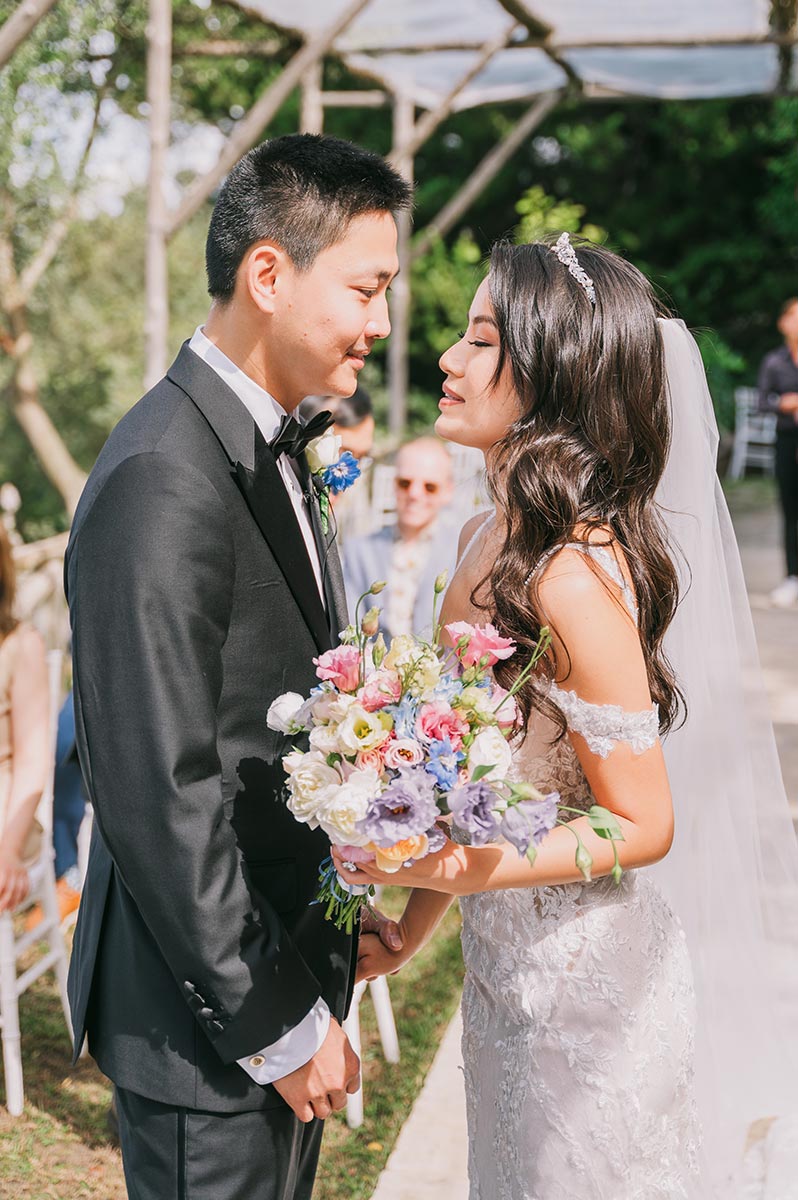
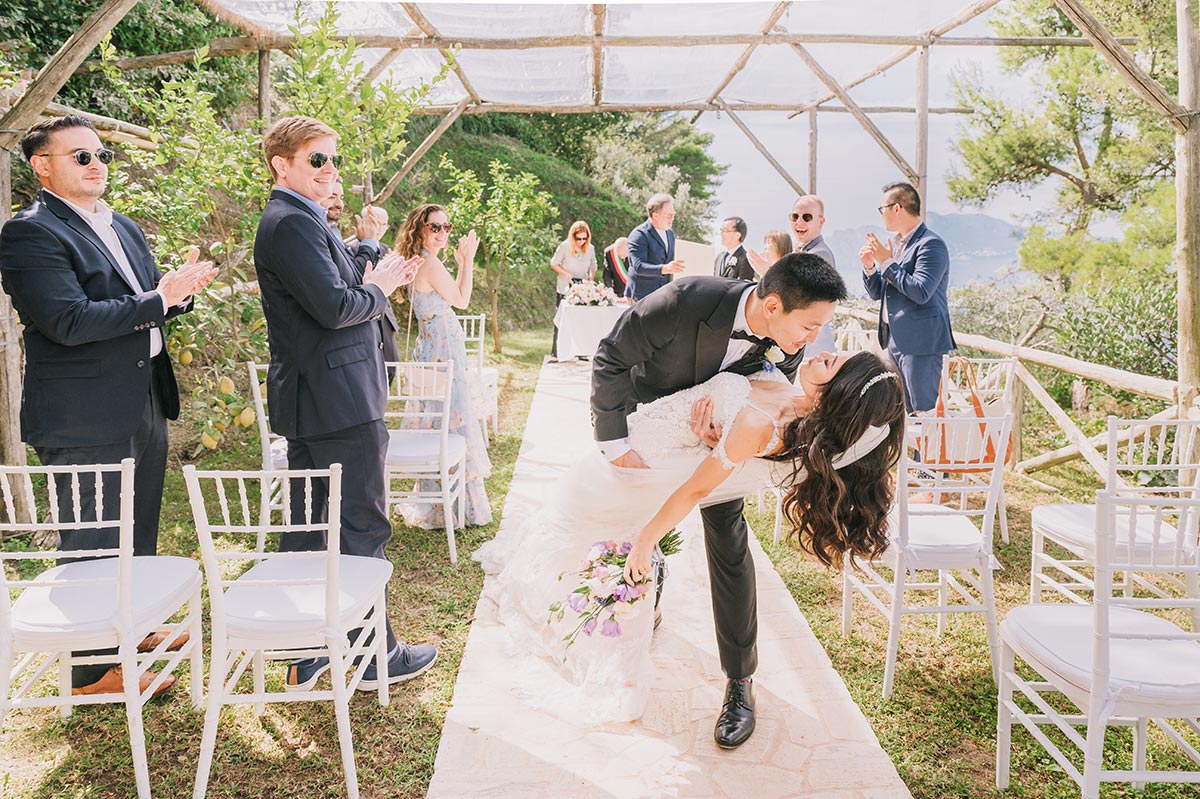
Massa Lubrense’s beauty is in the details—the cobblestone lanes, the vibrant flora, and the pastel hues of an evening sky. It’s these small yet significant details that create an unparalleled, intimate setting for your wedding—a place that feels like stepping into a romantic storybook.
WEAR POEMS
STOP TIME
IN YOUR LIFE
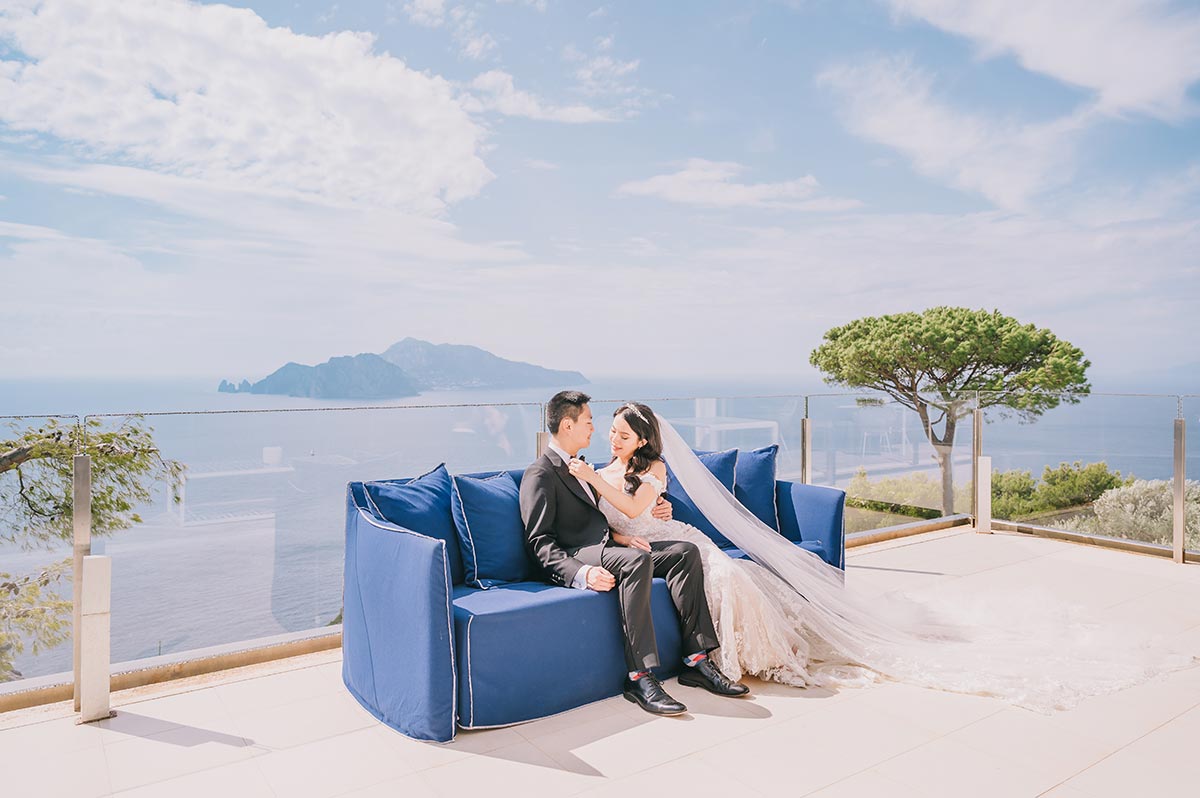
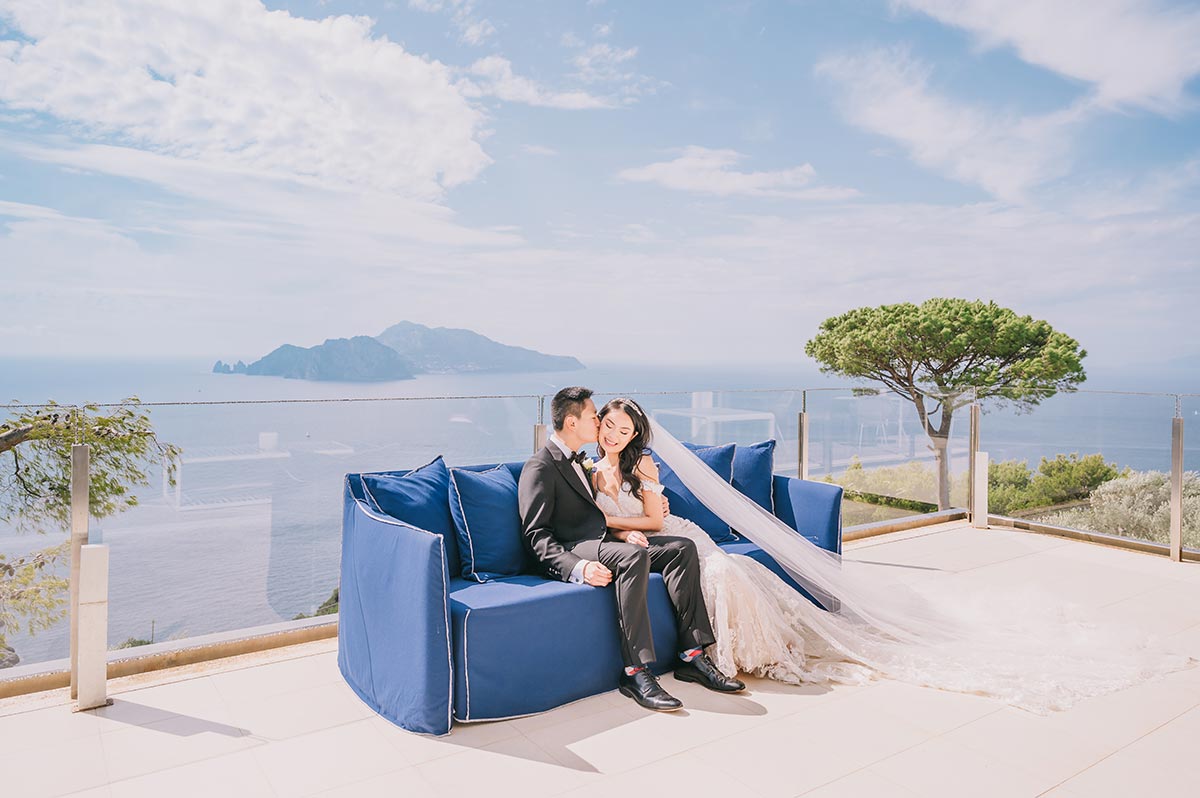
Who dreams of a wedding in Italy should never miss out to be photographed on heritage sites.
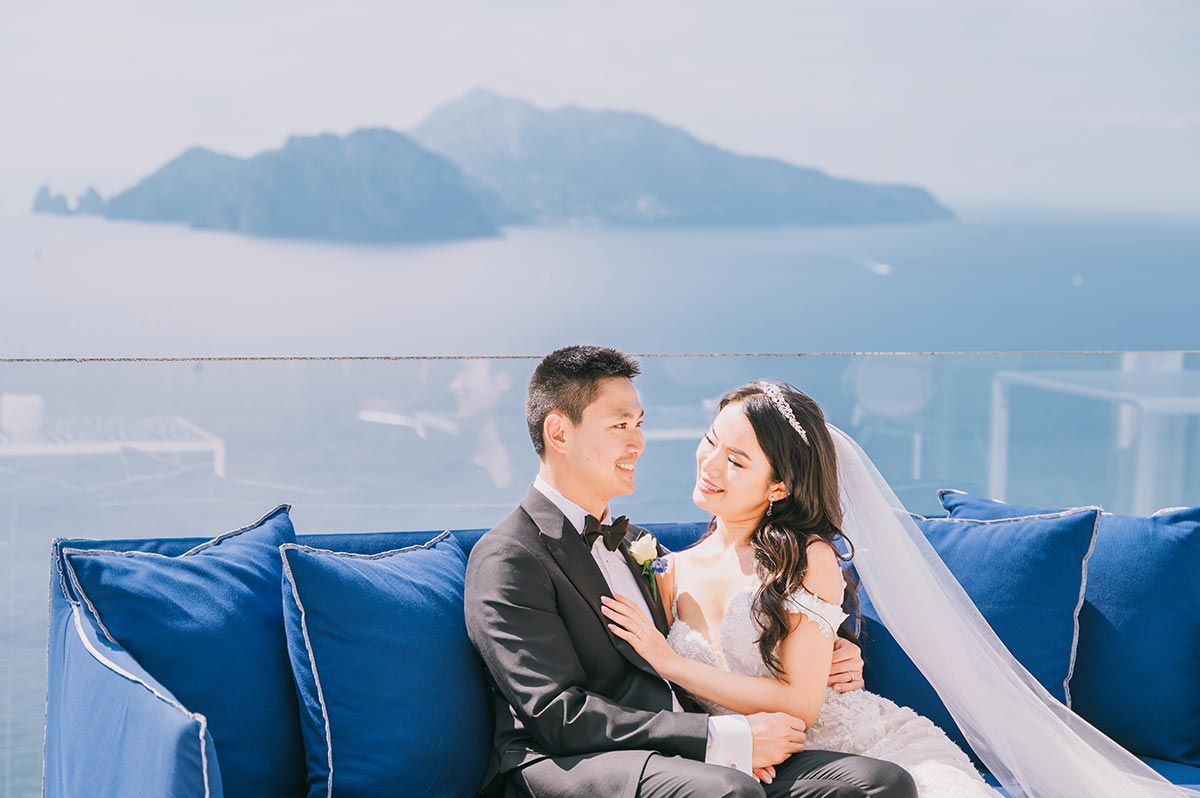
FEEL VIBES

Unforgettable Wedding Venues in Massa Lubrense
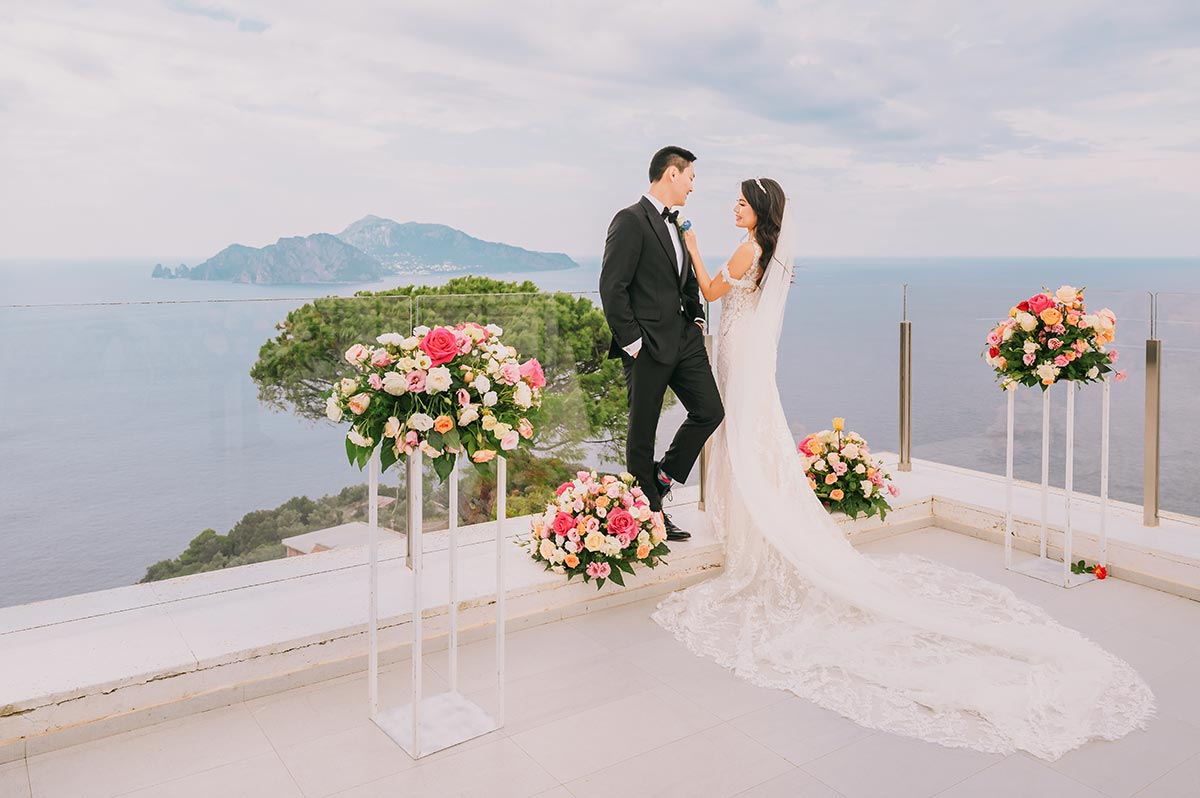
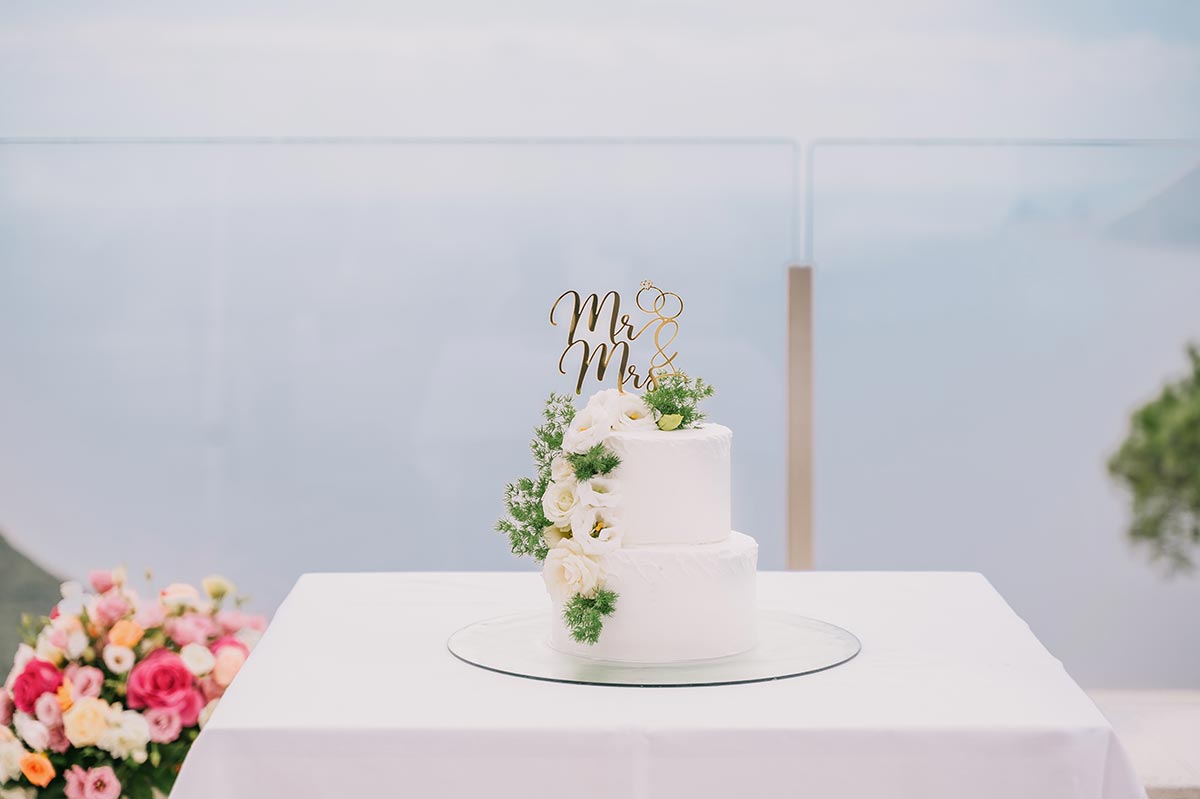
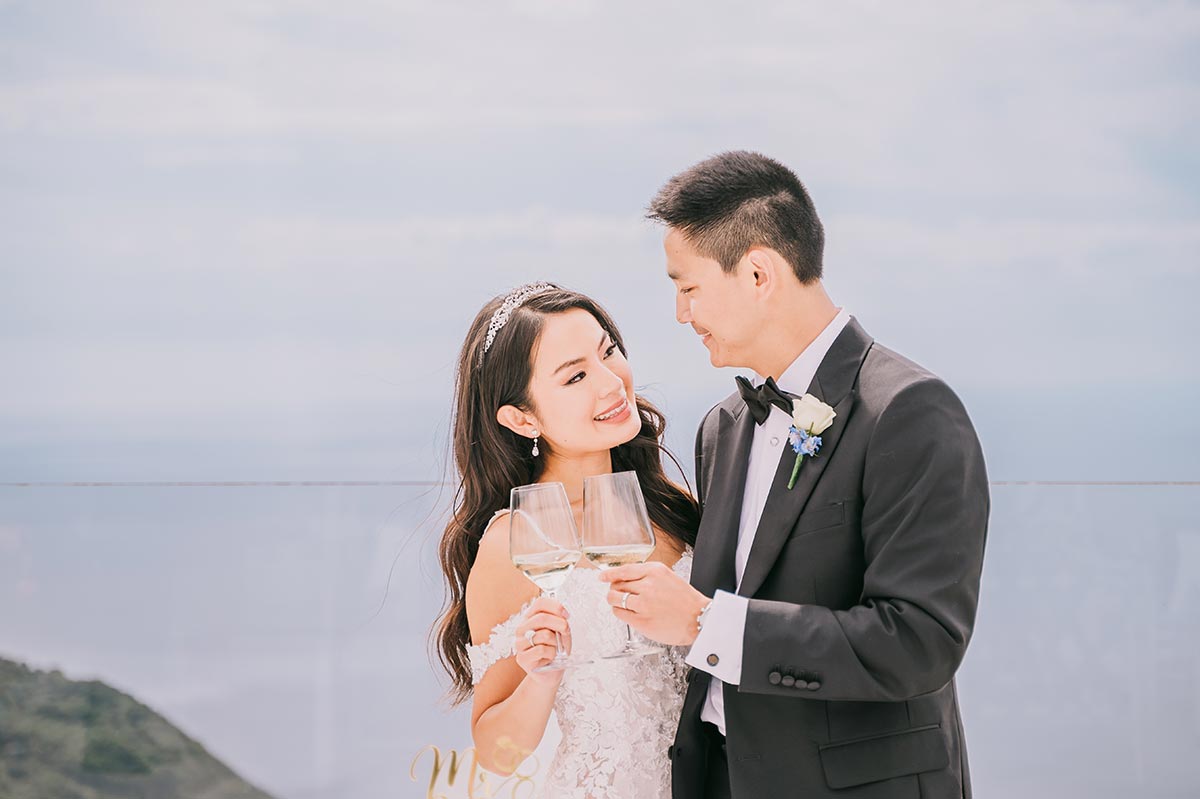
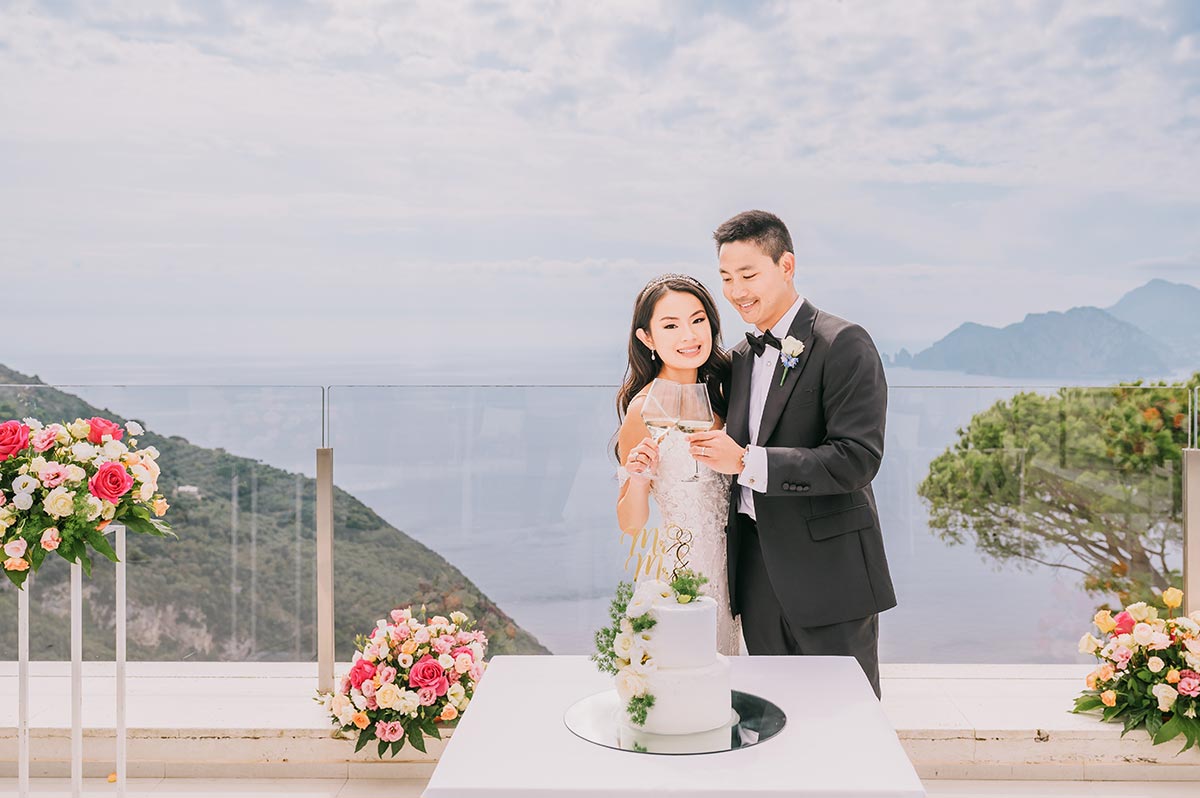
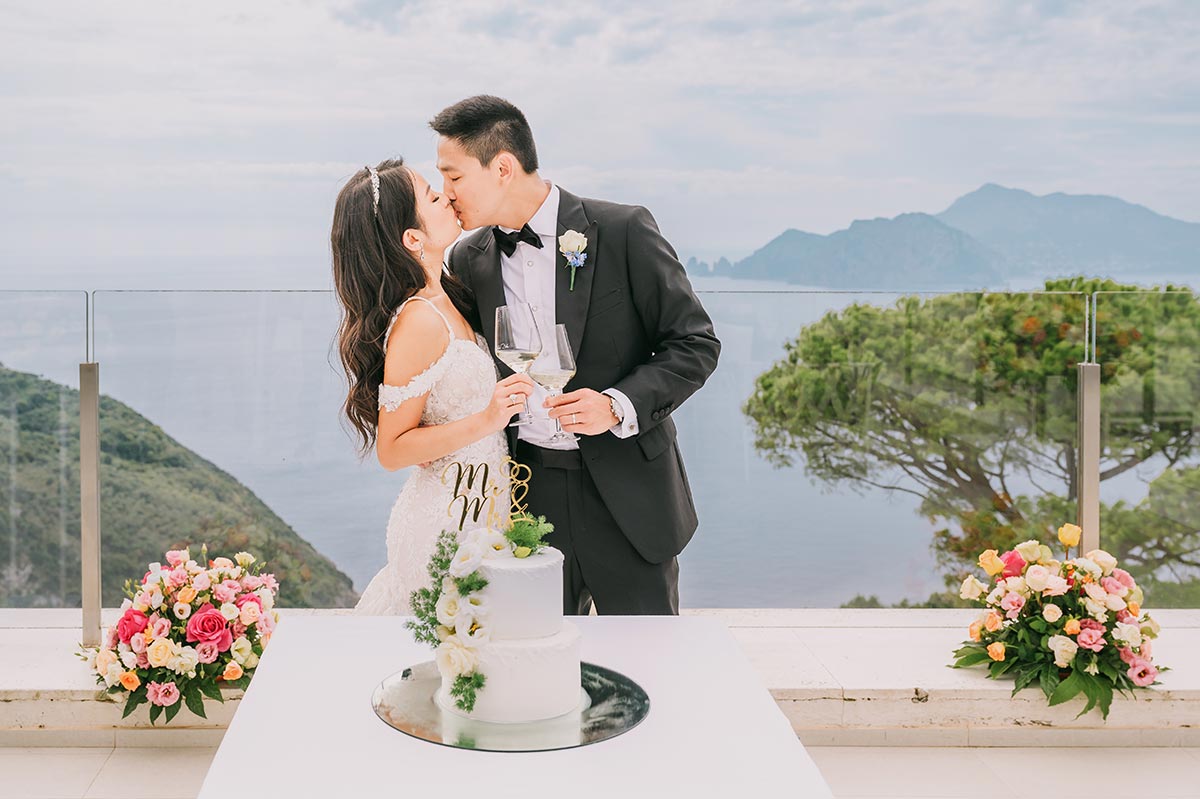
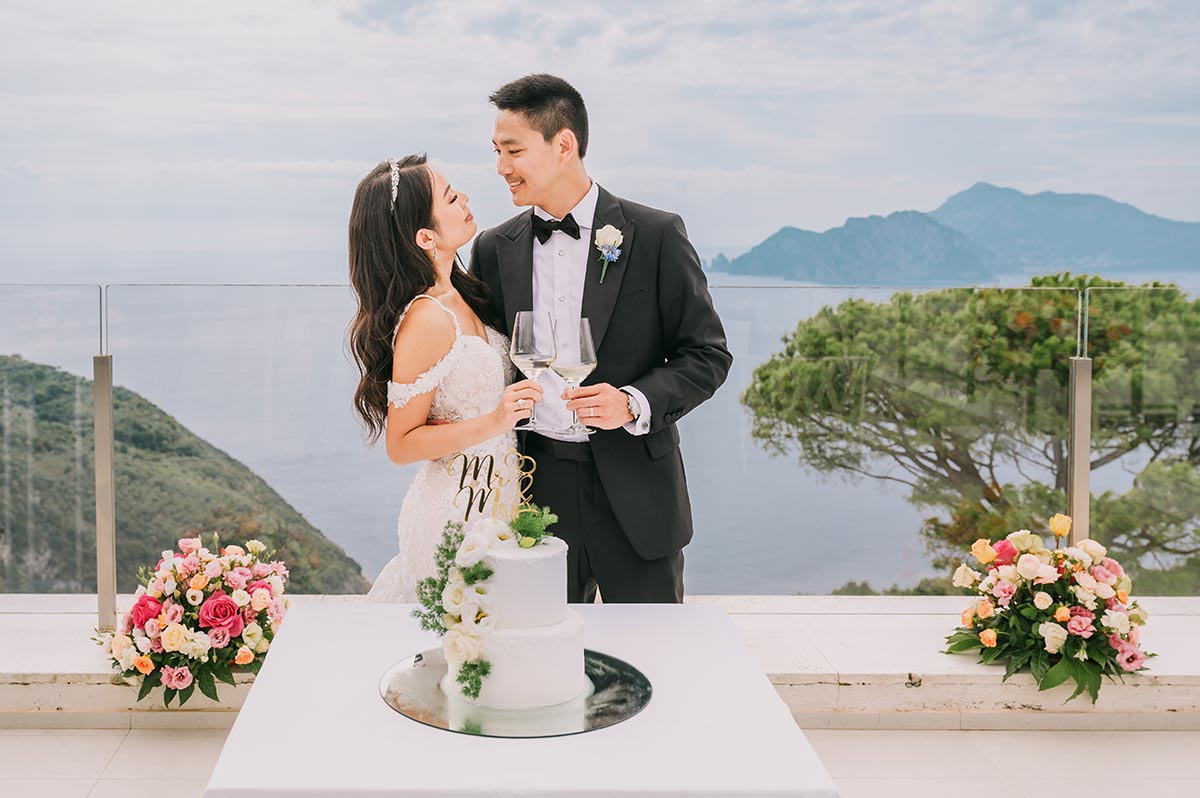
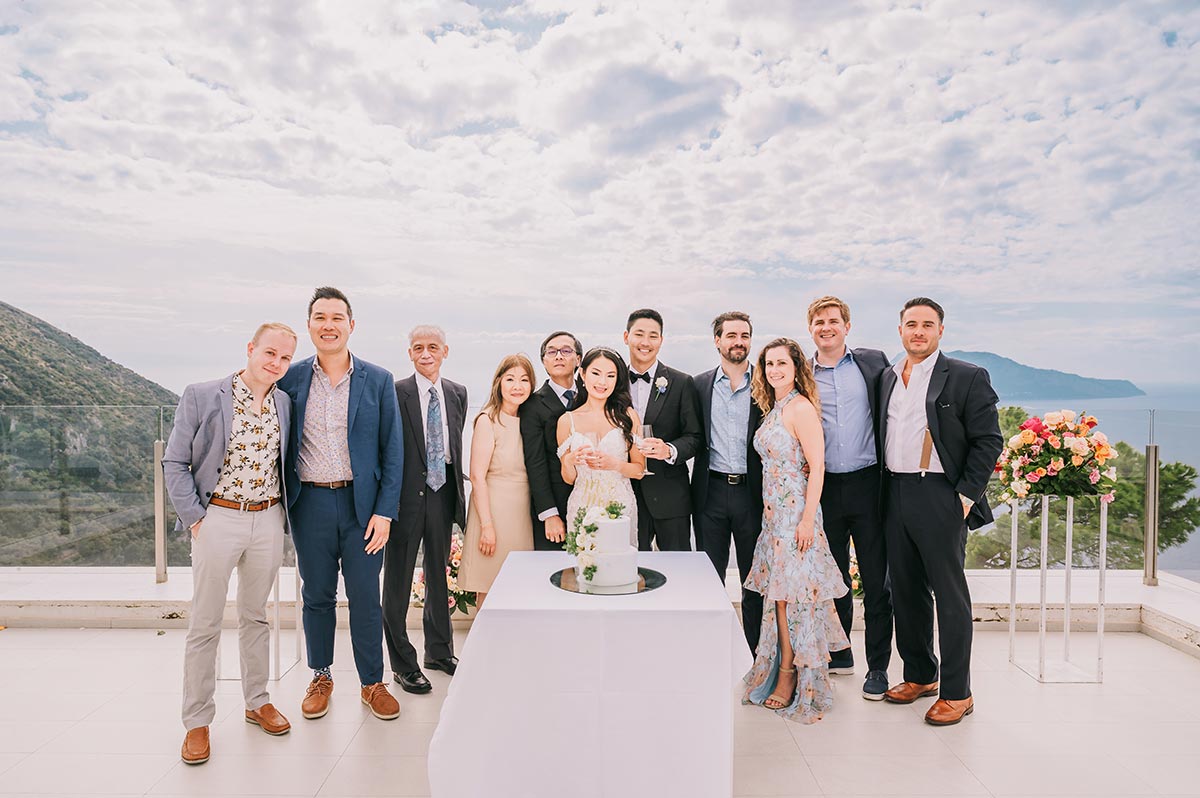
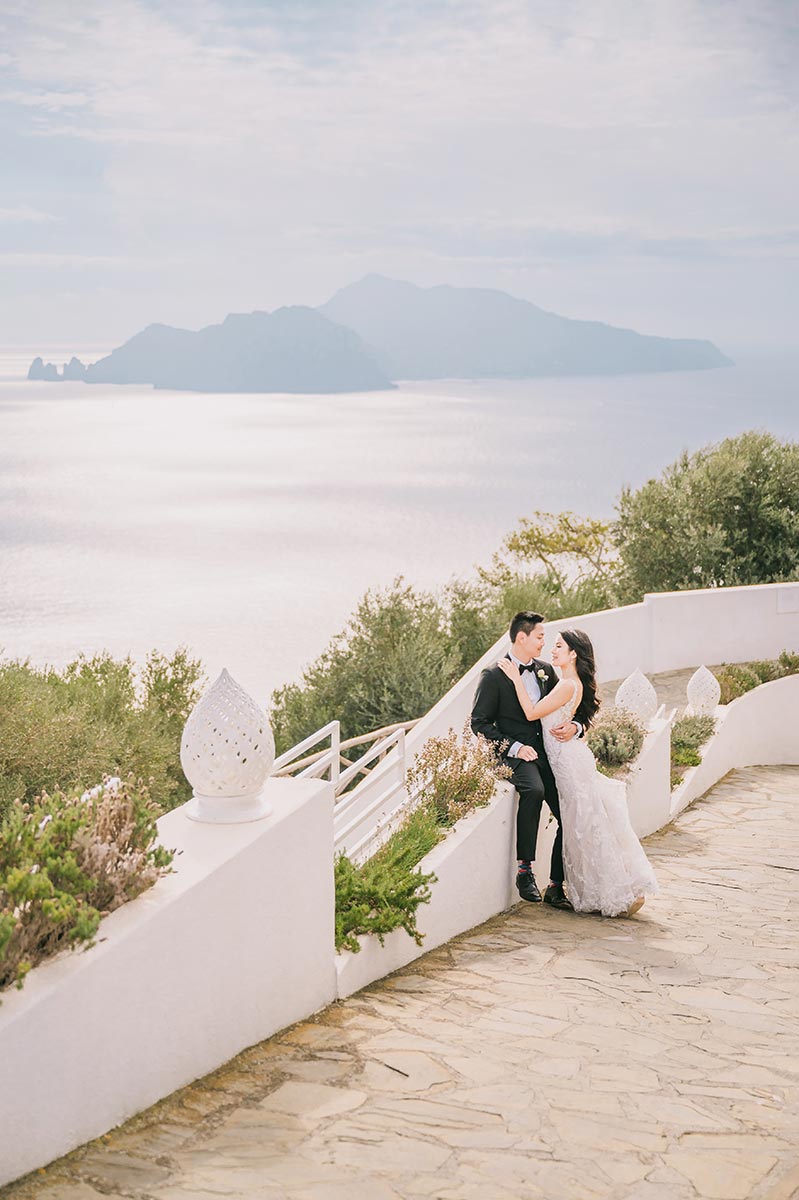
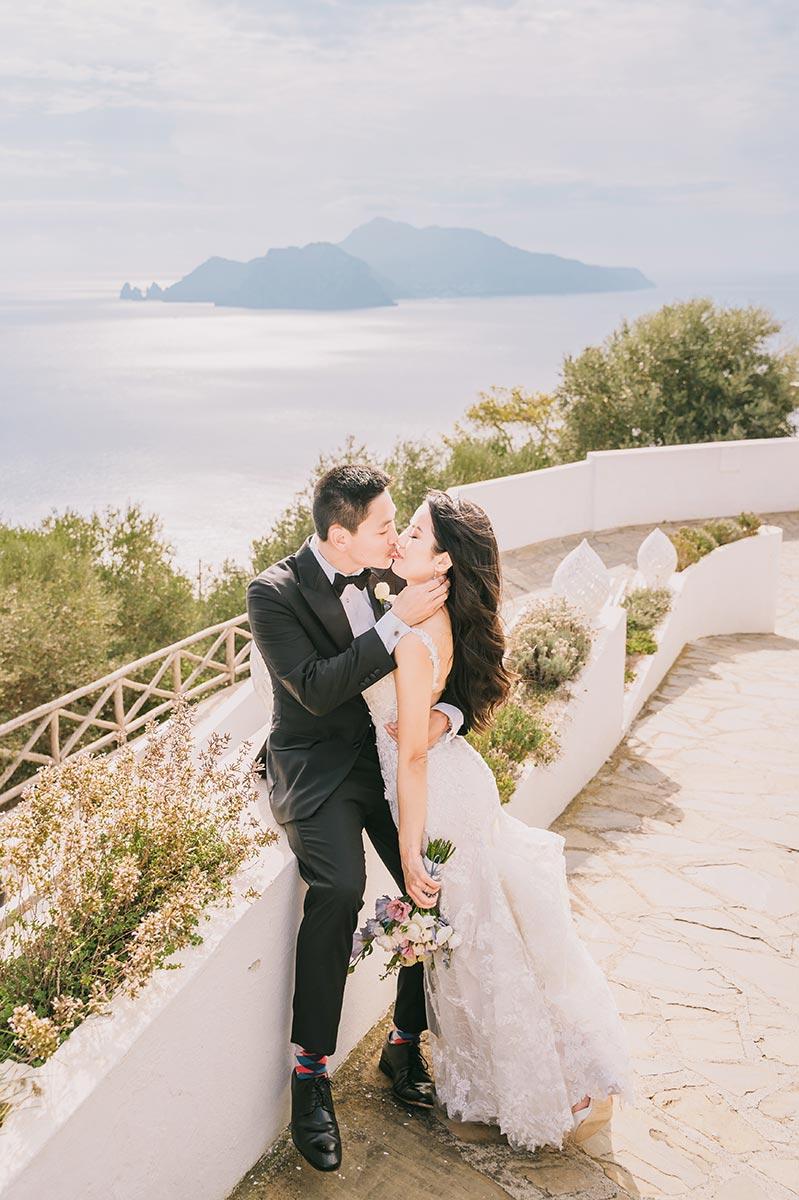
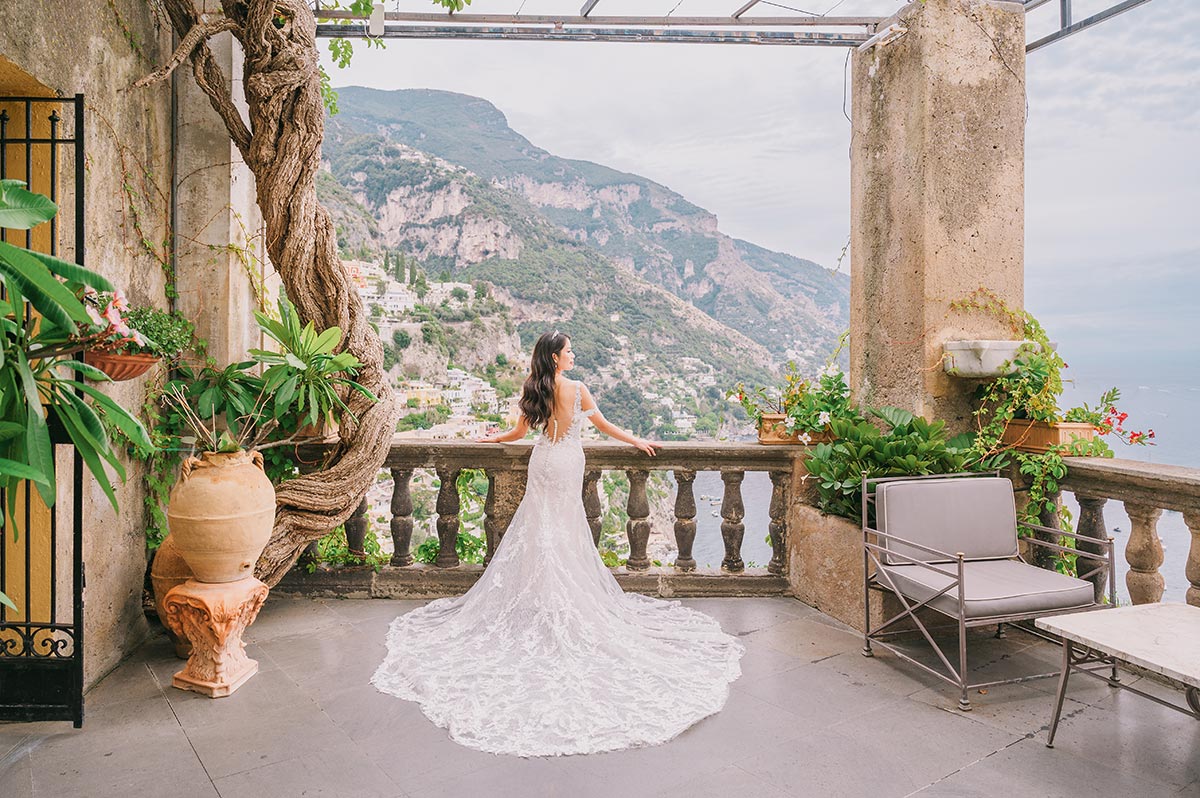
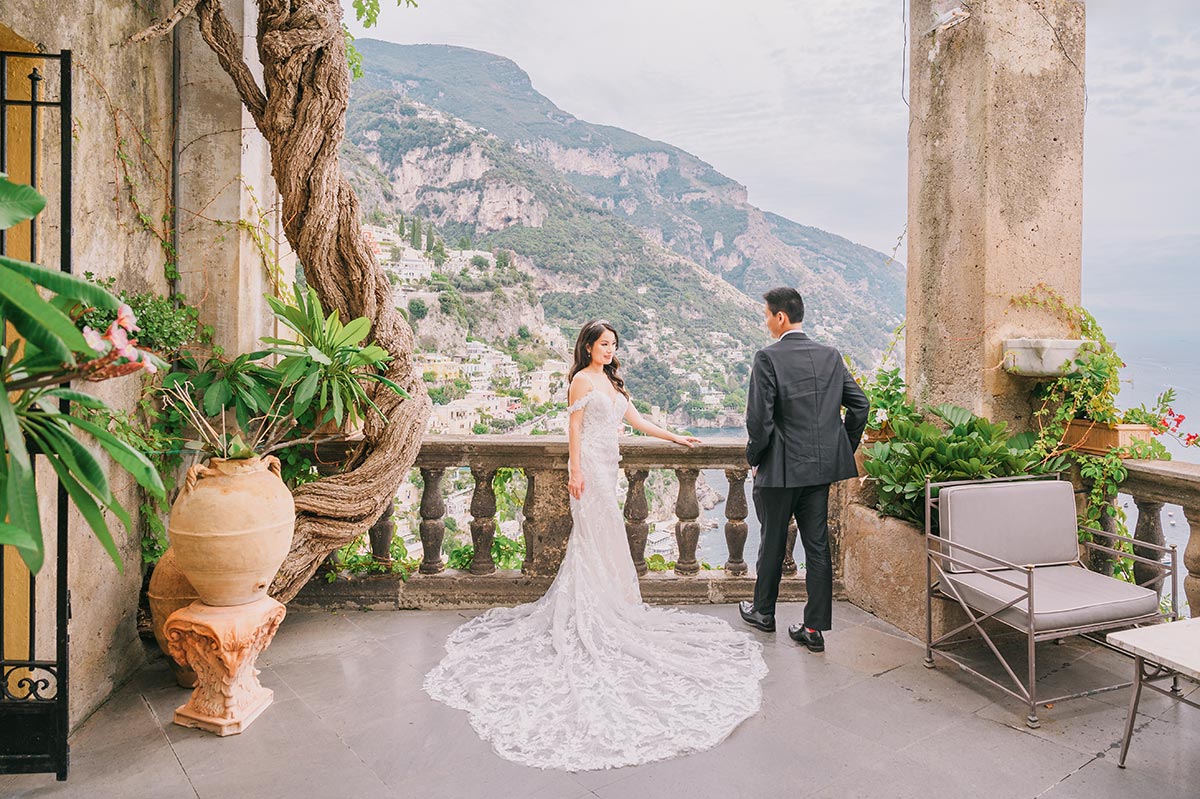
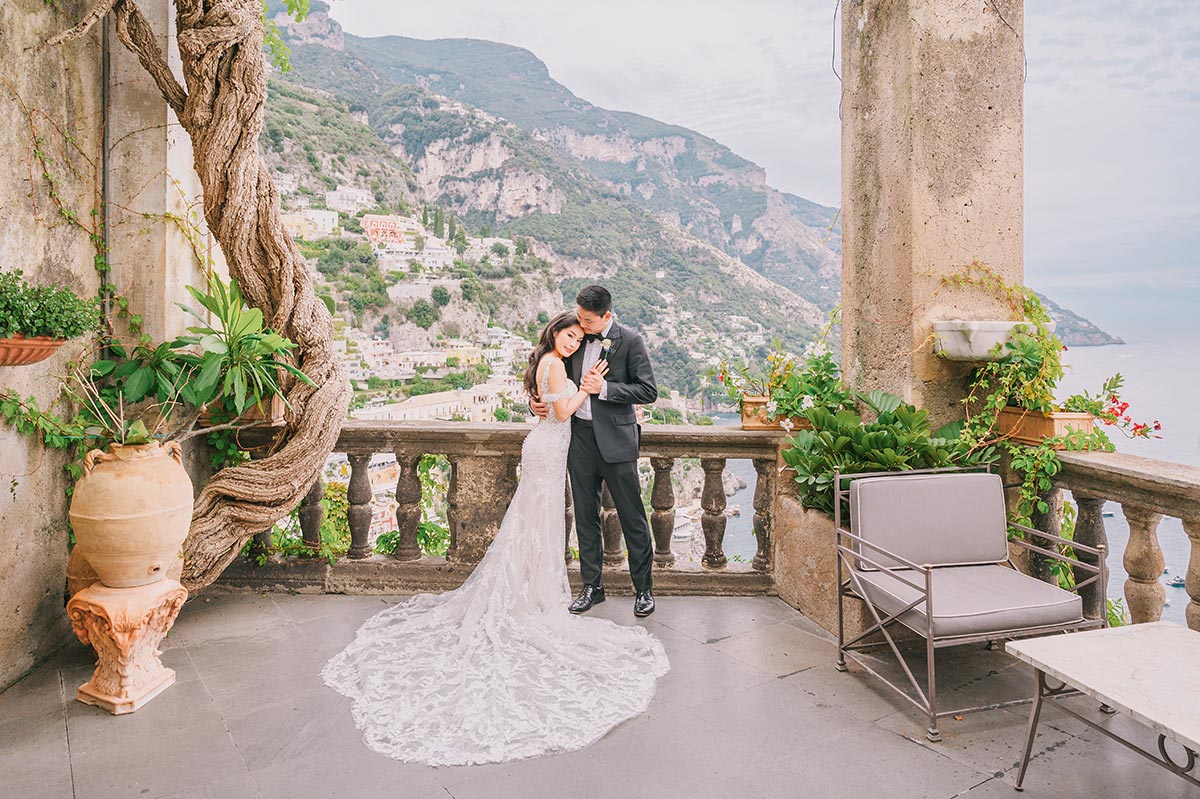
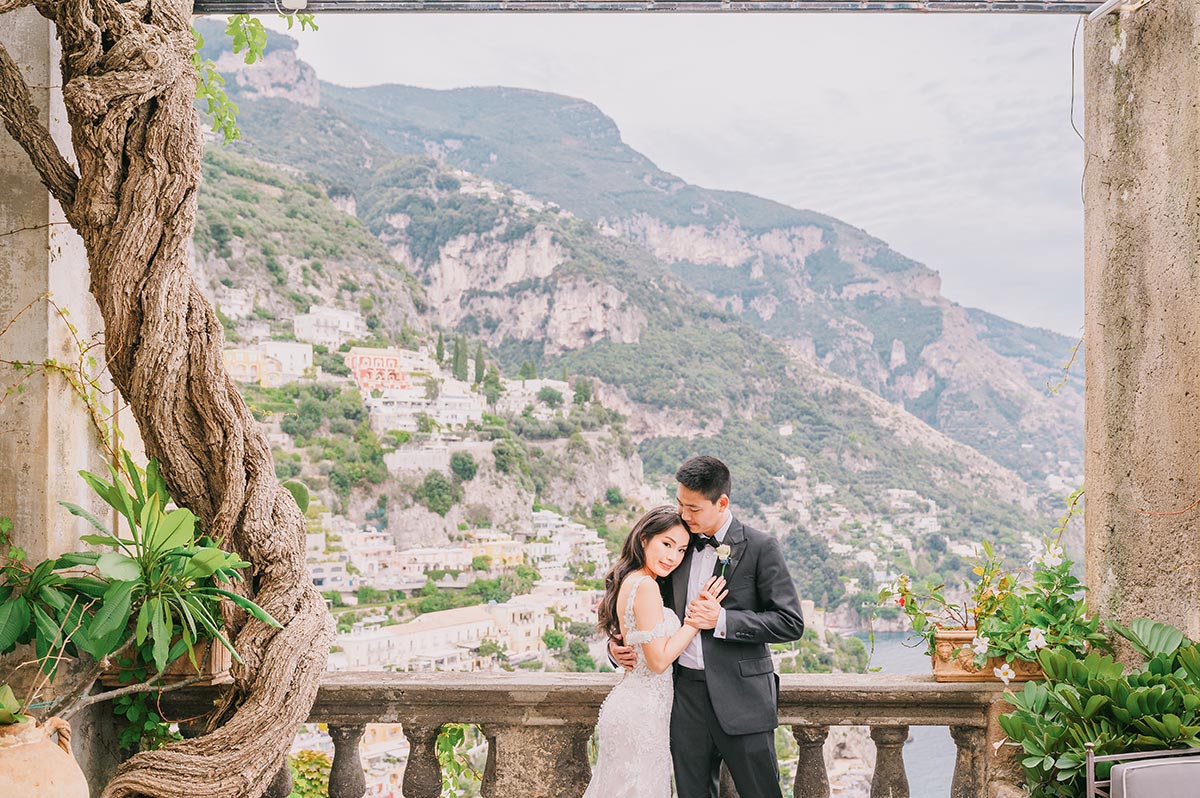
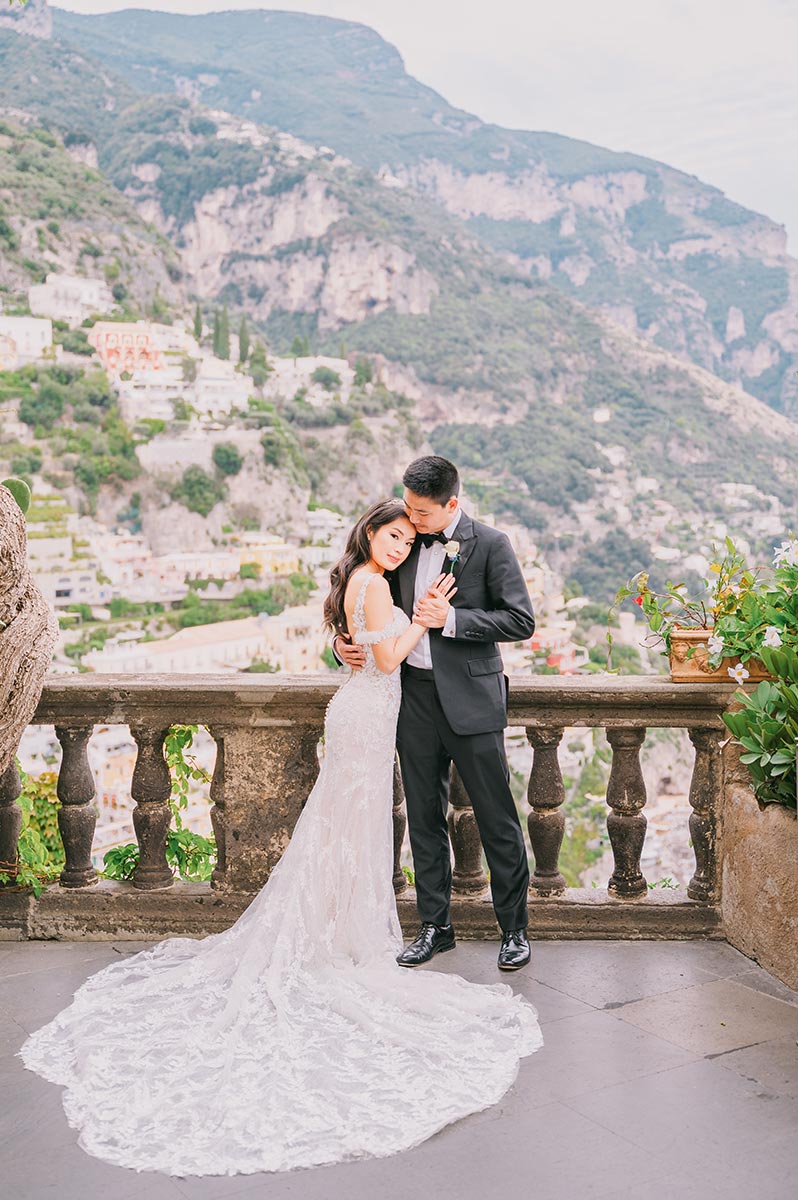
Relais Blu is just one of many spectacular venues available in Massa Lubrense. Whether you envision an intimate ceremony in a secluded villa or a lavish celebration in a luxurious estate, the venues here cater to every kind of dream, much like those available for a wedding in Positano. Picture yourself exchanging vows as the sun sets over the sea, bathing everything in a warm, golden light—it truly feels like a scene from a fairytale.
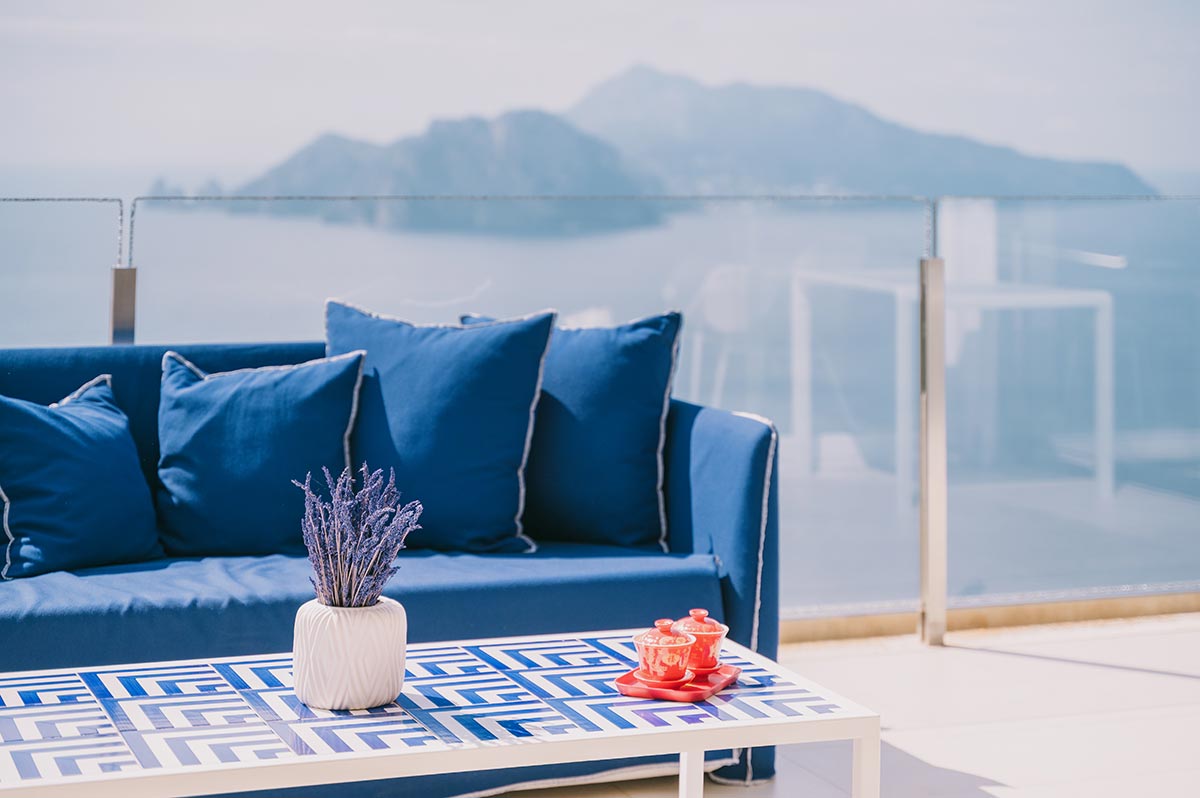


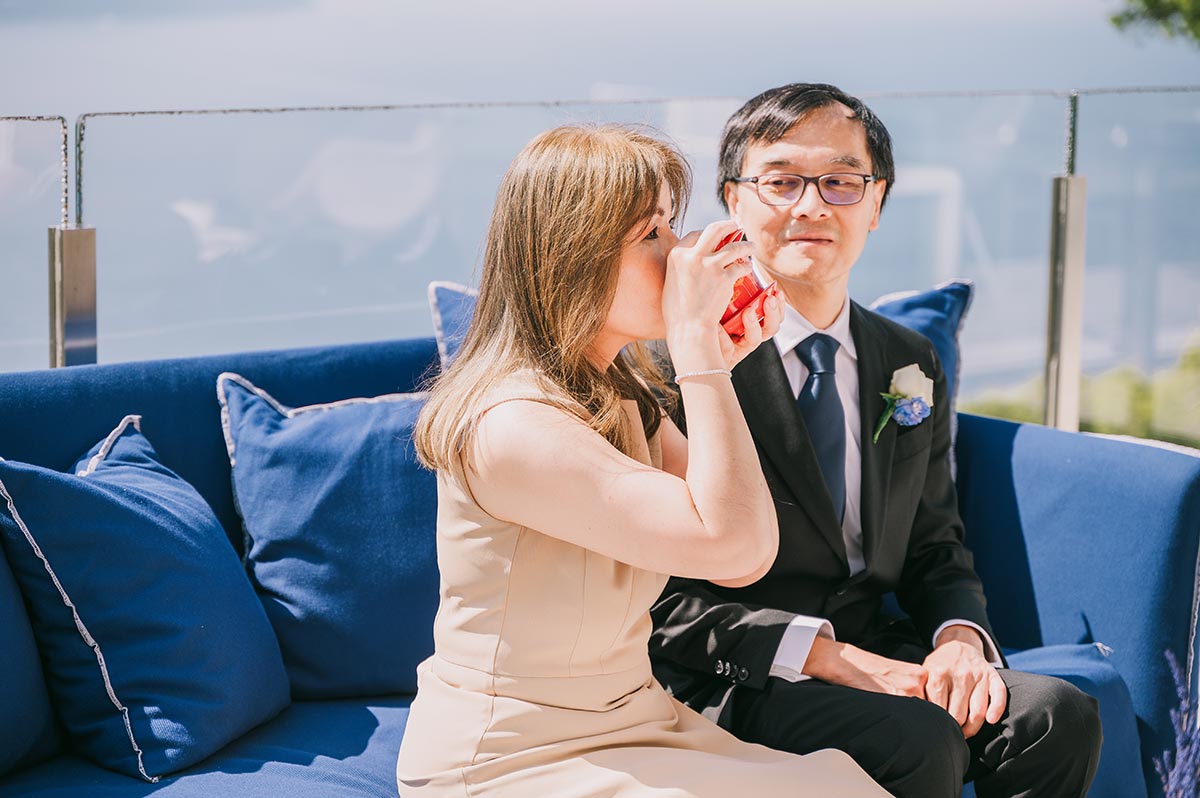


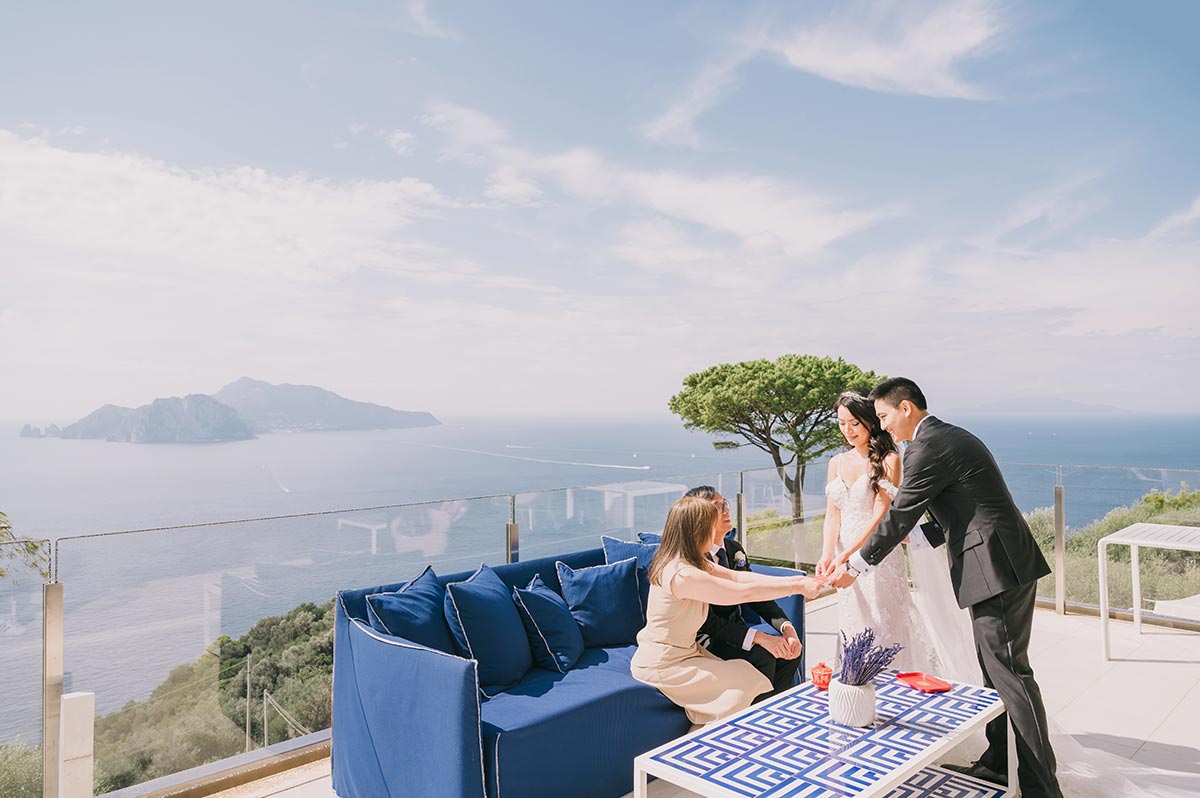
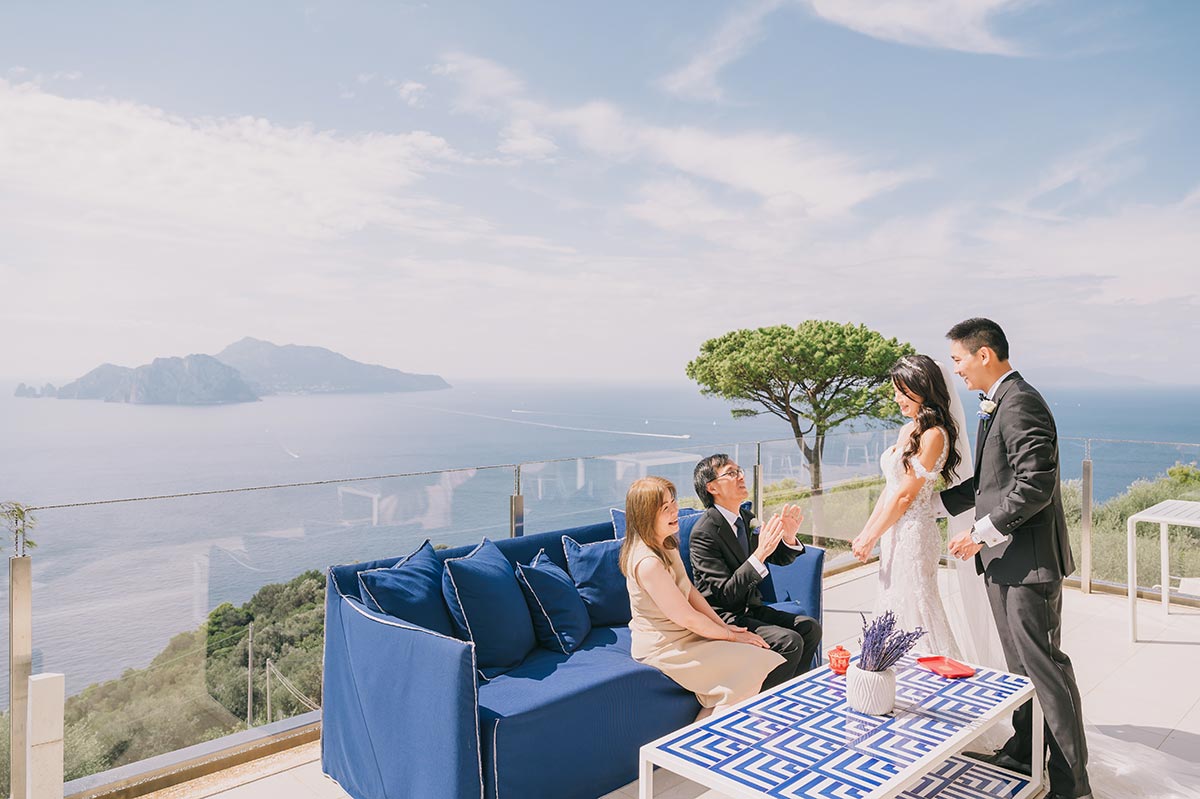
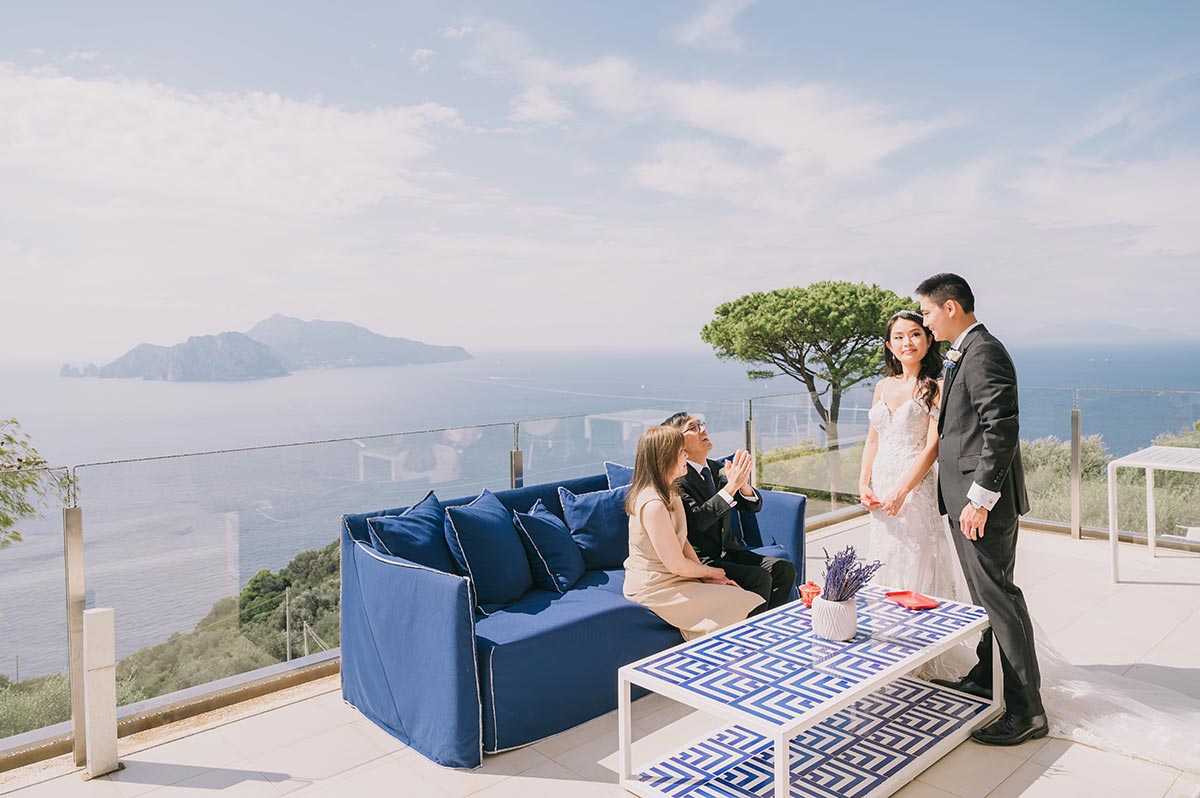
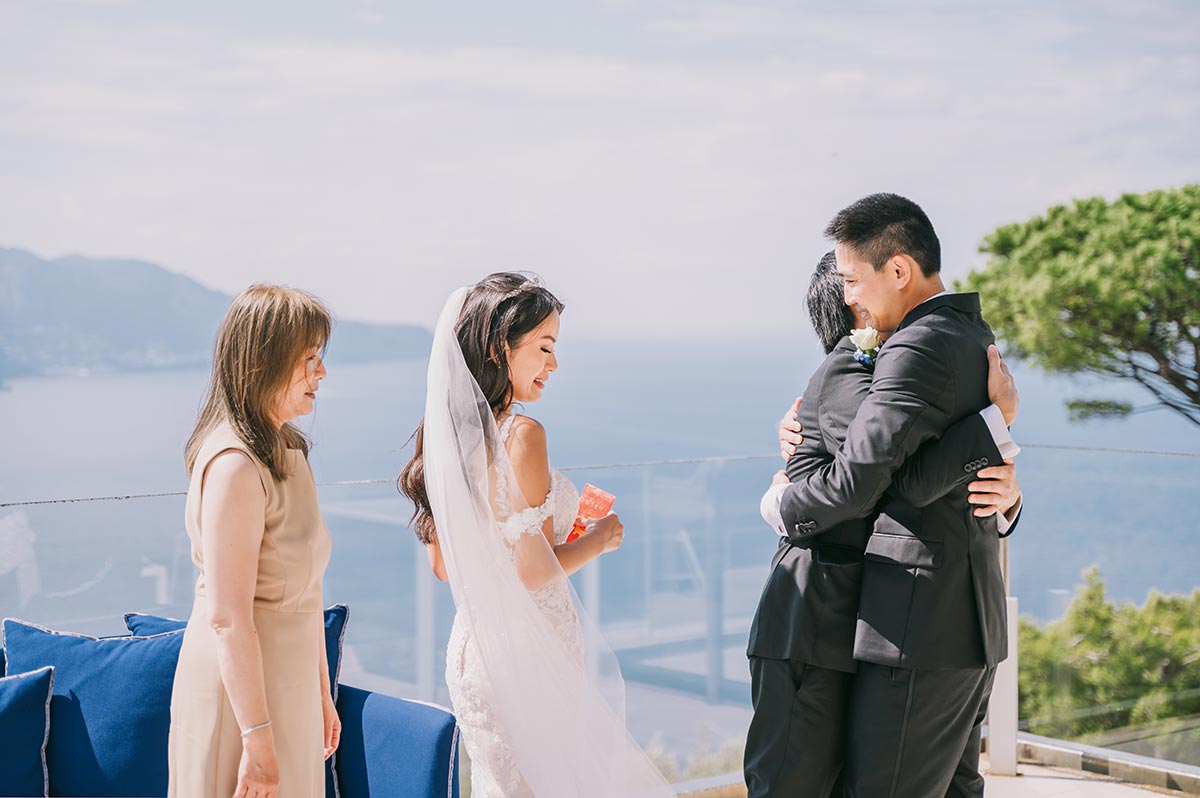
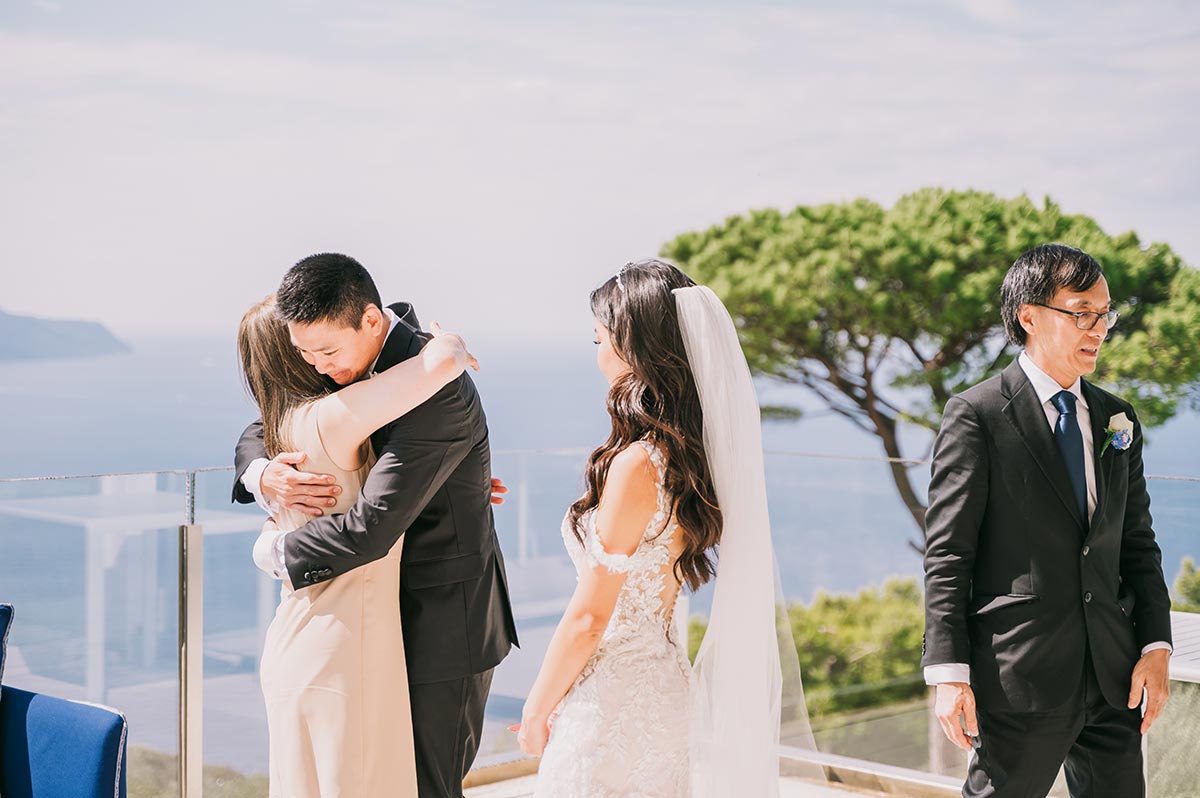

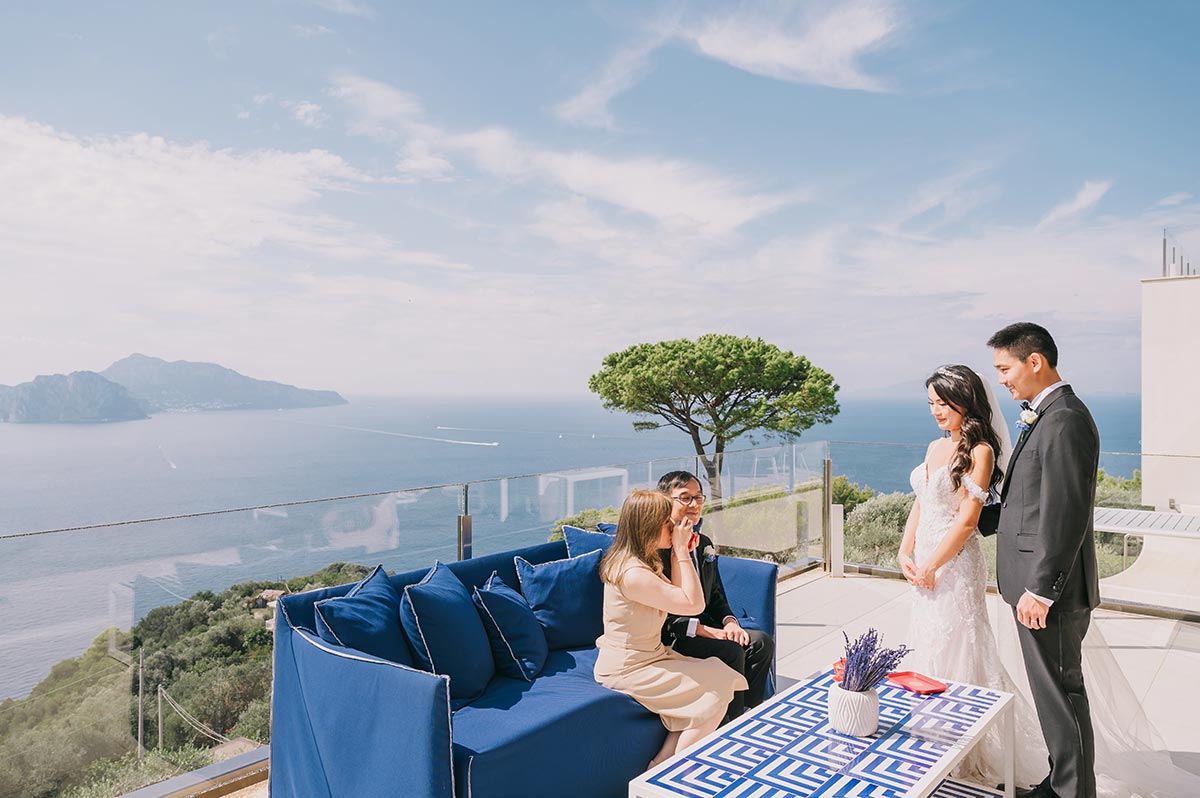
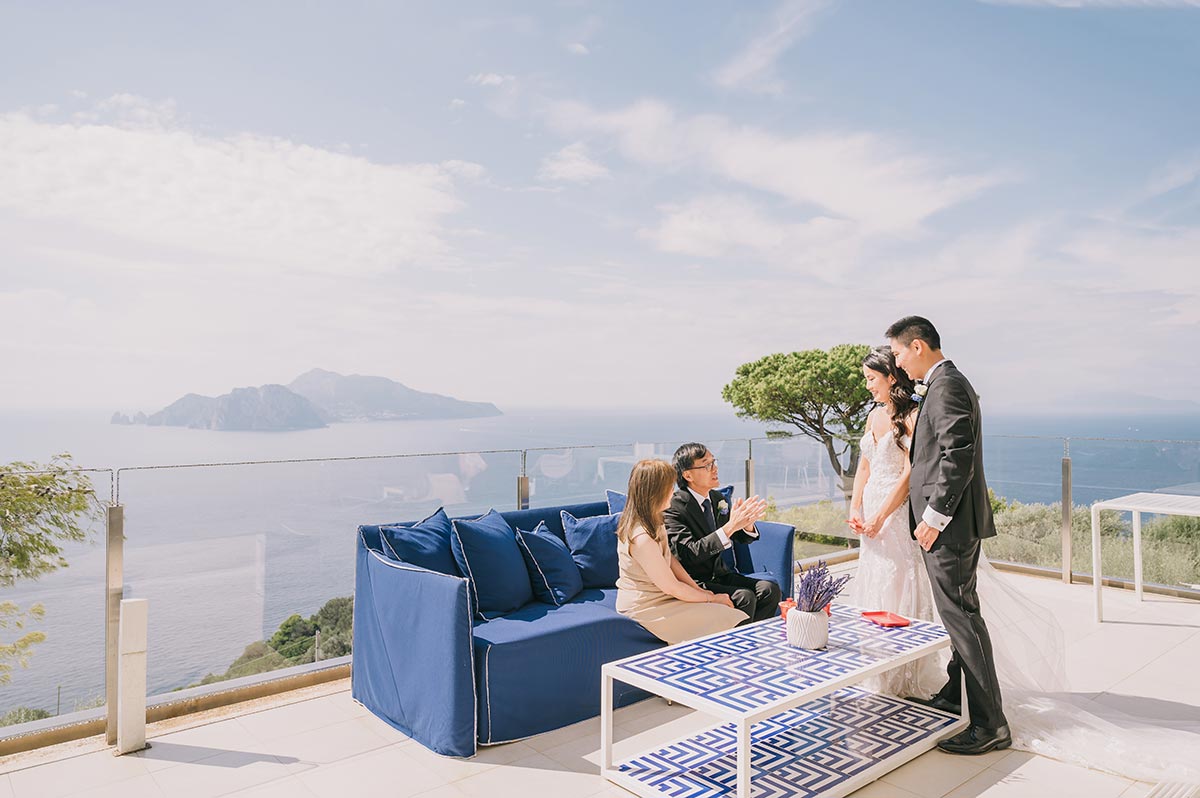
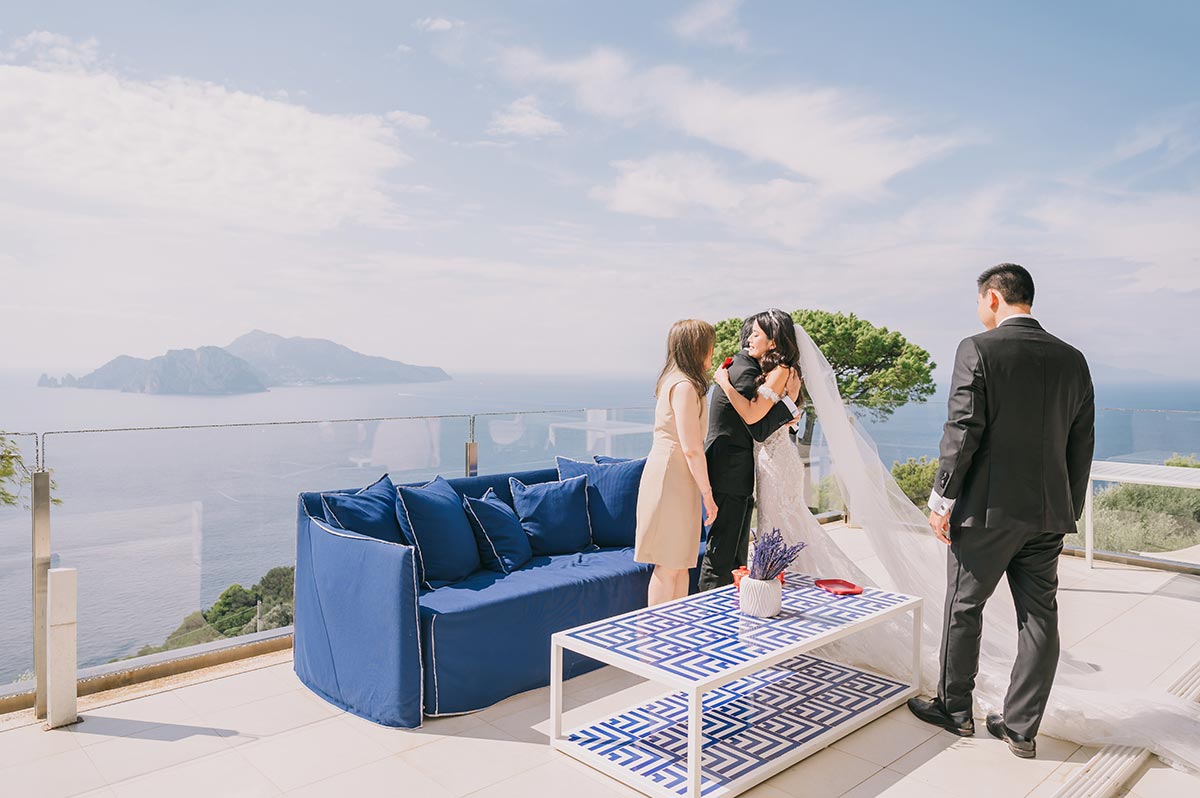

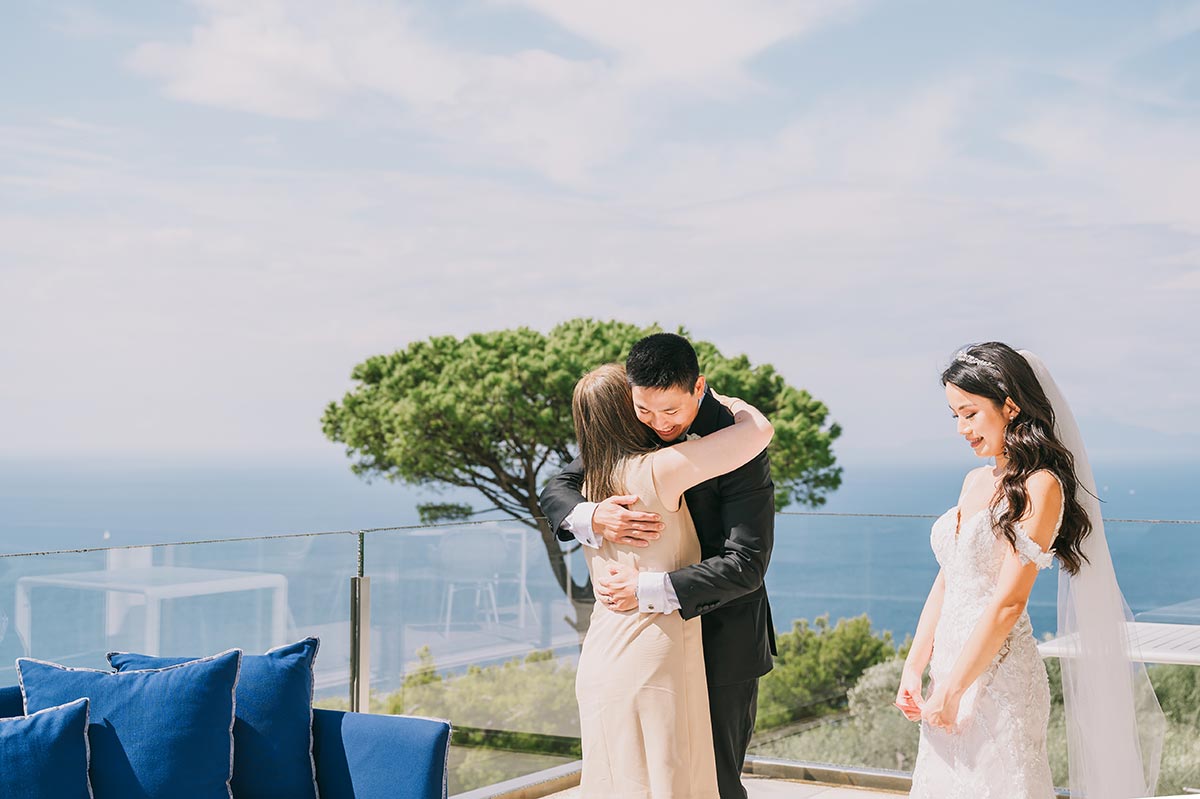
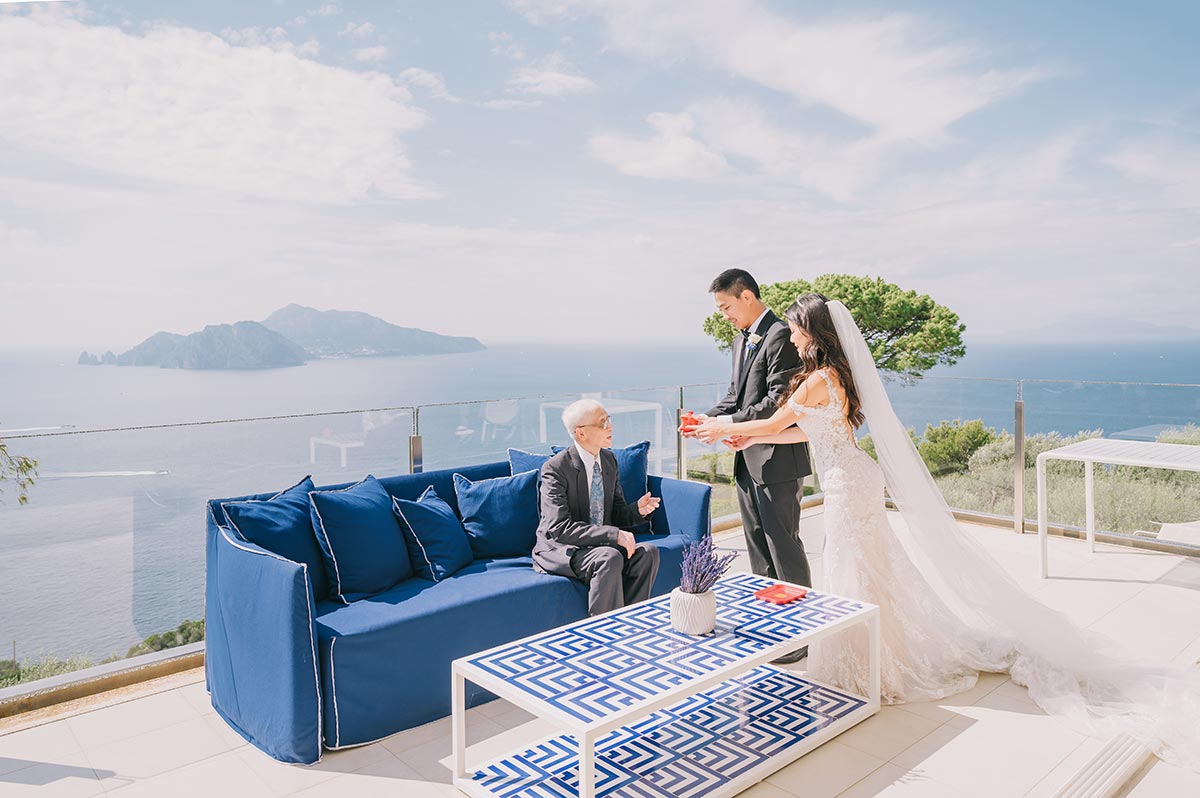

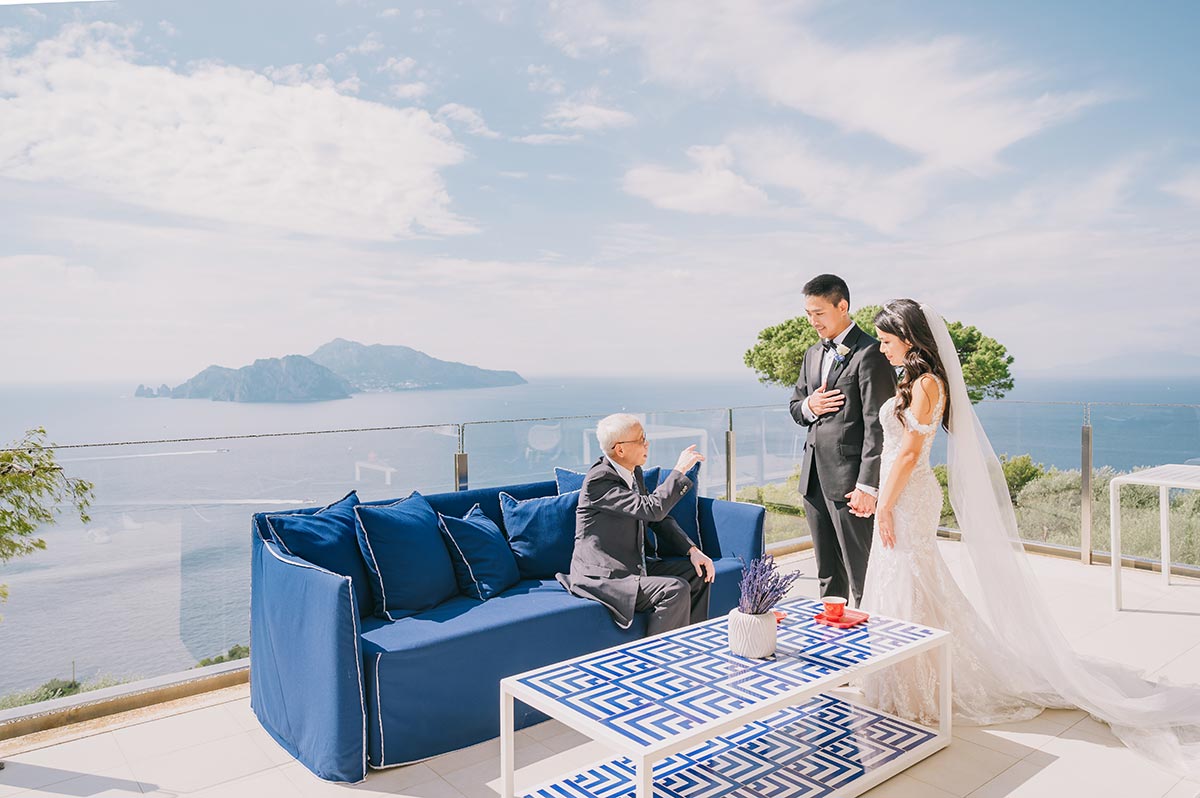

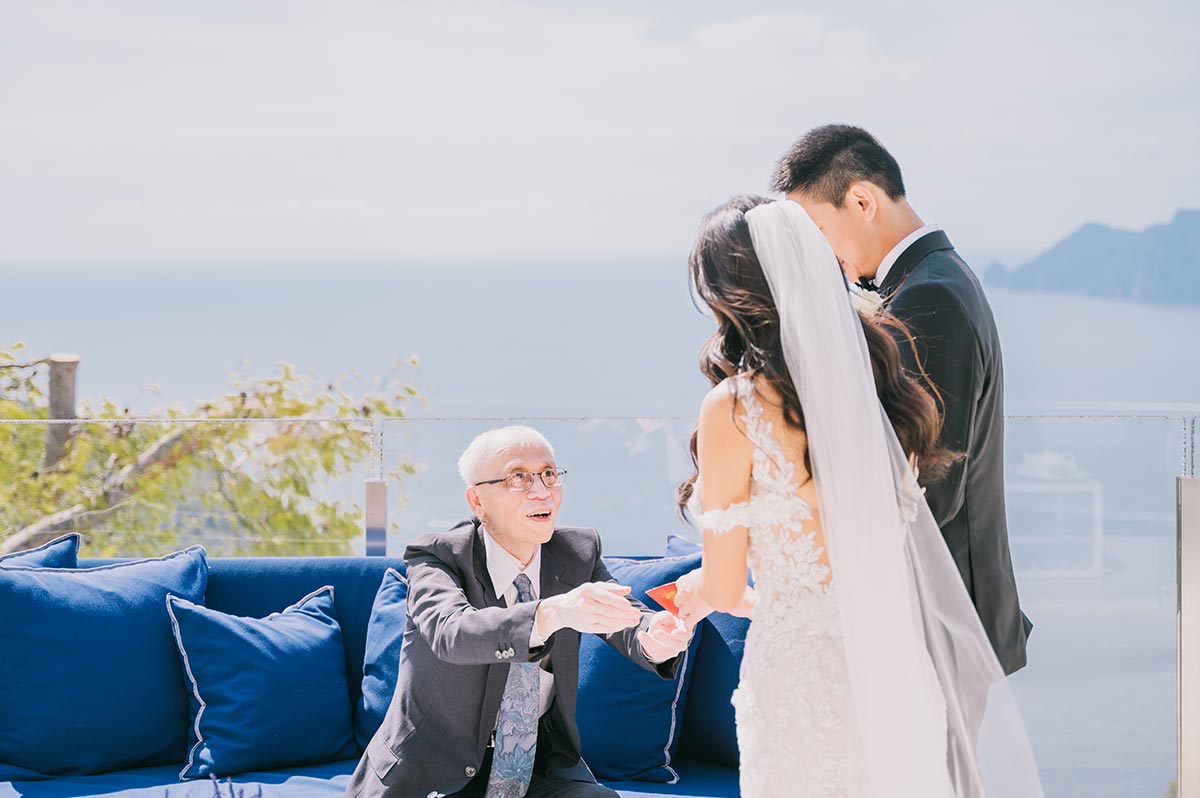
The venues in Massa Lubrense are perfect for couples seeking privacy and exclusivity. The variety is remarkable, ranging from luxurious hilltop villas to charming beachfront properties, and chic boutique hotels with bespoke wedding packages. Most of these venues offer a high degree of customization, allowing you to curate every aspect of your day—whether your style leans towards vintage elegance or contemporary luxury.

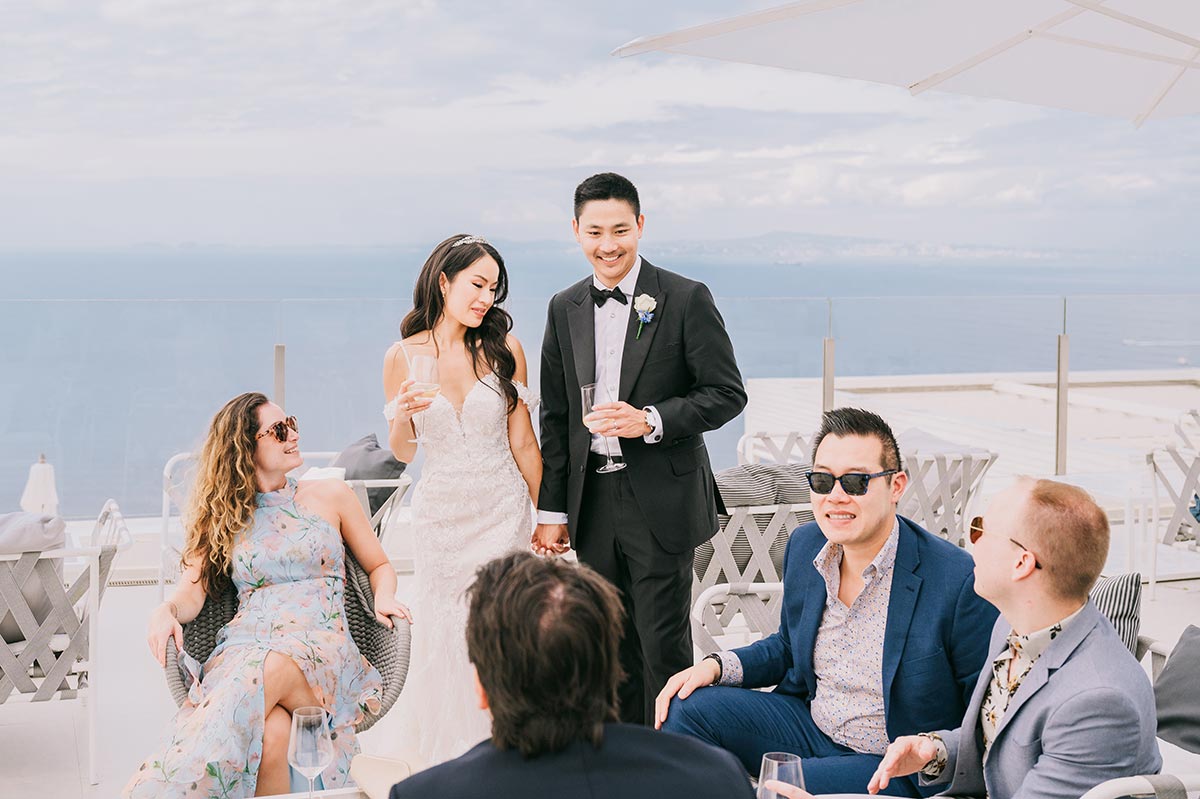
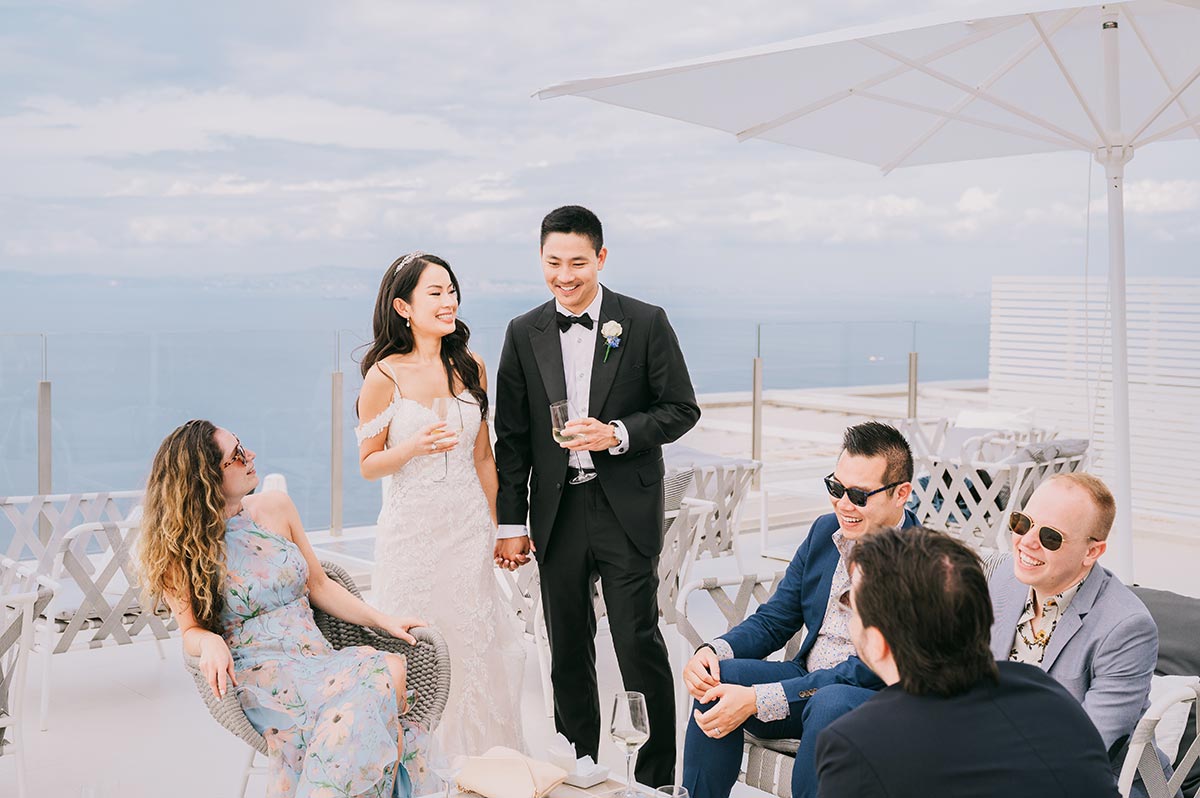
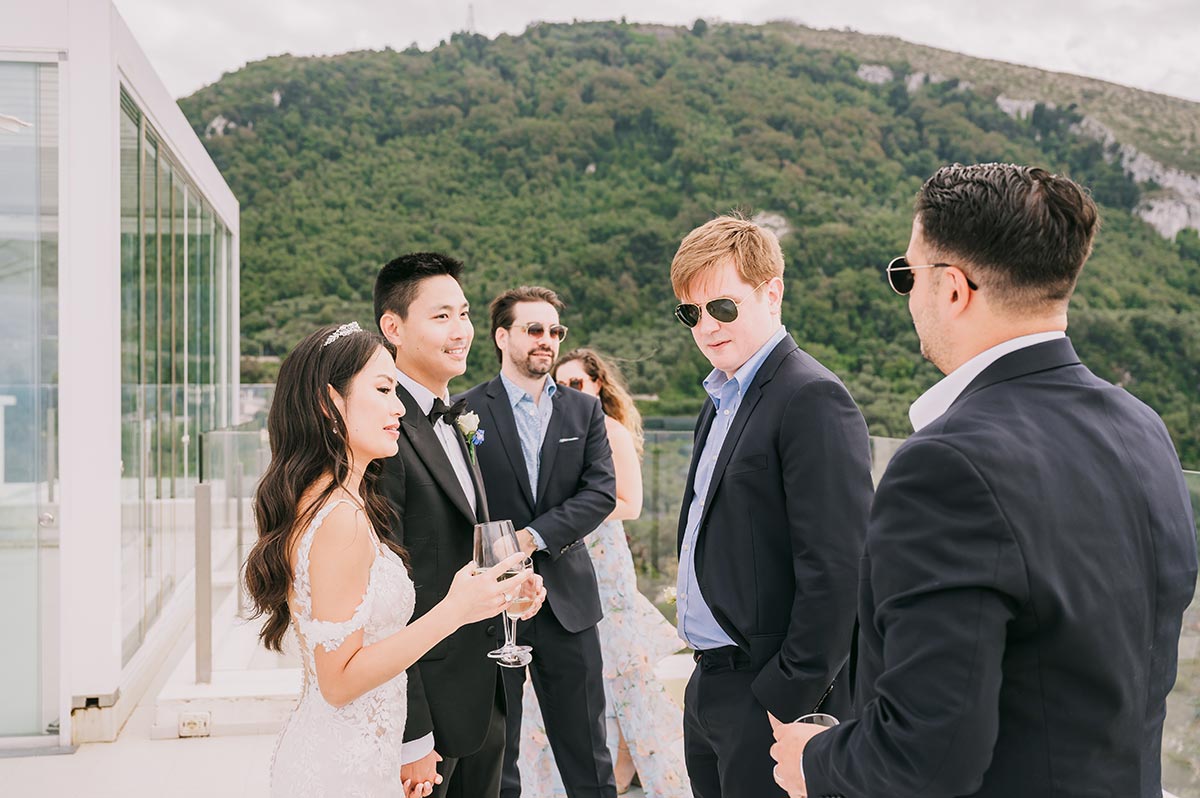
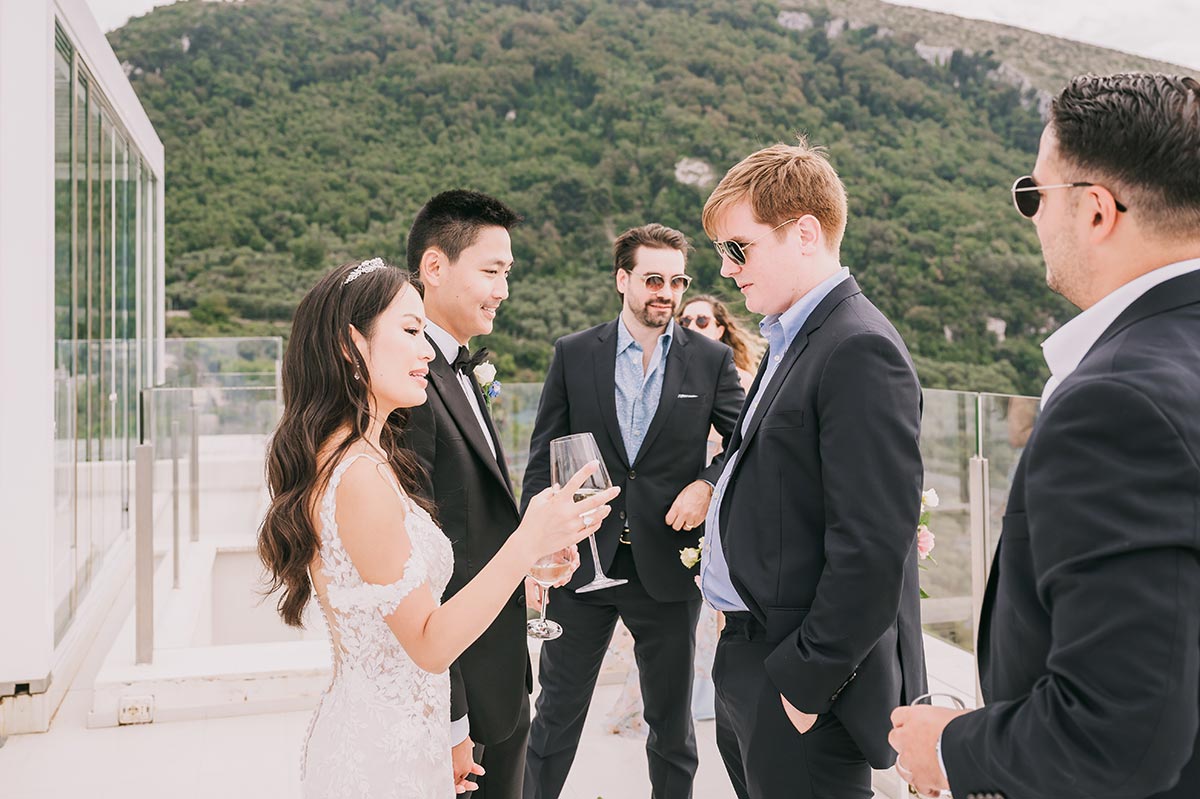
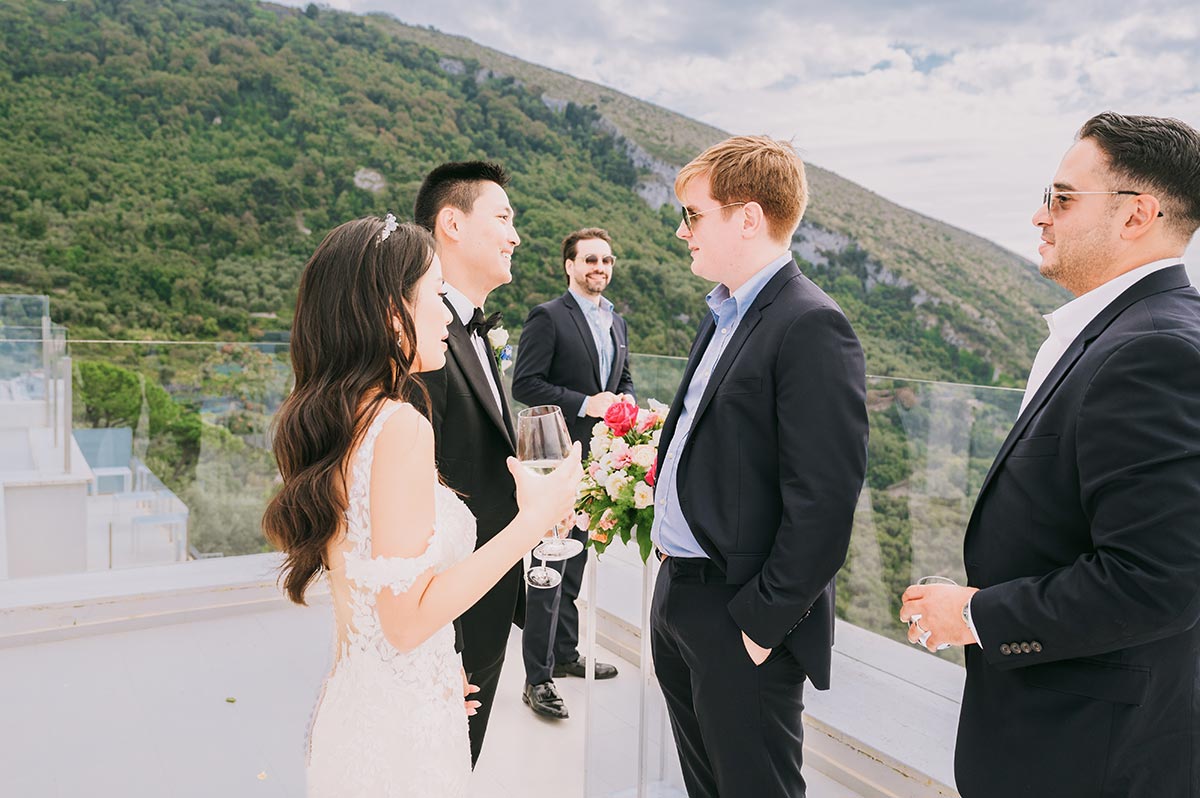
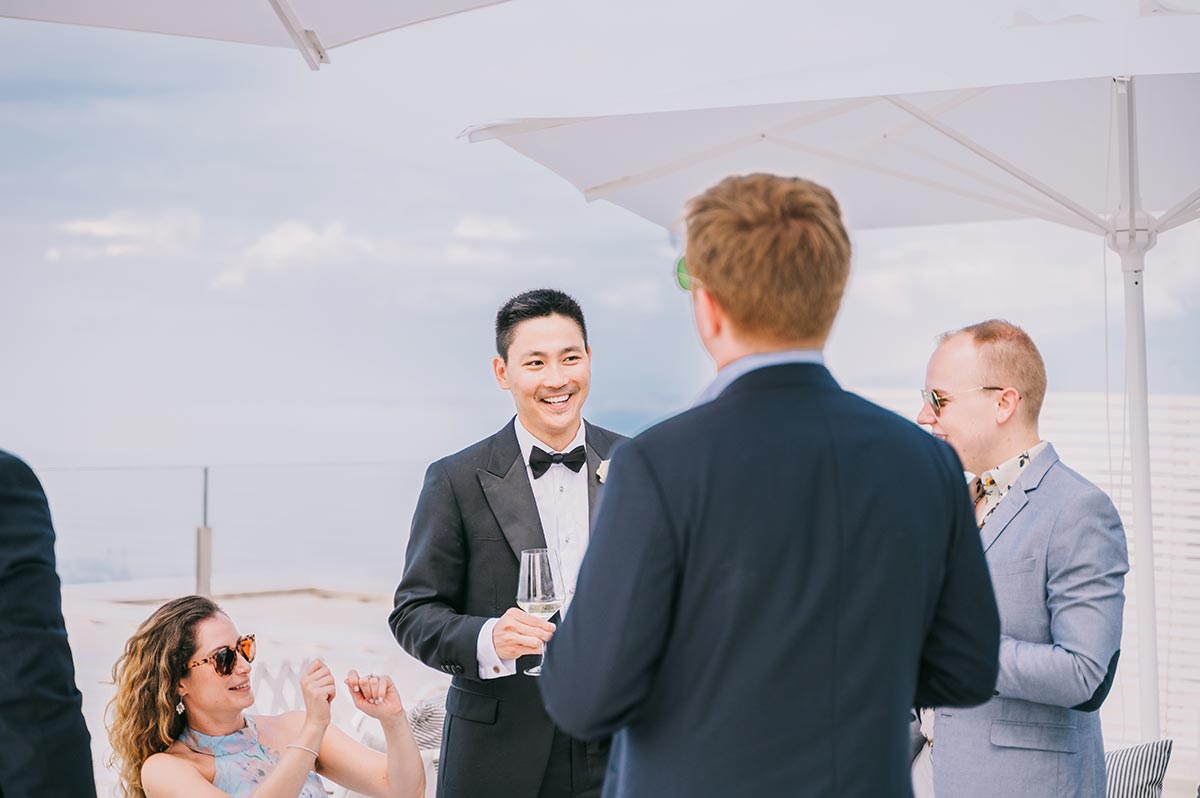


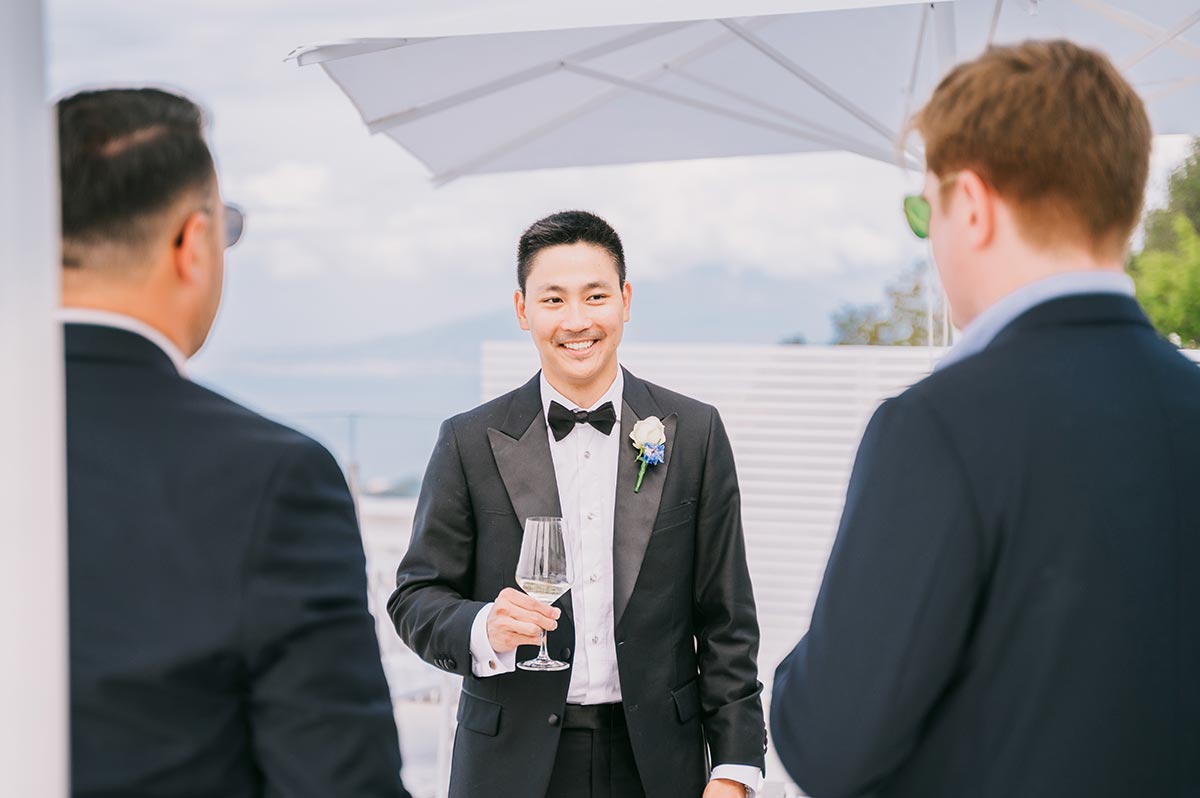
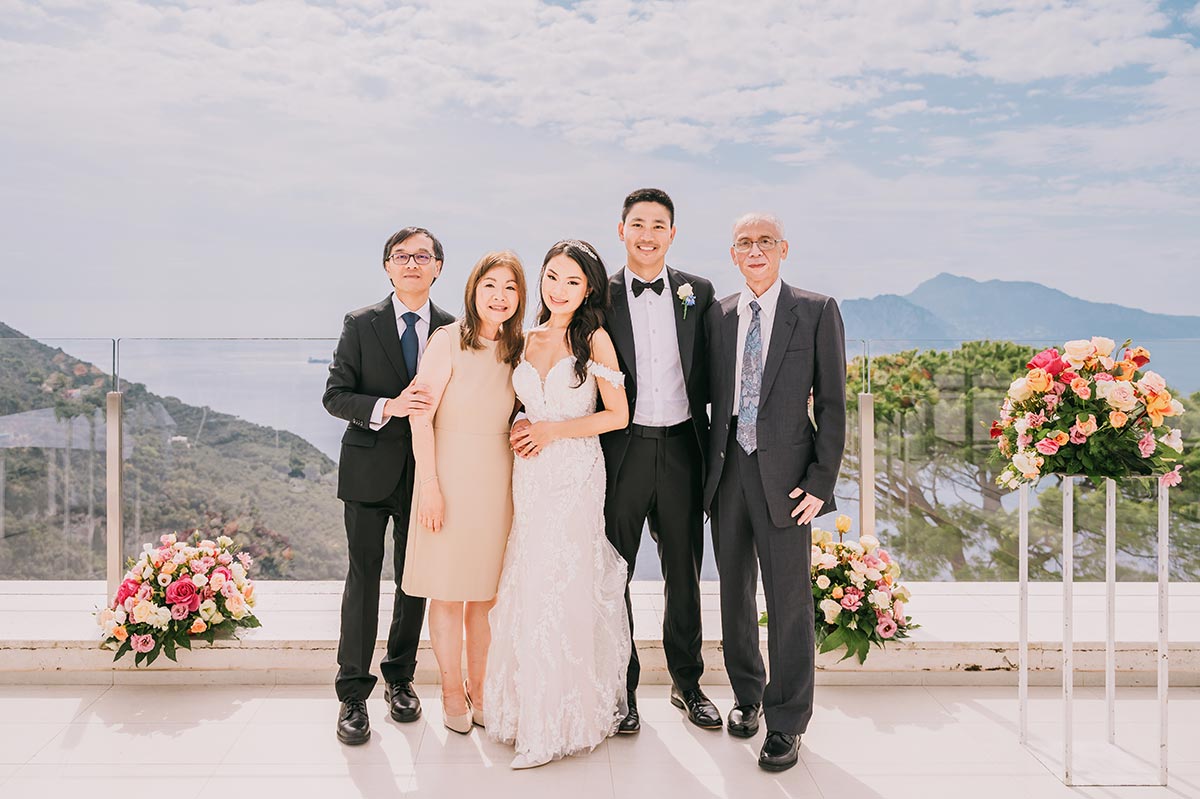
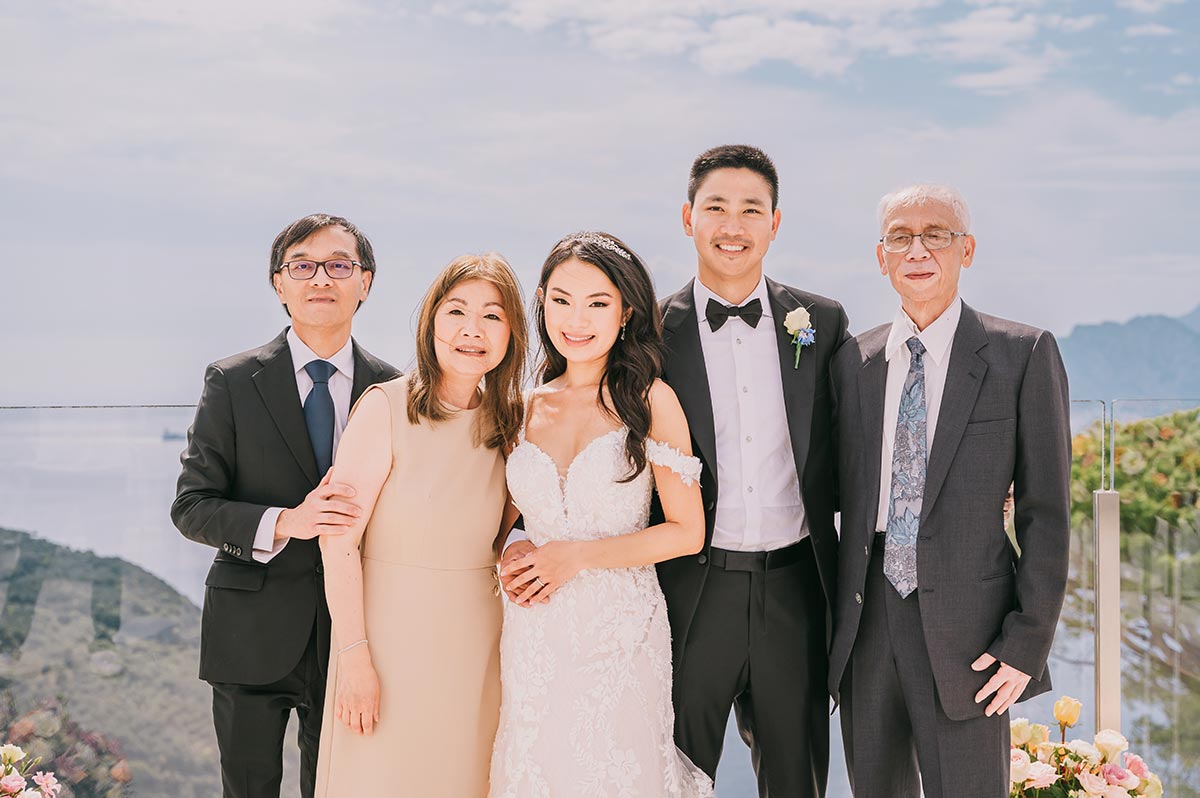
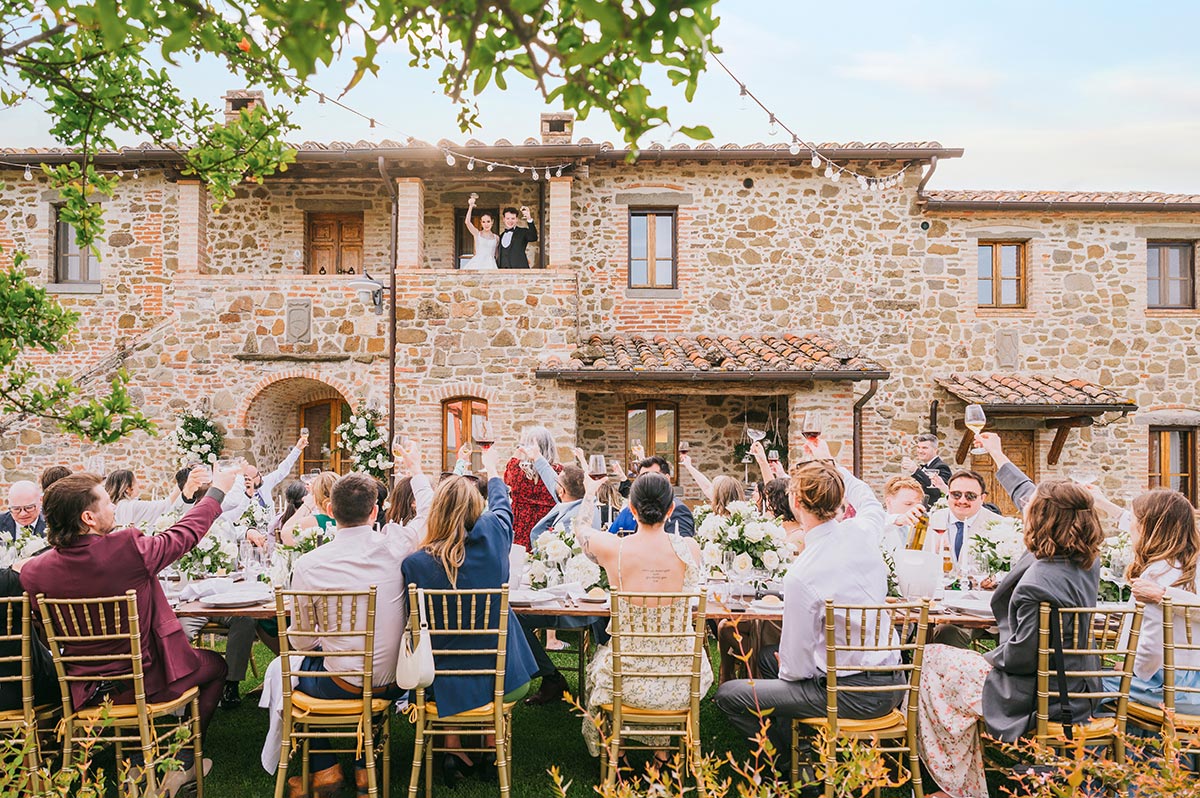
Imagine hosting your wedding reception at a villa perched above the turquoise sea, with guests enjoying exquisite Italian cuisine beneath a canopy of twinkling lights. From expansive gardens perfect for sunset cocktail hours to terraces with panoramic views and intimate indoor spaces for cozy gatherings, each venue offers a sense of seclusion that transforms your day into an unforgettable experience without distractions.





Tailor-Made Wedding Planning for a Truly Romantic Atmosphere
Massa Lubrense is the ideal location for a personalized wedding experience. Unlike the bustling streets of Sorrento, this enchanting town provides a feeling of seclusion that encourages you to linger over every meaningful moment. Whether you wish to incorporate traditional Italian elements or create a unique decor inspired by your vision, Massa Lubrense offers the perfect setting for personalization.
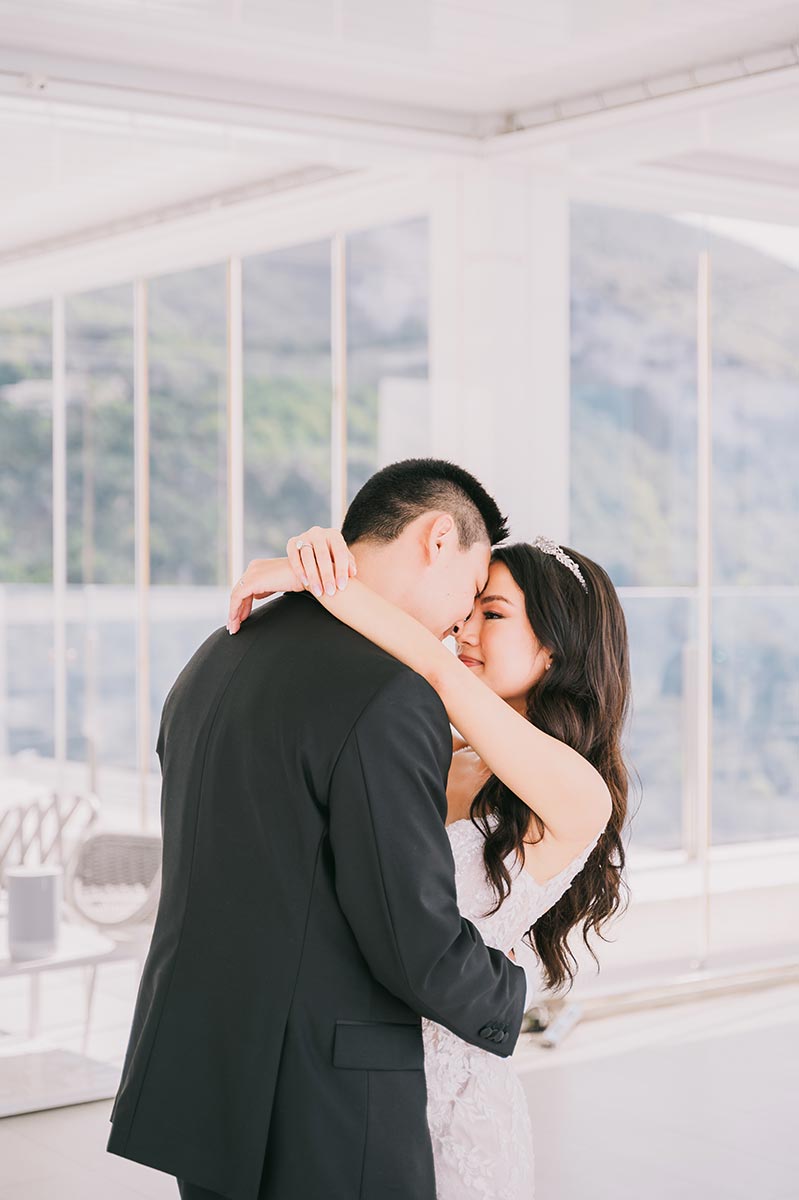
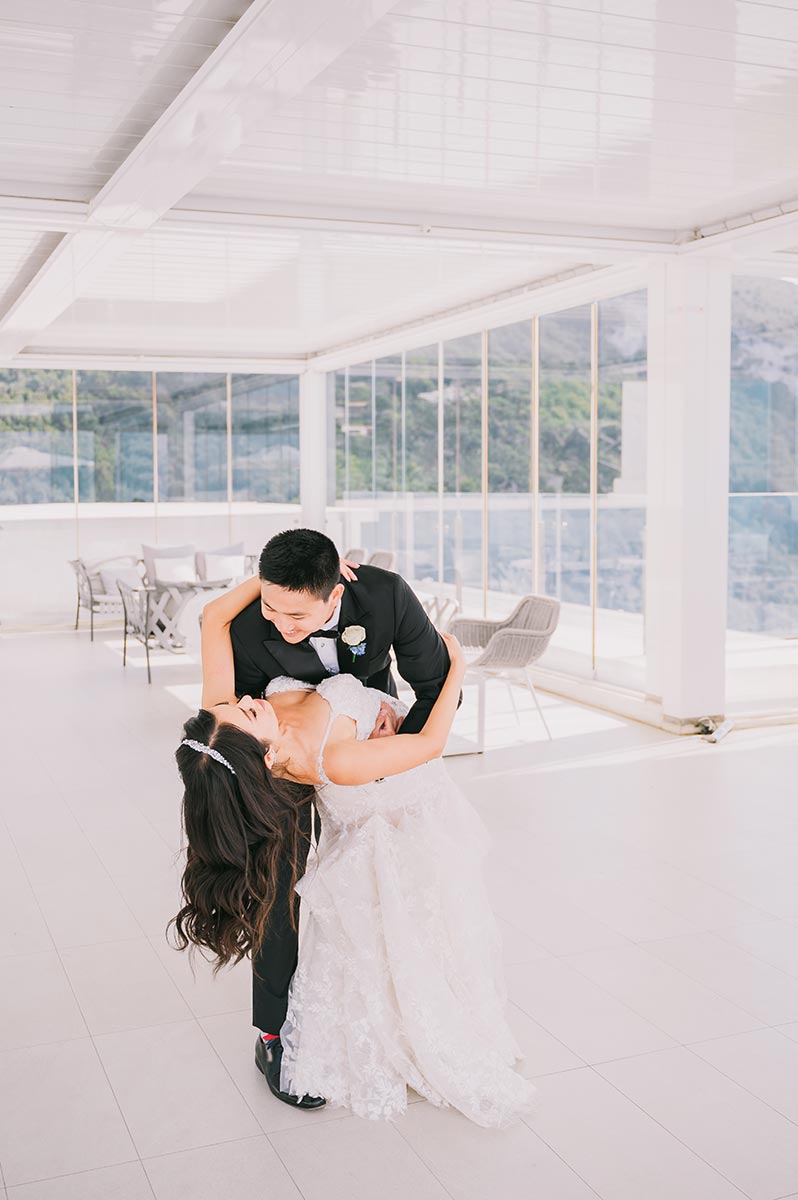
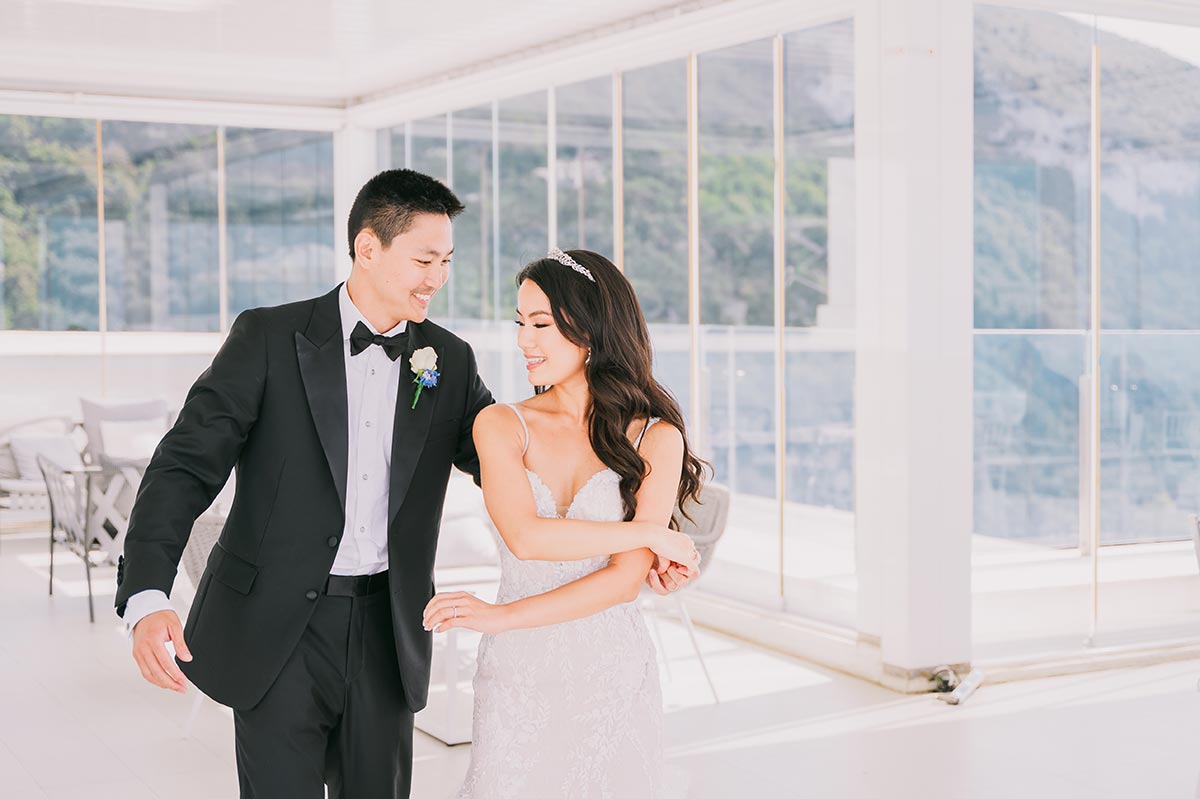


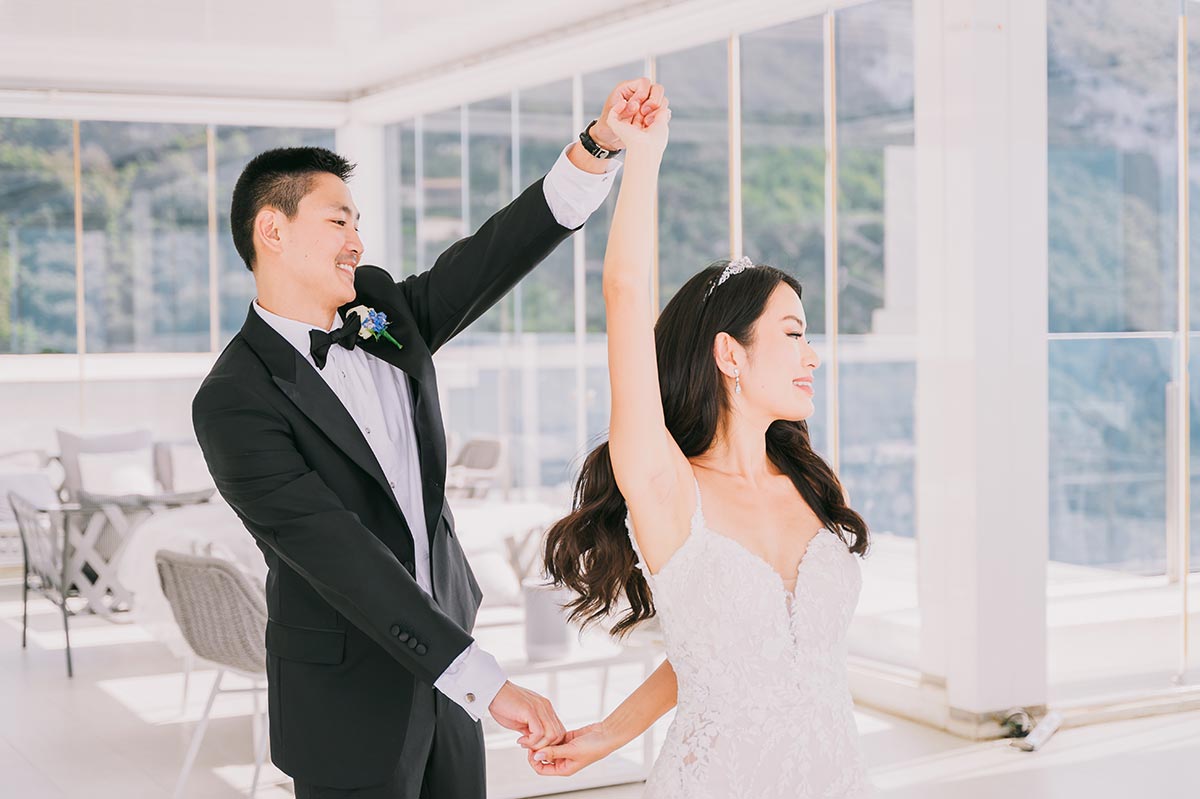

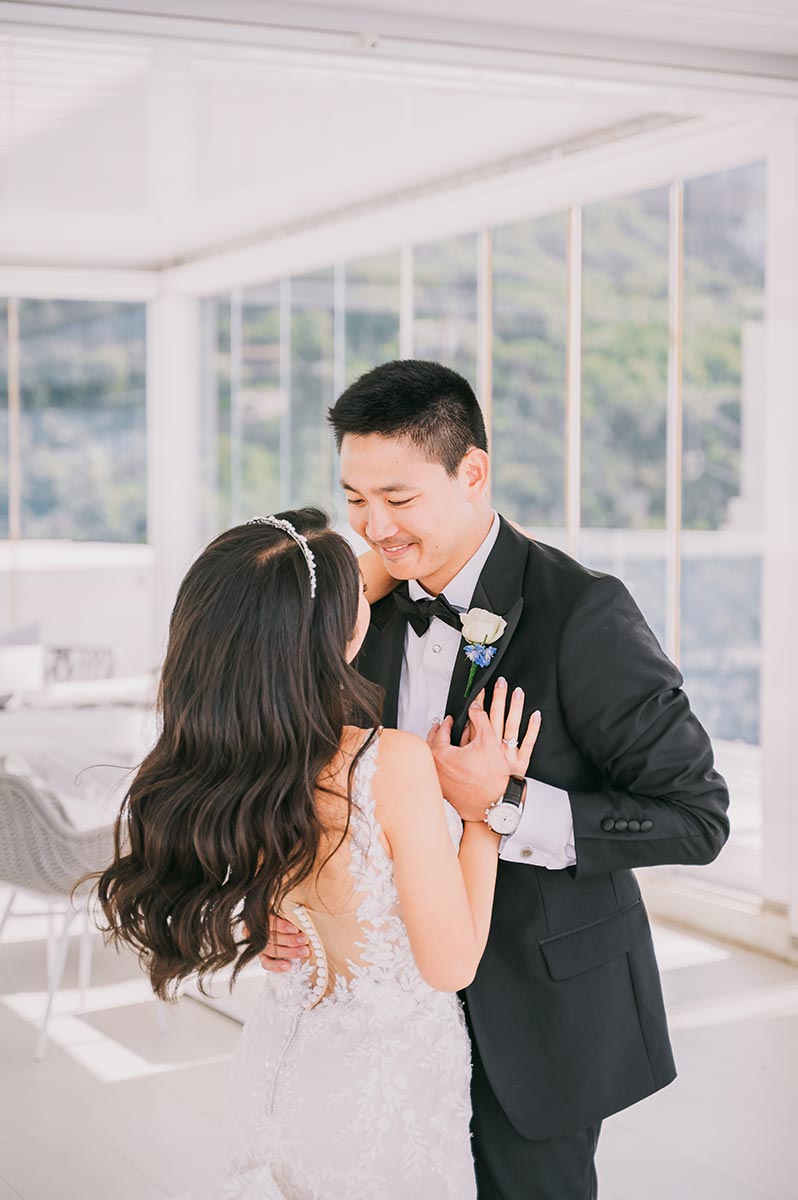


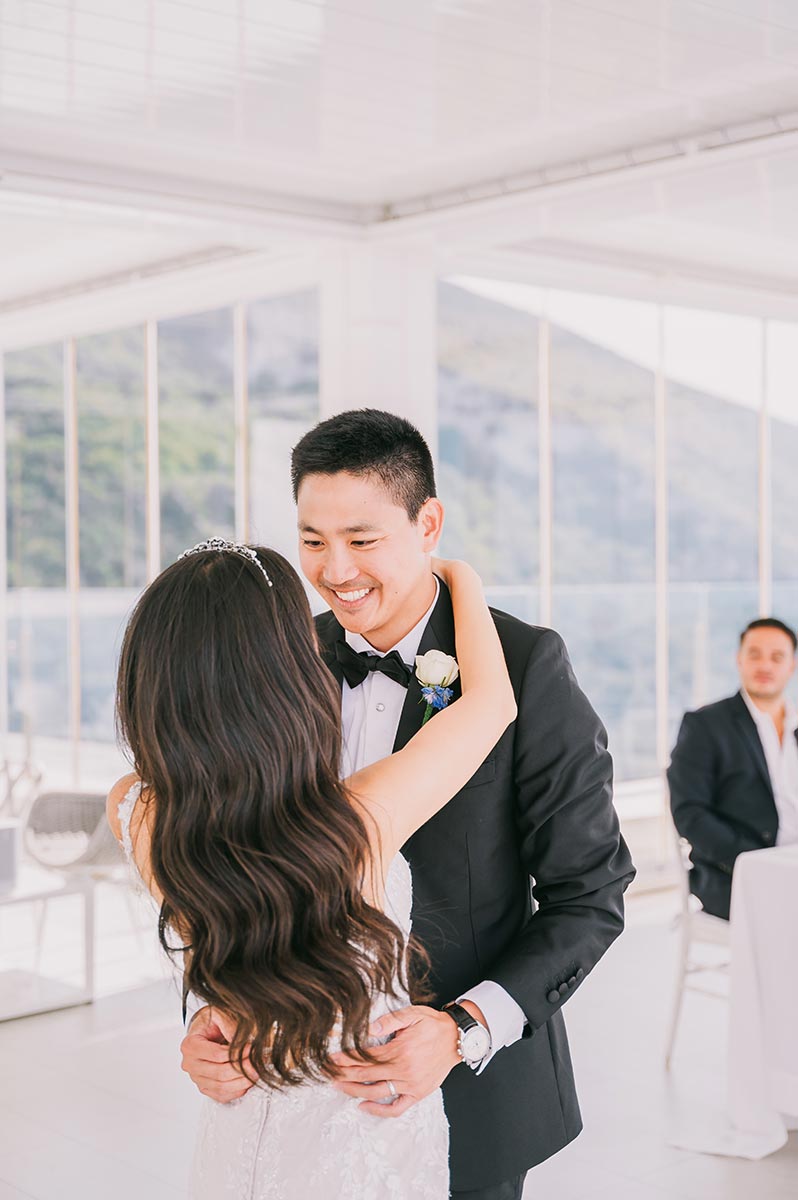

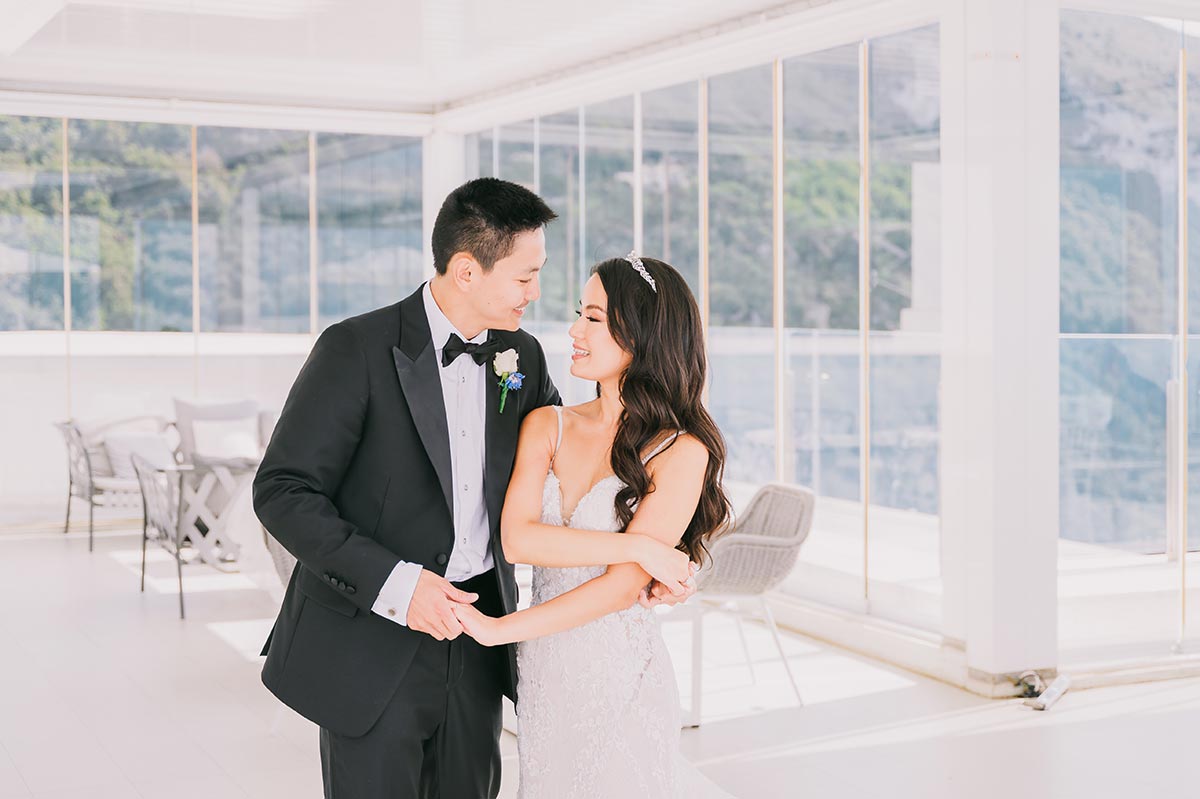

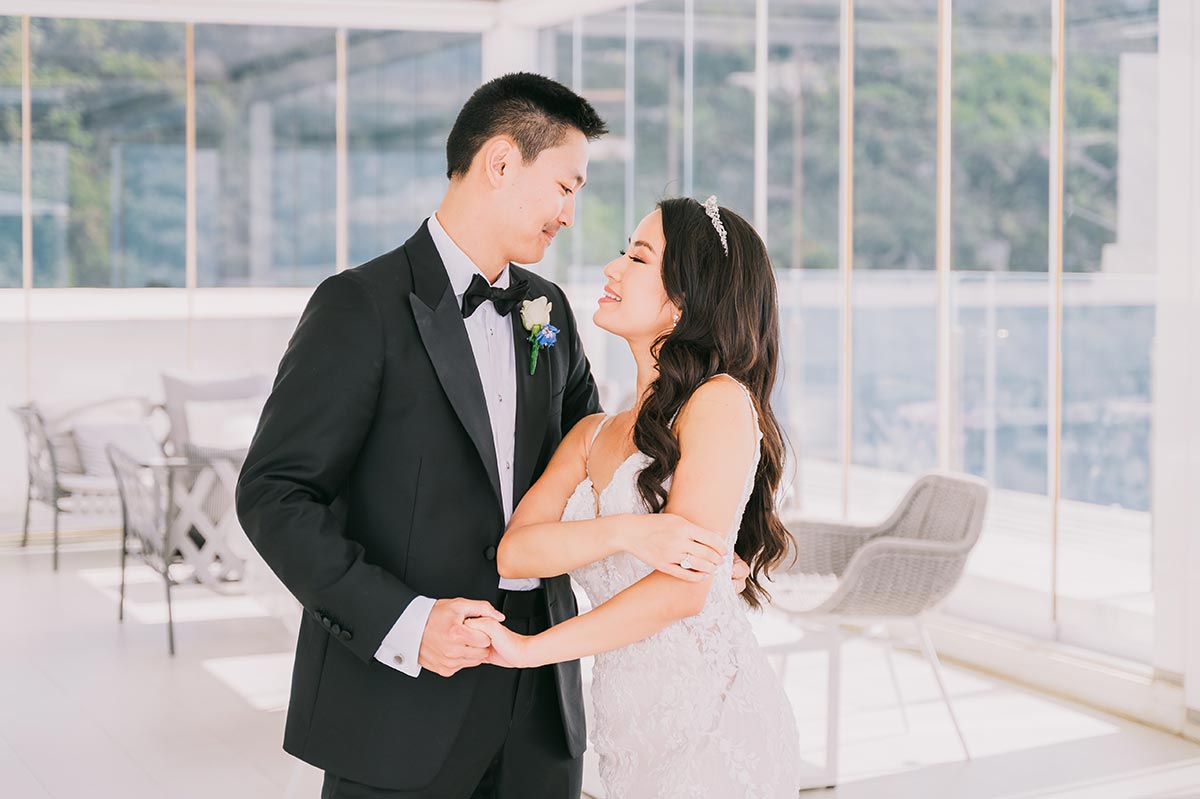
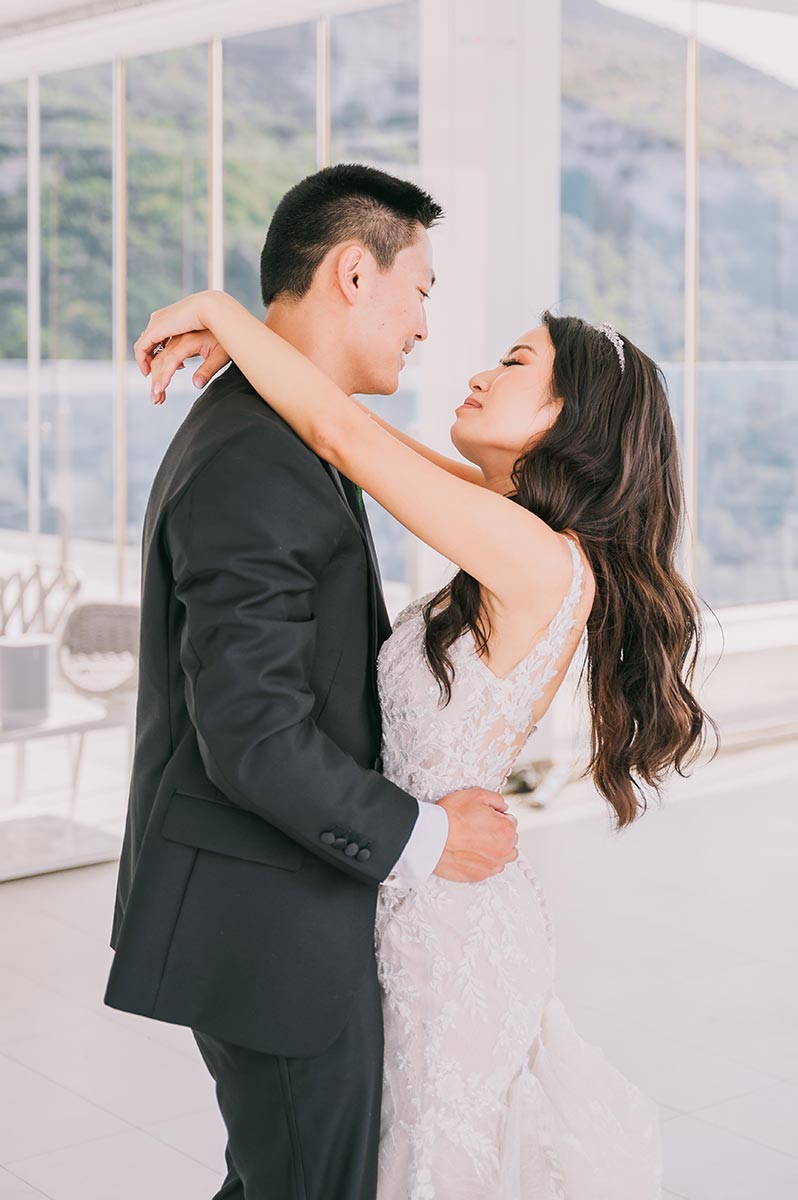
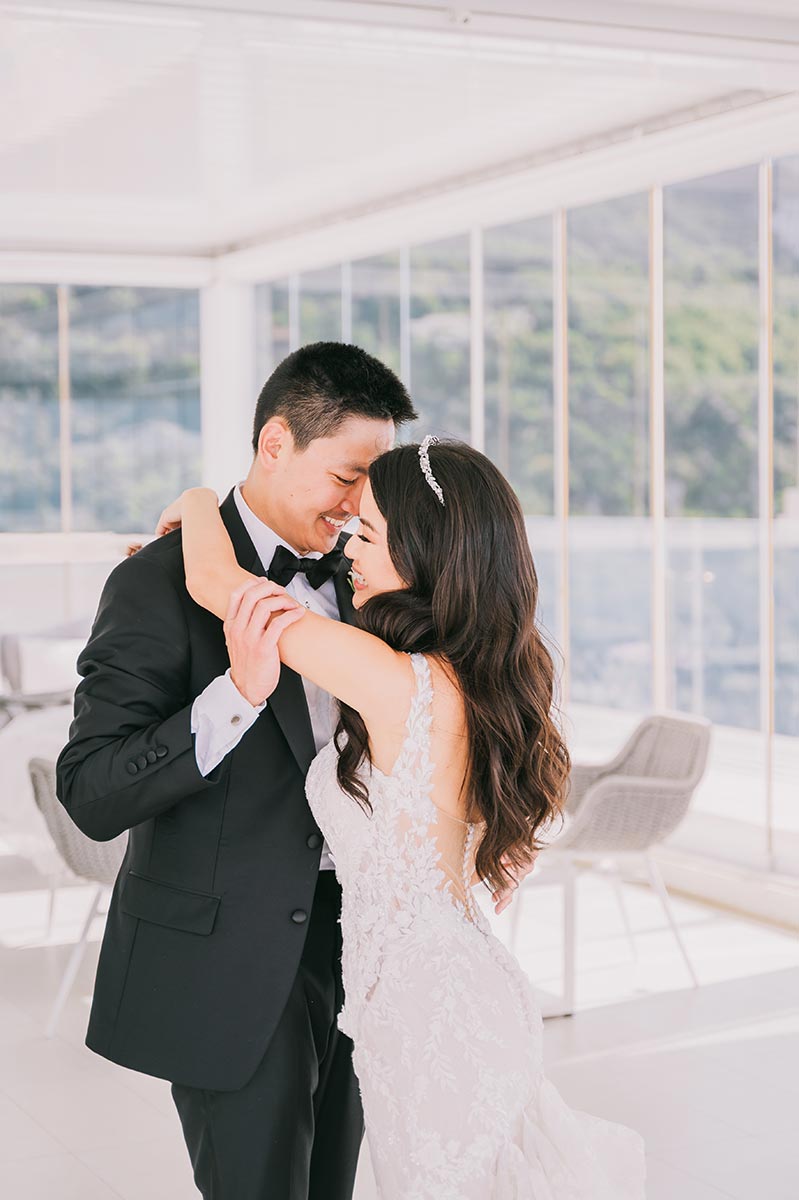
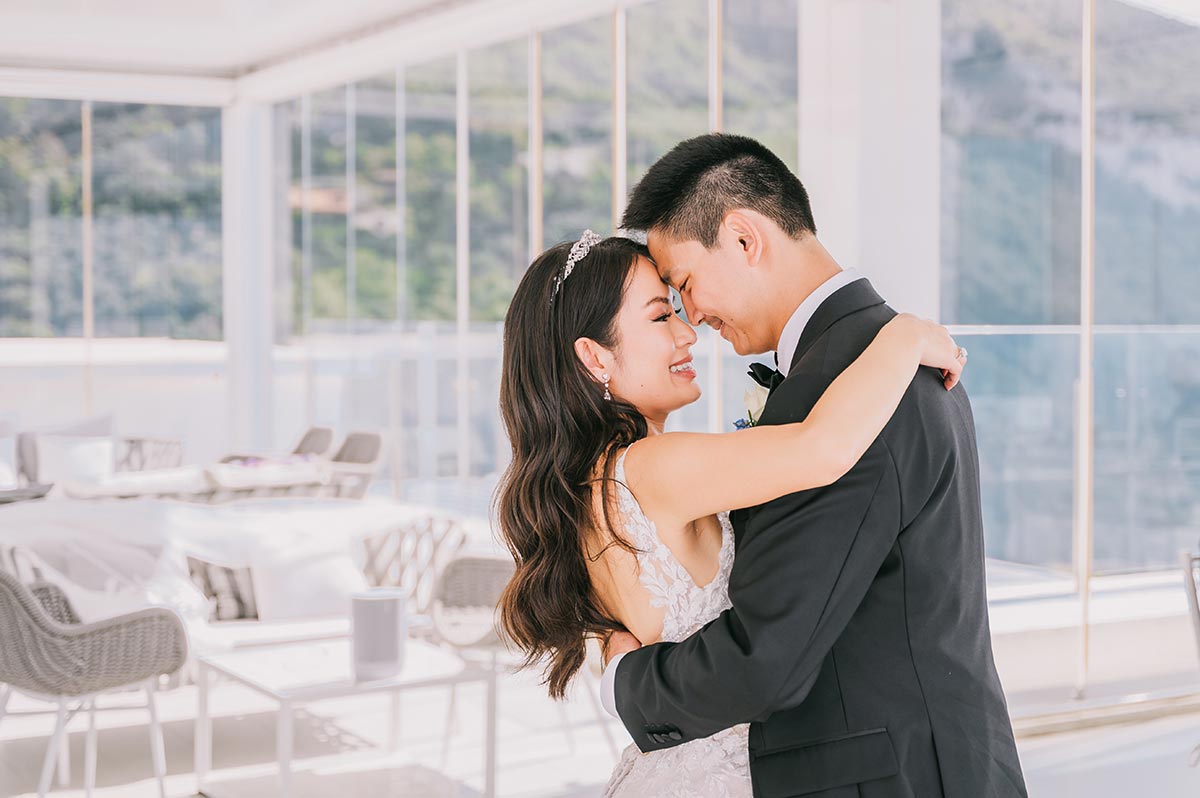
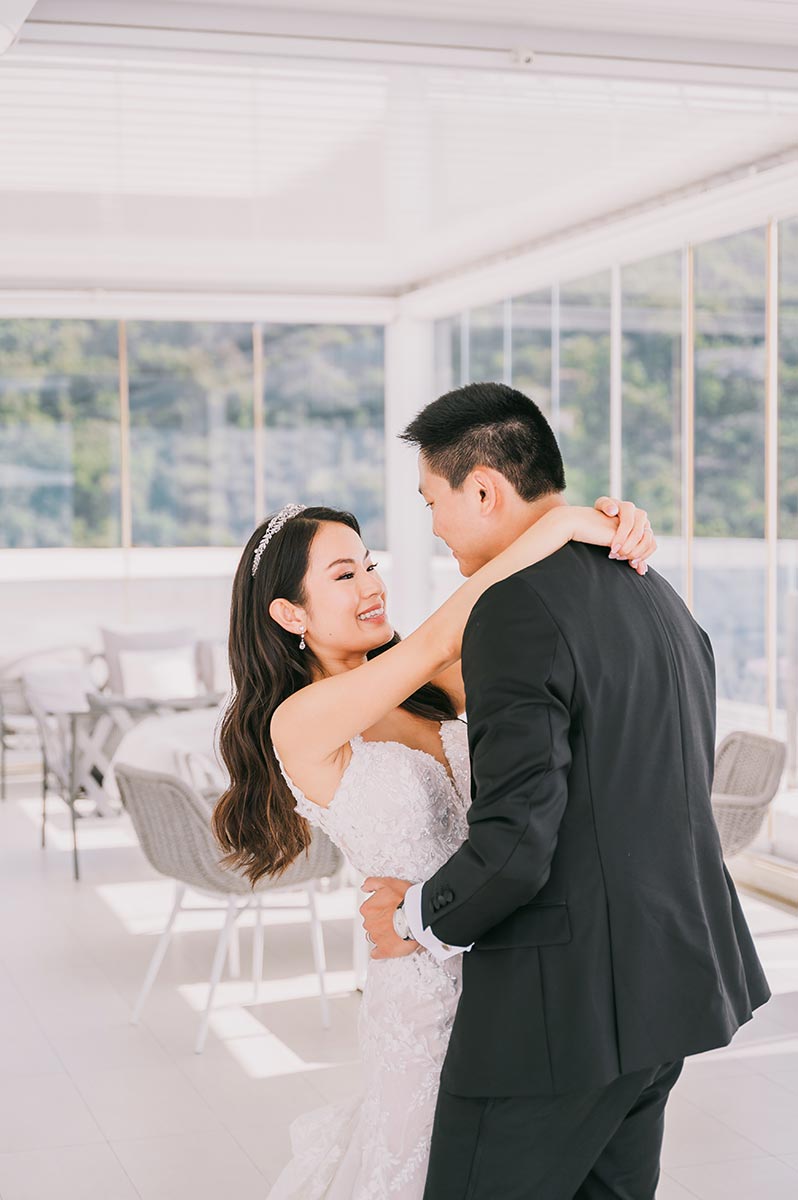


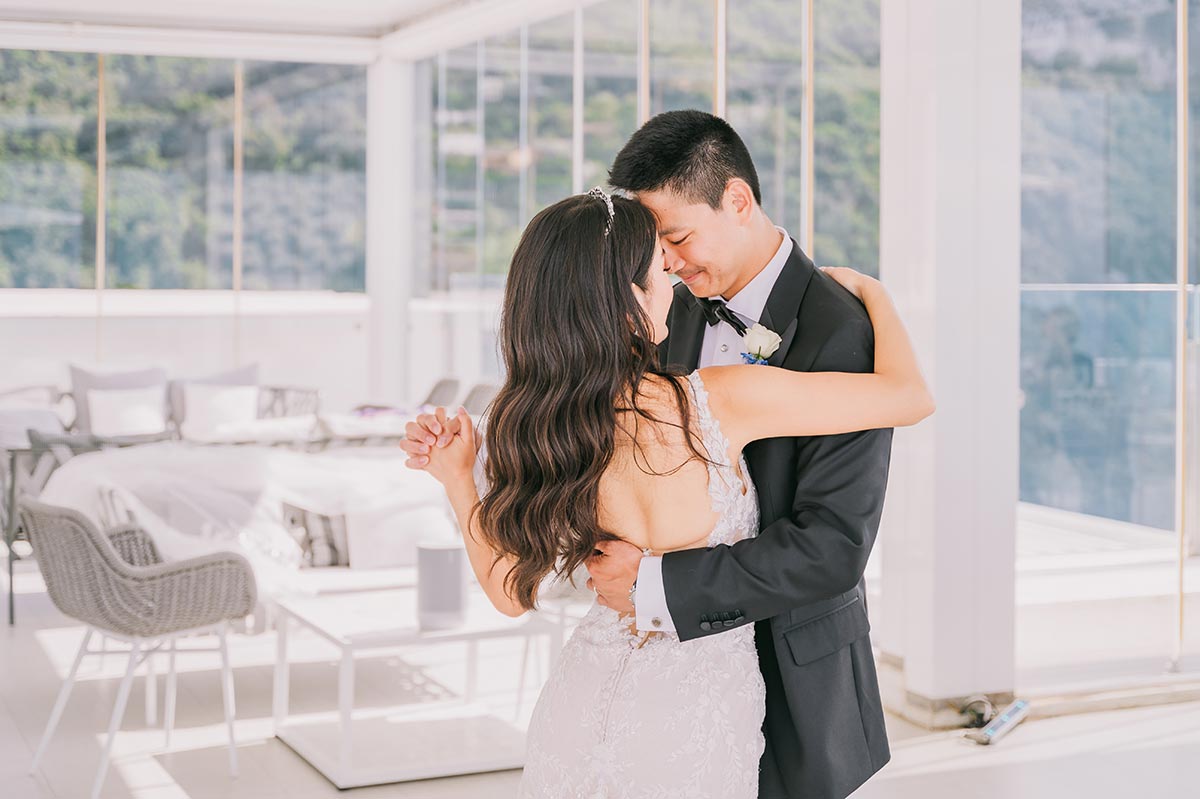
Collaborating with a local wedding planner here is like having an expert guide who understands the land and culture deeply. I’ve worked closely with many of these talented planners, who know the ins and outs of creating a flawless wedding. They are familiar with the best local vendors, the most picturesque spots for photos, and exactly how to make every element flow seamlessly. Together, we can curate everything—from a rustic celebration among olive trees to a sophisticated beachfront wedding.
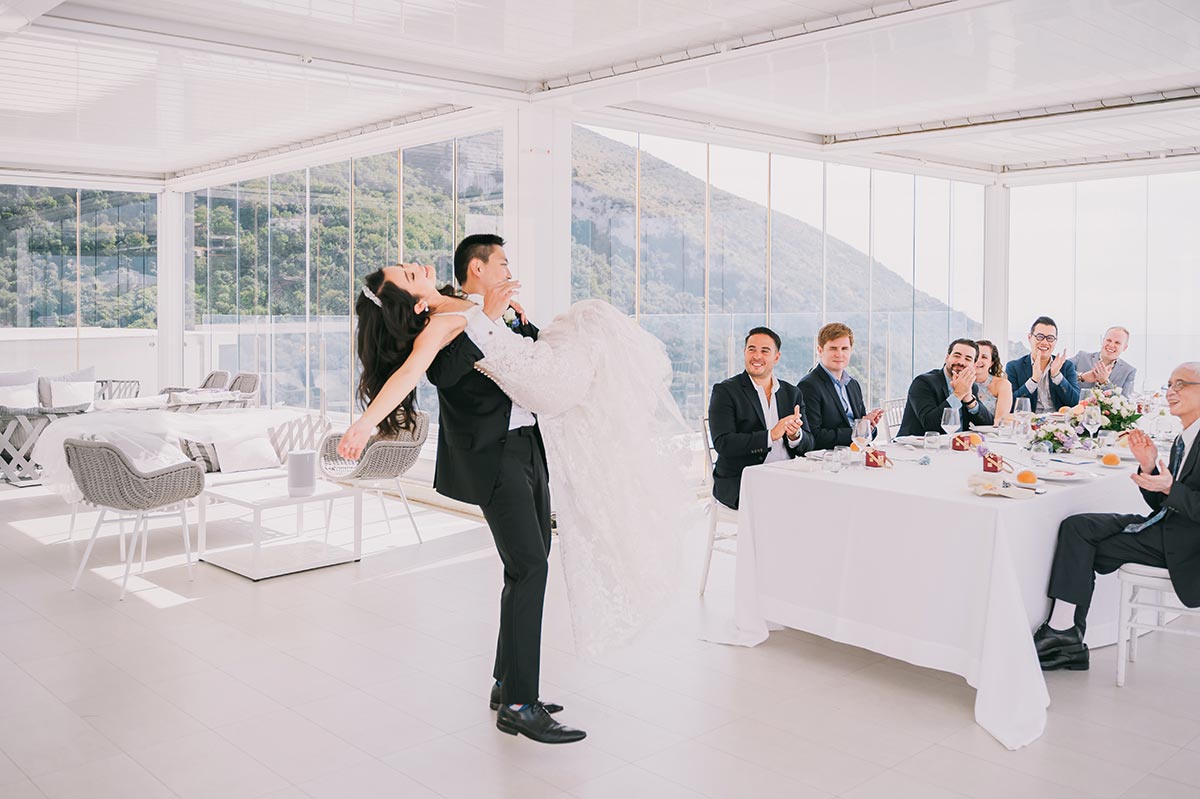
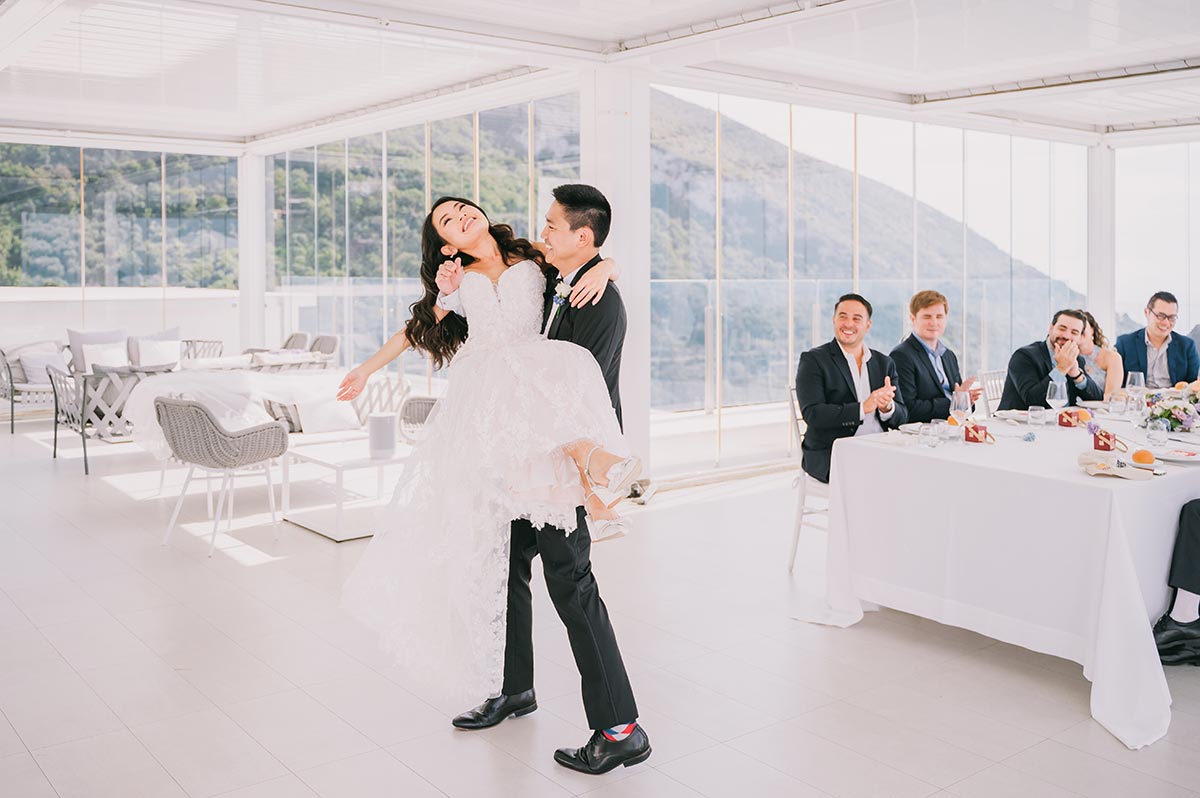
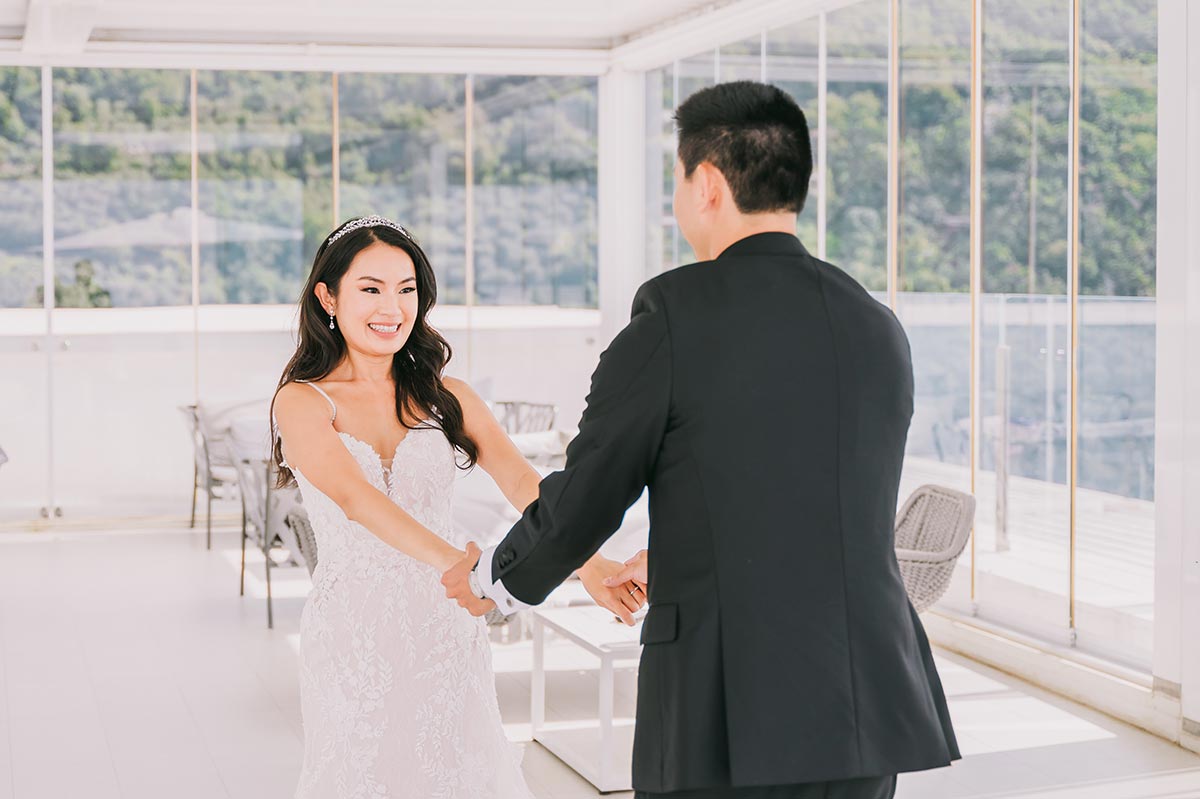

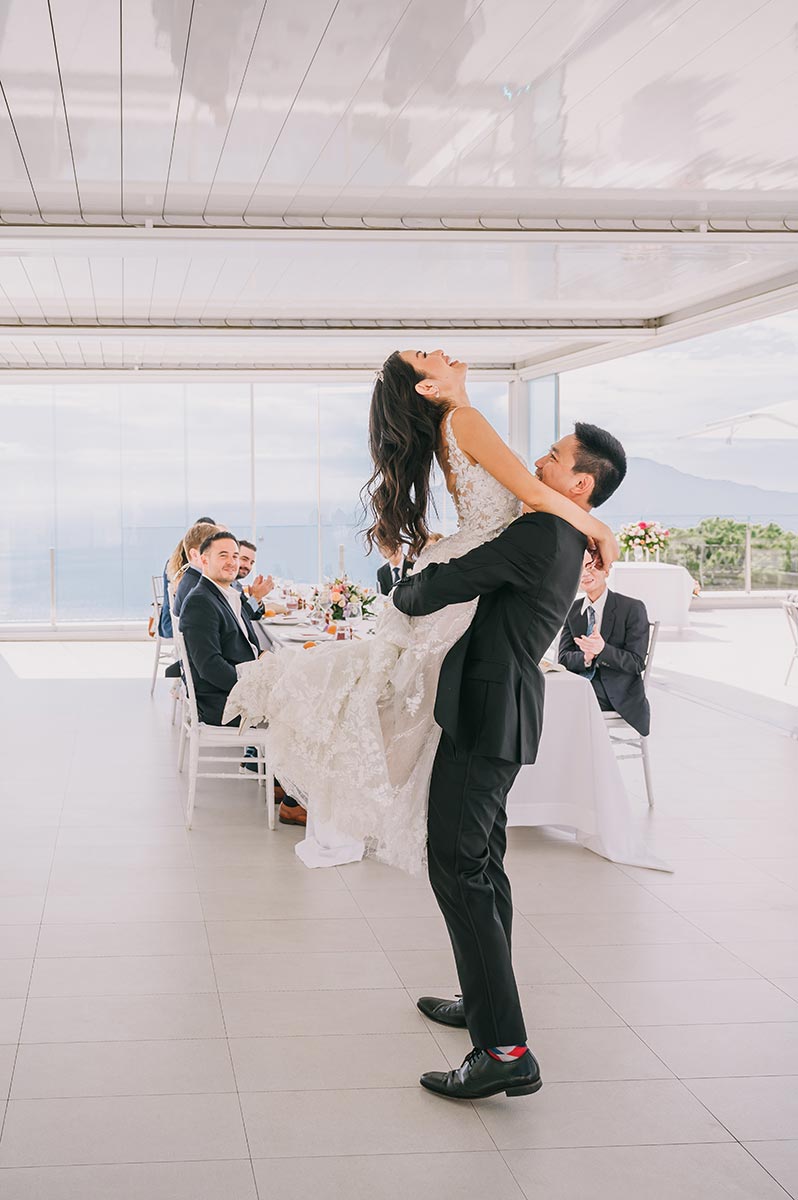

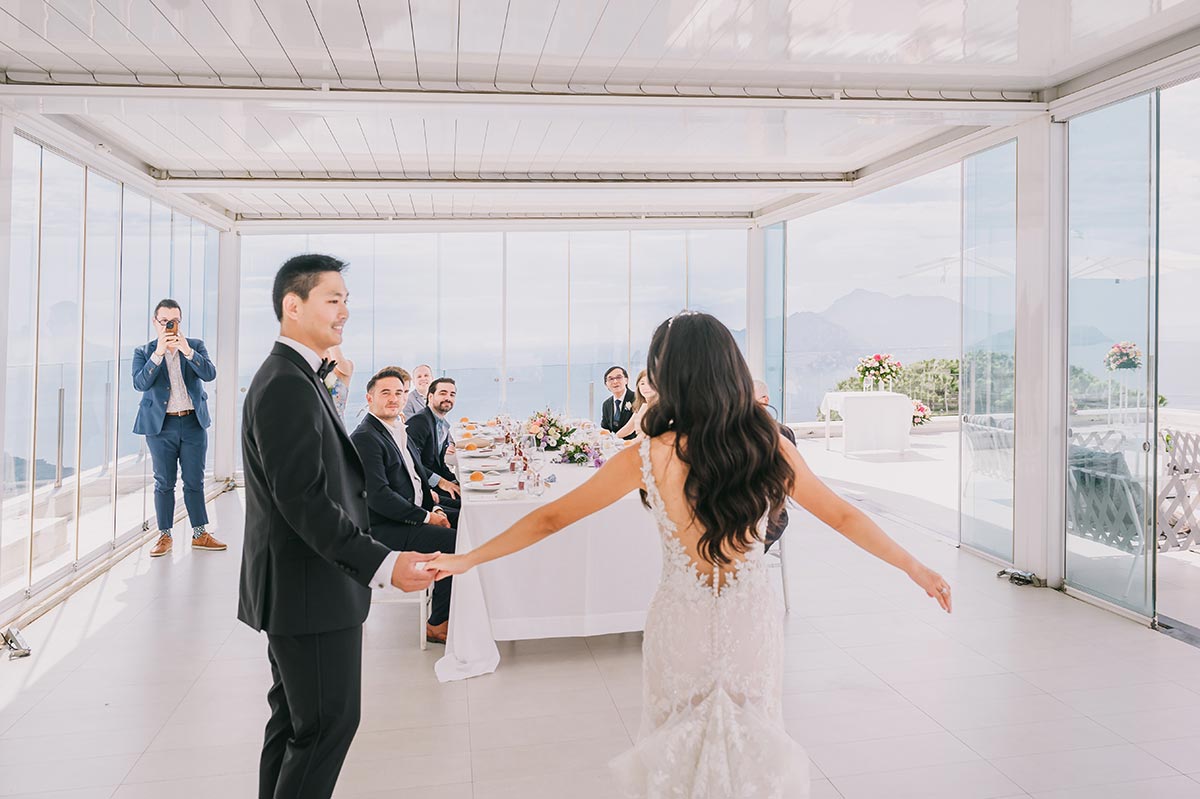
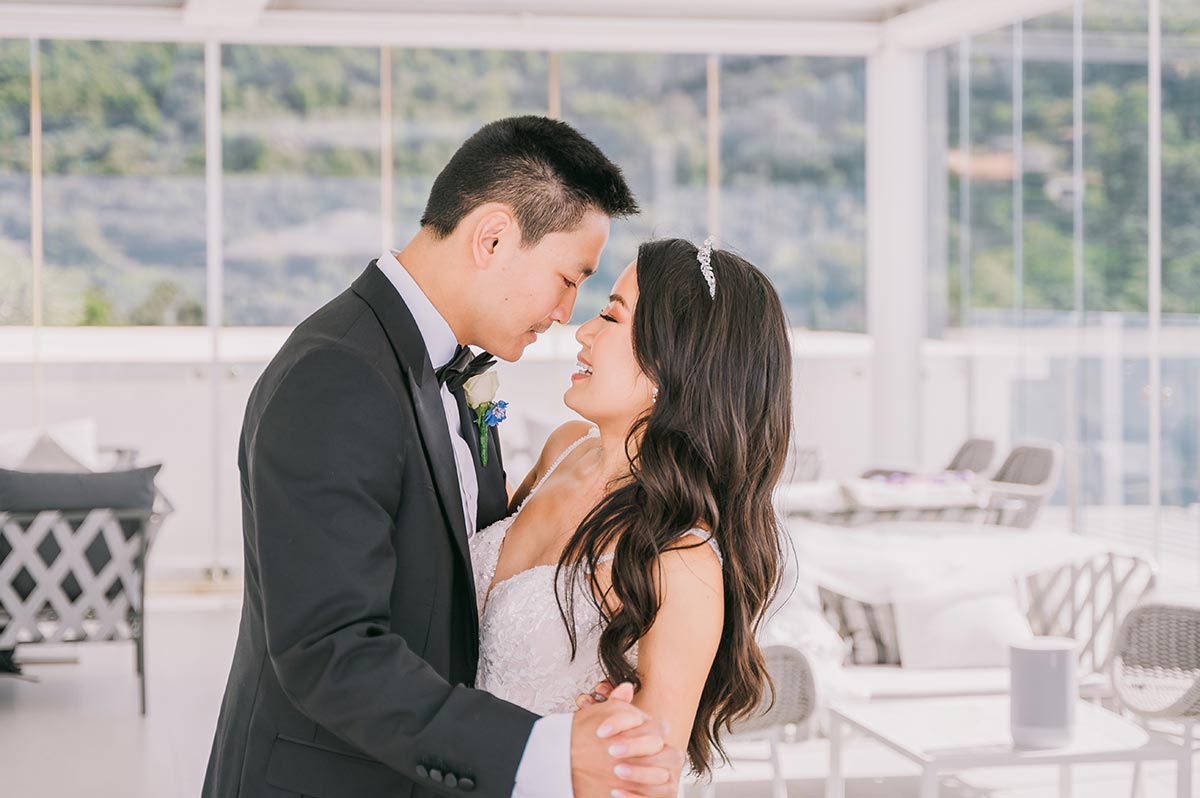
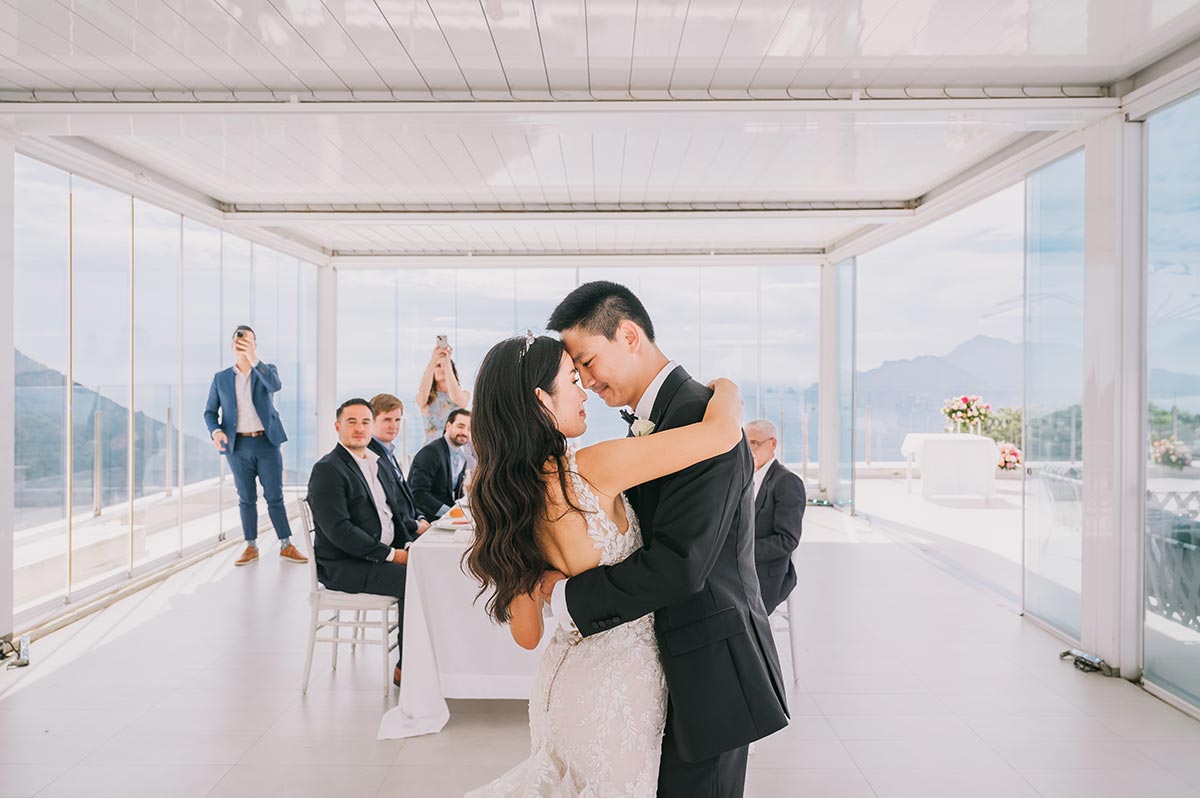

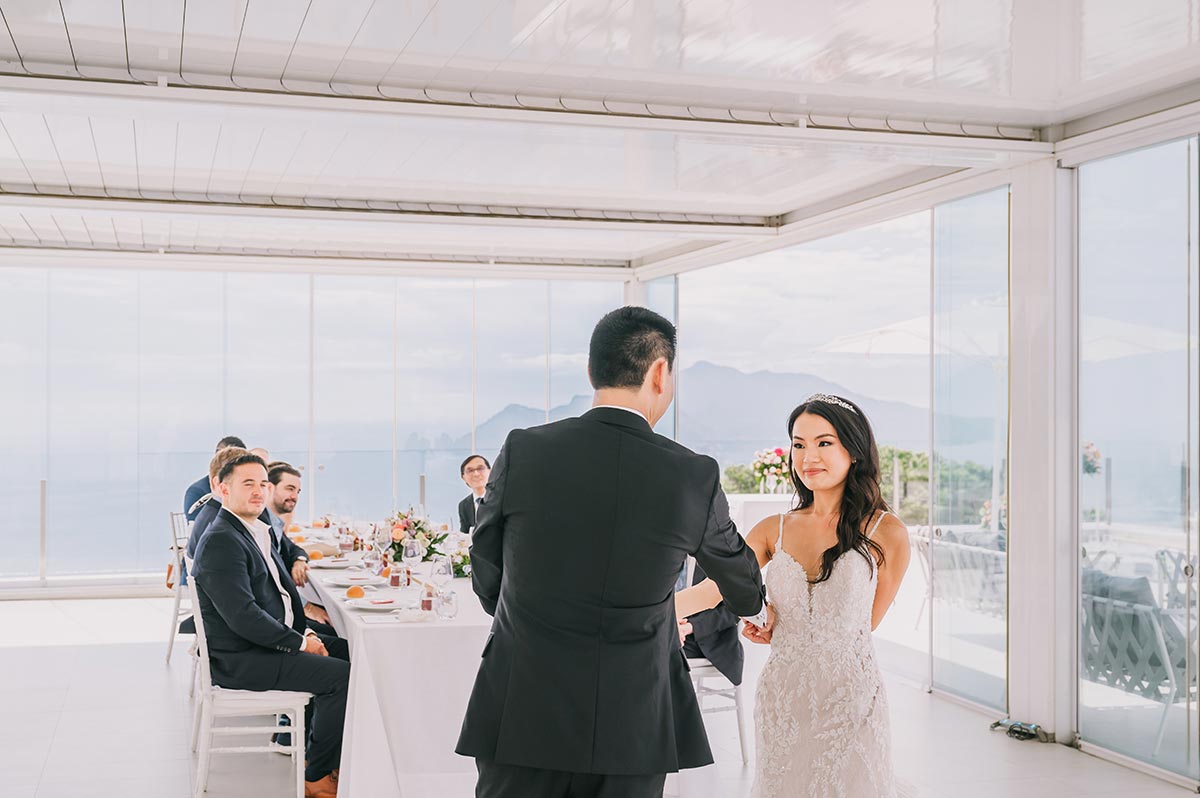
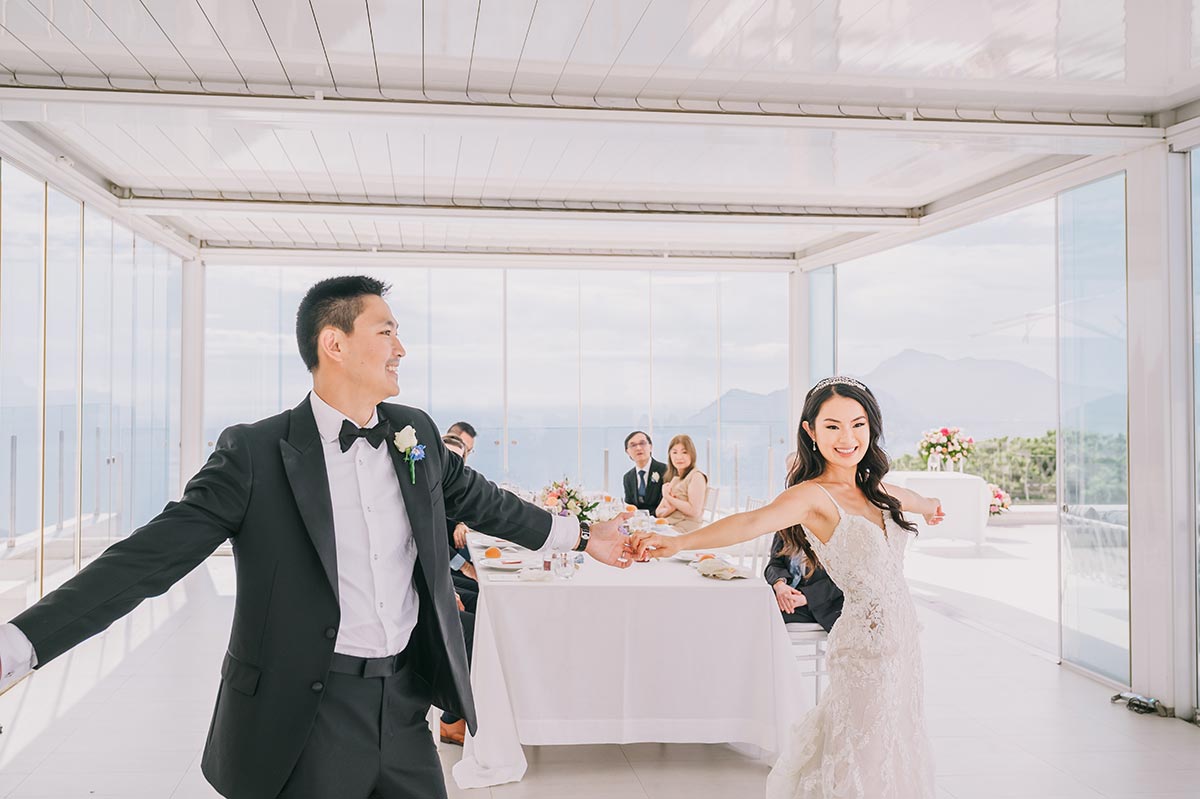

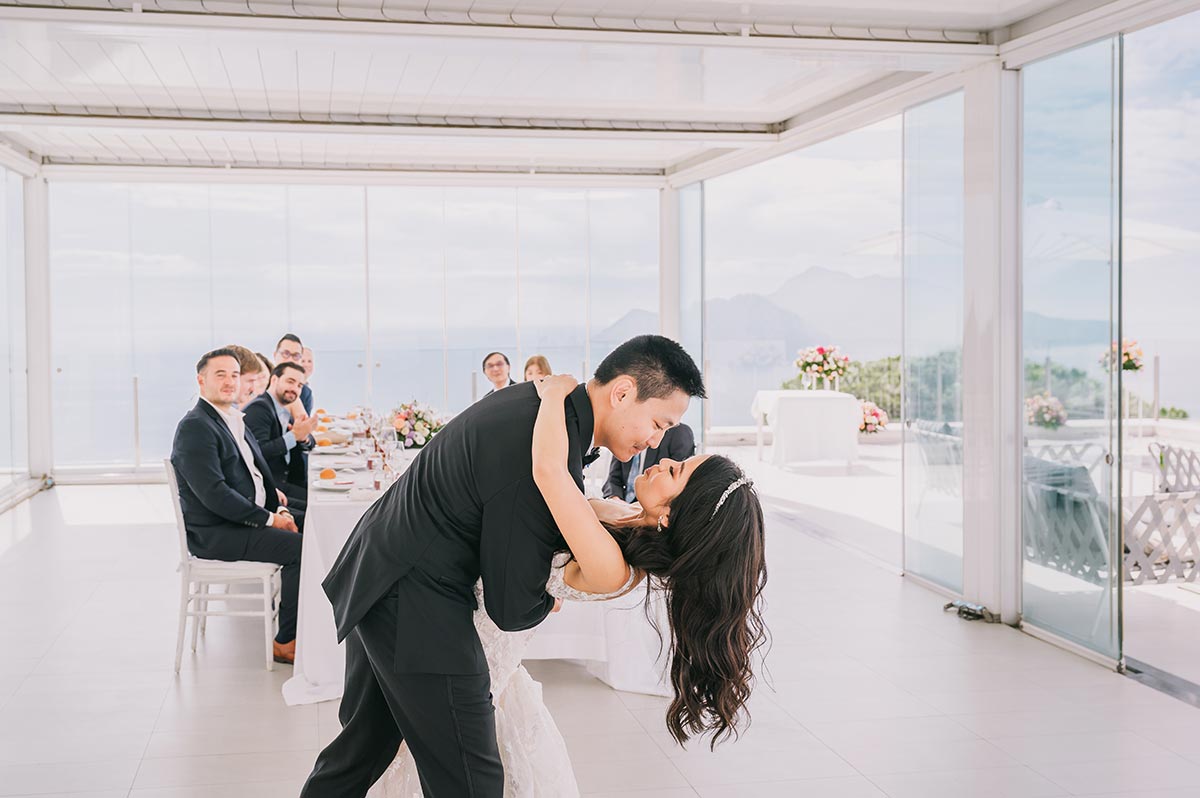


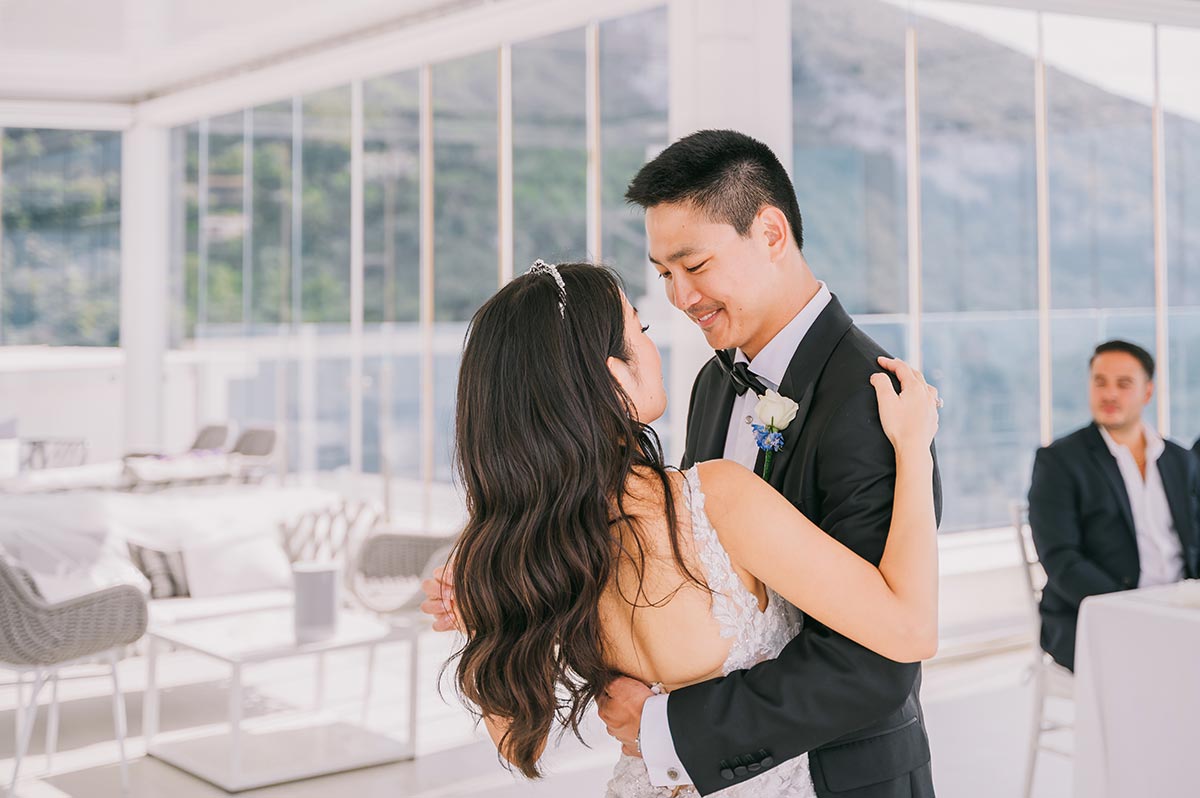
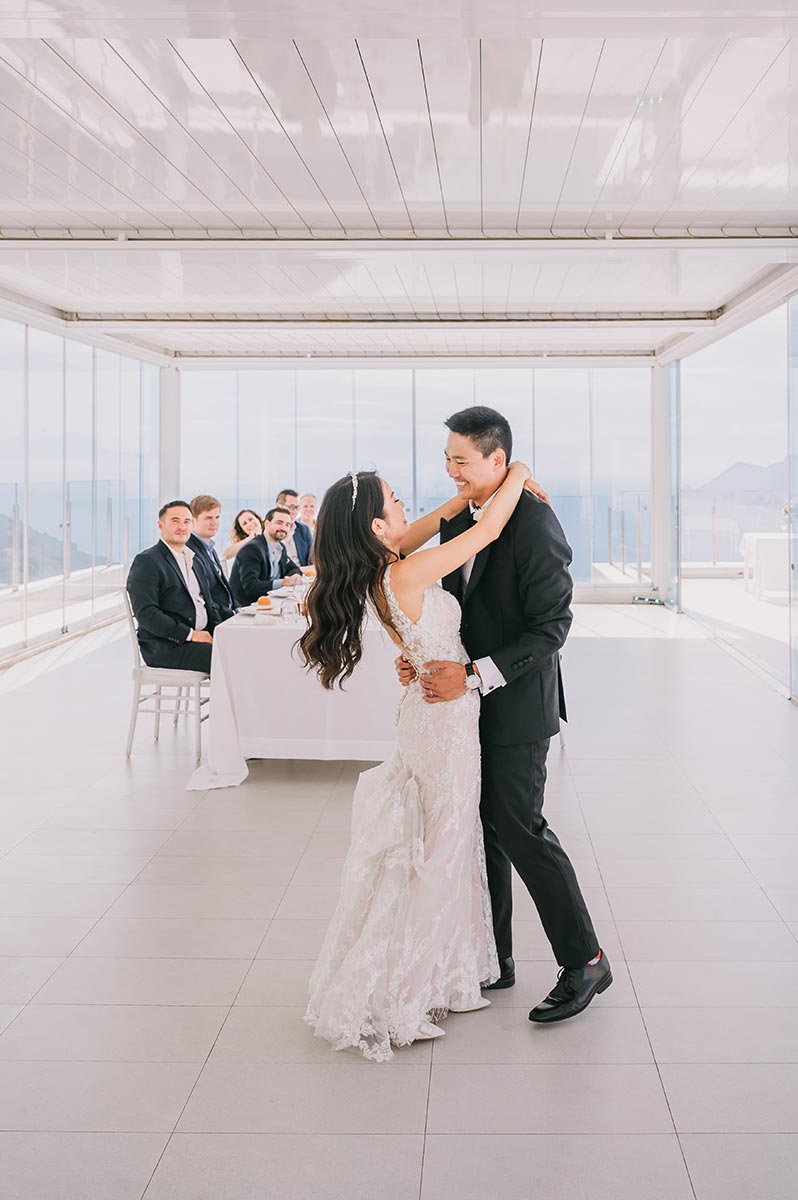
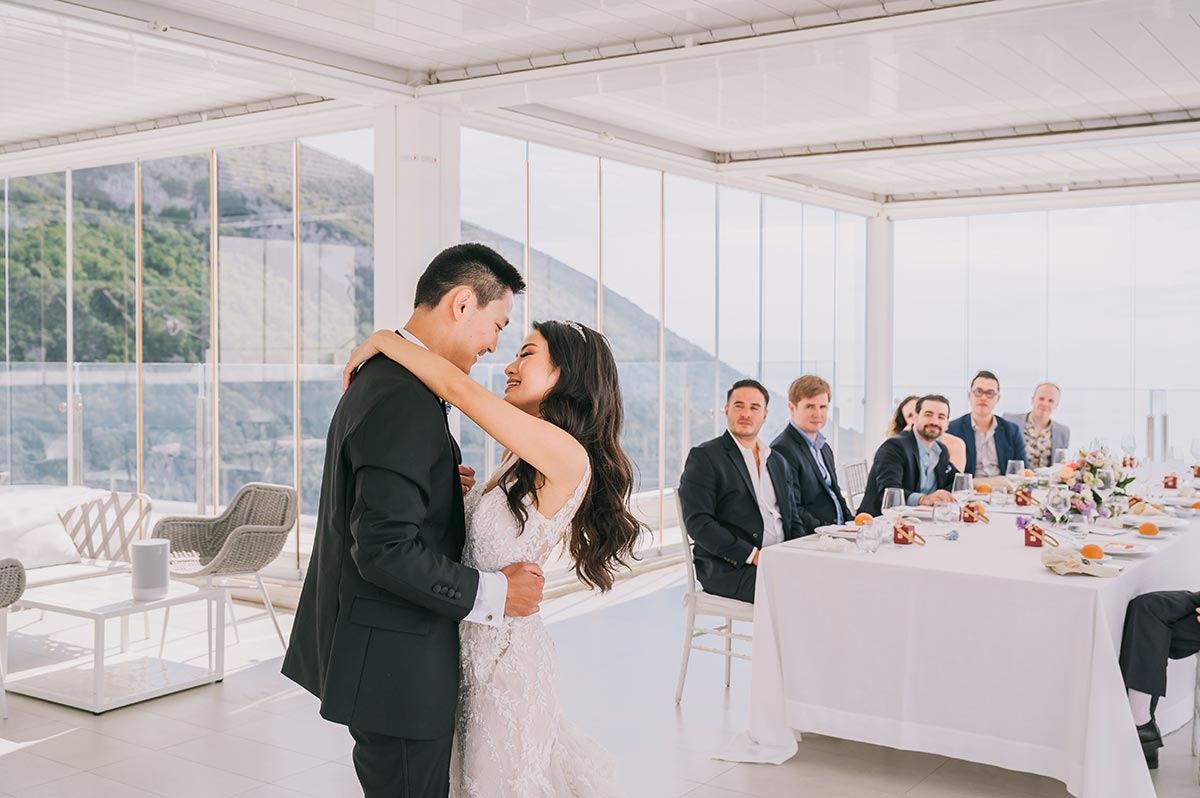
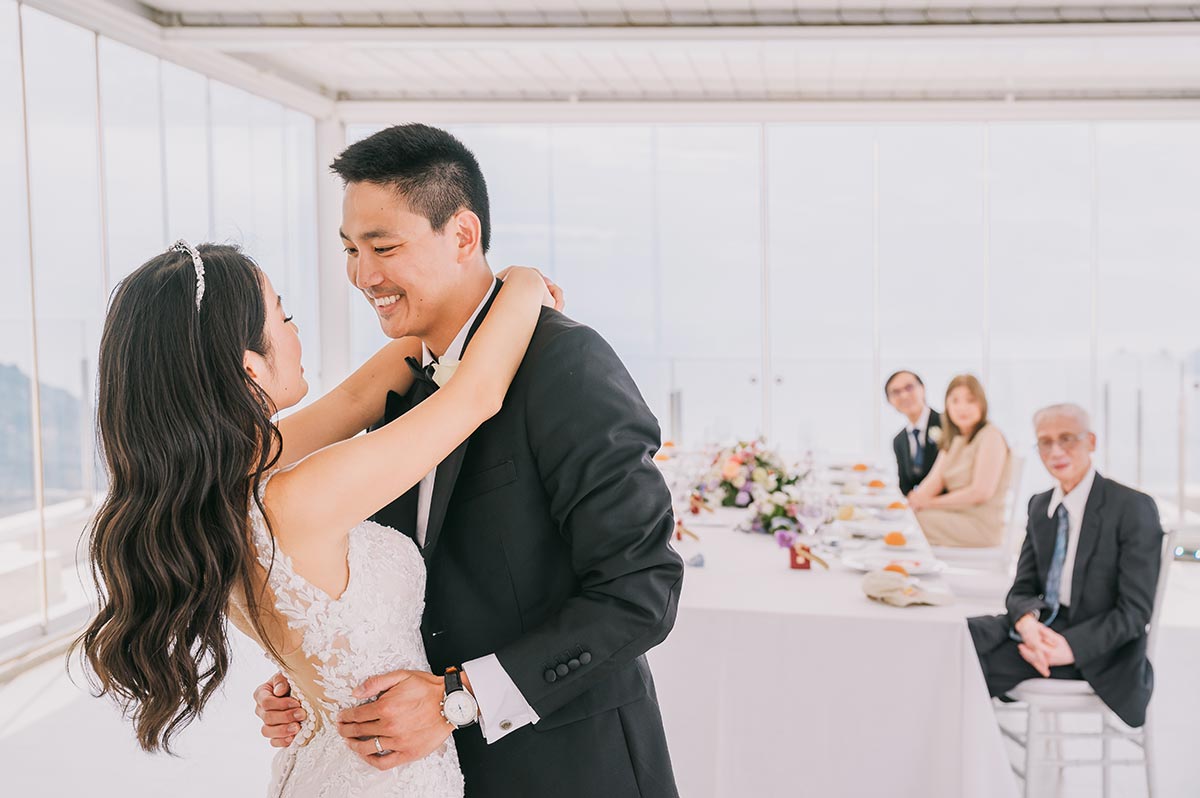
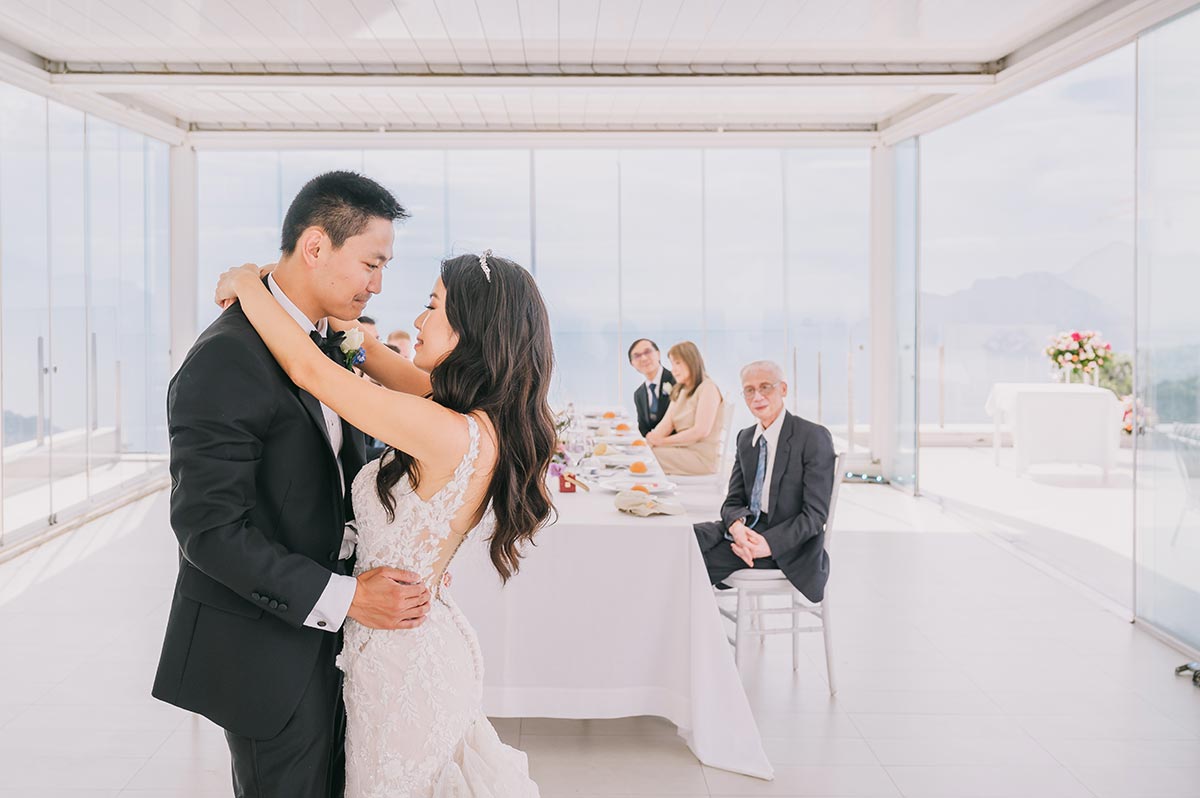
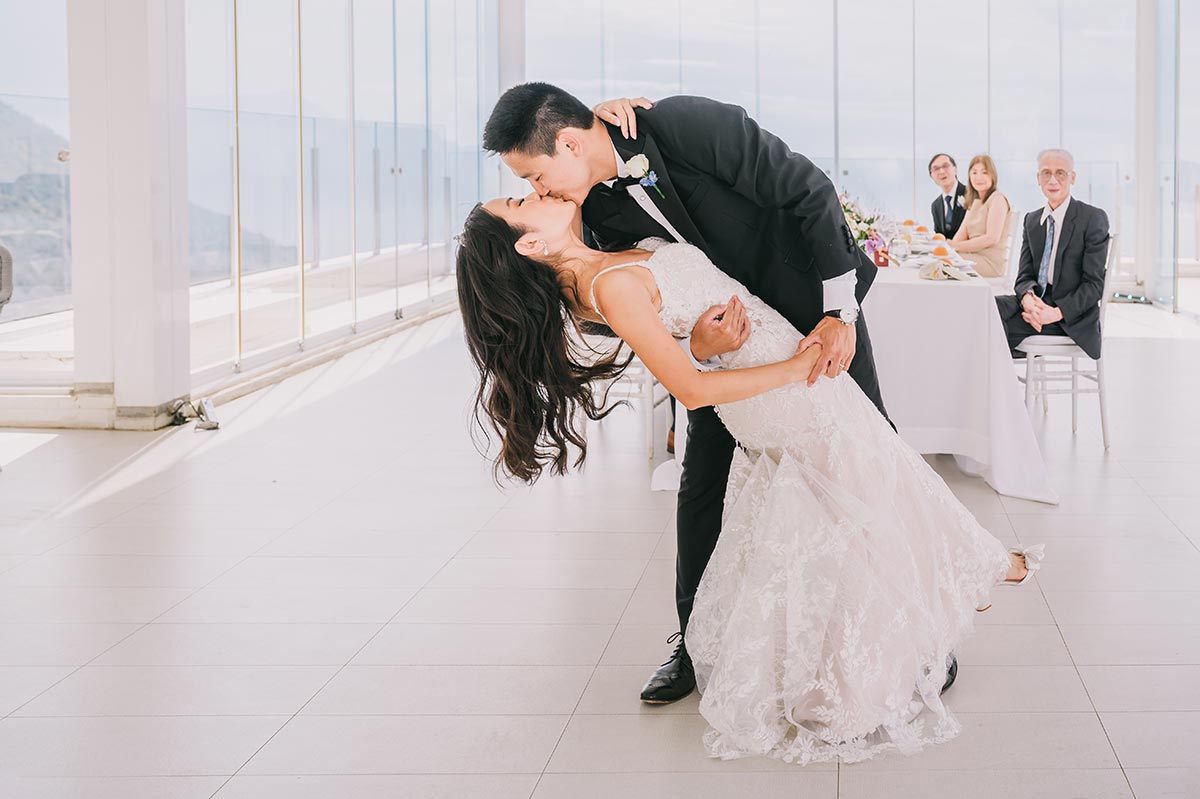
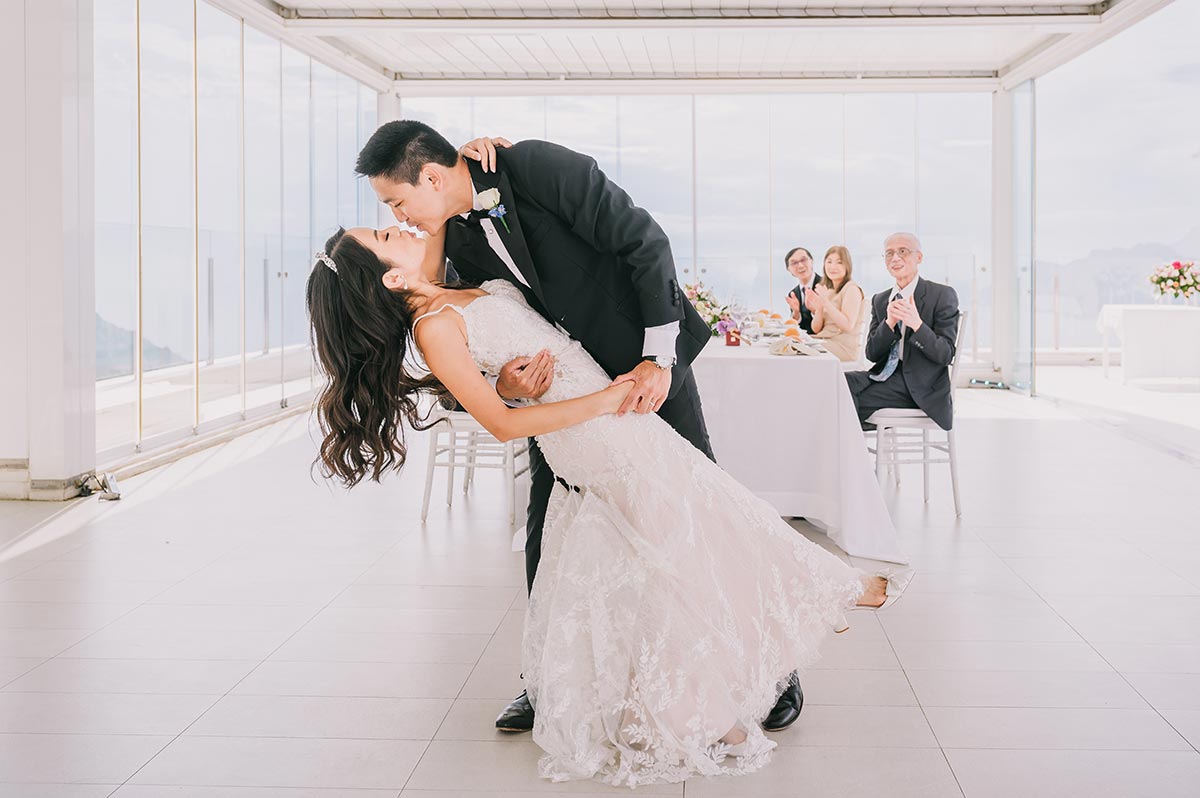
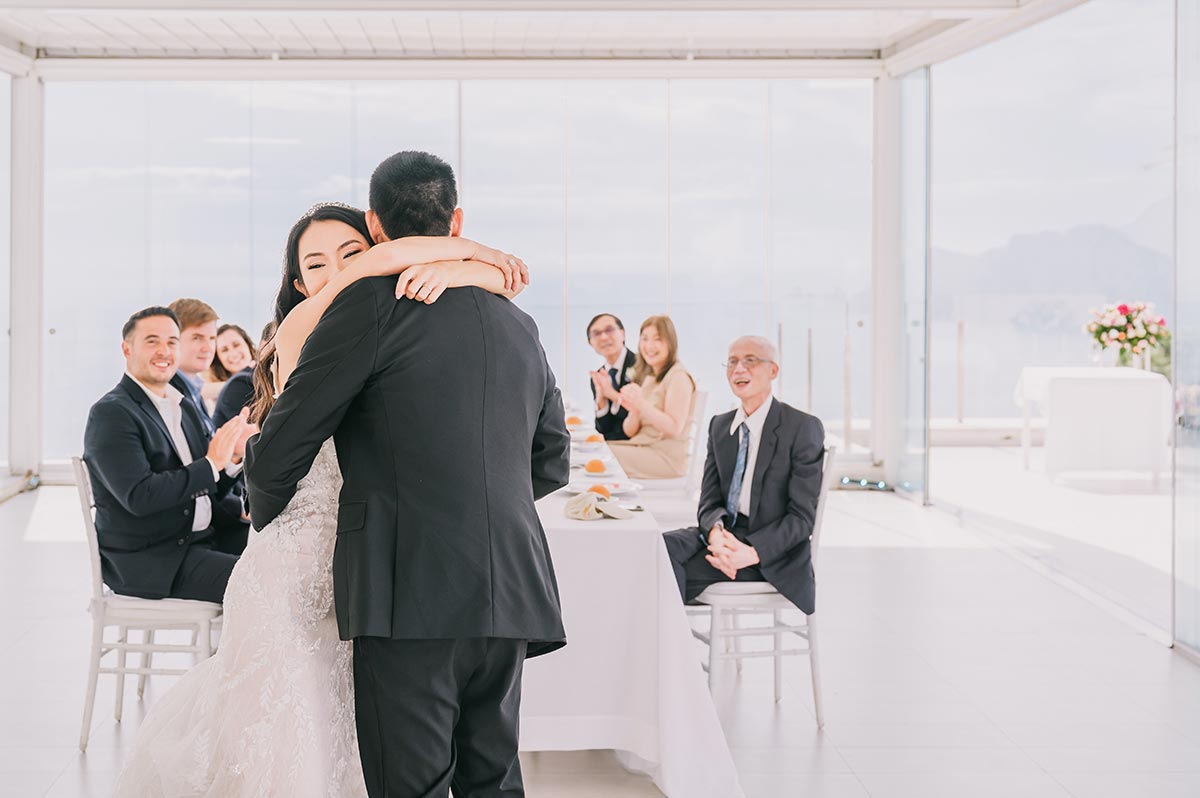
The relaxed and intimate atmosphere of Massa Lubrense enhances every romantic moment, whether you are walking hand in hand through a sunlit vineyard at dusk or sharing a quiet moment beneath the twinkling stars after the ceremony.

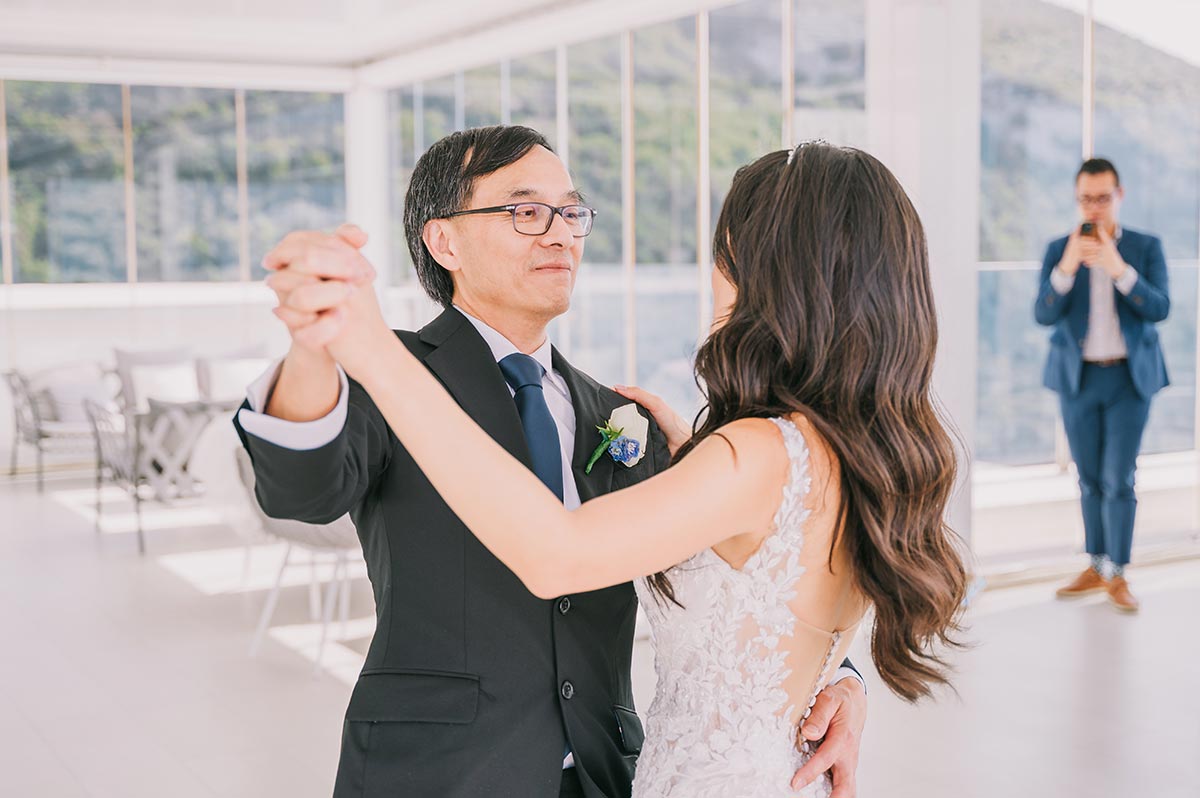
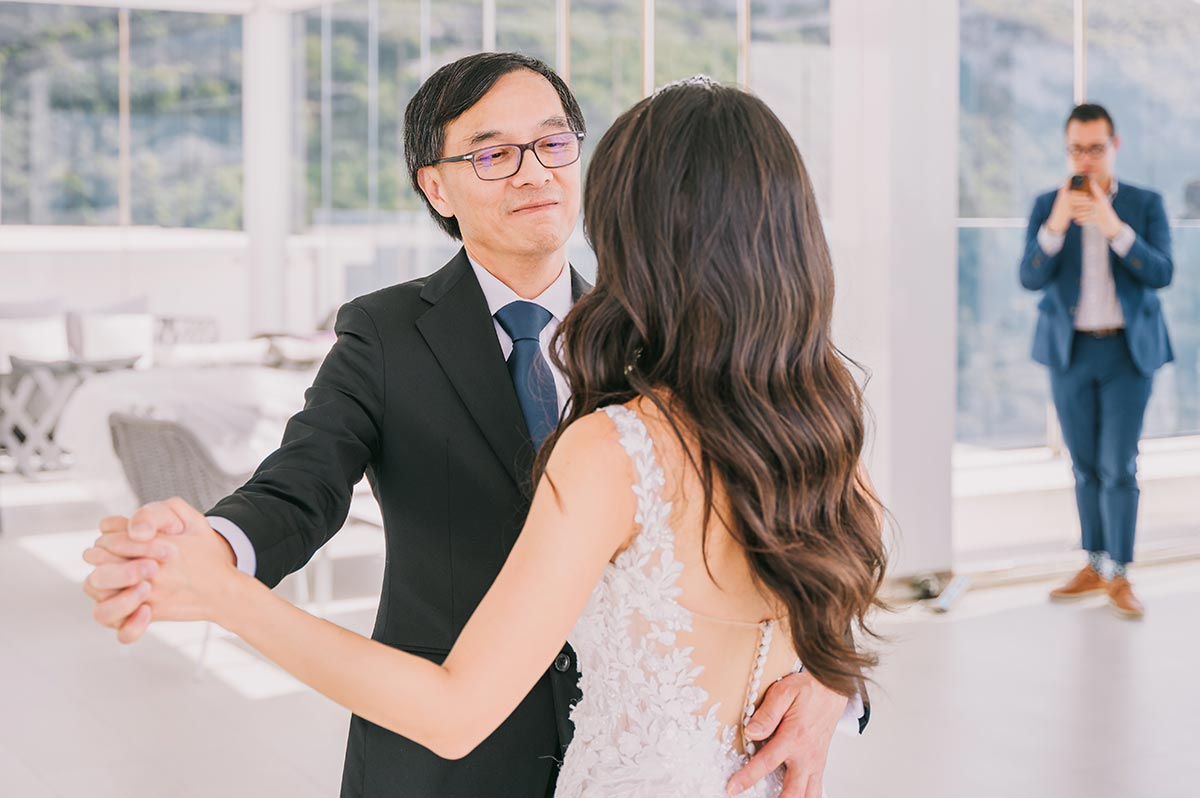
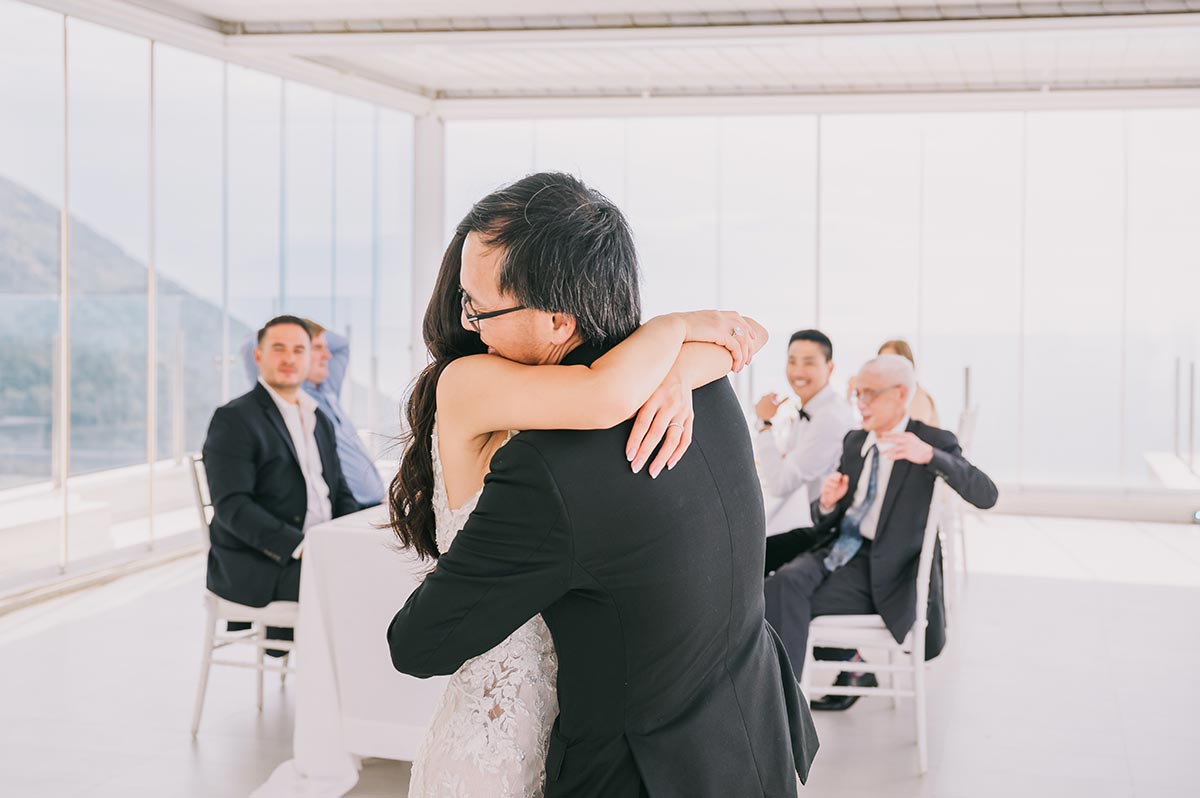

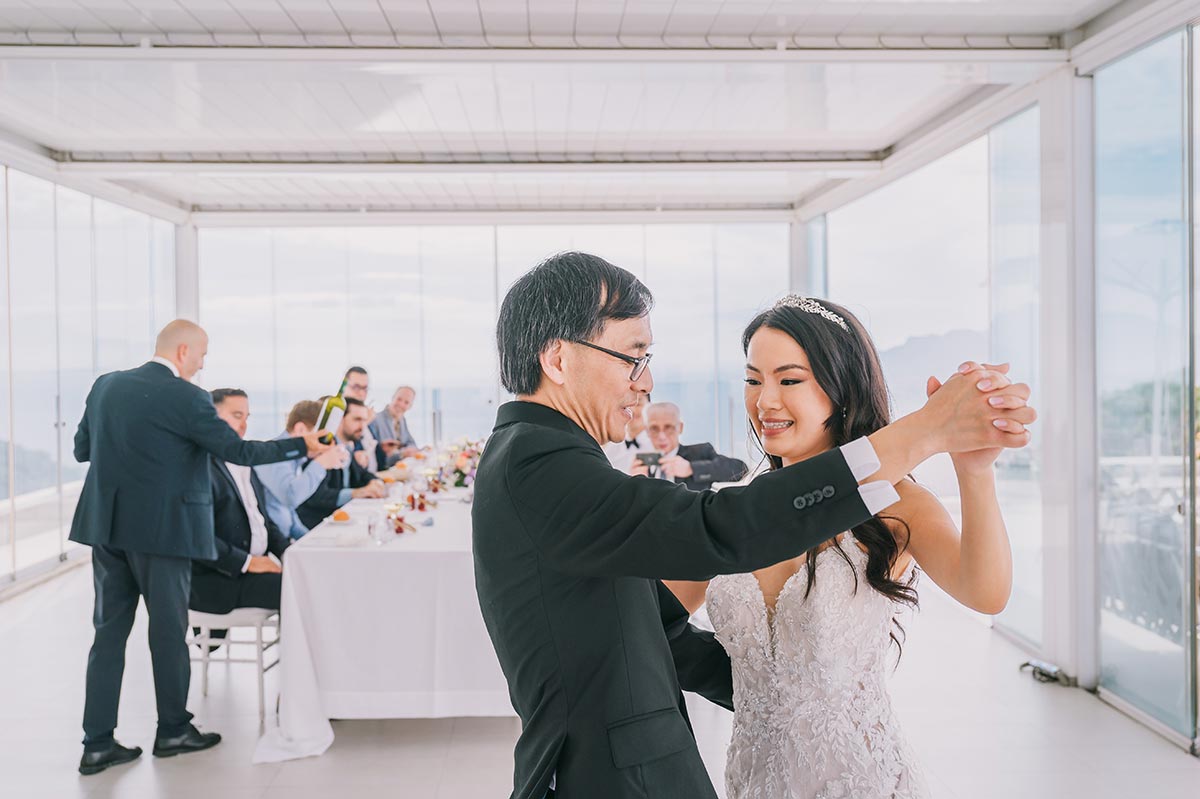
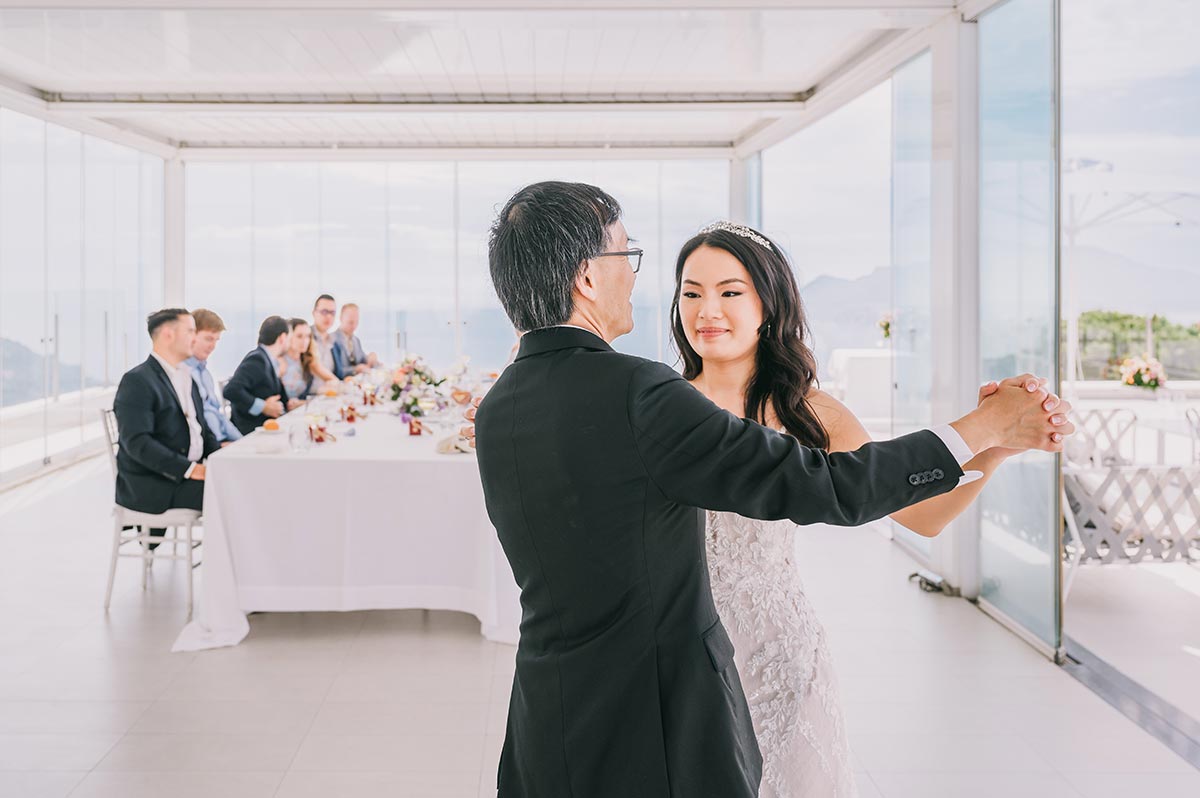
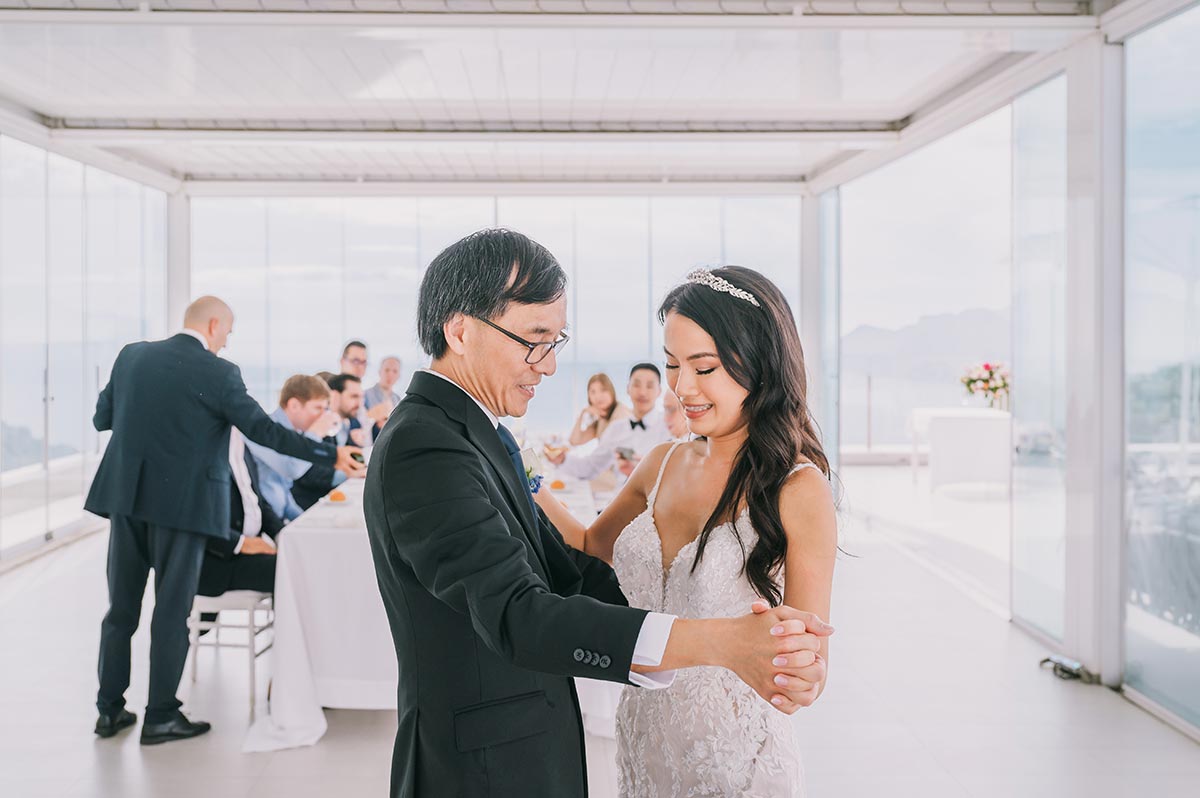
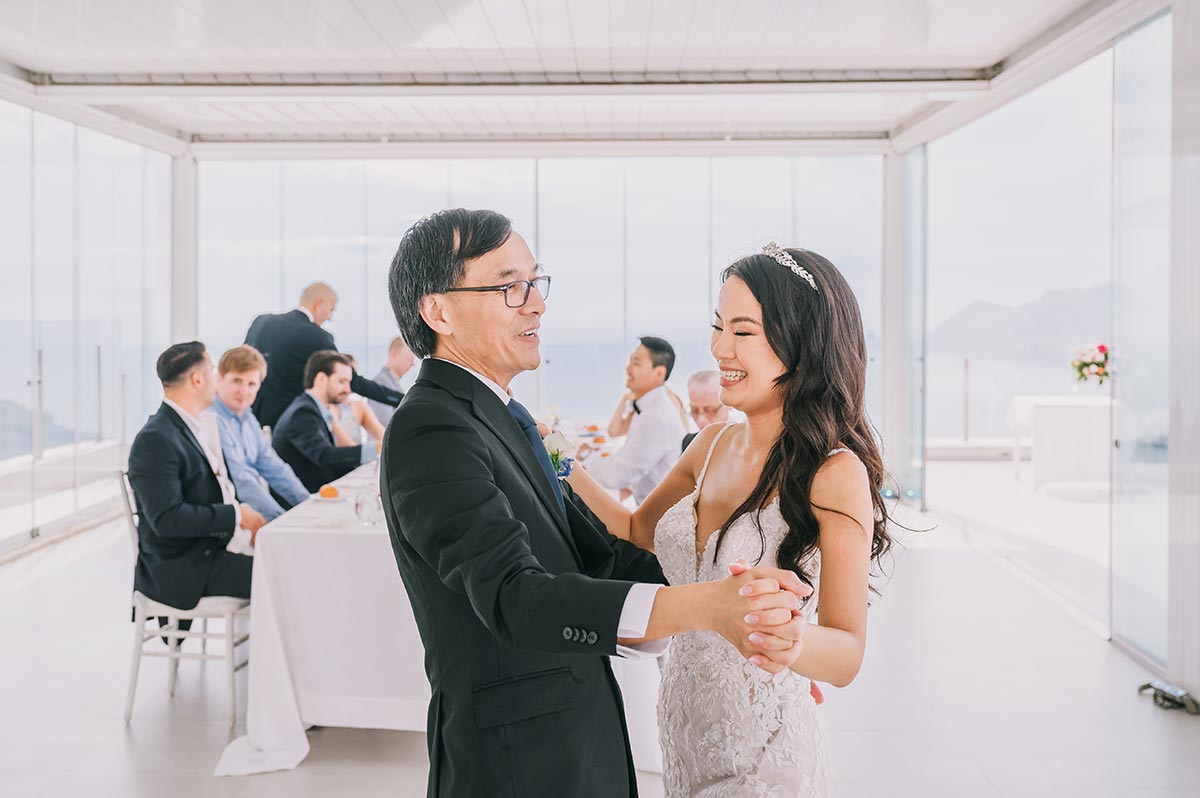
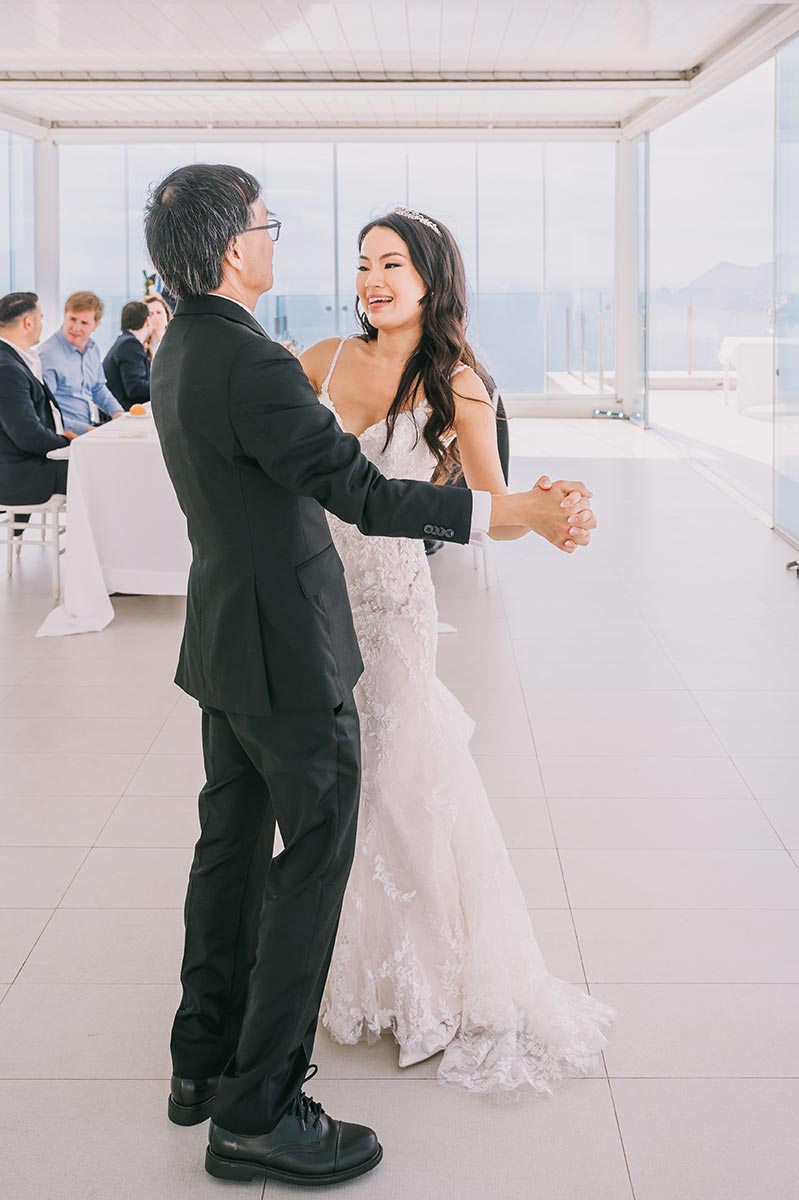
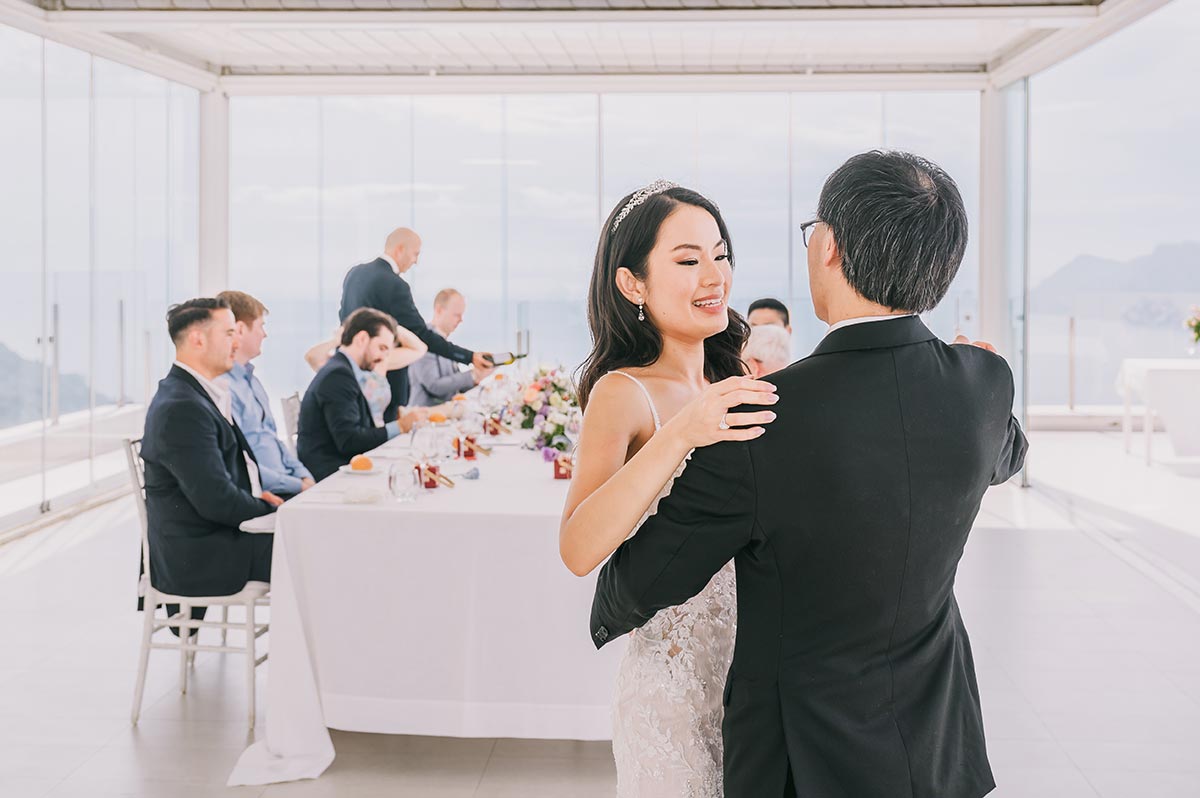

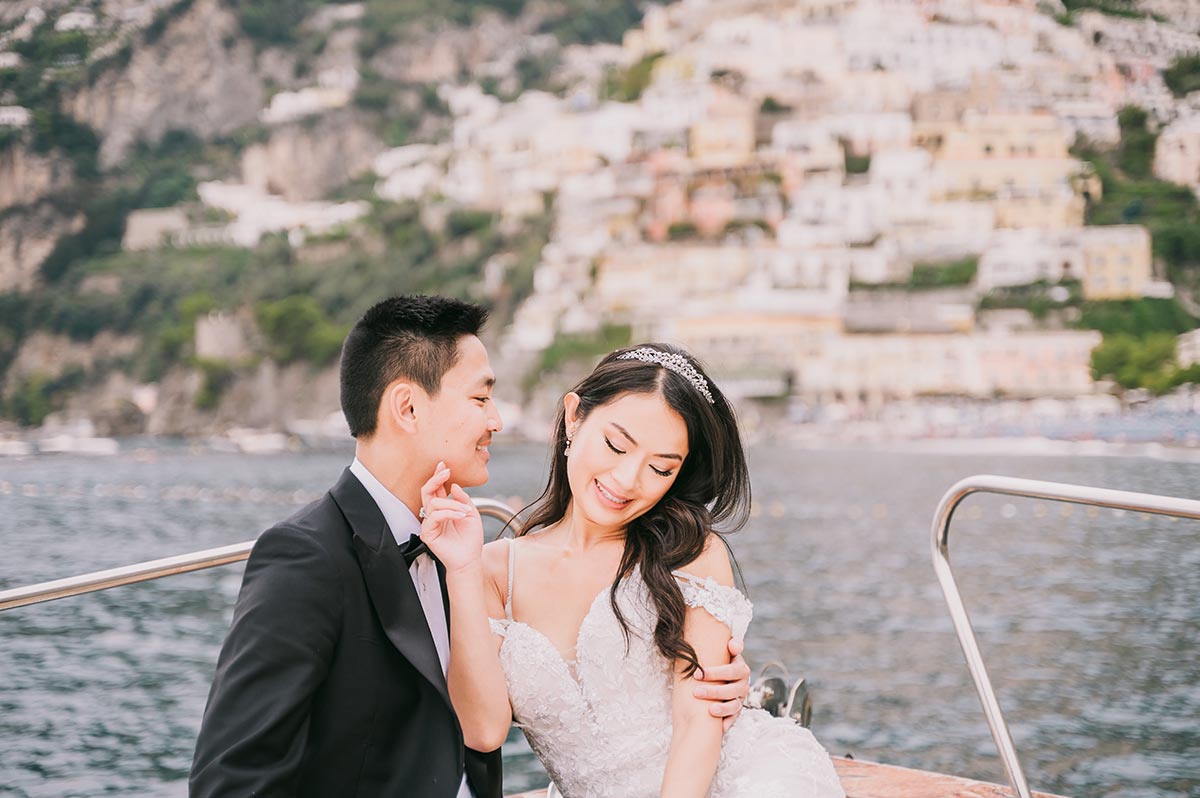
Every second is like a frame from a romantic film—full of light, love, and intimacy. These moments are what make a wedding more than an event; they make it a deeply personal narrative.
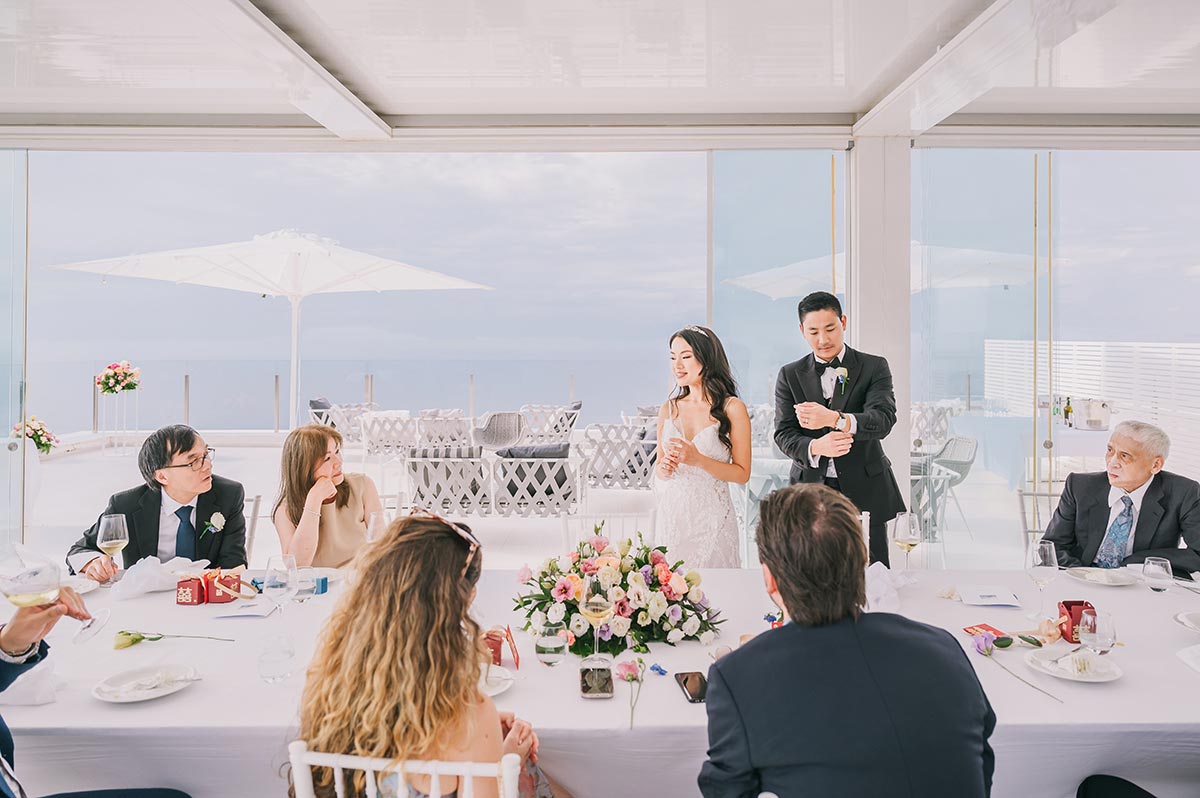



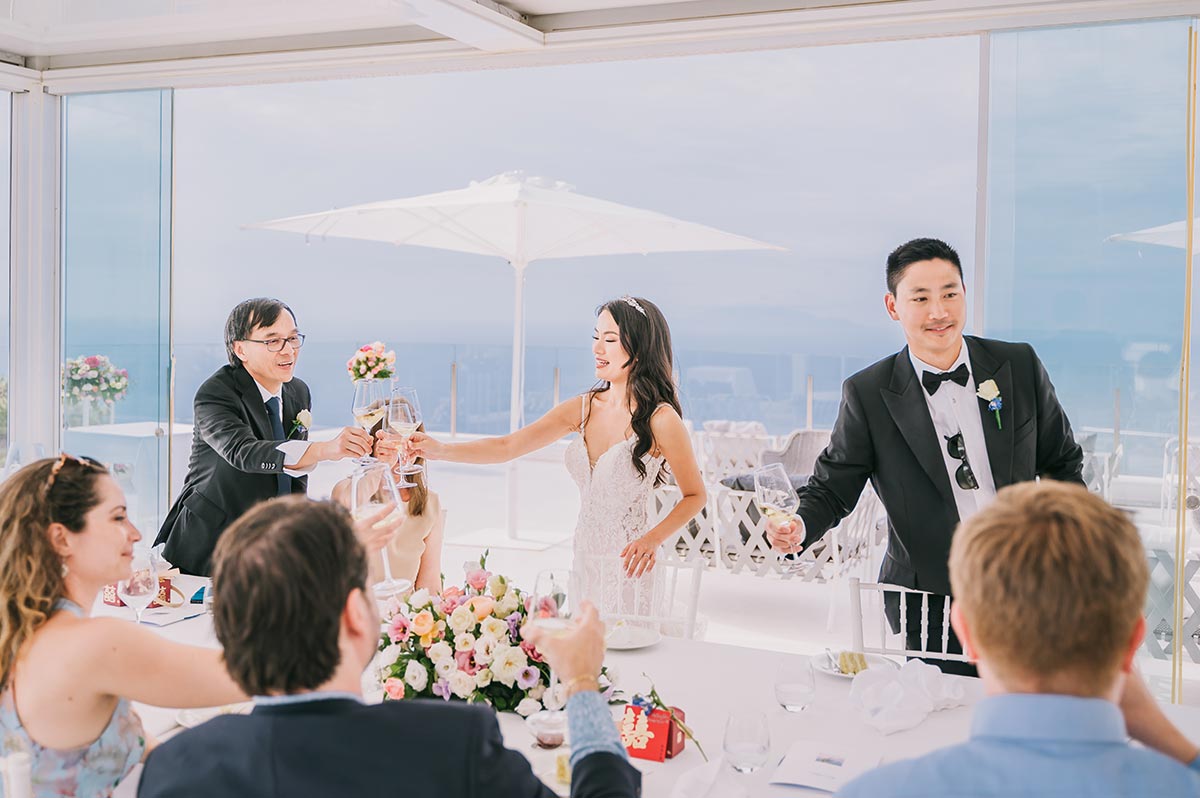


Savor the Culinary Magic of Massa Lubrense Weddings
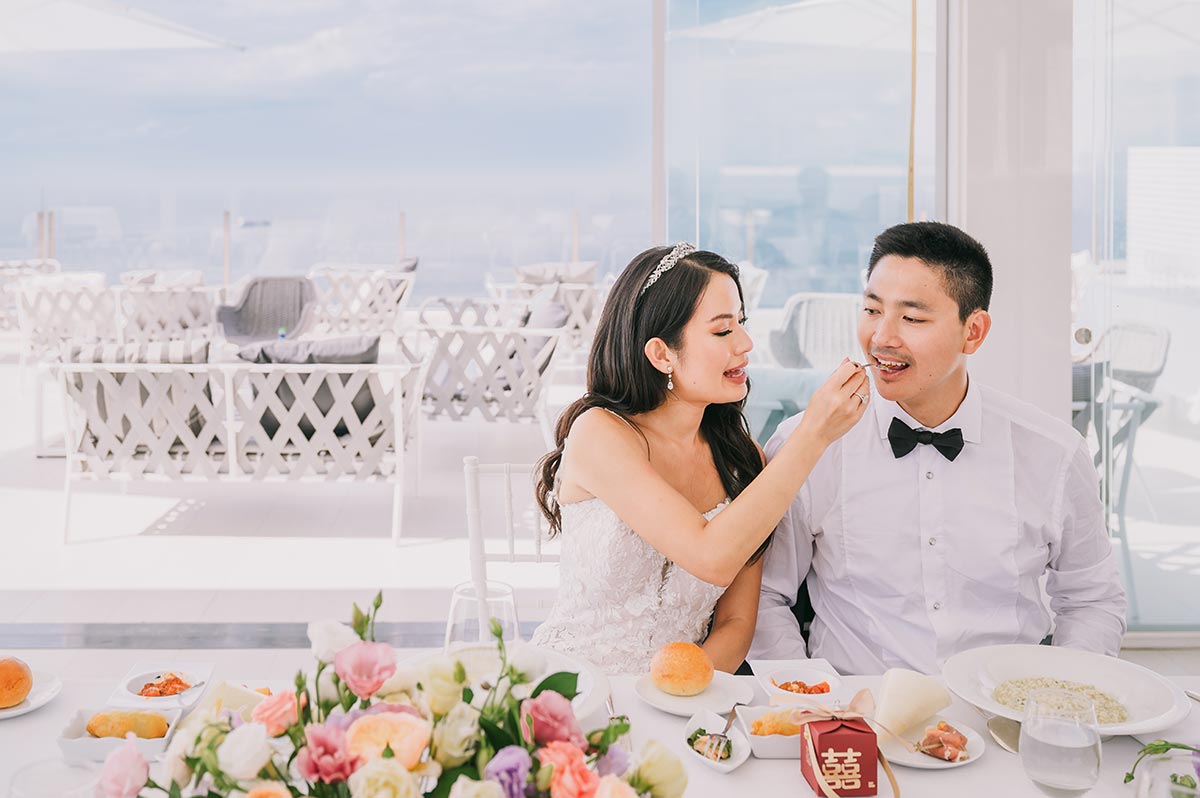
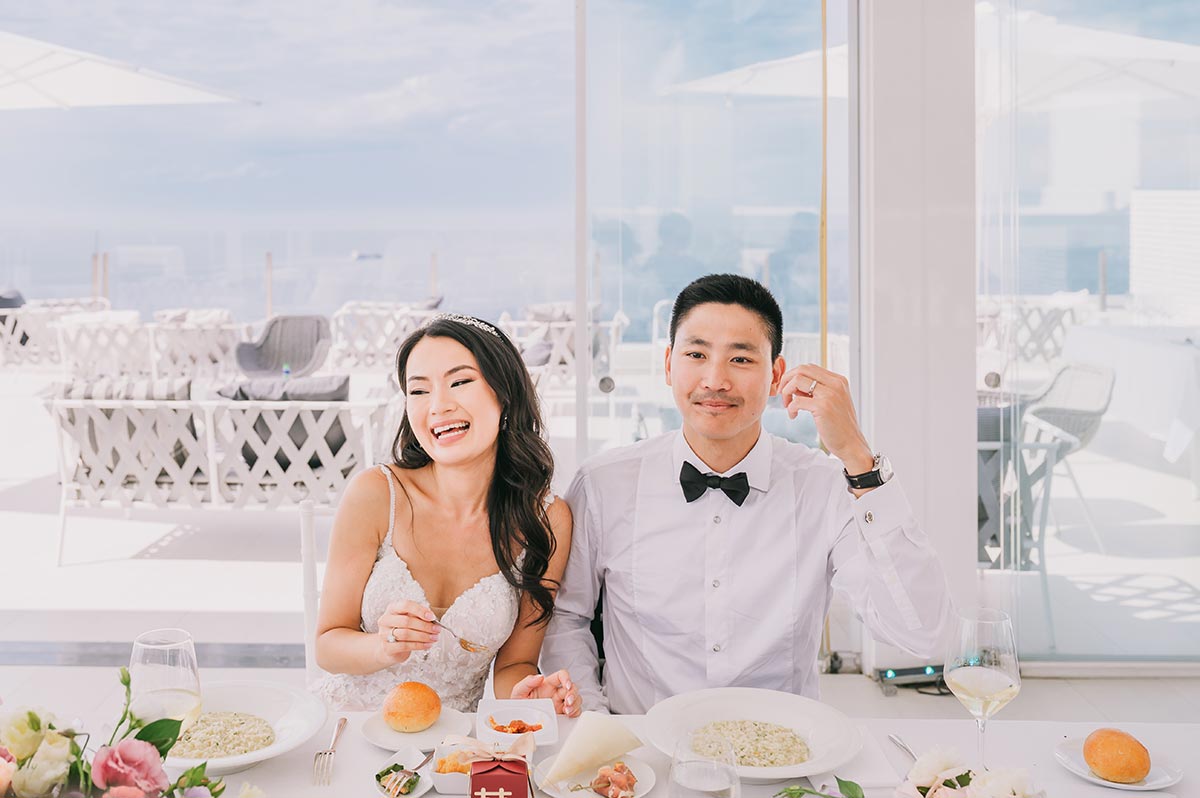
A wedding in Massa Lubrense is not just a visual feast—it is also a gastronomic journey that celebrates Italy’s culinary heritage.



Fresh seafood, house-made pastas, and regional wines come together to create an exceptional dining experience that your guests will never forget. Italian food is at the heart of every celebration here, and weddings are no exception.


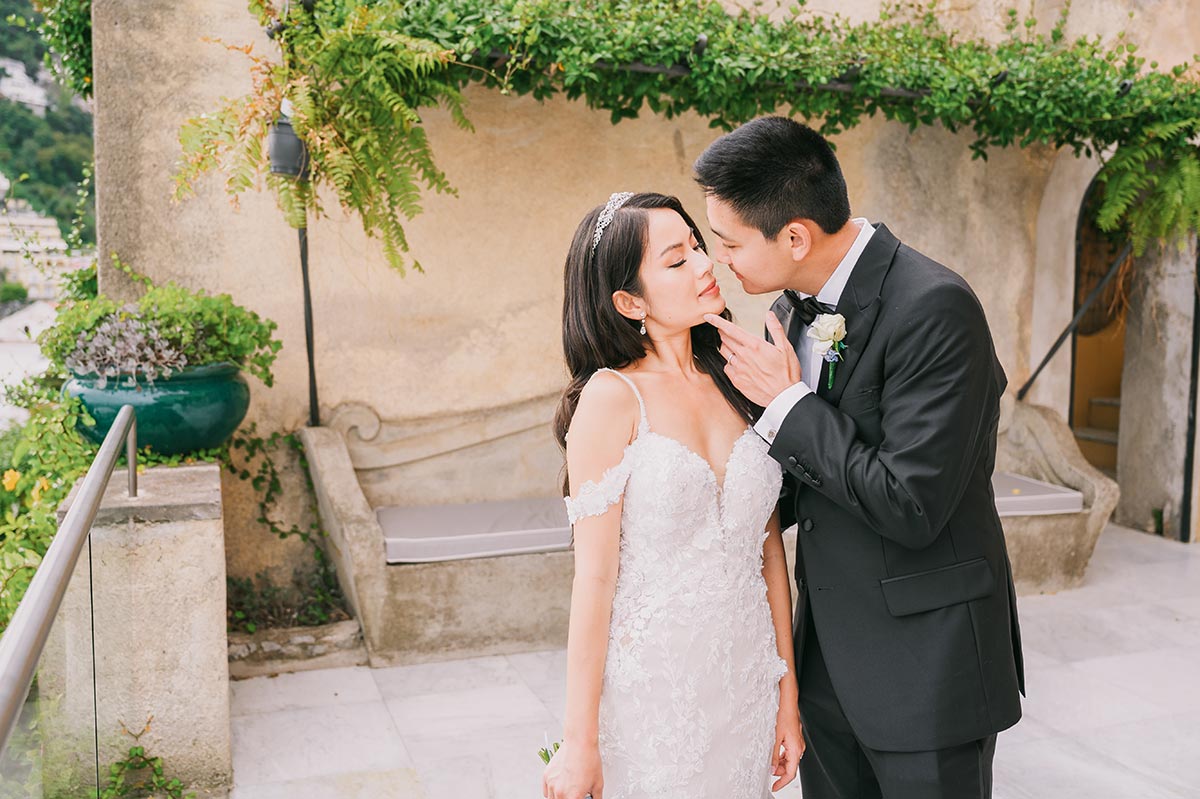
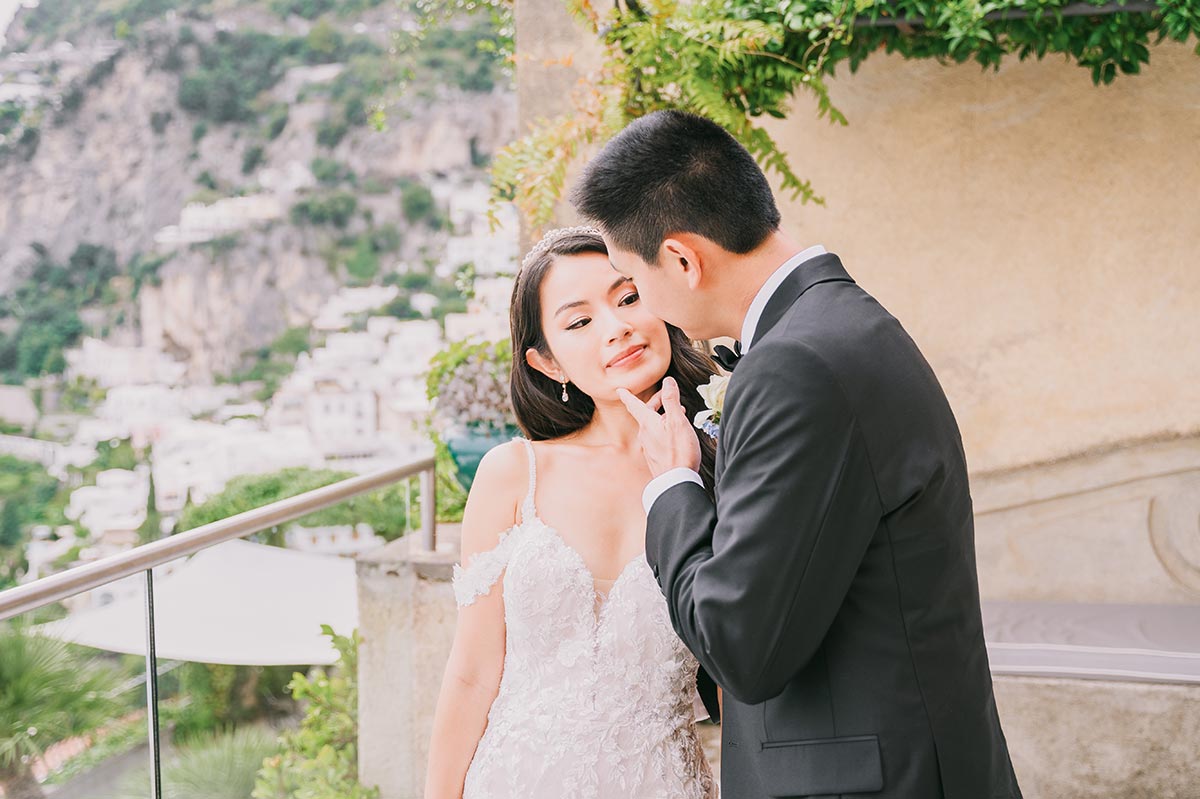
Massa Lubrense wedding catering celebrates everything authentic about Italian cuisine. Imagine dining under the stars, with fresh seafood linguine made from the day’s catch, accompanied by wines grown in the hills nearby.


Each bite tells a story of this incredible region. Picture a multi-course meal filled with vibrant, local ingredients—ripe tomatoes, fragrant basil, creamy mozzarella, and rich olive oils.
ITALIAN EXPERIENCE
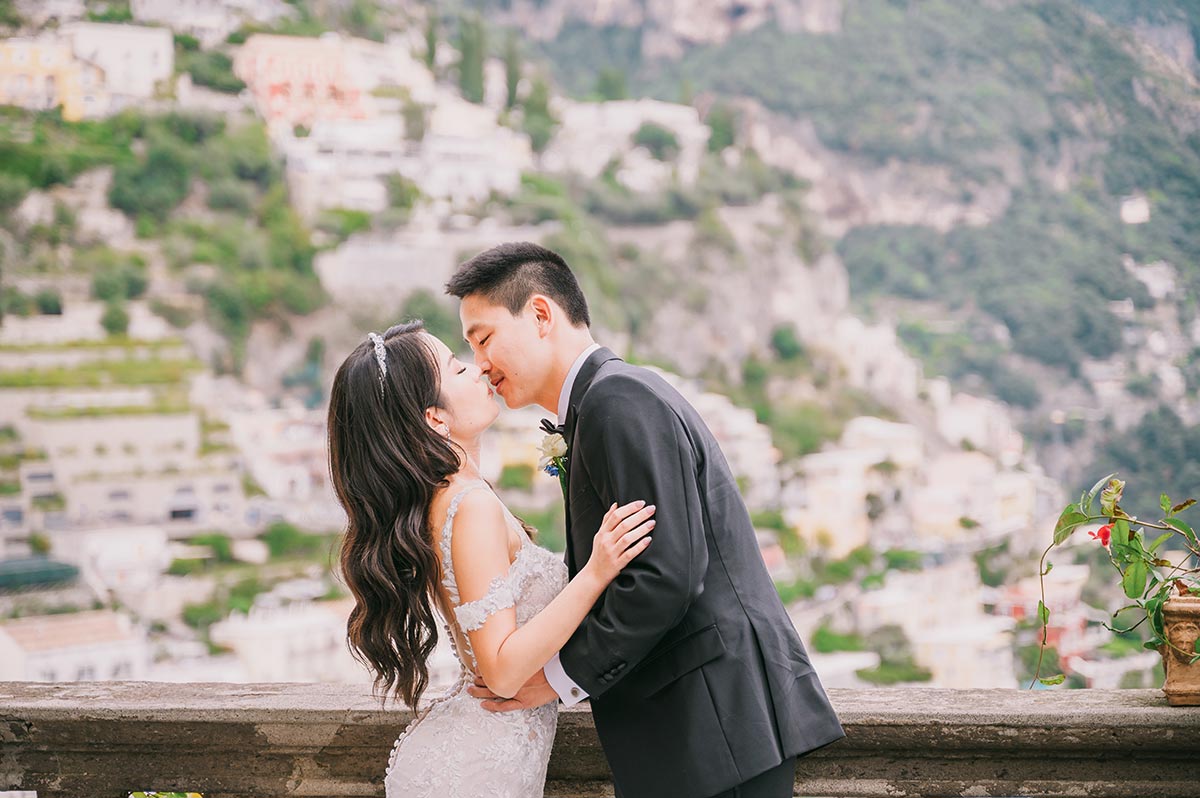
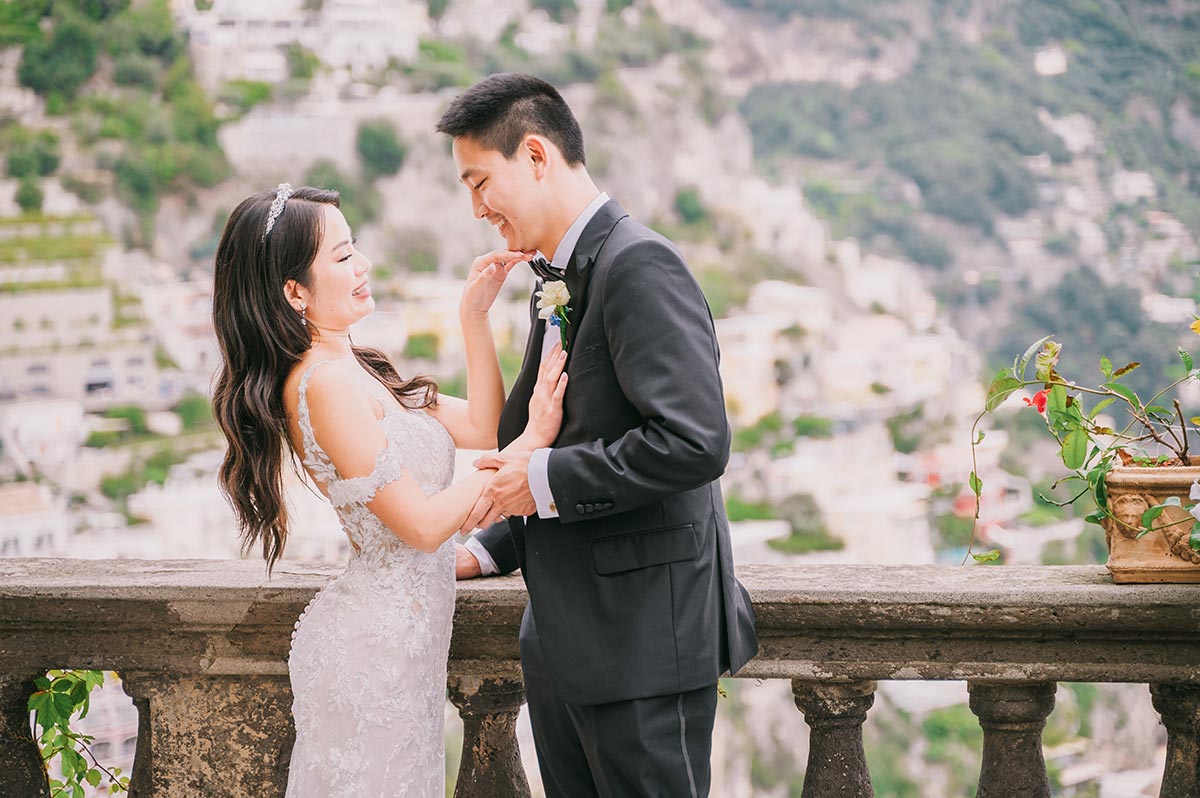
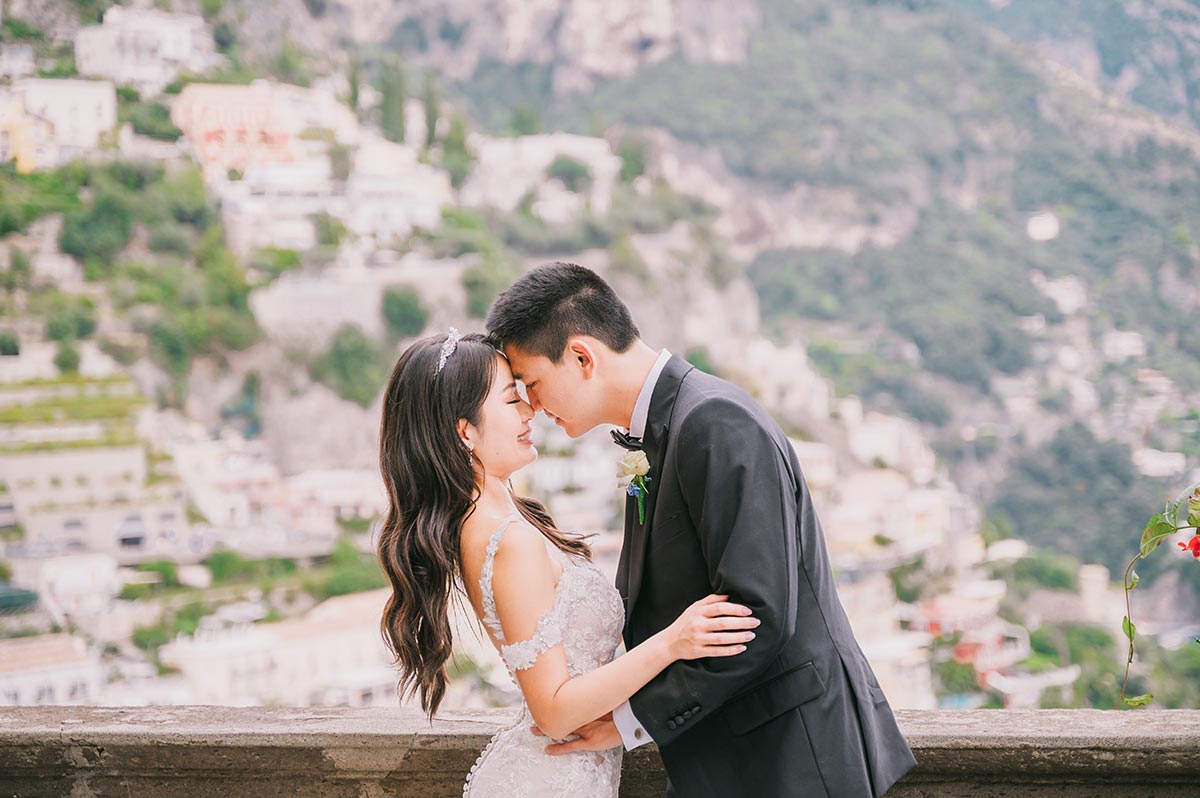
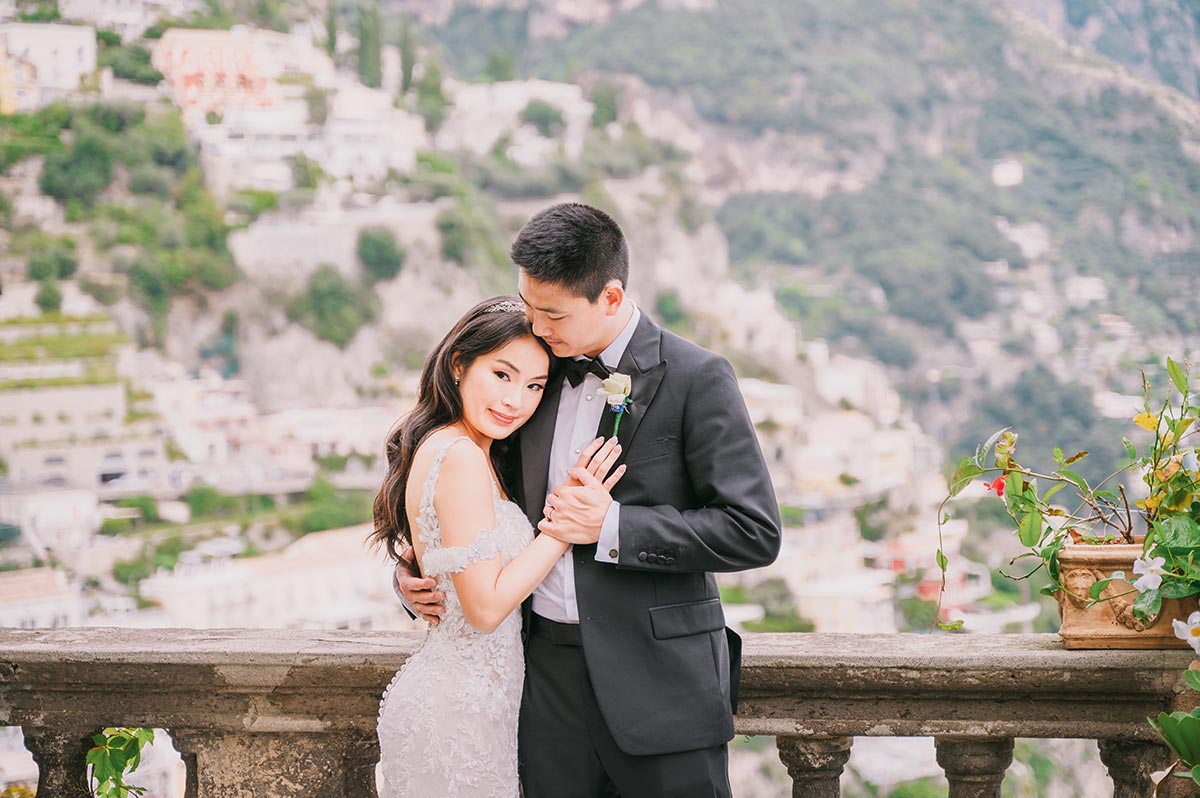
Discover the best way to plan a romantic wedding in Massa Lubrense, and hire an Italian wedding photographer.
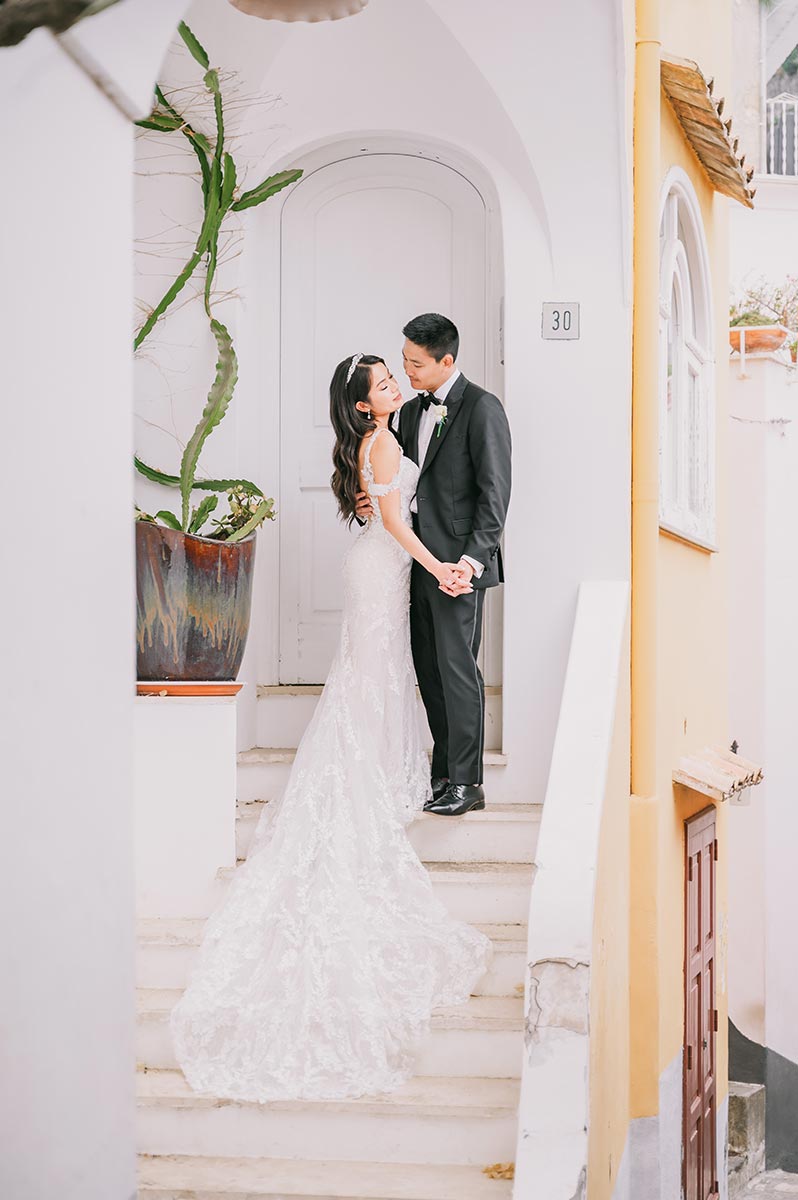
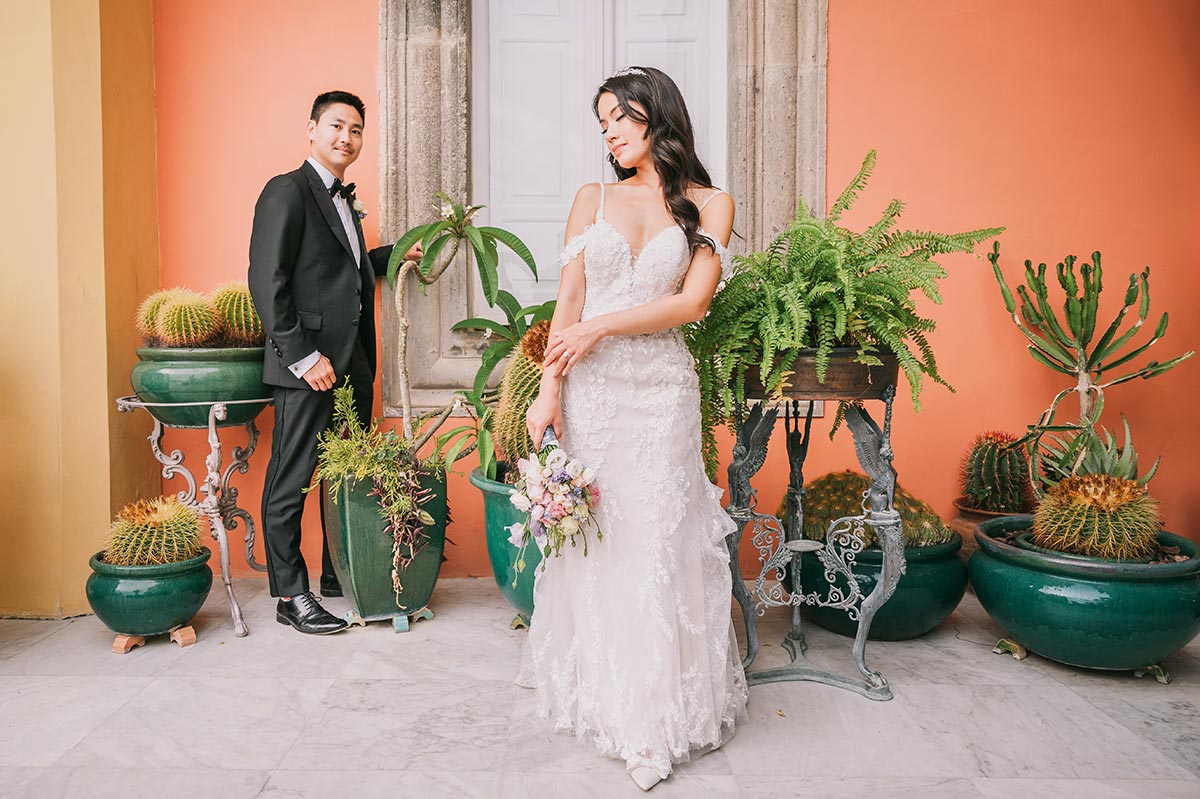
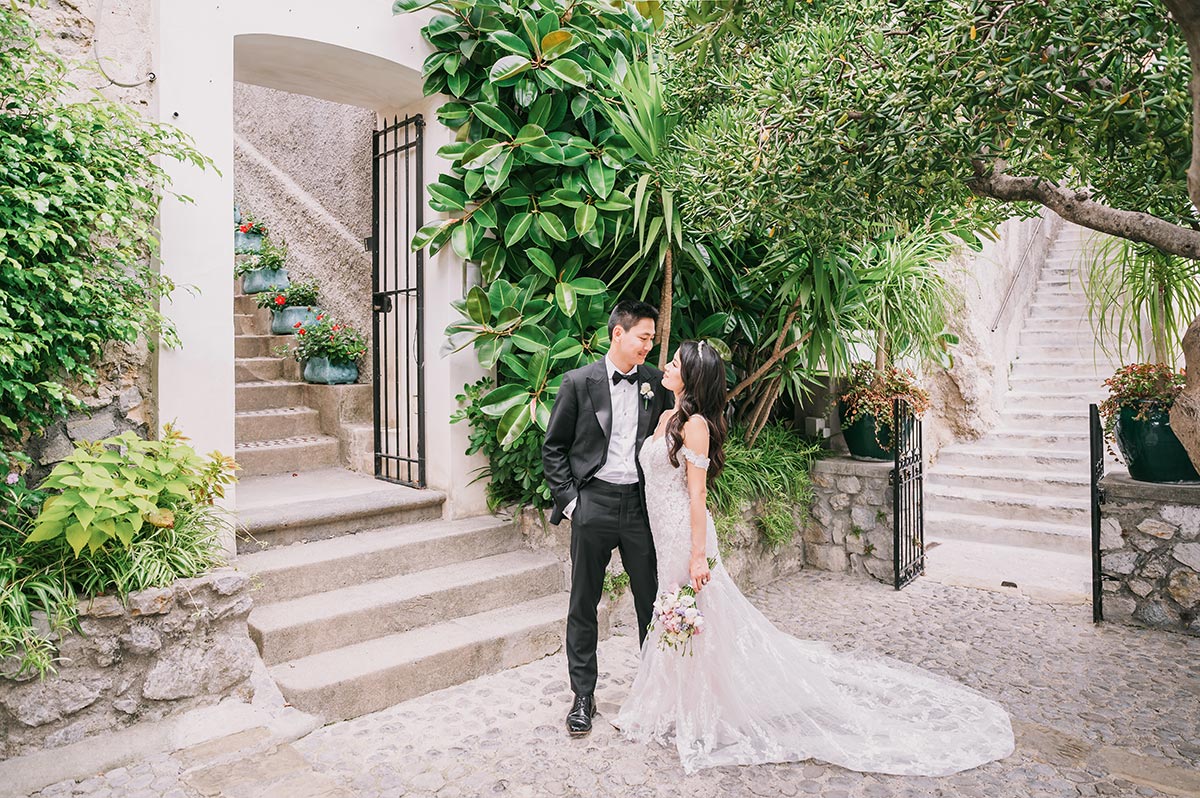
AIRY AND MODERN
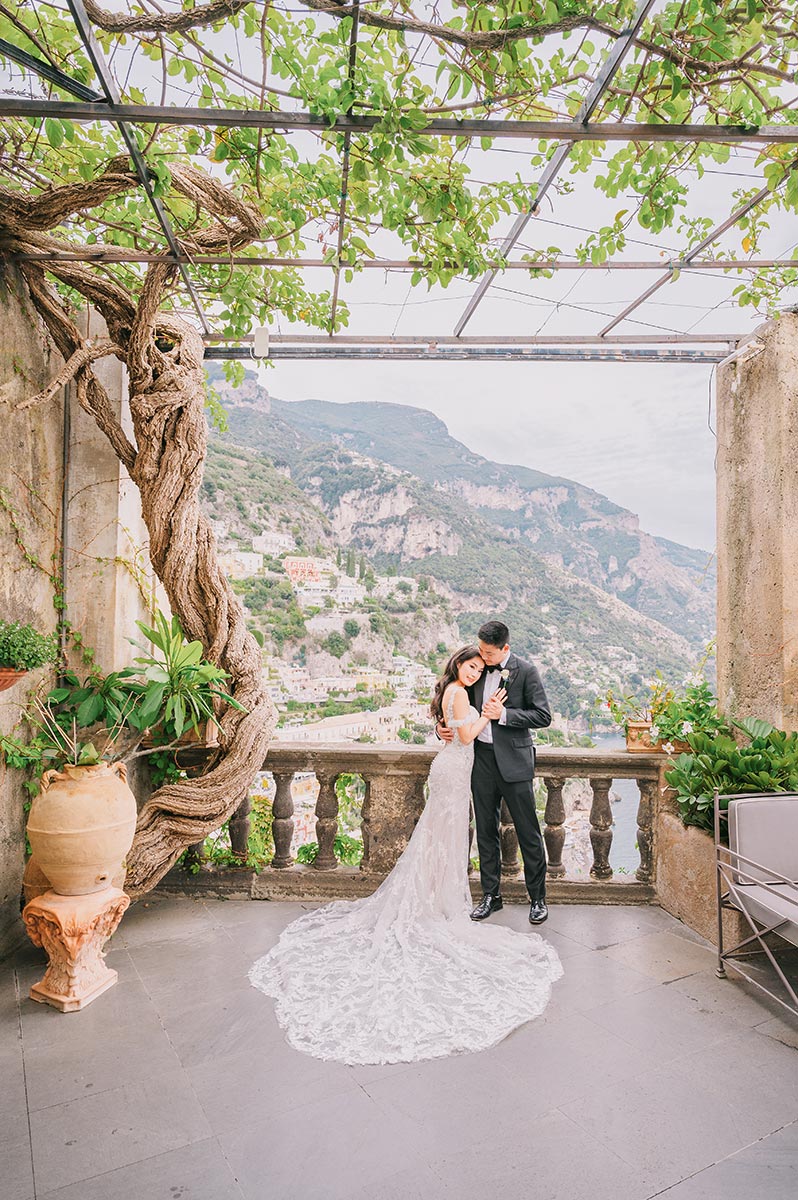
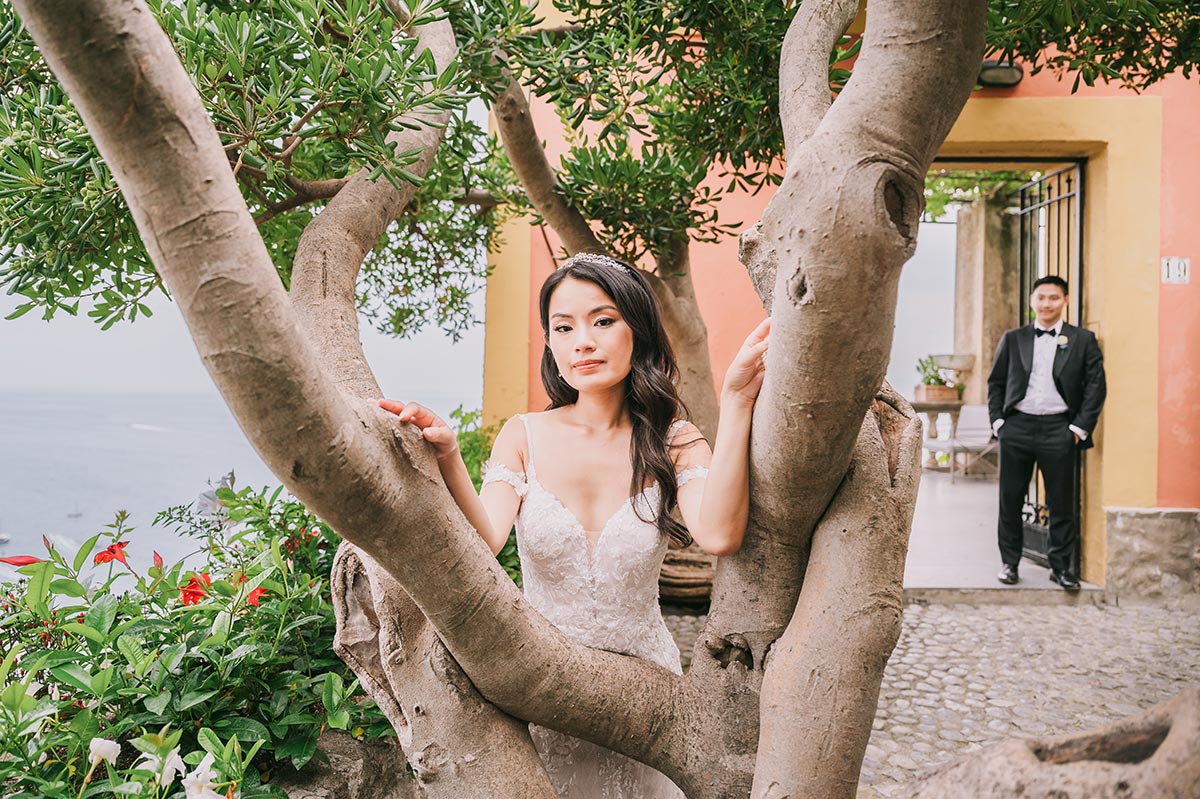
Your wedding banquet is more than a meal; it’s an experience that brings people together and creates lasting memories.
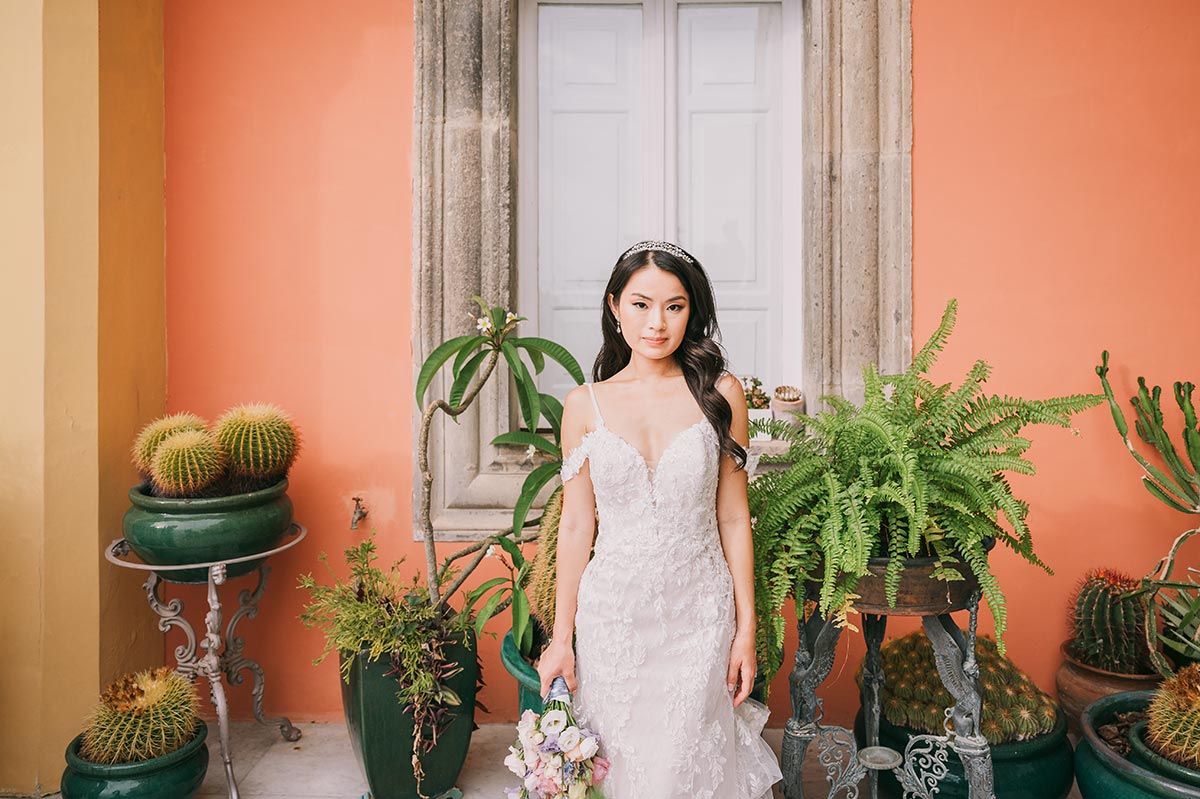


Many couples opt for a mix of classic Italian dishes, from decadent risottos to wood-fired pizzas, adding a touch of authentic regional flavor to their celebration. I have seen couples incorporate interactive cooking stations where chefs prepare pasta in real-time—providing entertainment as well as a fantastic meal. Of course, no Italian wedding would be complete without the sweetness of dessert—whether it’s a traditional wedding cake or a gelato cart offering a delicious ending to a beautiful day.
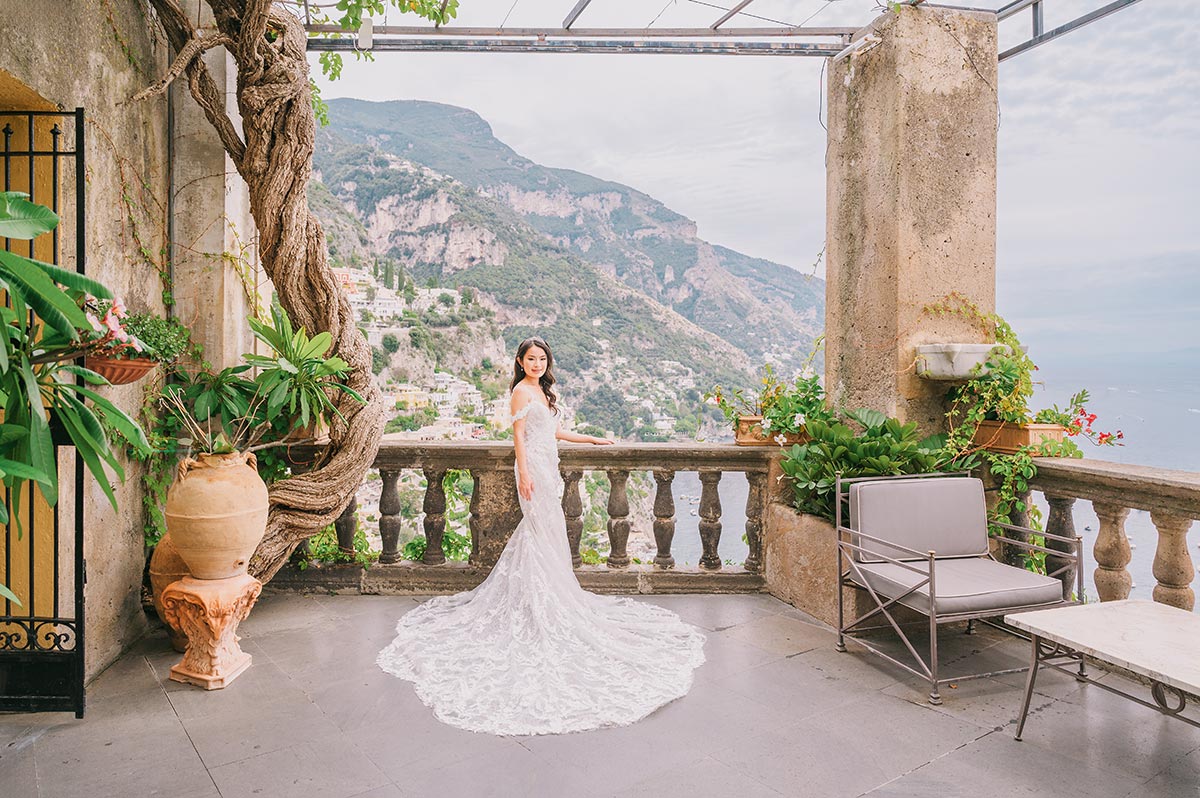
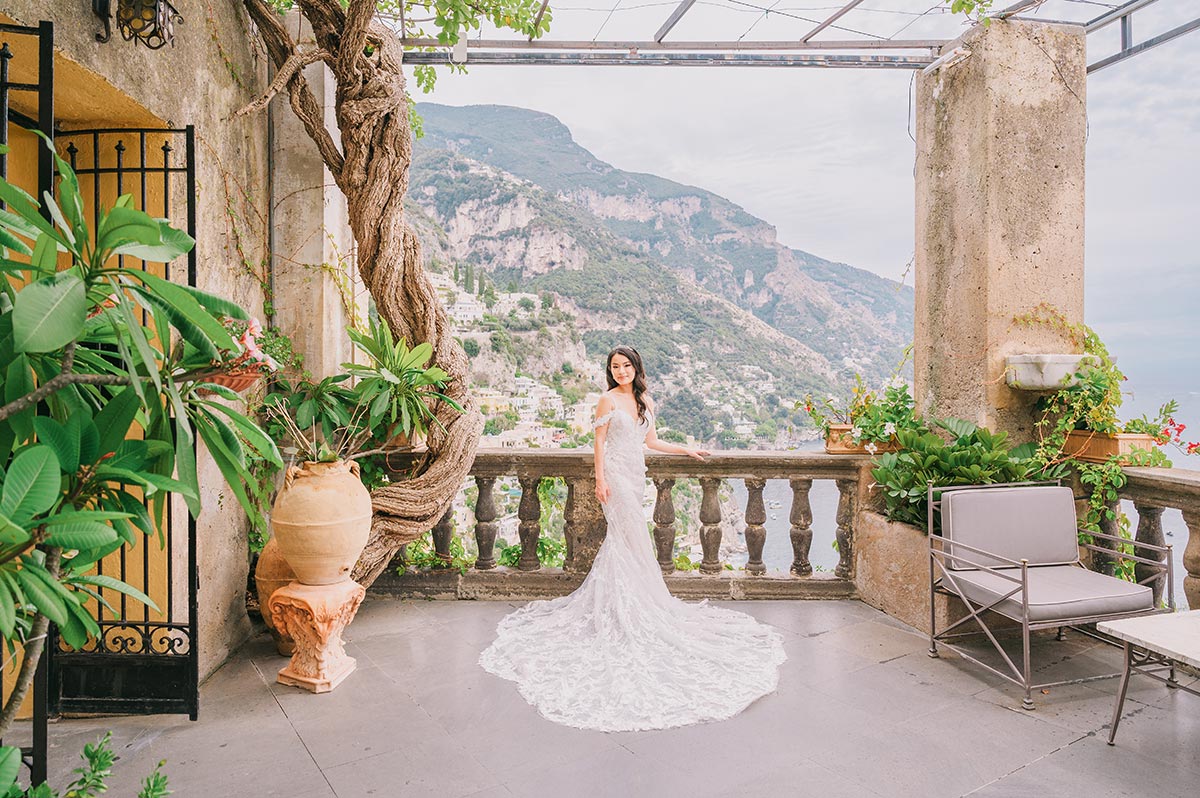
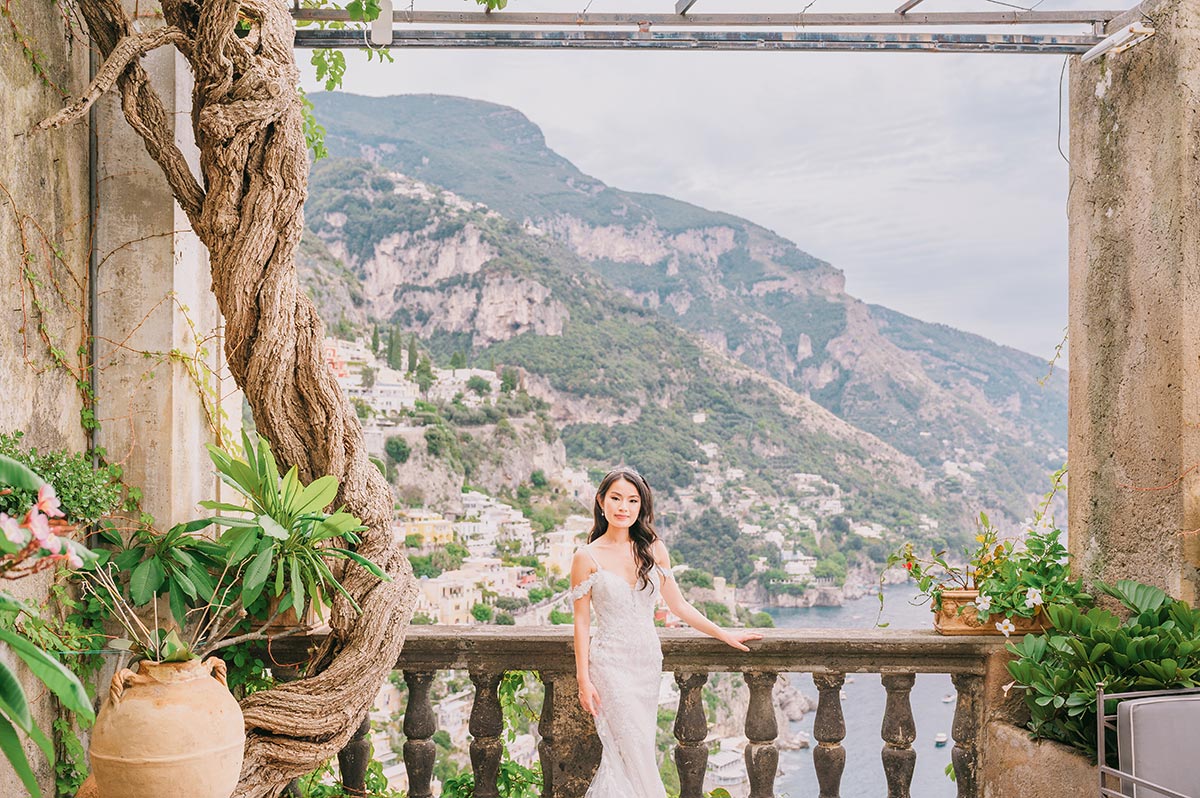

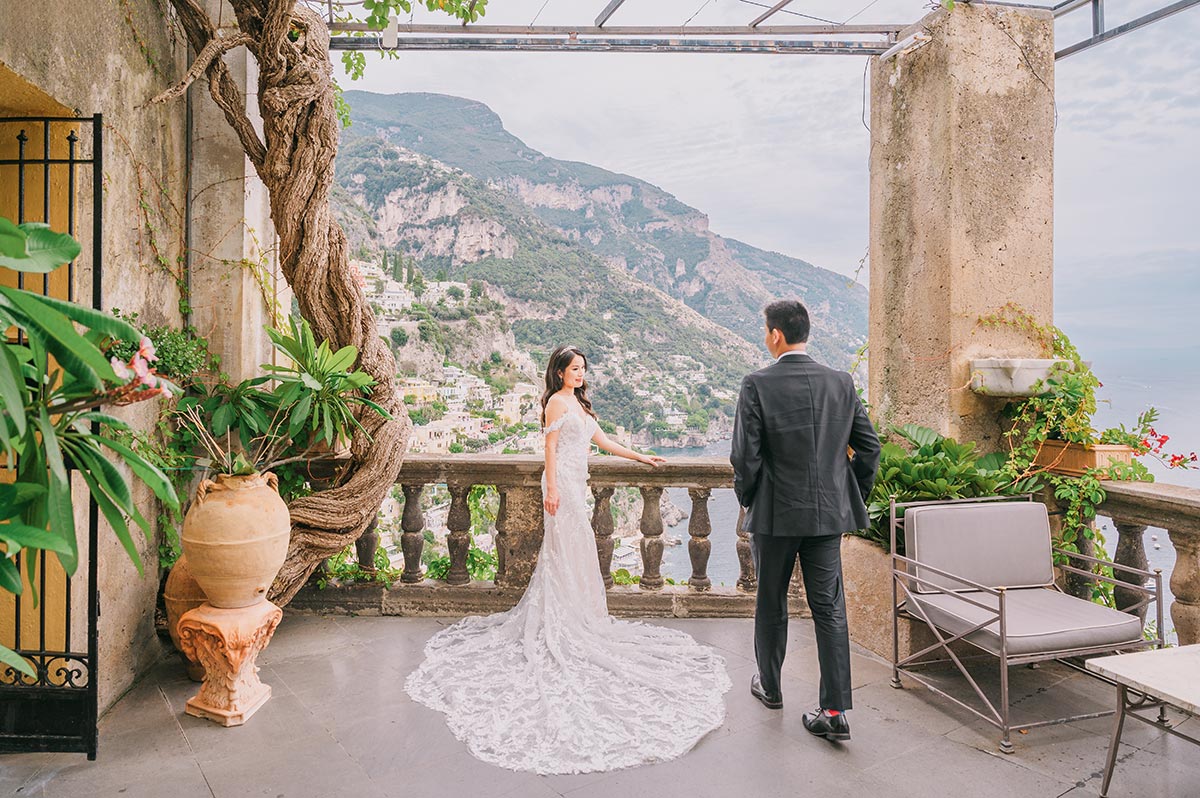



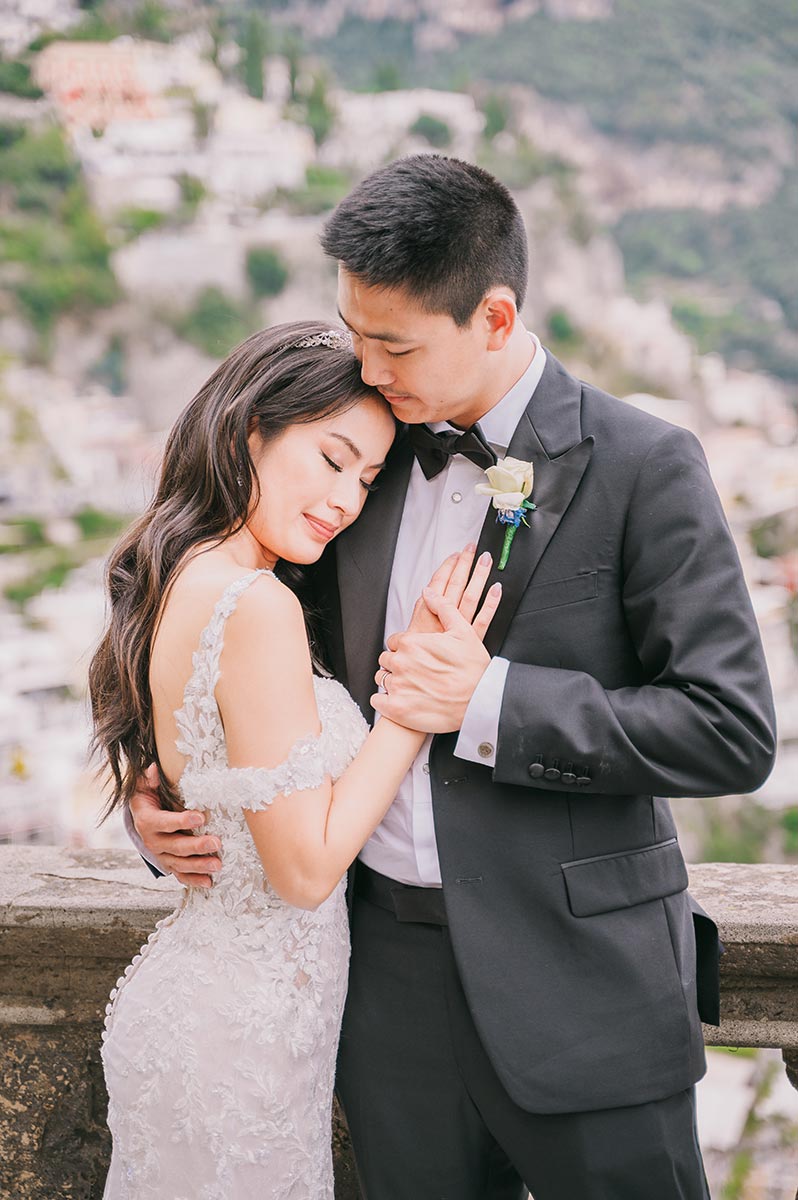
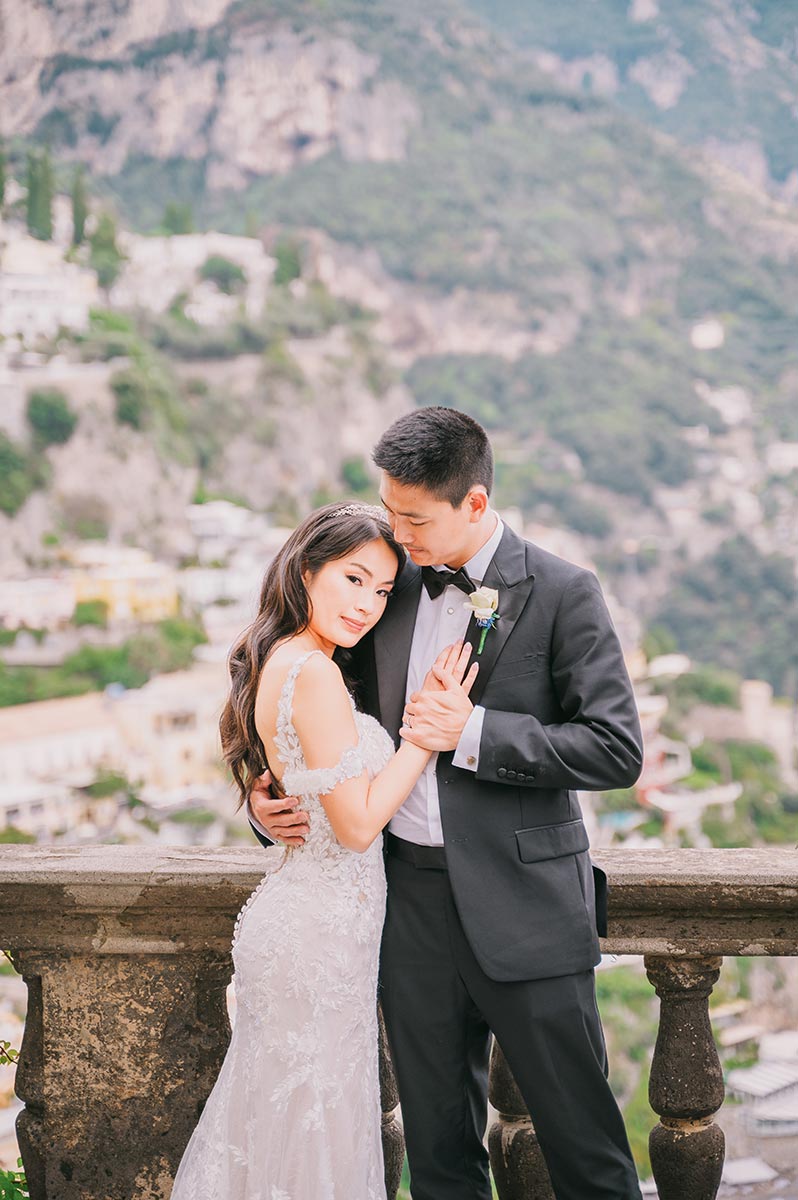
Choosing Massa Lubrense: A Cost-Effective, Dreamy Wedding Destination
One of the biggest advantages of Massa Lubrense over Sorrento is its cost-effectiveness. The Amalfi Coast is synonymous with luxury, but Massa Lubrense remains a hidden gem, offering high-quality venues and services at more affordable prices.

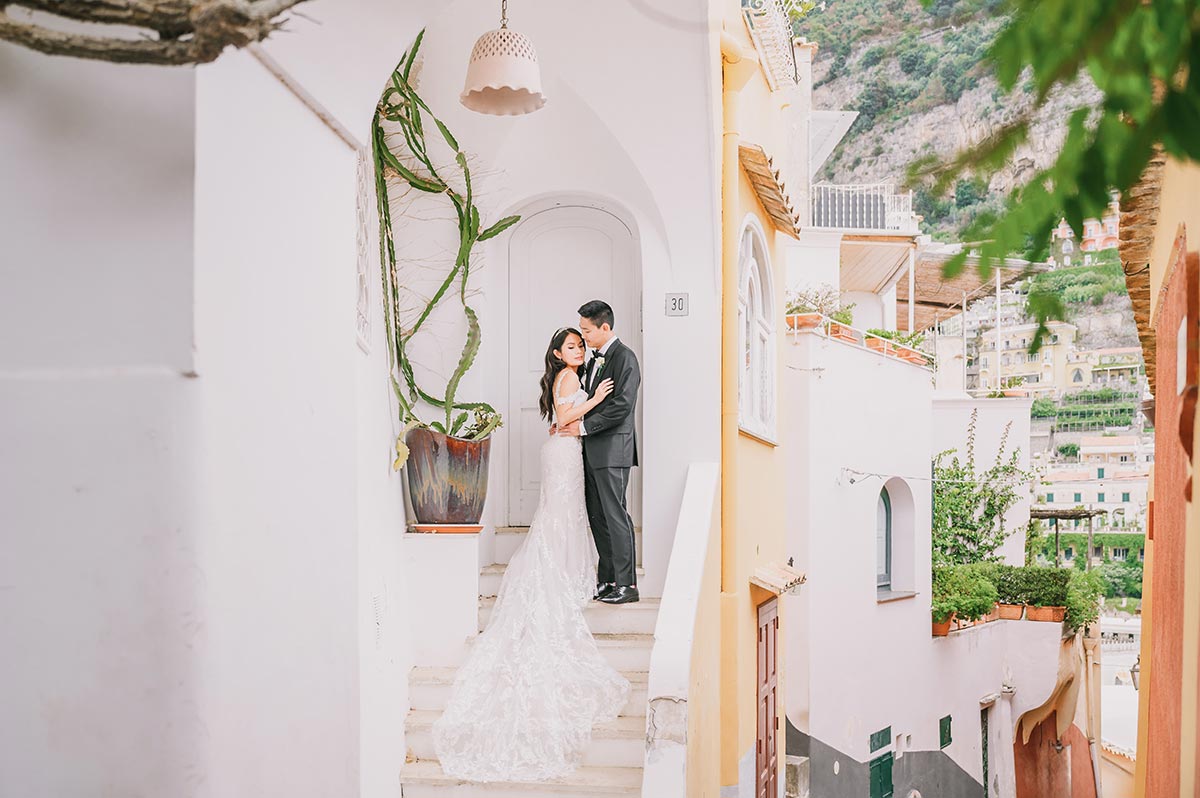

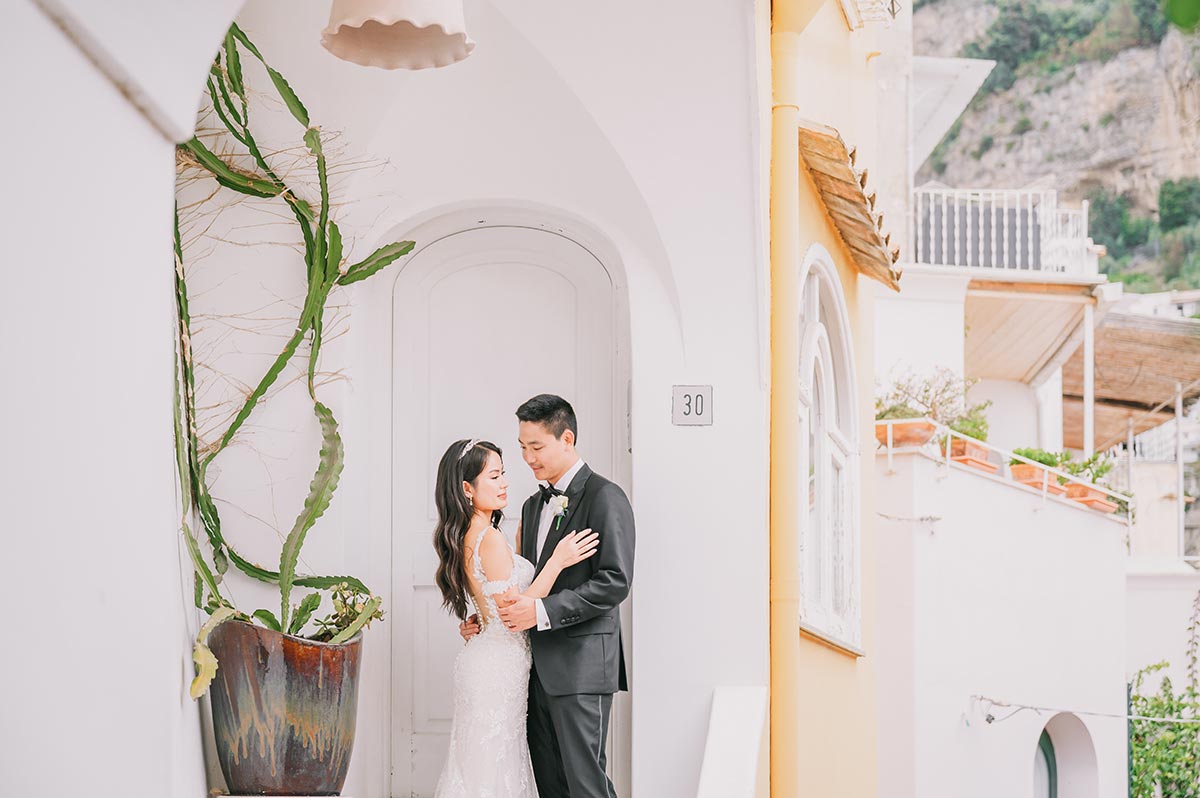
Whether it’s the rental cost of the venue, the catering, or local vendors, Massa Lubrense provides significant savings compared to other nearby destinations, without sacrificing quality or experience.
These cost savings extend to the finer details as well. Local services—such as florists, musicians, and decorators—often come at a lower price, allowing you to add extra flourishes that make your day truly shine. Imagine wandering through a vibrant market, selecting the flowers that will make up your bouquet, or hiring a local band to fill the evening with romantic Italian melodies. These elements add genuine character to your day without requiring an extravagant budget.












Why I Am the Ideal Photographer for Your Massa Lubrense Wedding
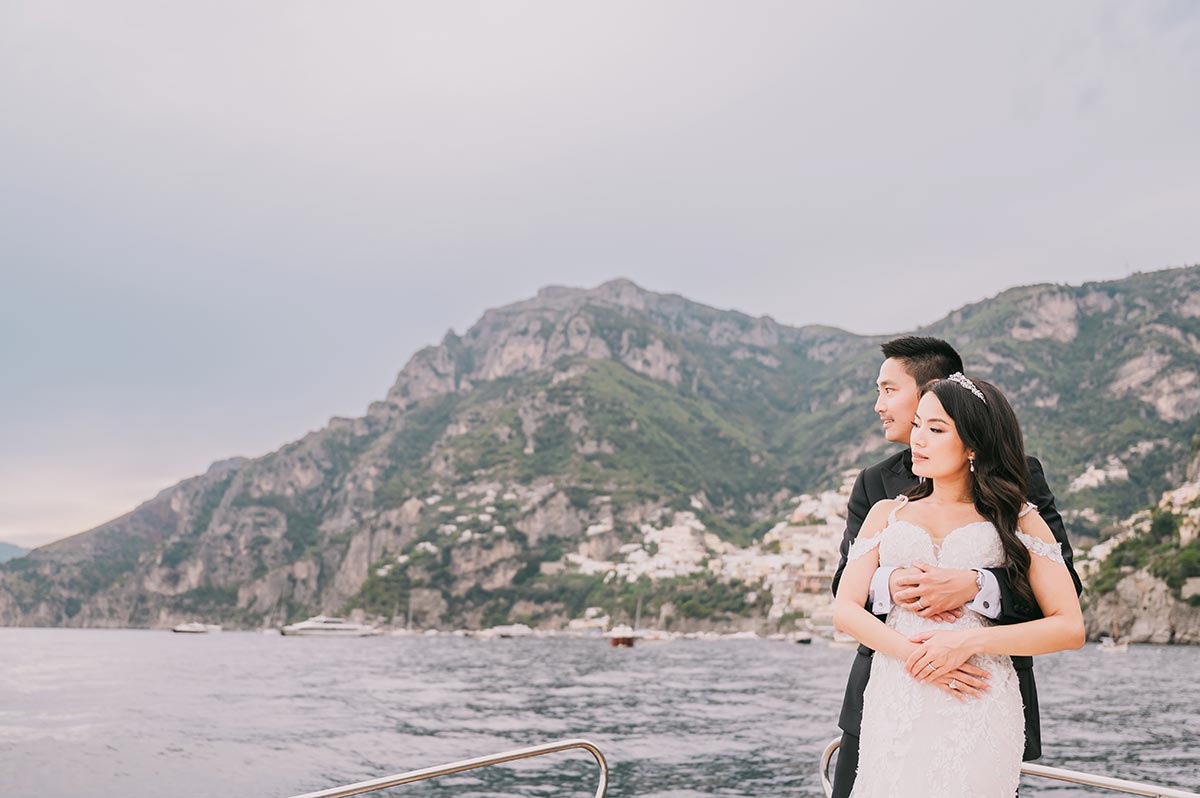
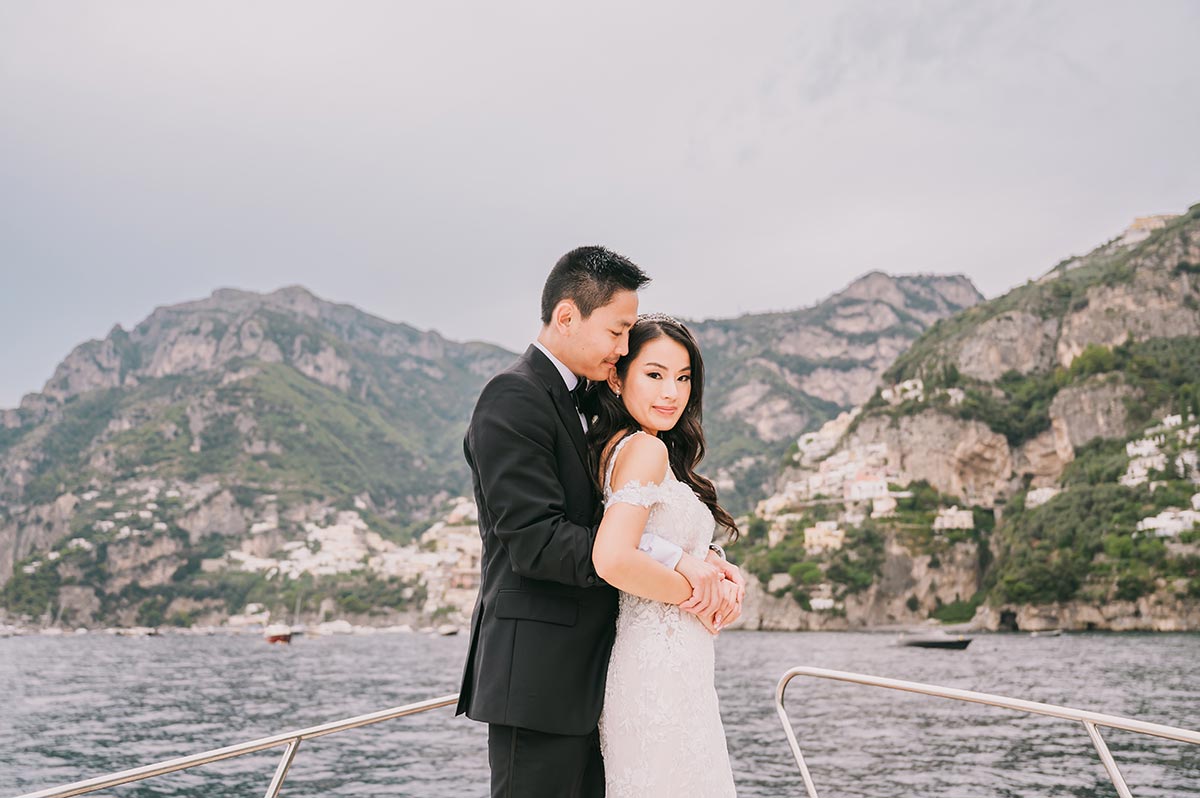
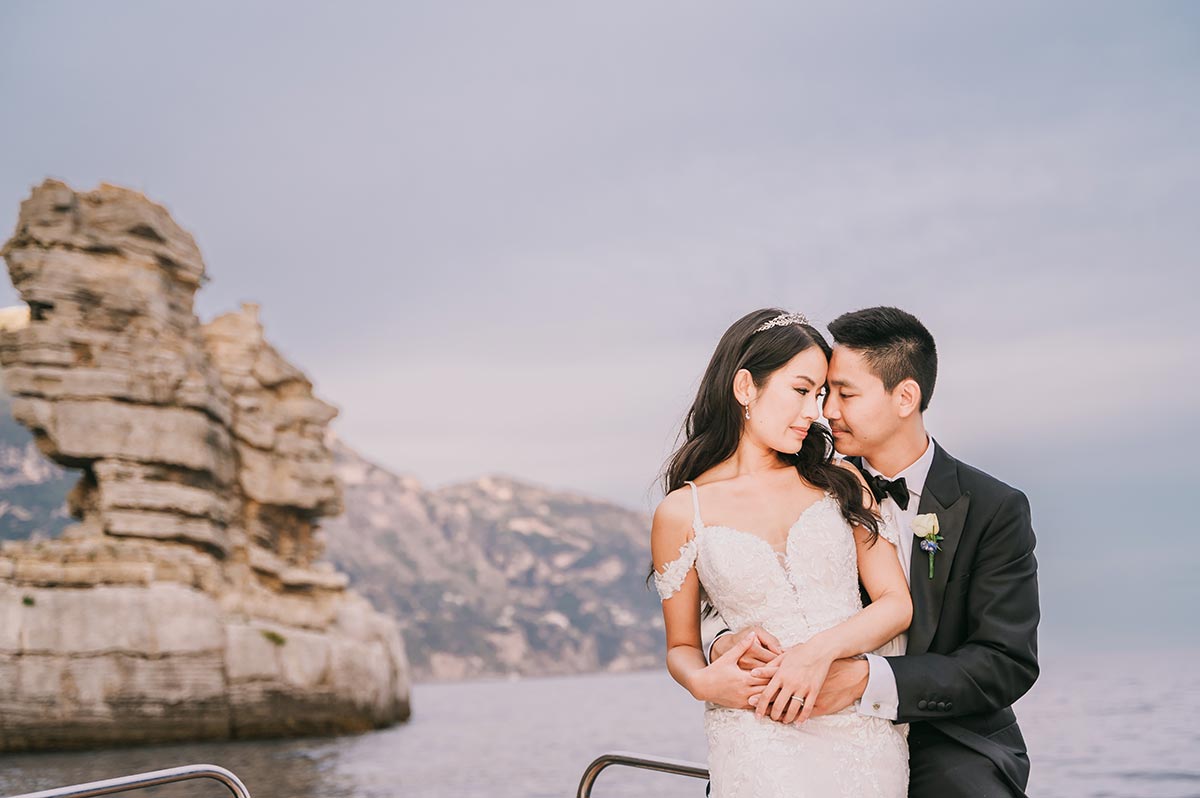
Selecting a wedding photographer is about choosing someone who understands the magic of your unique love story. Over the years, I have had the honor of capturing countless love stories in Massa Lubrense. I don’t just photograph weddings; I strive to capture the emotions, joy, and beauty that define the couple and their day. My experience with Massa Lubrense means I know exactly where to find those perfect, secret spots and when to catch the most enchanting light of day.
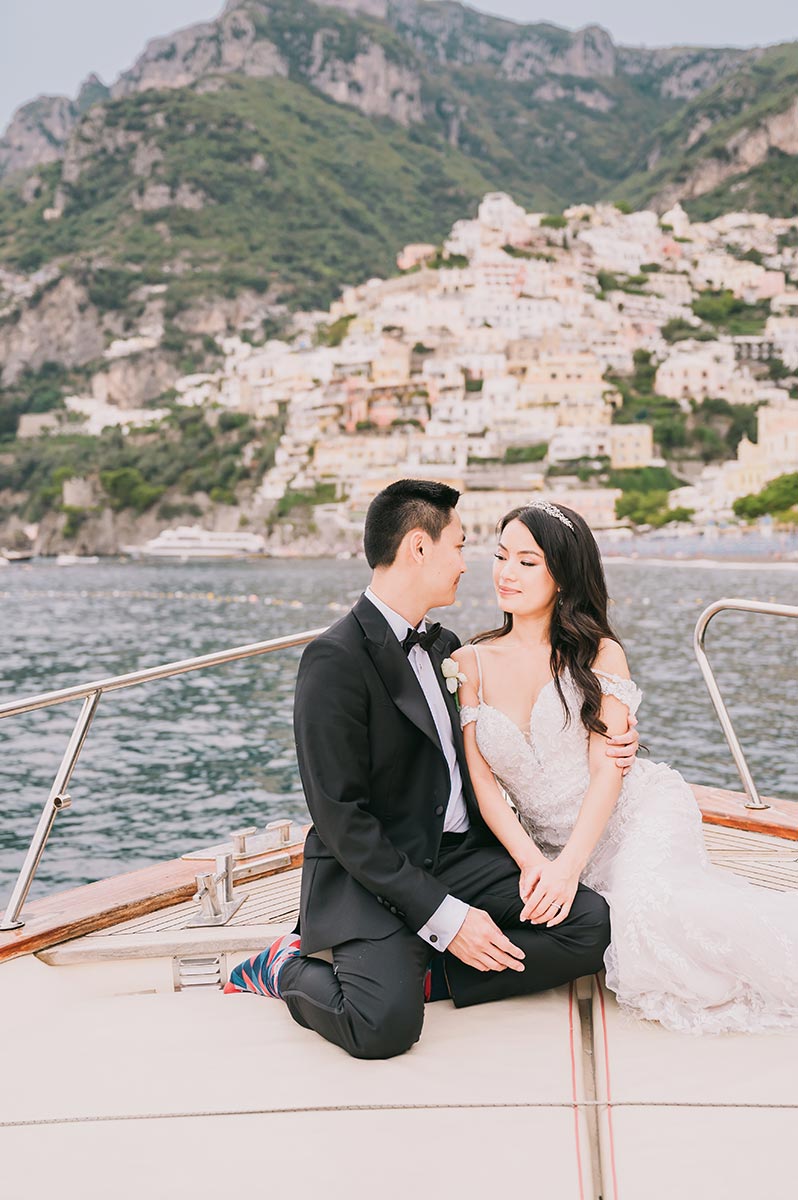
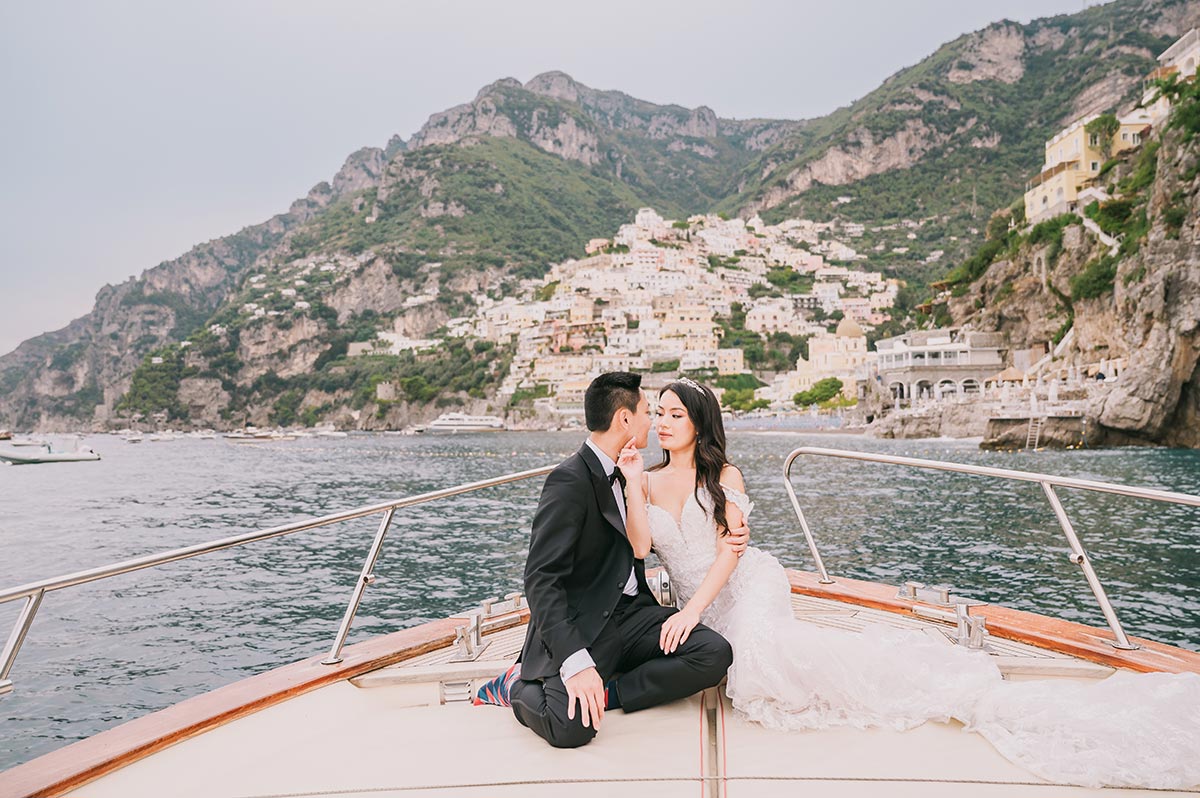
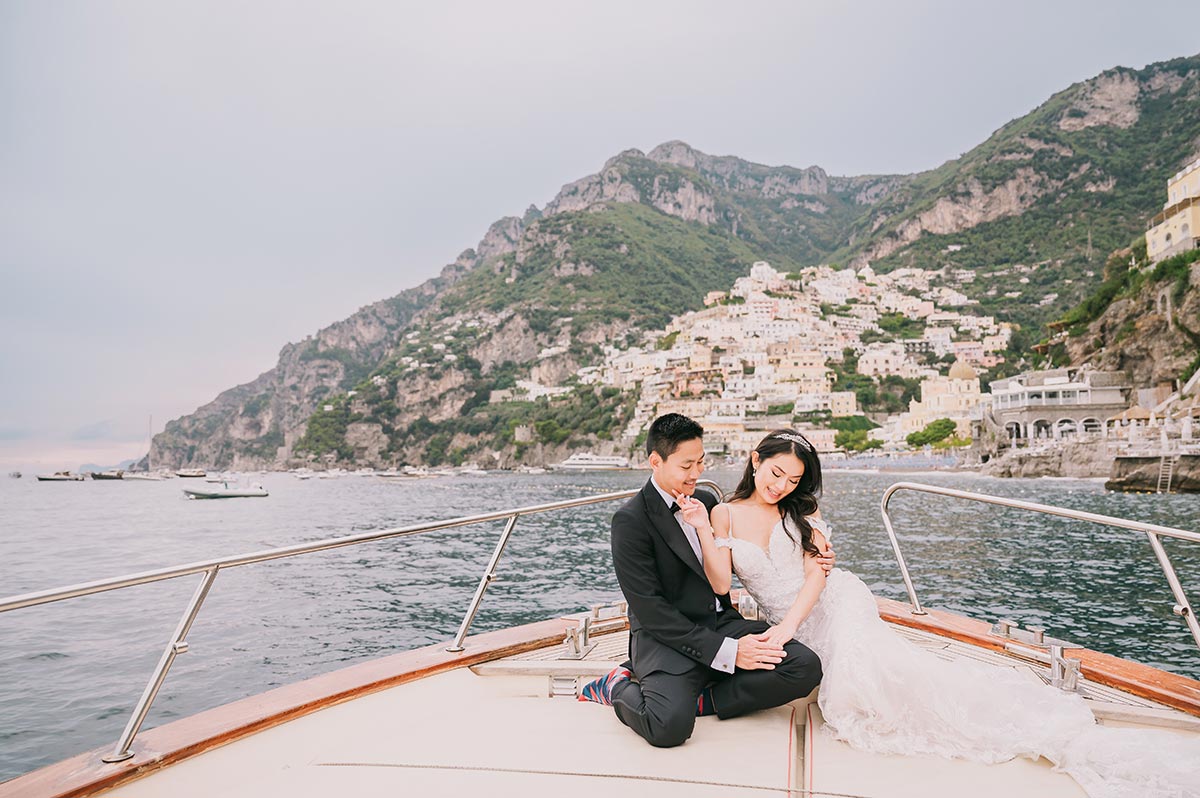


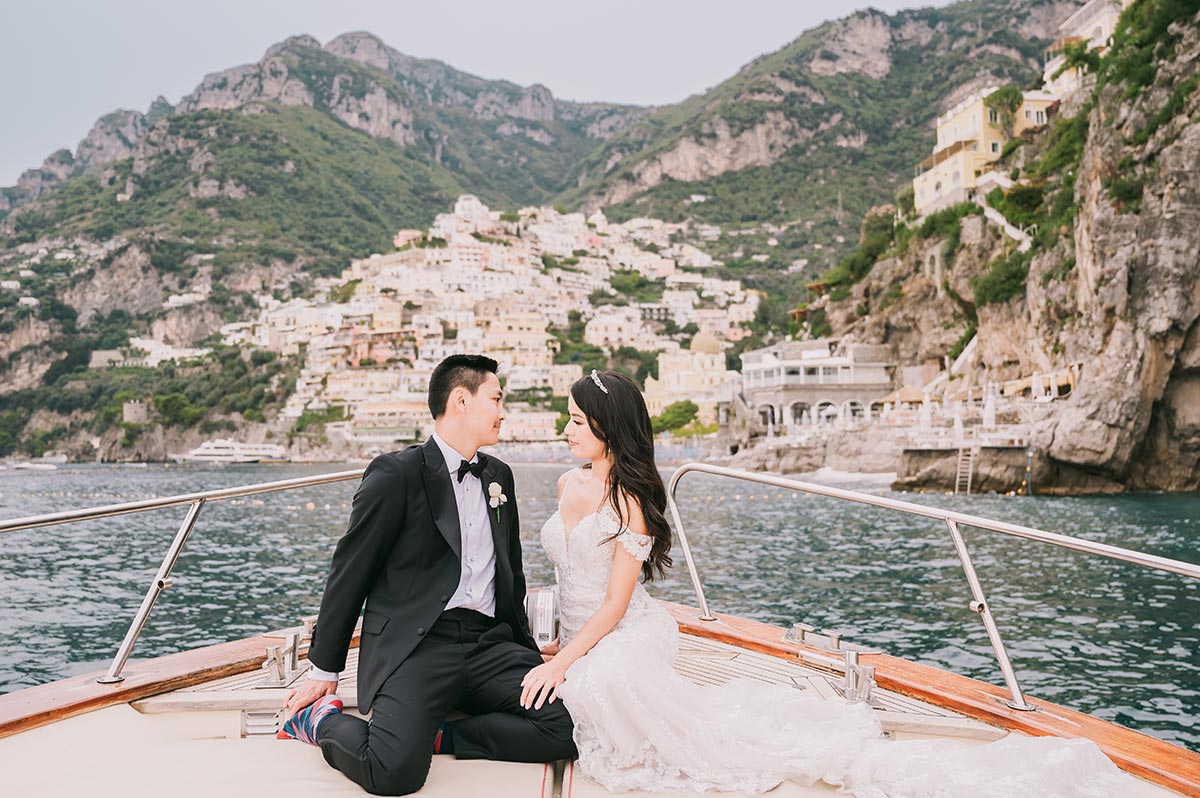
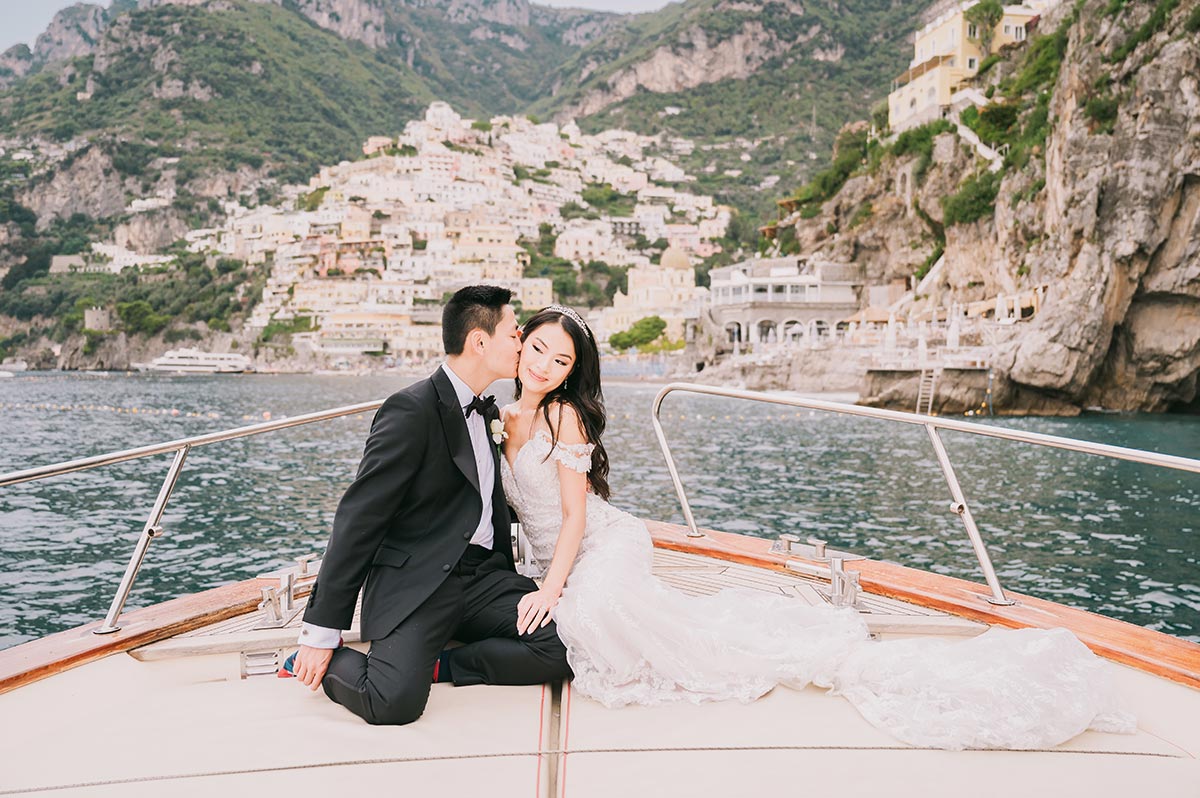
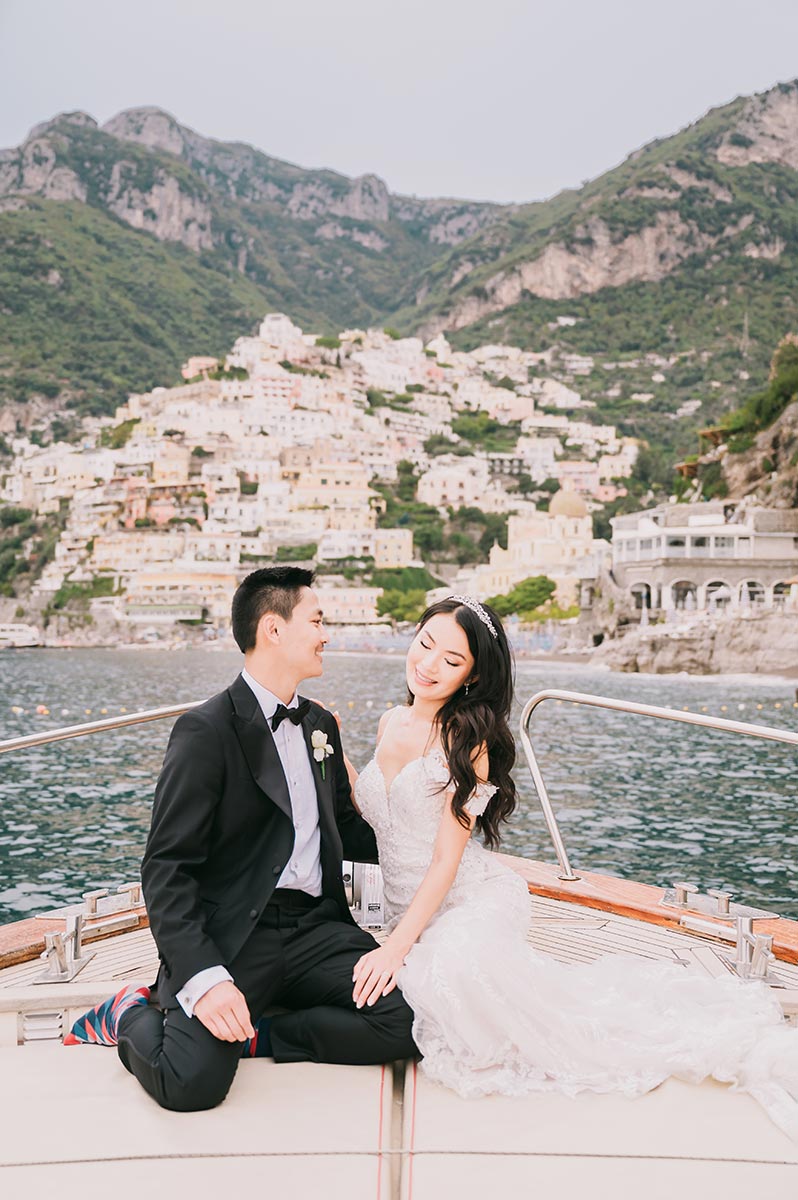
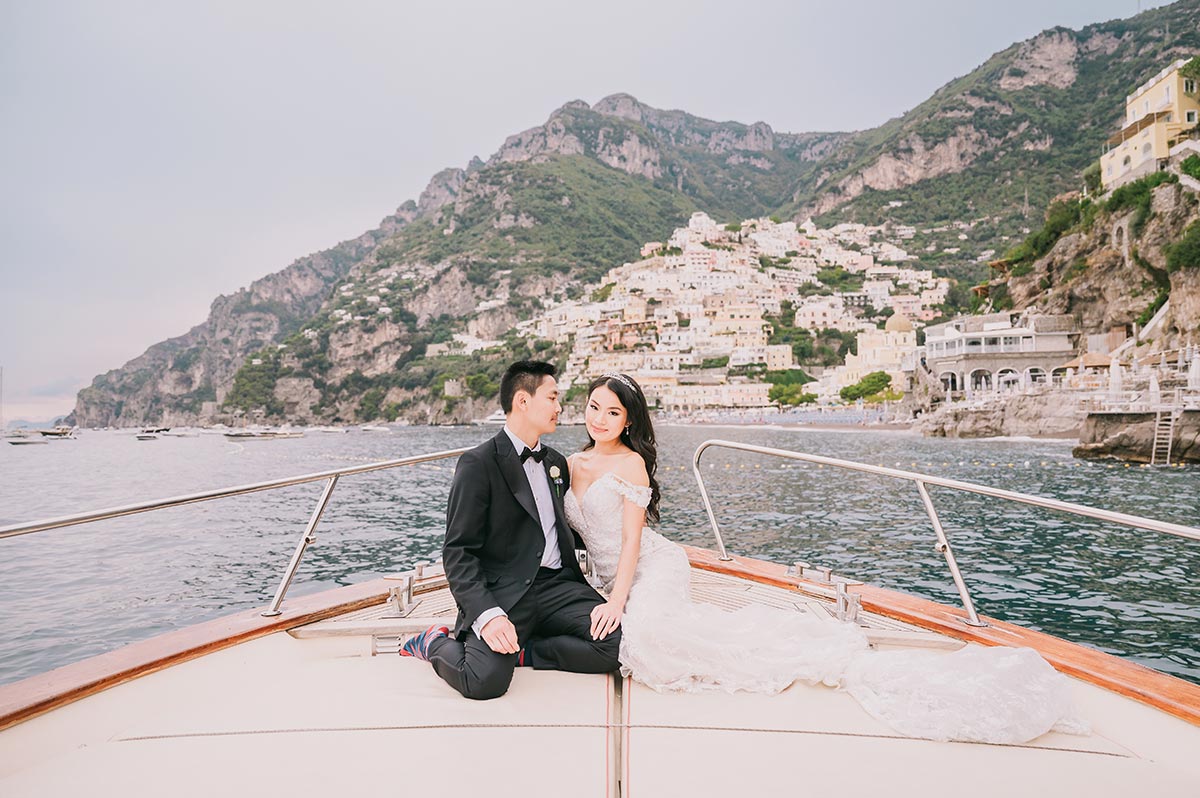
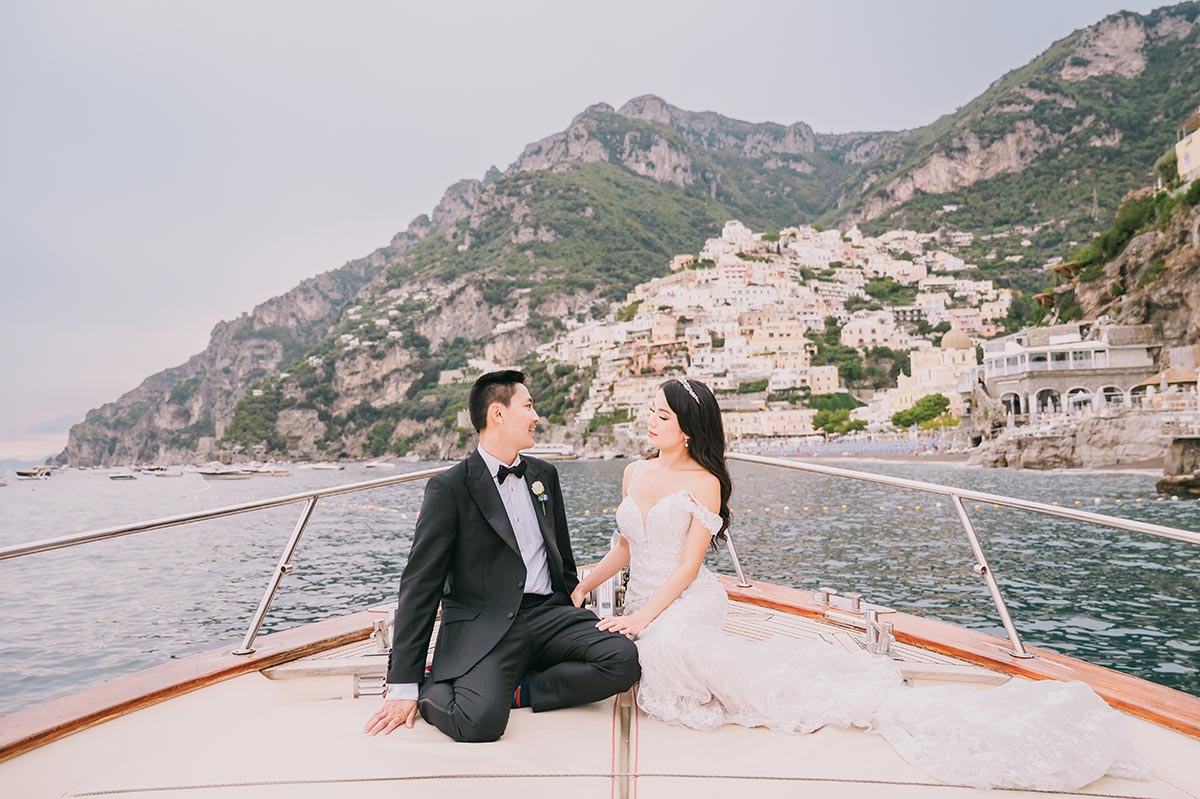

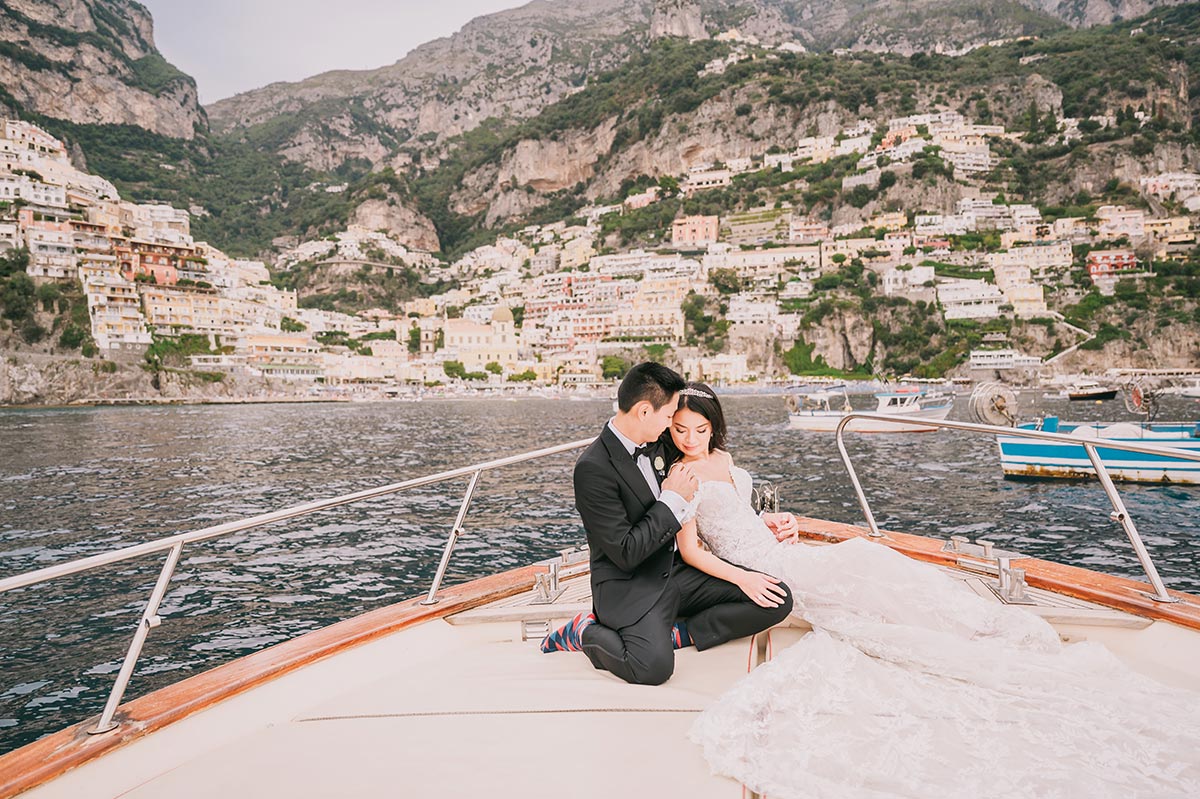

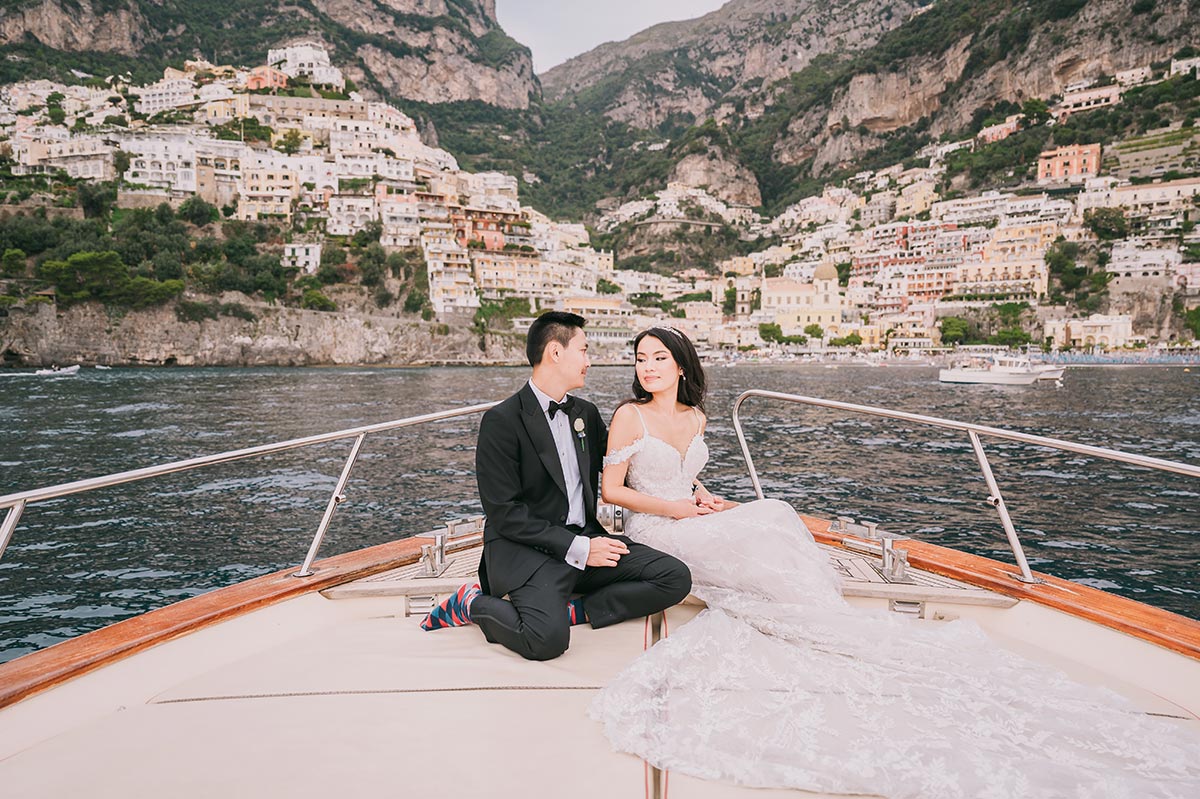
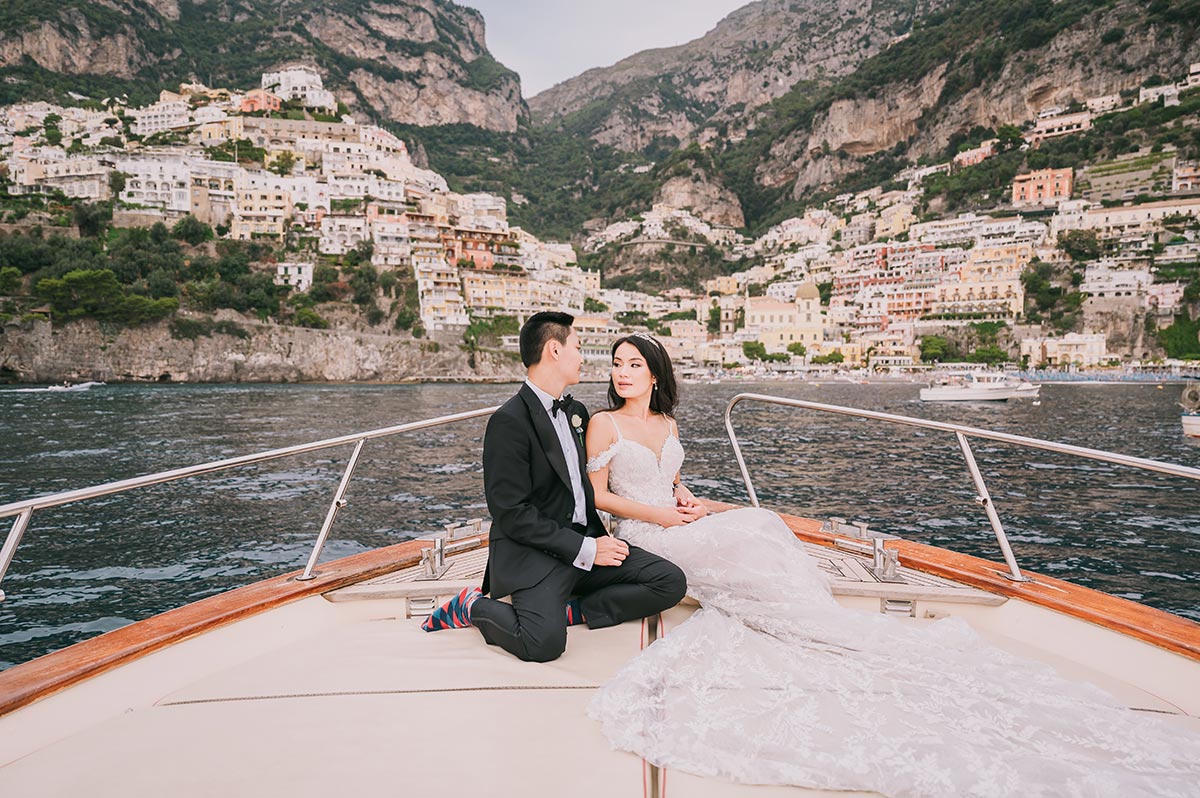
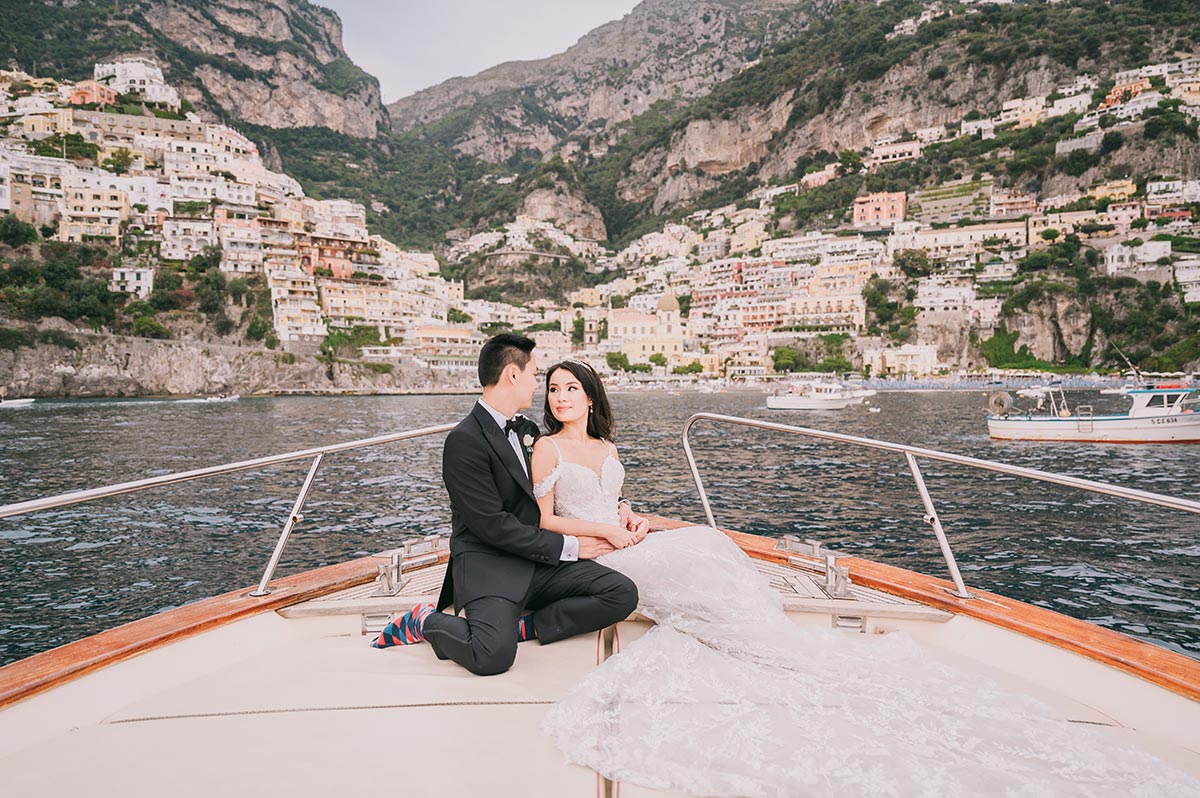
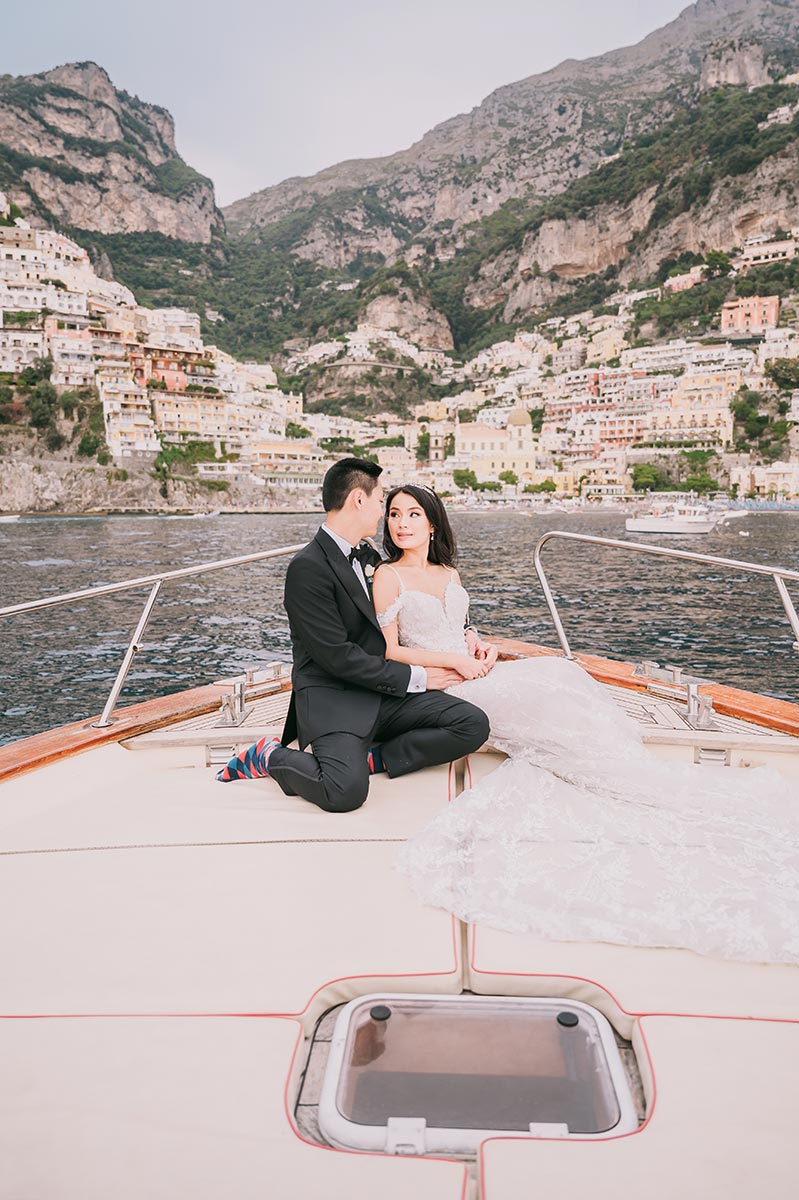
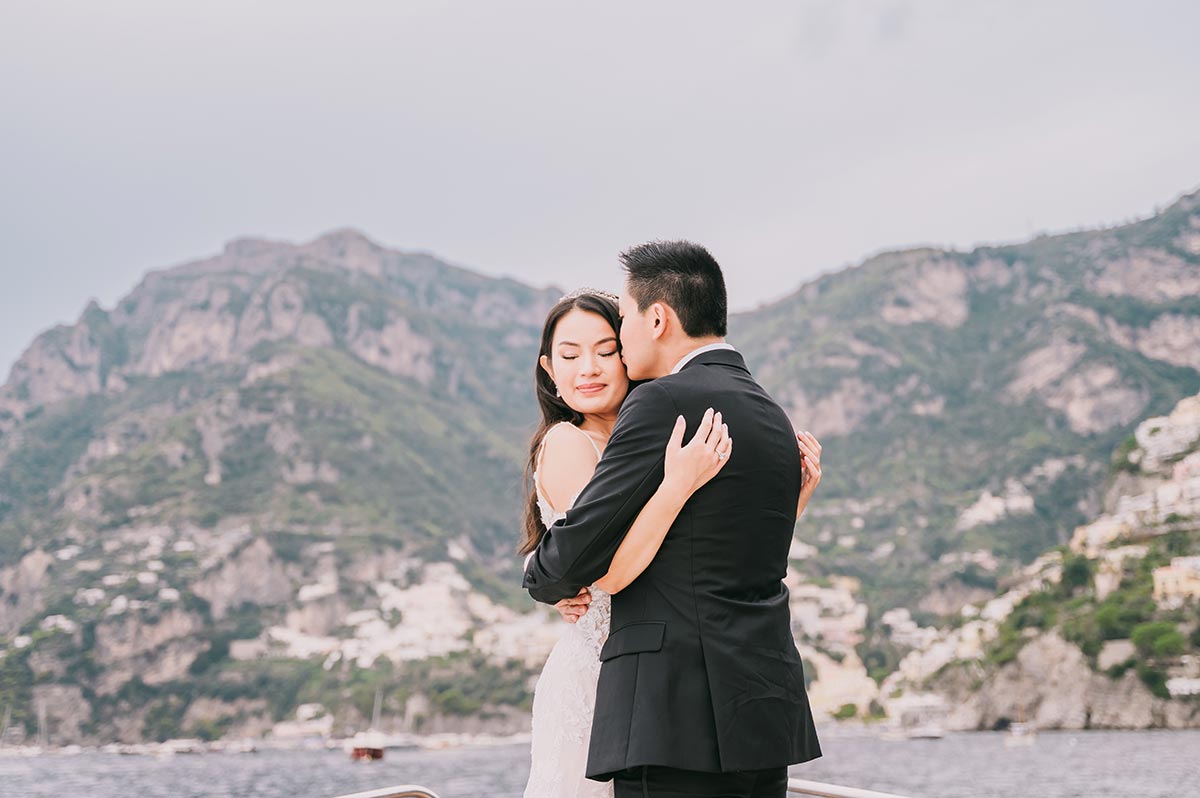
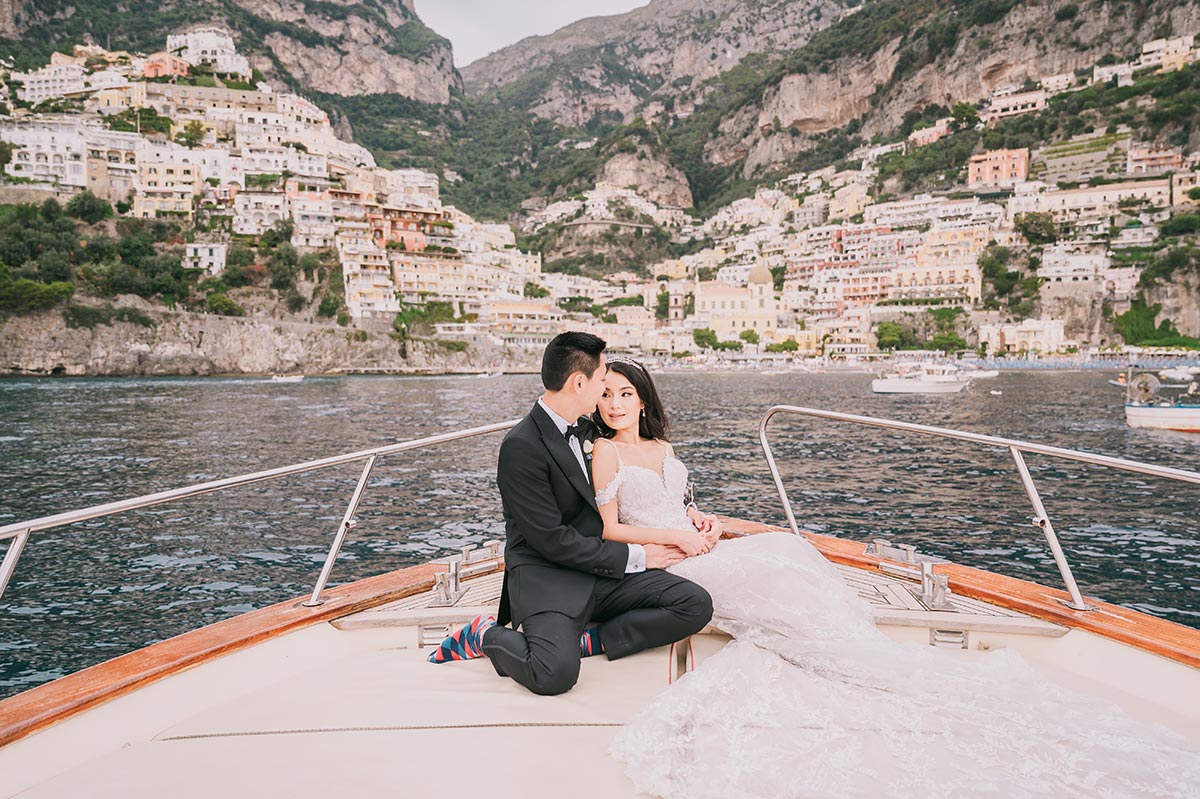


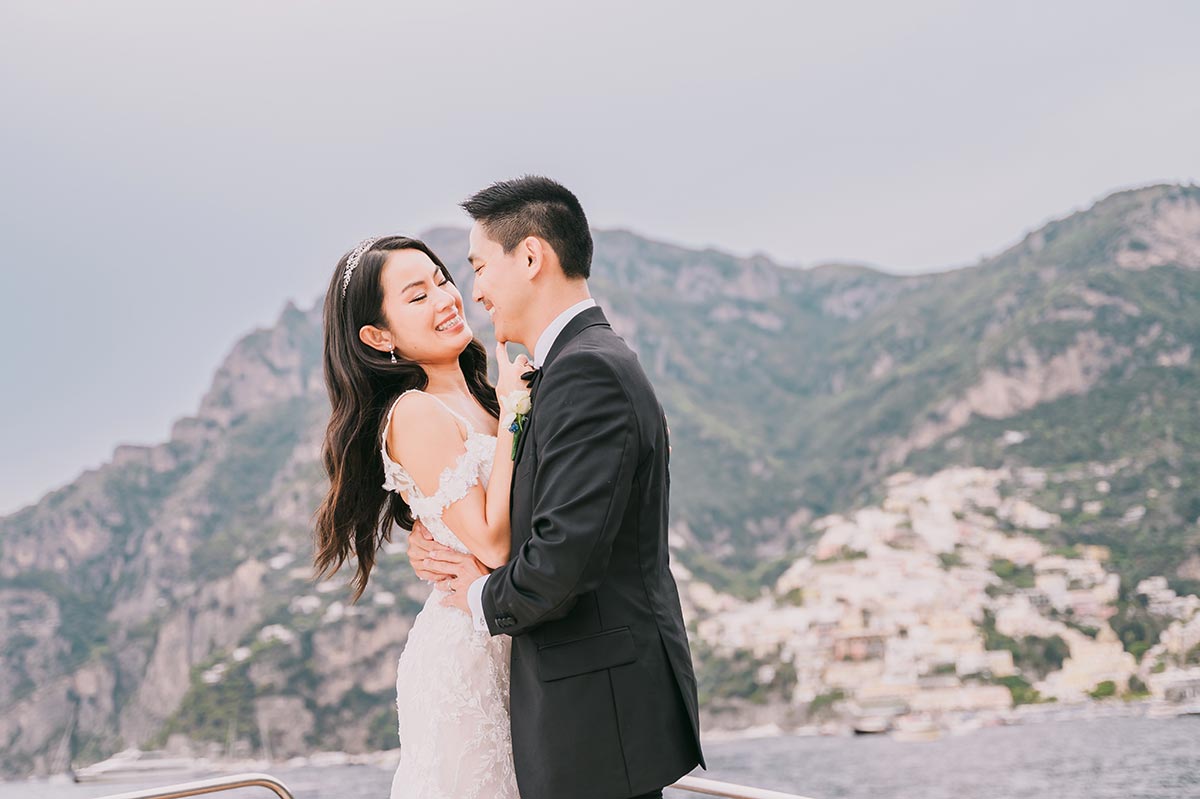

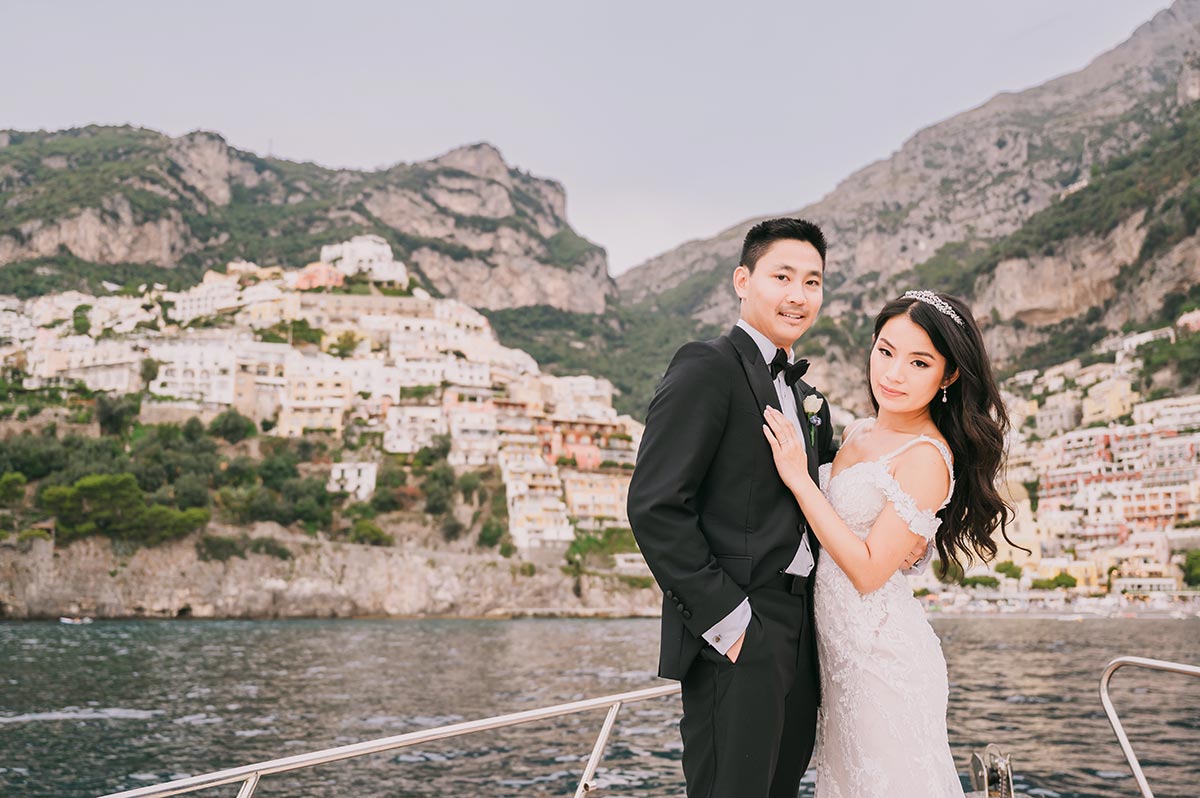
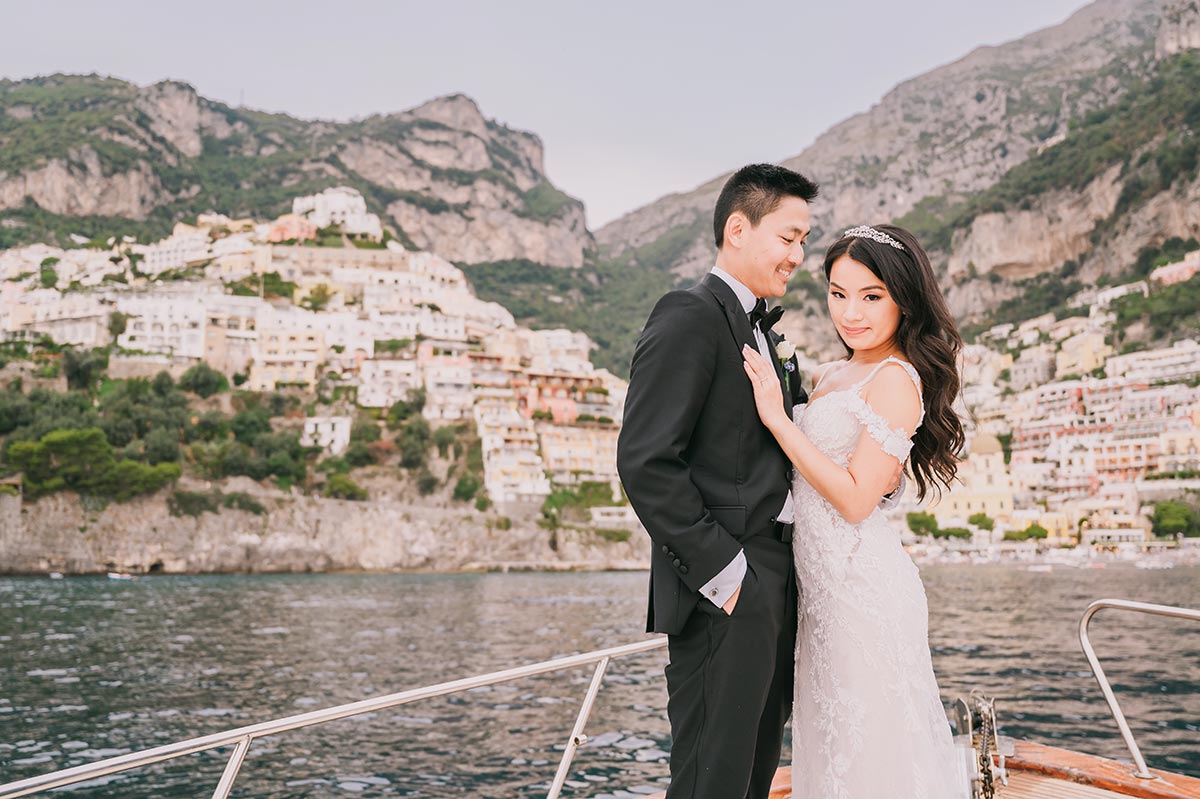
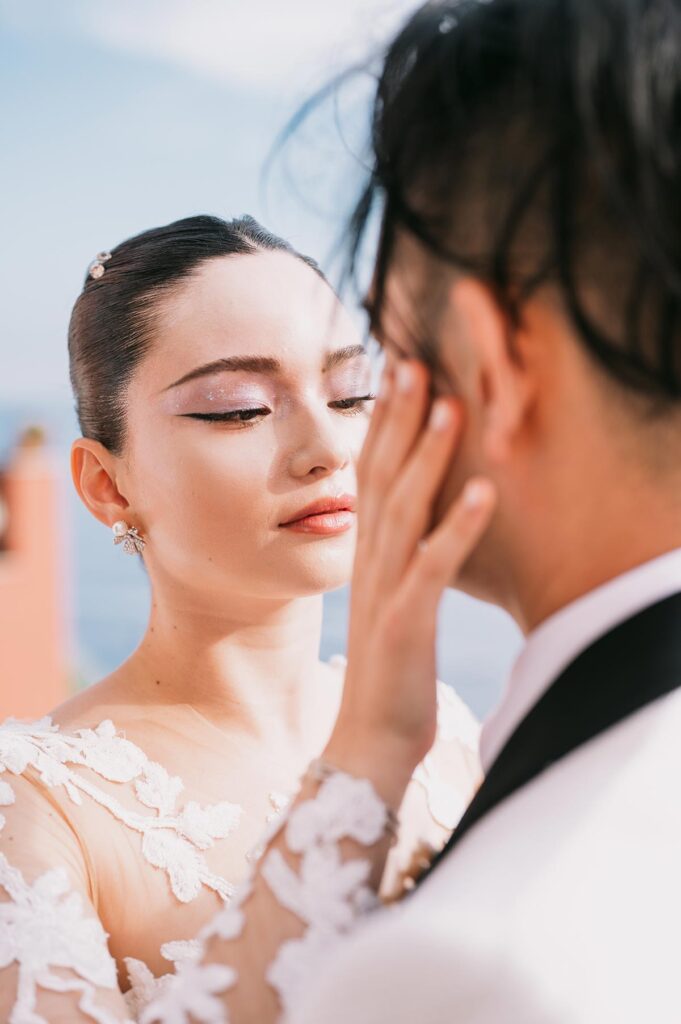
Working with Flora and James, we captured every significant moment, from their tearful first look to the raucous dancing that lasted late into the night. Our connection went beyond client and photographer; we became friends, and that bond allowed me to capture their genuine expressions. The loving glances, the whispered words, the laughter—these are the moments that I aim to capture because they make each love story so extraordinary.
Being a local photographer means I am intimately familiar with the area. I know which garden nooks catch the first morning light, where the wildflowers are in bloom, and precisely when to be at a cliffside location for the most breathtaking sunset shots. This level of familiarity allows me to craft images that are as distinctive as the couple I am photographing.


Crafting a Unique, Unforgettable Wedding Experience in Massa Lubrense
Massa Lubrense offers limitless possibilities for creating a unique wedding experience that is an authentic reflection of your love. Perhaps your dream is to exchange vows on a secluded beach, in a centuries-old chapel, or at a villa surrounded by fragrant lemon groves. Add elements of Italian tradition—like a gelato cart or a live mandolin serenade—and you’ve curated a day that is uniquely yours.
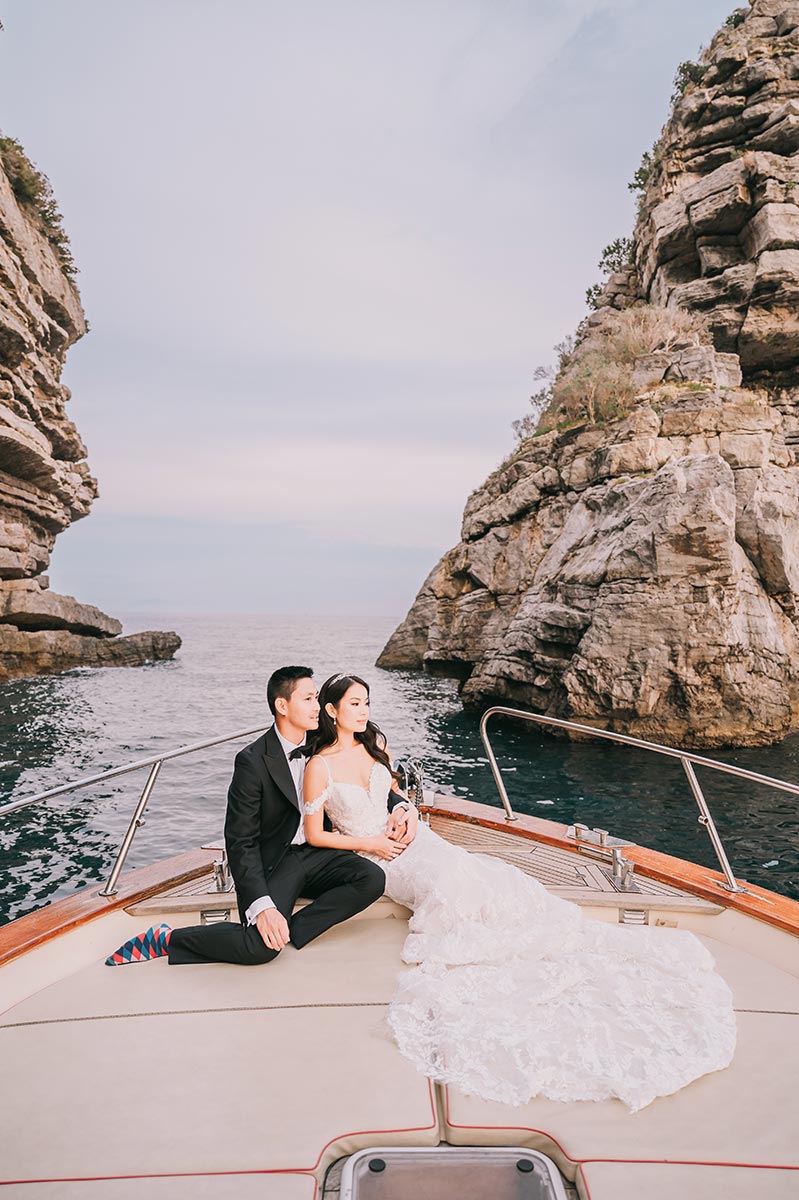
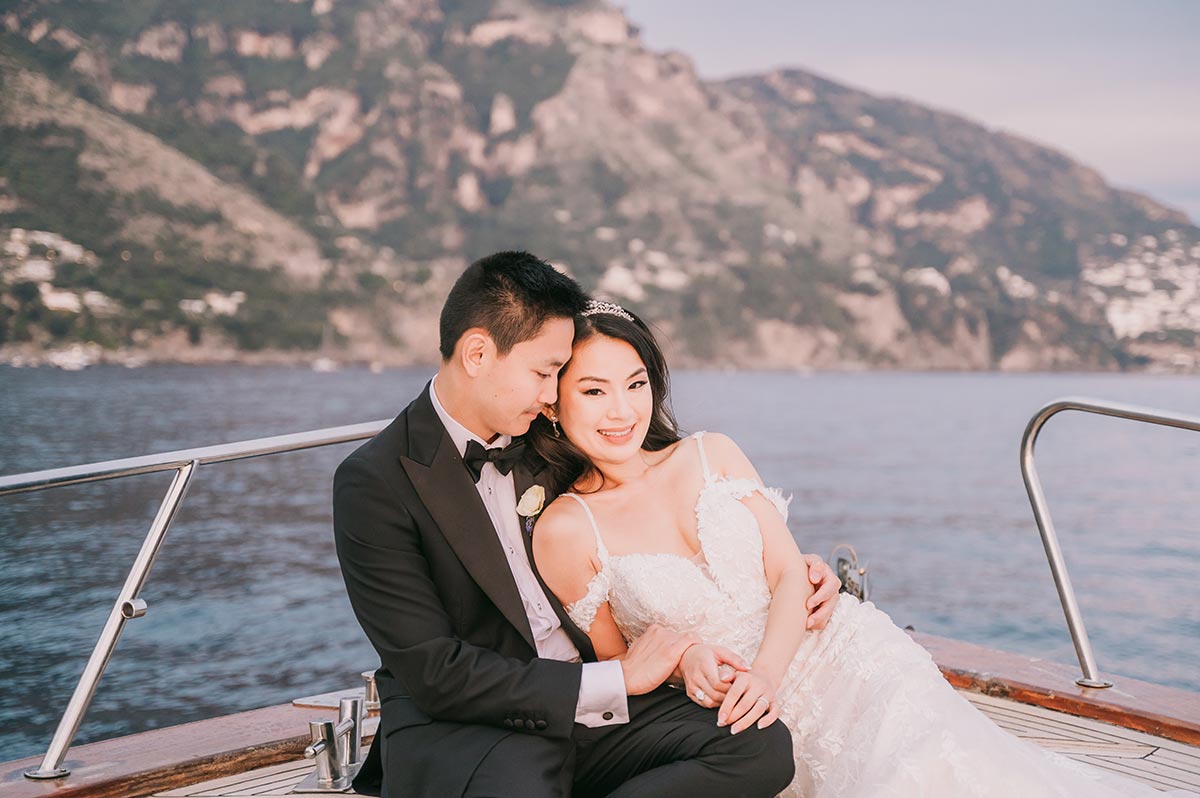
Consider locally made favors, like hand-painted ceramics or small bottles of limoncello, as tokens of your gratitude for your guests. These locally crafted items offer a beautiful way to share a piece of Massa Lubrense with everyone present. And, of course, it is essential to capture these moments. The significance of a wedding lies in the stories behind each smile, each tear, each loving gaze. My role is to make sure these stories are preserved in every photograph—each image an enduring reminder of the beauty of your special day.

WEAR POEMS
STOP TIME
IN YOUR LIFE
Who dreams of a wedding in Italy should never miss out to be photographed on heritage sites.
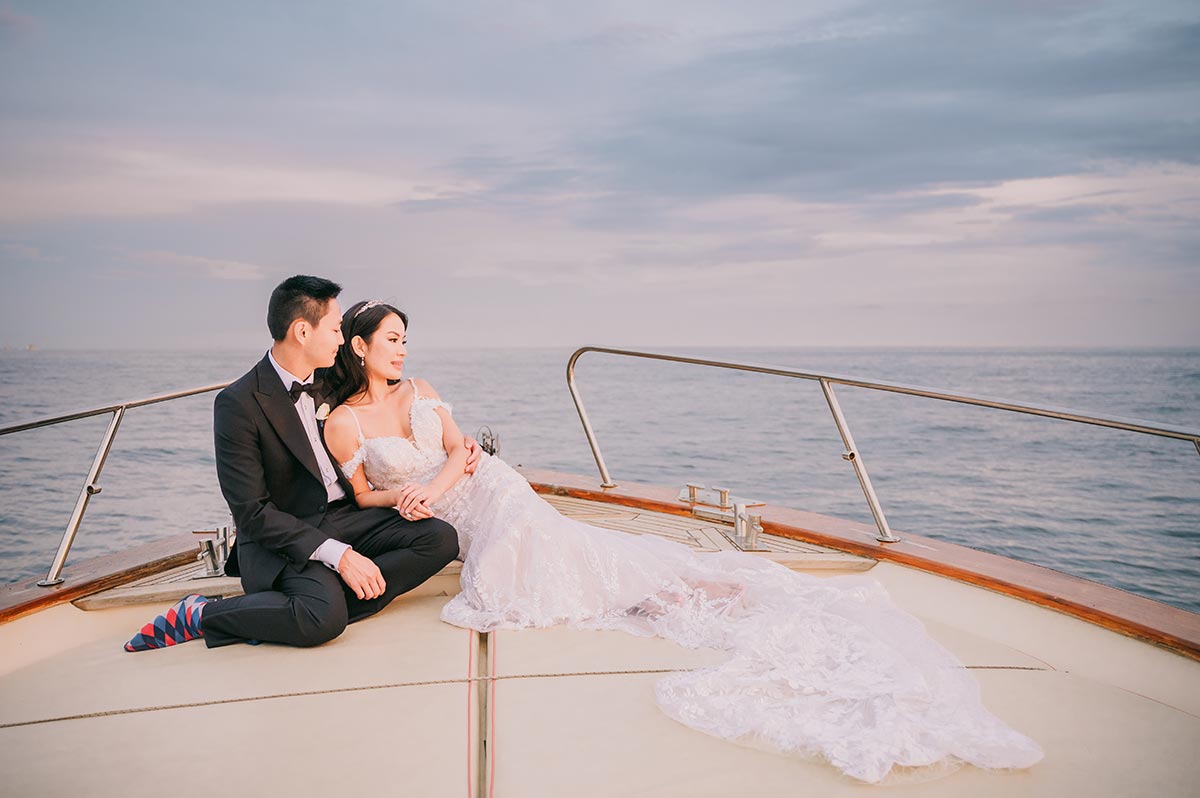
WEAR POEMS
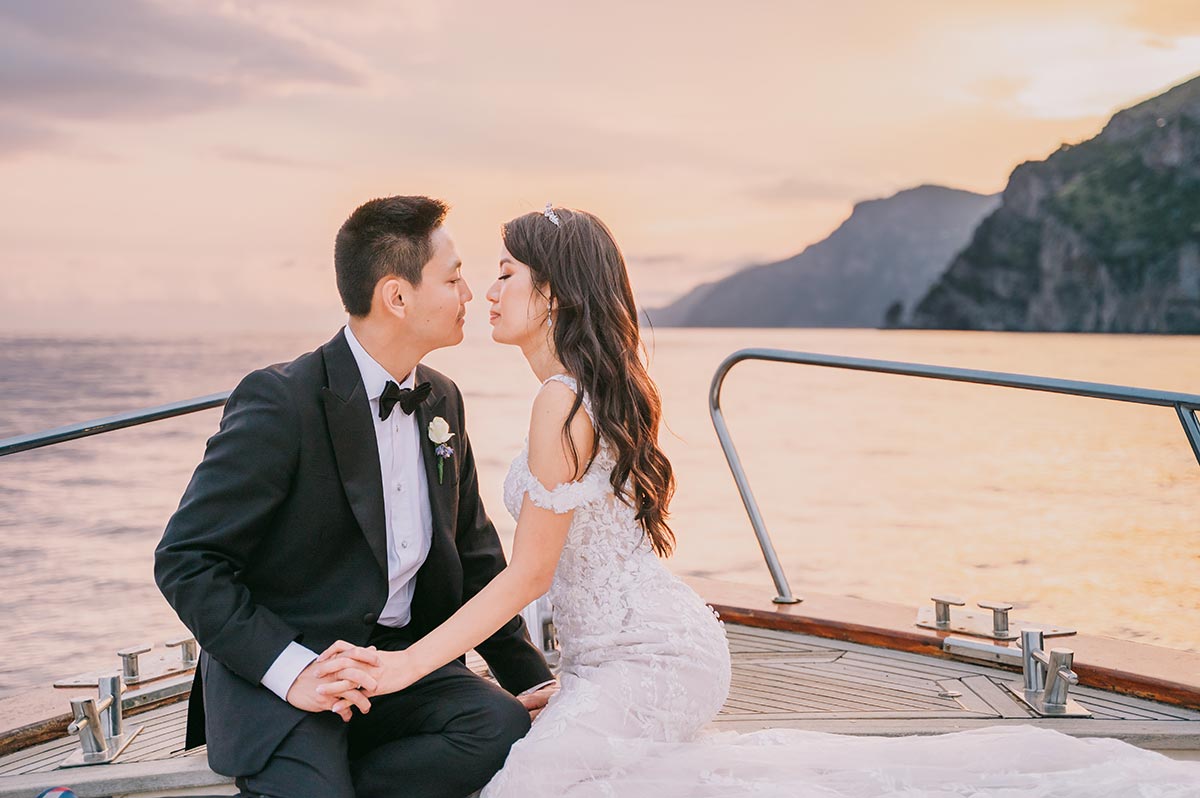
I’ve seen couples incorporate branches of olive trees into their decor, honor traditional Italian blessings, and work with local artisans to create unique touches. It’s the thoughtful details that make a wedding remarkable, not just for the couple but for everyone who shares in the day. My goal is to document these details and the beautiful emotions behind them.
Begin Your Enchanting Wedding Journey in Massa Lubrense
As we wrap up our journey through the picturesque beauty of Massa Lubrense, I hope you can see why this hidden gem is an idyllic choice for your wedding. Between the enchanting venues, the unforgettable culinary experiences, and the romantic seclusion of this coastal town, Massa Lubrense offers everything needed to craft a memorable wedding day.
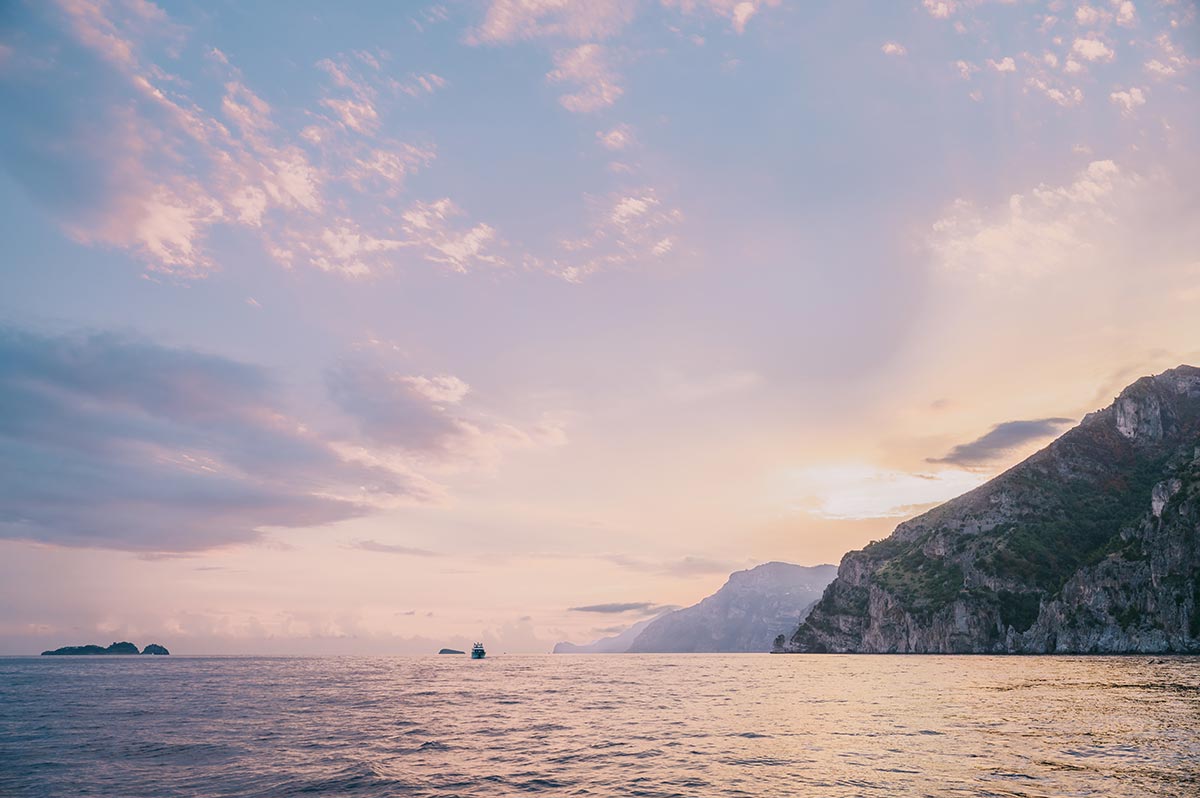
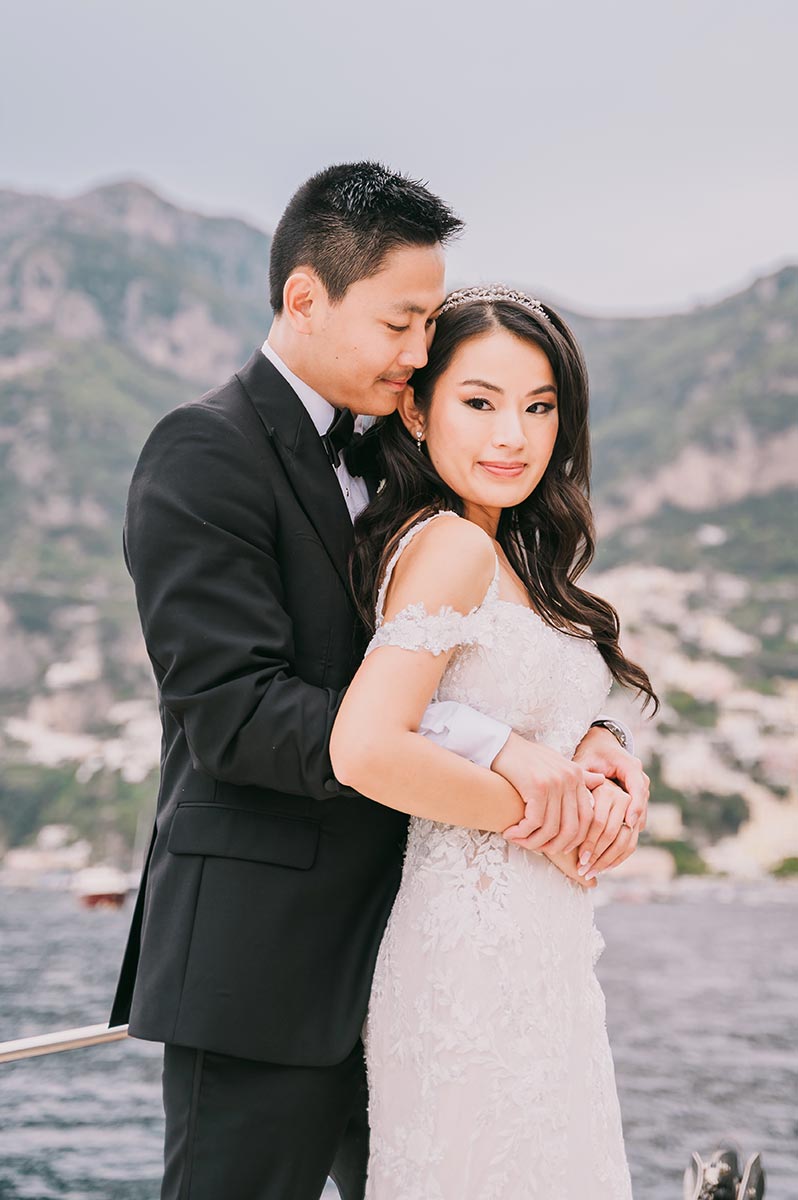
From my lens to your heart, let’s ensure your wedding is not just an event but a timeless memory—filled with love, light, and laughter. Every couple deserves a wedding day that feels like a dream, and Massa Lubrense is a place where dreams take on a life of their own. Together, we can create something extraordinary—something that transcends photographs and becomes a cherished part of your love story.