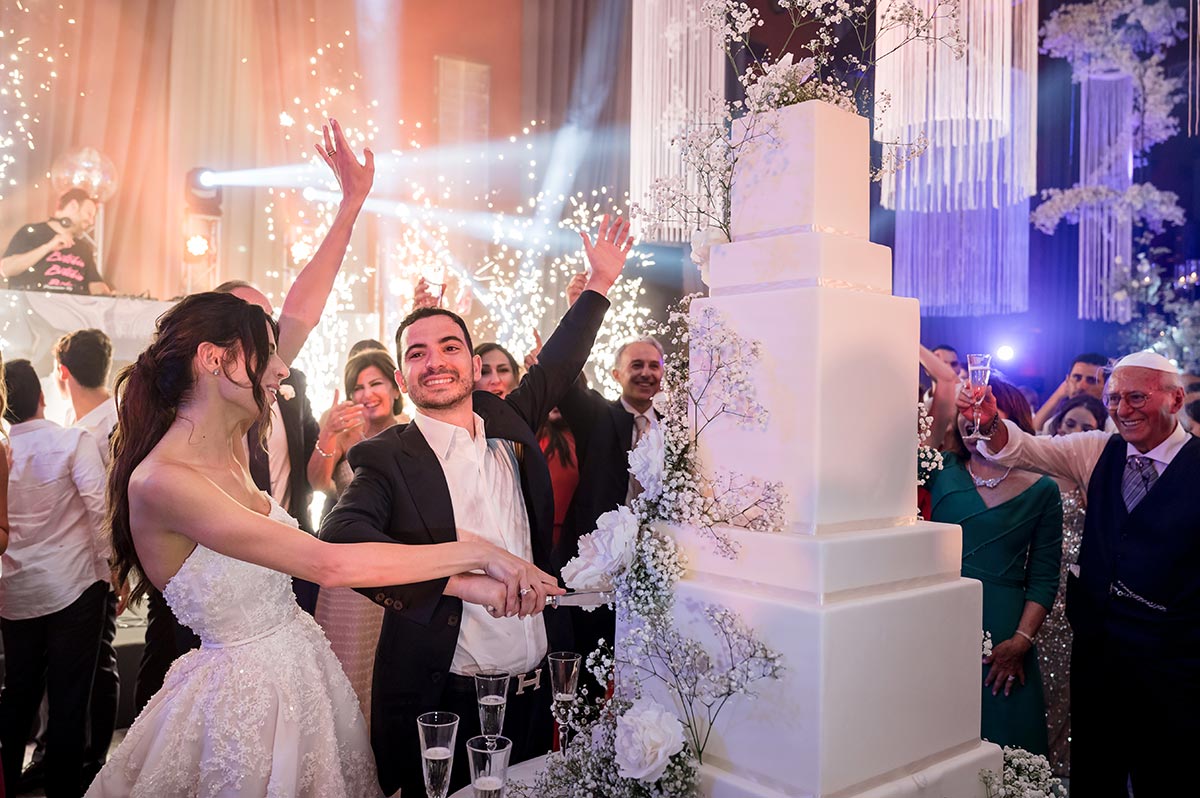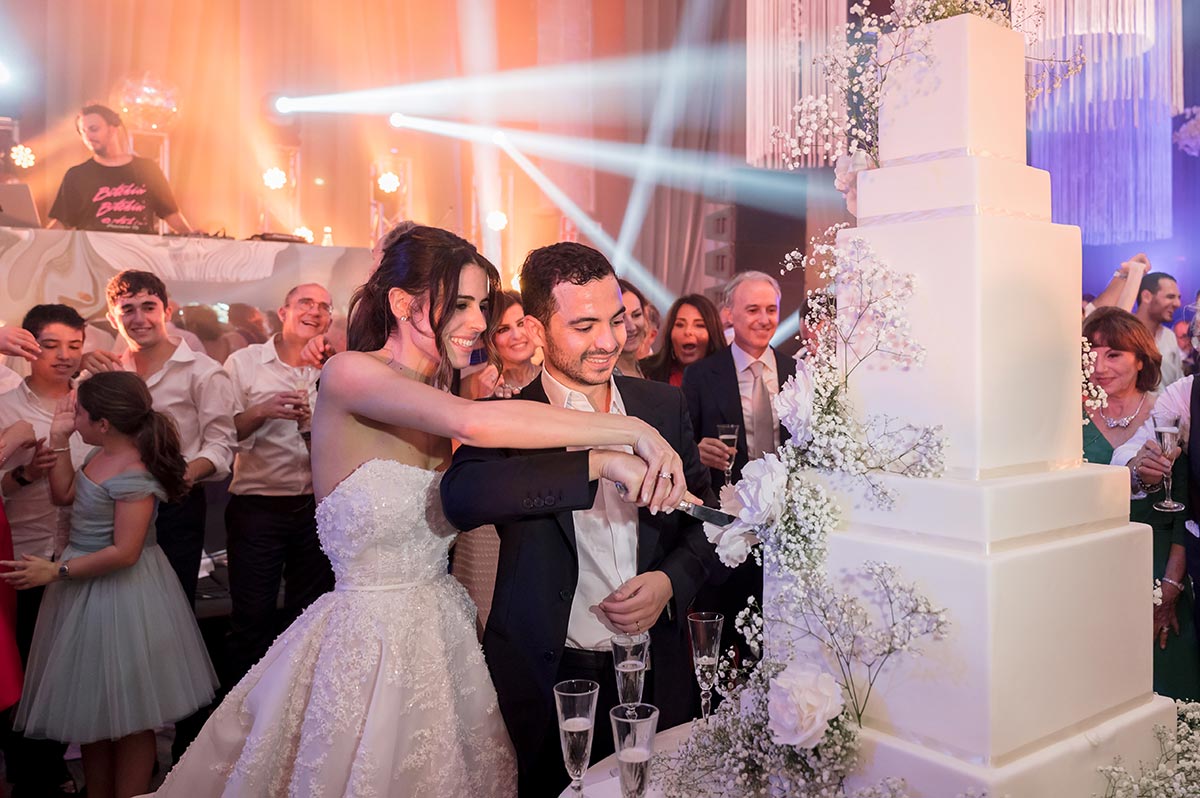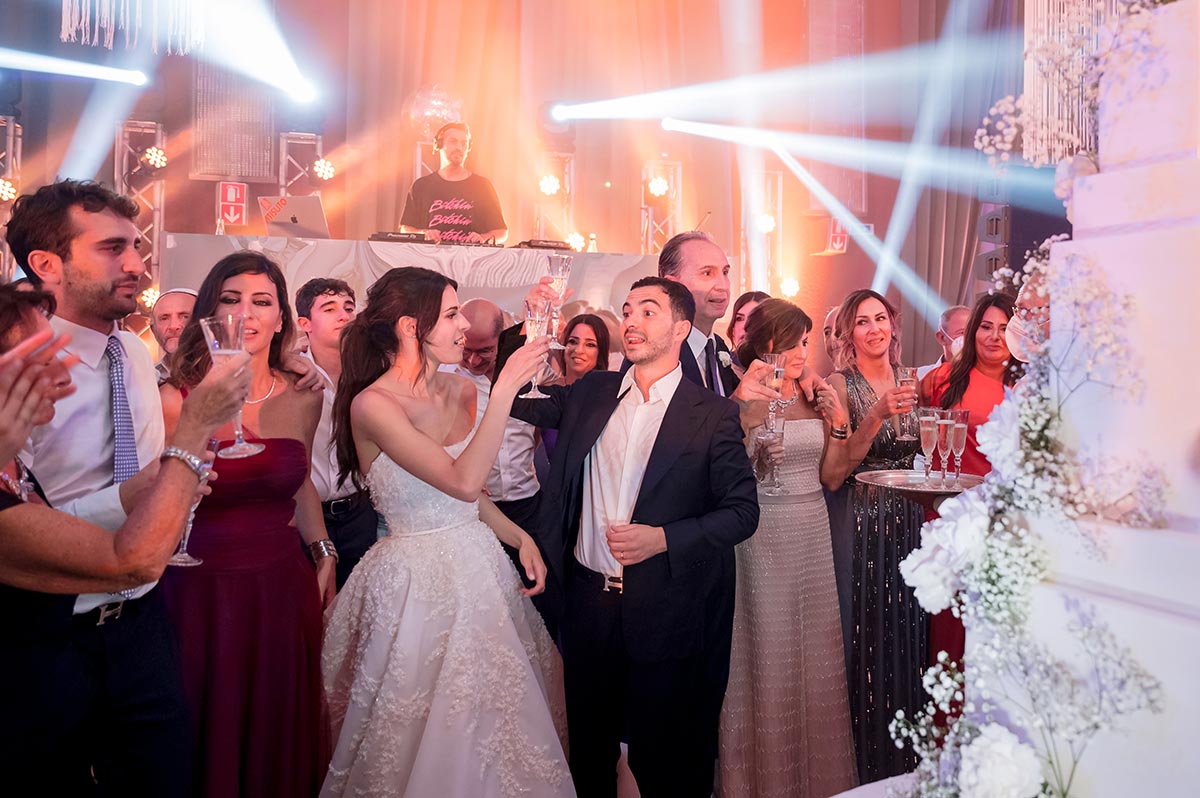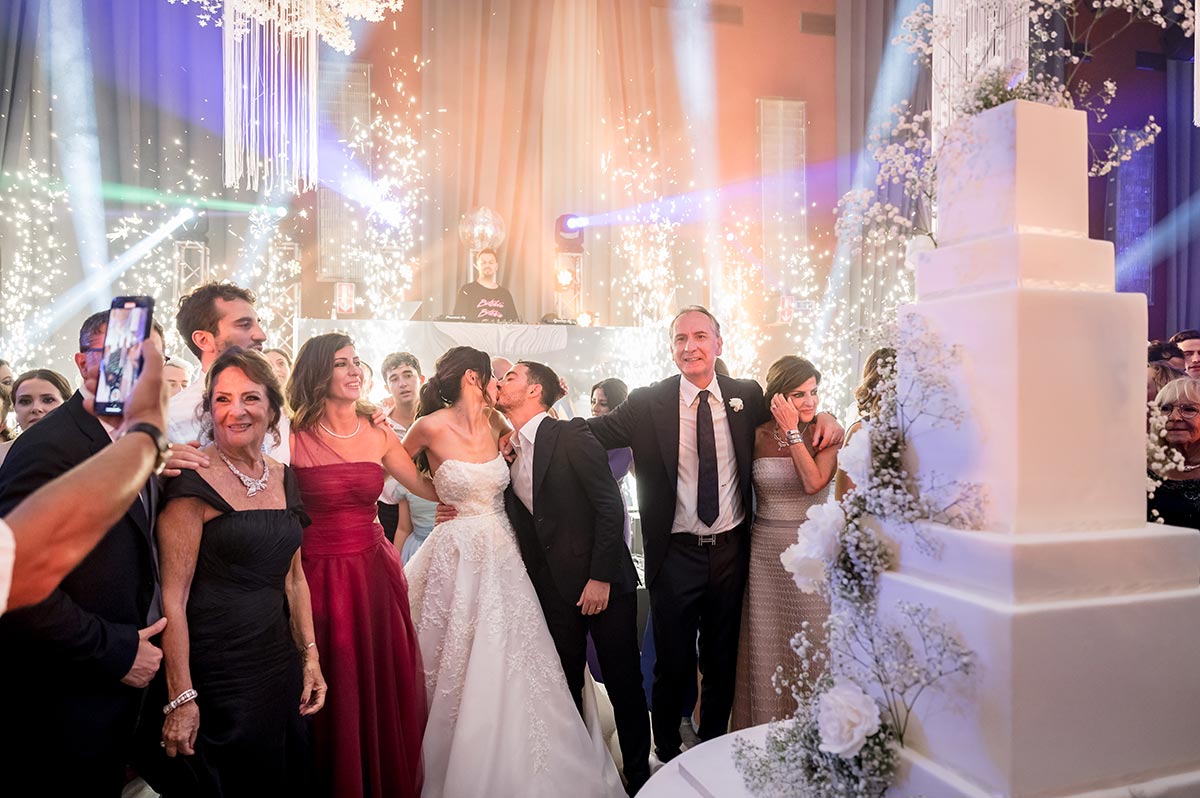
Jewish weddings in Rome
ROME WEDDING STORIES
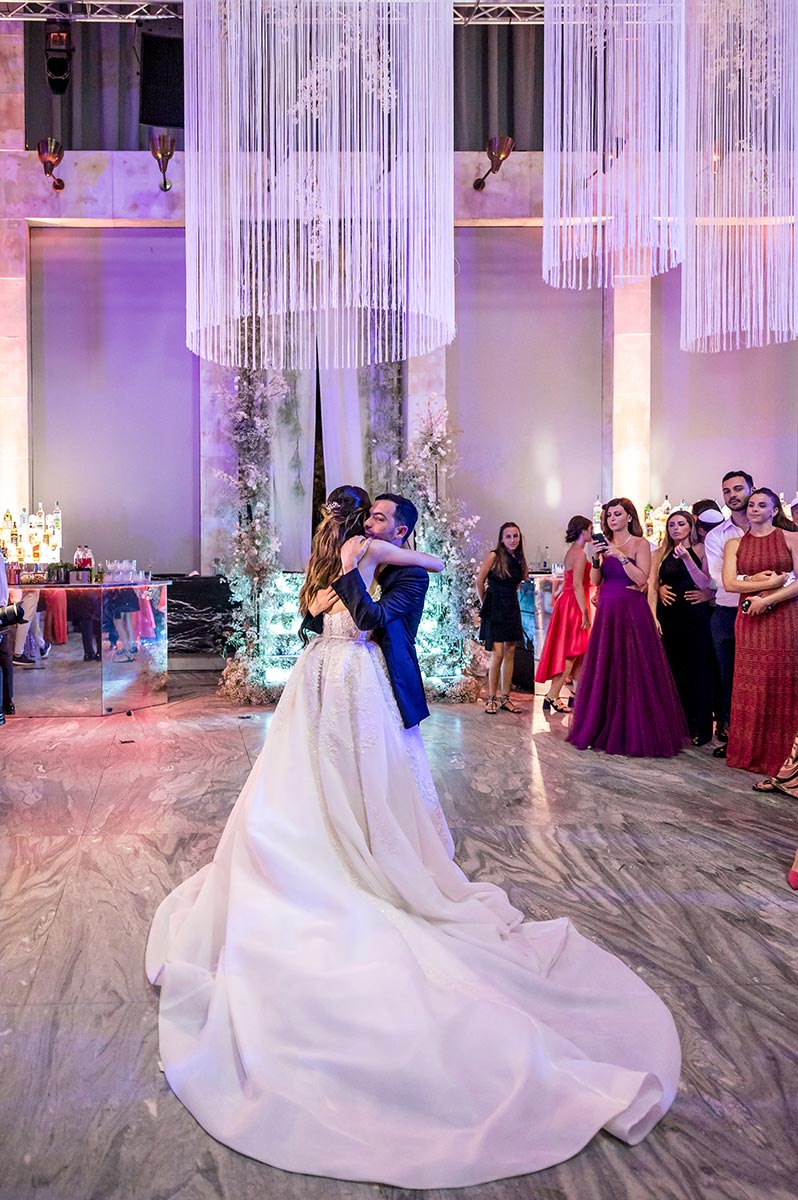
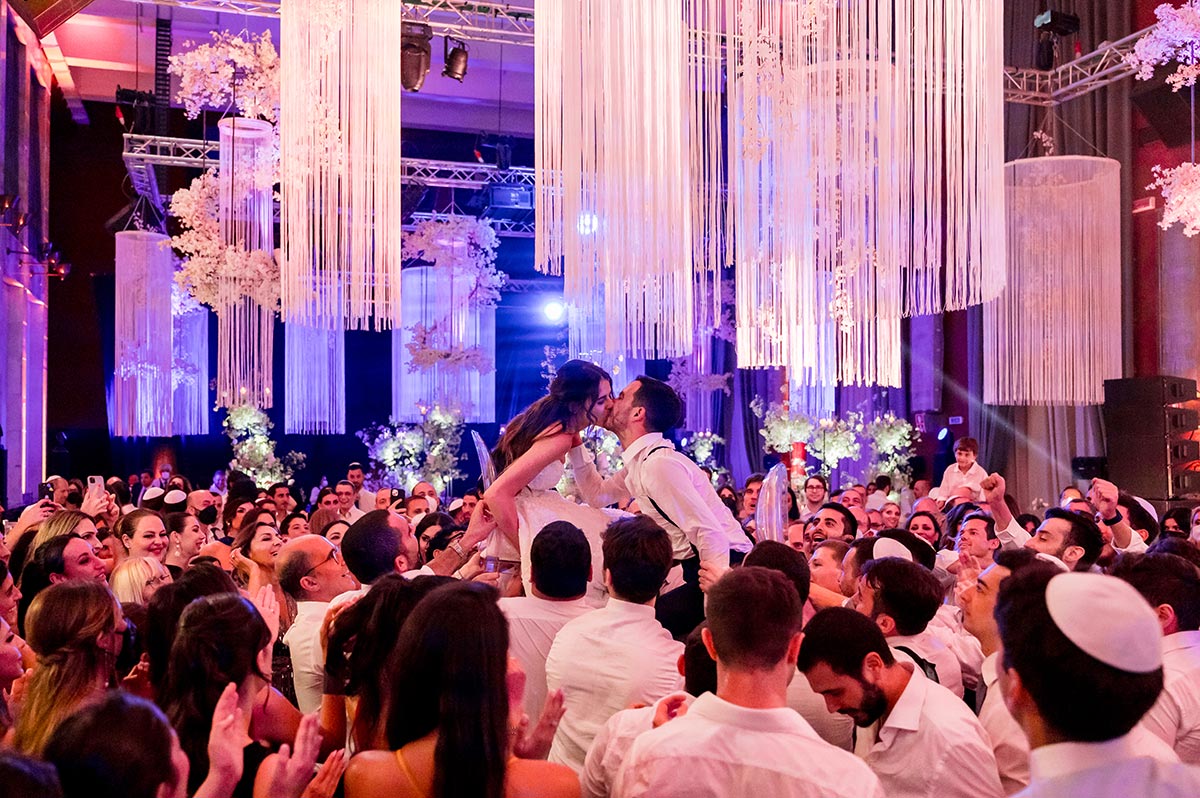
Experience the beauty and tradition of a Jewish wedding in Rome. Every detail, from the chuppah to the ketubah, is thoughtfully planned to create a memorable celebration.
How beautiful is a Jewish wedding in Rome
Have you dreamt of participating in a majestic wedding filled with ceremony, symbolism, and tradition in a Jewish wedding in Rome?
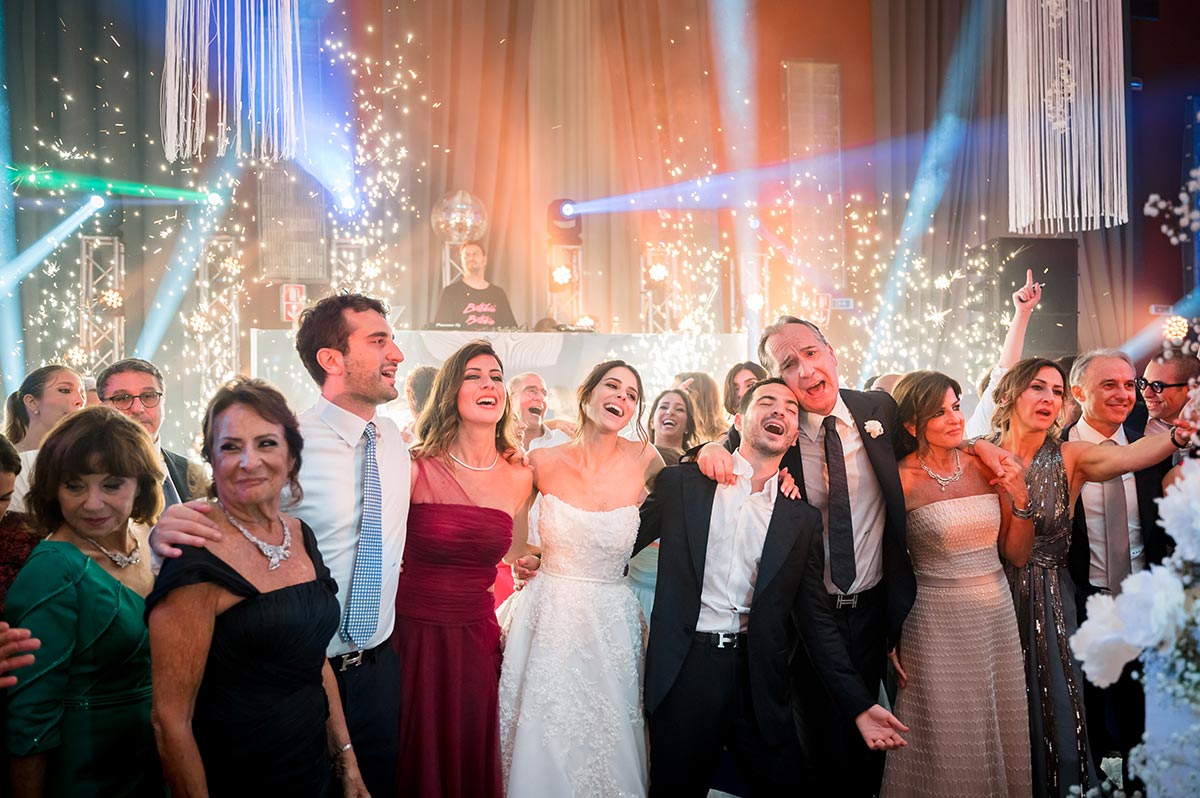
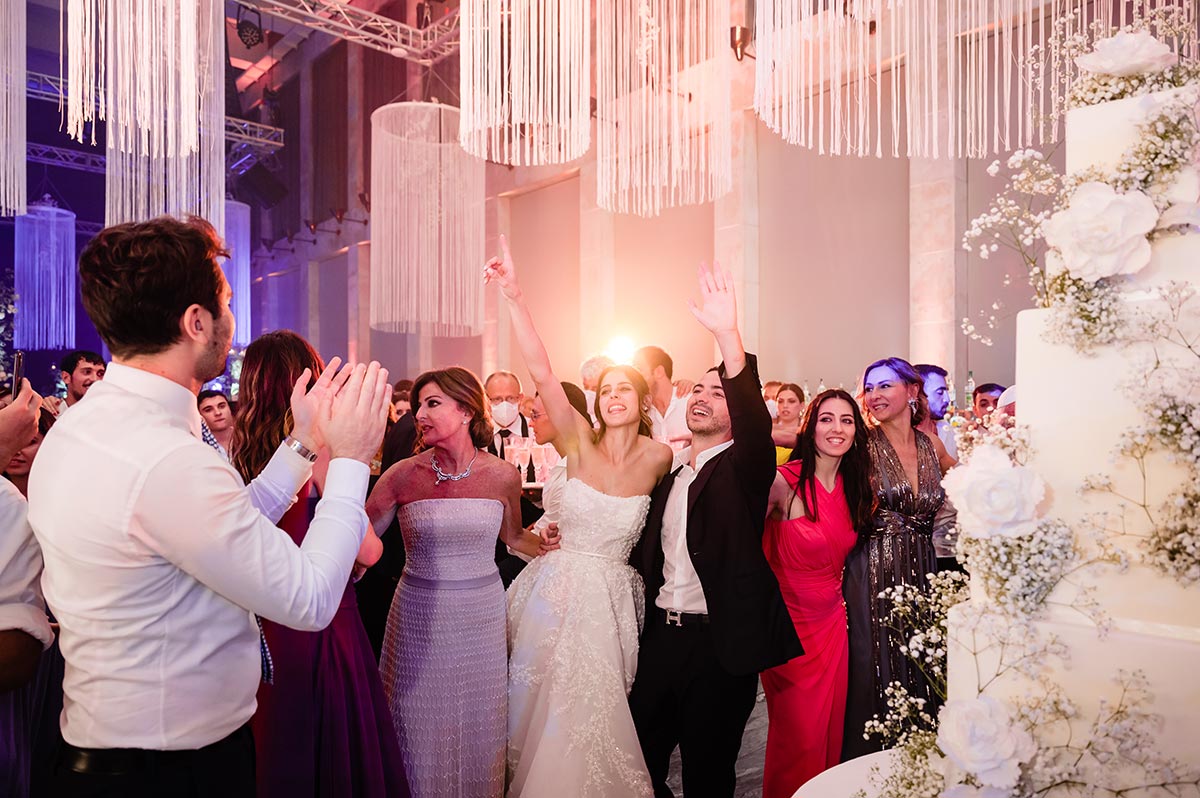
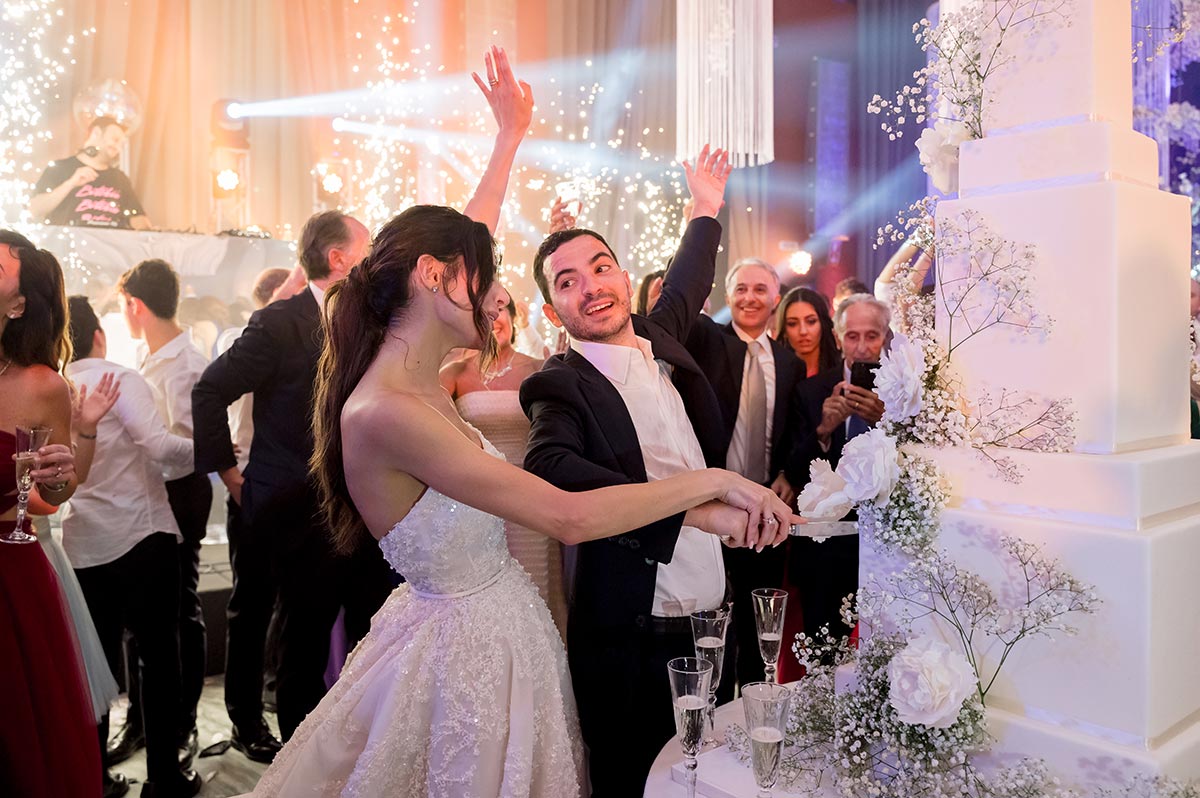
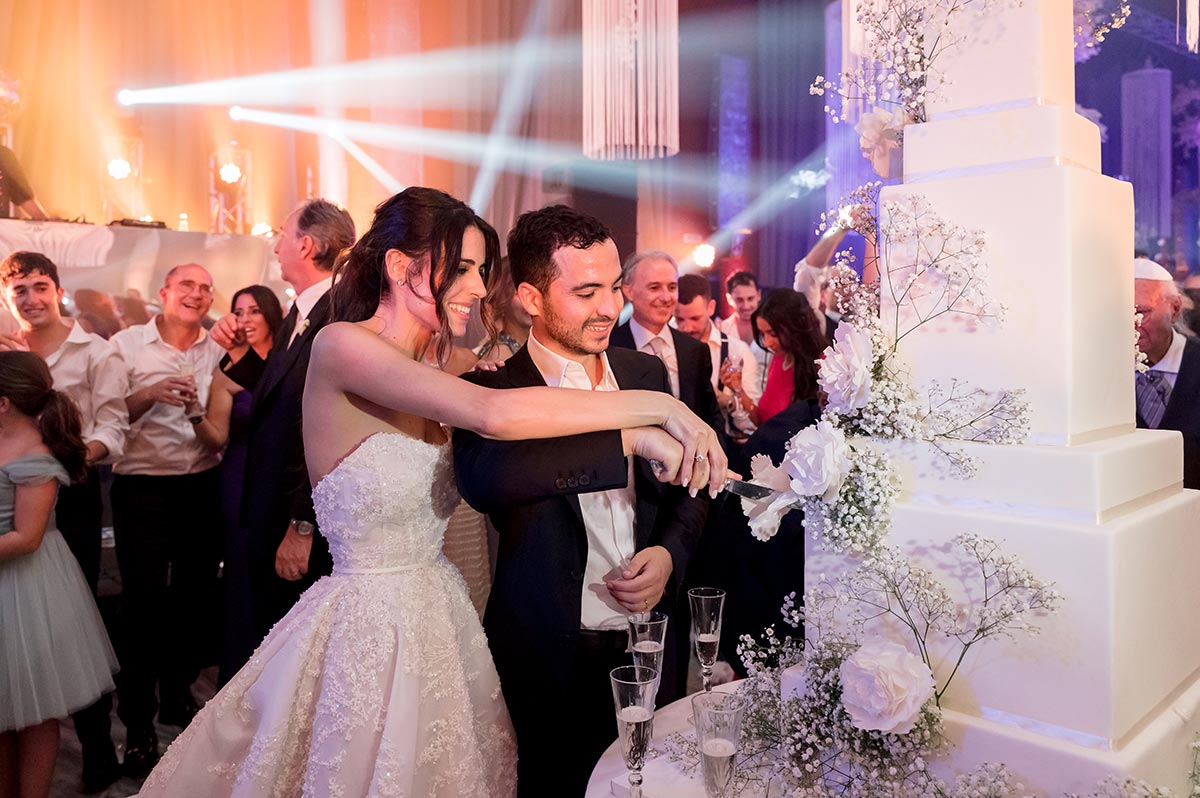
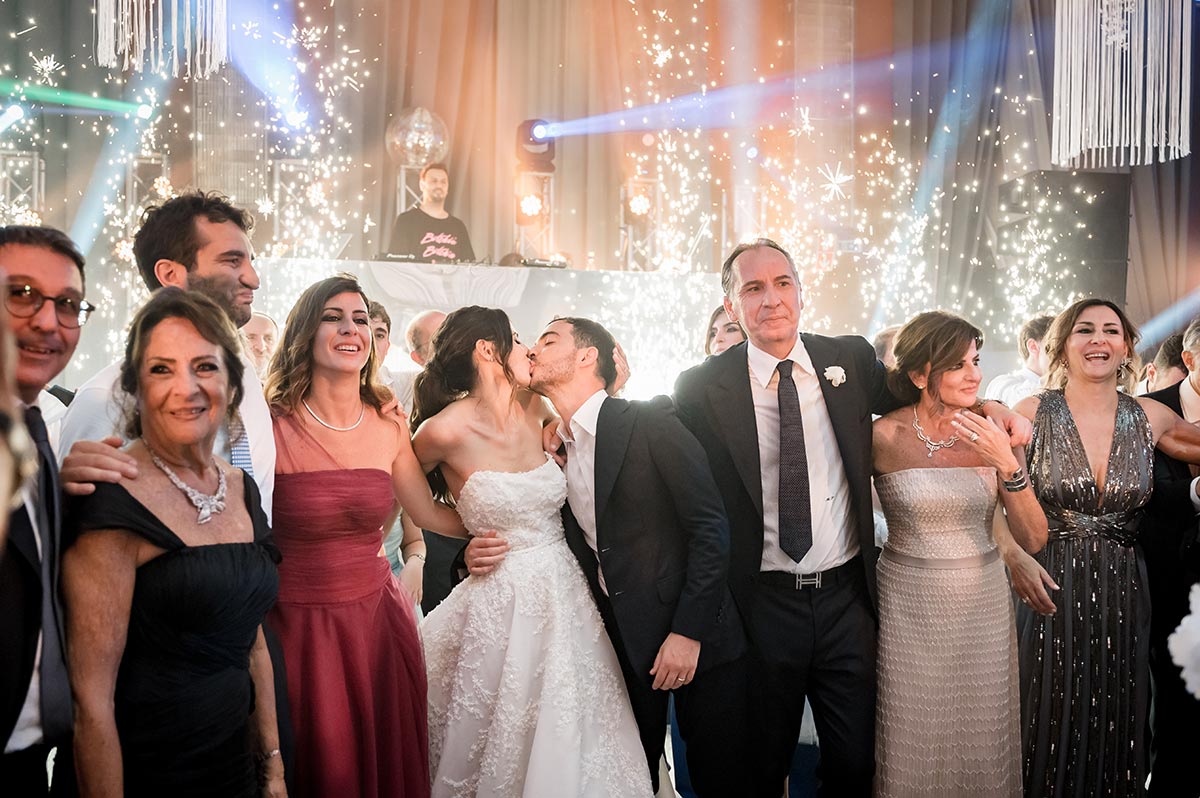
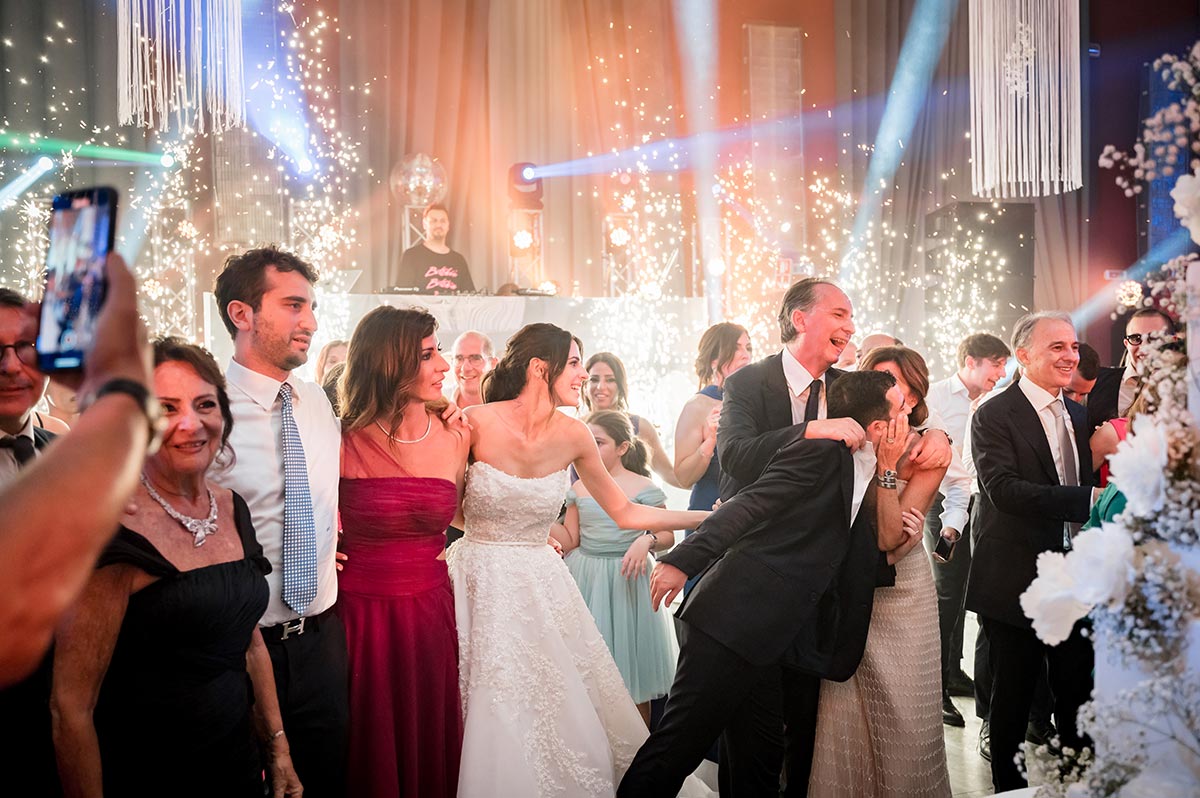
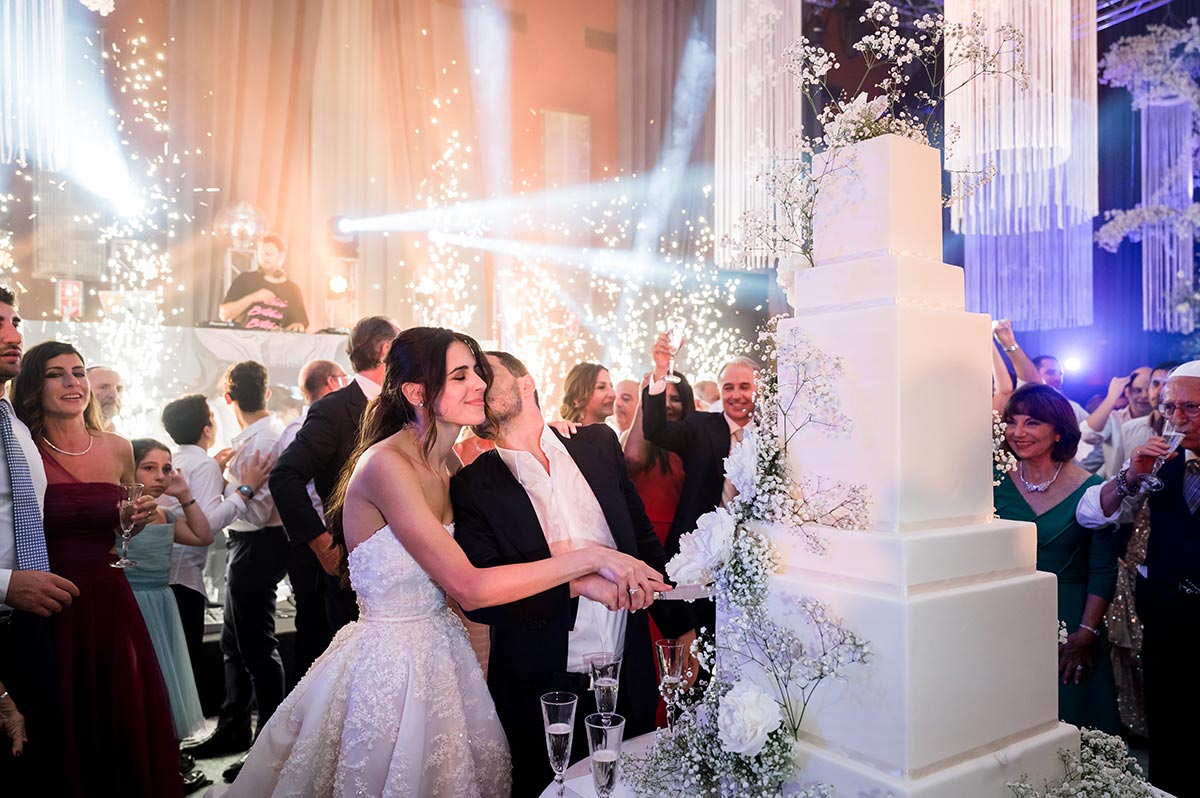
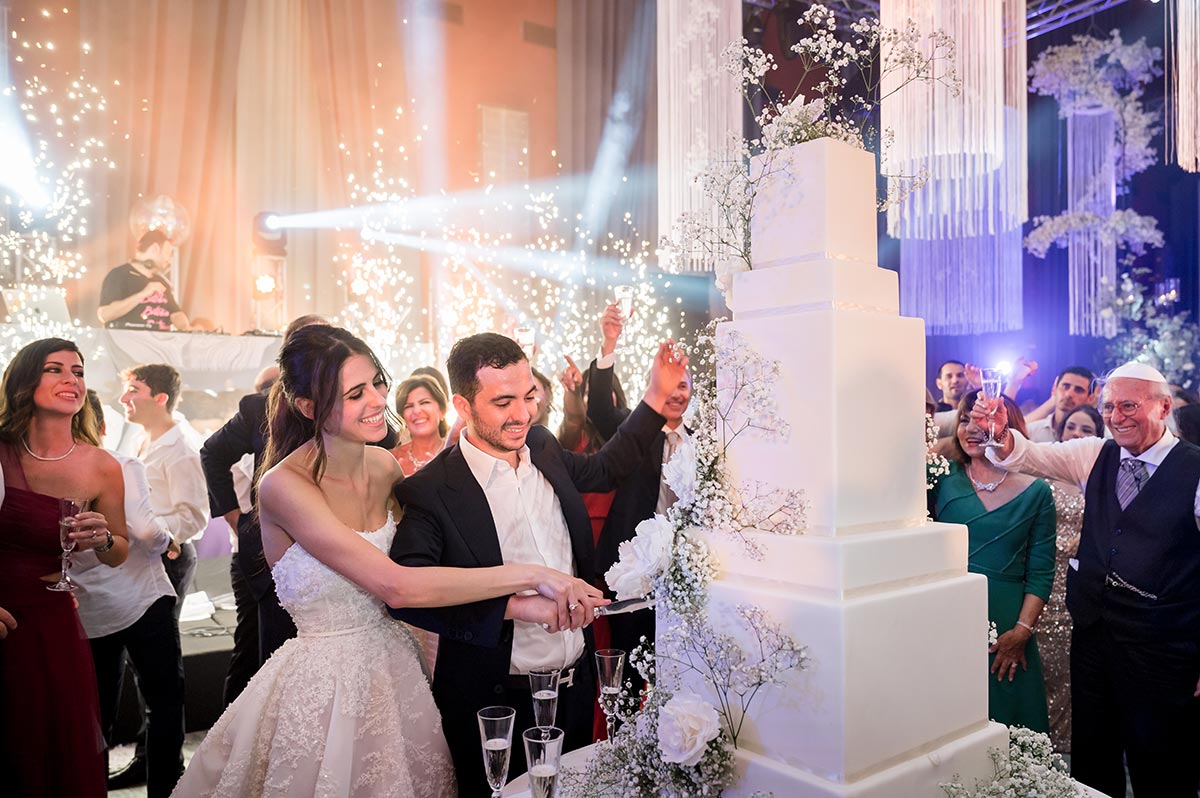
In this gallery, you will learn how traditions and religion coexist with a new modern Jewish wedding party and why Jewish weddings are so emotional and unique in a city like Rome.





The Jewish community in Rome
Rome’s Jewish community is large and diverse, with many different customs and traditions. The Jewish community in Rome dates back over 2,000 years. They have a rich history and culture that spans many generations.
The Jewish ghetto in Rome is a neighborhood that embraces the history and culture of its Jewish inhabitants. It’s a popular destination for Jewish individuals seeking to reconnect with their heritage. A focal point in the ghetto is Via del Tempio, which houses one of Rome’s most prominent Jewish primary schools. Visitors may spot young boys and men sporting traditional kippahs. This tradition is prevalent in Jewish weddings held in Rome.


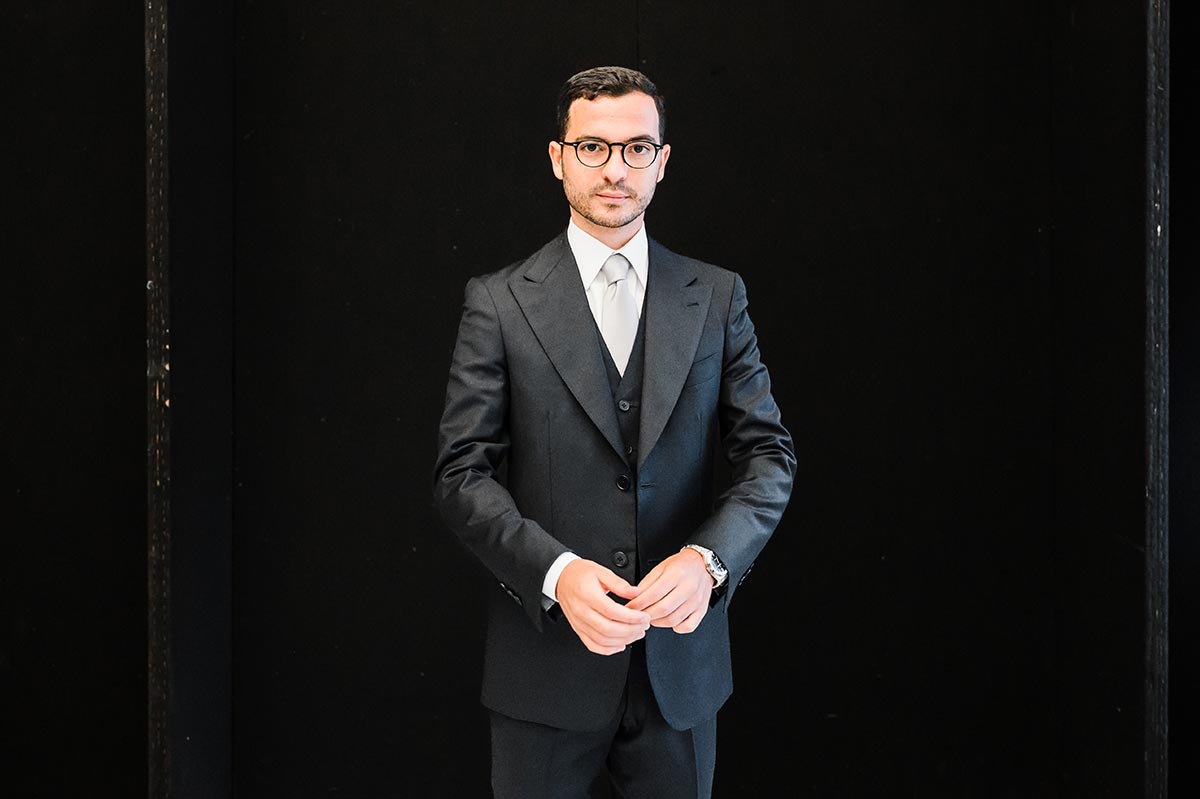
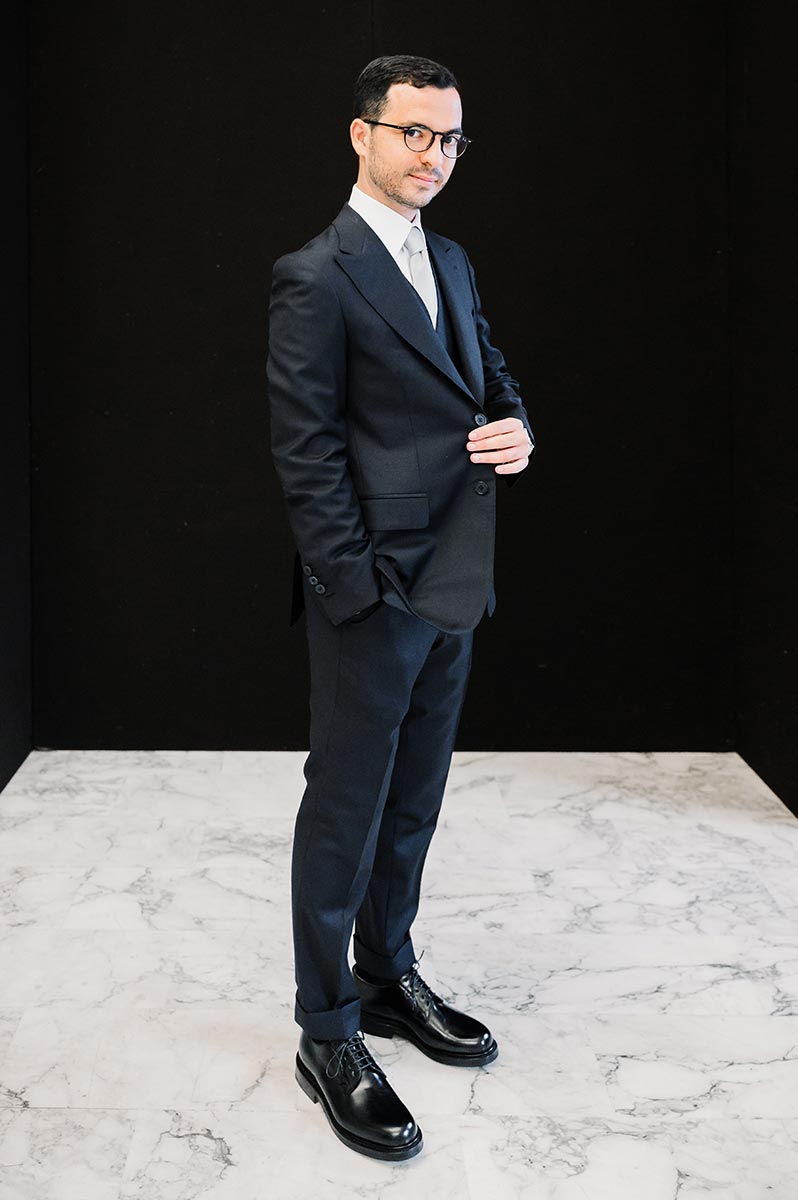






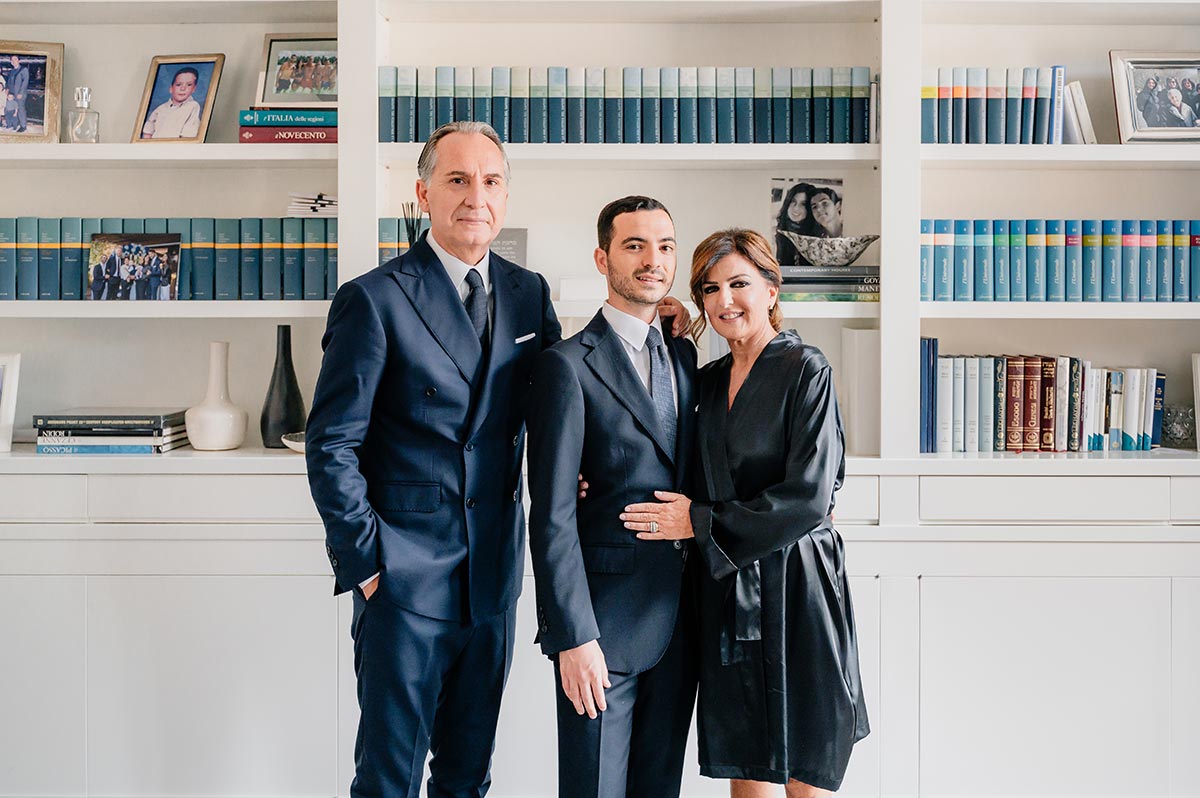



Despite its past as an area where anti-Semitic laws were strictly enforced, and only Jews were permitted to reside, the ghetto has now transformed into a thriving neighborhood that draws in people from all over the world to celebrate their heritage.
For food lovers, the Ghetto in Rome is a must-visit. It is a city within a city and boasts an array of kosher food options, Hebrew writing on the walls, and young people wearing traditional head coverings. This kind of cuisine is a significant aspect of Jewish weddings in Rome.





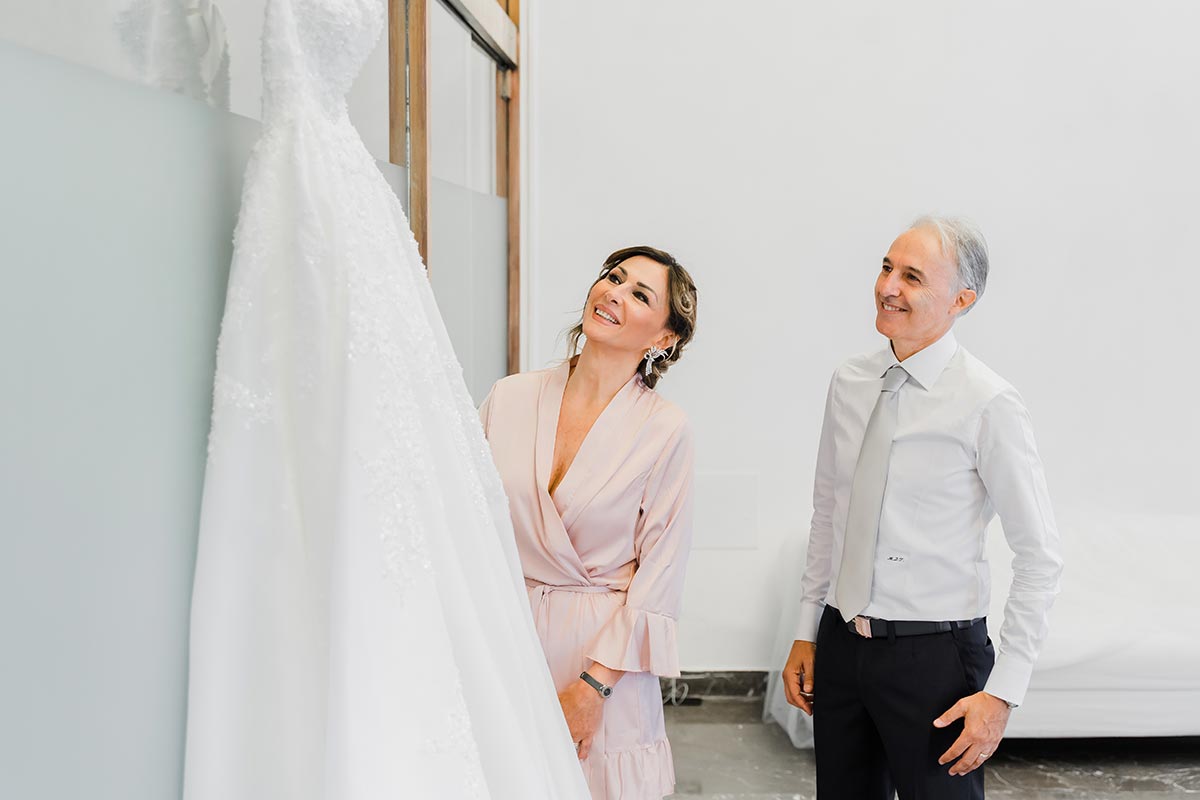



When a Jewish wedding in Rome cannot be celebrated
- Jewish weddings are only allowed between individuals of the same faith. However, some rabbis may perform a marriage between an Orthodox Jew and a non-Jew, but it is not recognized by Jewish law.
- In contrast to Catholic weddings, in a Jewish ceremony, the bride and groom must convert to the faith before participating in the religious ceremony. This is to ensure that the roots and commitment of the Jewish community to their faith are maintained.
- The Sabbath, or Shabbat, is a sacred day in the Jewish religion. It starts on Friday evening and ends Saturday evening. Jewish weddings cannot occur on the Sabbath or during religious festivals such as Passover or during the last three weeks of summer.











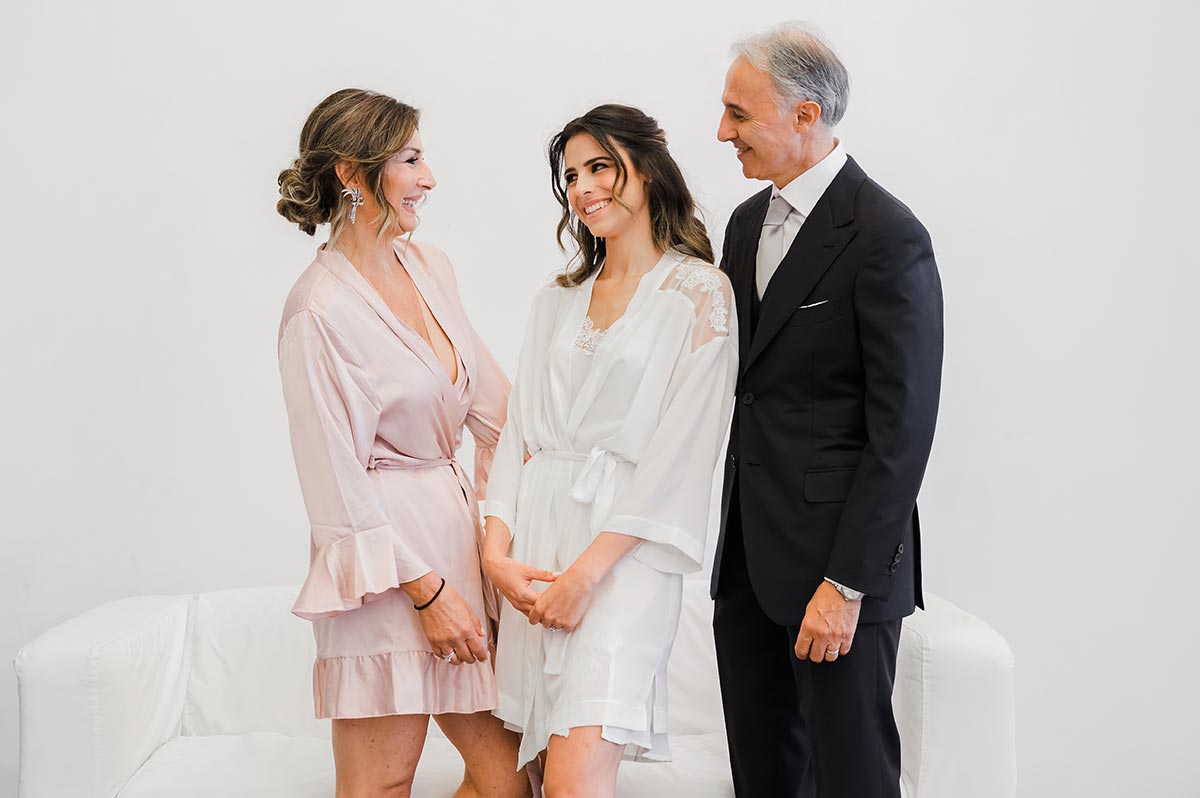


Before celebrating a Jewish wedding in Rome
Are you ready to tie the knot and embark on a lifetime of love and tradition? Look no further than a Jewish wedding in the romantic city of Rome!
The first step to your dream wedding is a visit to the Rabbinic Office, where you and your partner will receive all the essential information for setting the wedding date and starting your journey as a Jewish couple.
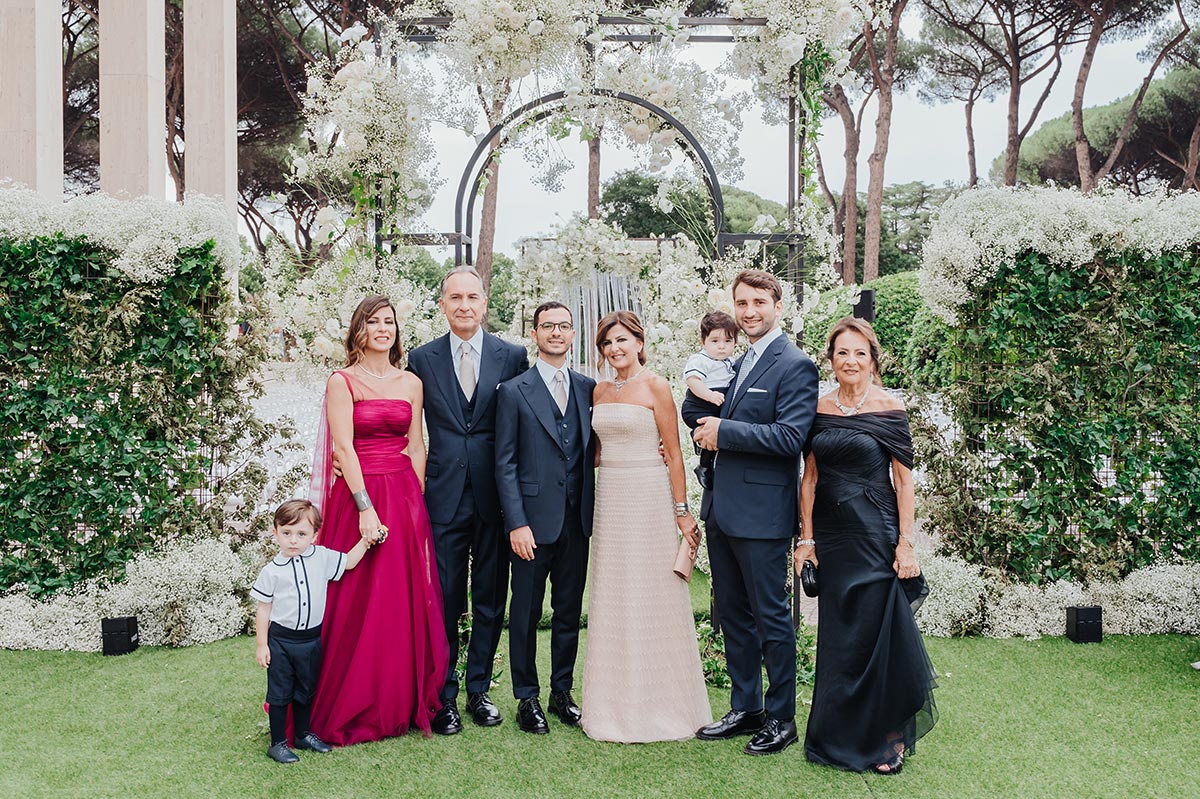
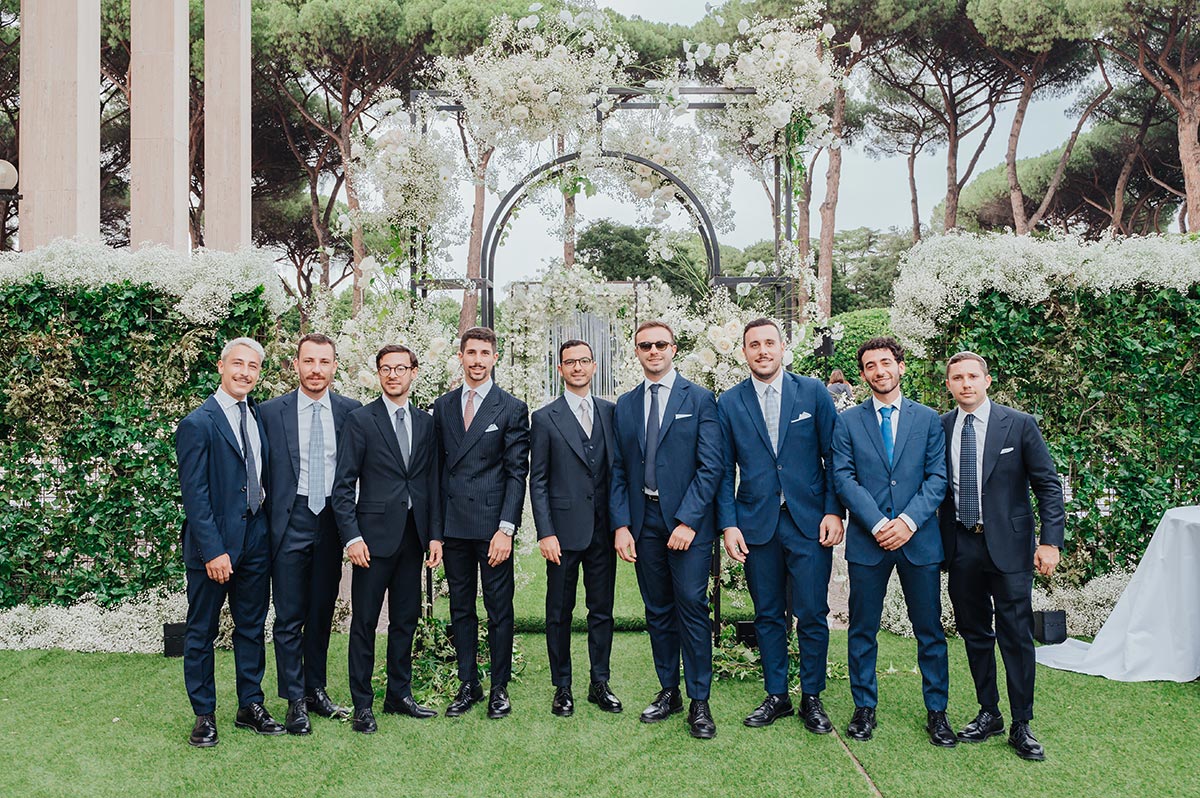
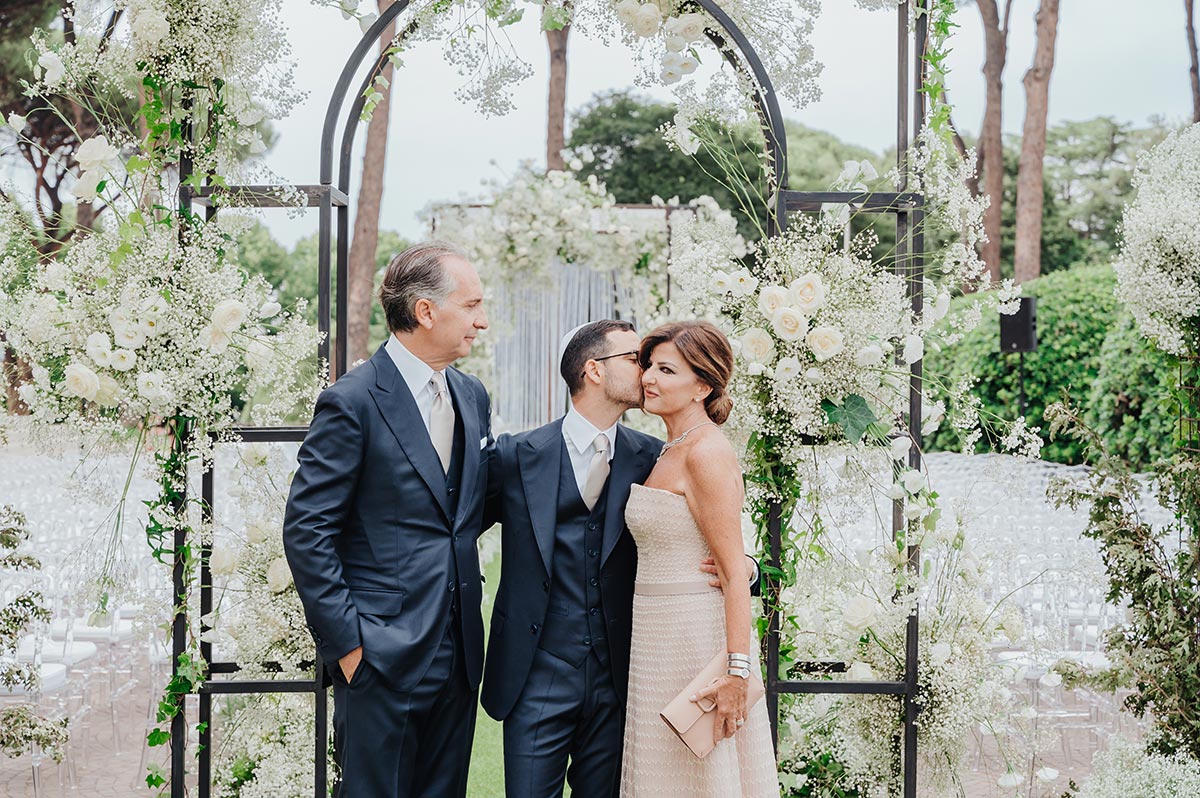
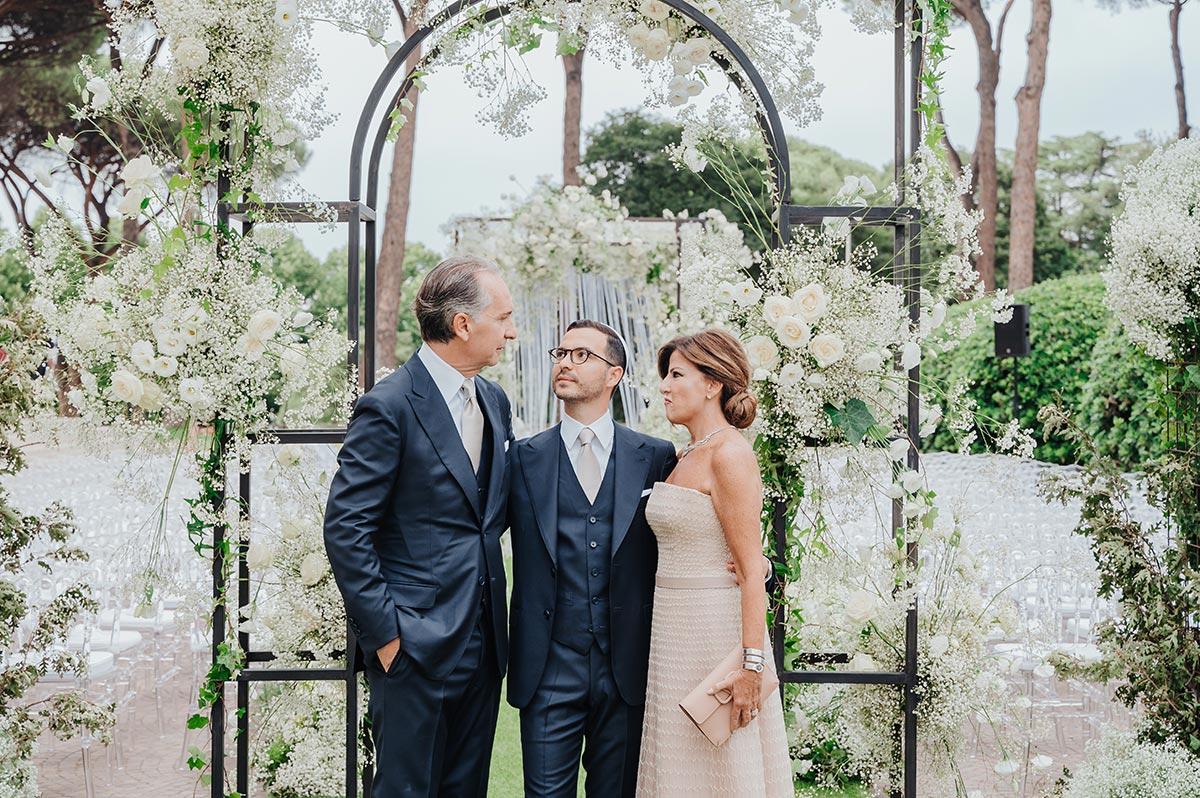
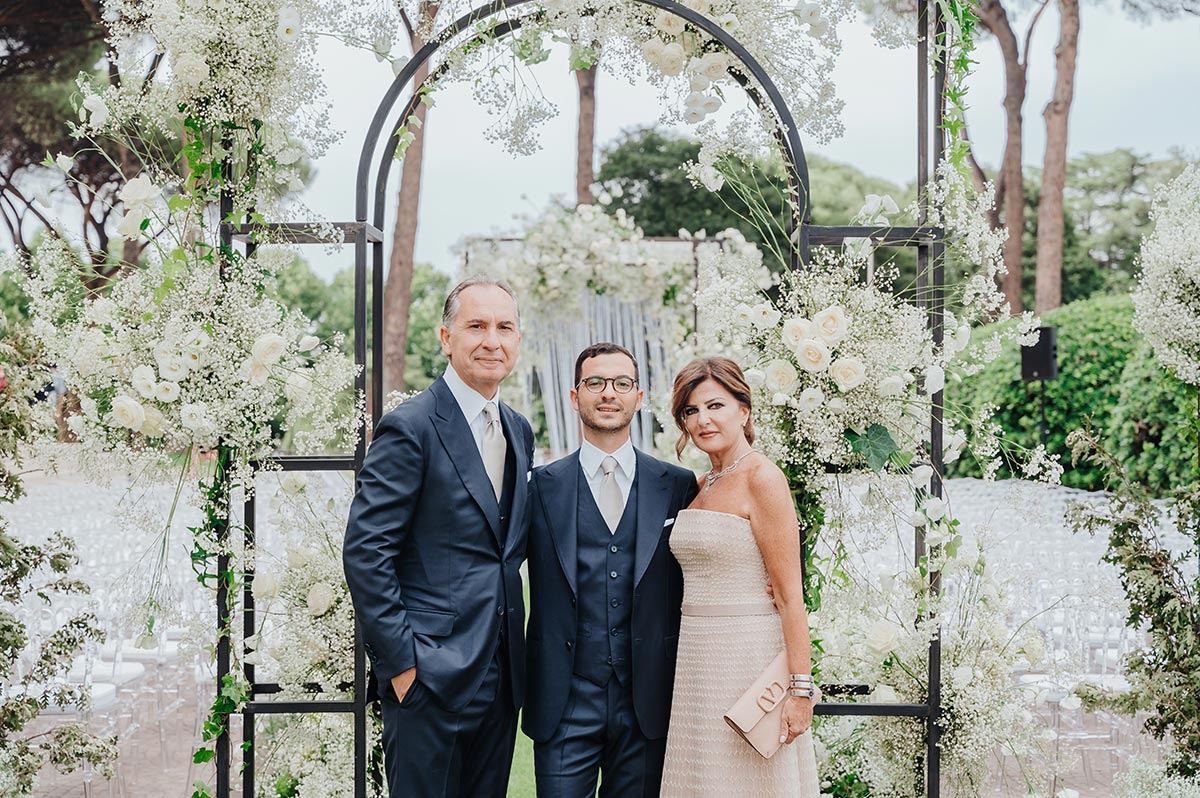
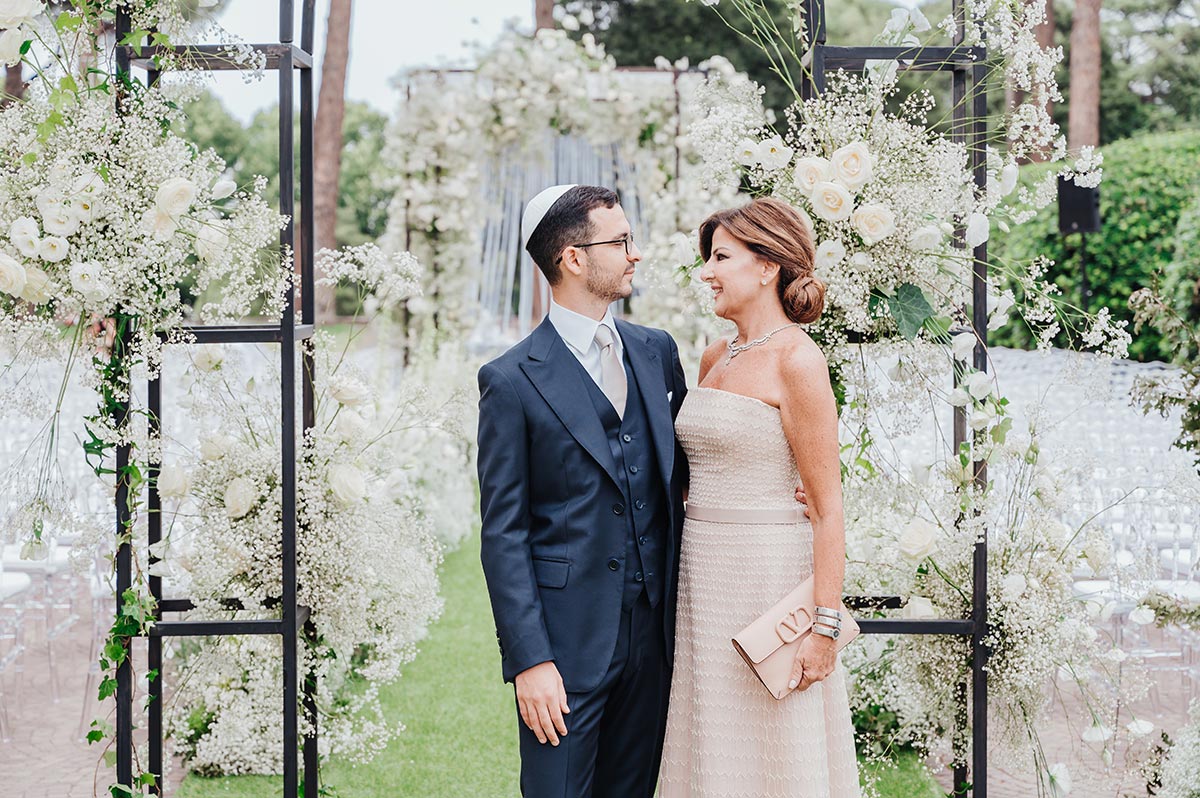
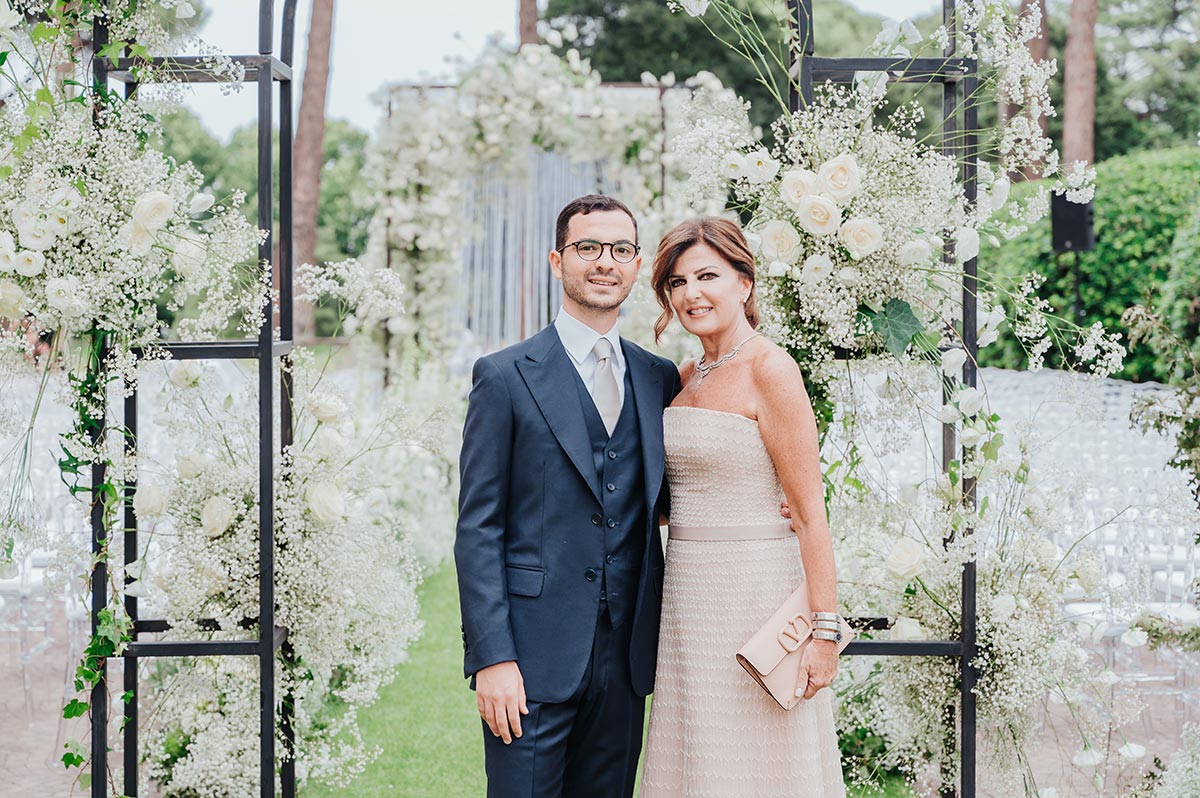
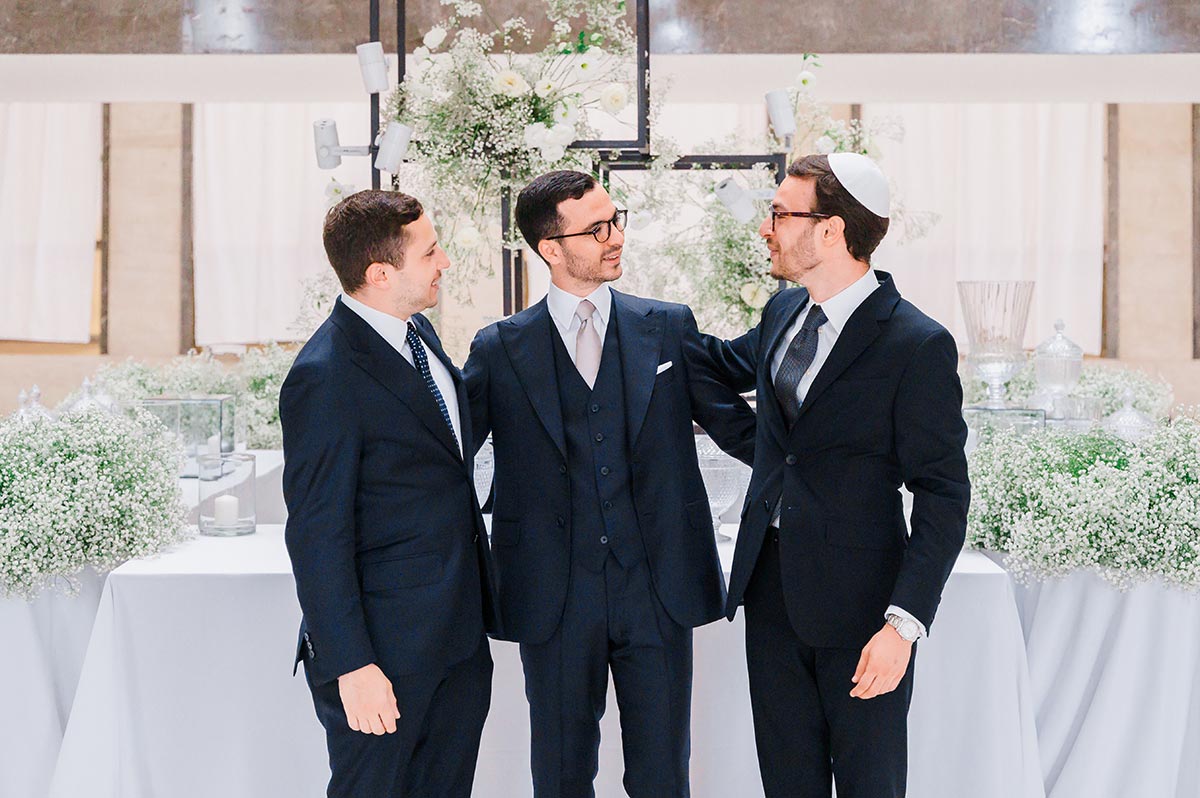


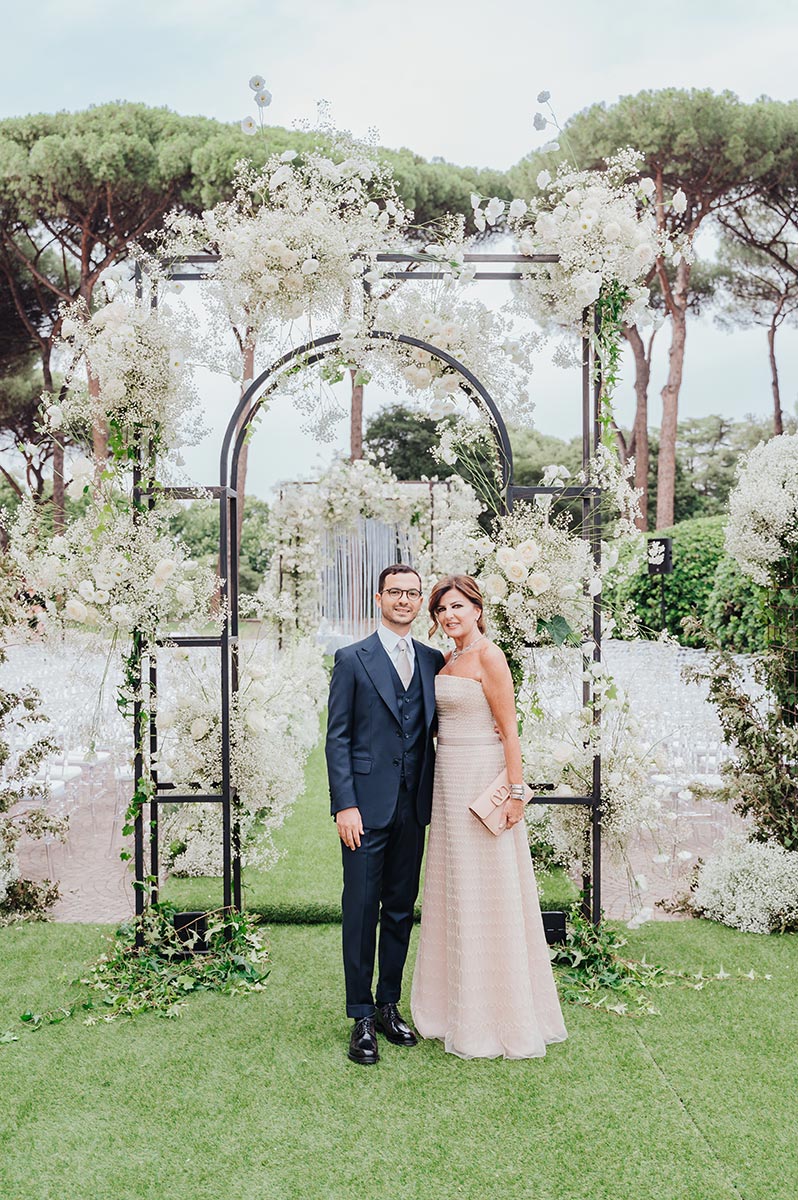
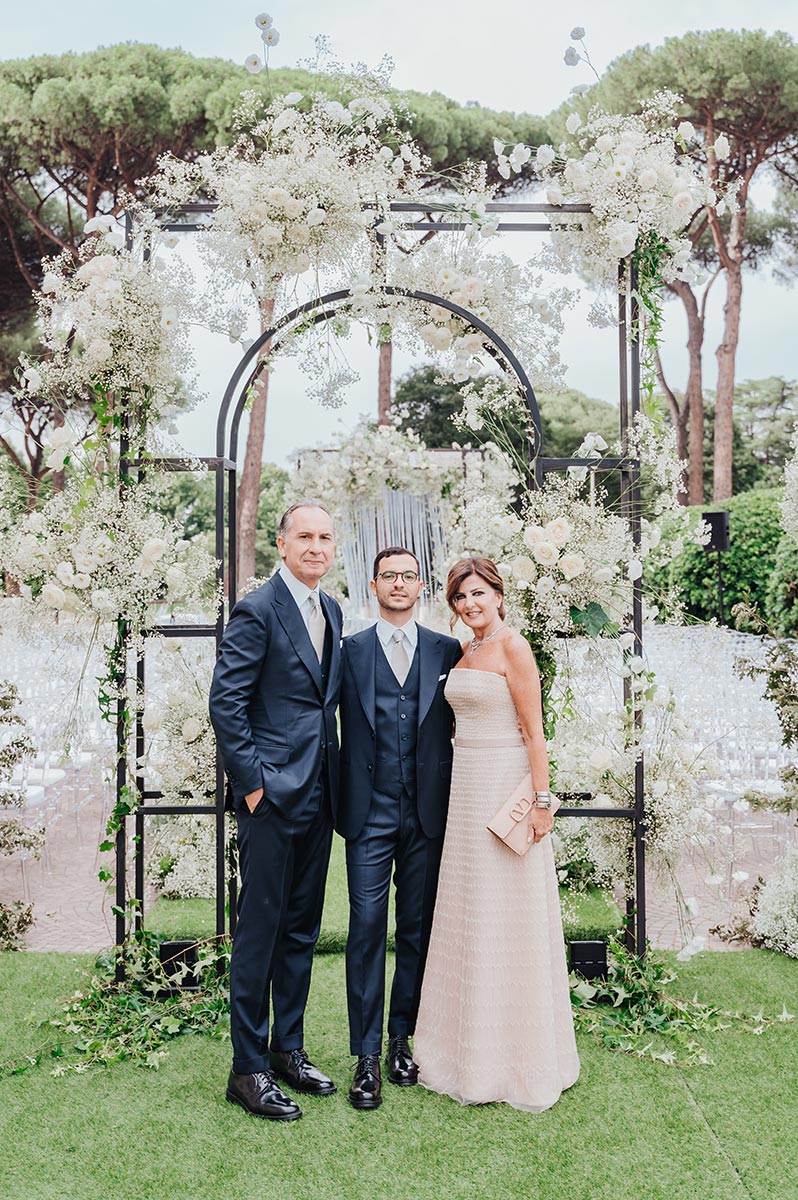
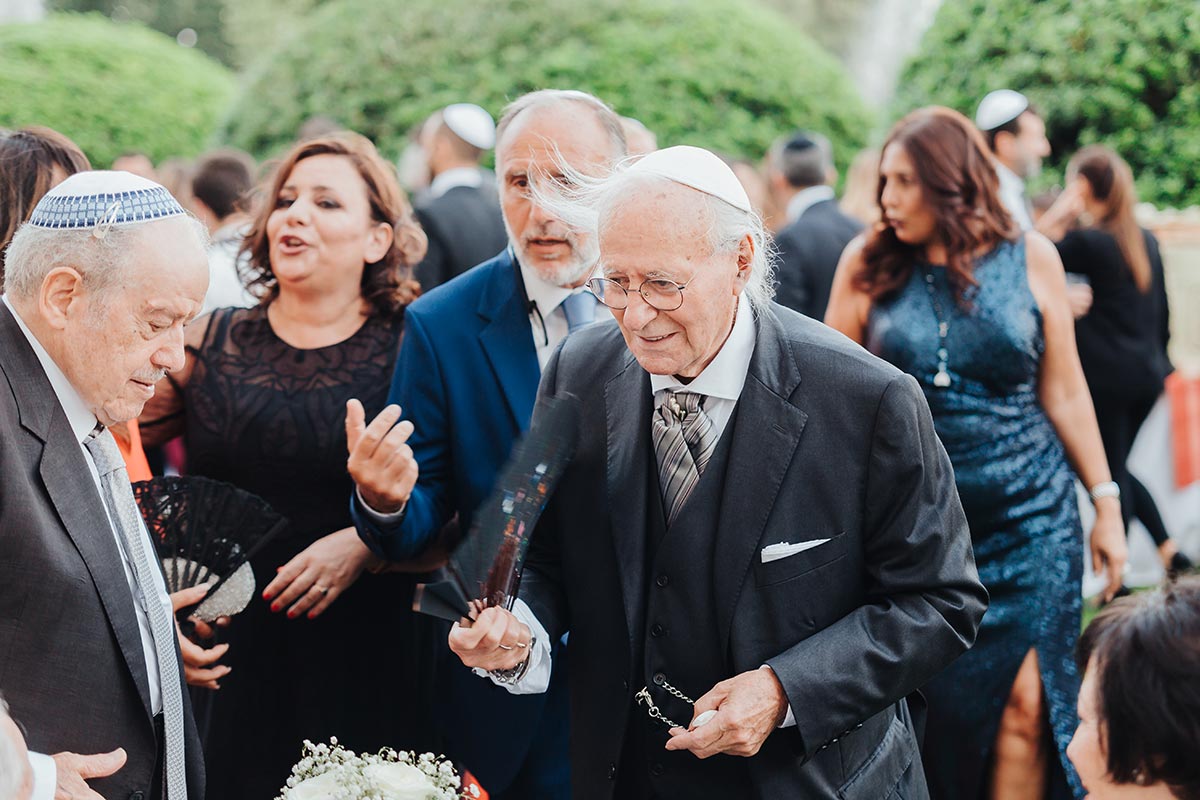
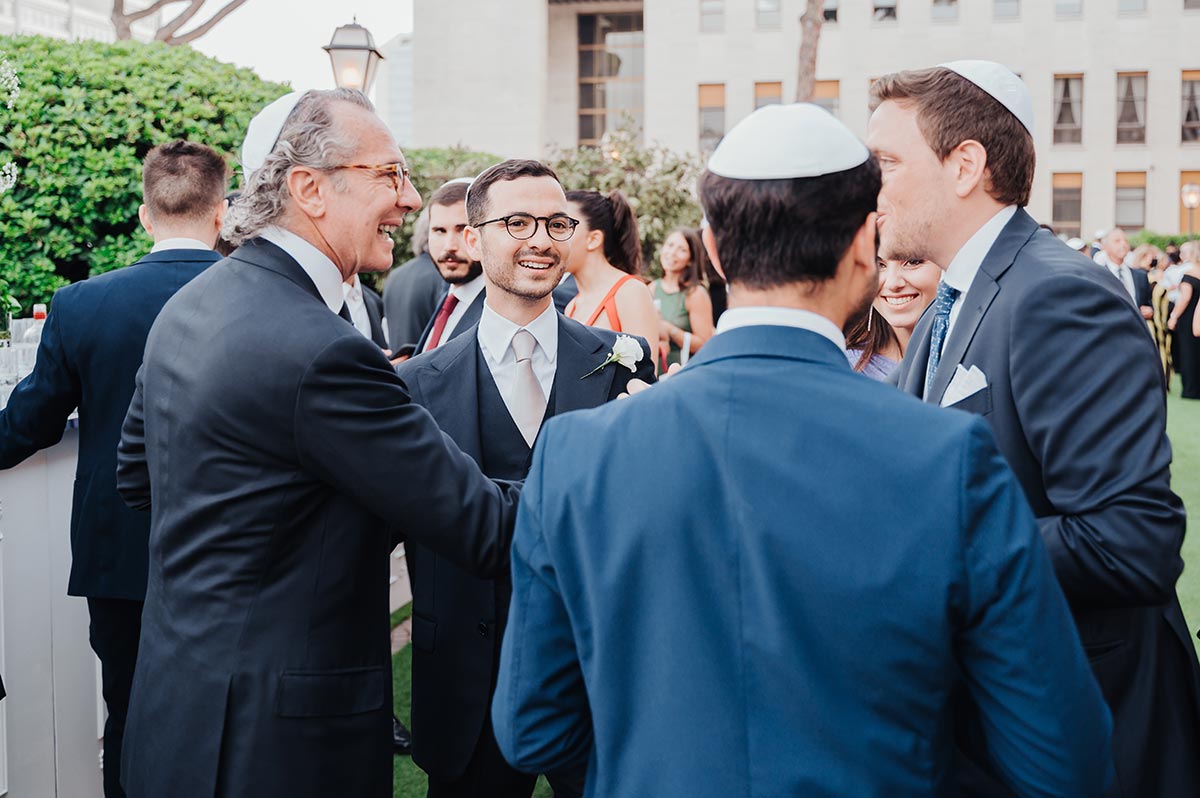
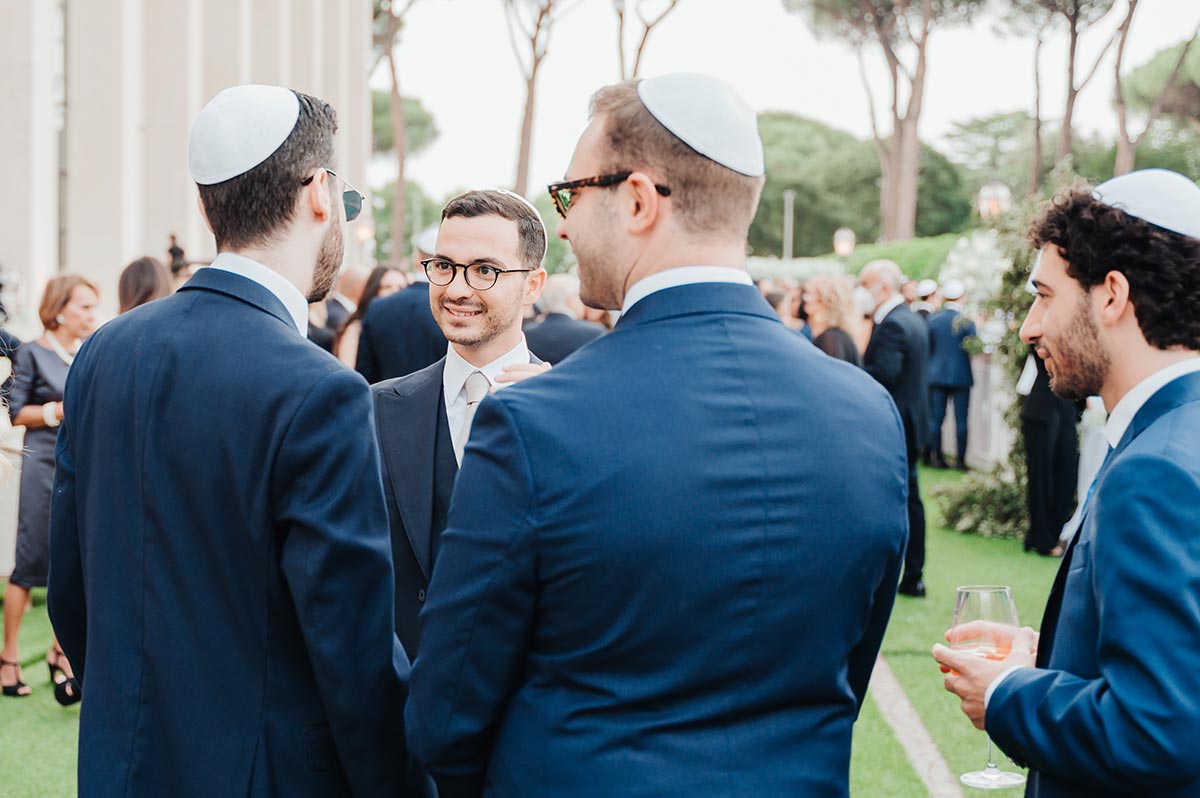
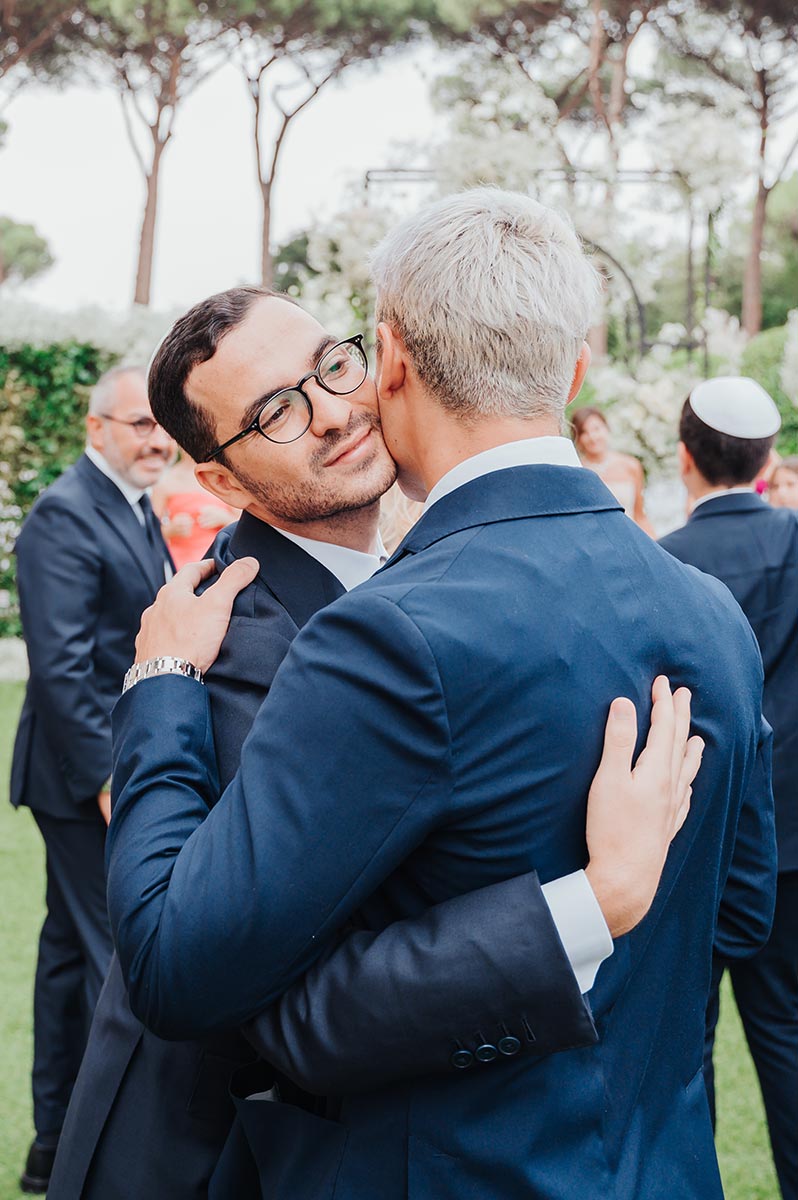

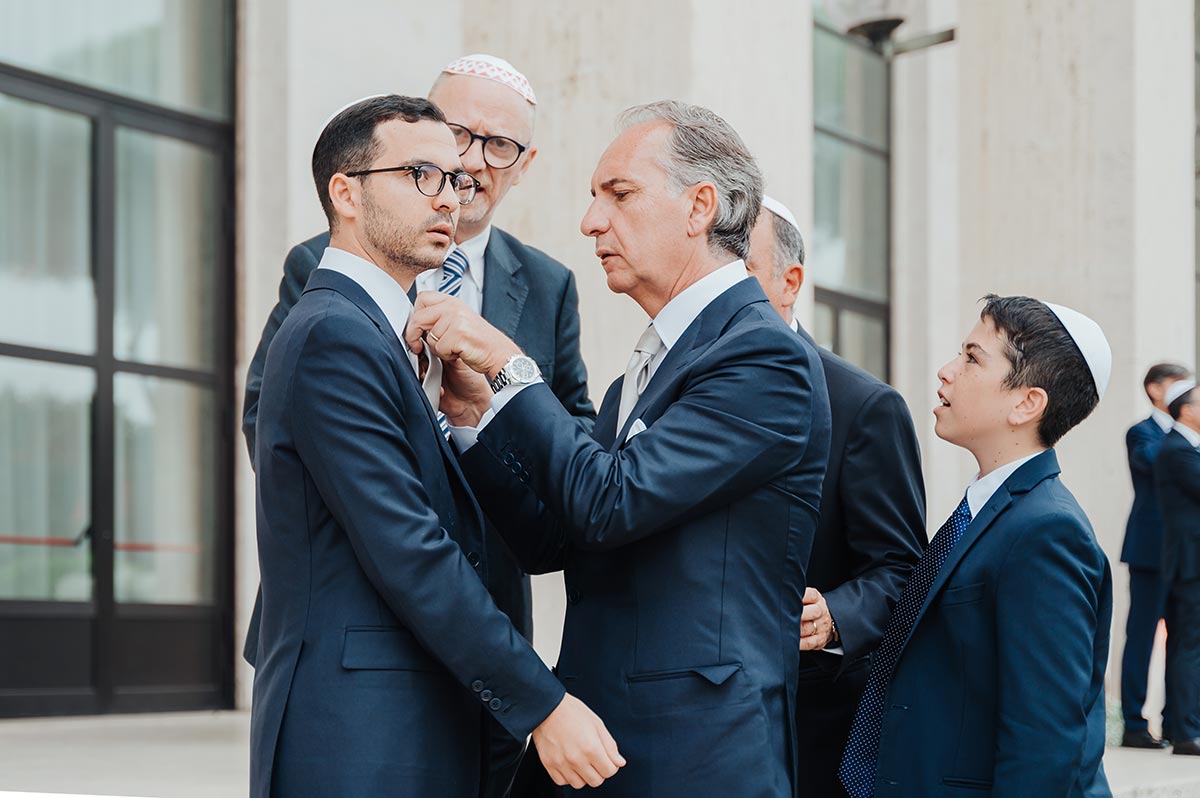
During the preparation phase, you will attend courses organized by the community that delves into the true meaning of marriage, Jewish marital laws, the importance of keeping kosher, the observance of Shabbat and holidays, and the education of the Torah for children. These courses aim to create an atmosphere of holiness and sanctity, building a strong Jewish family blessed with love and happiness.





Before the big day, the couple must declare their intent to celebrate their wedding at Rome’s Great Temple or another location and submit all necessary documents, such as birth certificates, citizenship status, and proof of single status, as well as a request signed by Rabbinic Office officials. These documents can be obtained at the couple’s local synagogue office.

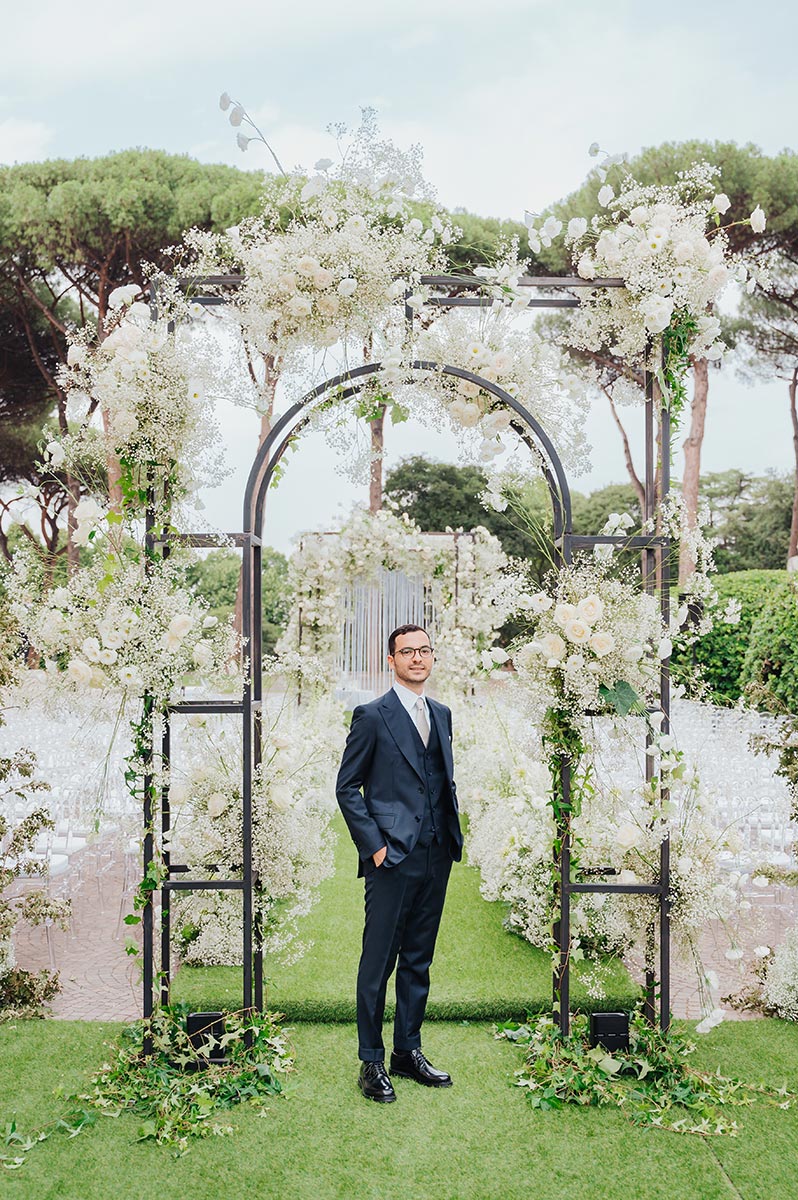
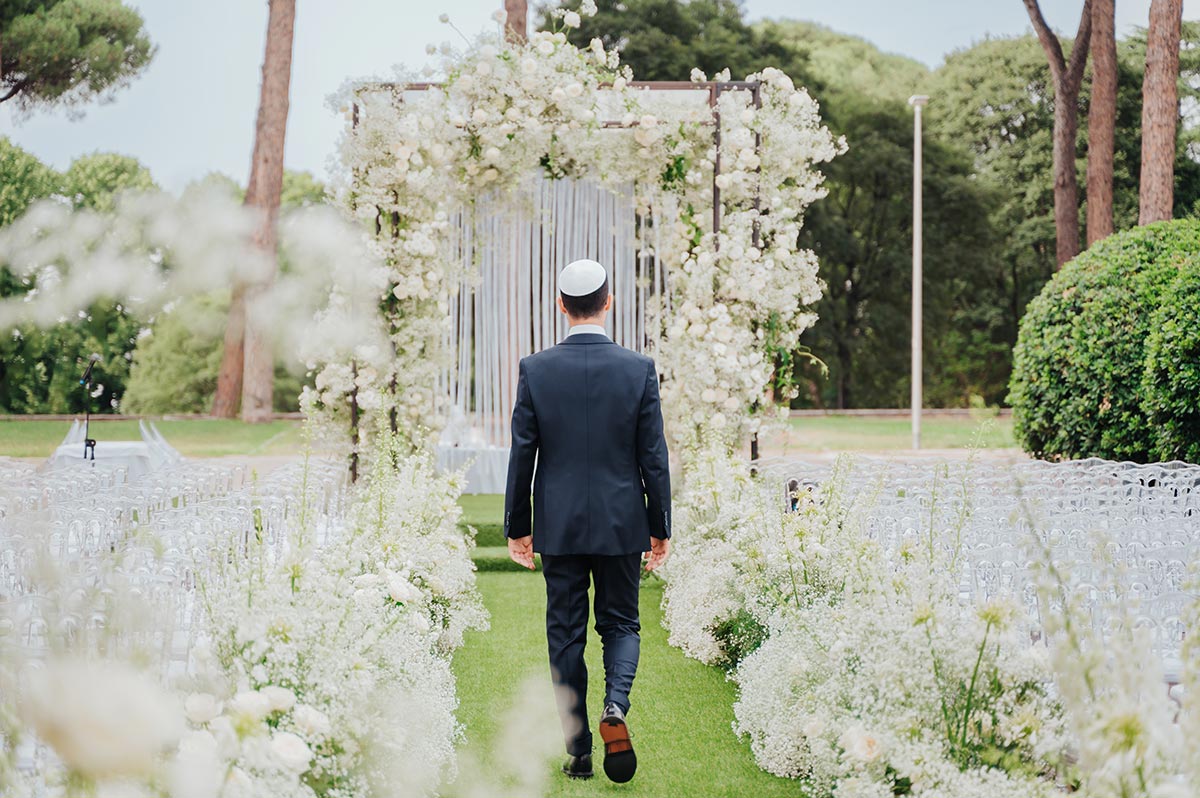

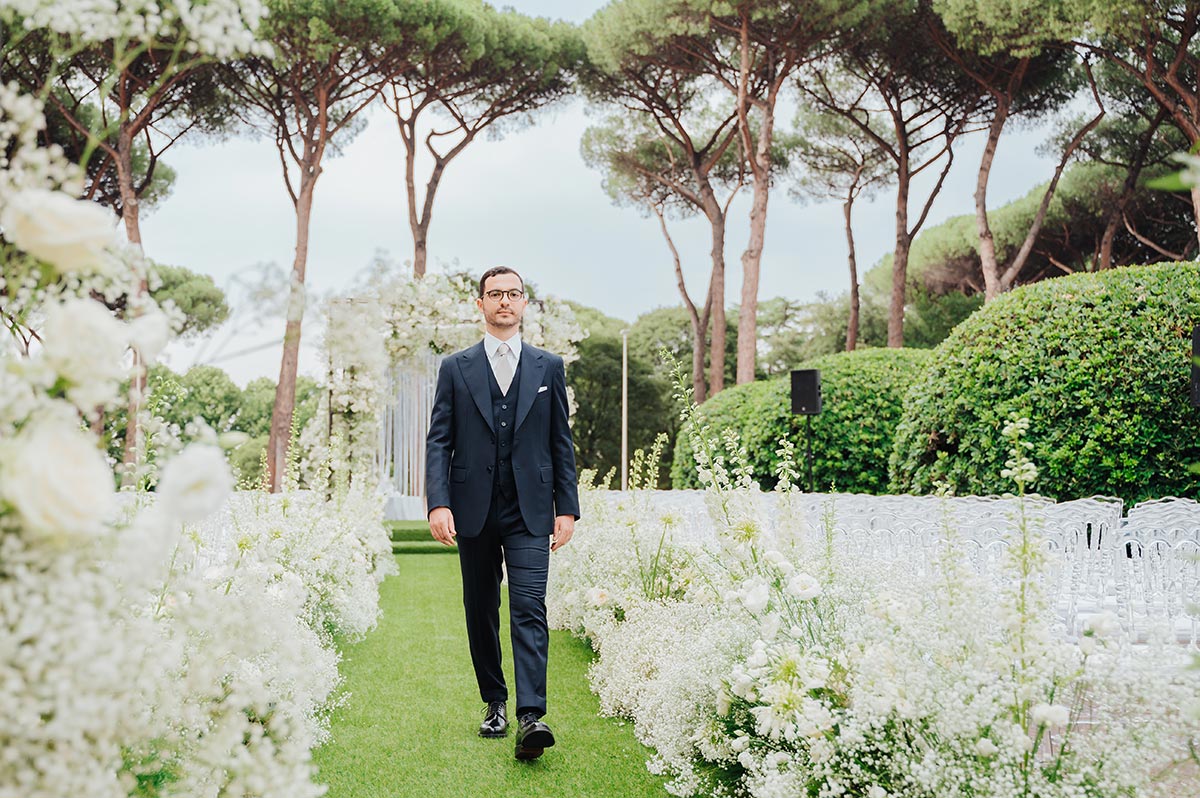
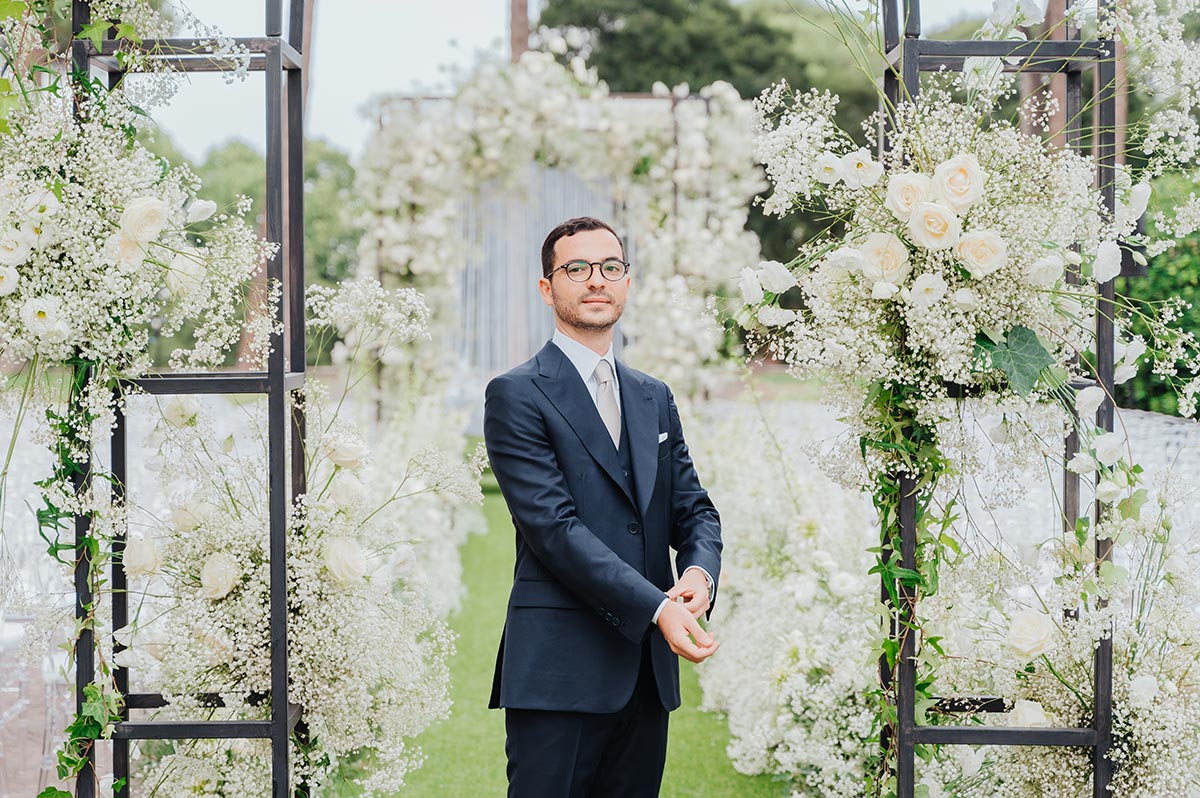
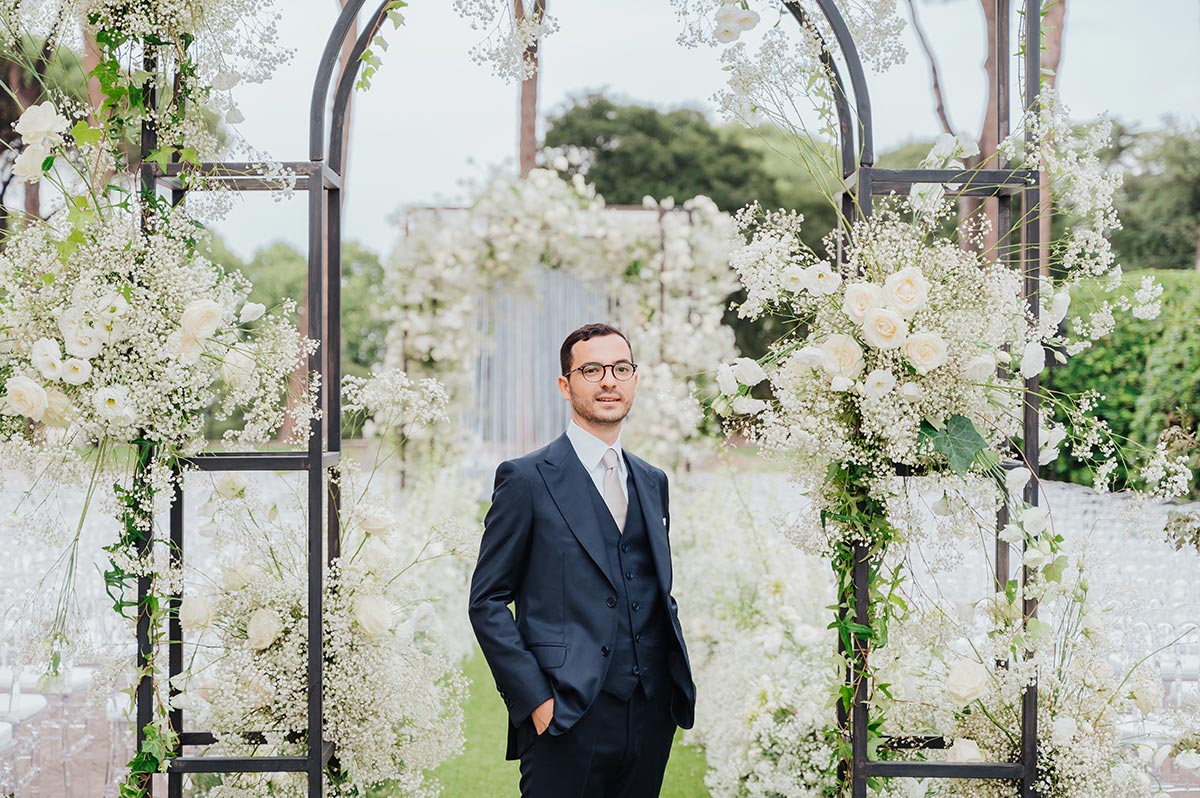

Imagine saying your vows in front of the ancient Roman Colosseum or taking your wedding photos in front of the iconic Trevi Fountain, or even in the heart of the Jewish Ghetto in Rome, surrounded by the rich history and vibrant community of the Jewish community in Rome. Rome also boasts a variety of synagogues to choose from, each with its unique style and history.
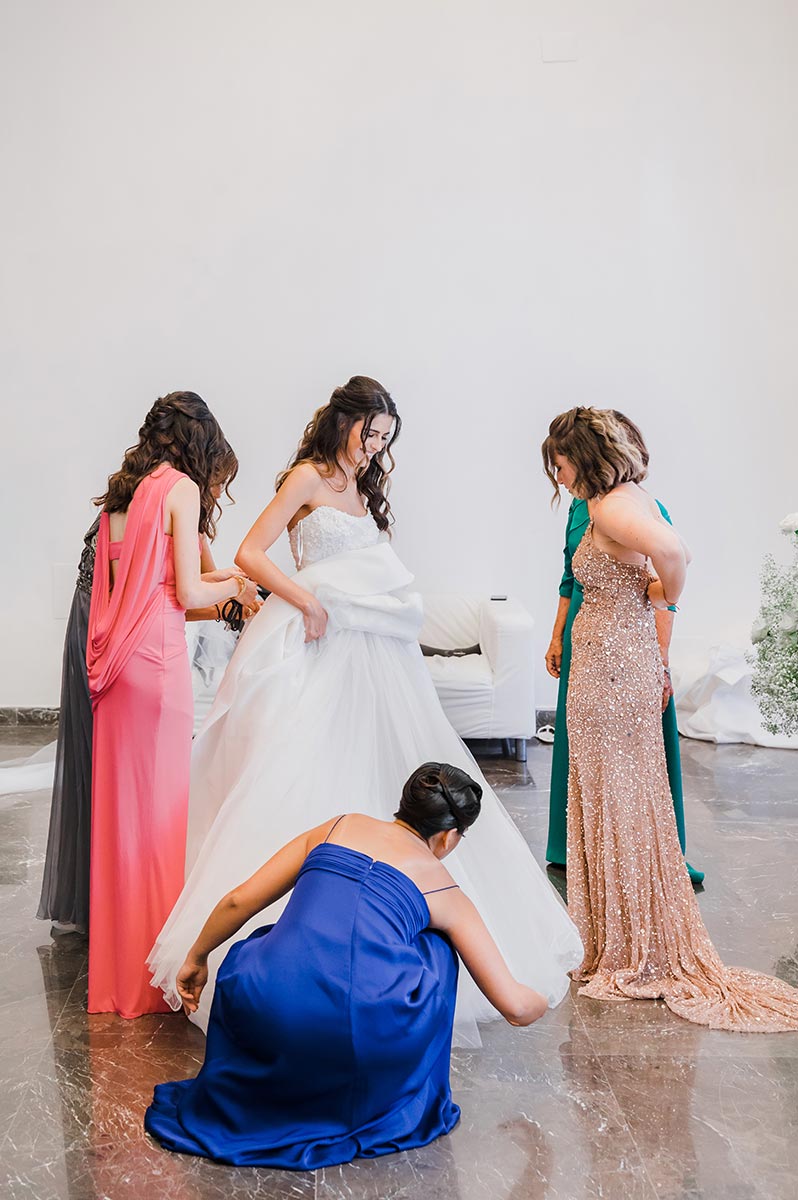



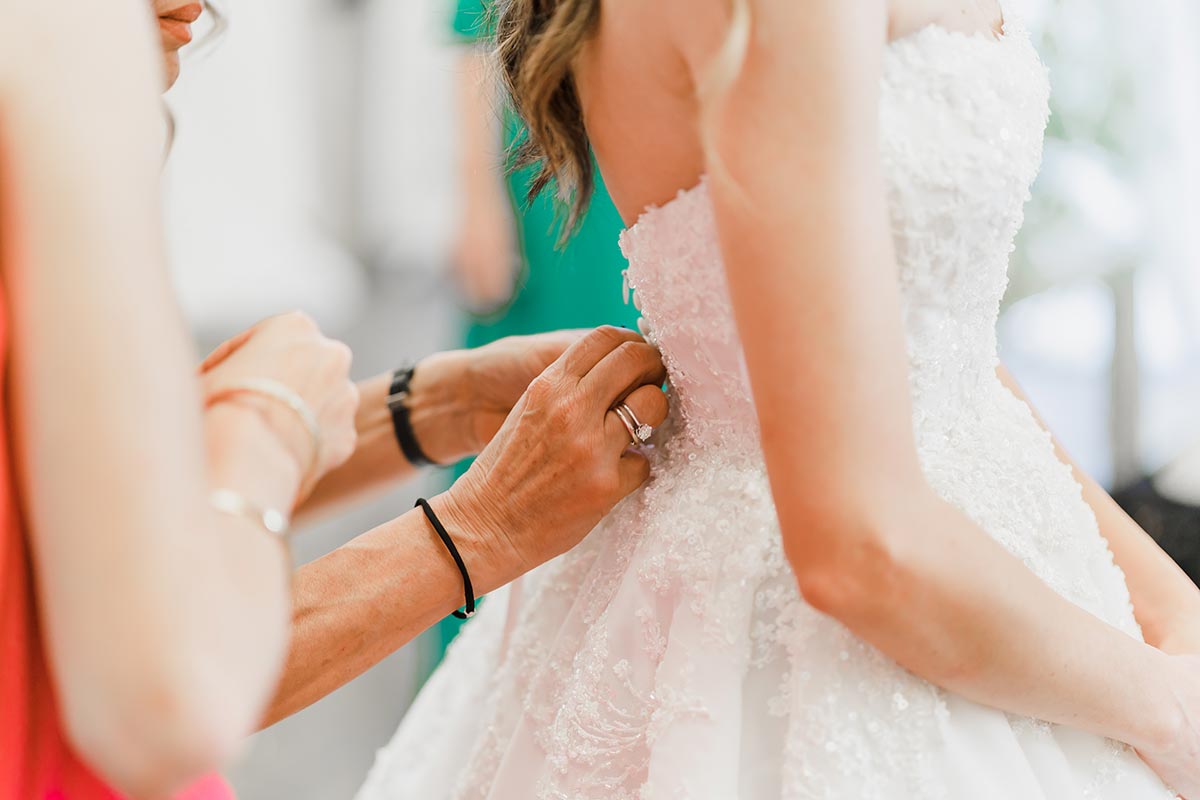
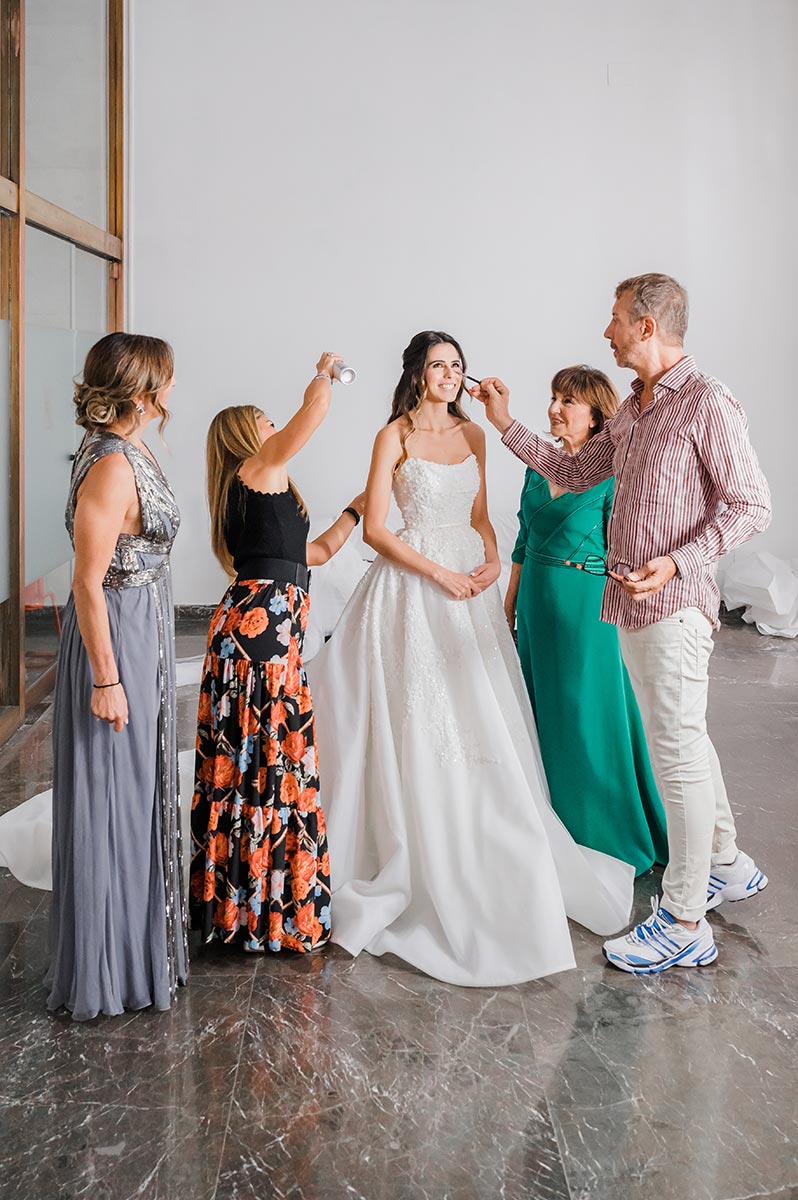
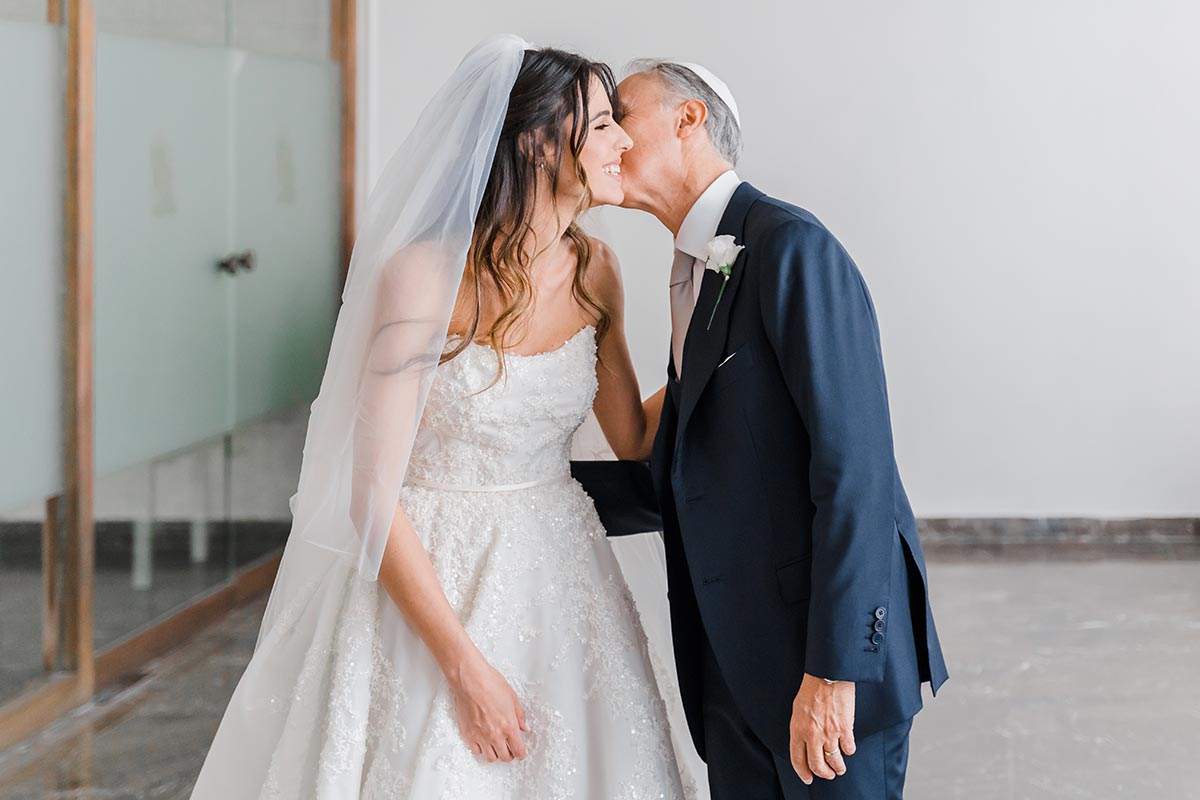
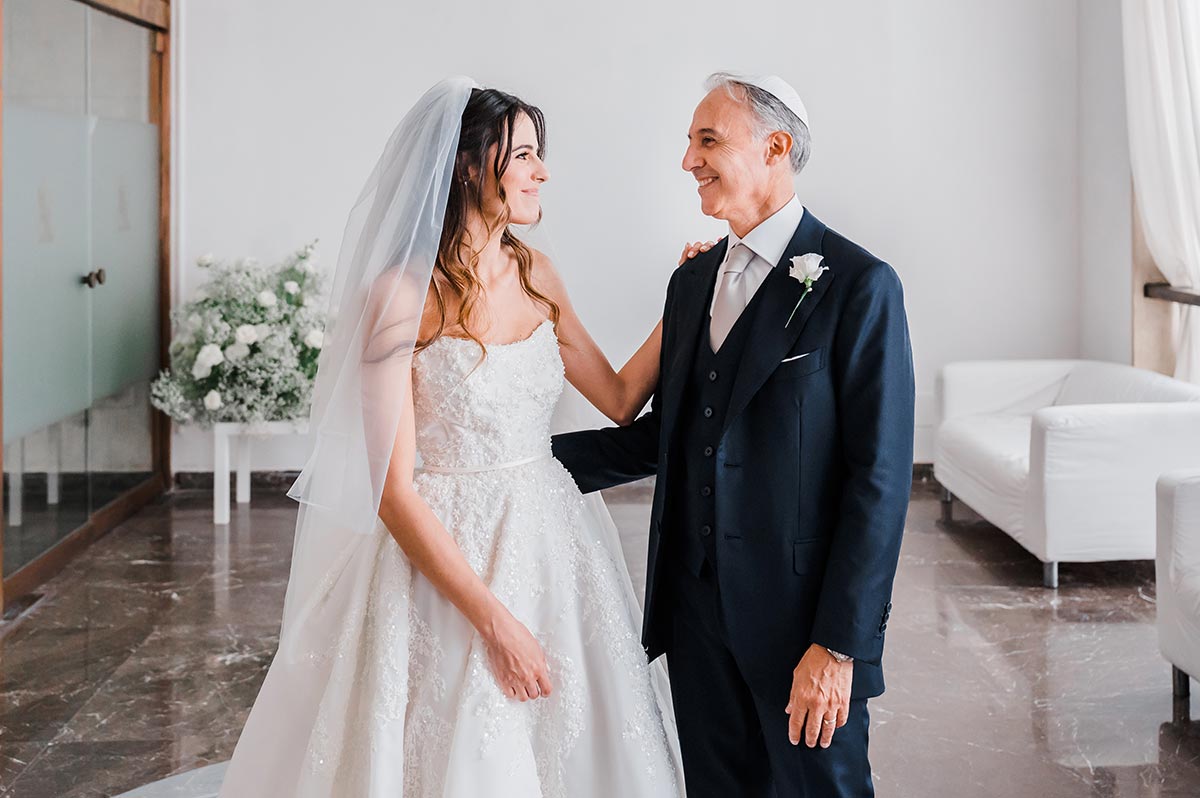
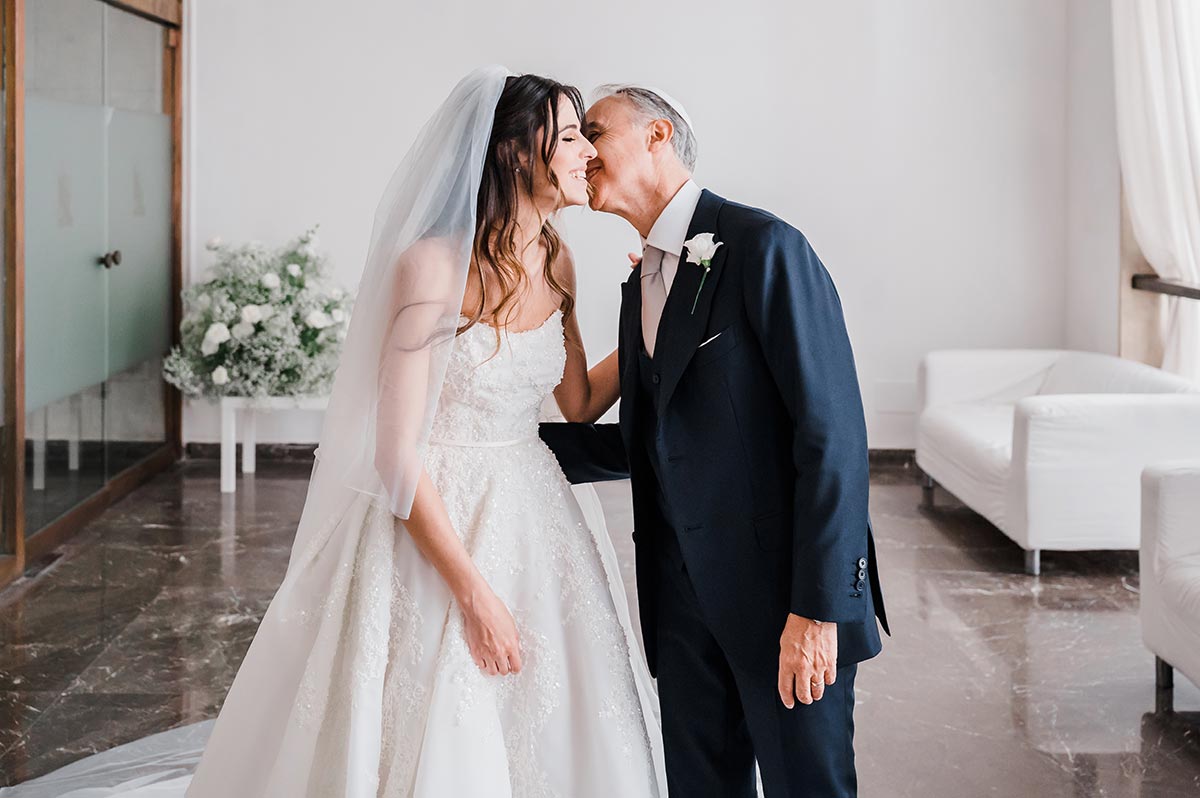
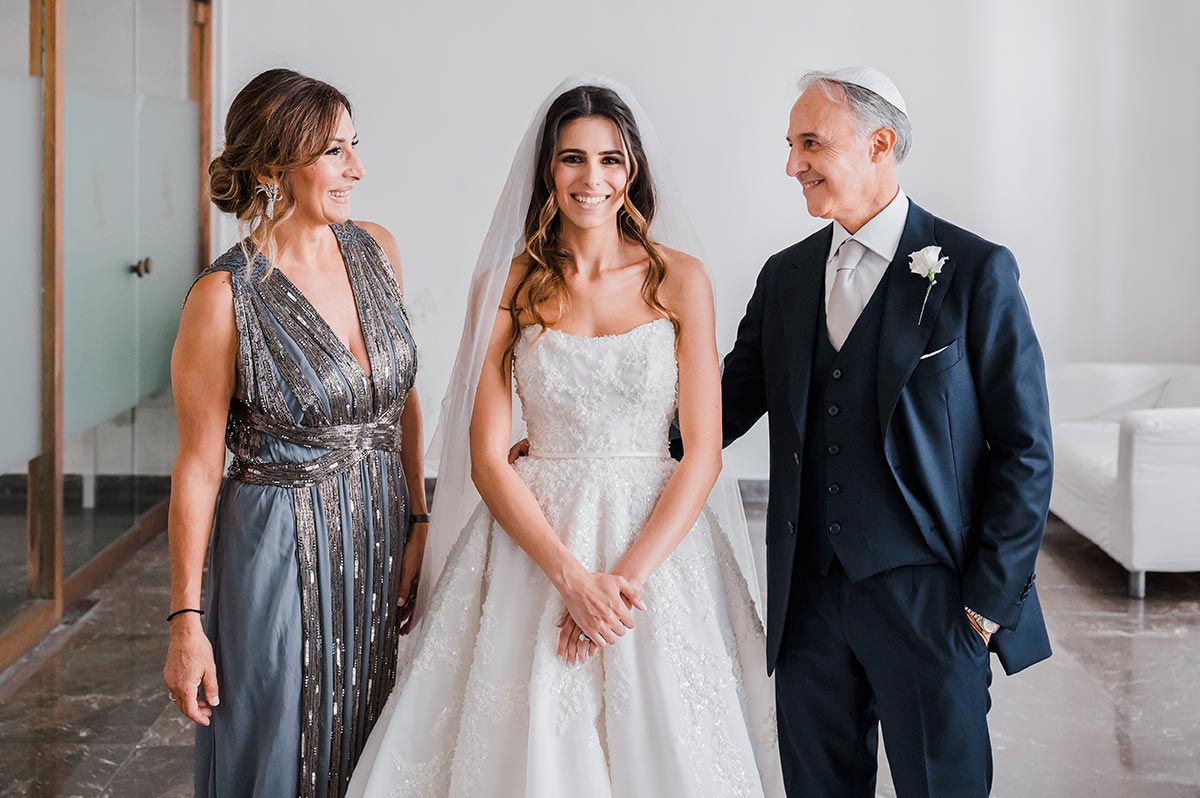
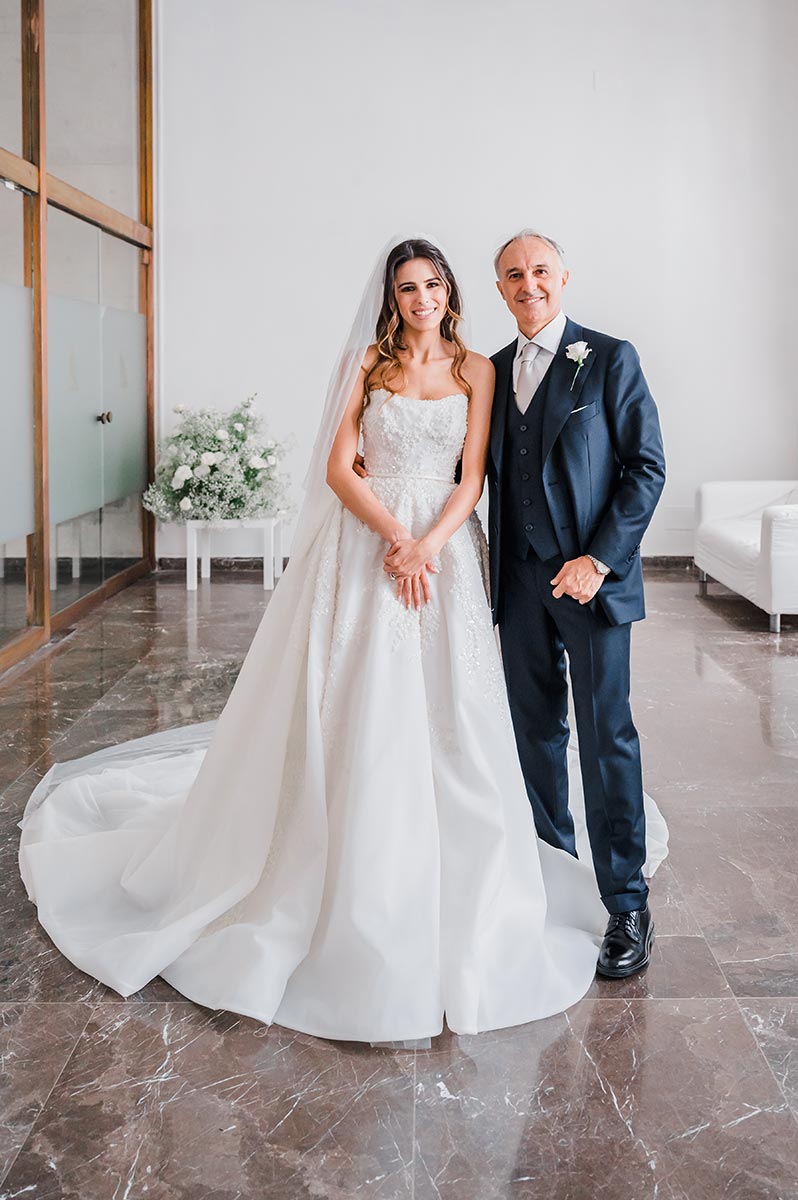
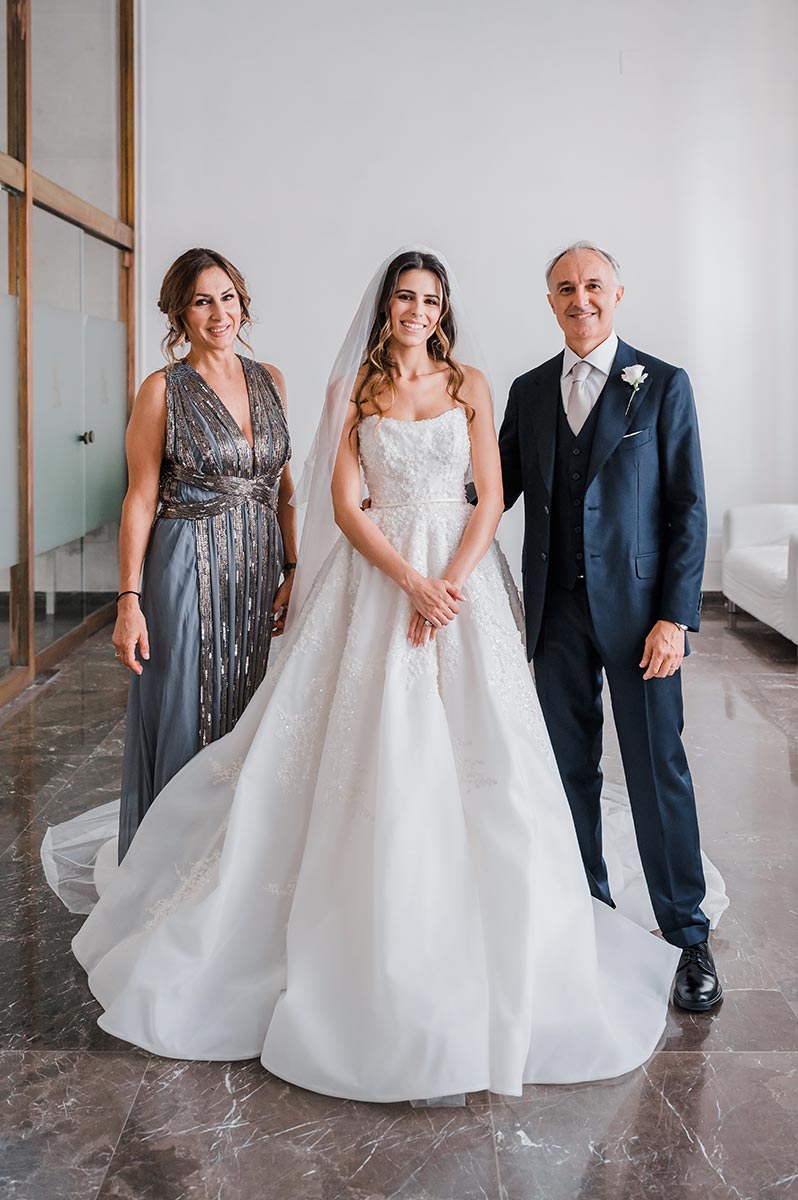
With experienced wedding planners in Rome and vendors specialized in Jewish weddings, your dream wedding in the beautiful city of Rome can become a reality! From catering and florists to the photographers in Rome and musicians, they can assist you in finding the perfect vendors to fit your needs and budget.
Take advantage of the opportunity to have a beautiful and meaningful Jewish wedding in the enchanting city of Rome. Start yours happily ever after in the most romantic way possible!
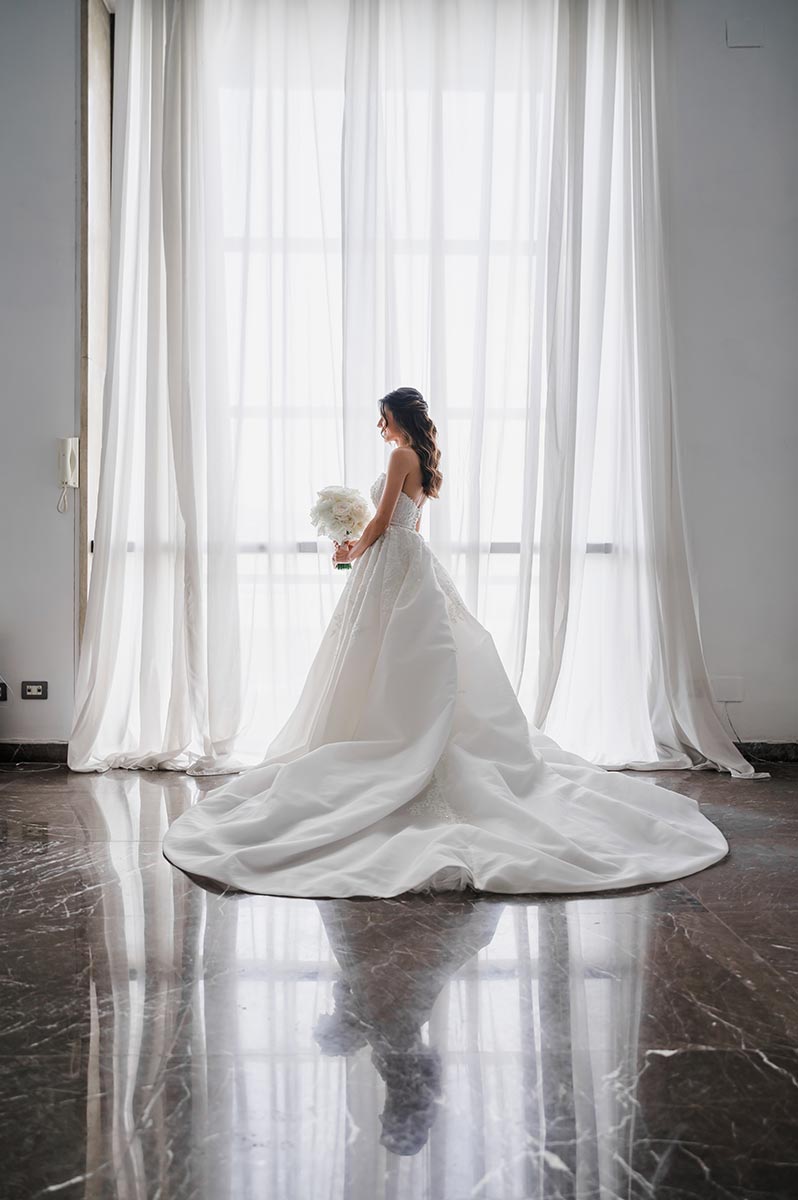
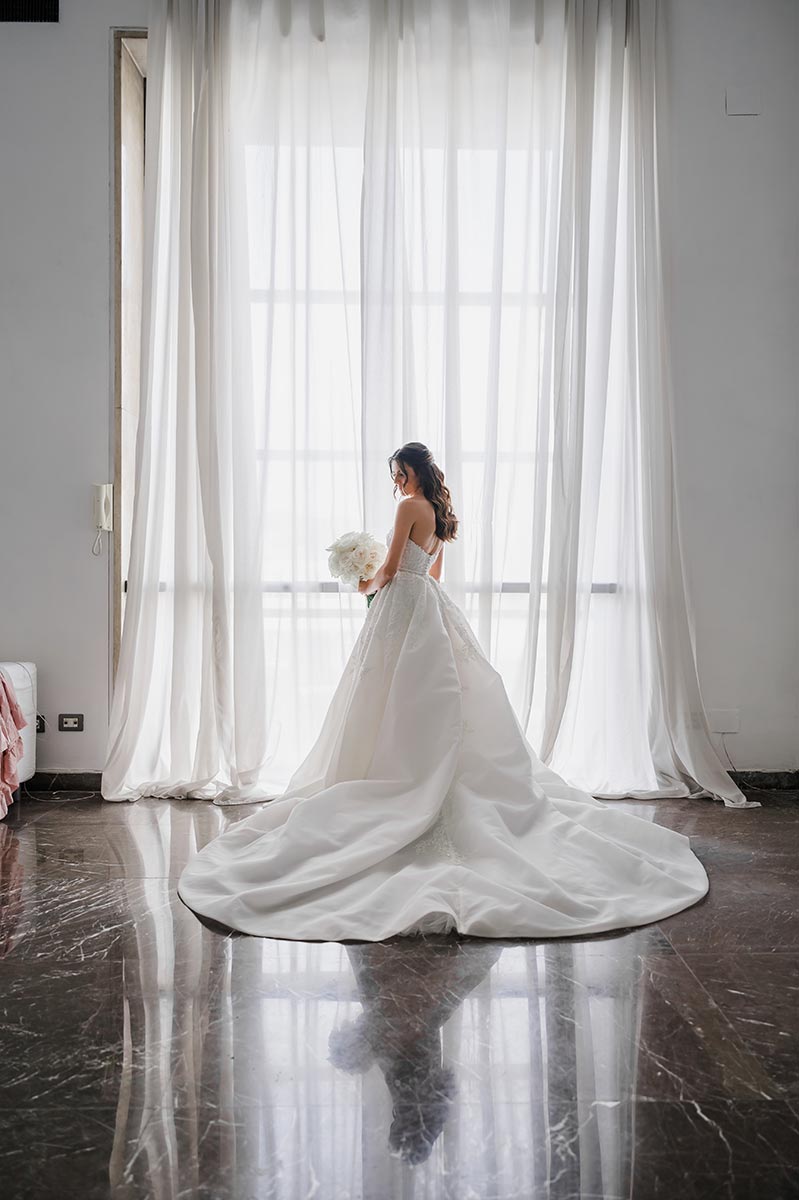
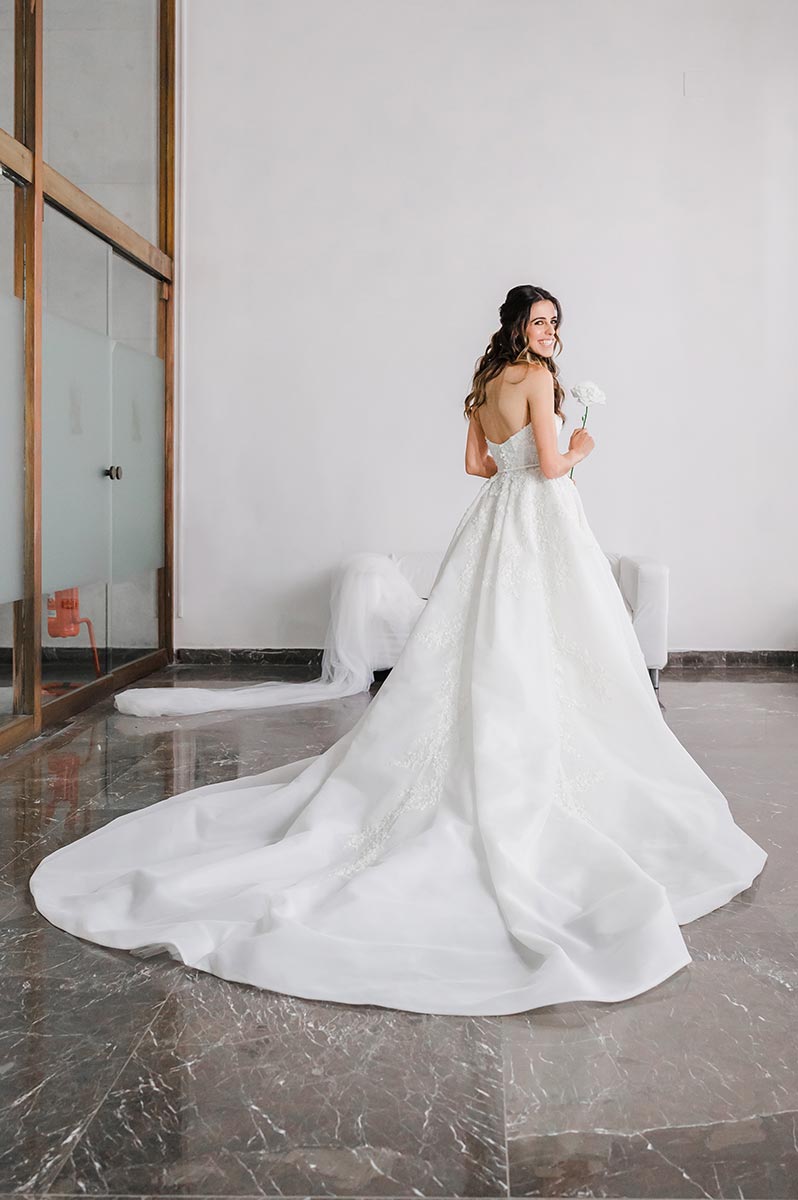





Before the big day, the bride and groom will visit their Community Office and Rabbinic Office to provide the necessary documents, including the permit from the Civil Office of the City and the names and Jewish parents’ names required for the creation of the Ketubah or wedding contract. The bride will then prepare for her Tevilah, a ritual bath, which takes place in the Mikvè. The Mikvè is a pool containing spring water or water that has come into contact with spring water or rainwater, constructed according to specific regulations. To comply with the laws, Tevilah must take place only in a Mikvè and under certain conditions, such as on certain days of the week or at specific times.








It’s important to note that Tevilah can only be done after at least seven days have passed since the end of menstruation. During Tevilah, women should not wear rings, pins, or other items that prevent contact with water. Immersion should be done with closed mouths, not clenched shut. Tevilah should be done before marriage. This ritual bath is a purification process that symbolizes the bride’s readiness and commitment to her new life and marriage.

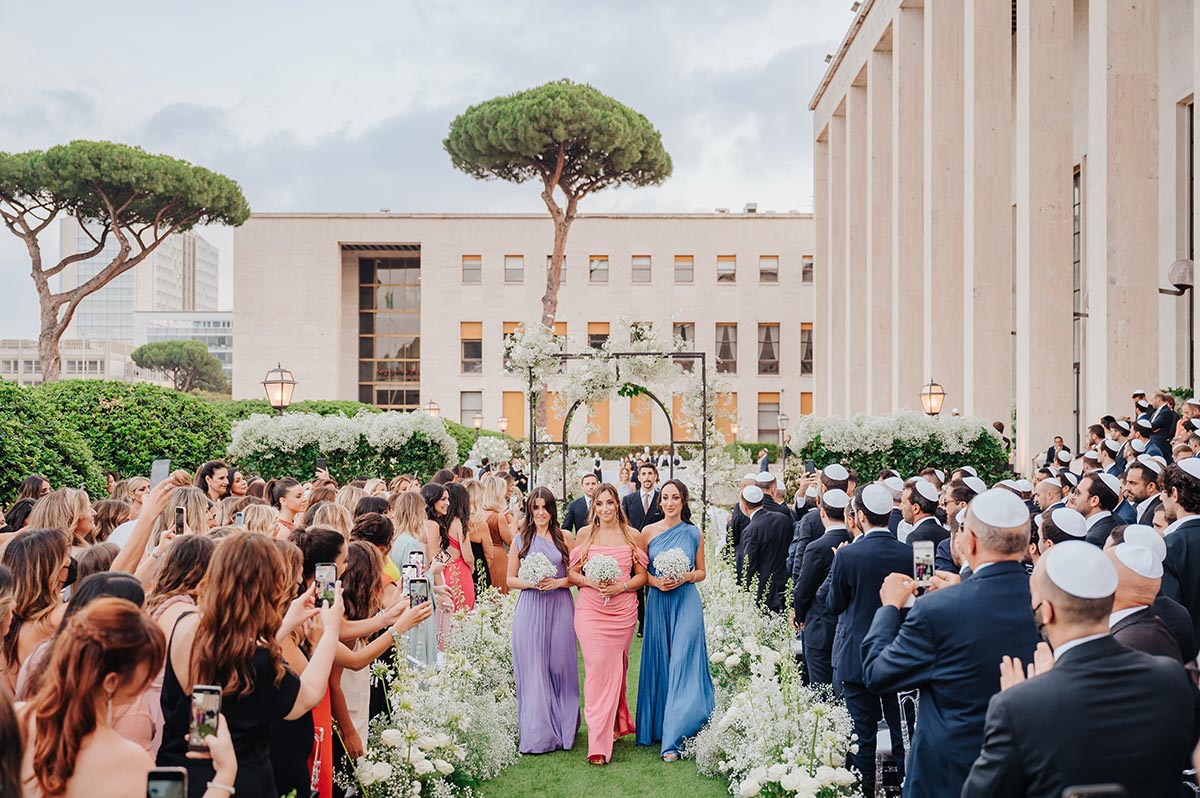
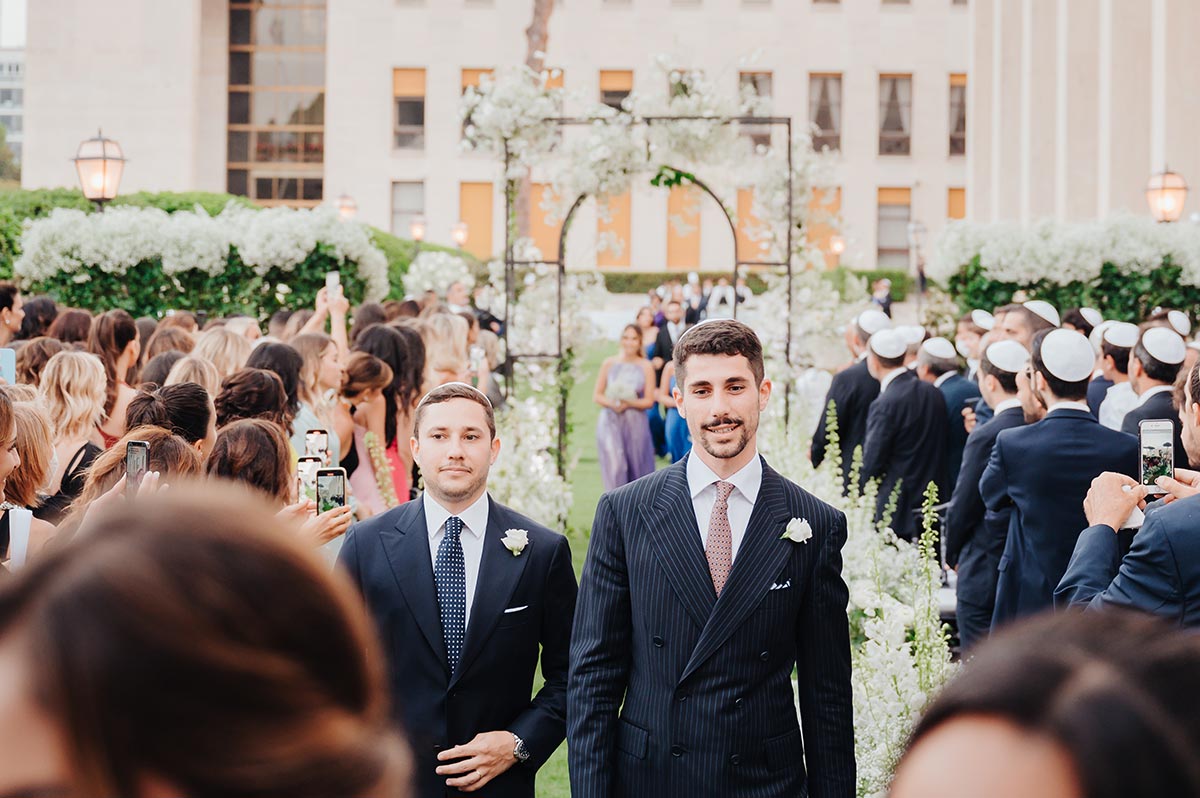
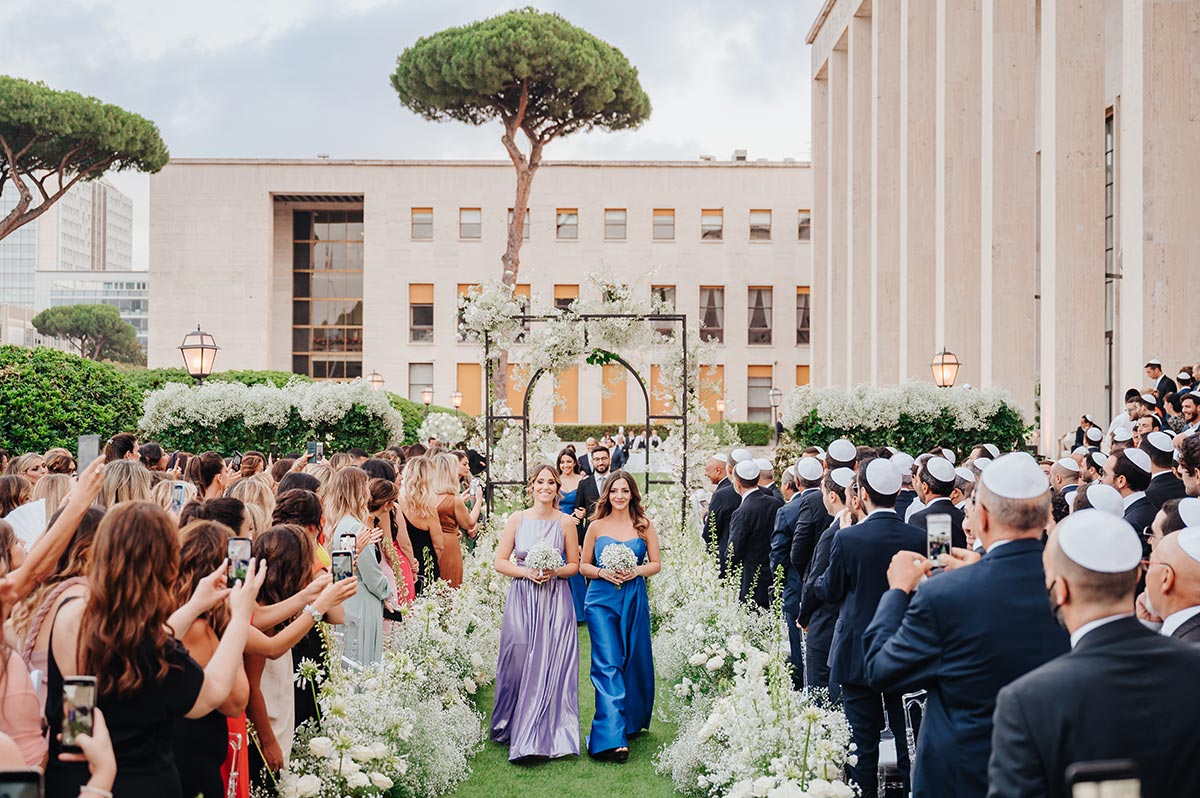
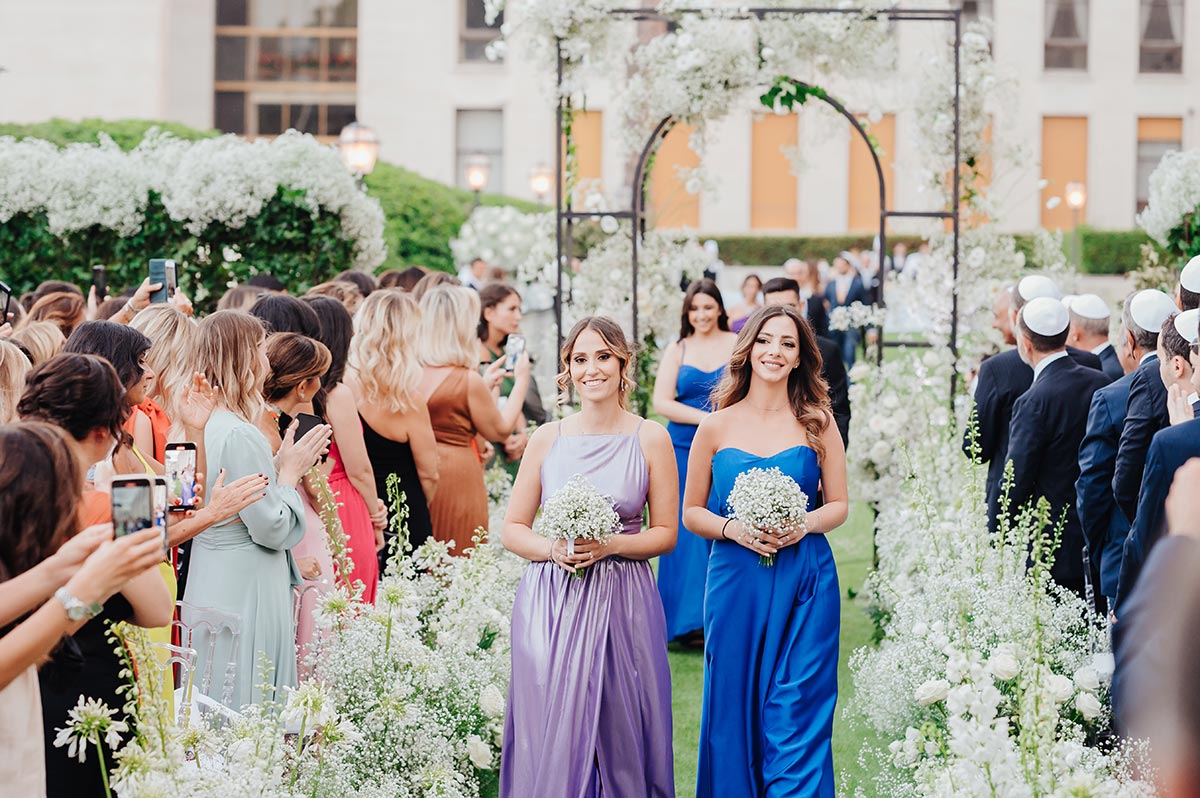
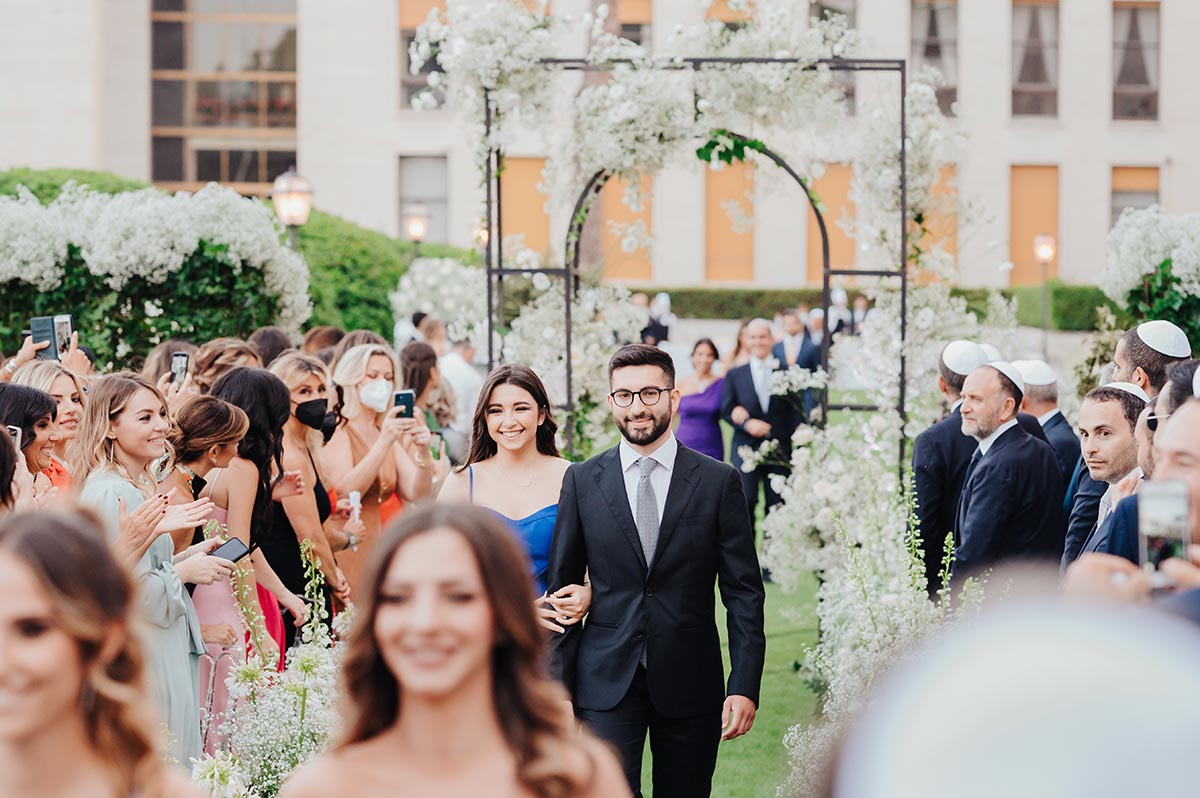
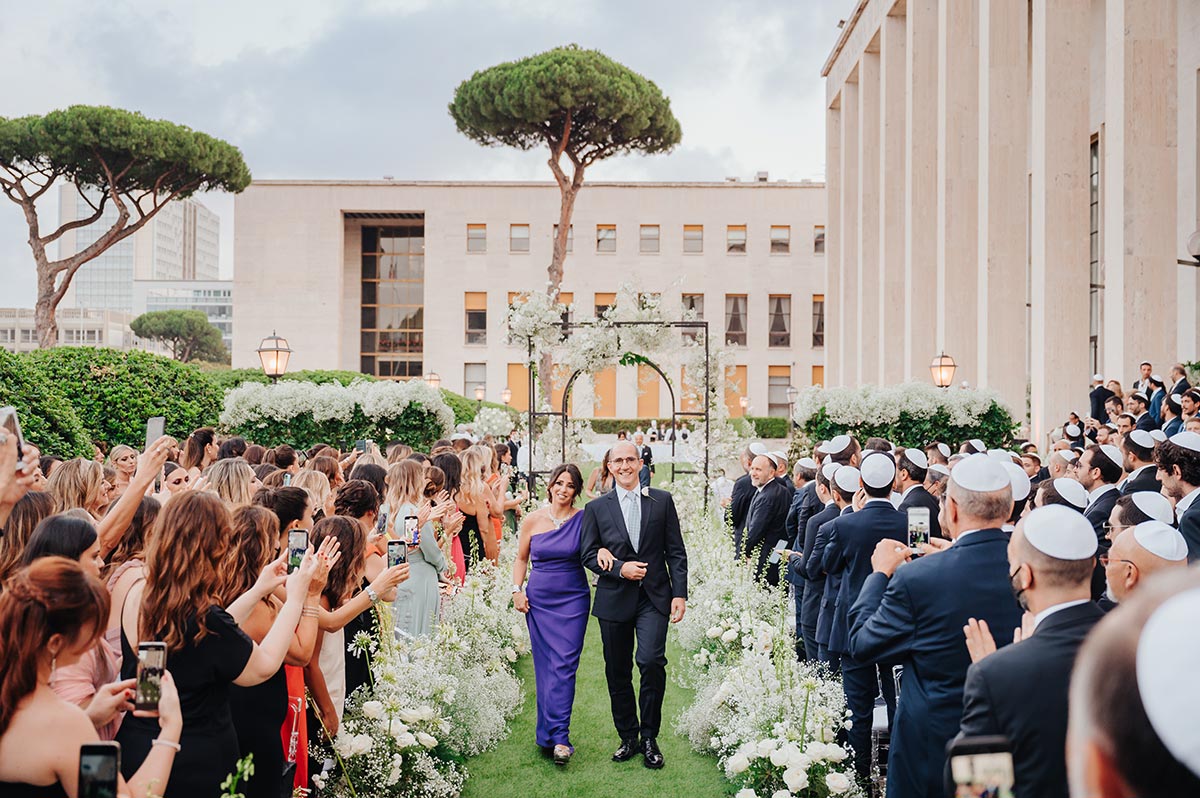
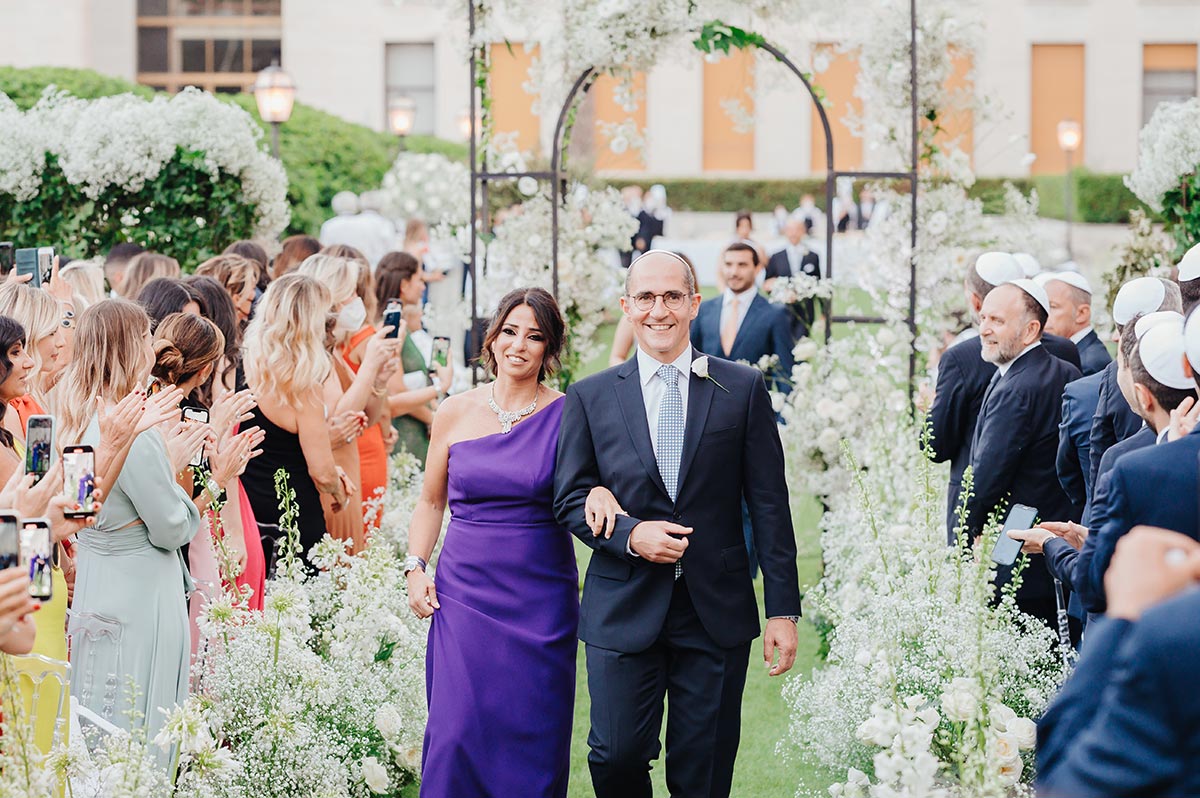

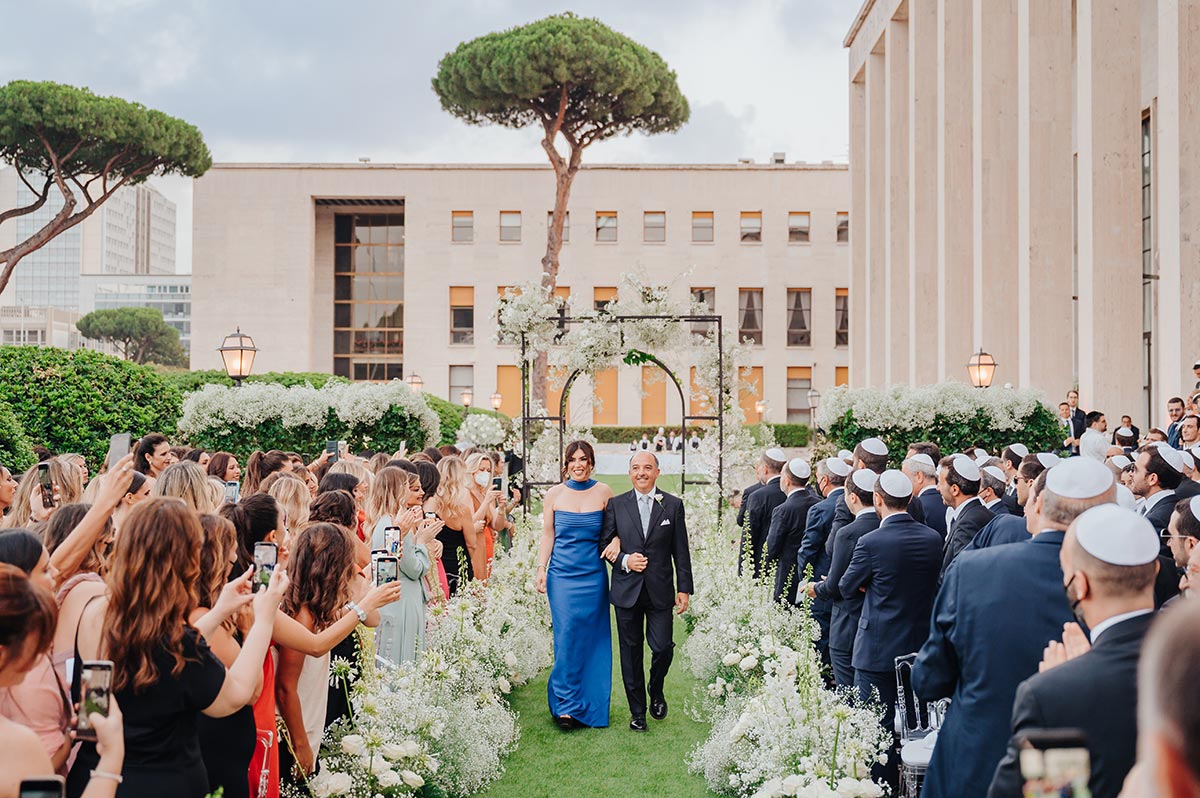
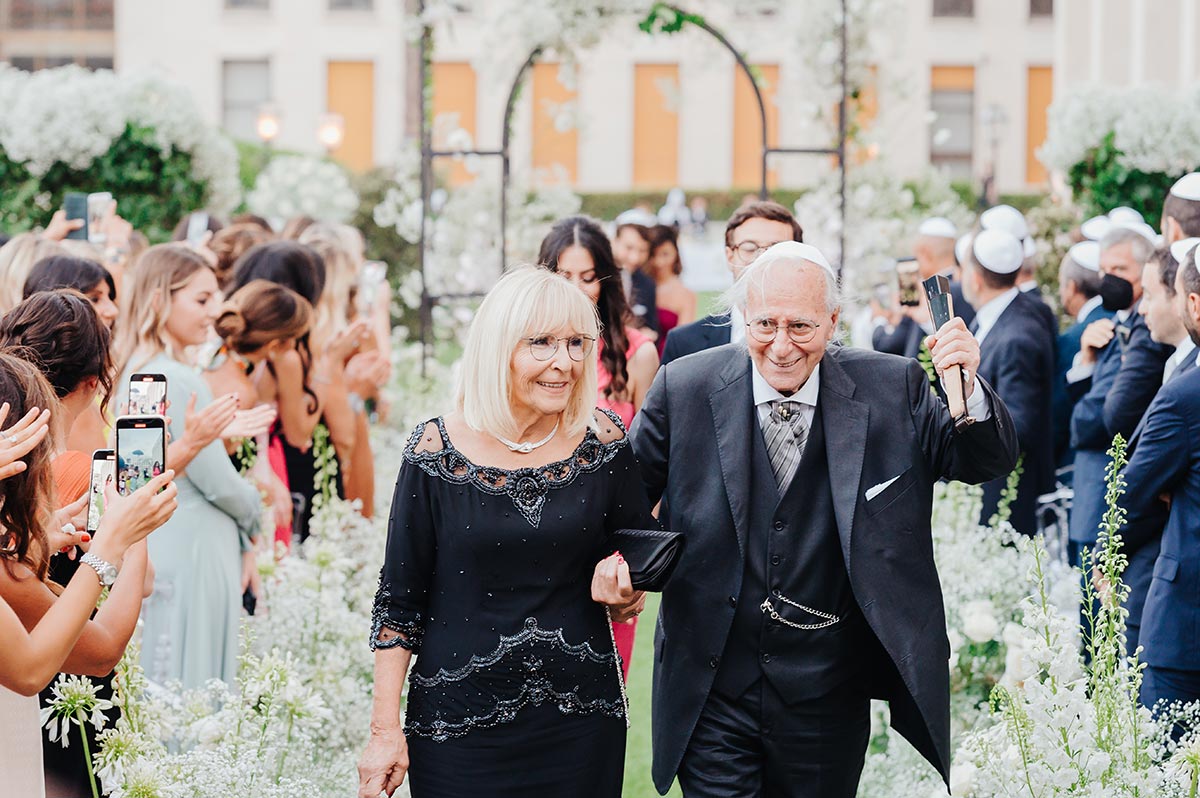
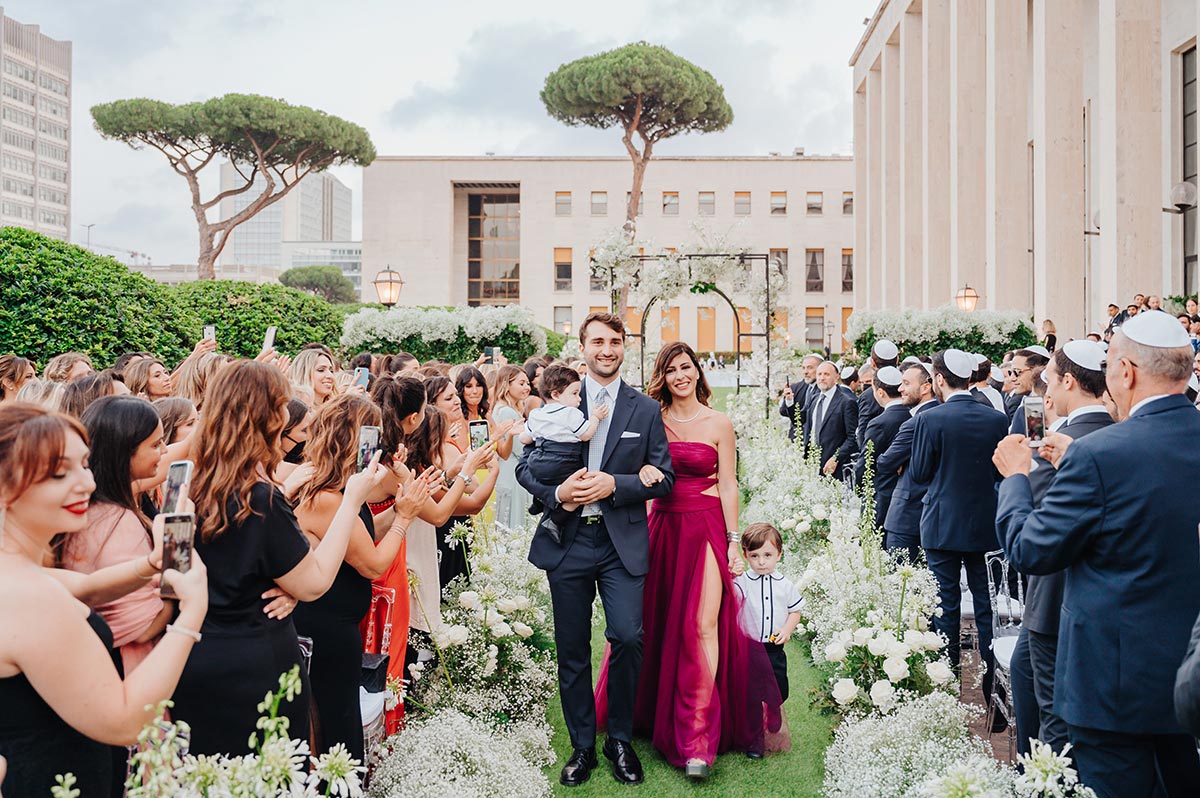
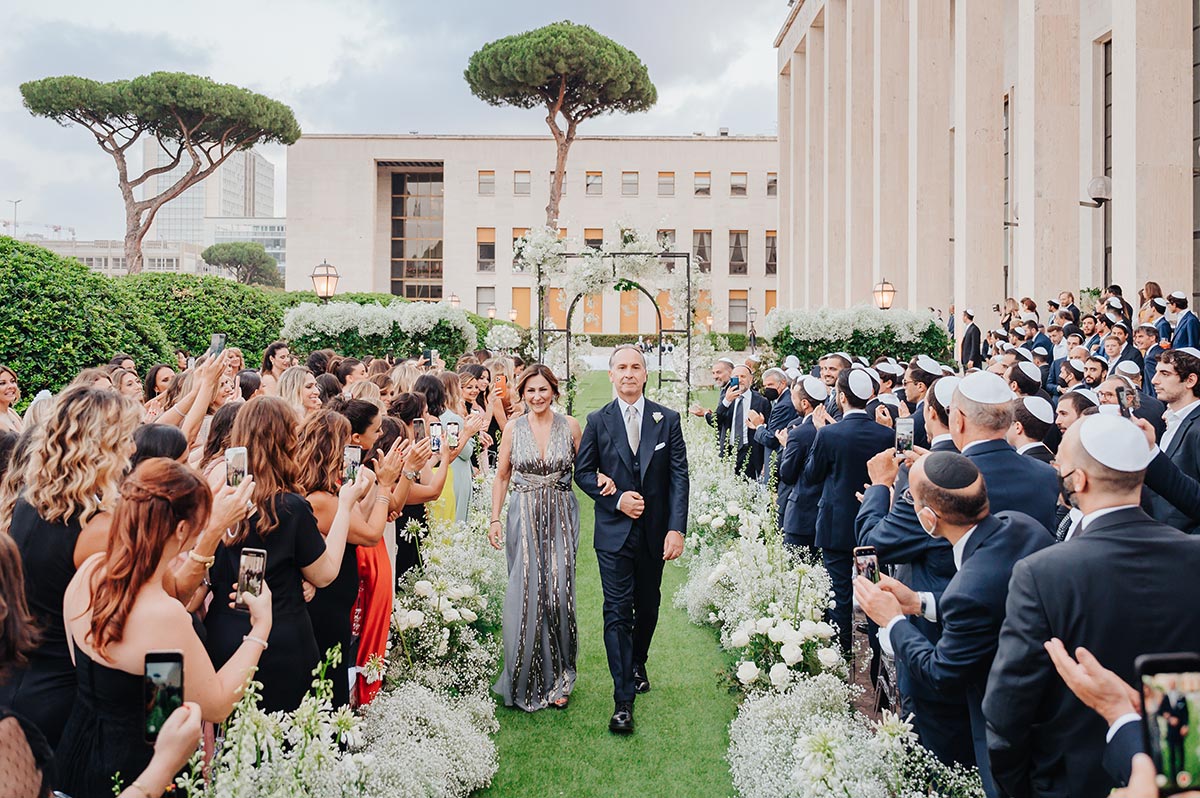
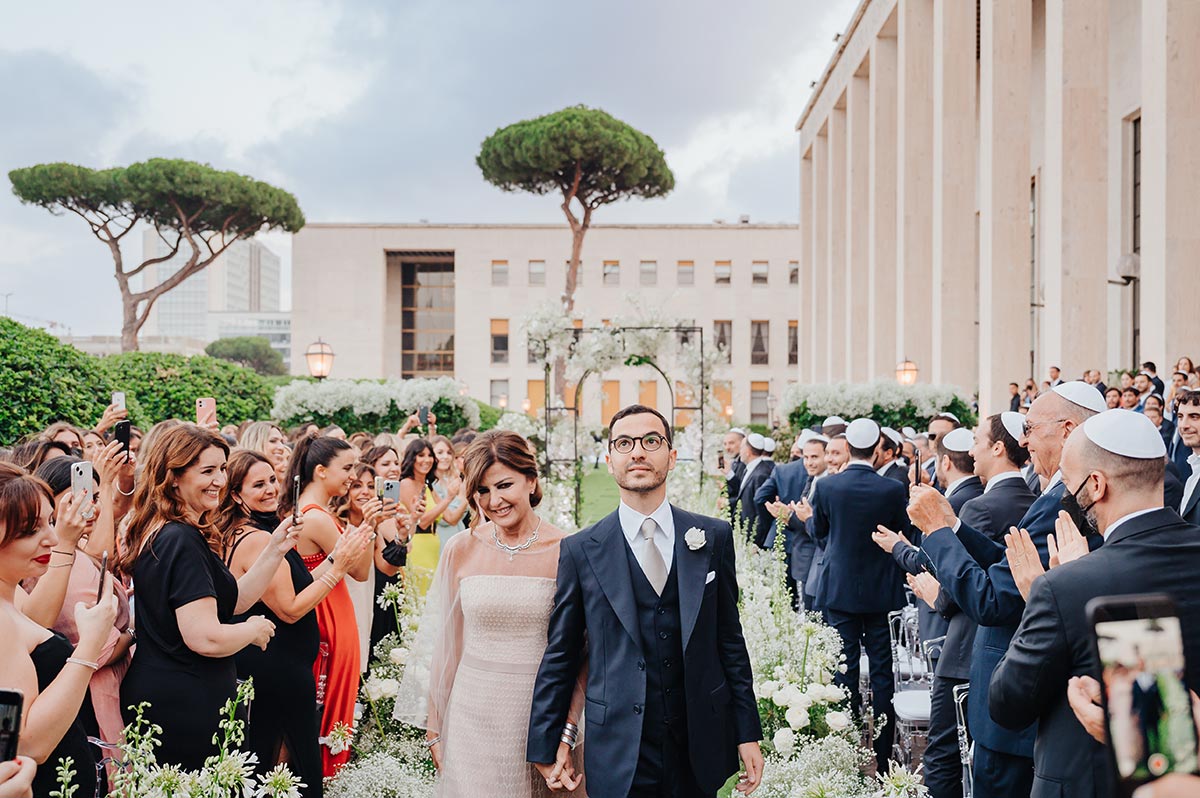
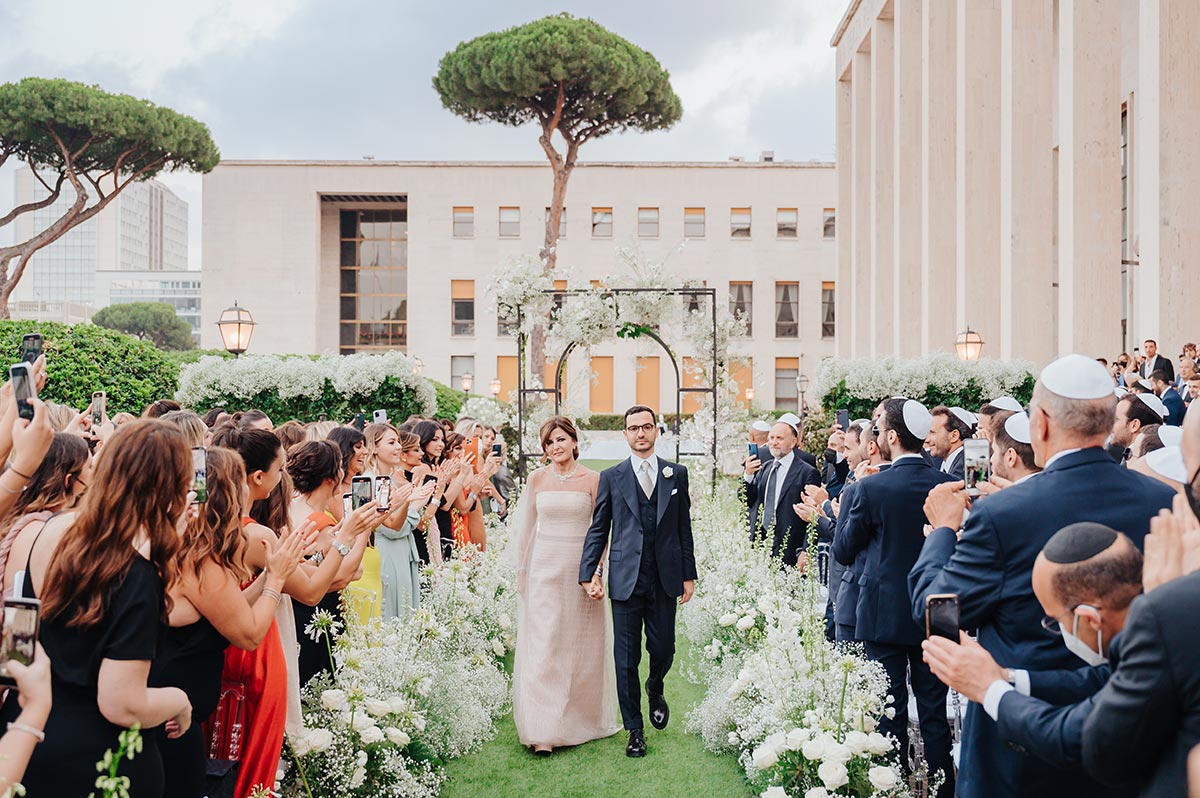

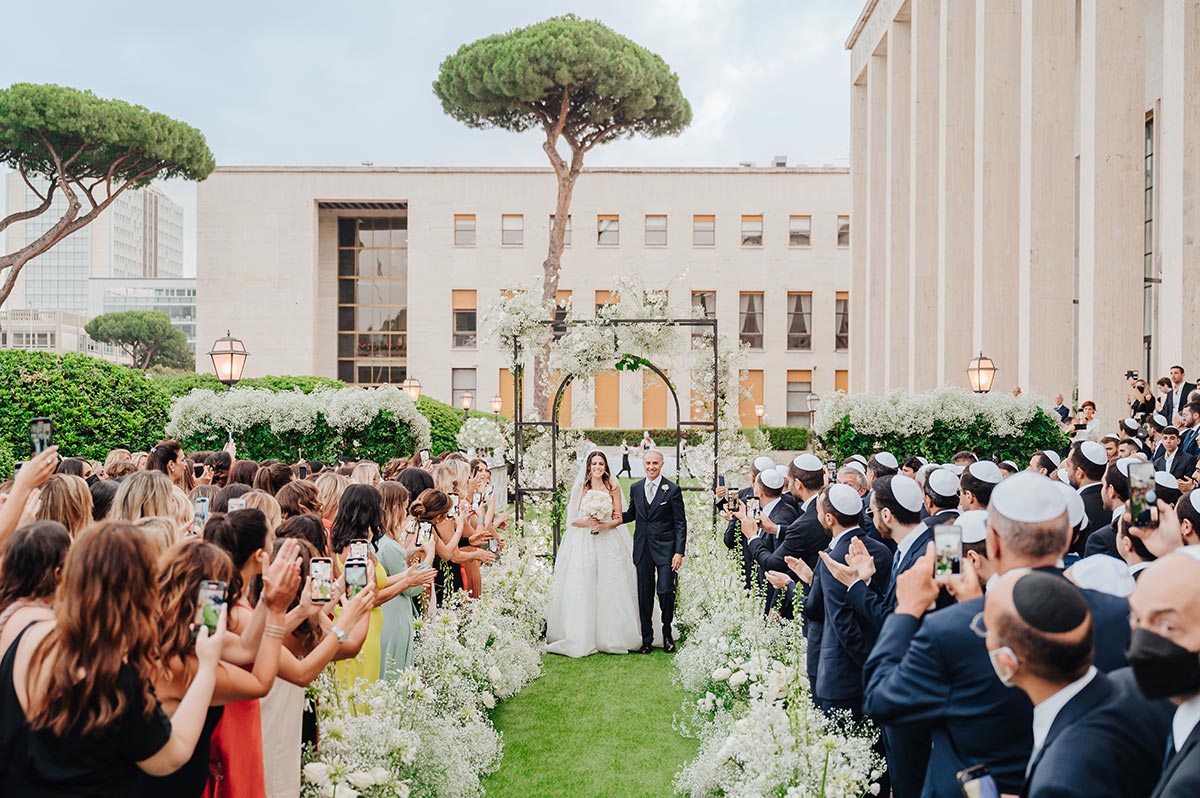
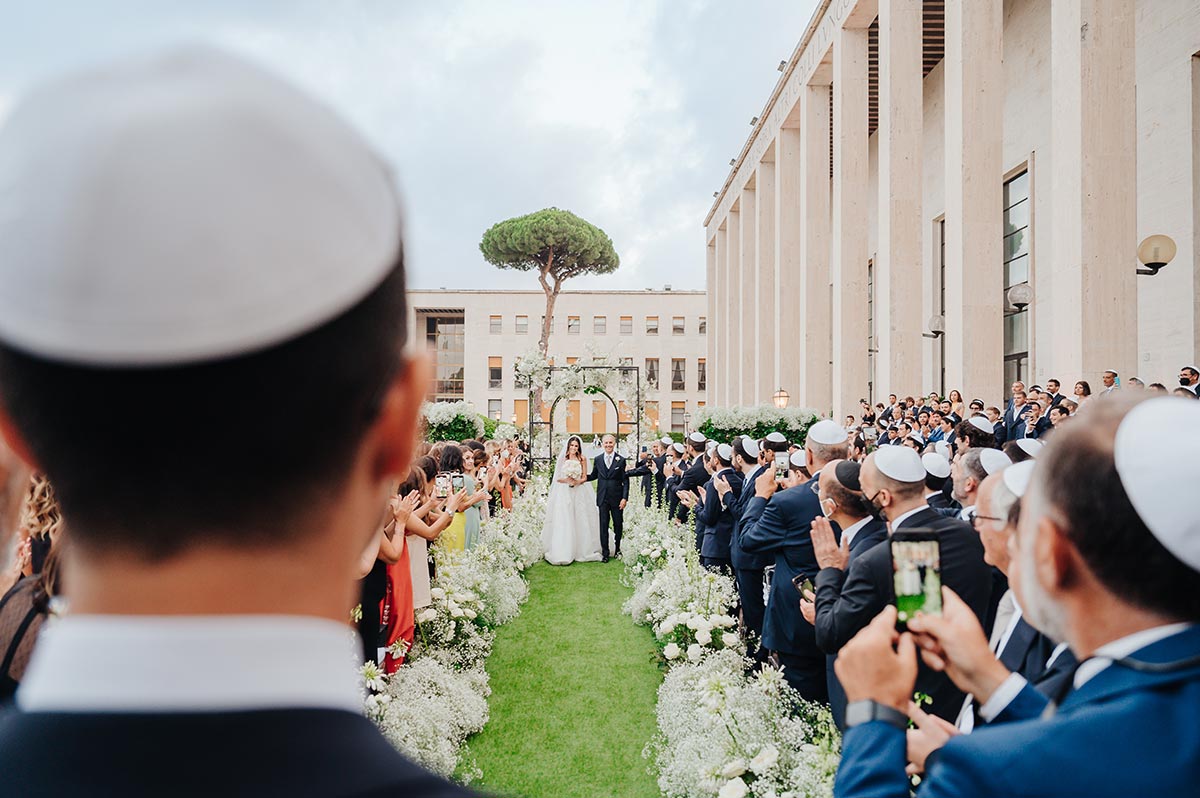
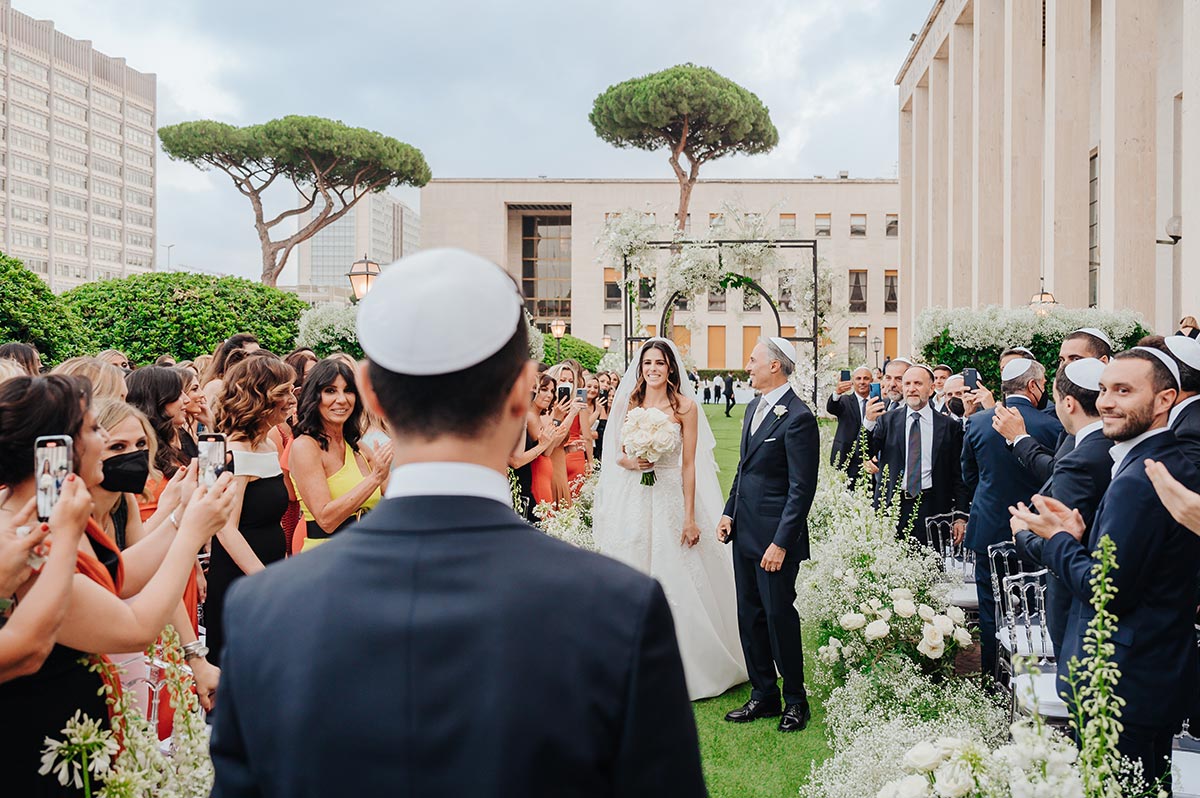
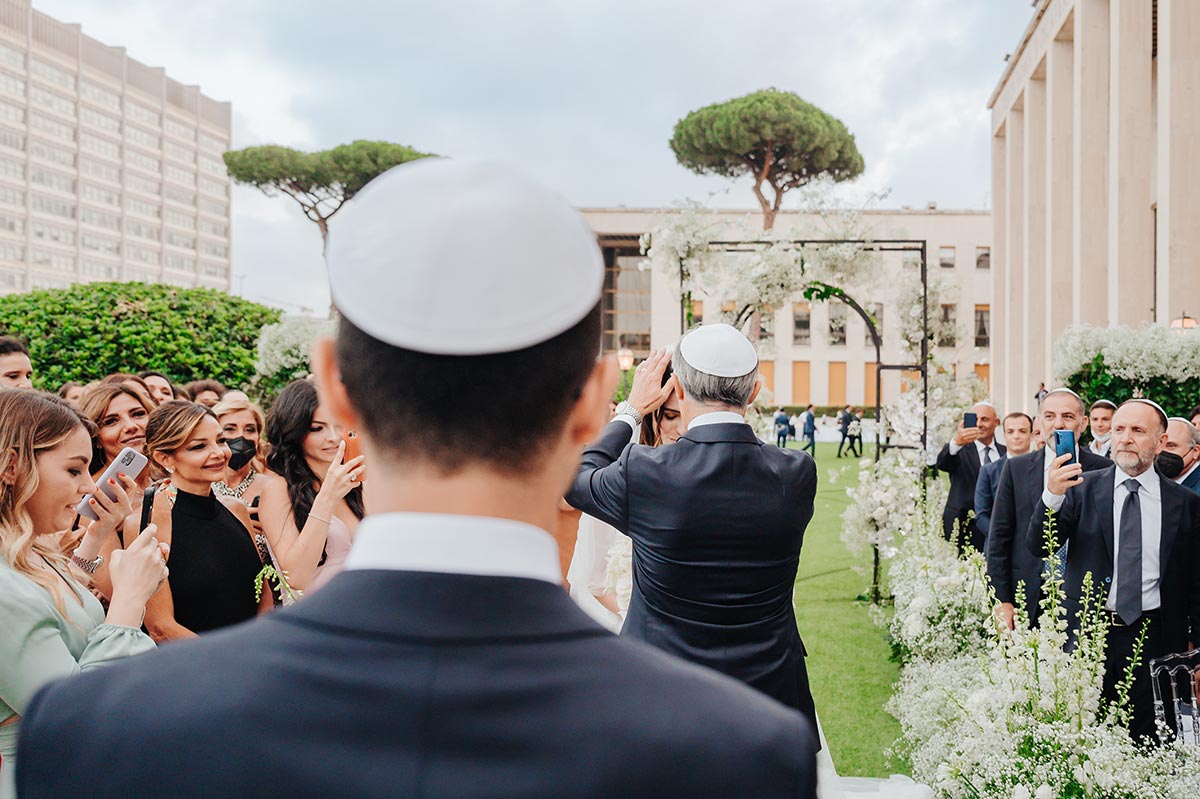
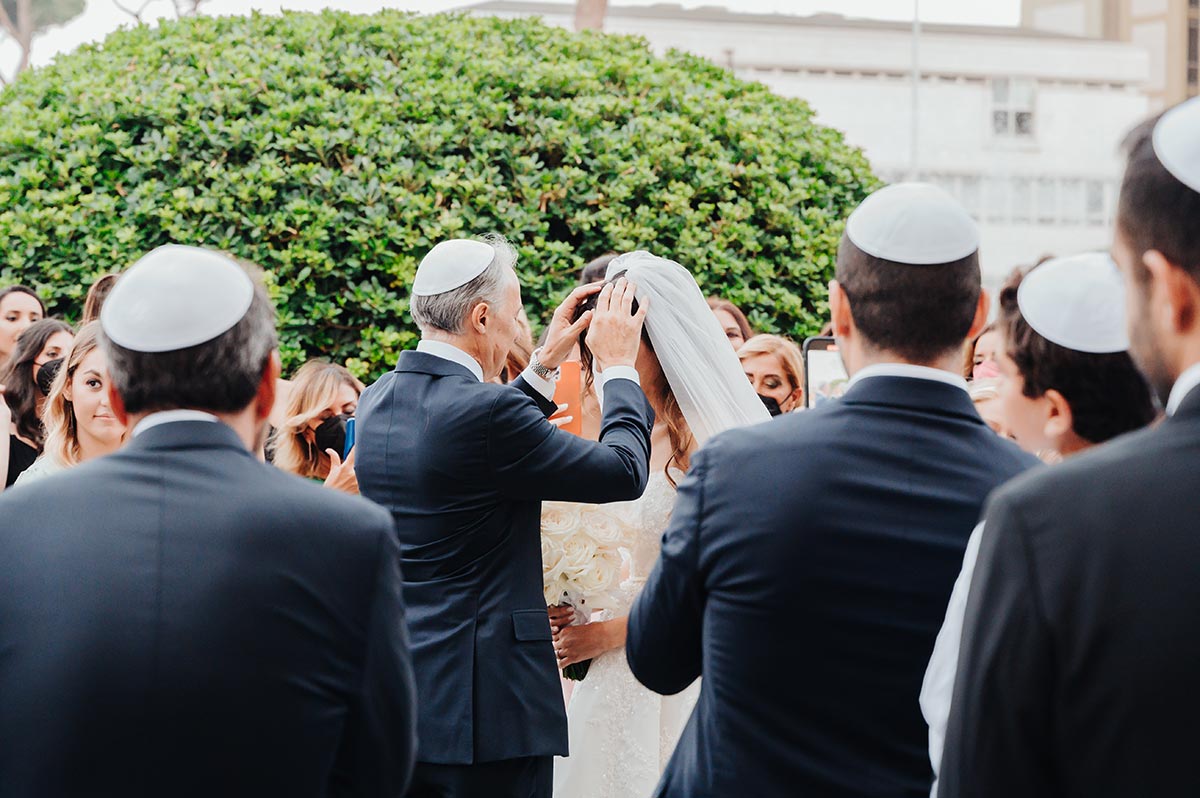
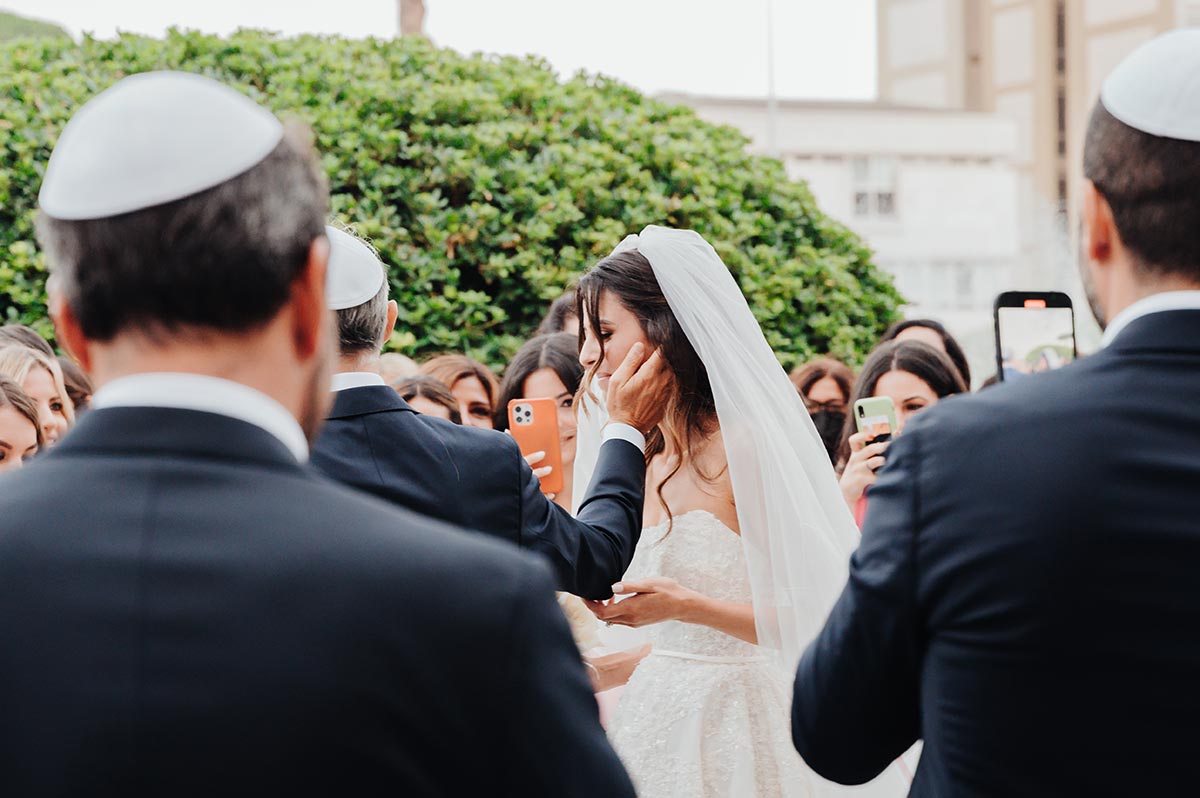
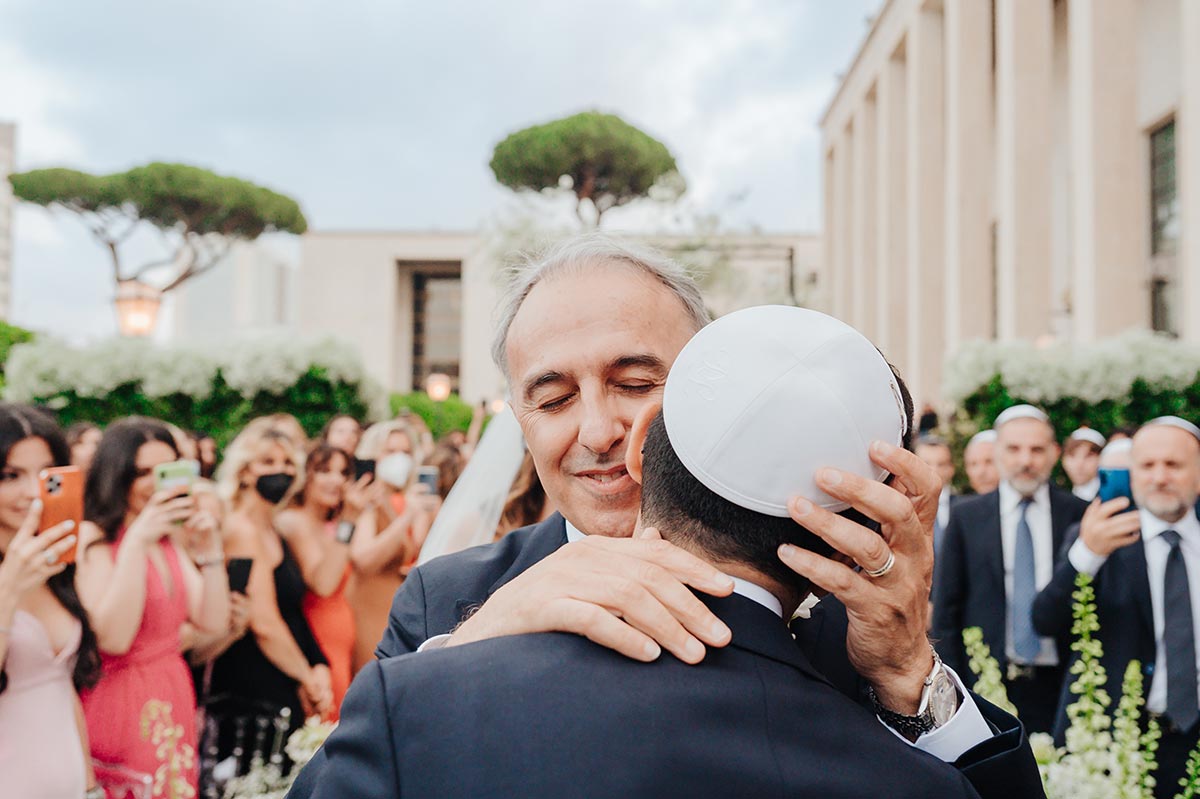
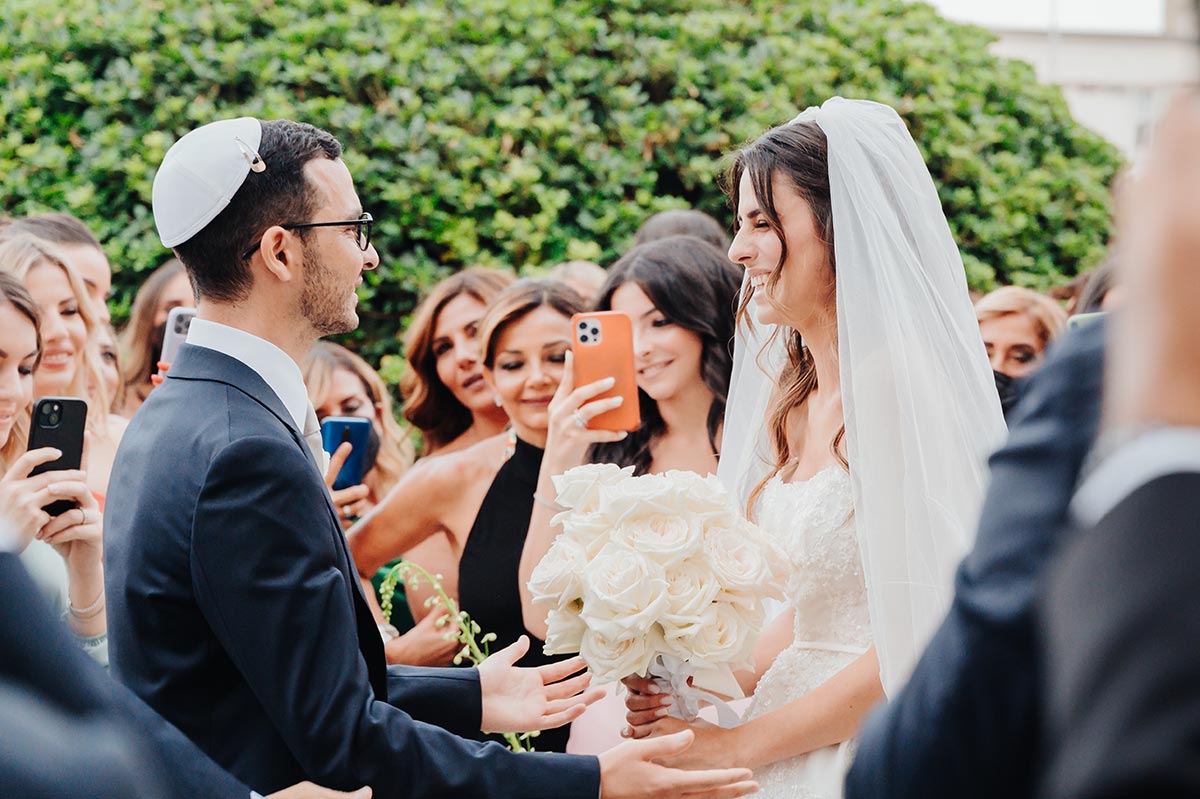


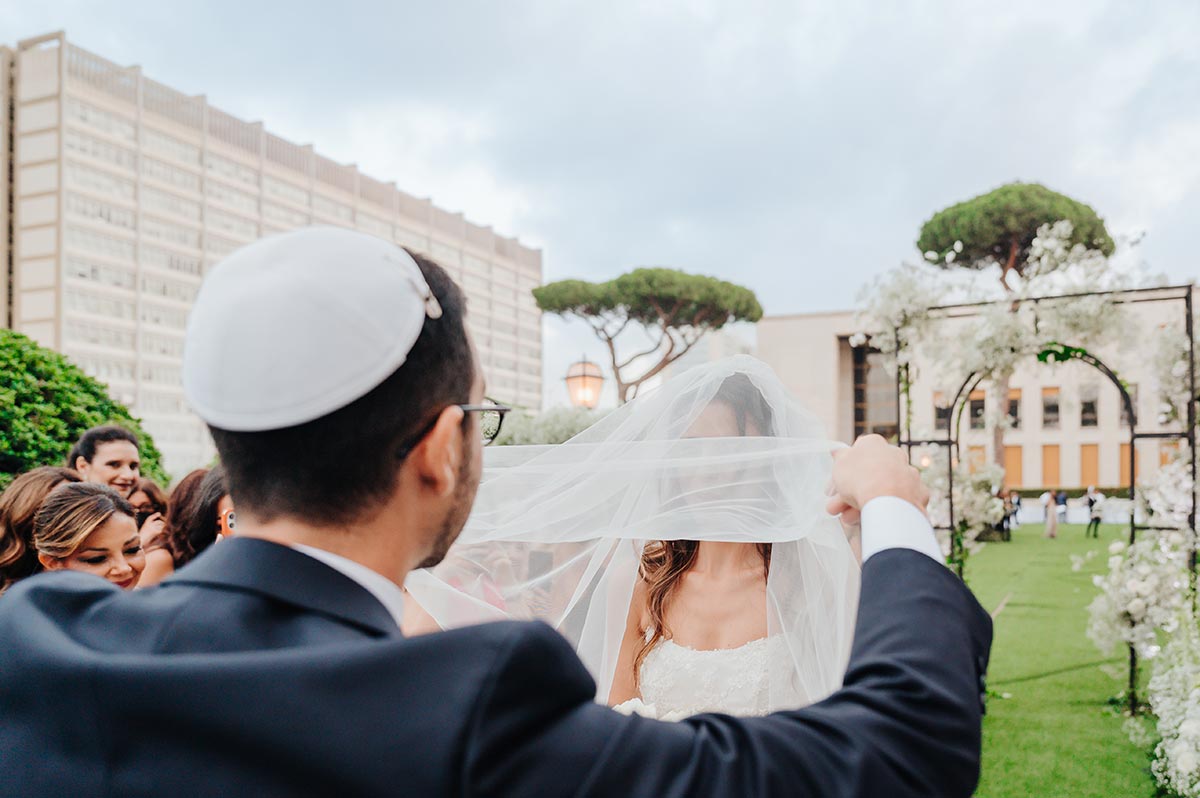
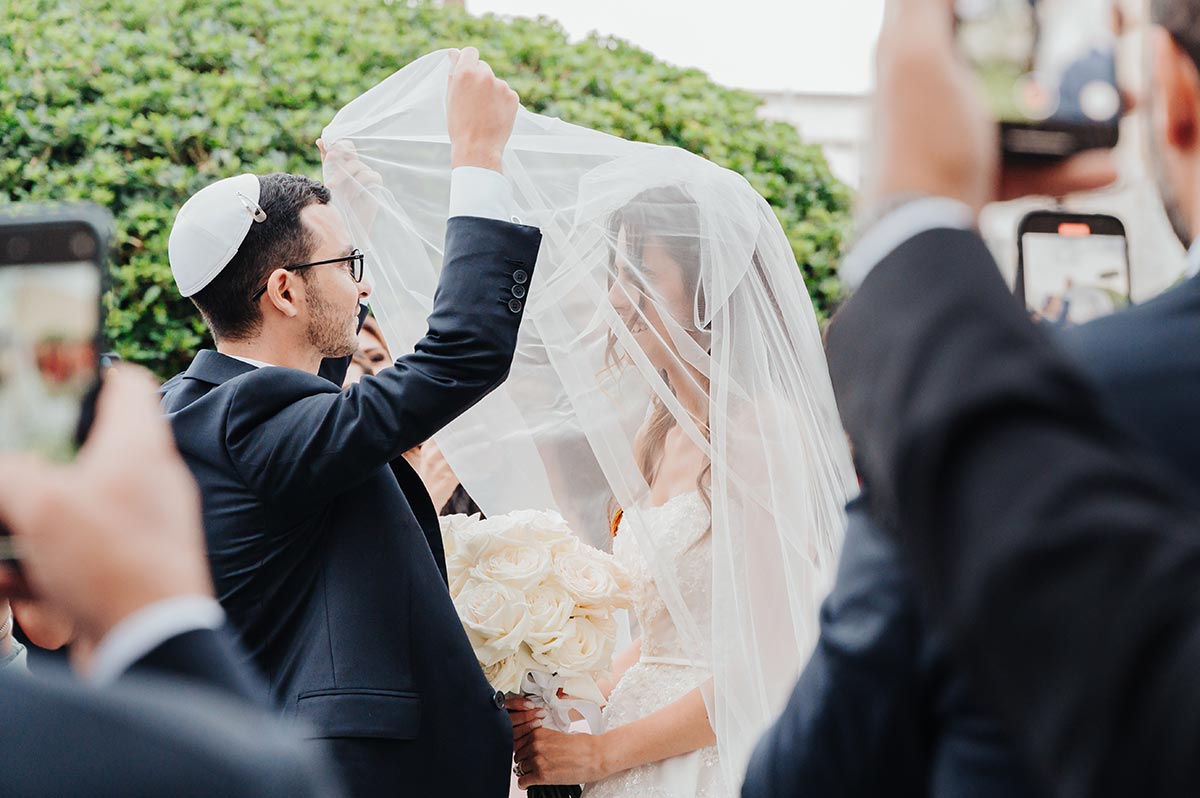
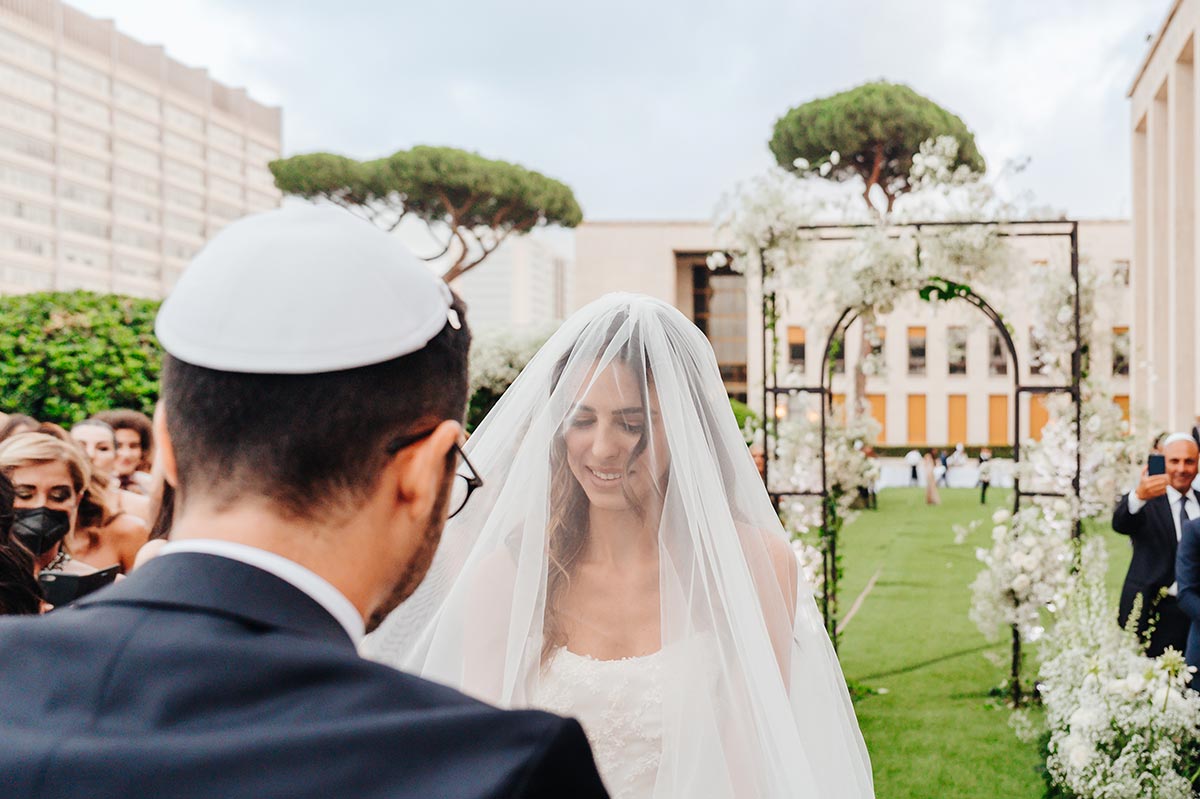
The Tevilah is an essential tradition in Jewish weddings and adds a meaningful layer of holiness and sanctity to the celebration. It is one of the many customs that make a Jewish wedding in Rome a unique and memorable experience.


The Jewish wedding day in Rome
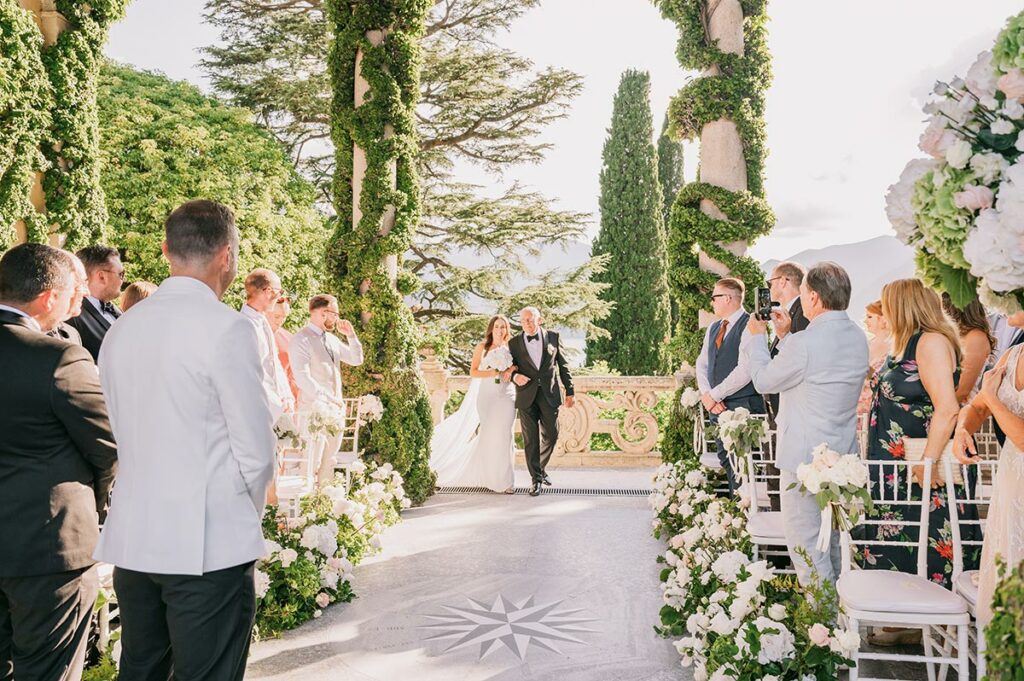
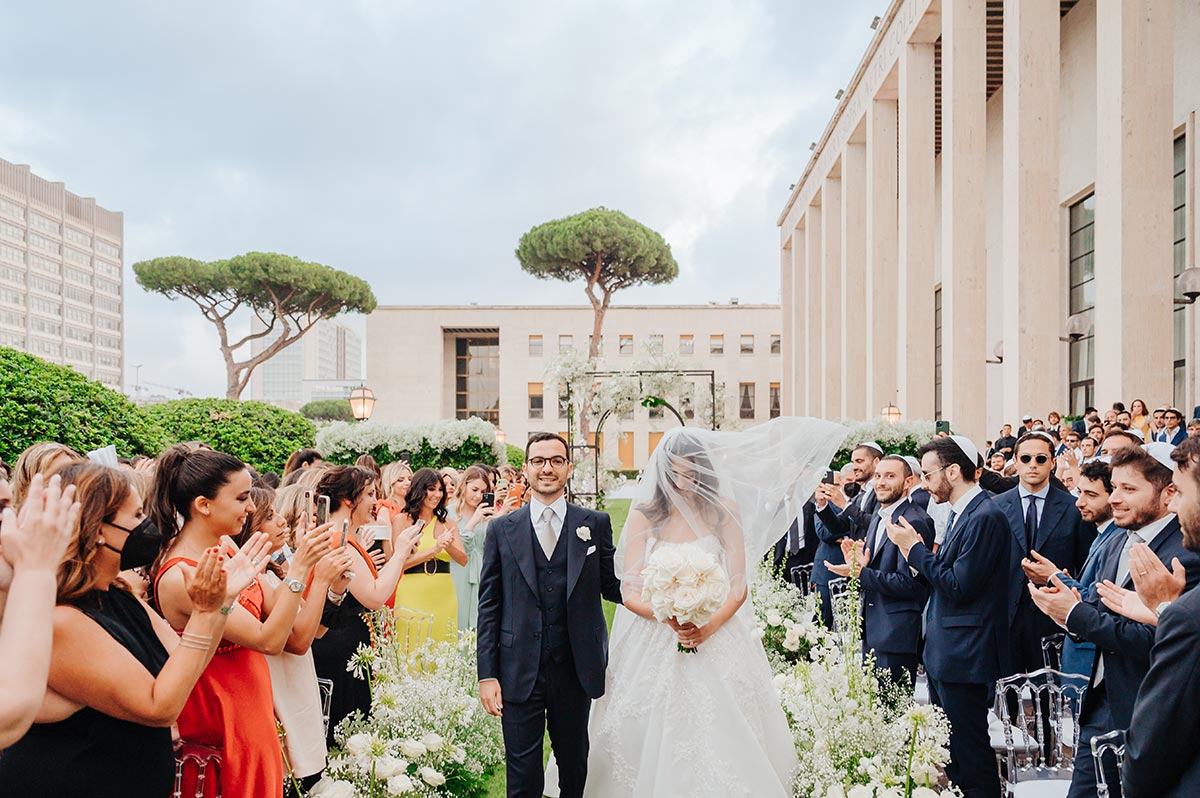
On the big day, the bride and groom will make their way to the synagogue or chosen ceremony location, as agreed upon with the office of the Rabbi. This marks the beginning of the wedding procession, culminating in the ceremony room.
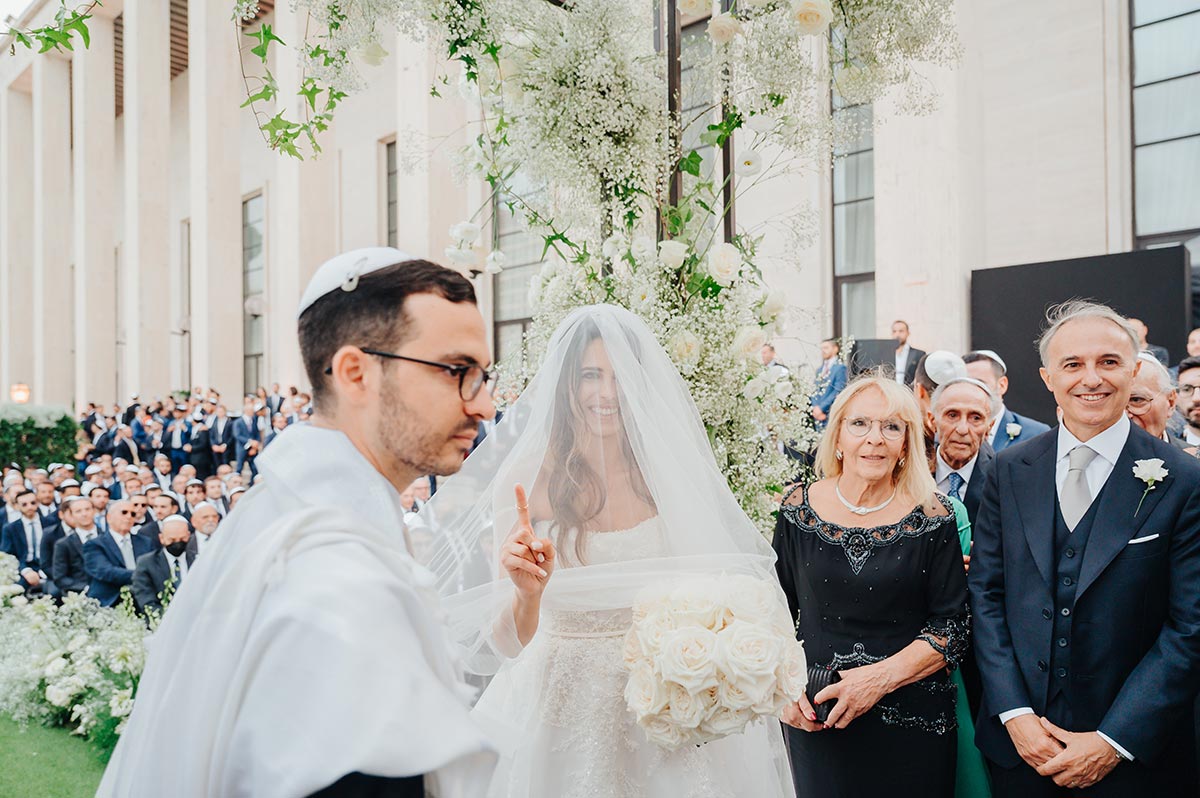
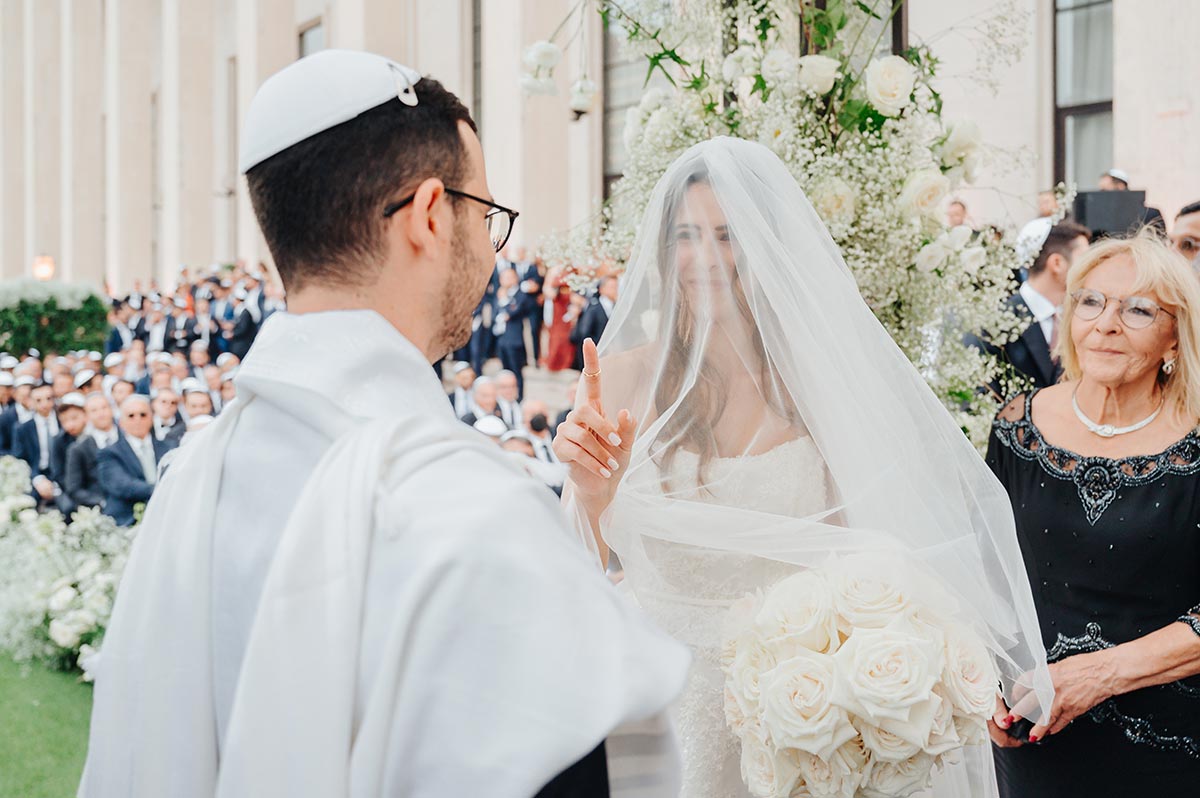
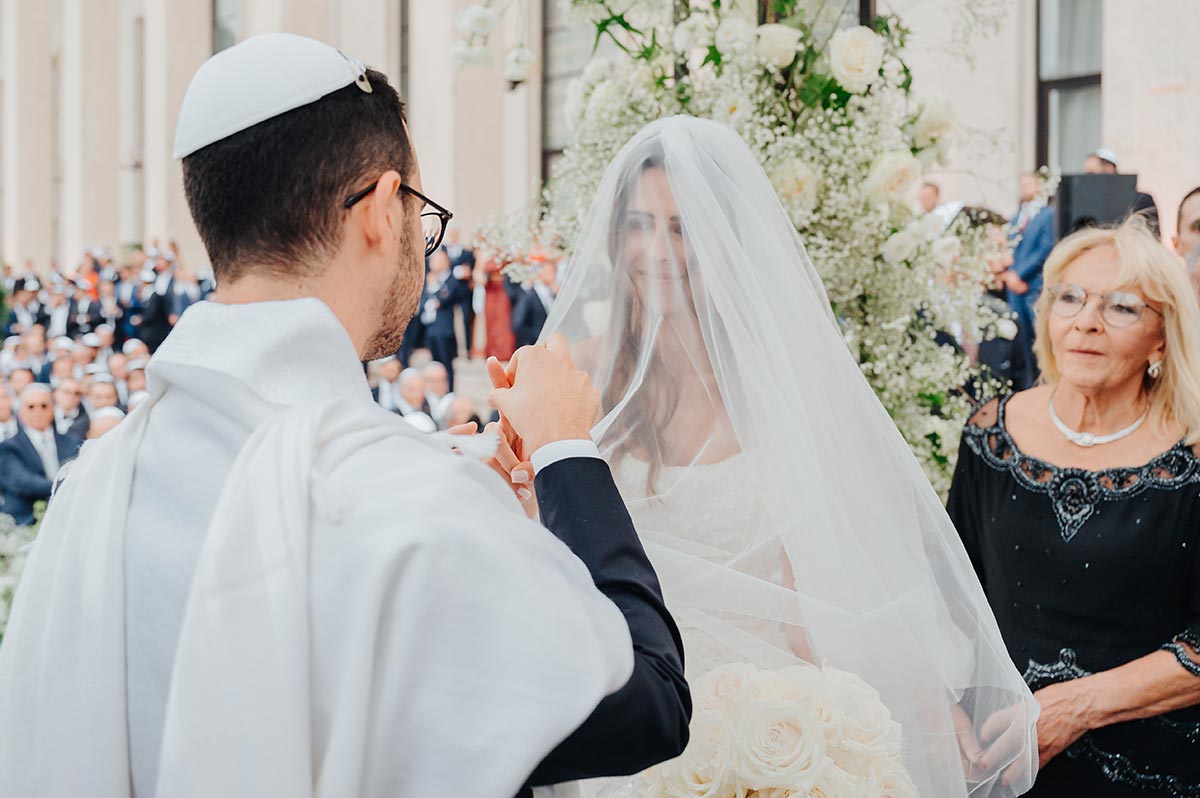
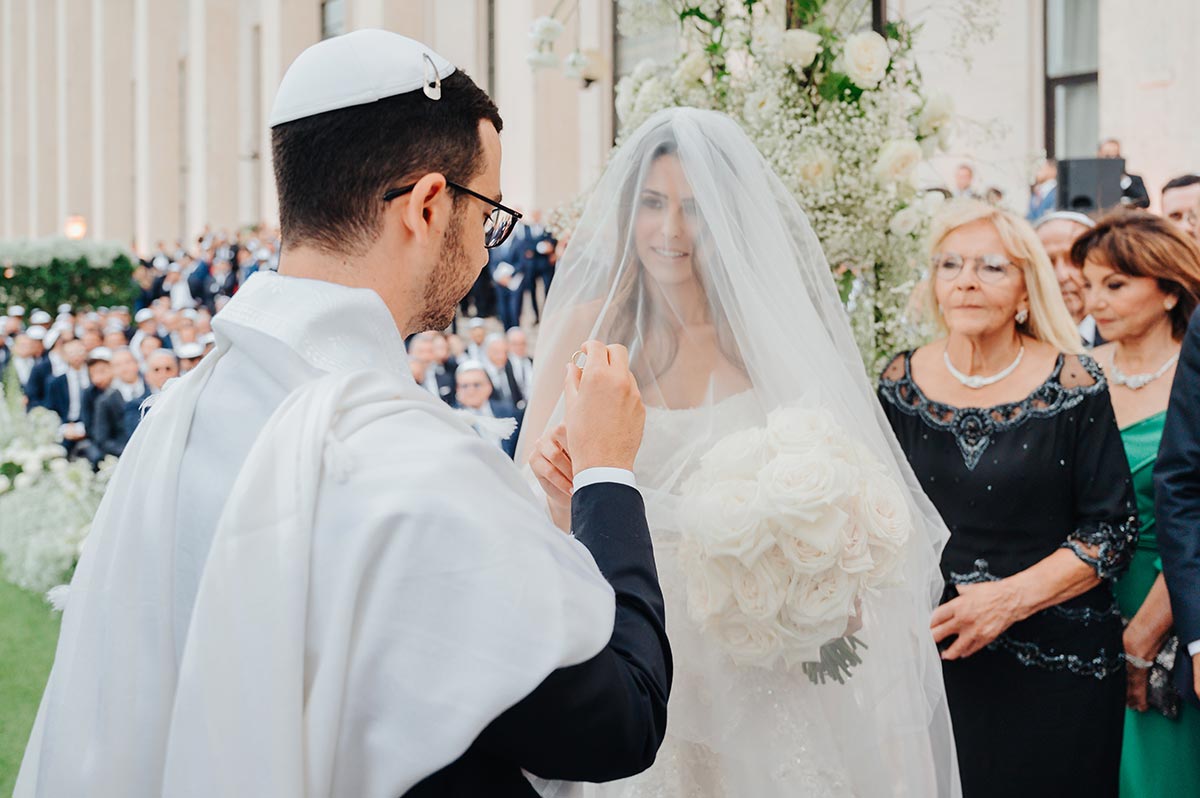

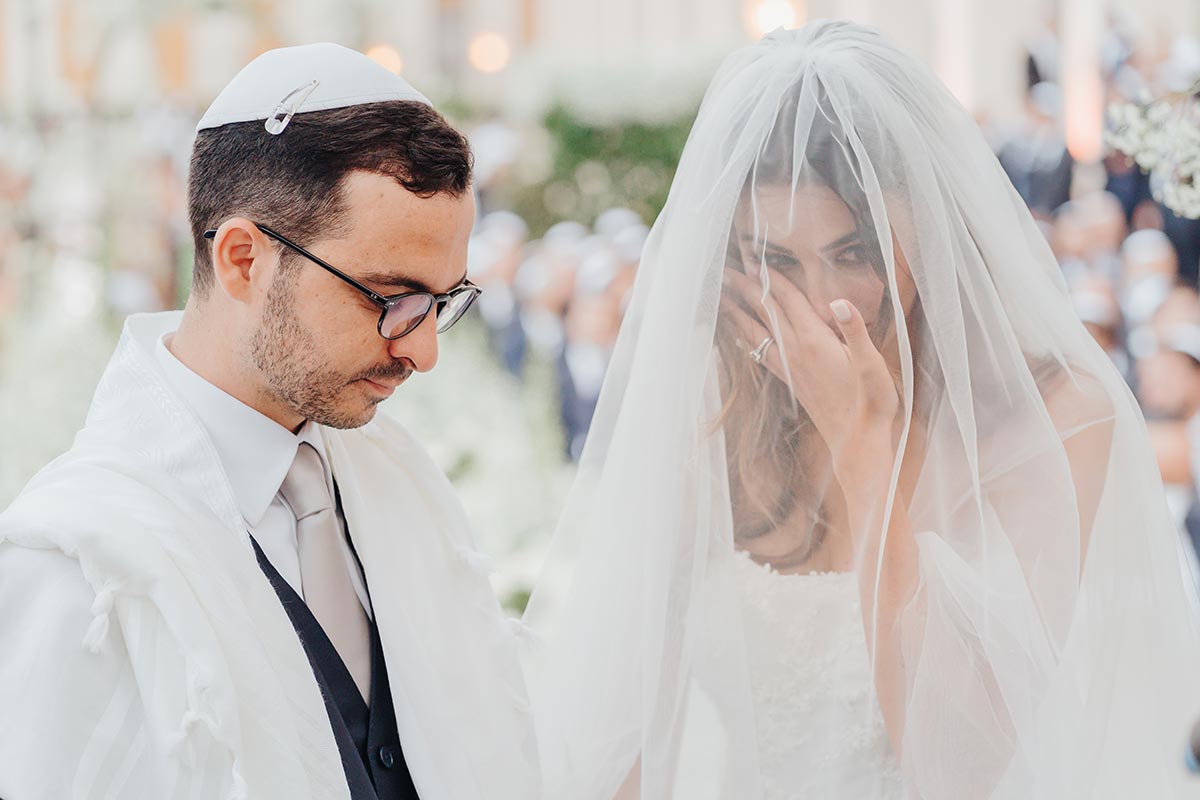
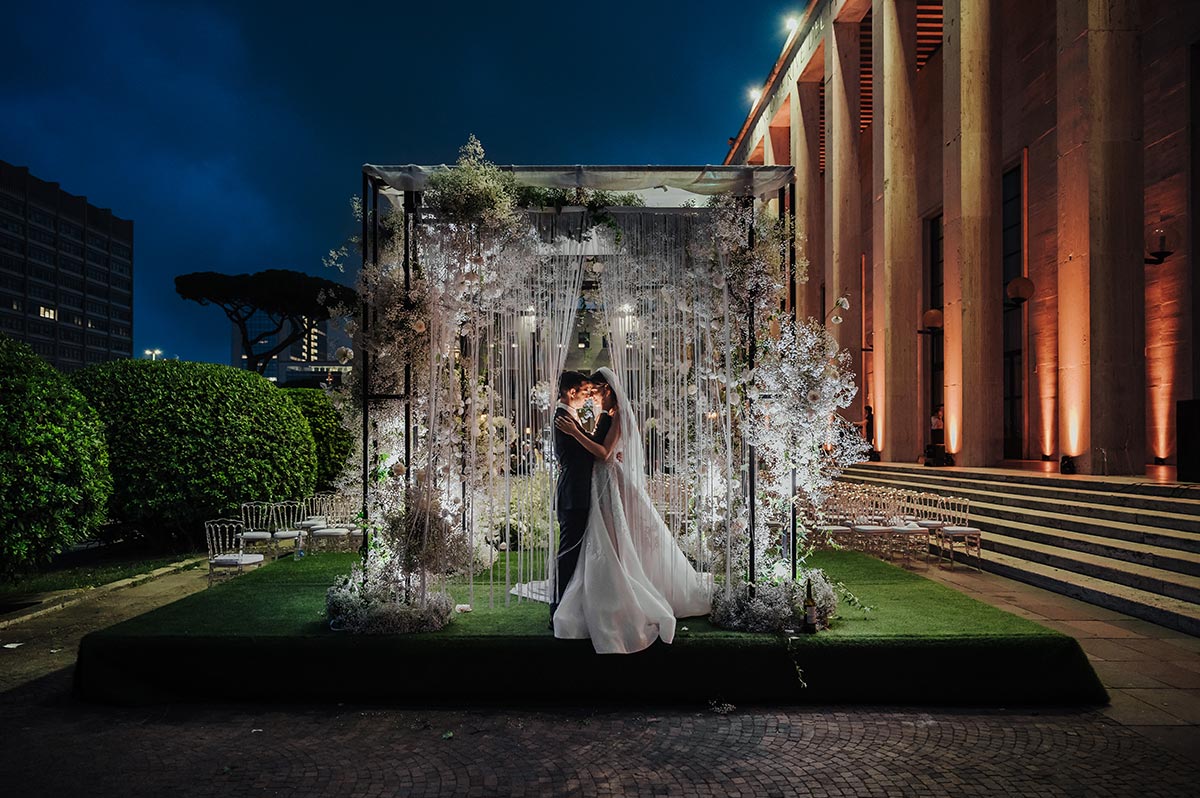
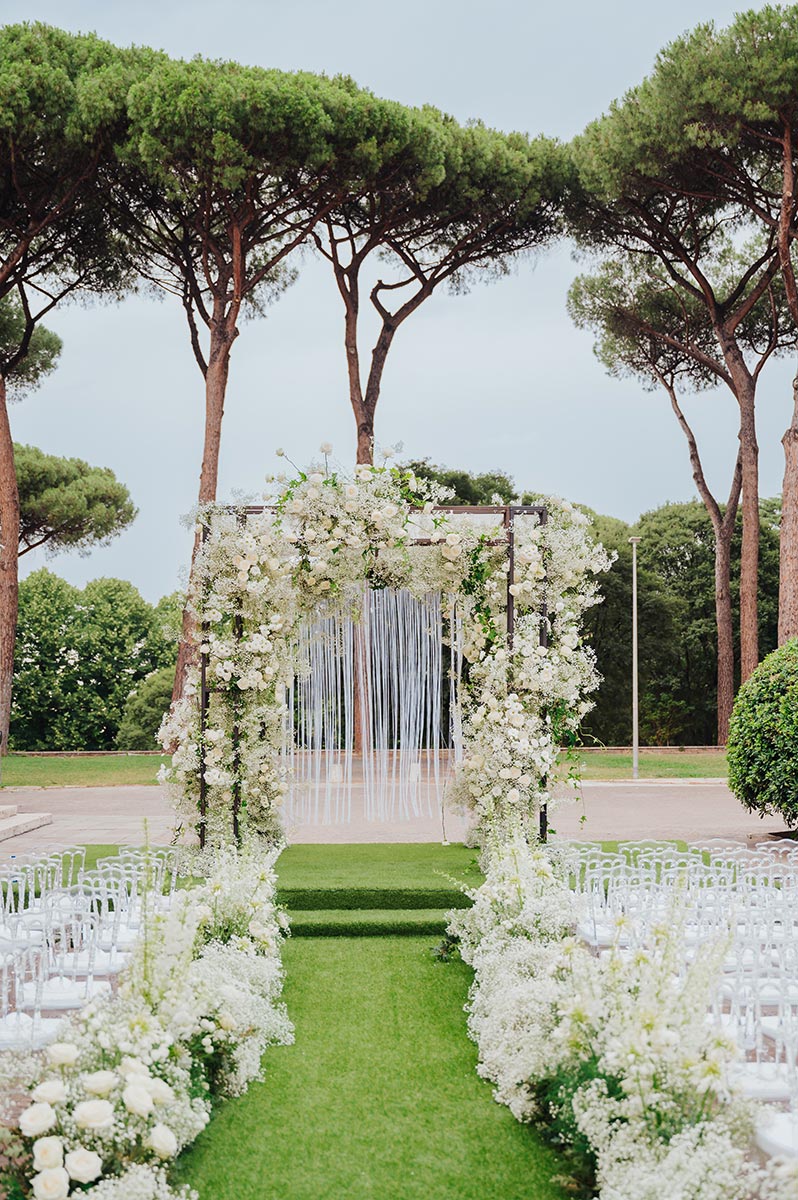
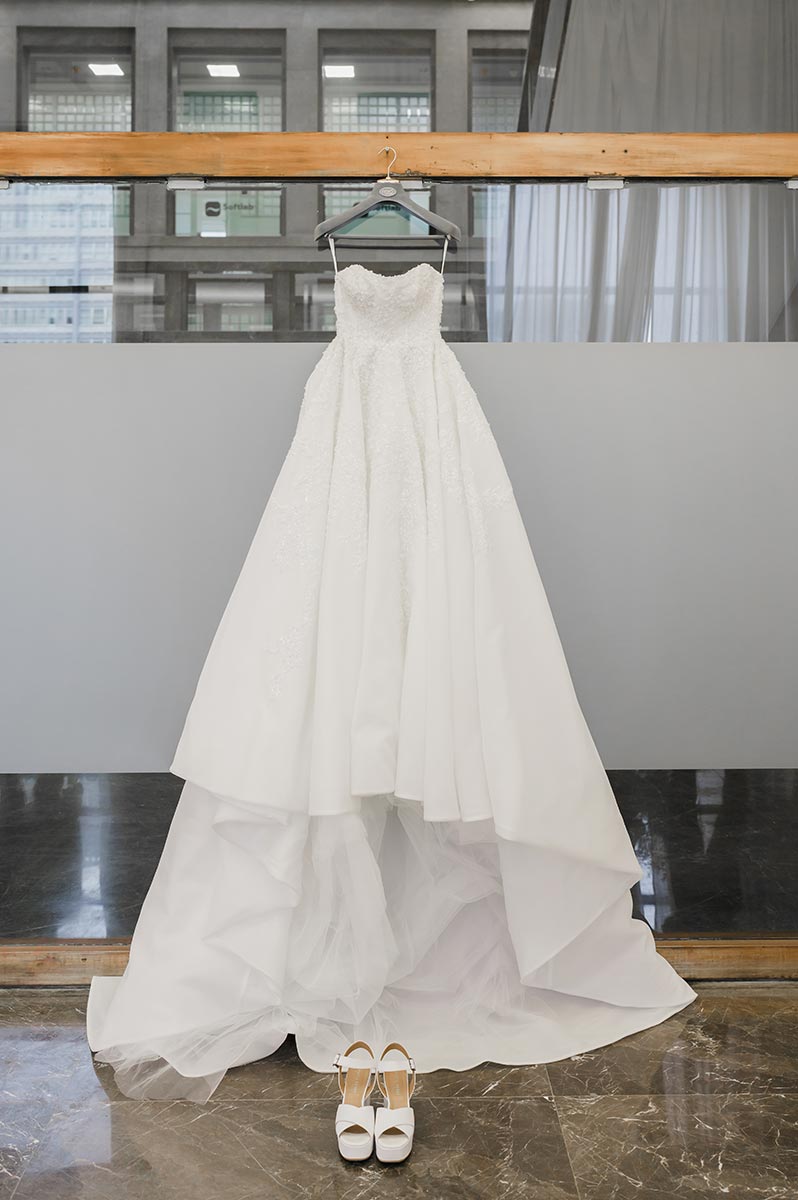
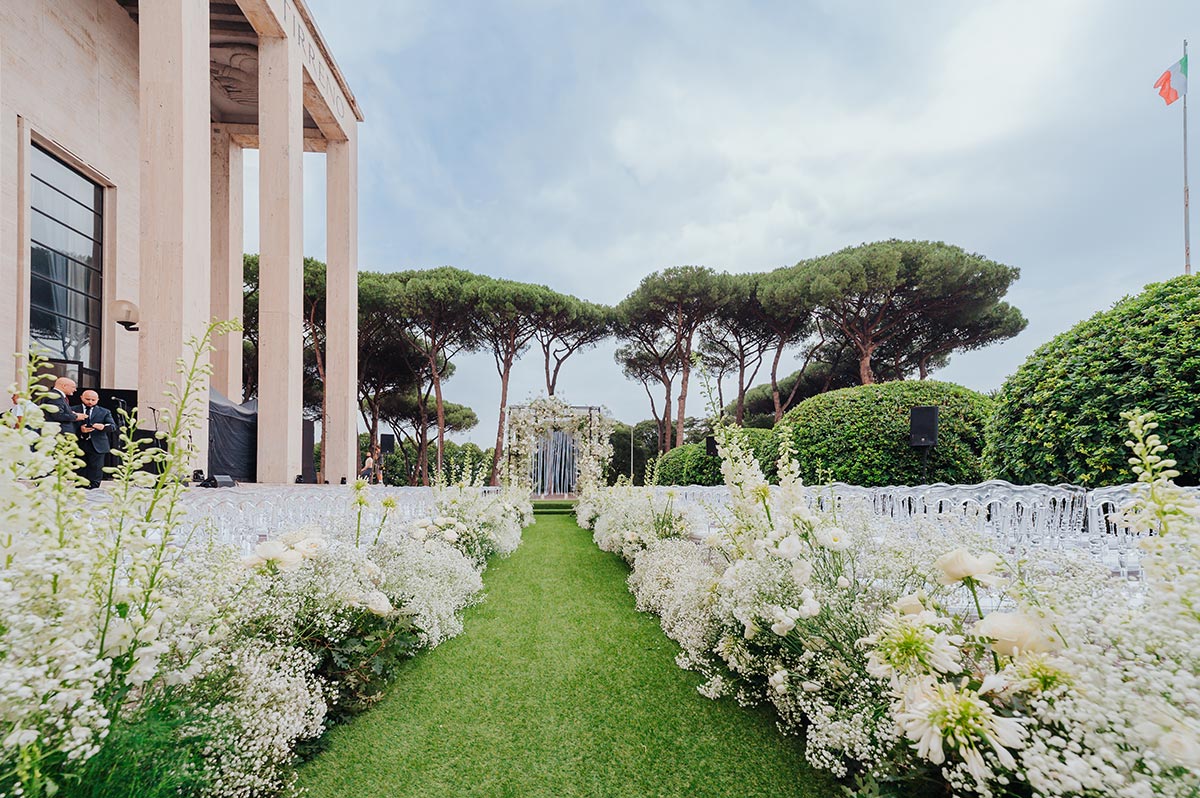
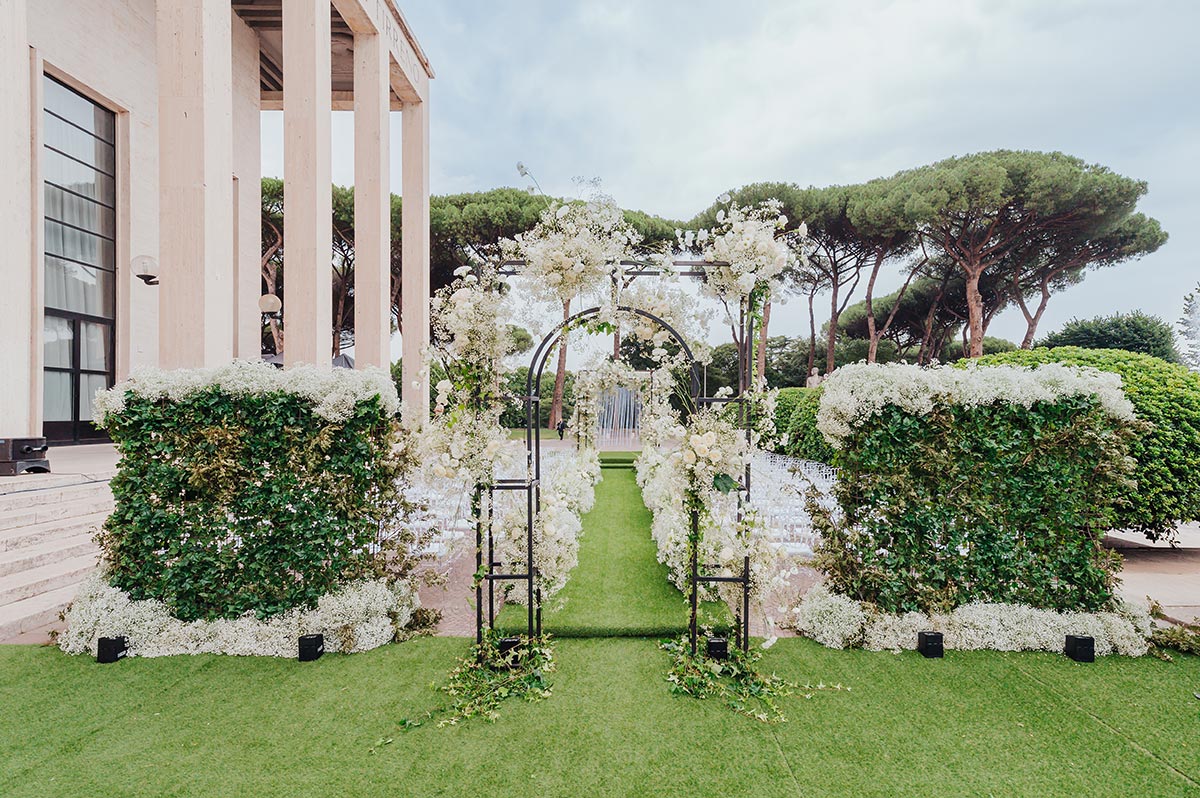
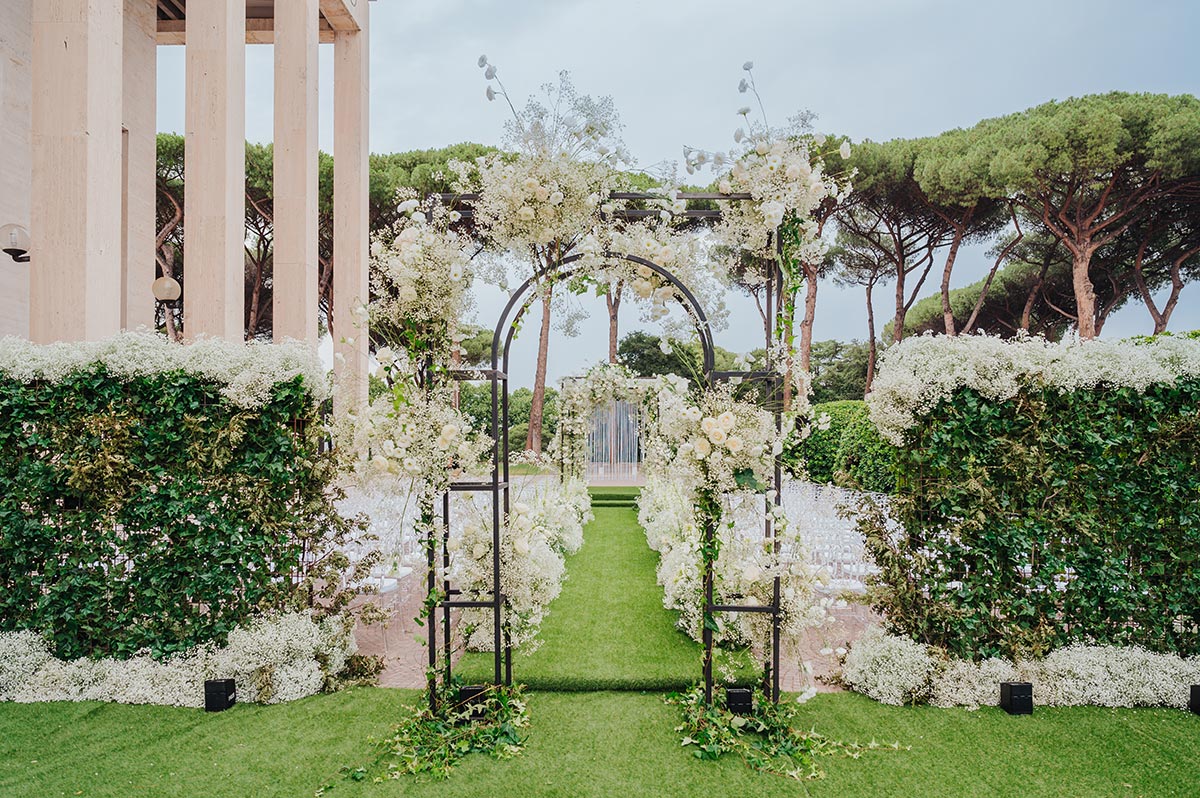
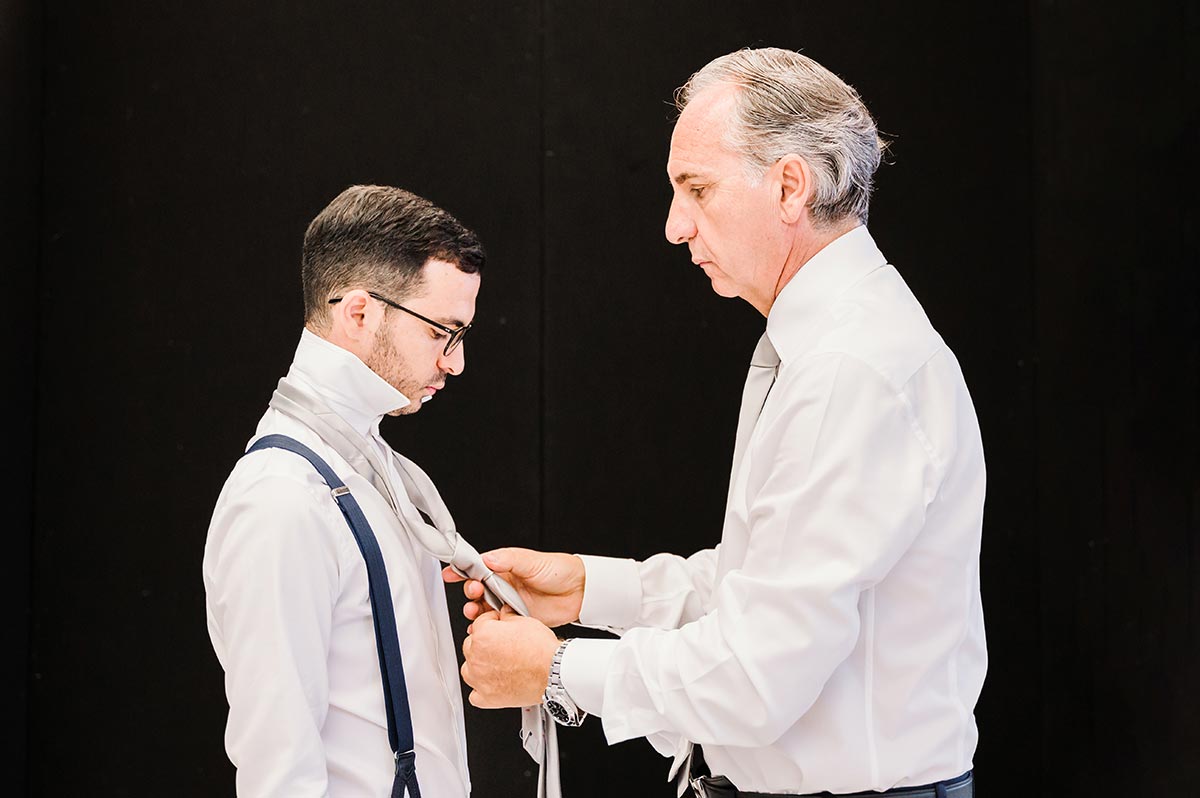
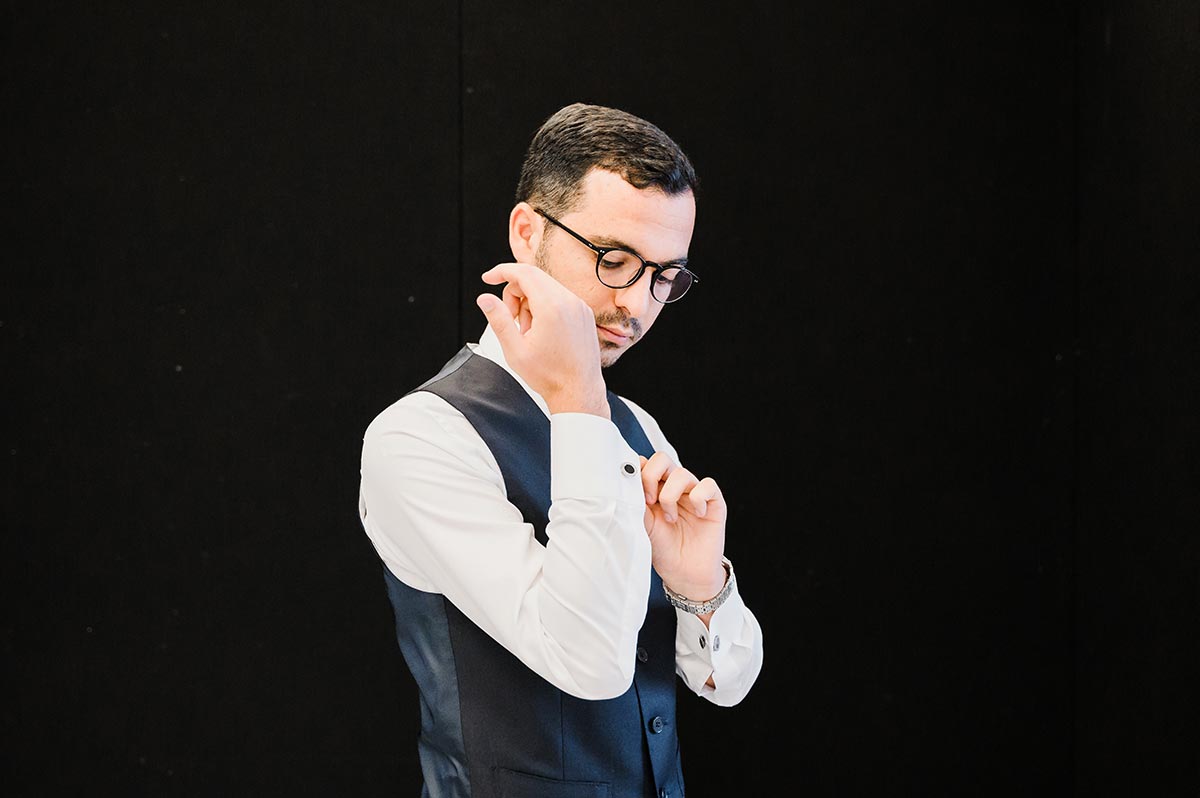
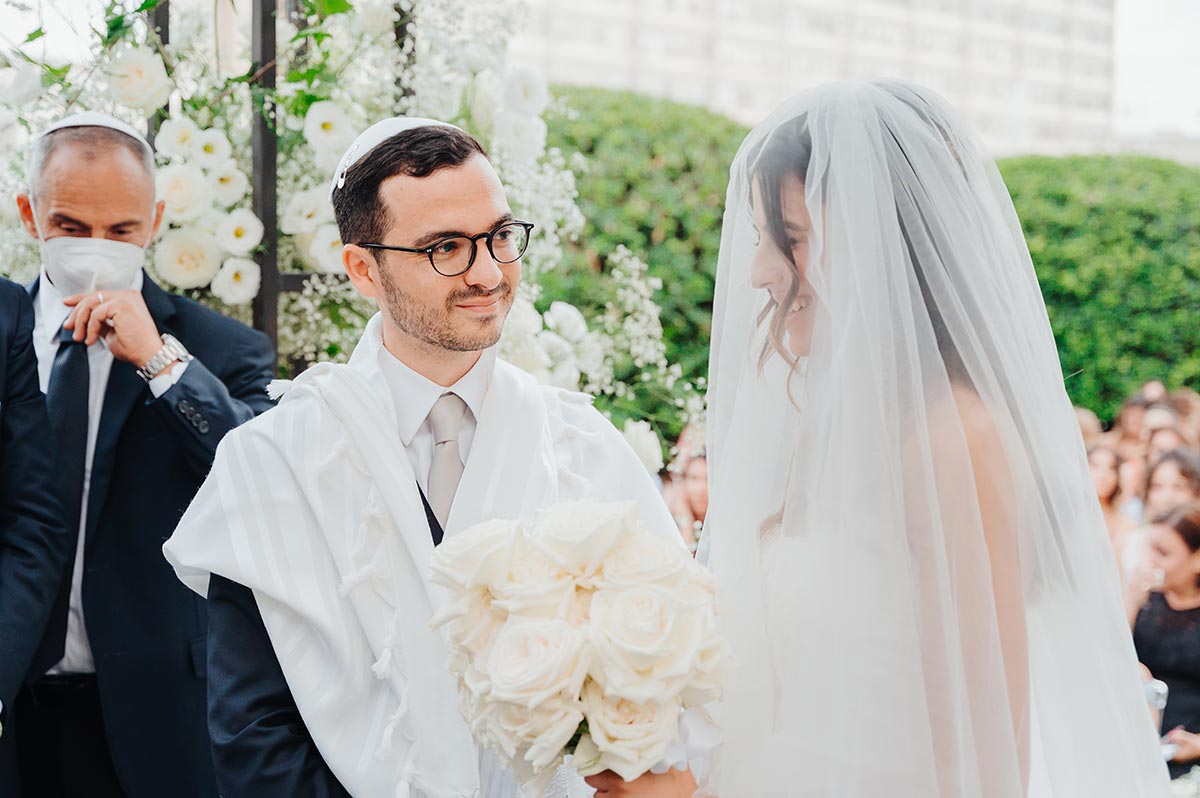
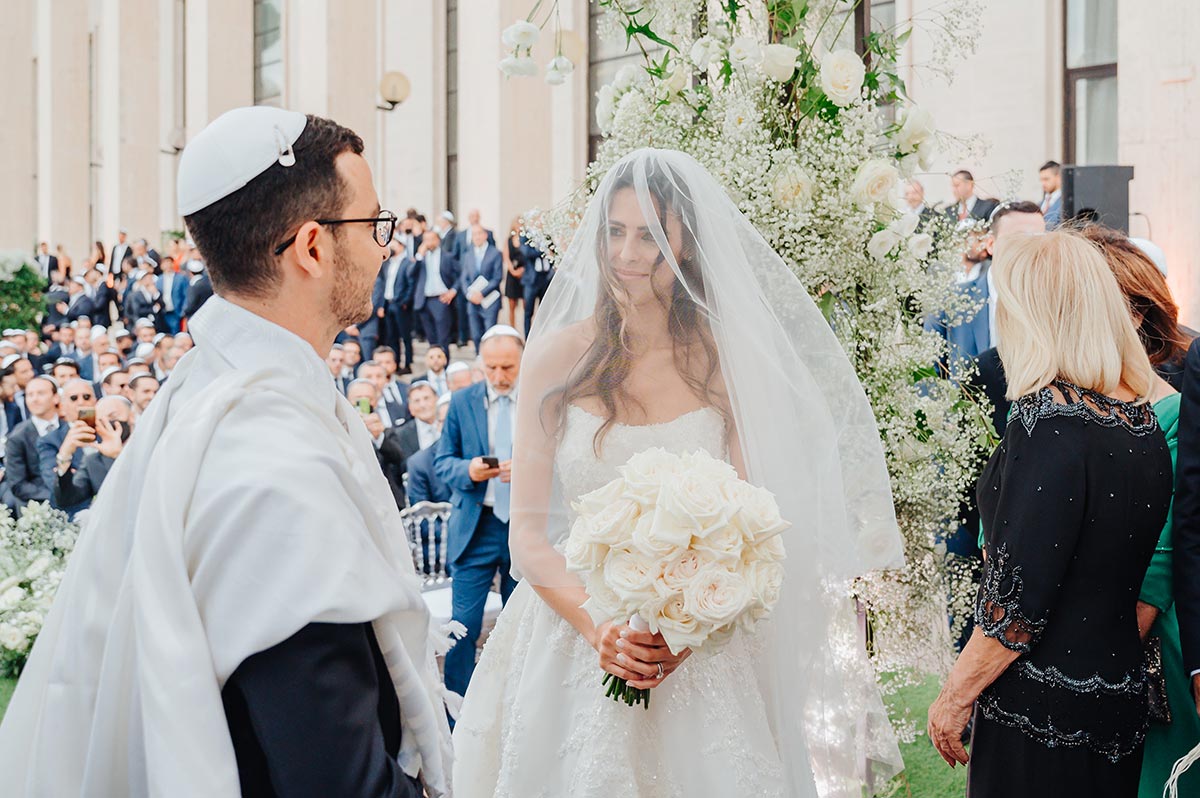
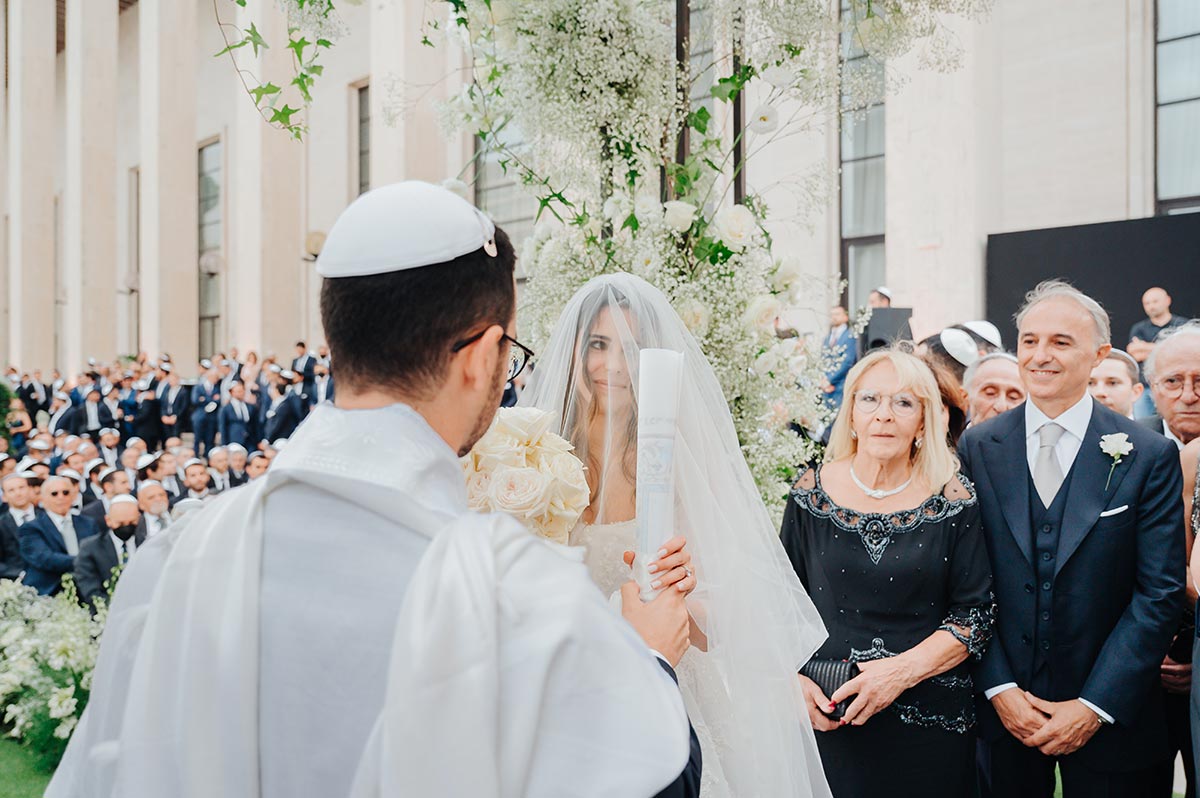
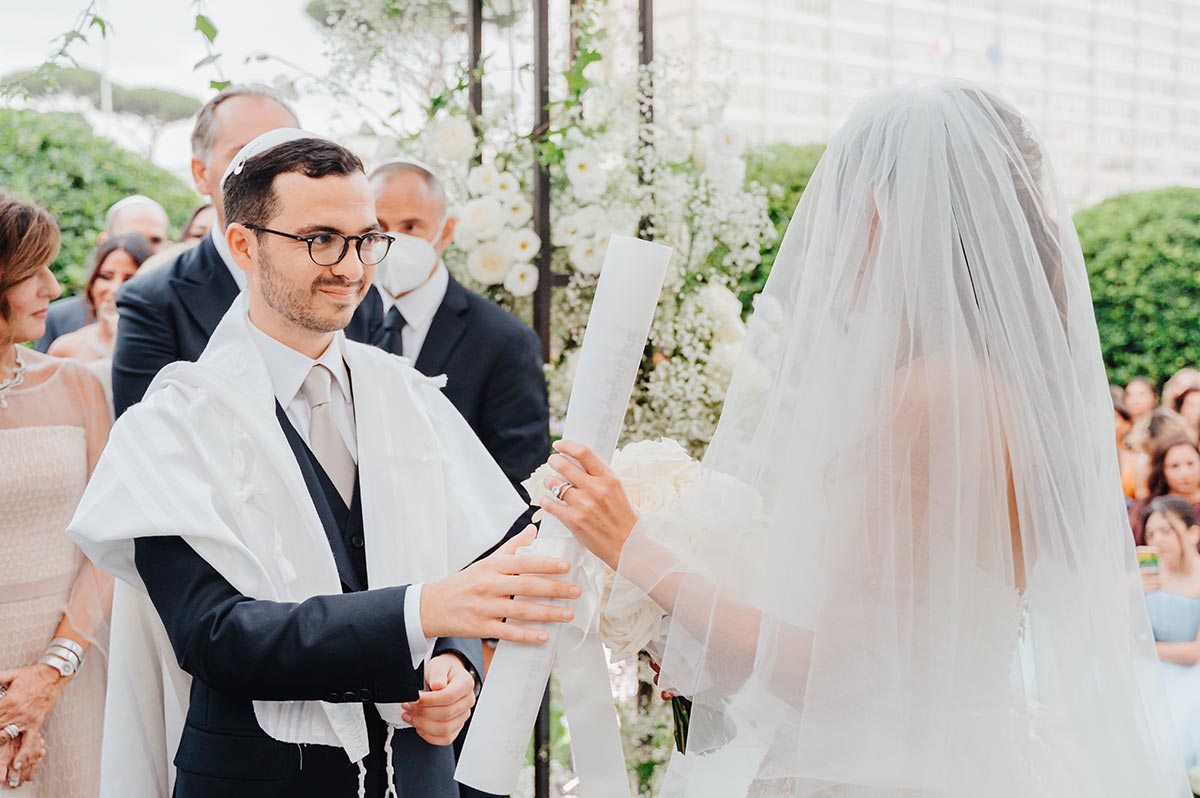
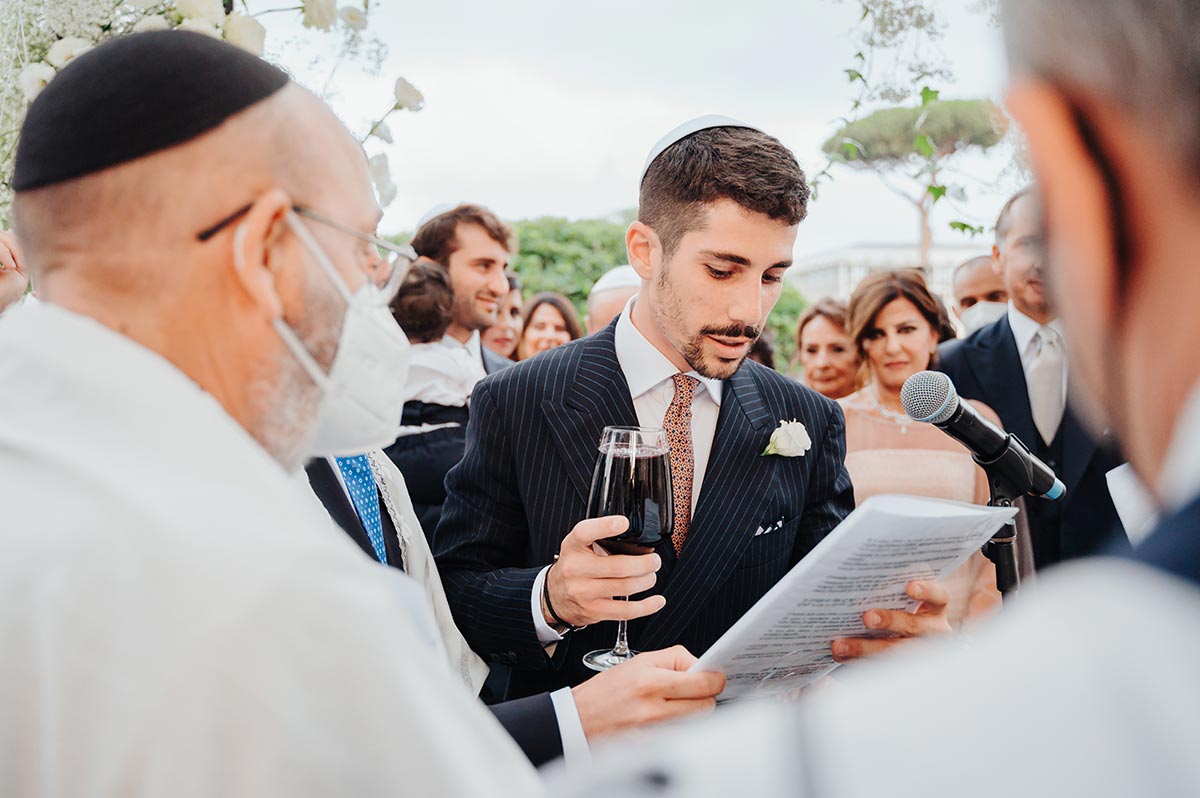
In Jewish tradition, the bride wears a white dress, while the groom dons a white Kittel or adds a tallit to his attire. The ceremony is led by a Rabbi and takes place under a chuppah or huppah, a canopy made of four poles and a sheet that can be white or red with gold borders and often decorated with flowers and natural elements.
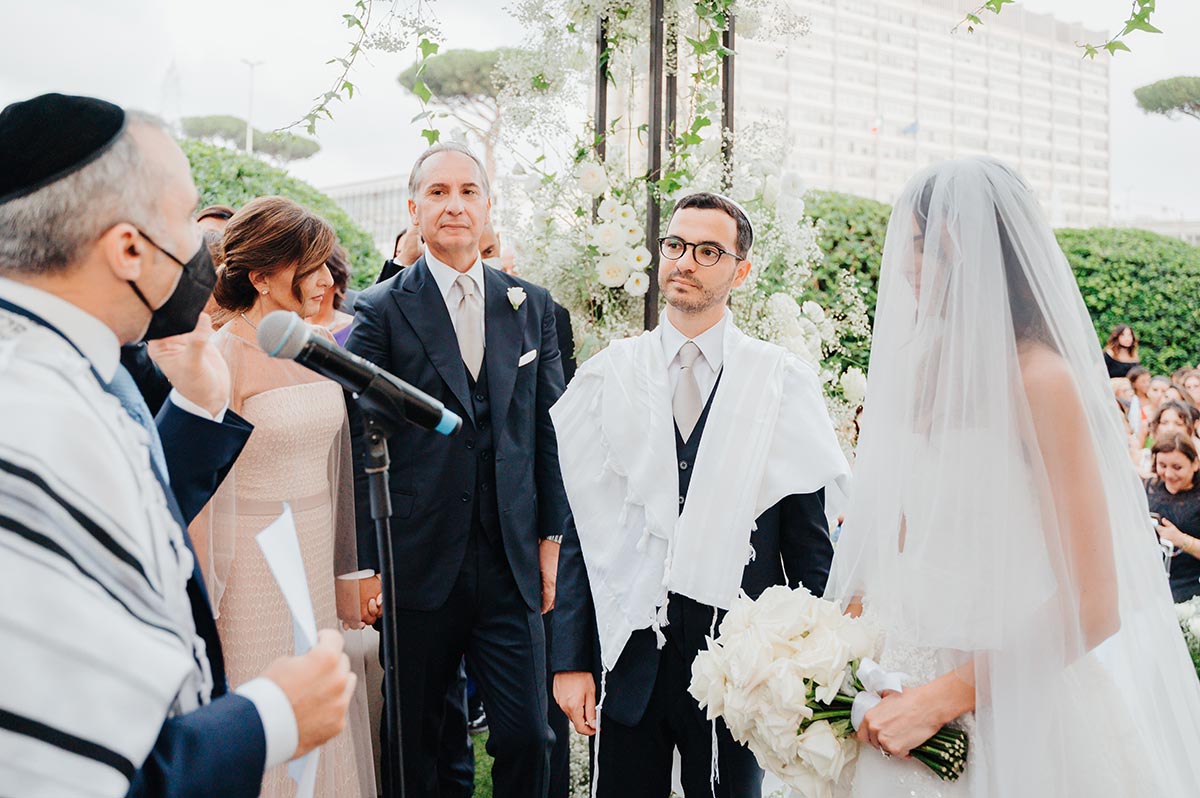
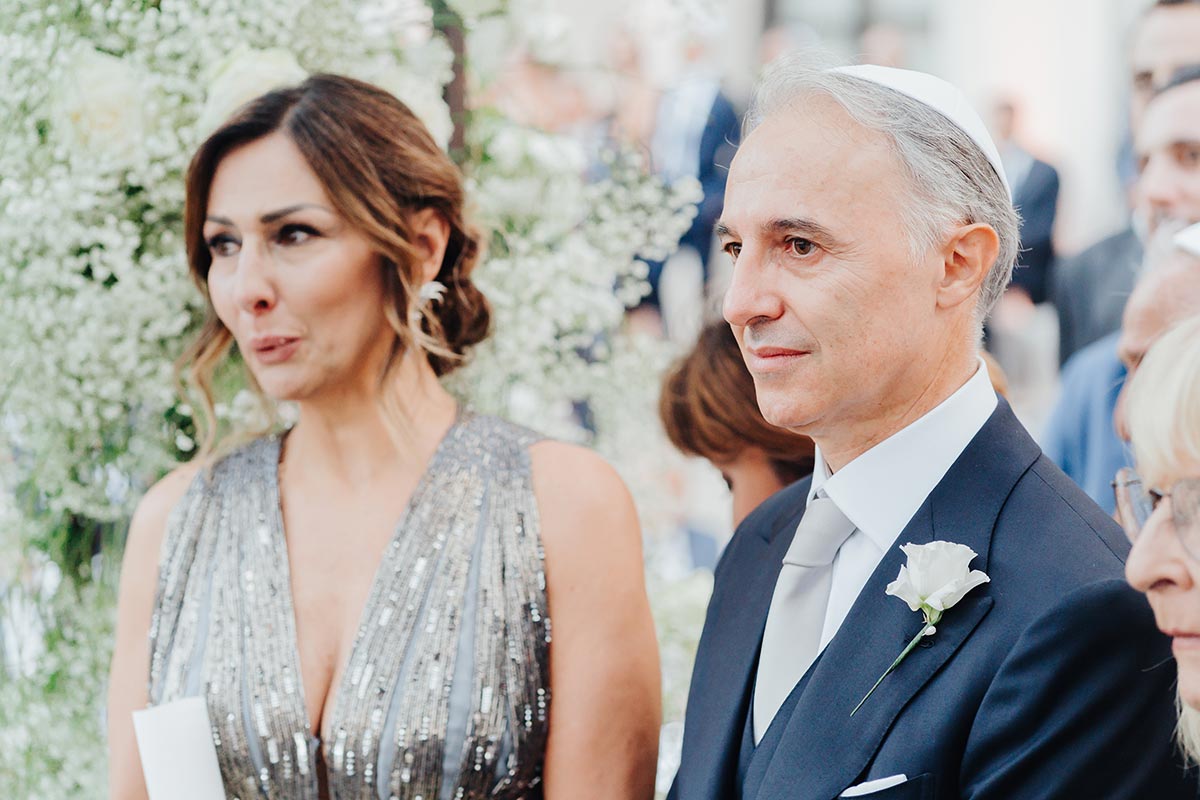

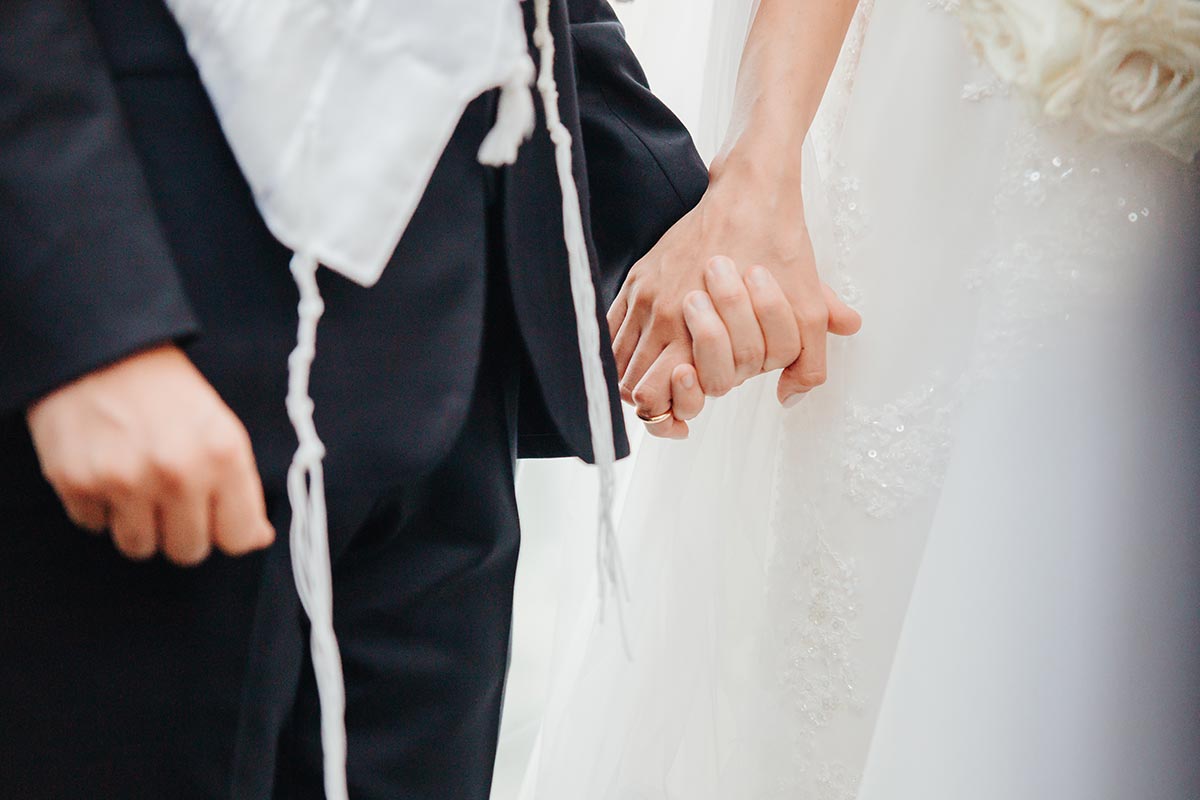
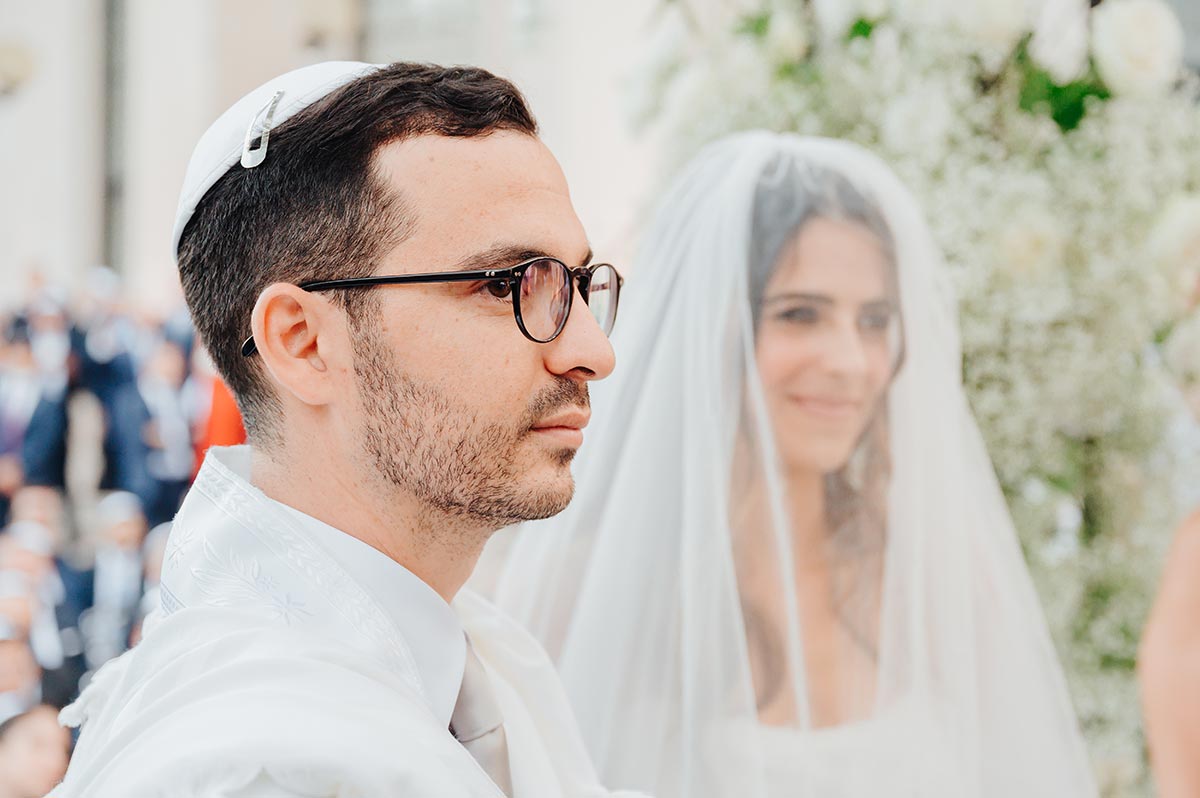
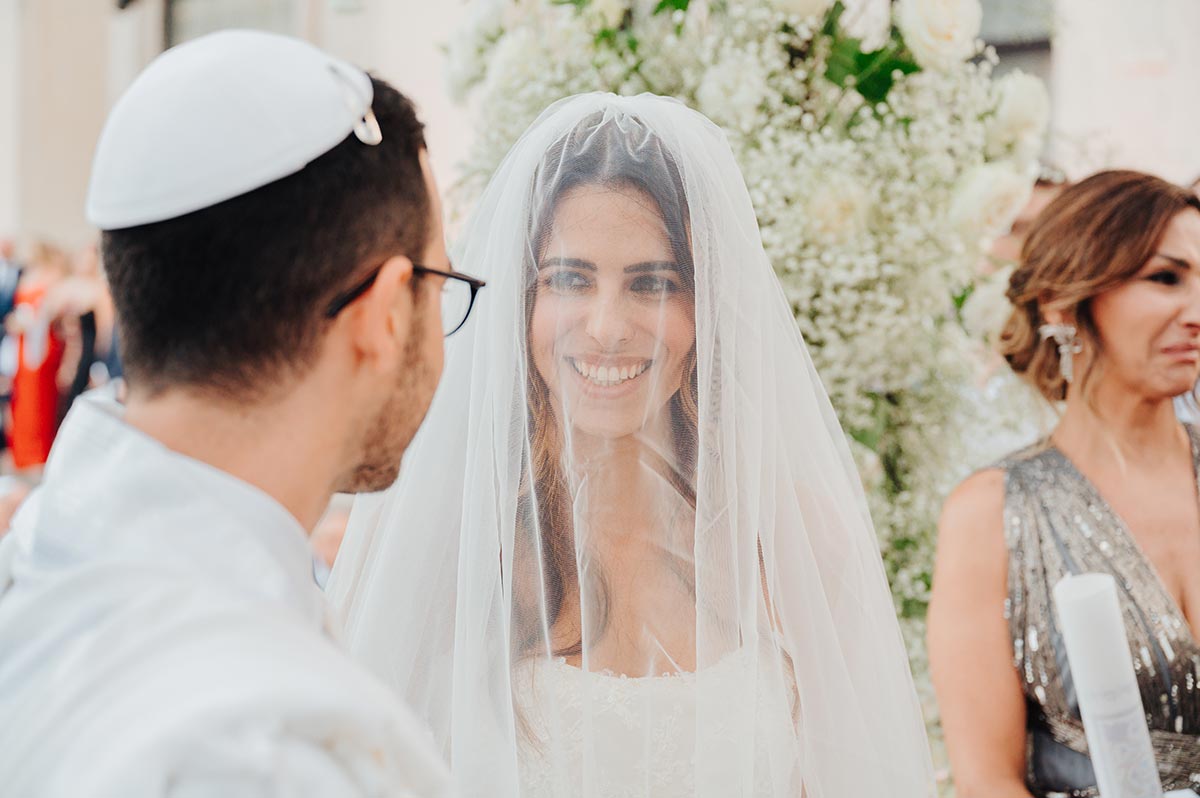
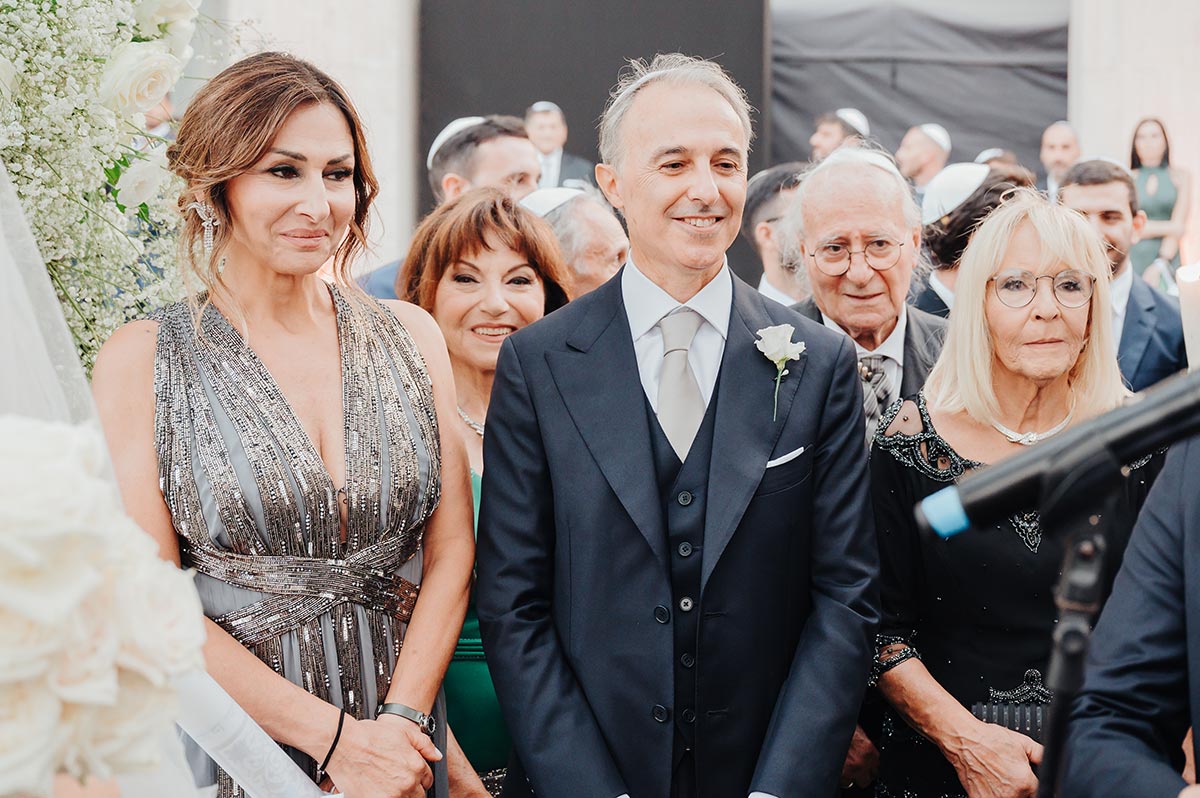
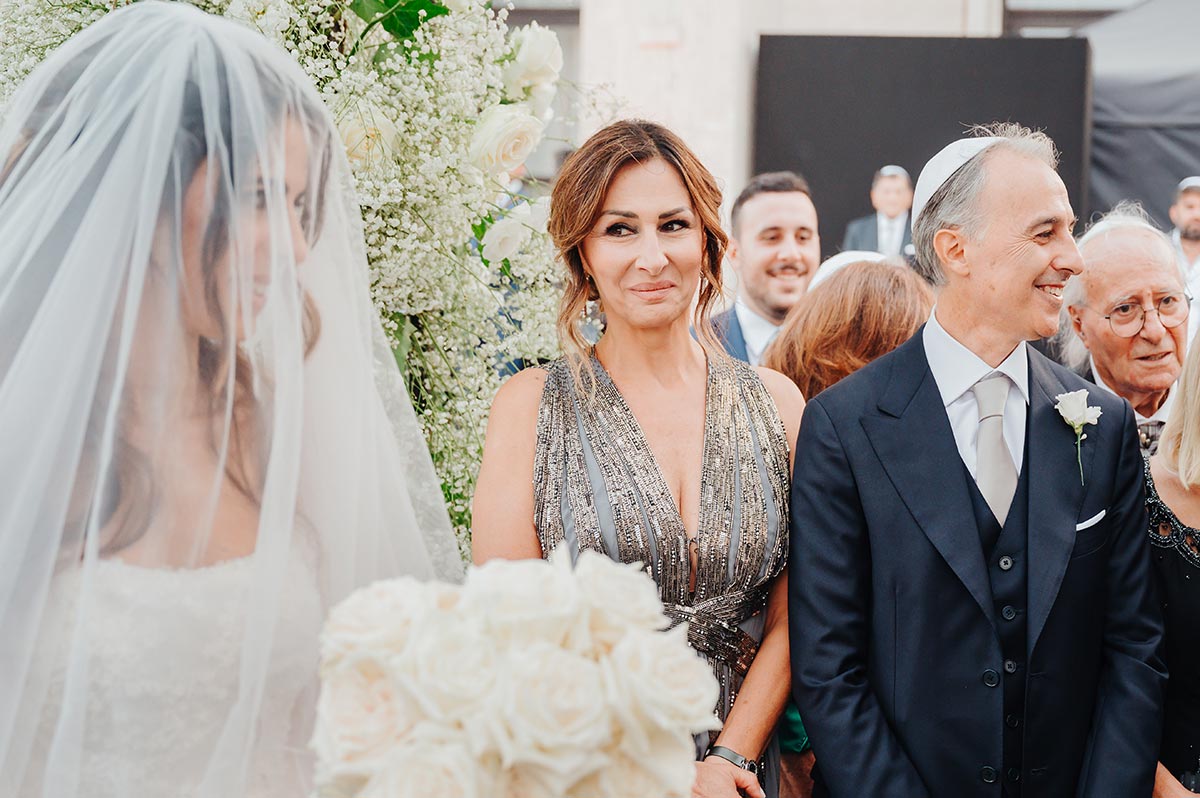
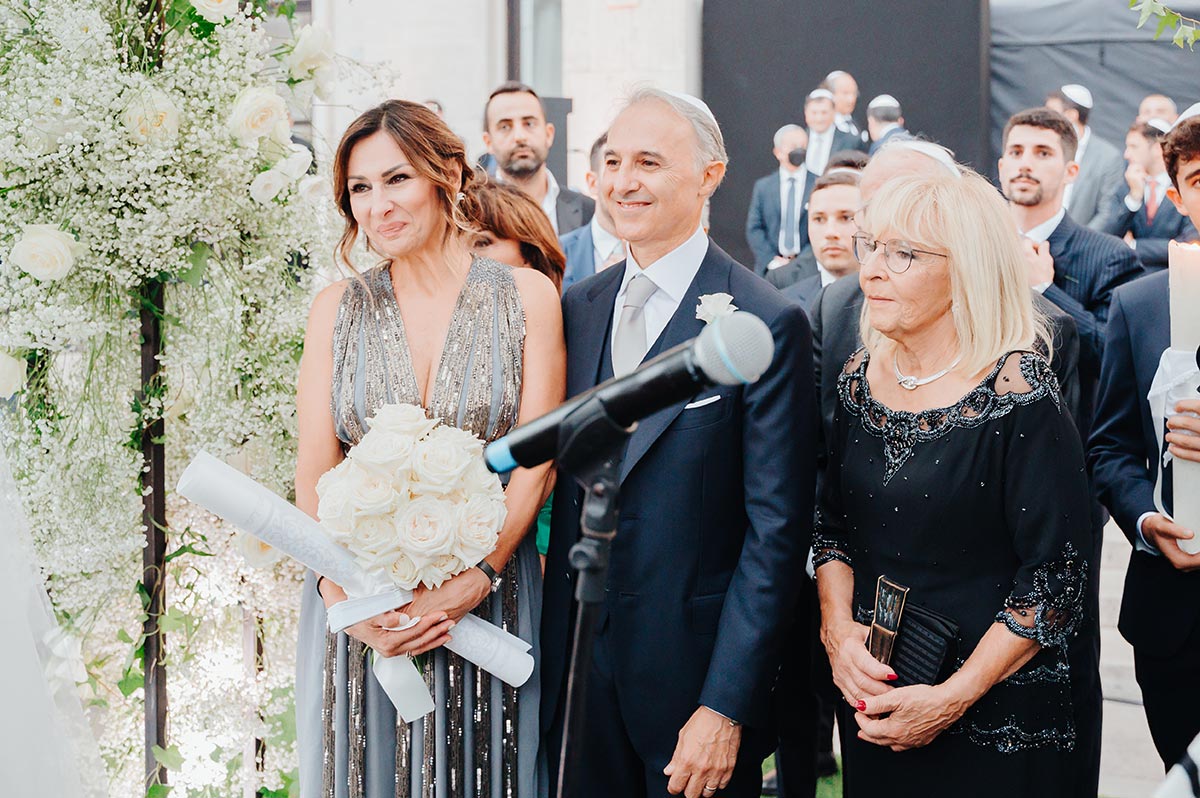
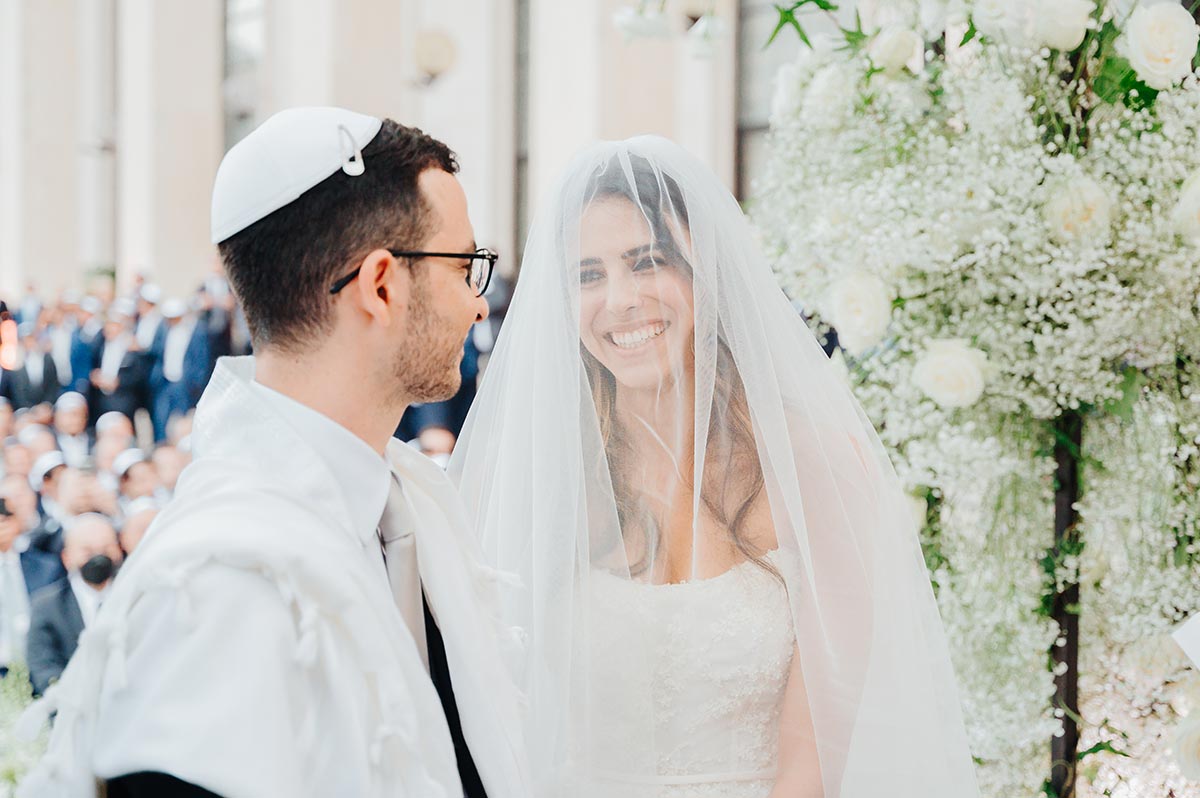
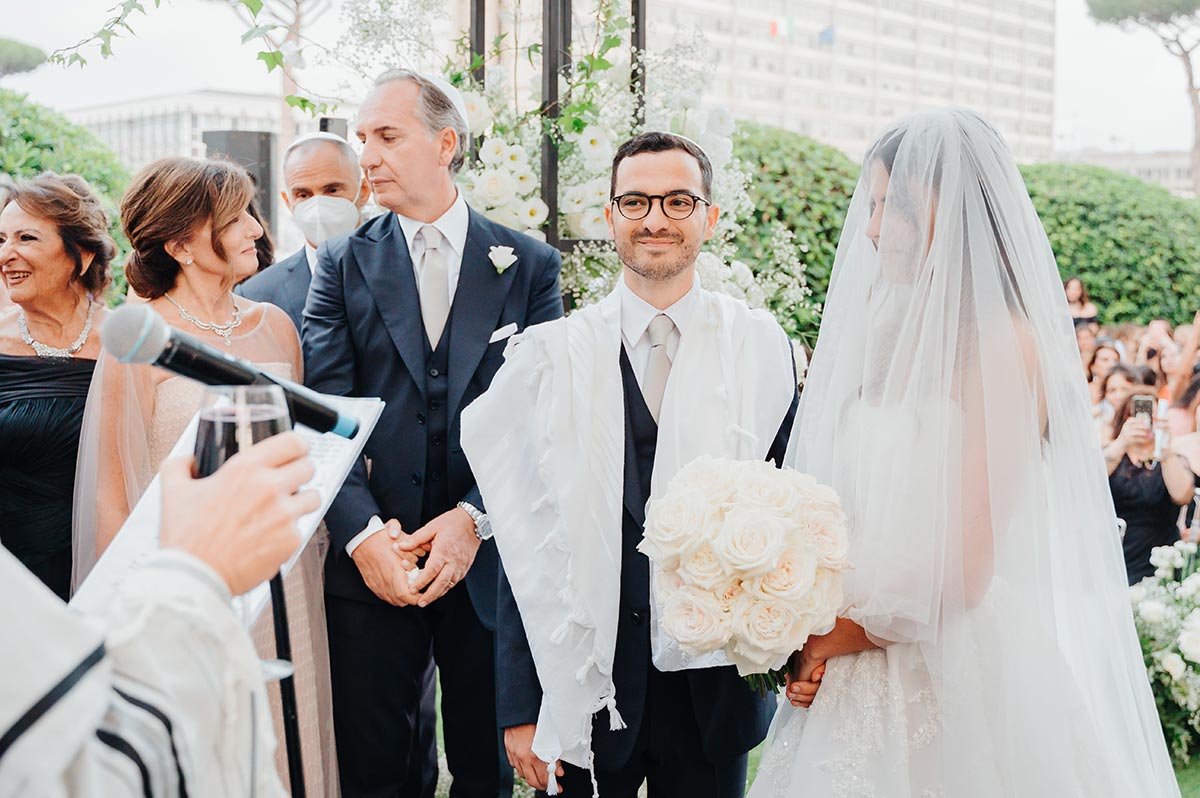
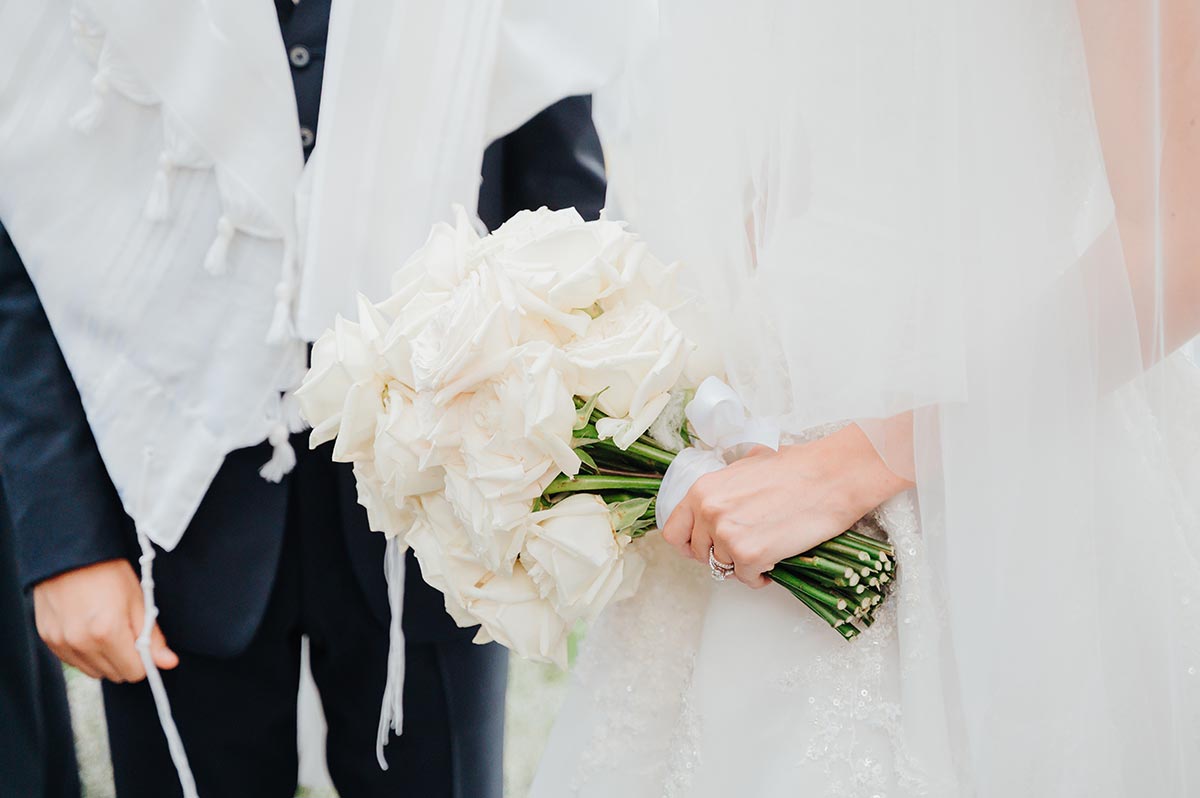
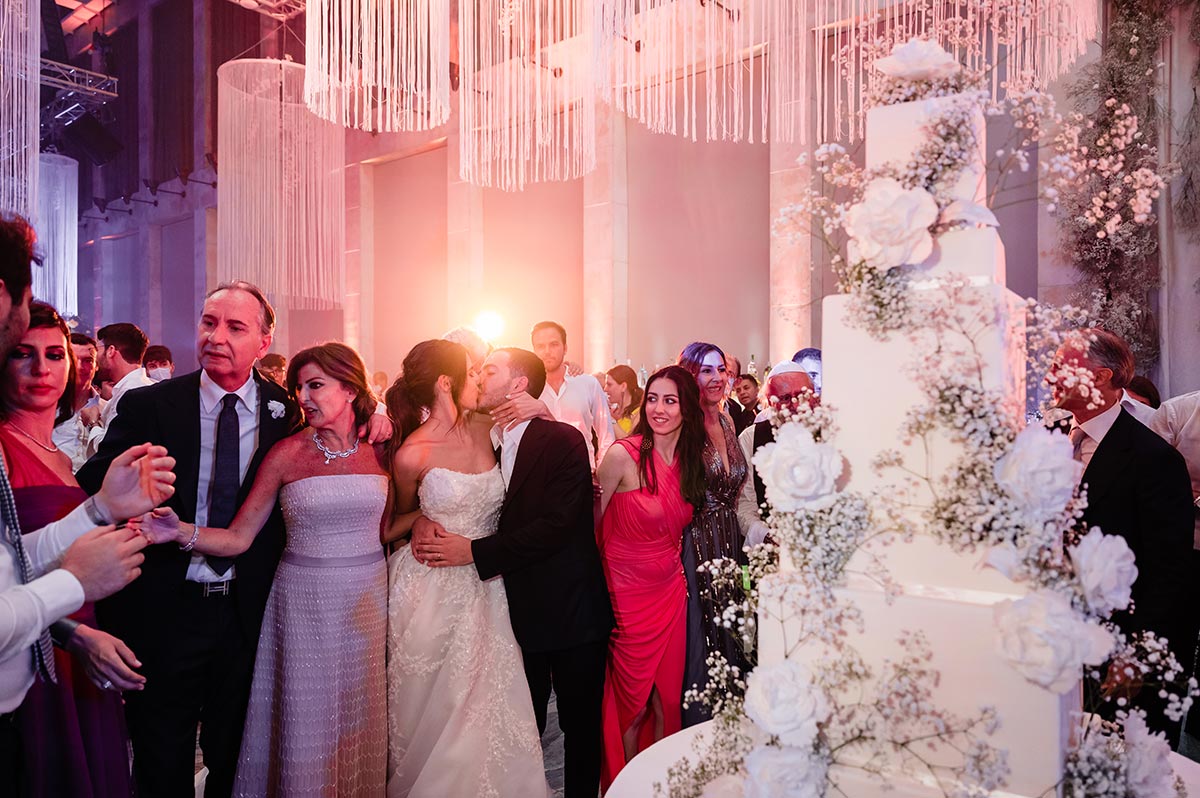
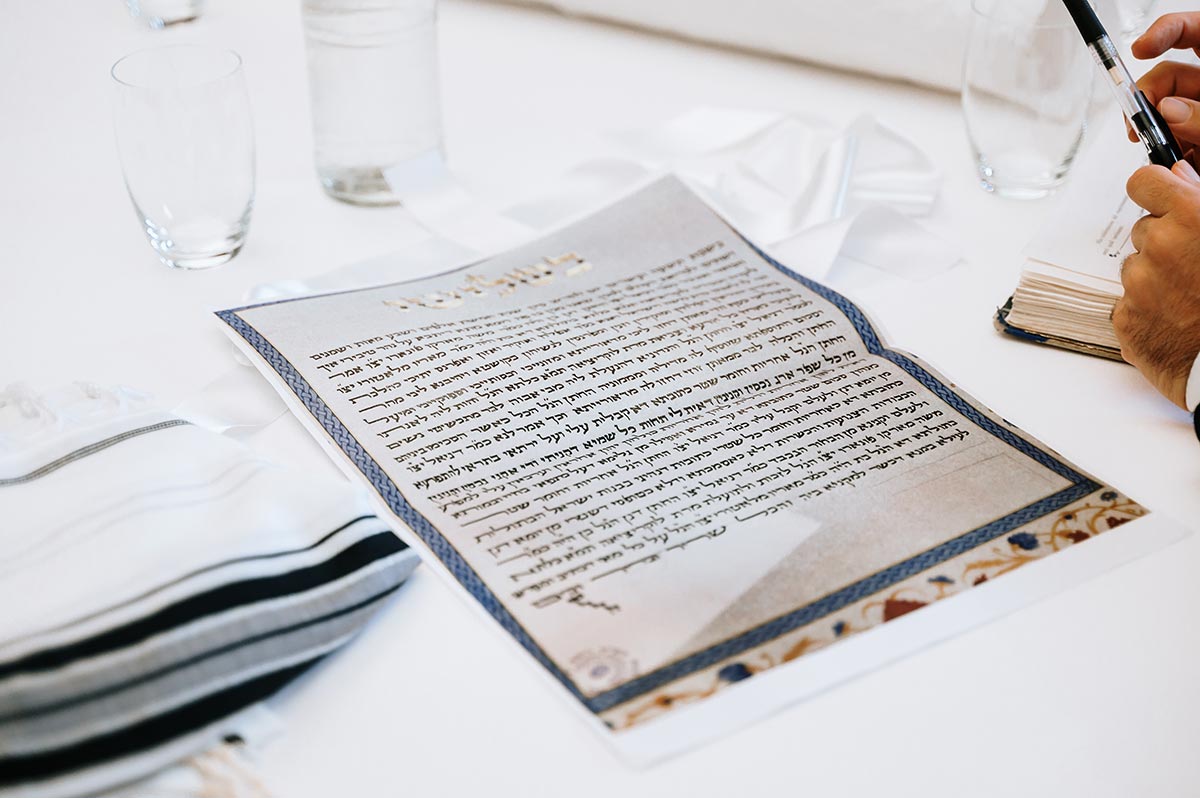
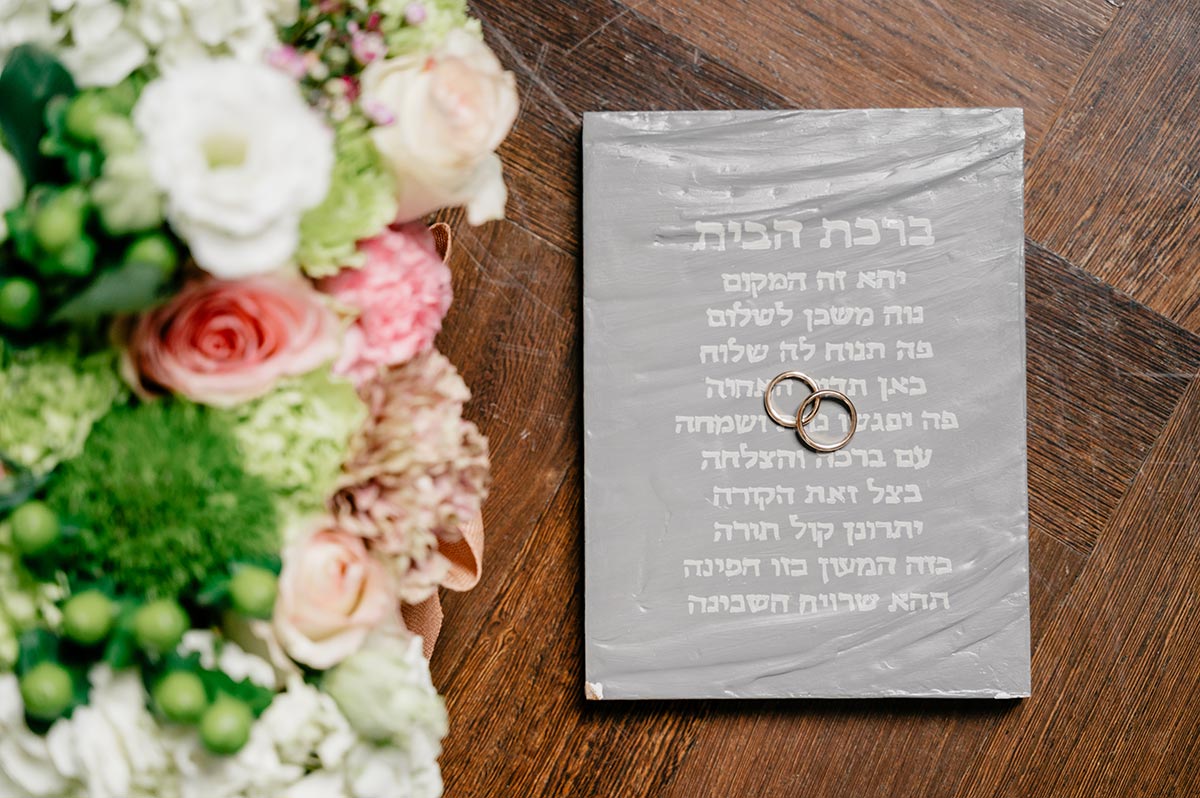
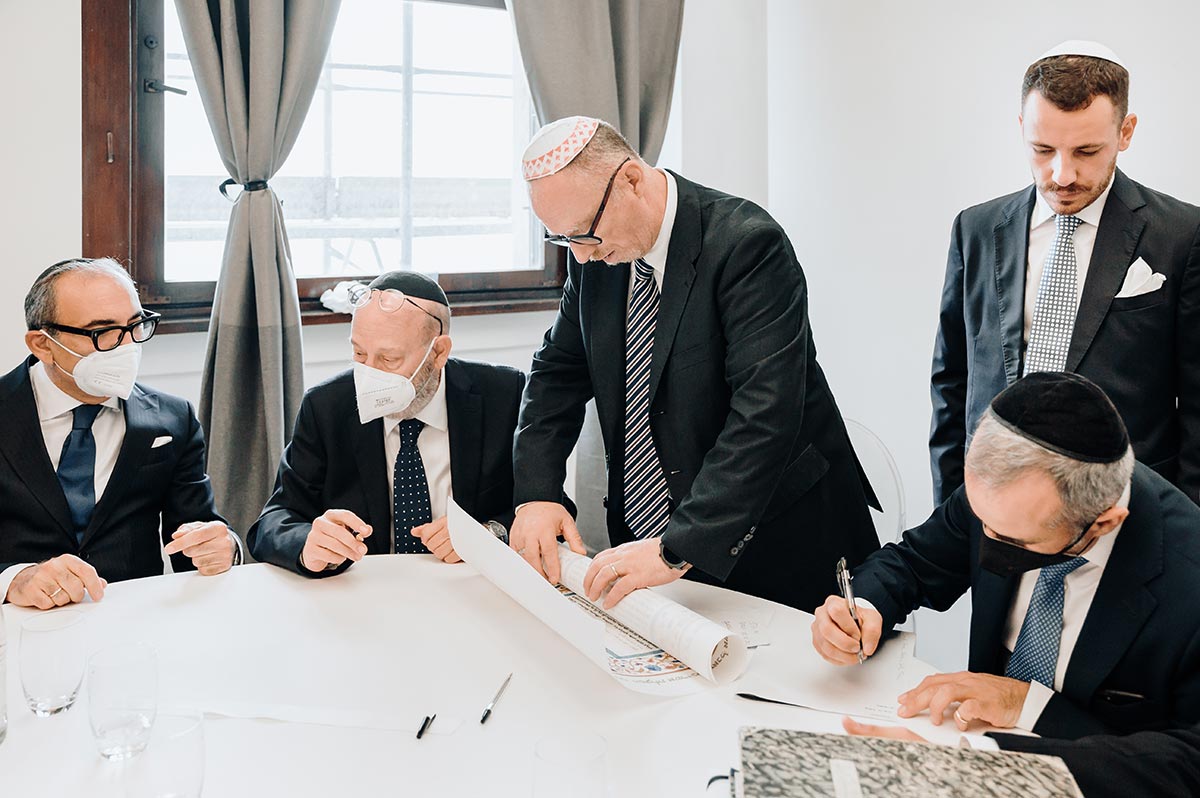
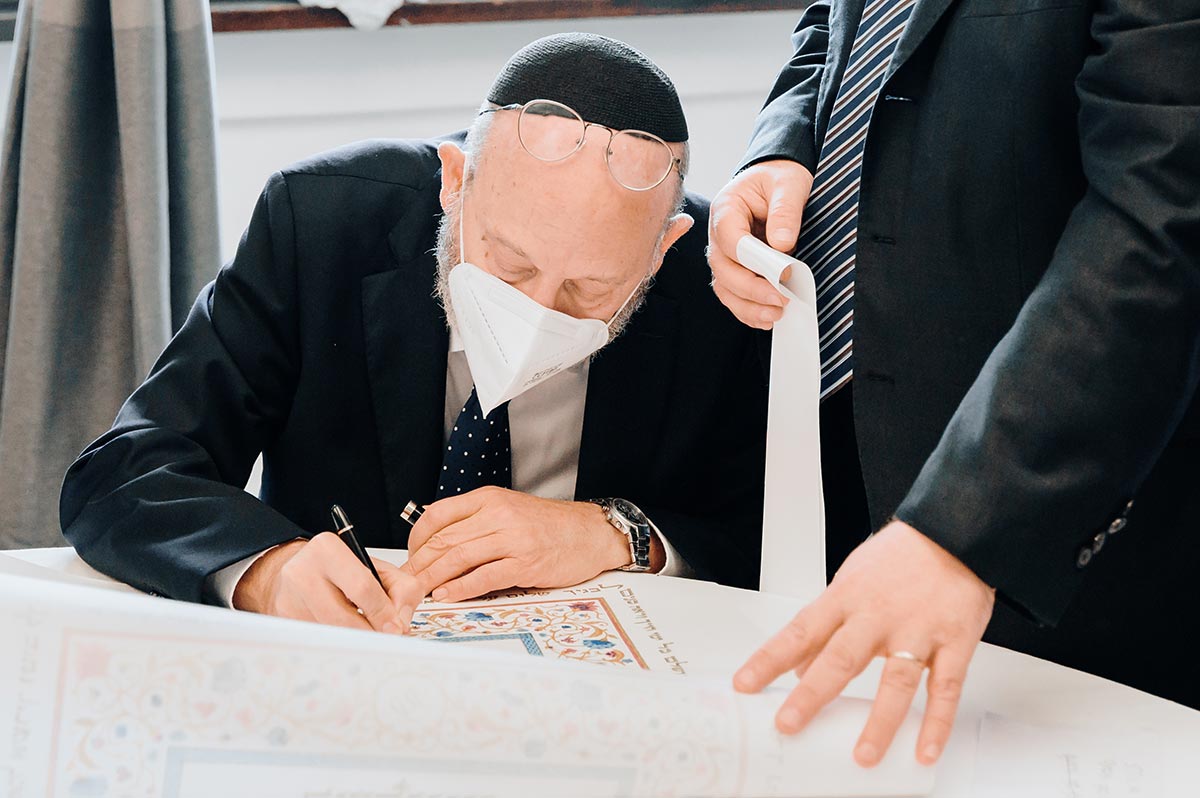
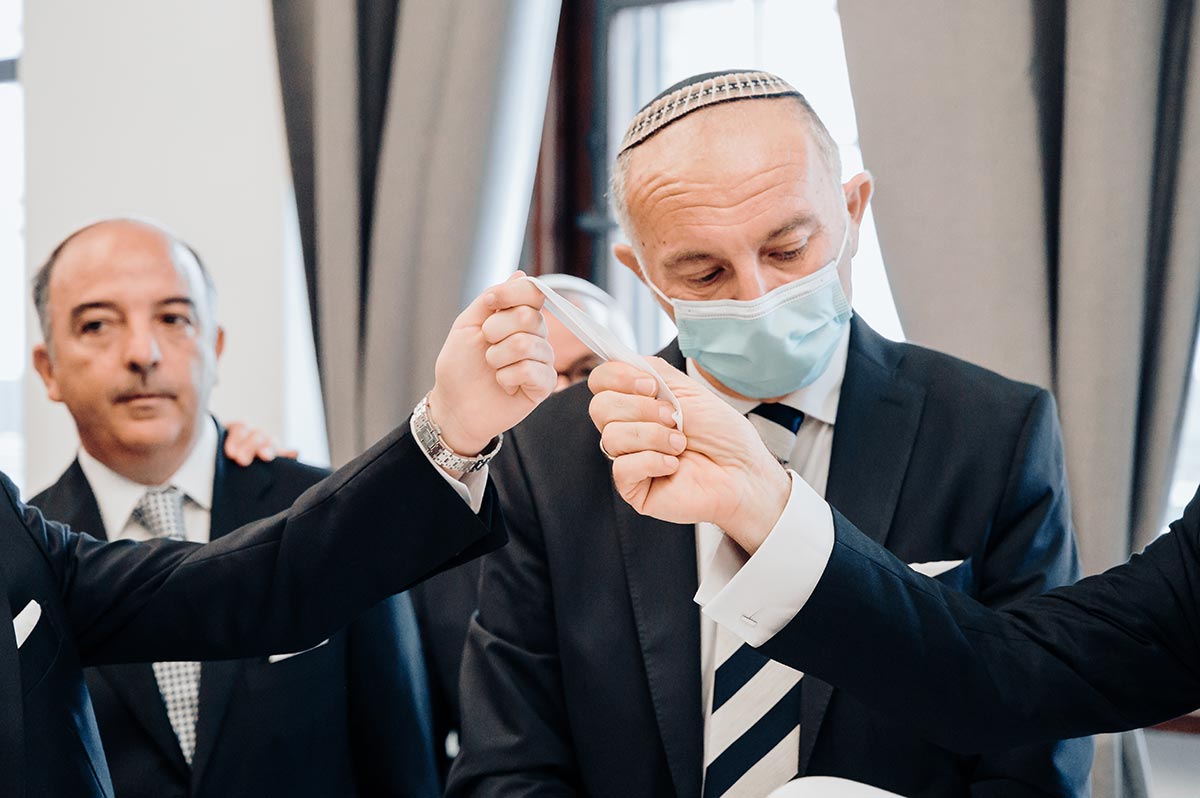
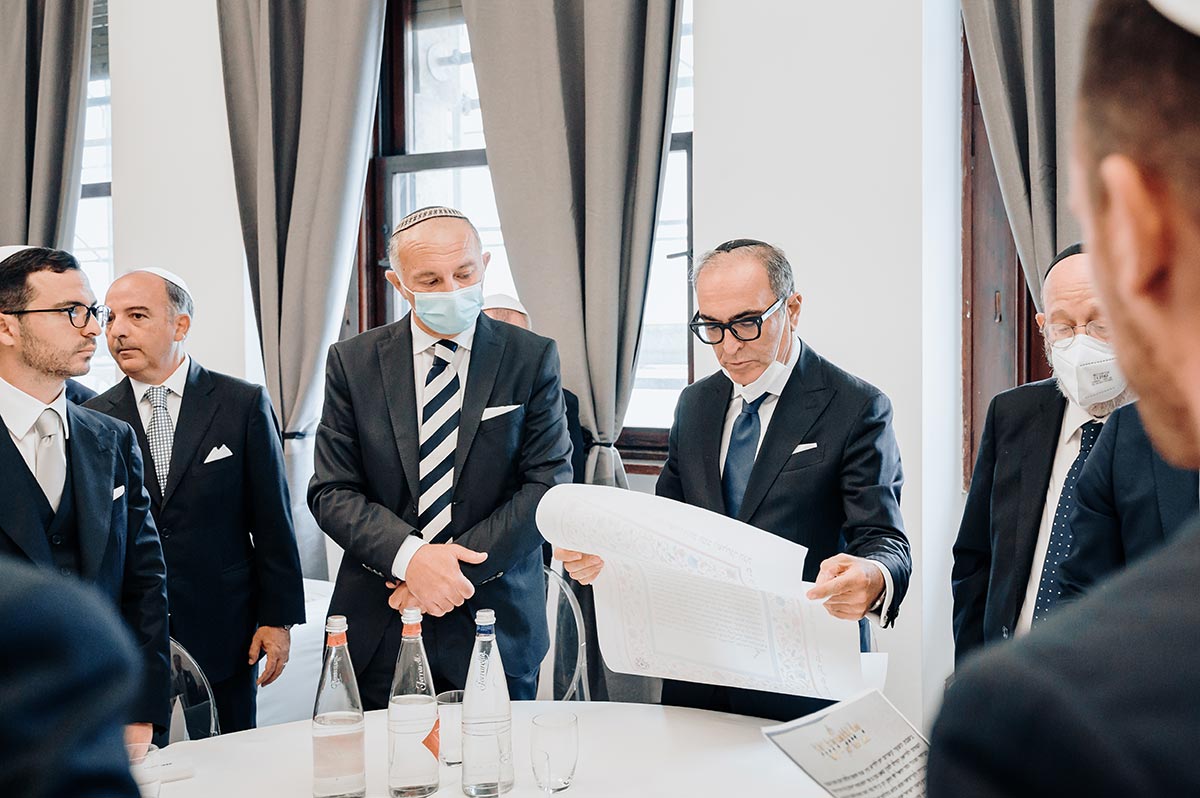
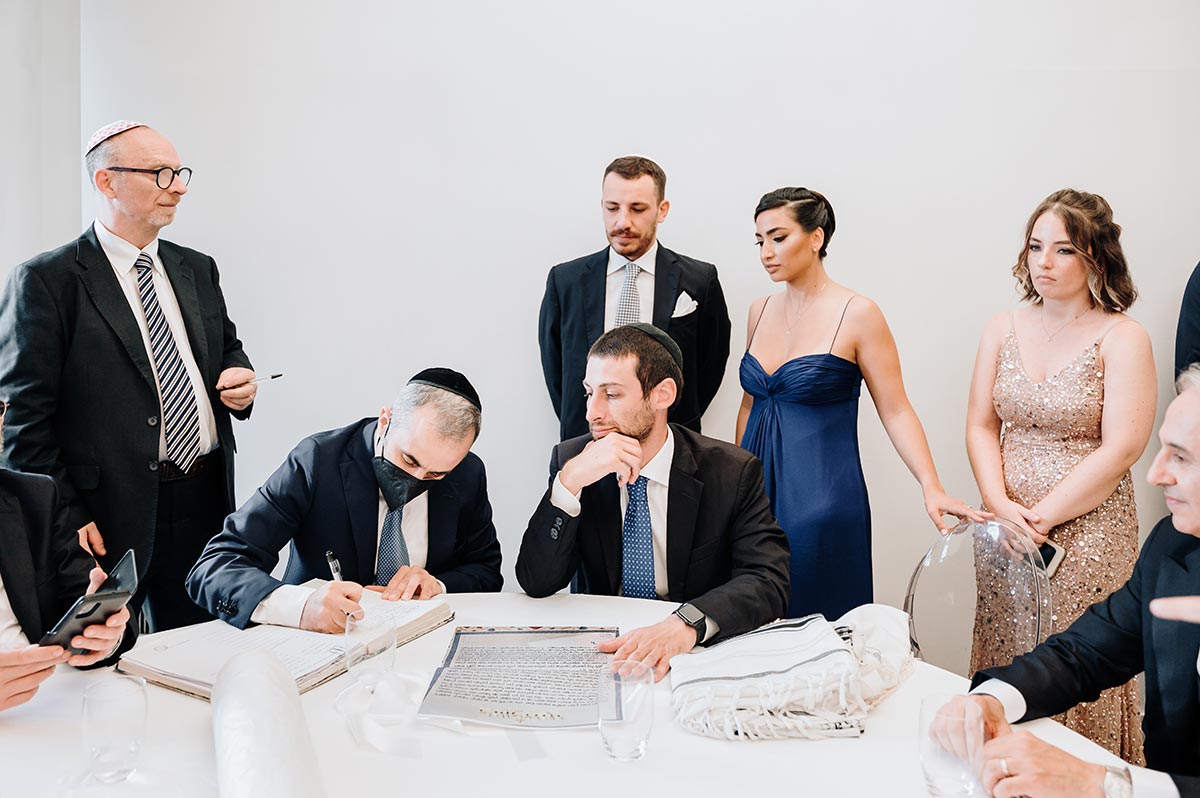
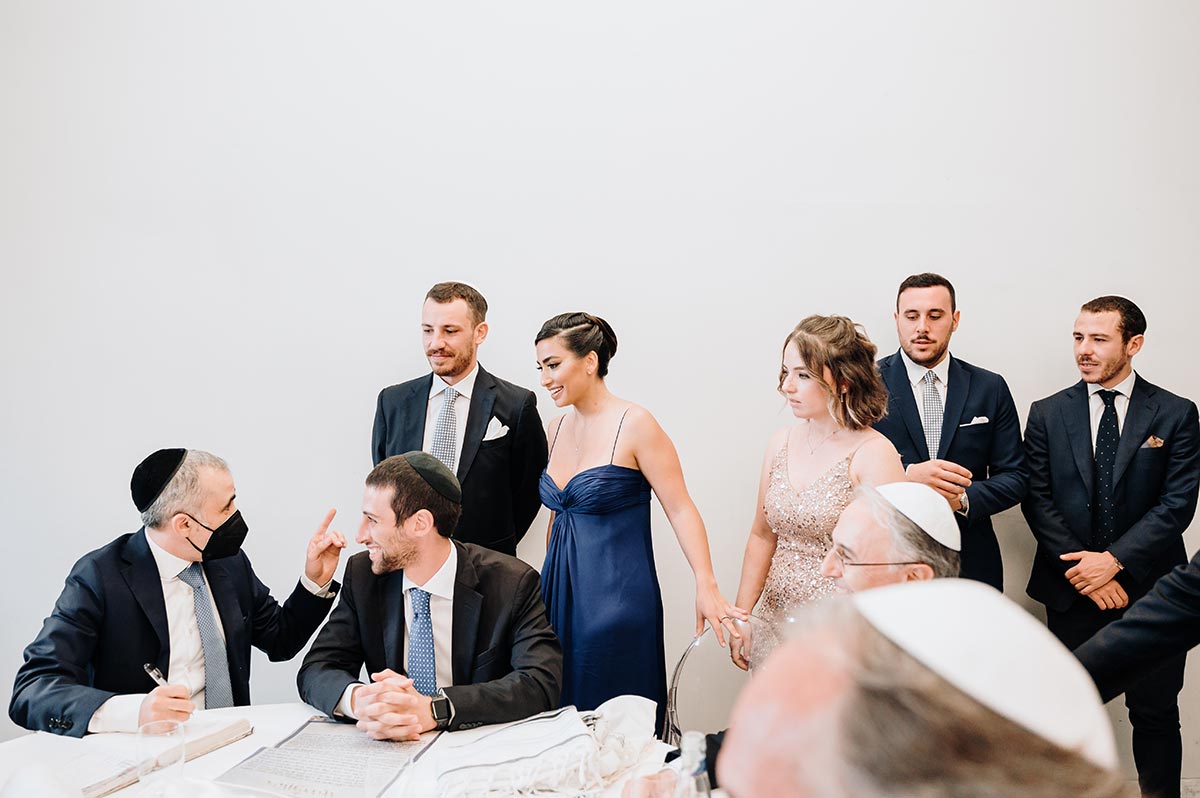
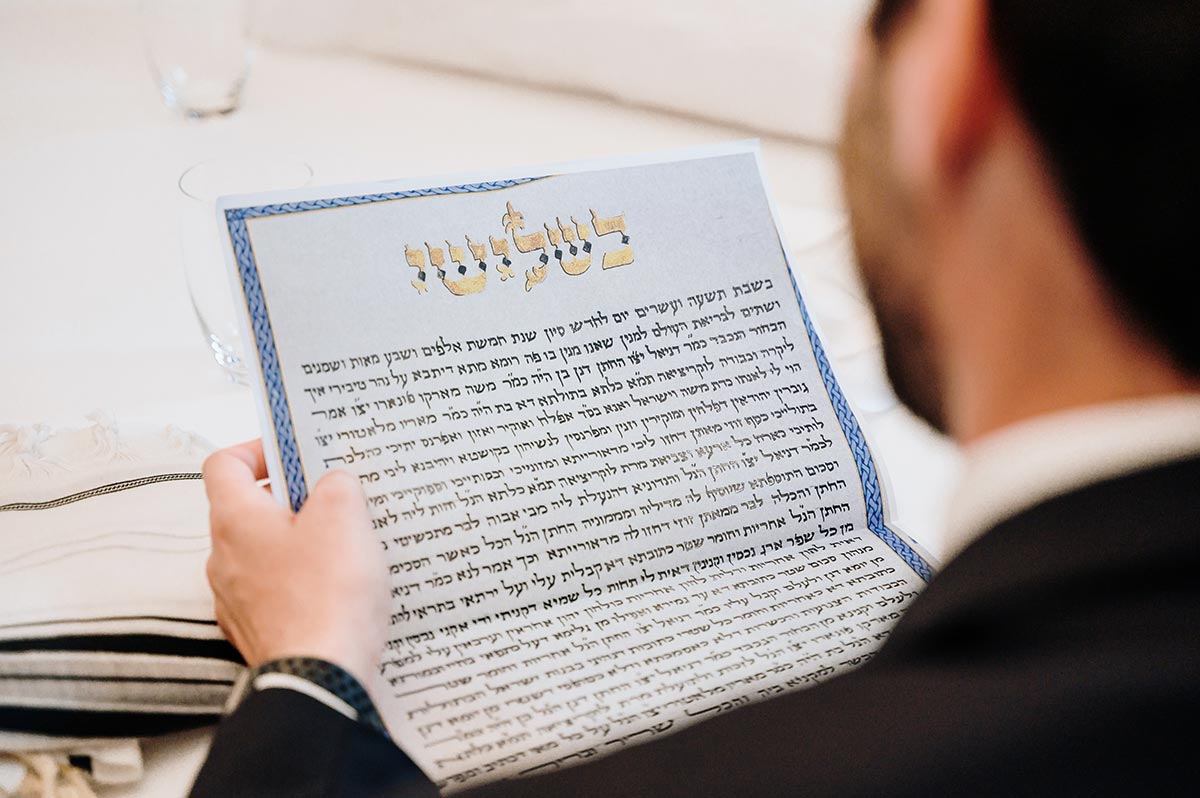
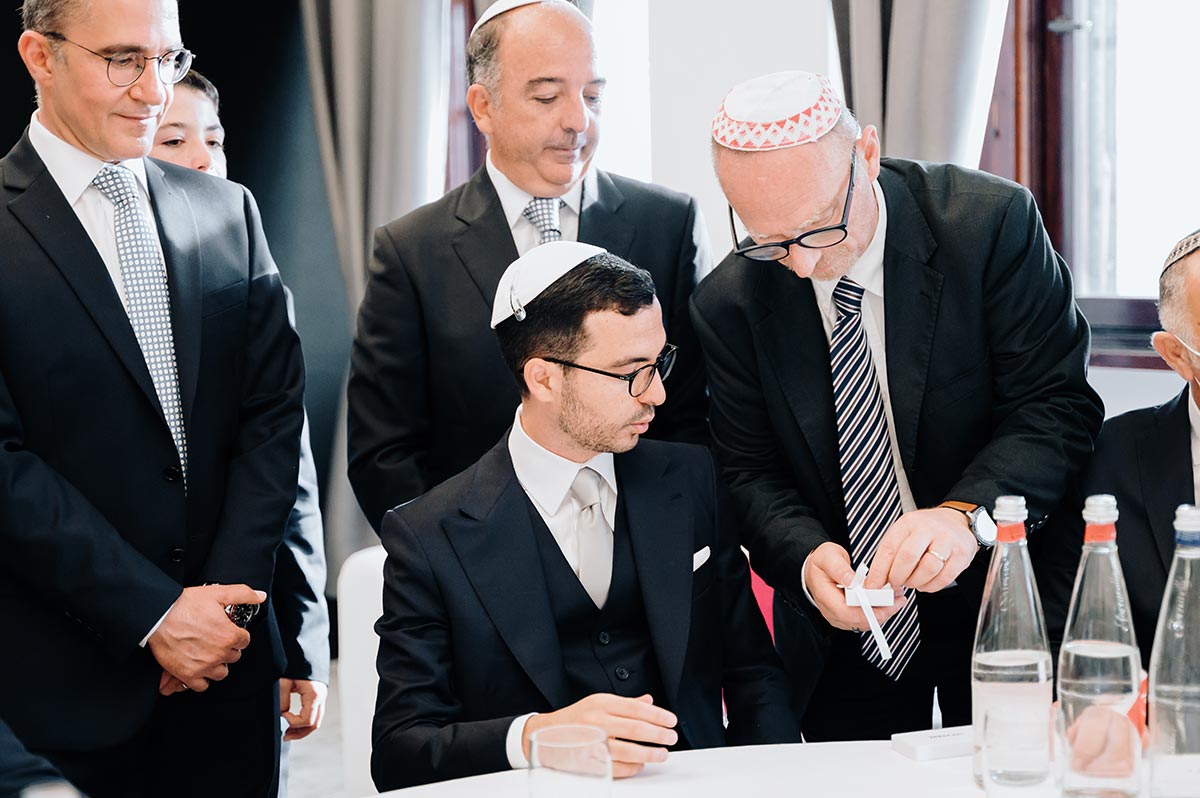
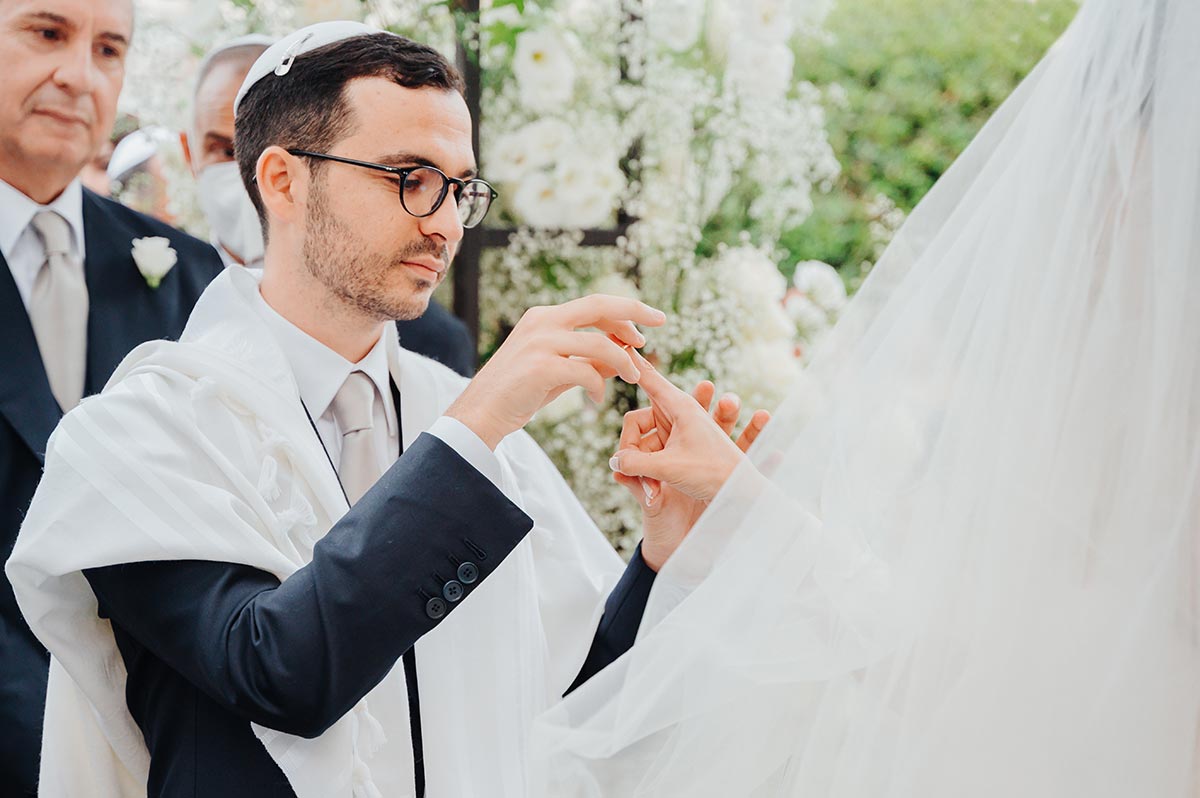
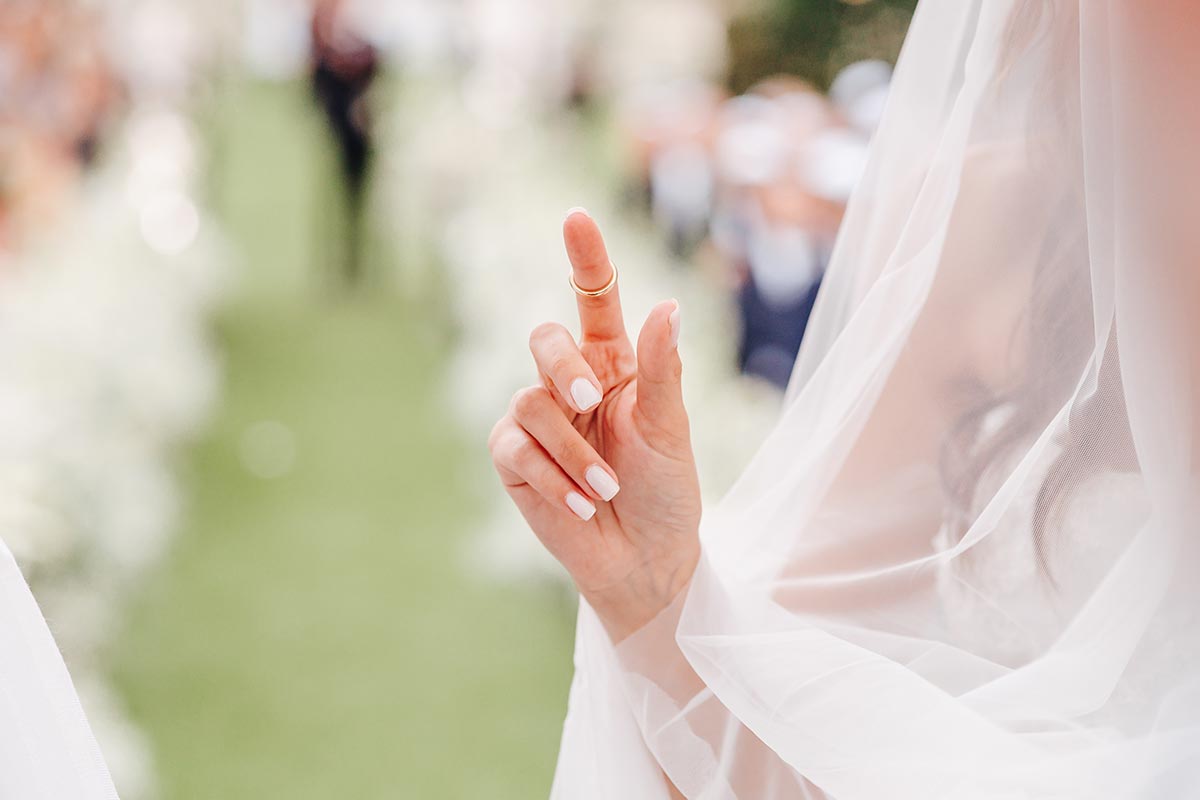
The ceremony begins with blessings and Hebrew songs by members of the community. One of the most significant moments of the ceremony is the ketubah, or marriage contract, which outlines the rights and duties of husband and wife during the marriage. The couple then exchanges rings placed on each other’s fingers by the officiant using two small spoons, symbolizing the business of money in ancient times. The ketubah is signed by both parties, after which they share a kiss under the chuppah.
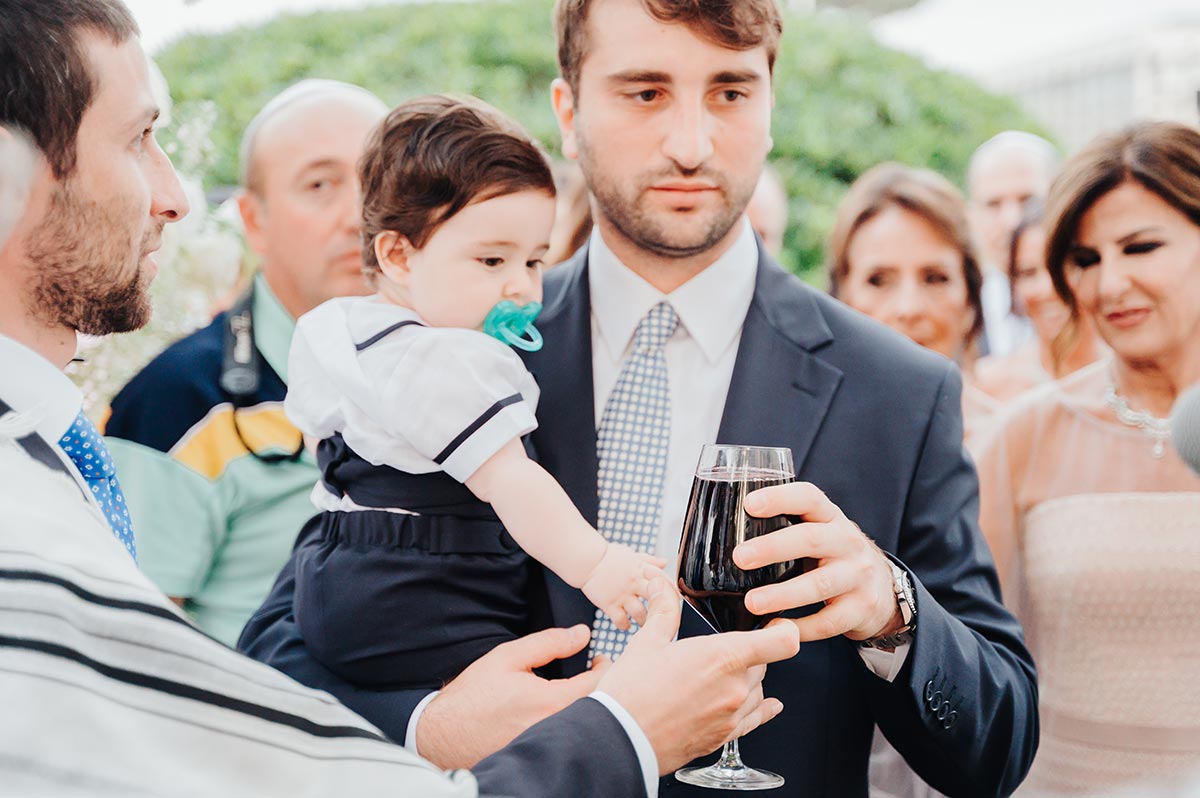

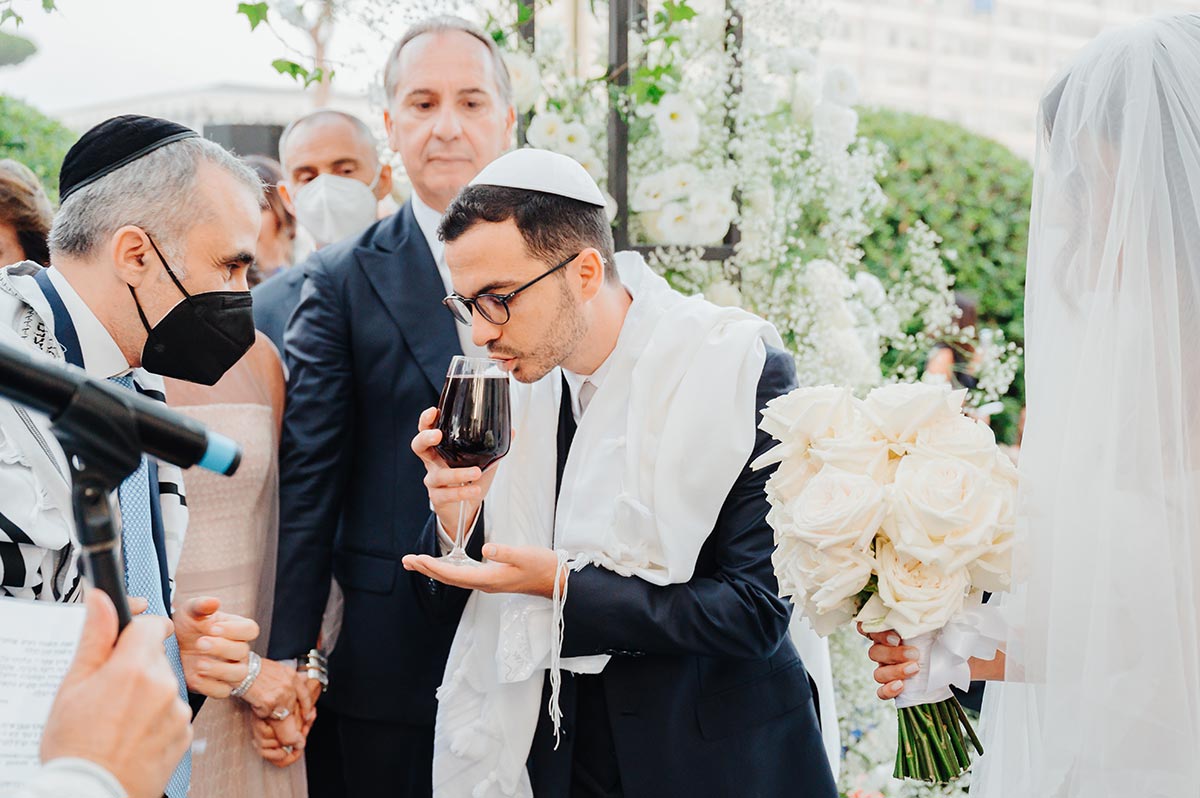
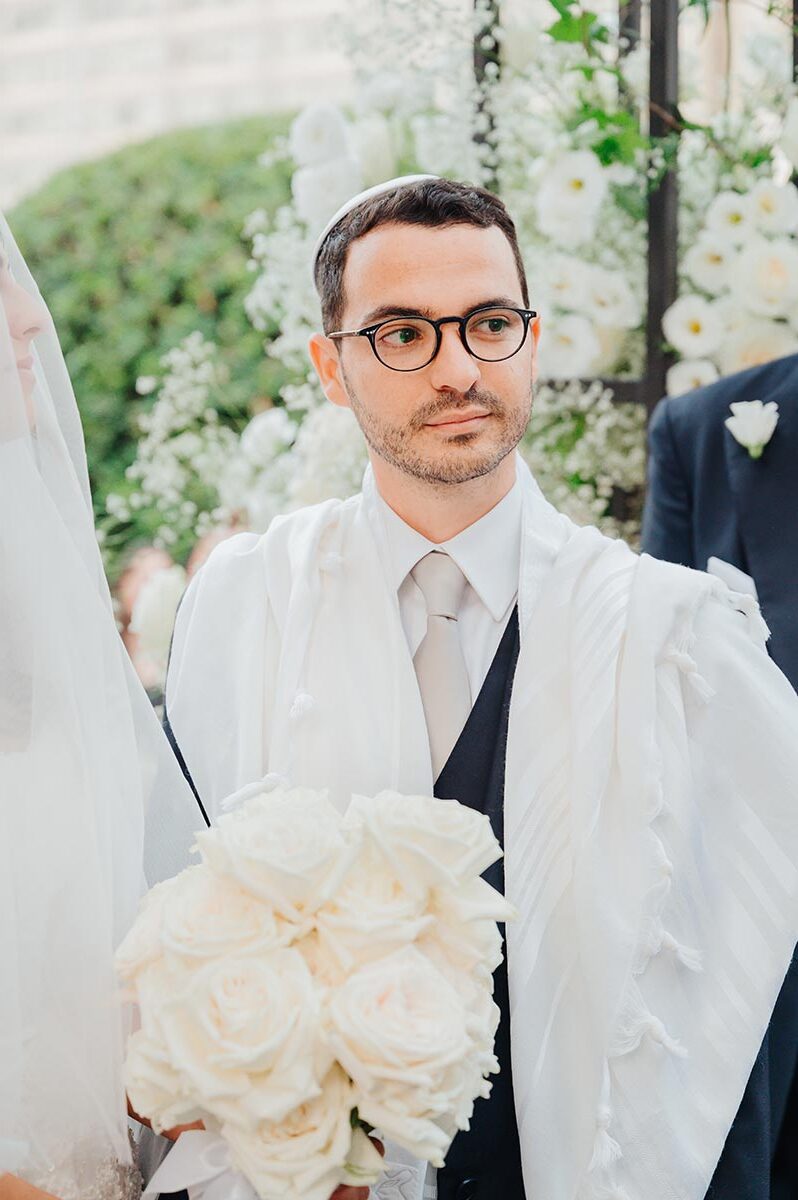
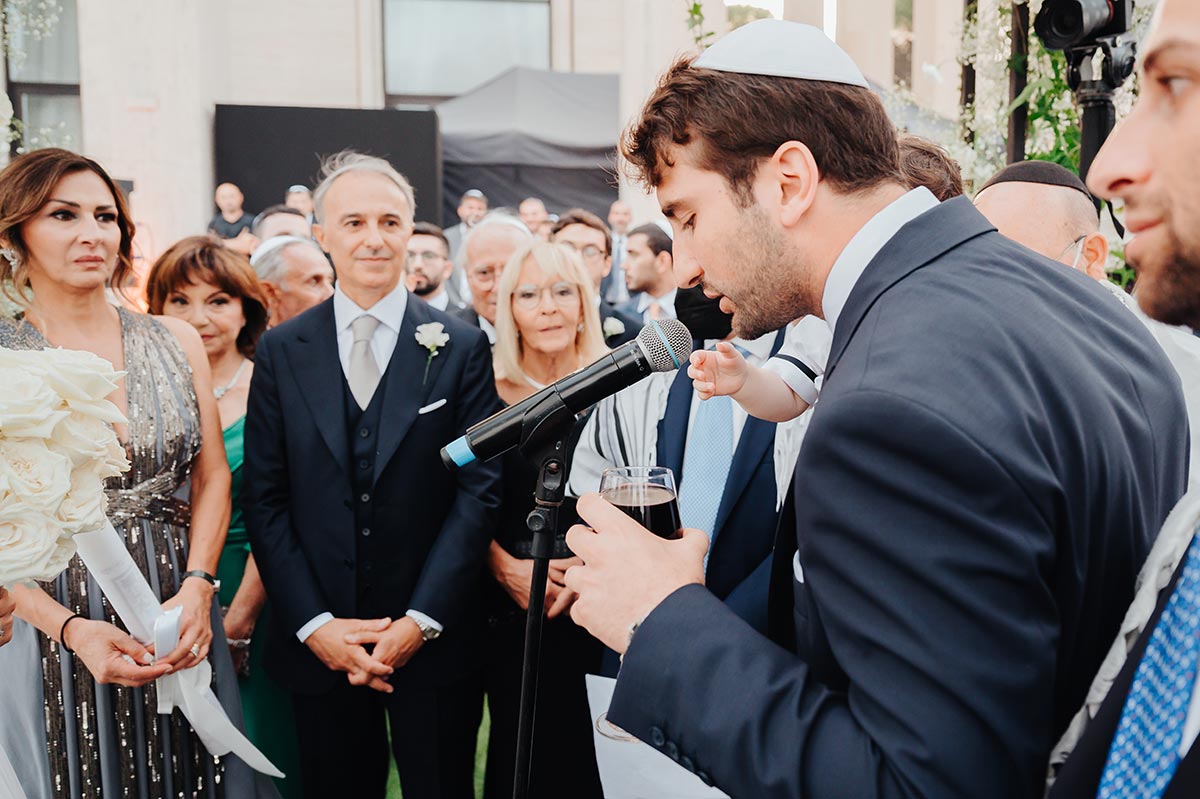
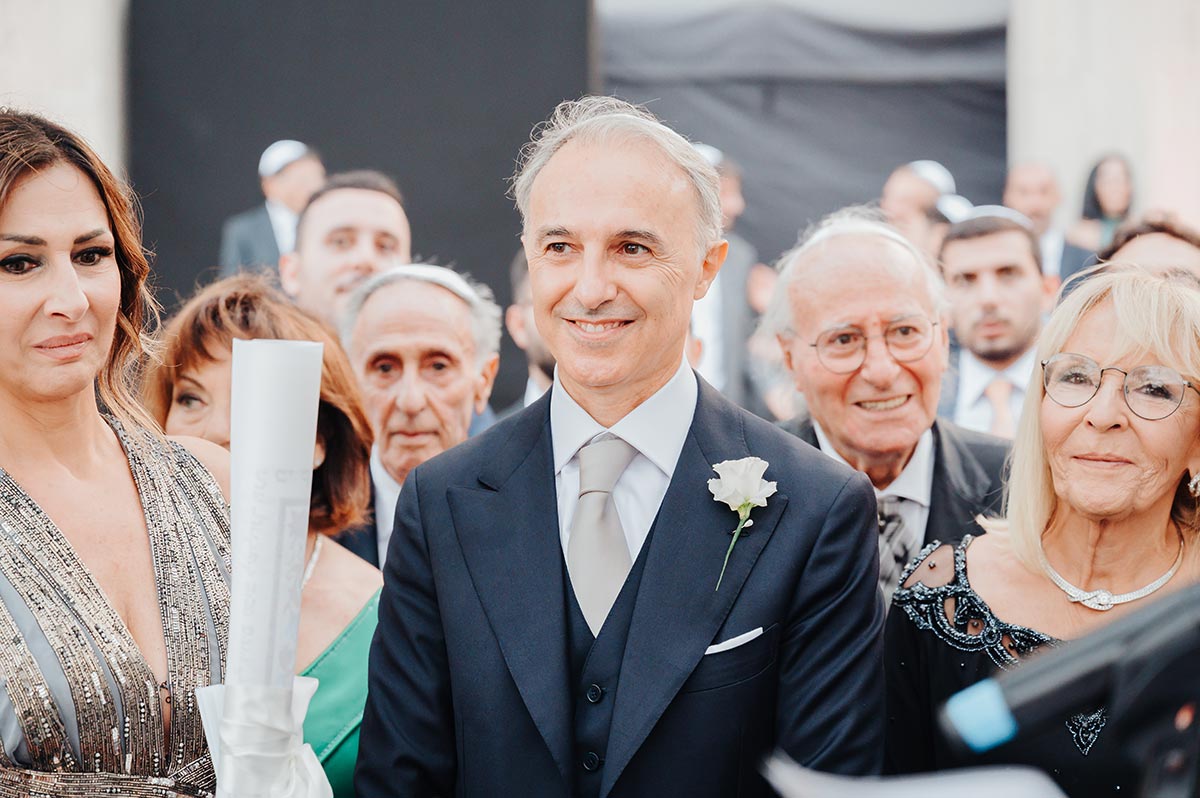

The Jewish wedding ceremony in Rome is a beautiful blend of tradition and elegance, filled with meaningful customs and rituals that will make it an unforgettable experience.




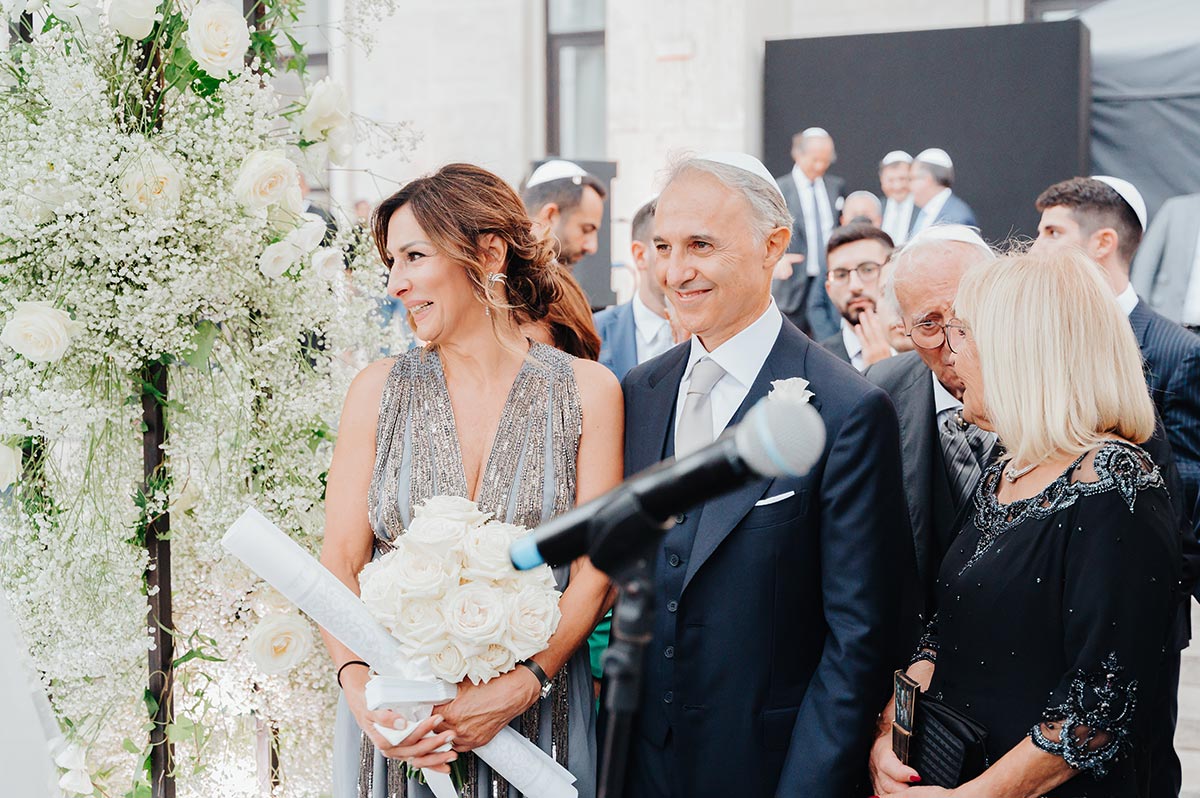

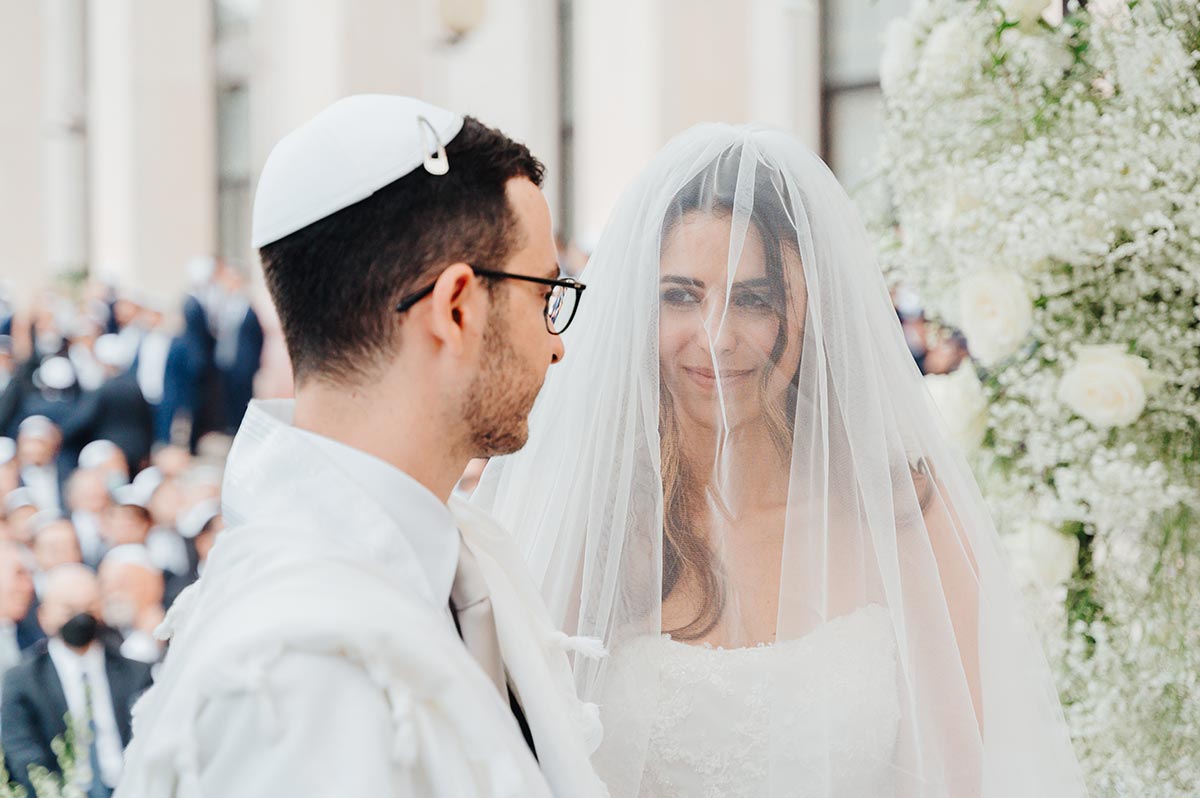
When planning your Jewish wedding in Rome, it’s essential to consider the ceremony location.

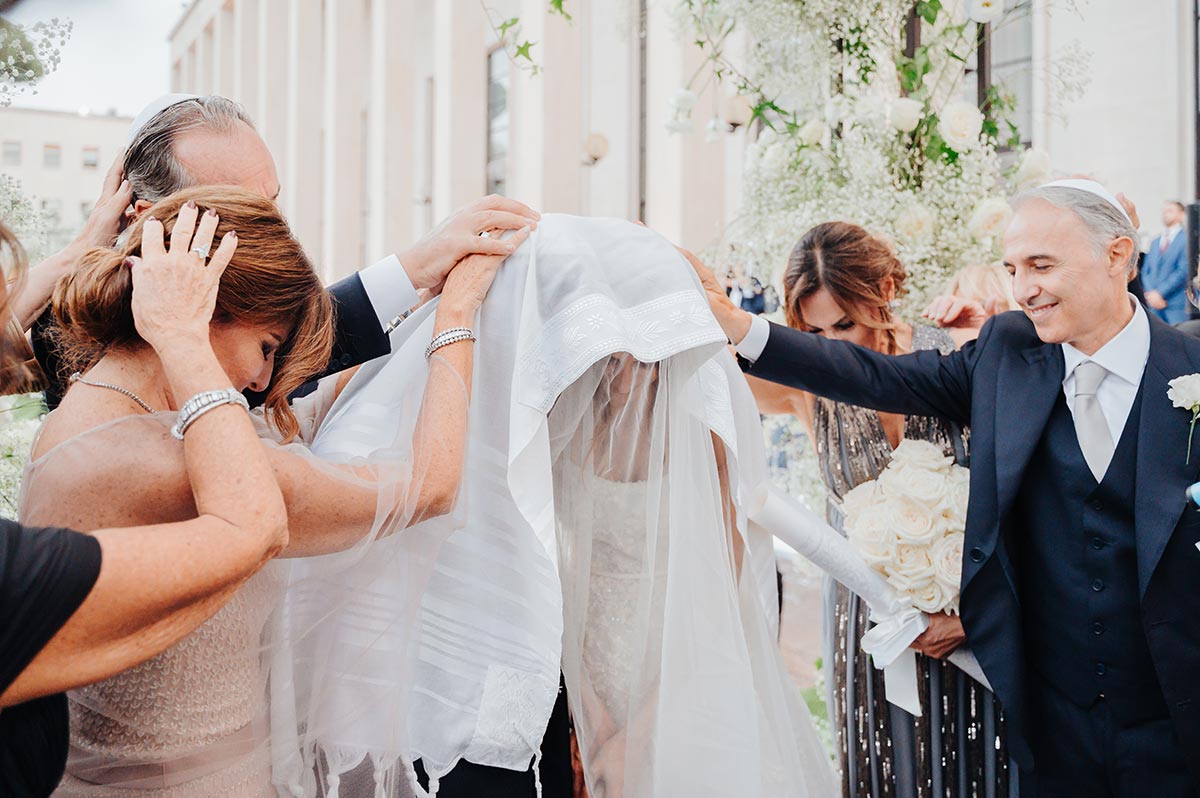
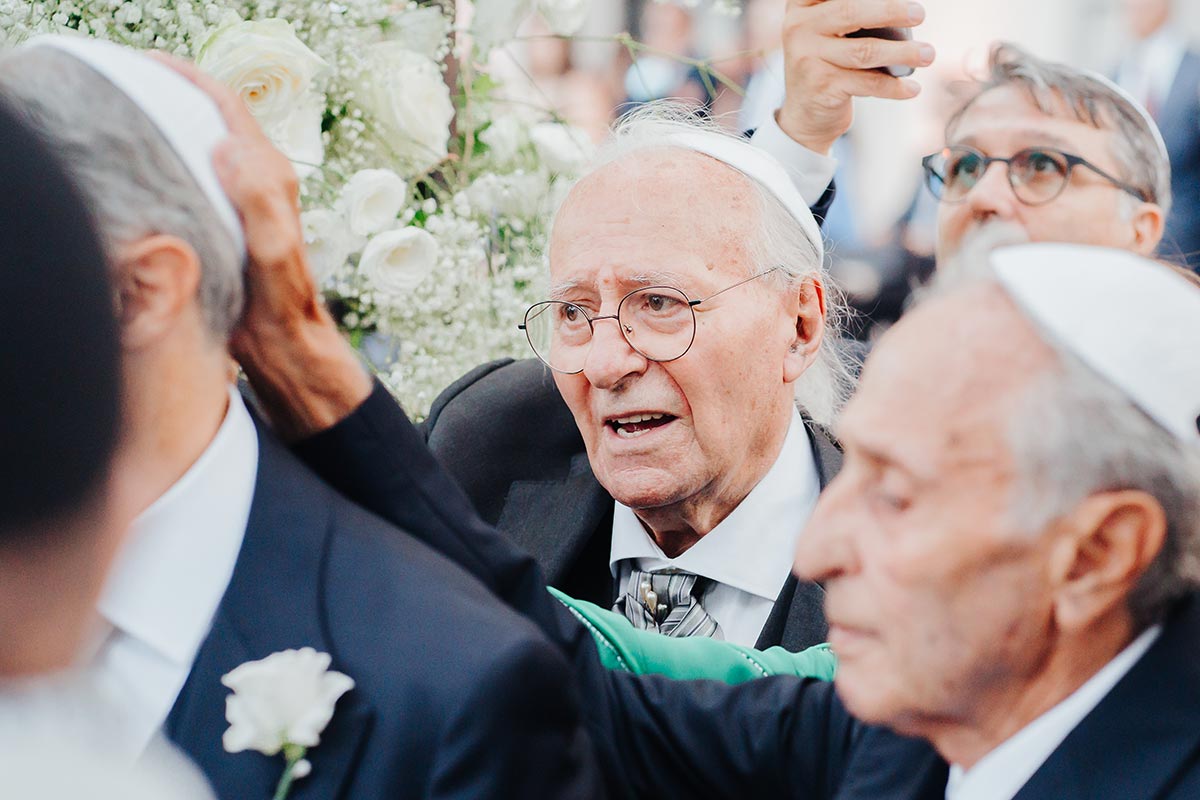
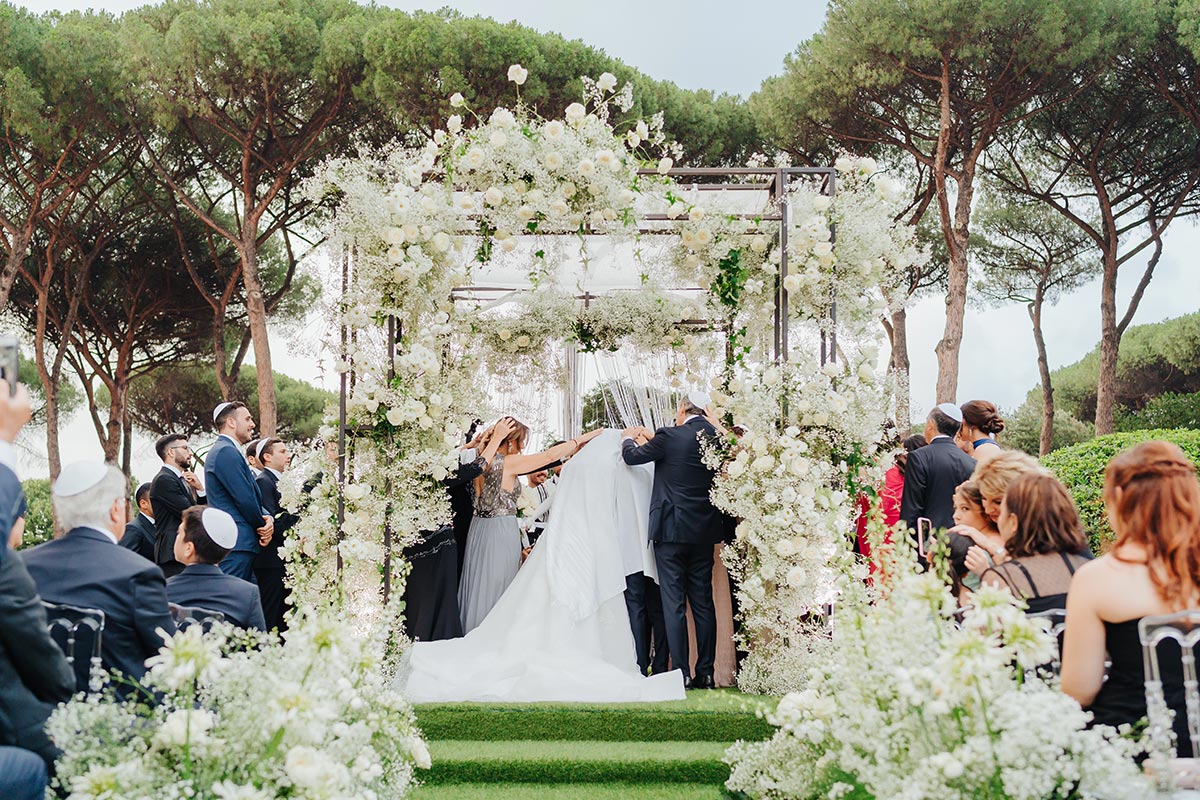
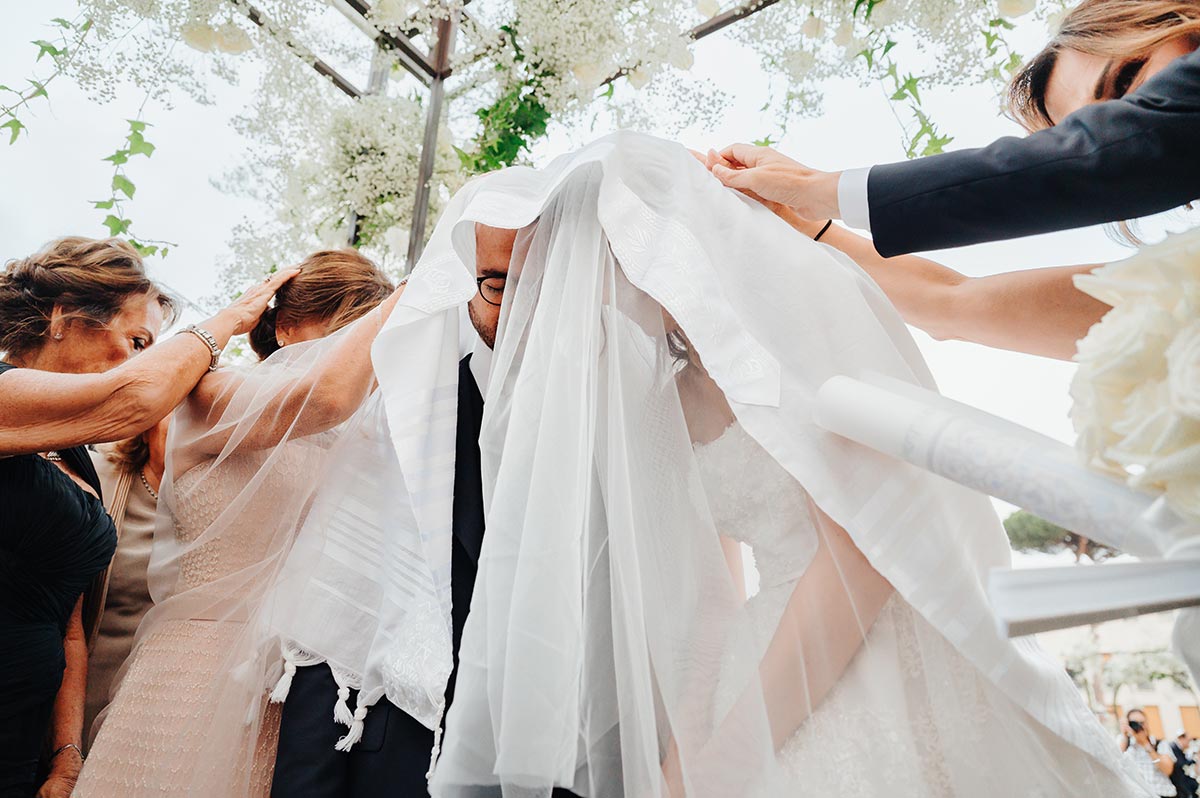

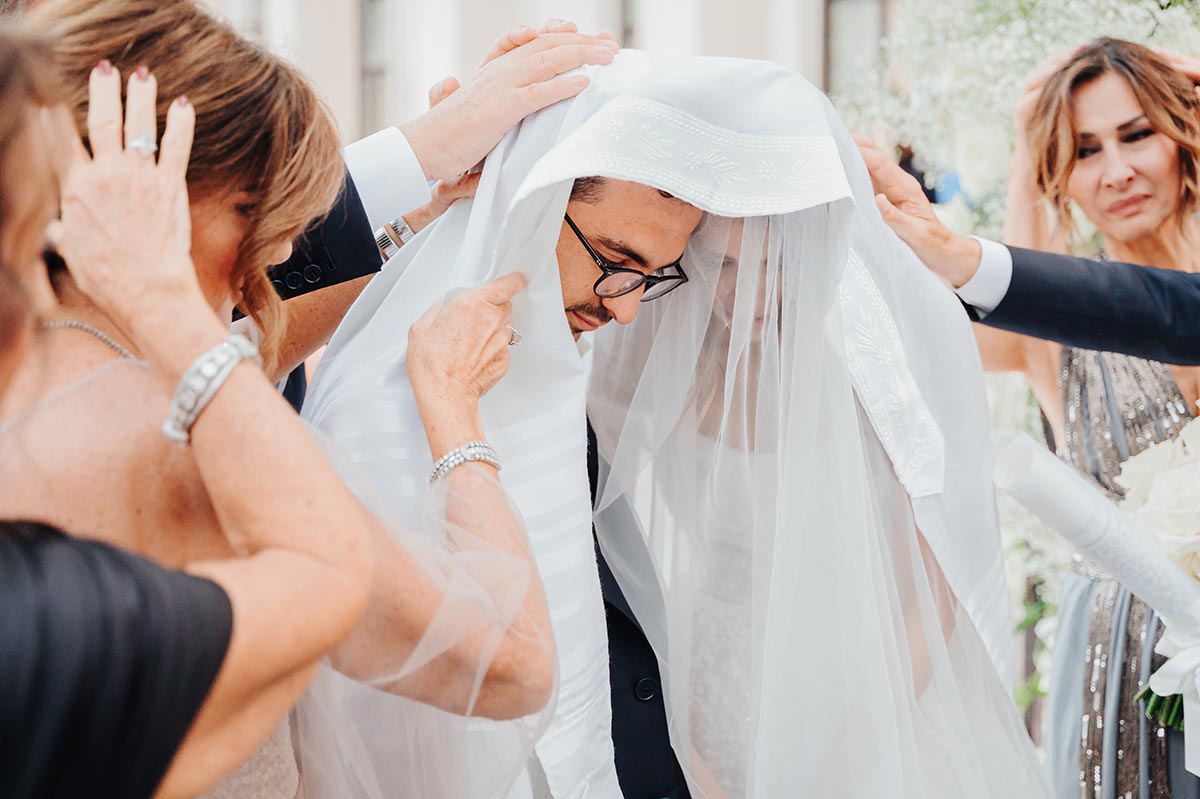
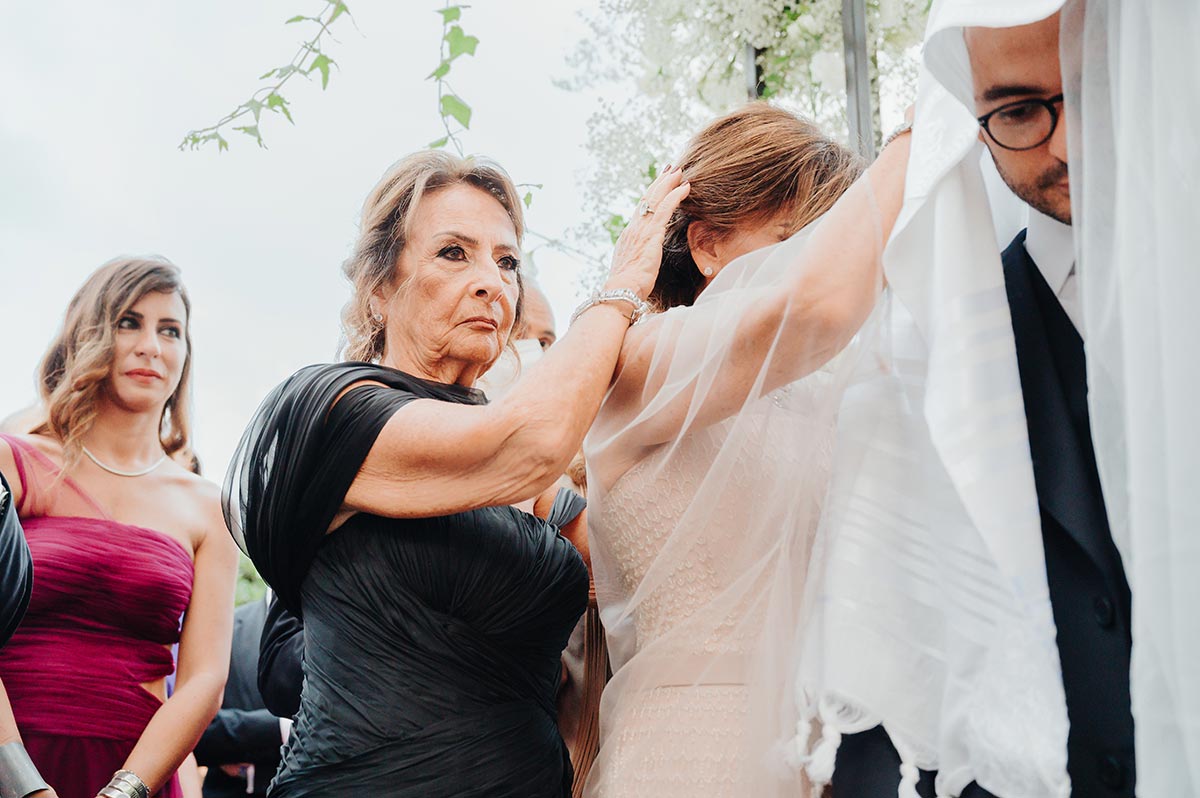
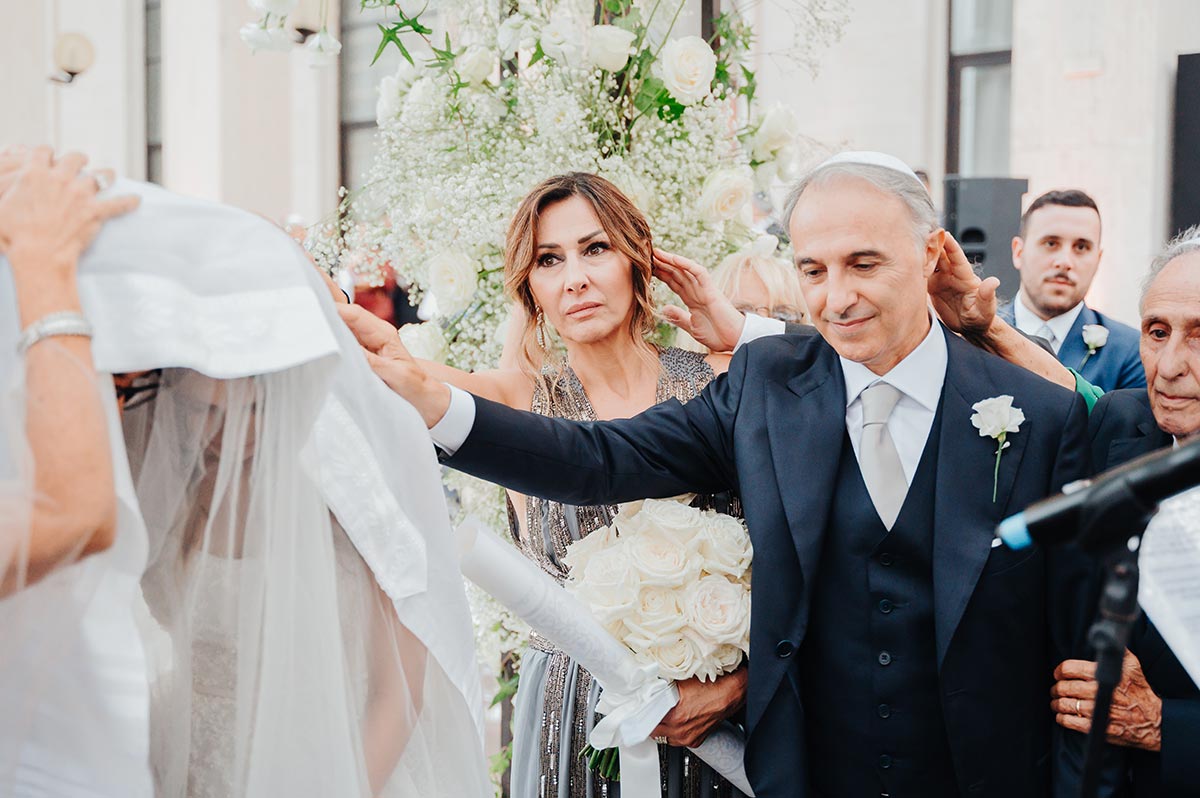


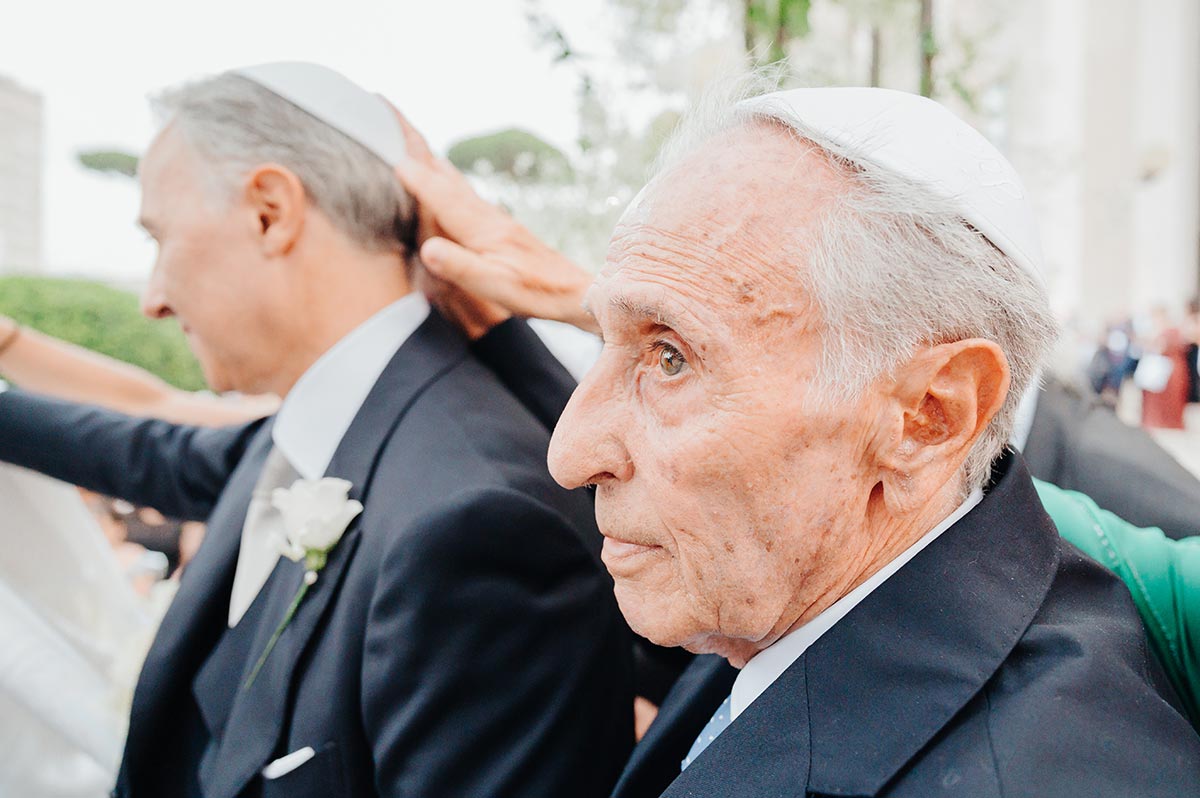
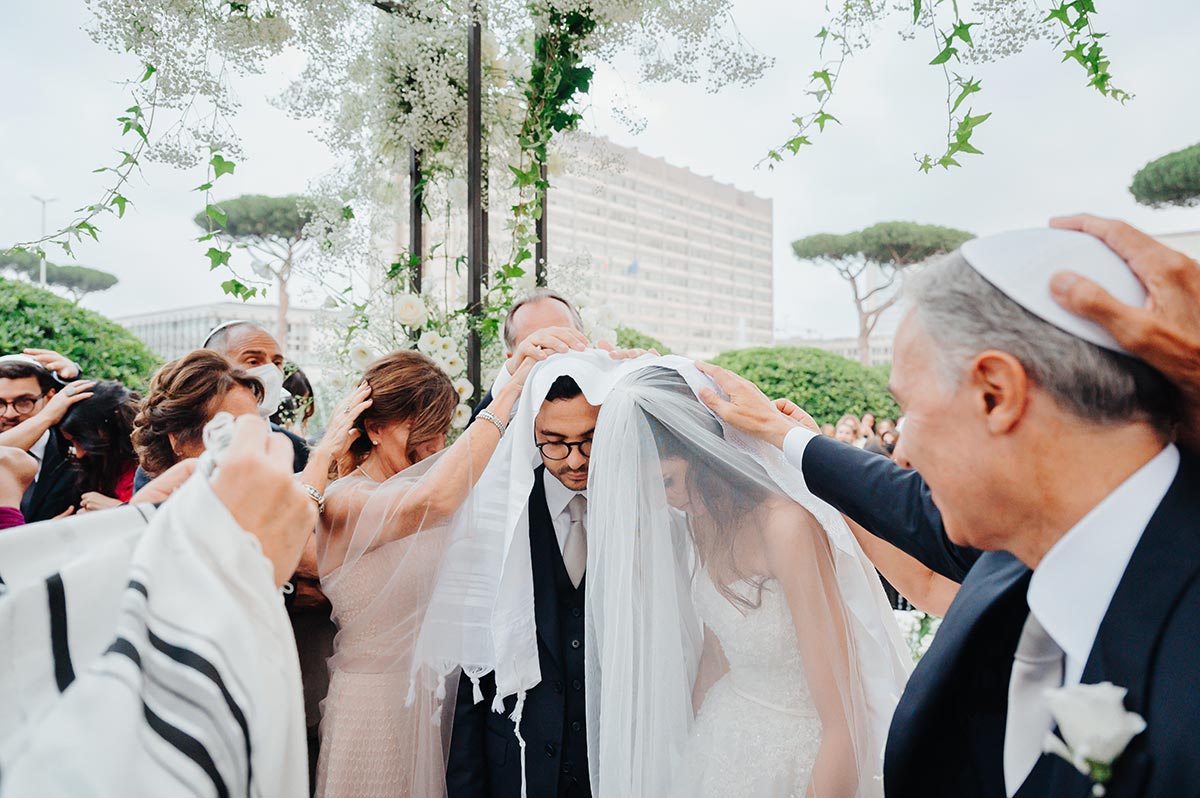



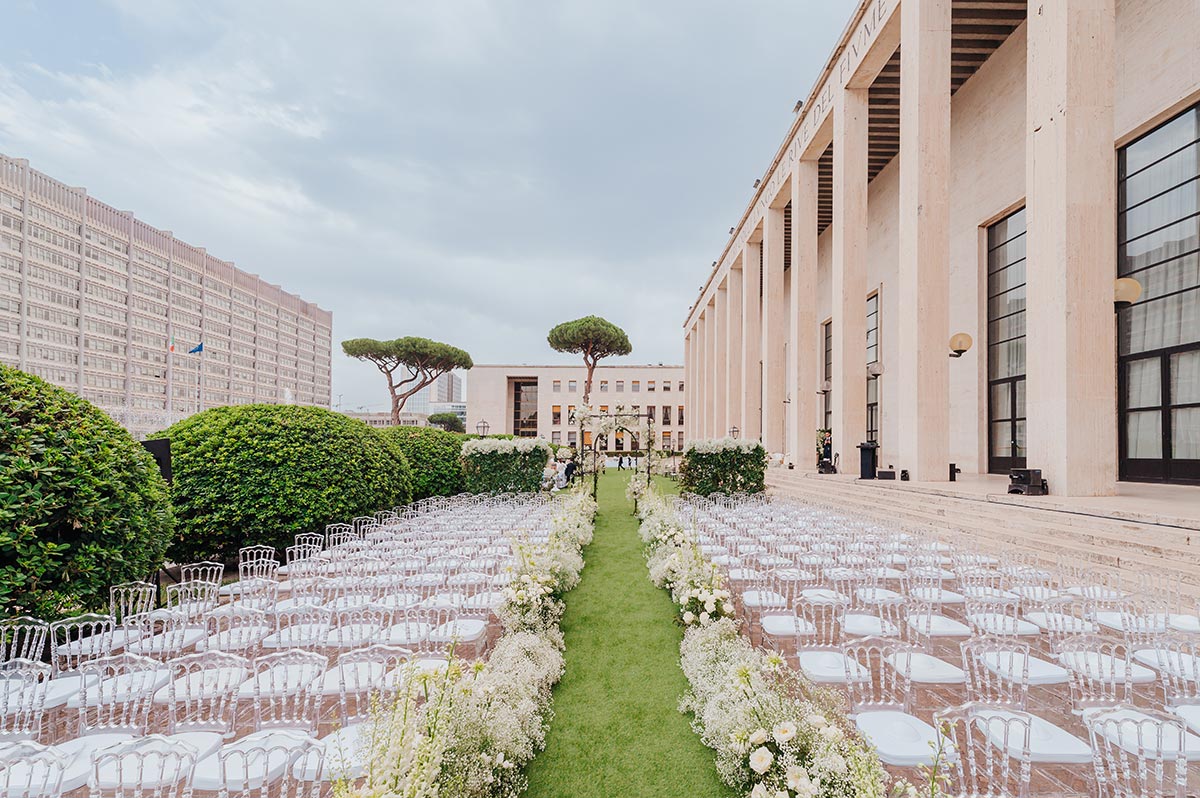
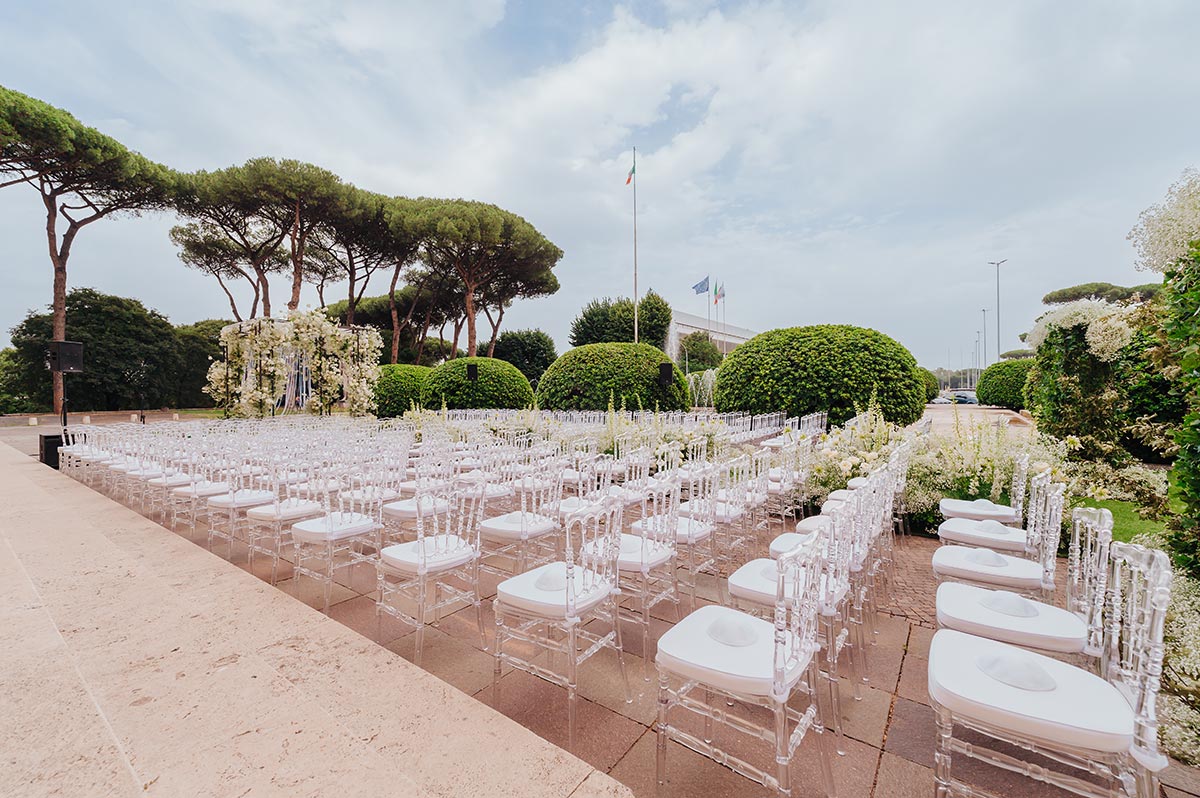
In the Jewish tradition, the chuppah symbolizes the couple’s future home. The first people to arrive under the chuppah are the rabbi, the groom, male relatives, and the bride. In addition to a synagogue, the wedding can also be held in a park or other outdoor spaces.
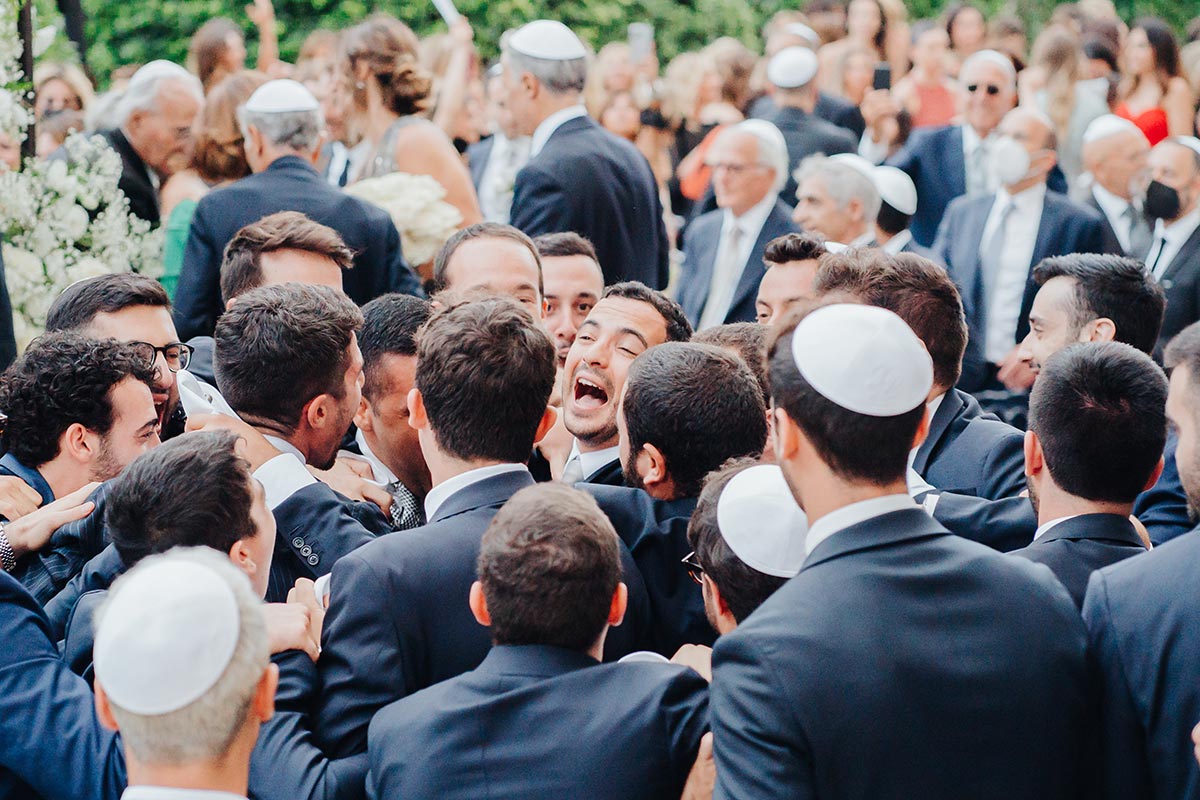
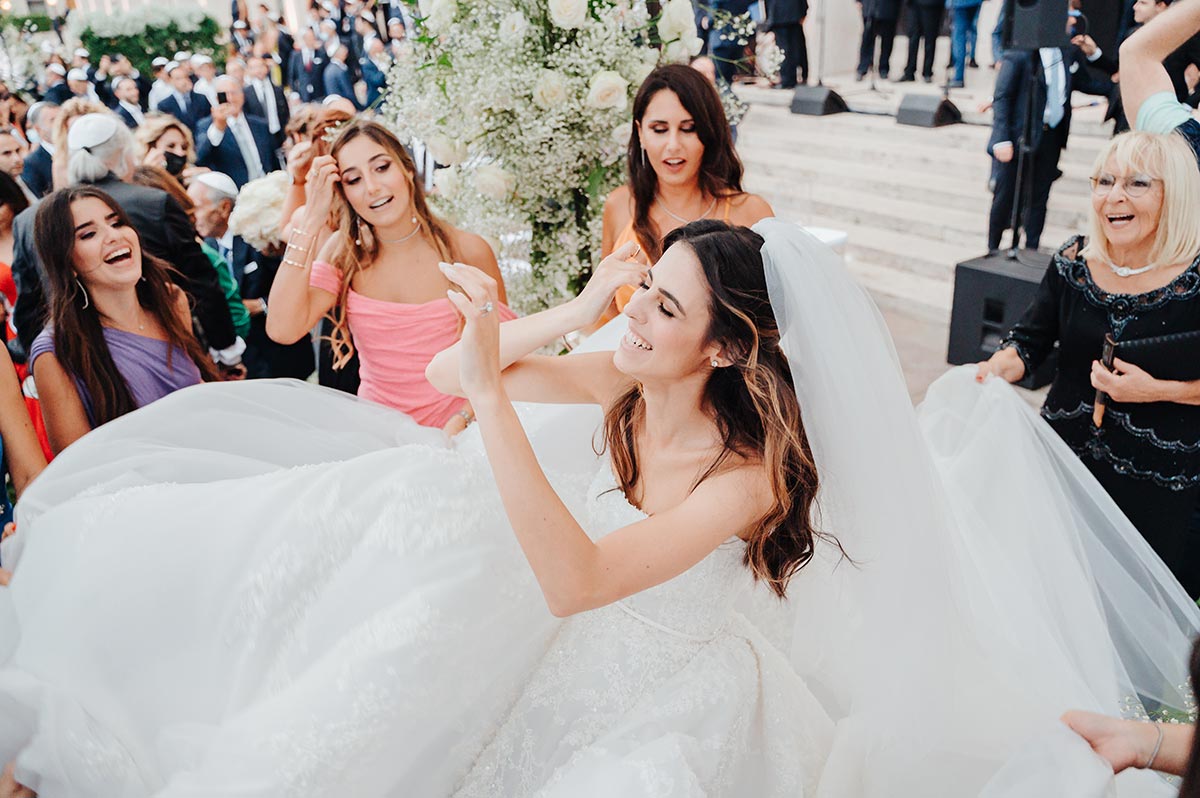

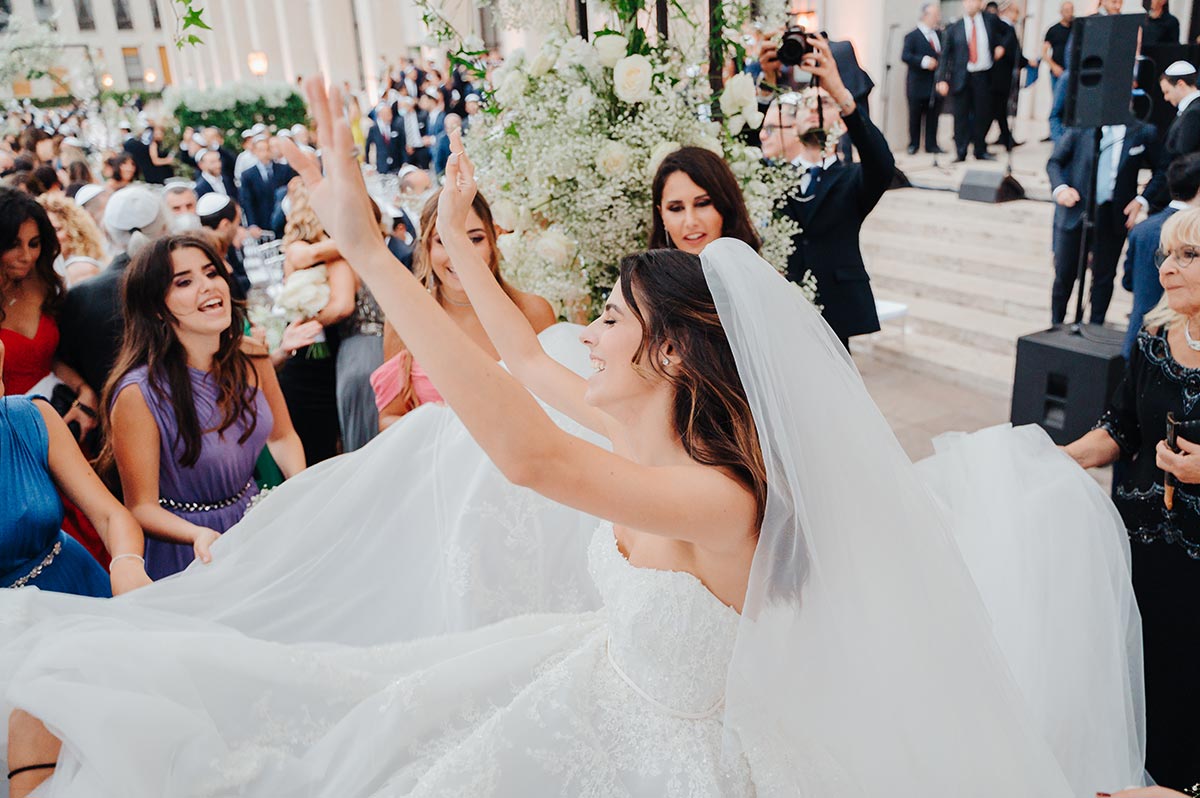
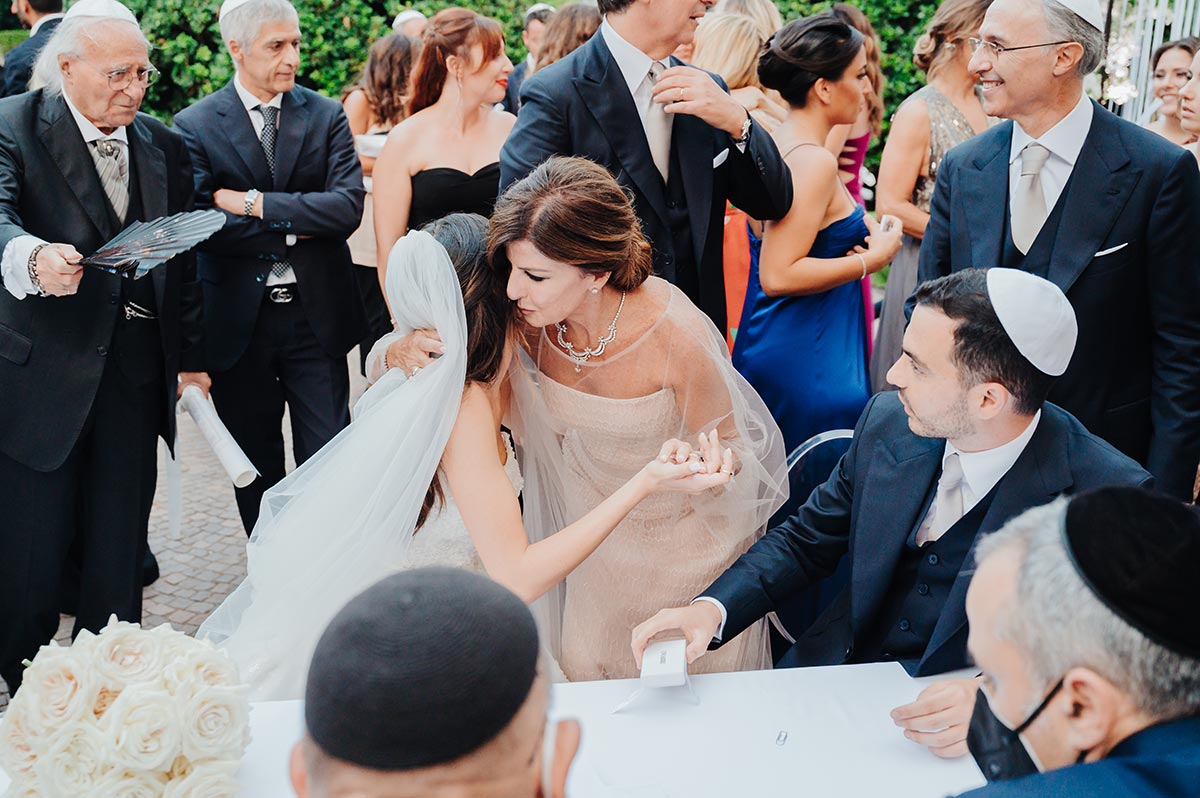

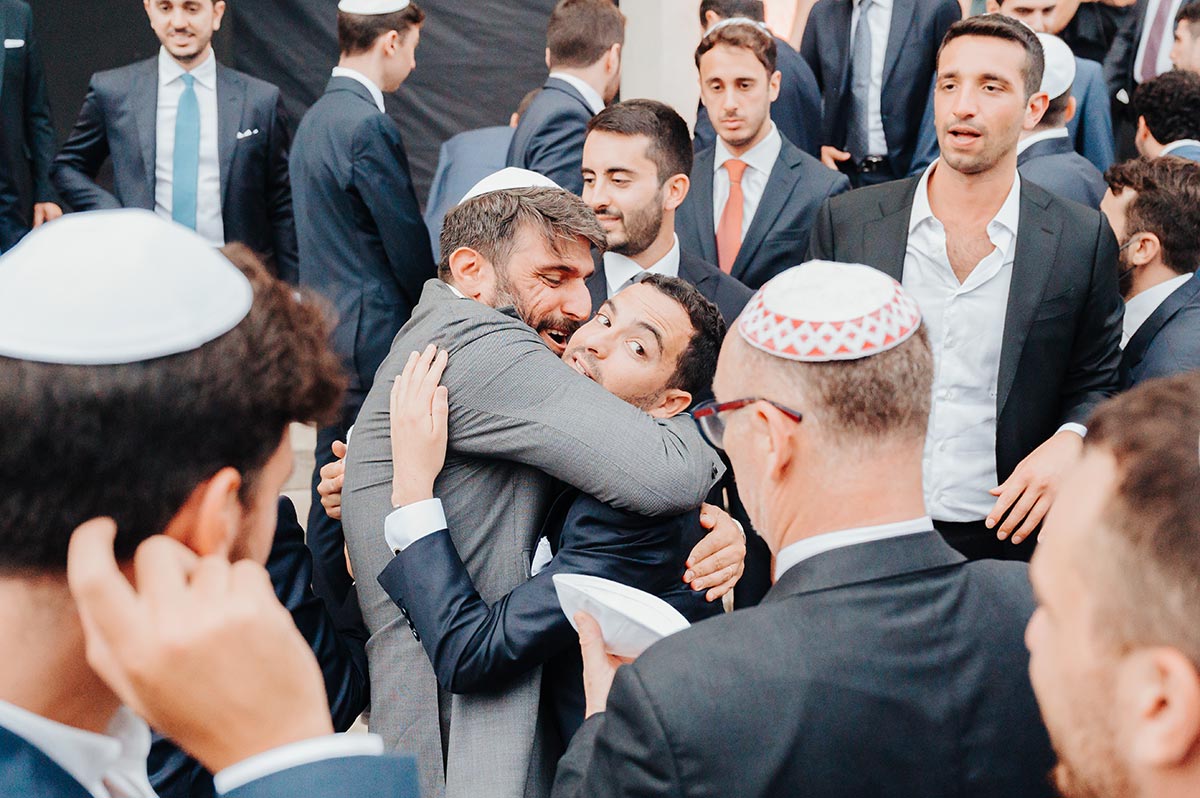
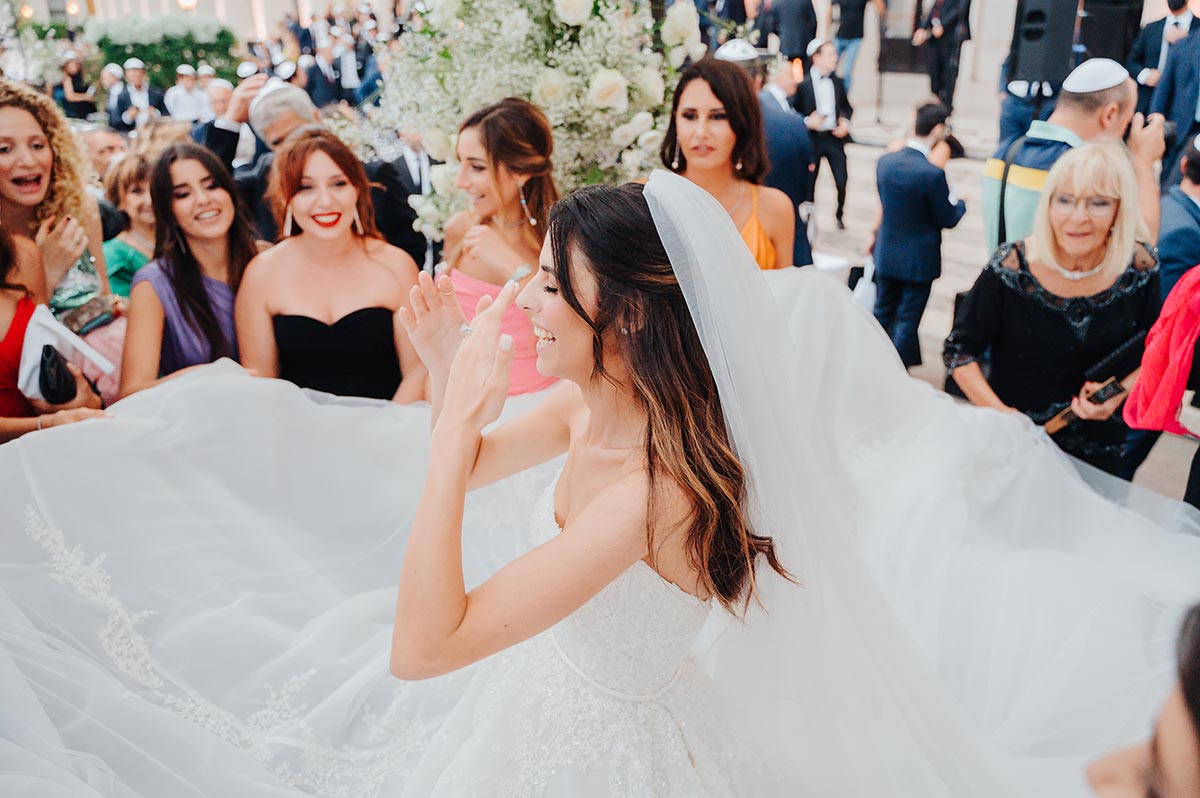
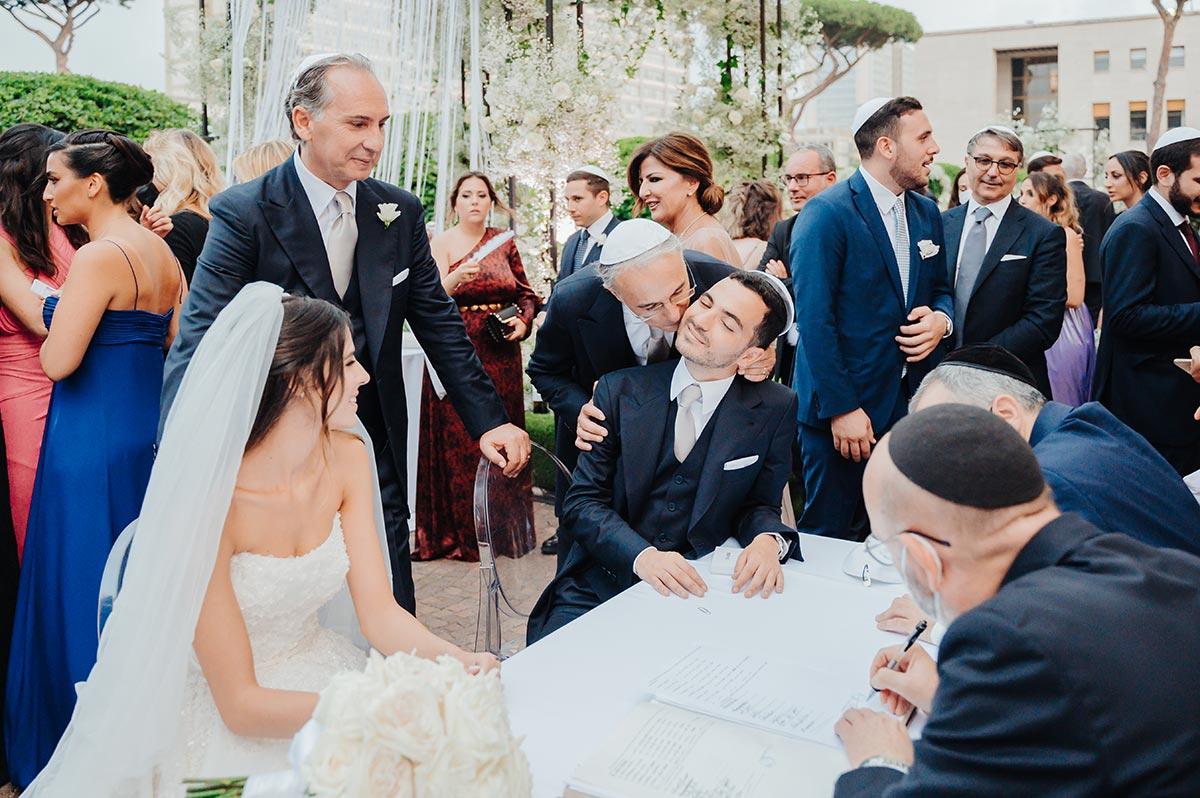

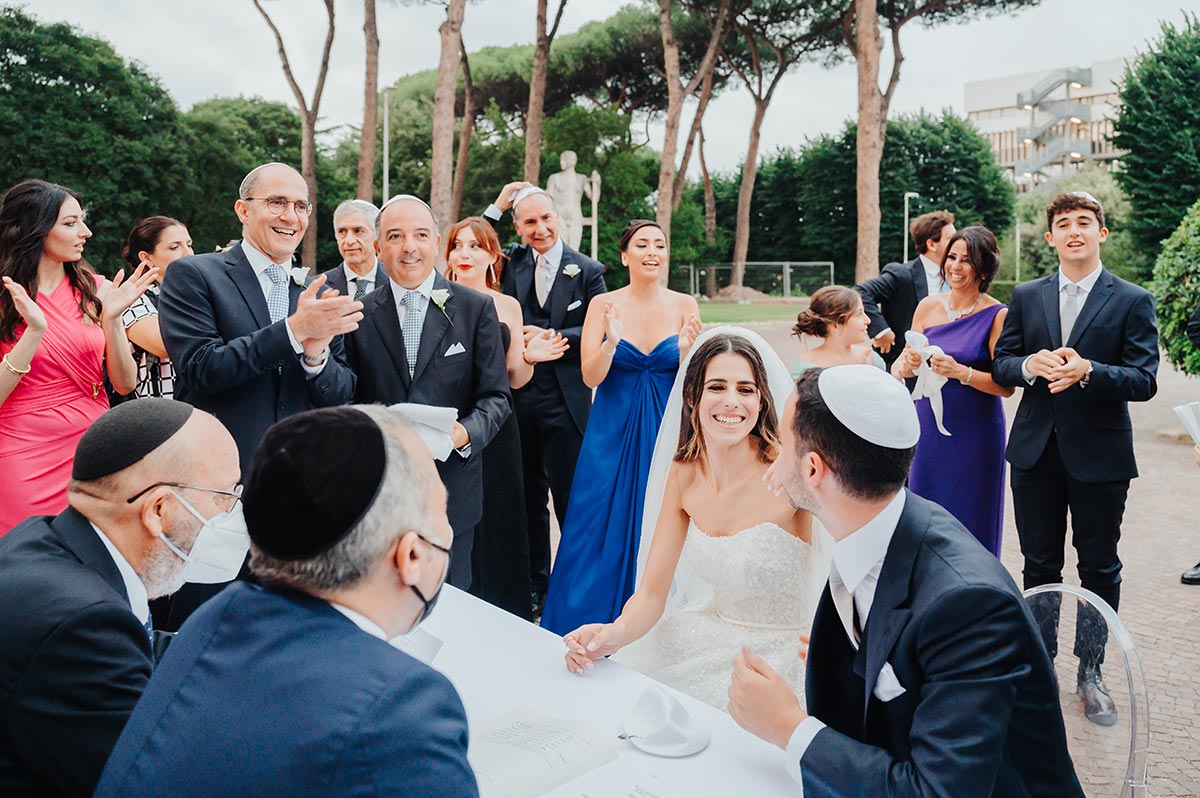
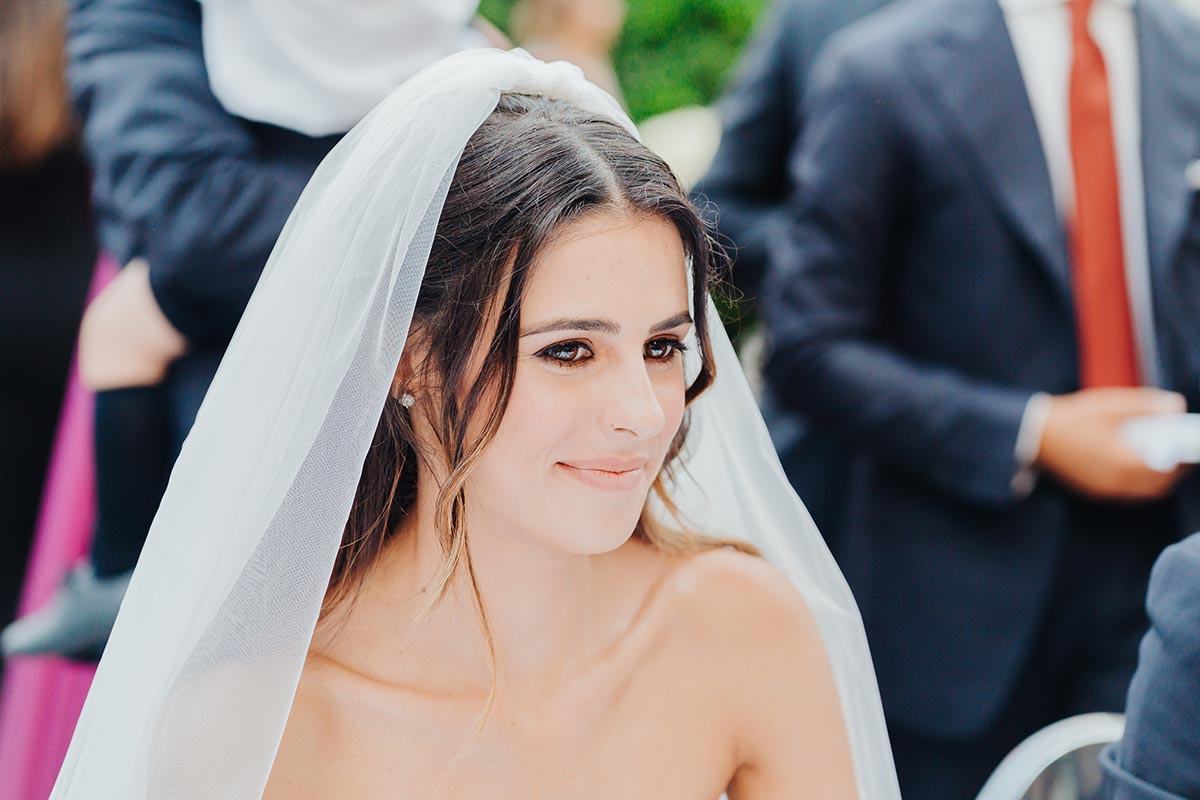

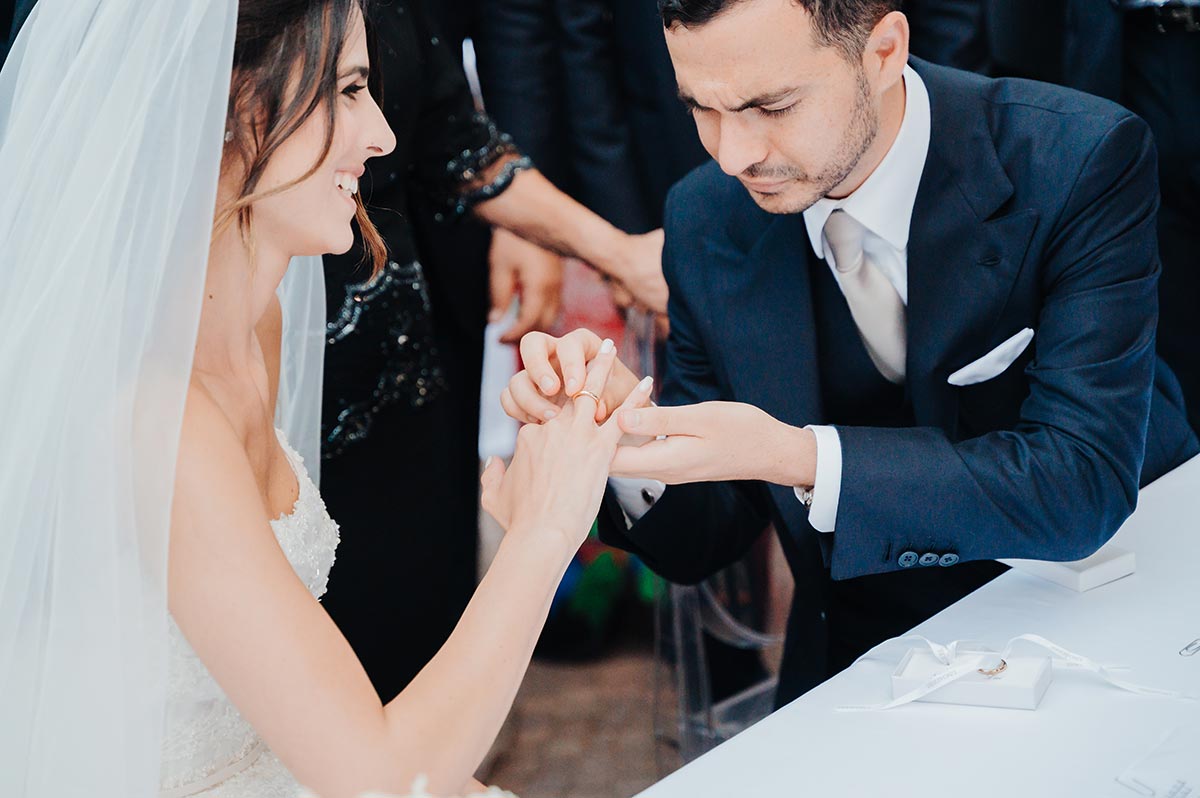
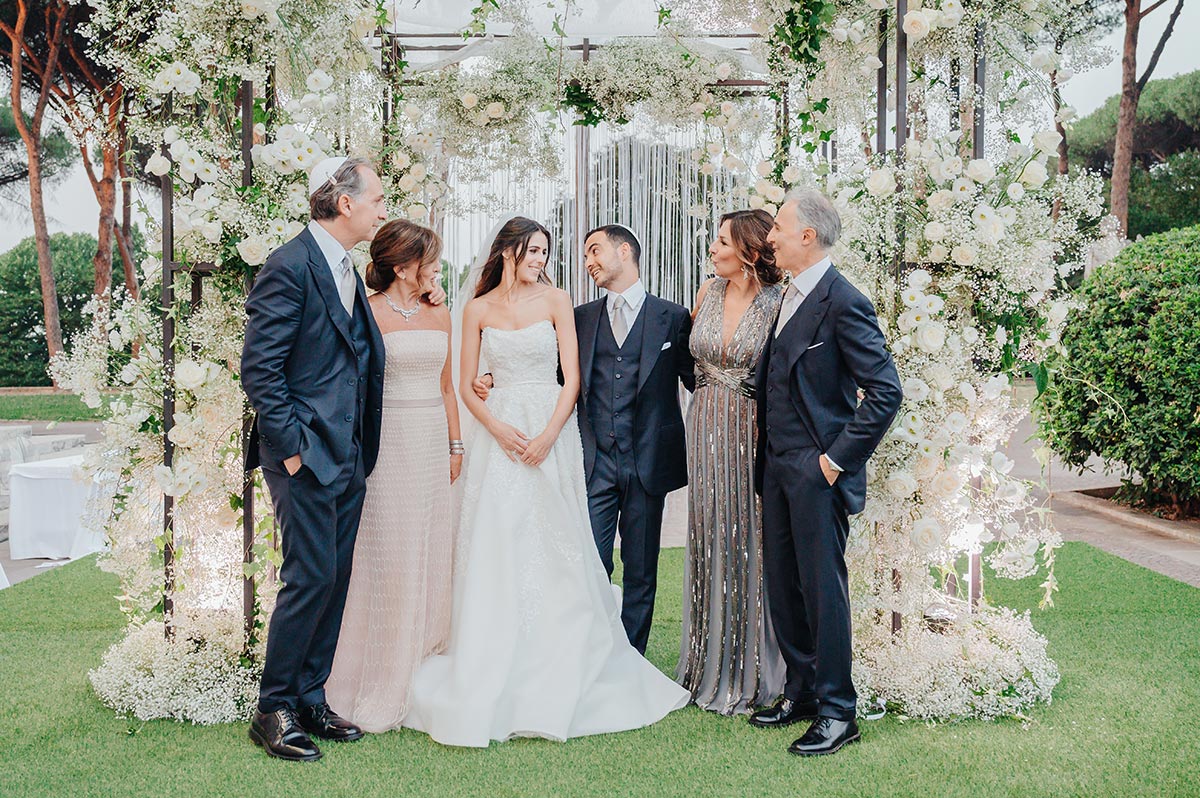

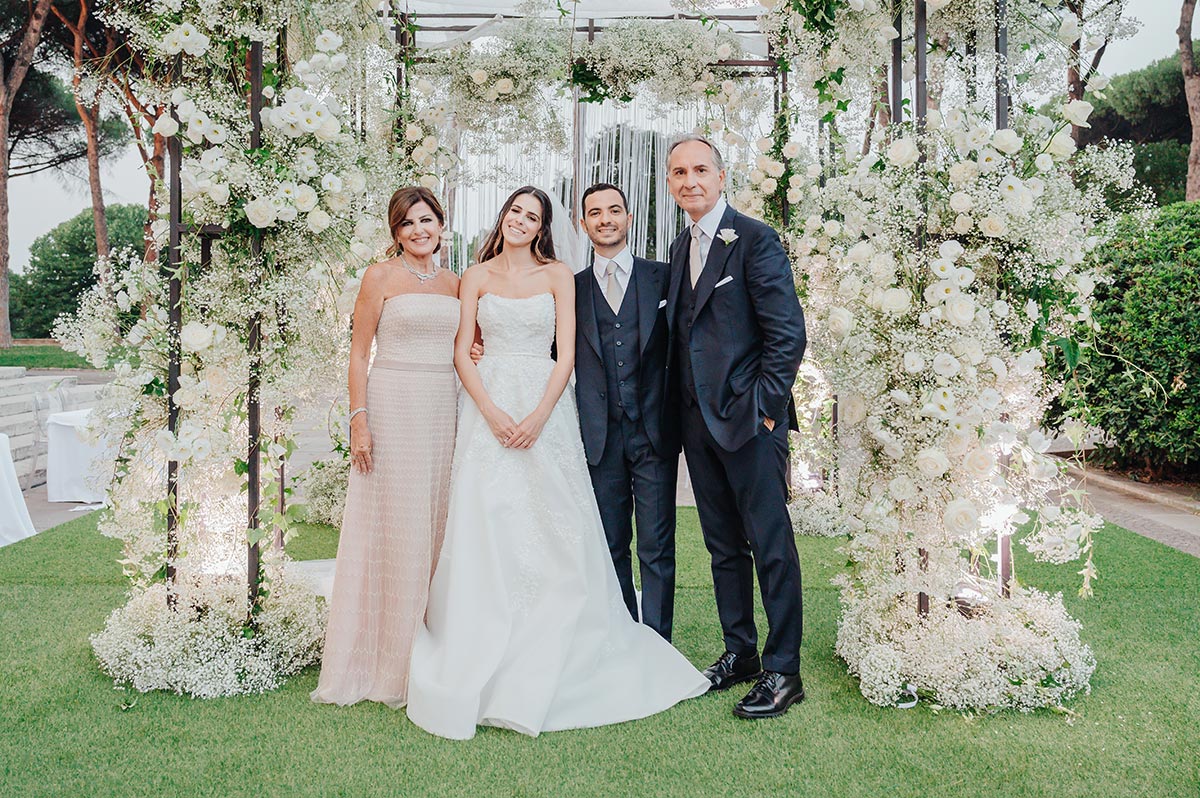
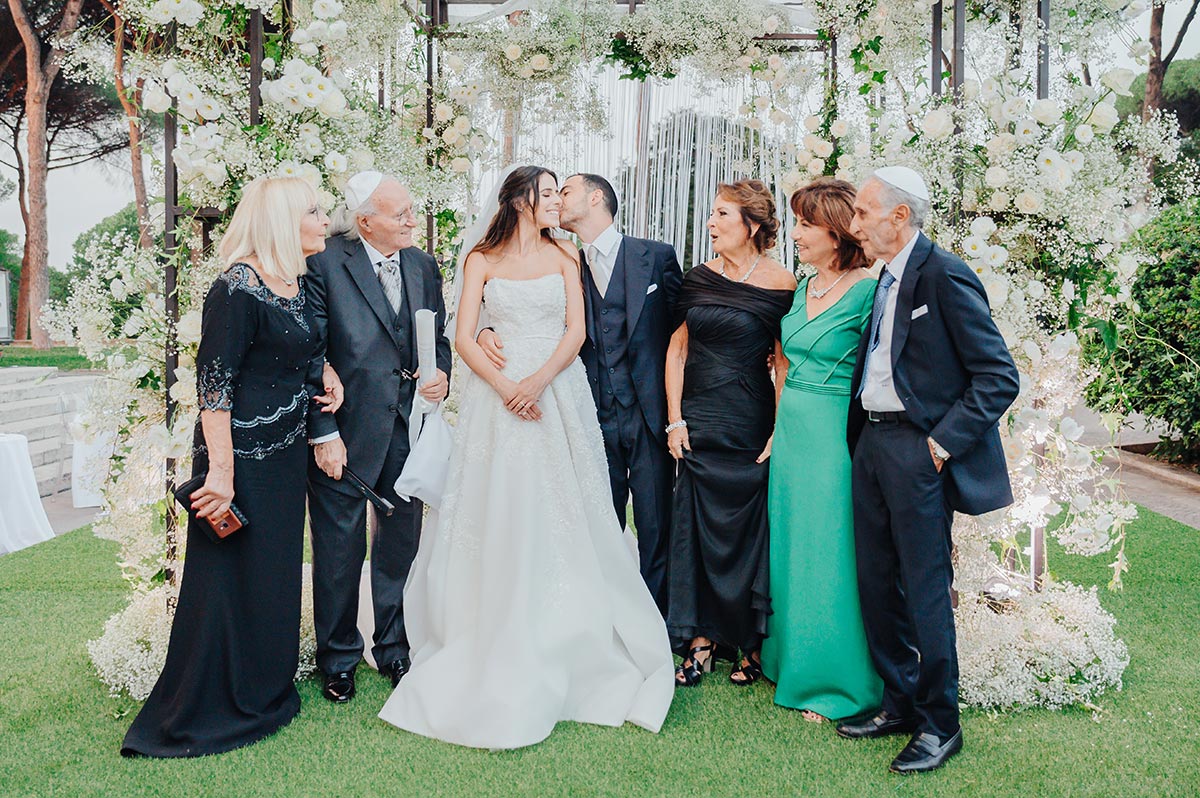
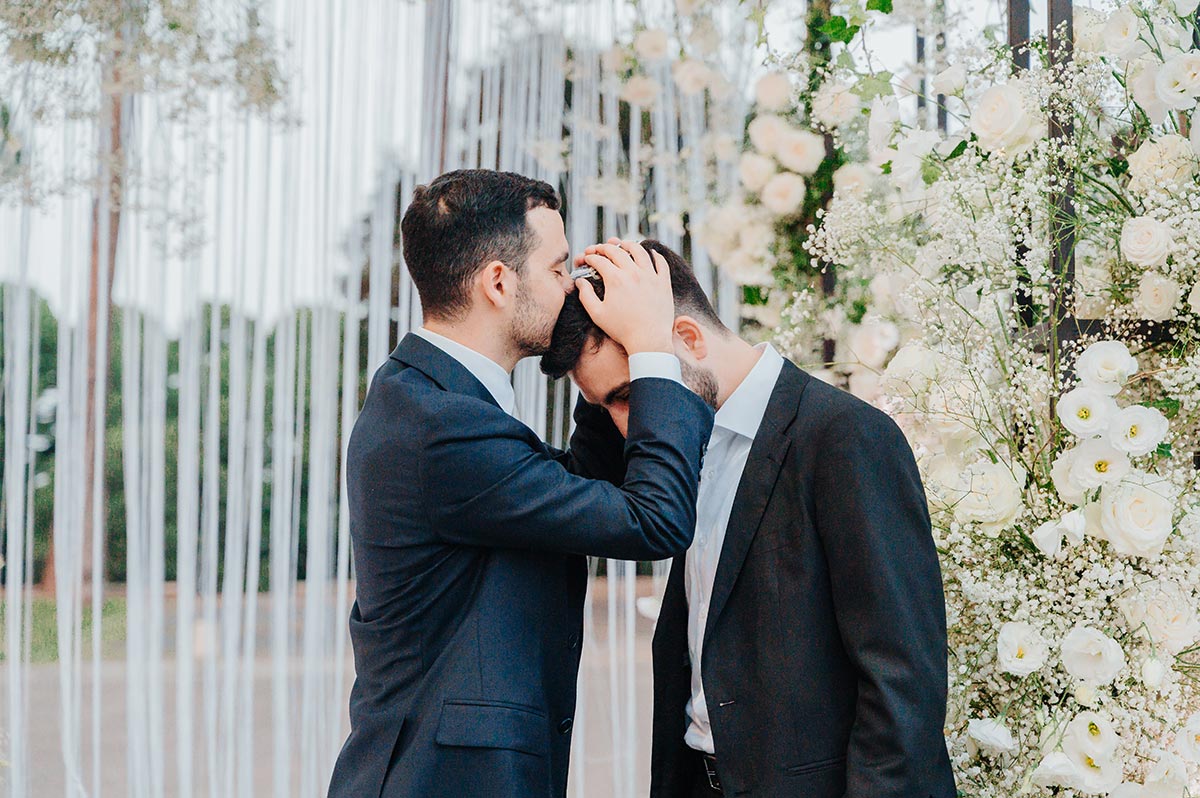
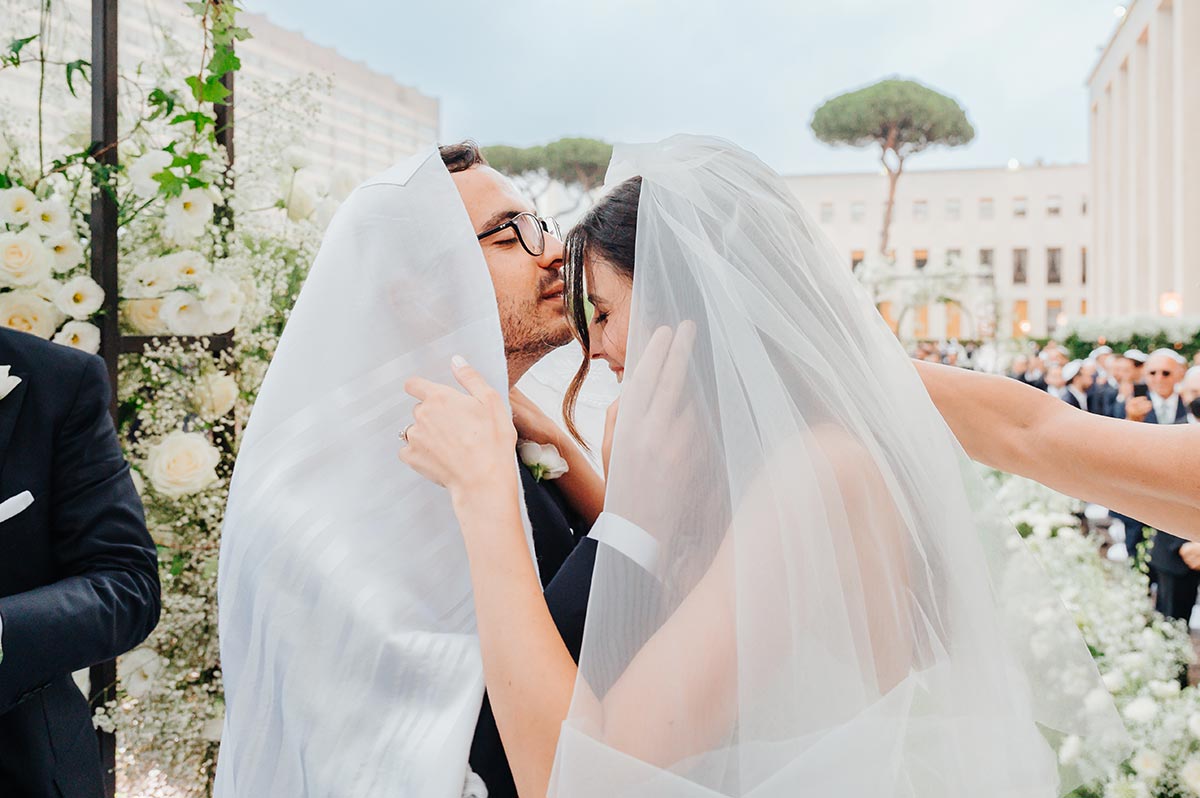
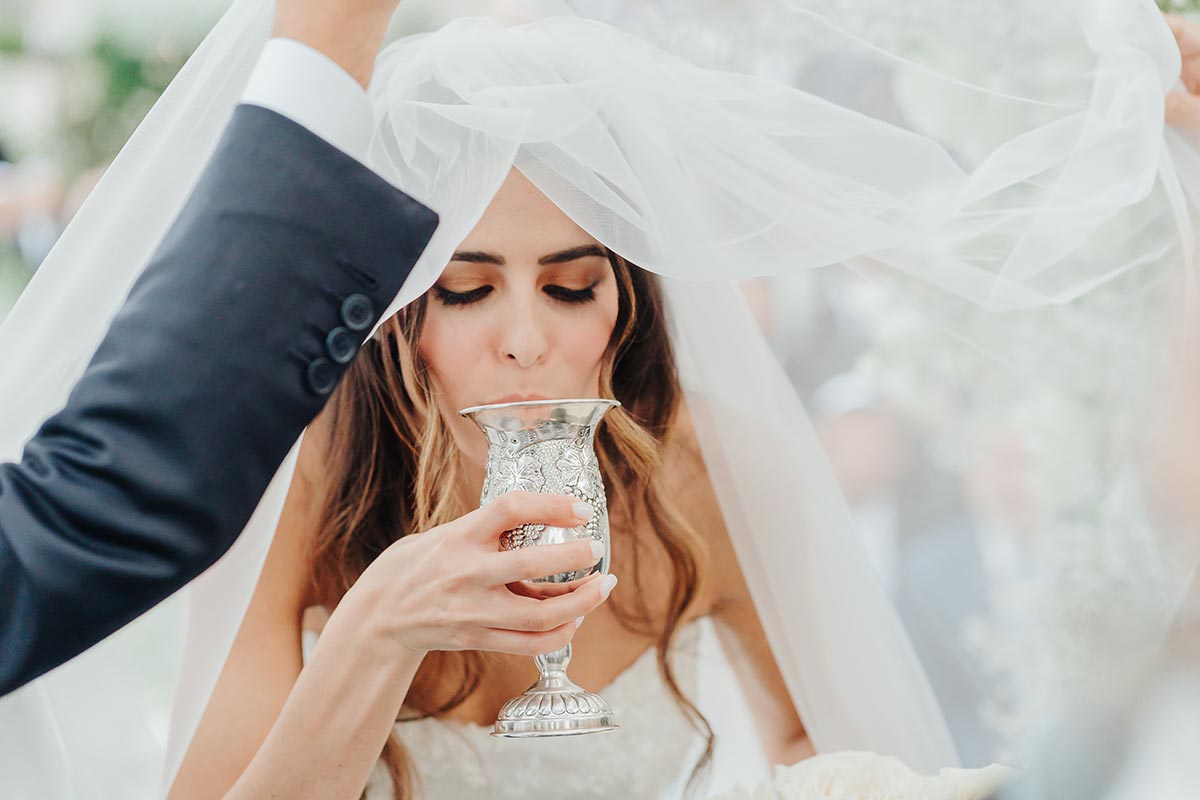
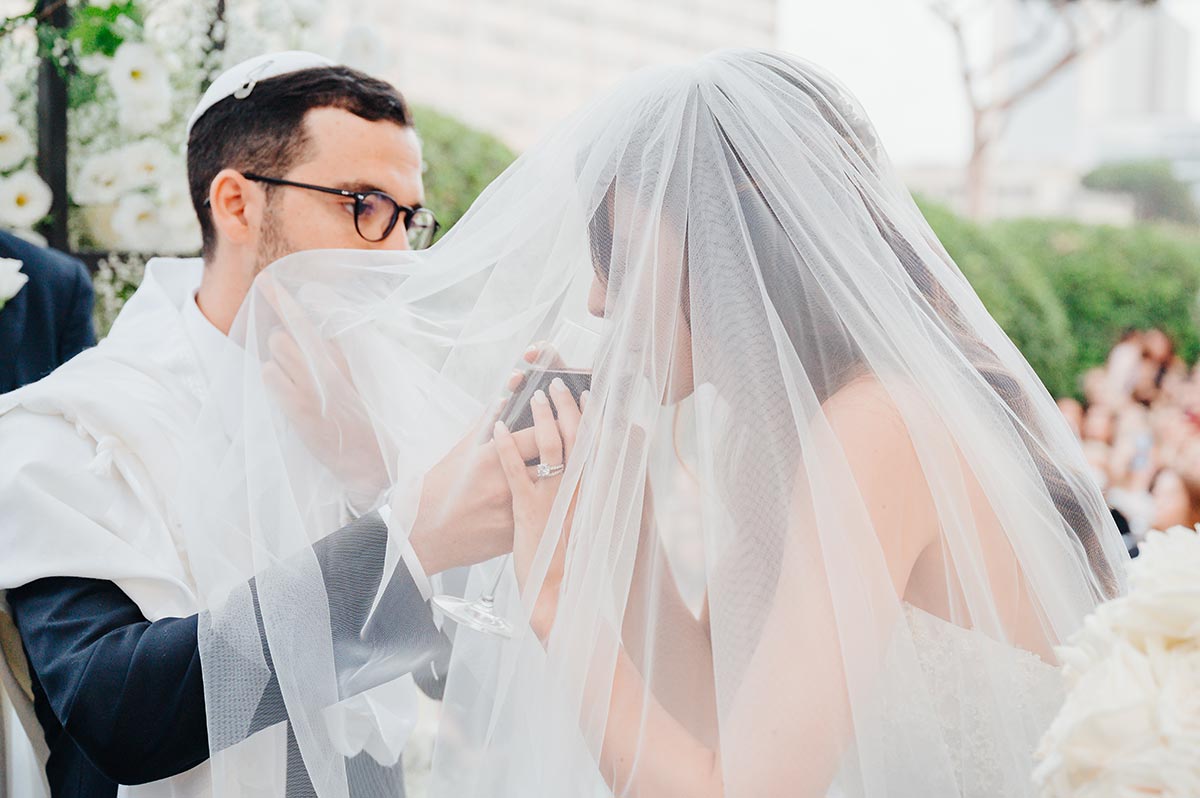
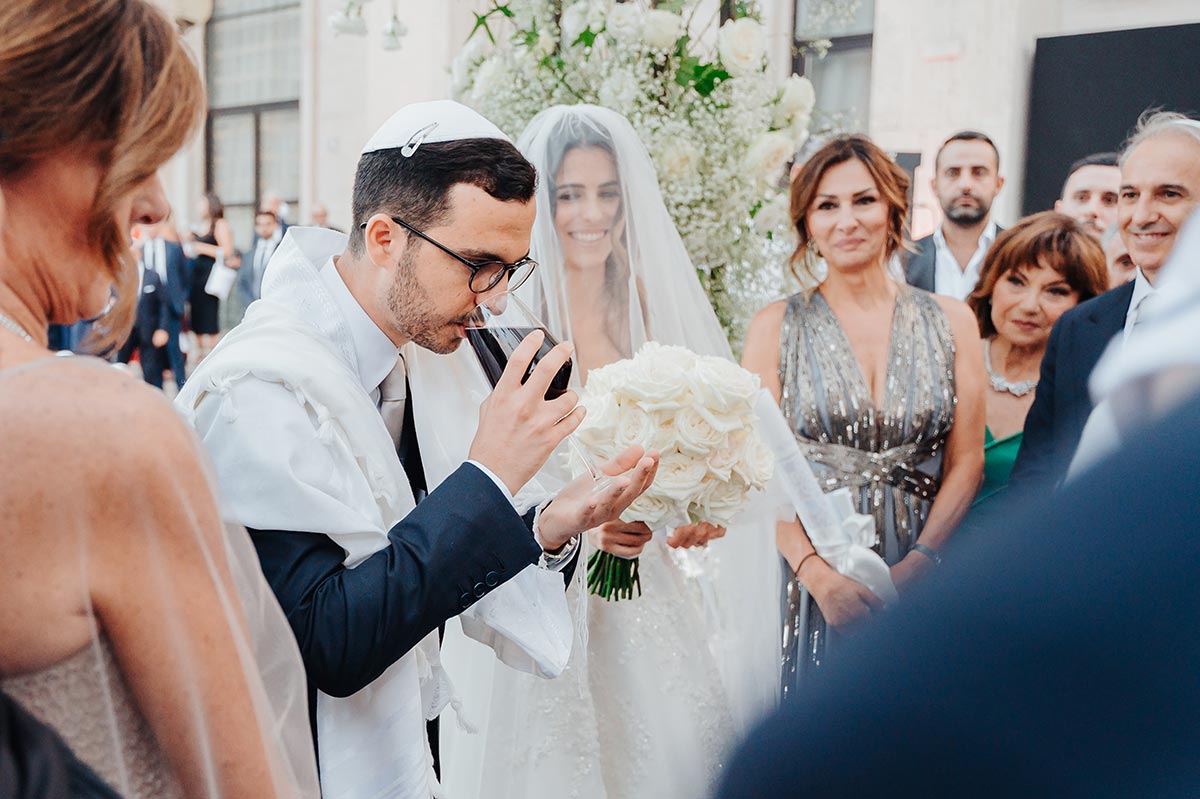
During the ceremony, the rabbi blesses a goblet of wine and delivers a sermon before giving it to the newlyweds so they can drink from the same goblet. Though it has become increasingly common in some weddings, especially those with more recent dates, the Jewish ceremony does not include exchanging rings; before reading Ketubah (marriage contract), the husband will present a call to the officiant that he wishes to give his wife.
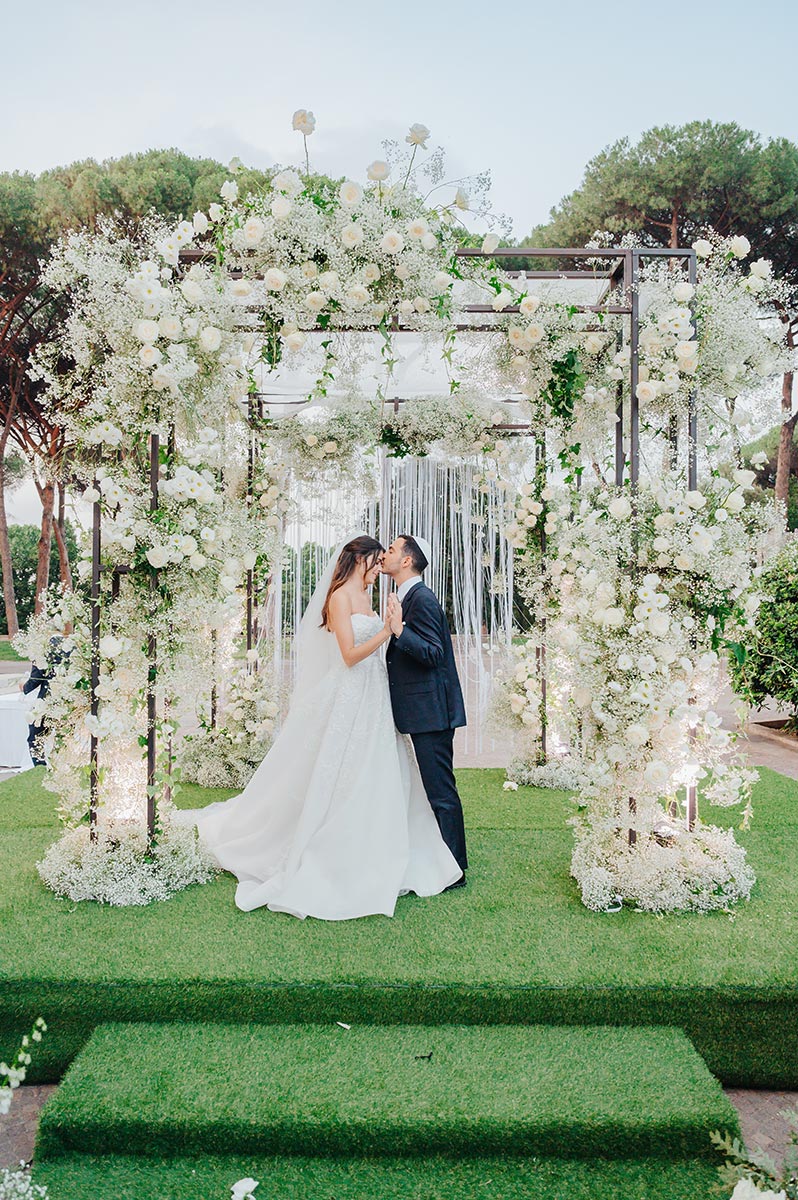
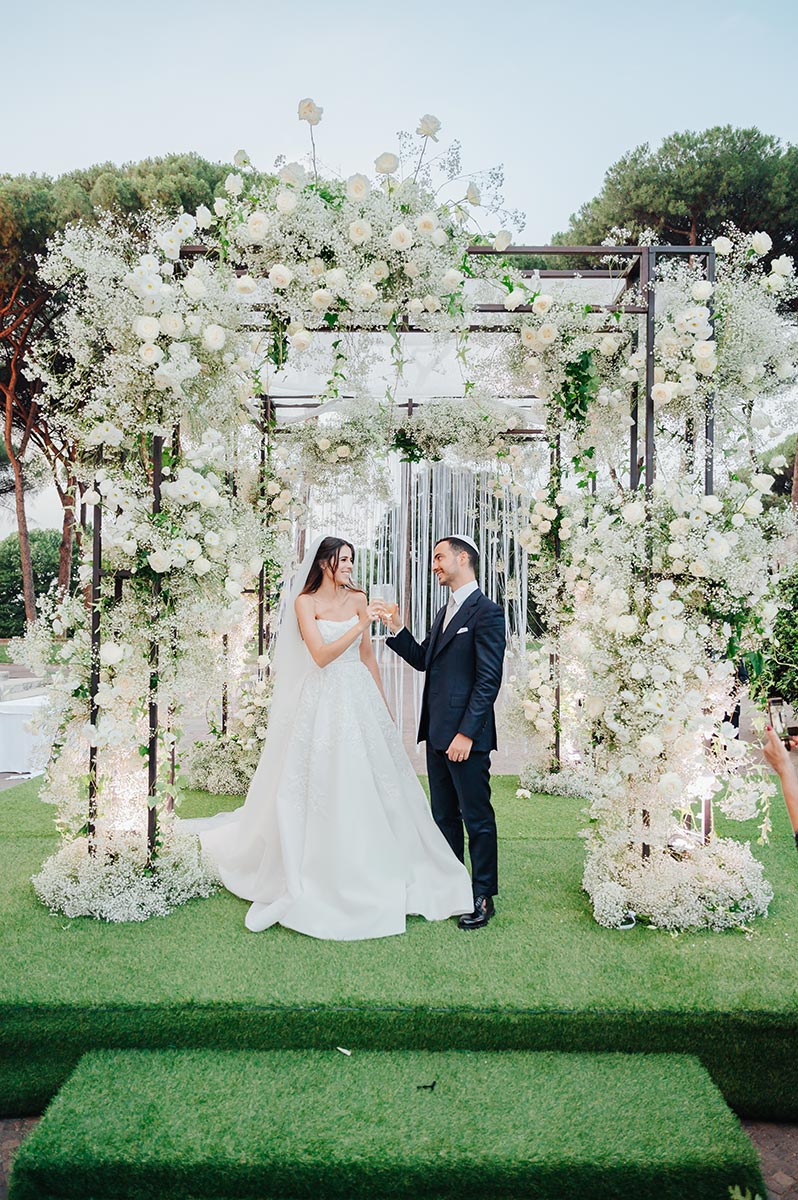
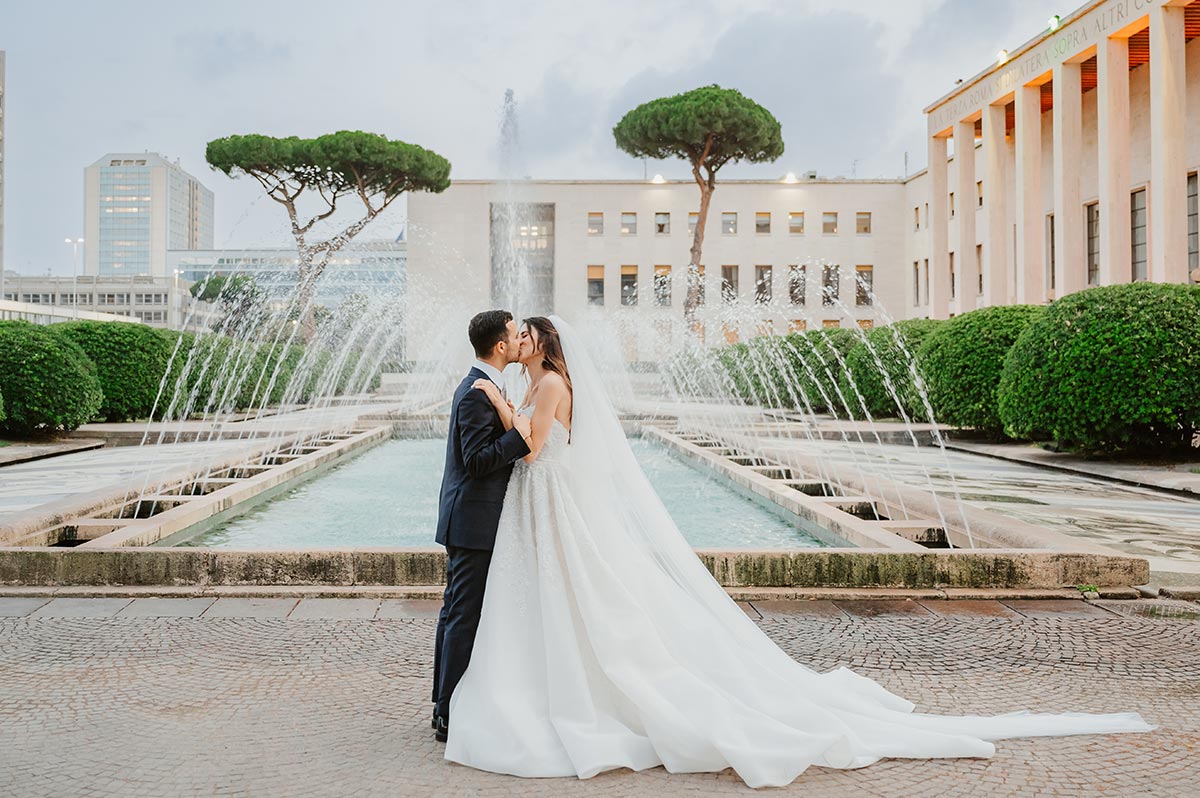
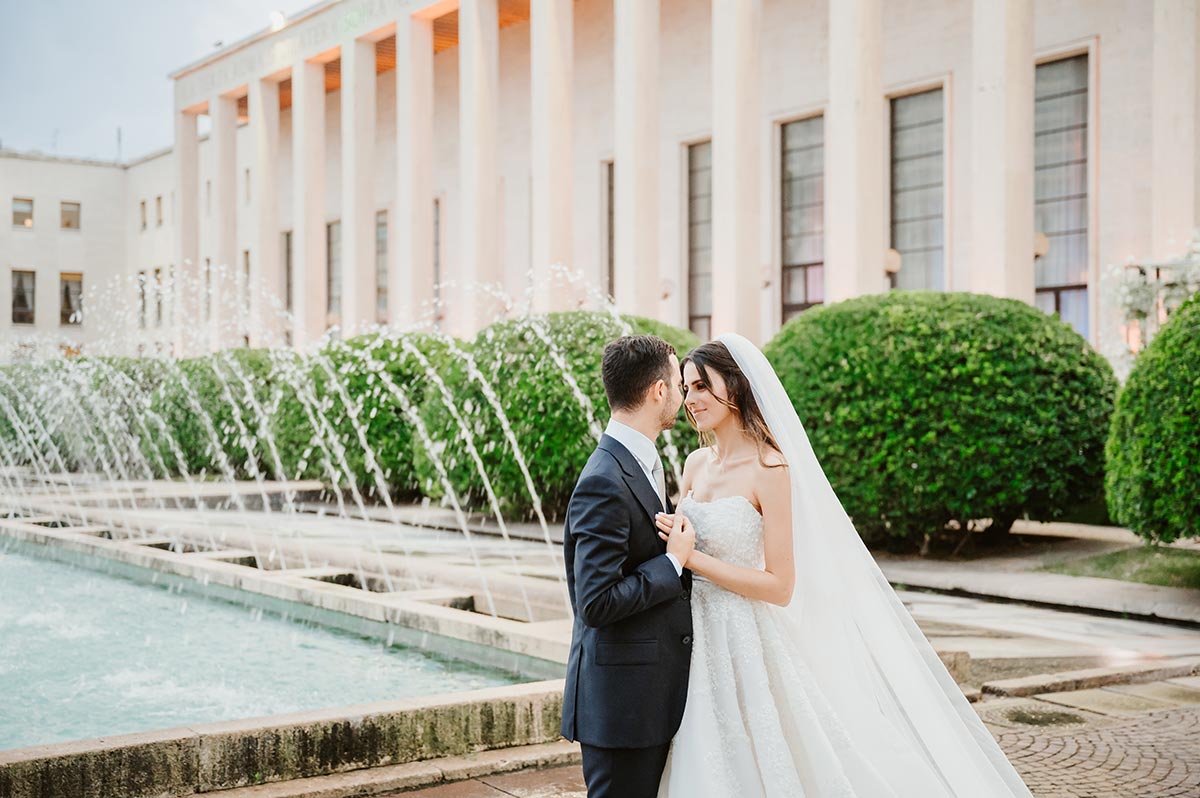
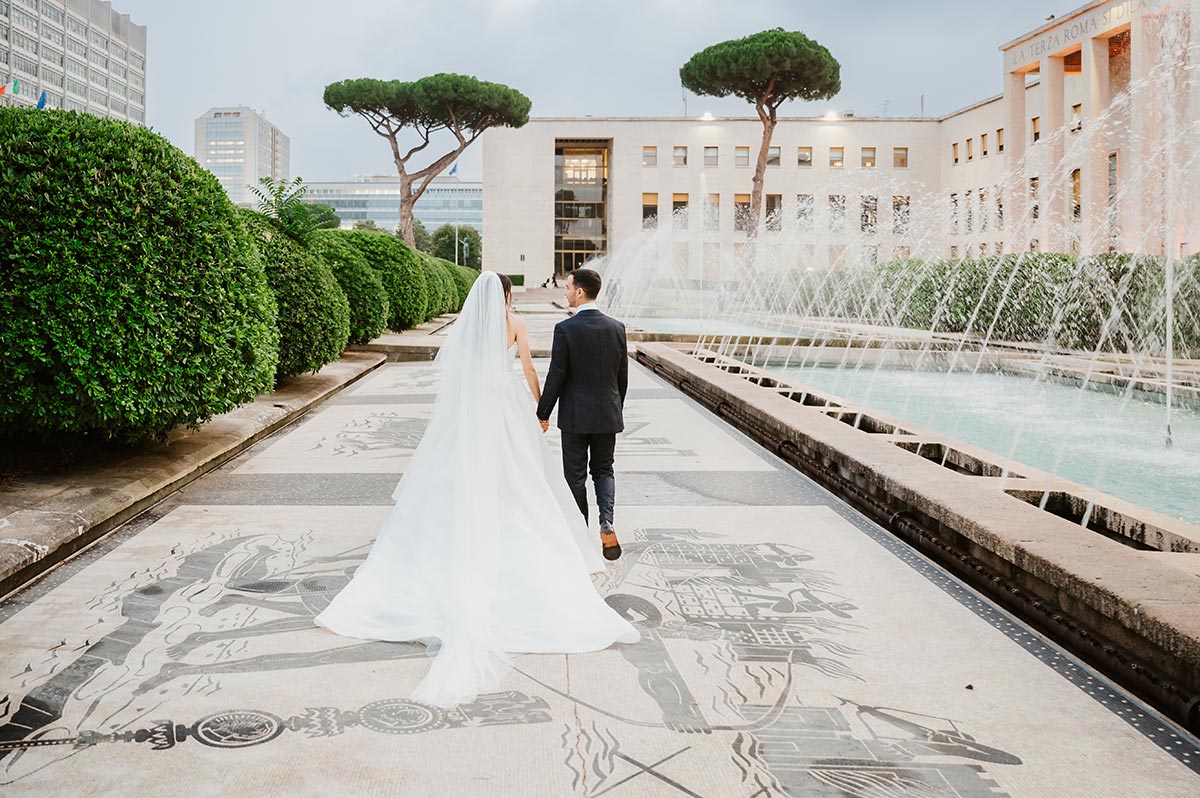
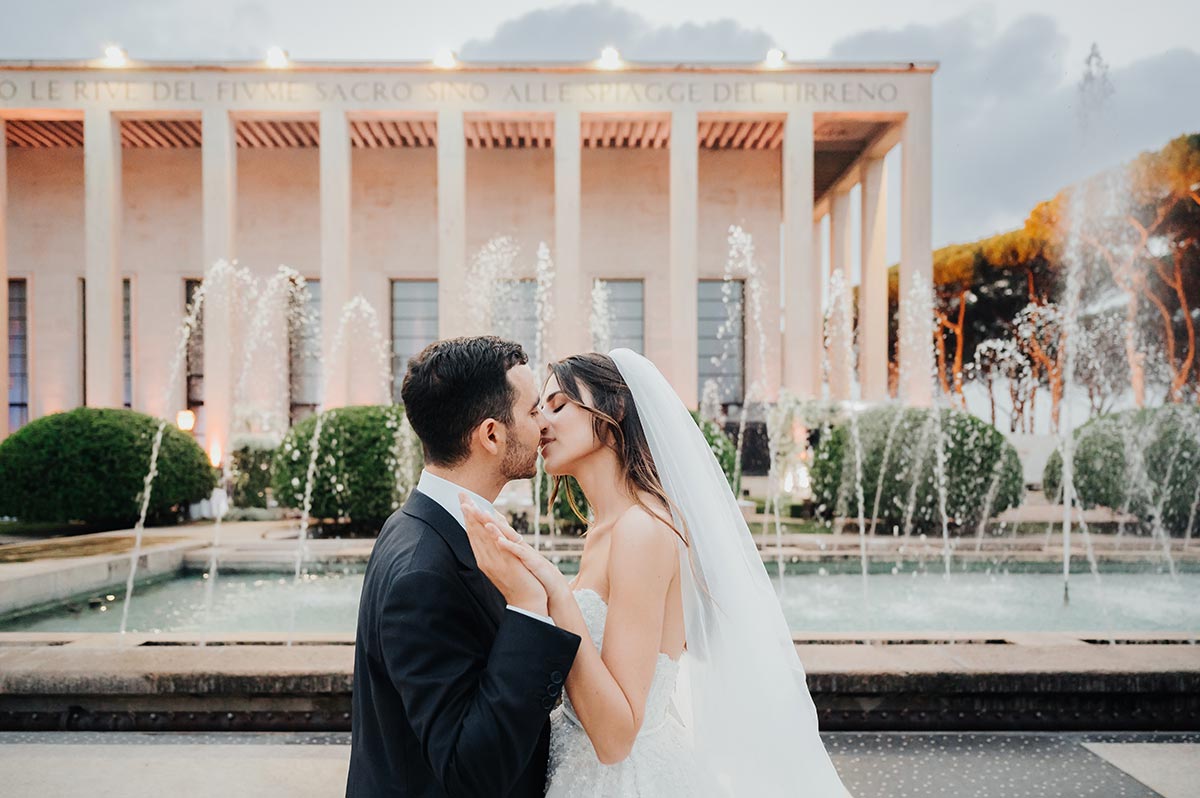
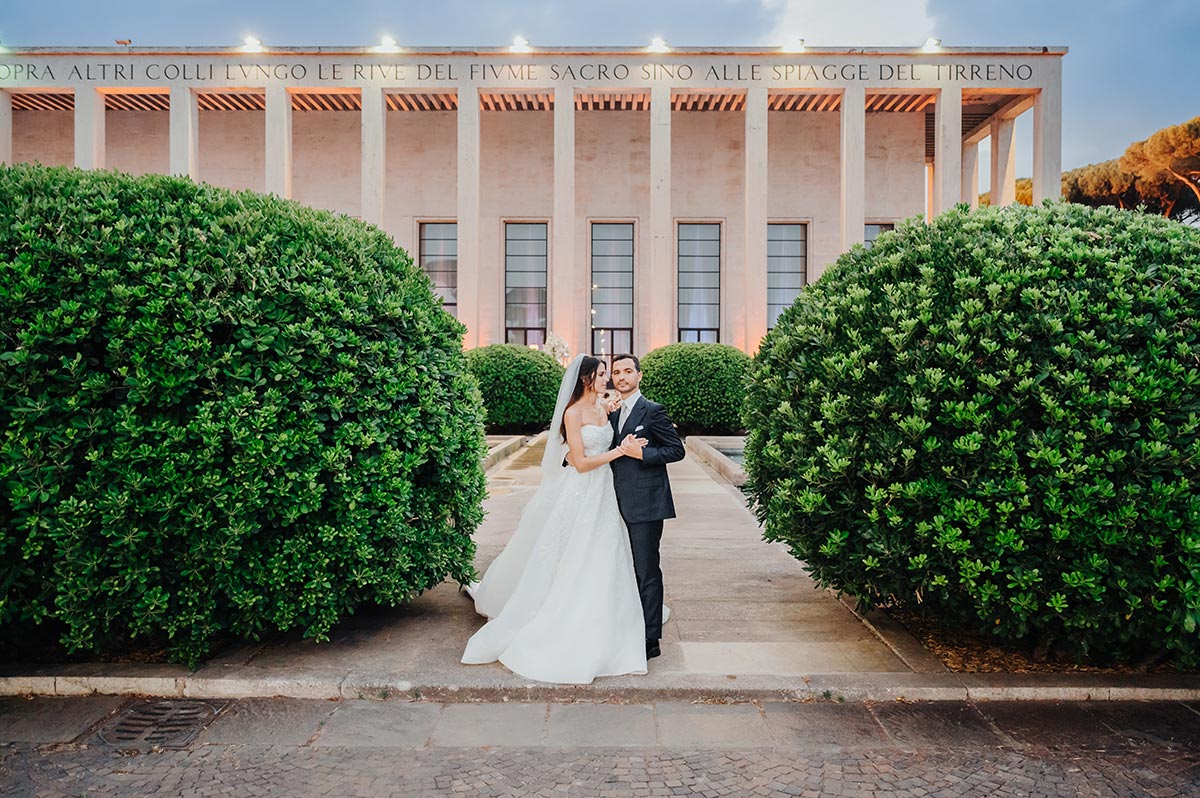
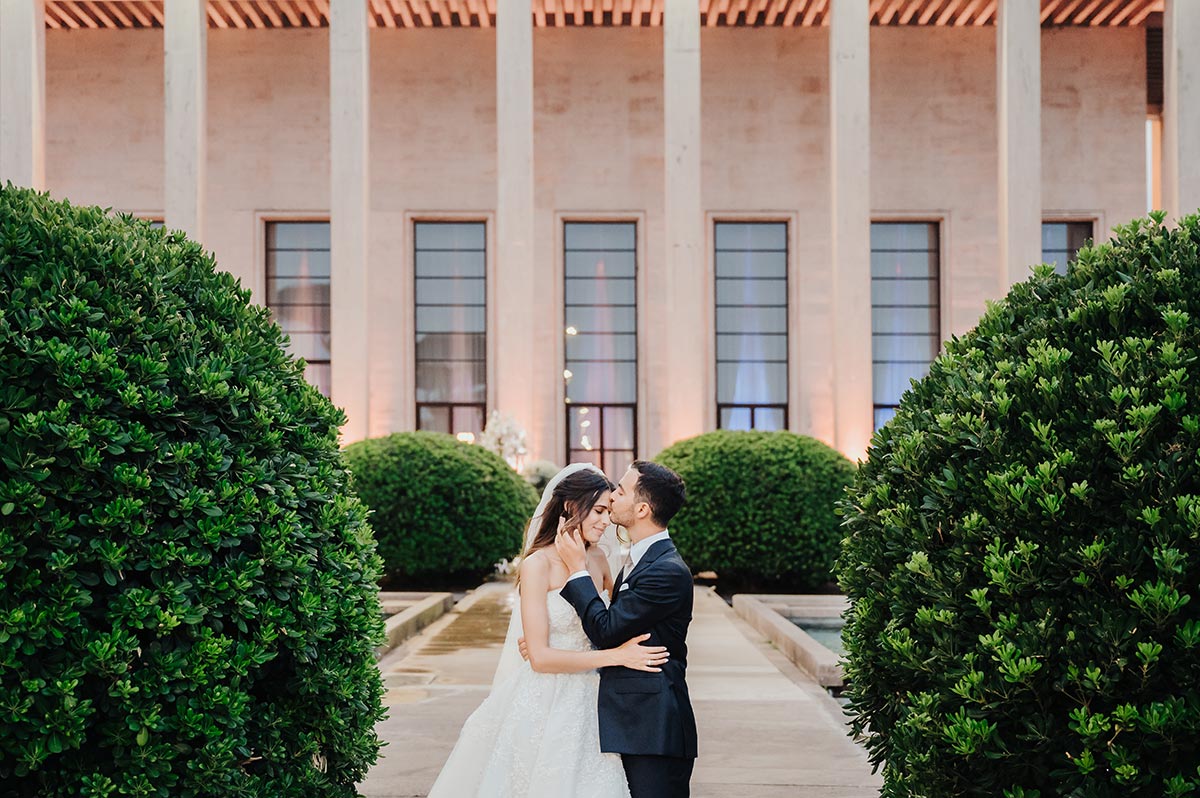
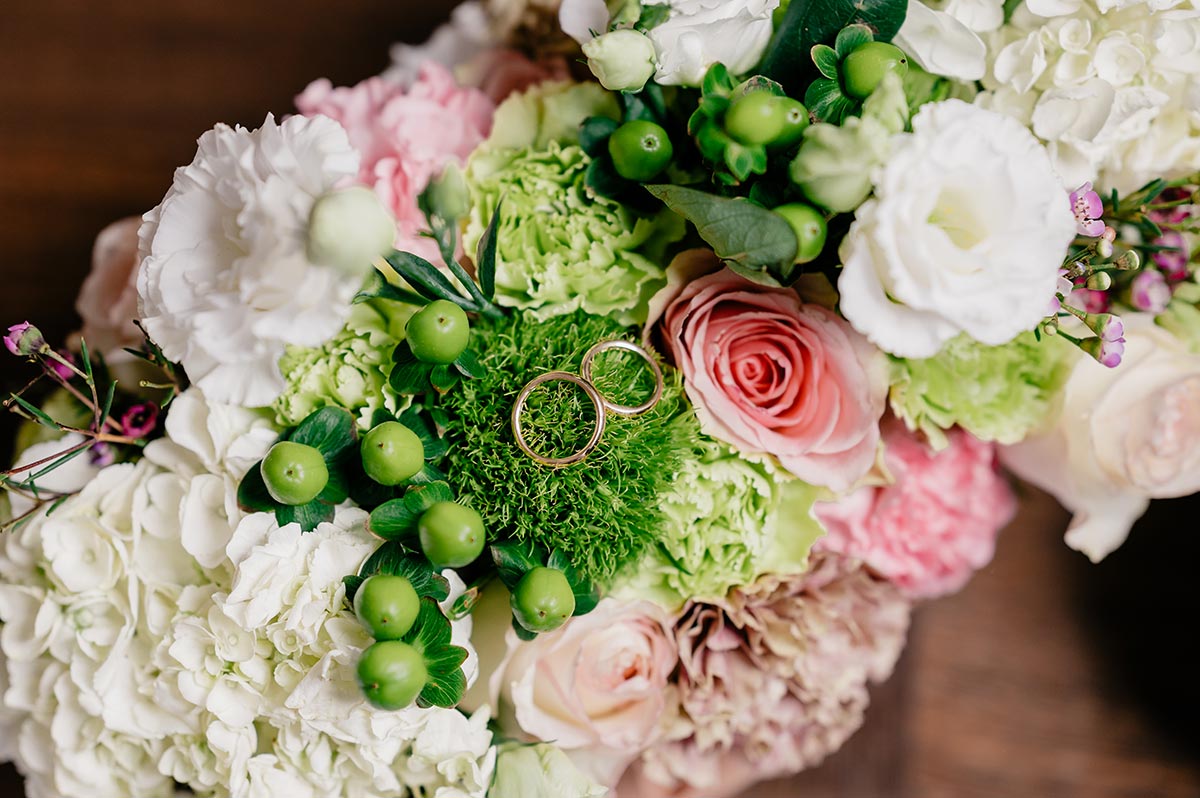
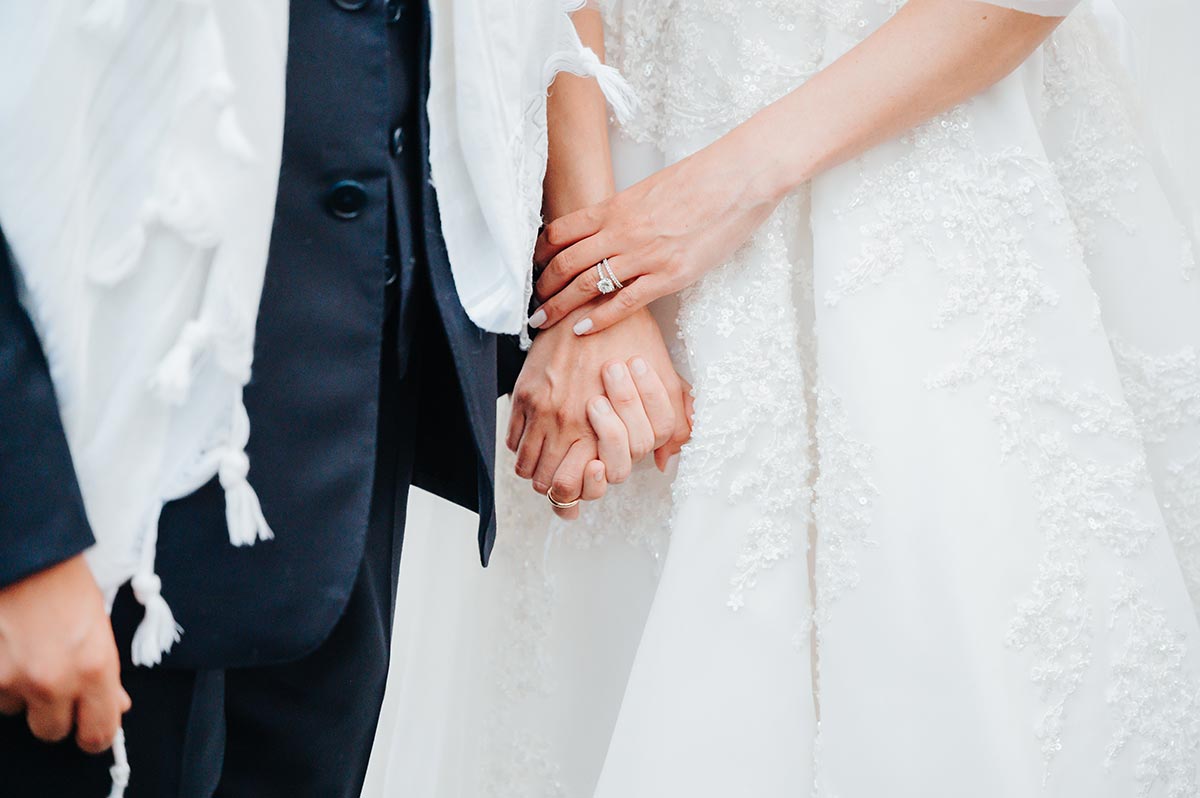
A simple yellow gold ring symbolizes the balance between beauty and love in marriage—a bond that unites couples for eternity and provides protection for wives by their husbands.


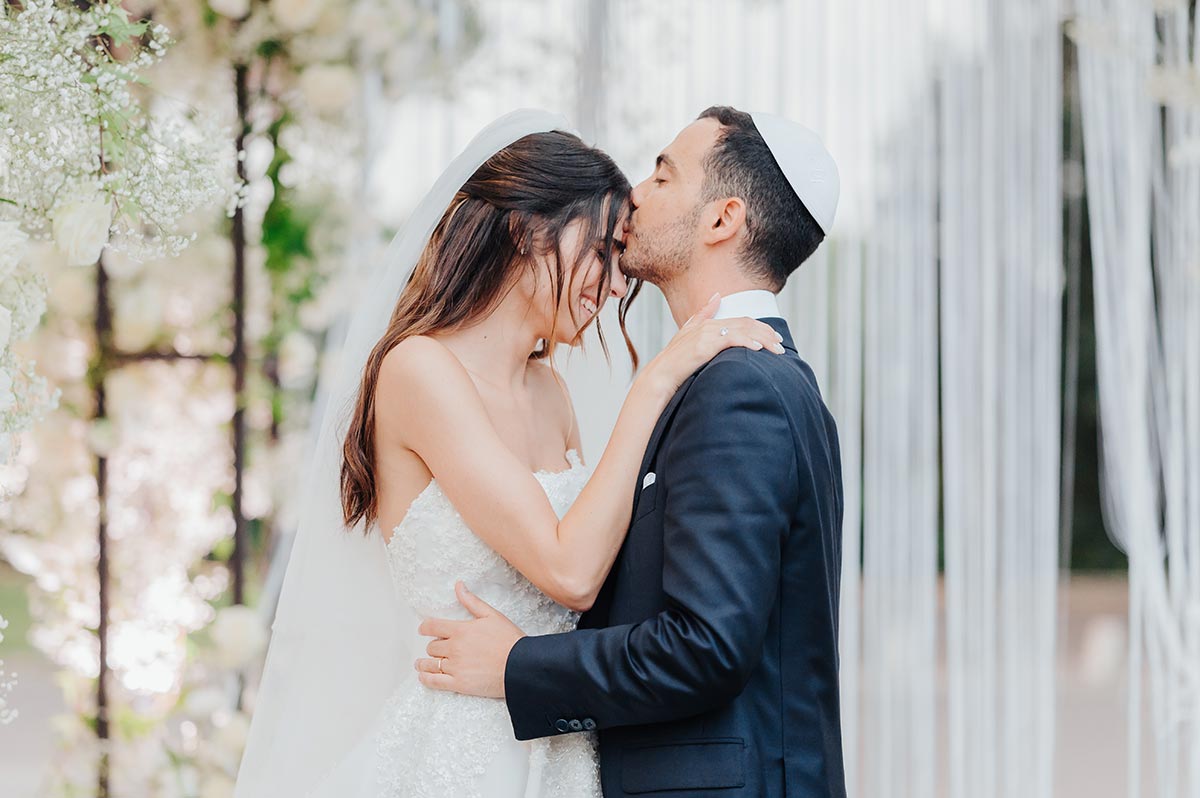
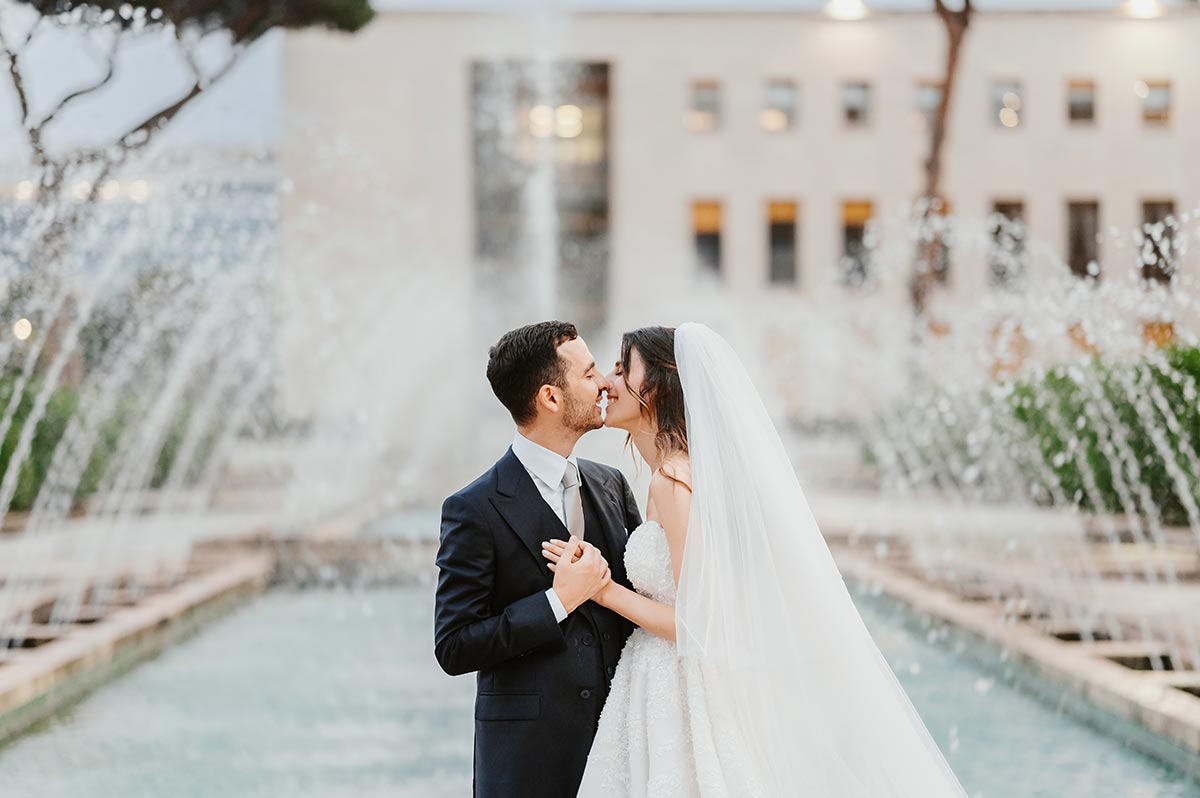
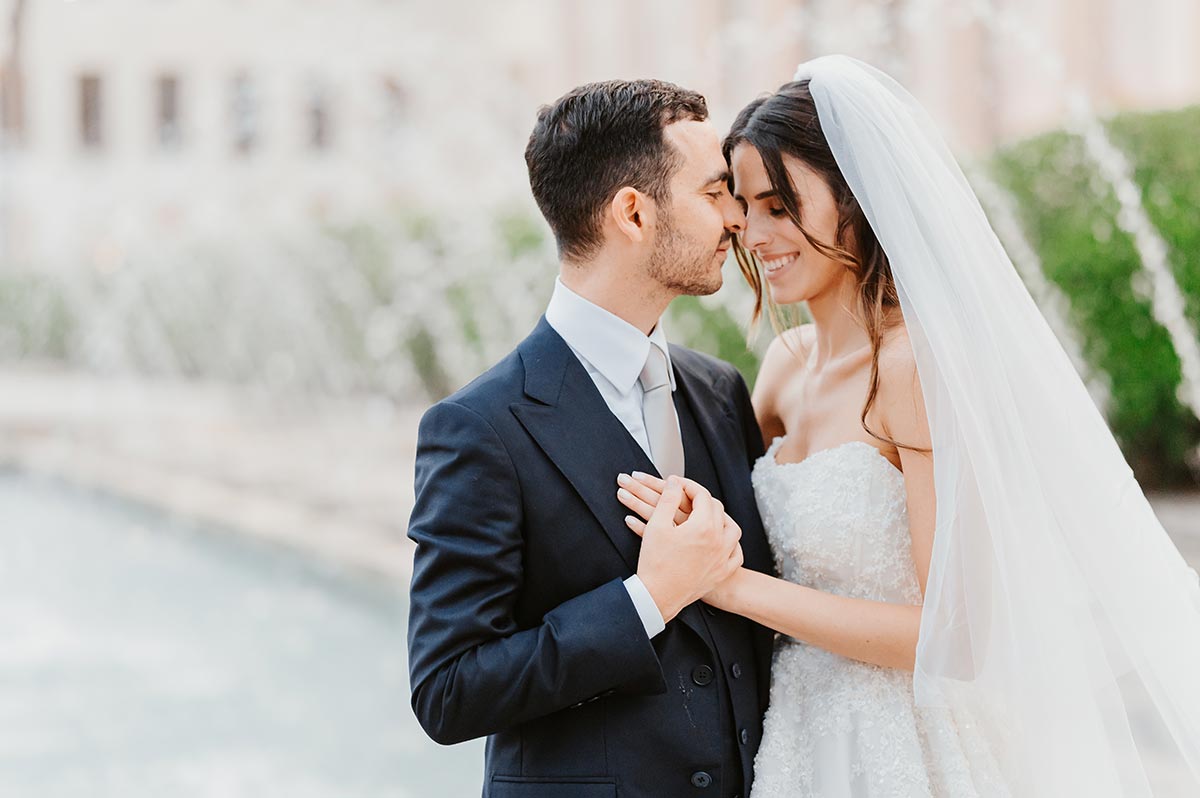
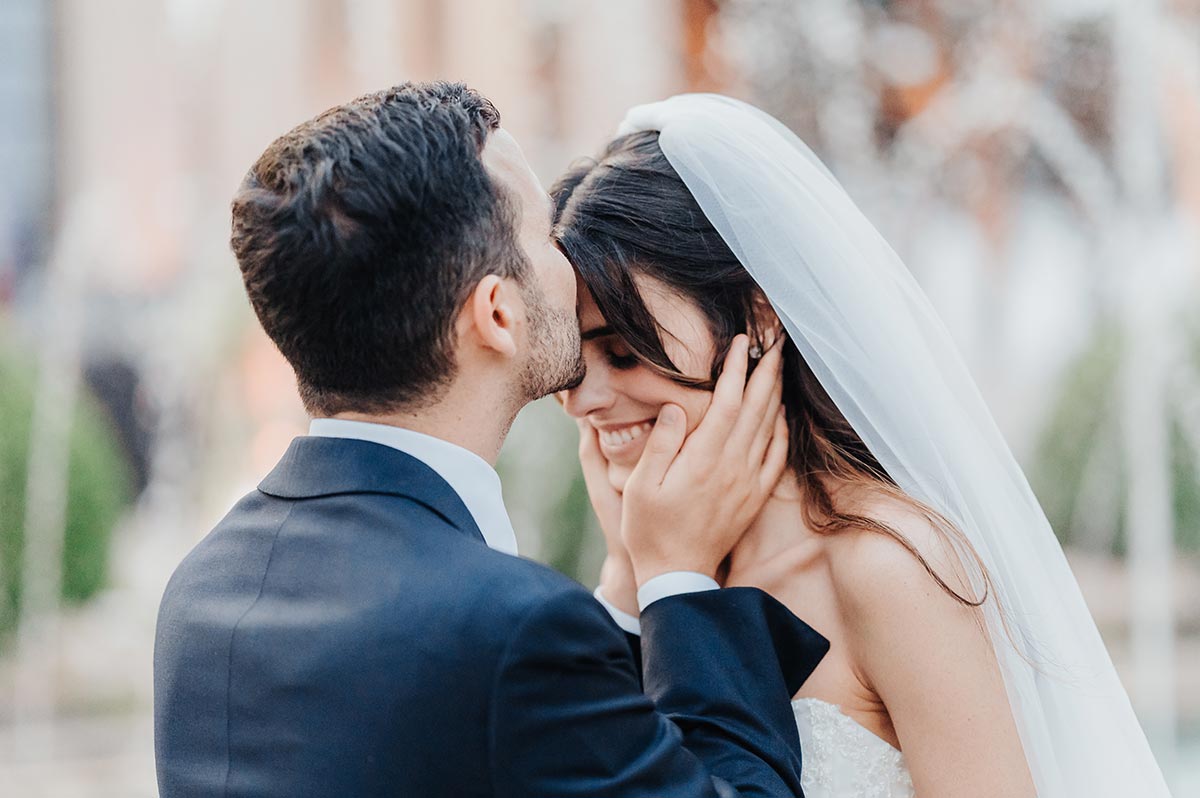


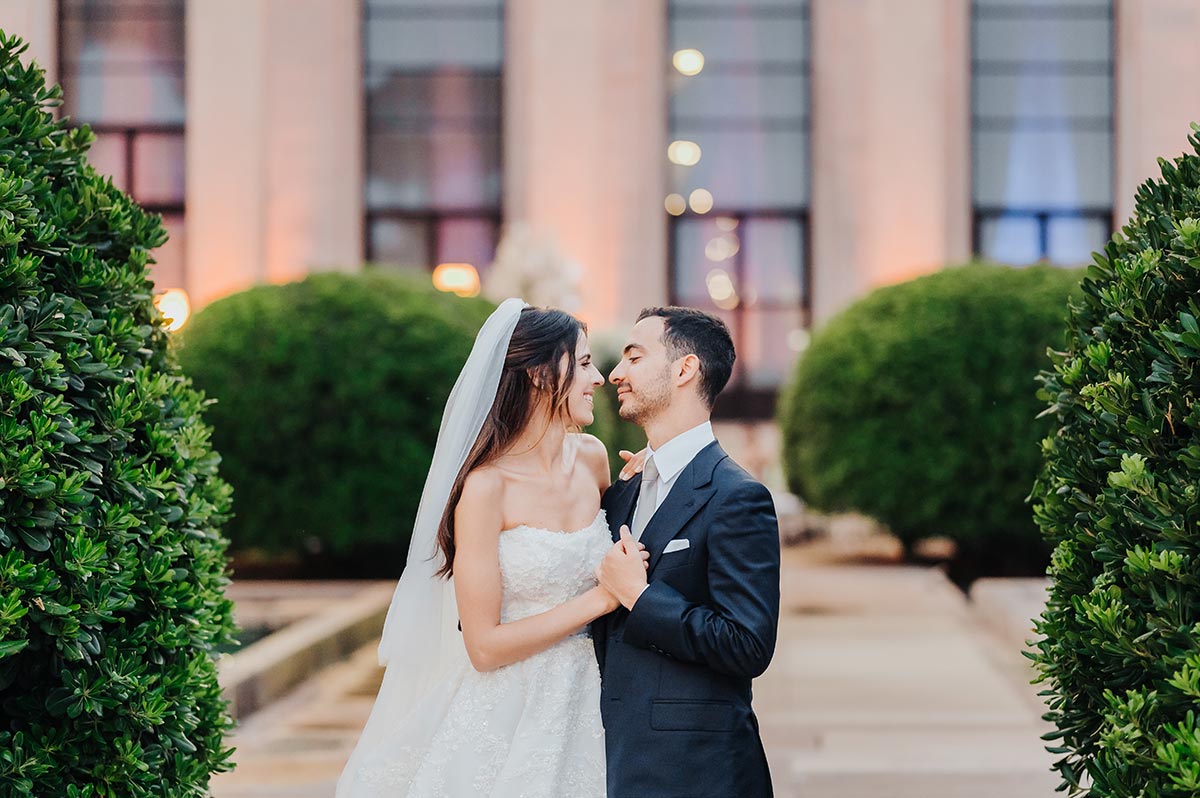
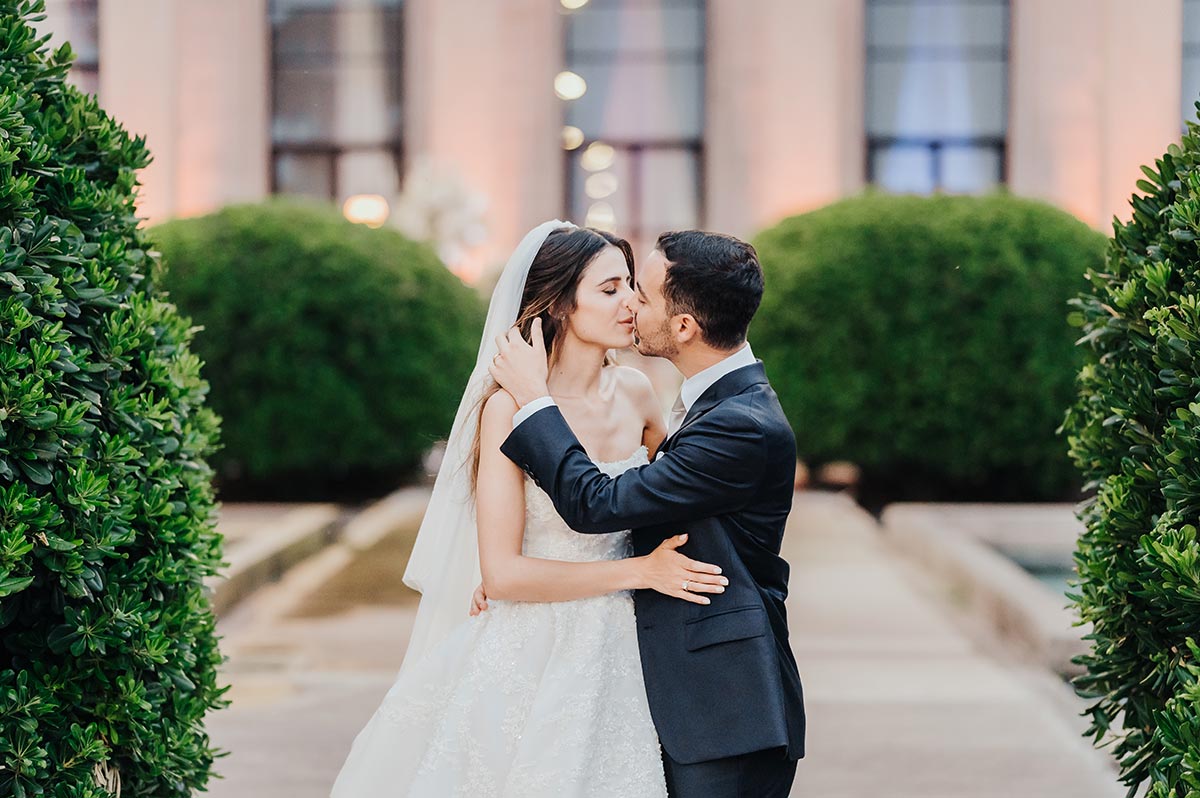
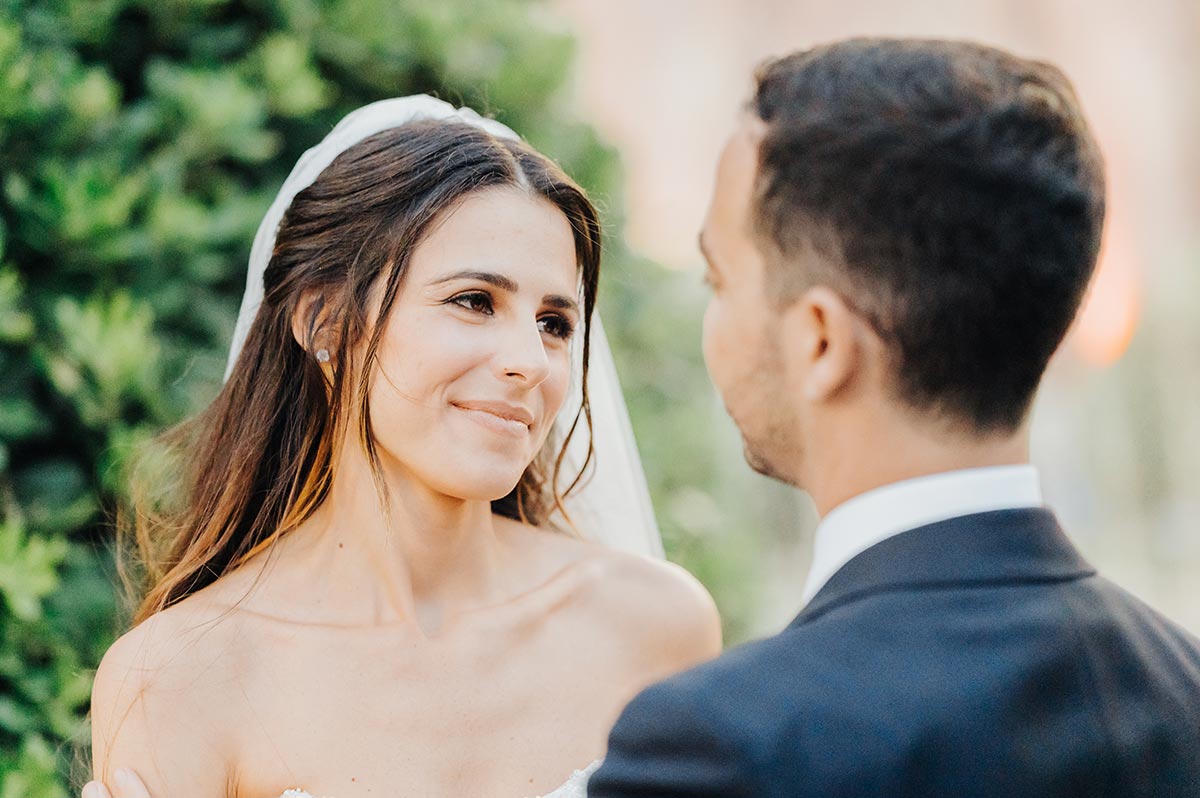
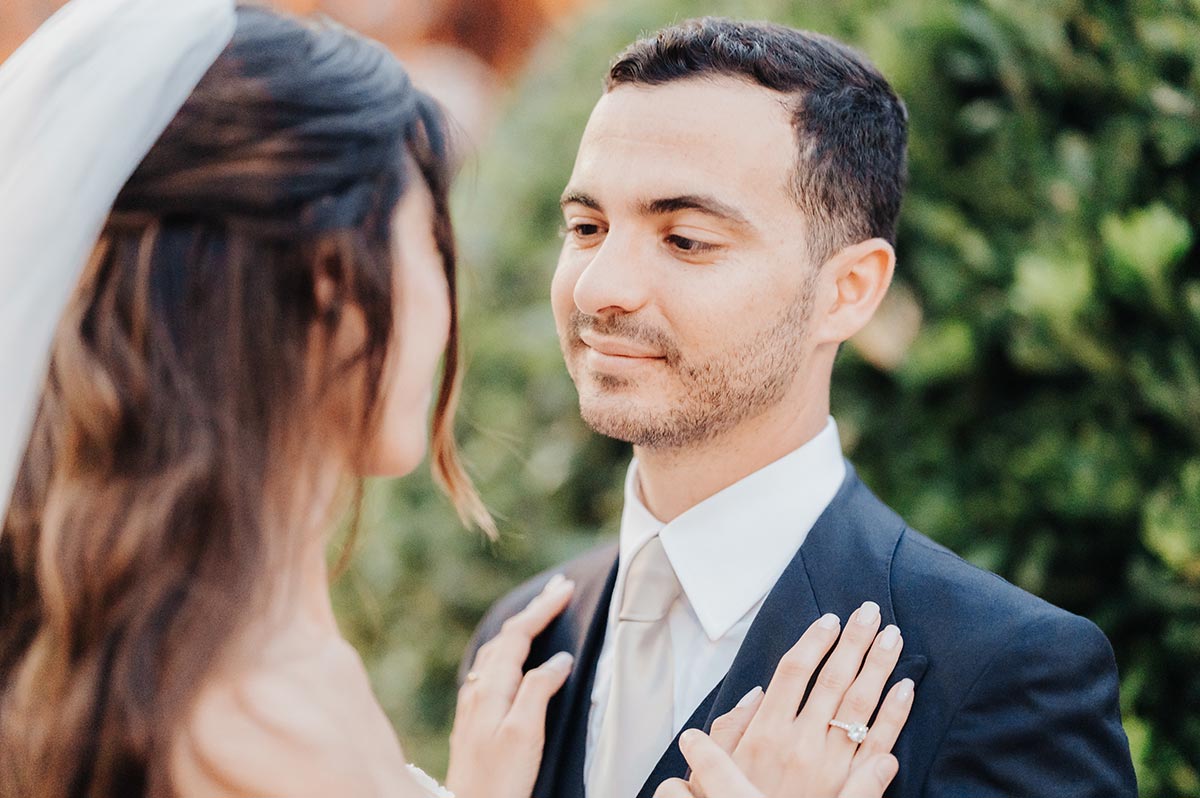
The Jewish wedding ceremony is a celebration of love and commitment. In addition to the exchange of rings, the rabbi will read the Ketubah, which explains the rights and responsibilities of the couple. The bride will keep this document signed by her husband and two witnesses who cannot be related to each other in any way.
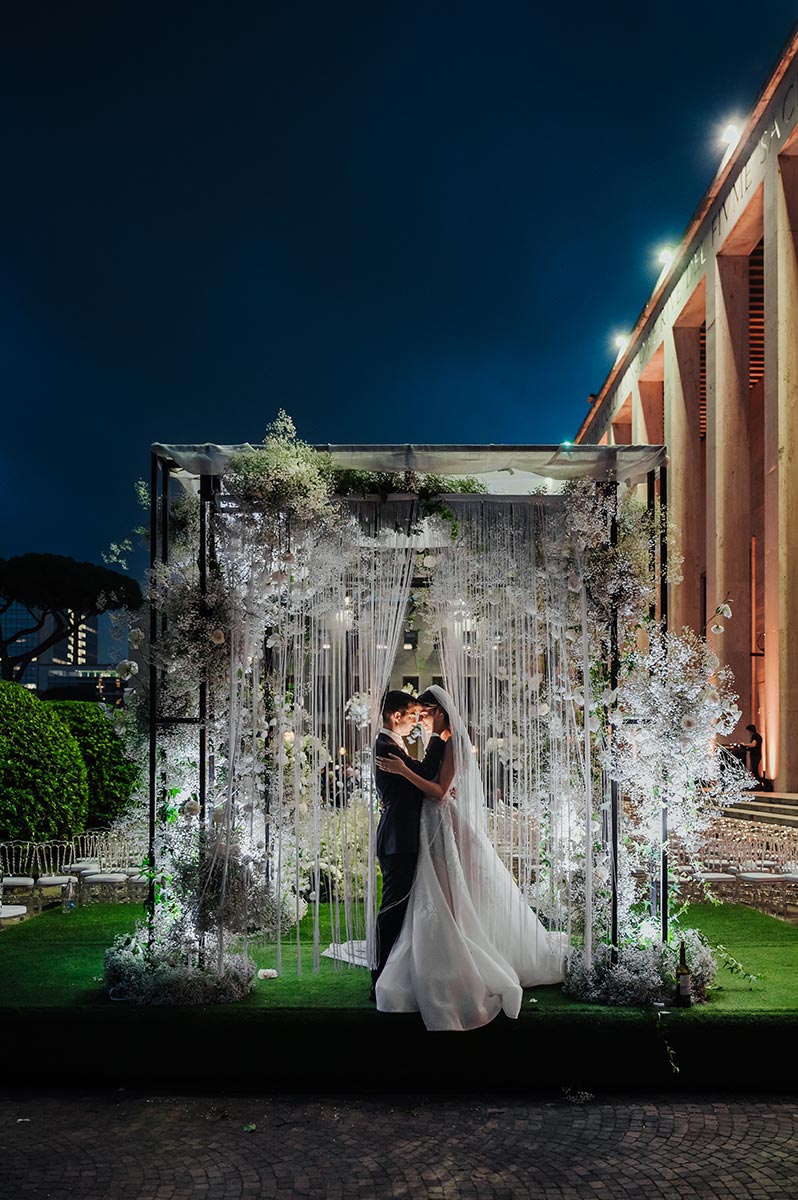
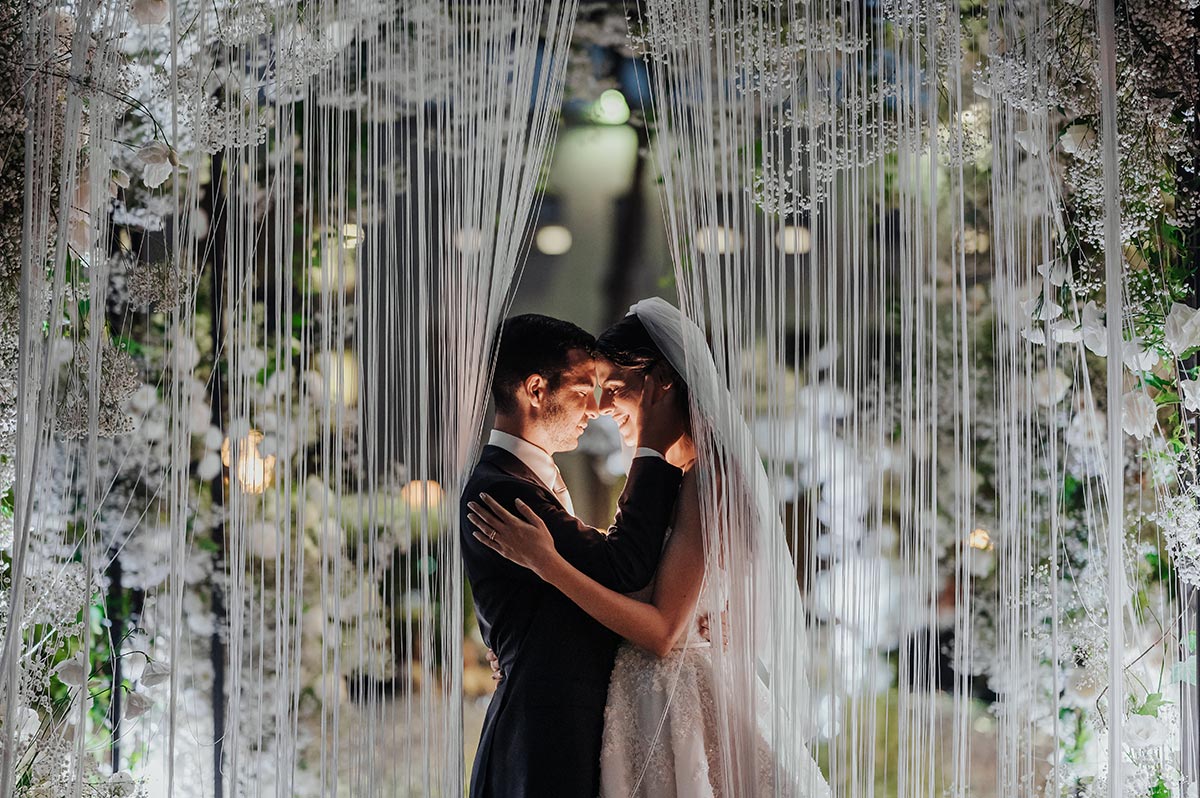
Finally, the rabbi recites seven blessings that protect marriage. The newlyweds drink from the same cup that is then placed on the ground by the groom, who breaks it by stomping on it.












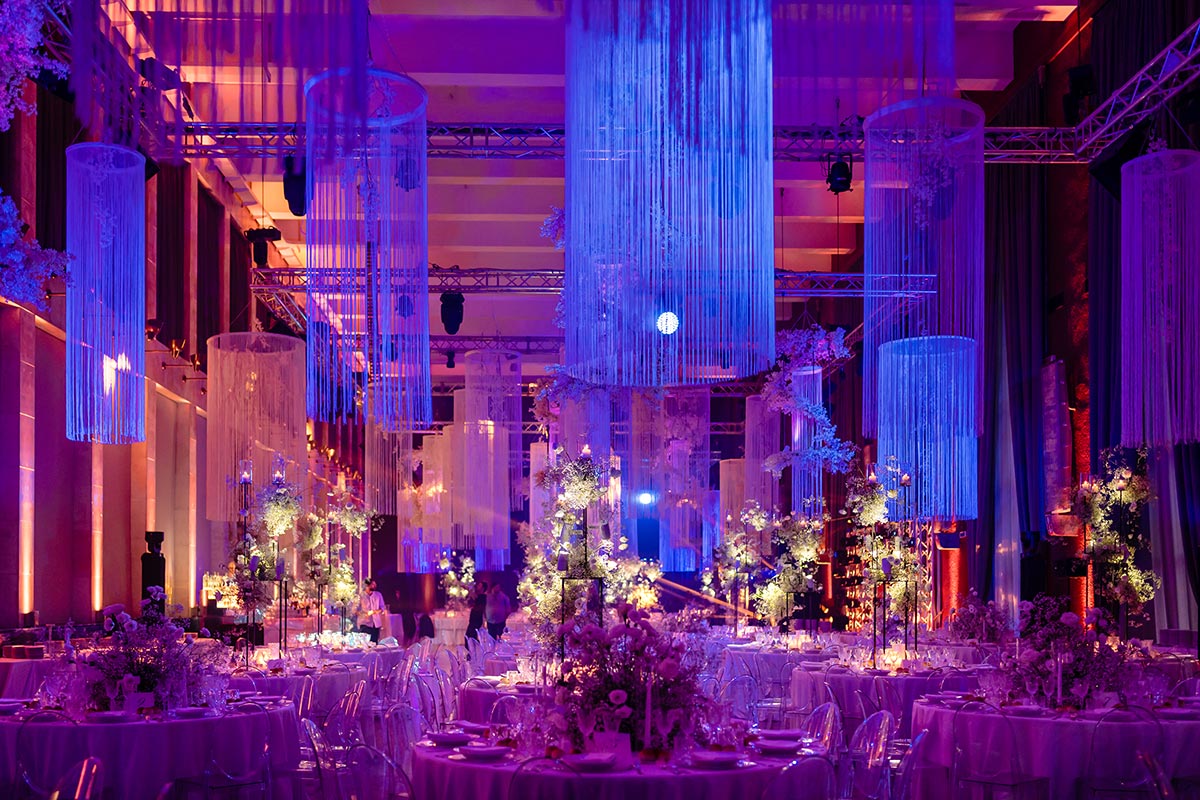
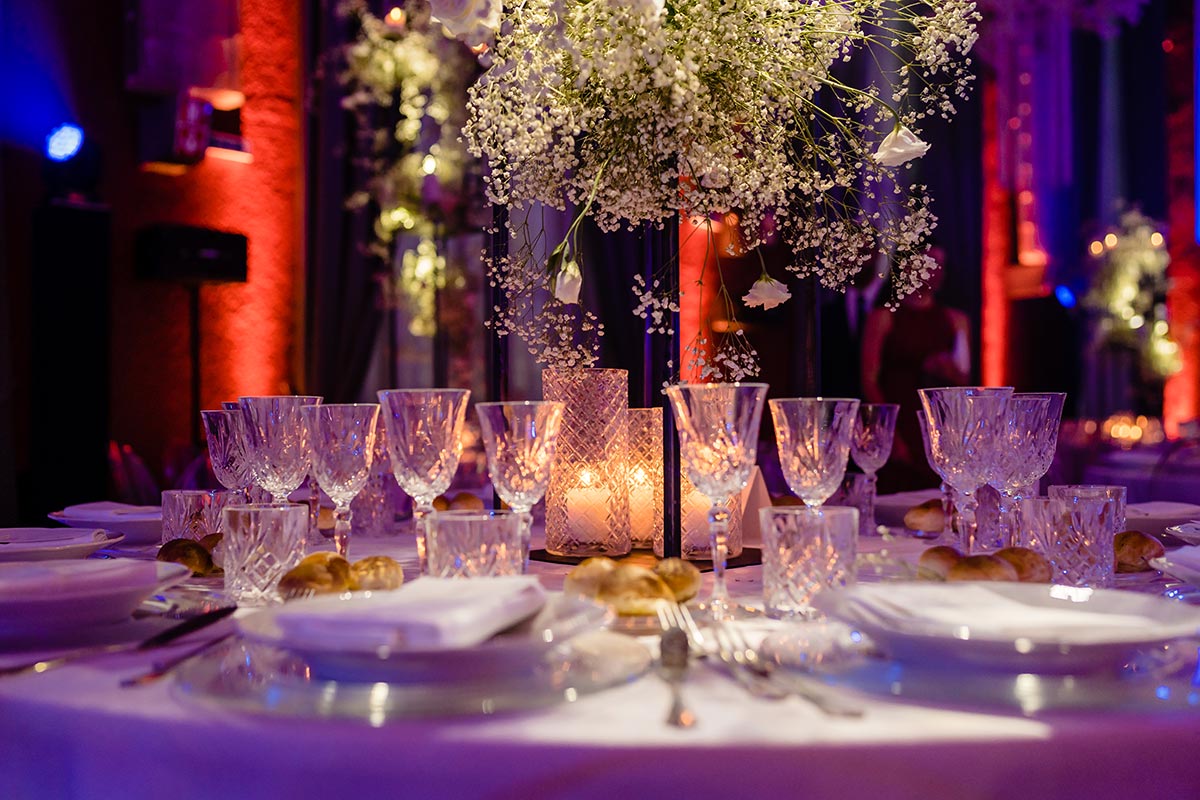
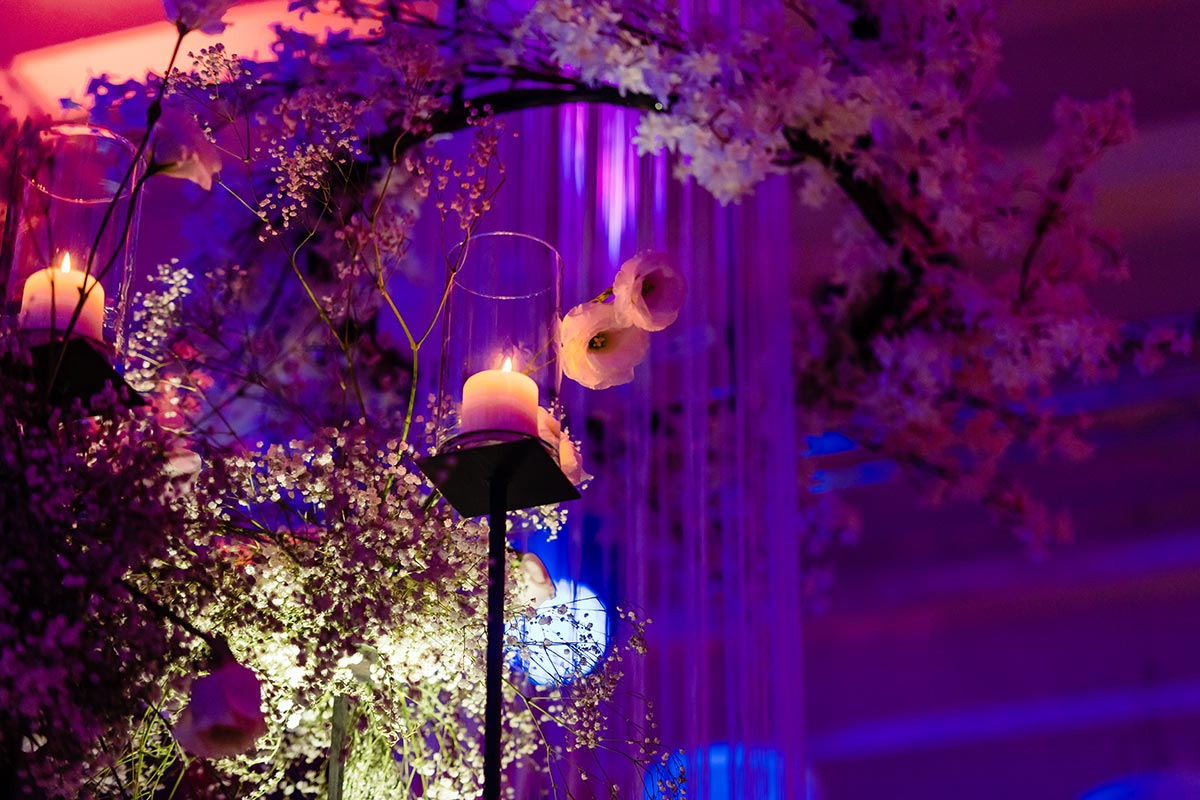

This gesture reminds us that no ceremony can be truly happy without the Temple in Jerusalem’s destruction and the Jewish people’s exile from their homeland of Israel.
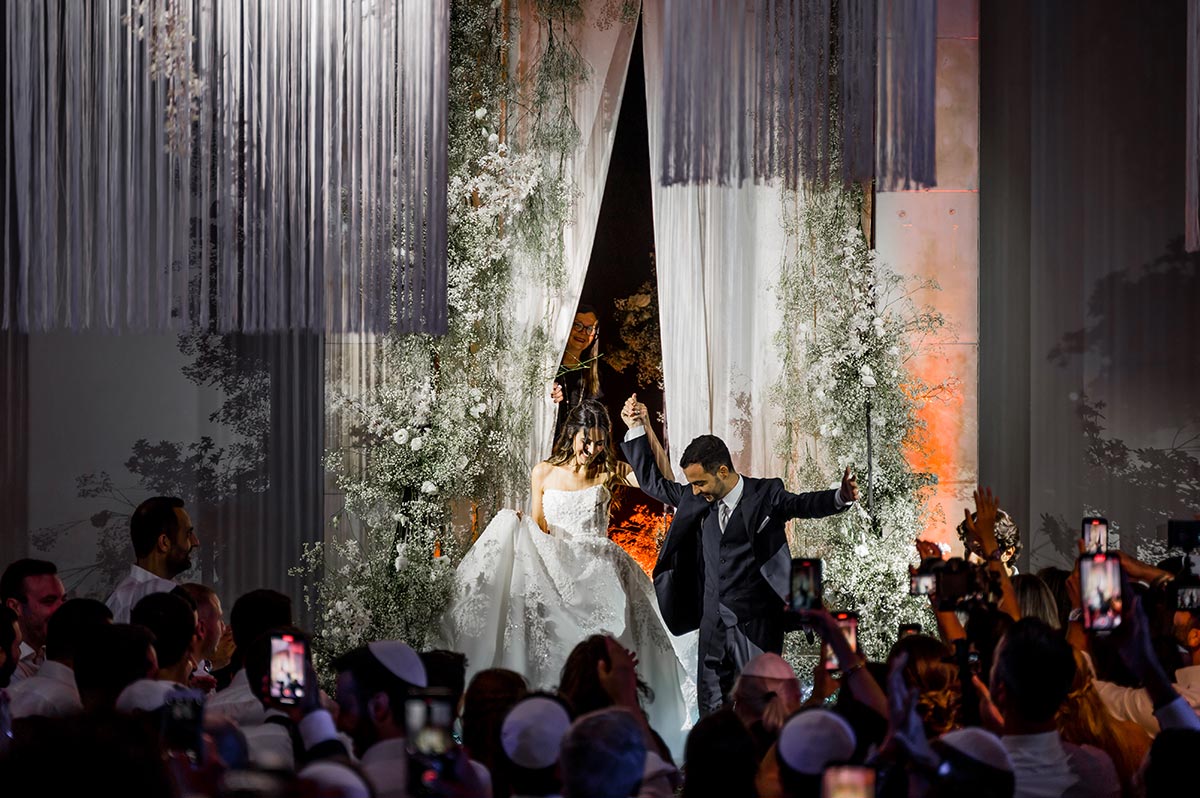
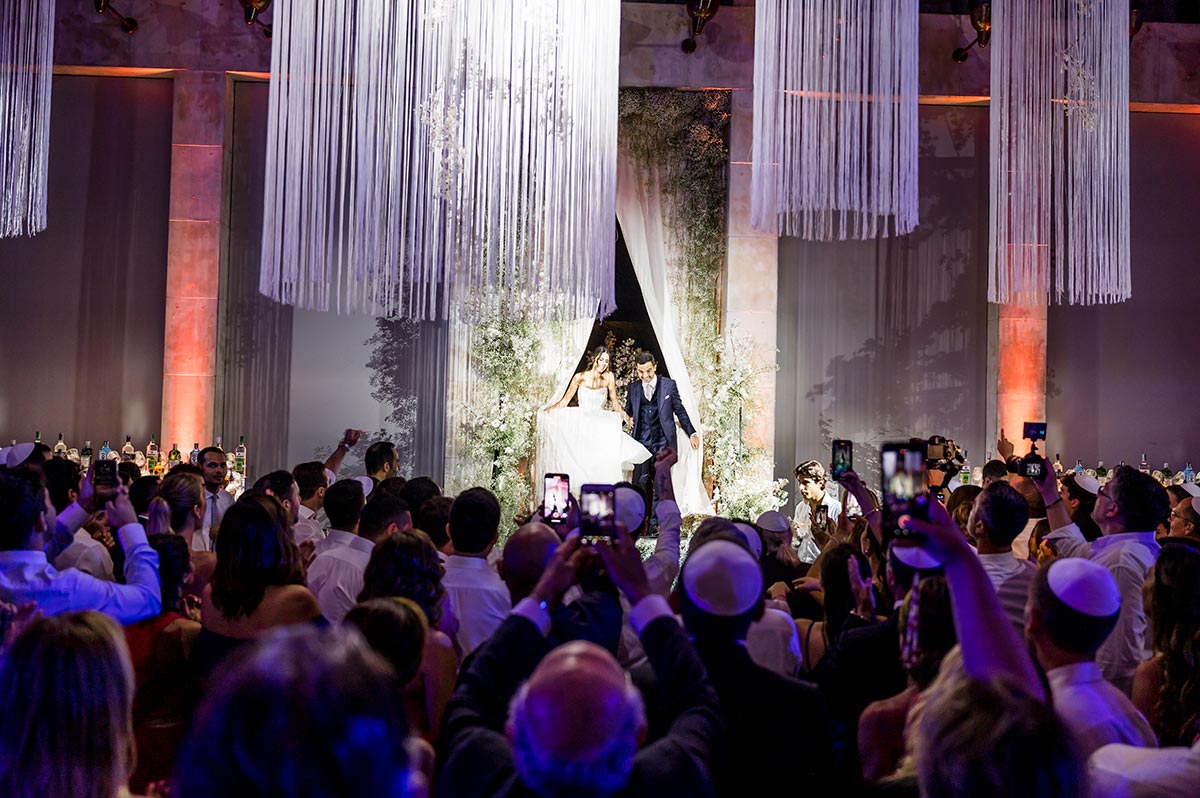
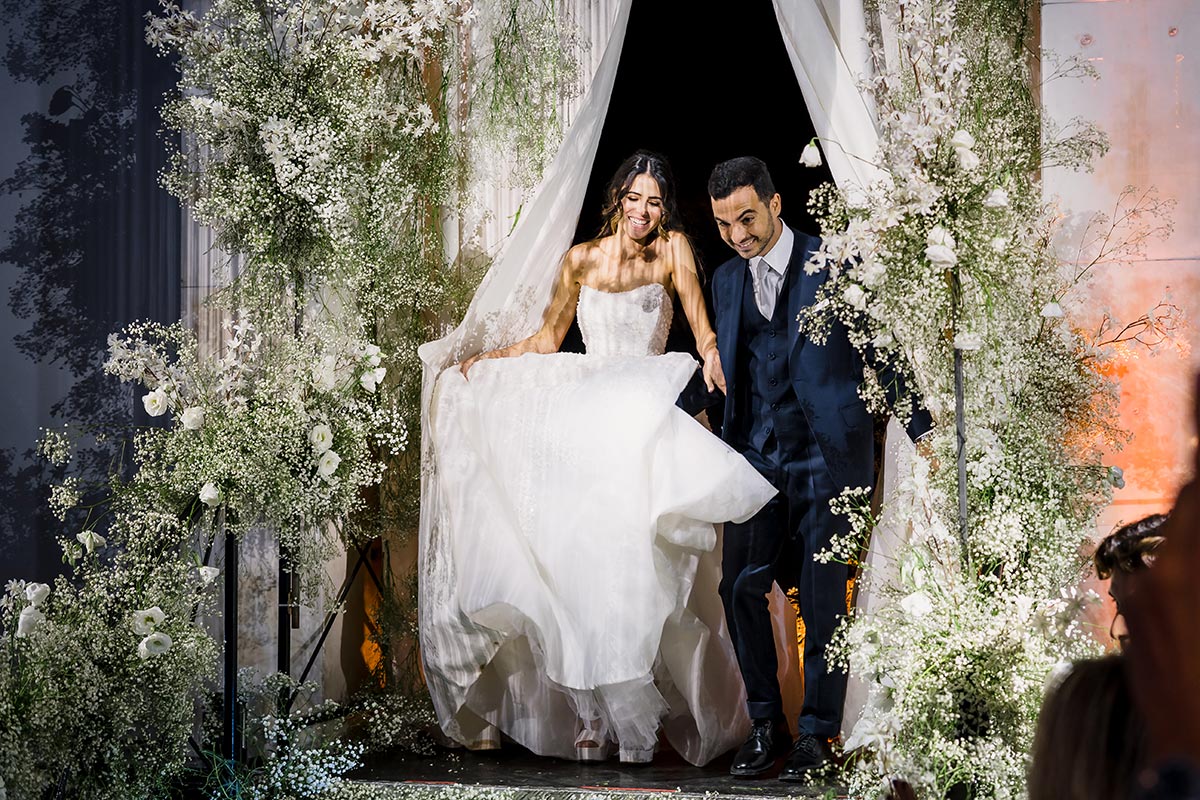
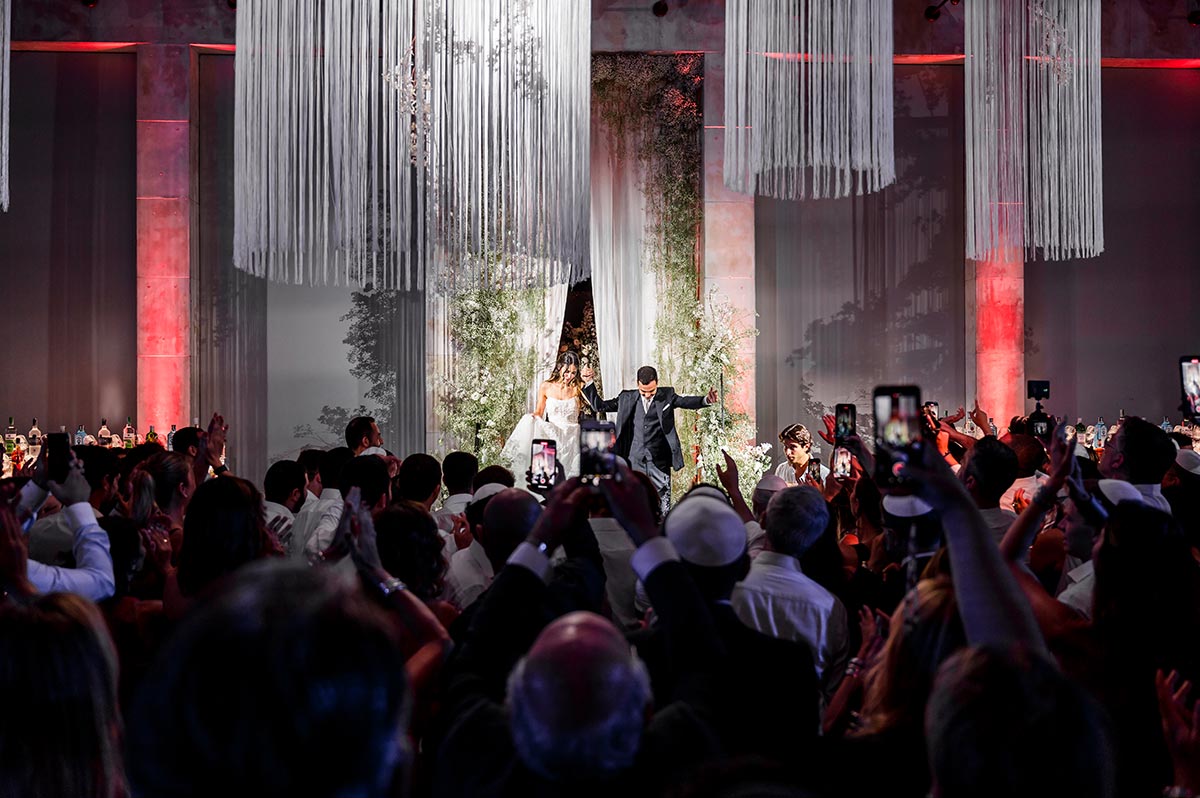

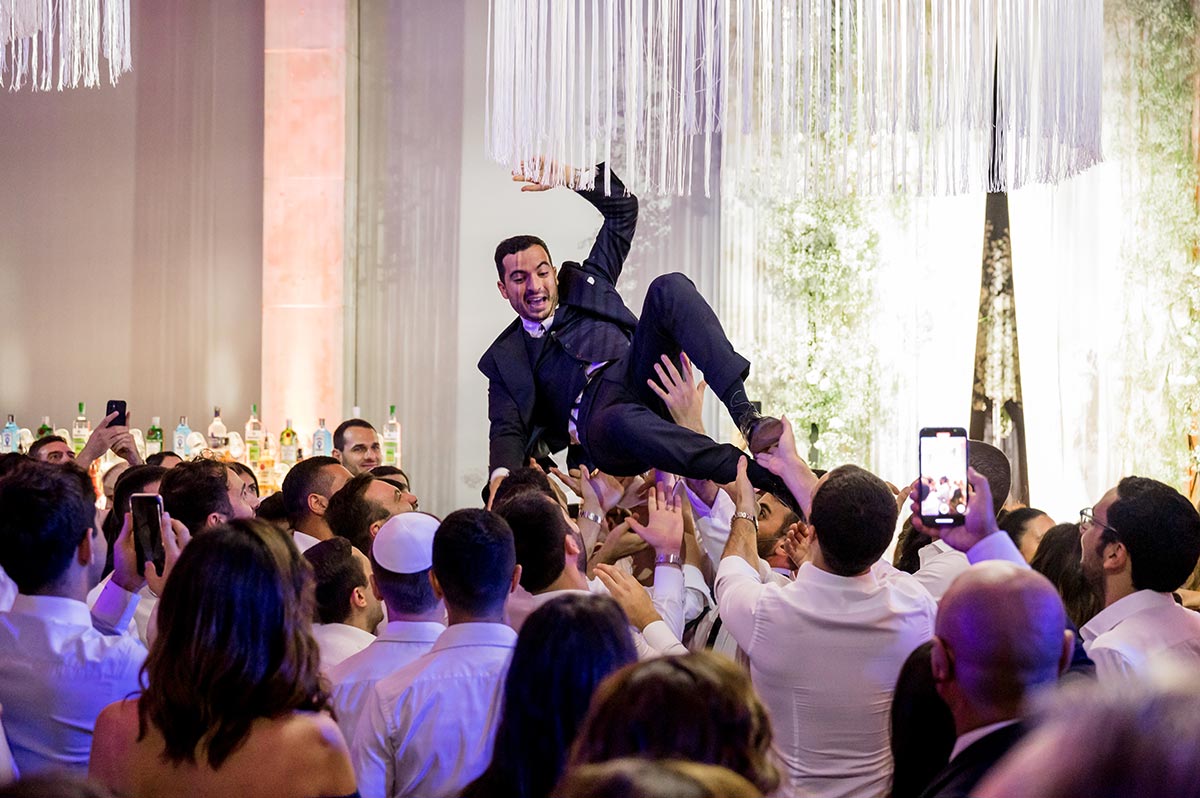
Nothing is more moving and emotional than a wedding ceremony rich in spiritual value and feeling. This ritual brings back the emotion of an ancient heritage with a profound and rich spiritual heritage. The Jewish wedding in Italy is regularly celebrated because Judaism is one of the religions that has agreed with the Italian government to ensure civil effects for this type of ceremony.
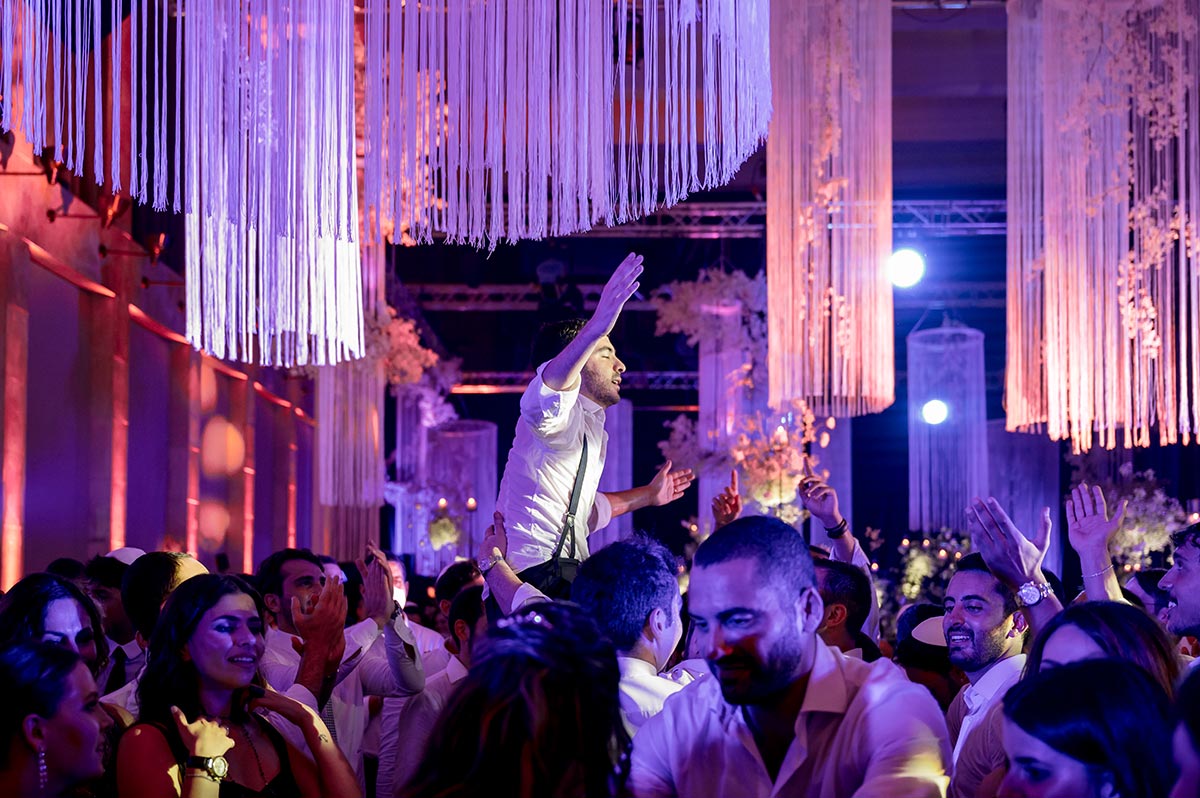
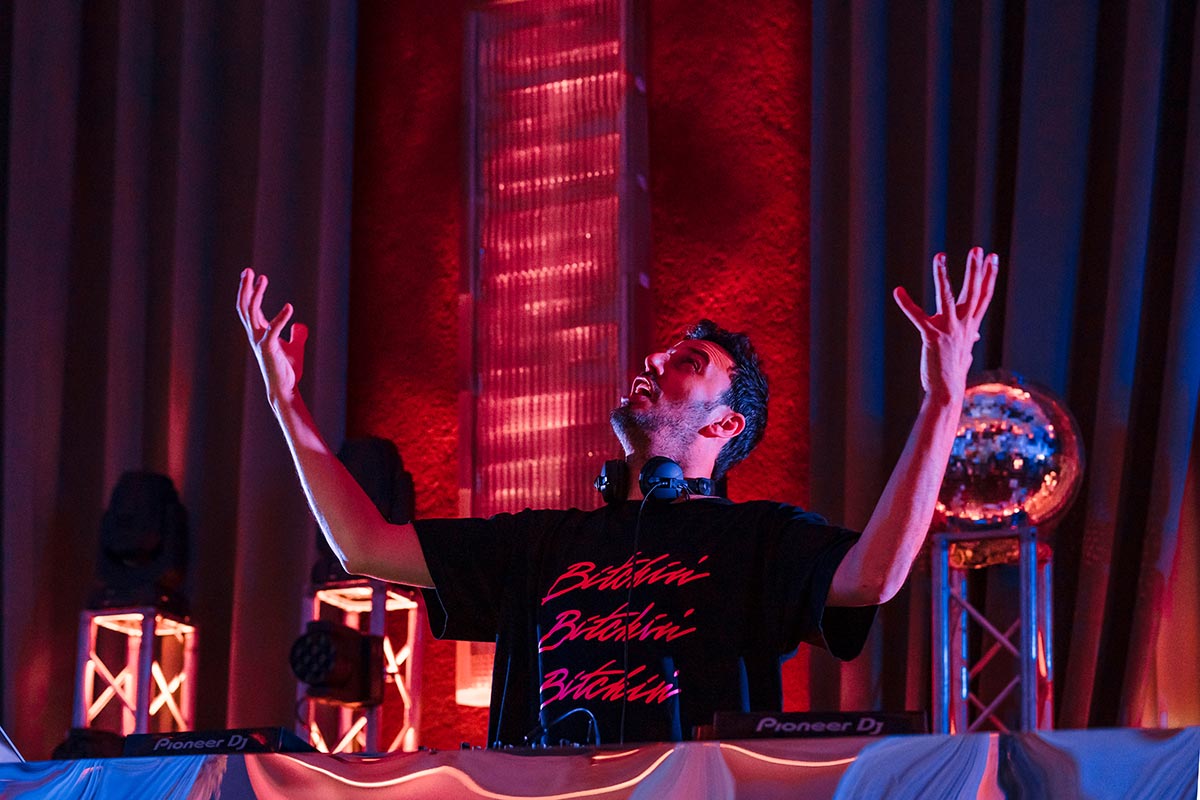
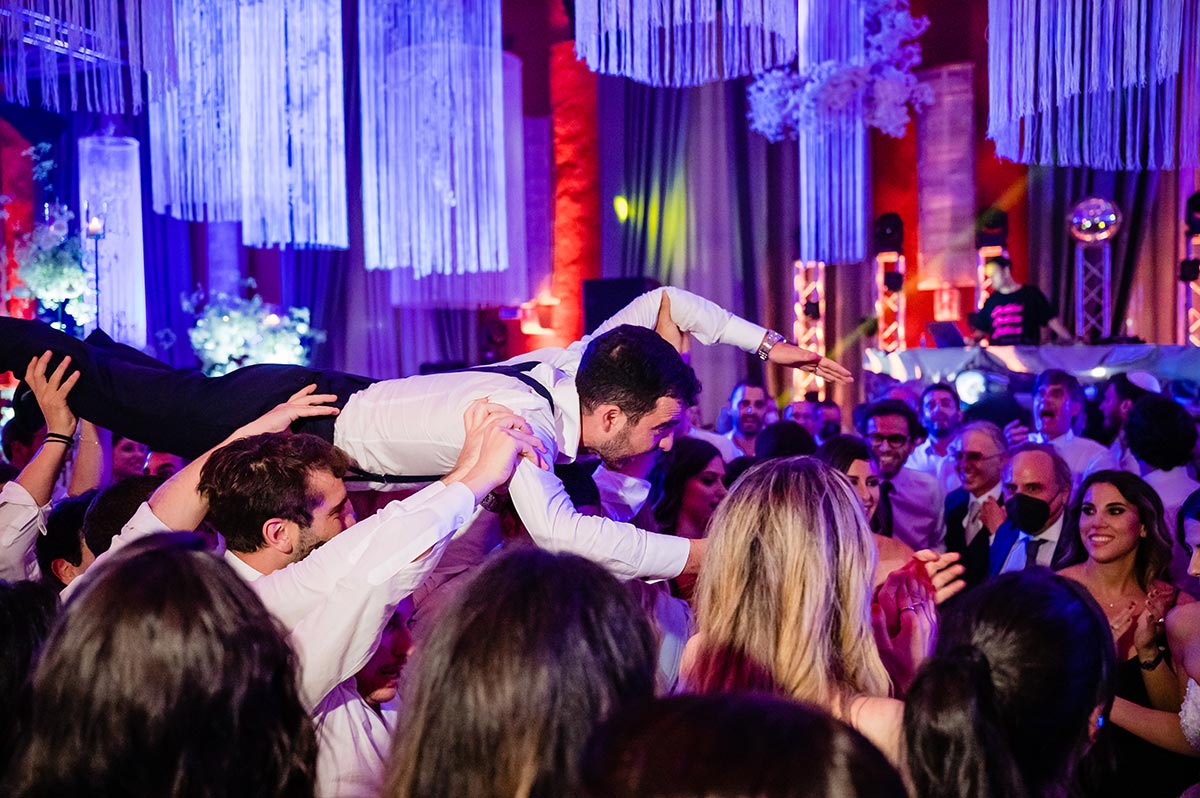


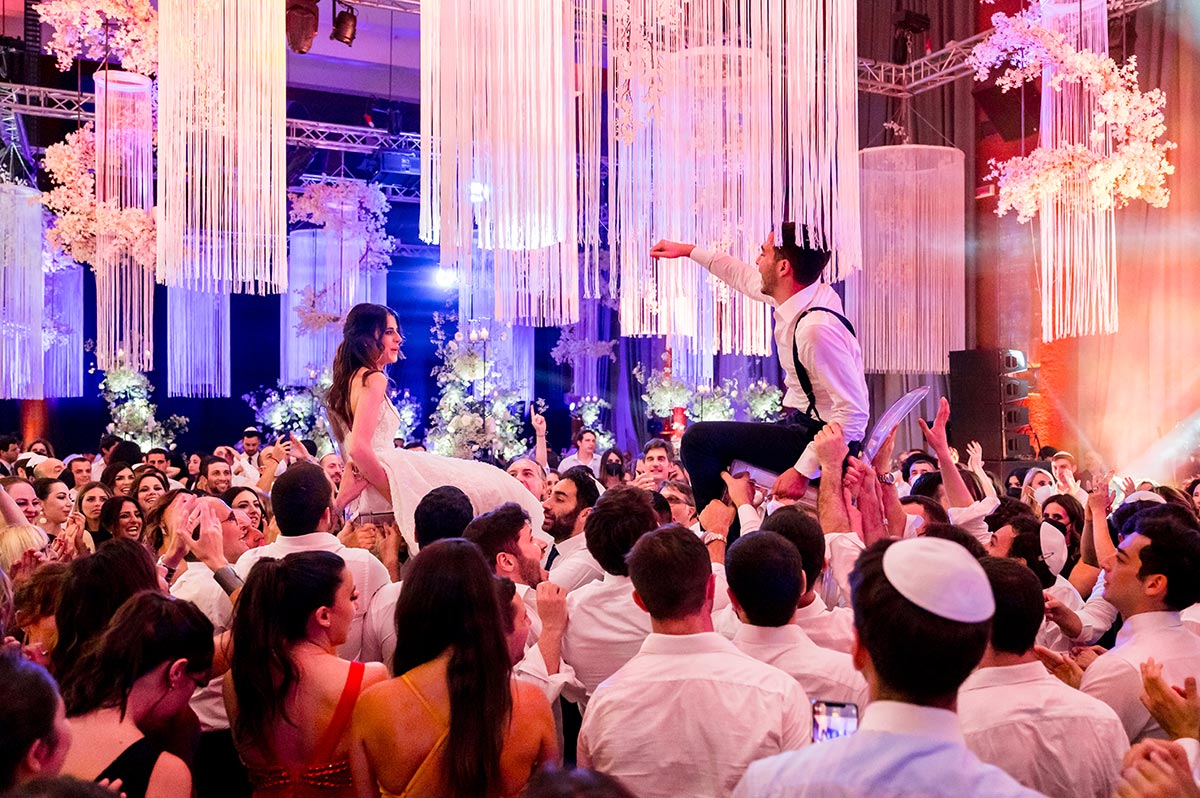
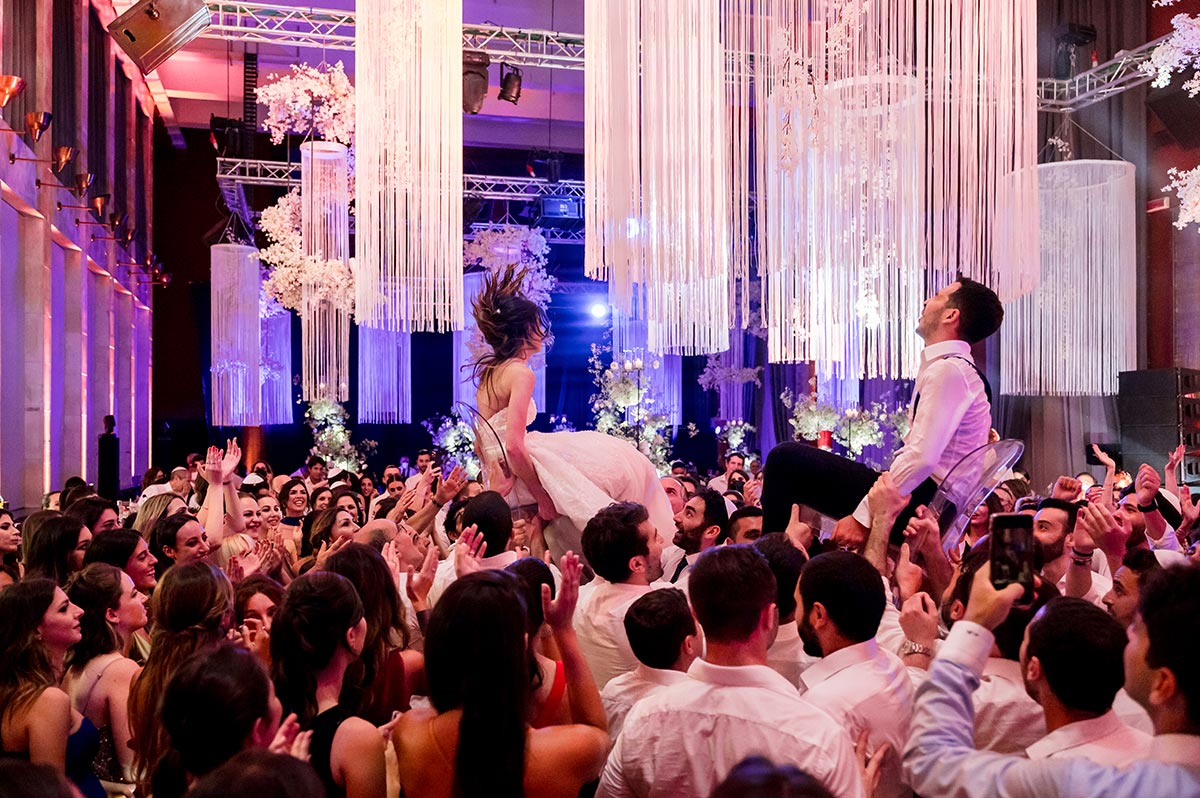
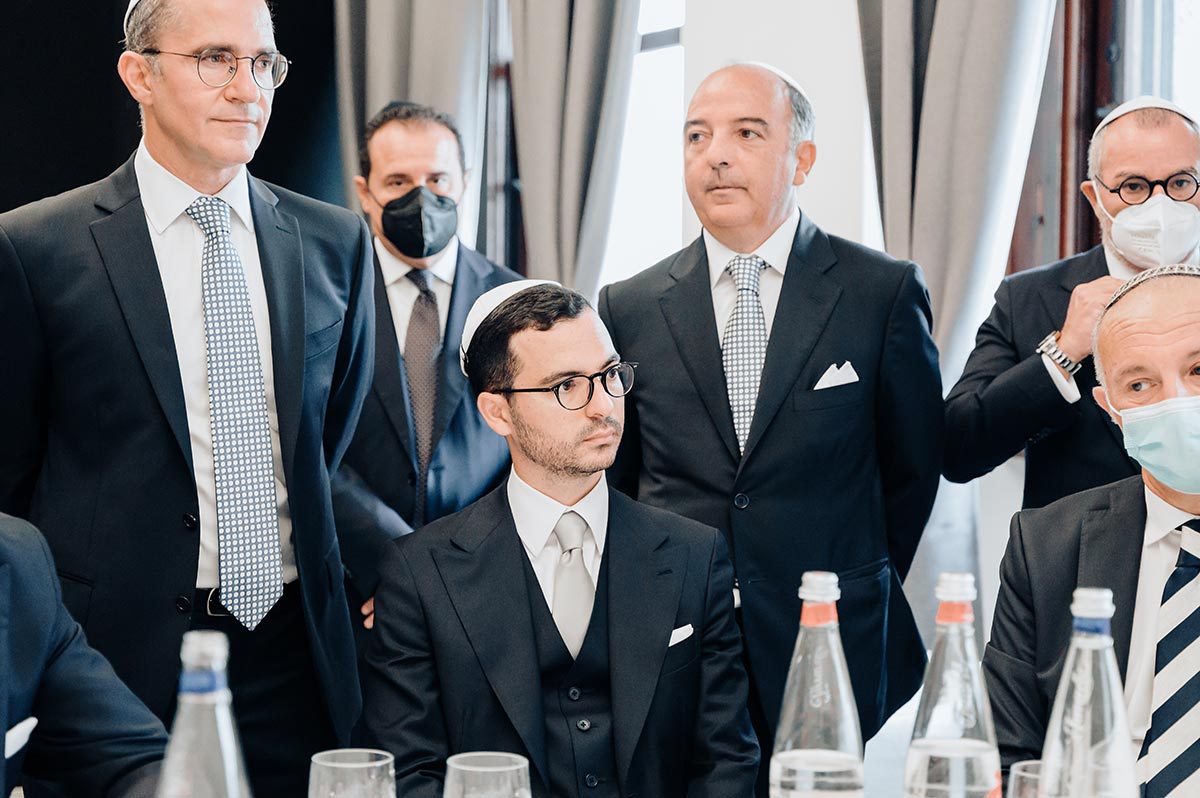
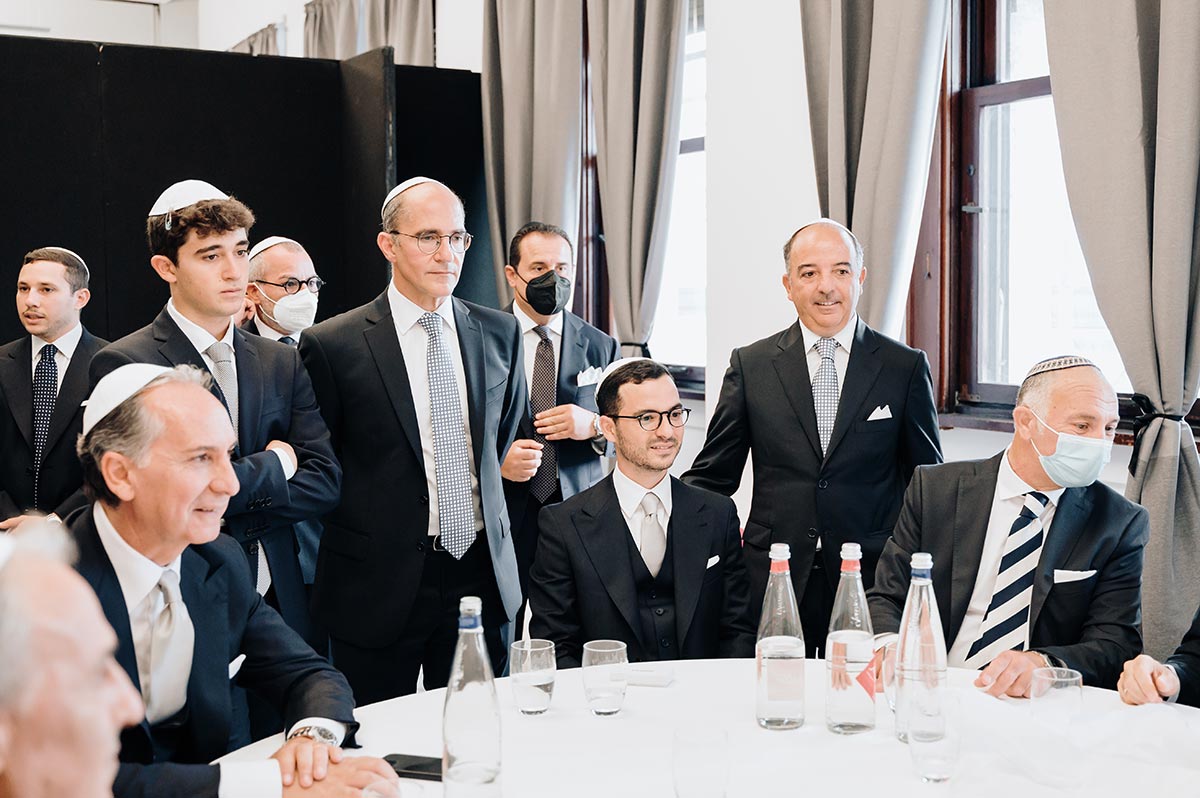
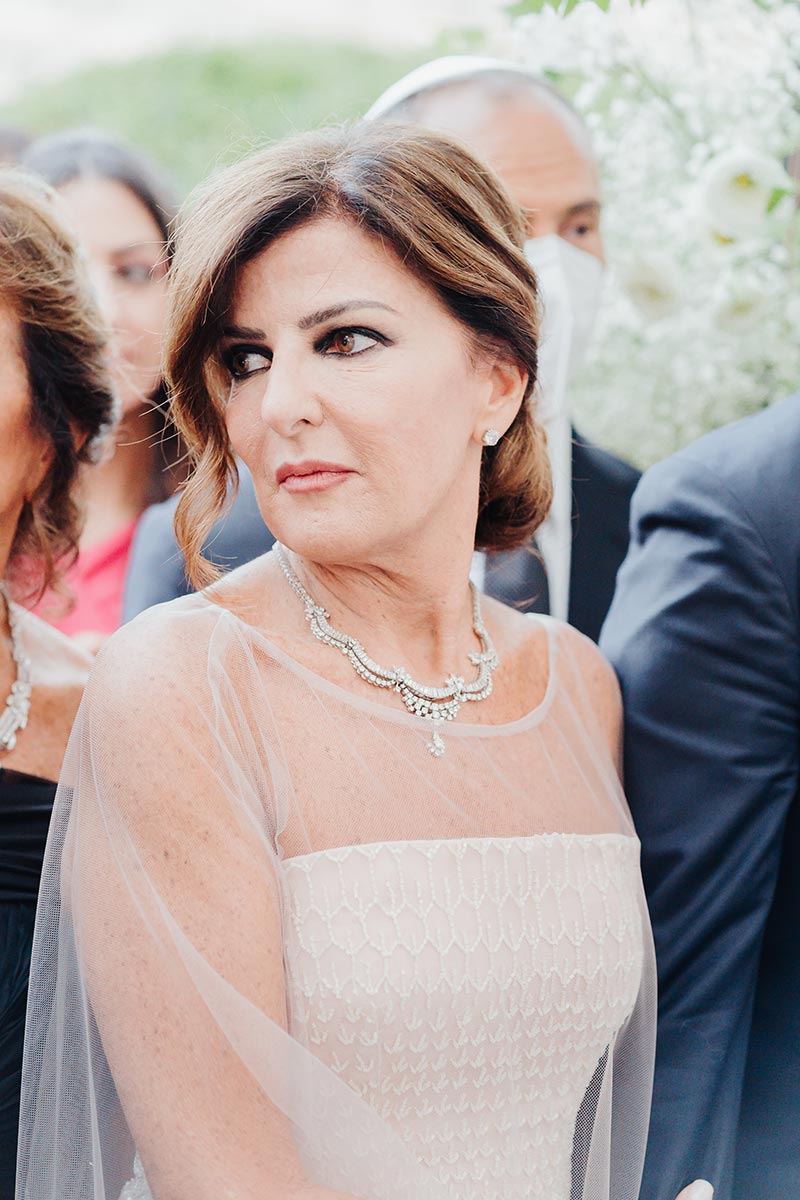
However, for the marriage to be recognized by the Italian government, it must be celebrated by an Italian citizen whose qualification is certified by the Union of Italian Jewish Communities. The Jewish wedding in Rome is celebrated according to tradition, where family members and friends will be present to witness the union between two people who have chosen each other as partners for their lives. It is also customary for guests to bring gifts to show appreciation for being invited to share such a critical moment in someone’s life.



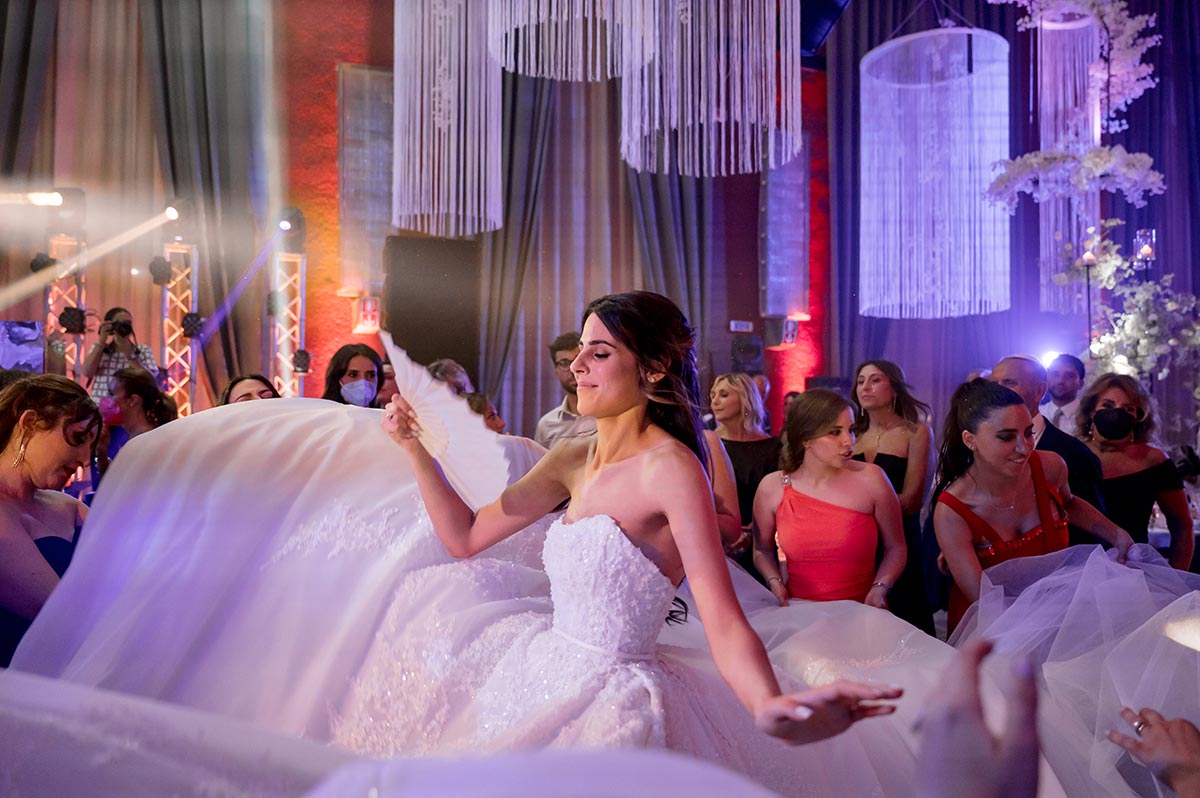


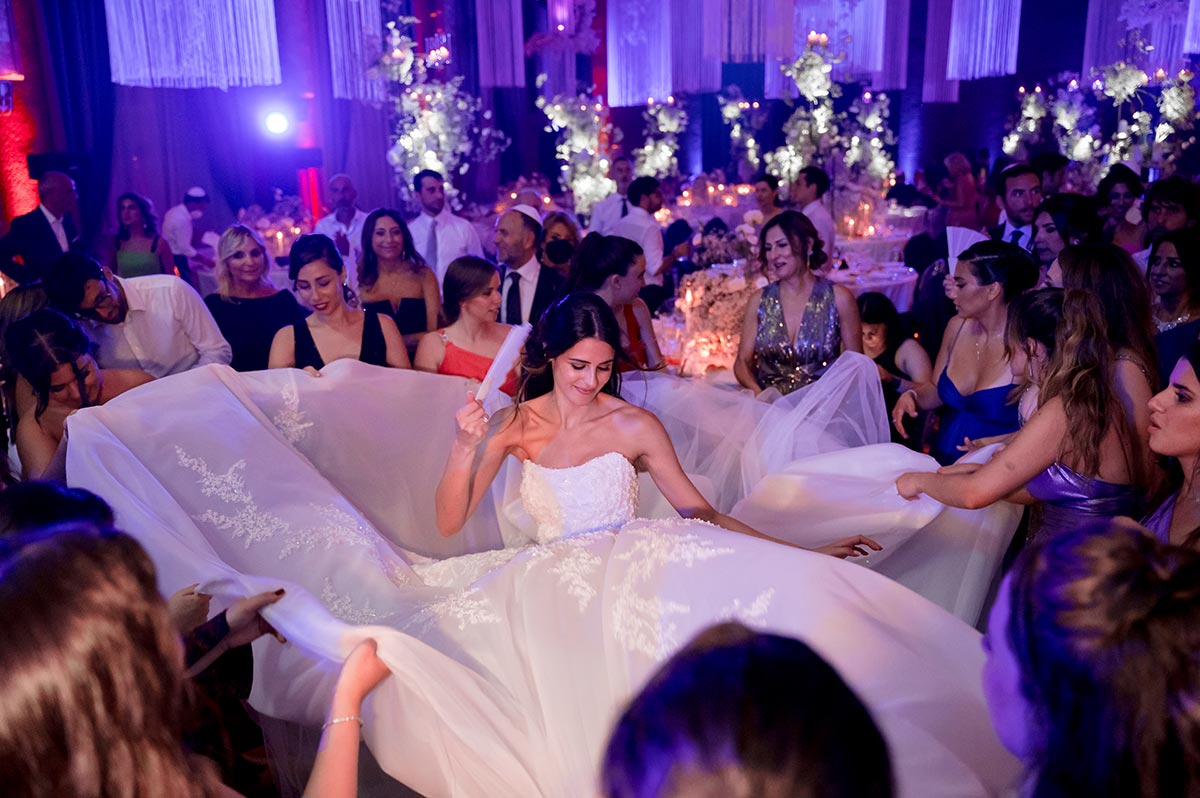





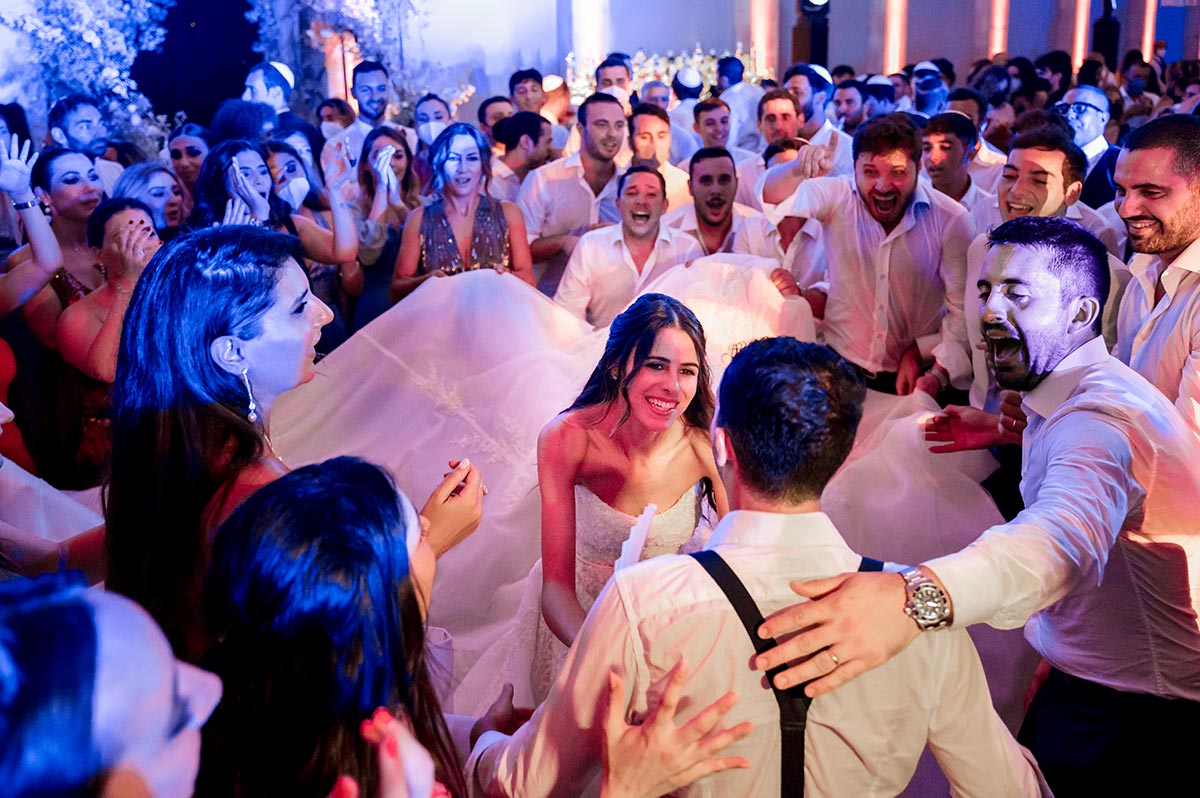

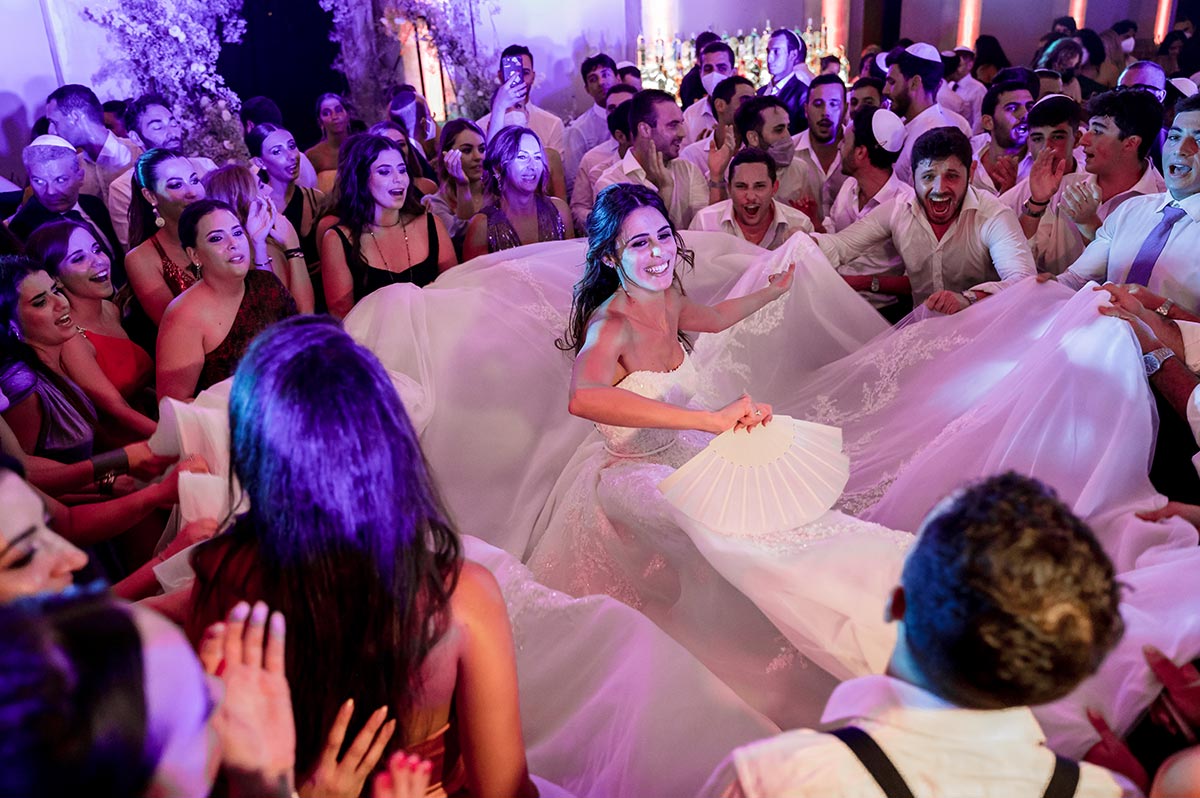

The Jewish wedding ceremony in Rome is a unique and memorable experience that will create memories to last a lifetime. The combination of tradition, culture, and history makes it an unforgettable experience and the perfect way to start a new chapter in a couple’s life together.
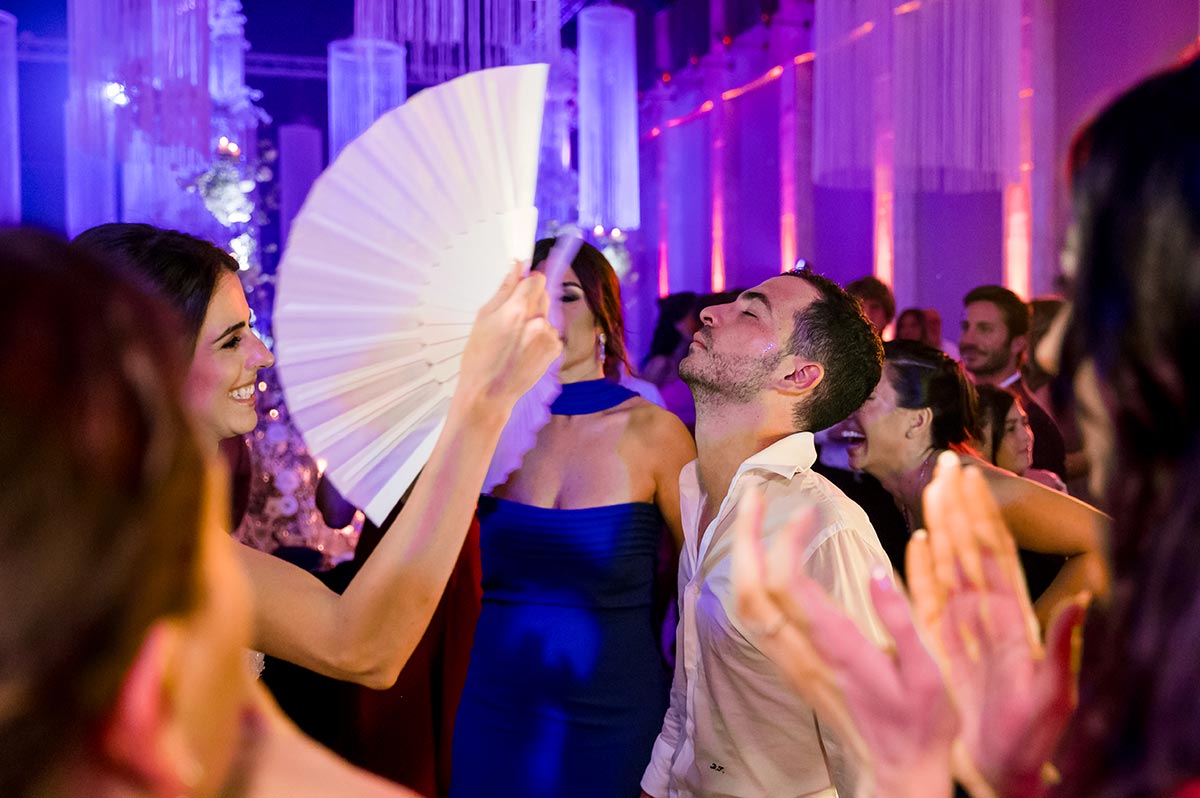

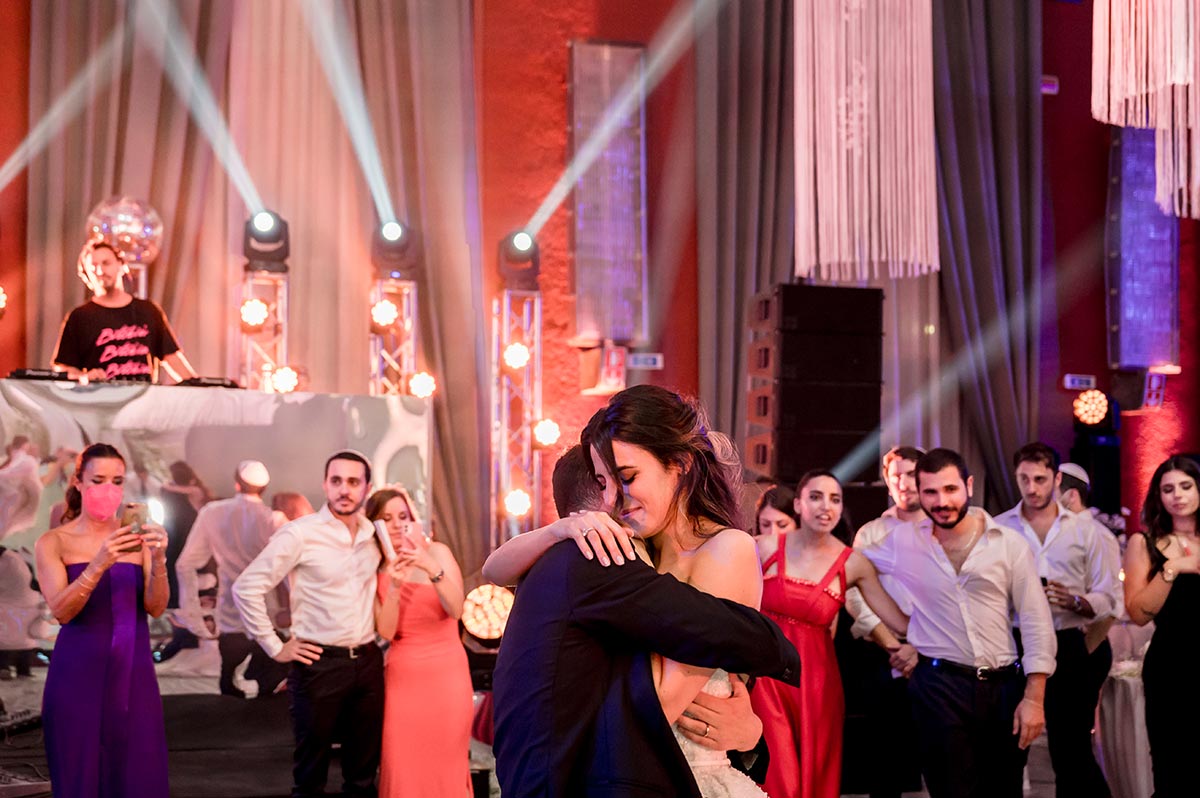

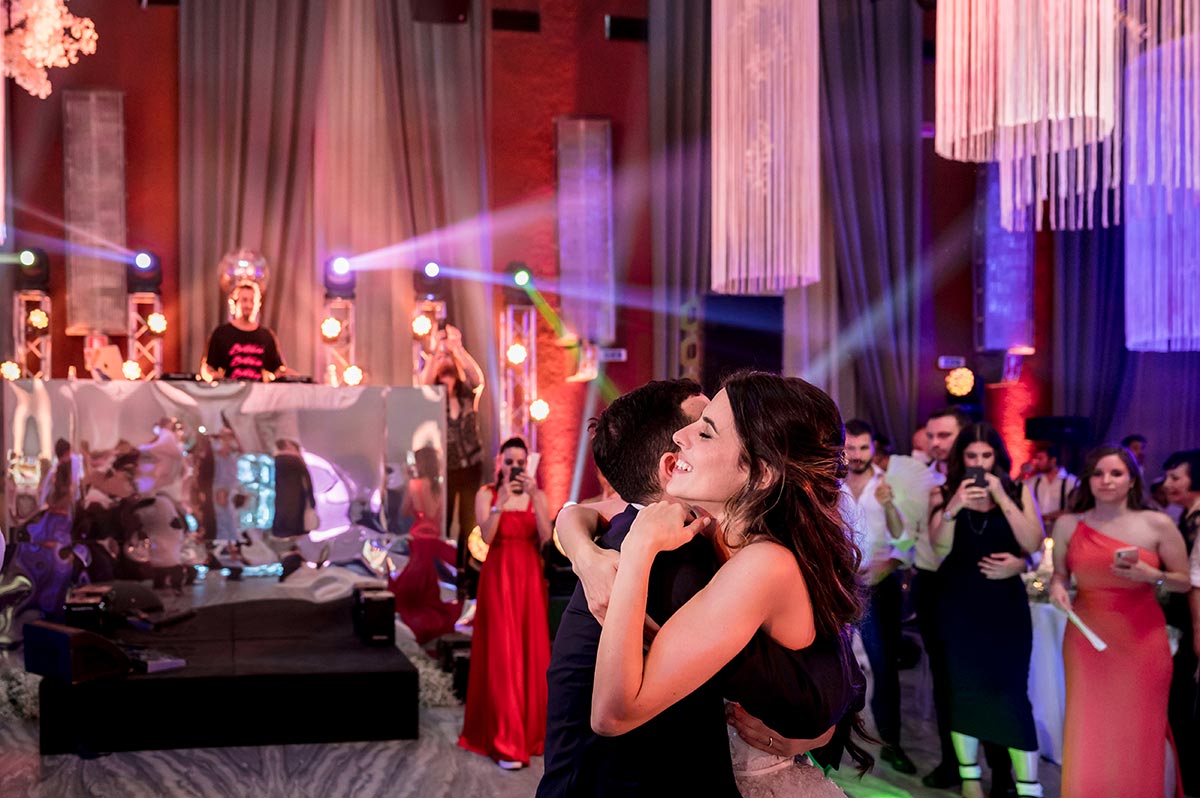
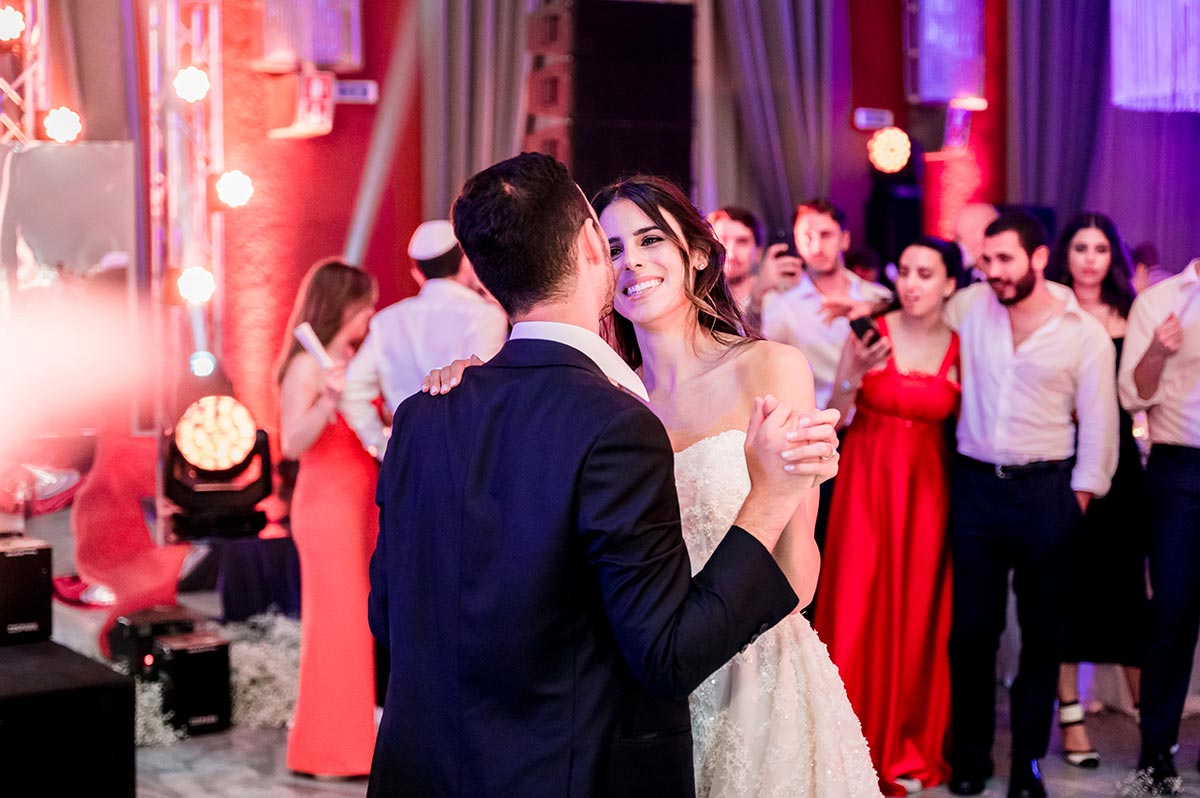

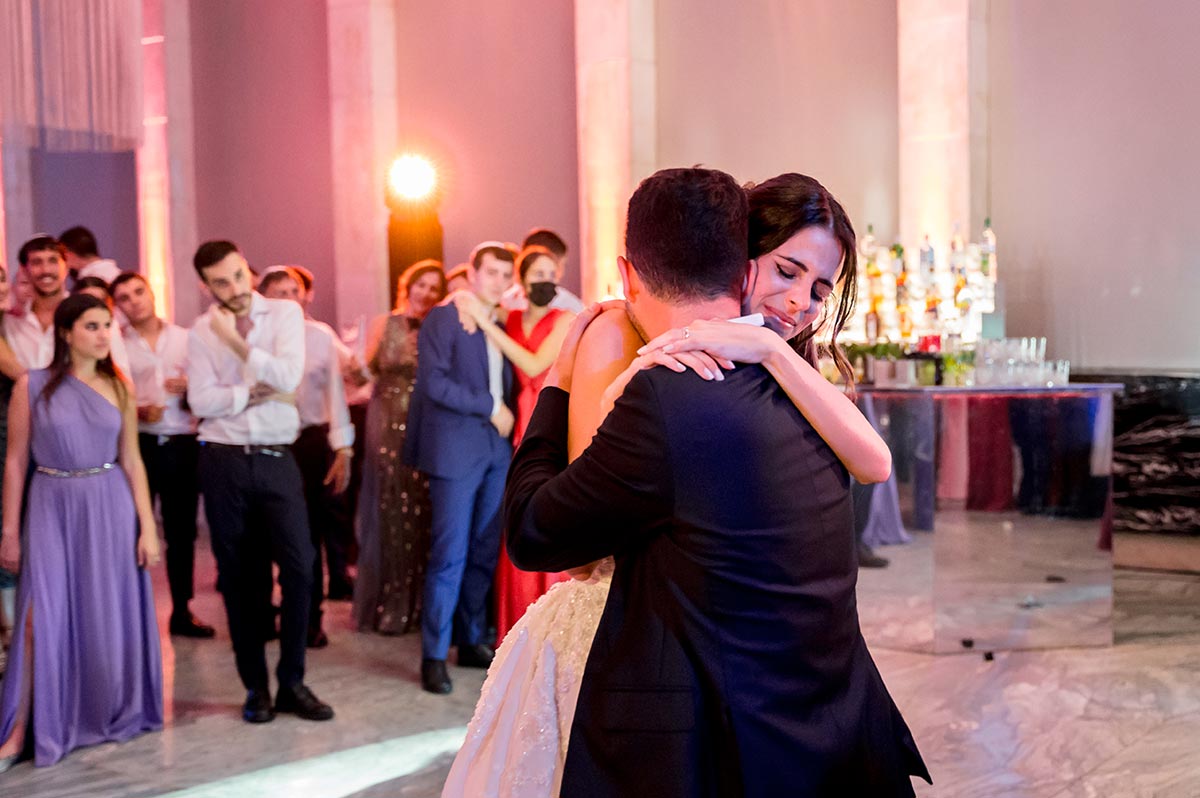
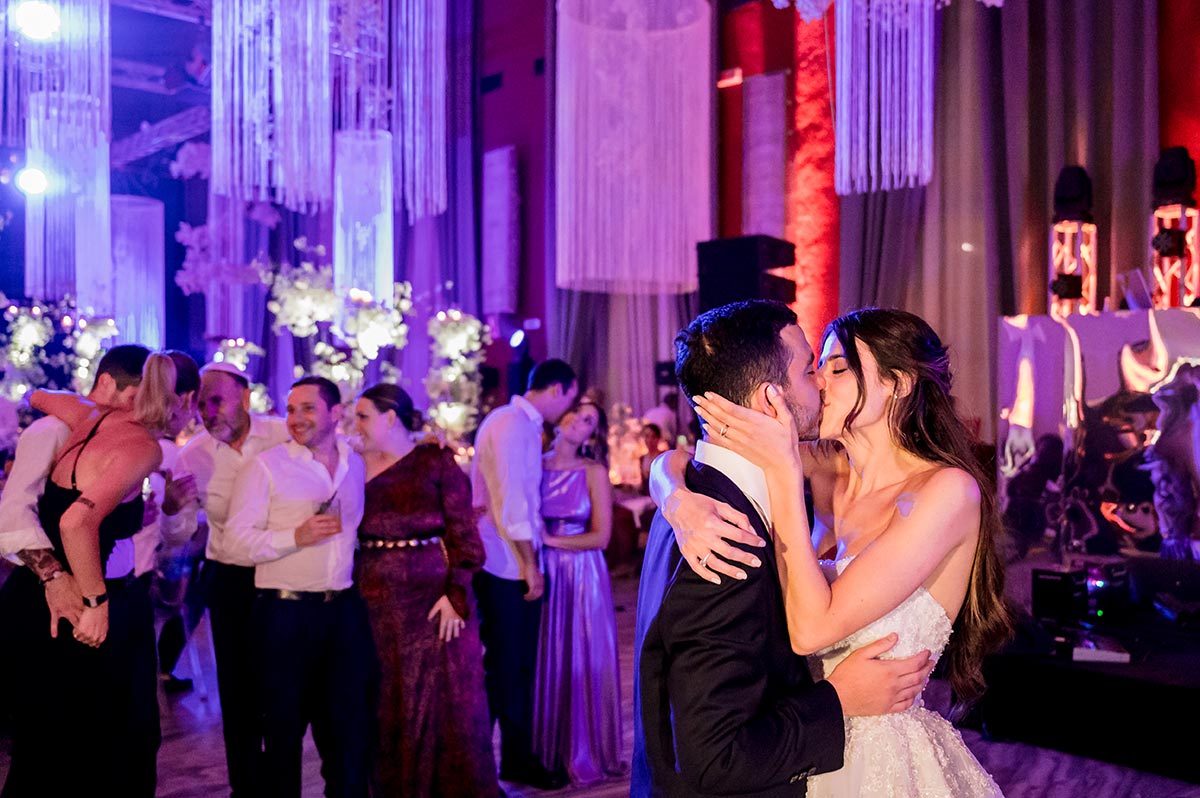
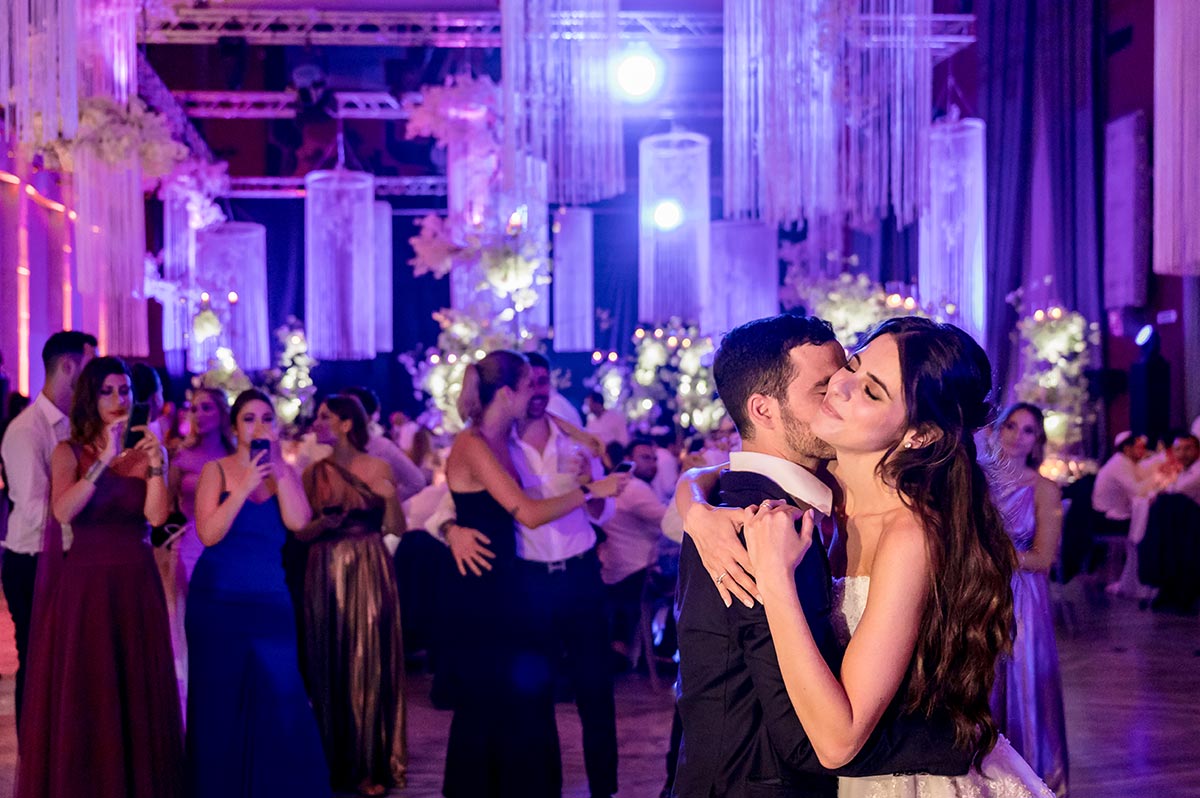
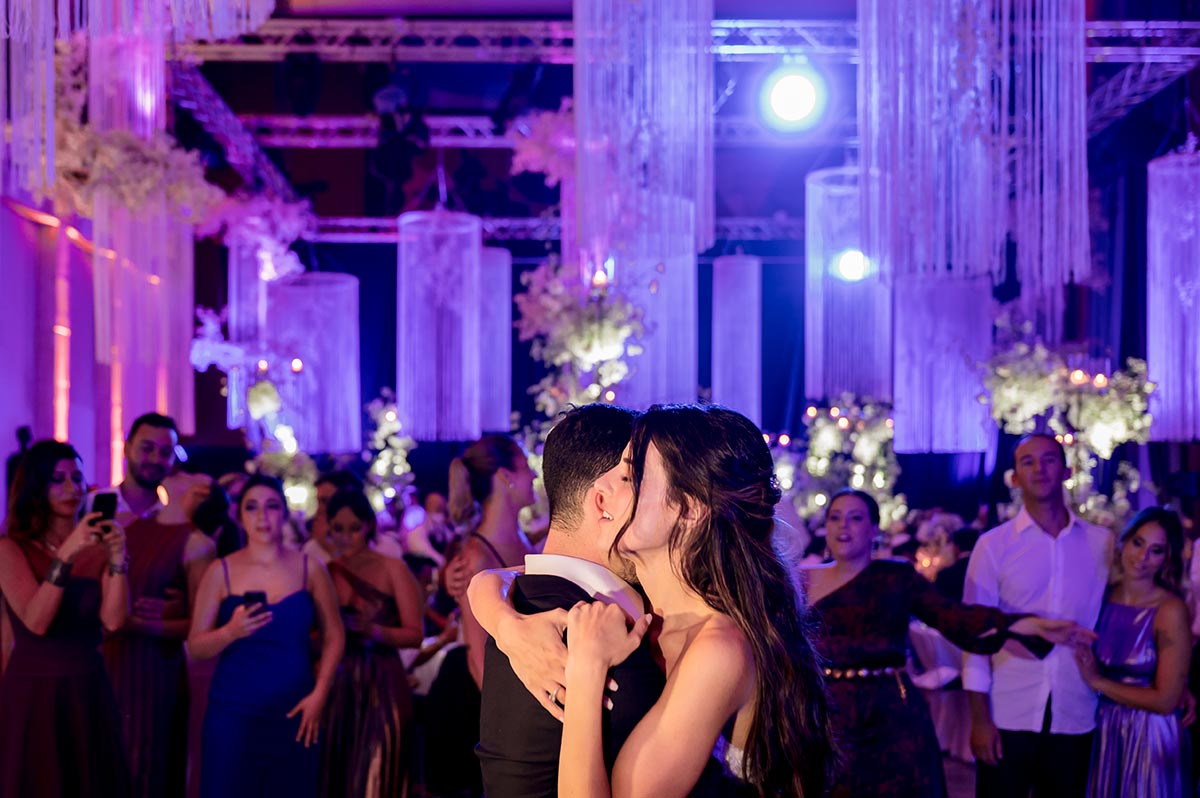
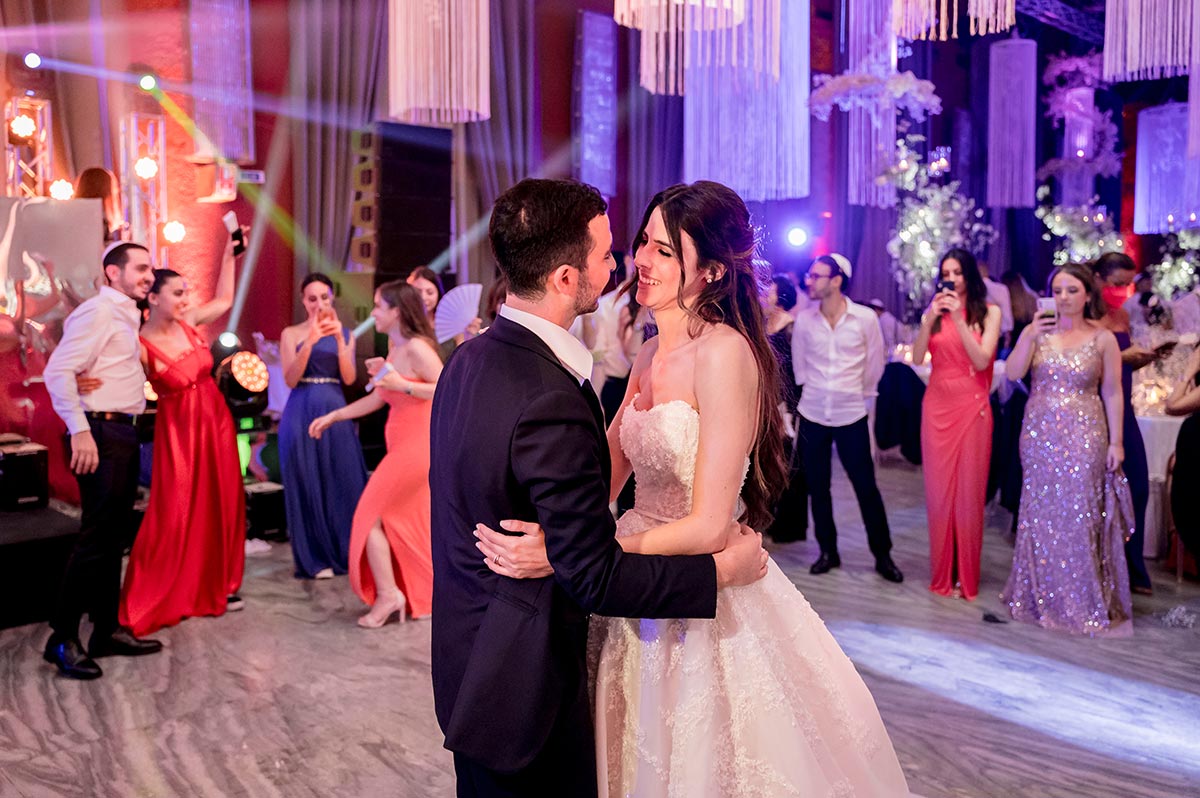
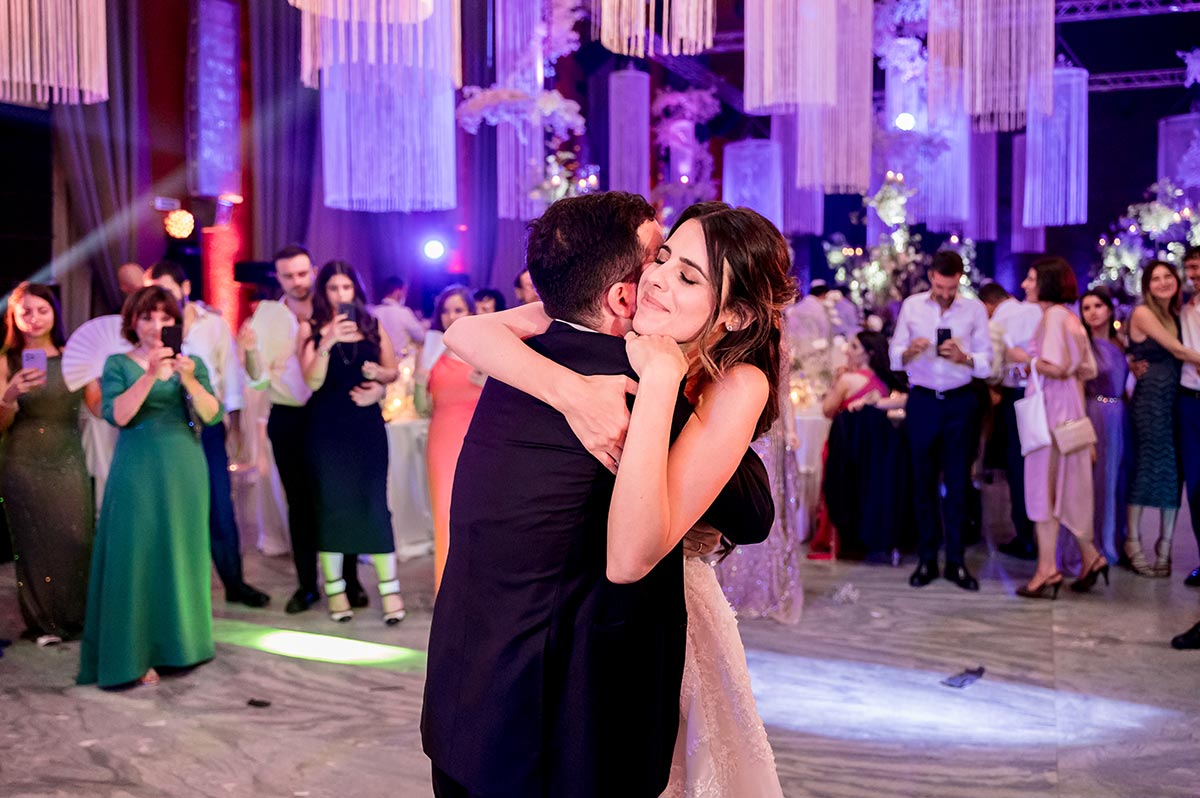
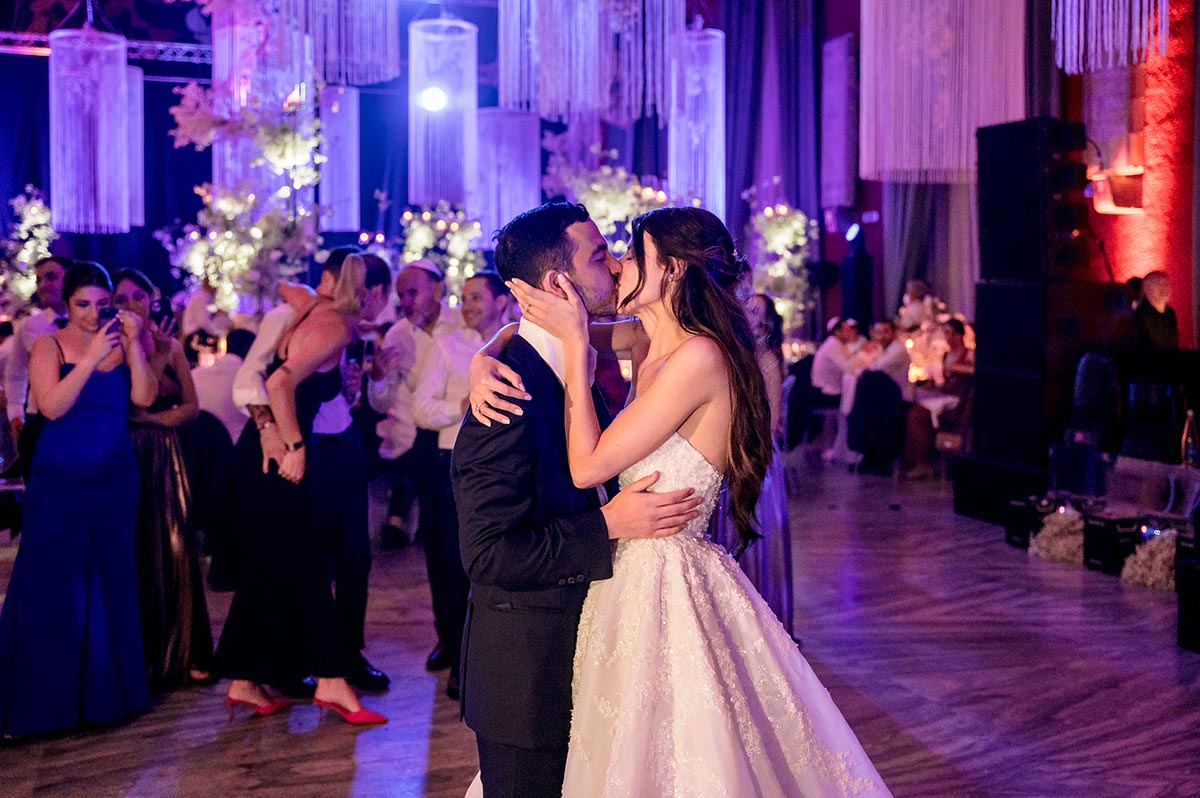
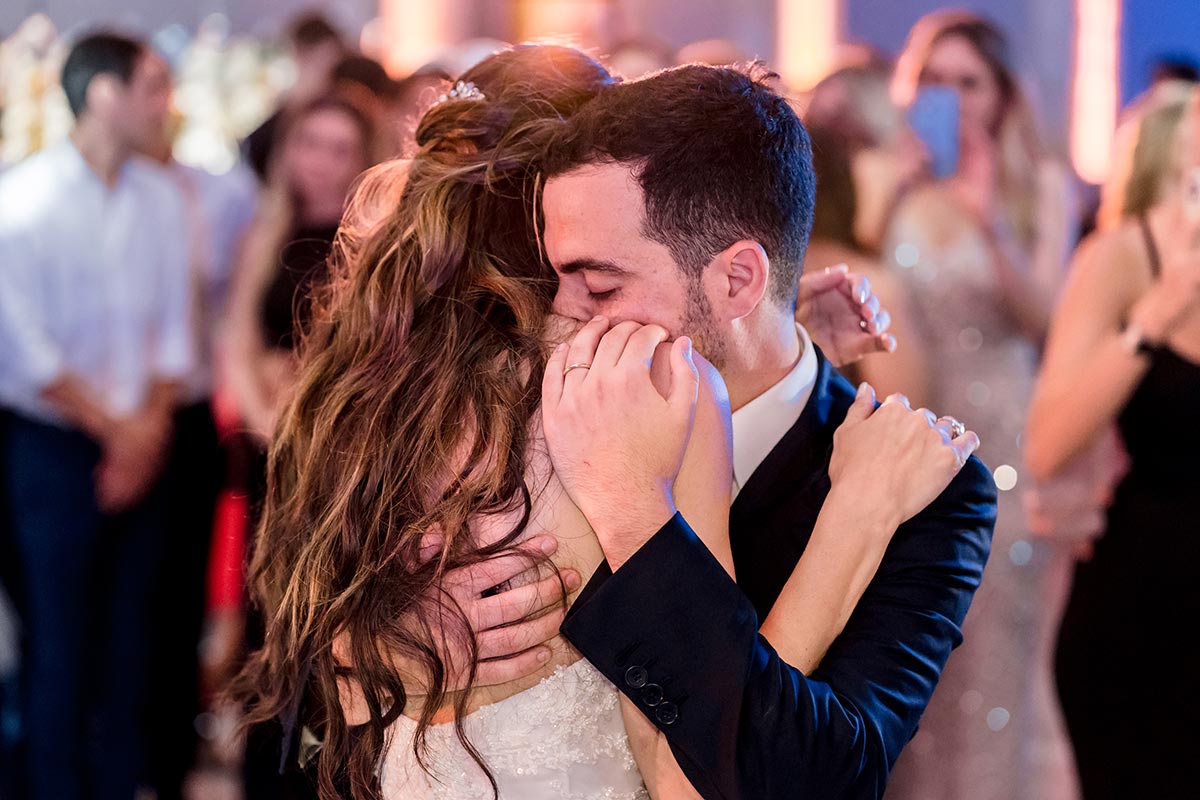
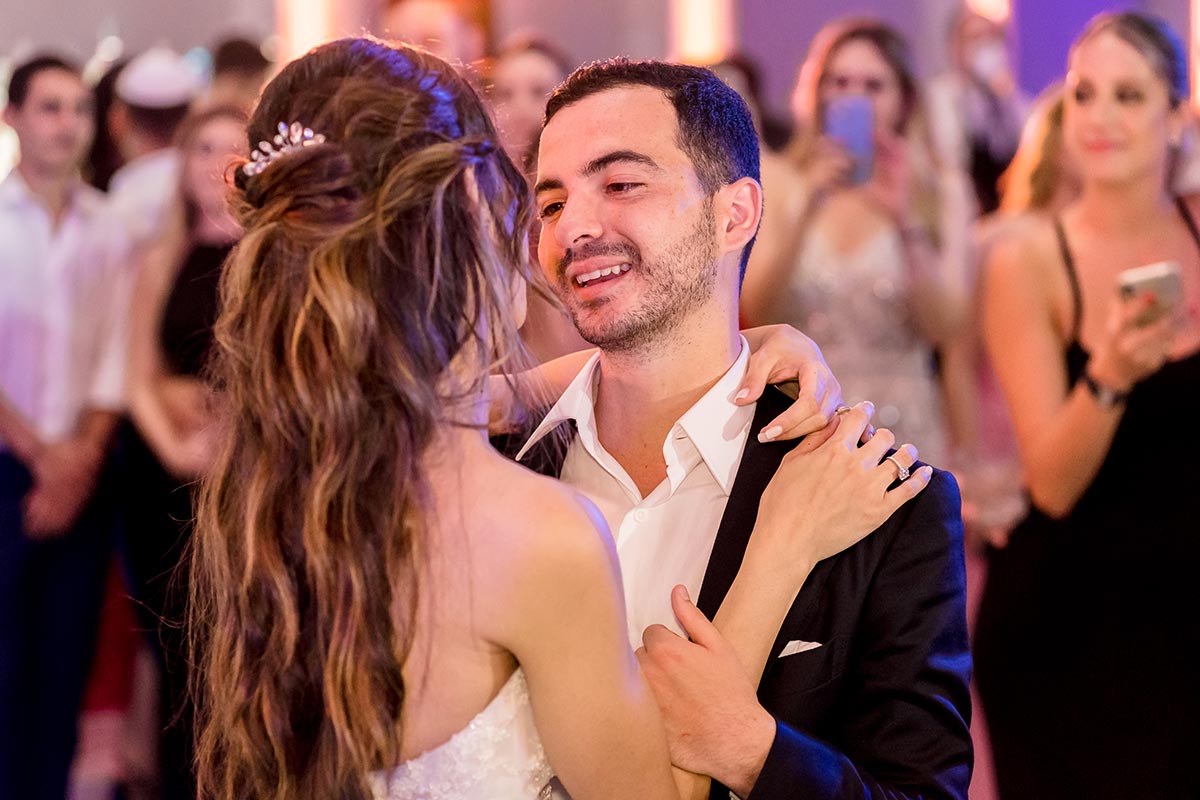




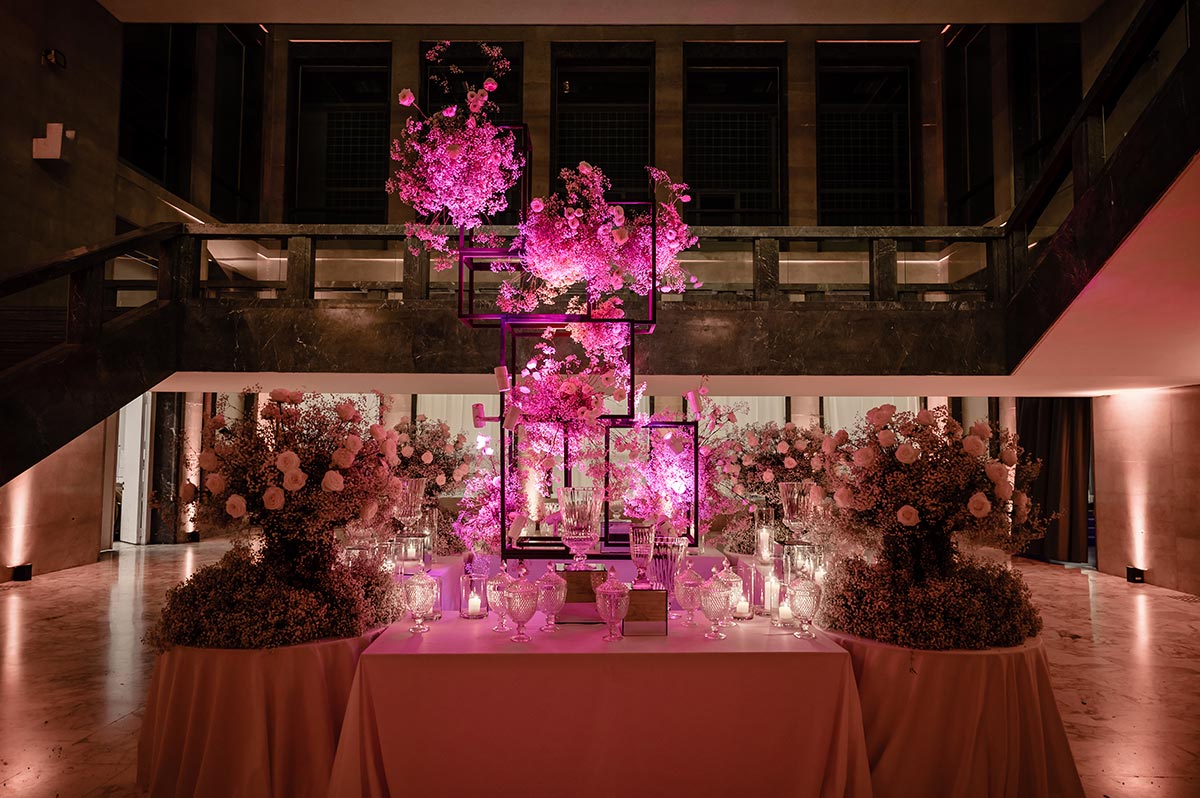

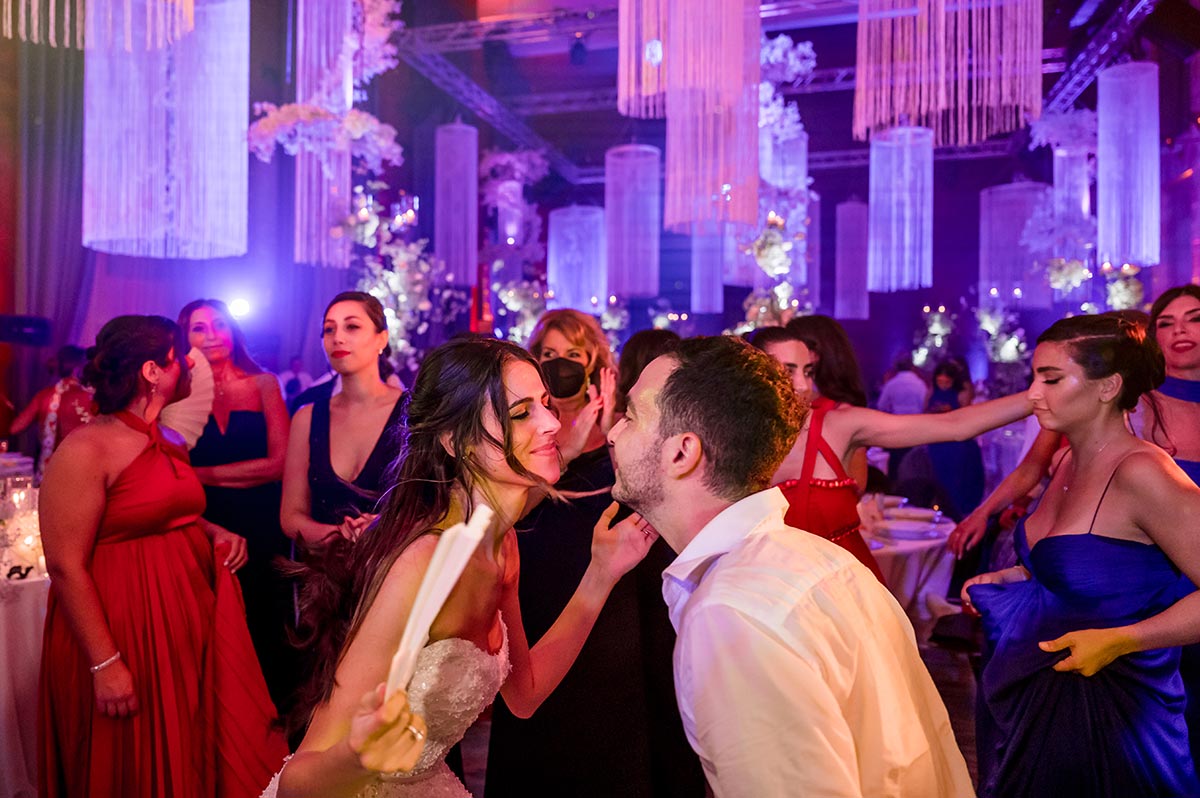
The Jewish wedding ceremony in Rome celebrates love, tradition, and heritage. It’s a beautiful blend of culture, history, and spirituality that creates an unforgettable experience for the couple and their loved ones.



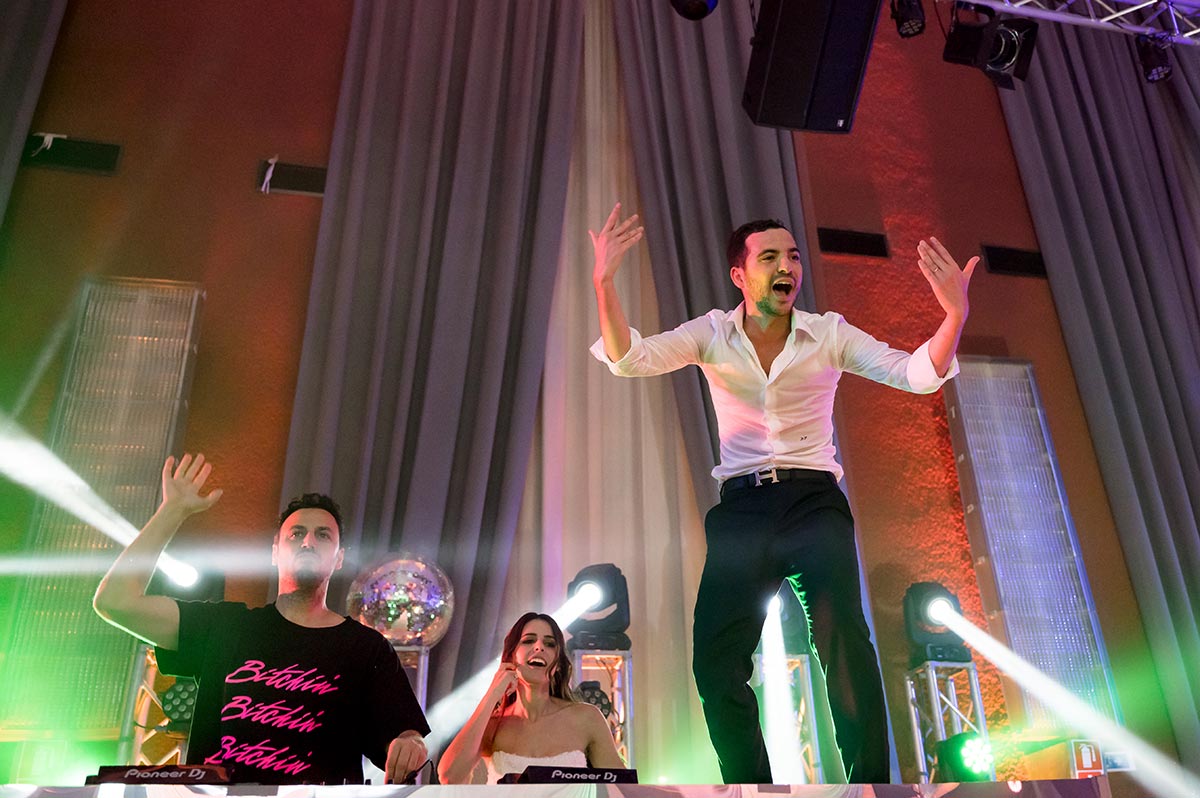
From the preparation phase, through the ceremony, to the celebrations and rituals, the Jewish wedding in Rome is filled with meaning and significance. The rich tradition and culture of the Jewish community strengthen the love and commitment between the couple.
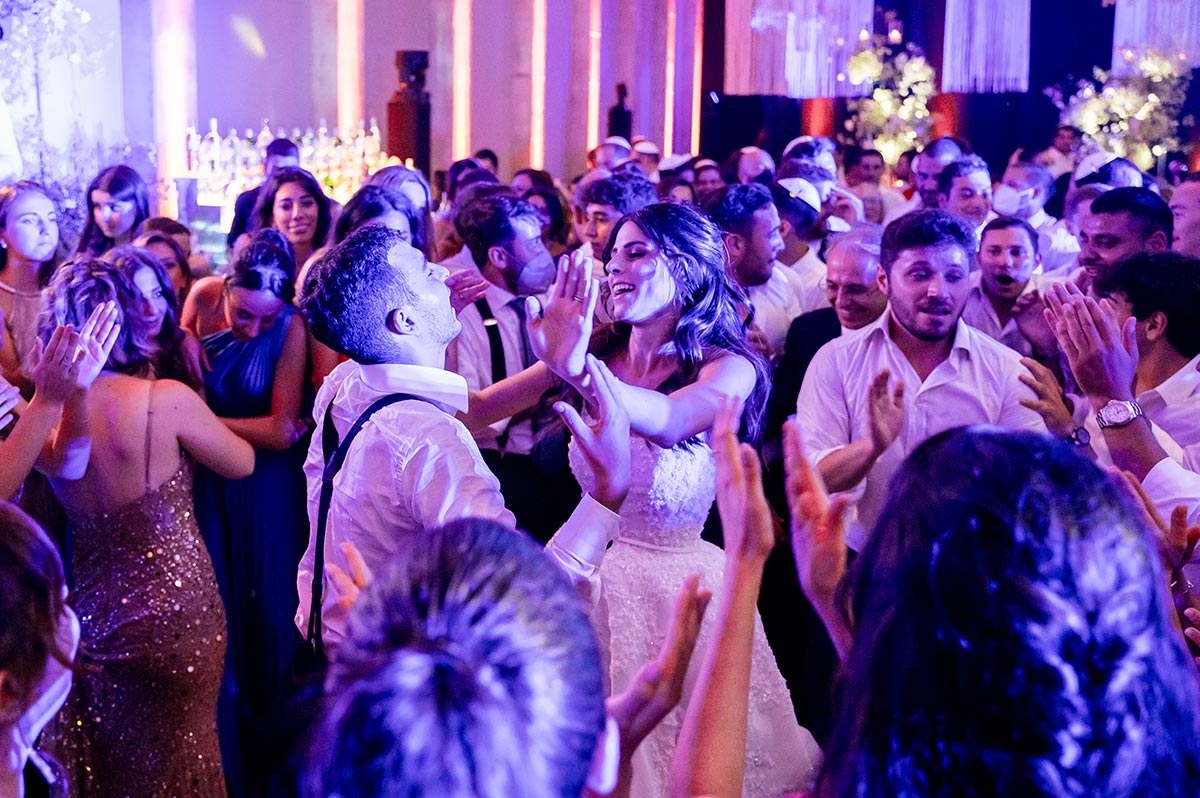
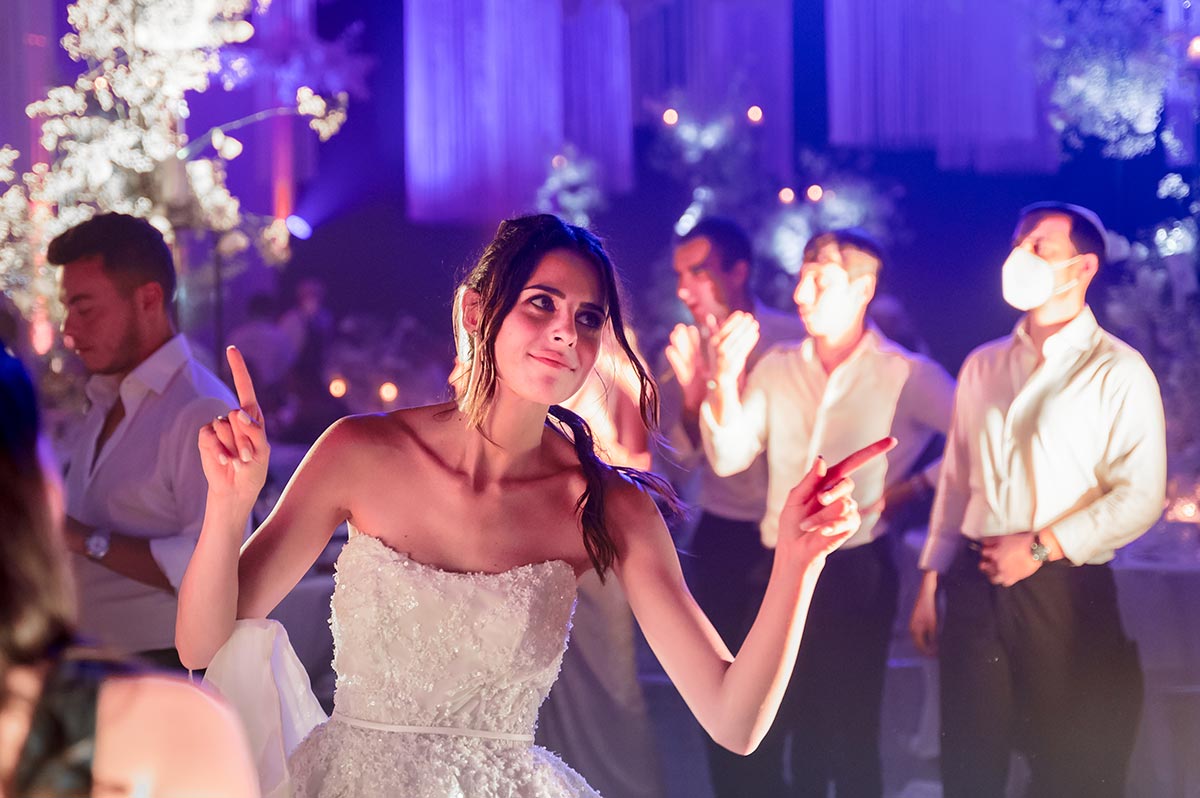
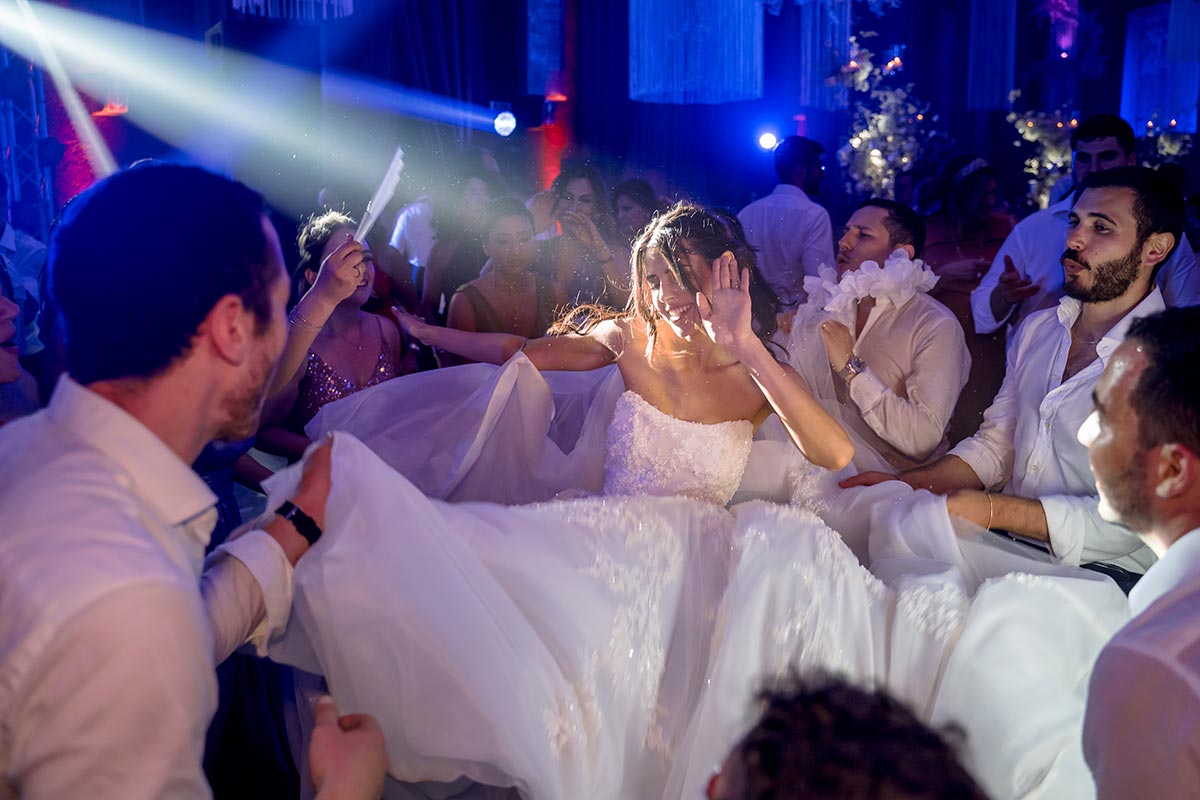
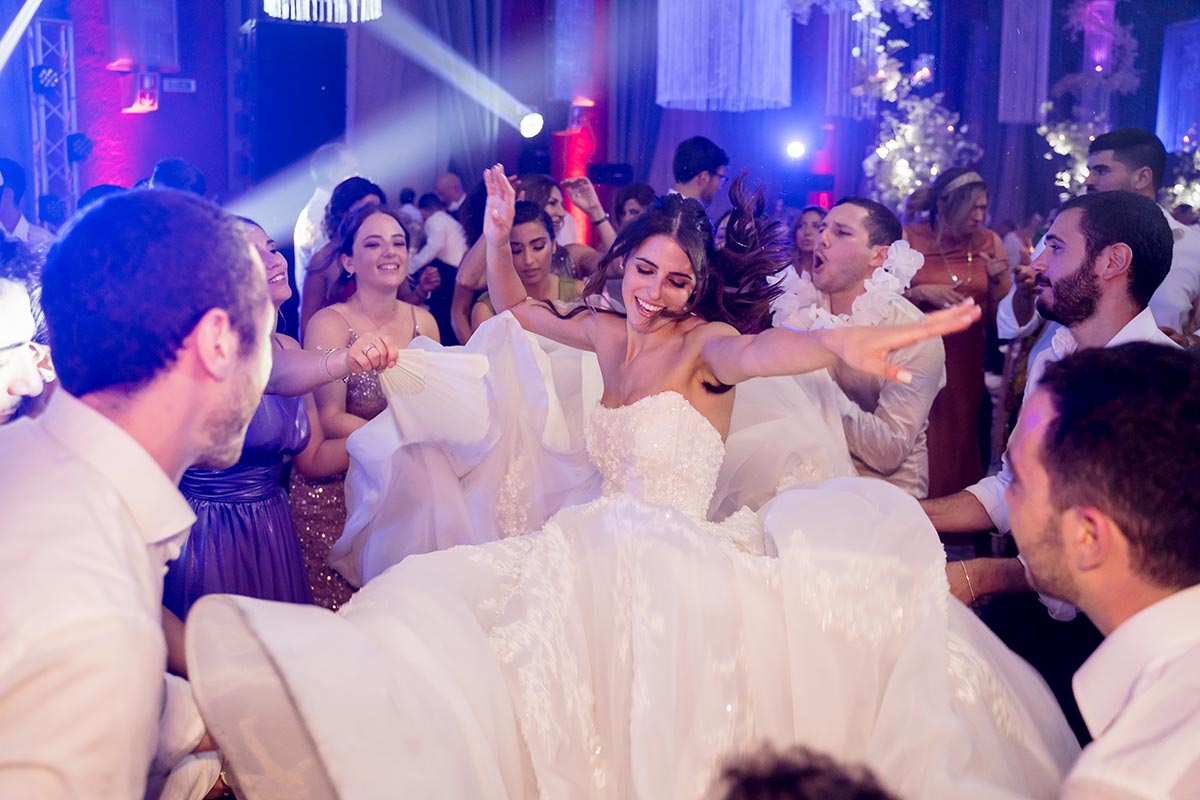

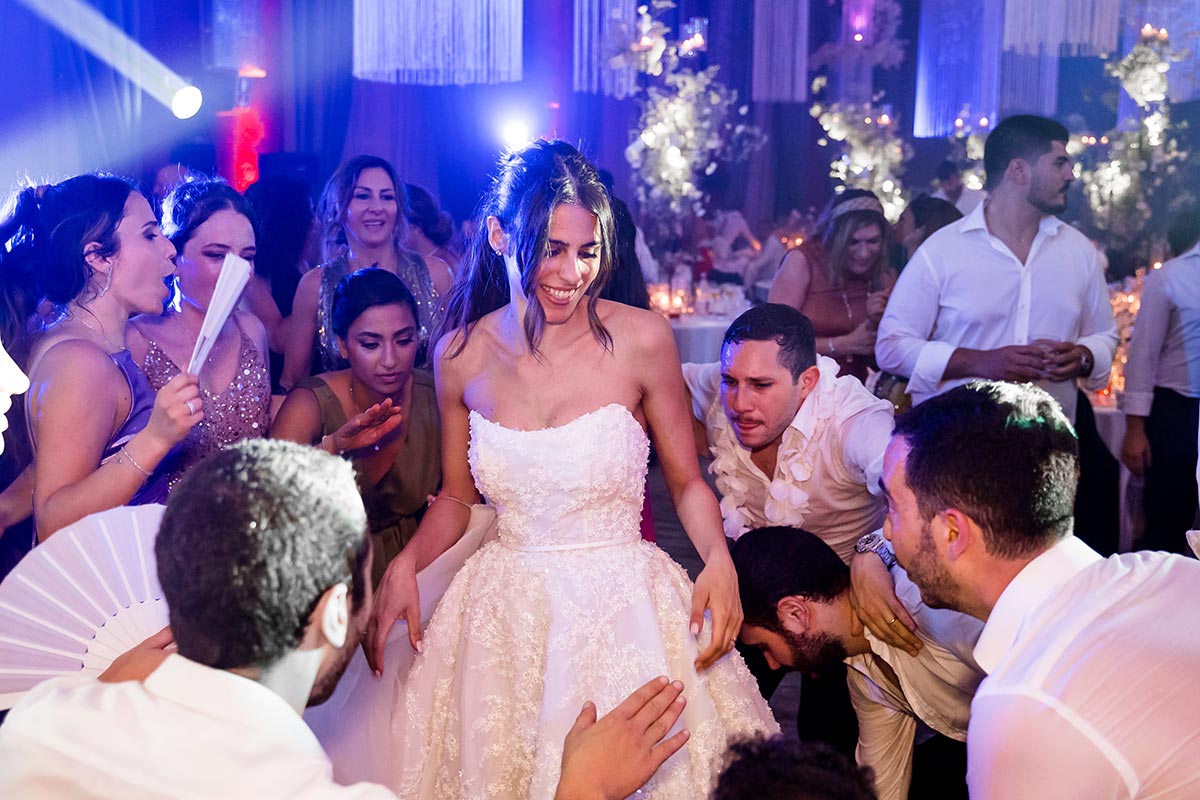
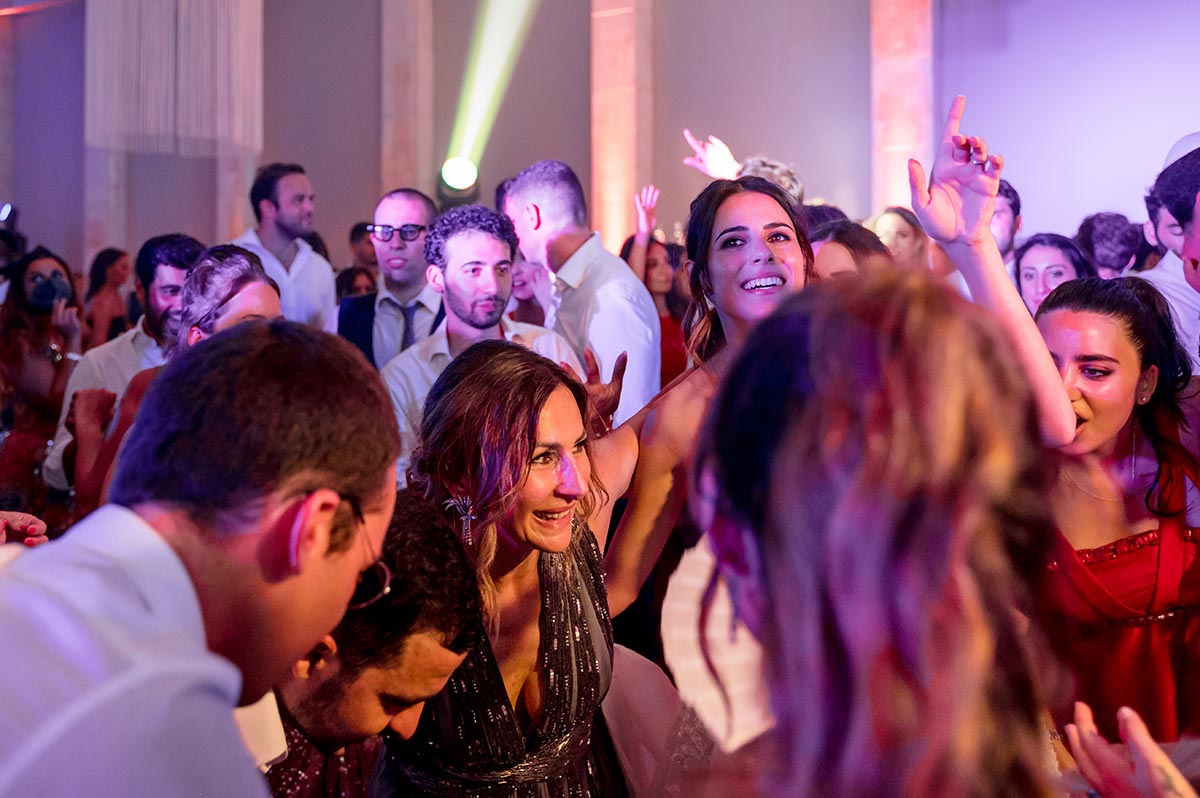
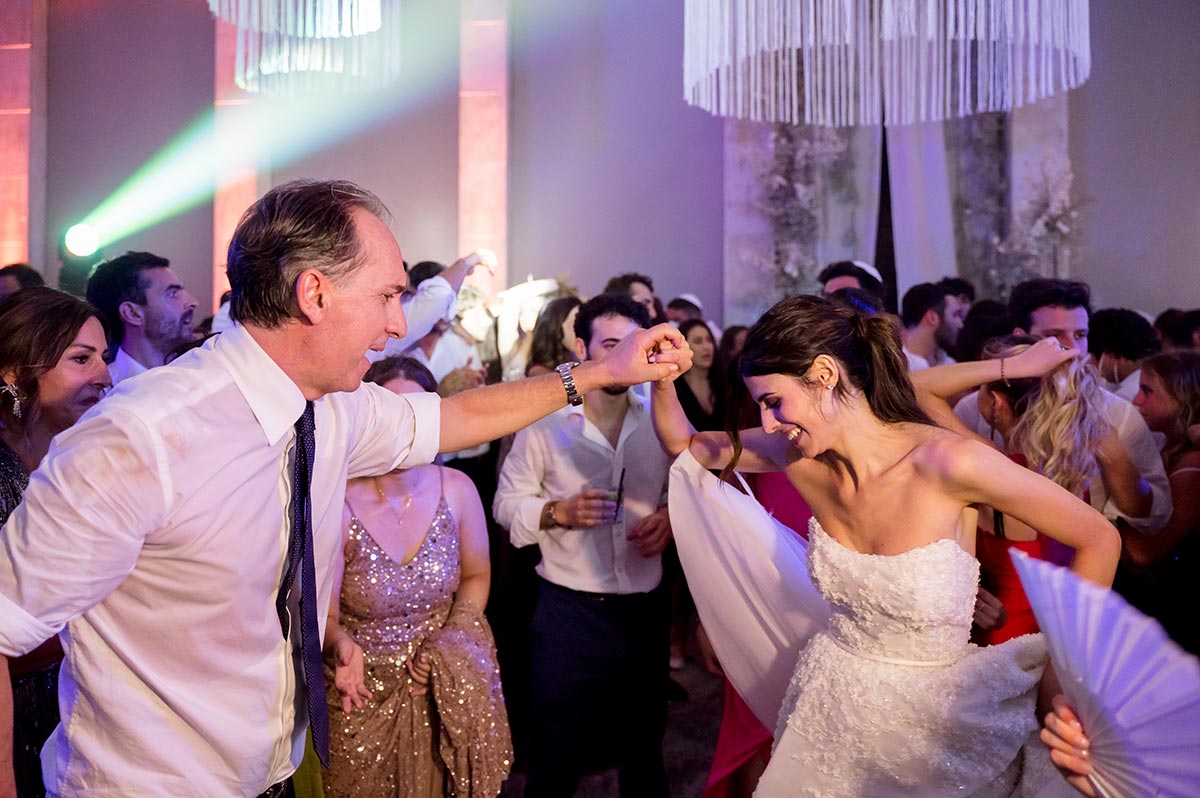



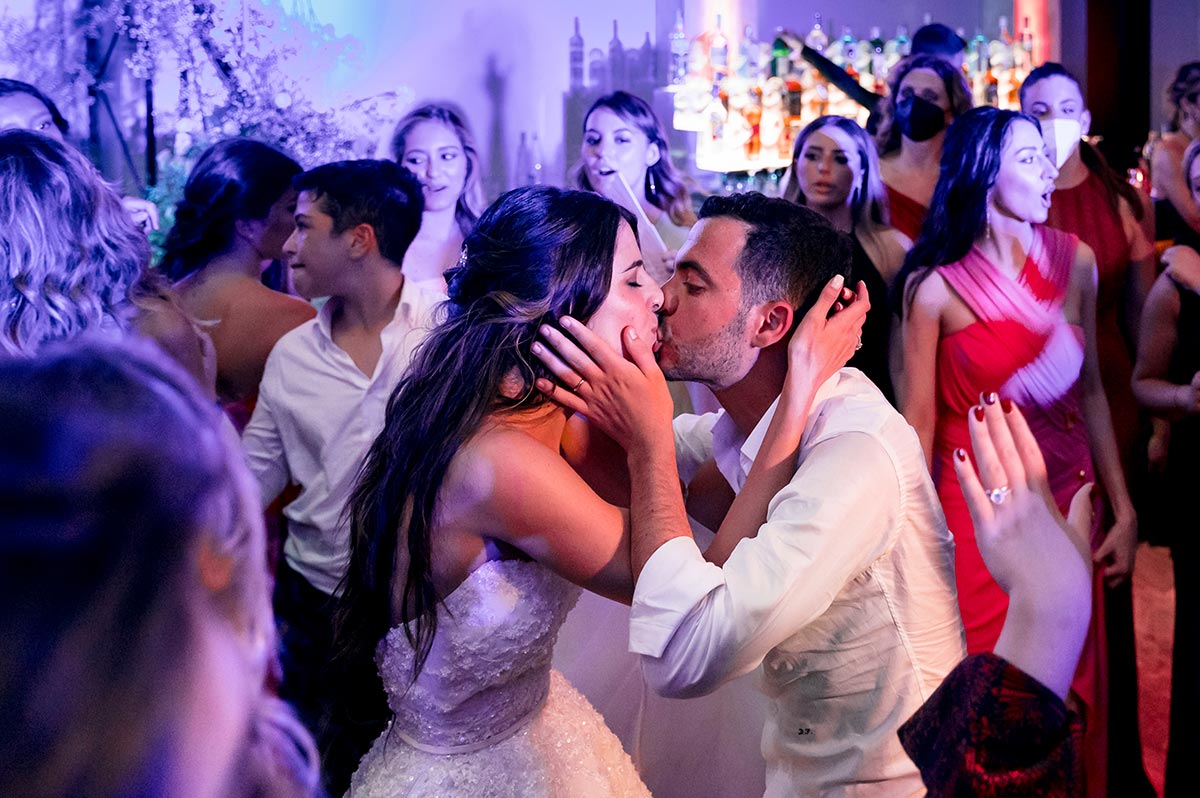
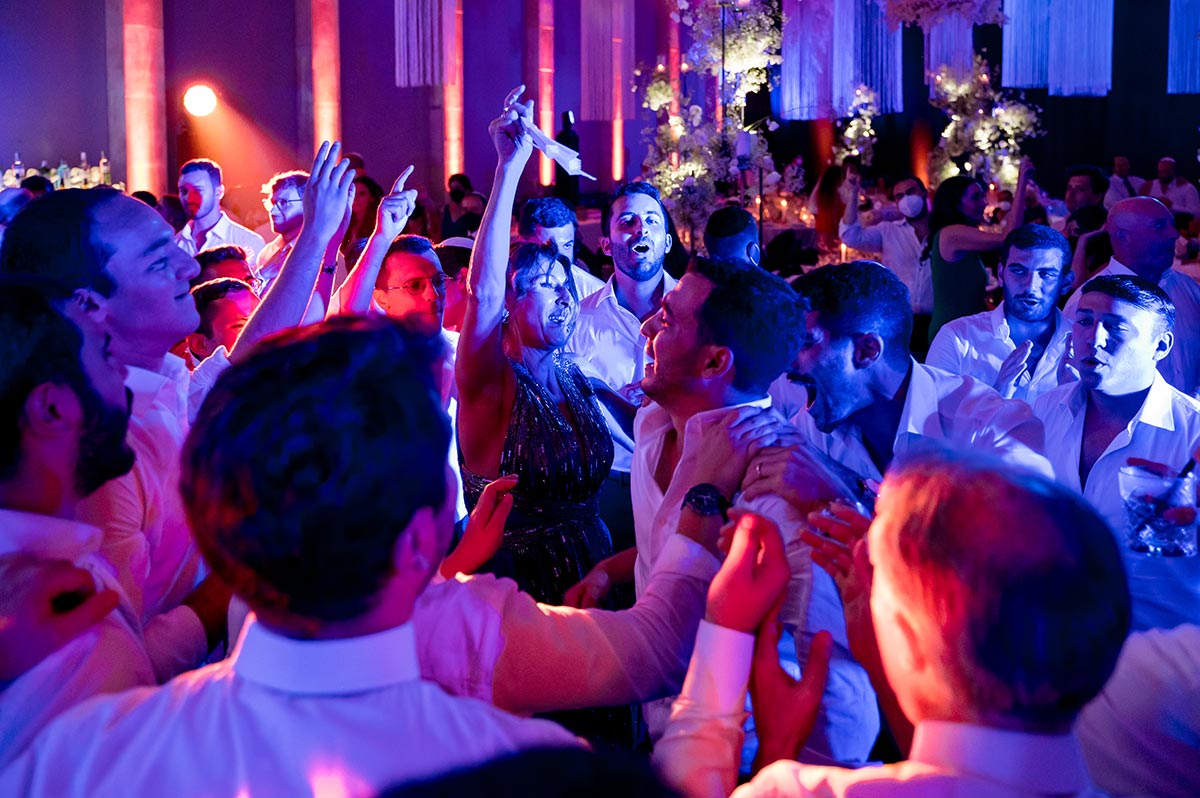
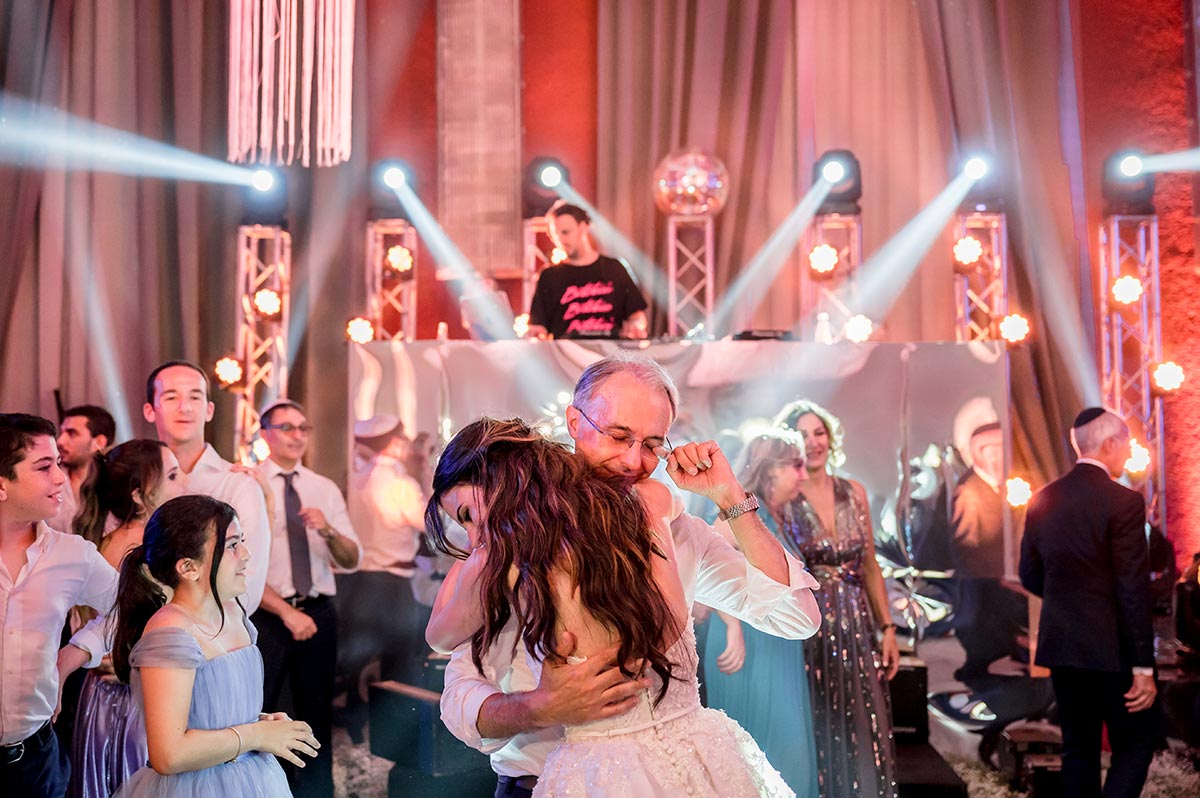
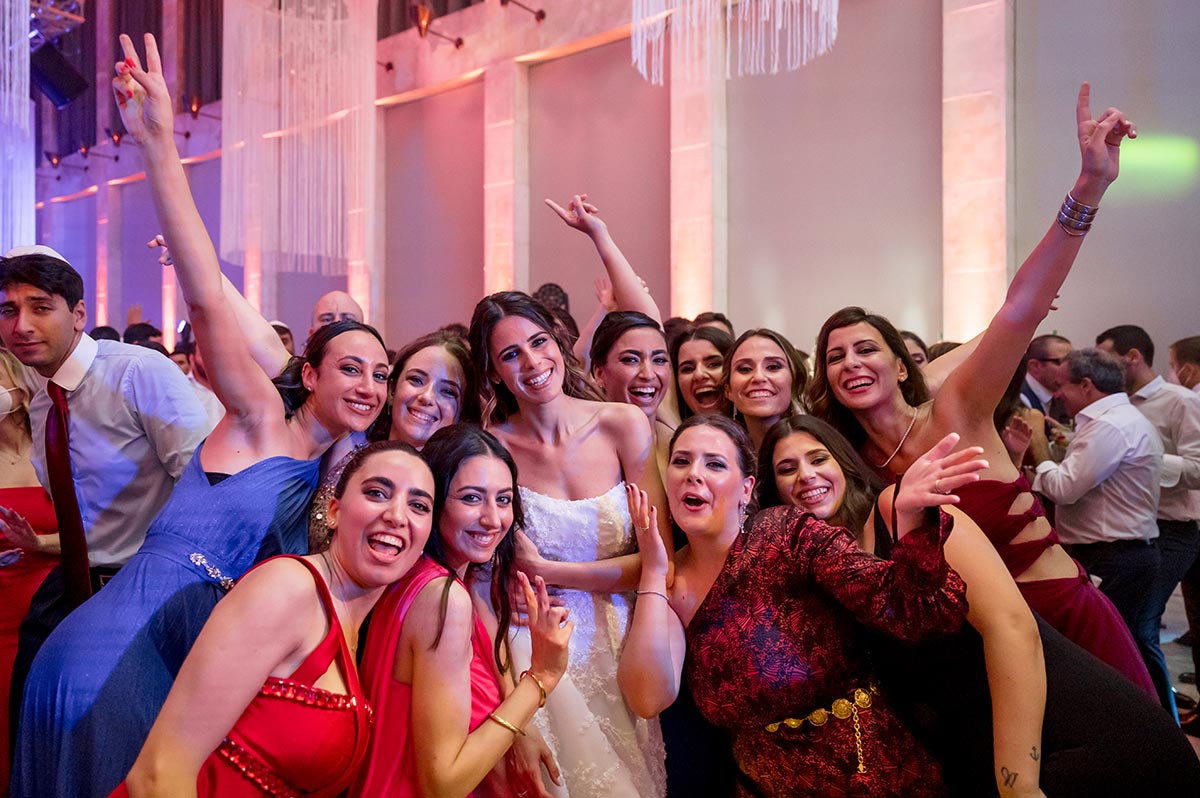

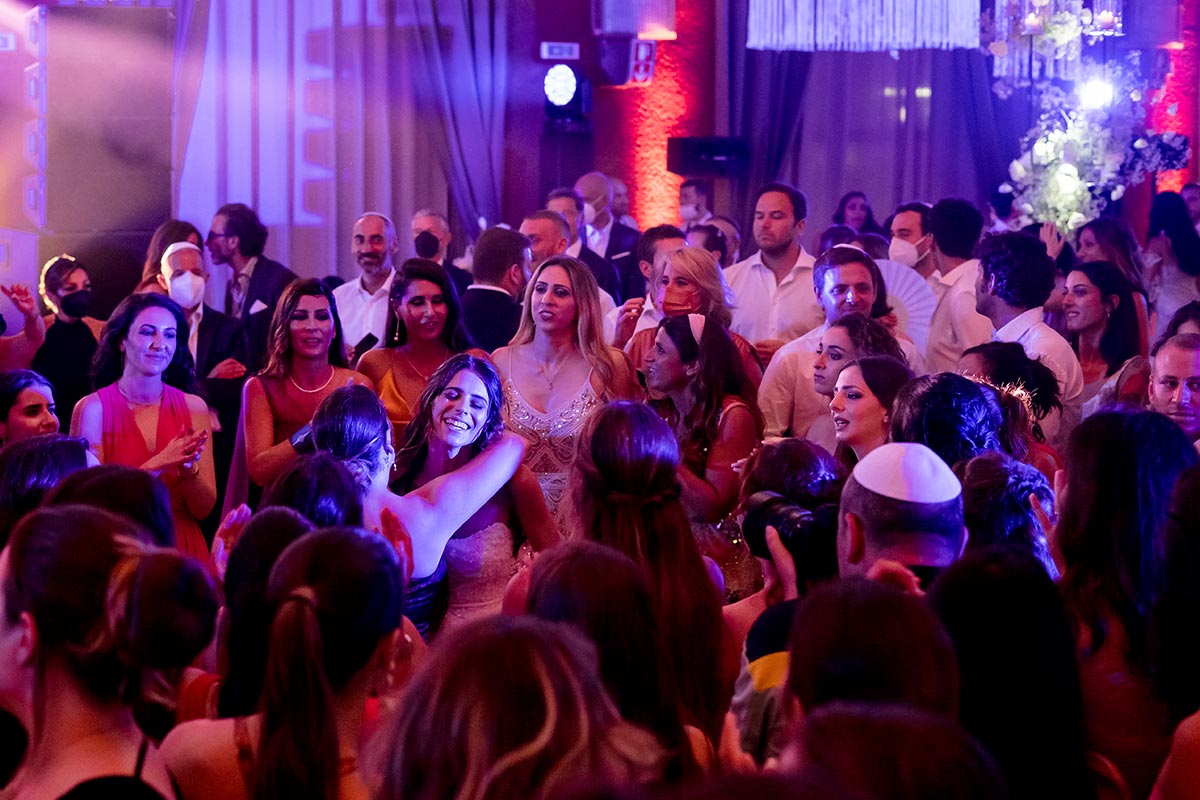
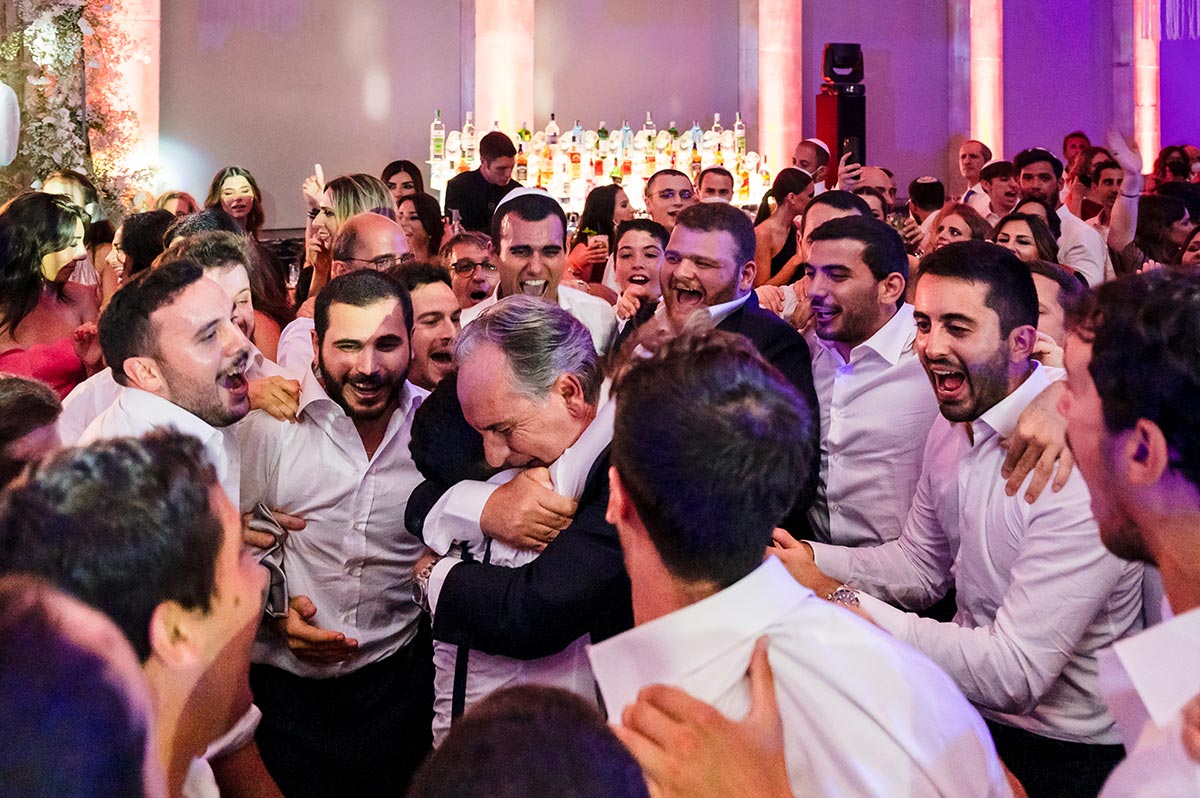
The memories created during this special day will last a lifetime and be cherished forever. As the couple begins their journey together, they can take comfort in the knowledge that they have the support of their community and the blessings of their faith. The Jewish wedding in Rome is not just a celebration of two people coming together but a celebration of vibrant culture and the love and commitment that will guide the couple through their life journey.
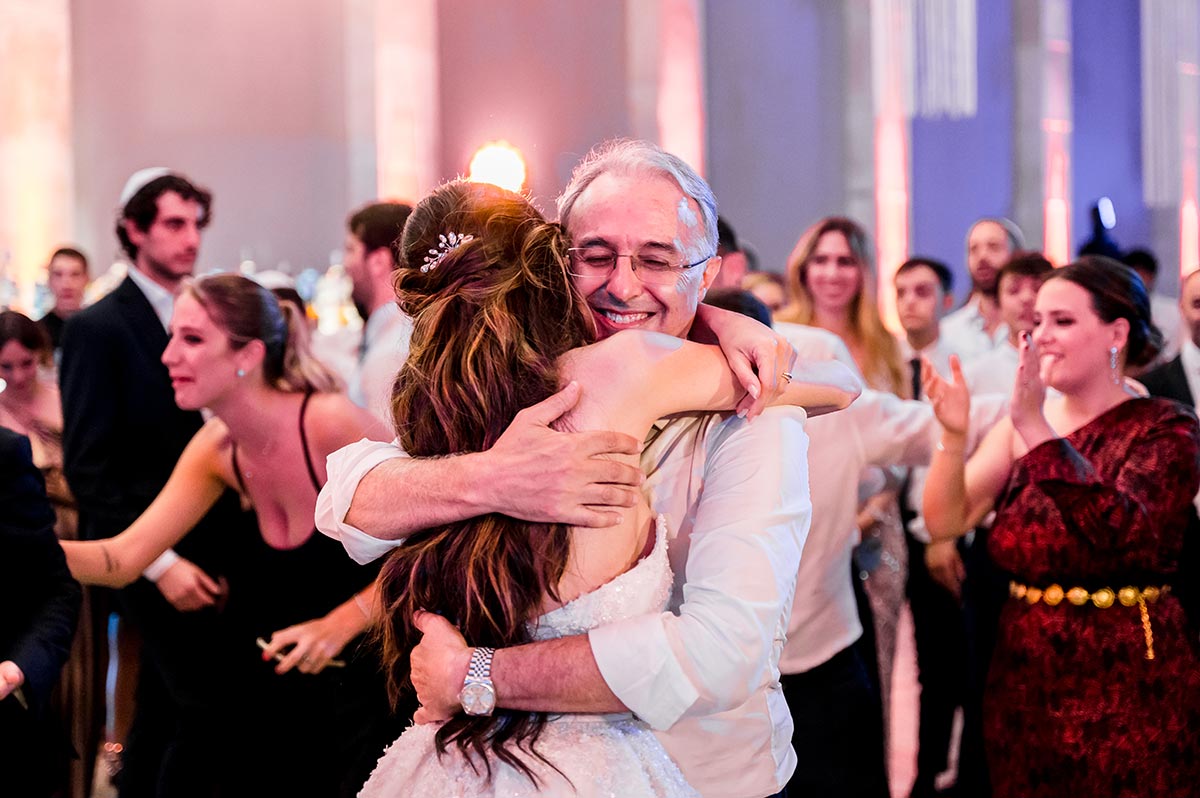
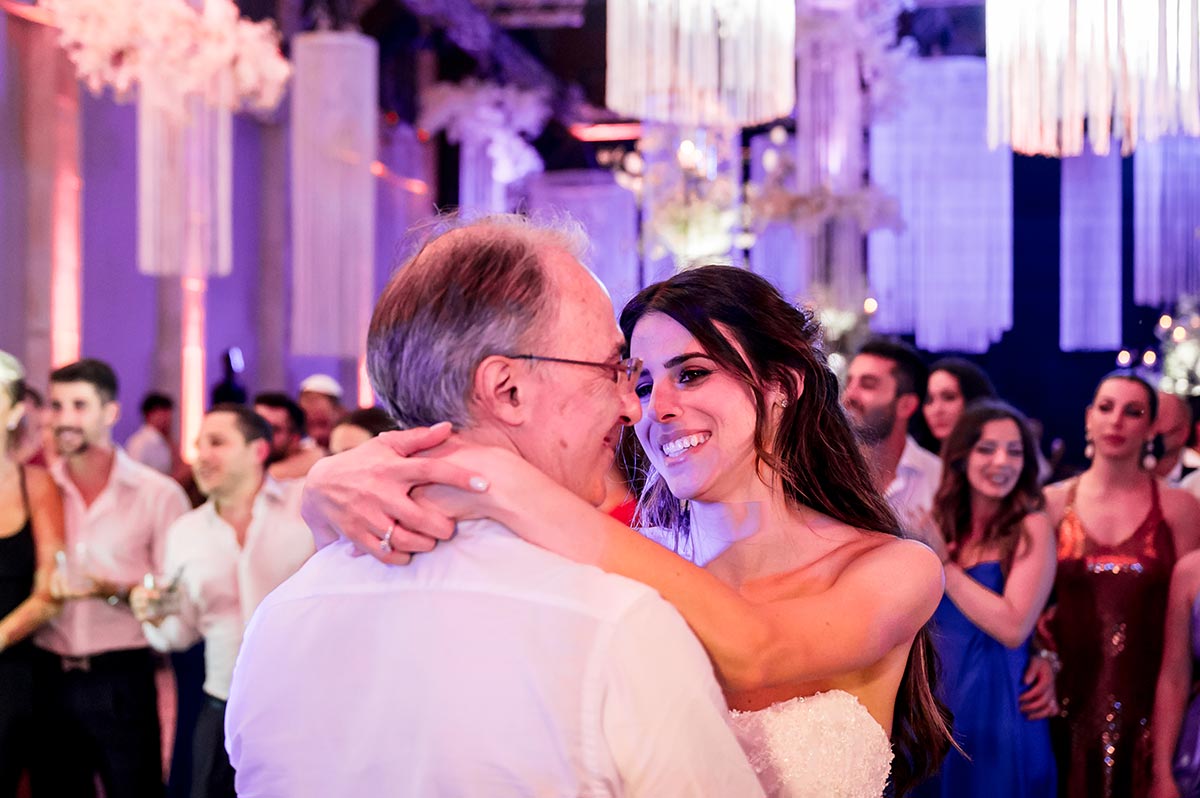


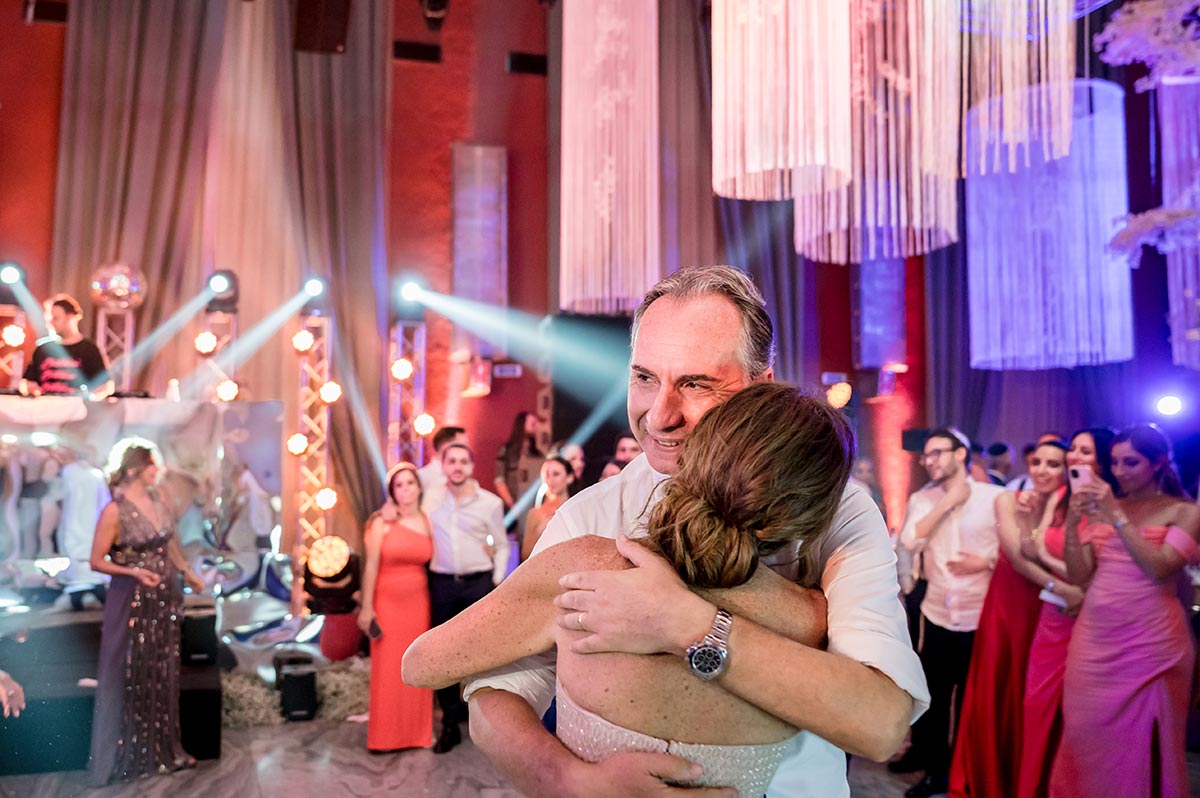
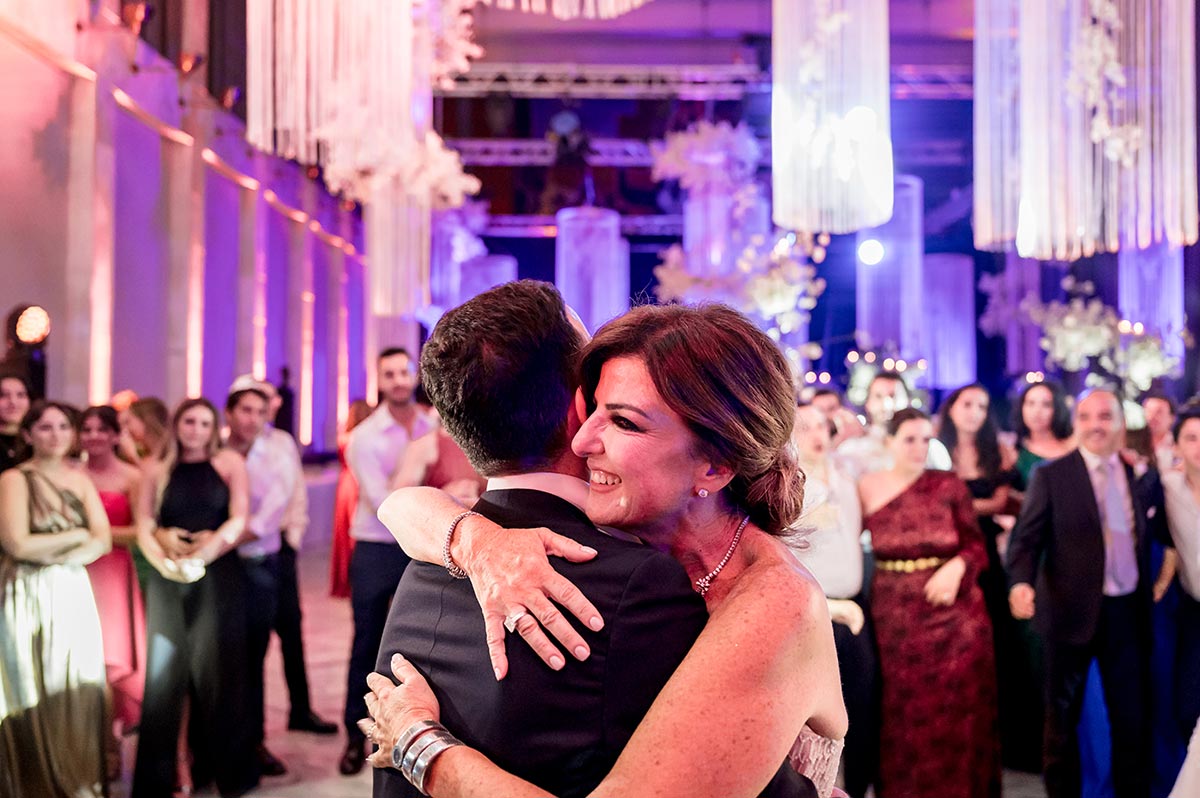
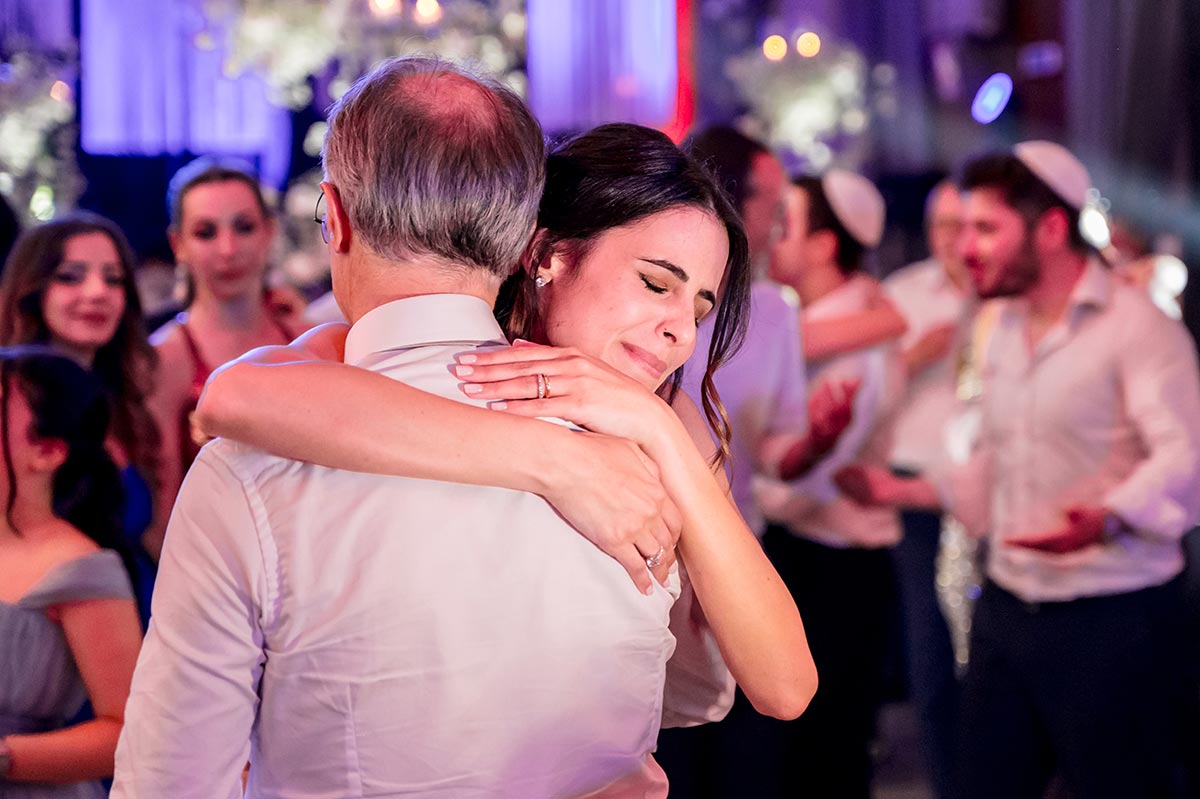
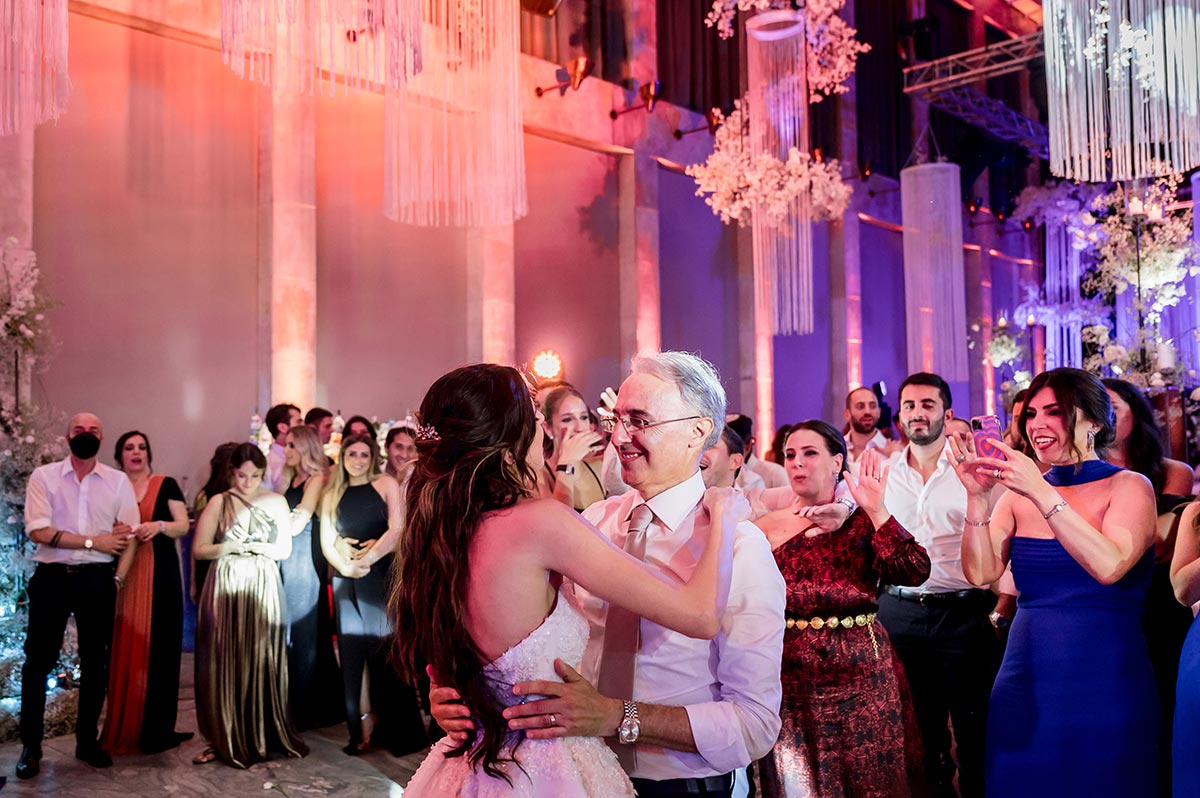
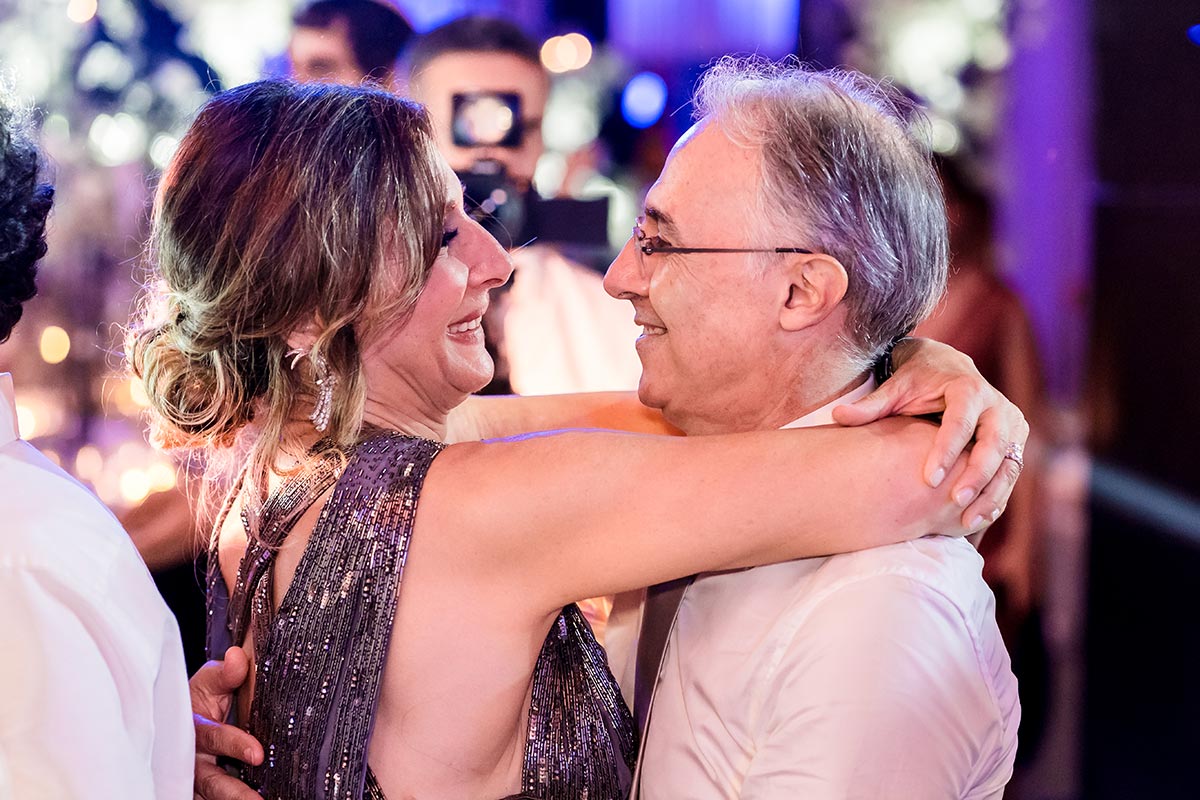

The Jewish wedding in Rome is not just a celebration of two people coming together but a celebration of vibrant culture and the love and commitment that will guide the couple through their life journey.