Catholic wedding in Positano
AMAZINGNESS AND BEAUTY IN AMALFI COAST
Want to marry in the Church but not sure where to begin? We will show you that planning an intimate Catholic wedding in Positano is easy can be.
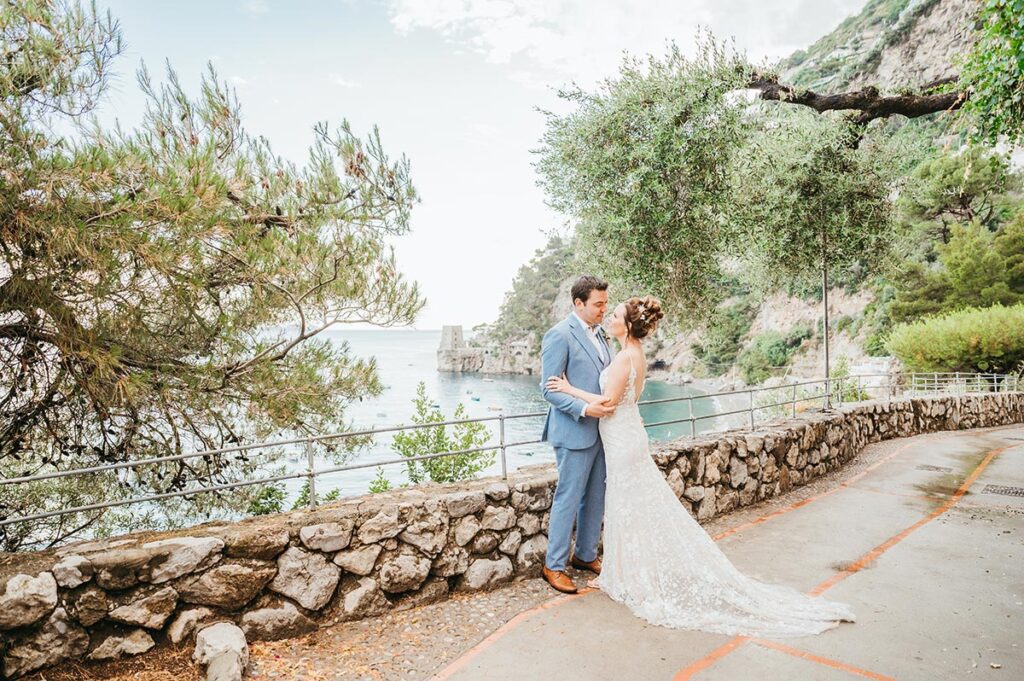
Our team is ready to frame the beginning of your journey.
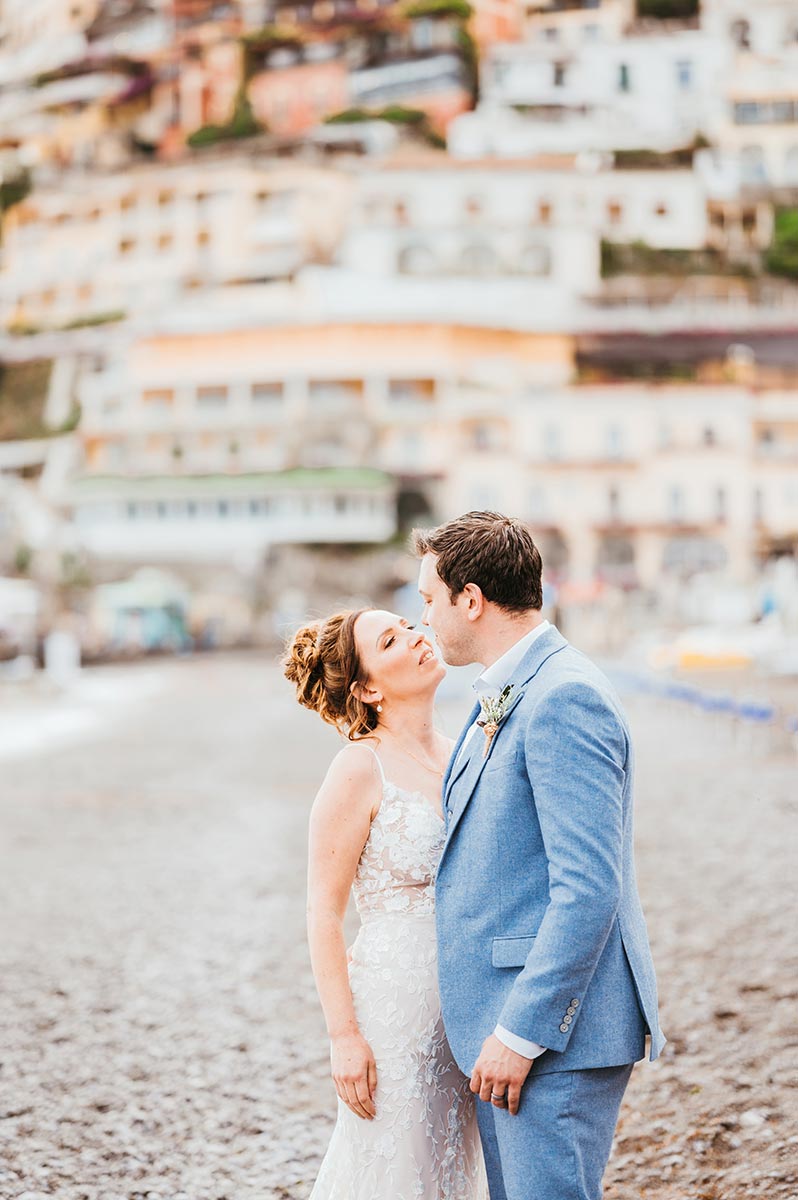
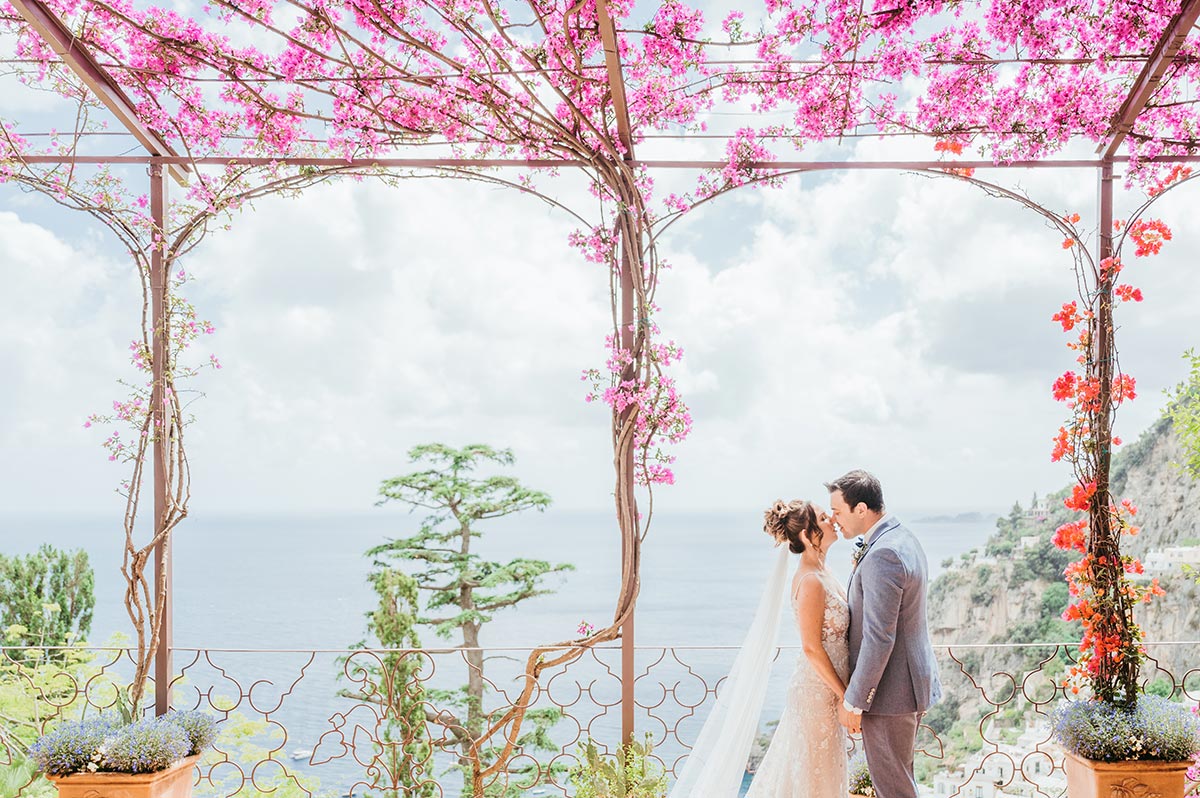
Are you dreaming of a romantic and intimate Catholic wedding in the stunning coastal town of Positano? Stop with us! We understand that planning a wedding can be overwhelming, but with our help, you can create an extraordinary and meaningful celebration of love and faith.
Positano is the perfect setting for a romantic wedding with its breathtaking views, charming streets, and delicious local cuisine. In addition, the town is rich in history and culture, which you can incorporate into your special day. From selecting the perfect location to incorporating traditional elements, we will guide you every step of the way.

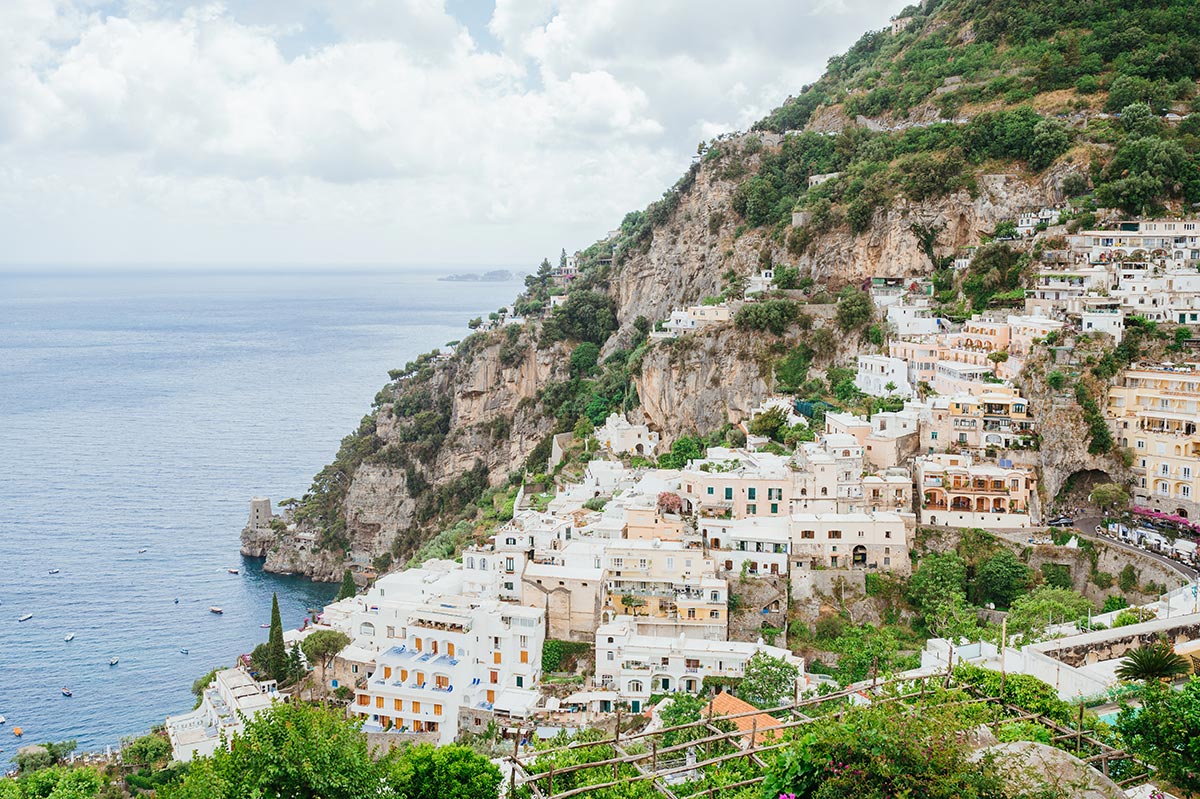
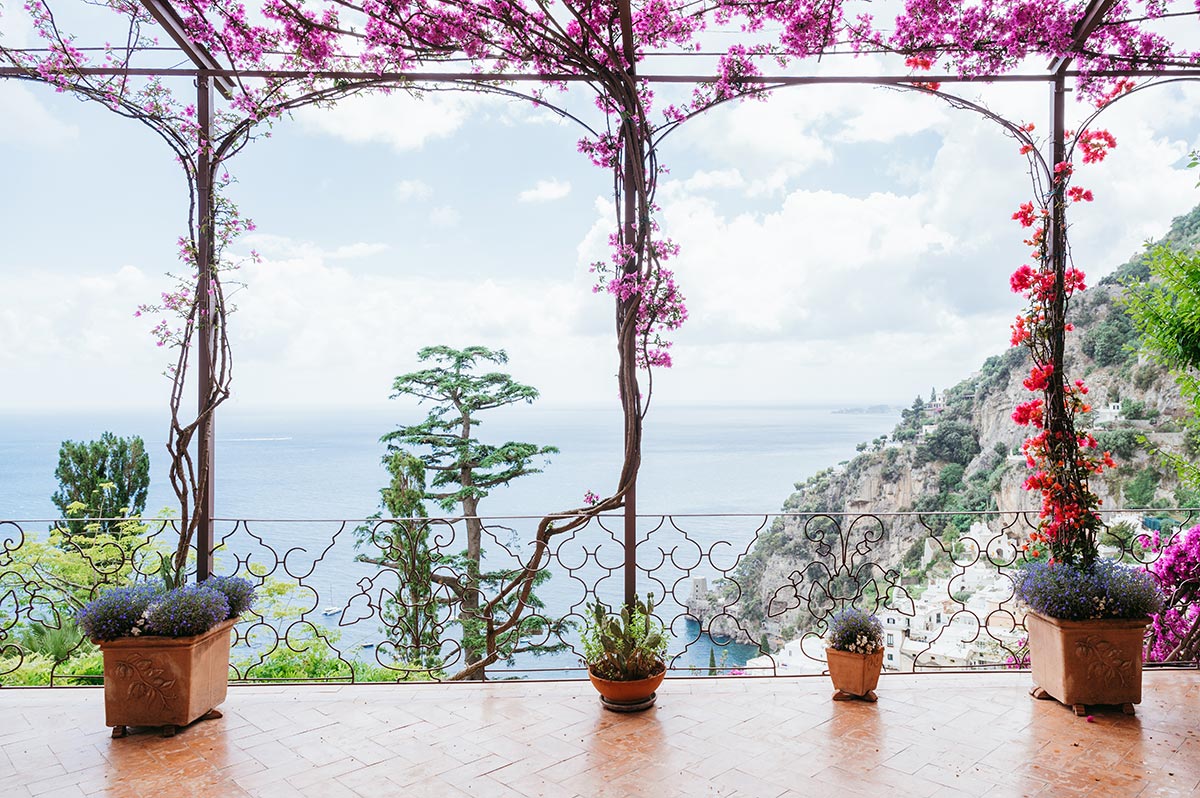
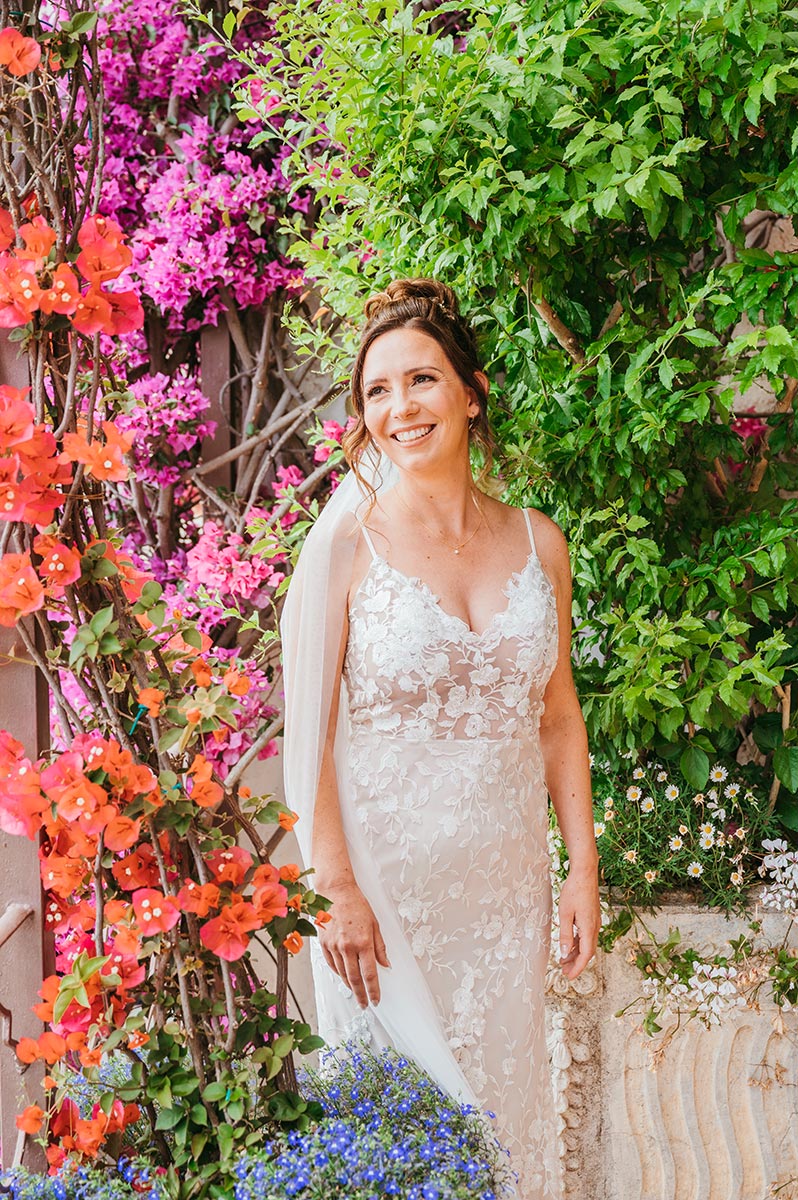
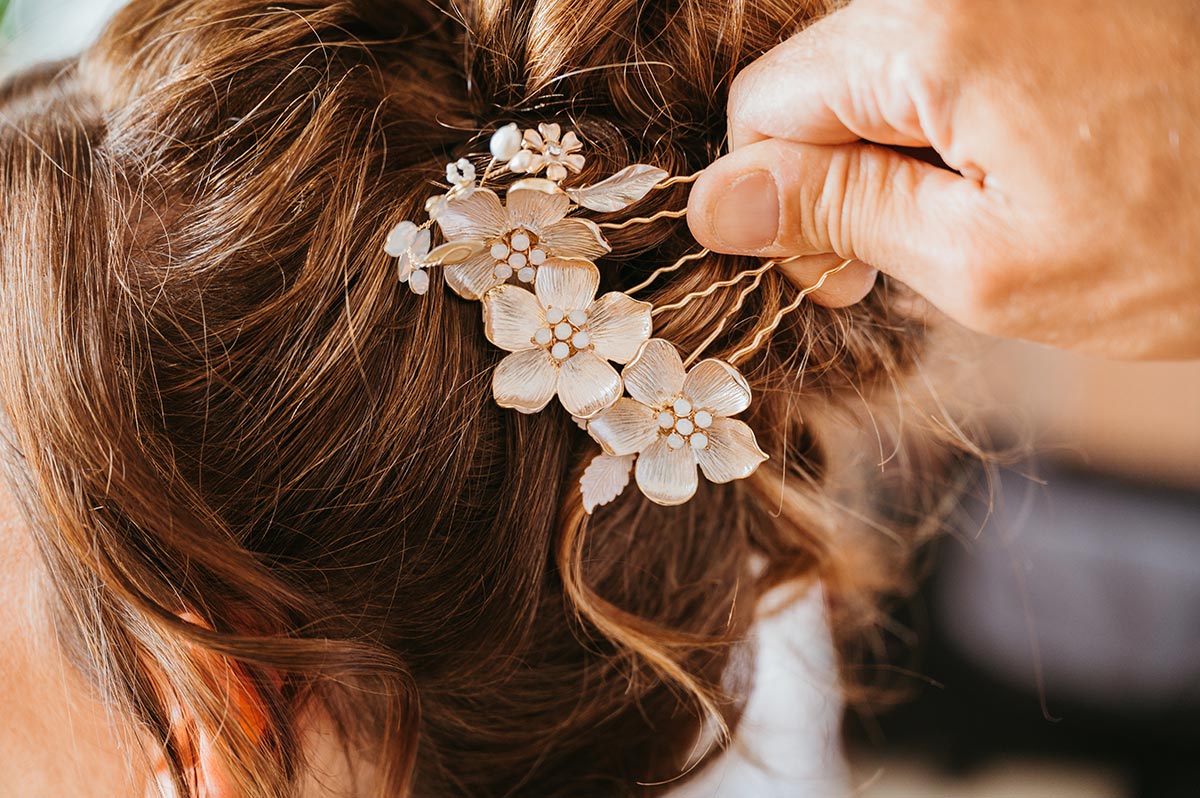
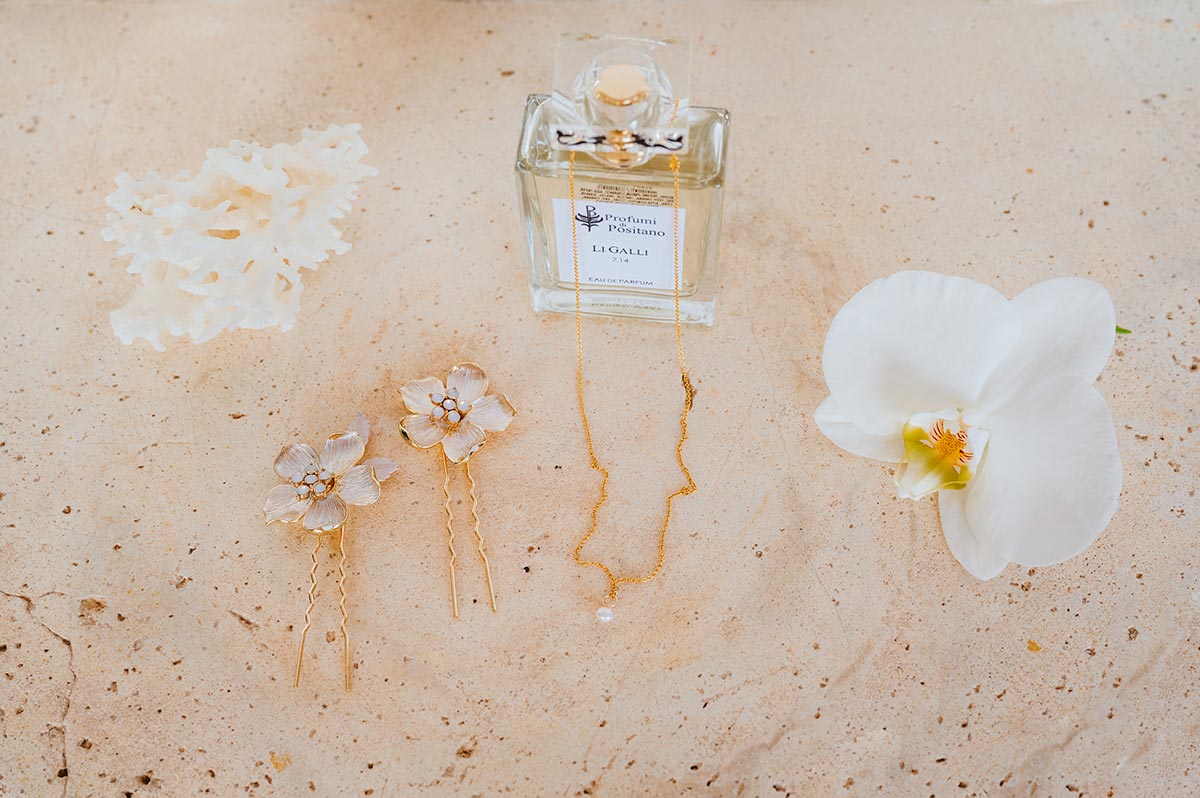

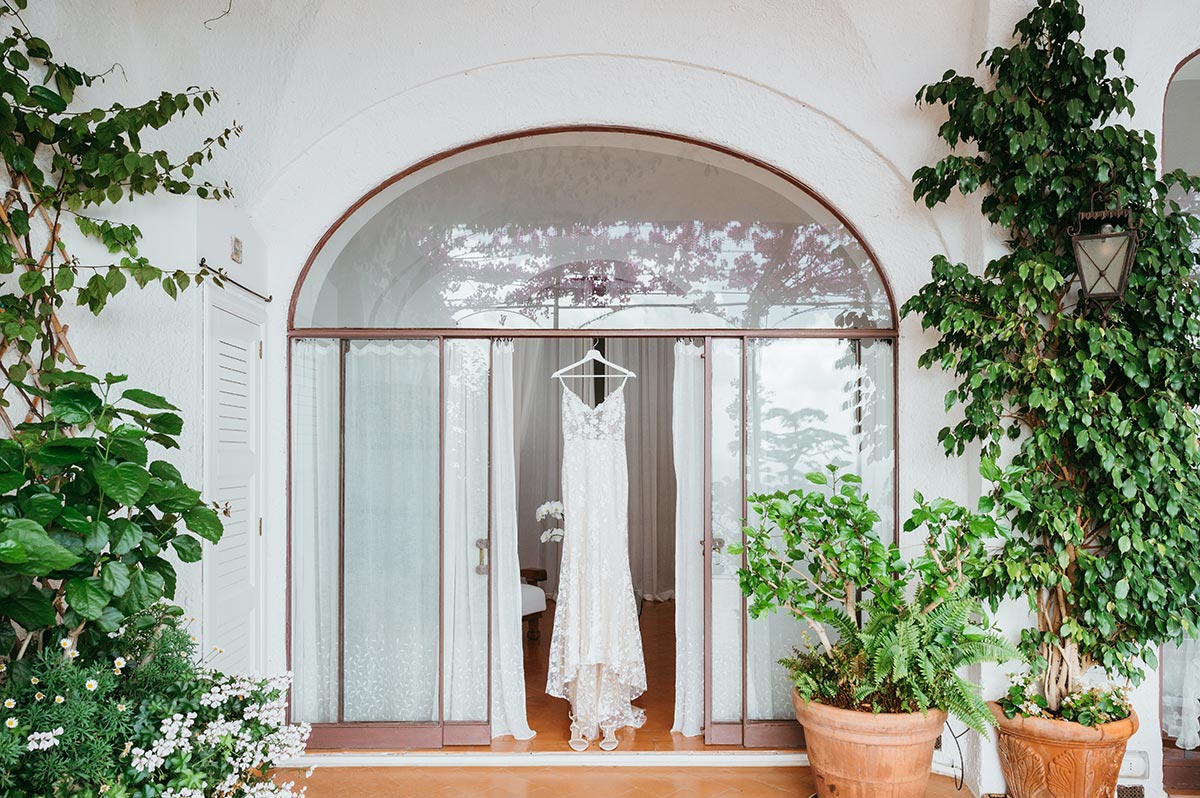
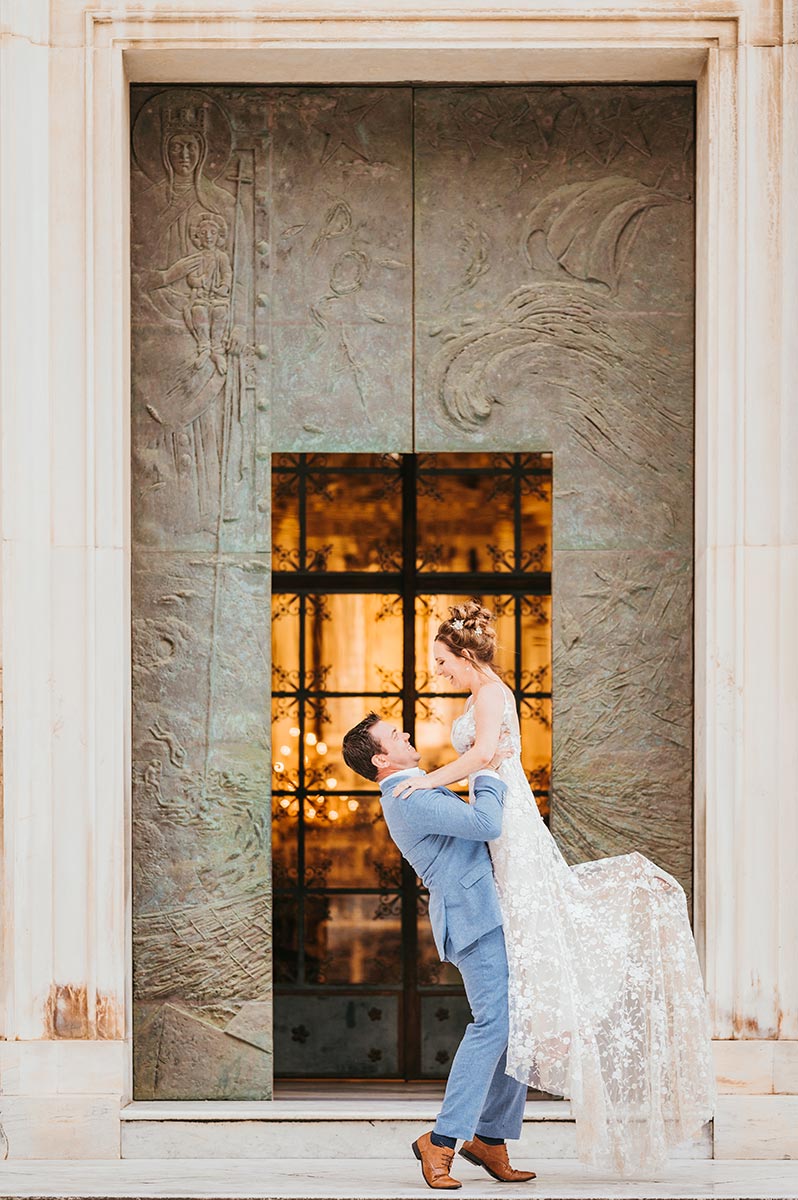
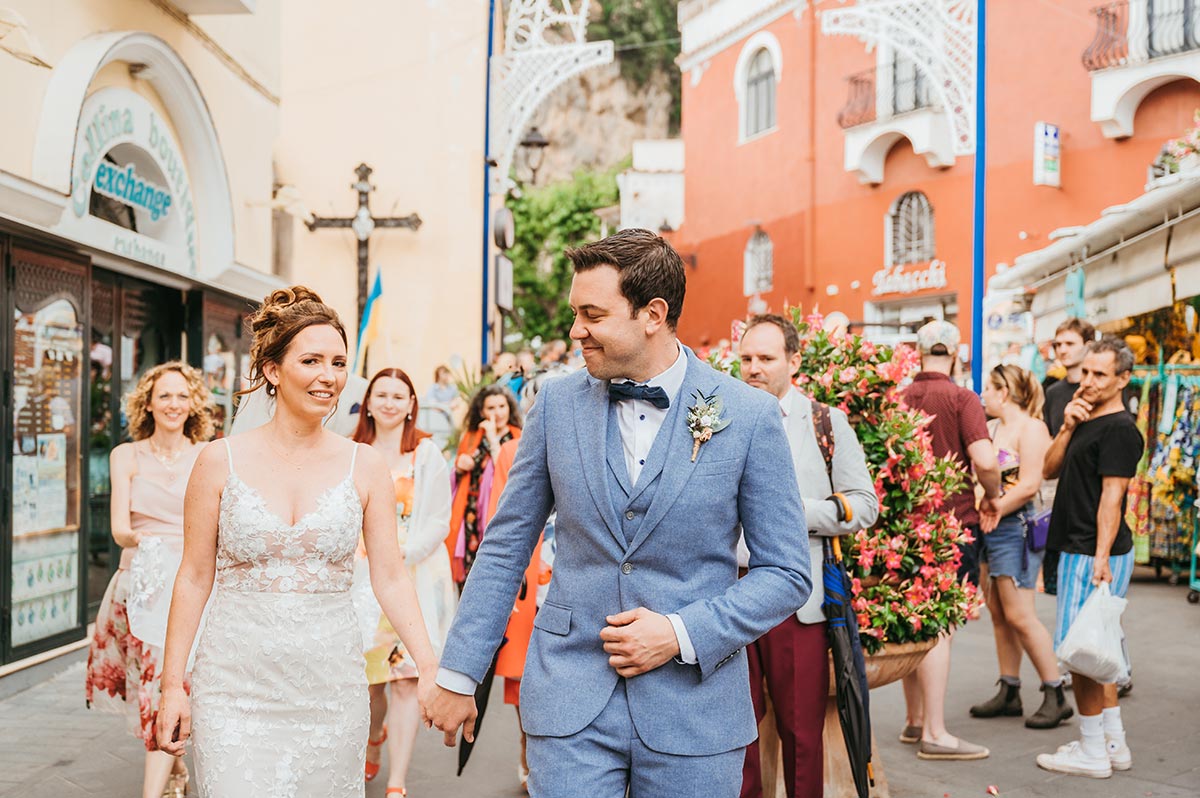
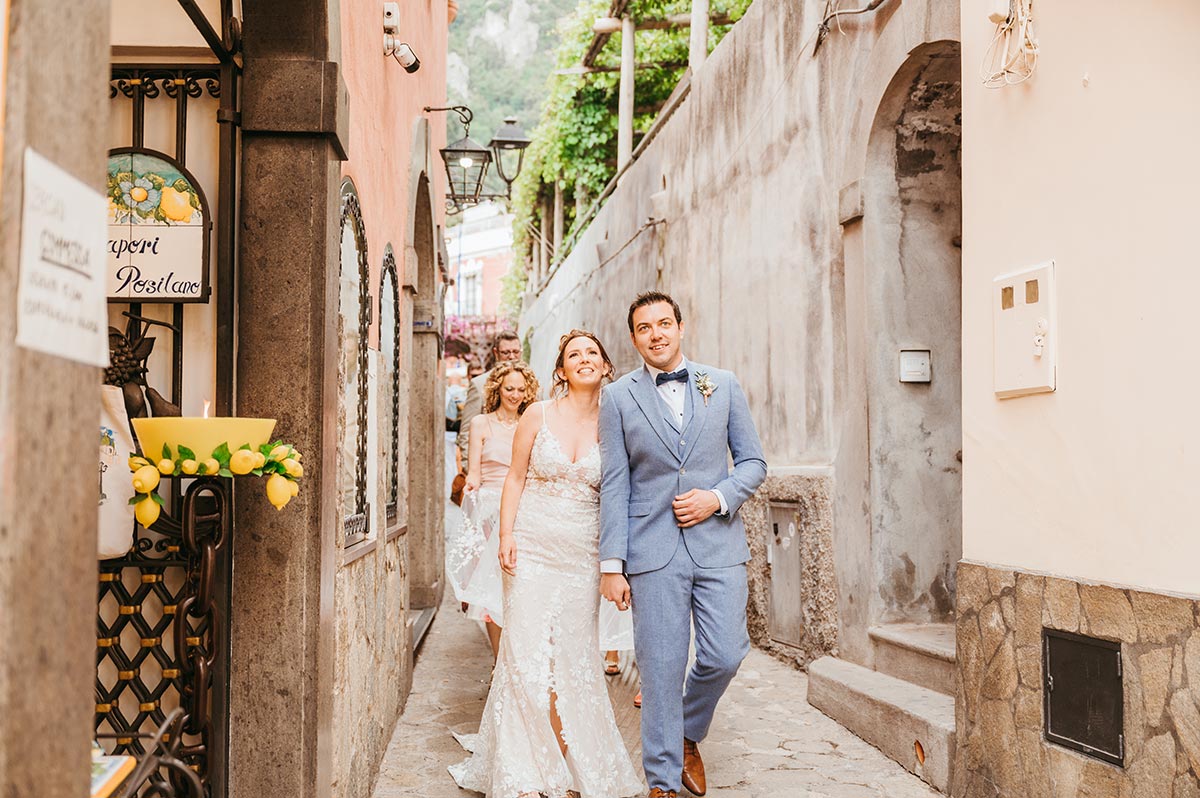
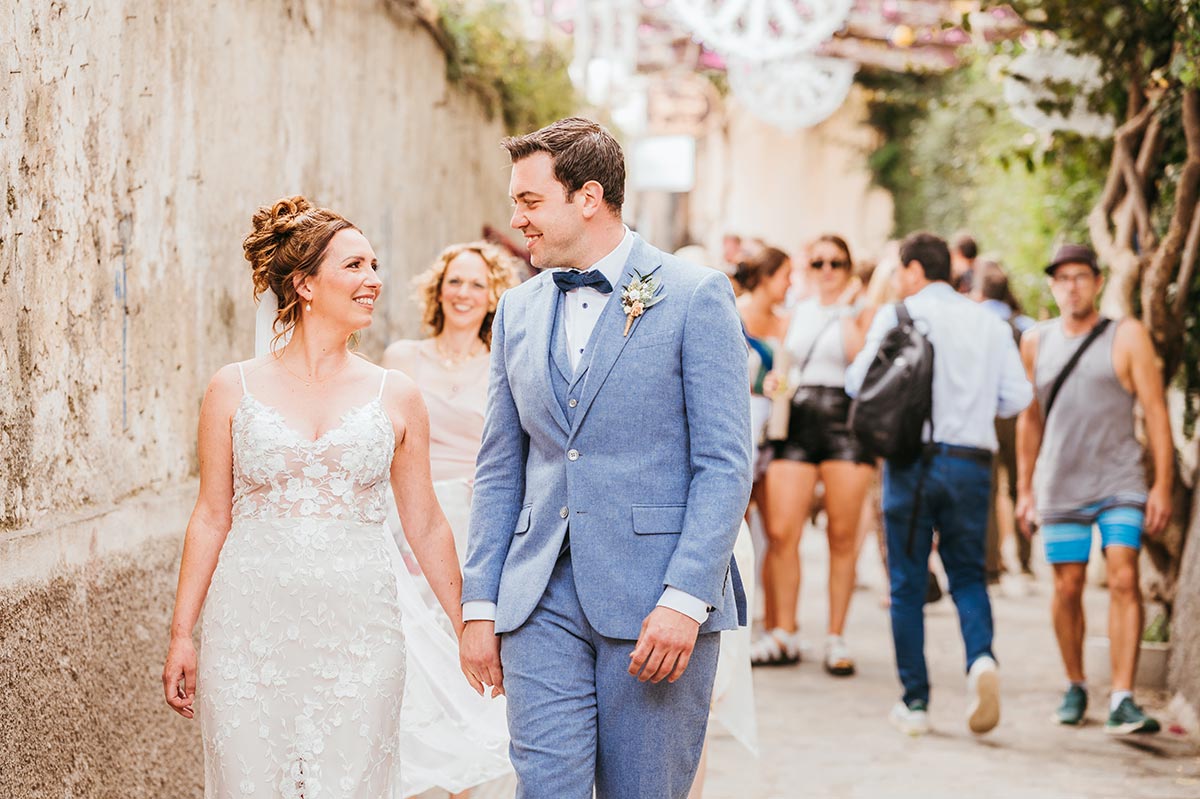
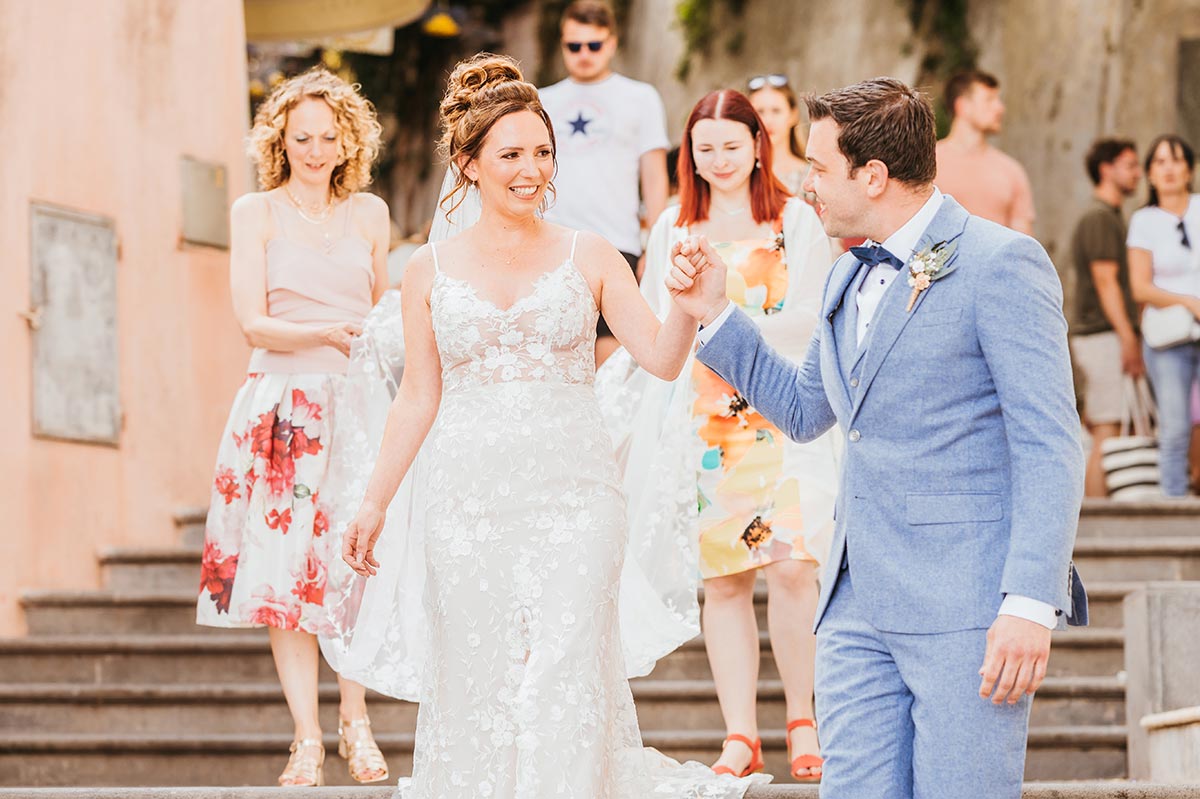
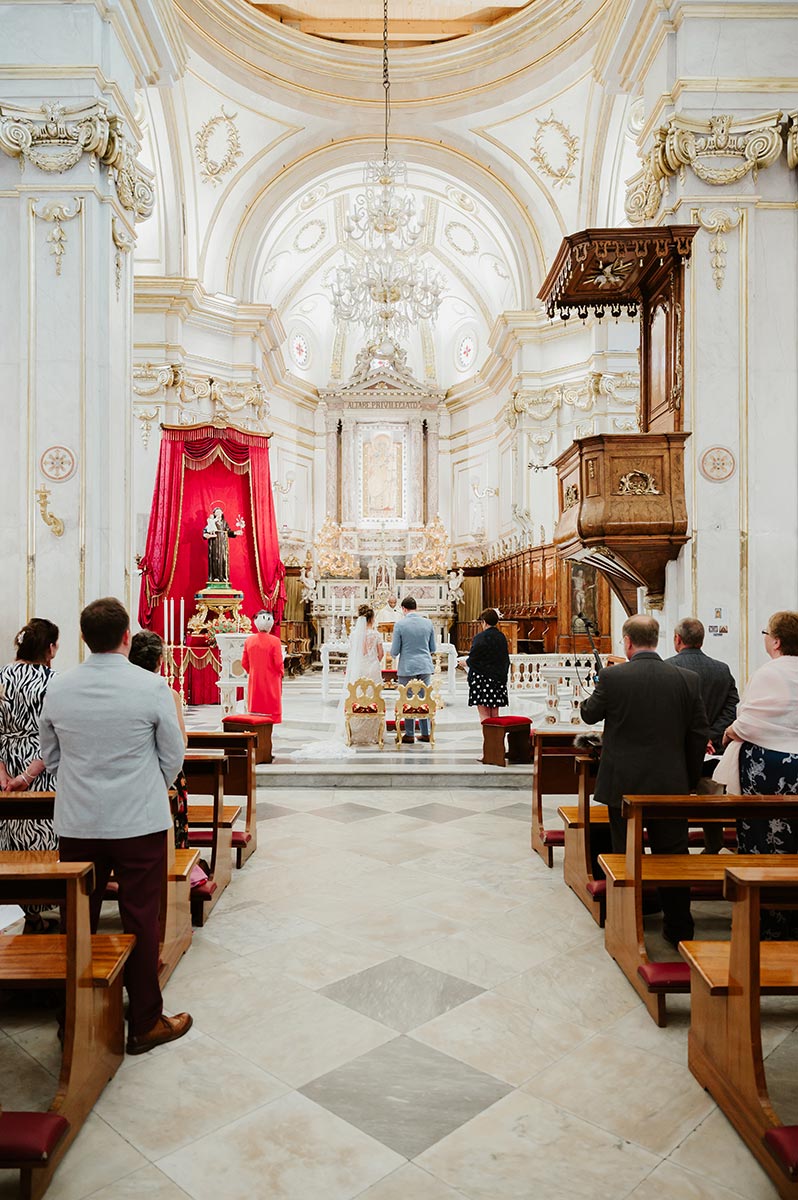
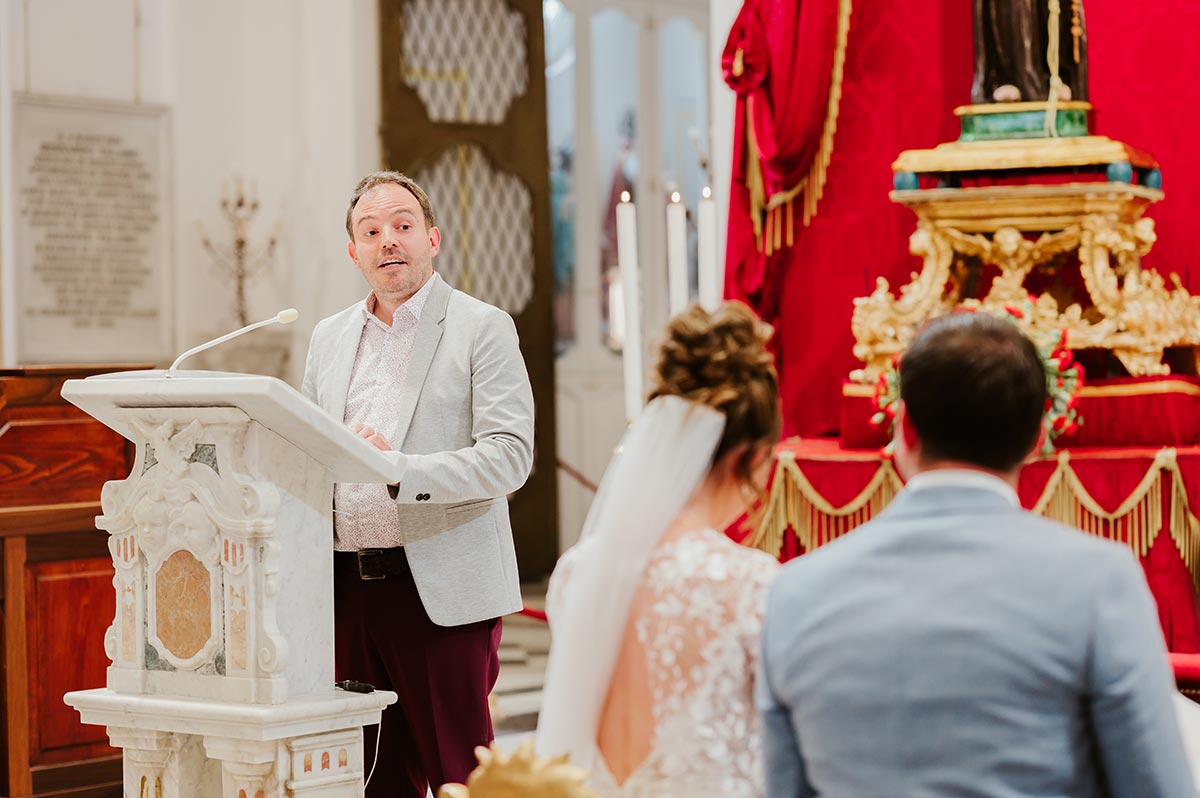
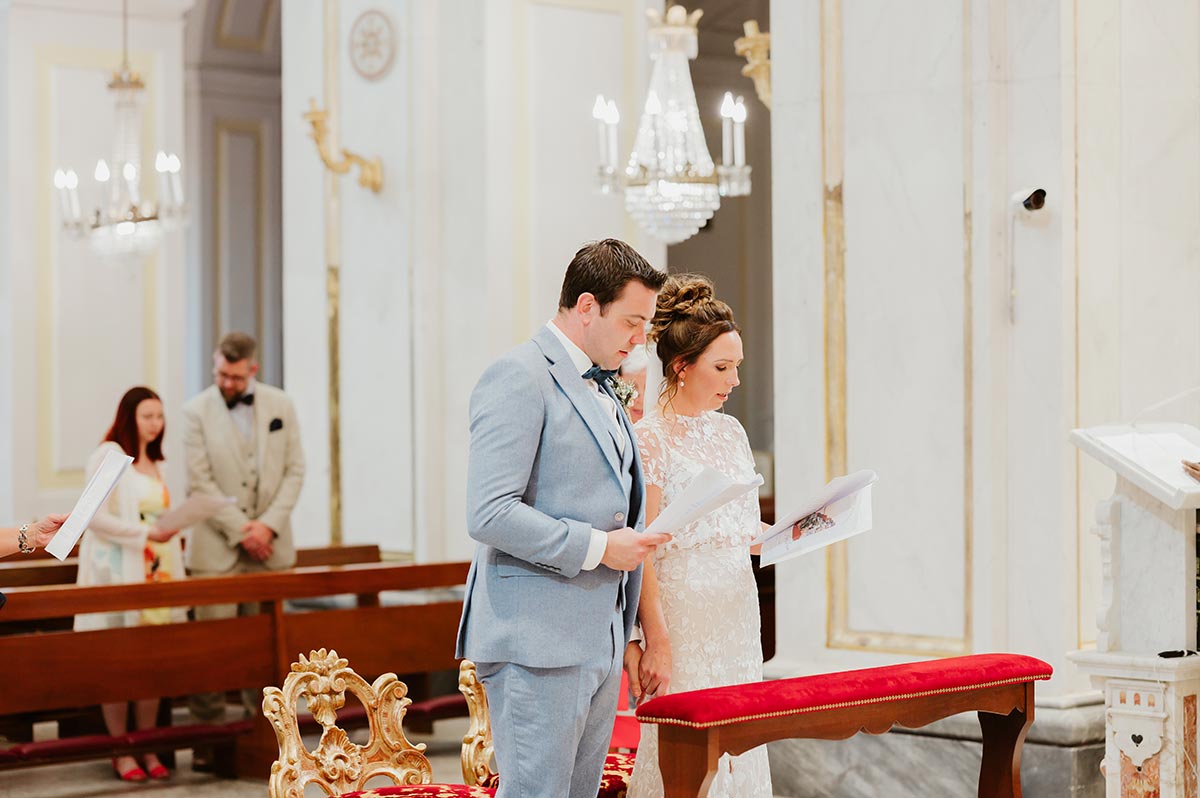
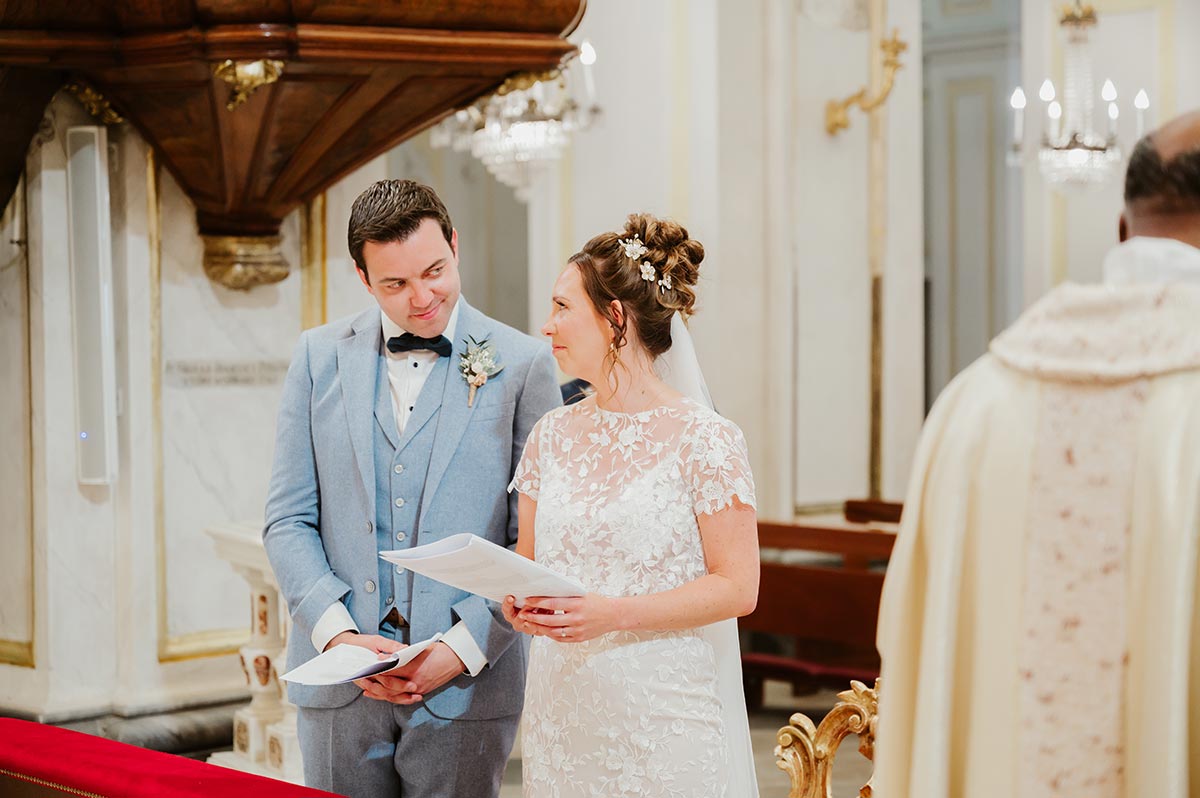
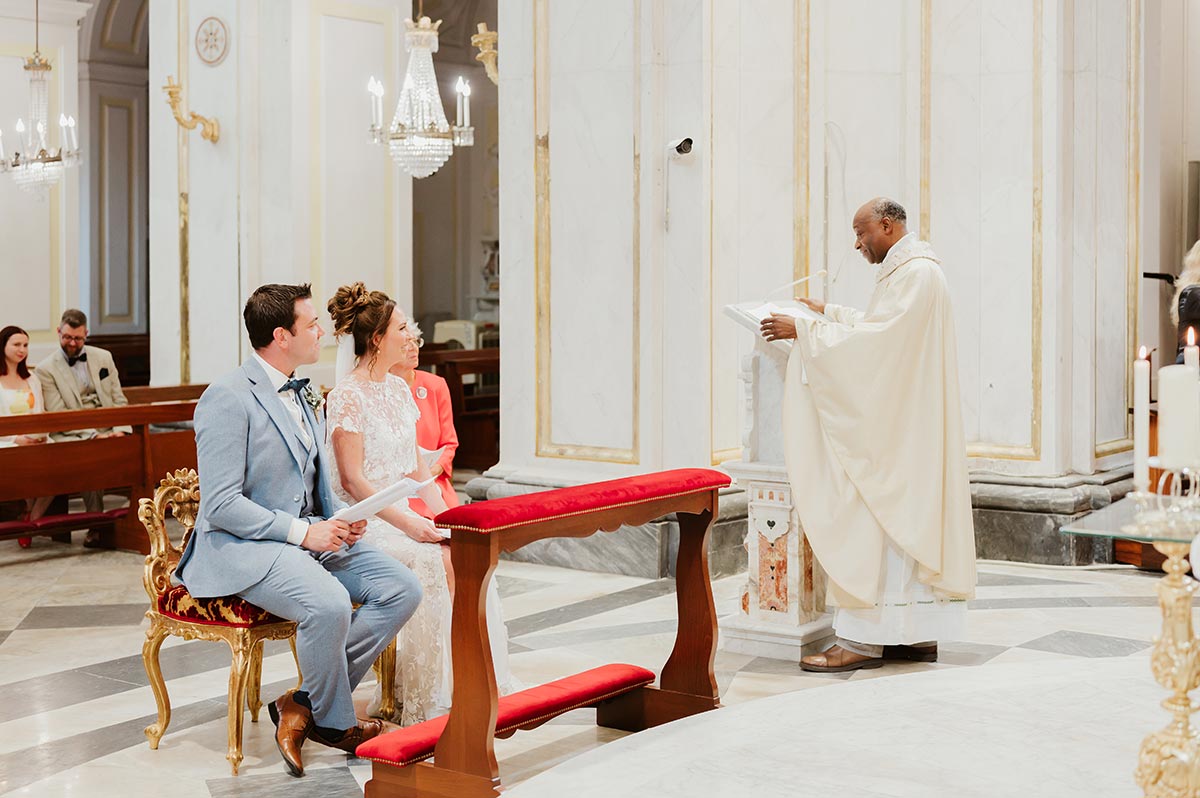
Imagine exchanging your vows in front of a beautiful Catholic church, surrounded by the people you love, with the Mediterranean Sea as your backdrop. After the ceremony, you and your guests can walk through the charming streets of Positano, taking in the sights and sounds of this lovely town, before sitting down to a delicious local meal.
So, let us help you plan an intimate Catholic wedding in Positano that you and your guests will never forget. With our help, you can focus on what matters most – celebrating your love and commitment to one another in one of the most beautiful towns in the world.”
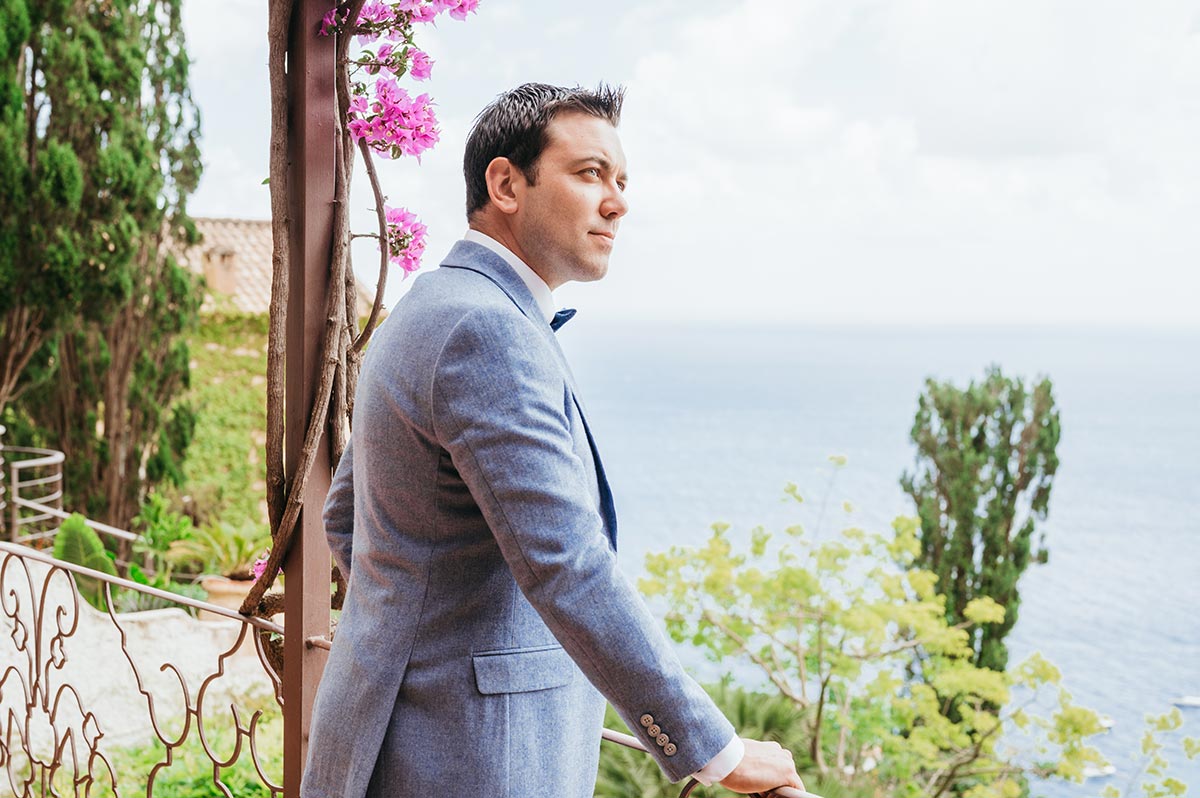


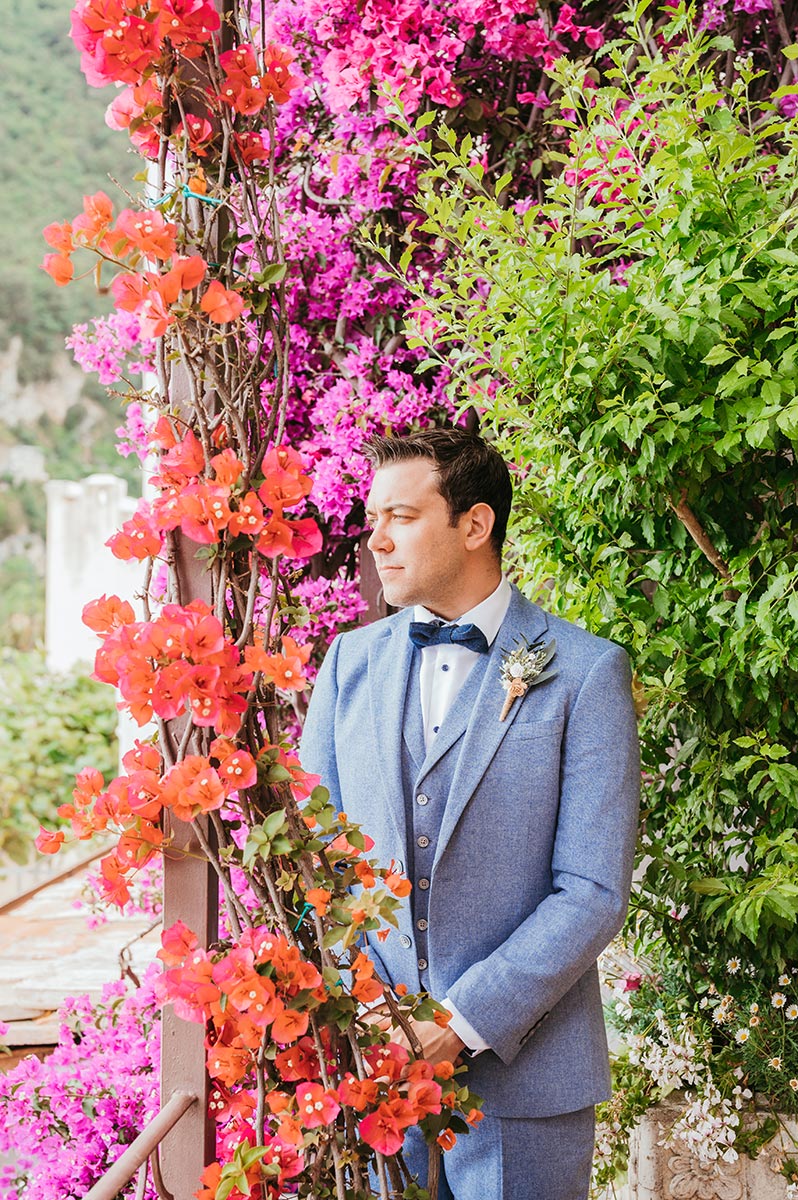
Hidden gems in Positano for a private Catholic ceremony
If your wedding is catholic but still intimate, you might look for a lovely “nest” in the town or the immediate surroundings. Since the Church is just close to the marina, in the heart of the tourist mess of this town, you should look at some place closer to avoid getting stuck in the traffic.
Finding a hidden and lovely bed and breakfast in Positano for a private Catholic ceremony can be challenging. Still, with some research and planning, you can find the perfect location for your special day. Here are some tips to help you in your search:
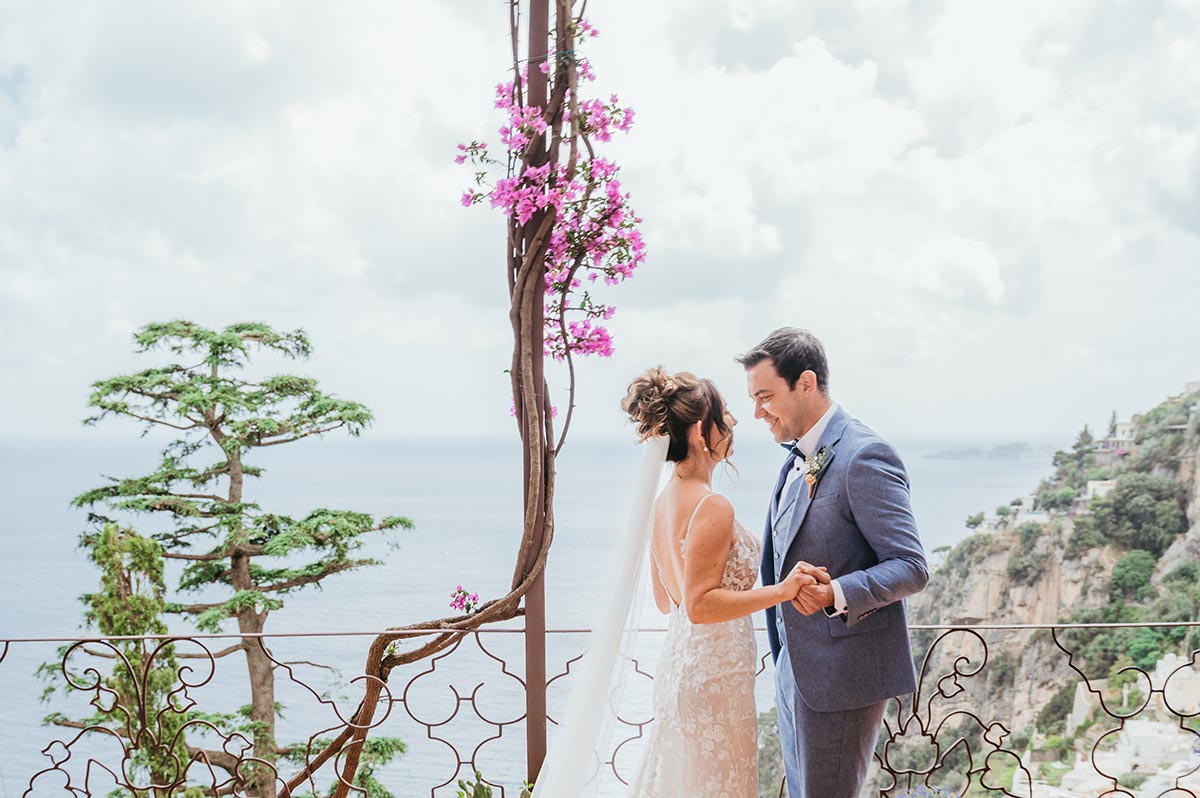

After finding the perfect place for you comes the most tedious part: red tape.
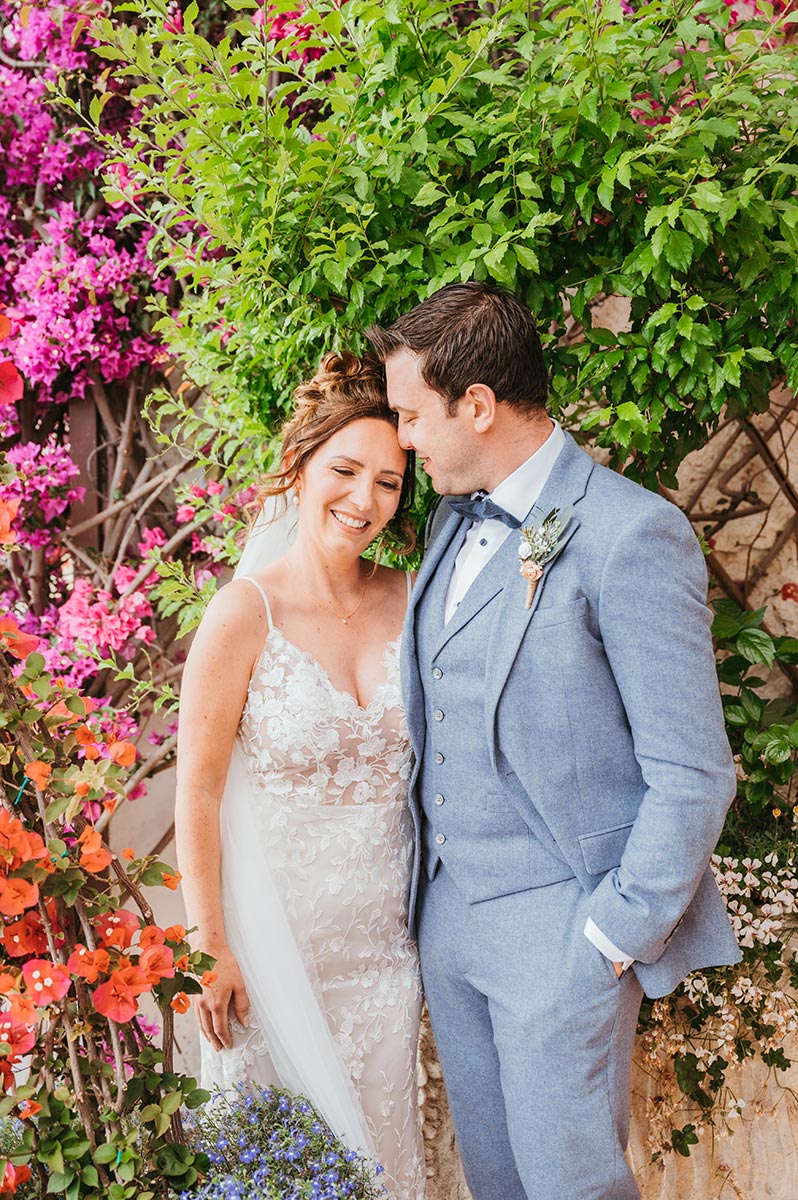
Handling legal requirements for a Catholic wedding in Positano
Legal requirements for a Catholic wedding in Positano involve following specific procedures and obtaining certain documents to ensure the marriage is legally recognized. The requirements will vary depending on the country where the couple is from and the country where the wedding is taking place.
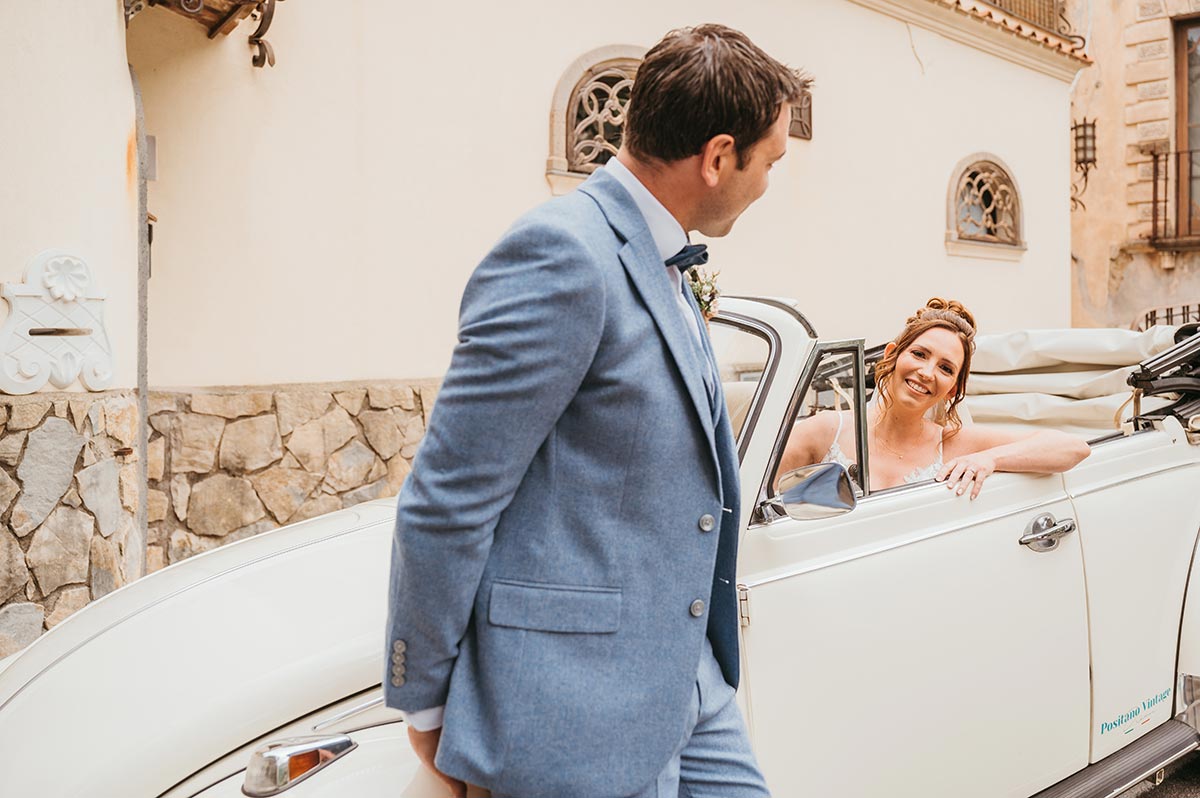
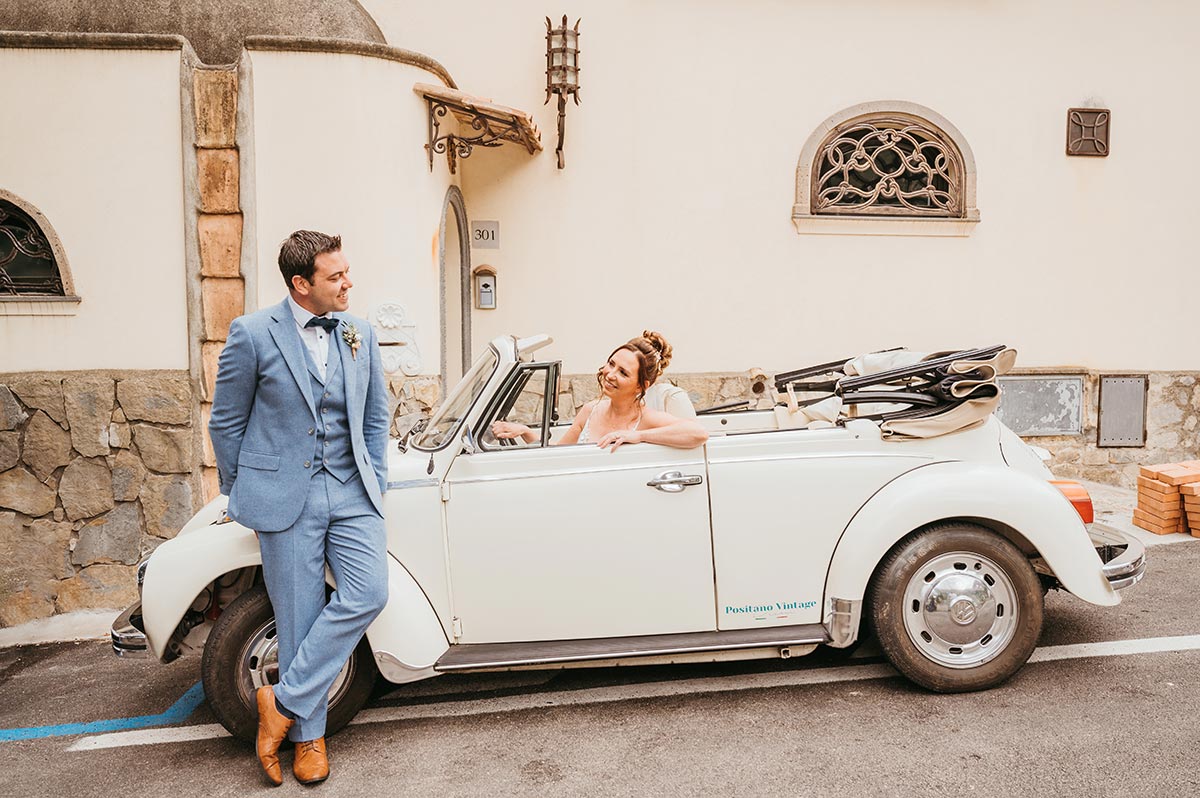
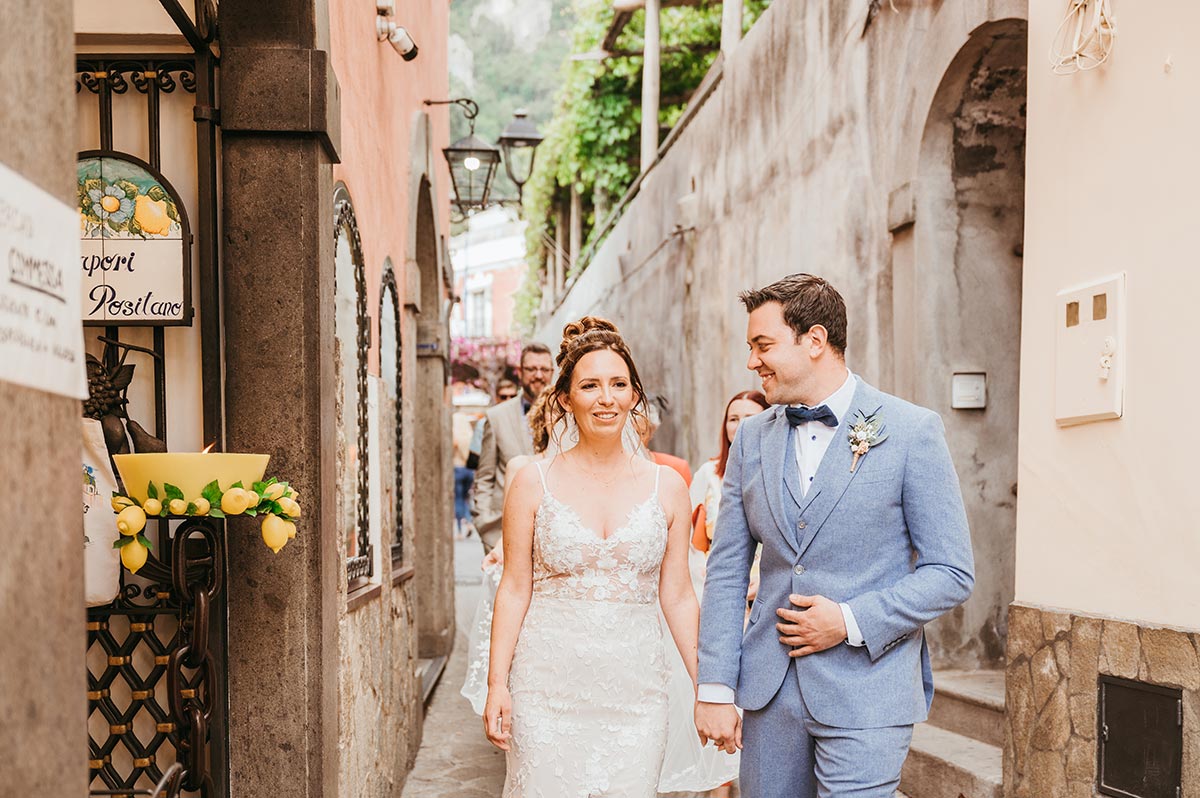

One of the leading legal requirements for a Catholic wedding in Positano is obtaining a “Nulla Osta” (a certificate of no impediment) from the couple’s local Catholic Church. This certificate is issued by the Church and confirms that the couple is free to marry and that there are no canonical impediments to the marriage.
Another requirement is obtaining a “Certificato di Stato Libero” (a certificate of marital status) from the Italian consulate or embassy in the couple’s home country. This certificate confirms that the couple is legally allowed to marry in Italy.

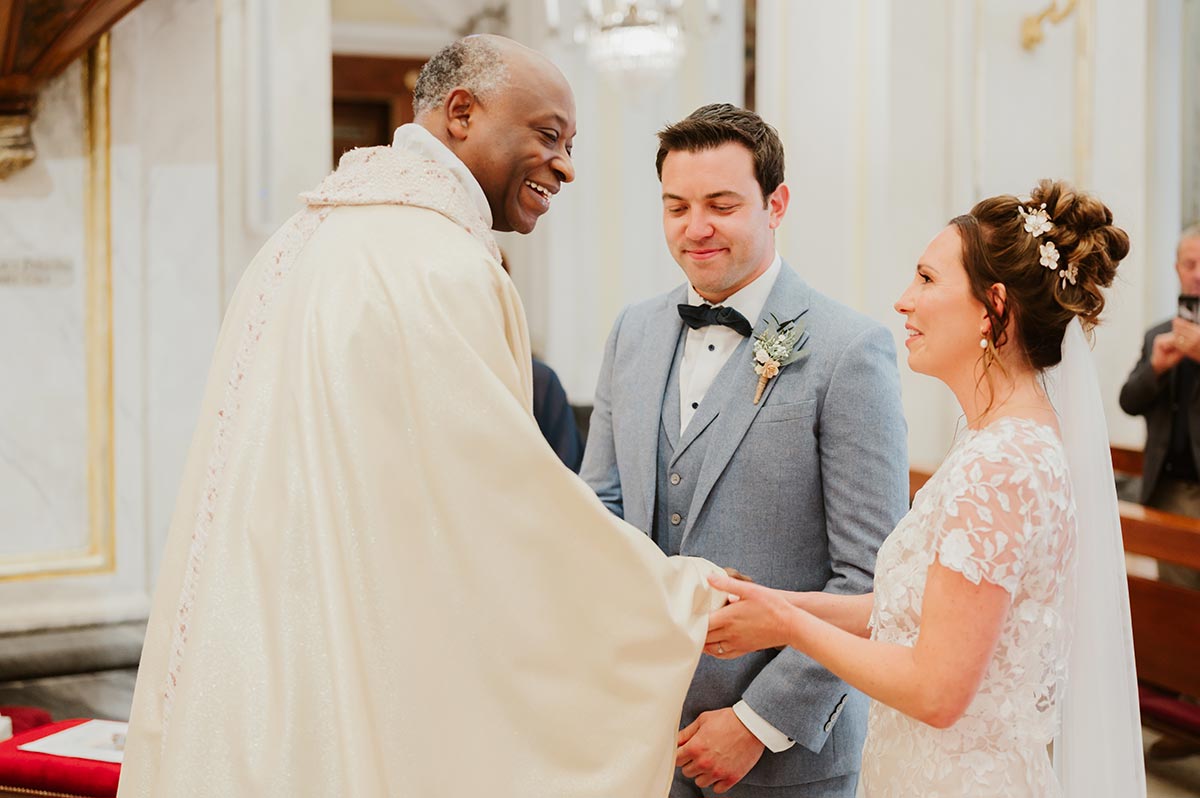

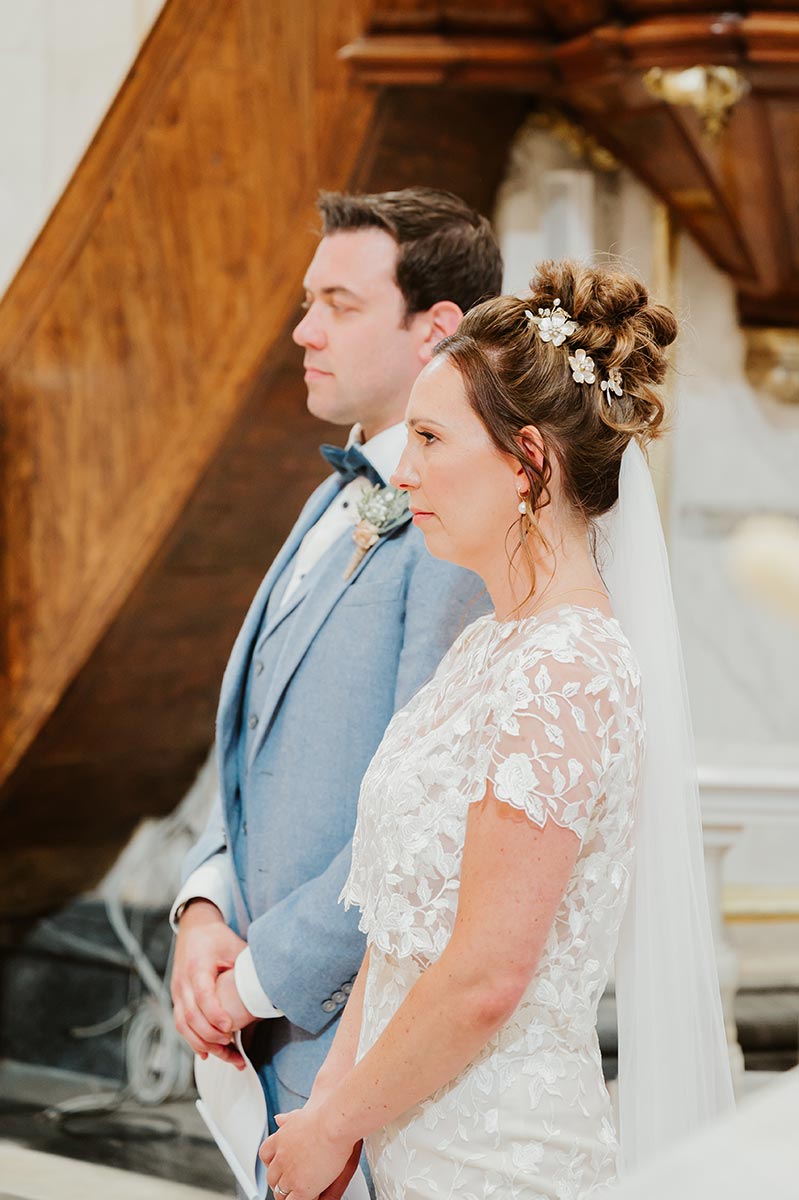
Additionally, it’s important to note that there will be some paperwork that you will have to complete in Italy. This may include an “Atto Notorio” (a declaration of freedom to marry) required by the Italian authorities and must be completed by the couple and two witnesses.
It is important to note that all legal documentation must be translated by an official translator and legalized by the Italian consulate or embassy.
We recommended hiring a wedding planner in Positano who is familiar with all the legal requirements to guide you through the process and help you obtain all the necessary documents so you don’t have to worry about handling it yourself.
It is also recommended to start the process as early as possible to ensure everything is in order and avoid any last-minute complications.
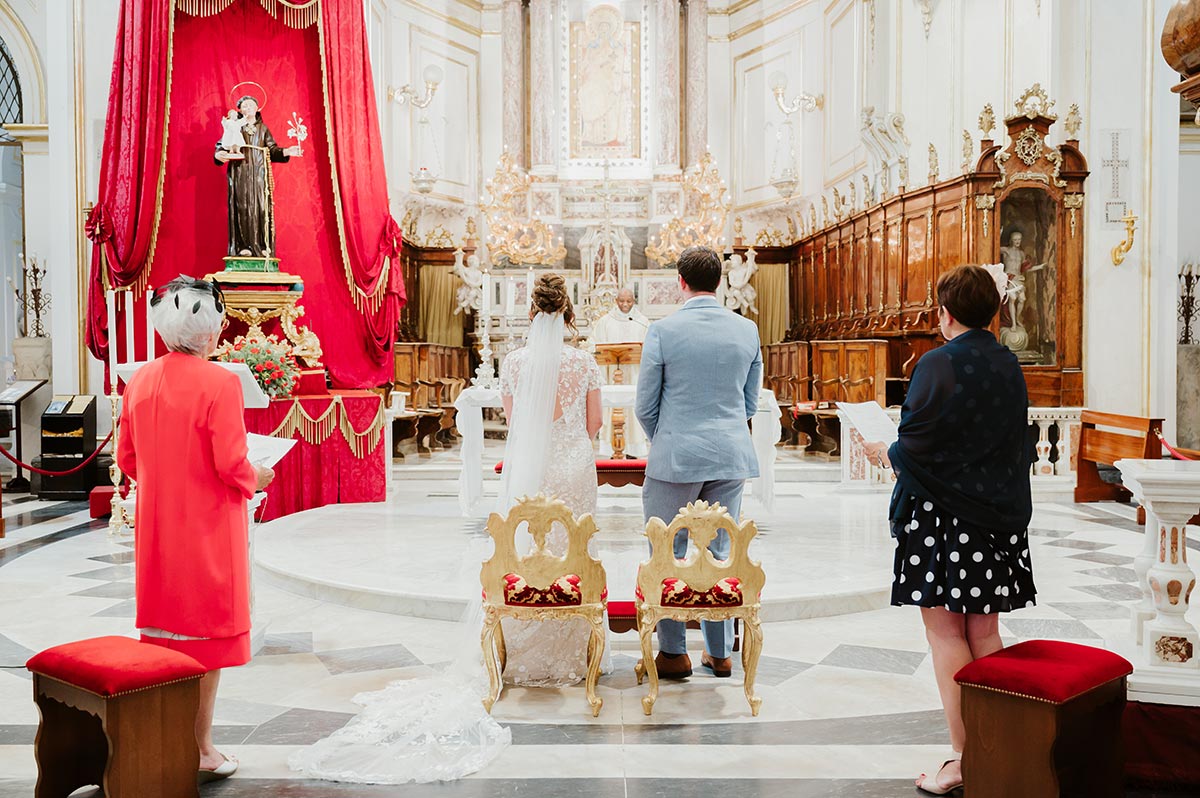

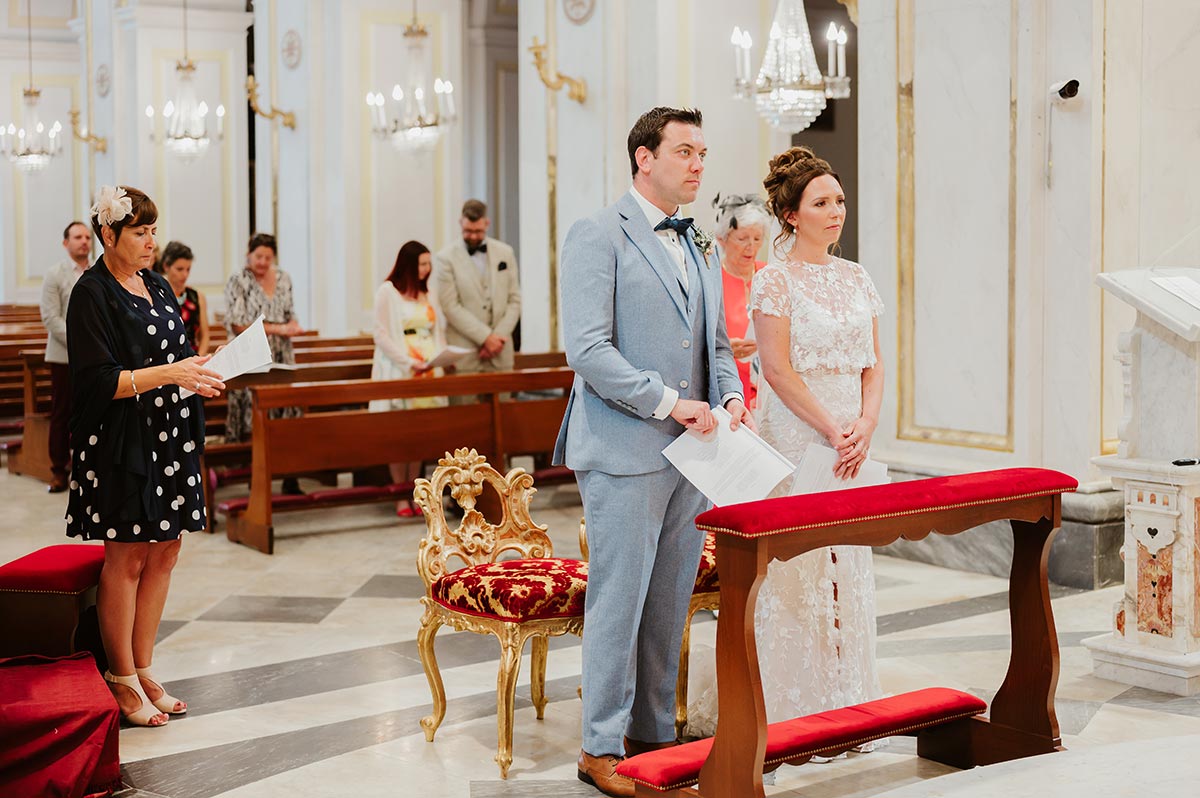



How to obtain a Catholic wedding certificate in Positano
Getting a Catholic wedding certificate in Positano involves completing specific procedures and presenting certain documents to the Catholic Church. The process will vary depending on the Church’s specific requirements and the country where the couple is from.
The main requirement for obtaining a Catholic wedding certificate in Positano is to have the wedding ceremony conducted by a Catholic priest or celebrant. The couple must also be members of the Catholic Church and be able to provide proof of their baptism and confirmation.
Before the ceremony, the couple will need to meet with the priest or celebrant to complete the necessary paperwork and prepare for the ceremony. This may include filling out pre-marriage forms, participating in pre-marriage counseling, and obtaining the required documents that we mentioned above, such as the “Nulla Osta” (a certificate of no impediment) and “Certificato di Stato Libero” (a certificate of marital status).
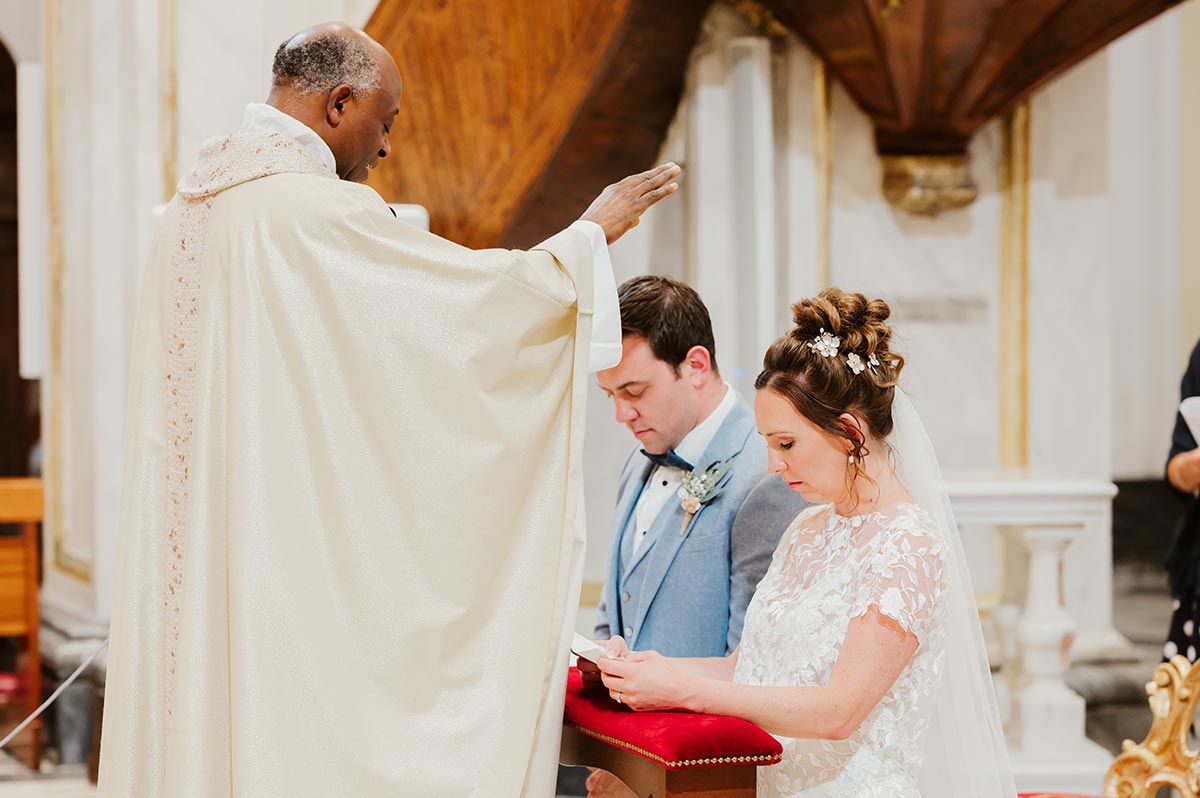
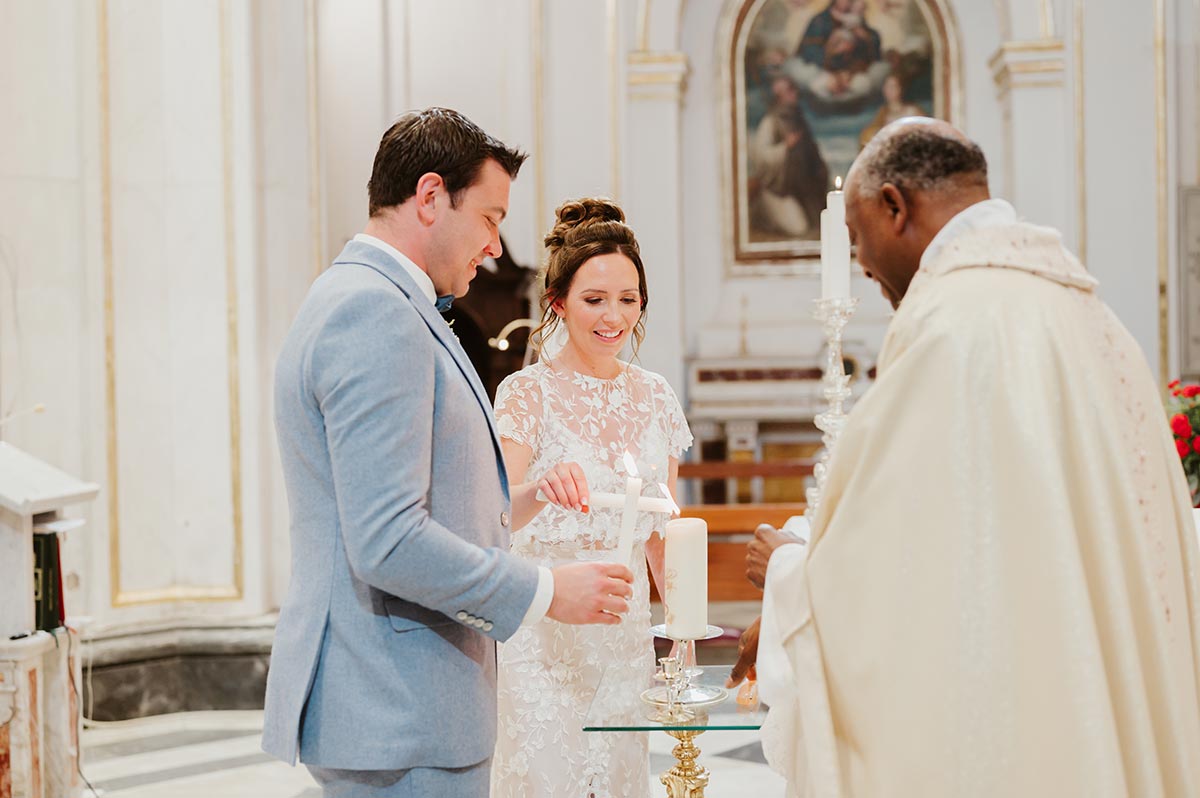
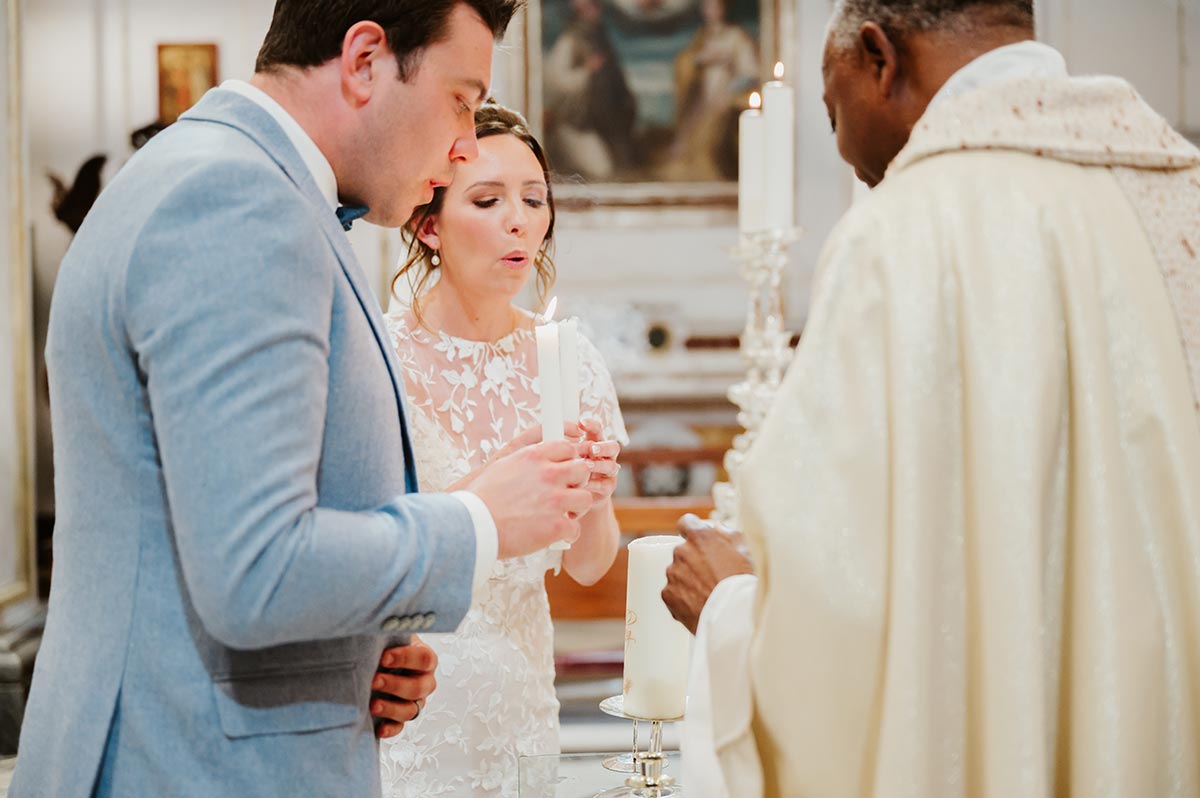

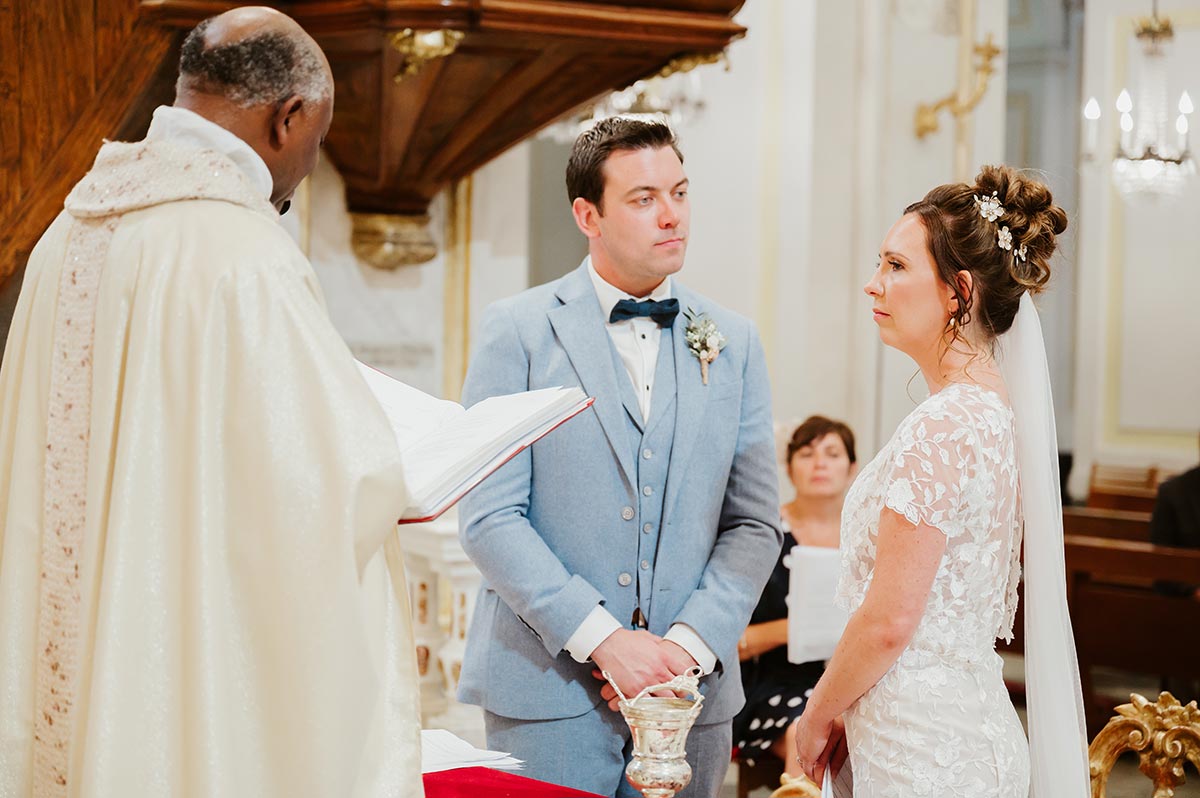
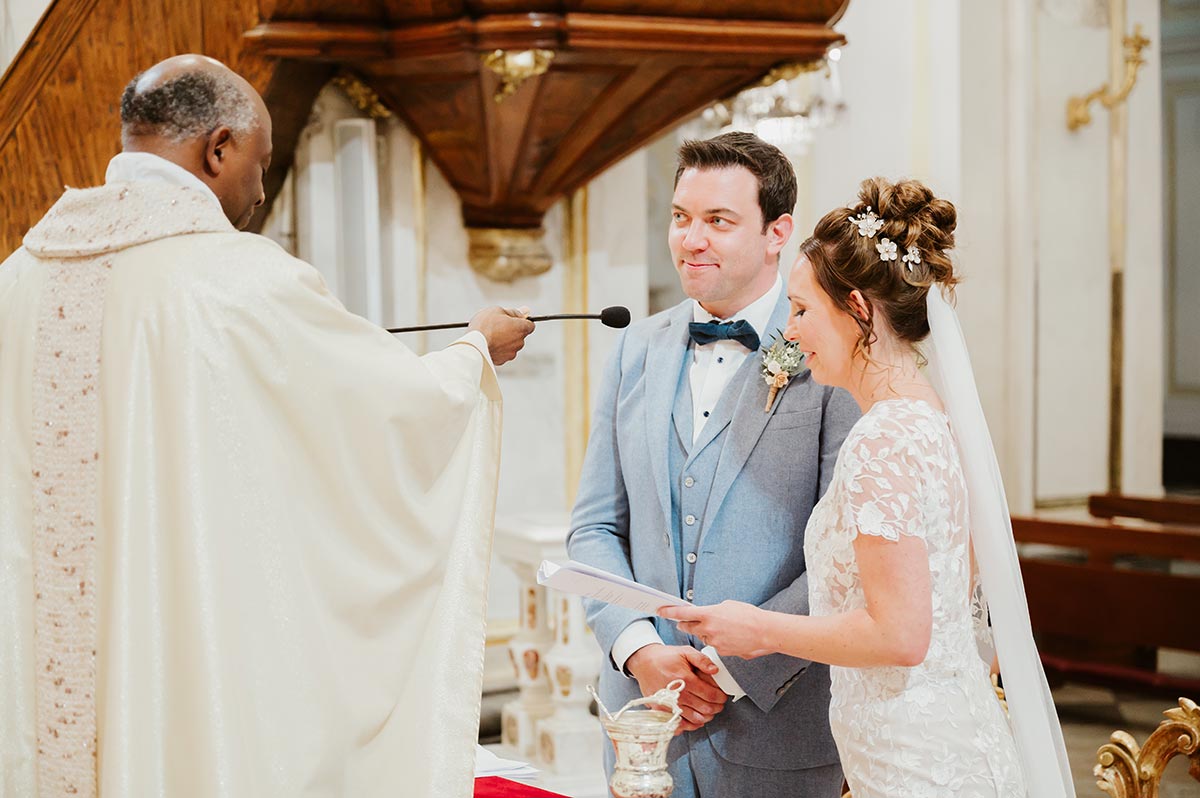
After the ceremony, the priest or celebrant will provide the couple with a Catholic wedding certificate signed by the couple, the witnesses, and the priest or celebrant. This certificate is the official document that confirms that the couple has been married in the Catholic Church and is recognized by the Catholic Church and the Italian authorities.
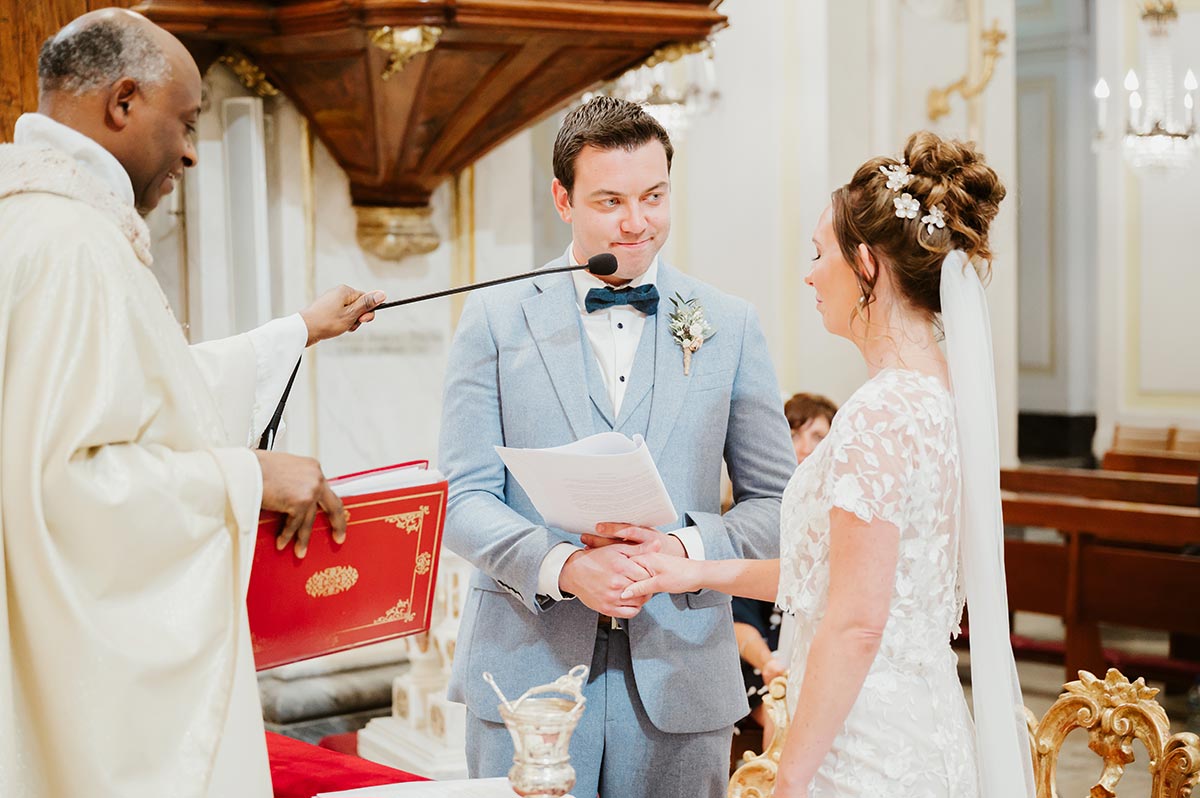
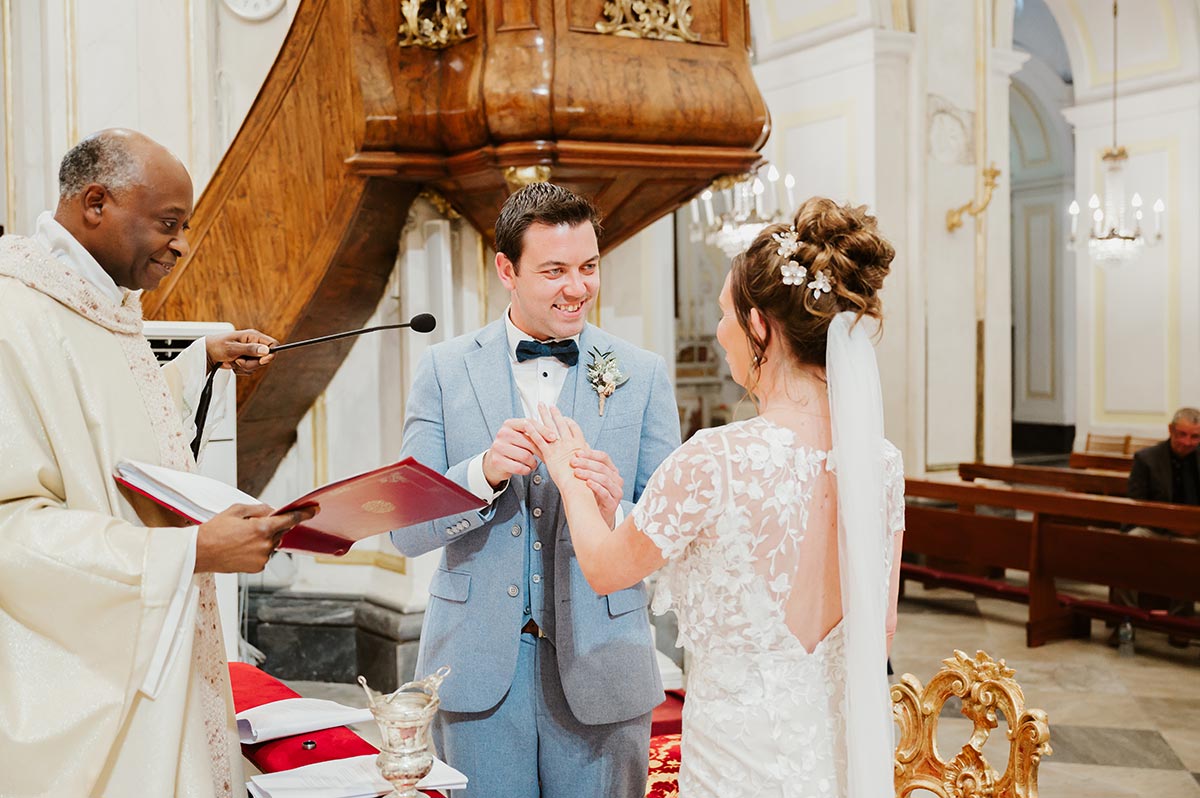
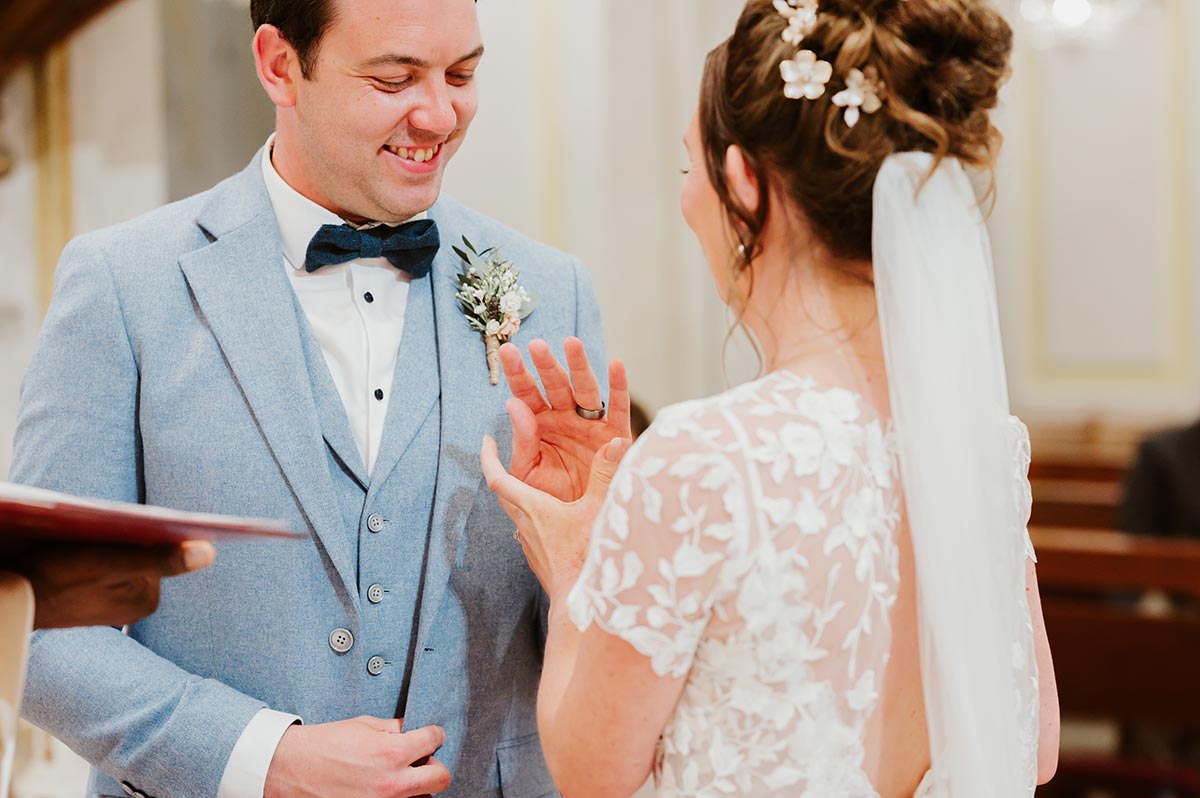

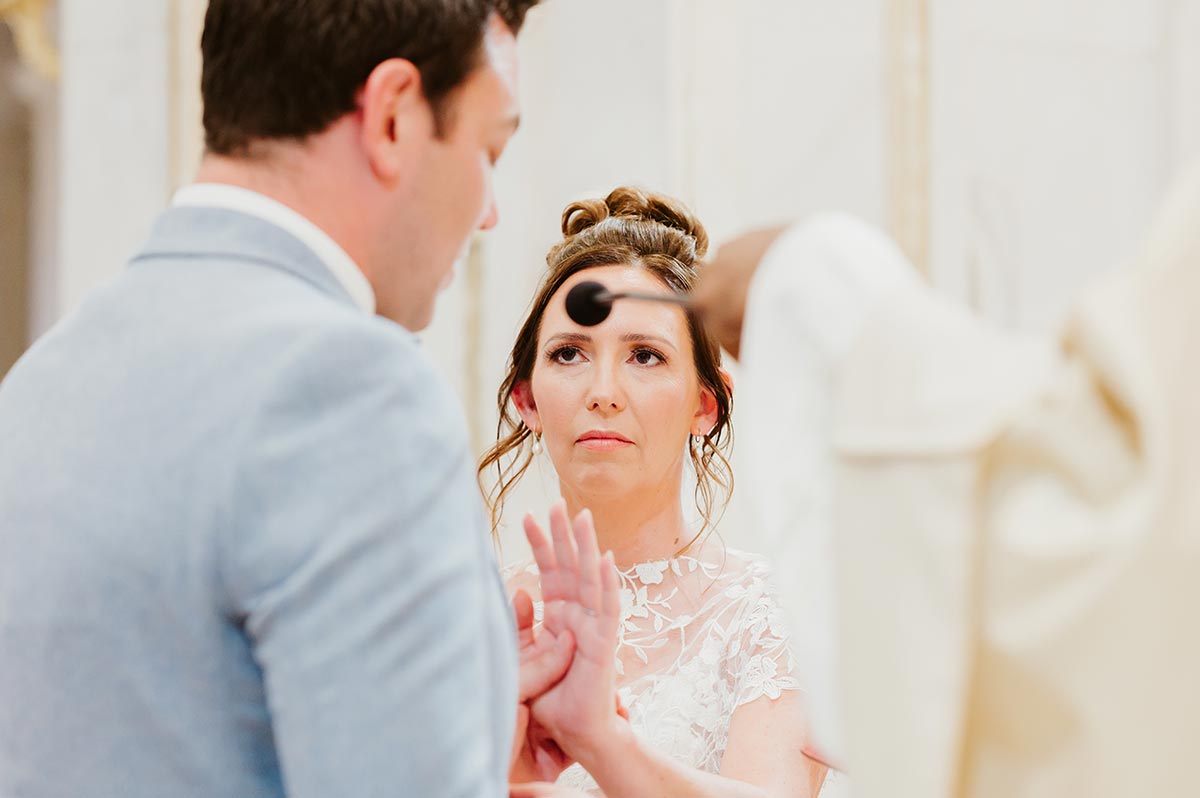
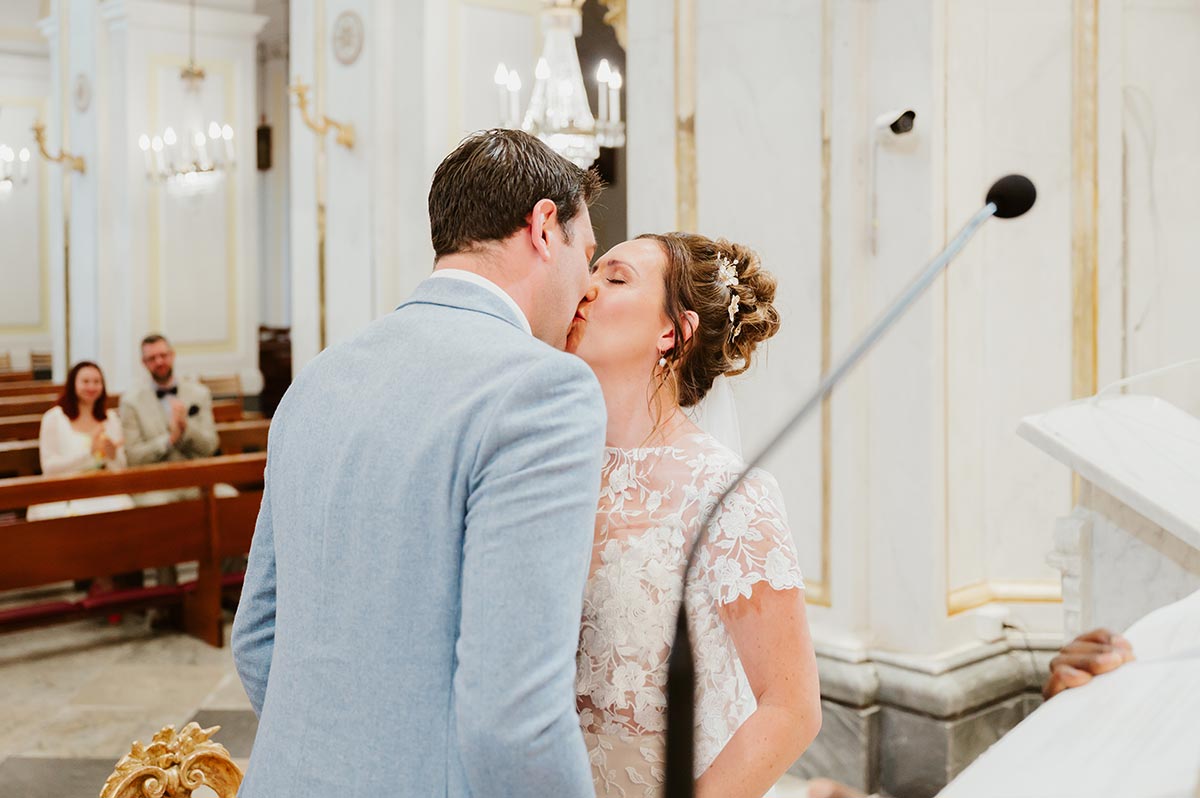
It is important to note that the Catholic Church in Positano may have additional requirements for obtaining a Catholic wedding certificate, such as a residence permit, and that you should check with the Church or with a wedding planner that can help you with the process. That’s why we always invite our clients to hire a local wedding planner.
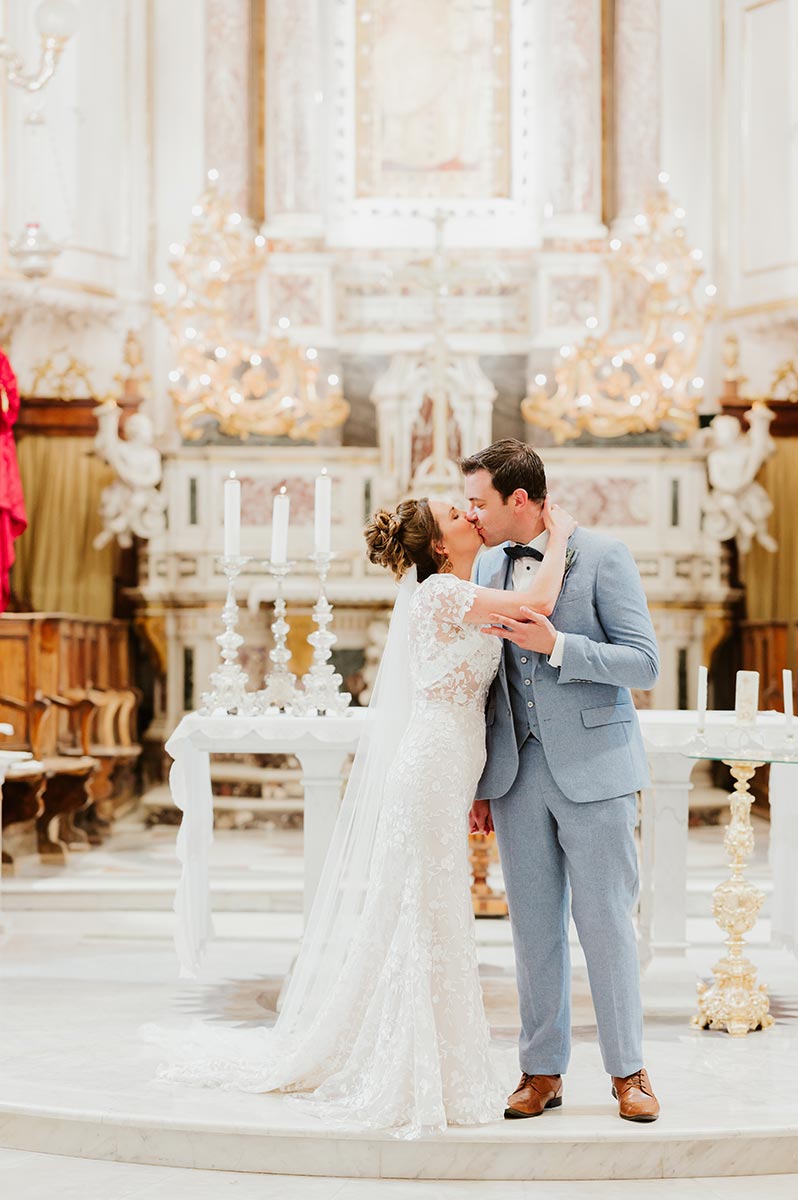
Hiring a wedding planner for a Catholic wedding in Positano.
Hiring a wedding planner for a Catholic wedding in Positano can be a convenient option for several reasons:
Local knowledge: A local wedding planner will know the area’s best venues, vendors, and traditions. This can make your wedding more memorable and meaningful. They also have connections with local vendors and can help you get better rates and services.
Time-saving: This can be time-consuming and stressful, but a wedding planner will handle all the details and logistics, freeing you up to enjoy the planning process and focus on other essential aspects of your experience.
Budget management: A wedding planner can help you save money by suggesting vendors and services that fit your needs, negotiating contracts, and ensuring you get the best value.
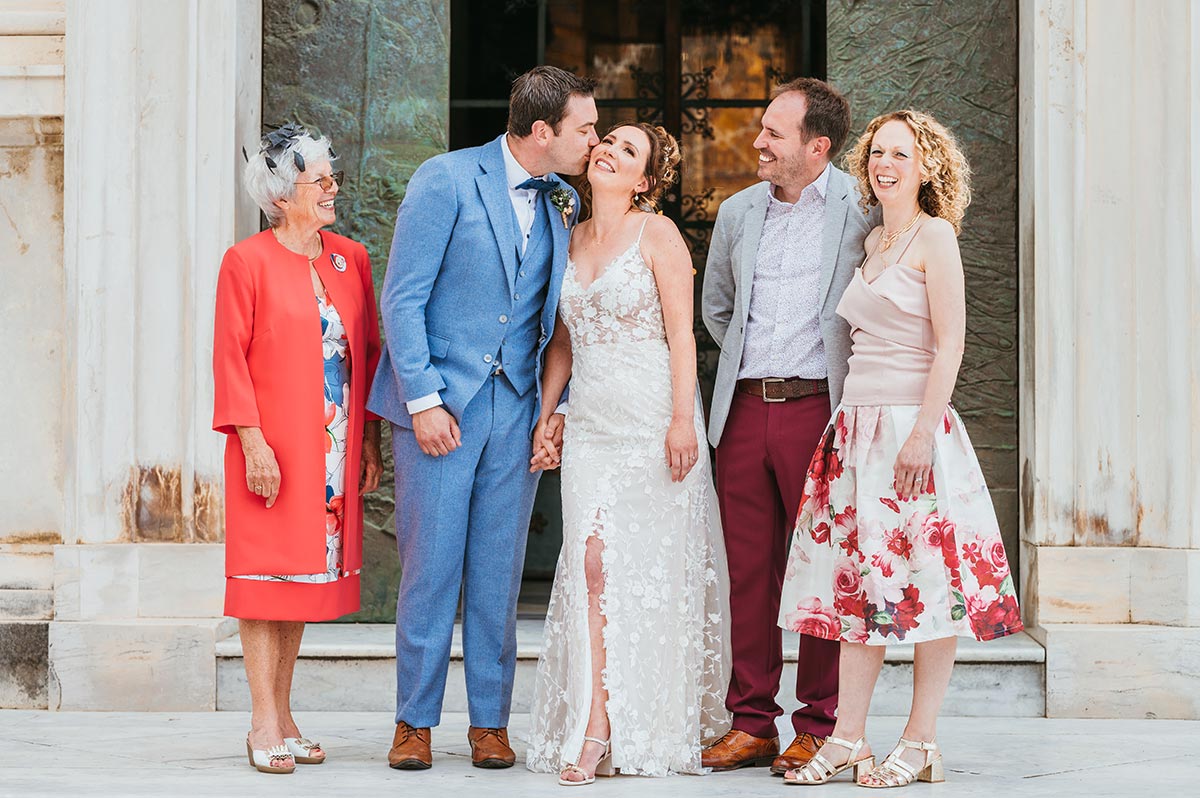


Stress reduction: take the stress out of planning a wedding by handling all the details and ensuring everything runs smoothly on your big day.
Personalization: create a unique and personalized wedding that reflects your style and values. They can also help you incorporate traditional Catholic elements into your ceremony and reception.
Legal and Church requirements: As written above, a wedding planner in Positano with experience with Catholic Weddings can help you navigate the legal and Church criteria for getting married in Positano. They can help you with paperwork and ensure everything is done correctly.
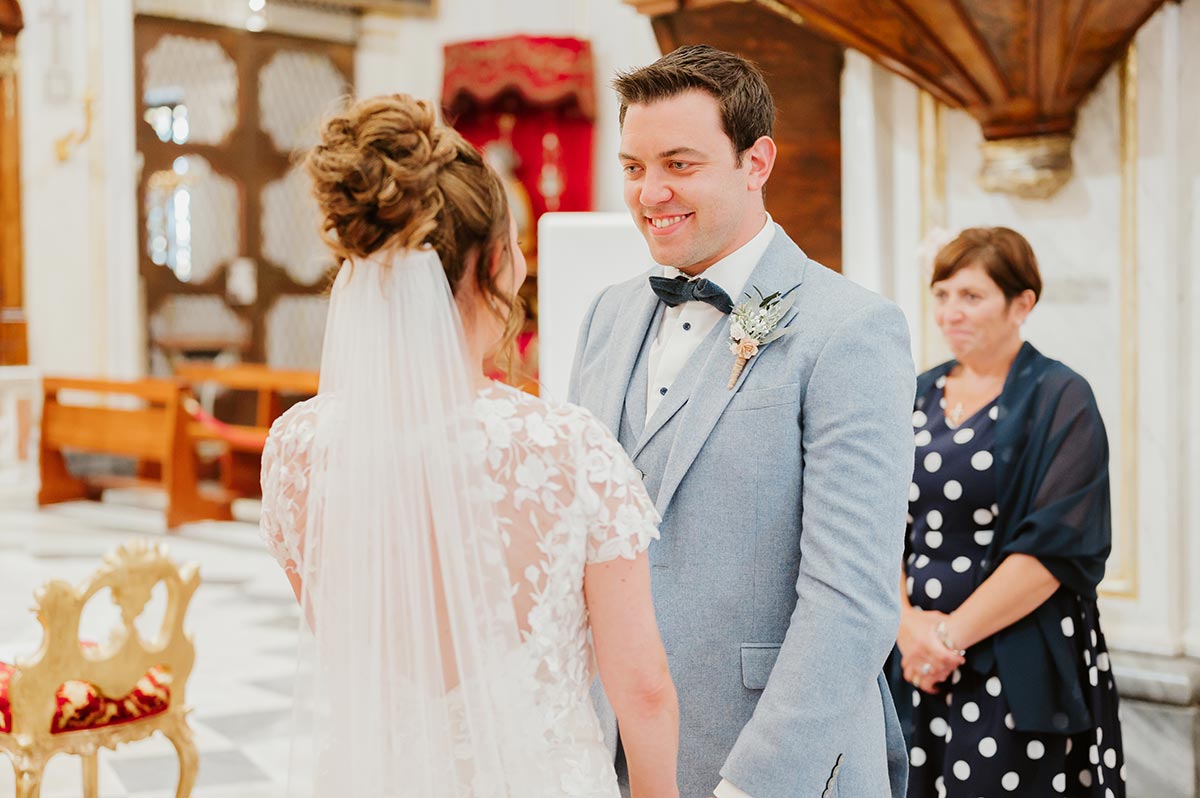
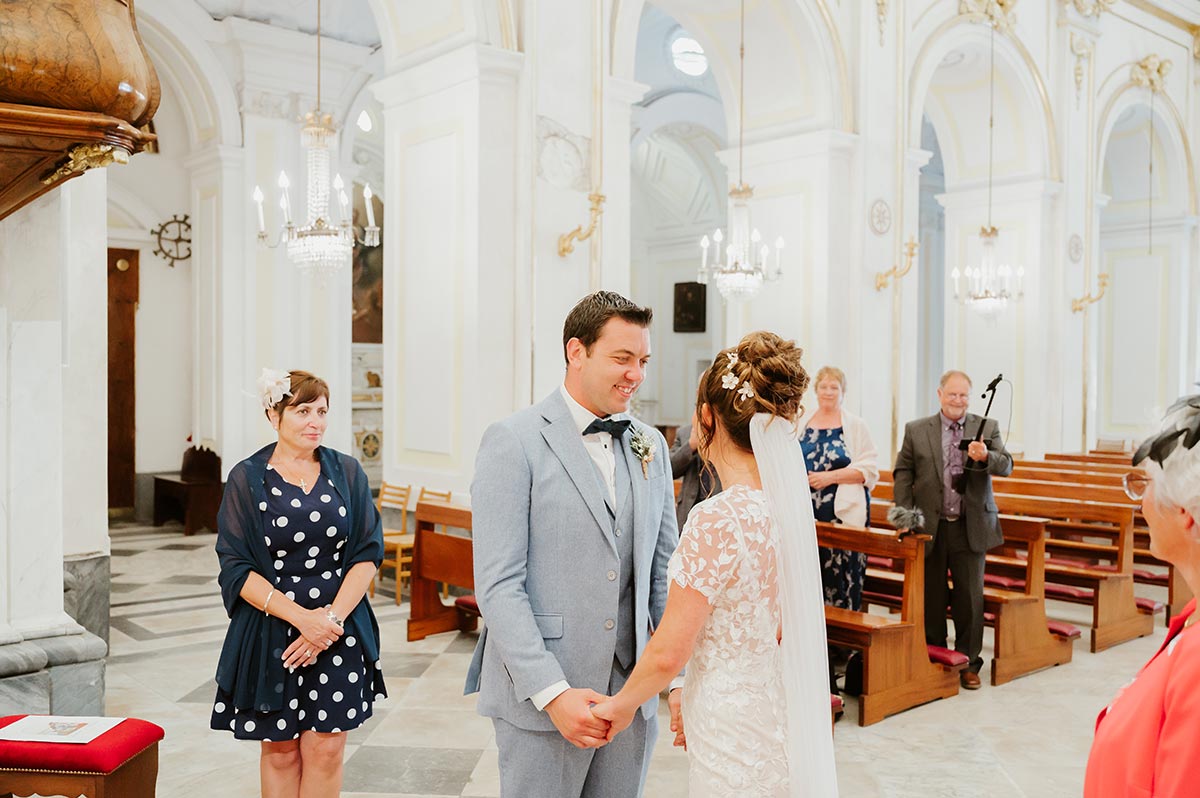
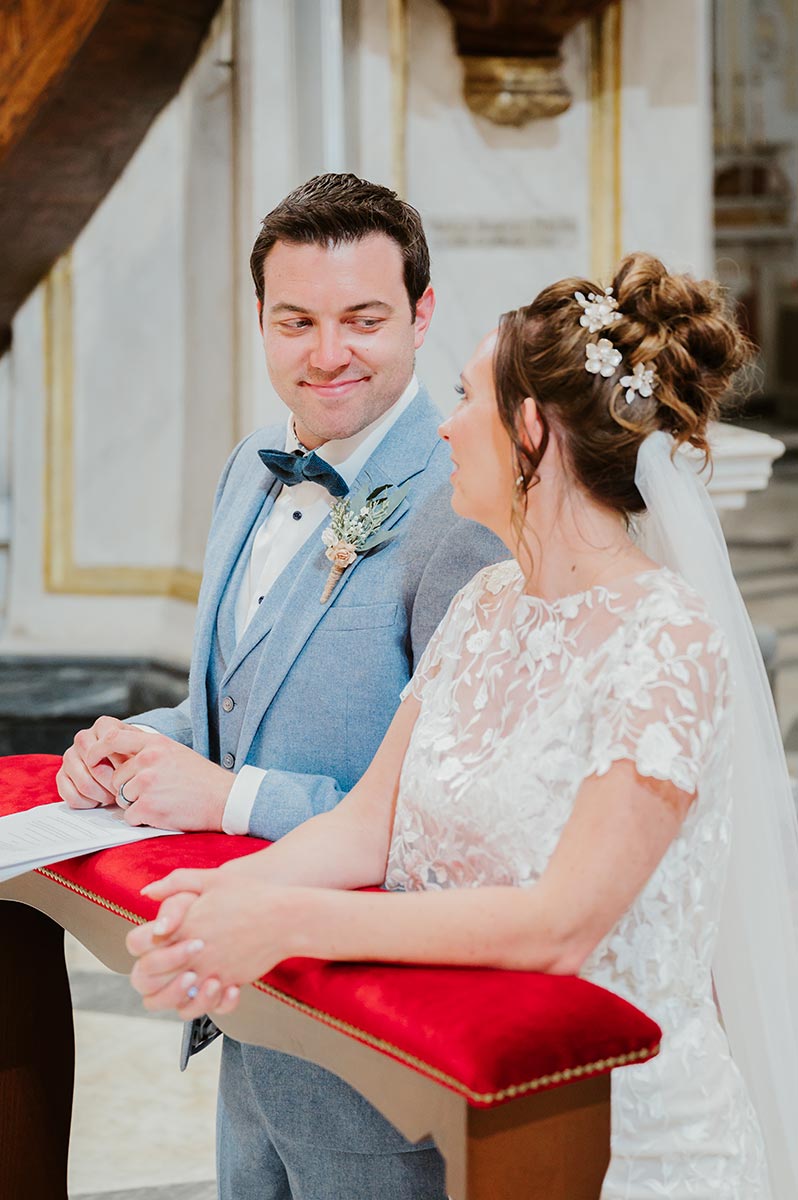
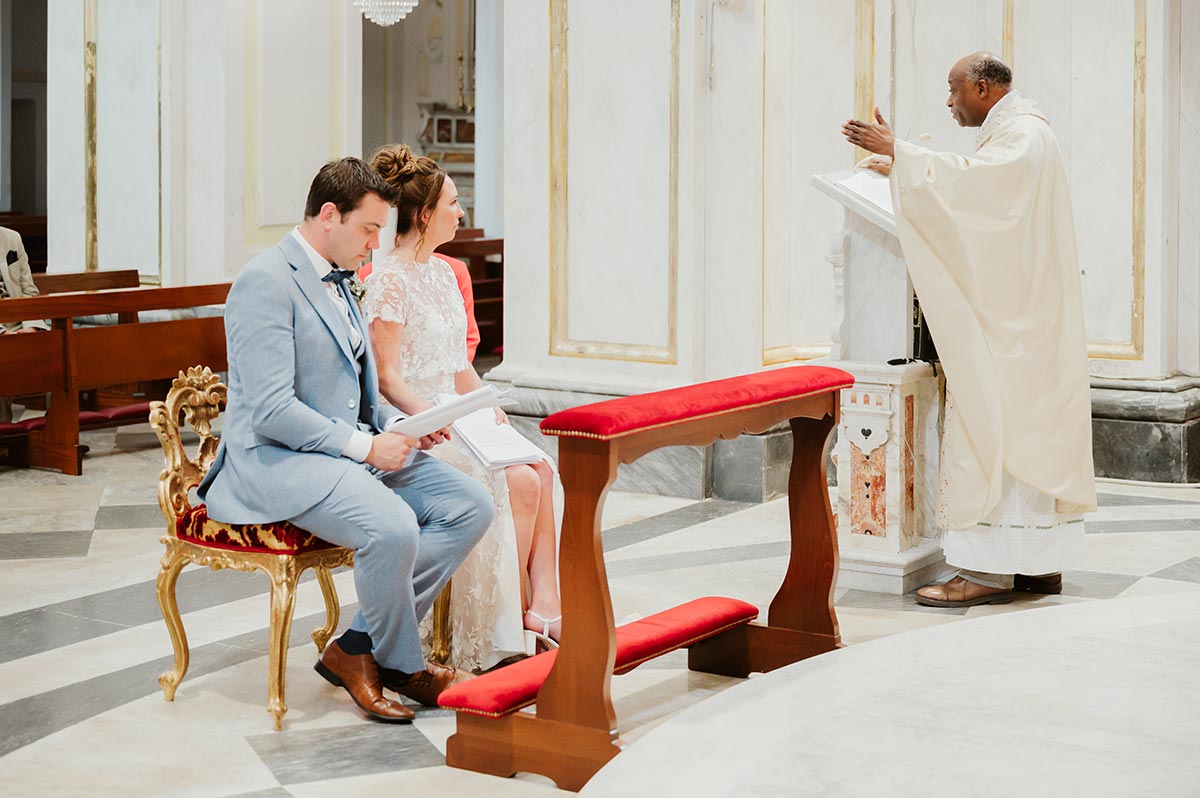
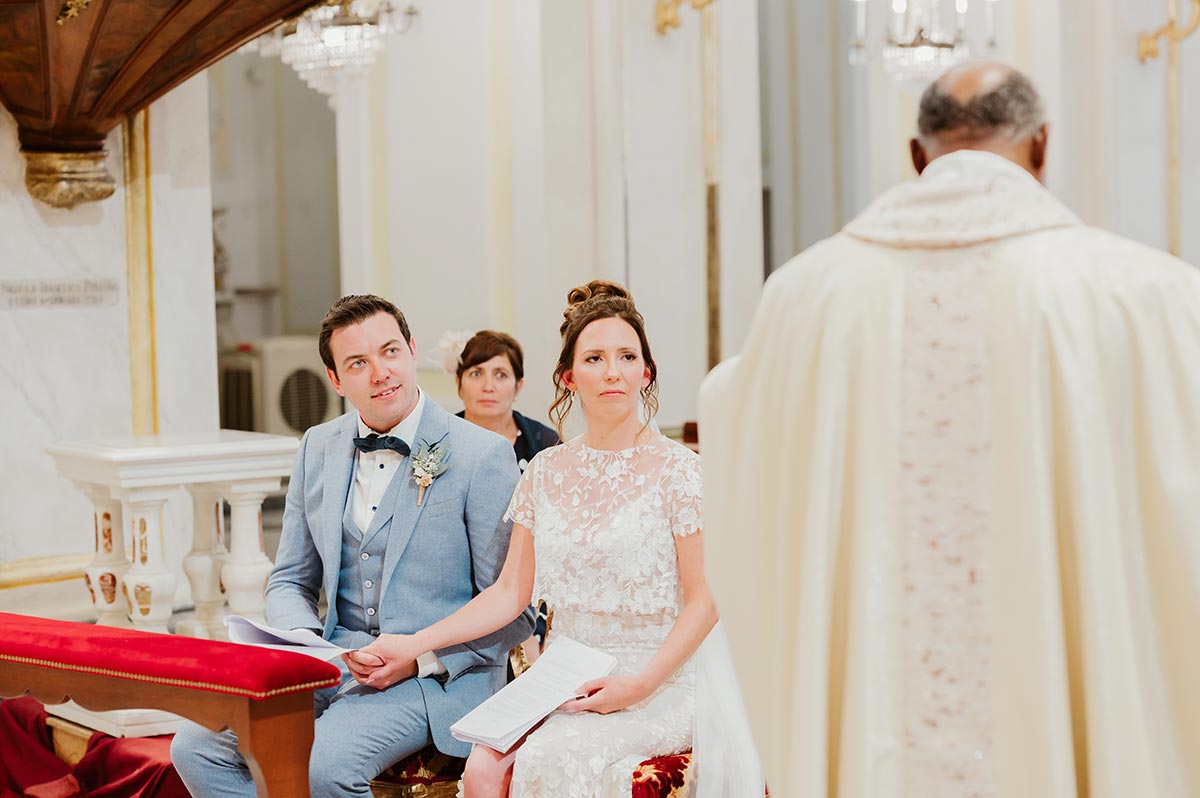
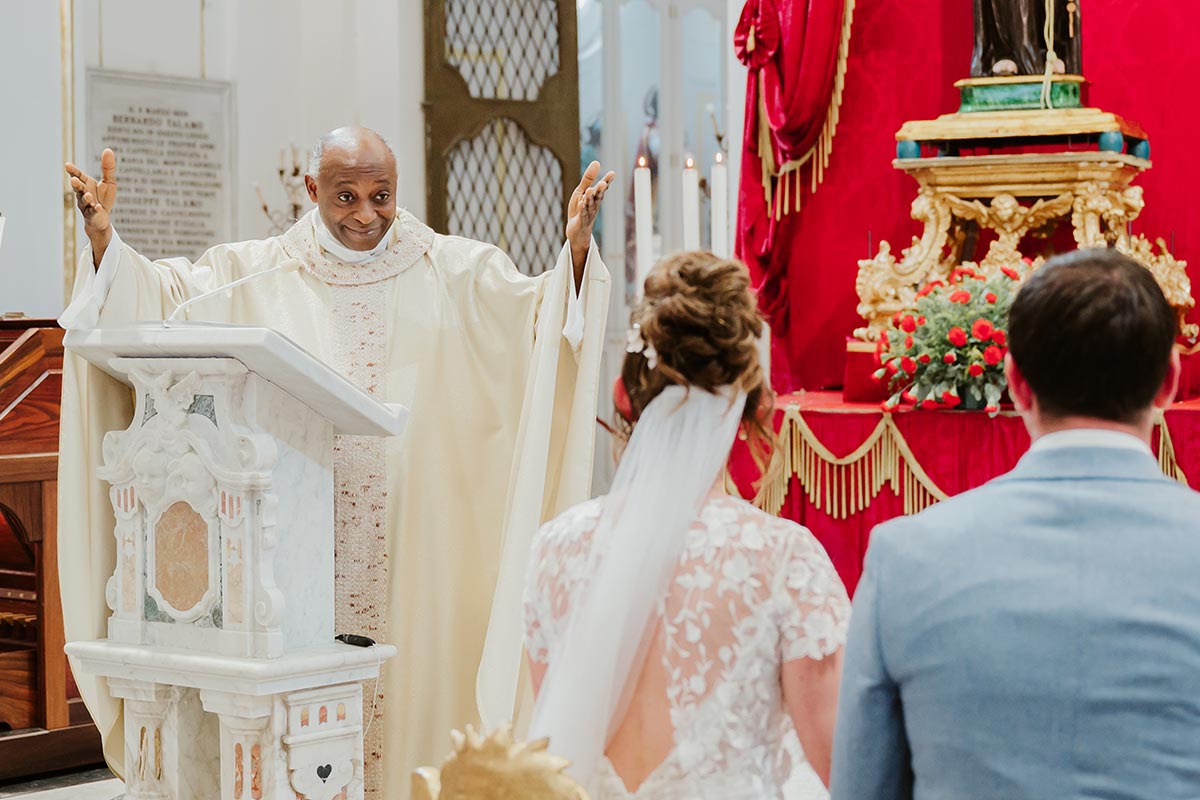
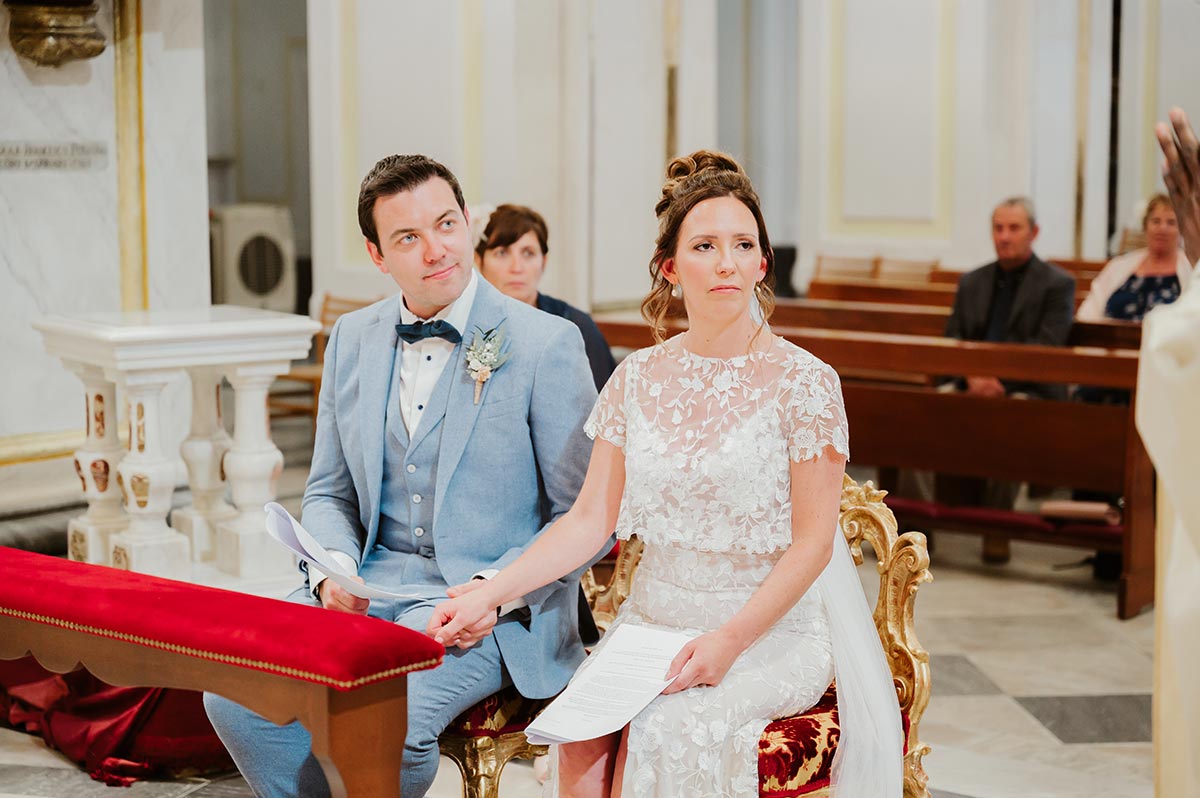
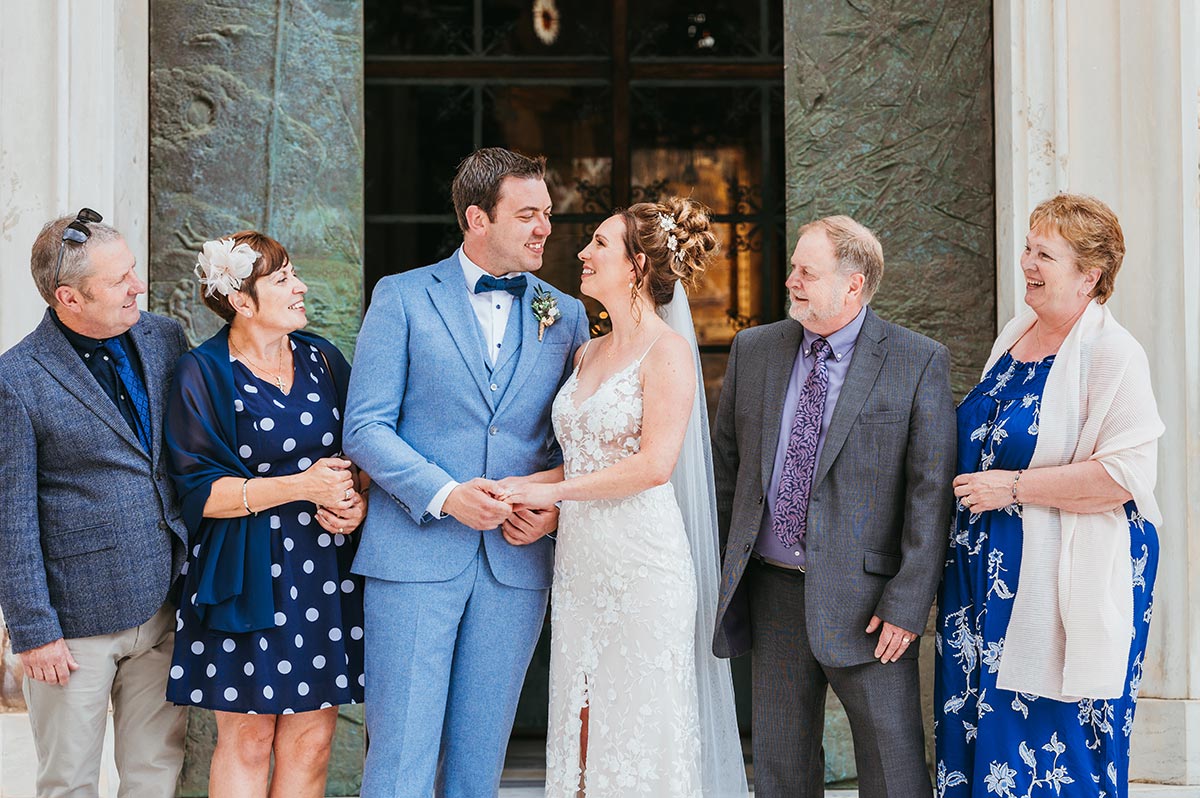
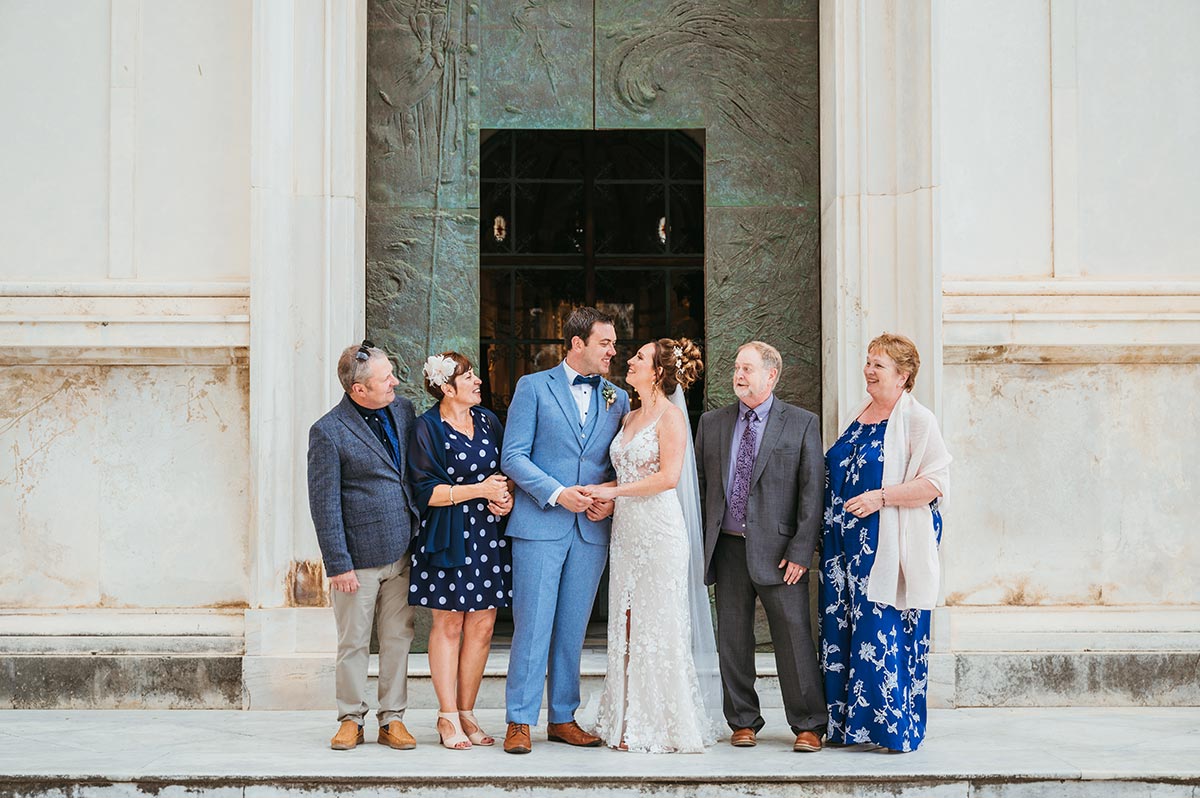
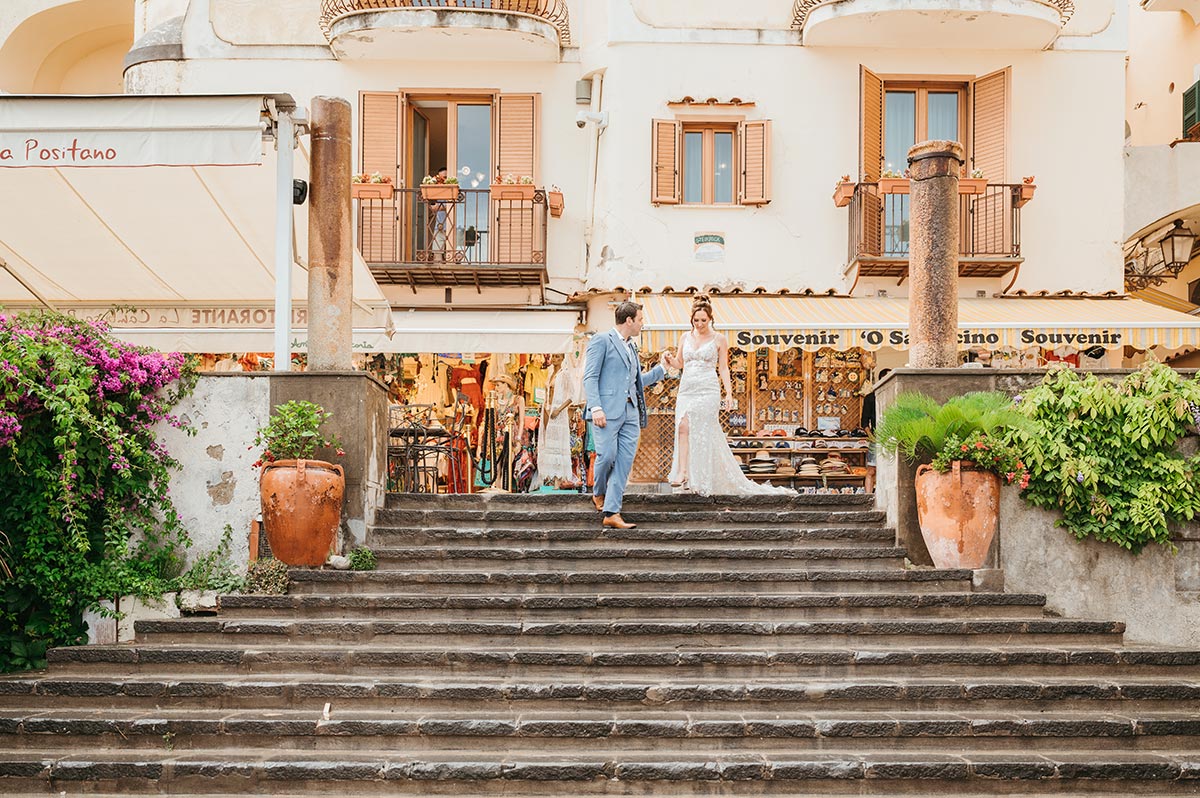
Backup Plan: A wedding planner will make sure that the wedding is not affected by any unforeseen circumstances by having a backup plan, especially in case of rain, like in the featured wedding here.



How to personalize a Catholic wedding ceremony in Positano
Incorporating local traditions into your ceremony can make it more meaningful and memorable. For example, you could have a traditional Italian string quartet play during the ceremony or include a conventional “La Tarantella” dance during the reception.
Selecting a unique location that reflects your style and values can make your ceremony more personal and memorable. For example, writing your vows can add a personal touch to your ceremony and make it more meaningful. You could also include readings or poems that have special significance to you and your partner.

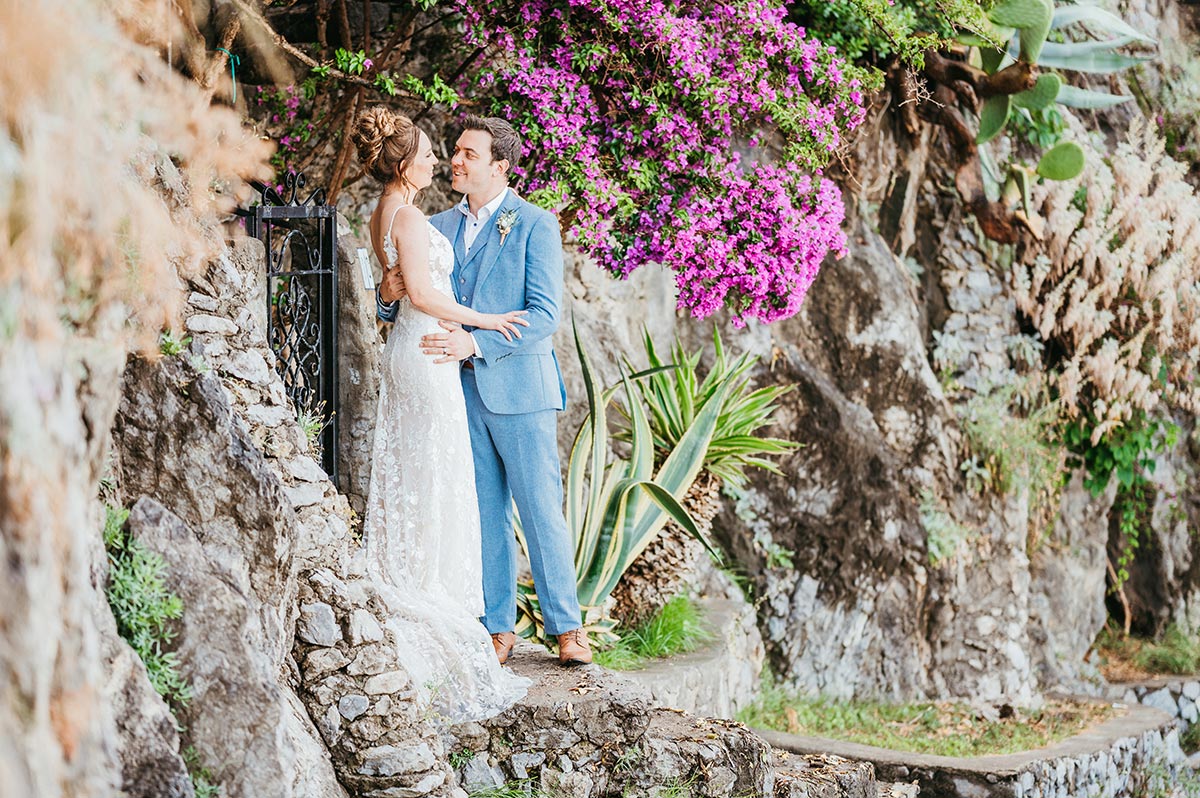
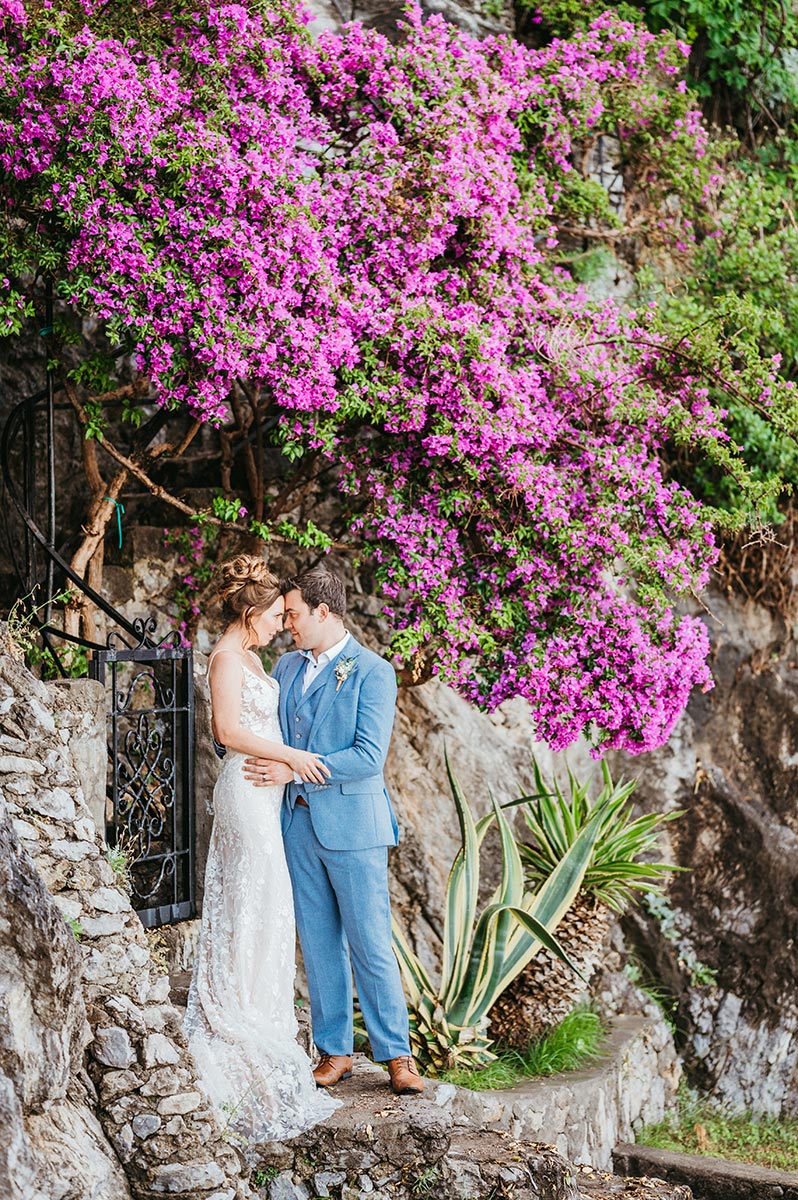
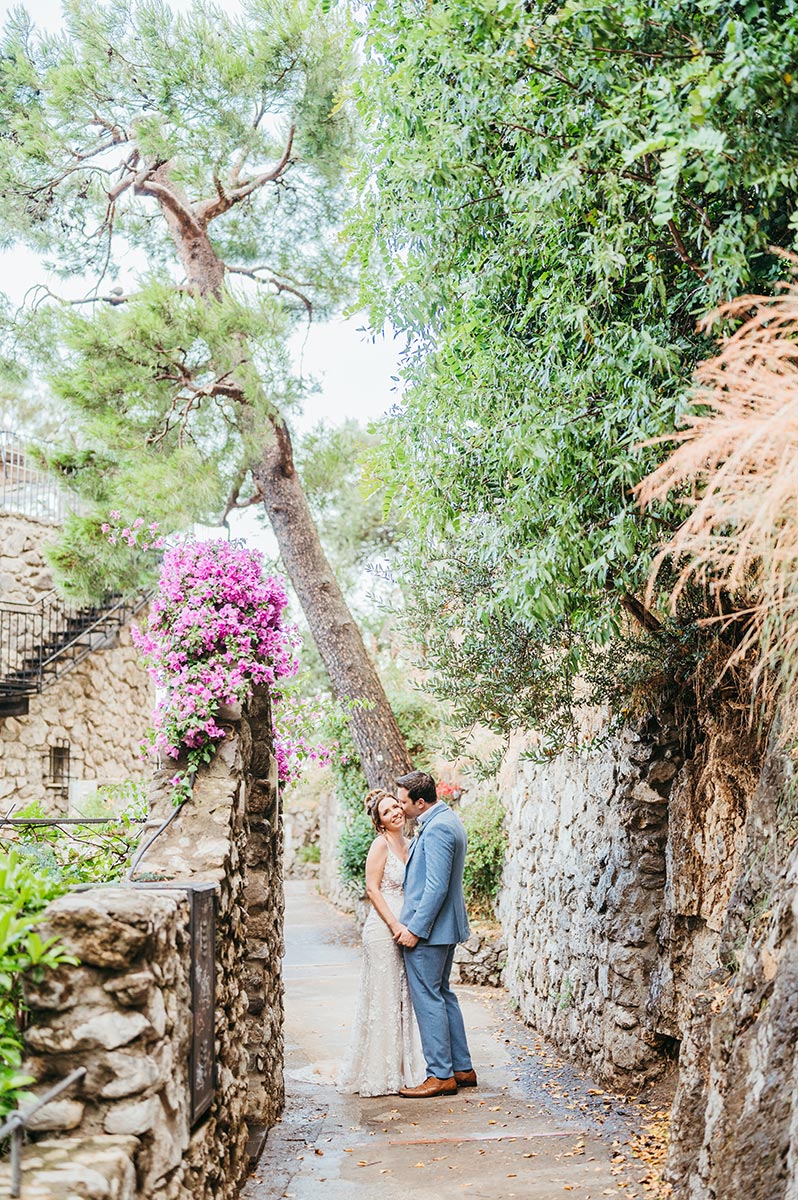
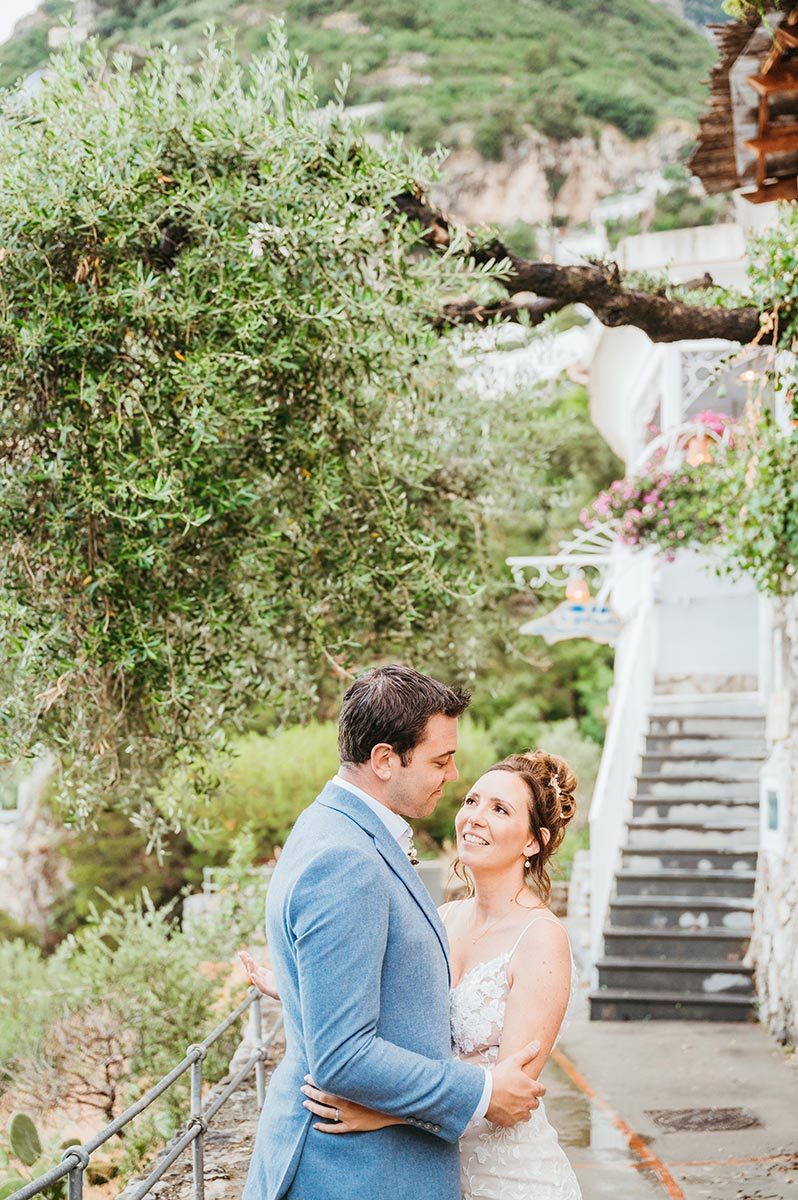
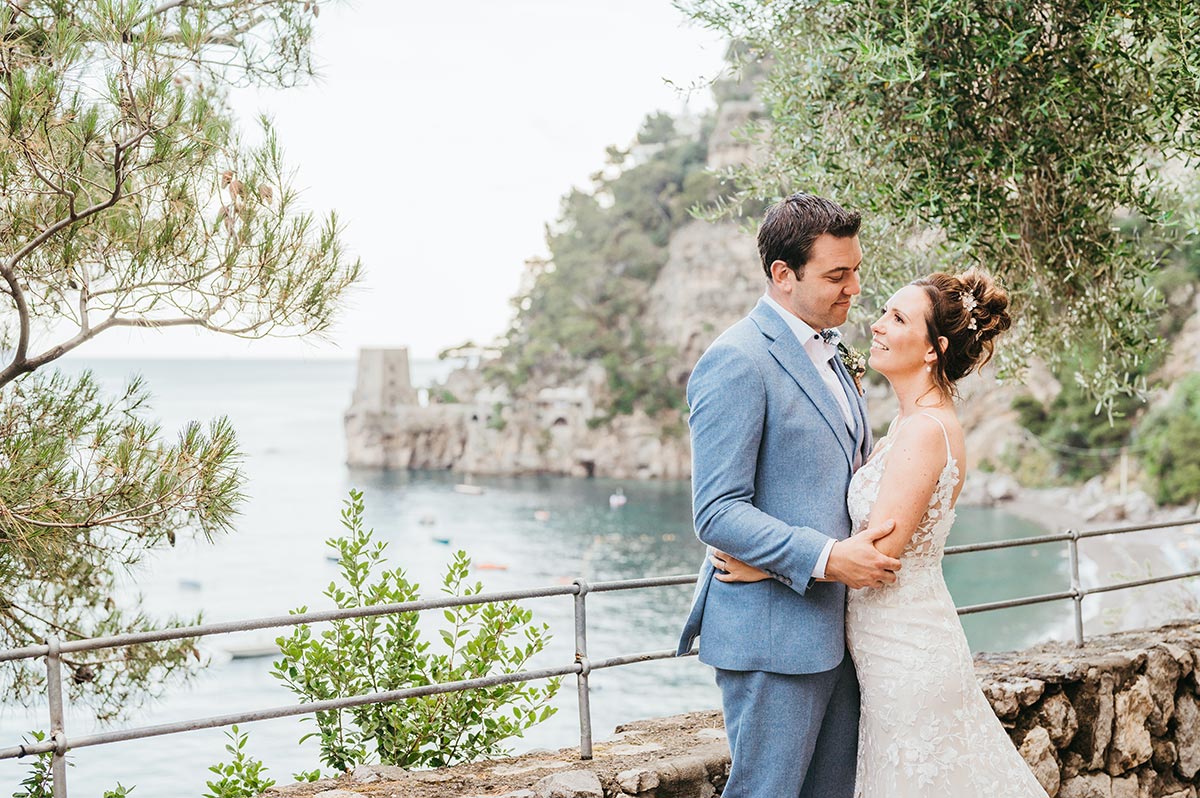
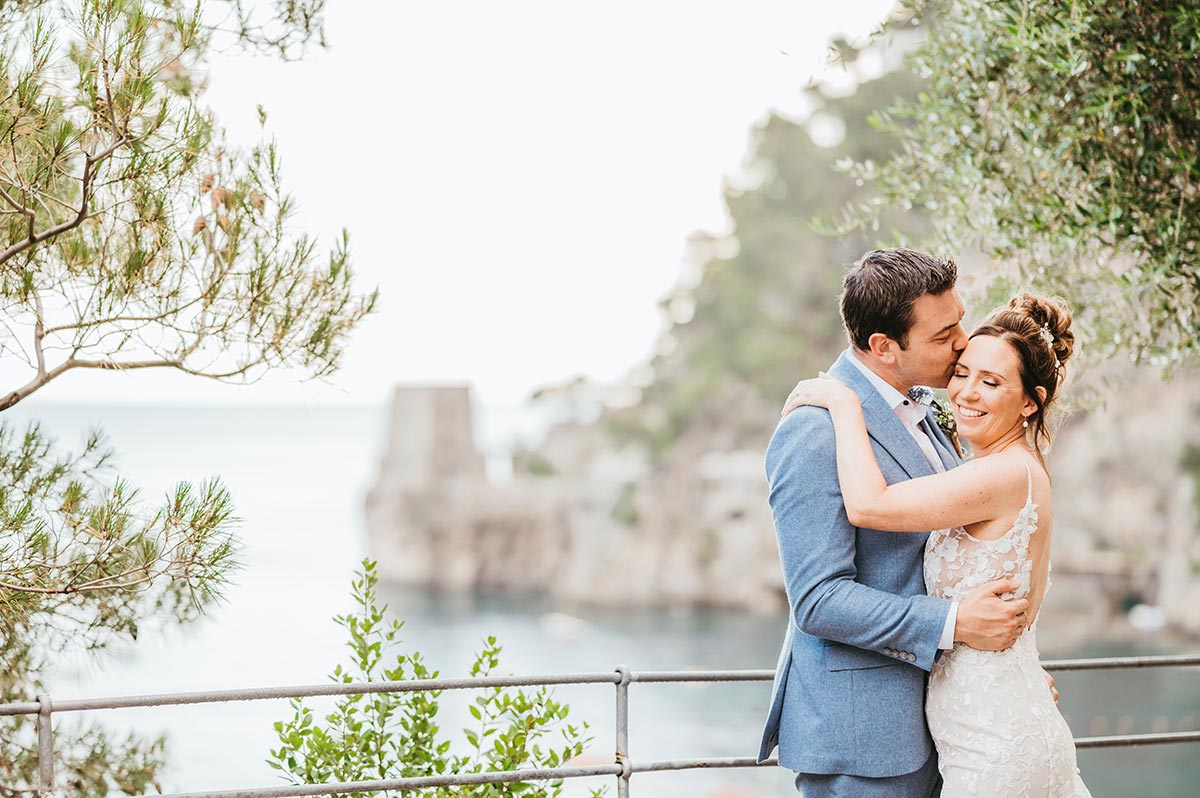
Depending on your preferences and beliefs, there are many ways to include a unity ceremony in your wedding. For example, you could have a sand ceremony, where you and your partner pour different colored sands into a single container to symbolize the blending of your lives.
Music can help set the tone for your ceremony, so you could choose songs that have special meaning to you and your partner, or you could even have a family member or friend play an instrument during the ceremony. In addition, incorporating heirlooms from your family into your wedding can make it more personal and meaningful; for example, you could use a family rosary or a piece of jewelry passed down through generations.
You can personalize the mass by choosing readings, hymns, and prayers that have special meaning to you and your partner. You could also ask your priest to include a special blessing or to include a family member or friend in the ceremony.

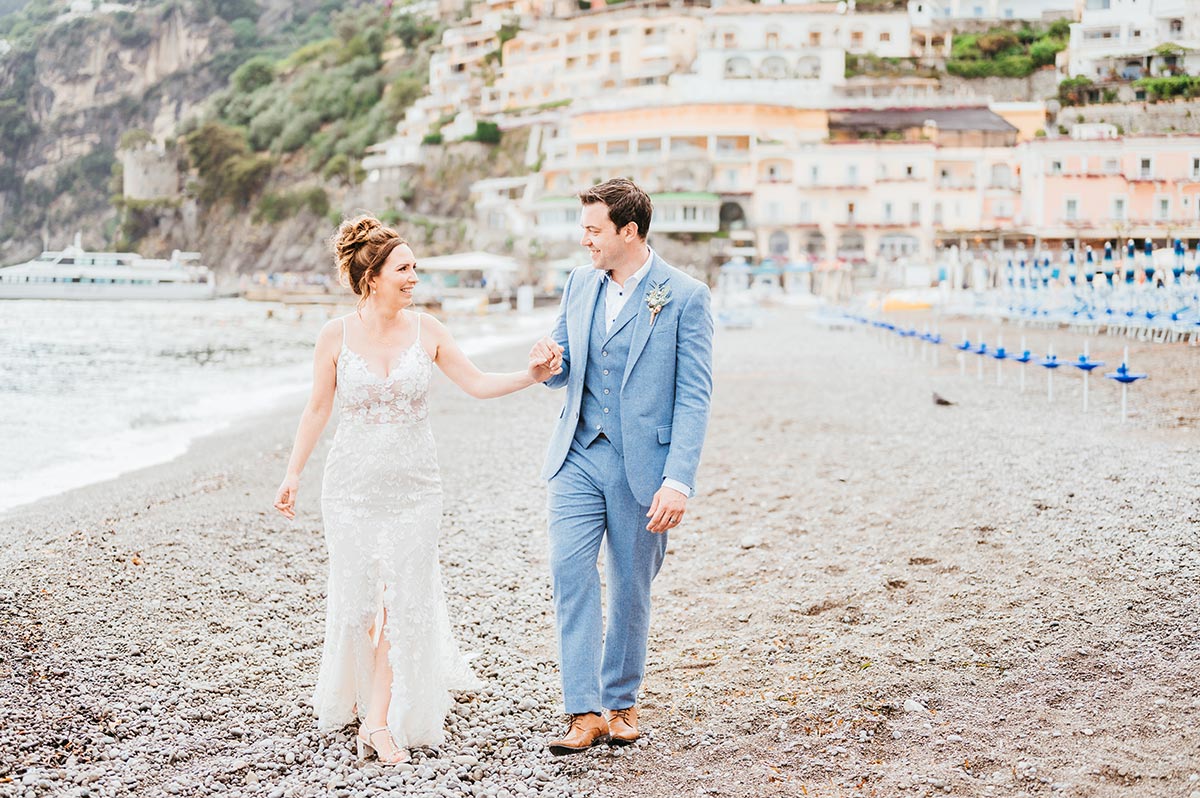
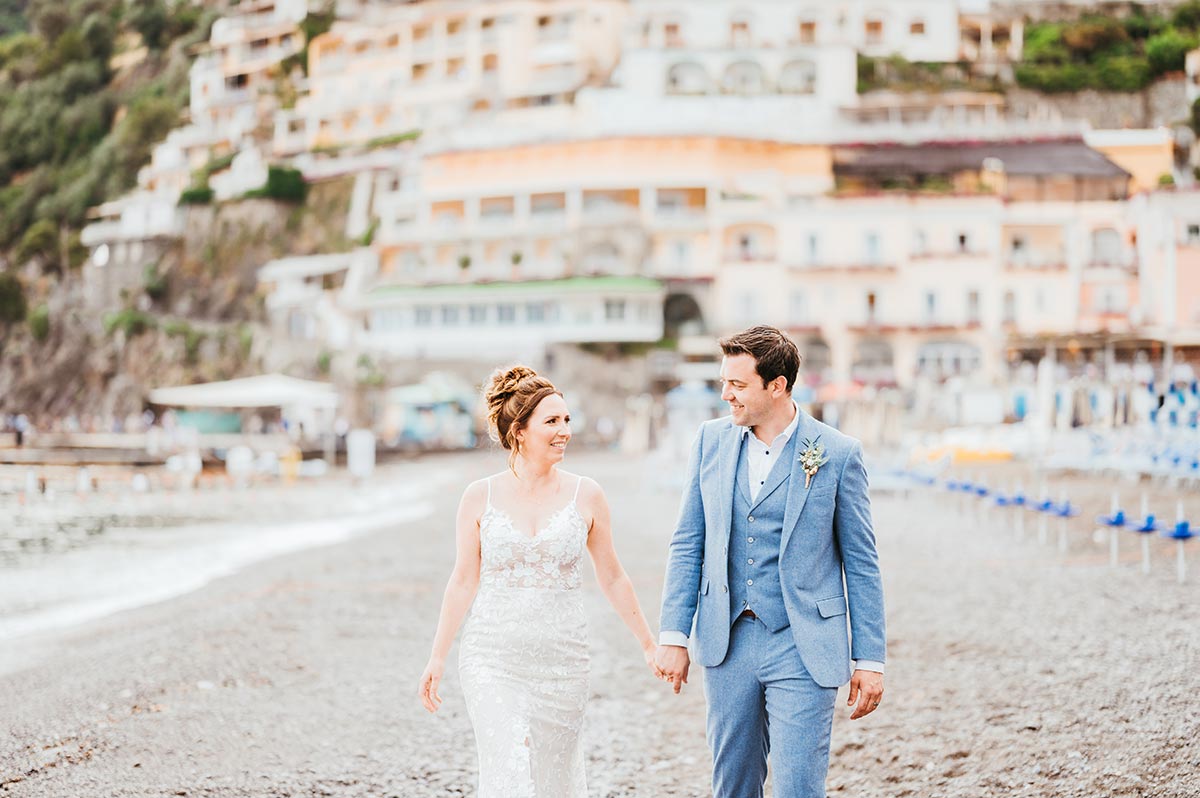

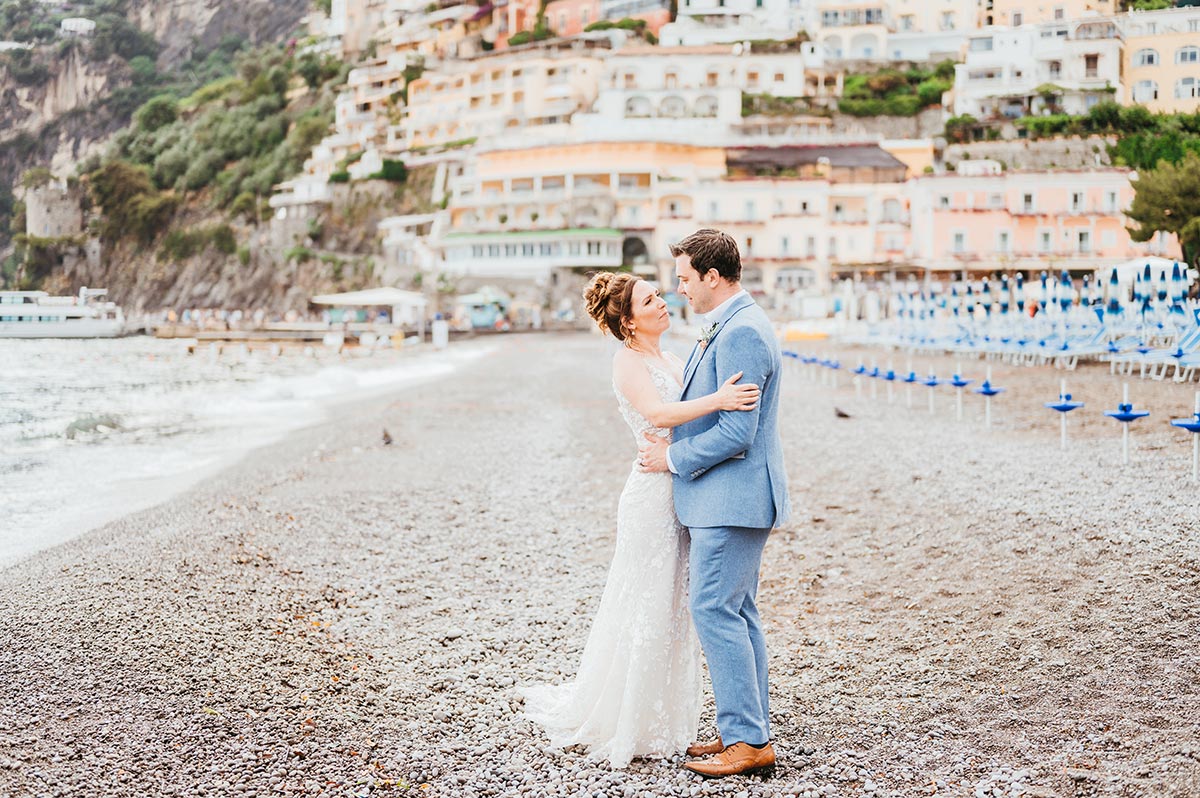

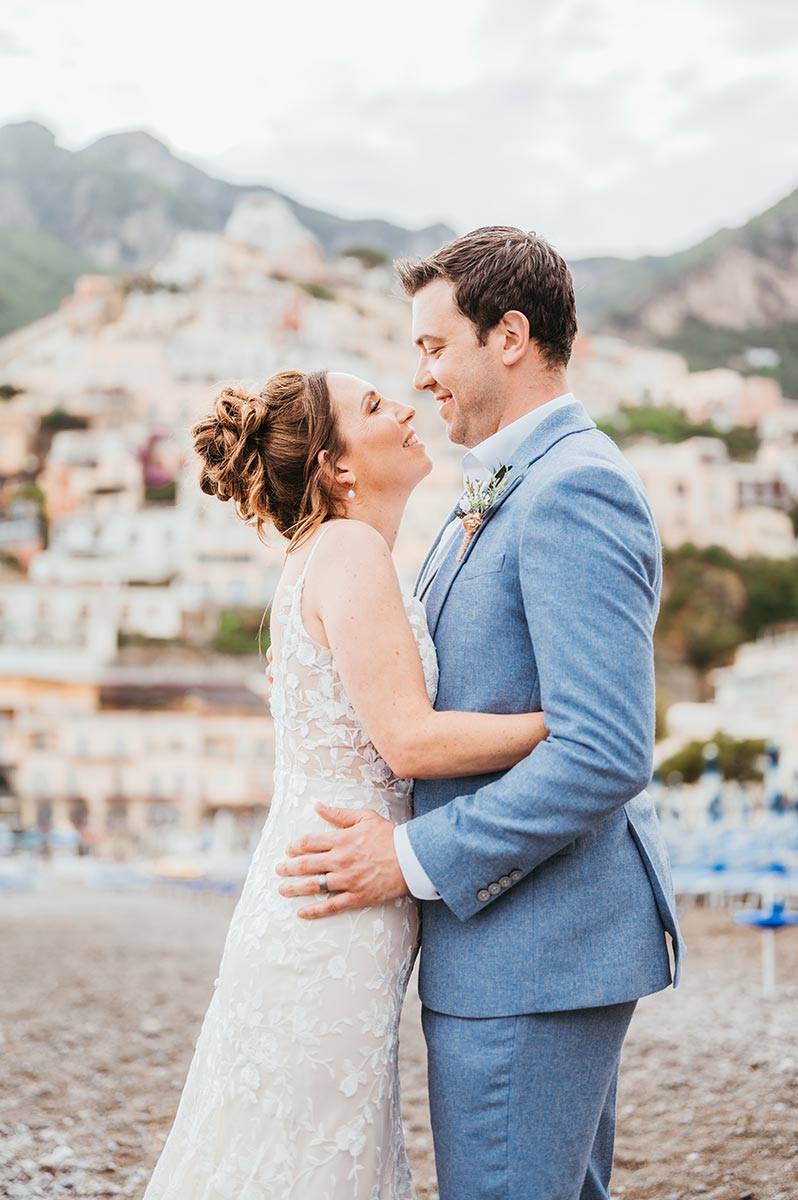
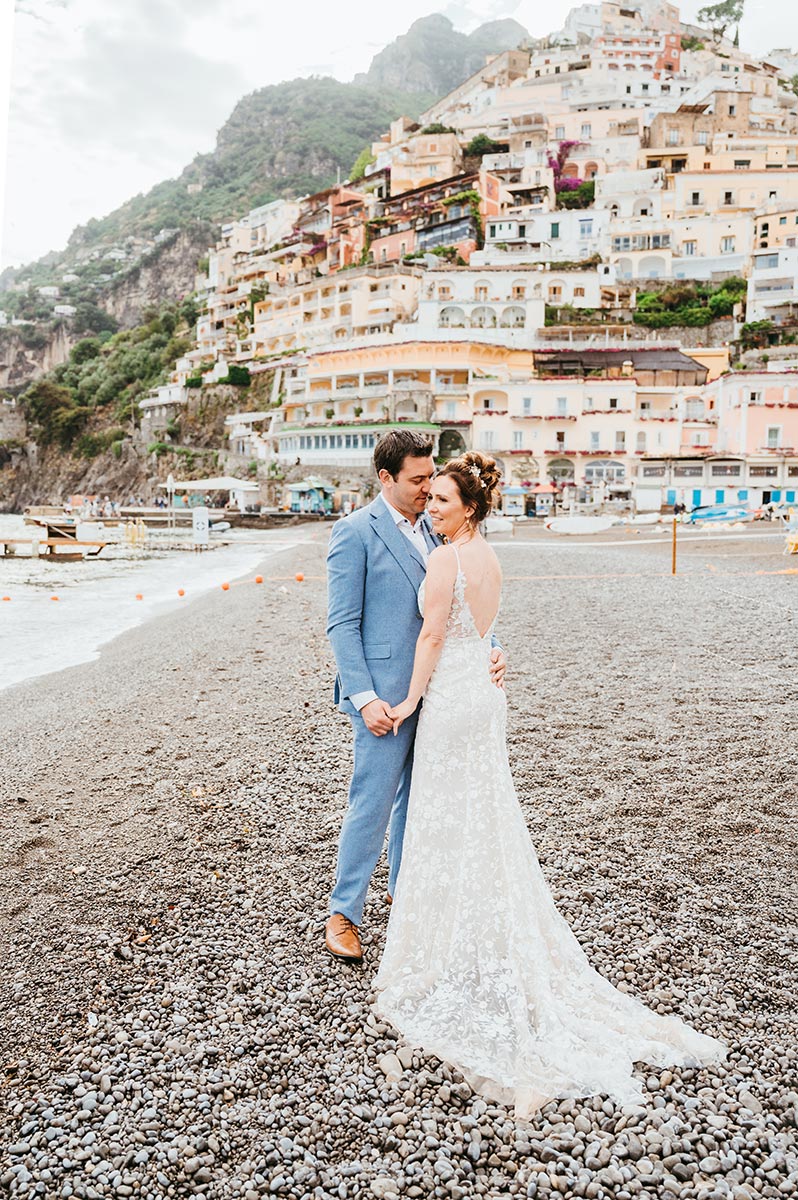

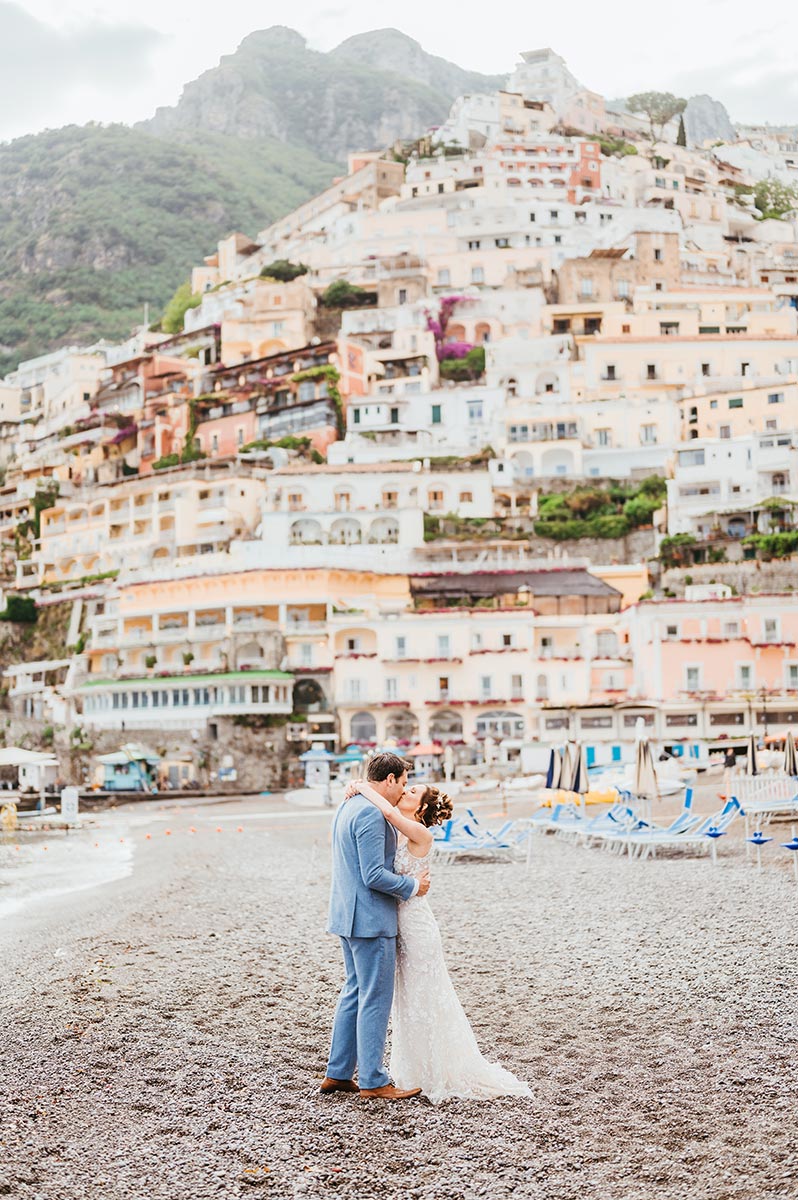
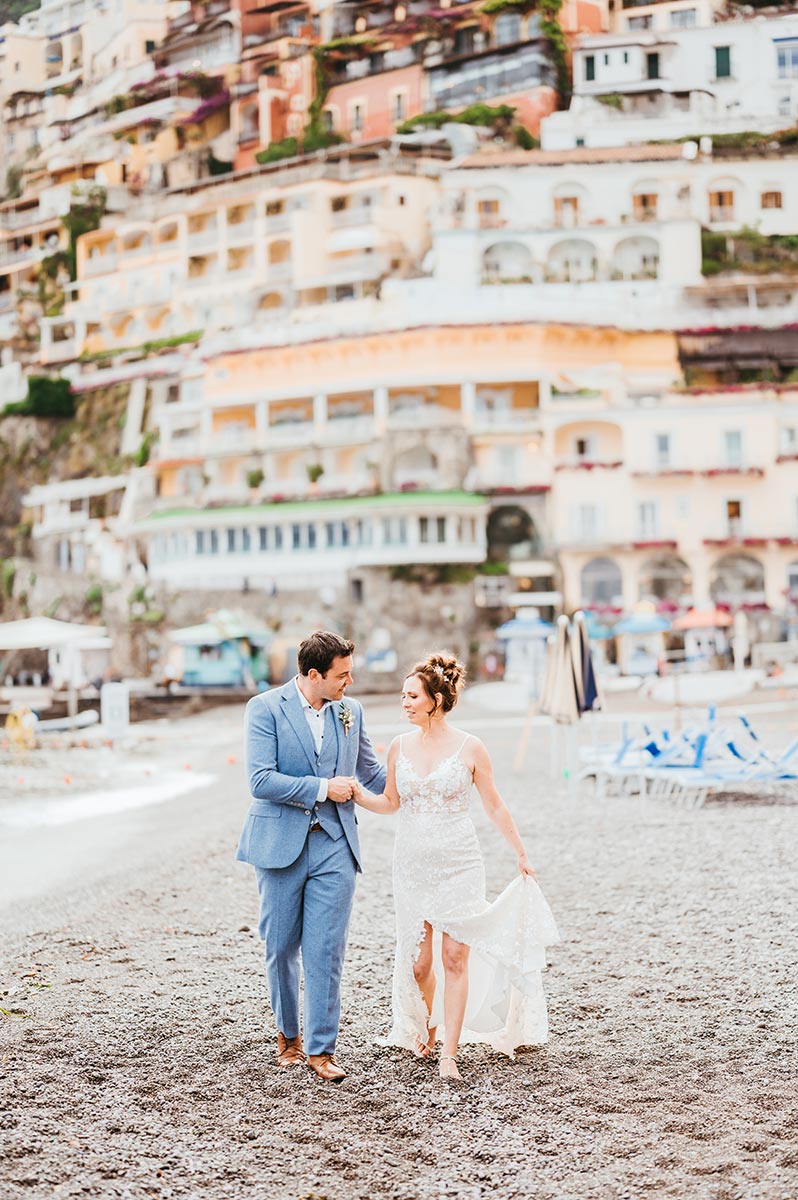
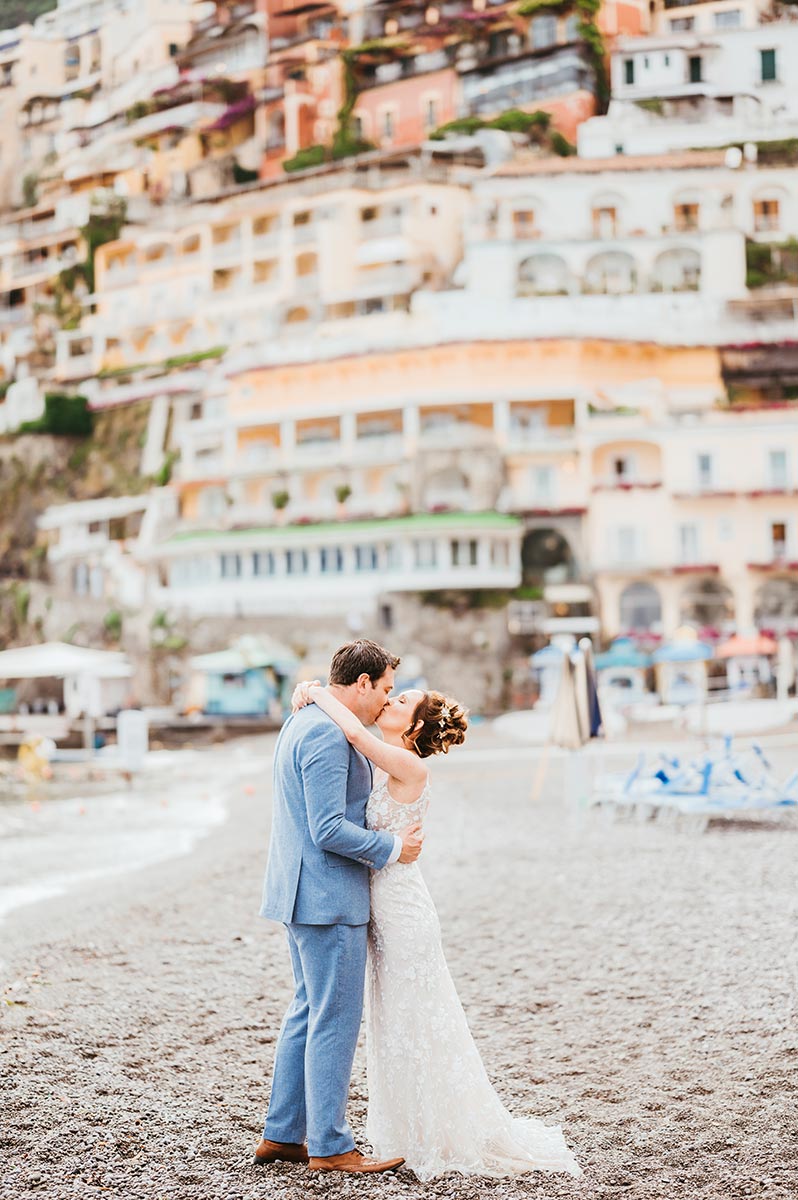
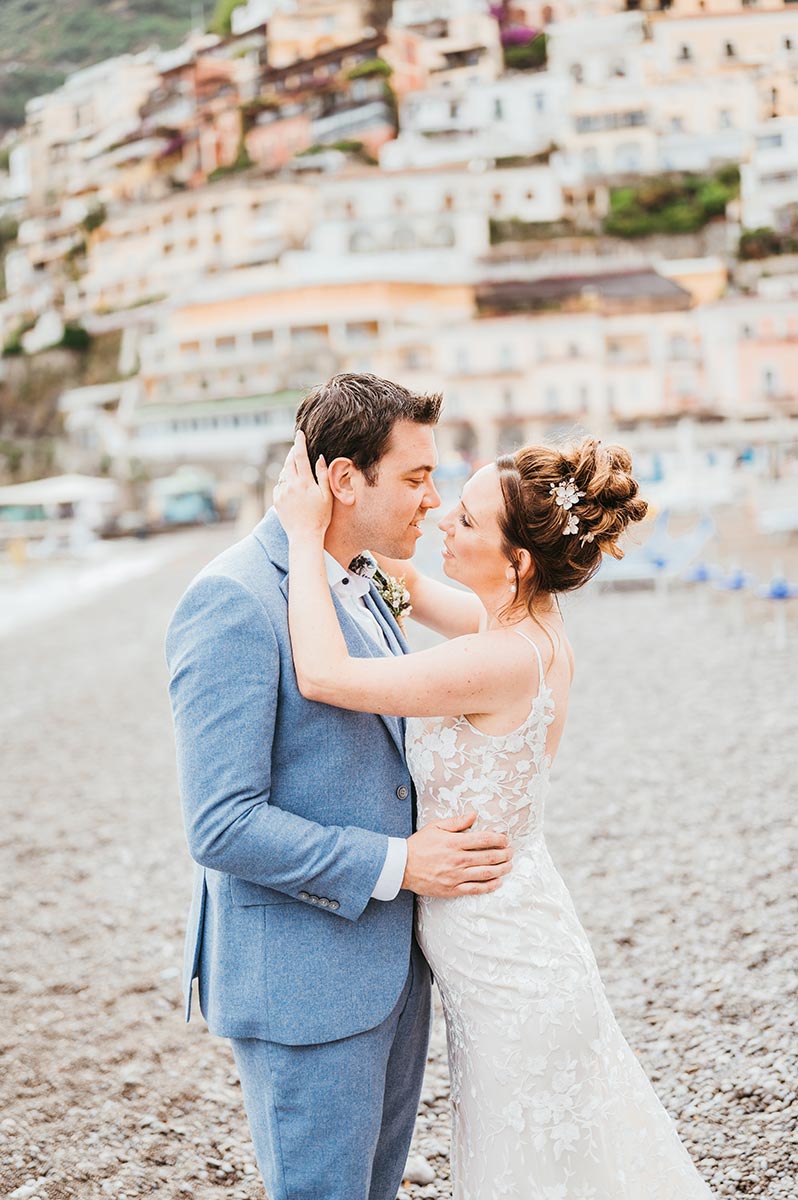
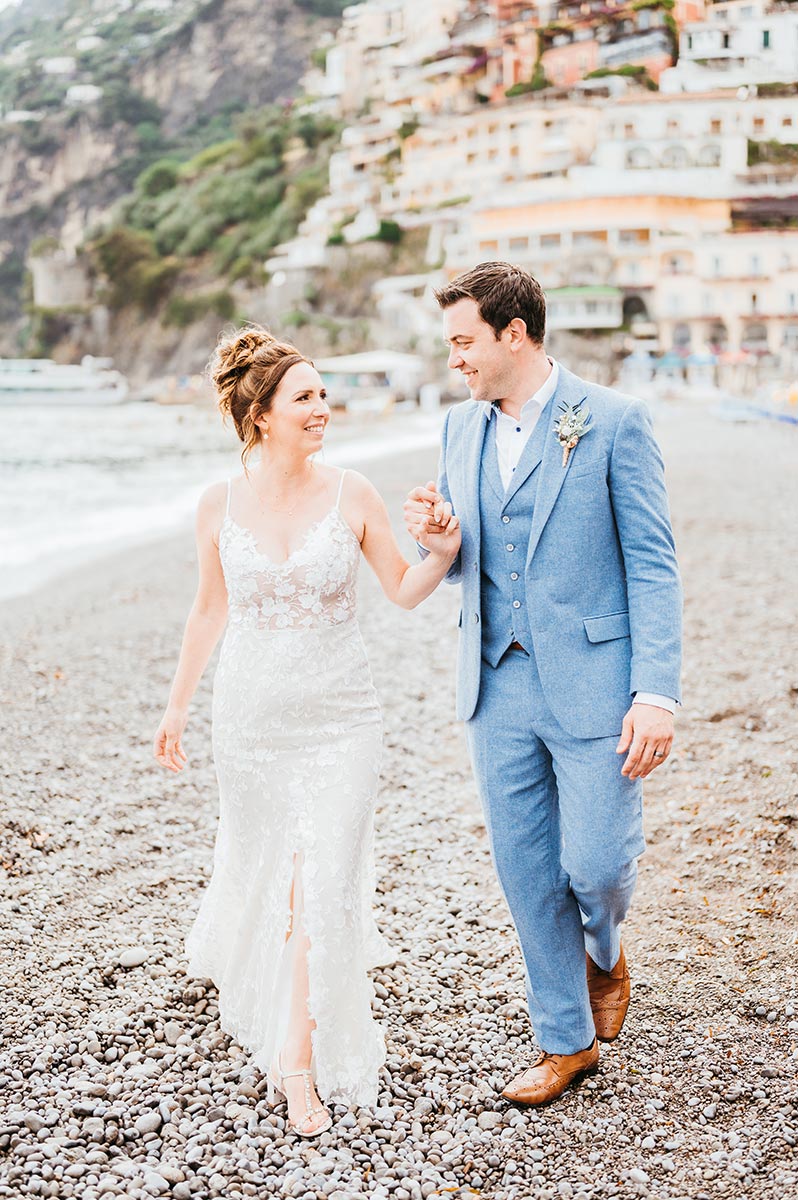

Highlighting the natural beauty of Positano in wedding photography
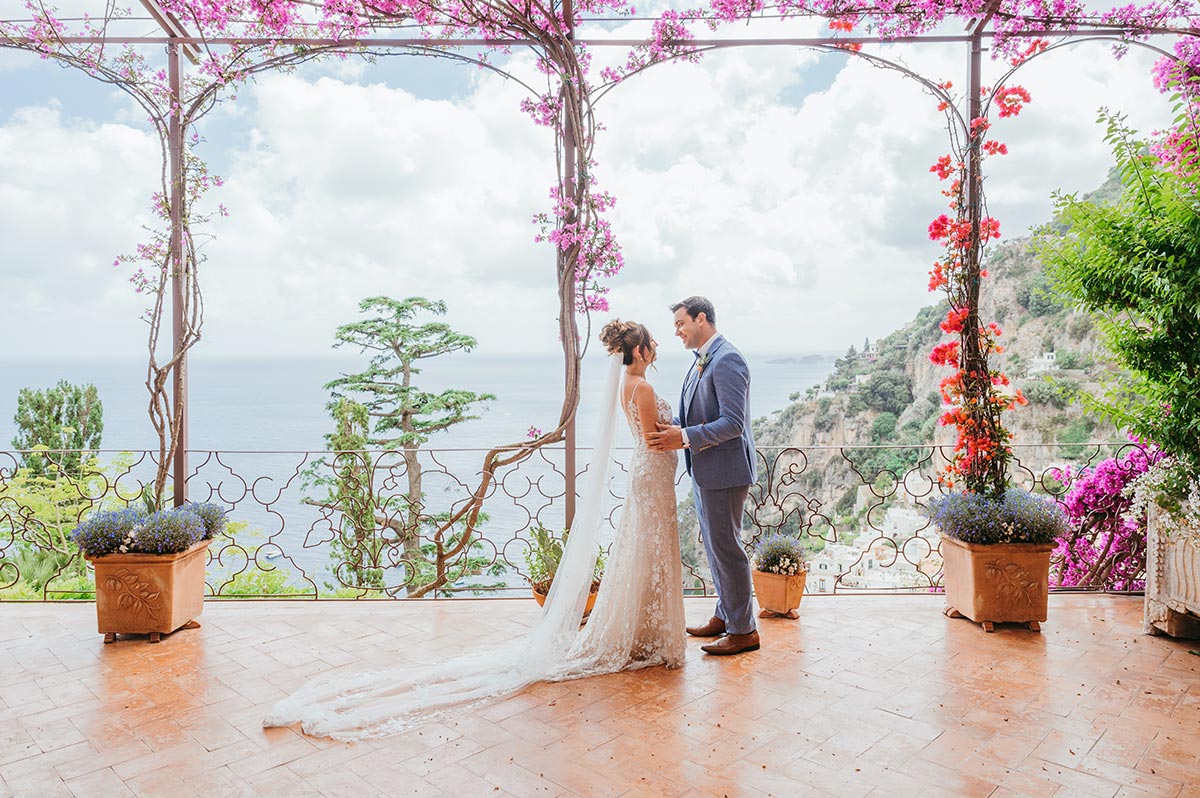
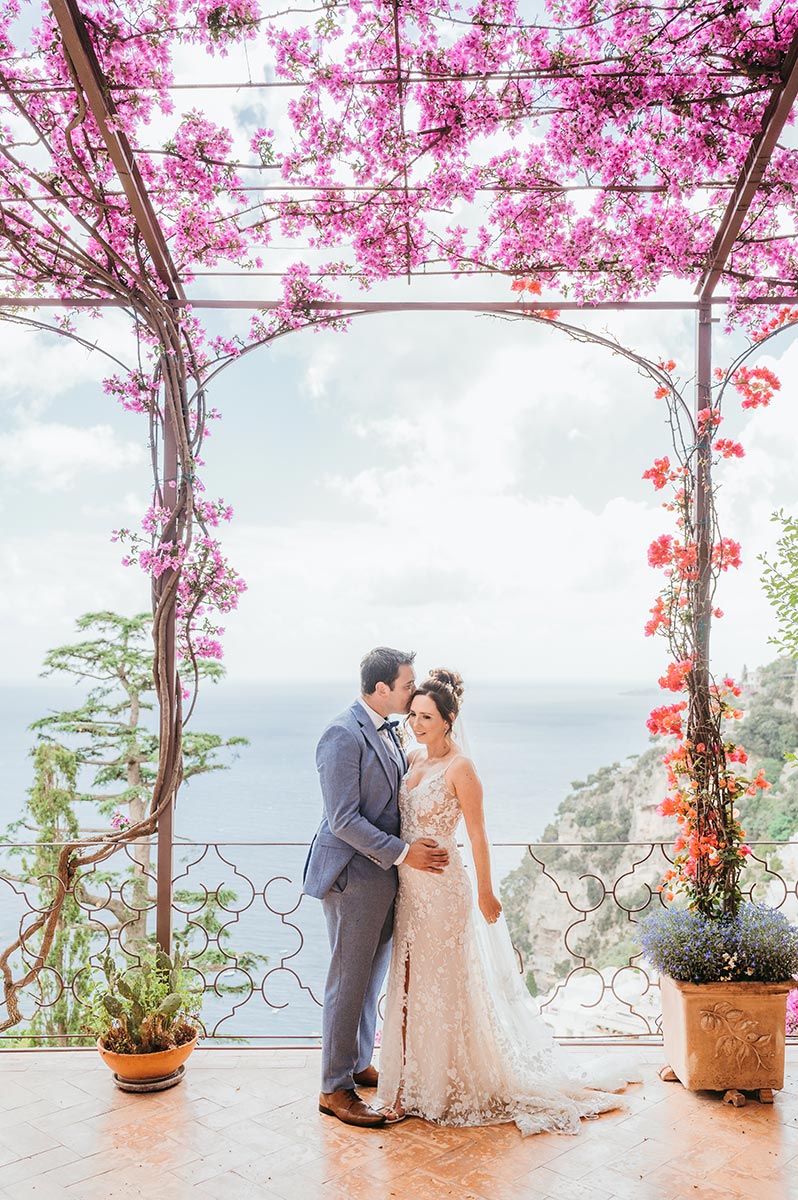
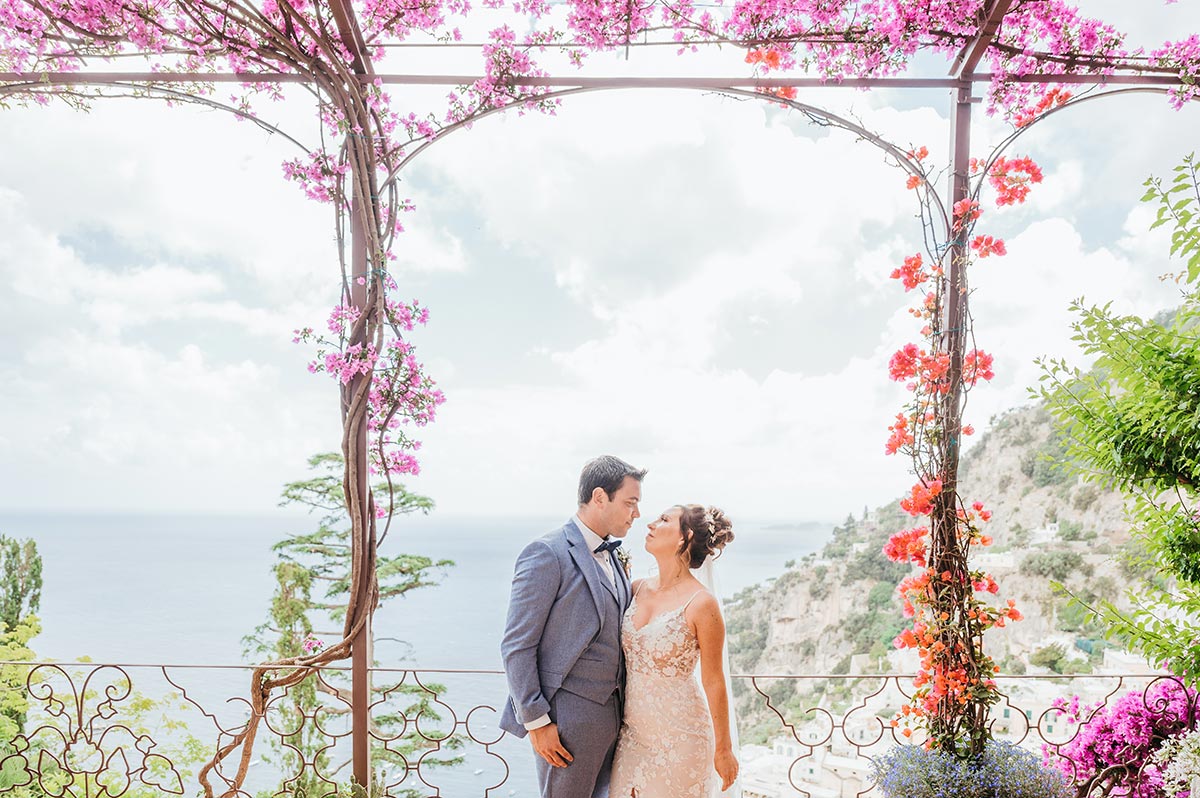
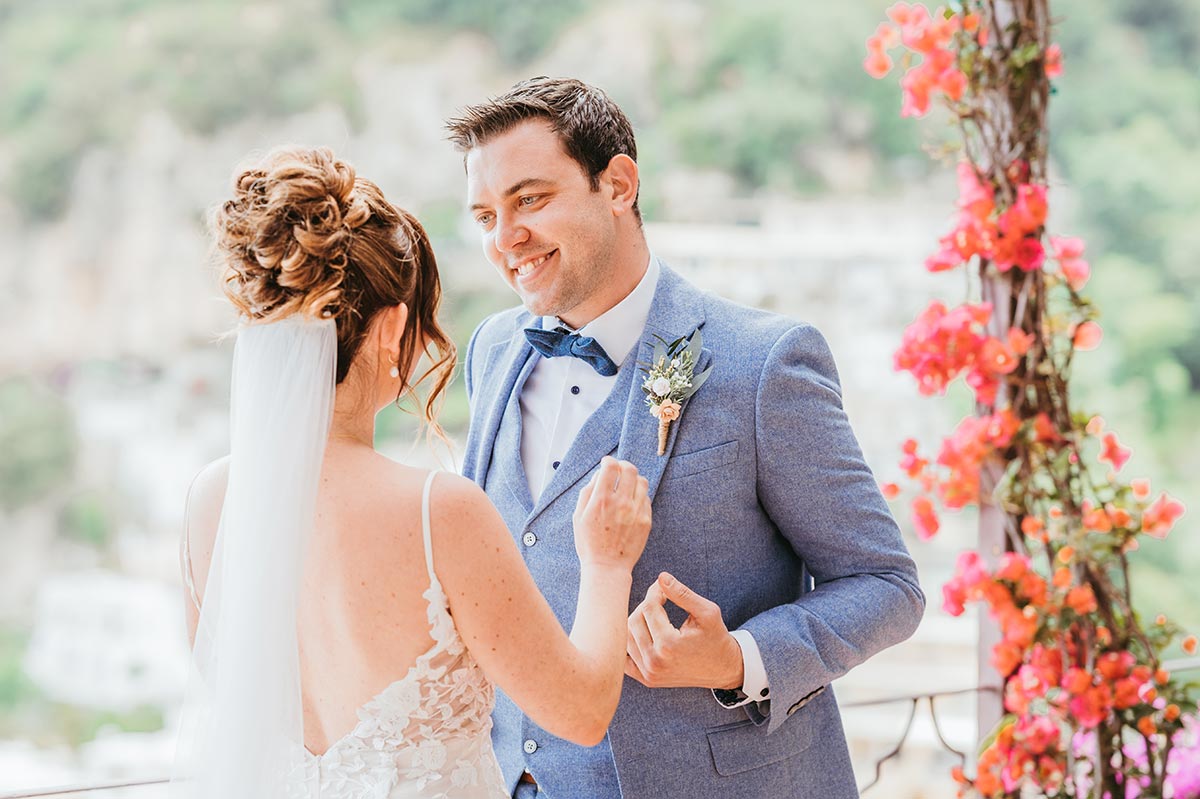
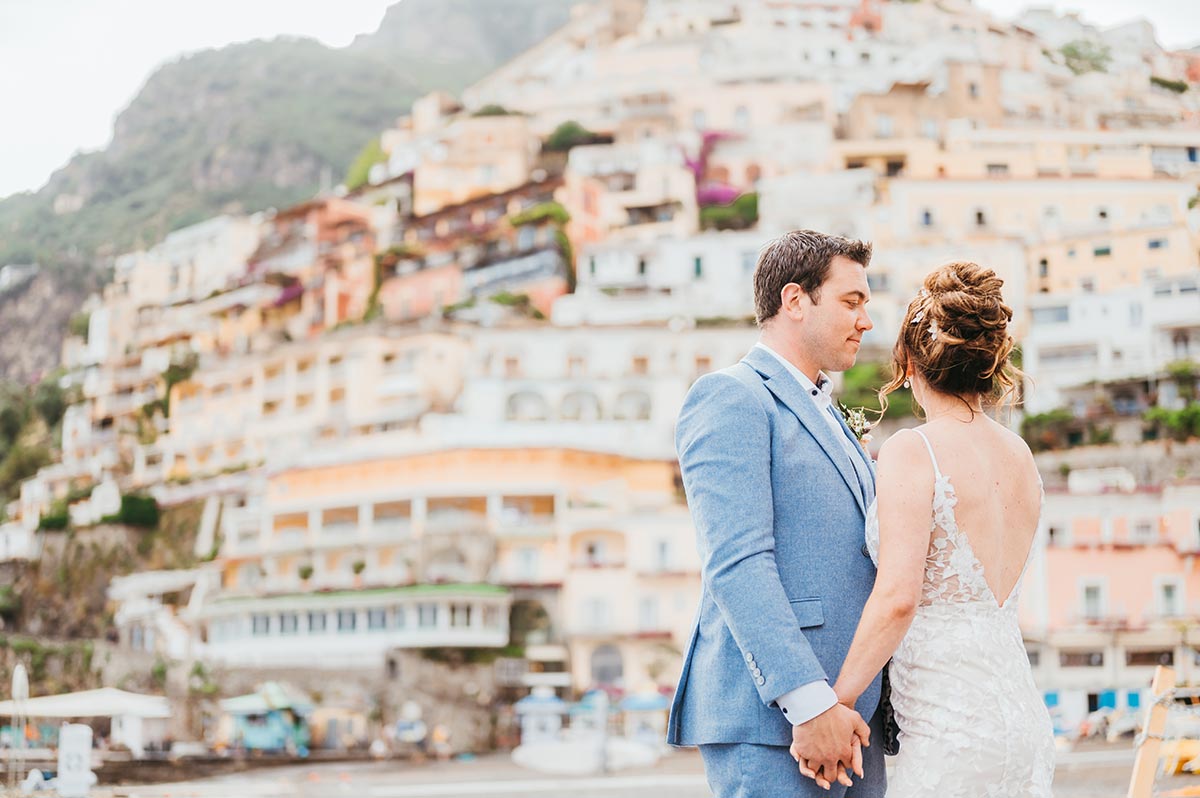
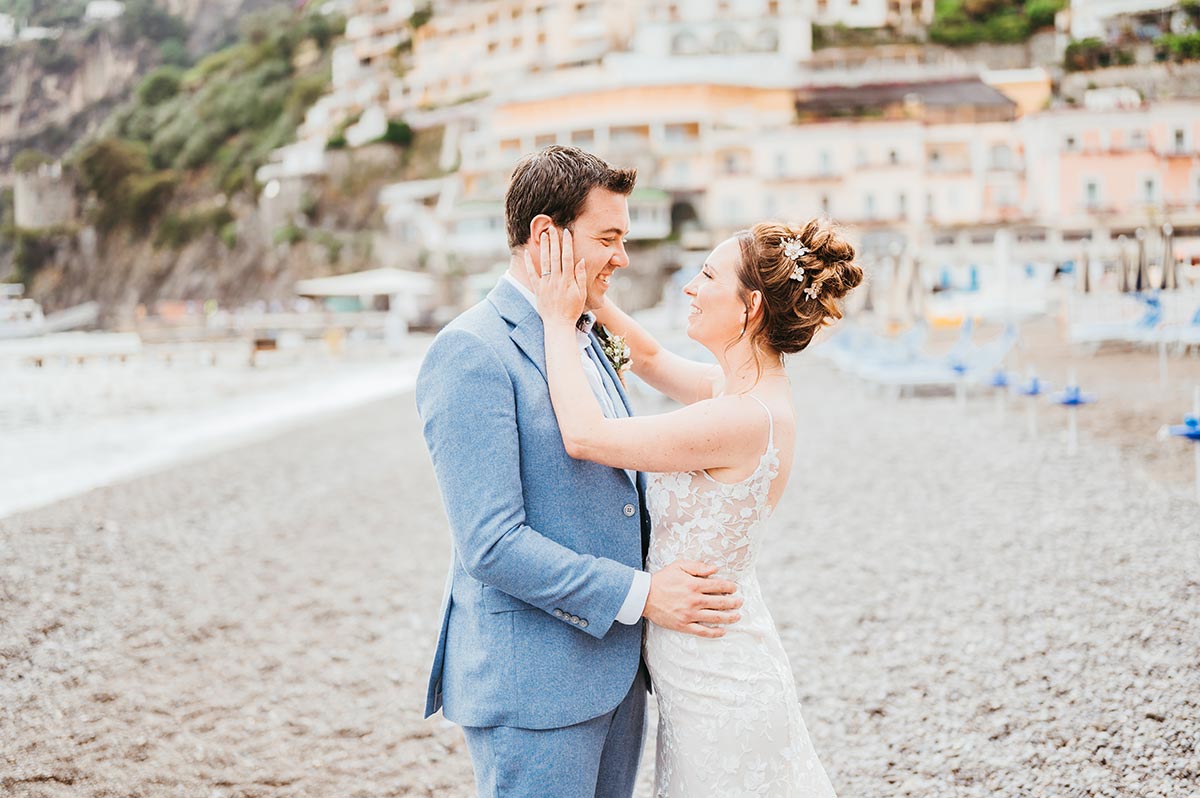
As professional wedding photographers in Positano, we understand the importance of capturing the town’s natural beauty in wedding photography. The following are a few of our favorite ways to incorporate Positano’s coastal setting into our photography:
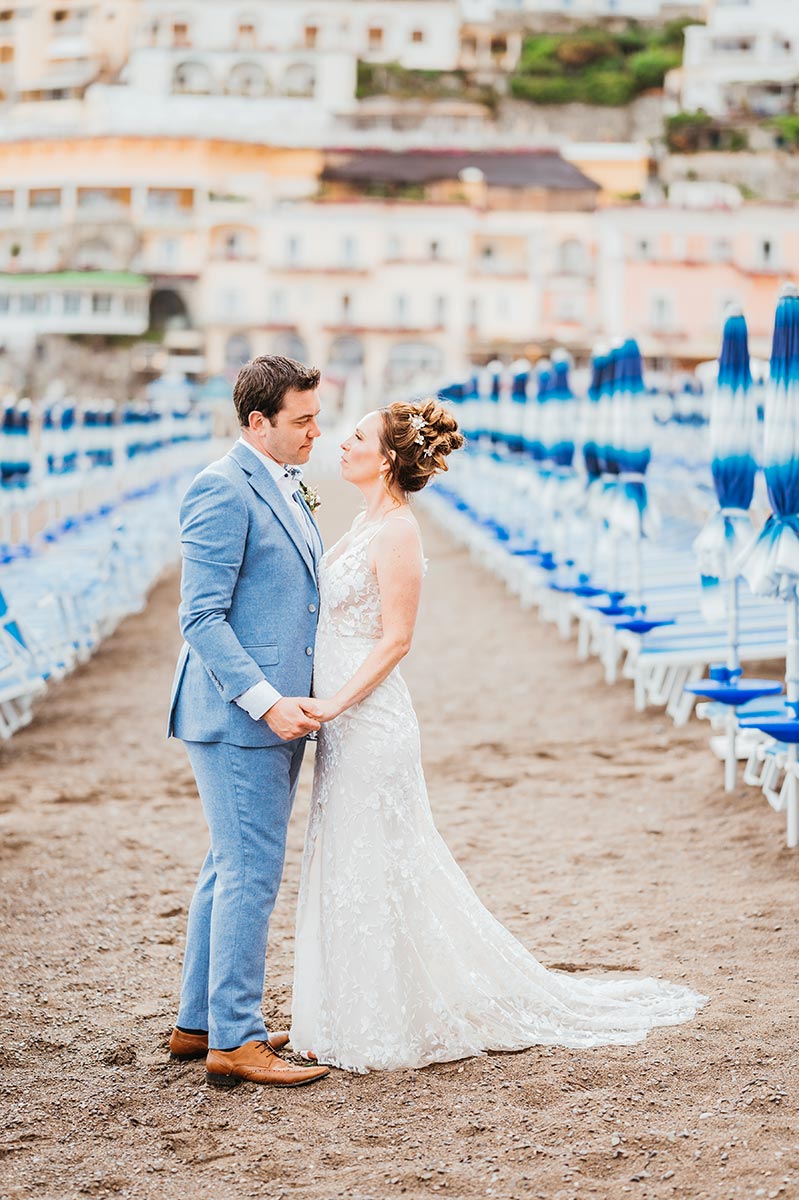
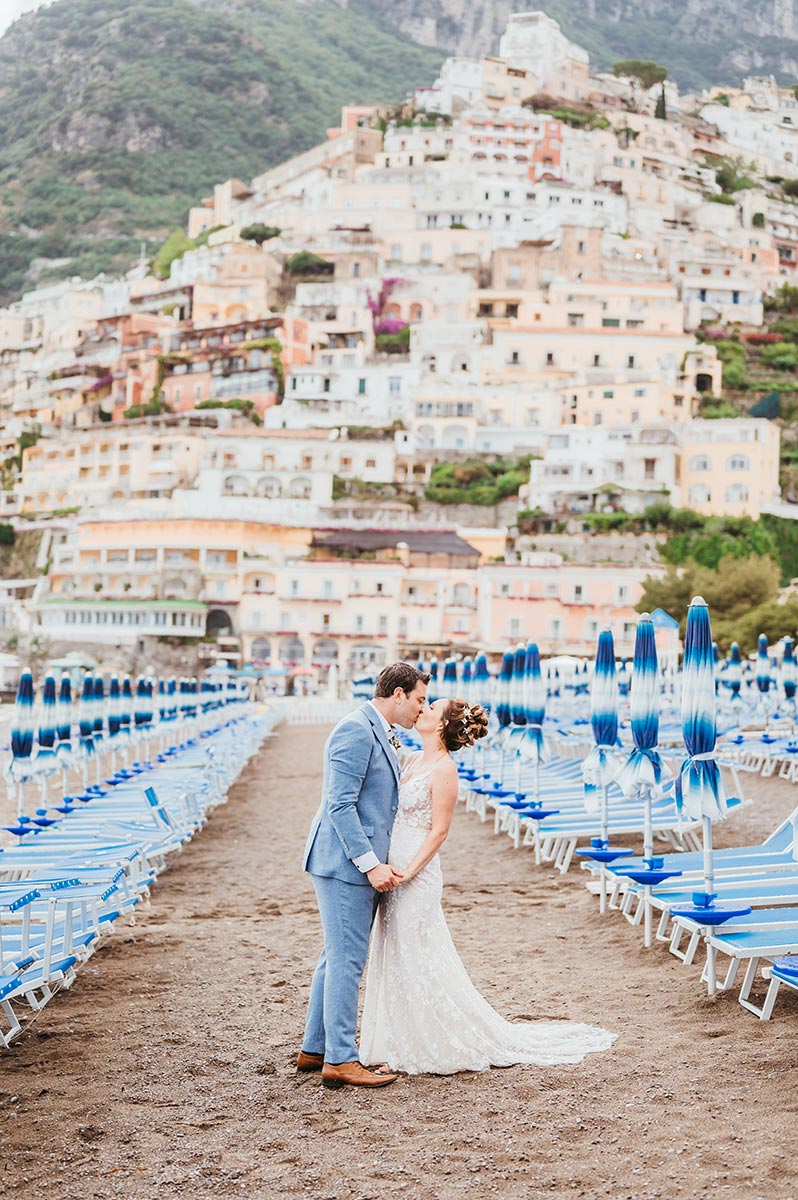
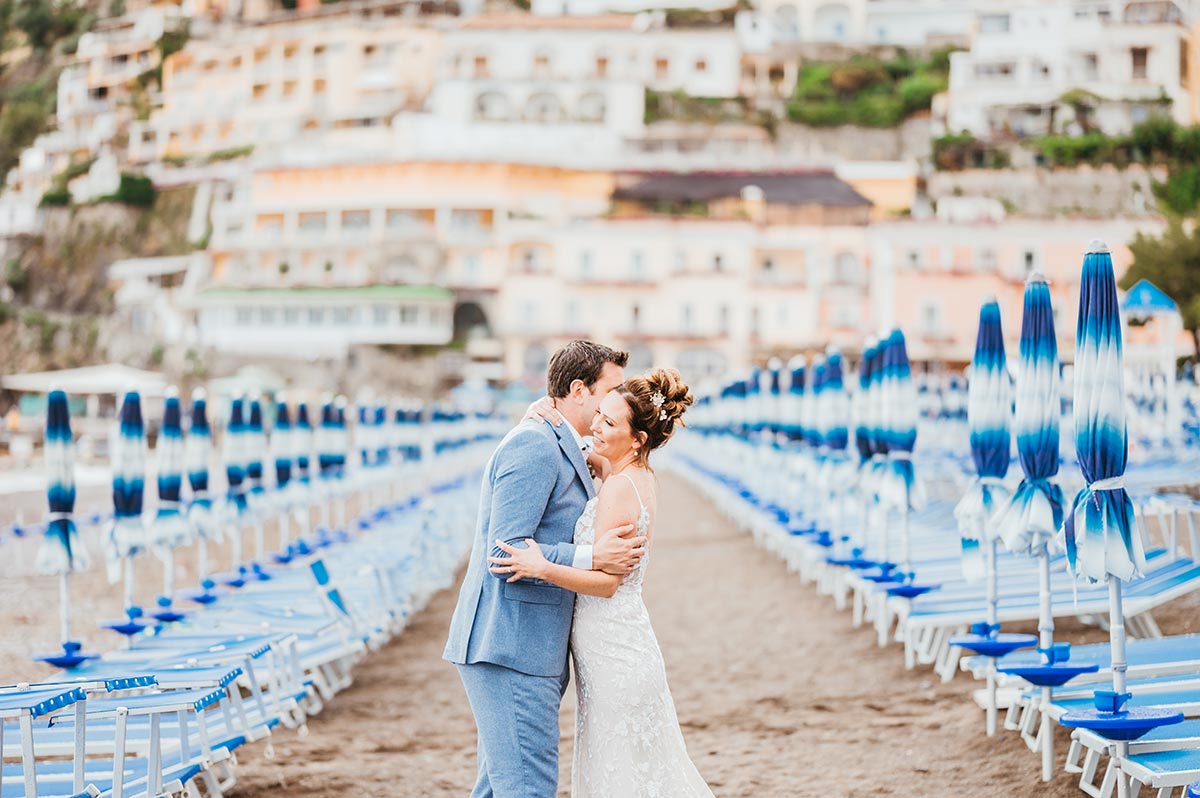
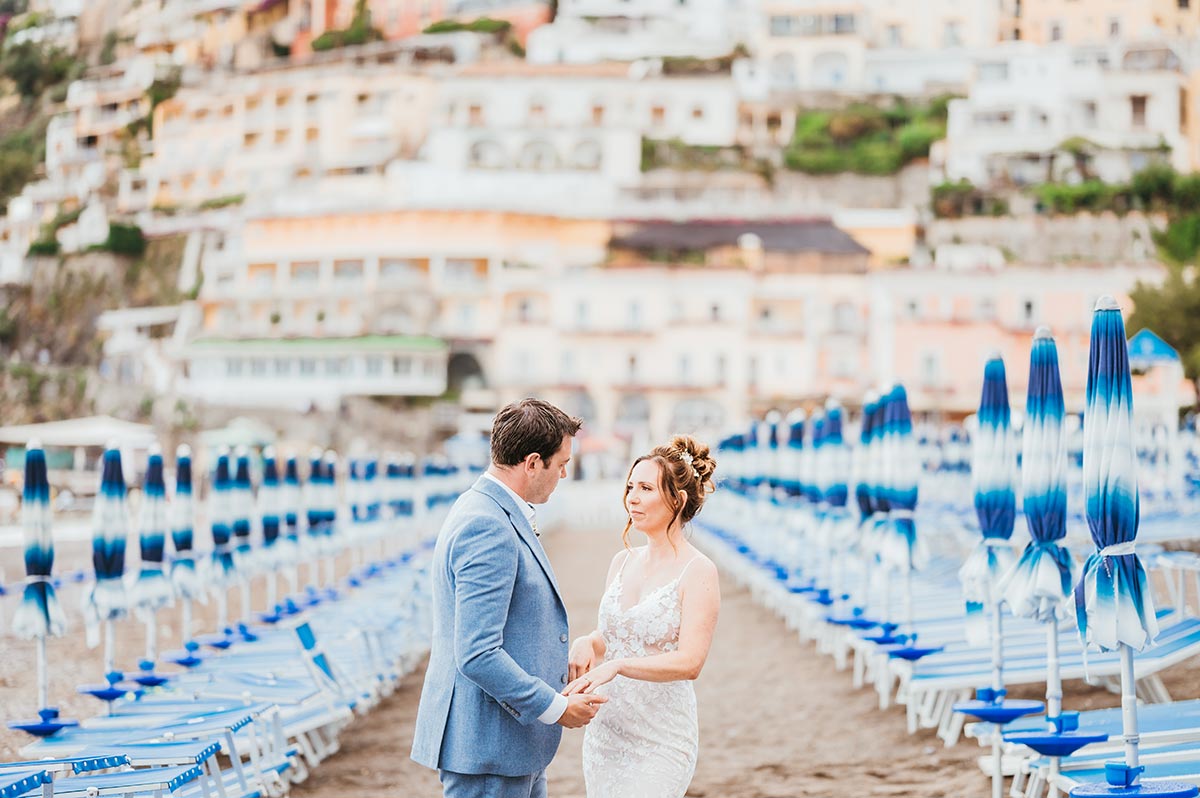
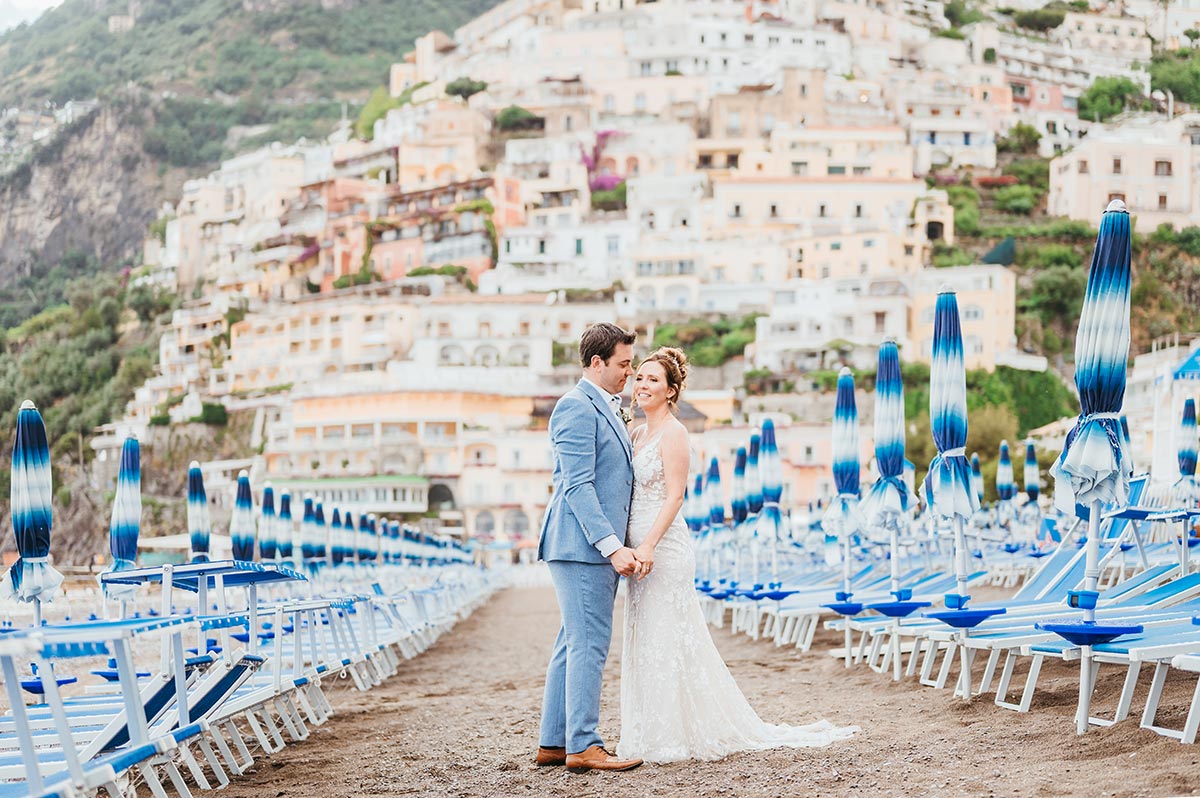

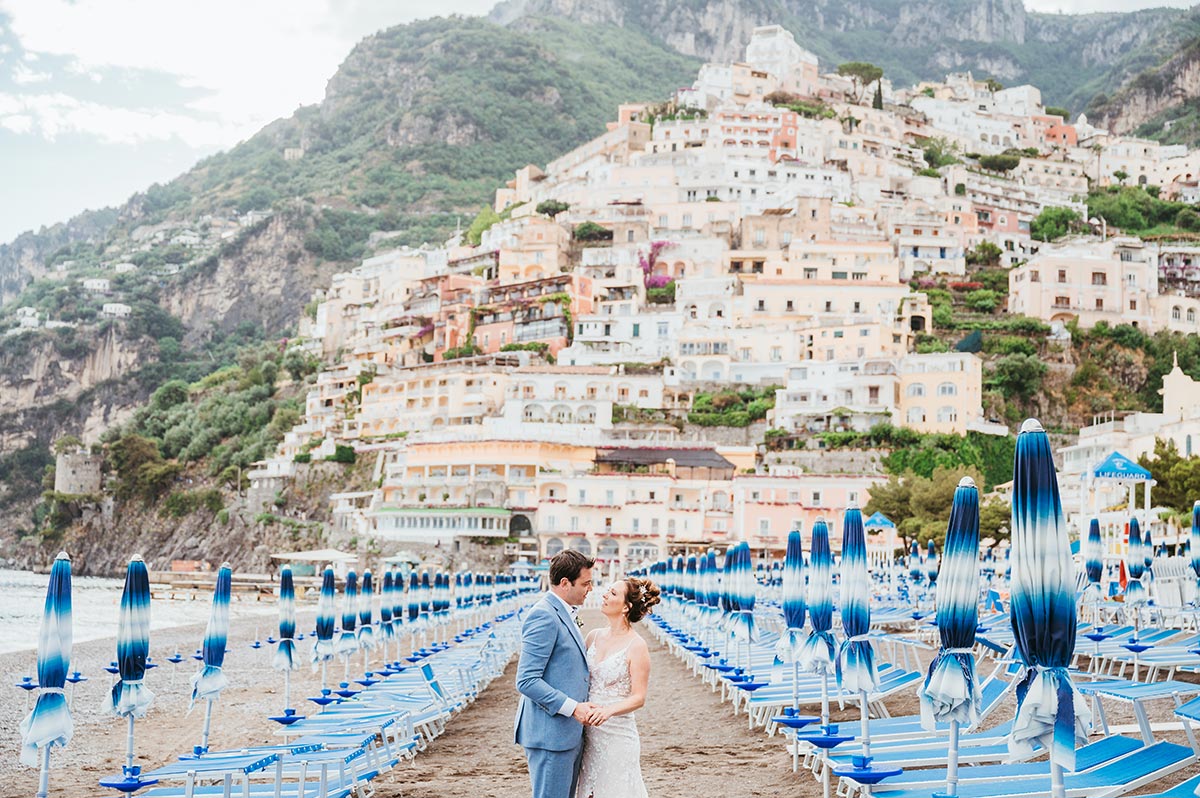
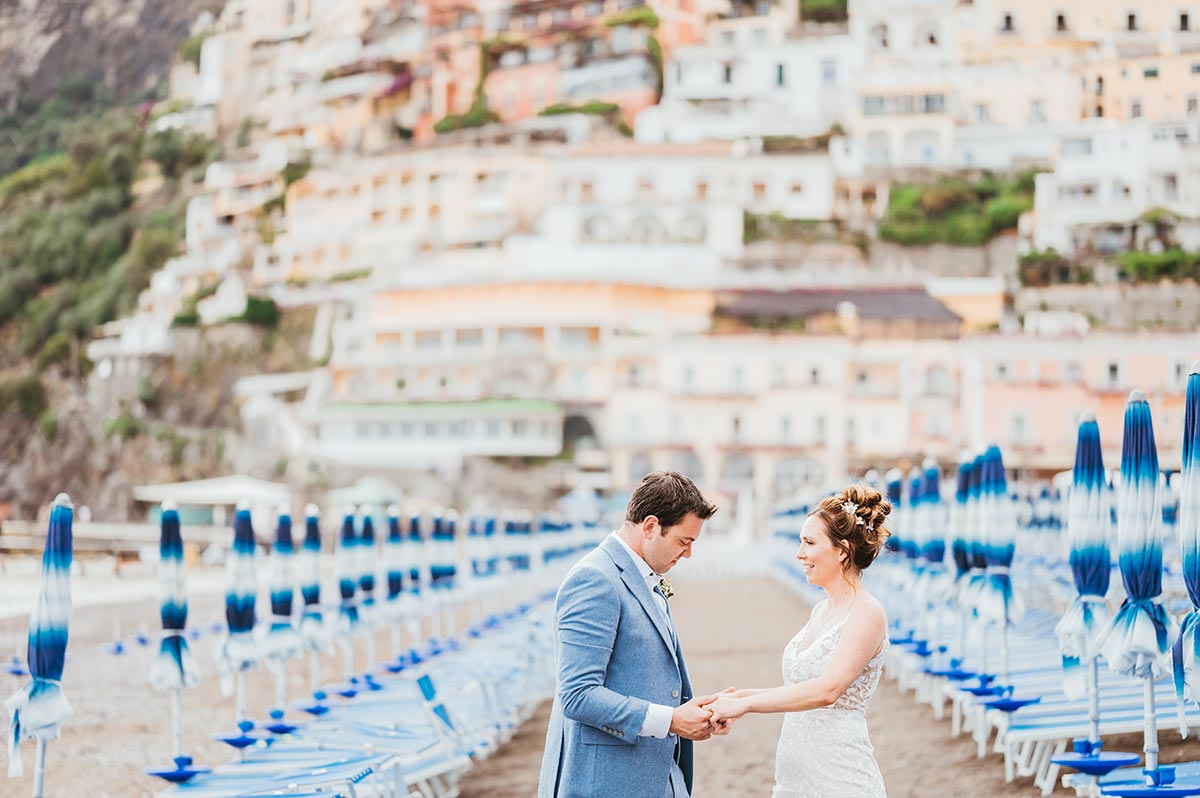
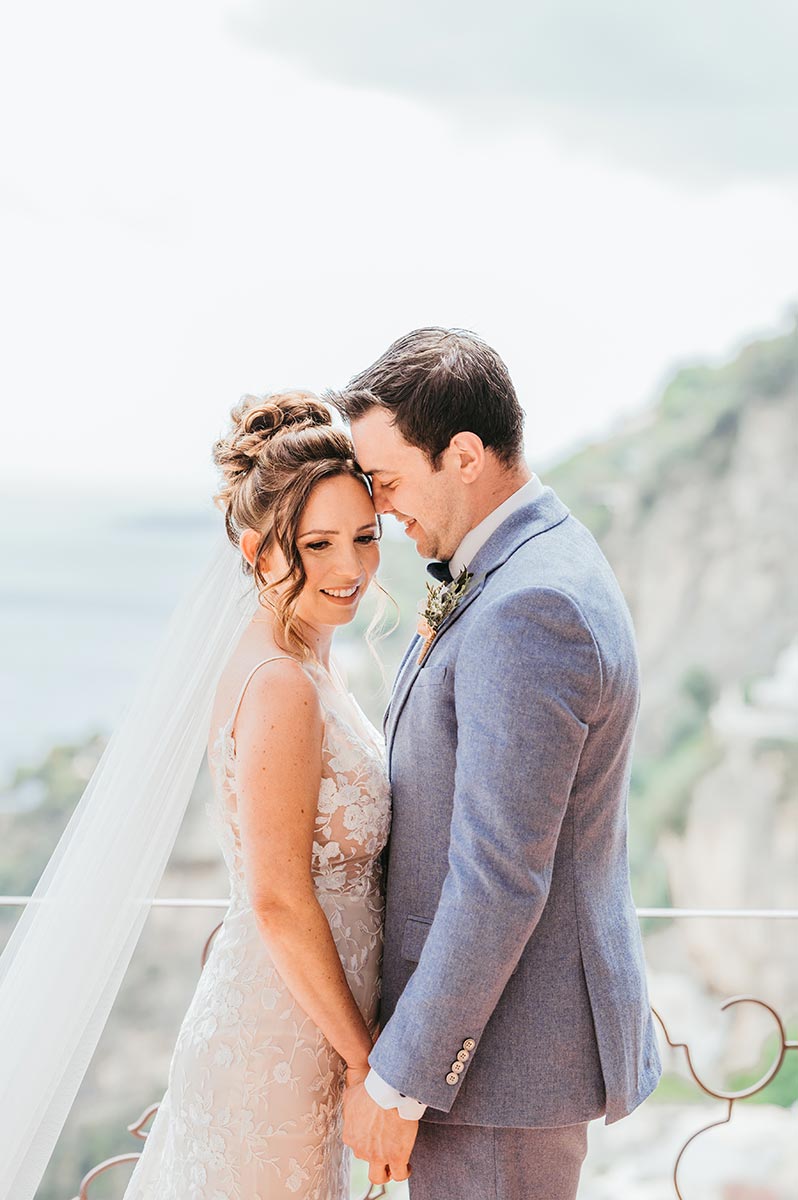
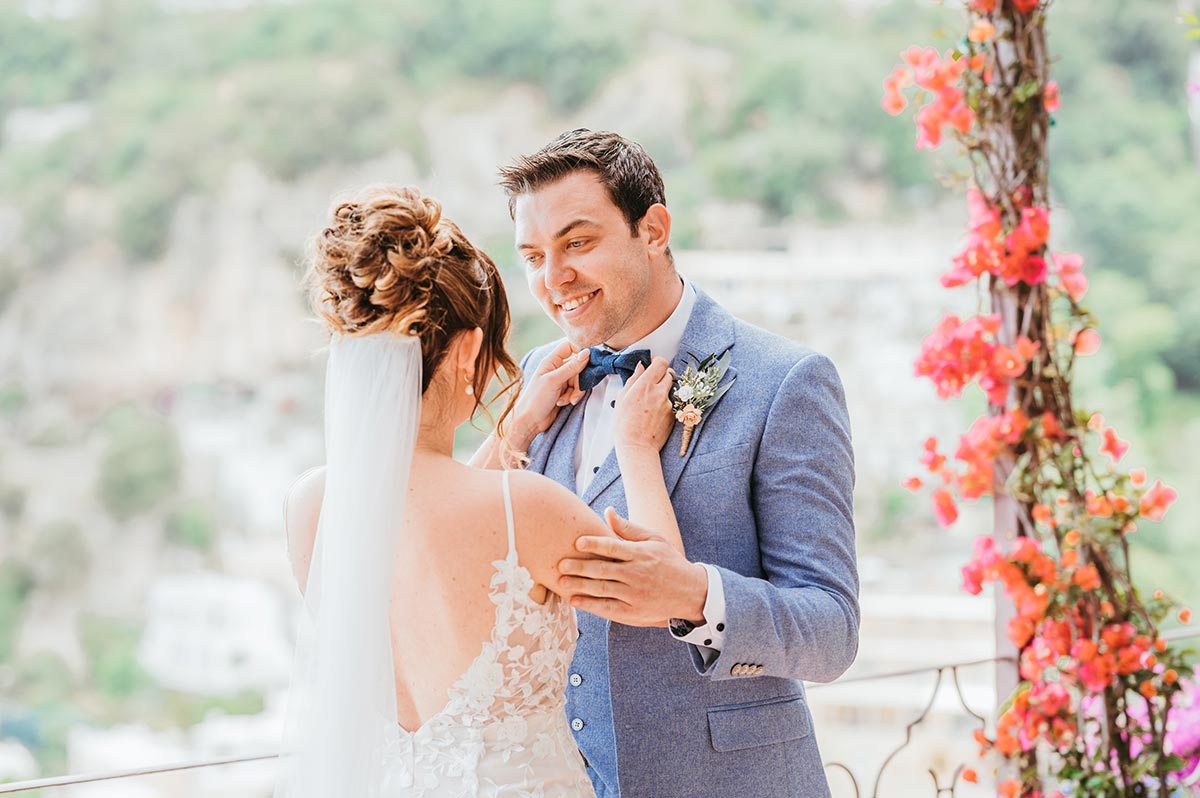
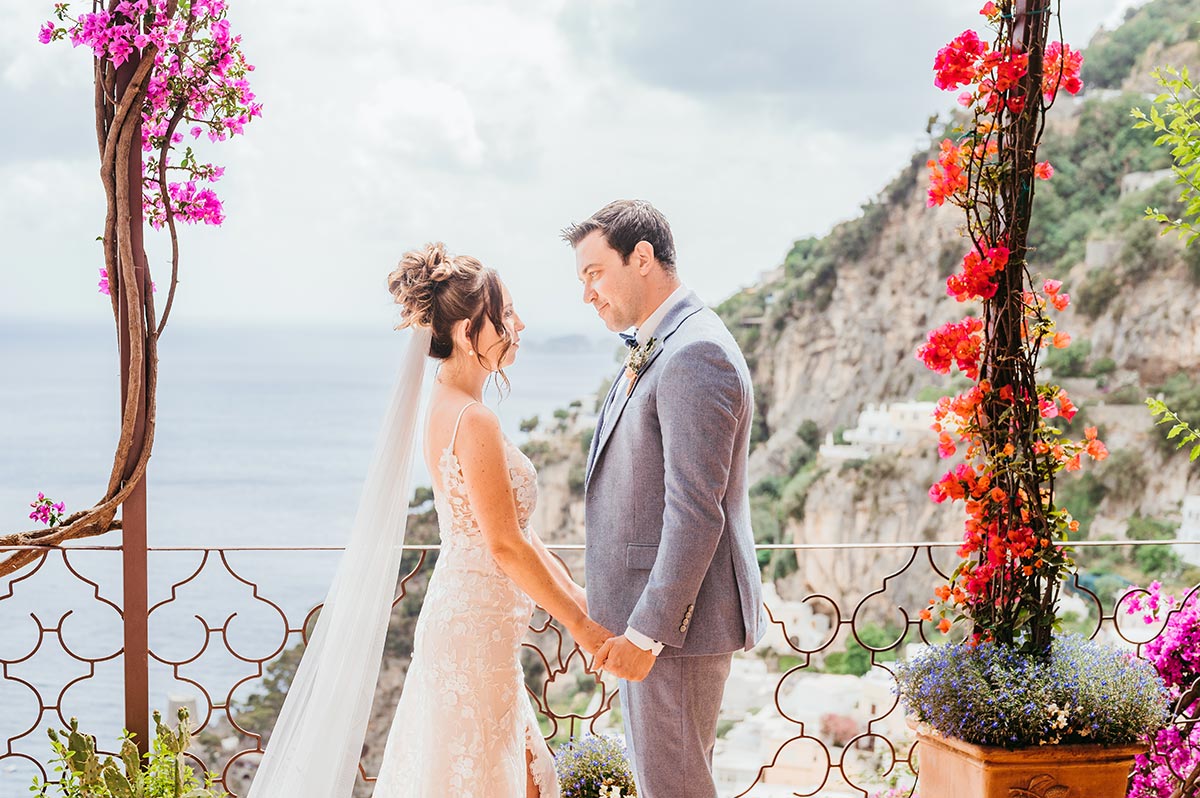
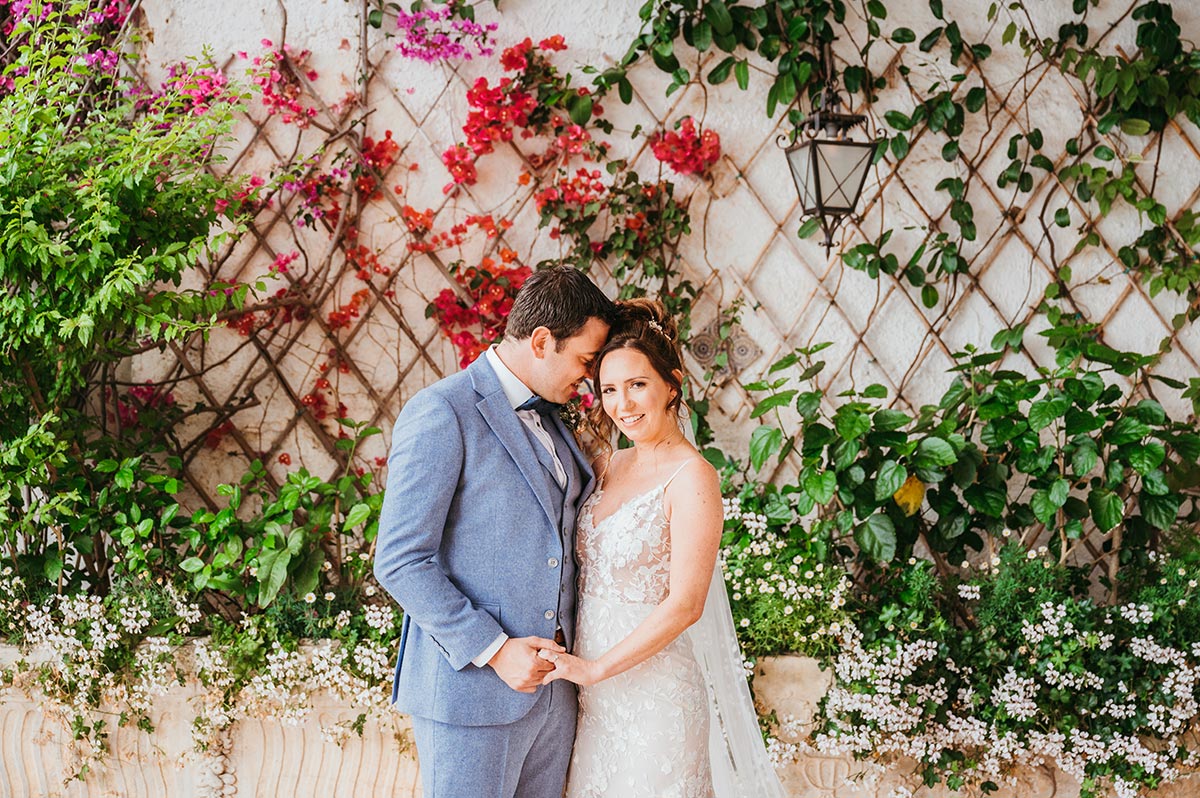
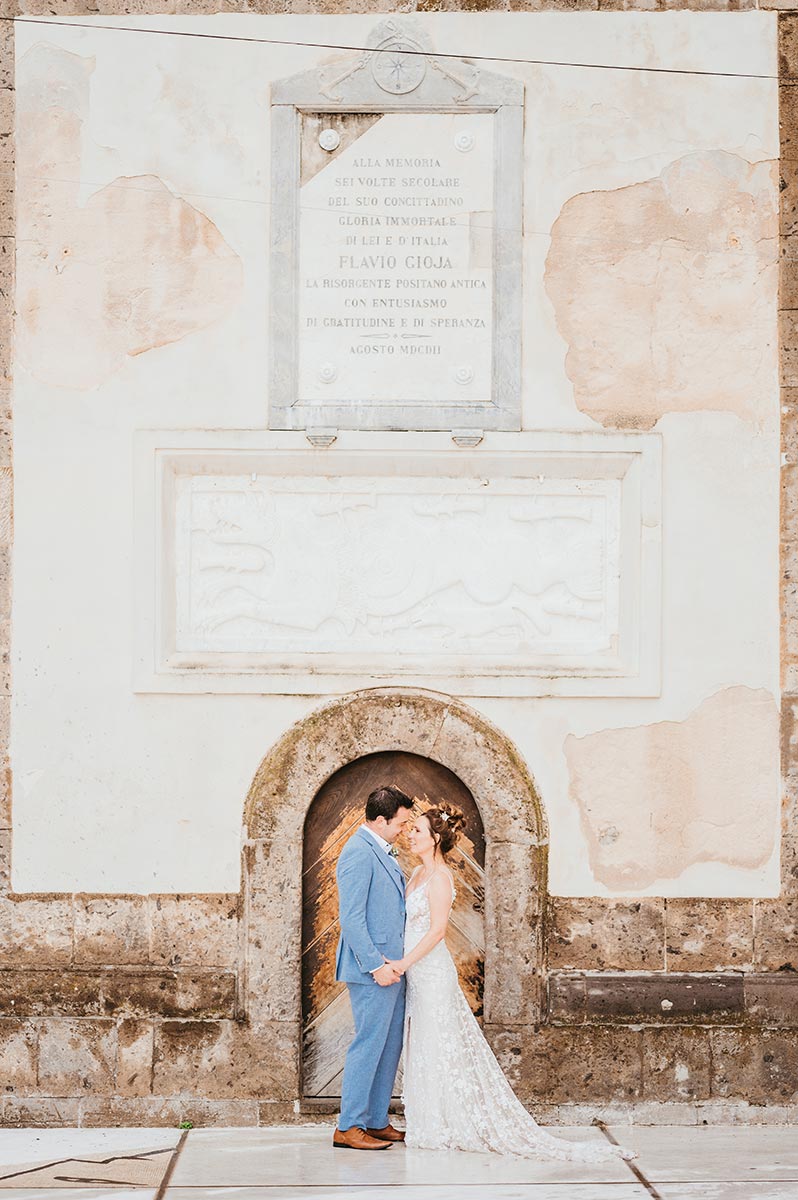
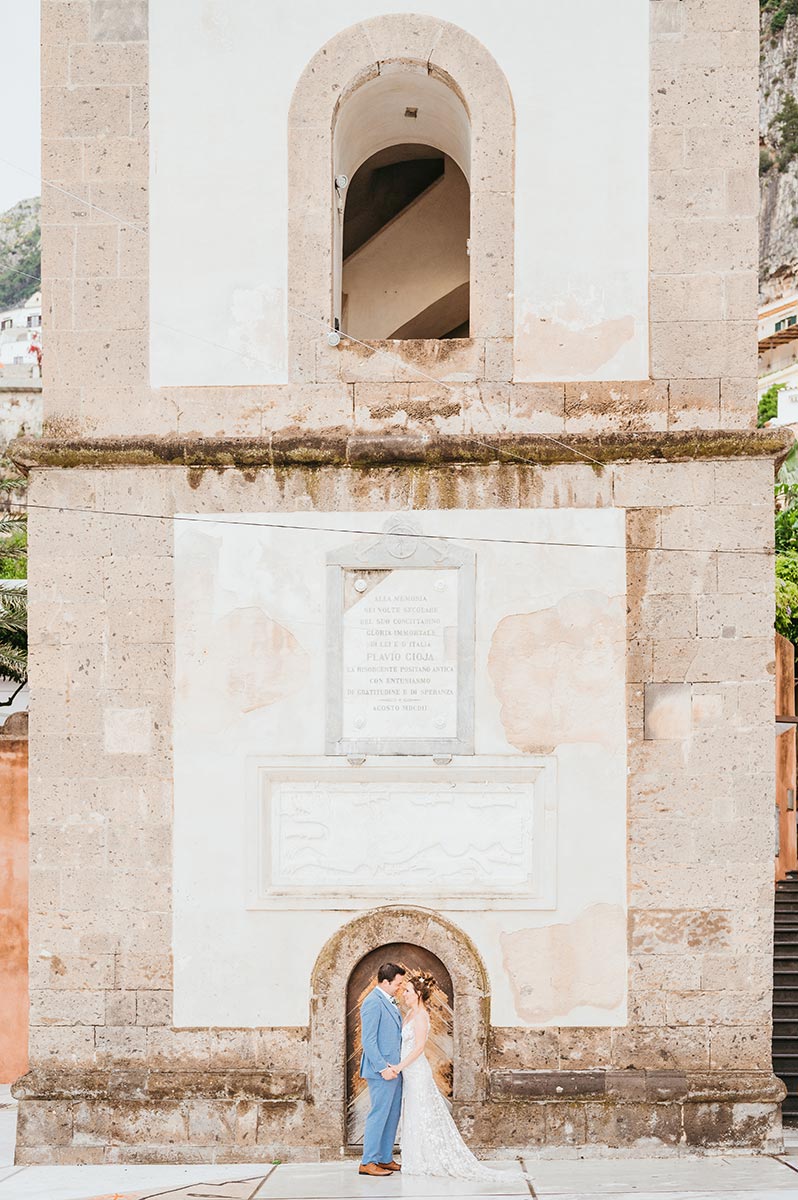
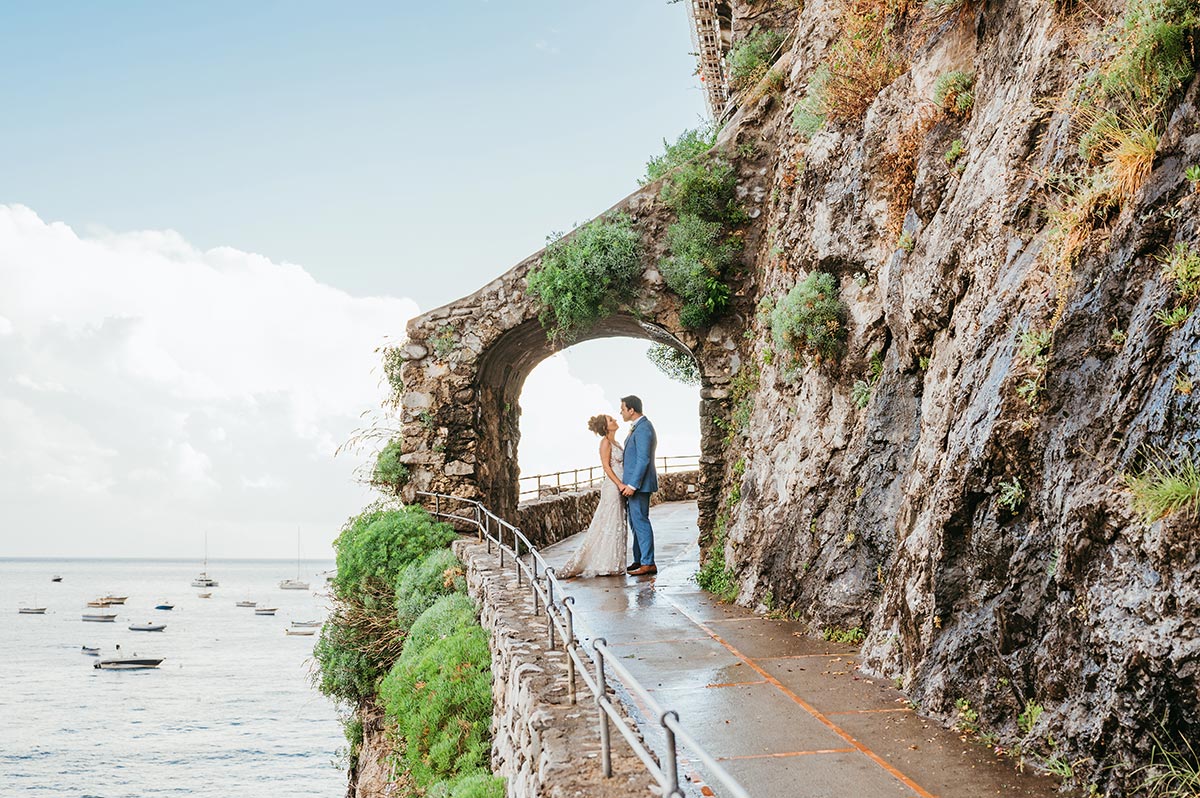
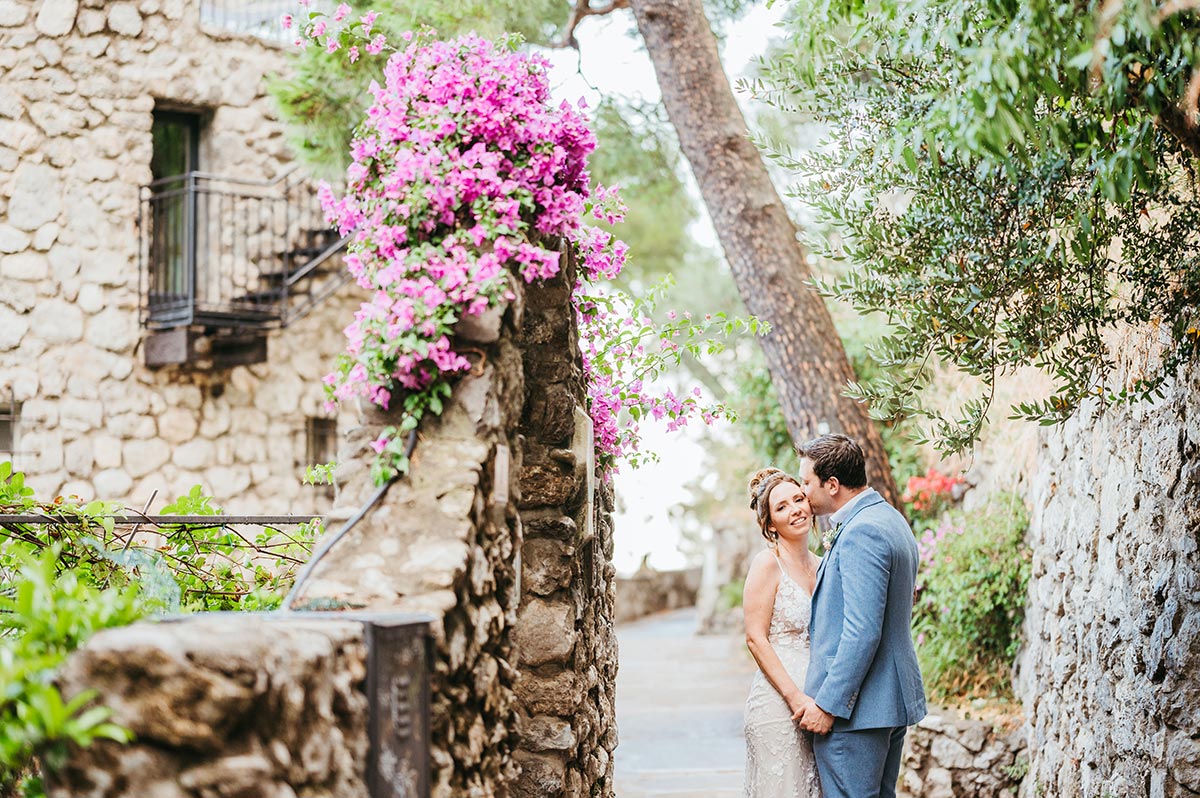
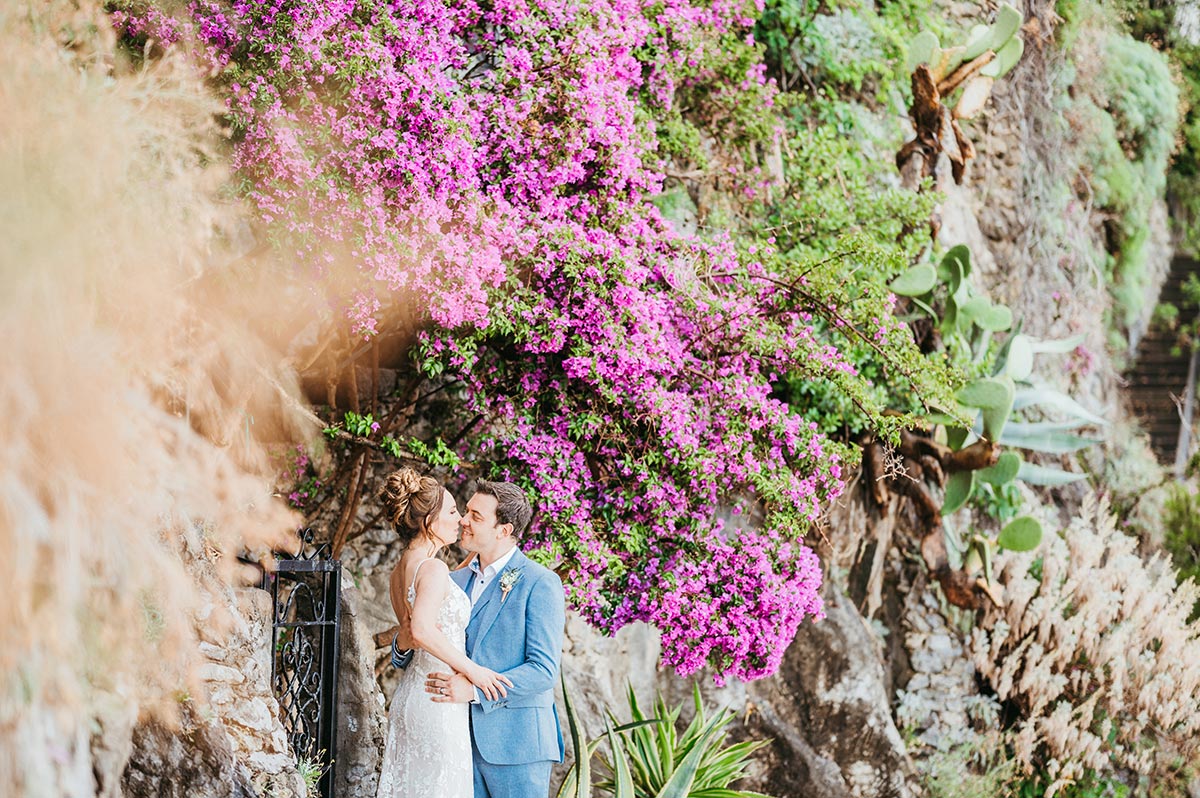
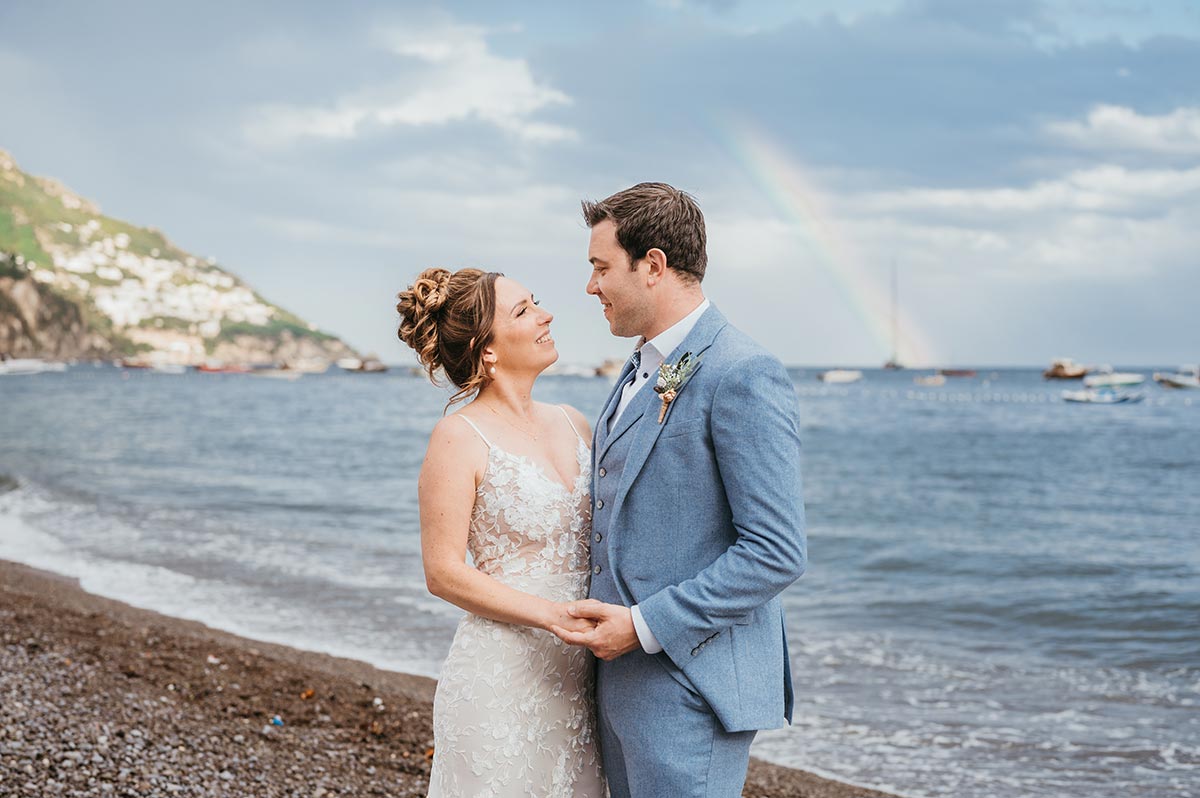
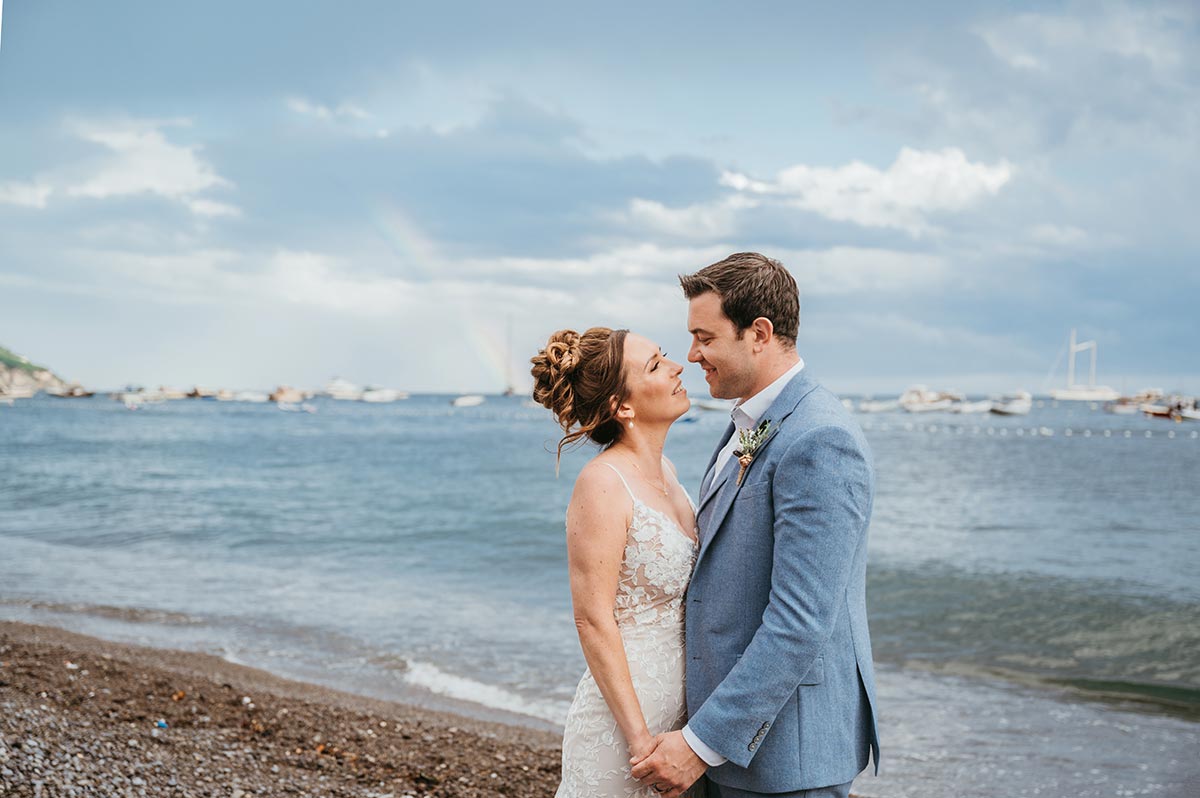
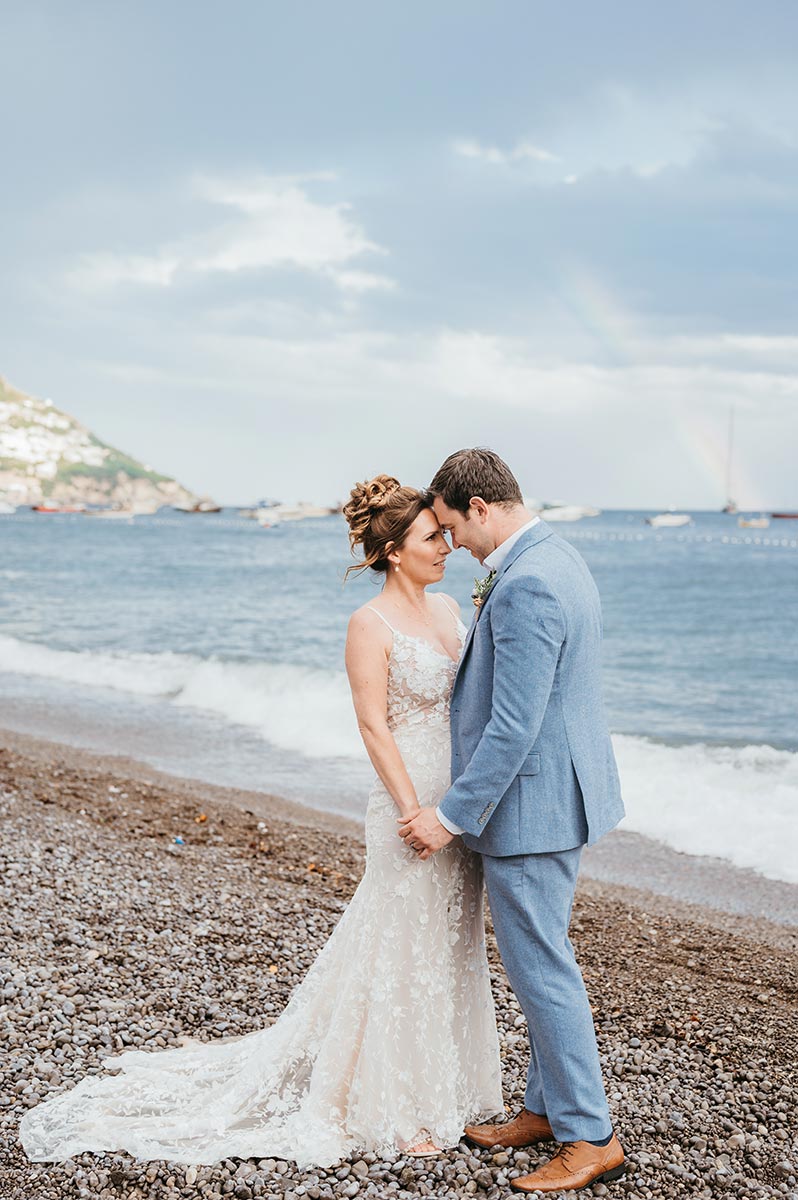
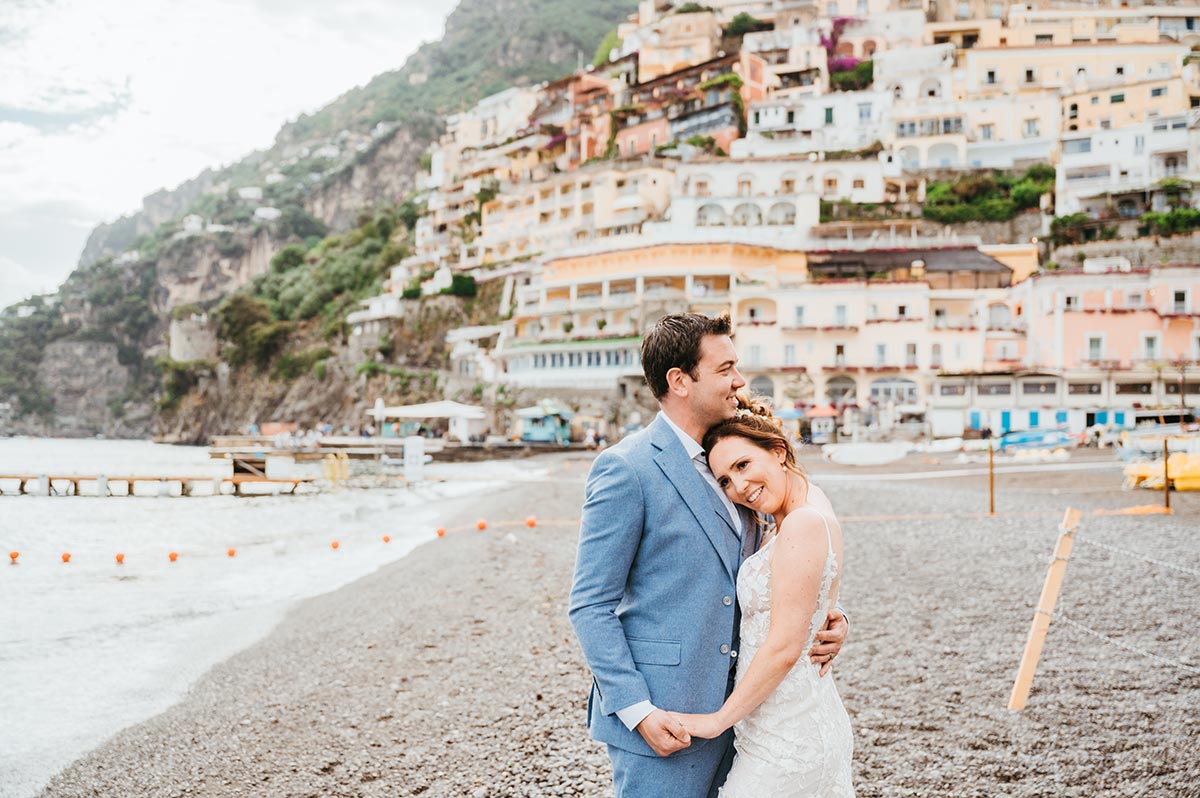
We use outdoor locations: Positano offers a variety of beautiful outdoor locations for wedding photography, such as the beach, the cliff-top terraces, and the historic streets. We use these locations as a backdrop for our photos to add a unique and romantic touch to our client’s wedding albums.
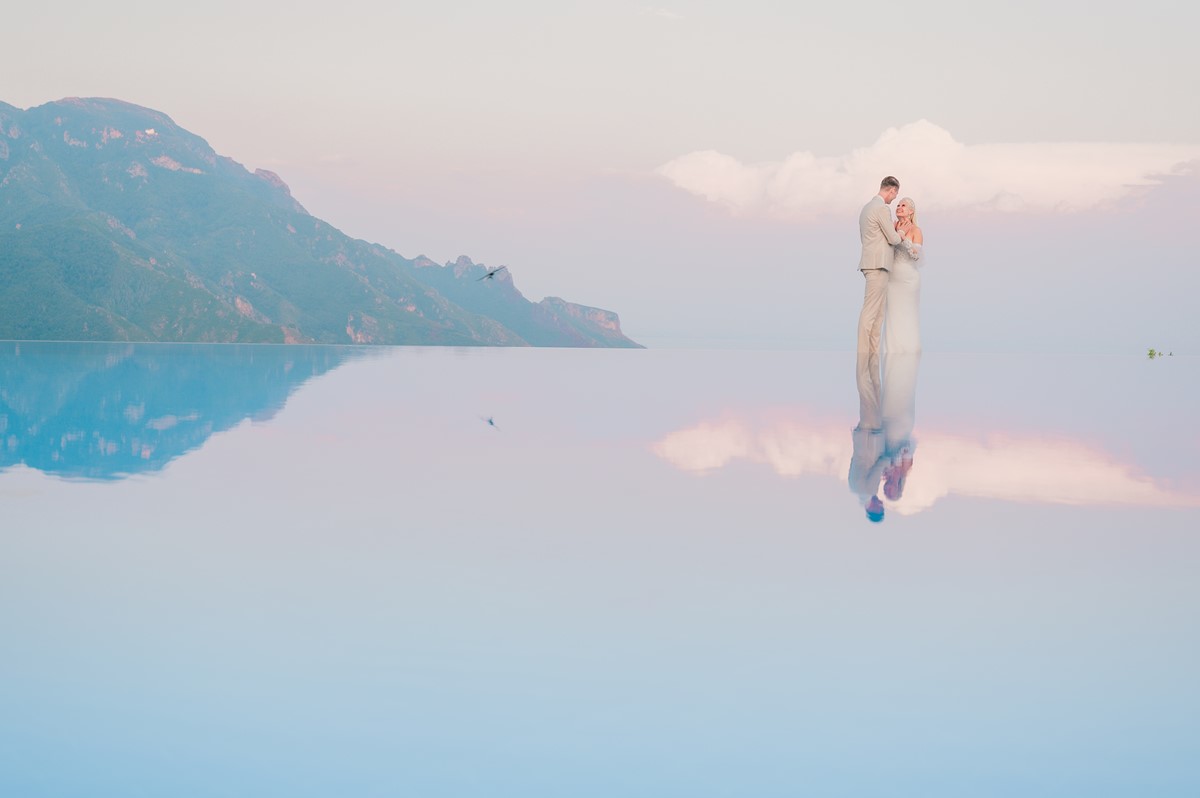
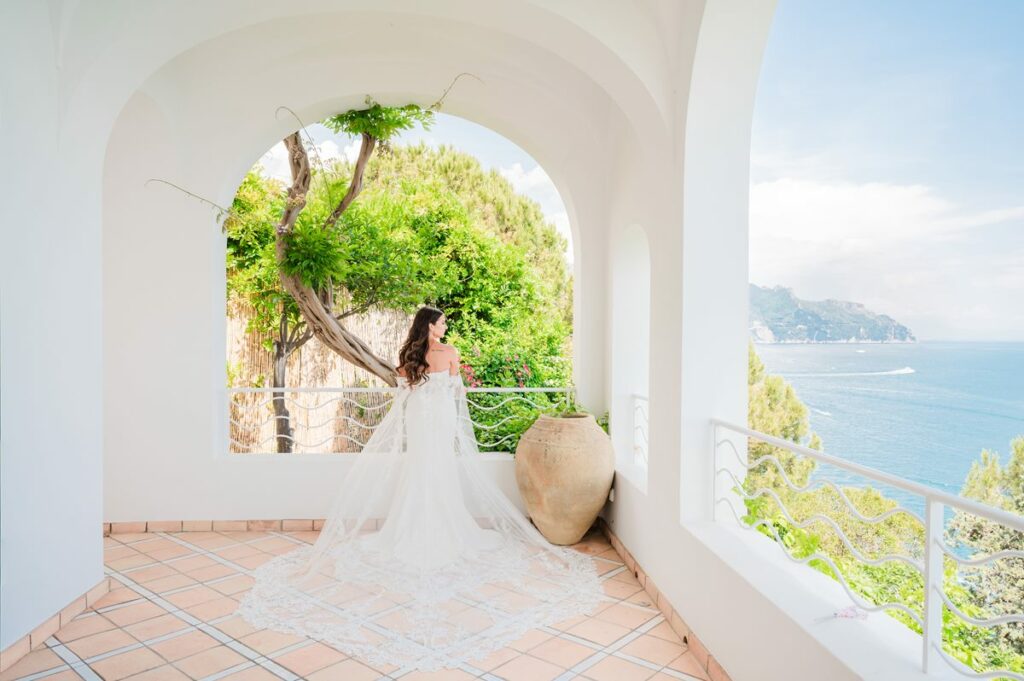
Incorporate the sea: The Mediterranean Sea is one of Positano’s most iconic features, and it can make for beautiful wedding photographs. We take some photos on the beach or even on a boat to capture the beauty of the sea.
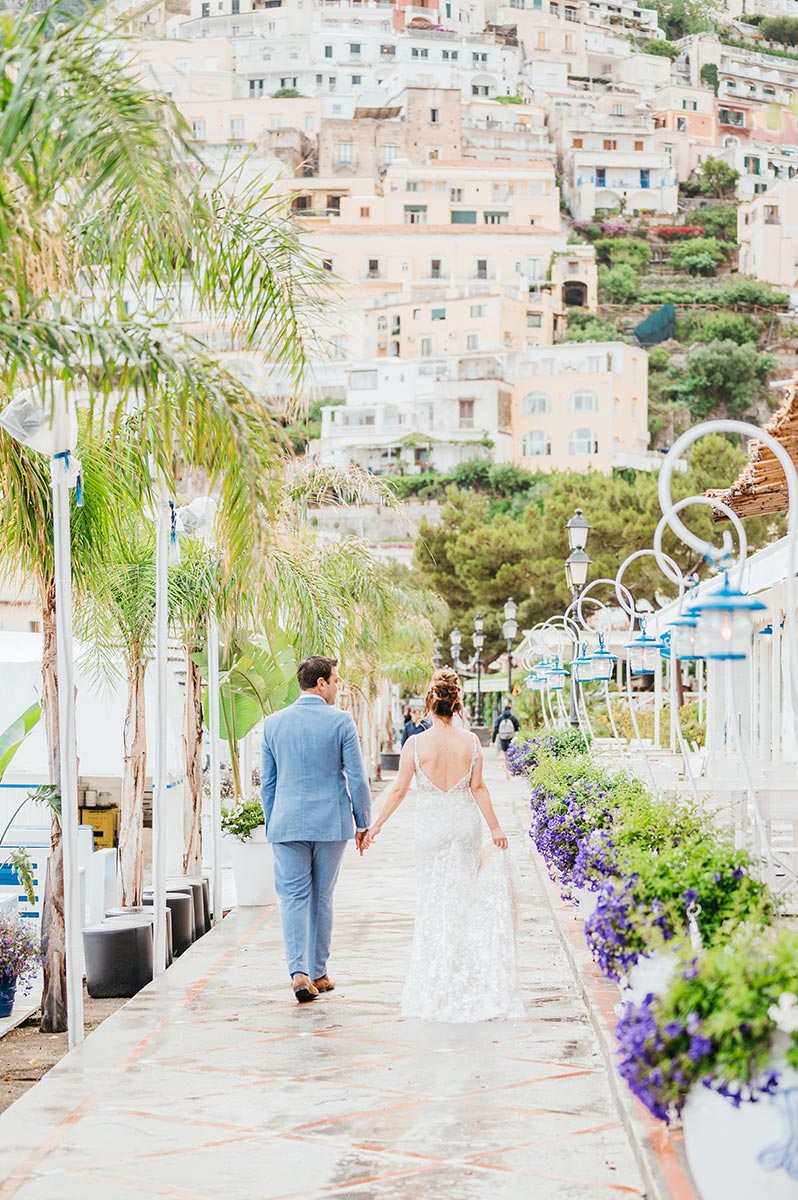

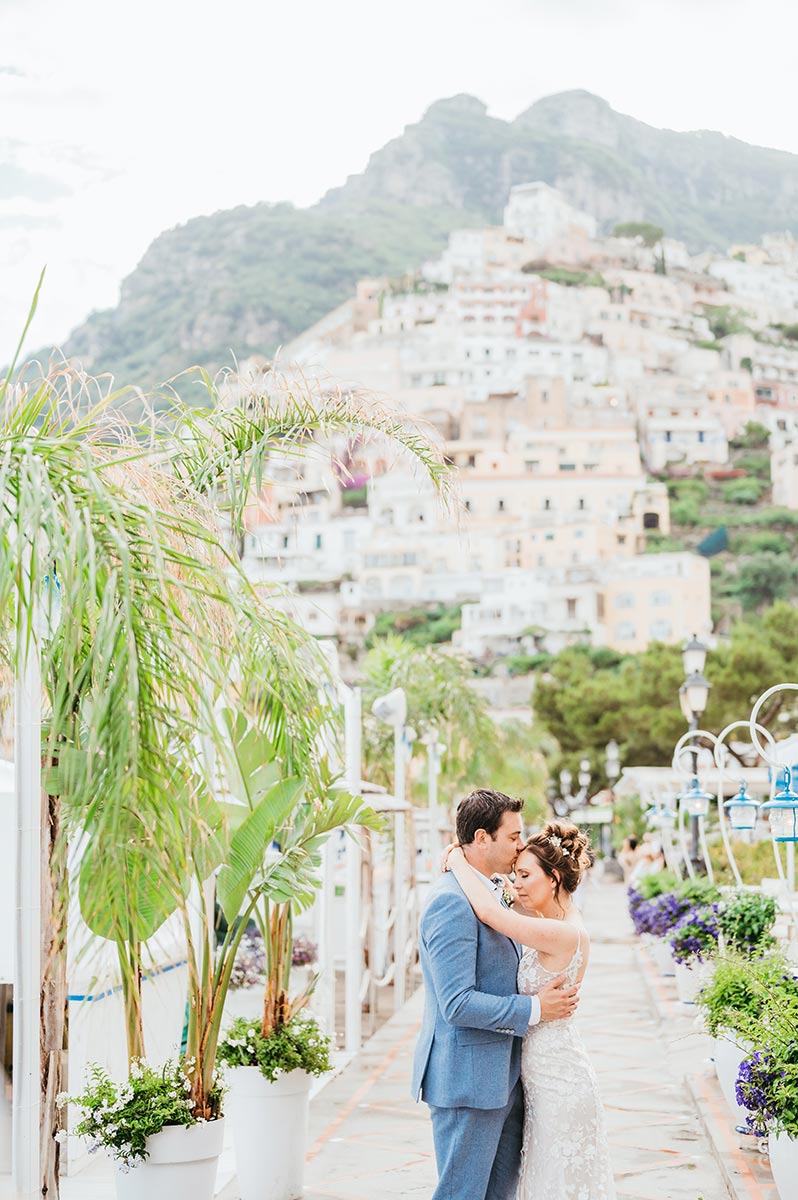
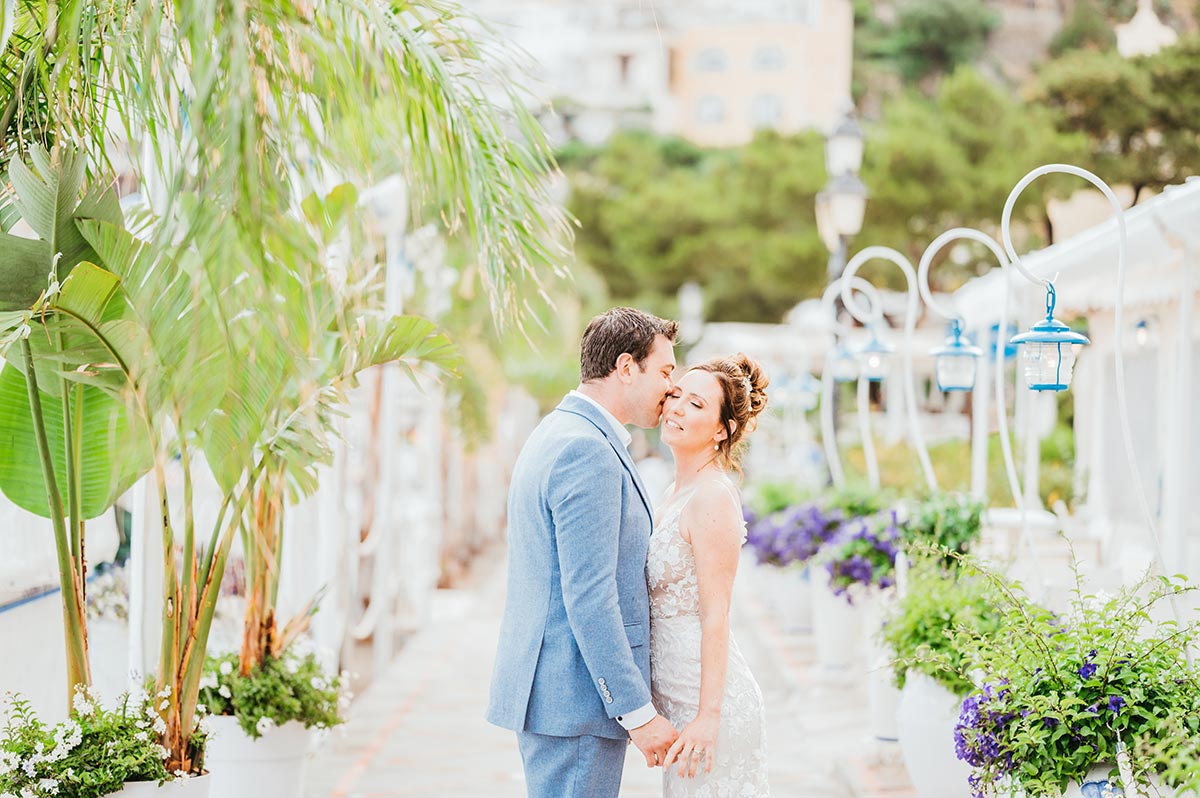
We use natural light to photograph weddings in Positano, Italy. We schedule our photo shoots during the golden hour to ensure that the sea, sky, and town are bathed in warm, natural light. In addition, we capture the local culture by photographing traditional local dress, local markets, and street vendors so our clients can visualize their experiences in Positano.
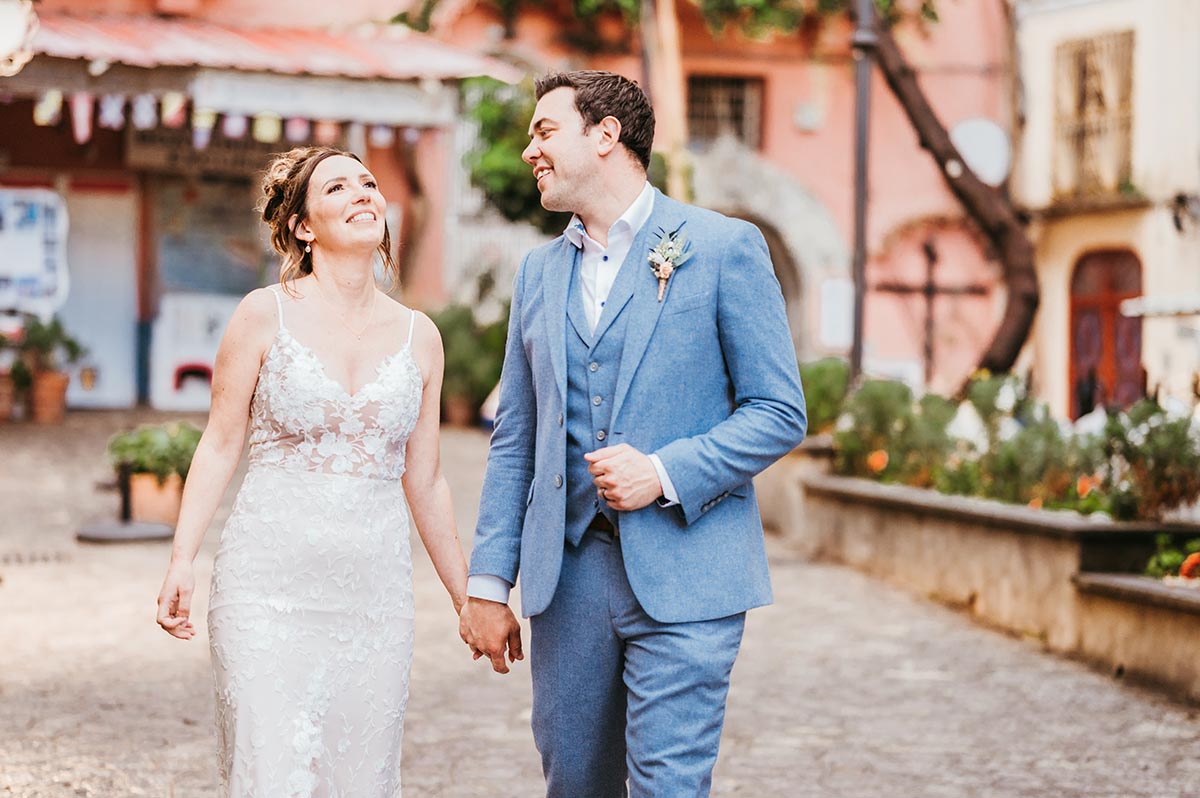

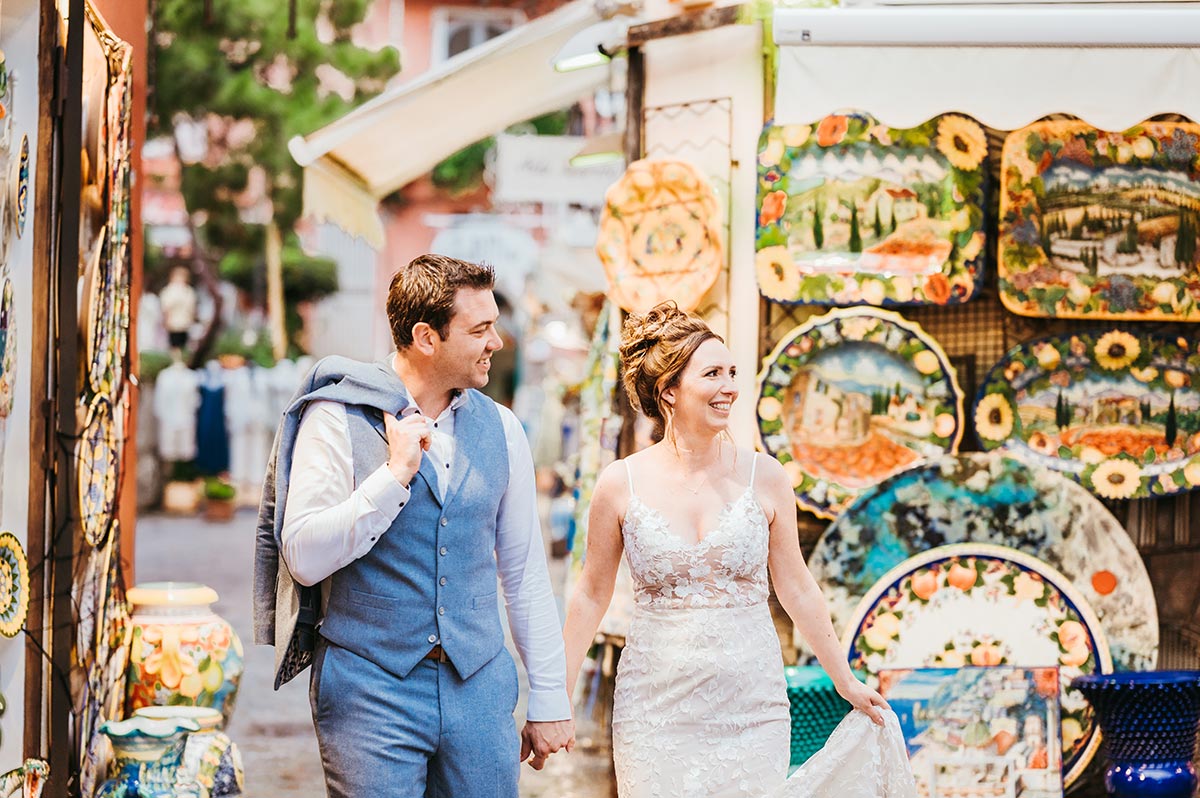
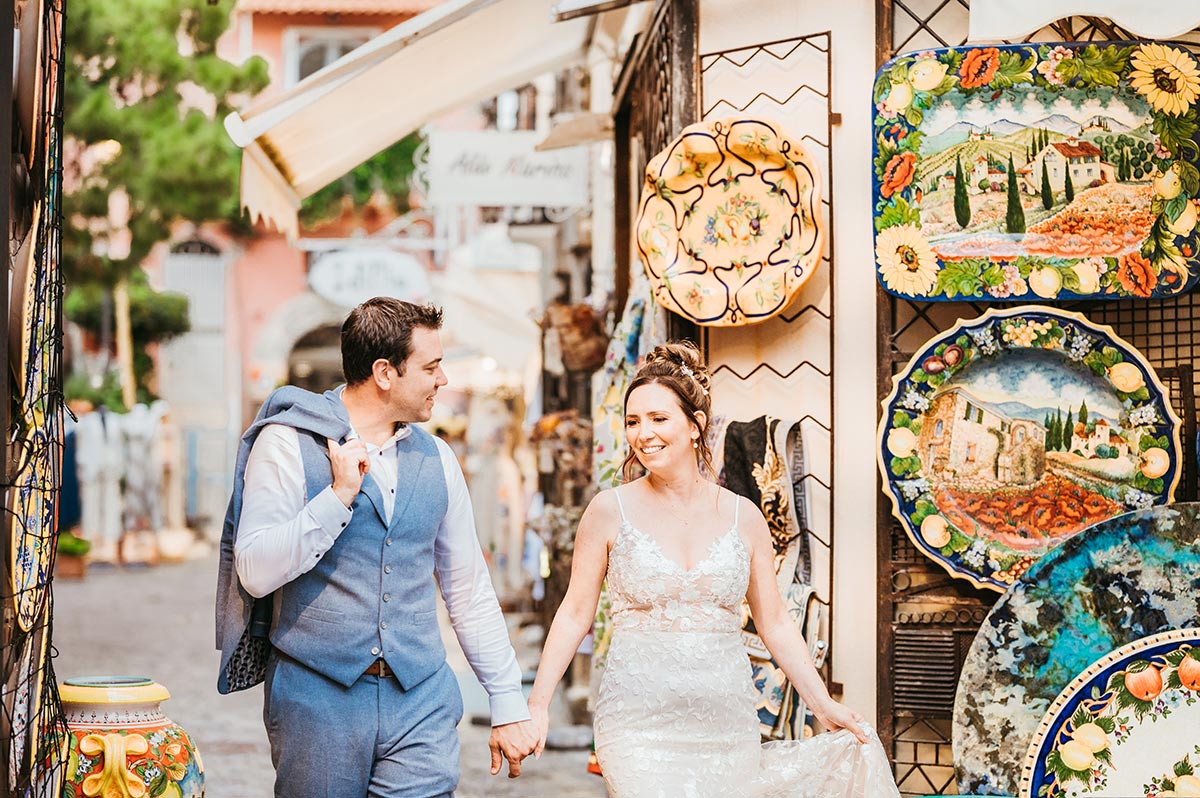
Love being creative: As professional wedding photographers, we always look for innovative ways to capture the natural beauty of Positano. We experiment with different angles and compositions to create unique and beautiful photographs that our clients will treasure for a lifetime.
Keep in touch to learn more about our services.