Casa Passalacqua wedding in Positano: Creating Lifetime Memories
Dreaming of a Casa Passalacqua wedding in Positano? Discover insider tips and trending themes to create your perfect wedding day in our article. Dive into our blog packed with essential wedding planning insights and inspirations.
START PLANNING YOUR WEDDING IN POSITANO
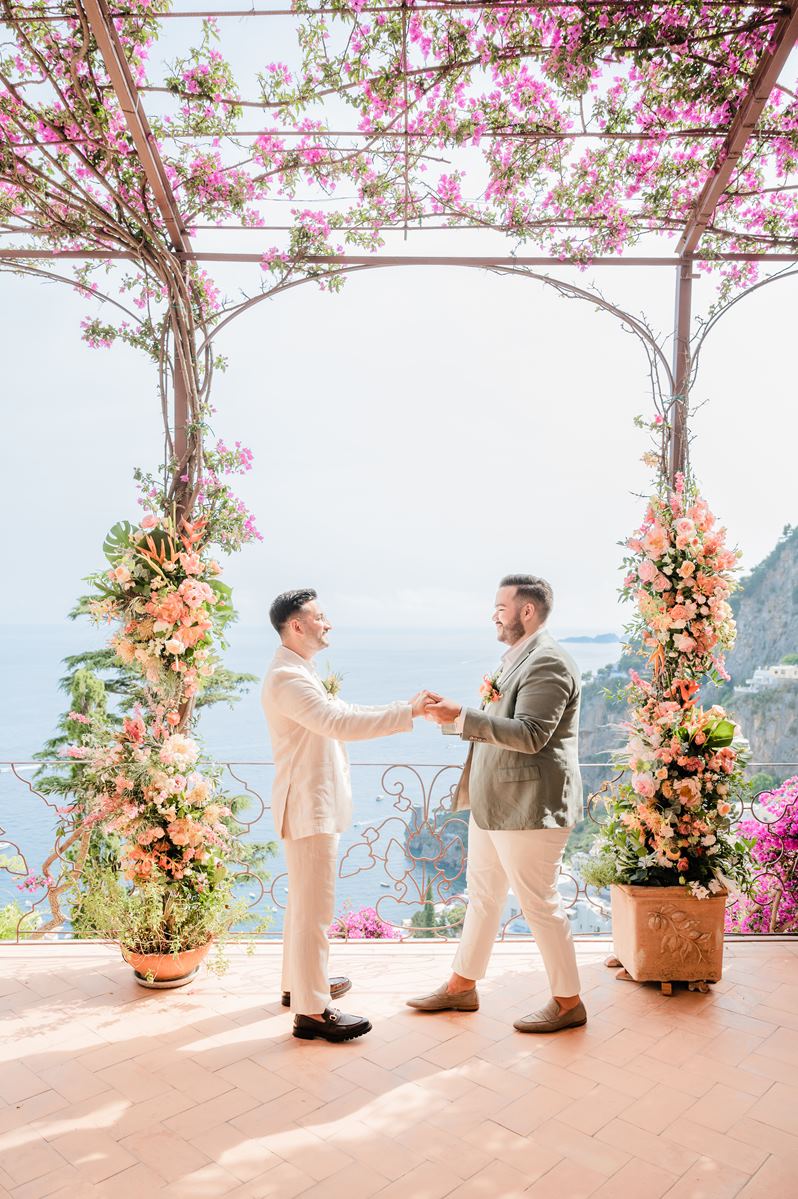
Casa Passalacqua in Positano offers an enchanting setting for your Italian dream wedding. With stunning views, exquisite interiors, and exceptional services, it truly ensures an unforgettable experience.
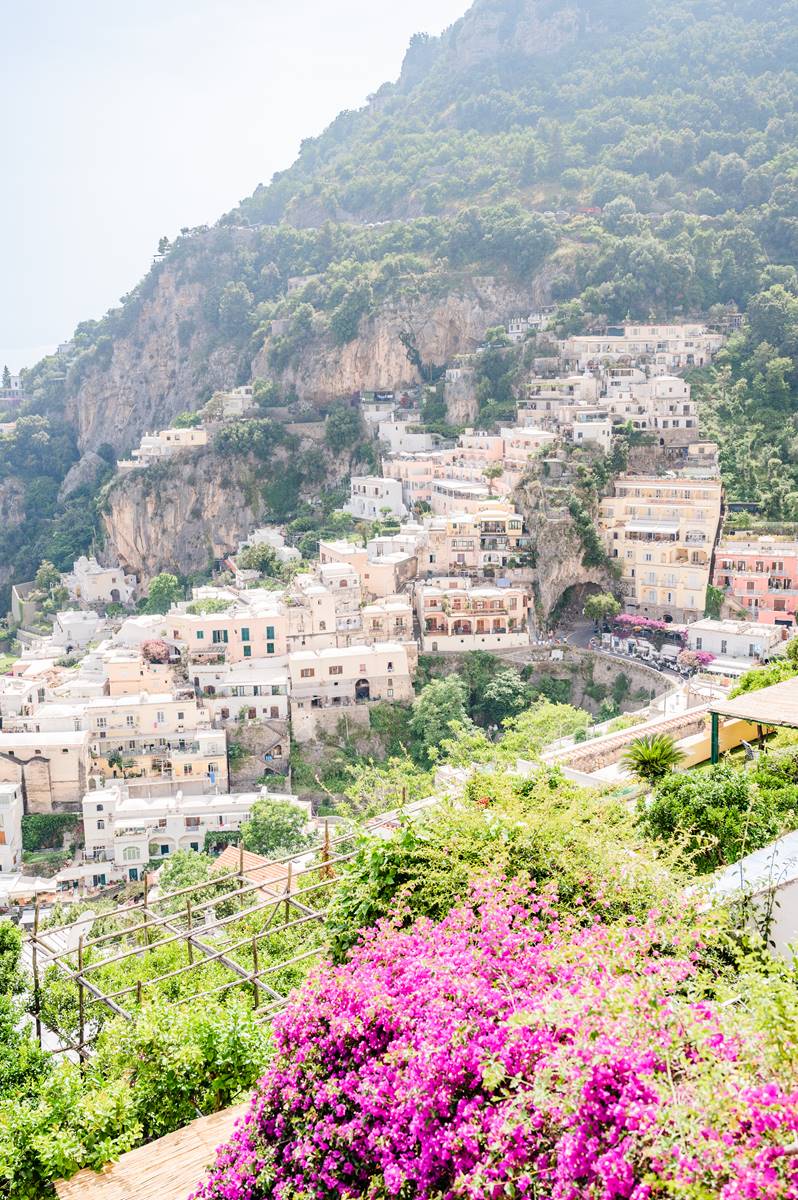
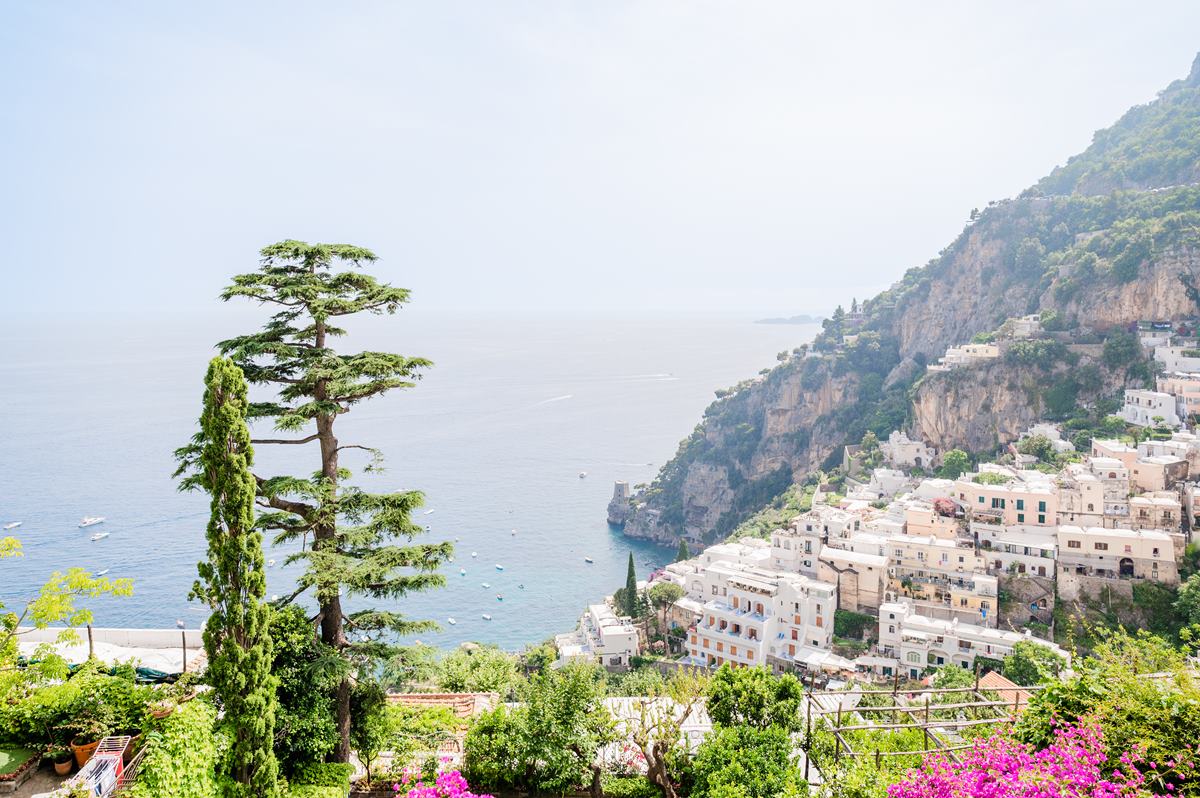

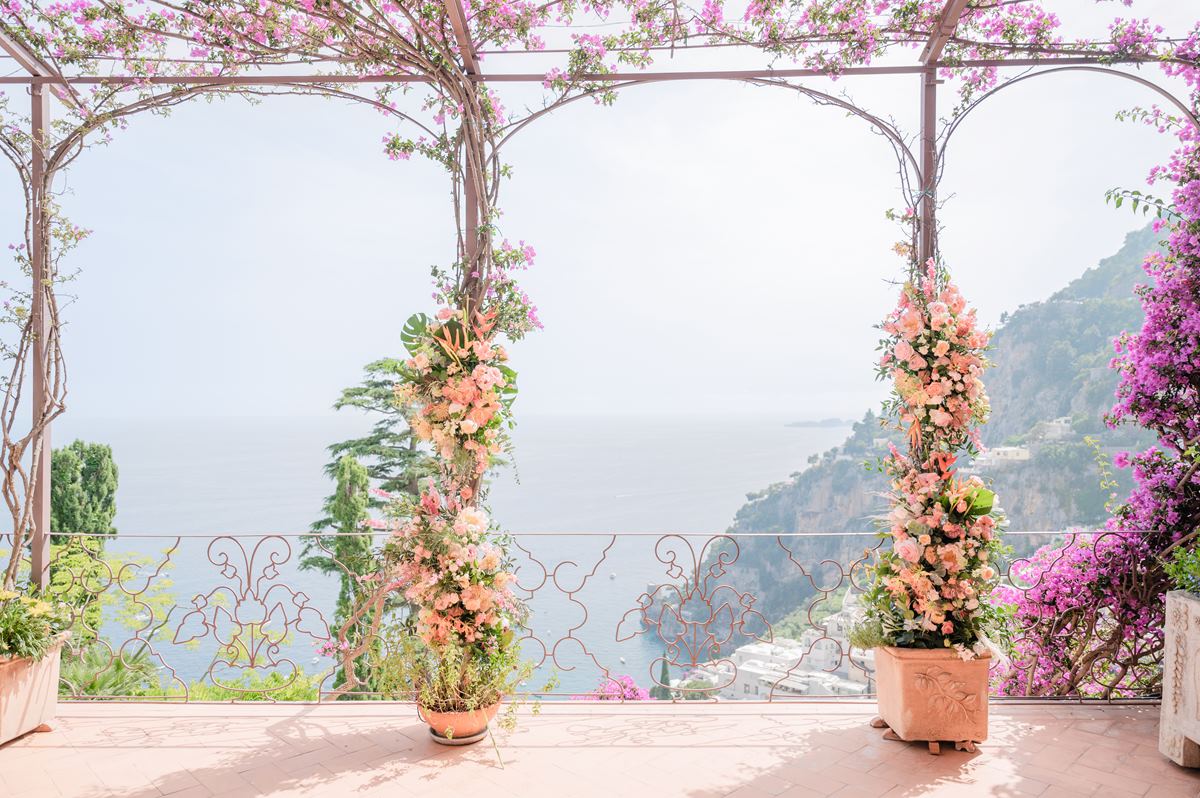
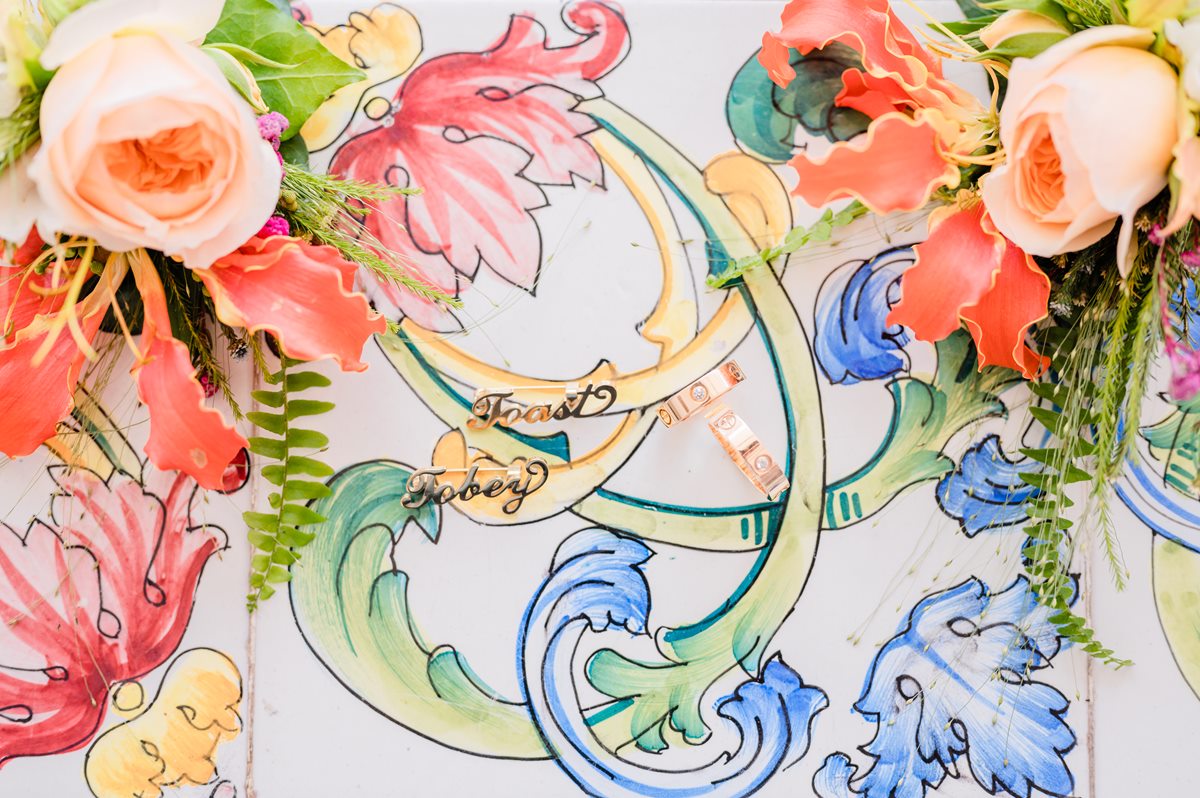
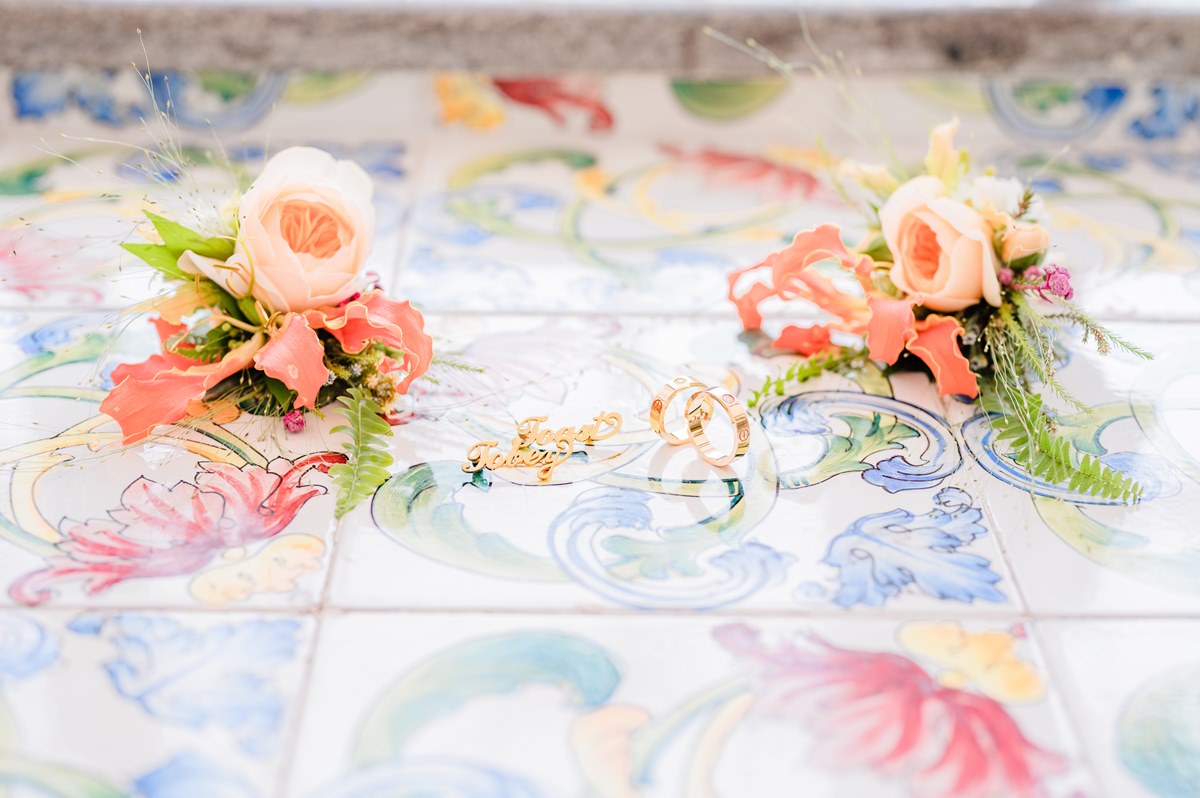
Experience your Dream Casa Passalacqua Wedding in Positano
Casa Passalacqua is a luxury villa located in the heart of Positano, Italy. It was built in 1920 and has been owned by the same family for over 100 years. The villa offers breathtaking views of the Amalfi Coast and is surrounded by lush gardens and terraces.
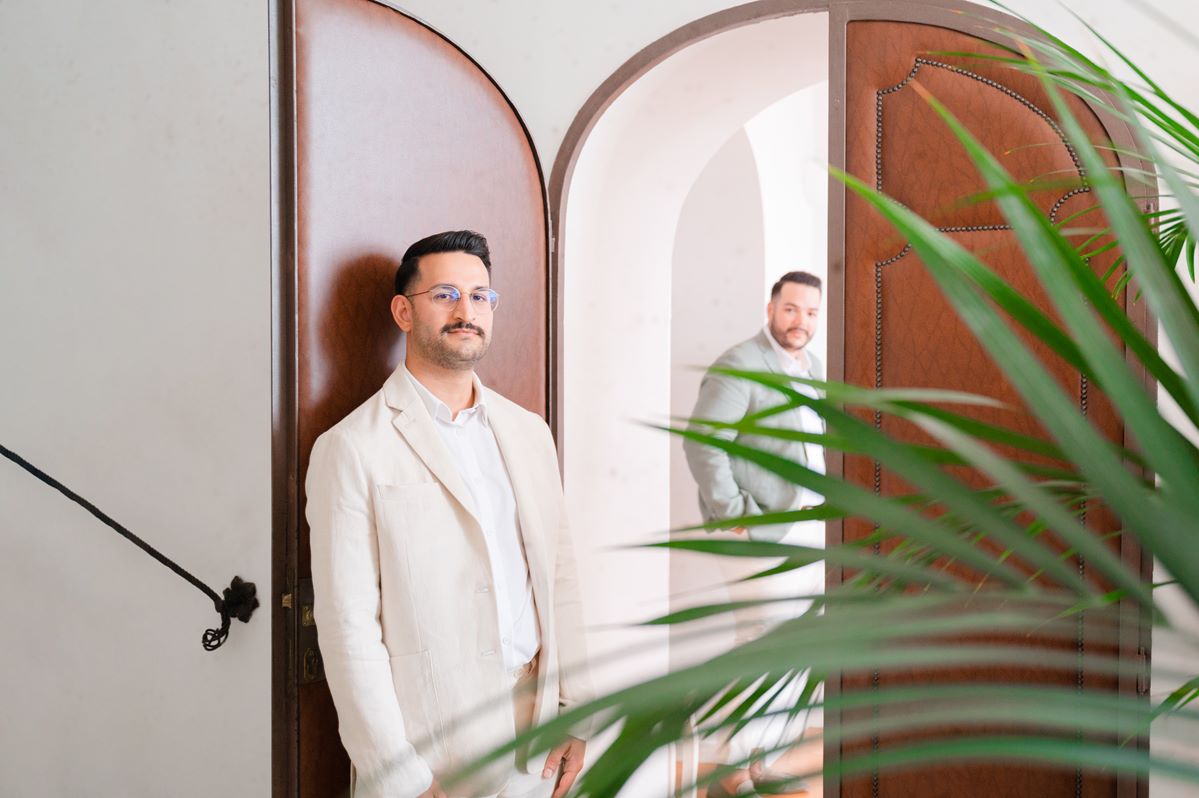

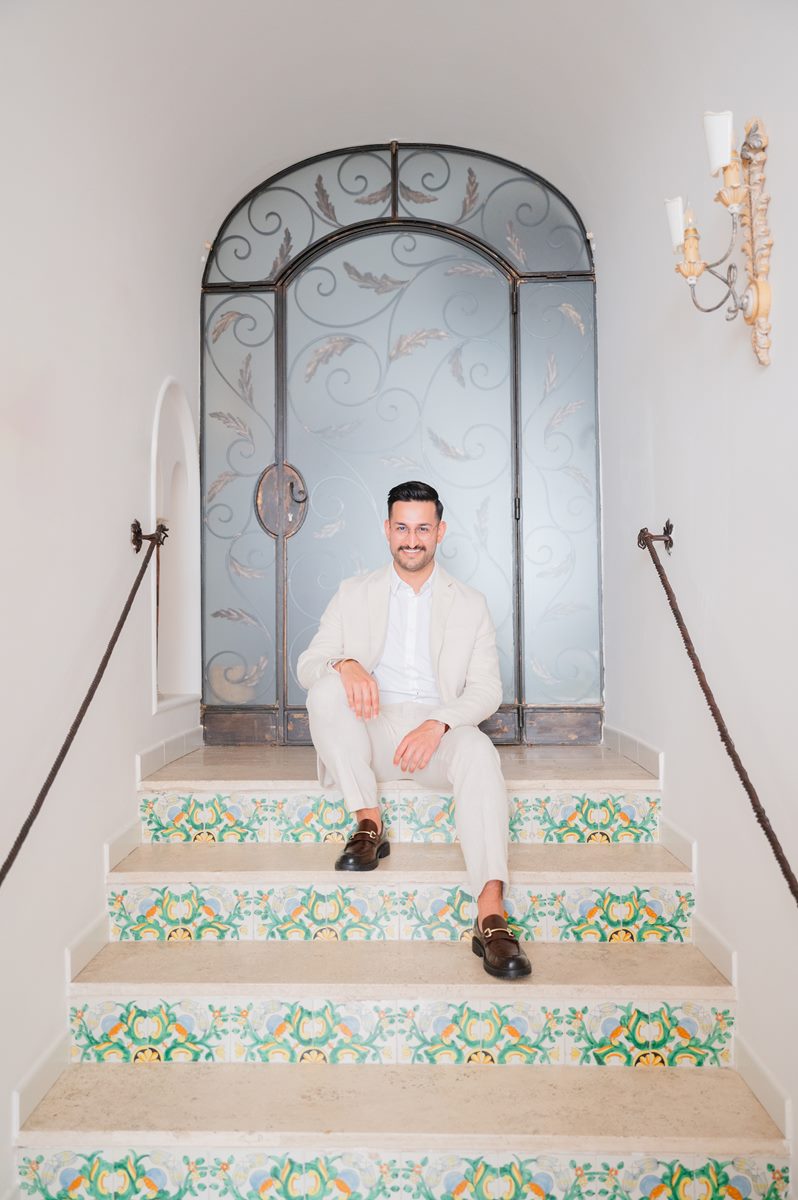

Matrimony in the Splendid Positano
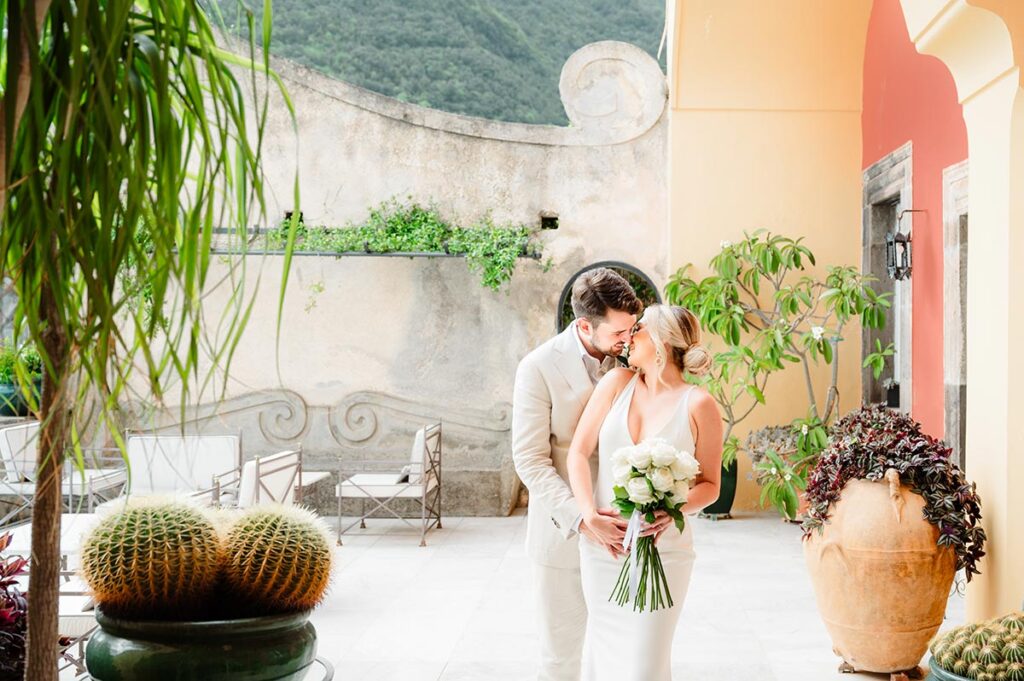
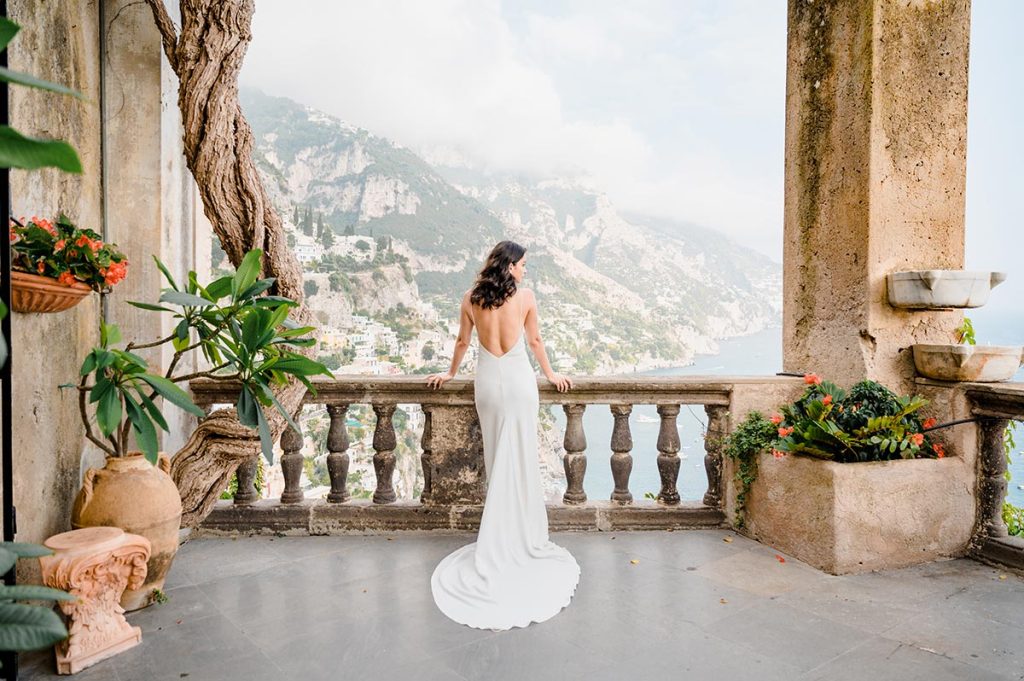
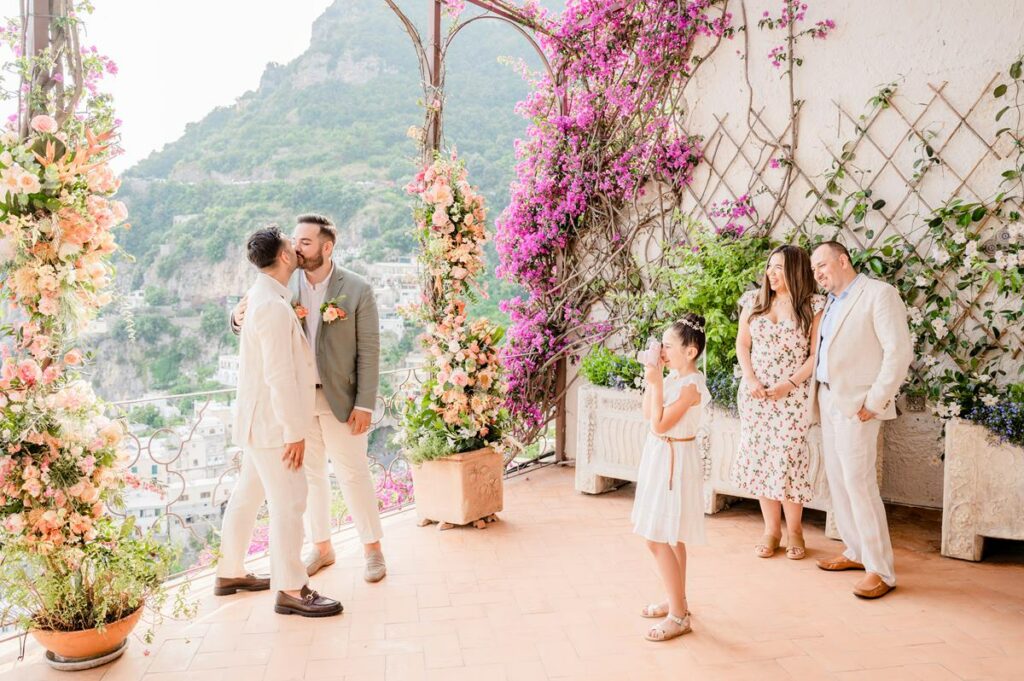
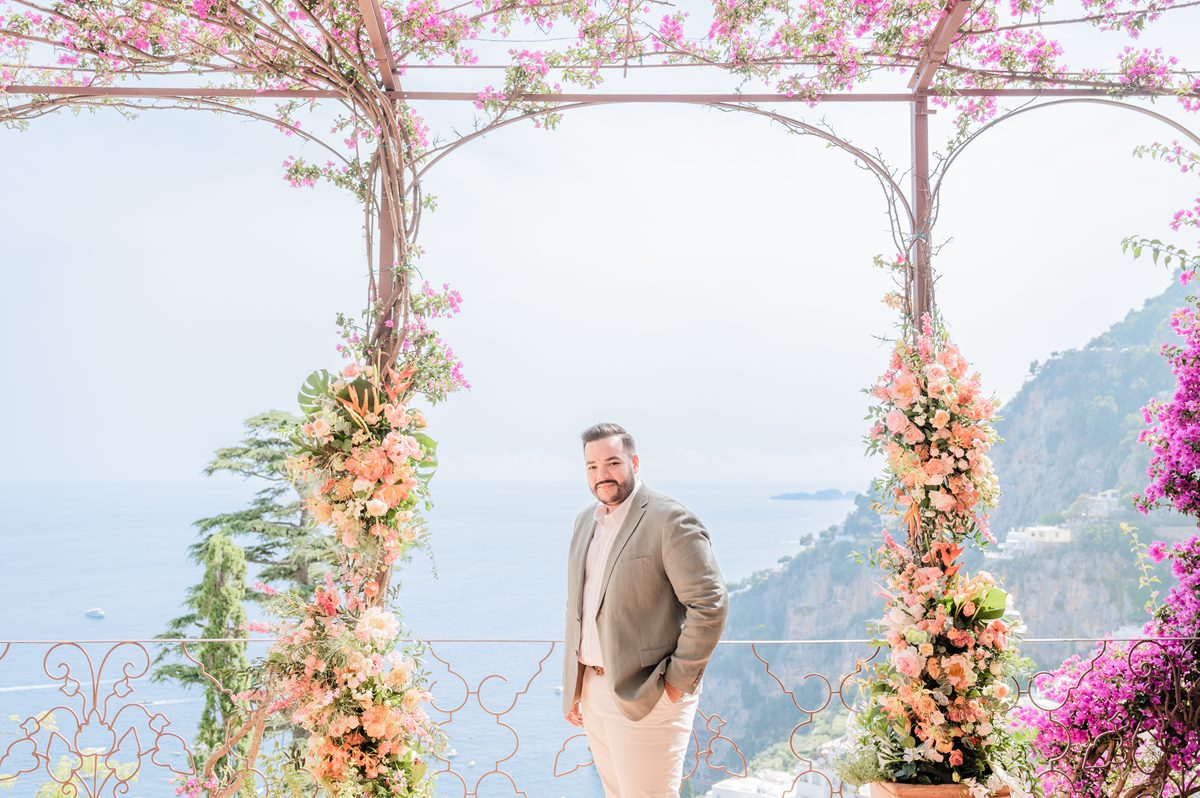
Imagine saying “I do” amid Positano’s picturesque landscape—the sparkling sea, the panoramic sky, and the romantically lit Casa Passalacqua as your backdrop. Each corner of Positano adds a special touch to your big day.

Unraveling the Beauty of Casa Passalacqua
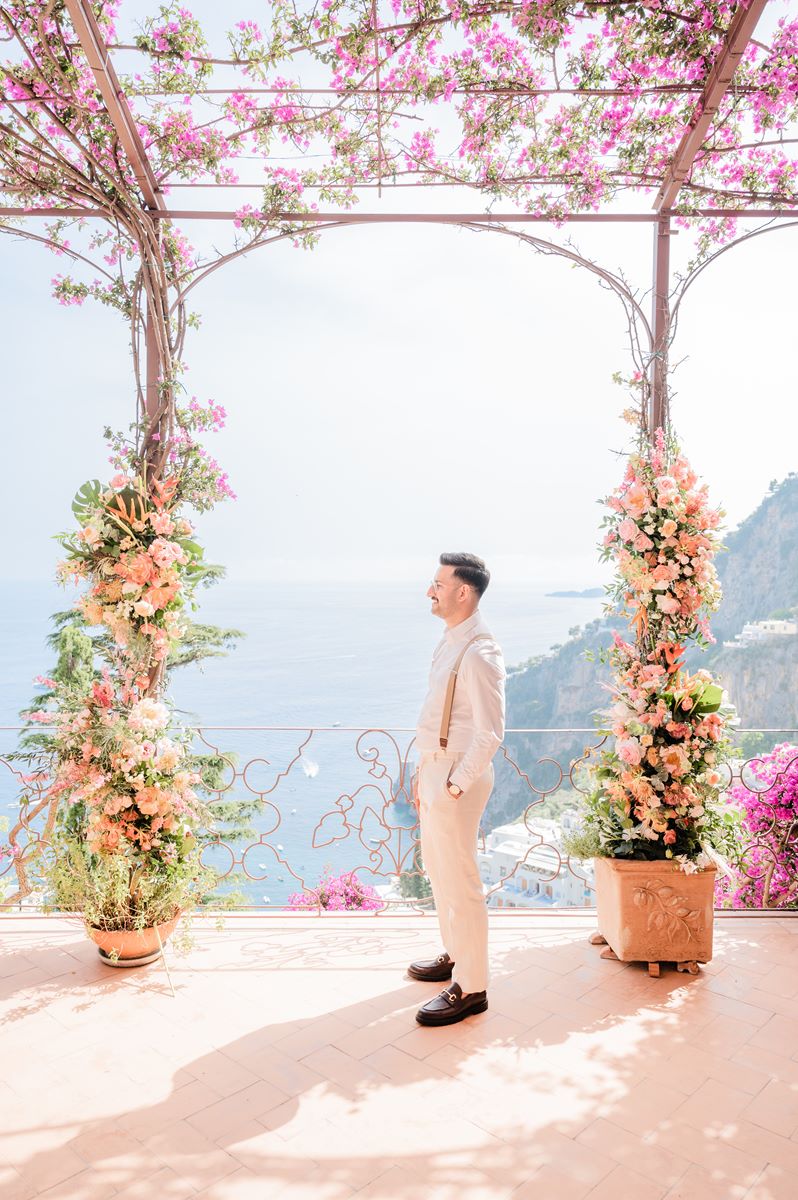
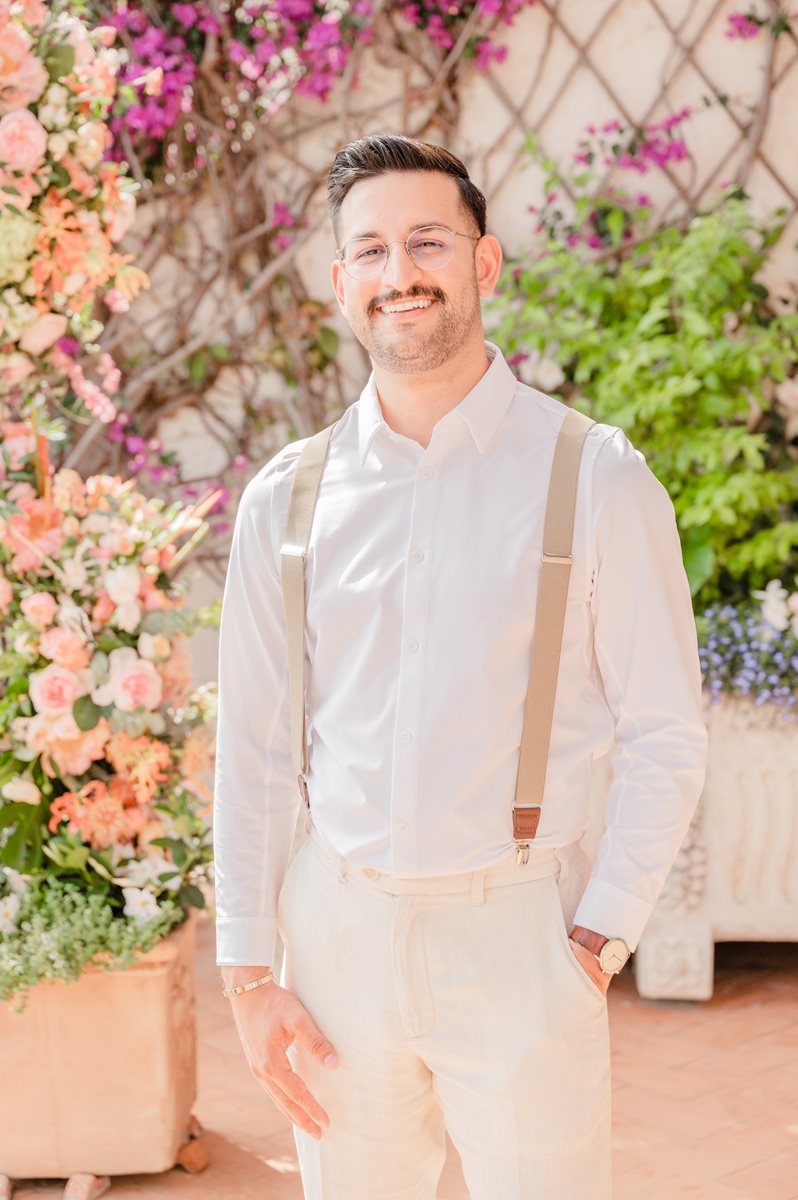
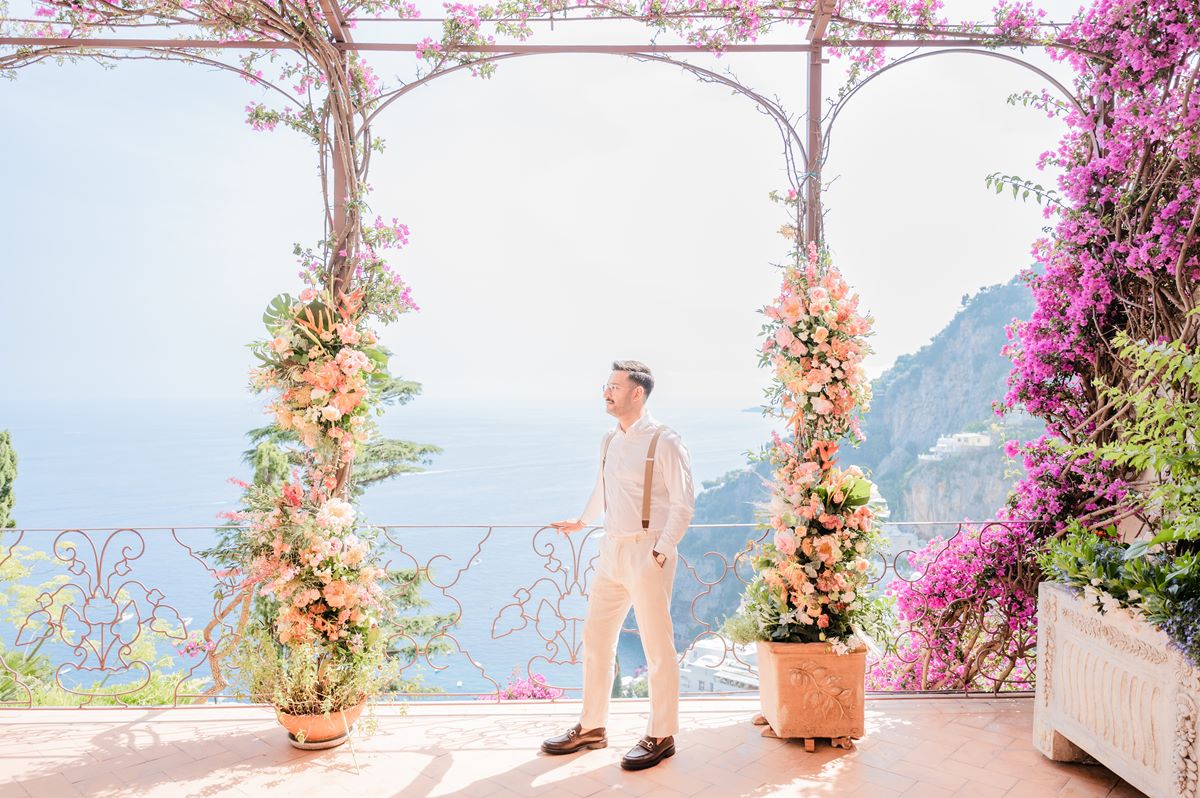
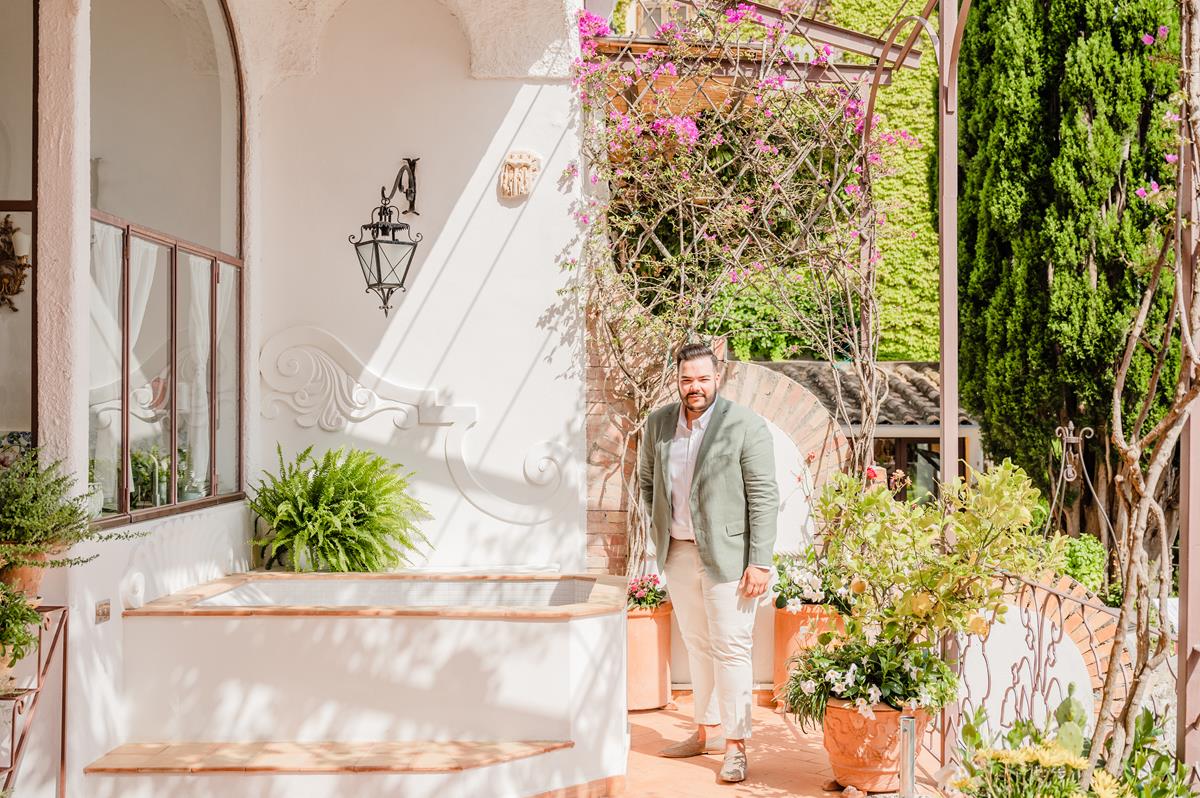
Nestled on the quaint hilltops of Positano, Casa Passalacqua is the embodiment of Italian elegance and charm. Its exquisite architecture and design make it an idyllic location for a luxury wedding.

Logistics for your Casa Passalacqua Wedding
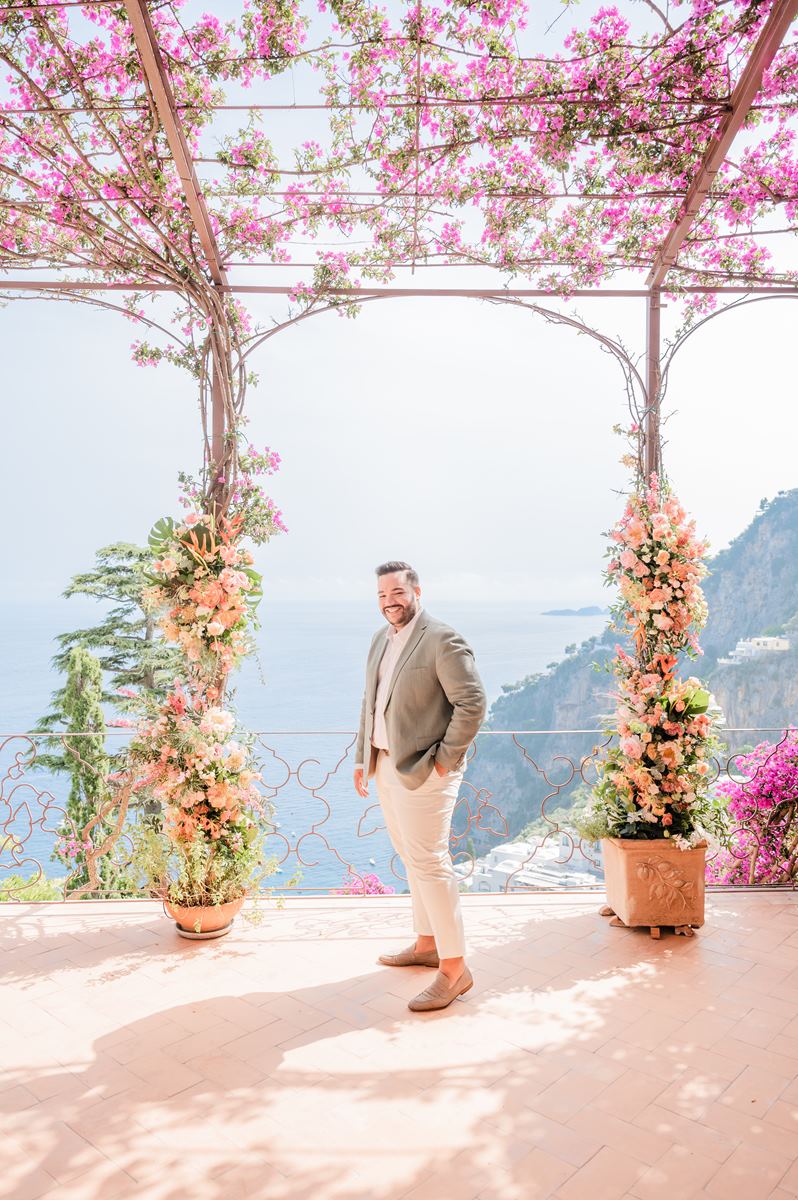
Getting married in Italy requires specific documentation. A local wedding planner can help navigate these requirements ensuring a seamless marriage ceremony at Casa Passalacqua.
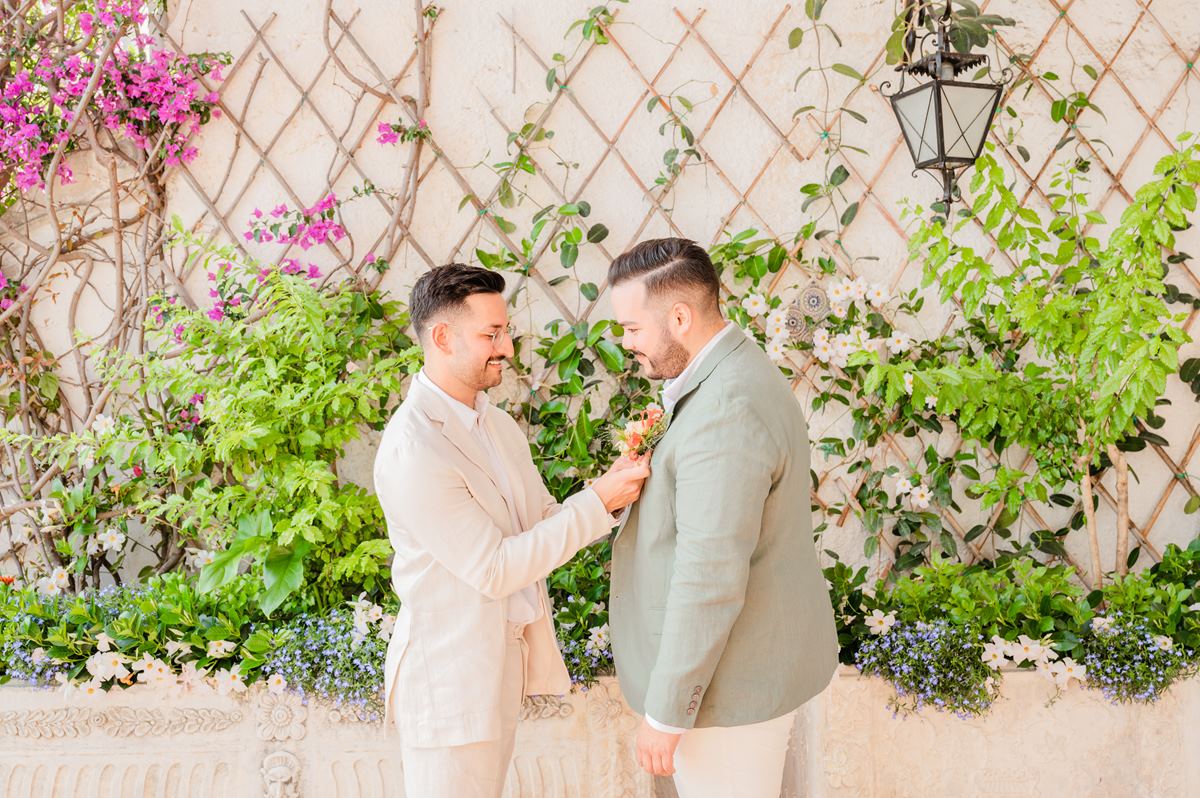
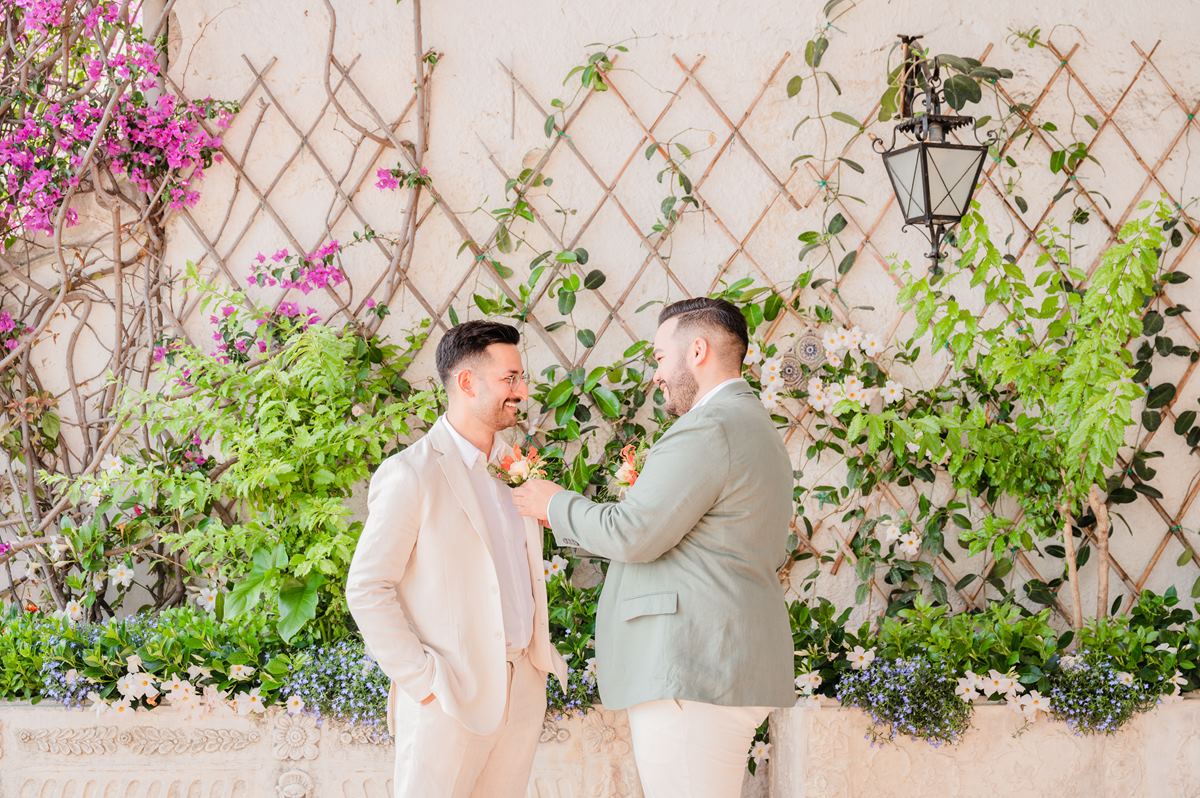
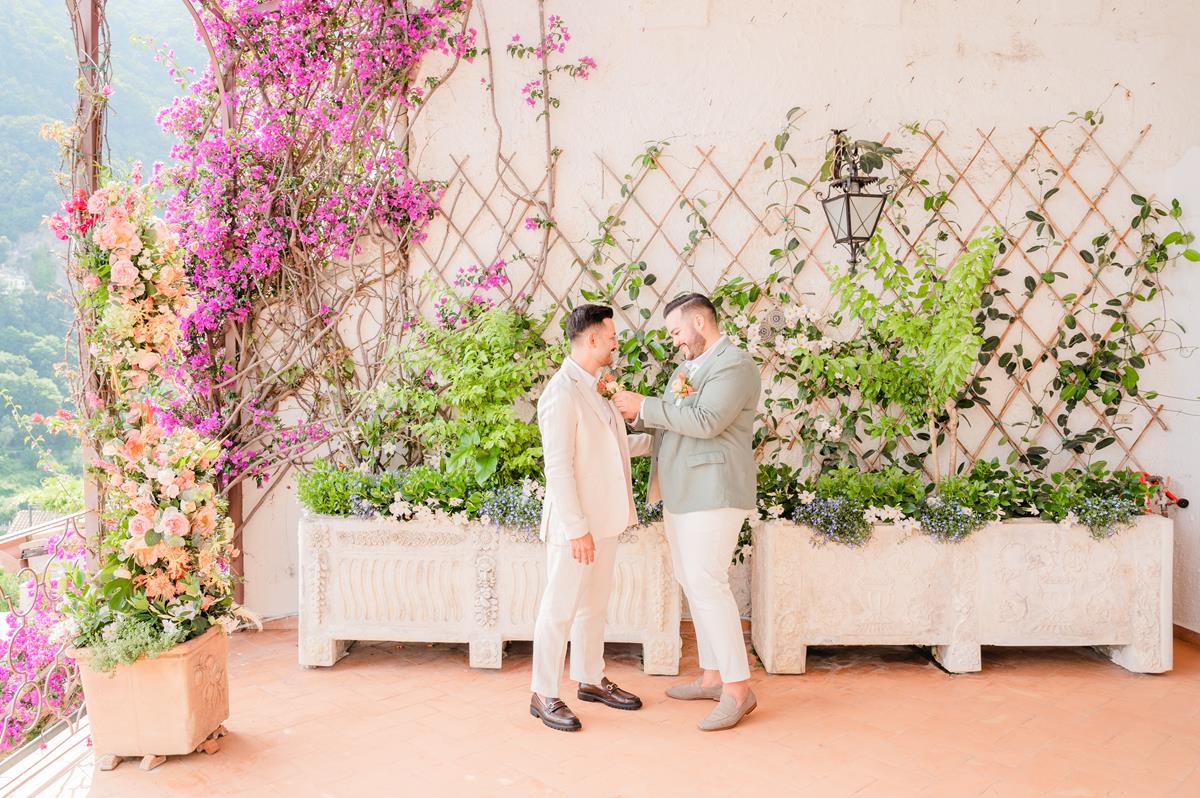
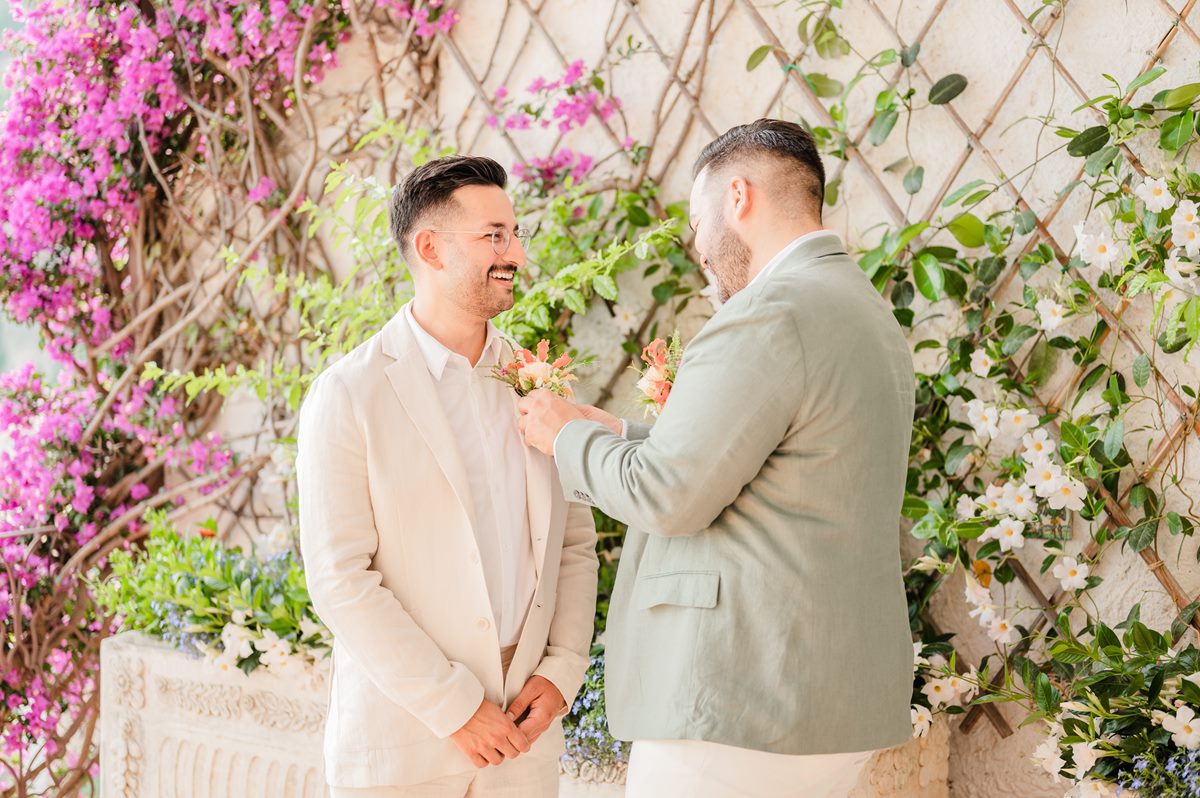


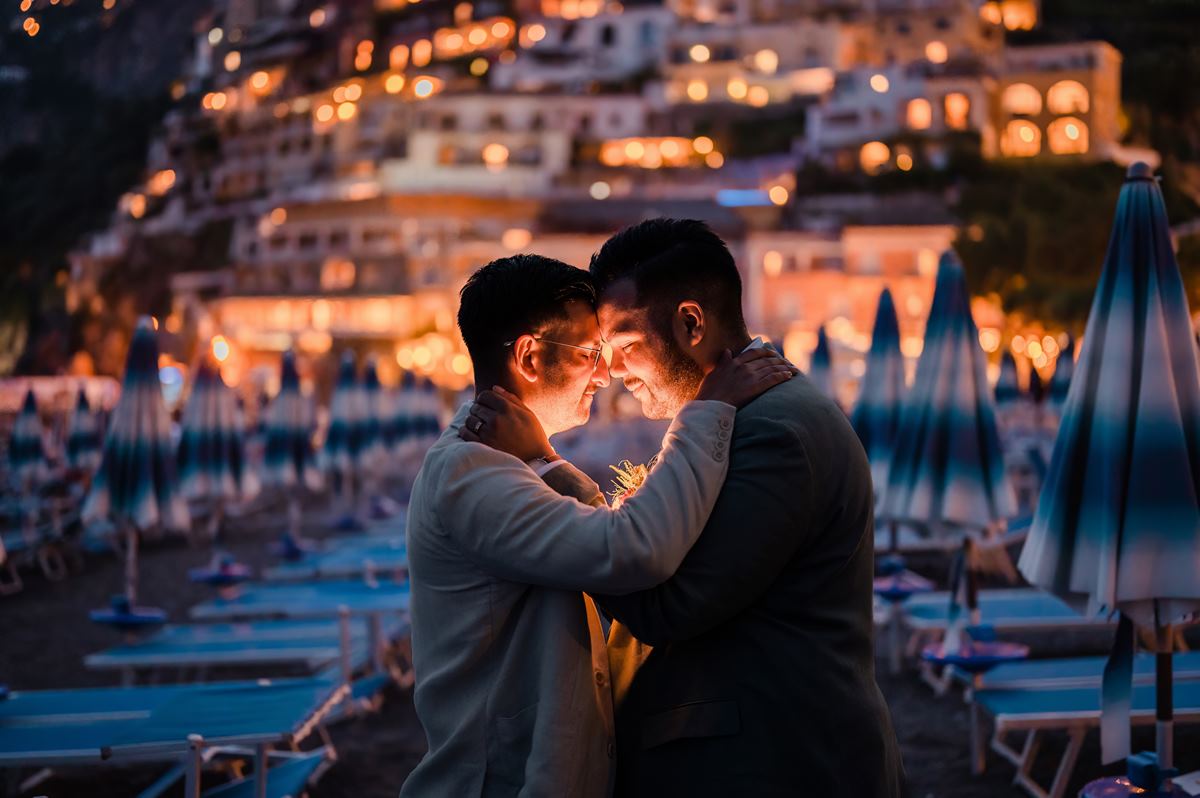
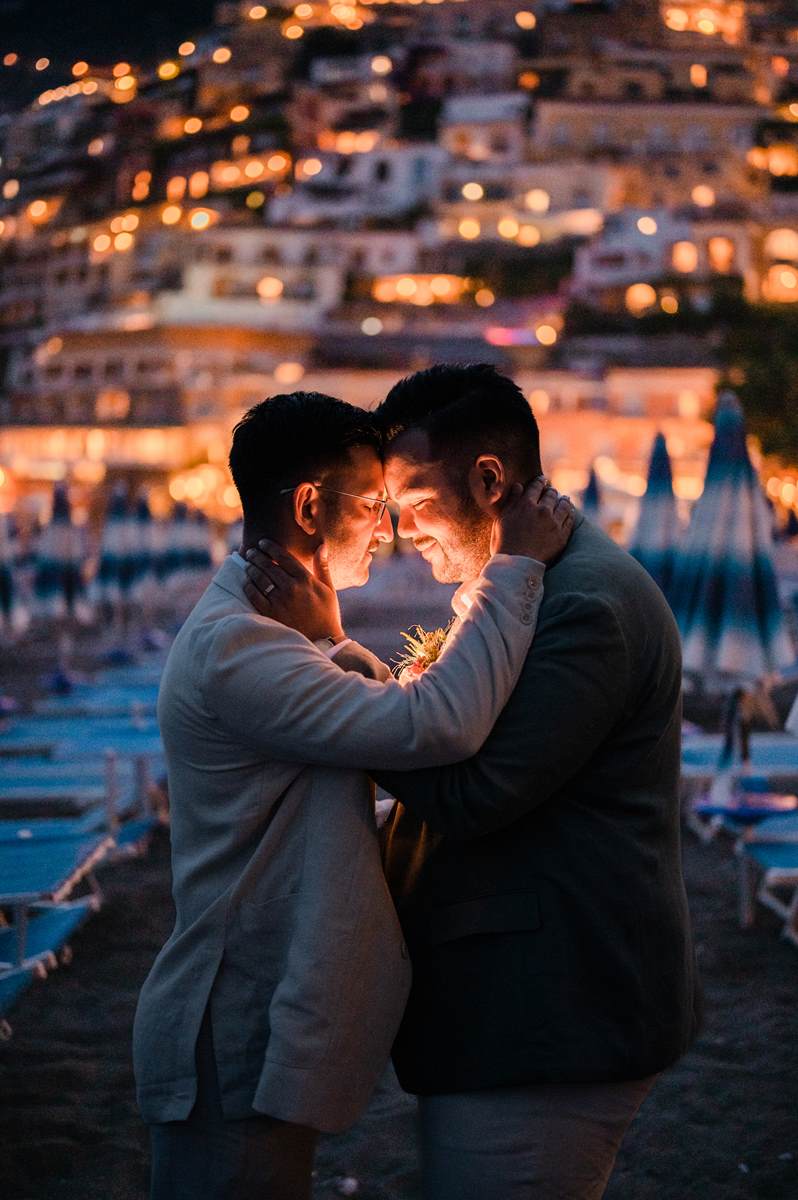
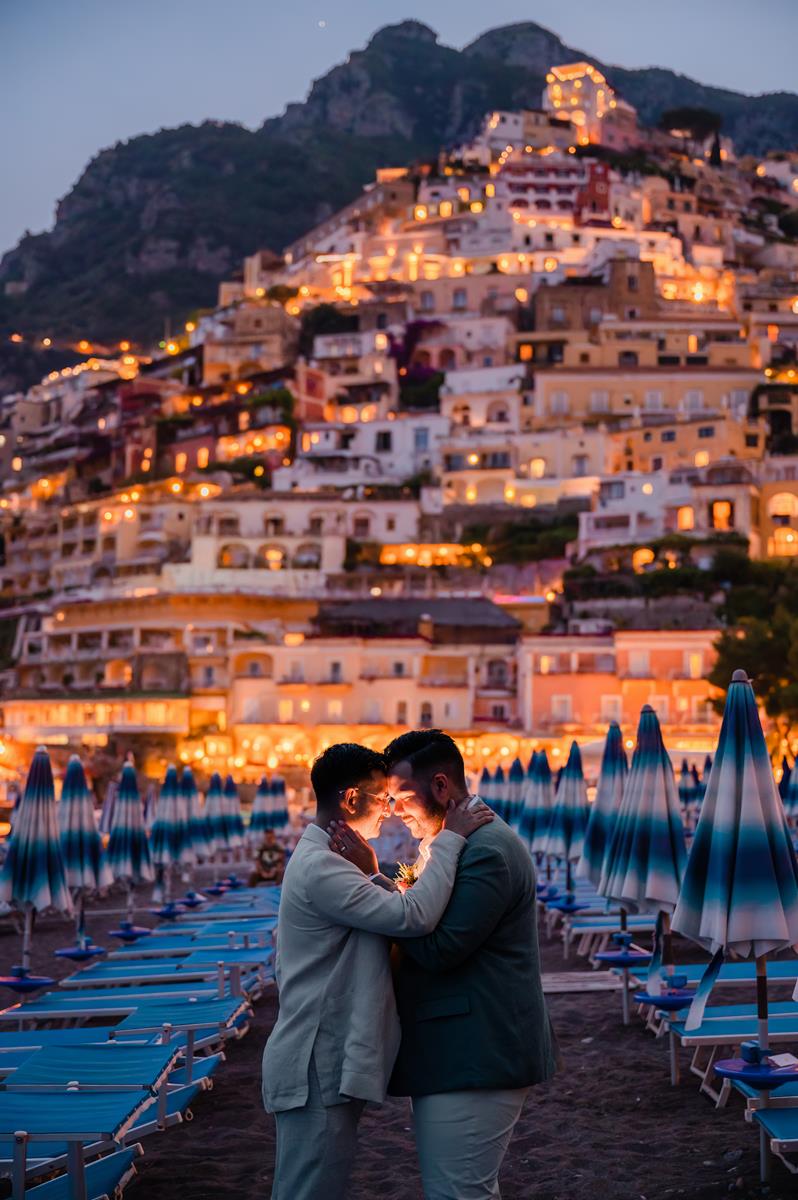
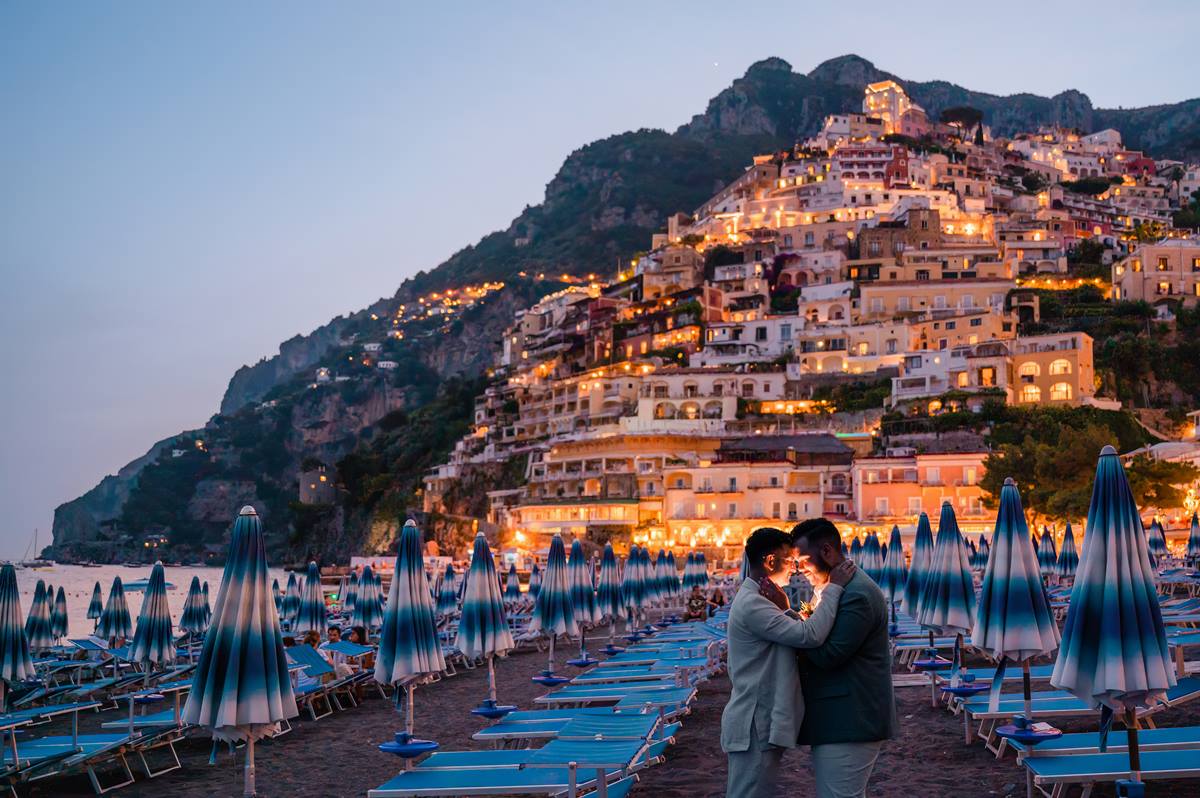
Positano Wedding Photographer: Capture Your Casa Passalacqua Memories
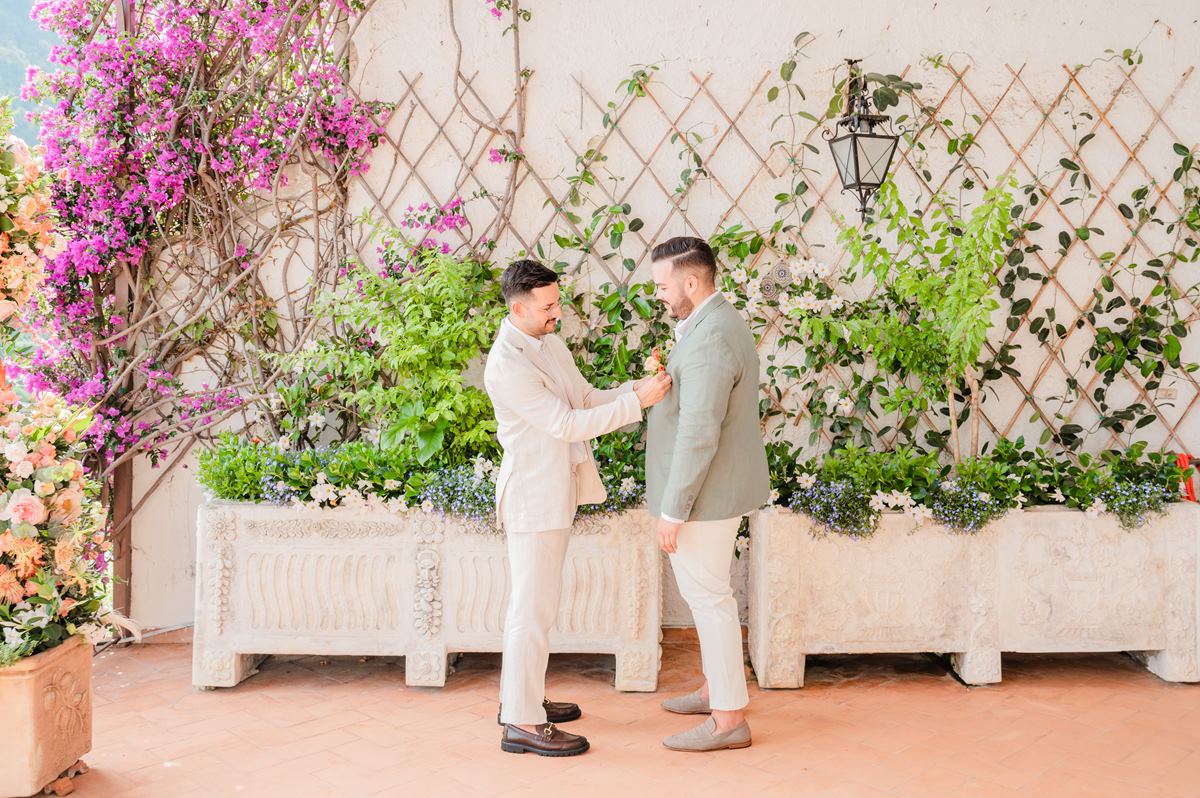
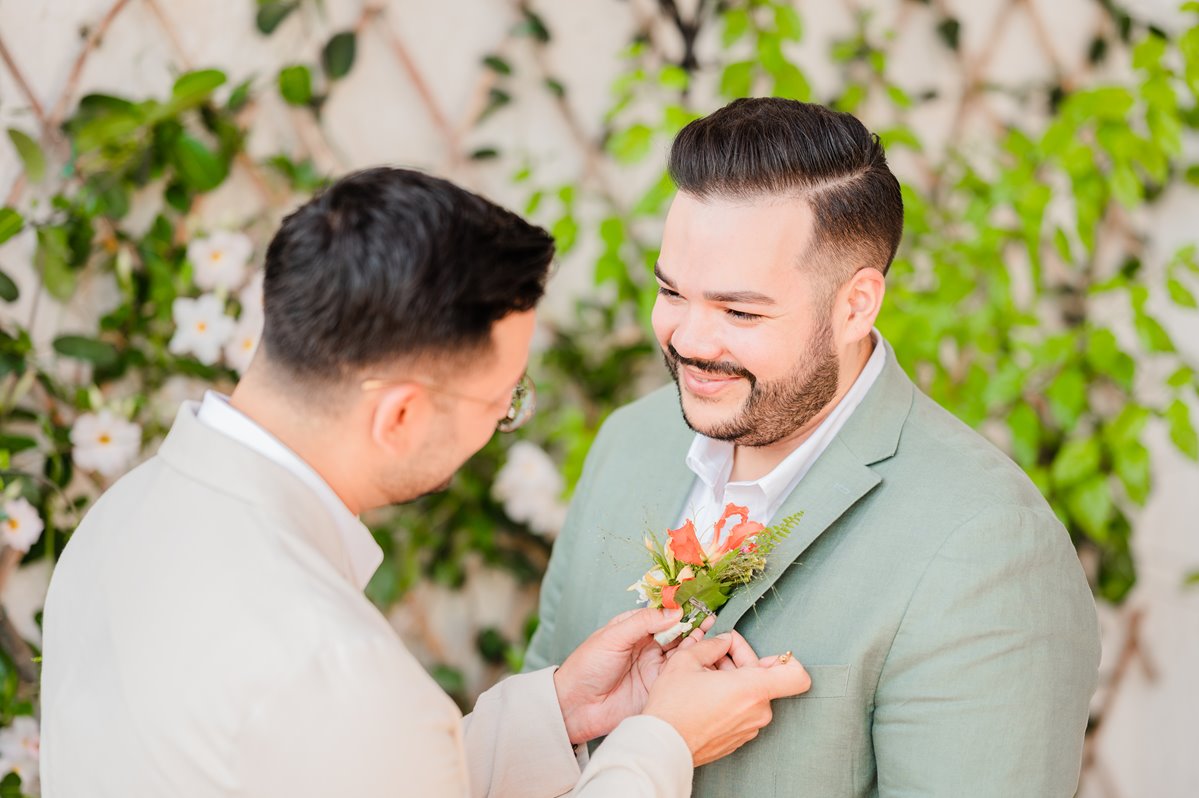
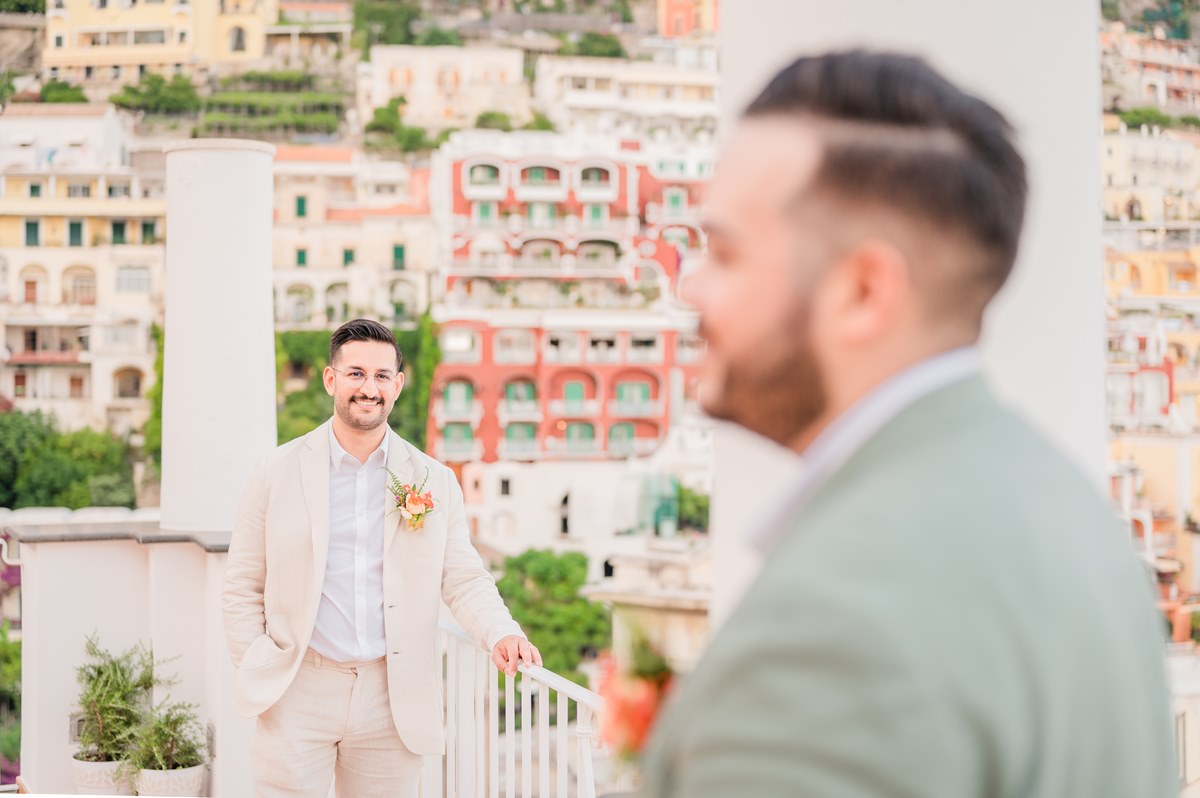
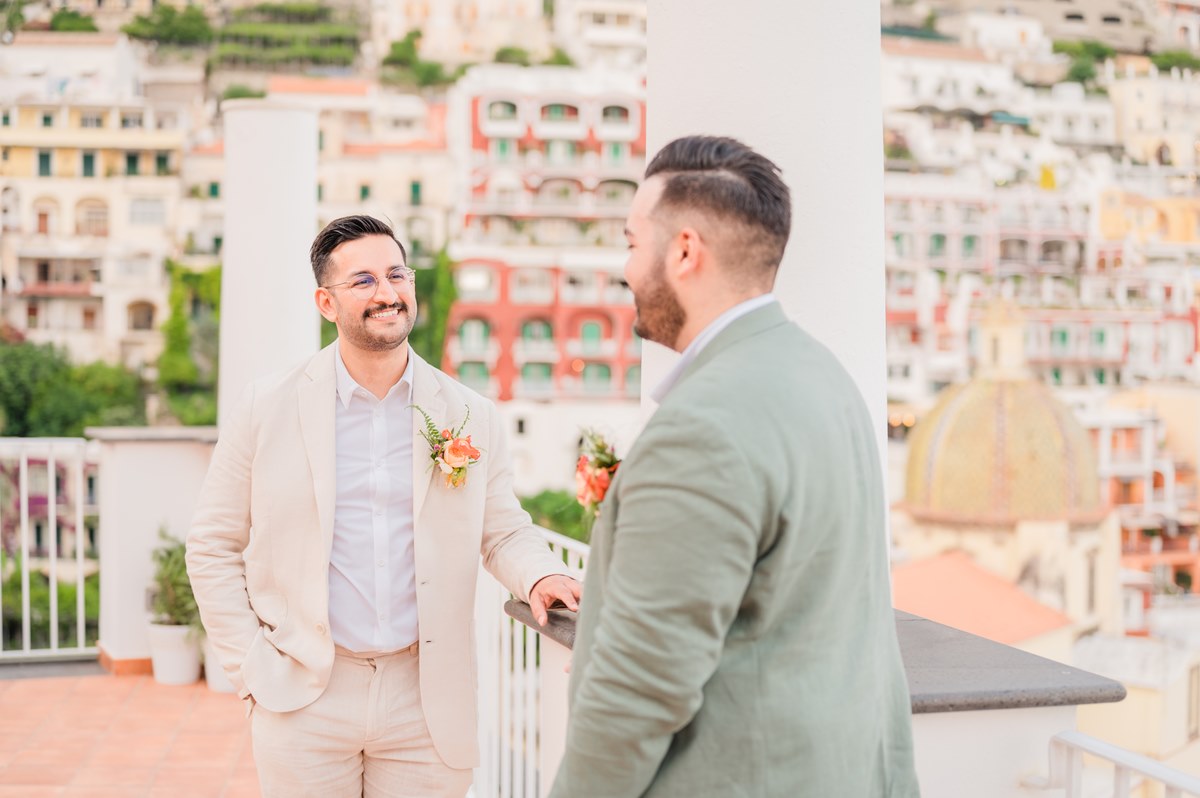
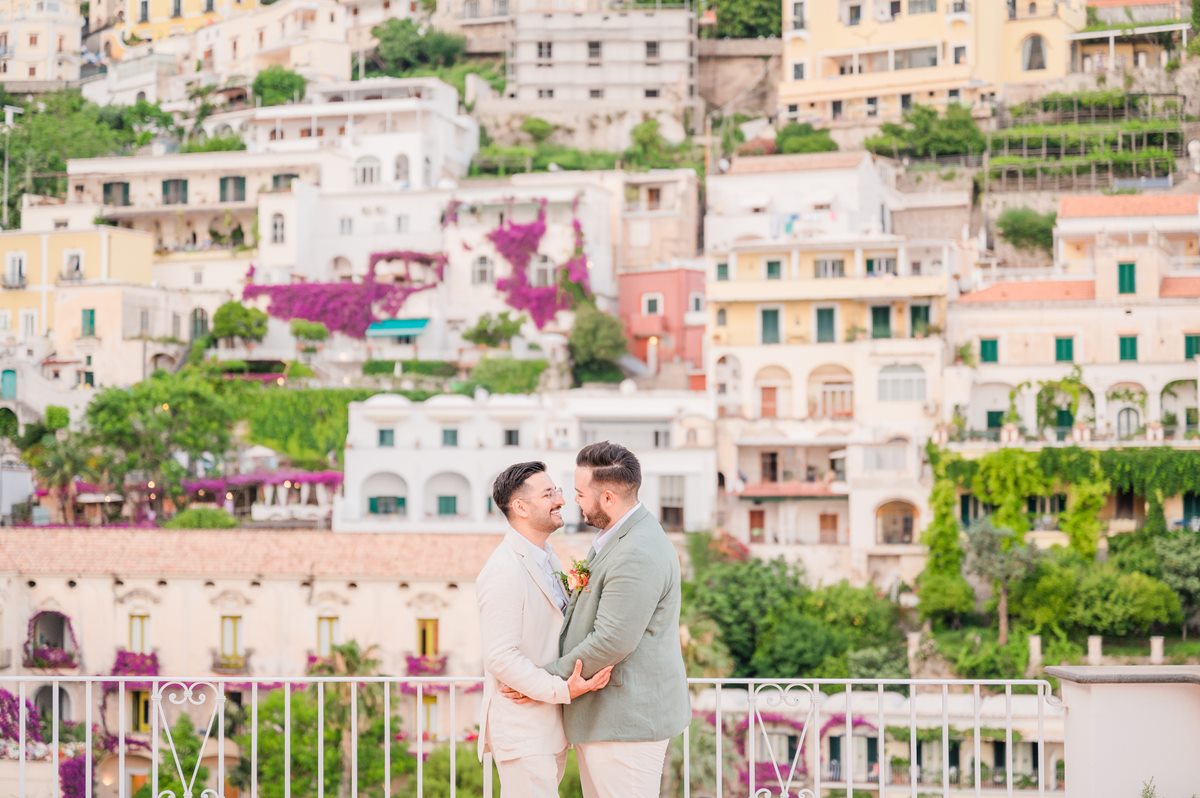
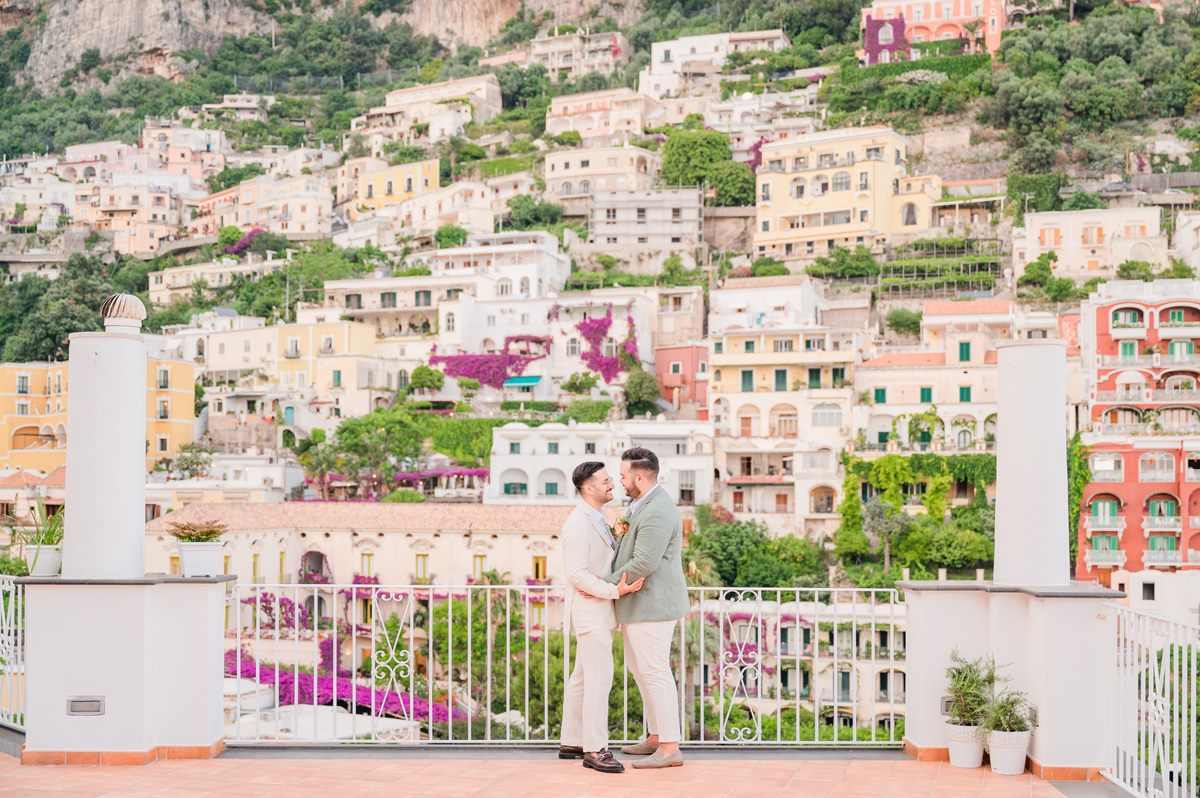
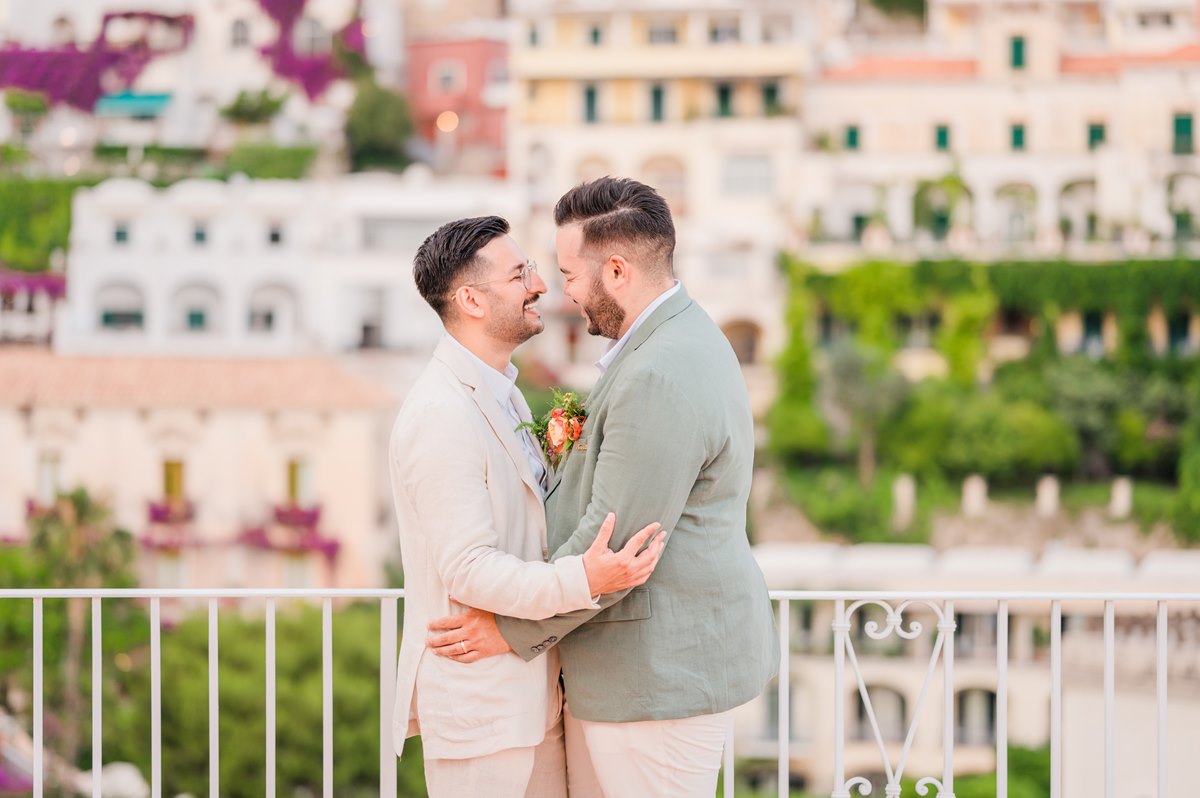
A wedding at Casa Passalacqua is a once-in-a-lifetime experience. The stunning views of the Amalfi Coast and Mediterranean Sea make it an ideal location for your special day. To ensure that you capture every moment of this magical event, hire a professional photographer to document your wedding.
CREAMY COLORS
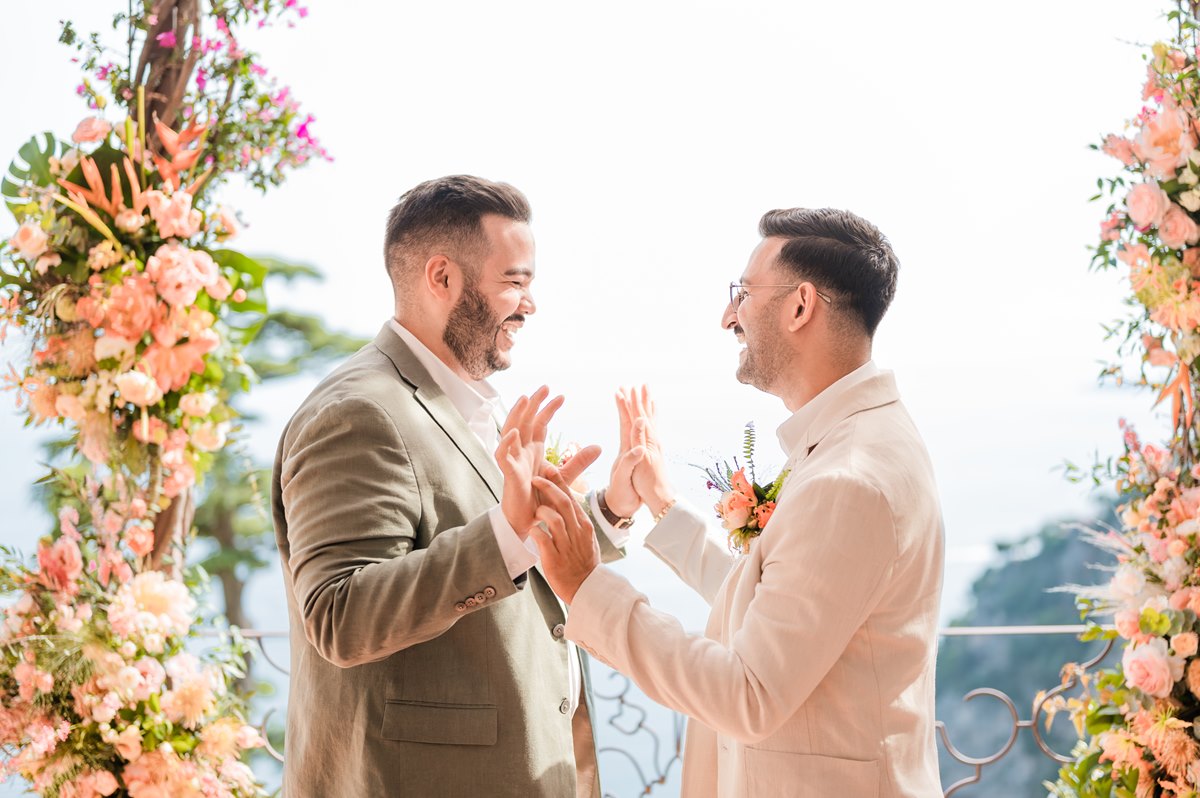
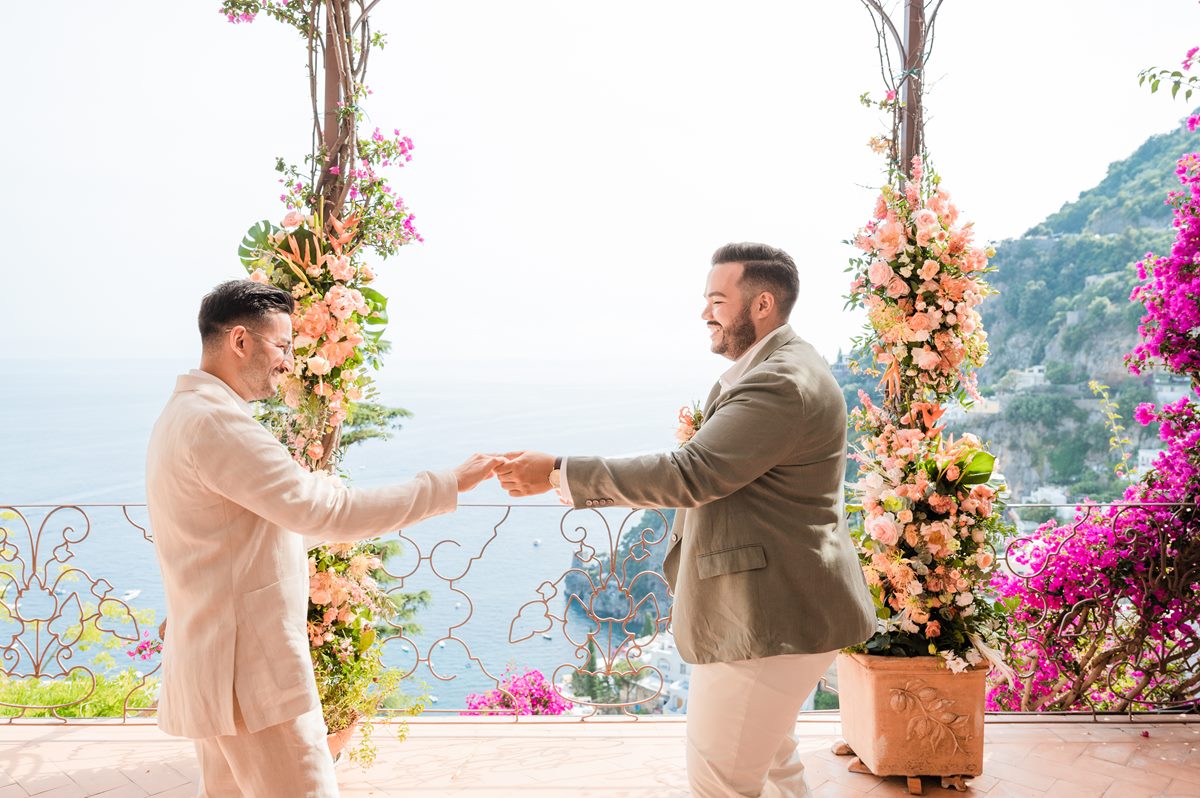
I love capturing feelings around stunning atmospheres inside beautiful lights in charming places around Italy and not only. I love crafting memories that are built by my eye, my work philosophy and definitely my sensitivity.
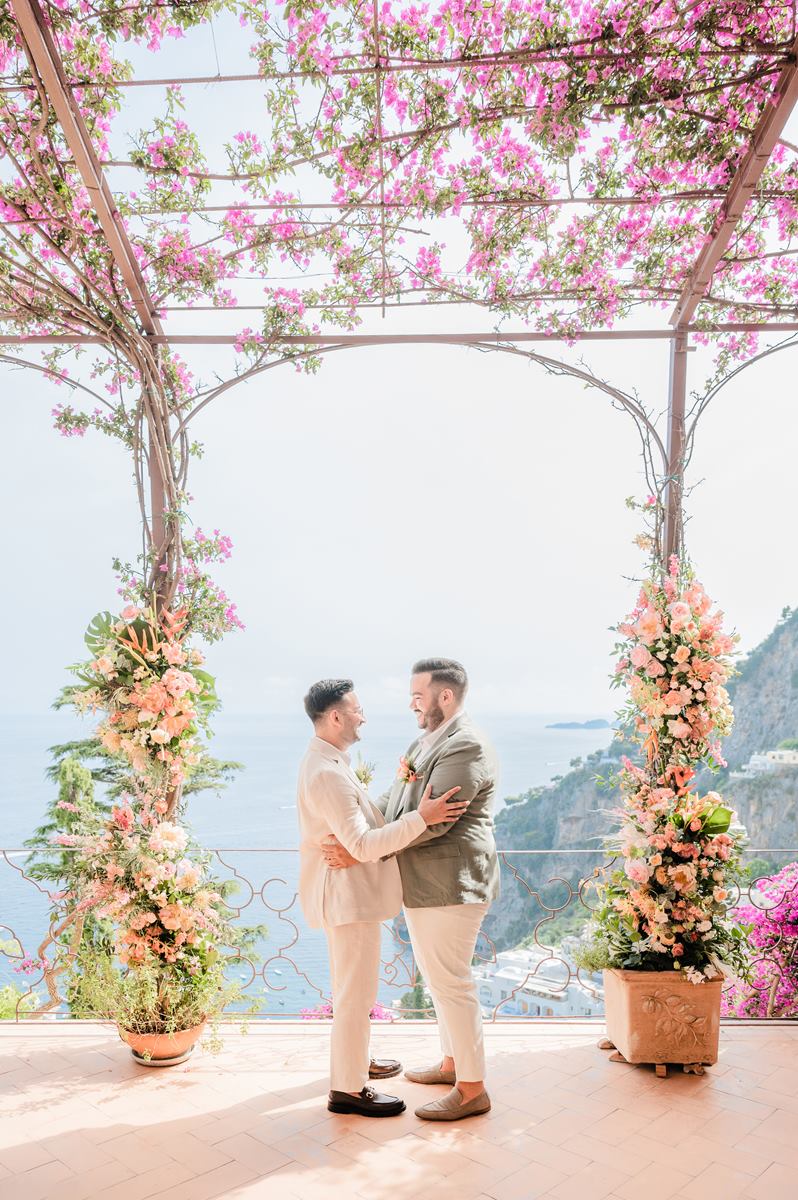
POSITANO STORIES
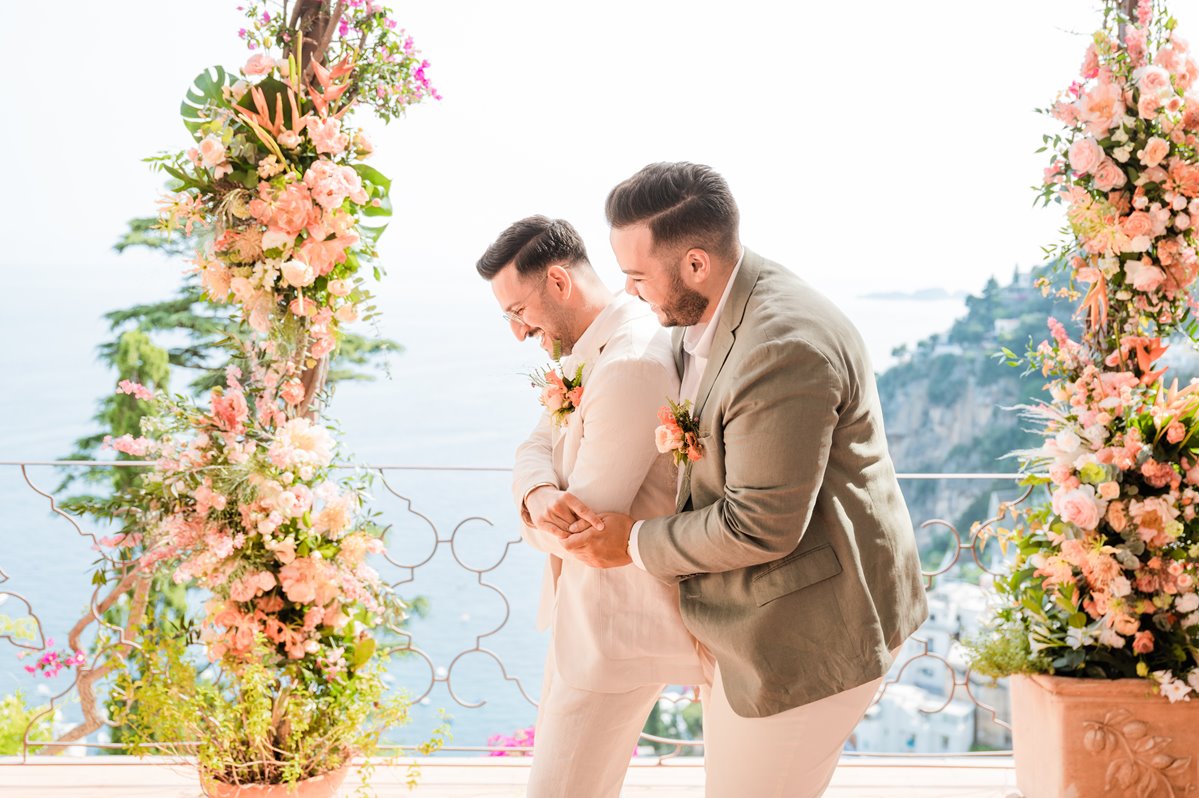
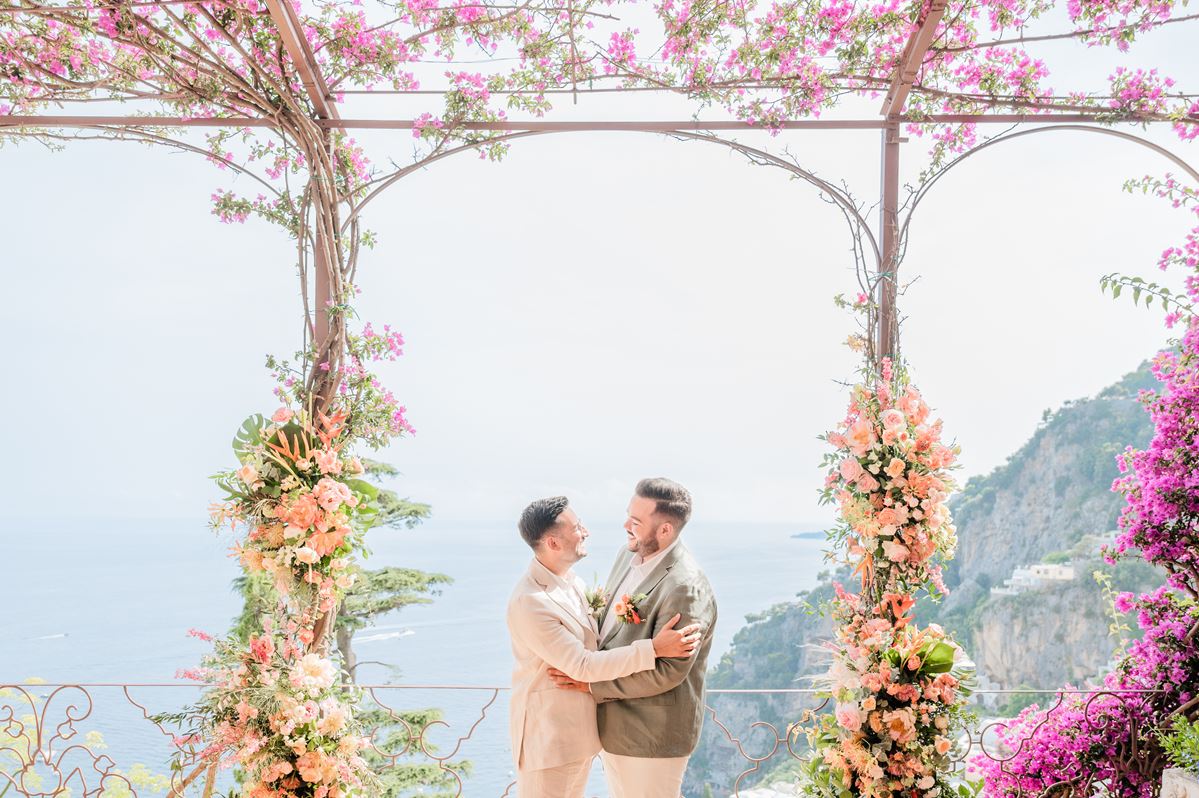
A wedding photographer will be able to capture the beauty of your ceremony, reception and all the moments in between. They can also provide you with a digital album that can be shared on social media or printed out as a keepsake for years to come.

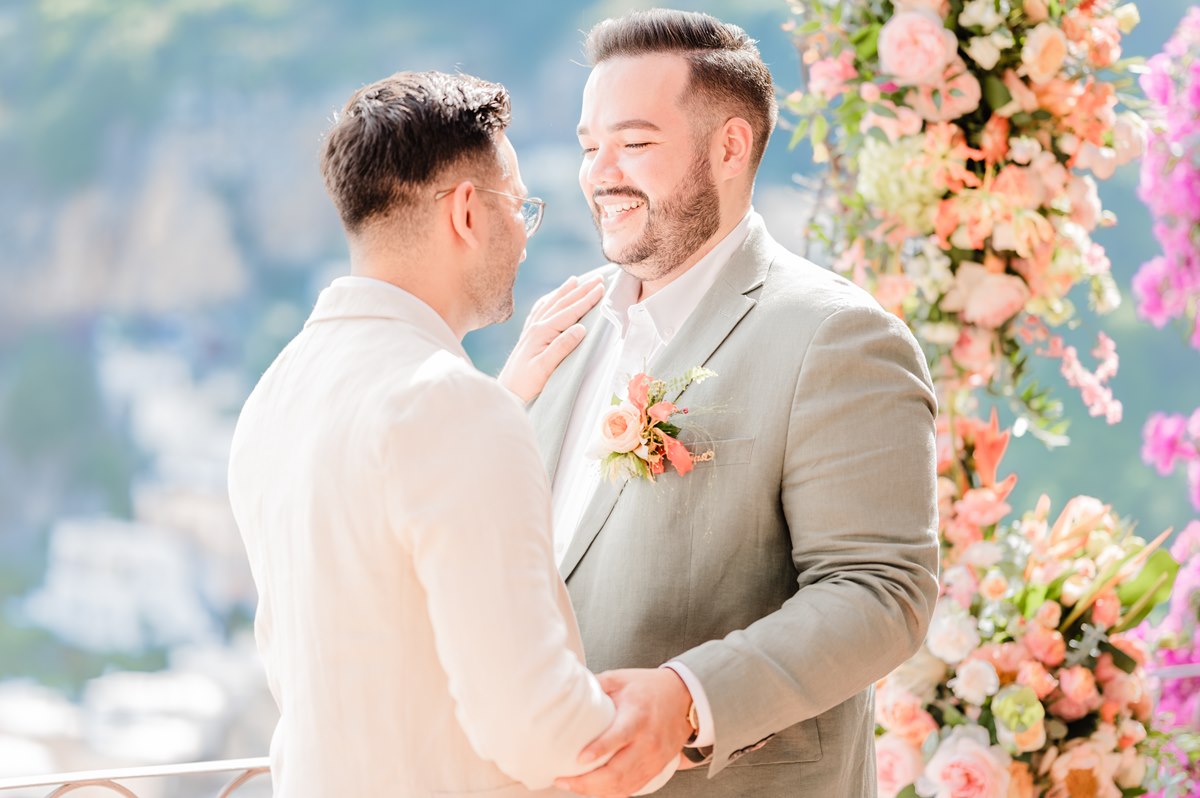
Hiring the Best Positano Wedding Photographers
Capturing the magic of your wedding day is critical. Expert Positano photographers, familiar with the area’s lighting and landscapes help preserve your precious memories at Casa Passalacqua.
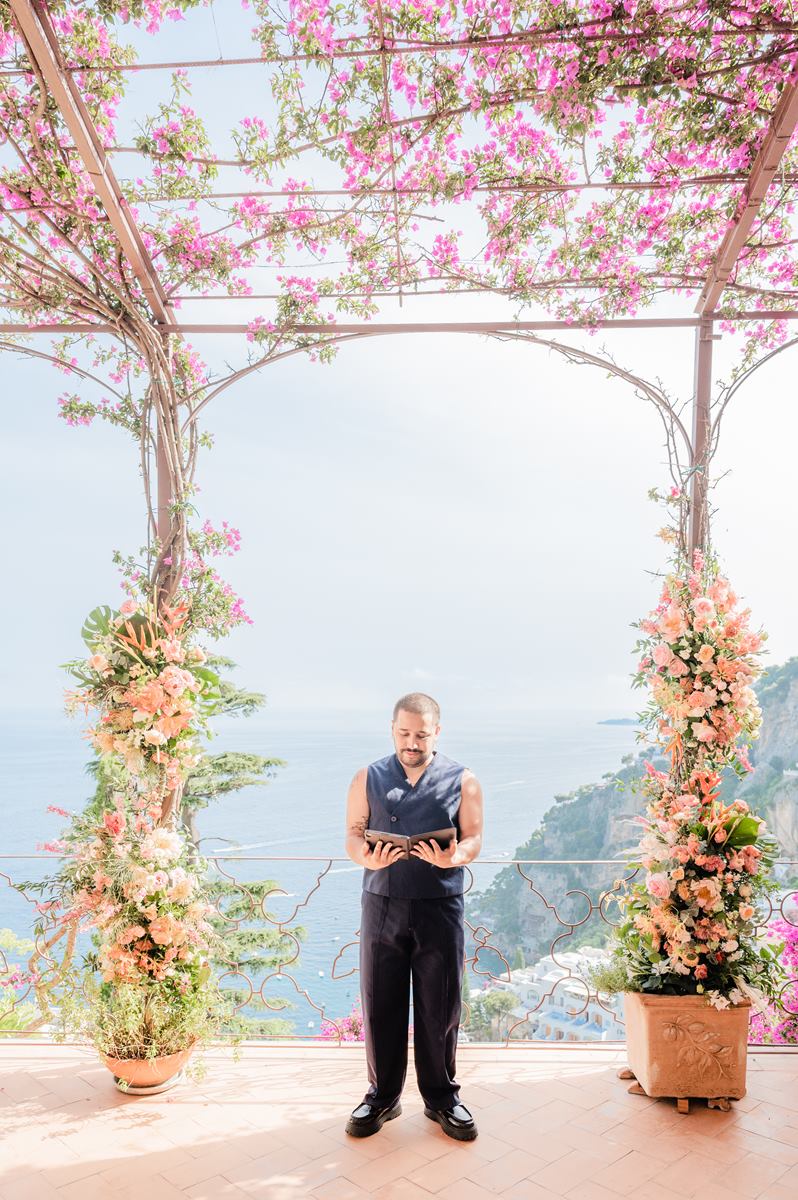
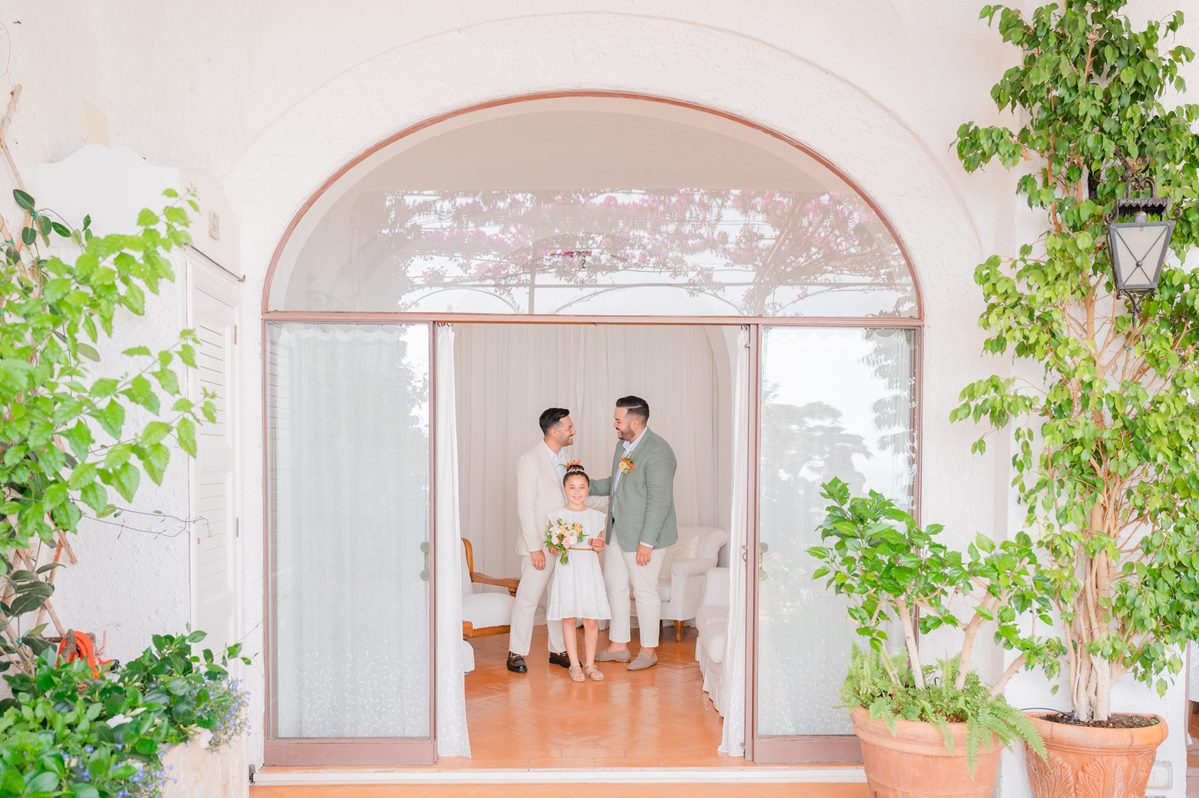

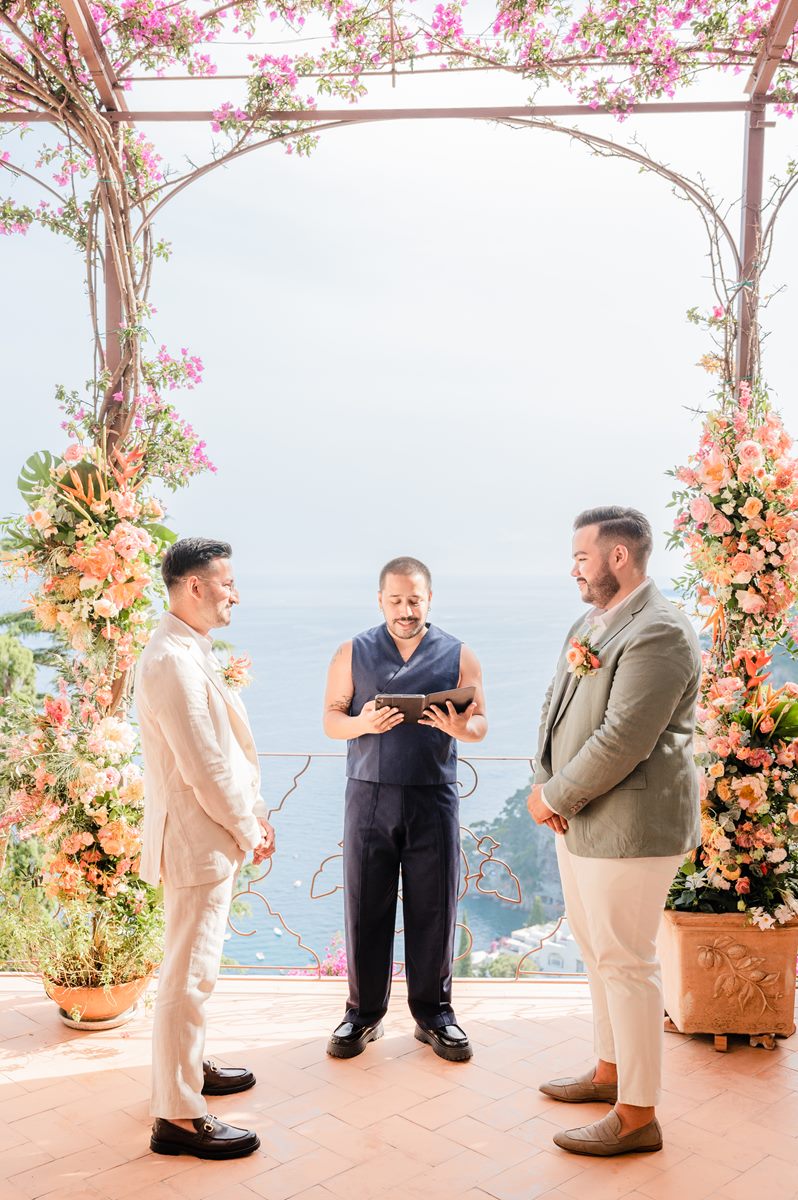
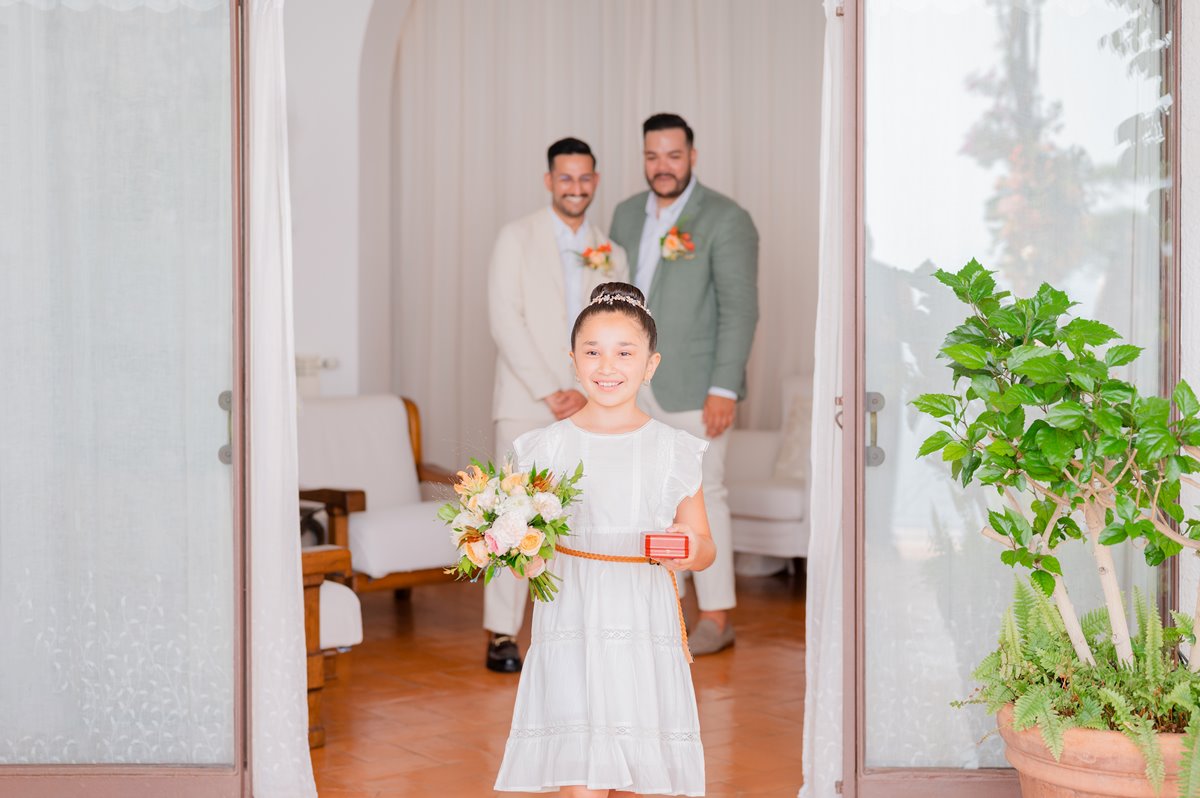
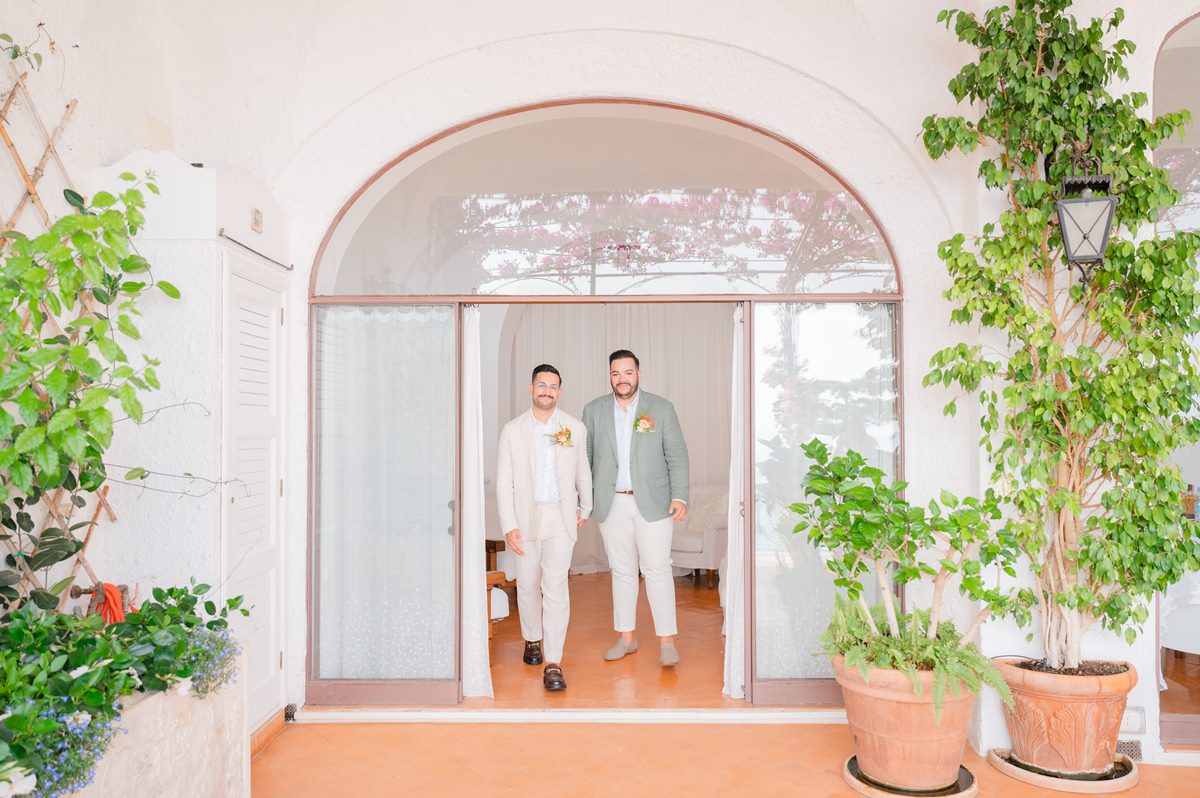
We have a team of professional photographers who specialize in capturing the beauty of Positano weddings. Our photographers are experienced, talented and passionate about their craft. They will work closely with you to ensure that your wedding day is captured in a way that reflects your unique style and personality.
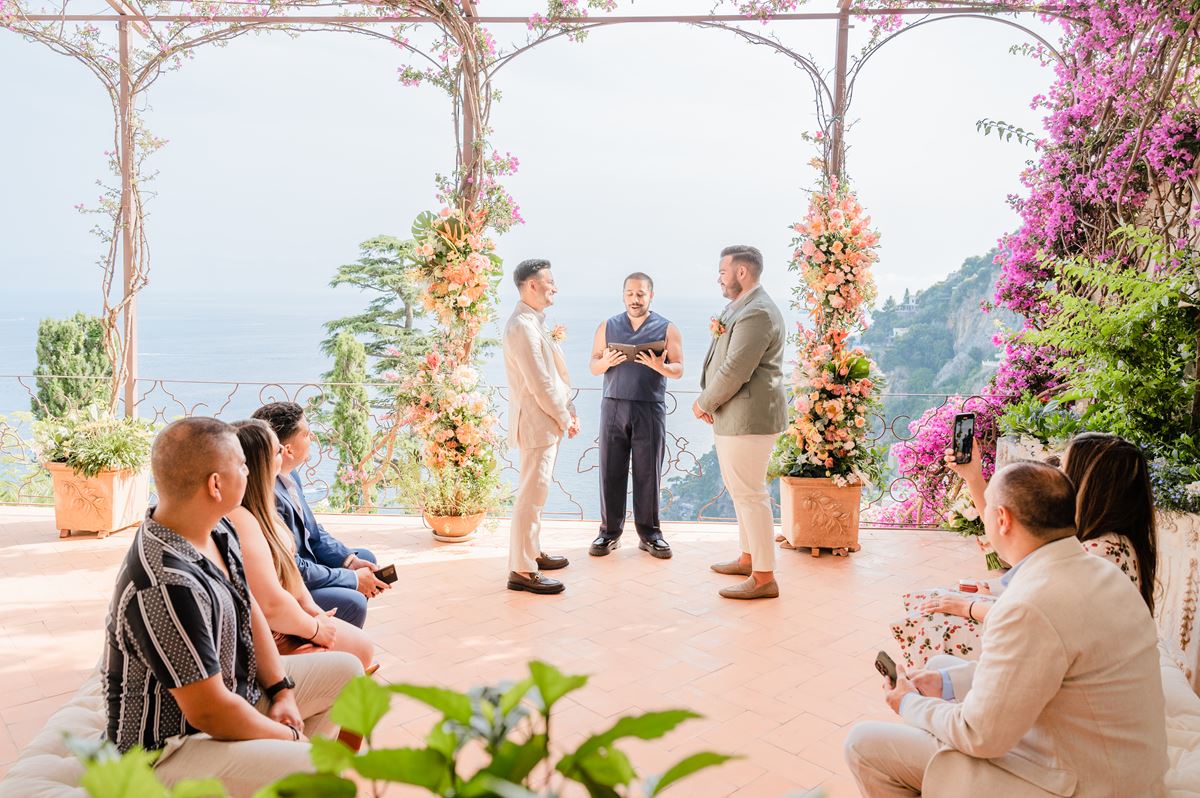
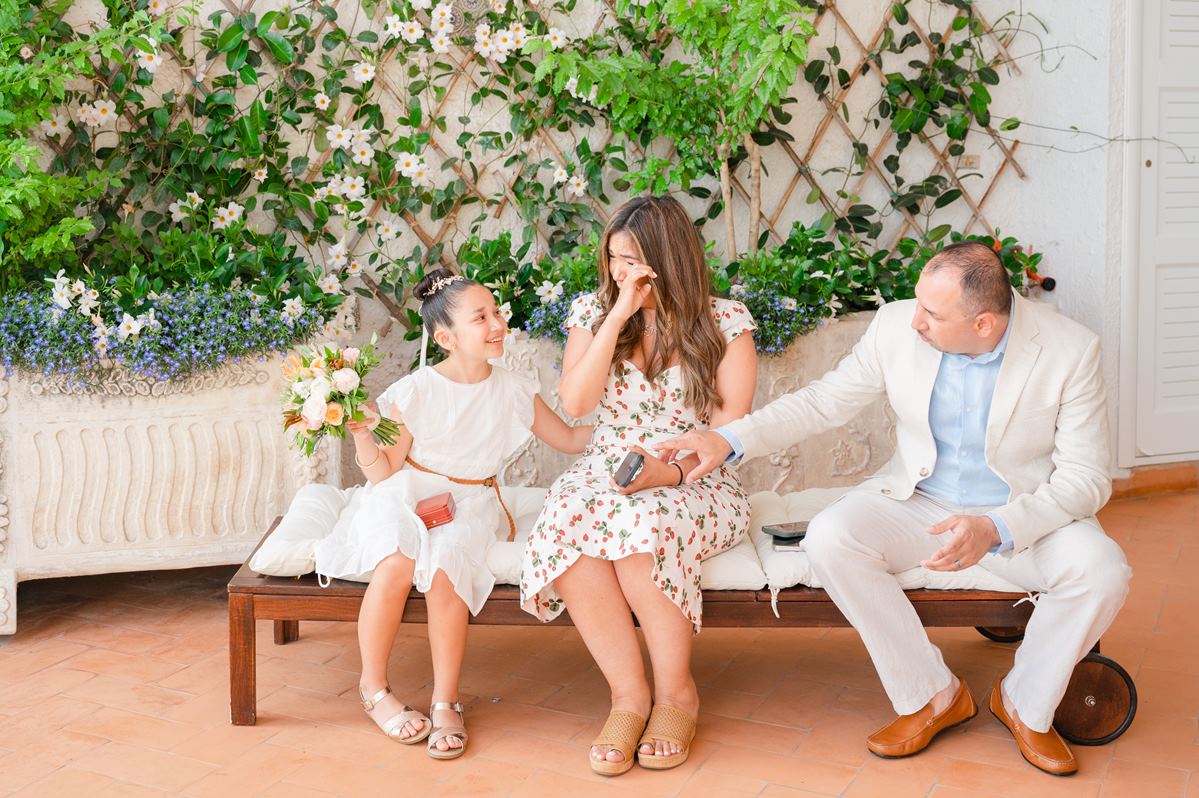

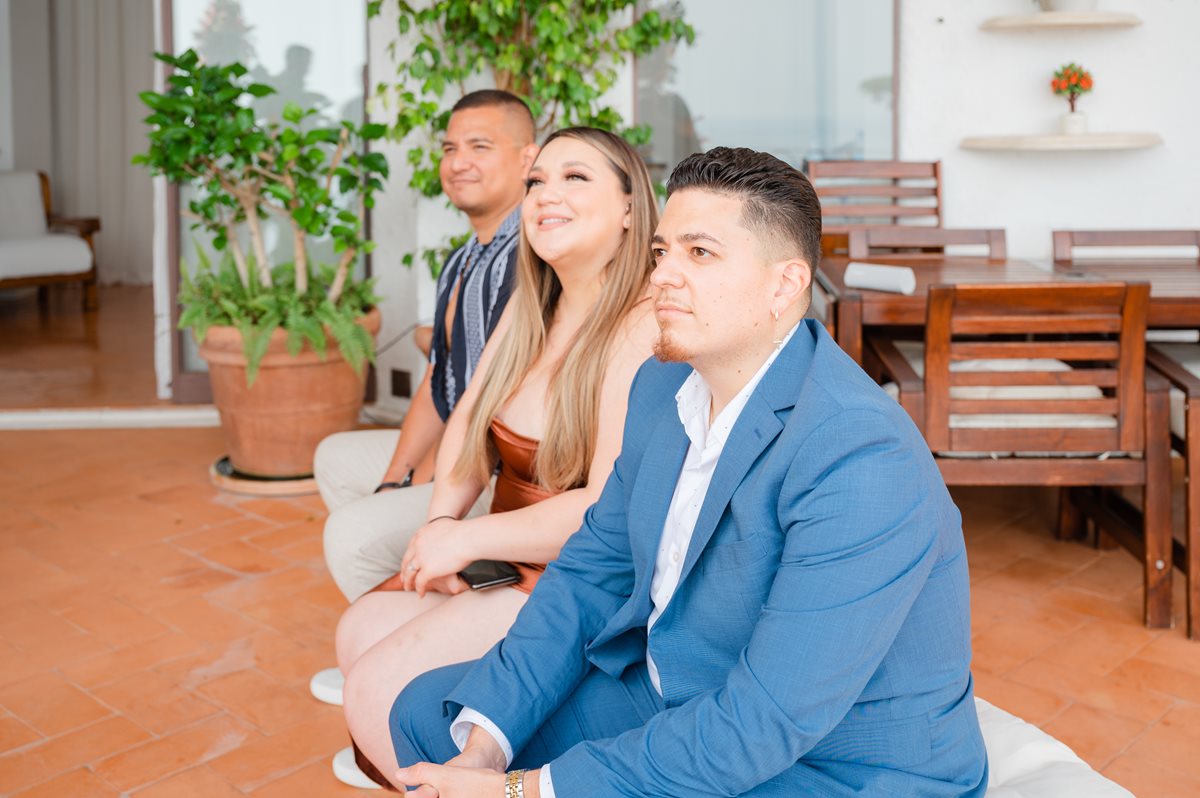
Life at Casa Passalacqua – Through the lens
The majestic nature of Casa Passalacqua, often a subject of numerous photographers, can take your wedding album to another level. The panoramic sea views and the serene environment make every captured moment a treasured memory.
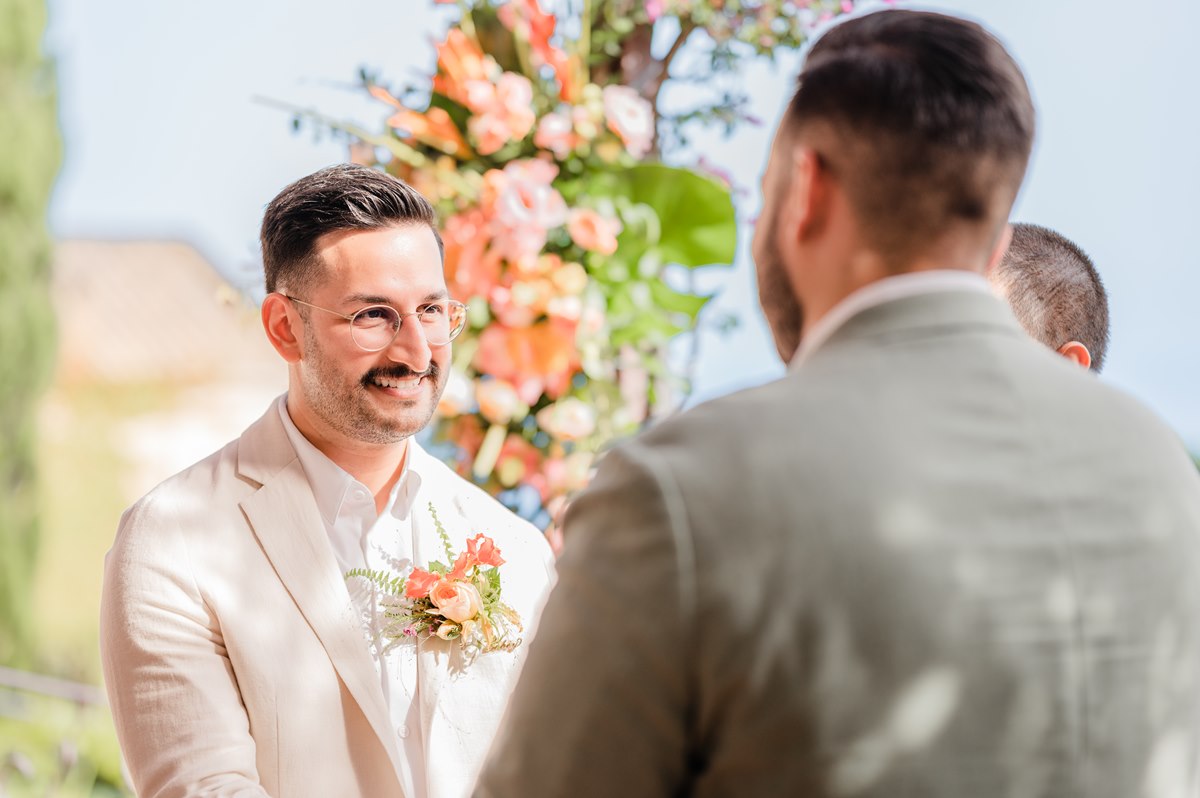
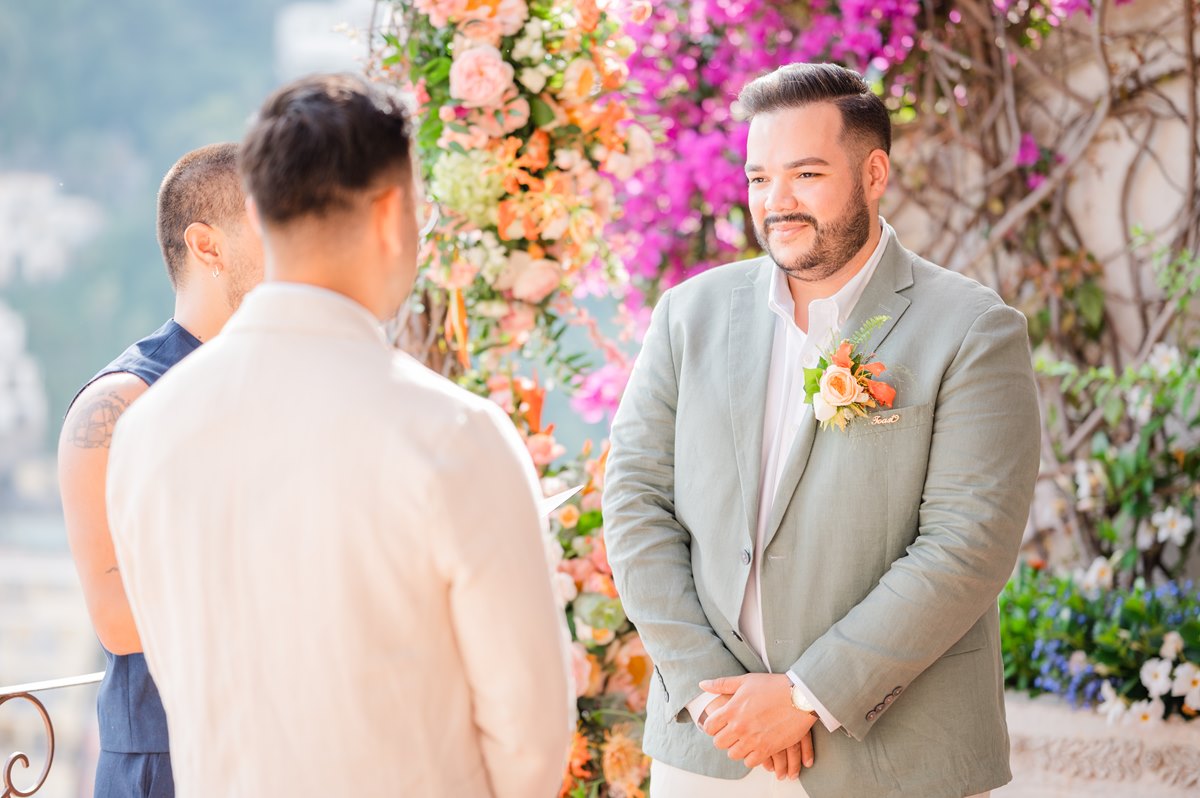
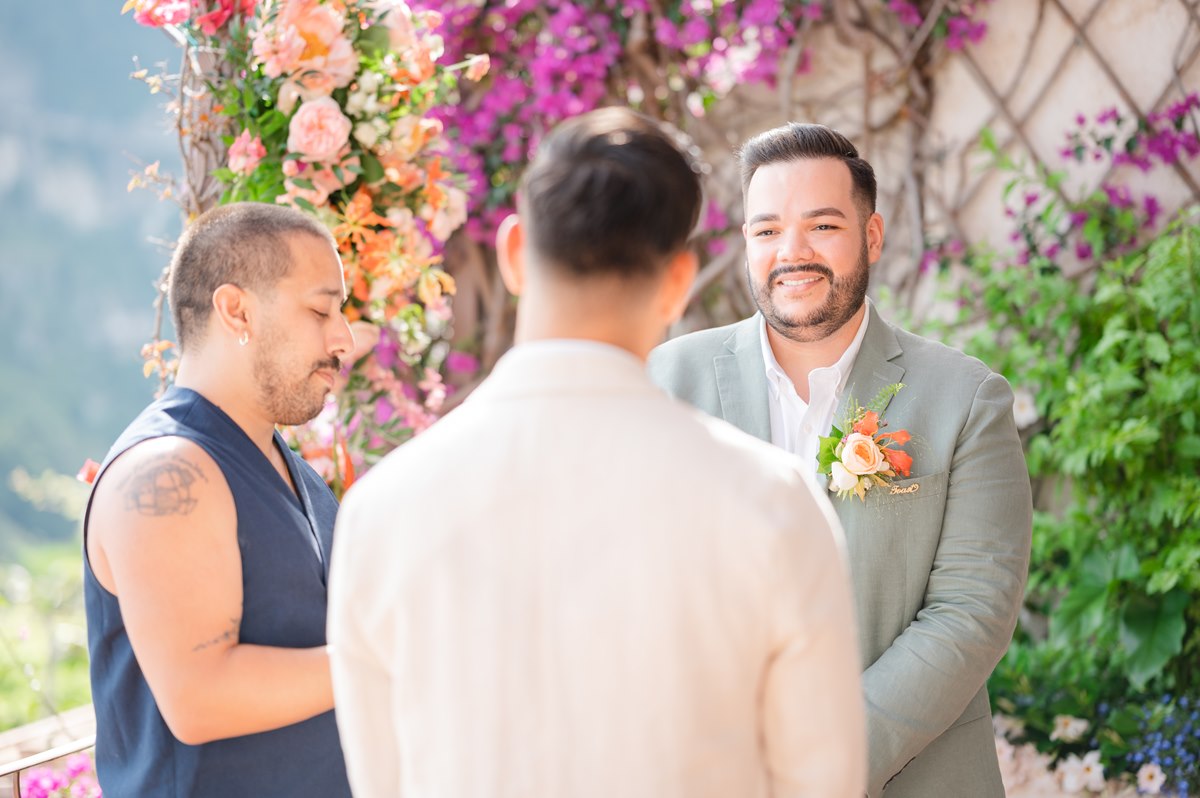
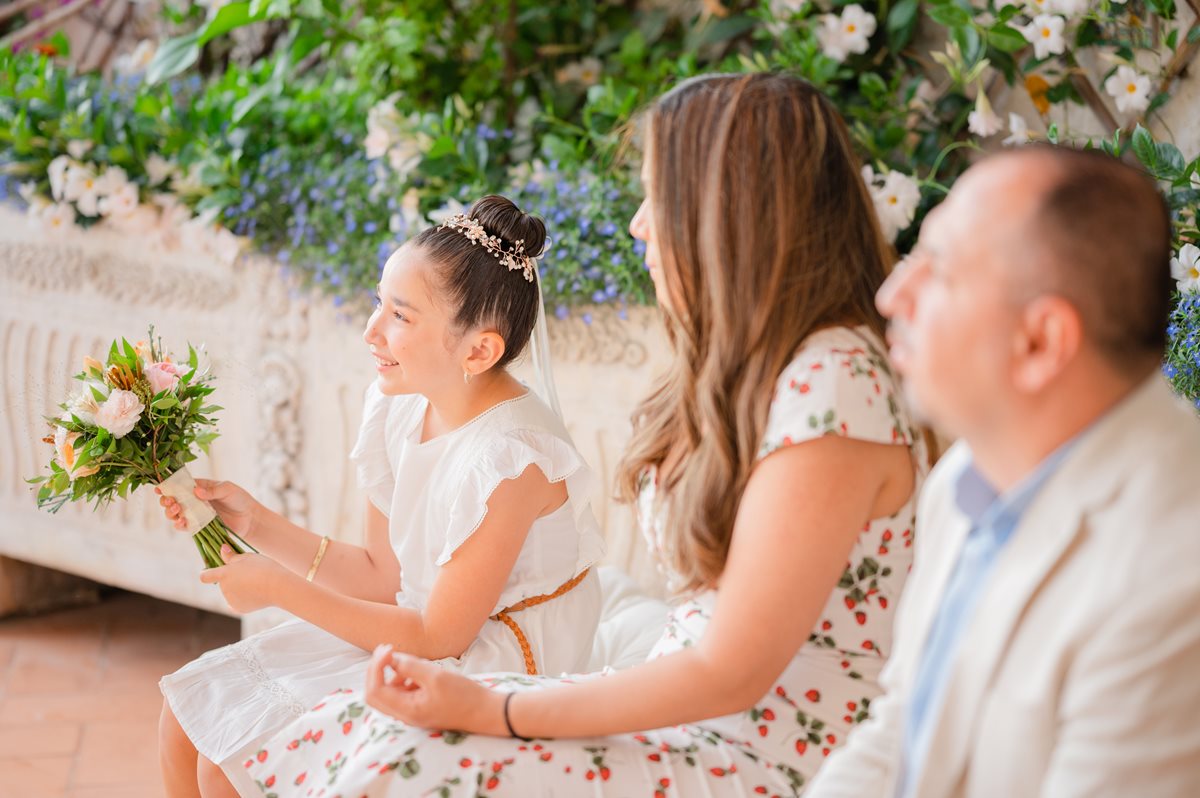
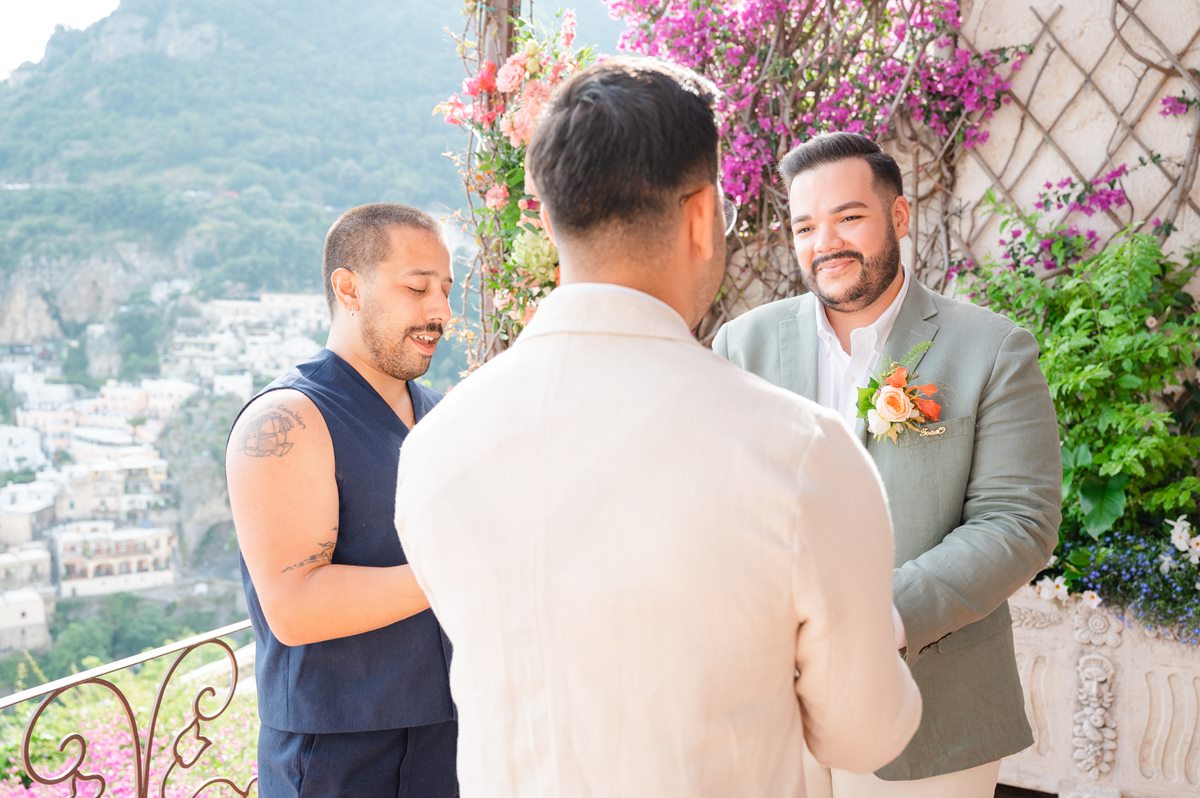
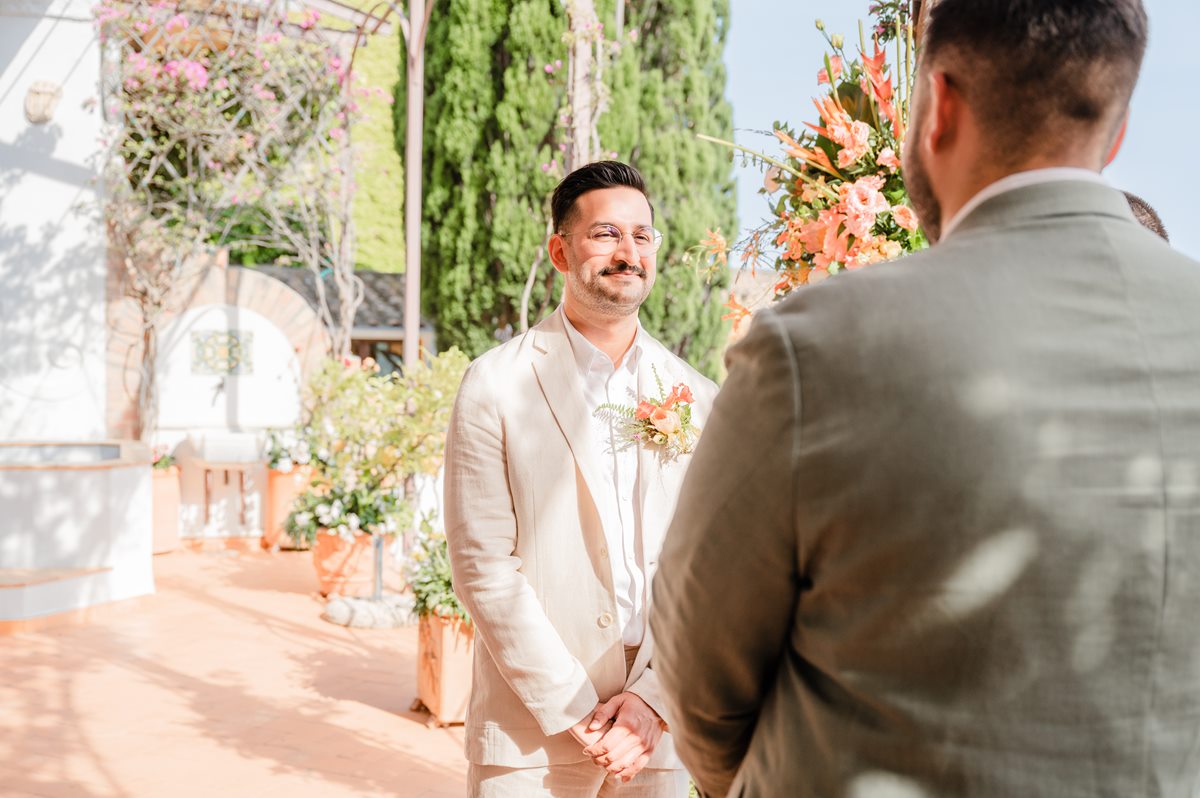
Choosing the Perfect Wedding Plots: Photography Ideas
There are countless photo ops around Casa Passalacqua – the turquoise beaches, the quaint streets, or the vibrant sunrise creating the perfect moments to capture on your wedding day.
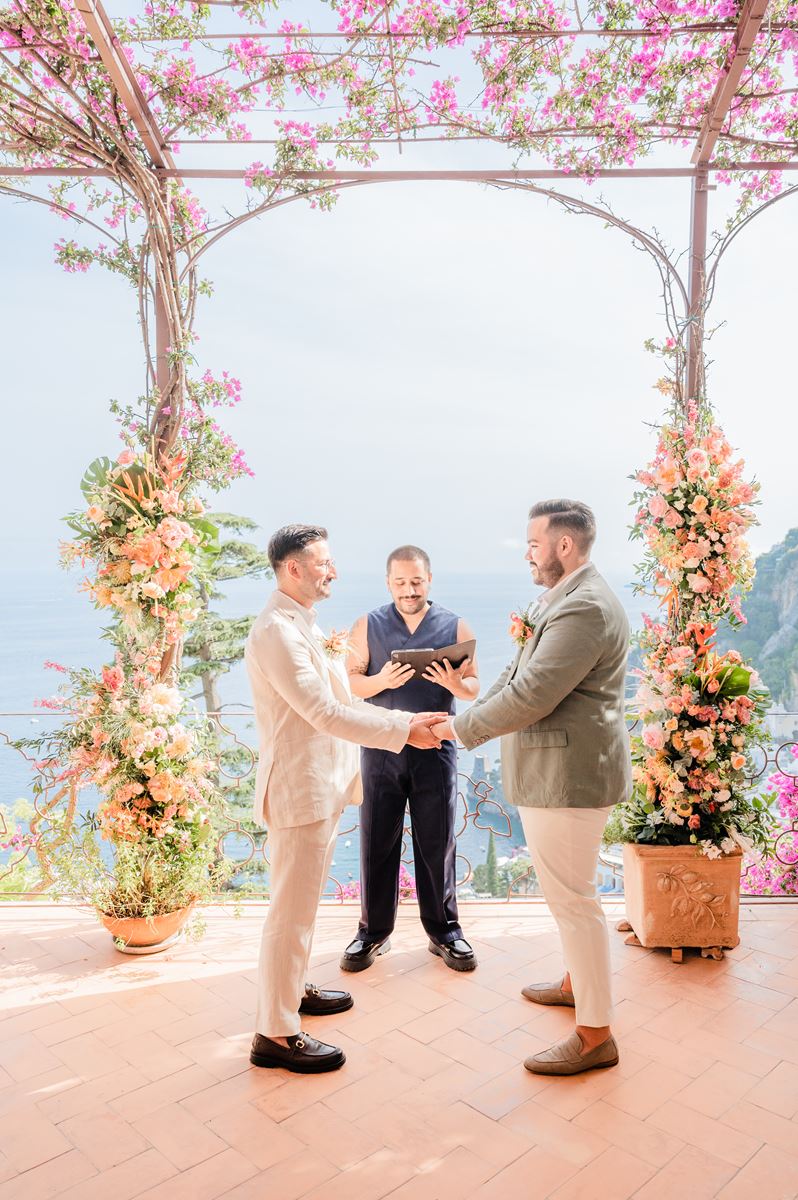
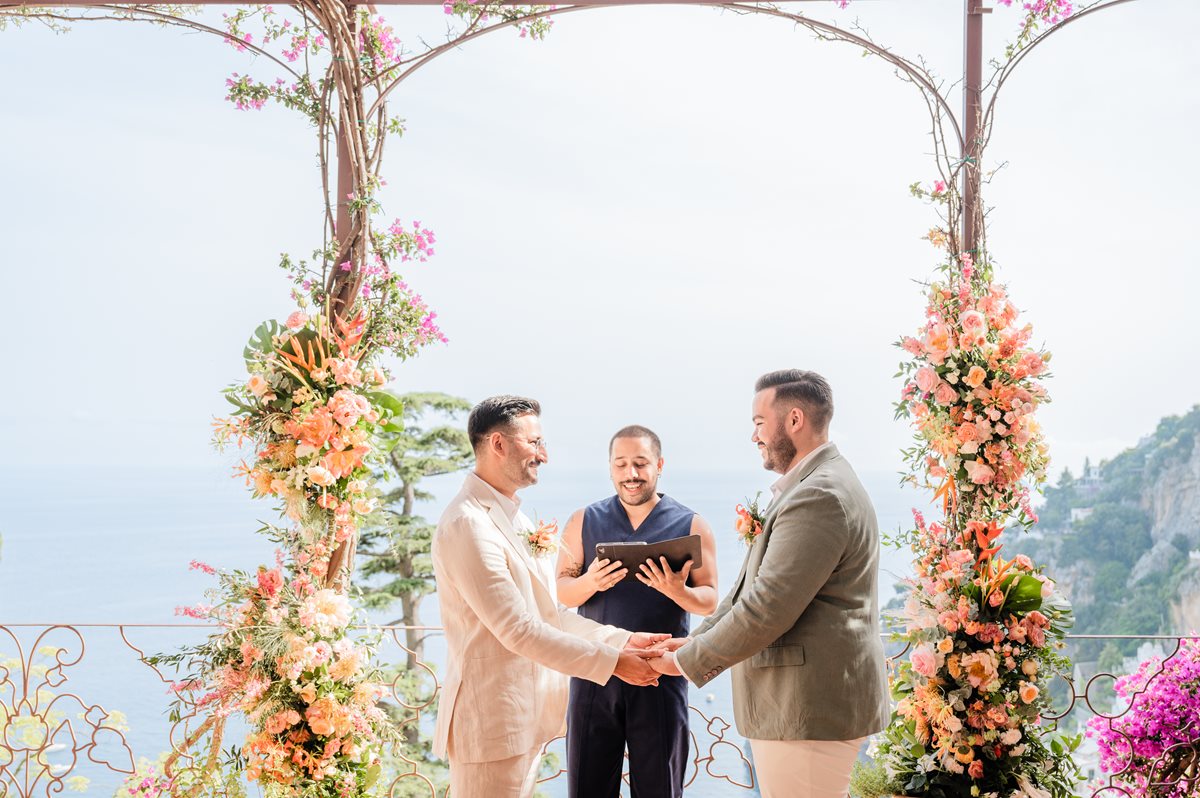
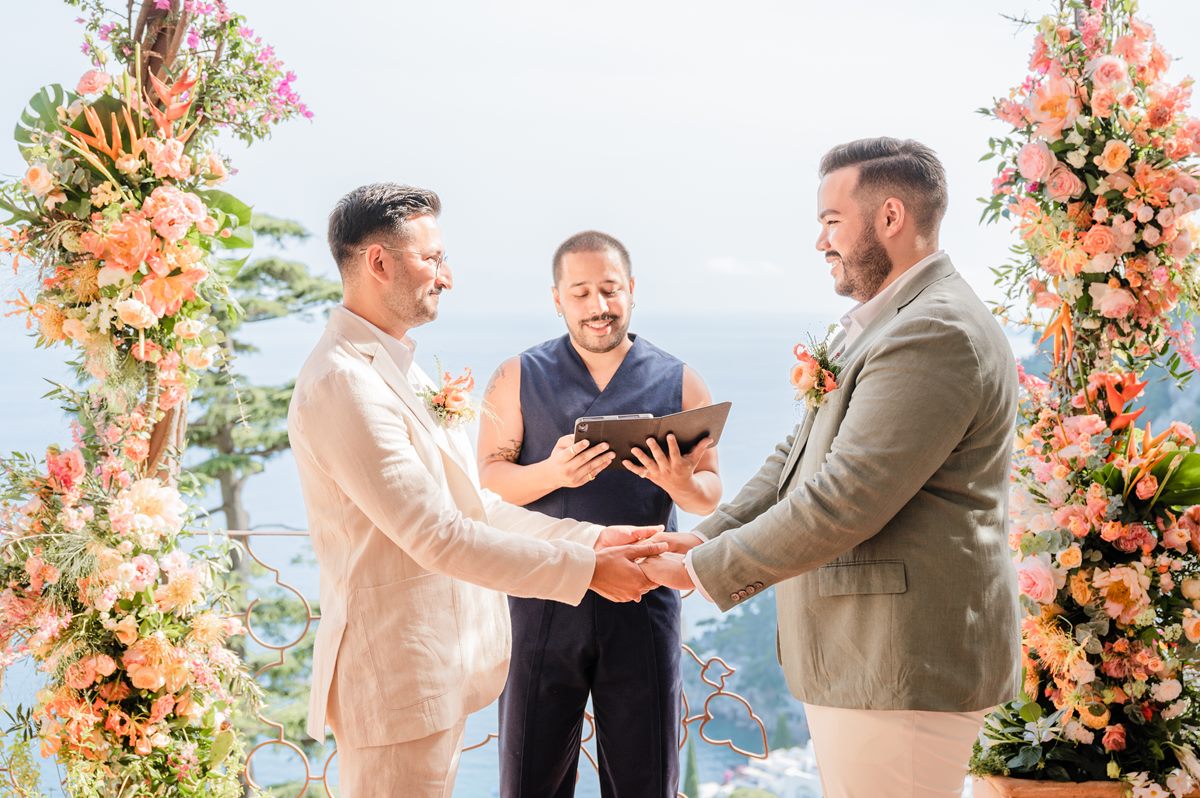
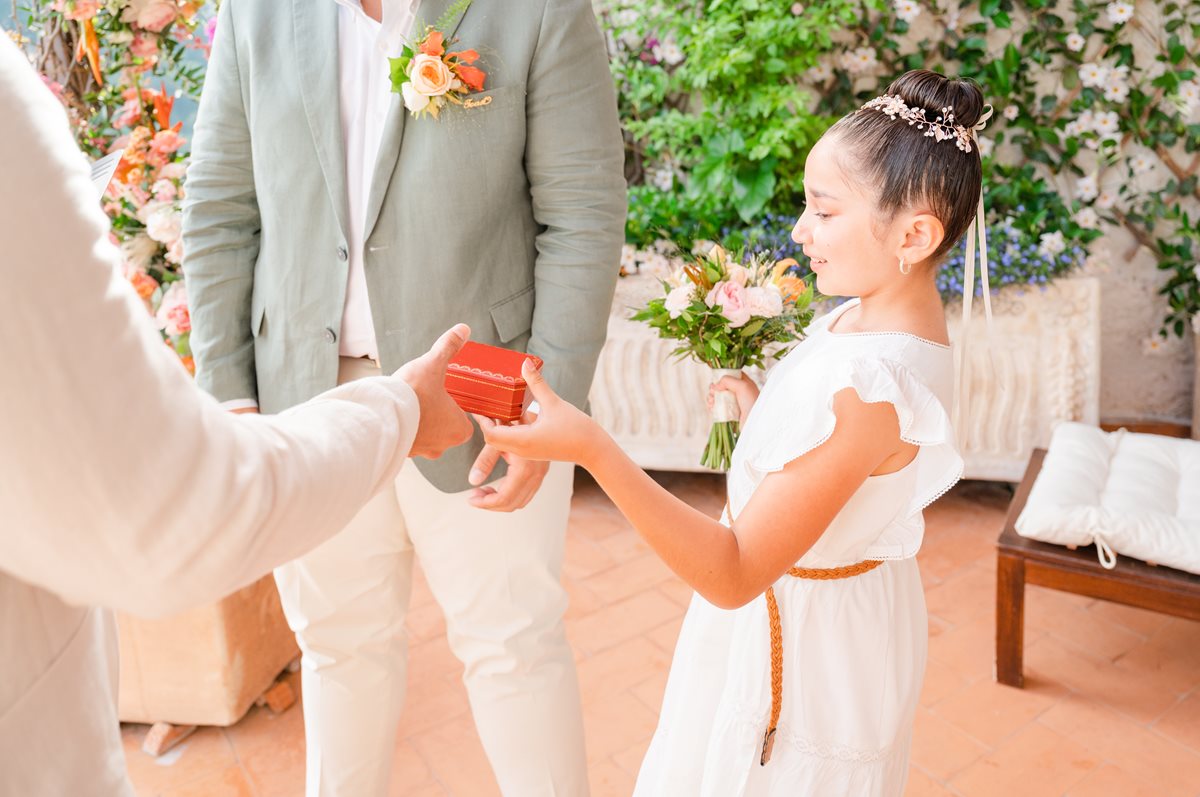

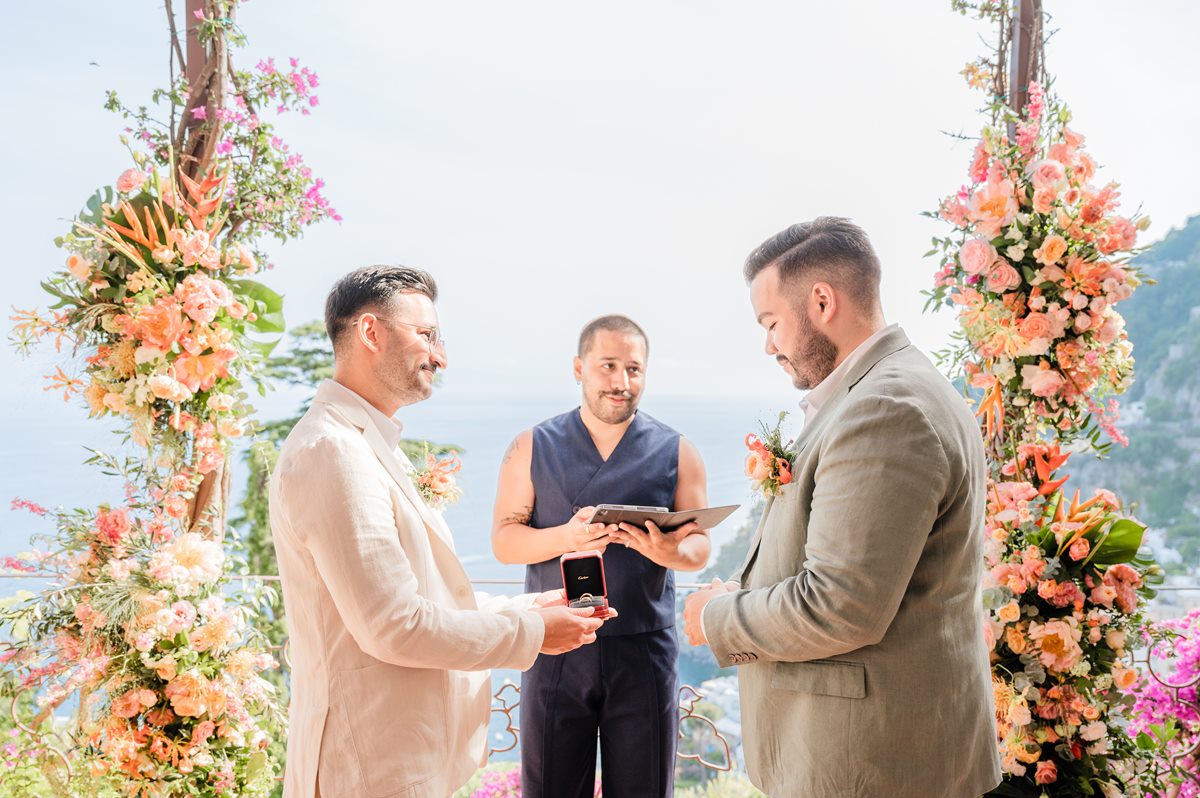

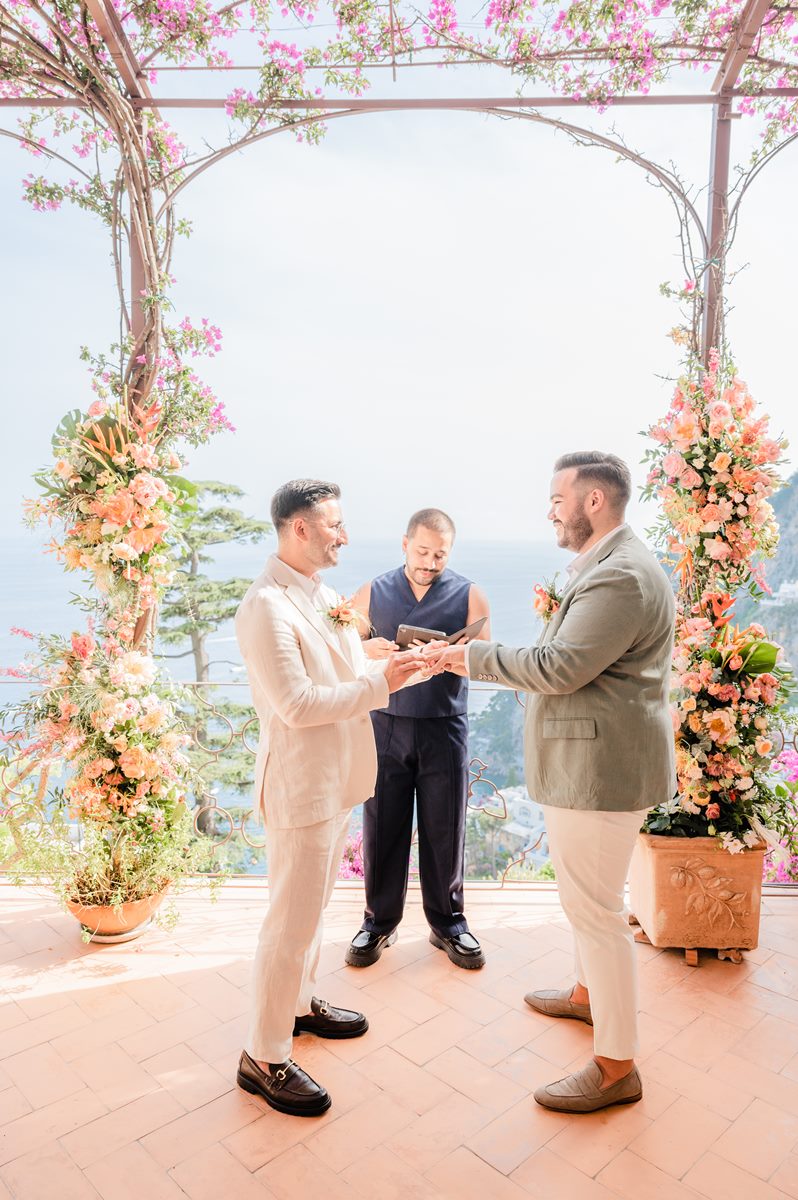



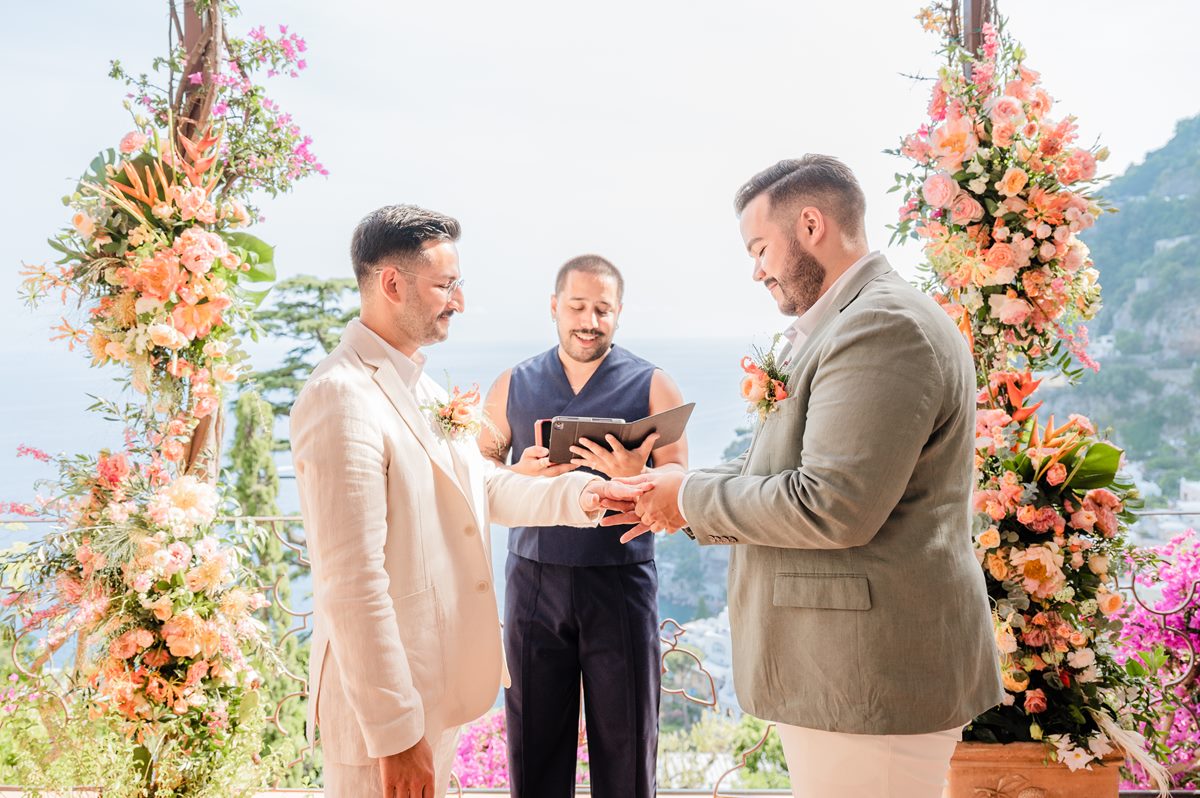


The Ultimate Positano Wedding Planner Guide for Casa Passalacqua
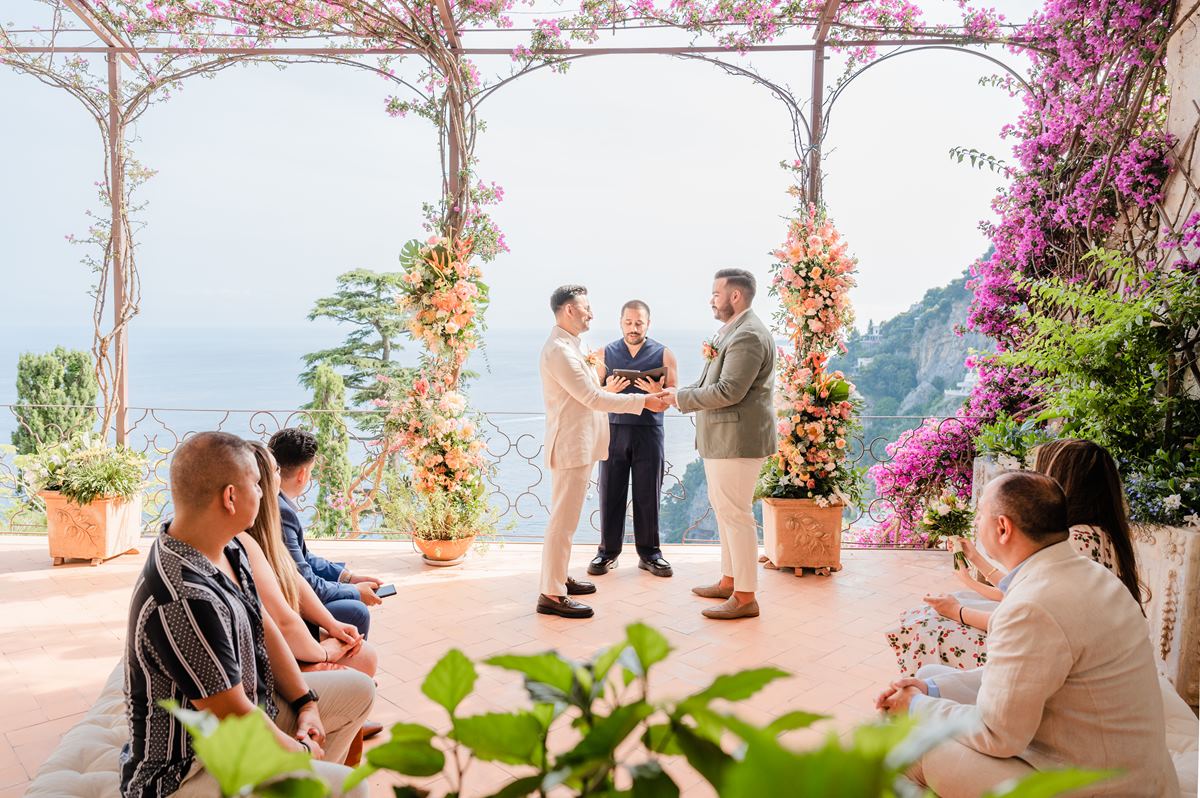
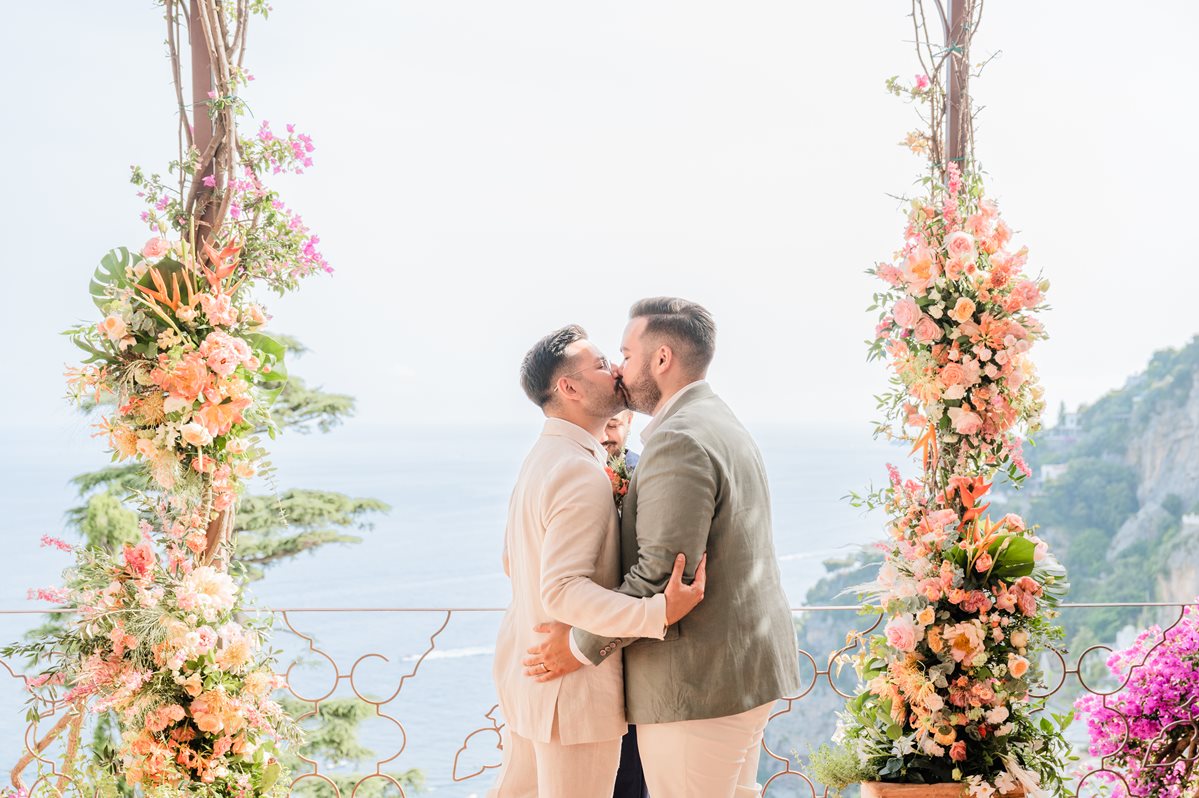
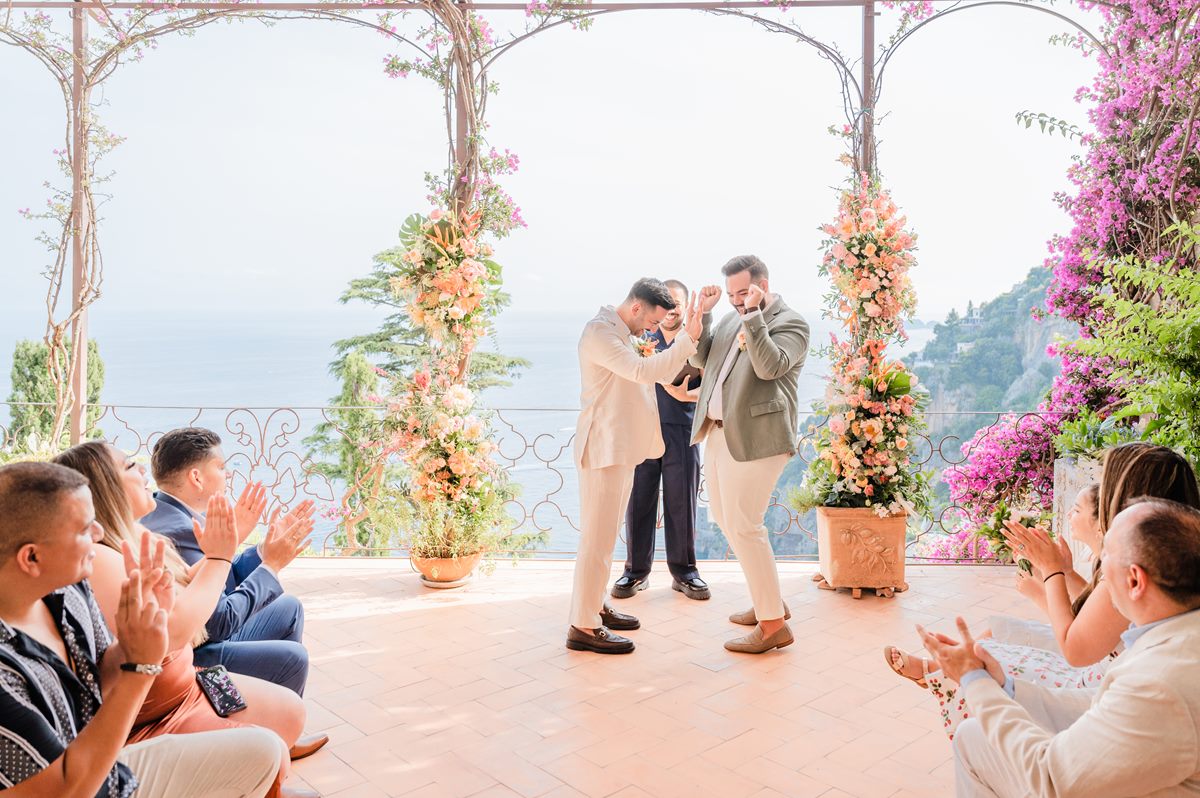
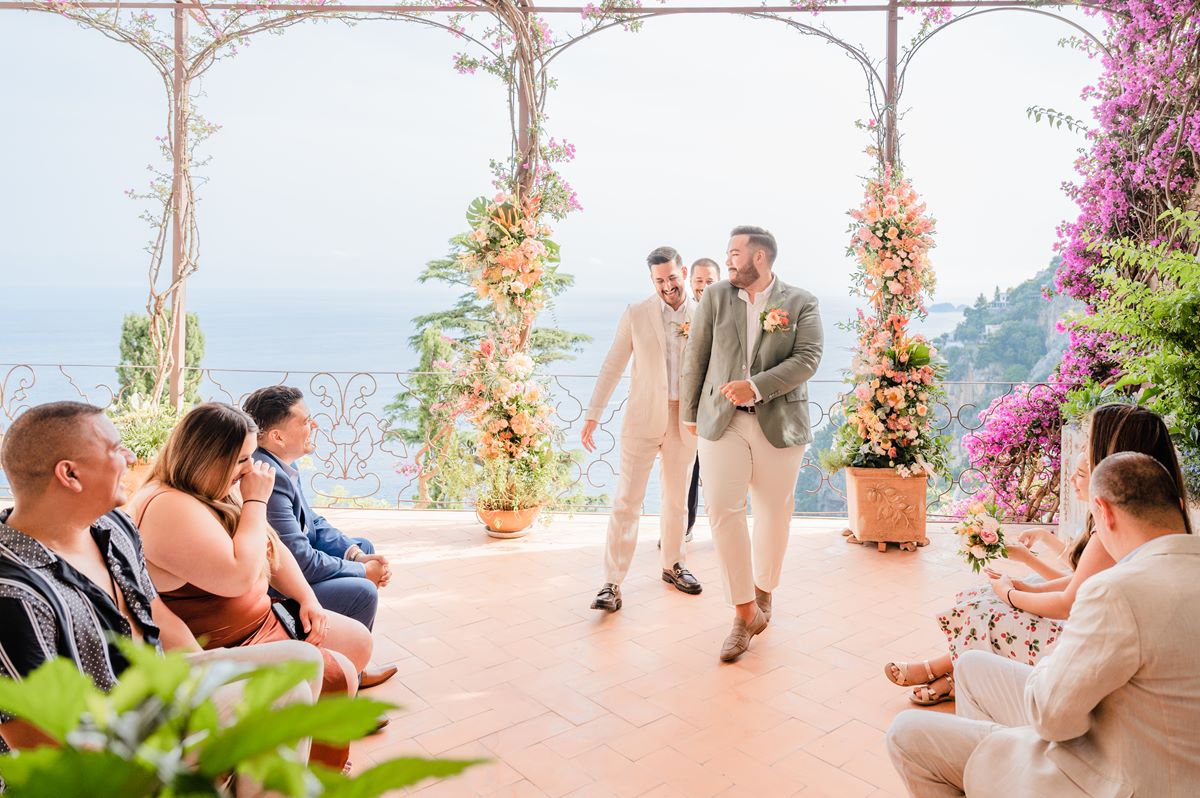
Casa Passalacqua is a stunning venue for your wedding. The villa has been restored to its original splendor and offers an amazing backdrop for any event. The property is located in the heart of Positano, just steps away from the beach and all of the shops and restaurants that make this town so special. The villa is surrounded by beautiful gardens and terraces that offer breathtaking views of the sea. The property also includes a private pool, which can be used for your wedding ceremony or reception.
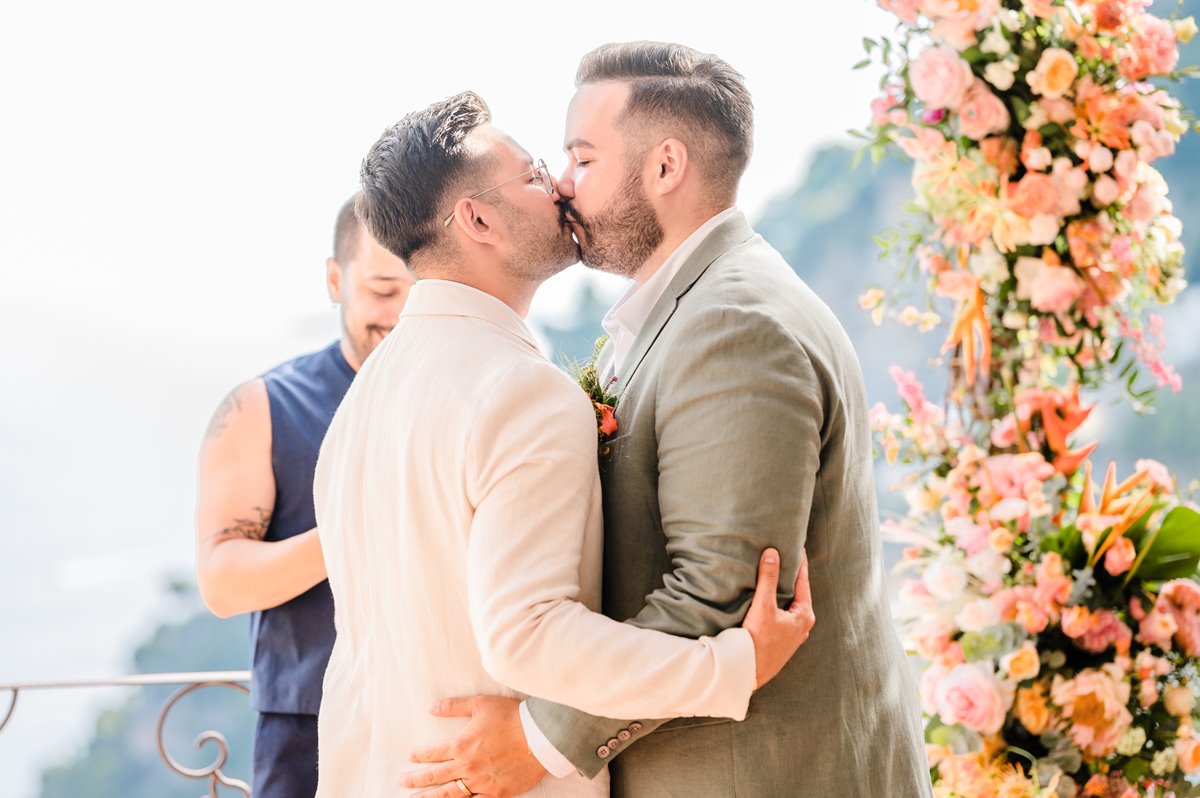

Picking the Right Wedding Planner in Positano
An experienced Positano wedding planner can make your Casa Passalacqua wedding dream come true. They can use their local knowledge, connections, and ability to negotiate, fully understanding your vision and transforming it into reality. They will also be able to help you with all of the legal requirements for getting married in Italy, including obtaining a marriage license and finding an officiant.

Wedding Planner Recommendations for Casa Passalacqua
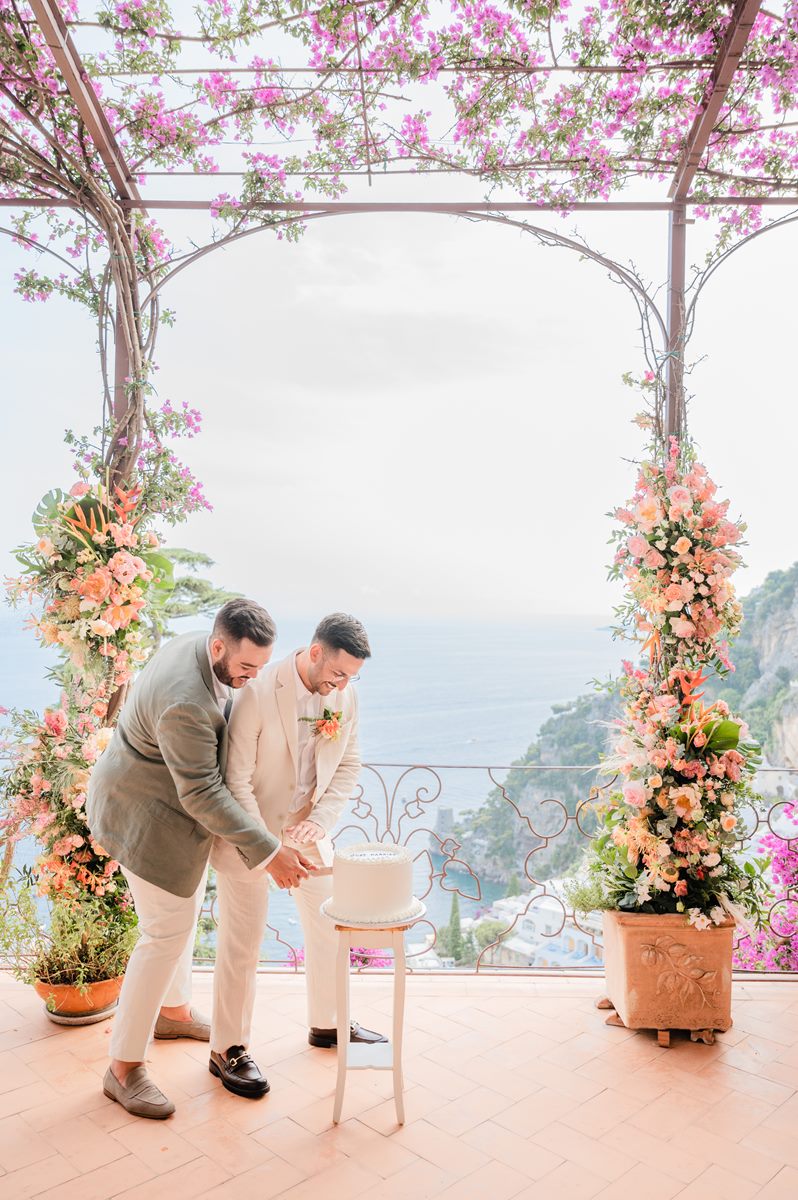
Rely on your wedding planner to design the perfect ambiance that complements the elegance of Casa Passalacqua. They can suggest floral arrangements, seating layouts, and lighting designs that intertwine seamlessly with this beautiful venue. The wedding planner will also be able to help you with all of the legal requirements for getting married in Italy, including obtaining a marriage license and finding an officiant. Wedding Planner Recommendations for Casa Passalacqua Rely on your wedding planner to design the perfect ambiance that complements the elegance of Casa Passalacqua. They can suggest floral arrangements, seating layouts, and lighting designs that intertwine seamlessly with this beautiful venue.
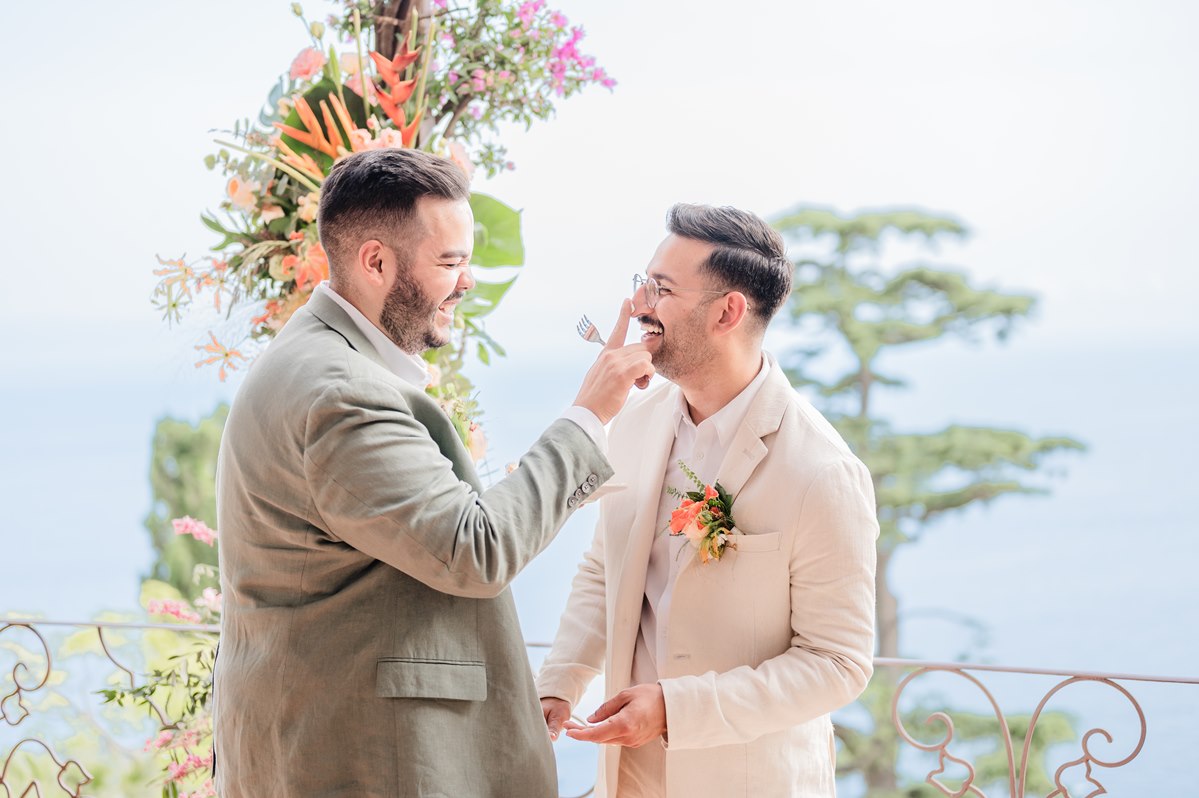
Creating Unforgettable Moments: Your Positano Wedding
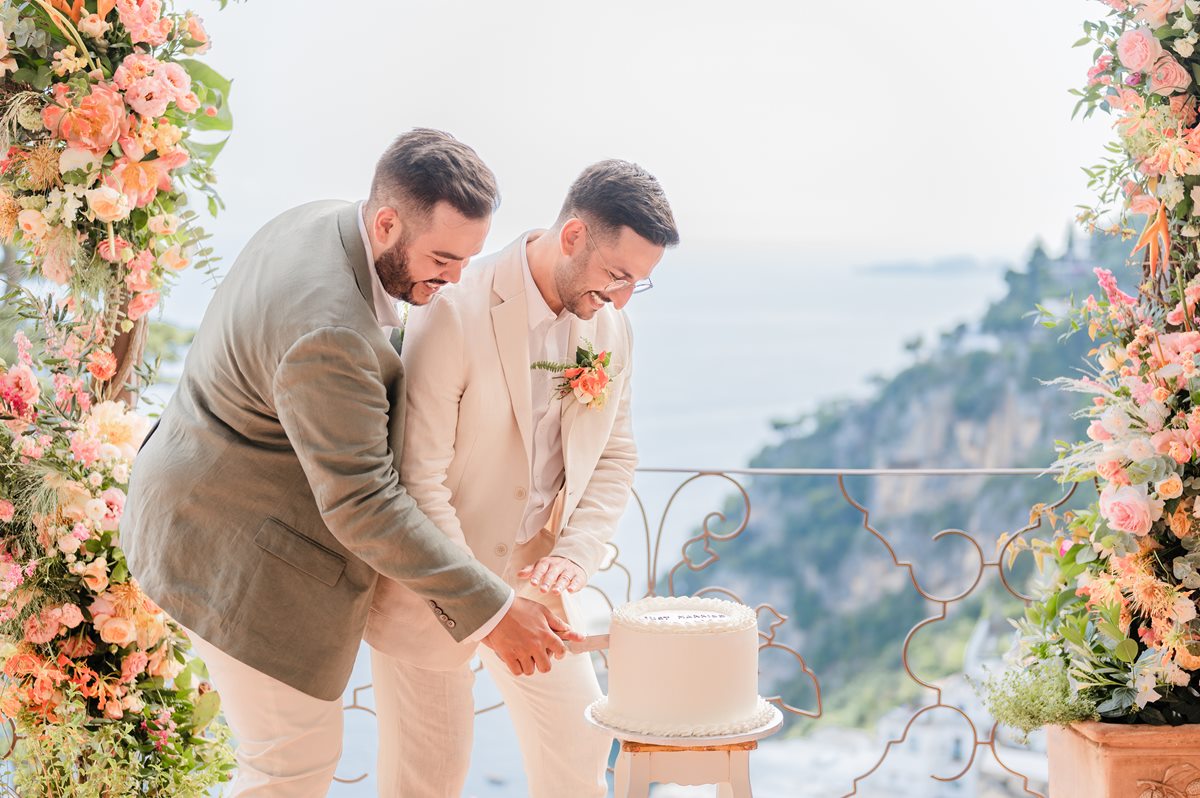
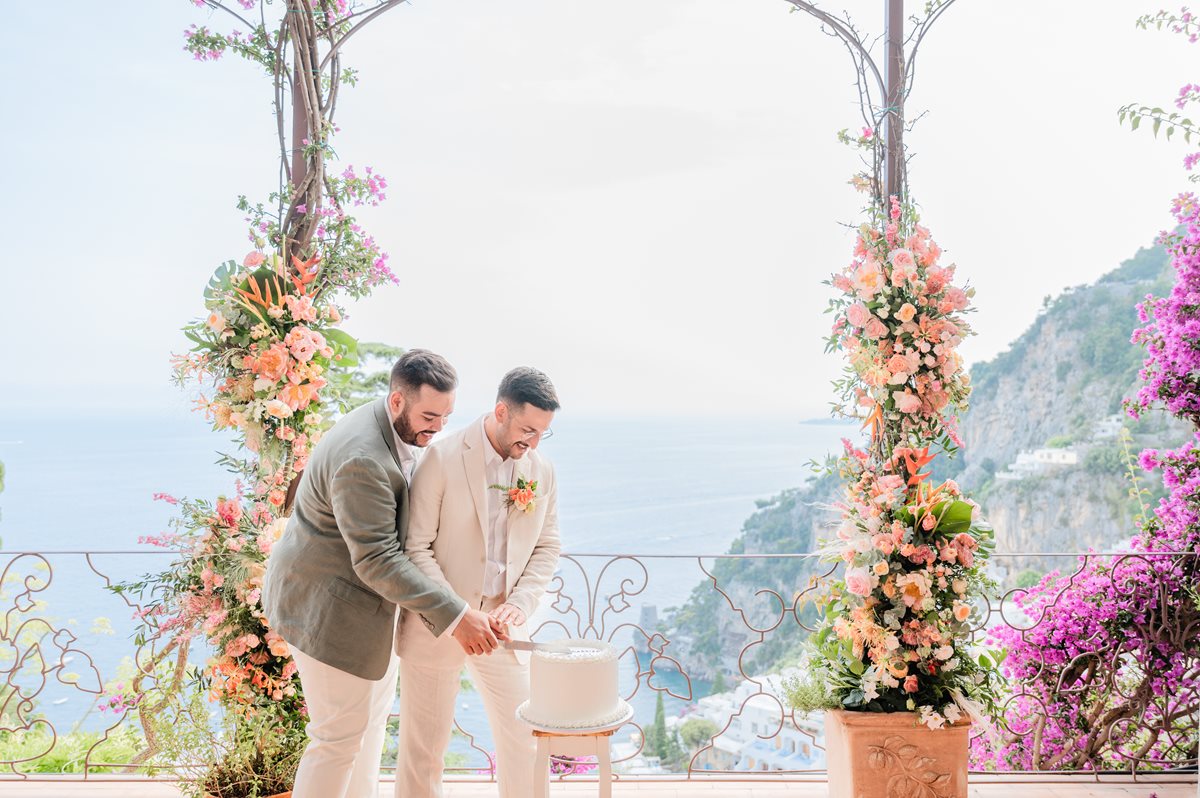
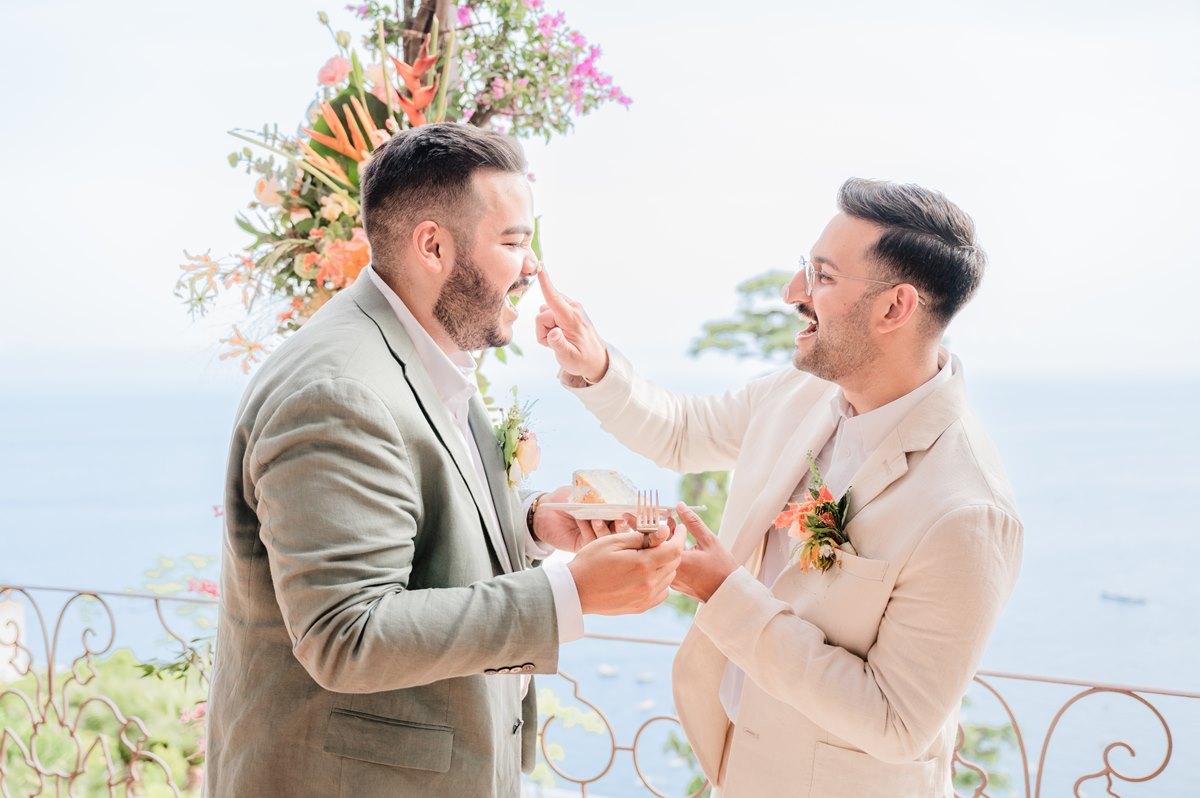
Trust your Positano wedding planner to orchestrate the perfect day. From menus to music, they ensure every component of your wedding at Casa Passalacqua is cohesive and leaves your guests in awe. Your wedding planner will work with you to create a custom menu that reflects your taste and style. They can also recommend local vendors for flowers, photography, and entertainment.


Venues and Decorations for Casa Passalacqua Wedding Positano
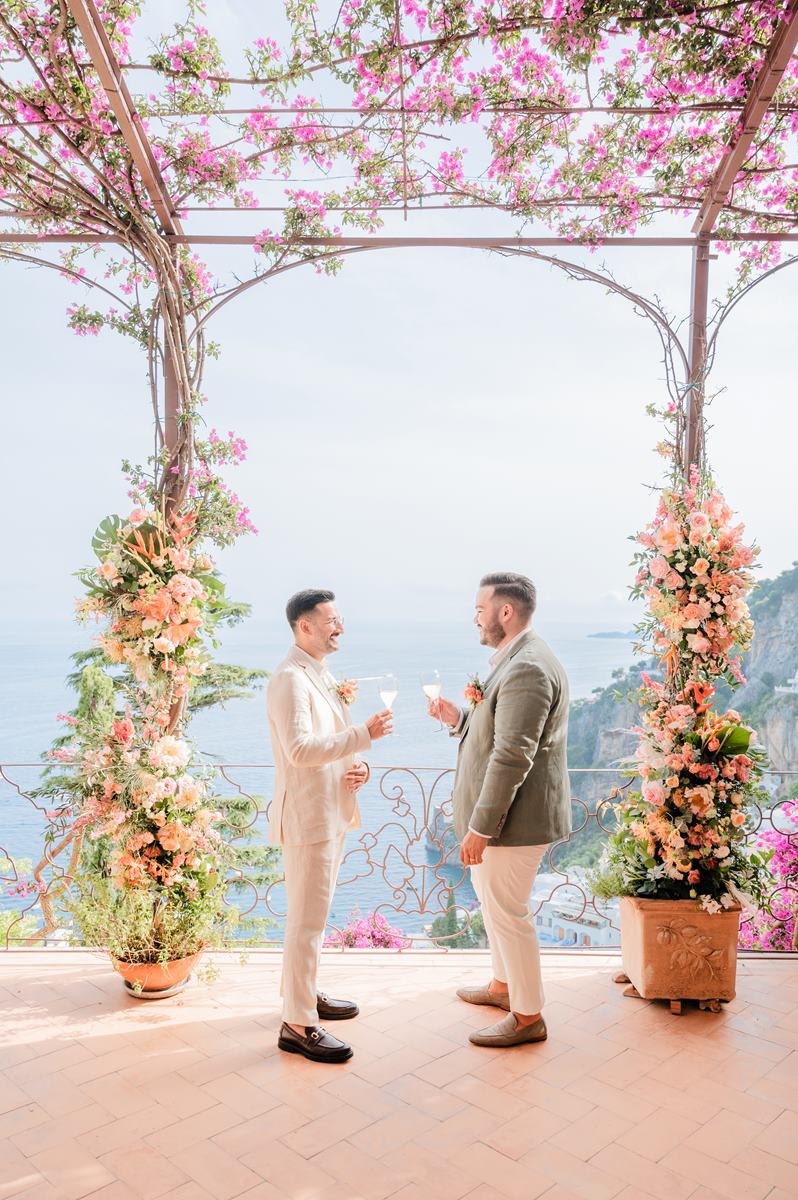
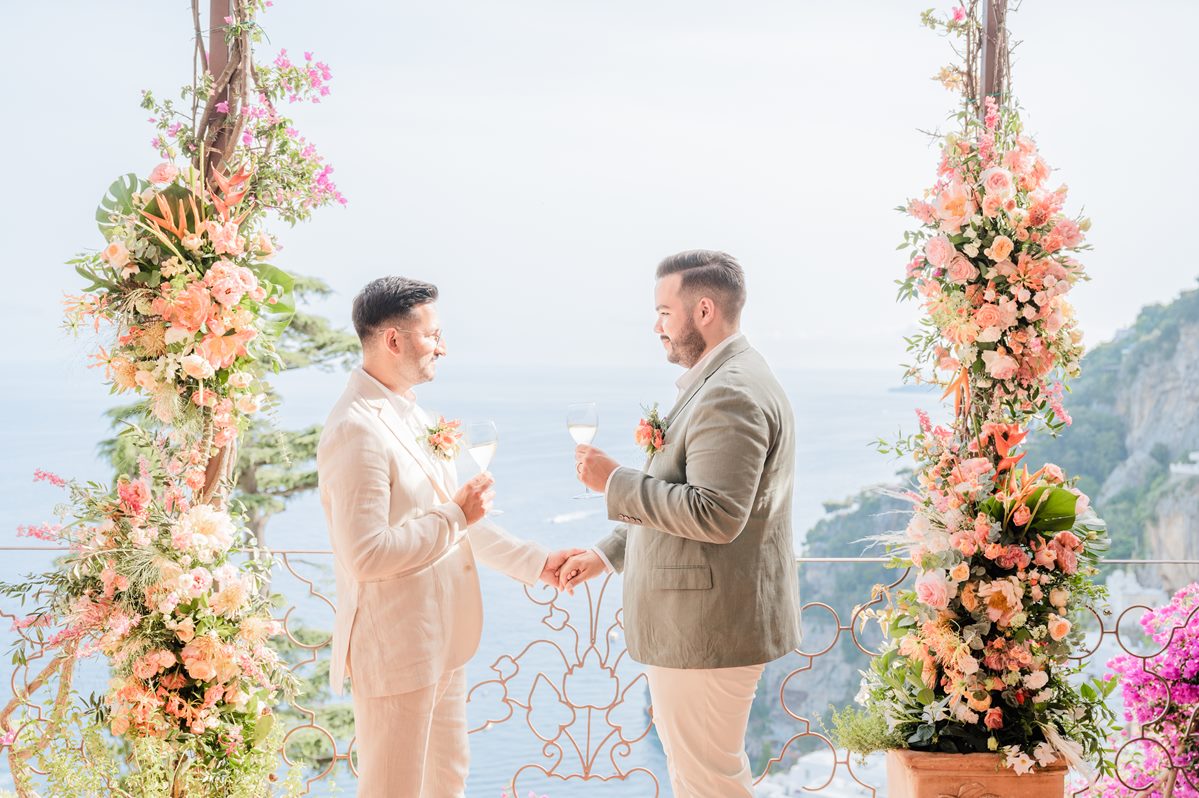
Casa Passalacqua is a beautiful venue for your Positano wedding. It offers stunning views of the Amalfi Coast and its surroundings, as well as an elegant atmosphere that will leave your guests in awe. The villa has been restored to its original splendor with modern amenities, making it an ideal location for any special event or celebration.
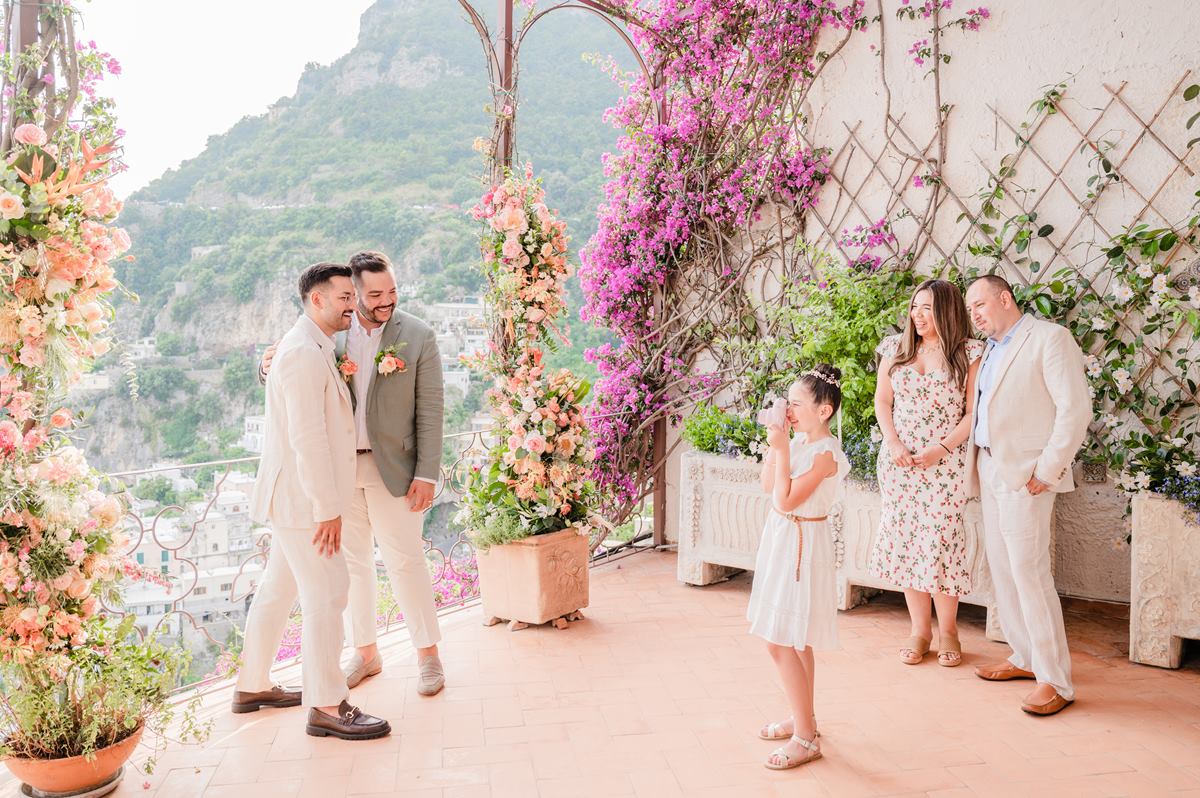
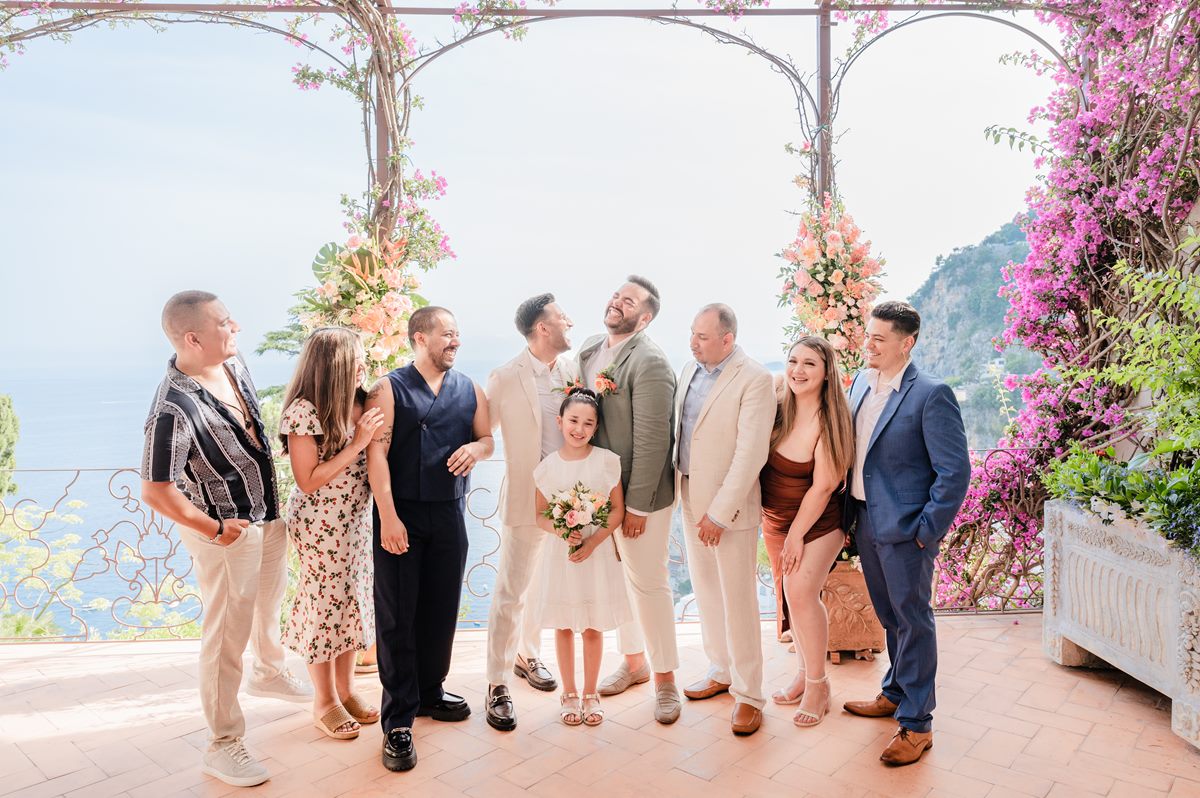
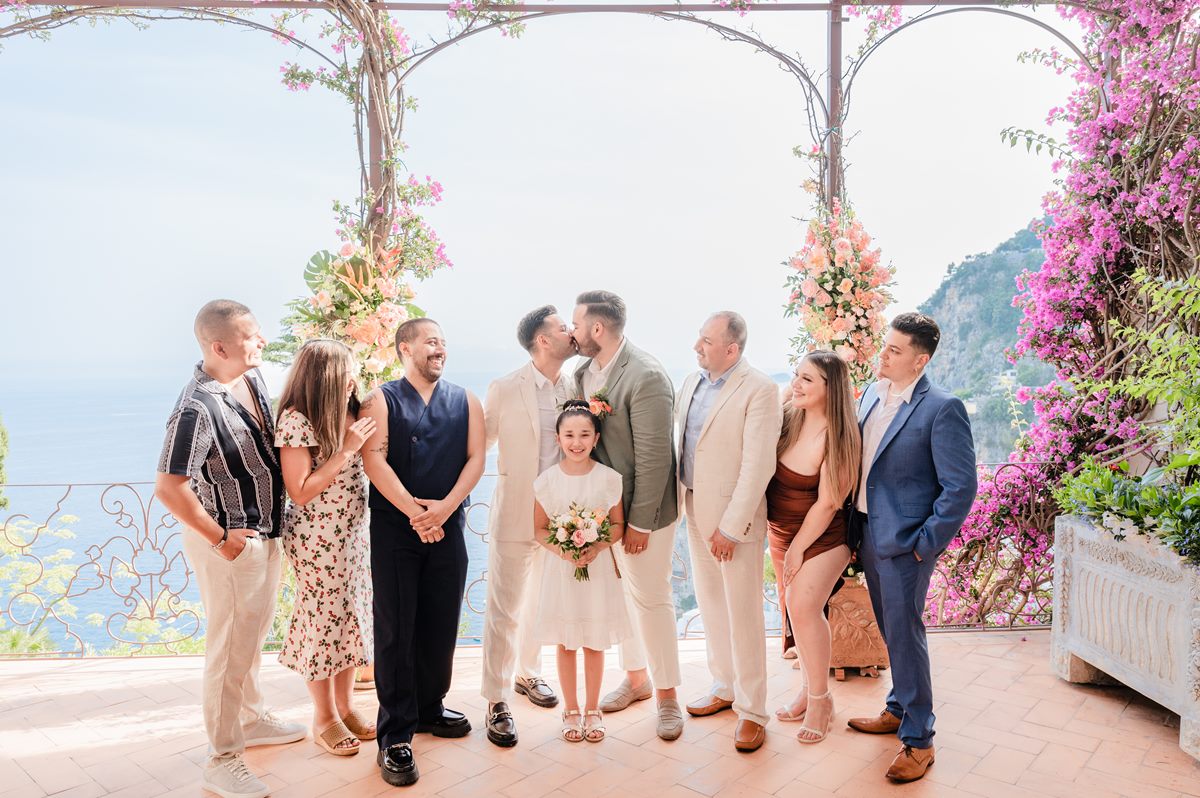
The Magic of Casa Passalacqua: Venue Overview
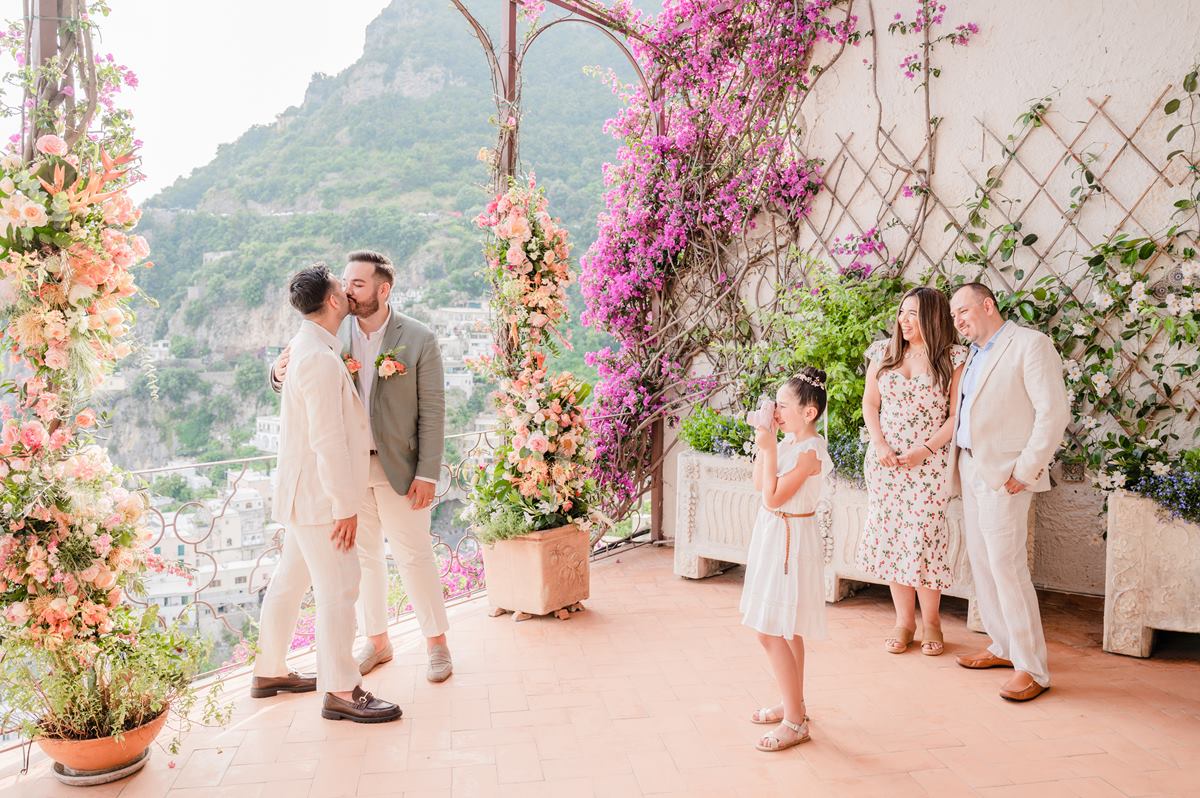
The enchanting Casa Passalacqua offers several spaces to celebrate your wedding, each more charming than the last. Whether you envision a serene garden wedding or a grand ballroom affair, this venue sets the stage for sheer romance. The villa is surrounded by lush gardens and terraces, which offer breathtaking views of the Amalfi Coast. The main building features a grand ballroom with high ceilings and beautiful frescoes that date back to the 18th century. This space can accommodate up to 150 guests for dinner or 200 for a cocktail reception.
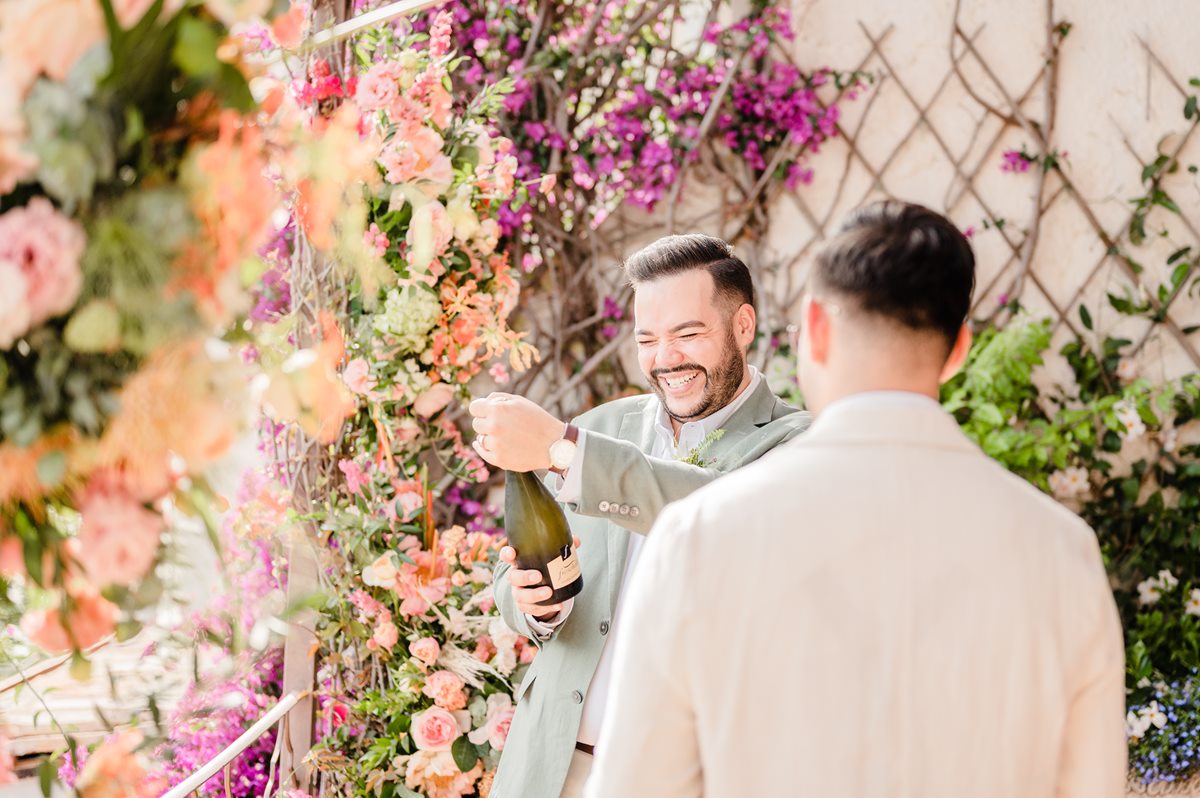


Setting the Mood: Wedding Decorations in Positano
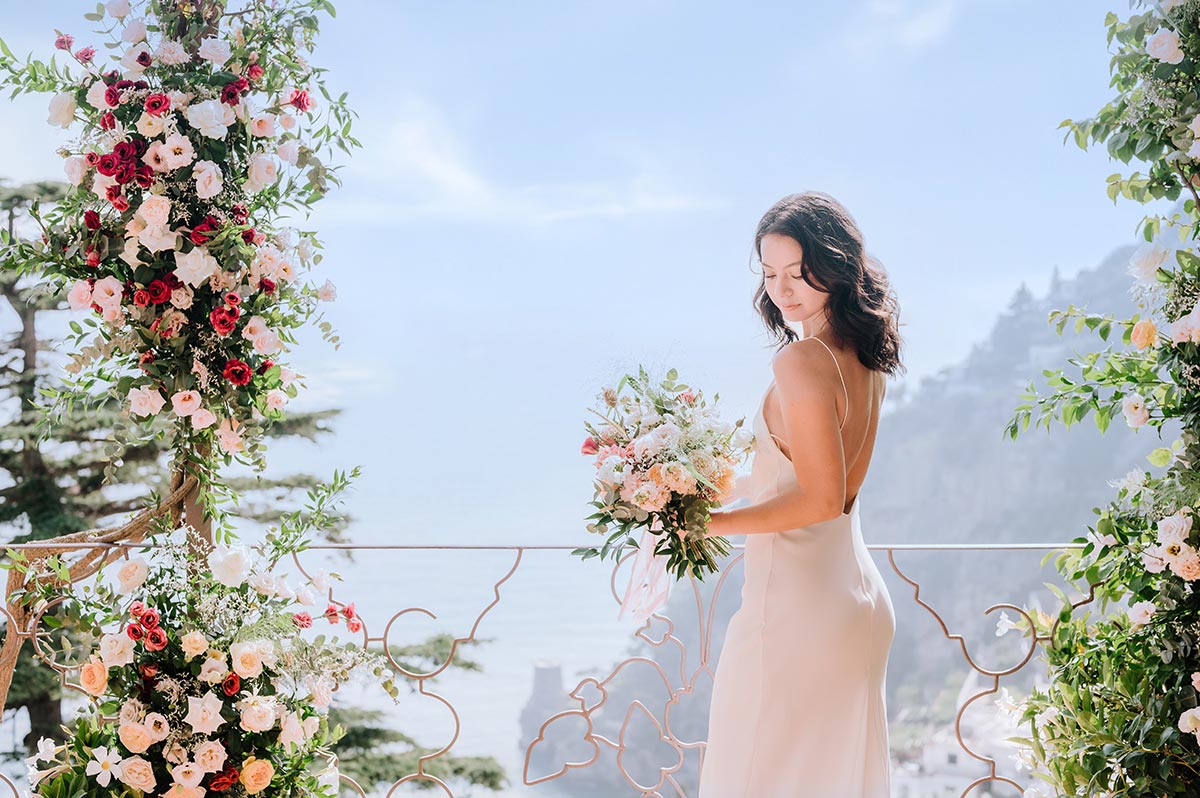
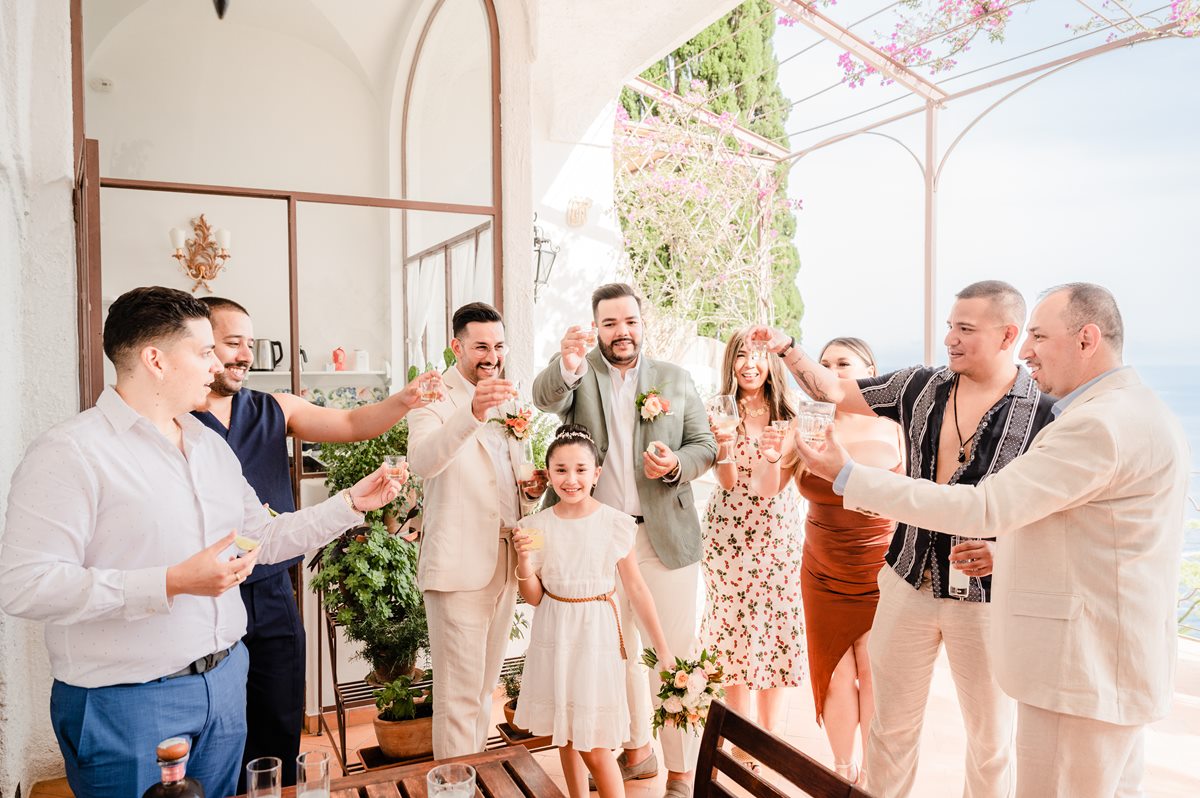
Your wedding’s color theme and style should reflect you as a couple. Local vendors offer a range of decor options, from traditional to contemporary, that can transform Casa Passalacqua to reflect your aesthetic. The villa’s gardens are a perfect place to set the mood for your wedding. You can choose from a variety of flowers and plants that will complement your color scheme, including roses, hydrangeas, orchids and more. The villa also has an extensive collection of antique furniture that can be used as props or as part of the decor.
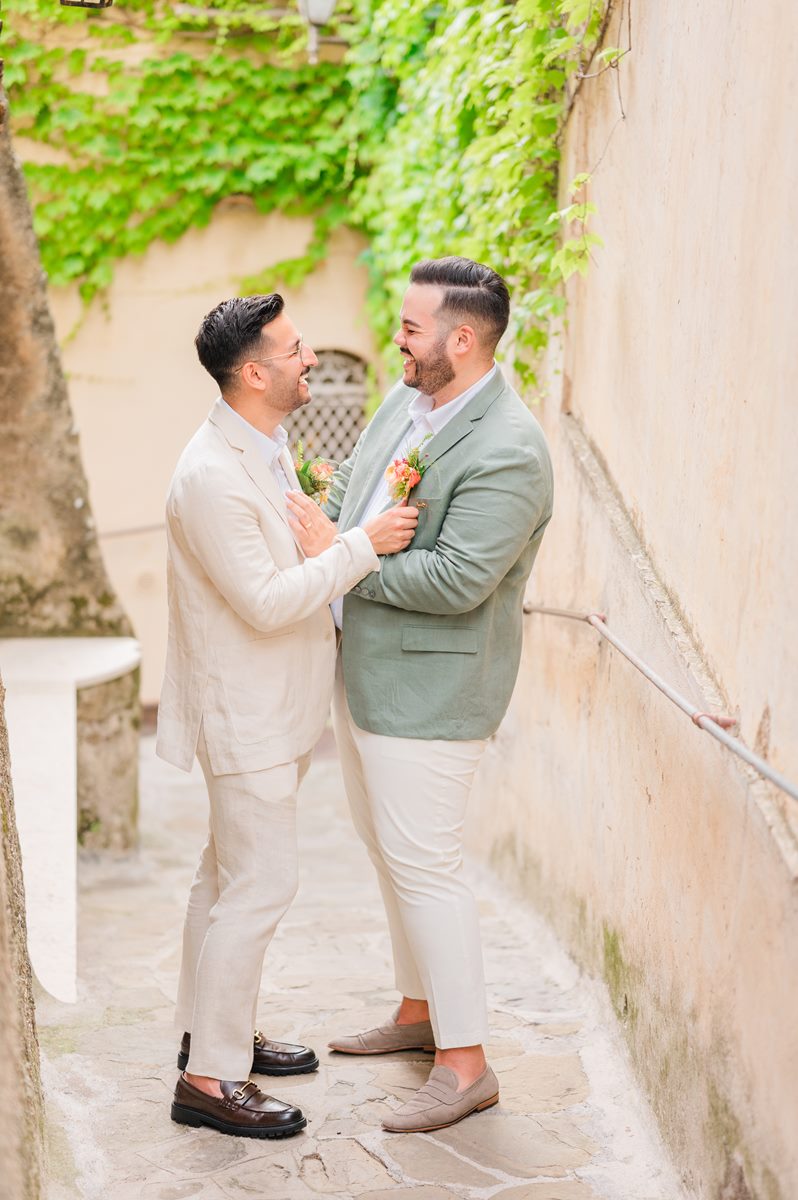
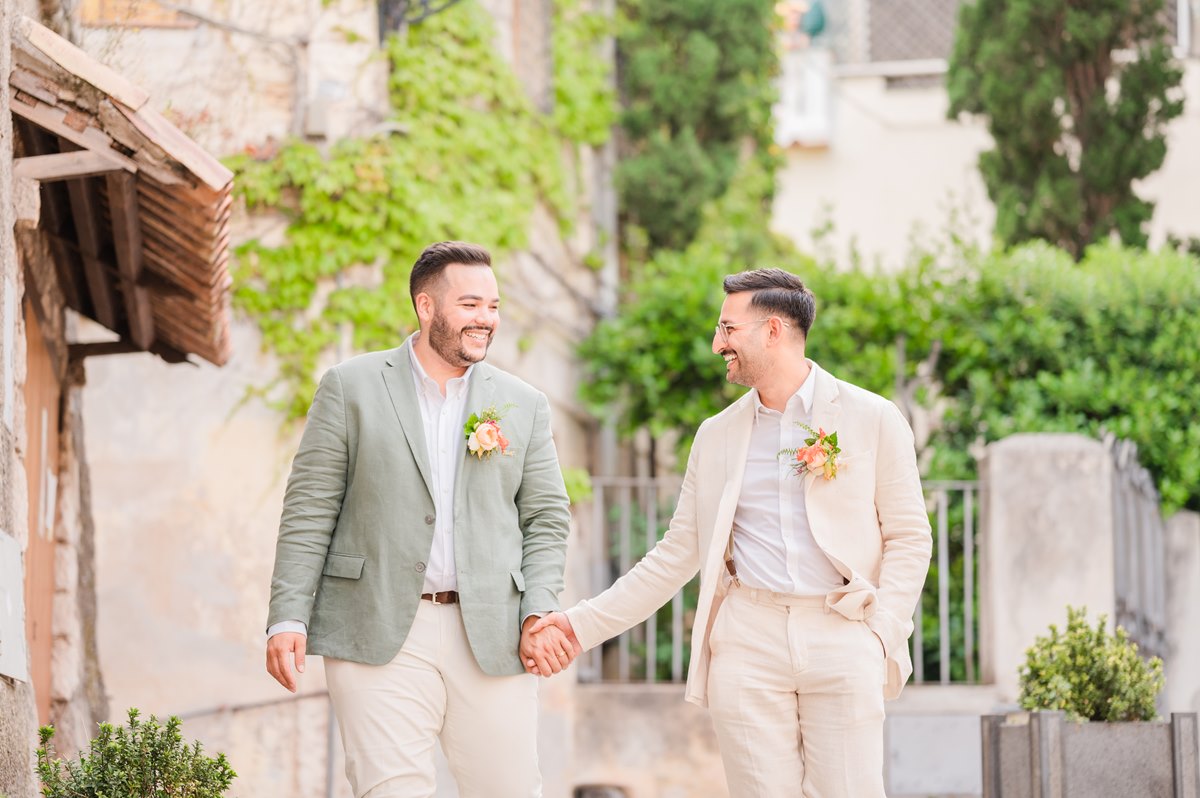
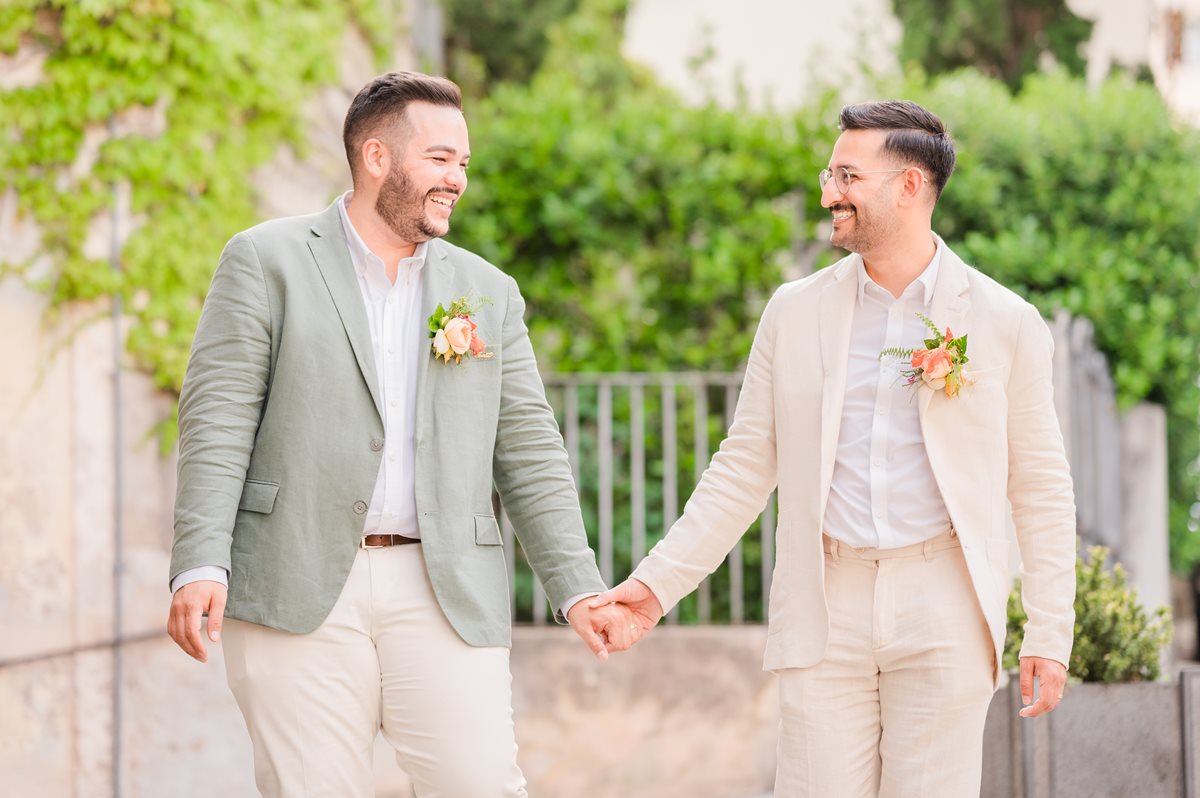
Selecting the Perfect Casa Passalacqua Wedding Theme
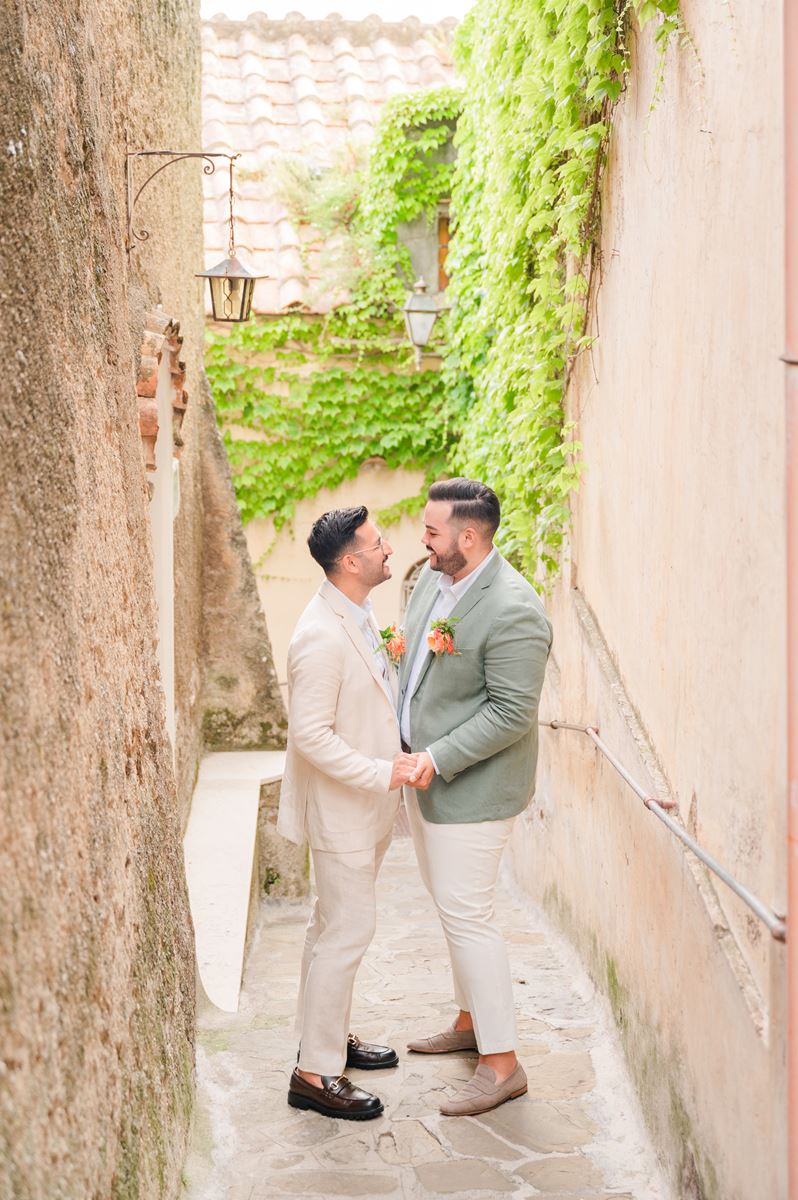
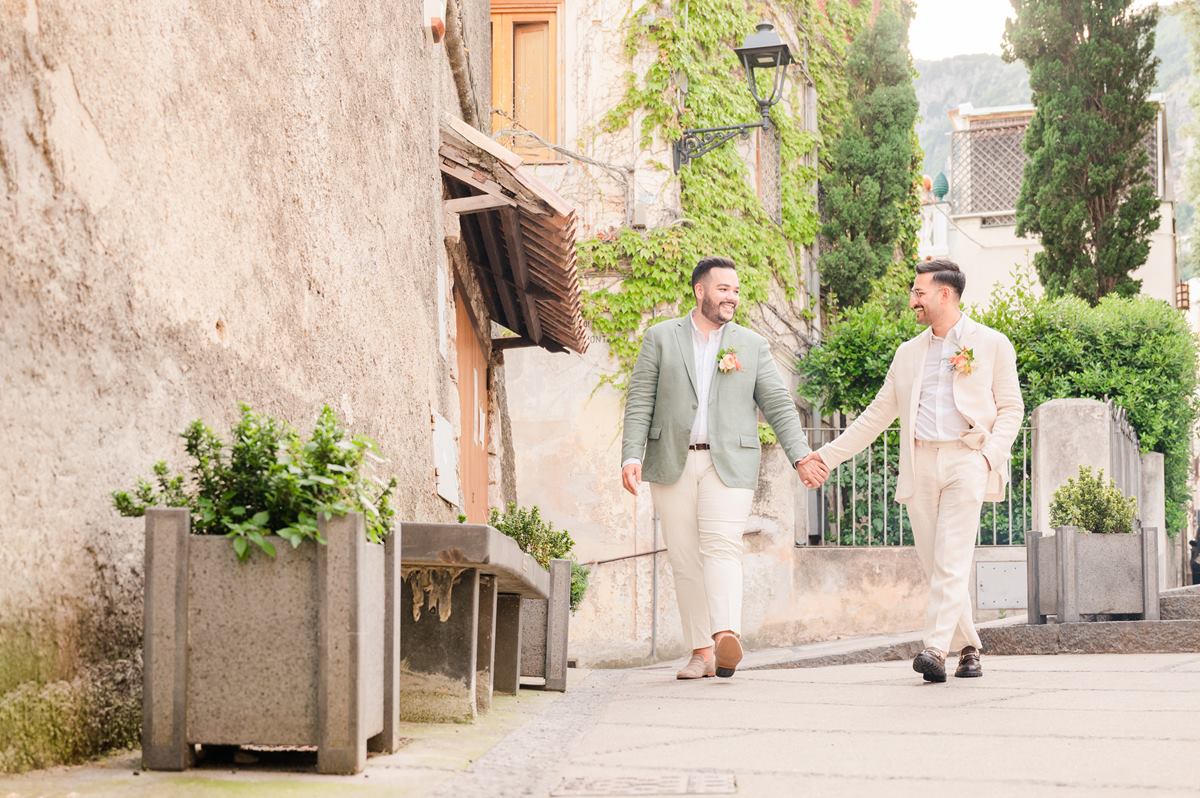
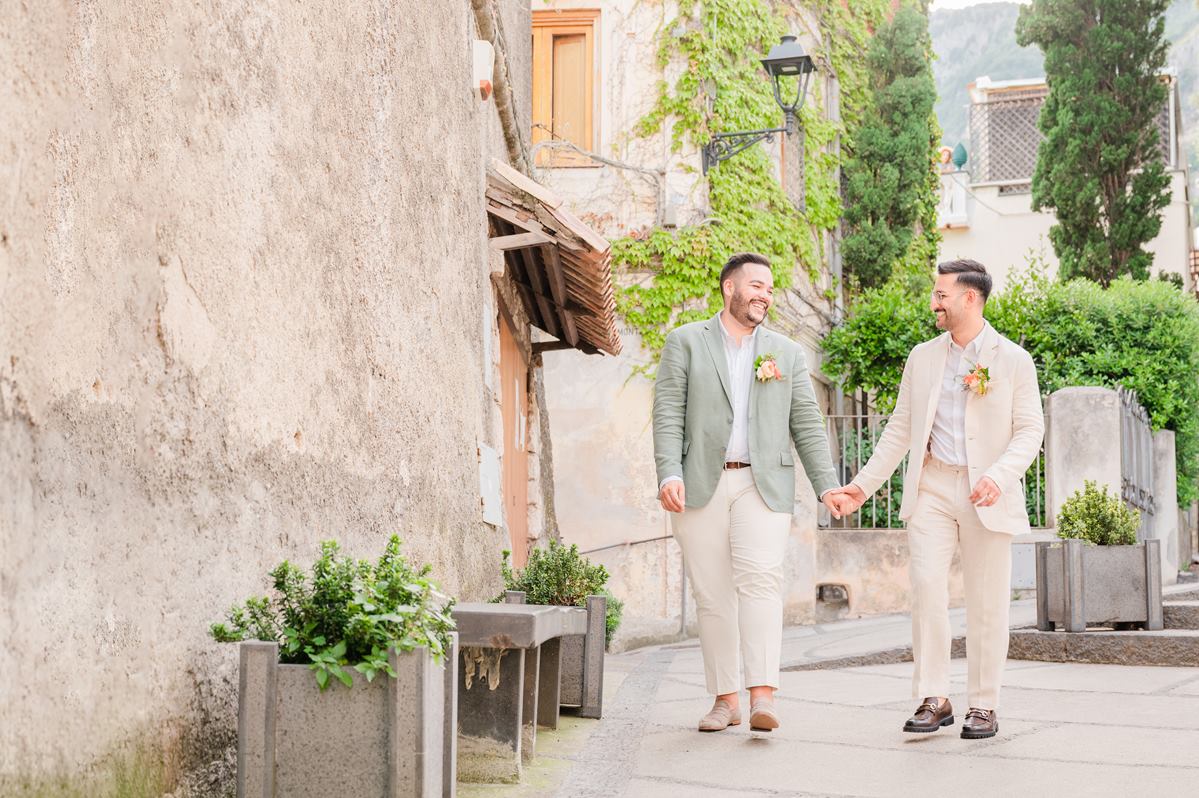
From elaborate crystal chandeliers to outdoor Amalfi coast themes, your wedding can be as extravagant or understated as you desire. Let your imagination guide your décor at Casa Passalacqua.
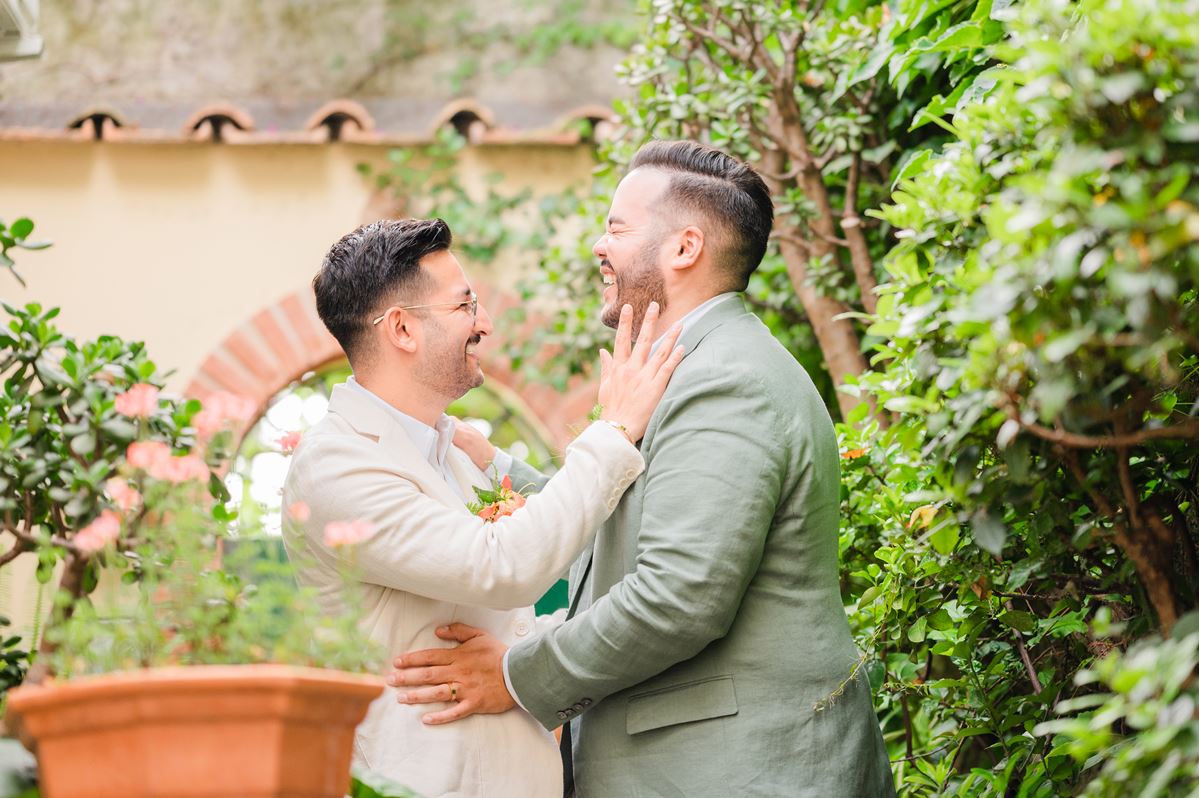
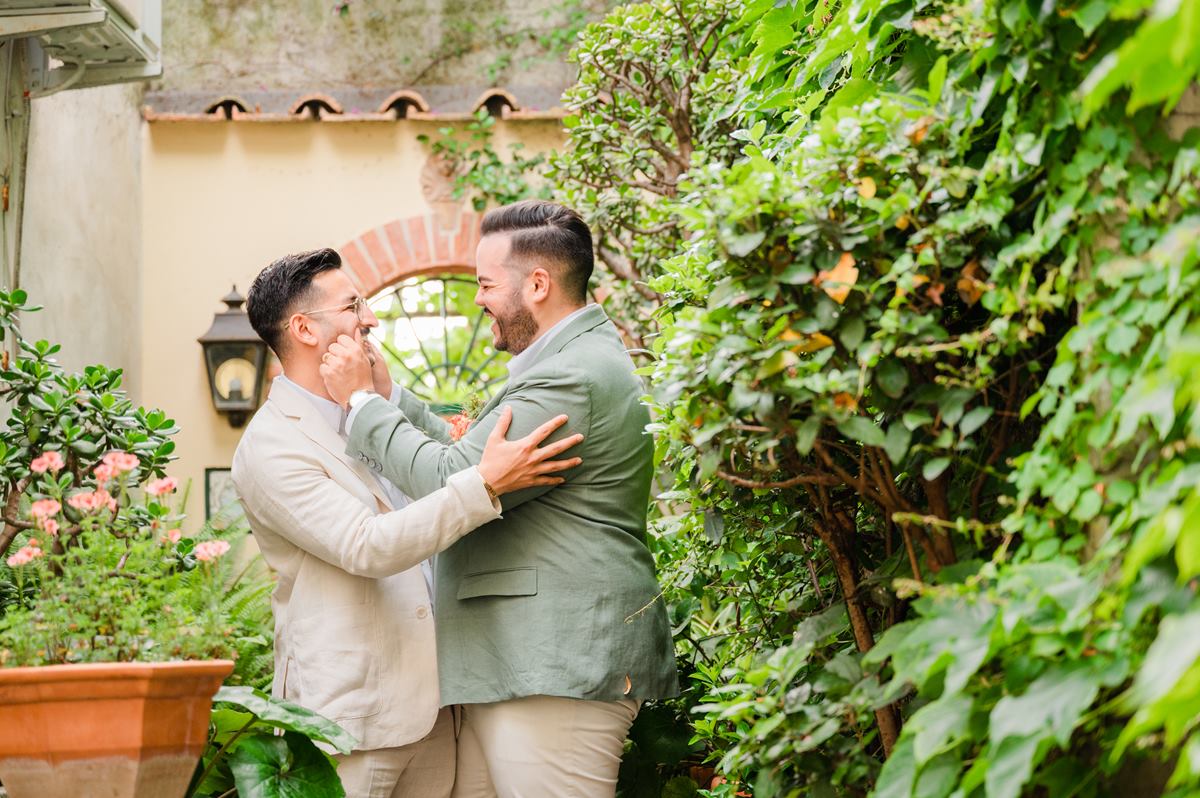
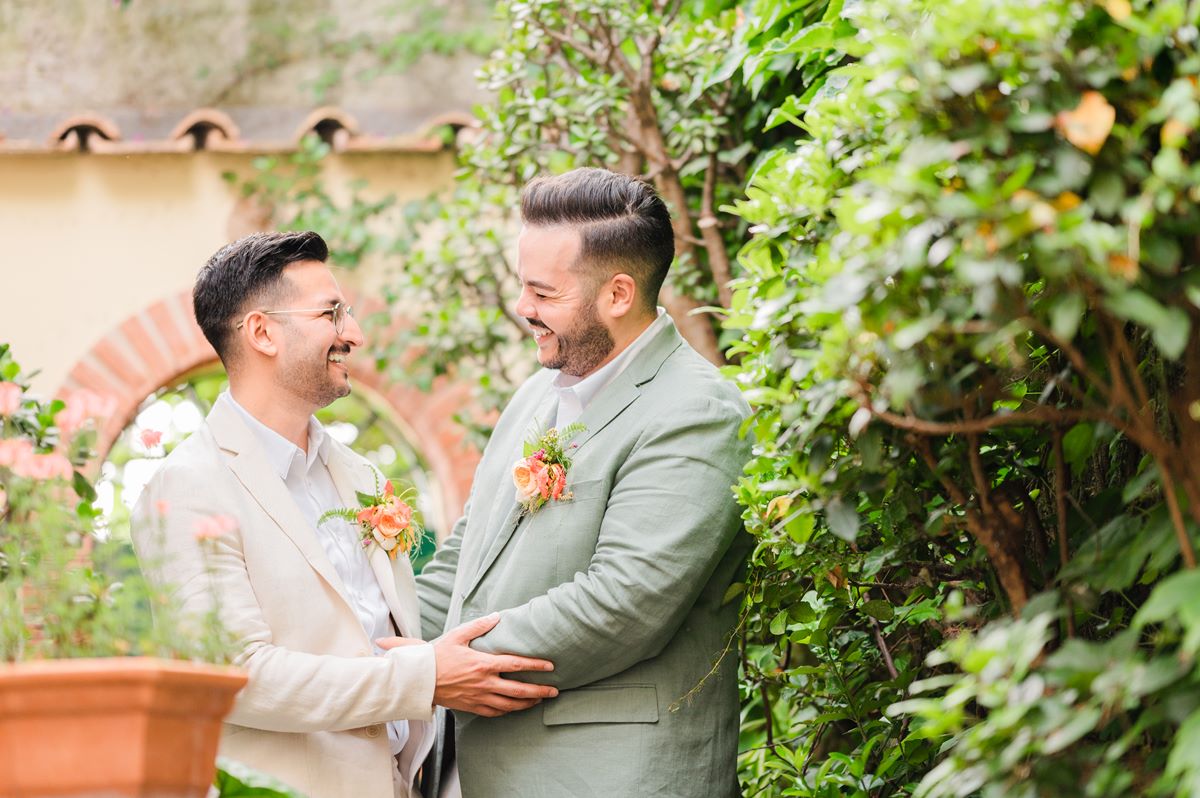
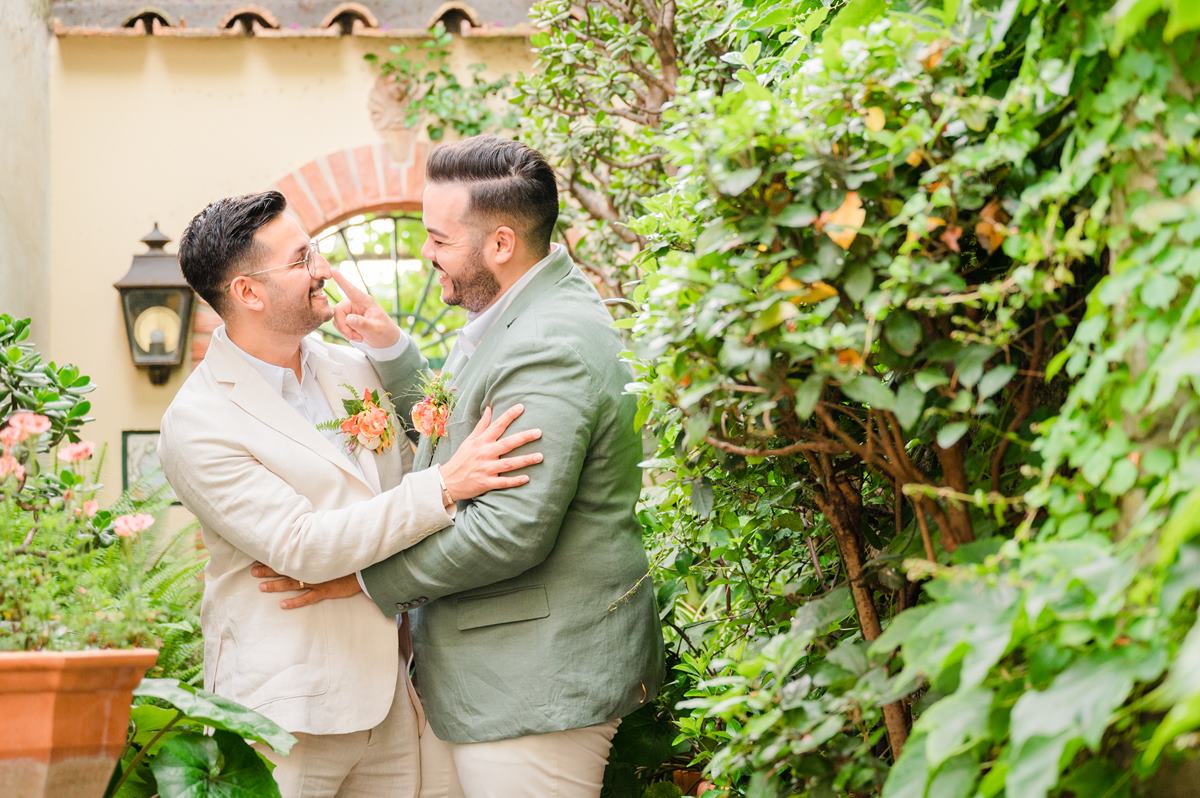
Catering and Entertainment at Casa Passalacqua Wedding Positano
Casa Passalacqua offers a variety of catering options, from traditional Italian cuisine to international fare. The venue can also provide entertainment for your wedding, including live bands and DJs.
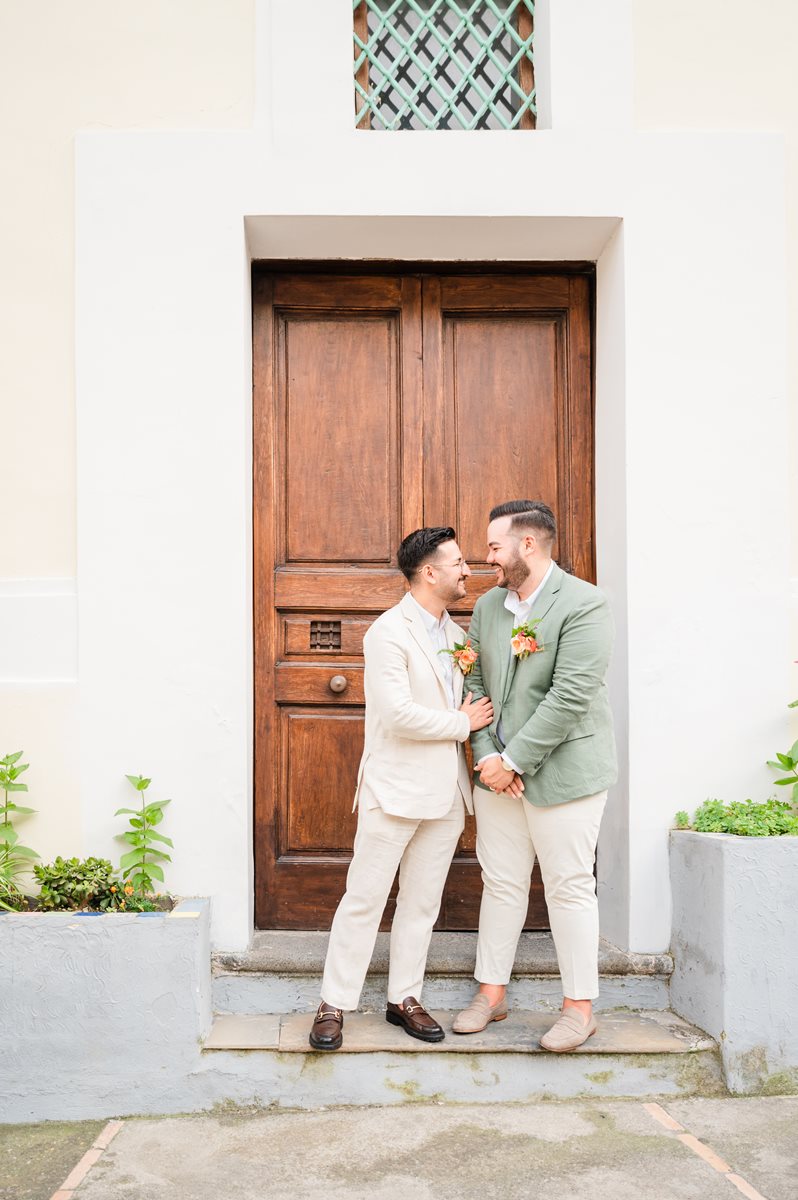
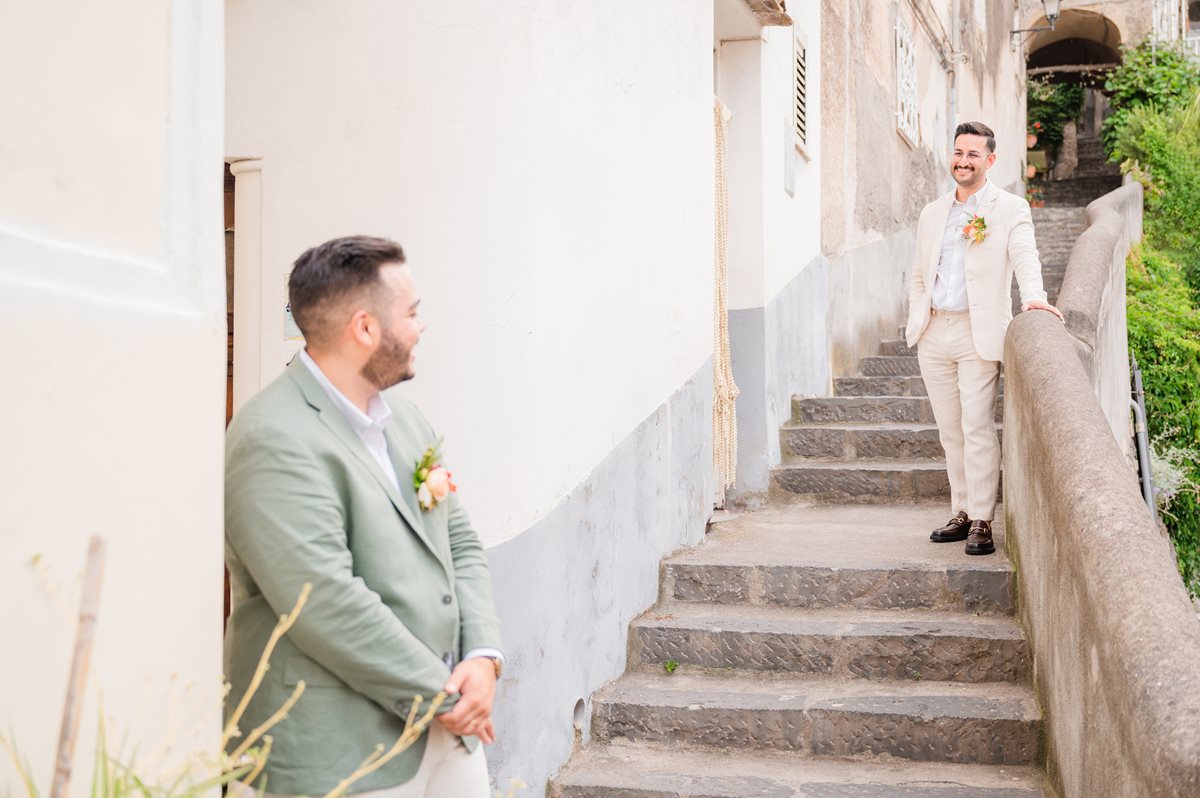
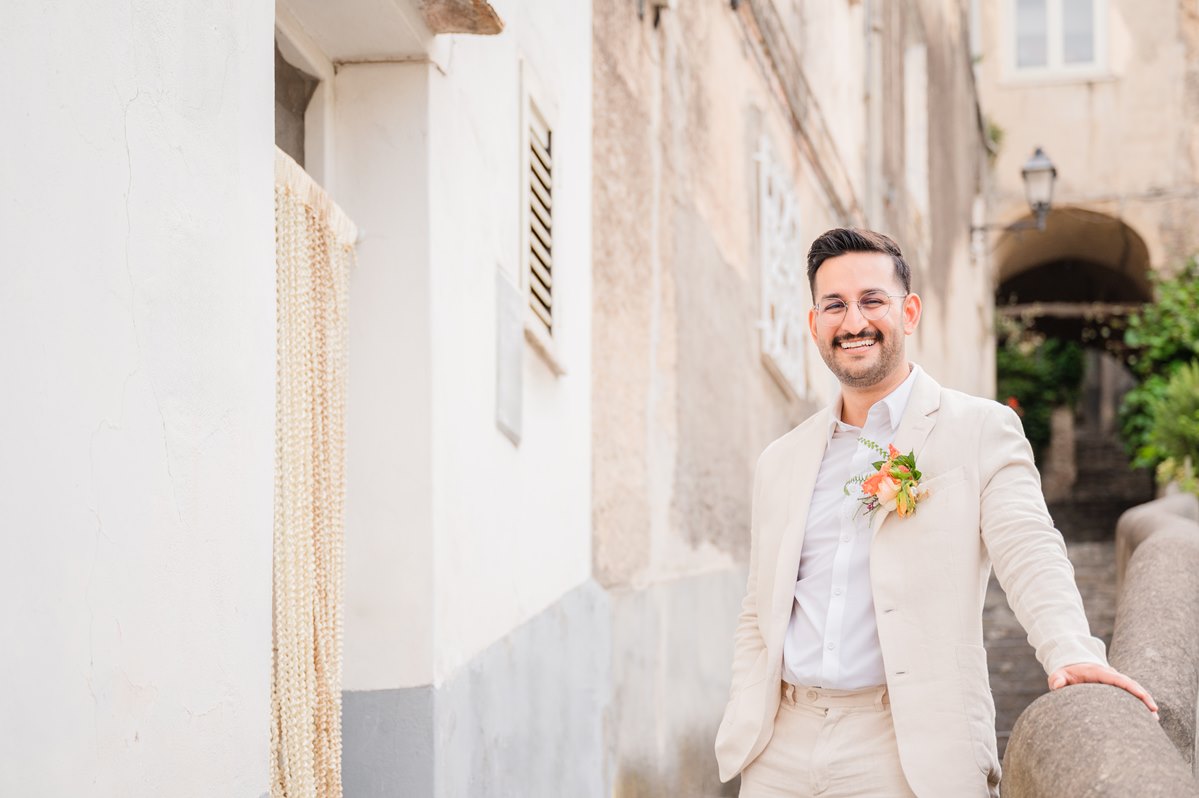
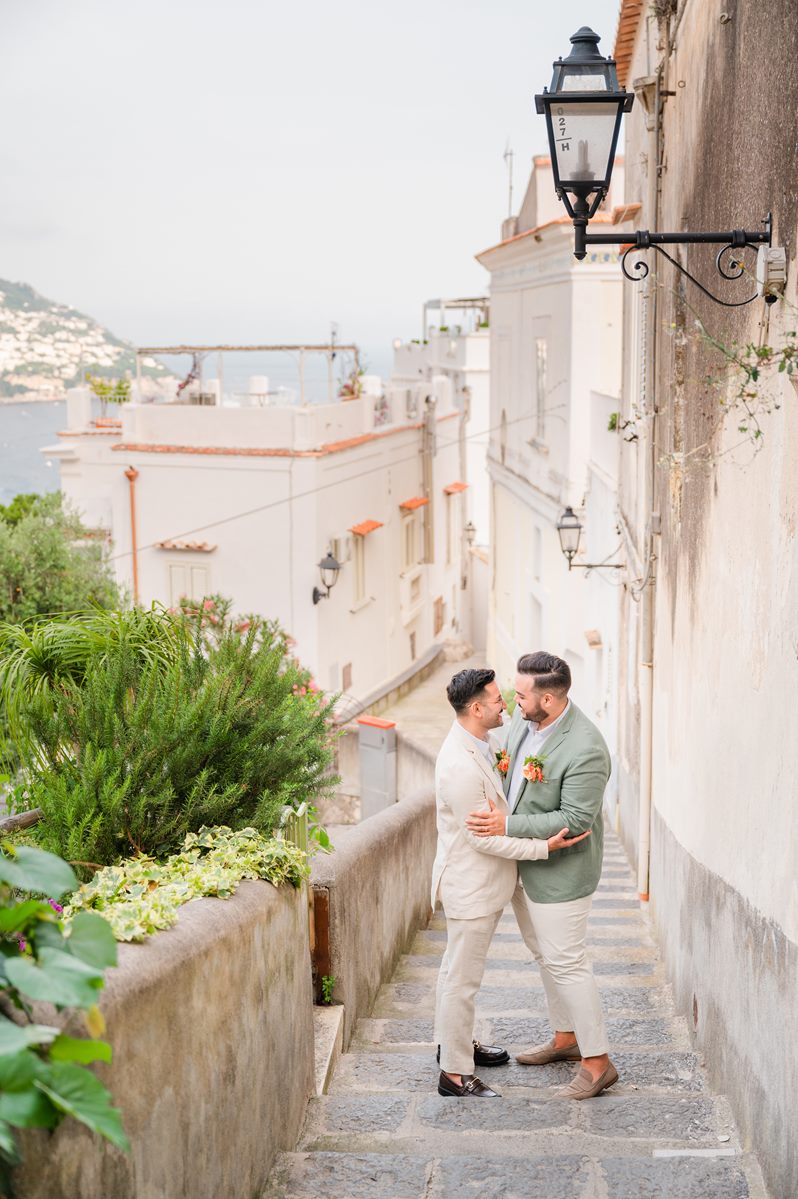
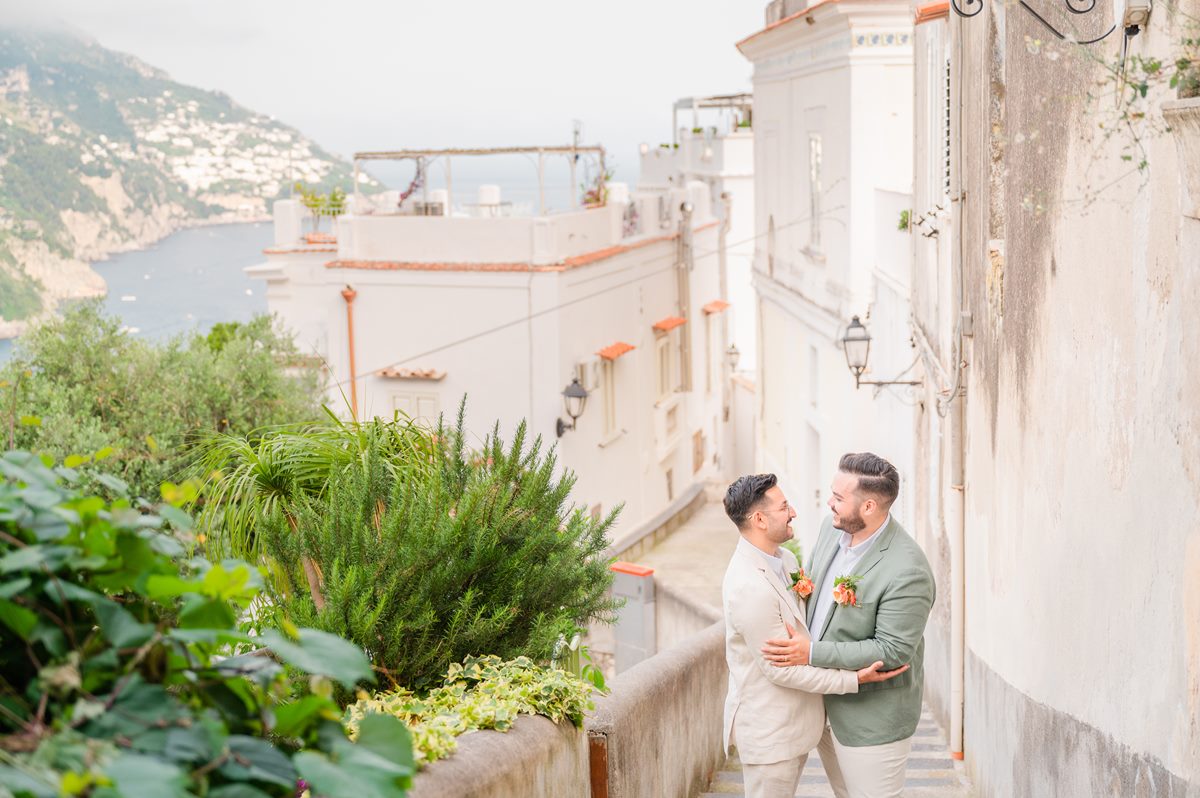
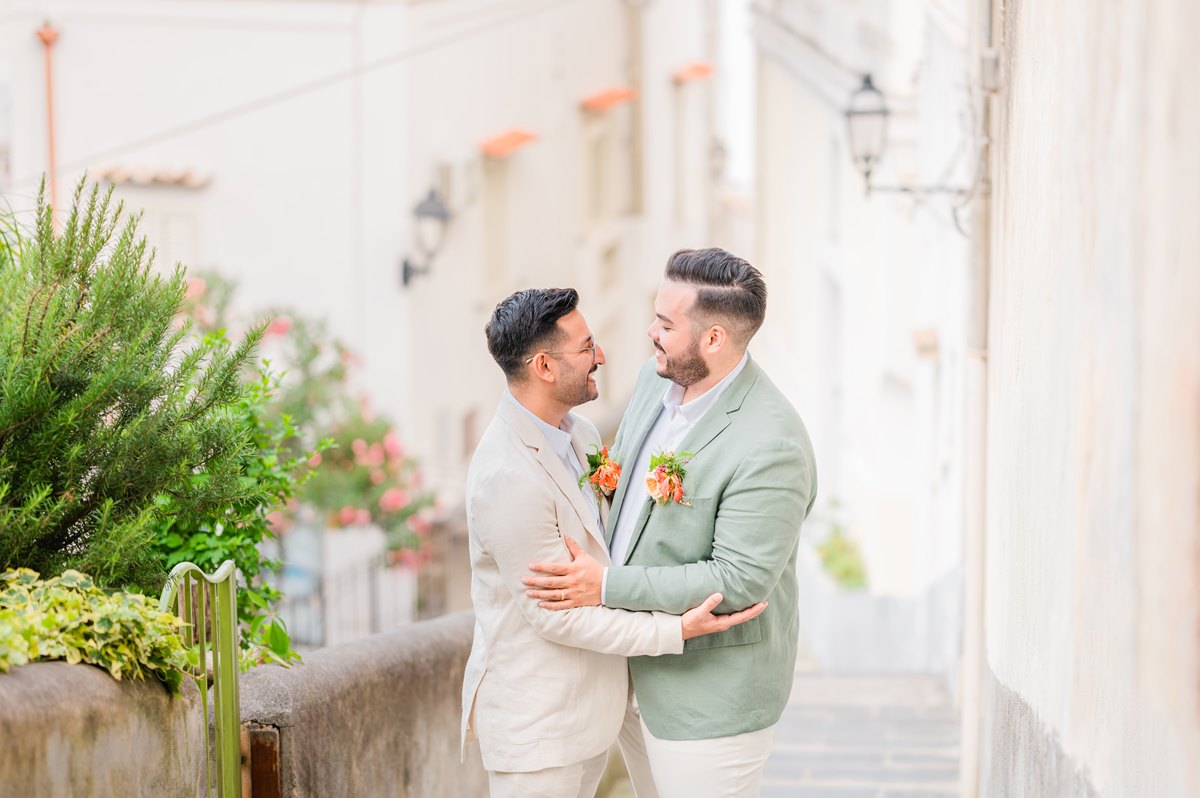
Bespoken Catering Services in Positano
Italian cuisine is globally renowned, and your wedding at Casa Passalacqua deserves the best Positano caterers. Indulge in a custom menu featuring local delicacies and renowned wines to deliver a culinary journey to your guests.
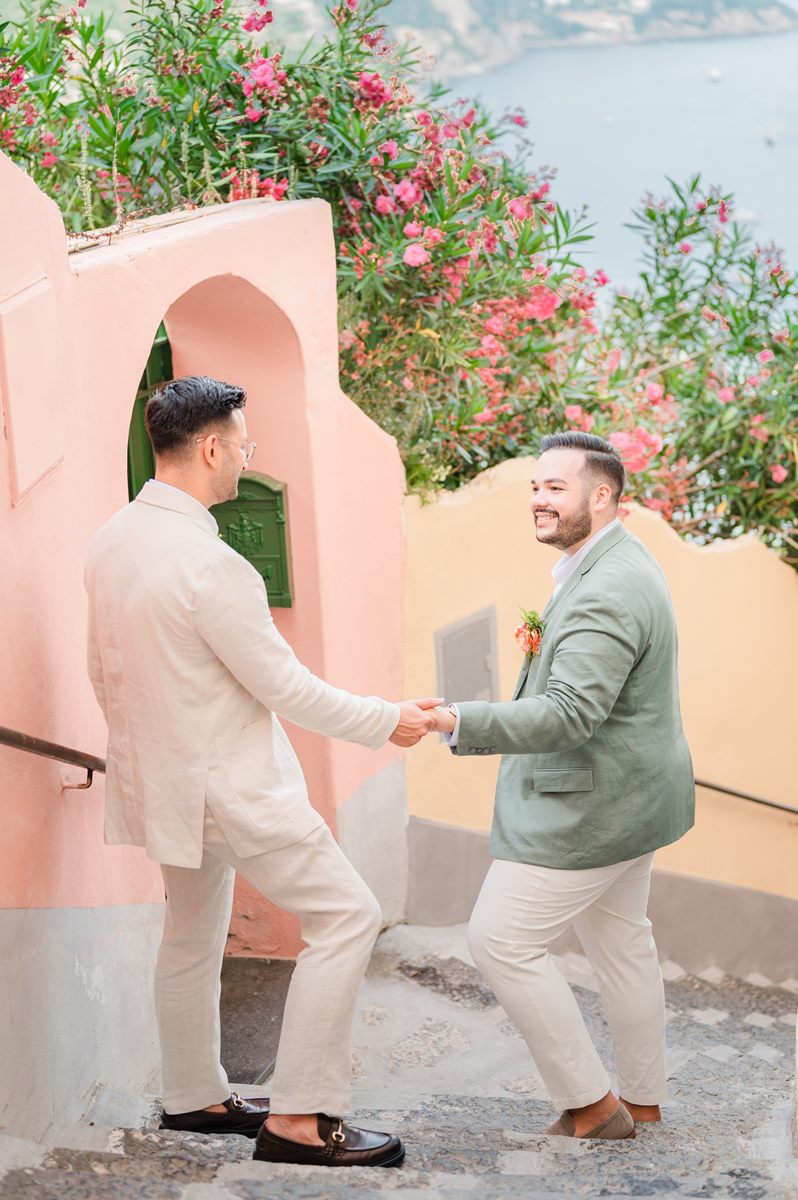
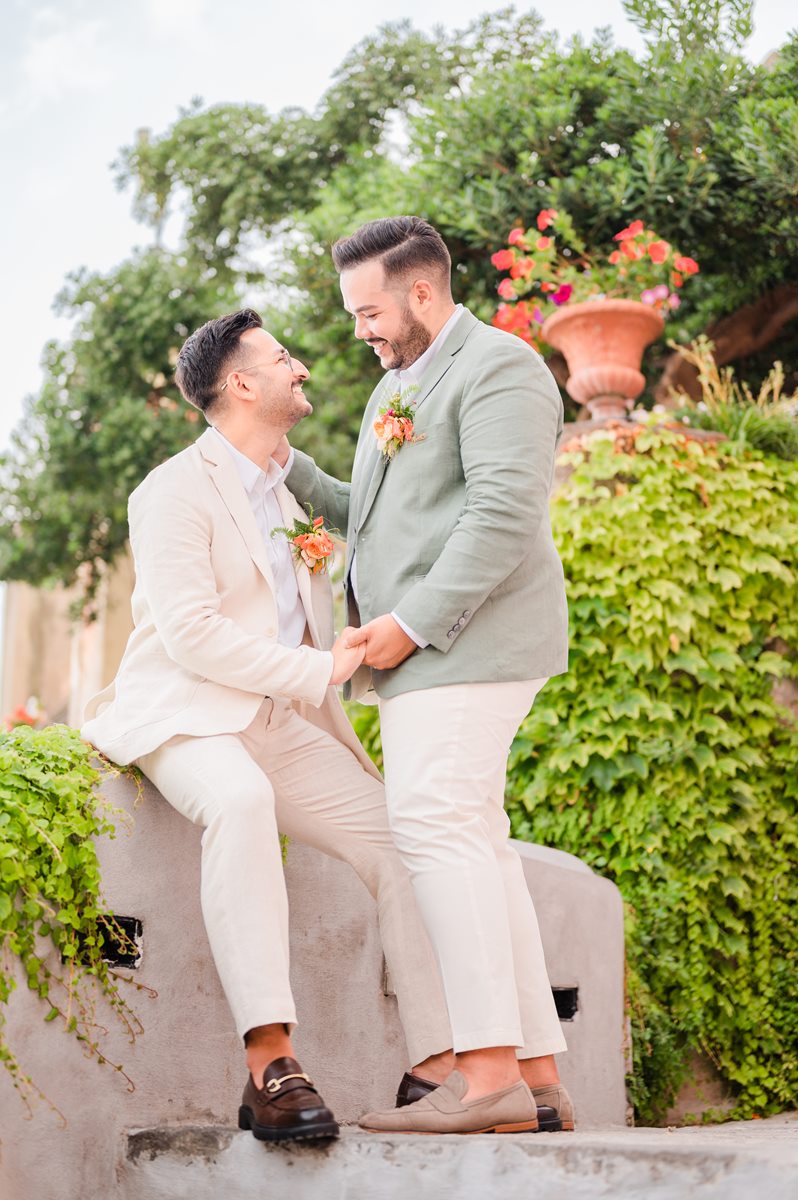
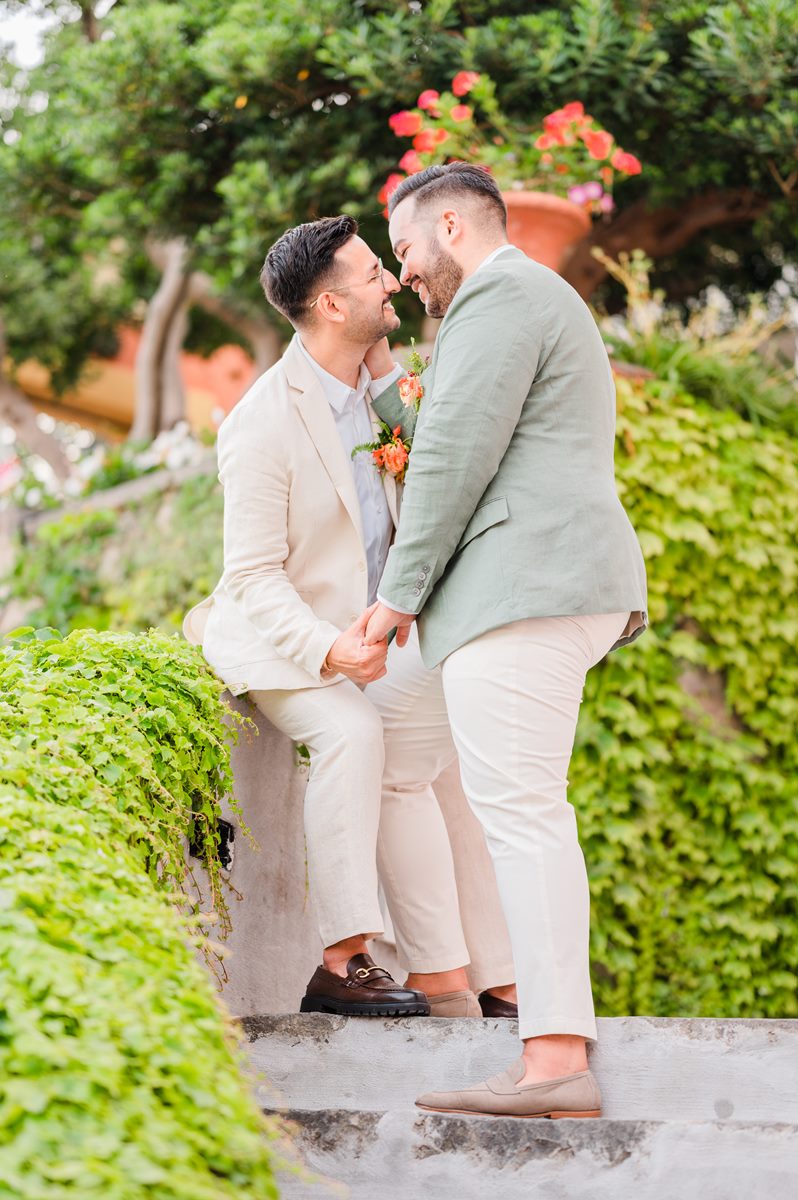
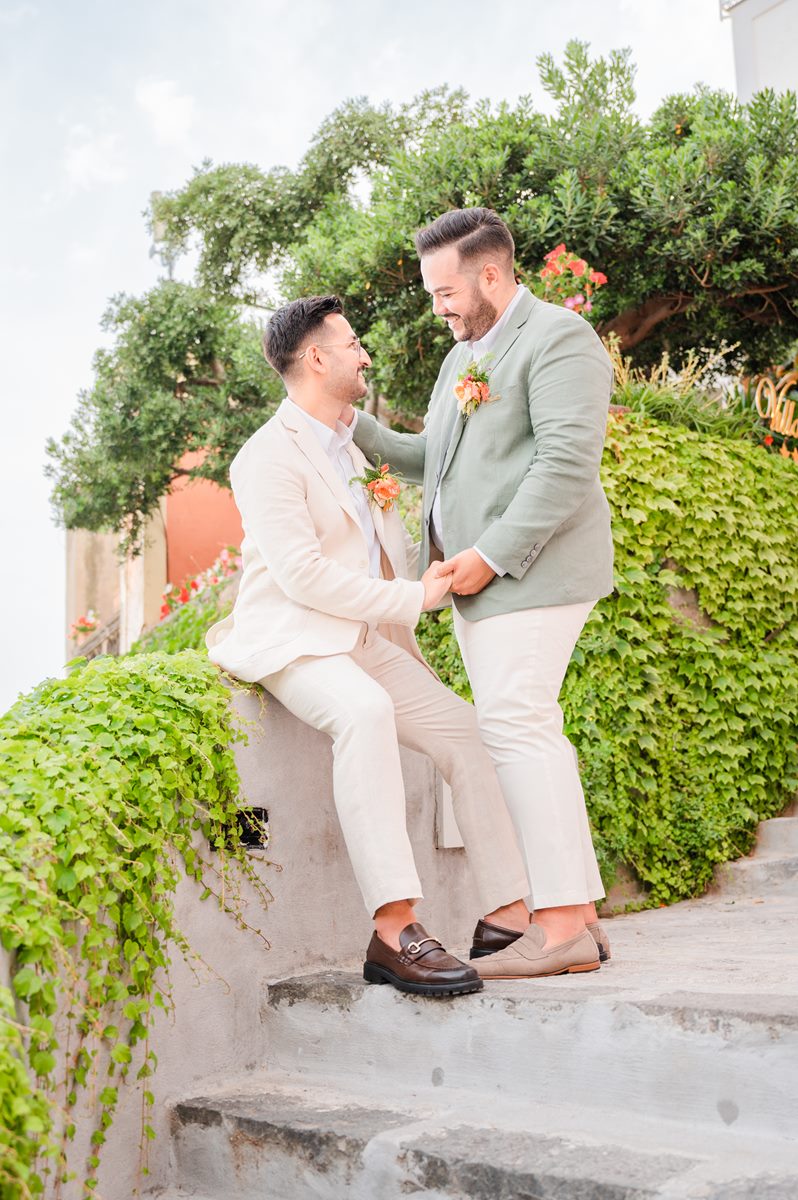
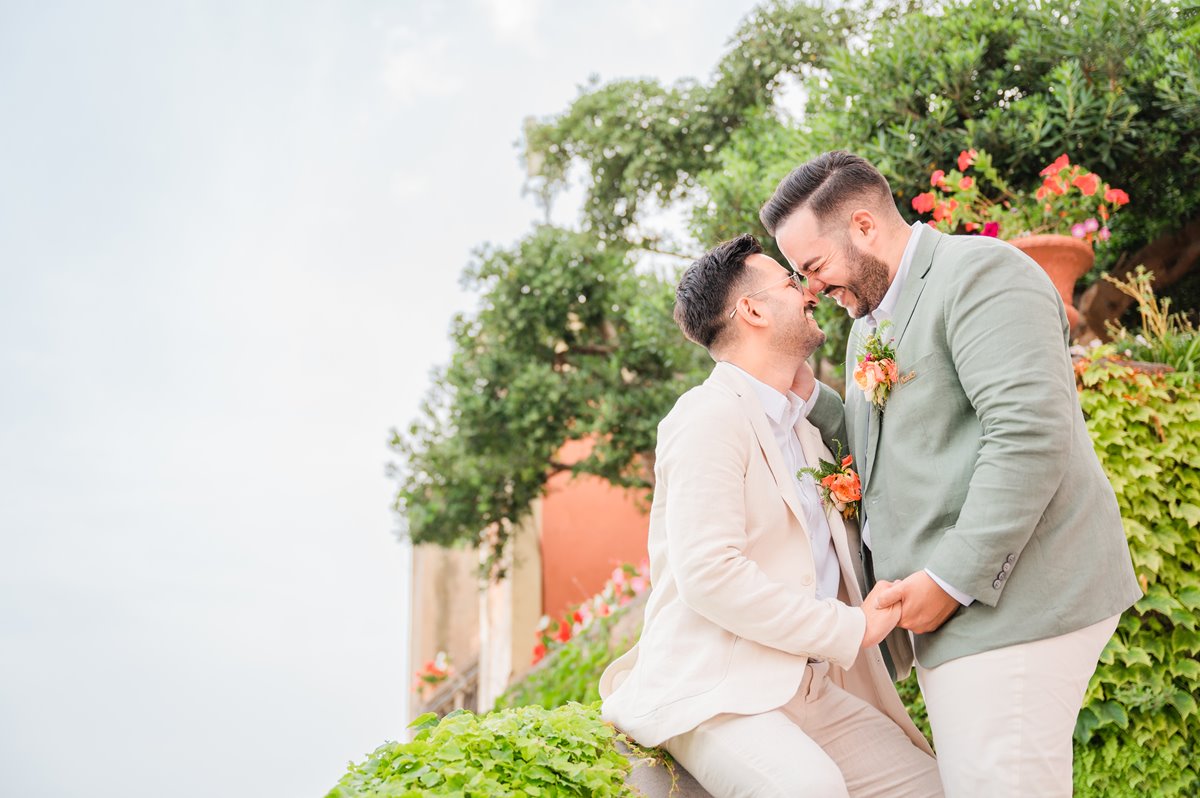
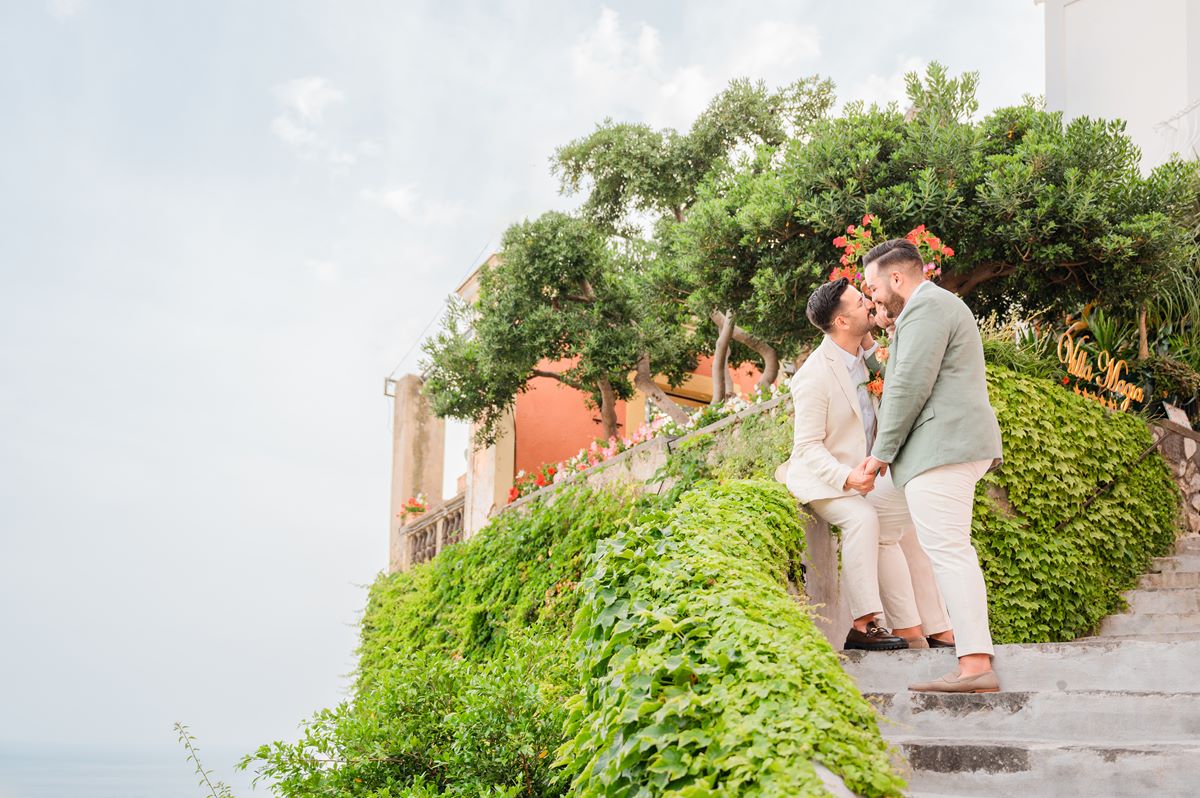
Extraordinary Entertainment Options for a Casa Passalacqua Wedding
Light up your Casa Passalacqua wedding with authentic Italian music, live bands, or professional DJs that will keep your guests entertained. A traditional tarantella dance could be the highlight of your celebration!
MEMORABLE WEDDINGS WITH A POSITANO WEDDING PHOTOGRAPHER
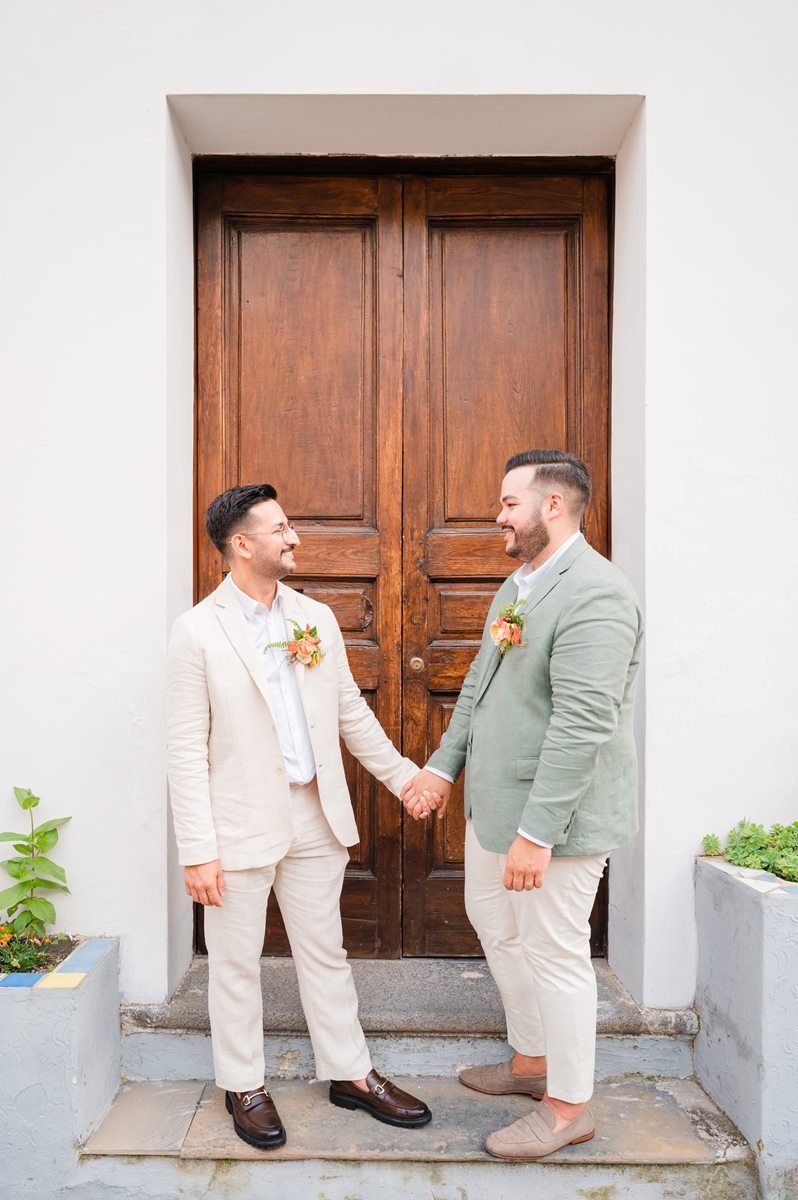
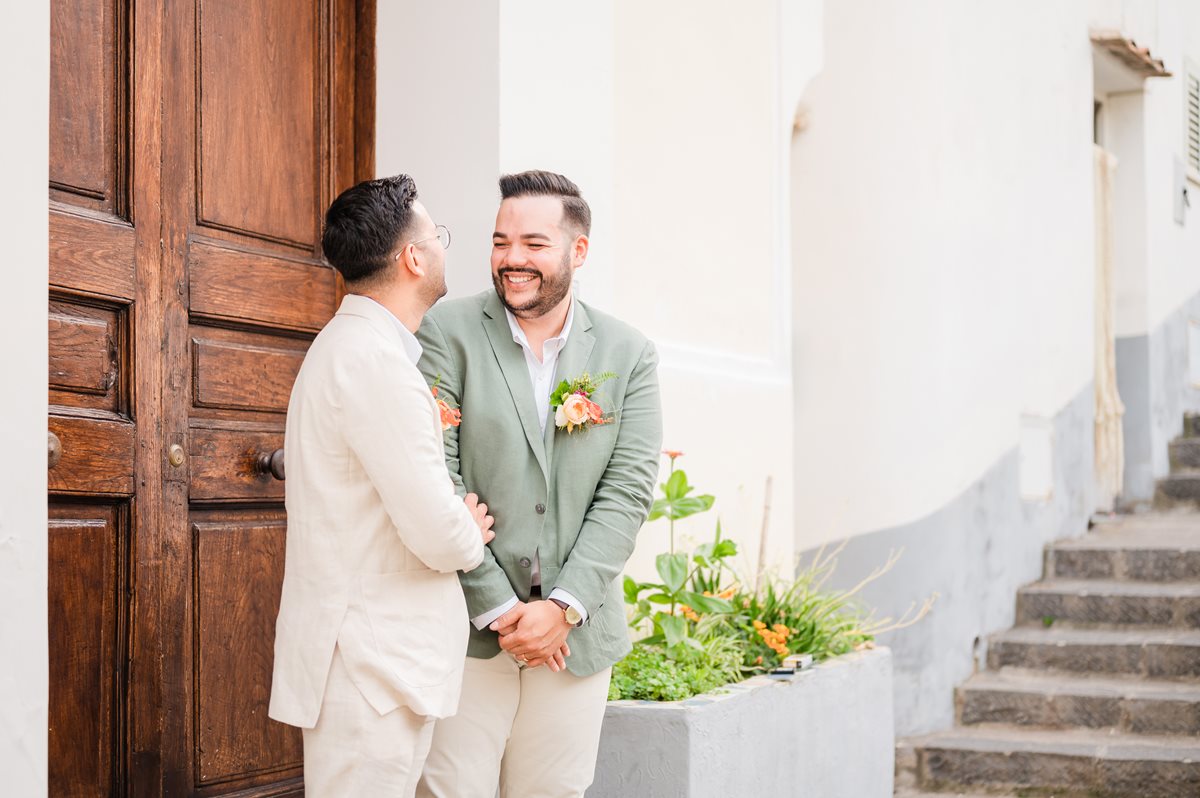
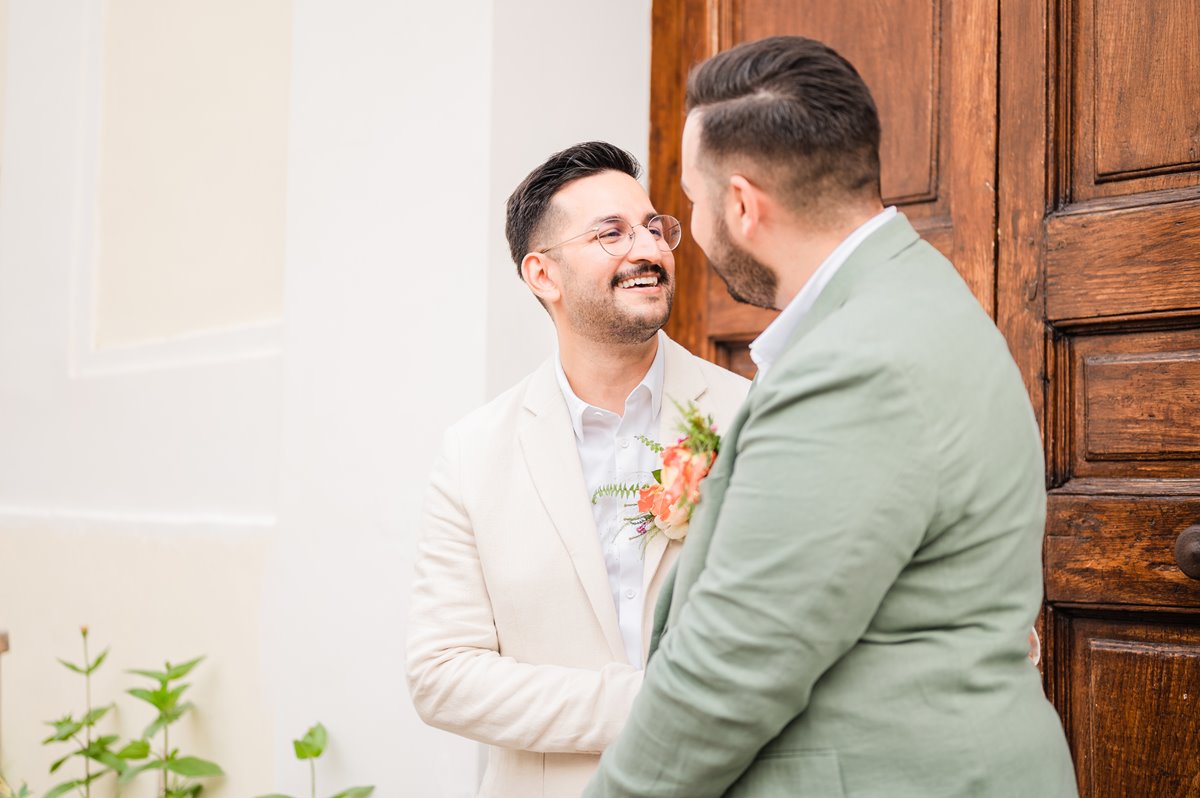
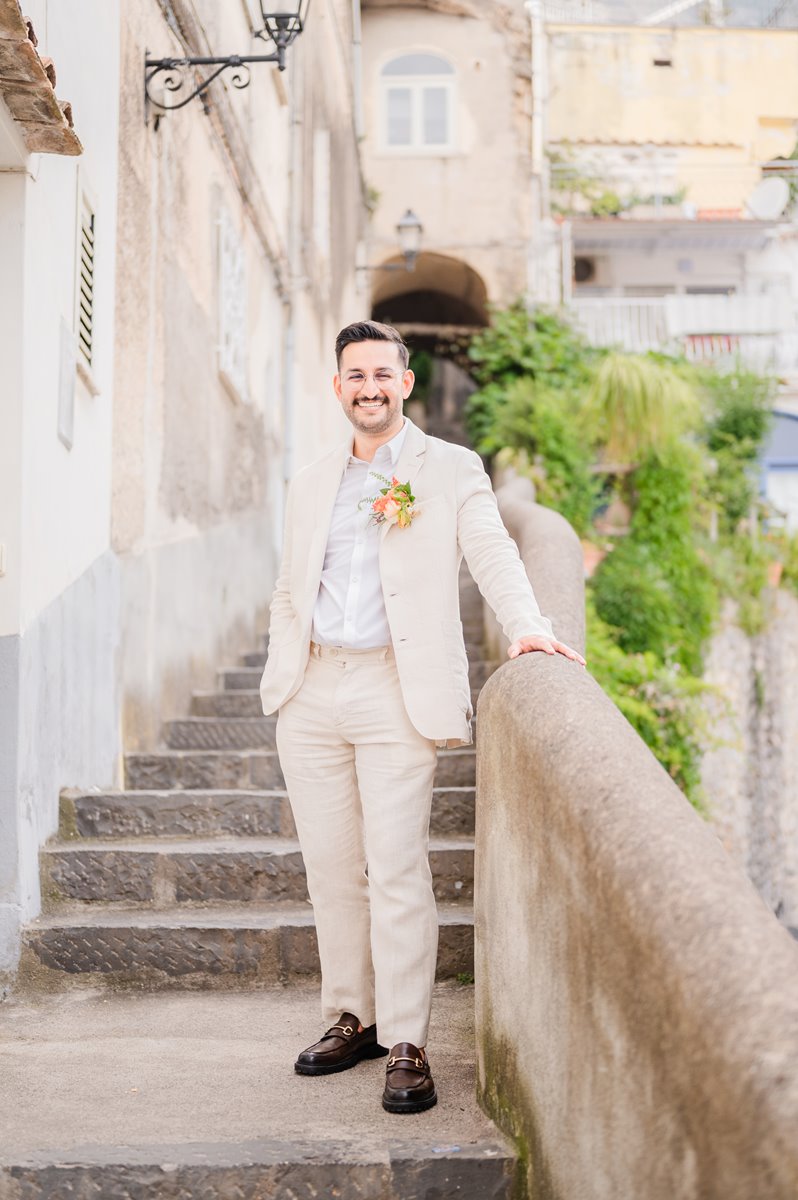
What will certainly remain of your wedding in Positano is a picture of it, yet in order to make this memory unforgettable you need of the professionists. And you will definitely find them in Positano and the surrounding villas.

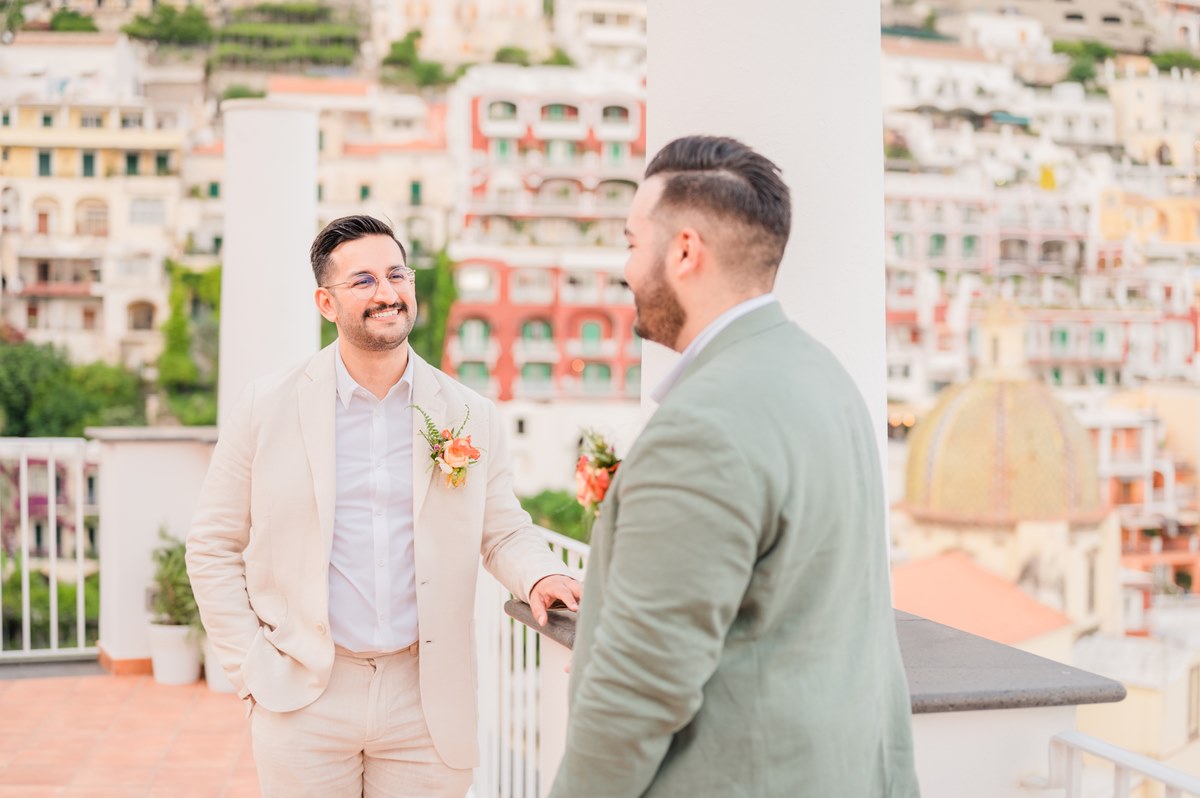
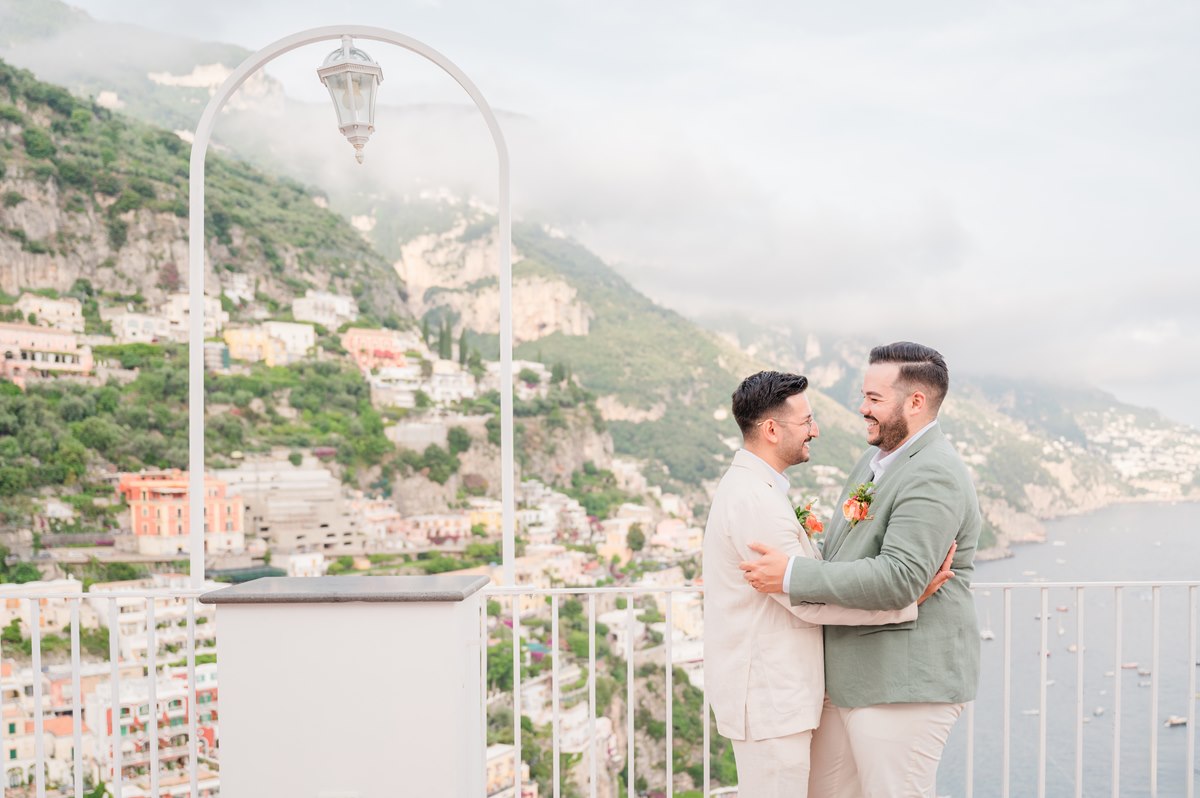
IF YOU THINK OF HIRING ME, IT MEANS THAT YOU SHARE THIS VISION AND WE HAVE MANY THINGS IN COMMON.
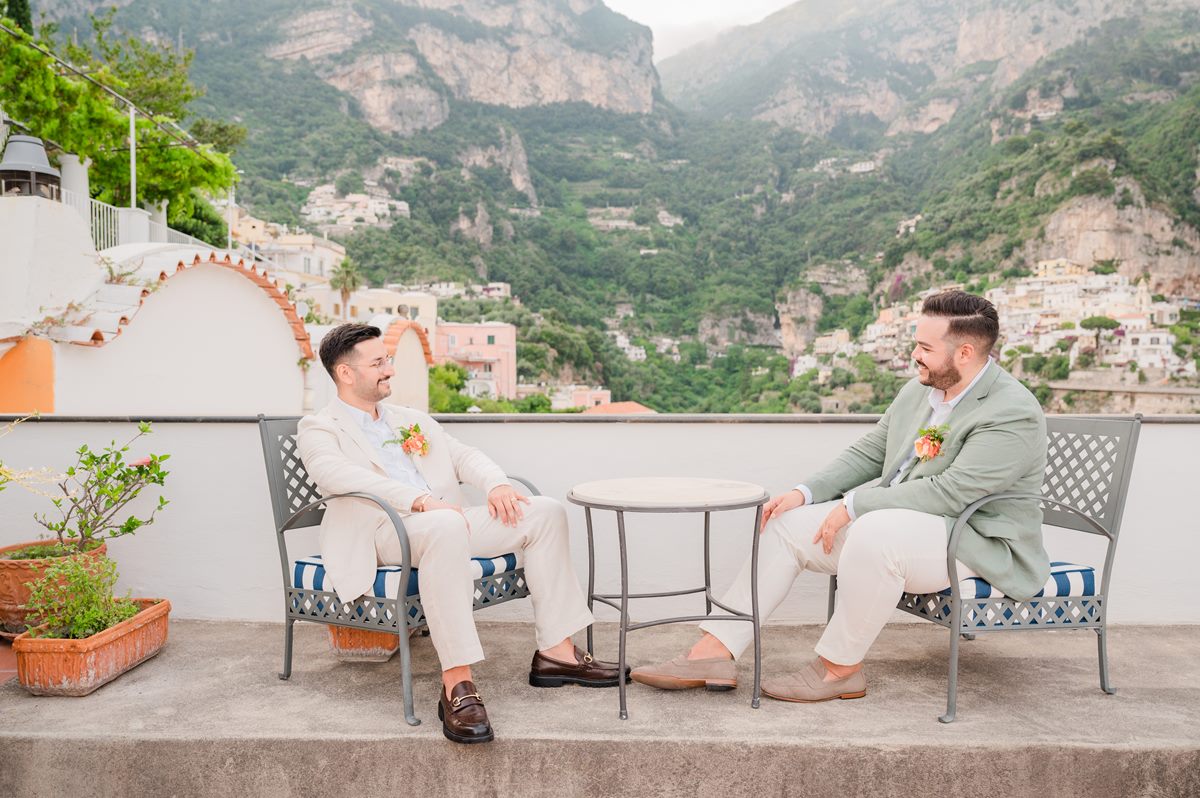

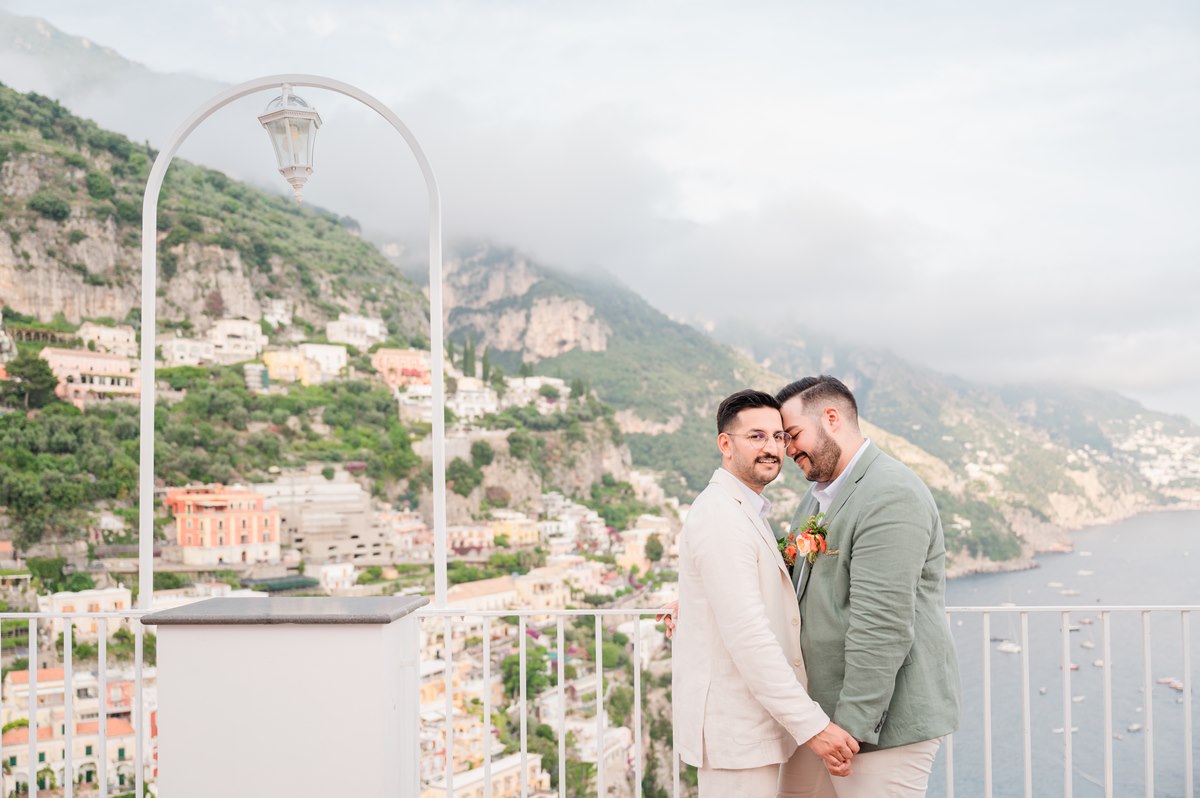
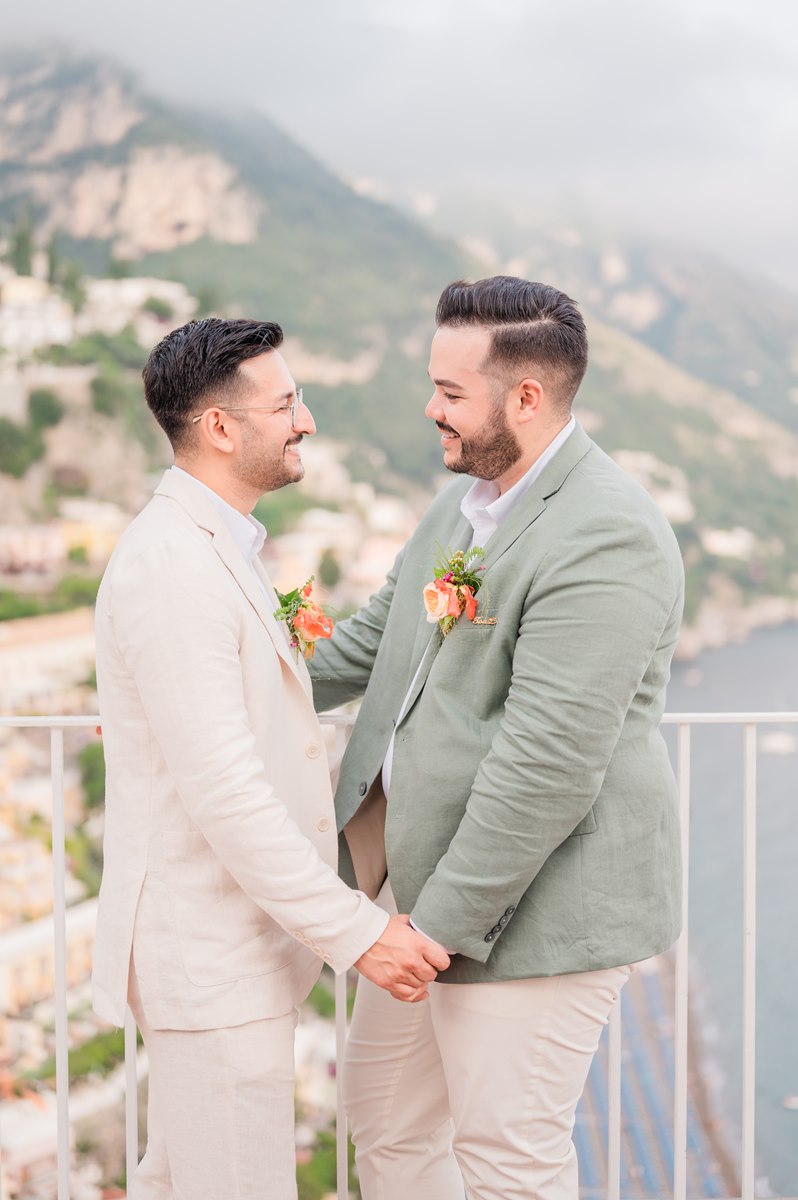
Experiencing the True Taste of Positano: Wedding Menu Ideas
Incorporate a taste of Positano into your wedding food and beverage menu. Options can range from traditional pizza and pasta dishes to sought-after seafood preparations, paired with locally produced Limoncello or Prosecco.



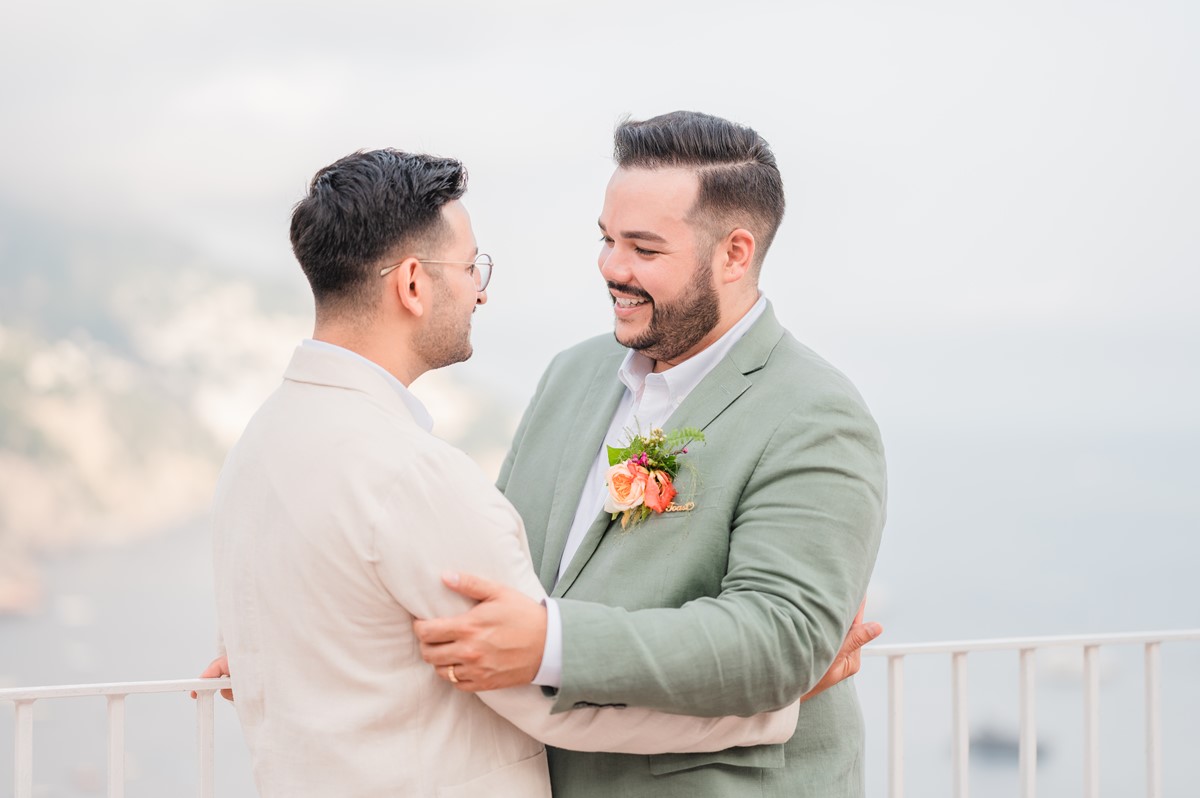
Accommodation for Casa Passalacqua Wedding Positano
Casa Passalacqua is a beautiful villa that offers stunning views of the Amalfi Coast. The property has been fully restored and offers 10 luxurious suites, each with its own private bathroom. The villa also features an outdoor swimming pool and terrace area where you can relax after your wedding ceremony.
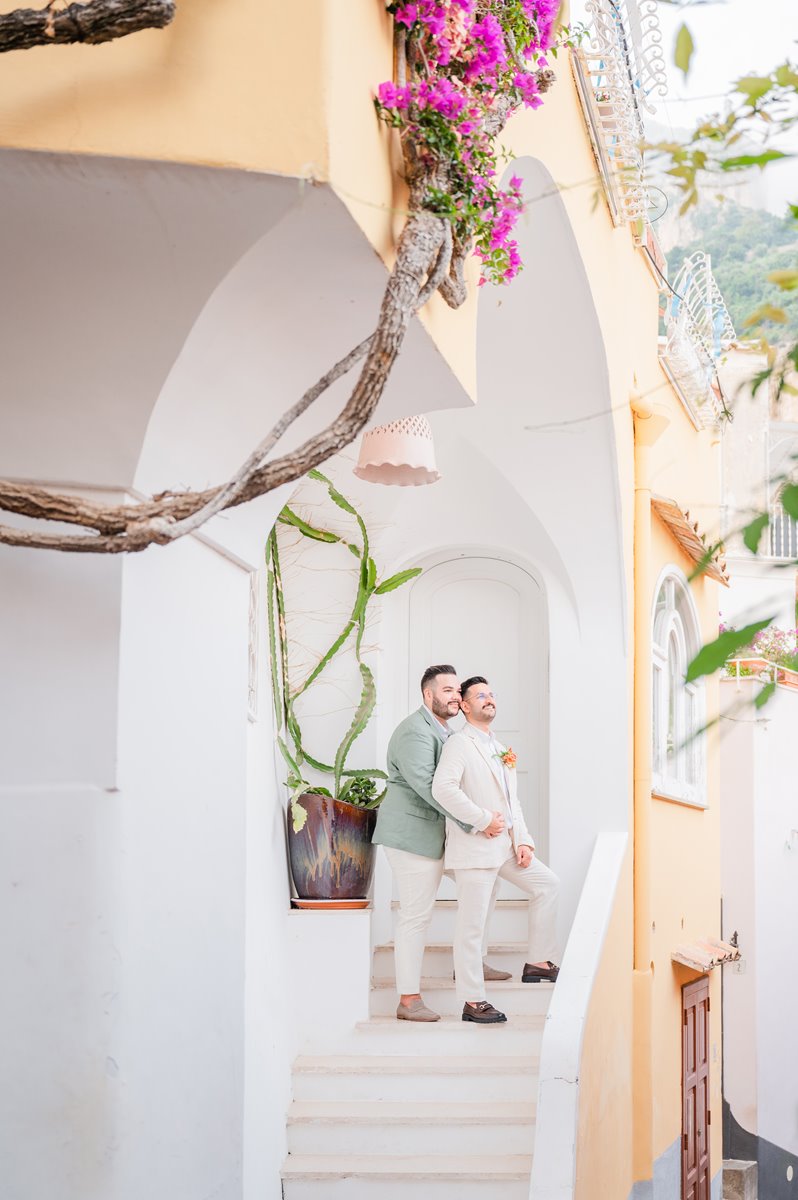
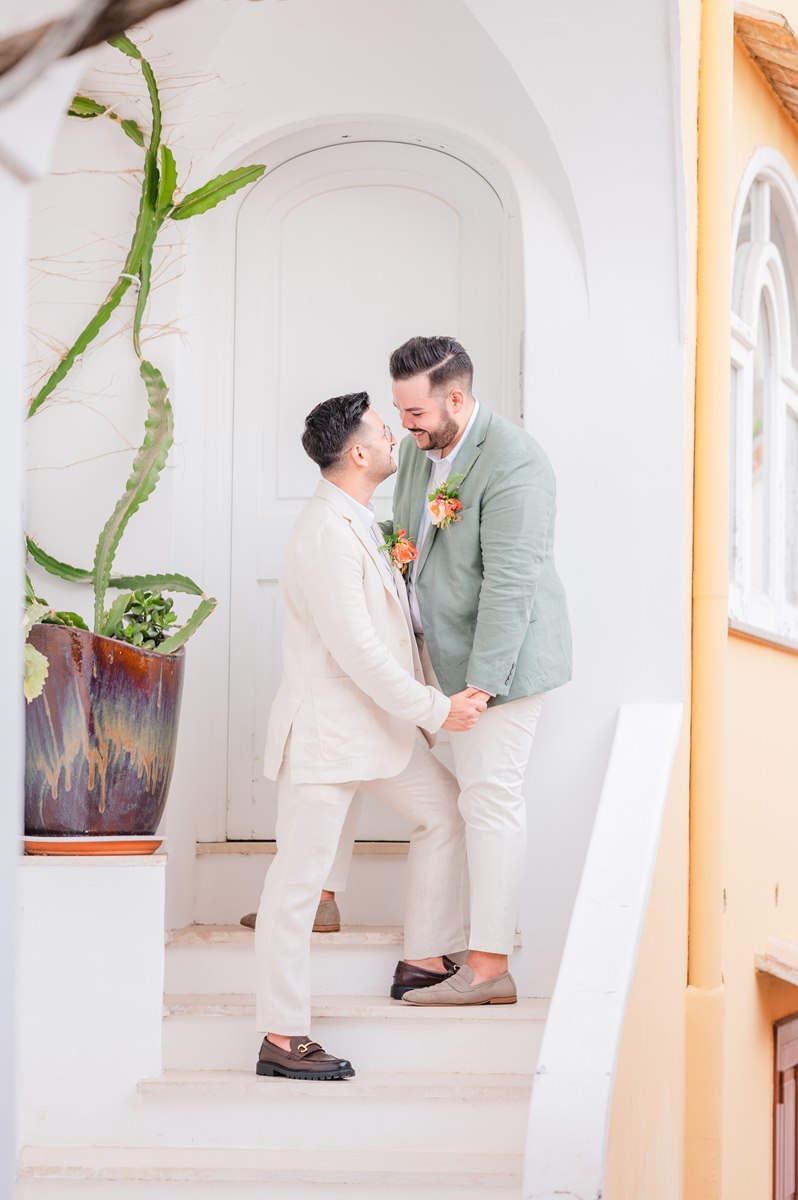
Ideal Accommodation Options in Positano
Positano offers a range of accommodations suited to different tastes and budgets. For your guests, consider options near Casa Passalacqua that complement its charm and offer convenience.
WEDDING IN POSITANO
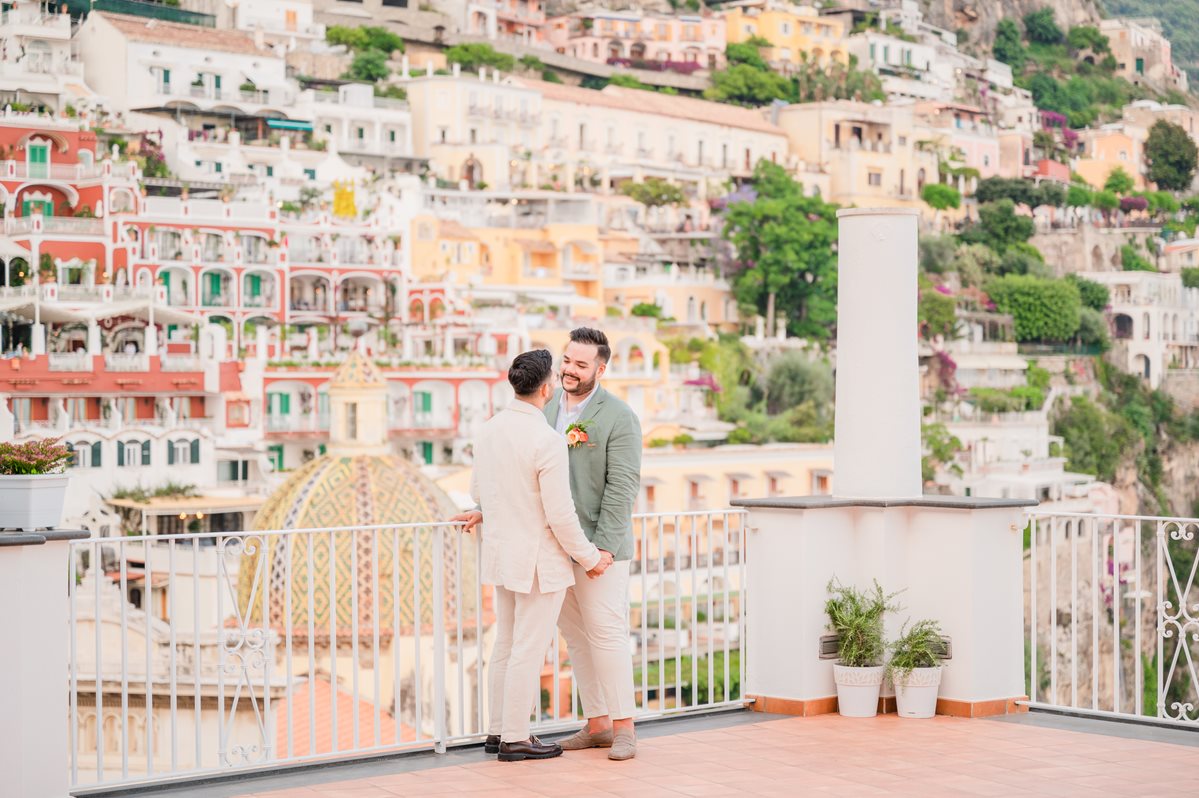
EMILIANO RUSSO
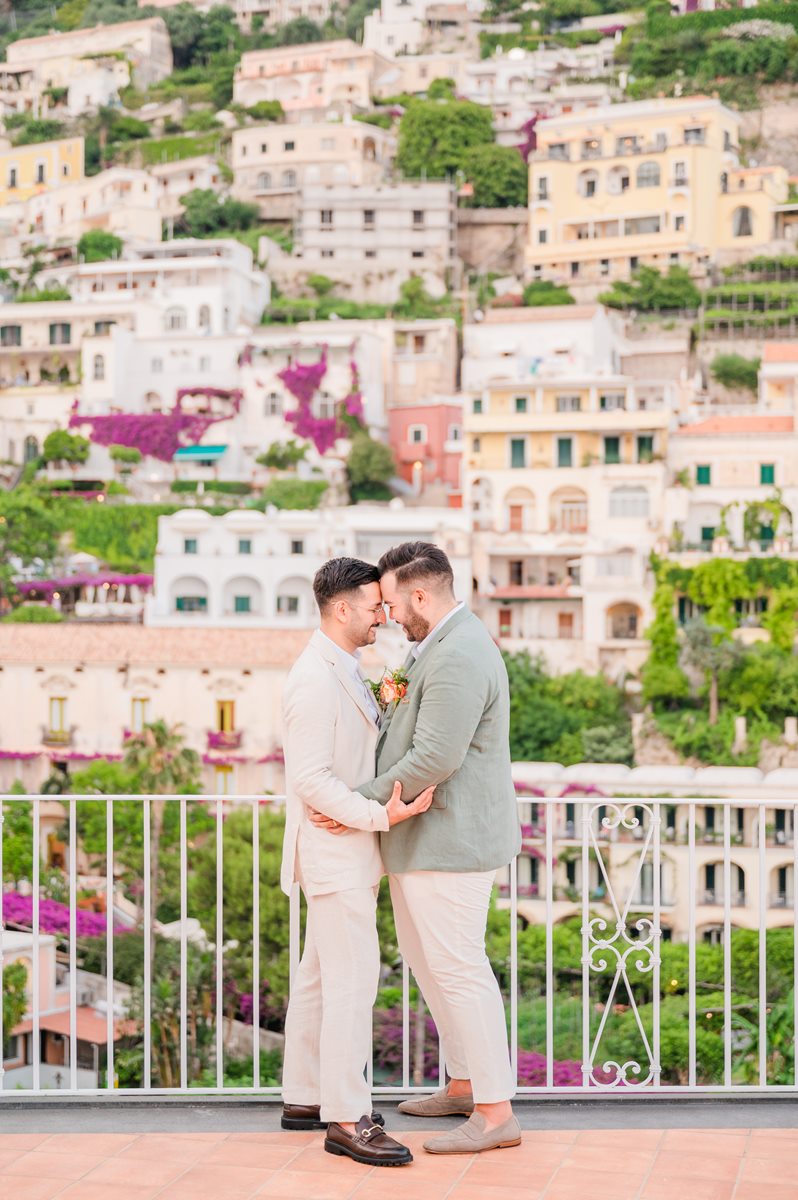
Positano is definitely one of the most enchanting spots in Italy for a wedding.
HIDDEN JEMS
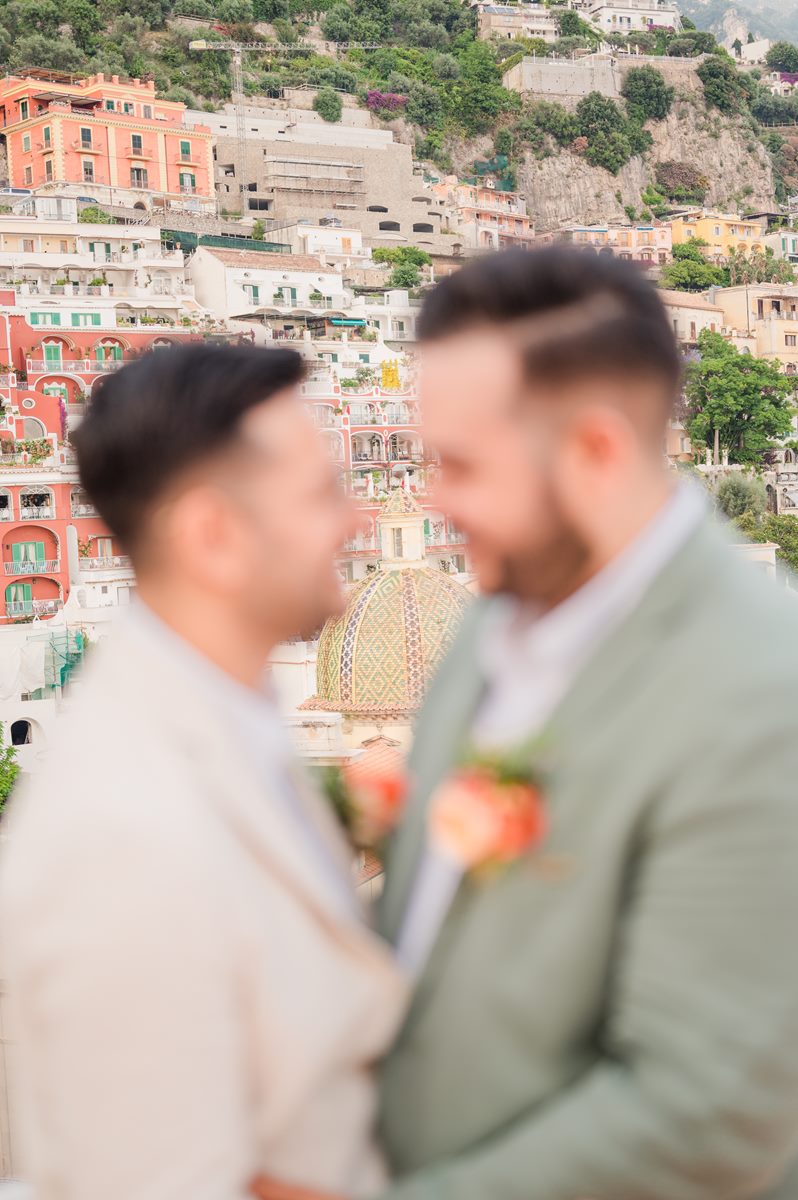
We know intimate places in Positano and your love story deserve the best.
POSITANO IS UNIQUE
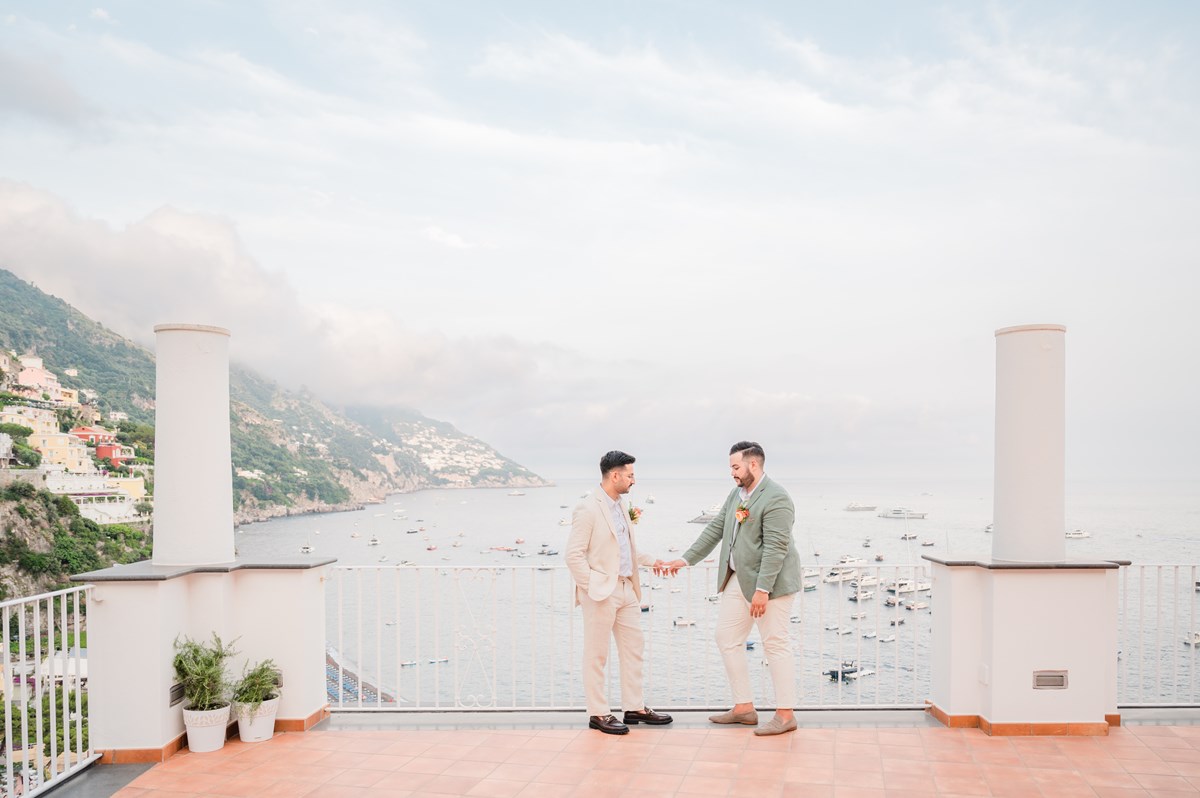
You can combine a wedding with a deep journey in Amalfi Coast



A Home Away From Home at Casa Passalacqua
Casa Passalacqua offers luxurious rooms where you can relax before and after the festivities. Its sophisticated interiors and stunning sea views make it a comforting retreat after your memorable day.
Ensuring Guest Convenience: Positano Lodging Guide
To make your wedding seamlessly enjoyable, consider providing your guests with a lodging guide, complete with information about check-in times, facilities, and local attractions in Positano.