

Wedding in Sorrento: Your Ultimate Destination Wedding Planner
I’ve always felt a deep connection to Sorrento. It’s where I started capturing some of the most beautiful love stories, and over the years, it became more than just a place.
It turned into a second home for me.
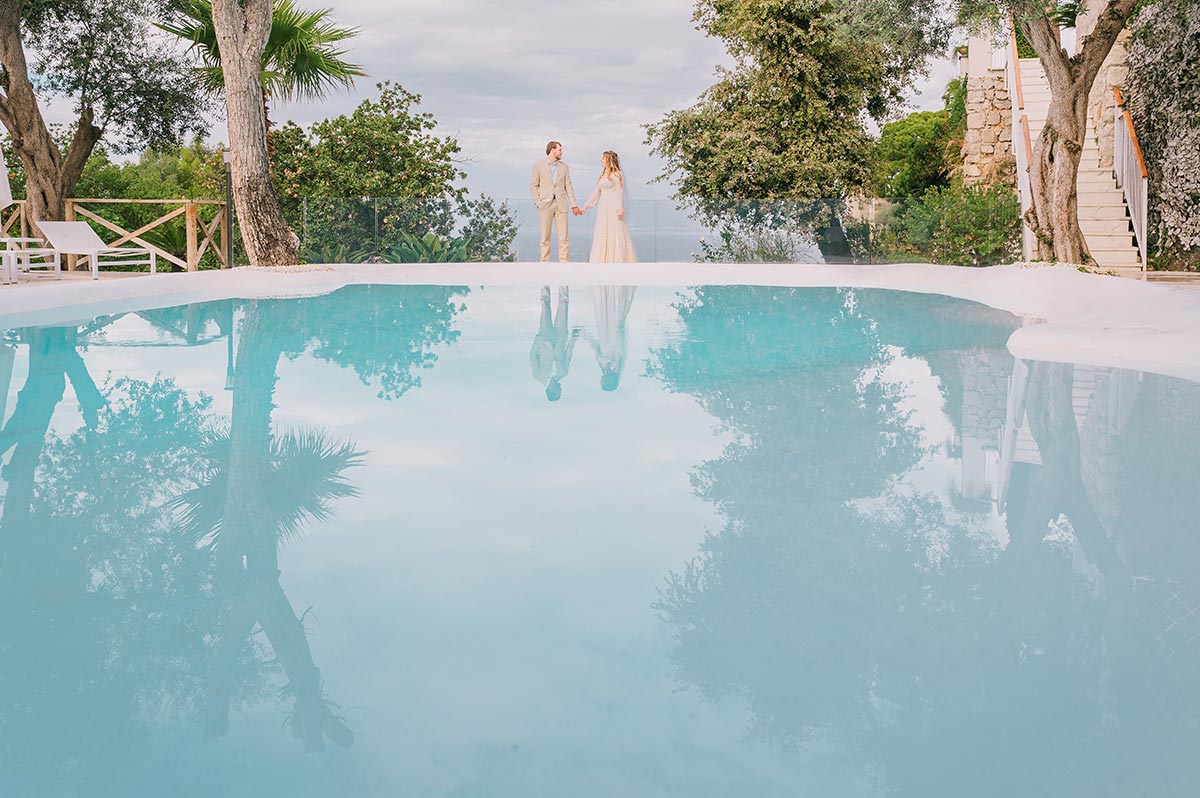
START PLANNING YOUR WEDDING IN SORRENTO
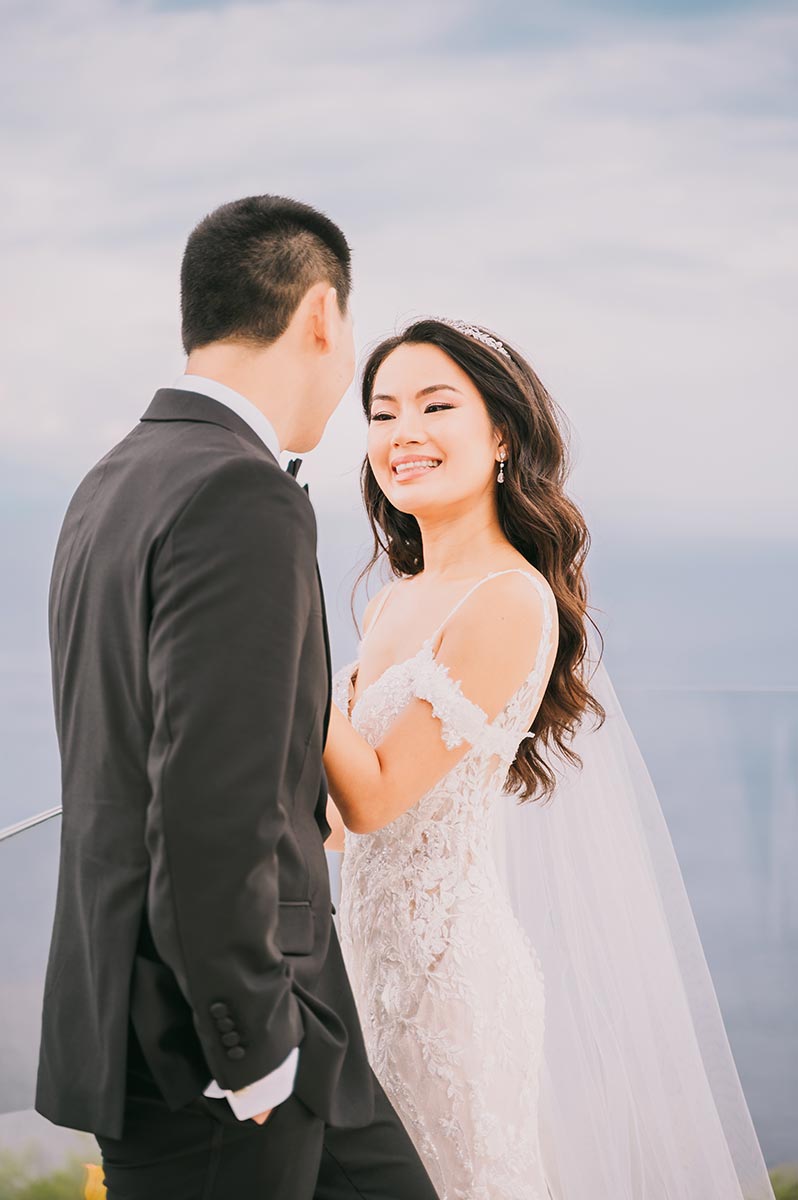
When I began helping couples plan their weddings here, I realized how much joy I found in guiding them through every detail. My passion for photography led me to connect with amazing local vendors, discover hidden venues, and learn what truly makes a wedding day shine.
Wedding planning: How to Start Planning the Italian Wedding of Your Dreams?
Planning a wedding can be both exciting and overwhelming, especially when dreaming of a destination wedding in Italy. To start planning the Italian wedding of your dreams, consider hiring a wedding planner in Sorrento who specializes in sophisticated weddings along the breathtaking Sorrento and the Amalfi Coast. This beautiful region offers the perfect backdrop to design a wedding that reflects your unique style while embracing the natural beauty of Italy.
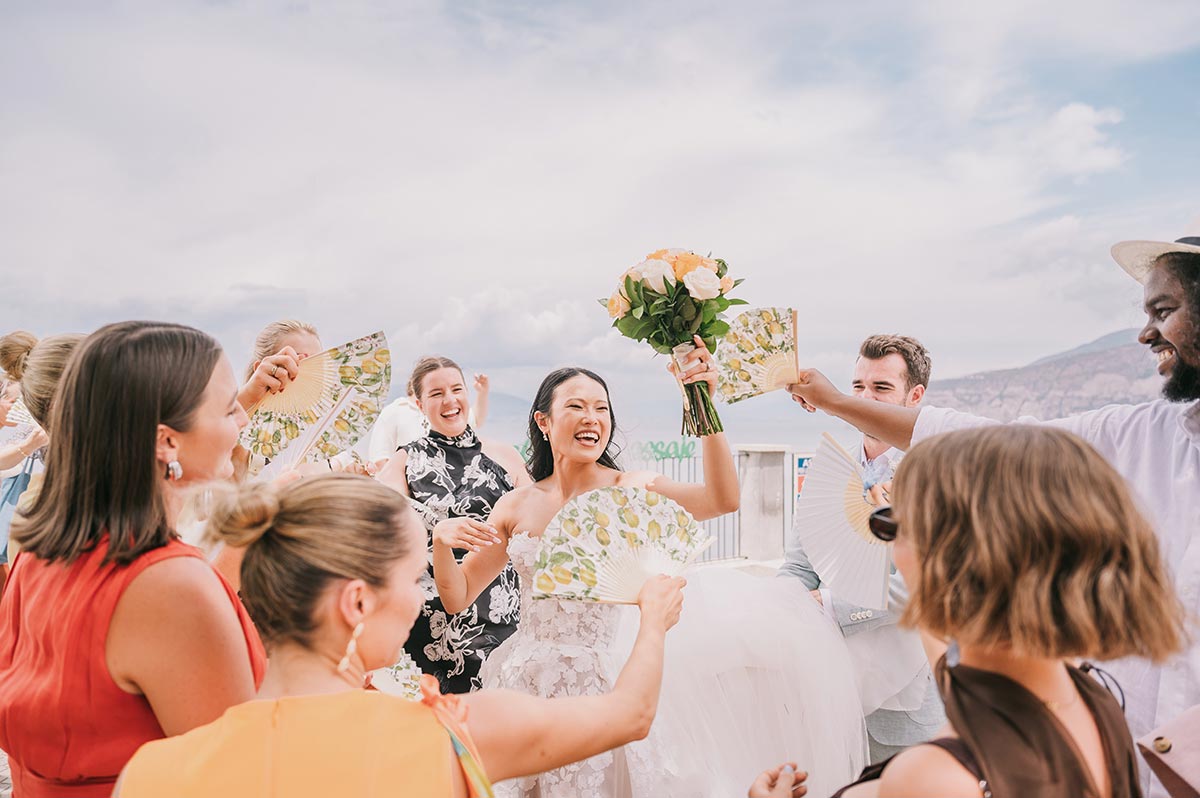
Your wedding planner Sorrento will guide you through every step of the way, ensuring that your wedding celebration is seamless and memorable. From choosing the ideal venue to curating a menu that features the best Italian cuisine, they will help you create unforgettable weddings tailored to your vision. Ultimately, the goal is to make your wedding the best day of your life, filled with cherished moments that will become the memories of your wedding.
If you picture a grand event or a small wedding, planning your dream ceremony in this location will impress you and your guests.
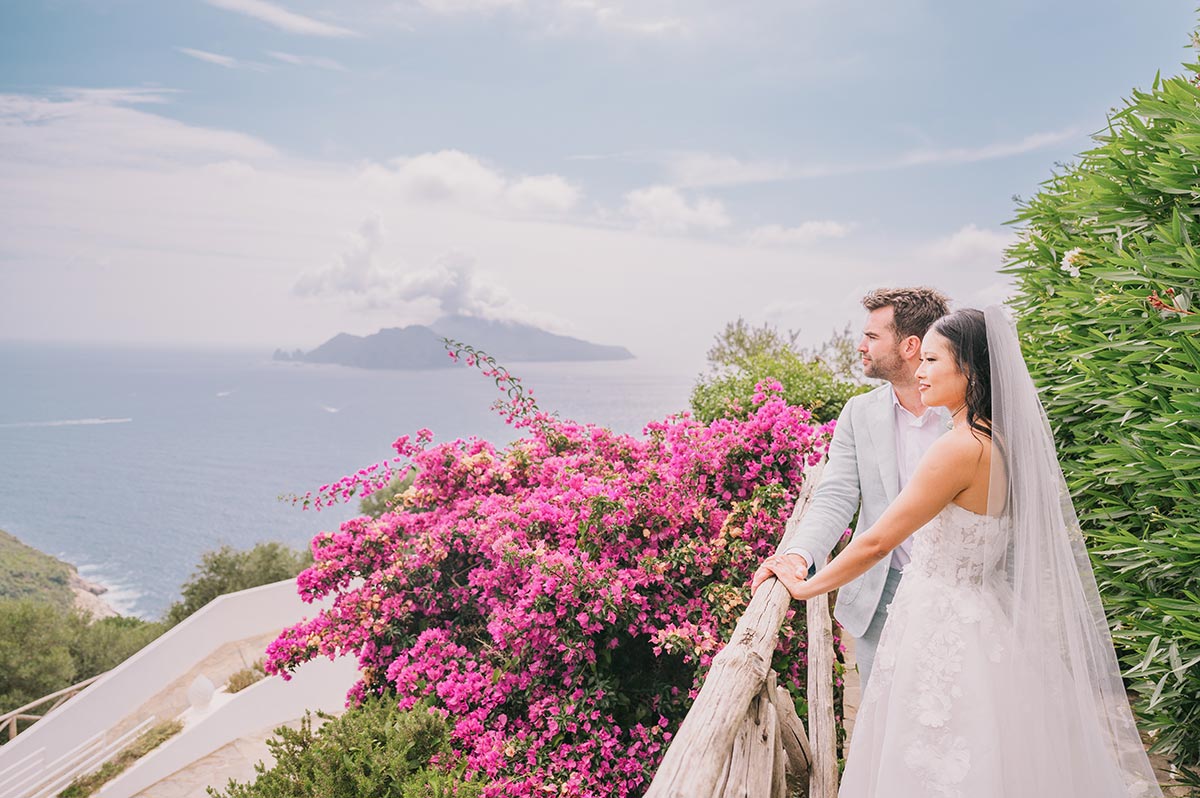
What are the first steps in planning a destination wedding?
Whenever I speak with couples, I remind them to start with a clear vision of what they want. Do you picture an intimate ceremony in a garden with a view of the sea? Or a grand celebration in a historic villa? Begin by listing your priorities: the venue, the decor style, and the overall mood. Then consider your budget and the season. Sorrento can be magical in any month, but each season offers different vibes and experiences.
As you delve deeper into your planning, think about the elements that truly resonate with you as a couple. Do you want a rustic charm with wooden accents and wildflowers, or are you drawn to a more modern aesthetic with sleek lines and minimalist decor? Perhaps a blend of both styles speaks to your unique personalities.
Once you have a clearer vision, it’s time to assemble your team. Research local vendors who align with your aesthetic and values.
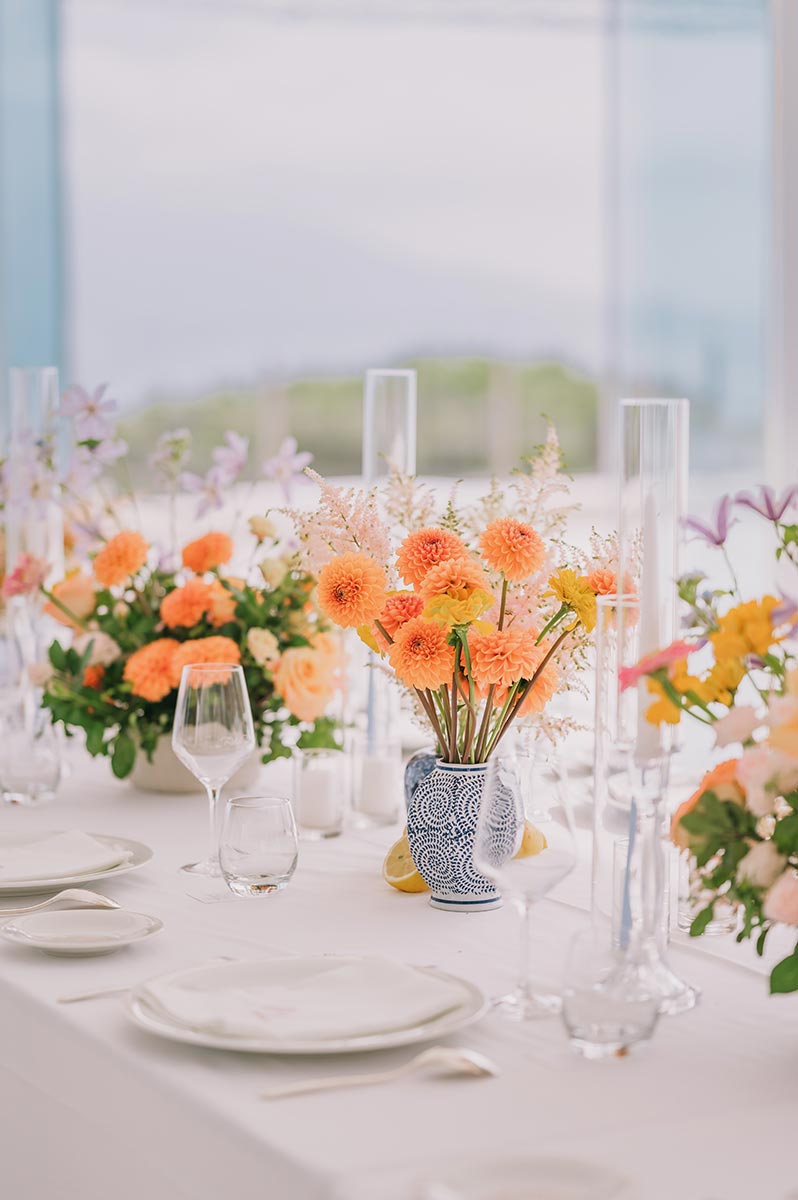
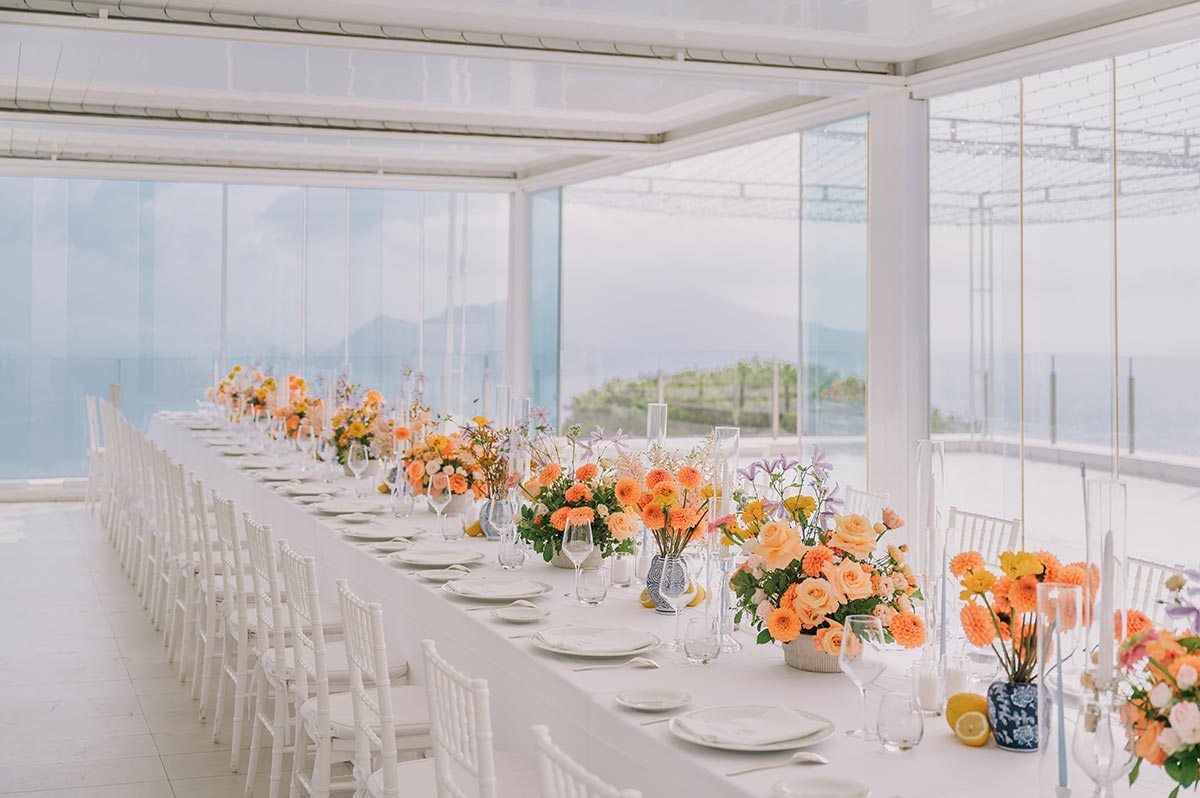
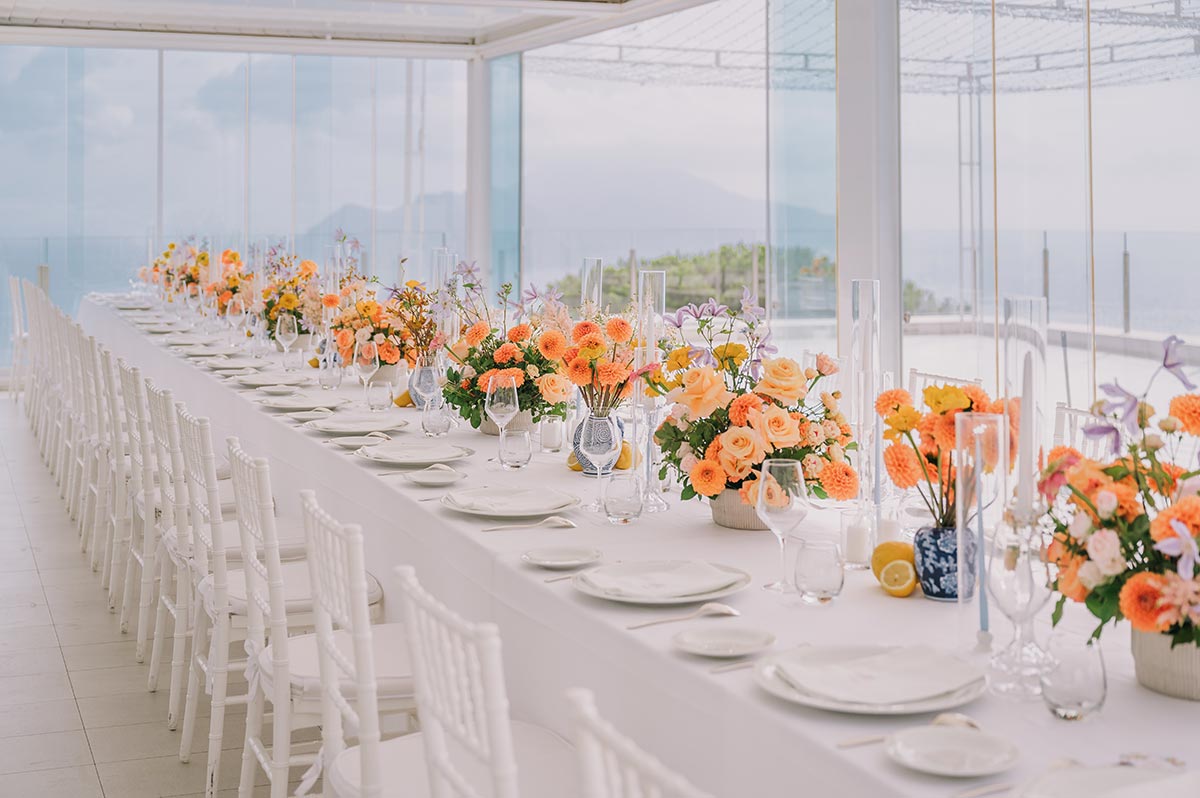
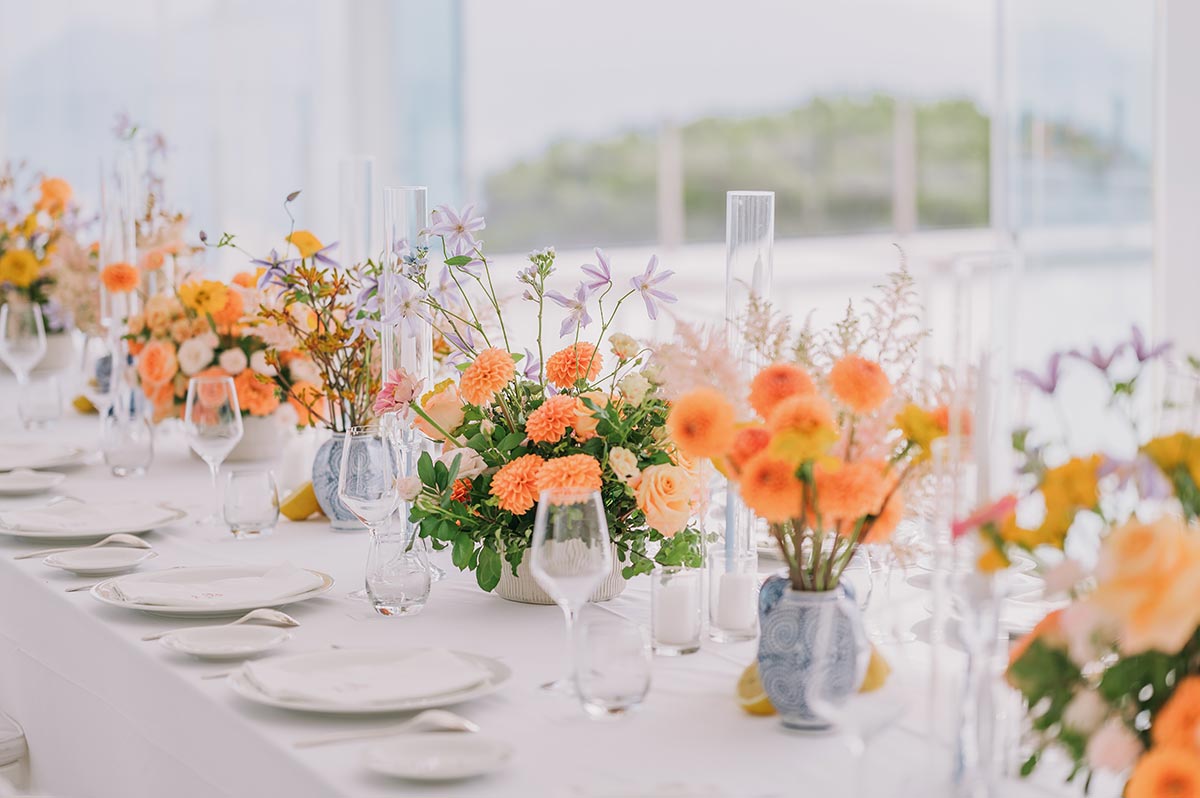

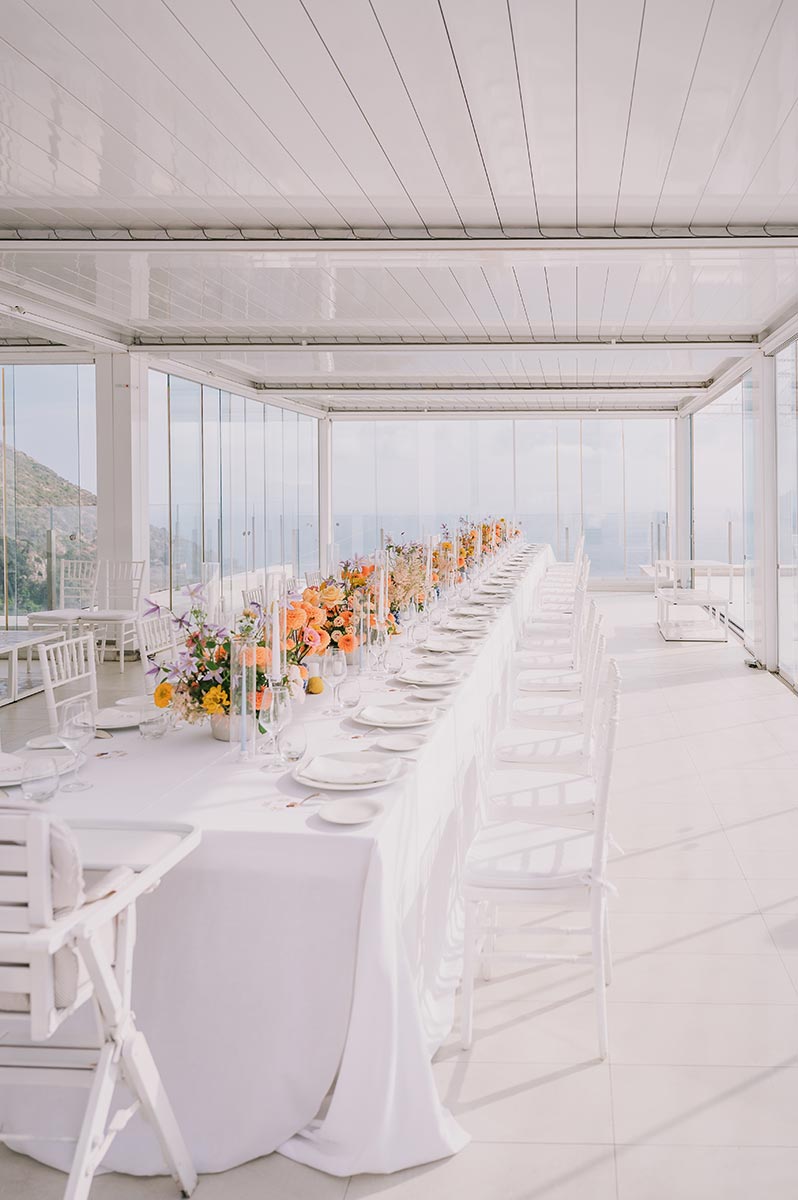
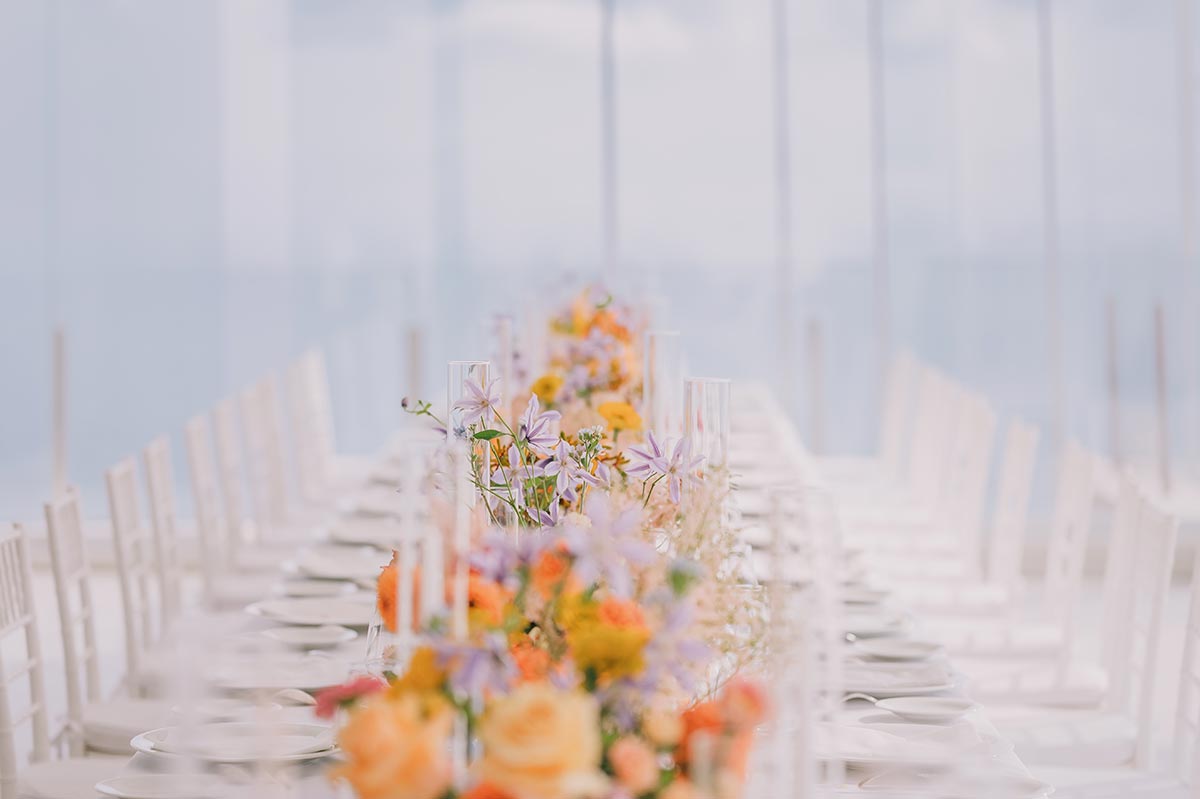
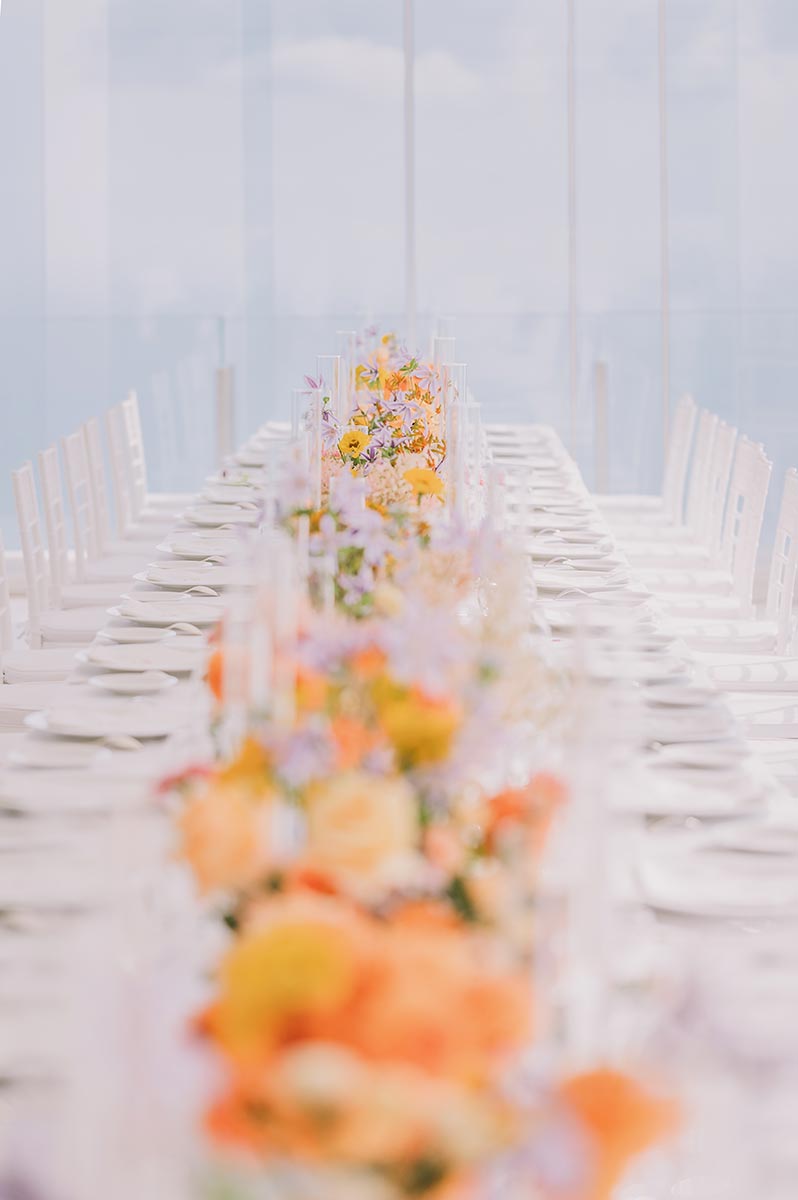
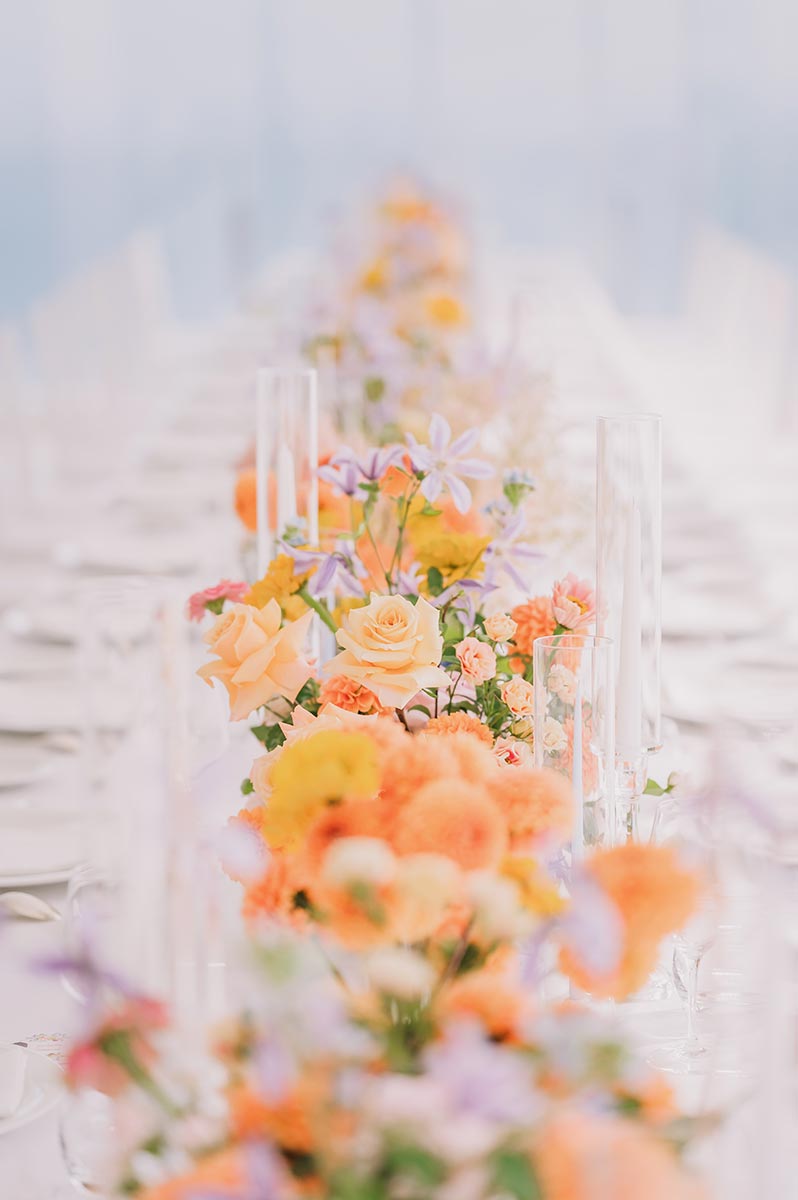

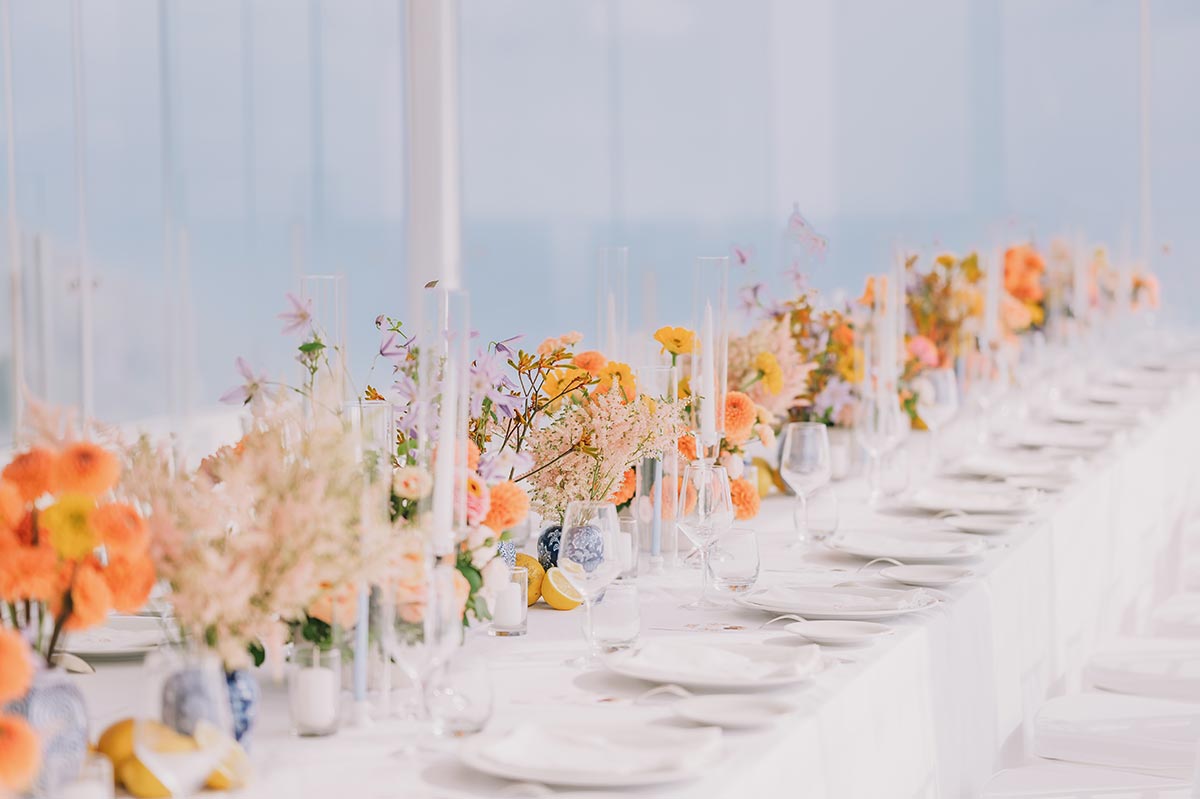
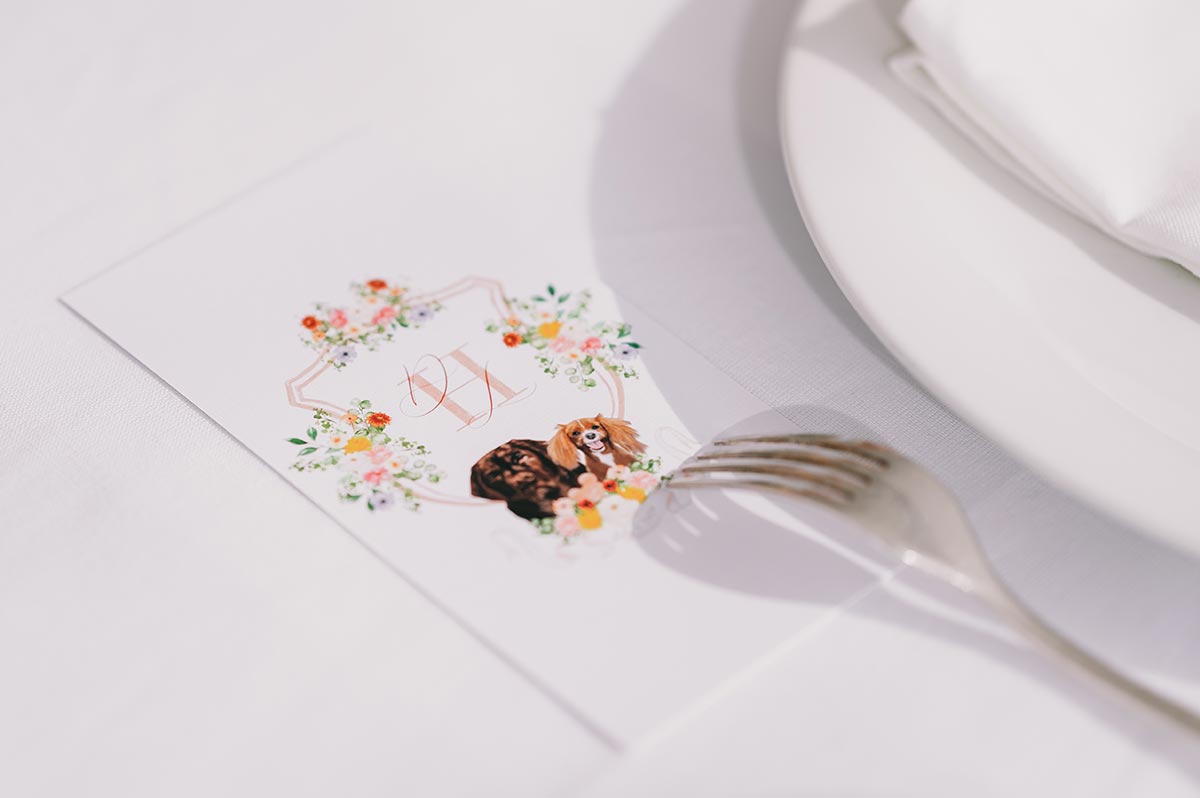
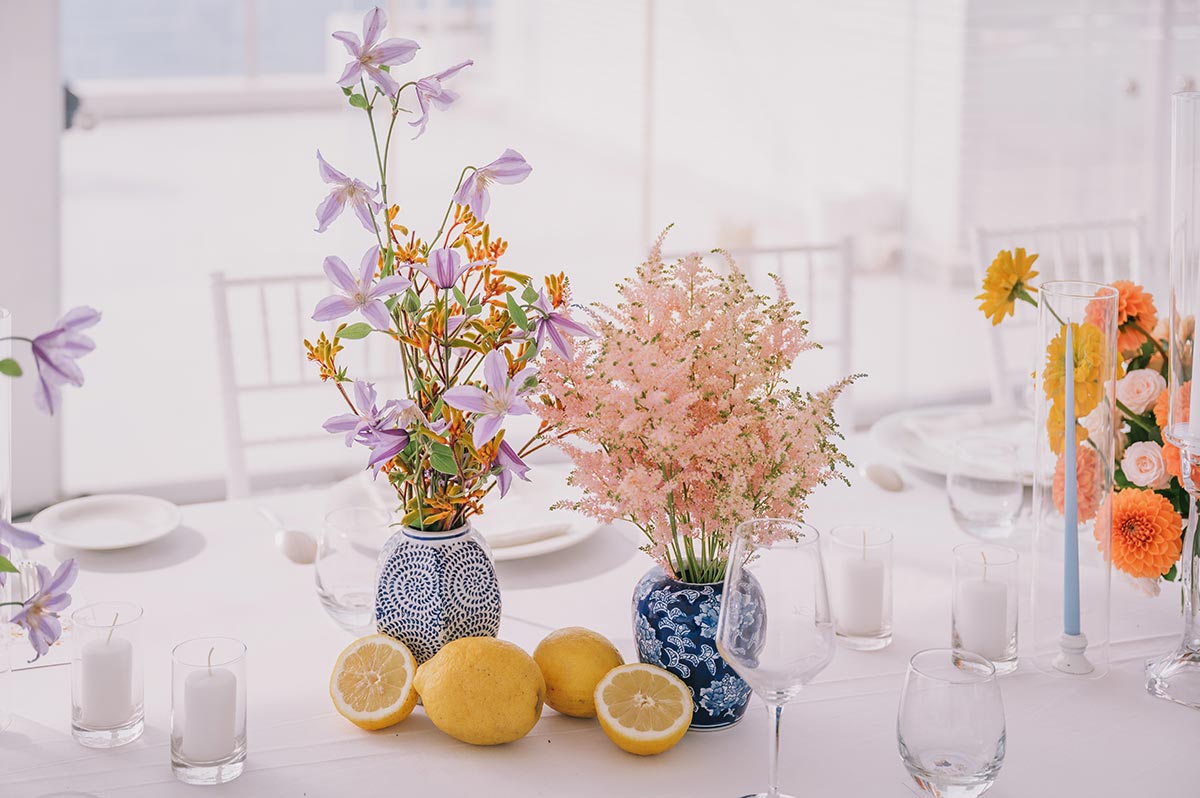
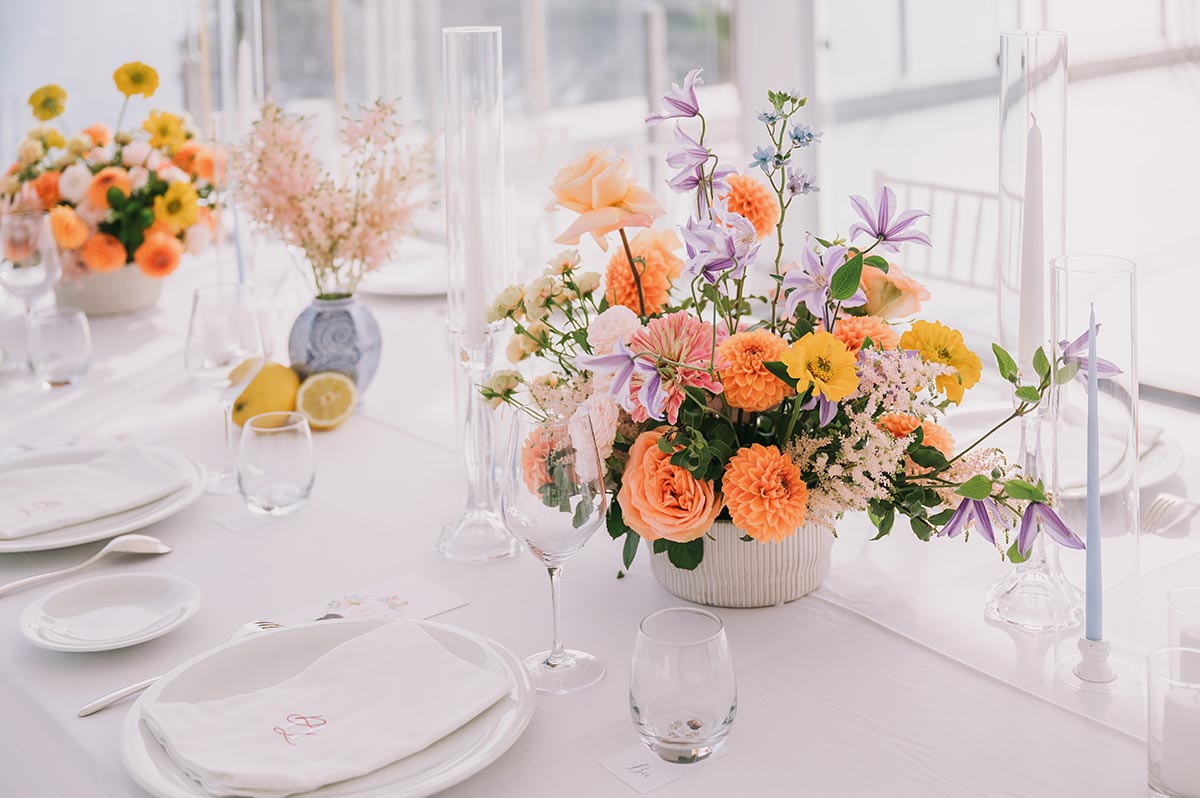

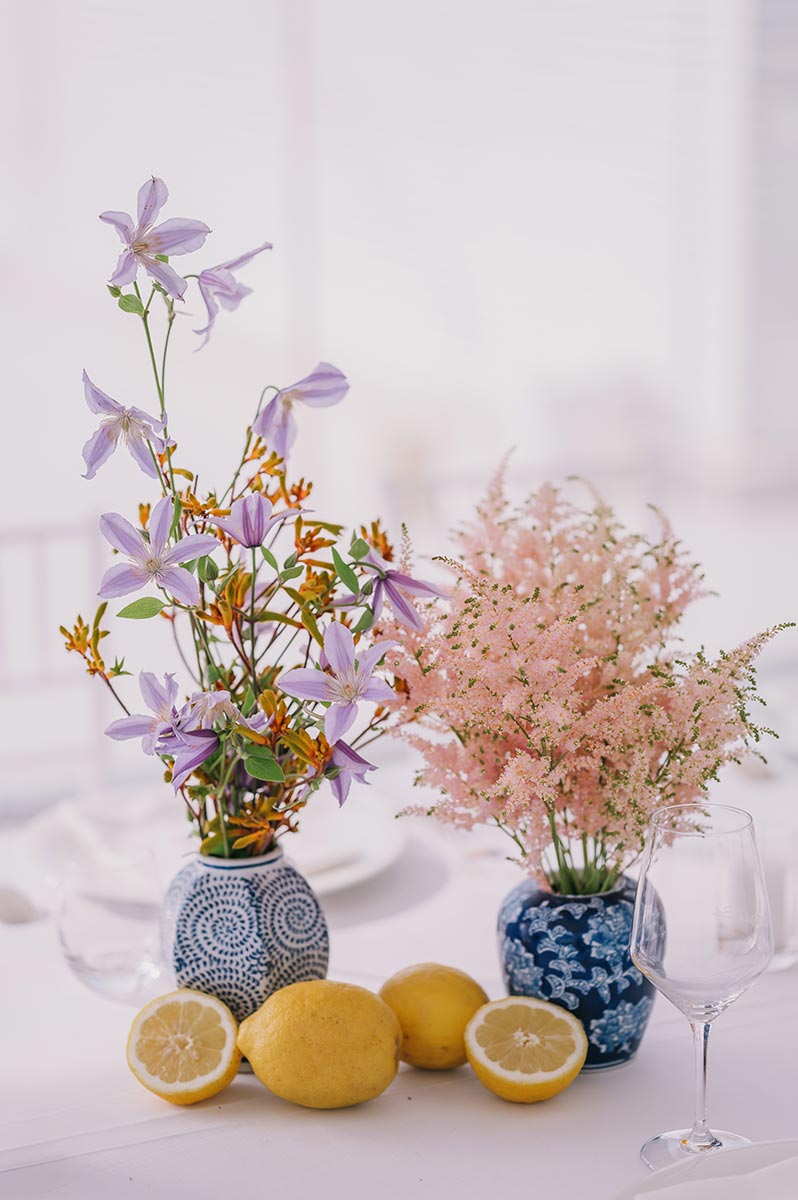
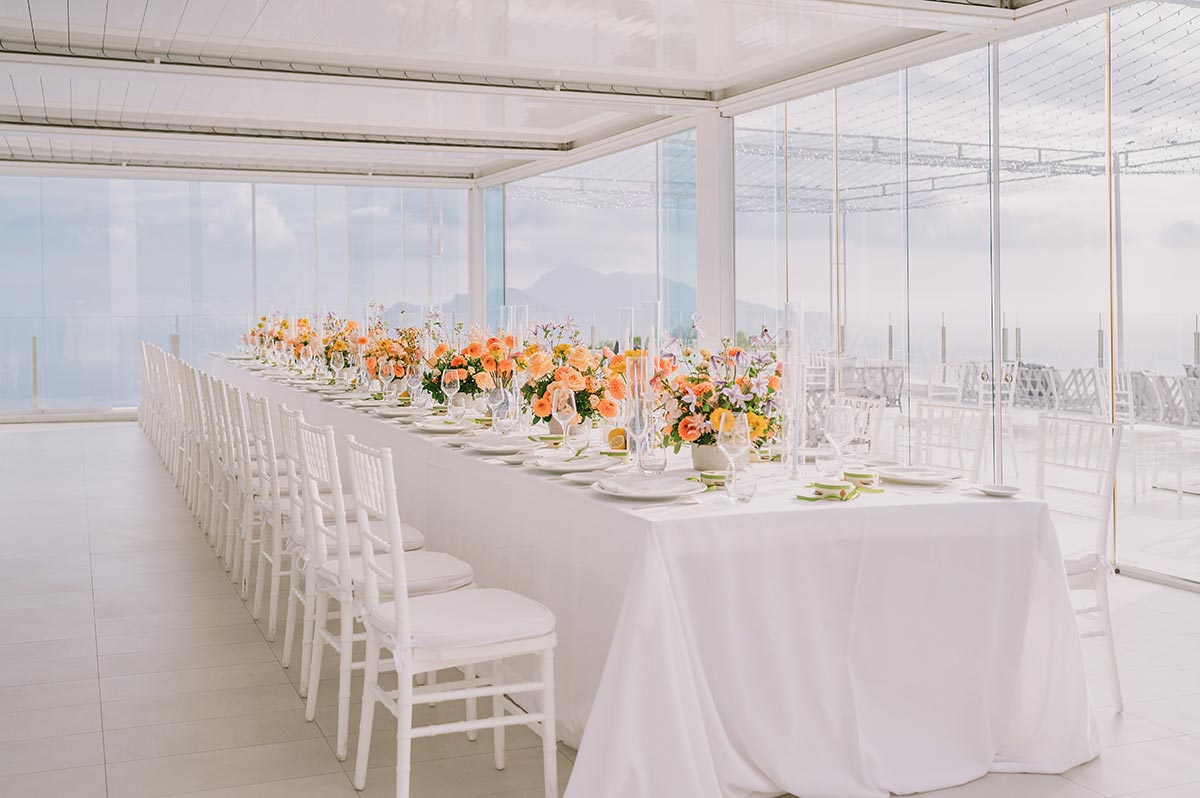

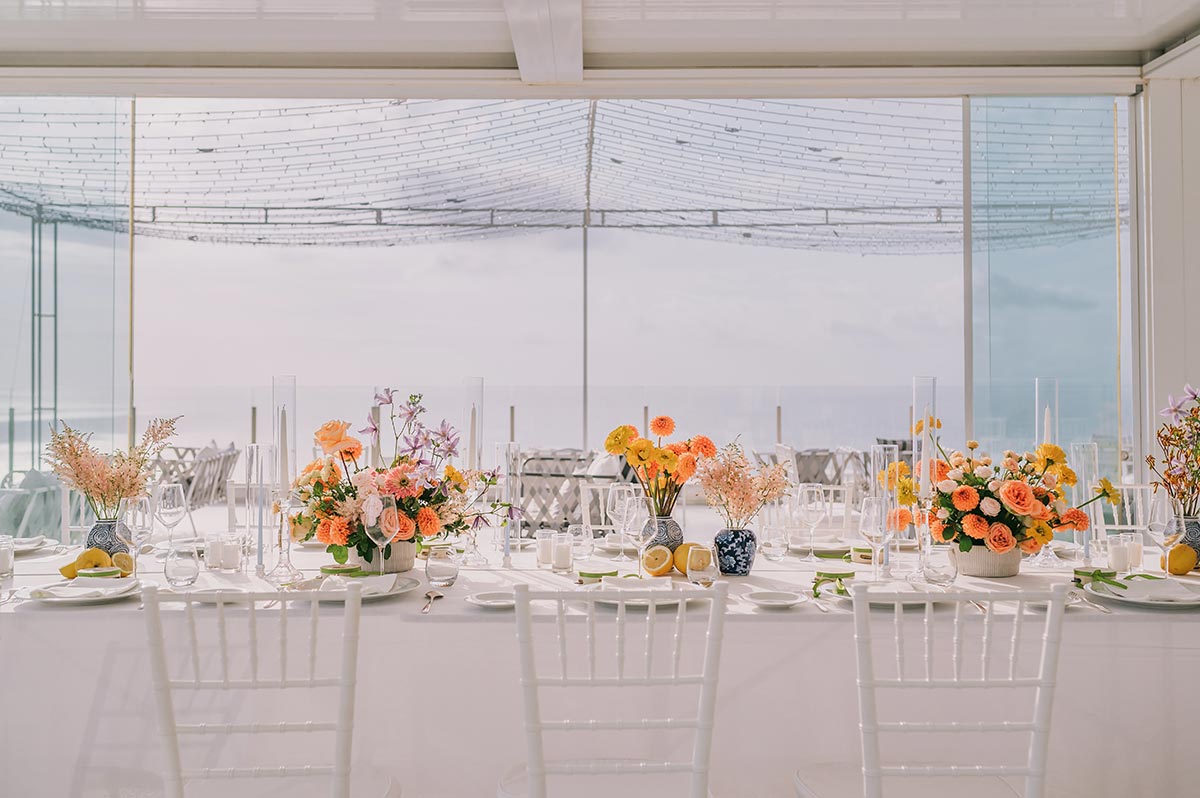

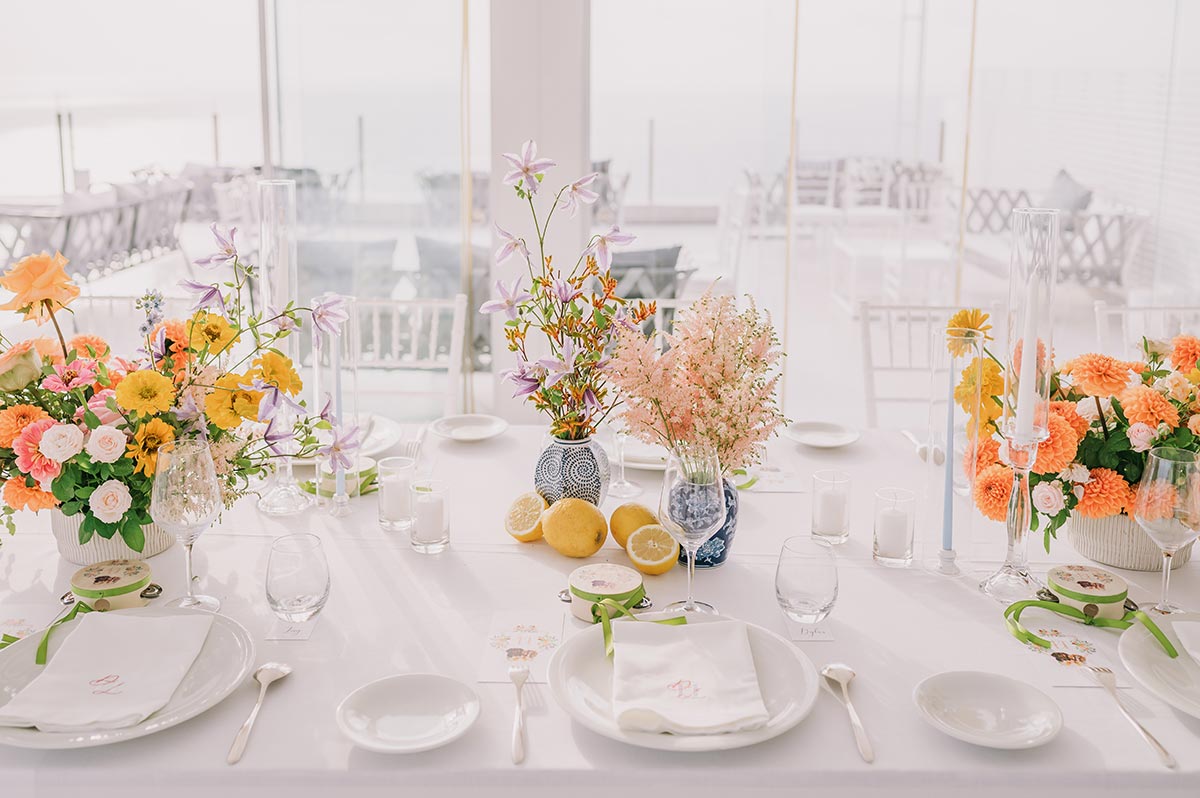
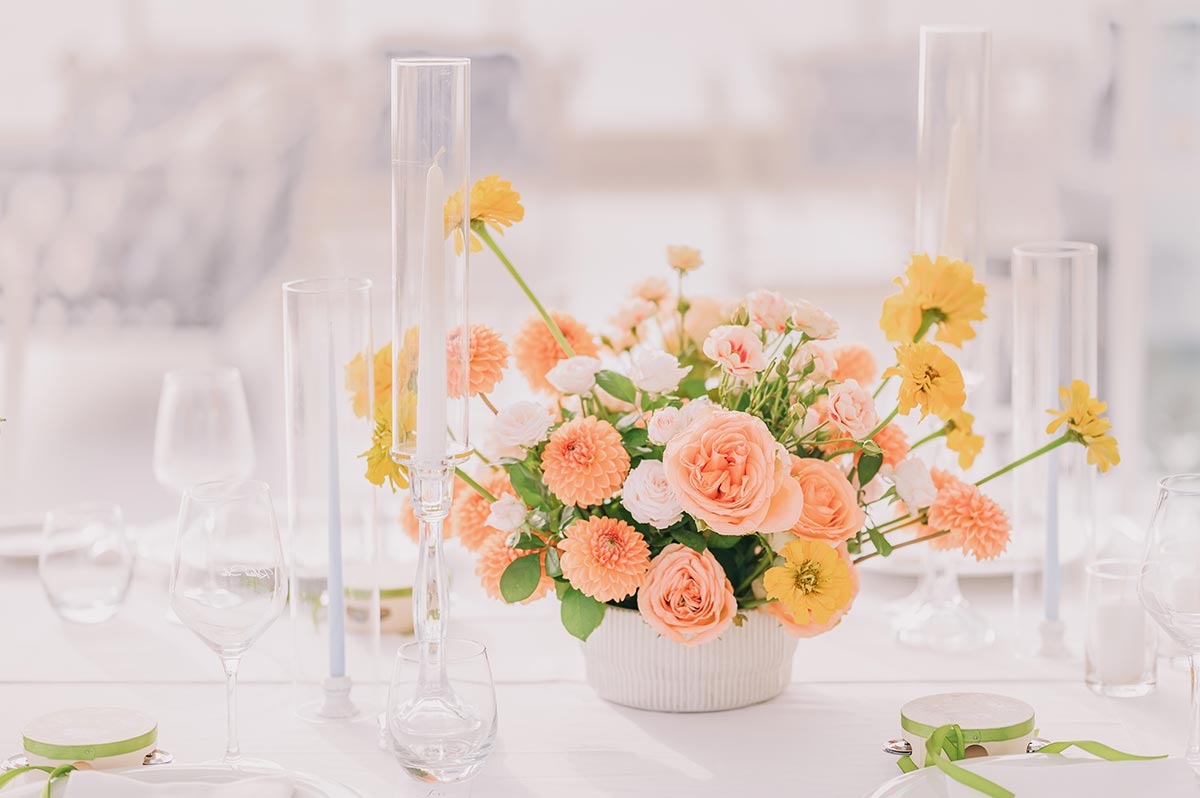
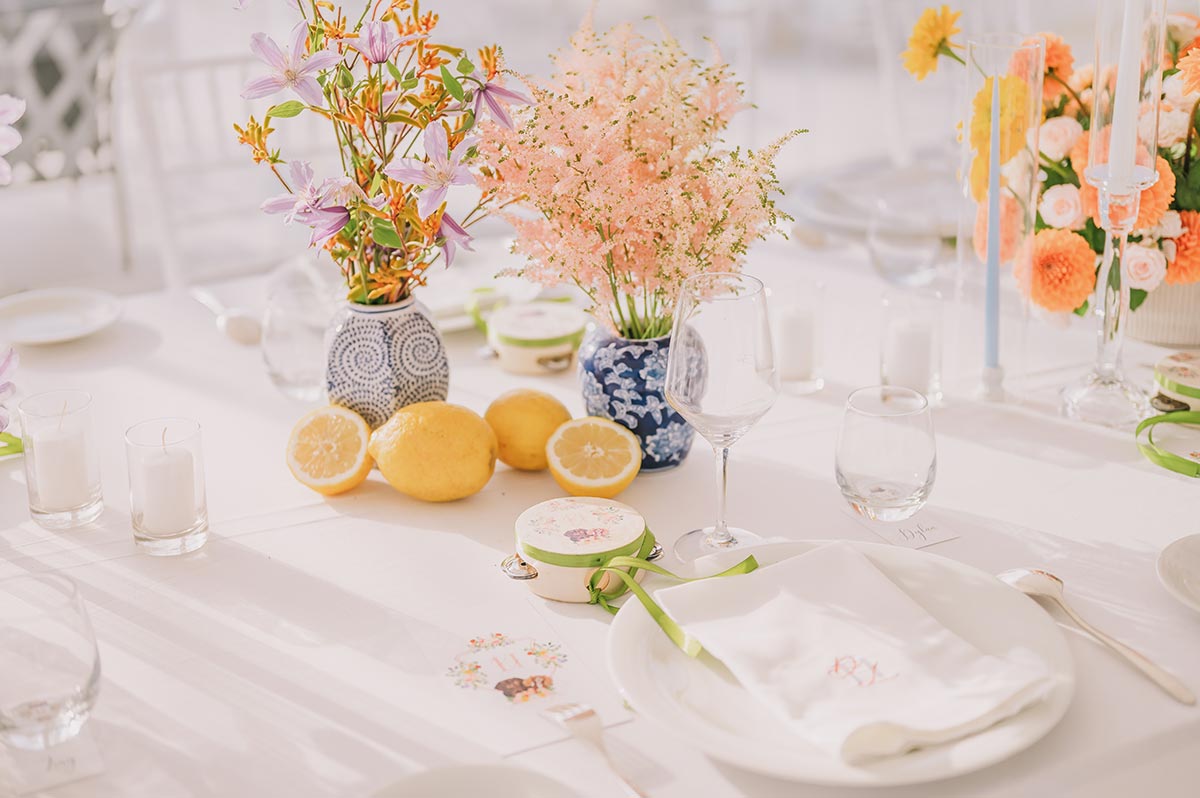
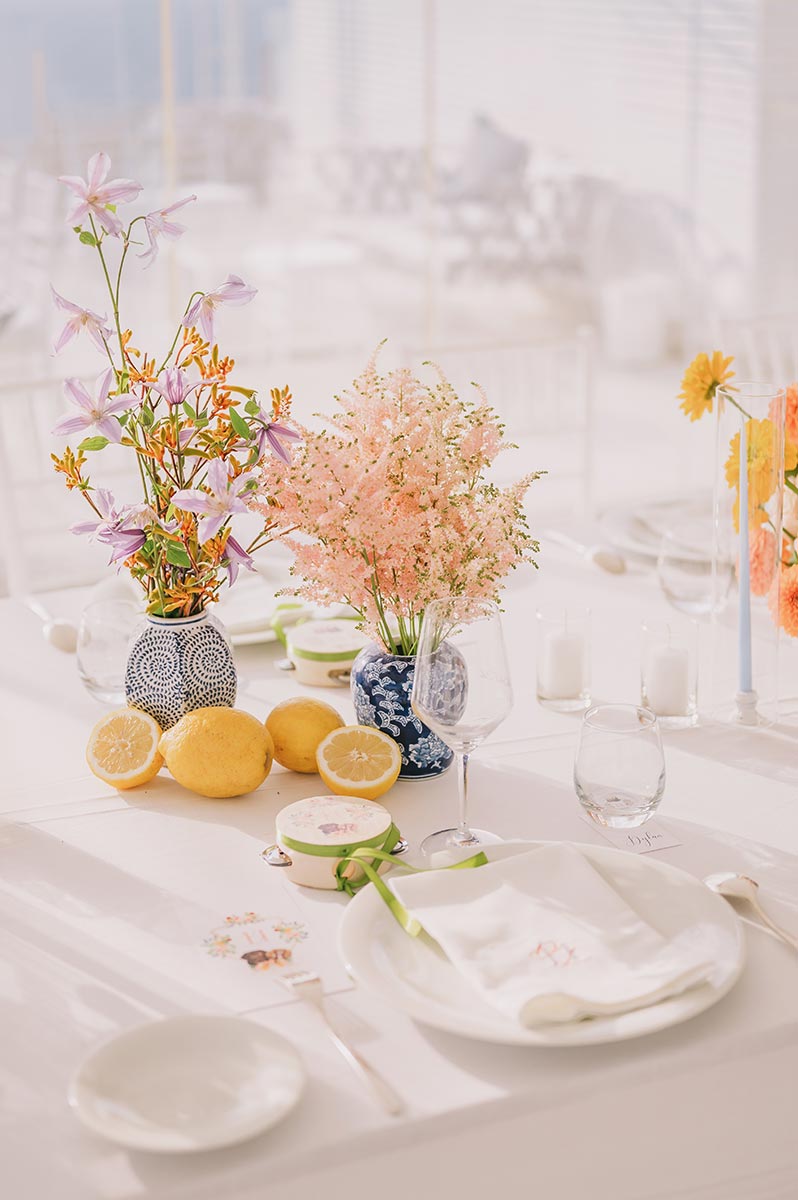
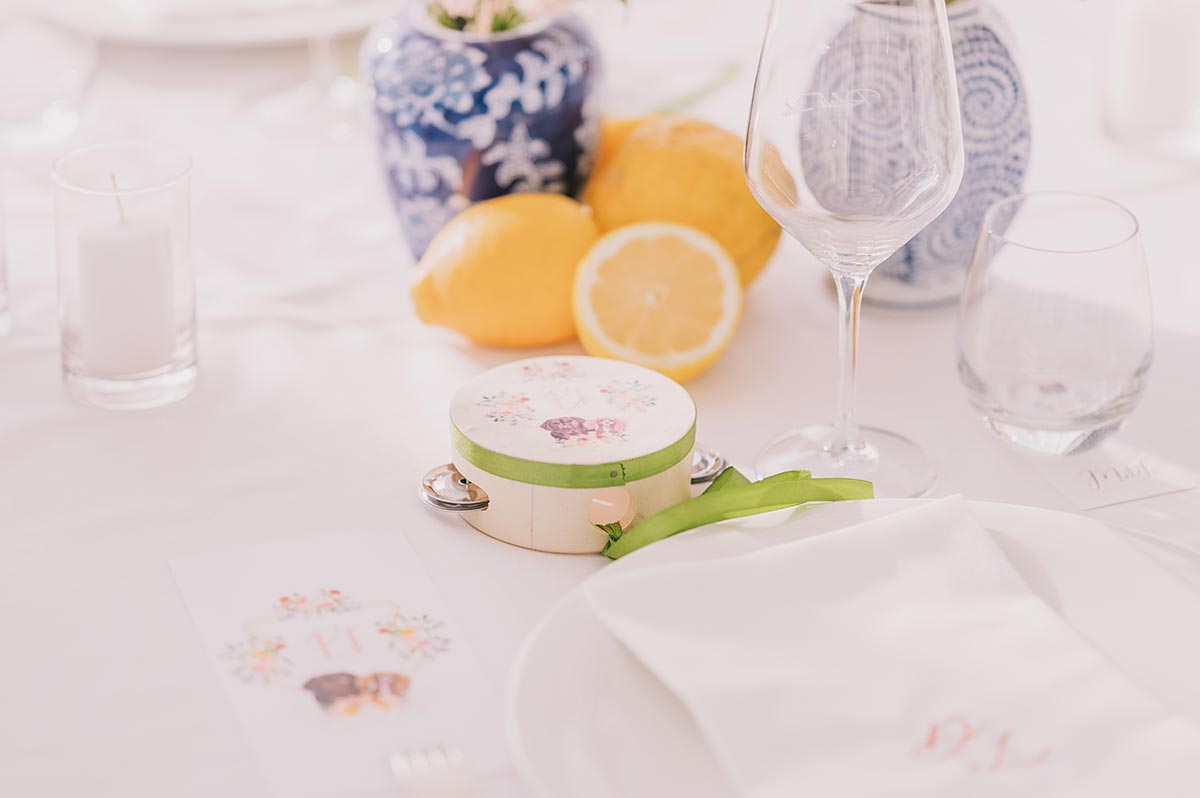
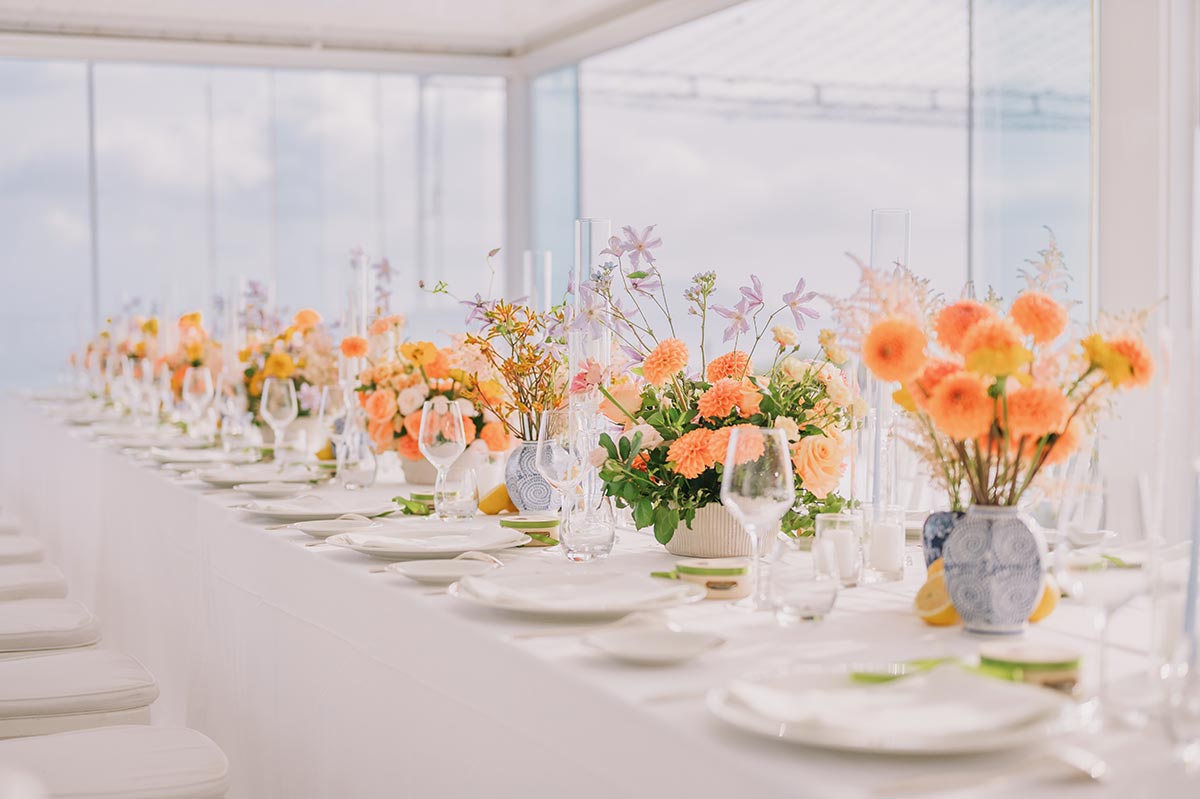
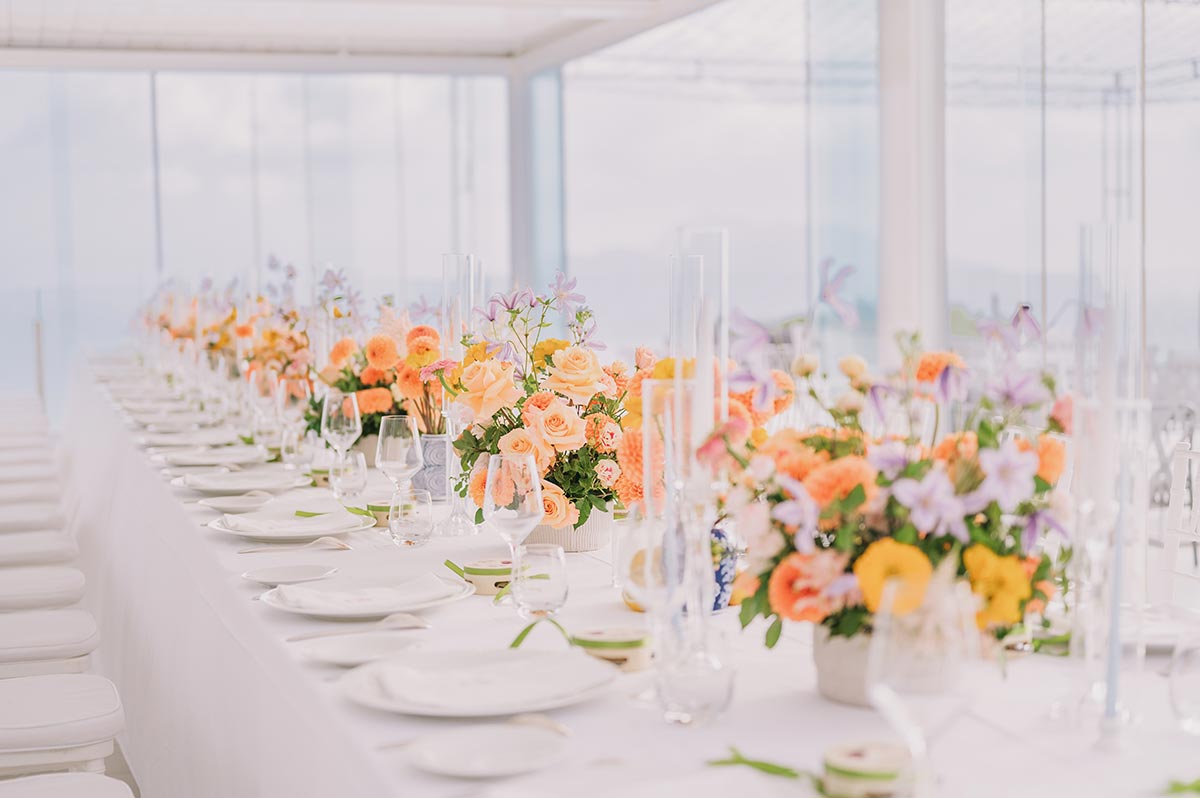
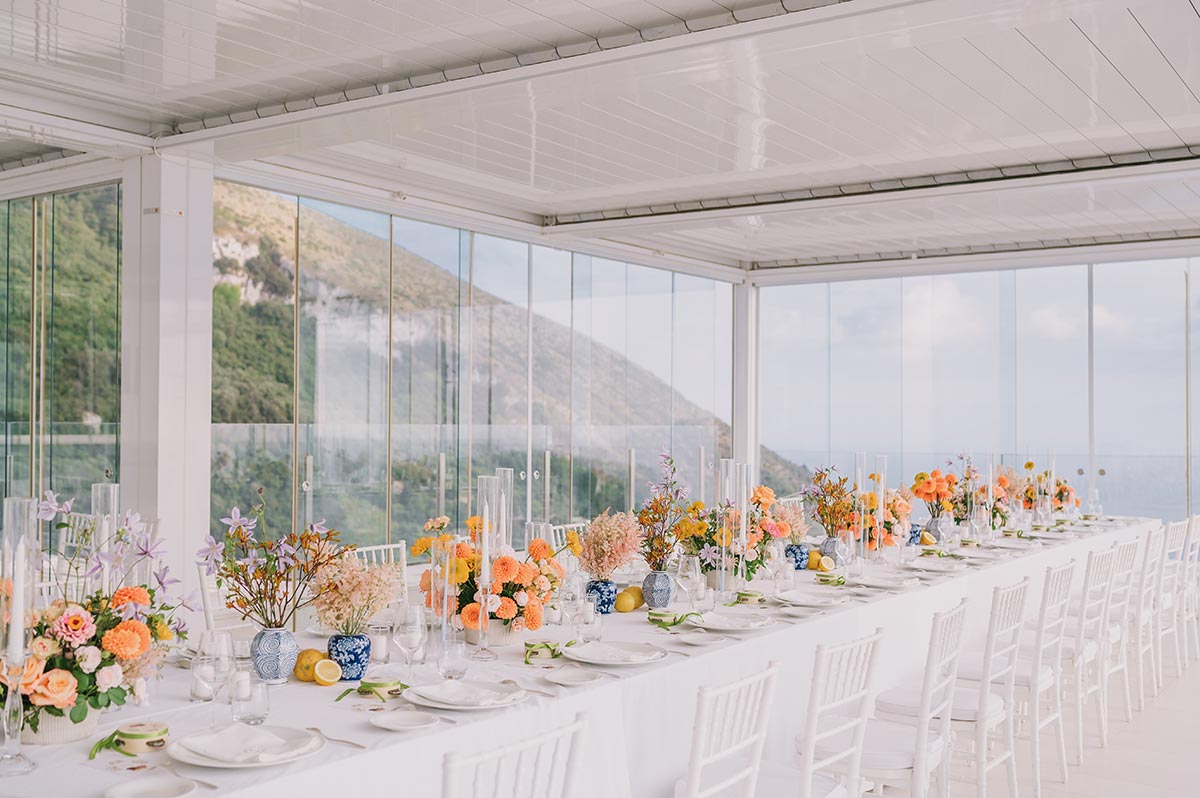

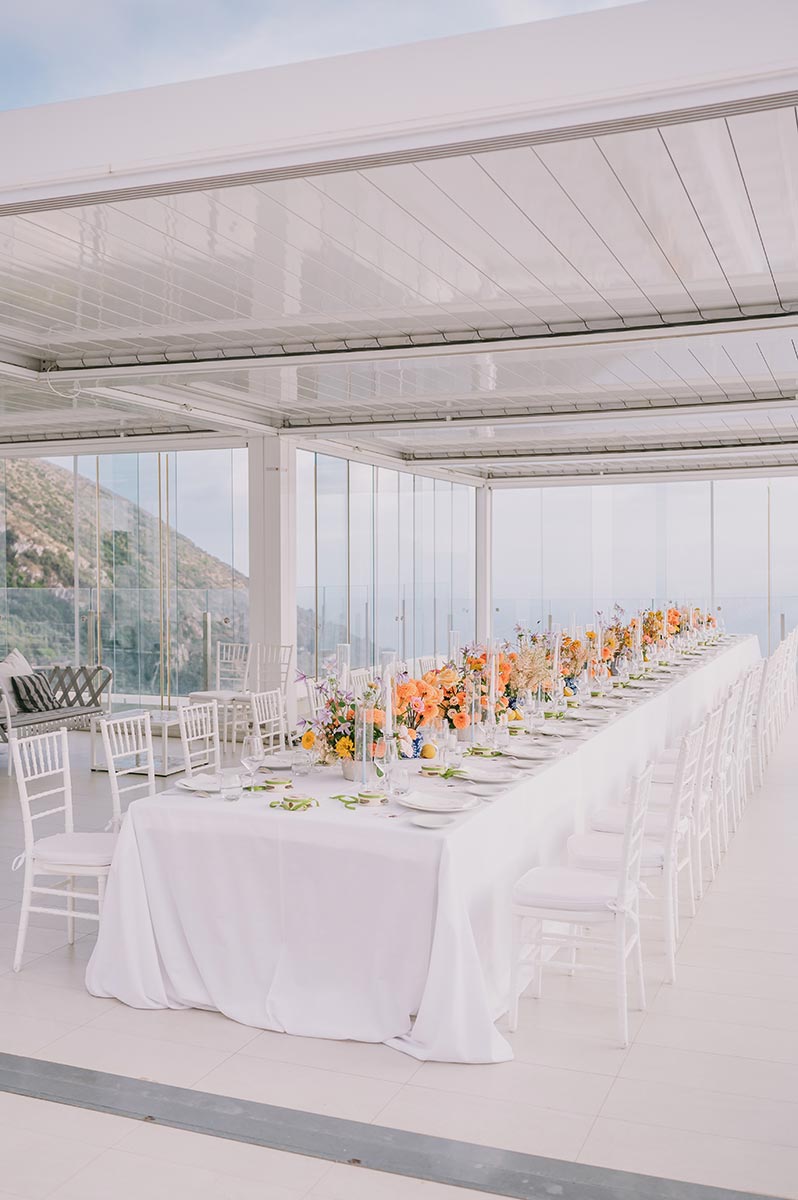

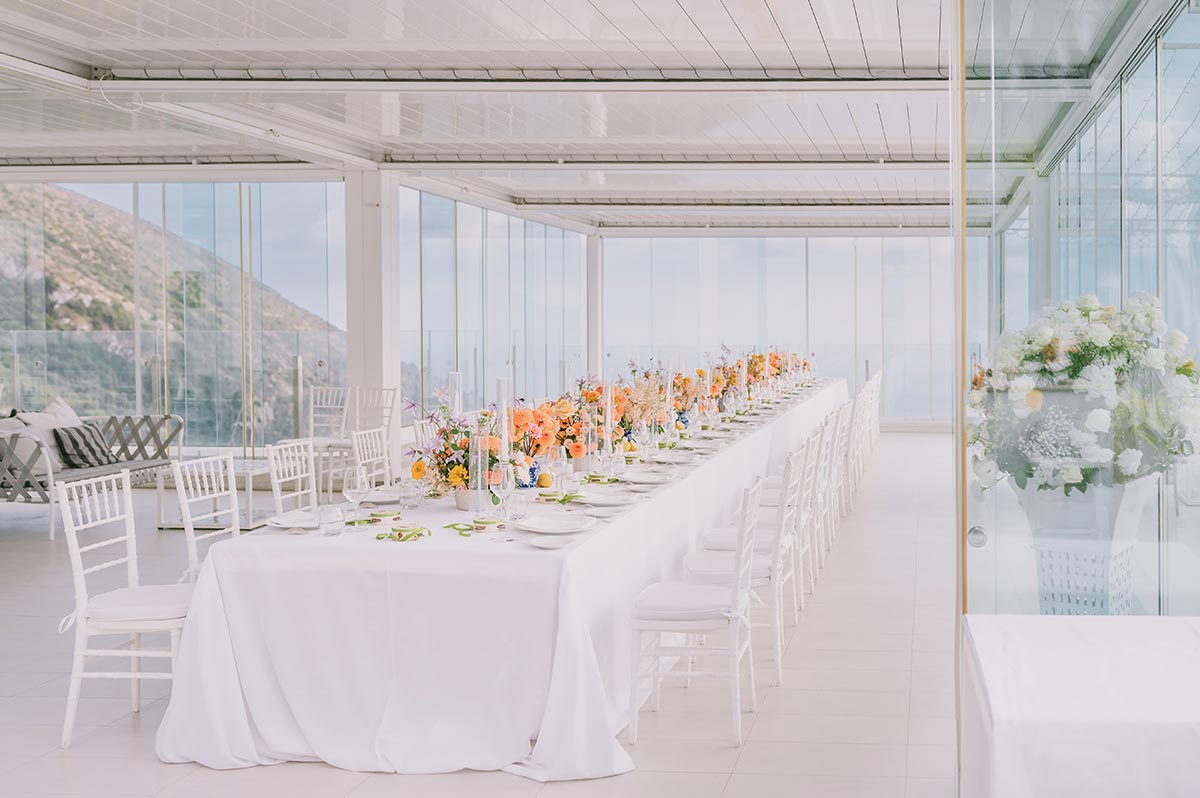
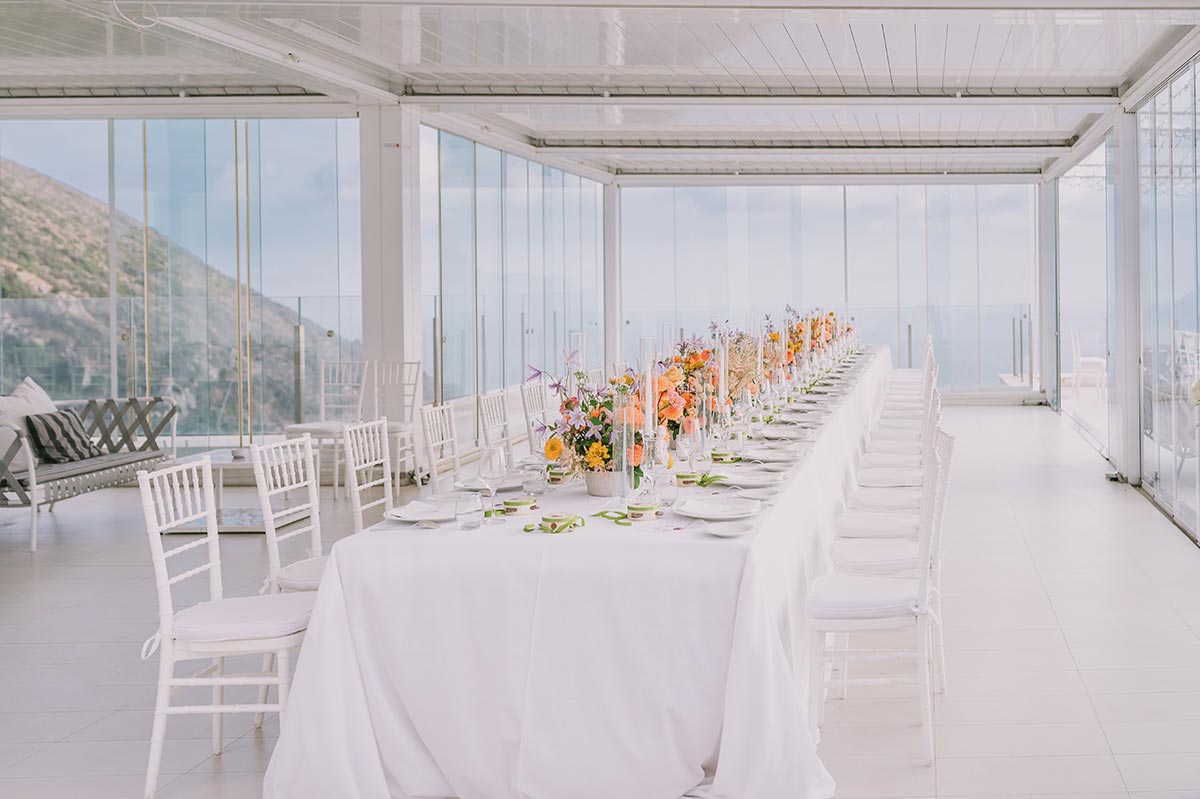
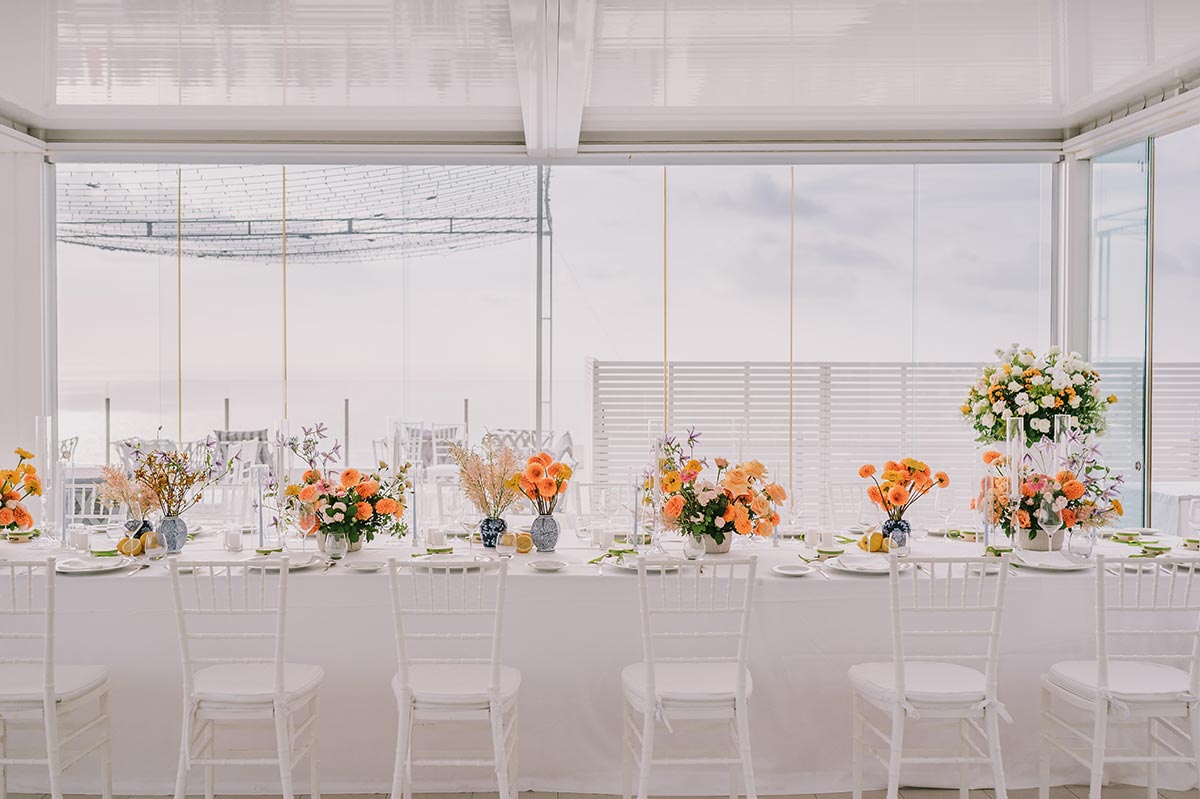

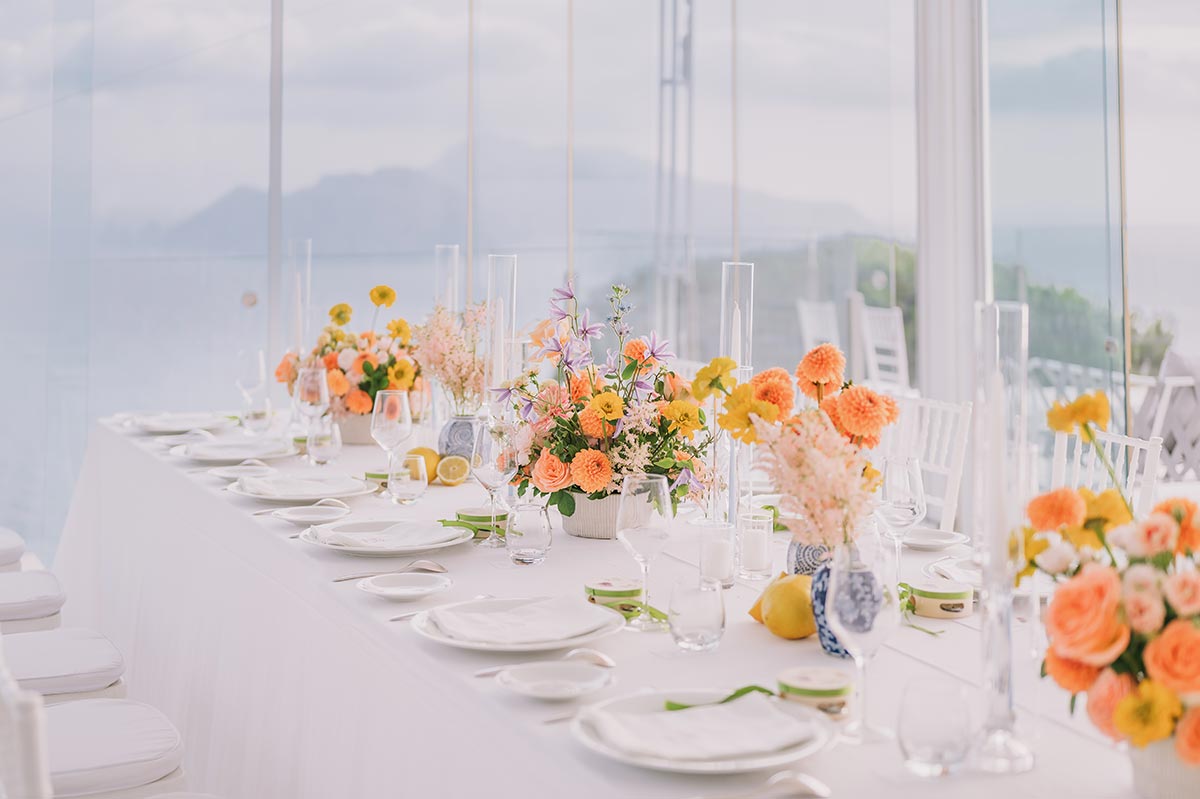

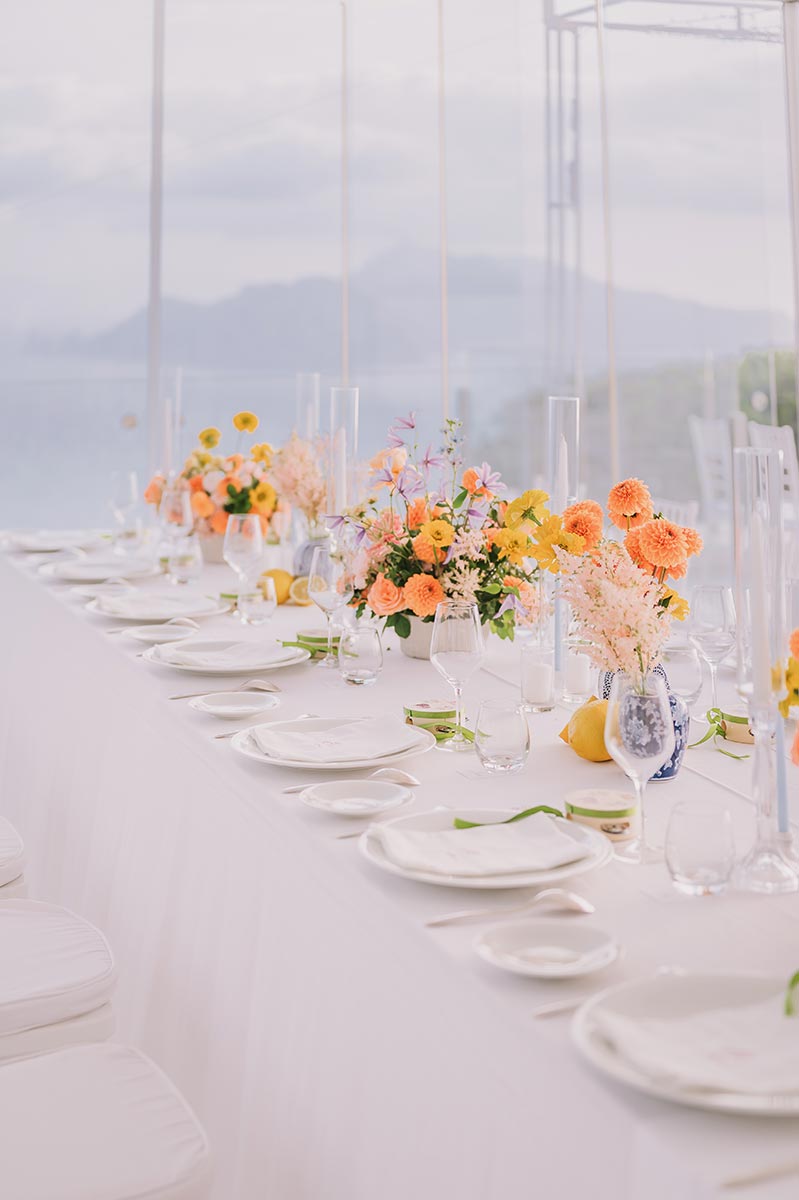
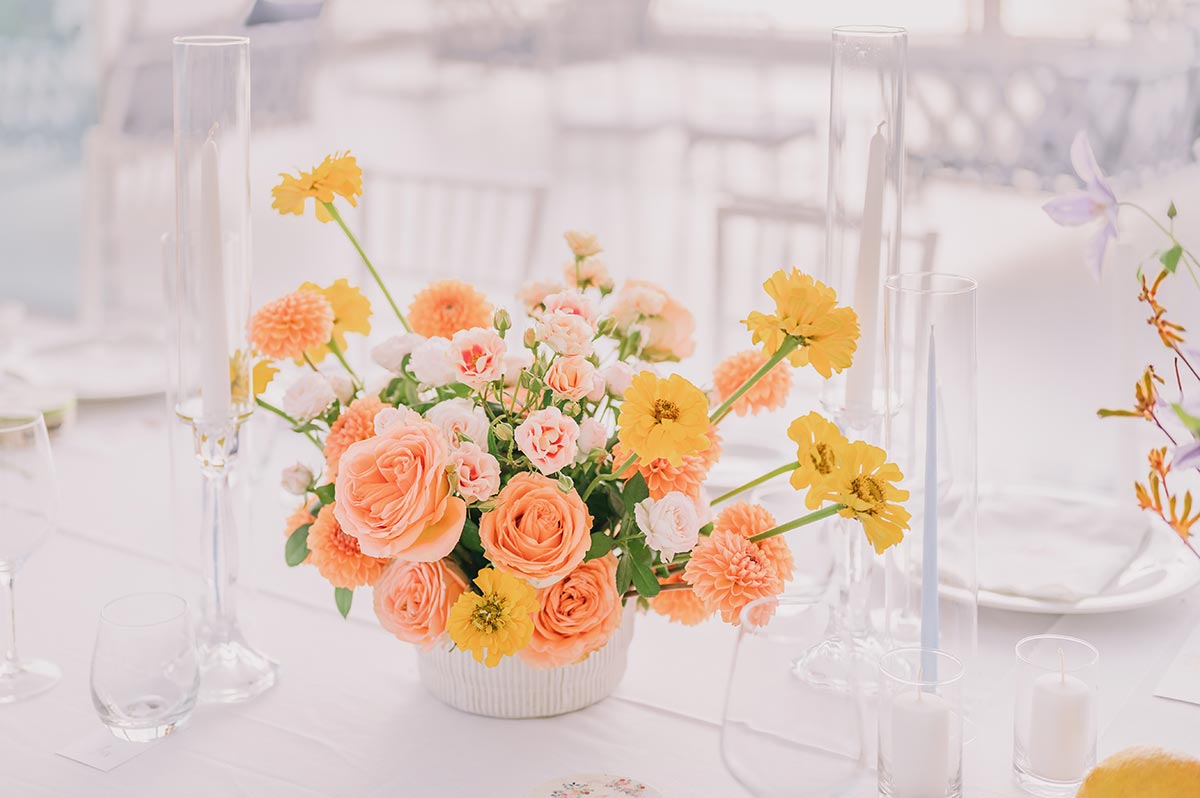
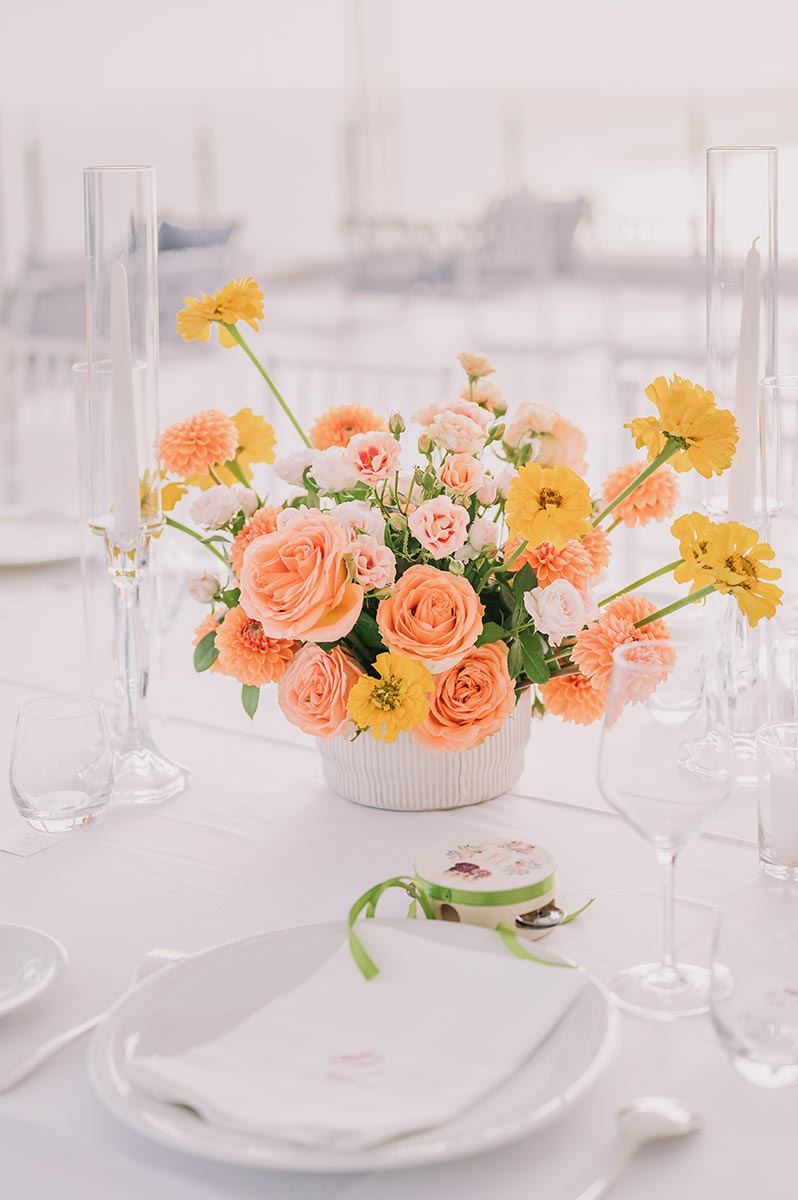
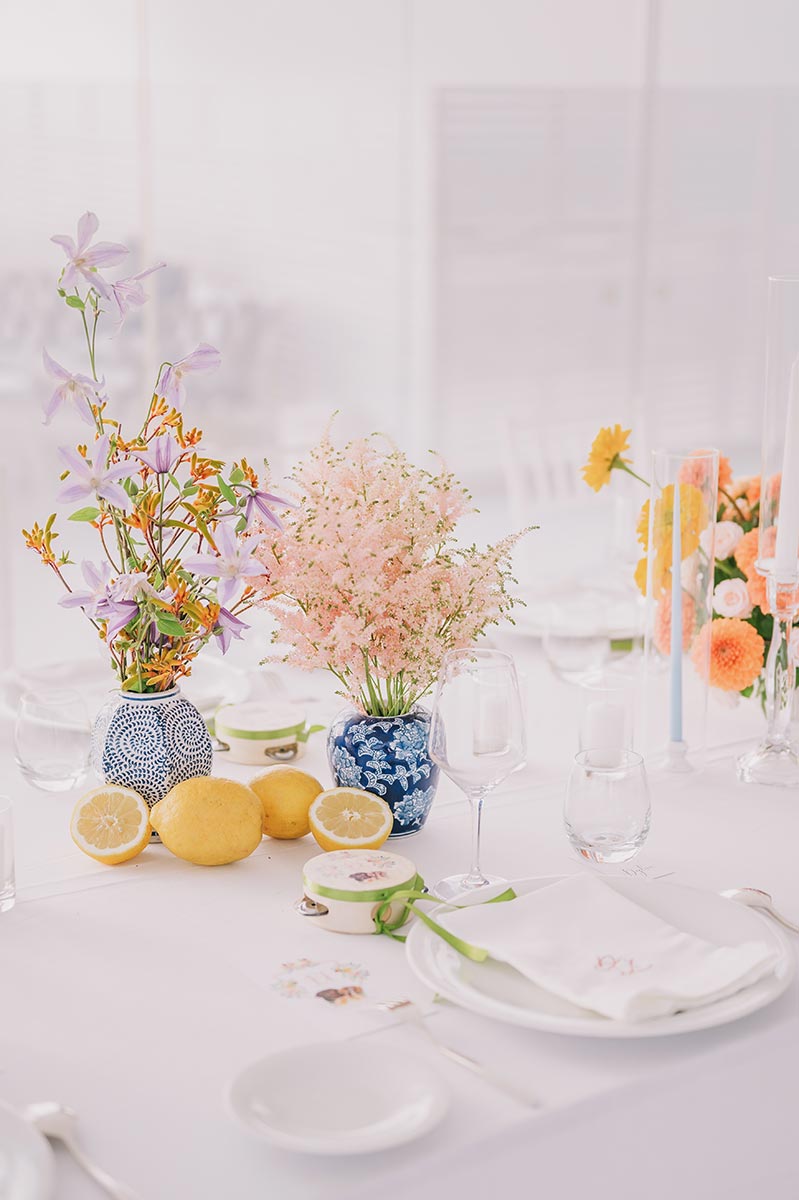

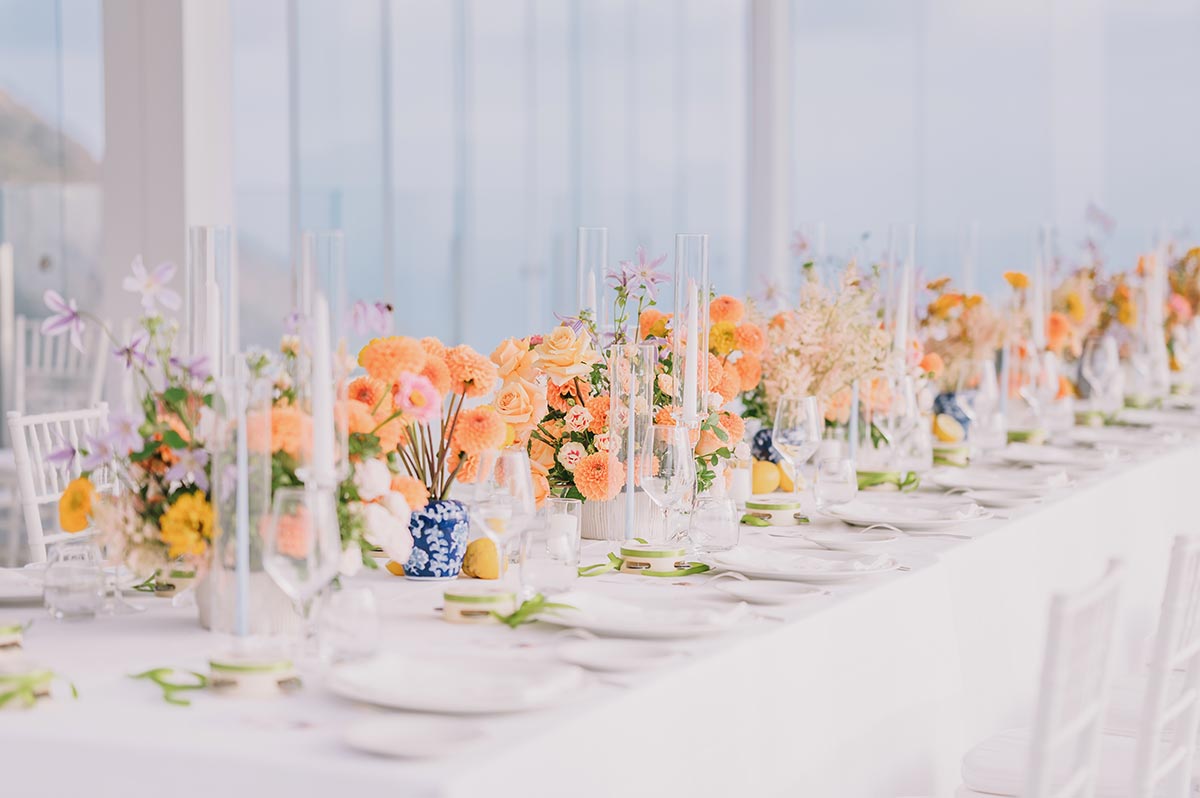
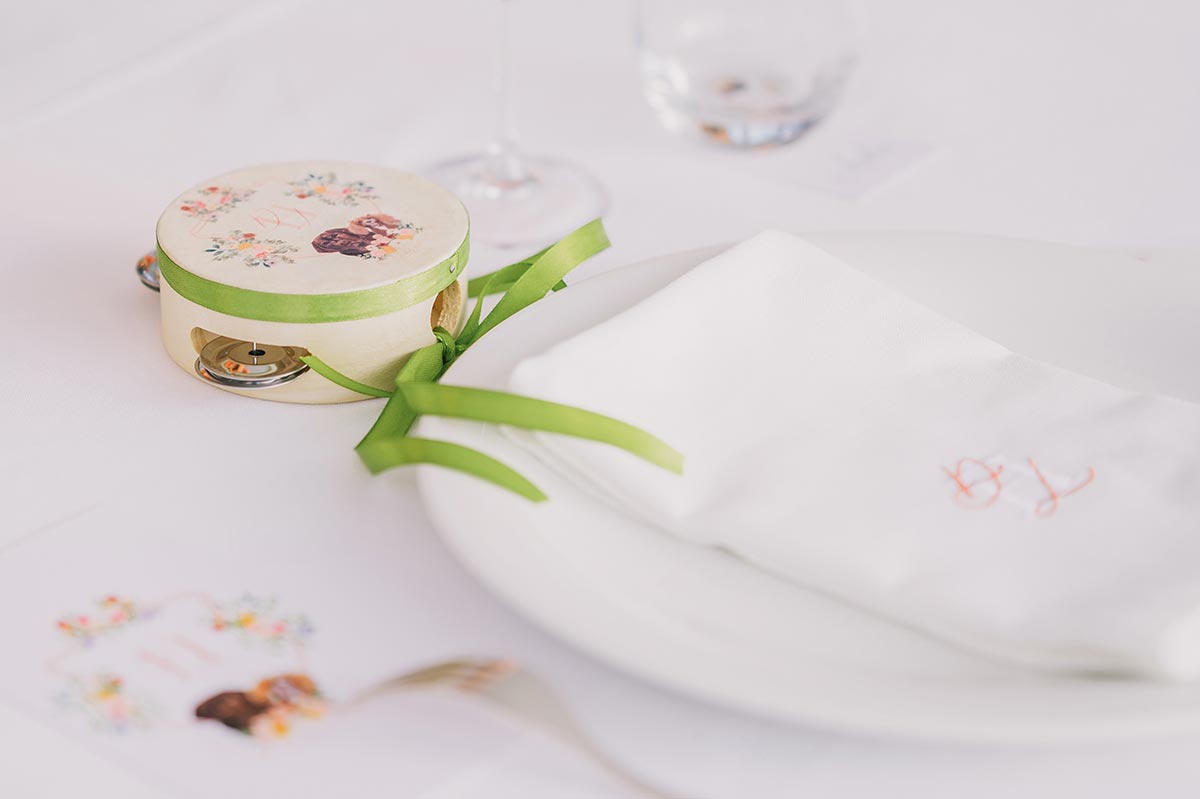
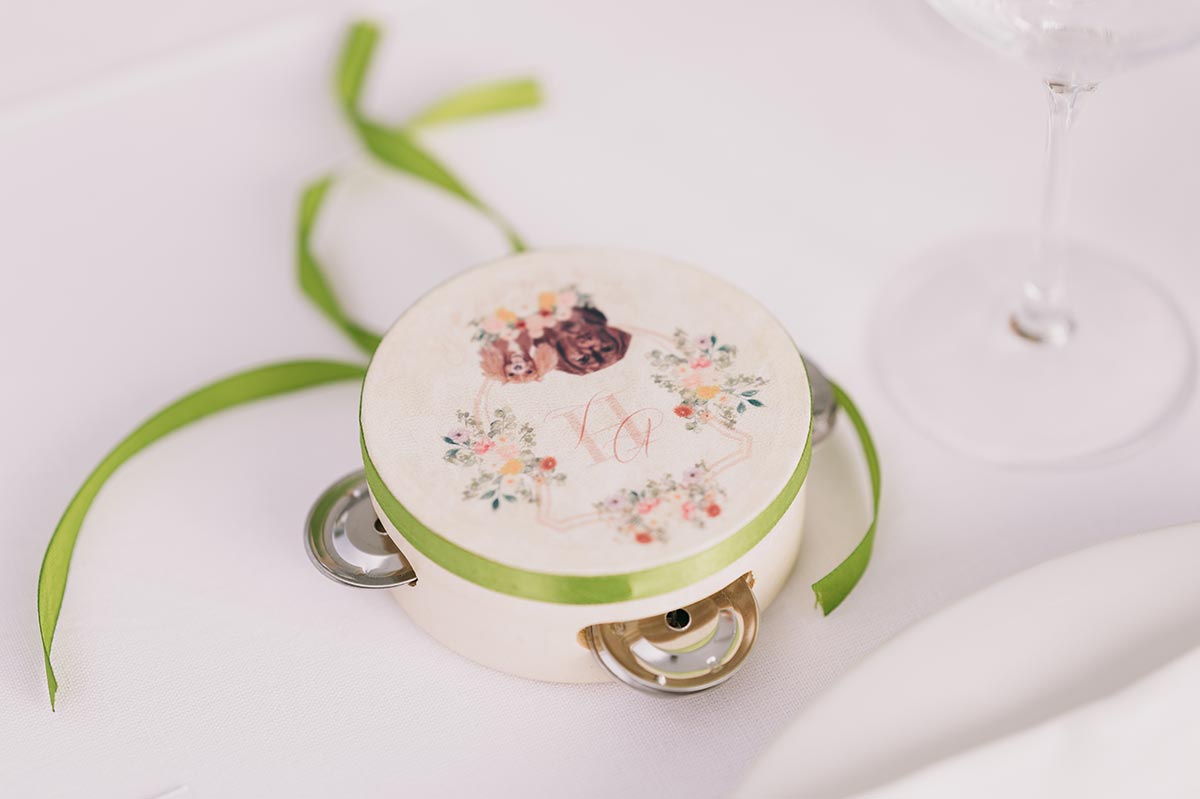

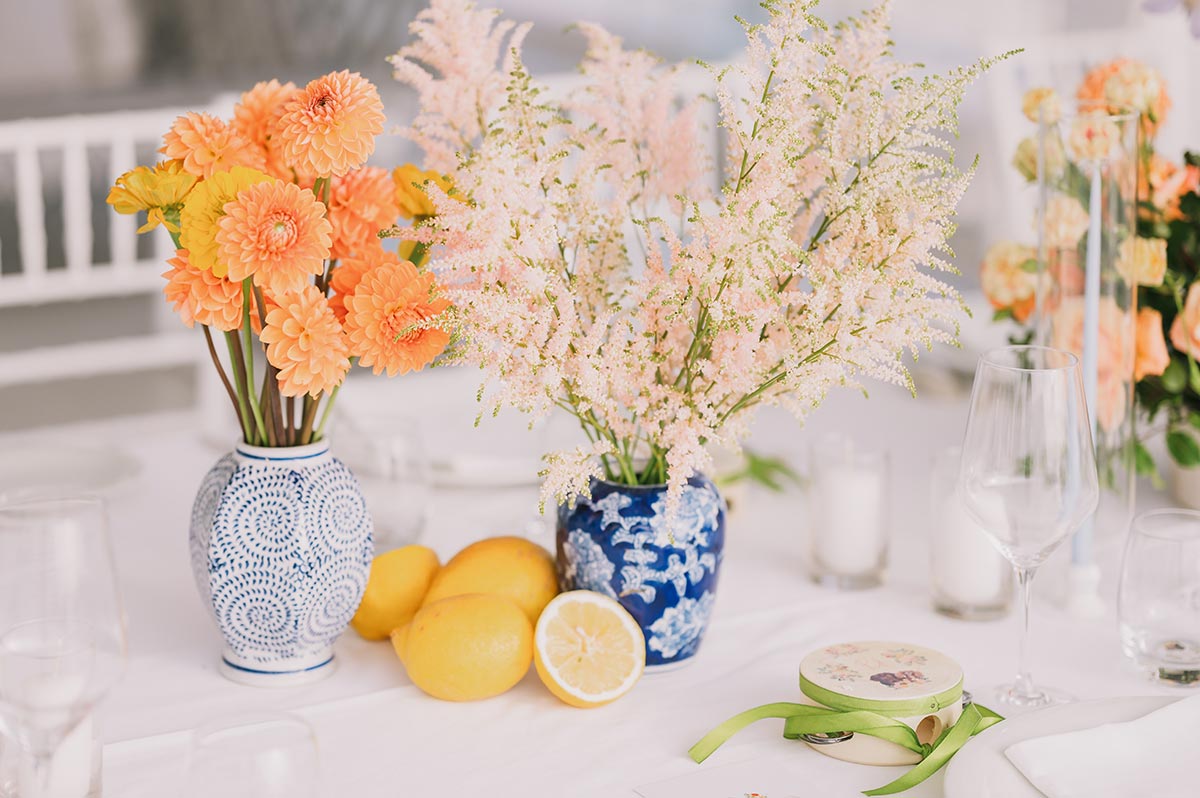
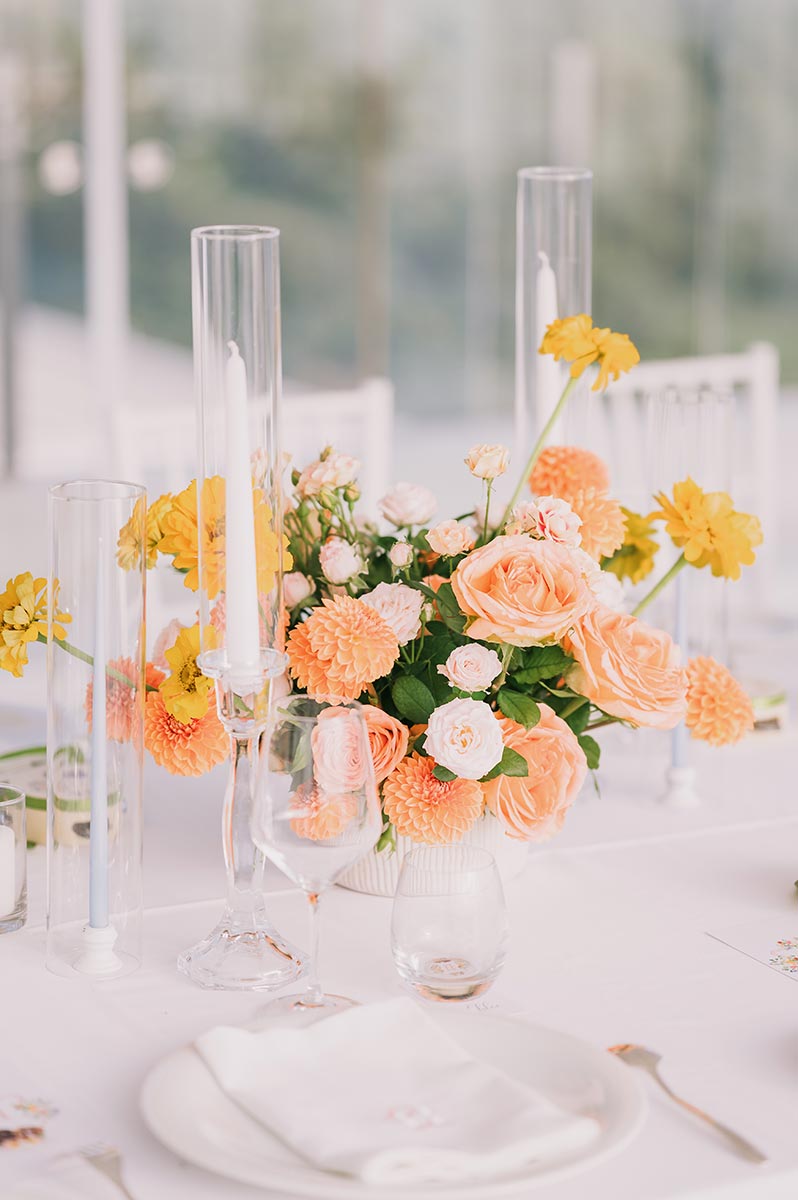

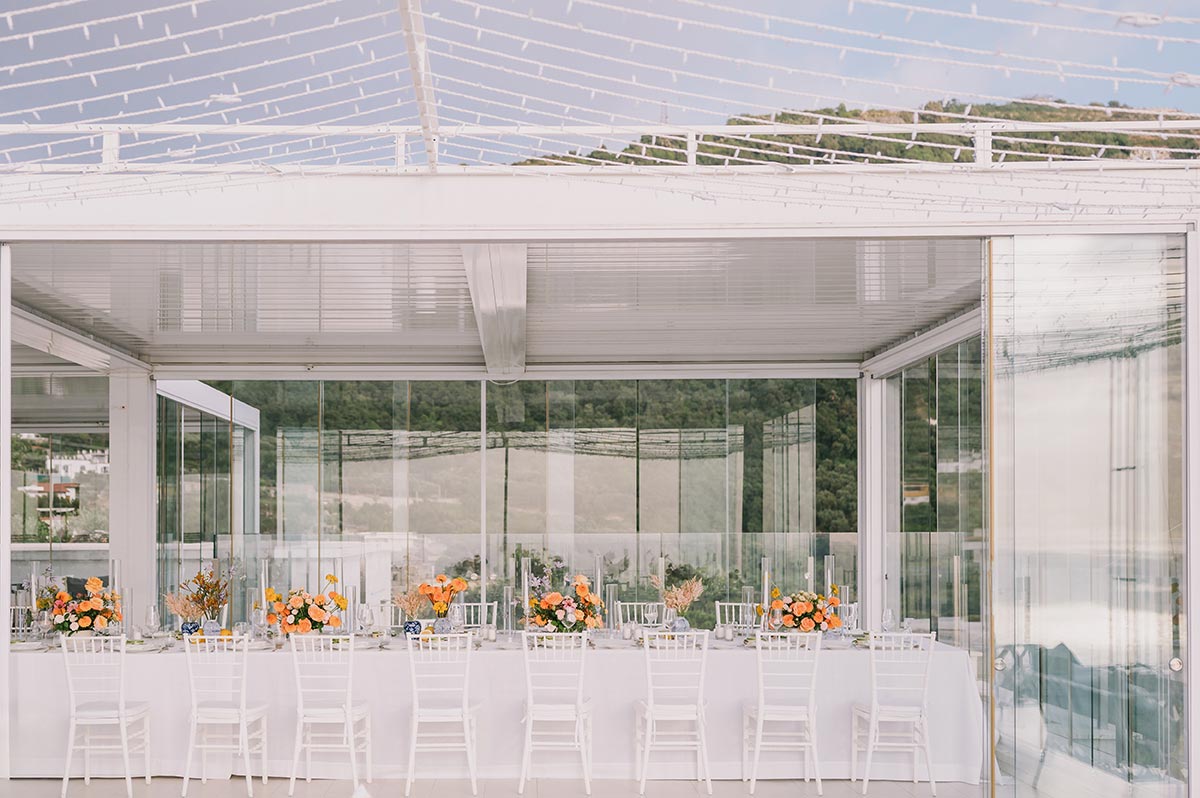
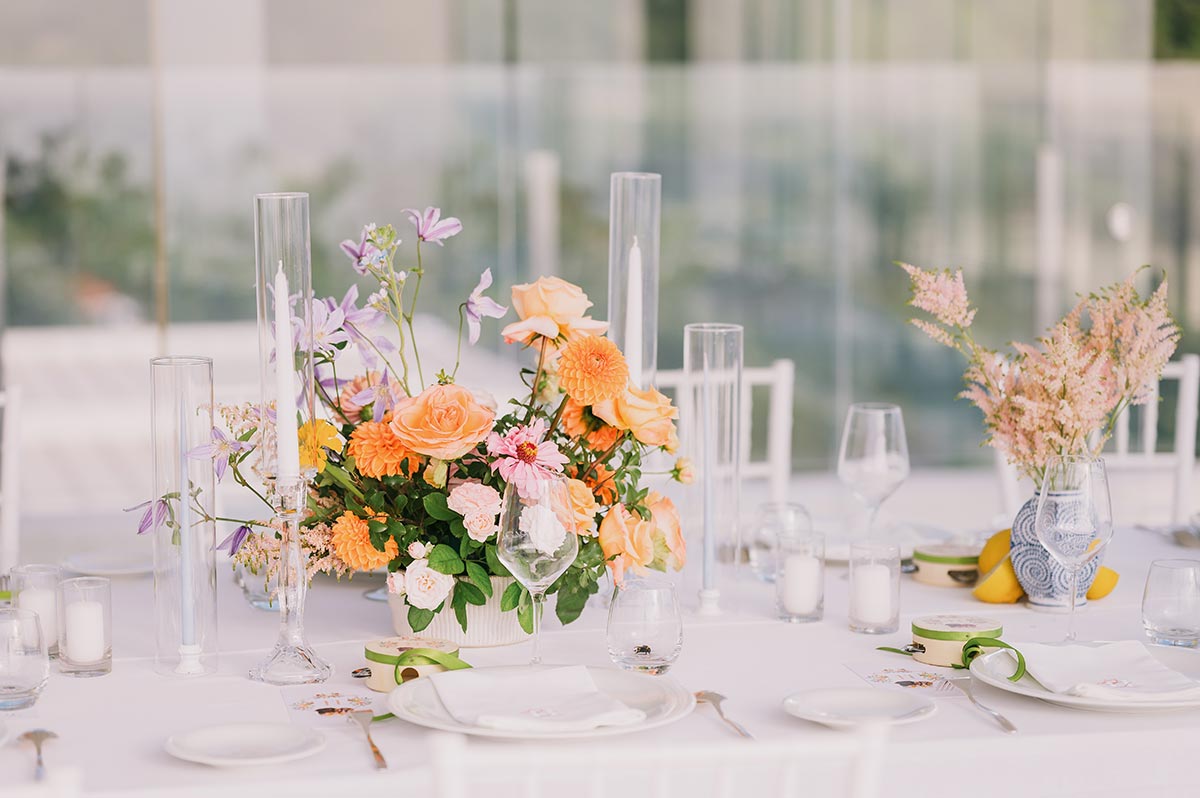
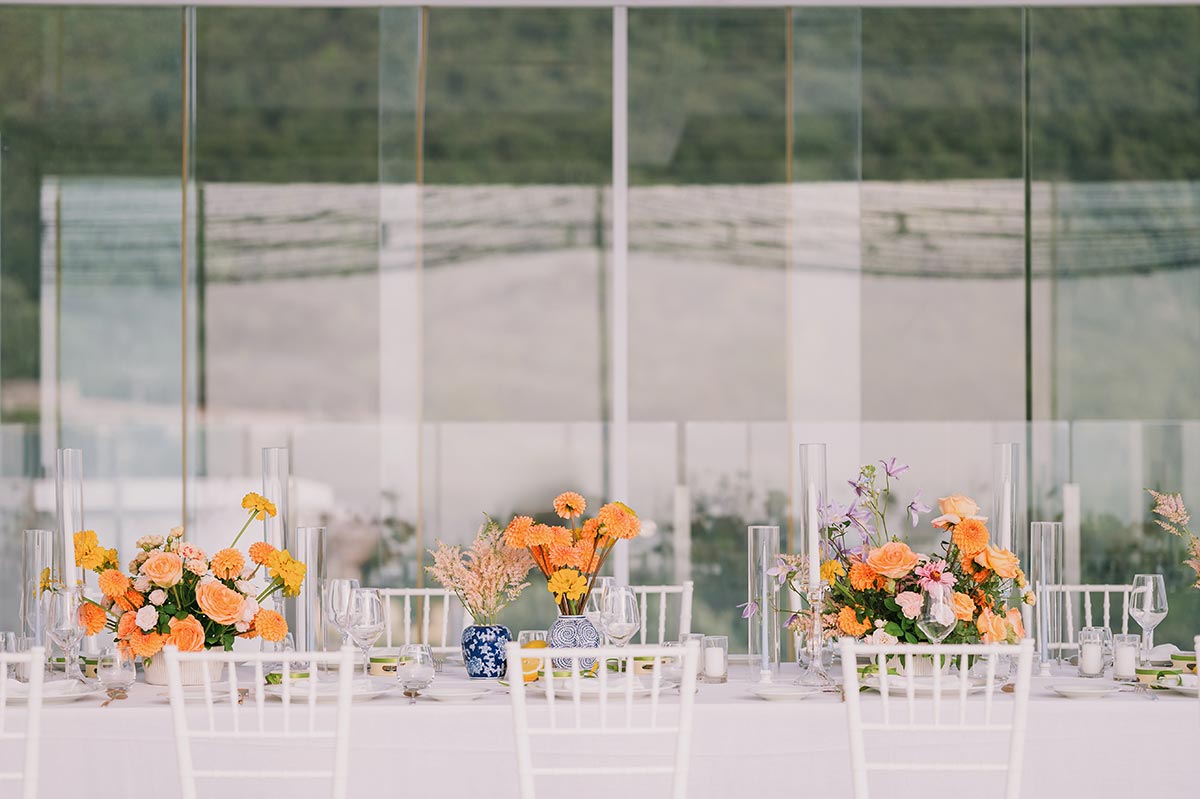
Meet with potential planners, photographers in Sorrento, and caterers to see who you connect with the most. Their expertise can help bring your vision to life while ensuring a seamless experience on your big day.
Don’t forget to communicate openly with each other during this process. It’s easy to get caught up in the details and lose sight of why you’re planning this celebration in the first place. Regularly check in with each other about your feelings, dreams, and any concerns. Remember, this is a journey you’re embarking on together, and collaboration can strengthen your bond.
As the date approaches, consider personal touches that reflect your relationship. Perhaps you can include a favorite song in your ceremony, write heartfelt vows, or create a memory table with photos that tell your love story. These elements will not only make your day more special but also create lasting memories for you and your guests.
Finally, embrace the joy of the planning process. It can be overwhelming at times, but it’s also an opportunity to celebrate your love and the life you’re building together. Remind yourselves to take breaks, enjoy date nights, and focus on the excitement of the future you’ll create as a married couple. After all, the wedding is just one day, but the marriage is a lifetime.
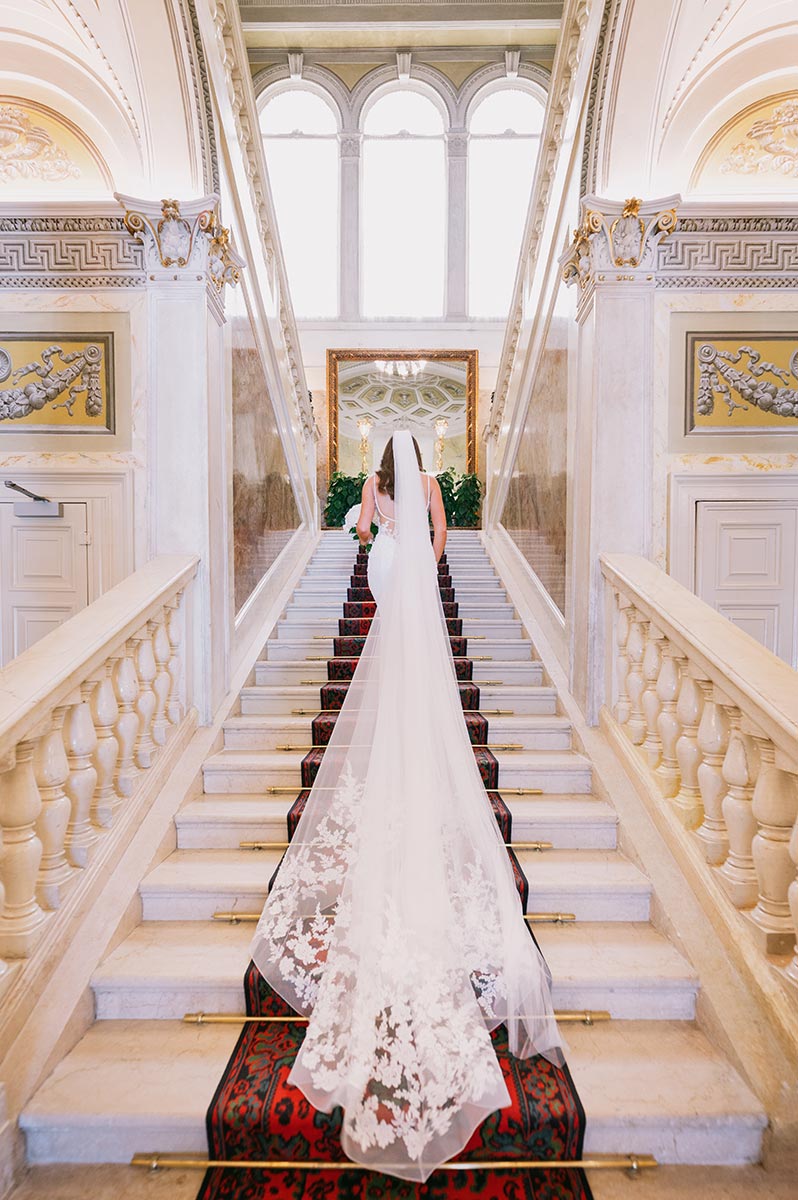
How can a Sorrento wedding planner assist you?
A Sorrento-based planner truly understands the local area inside and out, possessing an in-depth knowledge of its hidden treasures and distinctive spots. Over the years, I’ve forged strong and lasting relationships with florists, caterers, and venue owners, which enables me to provide you with the best recommendations tailored to your specific needs.
This local expertise not only saves you from guesswork but also ensures that every detail is seamlessly executed. I’ve often helped couples find unexpected gems for their rehearsal dinners or unique transportation options, like classic Italian cars, that they wouldn’t have discovered otherwise, adding a personal touch to their special day.
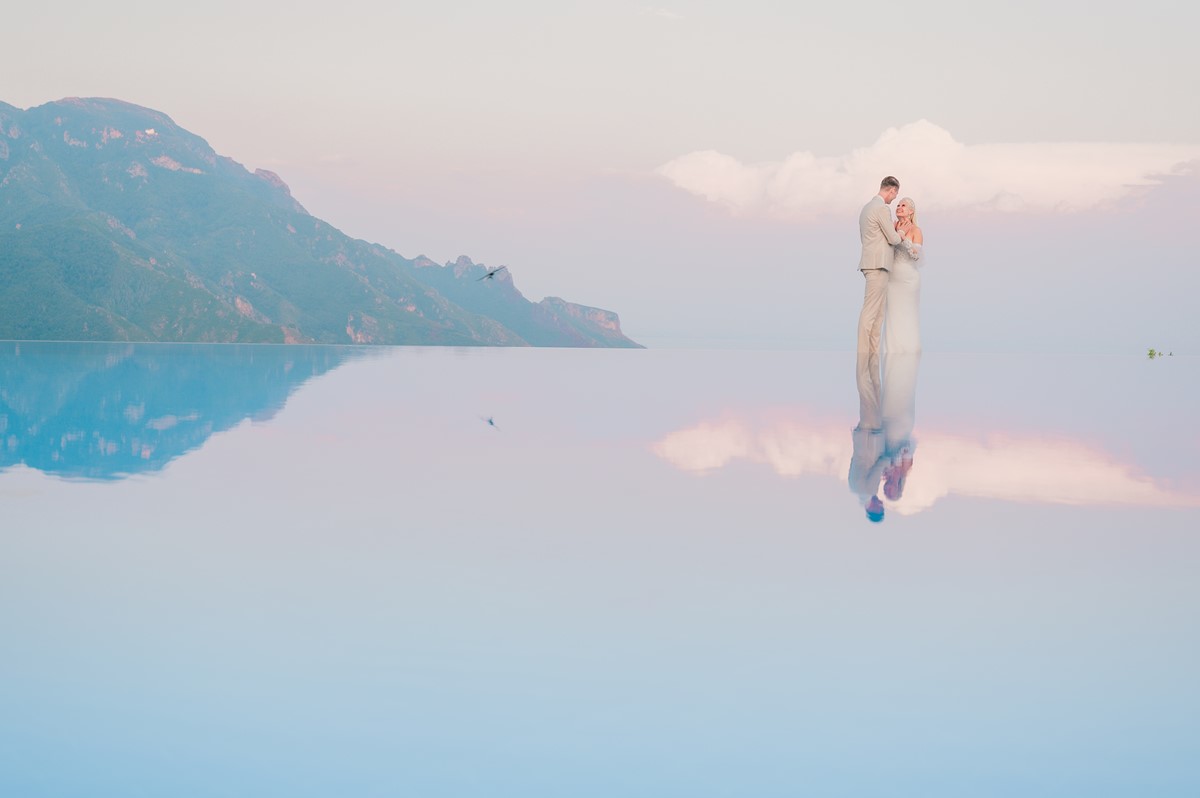
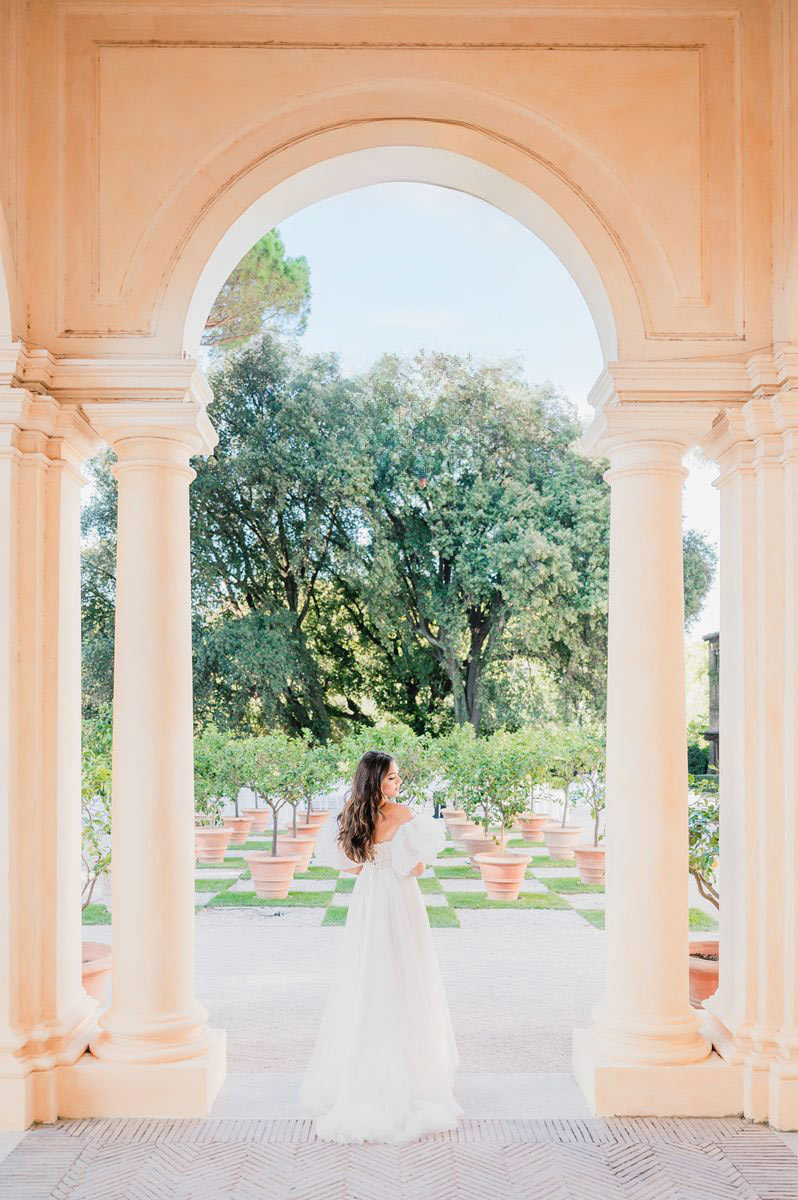
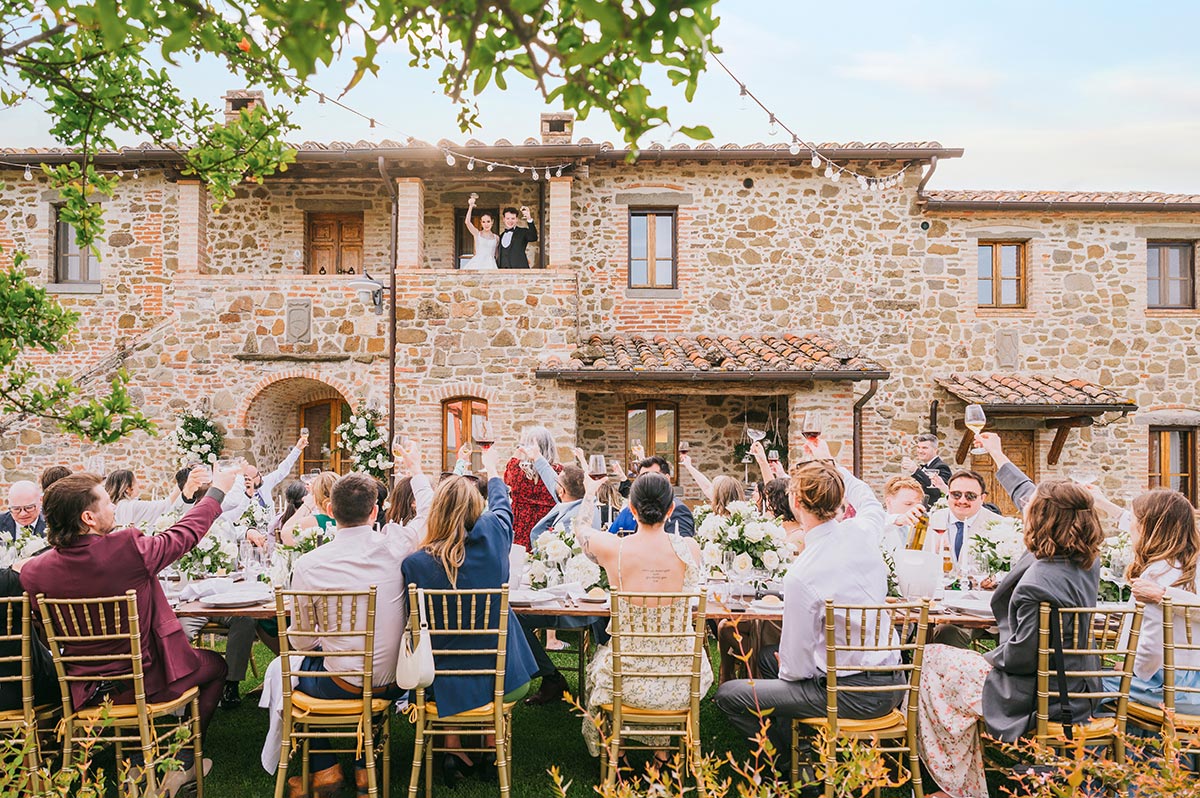

Furthermore, my connections allow me to negotiate better deals and access exclusive services, enhancing the overall planning experience. When you work with me, you gain not just a planner but a dedicated advocate who is genuinely passionate about making your vision a reality.
What key elements should you consider for your wedding day?
Location, logistics, and guest comfort. I encourage couples to think about how their guests will get around, where they’ll stay, and the kind of ambiance they want. It’s not just about saying “I do”; it’s about ensuring everyone feels part of the celebration. From seating arrangements to the flow of the reception, every element counts toward a seamless wedding day.

Choosing the Perfect Venue for Your Wedding in Sorrento
Choosing the perfect venue for your destination wedding in Sorrento is an exciting journey that can turn your dream wedding in Italy into a reality. With the help of an Italy wedding planner who has great knowledge of Sorrento, you can explore stunning locations that will make your ceremony and reception truly unforgettable. Every couple desires a memorable wedding, and the right venue can bespeak your unique love story and style.
As you focus on planning your dream wedding, consider venues that cater to every wedding need, from breathtaking coastal views to enchanting gardens. An experienced planner can help us to curate a personalized wedding that reflects the couple’s vision. With their years of expertise, they are committed to delivering a seamless experience, ensuring that your special day is just as you imagined. Thank you for making our dreams come true, as you guide us to get married in Italy and turn our dreams into reality.
What are the best wedding venues in Sorrento?
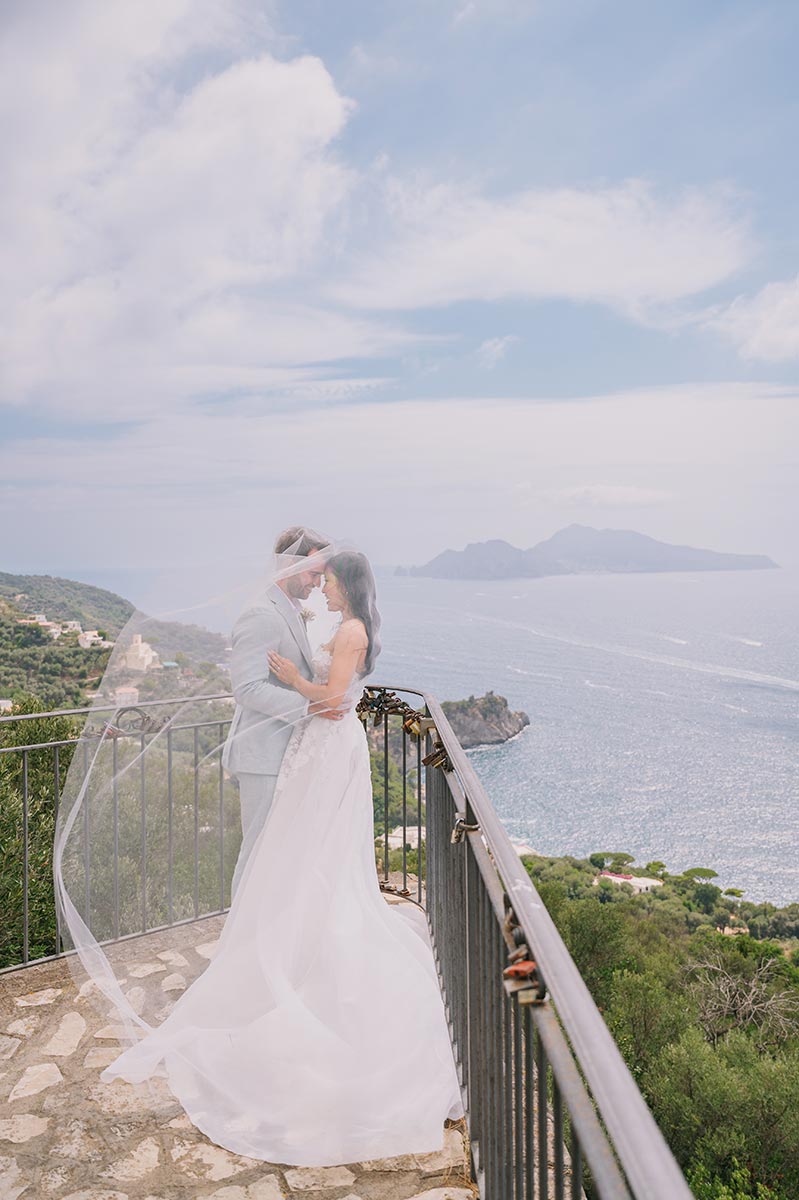
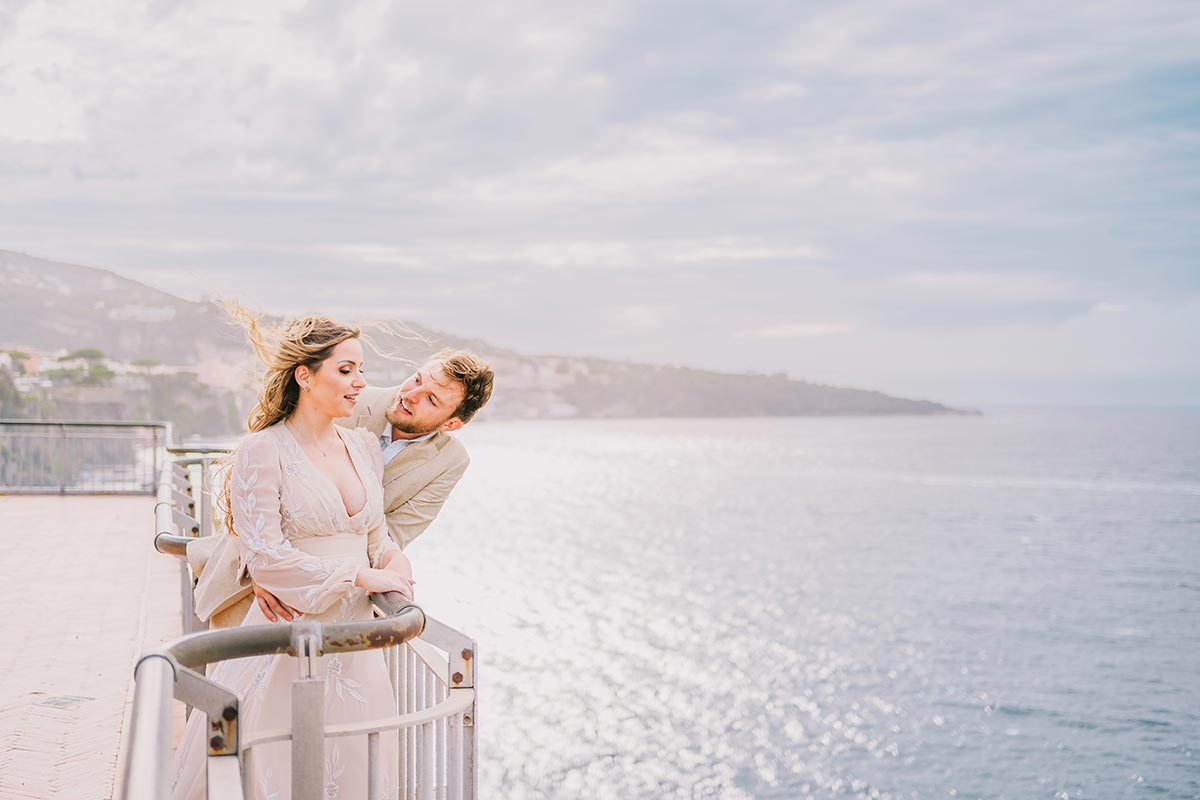
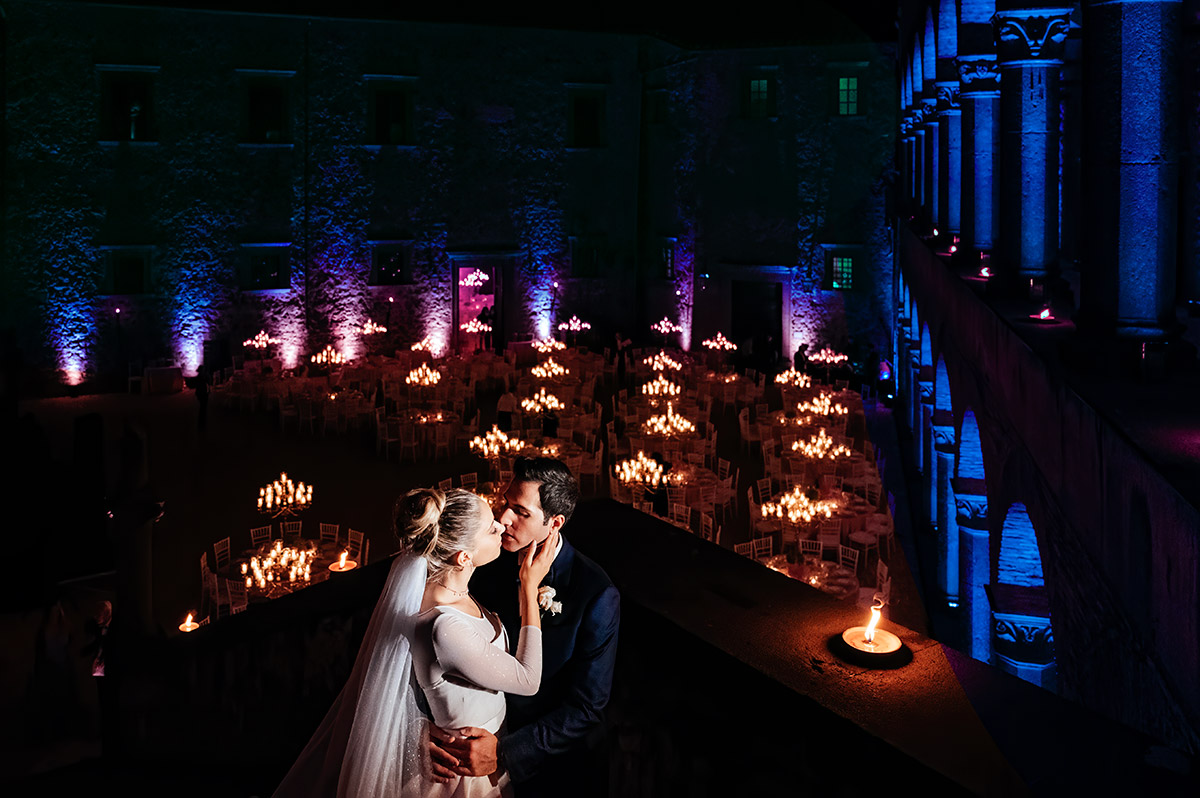
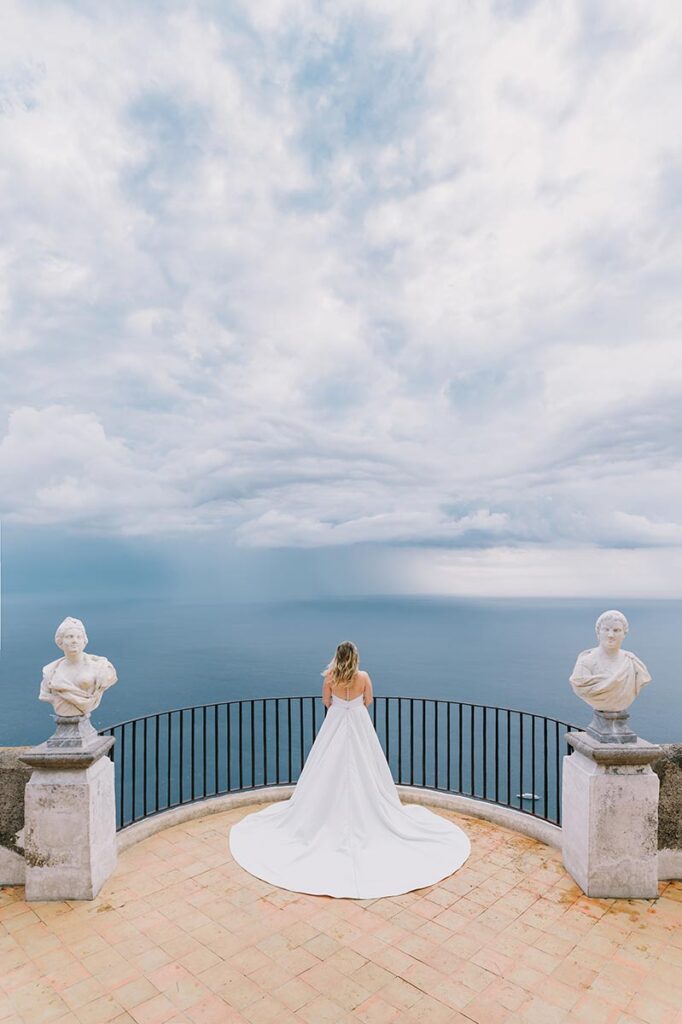
Sorrento is rich with amazing spots. Some couples choose a terrace overlooking the Bay of Naples, while others want a classic hotel with a timeless design. I’ve photographed weddings in both grand ballrooms and tucked-away gardens. Each venue tells a different story, so it’s all about matching the couple’s style to the location’s character. Whether it’s the vibrant colors of a sunset casting a warm glow over the Amalfi Coast or the intimate ambiance of a candlelit courtyard, Sorrento offers a plethora of options that cater to diverse tastes.
The scent of blooming bougainvillea fills the air, creating a romantic backdrop that enhances every moment captured through my lens.
One of my favorite locations is the charming Villa Comunale, where lush greenery meets stunning sea views. Couples often choose this spot for their first look, surrounded by the rustling leaves and gentle waves, making for an unforgettable and candid exchange of emotions.
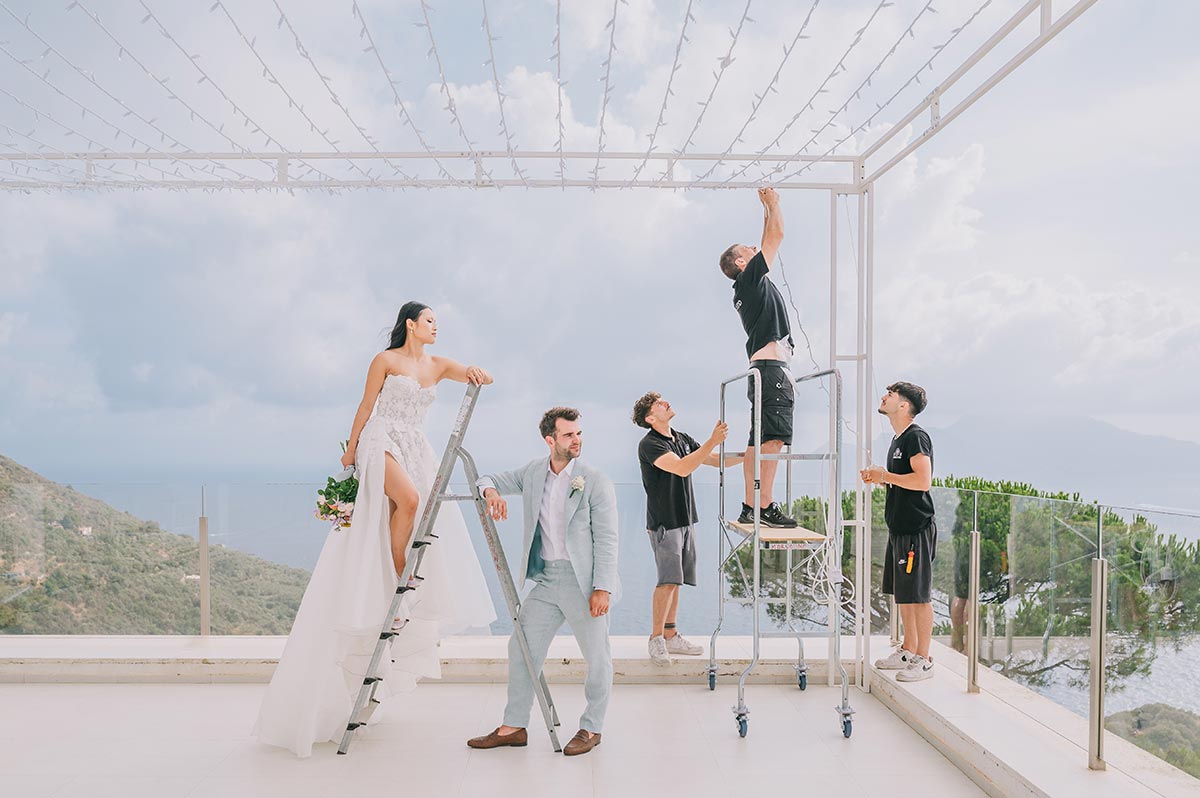
The nearby cliffs provide a breathtaking vantage point, allowing for dramatic photographs that exude passion and adventure.
For those seeking a modern twist, sleek rooftop bars with panoramic views are becoming increasingly popular. Imagine saying “I do” as the sun dips below the horizon, painting the sky in hues of orange and pink, while the city lights begin to twinkle. These contemporary spaces allow for a blend of elegance and excitement, perfect for couples who want a celebration that feels both chic and personal.
As I guide couples through their day, I encourage them to embrace the unique charm of Sorrento. The cobblestone streets, adorned with vibrant local shops and cafés, provide a perfect backdrop for candid shots that reflect the couple’s personality. Whether it’s sharing a gelato or dancing in the streets, these moments become treasured memories that are as beautiful as the scenery.
Ultimately, what makes Sorrento so special is its ability to cater to every couple’s vision. Each wedding unfolds like a storybook, where the couple’s love shines against the breathtaking landscape. It’s a privilege to witness and capture these incredible moments, ensuring that the essence of their special day is preserved forever.
How do you select a luxury wedding venue on the Amalfi Coast?
Luxury often means exclusivity and attention to detail. When I help couples search for a premium venue, I look for places with dedicated staff and stunning settings. A location that can offer a top-notch menu, an elegant space for dancing, and top-tier service is essential. Luxury also means convenience. Guests should feel relaxed, and the couple should enjoy a stress-free celebration.
What makes a villa an ideal wedding venue in Italy?
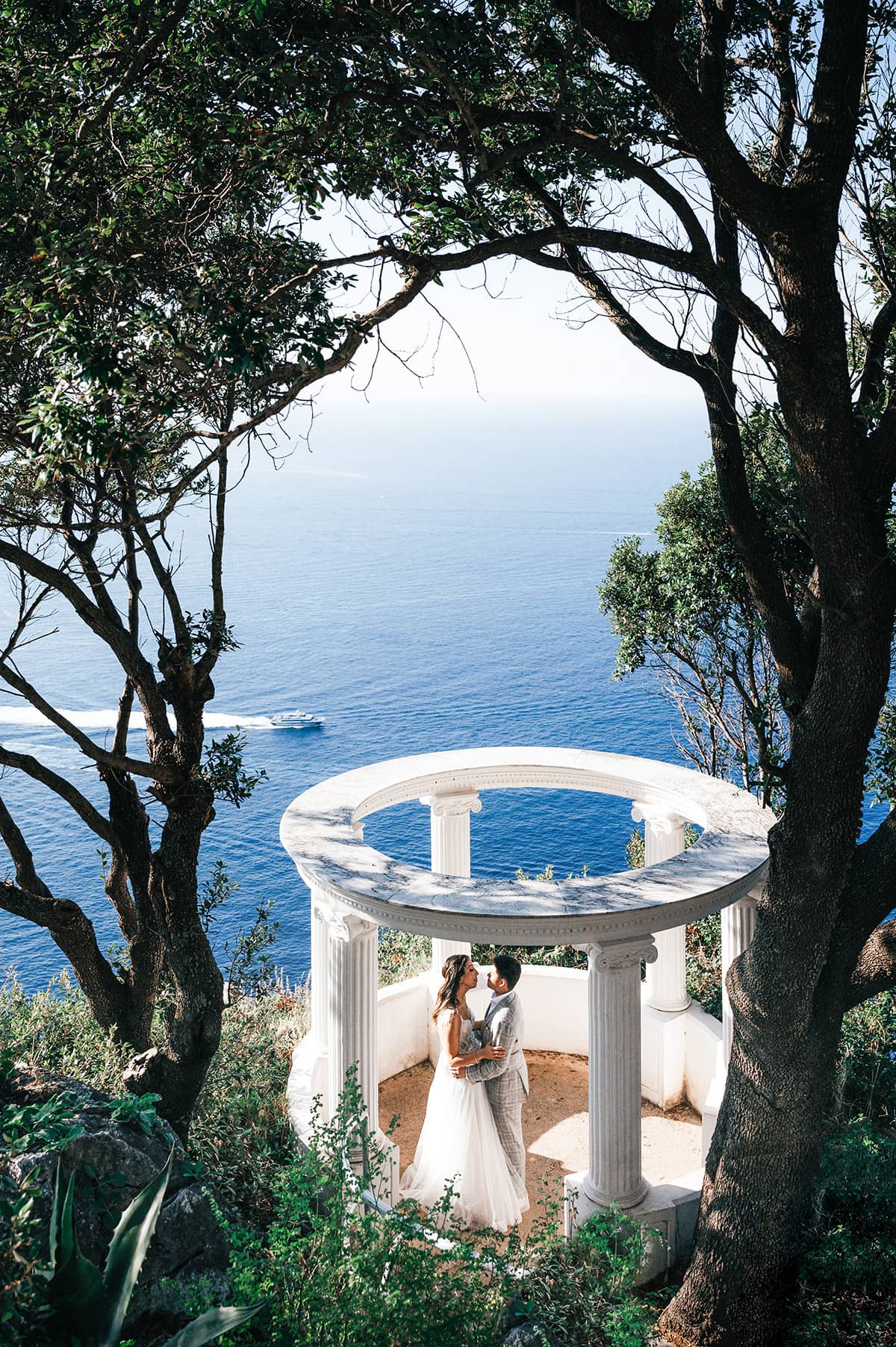
Villas in Italy have a certain charm. They combine old-world architecture with modern comforts. I love how villas provide privacy, giving you a sense of home while still offering all the amenities you need. Many villas in Sorrento have spacious gardens, panoramic views, and that authentic Italian flair. It feels personal, and that’s what many couples crave for their big day.
Why Choose Sorrento for Your Destination Wedding?
Choosing Sorrento for your destination wedding is a decision that promises to create lifelong memories for you and your guests. With its stunning venues and breathtaking views, it is the perfect backdrop for a symbolic wedding. From the moment you start dreaming of your perfect day, the local planning services make it a stress-free experience. They take care of every detail, ensuring that every bride and groom’s unique vision is brought to life.
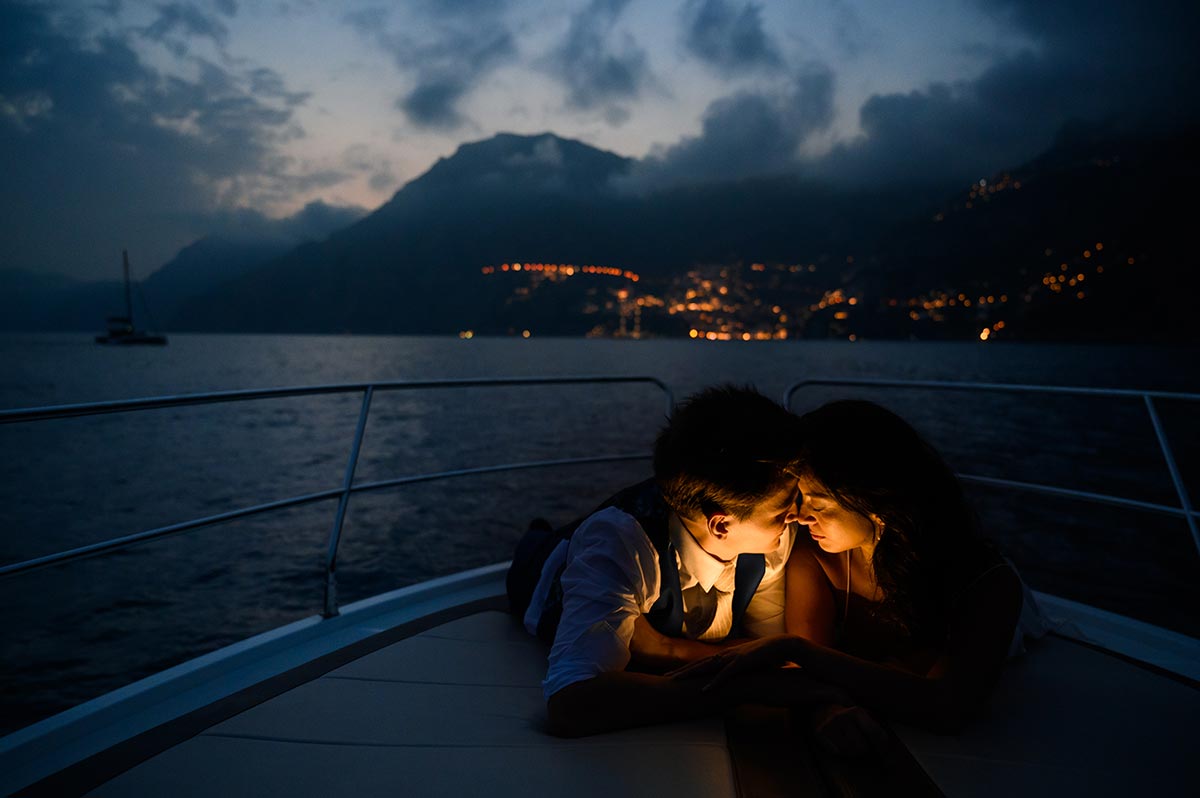
Couples from around the world are drawn to Sorrento for its exclusive venues and floral design that can be tailored to fit your style. Whether you seek a romantic outdoor ceremony or an elegant reception venue, the options are completely unique and truly reflect your love story. With the challenges of the pandemic behind us, now is the time to celebrate your love in a place that enables us to create a truly memorable day of our lives, free from language barriers and filled with joy.
What are the unique features of Sorrento for weddings?
Sorrento combines coastal beauty with local culture. The city’s historic streets and waterfront views provide a romantic setting for wedding photos. You will feel the warmth of the community. Locals greet you with smiles and great food, displaying a love for celebration. As you stroll through the narrow cobblestone streets, the scent of citrus and sea breeze fills the air. This inviting aroma encourages you to explore hidden gems. Quaint shops show handcrafted ceramics and local limoncello. Busy markets overflow with fresh produce and the catch of the day.
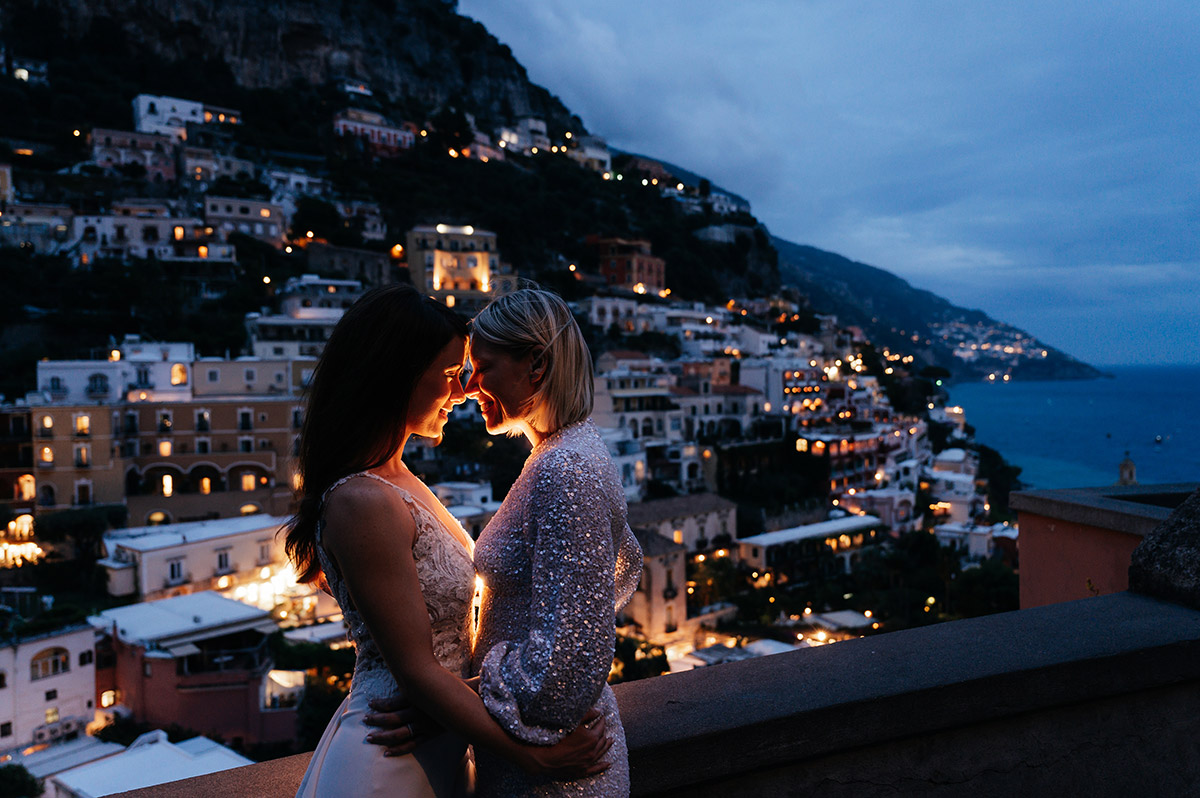
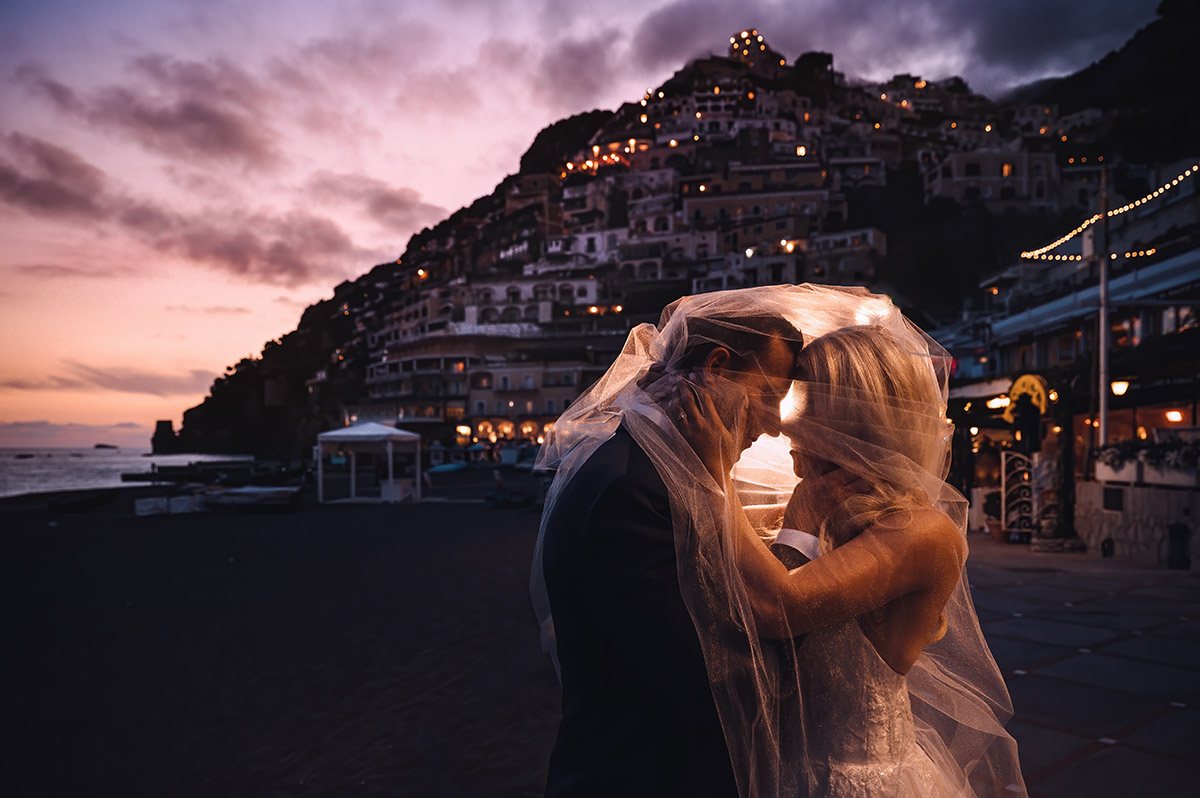
Sorrento’s culinary scene is a sensory delight, with traditional recipes made with passion. Enjoy al fresco dining at a trattoria, where homemade pasta aromas mix with laughter. Each meal highlights local ingredients like sun-ripened tomatoes and fresh fish, often paired with exquisite local wine.
As the sun sets, vibrant sky colors reflect off the tranquil Bay of Naples, creating a stunning backdrop for evening festivities. The community comes alive with music and dance, street performers entertain, and laughter fills the air, showcasing the warmth and camaraderie of Sorrento’s festivals.
Sorrento is an fresh experience with stunning landscapes, rich history, and vibrant culture. Whether for a wedding, romantic getaway, or immersion in local life, it offers a unique blend of beauty and joy that is hard to resist.
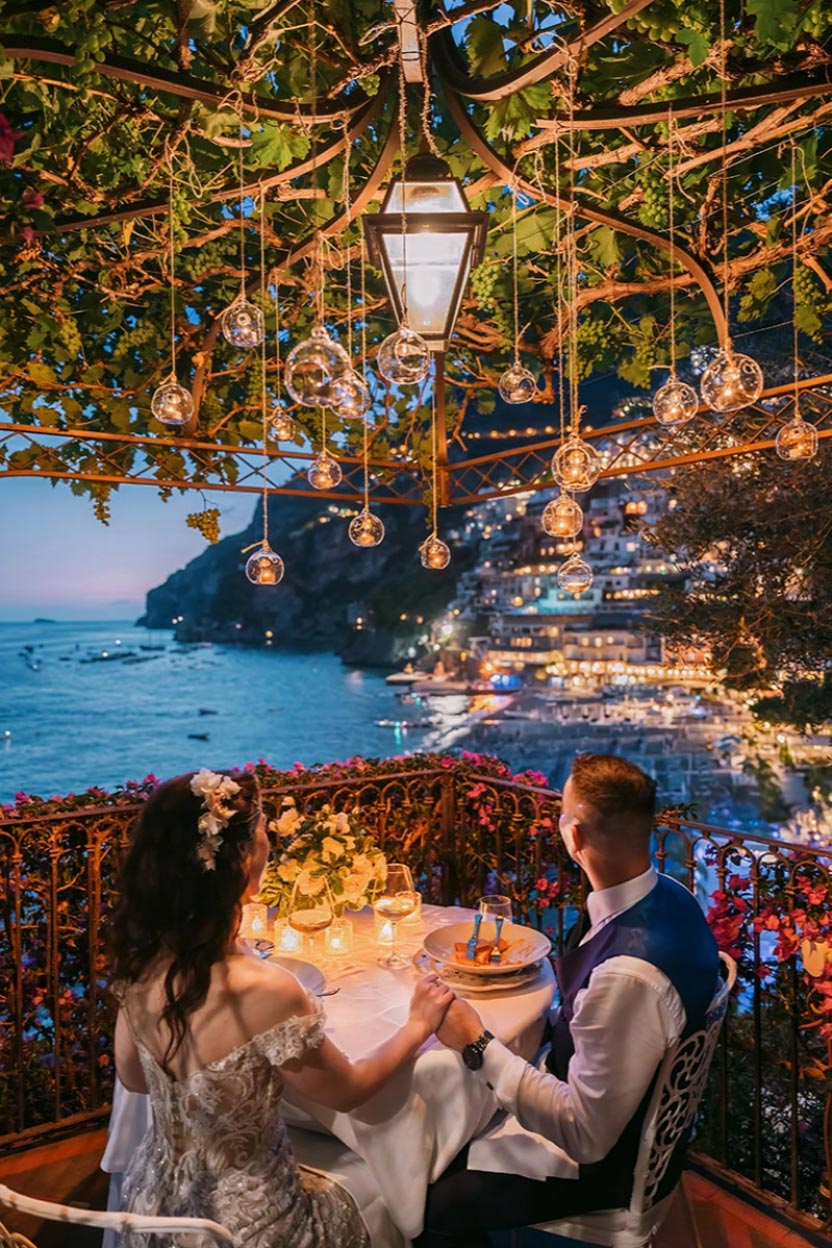
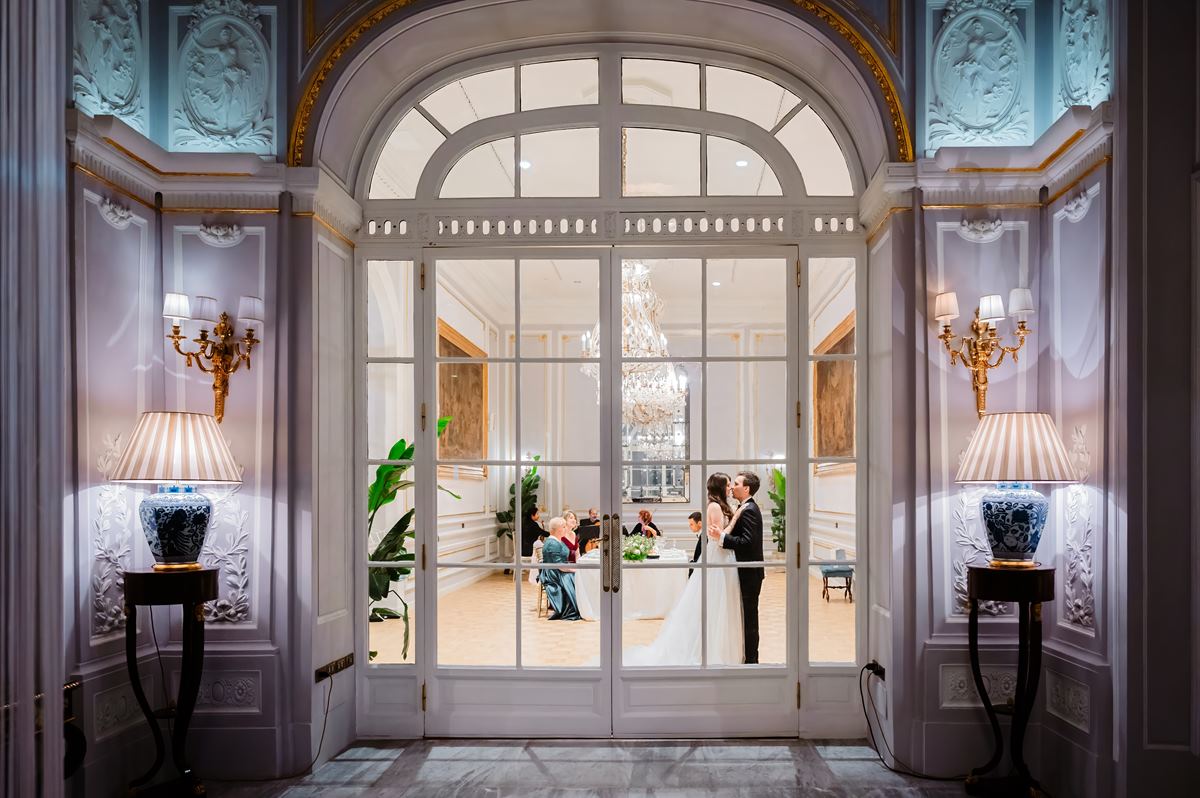
How does Sorrento compare to other destinations like Positano and Ravello?
Each town on the Amalfi Coast has its own magic. Positano is known for its cliffside homes, Ravello for its breathtaking gardens. But Sorrento holds a special place for me because it’s more spacious and offers a range of venues and experiences. It also serves as a central hub to explore nearby islands and towns, making it convenient for your guests. Each town on the Amalfi Coast has its own magic. Positano is known for its cliffside homes, Ravello for its breathtaking gardens. But Sorrento holds a special place for me because it’s more spacious and offers a range of venues and experiences. It also serves as a central hub to explore nearby islands and towns, making it convenient for your guests.
In Sorrento, you can stroll through the charming streets lined with boutiques and cafés, where the scent of fresh lemons and homemade pastries fills the air. The lively piazzas come alive in the evenings, with local musicians playing traditional Italian songs, inviting both locals and visitors to join in the festivities. The vibrant atmosphere is contagious, and it’s hard not to feel uplifted by the warmth of the community.

For those seeking adventure, Sorrento provides easy access to the stunning island of Capri, where you can take a boat tour around the island, visit the famous Blue Grotto, or simply relax at one of the luxurious beach clubs. A short ferry ride also connects you to the historical sites of Pompeii and Herculaneum, where the remnants of ancient Roman life tell stories that have captivated visitors for centuries.
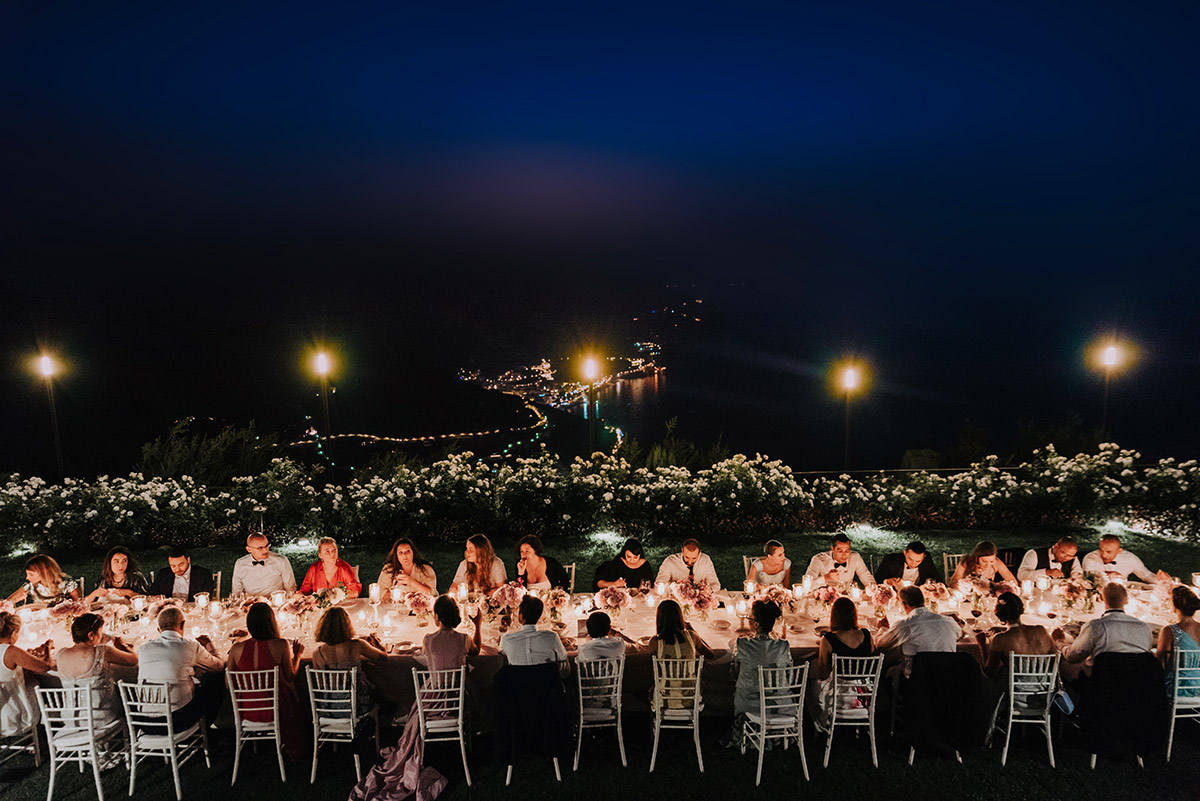
Culinary experiences abound in Sorrento as well, with numerous restaurants offering fresh seafood, homemade pasta, and the region’s renowned limoncello. Imagine hosting a dinner under the stars, where guests can savor traditional dishes while enjoying panoramic views of the Bay of Naples.
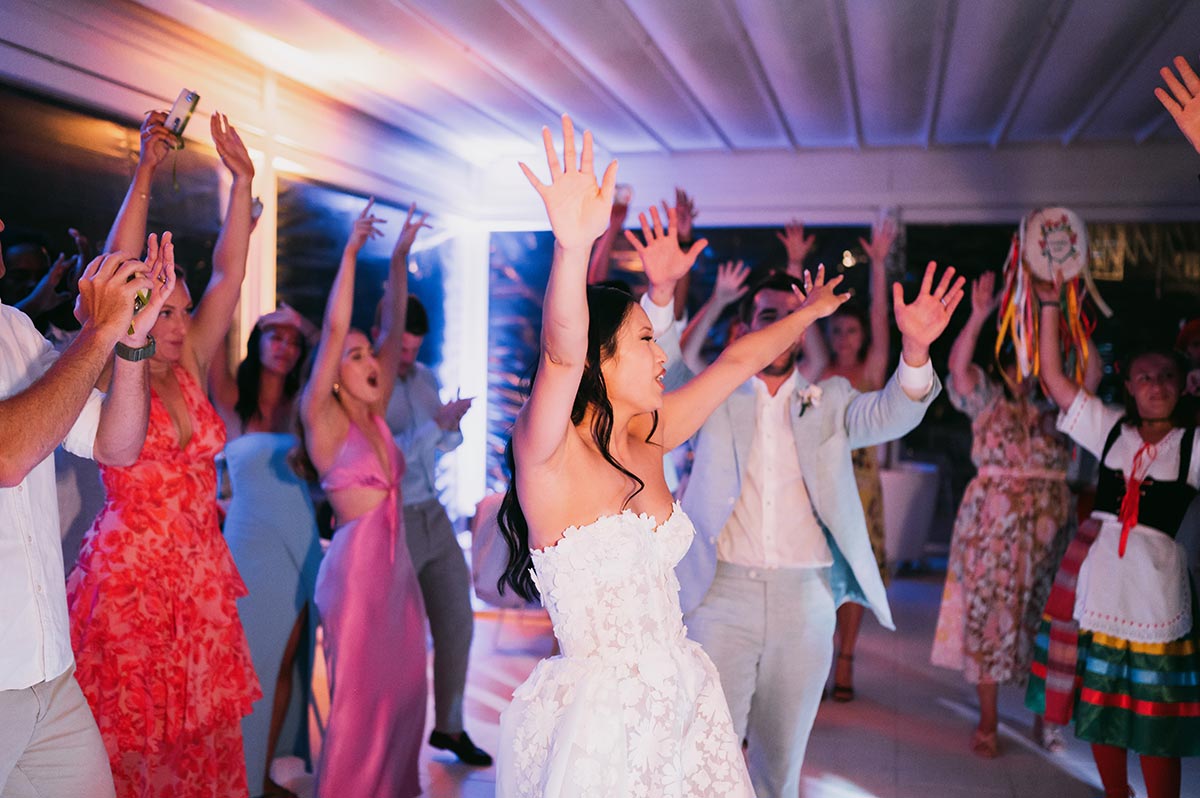







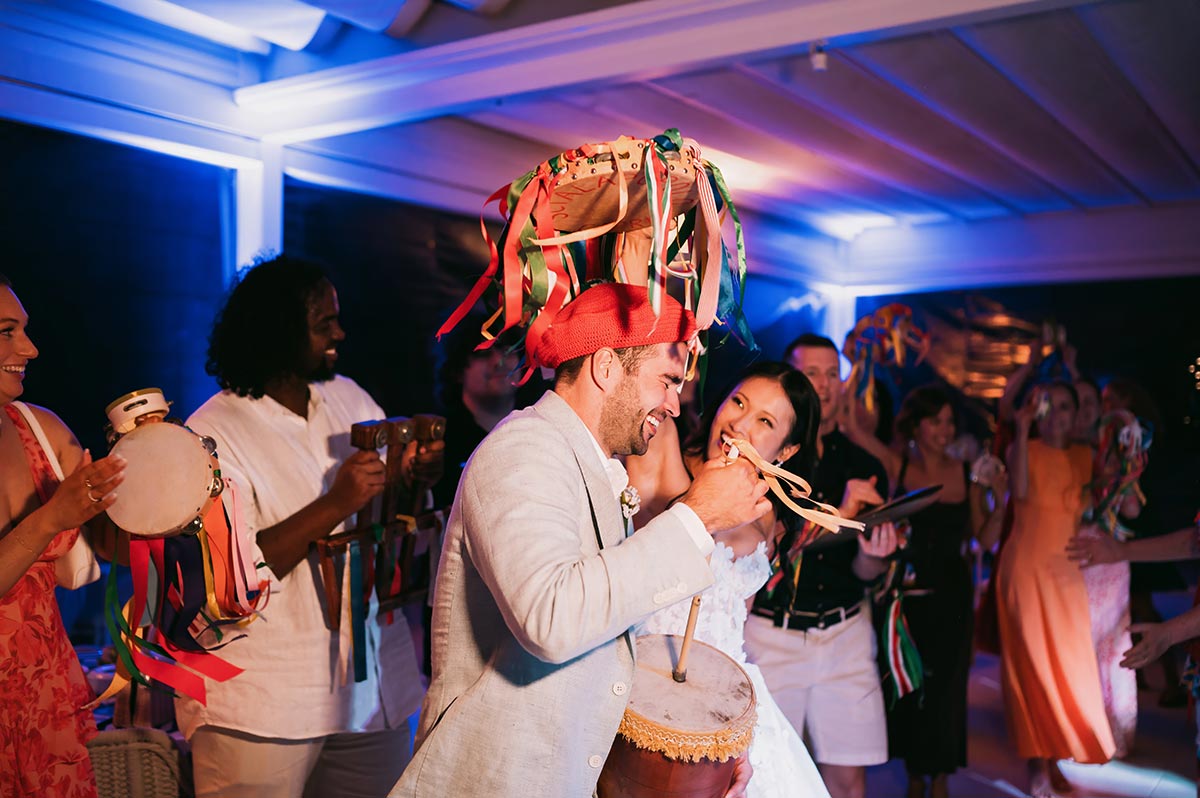
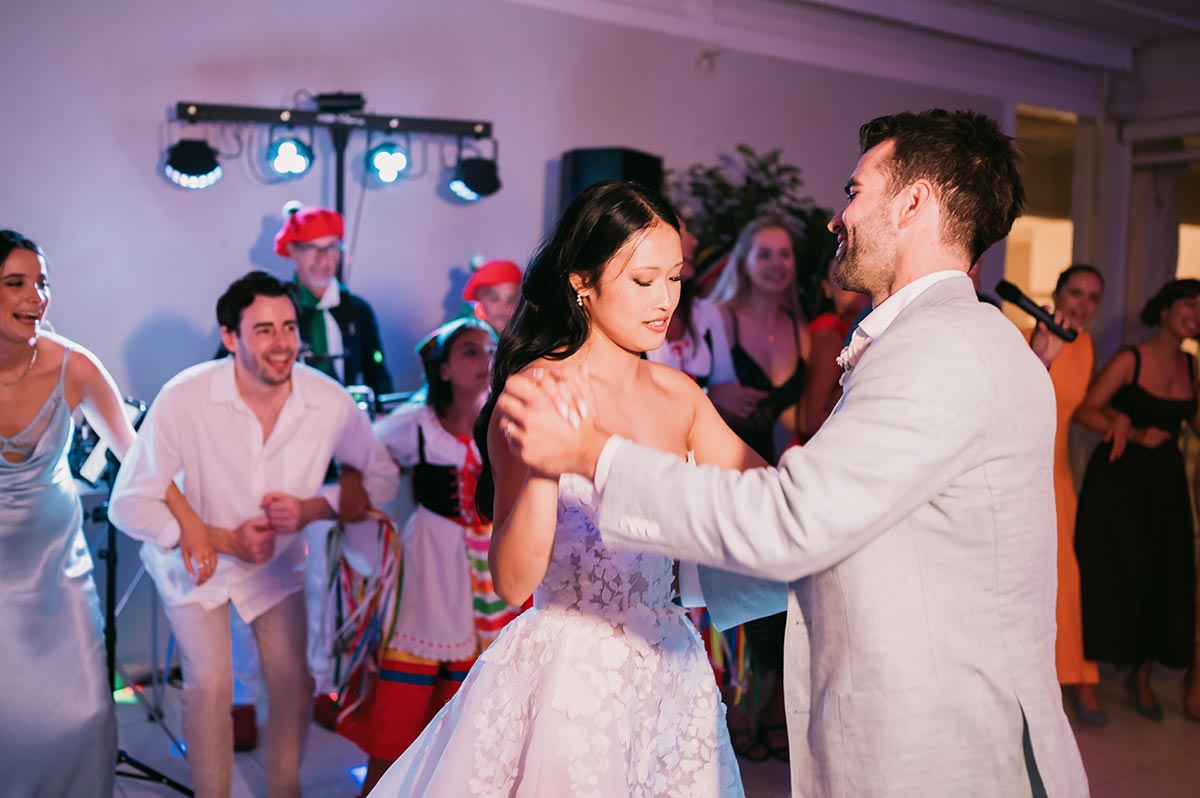
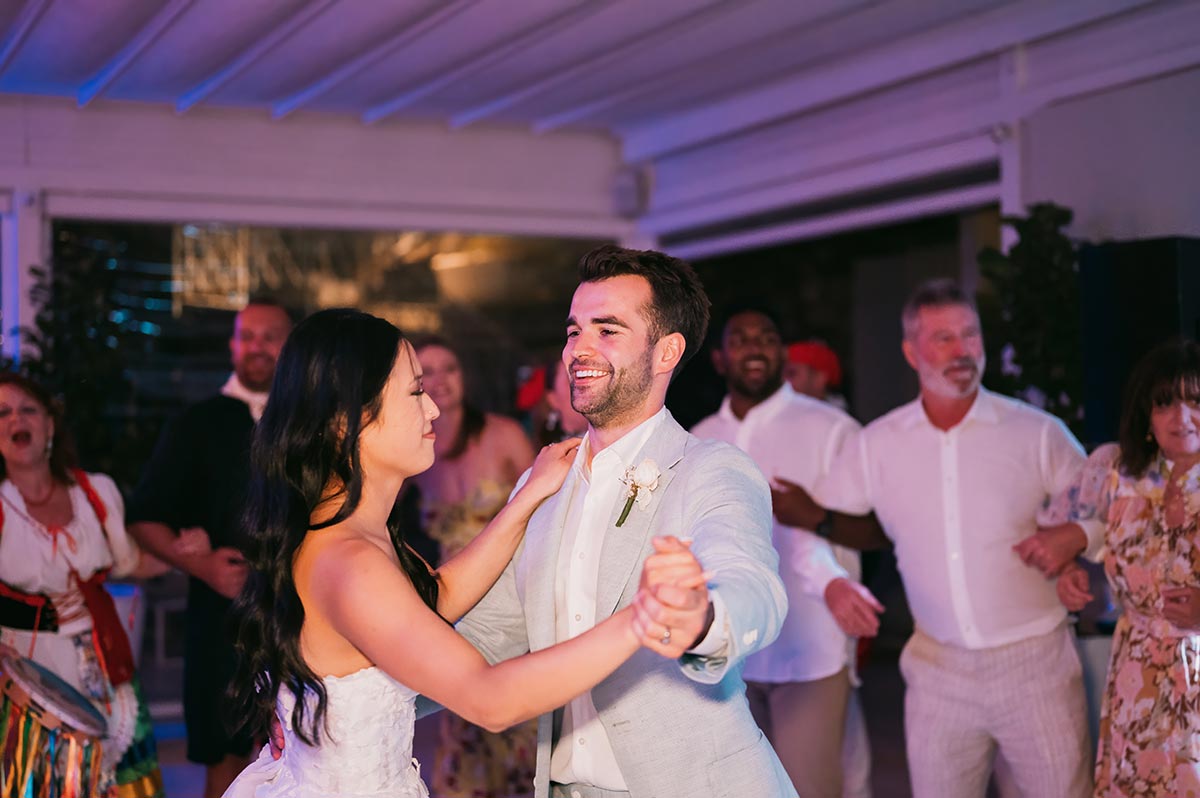

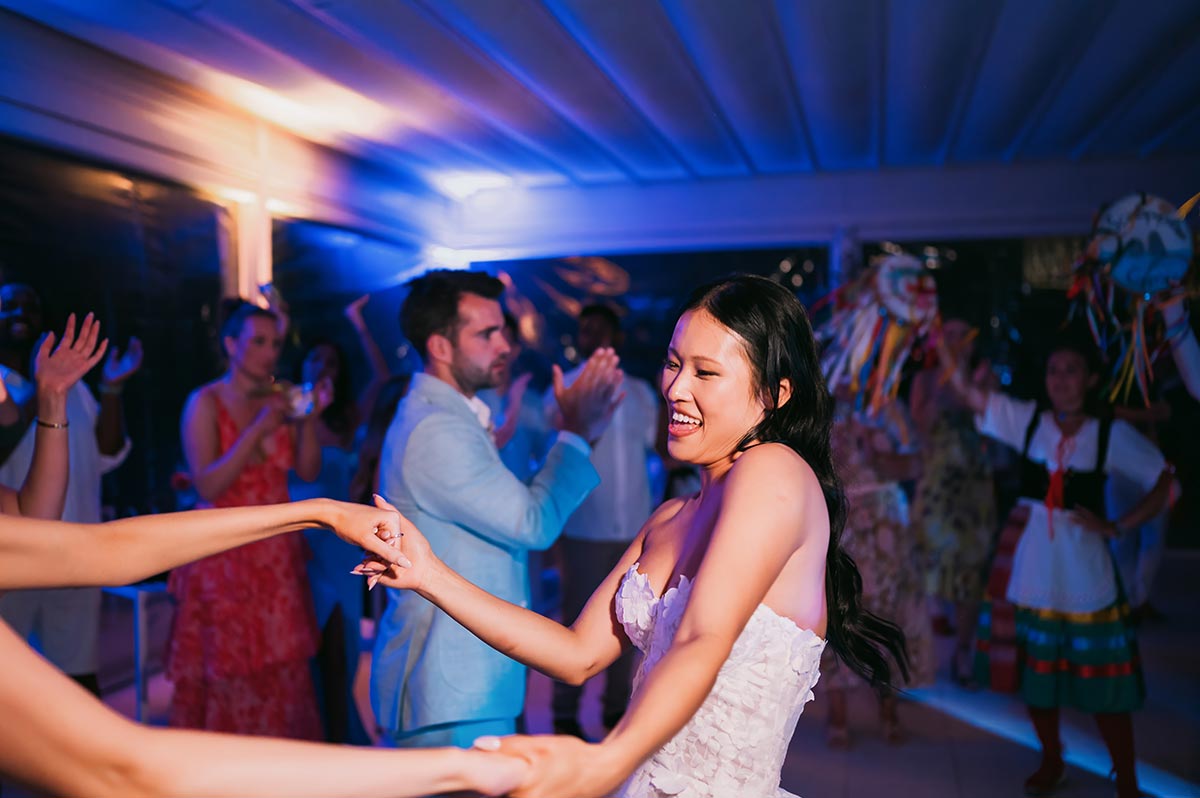
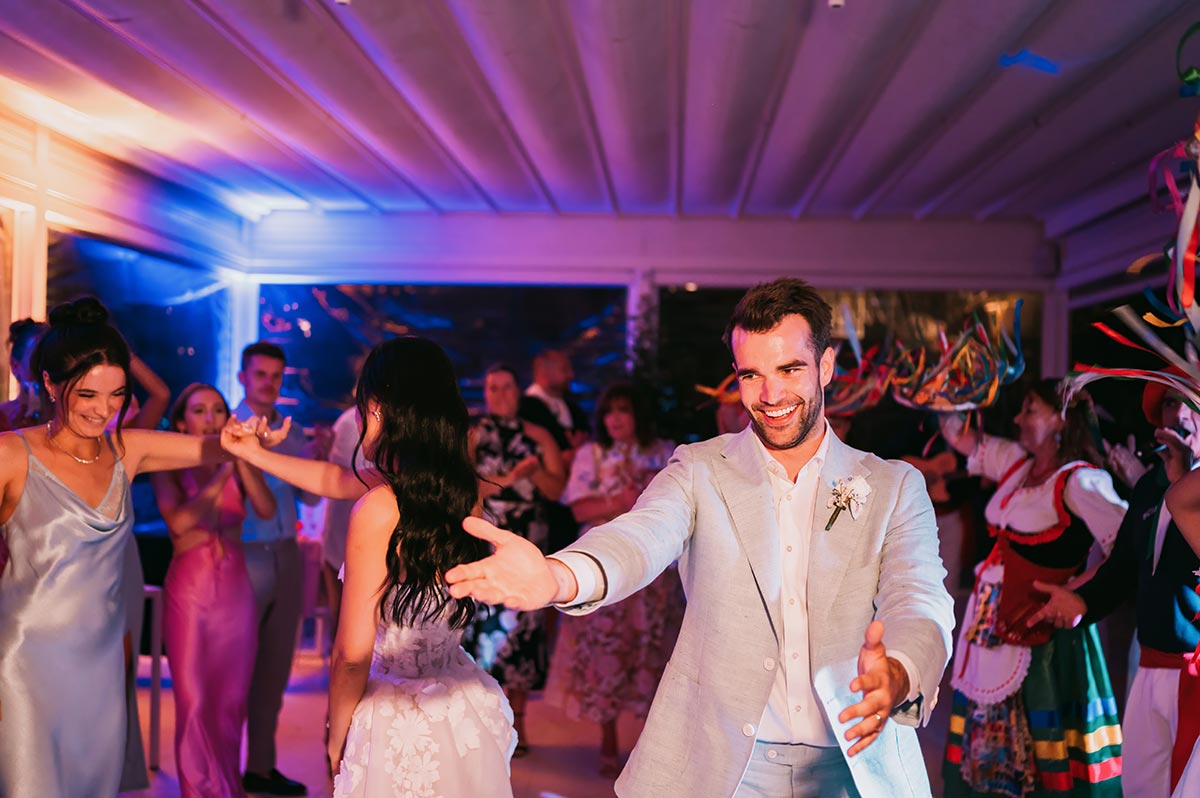
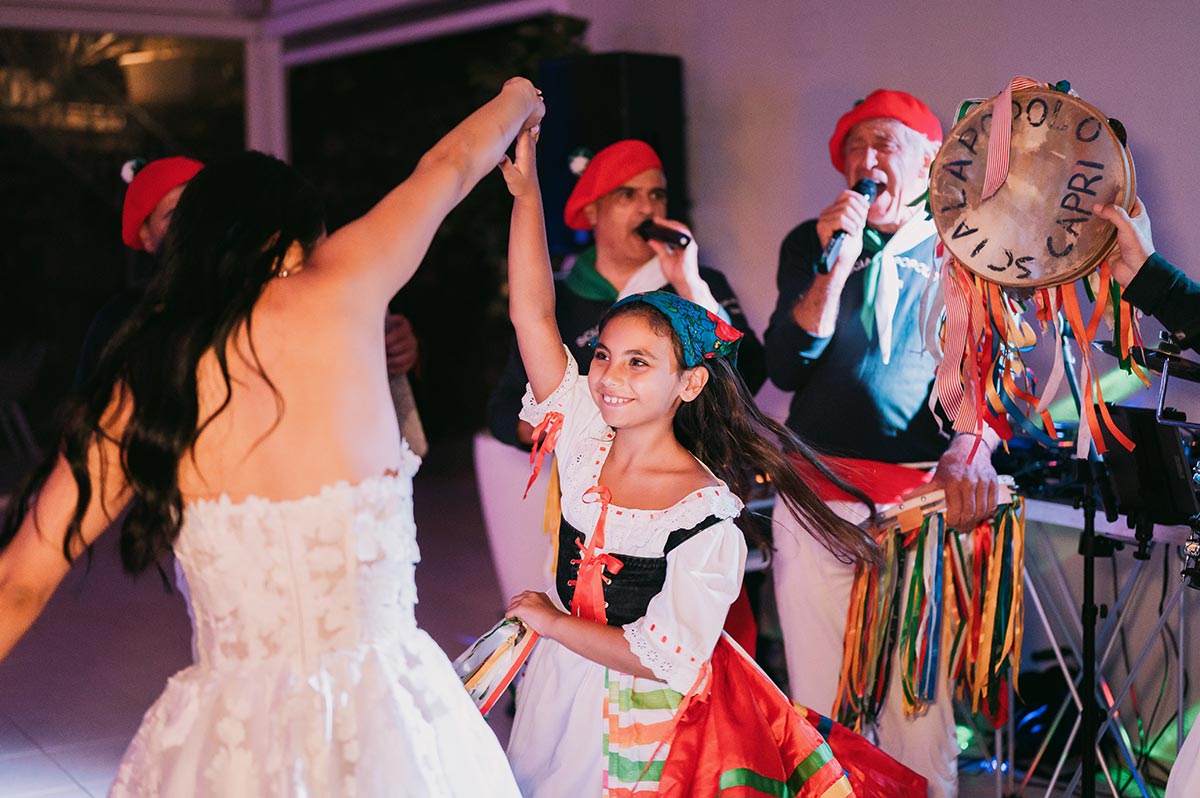
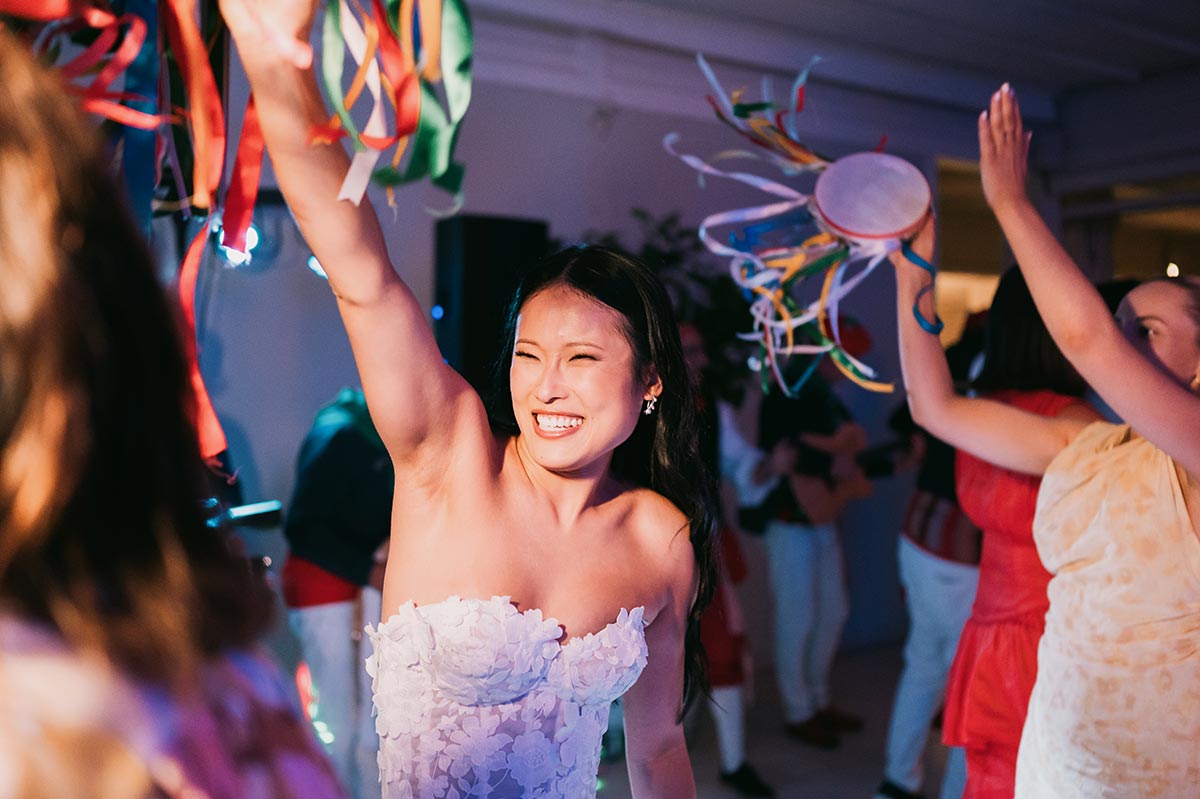
As the sun sets and the sky transforms into a canvas of oranges and purples, Sorrento becomes even more enchanting. The twinkling lights of the town reflect off the water, creating a perfect backdrop for unforgettable memories. Whether it’s a romantic getaway, a family vacation, or a gathering of friends, Sorrento’s charm and versatility make it an ideal destination for any occasion.
In every corner, there’s a story waiting to be discovered, a flavor to be savored, and a moment to be cherished. It’s a place where time seems to stand still, allowing you to immerse yourself in the beauty of life along the coast.
What are the benefits of a wedding planner based in Sorrento?
Hiring a wedding planner based in Sorrento can significantly enhance your special day, ensuring that every detail aligns with your vision. With their extensive local knowledge and connections, they can help create the best italian wedding experience, tailored to the unique desires of the bride and groom. This expertise is invaluable in navigating the intricate details of planning a destination wedding.
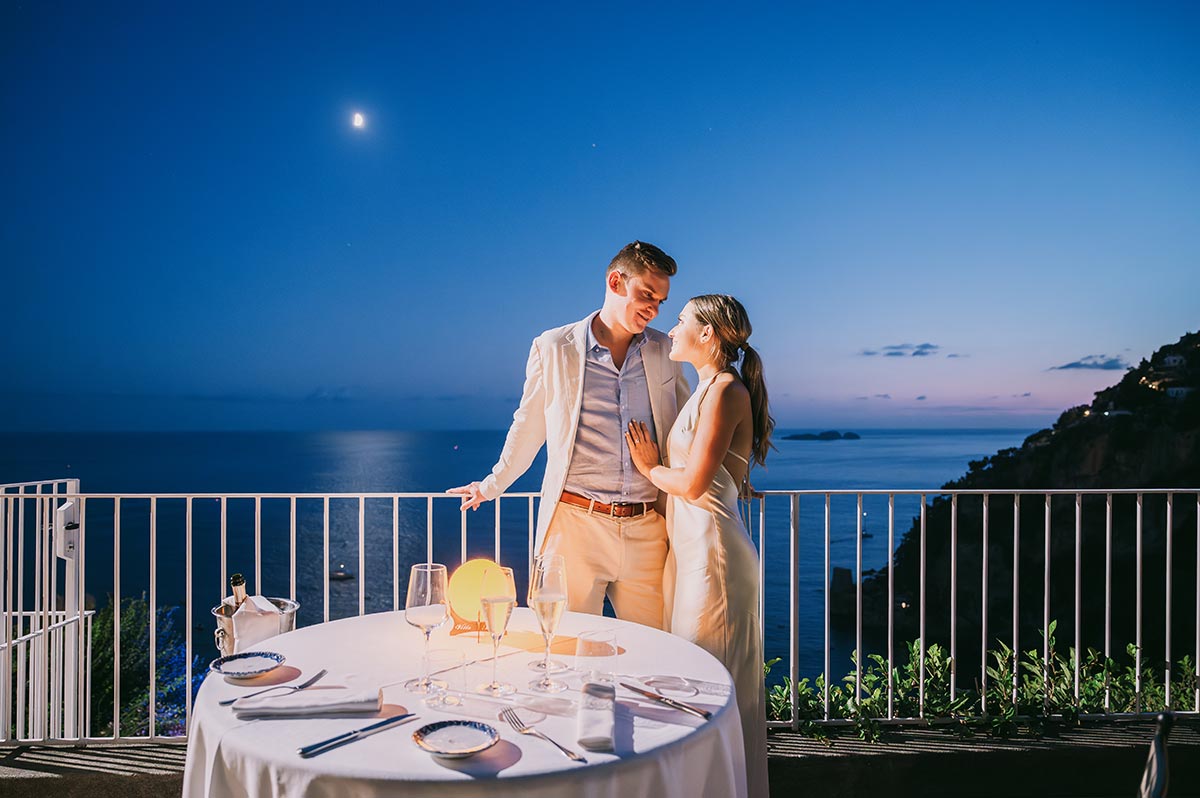
The Ultimate Checklist for Planning a Symbolic Wedding in Italy
Planning a symbolic wedding in Italy? Discover why couples worldwide choose Italy for its romantic ambiance, picturesque locations, and deeply personal ceremonies. Find inspiration to make your symbolic wedding memorable.”
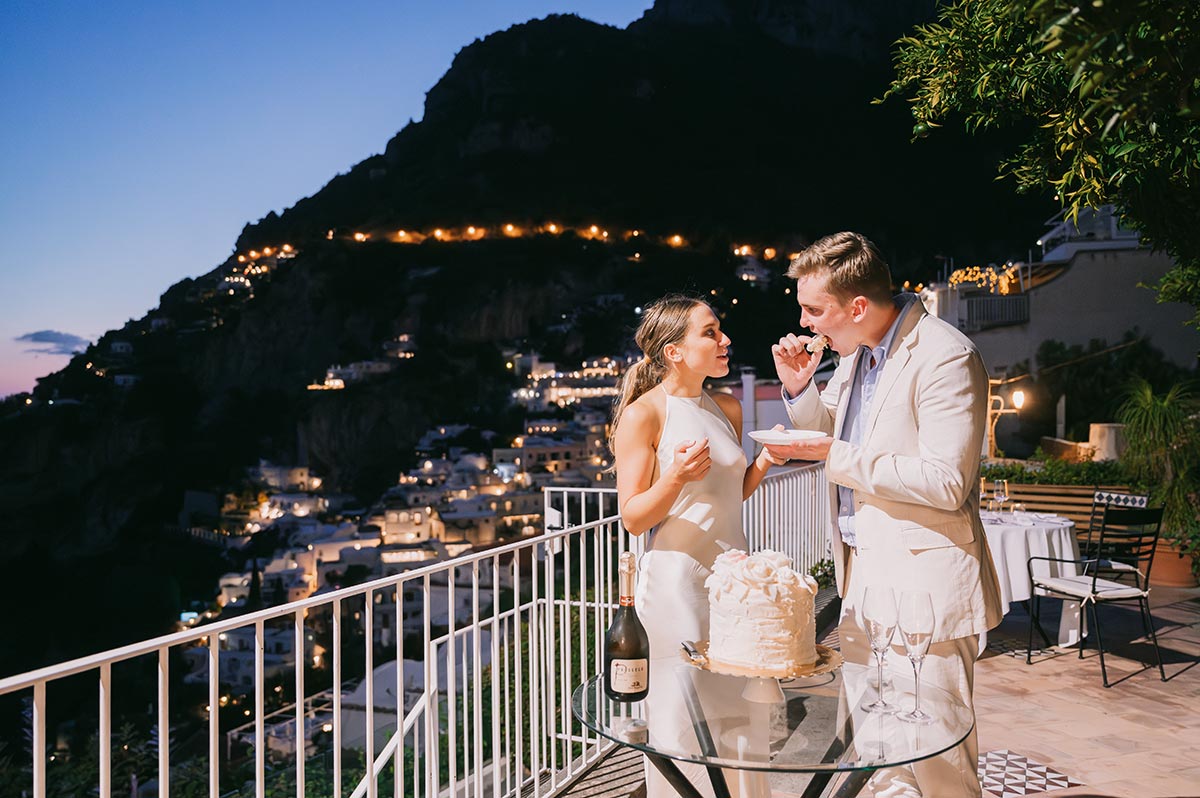
START PLANNING YOUR WEDDING IN AMALFI COAST
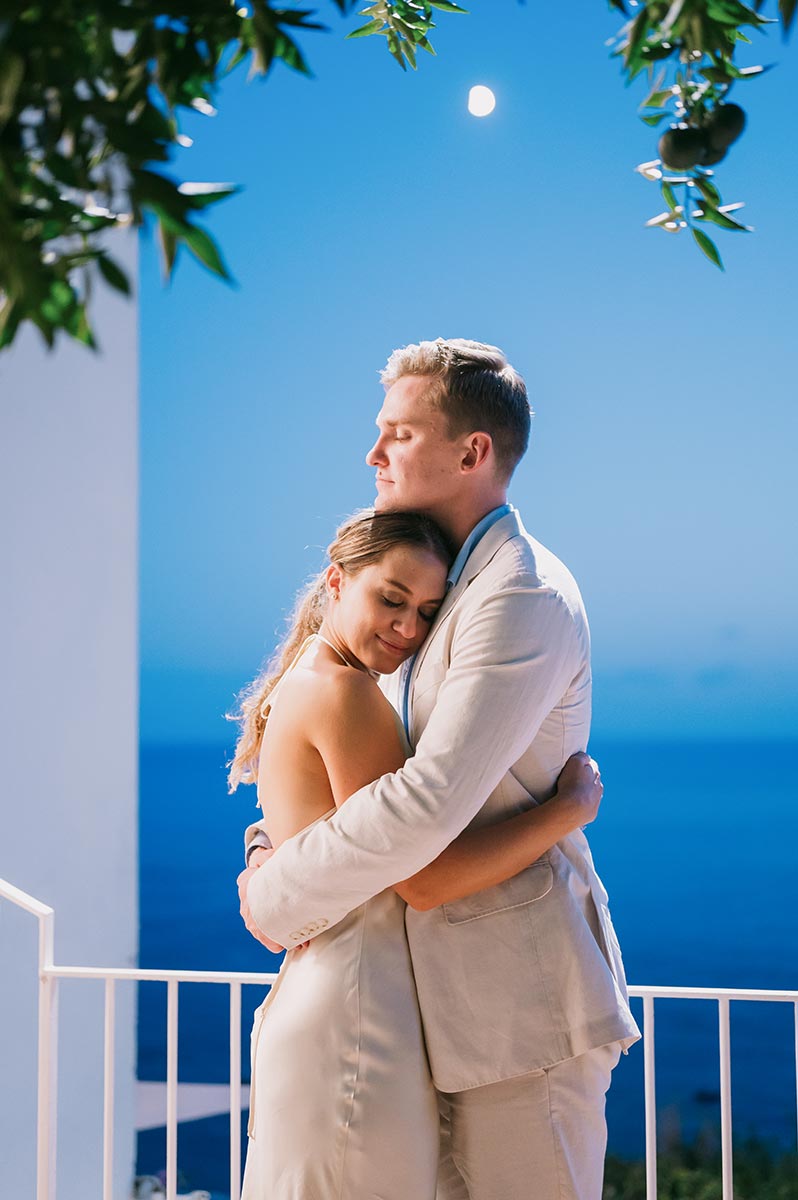
Moreover, a local planner can design a bespoke destination wedding that highlights the stunning scenery and rich culture of Sorrento. They understand how to incorporate local traditions and elements, making your celebration a true reflection of your love story and personal style. This personalized approach not only alleviates stress but also ensures that your wedding day is memorable for both you and your guests.
A local planner becomes your guide. I’ve often walked couples through the process of legal paperwork, introduced them to the best caterers, and found the perfect hair and makeup artists. When unforeseen issues arise, being local means I can solve them quickly. Having someone on the ground you trust is invaluable.
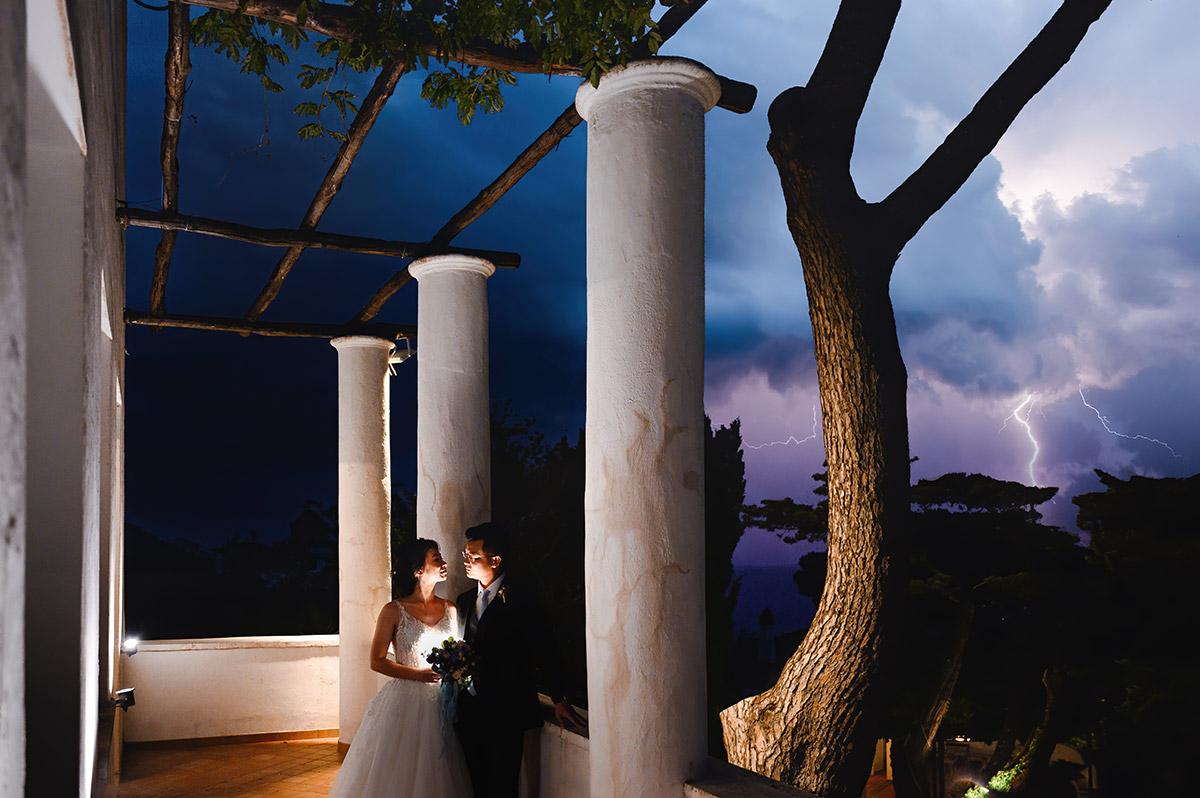
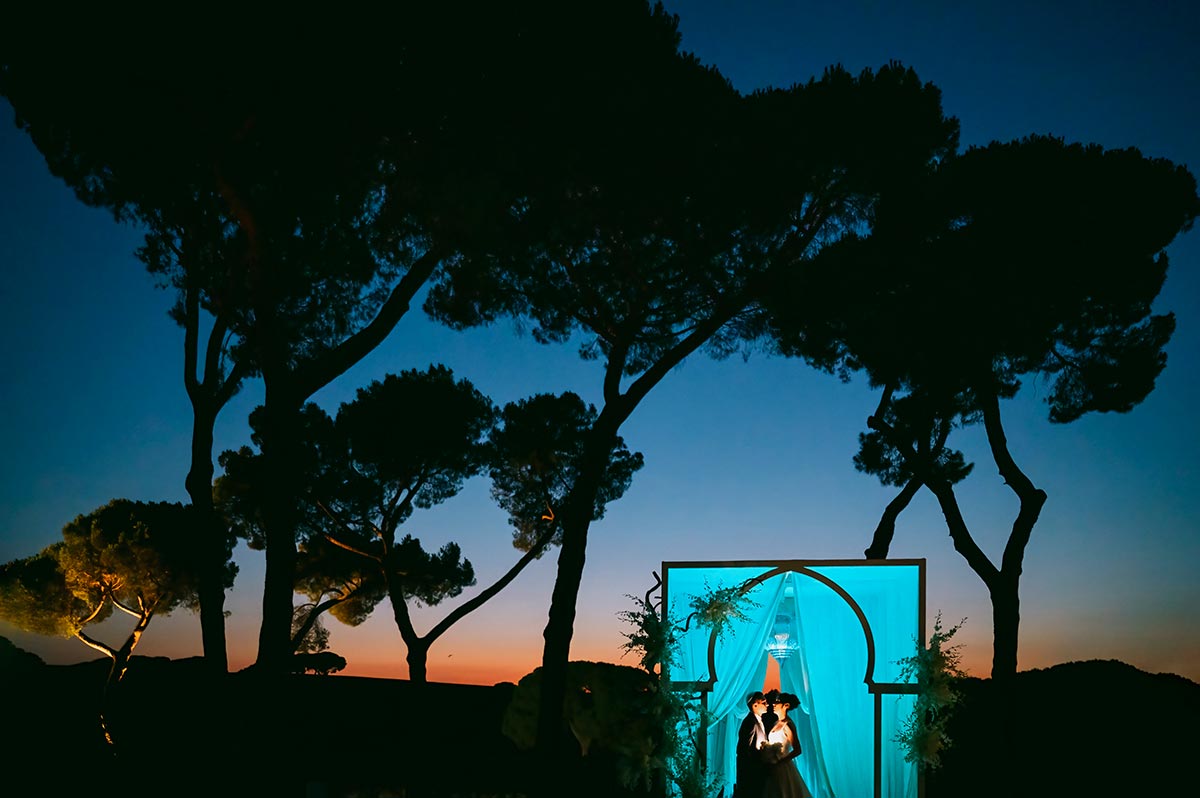
NIGHT COLORS
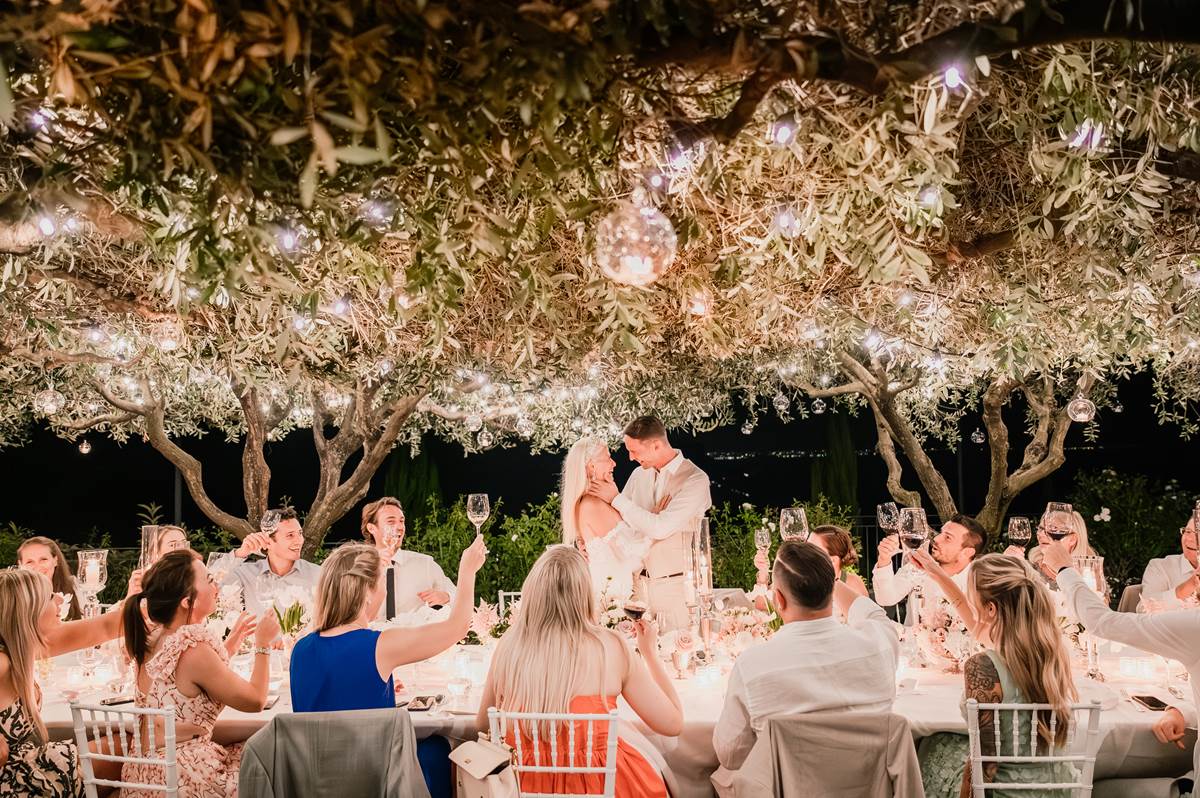
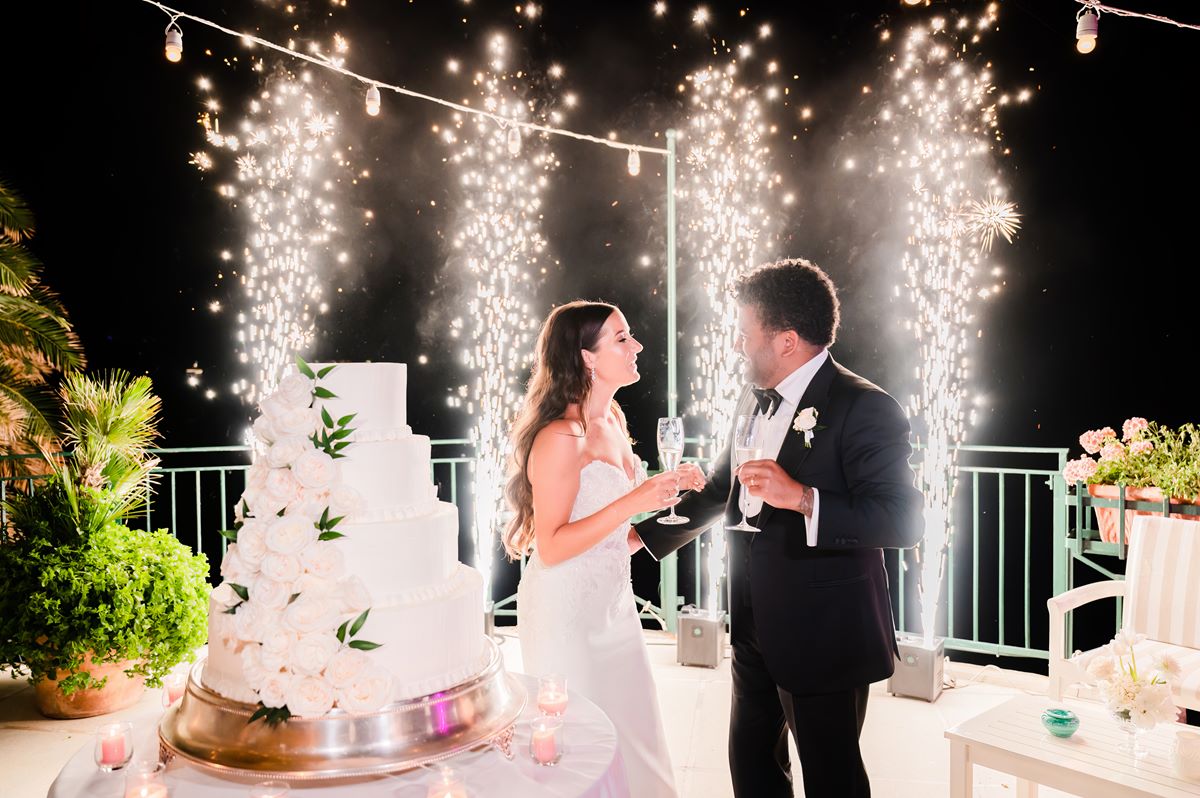
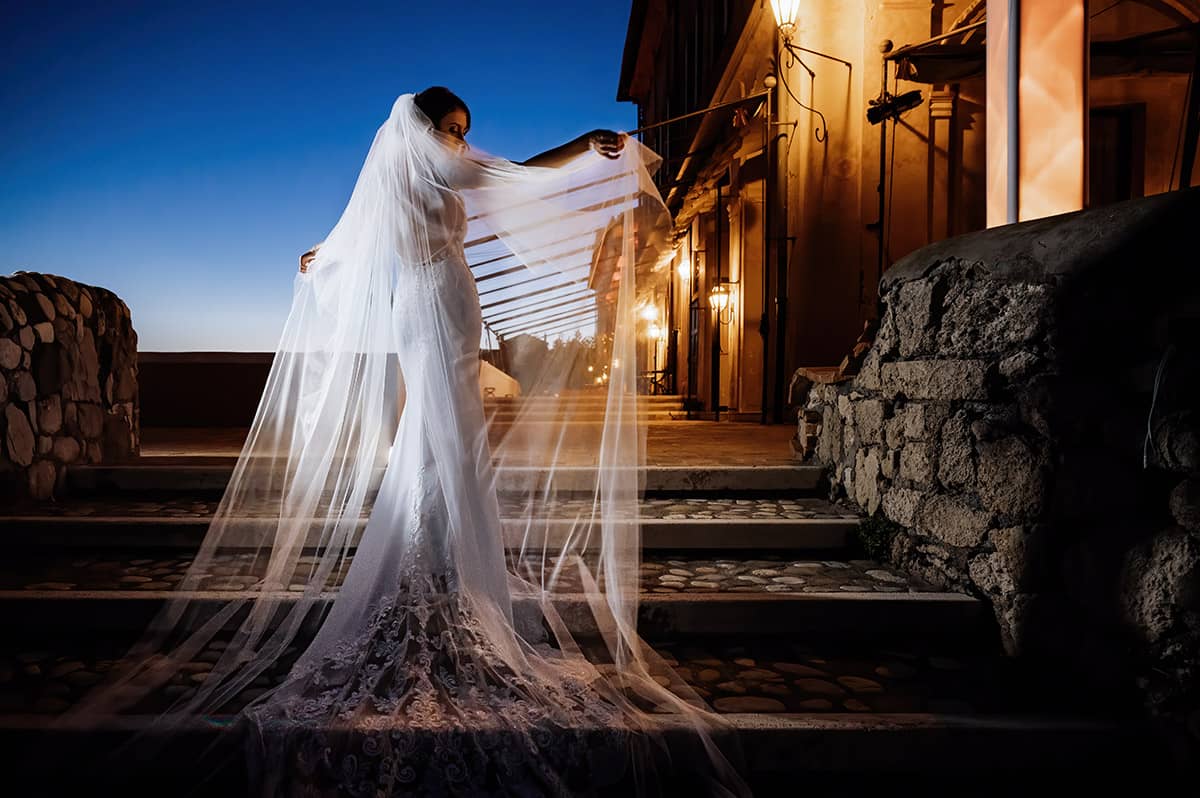
Our studio specializes in capturing enchanting night scenes, harnessing the subtle interplay of light and shadow to create mesmerizing compositions. Whether amidst the bustling streets of a city or under the star-studded sky of a countryside, we strive to evoke the magic of the nocturnal world. Adapting our techniques to varying environments, we masterfully blend natural and artificial light to achieve captivating imagery.
HARMONY AND TONES
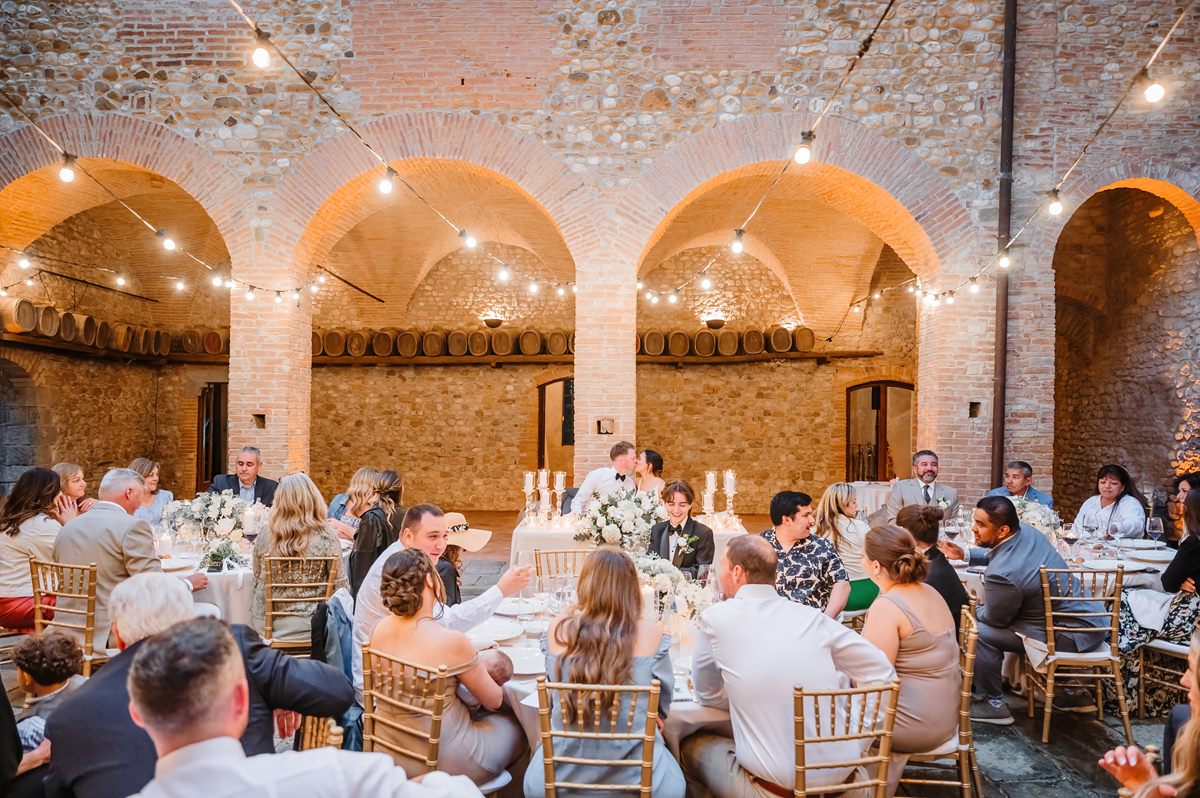
Creating an Unforgettable Experience for Your Guests
Creating an unforgettable experience for your guests is paramount, especially when it comes to moments like weddings. When we planned our special day, we wanted every element to reflect our love story and ensure that it truly made our wedding memorable. From the décor to the music, each detail was carefully considered to evoke emotions and create lasting memories.
We focused on personal touches, such as handwritten notes and customized favors, which resonated with our guests. The atmosphere we curated allowed everyone to feel involved in the celebration, enhancing their experience. Additionally, a well-thought-out itinerary kept the energy flowing, ensuring that every moment was cherished.
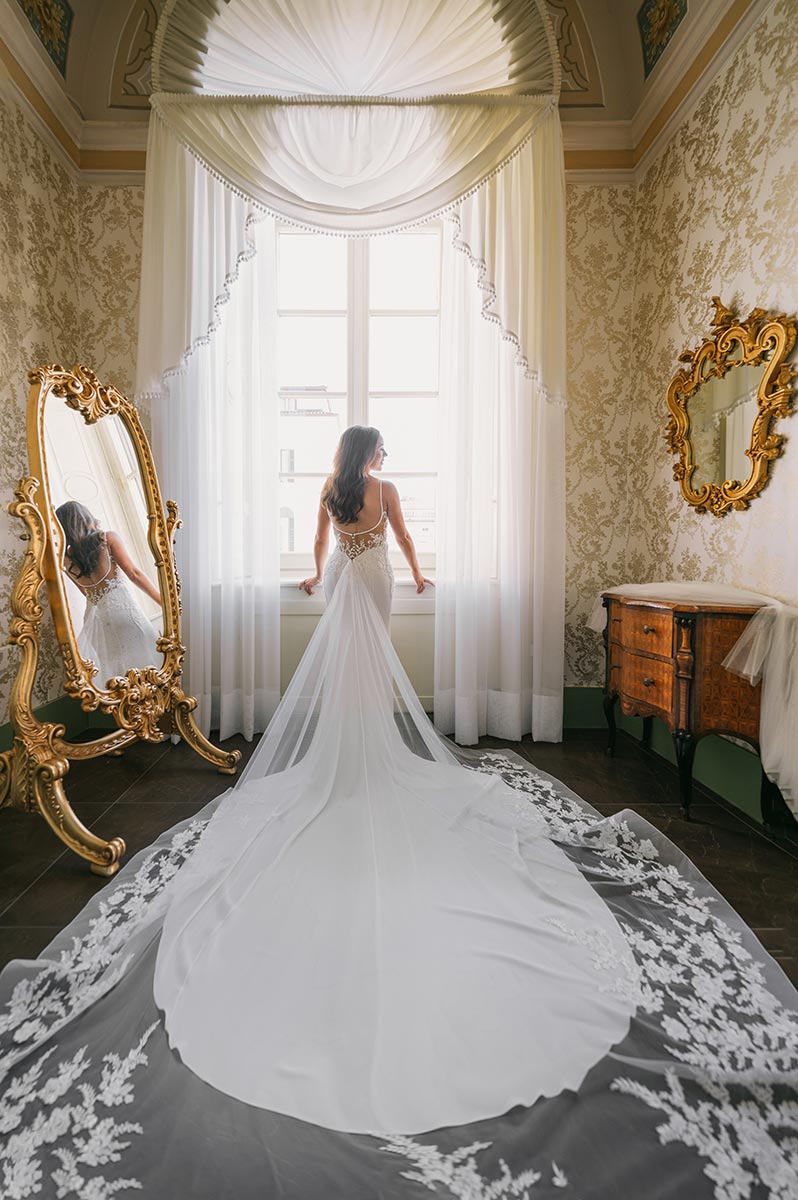
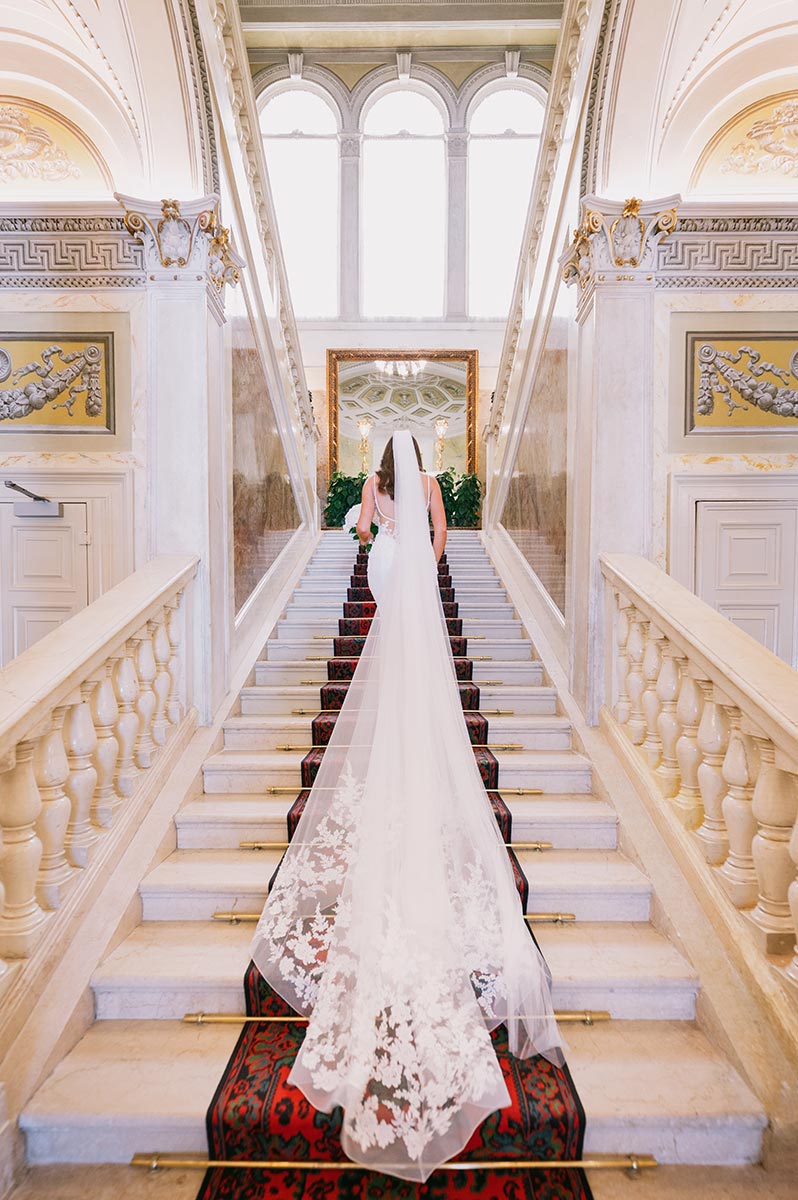
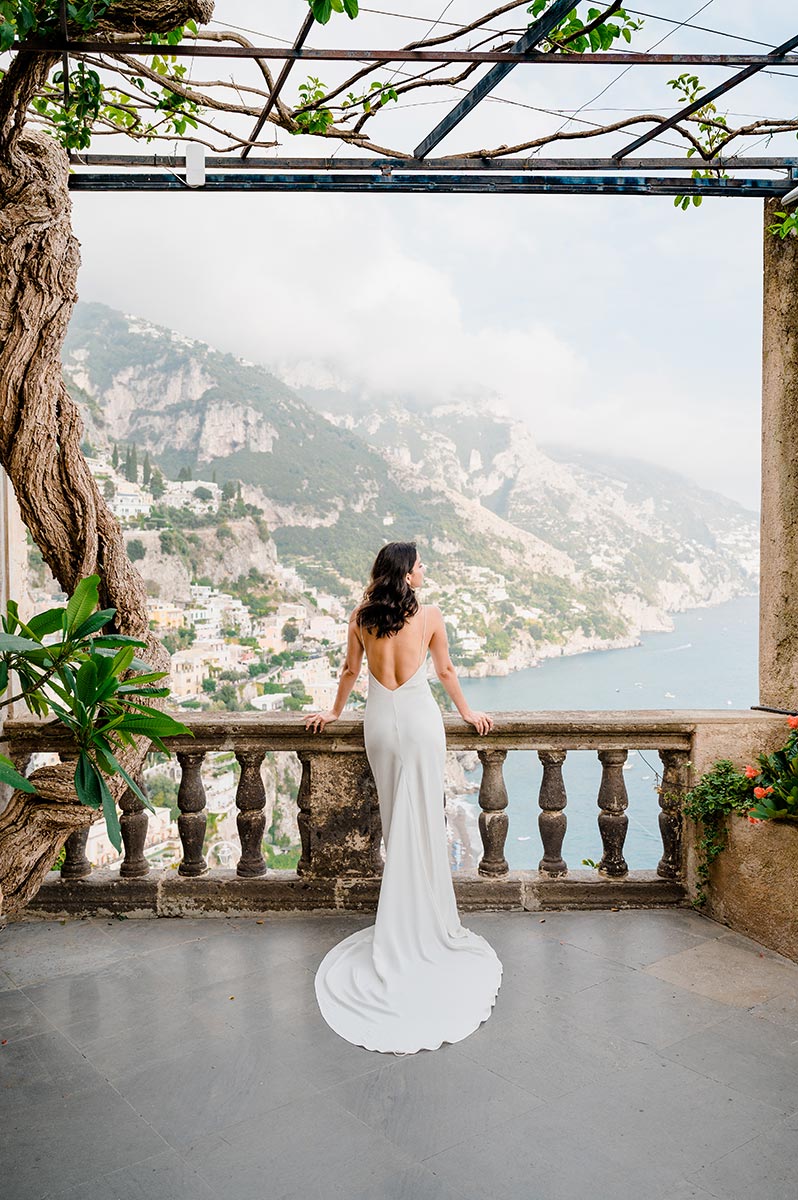
Ultimately, it’s the little things that leave a lasting impression. By prioritizing connection and joy, we crafted an event that not only celebrated our union but also made our wedding a cherished memory for all who attended.
What Activities Can Guests Enjoy in Sorrento During the Wedding?
Many of my couples treat their guests to day trips to Capri or Pompeii, or simply let them wander Sorrento’s charming streets. There are limoncello tastings, local cooking classes, and boat tours. A destination wedding is also a mini-vacation for your loved ones, and Sorrento has plenty to offer.
How Can You Ensure Your Wedding Day Is Memorable for Everyone?
Focus on personal touches. I remember one wedding where the bride’s family brought homemade sweets, which we served at the reception. It felt personal and unique. Guests love those small surprises, whether it’s a local band playing Italian classics or a heartfelt favor that reminds them of the day.
What Are Some Tips for Planning a Luxury Wedding in Sorrento?
Pay attention to timing. Consider the sunset hour for your ceremony, and make sure there’s enough time for a relaxed dinner. Also, invest in quality vendors who know how to execute your vision smoothly. When everyone knows their role, the day flows like a dream.
Every Detail Matters: What to Include in Your Wedding Planning?
Wedding planning can be both exhilarating and overwhelming, yet every detail matters in creating your perfect day. Start with the budget, as it sets the foundation for all other decisions. Allocate funds for key areas such as the venue, catering, and entertainment, ensuring you have a clear picture of your overall spending.
WEDDING EXPERIENCE
Discover the best way to plan a romantic wedding in Italy, and hire an Italian wedding photographer.
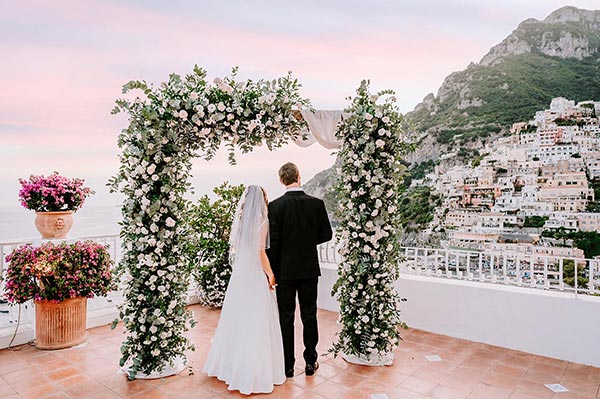
AIRY AND MODERN
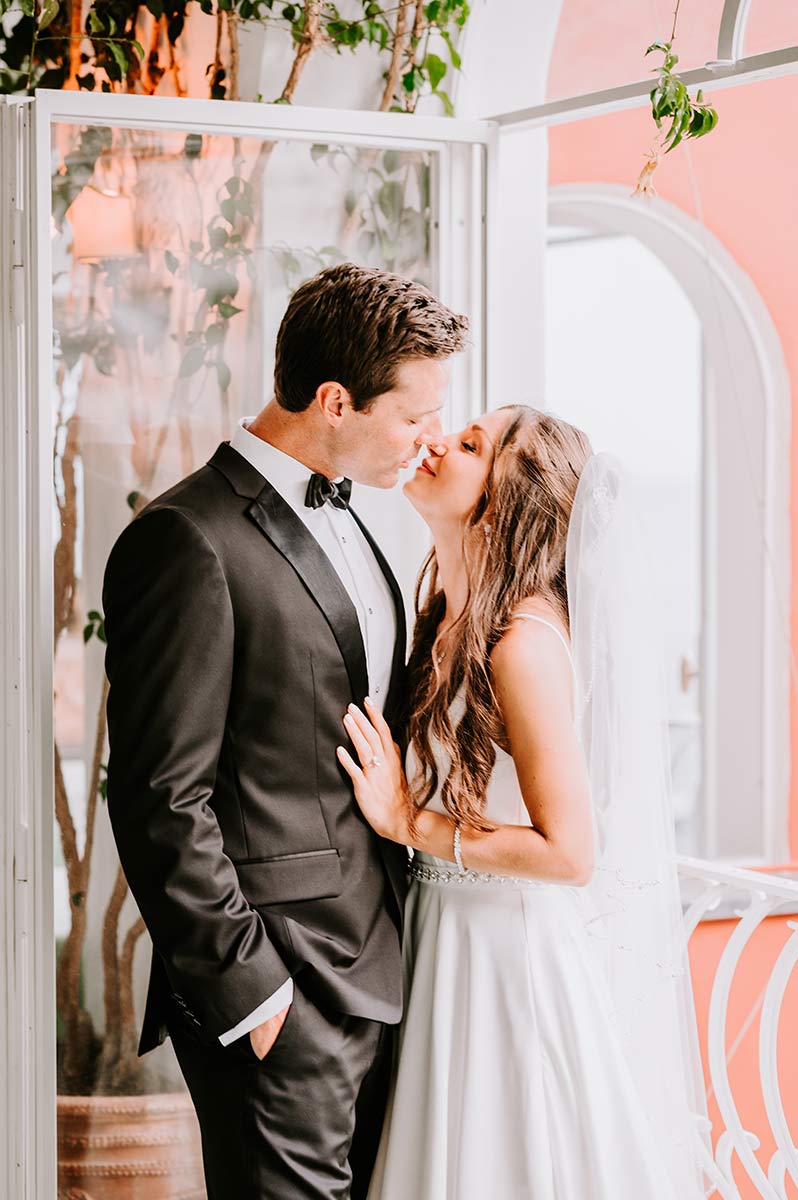
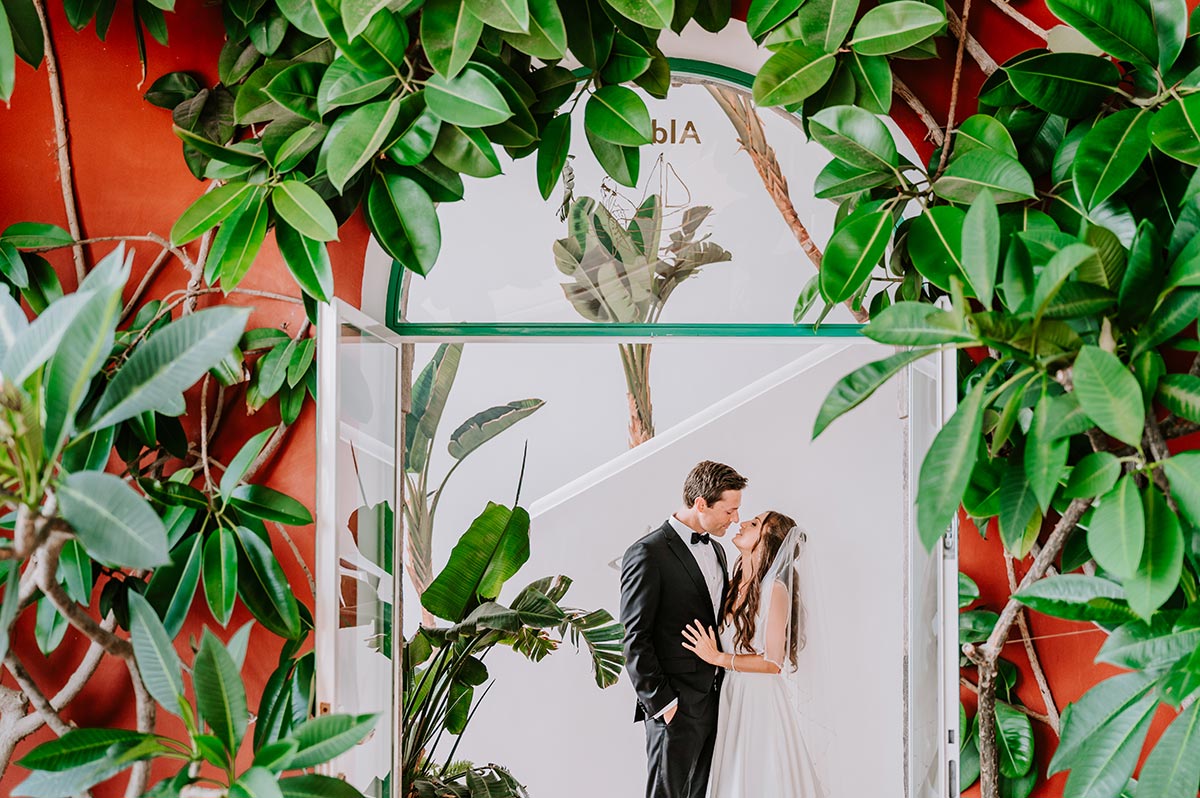
Next, focus on the guest list; knowing how many people to invite will help you choose an appropriate venue and cater to your guests effectively. Don’t overlook the theme and color scheme, as these elements will unify your wedding decor and personal style.
Finally, consider the timeline for the day. From the ceremony to the reception, having a well-structured schedule ensures that everything flows smoothly. Remember, every little detail, from the invitations to the favors, contributes to the overall atmosphere and experience of your special day.
What are essential details to consider for an Italian wedding?
Think about the paperwork early, including the official documents. The menu and wine selection are also key. Italy has incredible cuisine, and I believe food can create lasting memories. Plan a menu that reflects local flavors and includes vegetarian or allergy-friendly options.
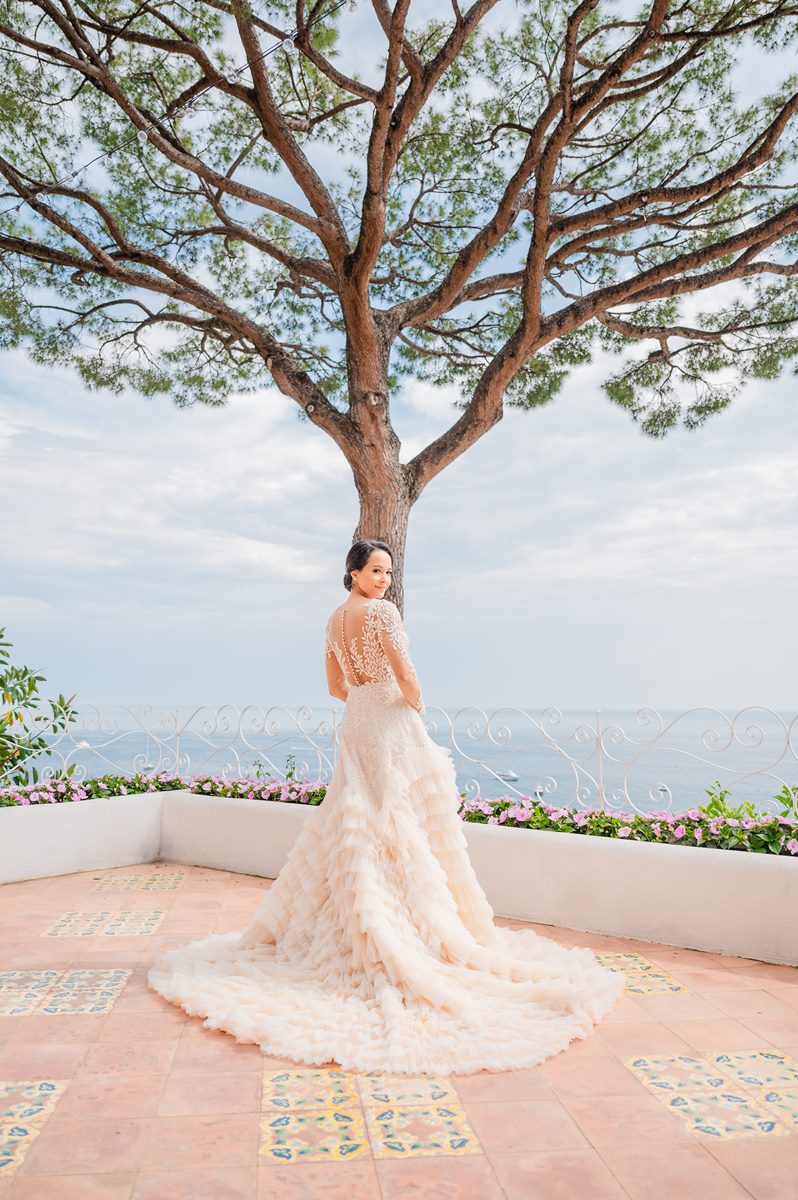
How can an event designer enhance your wedding experience?
An event designer helps transform a good idea into a cohesive theme. I’ve worked with designers who bring in simple details that tie everything together, like matching table linens to the floral arrangements or setting a dedicated lounge area for guests. It elevates the celebration and creates a consistent look in photos.
What role does a wedding planner play in coordinating every detail?
From scheduling vendor deliveries to finalizing reception layout, a planner ensures all pieces fit together. When I plan weddings, I keep track of every timeline. When the bride arrives, when the music starts, and when the cake is cut. It’s a lot of moving parts, and having someone orchestrate them can save you from stress.
CREAMY COLORS
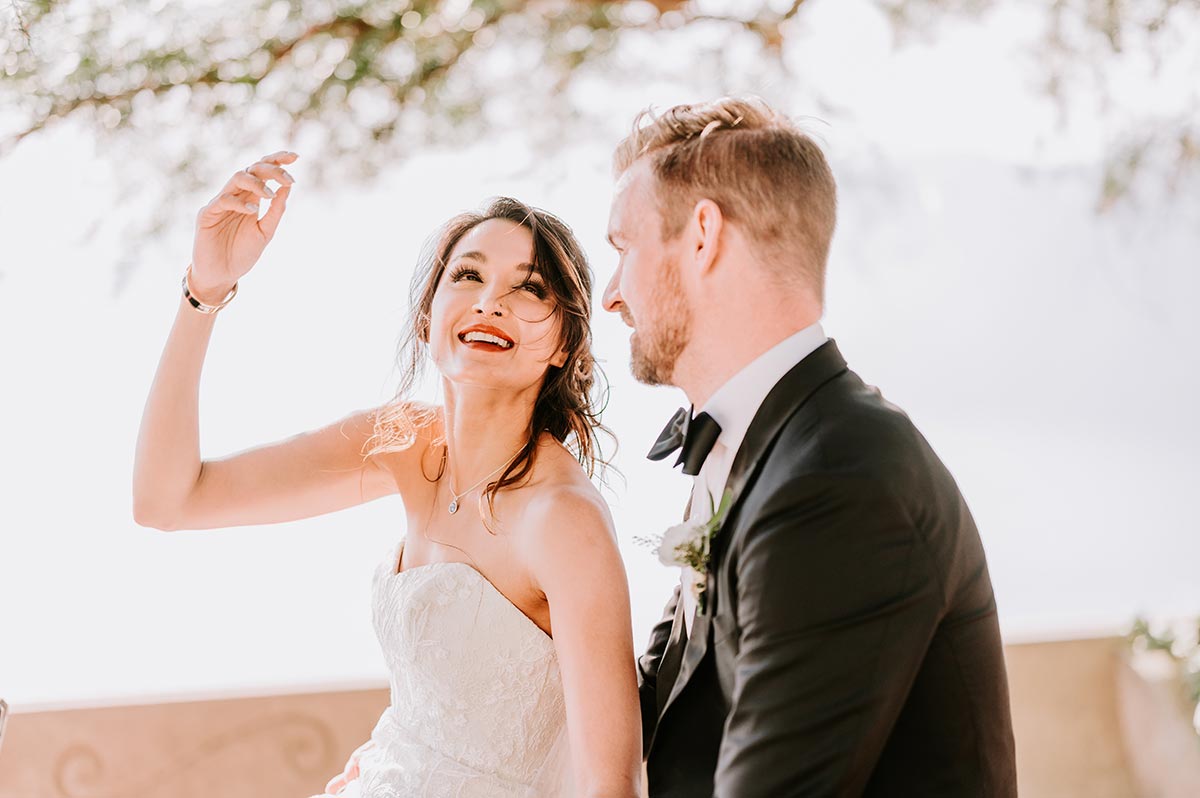
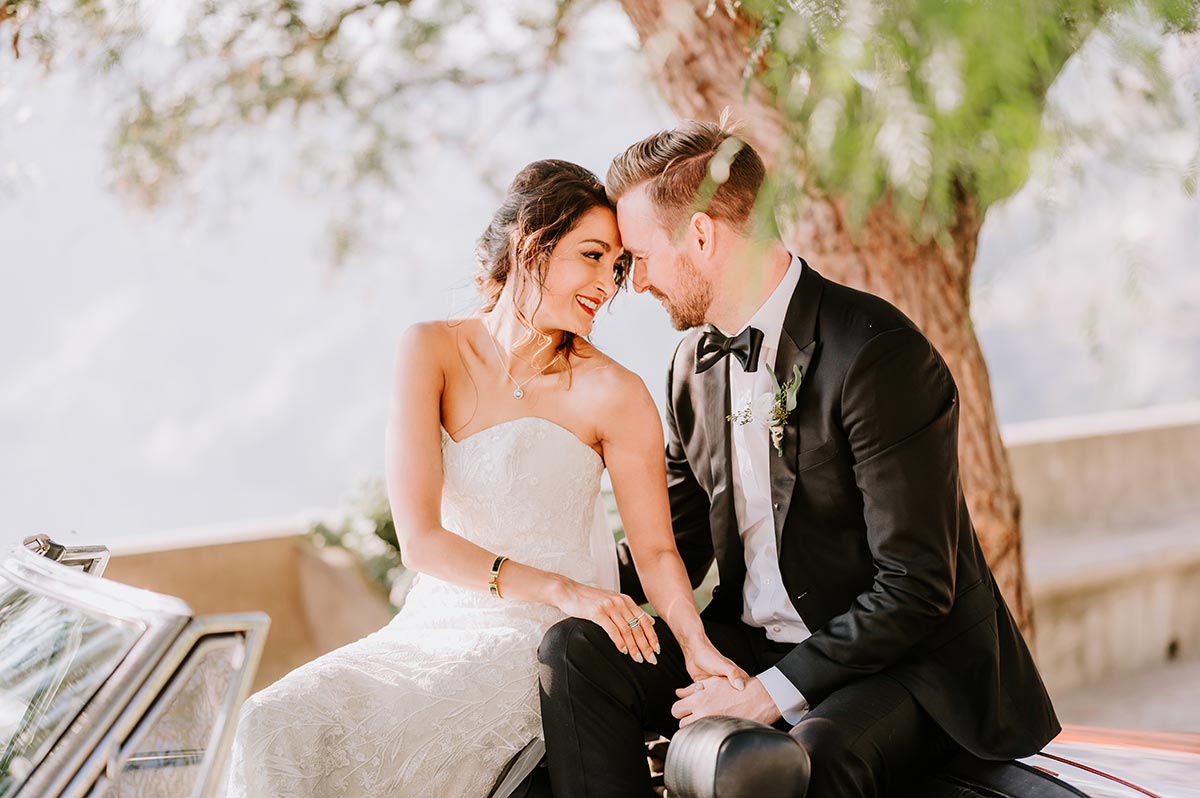
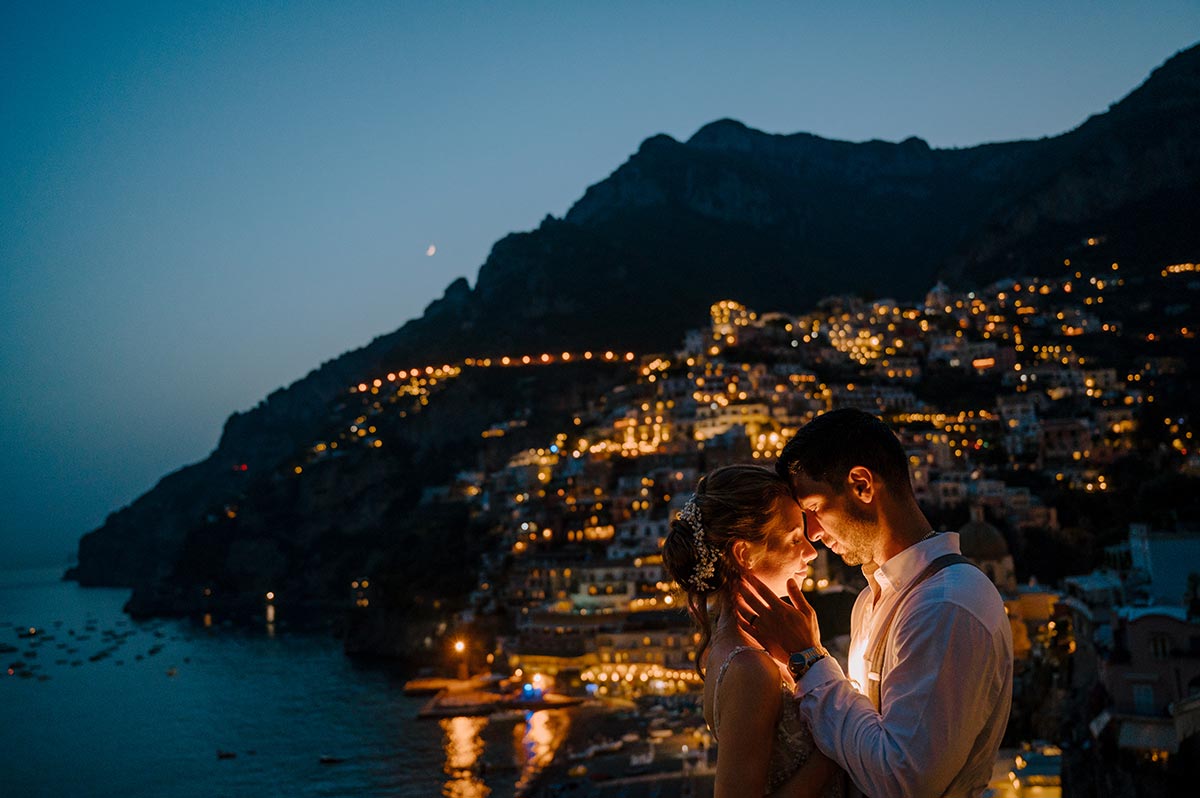
I love capturing feelings around stunning atmospheres inside beautiful lights in charming places around Italy and not only. I love crafting memories that are built by my eye, my work philosophy and definitely my sensitivity.
POSITANO STORIES
FAQ
How do you transform your vision into a perfect wedding in Sorrento?
Transforming your vision into a perfect wedding in Sorrento starts with planning and understanding your desires. Envision the setting (cliffside view or a garden). Collaborate with local vendors familiar with the area to help bring your ideas to life.
Next, focus on the details that reflect your personal style, from floral arrangements to the menu. Incorporate elements that resonate with you as a couple, creating an unforgettable atmosphere. Lastly, don’t forget to embrace the natural beauty of Sorrento, allowing it to enhance your special day seamlessly.
Communication is key. Share your ideas, inspirations, and concerns with your planner and vendors. I love when couples send me mood boards or playlists of their favorite songs. The more I understand your vision, the easier it is to craft an event that reflects who you are.
What are the latest trends for weddings in Italy?
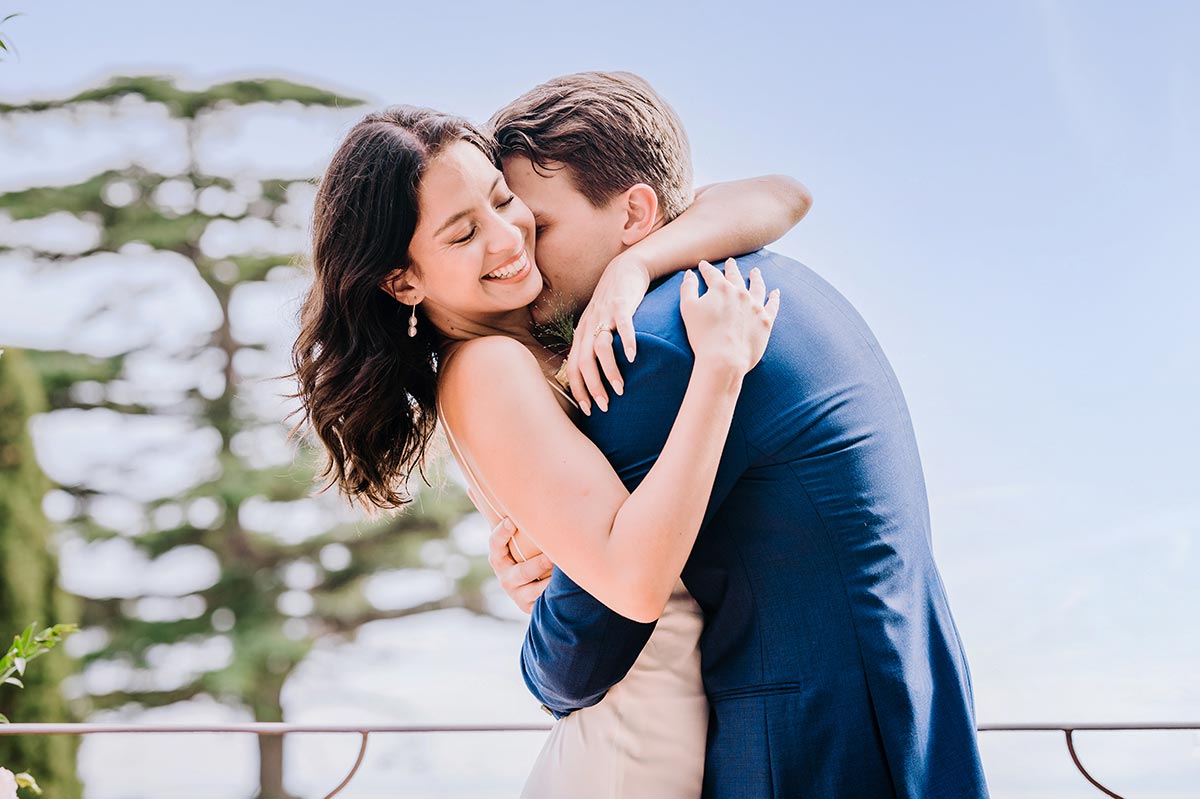
Weddings in Italy are embracing a wave of contemporary trends that celebrate both tradition and modernity. Couples are increasingly opting for intimate ceremonies, focusing on personalized experiences rather than grand celebrations. Destination weddings in picturesque locations, such as Tuscany and the Amalfi Coast, continue to be popular, with couples seeking breathtaking backdrops for their vows.
Moreover, there is a growing emphasis on sustainable practices, where couples choose eco-friendly venues and decor. Culinary experiences are also at the forefront, as couples curate bespoke menus featuring local cuisine and wines, reflecting Italy’s rich gastronomic heritage.
I’ve noticed couples choosing understated decor that highlights natural elements. Local flowers, minimal arches, and organic color palettes have been popular lately. Couples also love personalized menus with regional dishes. It’s a simple way to honor Italian culture.
How does a luxury wedding planner help to realize your dream wedding?
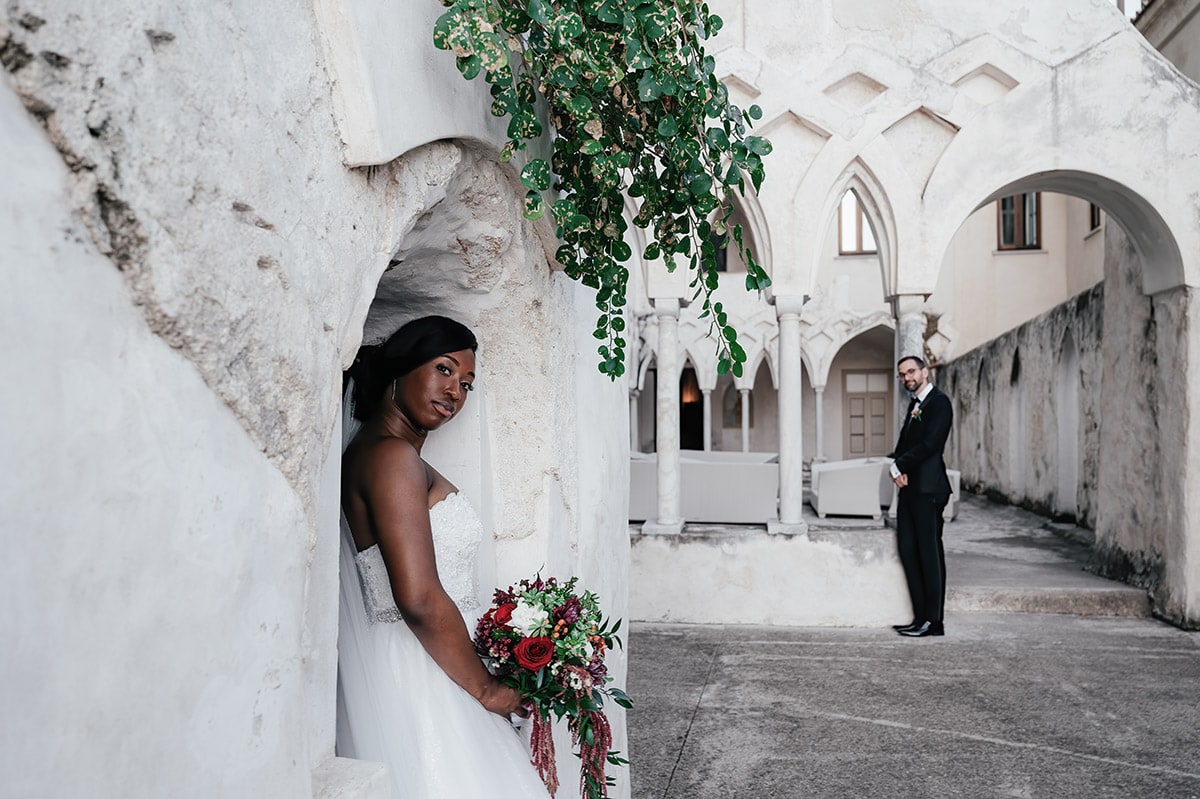
A luxury planner anticipates issues before they arise and provides solutions. We coordinate everything from vendor negotiations to guest accommodations. Our goal is to let you enjoy the journey without worrying about day-to-day details.
I still remember my first wedding in Sorrento, standing on a cliffside terrace, camera in hand, watching the sun dip into the sea. That moment showed me how powerful a destination wedding could be. Each celebration feels fresh and exciting, and I’m here to make it happen for you. From picking the right venue to ensuring every guest leaves with a smile, my team and I handle every detail so you can focus on what really matters: celebrating your love in one of the most charming places on Earth.