
Villa Cimbrone Elopement packages in the picturesque in Ravello, Italy
Create lasting memories with our Villa Cimbrone Elopement packages, perfect for intimate weddings in Ravello, Italy’s most romantic location
START PLANNING YOUR WEDDING IN RAVELLO

Why we love photographing Villa Cimbrone elopements
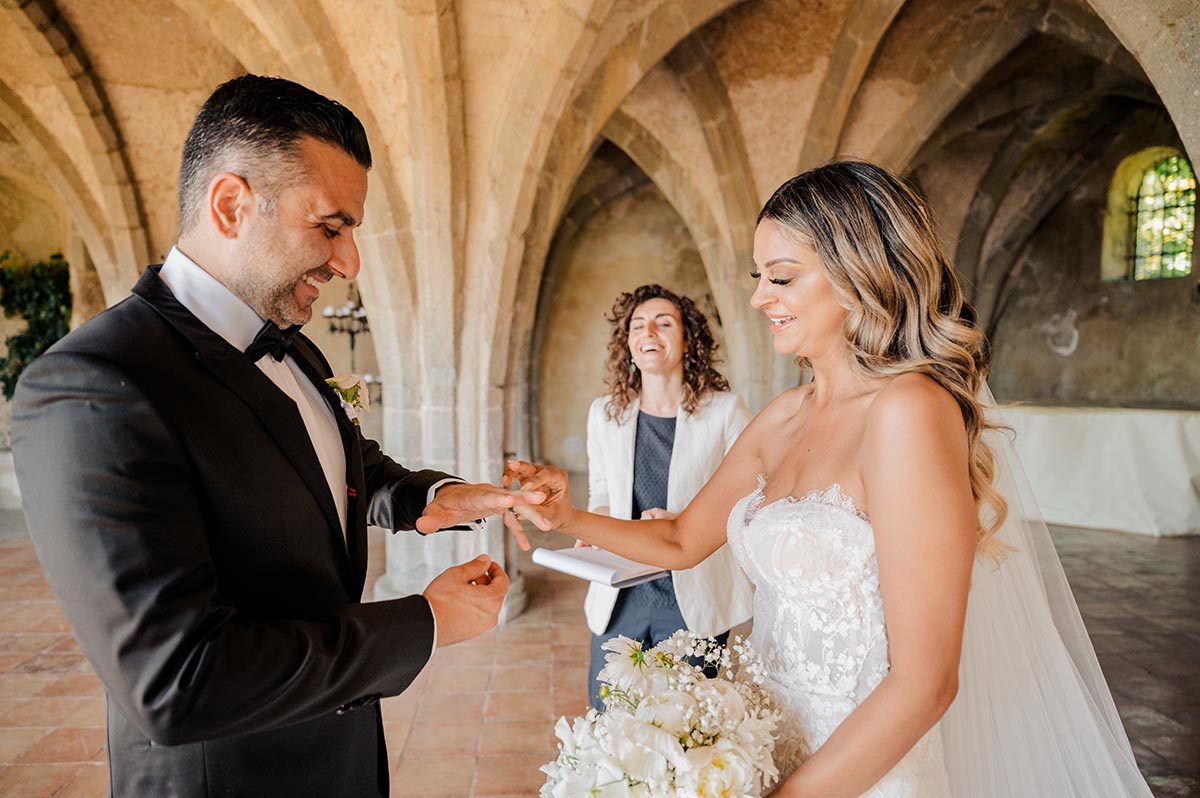
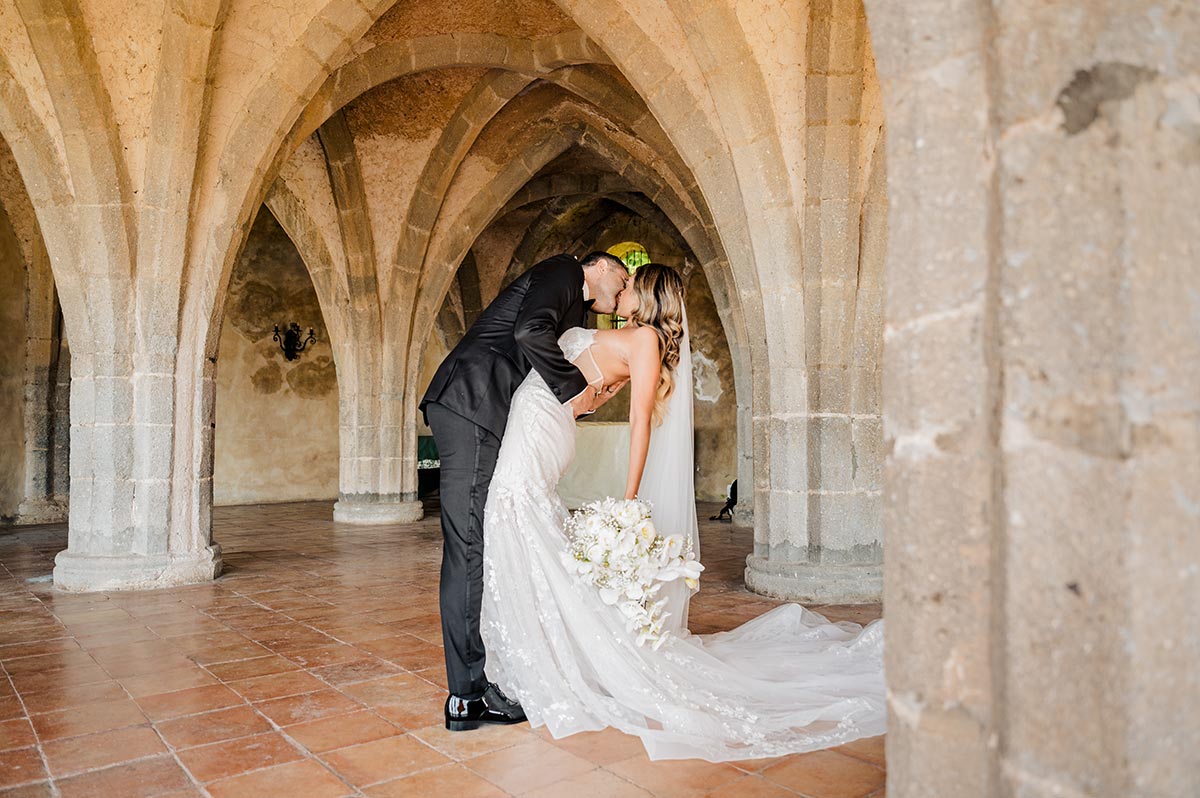
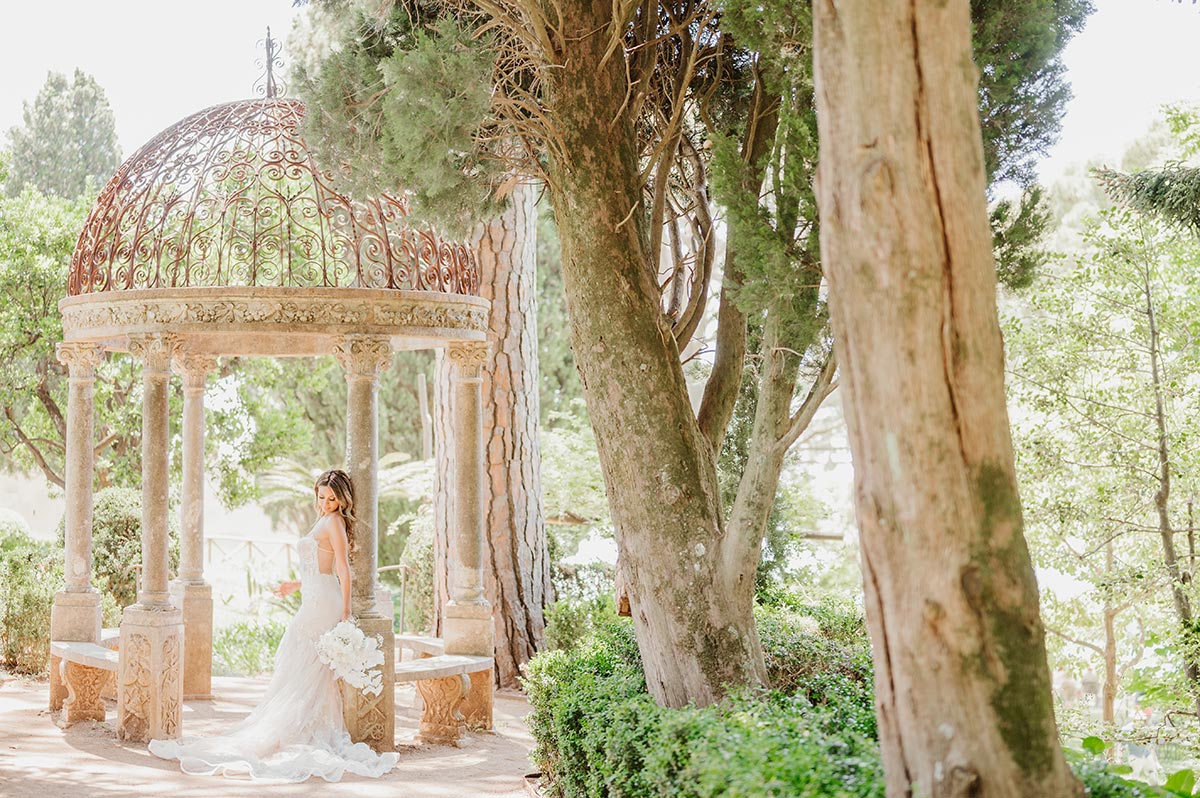
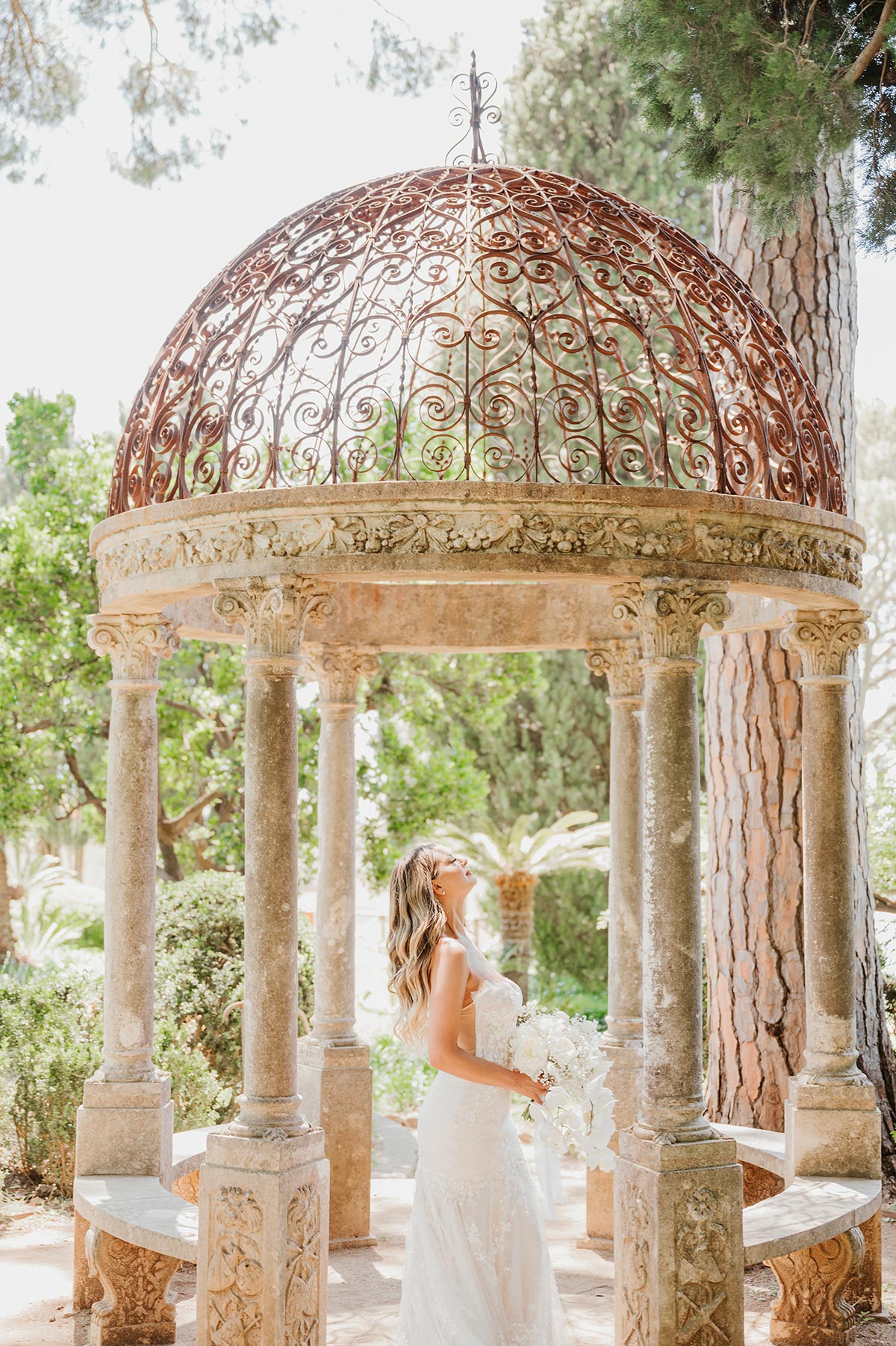
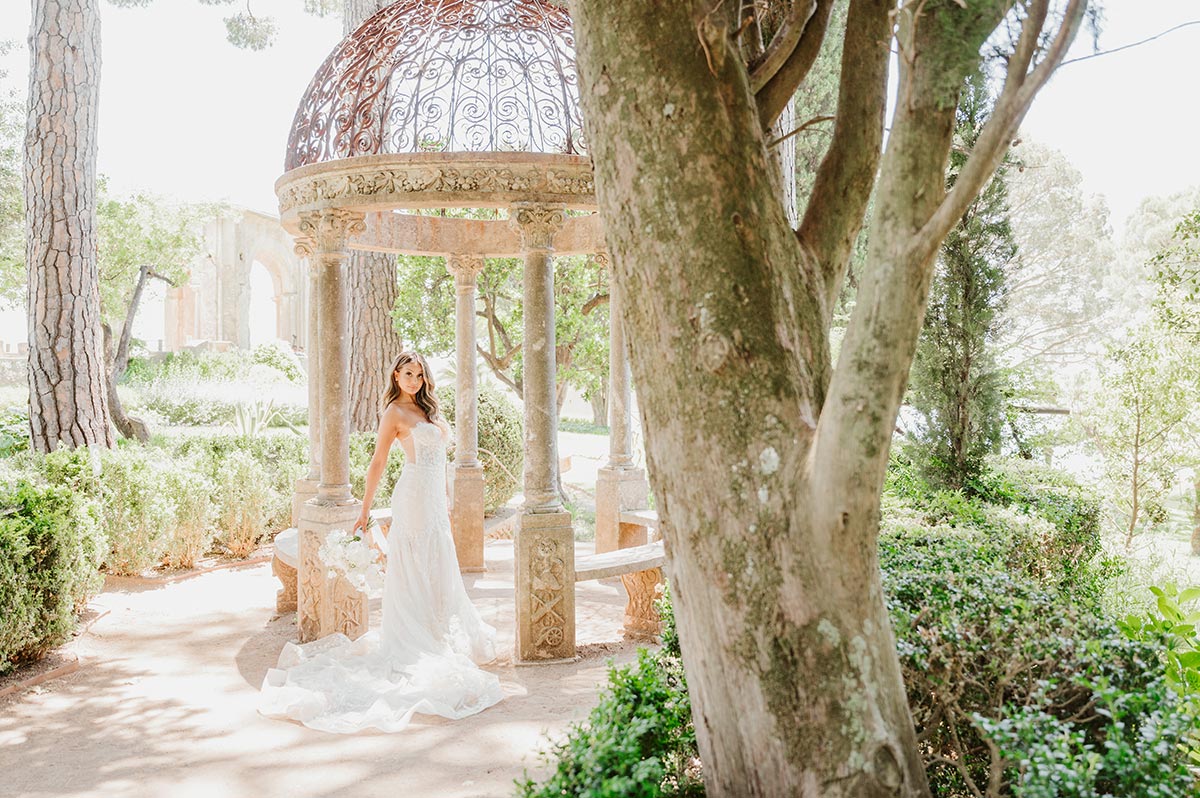
As a wedding photographer based on the Amalfi Coast, one location always takes our breath away – Villa Cimbrone. Nestled in the hillside of Ravello, this breathtakingly beautiful Villa offers the perfect setting for intimate elopements and destination weddings. Every inch of this historic Villa exudes romance and charm, from the lush gardens and enchanting terraces to the stunning sea views.
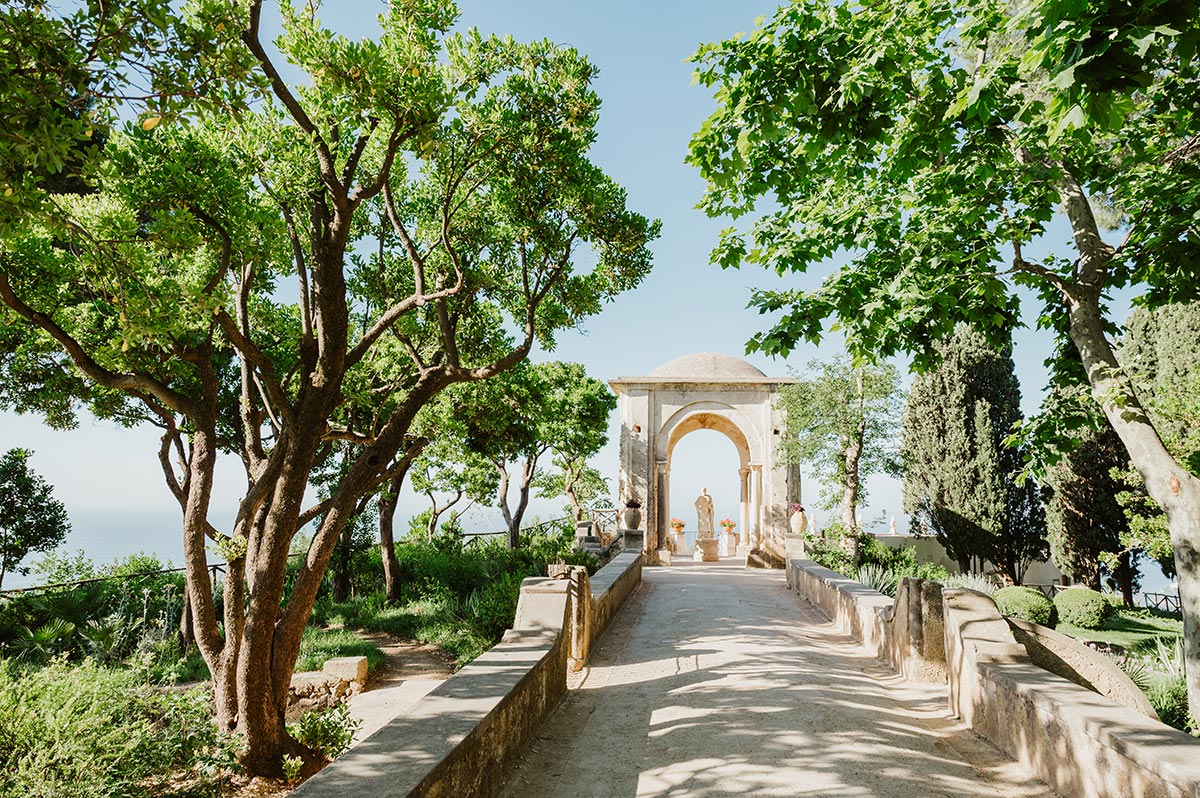
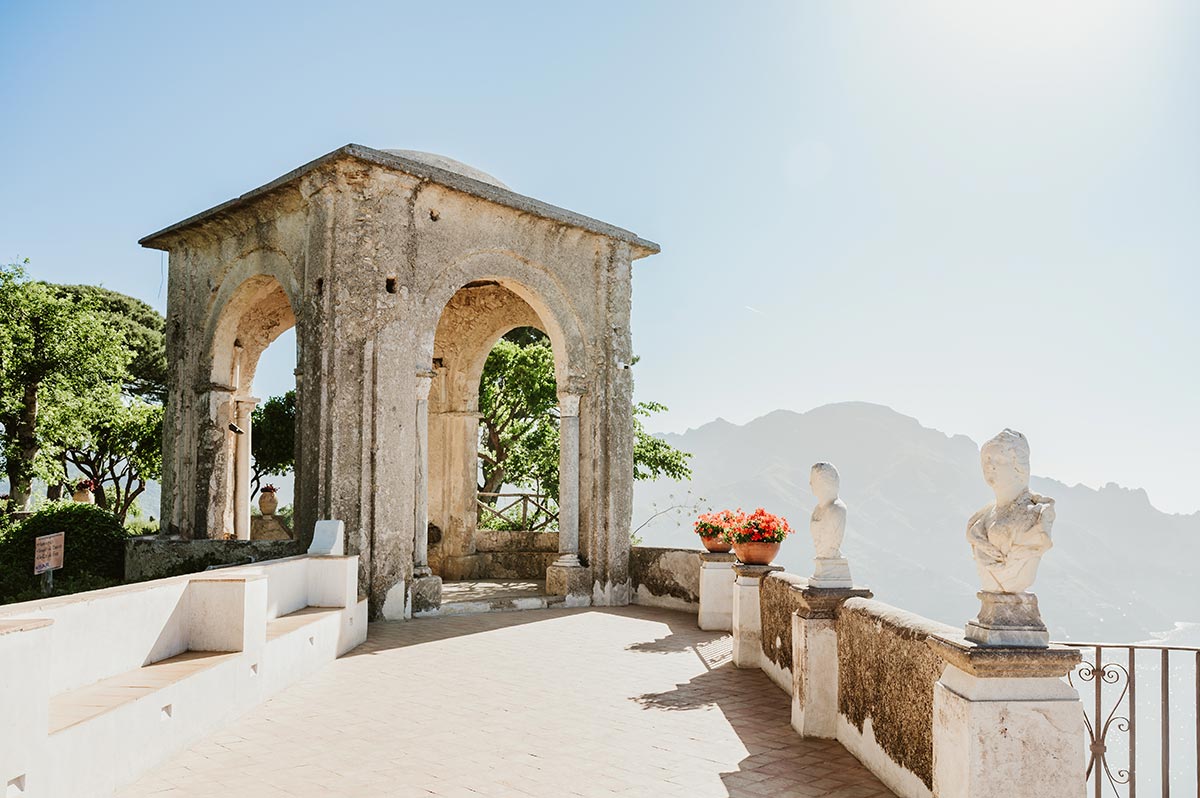

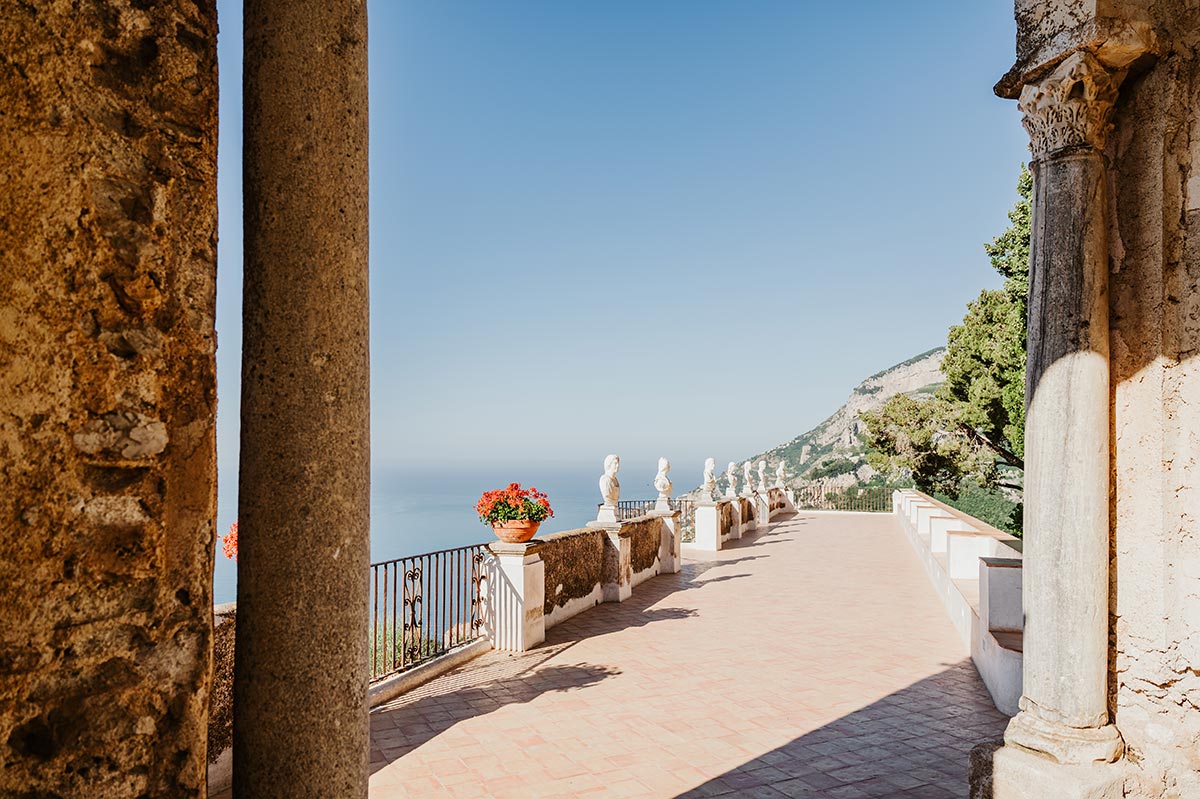

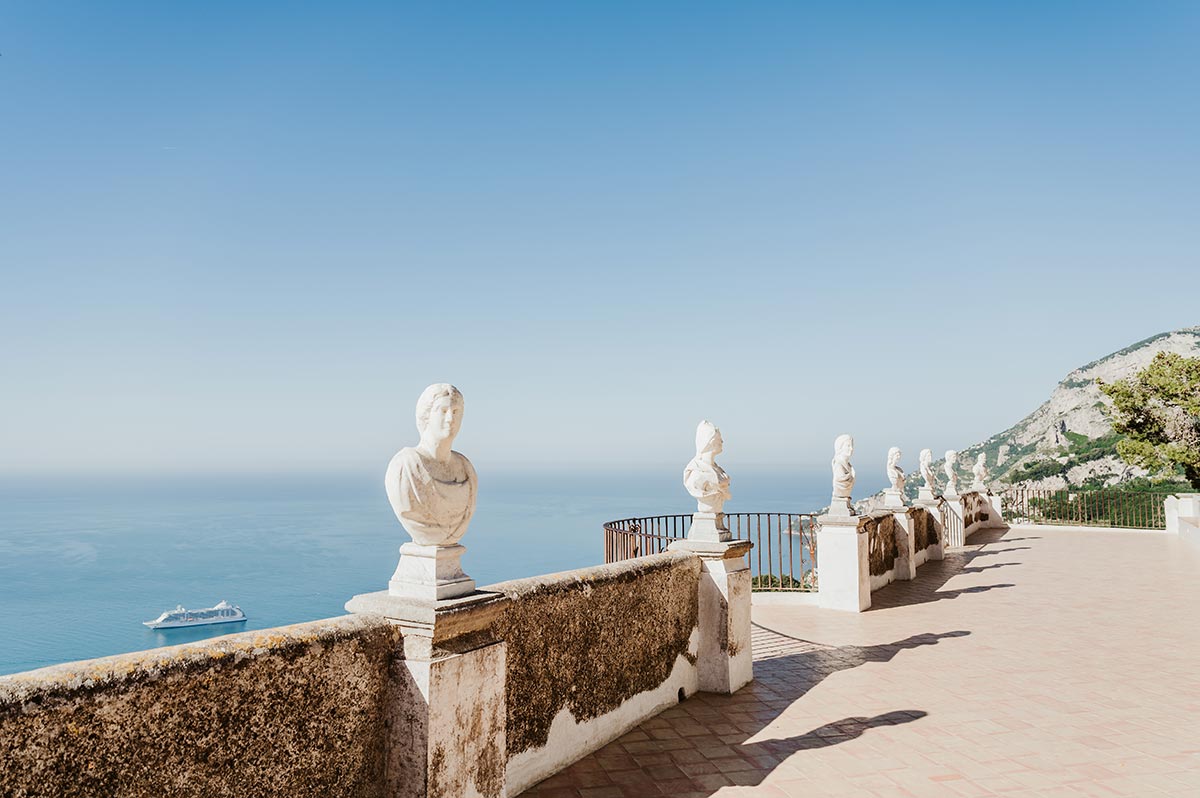
When we first set foot inside Villa Cimbrone, we were struck by its grandeur and elegance. The intricate stone carvings, ornate frescoes, and frescoed ceilings transport you back to the days of grandeur and opulence. But it’s not just the Villa that makes it a special place to shoot.




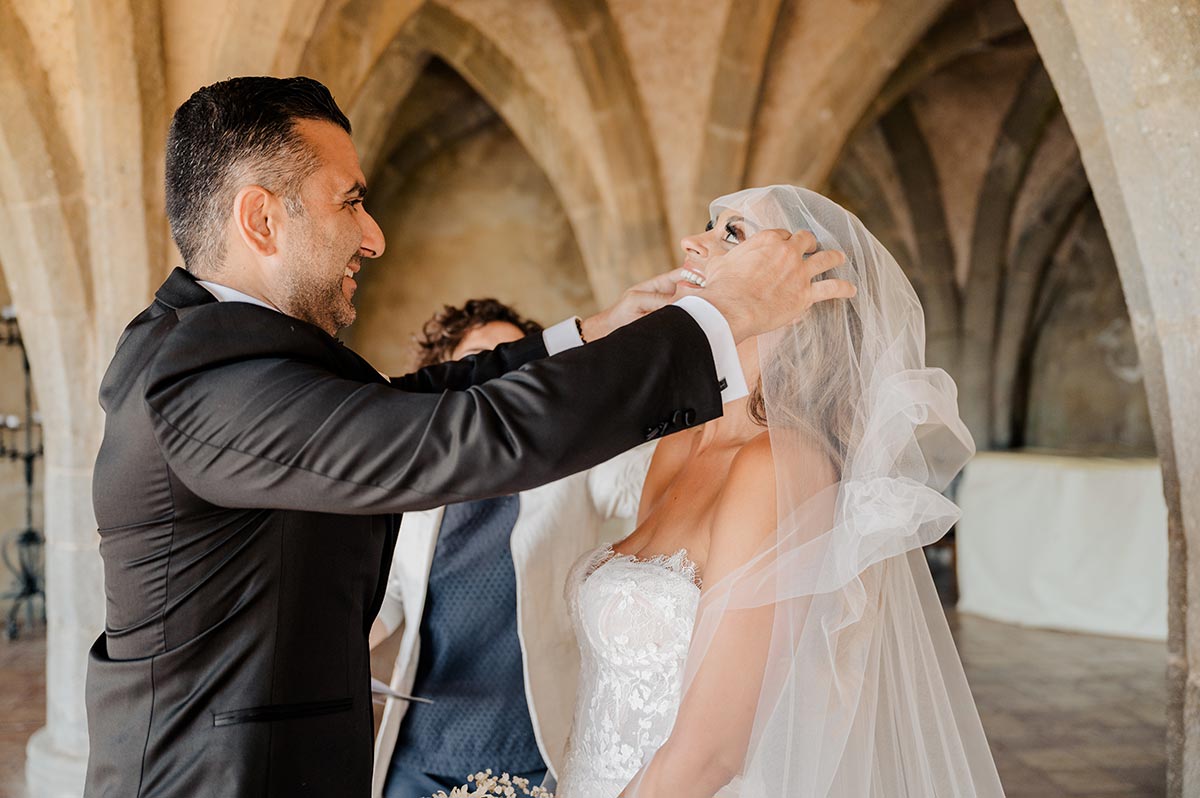
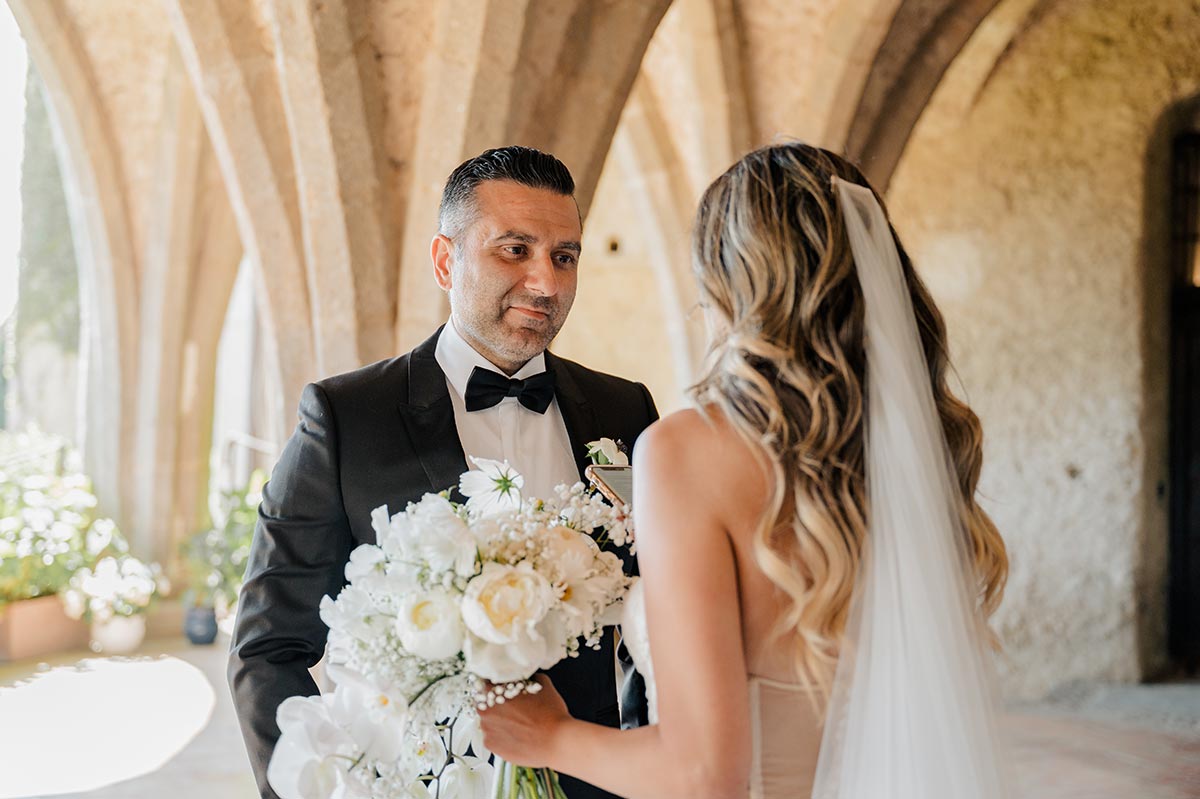
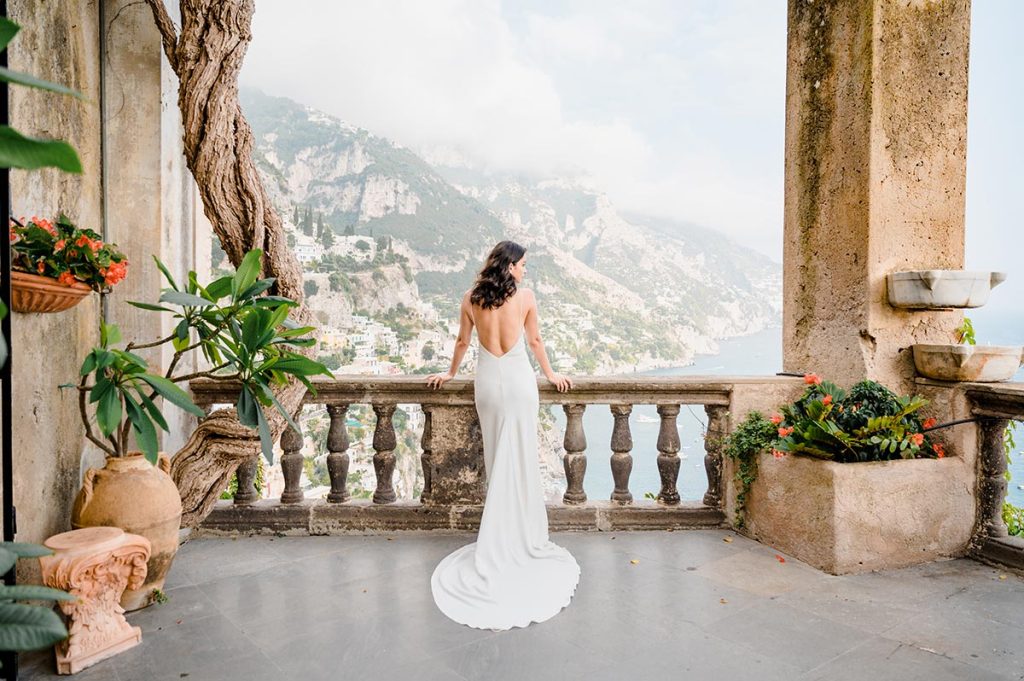
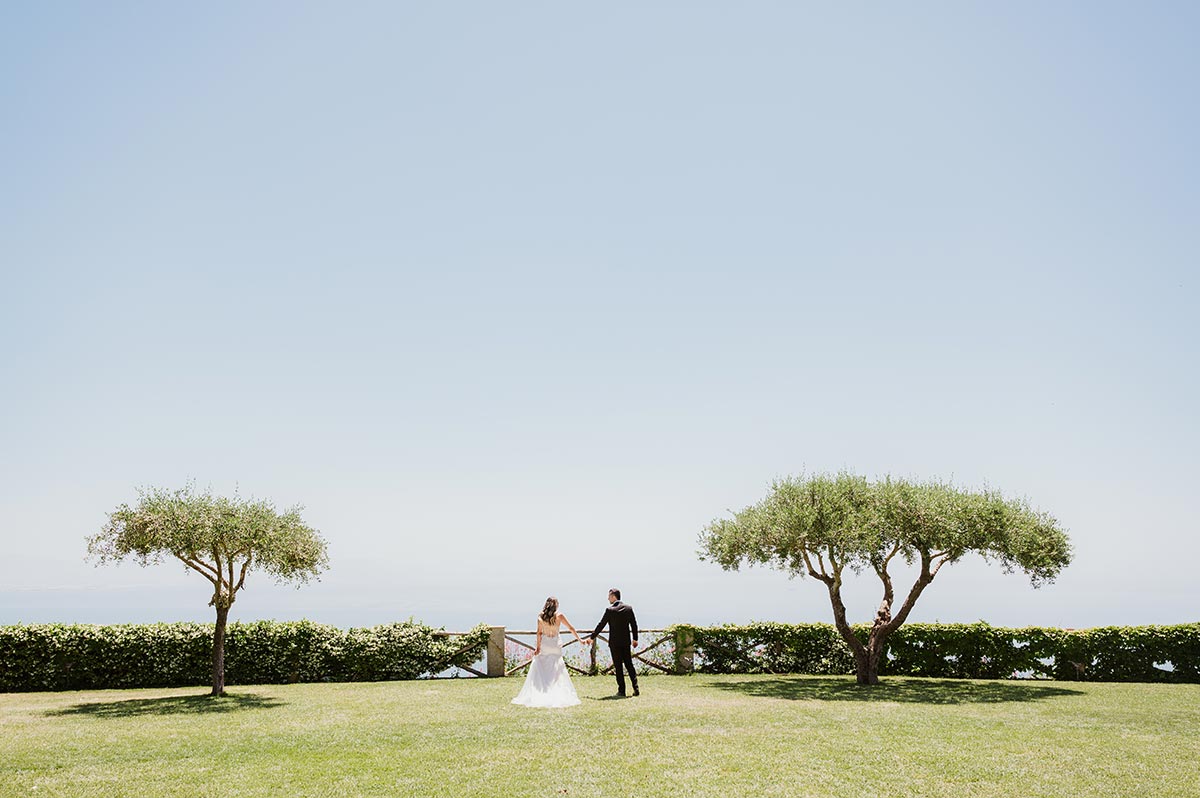
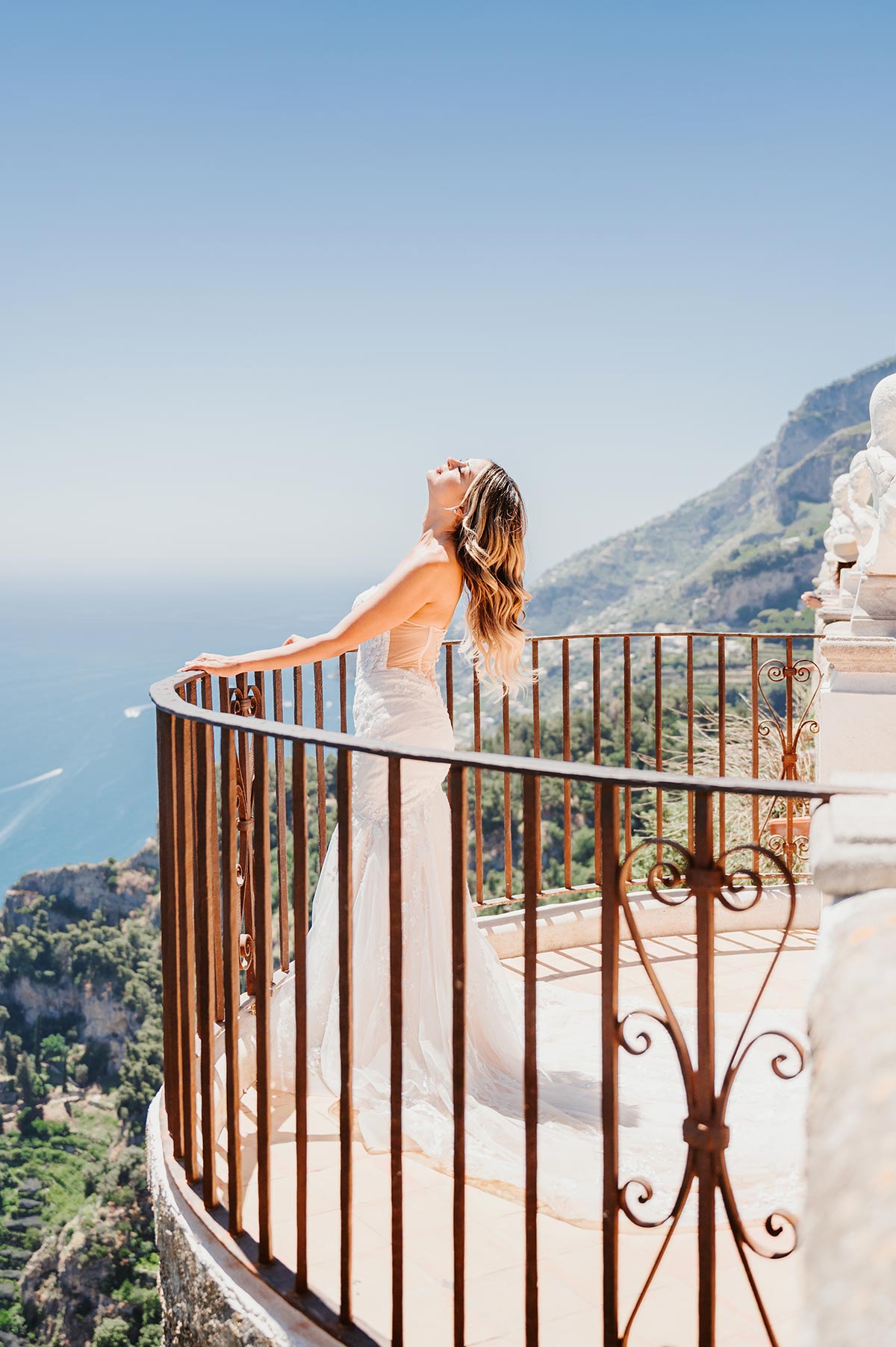
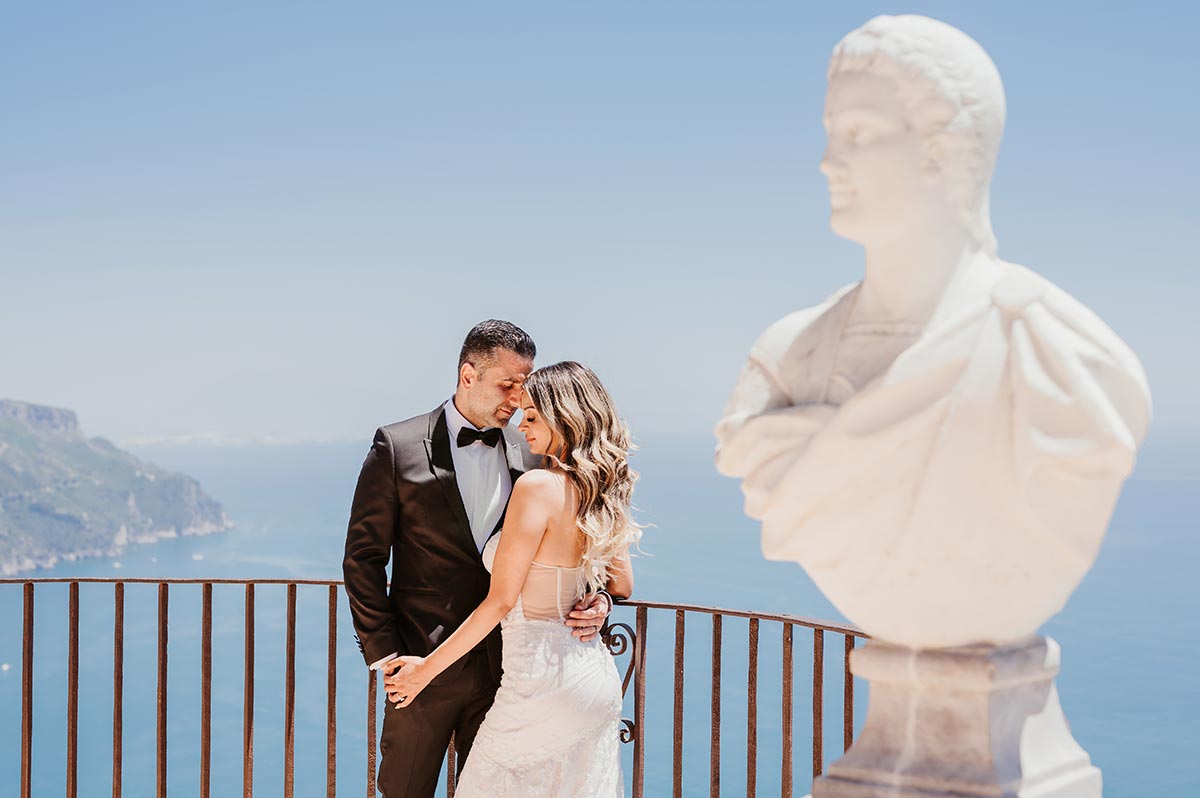
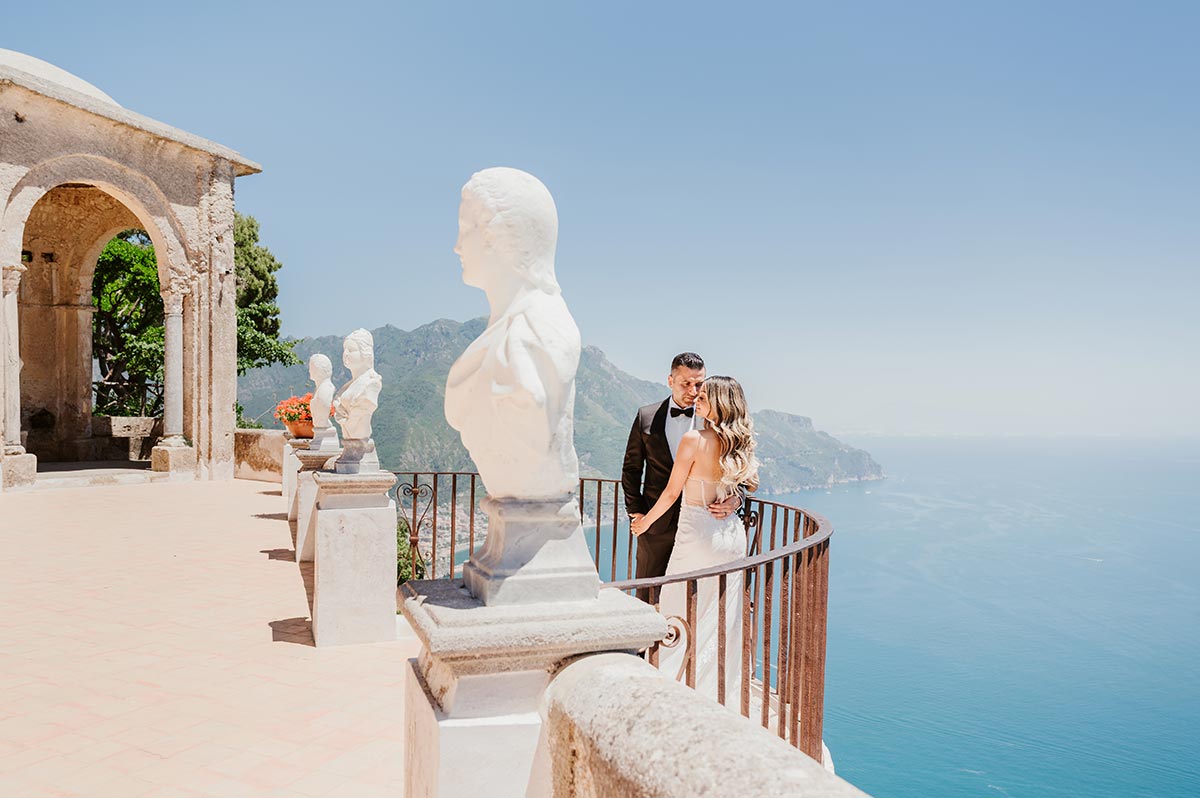
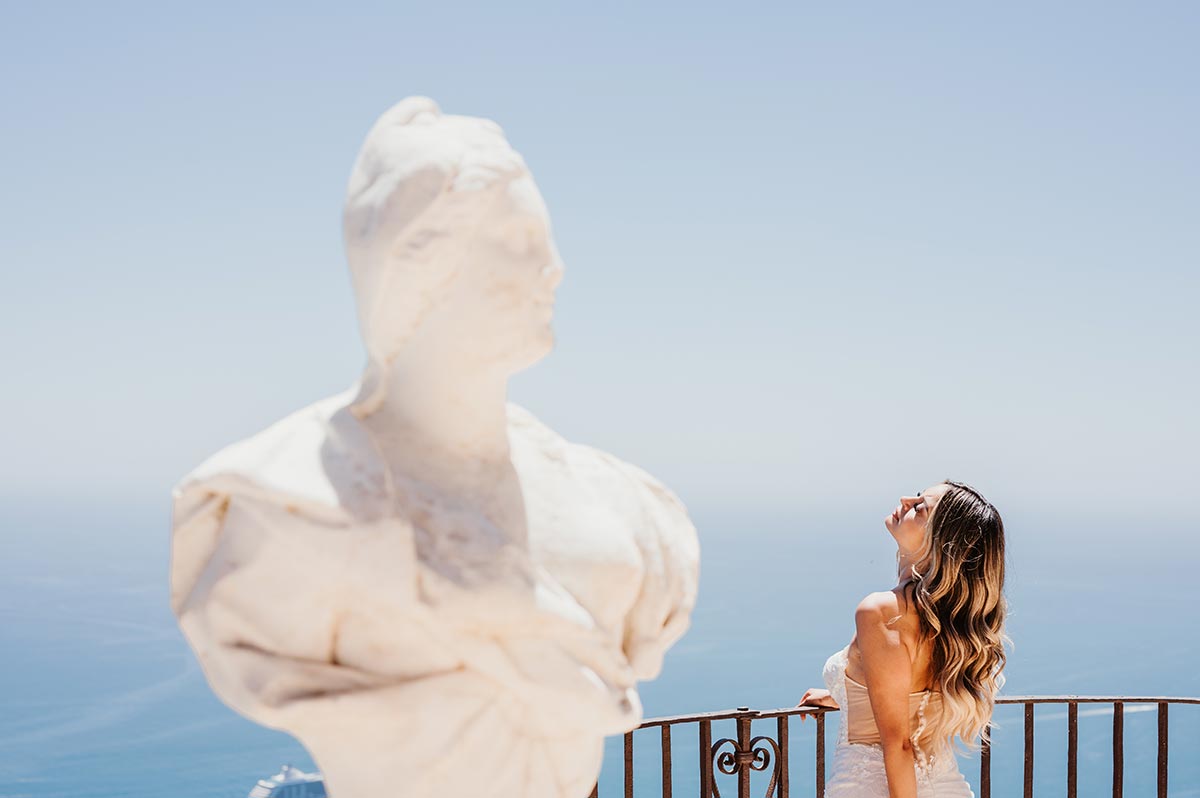
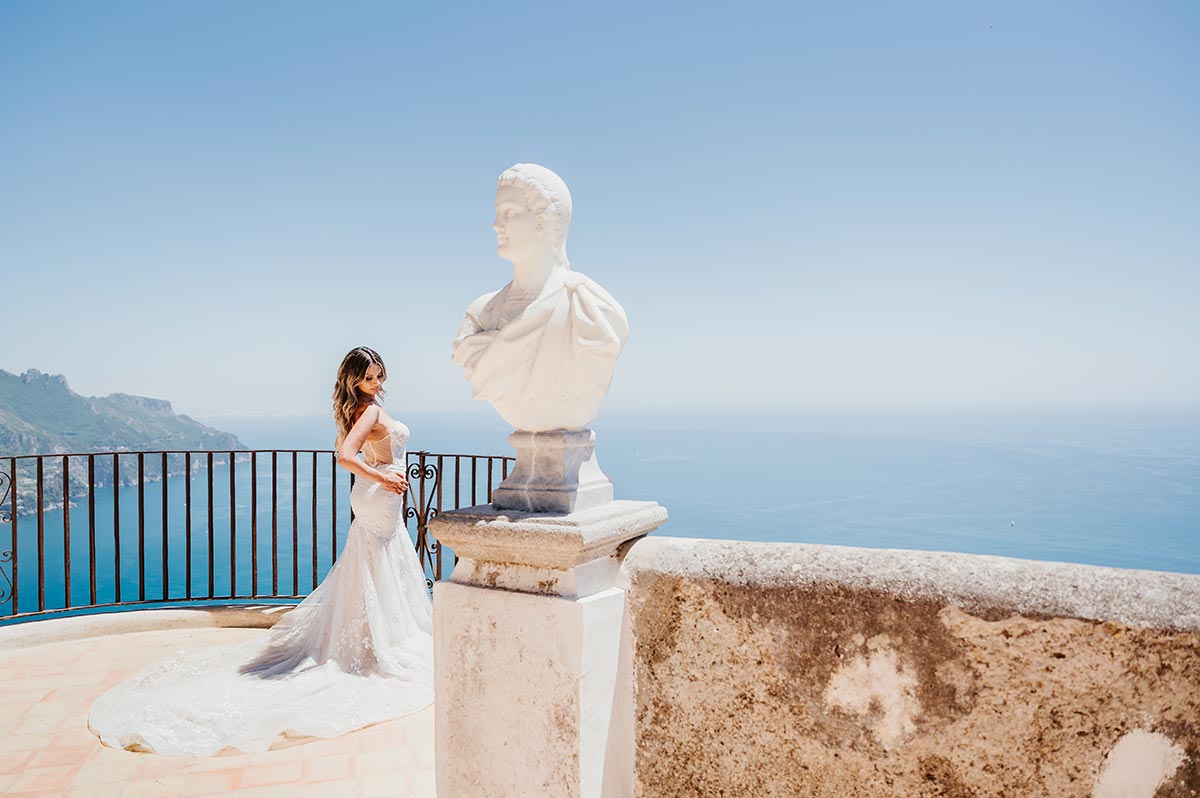
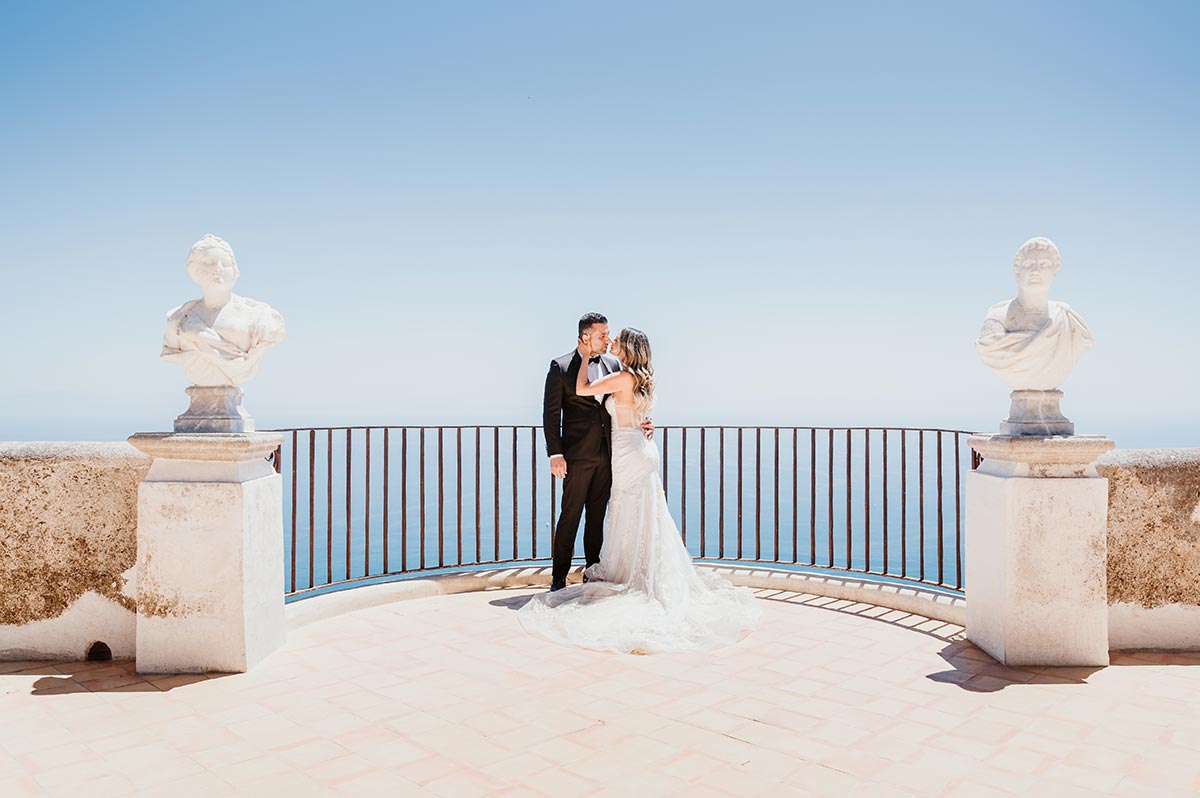
The lush gardens and terraces offer a wealth of photographic opportunities. The famous Terrace of Infinity, with its panoramic views of the sea, is a particular favorite of ours. It’s the perfect spot for capturing the magic of a wedding ceremony or an intimate elopement.
But what we love most about Villa Cimbrone is how it perfectly captures the essence of the Amalfi Coast. The vibrant colors of the flowers, the sparkling sea, and the charming hillside towns all come together to create a truly enchanting atmosphere. It’s the perfect location for couples looking to capture the romance and beauty of this remarkable place.


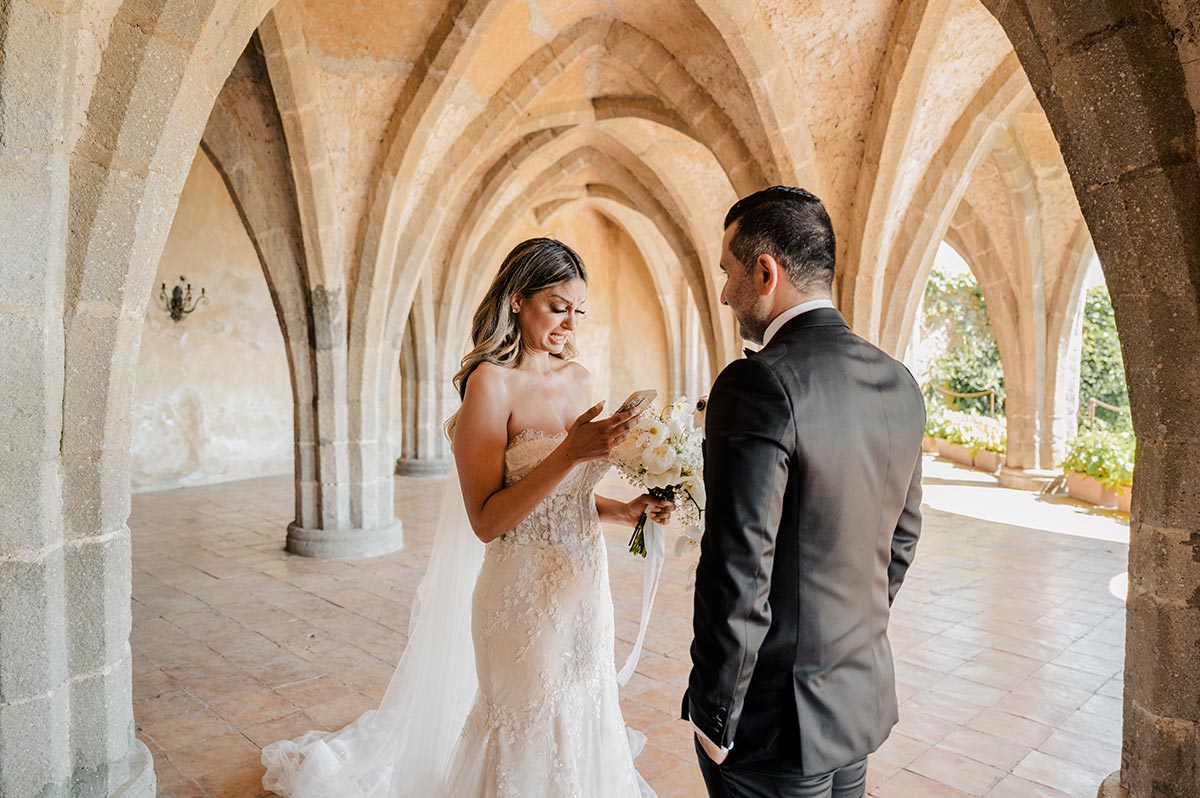
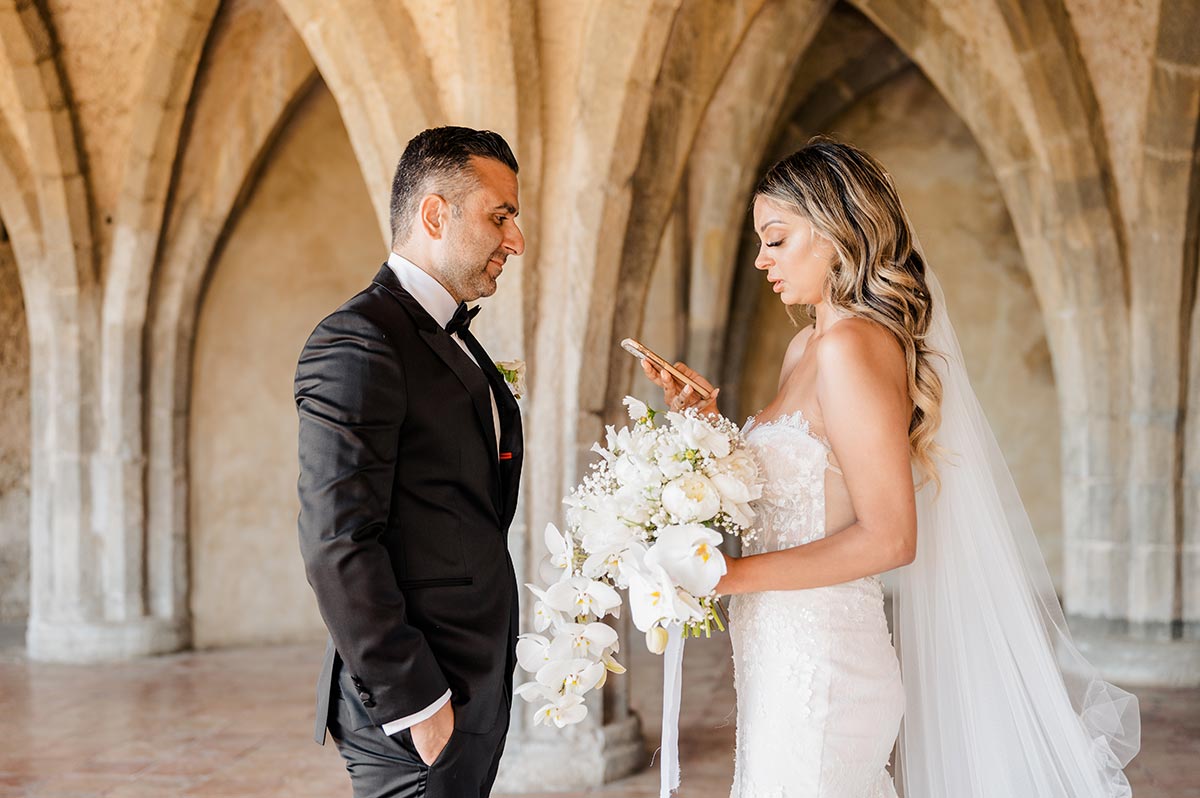
As wedding photographers, we pride ourselves on being able to capture the unique and special moments of every wedding we shoot. And Villa Cimbrone provides endless opportunities for capturing those special moments. From the intimate moments between the couple to the grandeur of the surroundings, every shot is infused with romance and beauty.








Tips to know to plan your dream Elopement in Villa Cimbrone
Villa Cimbrone is a spectacular location for an elopement, but couples should be aware of the limitations and additional costs that may arise and plan accordingly.

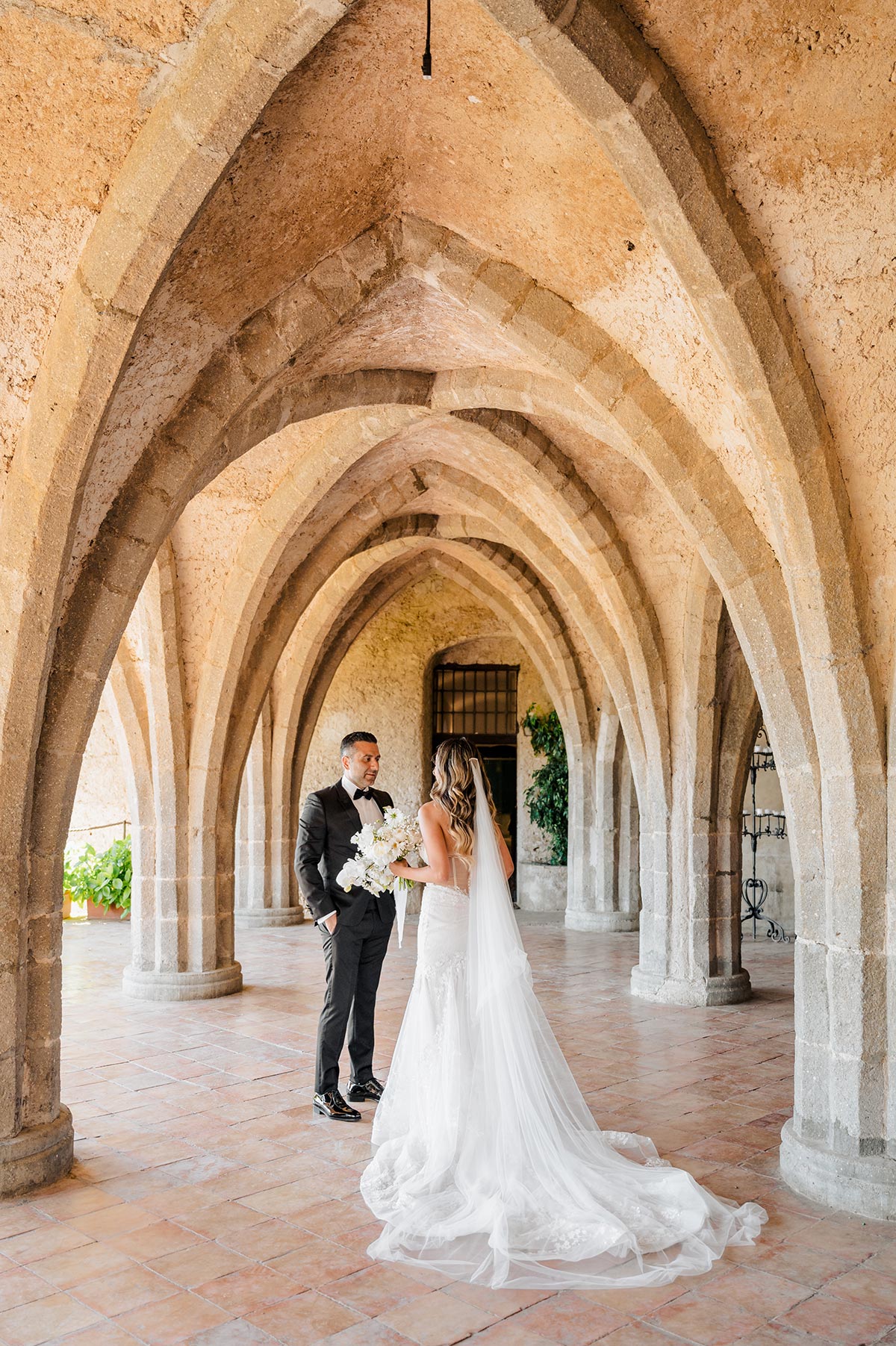
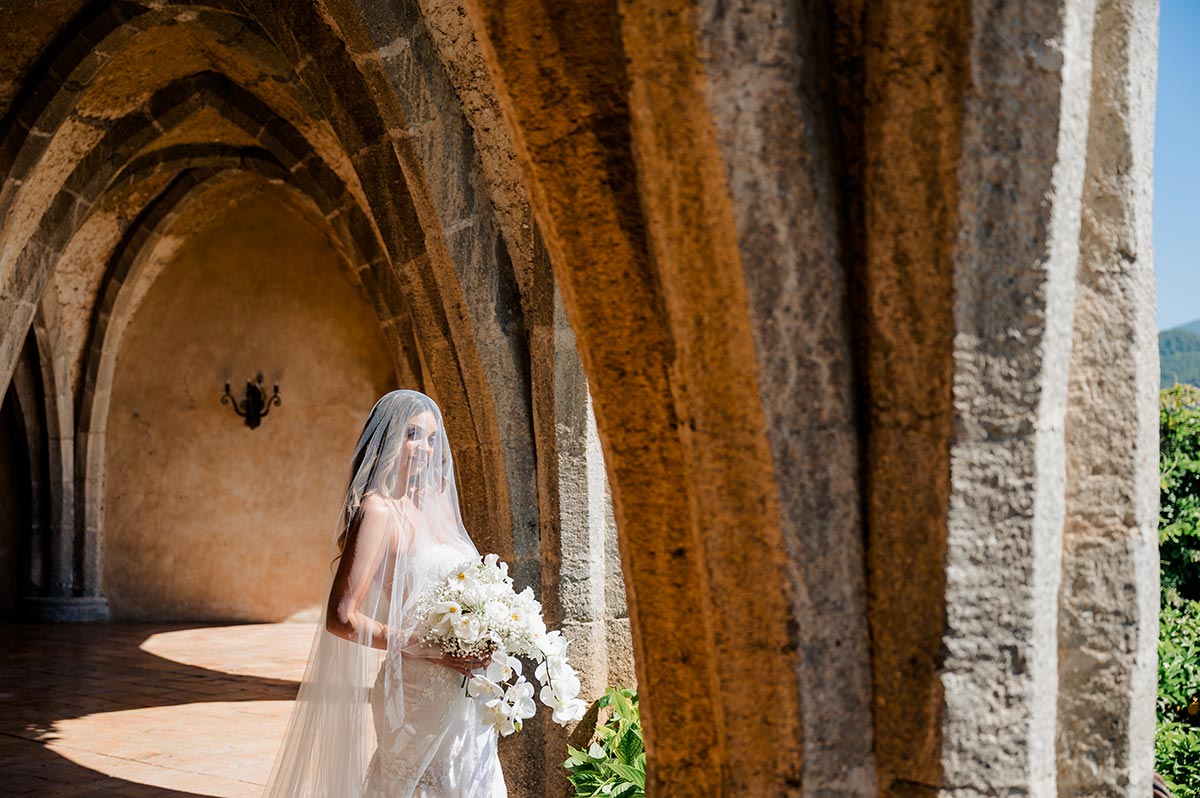

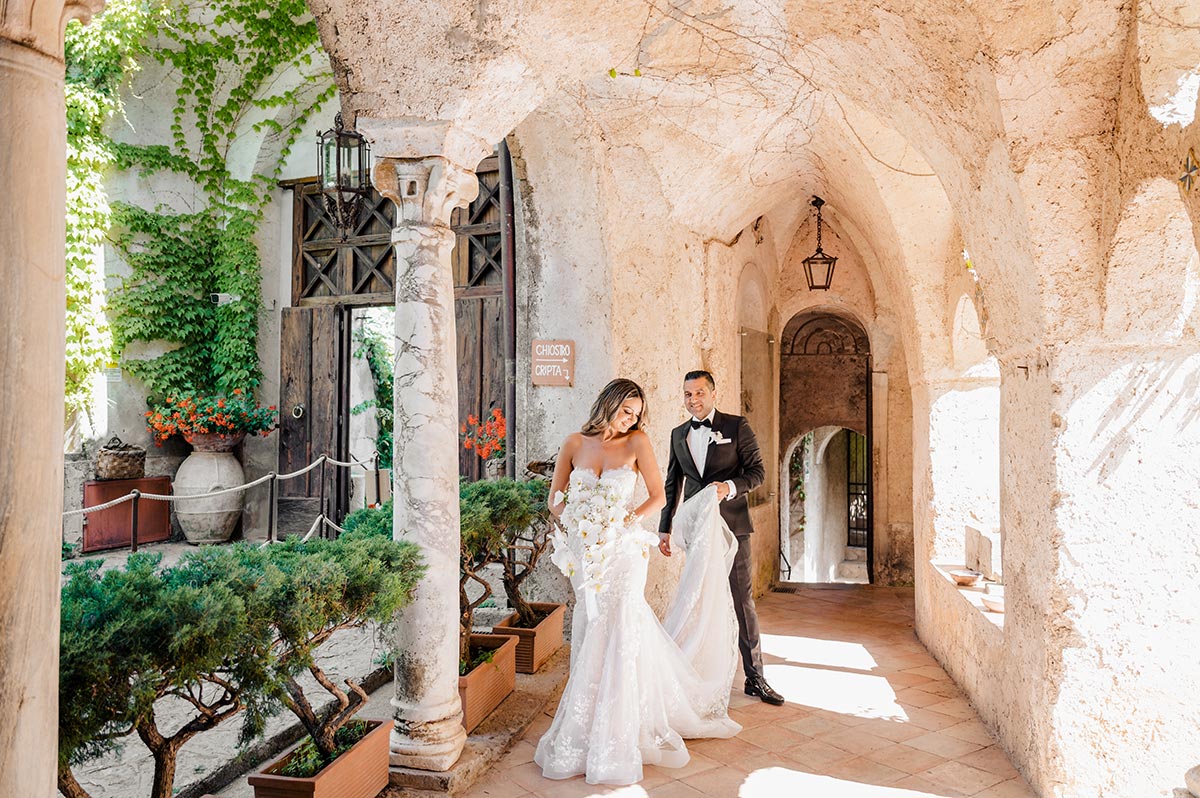

A popular venue for destination weddings
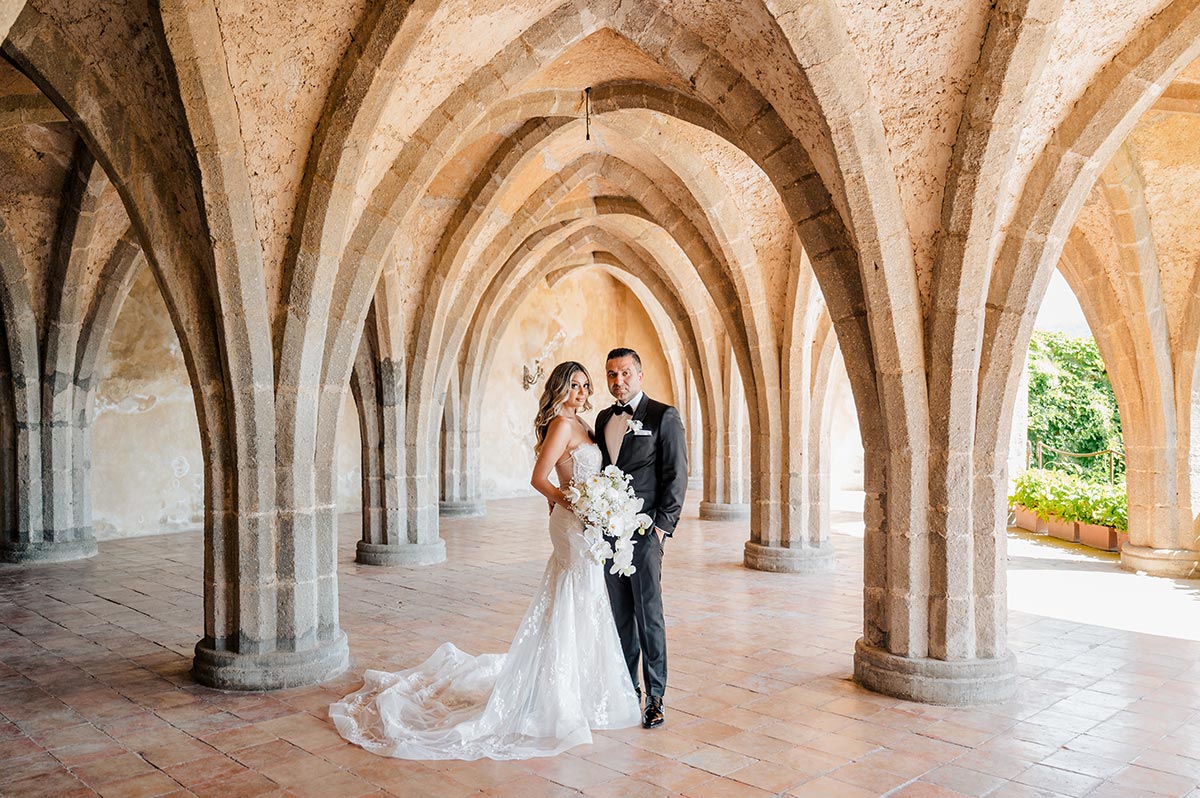
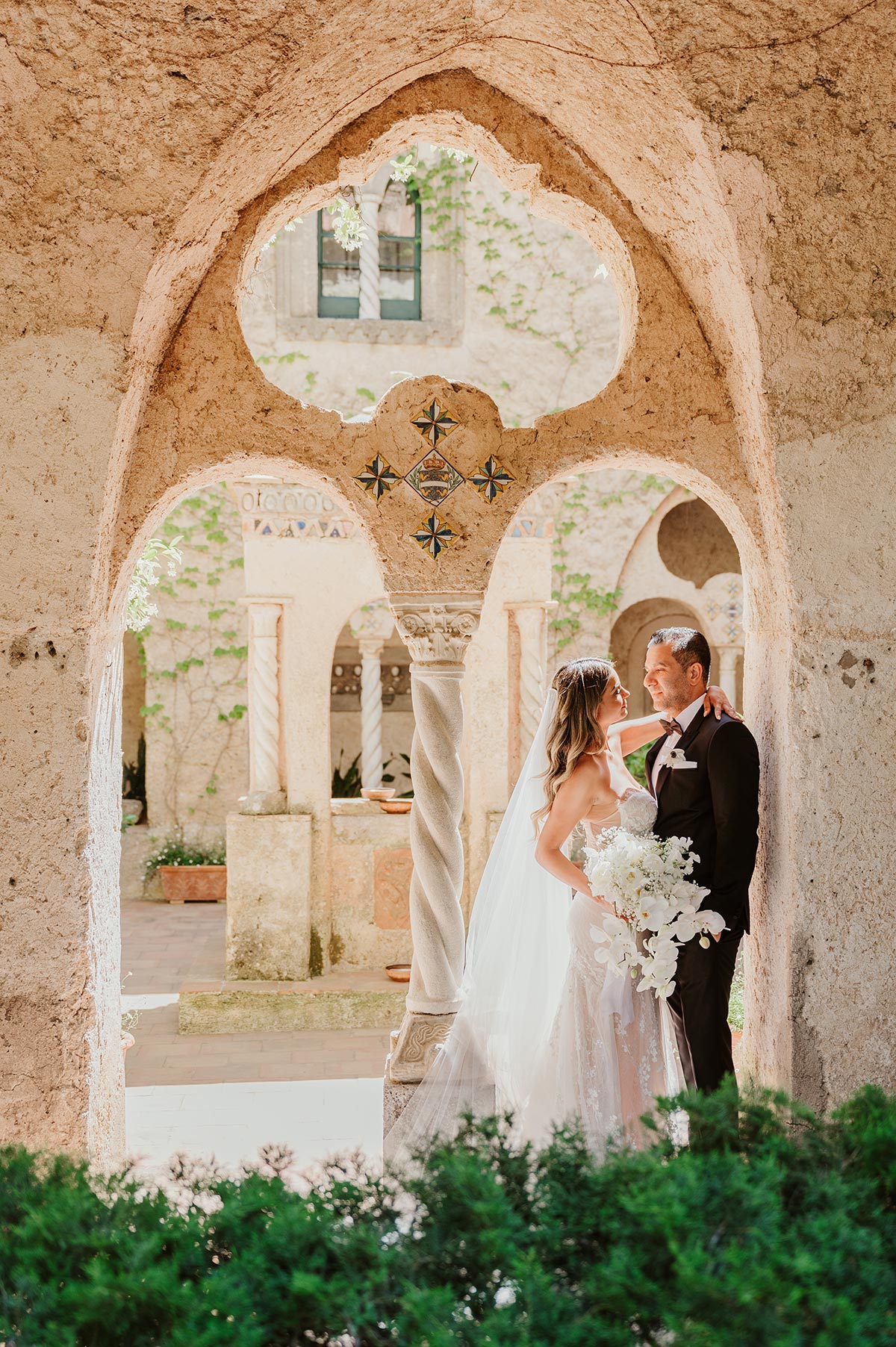
As a Ravello wedding photographer, I can tell you that Villa Cimbrone is one of the most sought-after destinations for destination weddings. However, due to its popularity, dates tend to fill up quickly, making it difficult to book an elopement in the afternoon or evening. Usually, weddings in Villa Cimbrone occur in the late afternoon, especially in summer, due to the hot and humid weather, especially in July and August. Therefore, clients tend to book these highly requested dates many months in advance, which can be the first reason elopements cannot find enough availability since they tend to book the weddings a few months earlier.




Elopement packages and options
On another side, The Villa offers different packages and options for elopements, but these are only sometimes available for booking well in advance. The Villa prioritizes weddings with a minimum number of guests unless a minimum fee is paid, which depends on various factors, such as the spaces in the Villa the couple wants to use and the use of additional options.

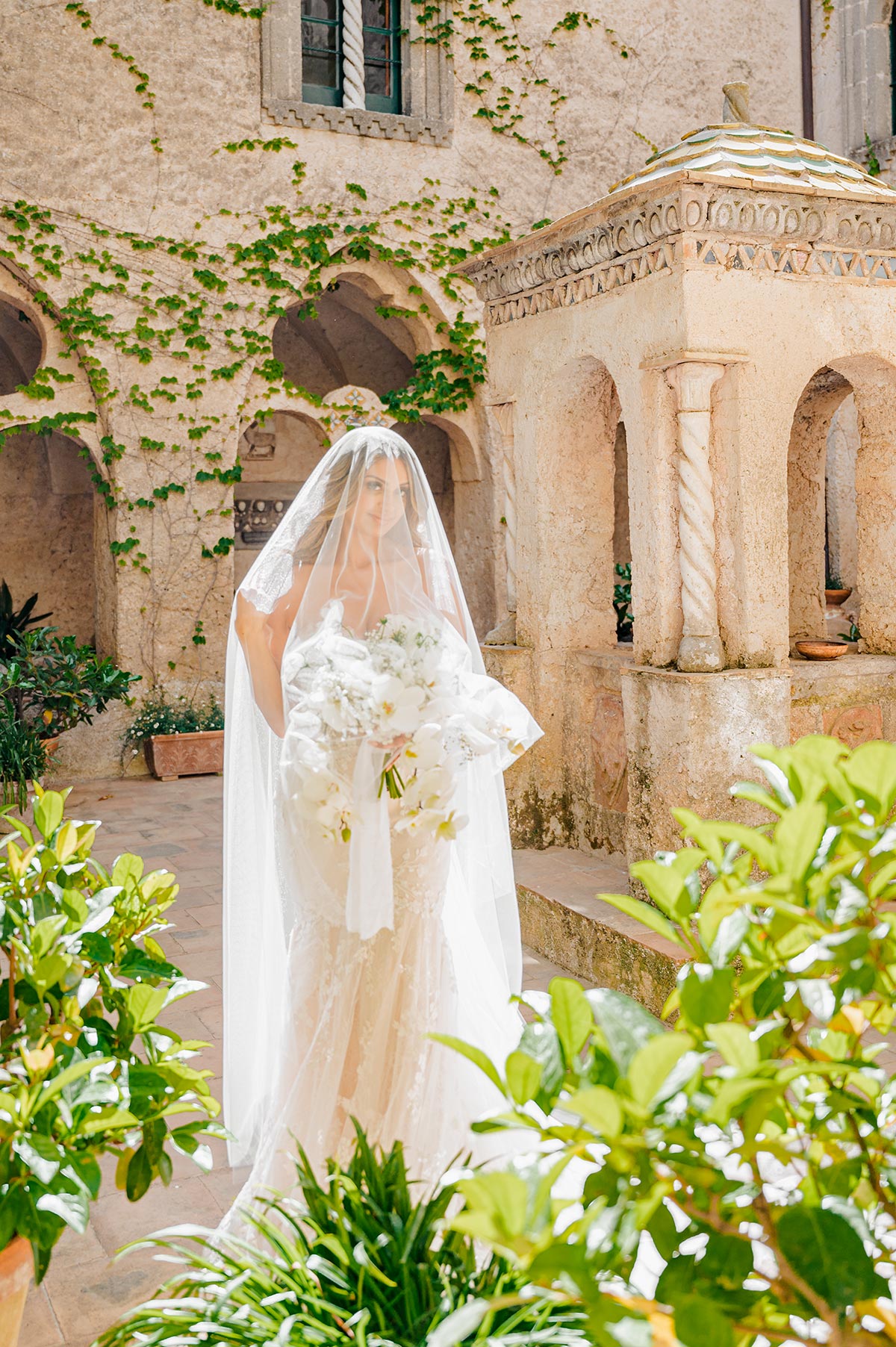


Prices can be strictly related to the following questions:
Do you want to have the exclusivity of some areas of the Villa at a specific time? Like the tea room, the infinity terrace, the Crypt, or others? Spaces used for the ceremony are also subject to a fee, not depending on whether or not the couple chooses to rent a room at the hotel and stay there.

Do you want to include also other vendors in the package, and which one? The flowers, music, celebrant, makeup?

Do you want to have a romantic private dinner in some specific area of the Villa?
You can consider many options when you book your elopement in Villa Cimbrone.
Photographing morning elopements at Villa Cimbrone
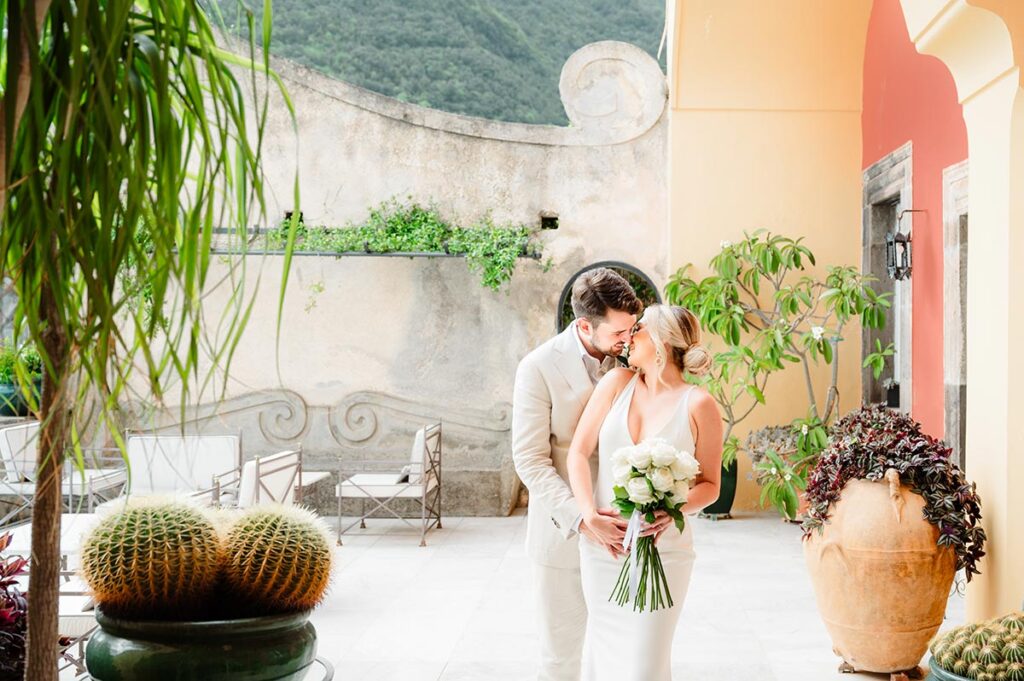
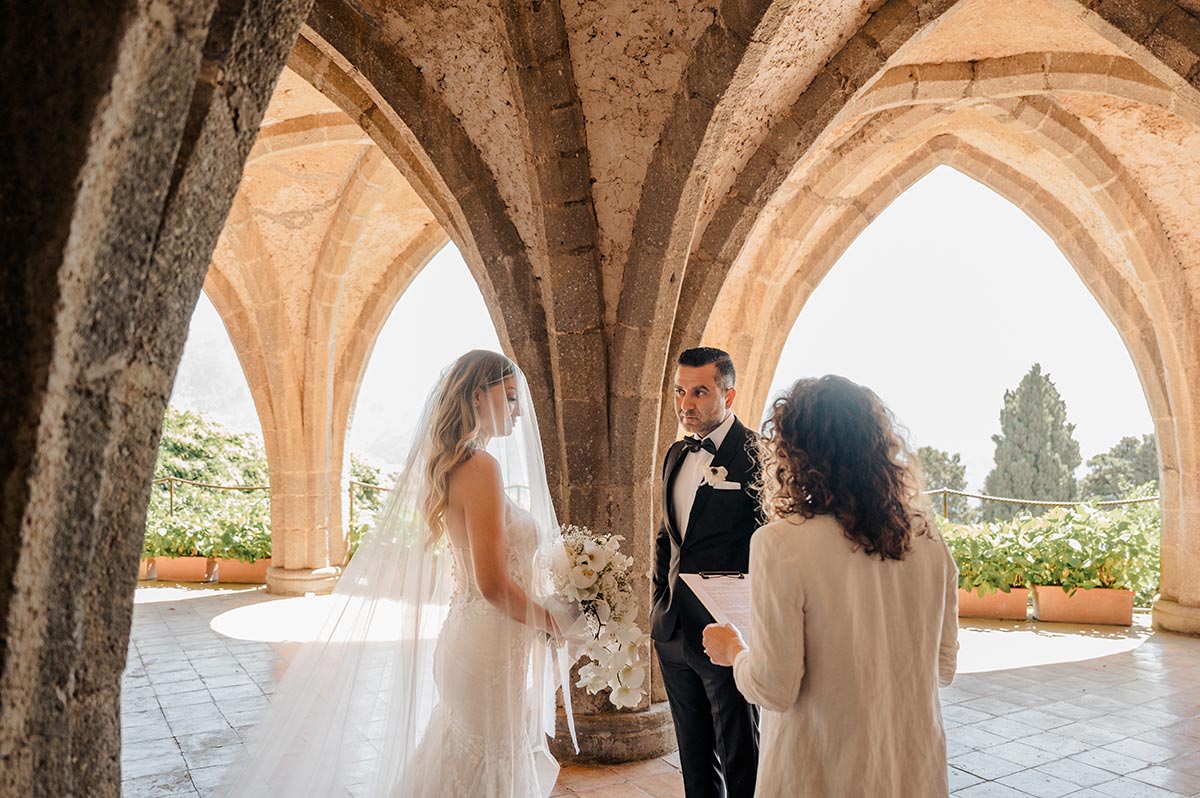
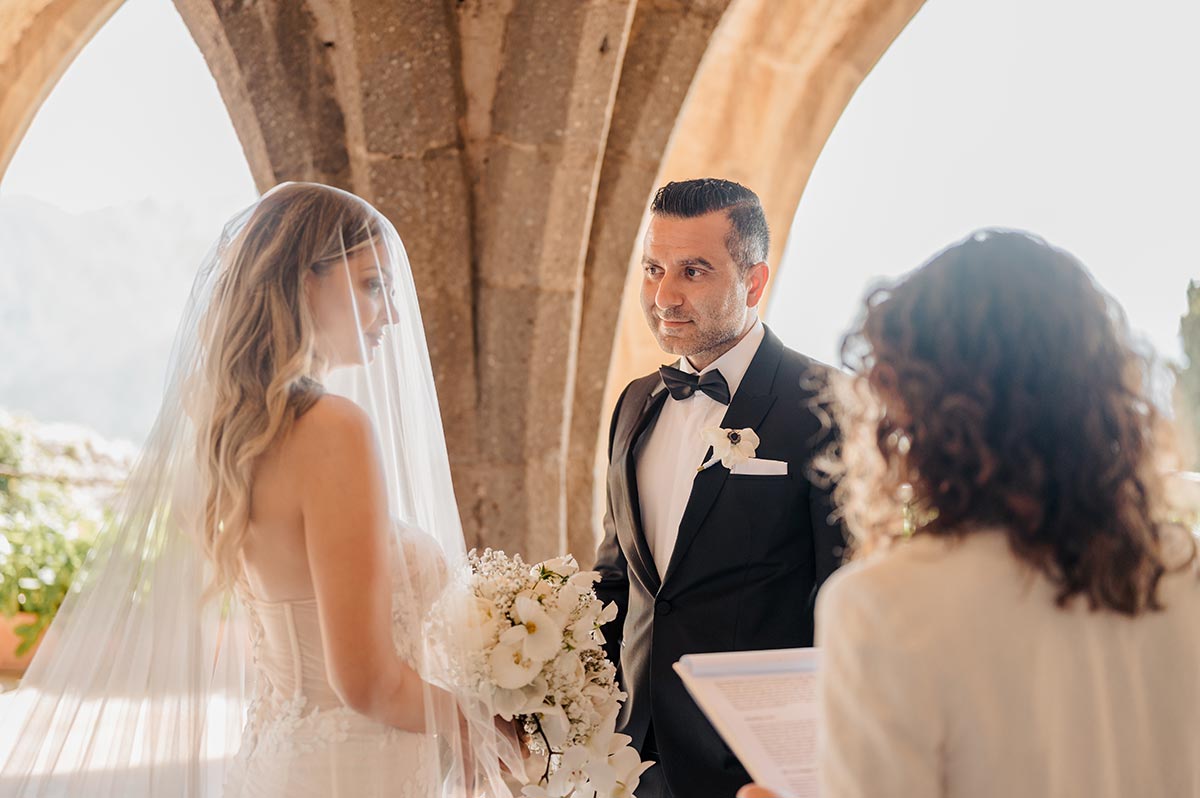
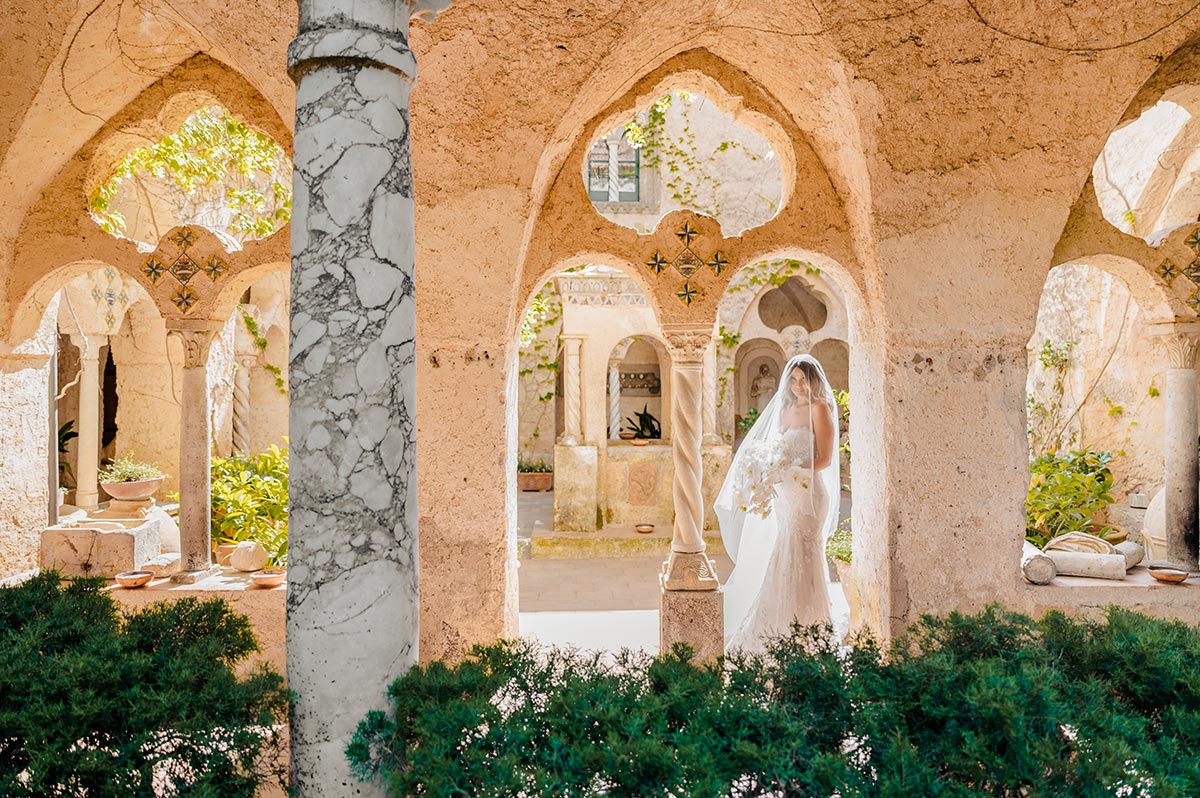
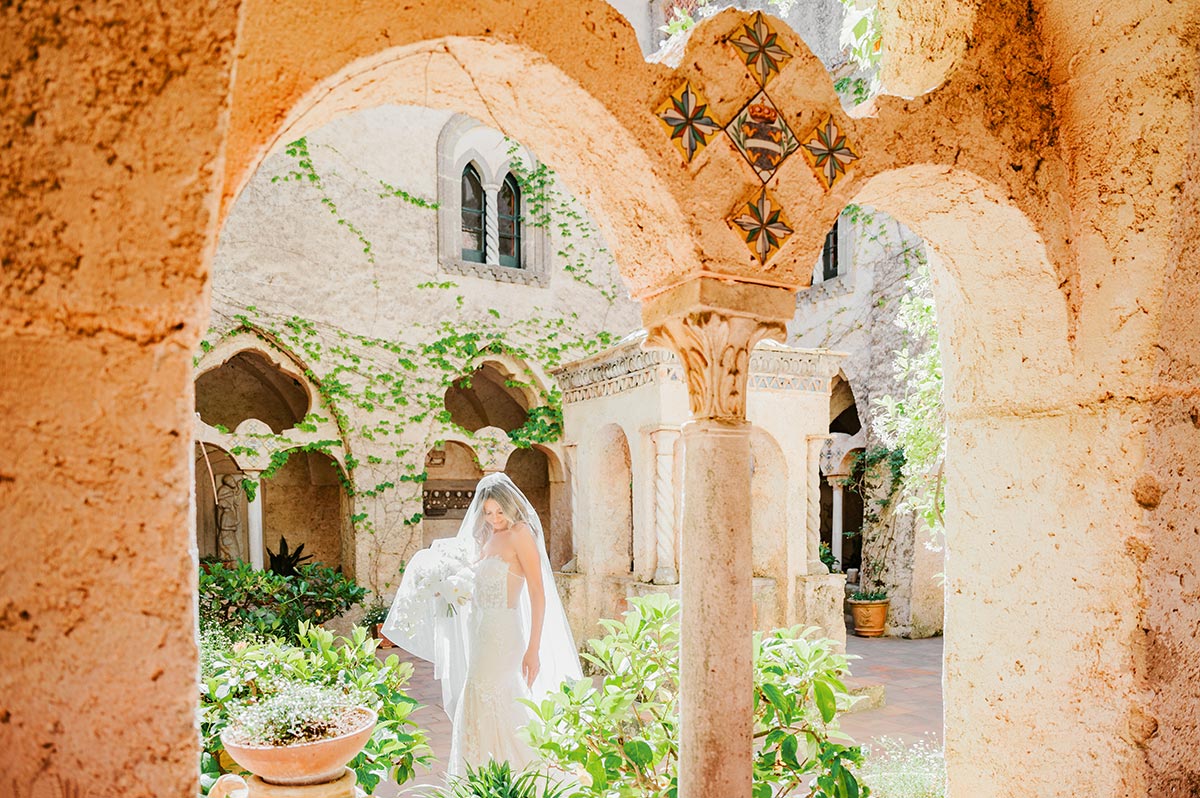
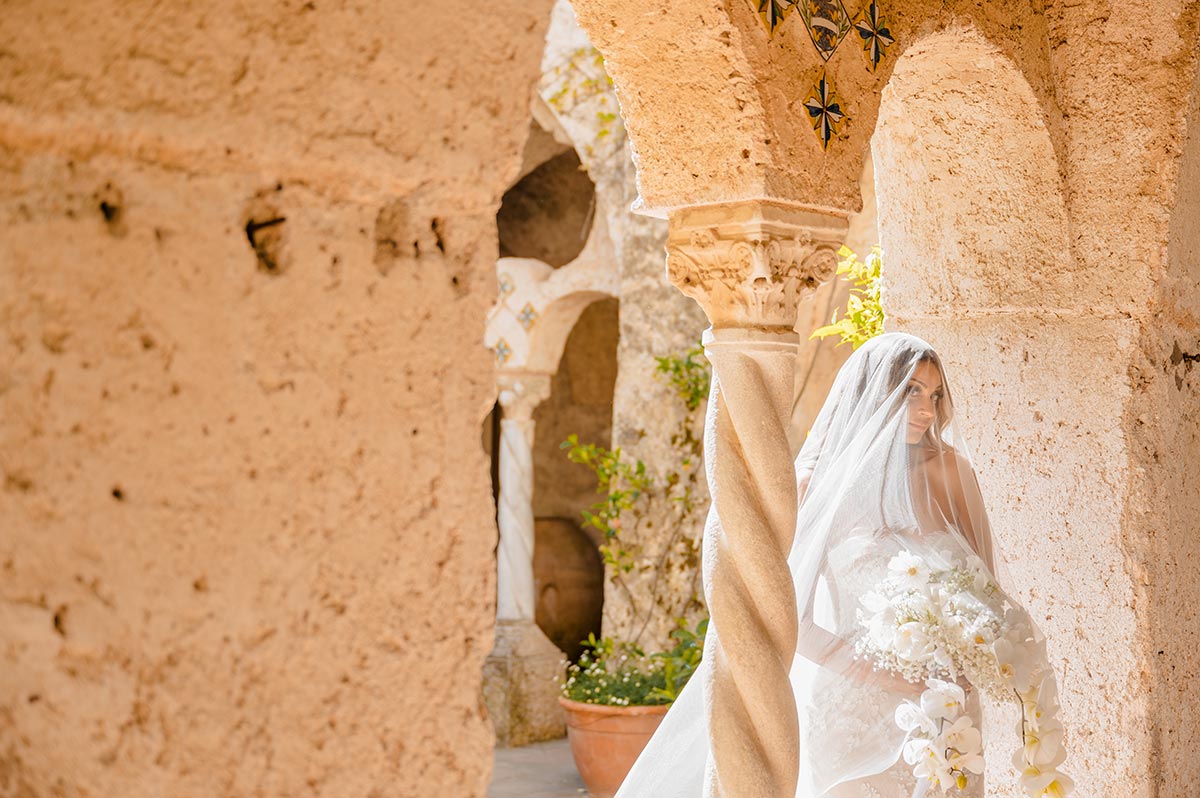
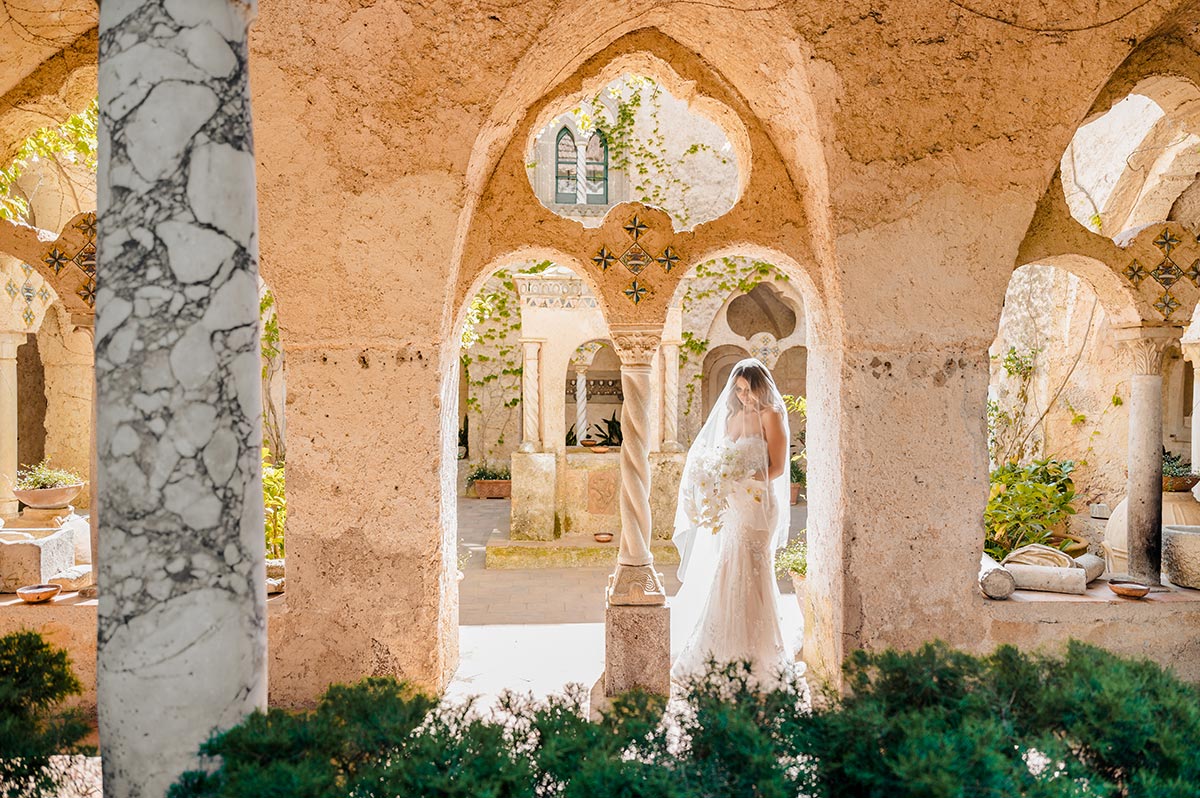
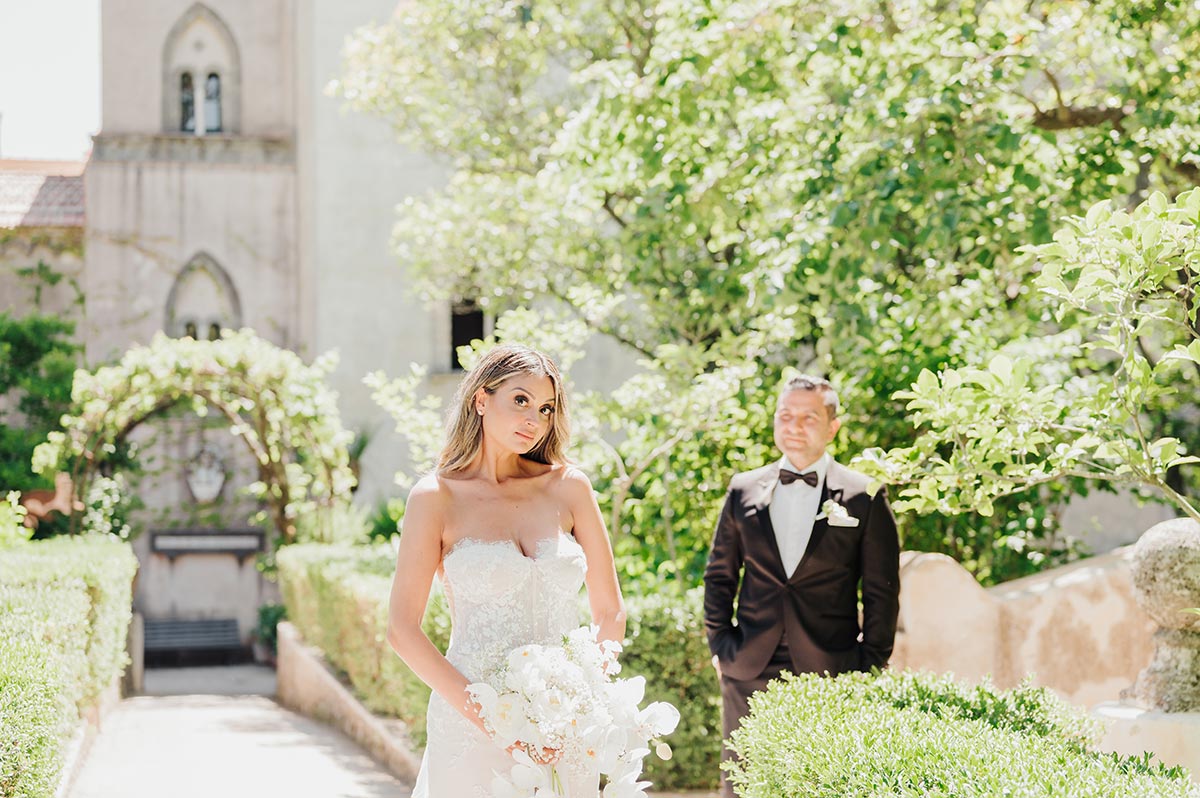
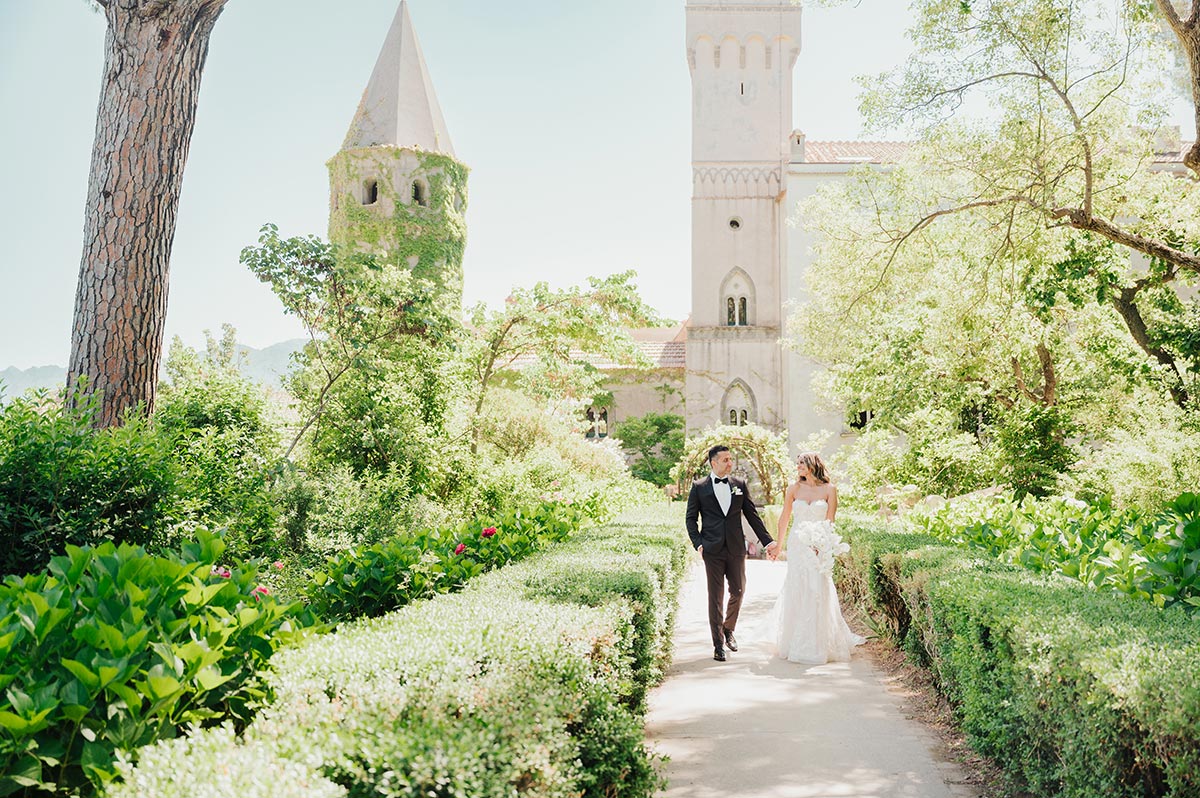
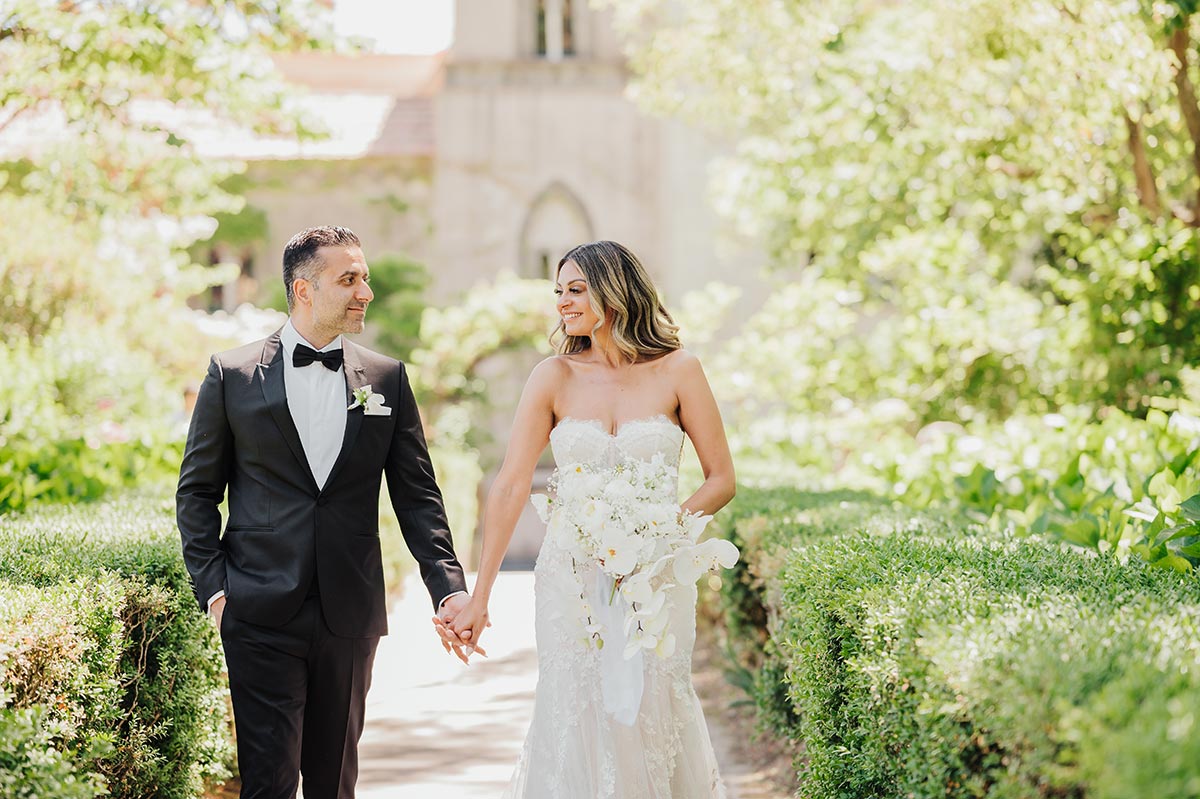
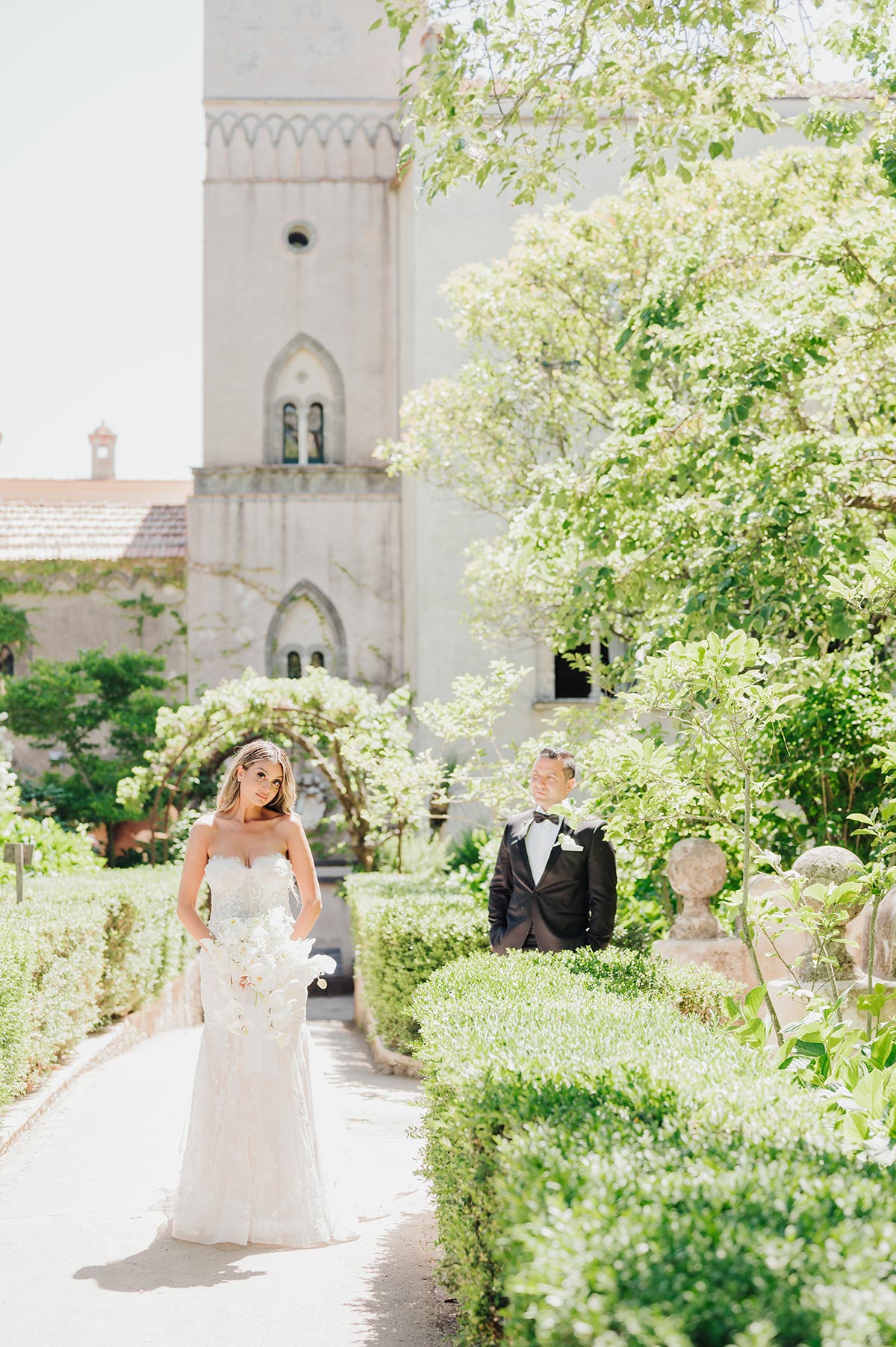
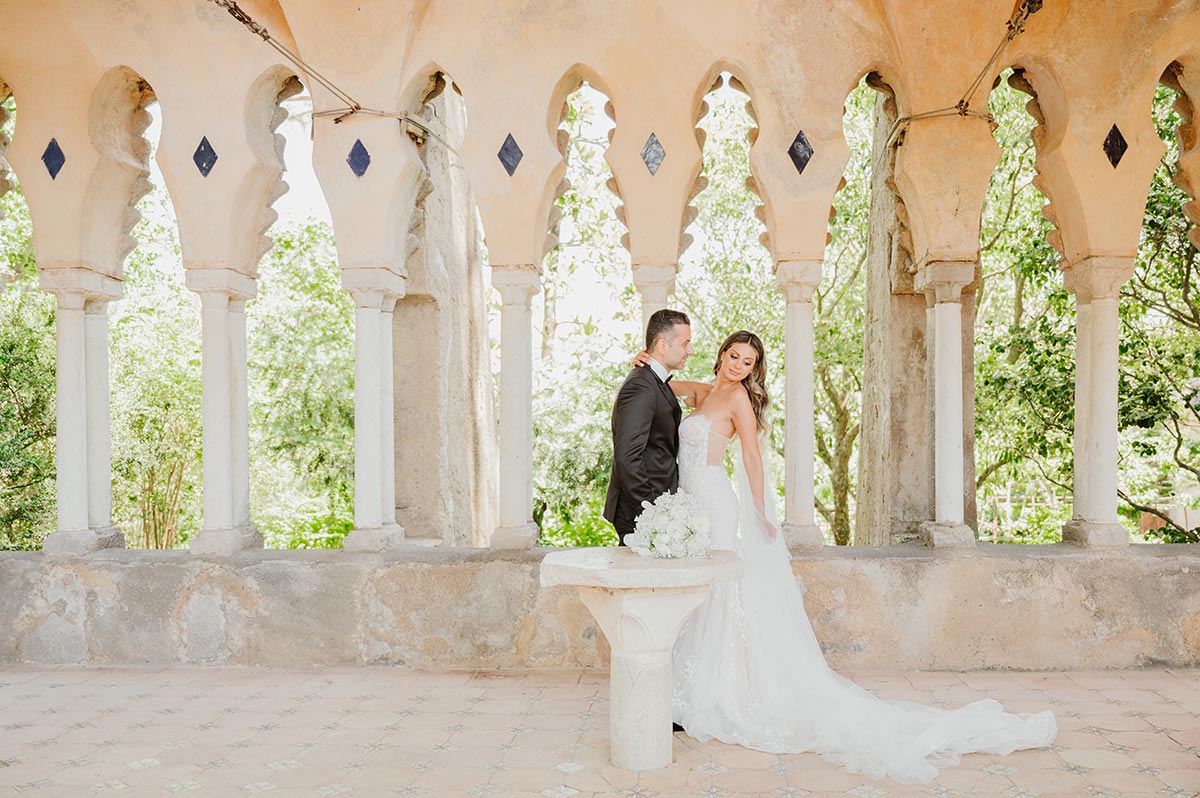
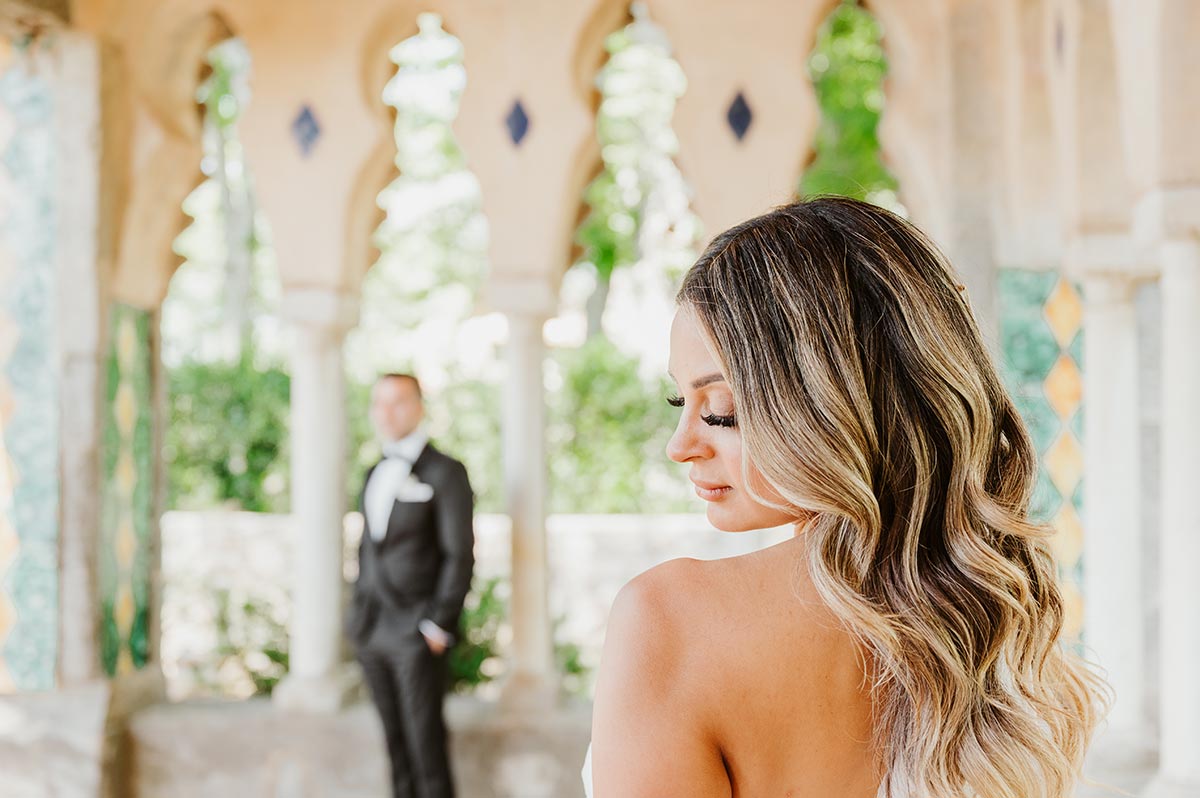
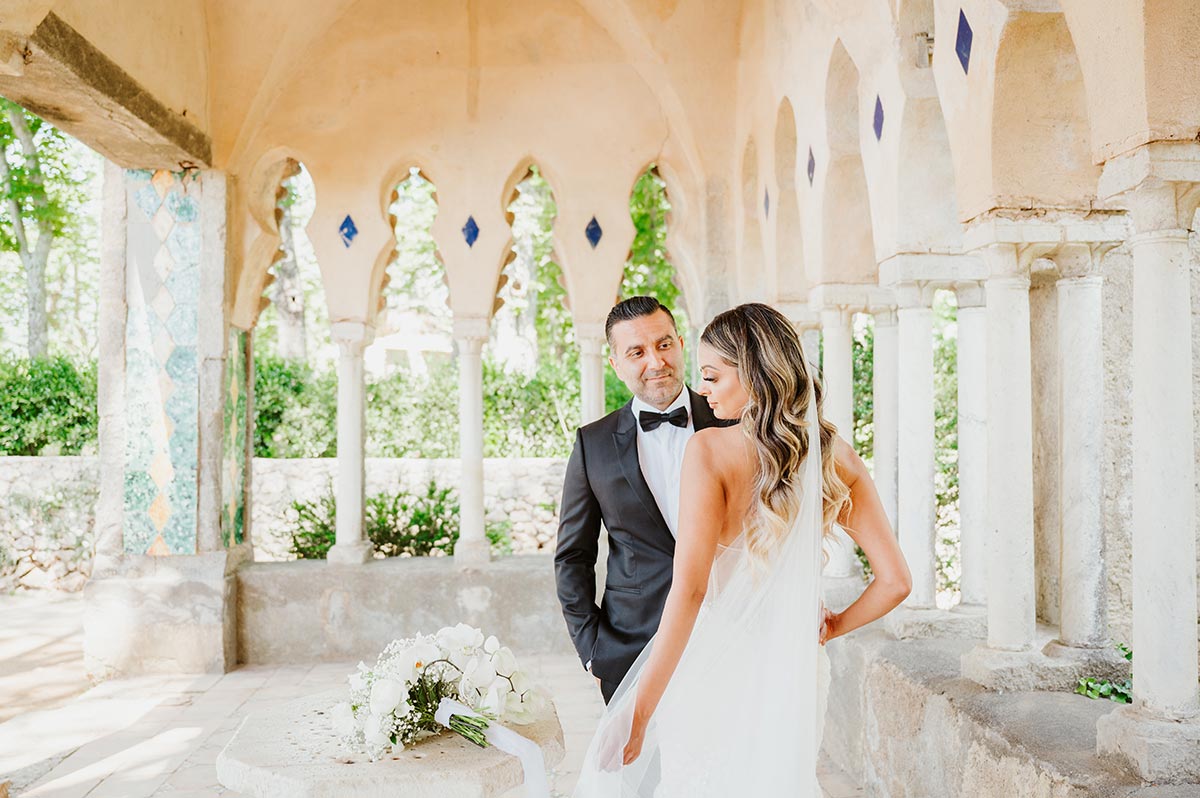
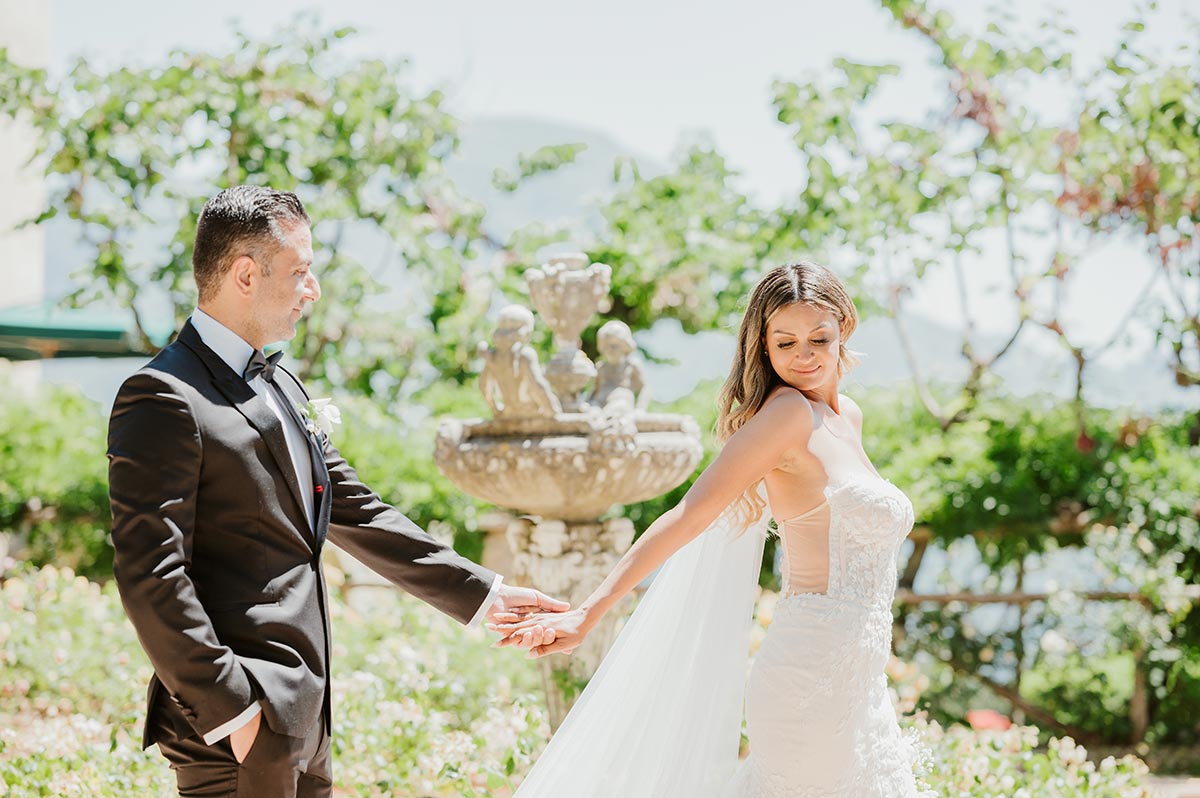
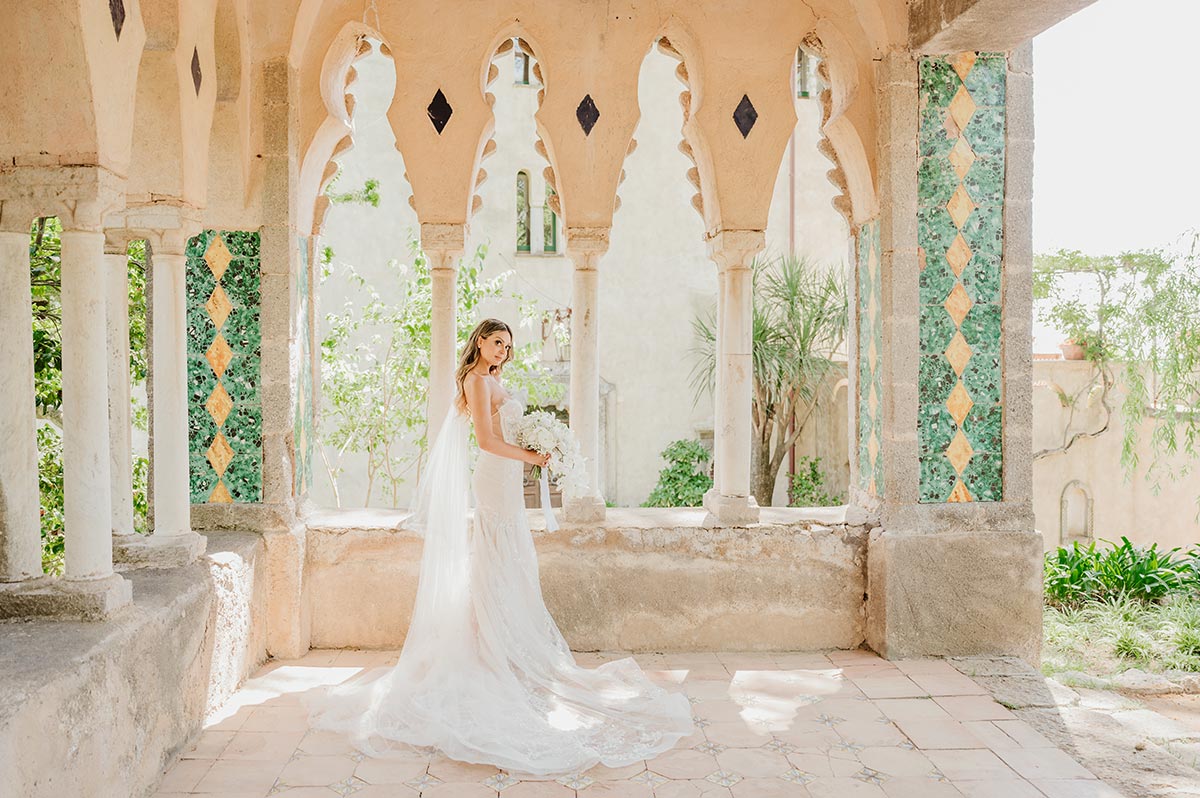
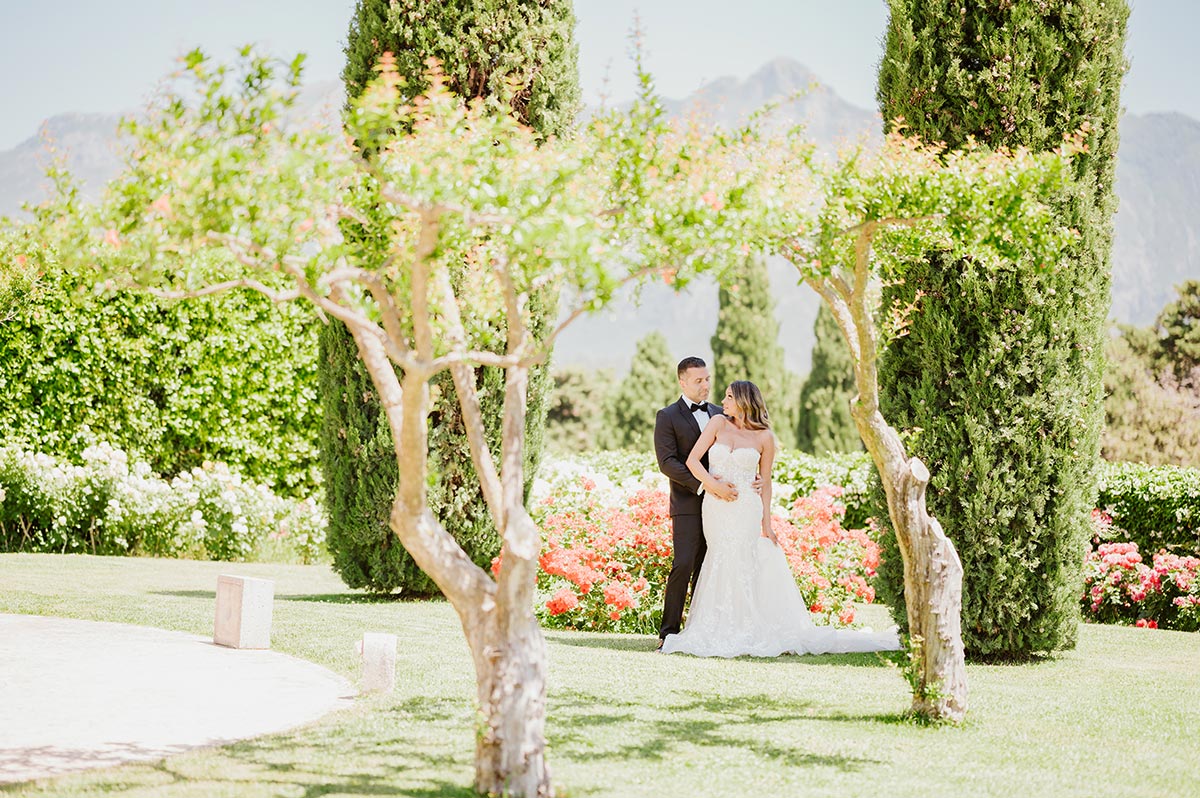
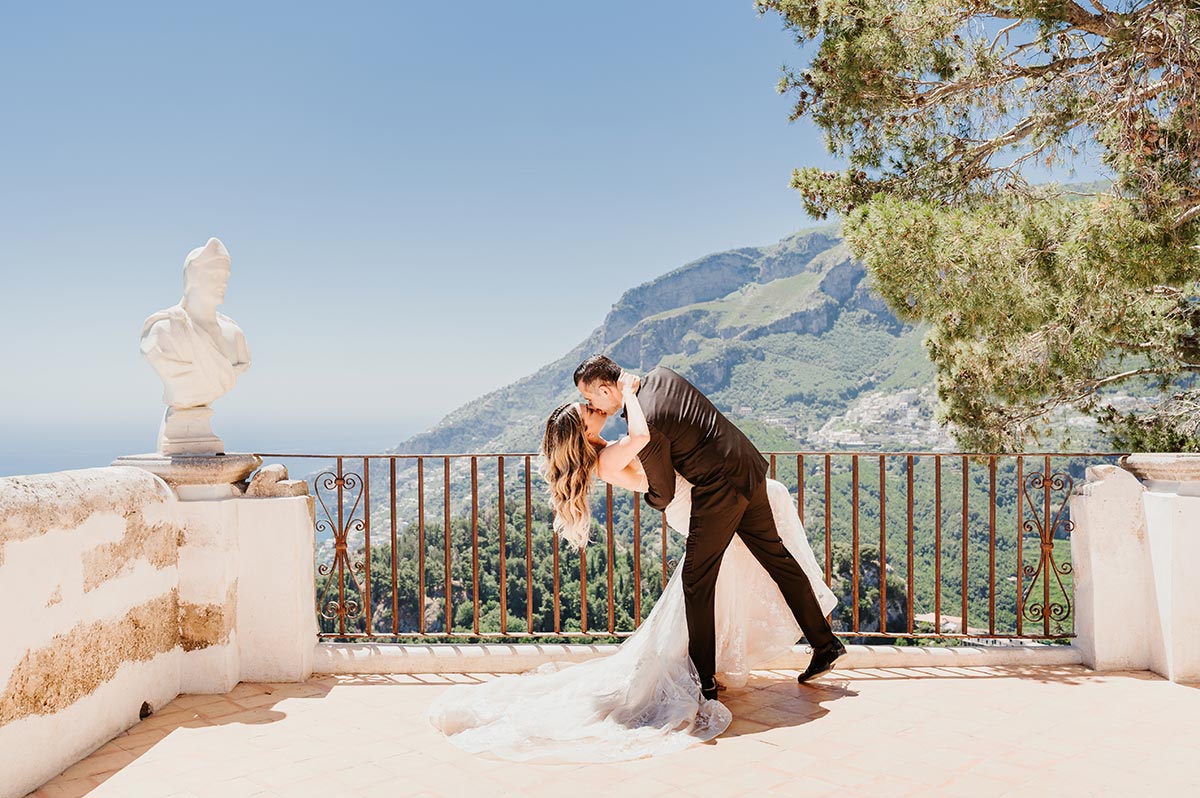
In most cases, couples who want to stay within a specific budget, like the couple in the photo below, choose to have their elopement in the morning and must leave the Villa before the start of another big wedding in the late afternoon. However, they can take pictures throughout the Villa until typically 2 pm.


TIMELESS PICTURES

VILLA CIMBRONE
There are pros and cons to this, for example in the summer it can be boiling even in the morning. It’s always a good idea to book a photographer for at least 4 hours because tourists visiting the Villa can make it challenging to take photos, particularly on the terrace of infinity, and sometimes, due to the hot weather, couples ask for a break.

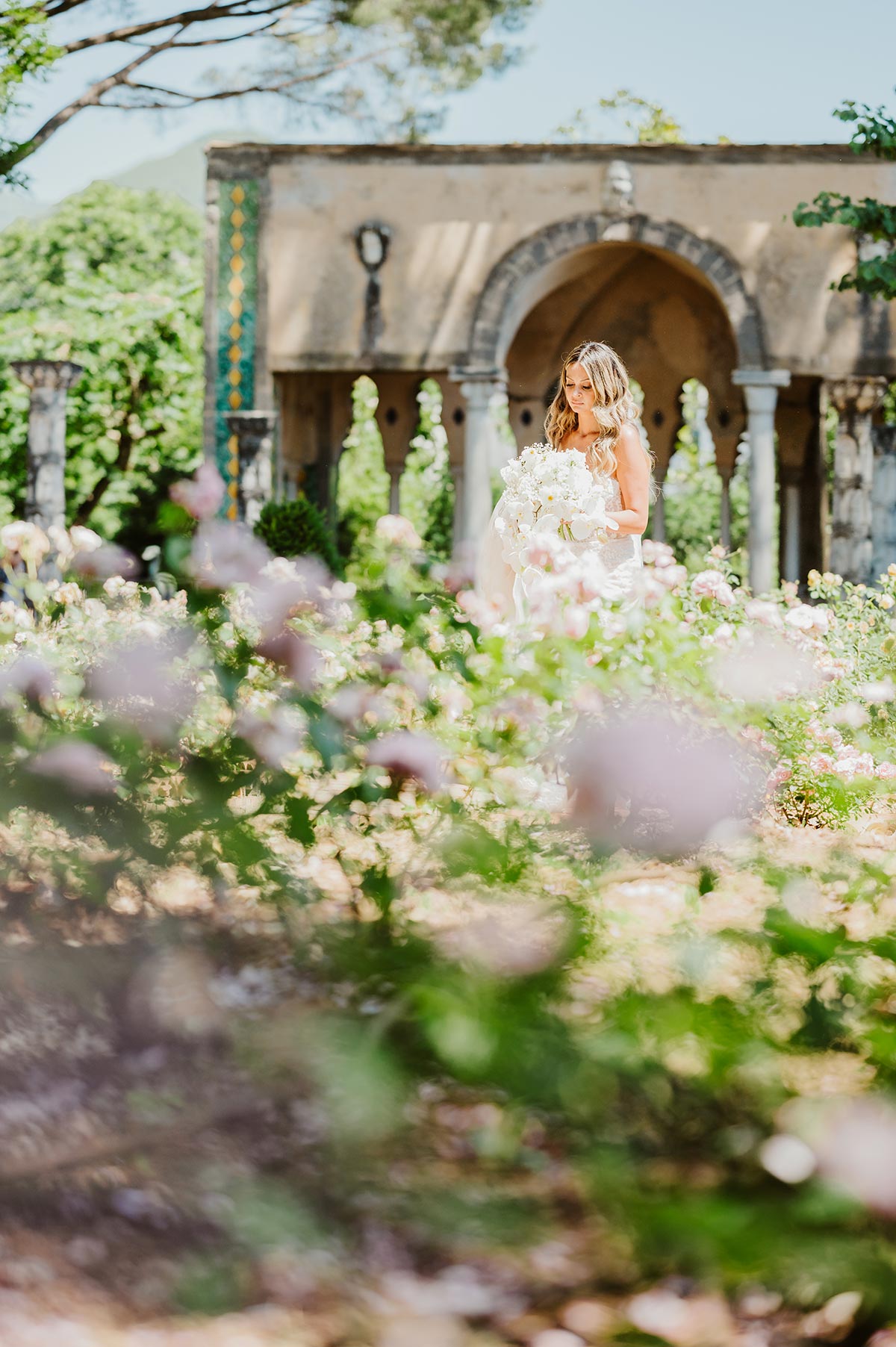
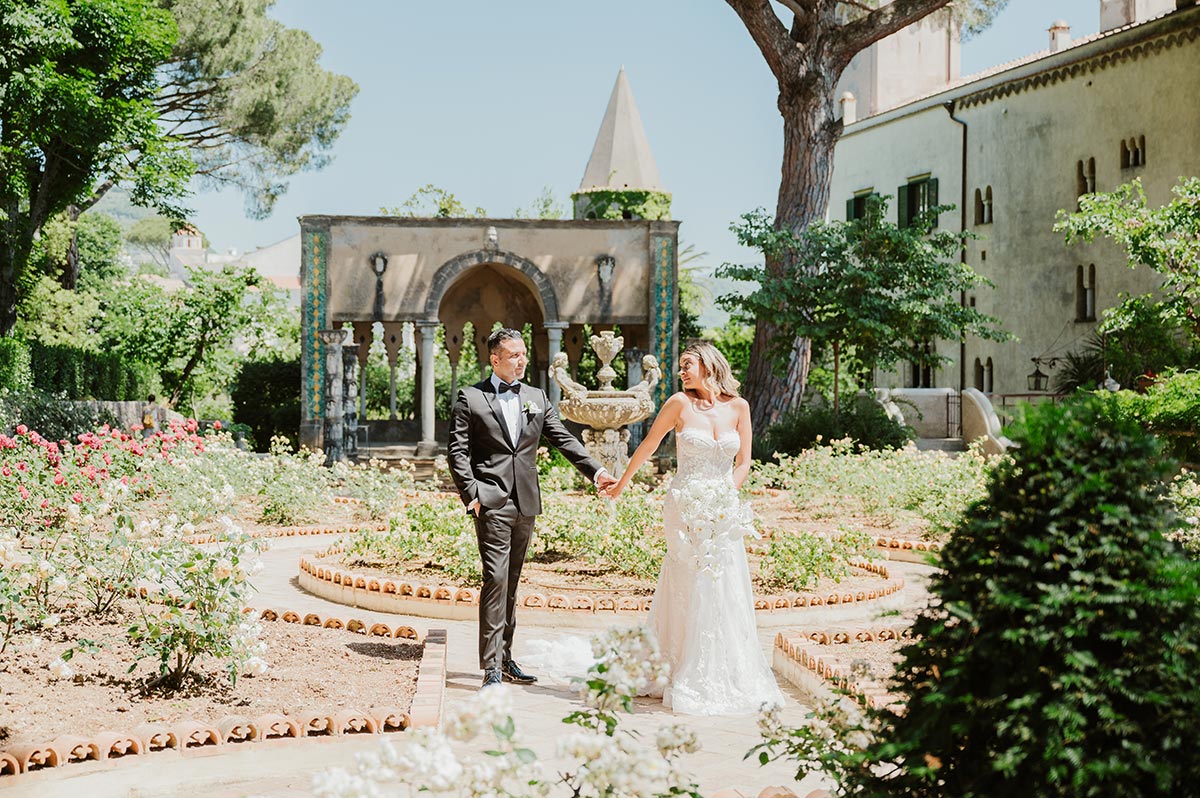
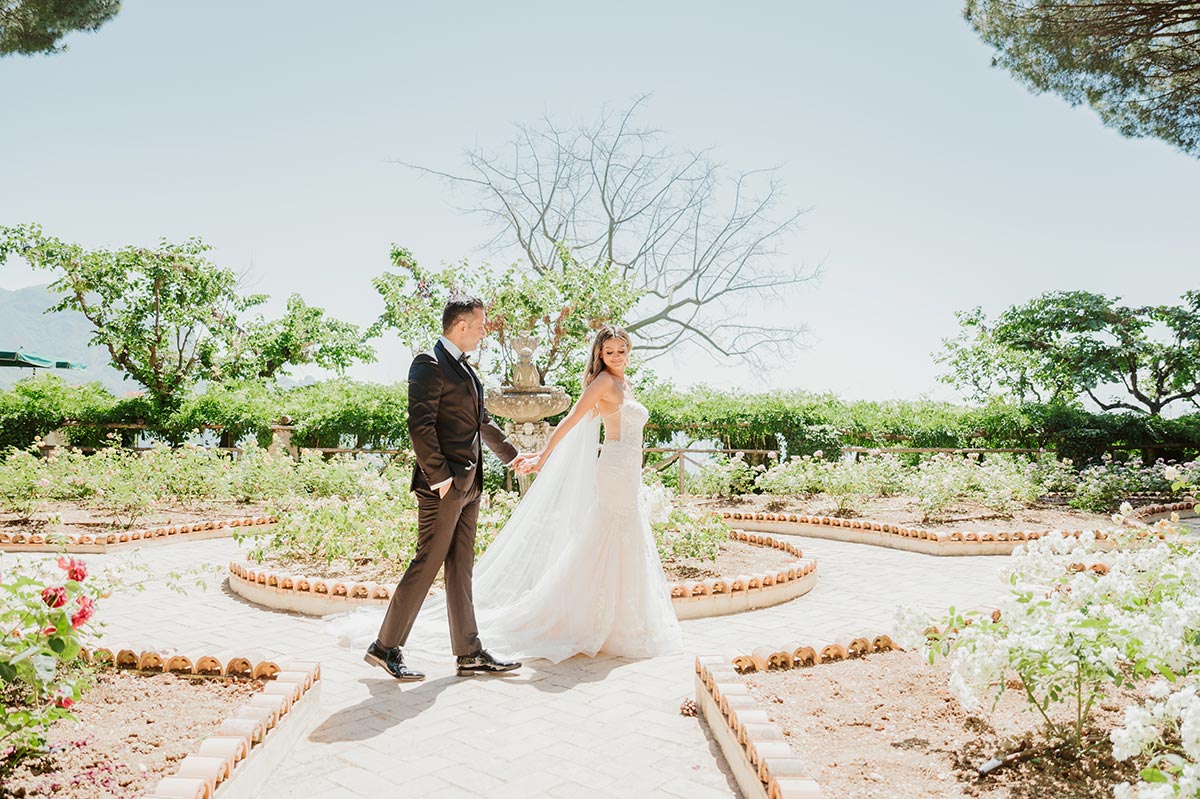
If they rent a hotel in a different location in Ravello, consider the 20-minute walk to the Villa. Cars are not allowed on Ravello’s narrow, characteristic streets leading to the Villa. So it would be best to move earlier to avoid walking under a strong harsh light and feeling uncomfortable.
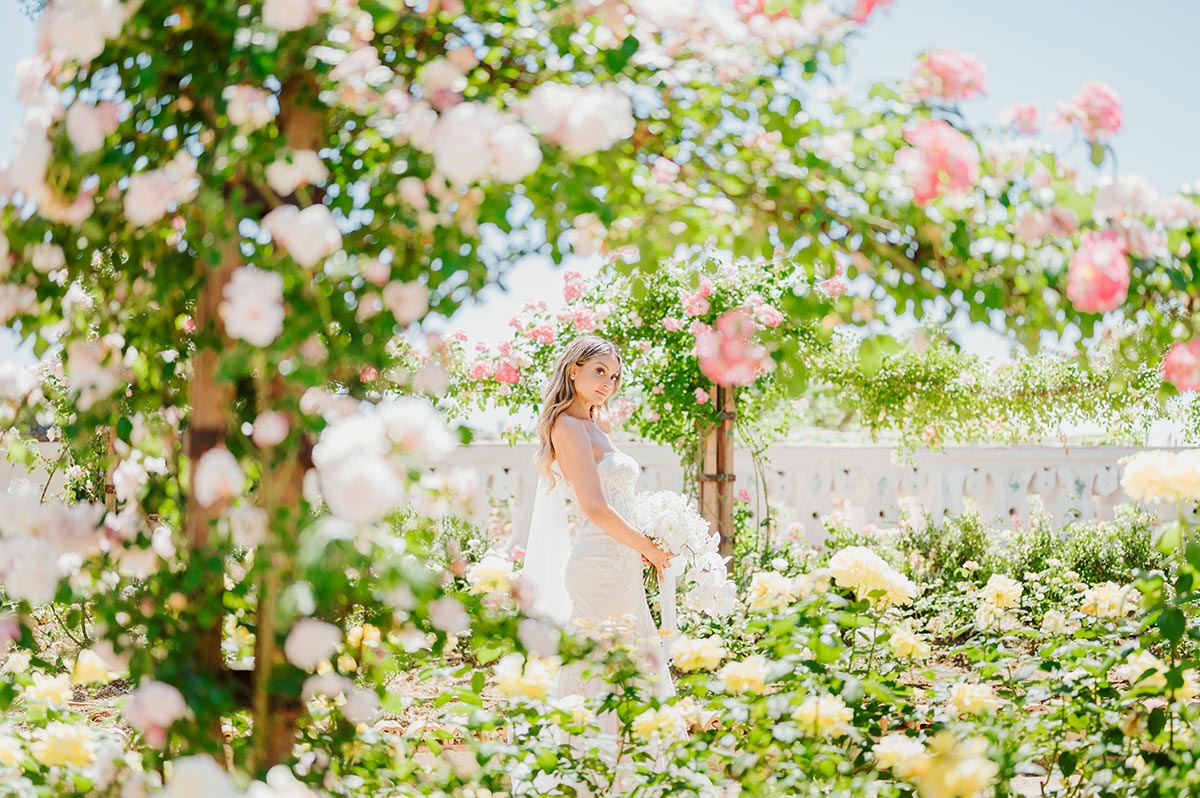




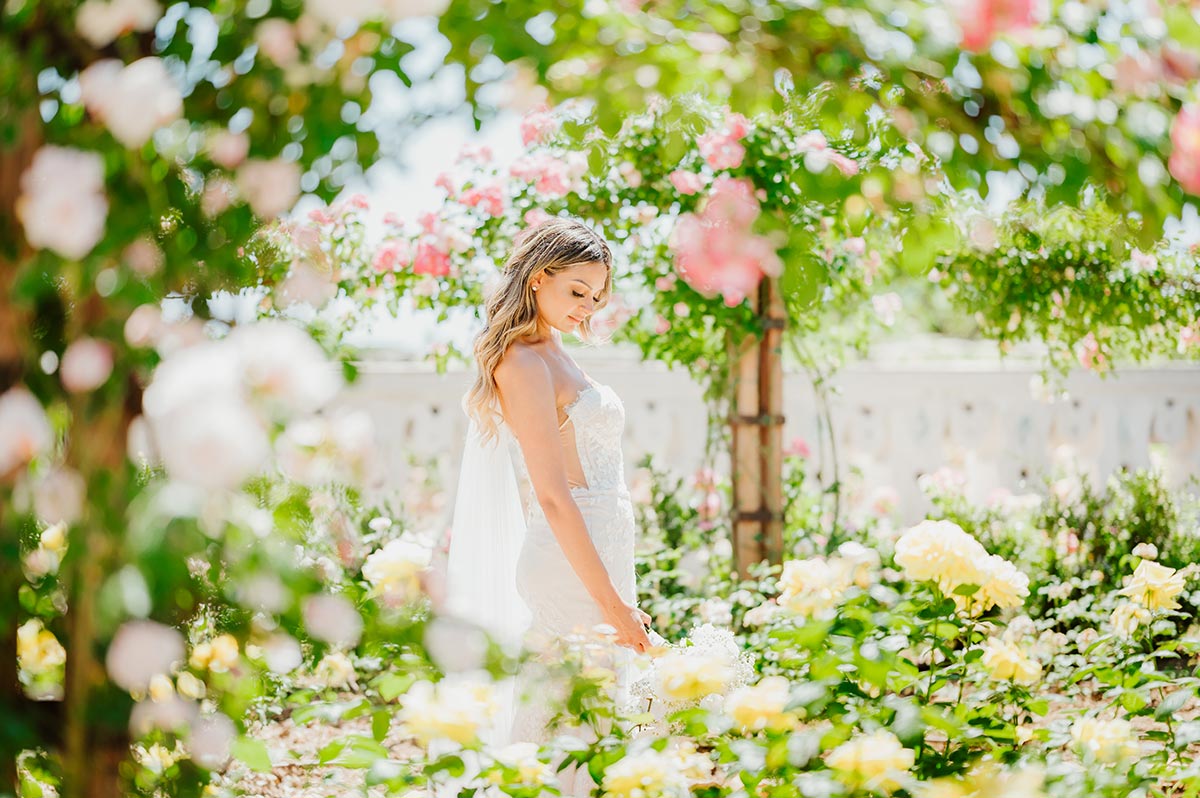
As Ravello wedding photographers, we don’t mind shooting in strong light conditions because it allows us to create an airy and luminous style in our photographs. Bright sunlight can be a challenge for some photographers, but for us, it’s an opportunity to capture the beauty and romance of a wedding or elopement uniquely and stunningly.

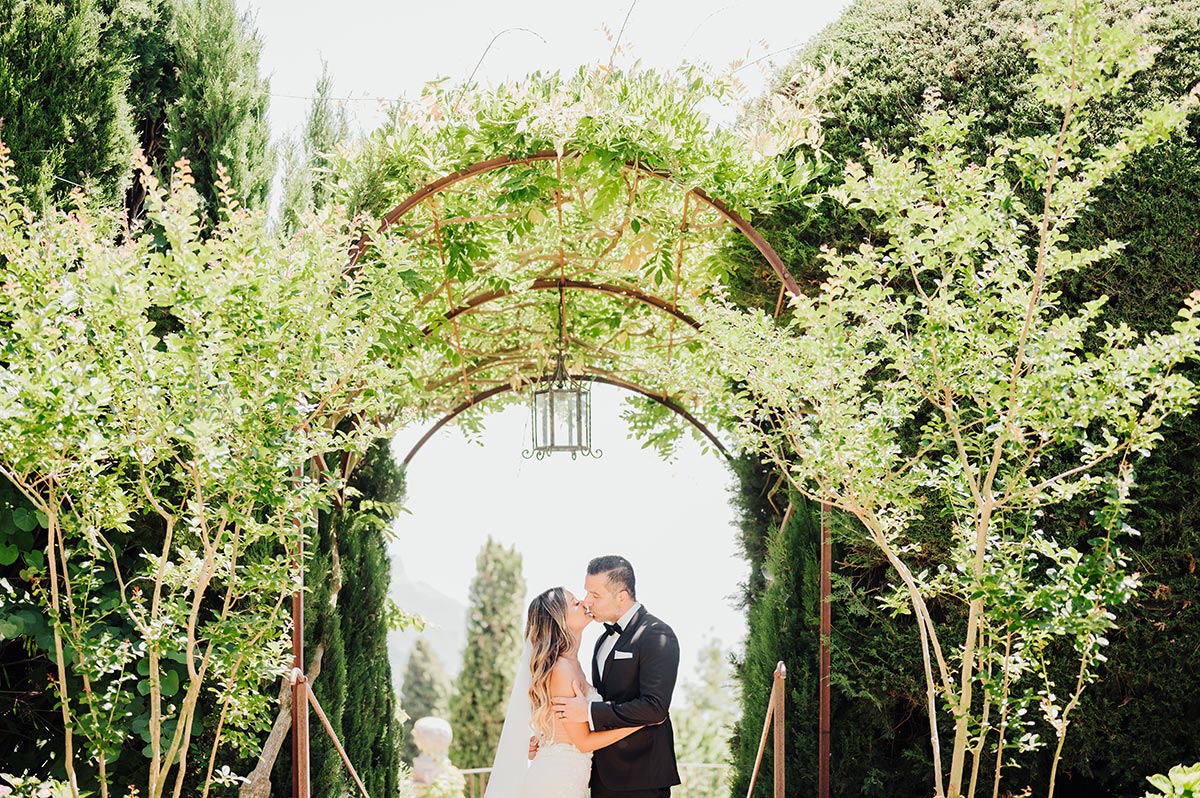
However, we understand that bright sunlight can be uncomfortable for some, especially in the summer when it can boil. Therefore, we recommend a minimum of four hours for elopement packages in Ravello. This allows for plenty of time for breaks and hydration and also allows us to capture not only photos at Villa Cimbrone but also other beautiful backdrops around Ravello.
RAVELLO EXPERIENCE
Discover the best way to plan a romantic wedding in Villa Cimbrone, and hire an Italian wedding photographer.
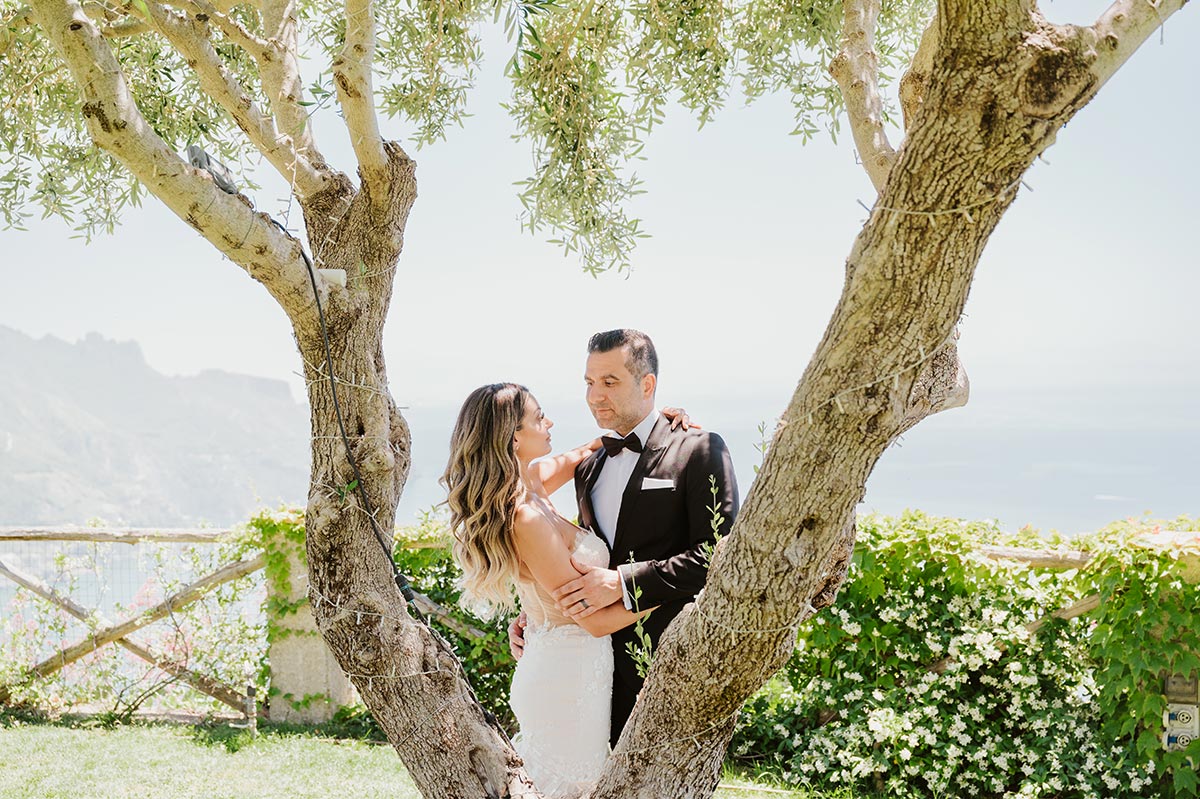
AIRY AND MODERN
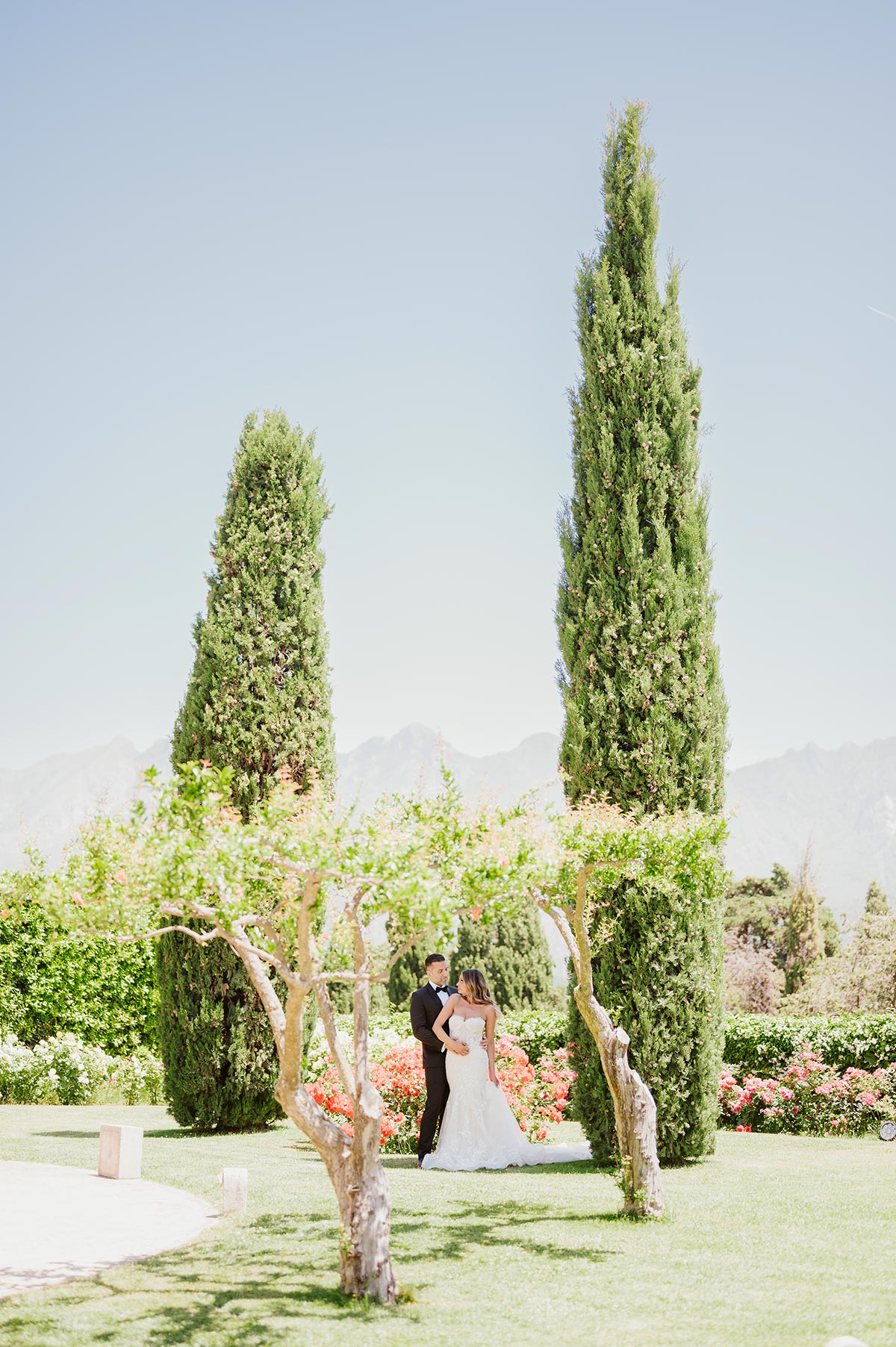
In Ravello, there are many beautiful locations to take photos, like the charming streets, Piazzas, and the sea view. We love to take our couples to explore the town after the ceremony and take advantage of these different locations to make beautiful and memorable photos.













Photography packages for your elopement at Villa Cimbrone
As Italian photographers, we understand that our clients have different needs and budgets, so we offer photography packages ranging from three to ten hours. This allows our clients to choose a package that best suits their needs and budget.
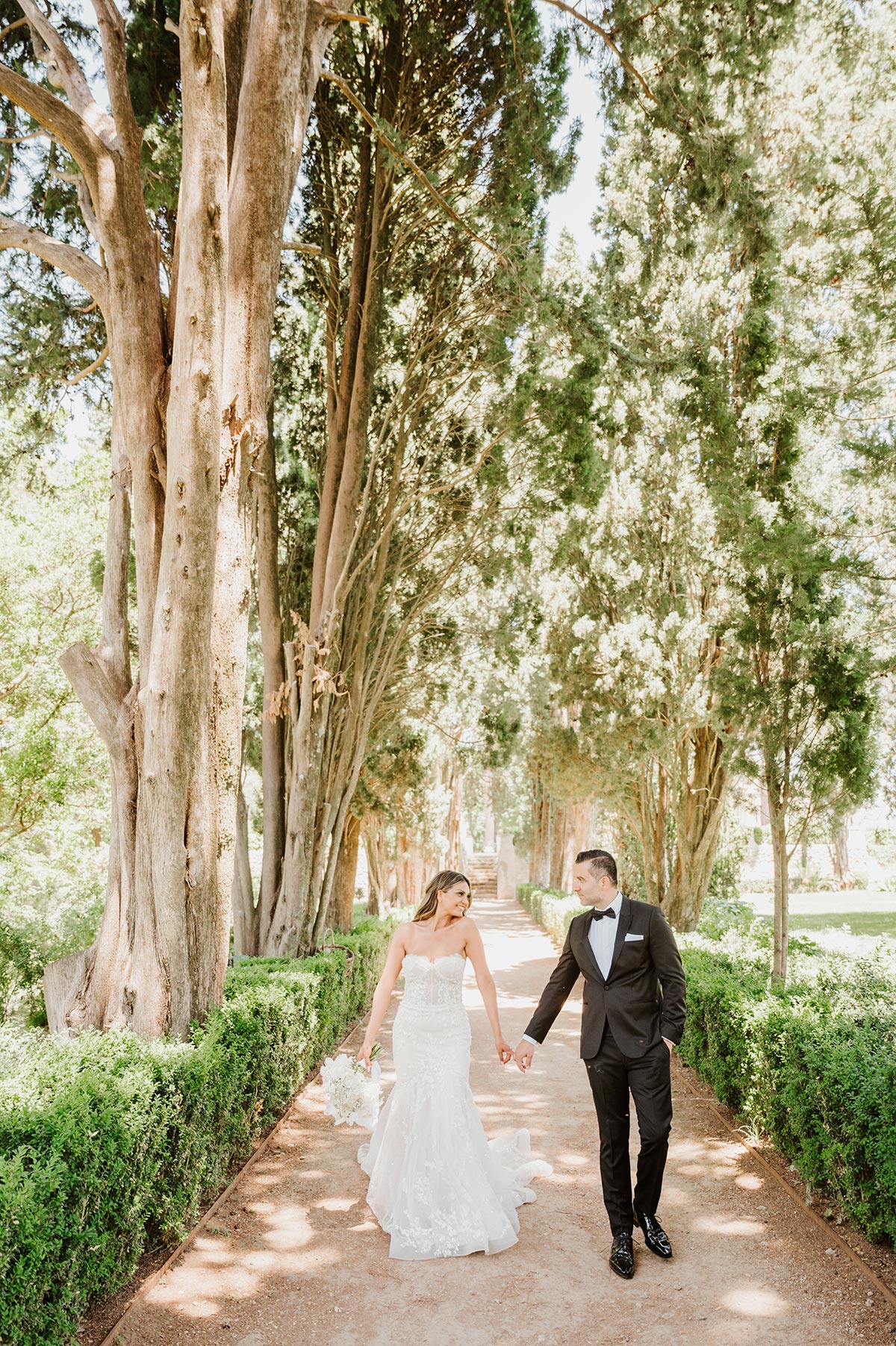


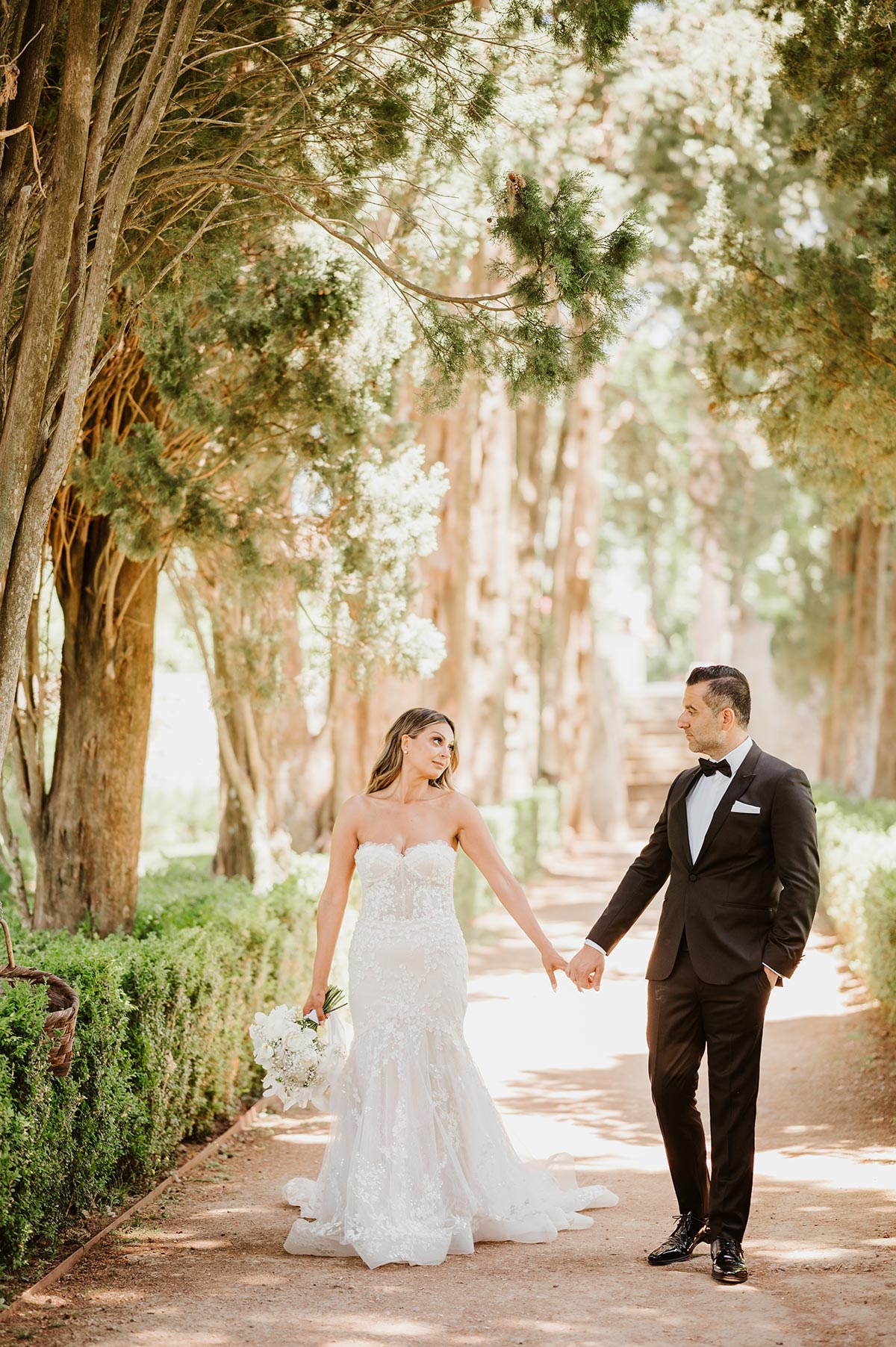


Included in the cost of our photography packages is always a photographer and an assistant, who generally shoots from a different perspective and point of view, and with different lenses, to offer our clients a landscape view as well as a close-up view of their expressions and capture the moment in its entirety. Naturally, this is relevant in any elopement at Villa Cimbrone, where the necessity to take landscape pictures is combined with a memory of the reaction in front of all the amazingness.

In the packages, we indicate the minimum guaranteed number of photos and delivery times, which will also be written in the contract for transparency towards our clients.
Our studio offers additional options such as videography, printed albums, holiday shooting, and boat tours at an additional cost. However, all prices already include VAT, so our clients will not be surprised by other expenses.

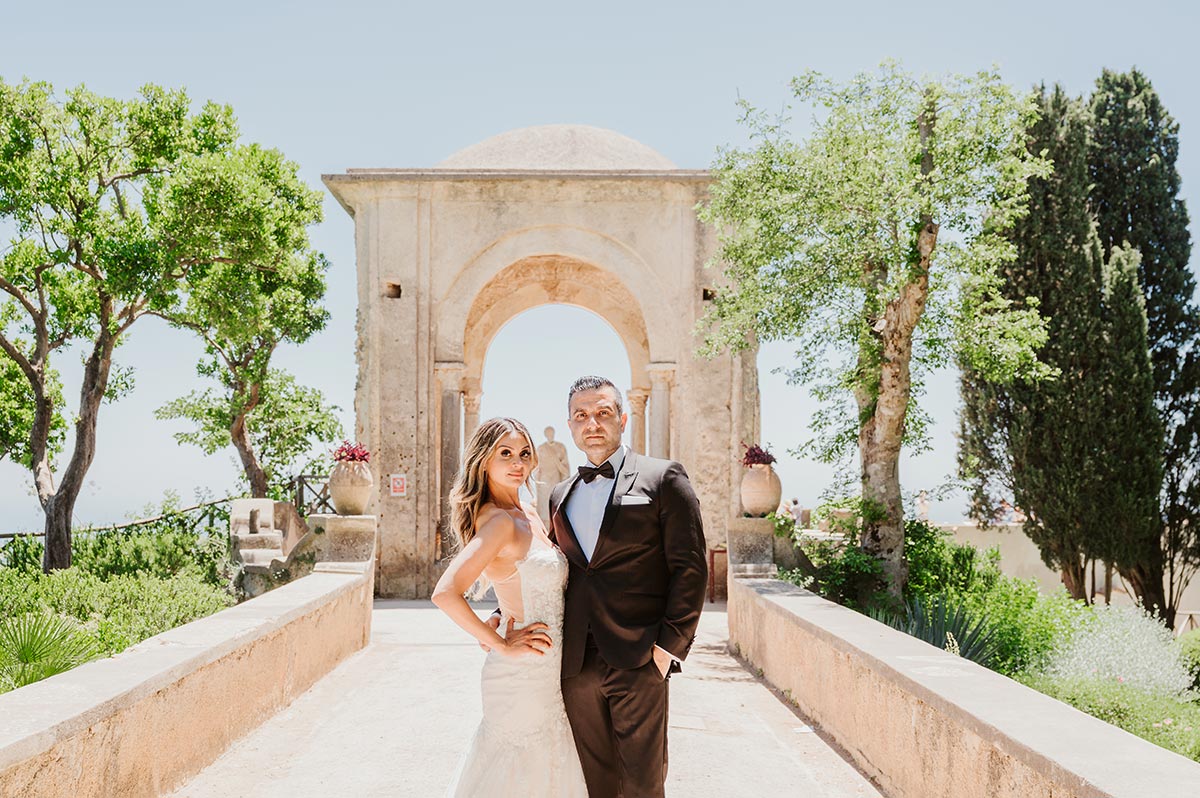
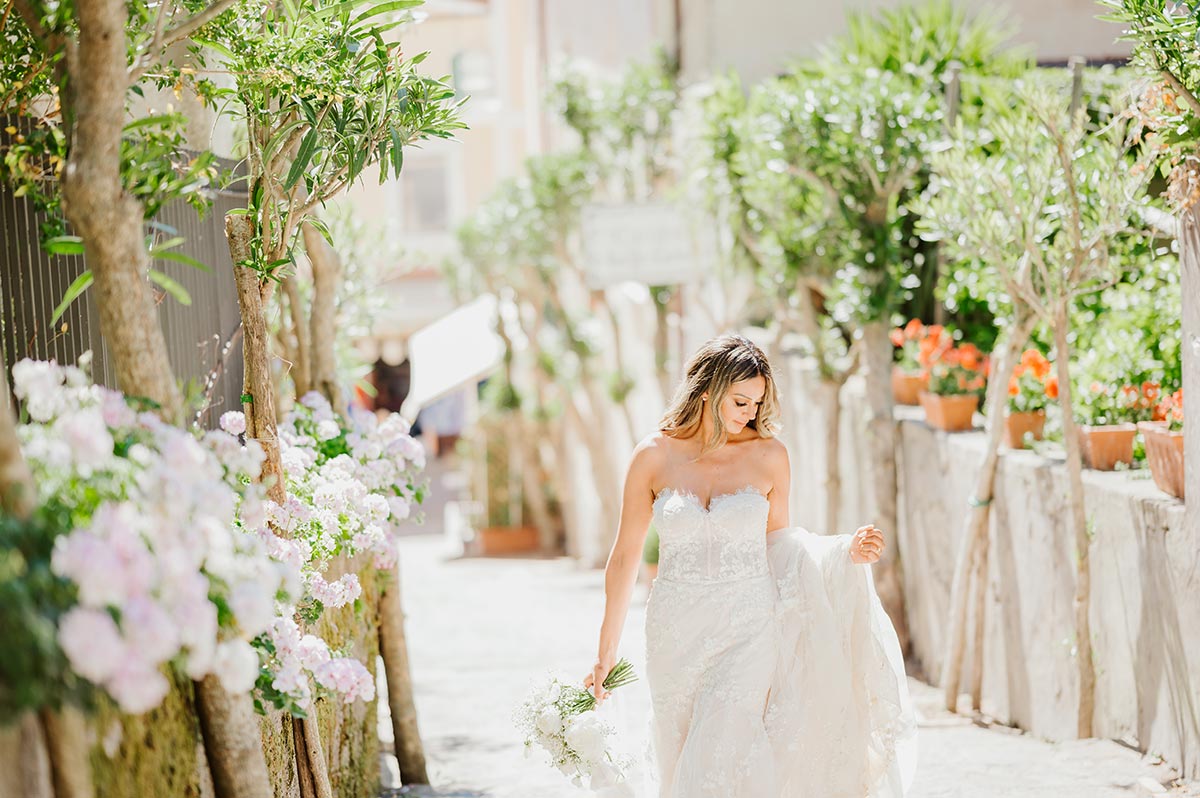
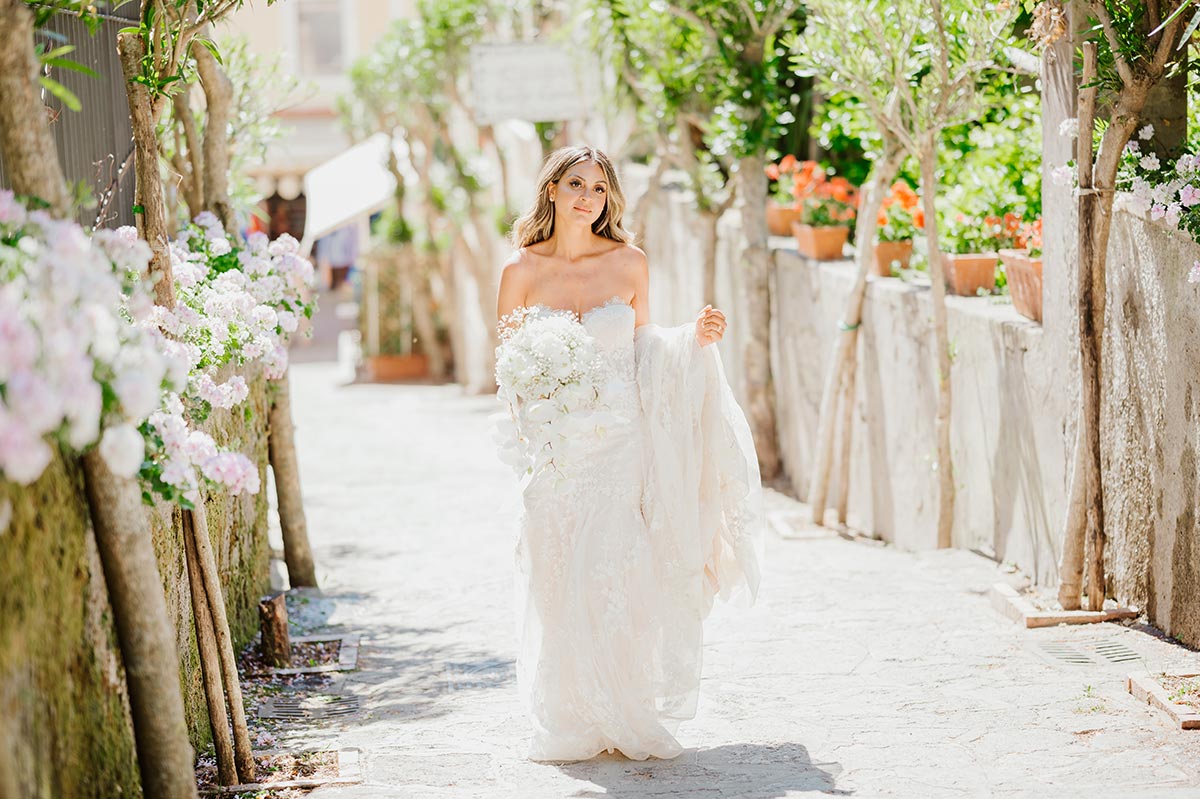

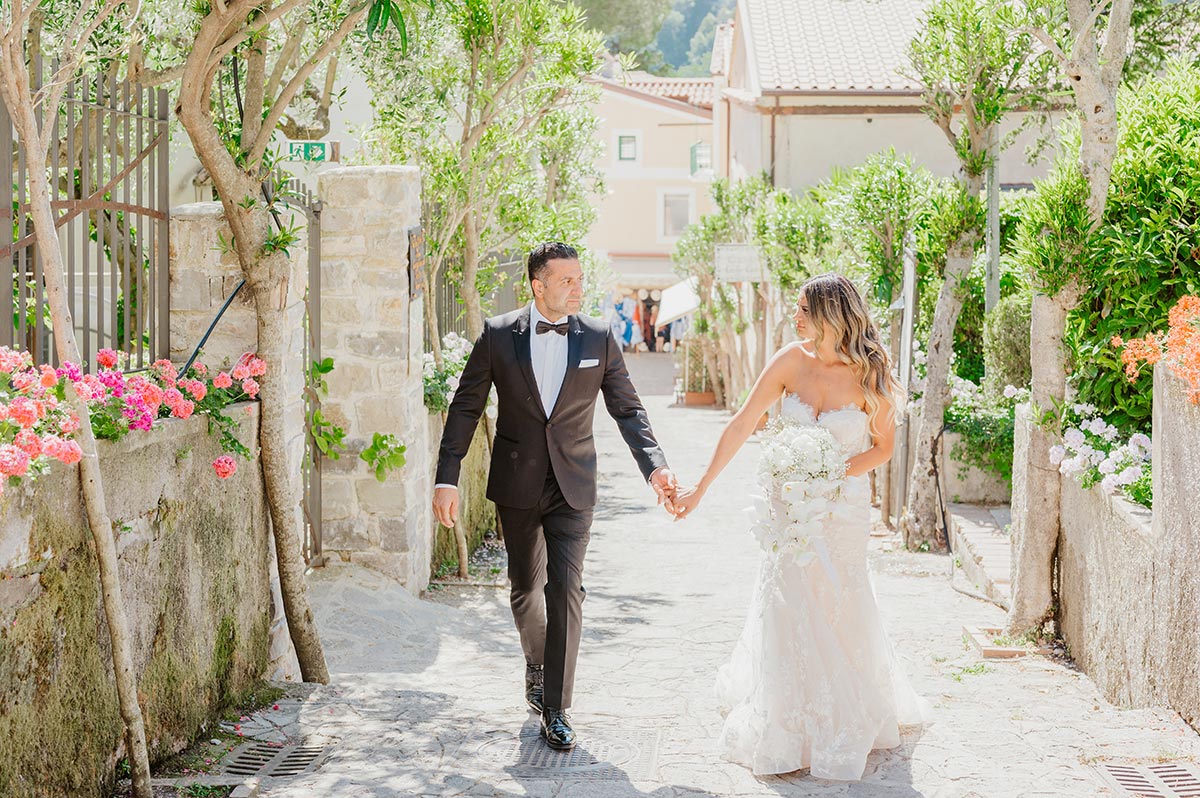
One of the virtues of our studio is our attention to detail and commitment to providing high-quality photographs and an excellent customer experience. We understand that a wedding or elopement is a once-in-a-lifetime event, and we strive to capture all the special moments and emotions of that day. Our photographers and assistants are highly skilled and experienced, and we use only the latest equipment and technology to ensure that our clients receive the best possible results.
We pride ourselves on our flexibility, attention to detail, and commitment to providing high-quality photographs and an excellent customer experience. We understand that every client is unique, and we strive to provide personalized service and tailor-made packages to meet the needs of each client.
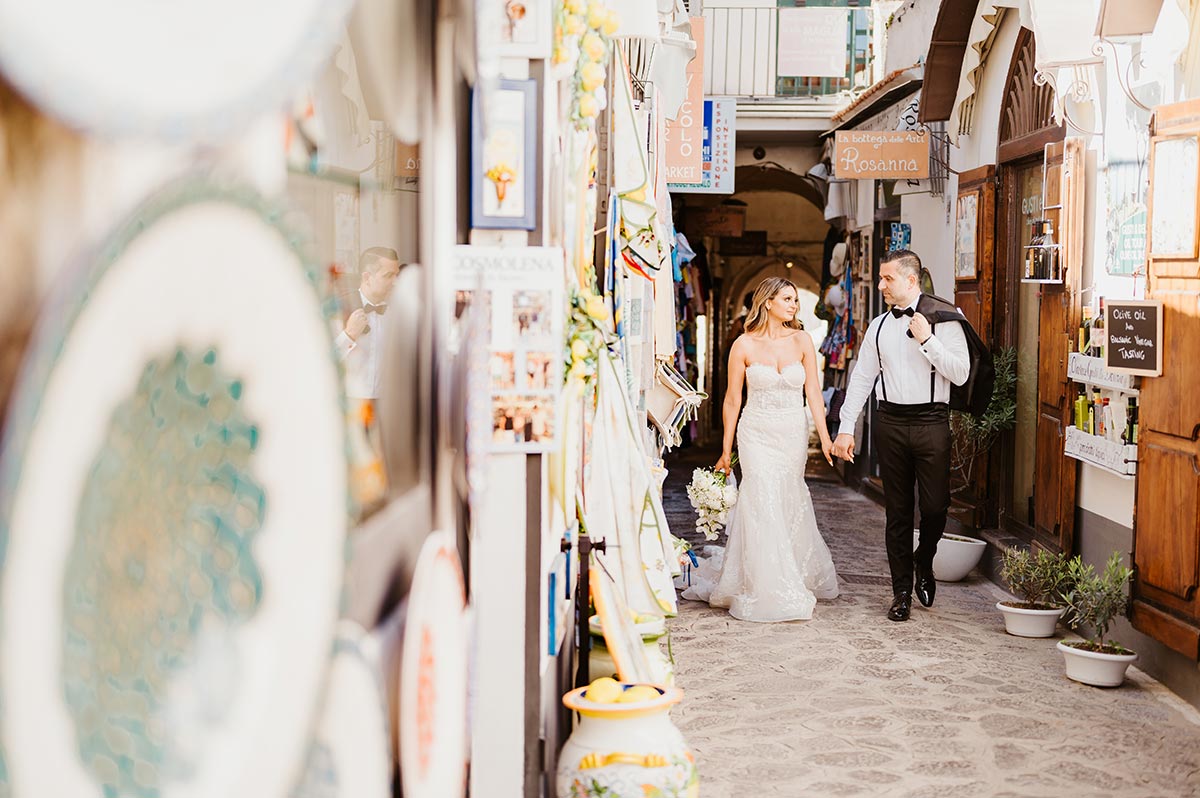

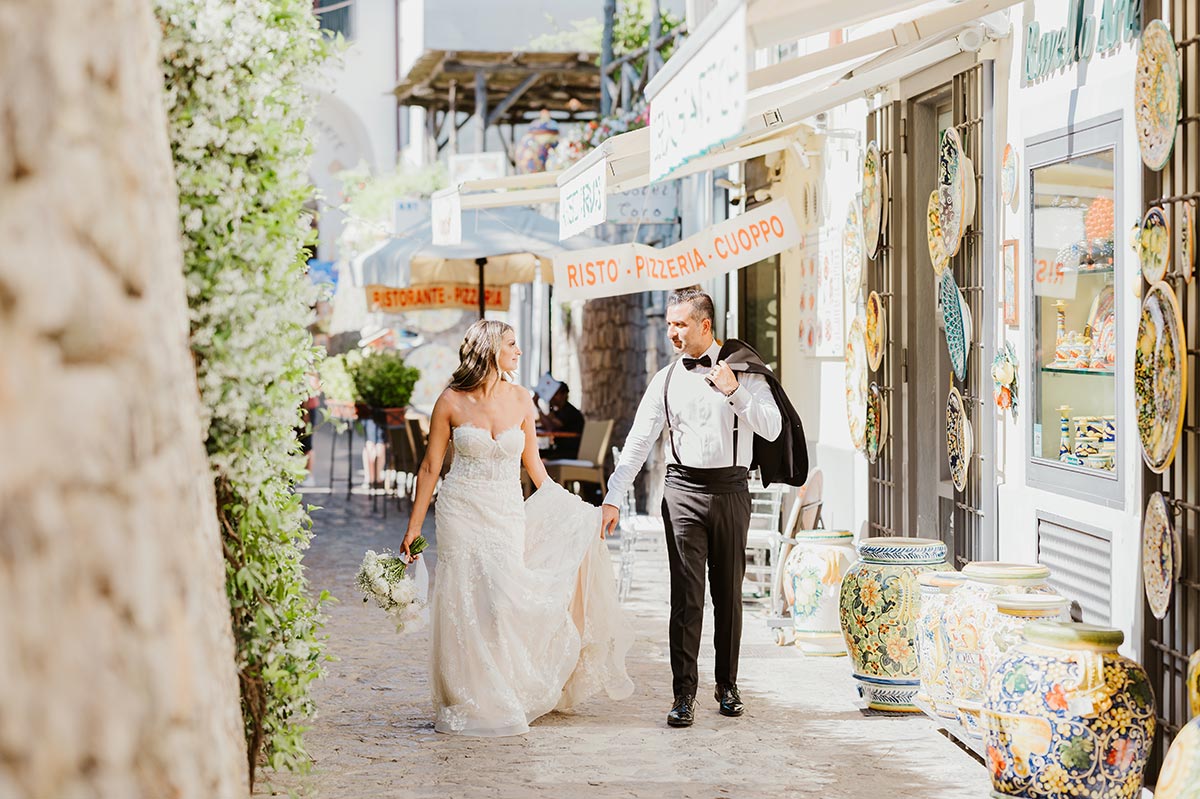
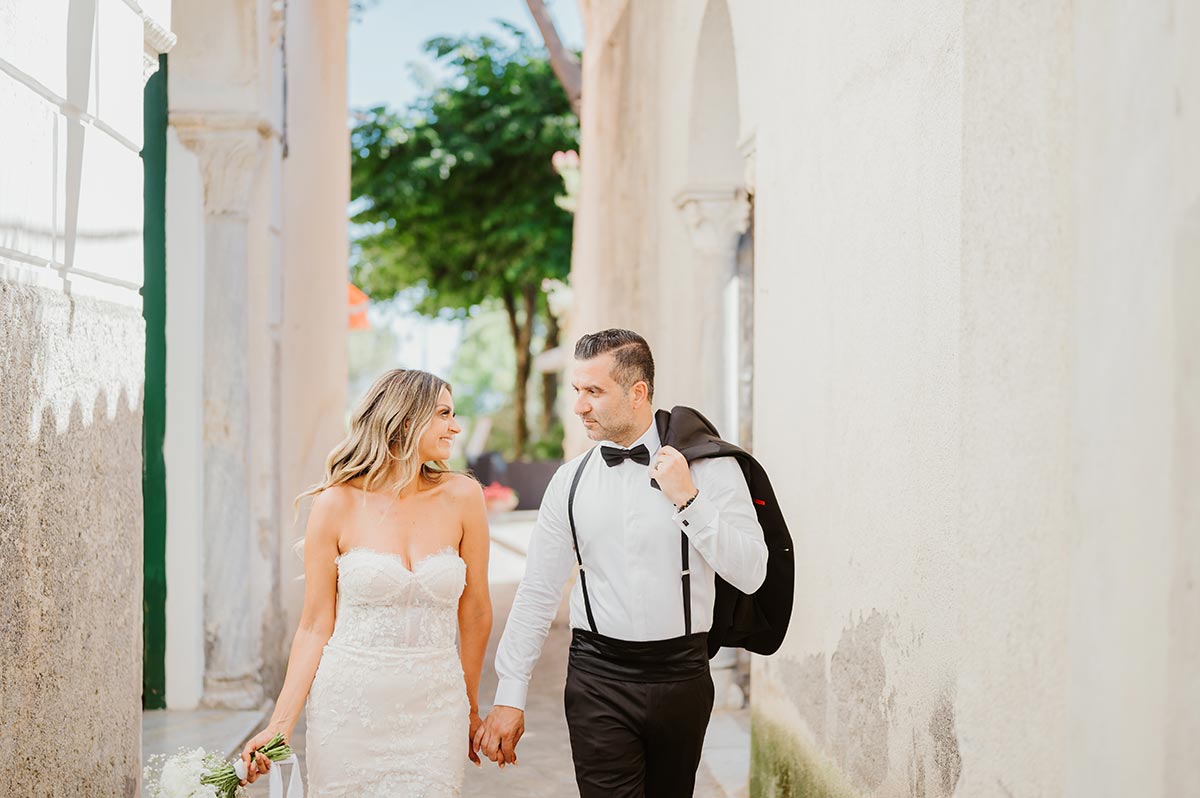
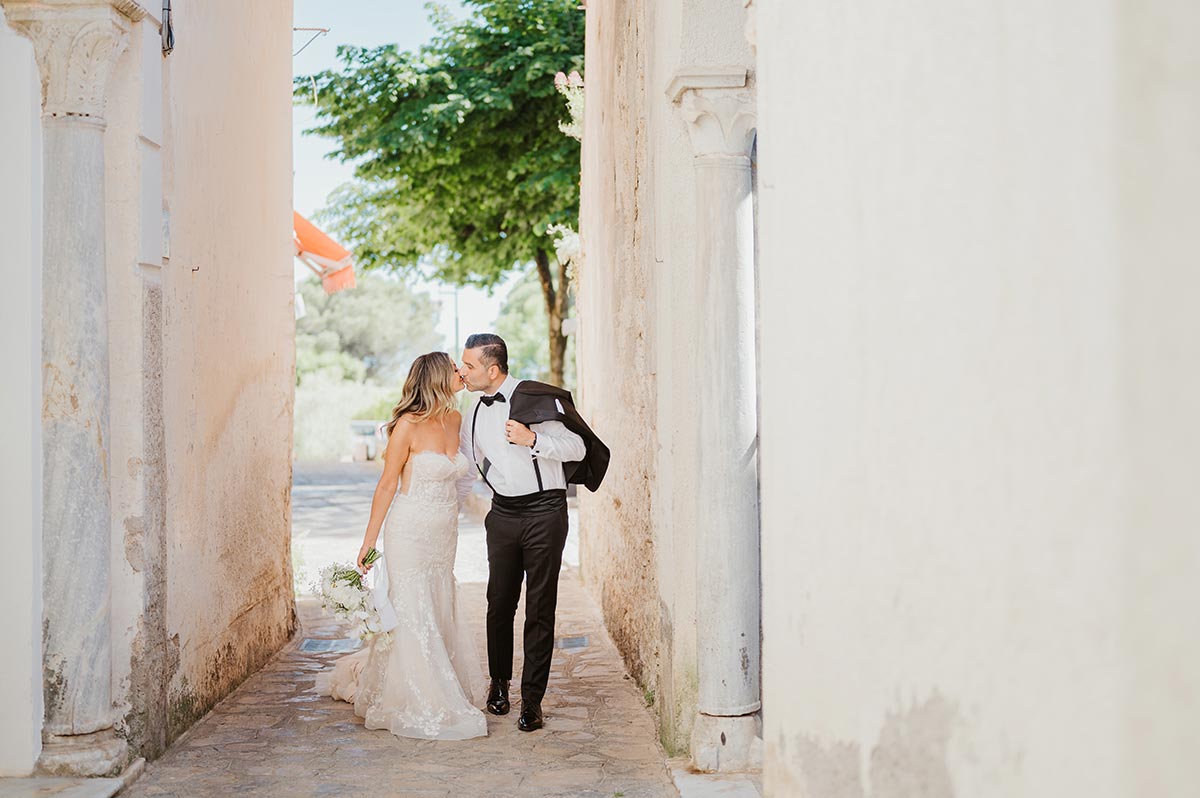
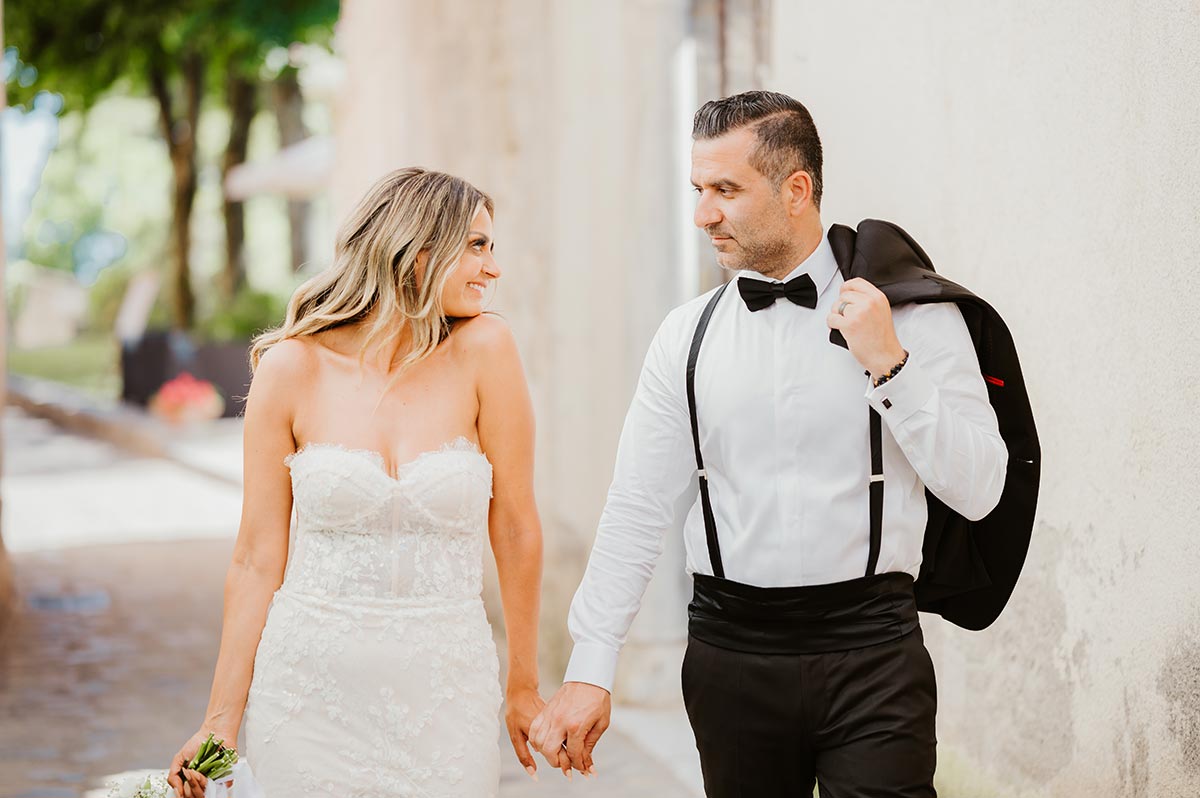
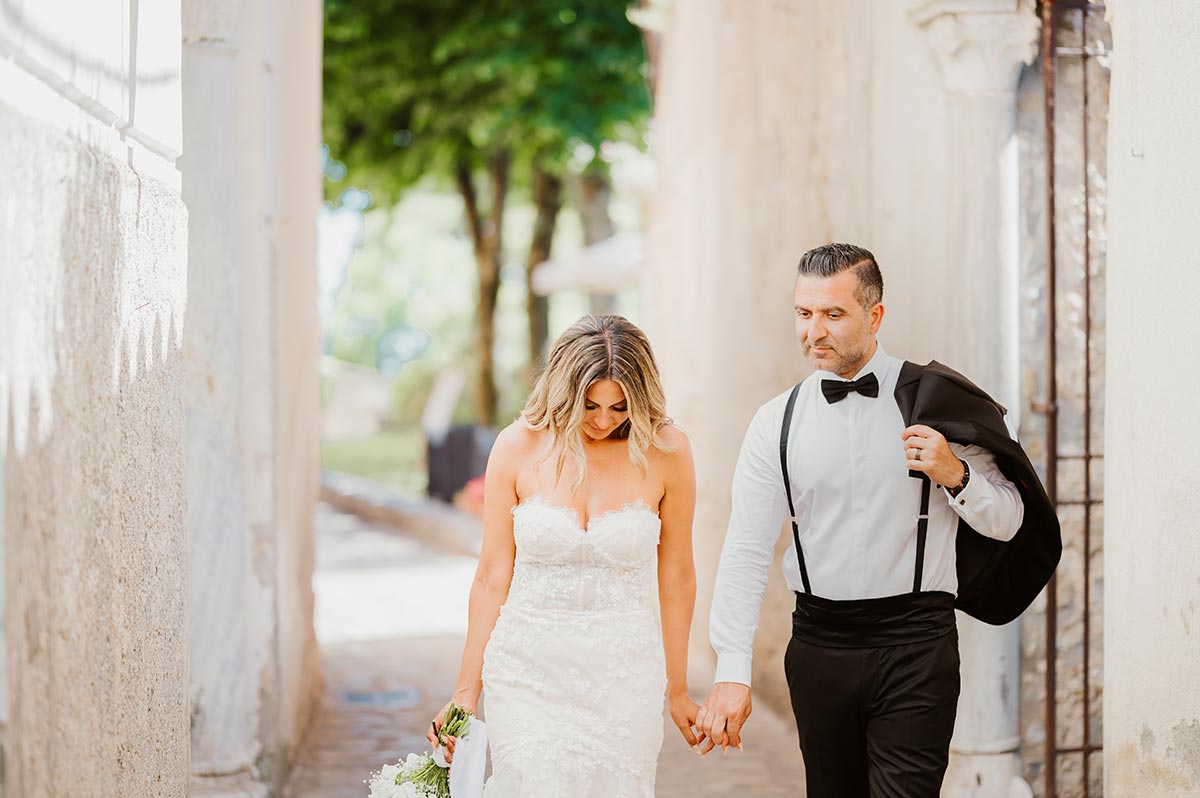
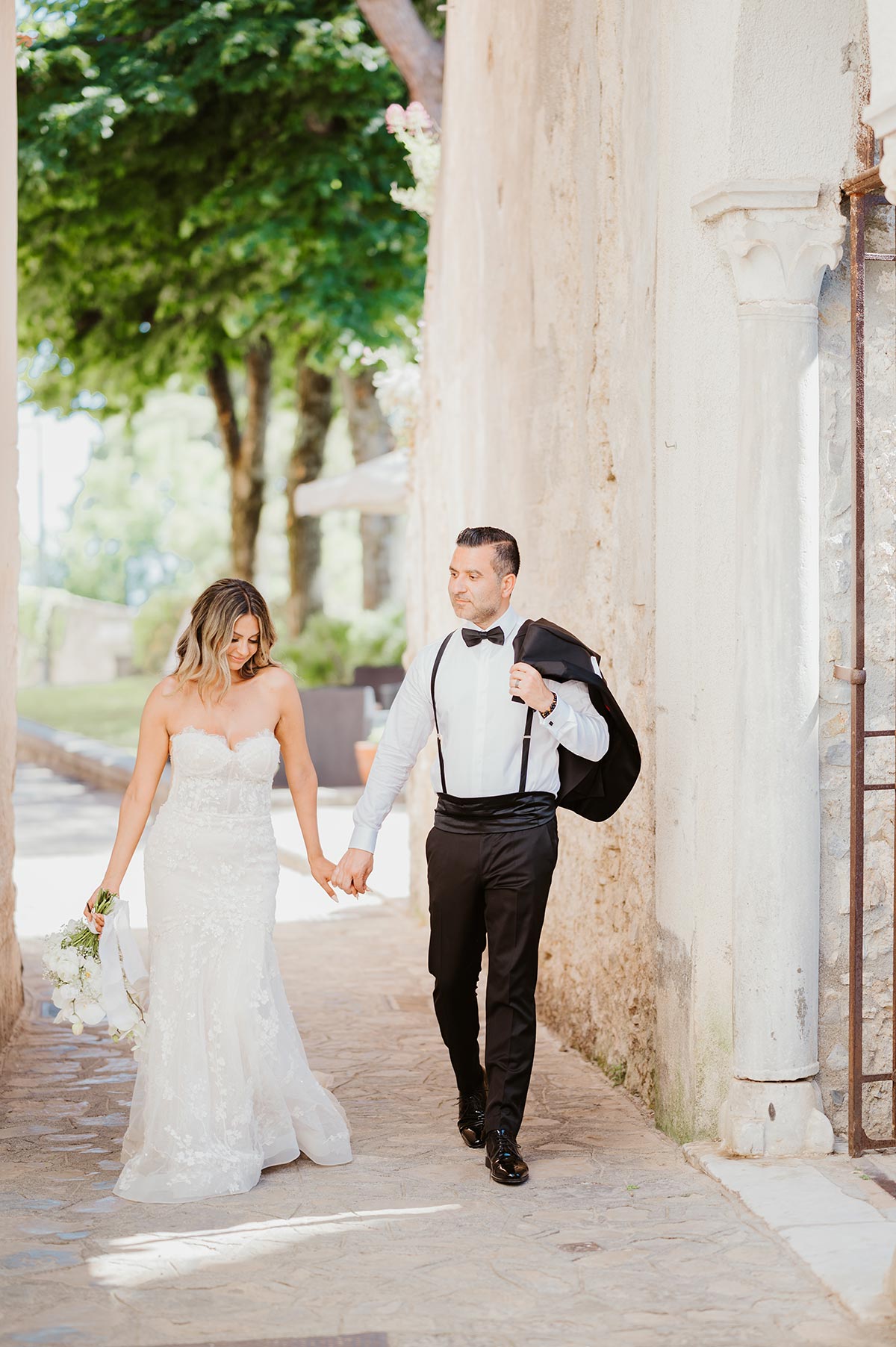
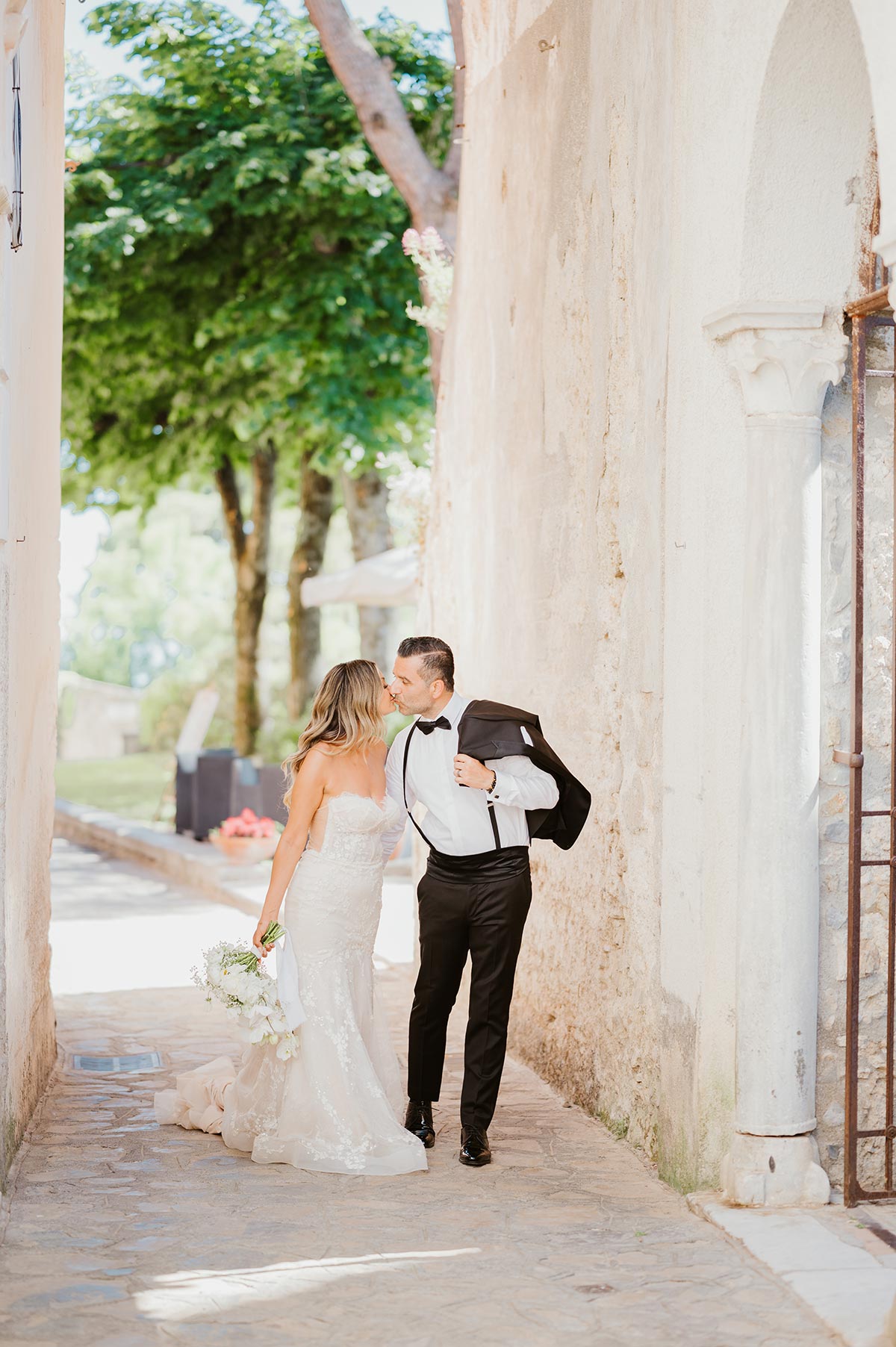
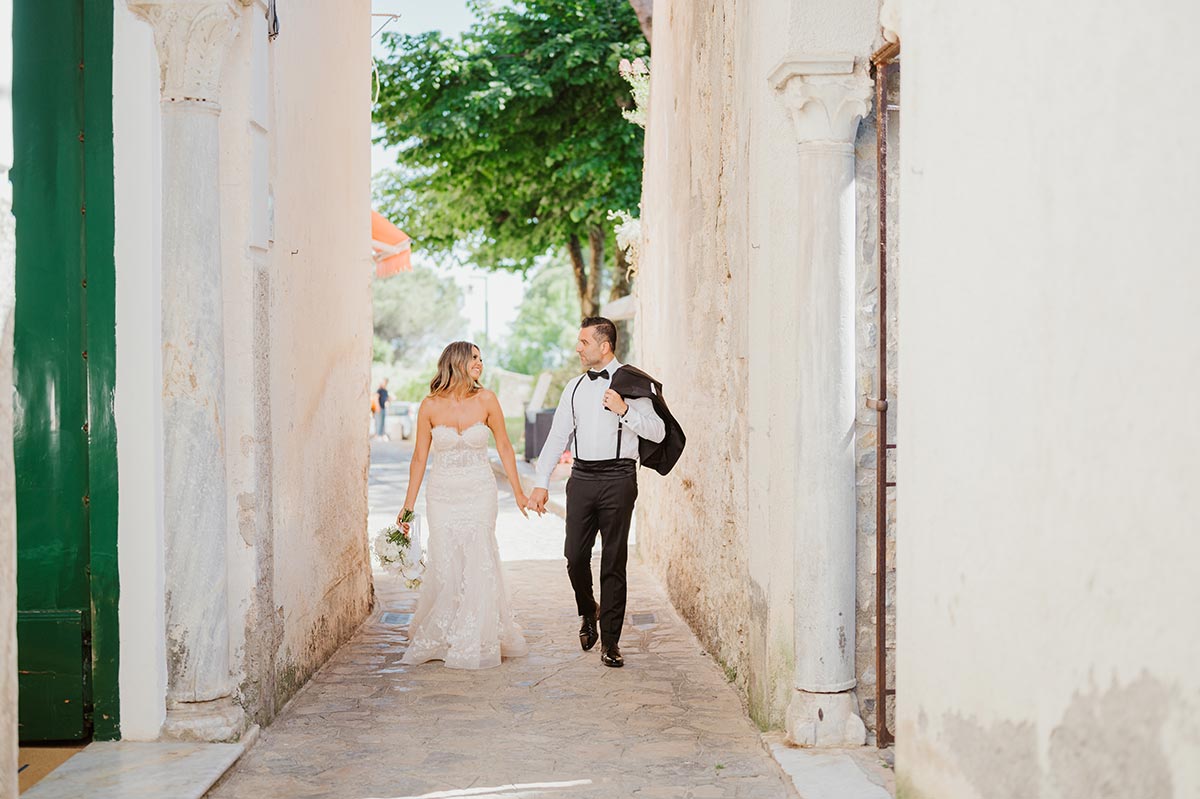
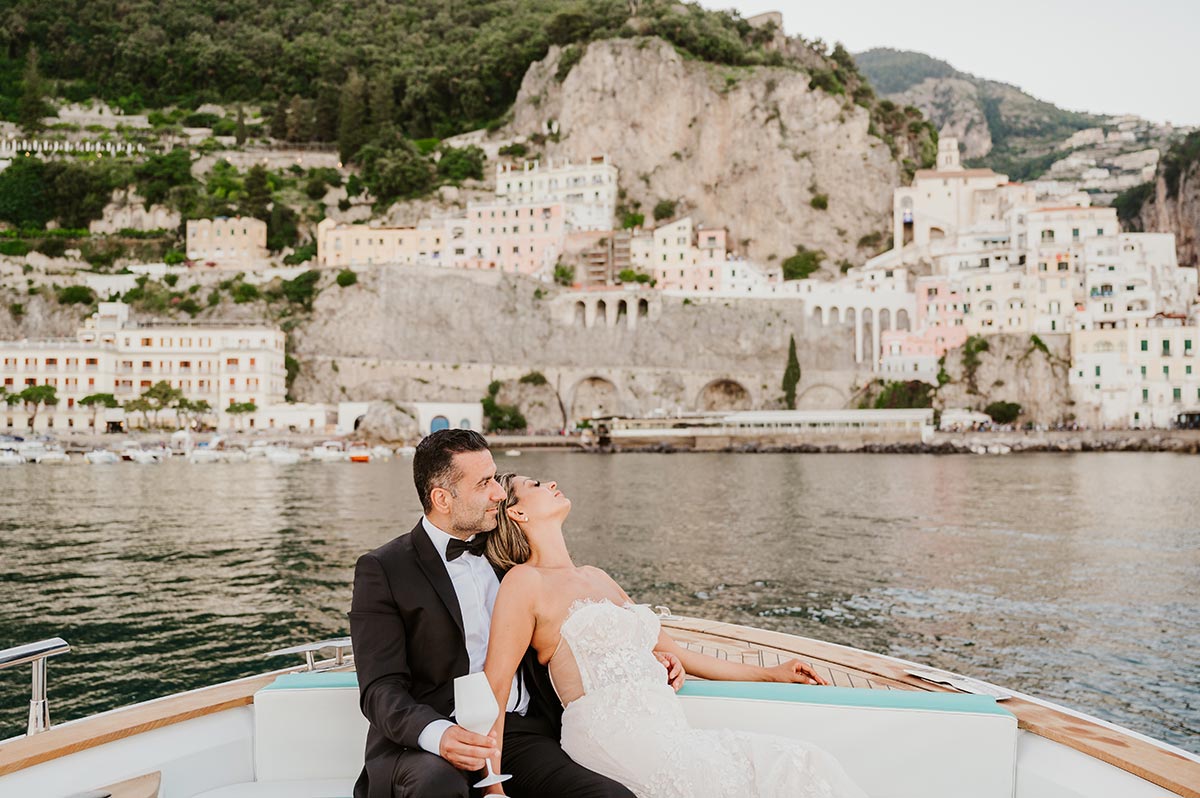
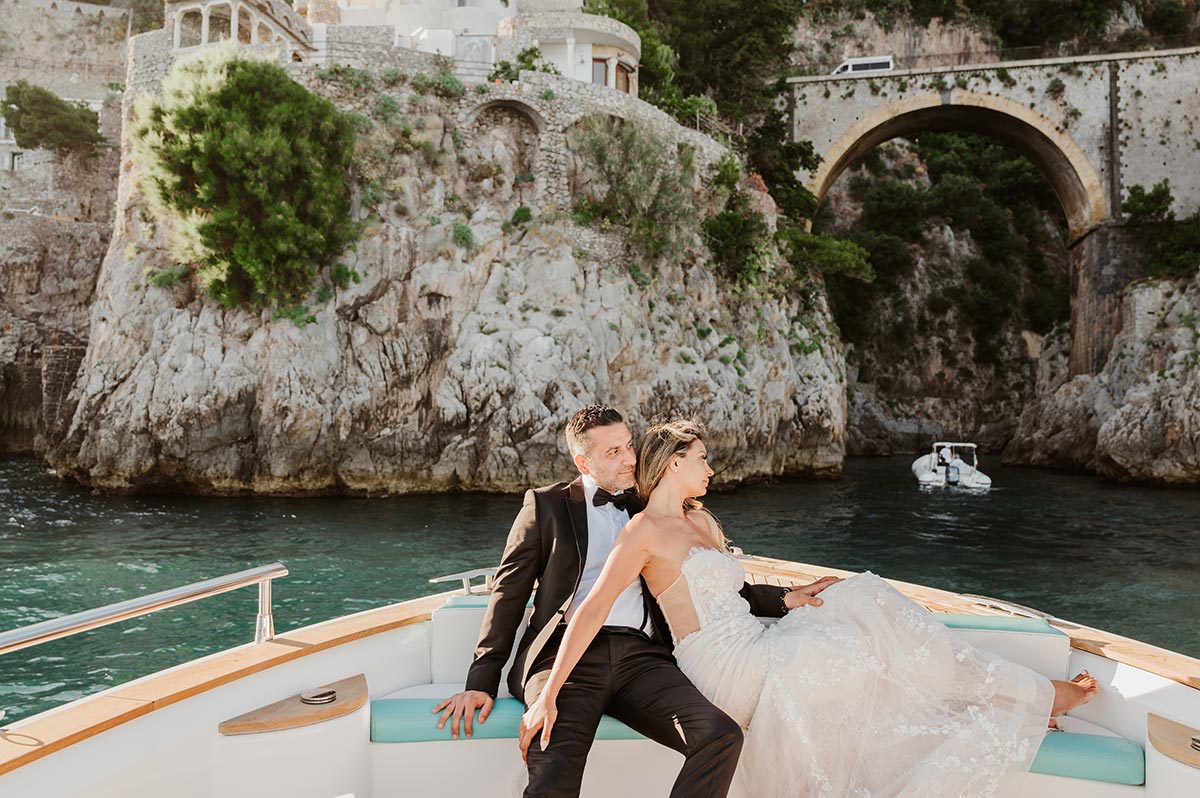
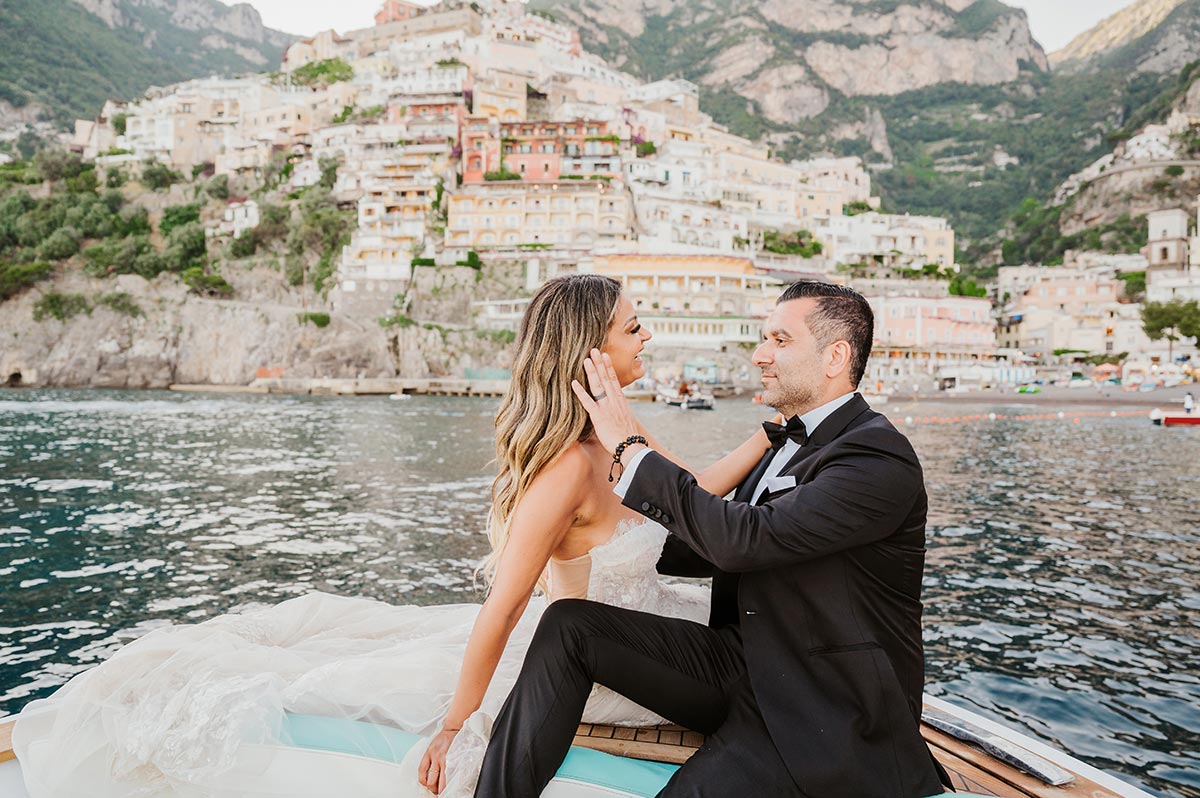
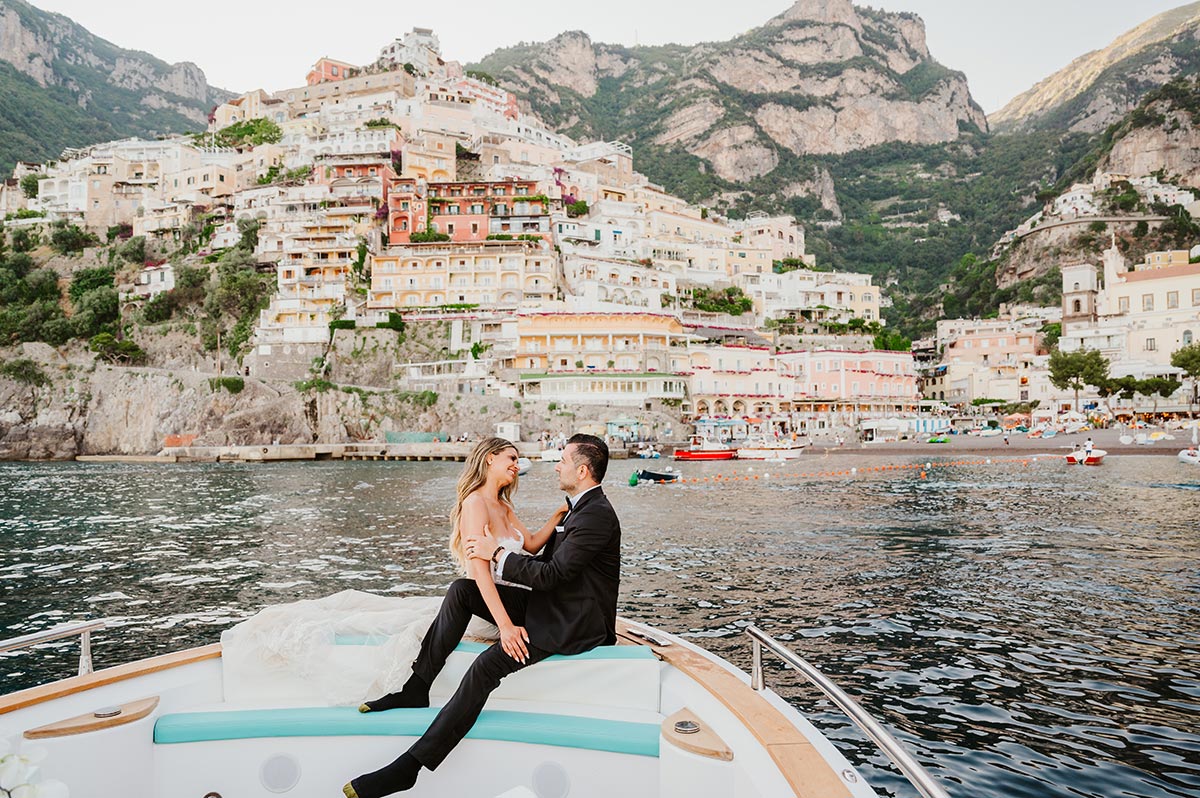
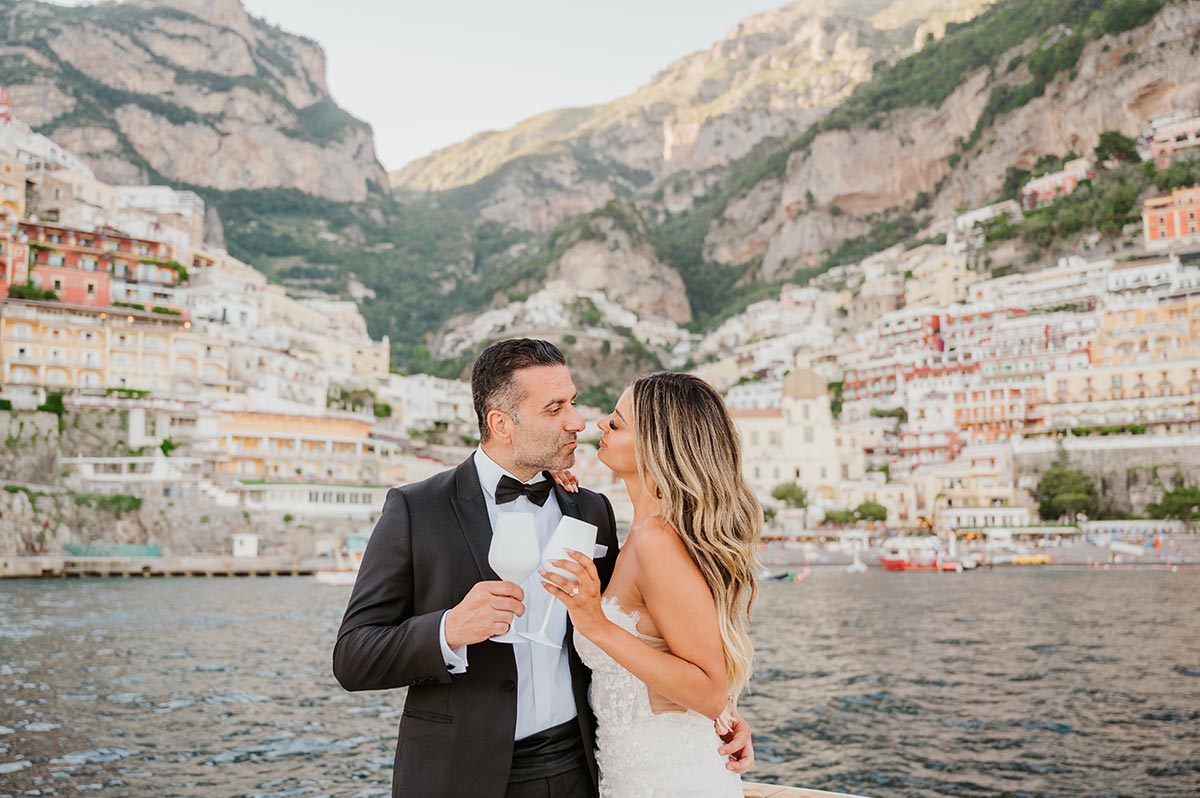
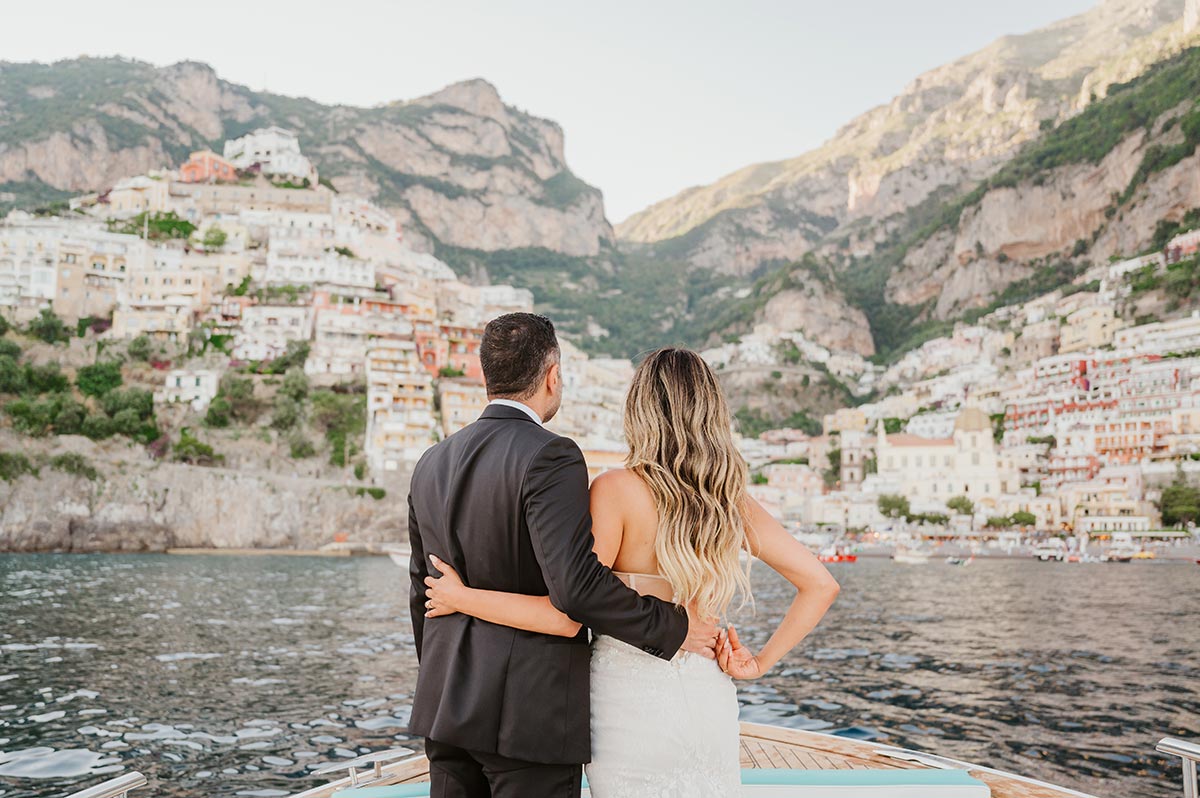
Eight hours package: Combine your morning Elopement at Villa Cimbrone with a boat tour from Amalfi to Positano.
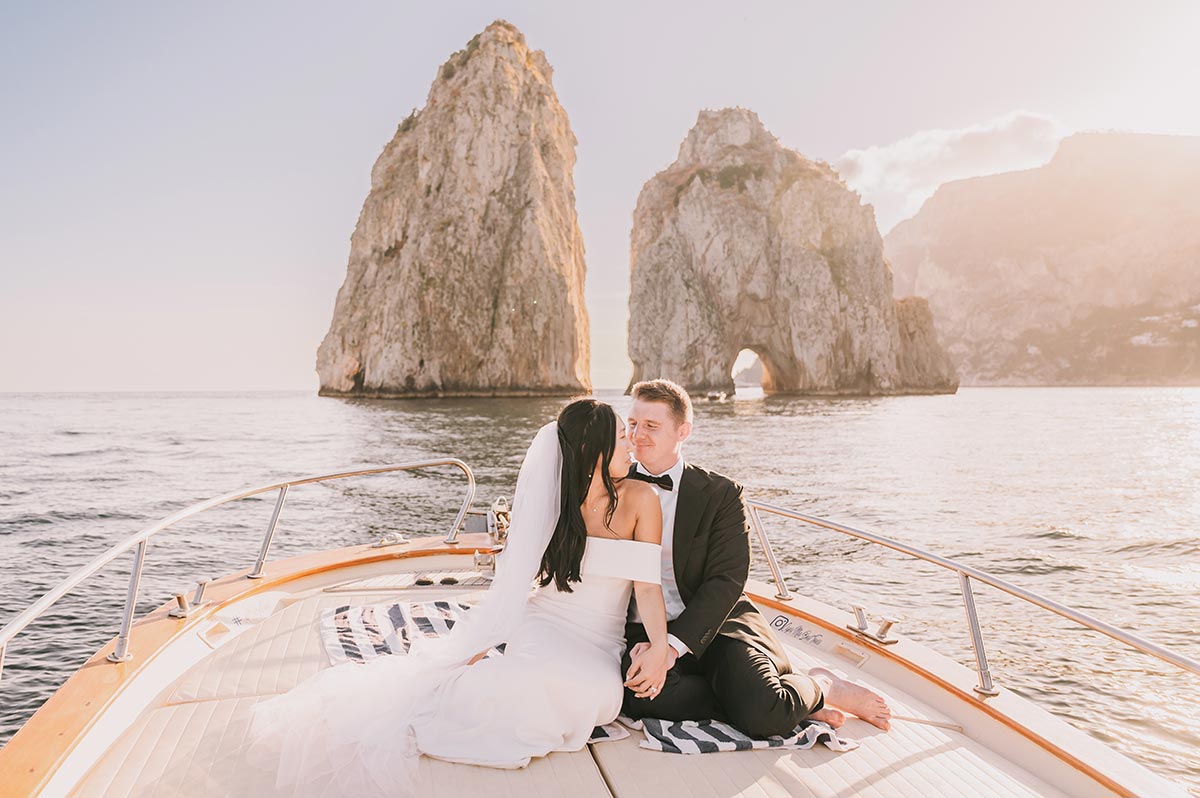
Combining an early morning elopement at Villa Cimbrone with a late afternoon boat trip from Amalfi or Atrani to Positano is the ultimate way to make the most of your special day and create a truly unforgettable experience. Imagine being surrounded by the breathtaking beauty of the Amalfi Coast as you exchange vows at Villa Cimbrone and then being able to capture the romance and magic of the day on a boat trip along the coast.
After your ceremony at Villa Cimbrone, you can stroll through the charming streets of Ravello, stopping to take some beautiful photos along the way. Then, a driver will take you to the port of Amalfi, where you can take some more pictures and set sail for Positano. As you cruise along the coast, you’ll be able to admire the picturesque towns and villages, the crystal clear waters, and the lush greenery that makes the Amalfi Coast so famous.
MEMORABLE WEDDINGS WITH A RAVELLO WEDDING PHOTOGRAPHER



IF YOU THINK OF HIRING ME, IT MEANS THAT YOU SHARE THIS VISION AND WE HAVE MANY THINGS IN COMMON.

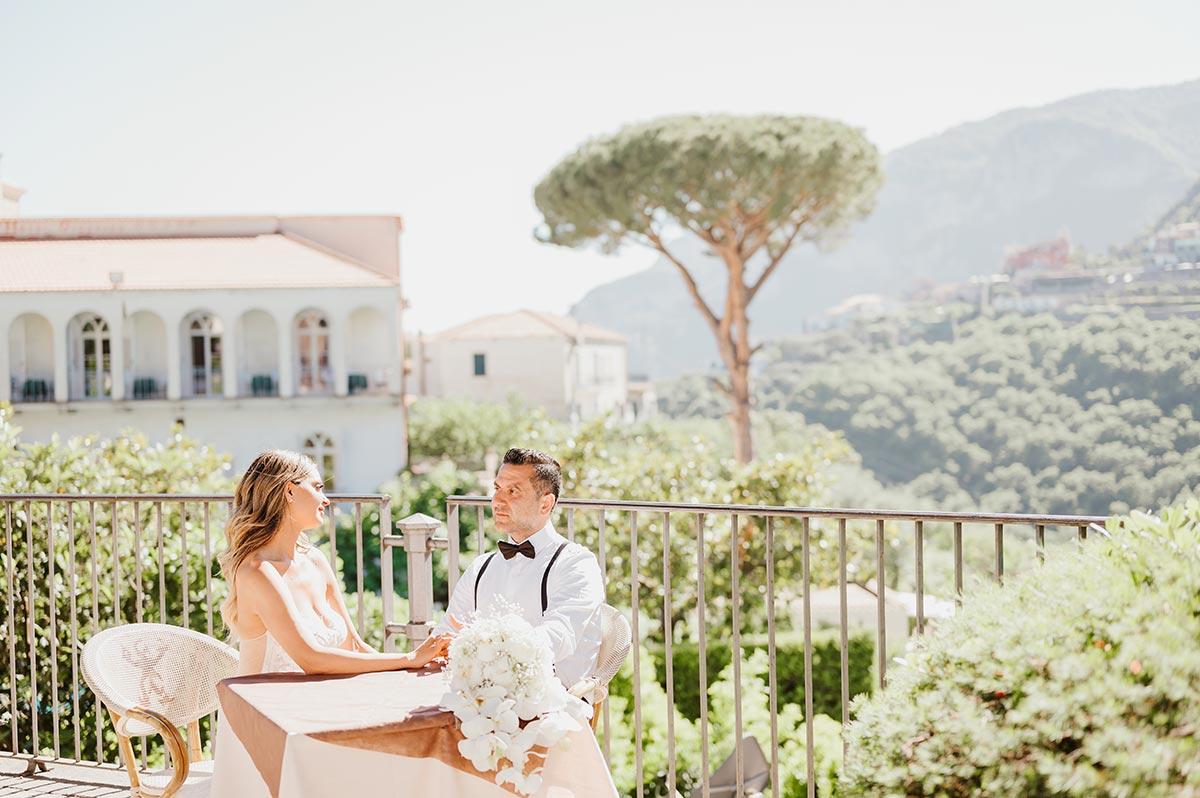

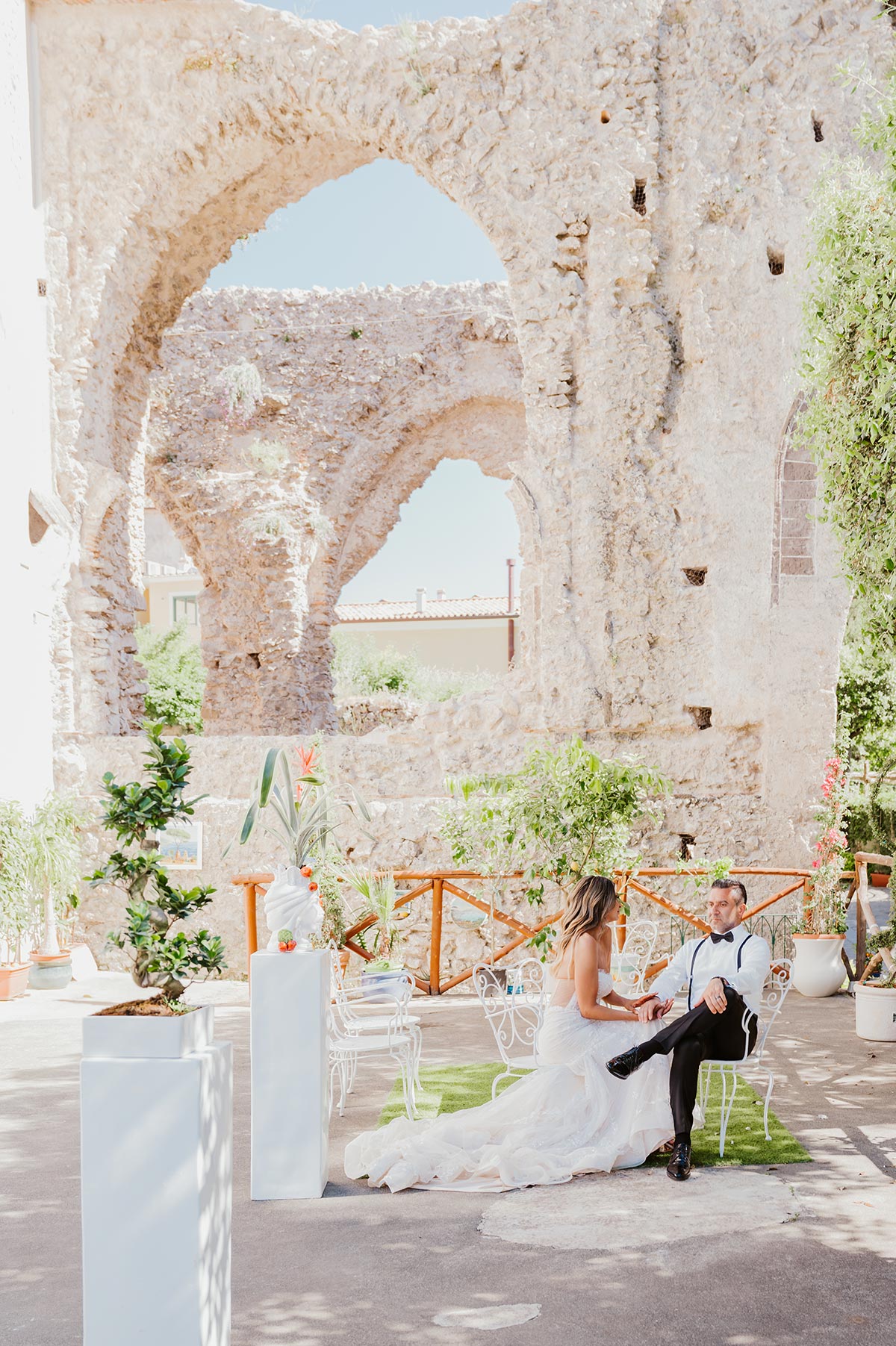
As the sun begins to set, you’ll be able to capture some truly magical photos along the coast of Positano. The warm light of the setting sun will bathe the landscape in a golden glow, creating a romantic and intimate atmosphere that you’ll remember forever. With the help of our team, you’ll be able to create a collection of beautiful and timeless photographs that perfectly capture the spirit of your special day.
We sell this package very often, and it is very requested; we work with reliable boat companies that we have a long-term collaboration with and will give our clients the contact them after the engagement.
Our studio offers additional options such as videography, printed albums, holiday shooting, and boat tours at an additional cost. However, all prices already include VAT, so our clients will not be surprised by other expenses.
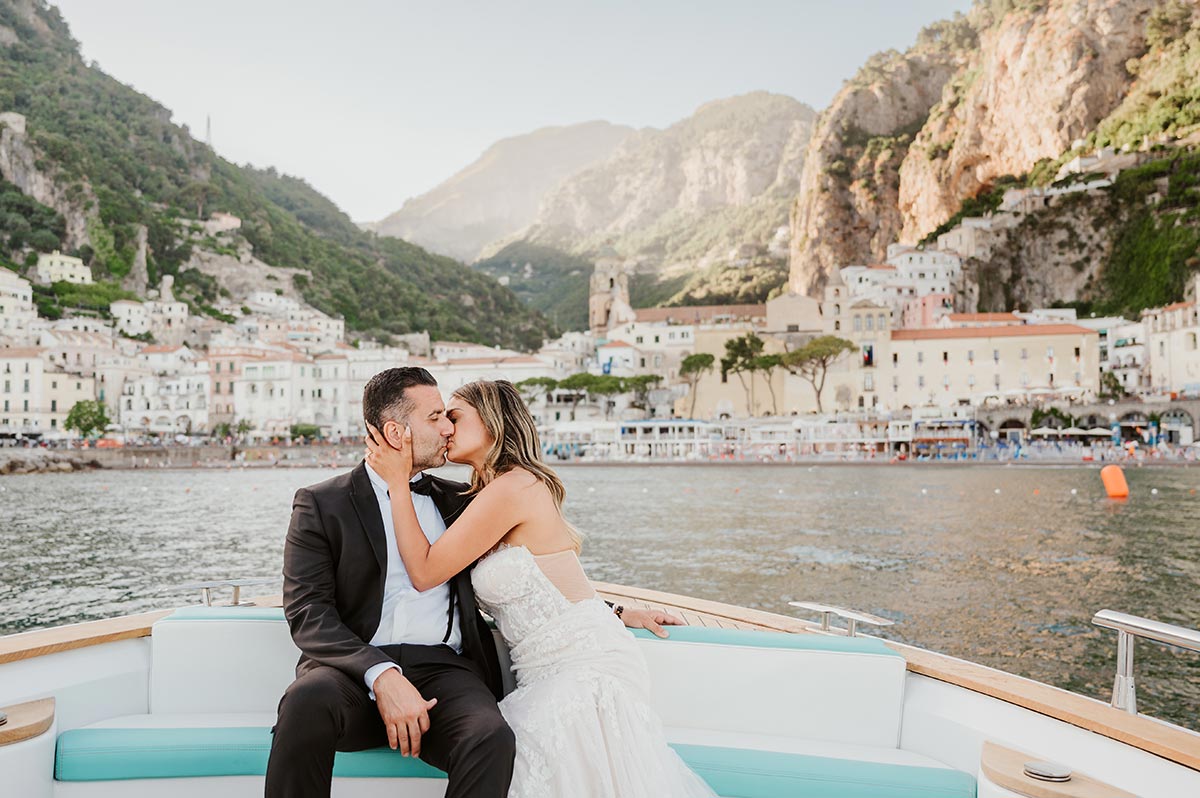
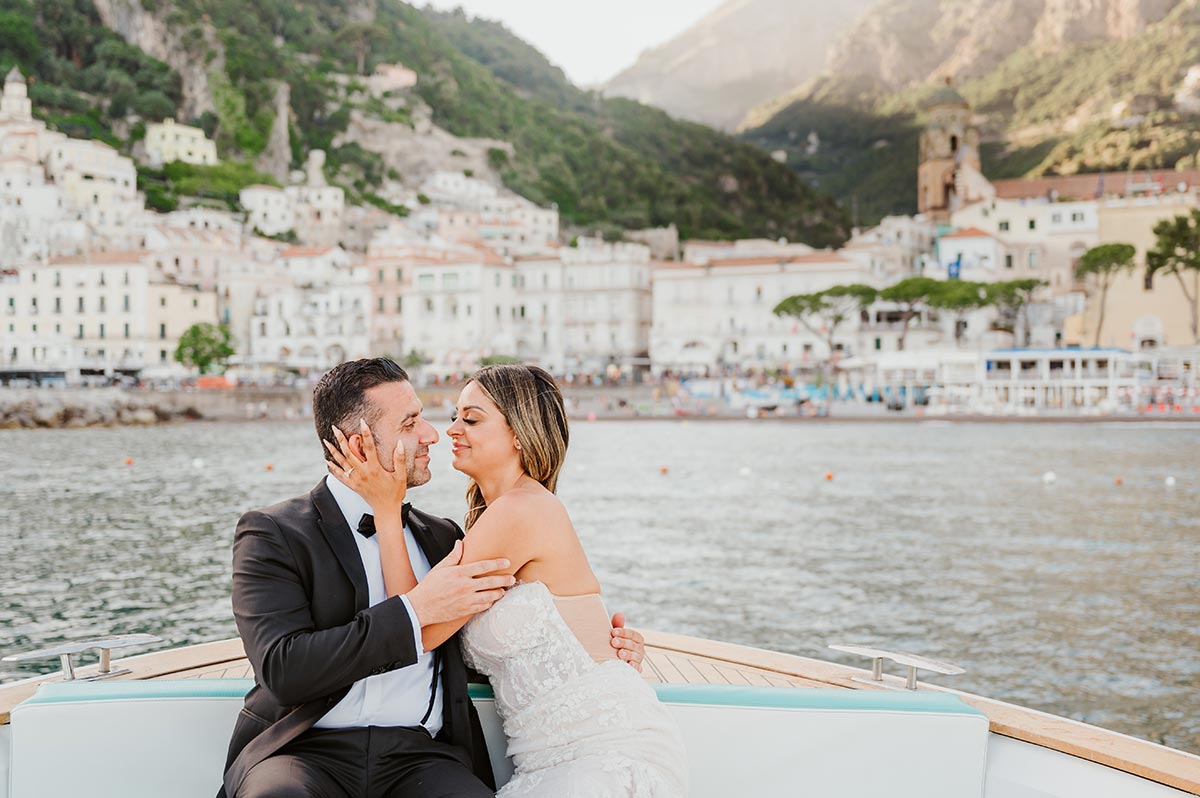


6 hours package: Combine Ravello and Atrani for your urban exploration
If you’re looking for a unique and authentic experience, combining your elopement at Villa Cimbrone with a visit to the charming village of Atrani is a perfect choice. Atrani is less crowded than Amalfi but just as picturesque, offering a wide range of opportunities to capture beautiful and authentic photographs.
In just six hours, you can experience the best of both Ravello and Atrani, two of the most picturesque towns on the Amalfi Coast. Our team of photographers is very familiar with the narrow streets and alleys of Atrani, and we know the best spots for taking beautiful photographs.
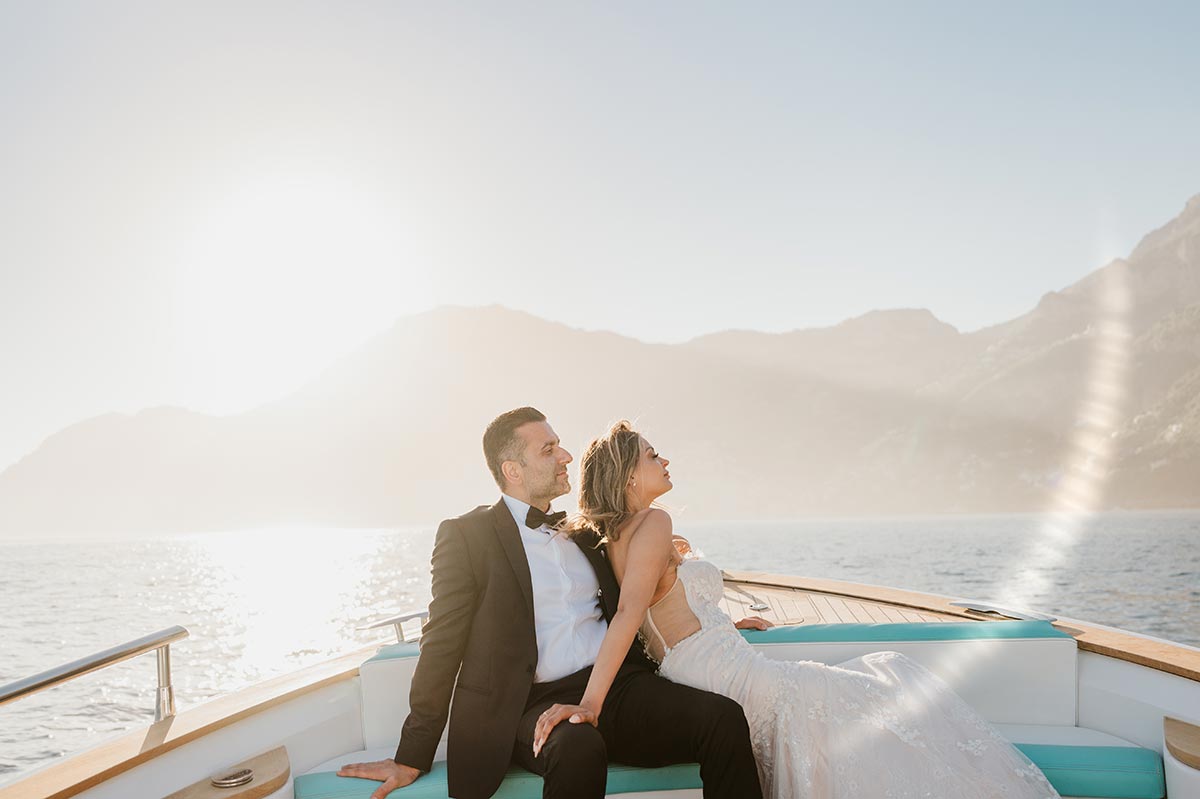
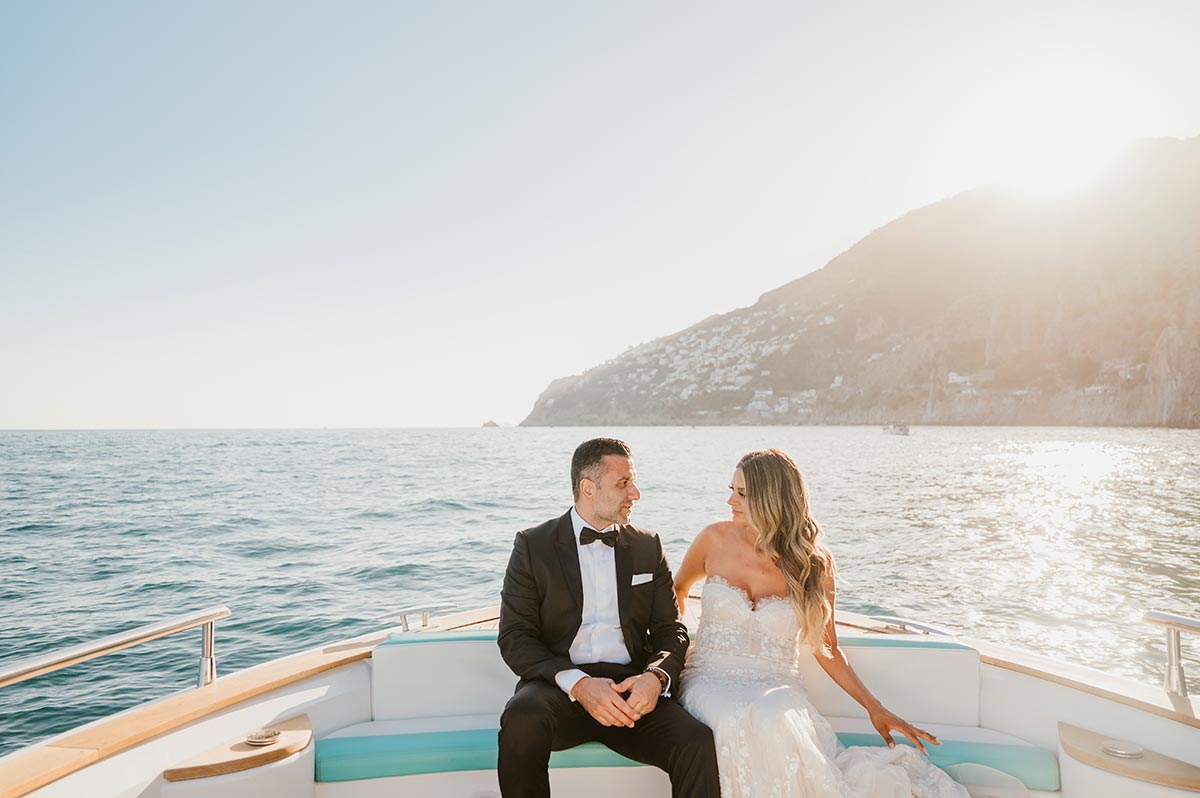


This package is ideal for those who love to walk and explore urban areas in fewer mainstream locations in search of authenticity. However, remember that this package requires a certain level of mobility and willingness to walk around, but it will be rewarded with beautiful and unique photographs.
Ultimately, your wedding day is one of your life’s most important and memorable days, and choosing the right photographer to capture all the memories is crucial. As Ravello wedding photographers, we understand this day’s importance and are dedicated to providing you with a personalized and exceptional experience. So whether you choose a morning elopement at Villa Cimbrone, a boat trip along the Amalfi Coast, or a visit to the charming village of Atrani, we will work closely with you to create a tailored package that meets your needs and exceeds your expectations.

Our experienced photographers will capture all the special moments of your day, providing you with a collection of beautiful and timeless photographs that will perfectly capture the spirit of your special day. We understand that every client is unique, and we strive to provide personalized service and tailor-made packages to meet the needs of each client. We promise you a day filled with memories that will last a lifetime and photographs that will allow you to relive your special day for years to come. So don’t hesitate to contact us, and let’s start planning your unforgettable experience today.