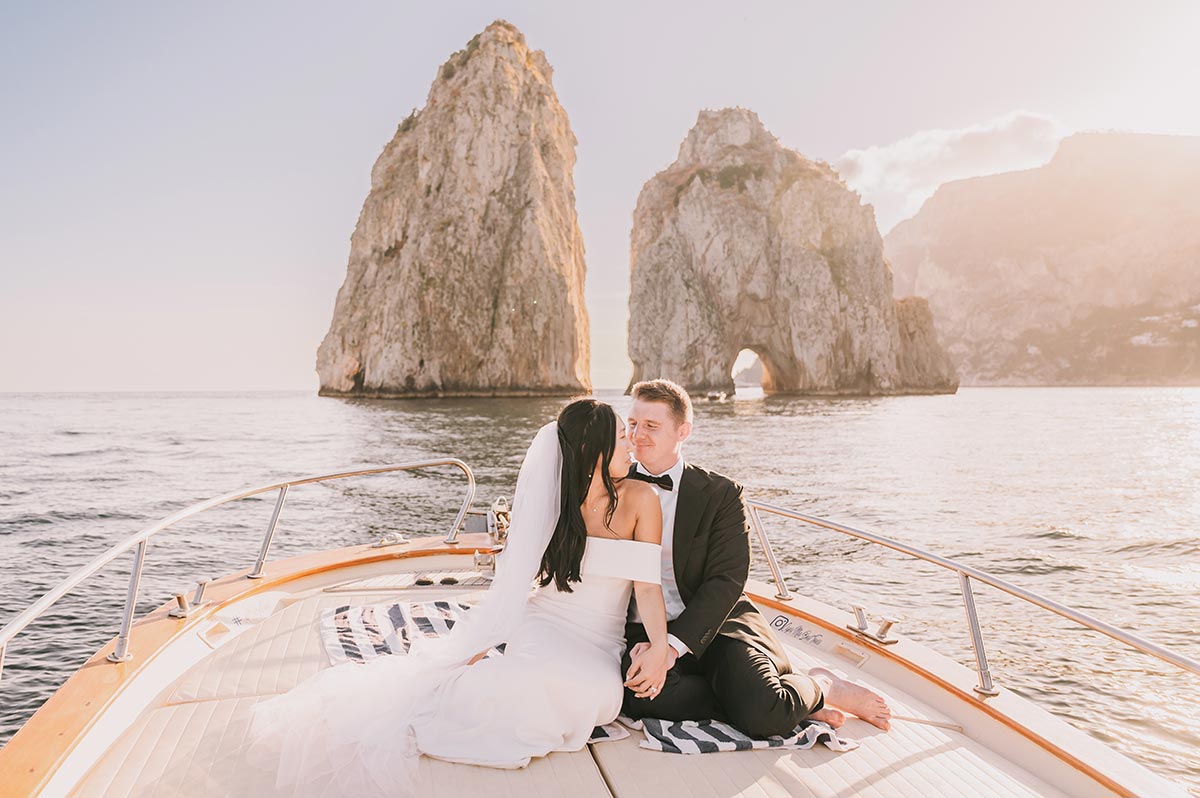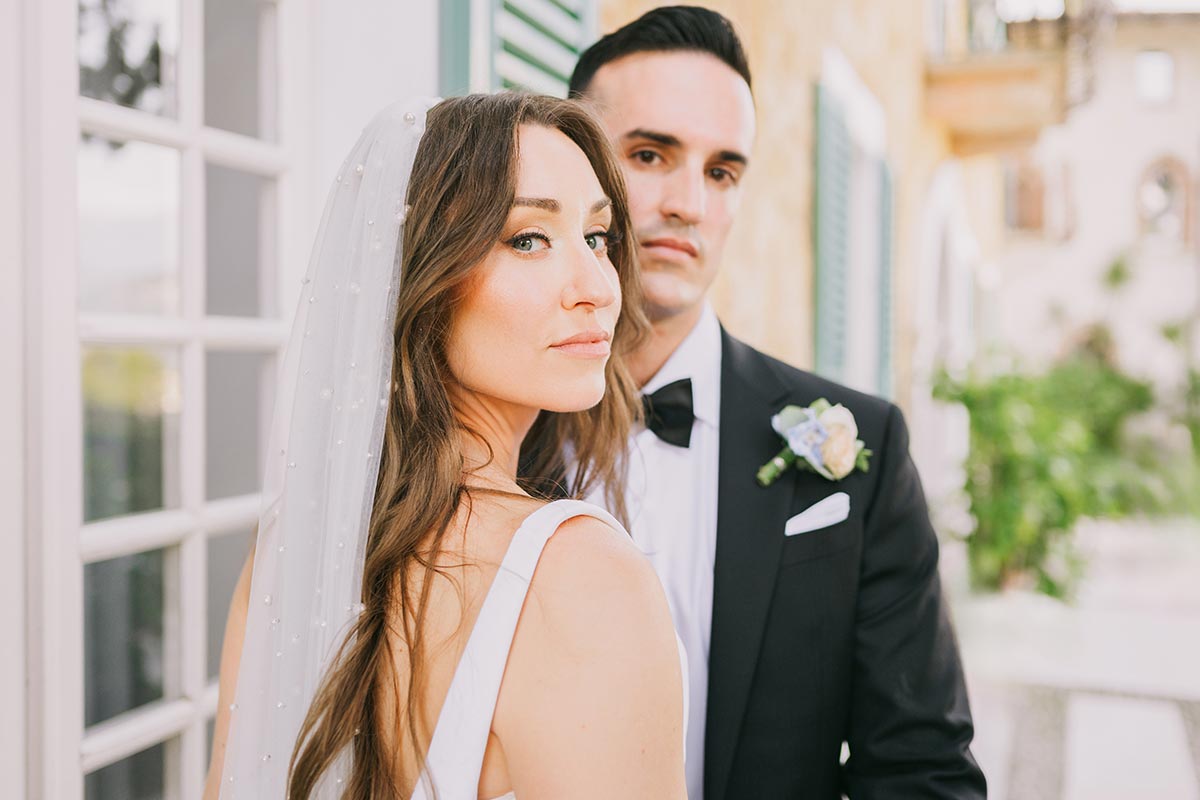

Trattoria da Lorenzo Rehearsal dinner
Discover the charm of a Trattoria da Lorenzo Rehearsal Dinner on the breathtaking Amalfi Coast. Savour the night before your big day.

START PLANNING YOUR WEDDING IN AMALFI COAST

A Toast to Love: Trattoria da Lorenzo Rehearsal Dinner on the Amalfi Coast
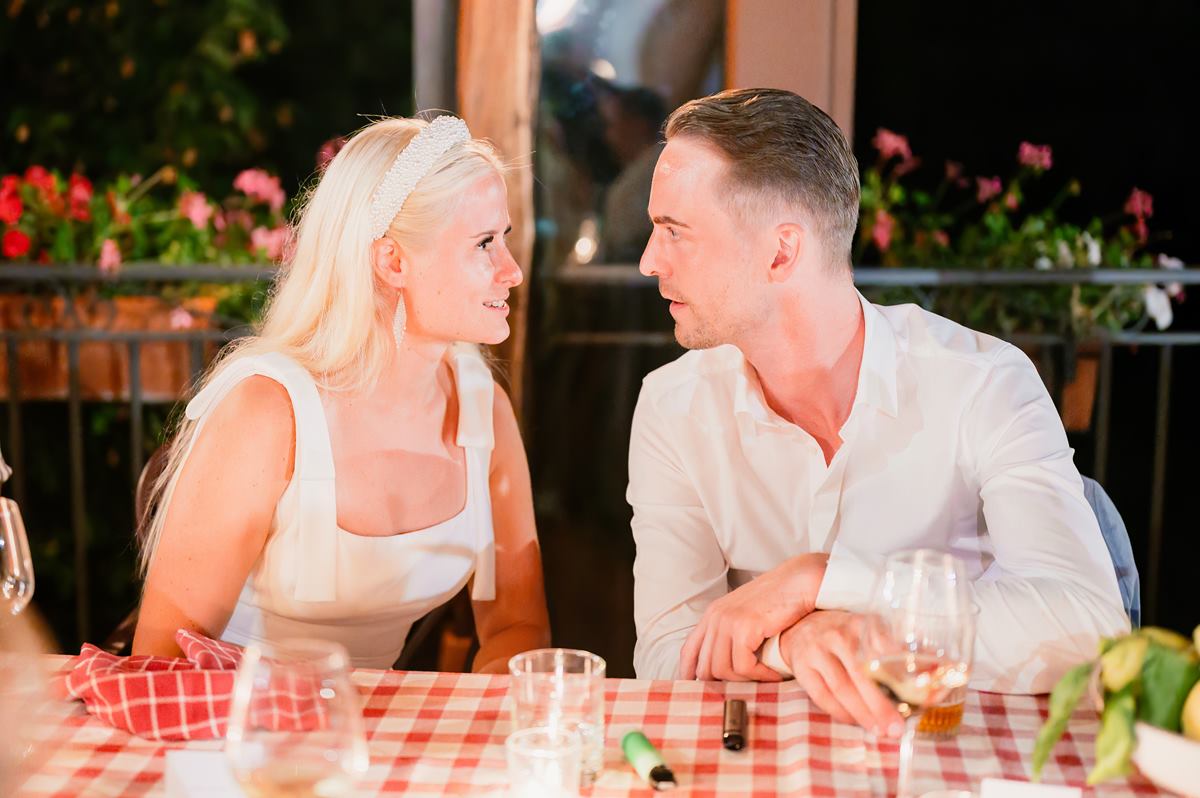
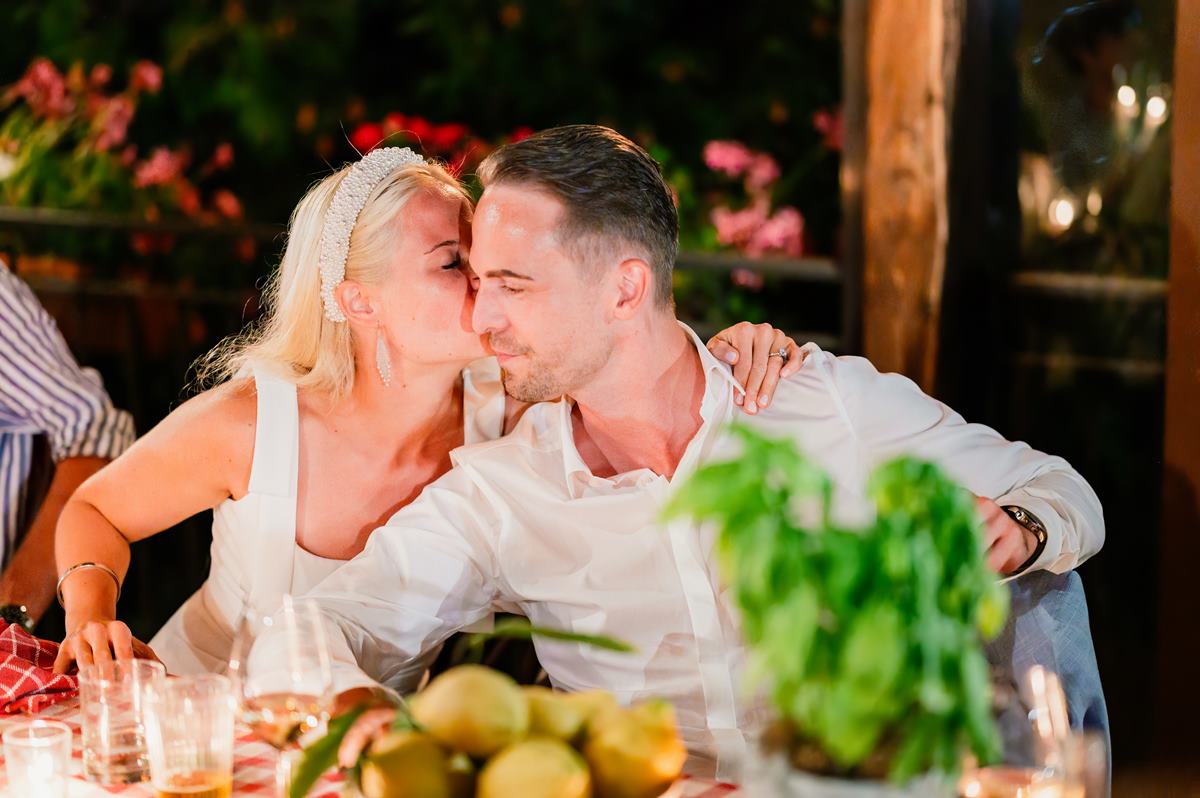
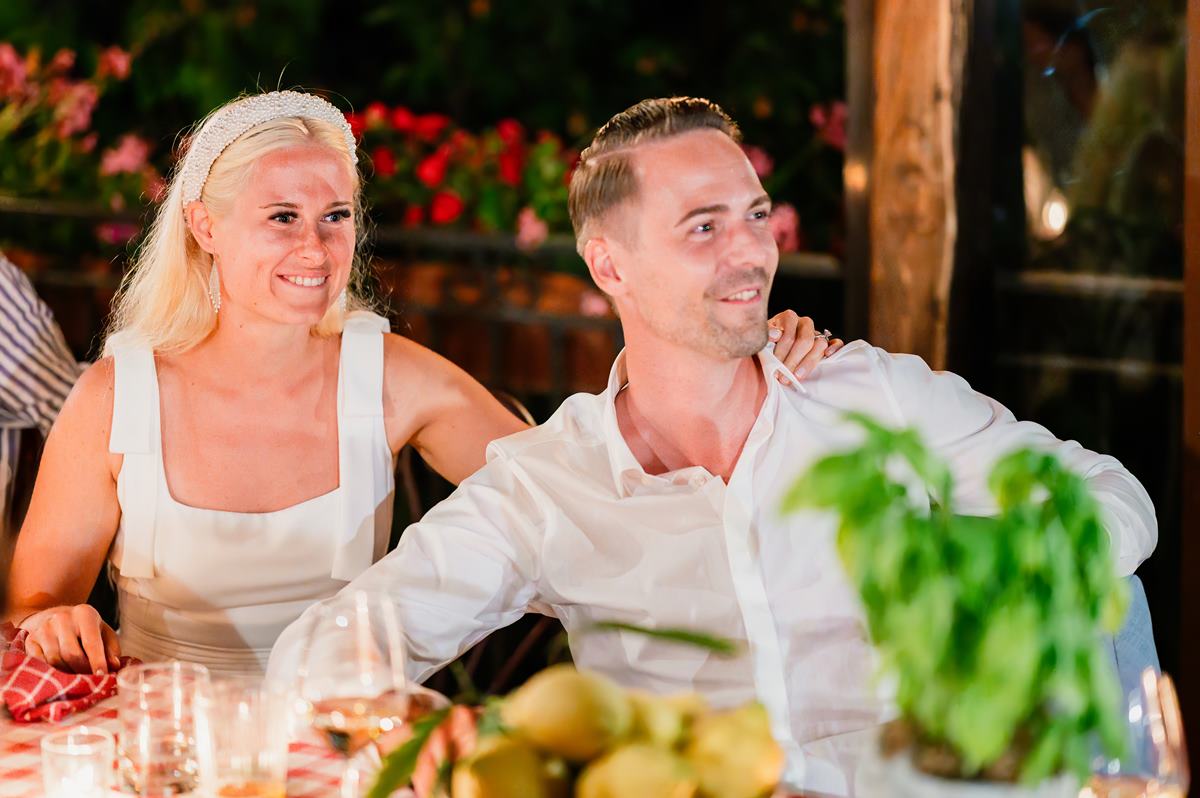
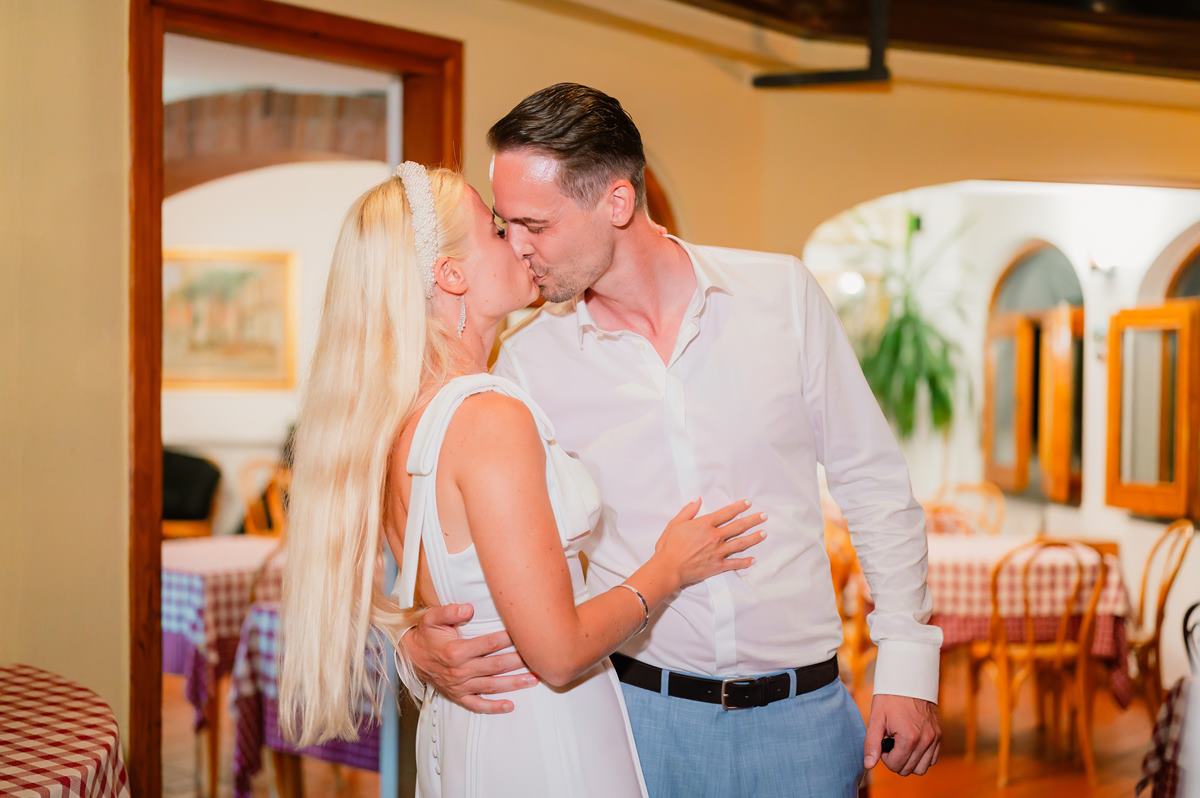
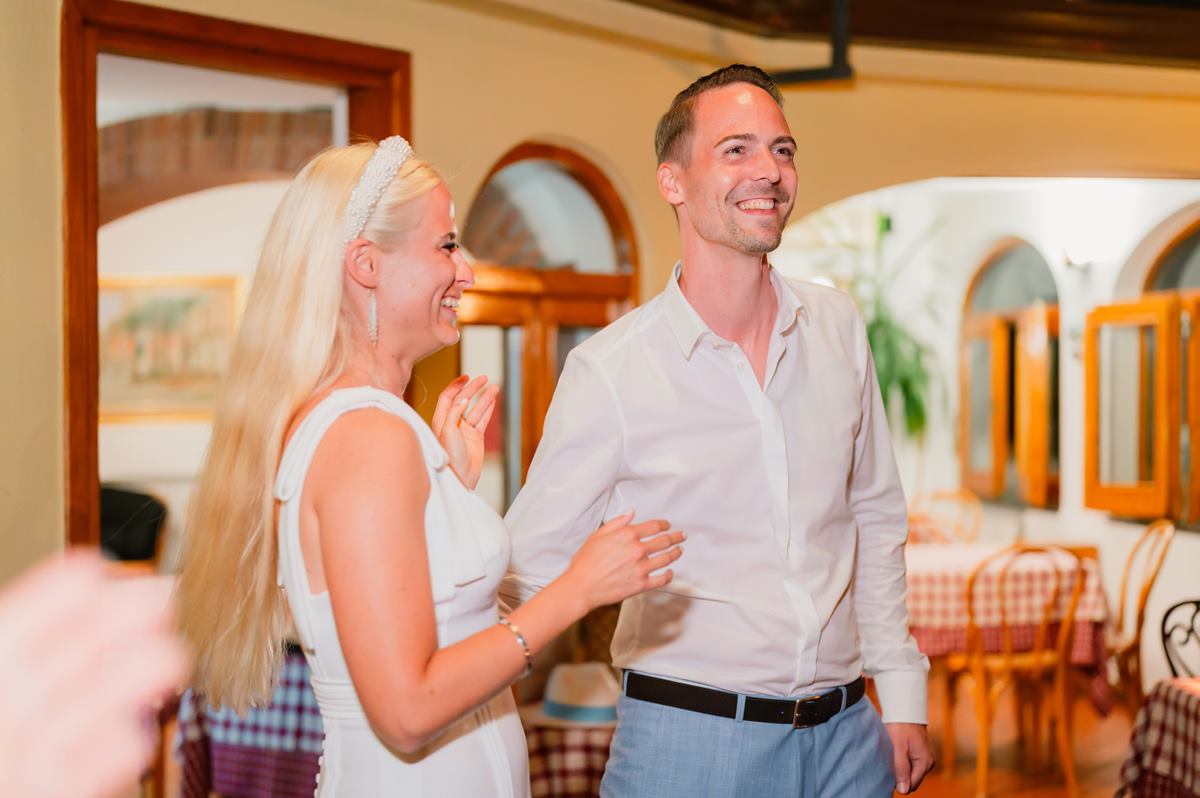
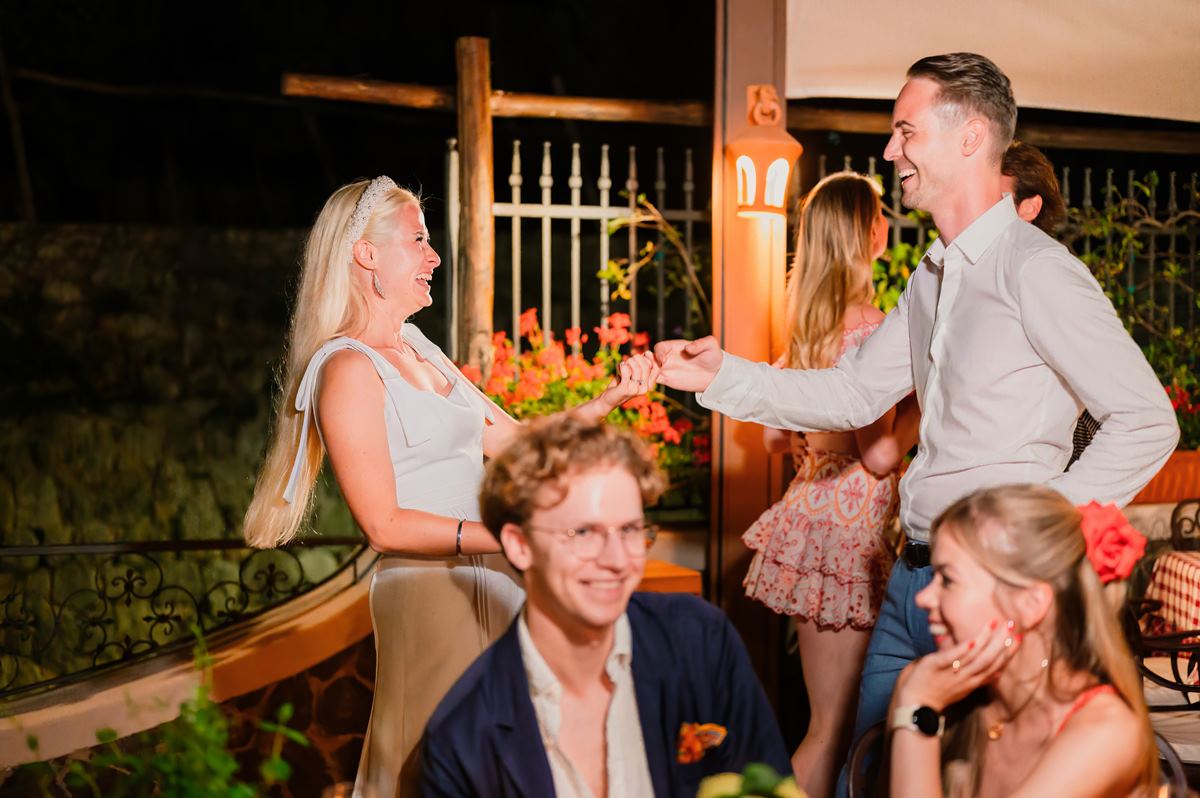
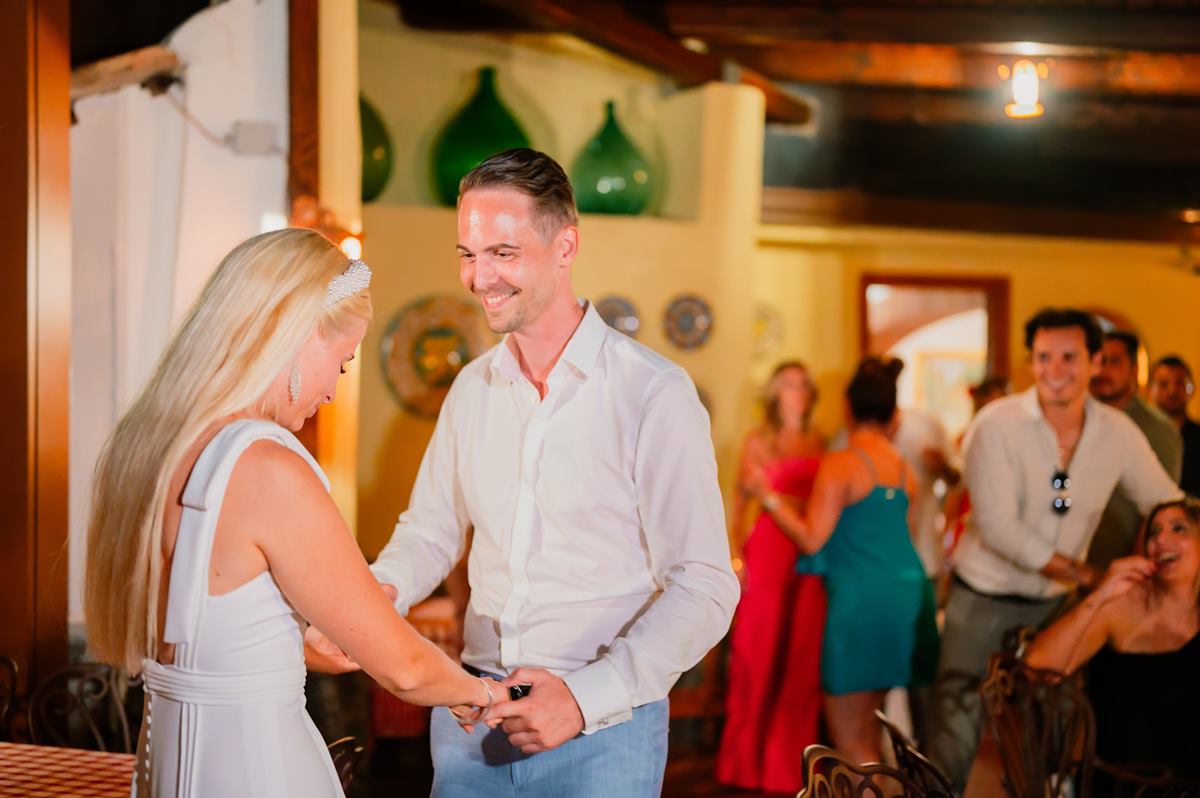
Romanticism runs through the veins of the Amalfi Coast, and the breathtaking Trattoria da Lorenzo traces this melody of passion. Swept up in this haze of love, a rehearsal dinner at Trattoria da Lorenzo transcends the boundaries of culinary mastery to infuse the night with a symphony of love, laughter, and heart-stopping scenes from the idyllic coastal landscape.

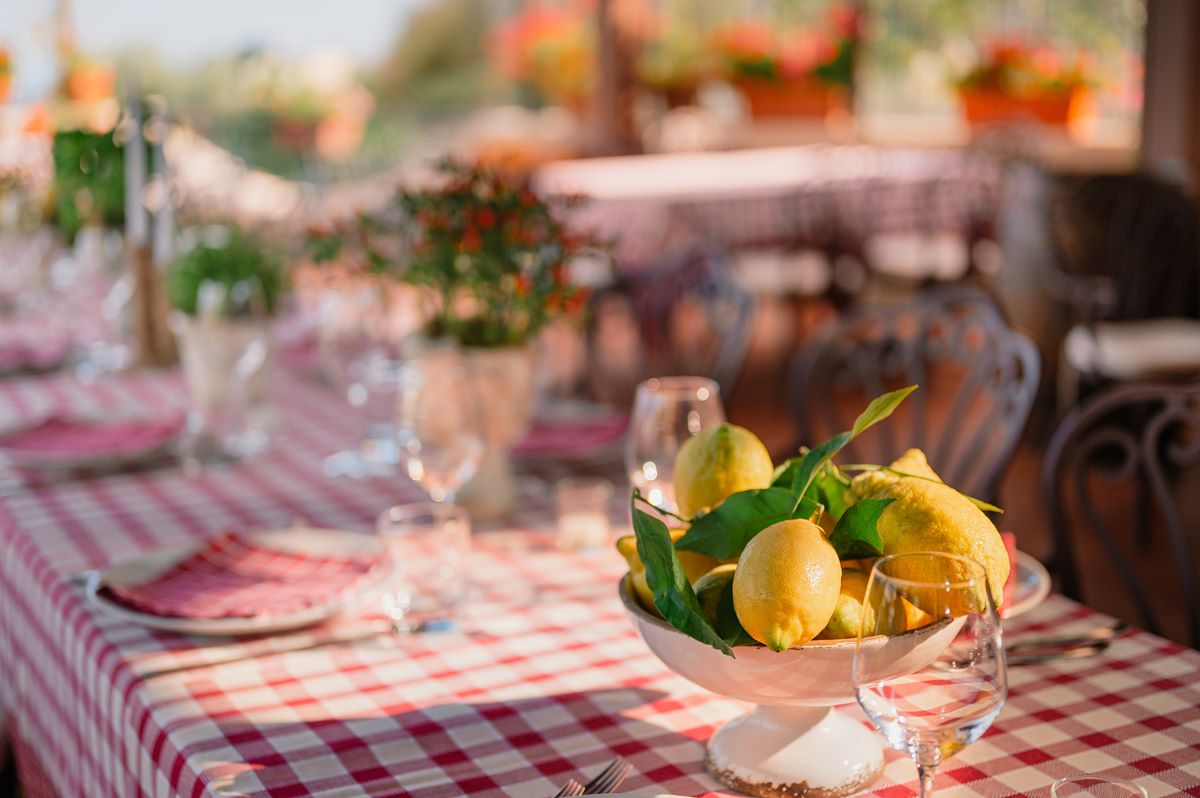
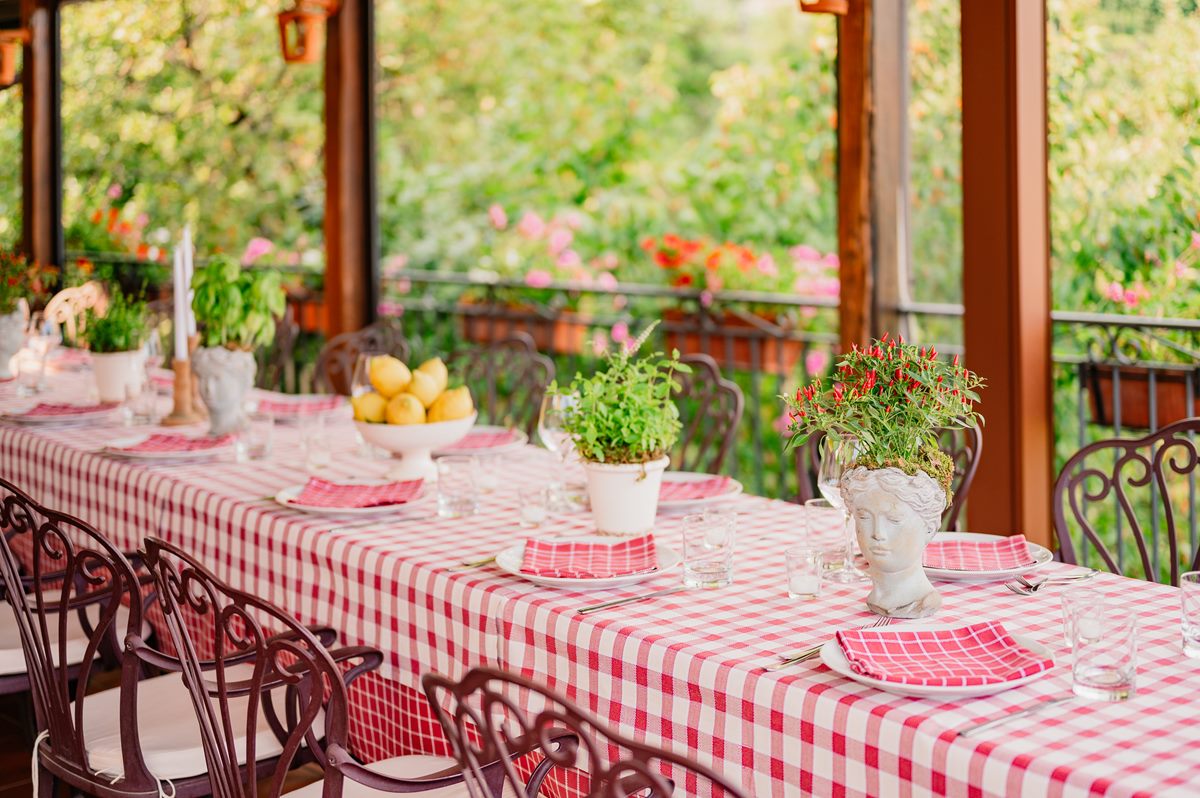


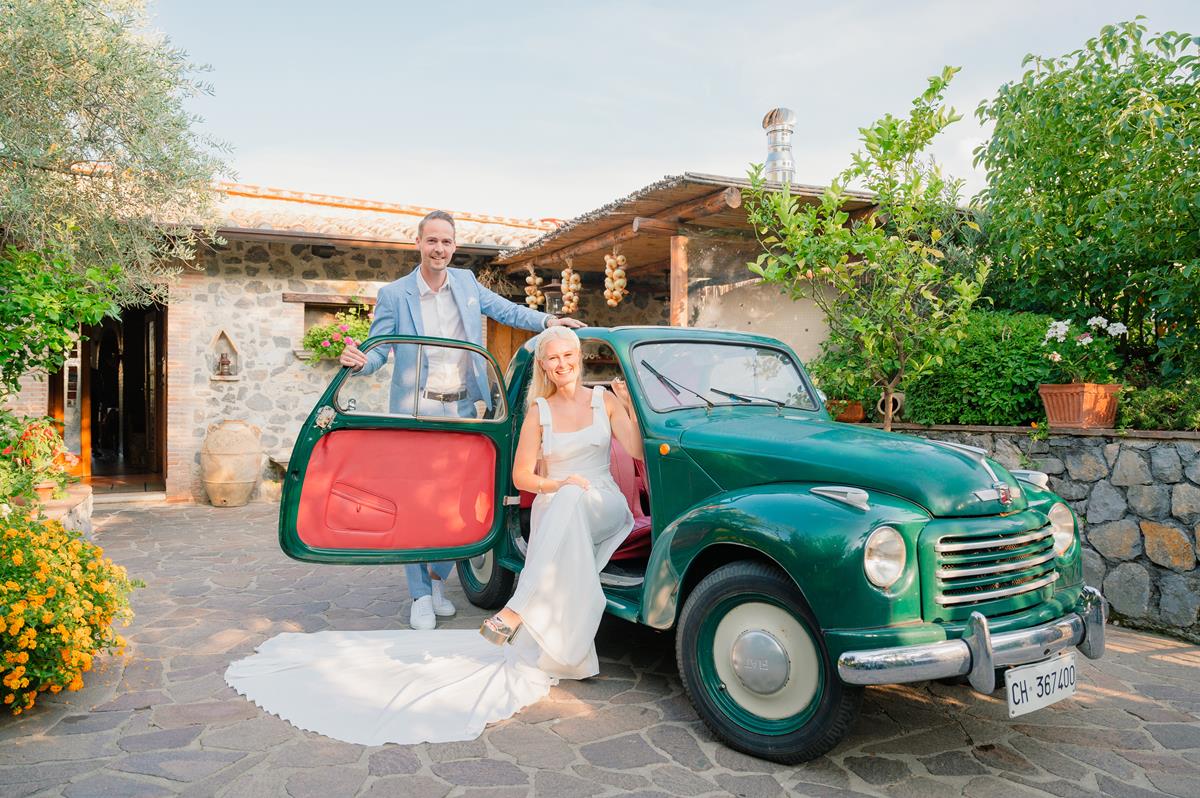


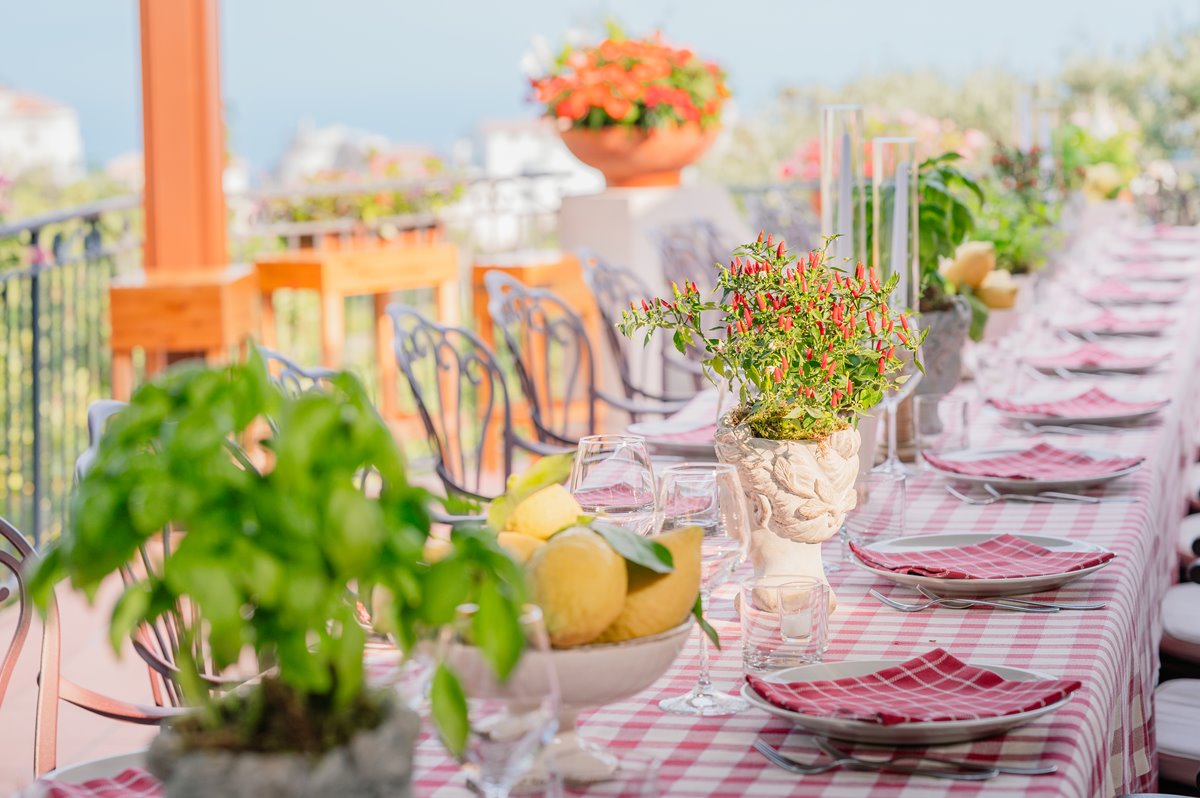

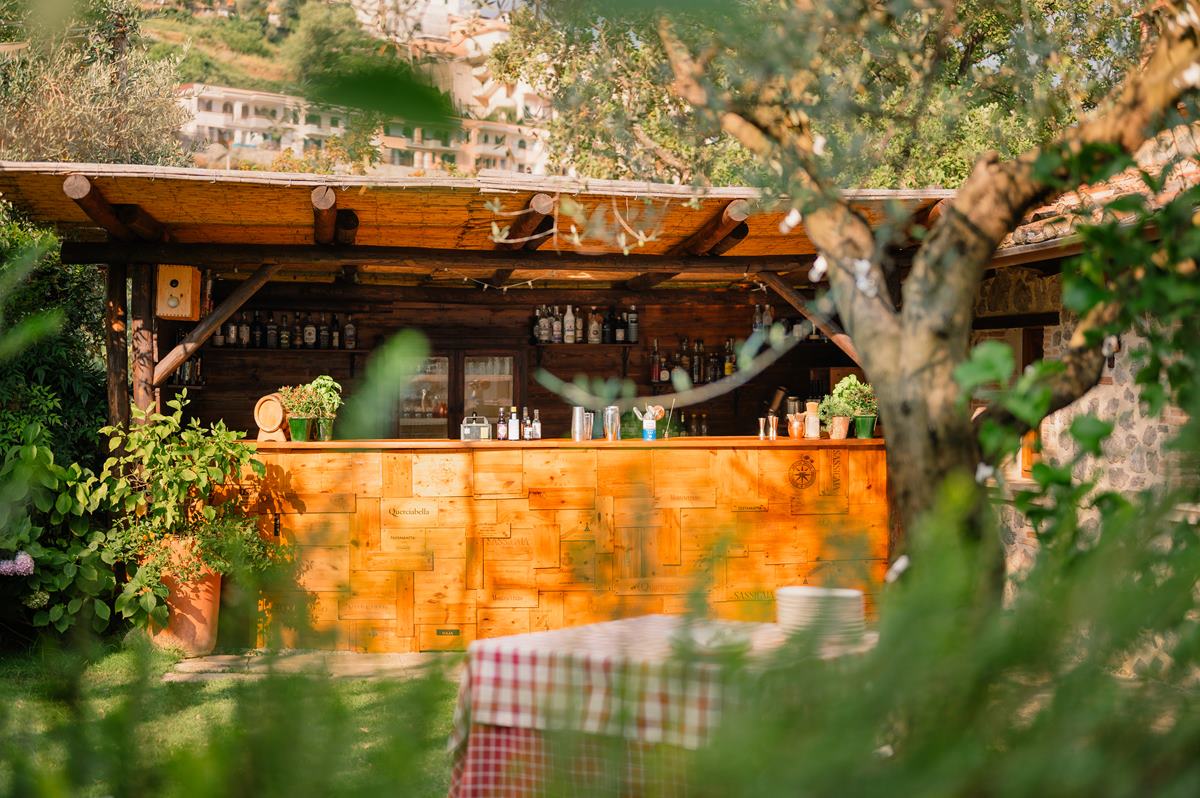

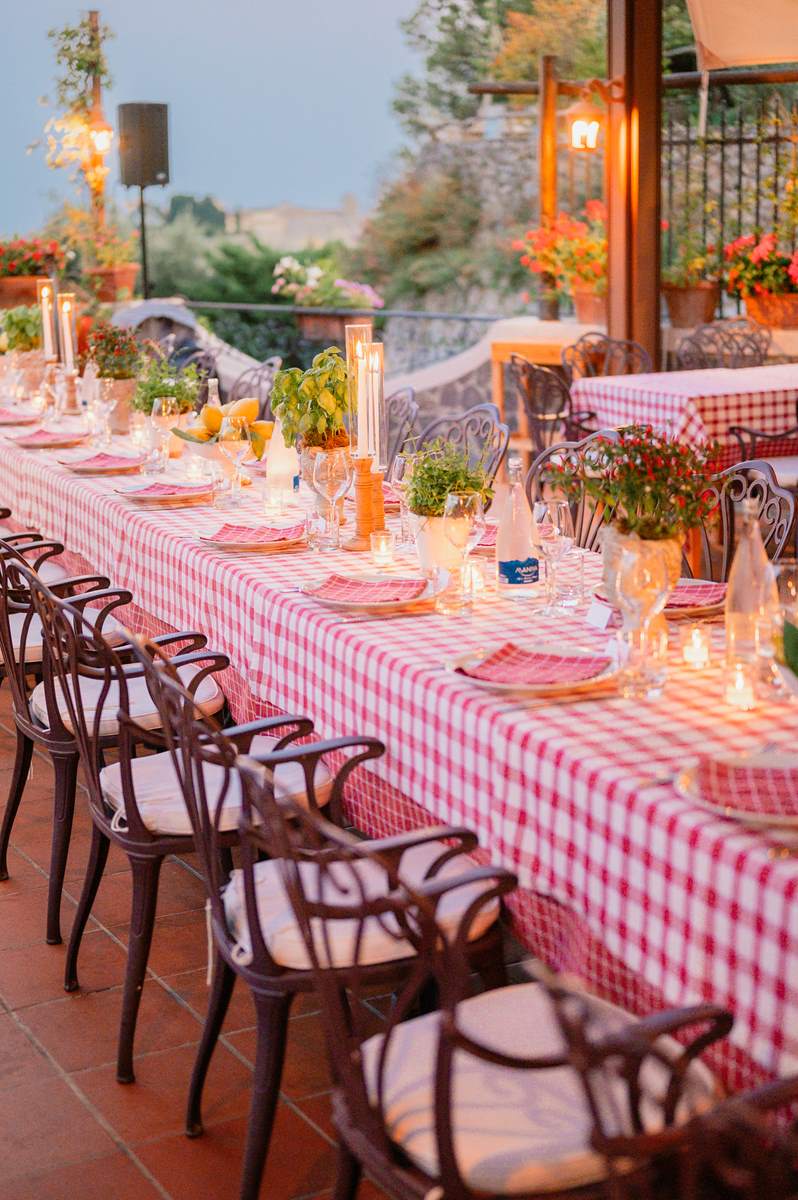
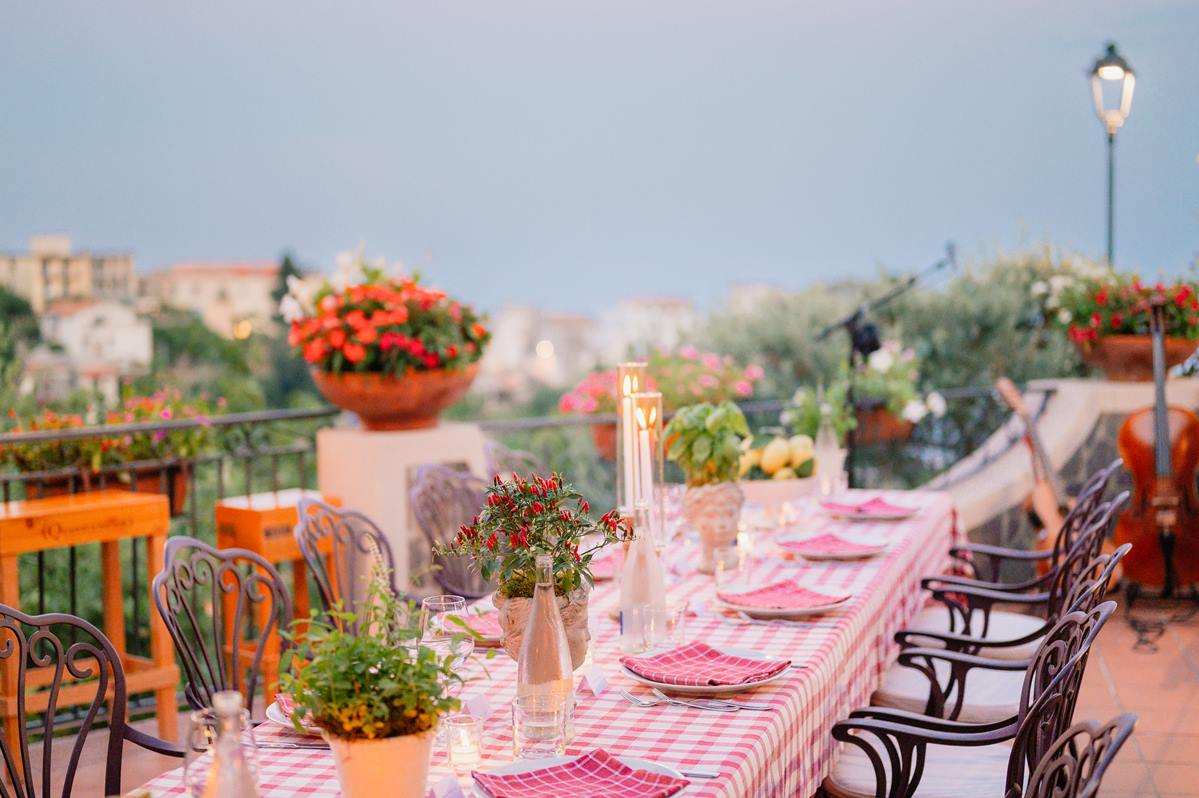


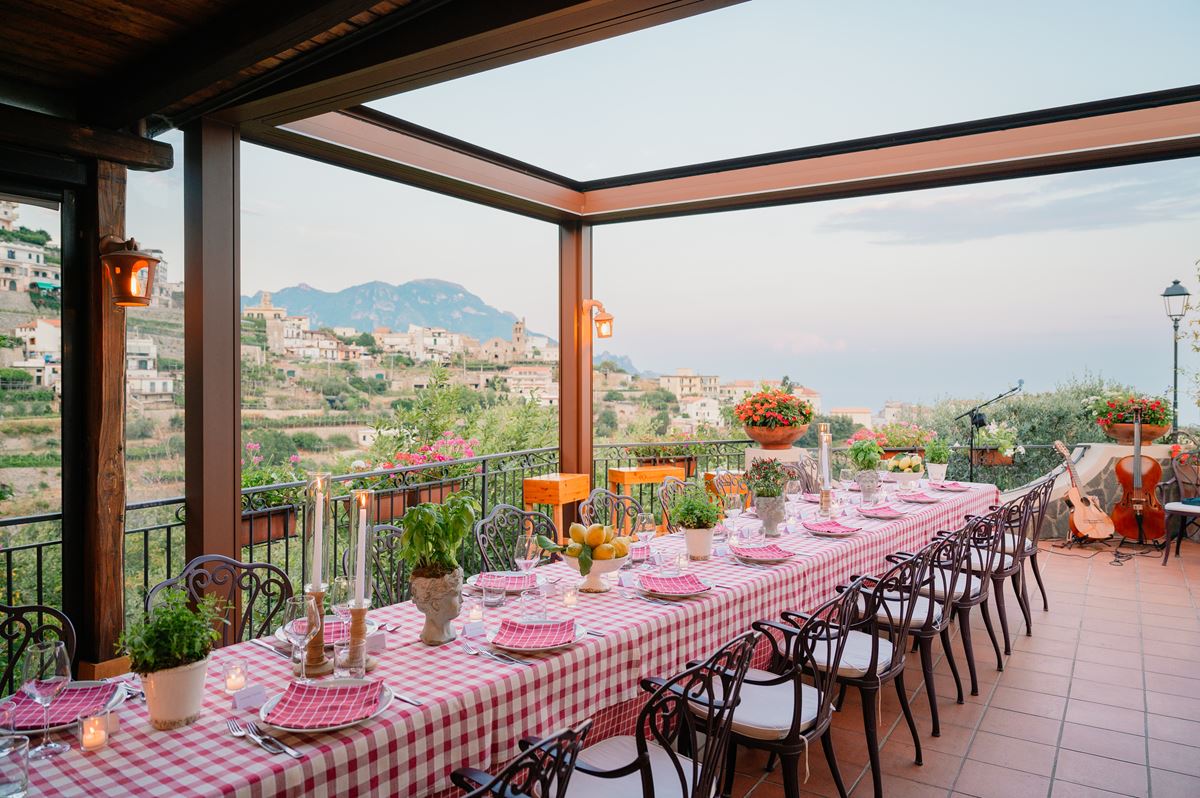

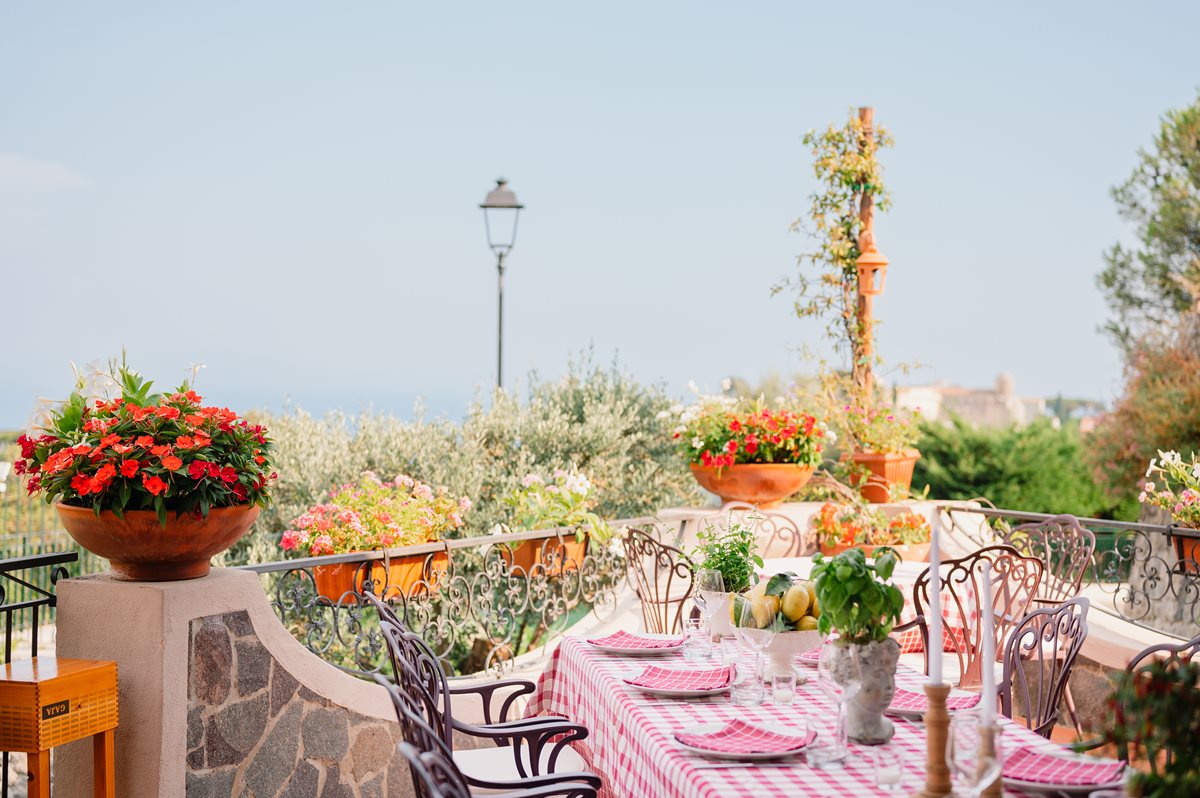
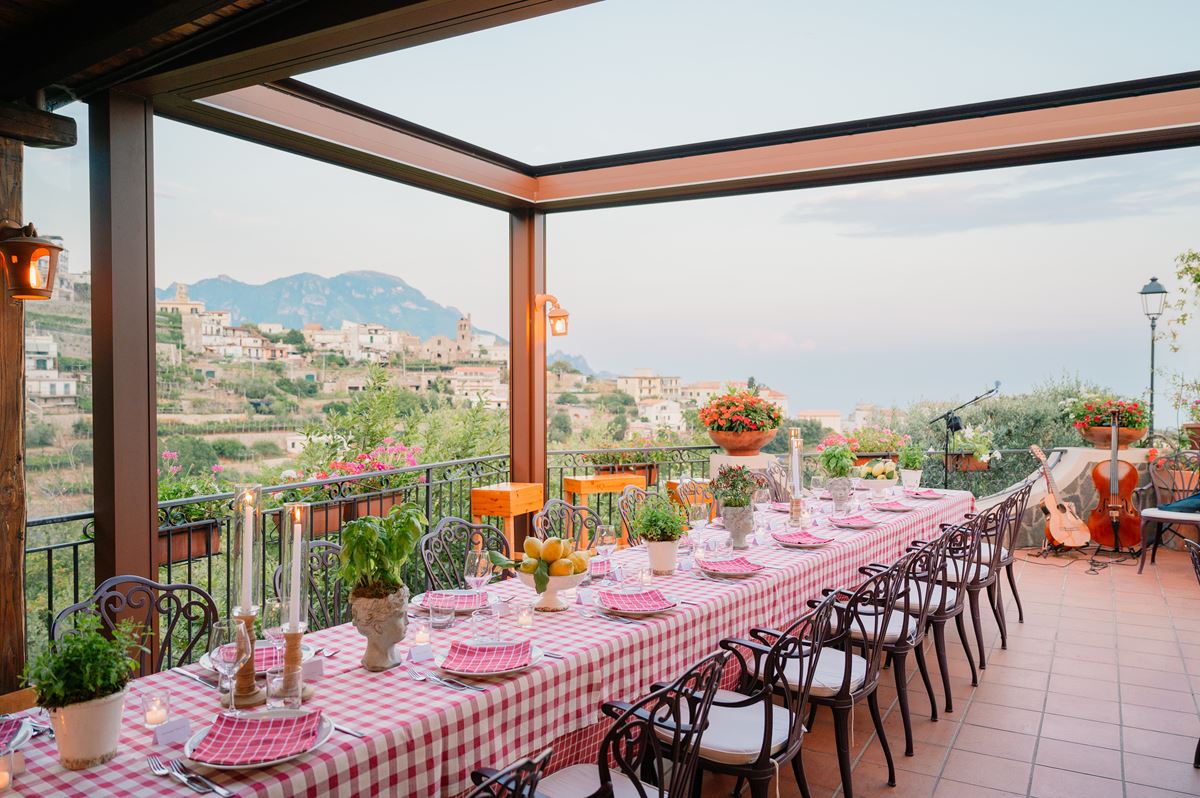
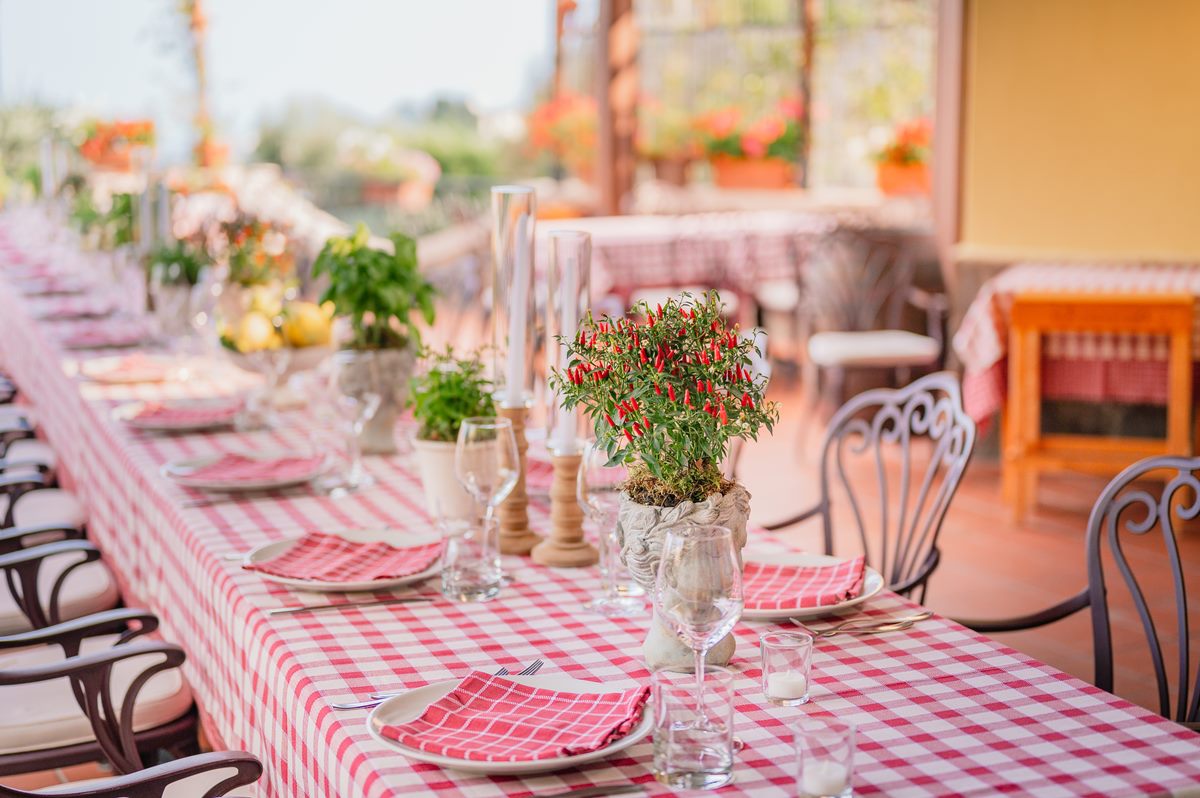


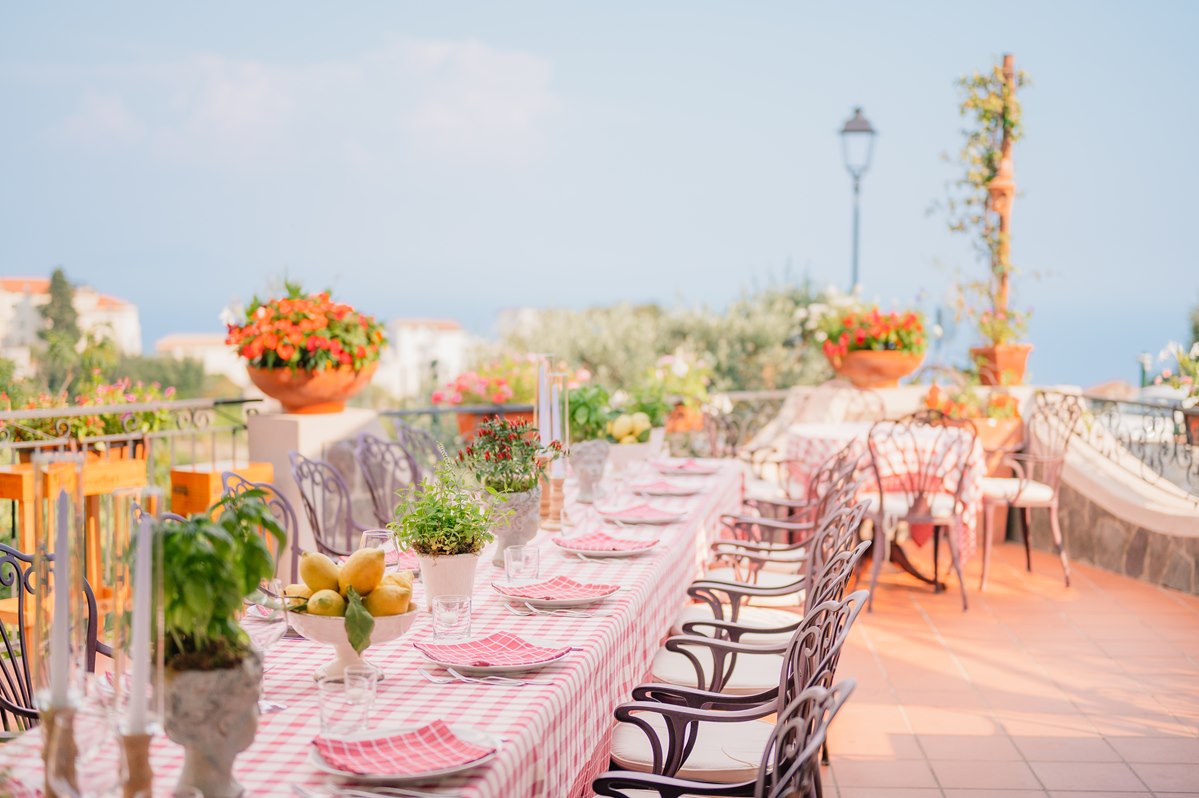
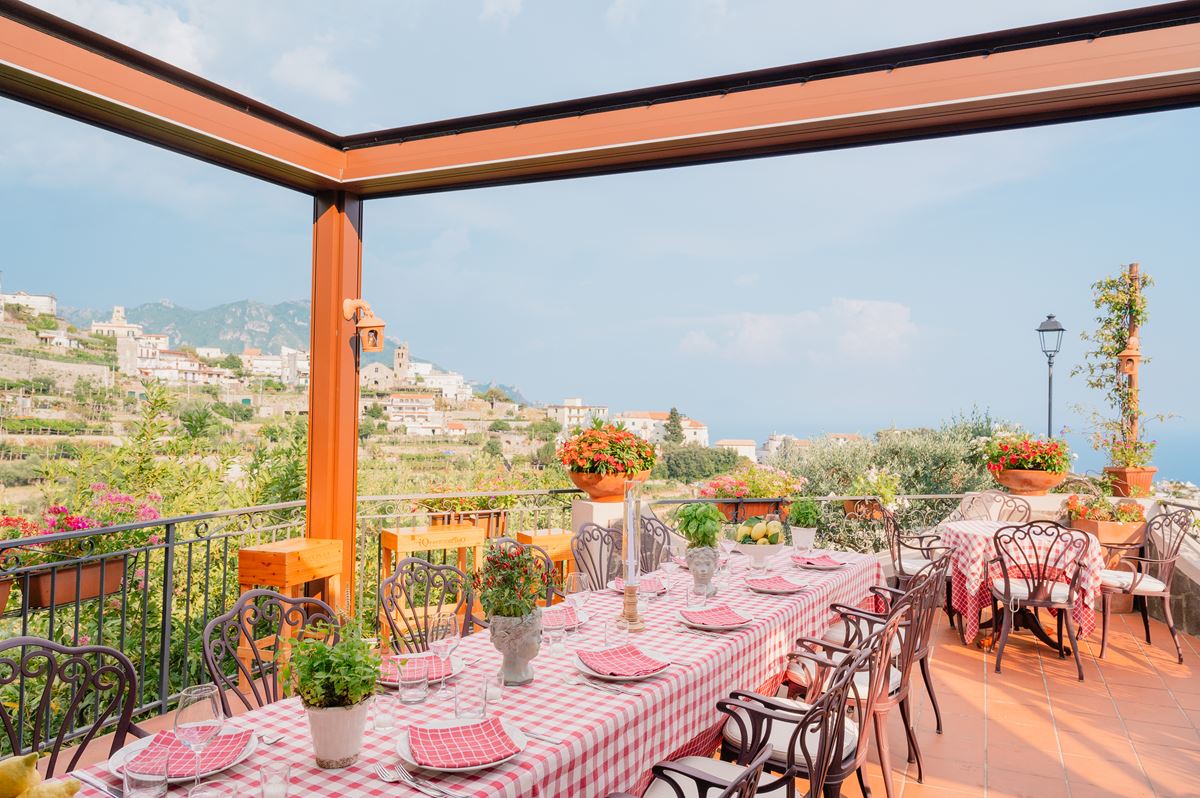
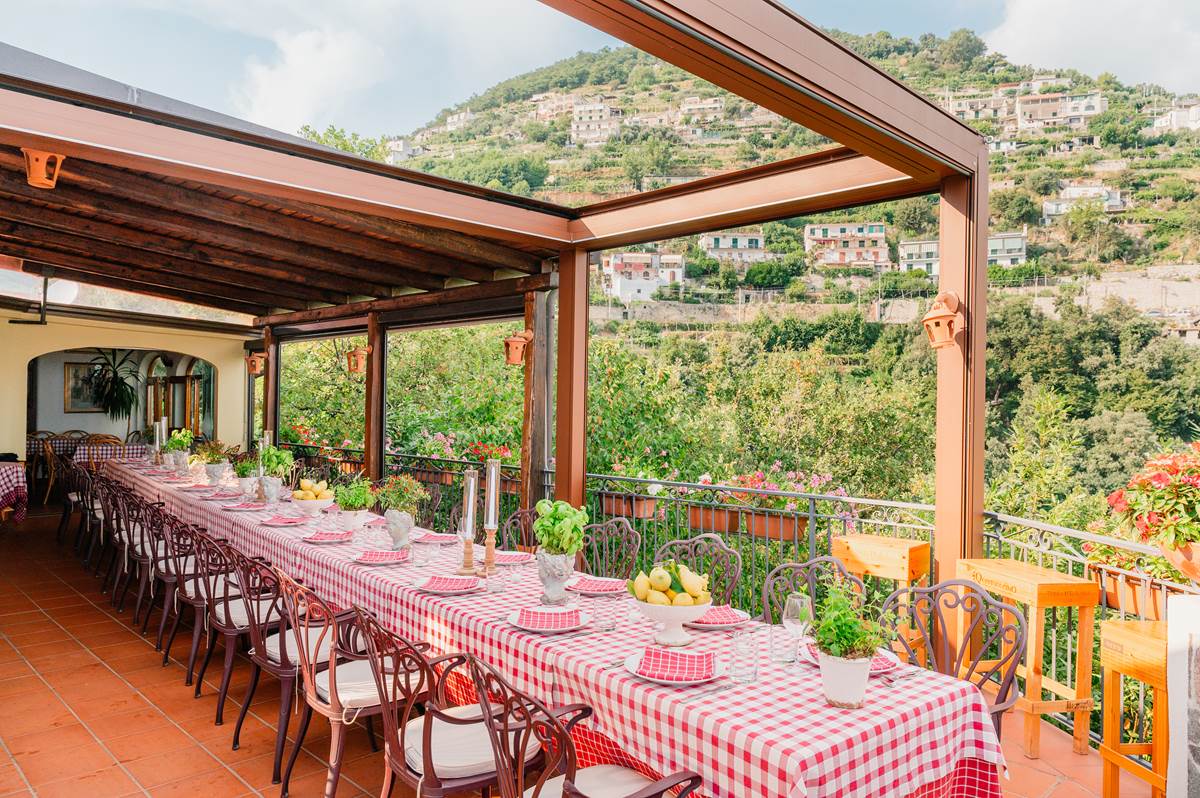

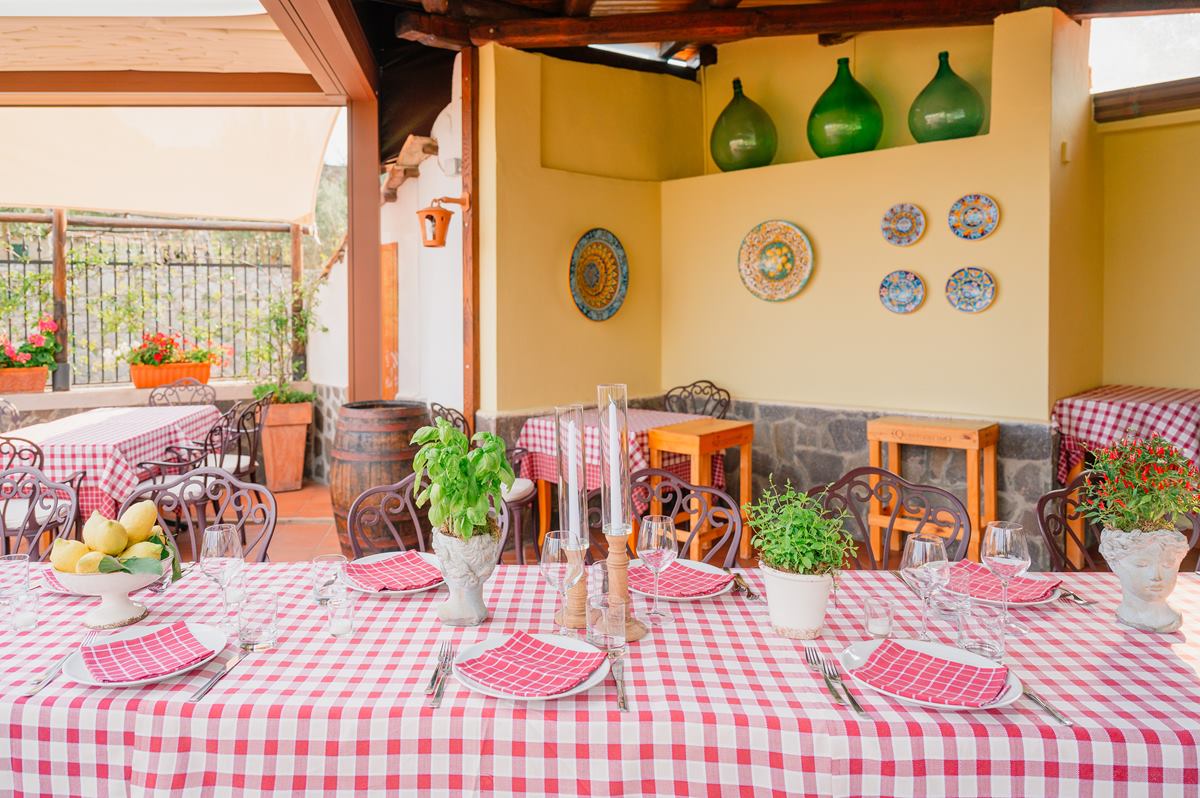
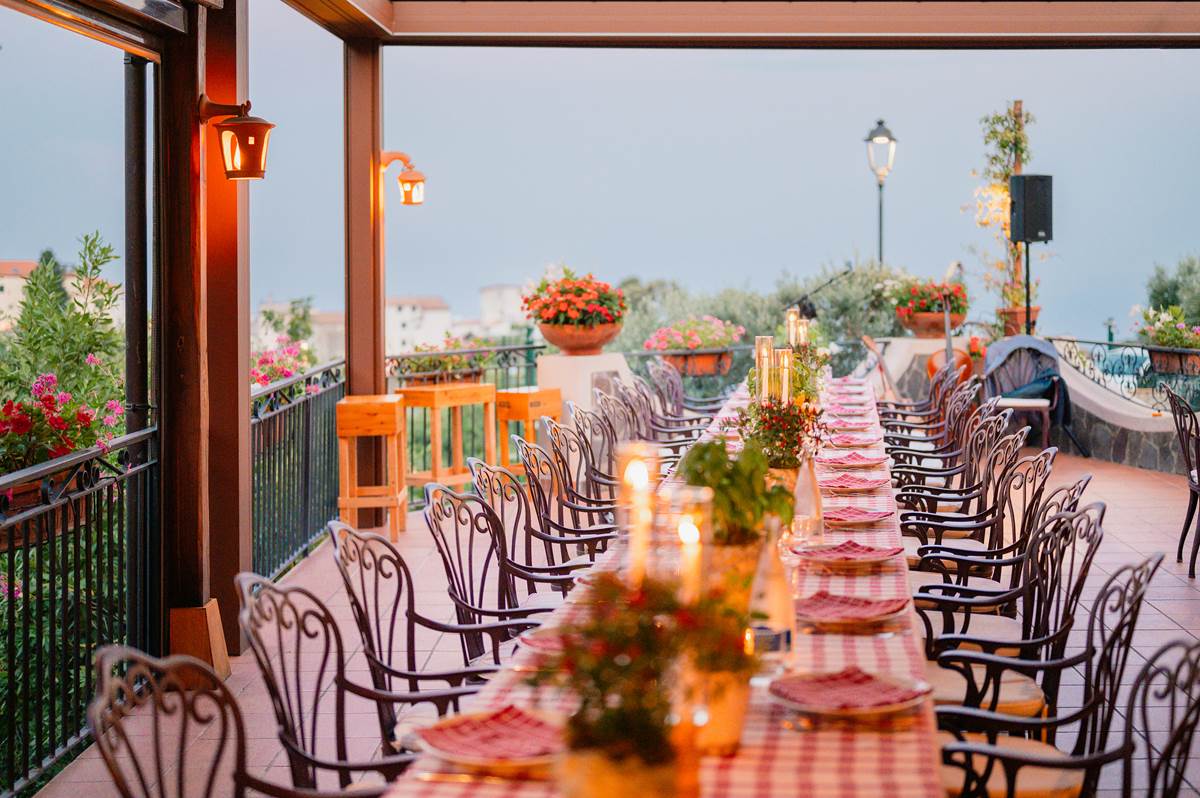
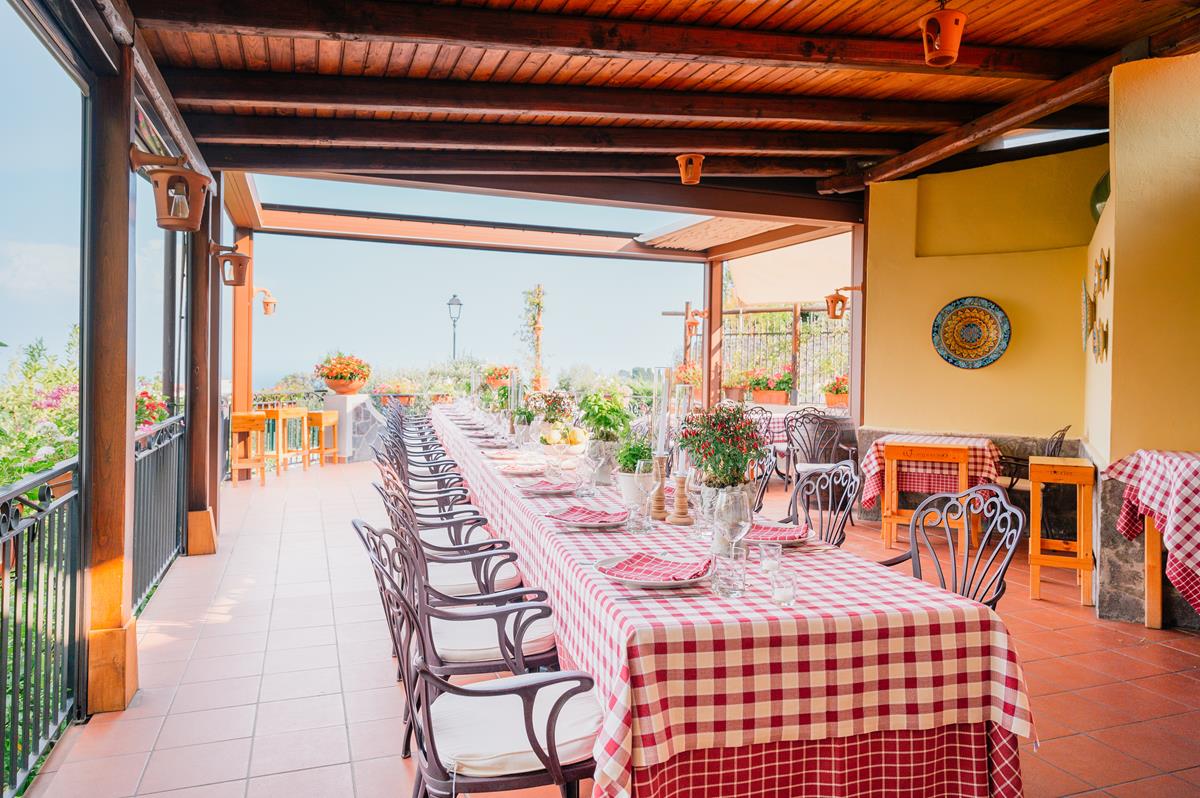
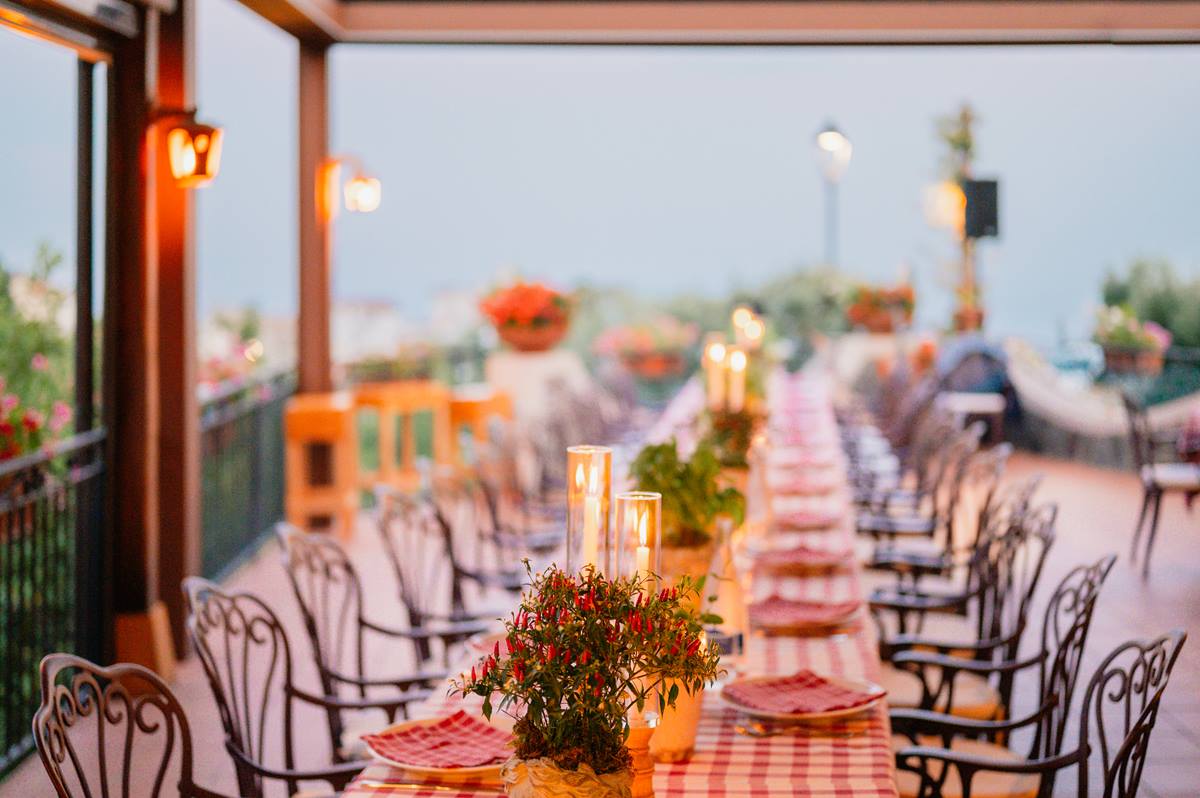

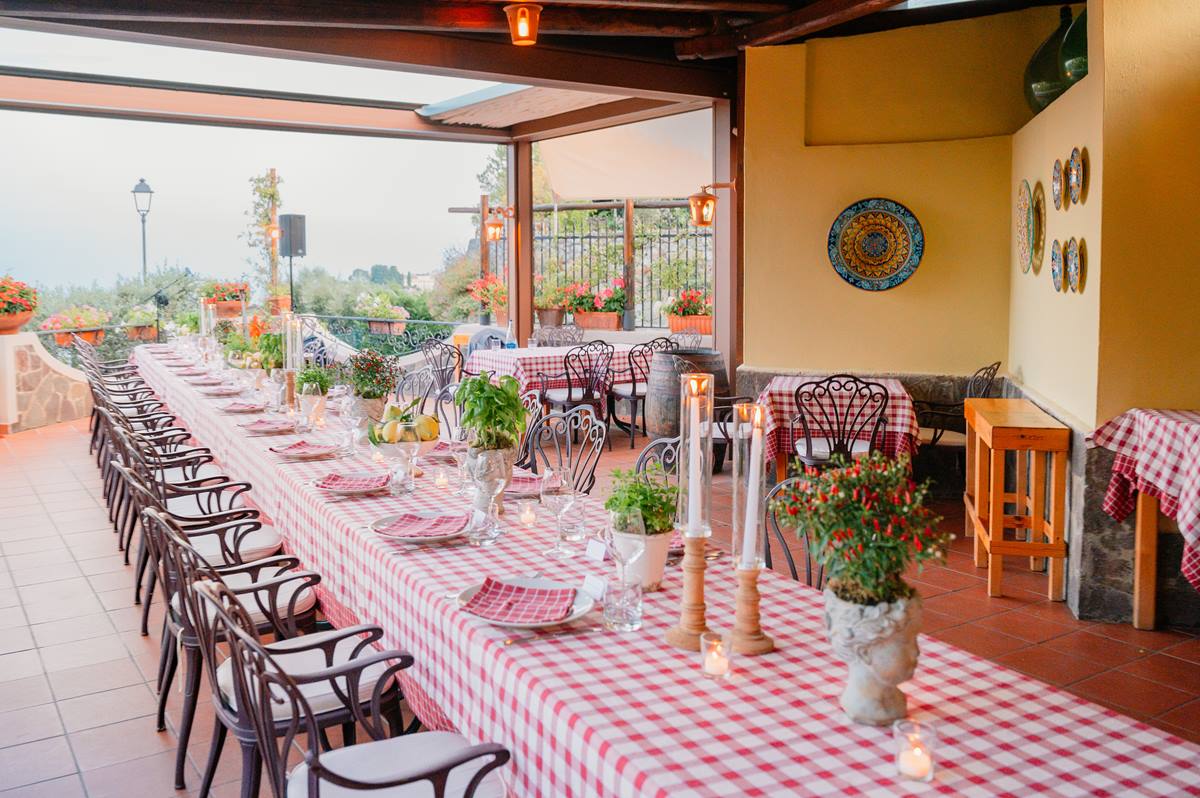
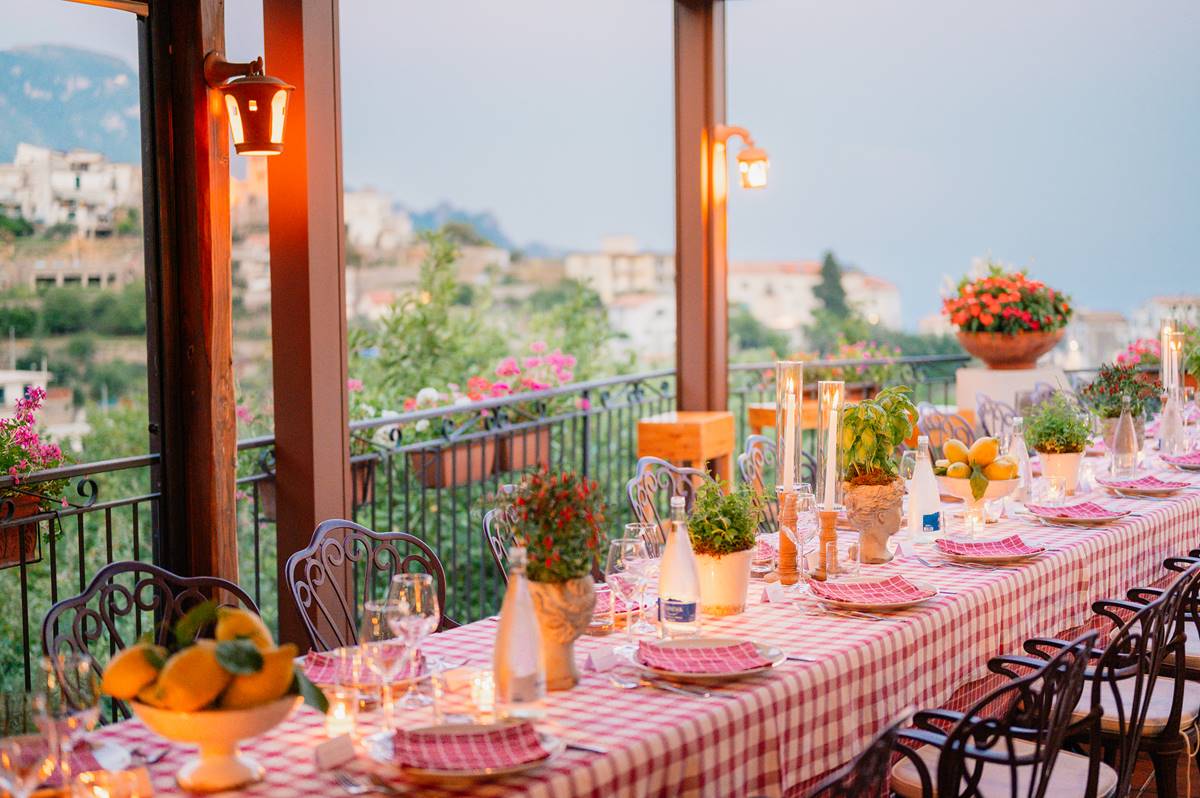
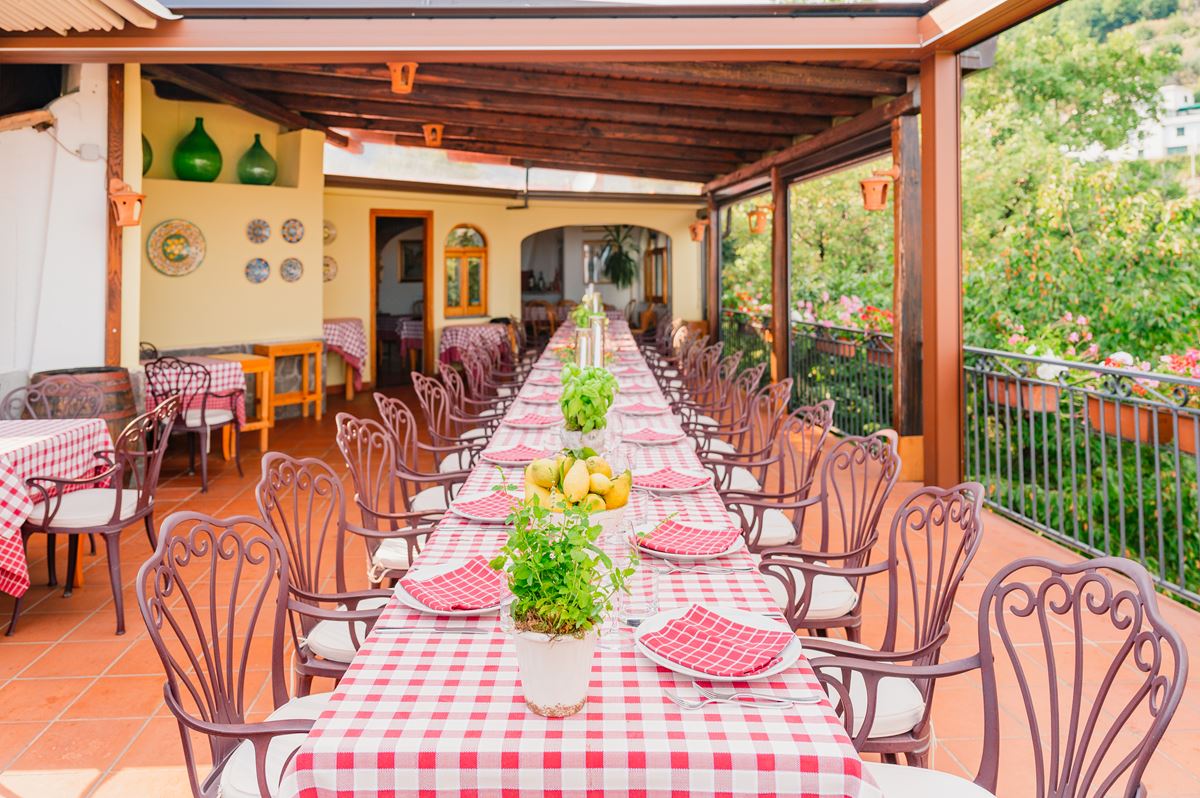
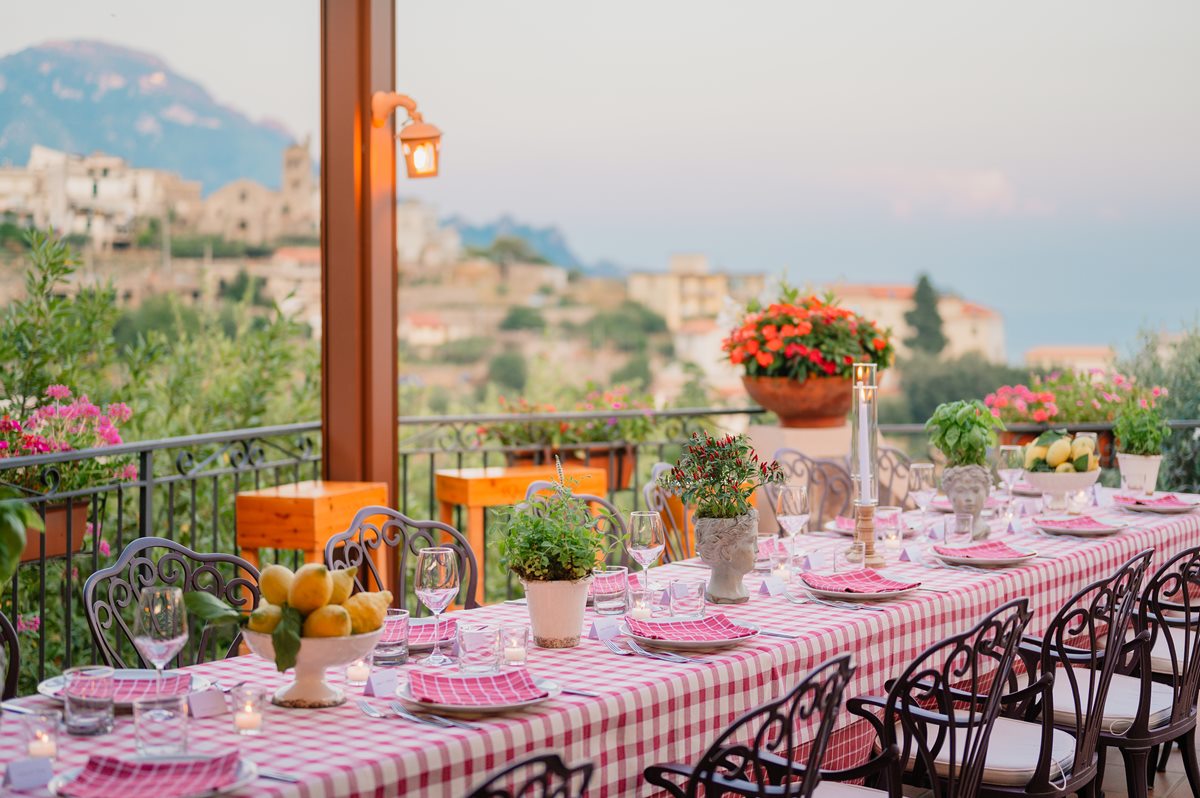
Pondering the Perfection of Hosting Your Rehearsal Dinner at Trattoria da Lorenzo
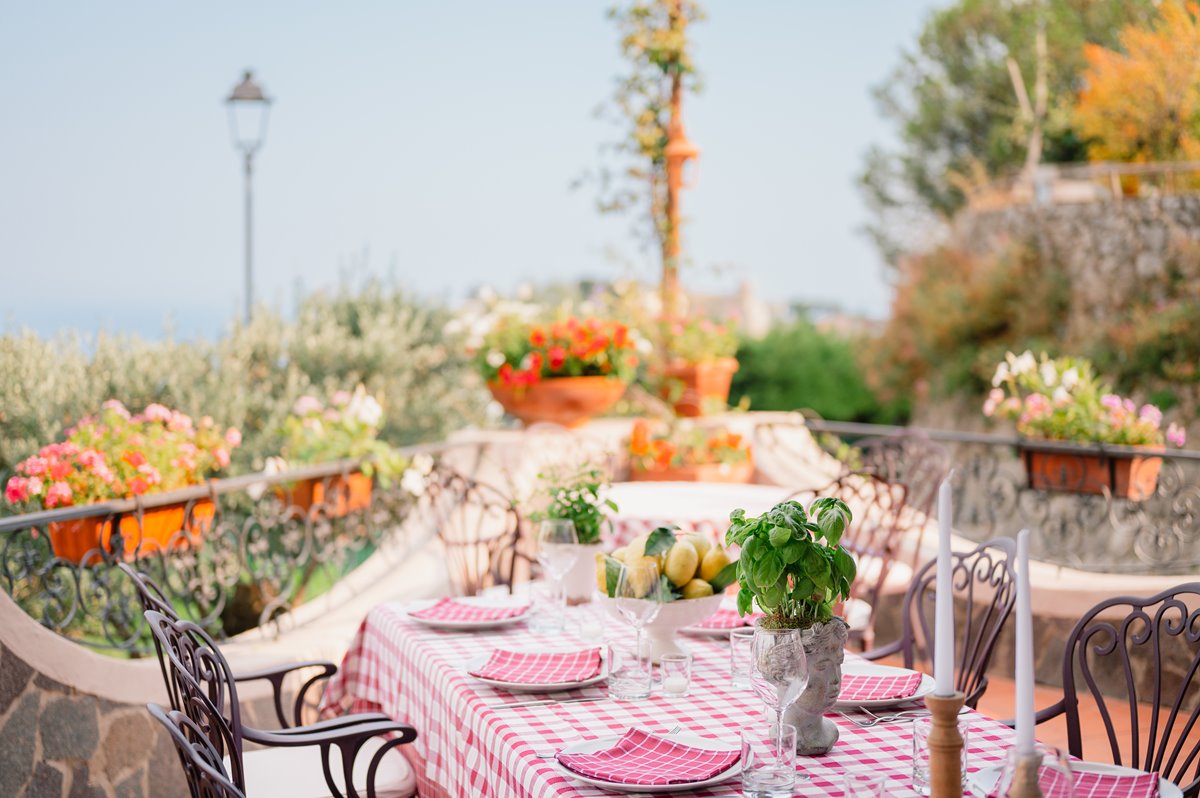
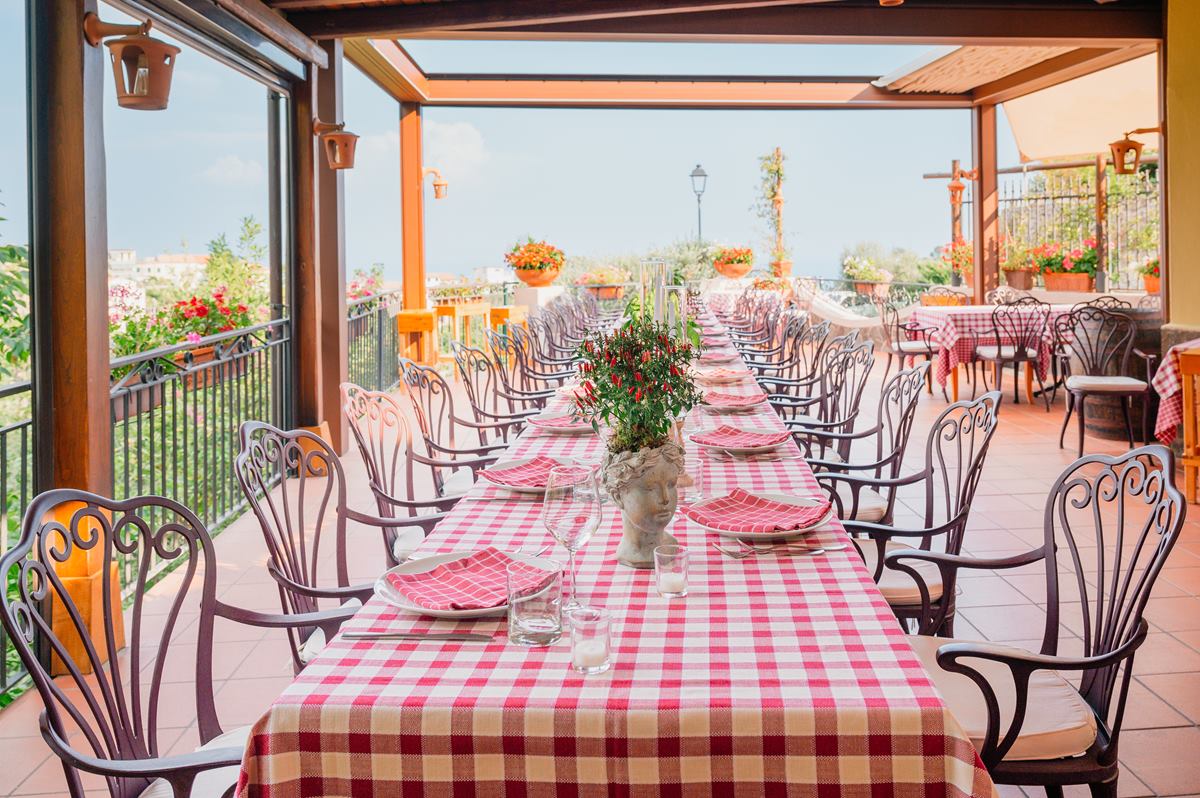
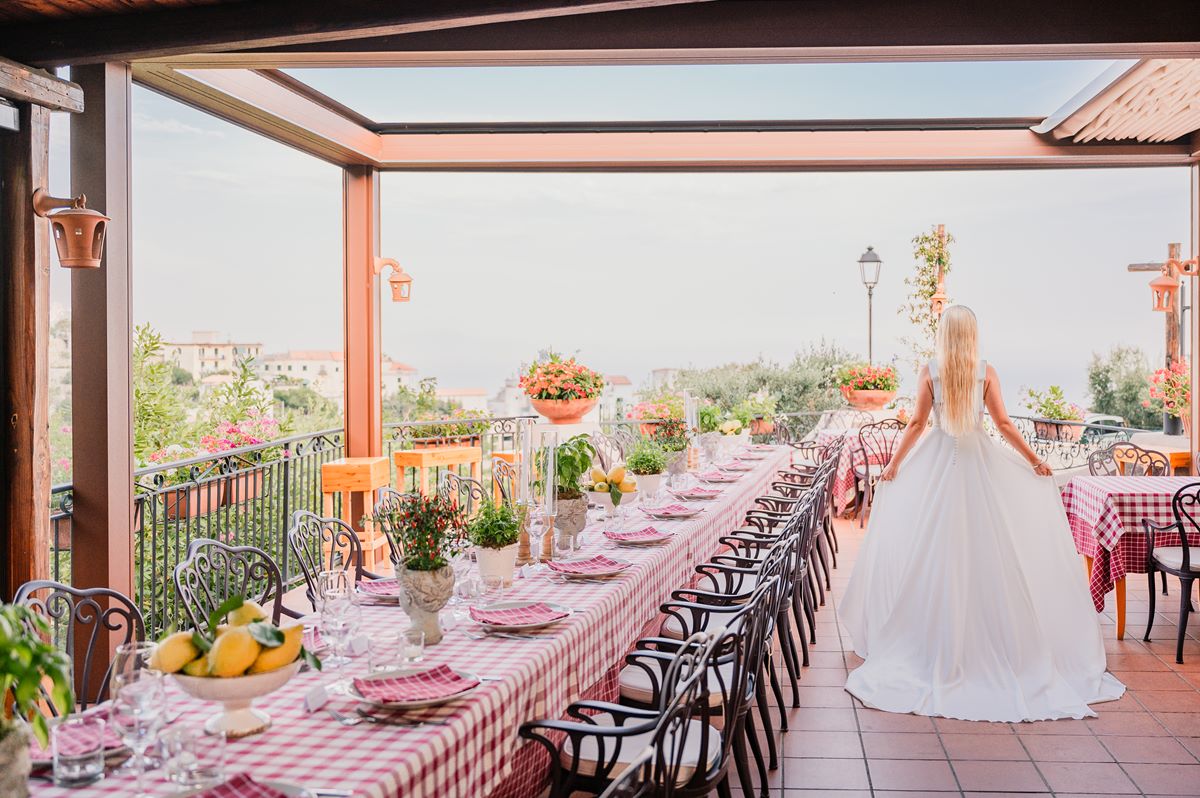
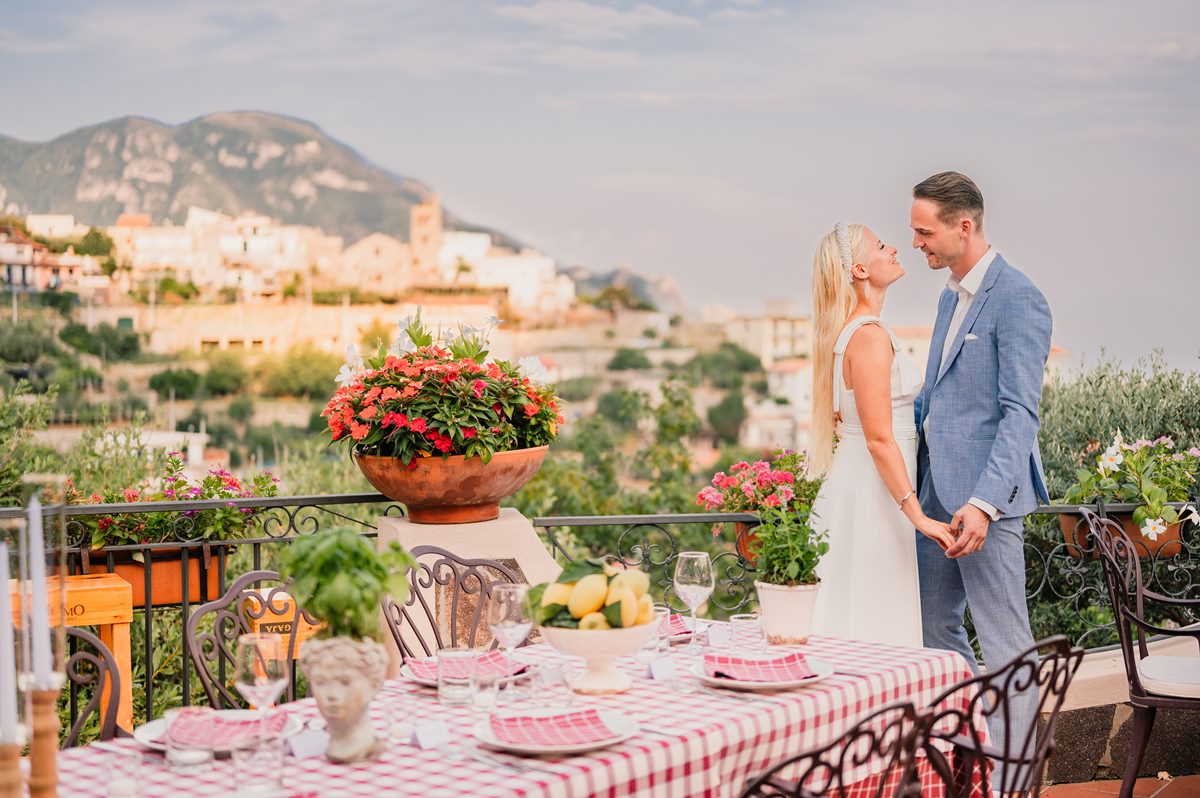
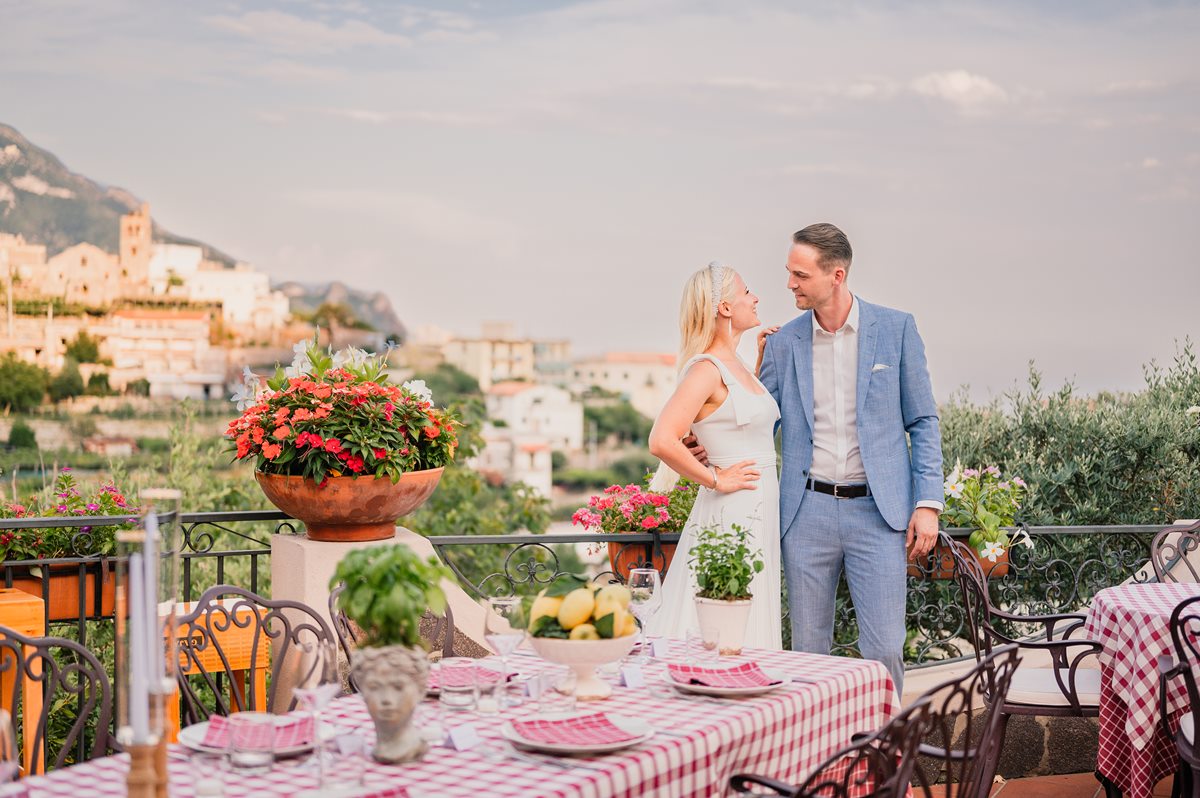
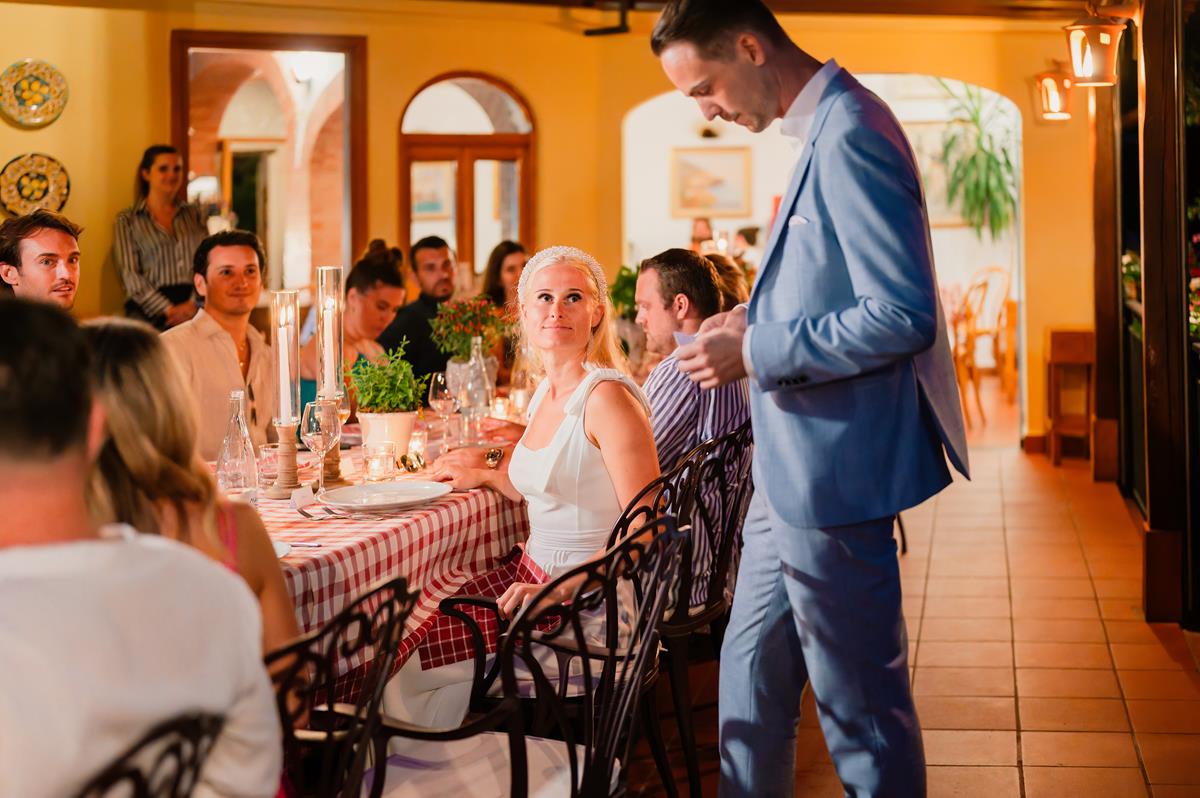
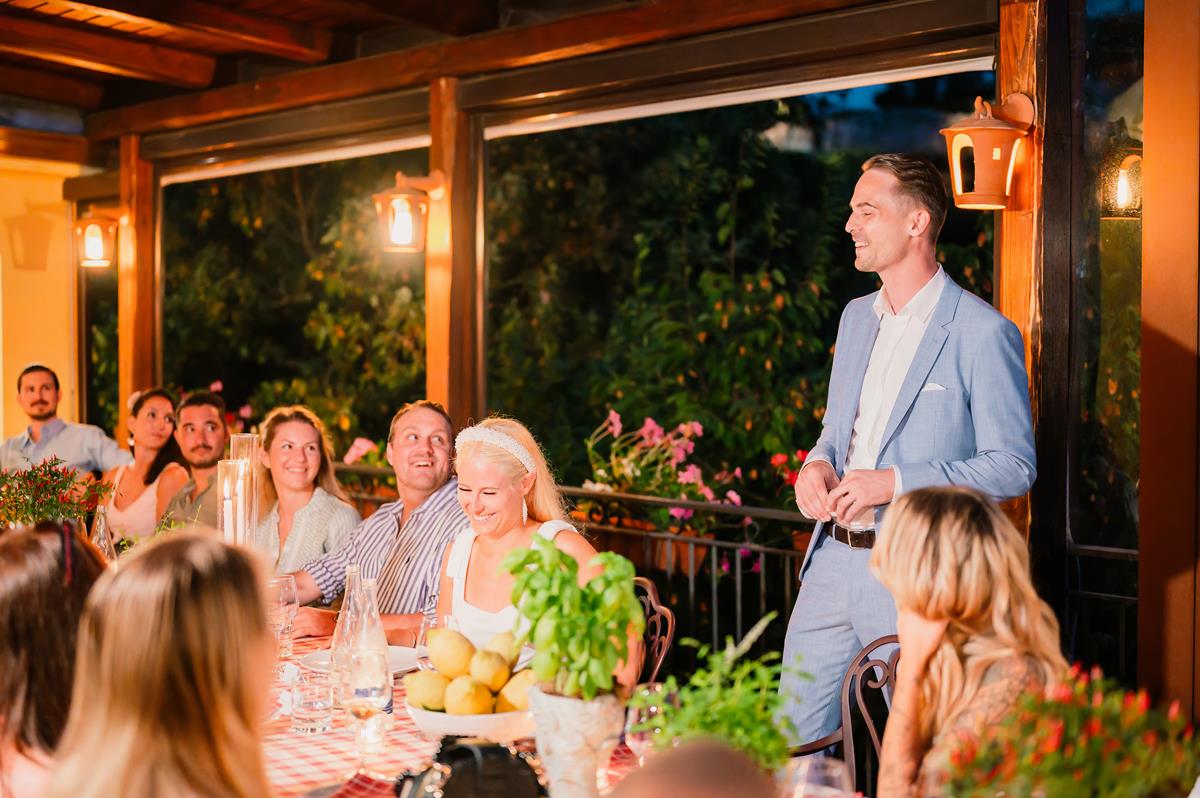
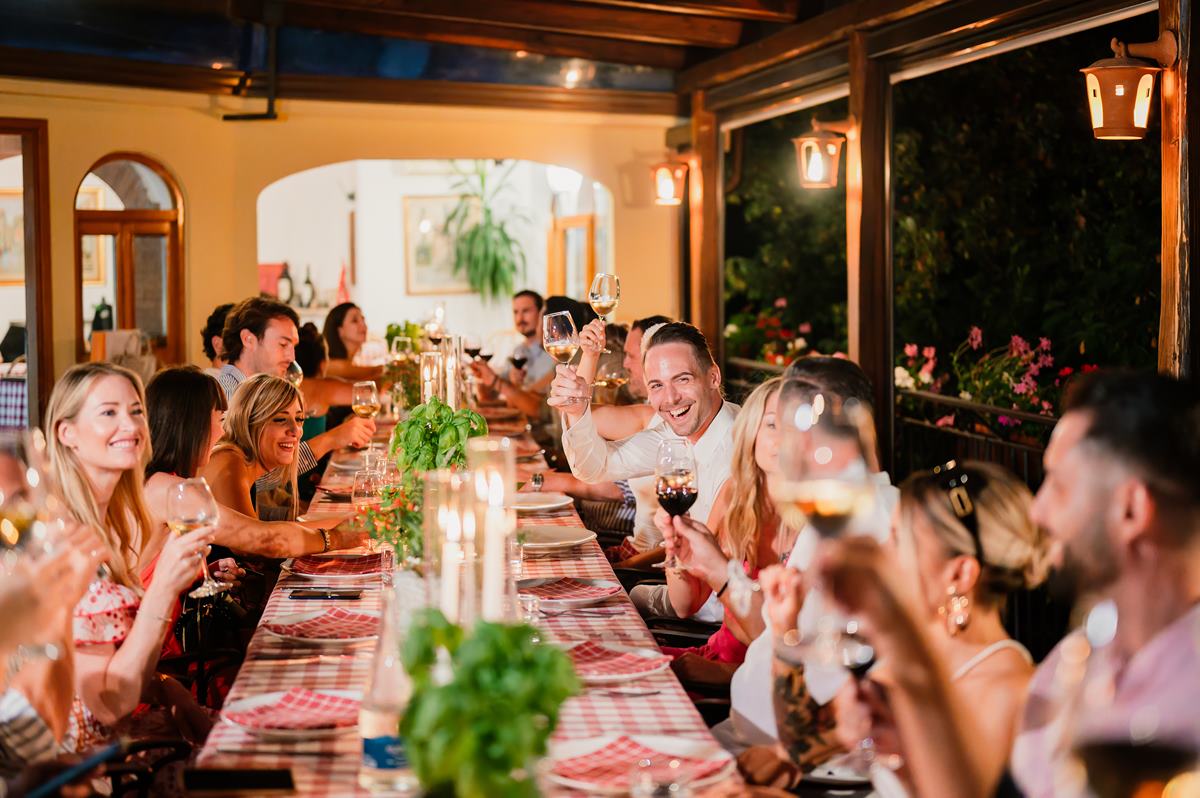
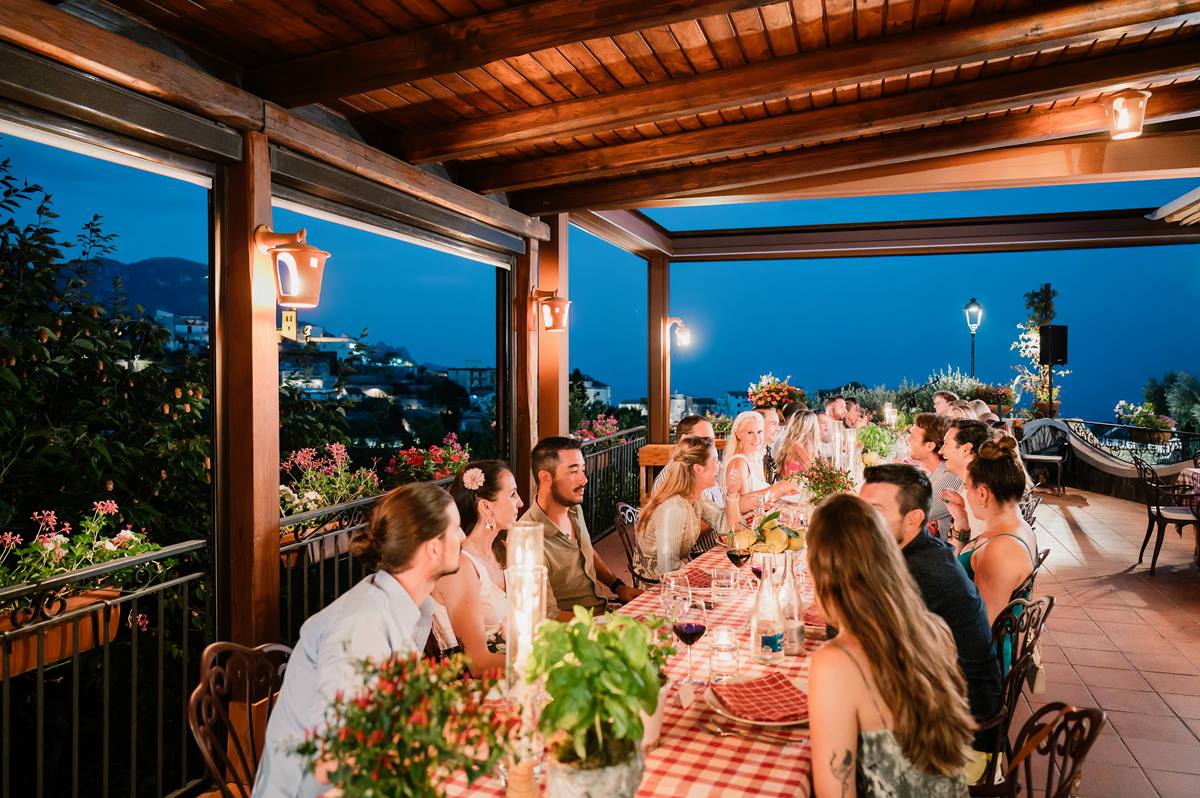
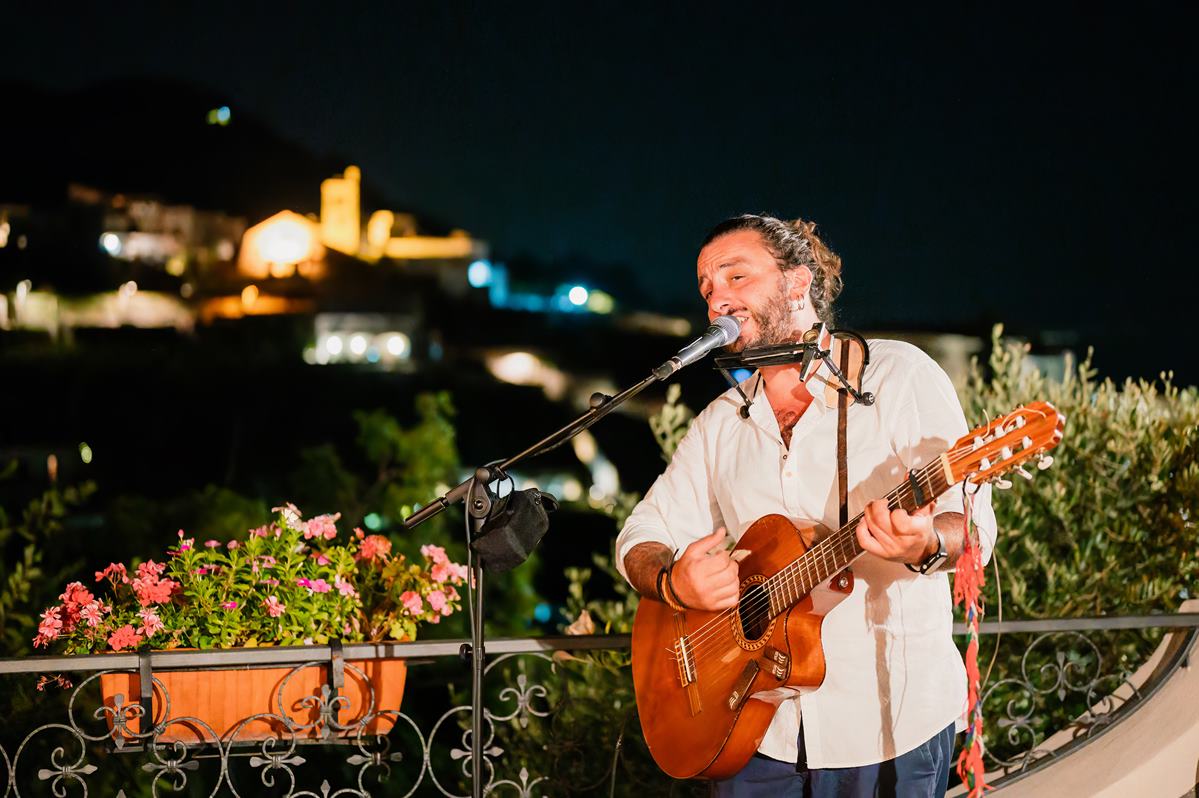
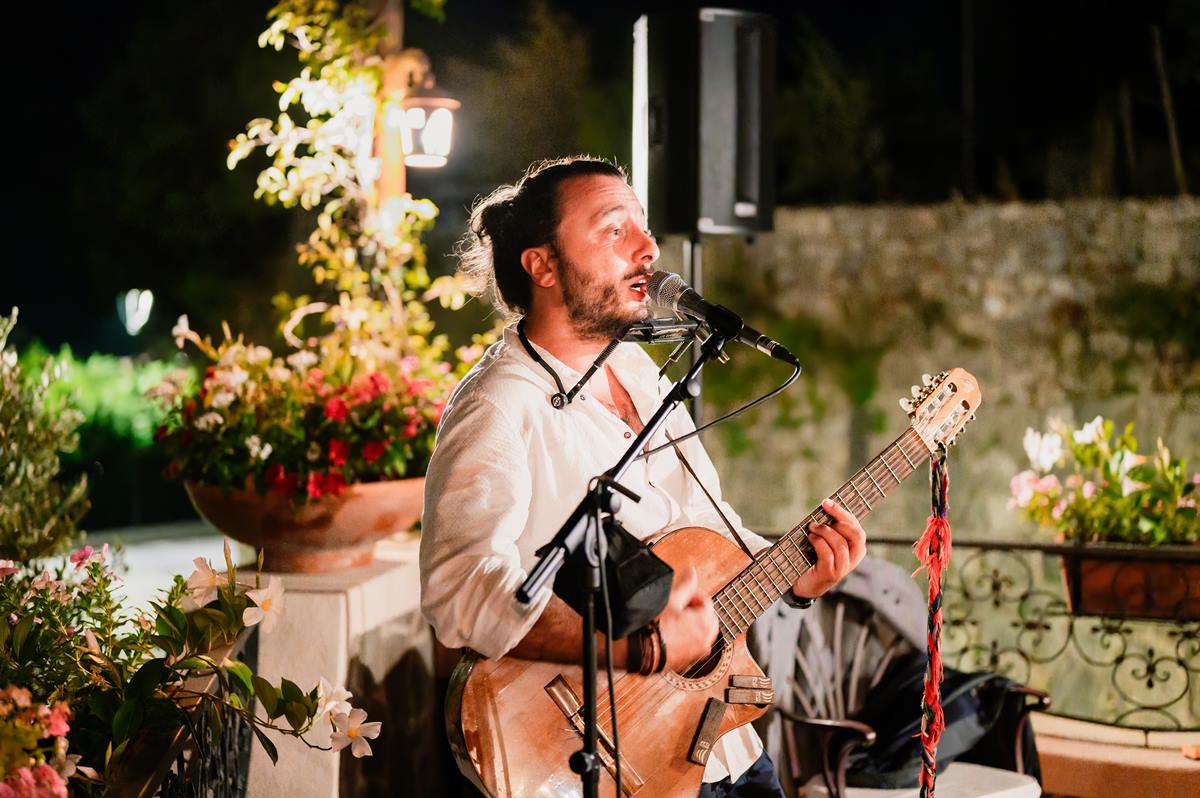
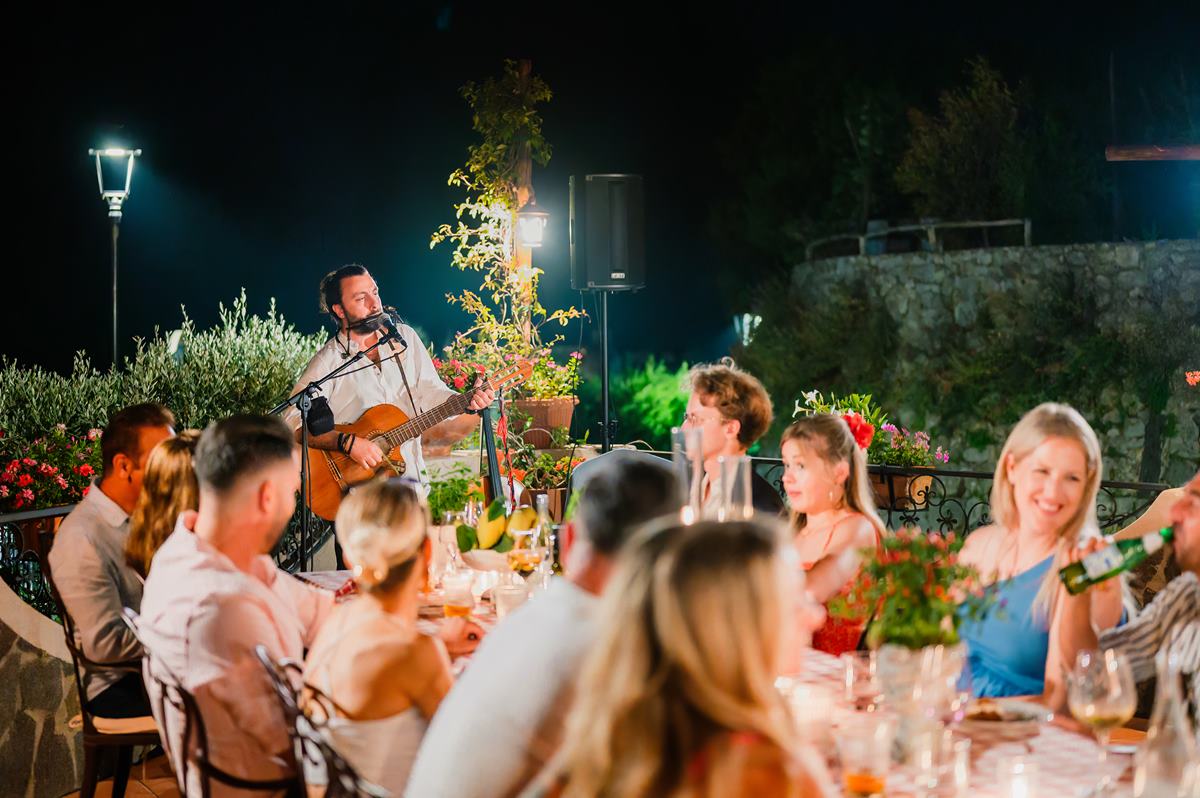
The Amalfi Coast is a place where dreams come true, and Trattoria da Lorenzo is the perfect setting for your rehearsal dinner. This charming restaurant in Positano offers an intimate space for you and your guests to enjoy a delicious meal while taking in breathtaking views of the Mediterranean Sea.
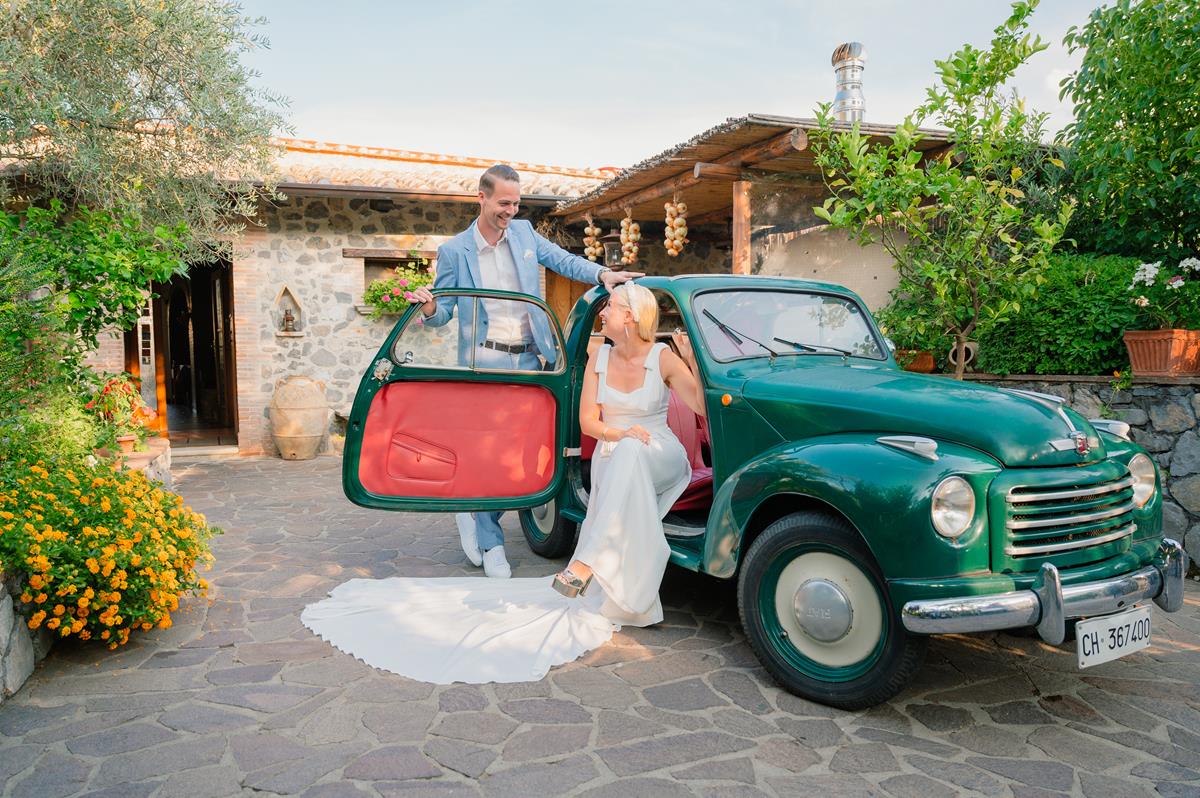
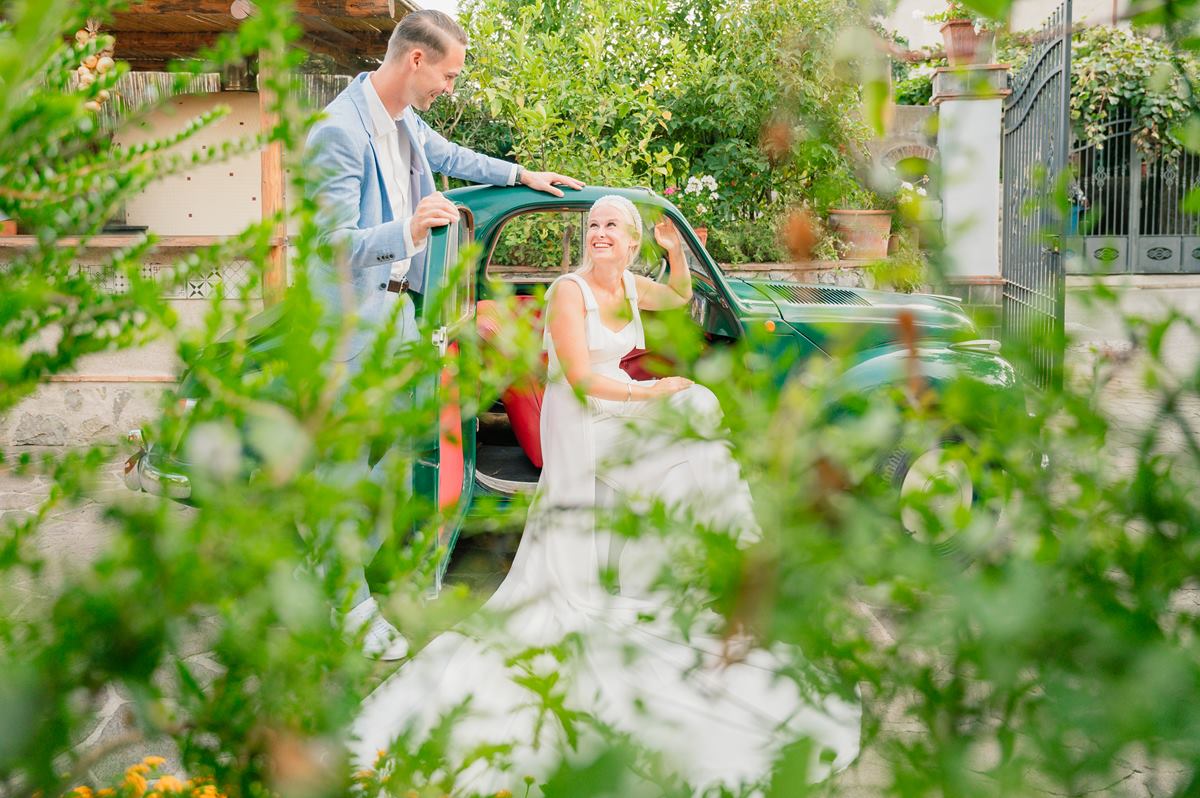
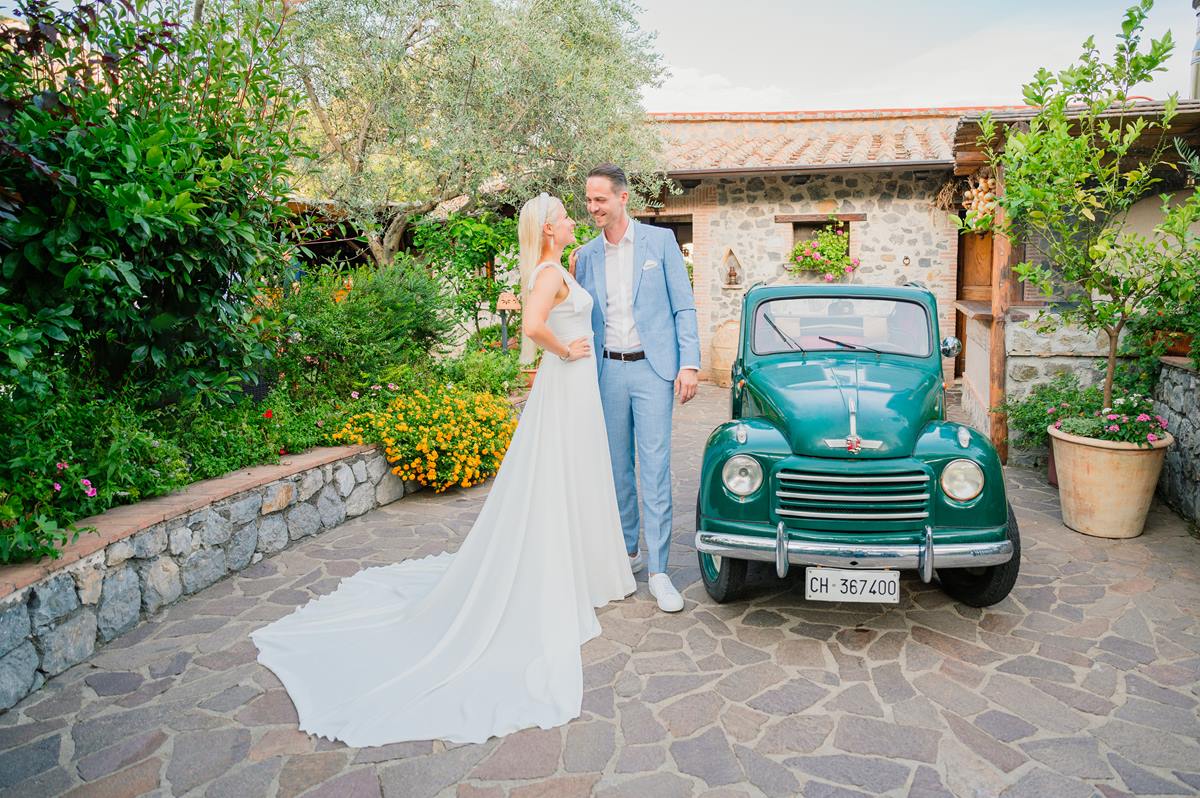


H3: A Toast to Love: Trattoria da Lorenzo Rehearsal Dinner on the Amalfi Coast Romanticism runs through the veins of the Amalfi Coast, and the breathtaking Trattoria da Lorenzo traces this melody of passion. Swept up in this haze of love, a rehearsal dinner at Trattoria da Lorenzo transcends the boundaries of culinary mastery to infuse the night with a symphony of love, laughter, and heart-stopping scenes from the idyllic coastal landscape.

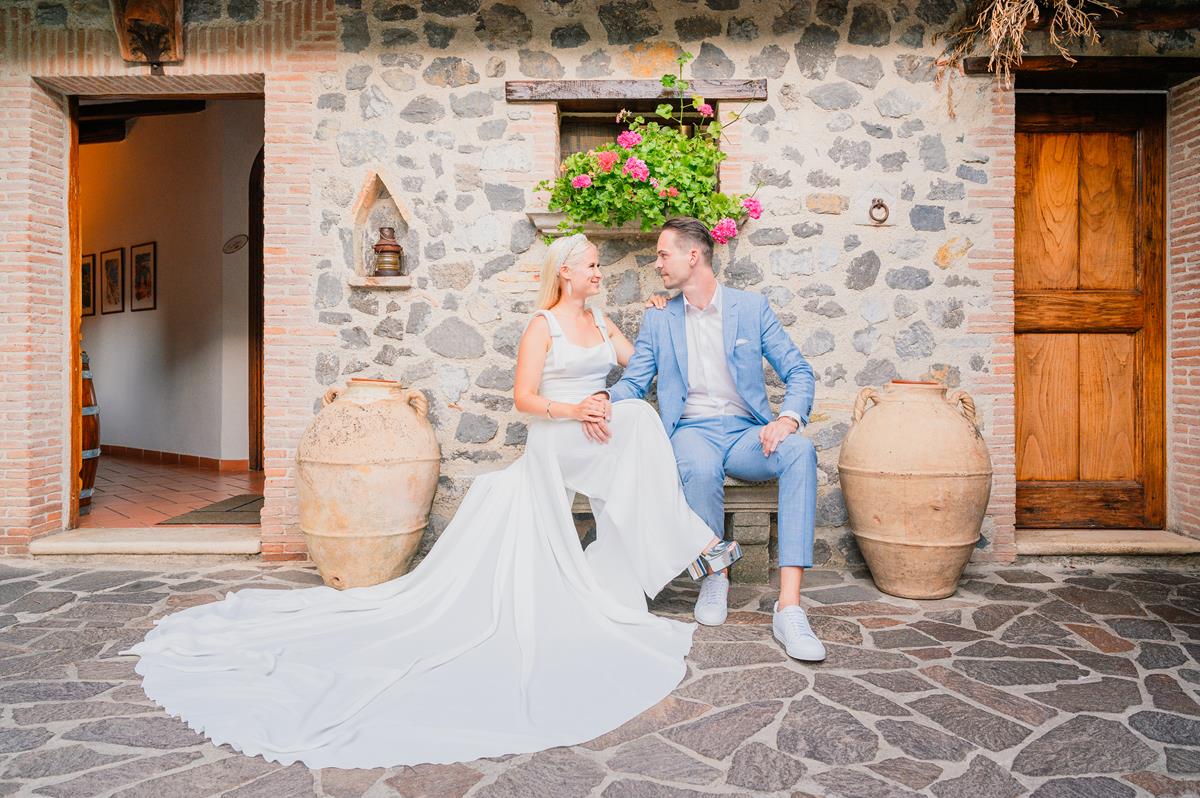
Swathed in the Majestic Ambiance of Trattoria da Lorenzo
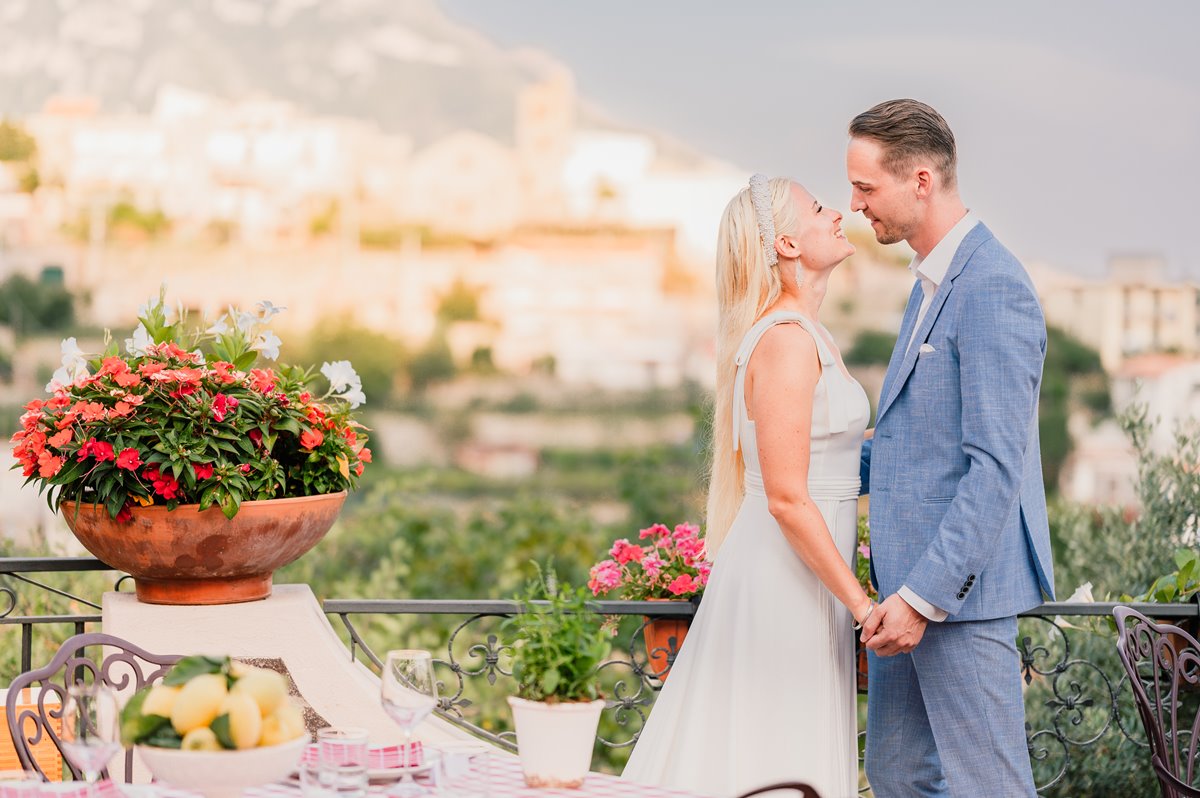
A rendezvous at Trattoria da Lorenzo marries the ethereal sea whispers and sky’s embrace to craft an atmosphere where hearts ignite and stars dance in union. The undeniable charm of this exquisite destination sets the stage for a rehearsal dinner that nestles itself deep within the annals of time.
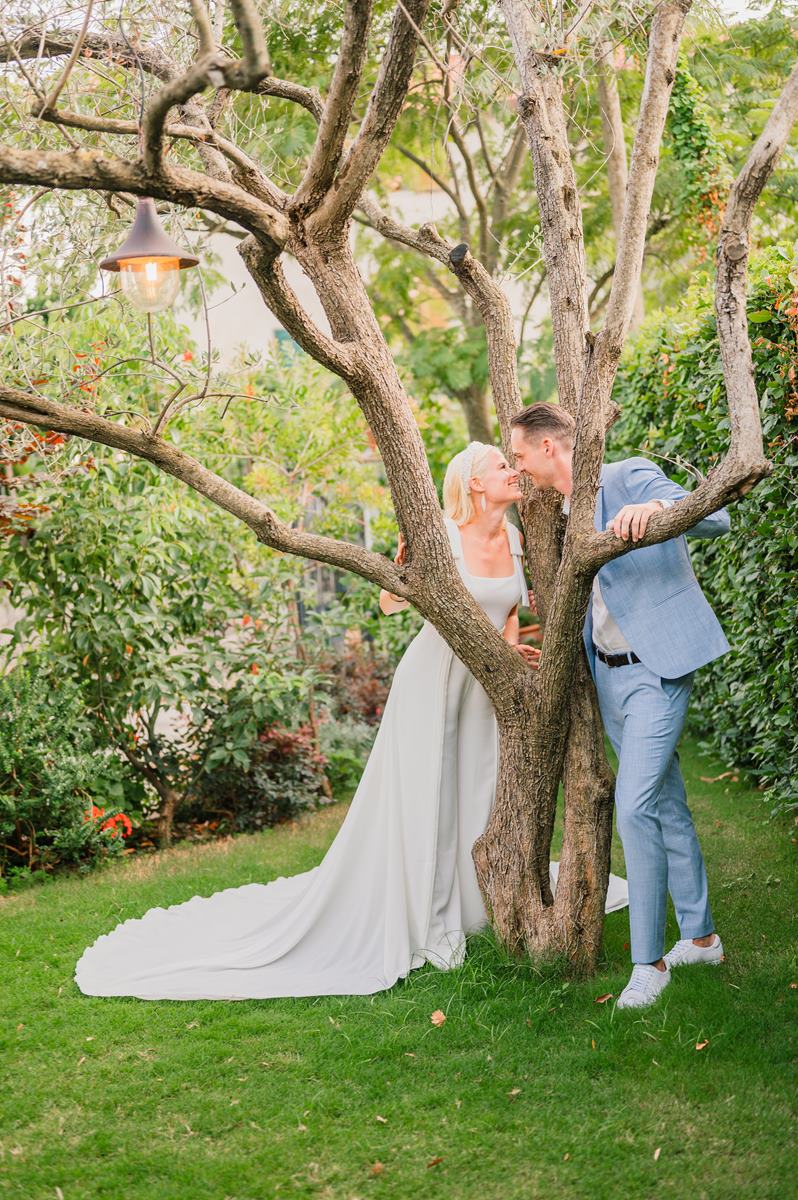

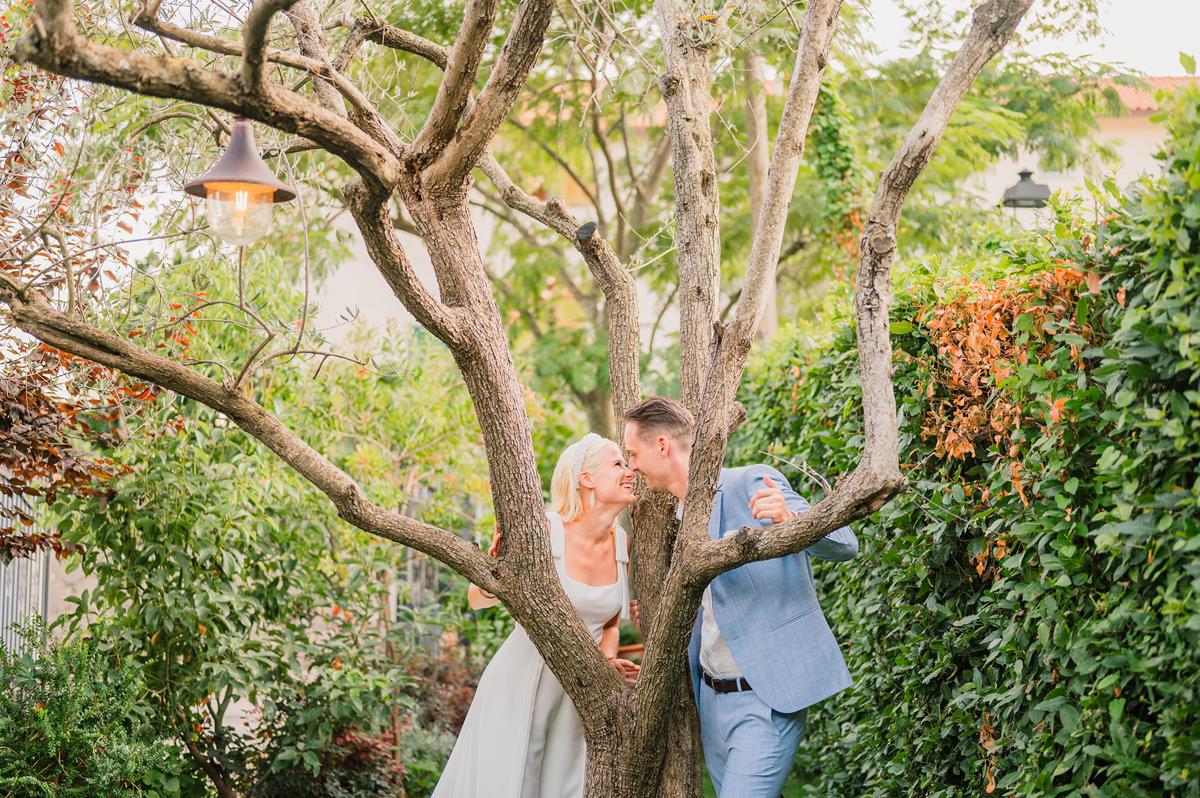
A Culinary Voyage to a World of Amalfi Coast Wonders
The chefs are the conductors of this culinary orchestra, where delectable dishes awaken dormant senses and delight in rich hues and flavors. Drawing inspiration from time-honored traditions, Trattoria da Lorenzo chefs forge gastronomic marvels that enchant the palate and leave lingering impressions.
A Bespoke Reception, Sealed with Personal Care at Trattoria da Lorenzo
Unwavering dedication in personalized service anchors a rehearsal dinner that is as unique as the stars, each one strikingly bright and distinct. Every detail is meticulously woven together to craft a tailored evening beyond dreams in the lap of romance.
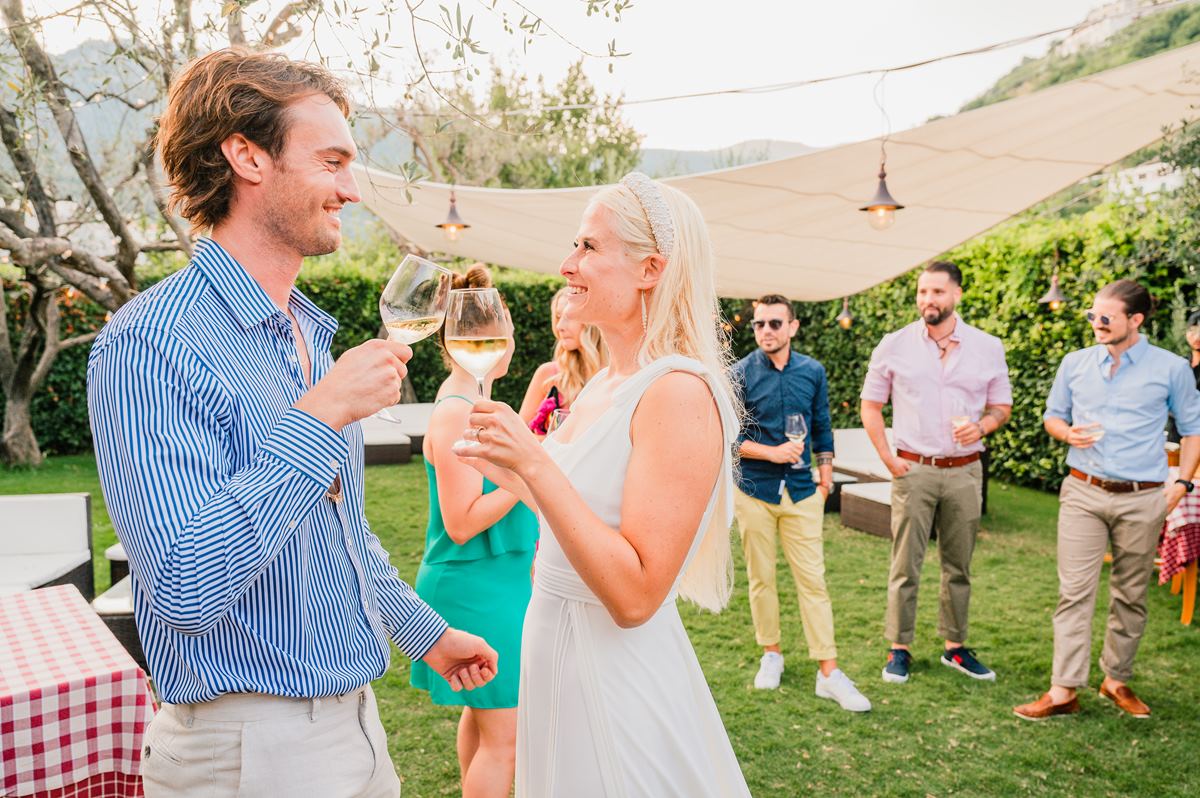




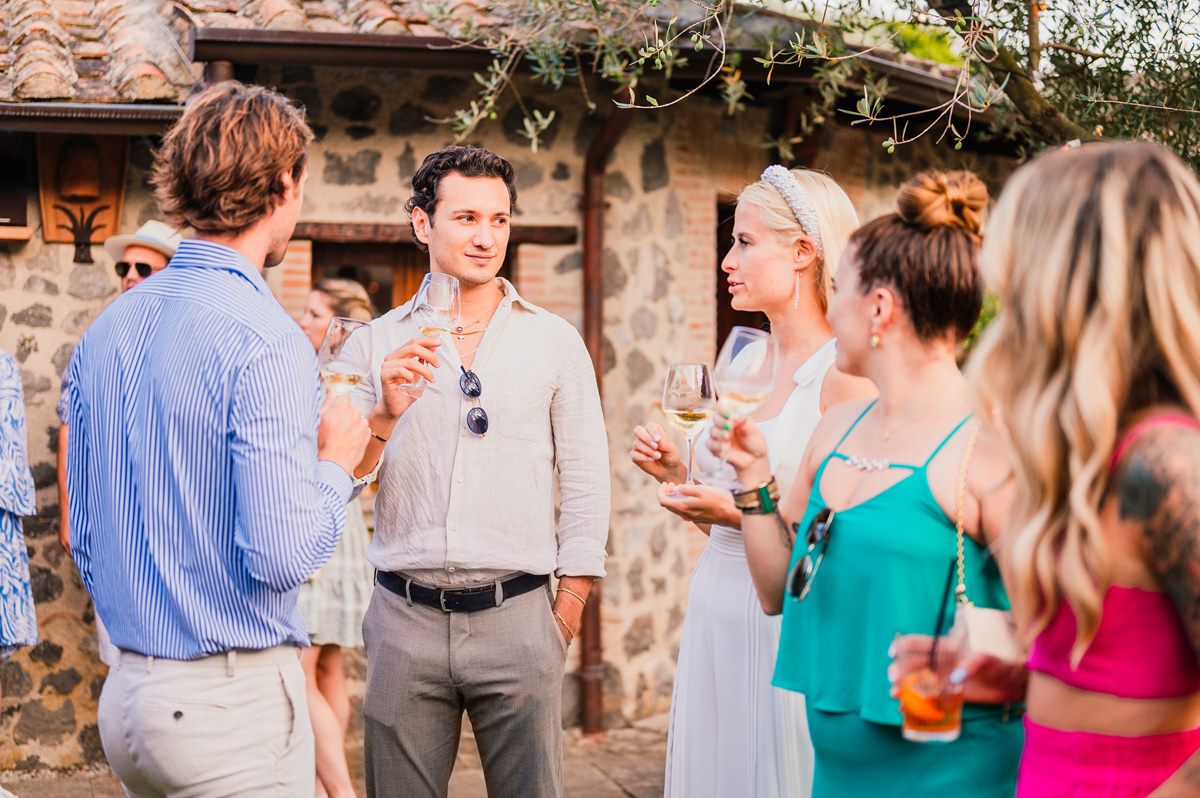
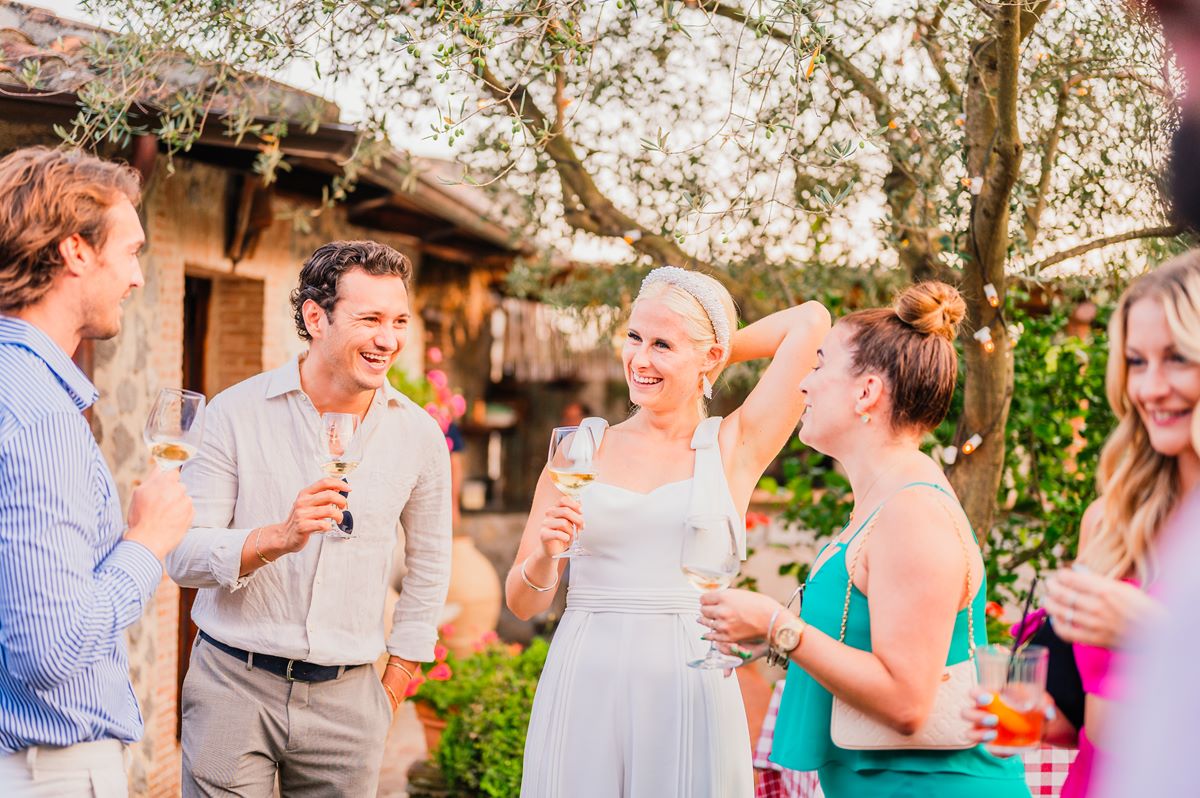
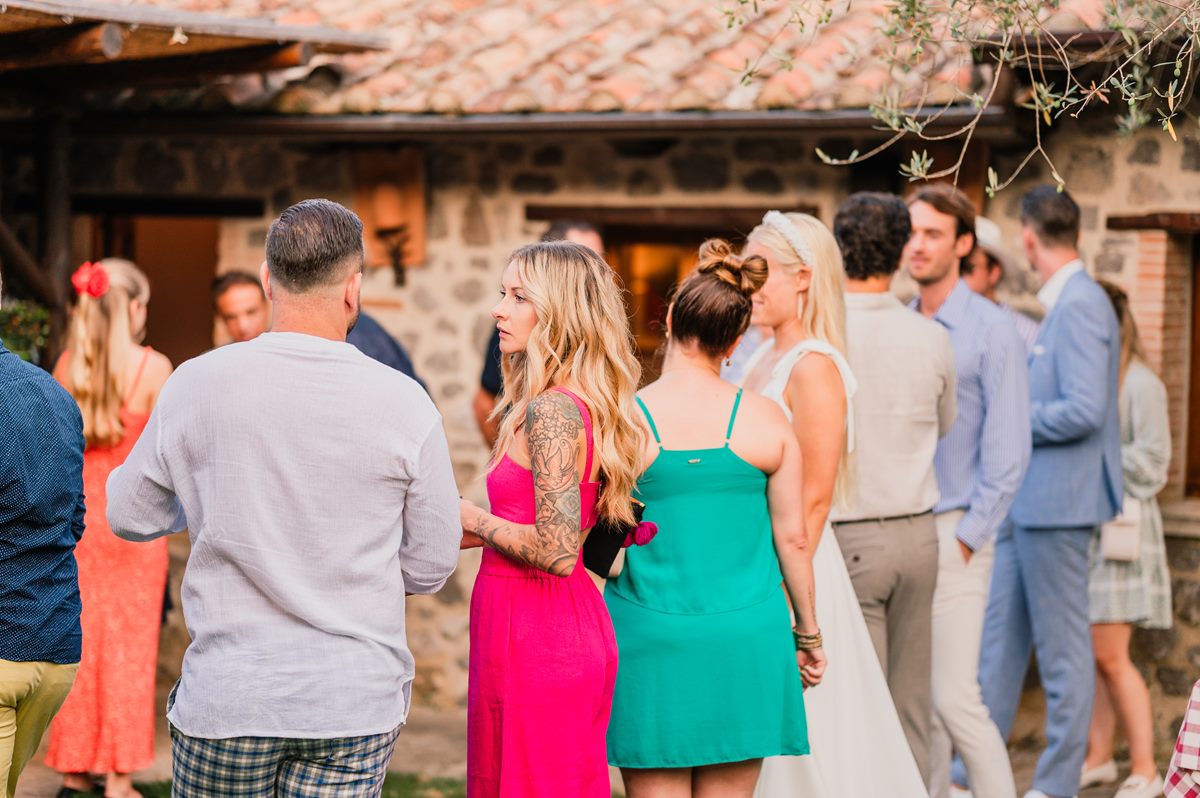



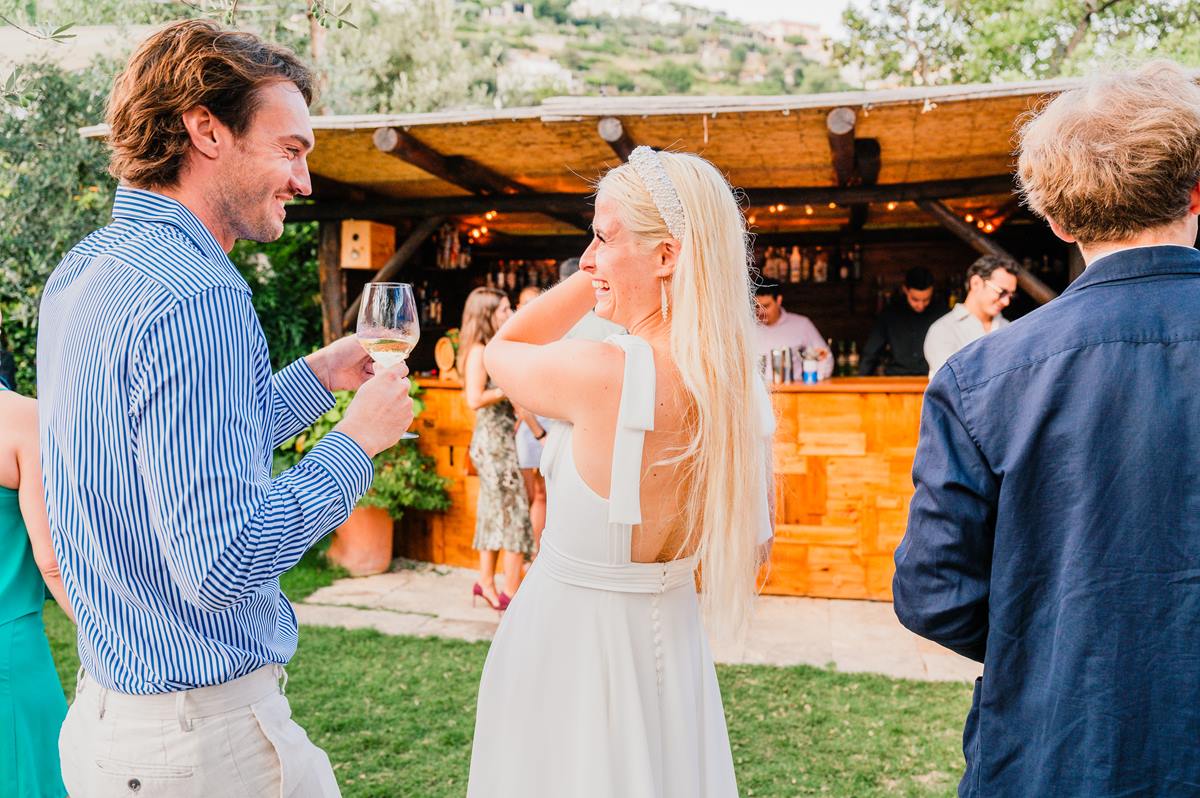
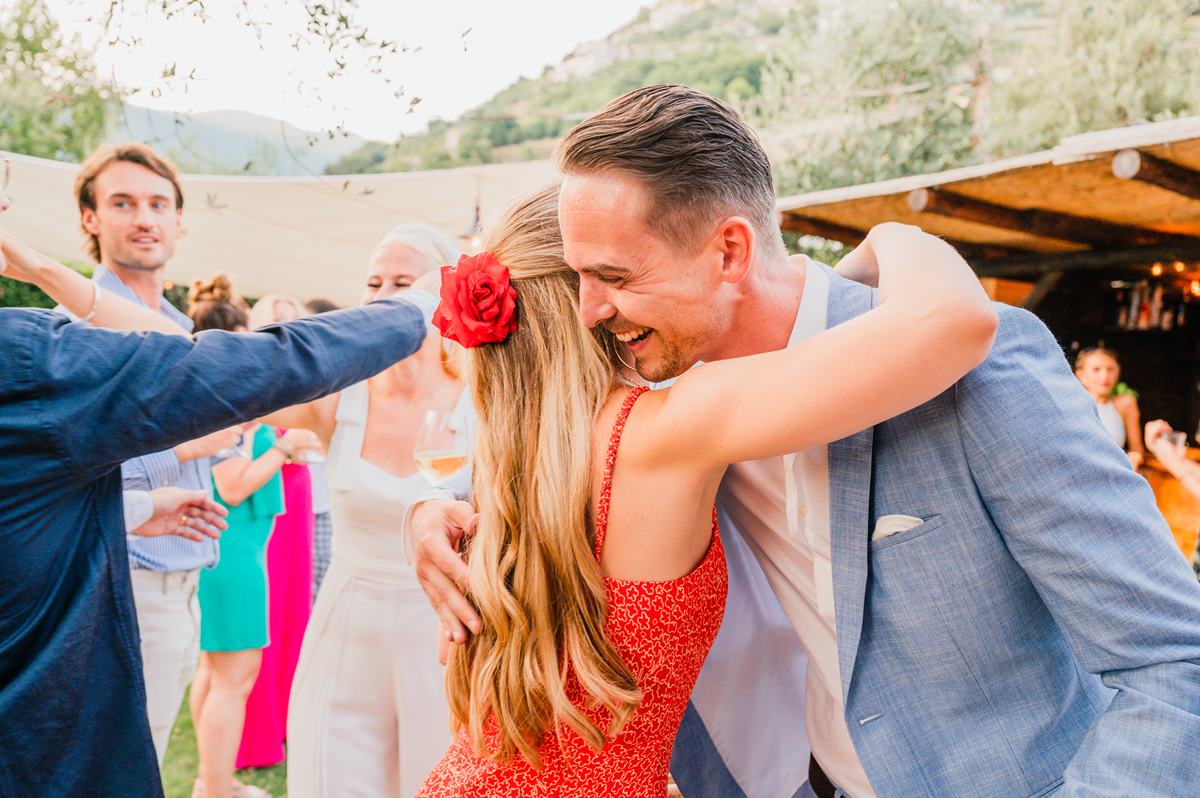

The Amalfi Experience Through the Lens of a Ravello Wedding Photographer
A Ravello wedding photographer is a master of capturing the essence of this enchanting town. The Amalfi Coast is a place where time seems to stand still, and where beauty is found in every corner. From the cobblestone streets to the colorful houses that dot its hillsides, there are endless opportunities for stunning photos.
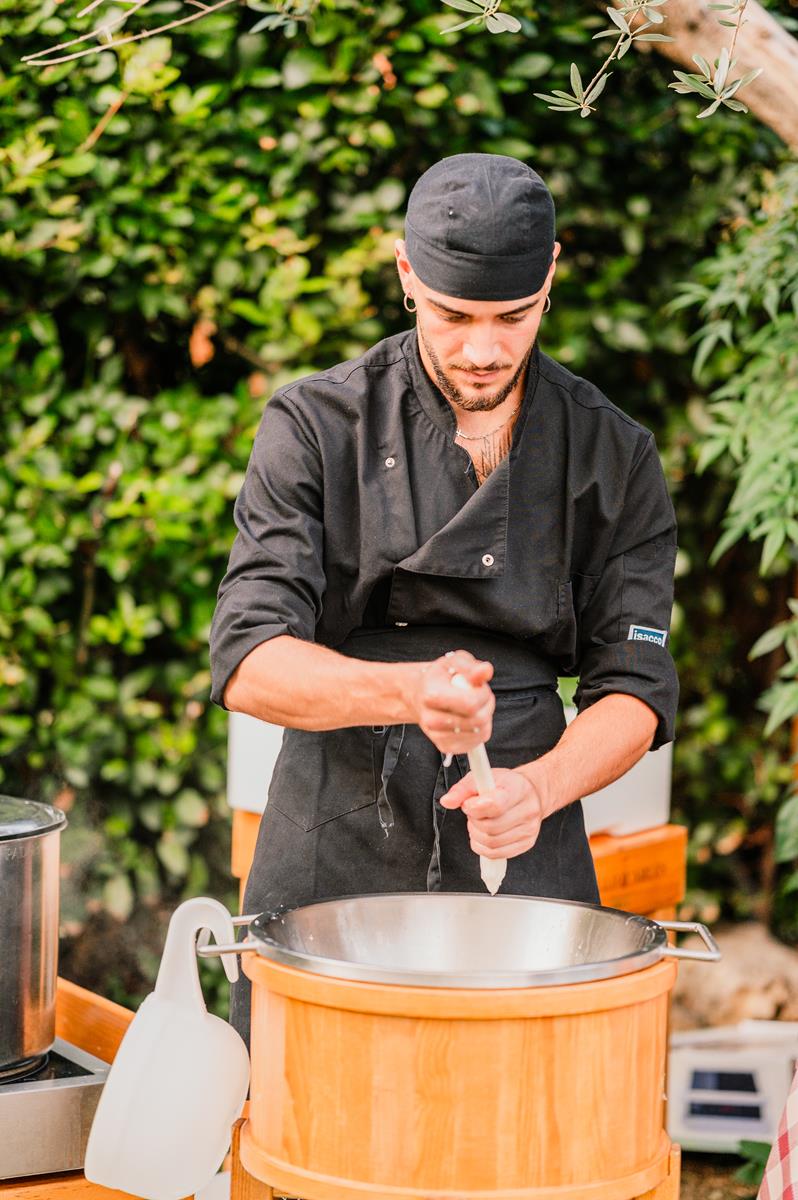
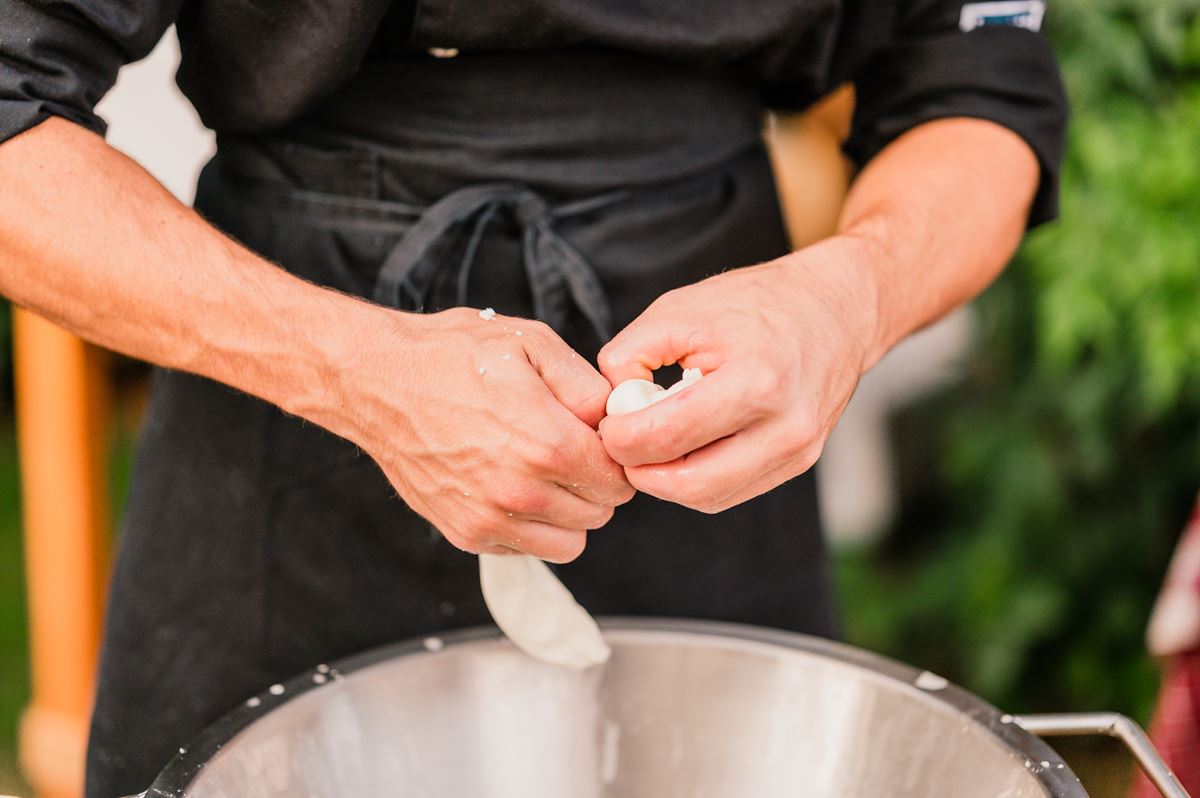
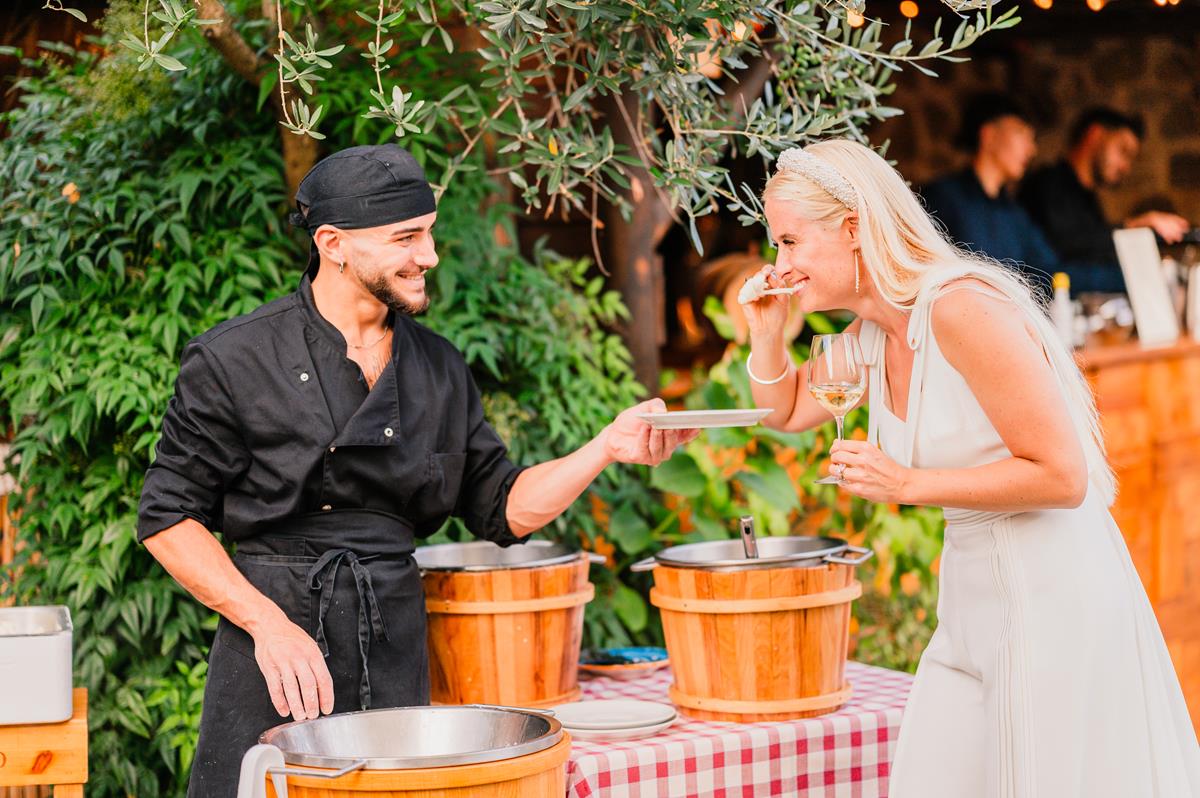
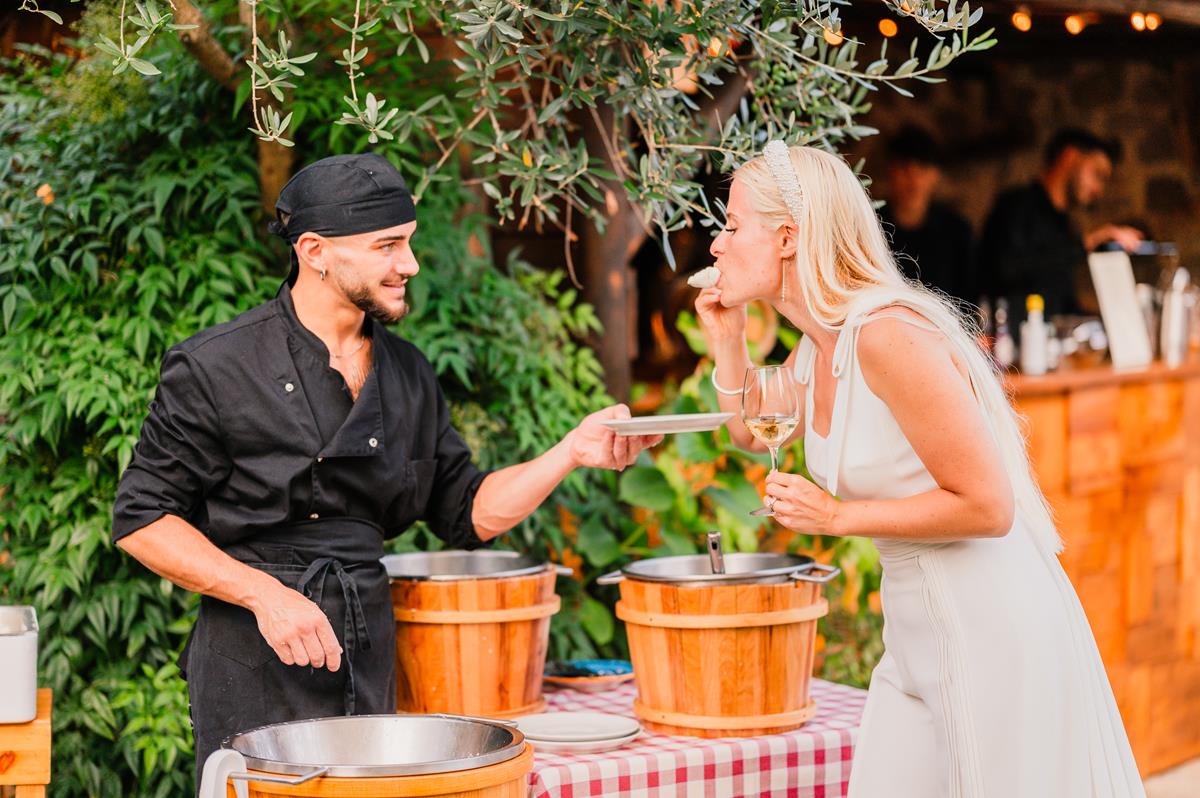
The Eternal Embrace of Captured Moments at Trattoria da Lorenzo
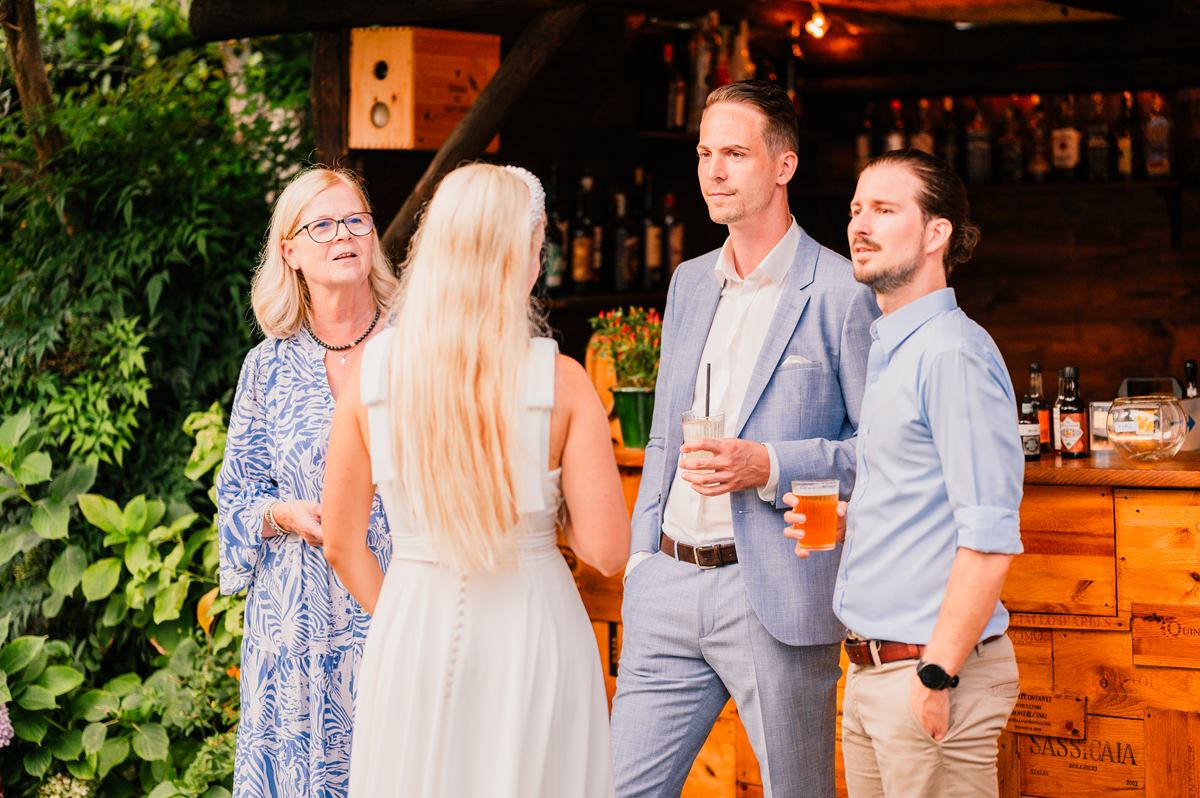
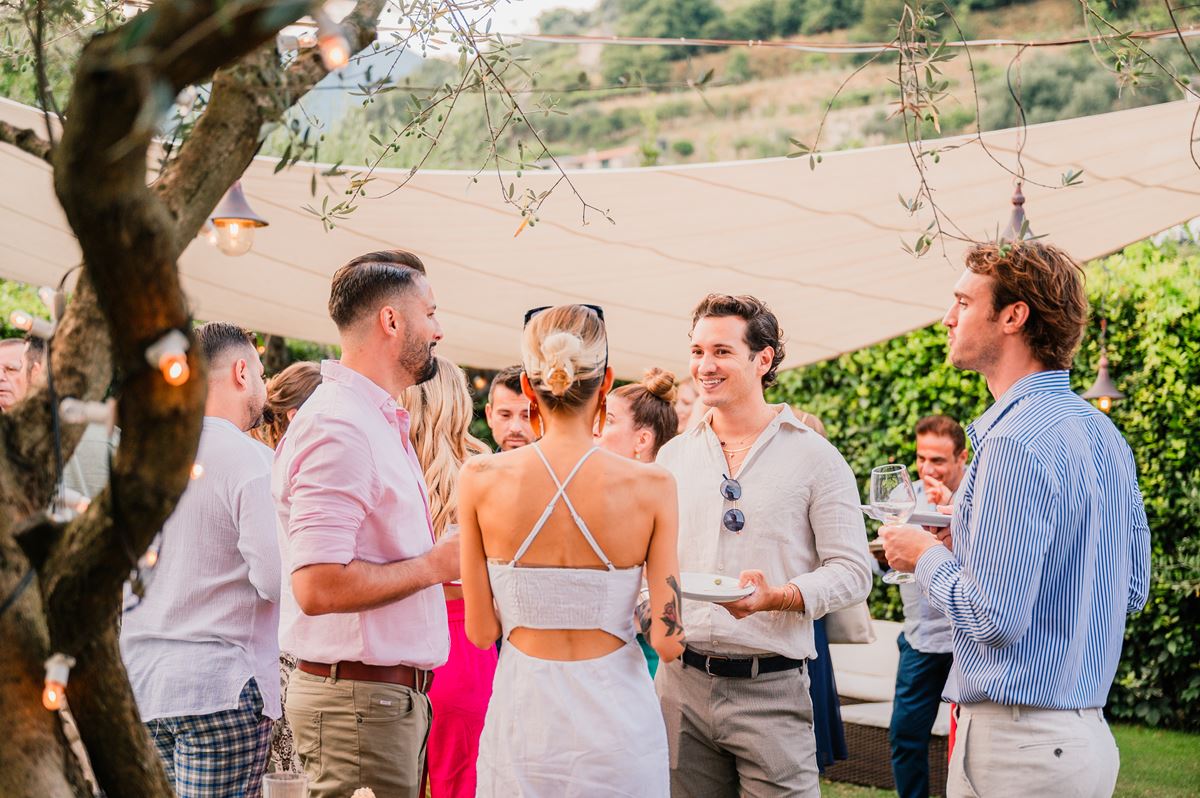
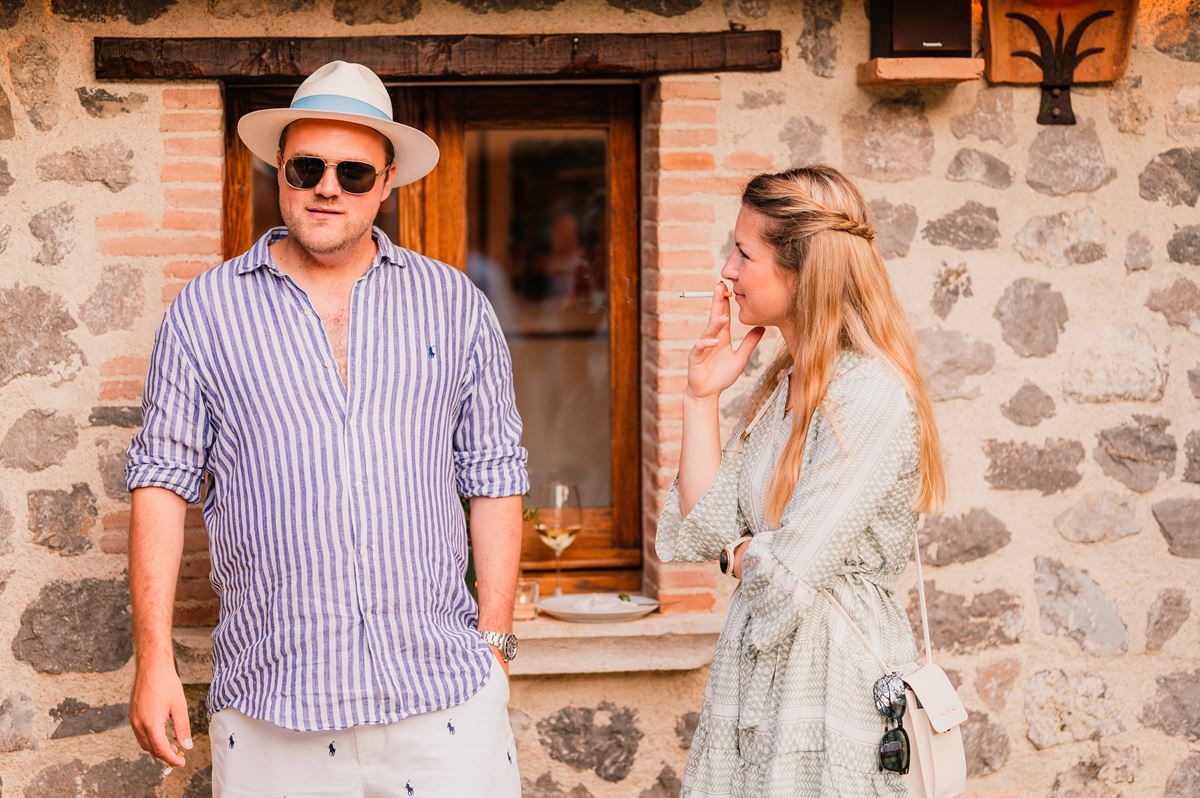
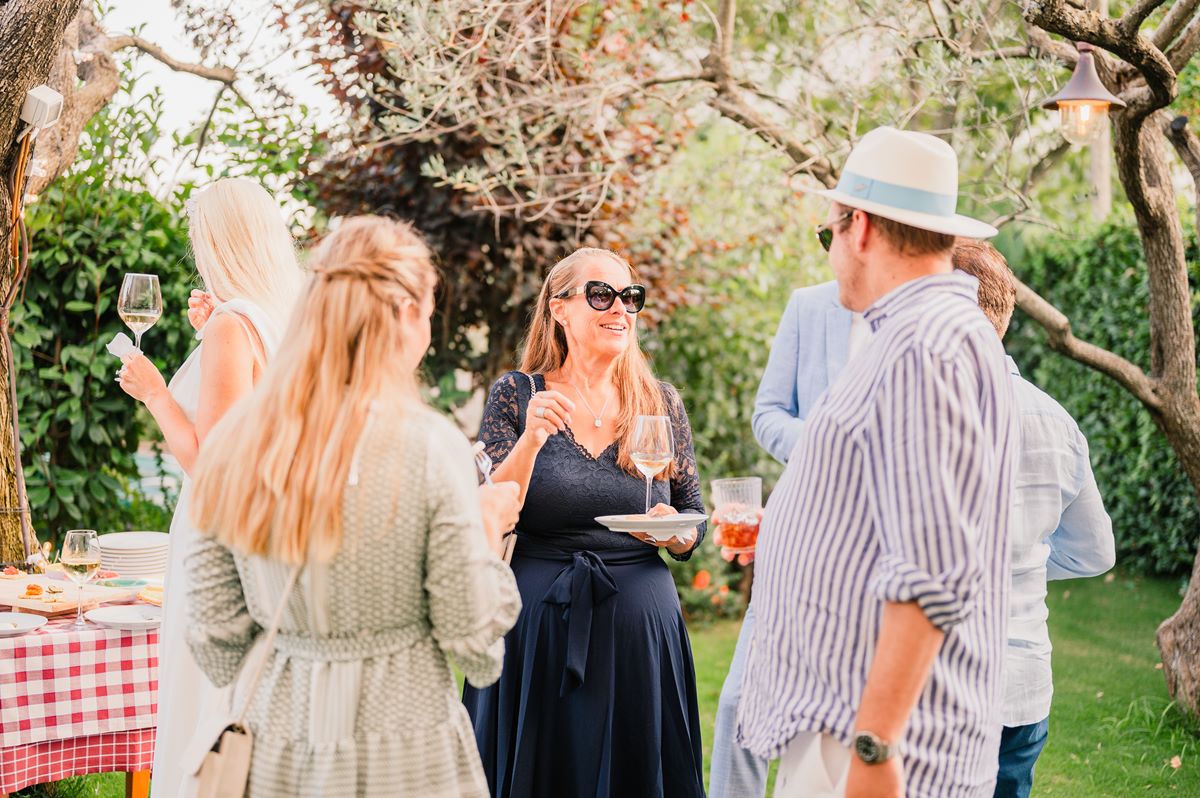
The fluttering essence of an unforgettable night lingers in the gentle caress of memory, immortalized by the artful lens of a Ravello wedding photographer. Each cherished moment is embraced by the beauty of a still frame, allowing for the story to be retold time and time again.



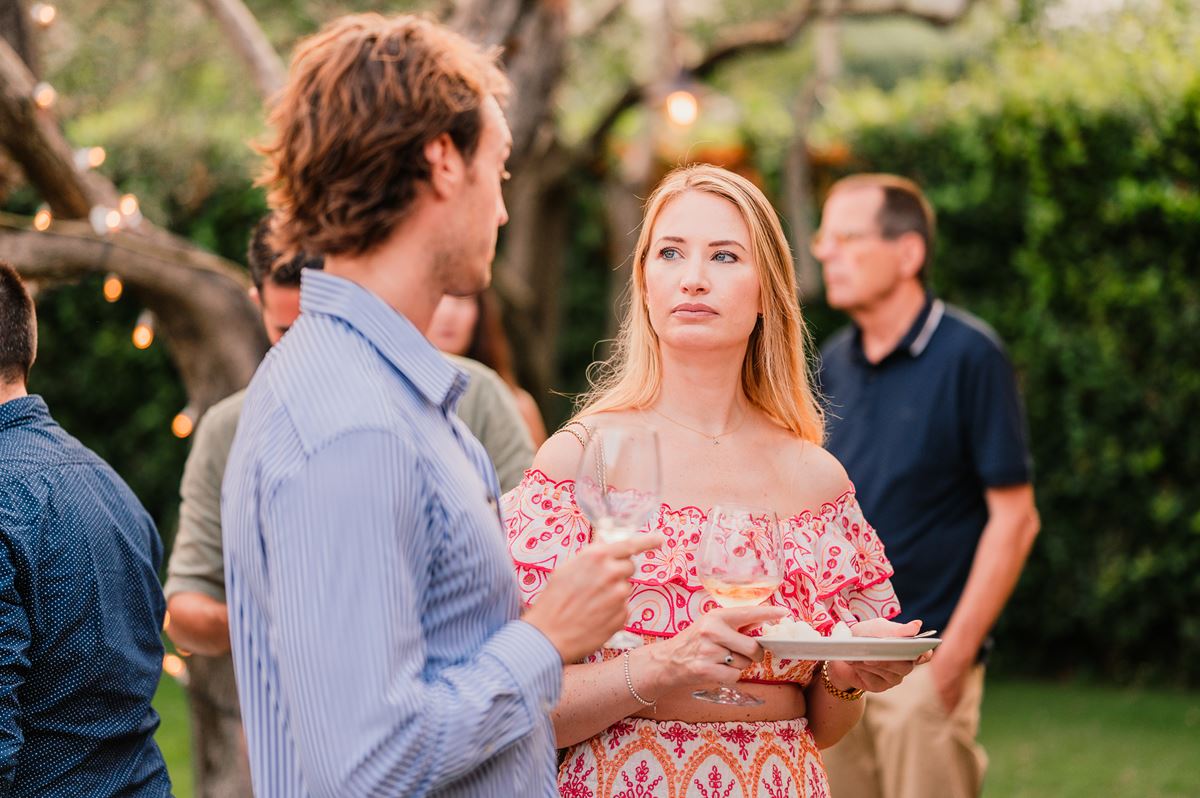
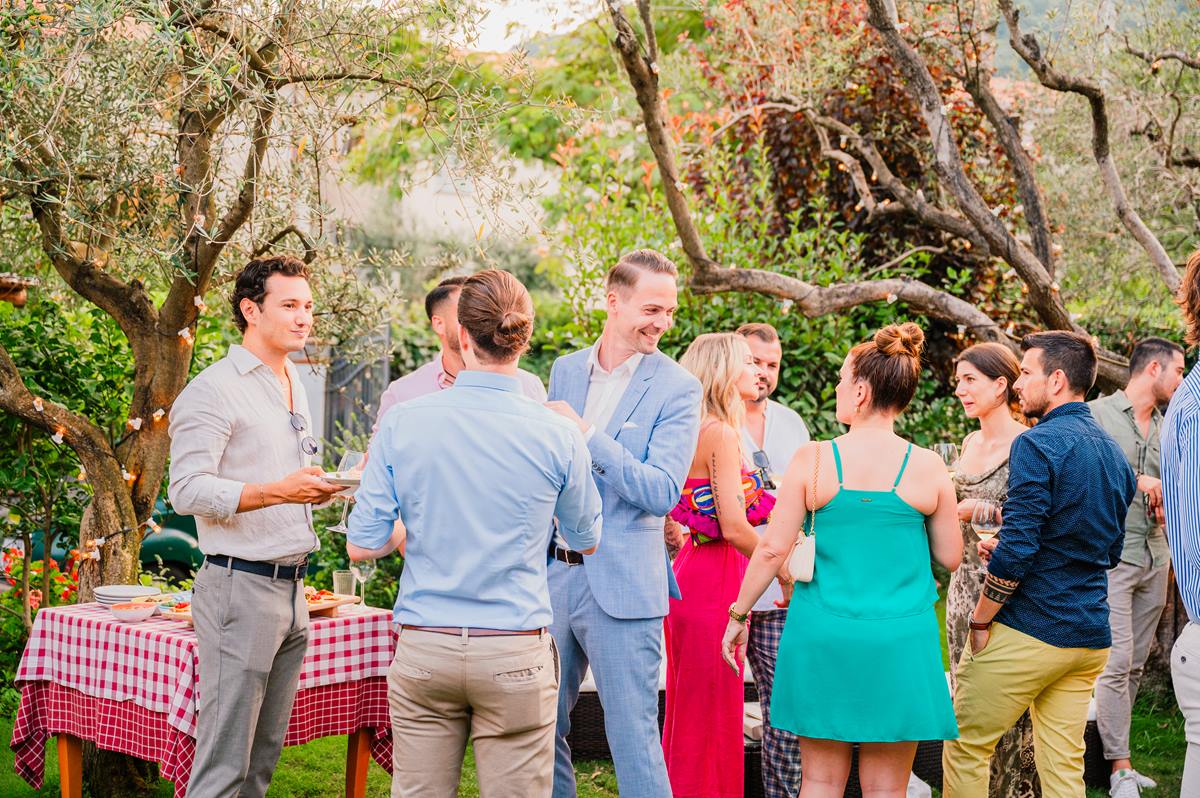











Ravello’s Finest, Painting the Poetry of Trattoria da Lorenzo
Through keen eyes and a depth of understanding, Ravello’s finest wedding photographers bring forth the breathtaking visage of Trattoria da Lorenzo, delicately capturing nuances that sing of love and devotion. A masterful touch blossoms into stunning visual poetry.

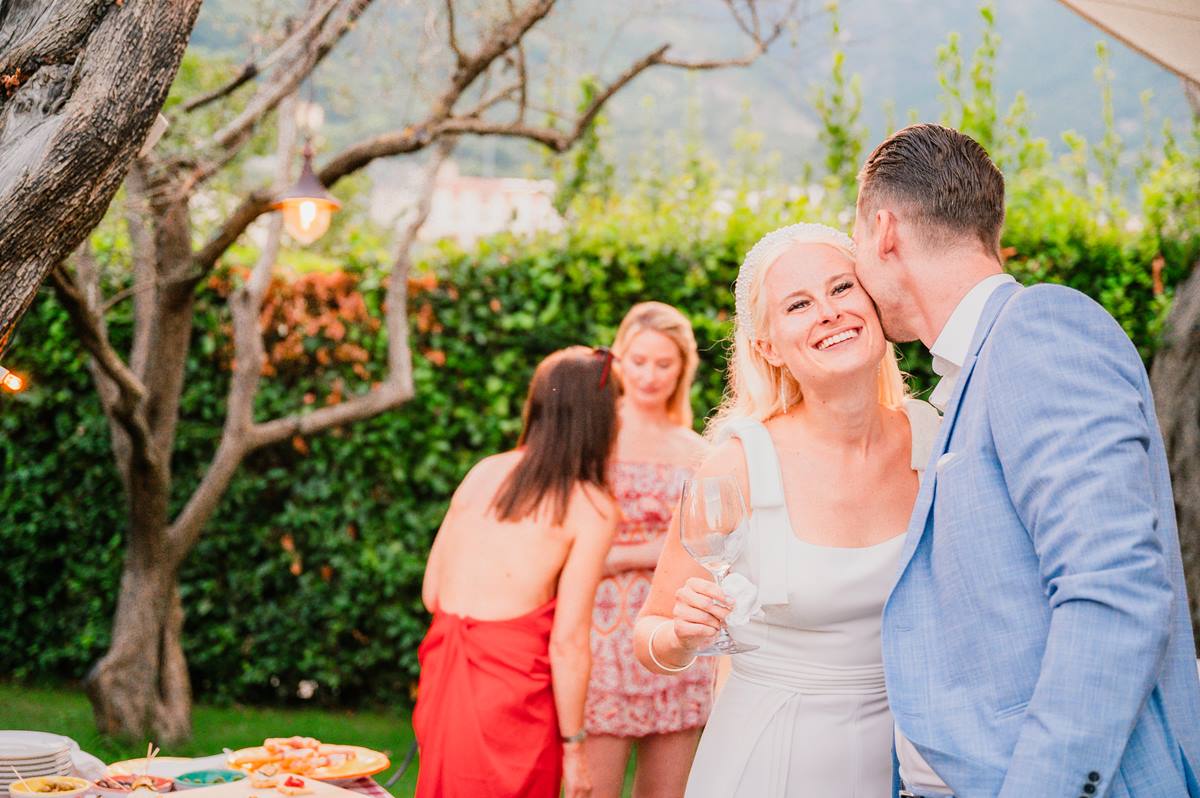
Celebrating the Union of Love and Gastronomy, Framed by Ravello’s Camera
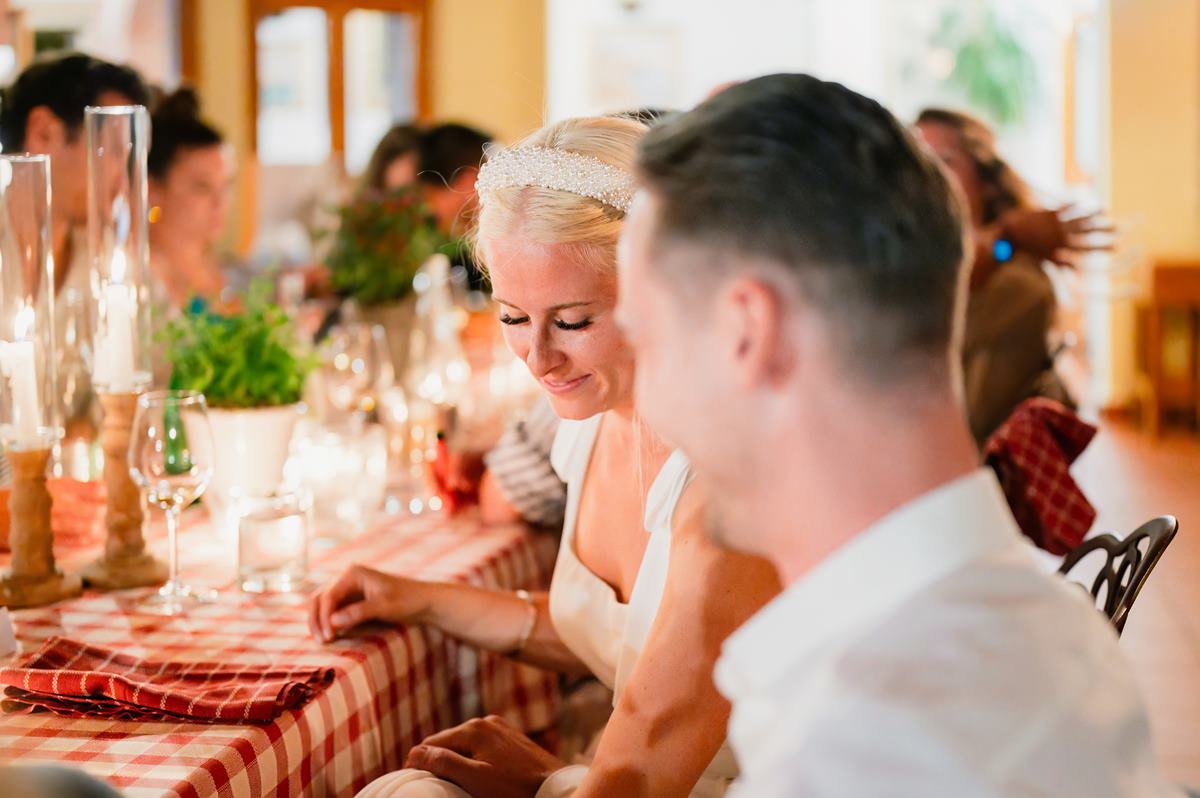
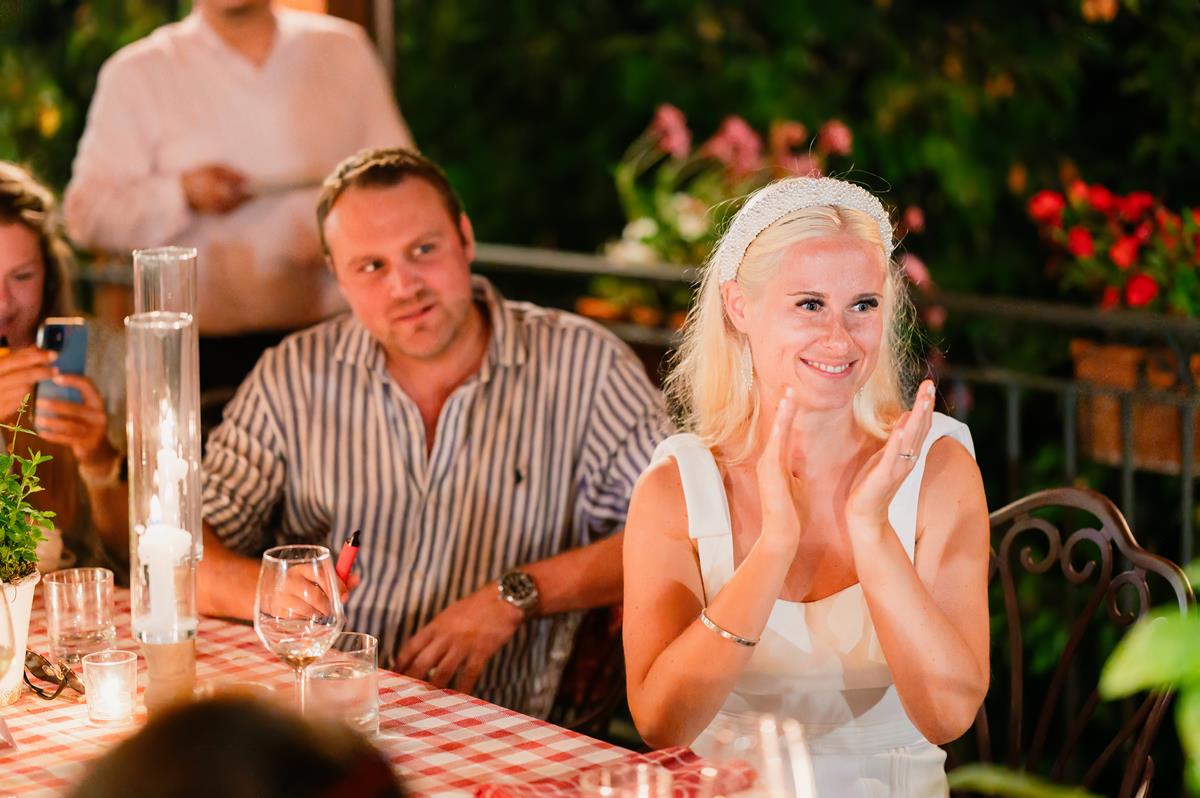
Weddings are a waltz of the heart, and Trattoria da Lorenzo’s culinary flair punctuates the dance. A Ravello wedding photographer captures the essence of the rehearsal dinner— a canvas rich with emotion and passion and framed in impeccable frames of splendor and gastronomic delight.




Savouring the Stories of Italian Cuisine at Trattoria da Lorenzo
A Ravello wedding photographer captures the essence of the rehearsal dinner—a canvas rich with emotion and passion and framed in impeccable frames of splendor and gastronomic delight. A Ravello wedding photographer captures the essence of the rehearsal dinner—a canvas rich with emotion and passion and framed in impeccable frames of splendor and gastronomic delight.
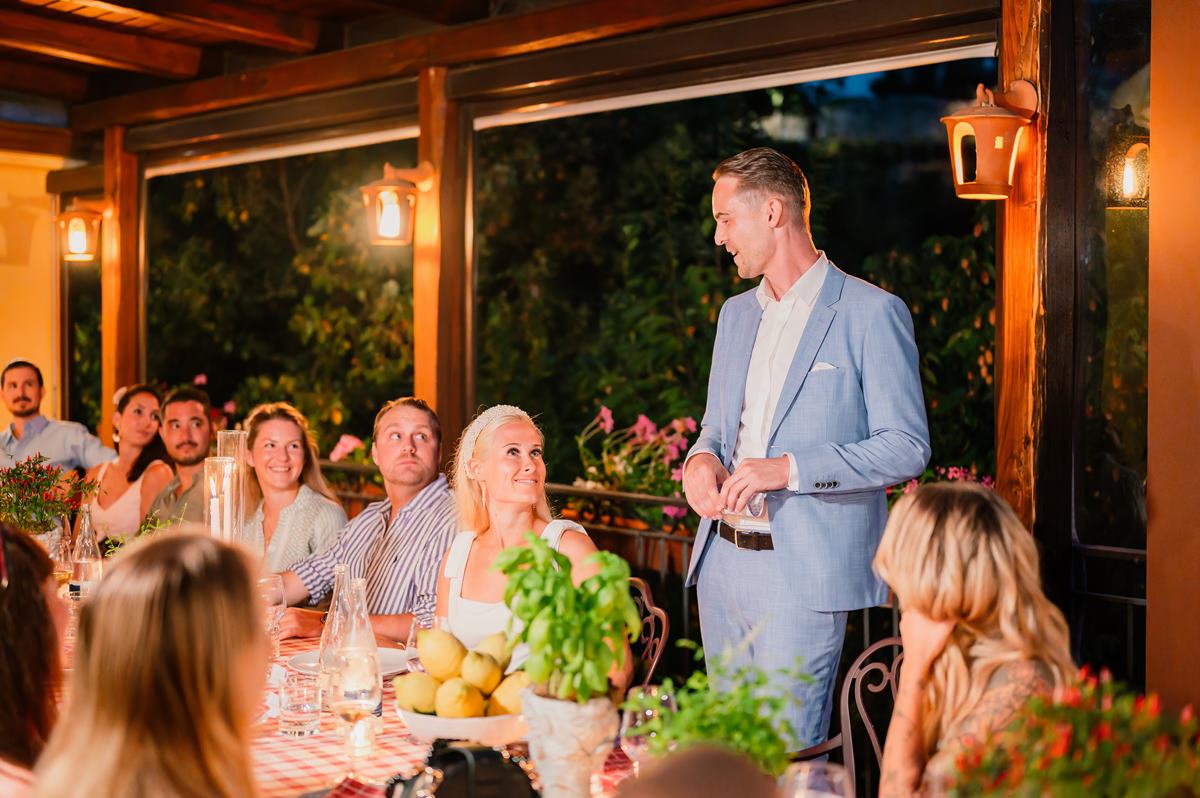

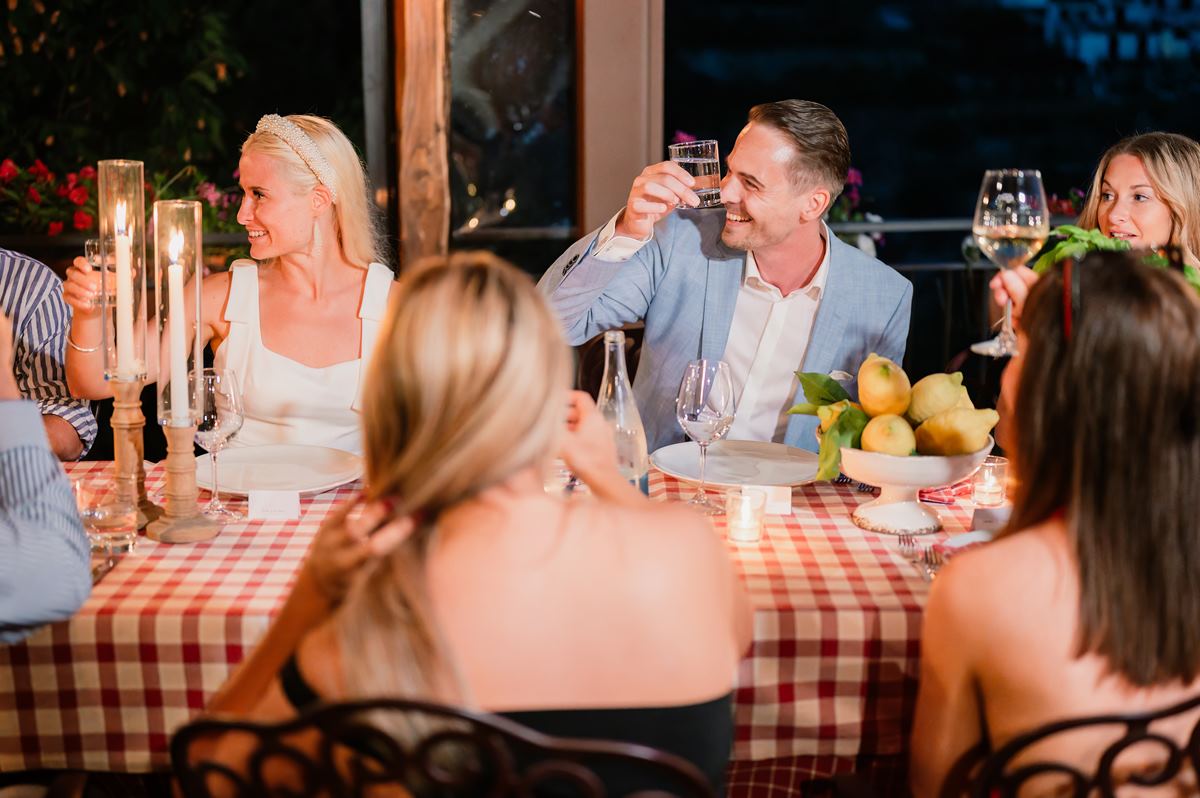
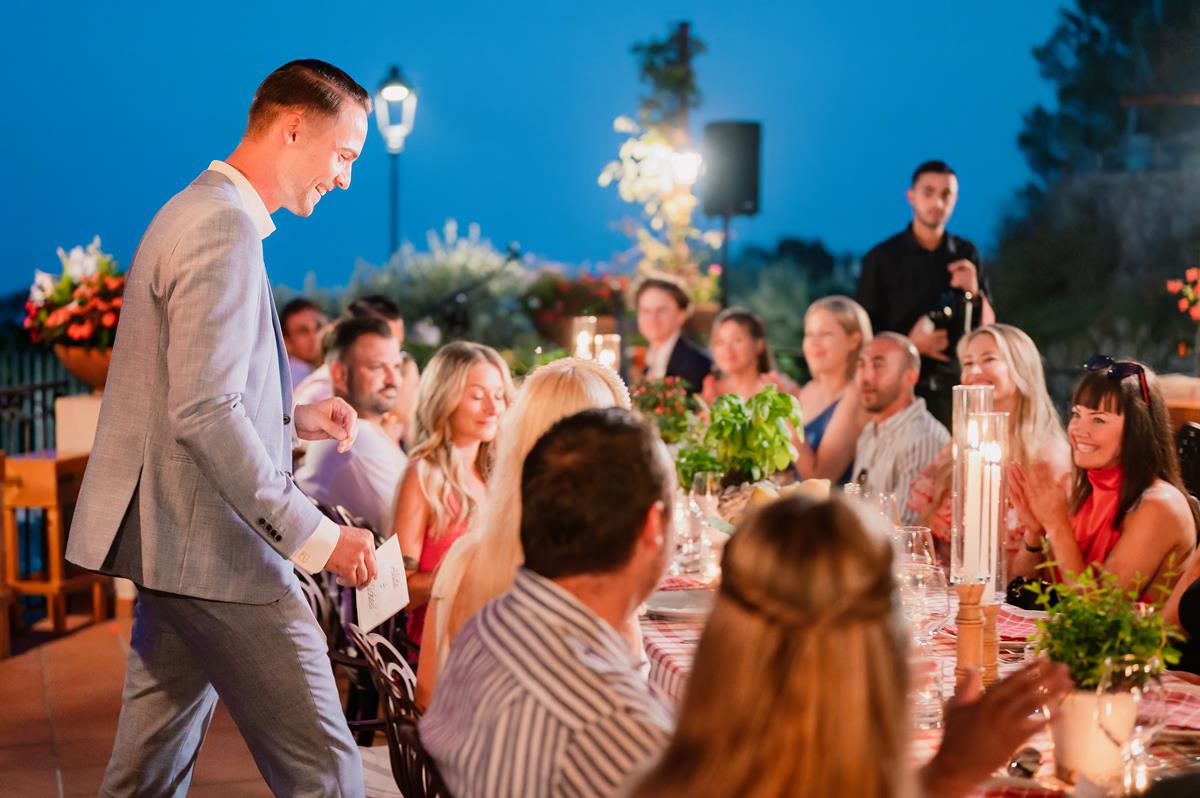
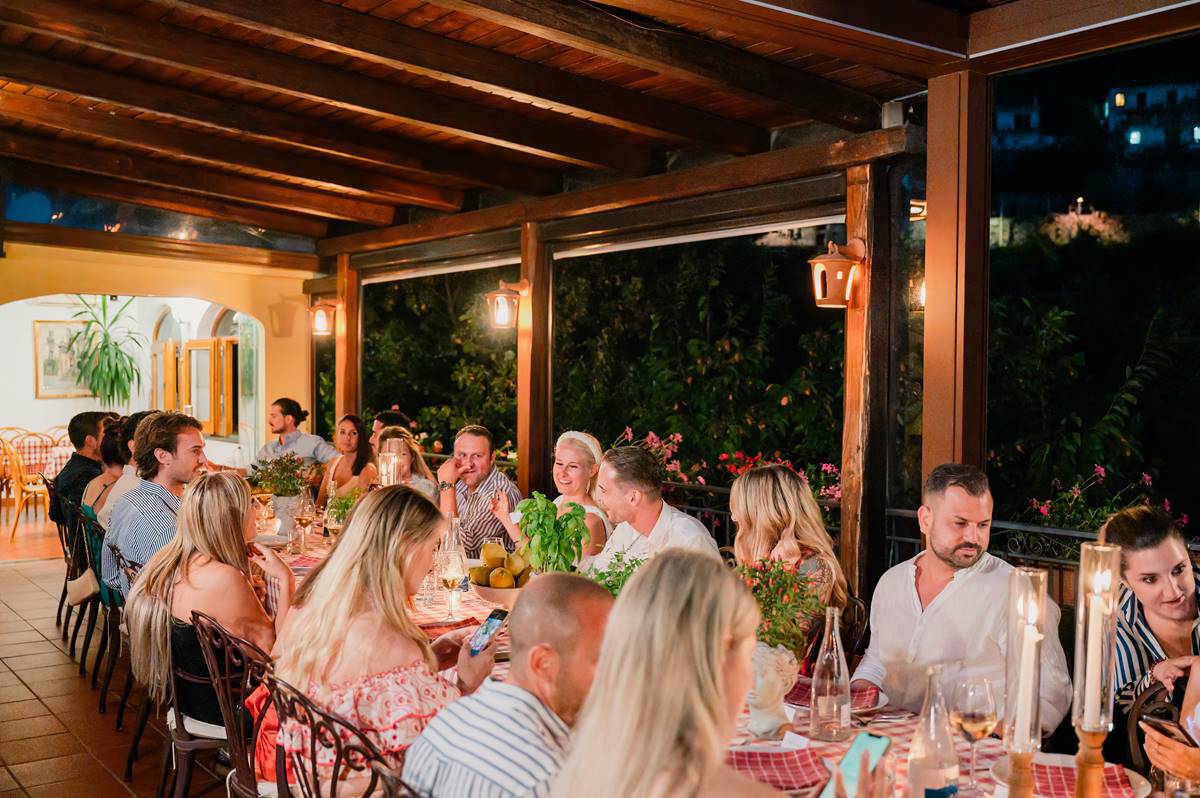
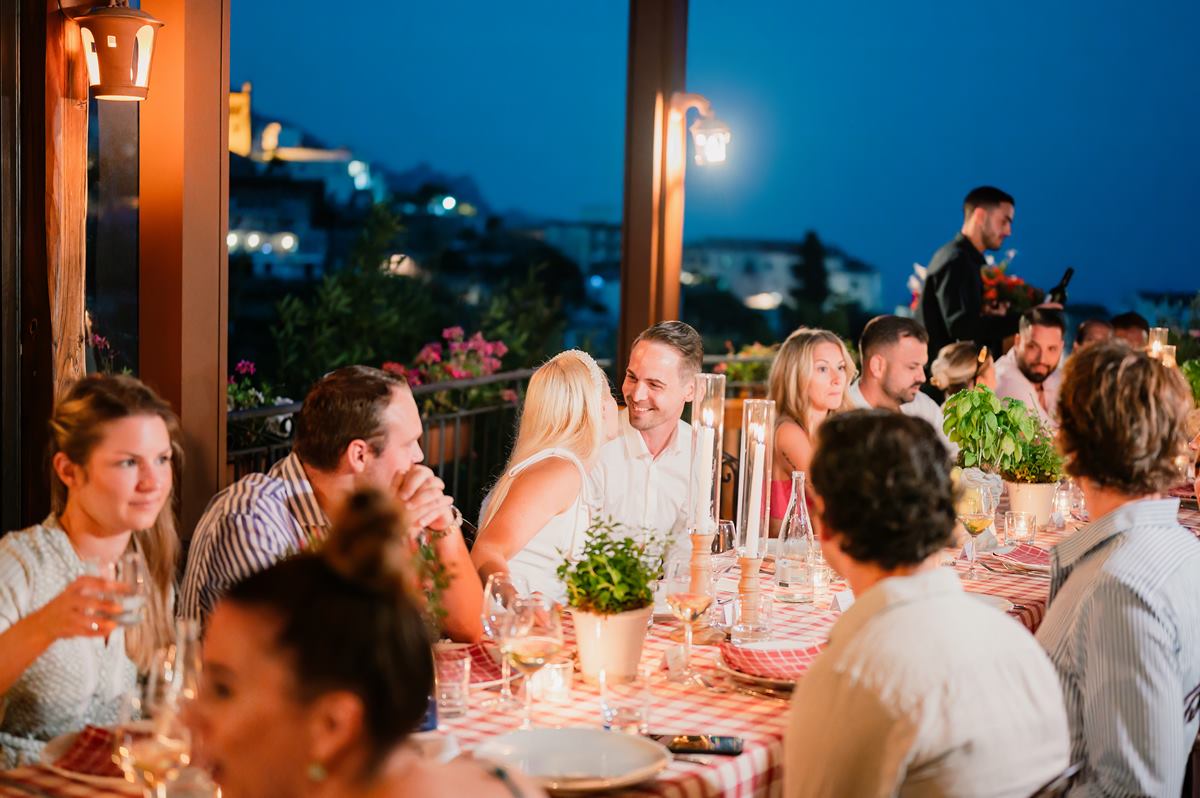
Remnants of Italian Classics Served with Love at Trattoria da Lorenzo
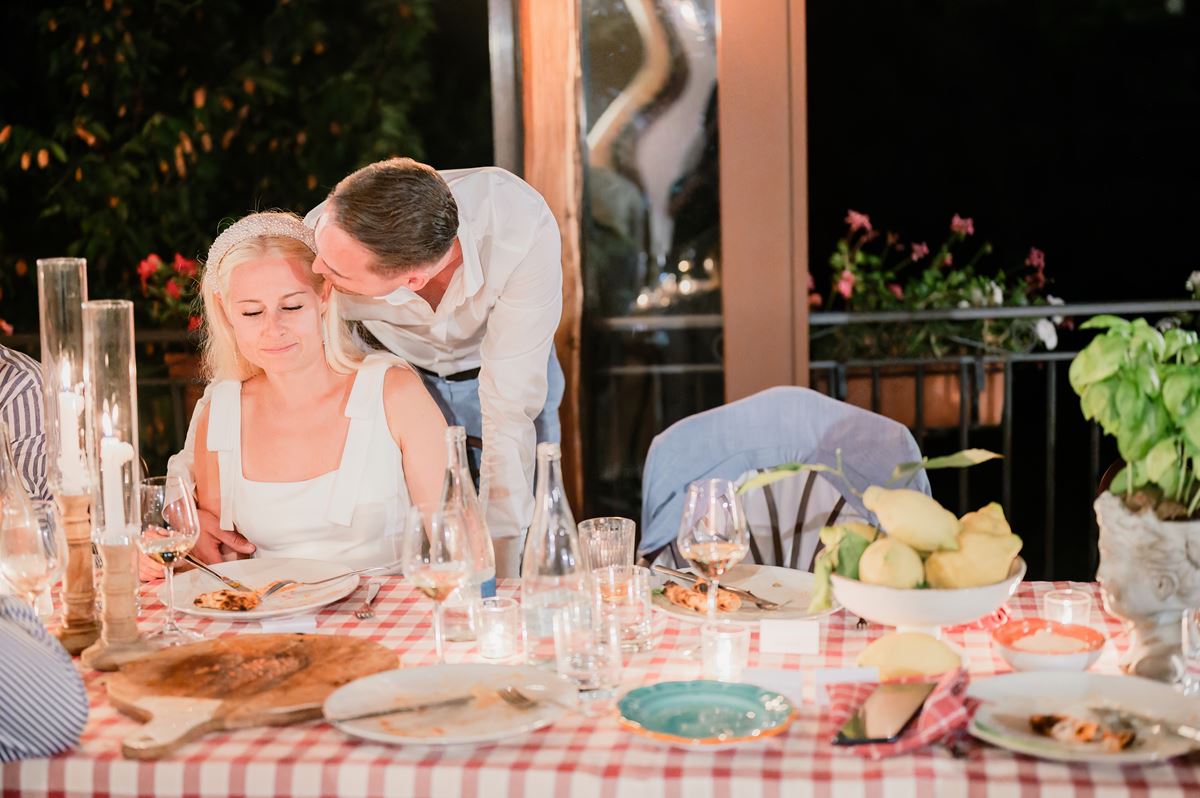
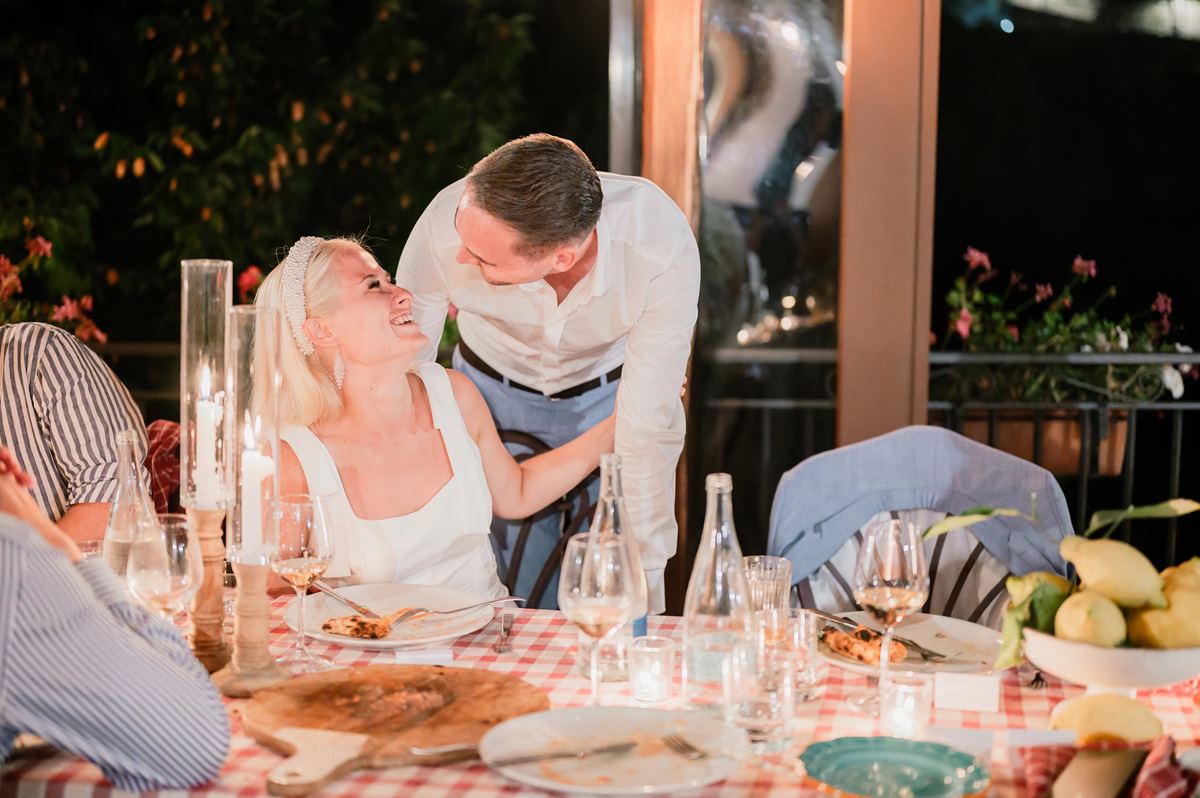
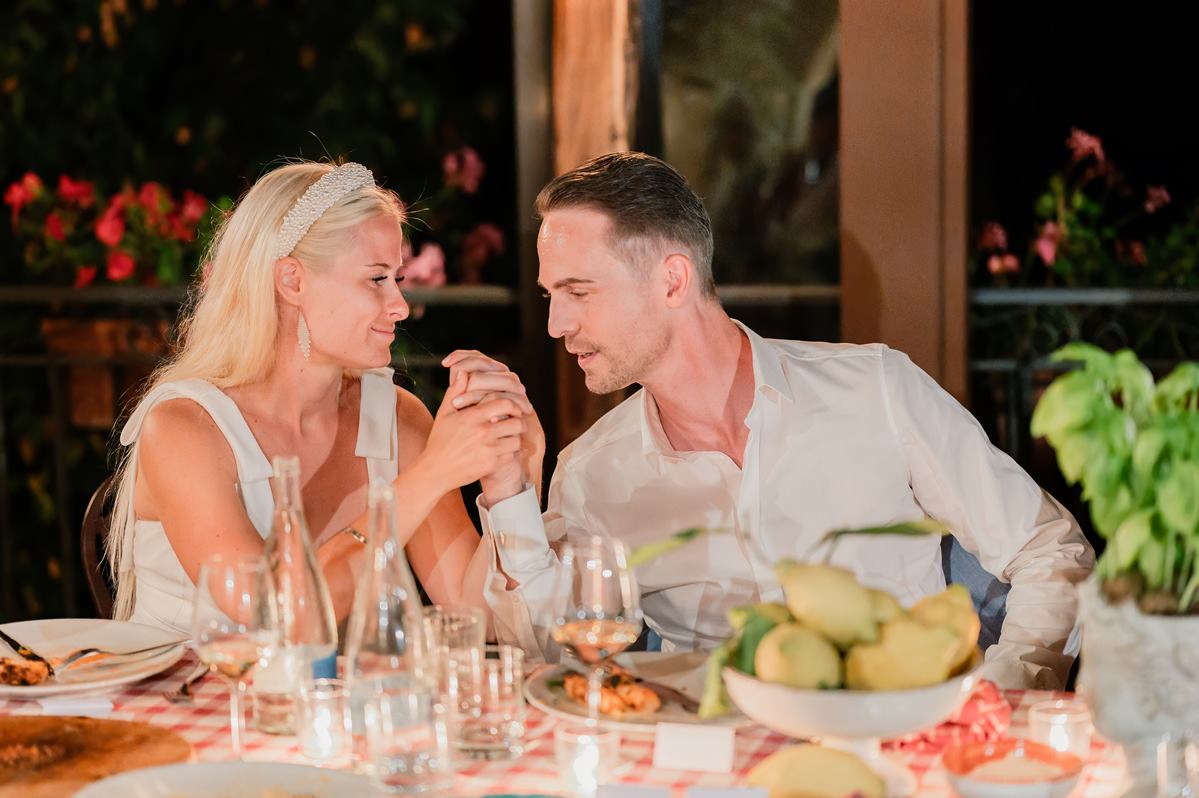
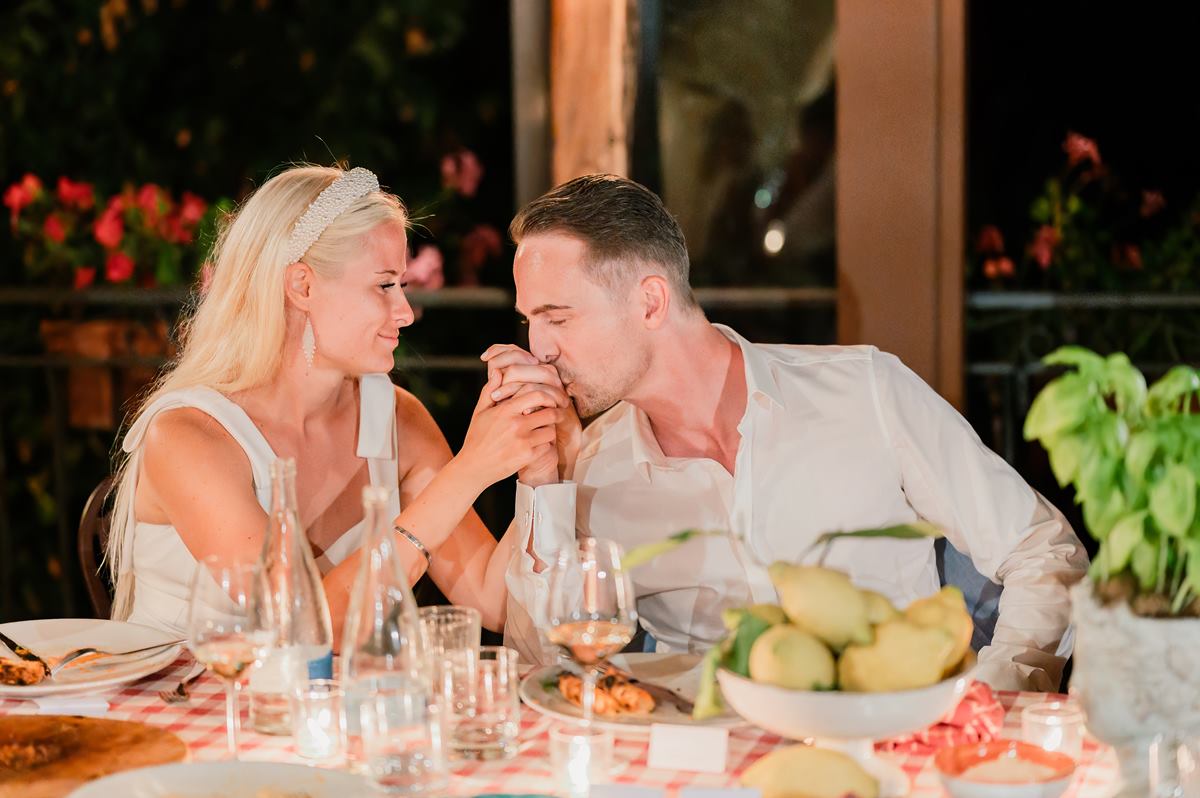
Whispers of Italy’s culinary heritage caress the senses as delectable Italian classics grace the rehearsal dinner table at Trattoria da Lorenzo. The affectionate embrace of tradition is evident in each lovingly plated dish, unfurling a dance of beloved flavors across eager taste buds.
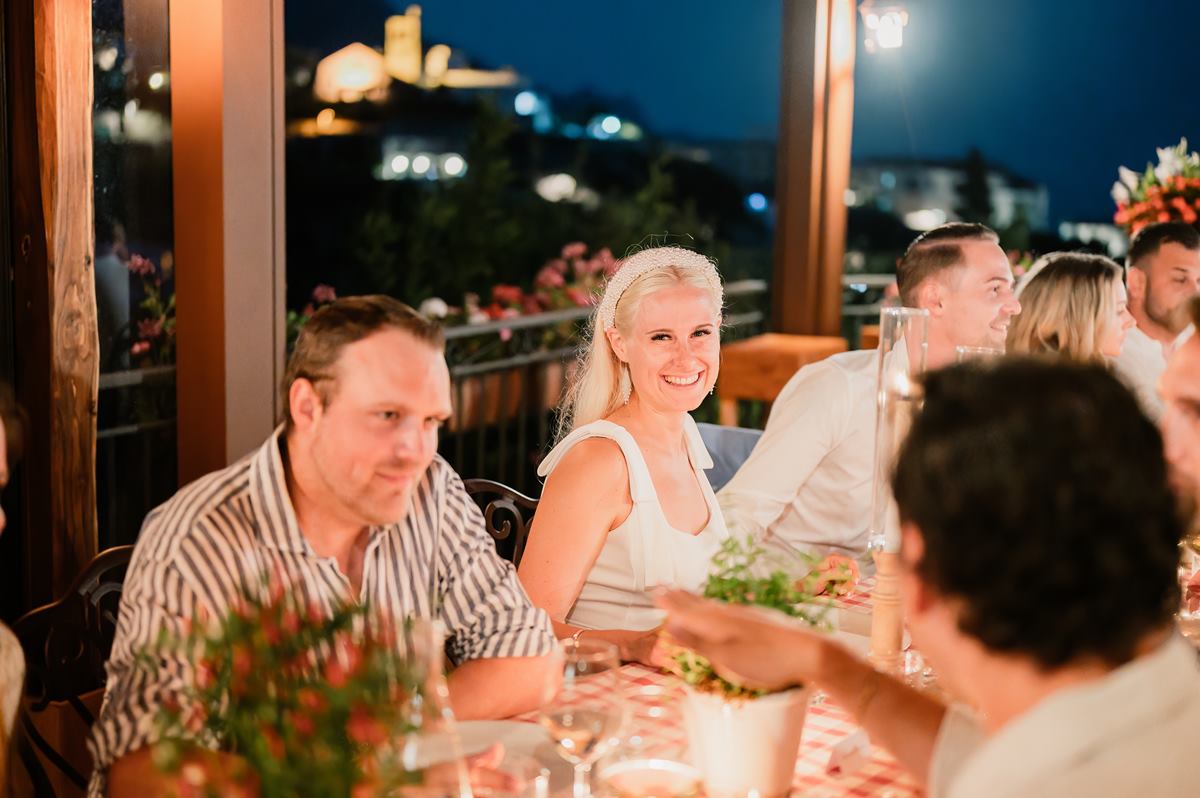
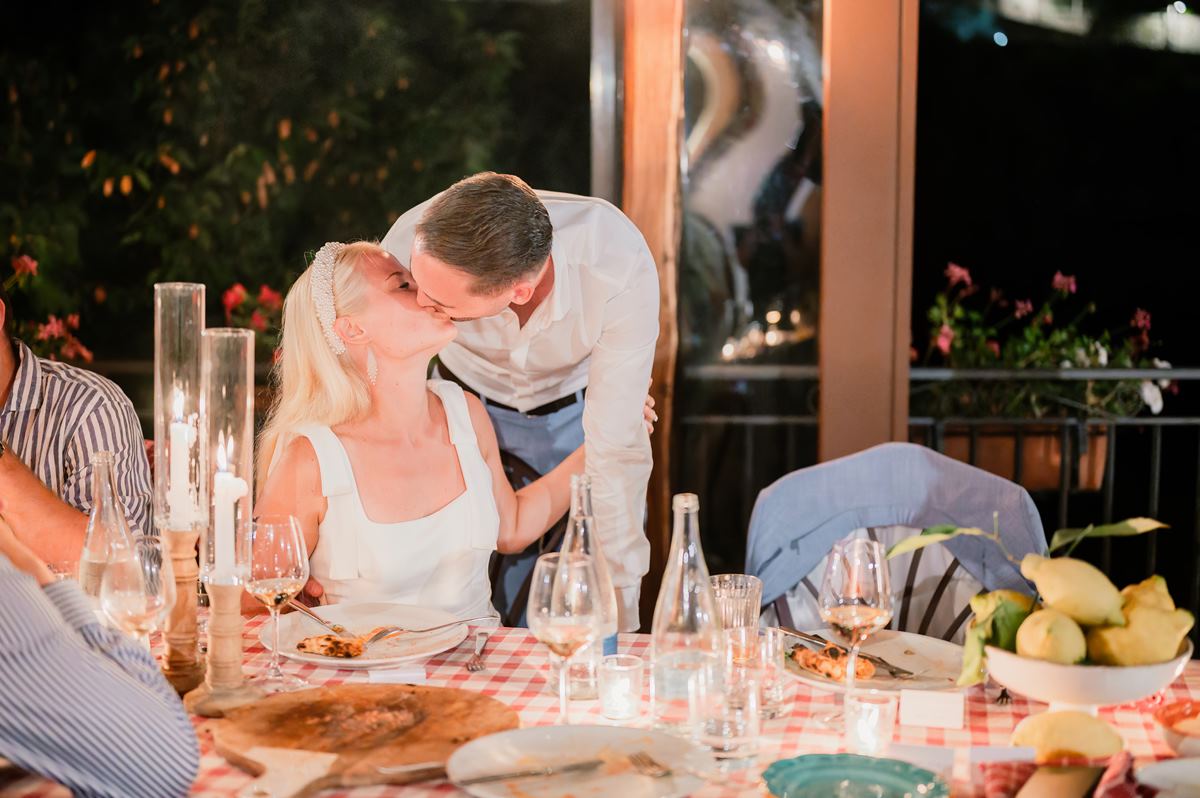


A Beautiful Marriage of Tradition and Innovation at Trattoria da Lorenzo
Through the hands of Trattoria da Lorenzo’s talented chefs, a breathtaking union between innovation and time-honored practices is born. Decadent dishes enrapture the palate, merging the old with the new to forge a delicious harmony of layered complexity and culinary wonder.

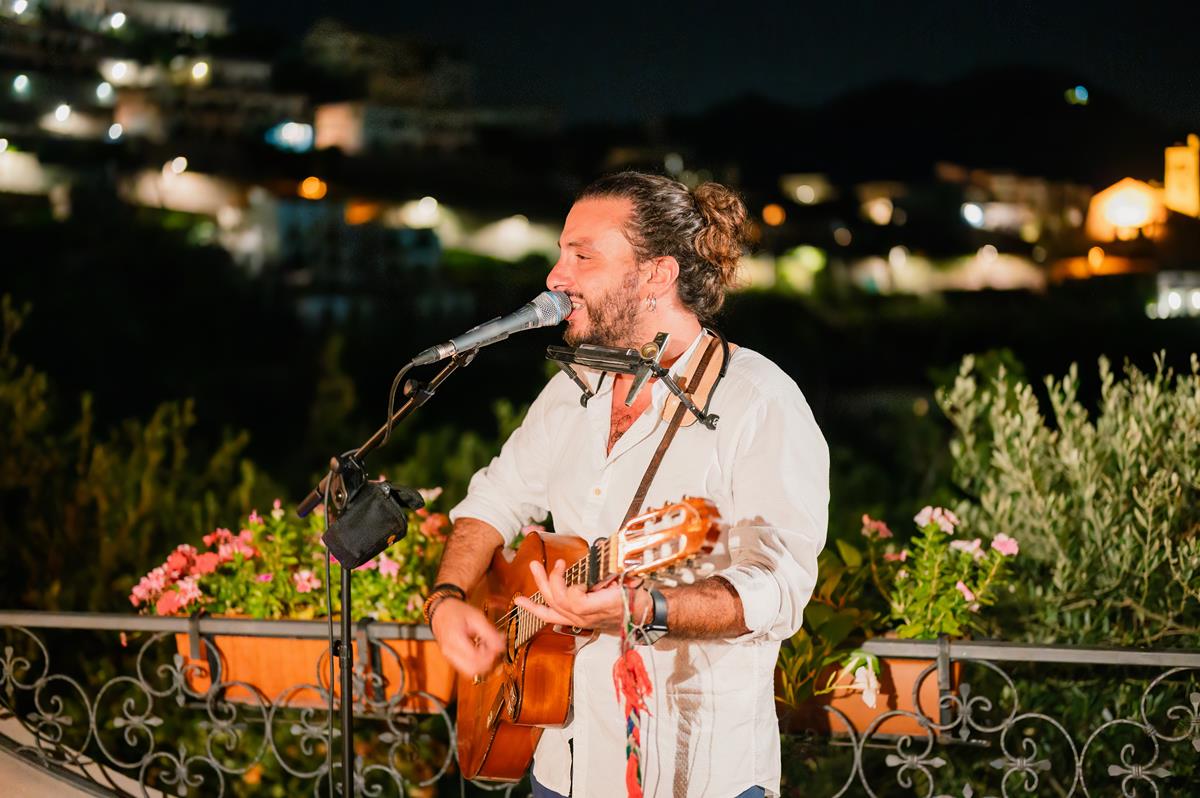
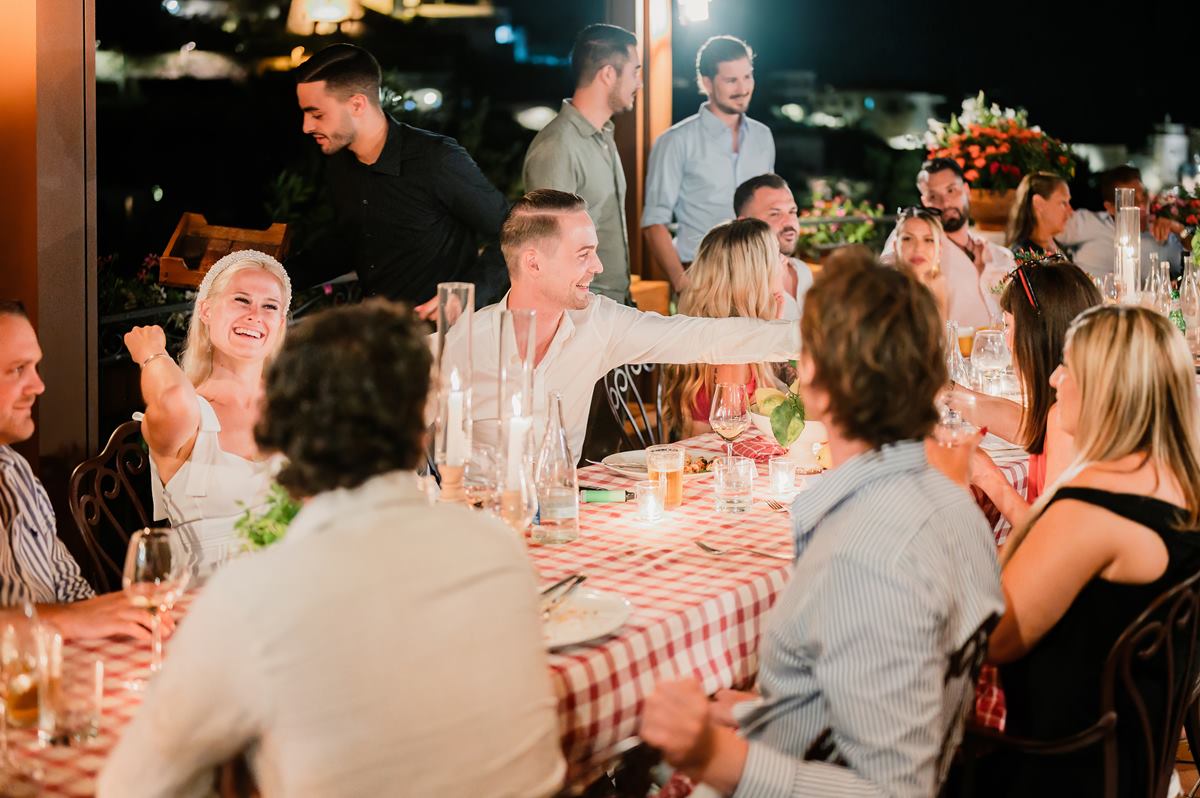

The Charm of Personally Tailoring Your Rehearsal Dinner Menu
Crafting a menu steeped in romance and entwined with individuality, Trattoria da Lorenzo presents the opportunity to etch one’s love story on the canvas of culinary art. Savor a tailored menu that whispers heart-warming anecdotes of a love built to resonate across the ages.
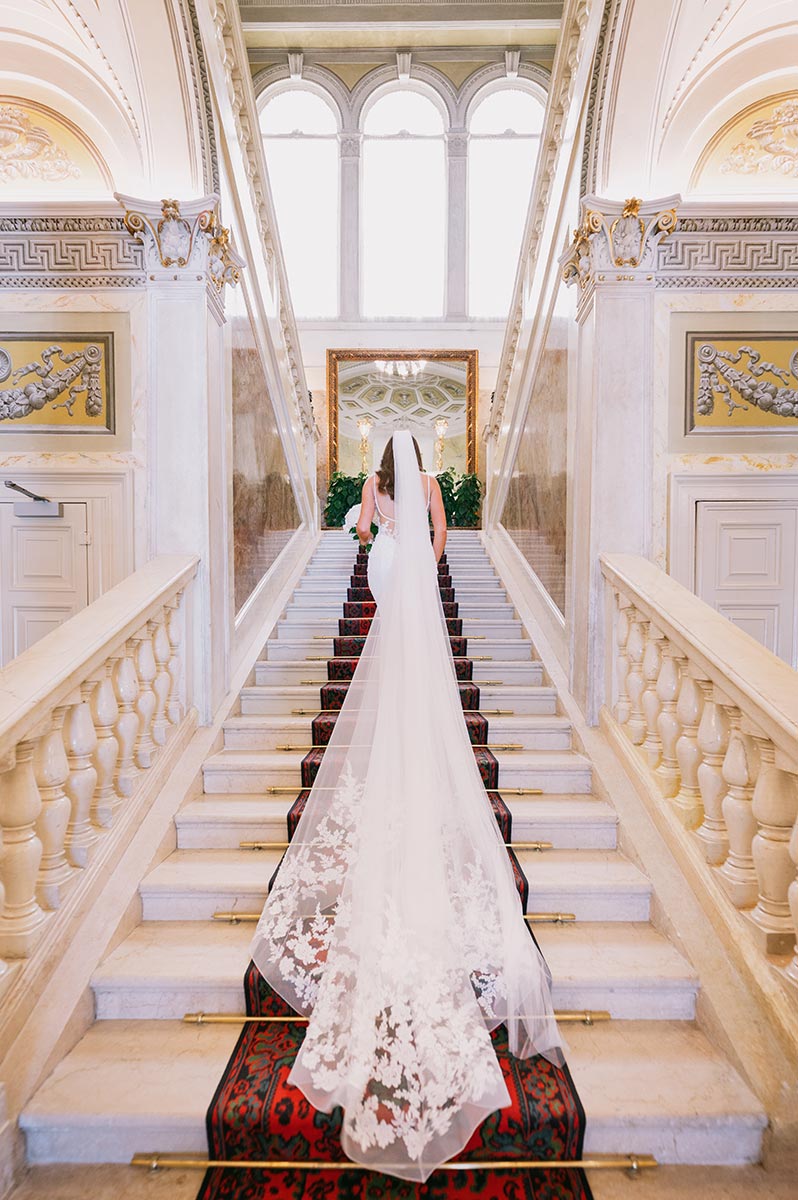
Embarking on a Romantic Voyage: Your Rehearsal Dinner at Trattoria da Lorenzo
Trattoria da Lorenzo is a place where the soul can find solace, where love and passion intertwine to create an experience that transcends time. Nestled in the heart of historic downtown San Francisco, this charming Italian restaurant offers a romantic setting for your rehearsal dinner. H3: The Charm of Personally Tailoring Your Rehearsal Dinner Menu Crafting a menu steeped in romance and entwined with individuality, Trattoria da Lorenzo presents the opportunity to etch one’s love story on the canvas of culinary art. Savor a tailored menu that whispers heart-warming anecdotes of a love built to resonate across the ages.
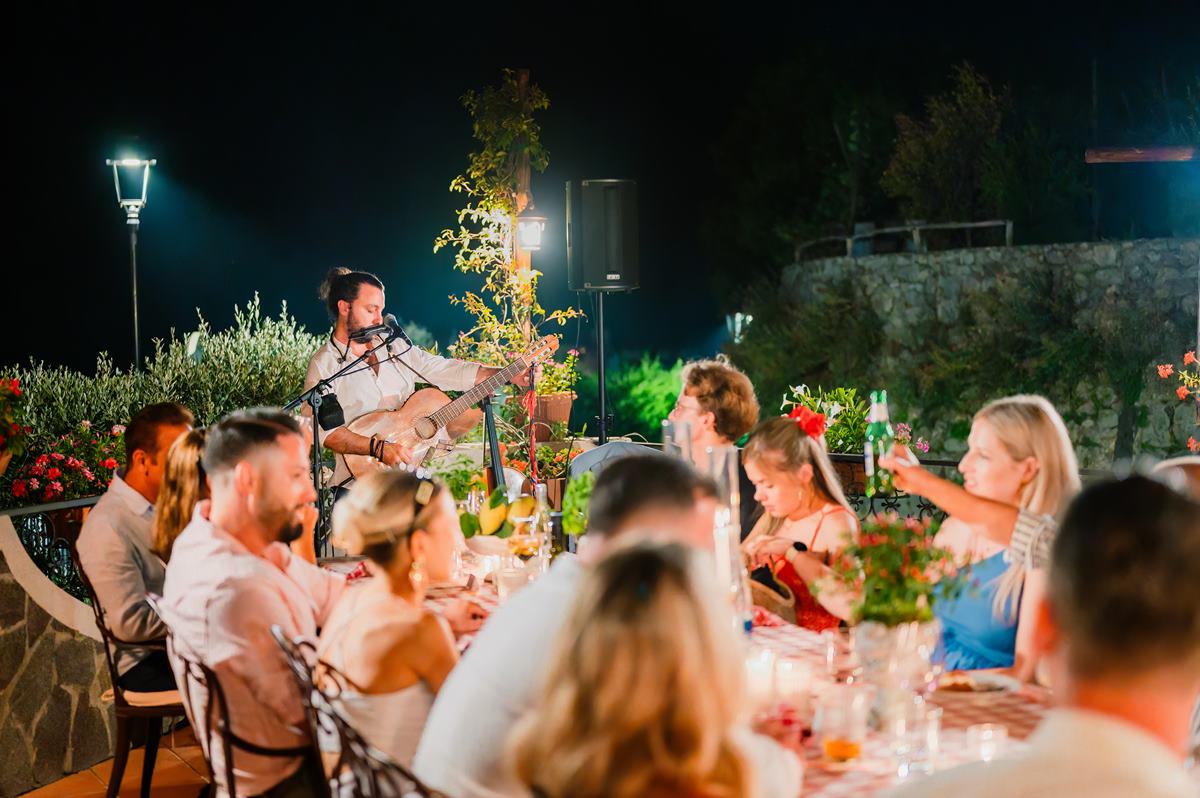


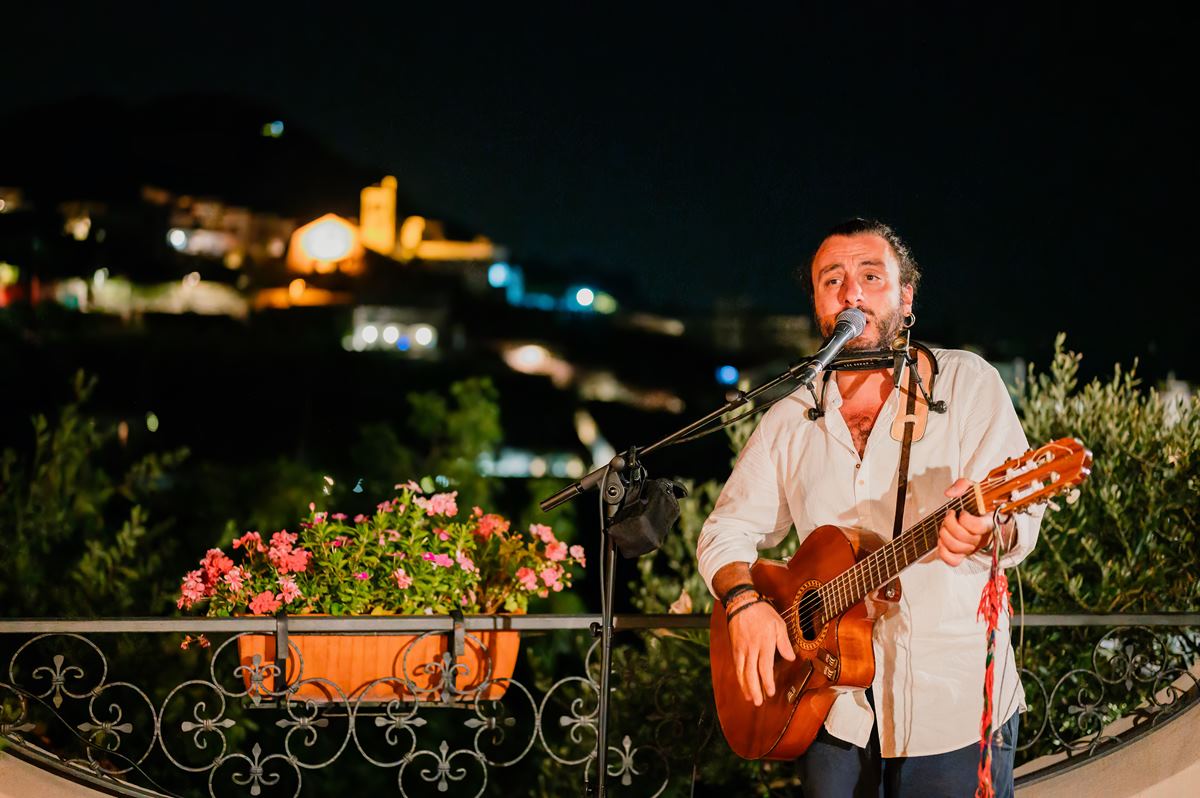
Ravello Beckons with its Crown Jewel, Trattoria da Lorenzo
Trattoria da Lorenzo, a gem nestled among the rolling hills of Ravello, beckons all who seek the embrace of love in its purest form. This heart-stirring destination casts its spell over all who set foot on its domain, weaving the threads of dreams into a magnificent tapestry of romantic wonder.

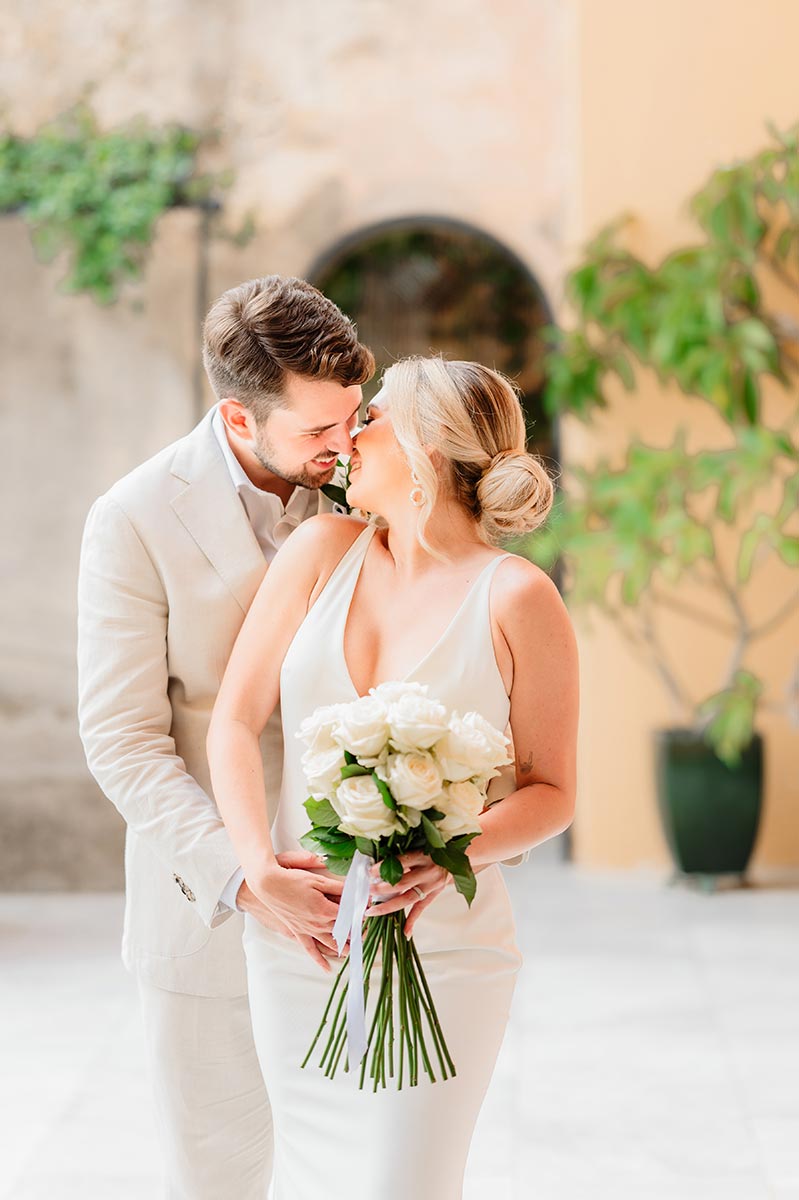

Weaving Love Stories one Rehearsal Dinner at a Time
At Trattoria da Lorenzo, the night’s passions infuse every detail, binding together to create an unforgettable symphony. The melody of love reaches the core of every guest, leaving lasting impressions that echo through time.


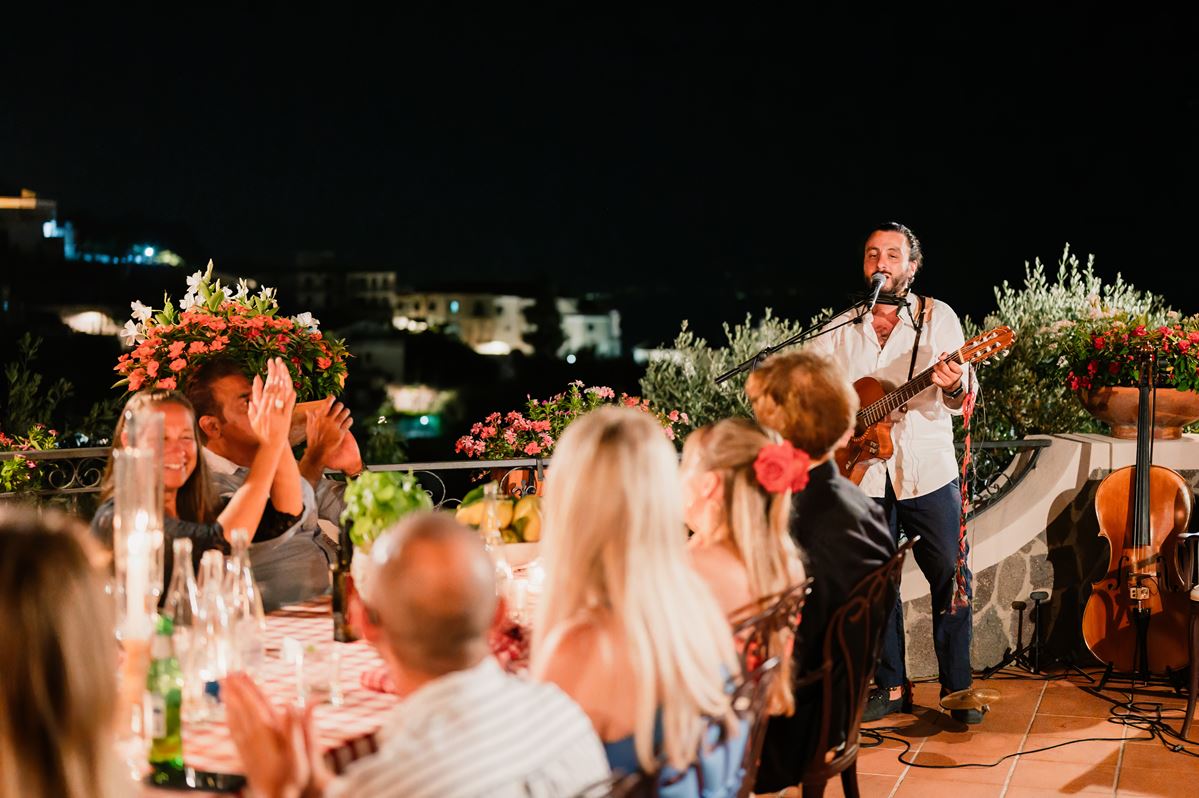
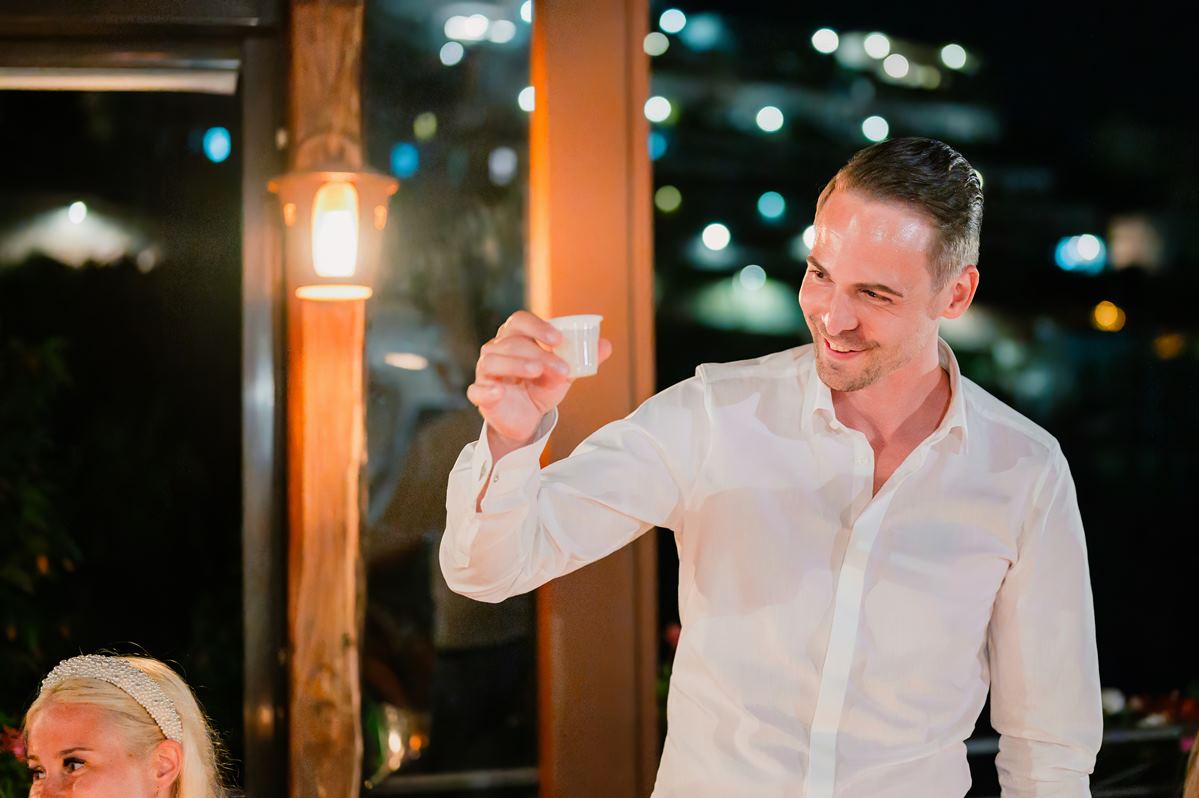
Ravello – Where Love Finds a Home
The beauty of Ravello cradles the dreams of lovers, providing an ethereal canvas for a rehearsal dinner that pays homage to the blossoming of love. The enchanting world of Trattoria da Lorenzo carves a haven for the heart, where lifelong memories flourish.





The Voyage Continues: Amalfi Coast and its Post-Dinner Charms
The Amalfi Coast is a place of romance and passion, where love blossoms in the most unexpected places. After your rehearsal dinner at Trattoria da Lorenzo, take a stroll along the coast and discover the hidden treasures that await you. From the charming streets of Positano to the breathtaking views of Ravello, this is an experience not to be missed.
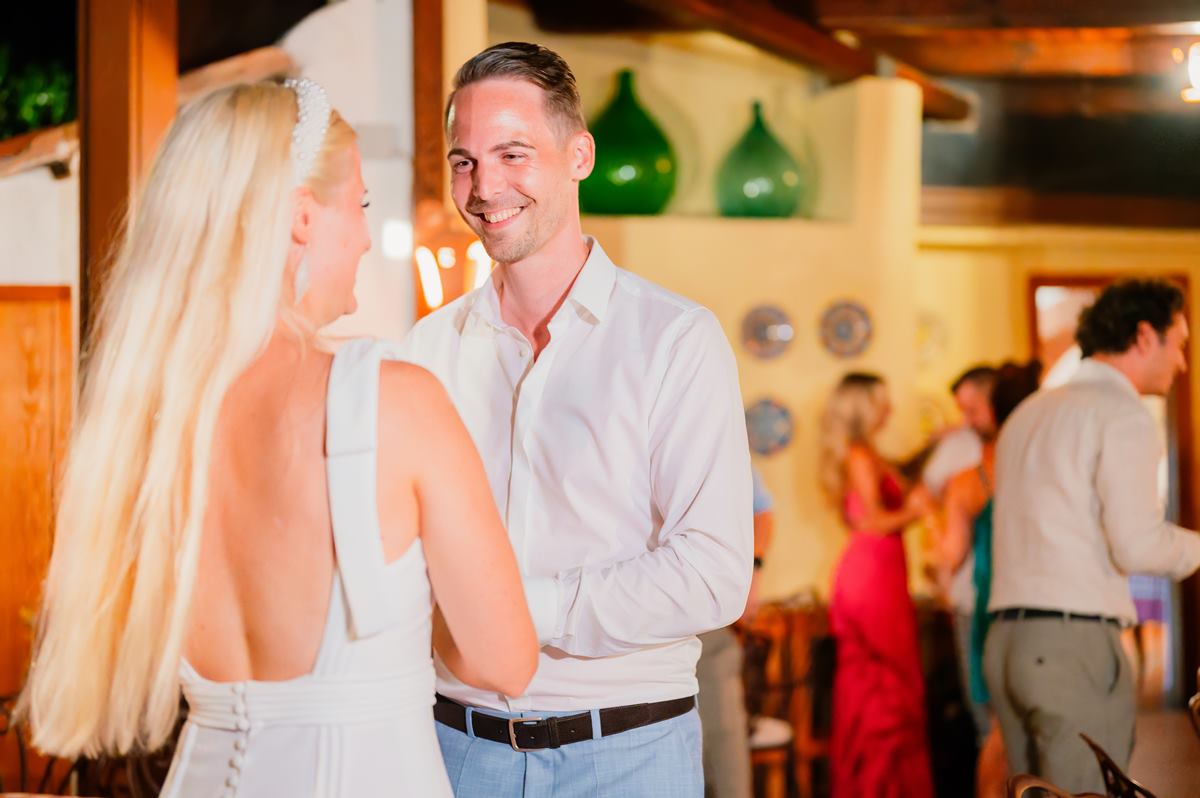
Diving Deep into the Sea-Kissed Beauty of the Amalfi Coast
As the rehearsal dinner’s spell wanes, the allure of the Amalfi Coast calls, unearthing the myriad of pleasures that it offers. Immerse yourself in a timeless wonderland awash with nature’s splendid hues and the gentle lullaby of undying devotion.
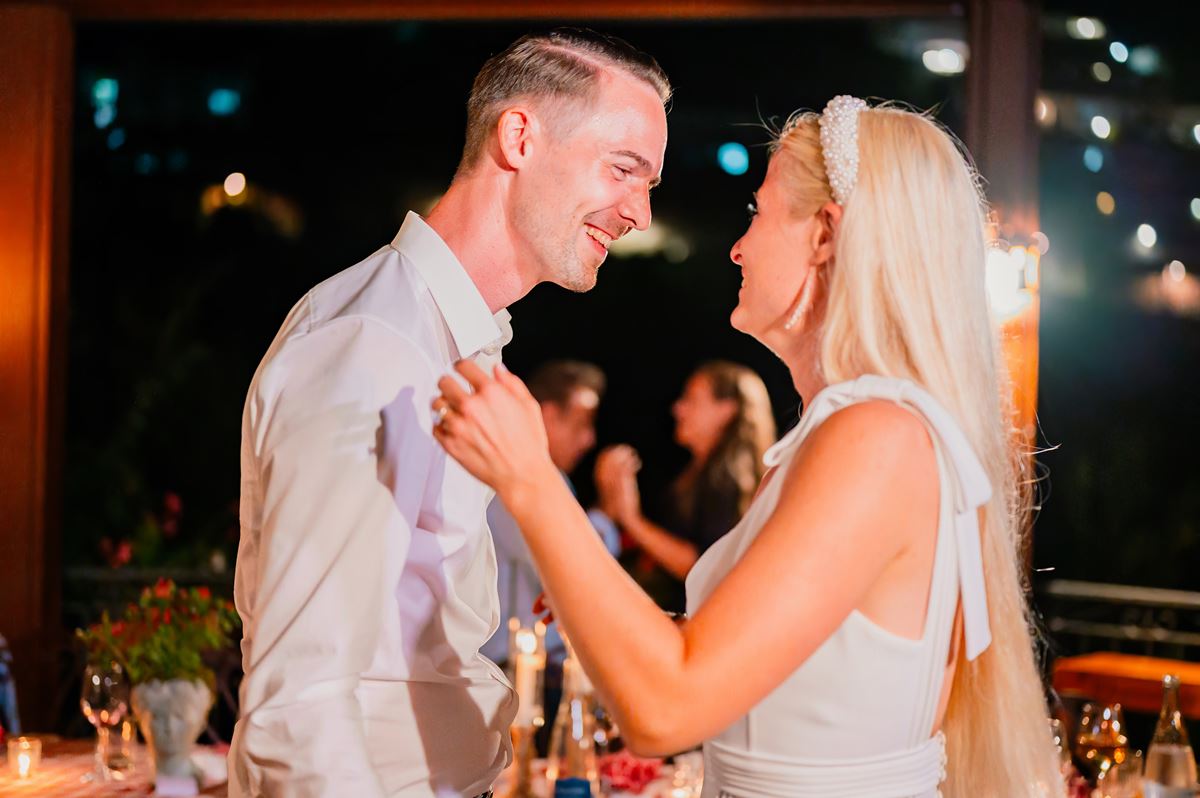
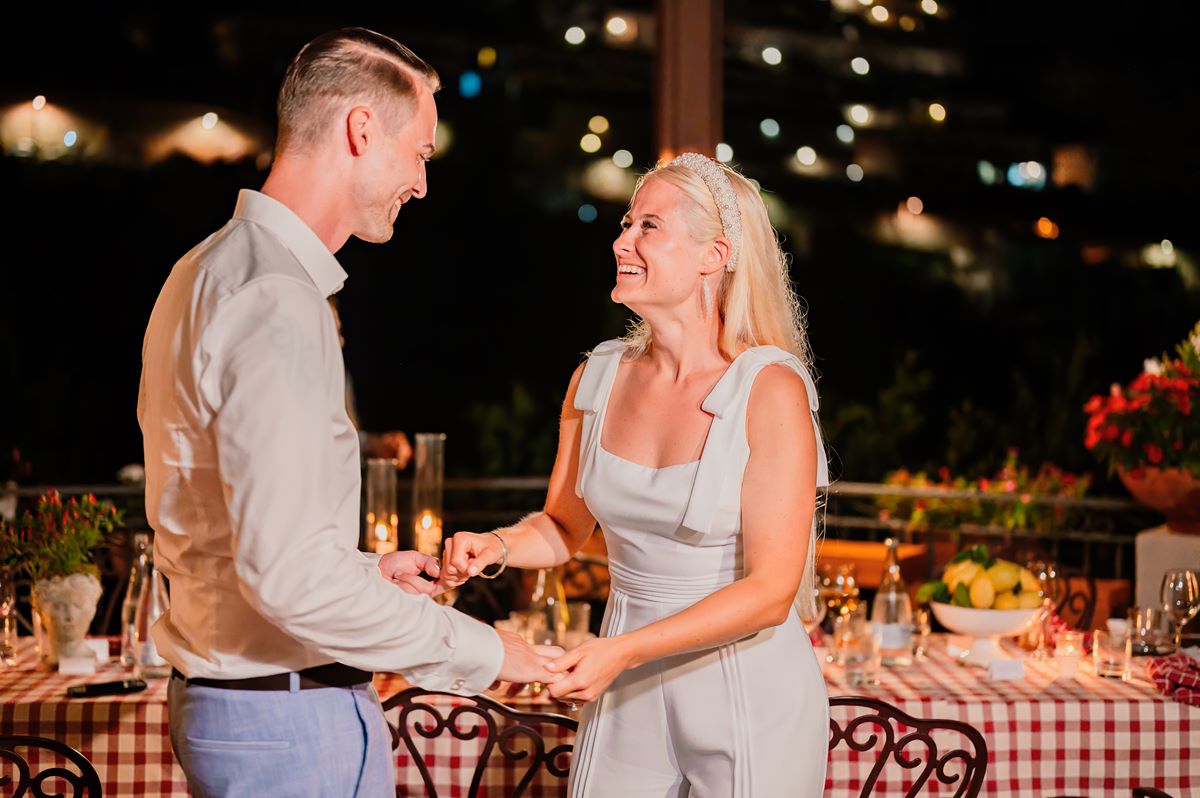
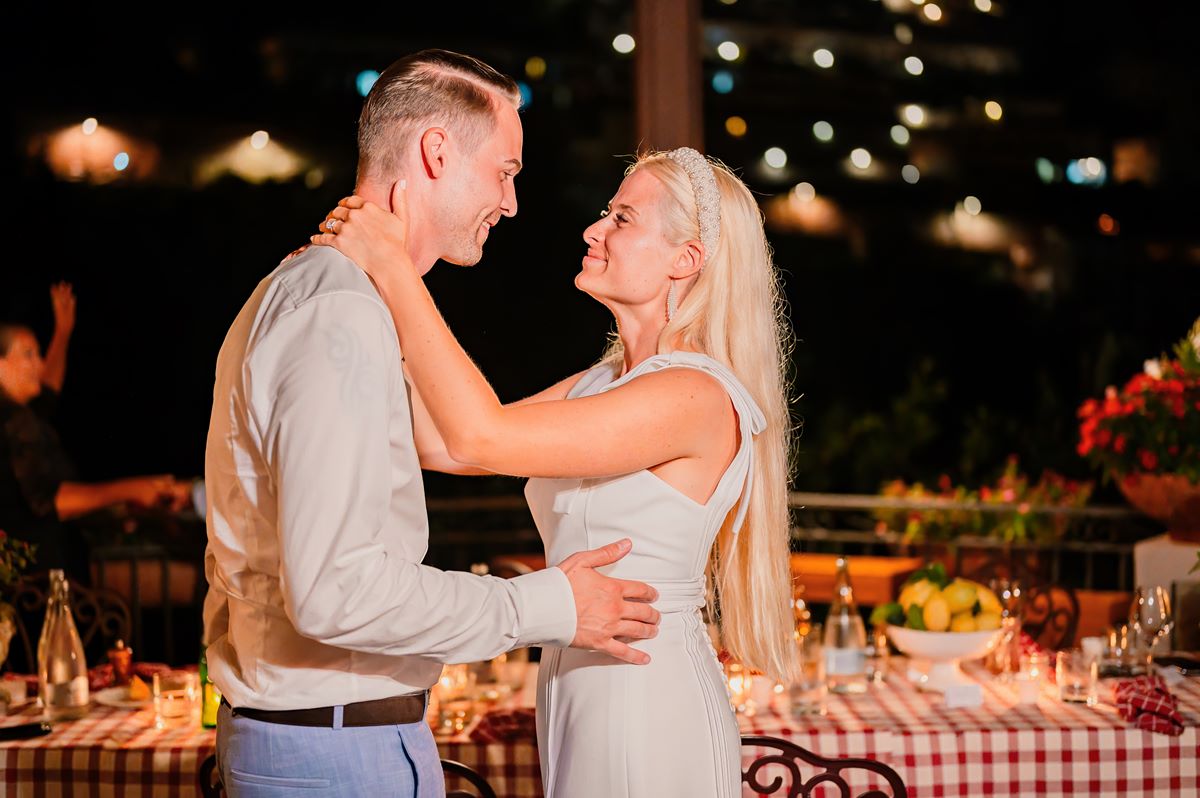
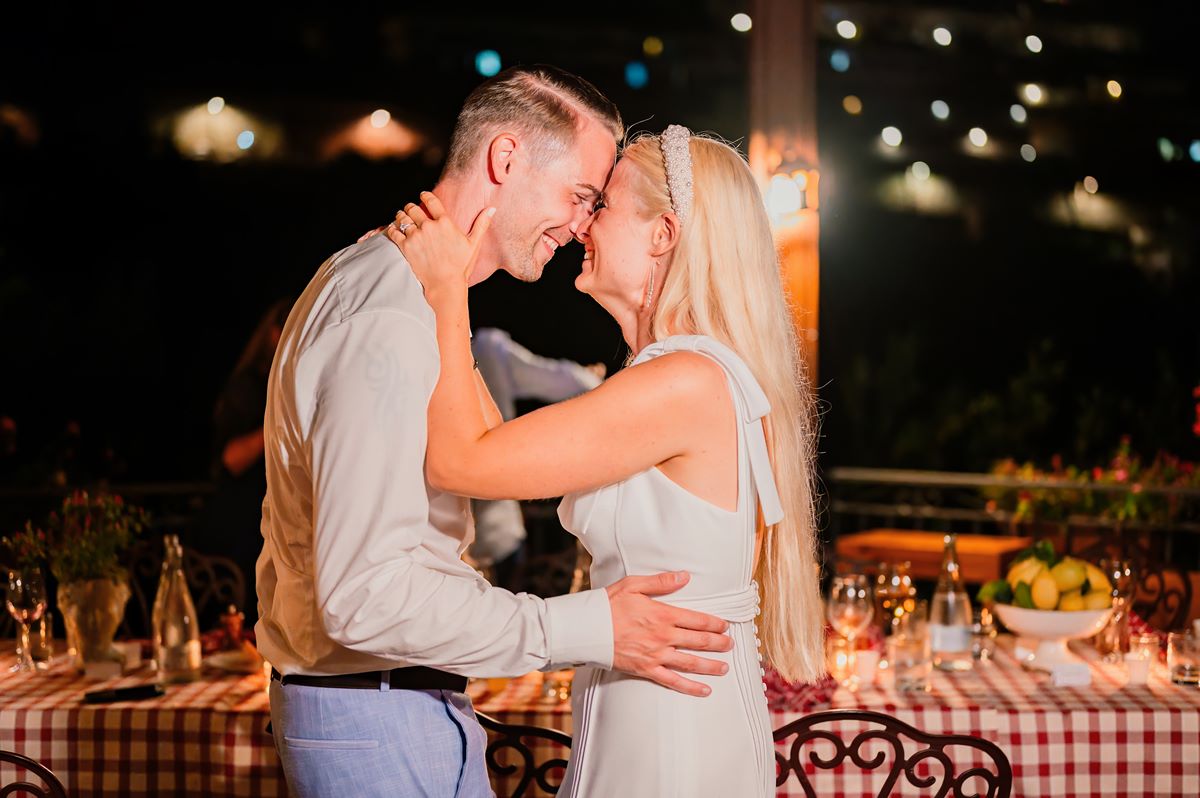
A Toast to the Future: Wedding Party Excursions in Amalfi
Embark on a journey of discovery as you and your wedding in Ravello party tread the path of adventure across the Amalfi Coast. Unravel enticing secrets, explore hidden gems, and forge bonds destined to glitter for eternity.
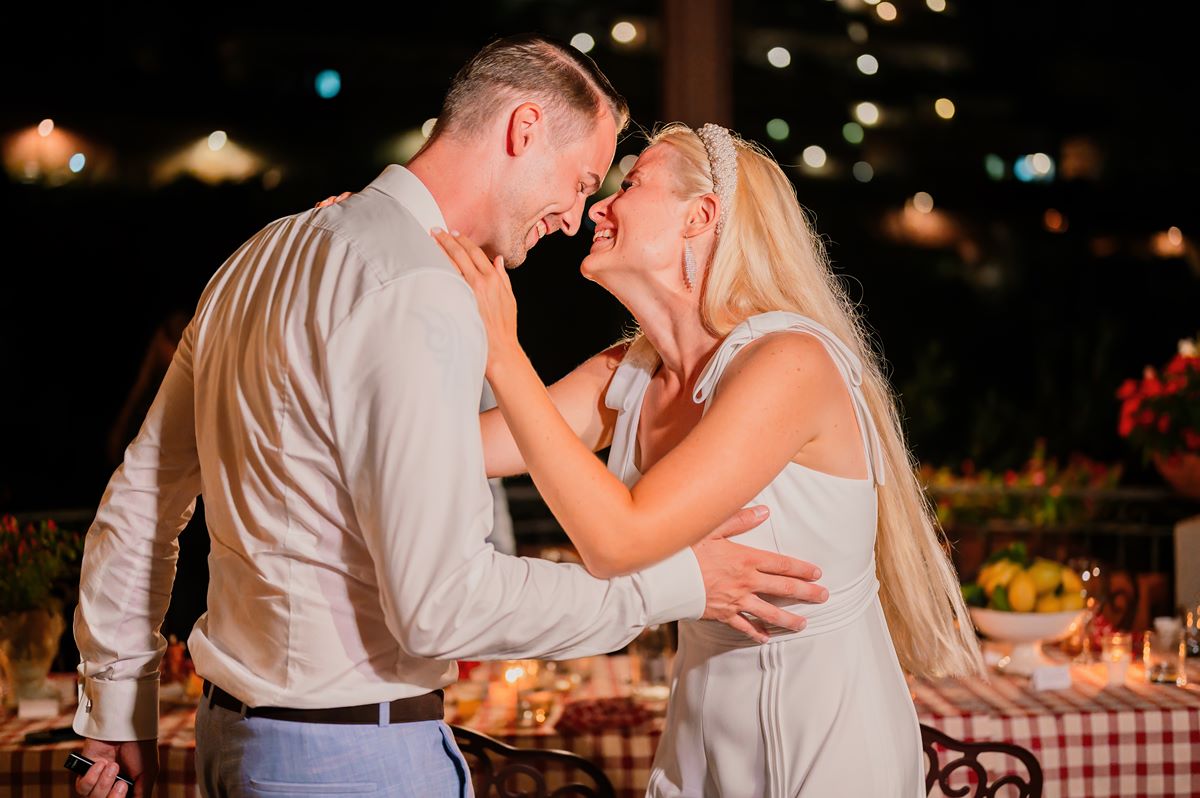

Unearthly Beauty Unveiled: Amalfi Coast’s Boat Tours and Wine Tastings
Dip your toes into the depths of Amalfi Coast’s ethereal beauty with mesmerizing boat tours and delightful wine tastings, casting a spell that will forever linger in your heart. Forge memories of dazzling sunsets and delectable libations, a fitting curtain call to your enchanting rehearsal dinner.

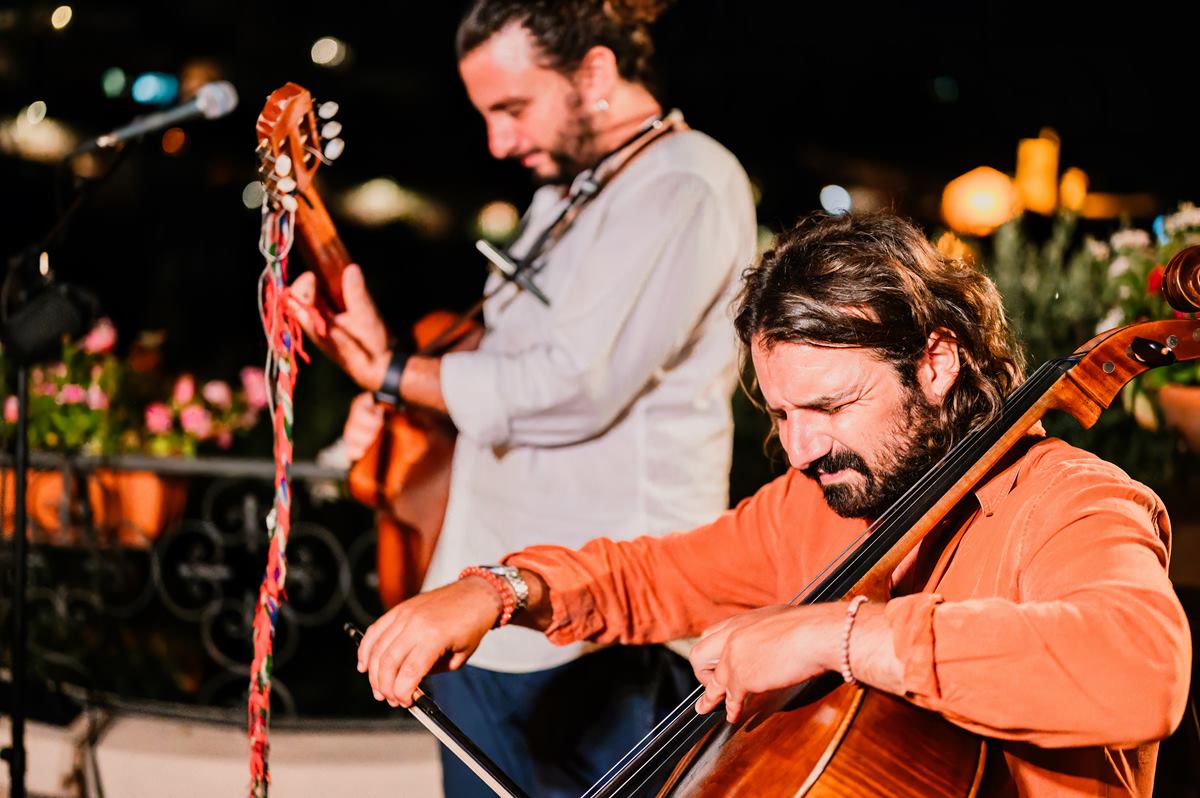
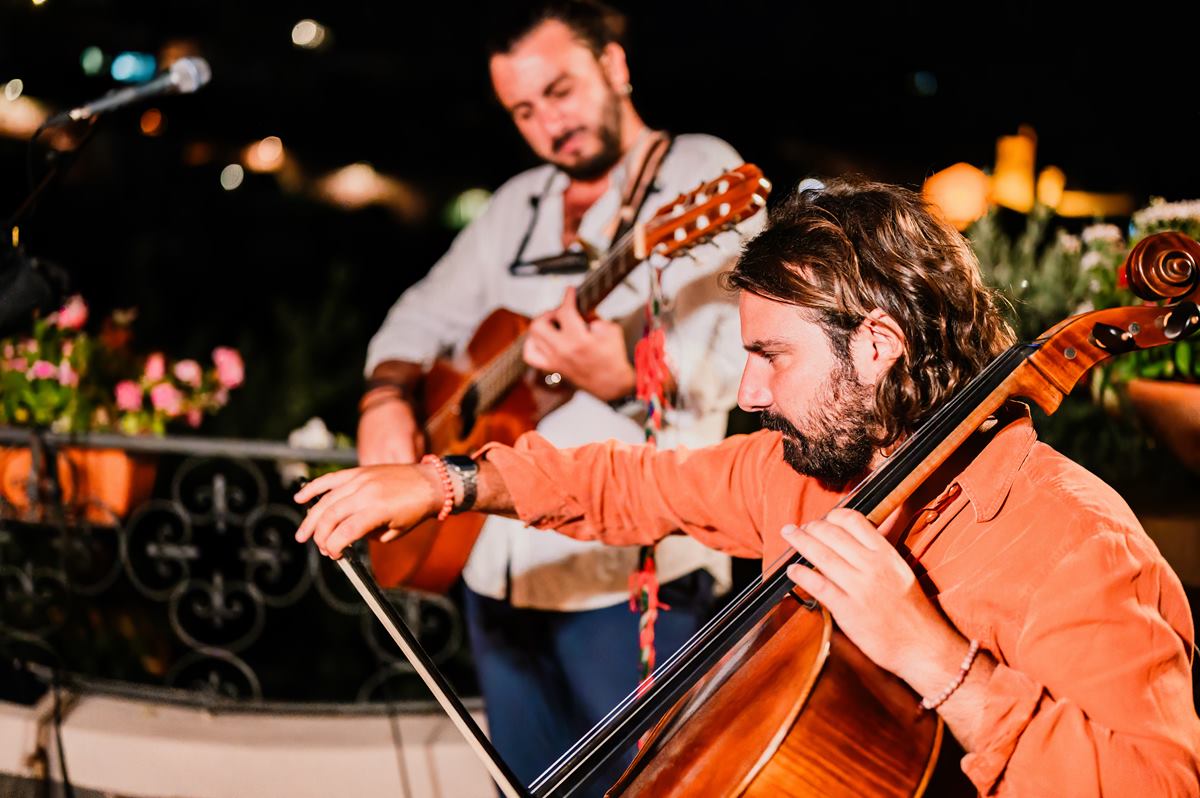
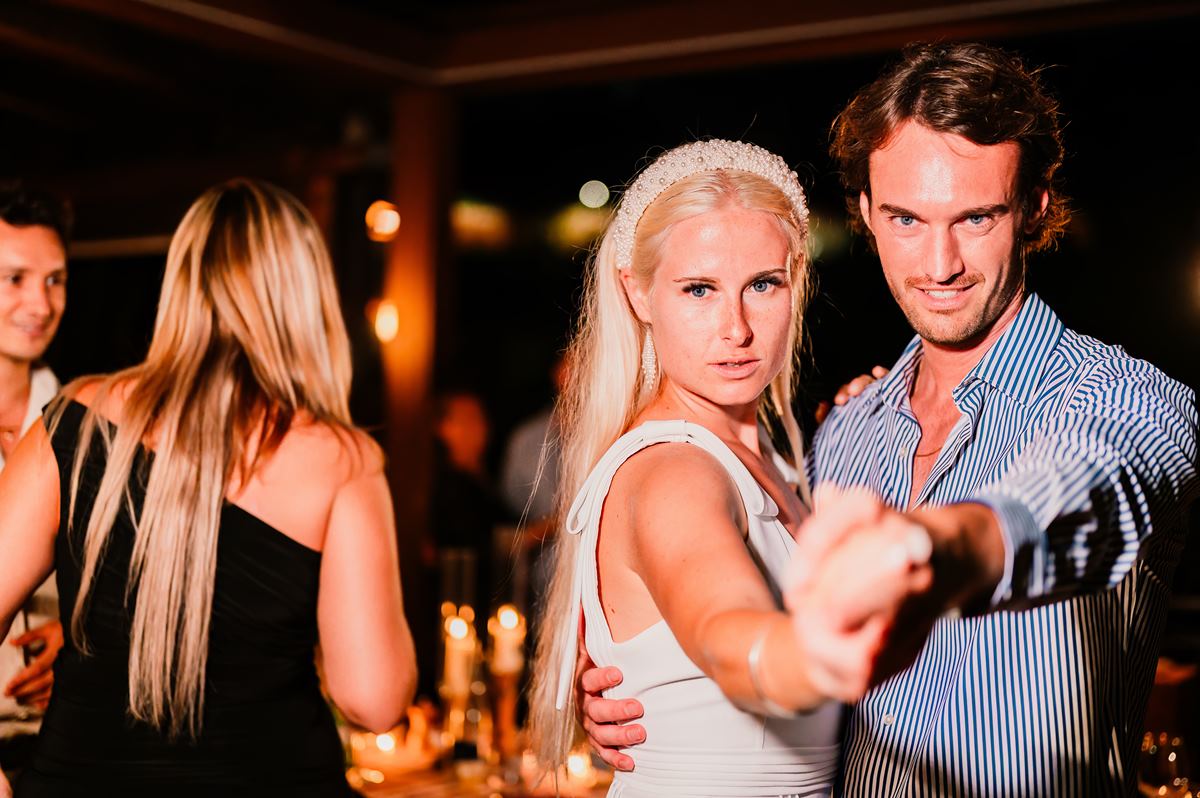
The Echoes of Love: Reviews for Trattoria da Lorenzo Rehearsal Dinners
Trattoria da Lorenzo is a charming Italian restaurant located in the heart of Amalfi Coast. The restaurant offers an intimate setting for rehearsal dinners, with its warm and inviting atmosphere that will make you feel right at home. The menu features traditional Italian dishes made from fresh ingredients sourced locally, including seafood, pasta, and pizza.
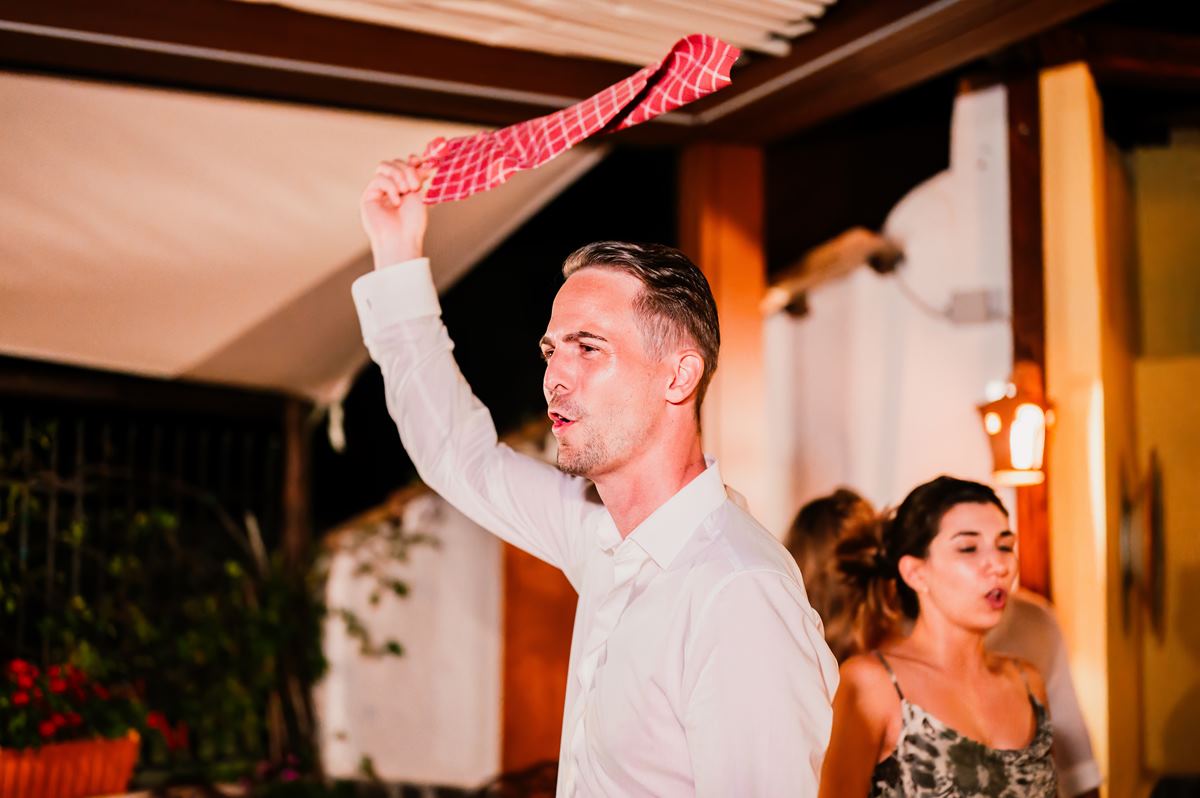

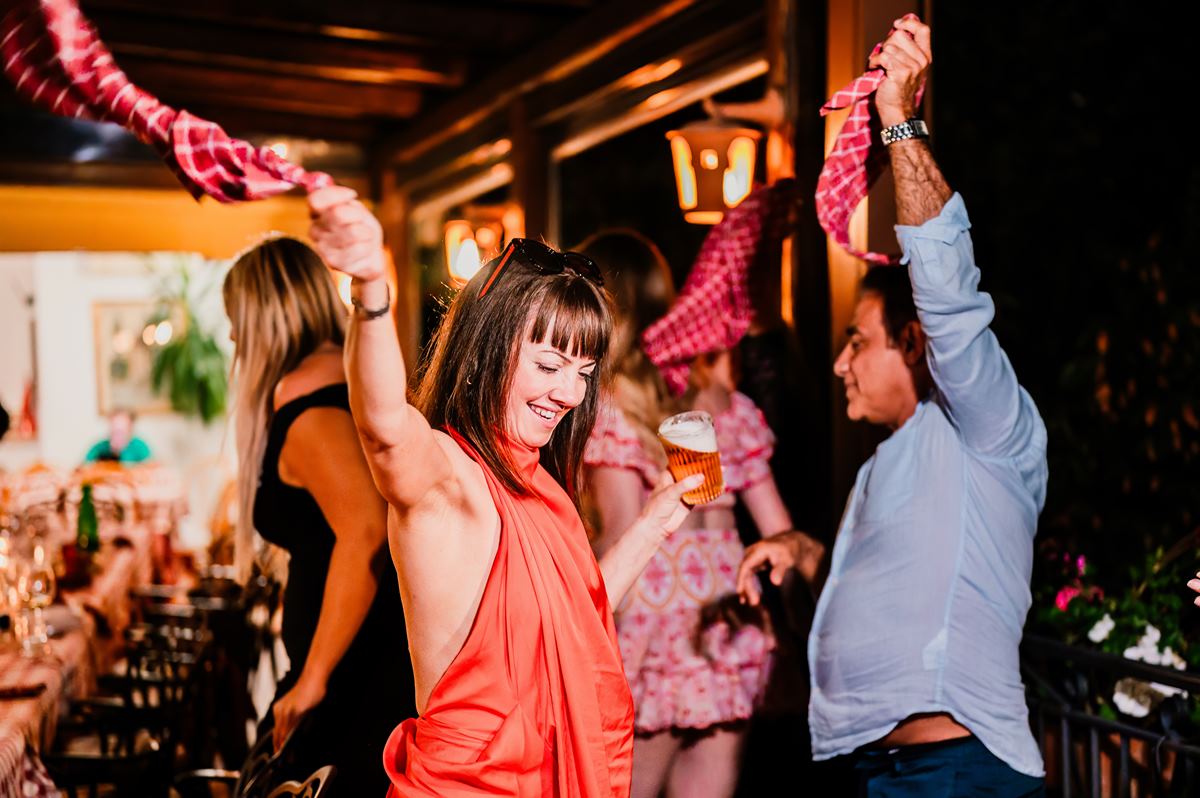

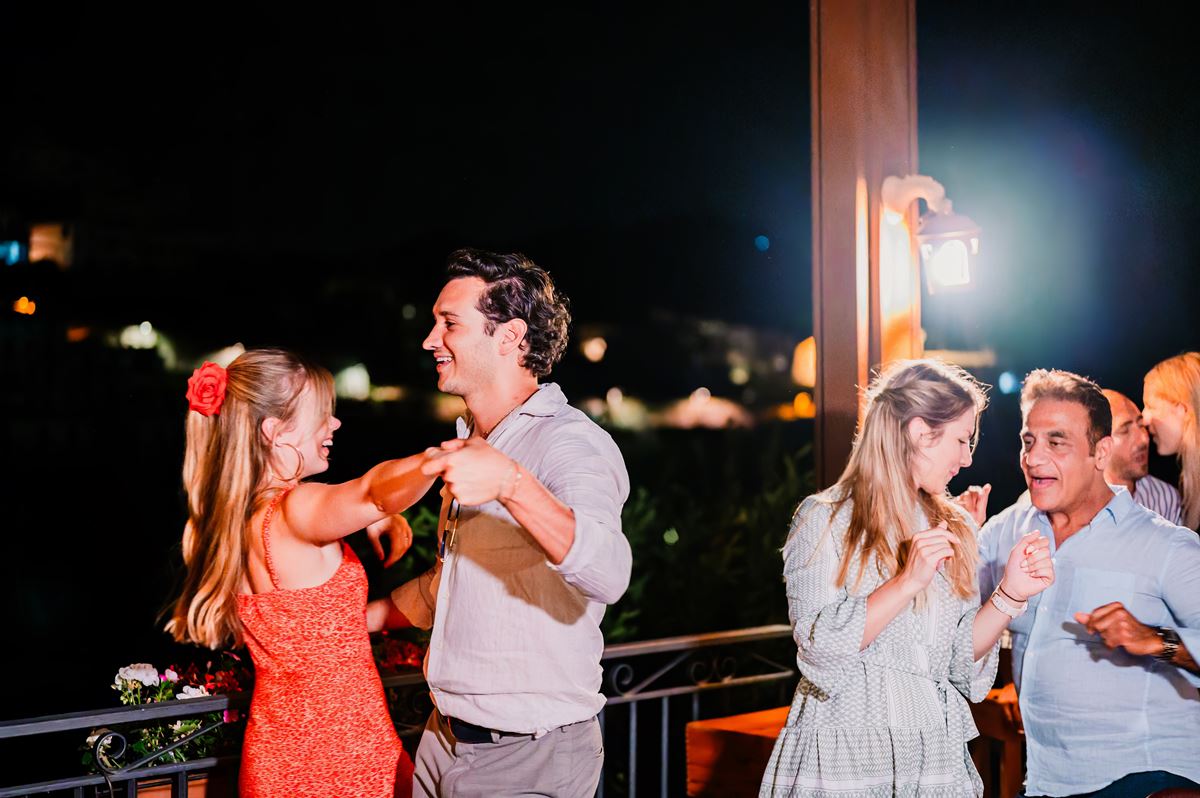
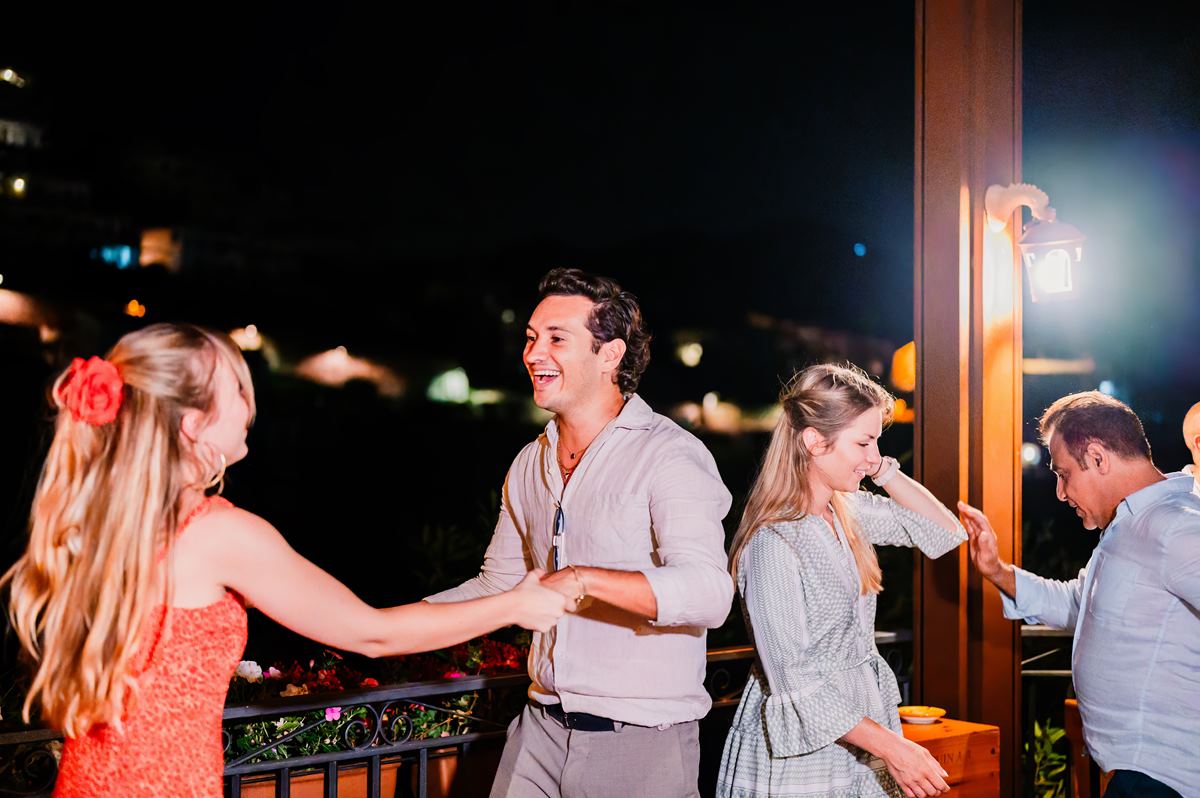
Love Letters to the Past: Rehearsal Dinner Stories of Trattoria da Lorenzo
Leaf through the pages of past love stories, tales of hearts that beat as one, sealed with the magic of Trattoria da Lorenzo’s rehearsal dinners. The passion and joy in each testimonial paint vivid pictures of a journey etched in gold.
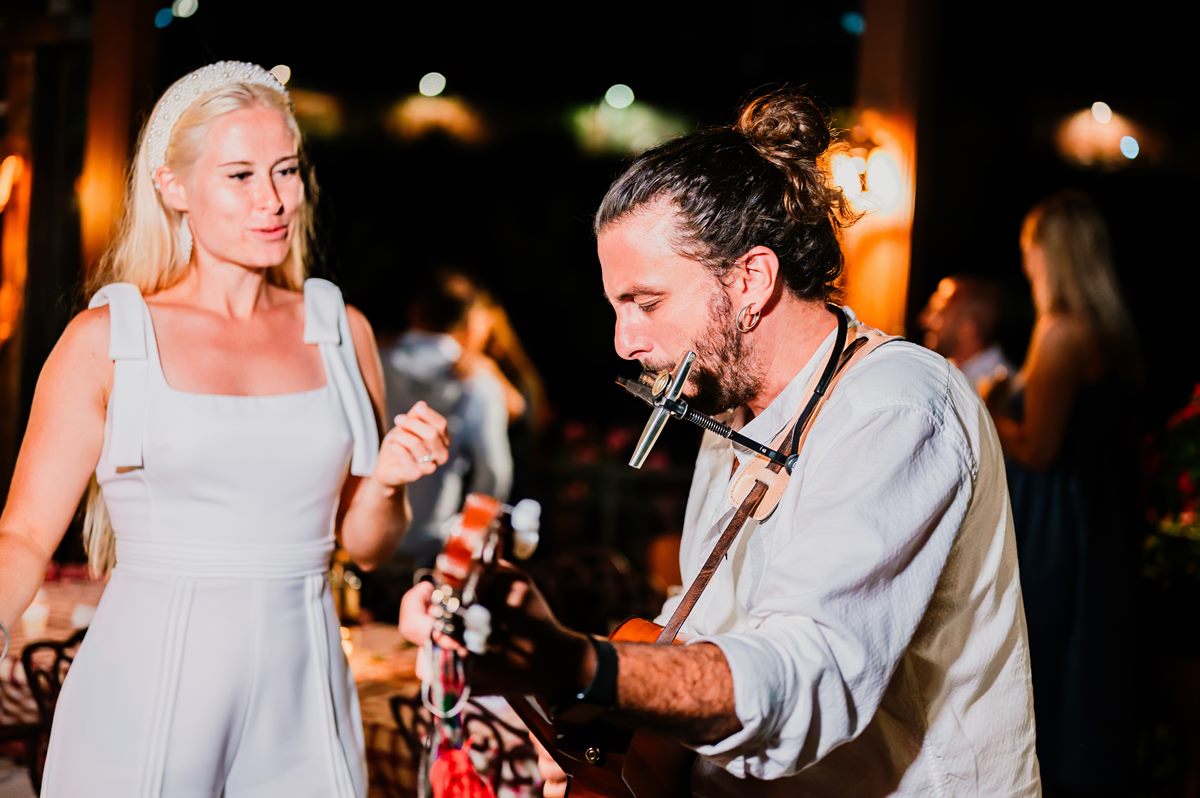

Testimonials of Exceptional Amalfi Coast Evenings at Trattoria da Lorenzo
A montage of testimonies echo the notes of Trattoria da Lorenzo’s mastery, weaving together a rich symphony of beautifully orchestrated evenings and luxuriously memorable experiences. The spellbinding charm of Trattoria da Lorenzo is crystallized in the sincerely expressed gratitude of each couple and their esteemed guests.

A Tapestry of Memories: Rehearsal Dinners at Trattoria da Lorenzo
Memory’s canvas shimmers with threads painted by the resounding love of rehearsal dinners at Trattoria da Lorenzo. In the golden warmth of the Amalfi Coast, the stage is set for a celebration that transcends the realms of culinary prowess, etching a tale of love that is deeply ingrained in every heart.