Hotel Marincanto Elopement Positano: Book your stylish dream
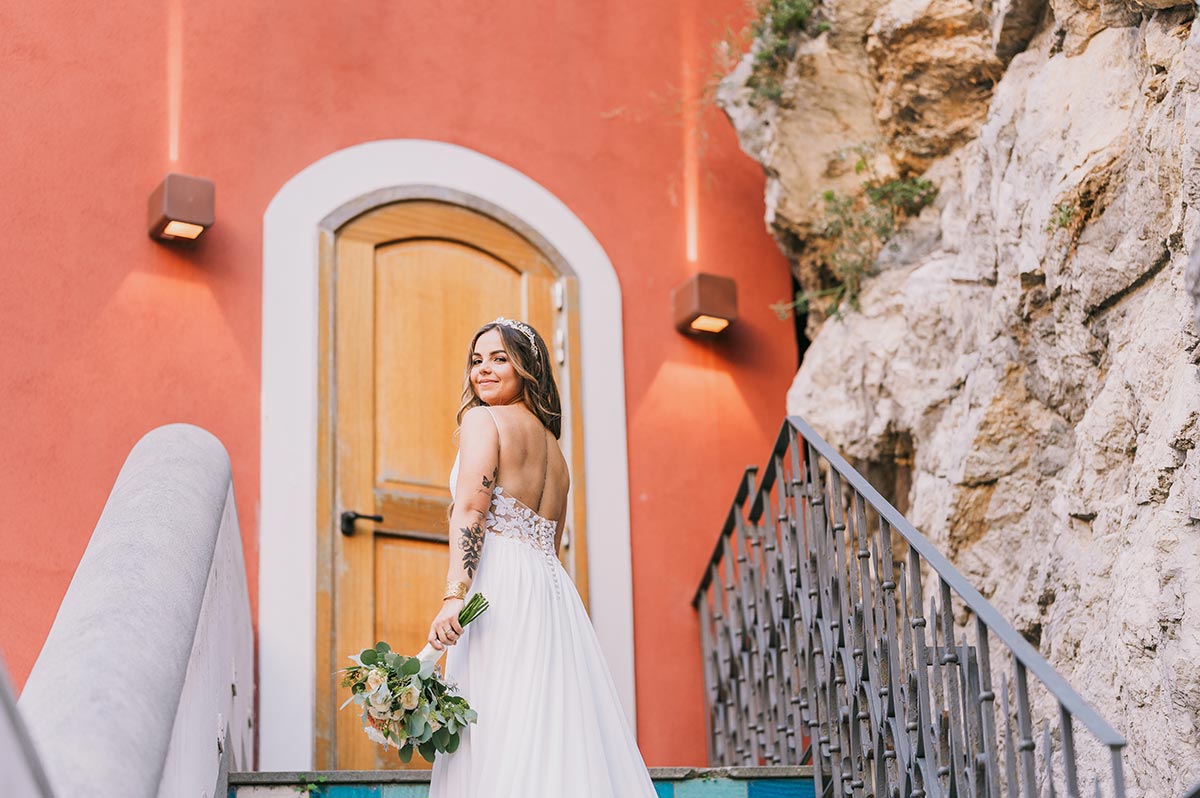
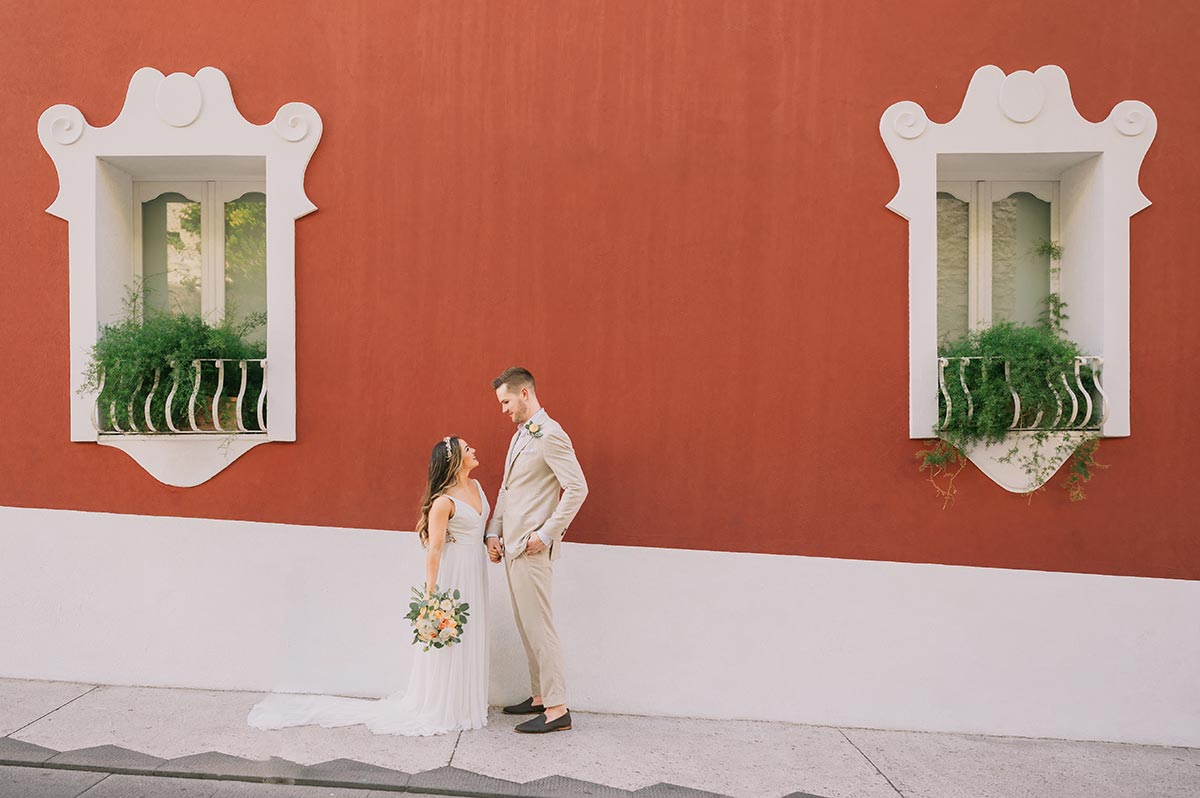
Embrace Italian coastal charm in your Hotel Marincanto elopement Positano.
A picturesque setting, exceptional service, and breathtaking views await.
START PLANNING YOUR WEDDING IN AMALFI COAST
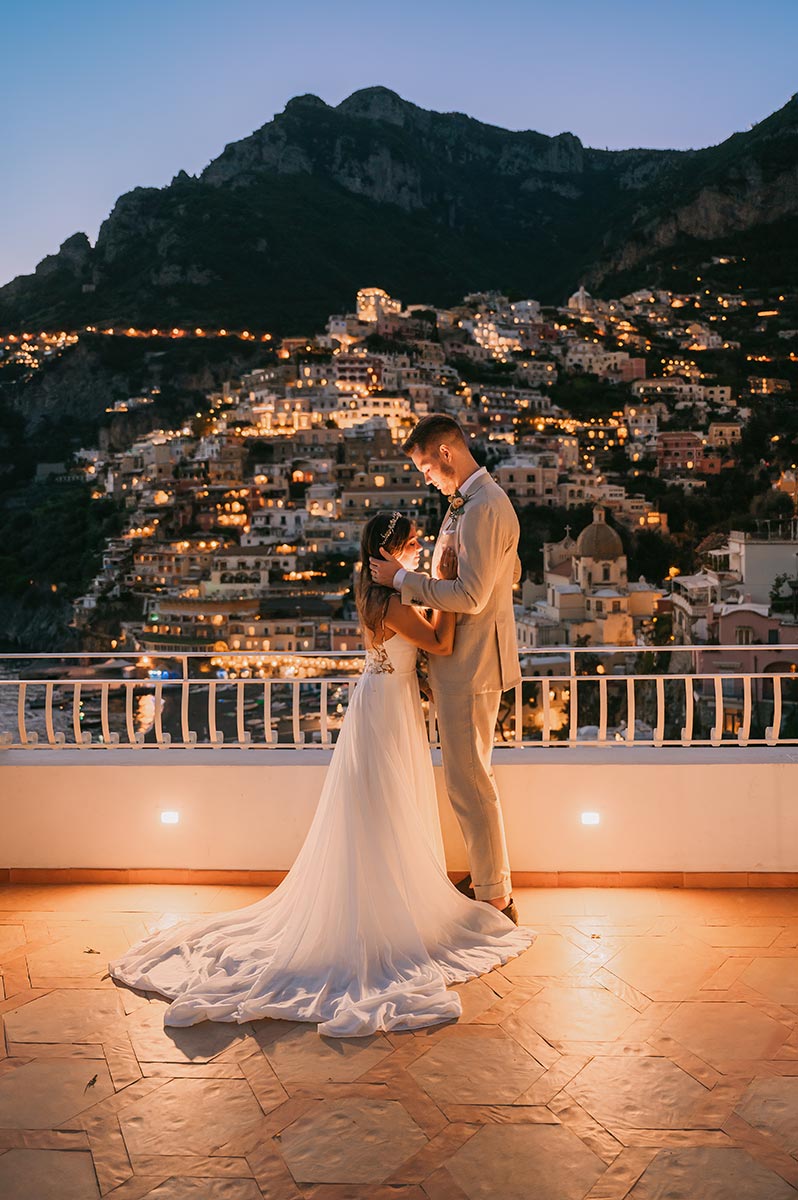
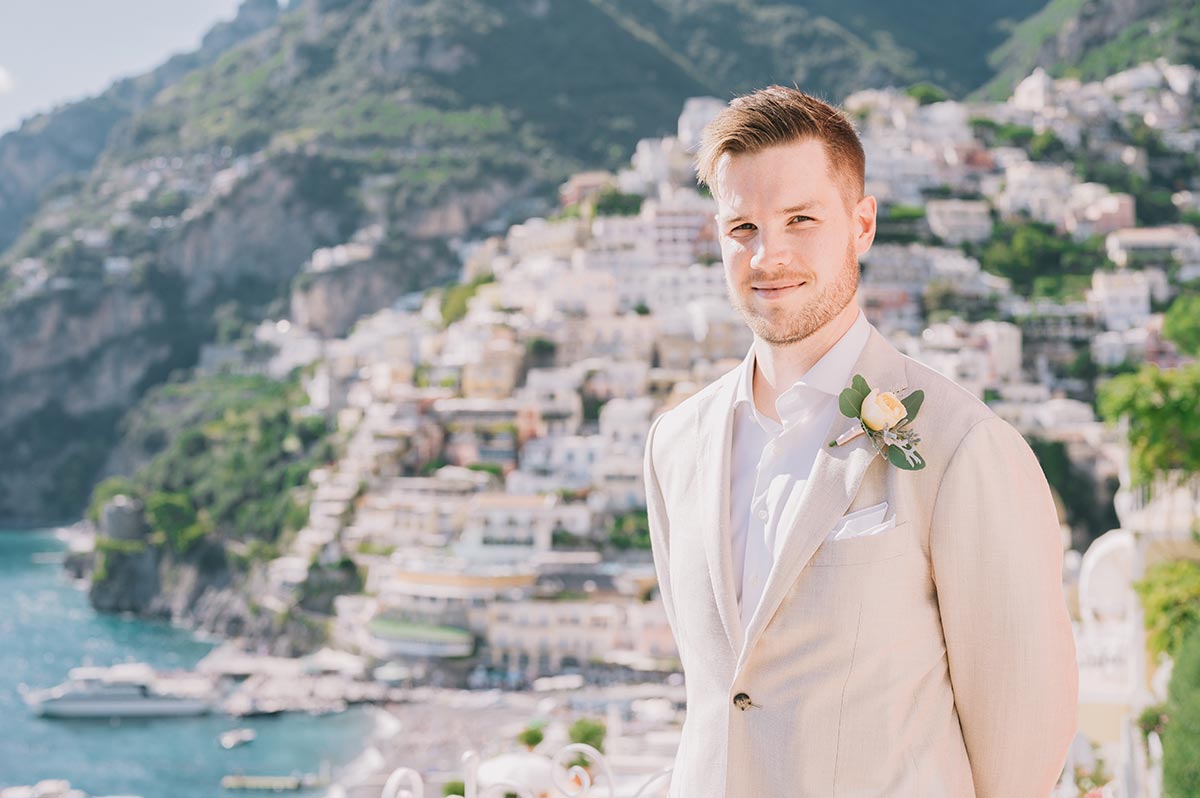
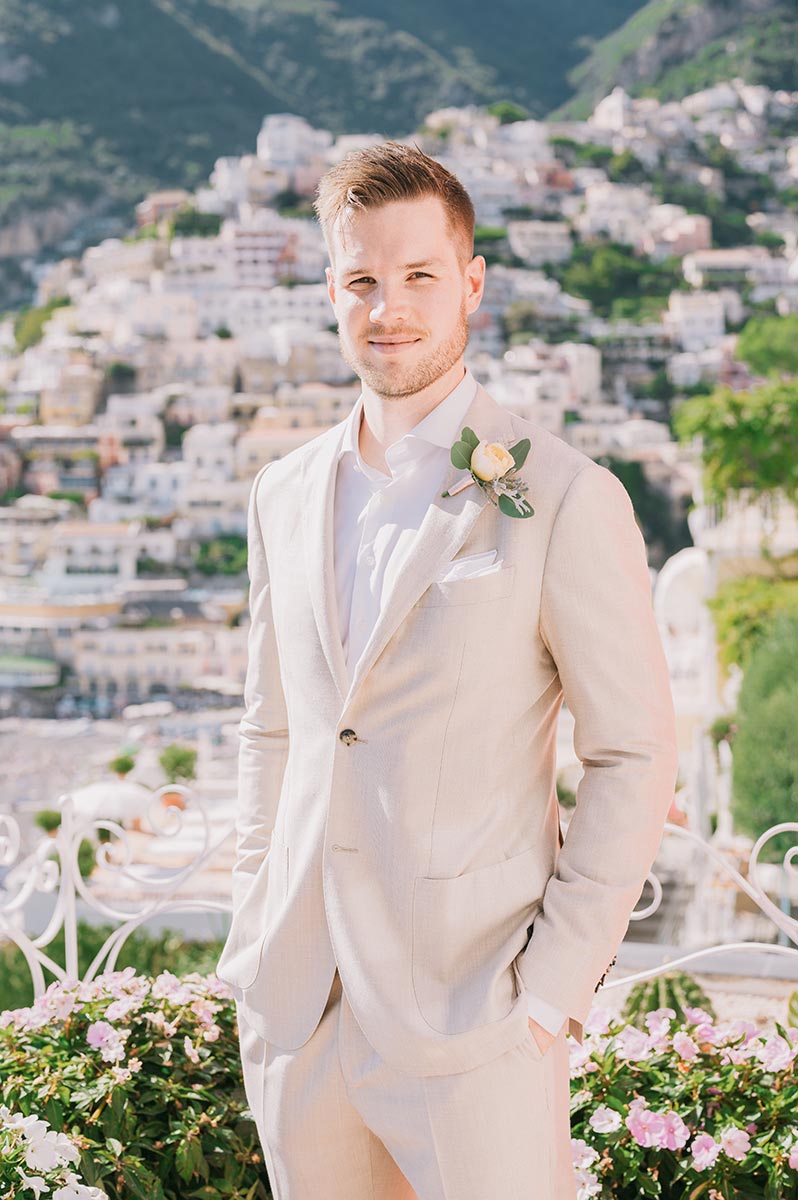
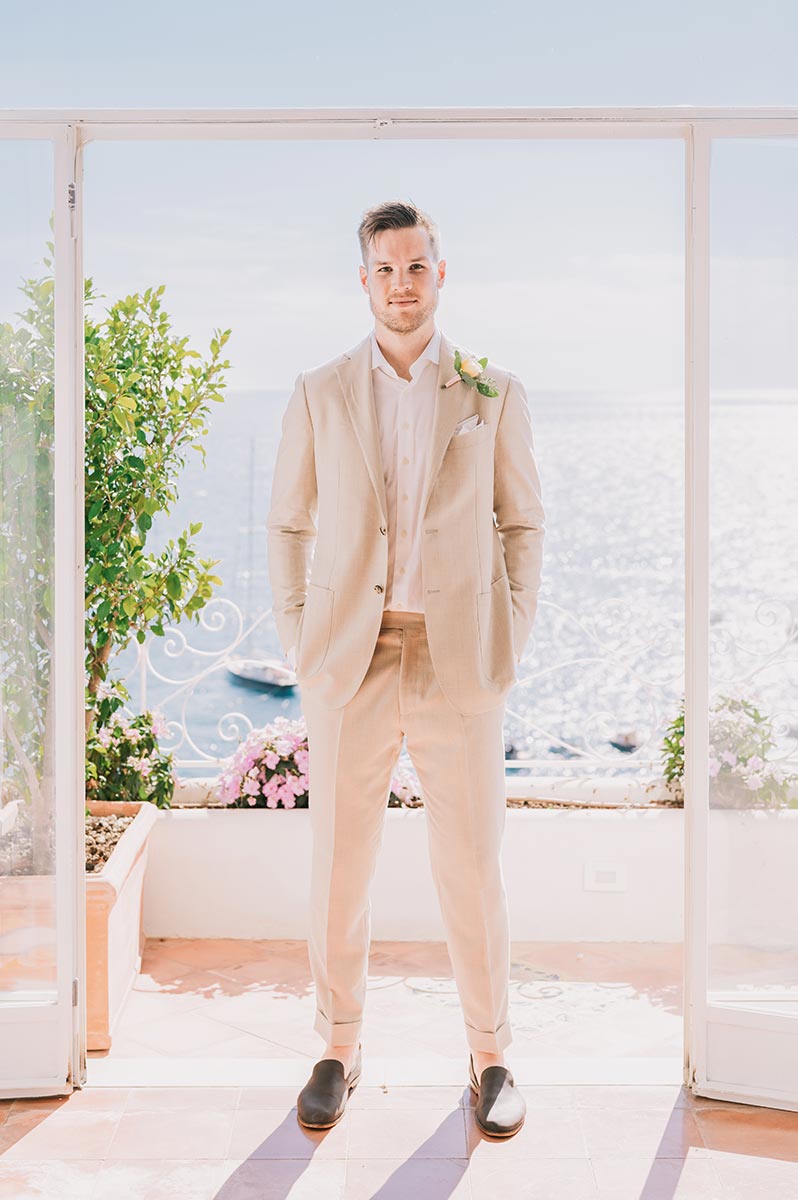
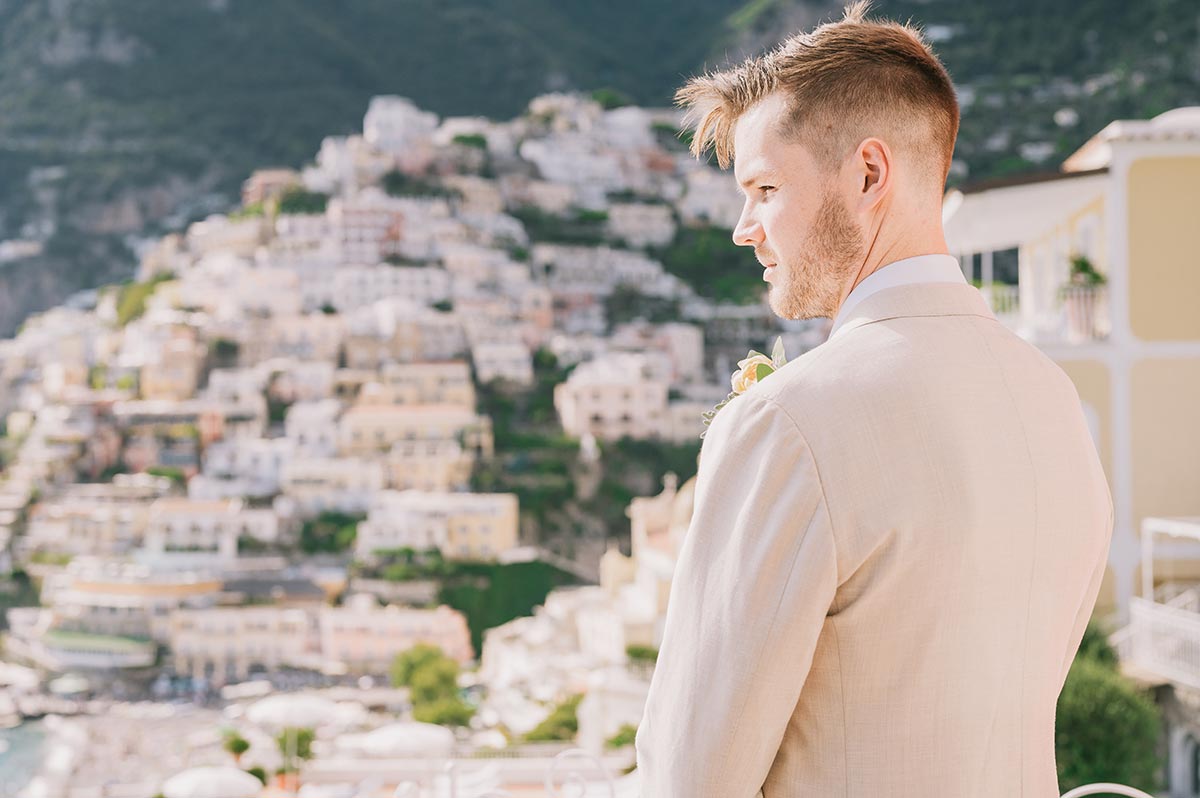
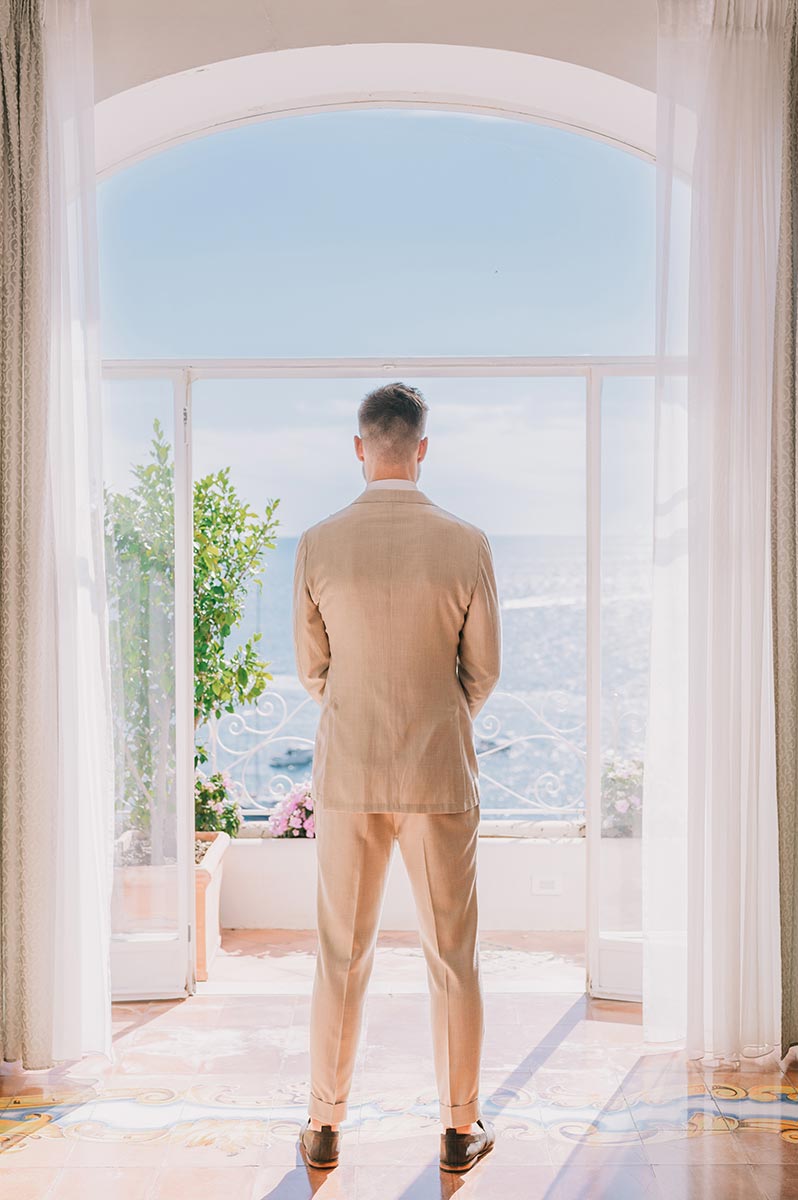
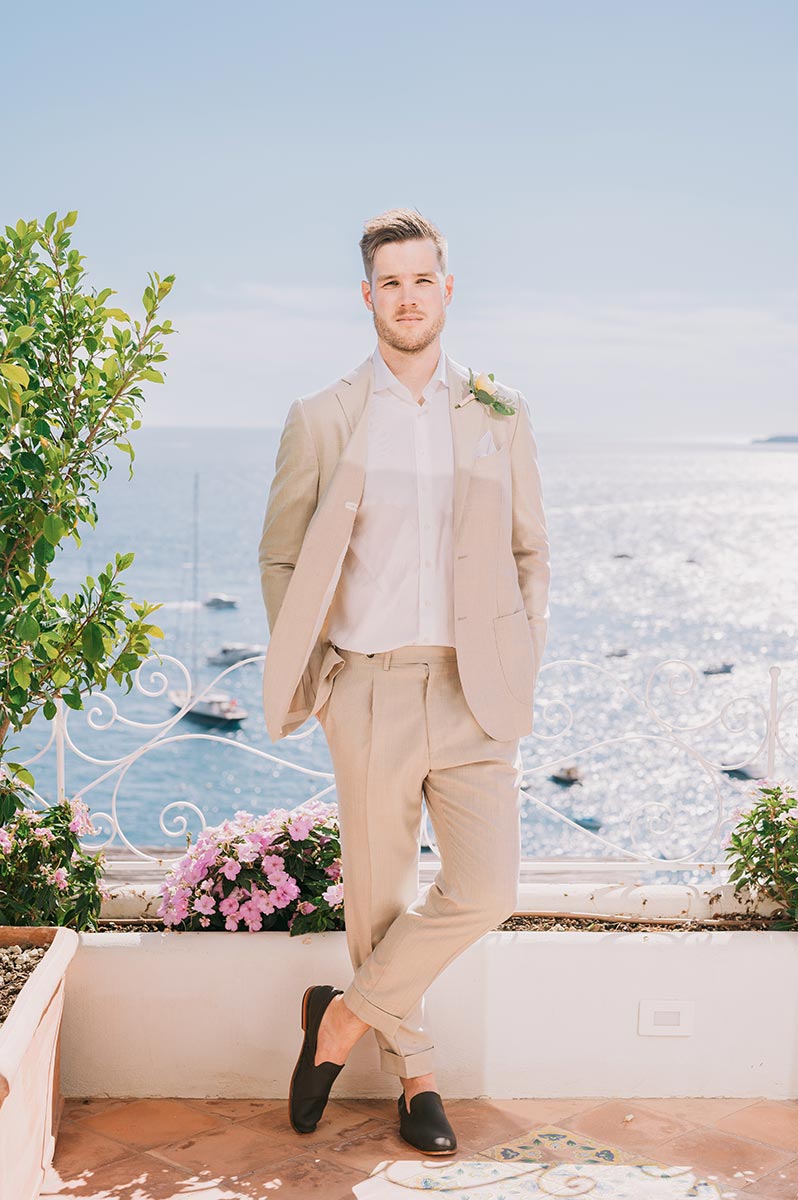
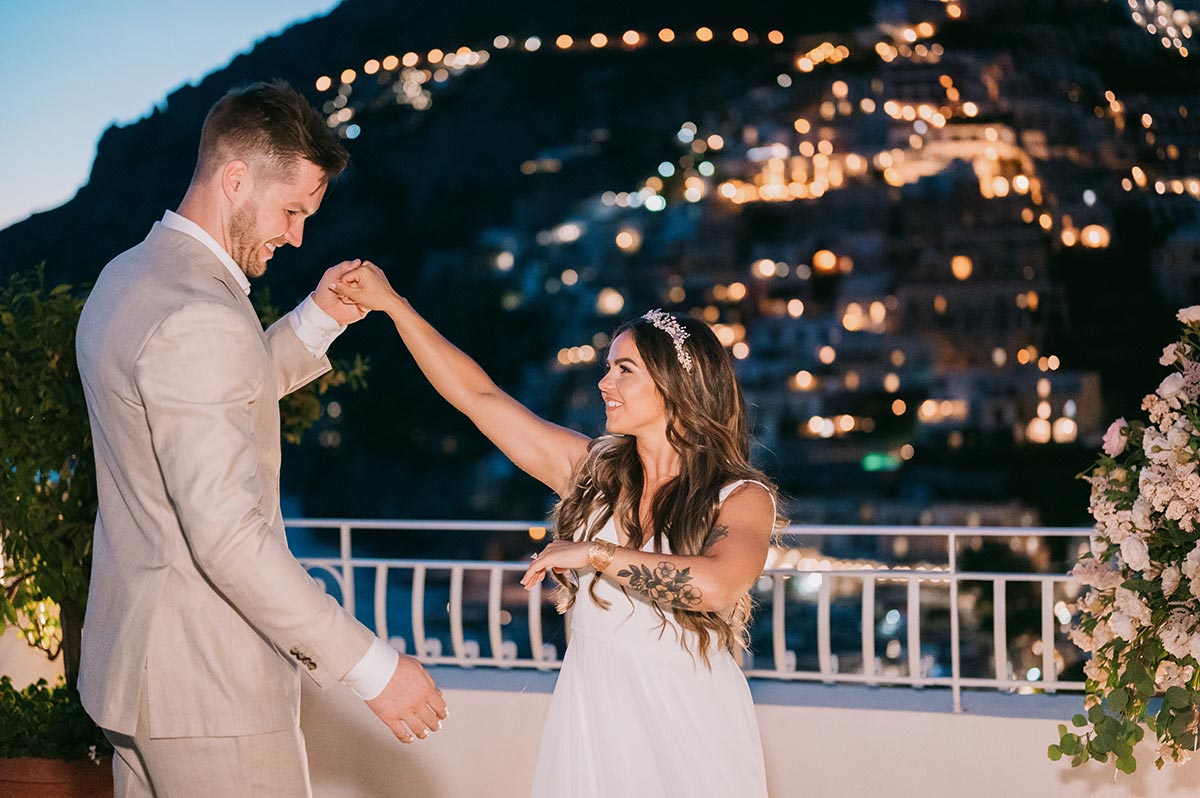
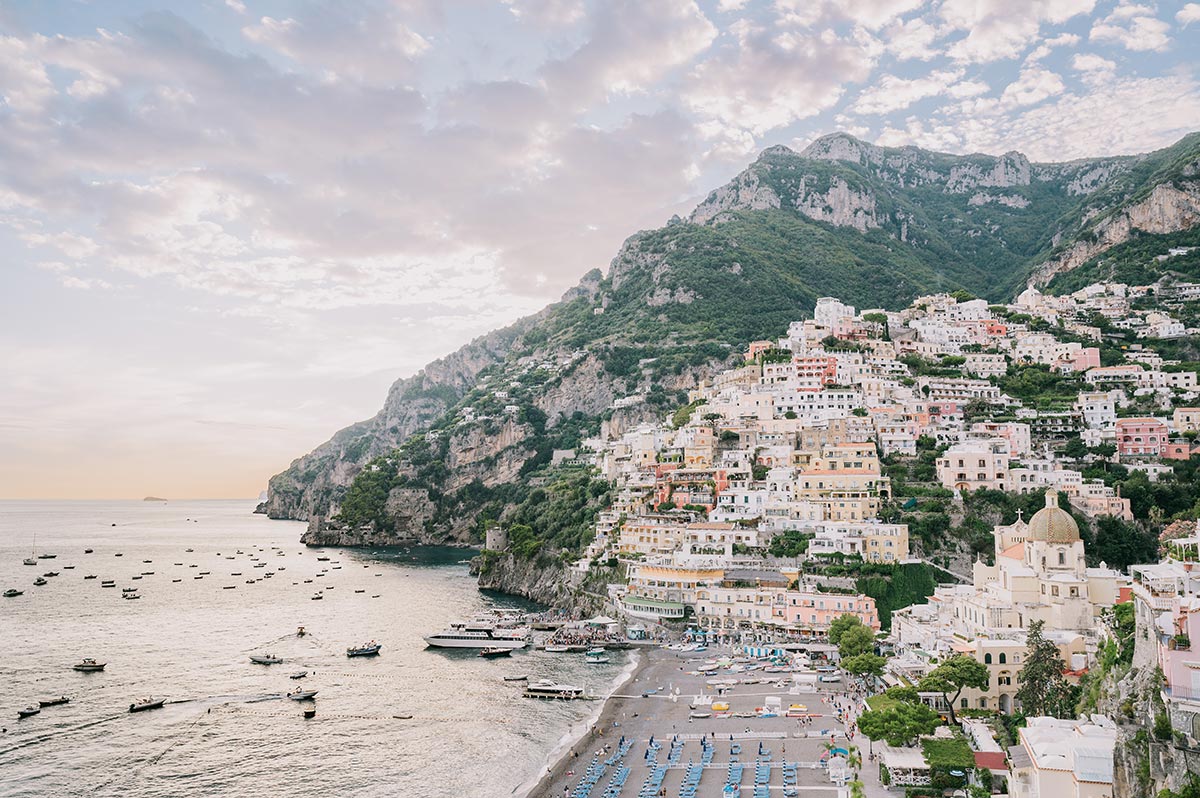
Tie the knot in a picturesque setting with exceptional service and breathtaking views at Hotel Marincanto in Positano. This idyllic Italian coastal town is the perfect location for a romantic and intimate wedding or elopement. With its pastel-colored buildings cascading down cliffs to the crystal-clear waters of the Tyrrhenian Sea, Positano is one of the most stunning destinations in the world.
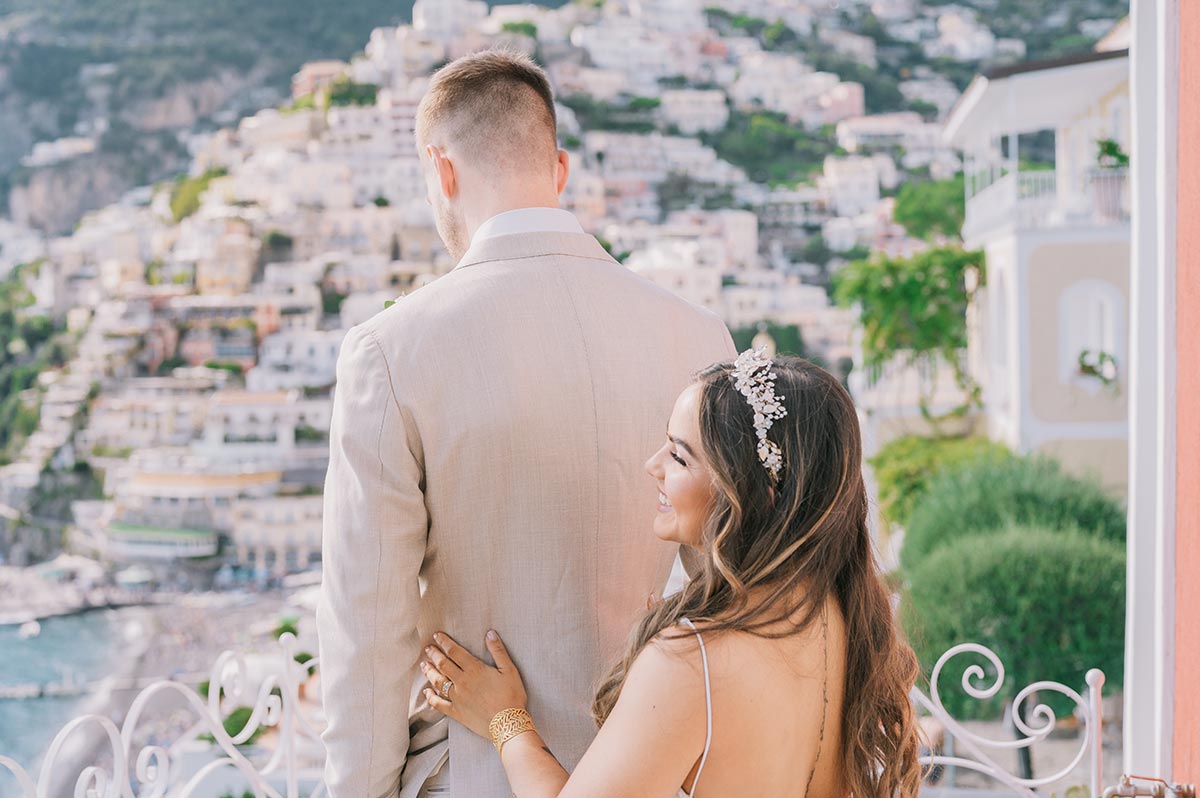
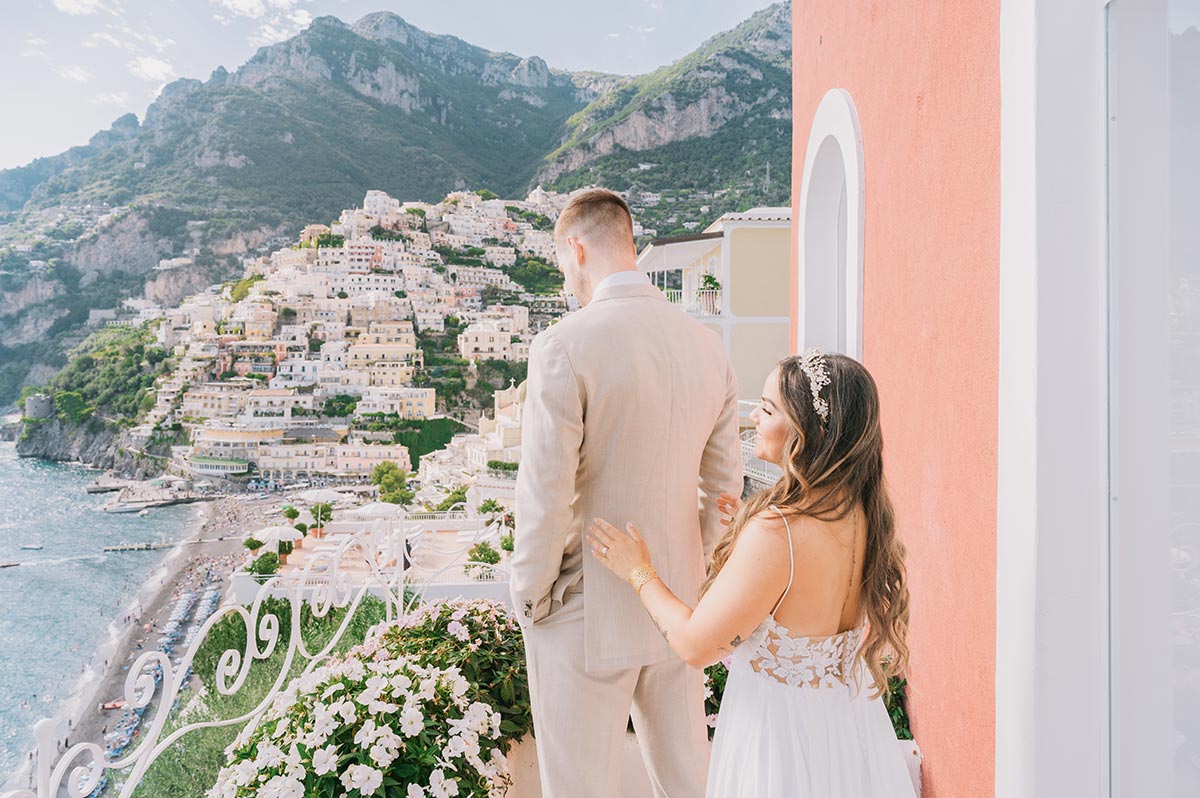
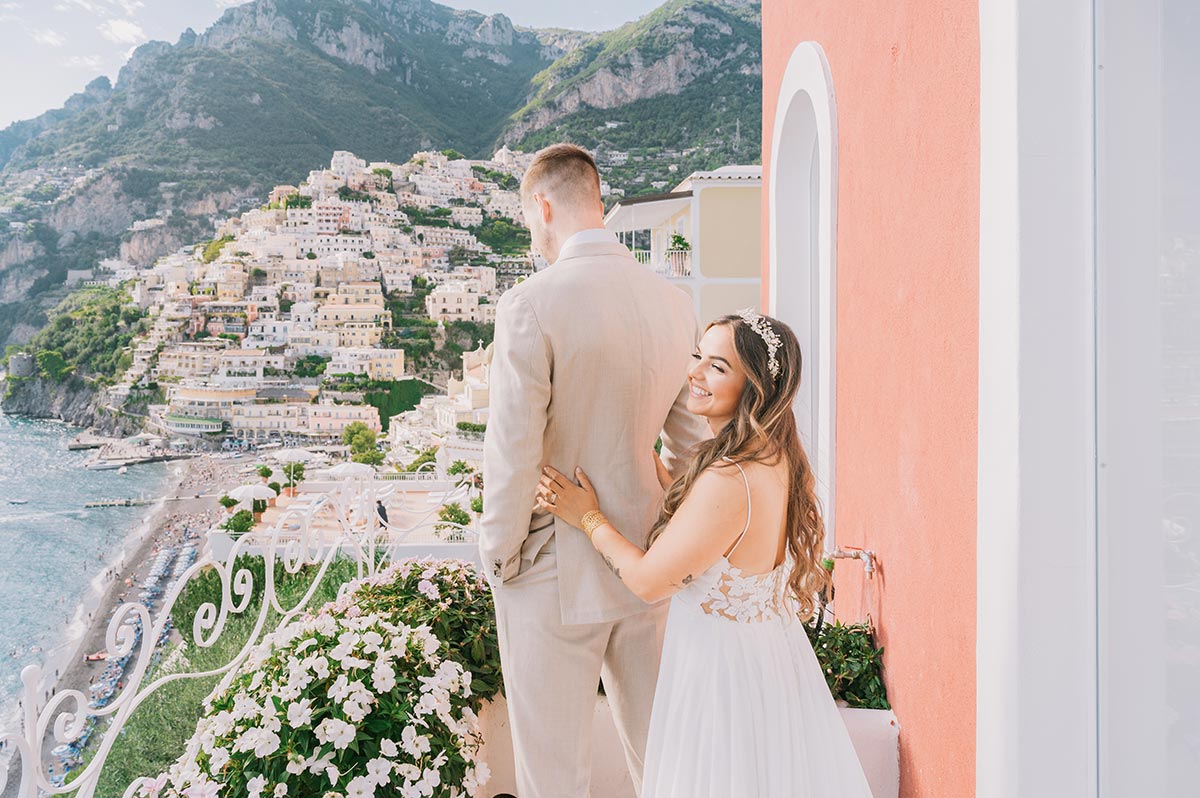
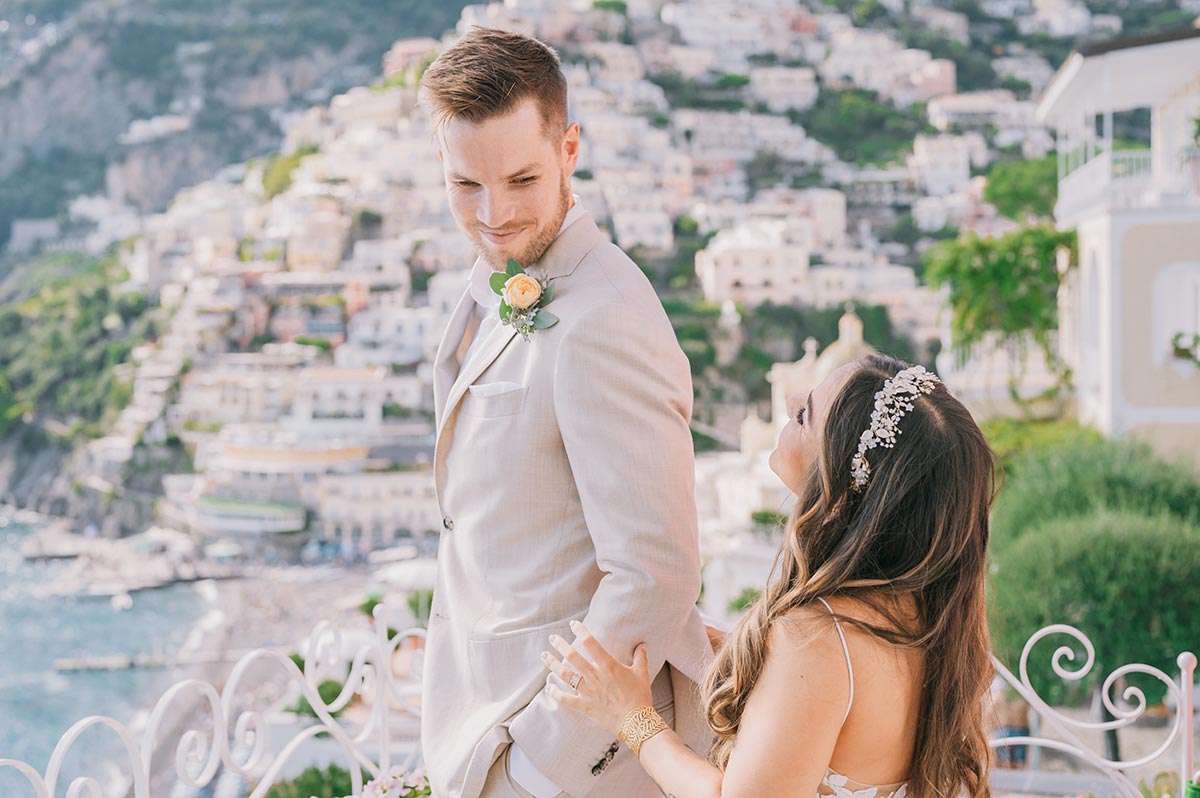
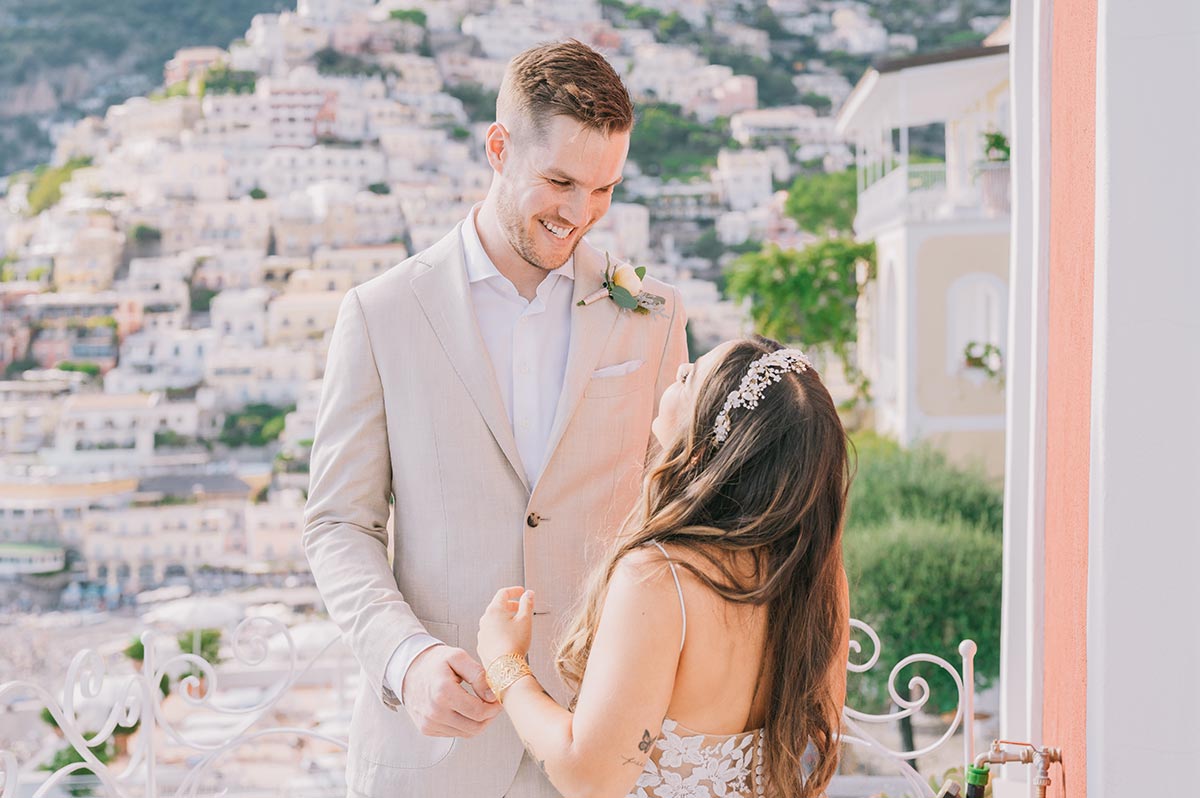
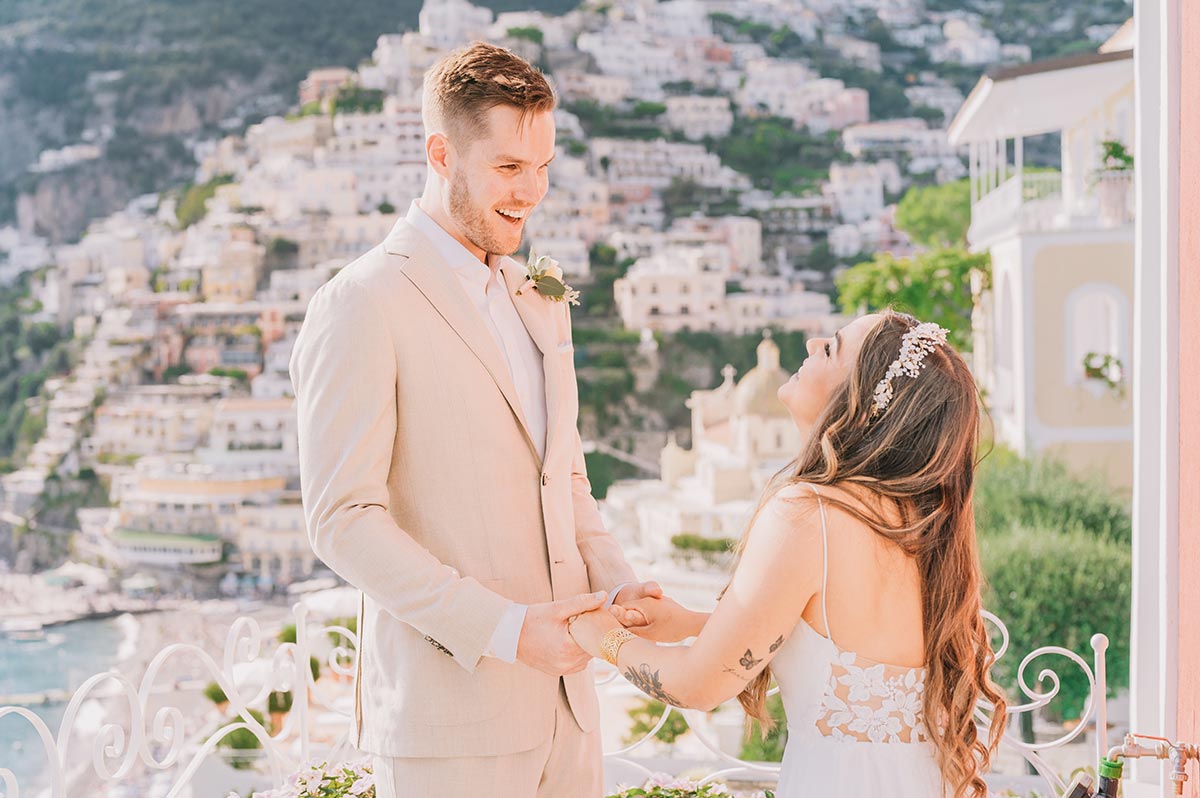
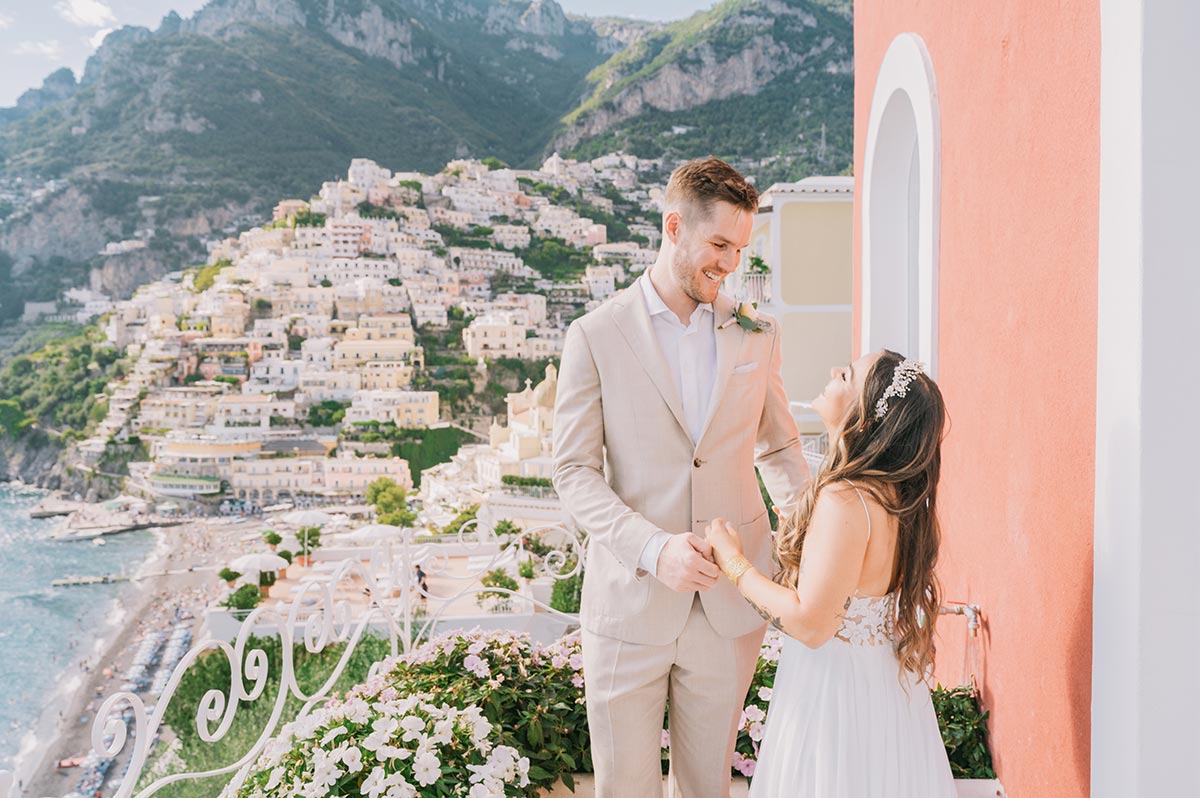
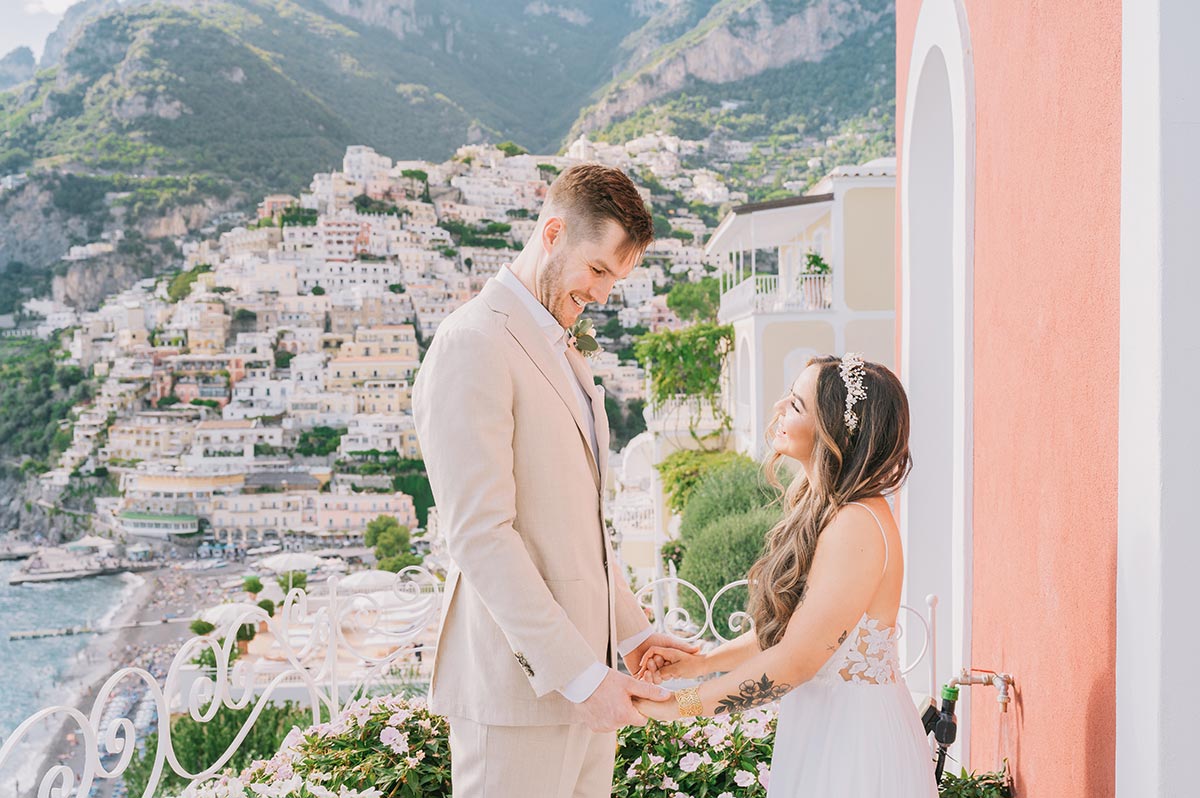
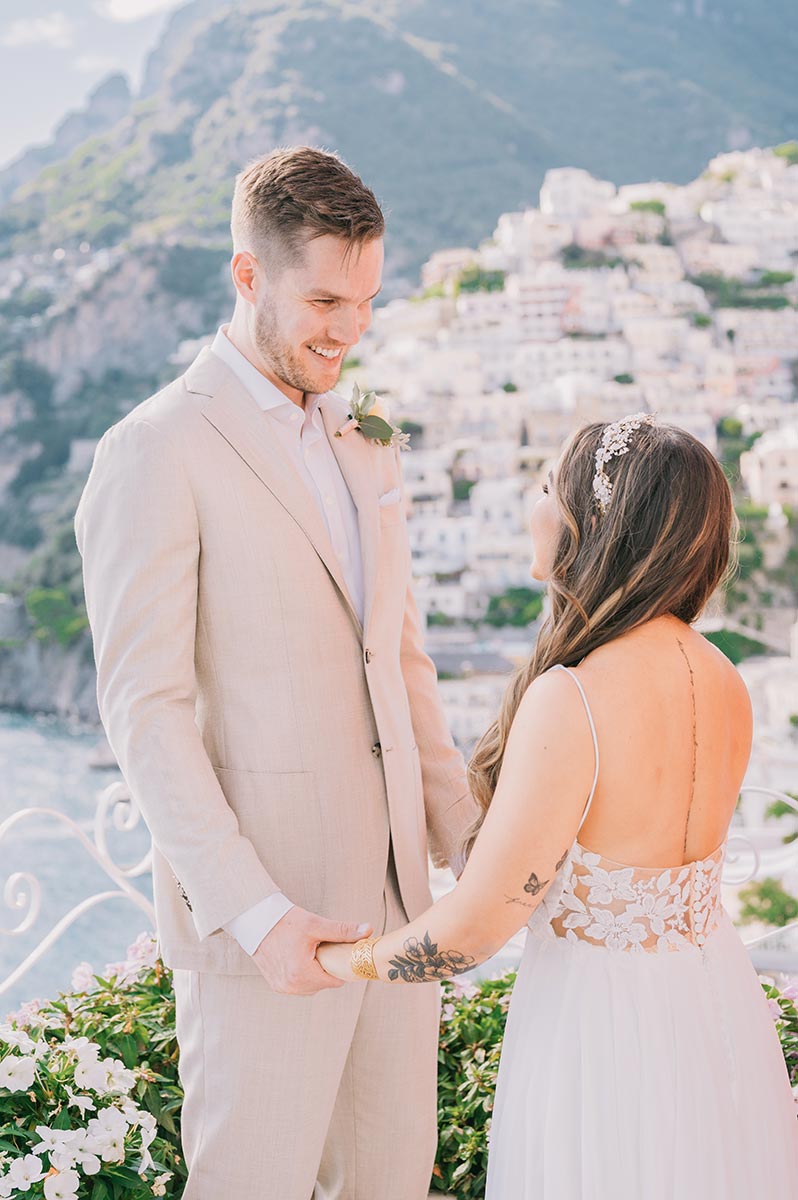
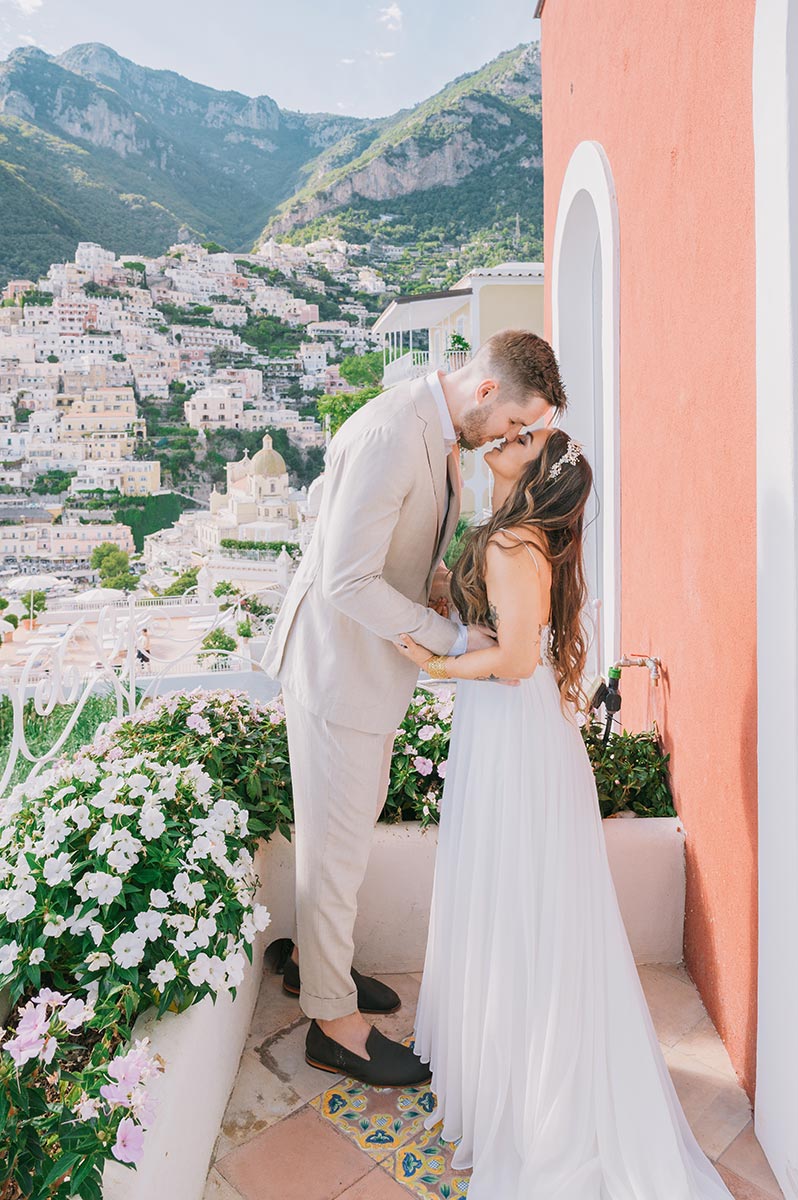
Hotel Marincanto offers a unique and memorable experience for your special day. Their knowledgeable and experienced staff will work with you to create a customized wedding or elopement package that meets all your needs and exceeds all your expectations. They have the perfect solution, whether you’re looking for a simple and intimate ceremony or a lavish celebration.
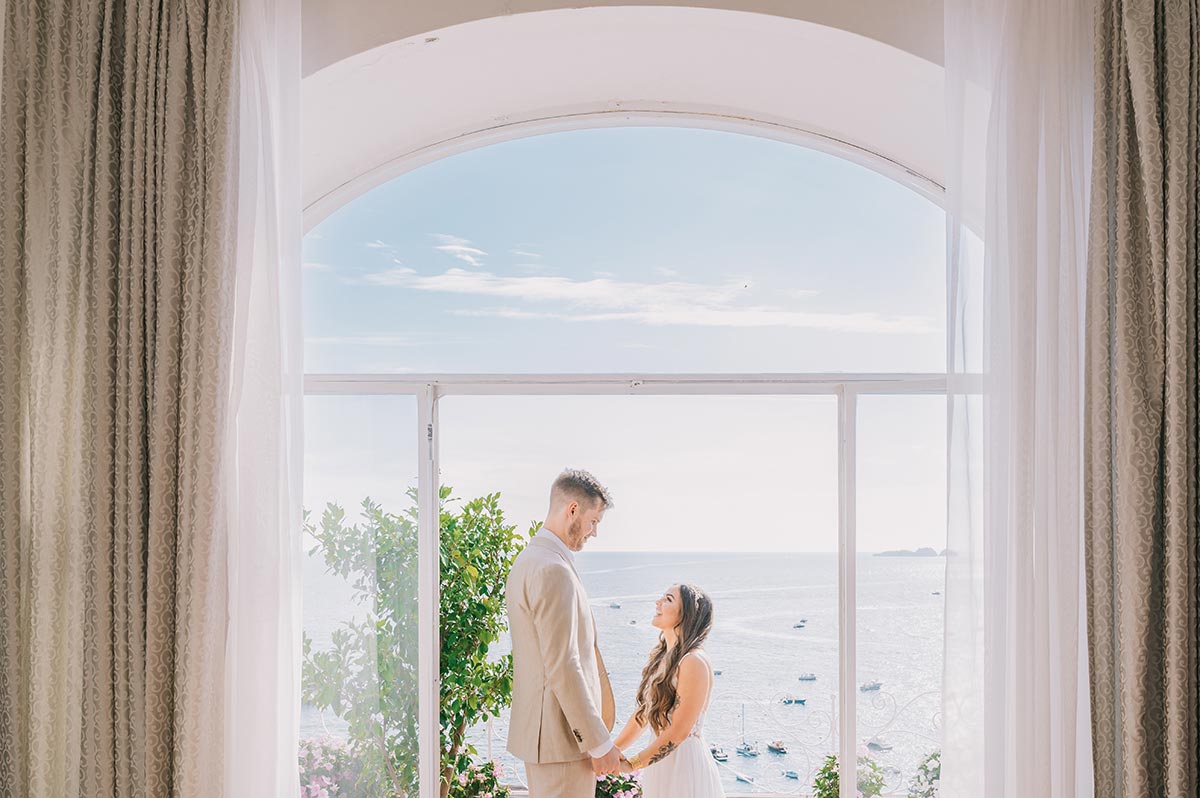
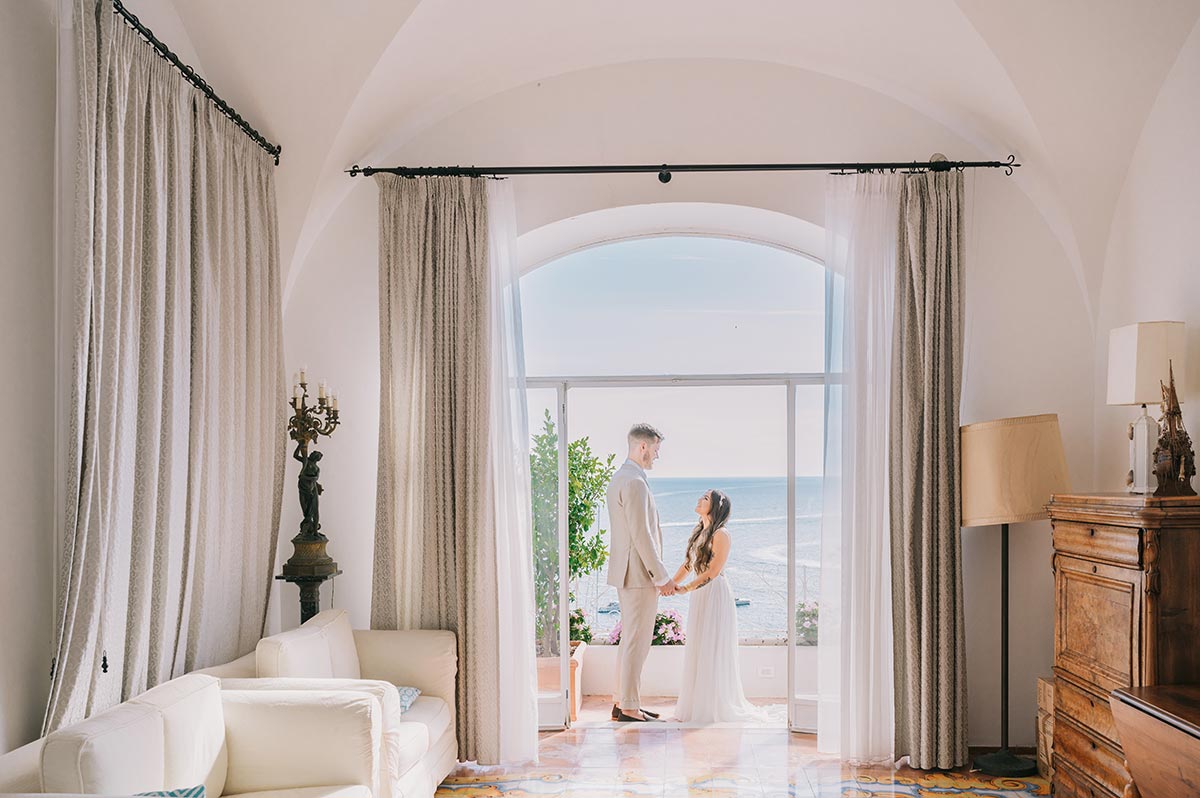
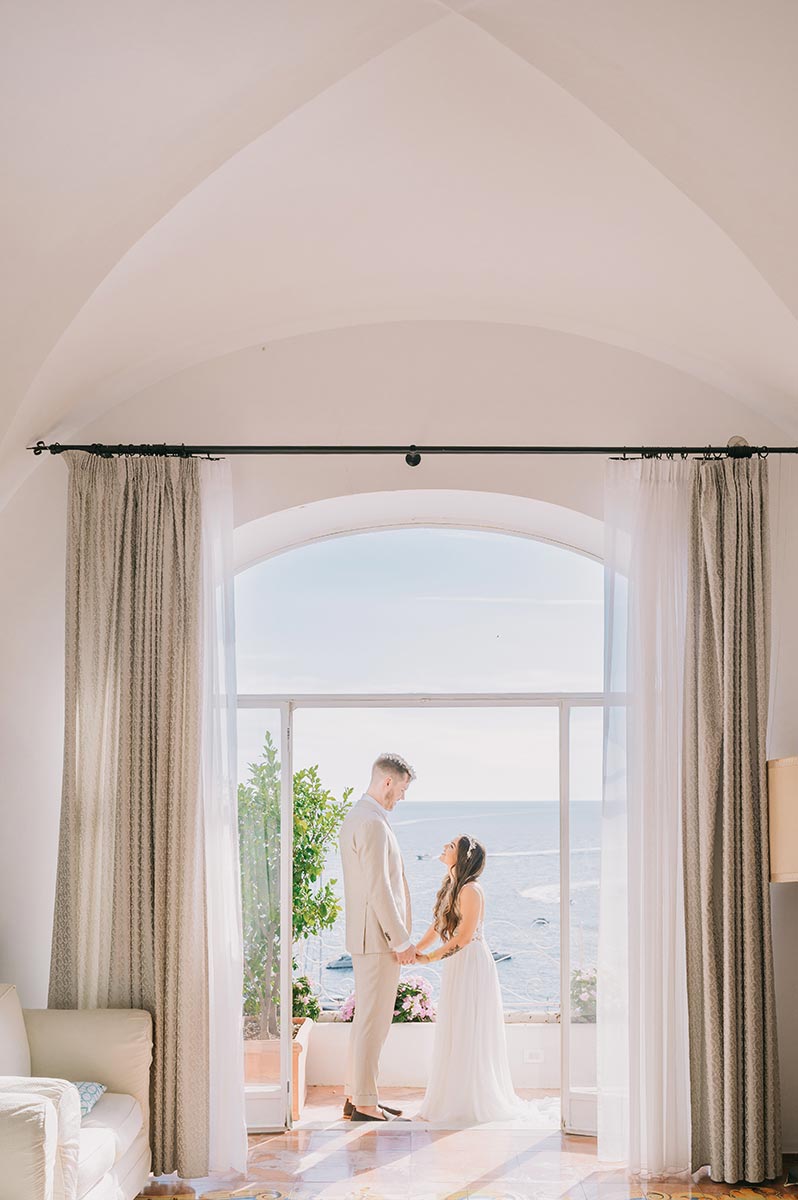
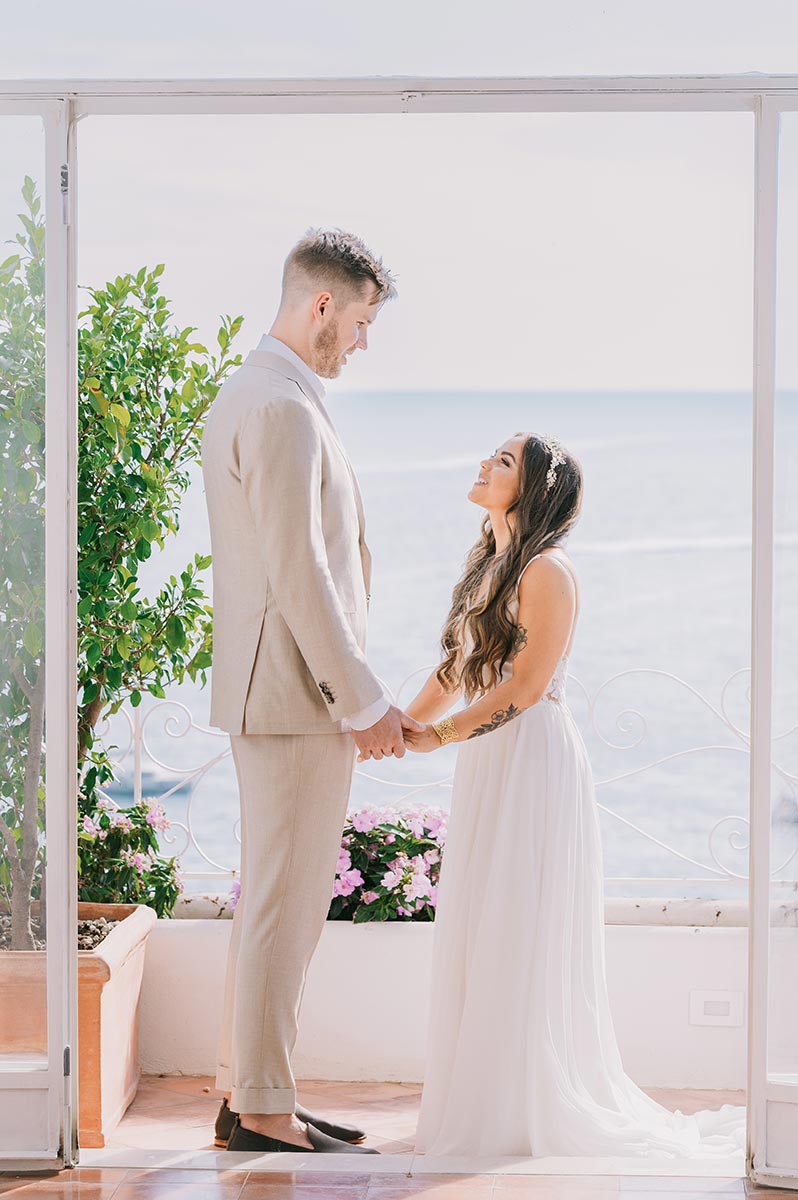
Unmatched Beauty and Romance in your Hotel Maricanto elopement Positano
Hotel Marincanto is a fantastic location for those looking to experience the beauty and romance of Positano.
Situated in the heart of this charming town, you will be within easy reach of all its top attractions, including the iconic Church of Santa Maria Assunta and the renowned Spiaggia Grande Beach.
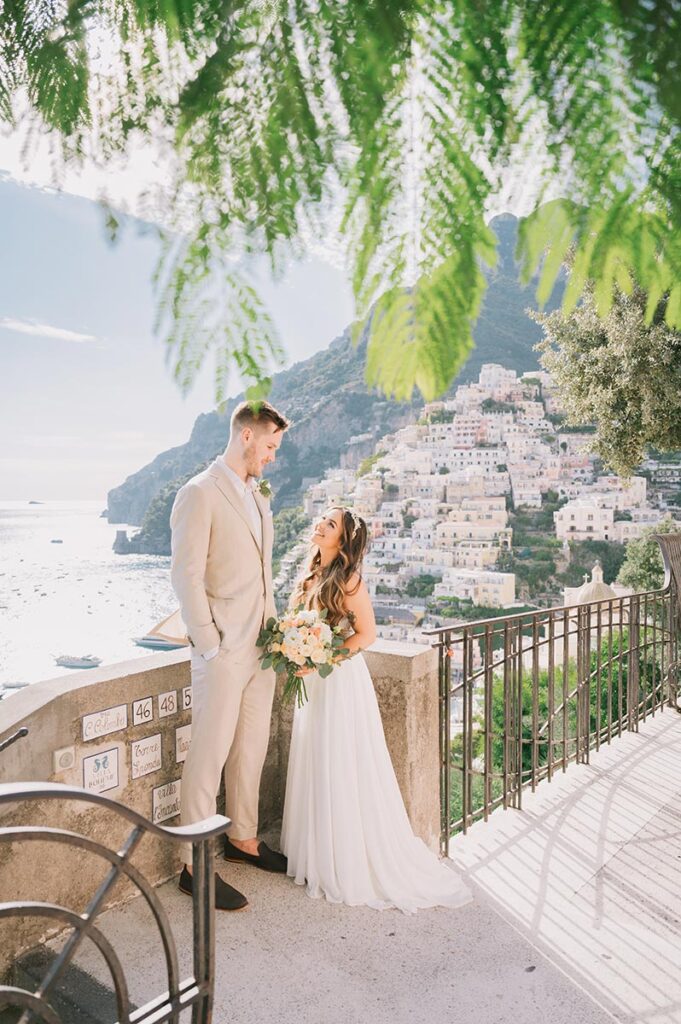

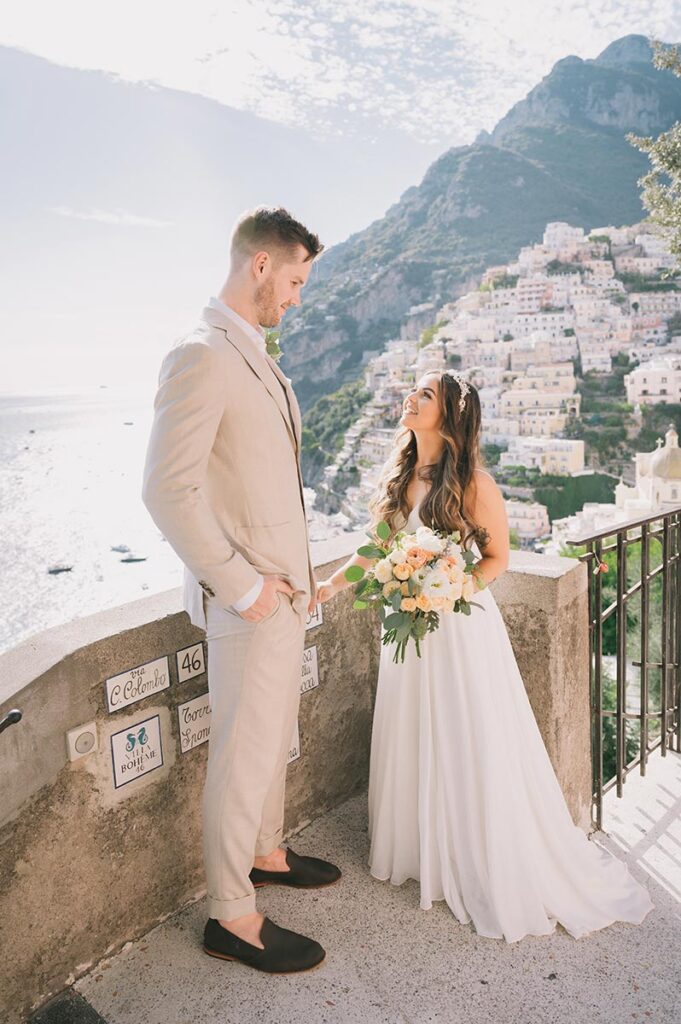

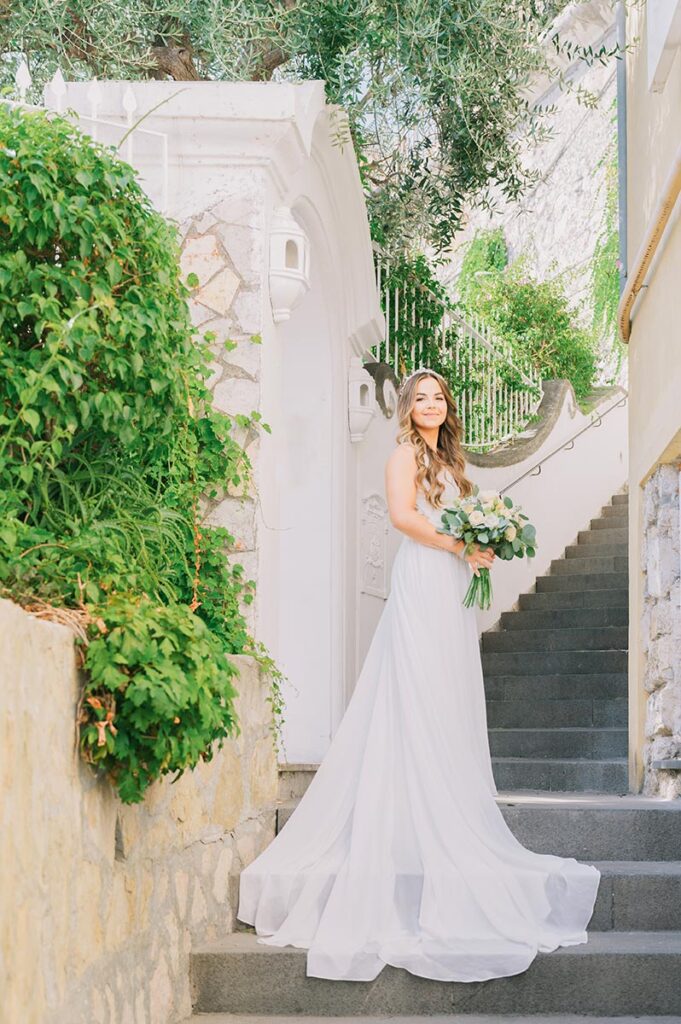
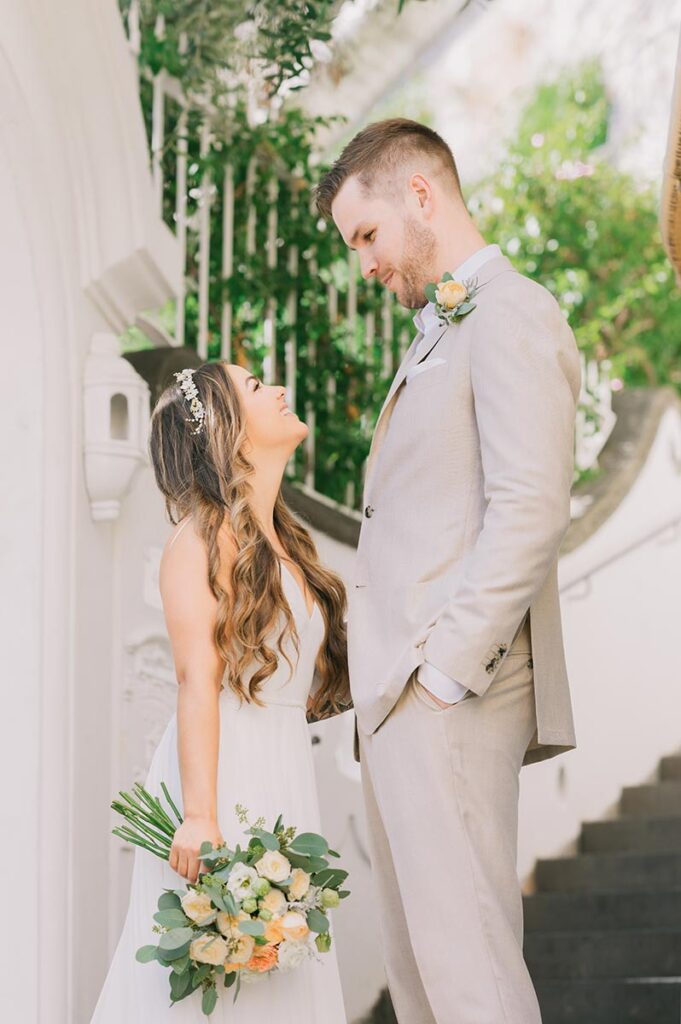
The narrow cobblestone streets of Positano add to its charm, creating a quaint and intimate atmosphere that is perfect for special occasions. The picturesque piazzas are perfect for capturing memories, whether for a romantic picnic or a wedding photo.
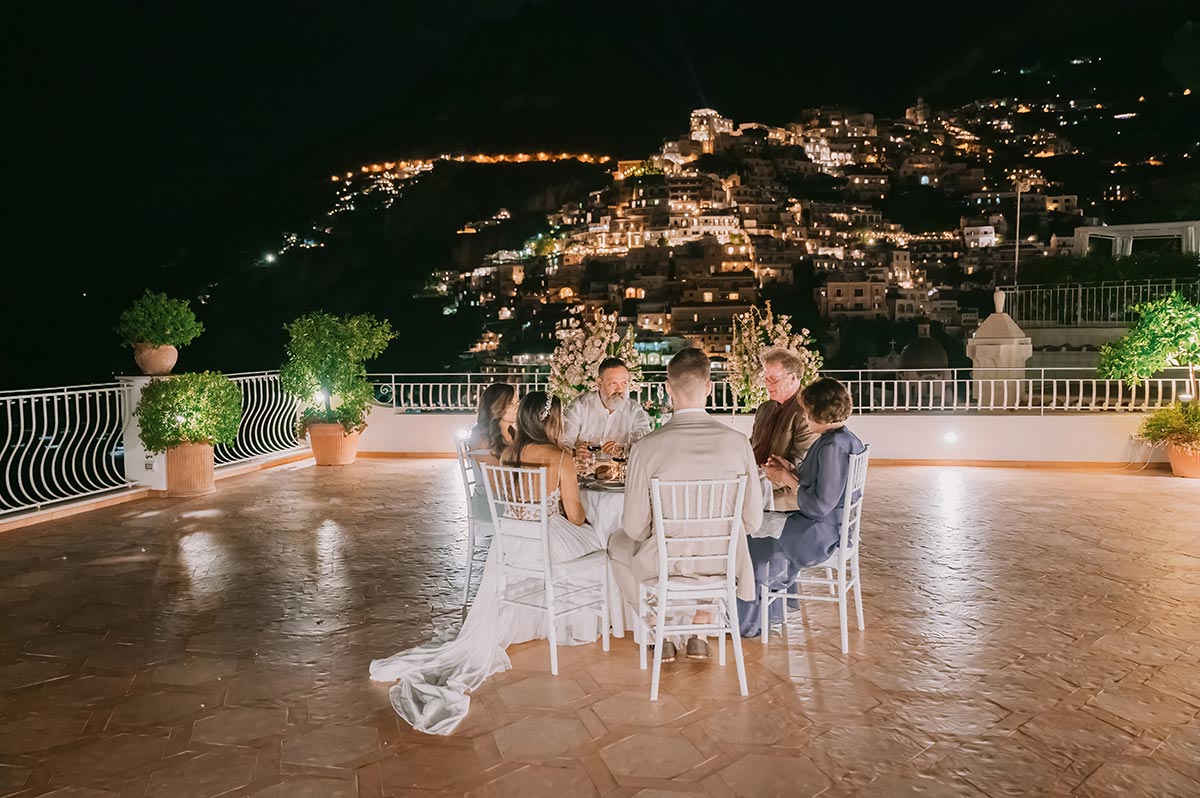
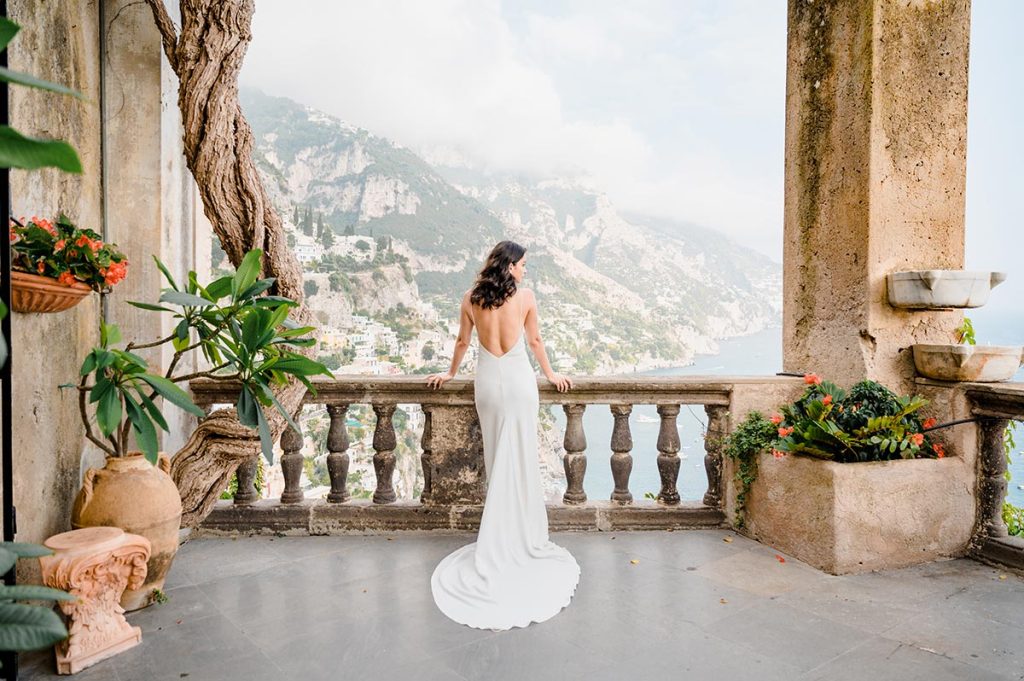
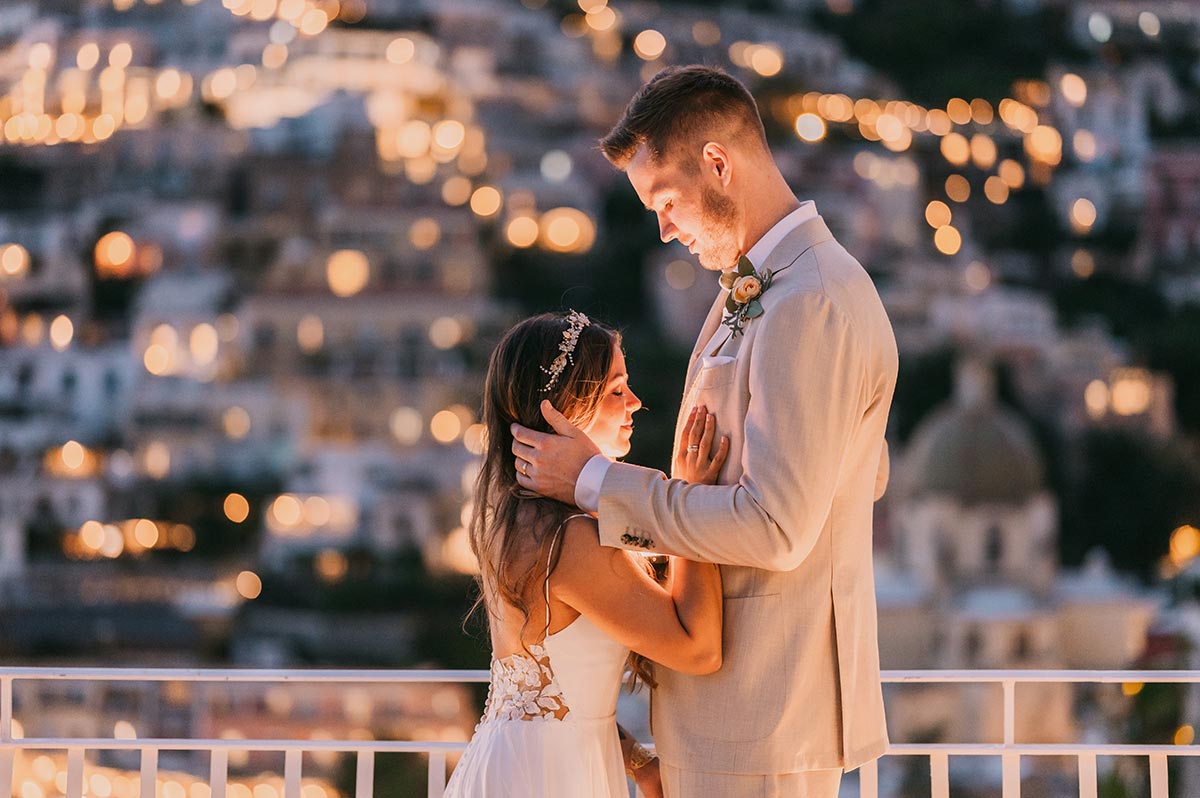
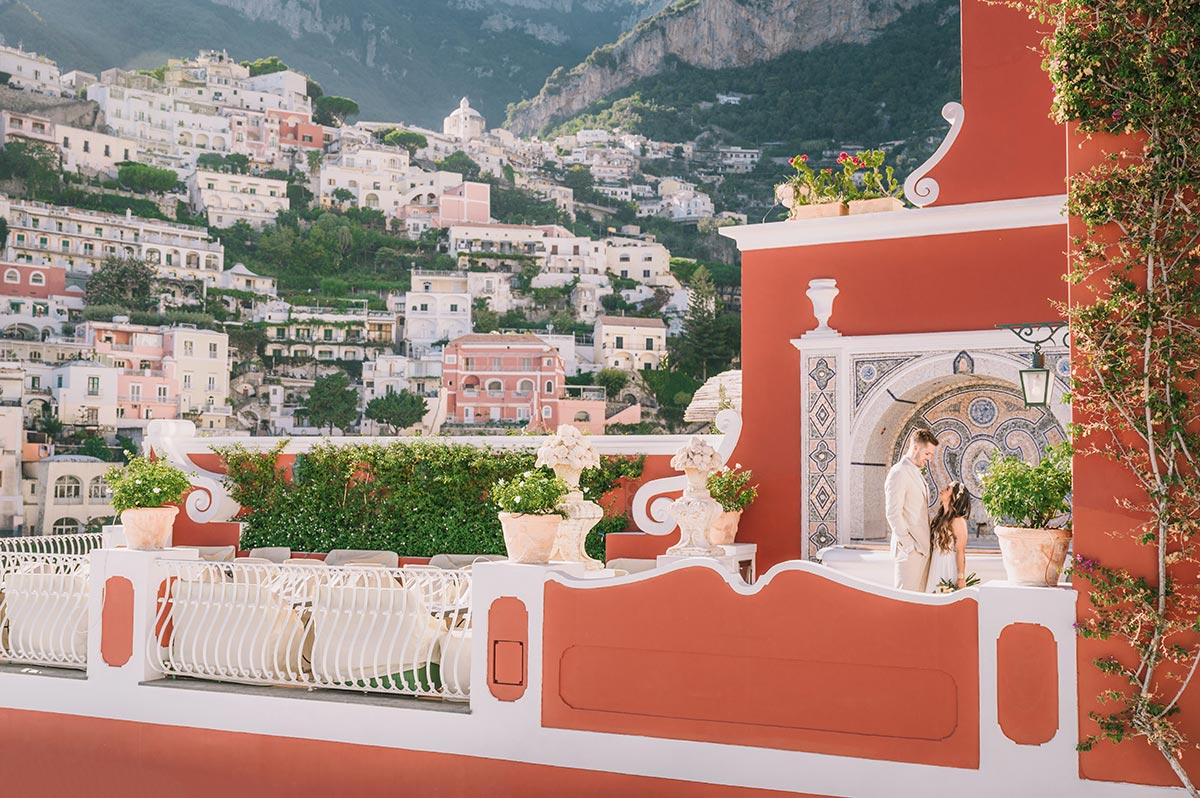
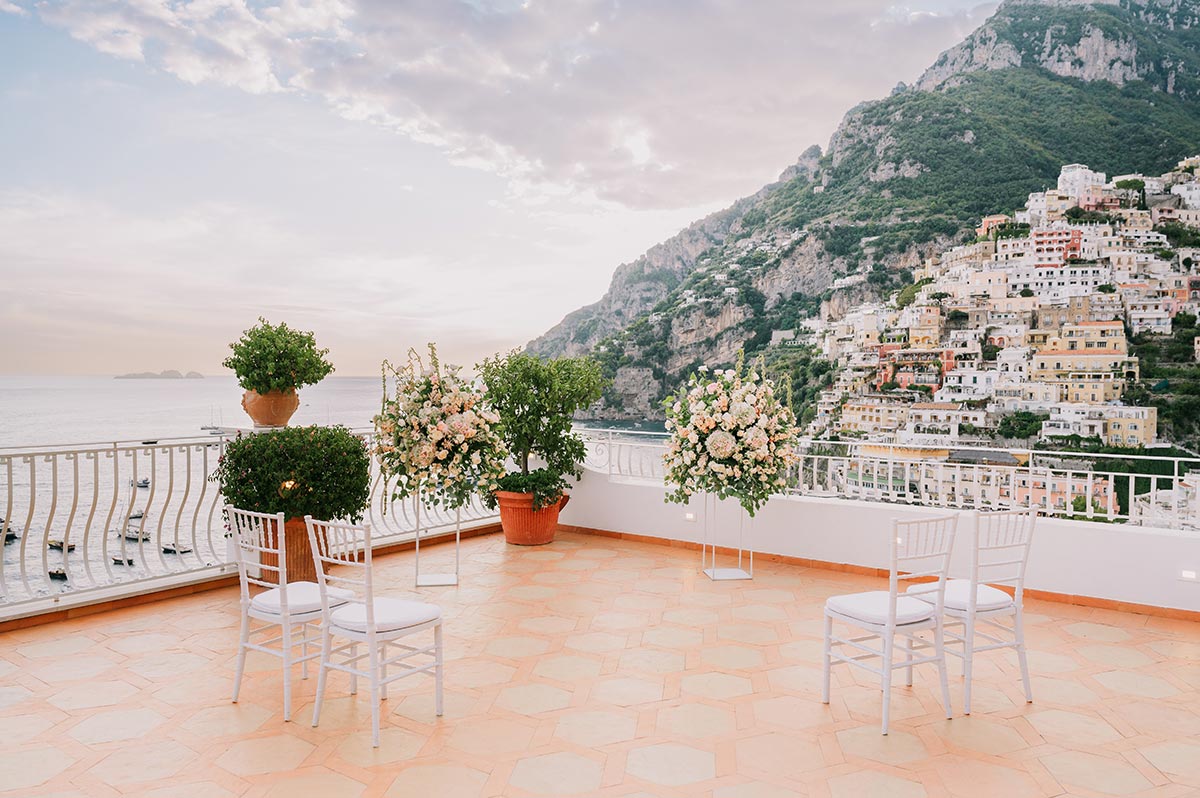
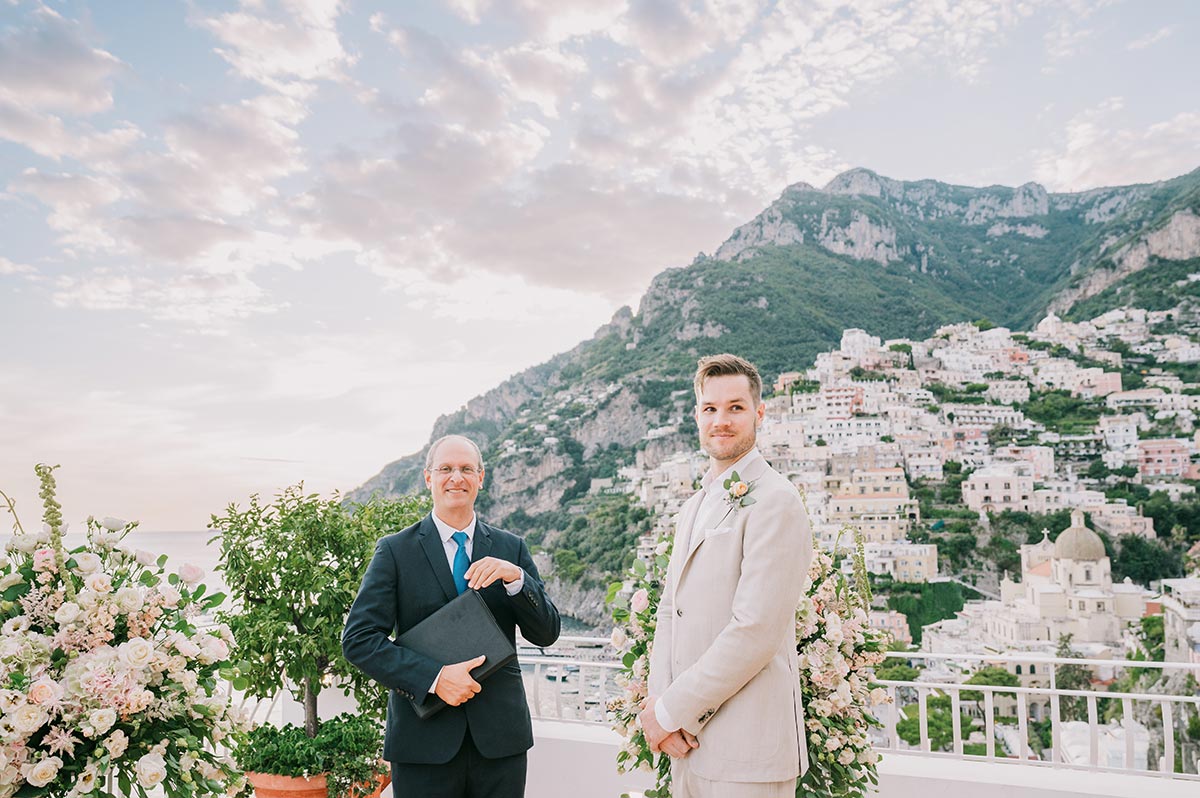
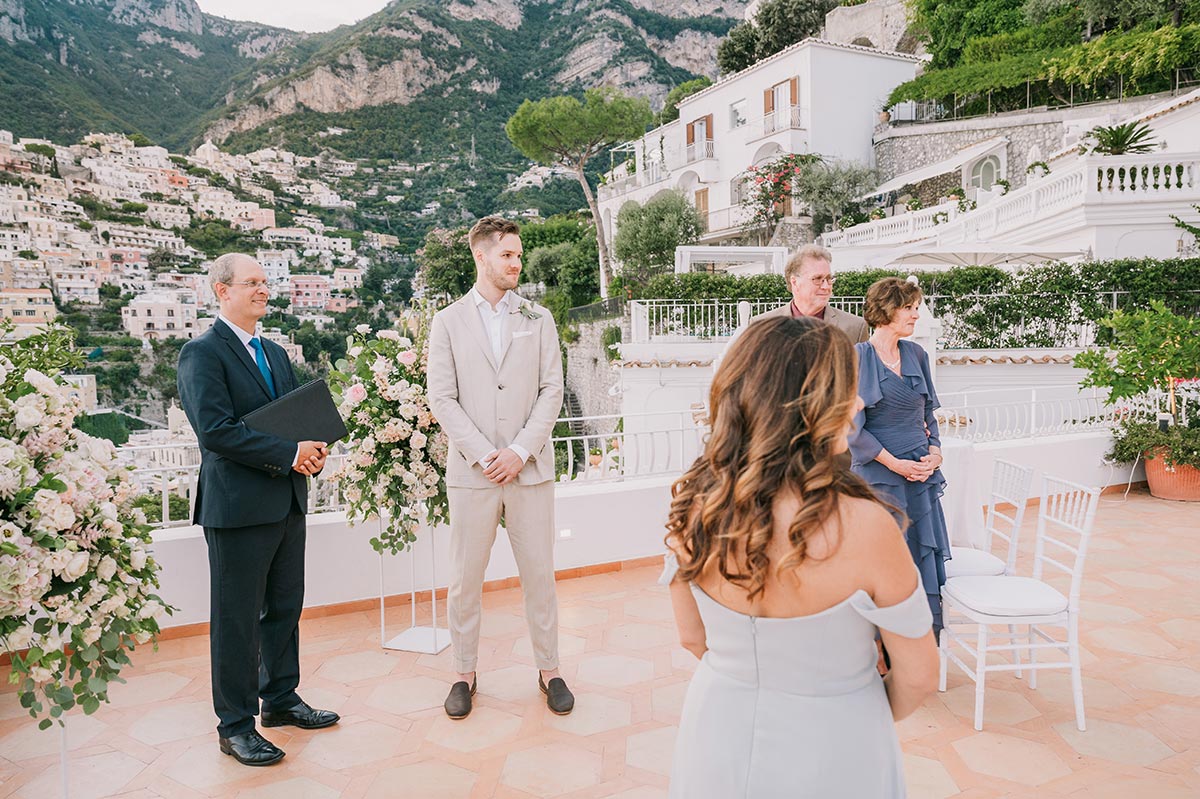
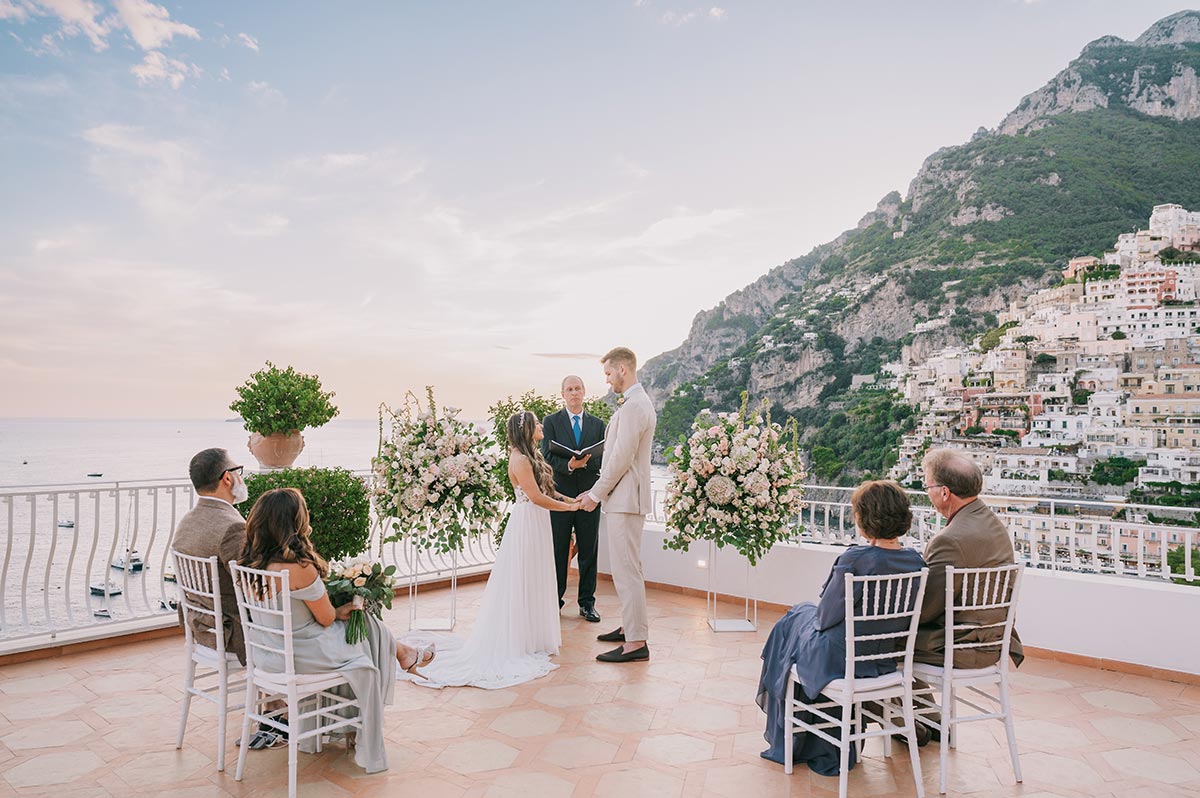
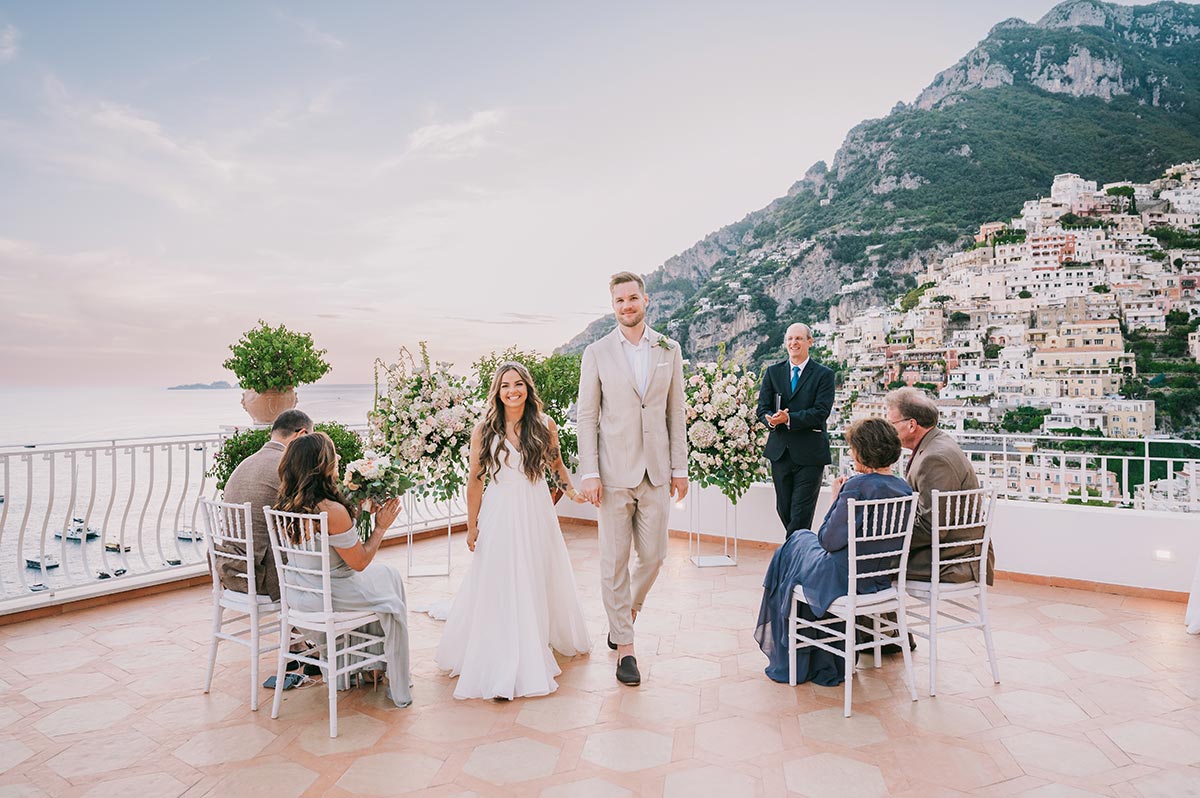
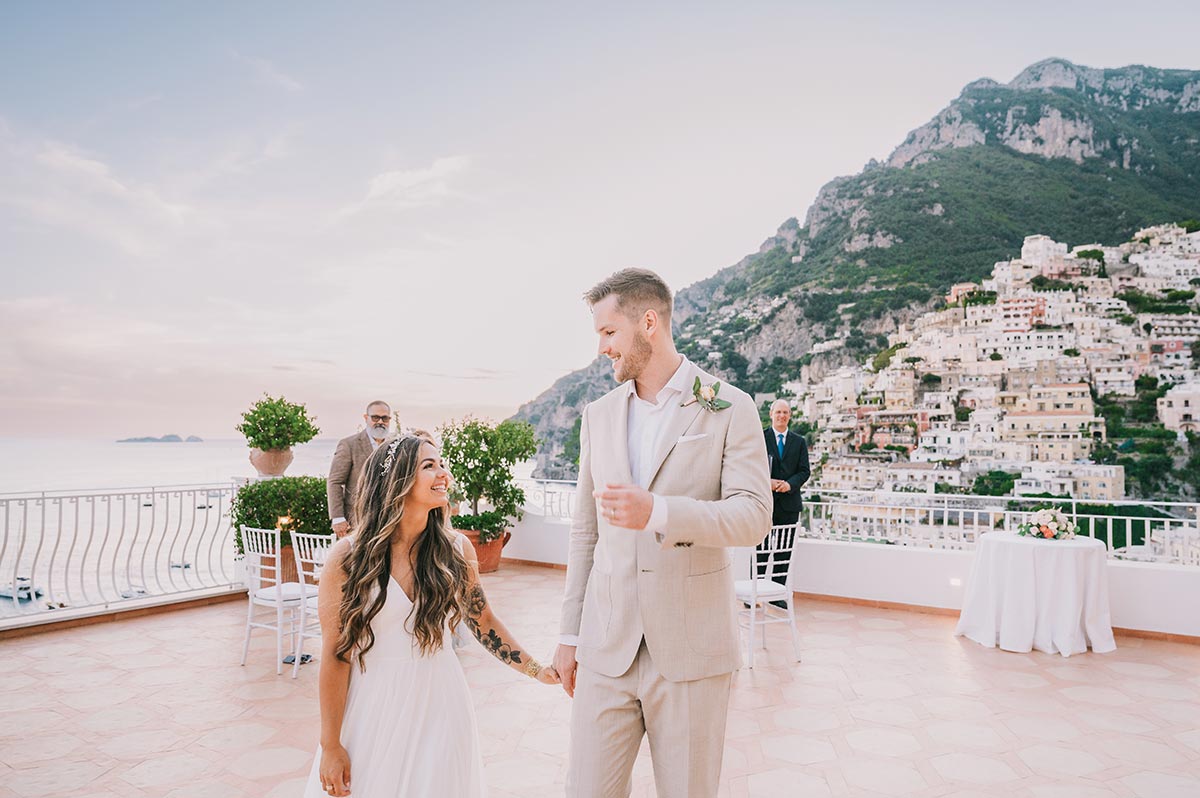
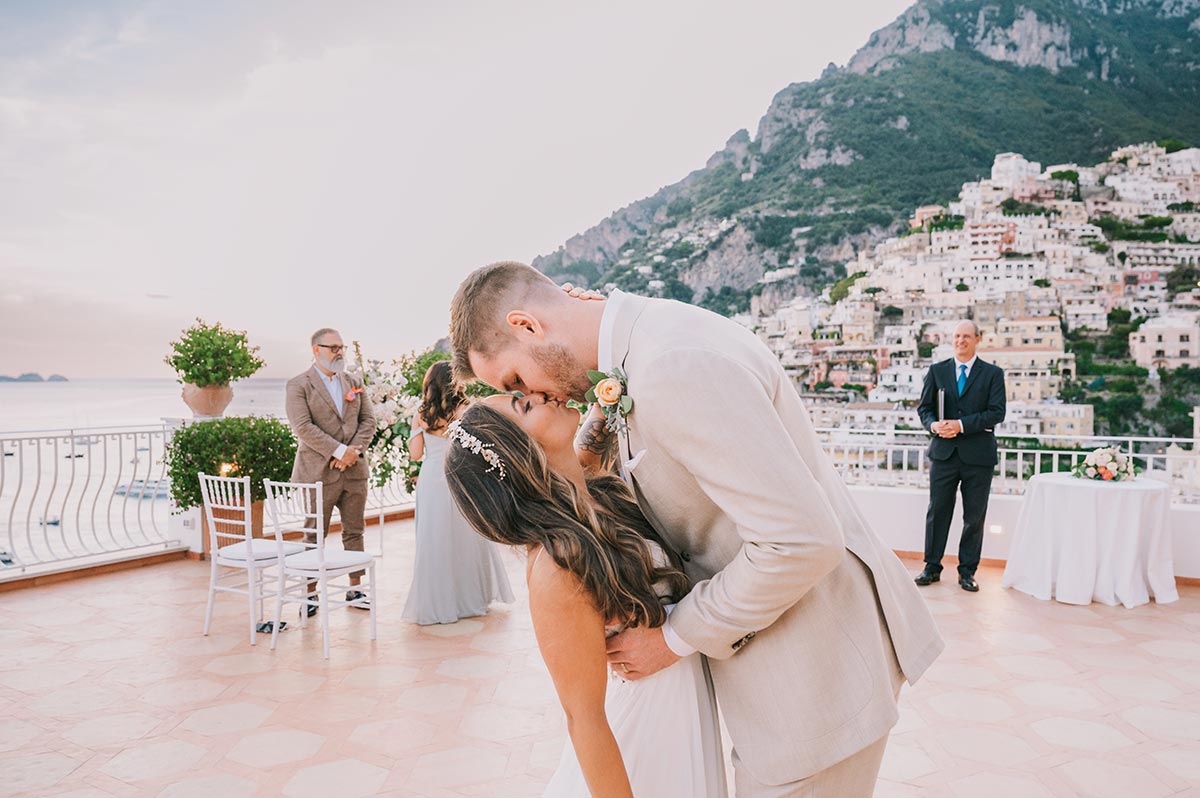
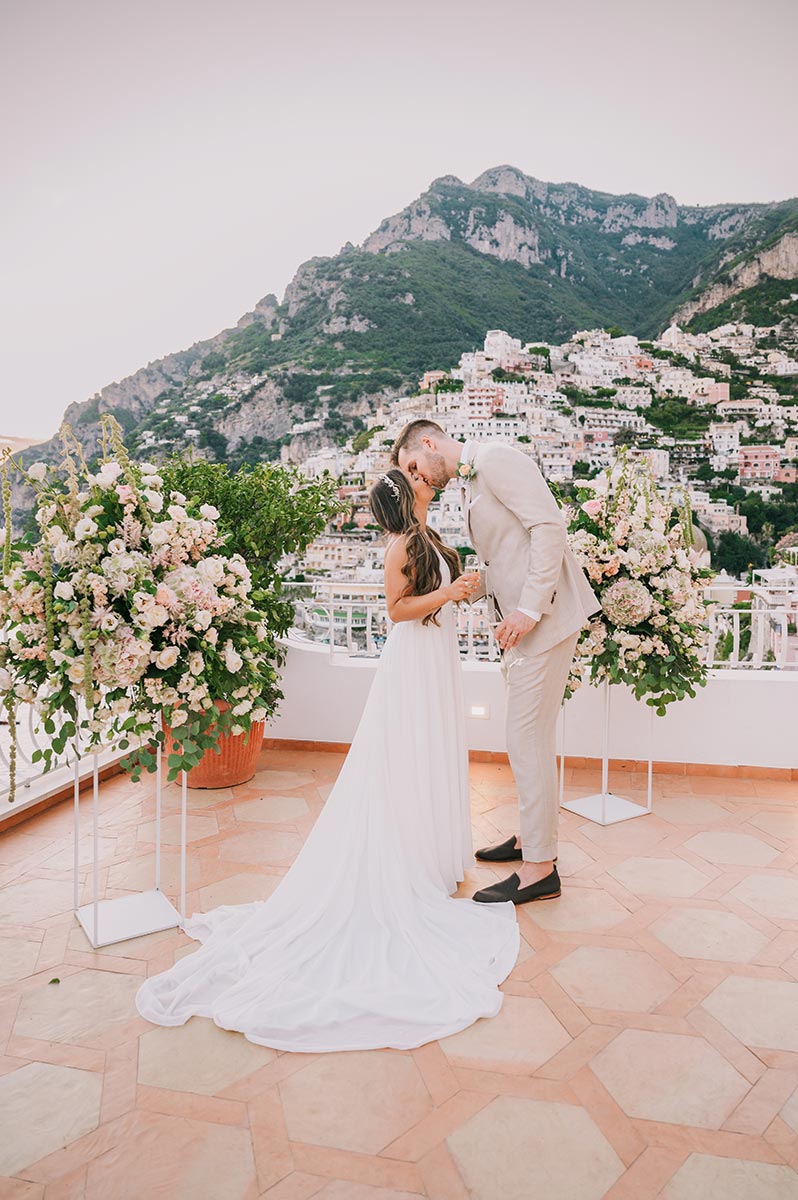
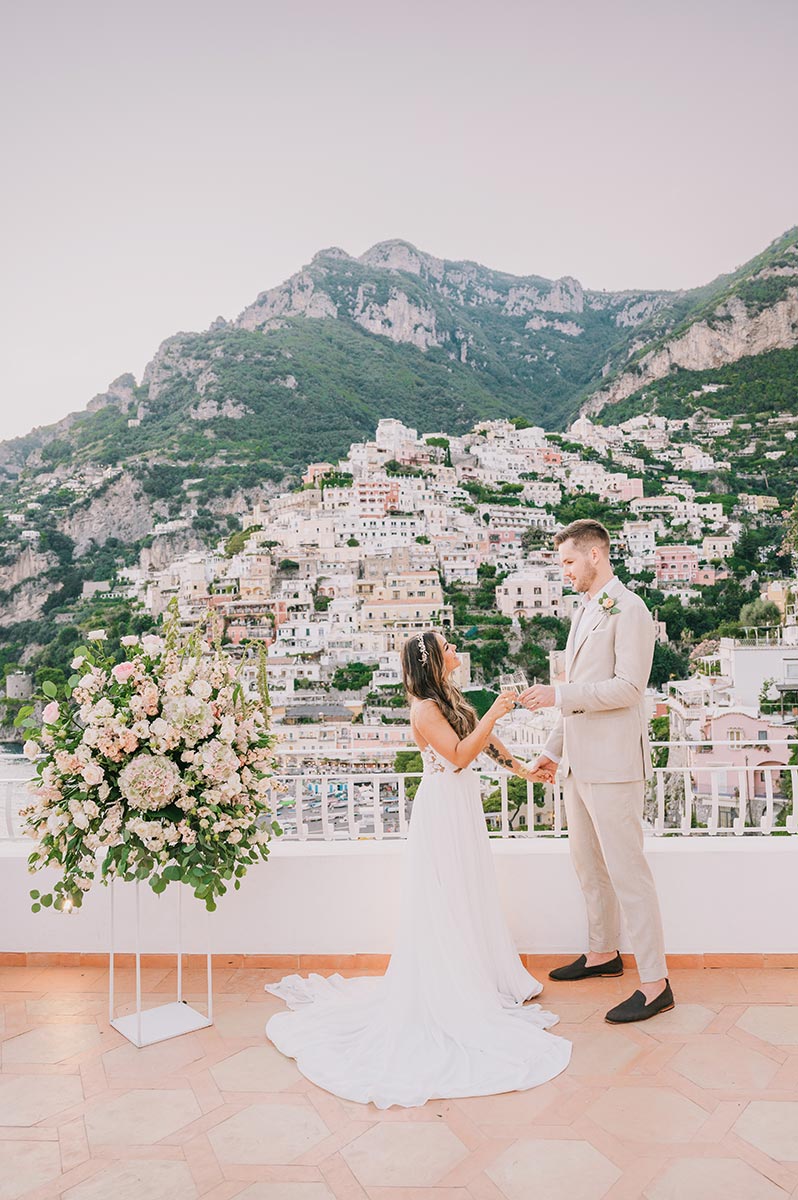
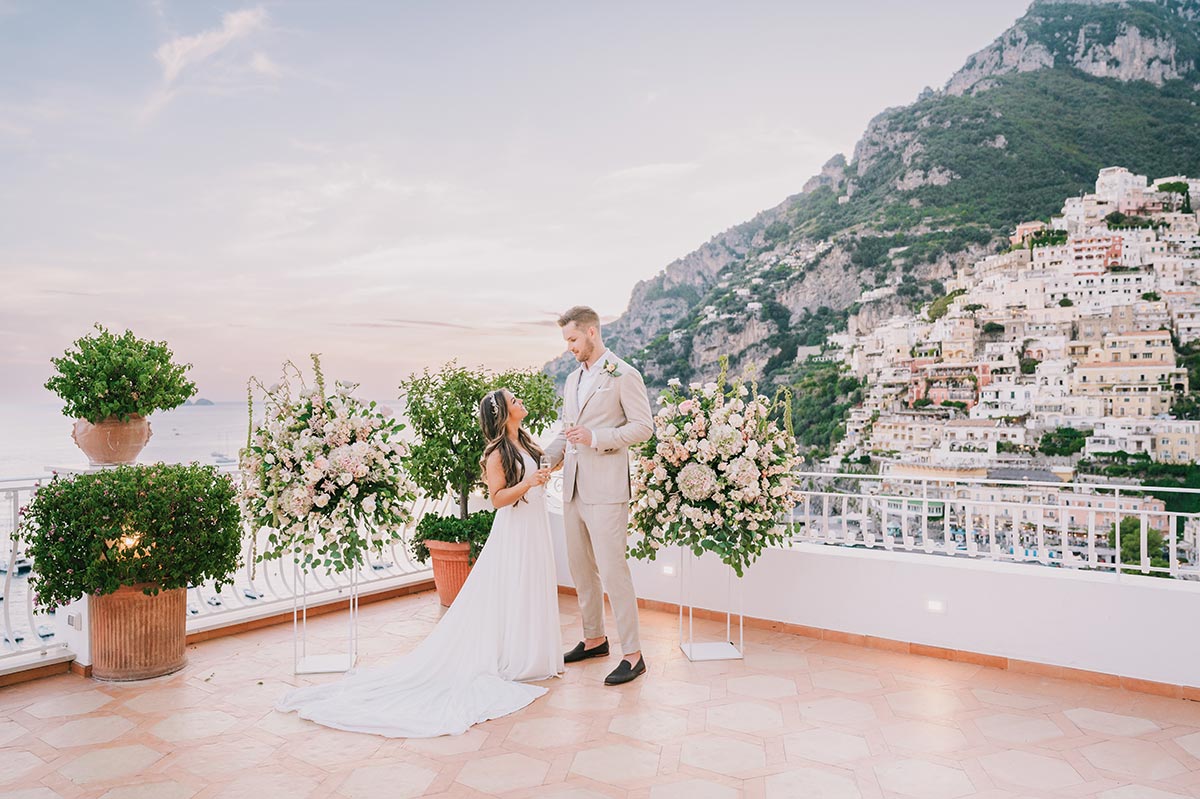
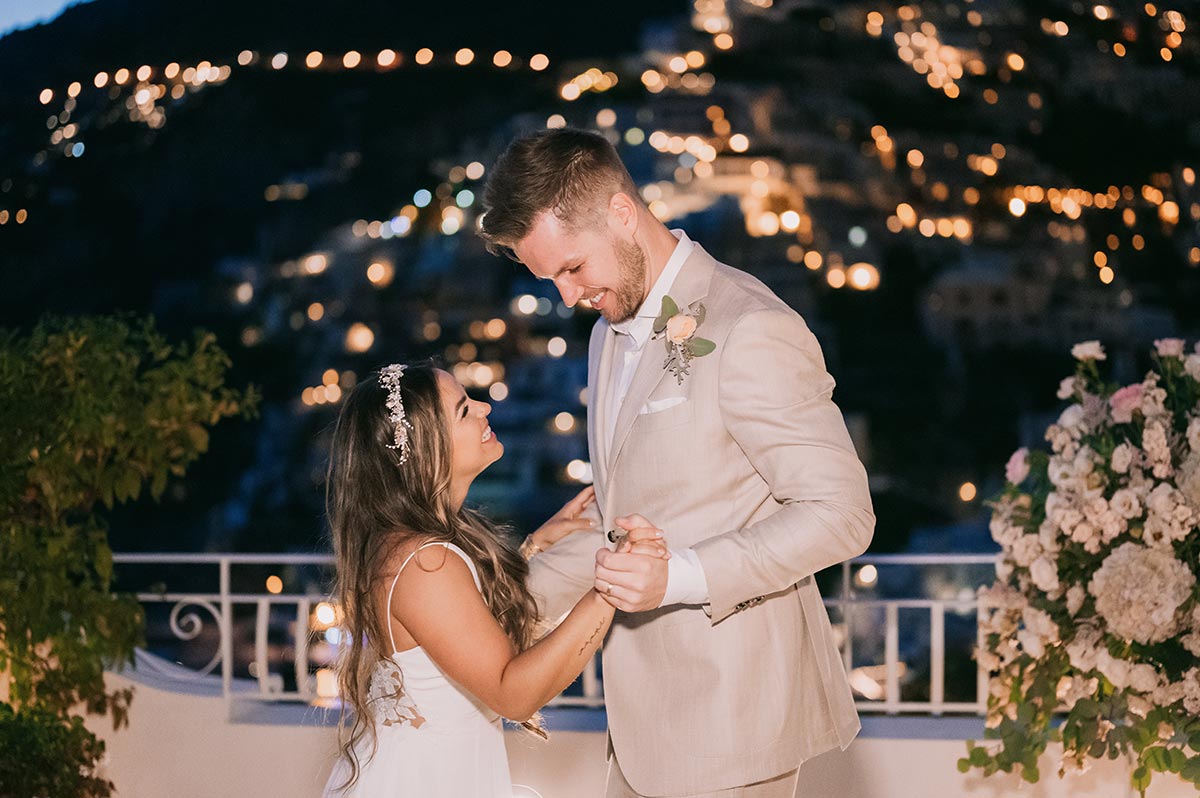
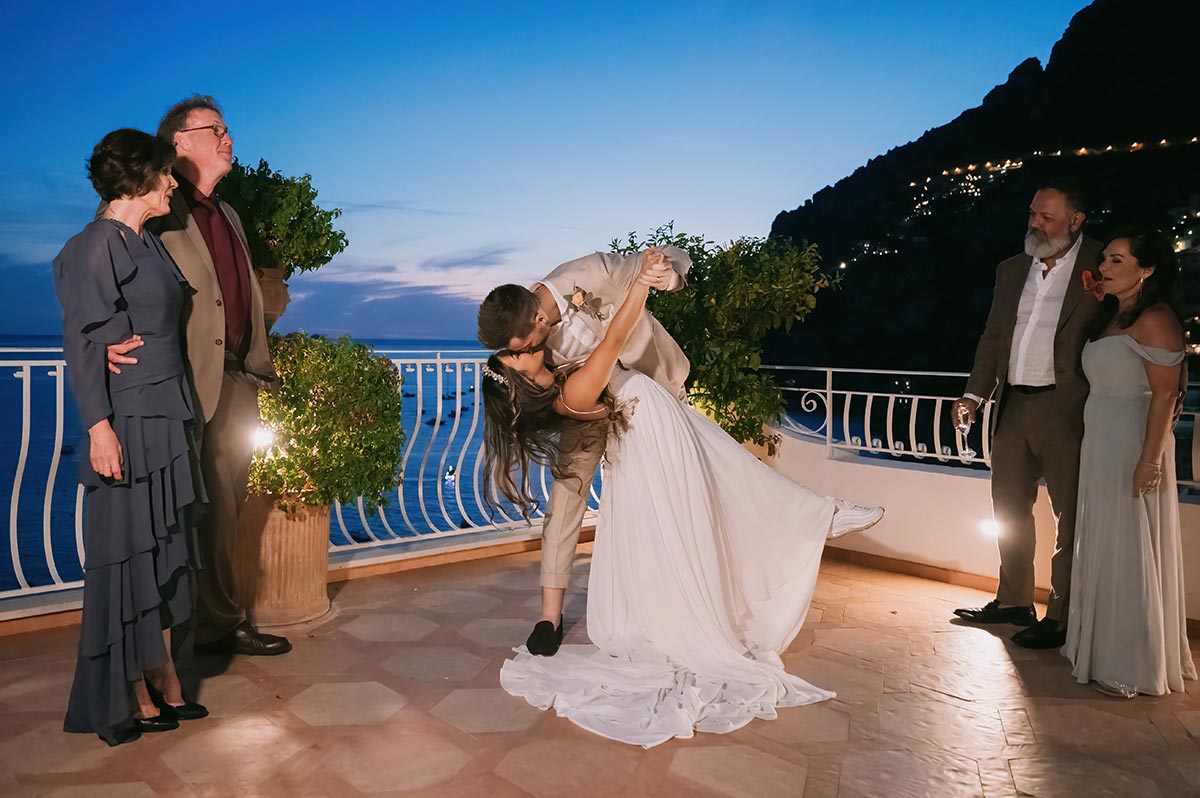
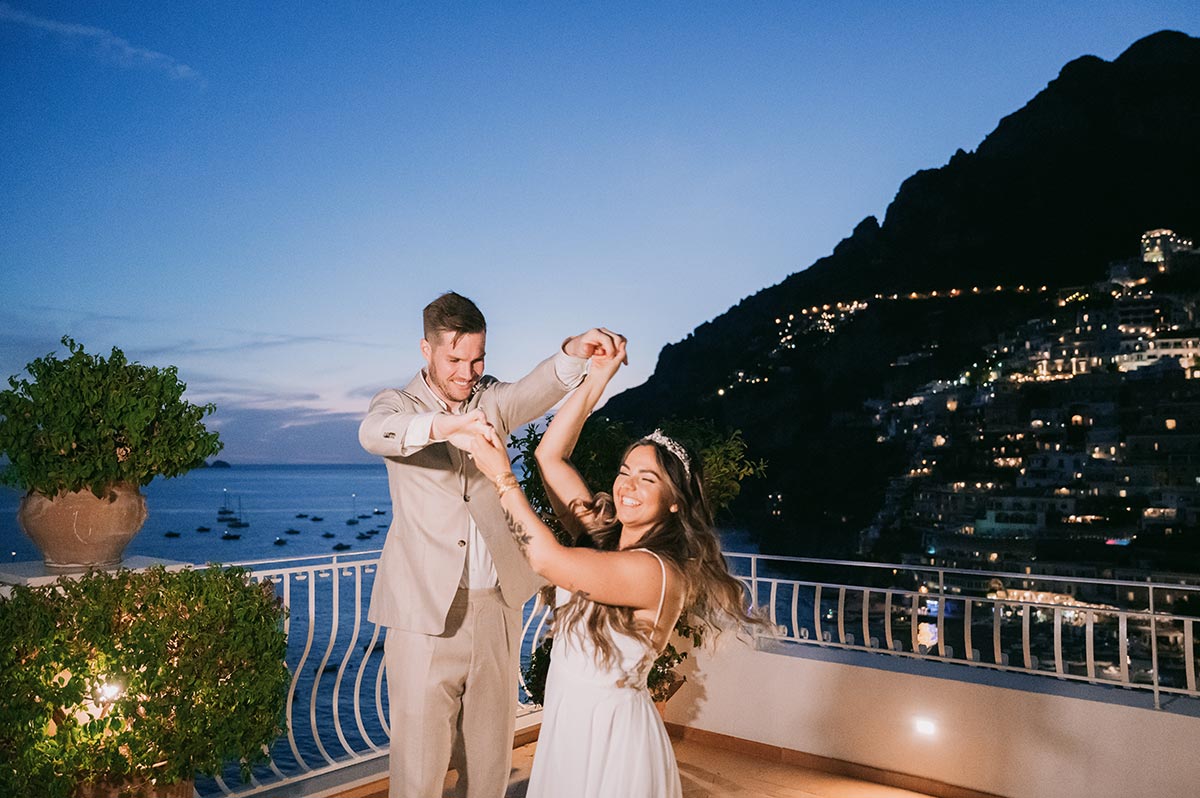
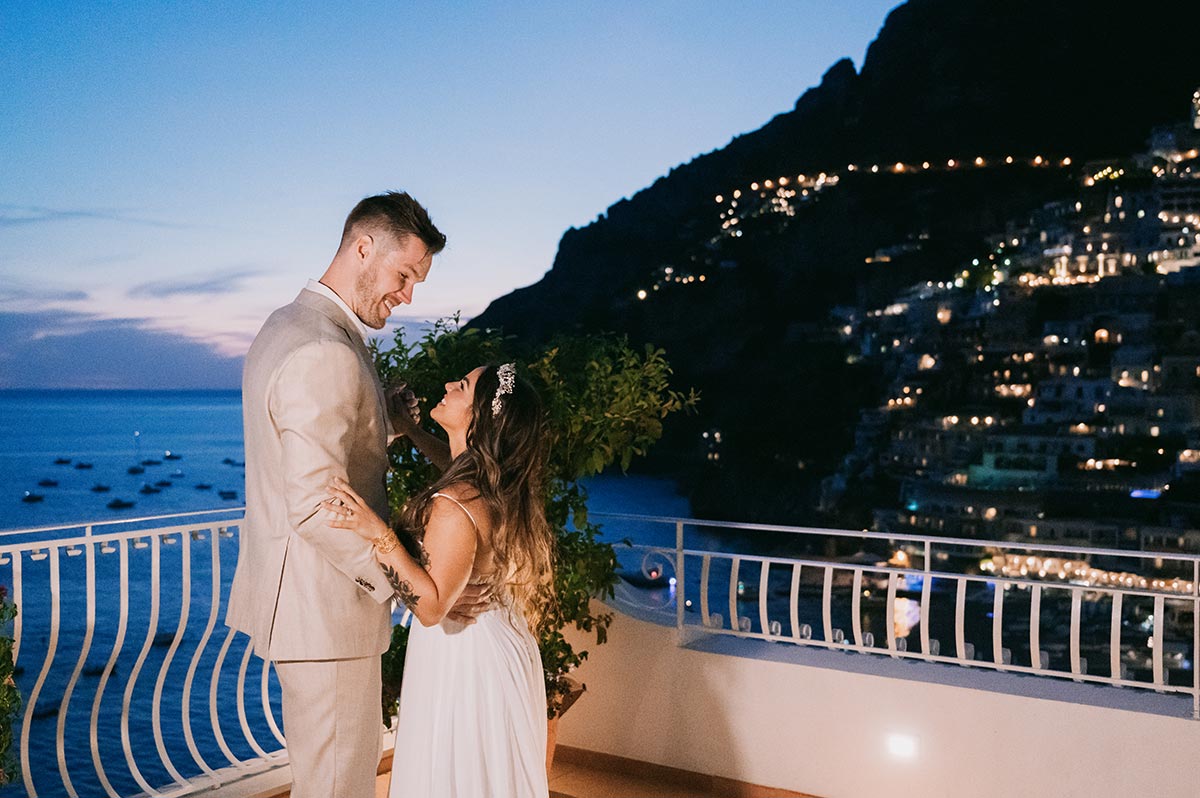
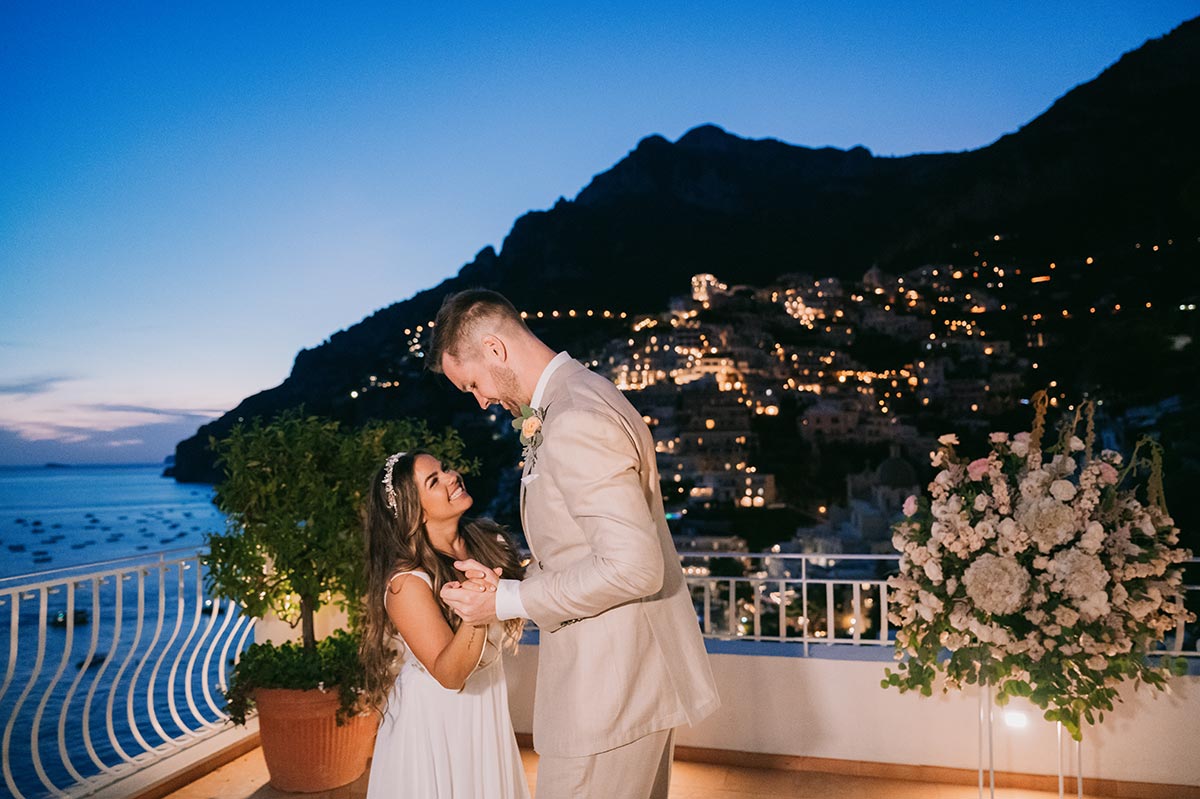
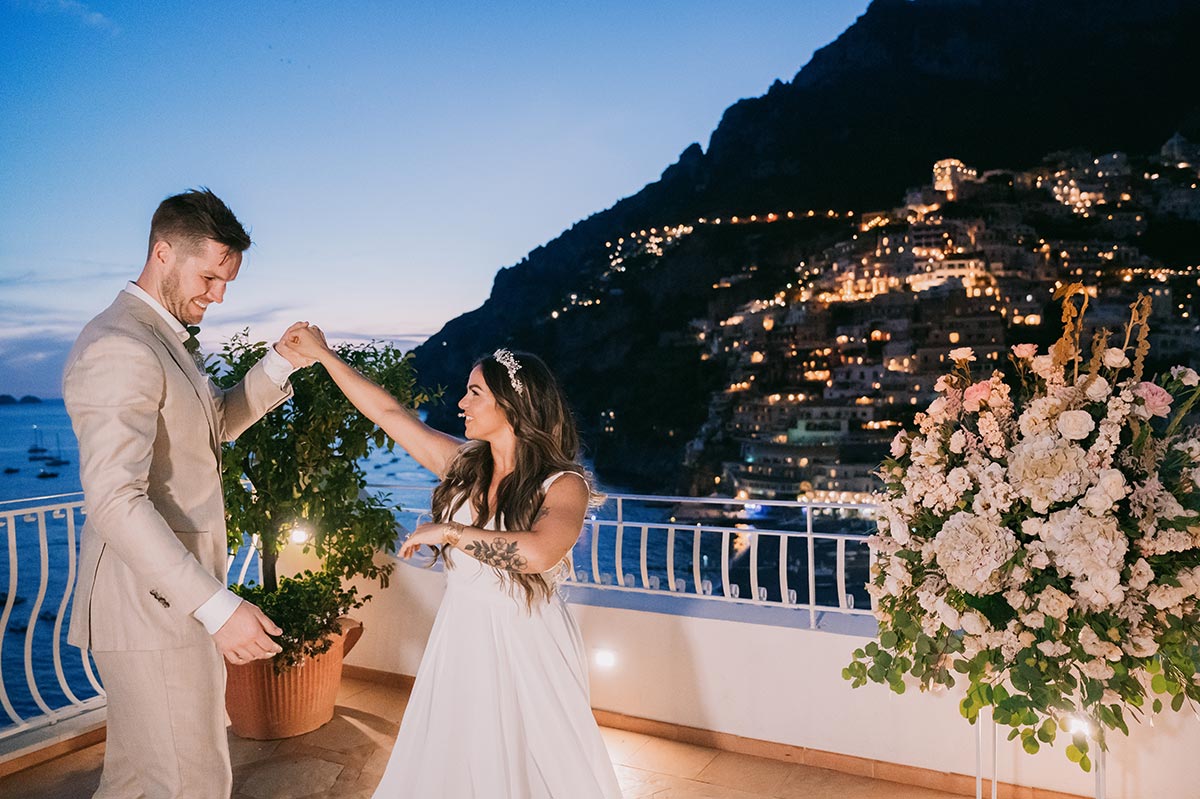
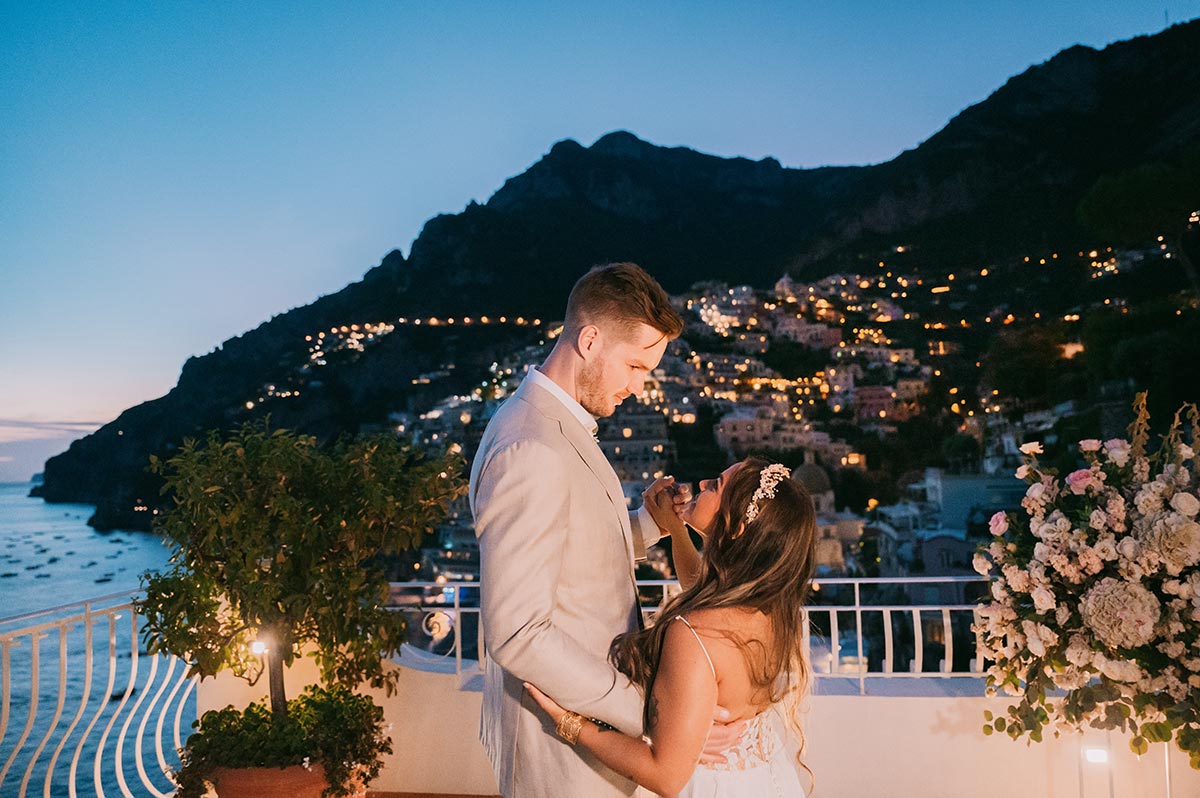
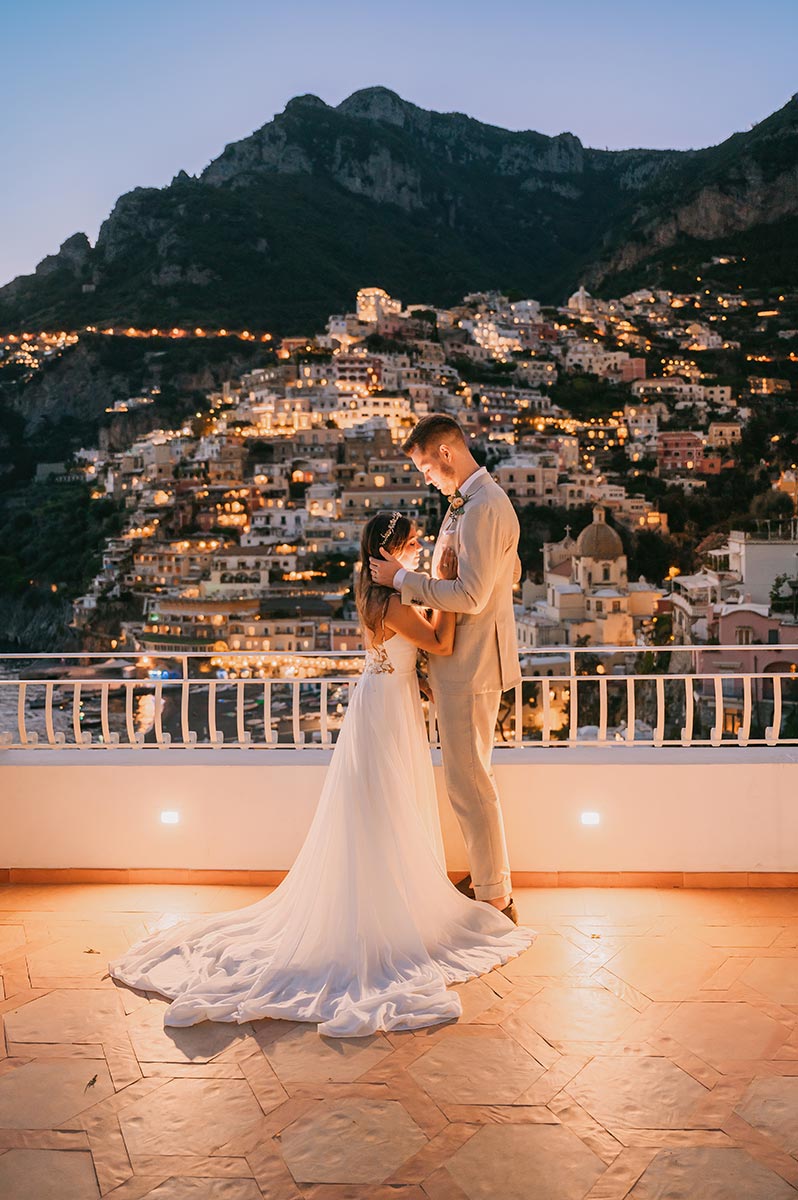
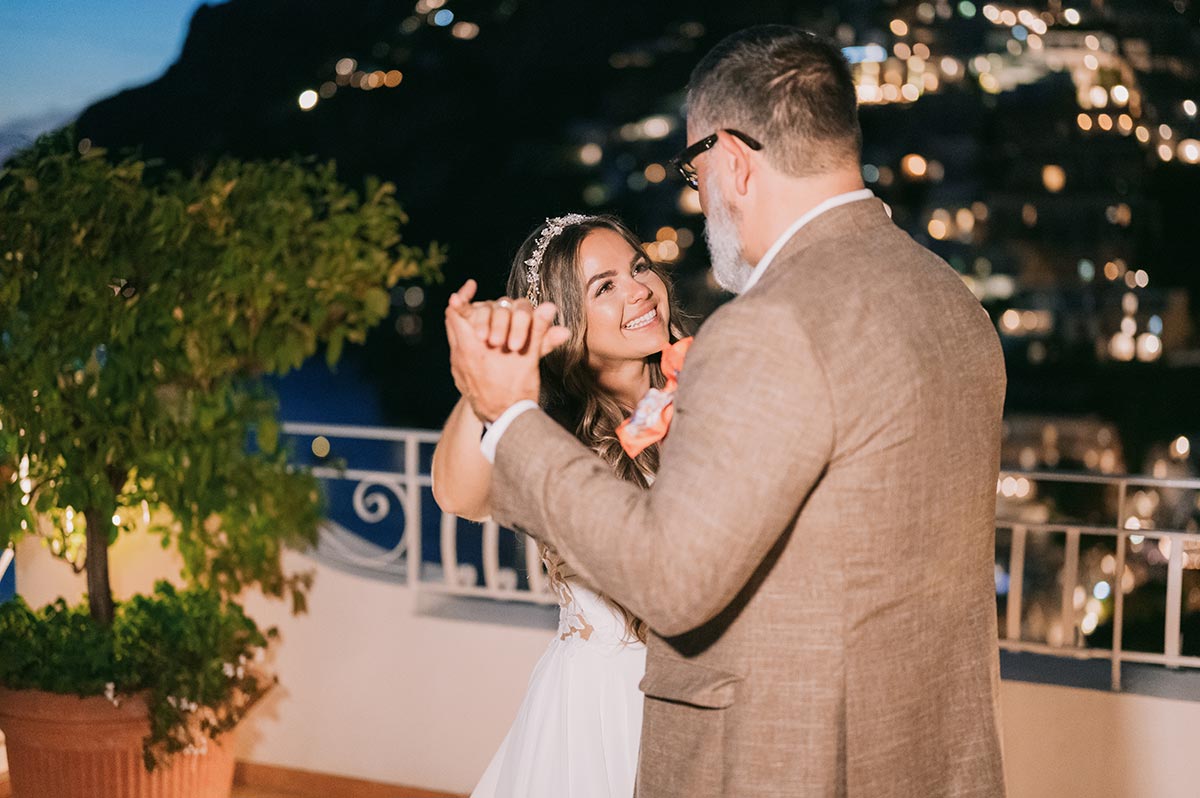
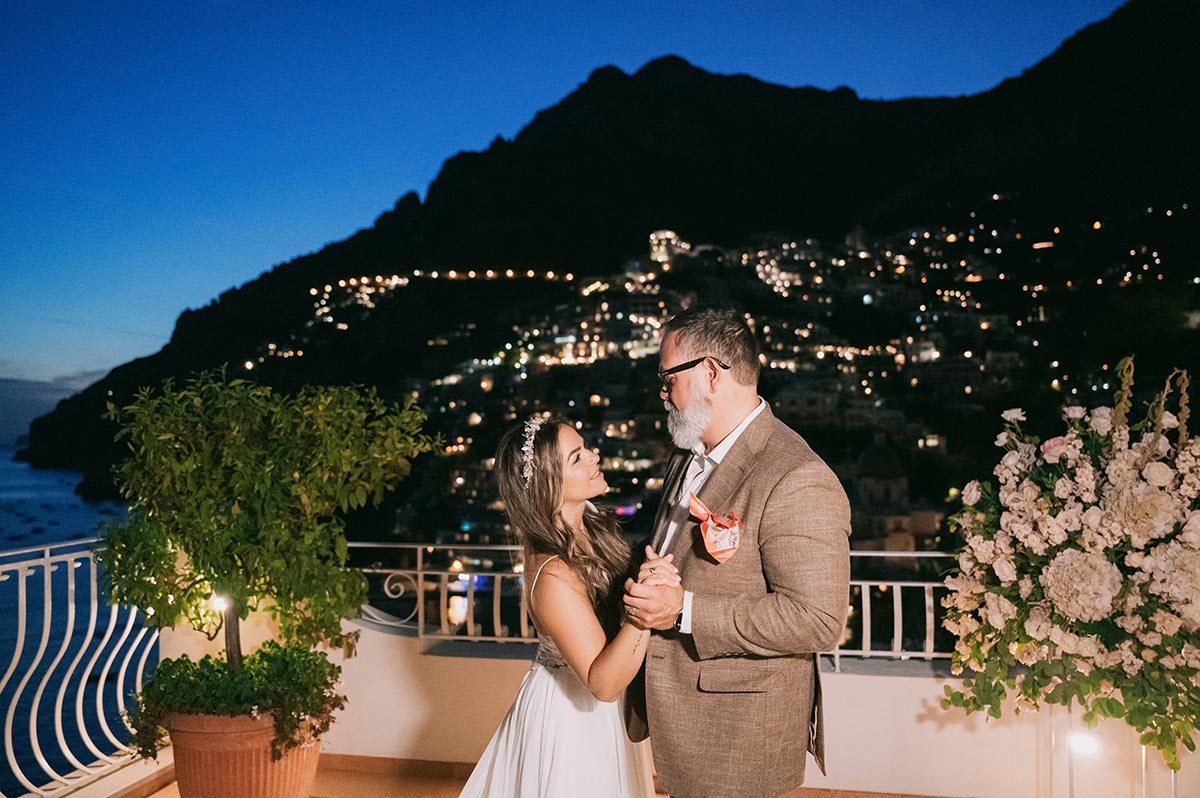
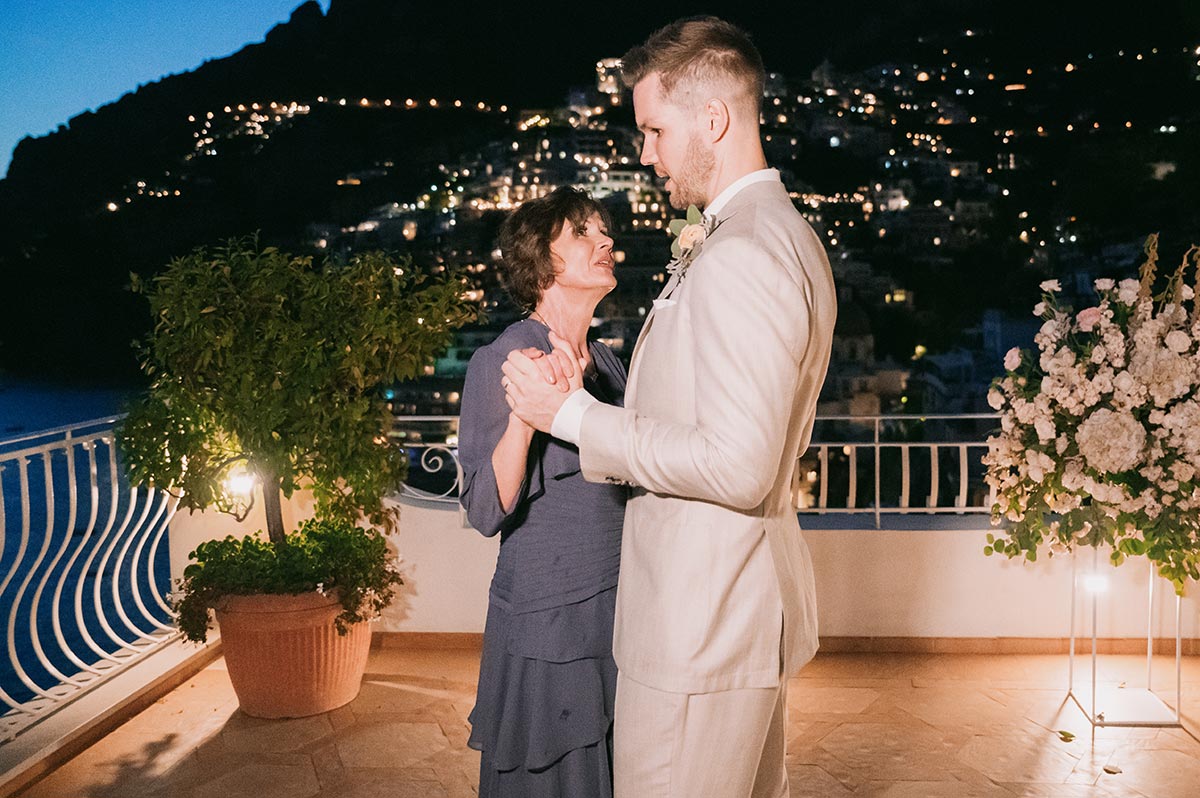
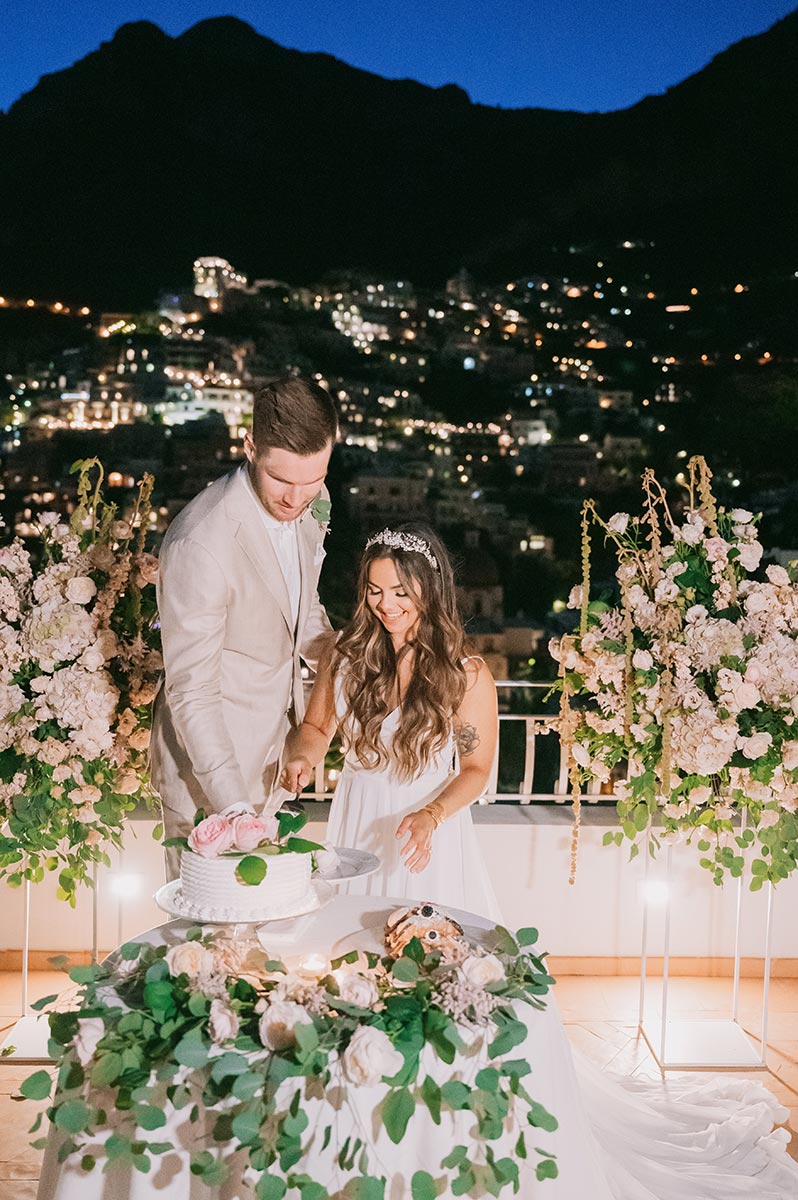
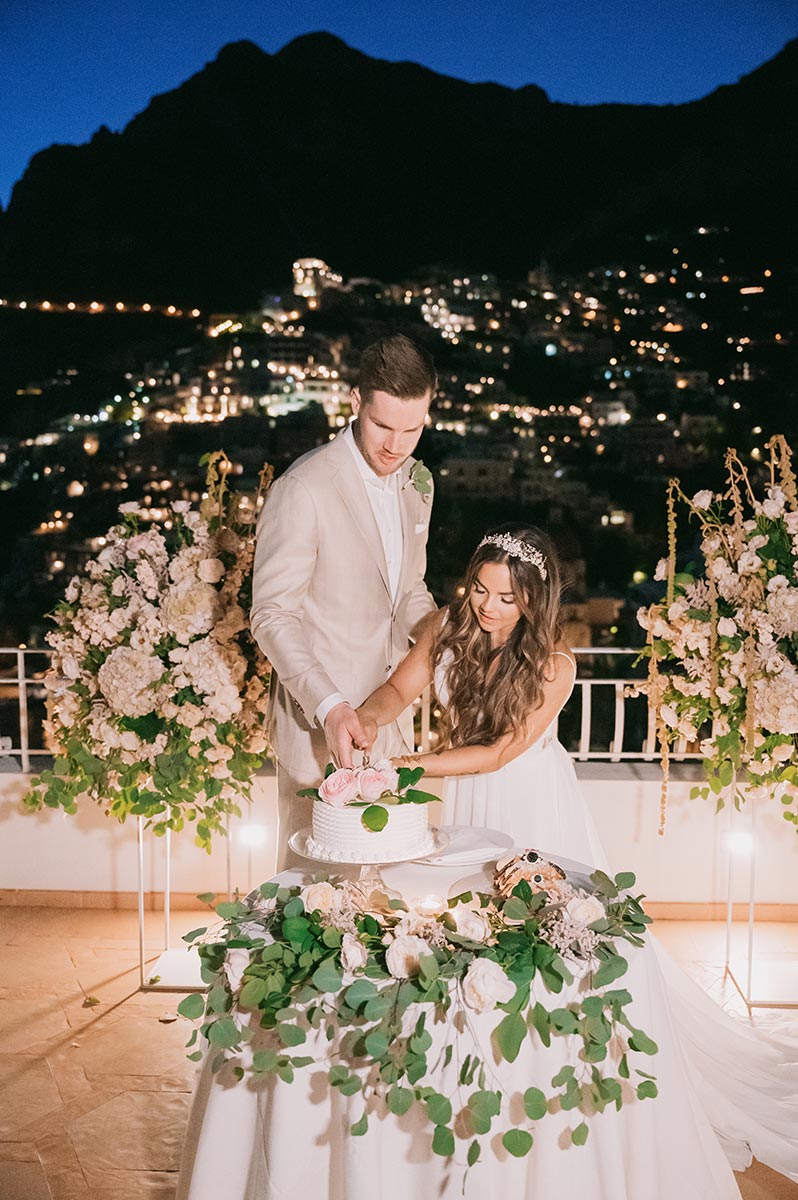
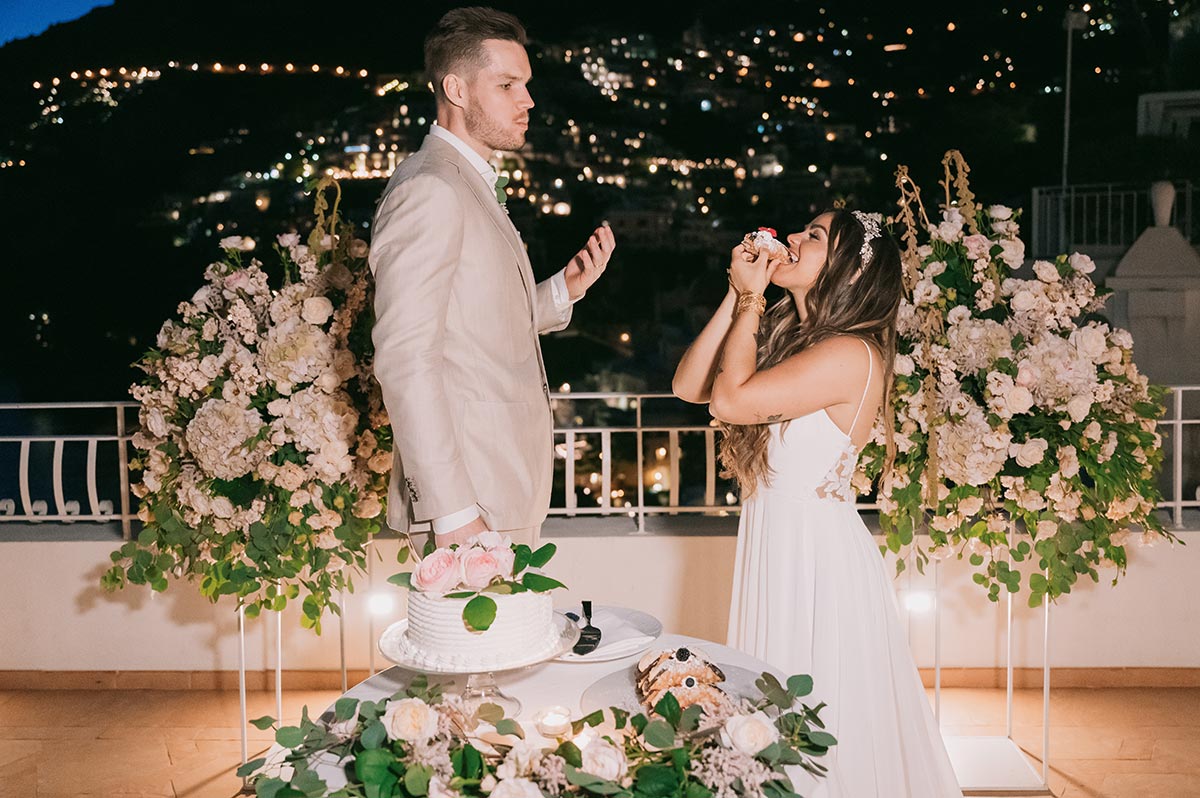
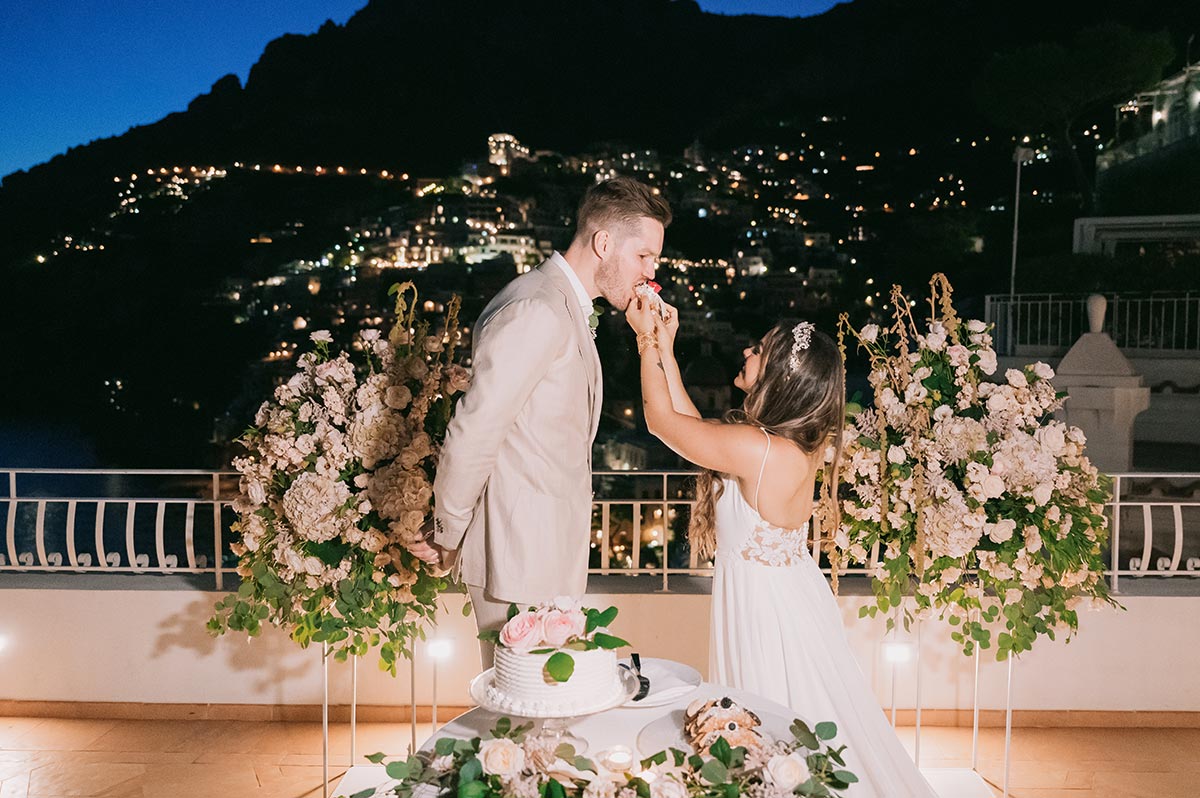
But the highlight of staying at Hotel Marincanto is undoubtedly the terrace. From here, you can enjoy an incomparable view of the famous clustered houses of Positano and its iconic vista. Whether you are having a meal, relaxing with a drink, or simply taking in the view, the terrace offers a unique and unforgettable experience.
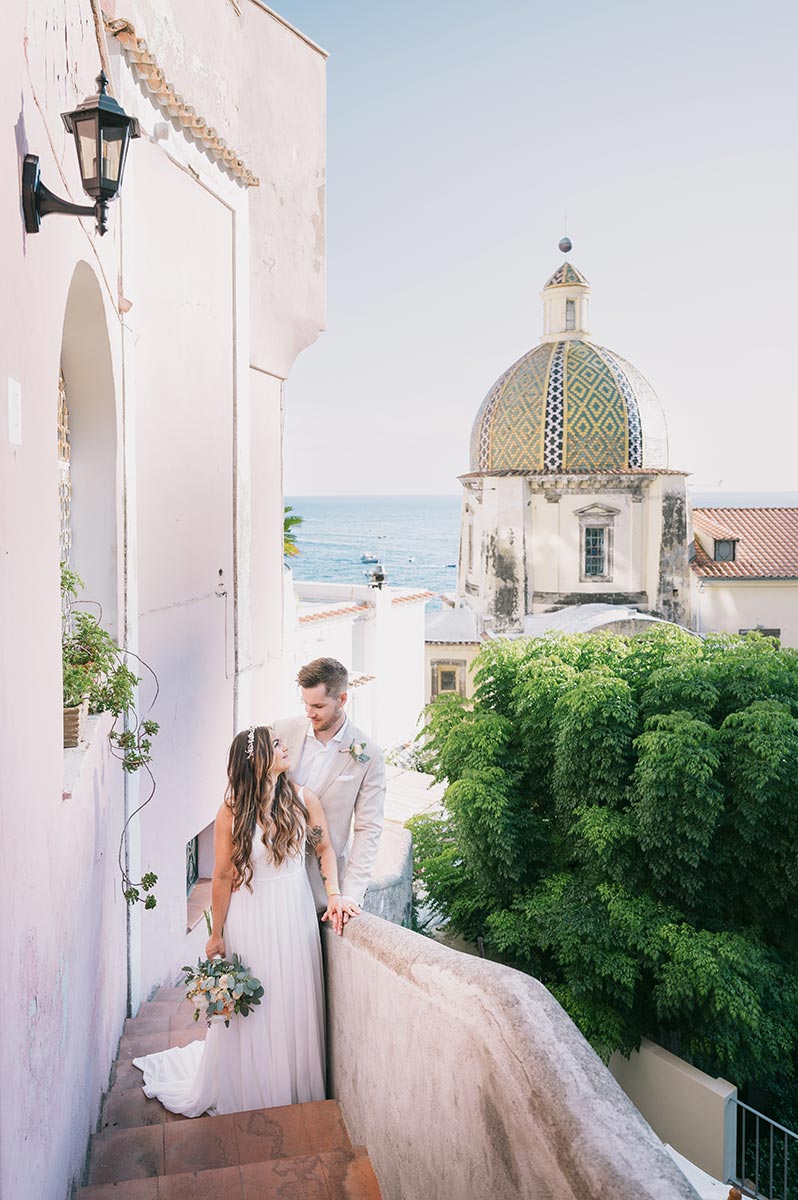
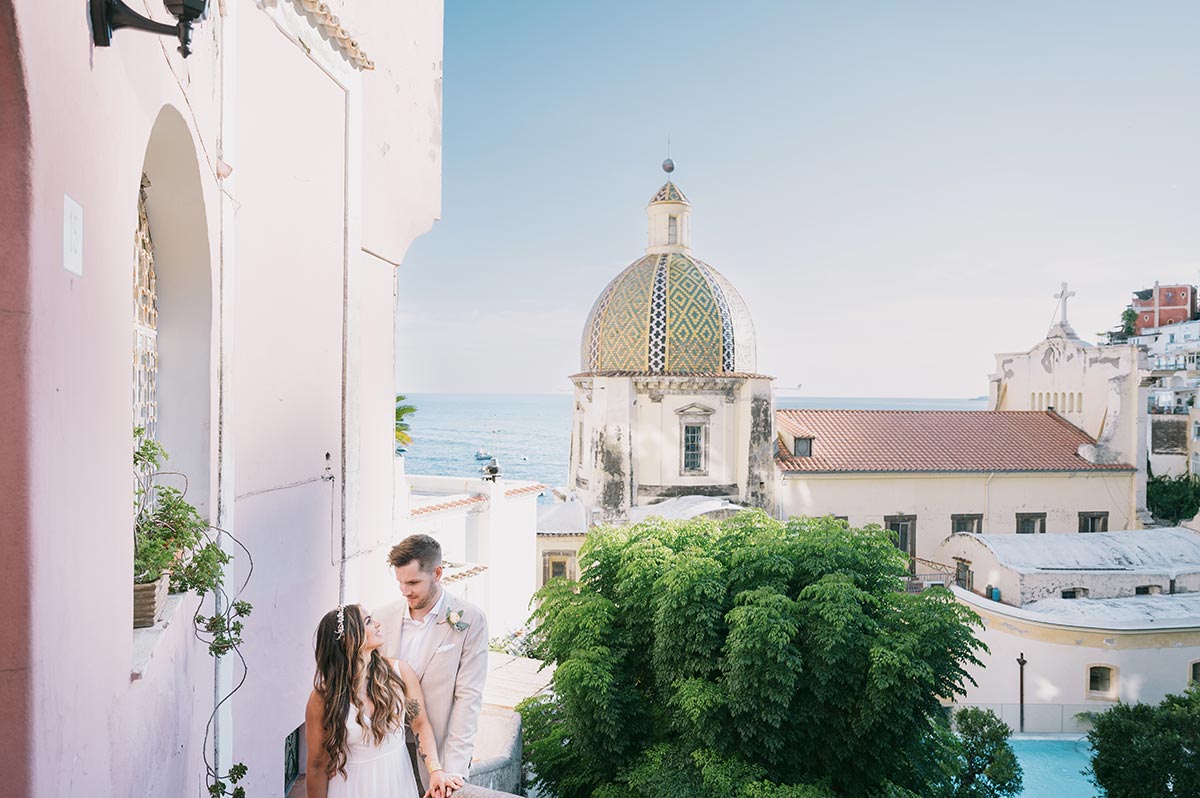
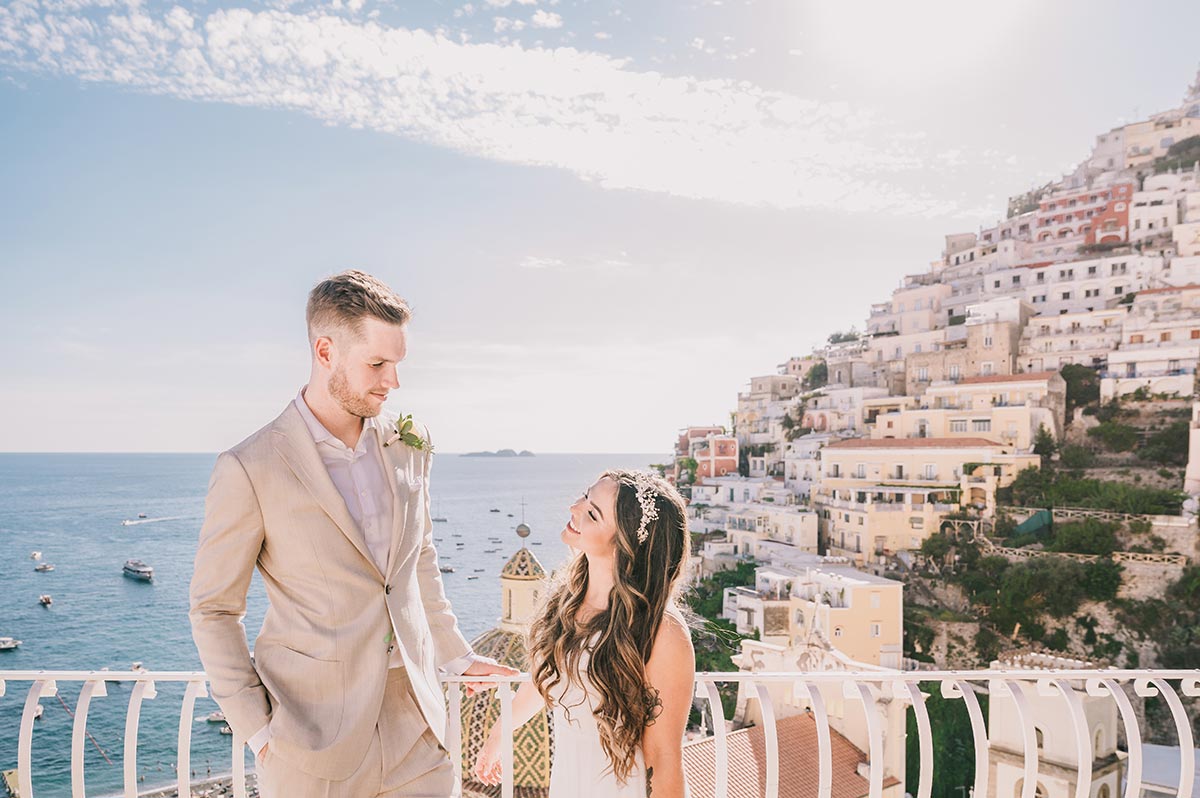
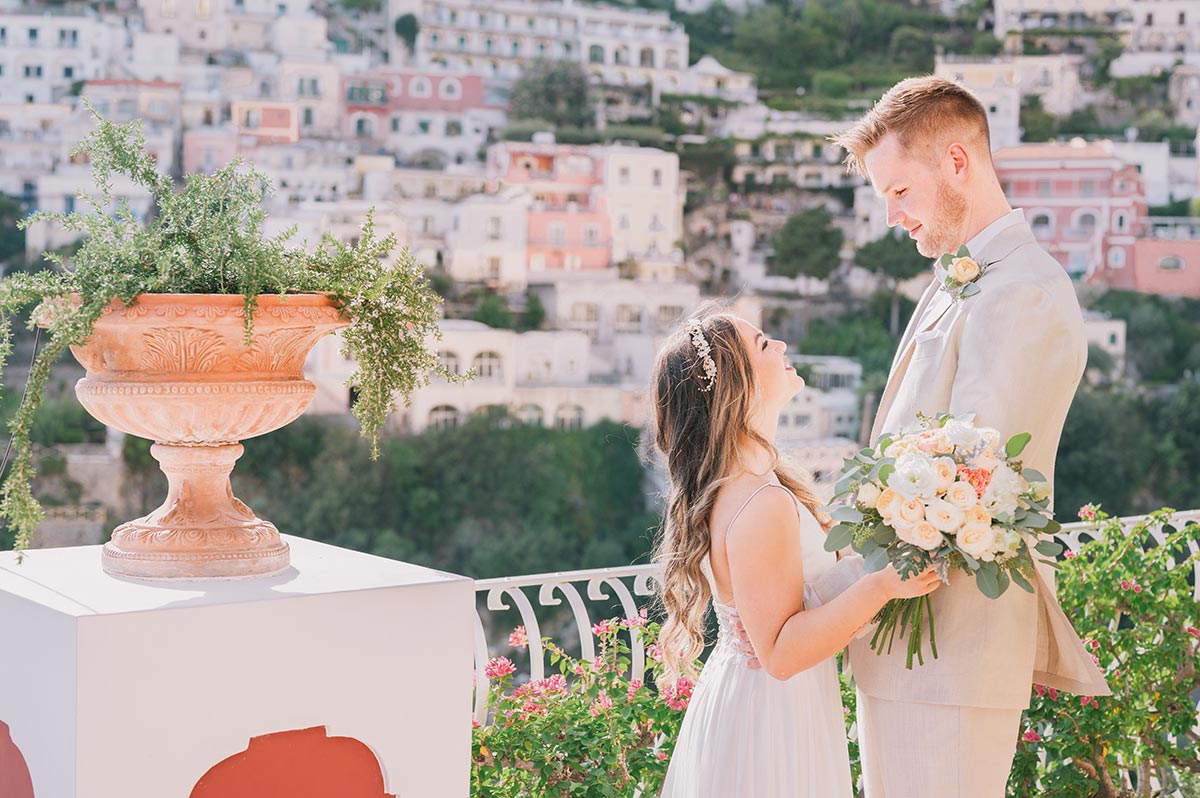
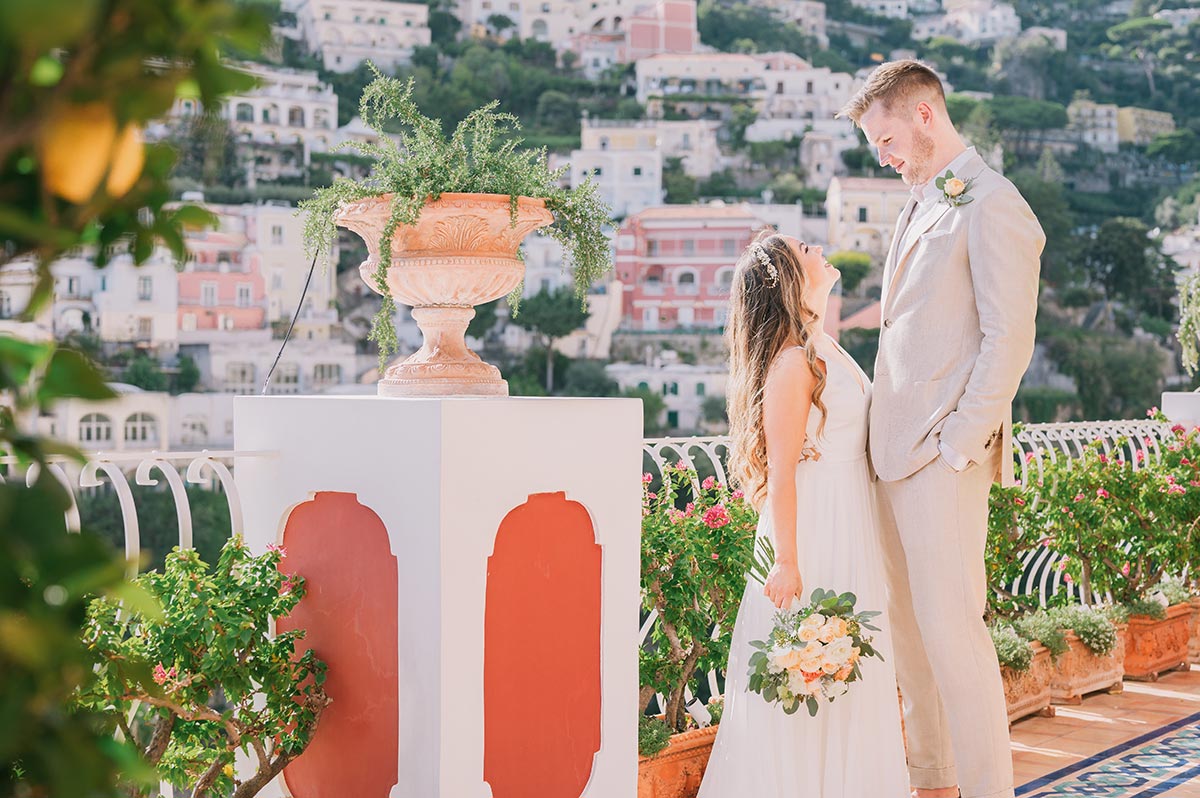
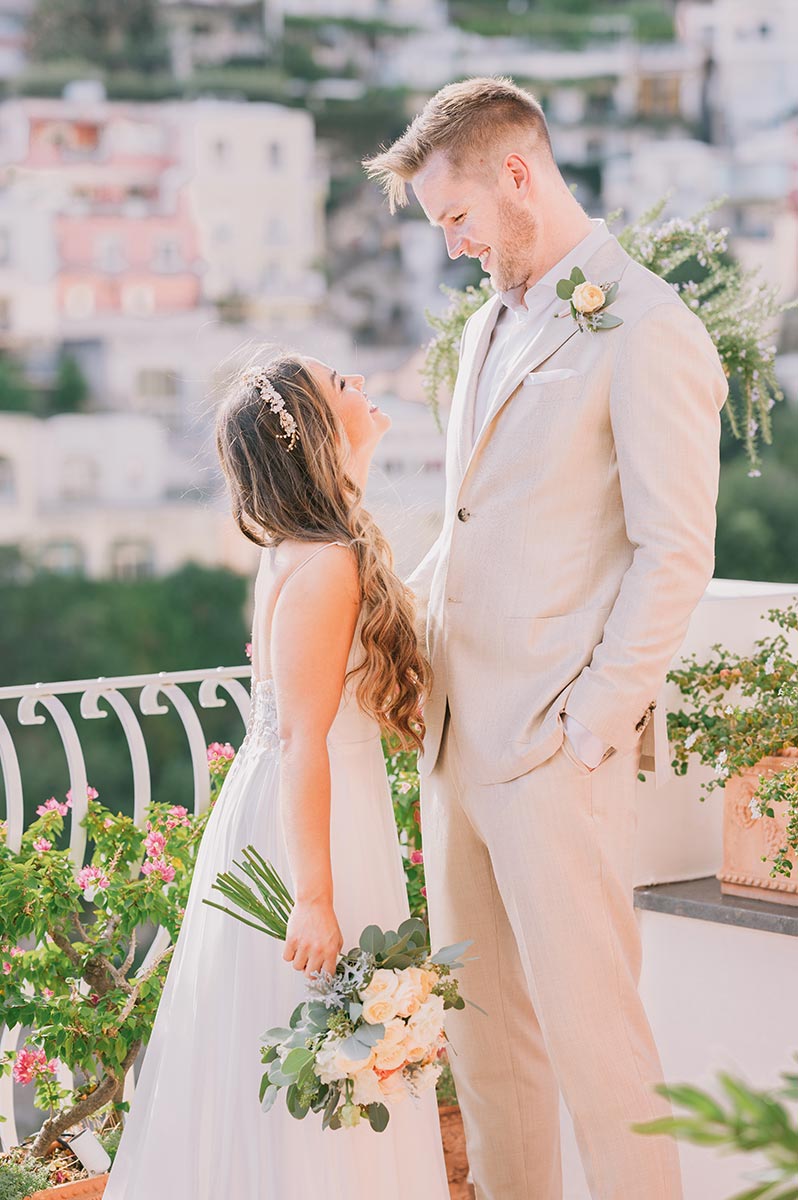
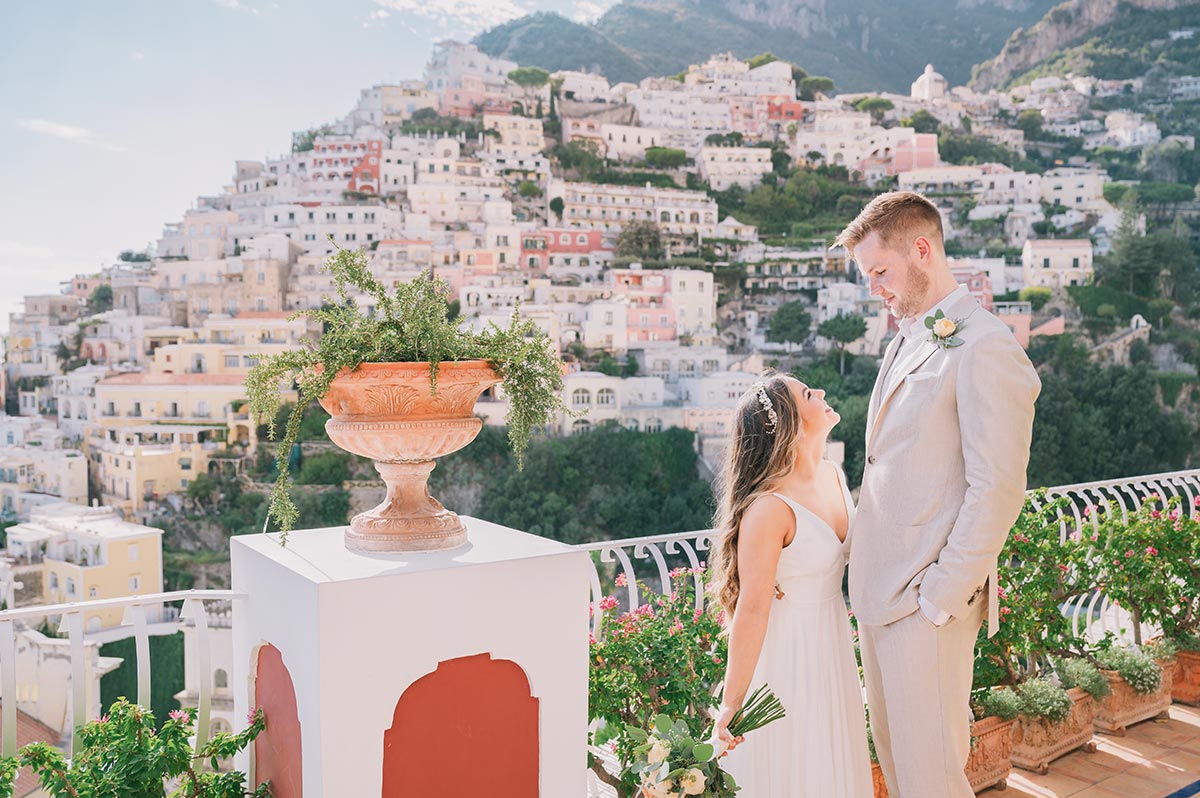
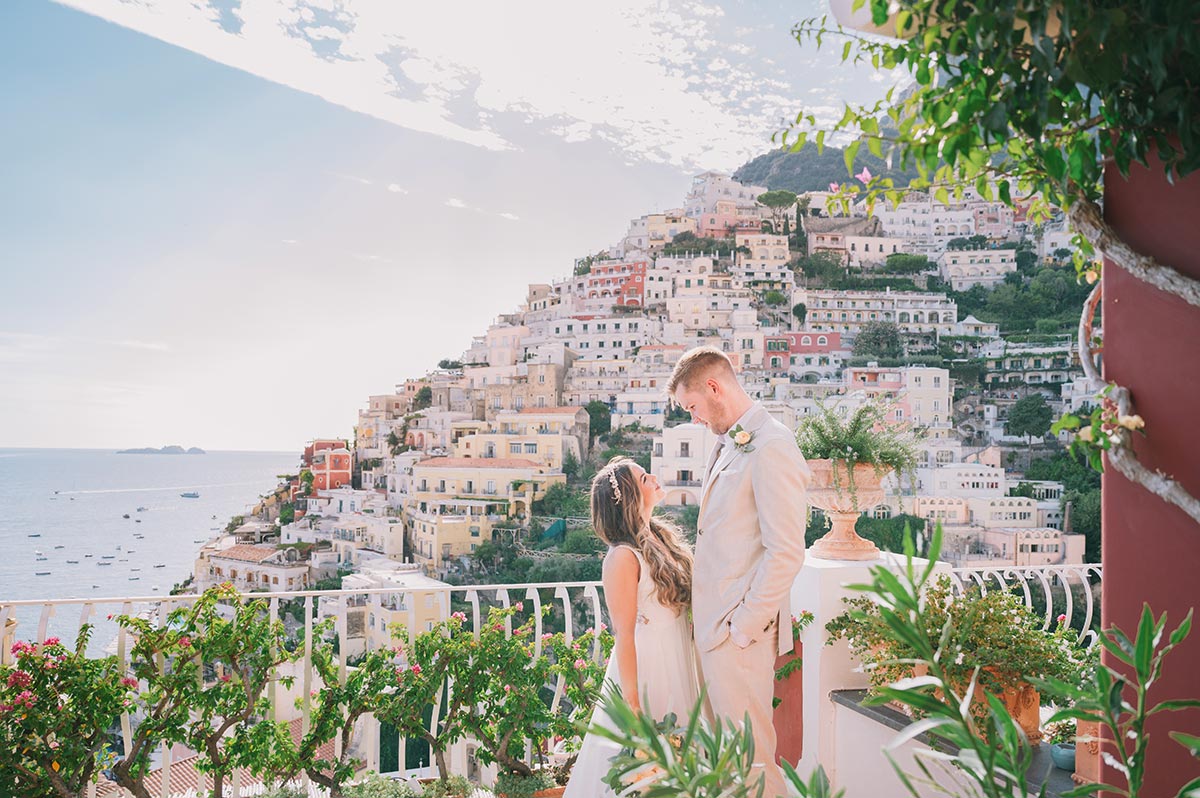
In Positano, beauty and romance go hand in hand, making it an ideal destination for couples. Whether planning a honeymoon, an anniversary trip, or a romantic getaway, Positano is the perfect place to create memories that will last a lifetime. And with Hotel Marincanto as your base, you will be right in the heart of it all, with all the best that Positano has to offer right at your doorstep.

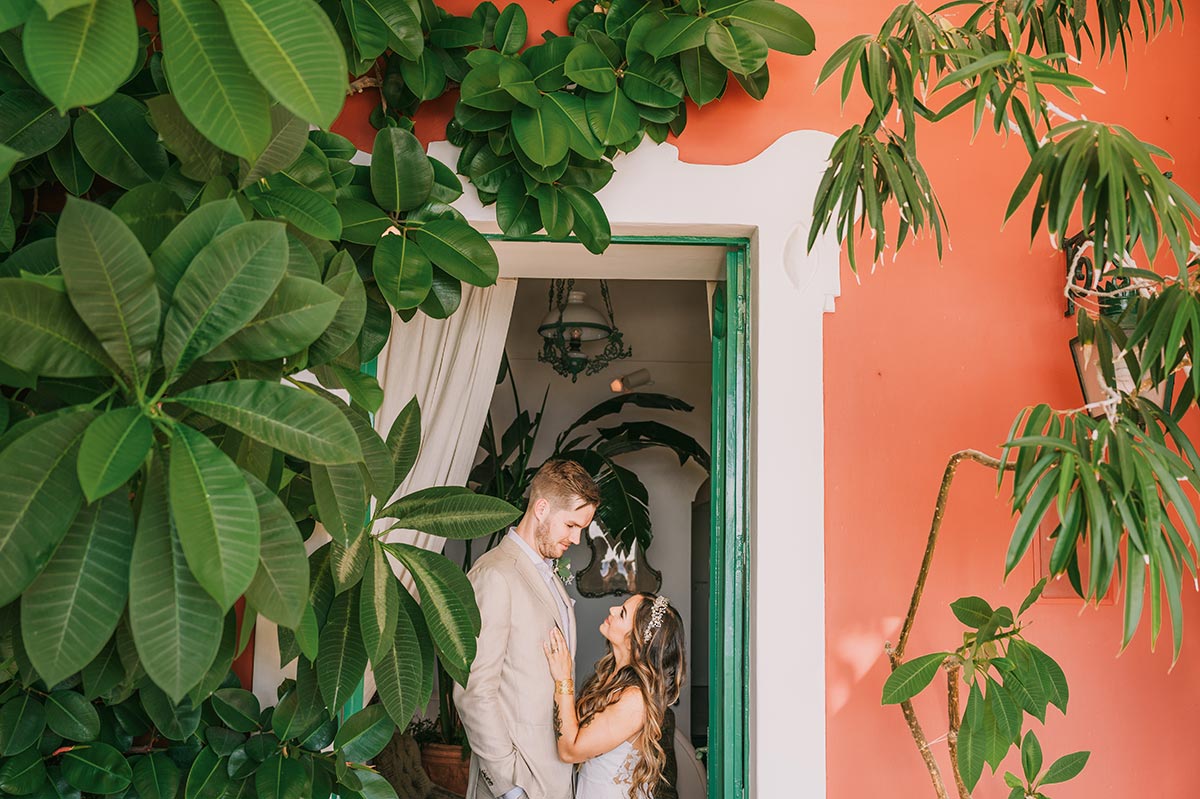
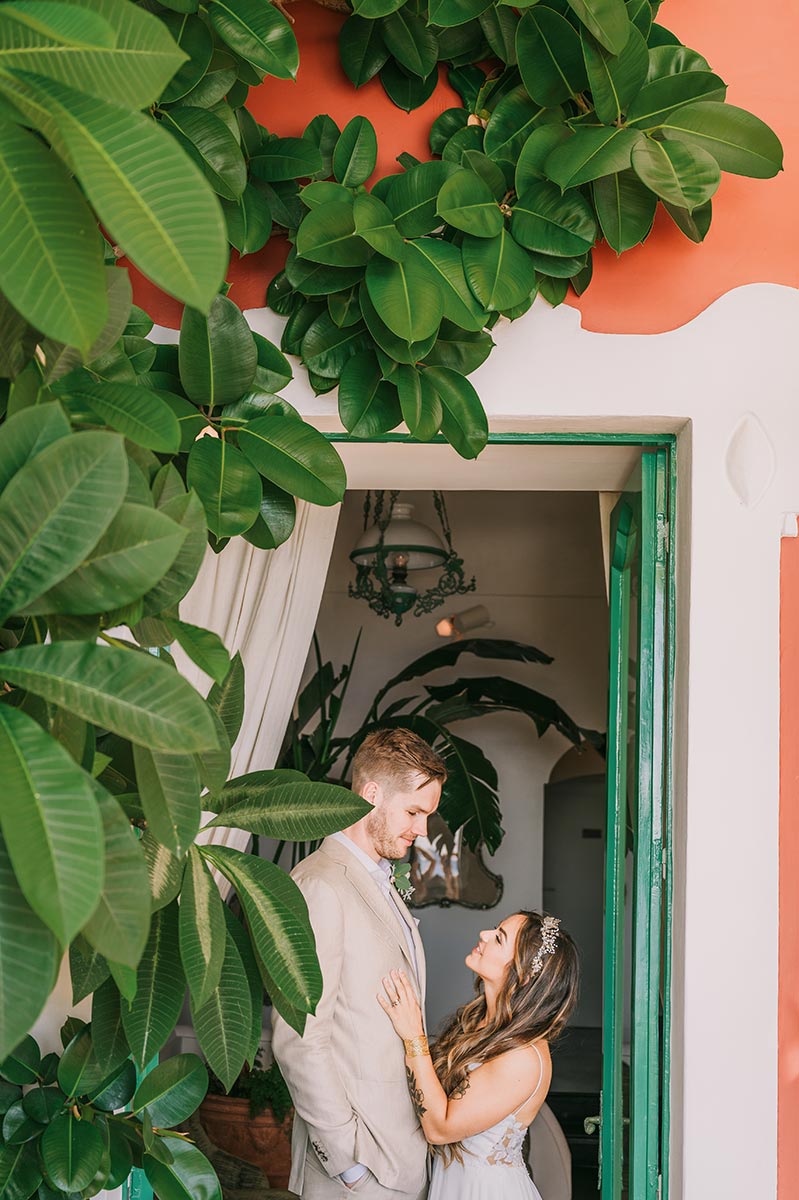
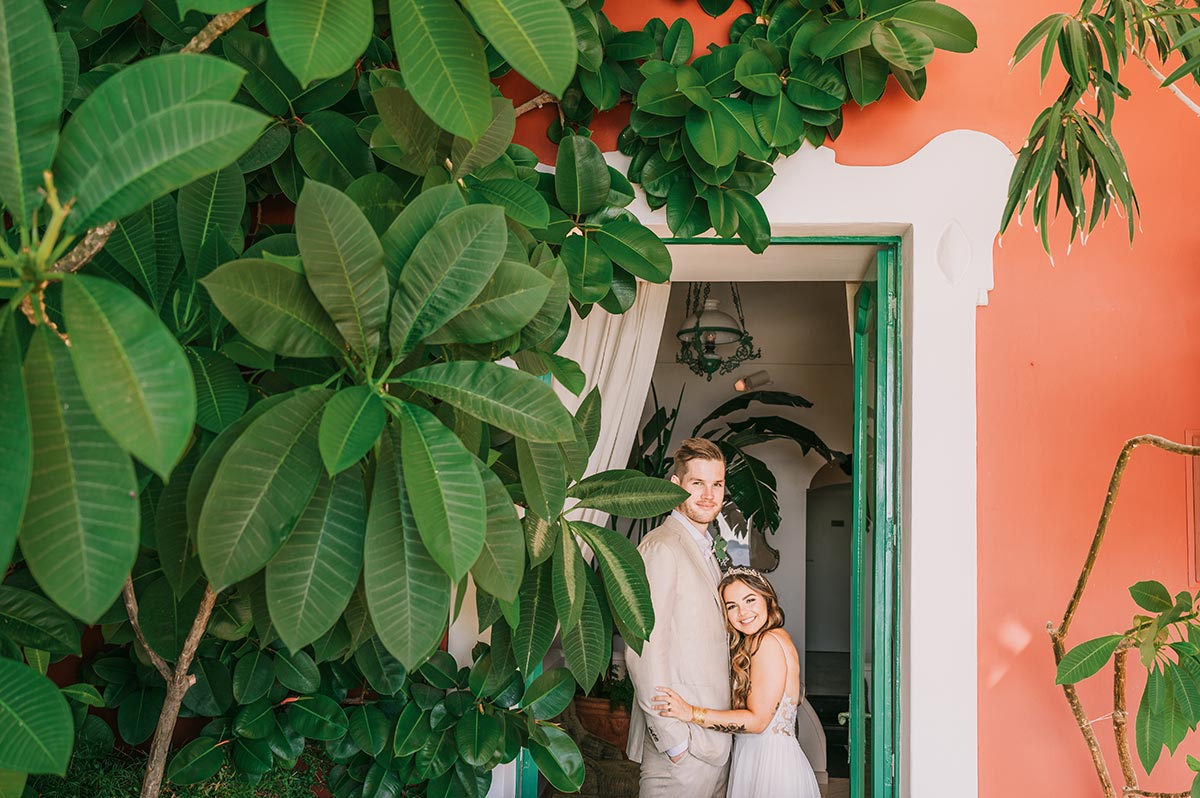
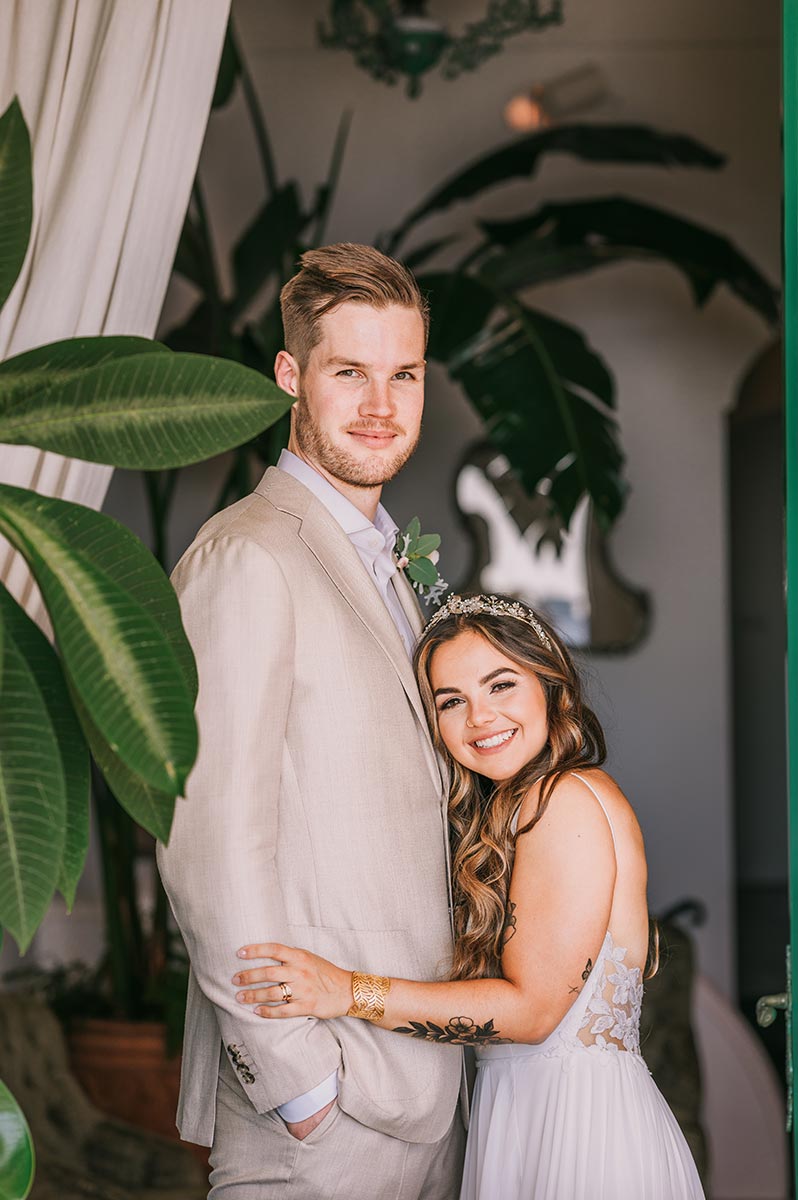
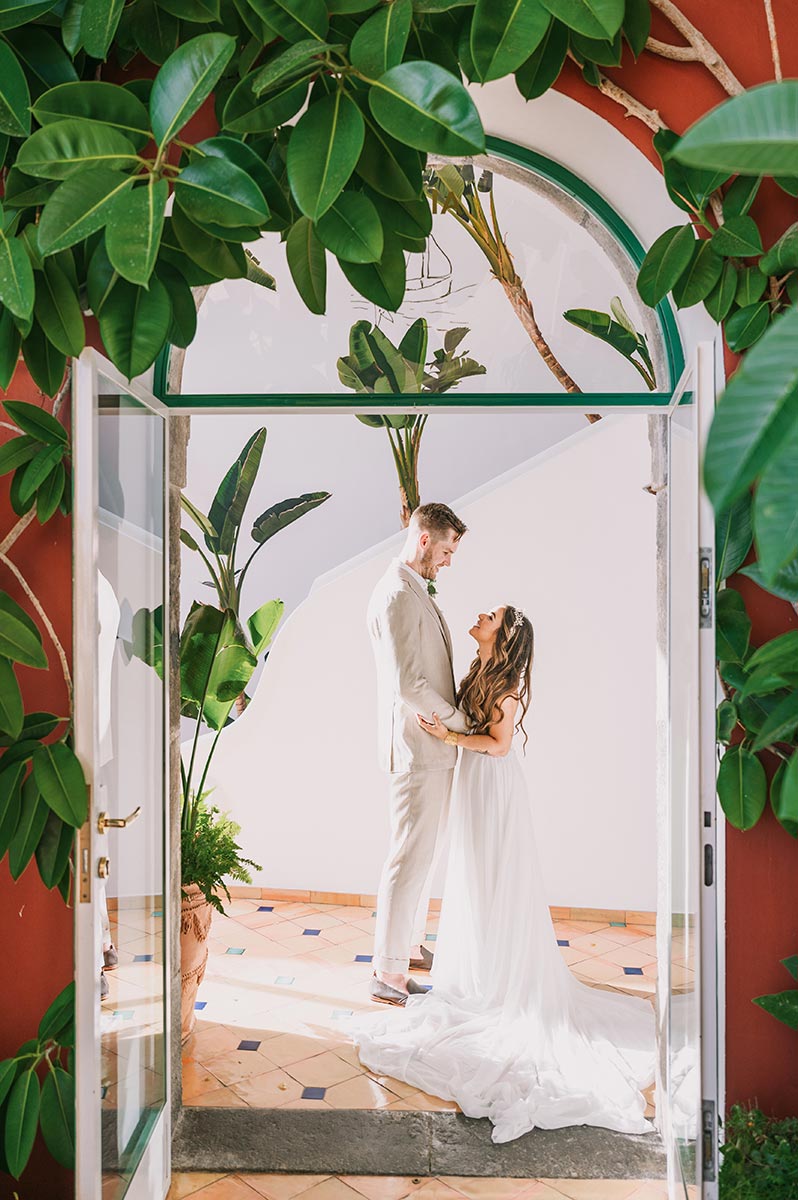
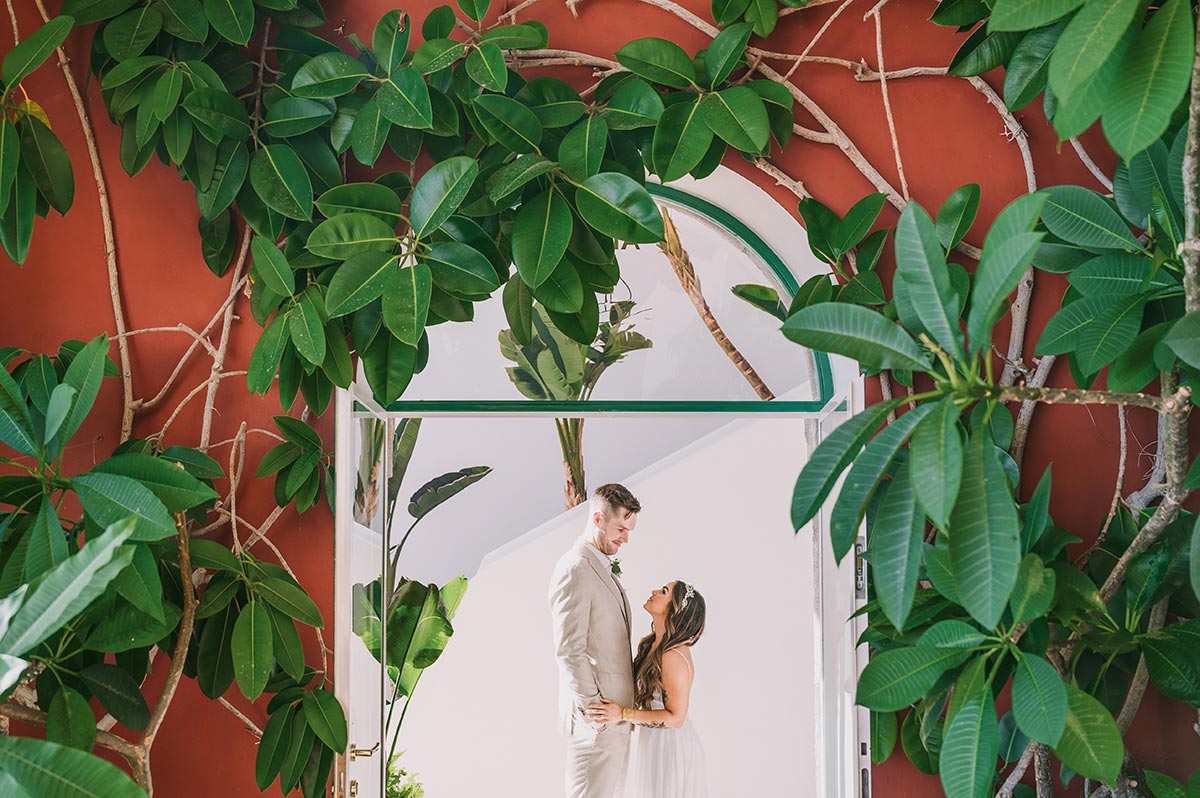
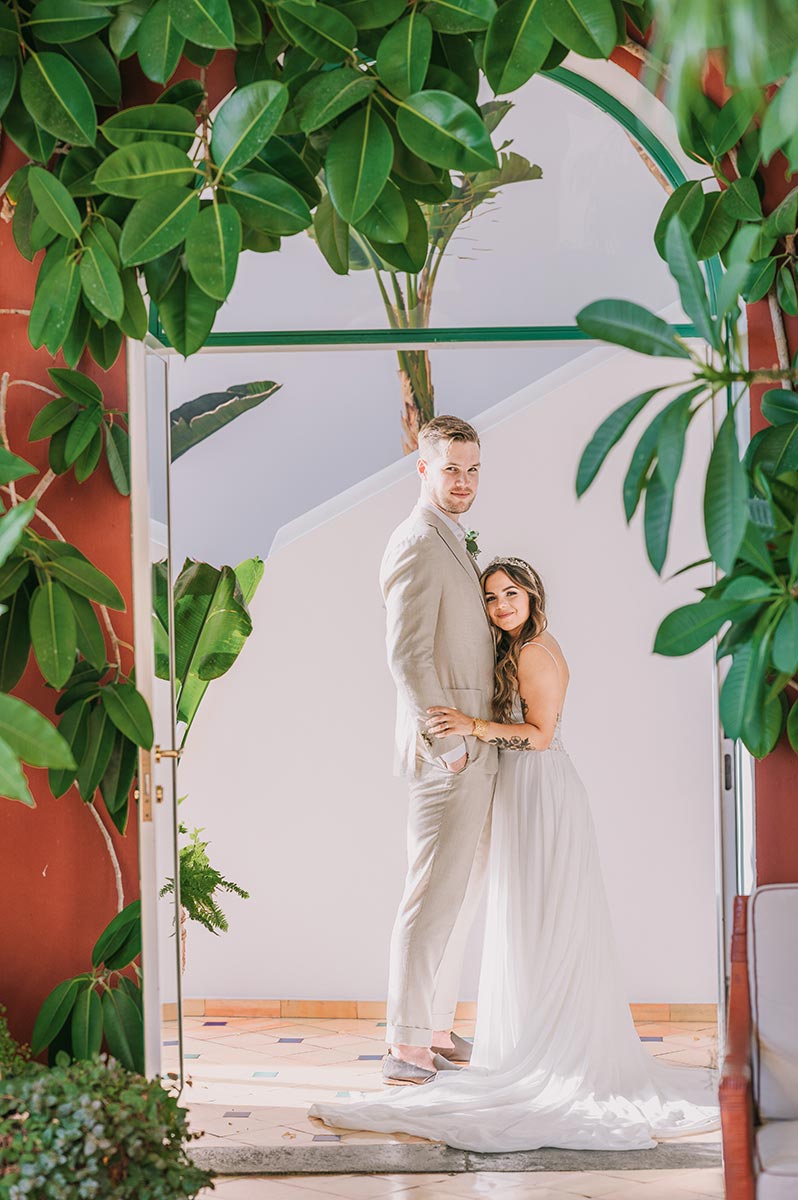
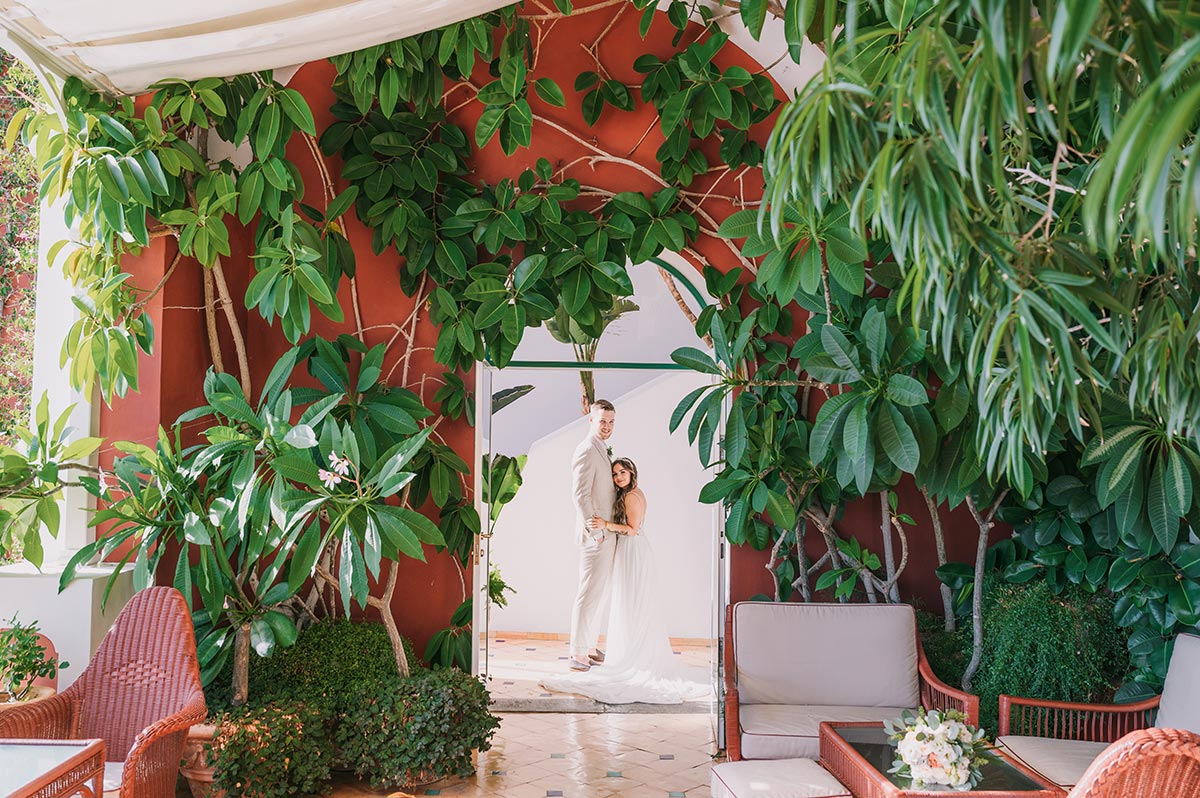
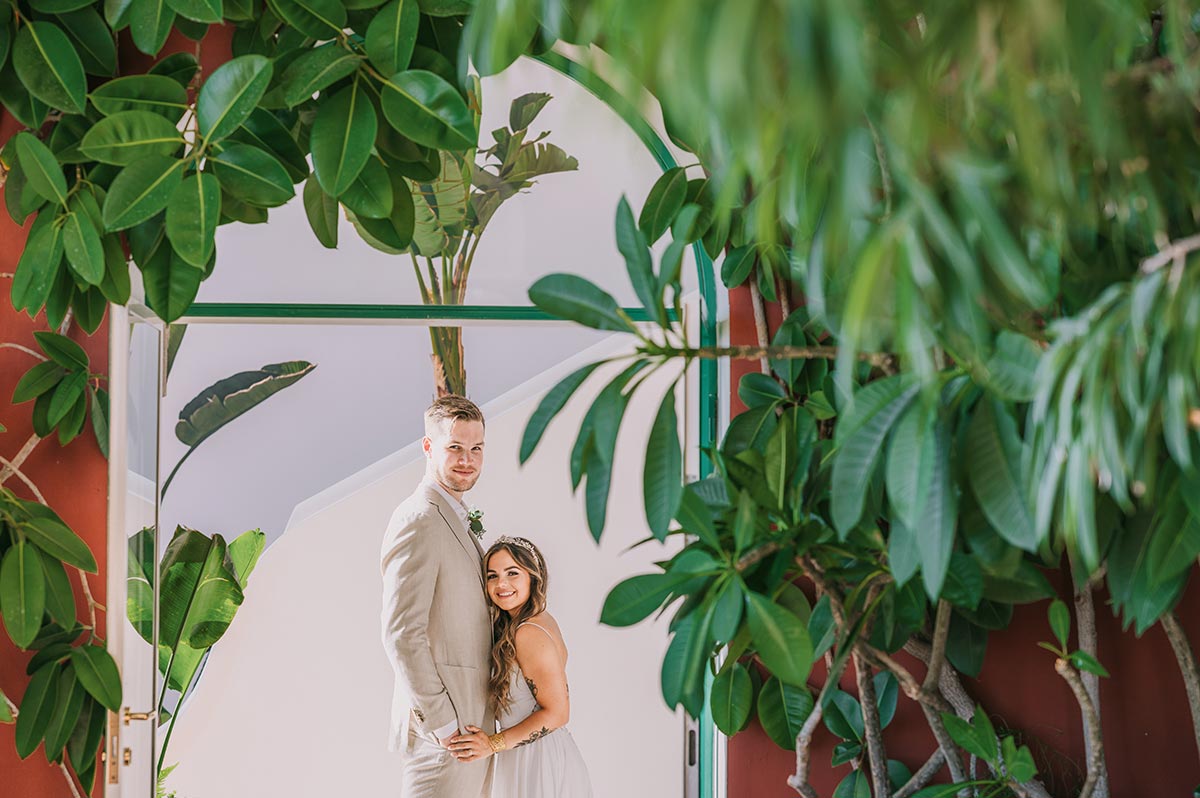
So if you are looking for a romantic escape to one of Italy’s most beautiful destinations, consider Hotel Marincanto in Positano. With its fantastic location, breathtaking views, and charming atmosphere, it is the perfect place to make your special day unforgettable.
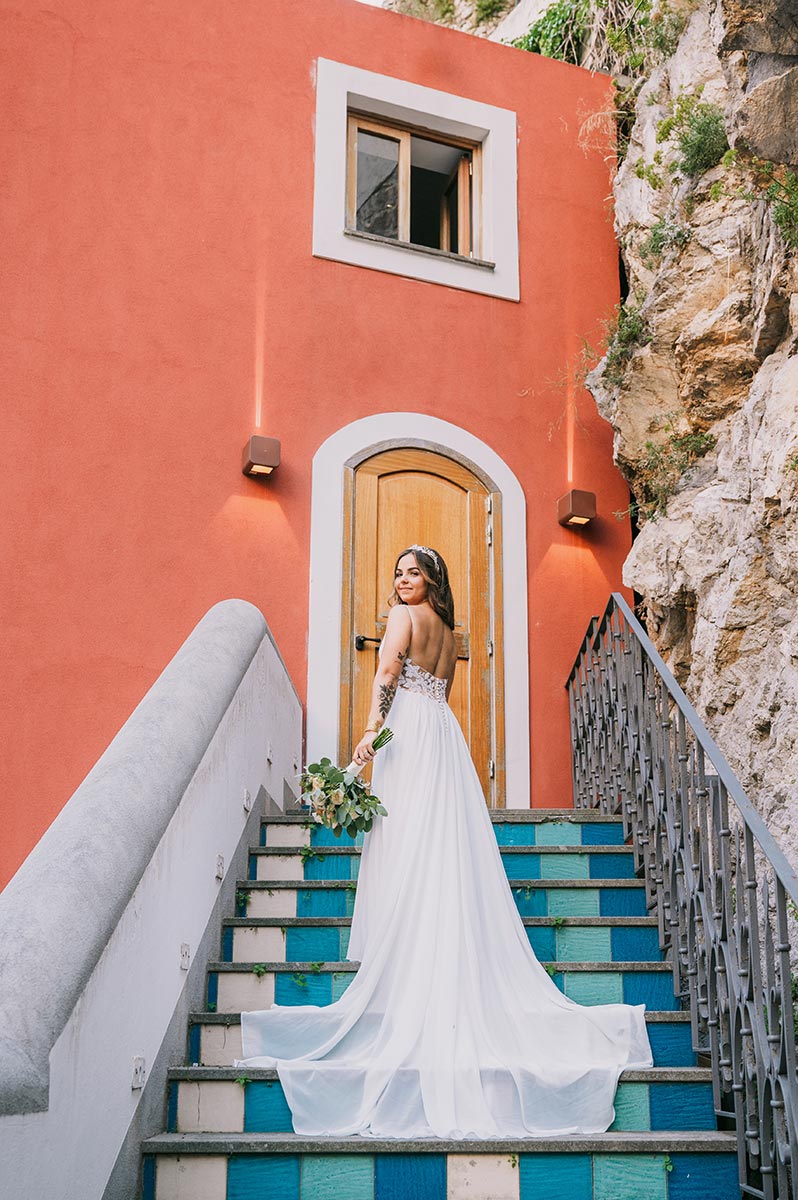

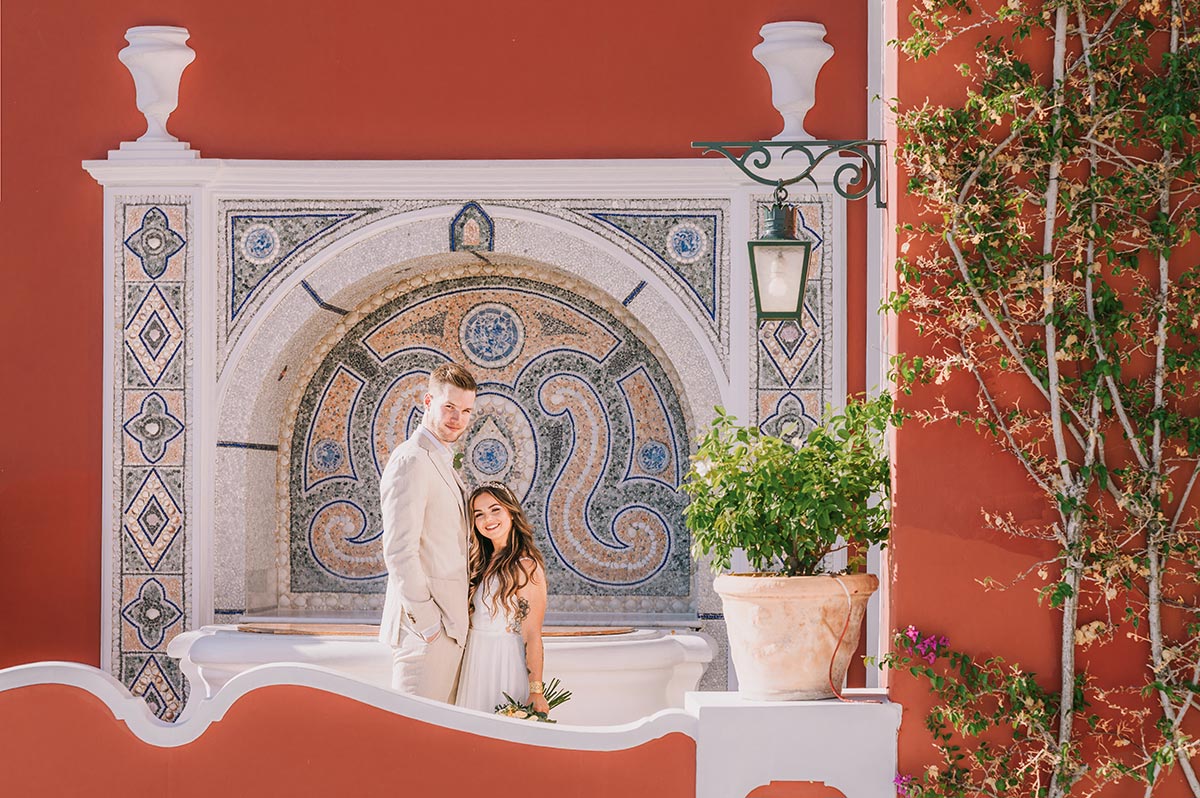

Exceptional Service and Luxury Accommodations
Hotel Marincanto is a luxurious and exceptional venue in Positano for your wedding or elopement. This stunning hotel offers the perfect blend of beauty, comfort, and extraordinary service, making it the ideal choice for your special day.
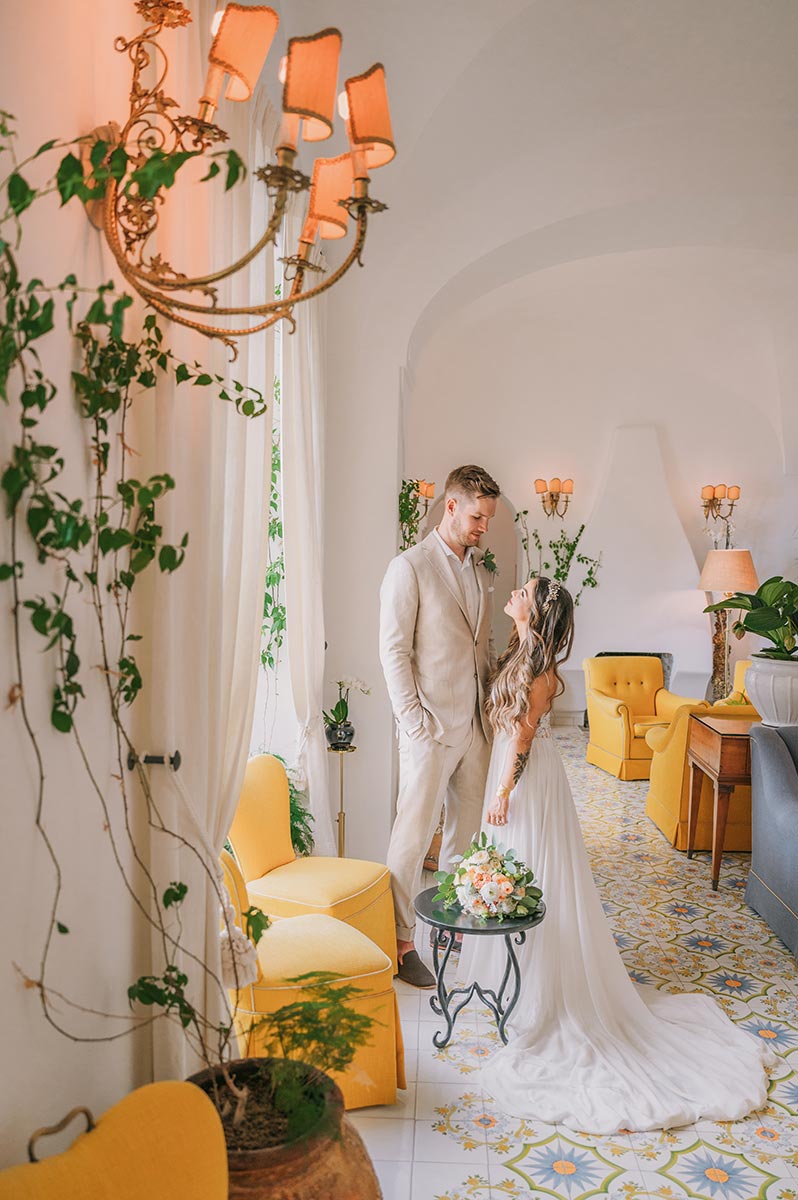
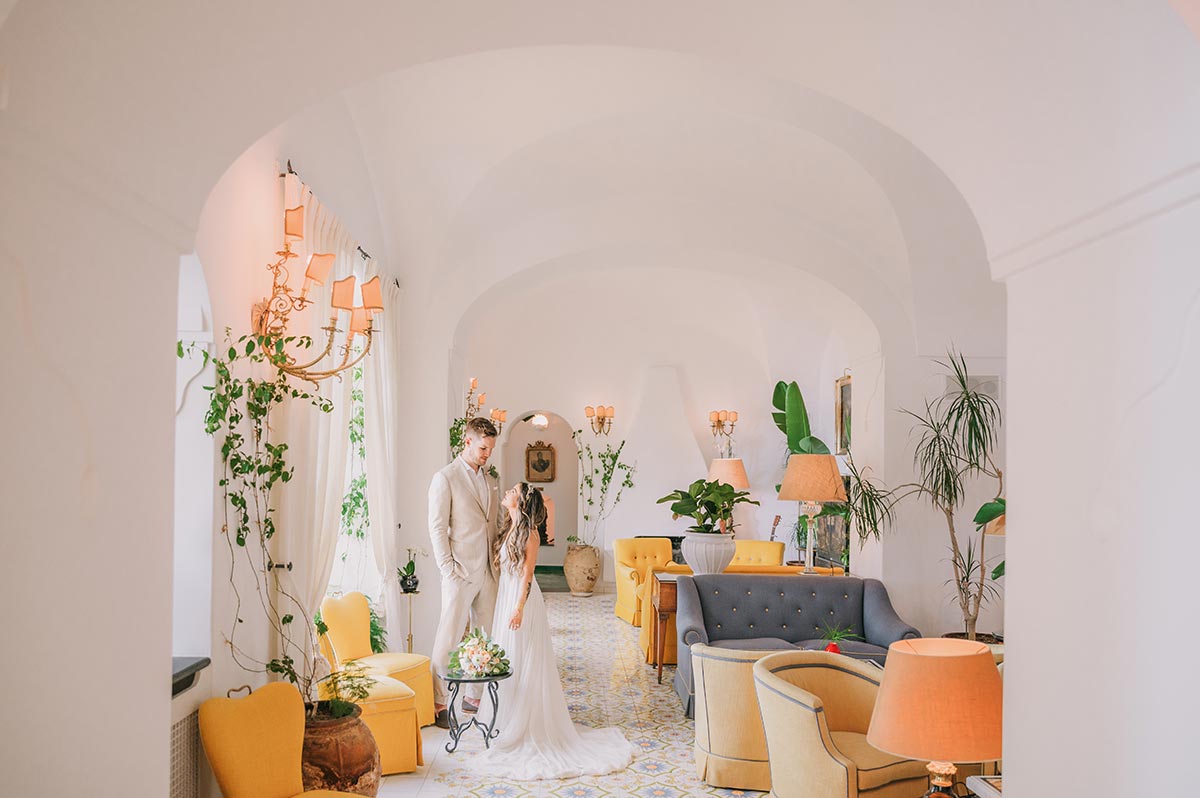
The dedicated and professional staff at Hotel Marincanto are committed to ensuring that your wedding or elopement is as stress-free and enjoyable as possible. They will take care of every detail, from the floral arrangements and catering to transportation and photography, so you can relax and enjoy your day to the fullest.
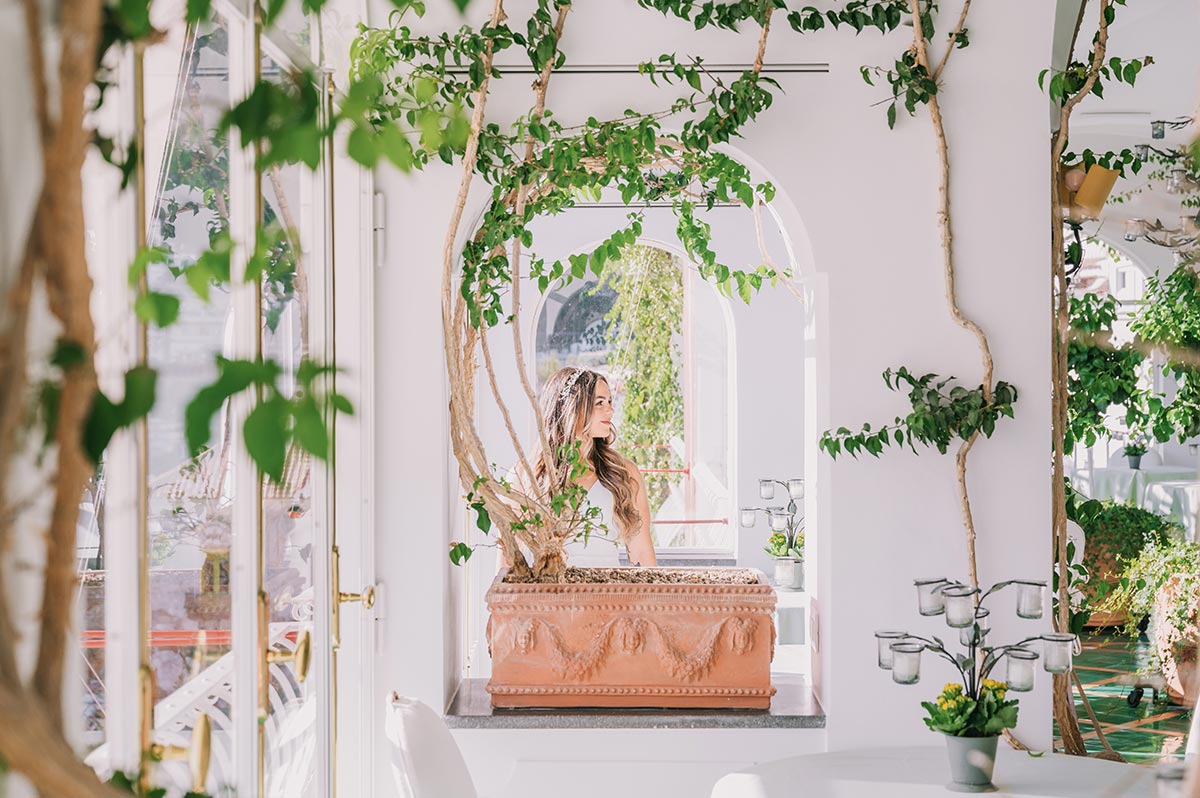
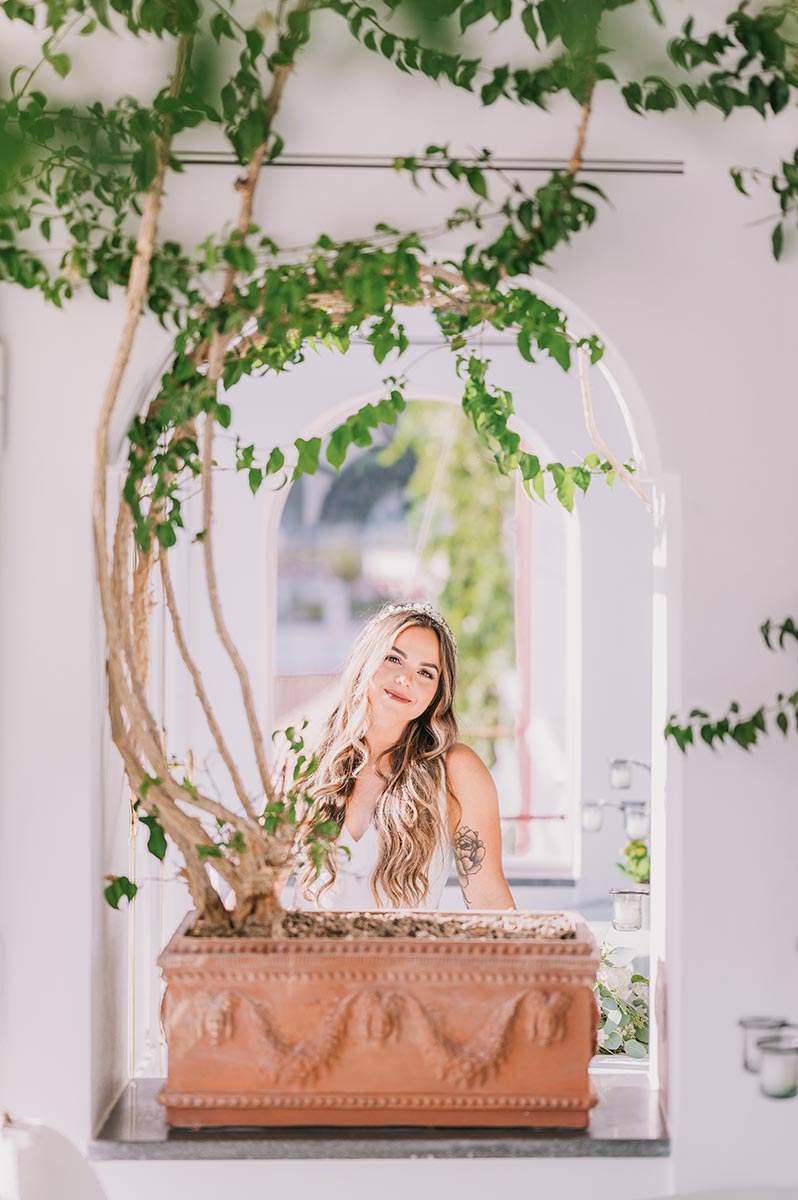
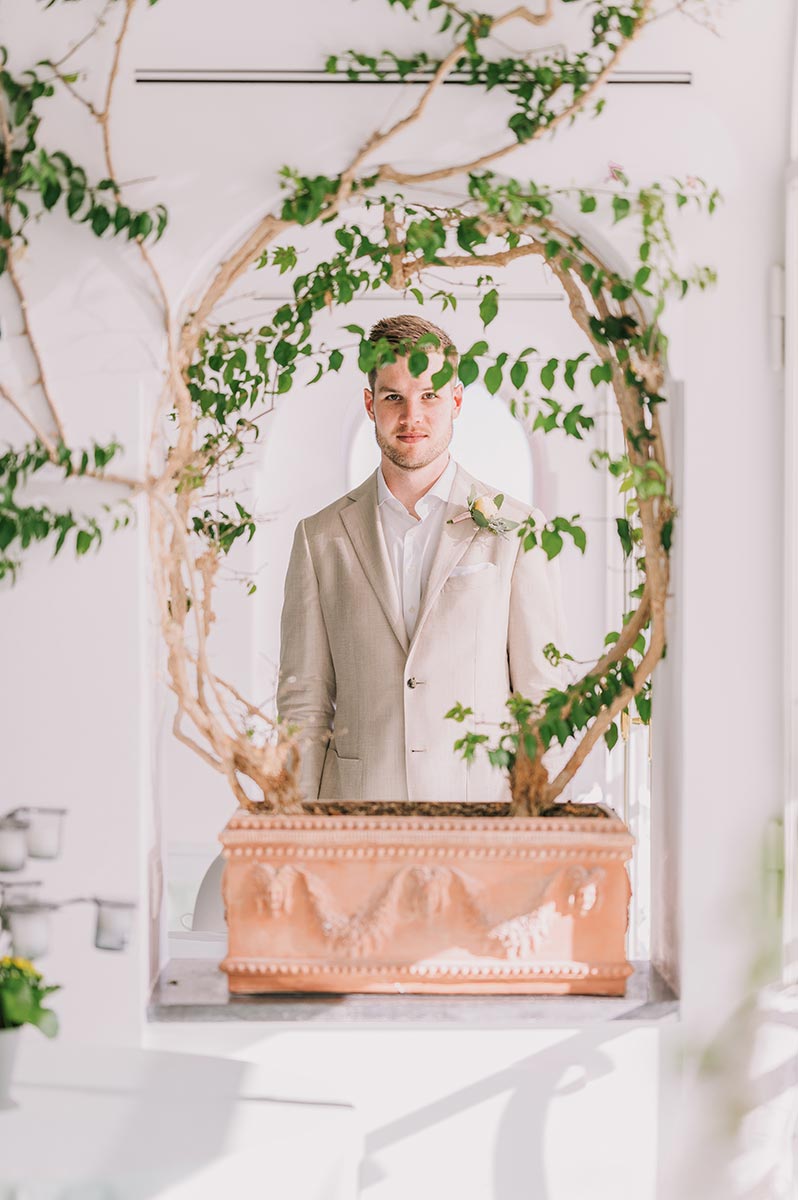
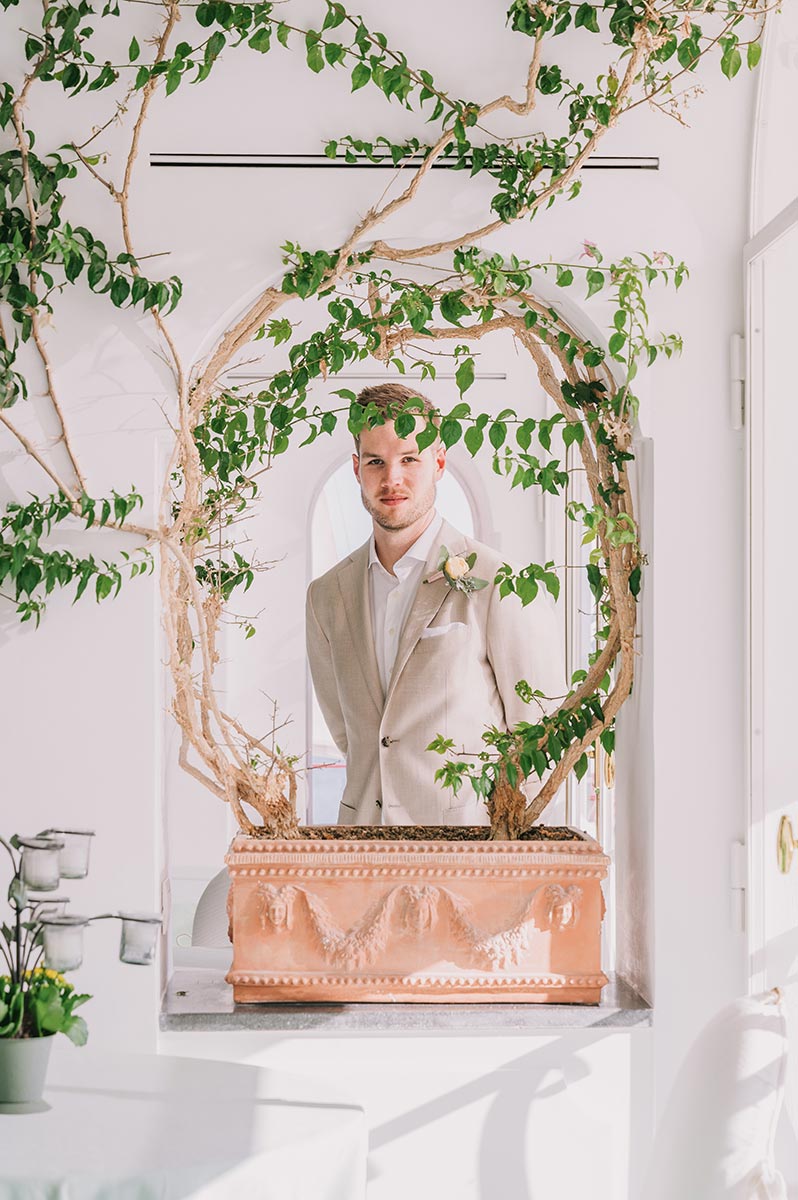

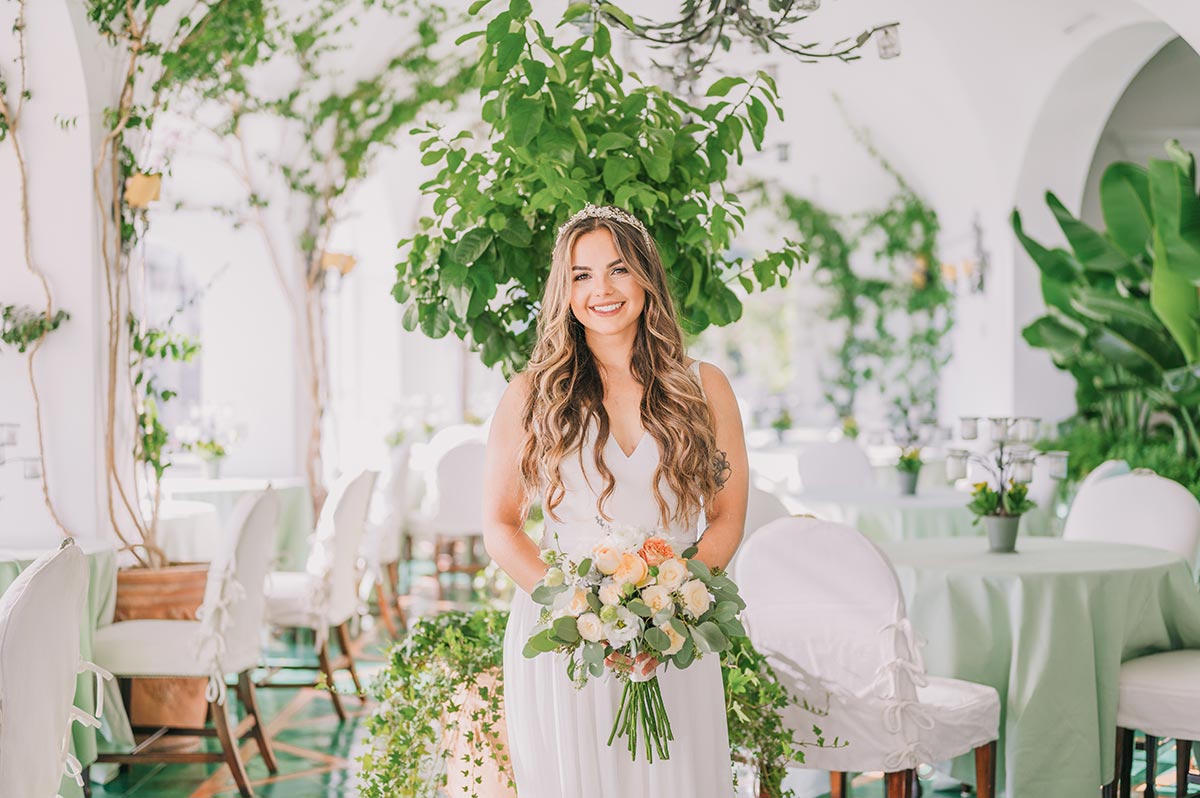
Regarding accommodations, the hotel offers luxurious and spacious rooms and suites that are perfect for you and your guests. The hotel’s wedding suite is a masterpiece, featuring beautiful and elegant decor that creates the perfect ambiance for your special day. The suite is also spacious enough to accommodate a table Imperiale for up to 20 guests, making it the ideal venue for small, intimate weddings.
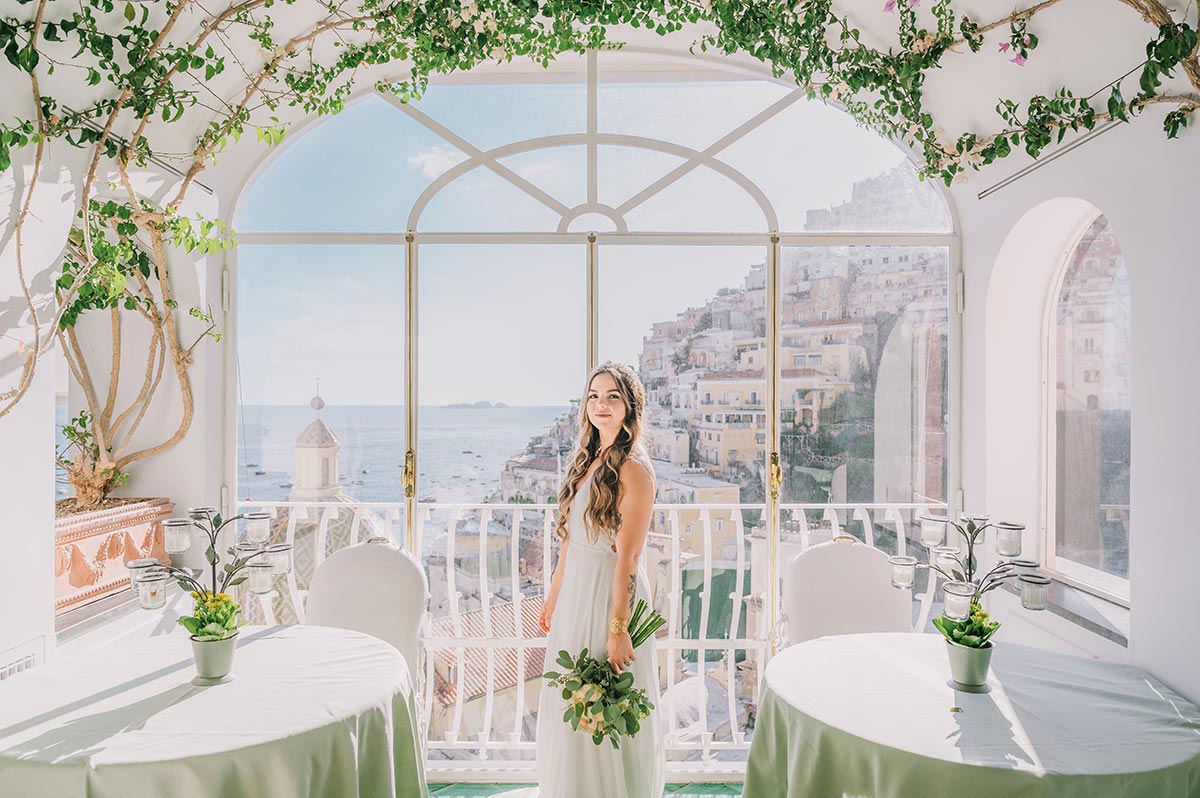
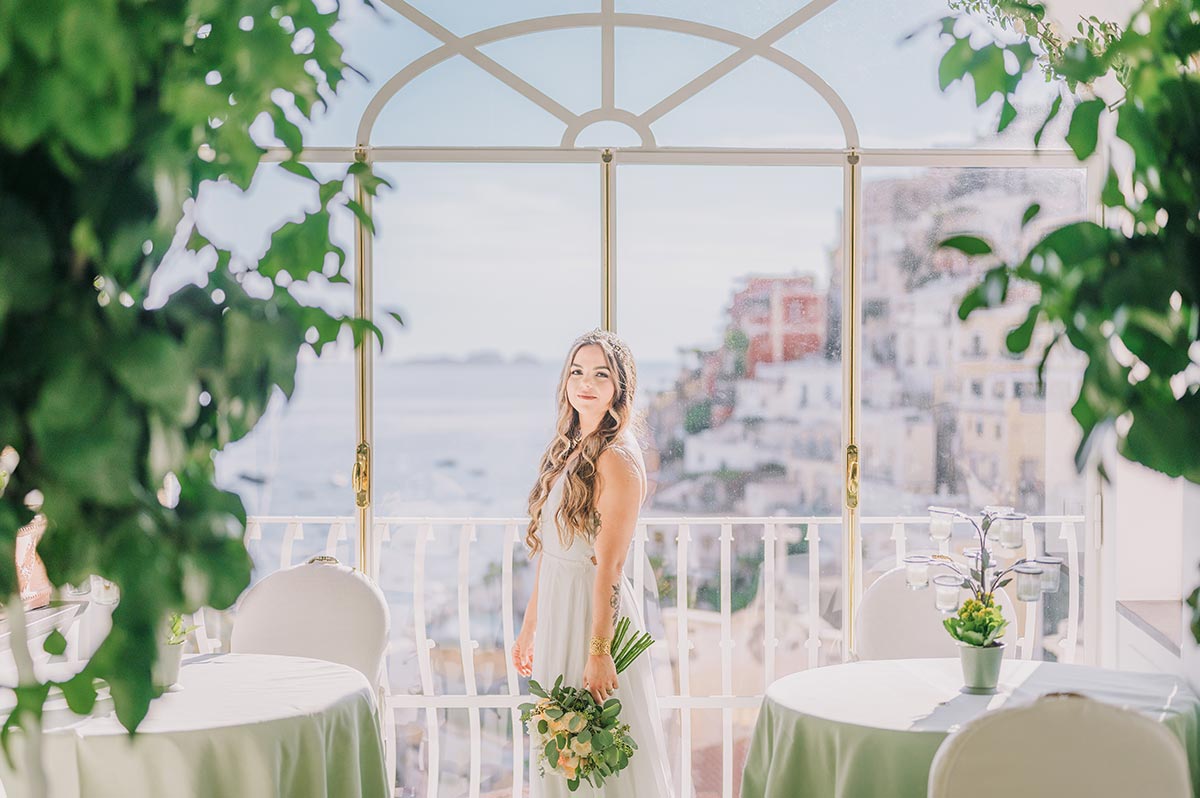
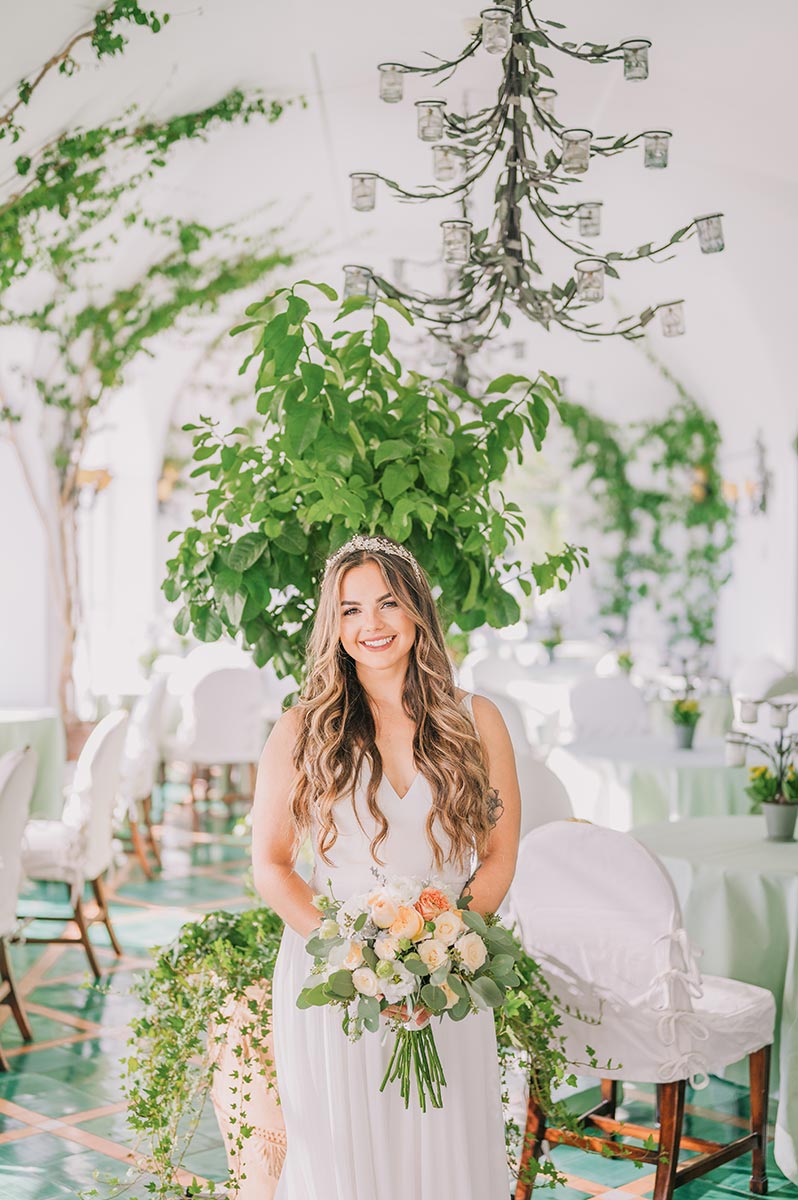
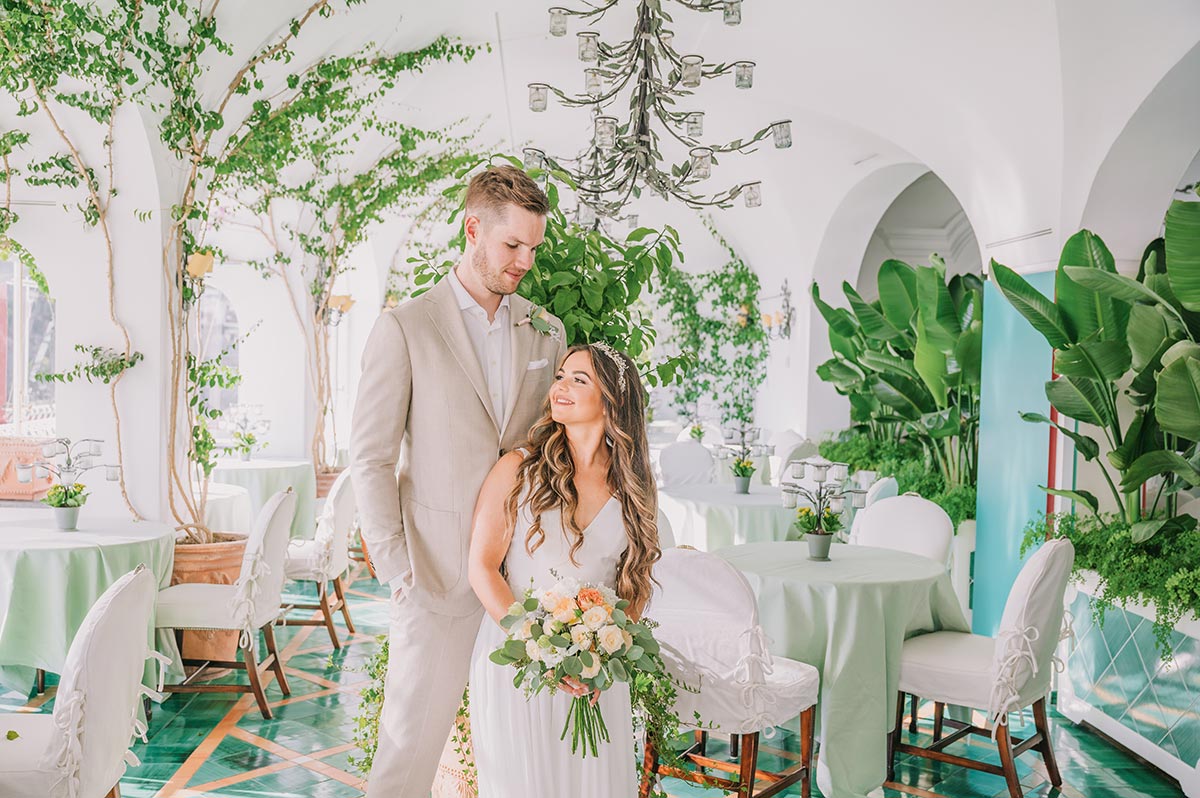
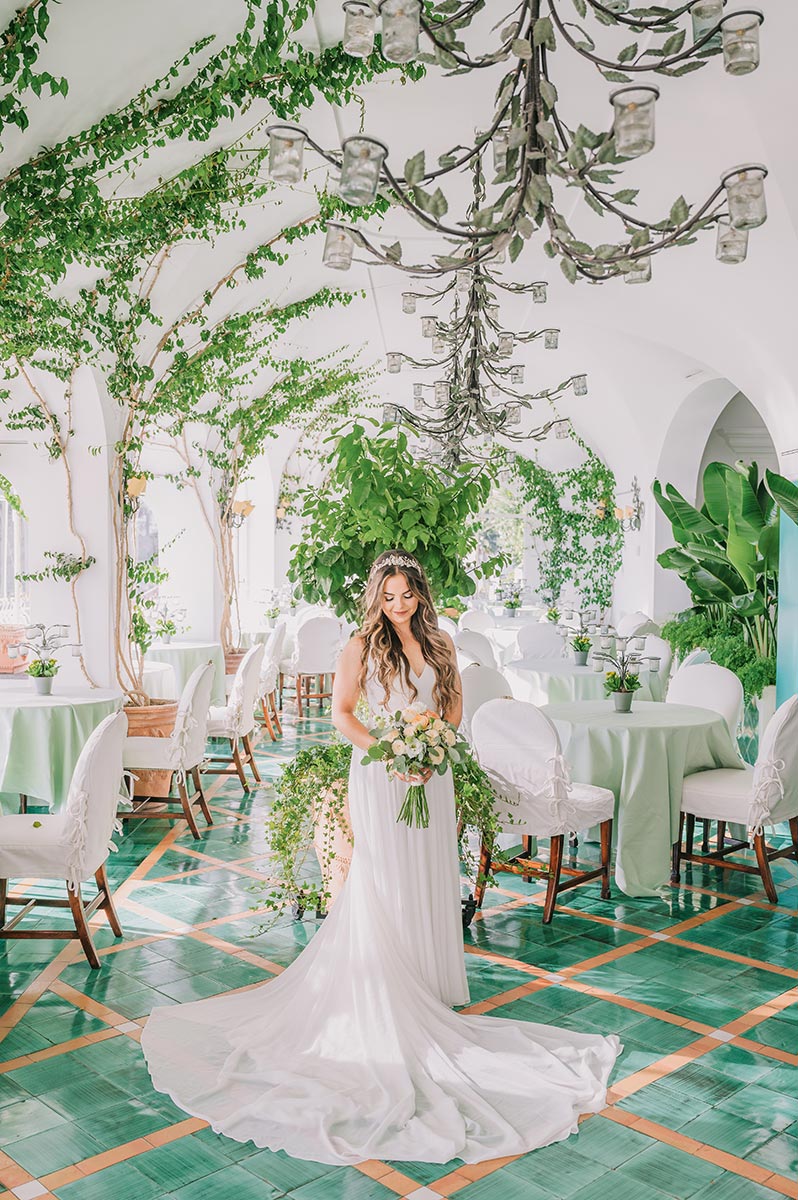
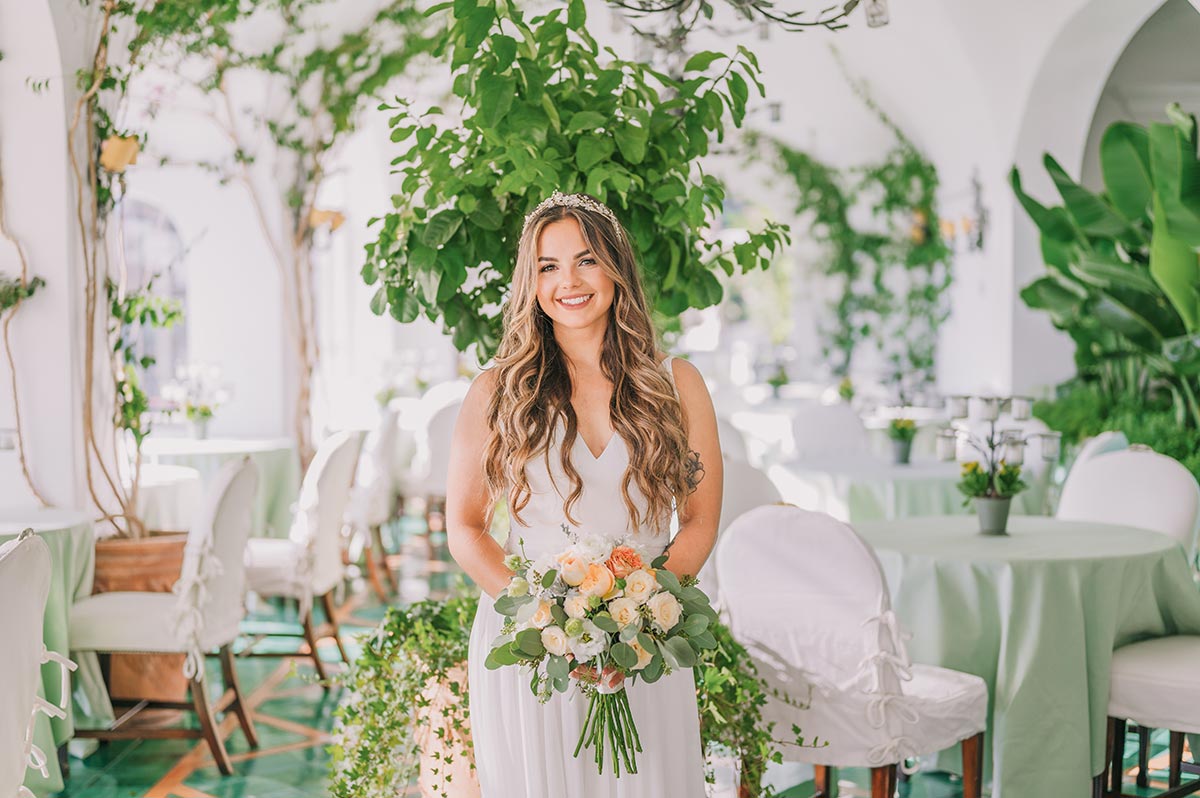
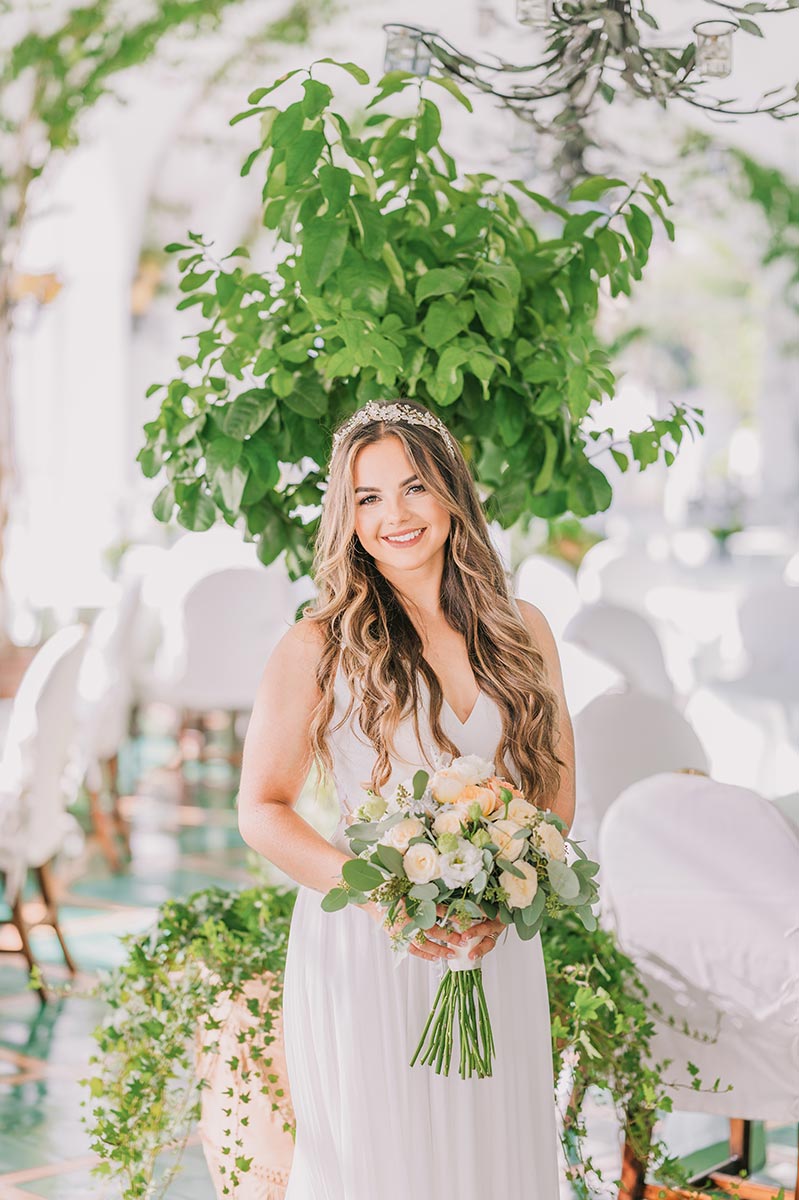

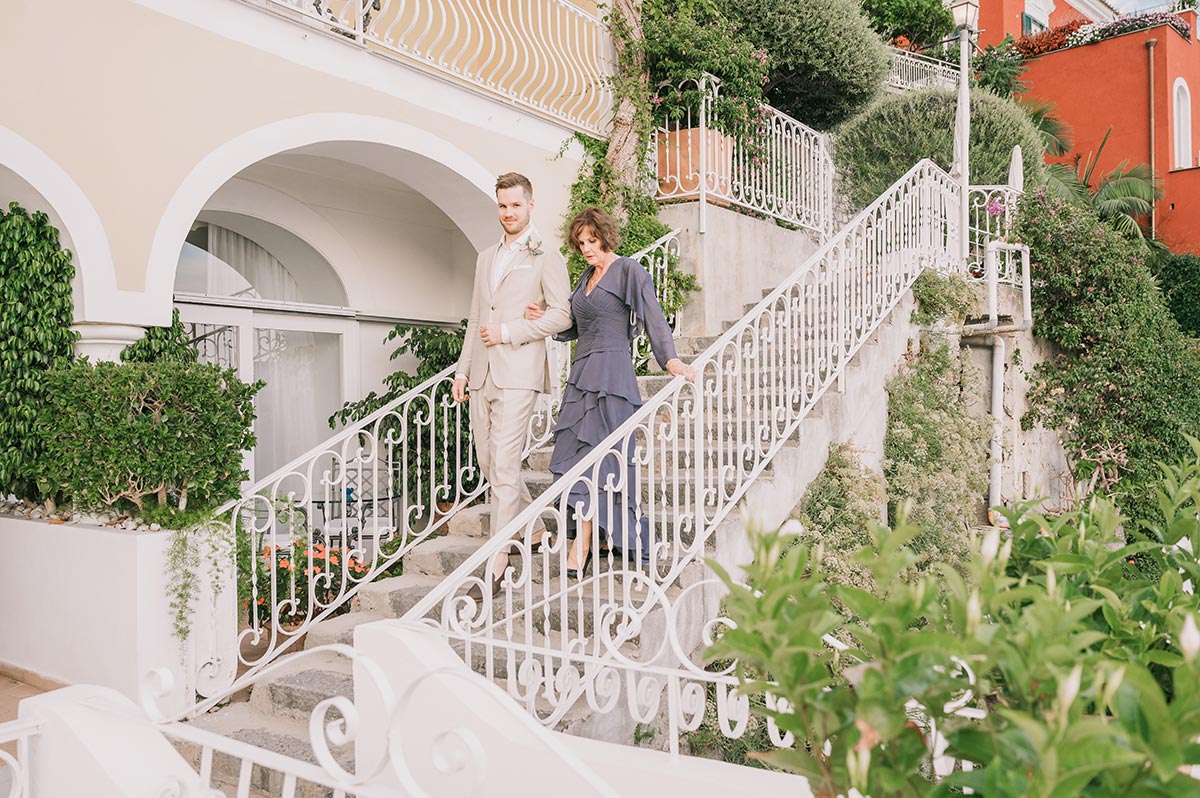
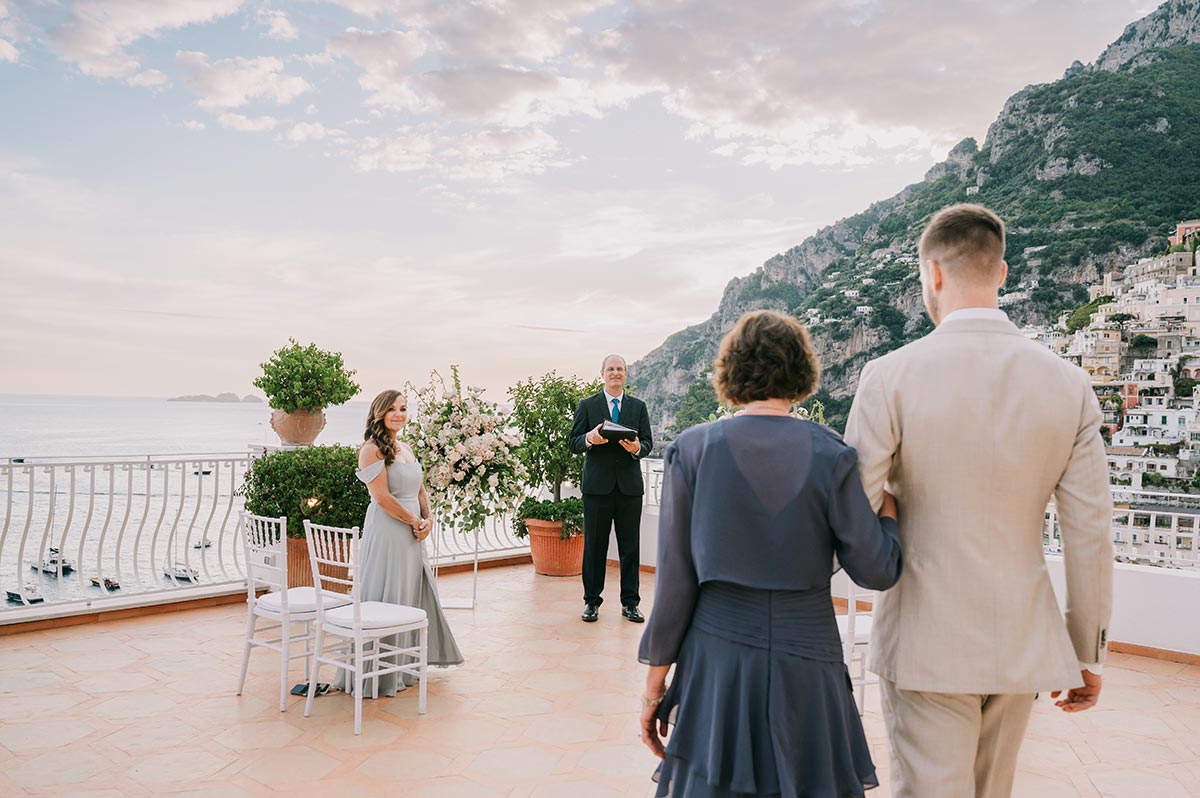
One of the highlights of the wedding suite is the private terrace, which offers breathtaking views of Positano and its iconic clustered houses. This is the perfect place to relax and take in the stunning scenery, or to host a romantic dinner for you and your guests.
MEMORABLE WEDDINGS WITH A POSITANO WEDDING PHOTOGRAPHER
What will certainly remain of your wedding in Positano is a picture of it, yet in order to make this memory unforgettable you need of the professionists. And you will definitely find them in Amalfi and the surrounding villas.

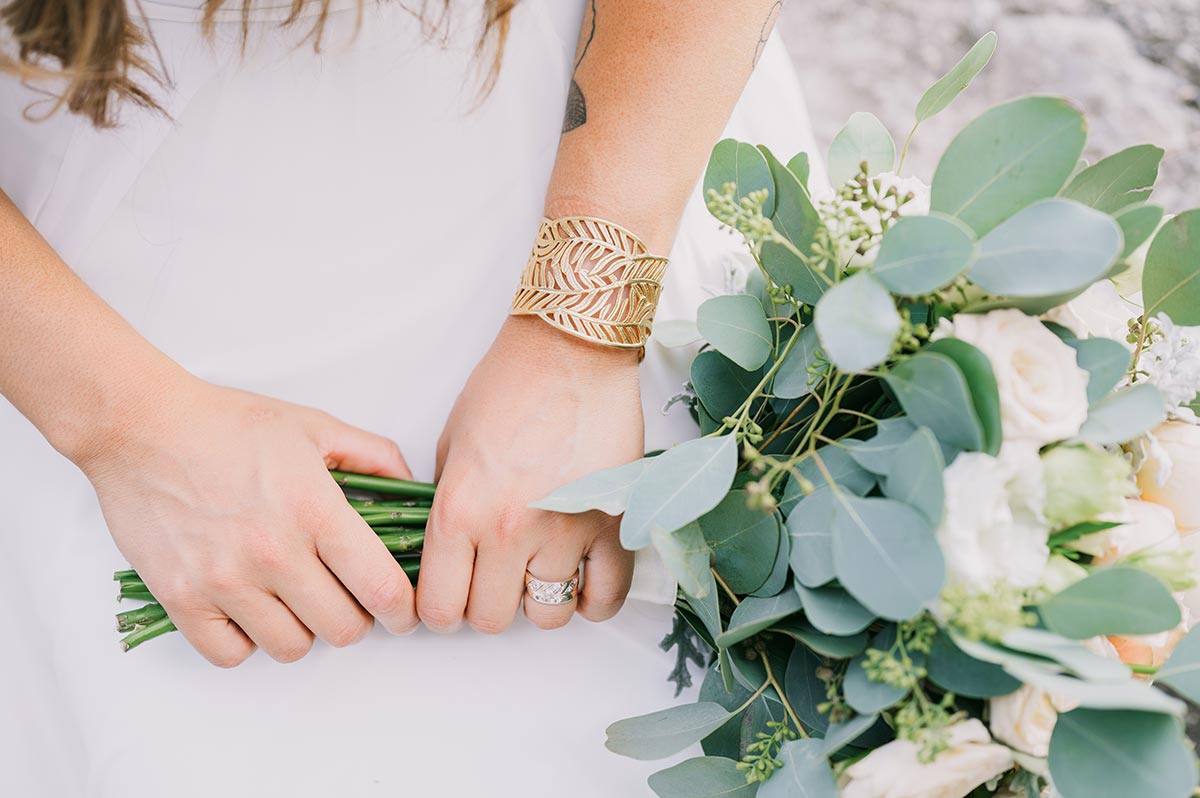
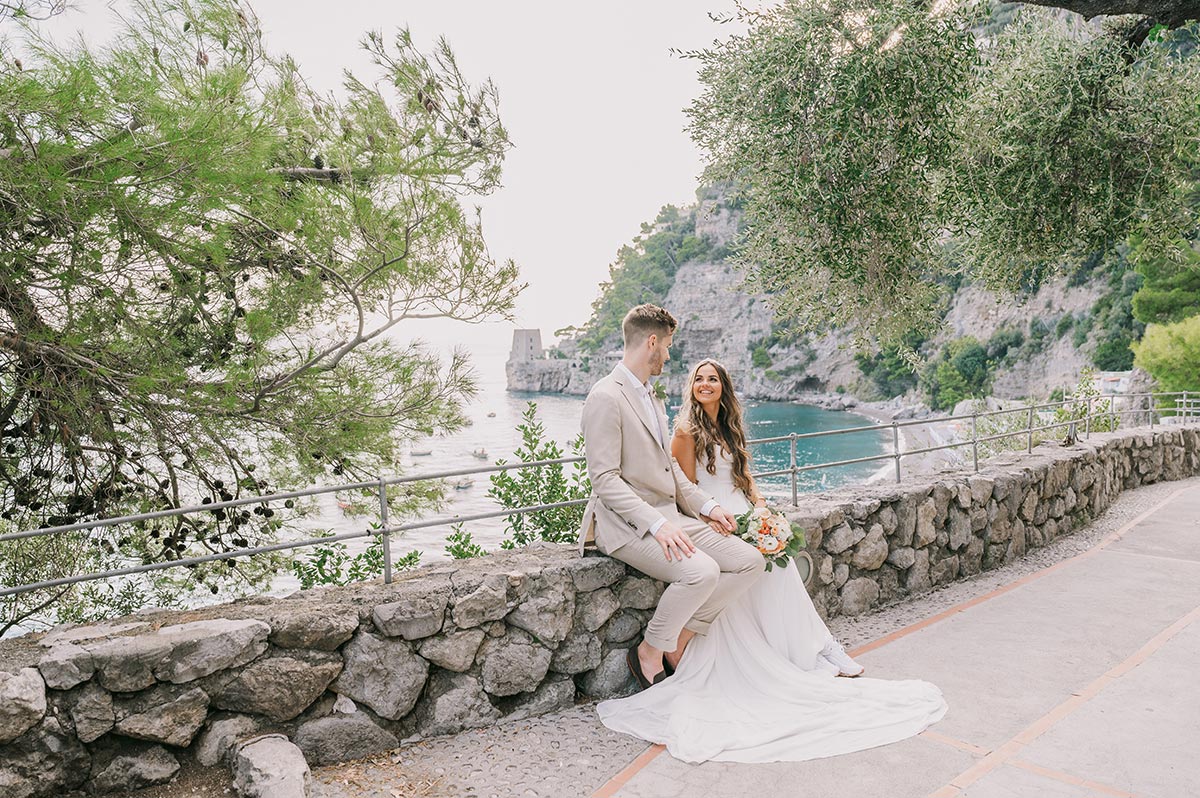
IF YOU THINK OF HIRING ME, IT MEANS THAT YOU SHARE THIS VISION AND WE HAVE MANY THINGS IN COMMON.
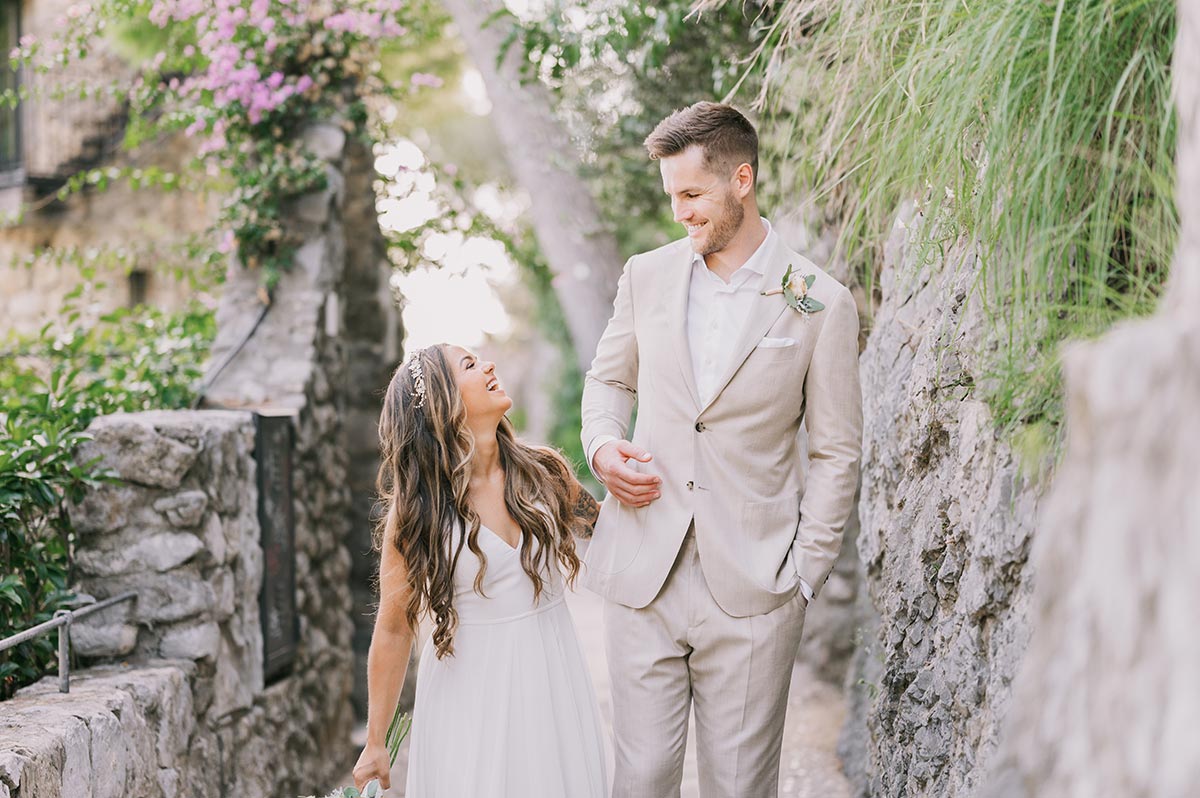

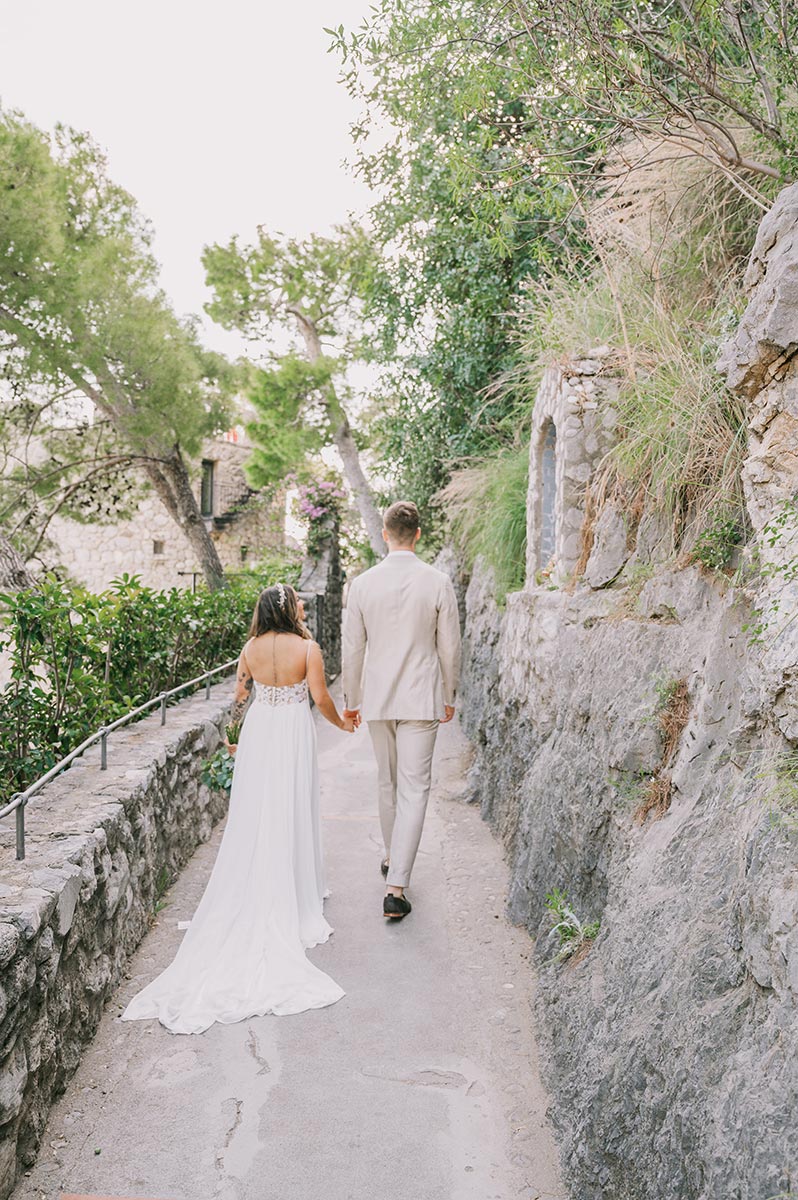
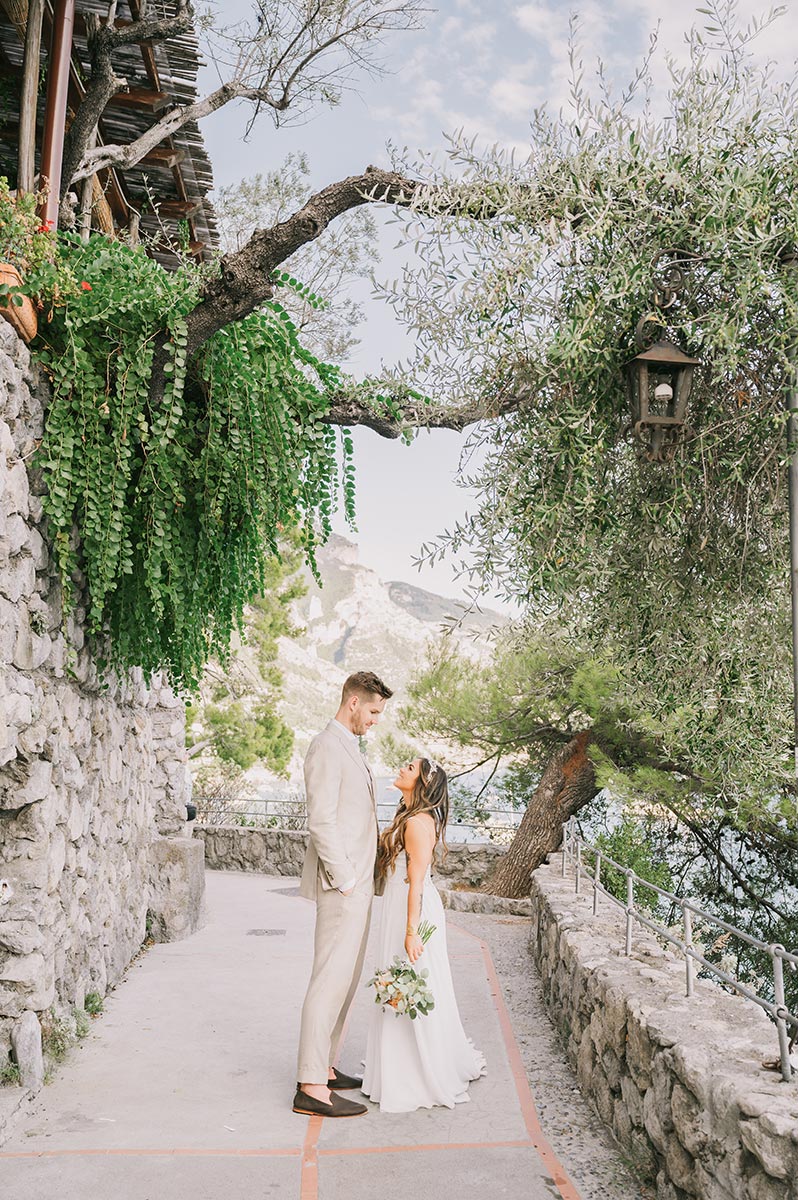
Hotel Marincanto is also known for having the best views of Positano. Whether you are relaxing in your room or enjoying a meal on the terrace, you will be treated to stunning vistas that are truly unforgettable.
As a photographer in Positano, I can attest that Hotel Marincanto is a truly exceptional venue for weddings and elopements. The staff are professional and knowledgeable, always providing the highest level of service with a warm and welcoming smile. They are dedicated to making your special day as stress-free and enjoyable as possible, and they will take care of every detail to ensure that your day is perfect in every way.
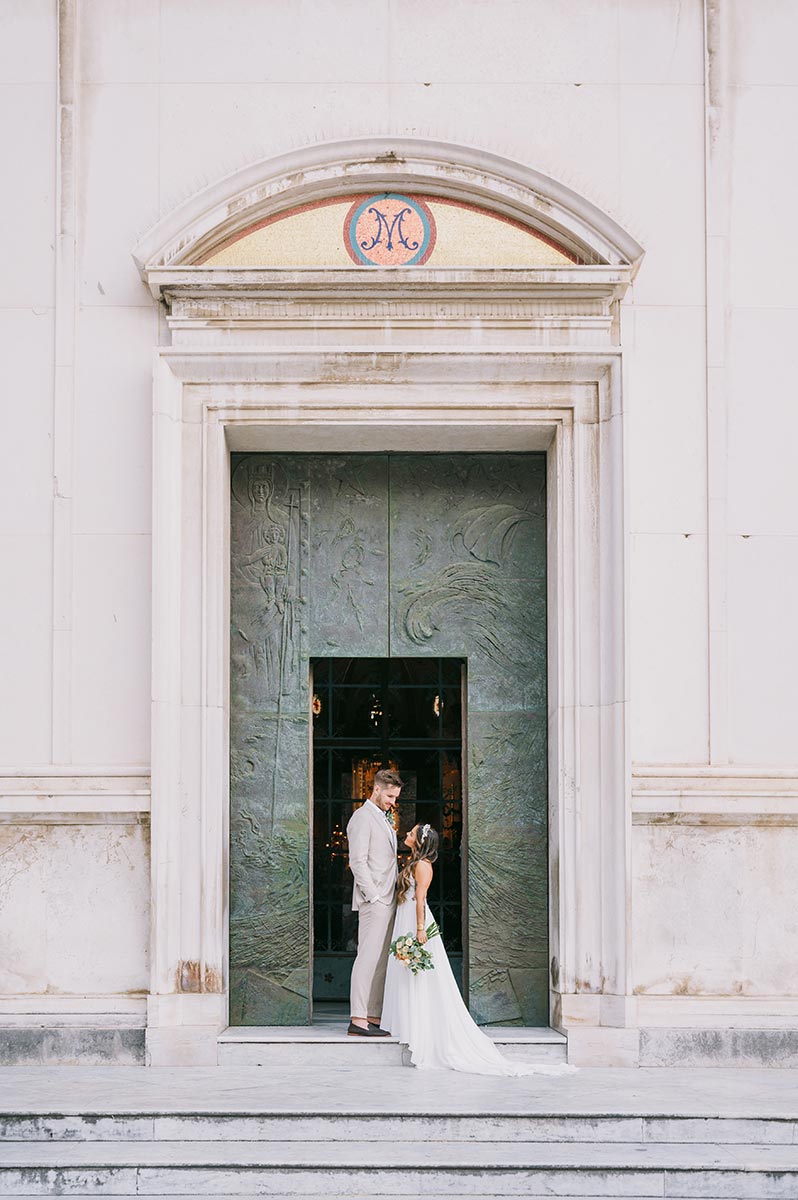
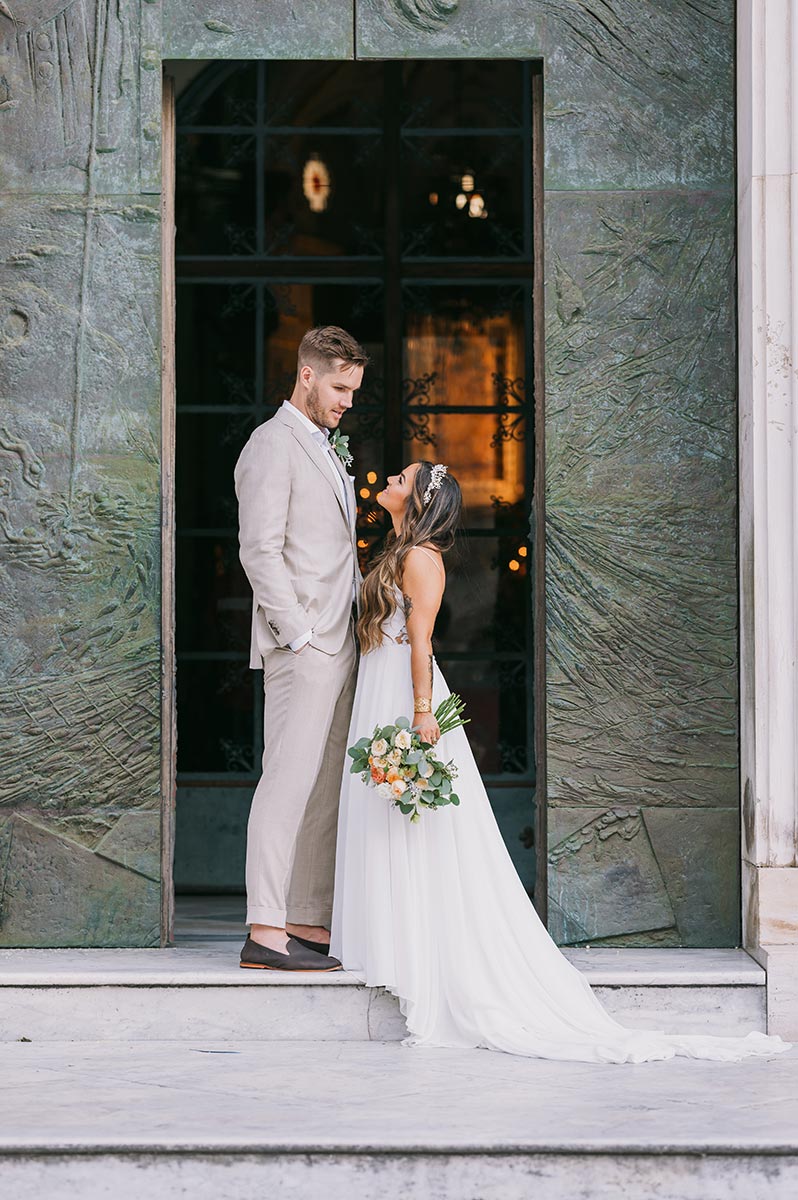
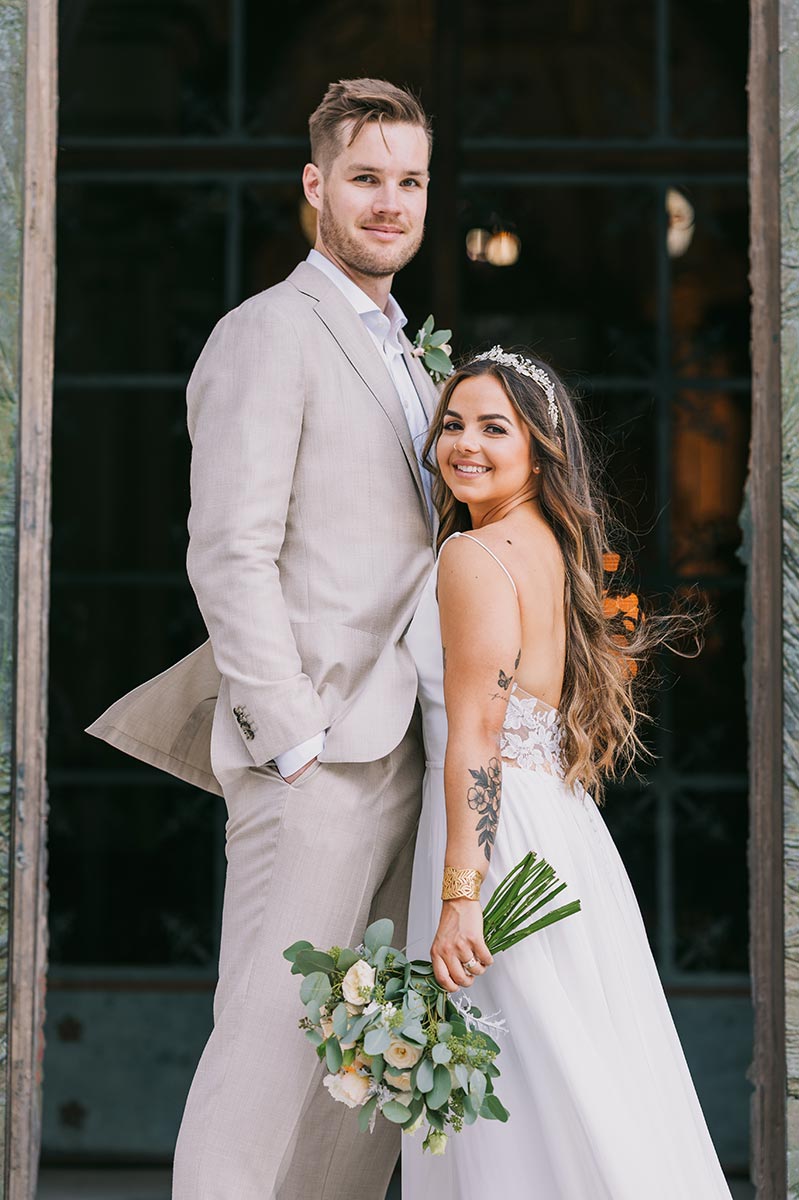
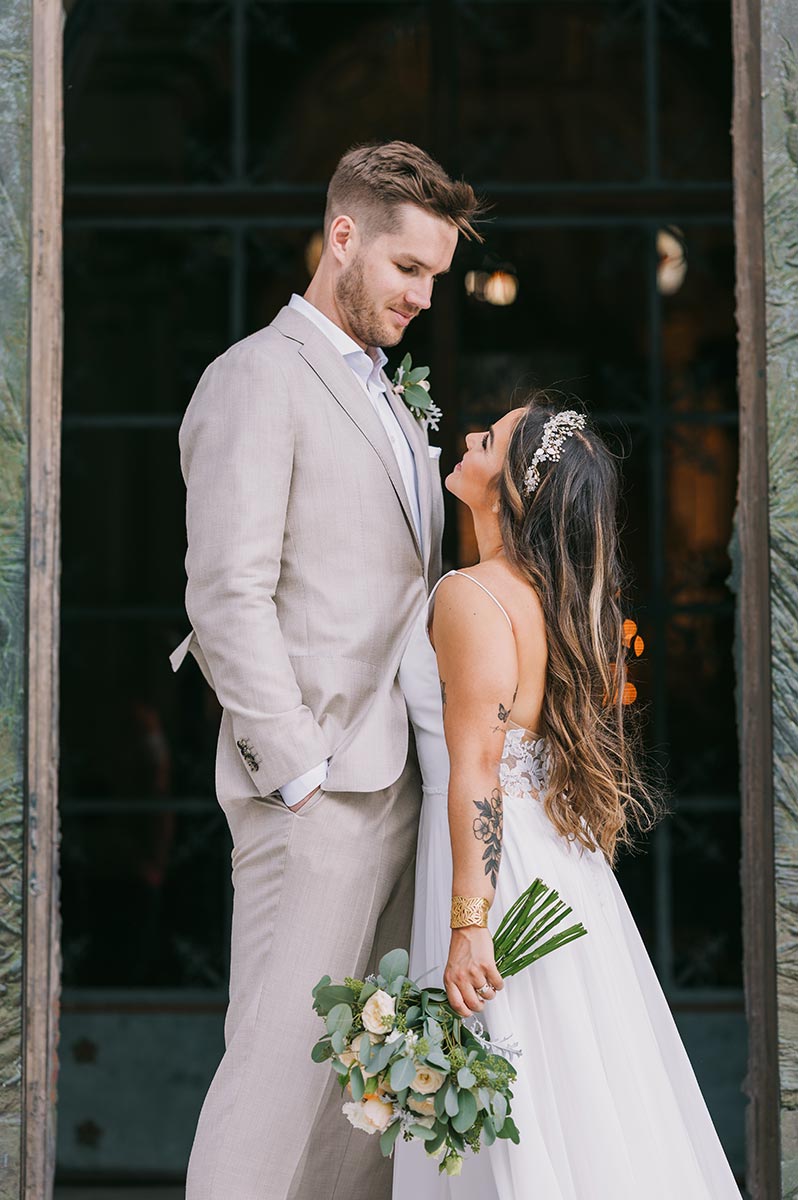
The hotel itself is breathtaking, with stunning views of Positano and its iconic clustered houses.
The luxurious rooms and suites are spacious and comfortable, making them the perfect place for you and your guests to relax and enjoy the beautiful scenery.
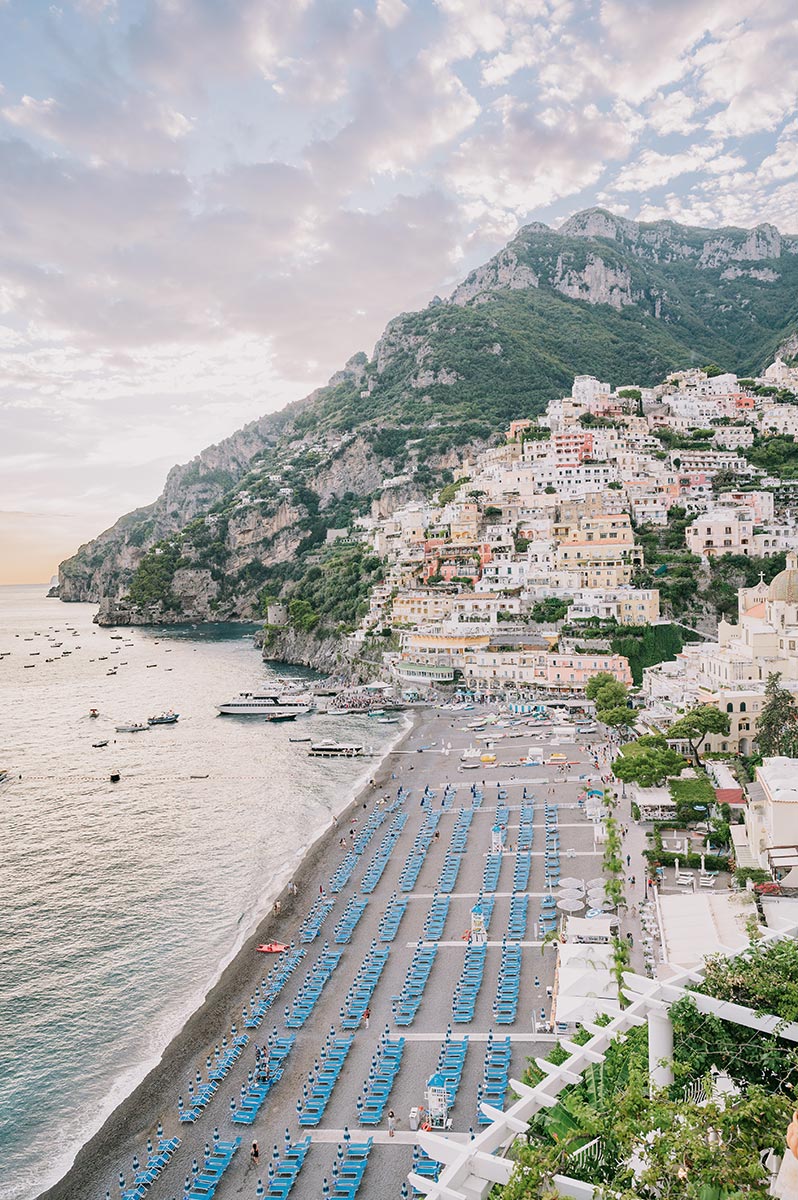
As a photographer, I have had the pleasure of working with Hotel Marincanto on many occasions, and I can say without hesitation that they are one of the best hotels in Positano. Their dedication to providing exceptional service and commitment to making every stay unforgettable are unmatched. I highly recommend Hotel Marincanto to anyone looking for a truly unforgettable wedding or elopement venue.
In conclusion, Hotel Marincanto is ideal for couples looking to have a luxurious and memorable wedding or elopement in Positano. With its beautiful accommodations, exceptional service, and breathtaking views, you will have an unforgettable experience at this fantastic hotel. So, whether you are planning a small, intimate wedding or a grand celebration, Hotel Marincanto is the perfect venue to make your special day truly unforgettable.

Tailor-Made Packages for Your Perfect Day
Our experienced and knowledgeable wedding planners in Amalfi Coast will work with you to create the perfect package for your special day. We have the ideal solution, whether you’re looking for a simple and intimate ceremony or a lavish celebration. Our packages include everything you need for a memorable and stress-free experience, including:
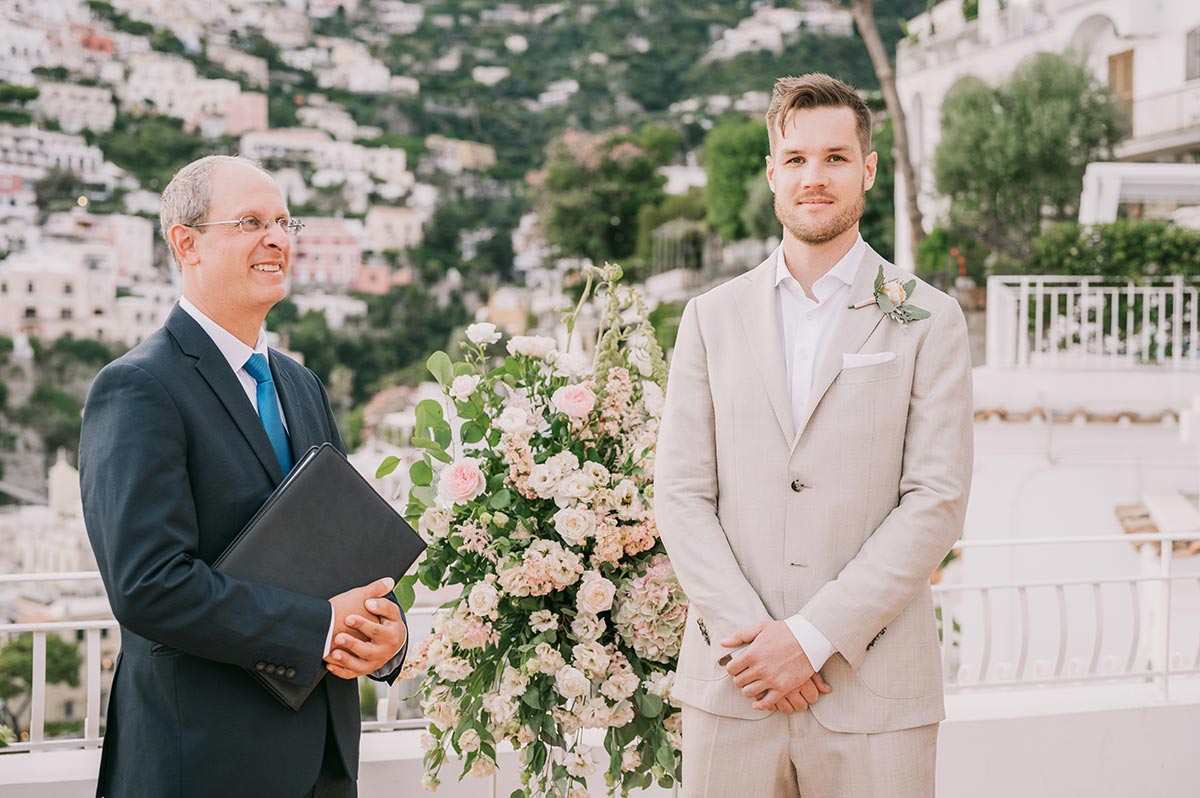
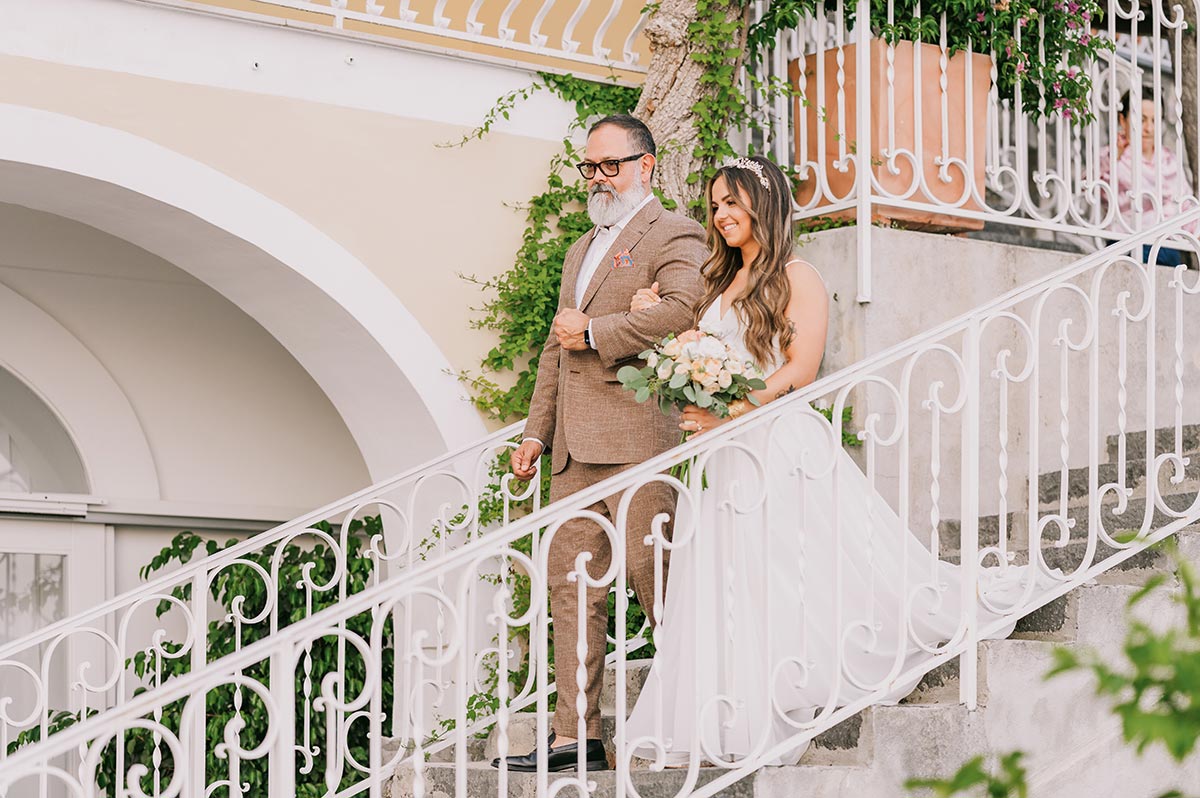
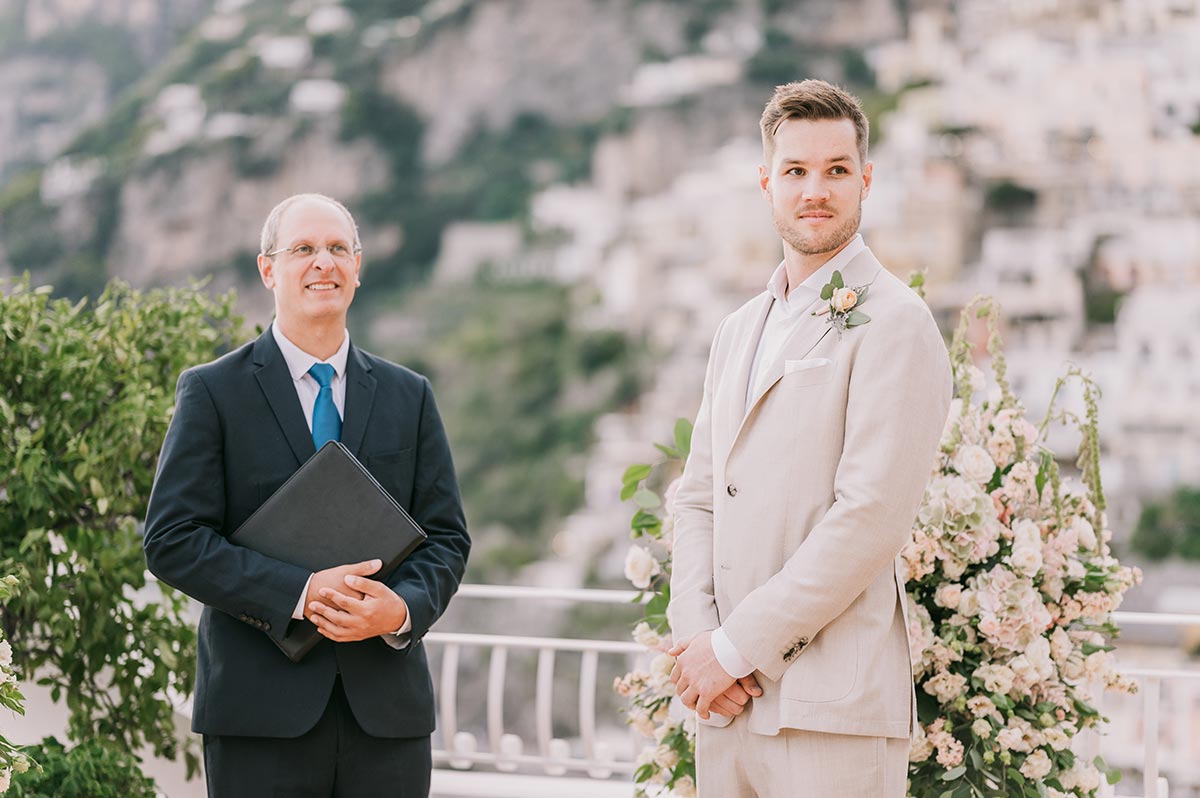
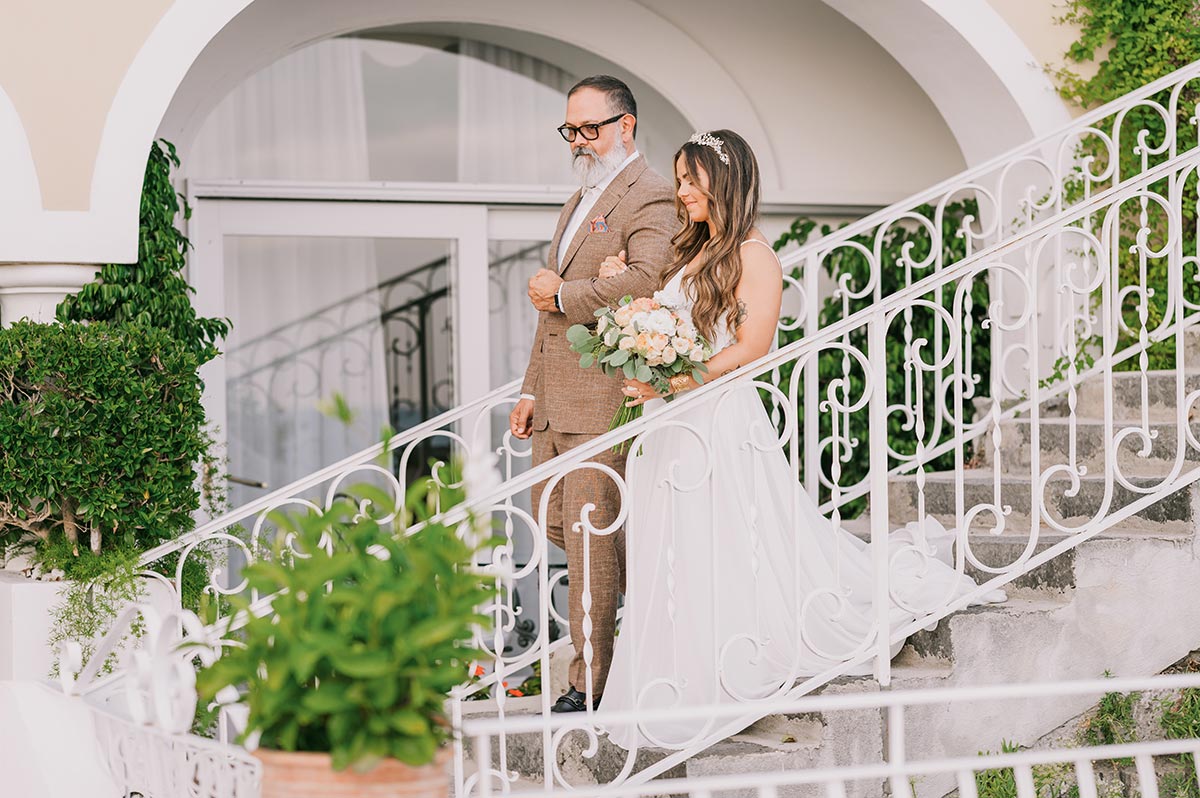


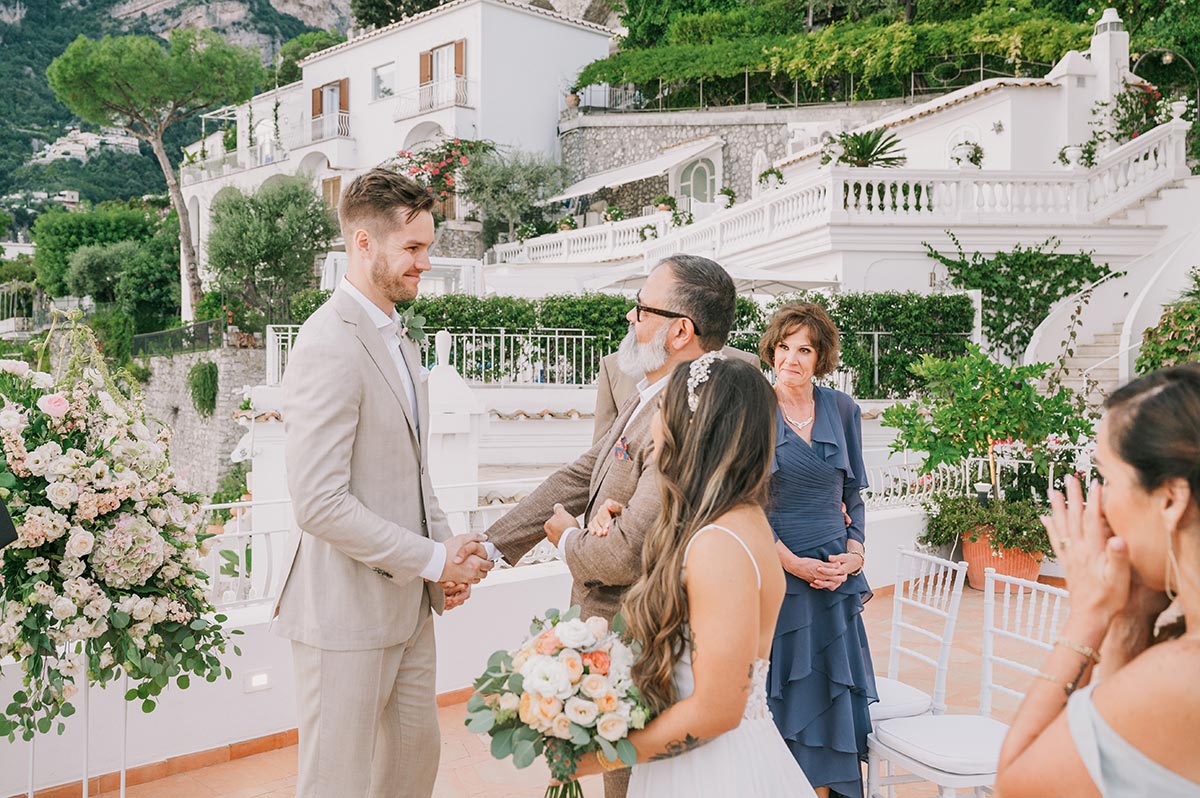
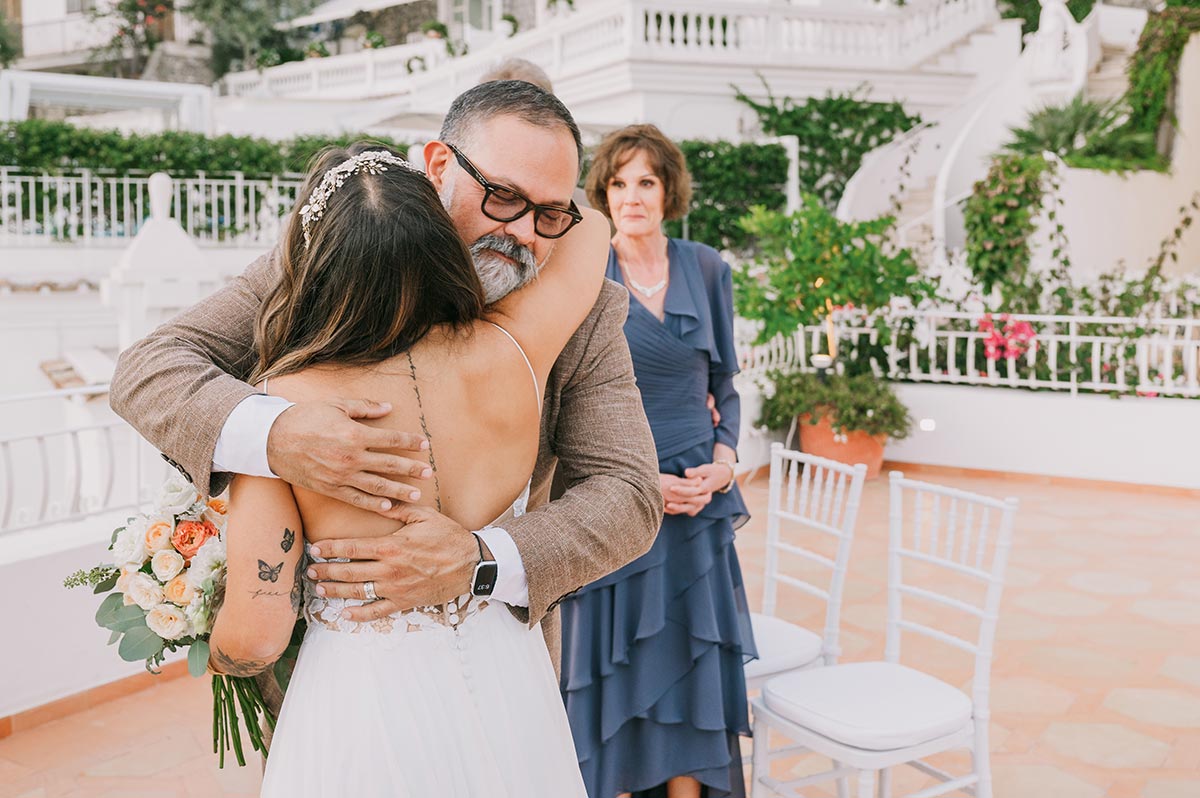
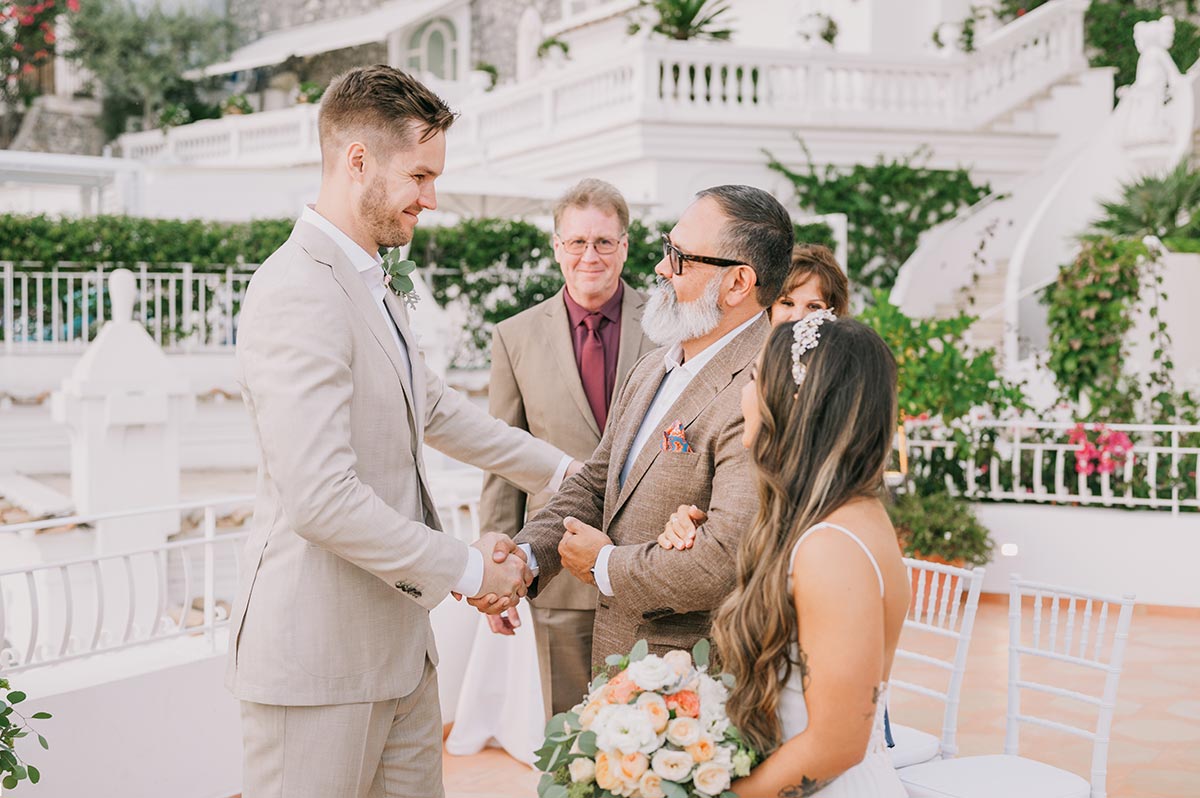
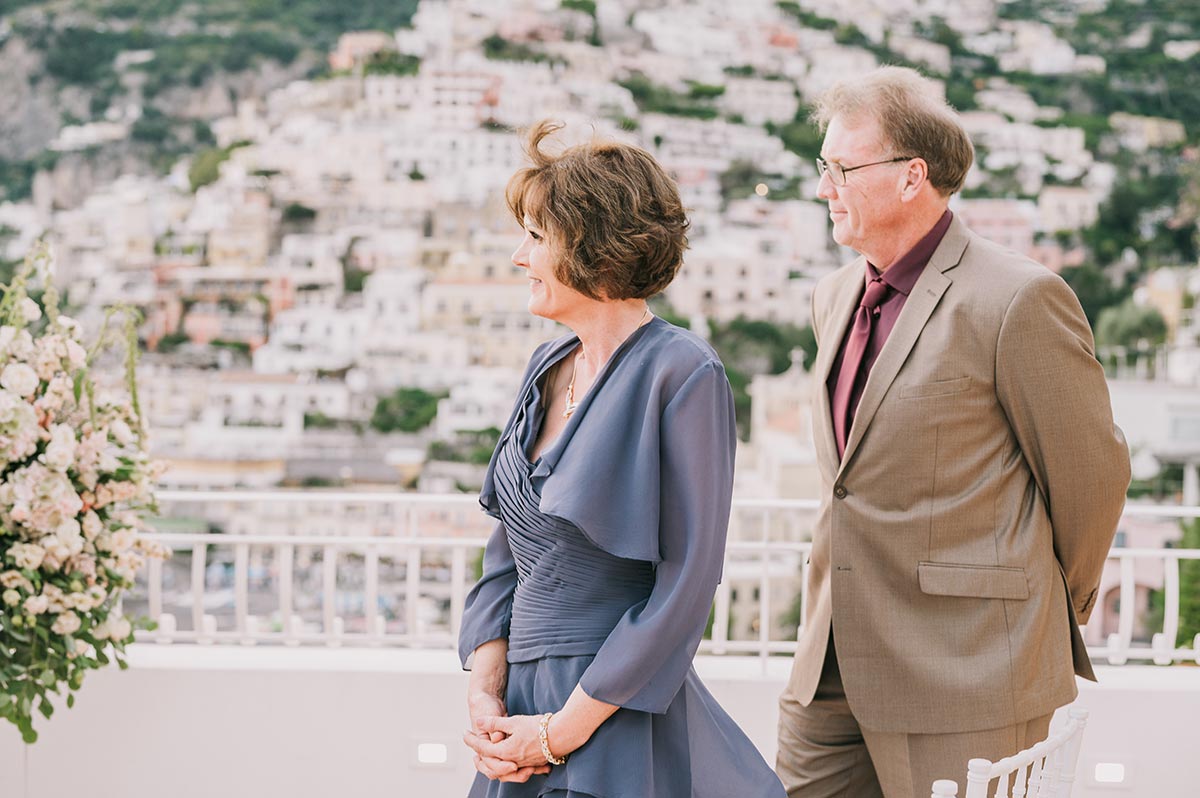
Professional photography
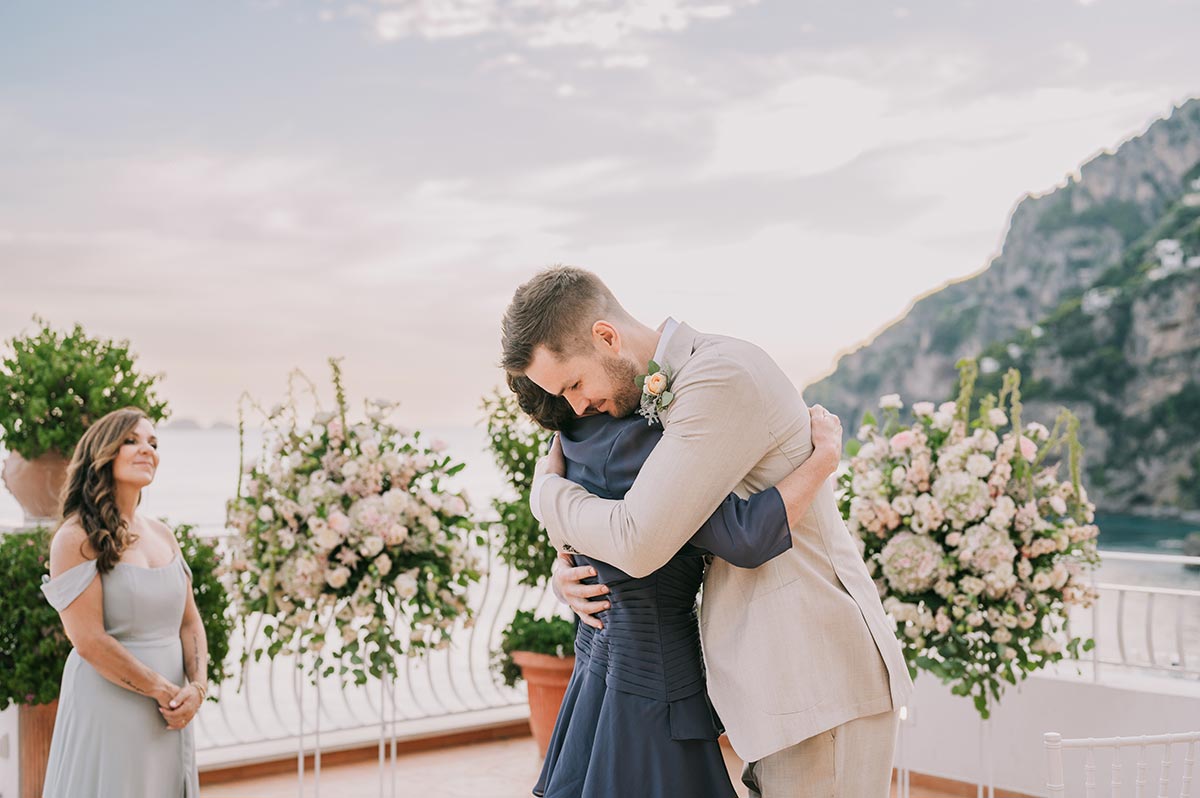
Hotel Marincanto Elopement Positano is an experience like no other and choosing the right photographer for this special day is of utmost importance. A good photographer should be able to capture the essence of the day and all its emotions, from the joy and excitement to the love and intimacy. A good photographer should be able to tell the day’s story in a beautiful and meaningful way.
When choosing a photographer for your Hotel Marincanto Elopement Positano, it is not necessarily important for them to reside in the region or location. Still, they need to be familiar with the area and the light. The photographer should have a strong understanding of the culture and the aesthetic and a good sense of the style and mood of the day. The photographer should have a keen eye for detail and be able to capture all the little moments that make the day special.

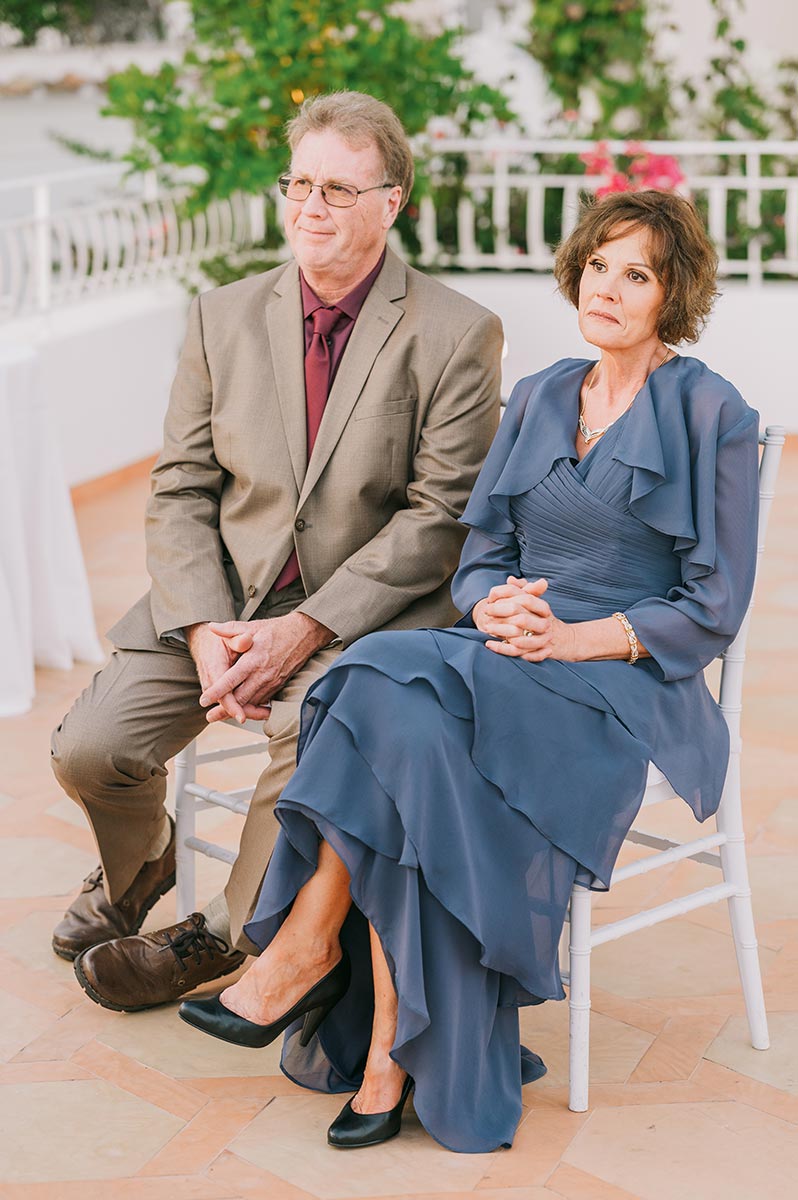

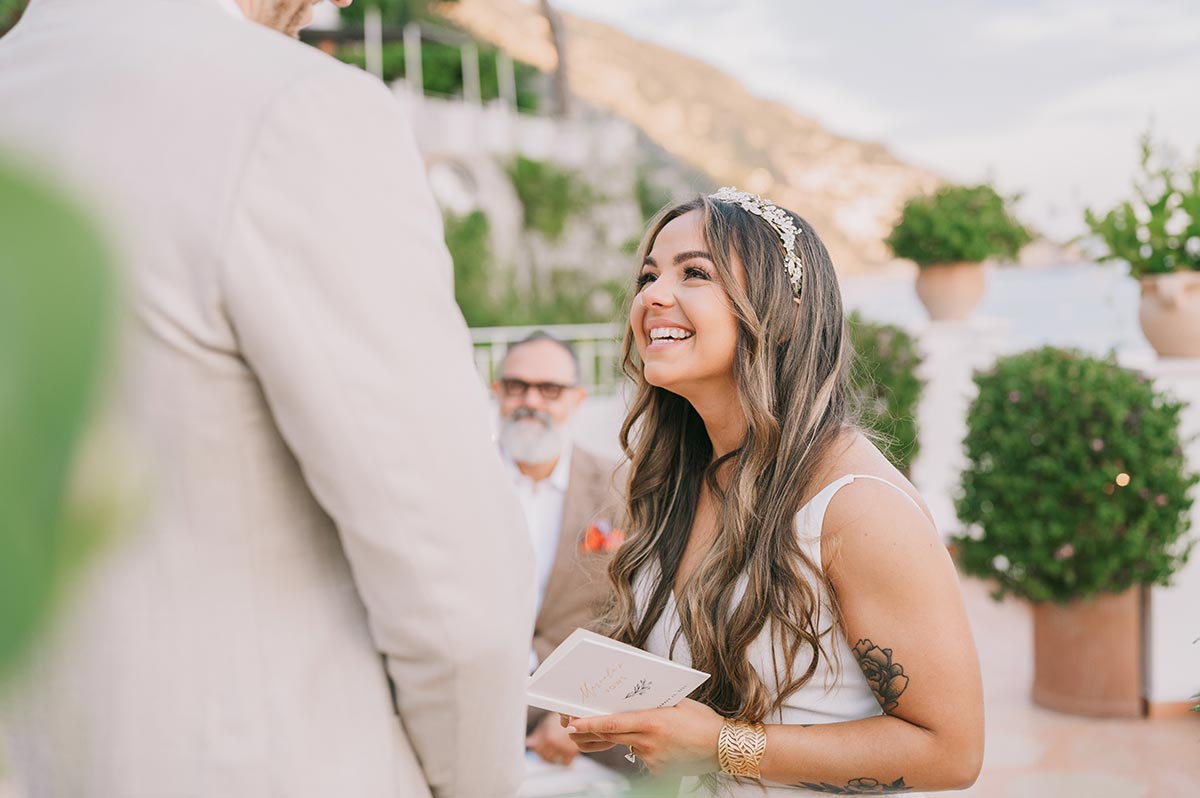

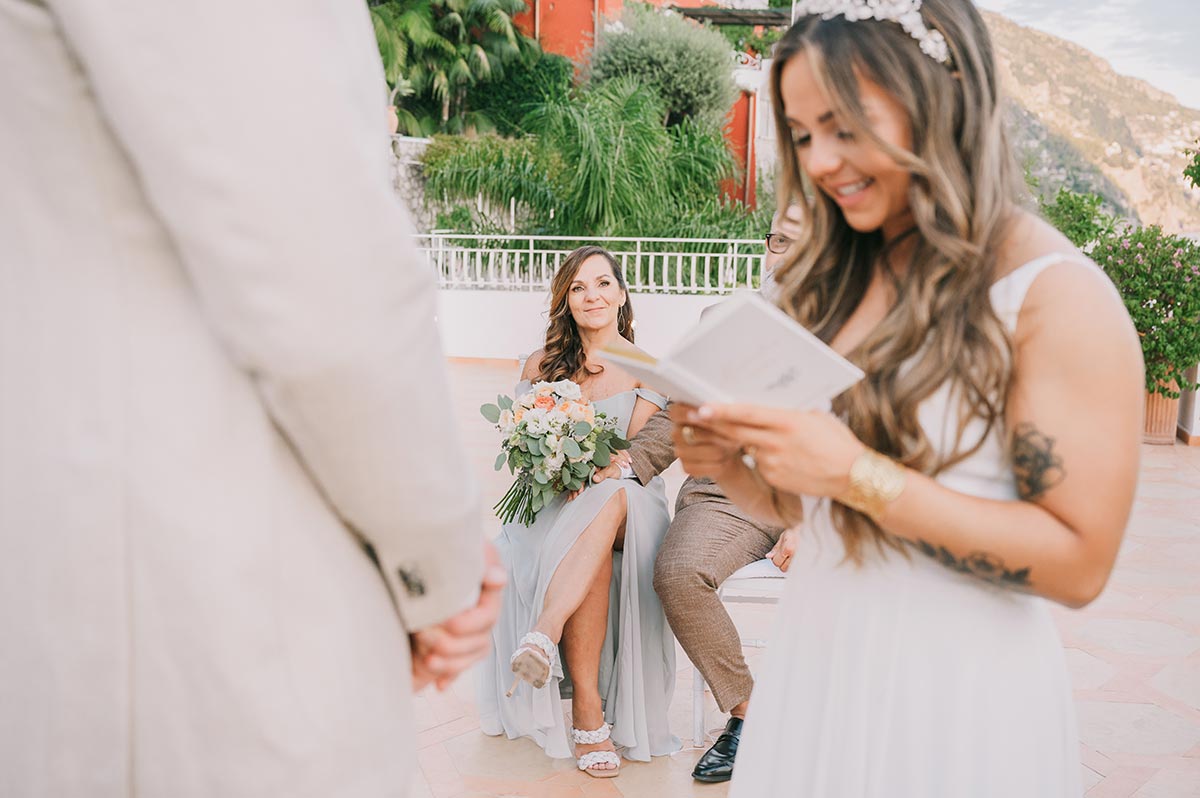

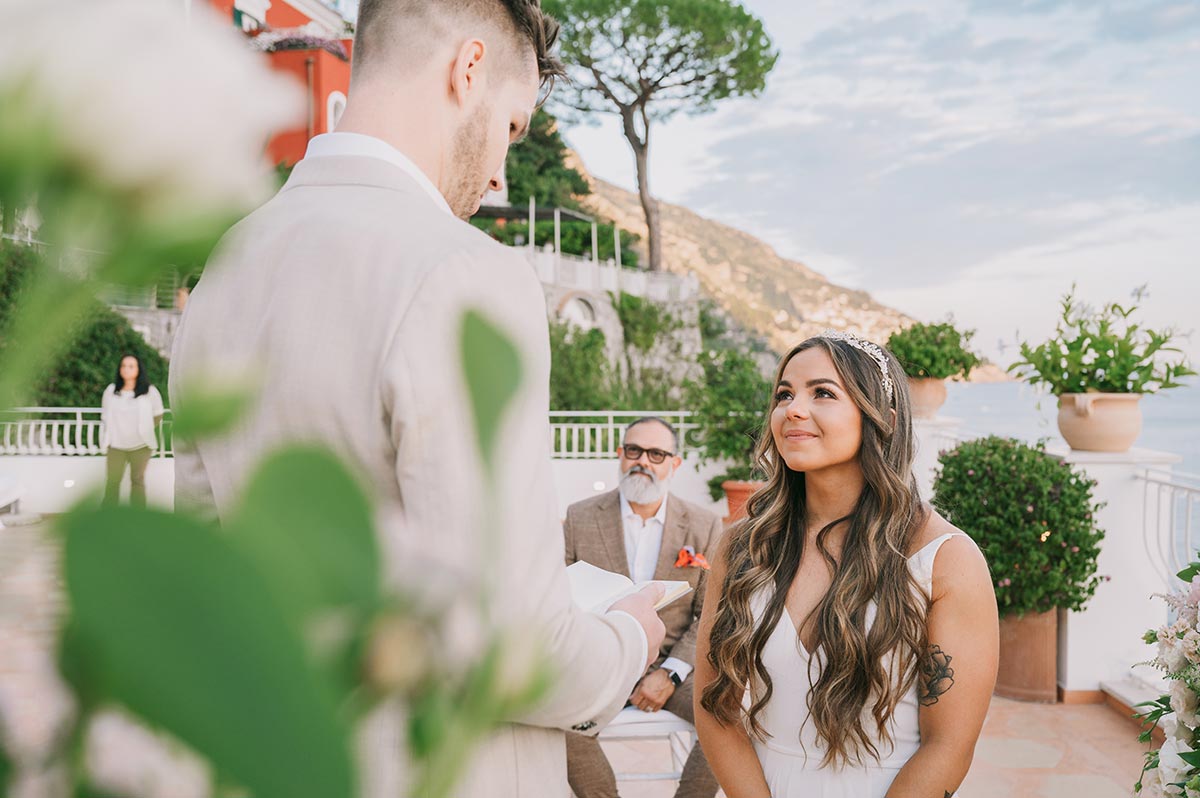
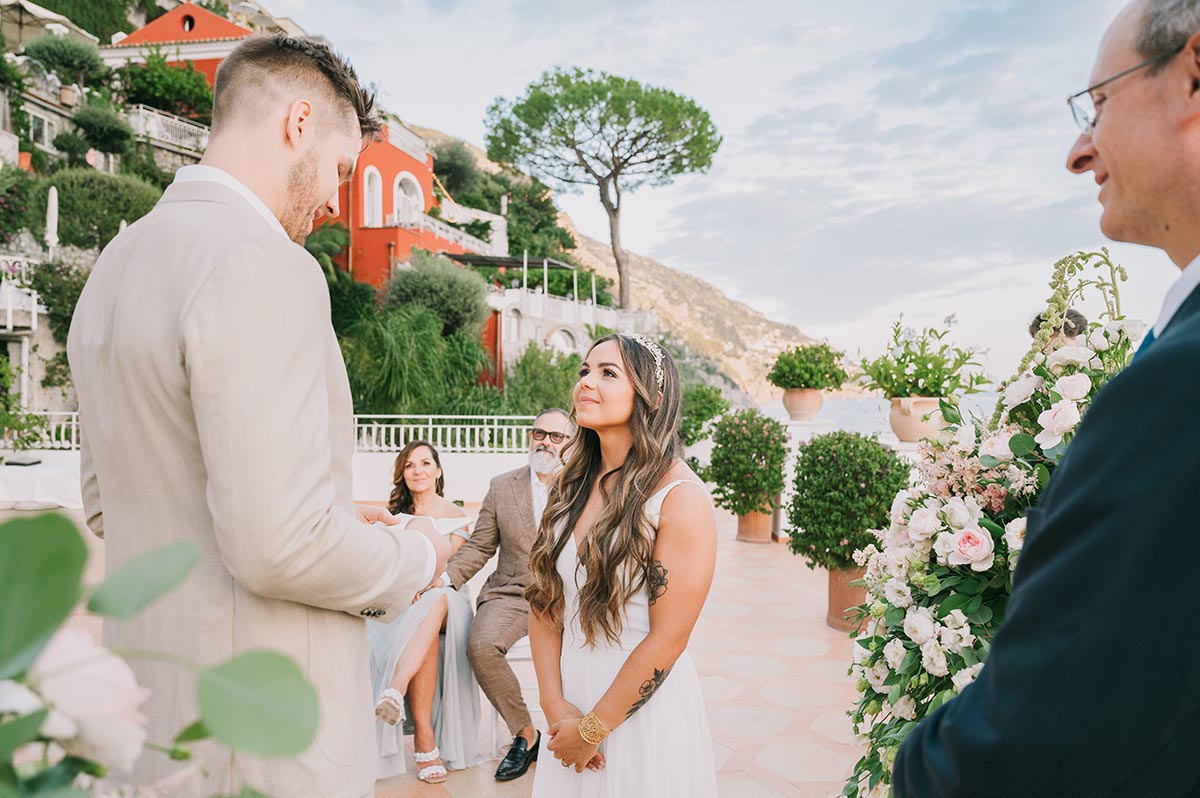
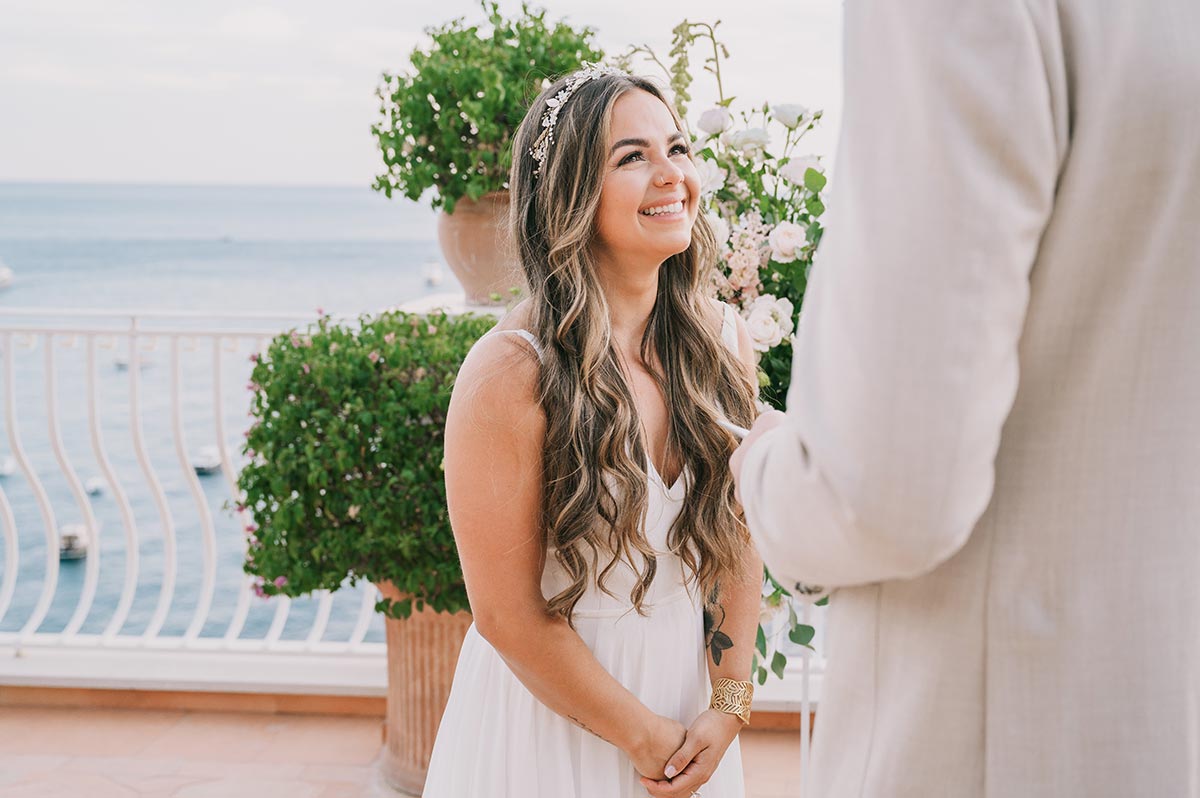

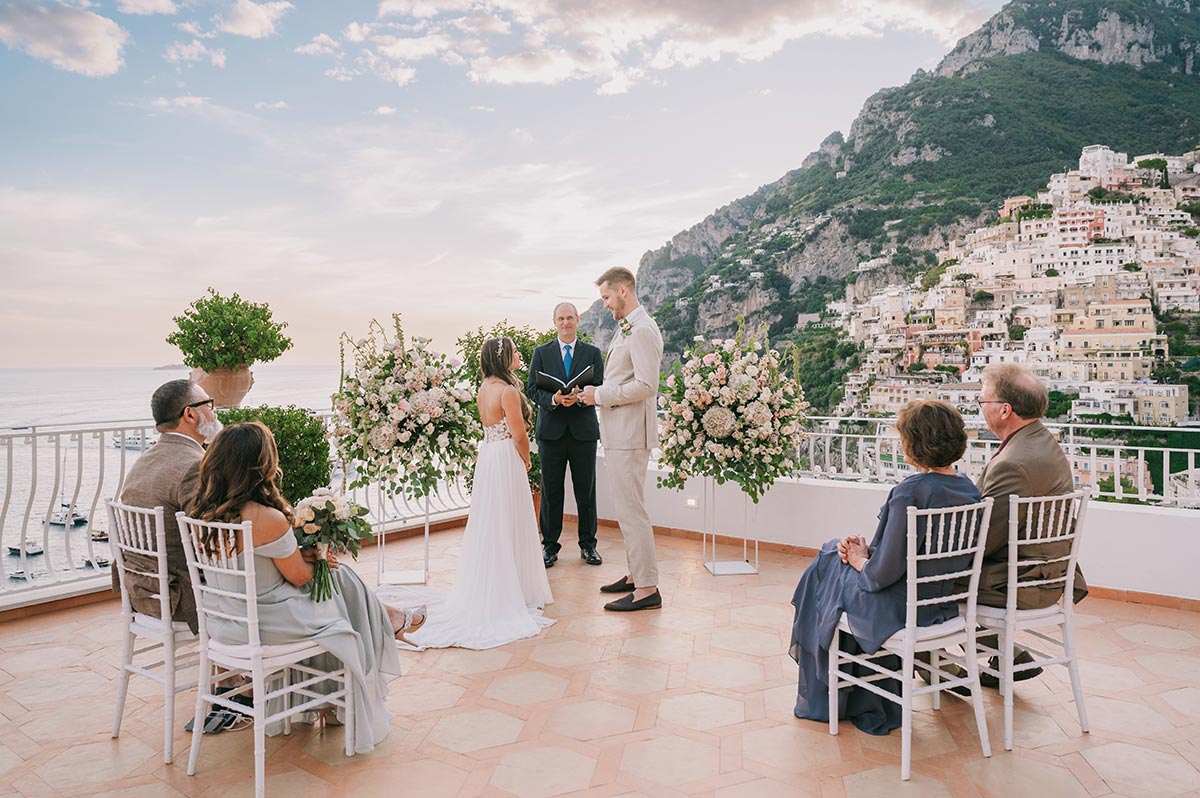
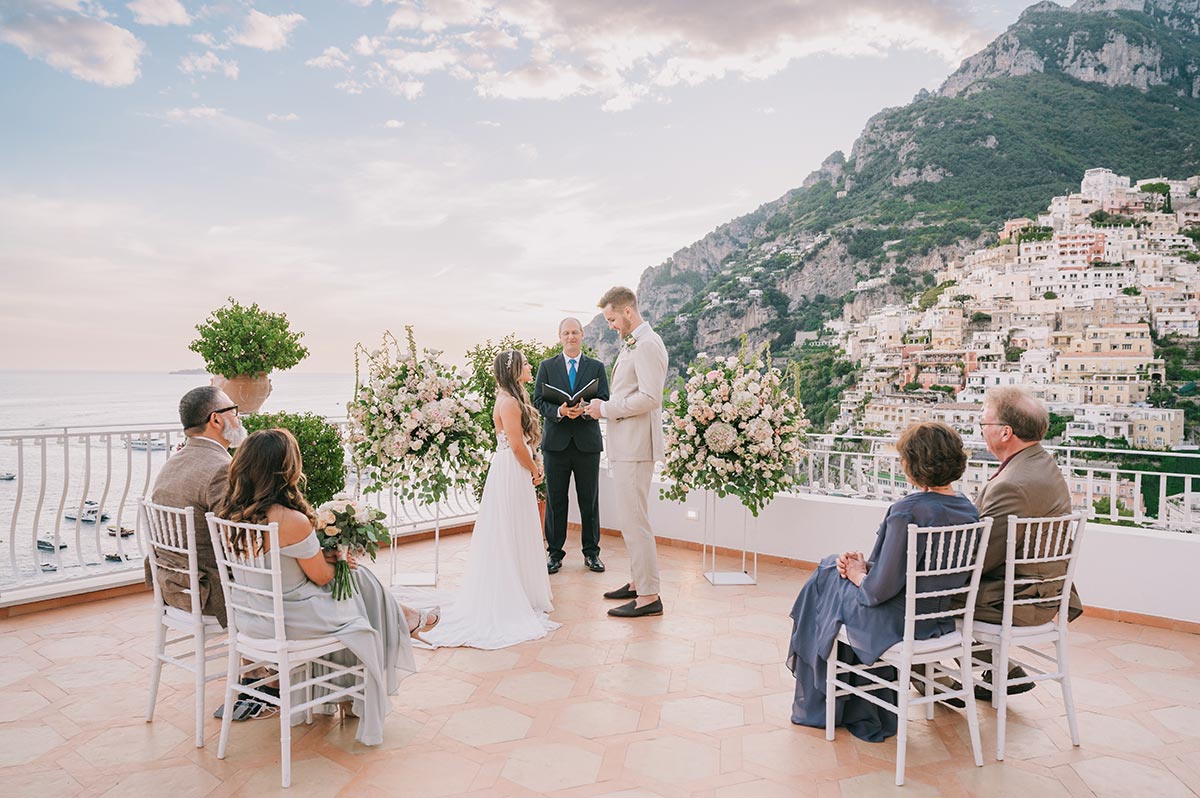

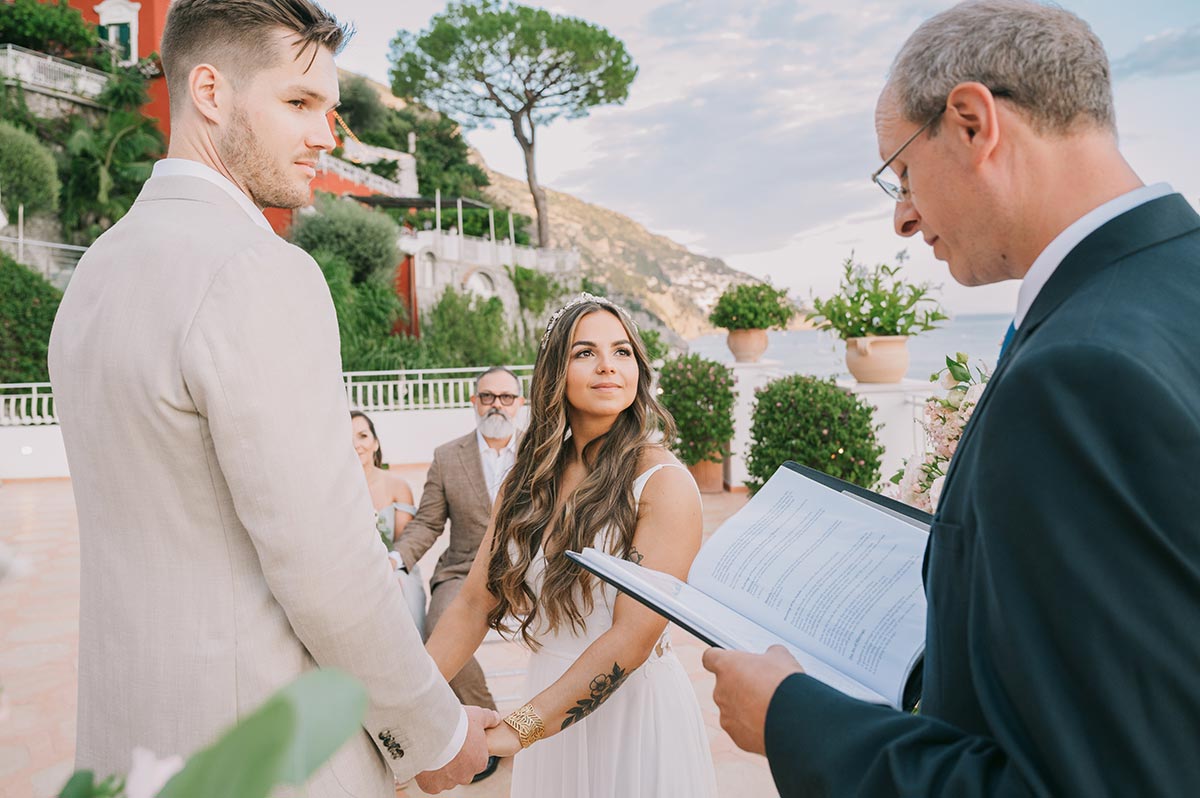

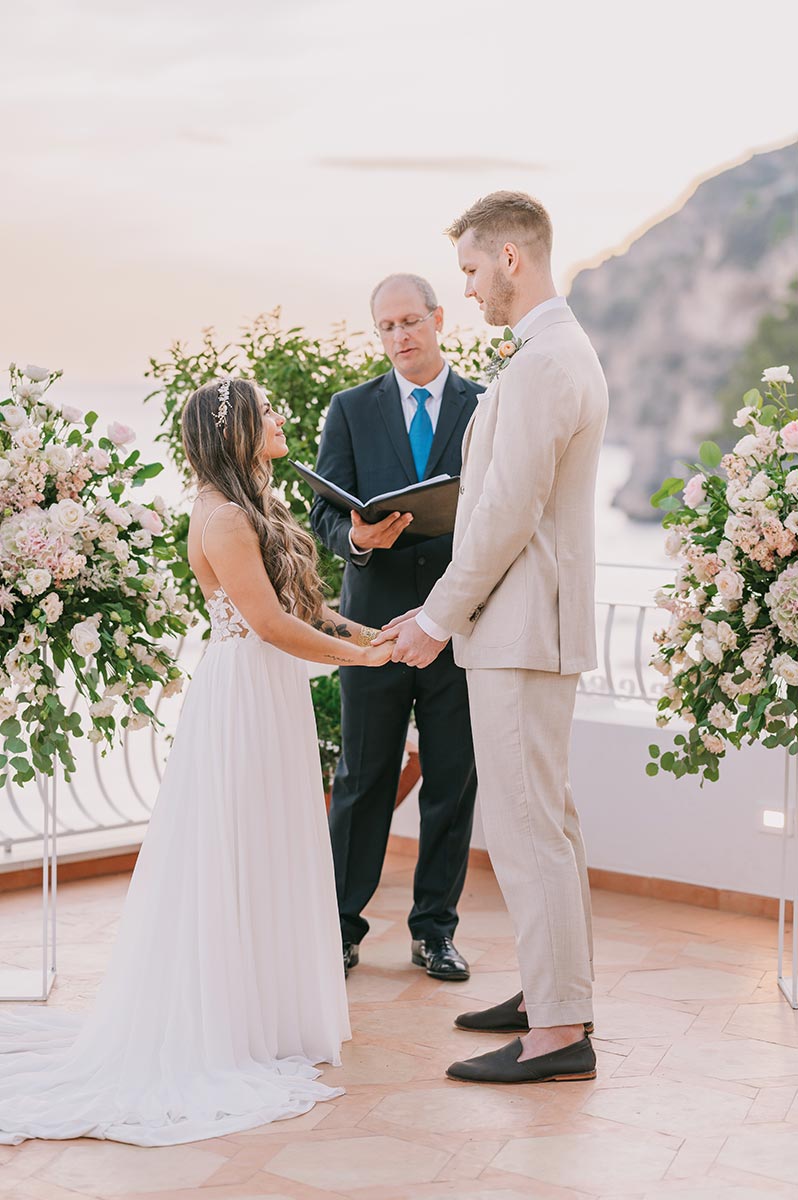

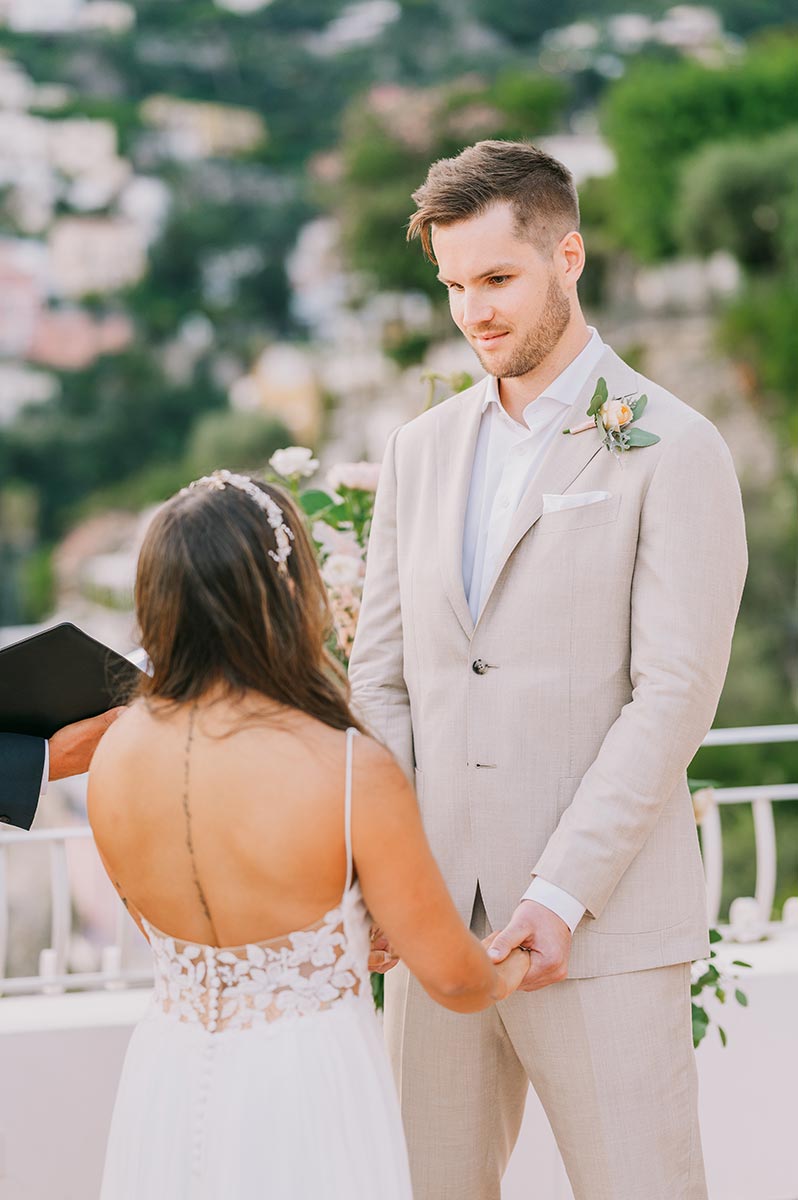
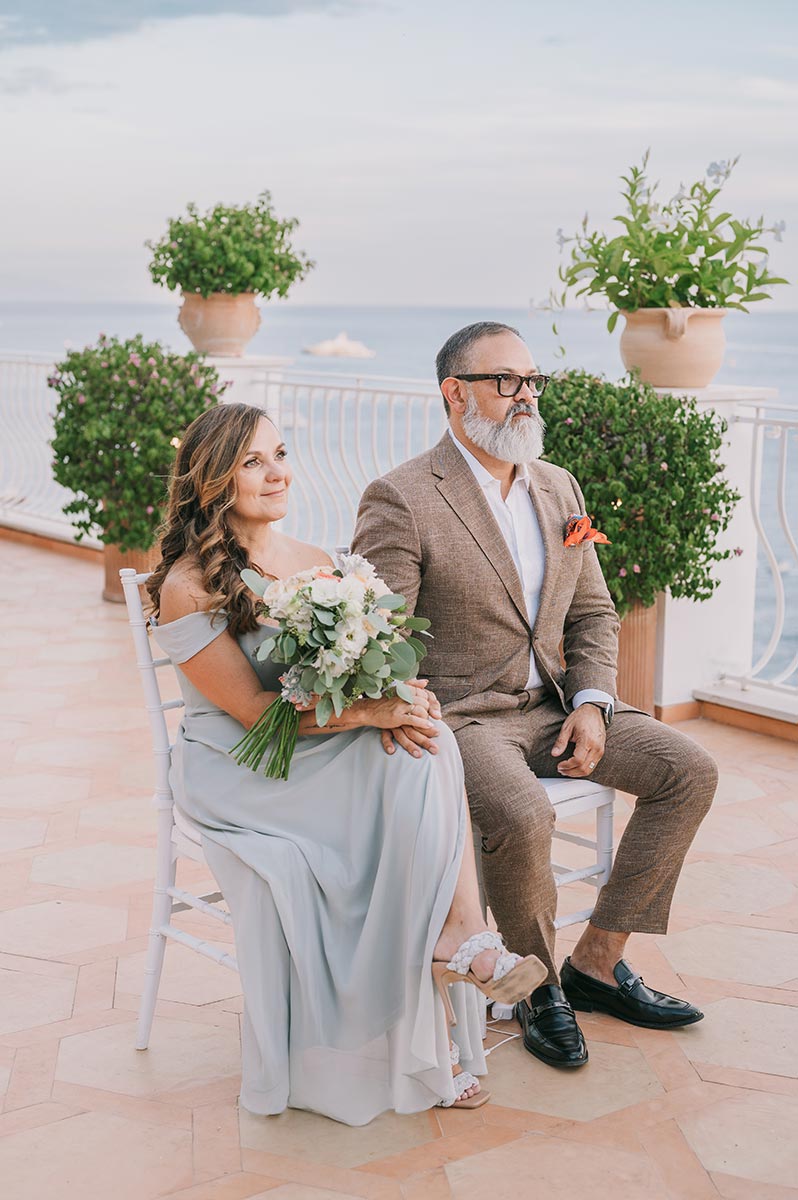
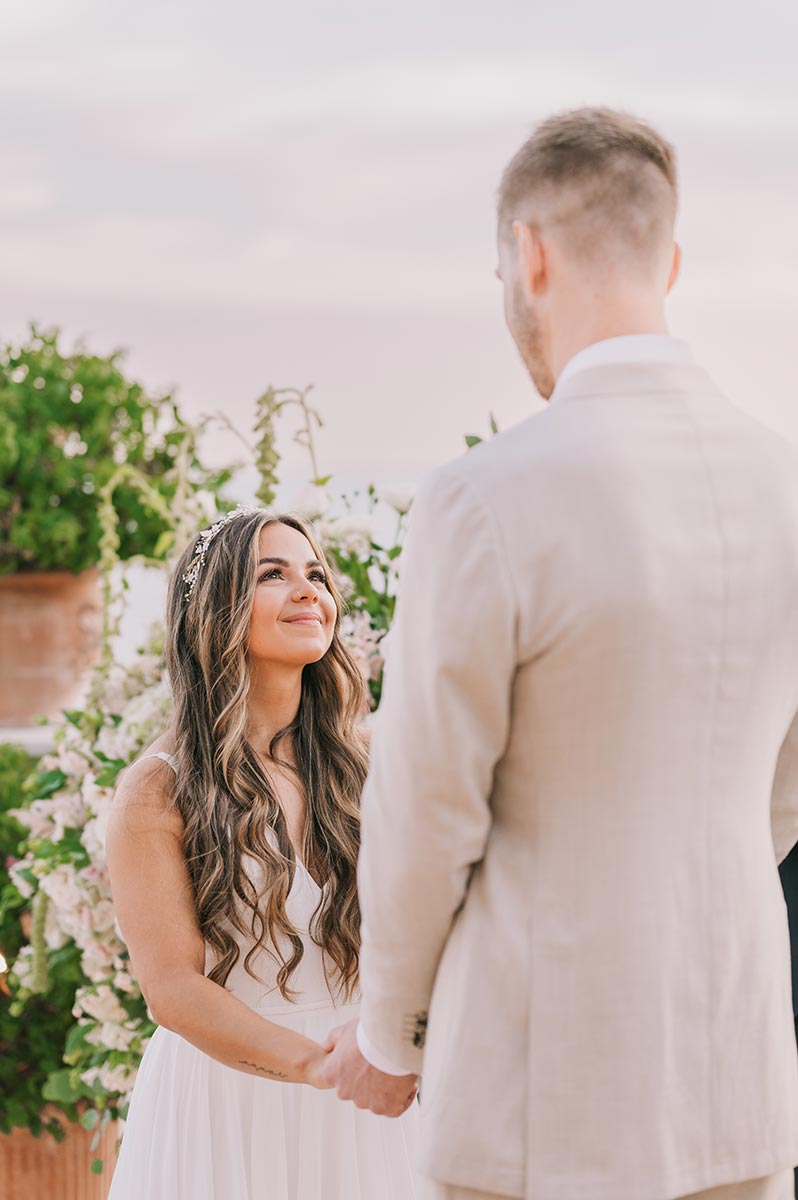
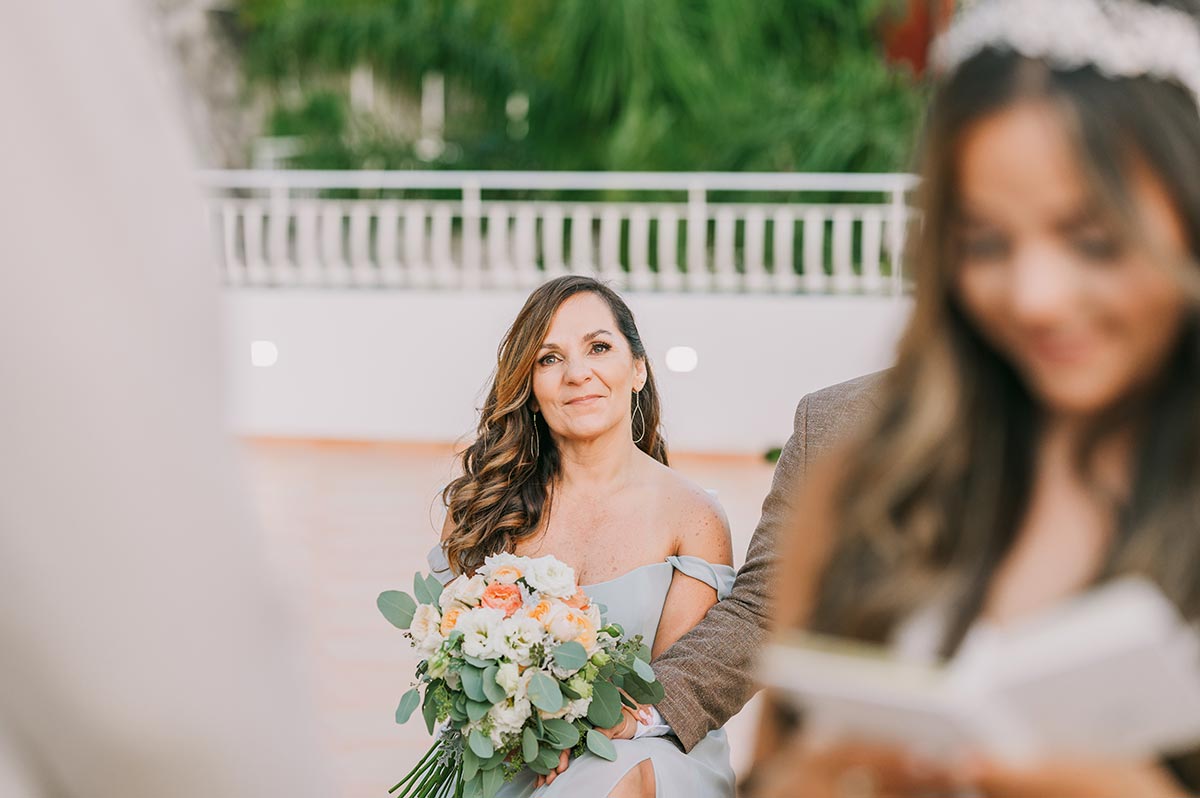
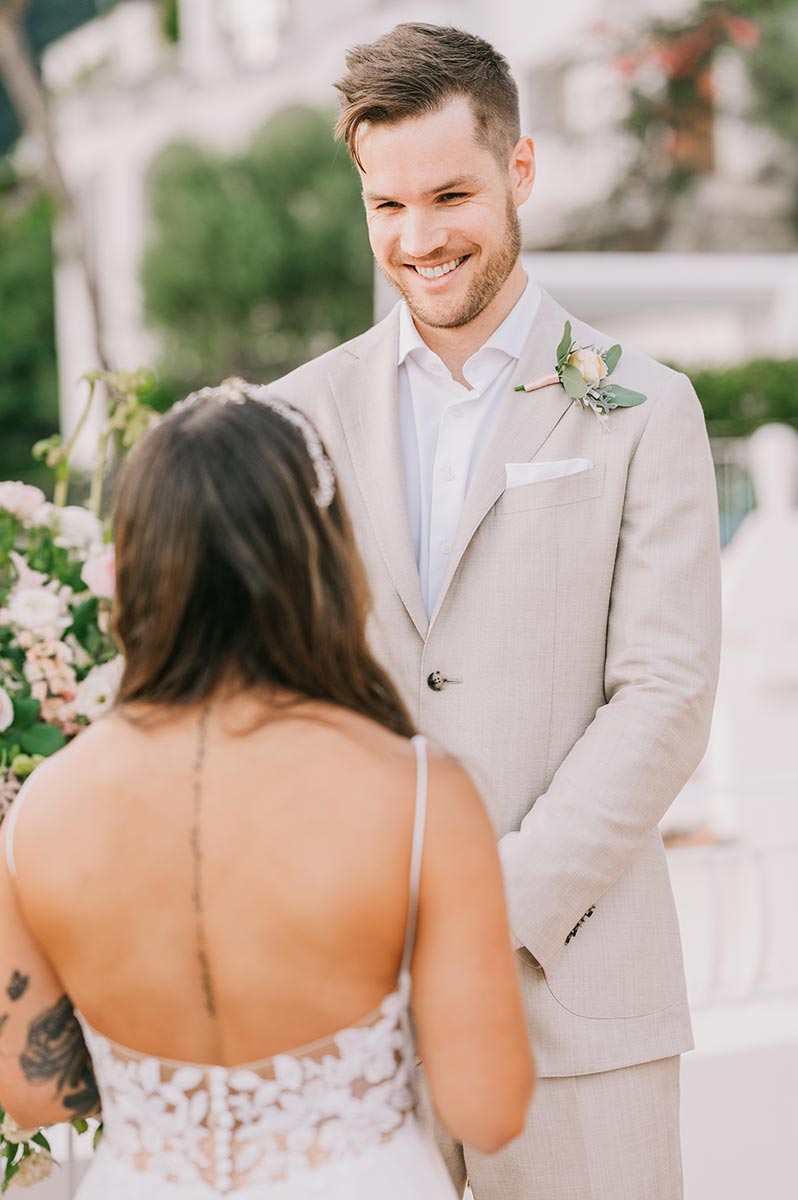
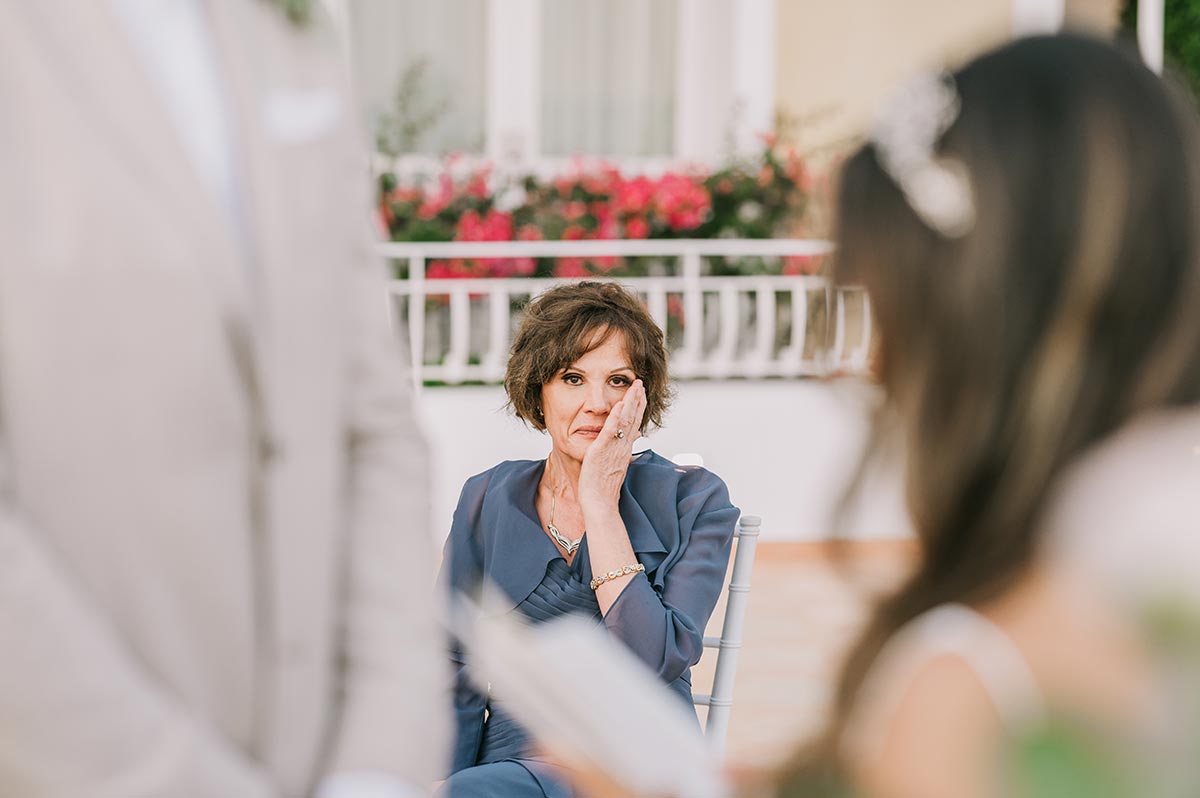
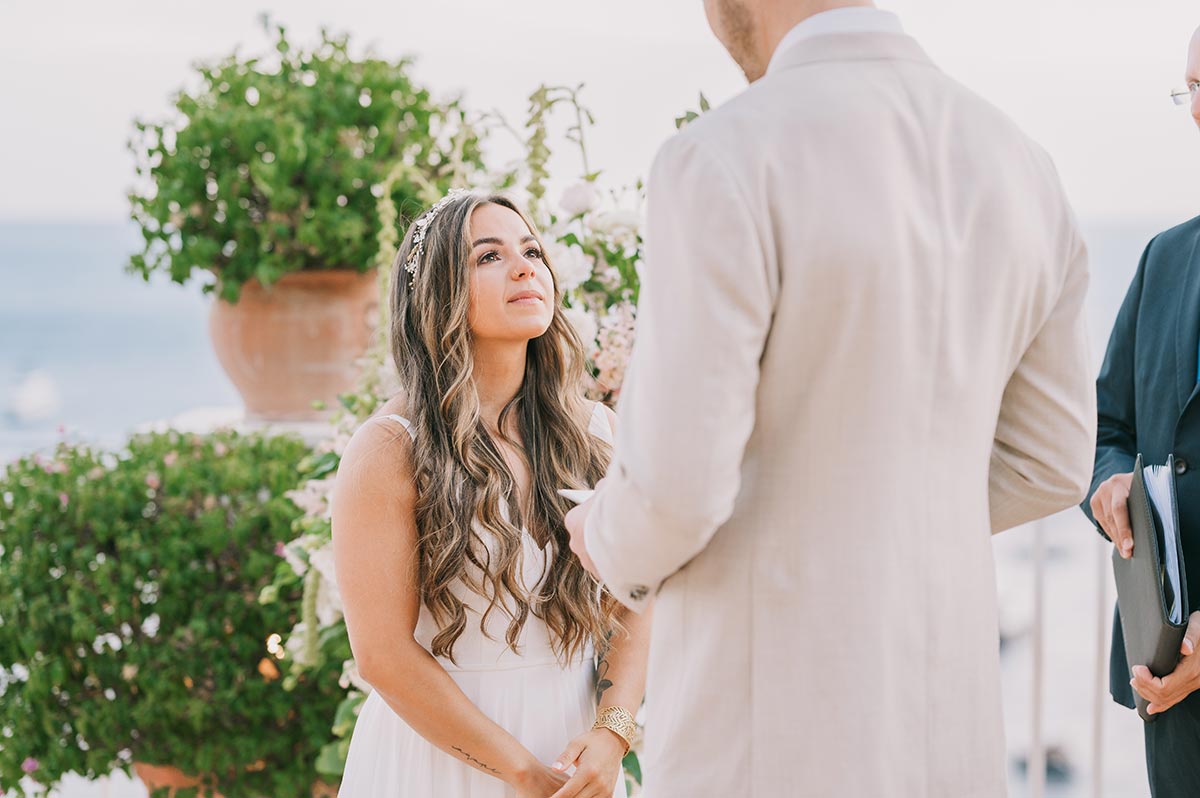
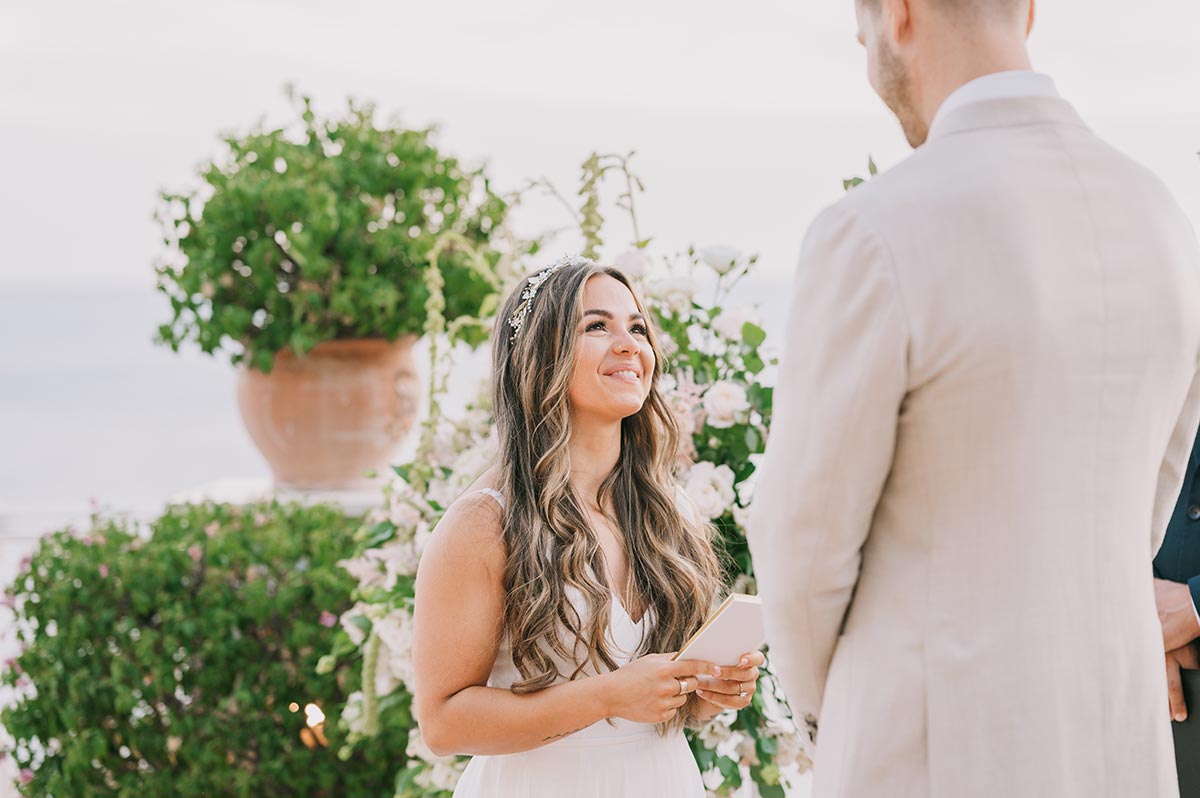
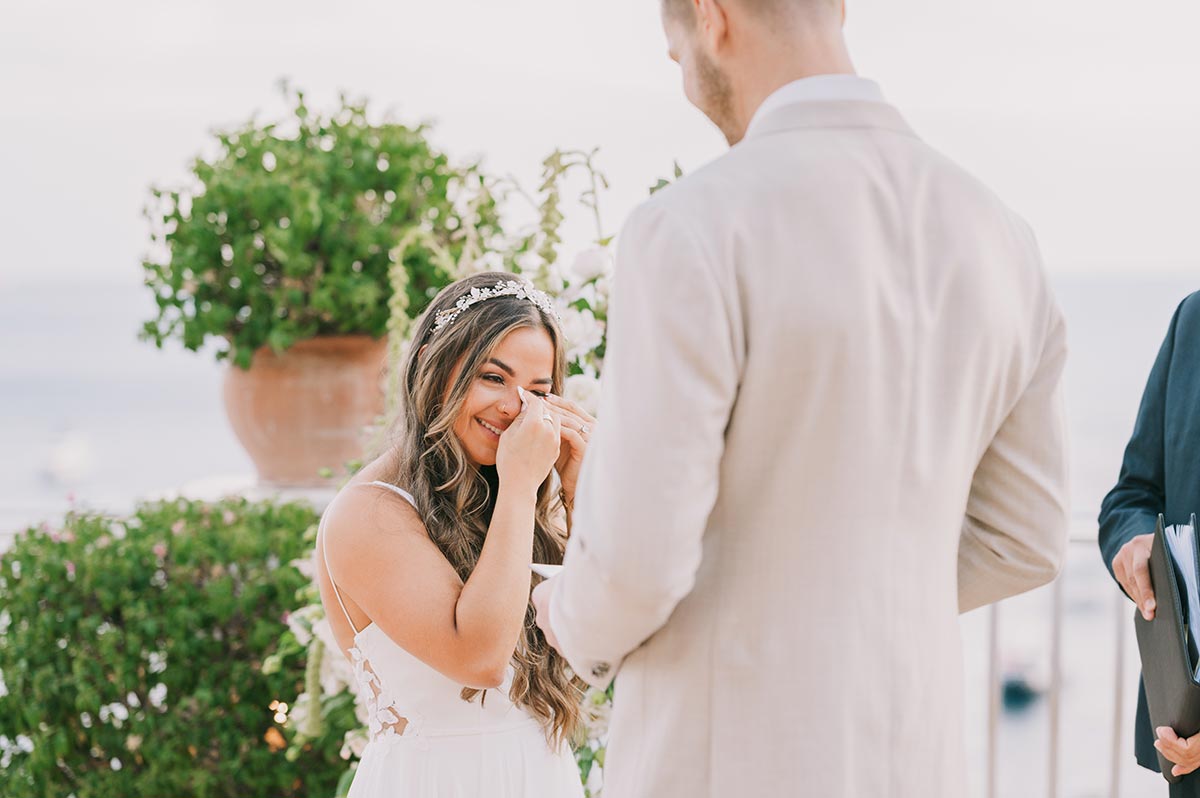
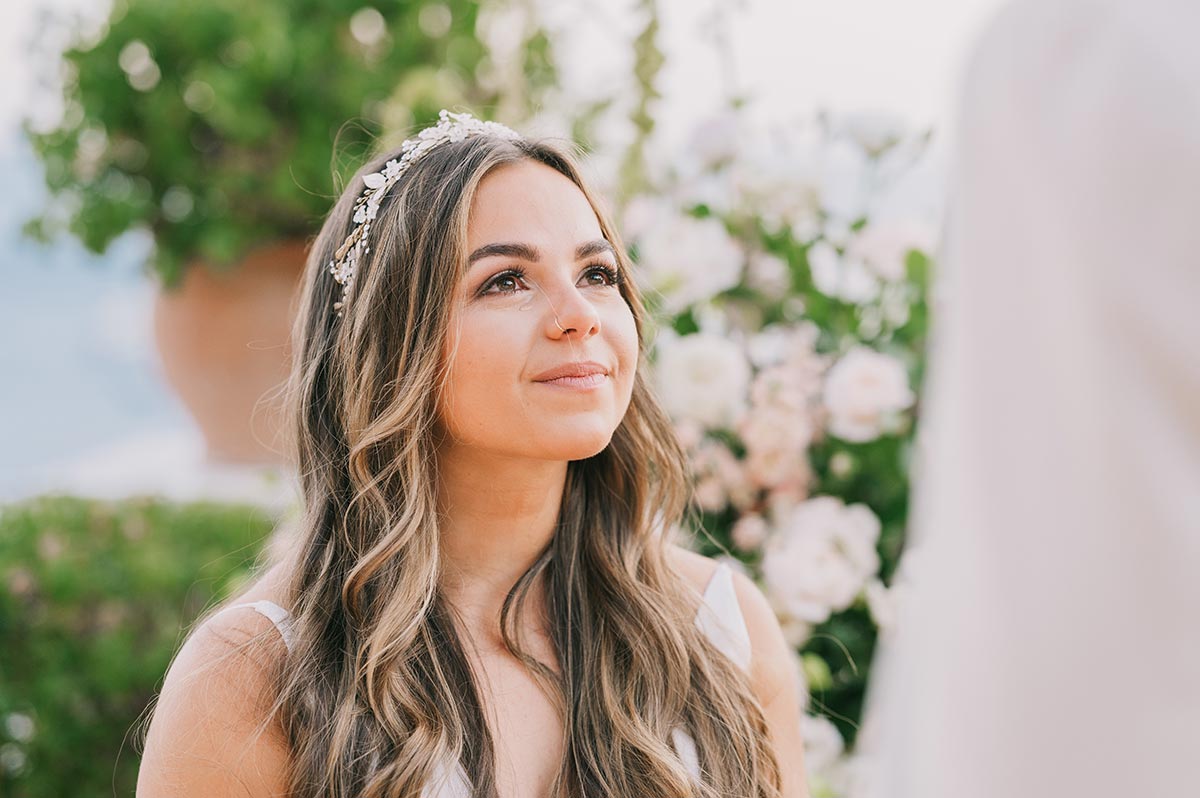
In addition to these technical skills, a good photographer should also have a unique and recognizable style. This can be seen in their portfolio and how they present their work on their website. The photographer should have a strong sense of composition and be able to create beautiful and meaningful images. They should be able to use light and color to bring out the best in their subjects and to create a sense of mood and atmosphere.
As a professional photography studio, Emiliano Russo Photography has the experience and skills necessary to deliver the highest quality images for your Hotel Marincanto Elopement Positano. Our team has years of experience capturing elopements and weddings in various locations, and we have a unique and recognizable style. We understand the importance of capturing the day’s special moments and emotions and work tirelessly to ensure that our clients are happy with the results.
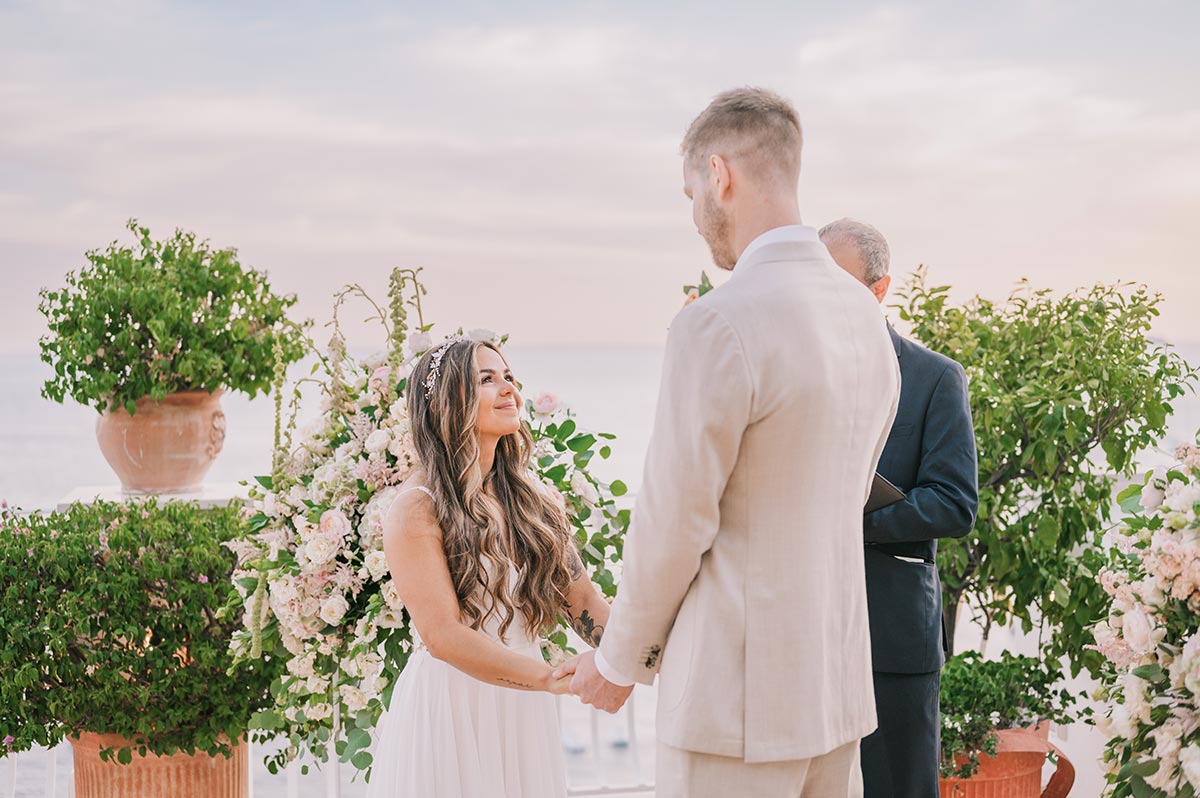
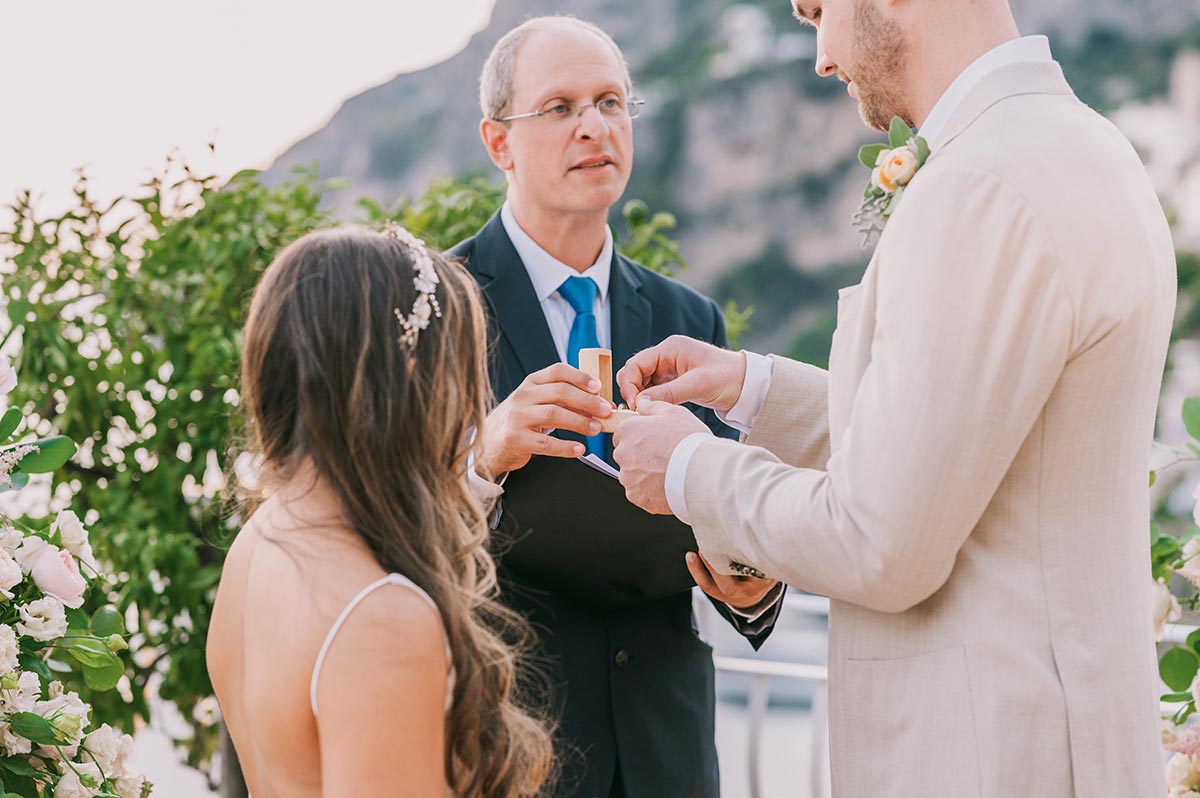
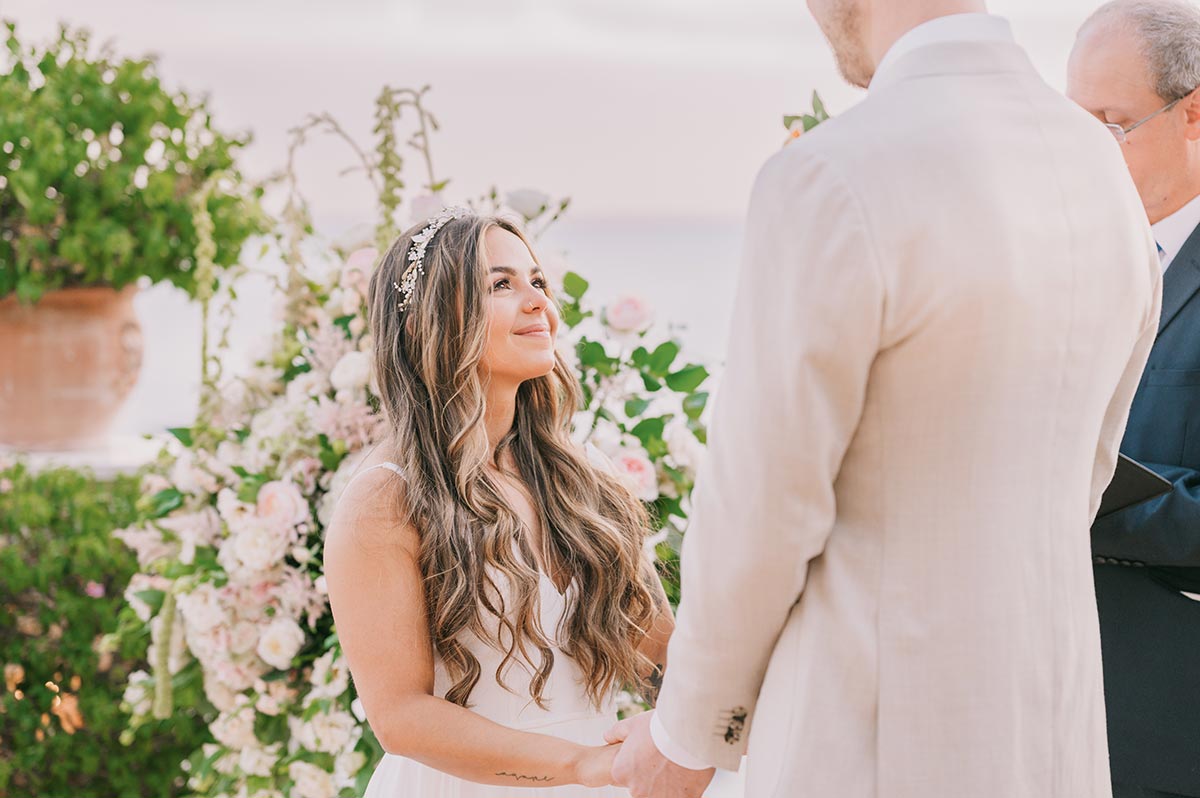

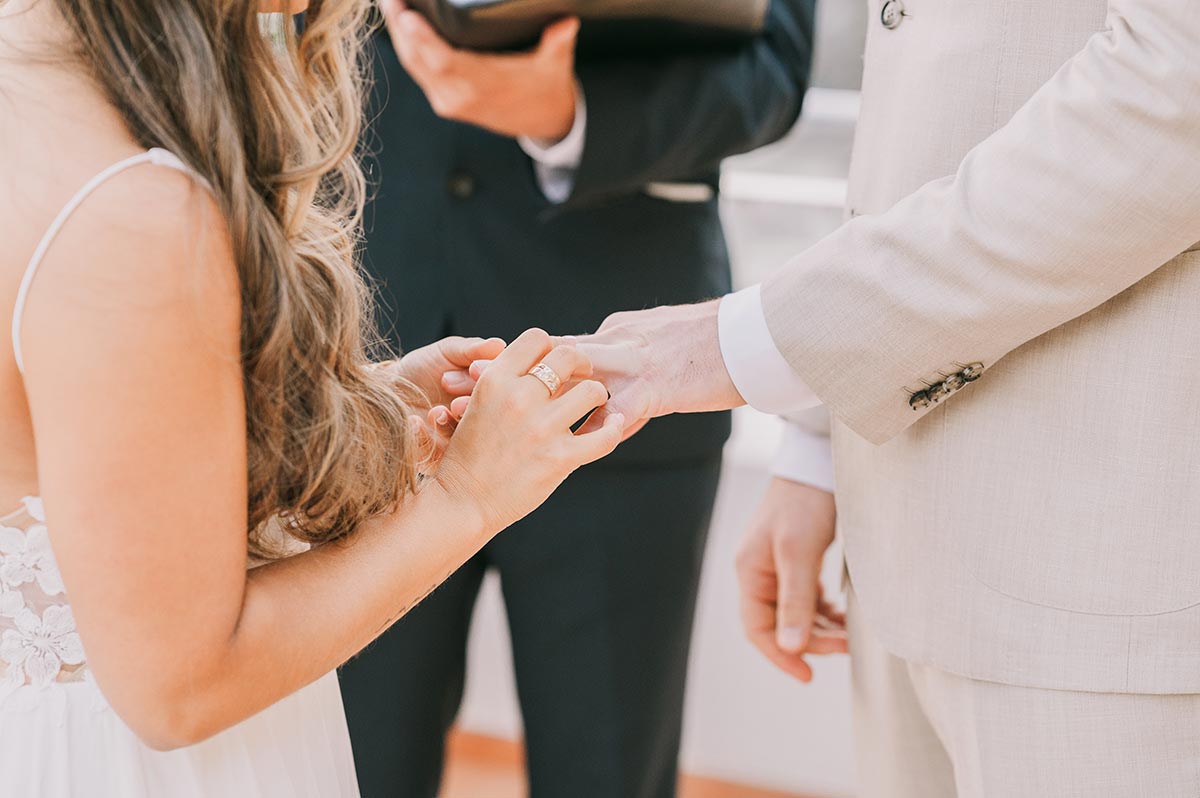
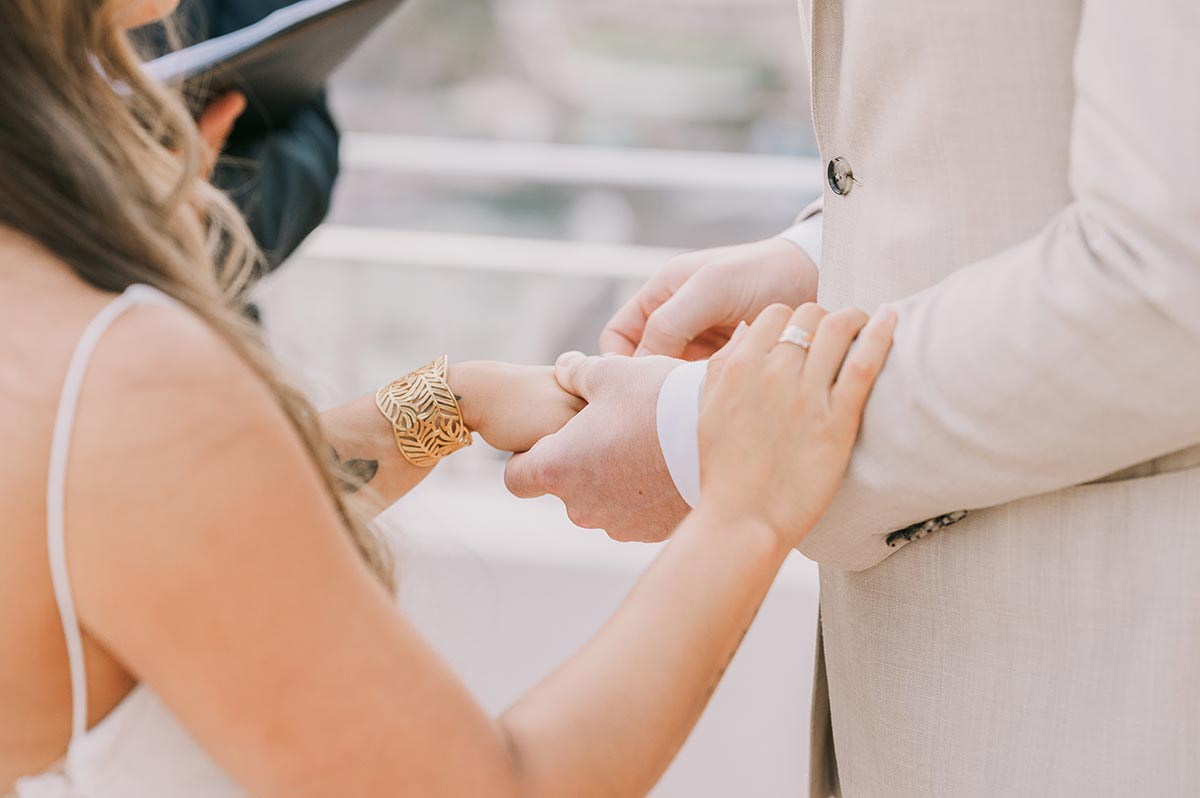
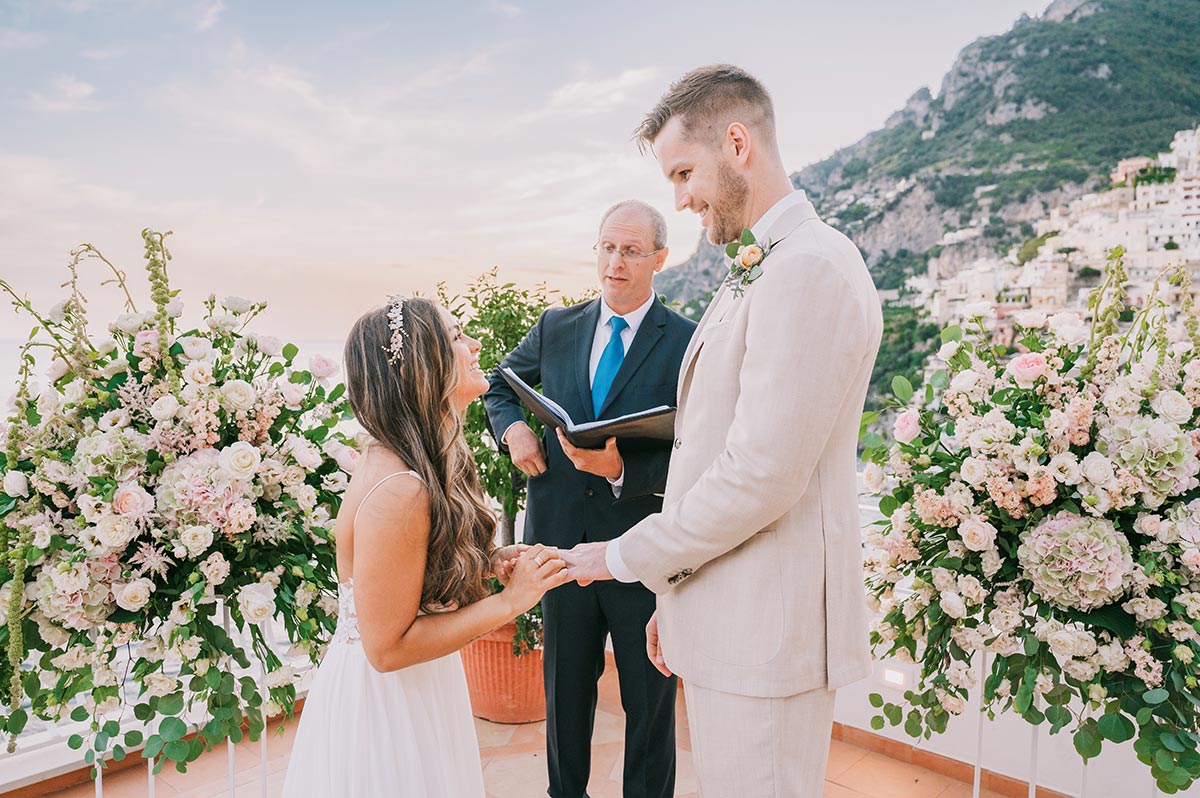
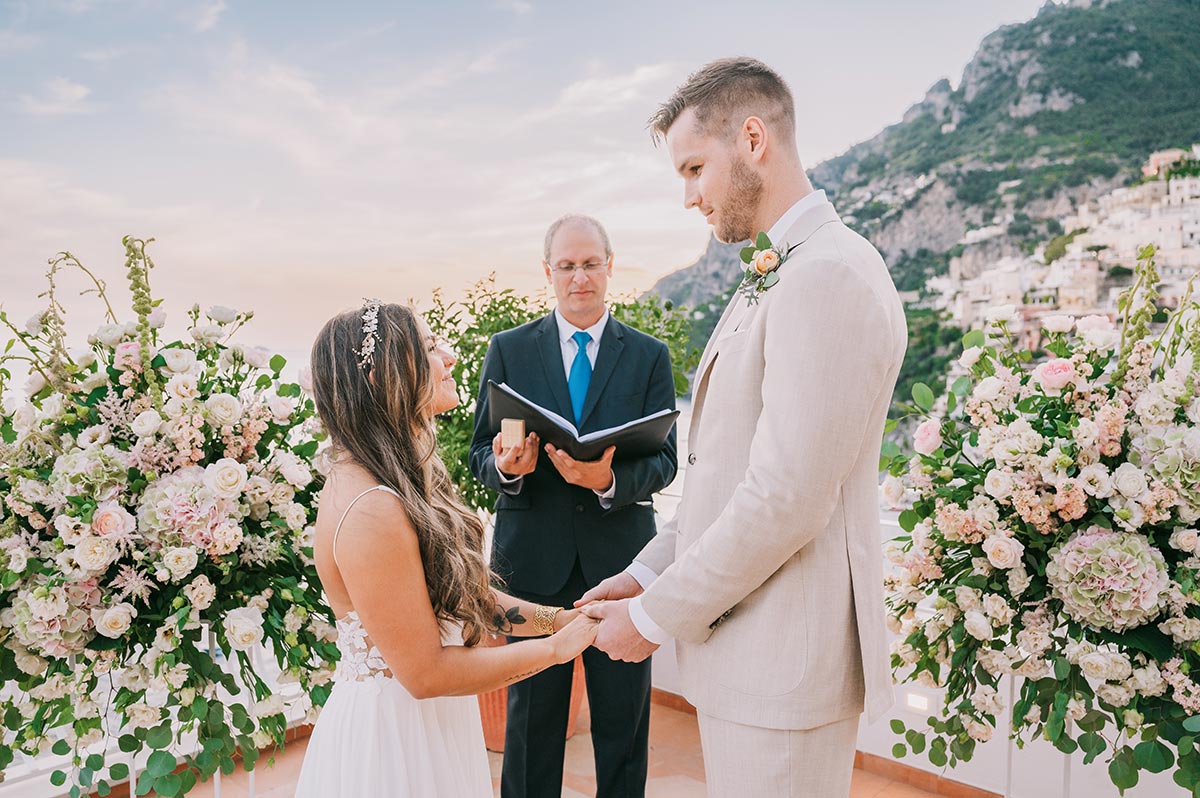
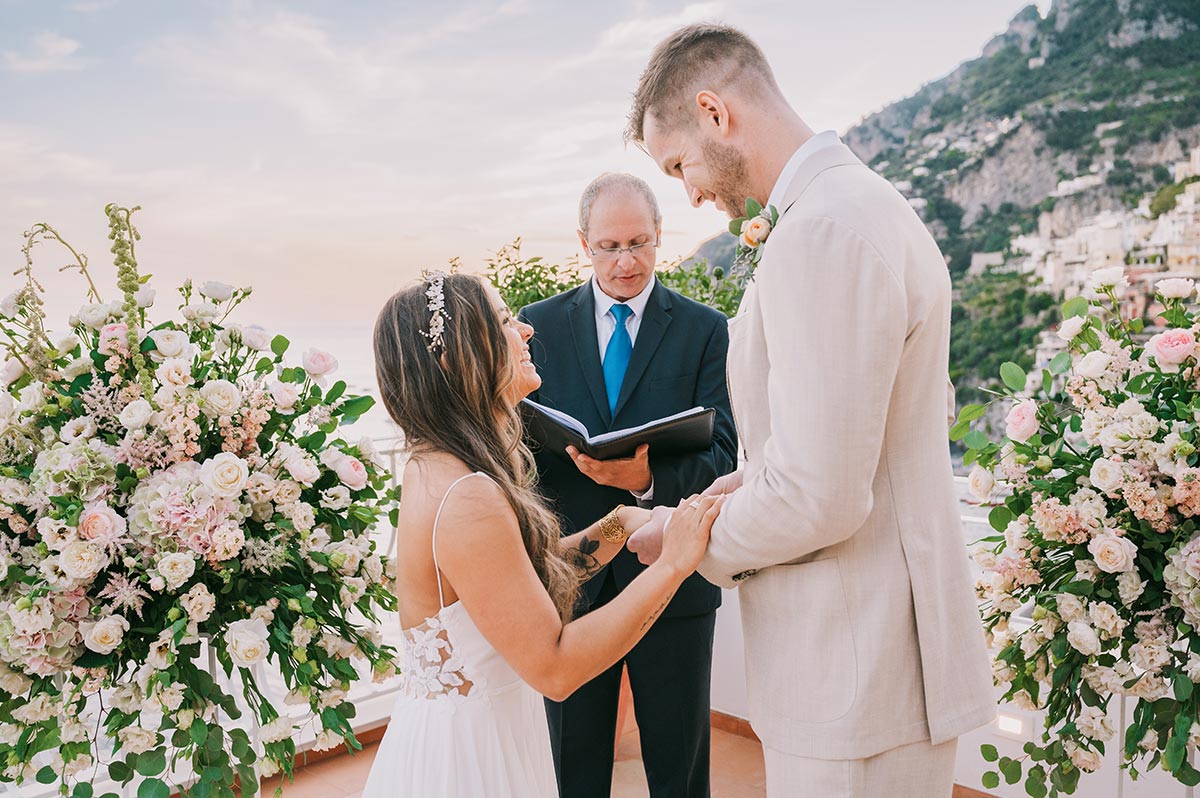



When choosing a photographer for your Hotel Marincanto Elopement Positano, it is essential to remember that price should not be the only factor in your decision. Low prices only sometimes equate to high quality images and professional service. It is important to choose a photographer who offers a professional contract with transparent terms and conditions and is willing to work closely with you to ensure that your day is captured exactly as you want.
It is also important to be wary of venues or vendors who may recommend a photographer. These recommendations are often based on personal interests and not the client’s best interests. With the internet and social media, couples can easily find a photographer who reflects their taste and style, and they should be cautious of recommendations from other vendors.

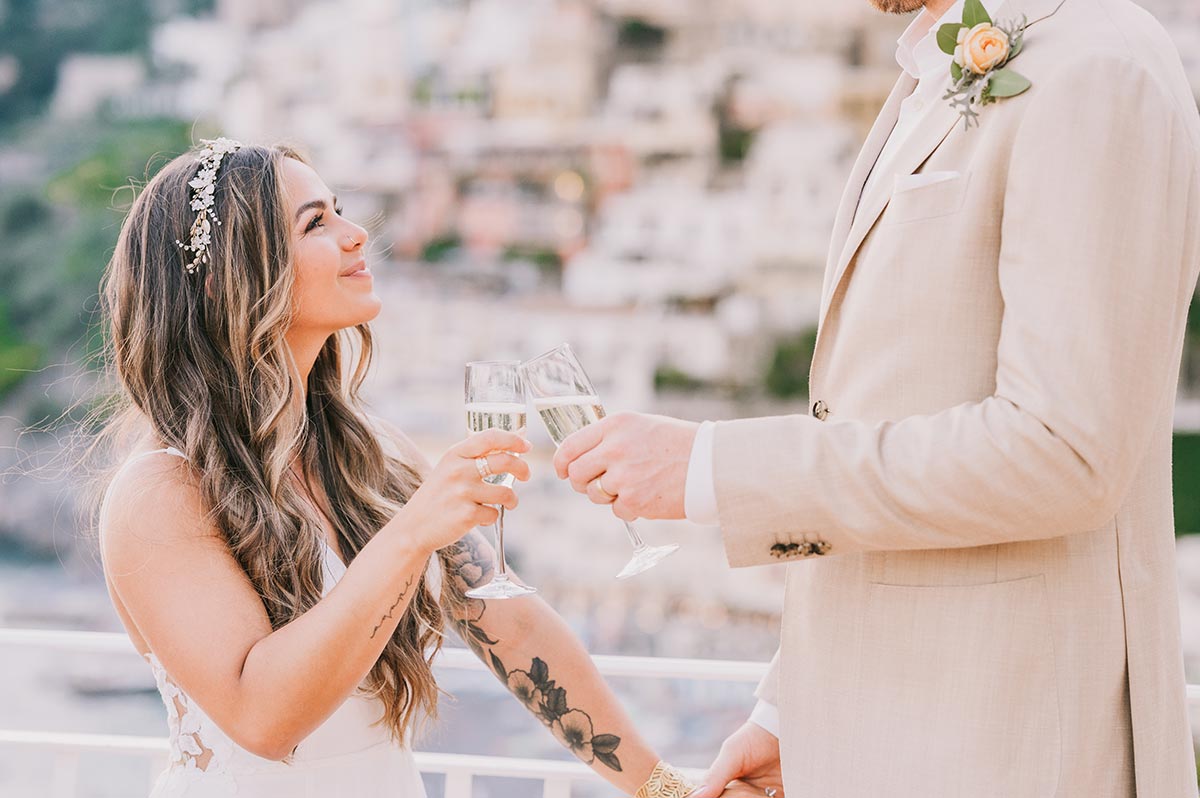
Finally, assessing a photographer’s work through their social media presence and website is essential. A website can better represent their style and portfolio, as the small screens of smartphones do not do justice to the beauty of their images.
Personalized wedding planning services
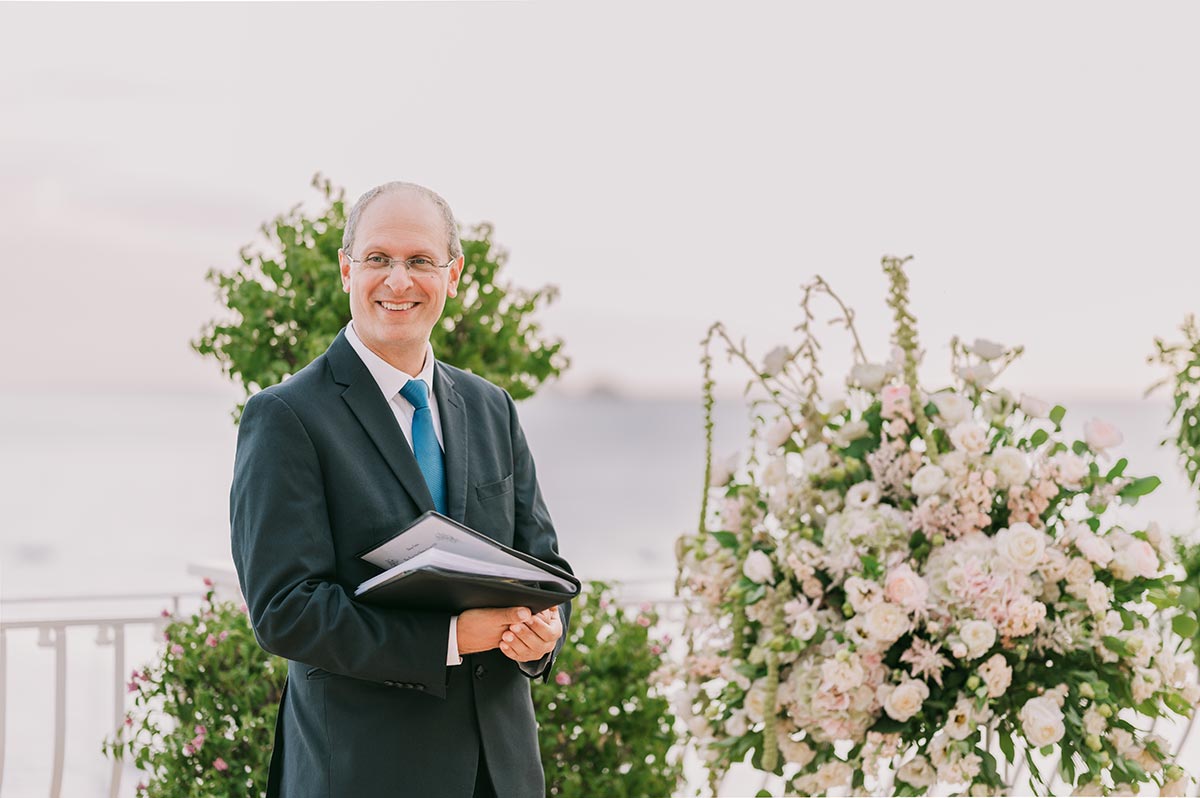
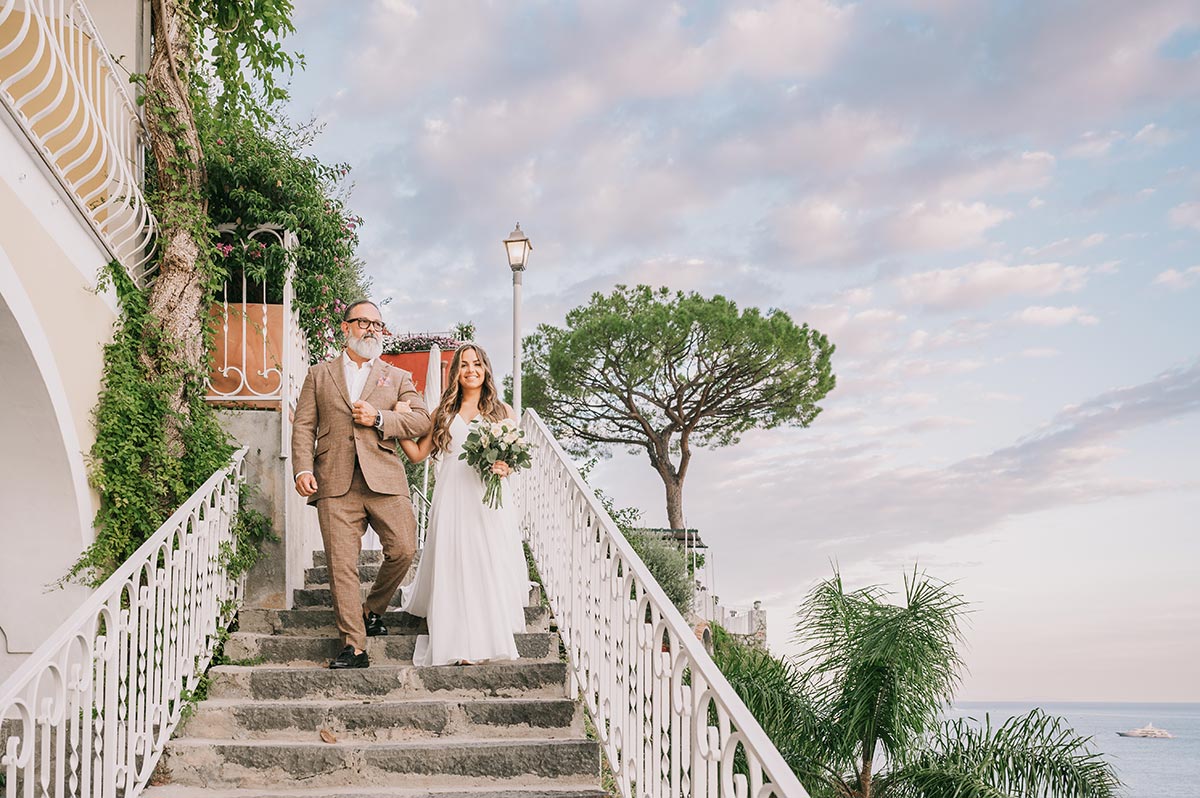
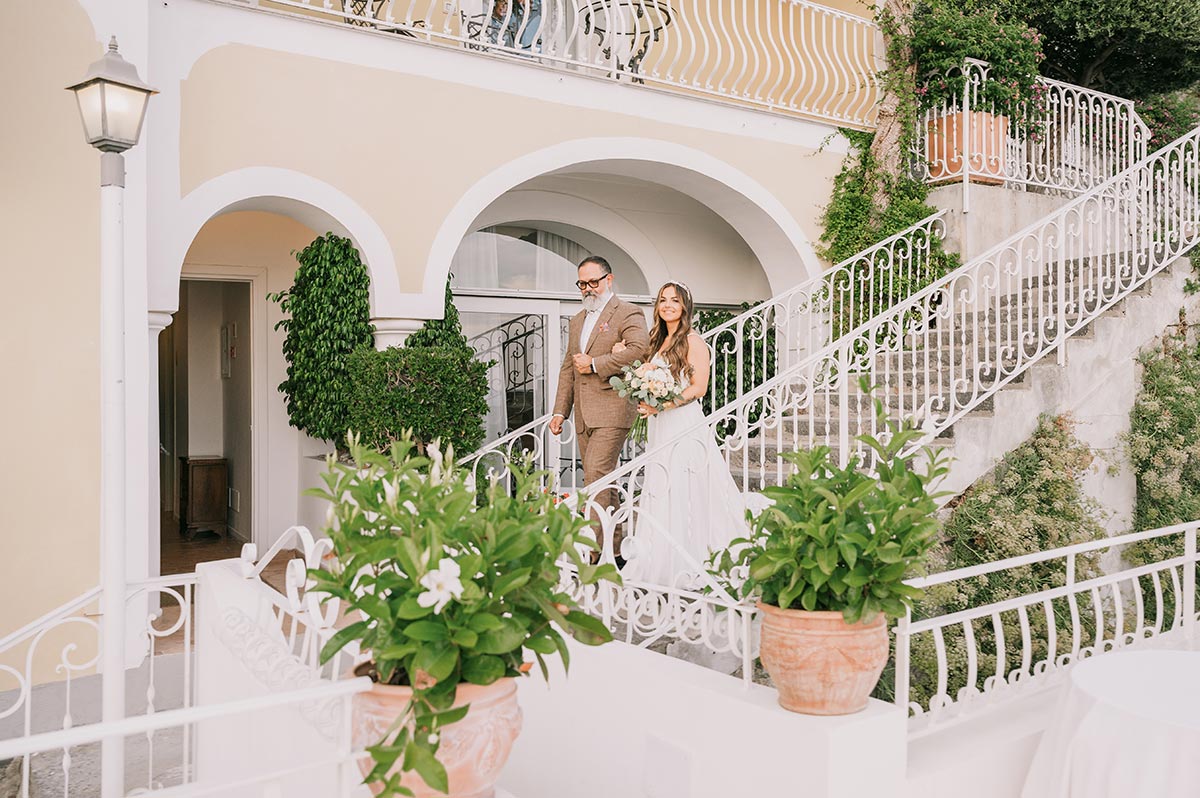
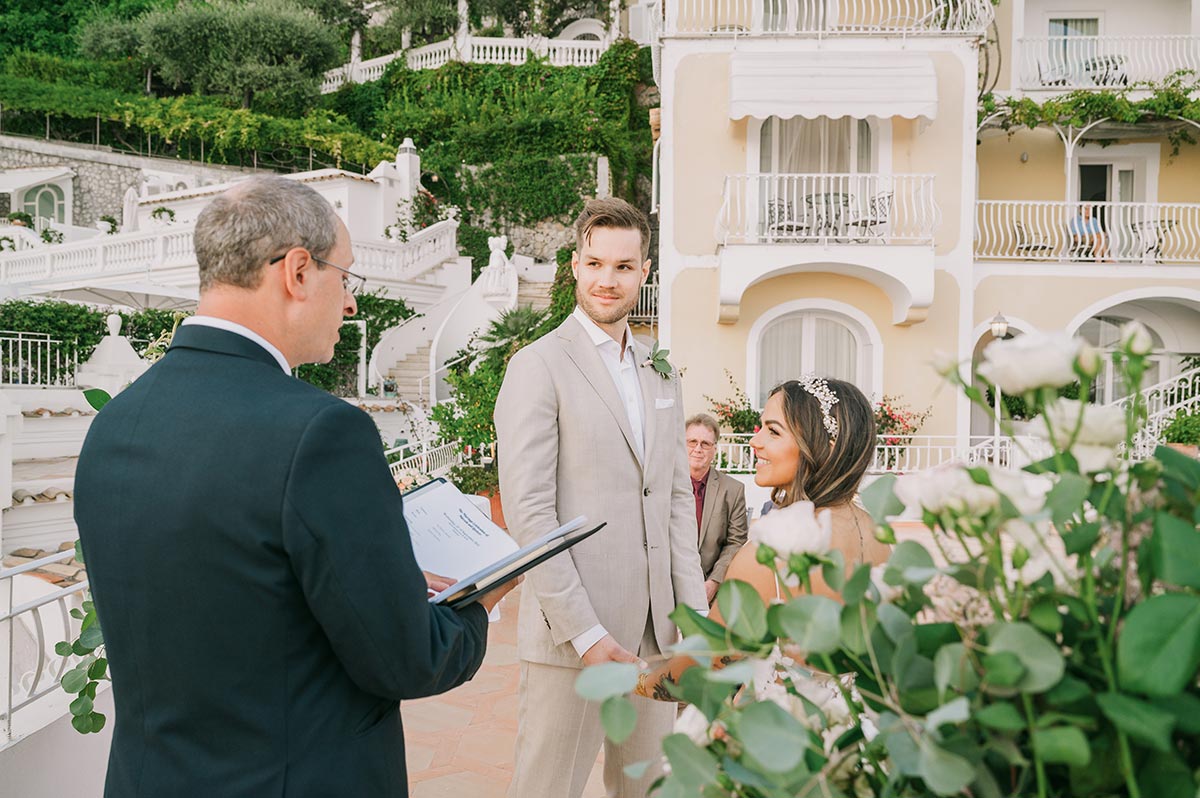
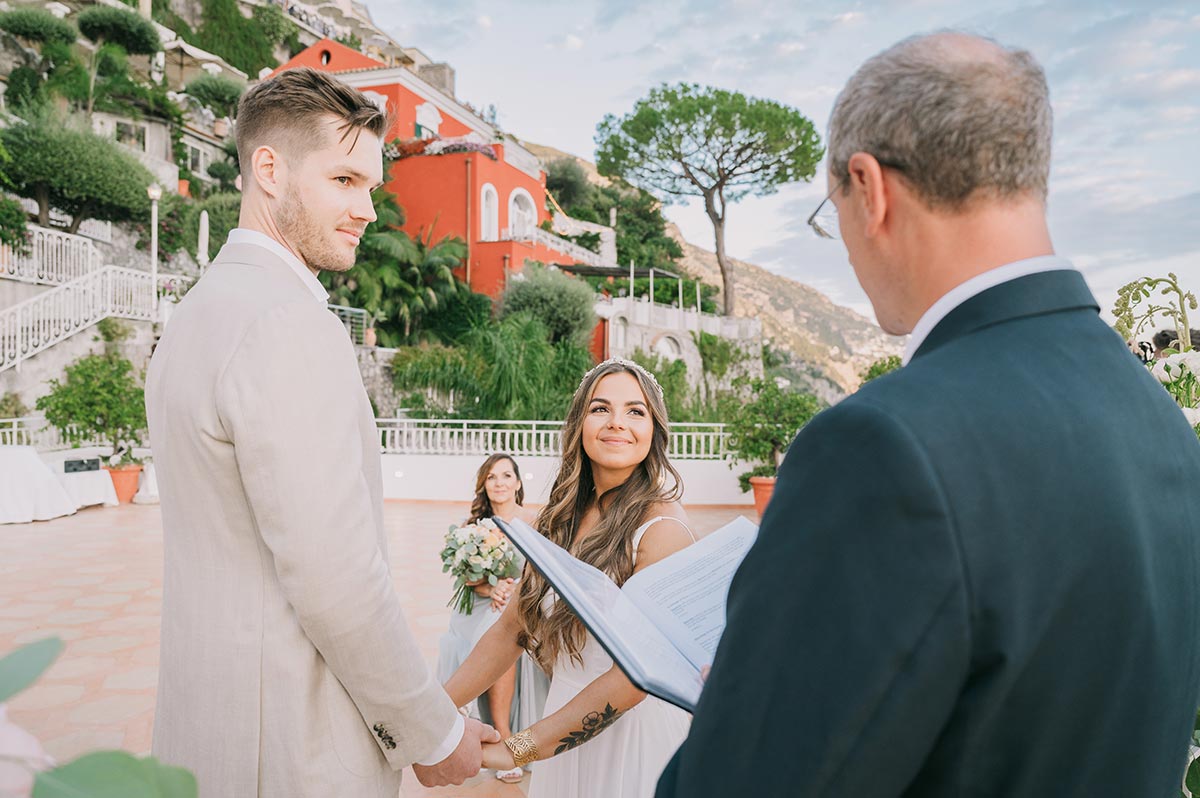
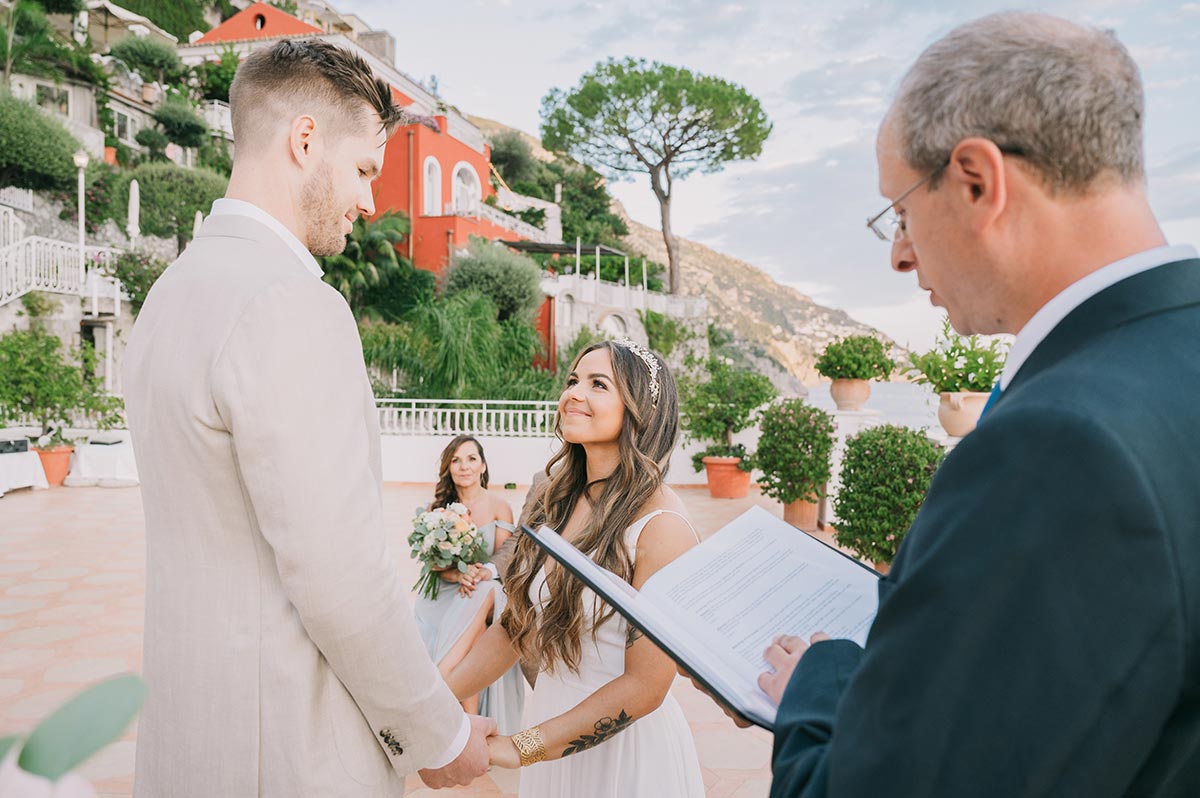
Linda Gatto planned this elopement.
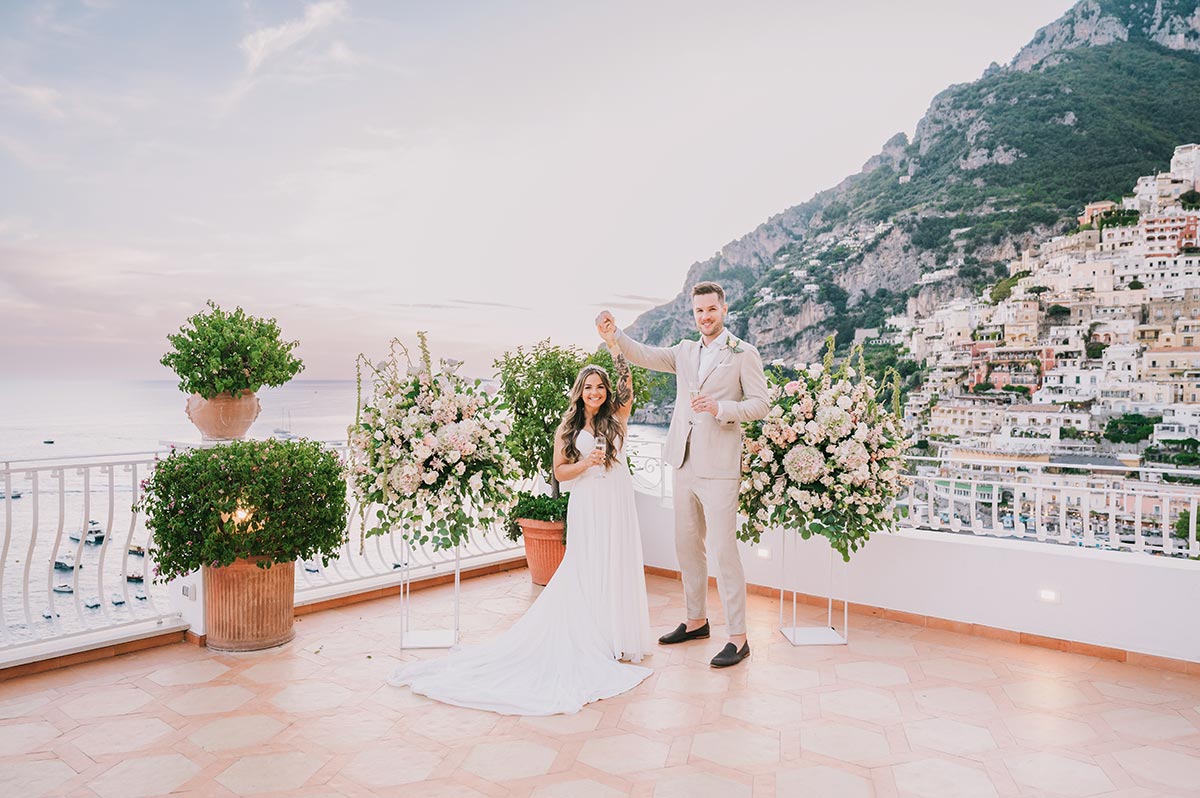
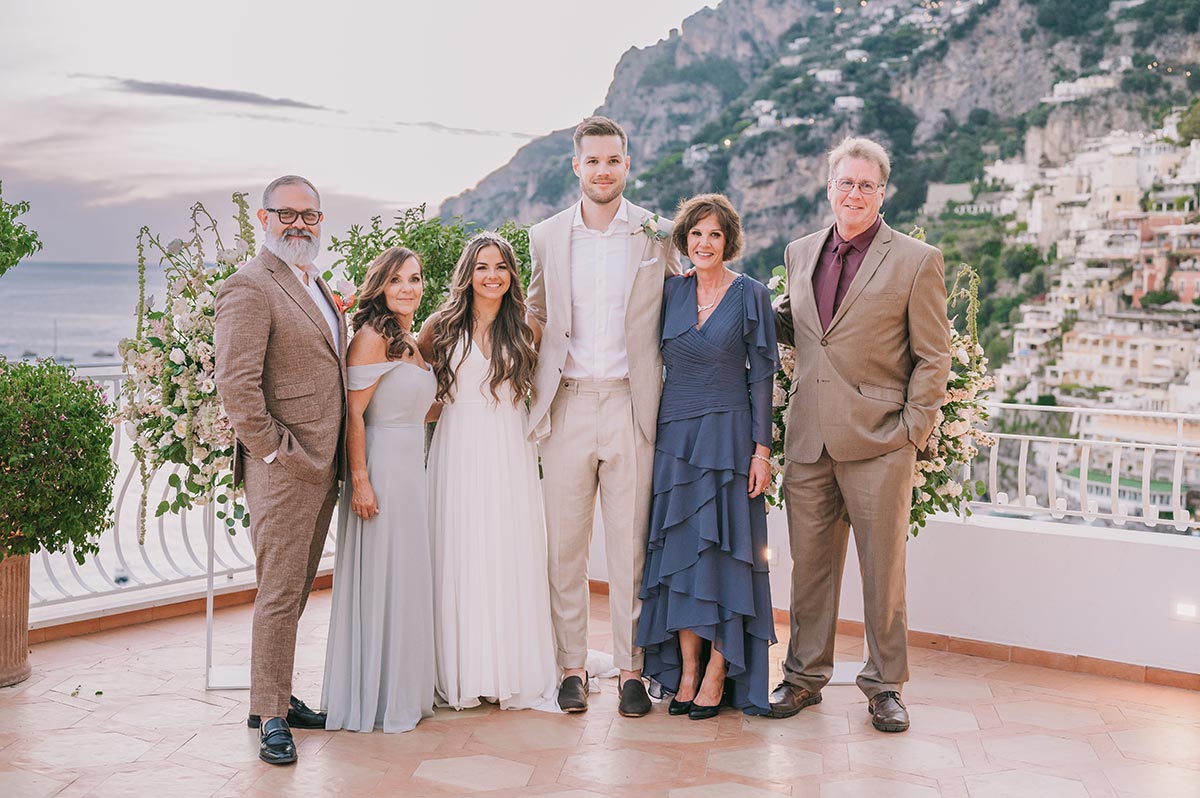
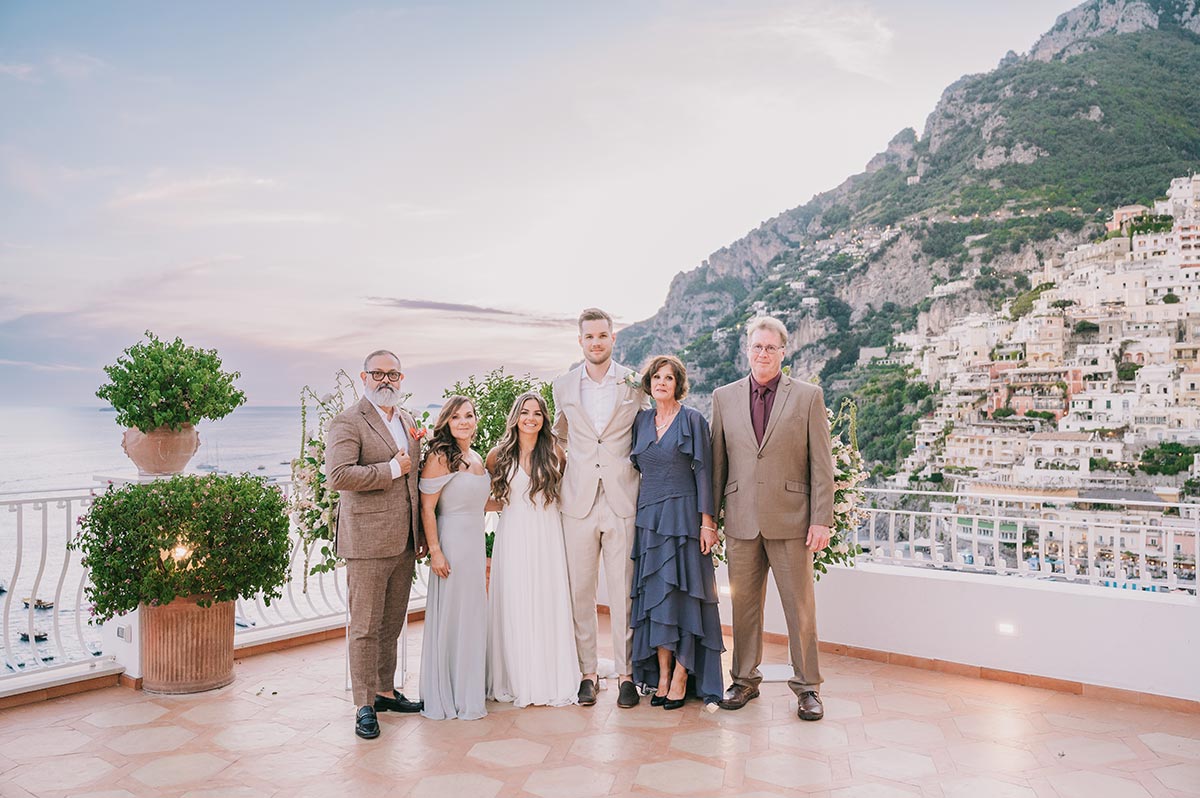

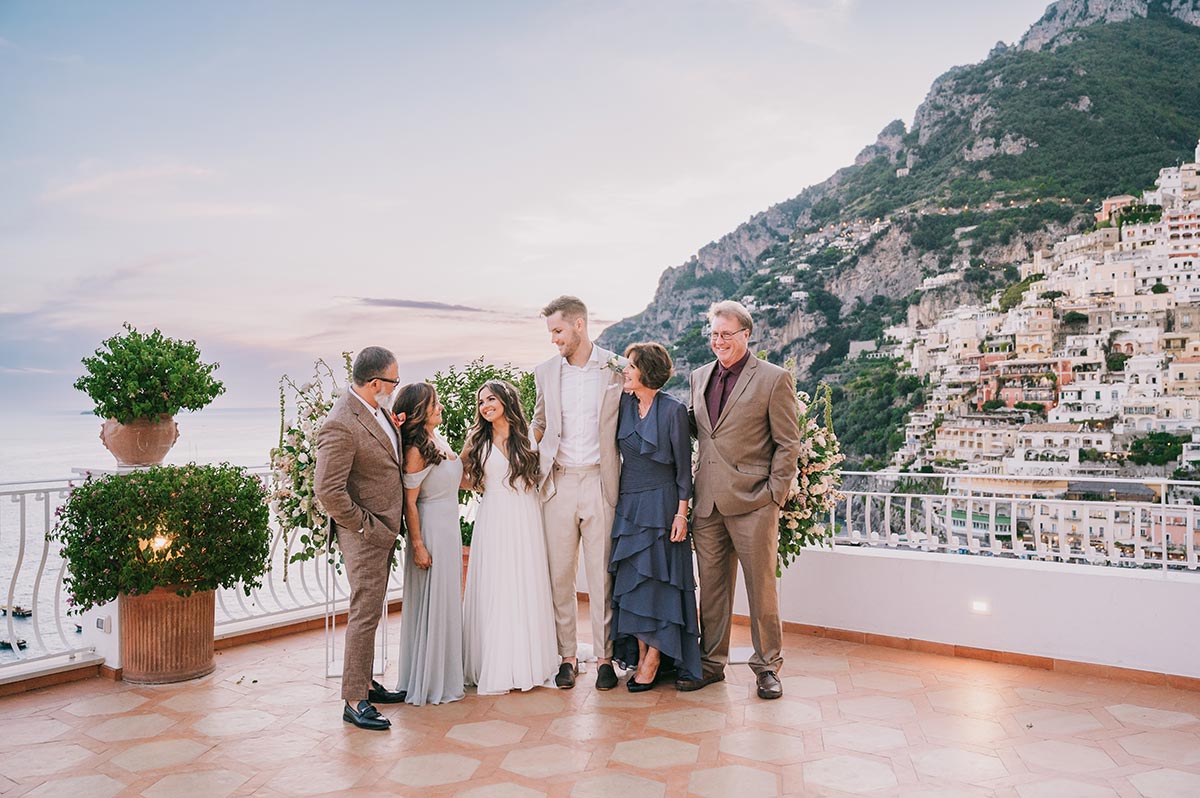
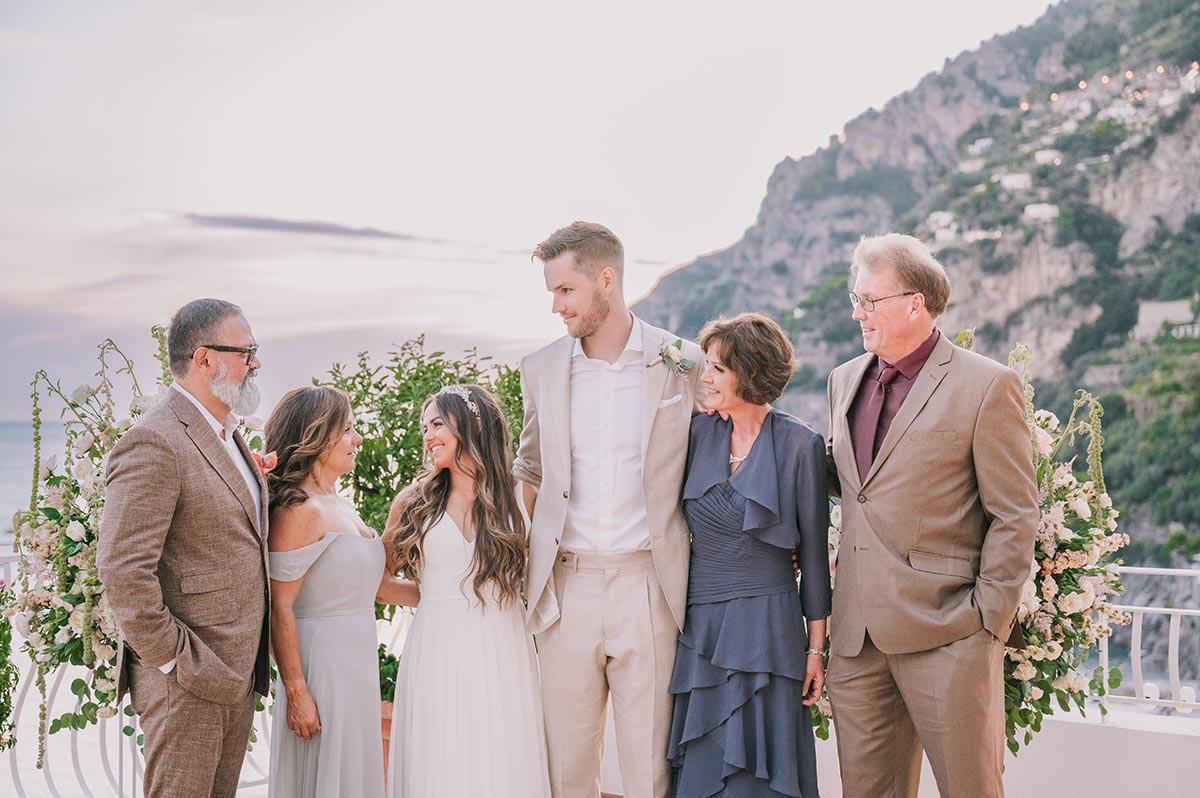
Choosing a suitable wedding planner is crucial when tying the Hotel Marincanto Elopement Positano knot. A wedding planner will assist you in making sure that everything runs efficiently and that you have the wedding of your dreams. However, selecting the right planner with the required experience and skills is vital to guarantee that your special day is flawless.
When picking a wedding planner, they must reside in Italy. Although it’s optional for them to be located in Positano, they should have familiarity with the local area and its logistical hurdles. This is because having a local wedding planner will ensure that your wedding day transpires without problems.
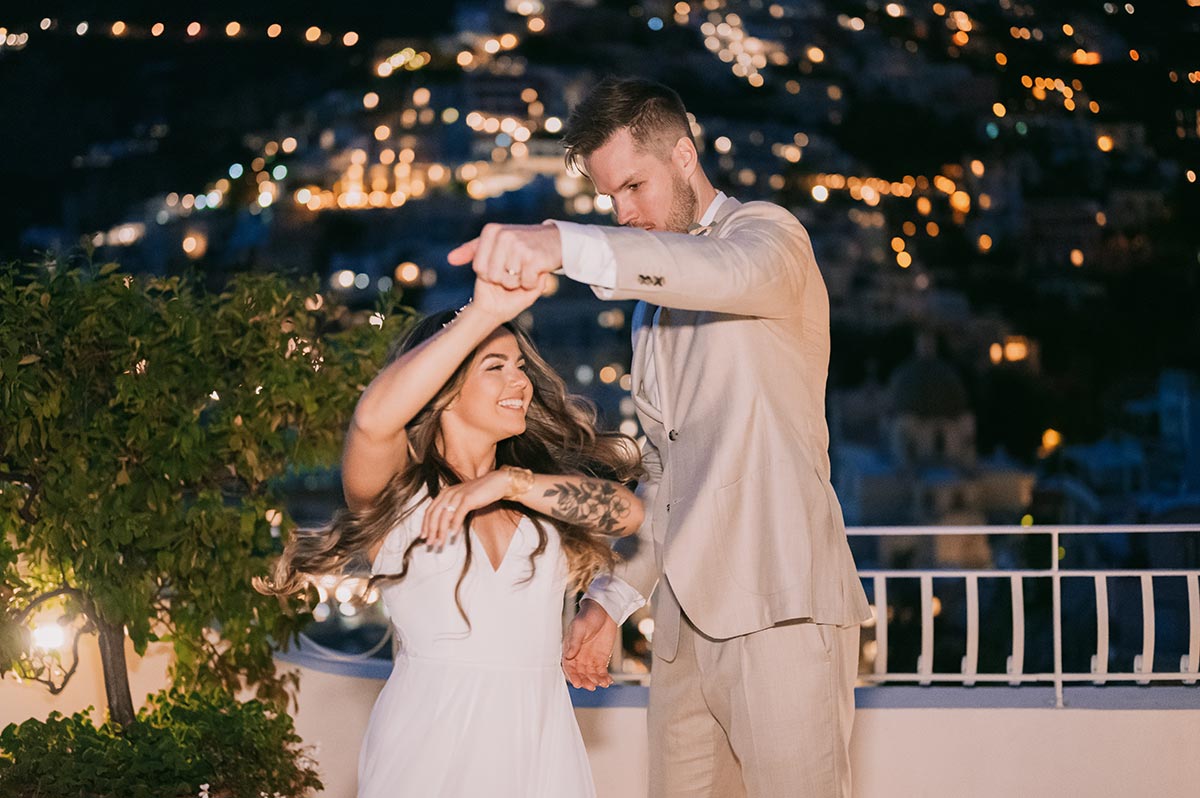
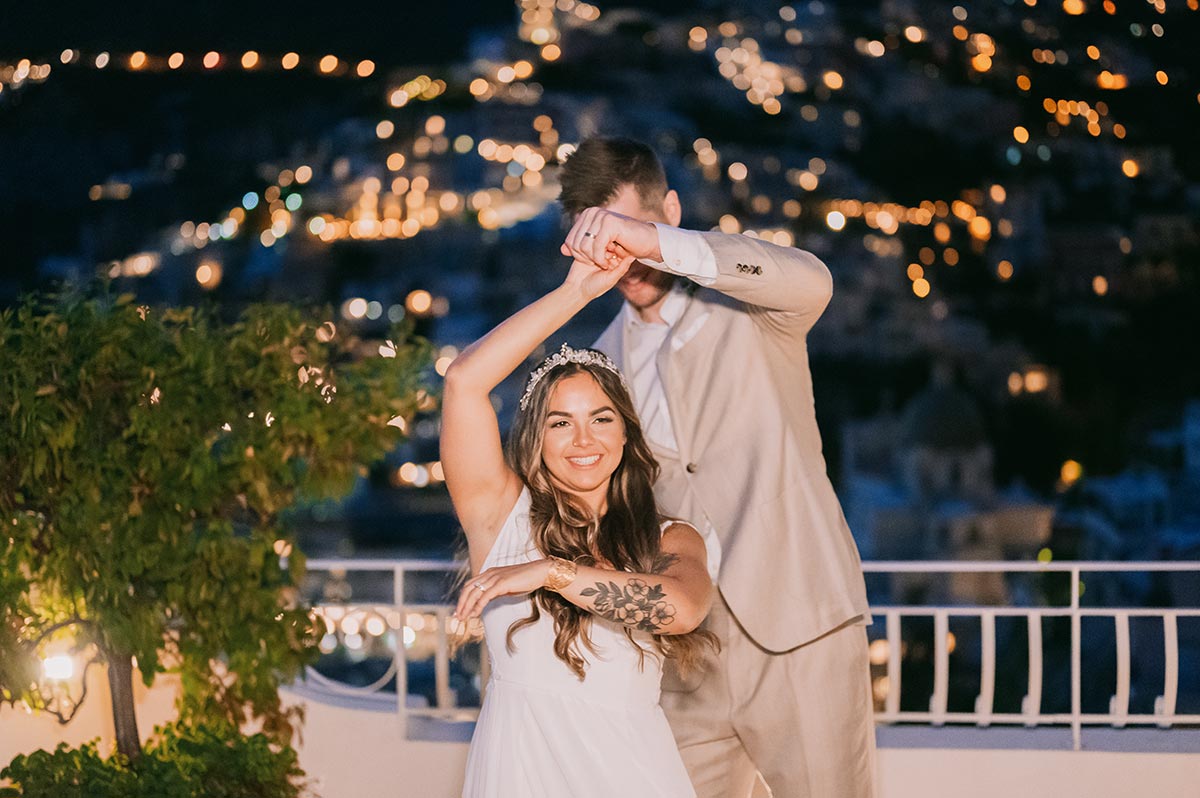
At Emiliano Russo Studio, we comprehend the significance of choosing a wedding planner that fits your needs. This is why we have years of experience helping couples find a planner who fits their requirements and specifications. Our objective is to assist you in finding a professional and experienced planner with the necessary skills to make your wedding day as unique as possible.
When it comes to the qualities a wedding planner should possess, they must be organized, have exceptional communication skills, and can handle pressure. They should also have the capacity to work seamlessly with other vendors, including the venue and any local government officials, in case of a civil ceremony. This is crucial because having a wedding planner who can manage communication and coordination among all the vendors will ensure that everything runs smoothly and that you don’t have to worry about a thing.
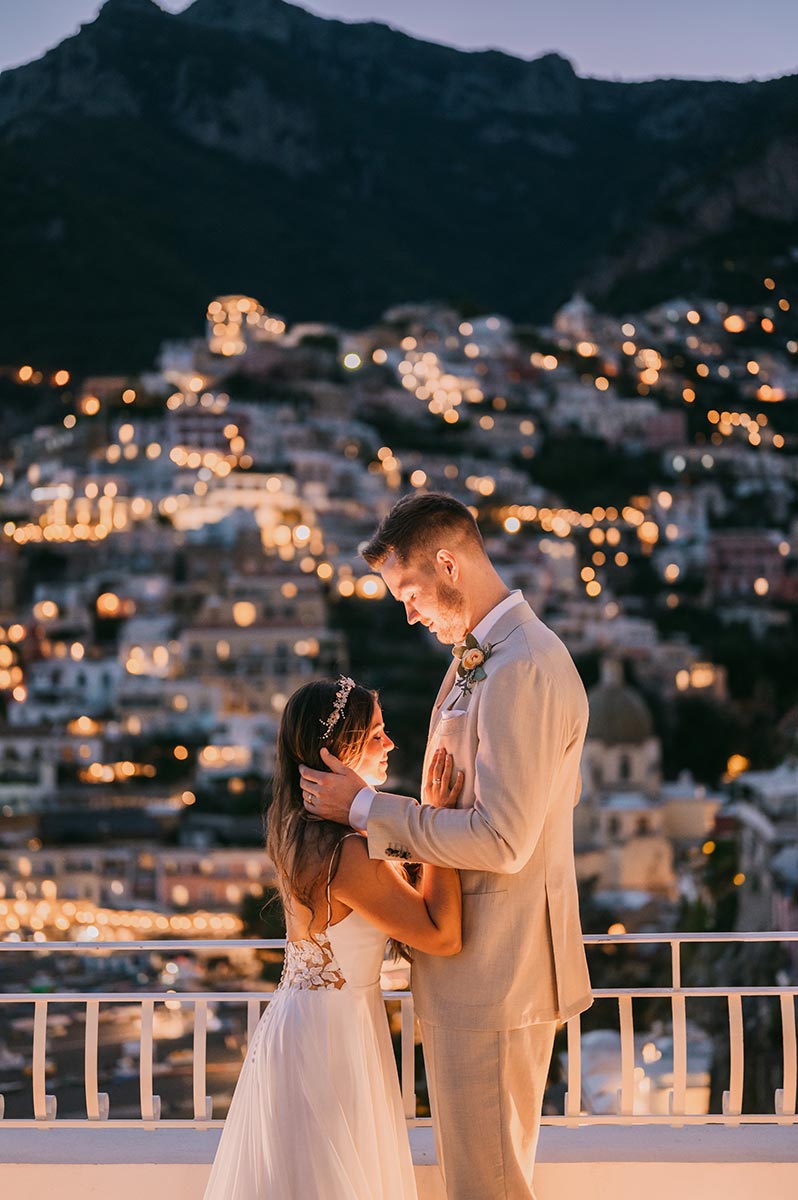
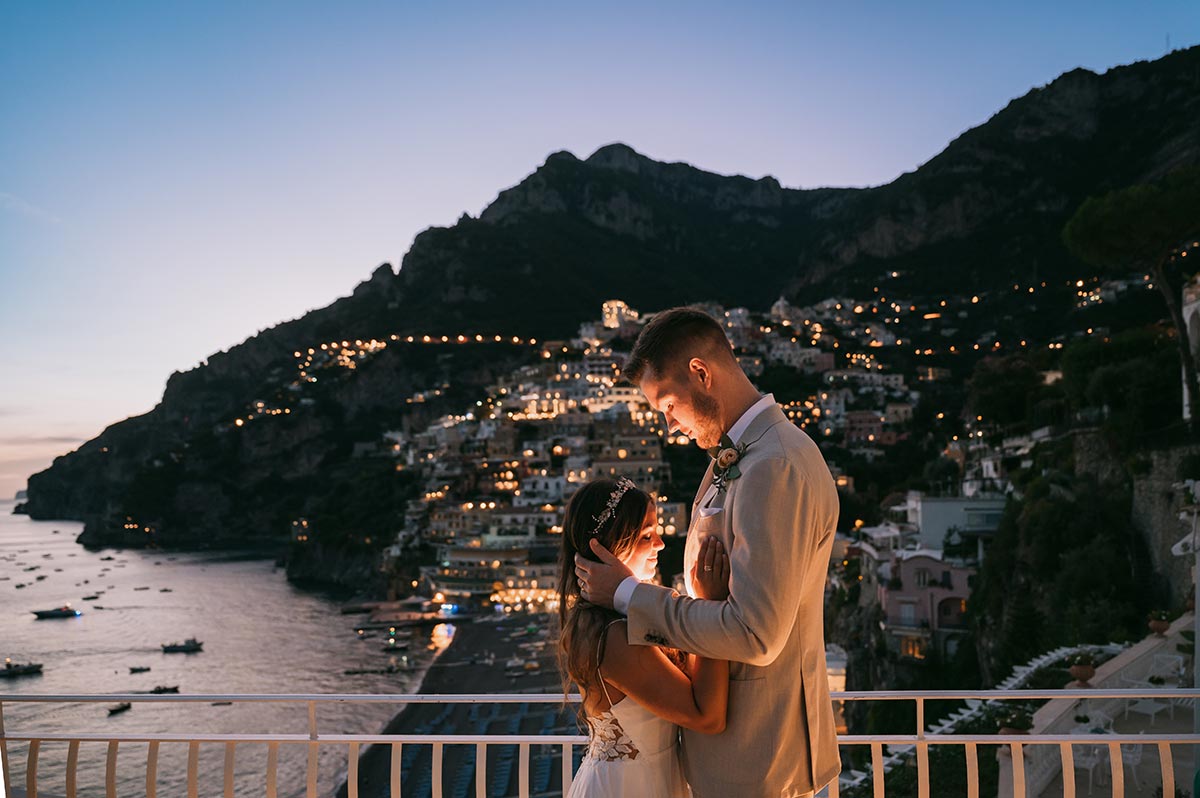
Finally, it is vital to consider the wedding planner’s ability to manage the timing and lighting of your wedding day. They should thoroughly understand the optimal time for your ceremony and reception and the ideal light for taking photos. At Emiliano Russo Studio, we work with some of Positano’s most professional and experienced wedding planners. We aim to help you find the right one who can make your wedding day a dream come true.
Delicious catering and bar services:
Delicious catering and bar services at Hotel Marincanto are a must-have for any special occasion or event. The team of expert chefs and mixologists take pride in offering a variety of delicious and beautifully presented dishes, along with signature cocktails and premium beverages. Whether you’re looking for an intimate dinner or a grand celebration, Hotel Marincanto’s catering and bar services will leave a lasting impression on your guests.
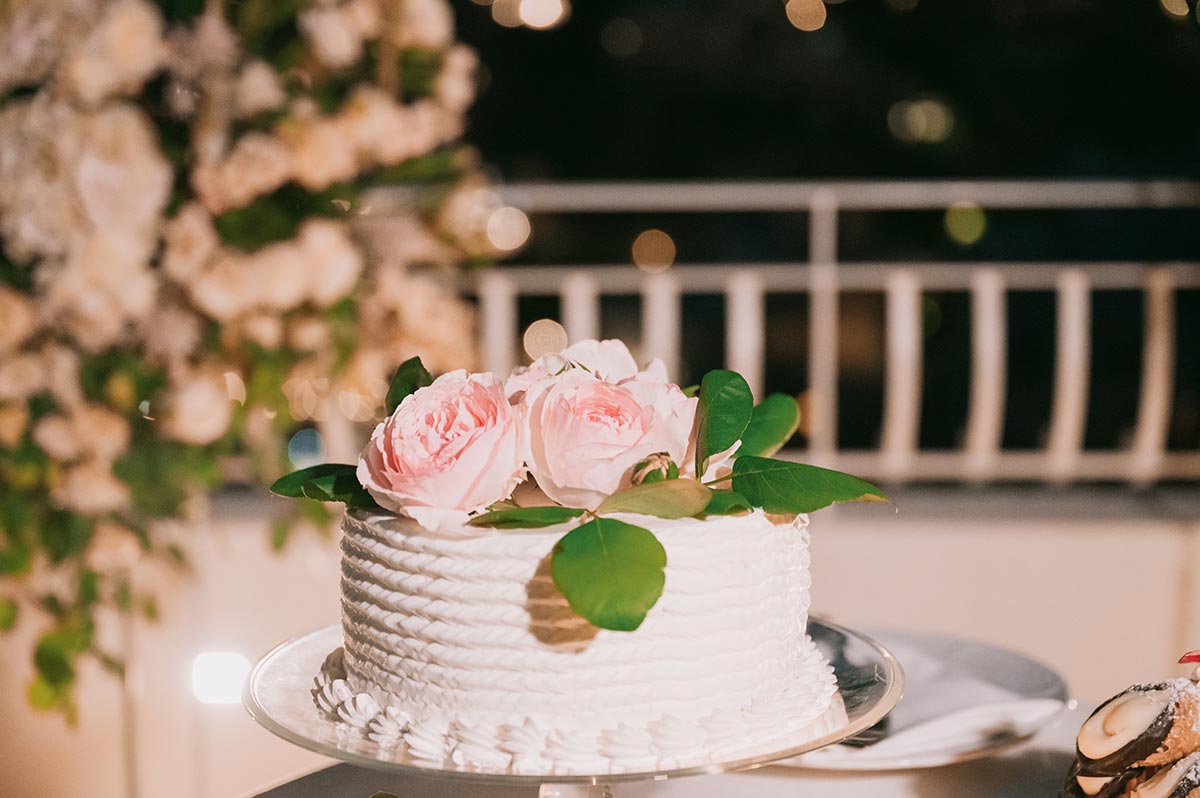
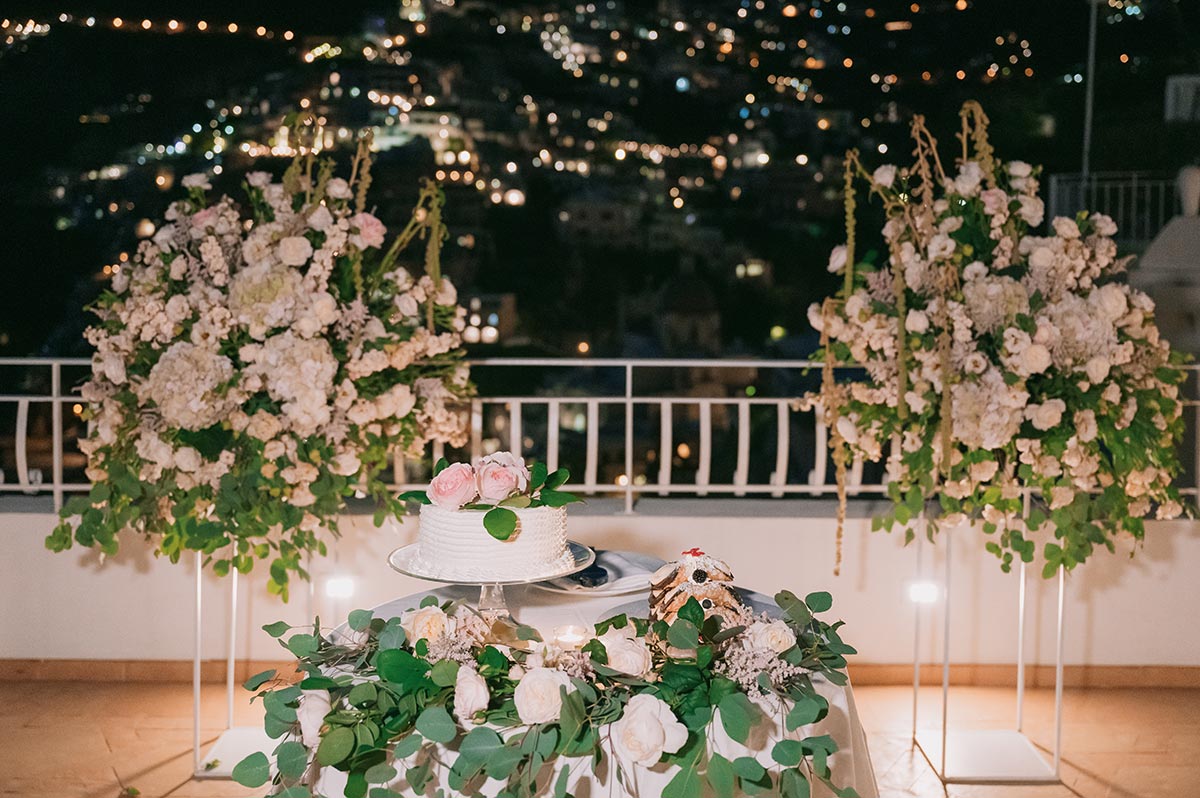
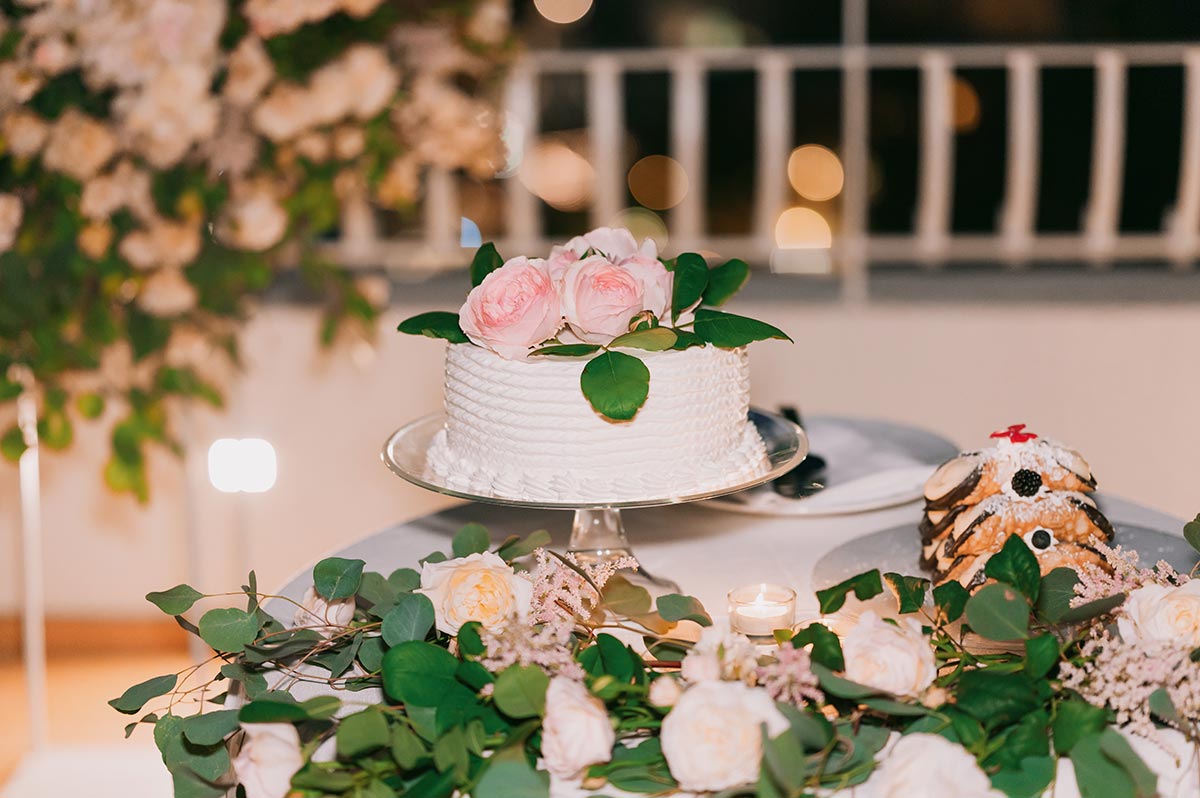
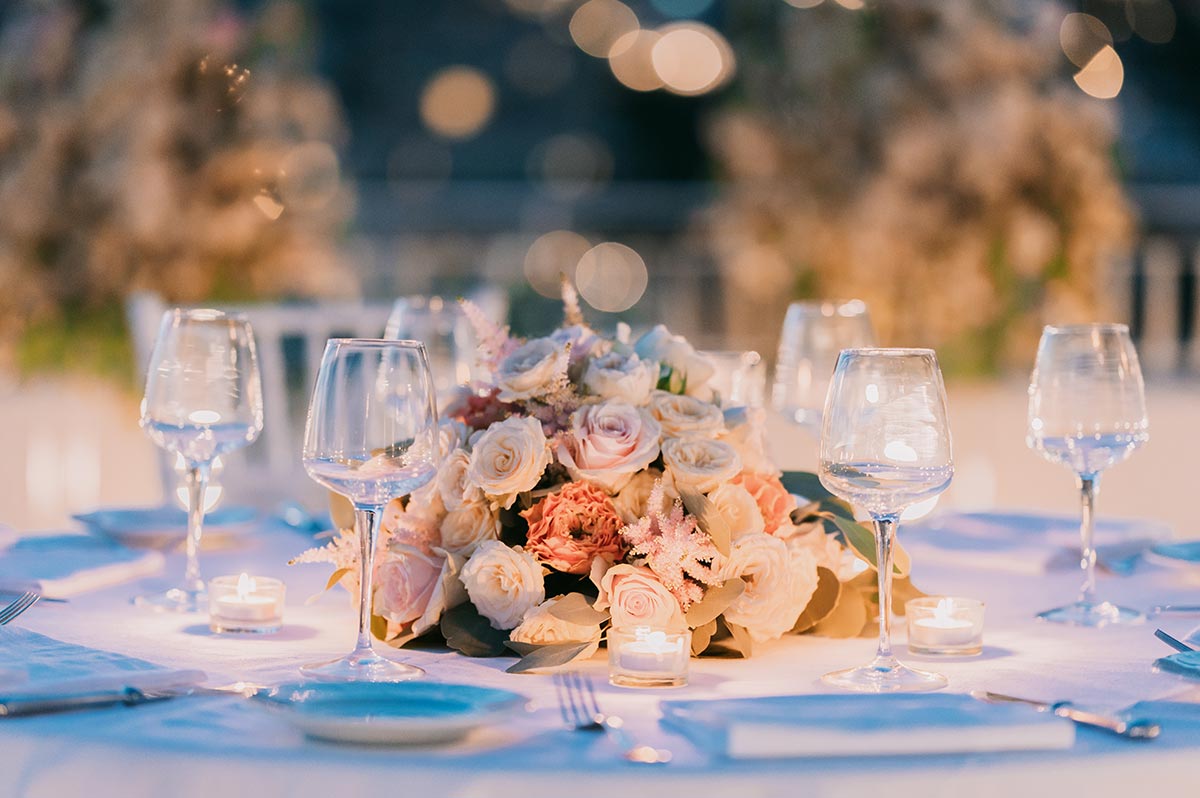
At Hotel Marincanto, the focus is on quality and variety. The menus are designed to suit every taste, from classic Italian dishes to contemporary cuisine. With an emphasis on using the freshest and finest ingredients, each dish is prepared with care and attention to detail. Every course is expertly crafted, from appetizers to desserts, to tantalize your taste buds and leave a lasting impression.
The bar services at Hotel Marincanto are equally impressive, with a wide range of premium spirits, fine wines, and signature cocktails to choose from. Whether you prefer classic cocktails or something more adventurous, the mixologists are happy to create a drink that fits your tastes. With a focus on presentation and quality, the bar services at Hotel Marincanto perfectly complement your event.
At Hotel Marincanto, the catering and bar services team understands the importance of a seamless and stress-free event. With years of experience in the industry, they work closely with you to ensure that your event runs smoothly and that your guests are well taken care of. Whether you’re planning a wedding, corporate event, or a special celebration, the team at Hotel Marincanto is here to help make your event unforgettable.
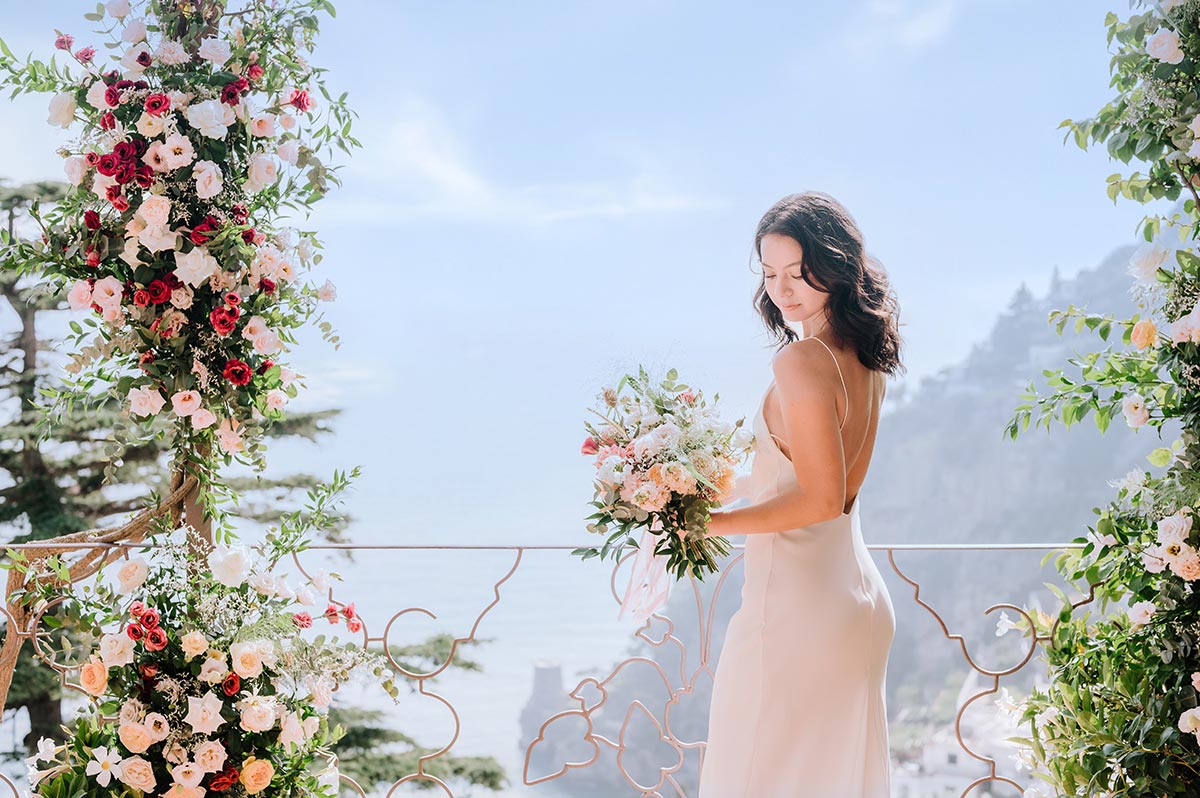
Beautiful floral arrangements and décor
Music, entertainment, and illumination can significantly raise the level of enjoyment at a wedding, regardless of its size or guest count. The Hotel Marincanto Elopement Positano offers a wide selection of choices to make your big day unforgettable.
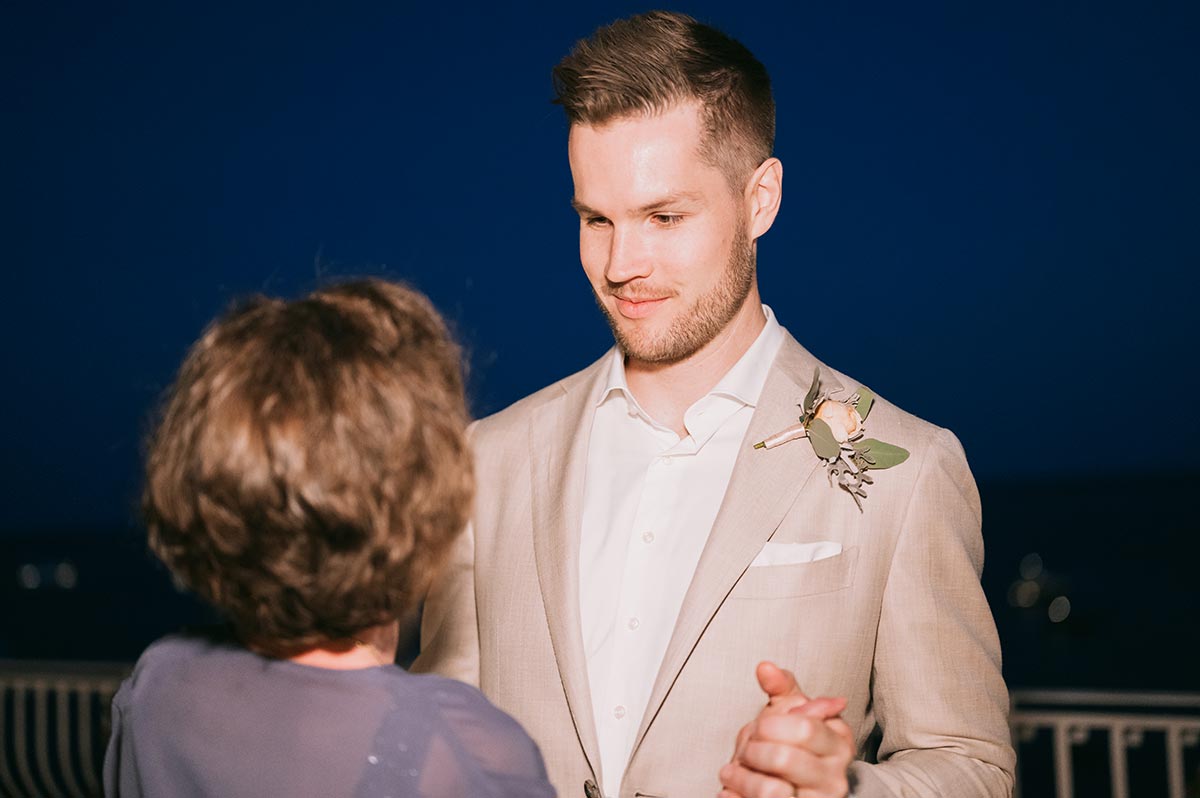

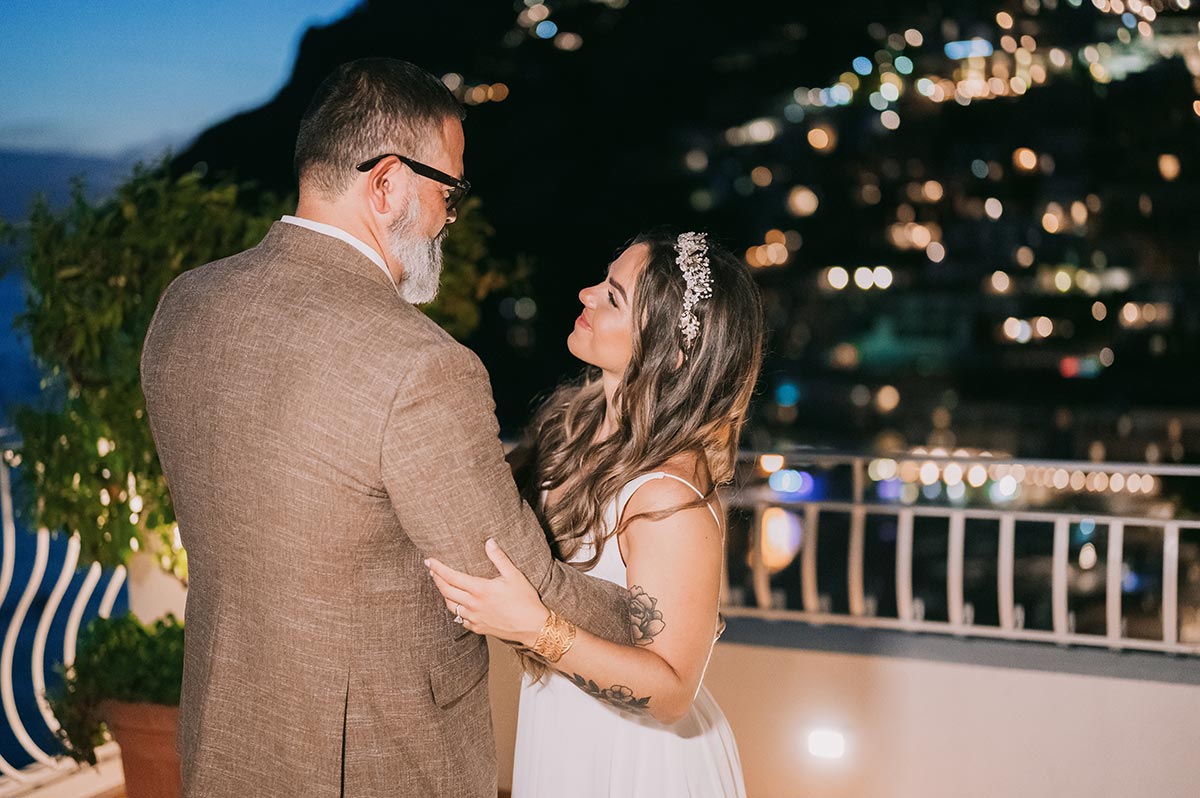


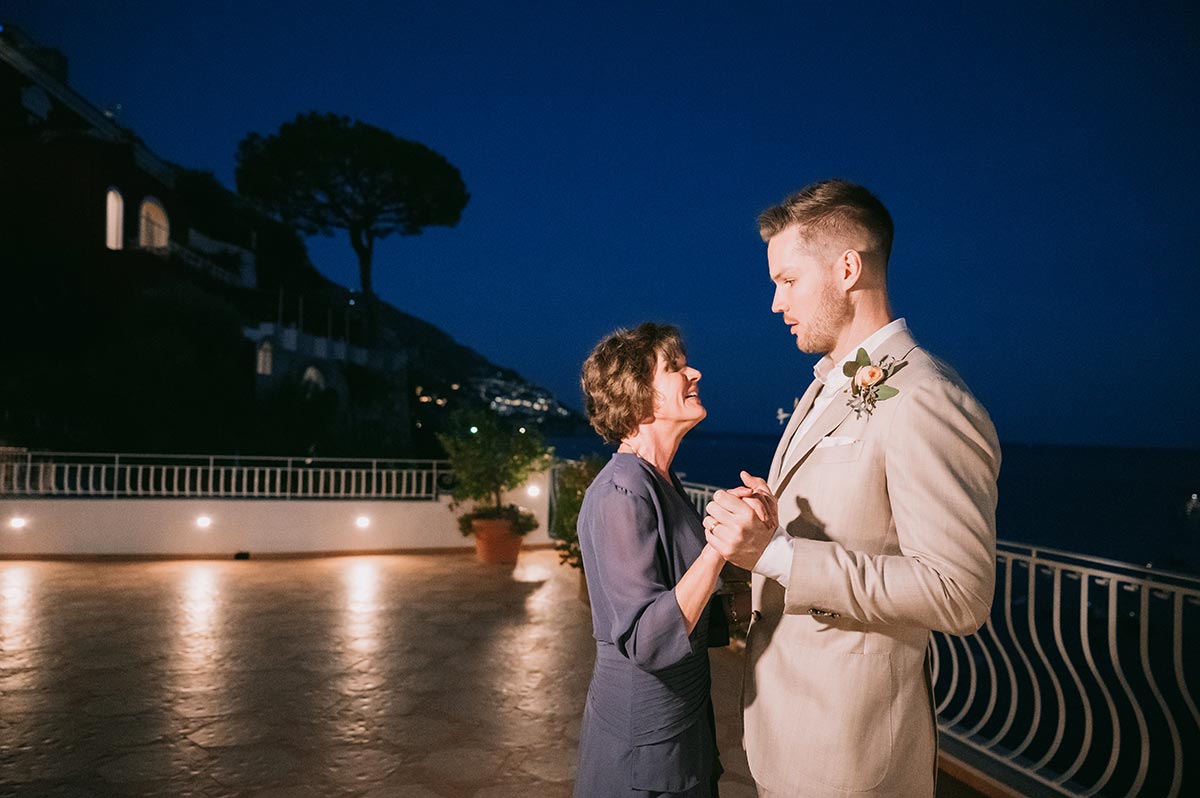
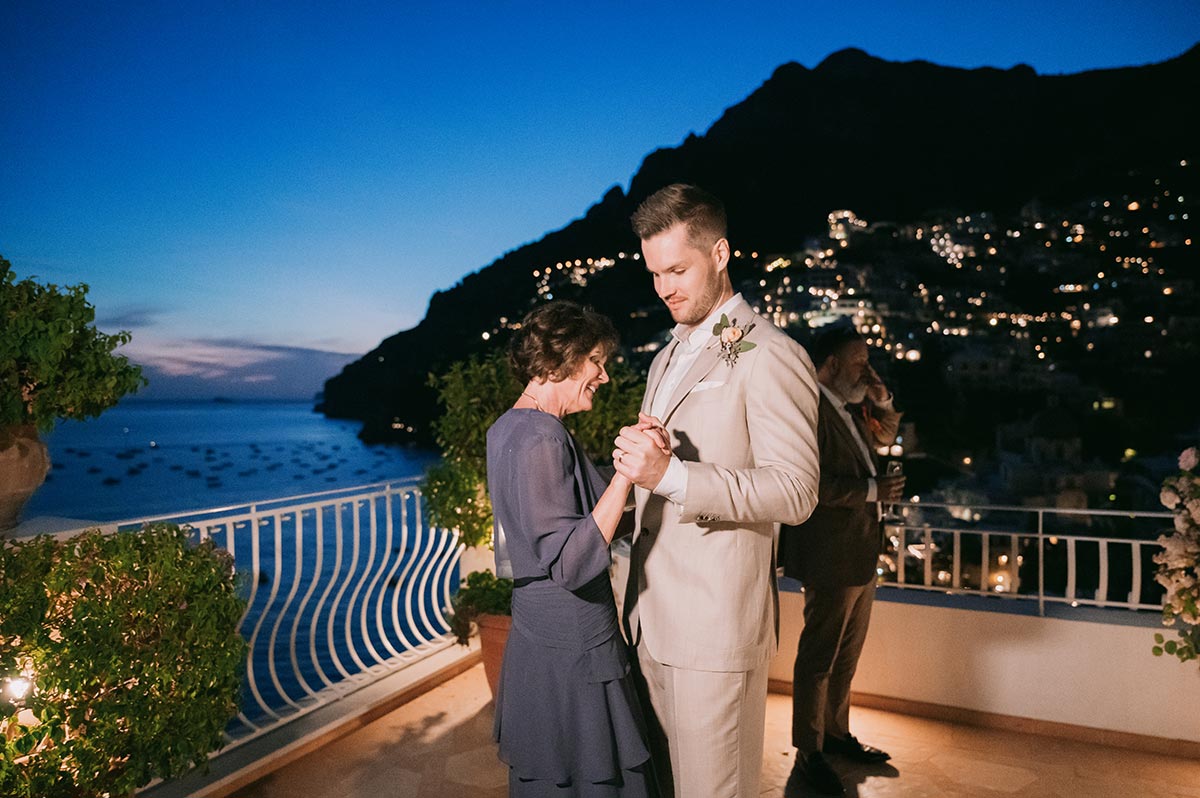

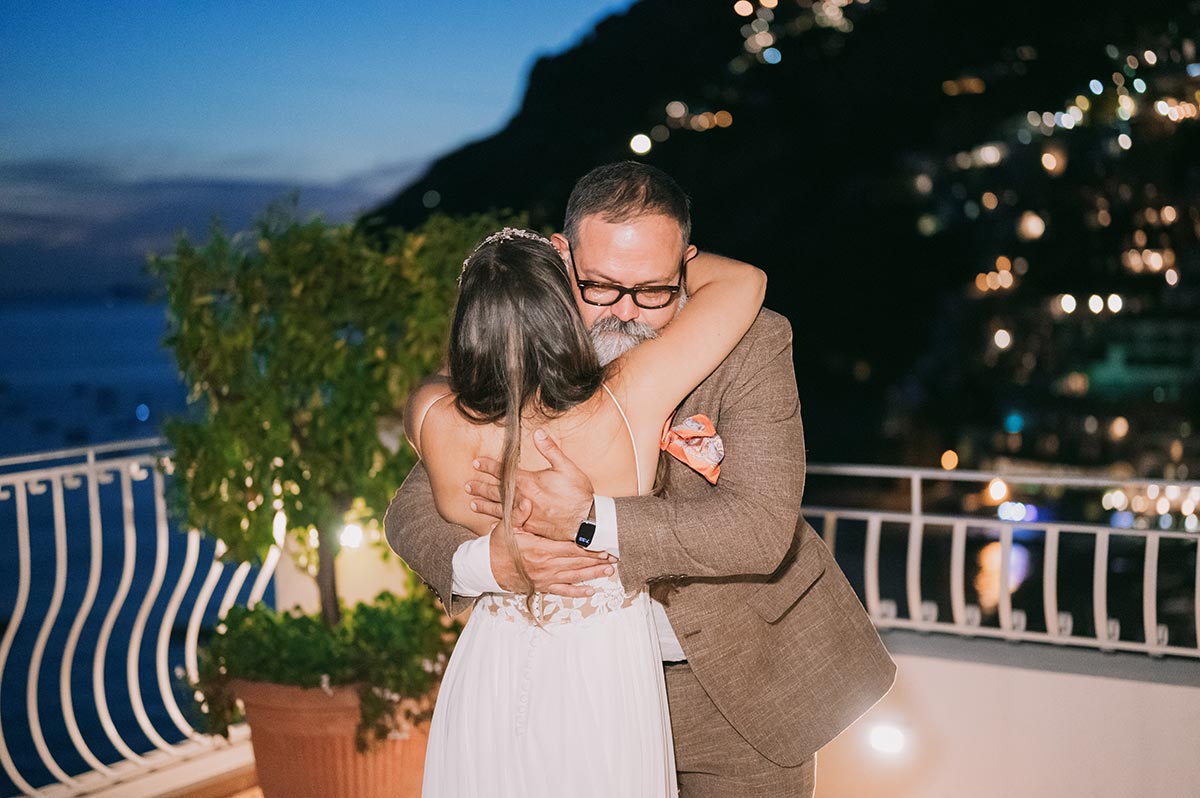
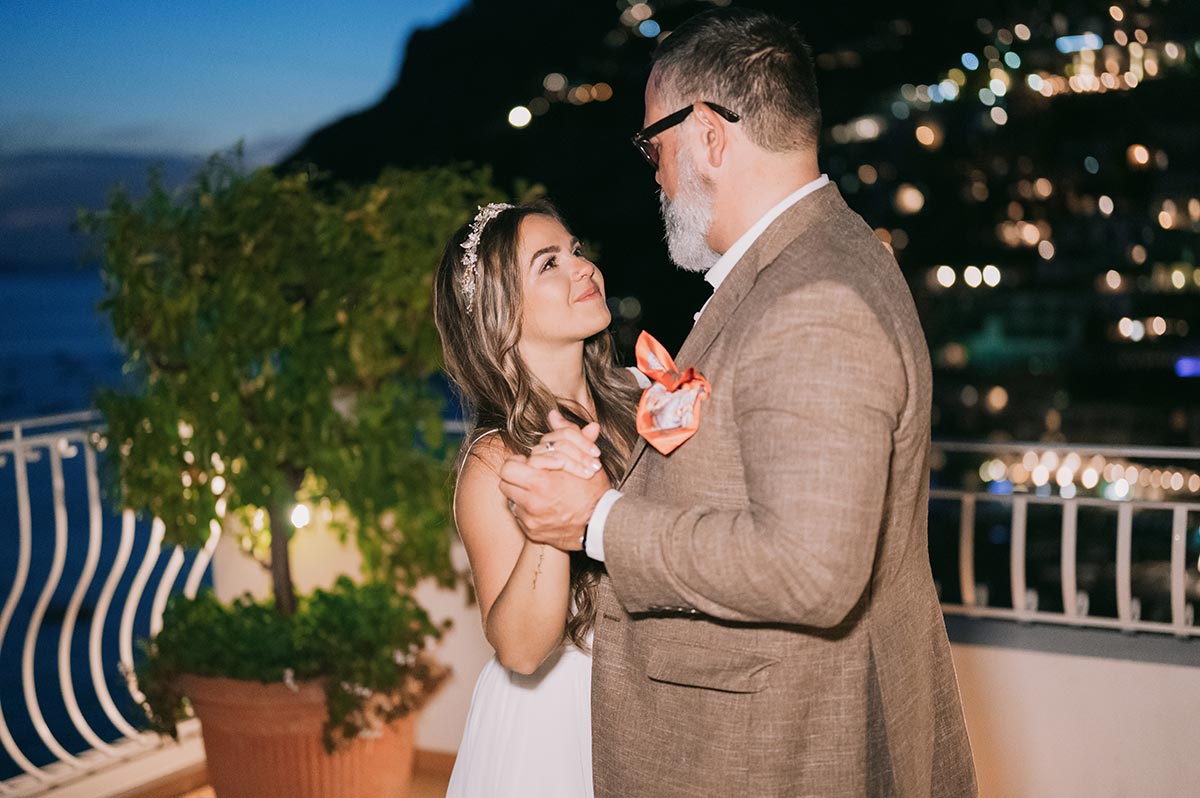
Lighting is a crucial aspect to keep in mind. Venues are often not equipped with adequate lighting, and the service cost is only sometimes included in the package. To ensure proper illumination for the entire wedding, including the ceremony and reception, it’s important to find a trustworthy lighting service provider. Be sure to ask about the available types of lights, their placement, and how they will be managed.
Music also plays a significant role in a wedding celebration. It’s essential to make precise specifications regarding your musical preferences when choosing the playlist. The perfect balance between your favorite songs and the style of the DJ or band you hire is crucial. High-quality sound equipment is also imperative, especially if you plan to have a videographer record memorable moments like speeches.
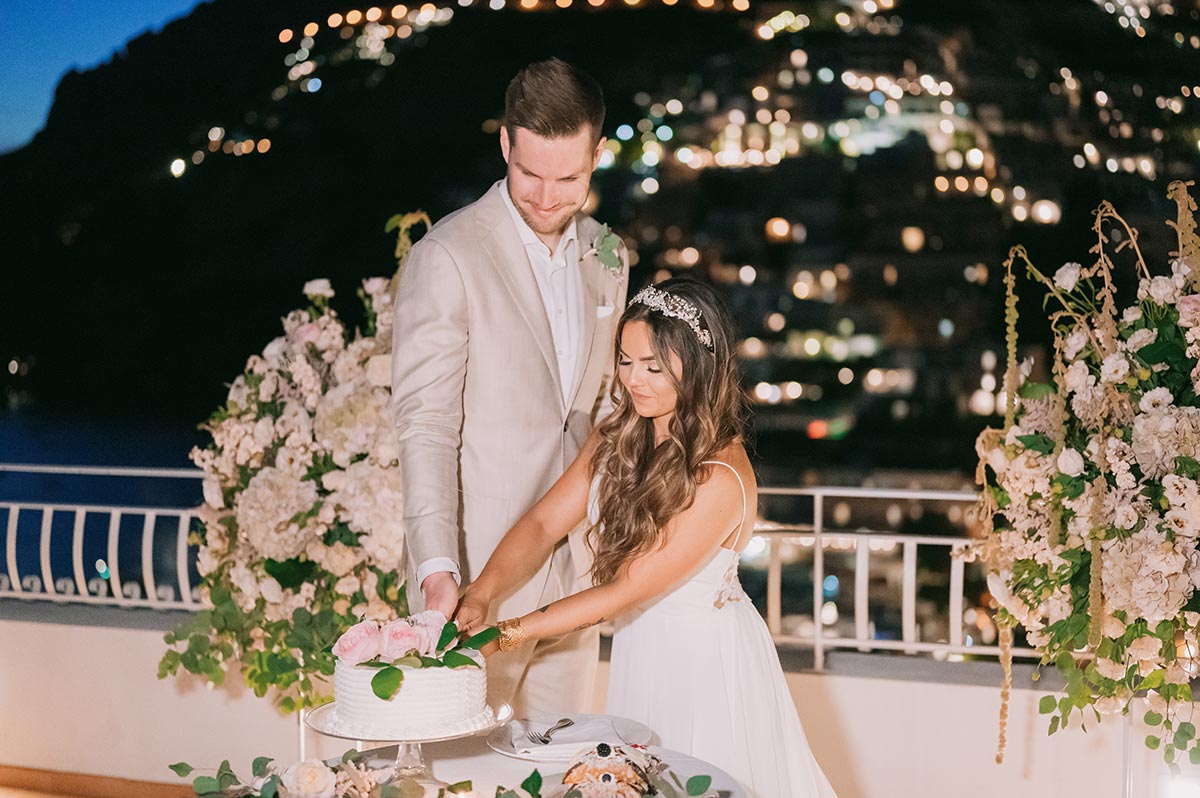
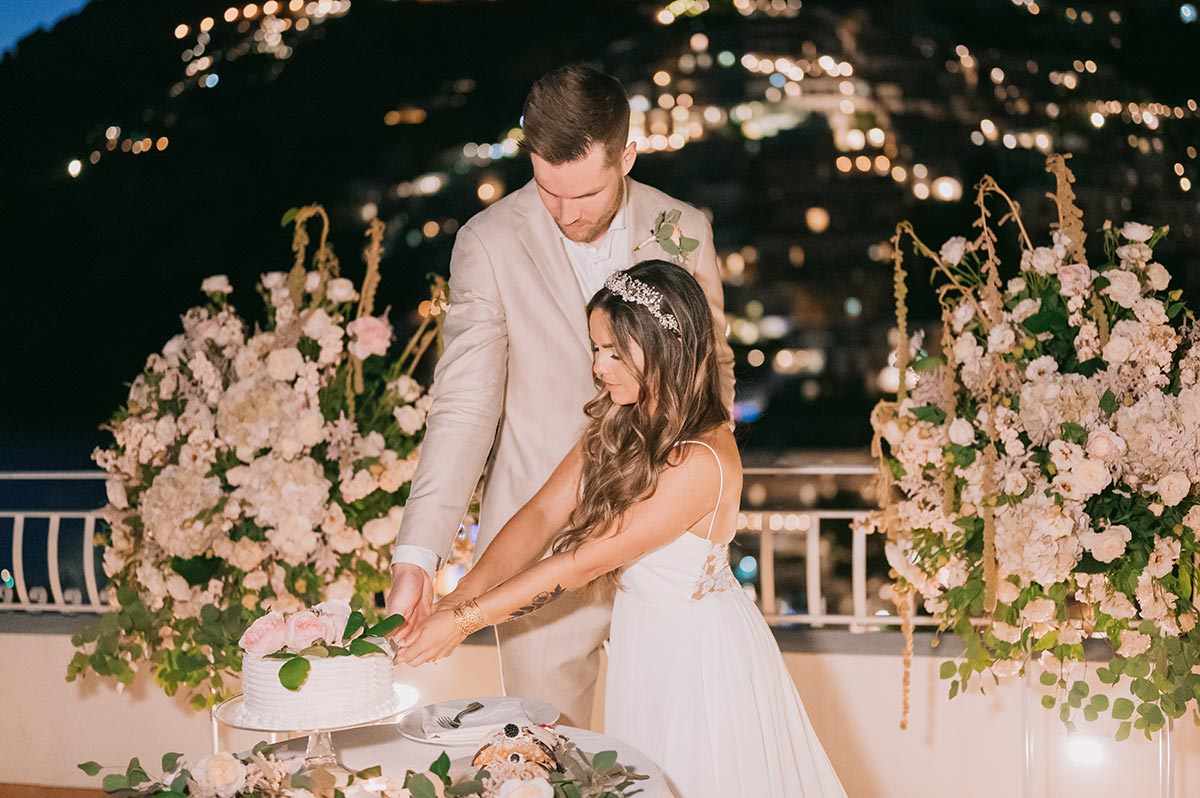
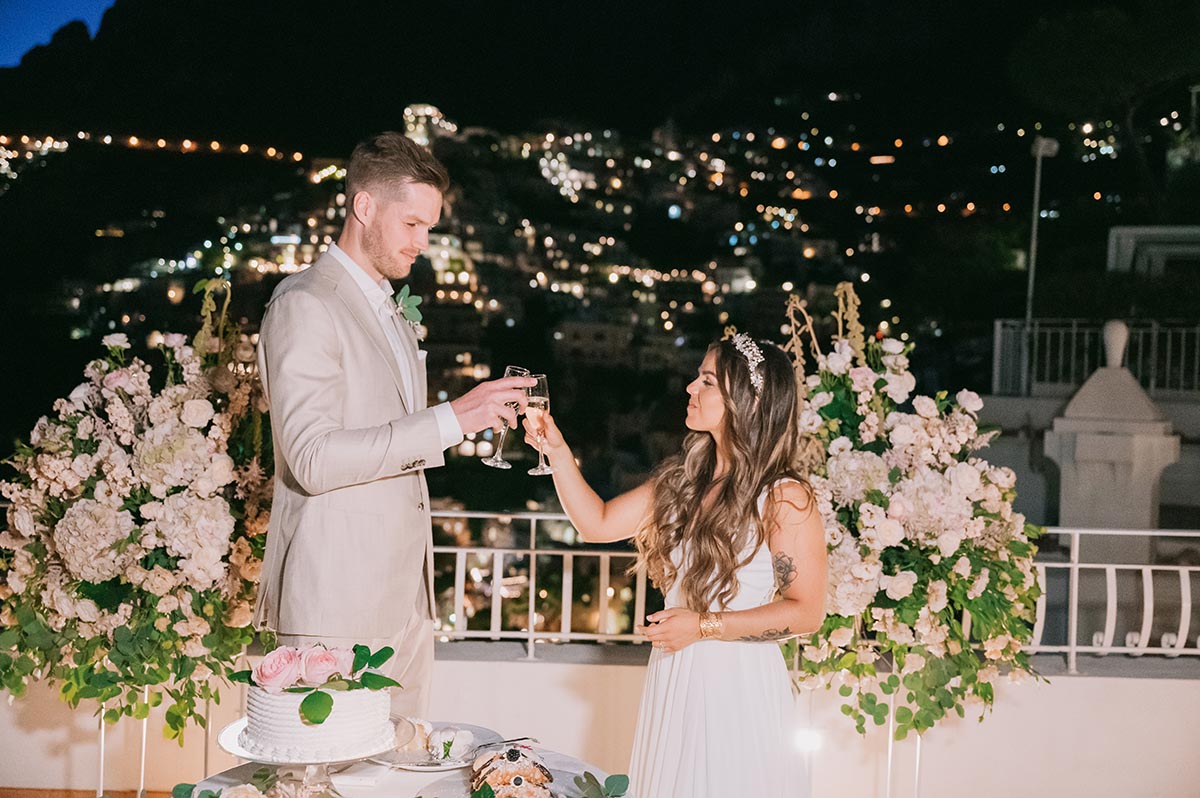

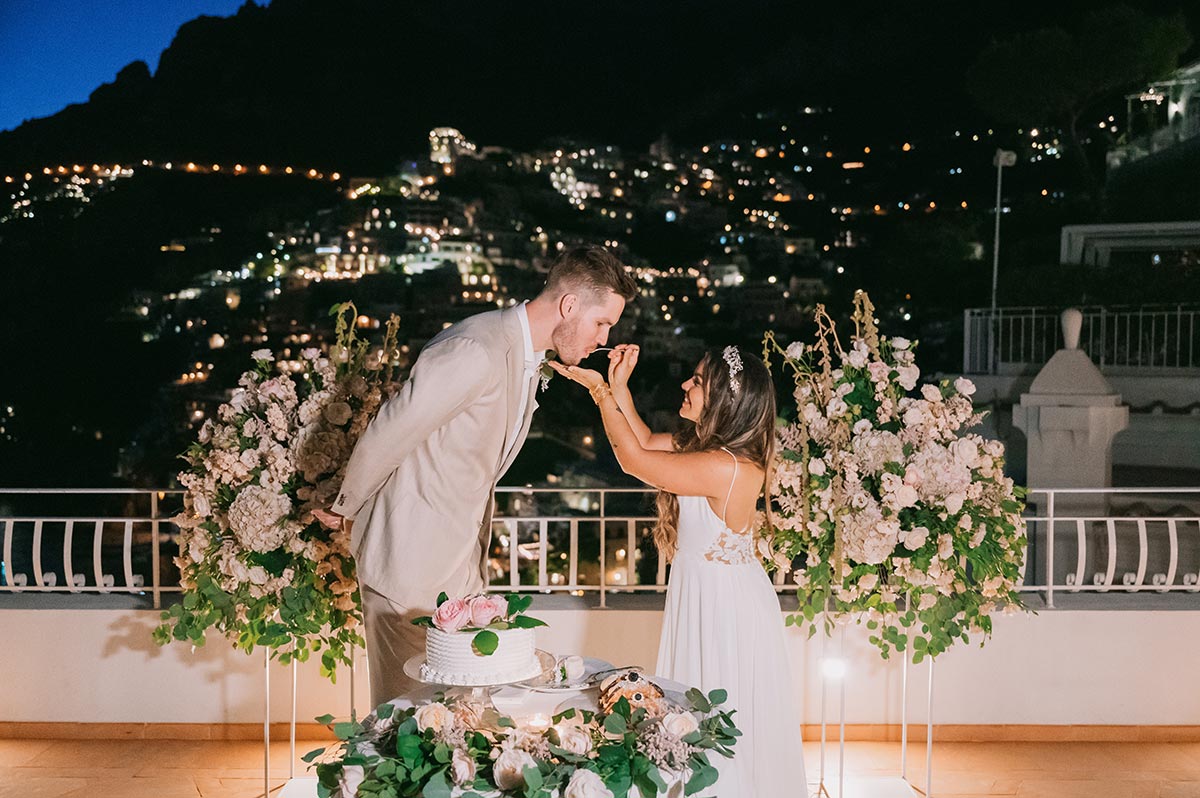
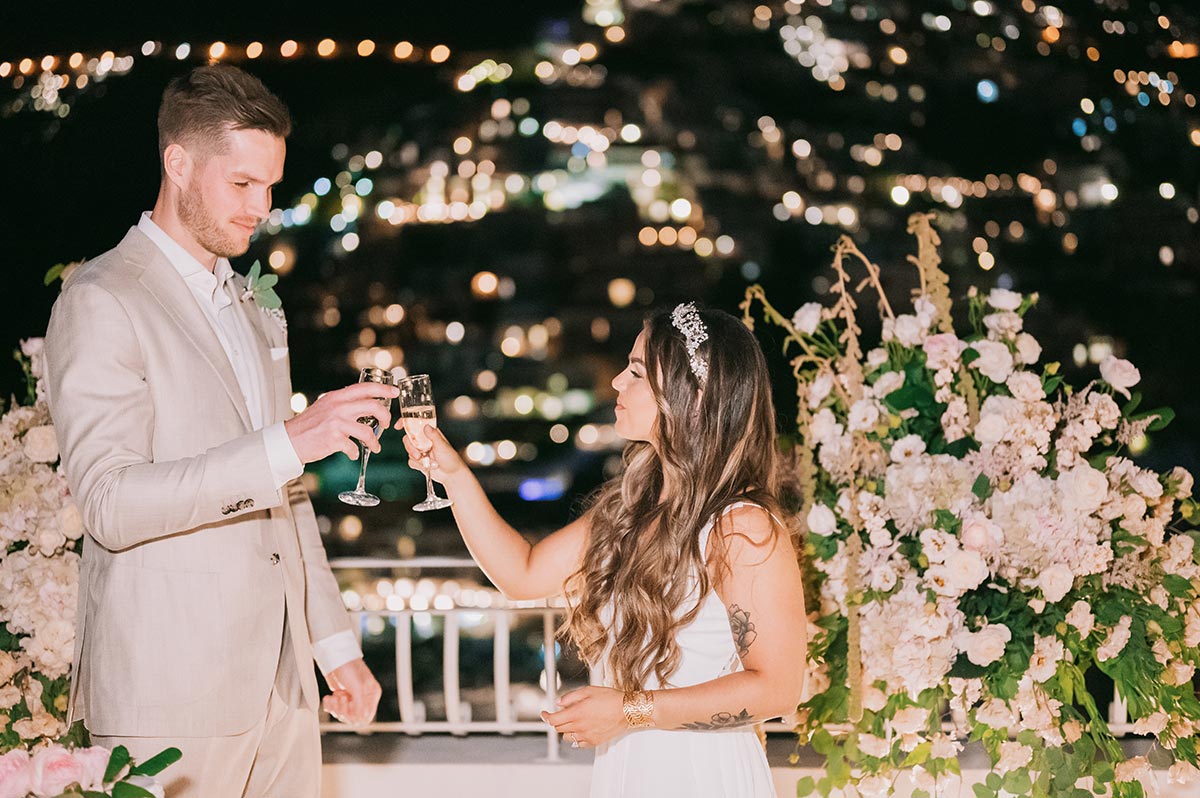
Entertainment is a vital element for a successful wedding. Whether you prefer a live band, DJ, or other forms of entertainment, it’s essential to clearly understand what you want and what the provider can offer. At the Hotel Marincanto Elopement Positano, we collaborate with some of the best entertainers in the region to guarantee your wedding will be a night to remember.
Hotel Marincanto Elopement Positano is the perfect location for couples looking to have an unforgettable wedding experience. With its breathtaking views, top-notch catering services, and expert entertainment options, the hotel provides a truly unique and elegant atmosphere that will make your special day one to remember for years. Whether you’re looking for a small elopement or a grand affair, Hotel Marincanto Elopement Positano has everything you need to make your wedding day truly magical.