Elope Wedding Destinations: A Dream Elopement in Positano and Beyond
Experience a dream elopement in Positano at Hotel Marincanto. Let us create unforgettable moments at one of the top elope wedding destinations on the Amalfi Coast.
START PLANNING YOUR WEDDING IN ITALY
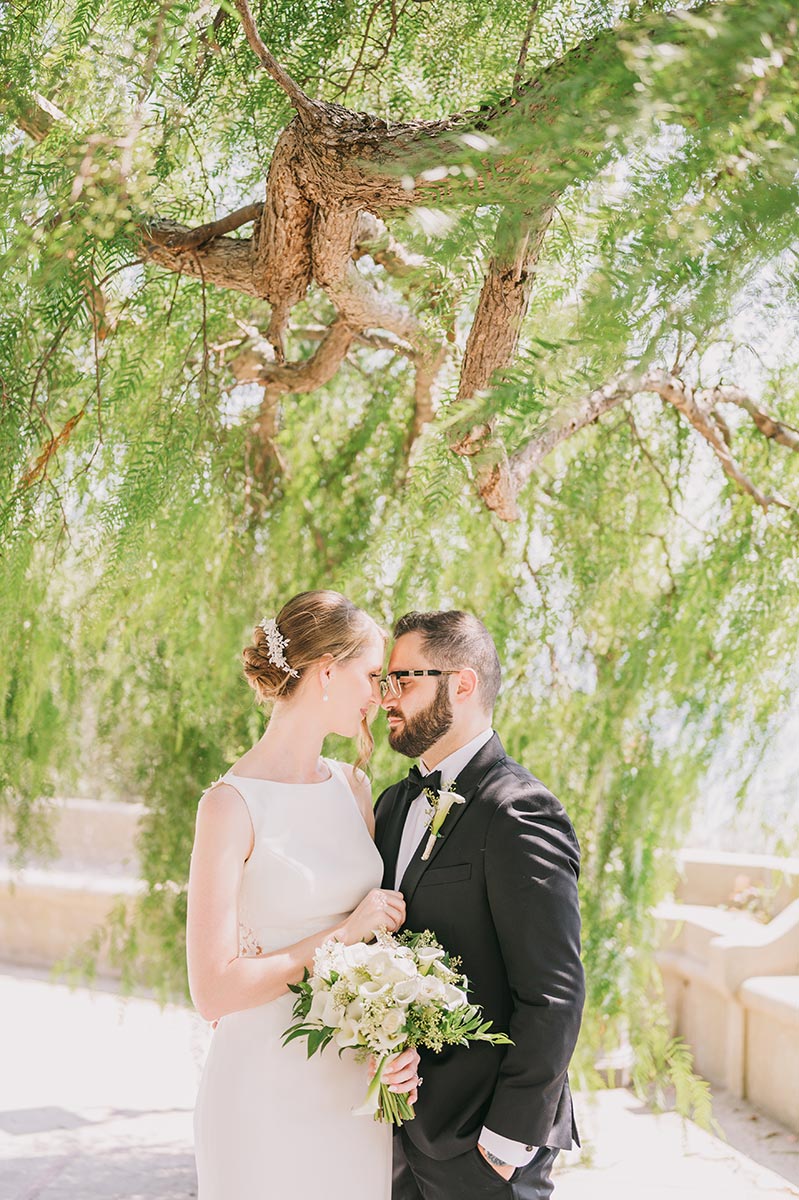
For many couples, an elopement represents the ultimate expression of love, an intimate and deeply personal ceremony shared just between the two of you. When it comes to choosing the ideal location for such a heartfelt event, the Amalfi Coast stands out as one of the most romantic backdrops imaginable.

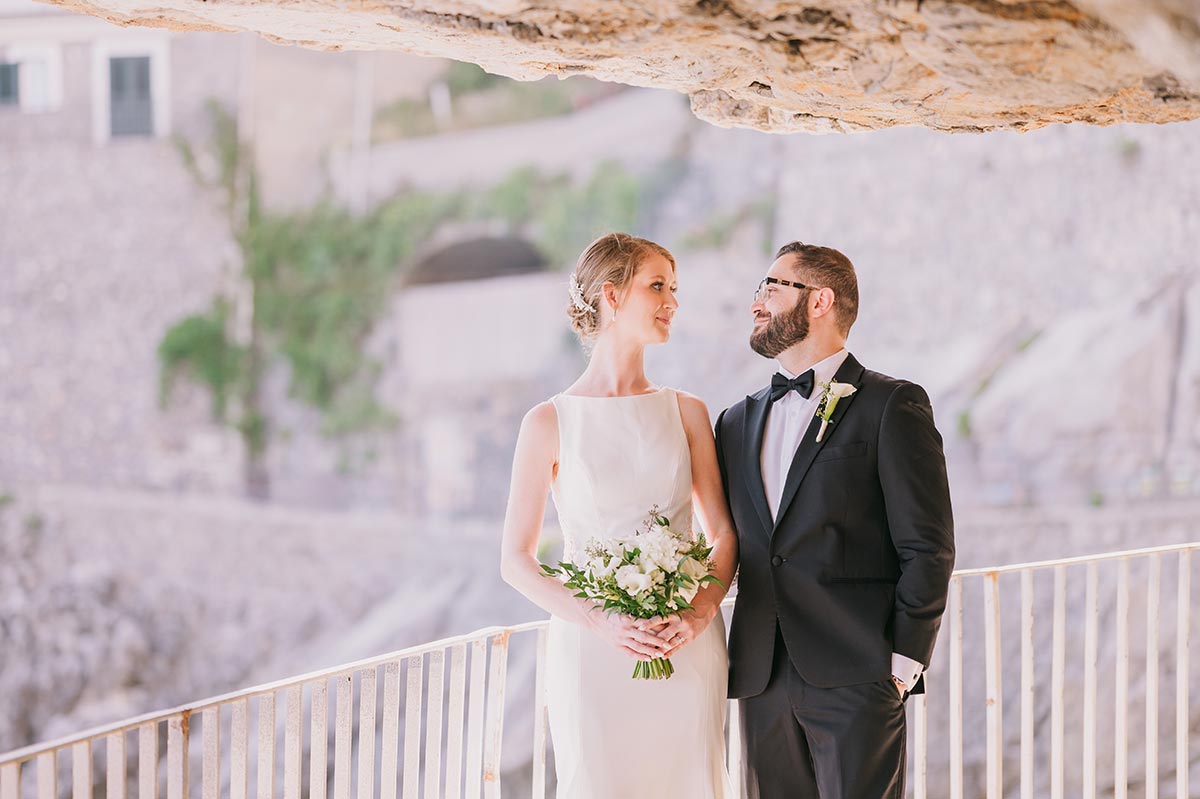
With its breathtaking views, enchanting villages, and timeless charm, it is easy to see why so many couples choose to say “I do” here, far away from the usual wedding hustle. Today, I want to share the story of Megan and Ilkin, a Canadian couple who chose to elope at the stunning Hotel Marincanto in Positano, yet found some of their most unforgettable moments in the tranquility of Praiano and Marina di Praia.



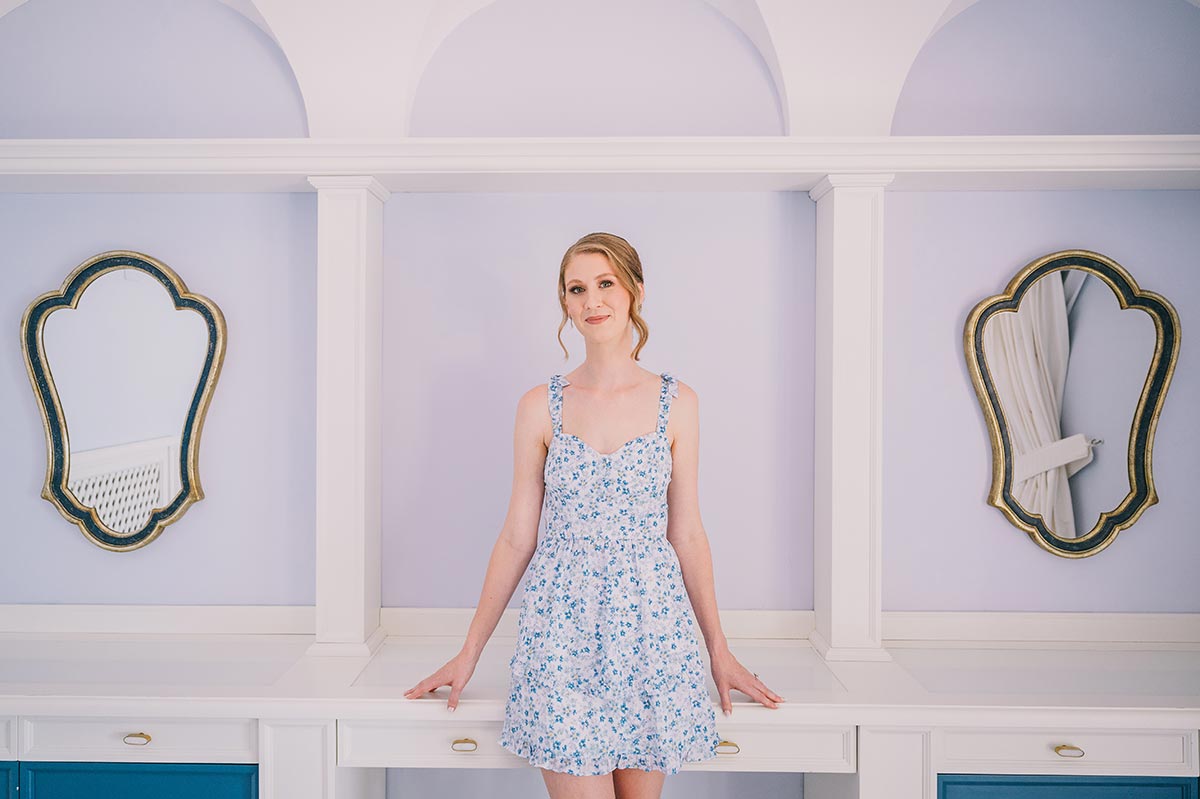




The Magic of Hotel Marincanto: A Sunlit Dream in Positano
Megan and Ilkin were searching for a location that offered intimacy, luxury, and an authentic Positano experience, and they found it at Hotel Marincanto. The Hotel Marincanto elopement in Positano experience exceeded their expectations.
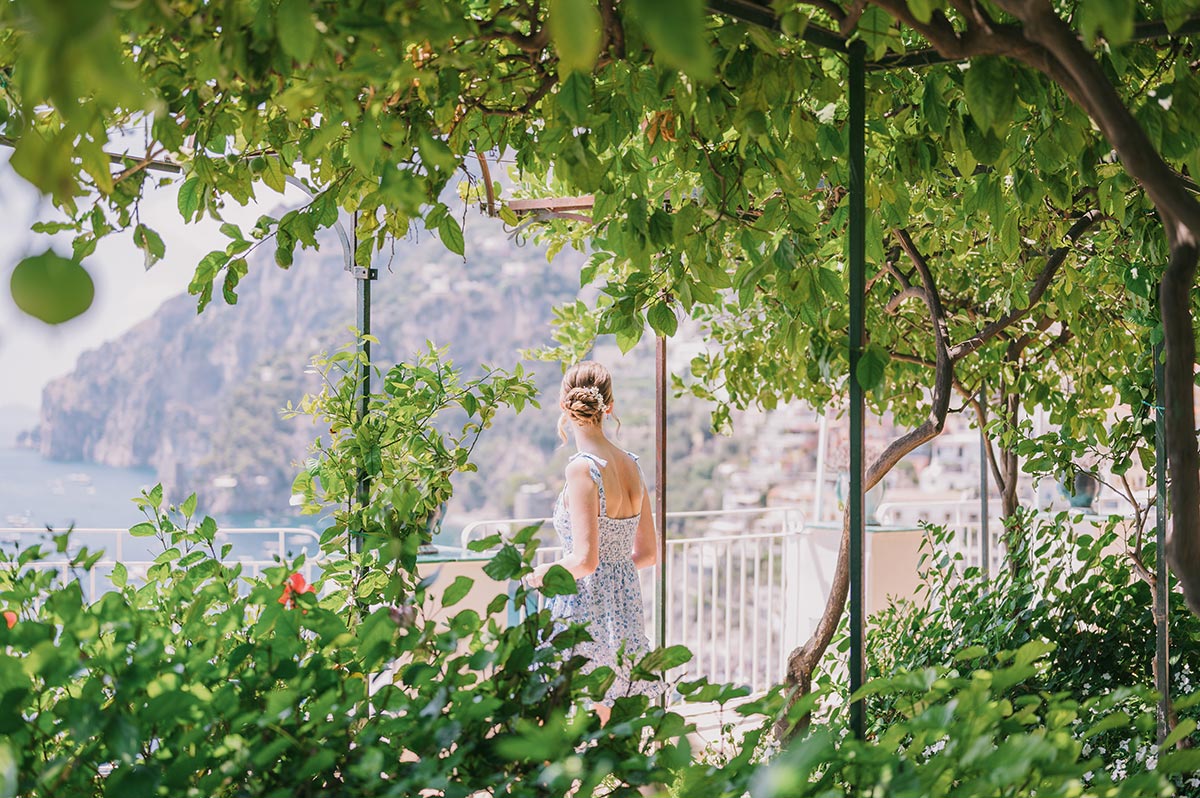


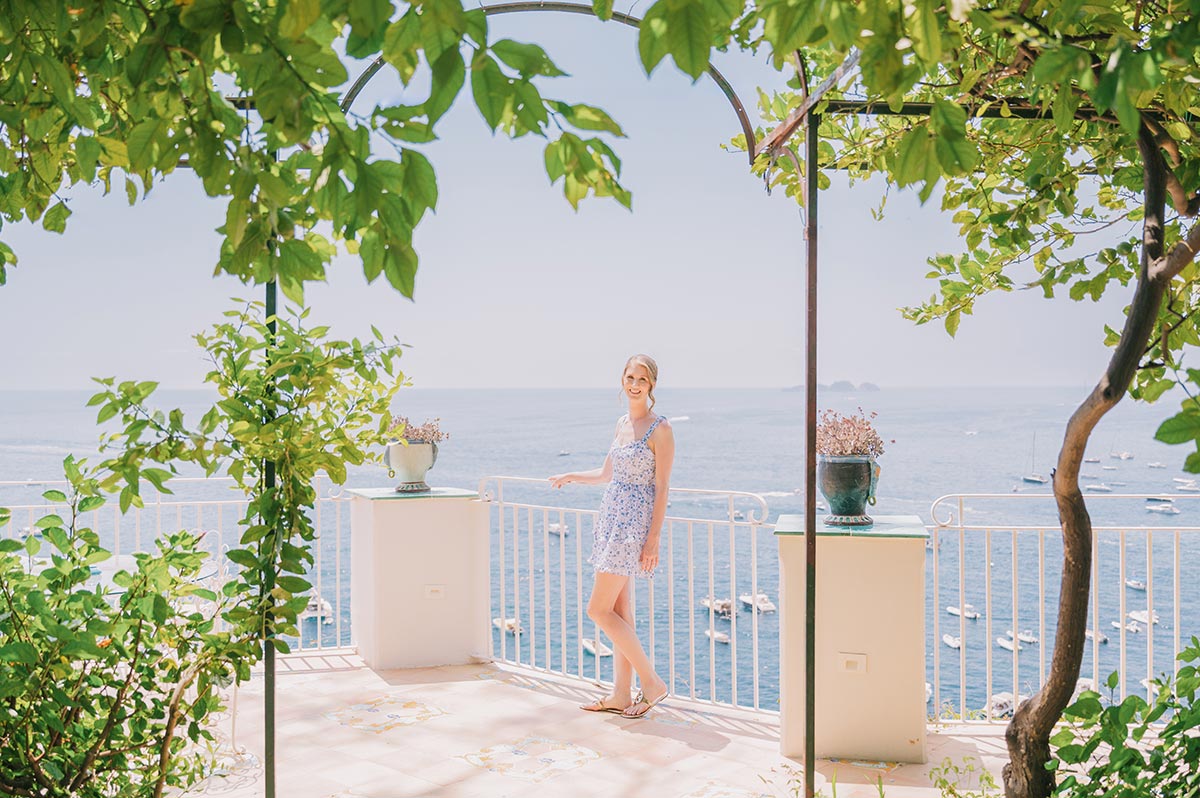
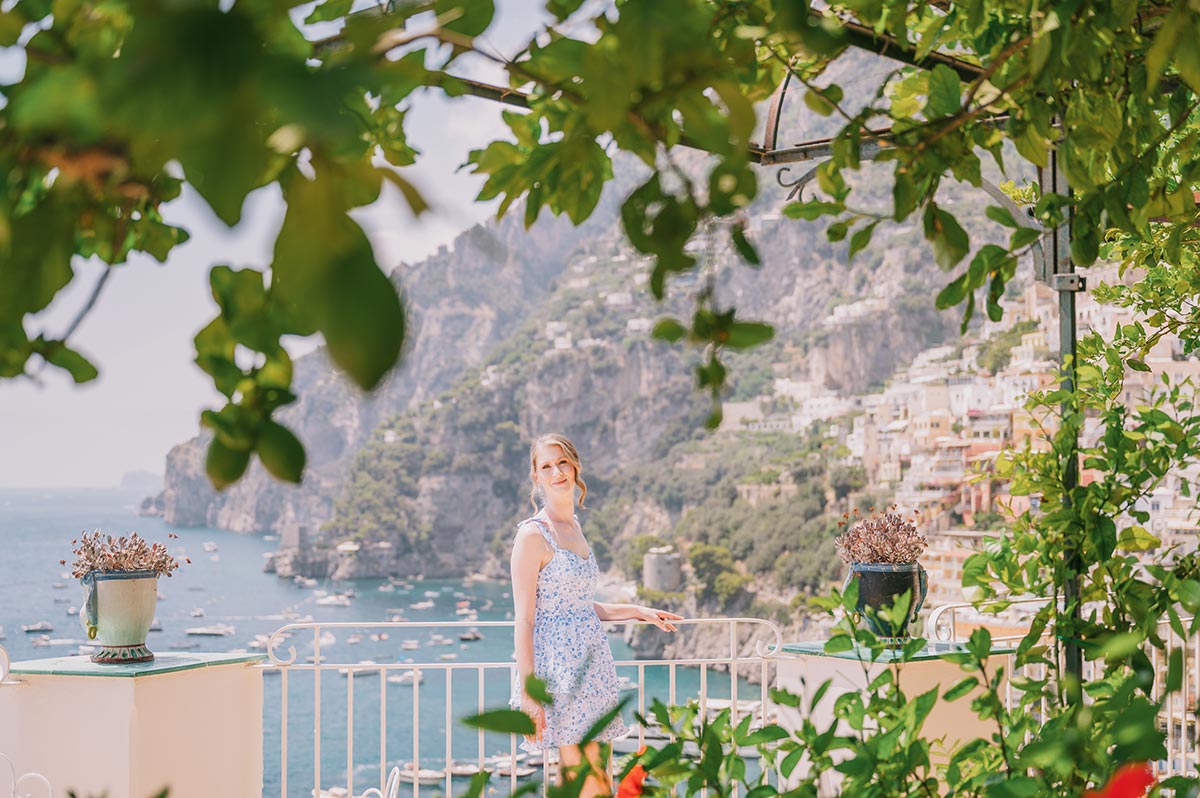
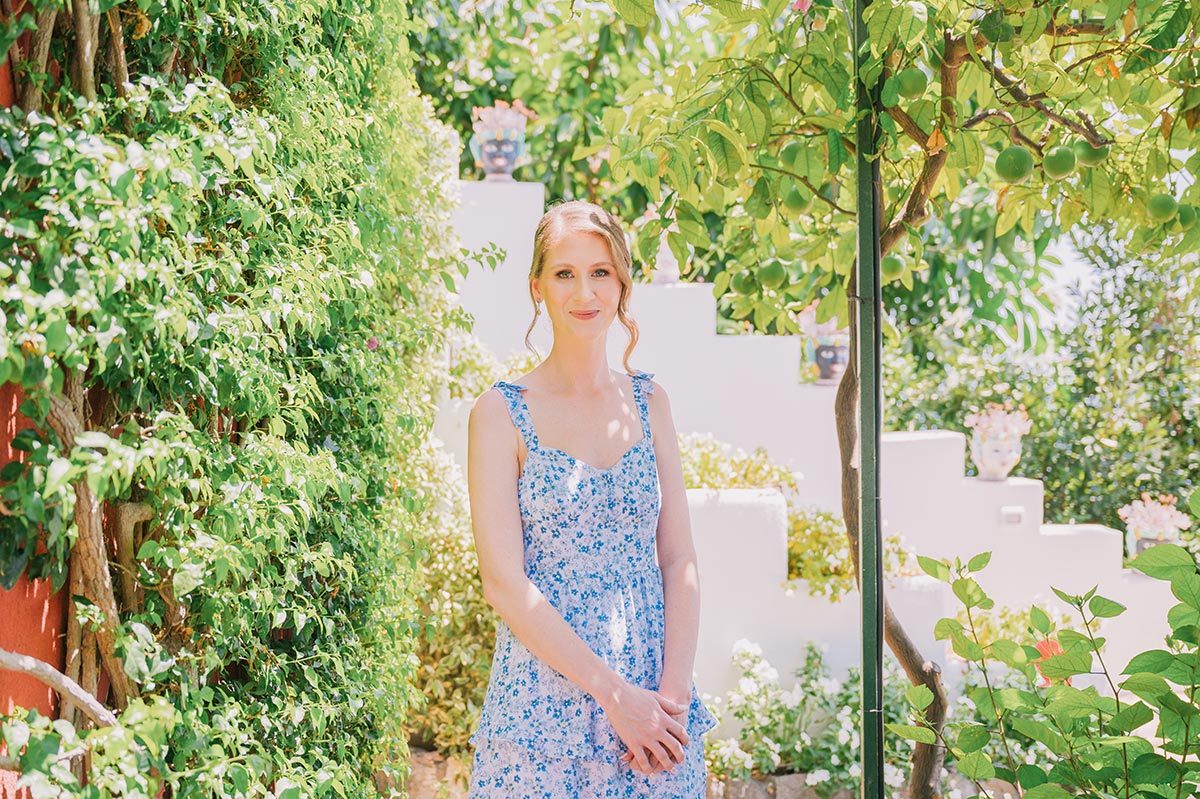

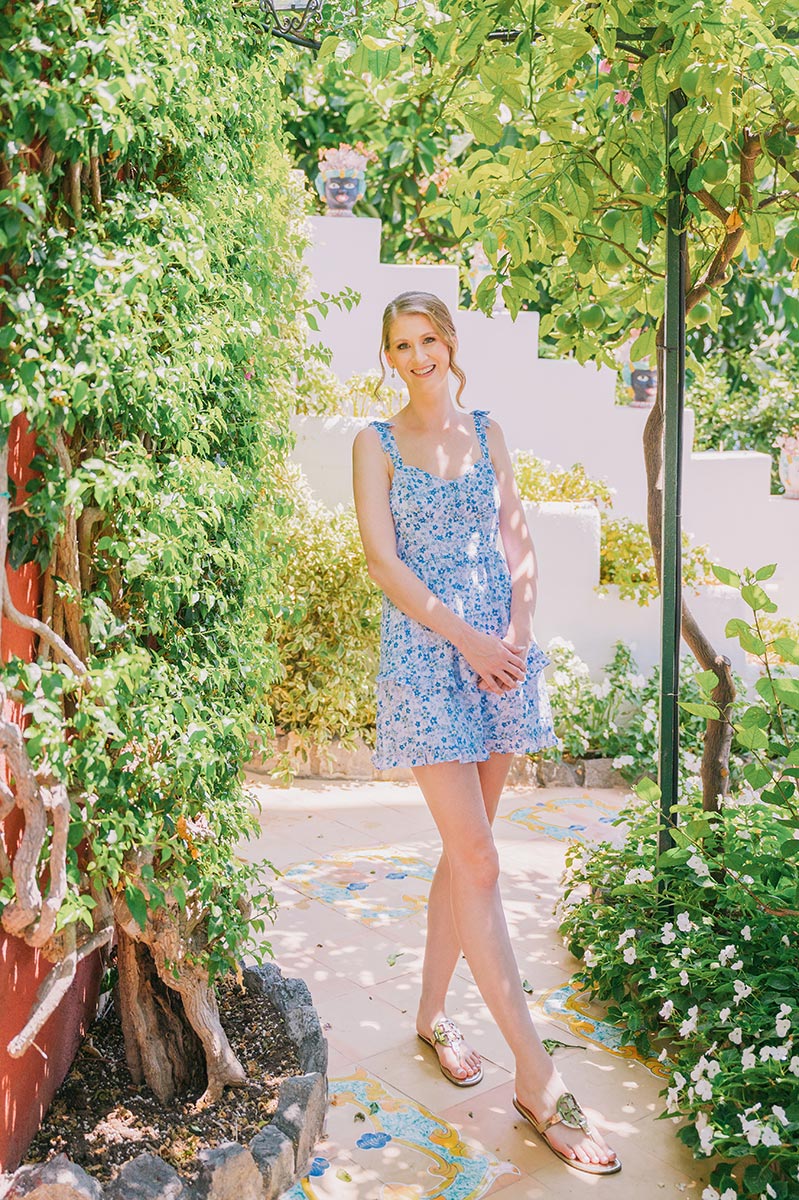
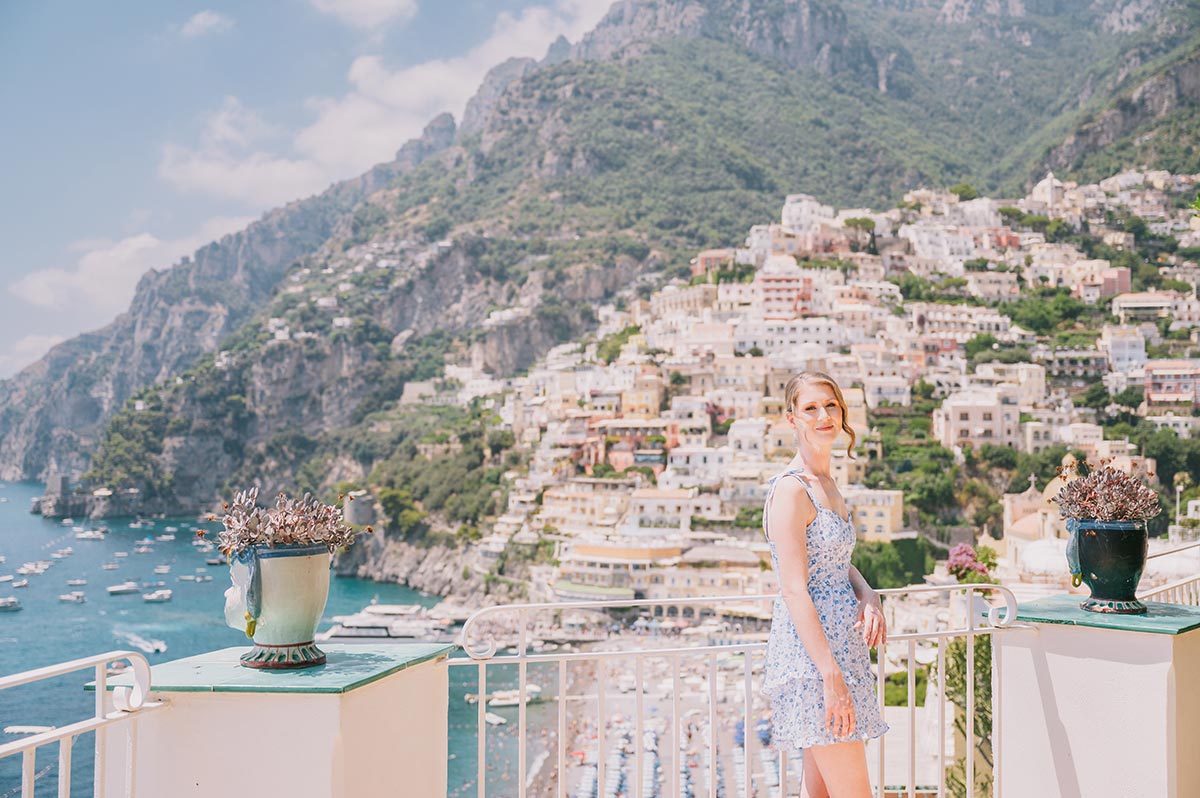
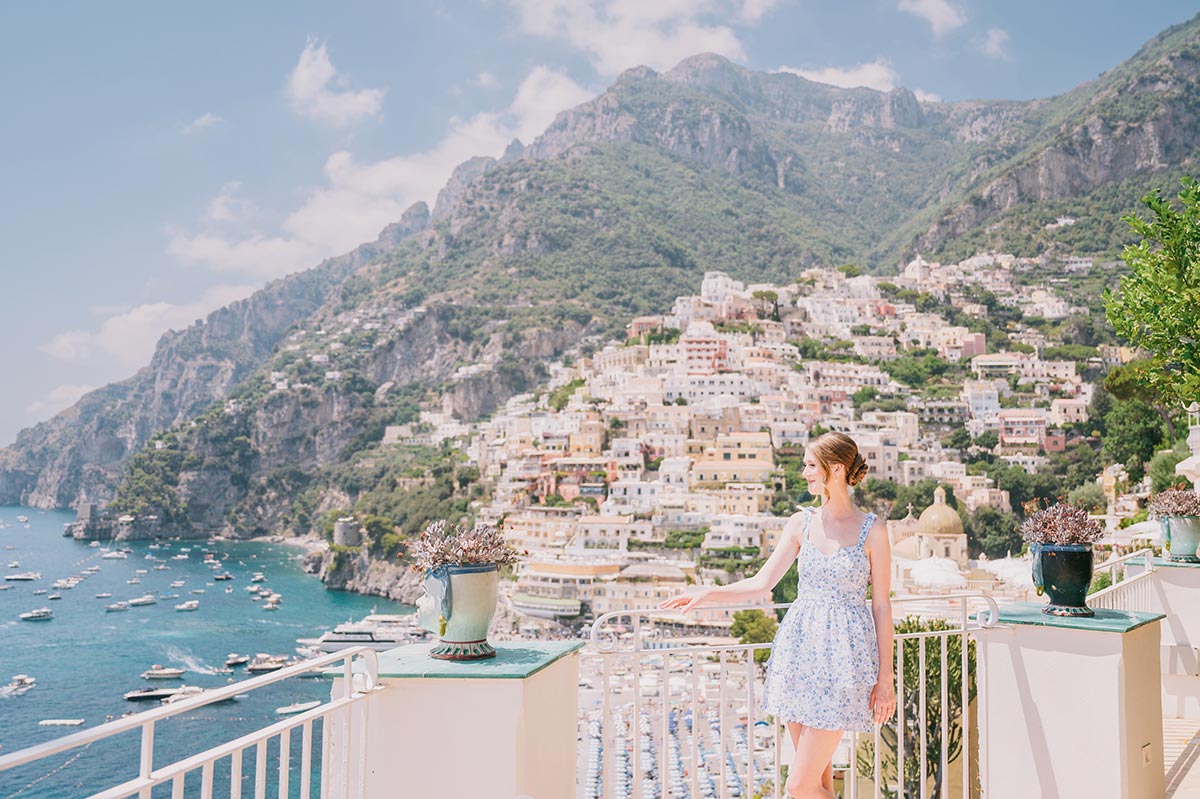
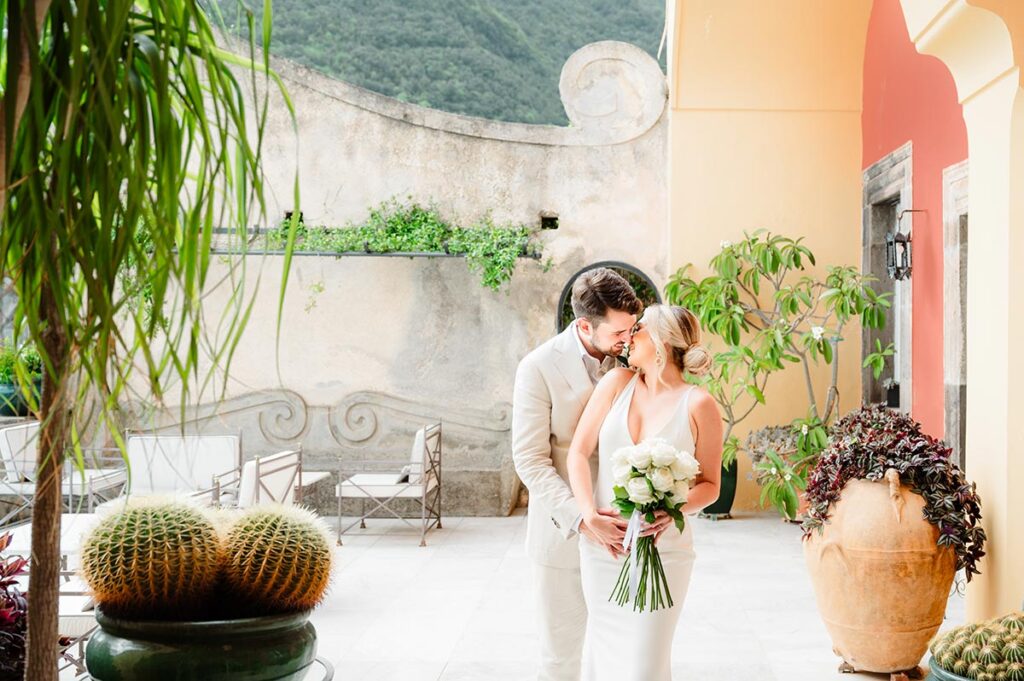
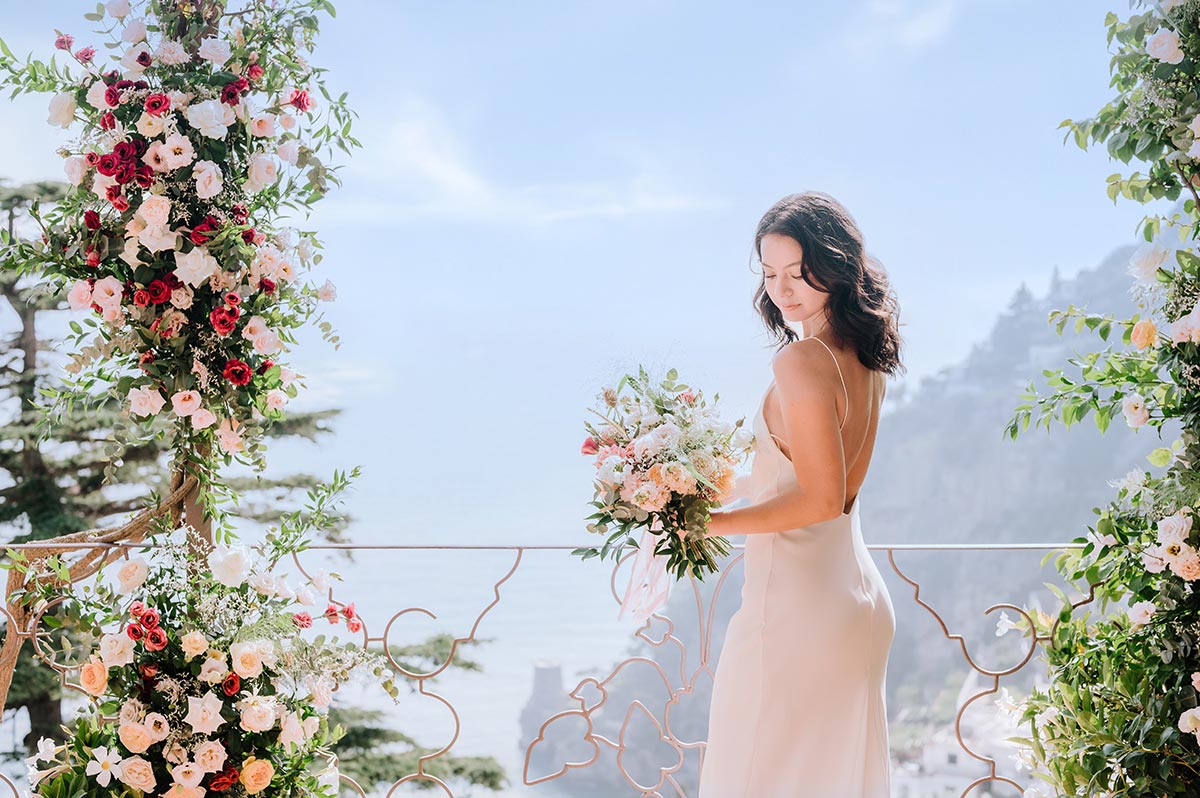
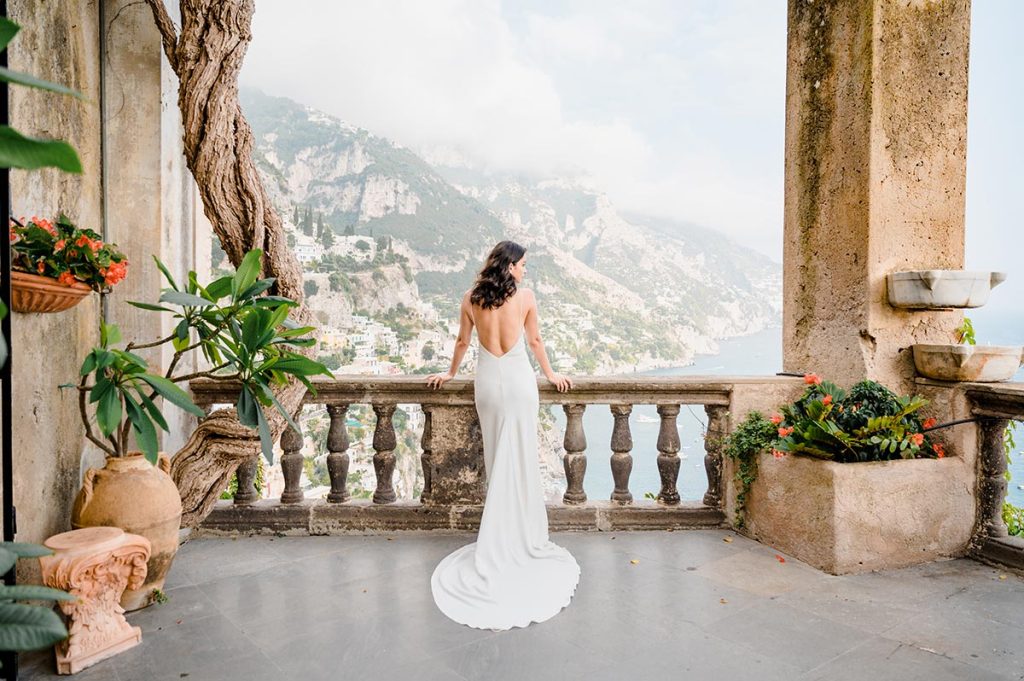
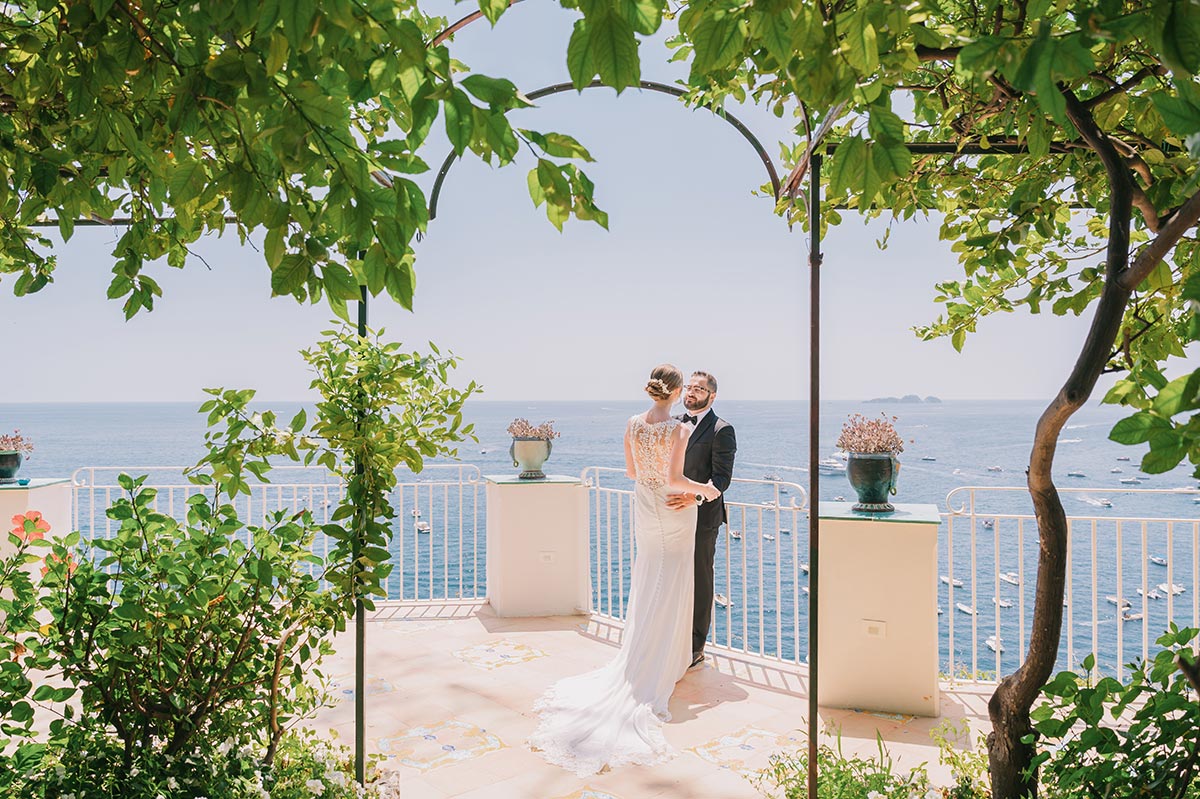
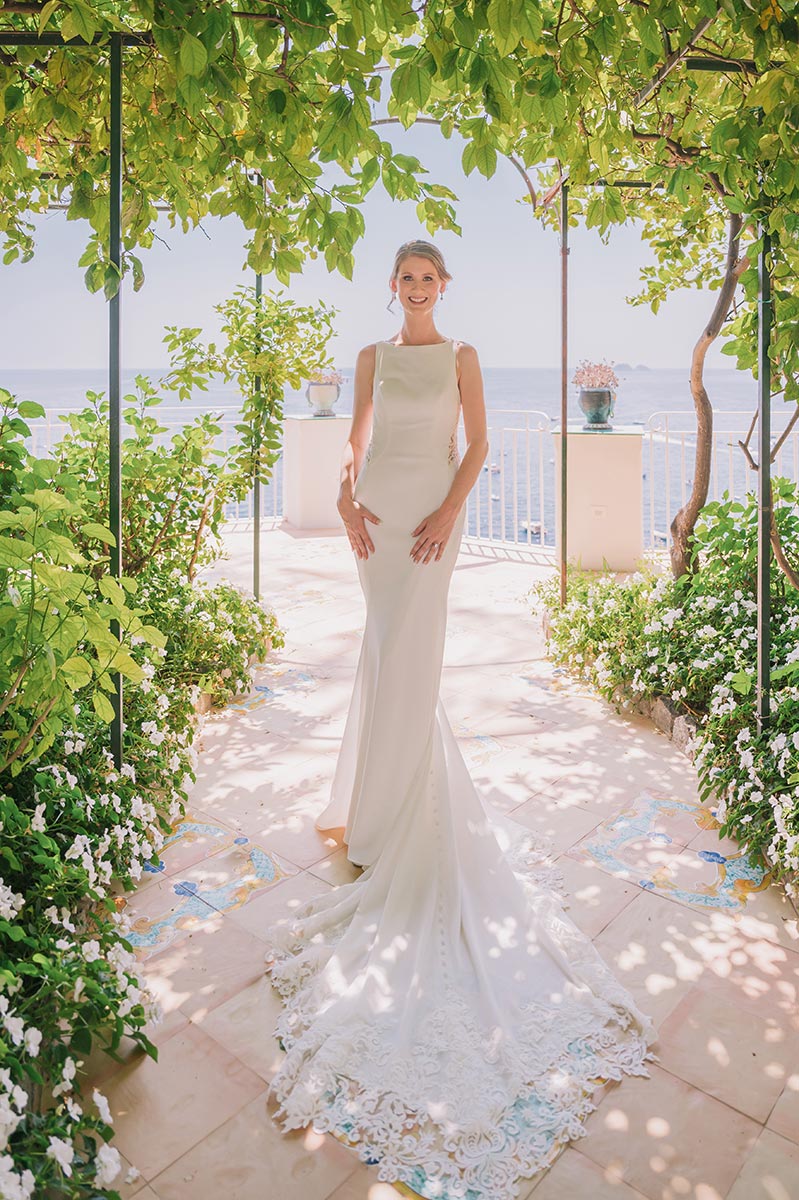
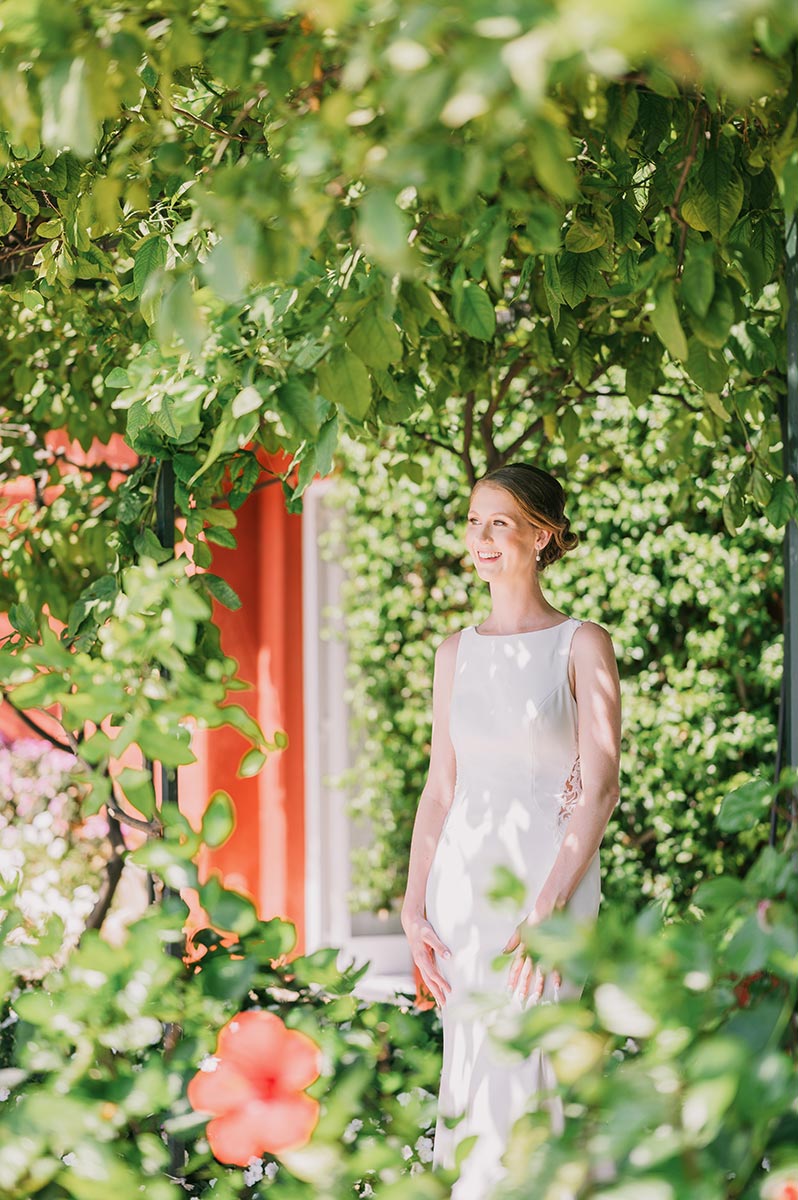
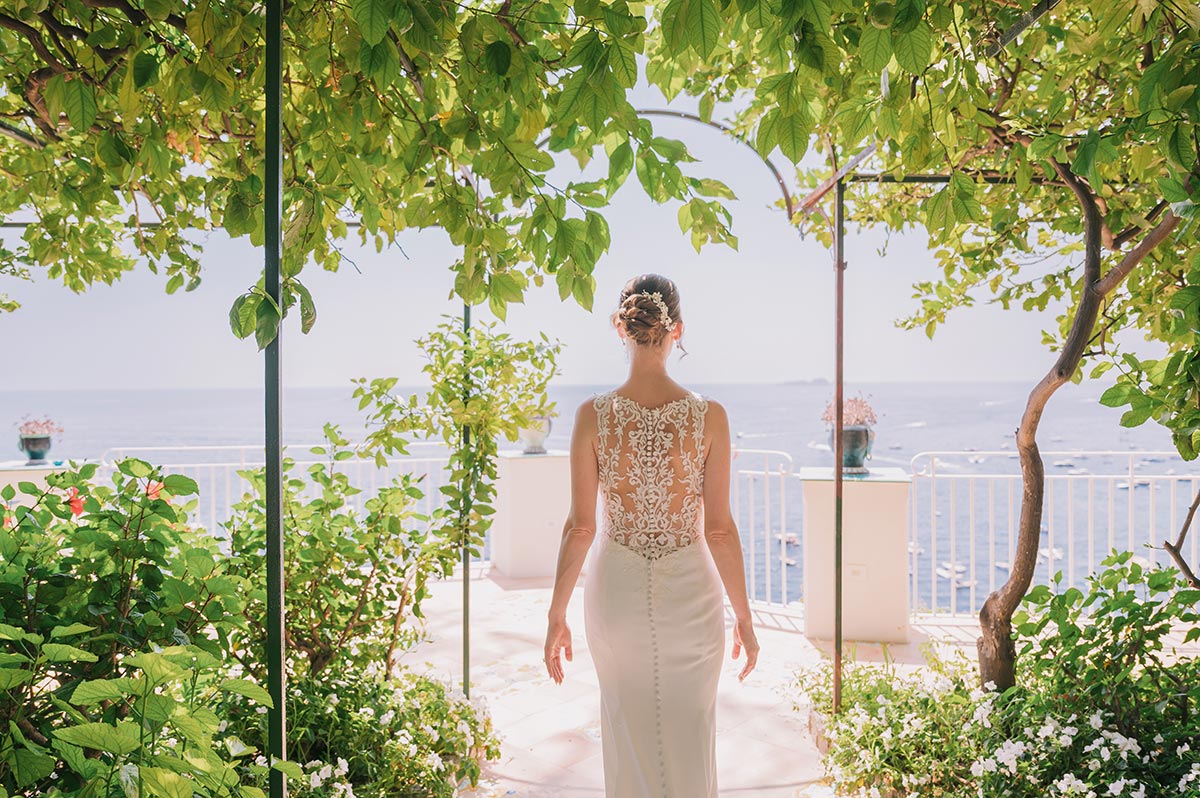
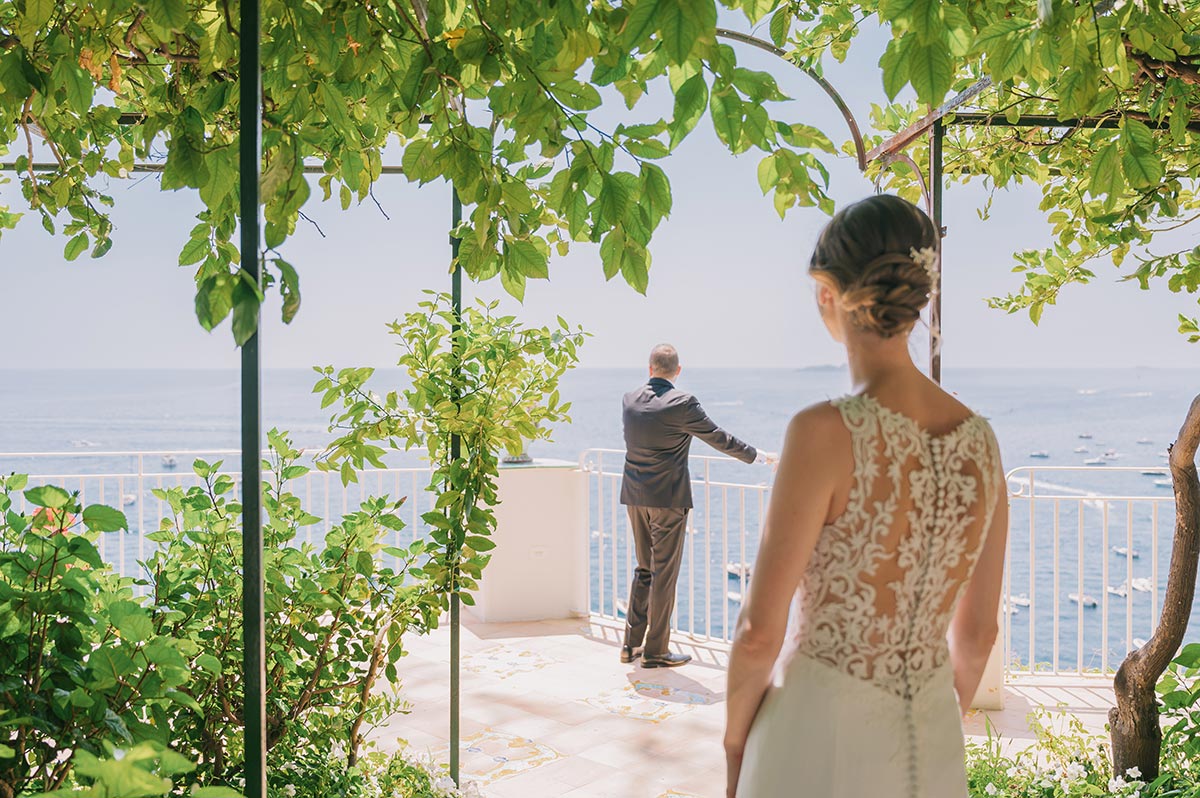
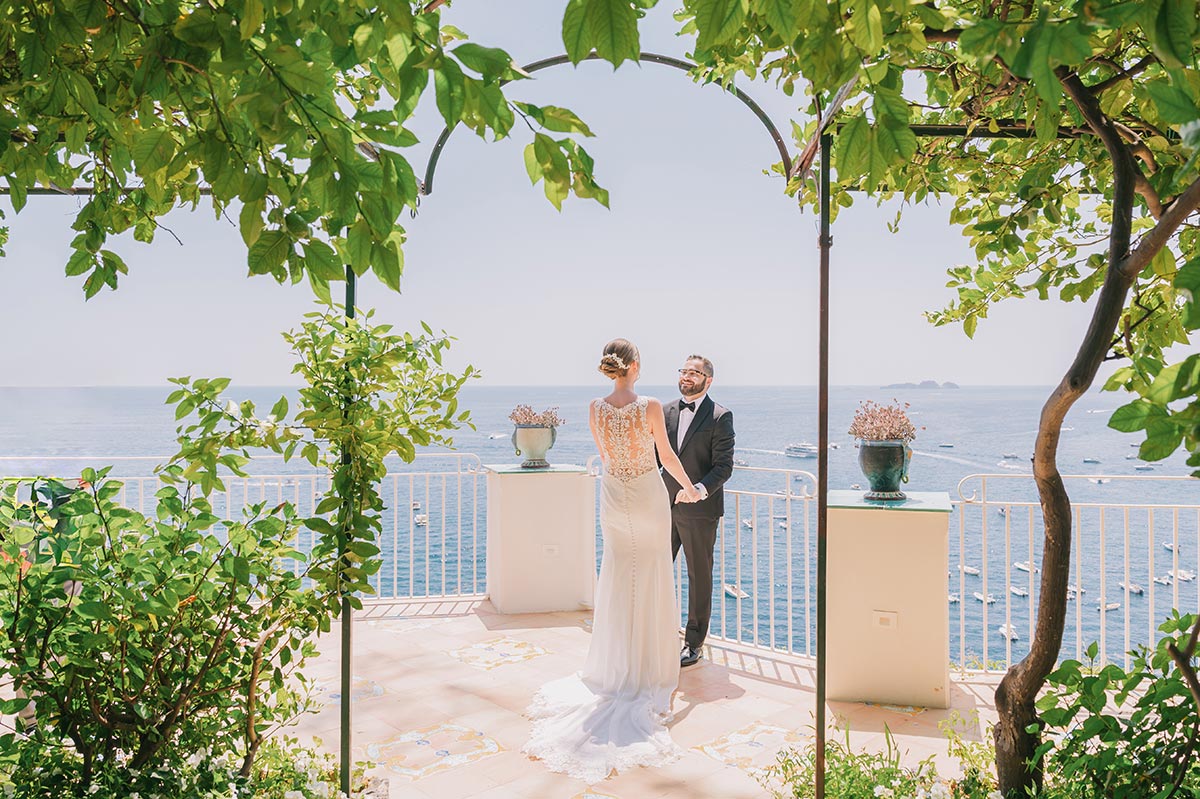
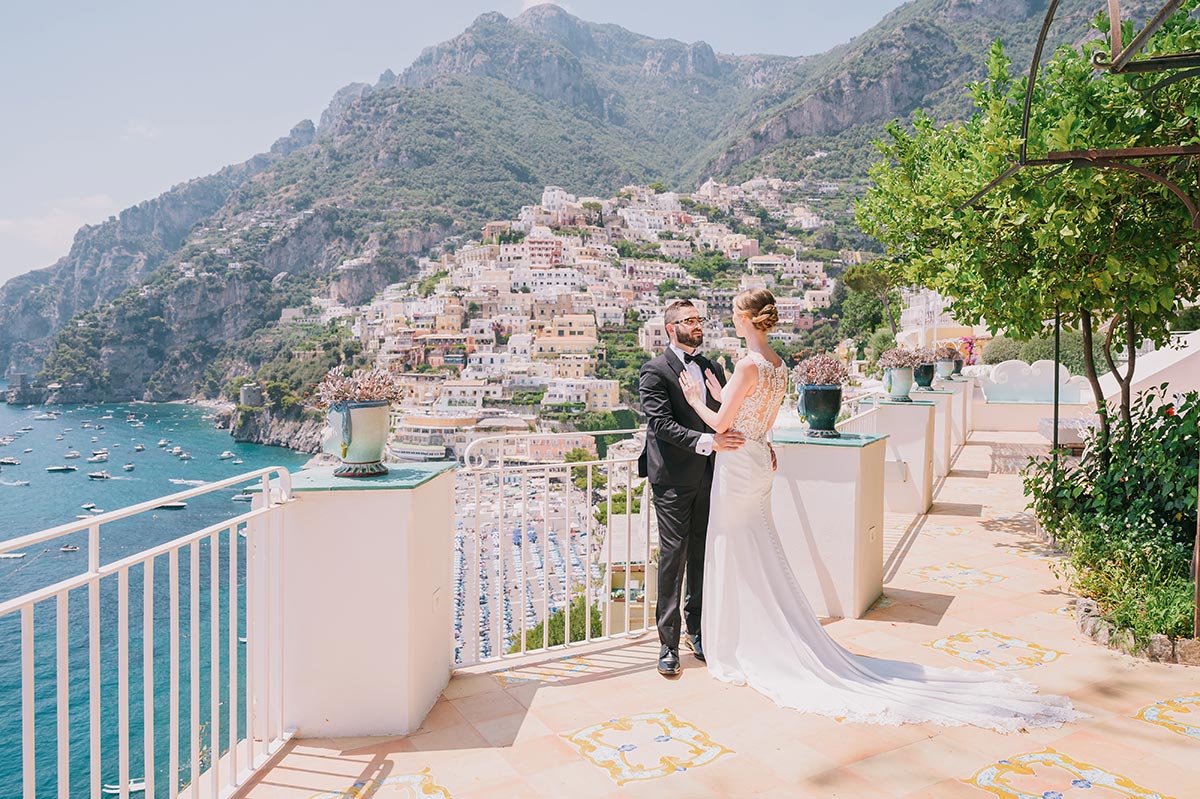
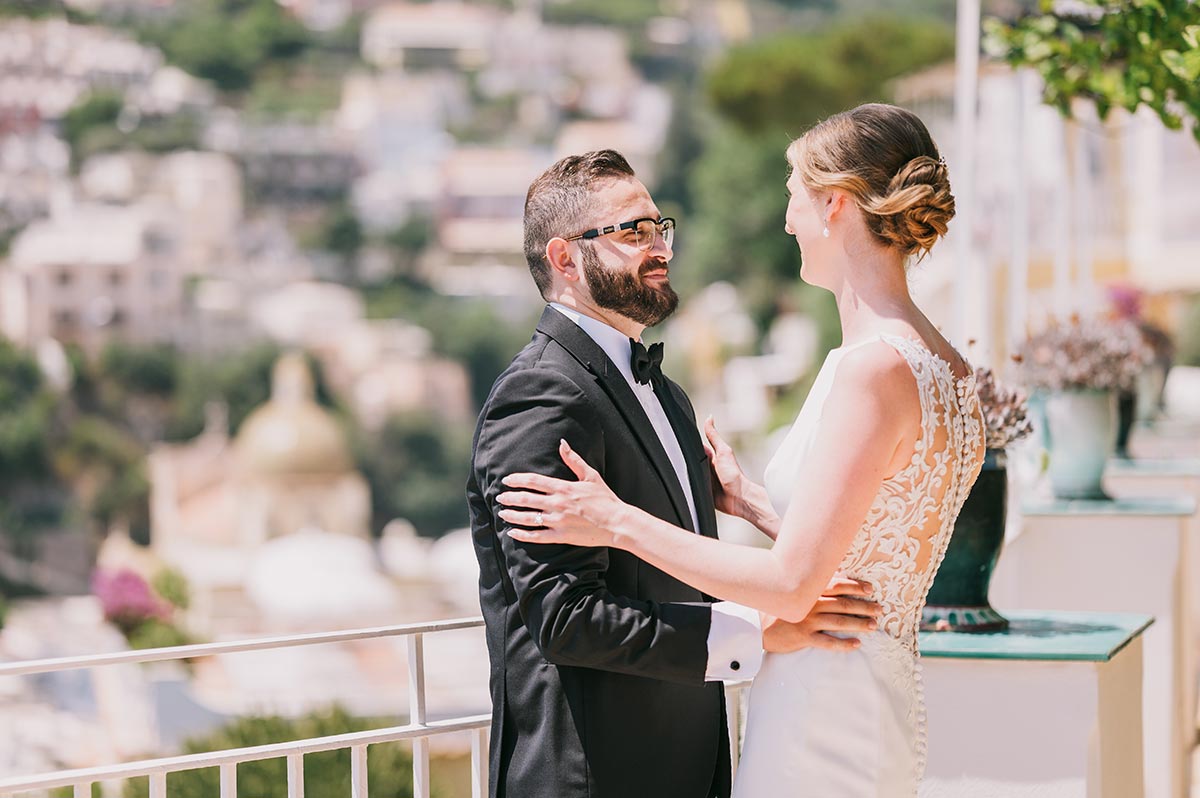
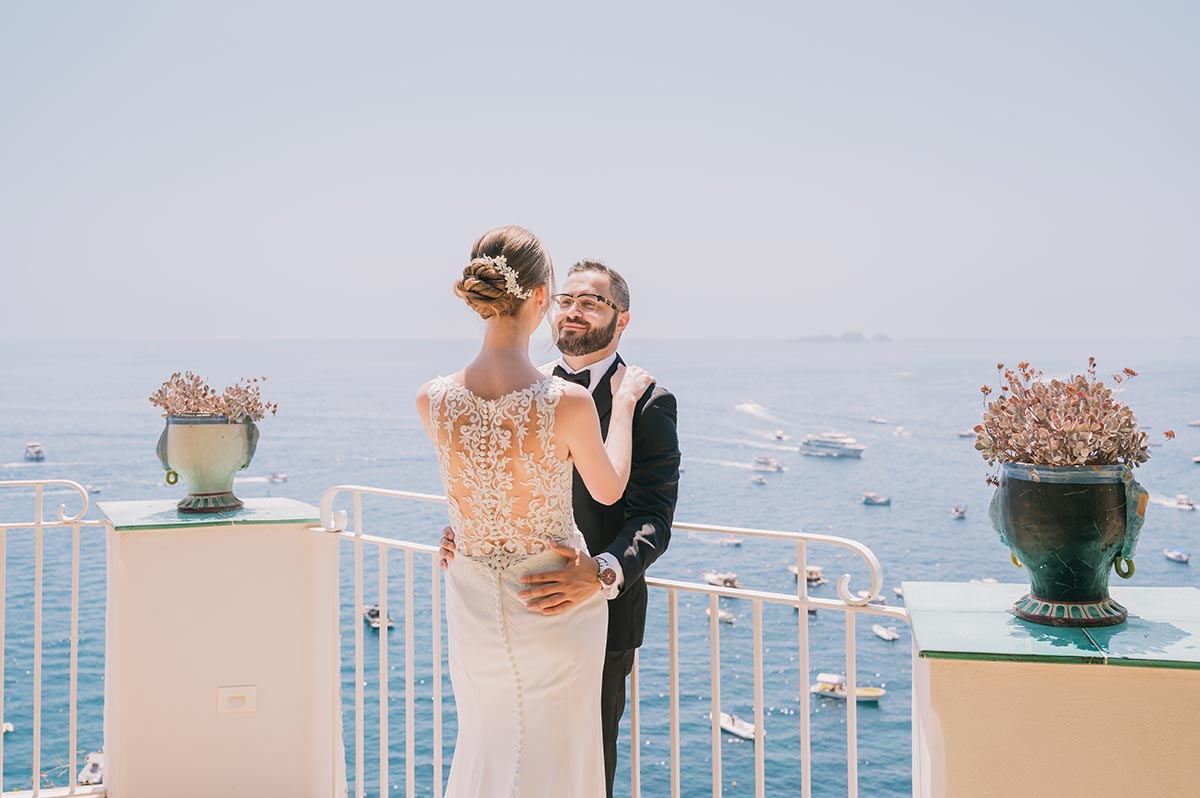
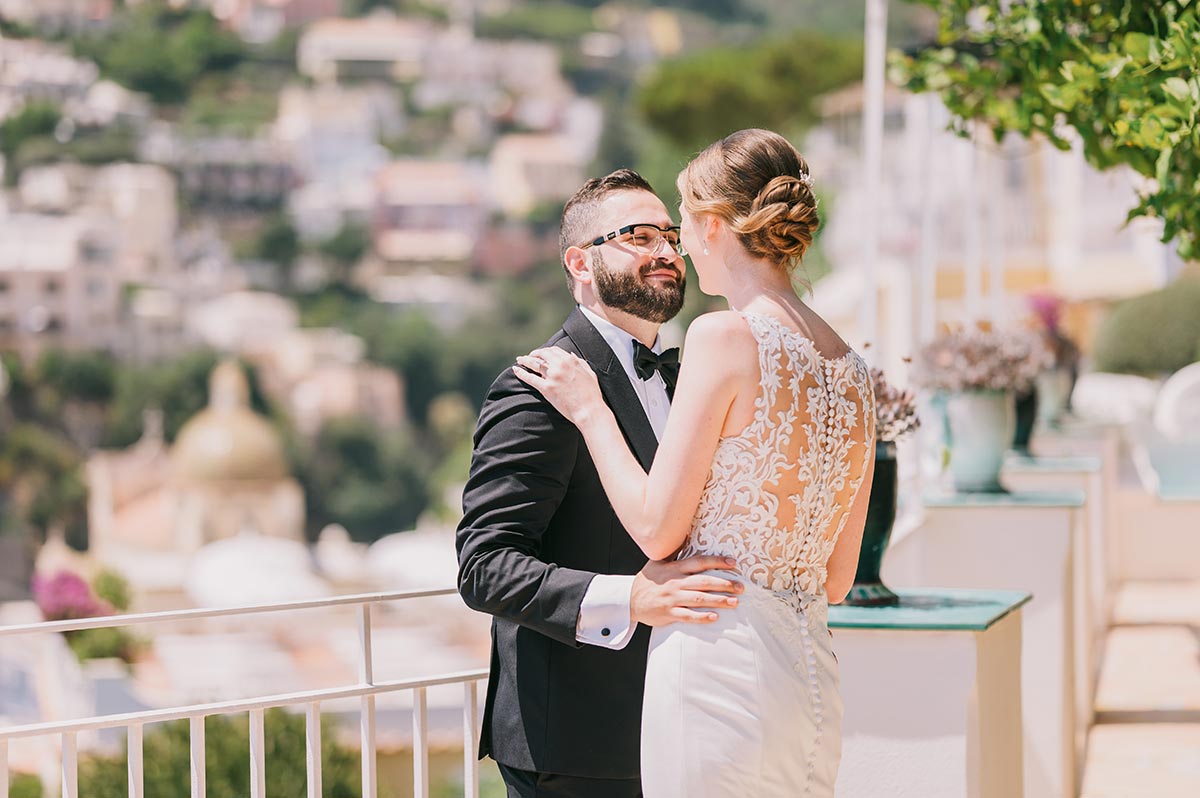
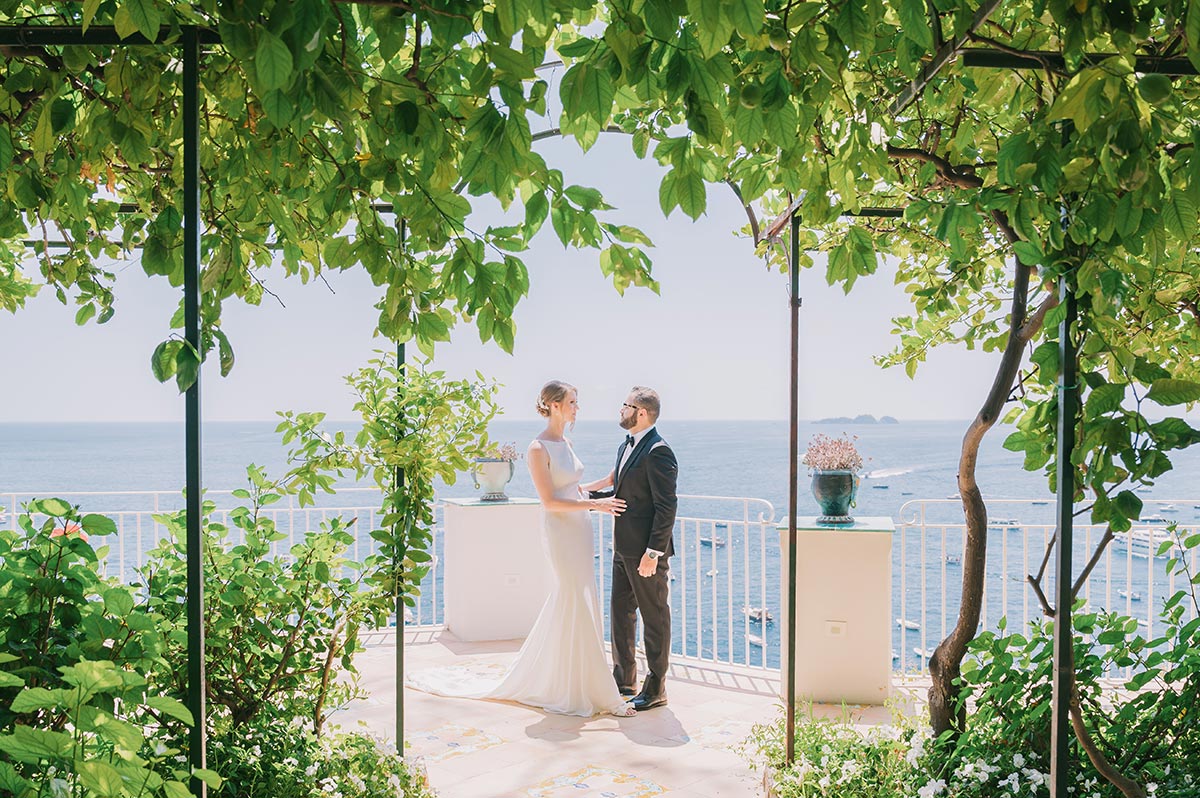
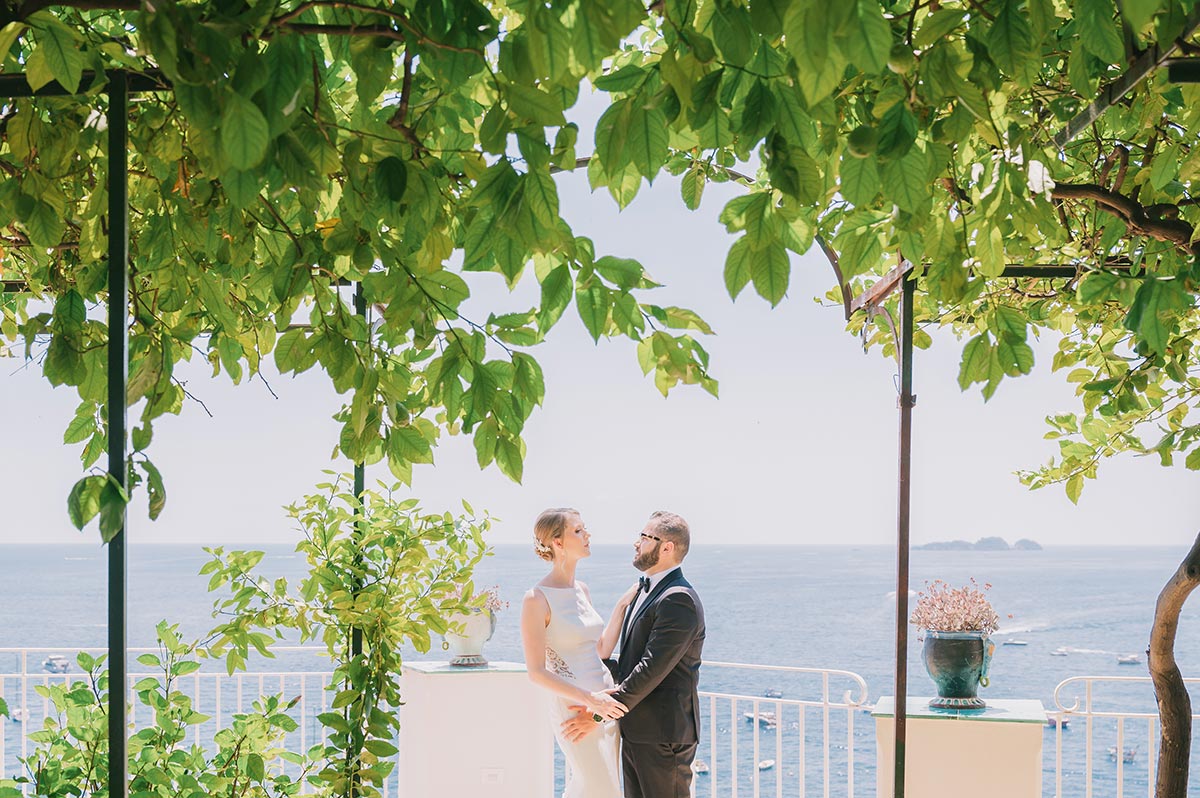
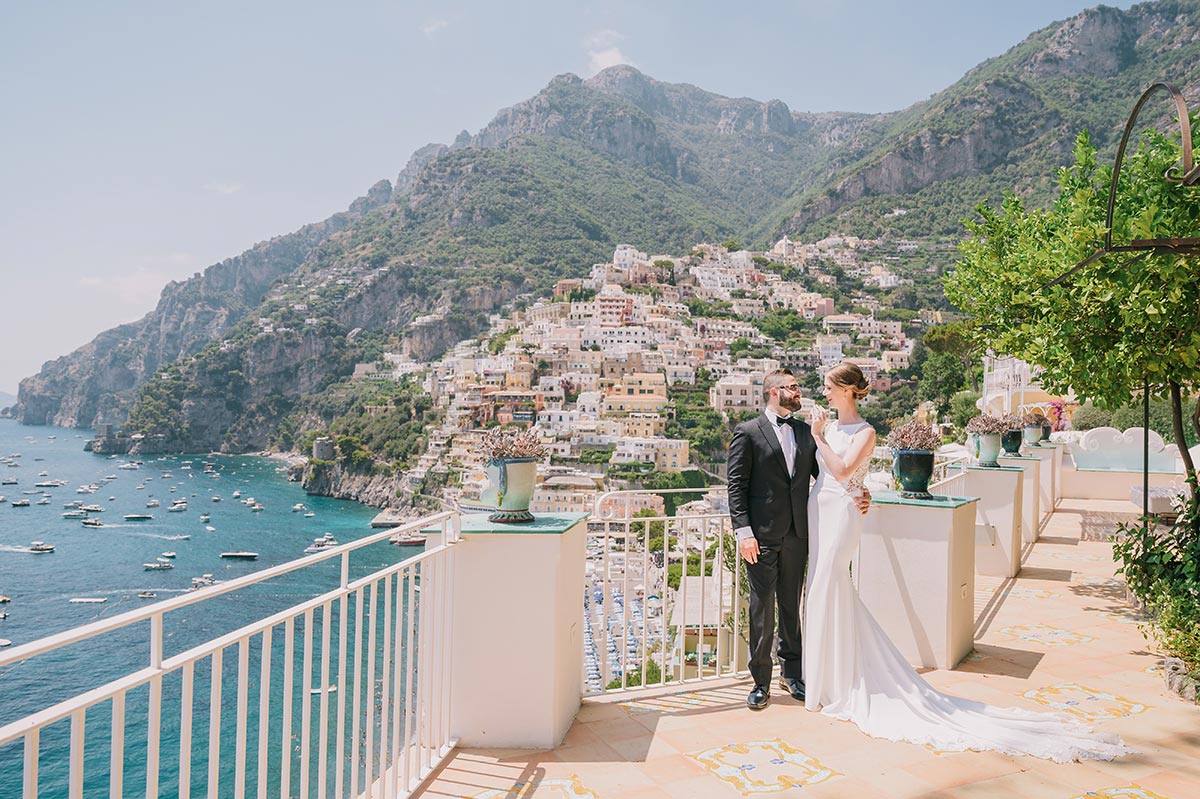
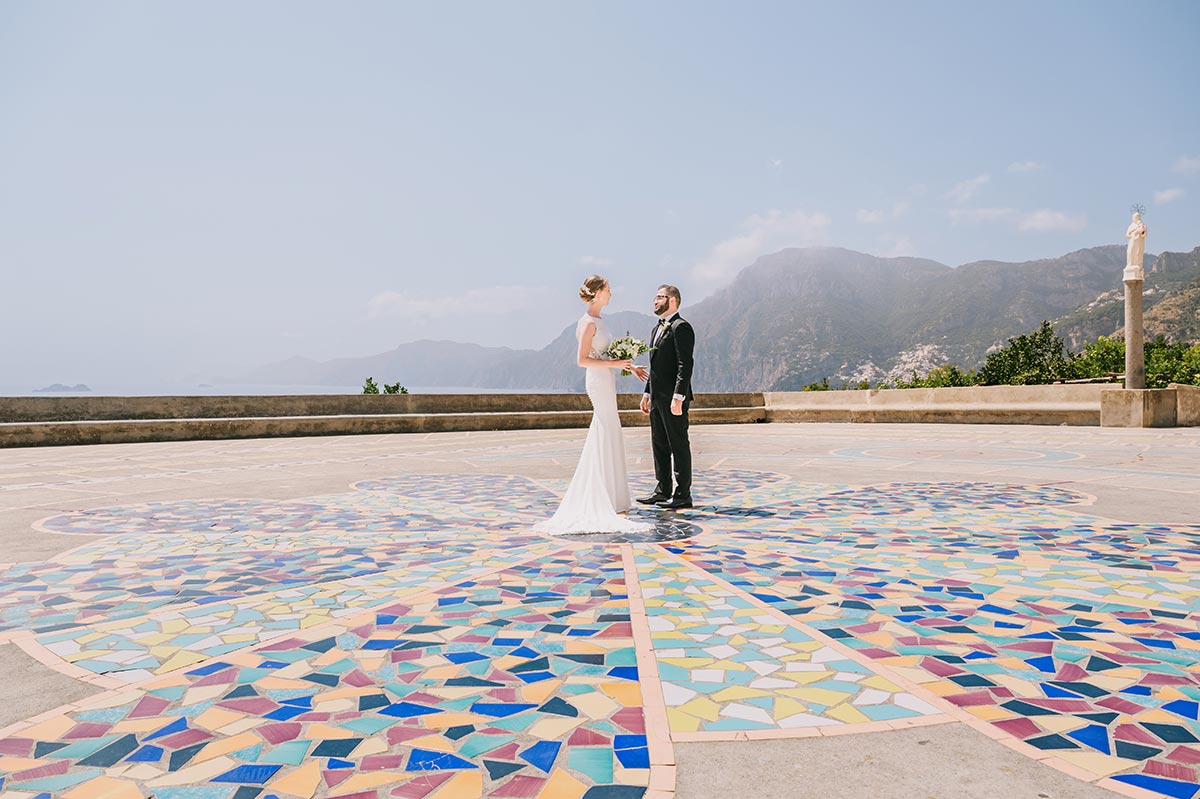
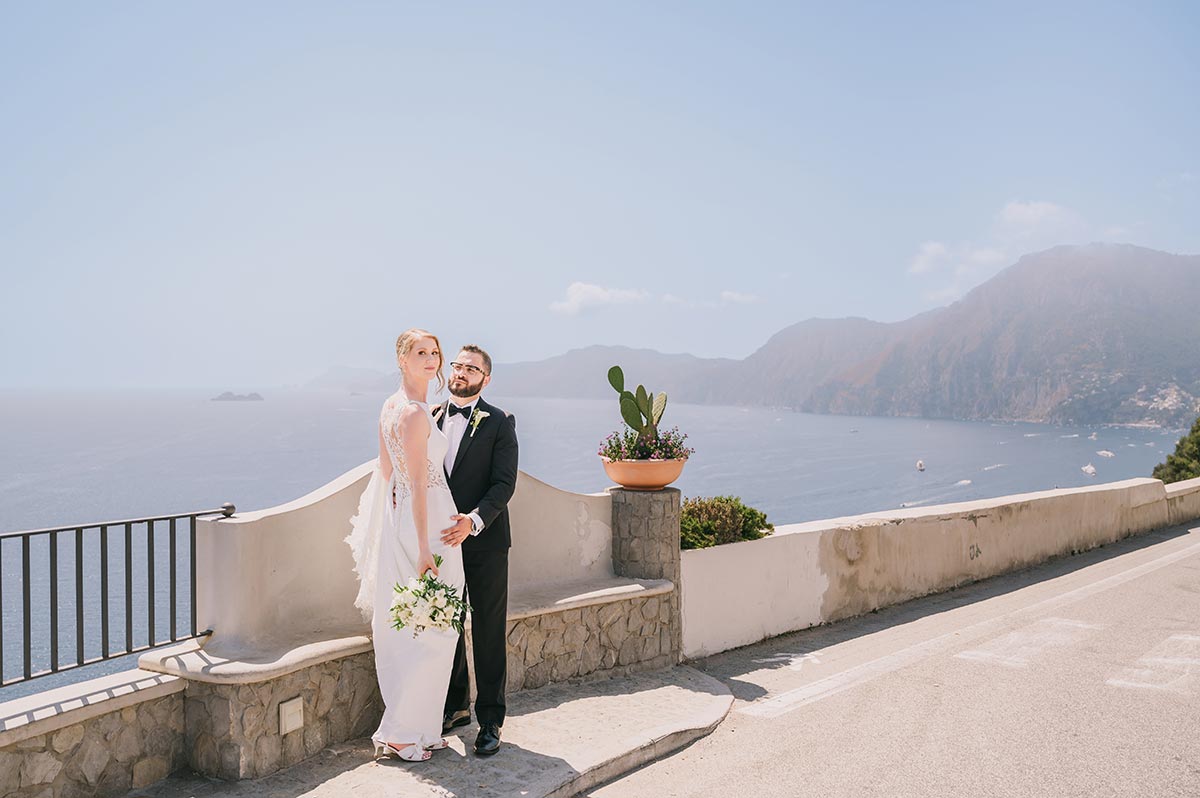
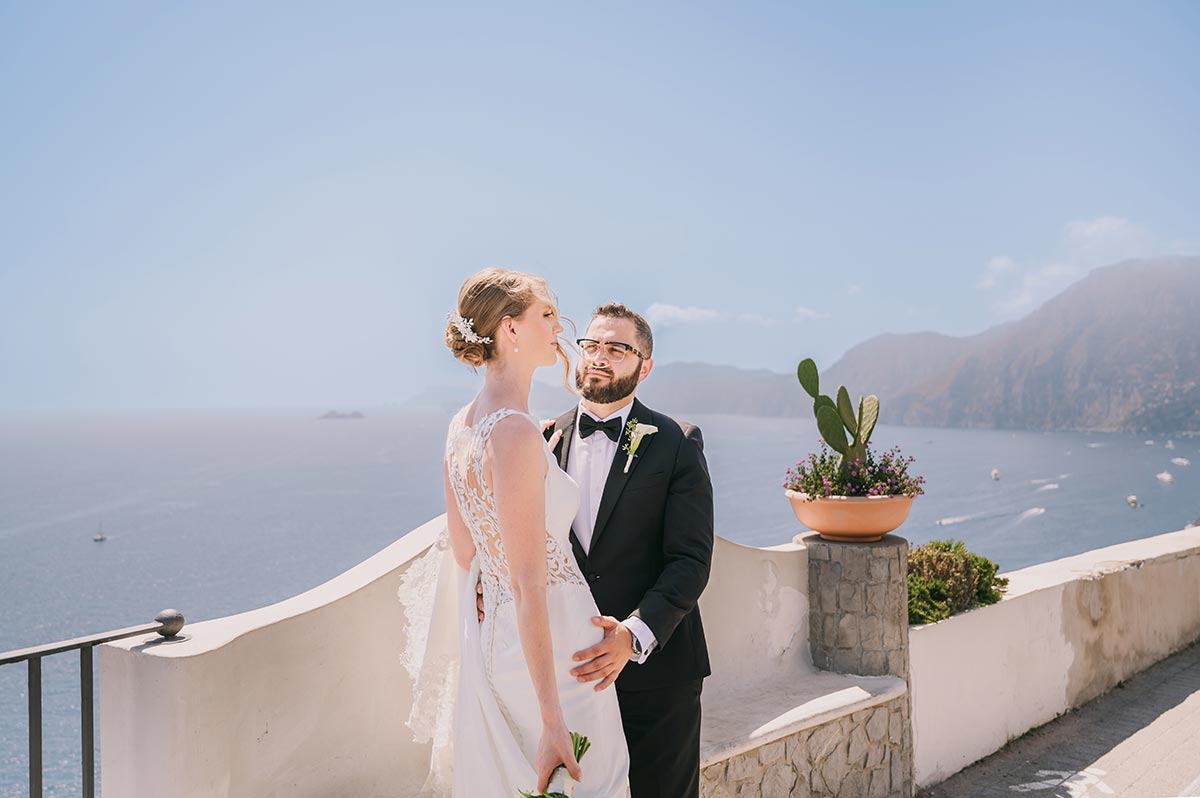
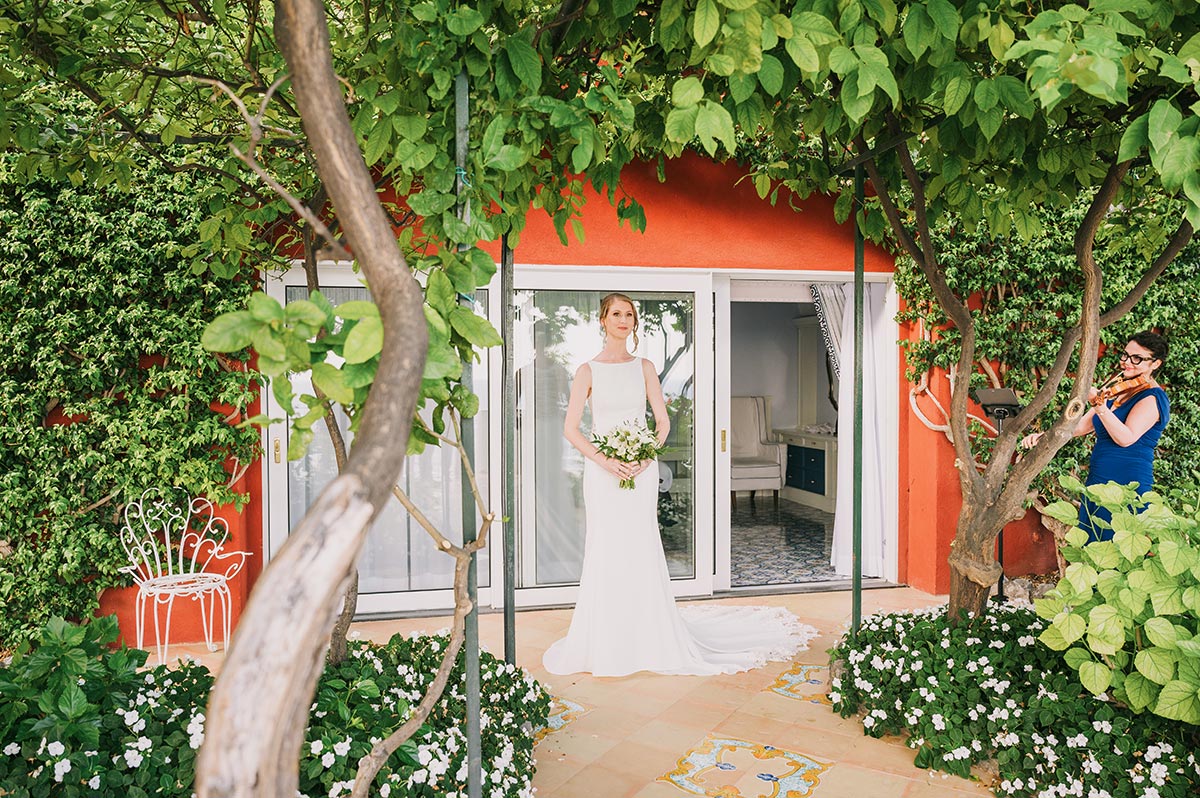
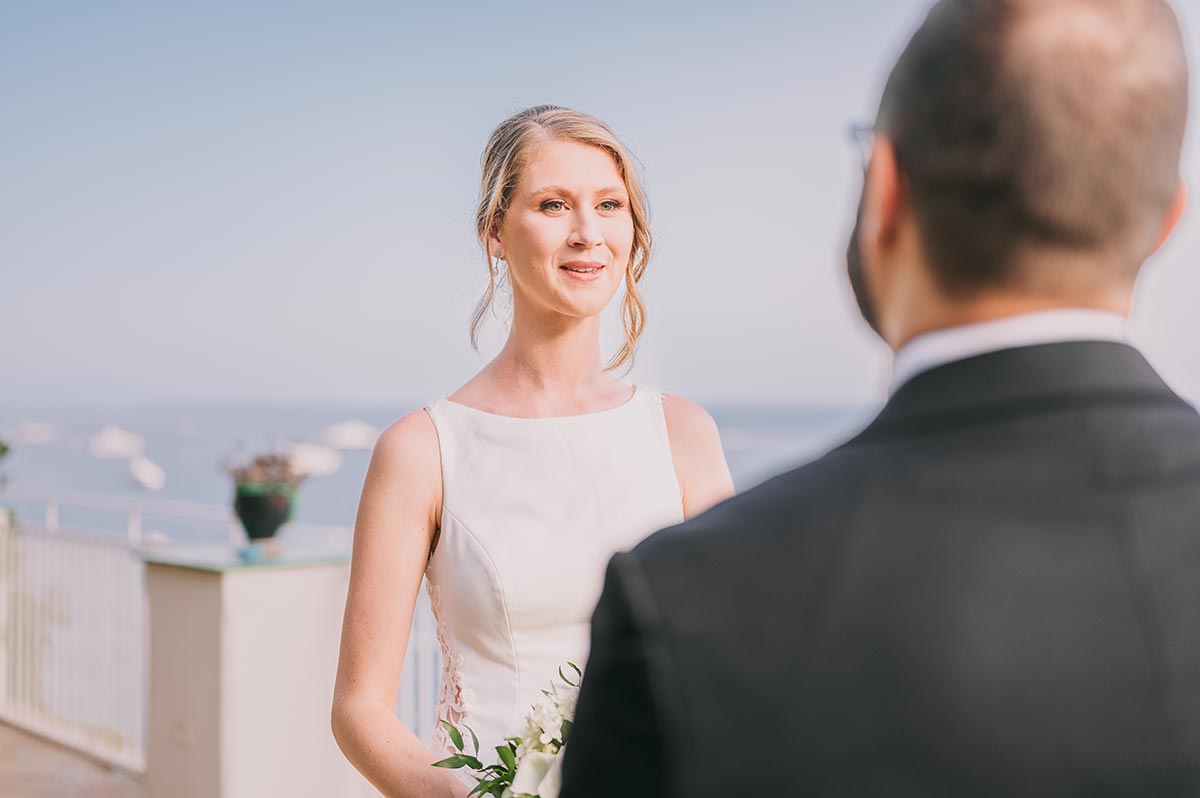
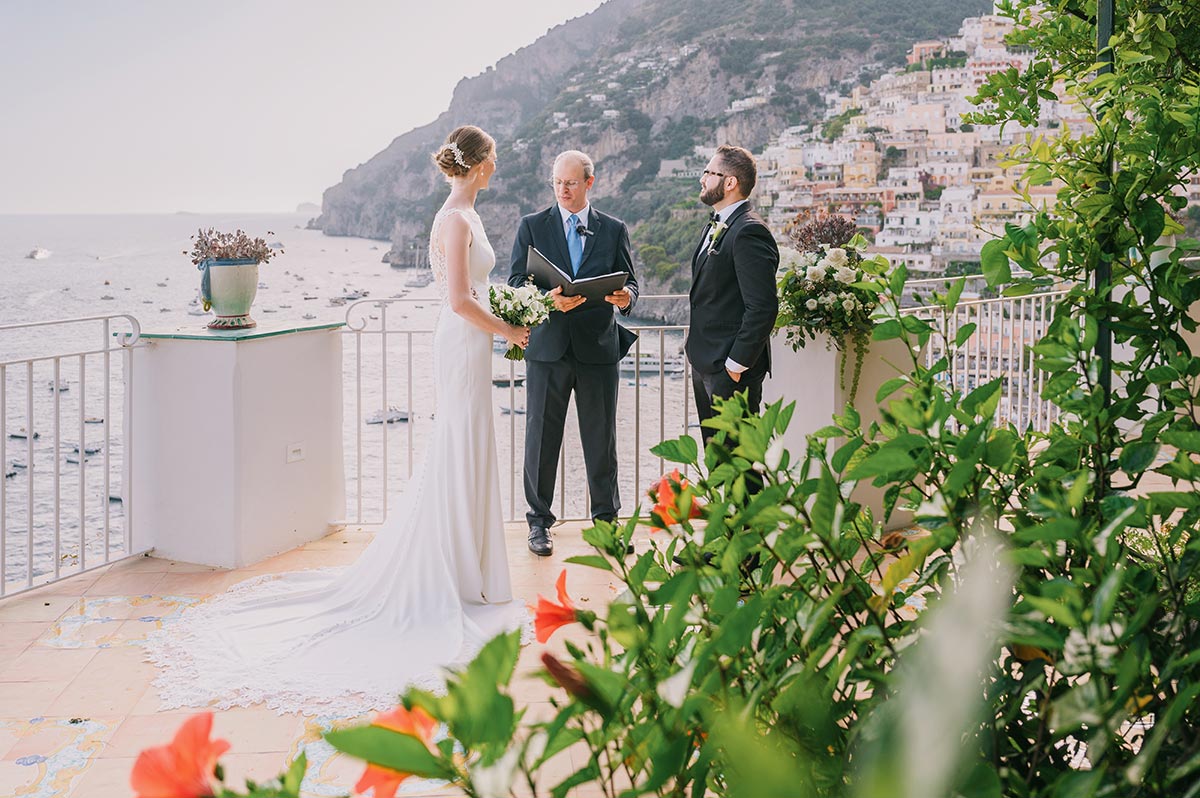
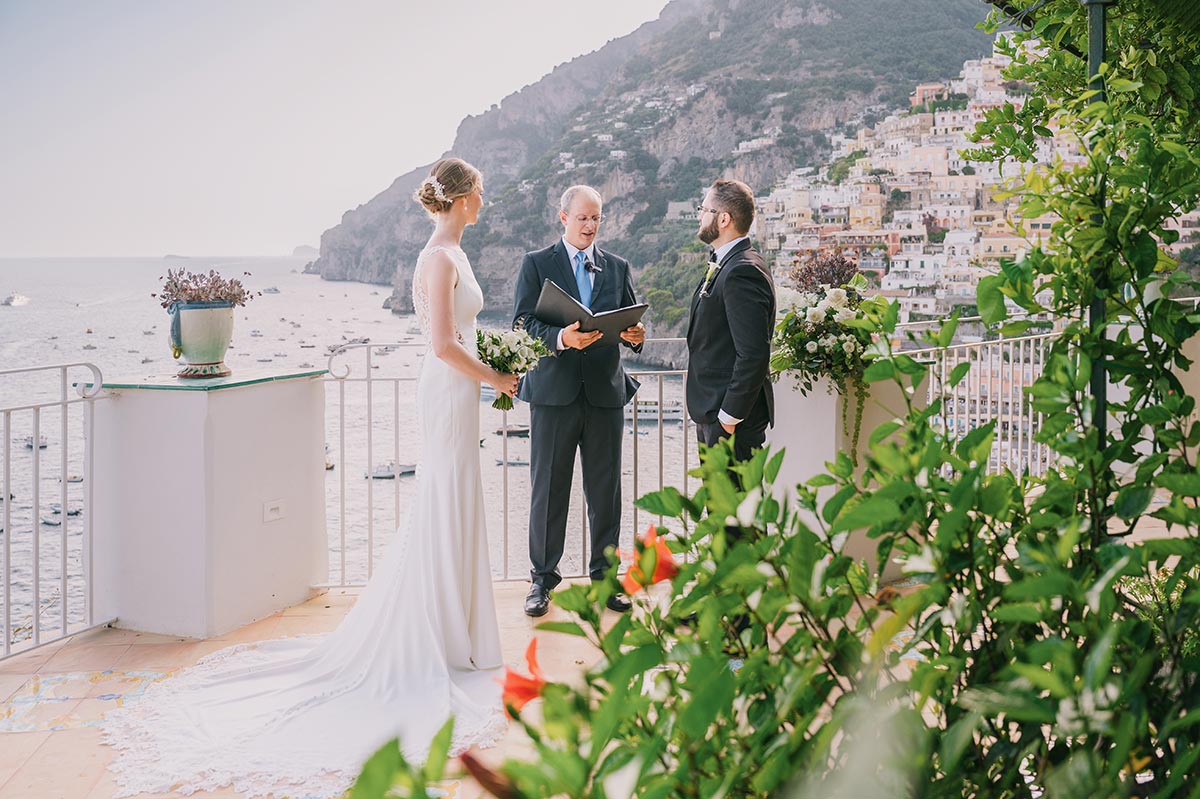
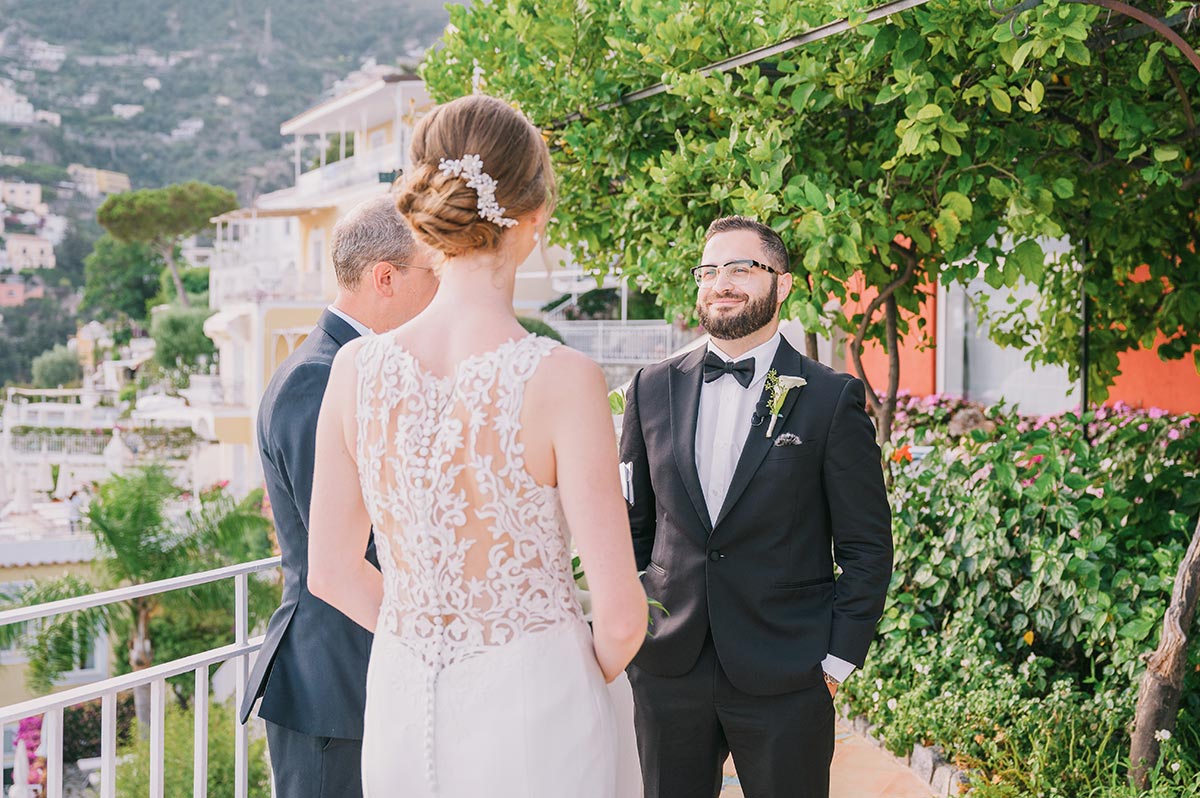
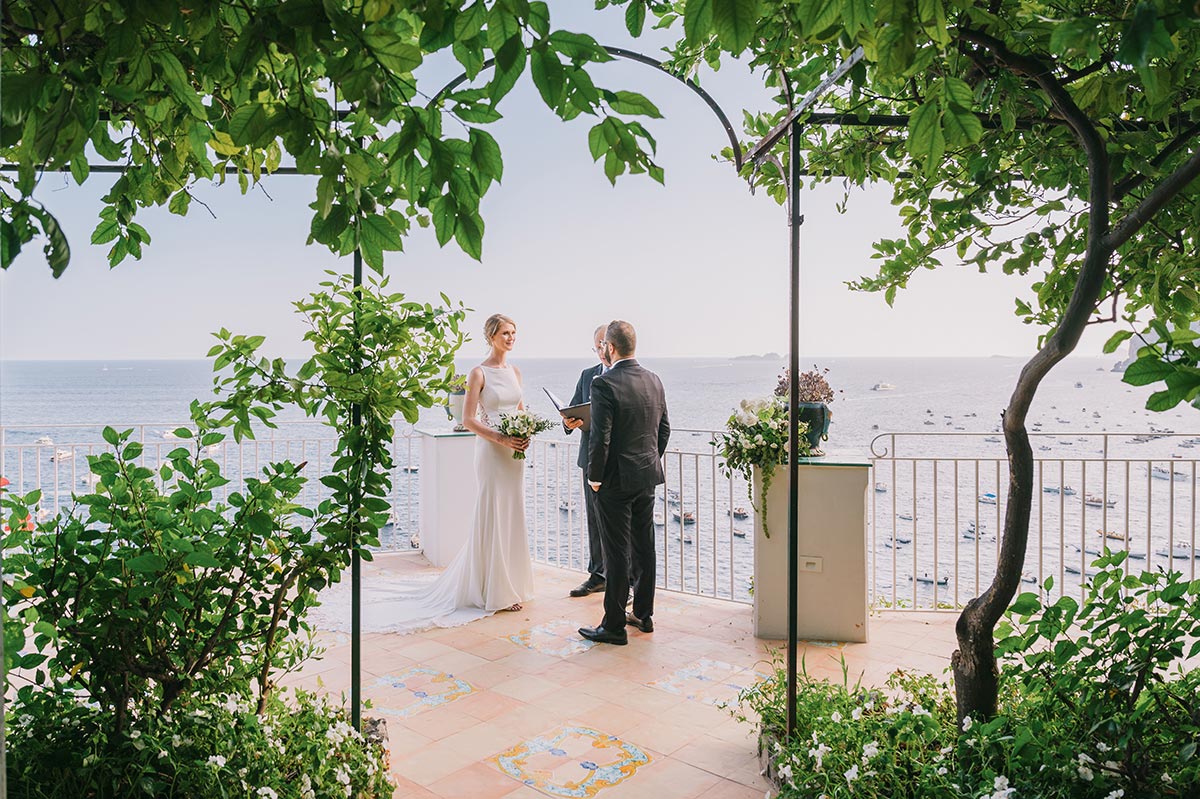
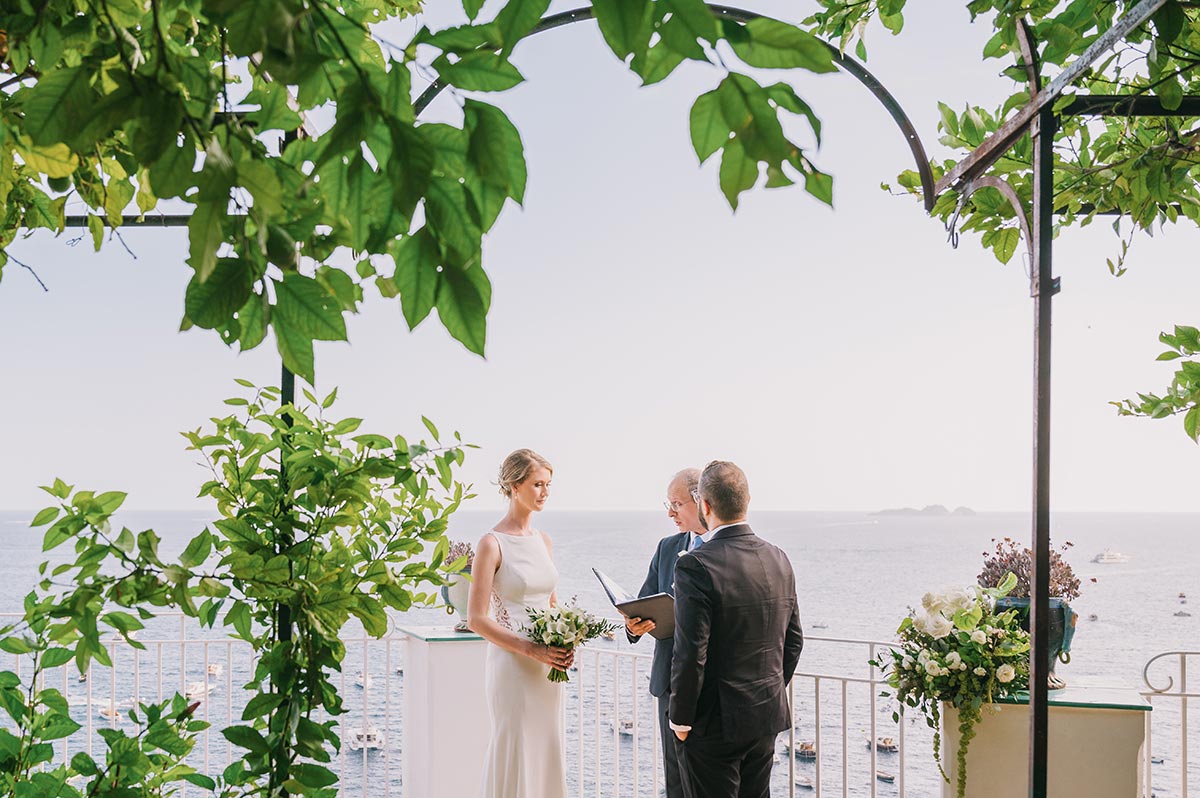
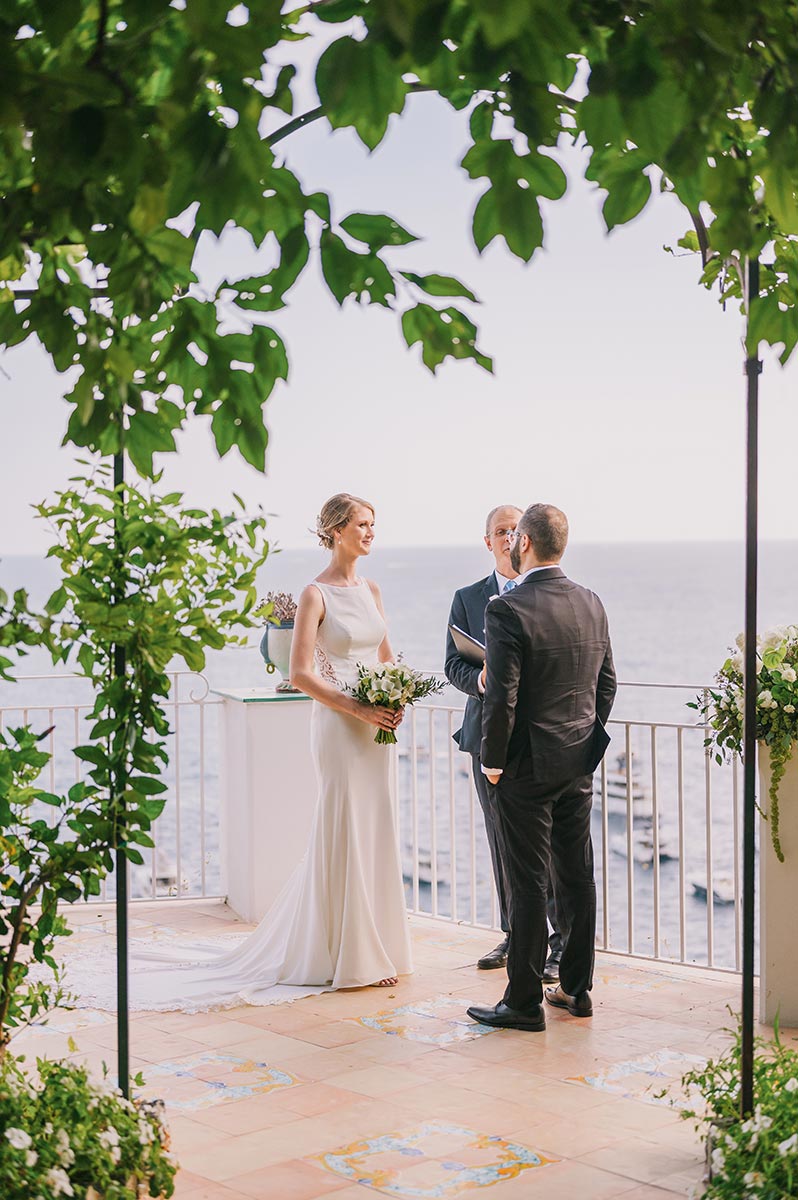
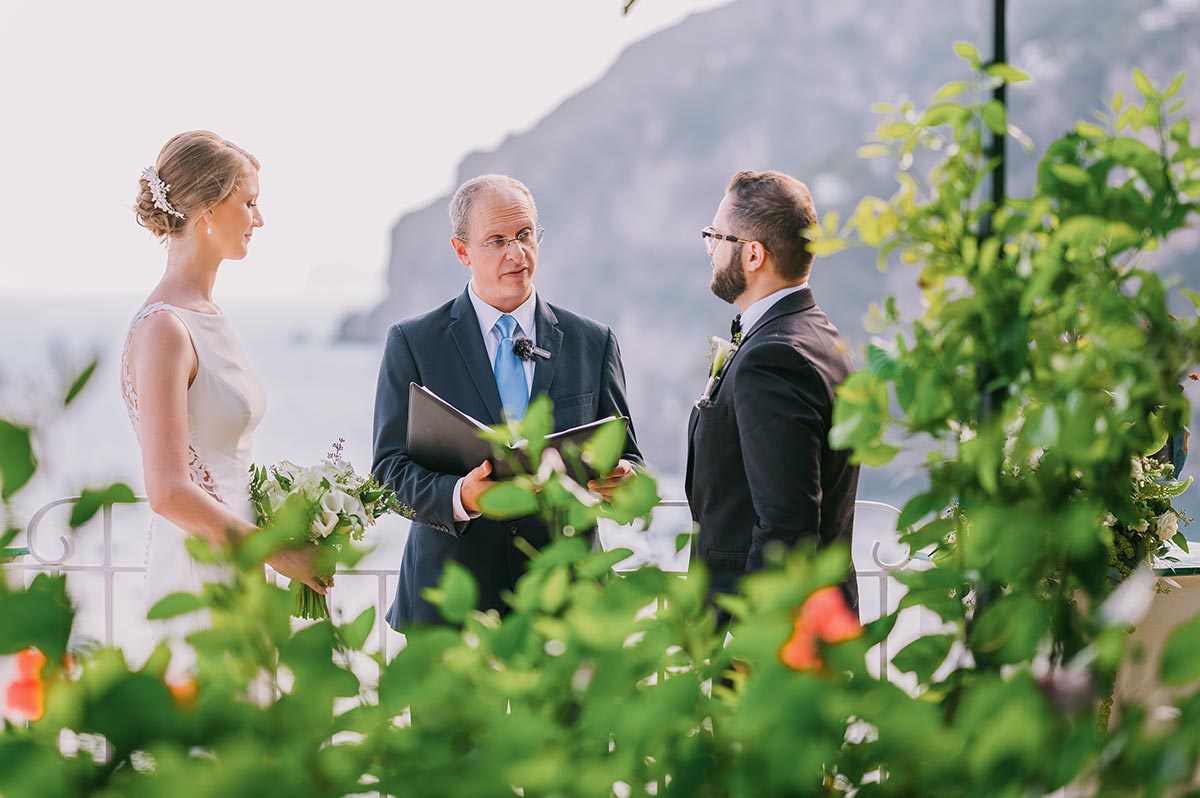
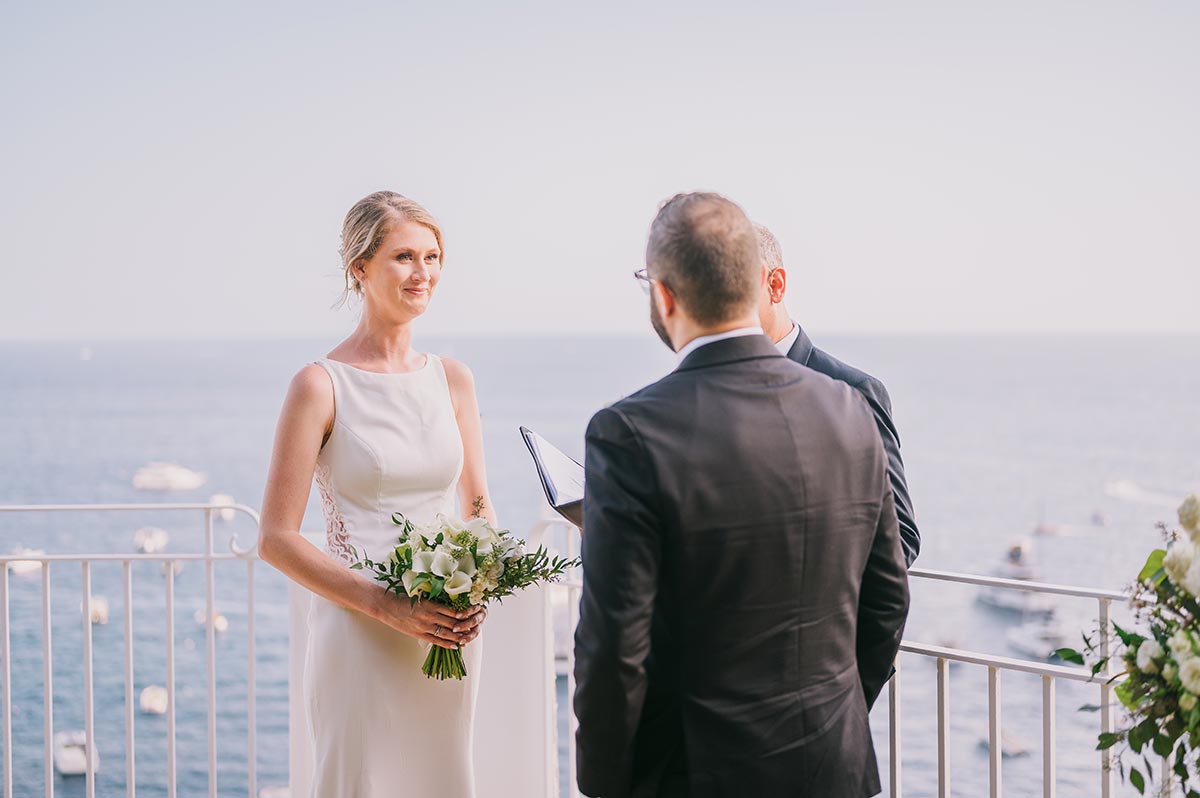
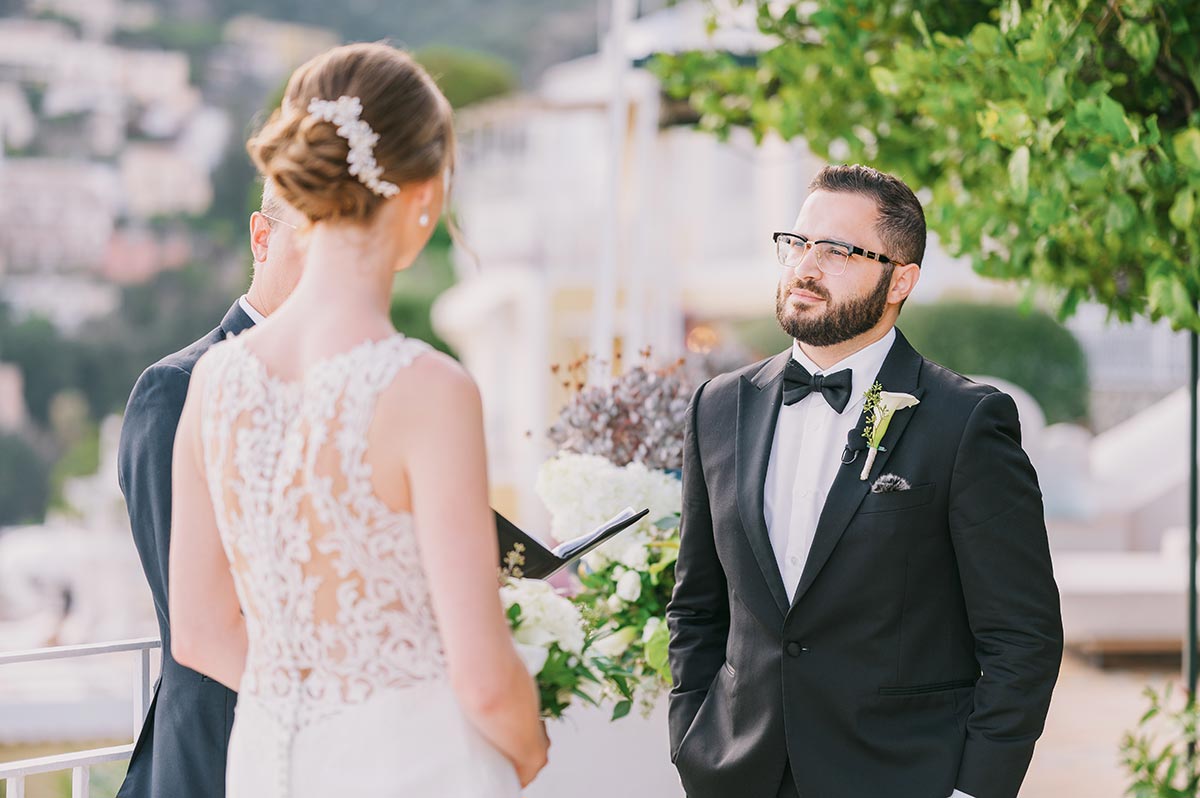
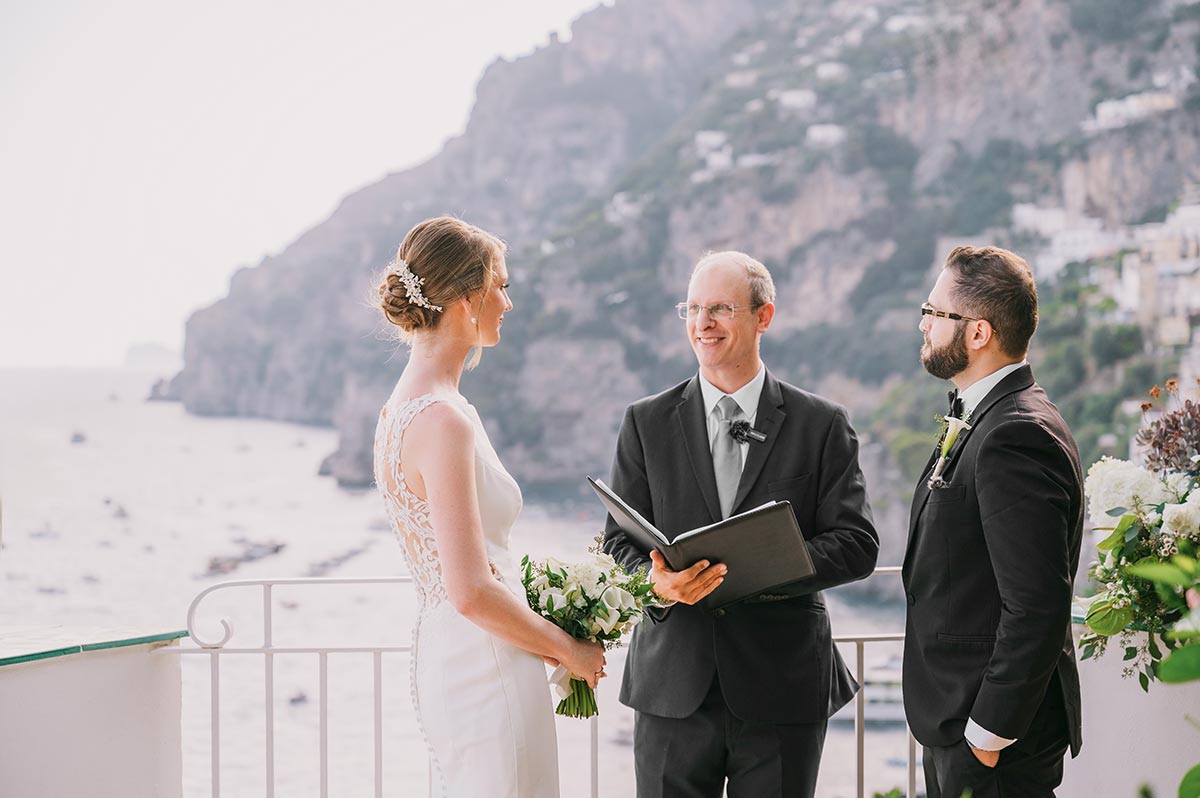
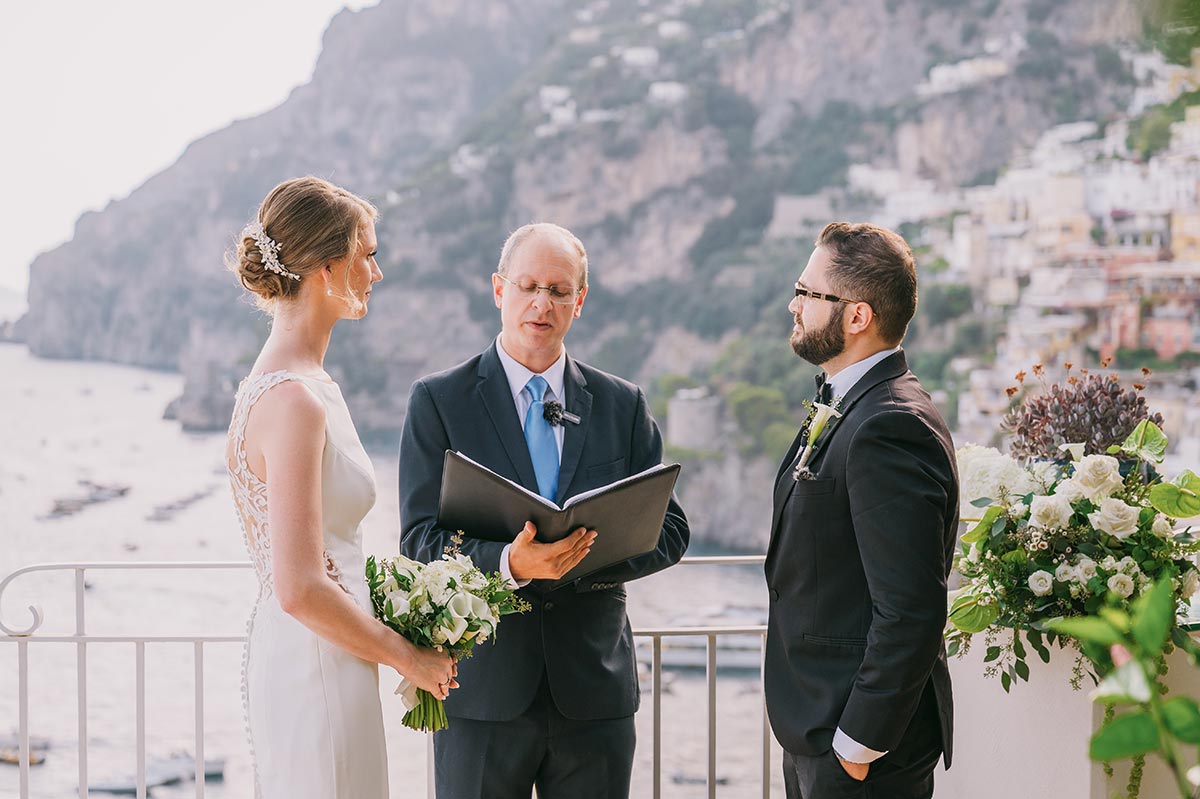
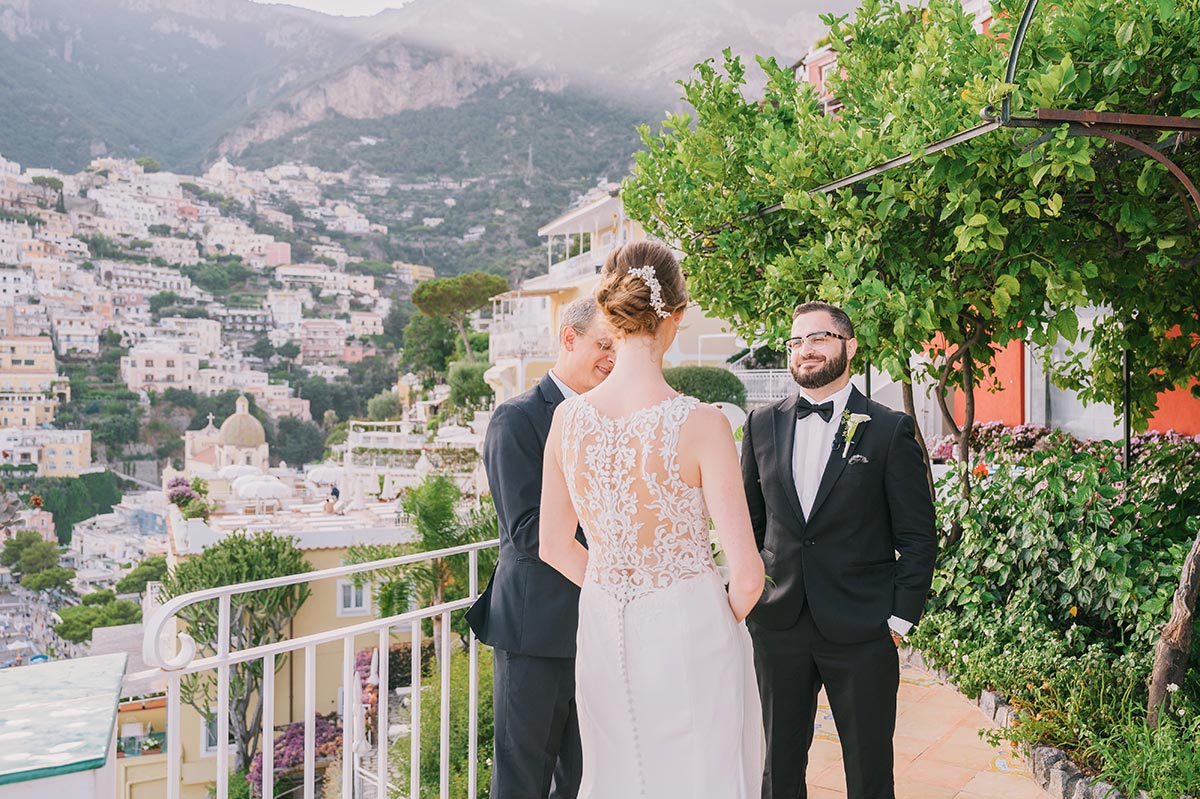
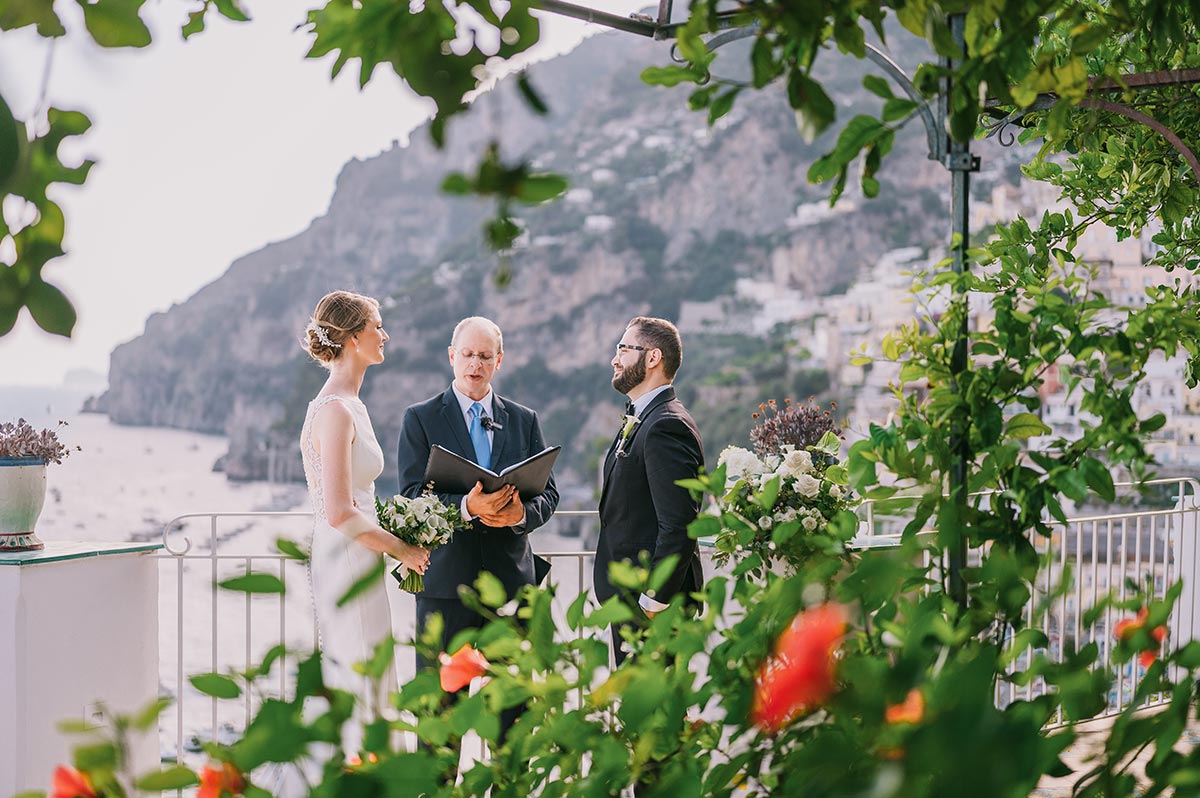
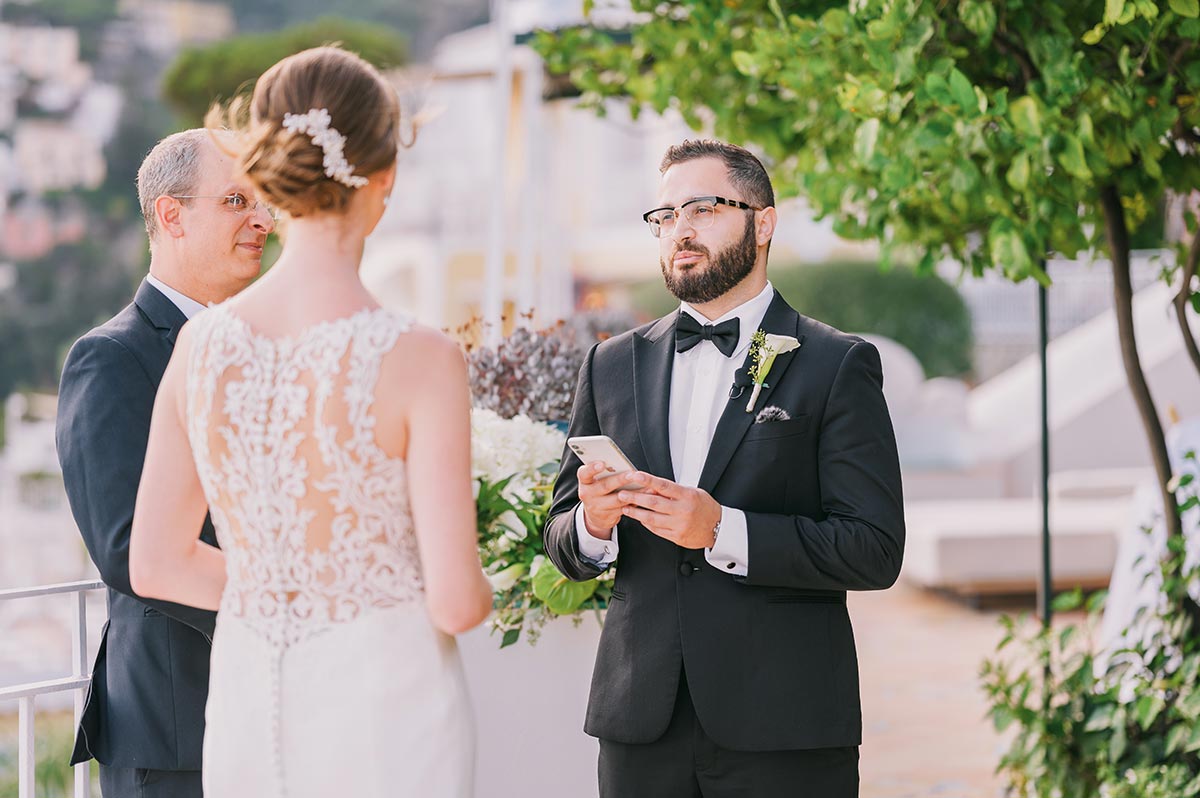
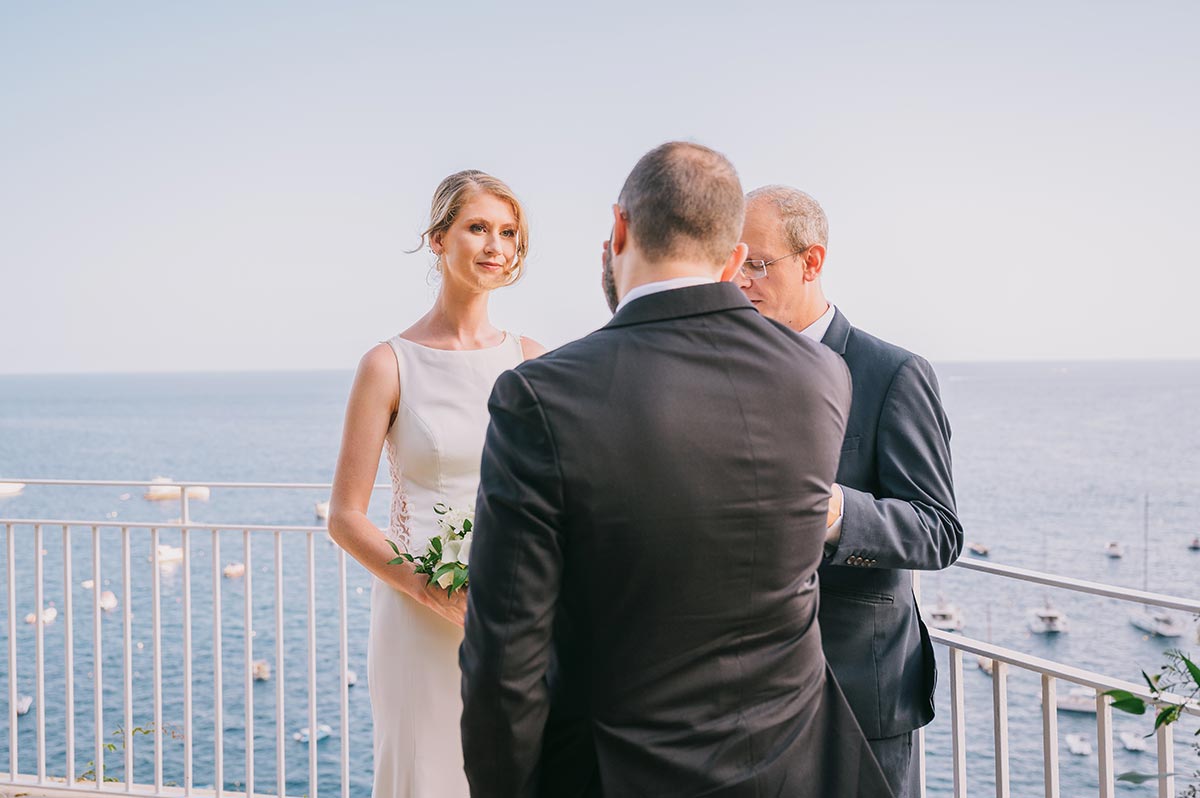
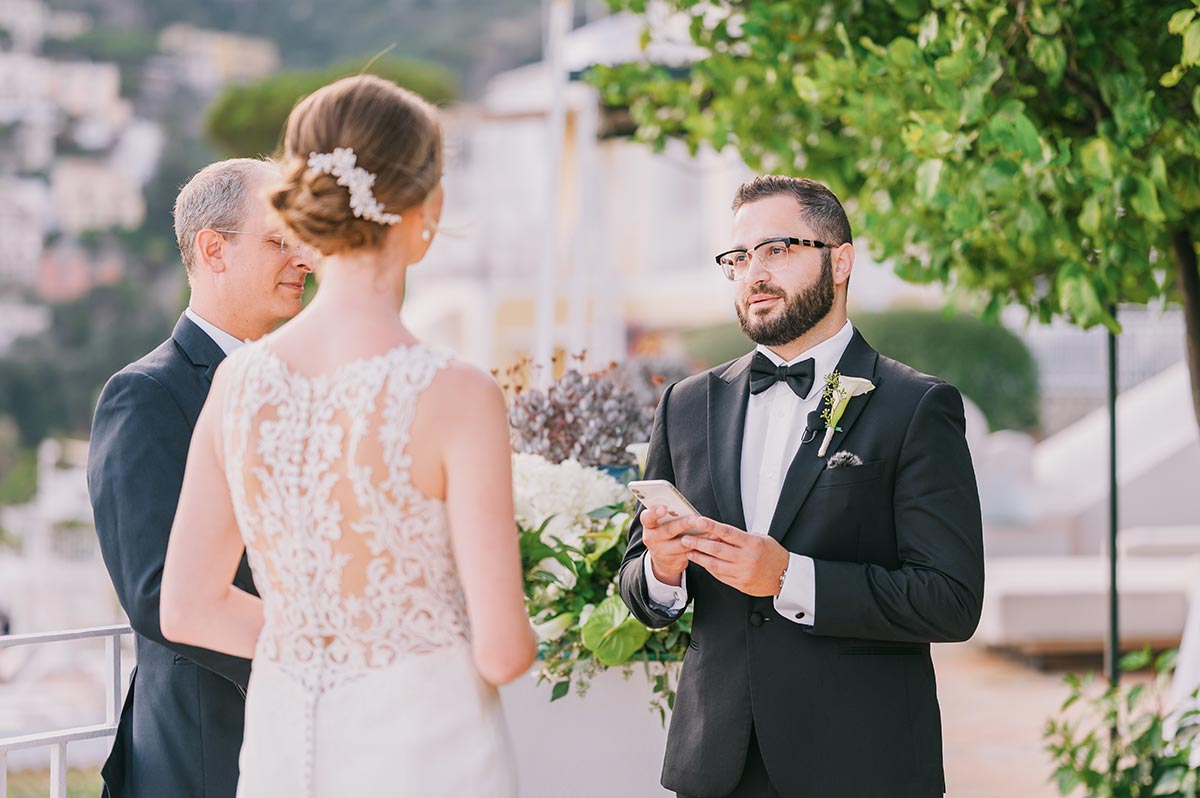
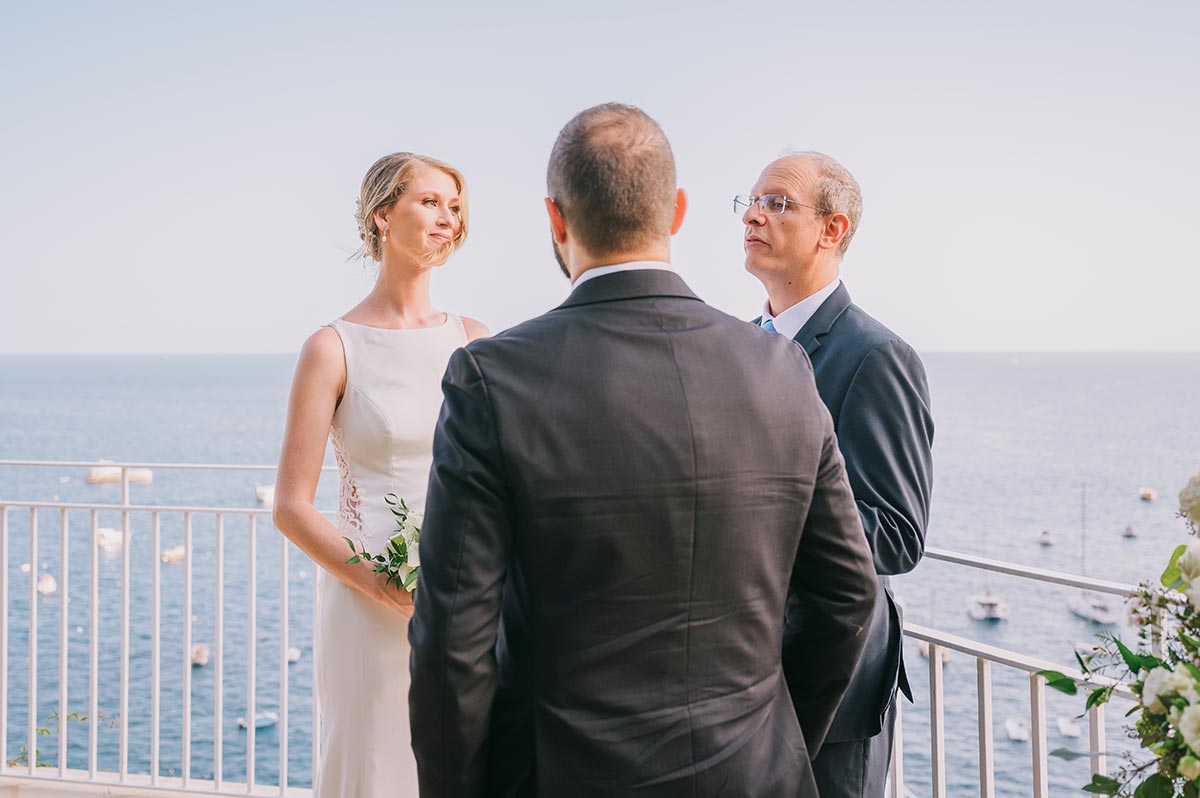
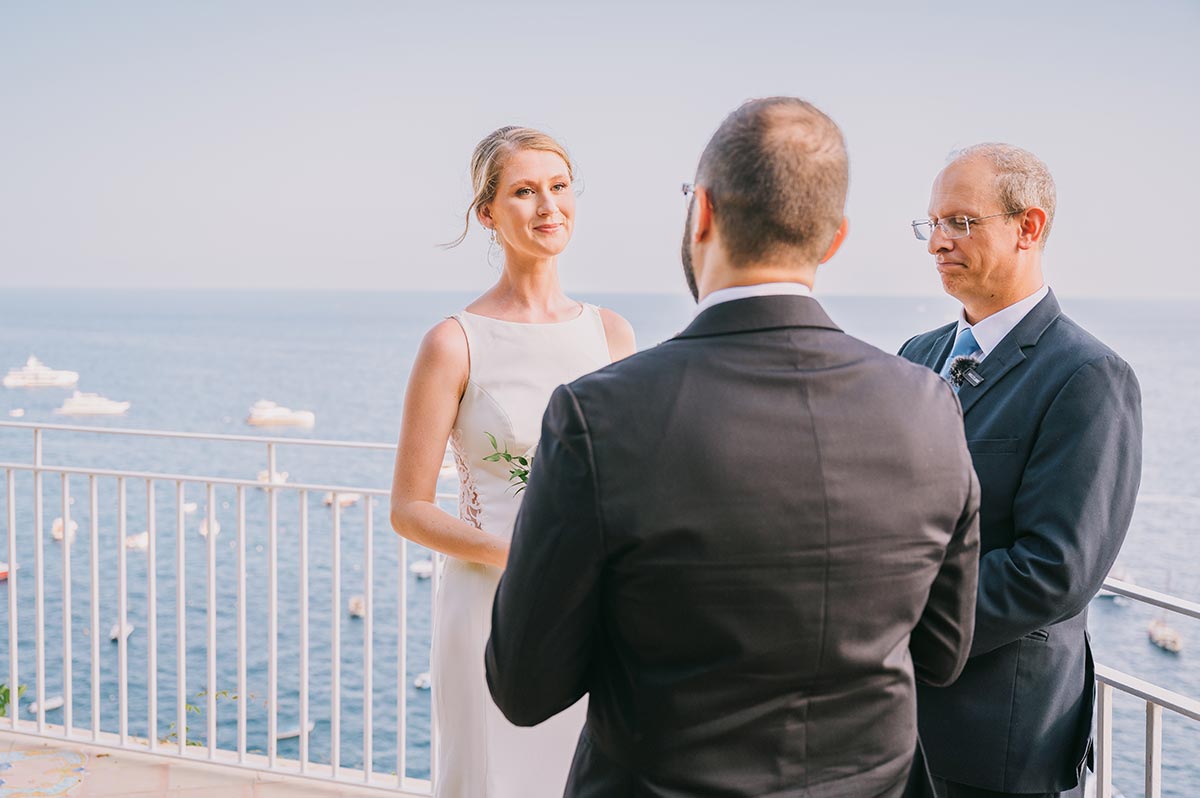
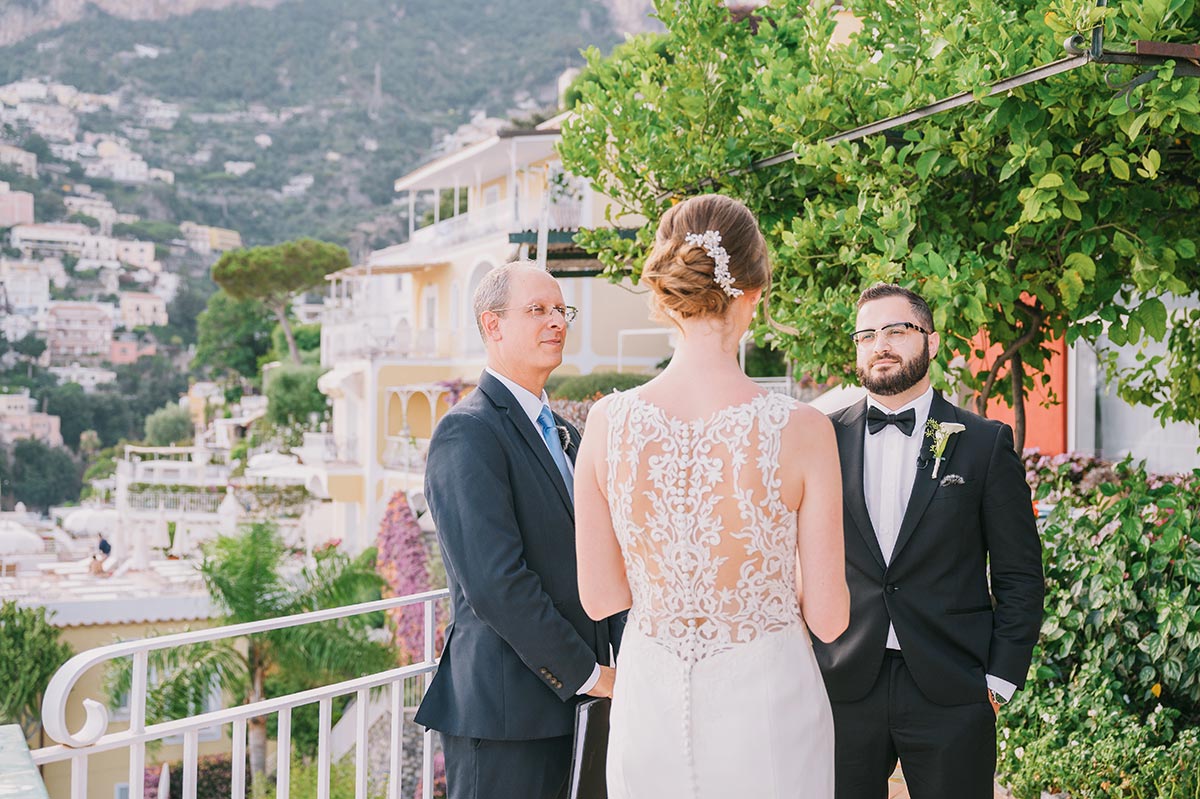
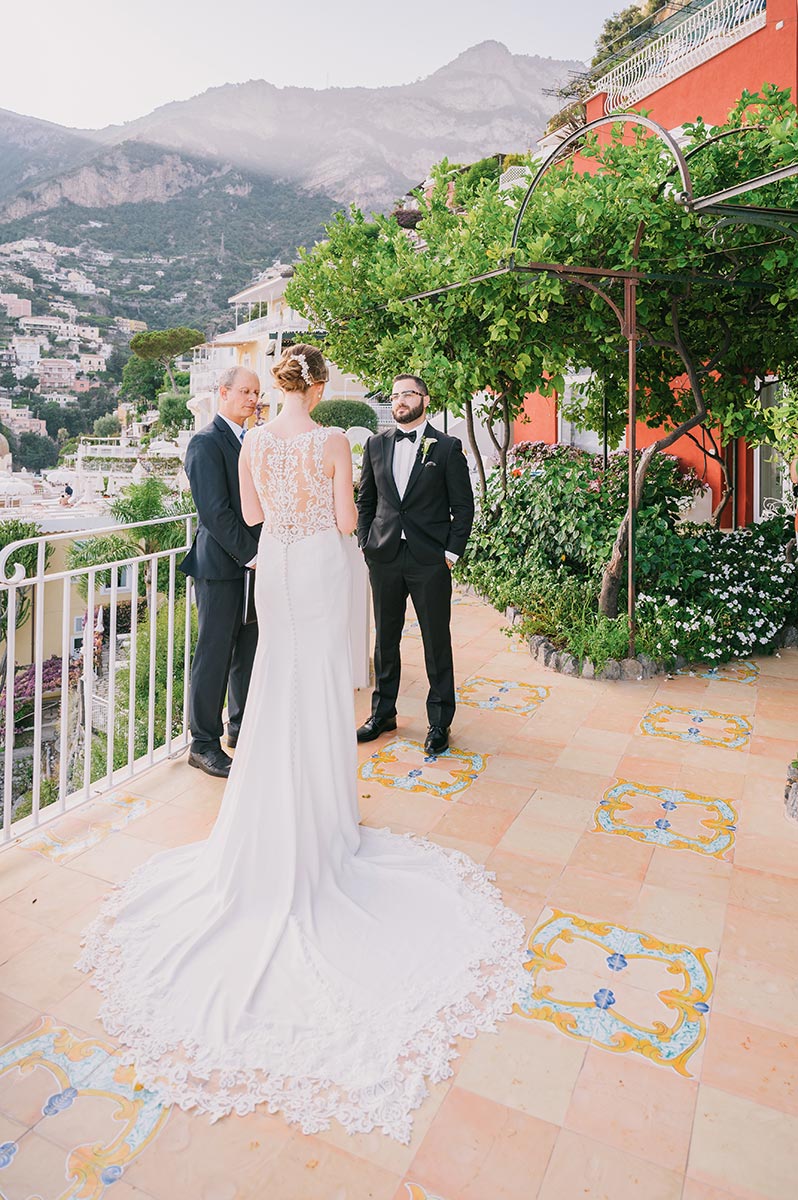
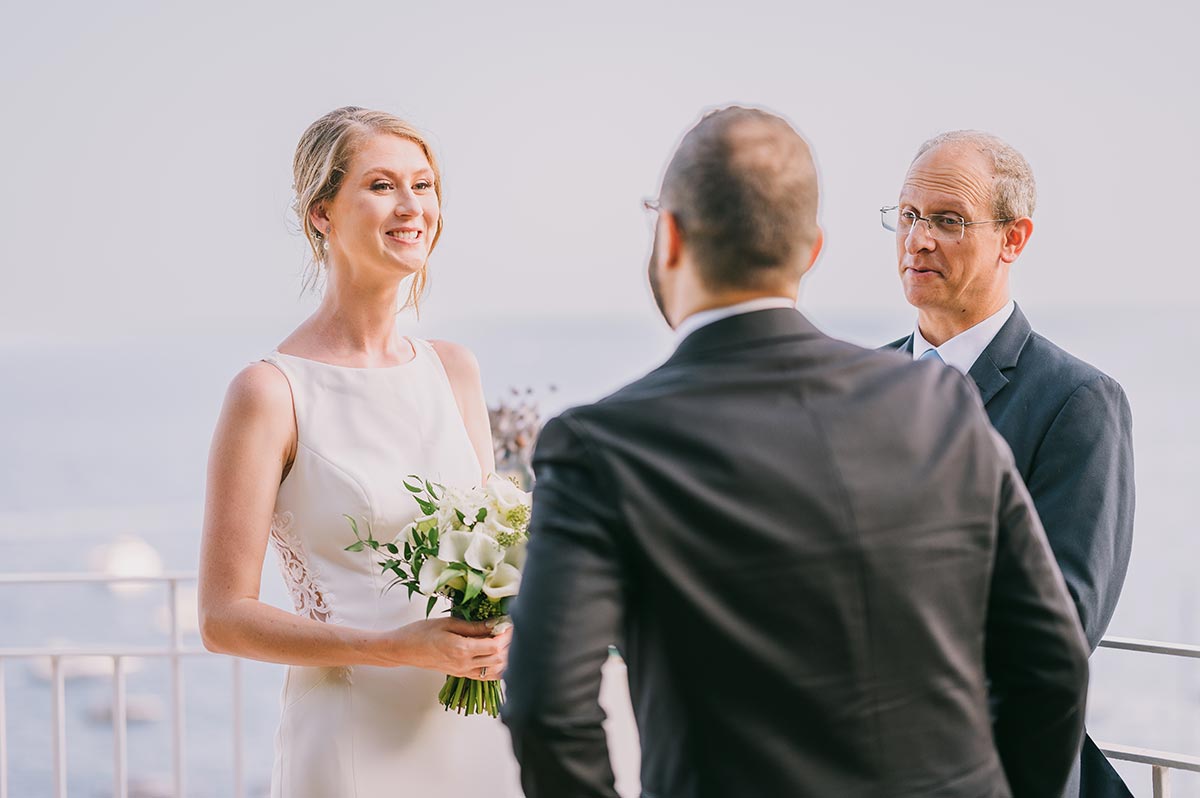
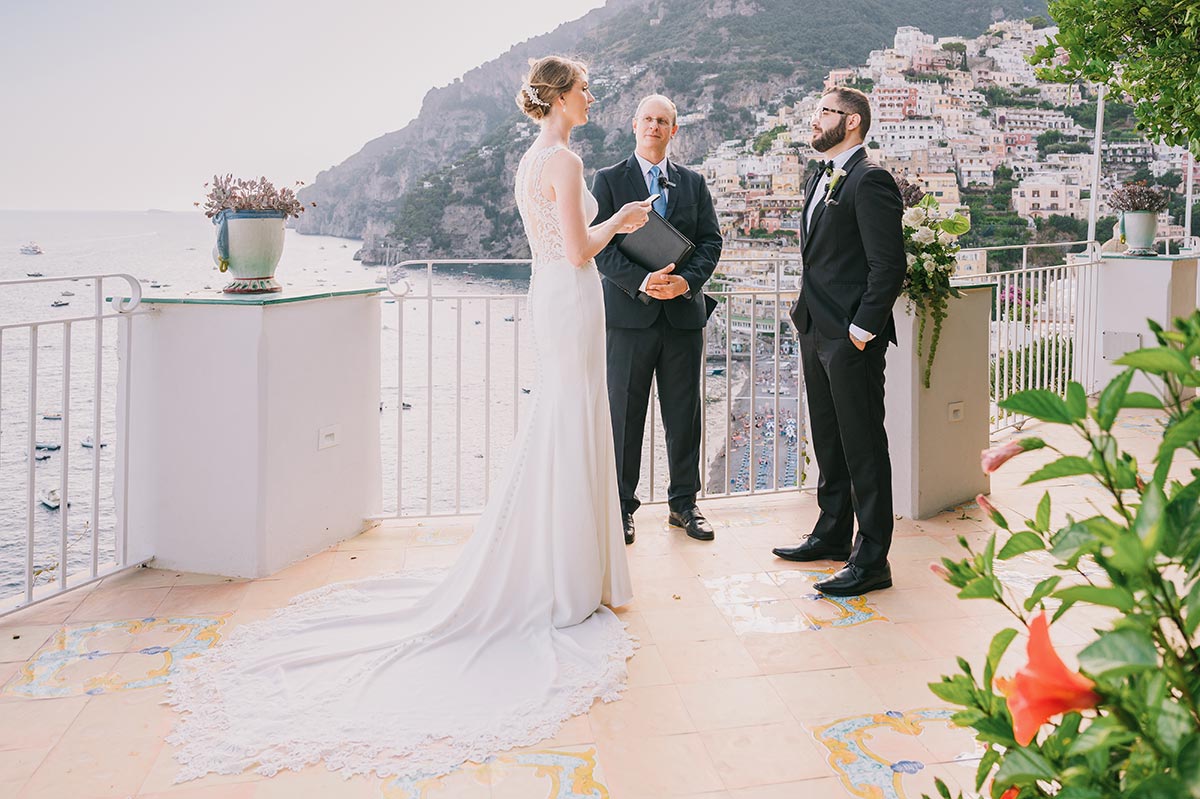
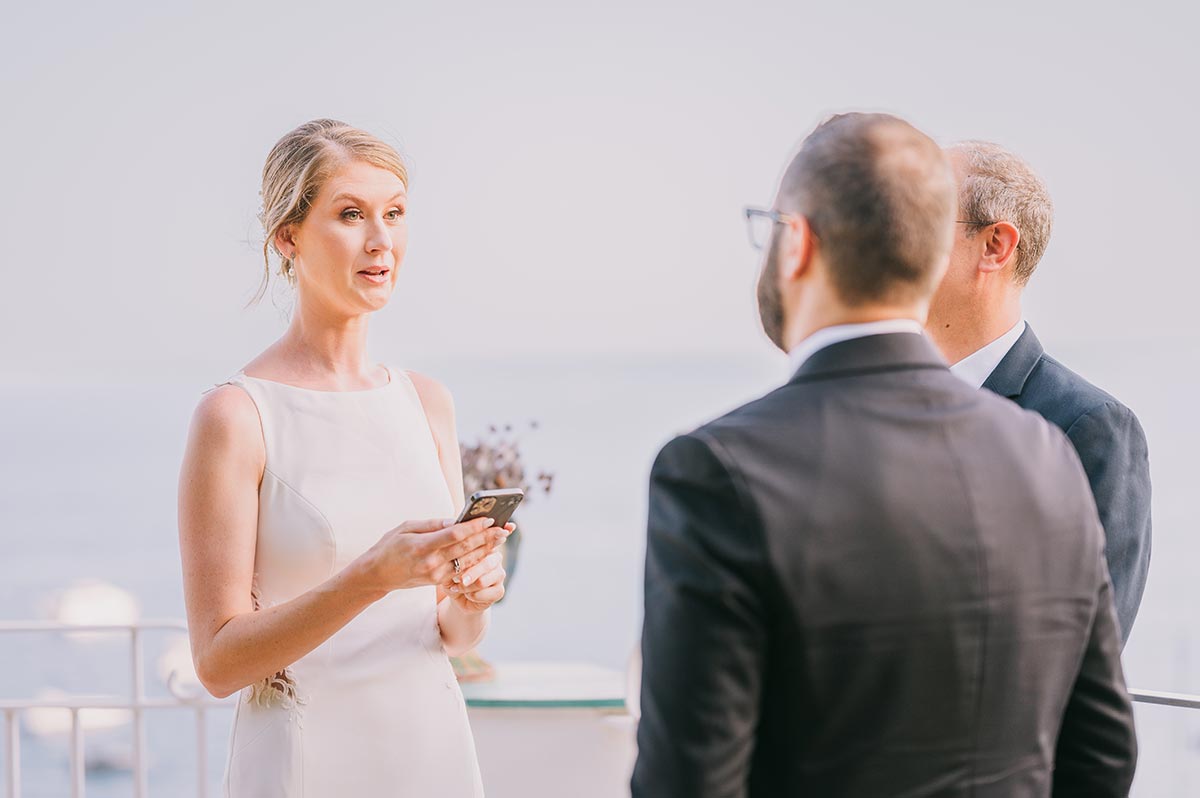
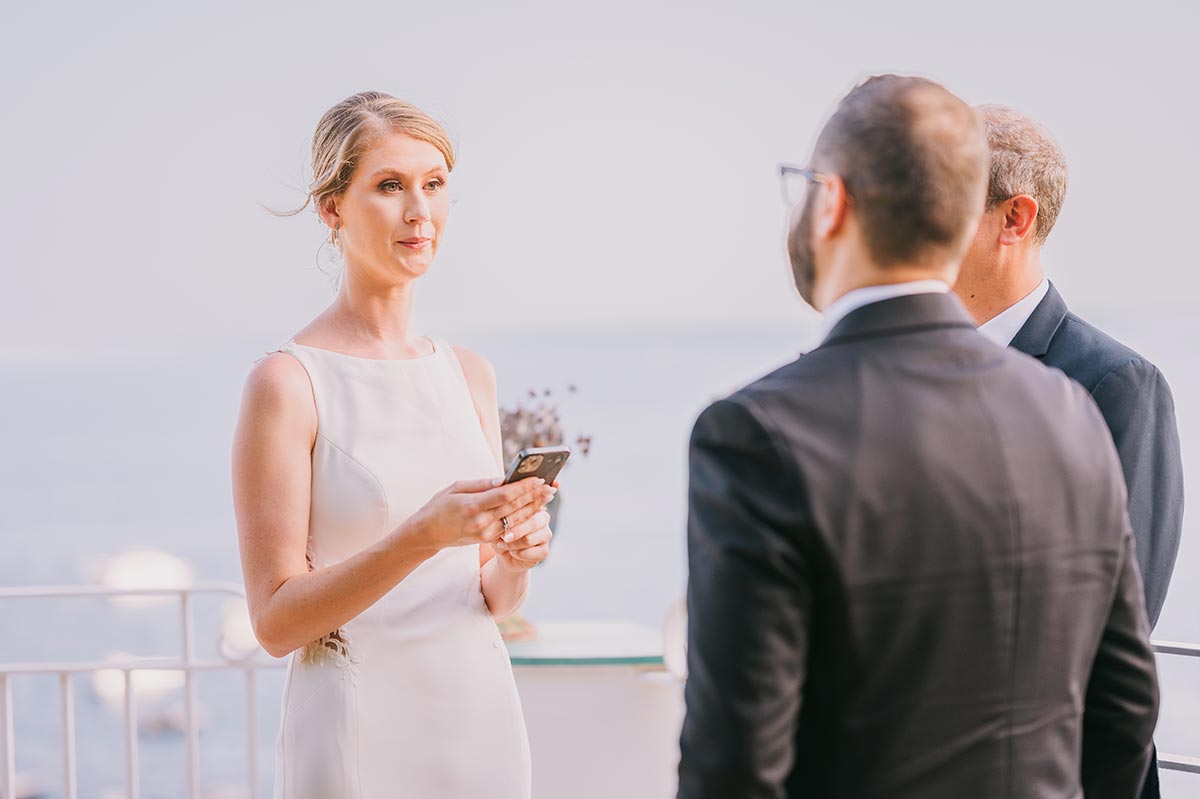
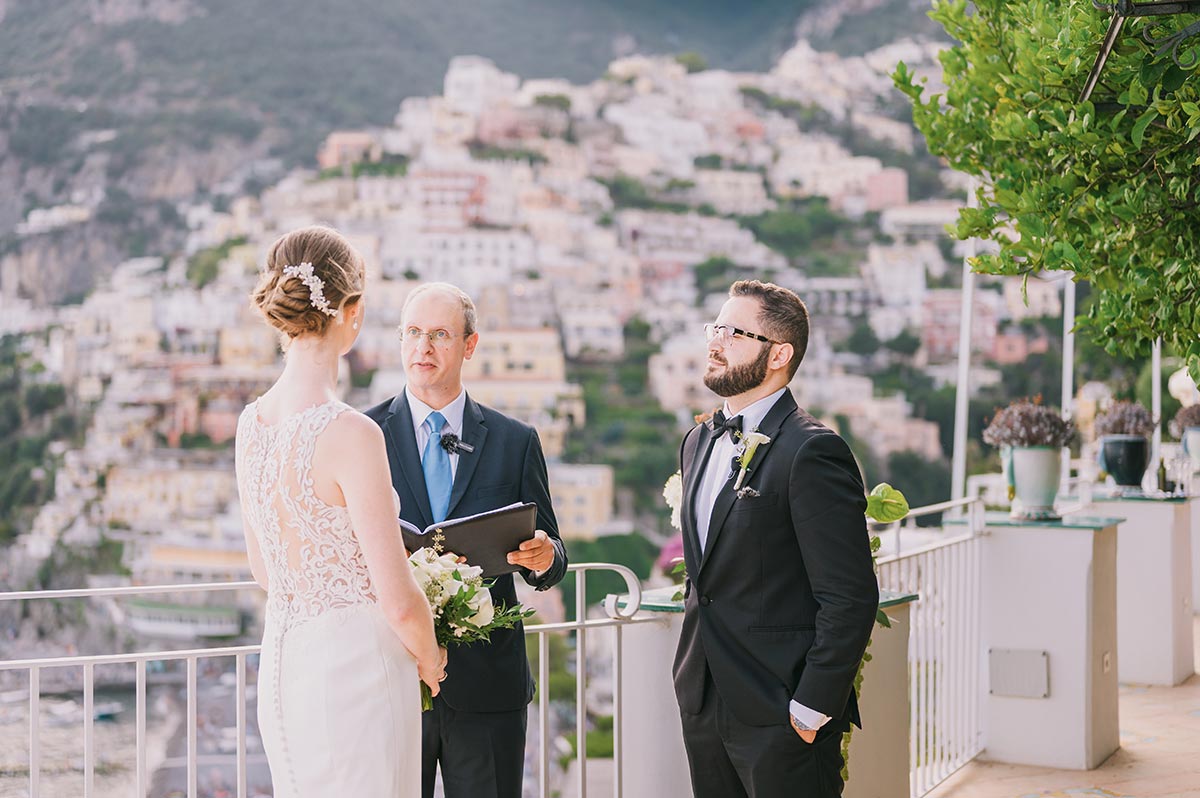
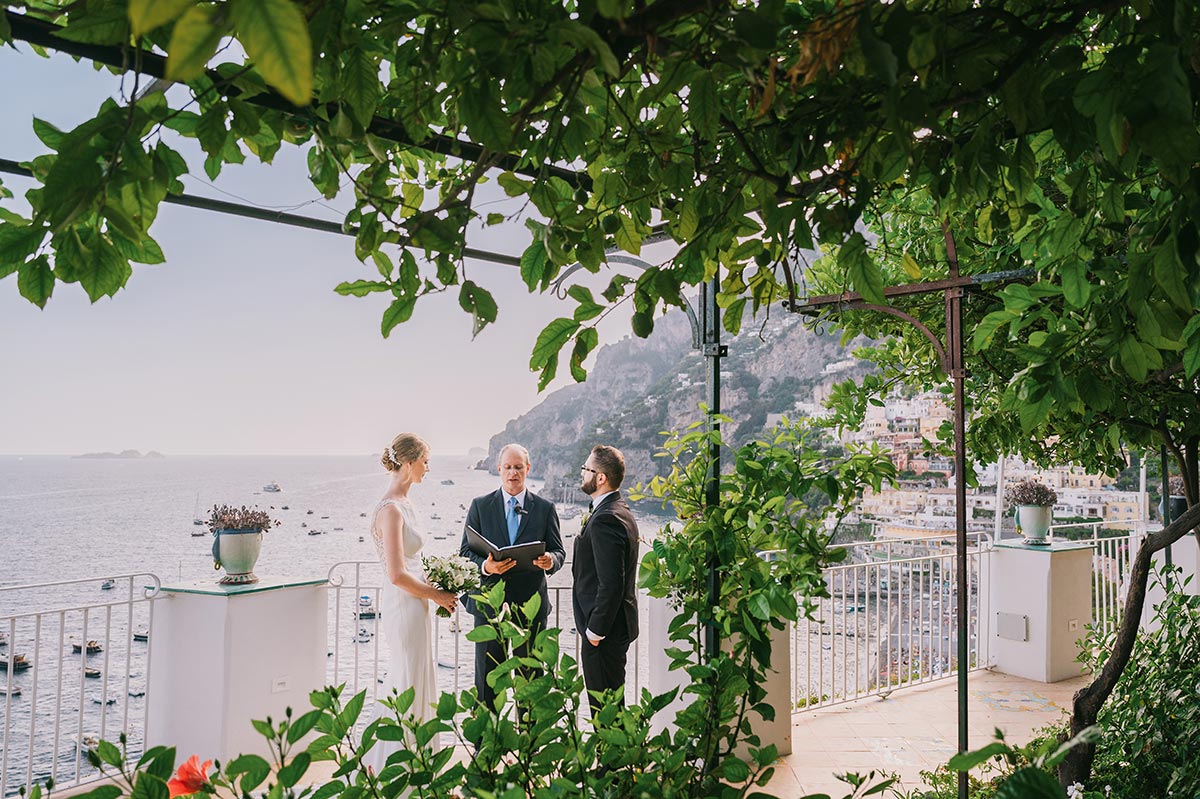
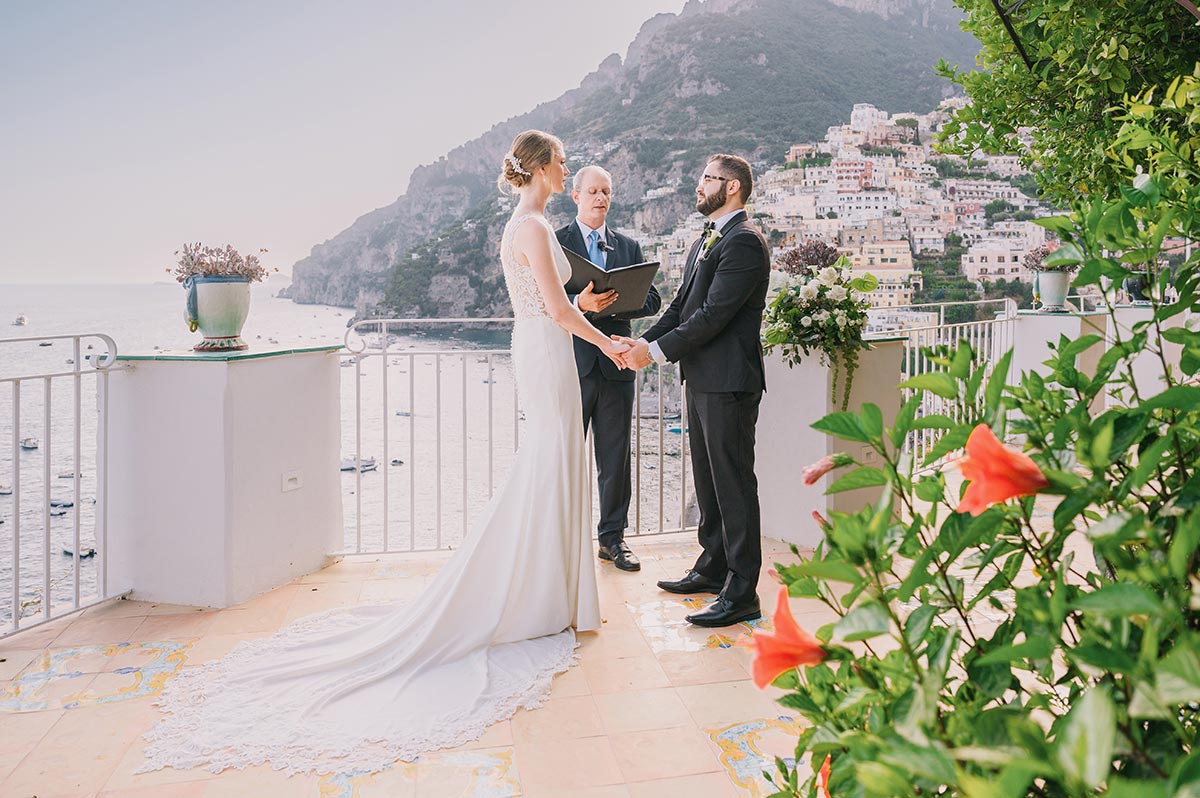
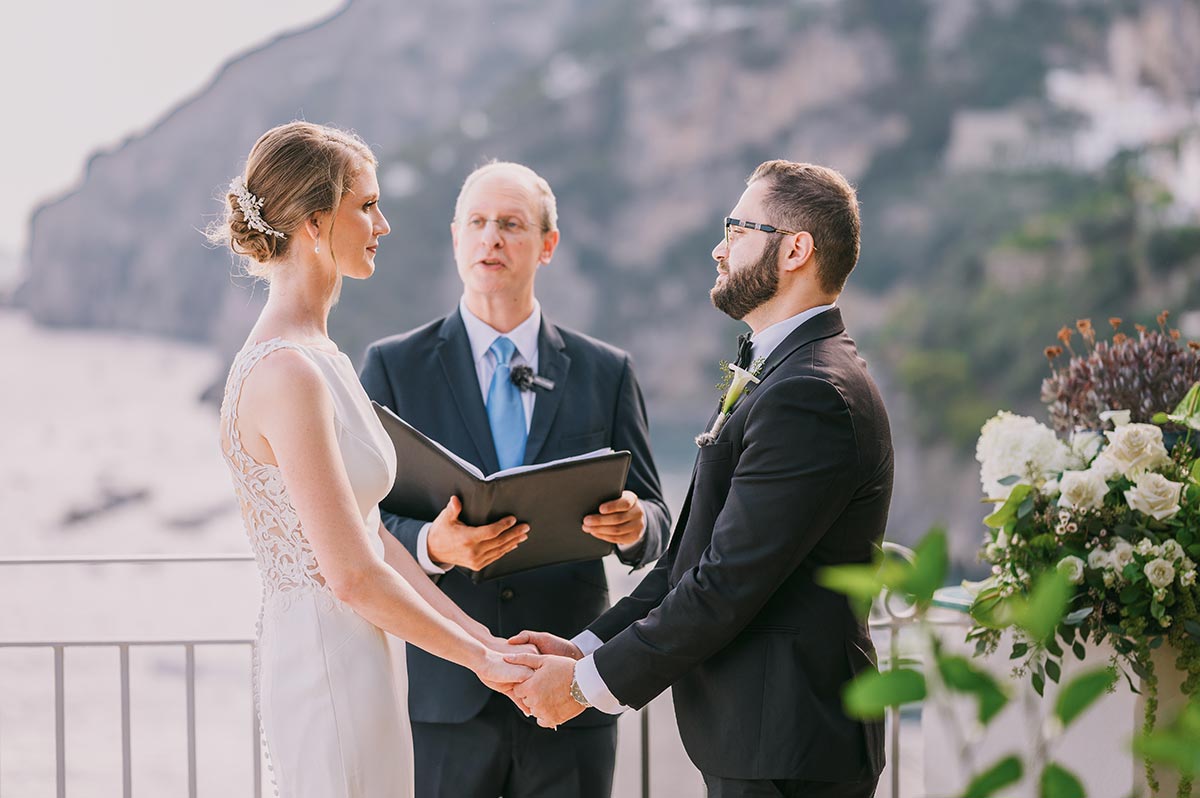
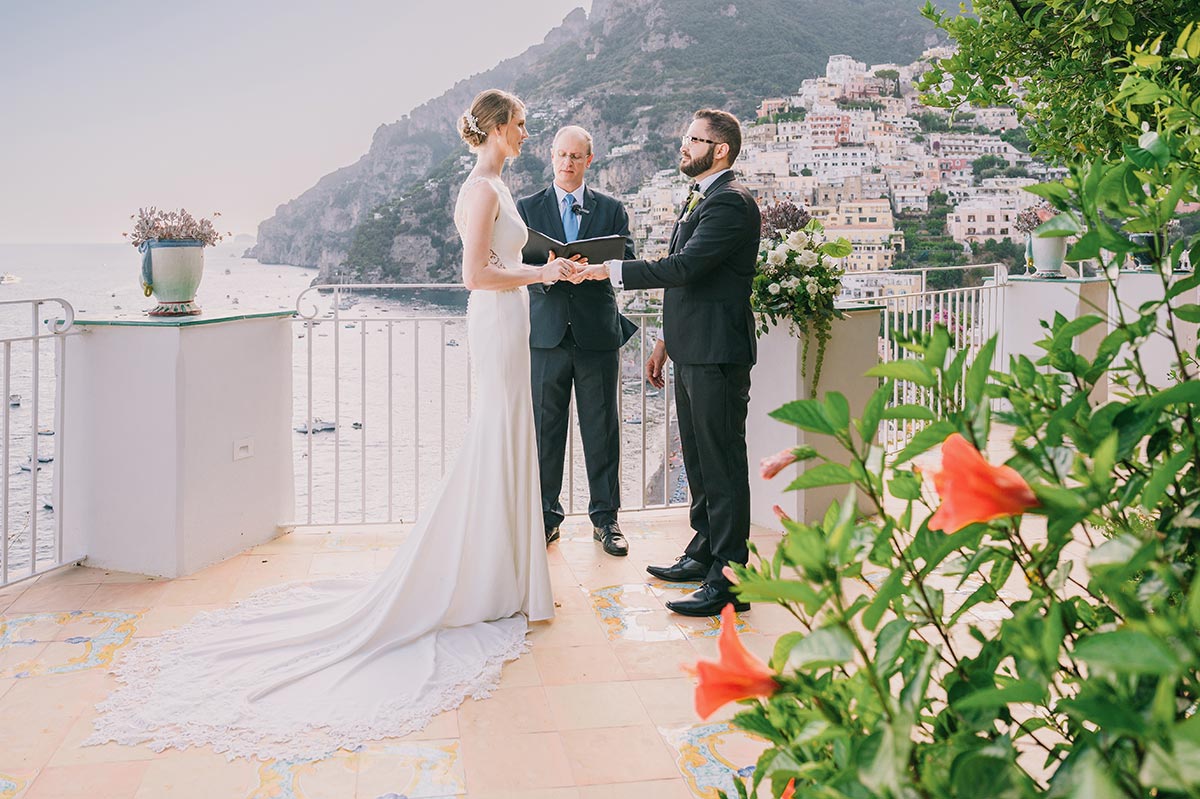
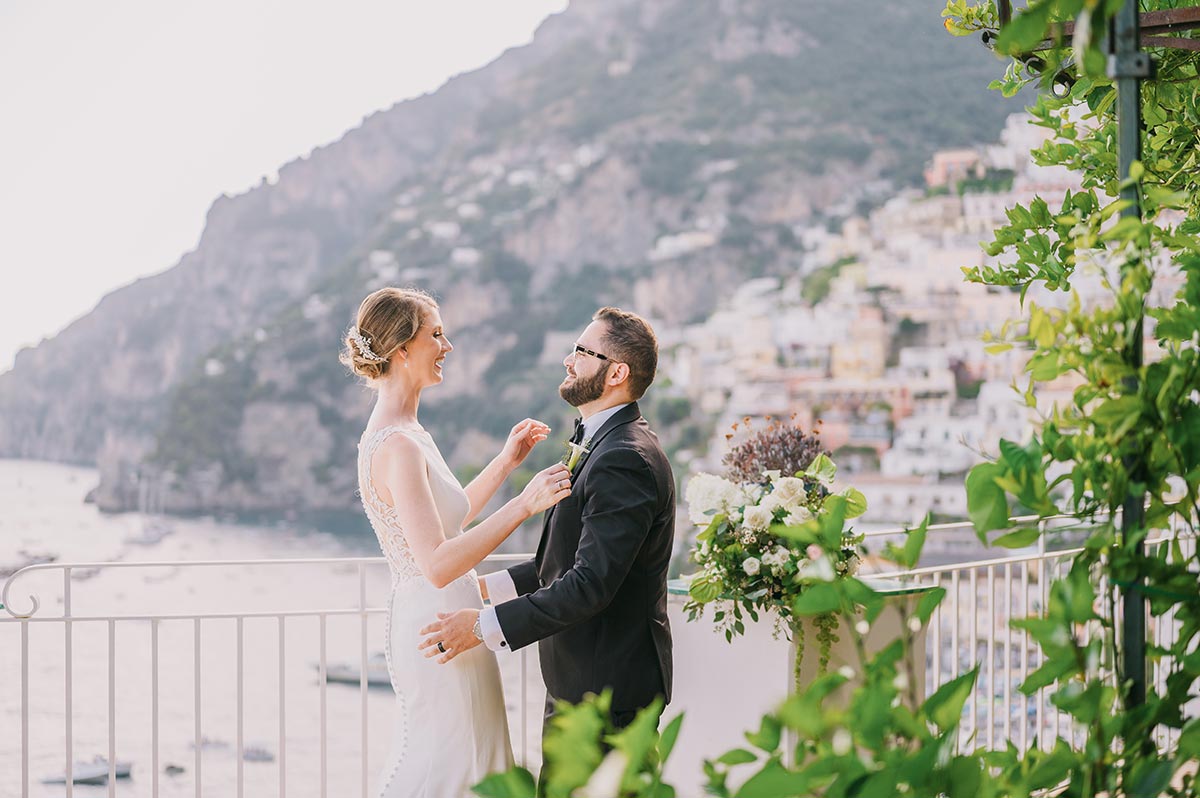
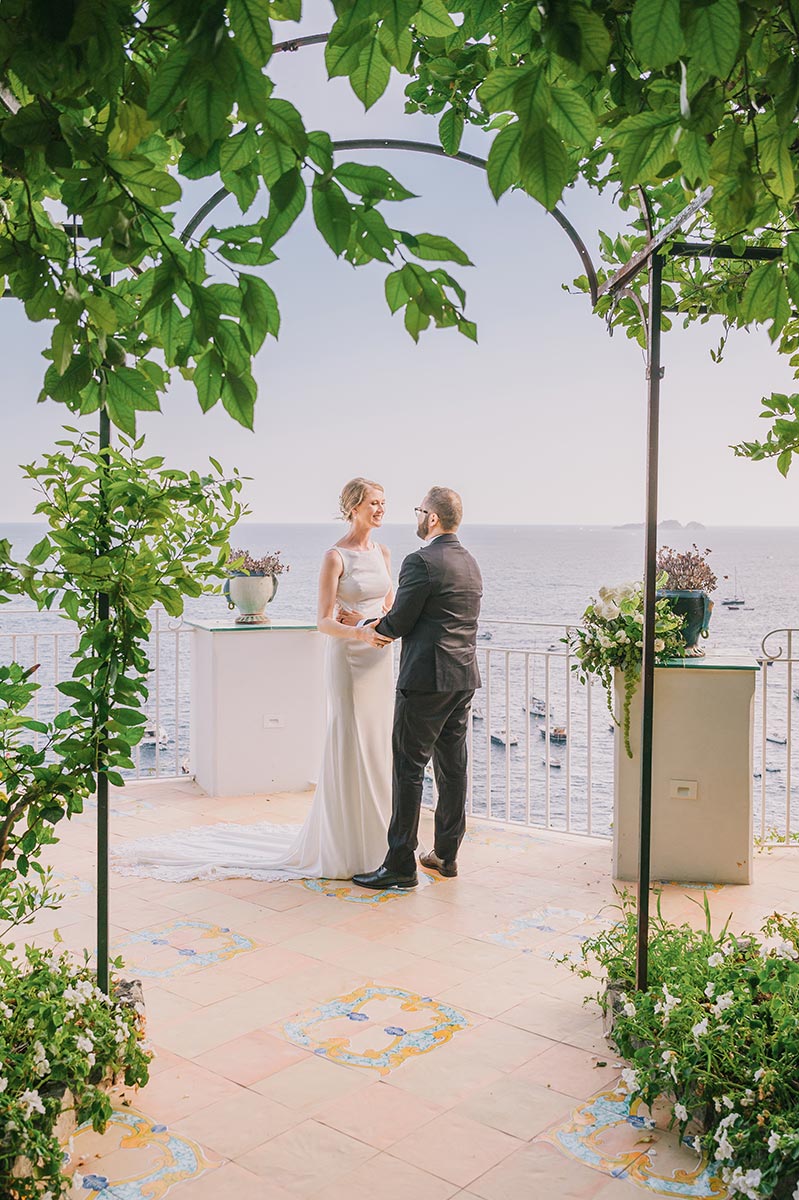
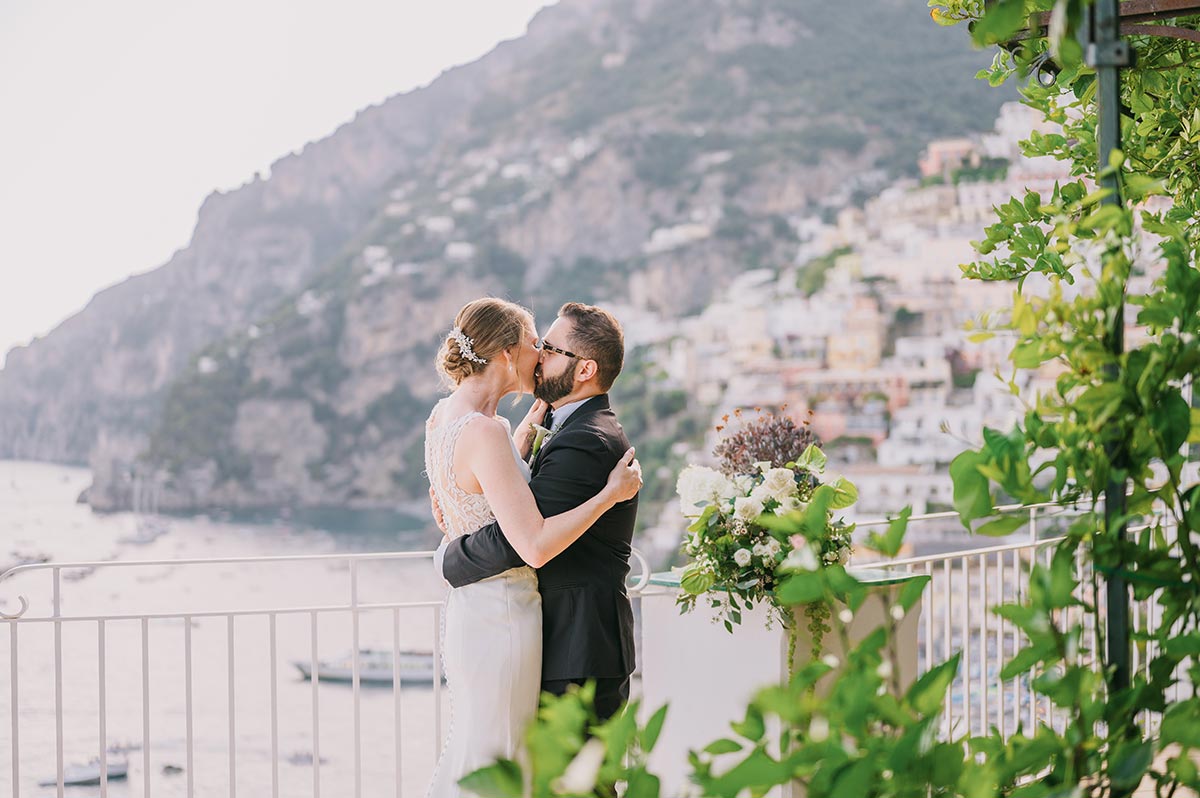
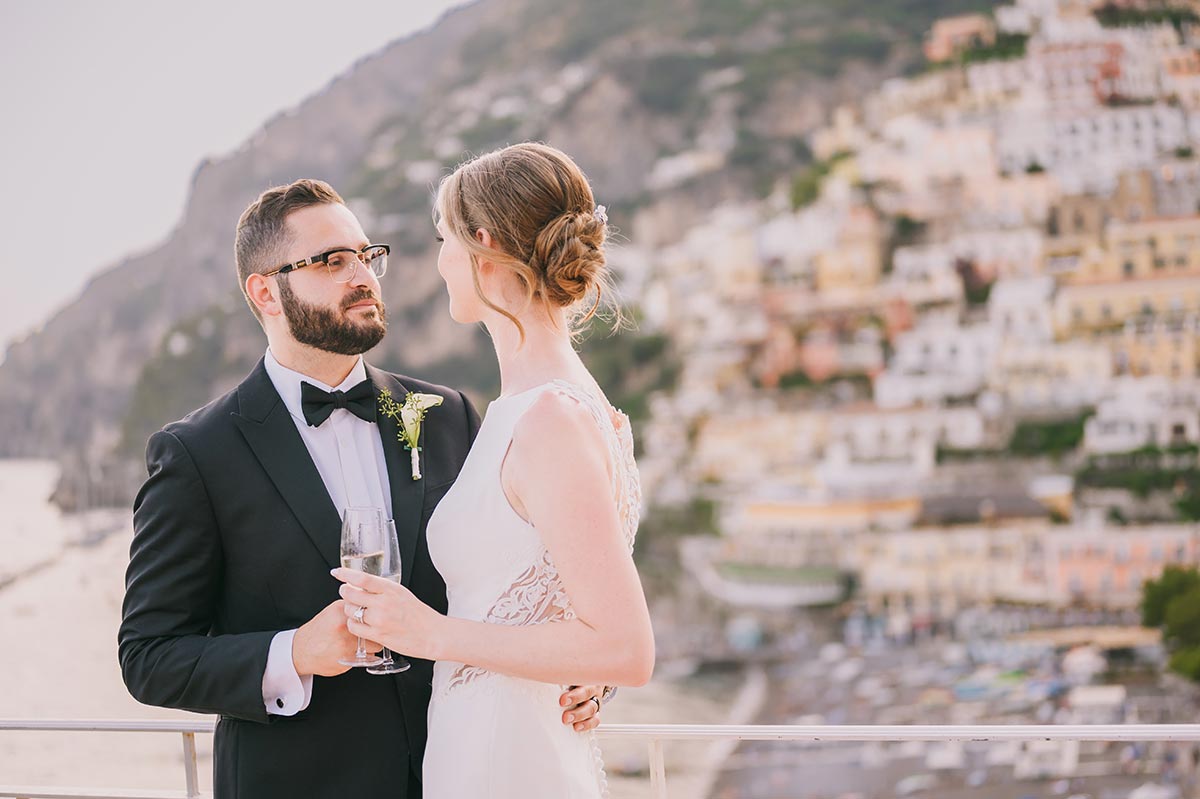
The Prestige Suite, with its expansive terrace and panoramic view of Positano cascading toward the shimmering sea, provided a breathtaking private setting for their symbolic ceremony. Under the warm Mediterranean sun, surrounded by blooming flowers and a gentle sea breeze, Megan and Ilkin exchanged vows that marked the beginning of their lifelong journey together.




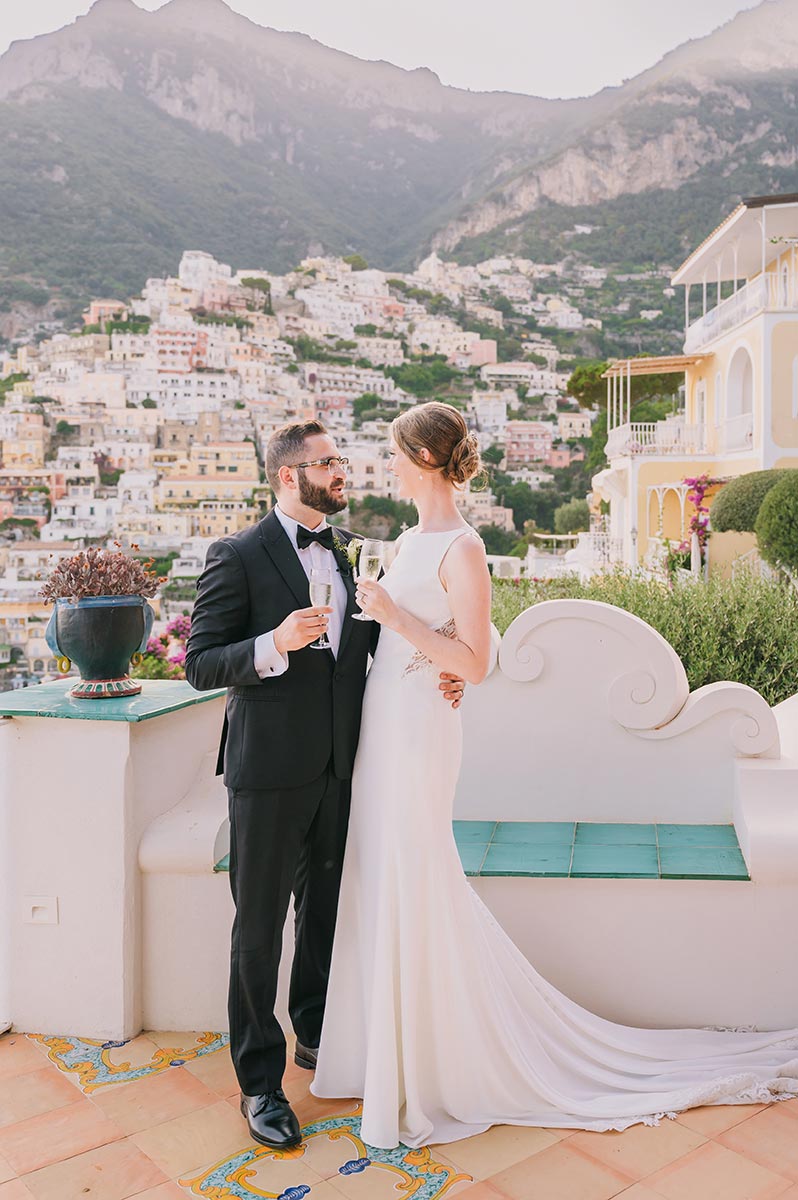
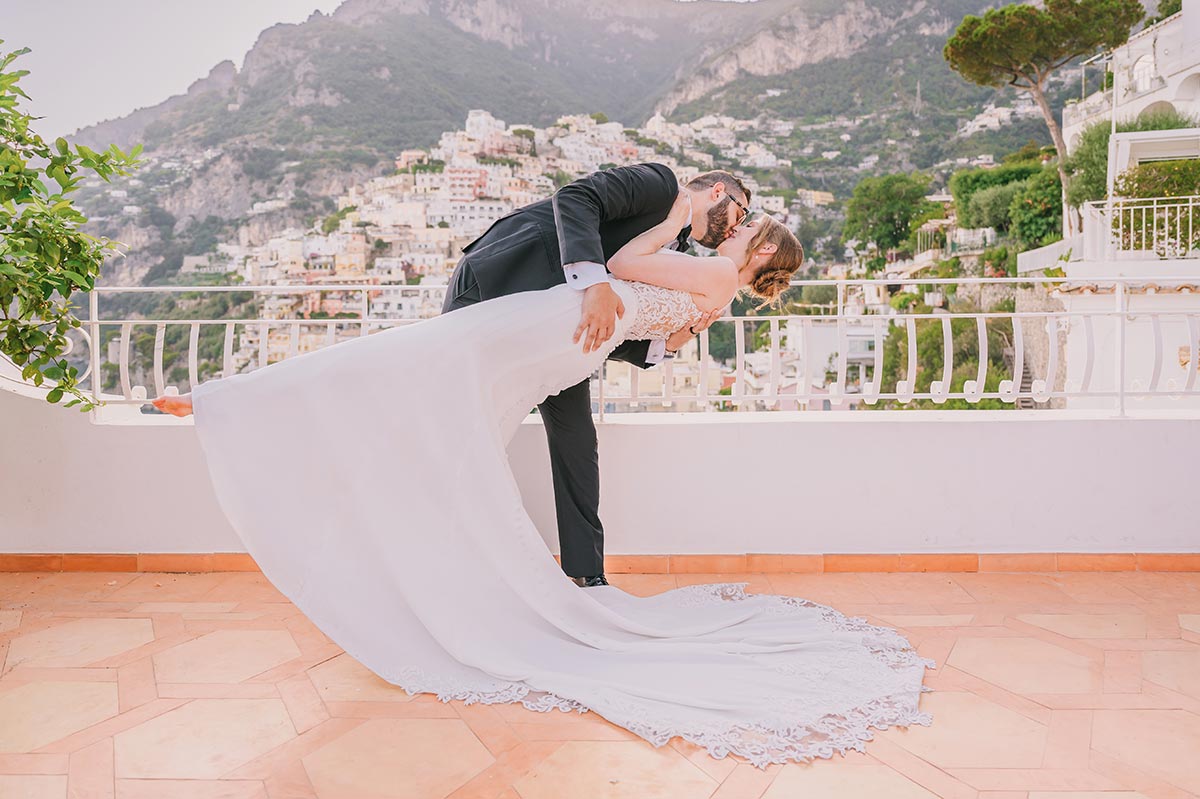
The Marincanto is truly unique in blending luxury with the warmth of a family-owned property. The terrace where Megan and Ilkin had their ceremony overlooks the entire town of Positano, with its iconic pastel buildings, crystal blue waters, and endless sky. Standing on that terrace makes you feel as though time has stopped.
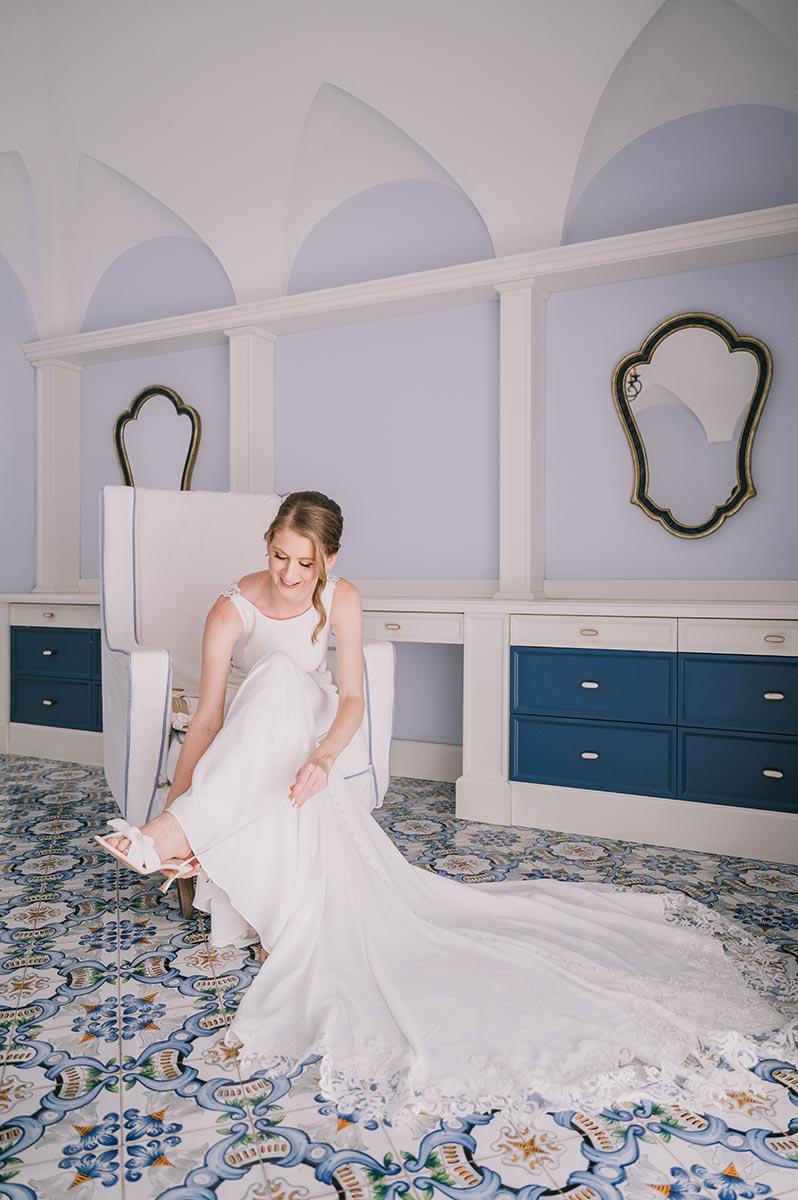
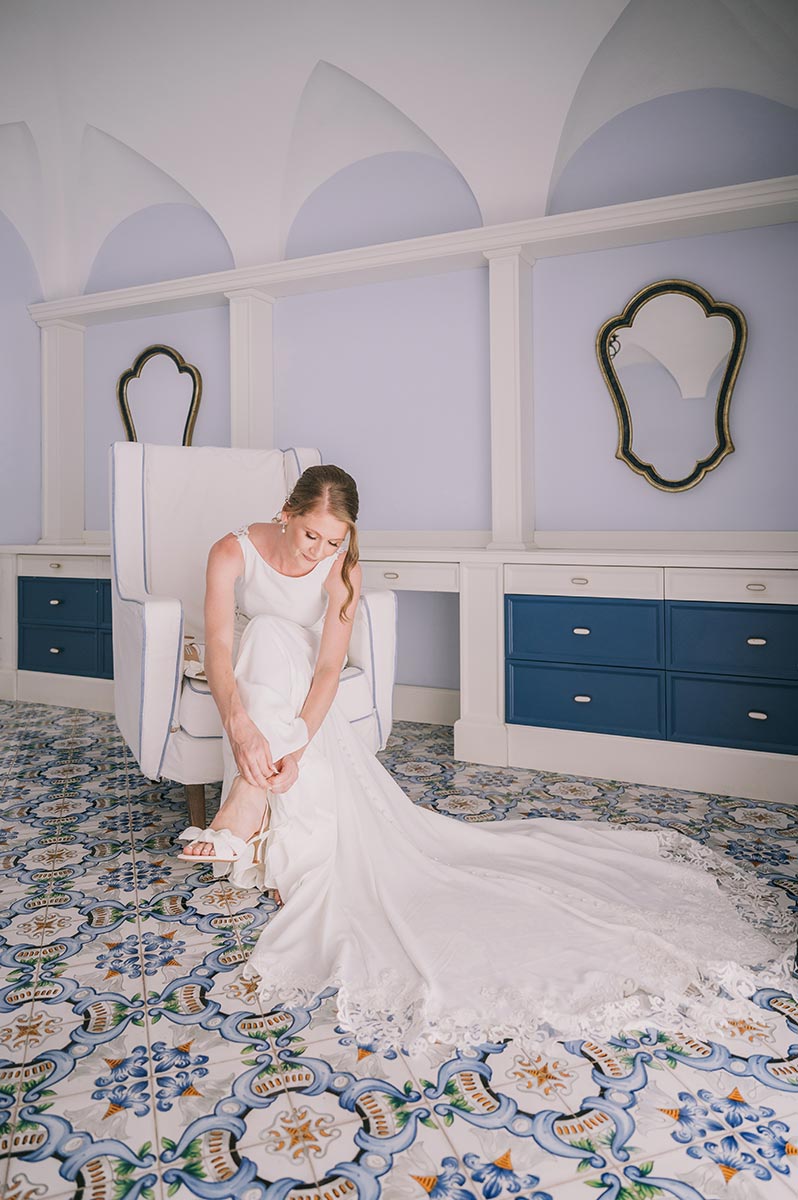
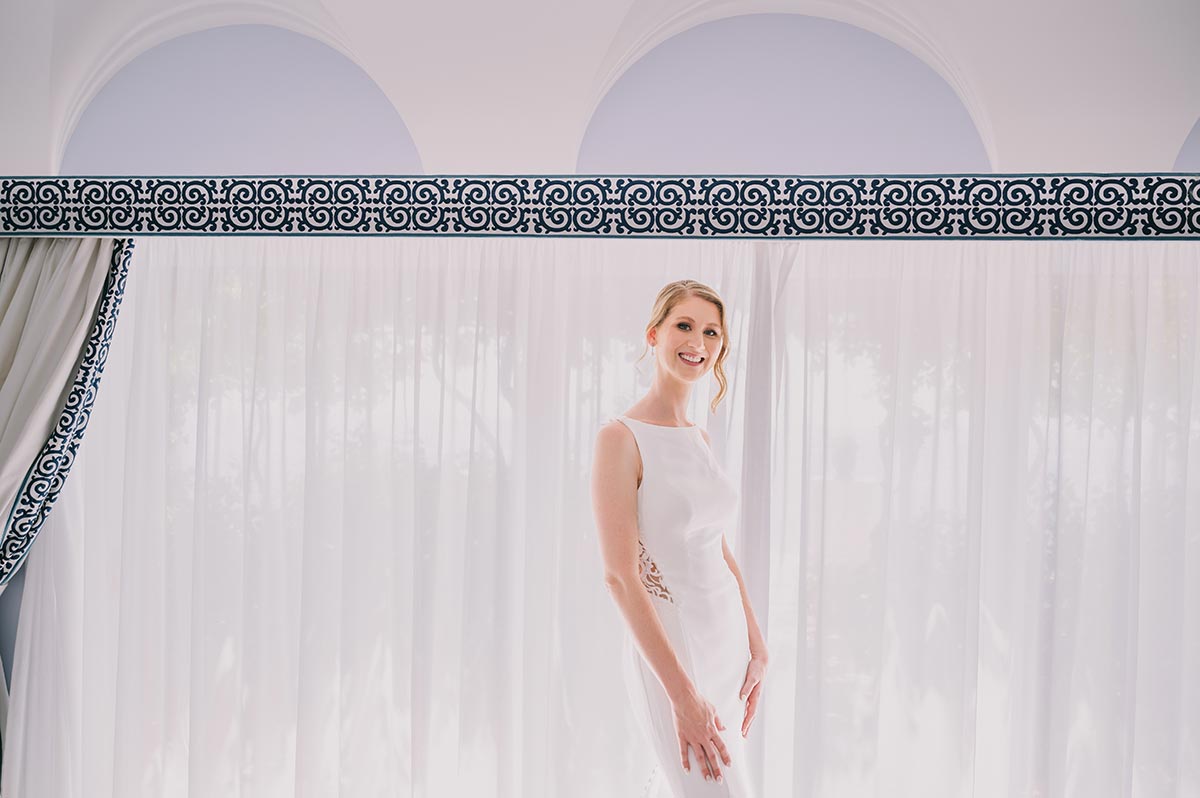
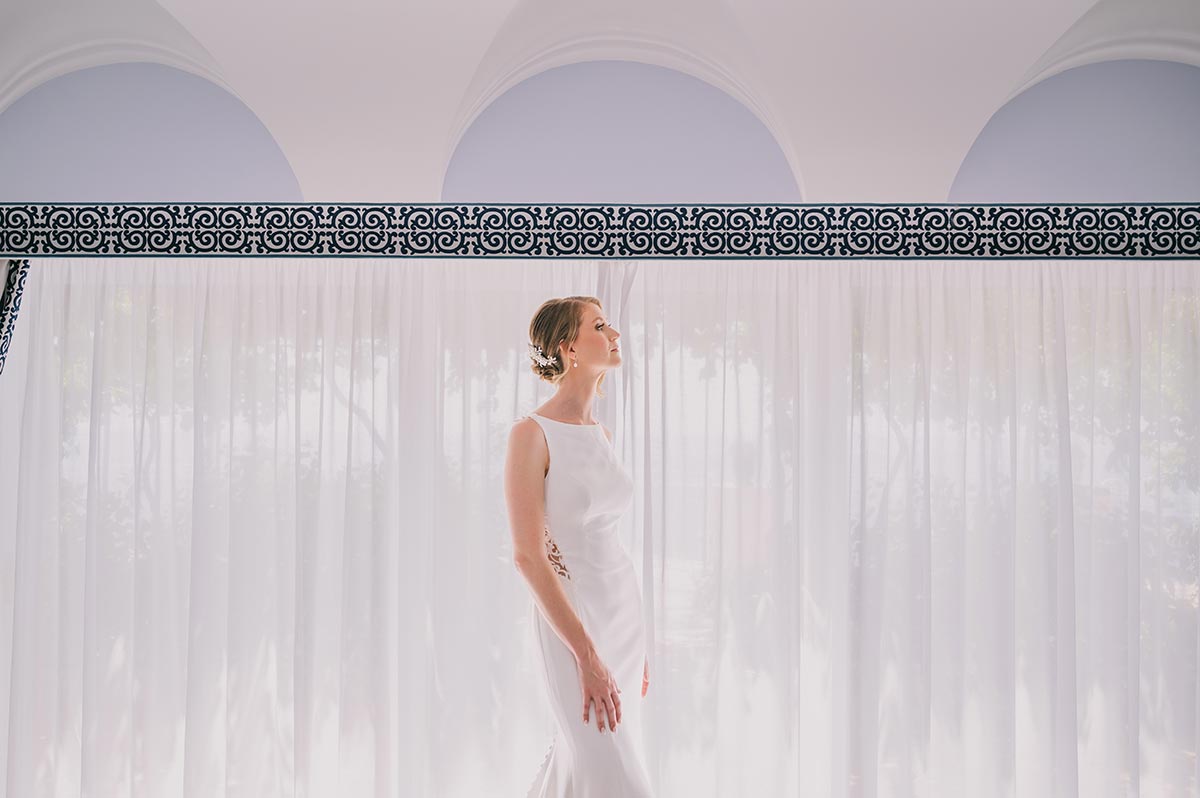
For Megan and Ilkin, it was the perfect setting for their vows, made even more special by the golden glow of an Amalfi summer. The gentle sea breeze, the scents of lemons, and the distant murmur of waves all contributed to an atmosphere of pure enchantment.
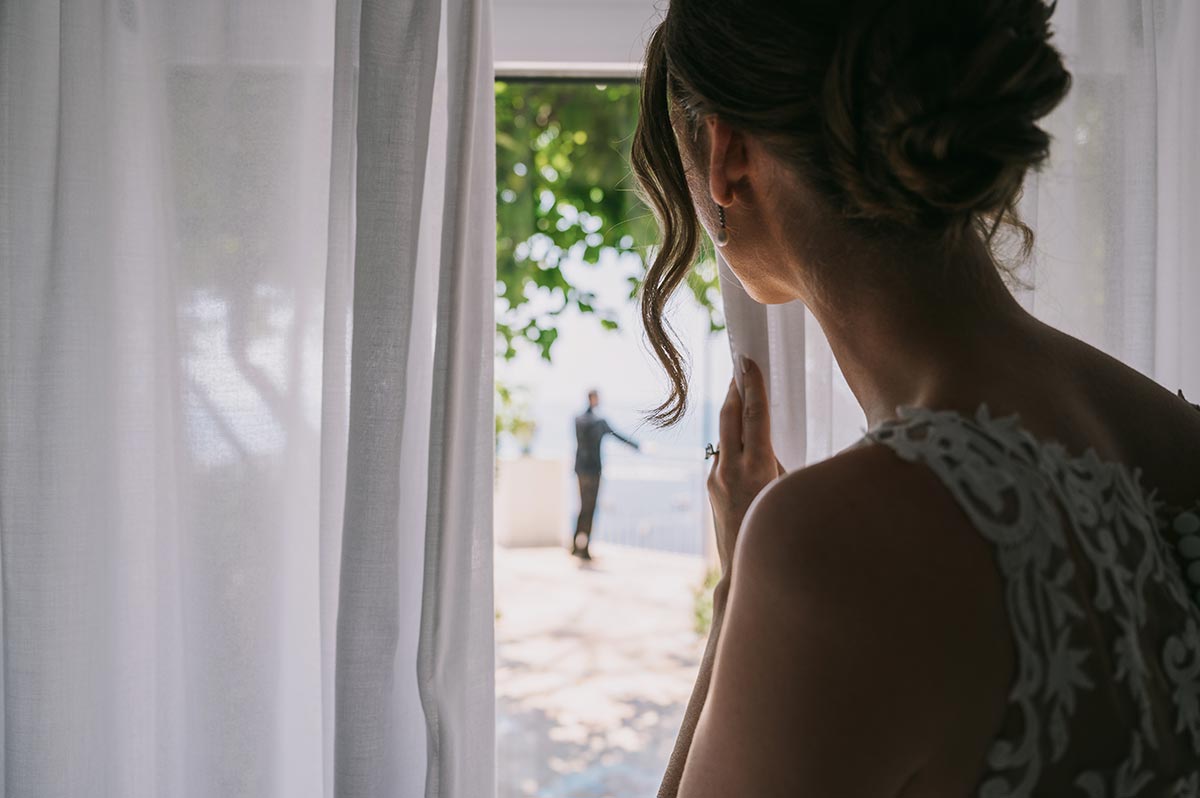
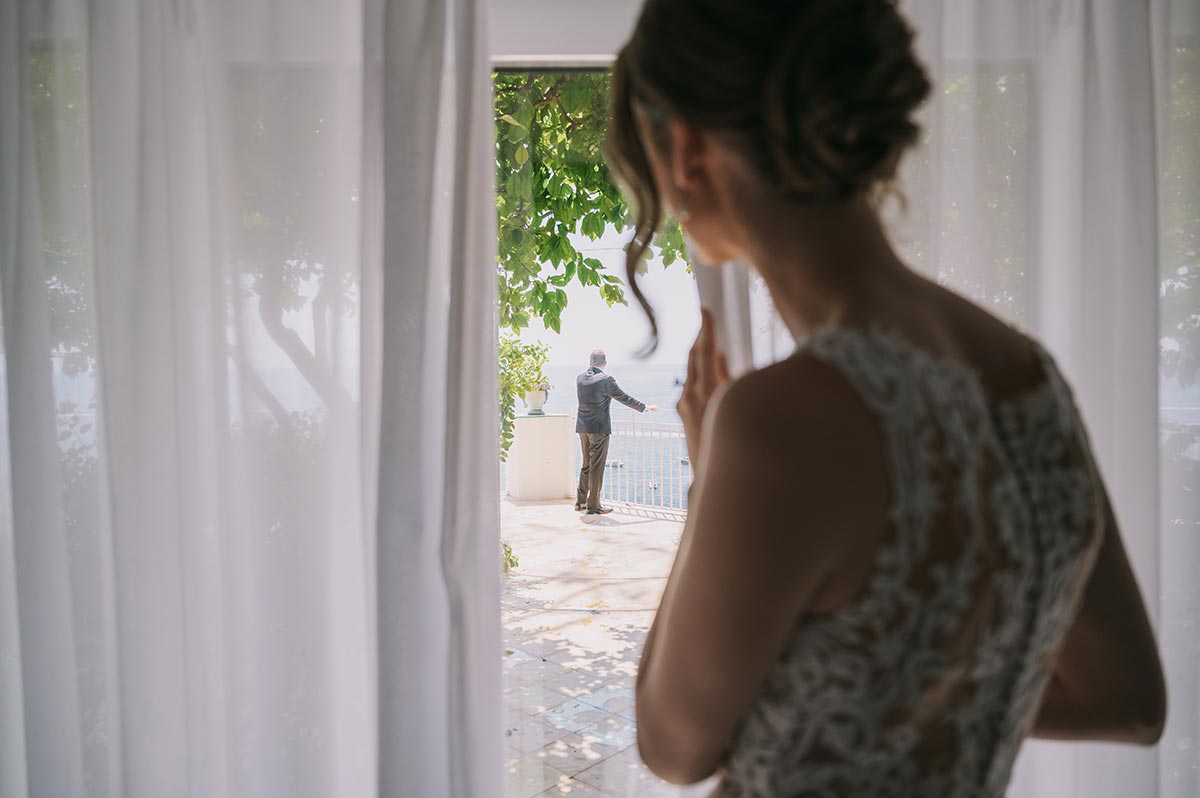
Hotel Marincanto offers an unforgettable elopement experience, and you can find more information on our Hotel Marincanto wedding page.
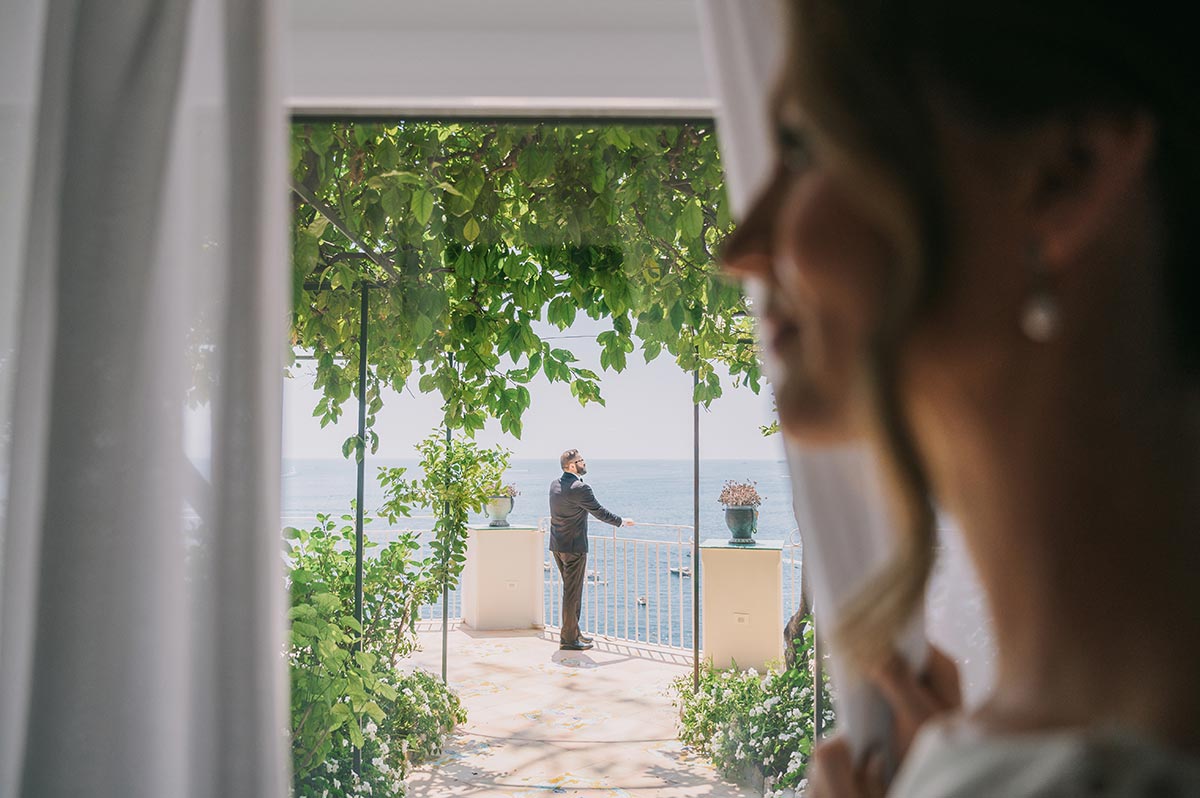
For couples like Megan and Ilkin, this setting provides the perfect combination of privacy, luxury, and authentic Italian charm that creates memories to last a lifetime.


Escaping the Crowds: A Photoshoot in Praiano and Marina di Praia
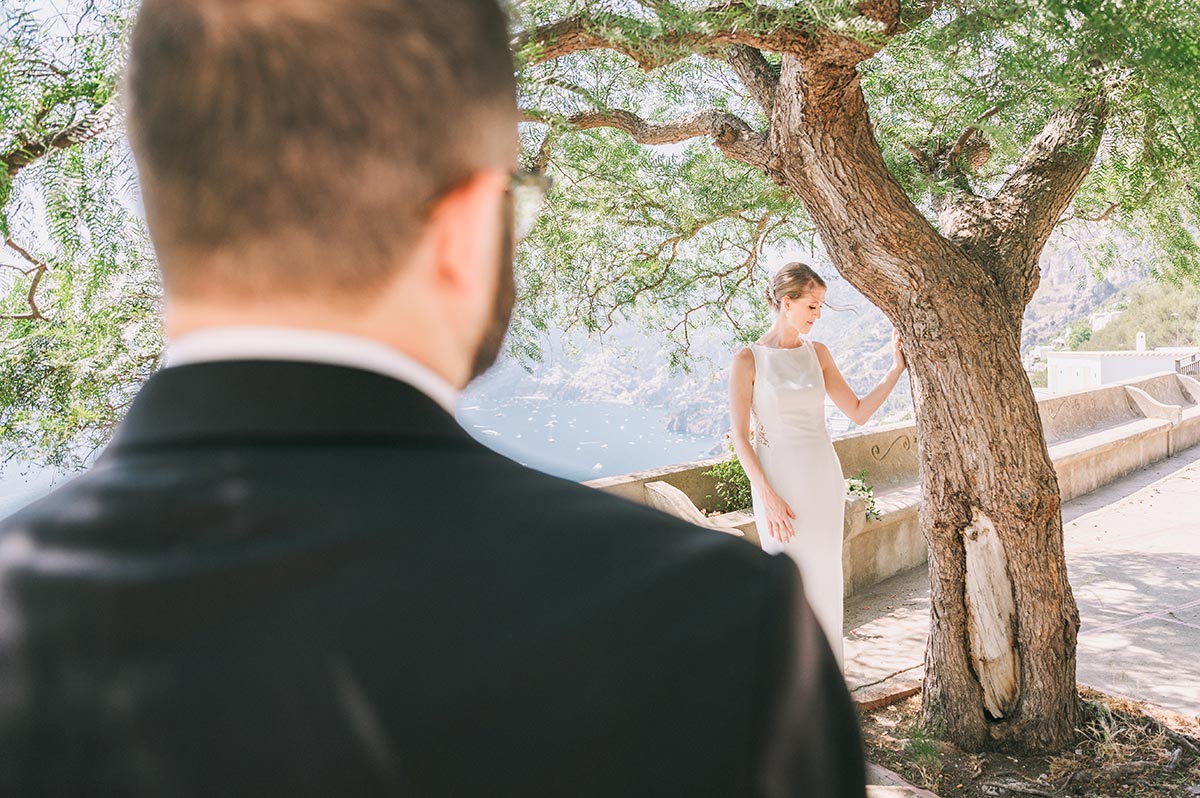
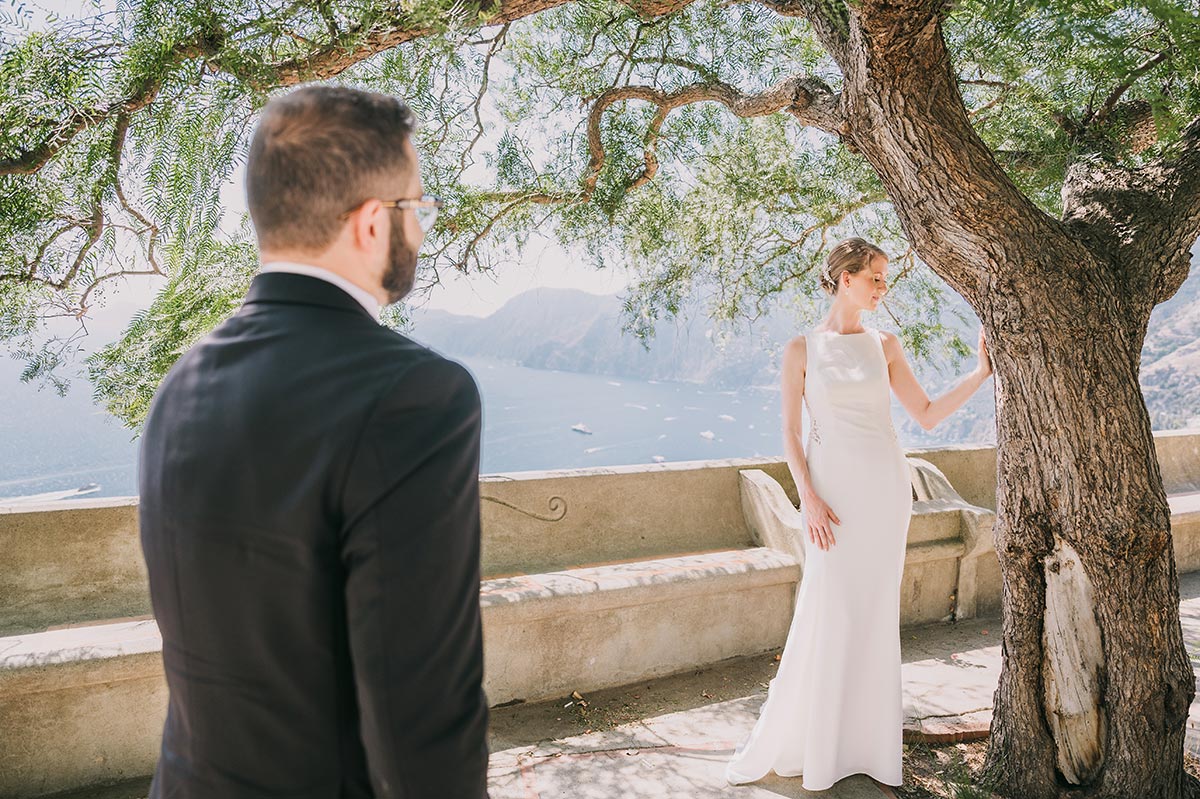
While Positano is undeniably picturesque, Megan and Ilkin wanted to avoid the bustling crowds that gather during the peak summer months. This is where our extensive local knowledge made all the difference. We suggested the nearby village of Praiano and the hidden gem of Marina di Praia for their elopement photoshoot, and it turned out to be the ideal choice.
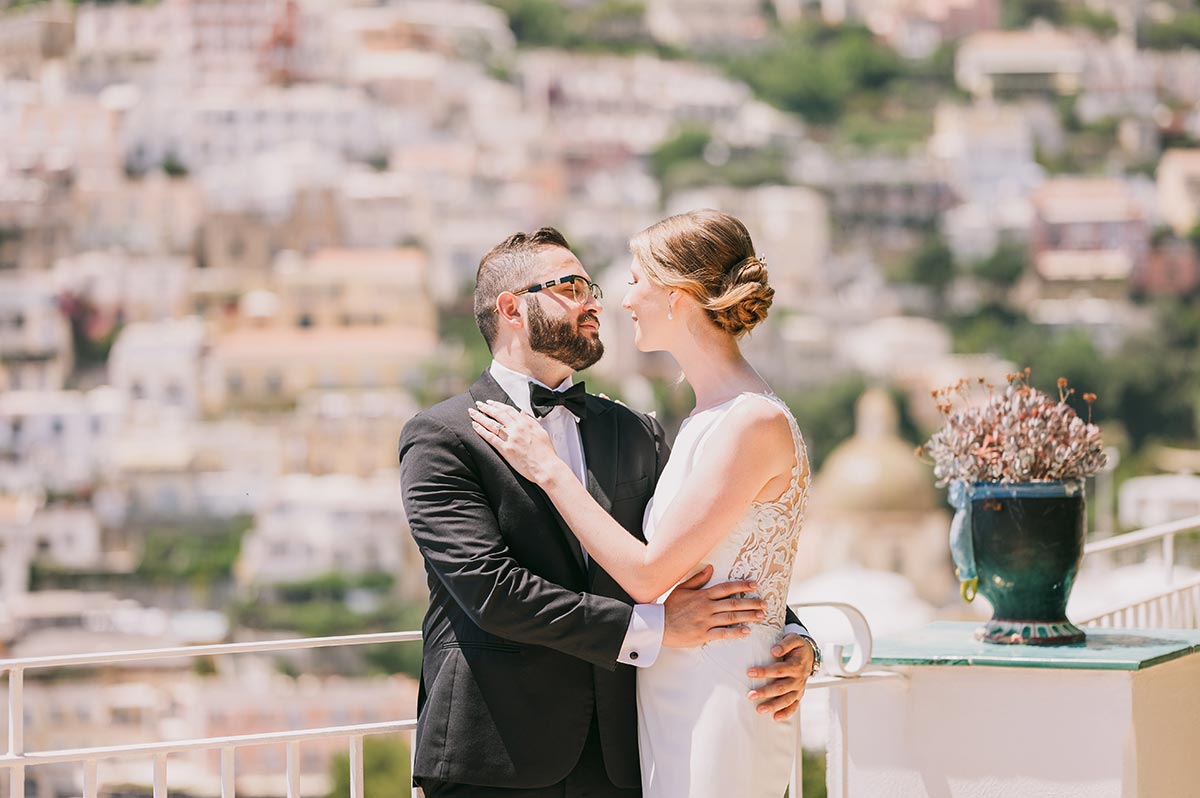
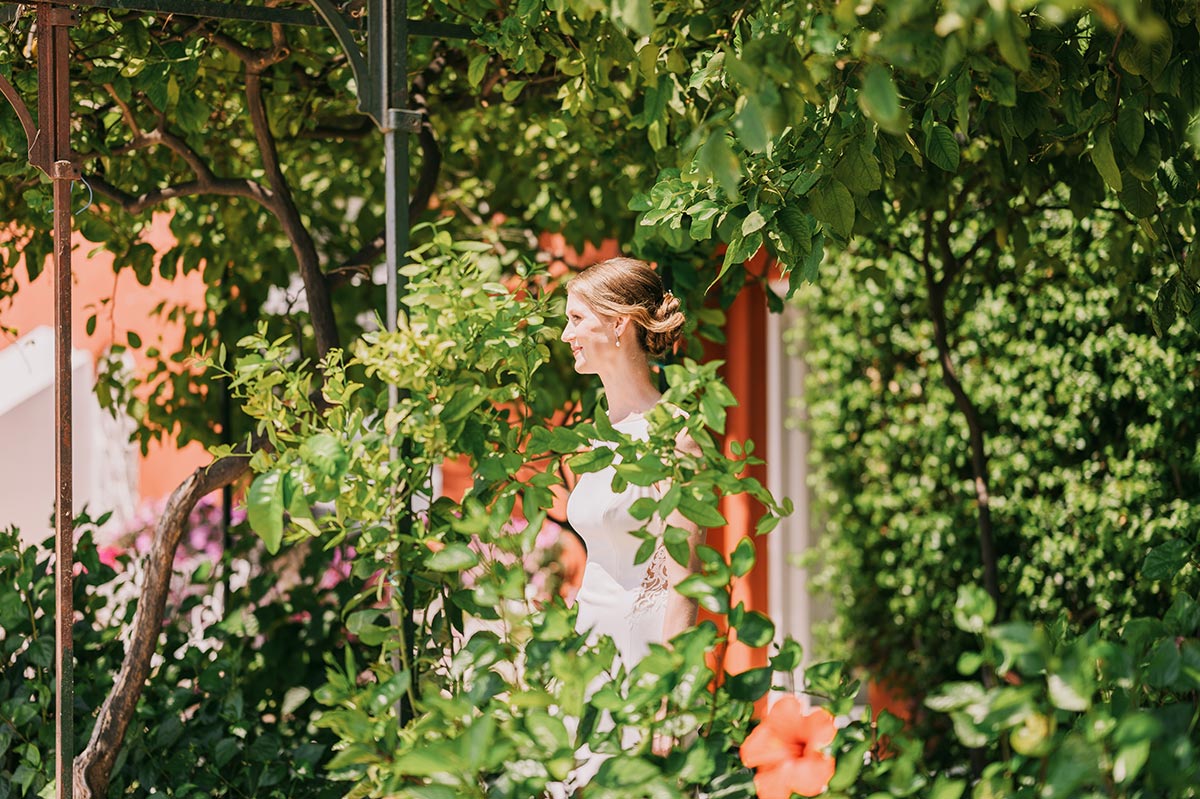
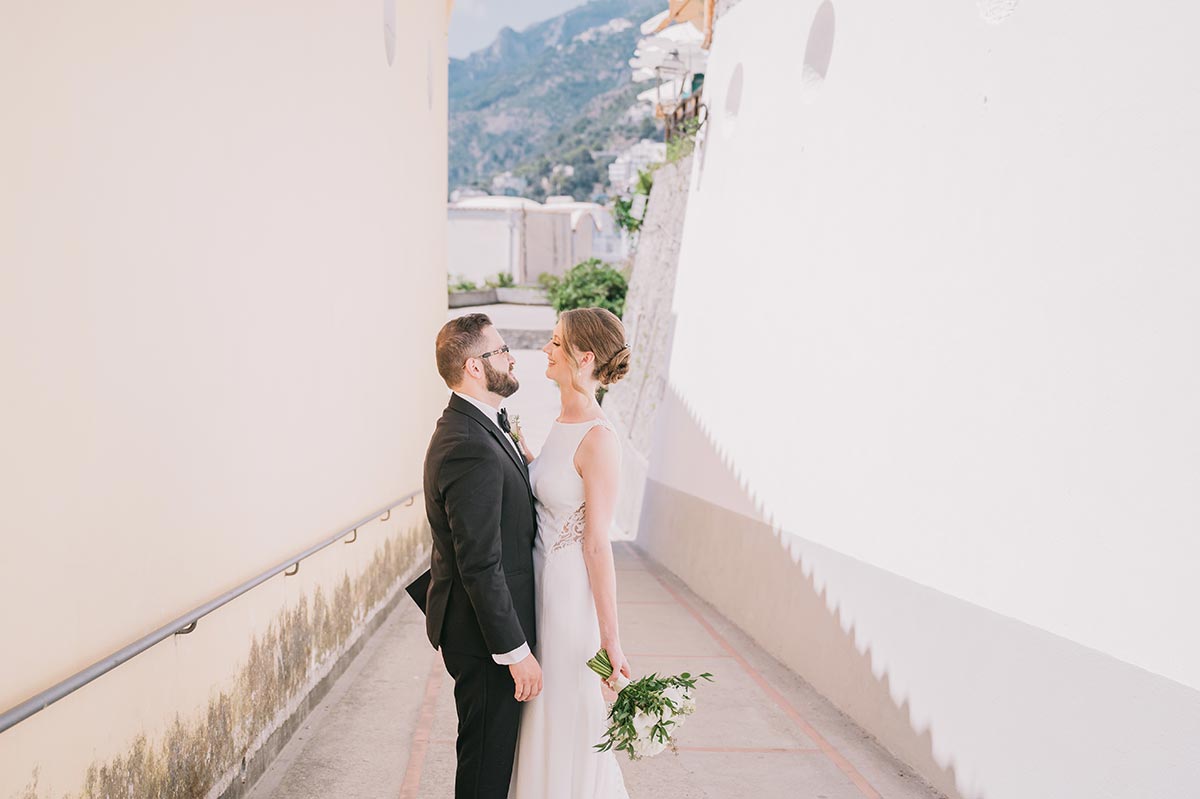
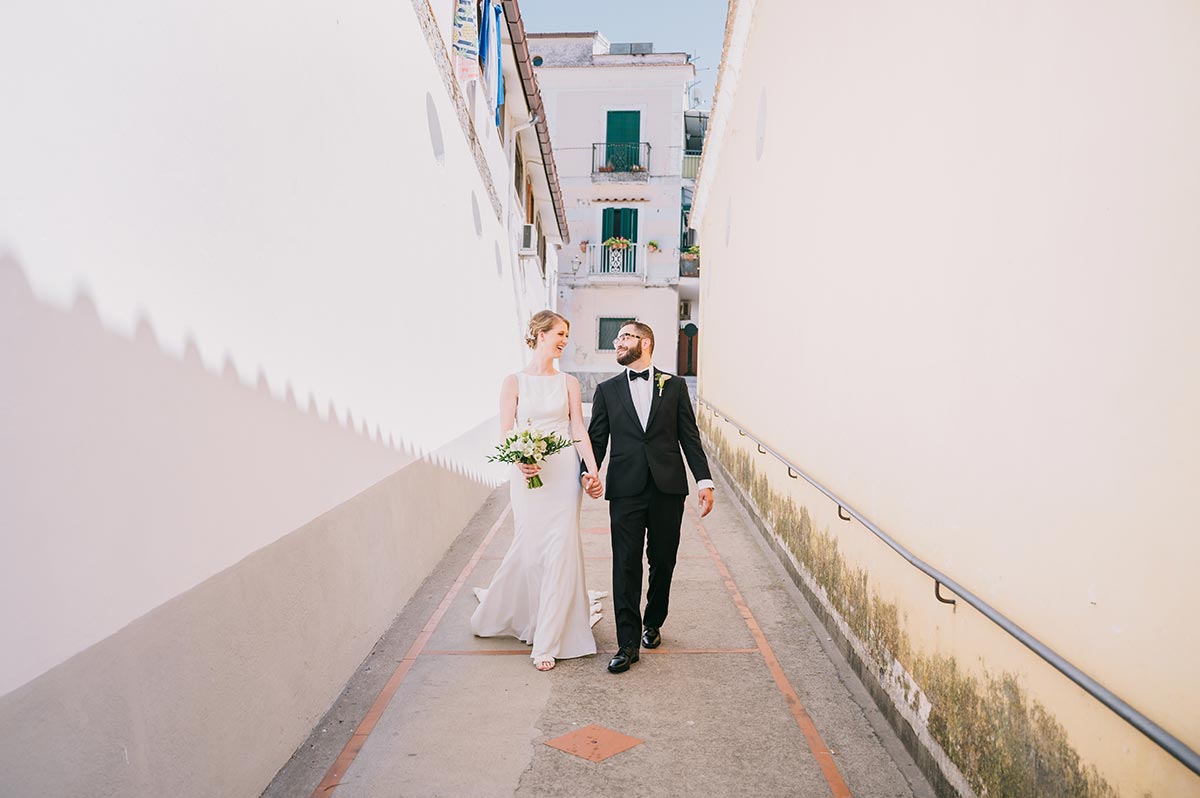
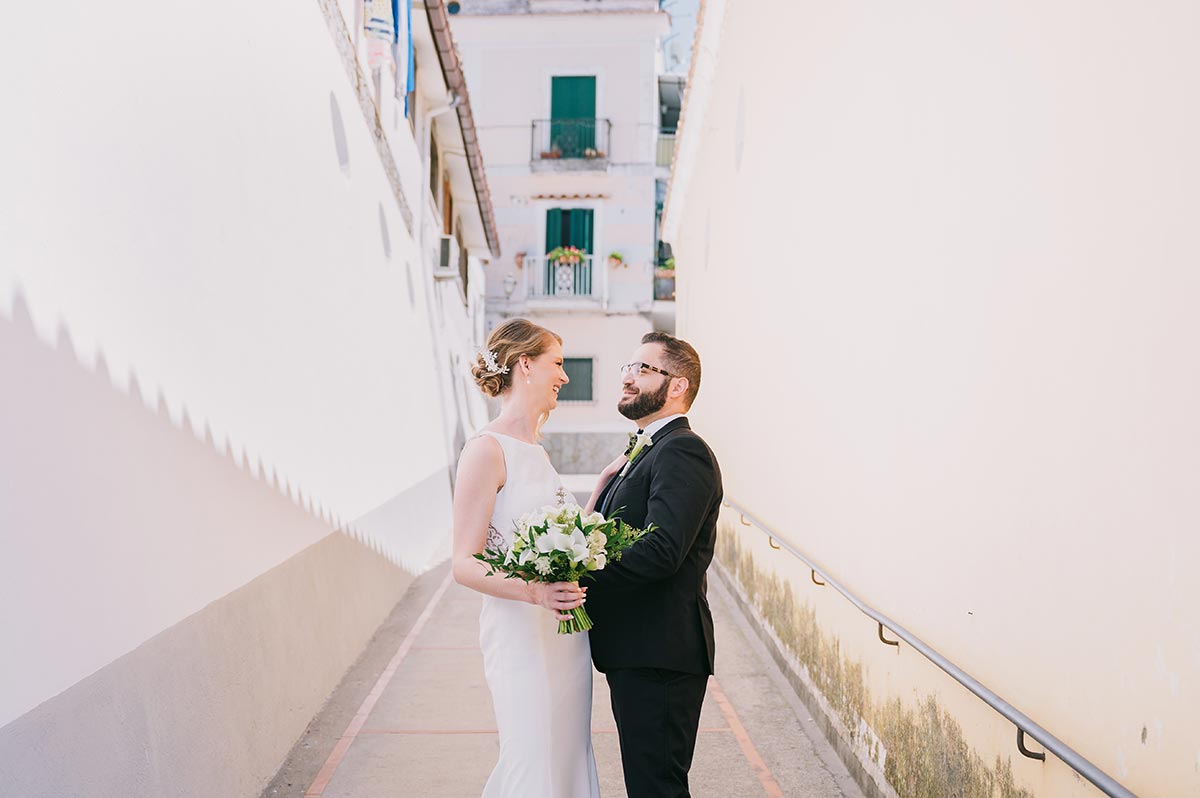
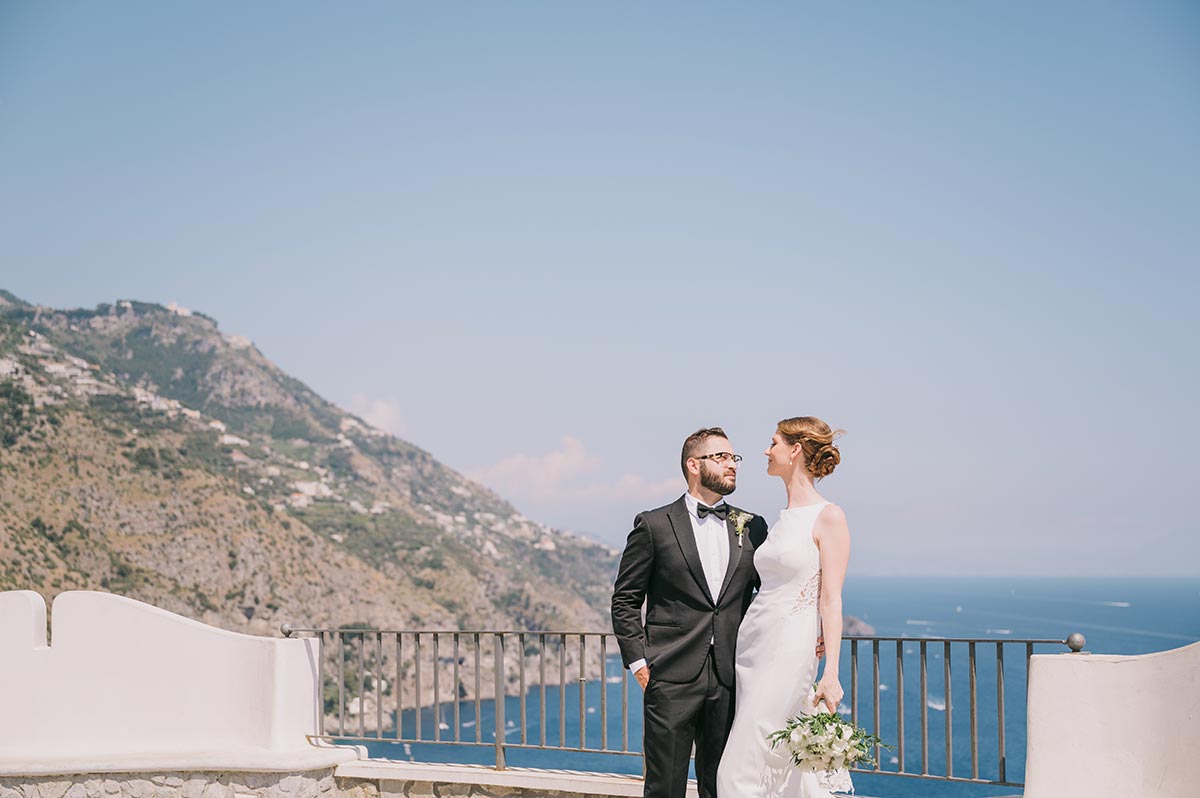
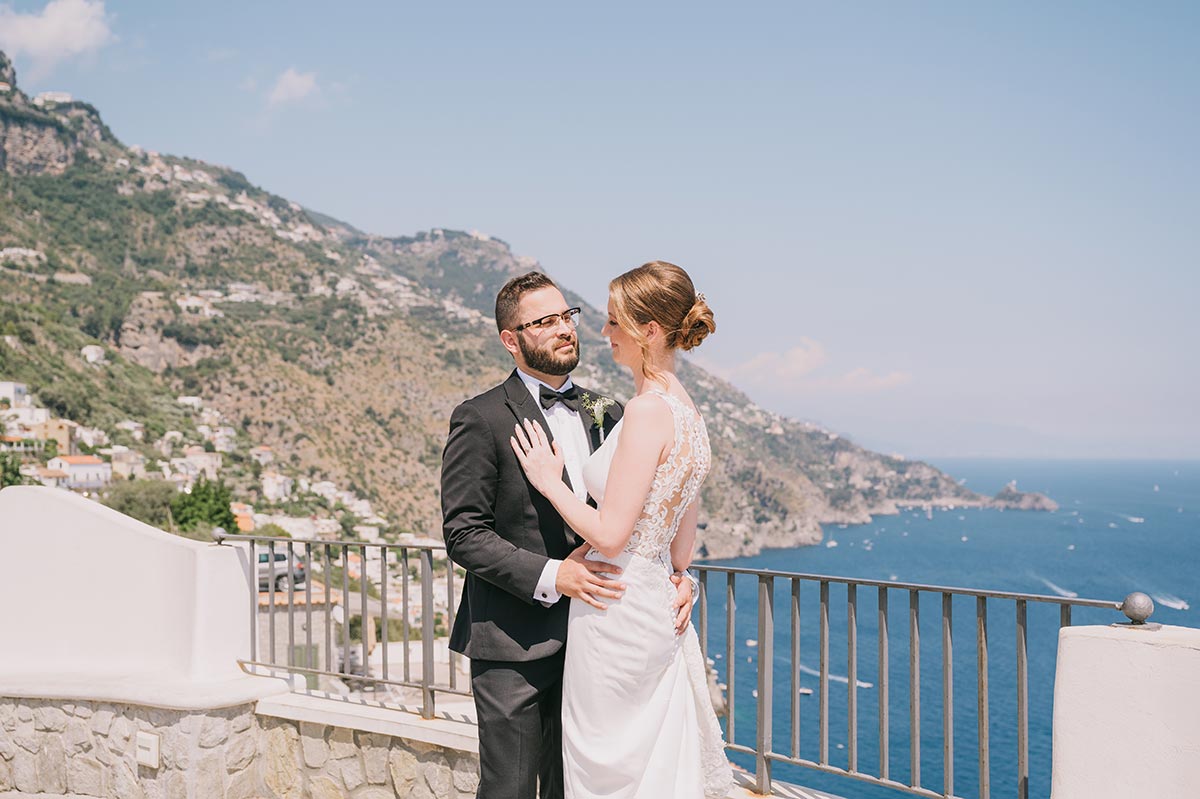
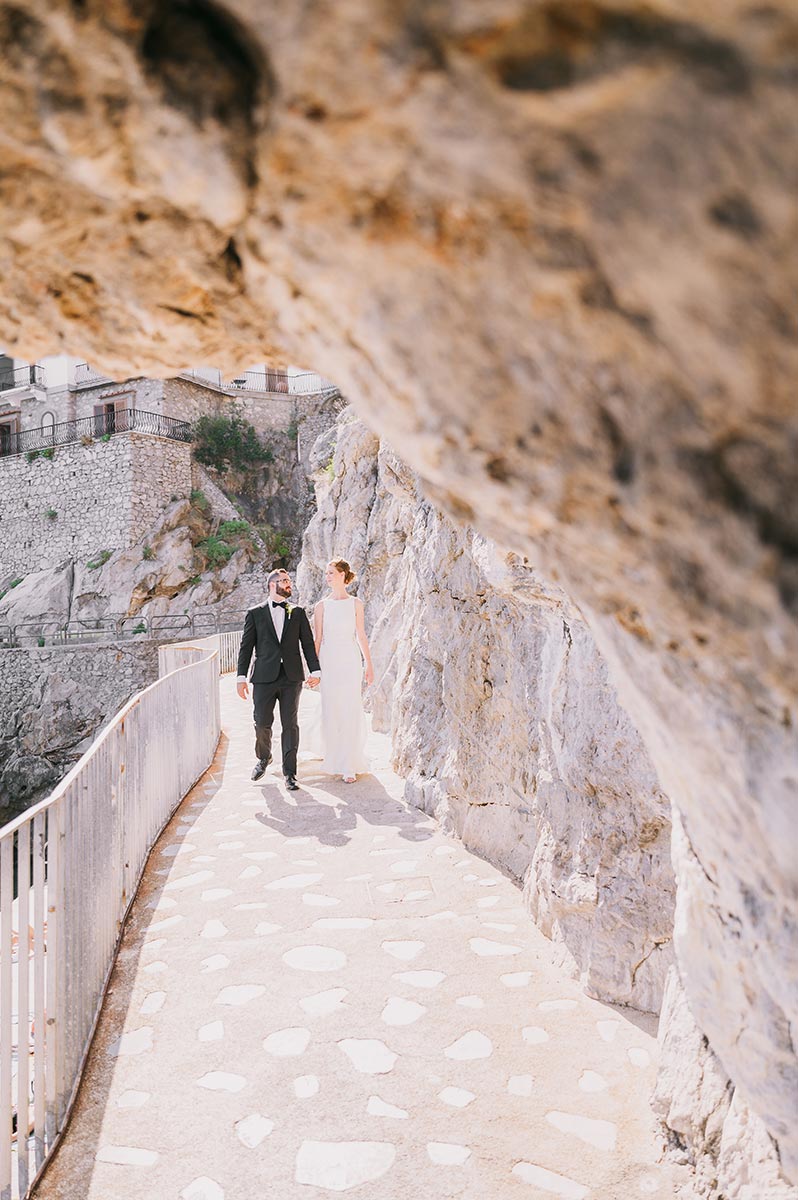
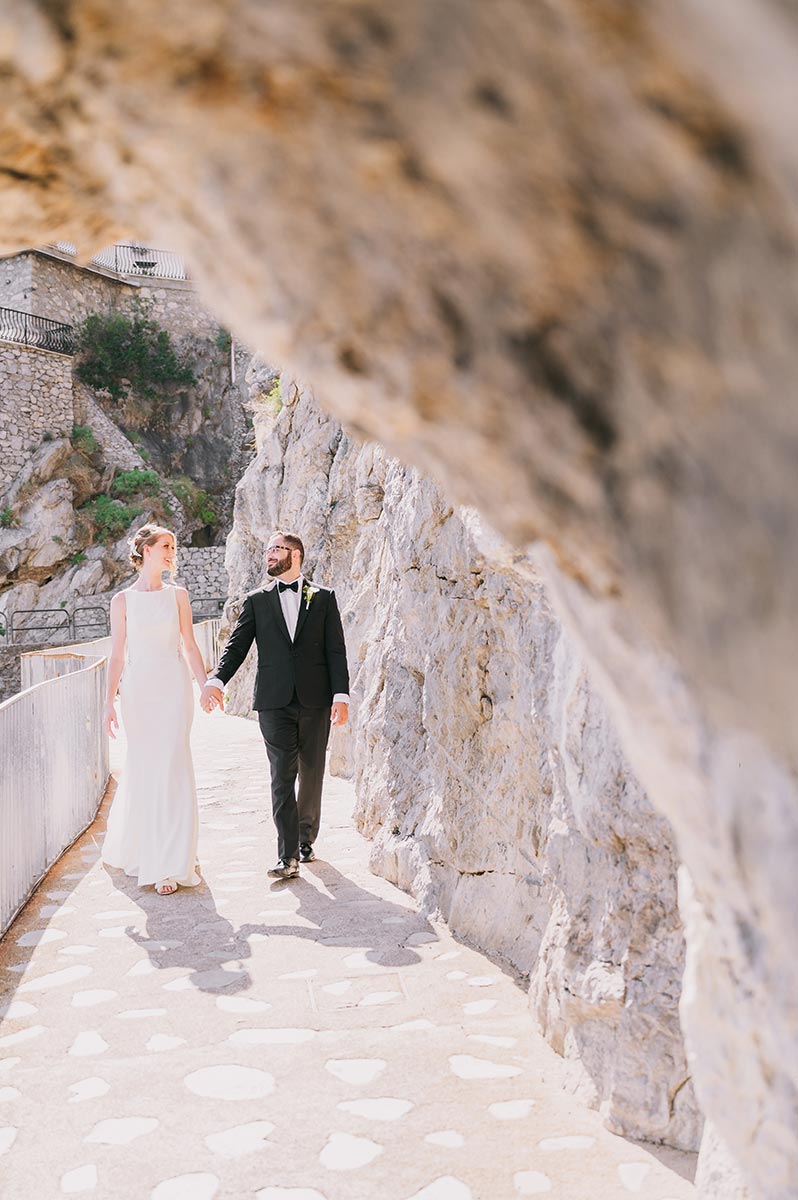
Praiano offers a charming alternative to Positano, with a relaxed atmosphere and equally stunning views. Its narrow, winding streets and dramatic cliffs perfectly capture the essence of the Amalfi Coast without the rush of tourists. This village is a real gem, providing a peaceful respite from the hustle of Positano, where every corner seems to tell its own story of authentic Italian life.

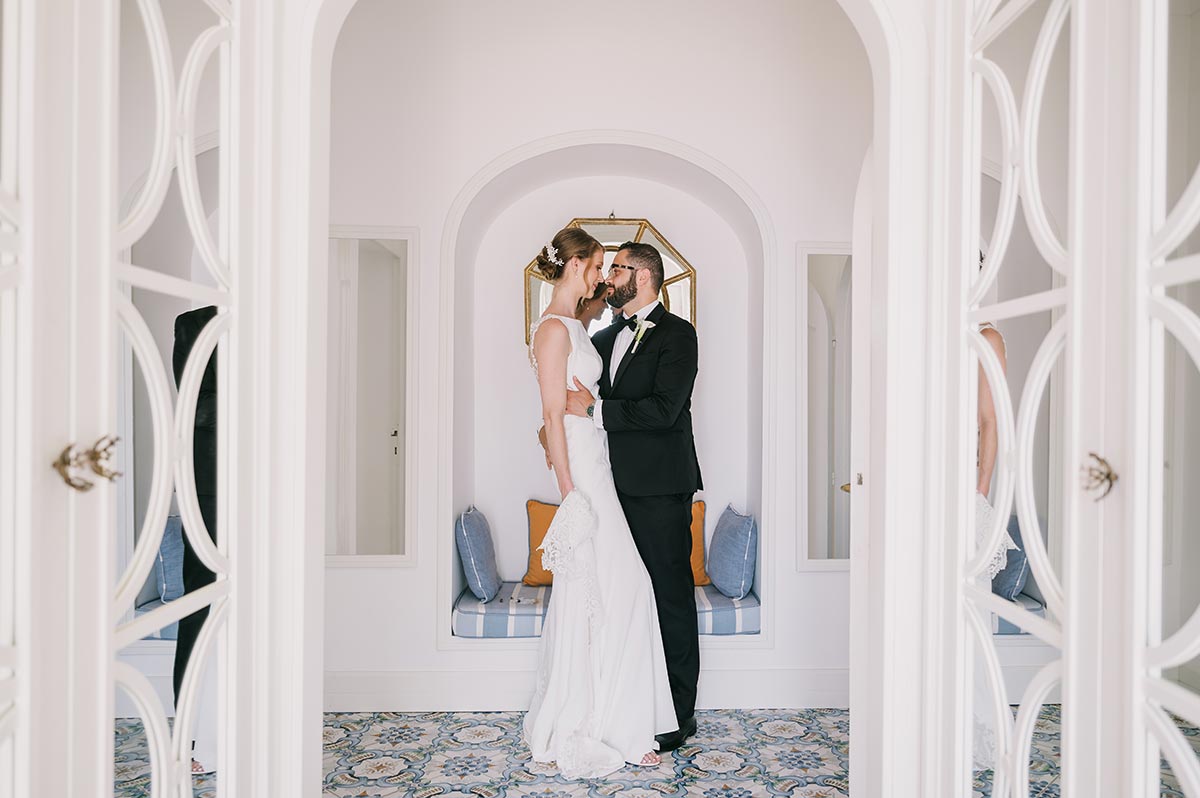
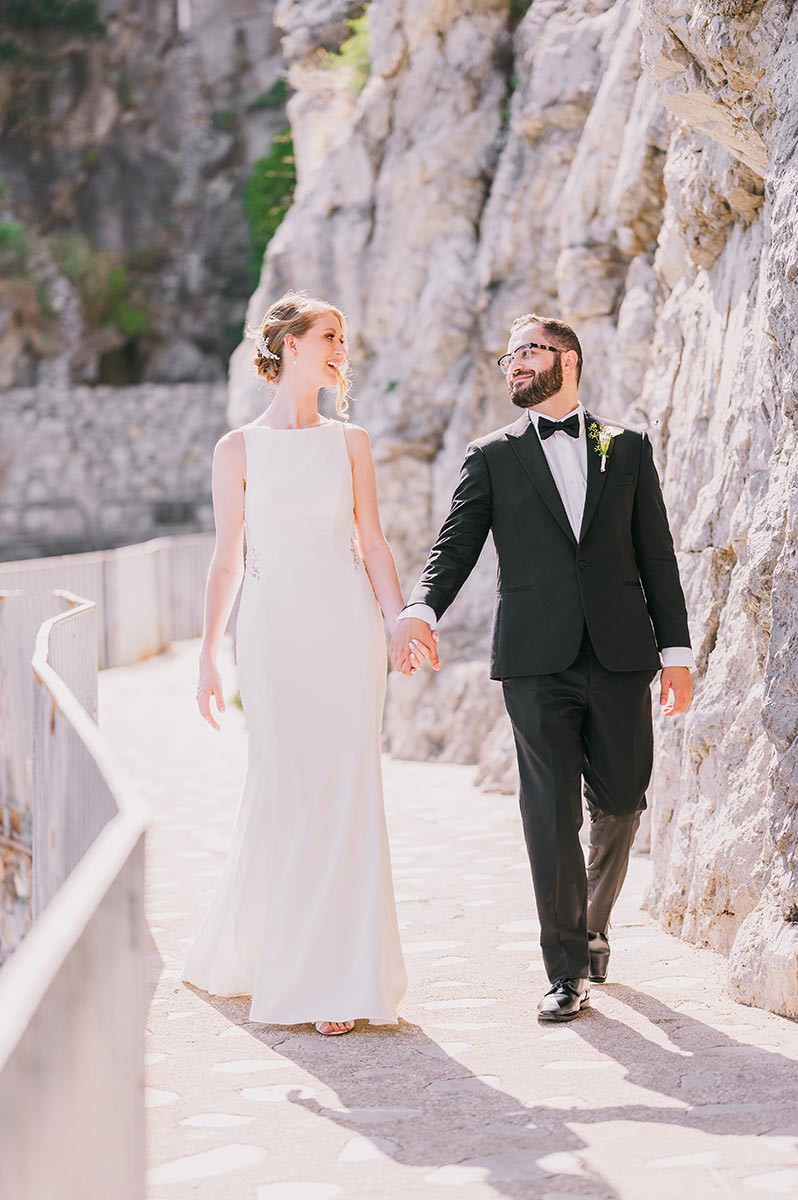
The ancient pathways, vibrant houses, and sweeping terraces provided us with striking backdrops that allowed Megan and Ilkin to enjoy their day without distractions.
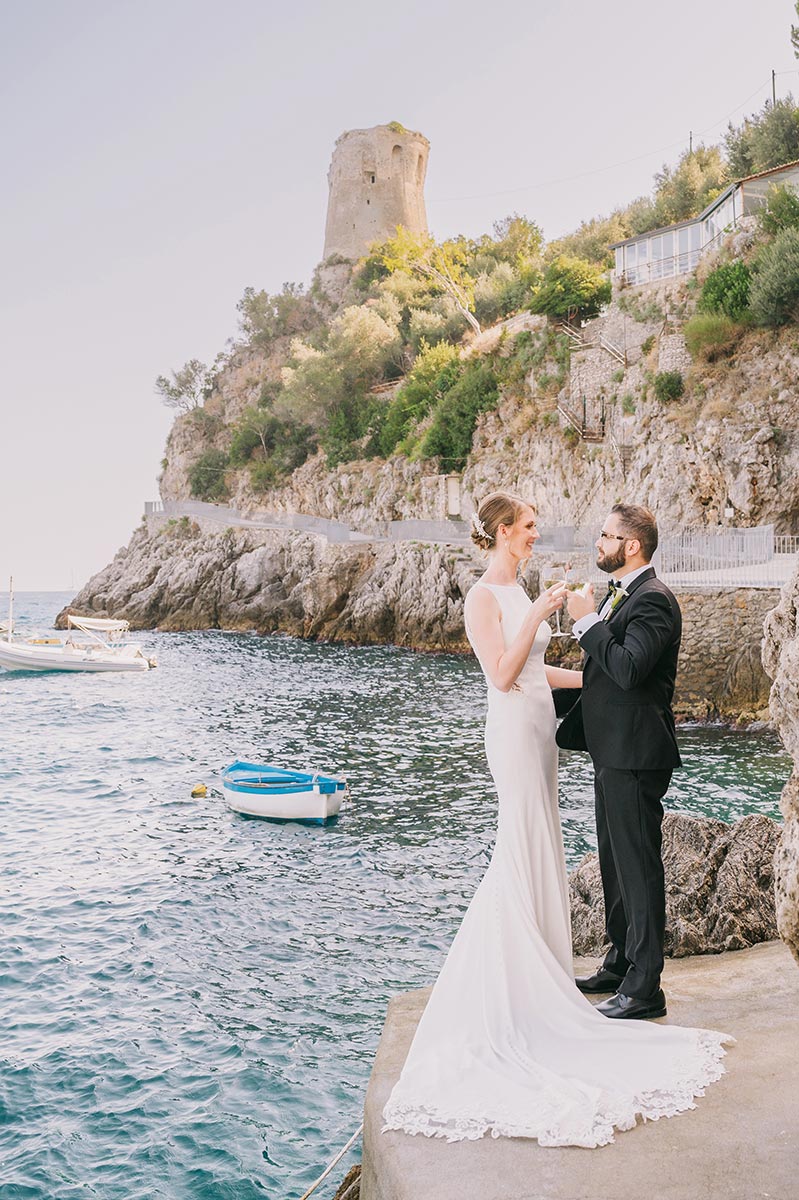
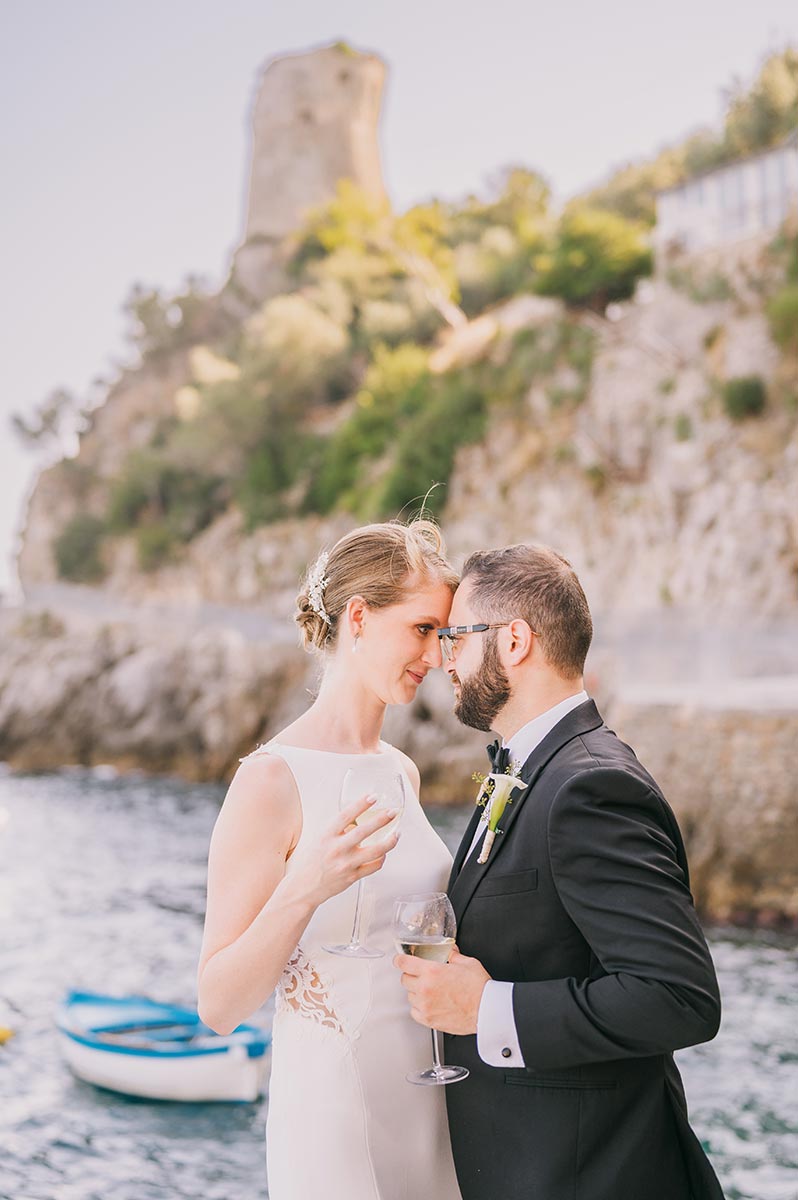
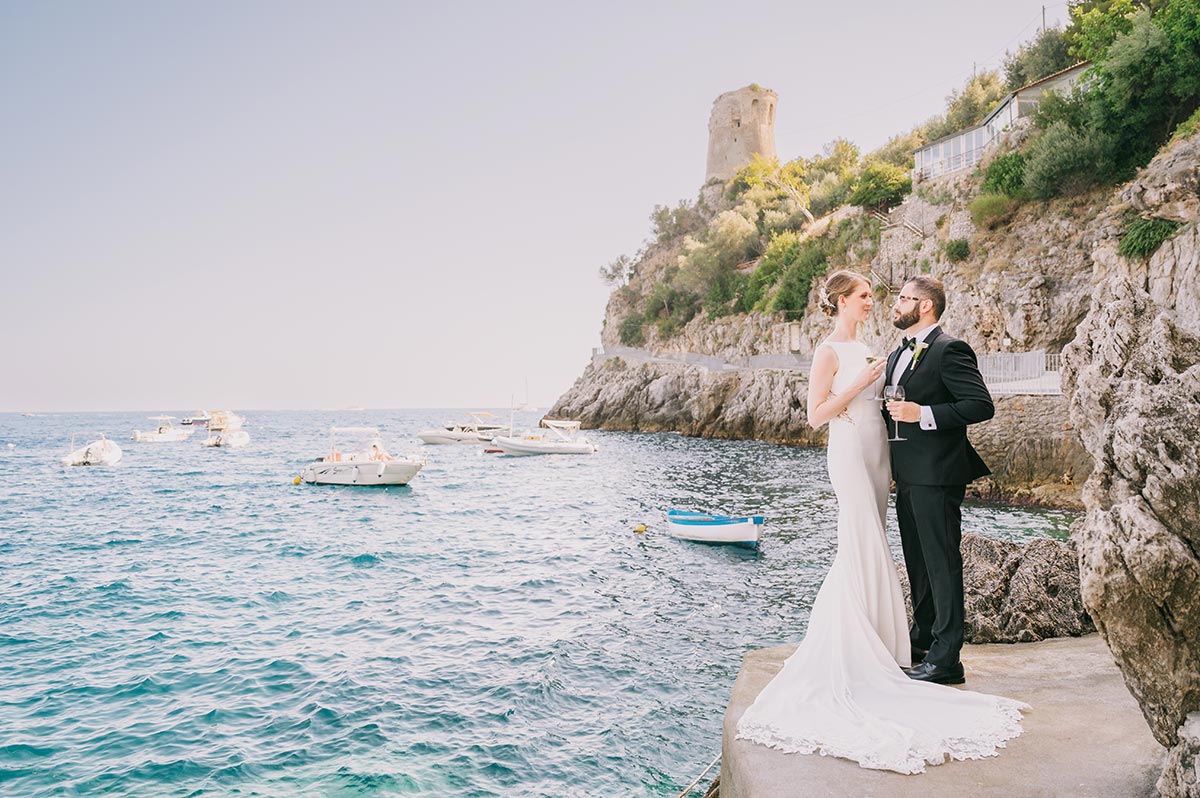
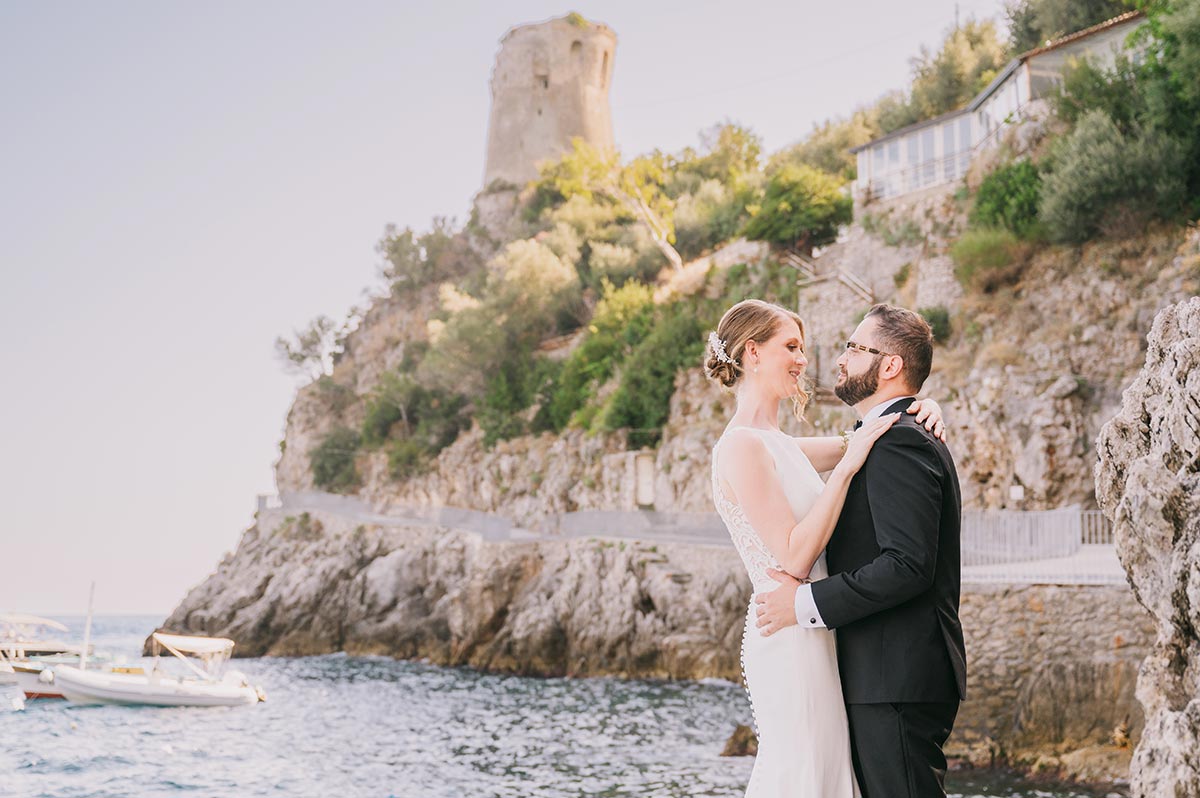
As the day progressed, we made our way to Marina di Praia, a secluded cove nestled between towering cliffs.
This spot offered Megan and Ilkin an idyllic setting that beautifully reflected their adventurous spirits while preserving the intimacy they cherished.
WEDDING IN POSITANO
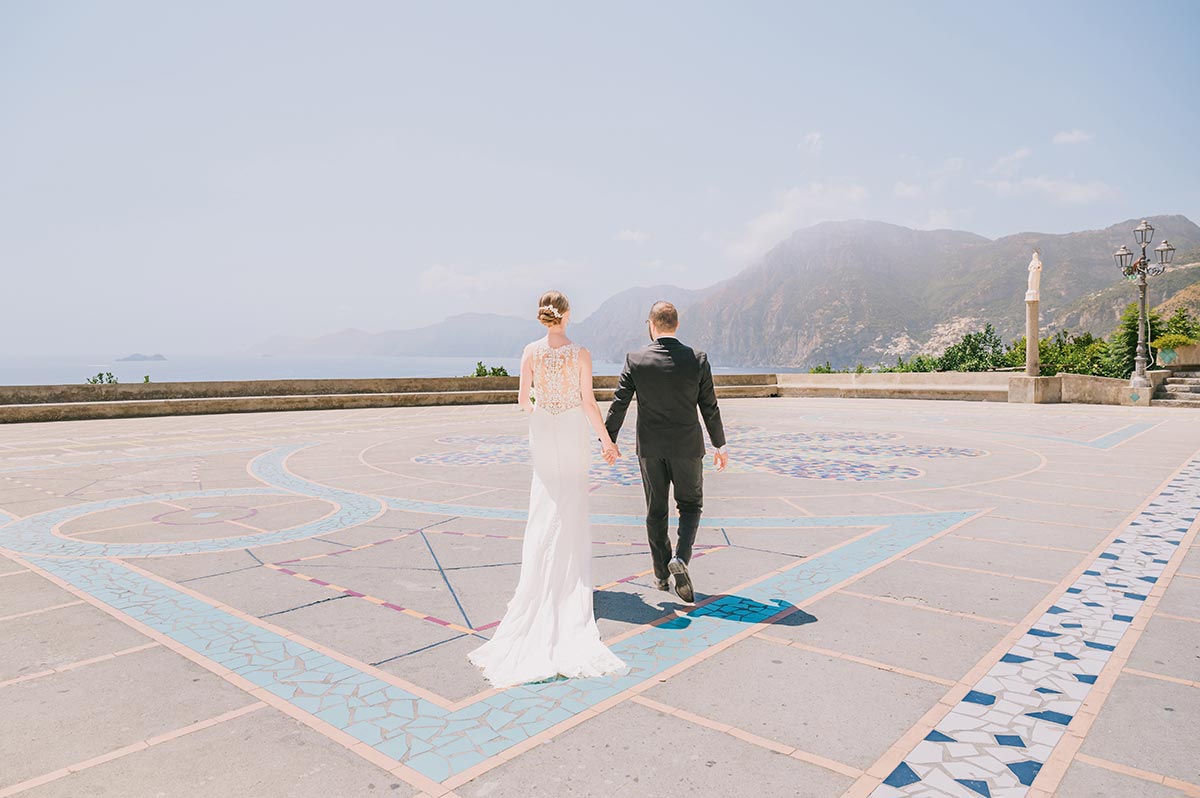
EMILIANO RUSSO
Positano is definitely one of the most enchanting spots in Italy for an elegant wedding.
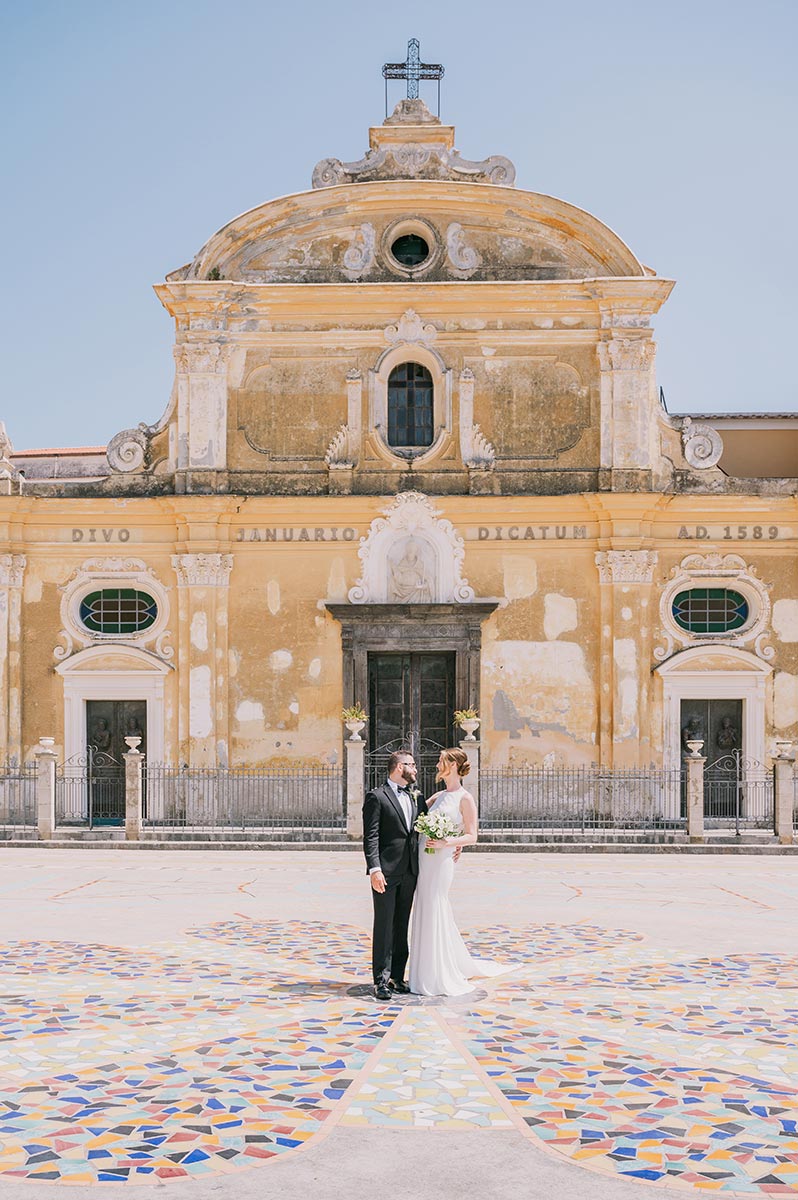

HIDDEN JEMS
We know intimate places in Positano and your love story deserve the best.
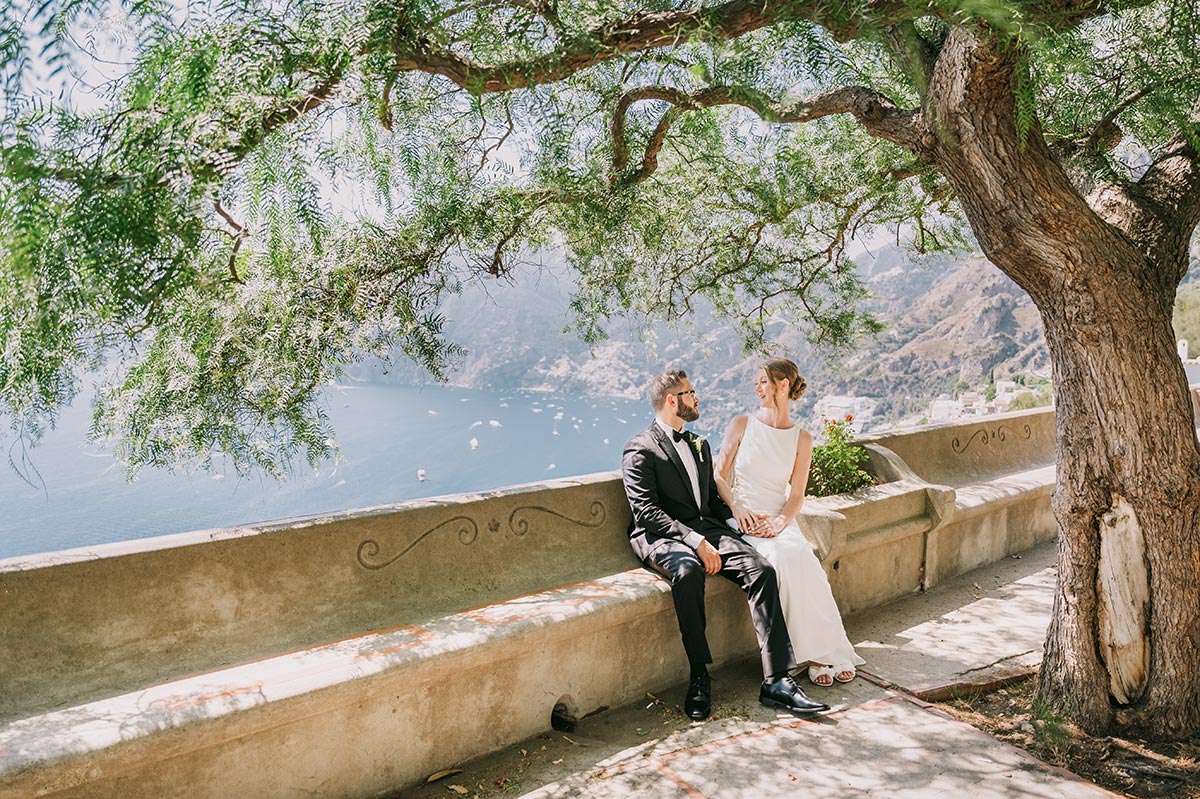
POSITANO IS UNIQUE
You can combine a luxurious wedding with a deep journey on the Coast
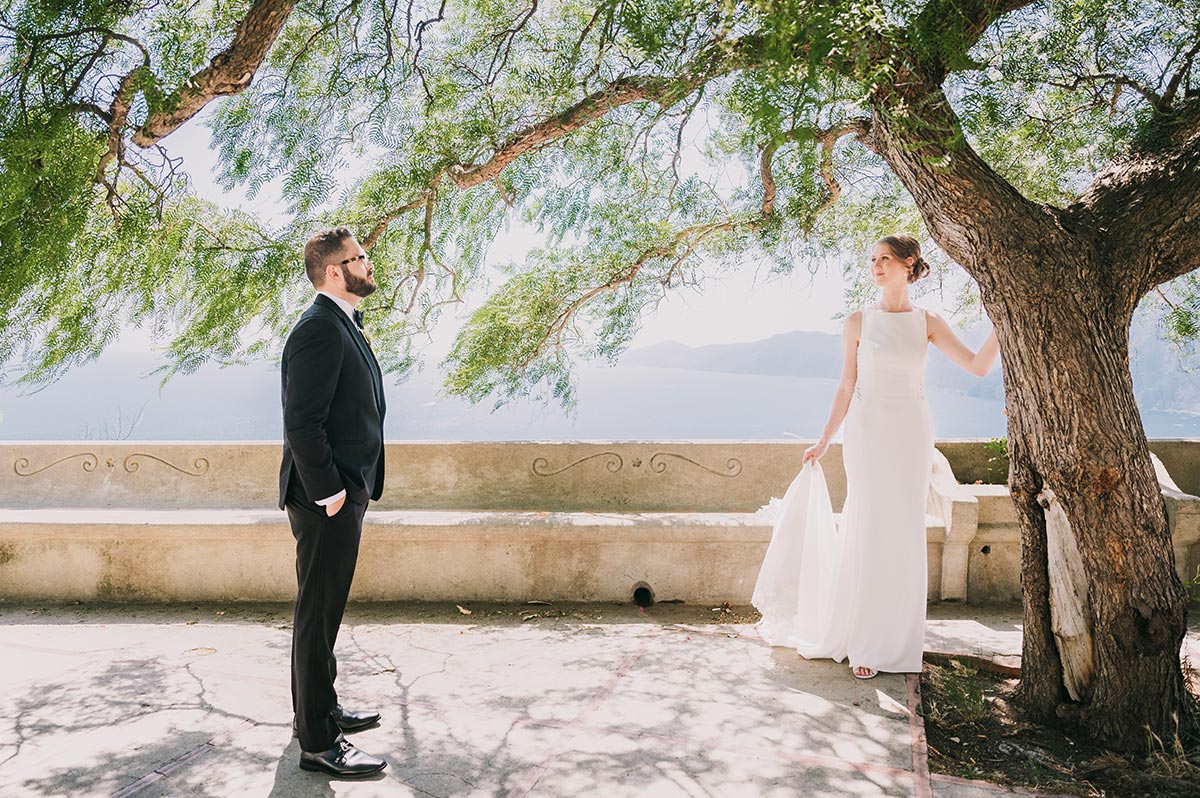

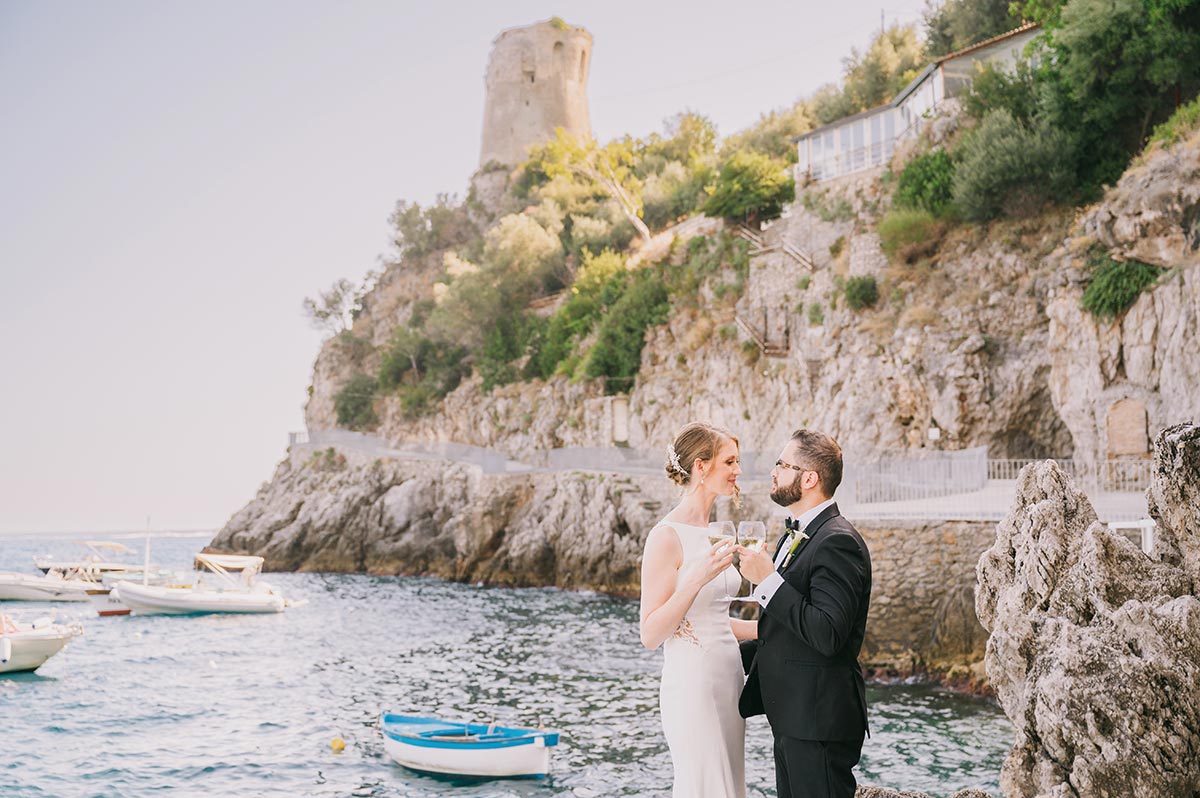
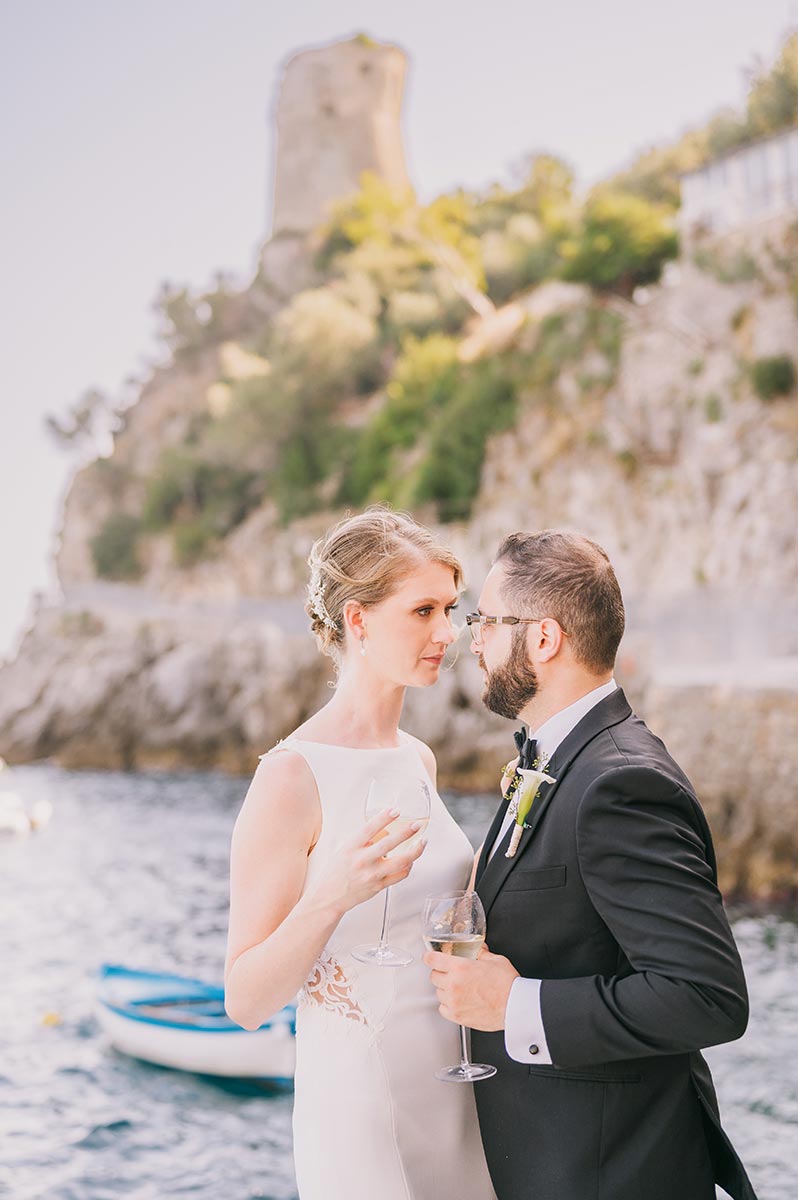
The natural beauty of Marina di Praia, complete with its small fishing boats and quaint seaside eateries, lent a sense of closeness that was evident in every shot we took.
It was here, with the waves gently lapping at their feet and the golden hour light illuminating the cliffs, that we captured some of the most heartfelt moments of their day.




Positano and Beyond: Why the Amalfi Coast is Perfect for Your Elopement
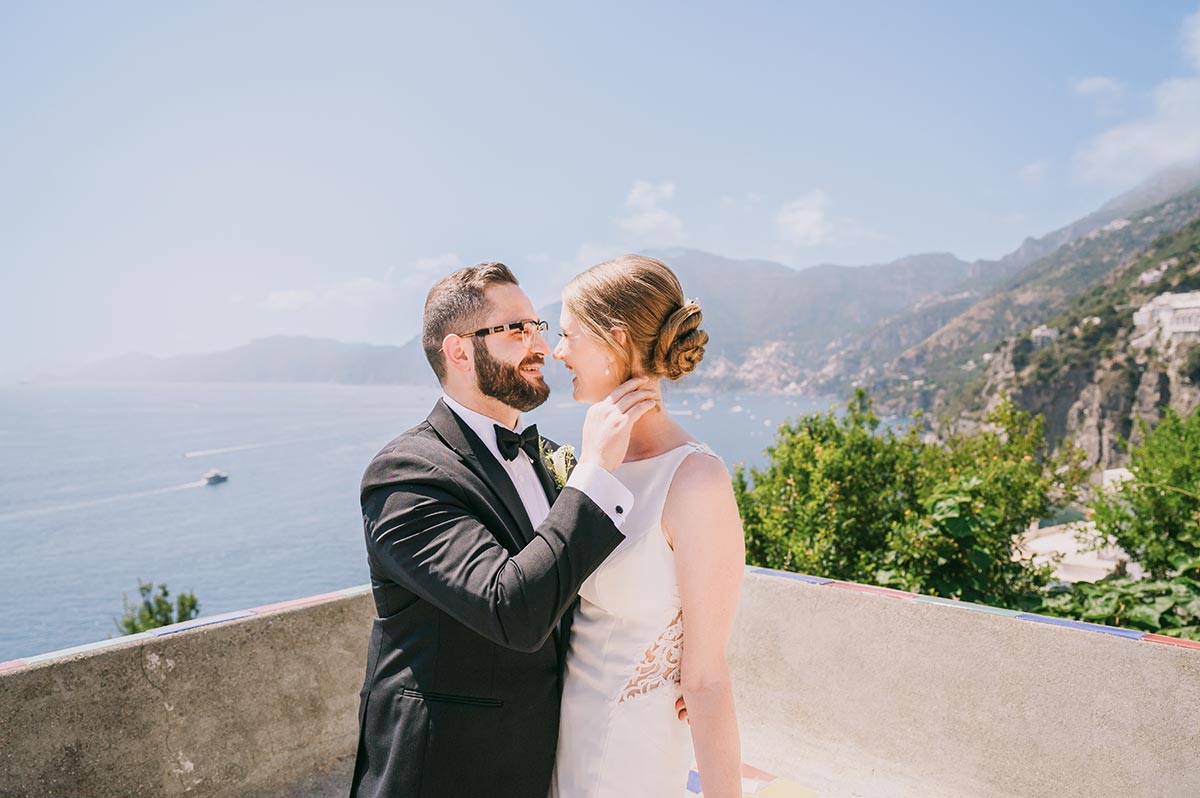
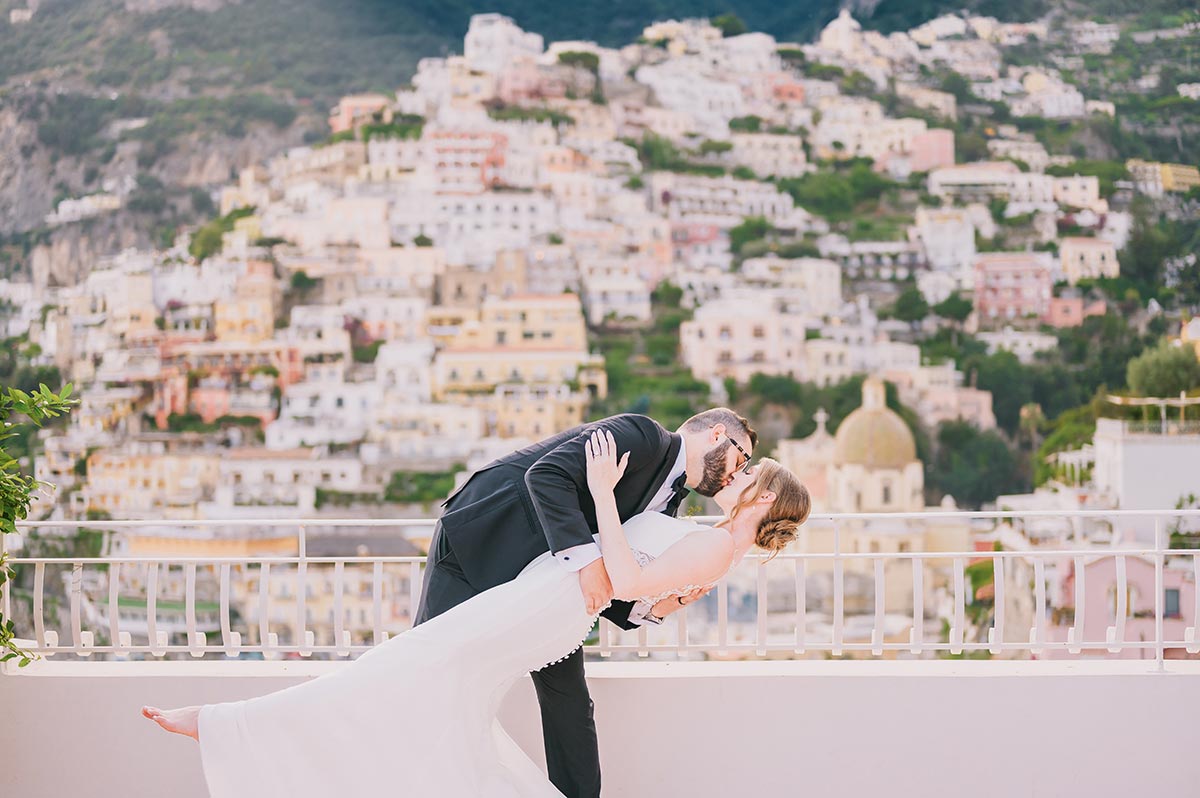
The Amalfi Coast is a treasure trove of enchanting spots, each offering its own distinct allure. An elopement in Positano is truly a dream; vibrant colors, steep winding streets, and panoramic views make for an idyllic fairy-tale setting.
However, we recognize that during peak season, crowded streets and busy squares can be less than ideal for an intimate ceremony. This is why having alternatives like Praiano is so important. Praiano, with its serene atmosphere, allows couples to experience equally stunning views, but with added privacy and tranquility.



We know these locations inside and out. Over the years, our studio has explored every corner of the Amalfi Coast, building an intimate understanding of its hidden gems. This allows us to create the perfect elopement experience for each couple.
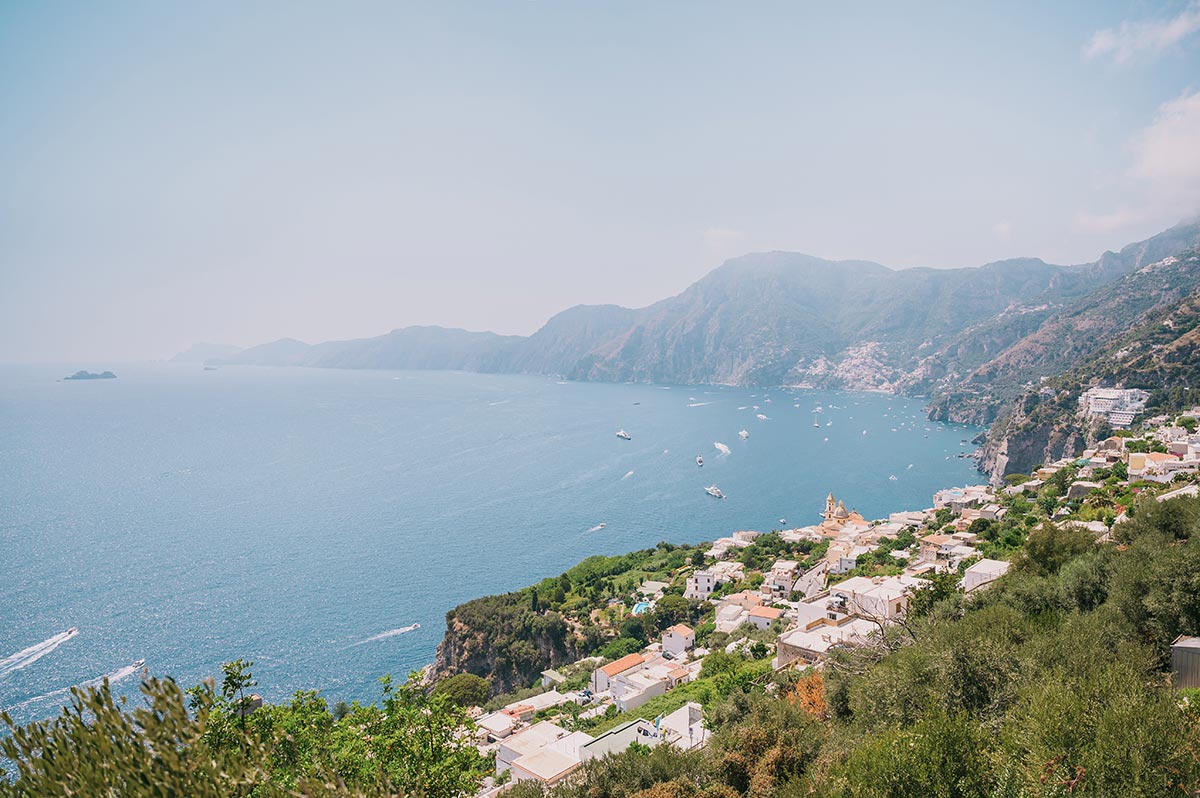
Whether it’s finding a quiet terrace for a sunset photoshoot or determining the ideal time to capture Positano’s iconic vistas without the crowds, we ensure that your day is precisely what you envisioned, and more. We strive to foster an atmosphere that allows couples to be fully present with each other, absorbing the magic of the Amalfi Coast as their story unfolds naturally.
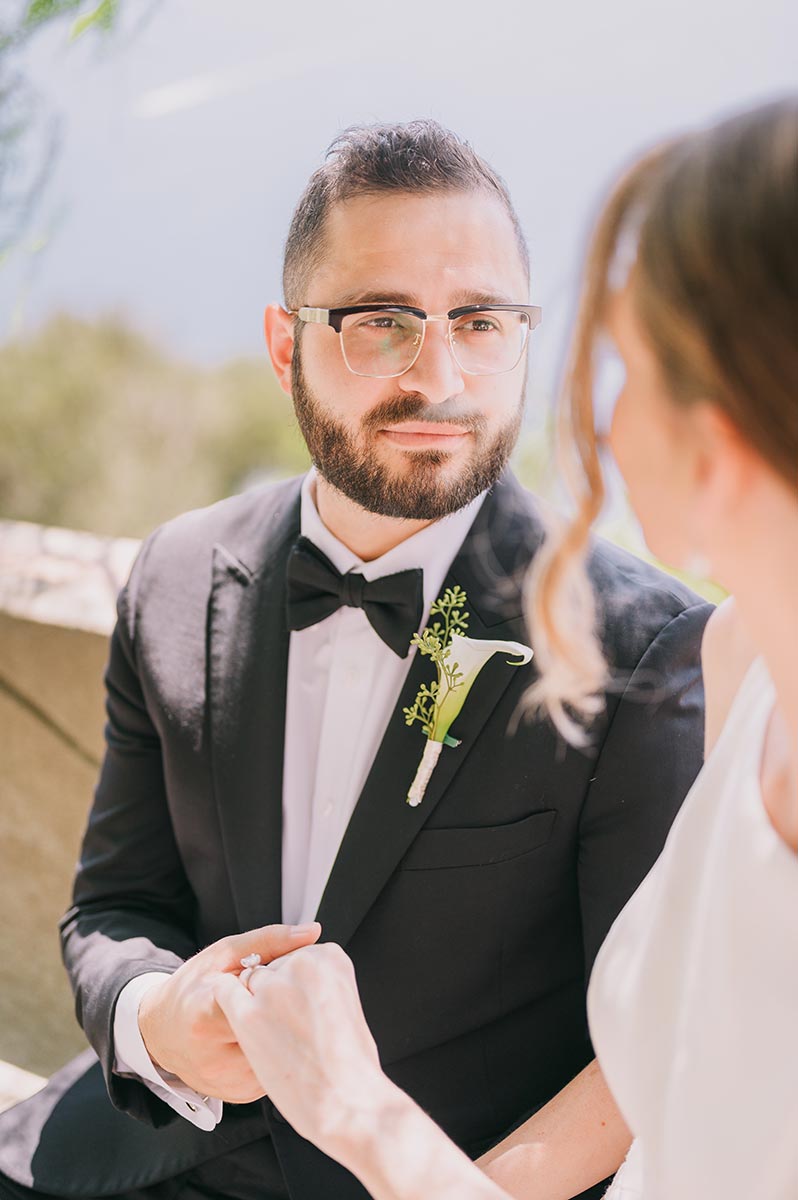
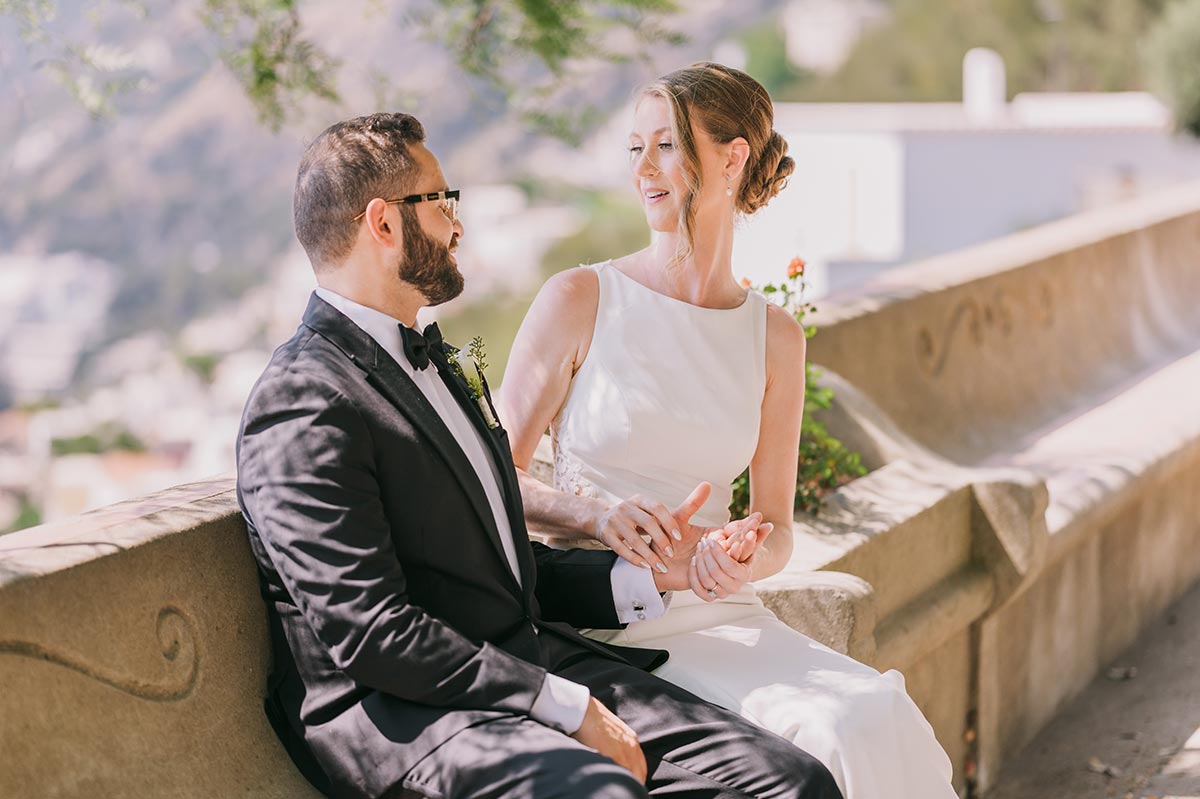
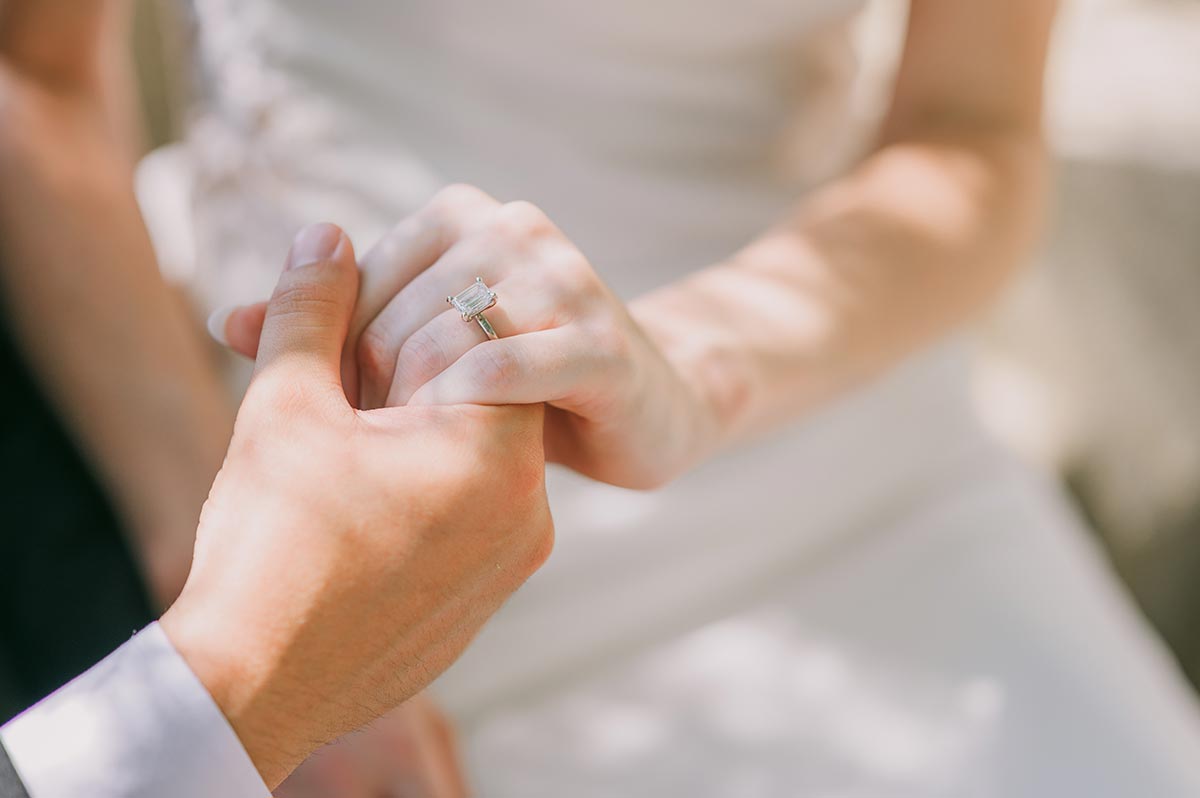
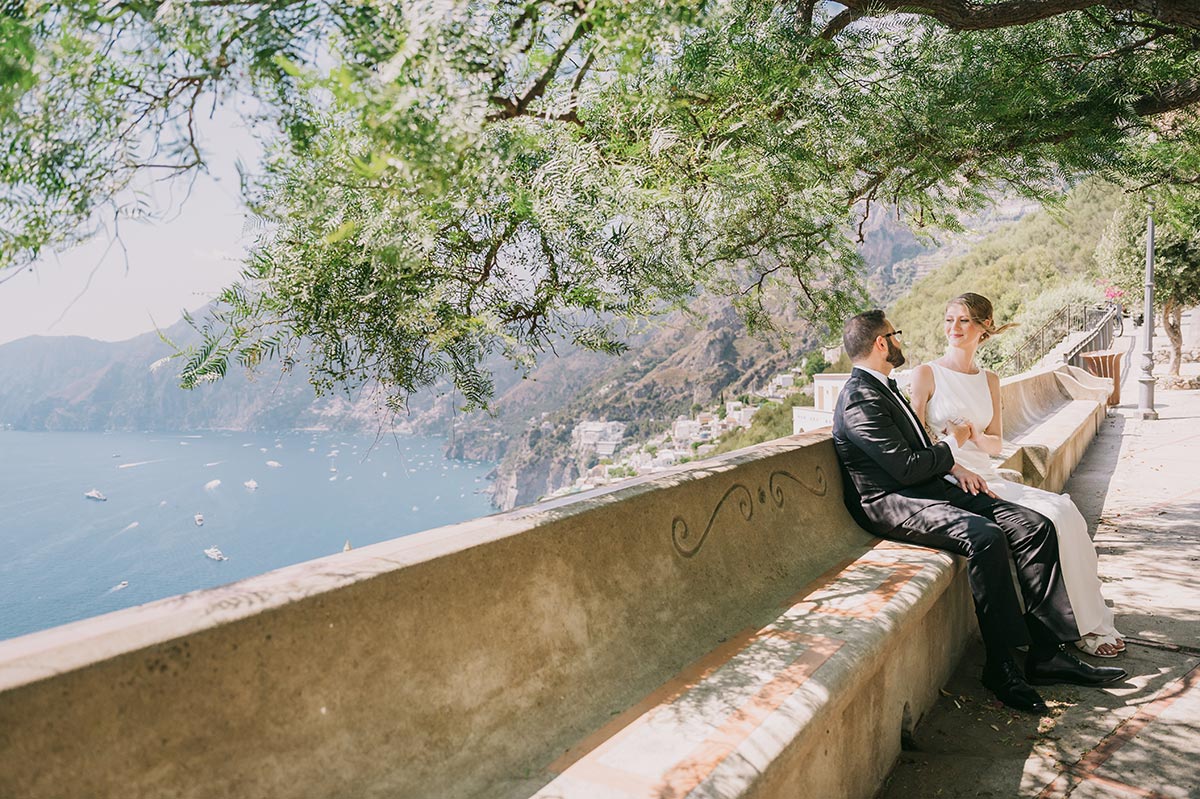
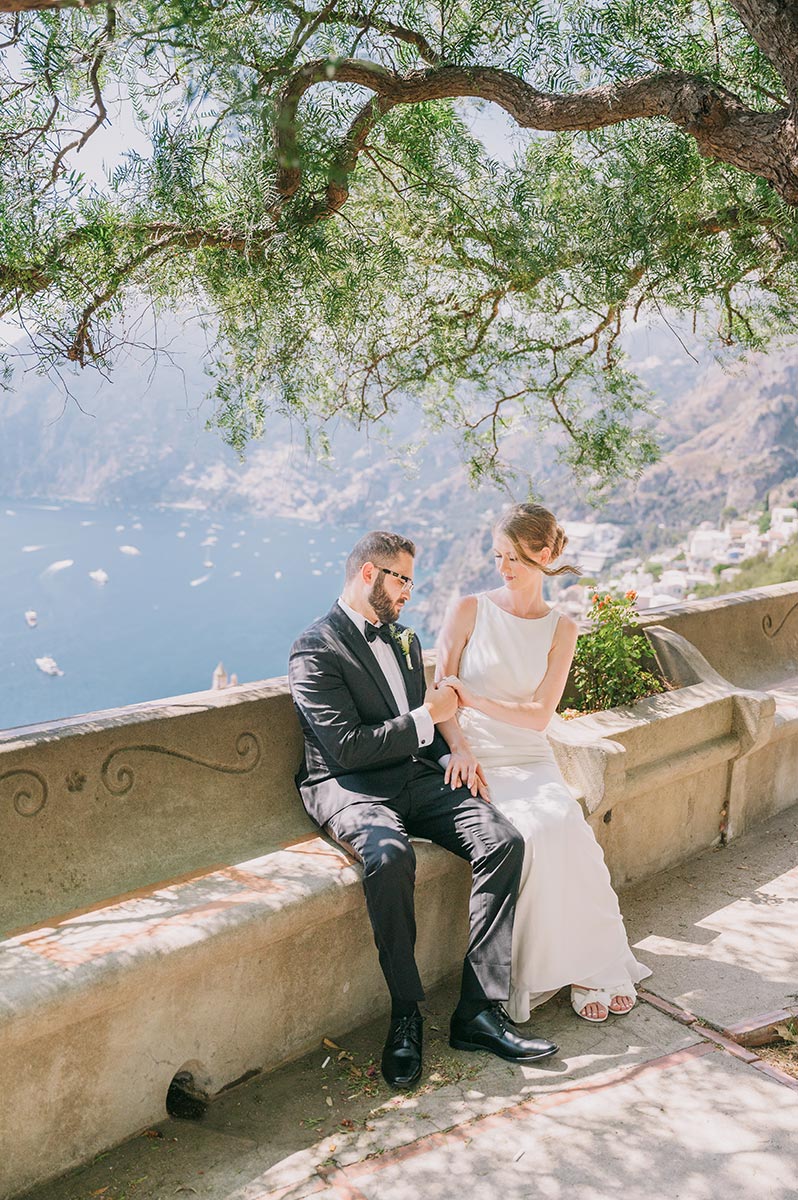

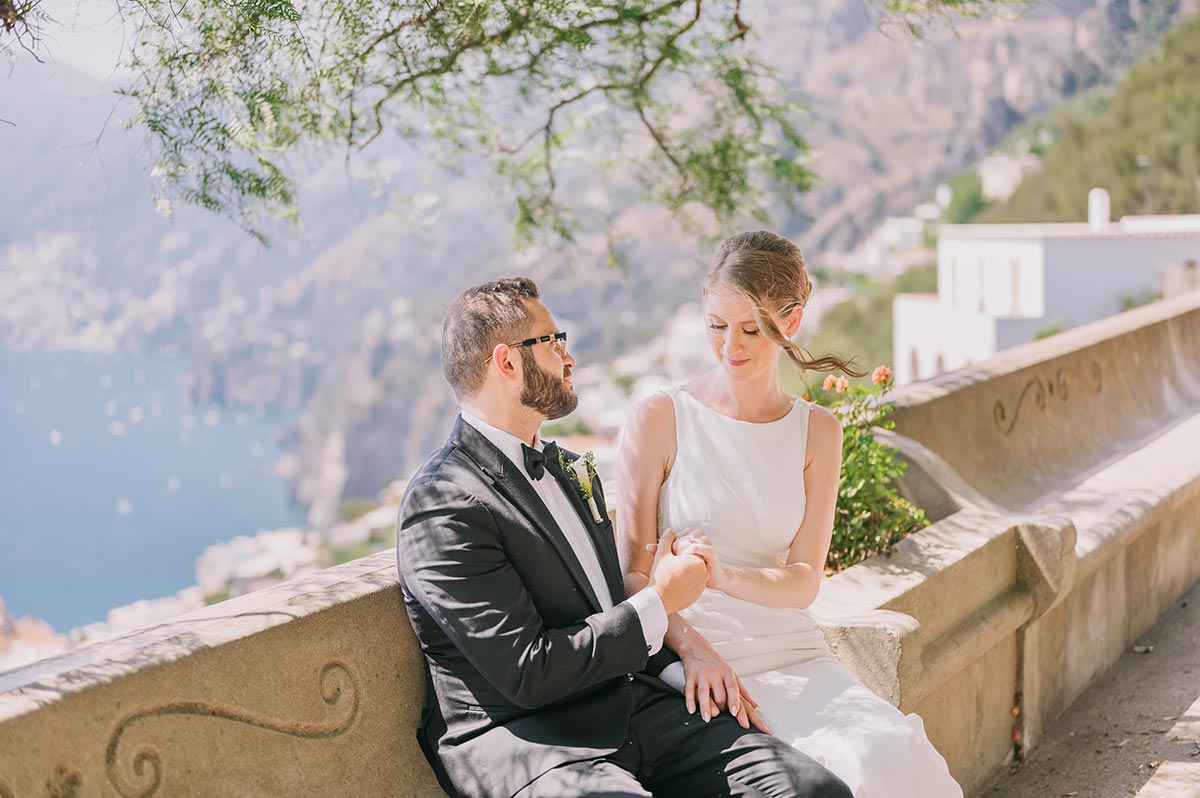

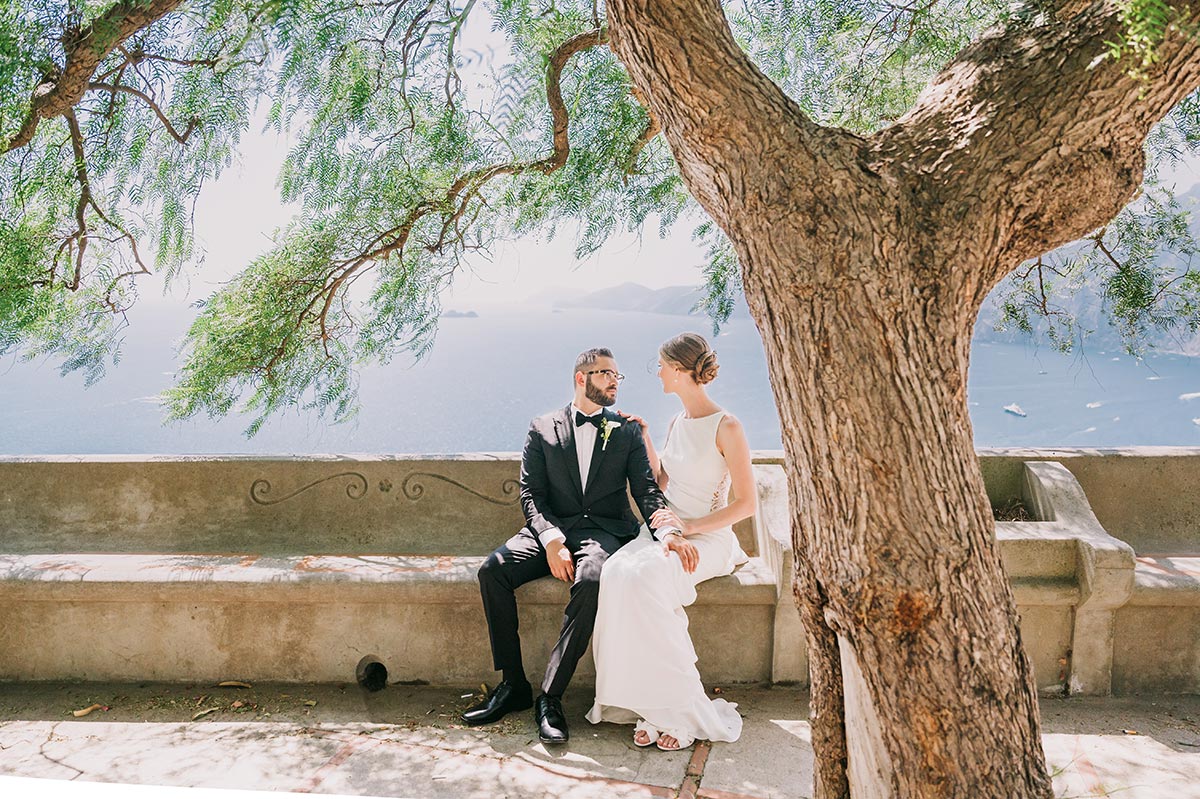
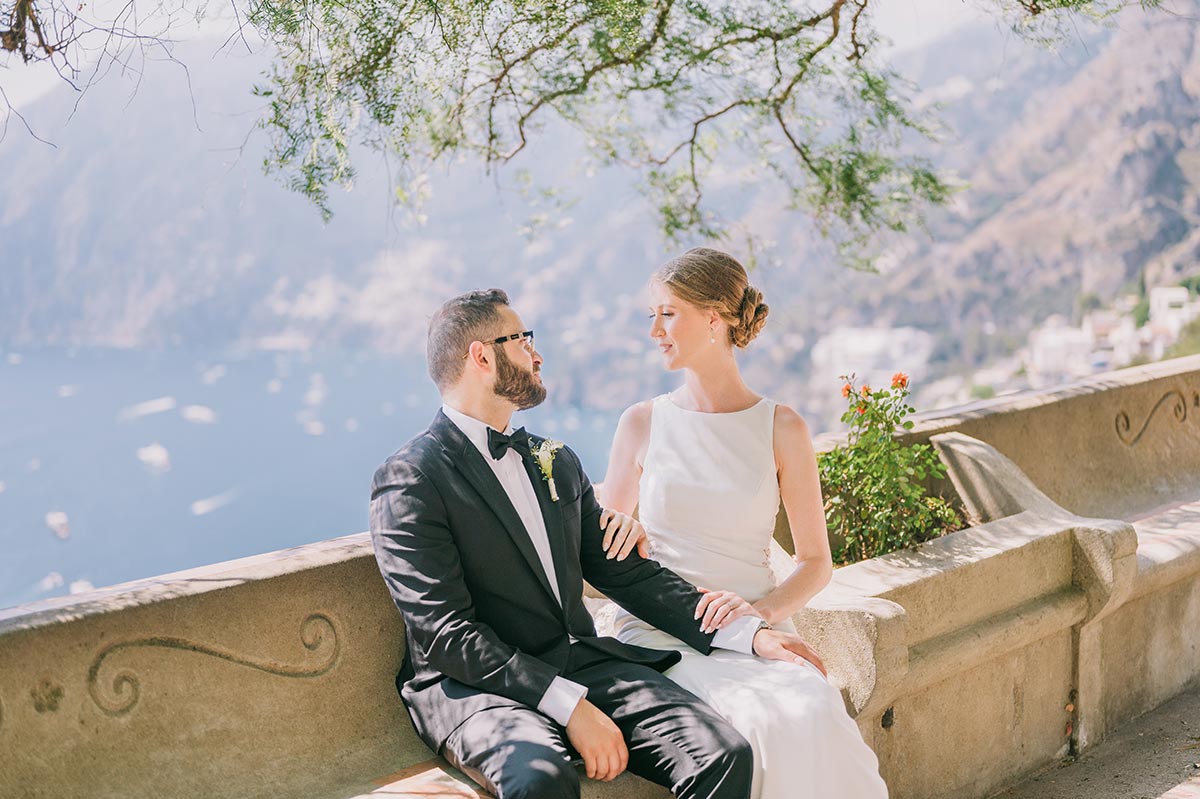
Positano offers many beautiful options for an elopement, which you can learn more about on our dedicated page. Whether your dream is an intimate ceremony on a secluded terrace or exchanging vows in the heart of Positano surrounded by its timeless charm, this stunning location provides a perfect canvas for your love story.





Working With a Team That Knows the Amalfi Coast Intimately
Choosing to elope on the Amalfi Coast means you need a team that understands more than just photography—you need someone who knows the heartbeat of this region. As a Positano wedding photographer, I pride myself on delivering not only stunning imagery but also a seamless, enjoyable experience.
Megan and Ilkin chose us for their elopement because of our commitment to understanding their love story and the personal touches they wanted for their day.
A Praiano Italy wedding one-of-a-kind experience
Why is a Praiano Wedding a special experience? First of all, because Praiano has a lot to offer: beach, hills, sea, mountains, fabulous views, culture, ancient atmosphere, delicious food, elegance. When I have been hired to be a Wedding Photographer Praiano, I’ve had the opportunity to appreciate all the special features of a Italy-Style Wedding.
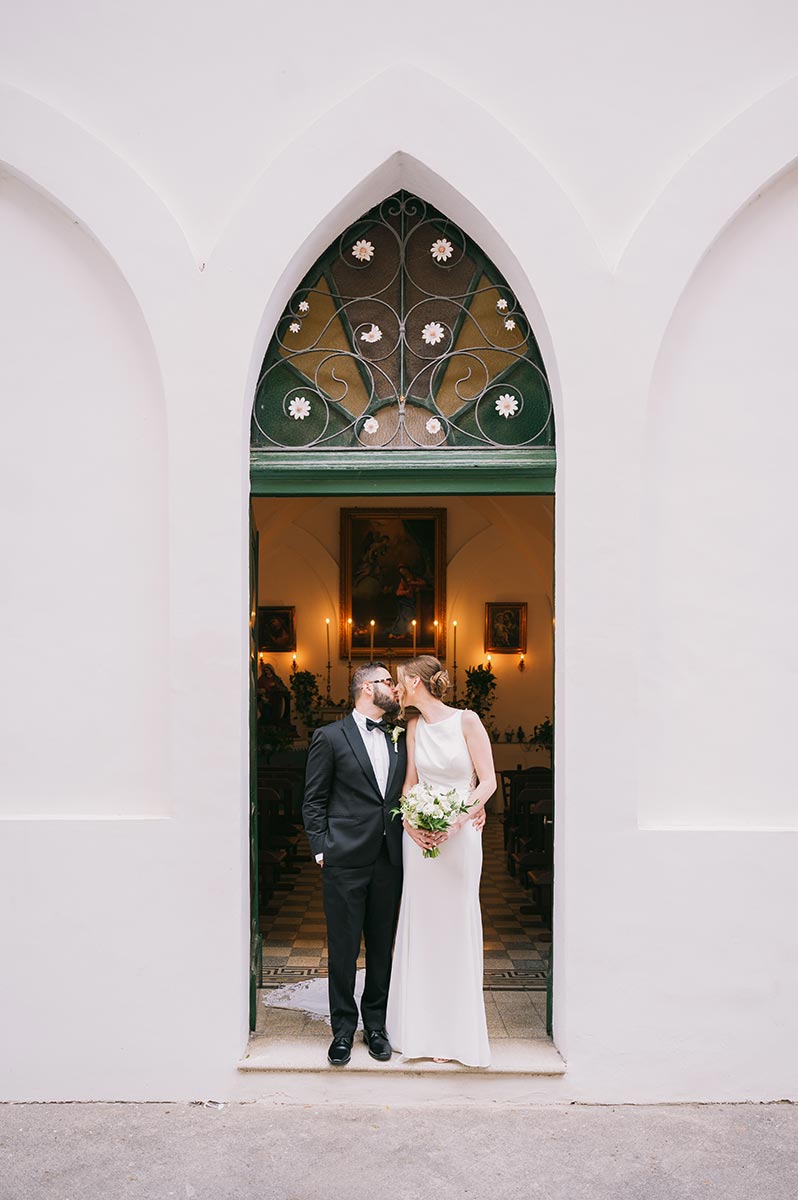
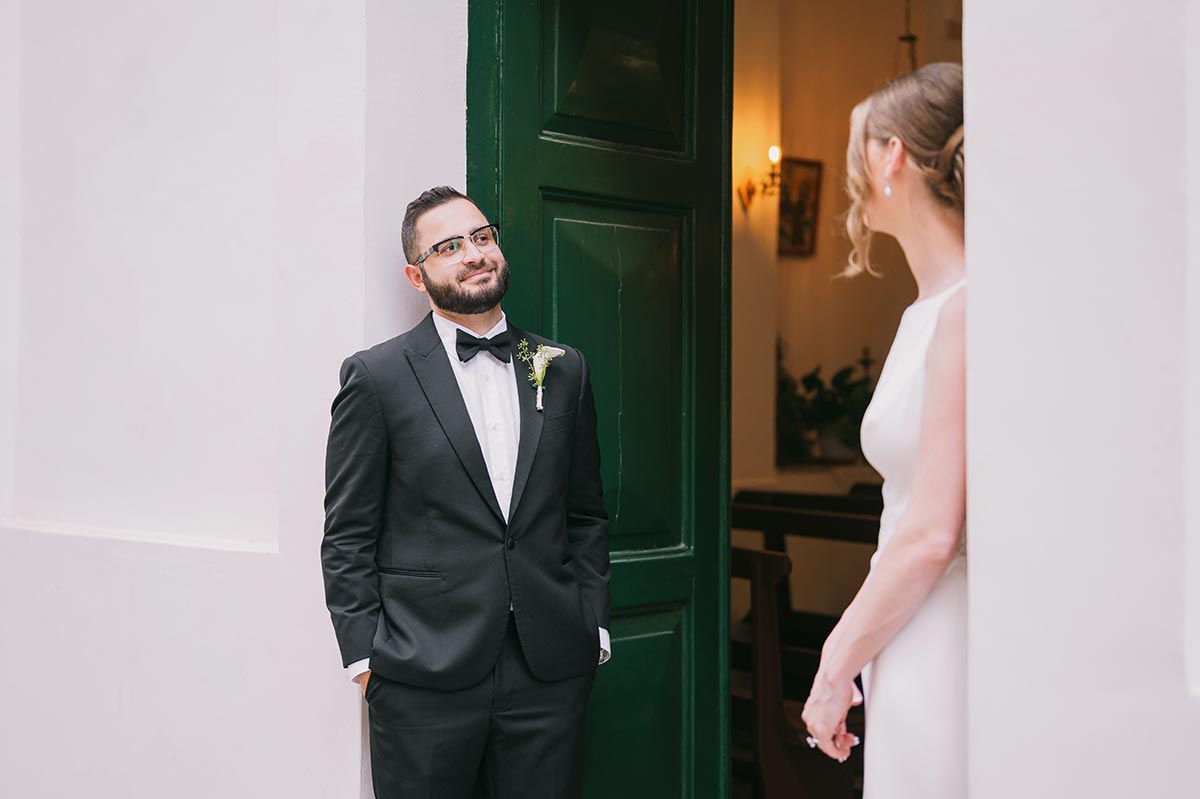
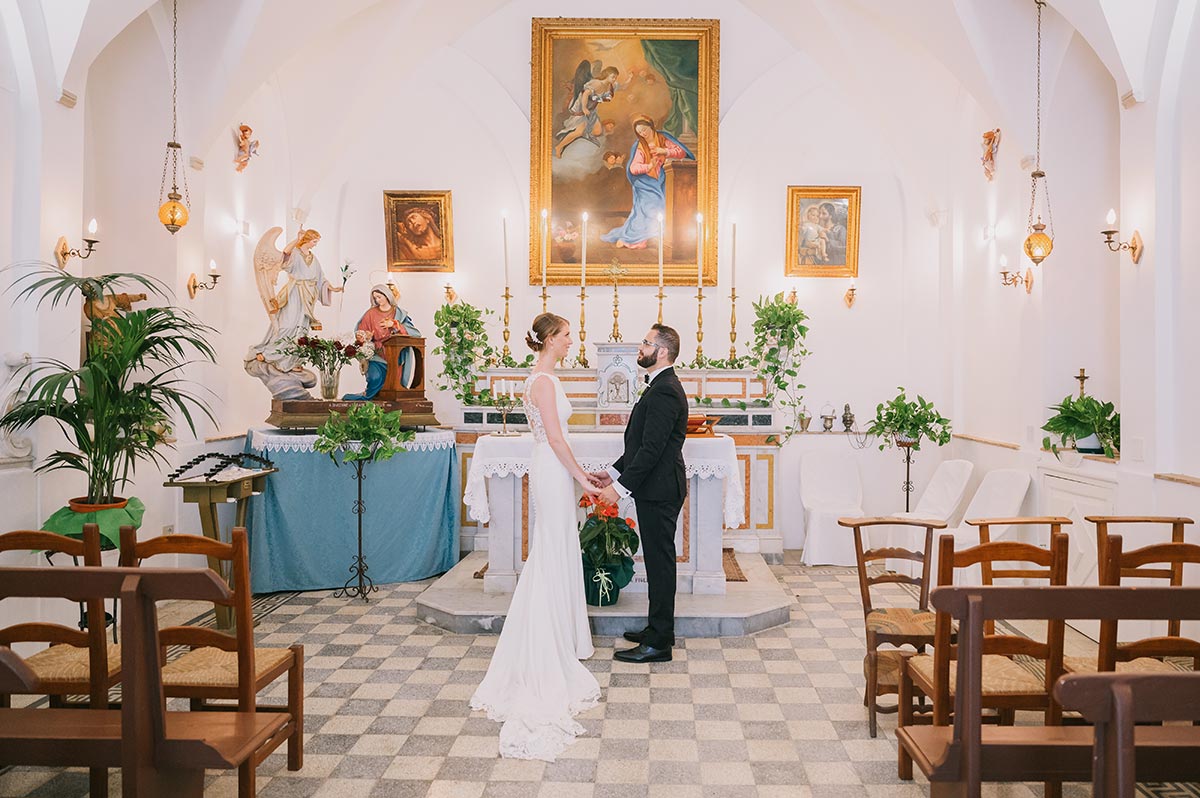
IF YOU THINK OF HIRING ME, IT MEANS THAT YOU SHARE THIS VISION AND WE HAVE MANY THINGS IN COMMON.
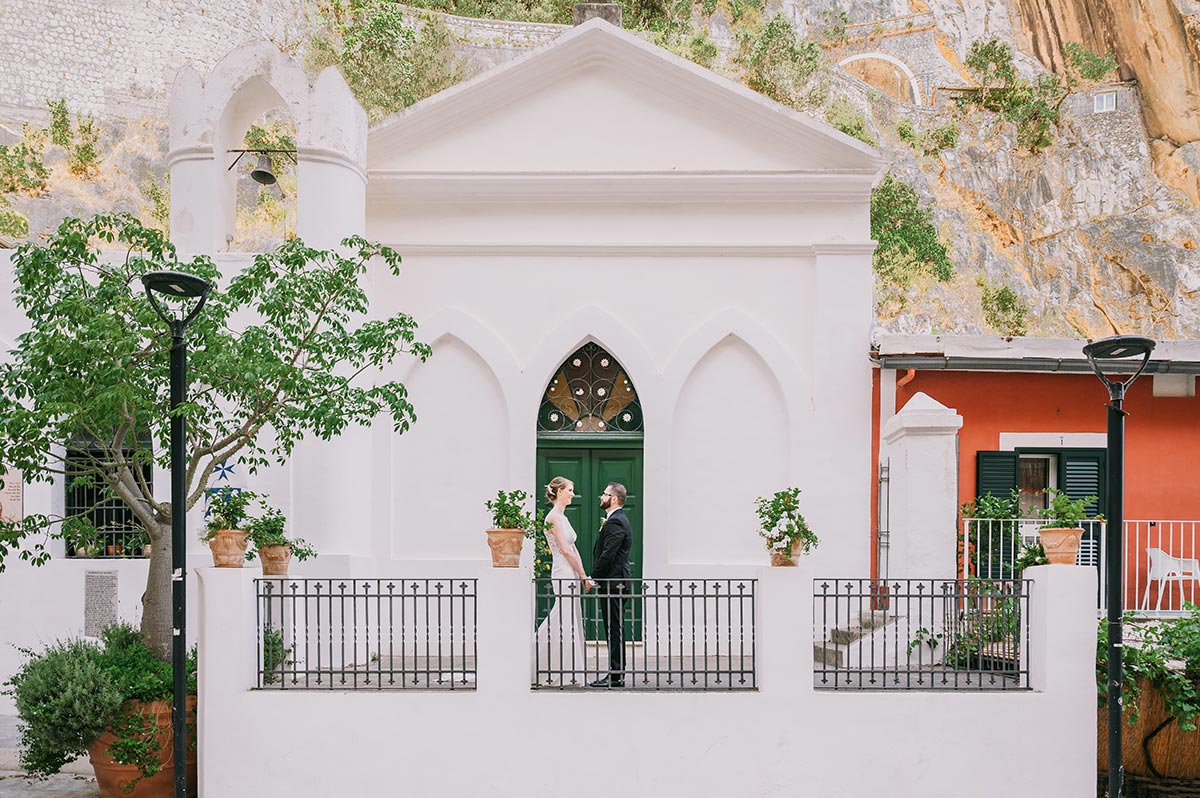
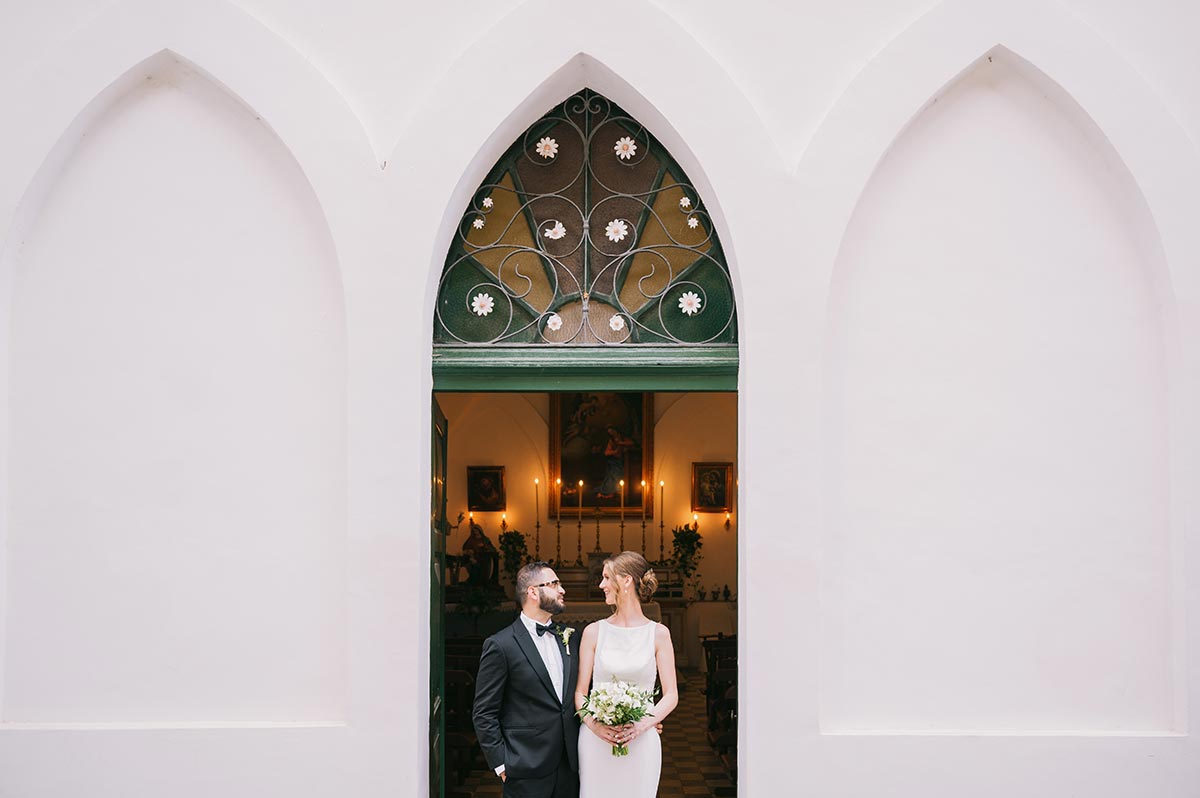

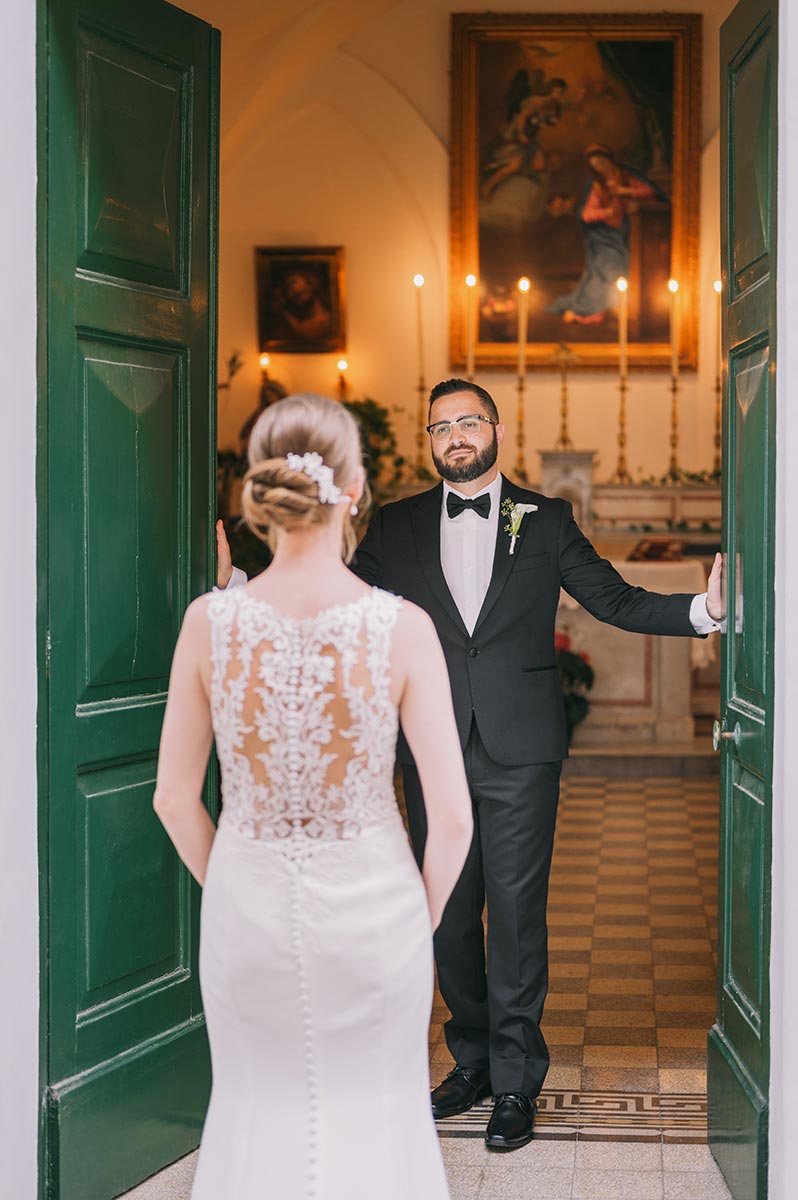
From selecting the perfect ceremony spot at Marincanto to scouting the best locations in Praiano and Marina di Praia, we meticulously handled every detail. Thanks to our long-standing relationships with local vendors, including wedding planners, florists, and celebrants, we provide a truly effortless elopement experience. We’re more than just photographers; we are your local guides and friends, dedicated to making your day as special as possible.

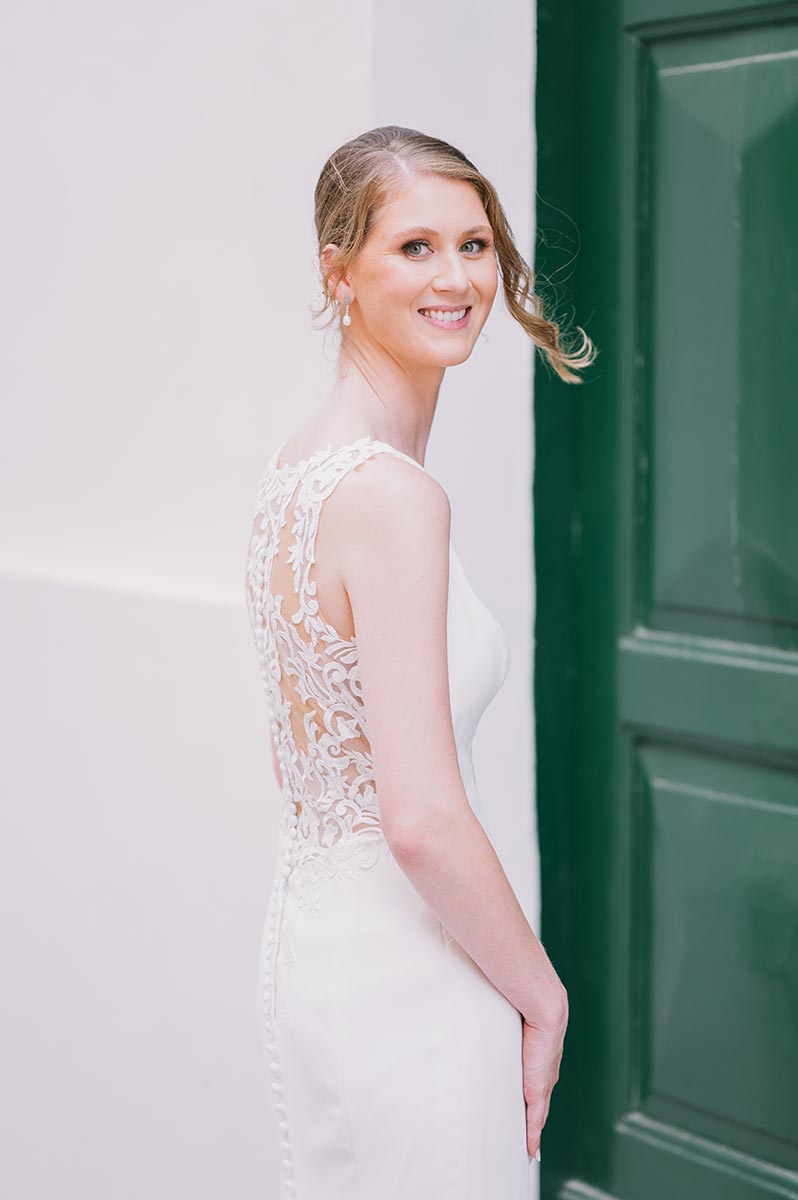
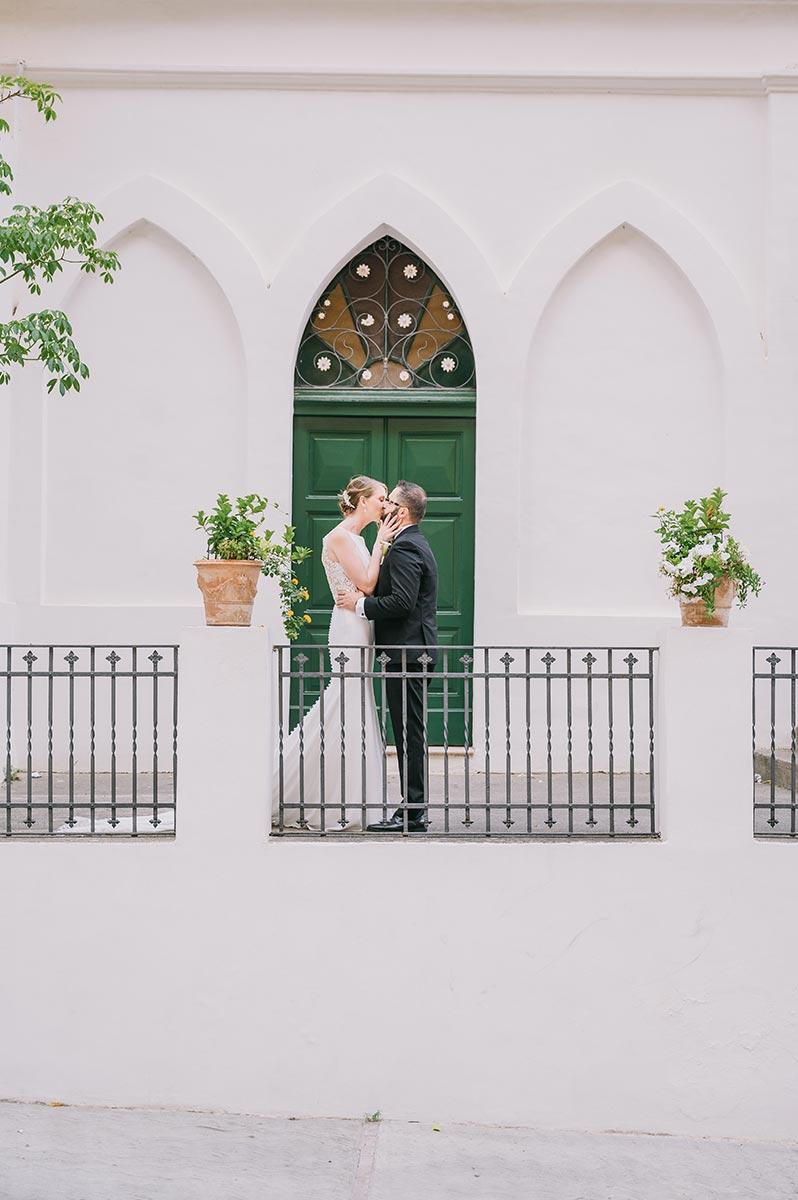

Our approach extends beyond capturing beautiful images. It’s about building a meaningful connection with you, understanding your journey as a couple, and ensuring everything runs smoothly. From organizing the timing for hair and makeup to ensuring the flowers arrive perfectly, we take care of it all, so you can focus on celebrating each other. For more information, you can explore our services on our website.



Collaborating with the Best Local Vendors to Create Your Perfect Day
One of the key benefits of working with us for your Amalfi Coast elopement is our close relationships with some of the finest local vendors. Over the years, we have collaborated with talented wedding planners, florists, and celebrants who ensure every aspect of your day is flawless. Whether you envision an elegant floral arch, a romantic dinner on a secluded terrace, or a celebrant who beautifully conveys your story, we have connections that will bring it to life.
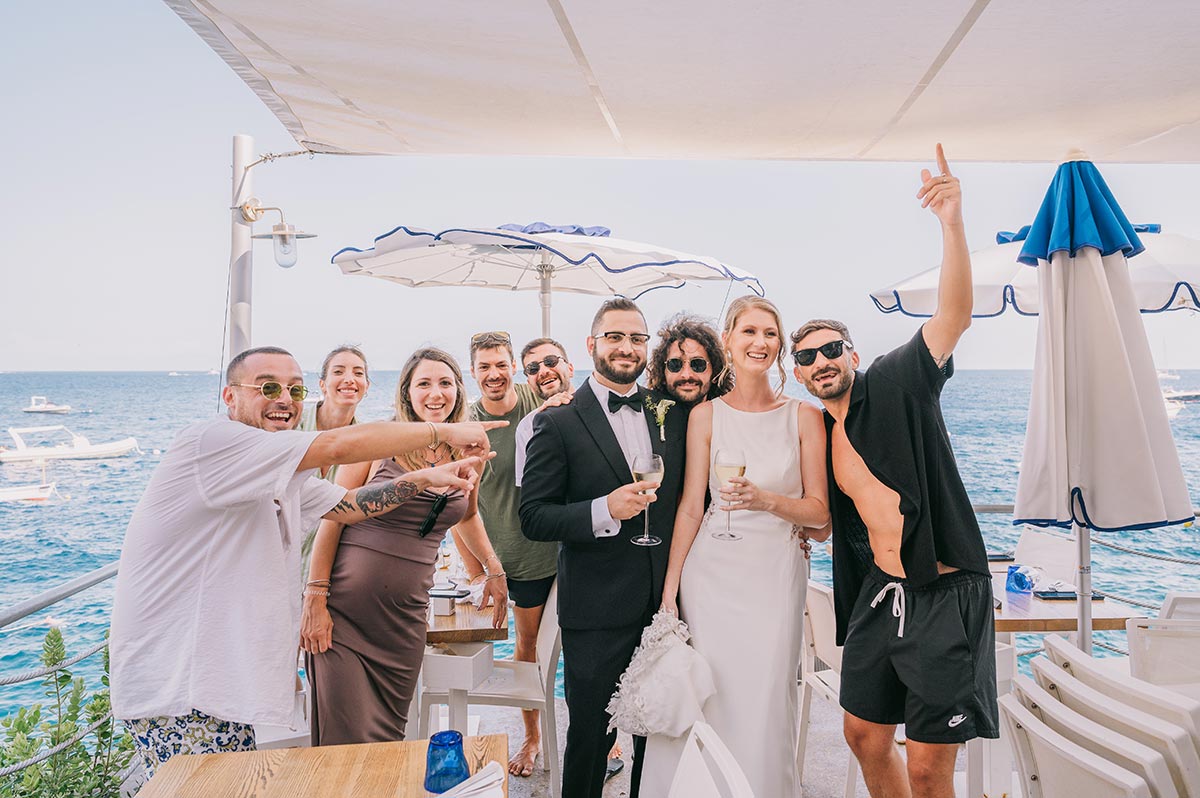
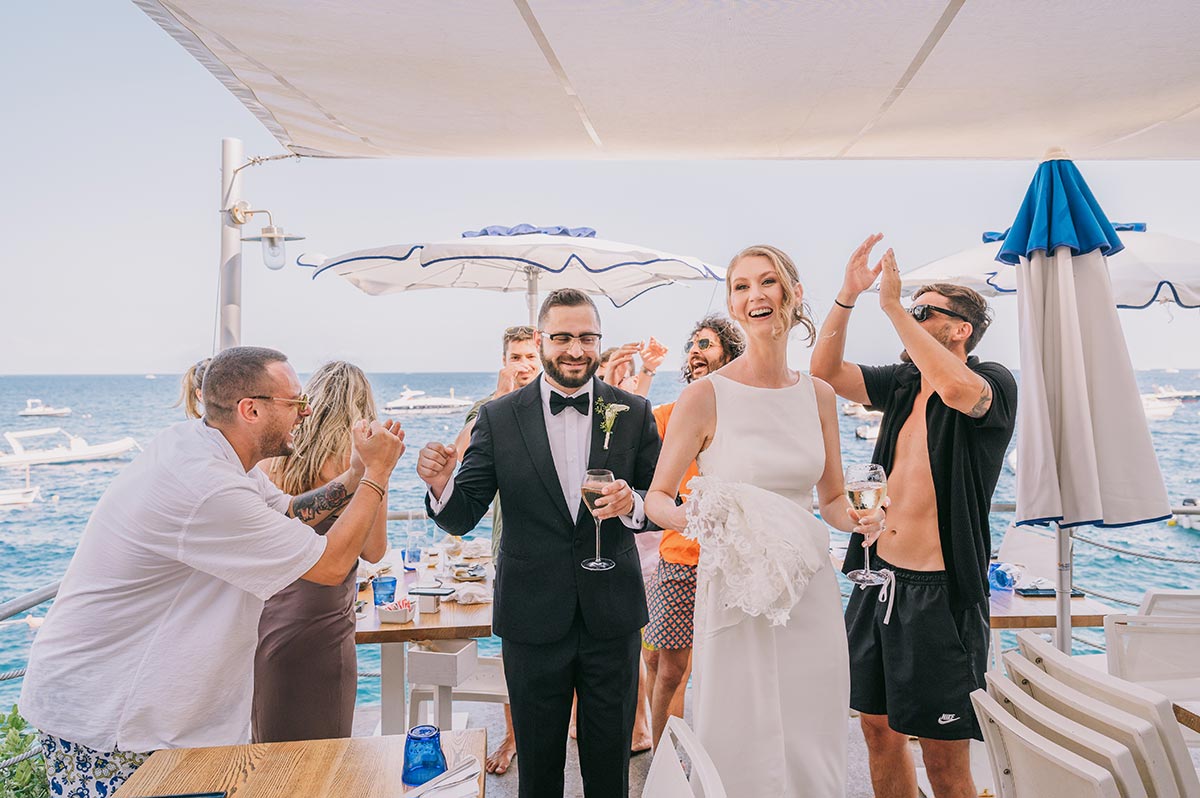
We understand the importance of making your day feel uniquely yours, and we partner with individuals who share our passion for unforgettable experiences. Our vendors are not only professionals but also artists dedicated to making your elopement truly special.
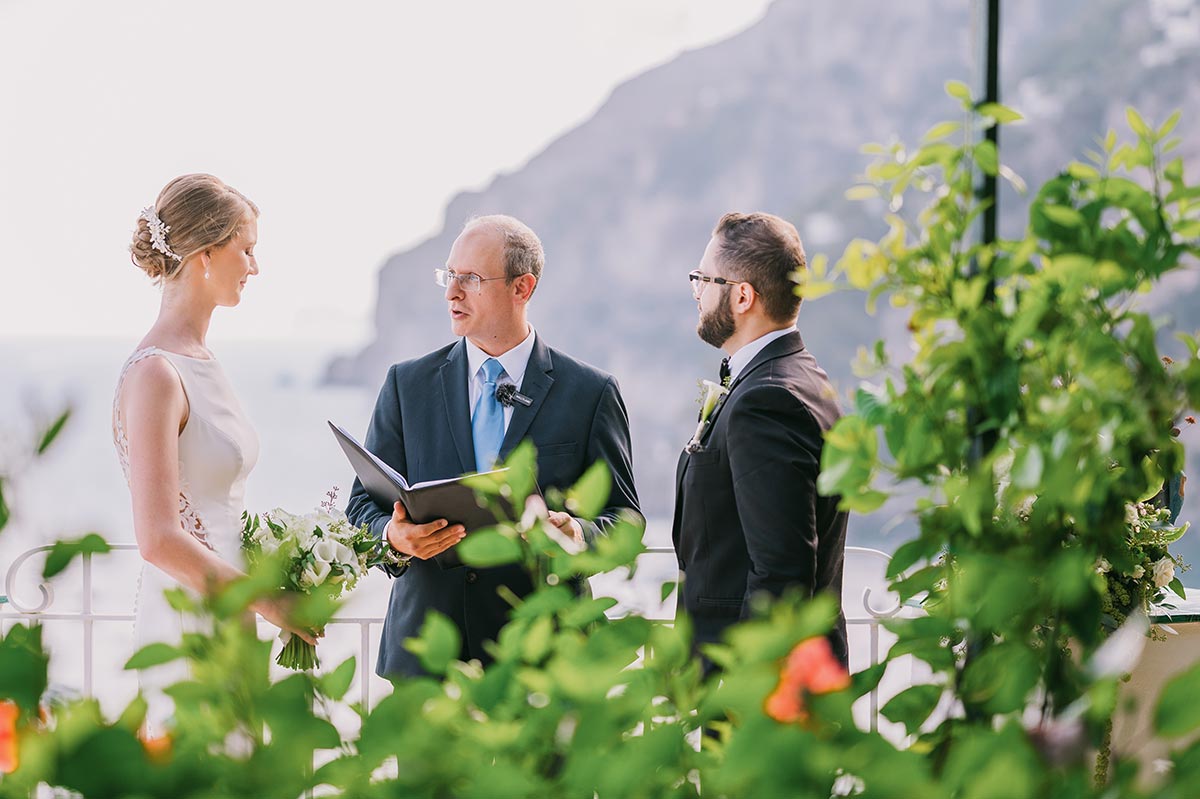
Megan and Ilkin’s day was made magical by our talented collaborators—from the celebrant who conducted an emotional ceremony to the florist whose arrangements seemed to blend perfectly with the landscape of the Amalfi Coast. The florists we work with have a deep understanding of local, seasonal flowers, adding authenticity and natural charm to your celebration.

We work closely with wedding planners who know the Amalfi Coast intimately, ensuring each detail is thoughtfully managed. You can learn more about our trusted wedding planners to see how they can help bring your dream day to life. From finding the perfect location to addressing all logistical needs, our planners are dedicated to making your experience seamless and unforgettable.
Capturing the True Essence of Your Love Story
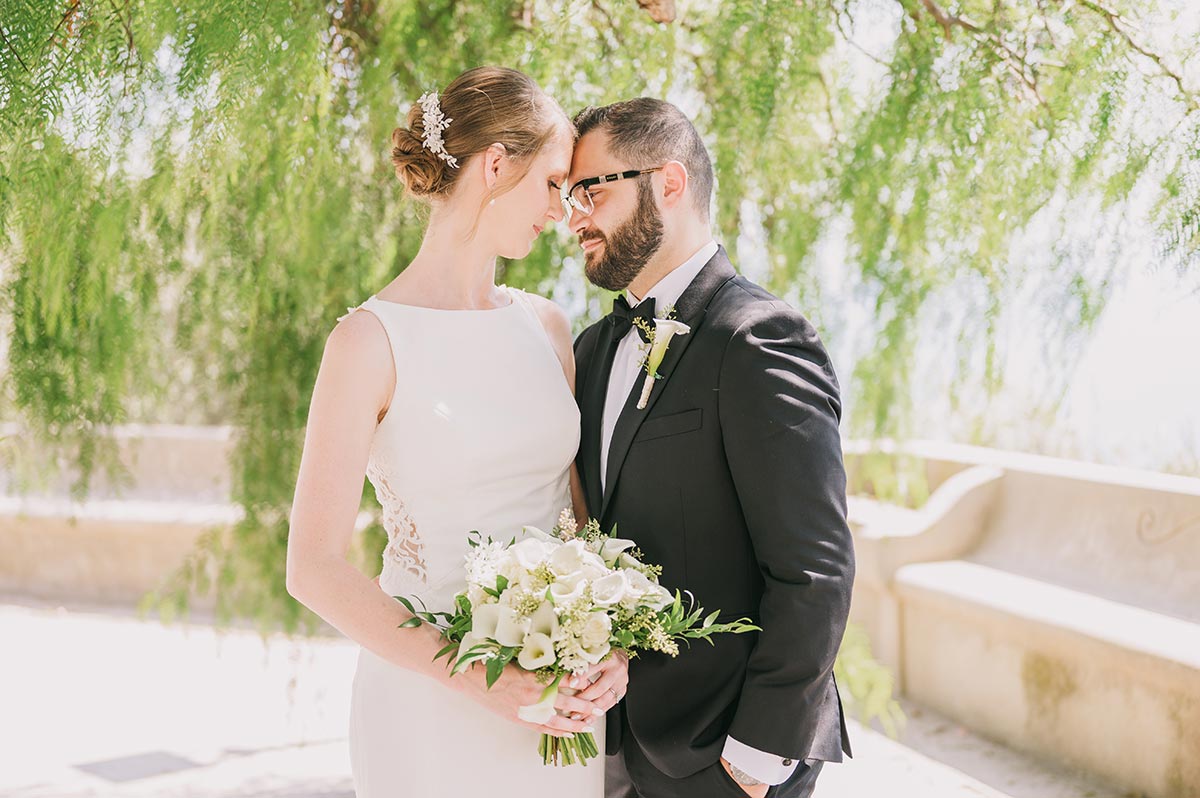
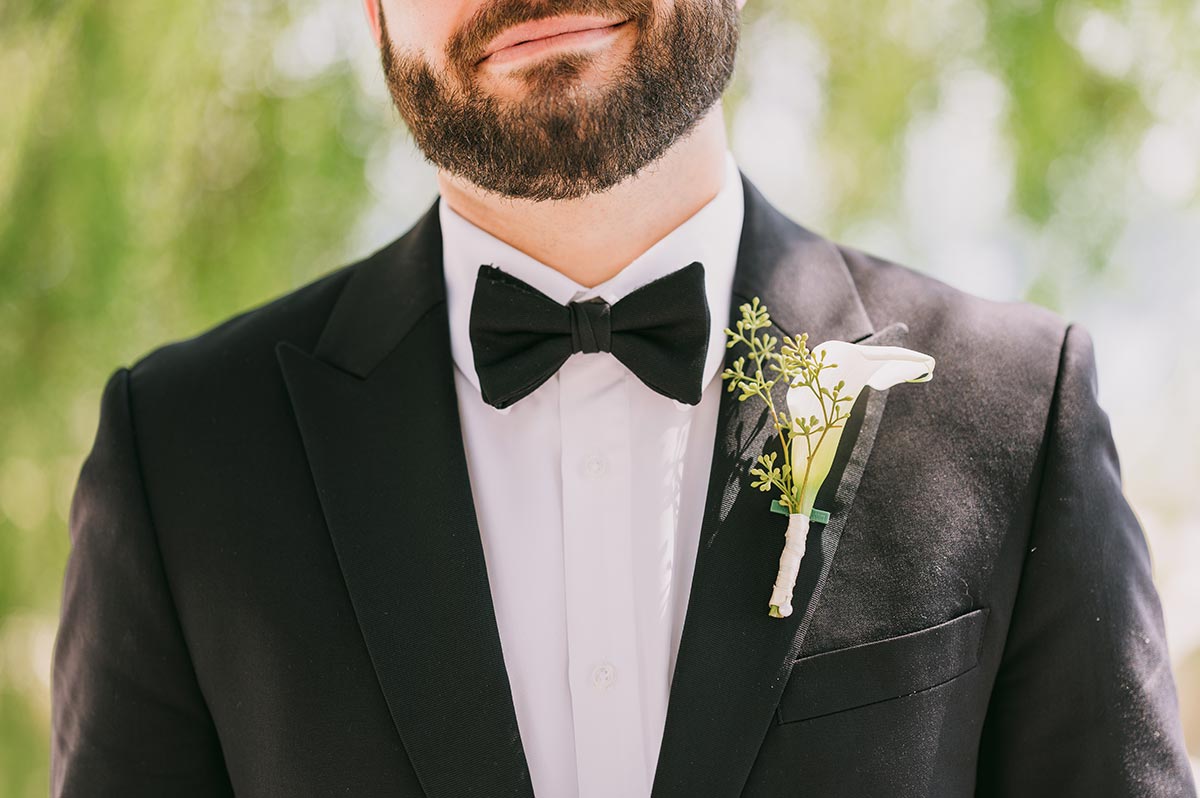
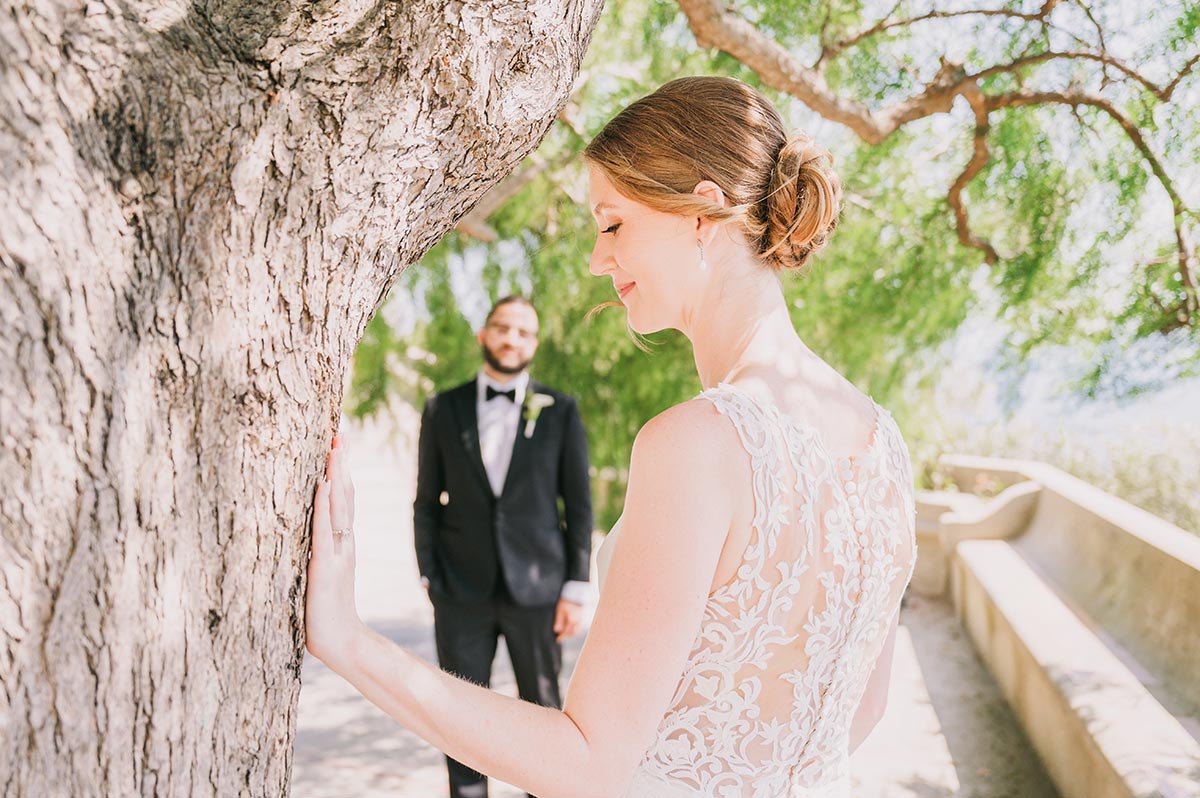
For Megan and Ilkin, their elopement in Positano was not just about breathtaking views or the luxurious Prestige Suite at Hotel Marincanto. It was about capturing the essence of their relationship in a location that spoke to their hearts.
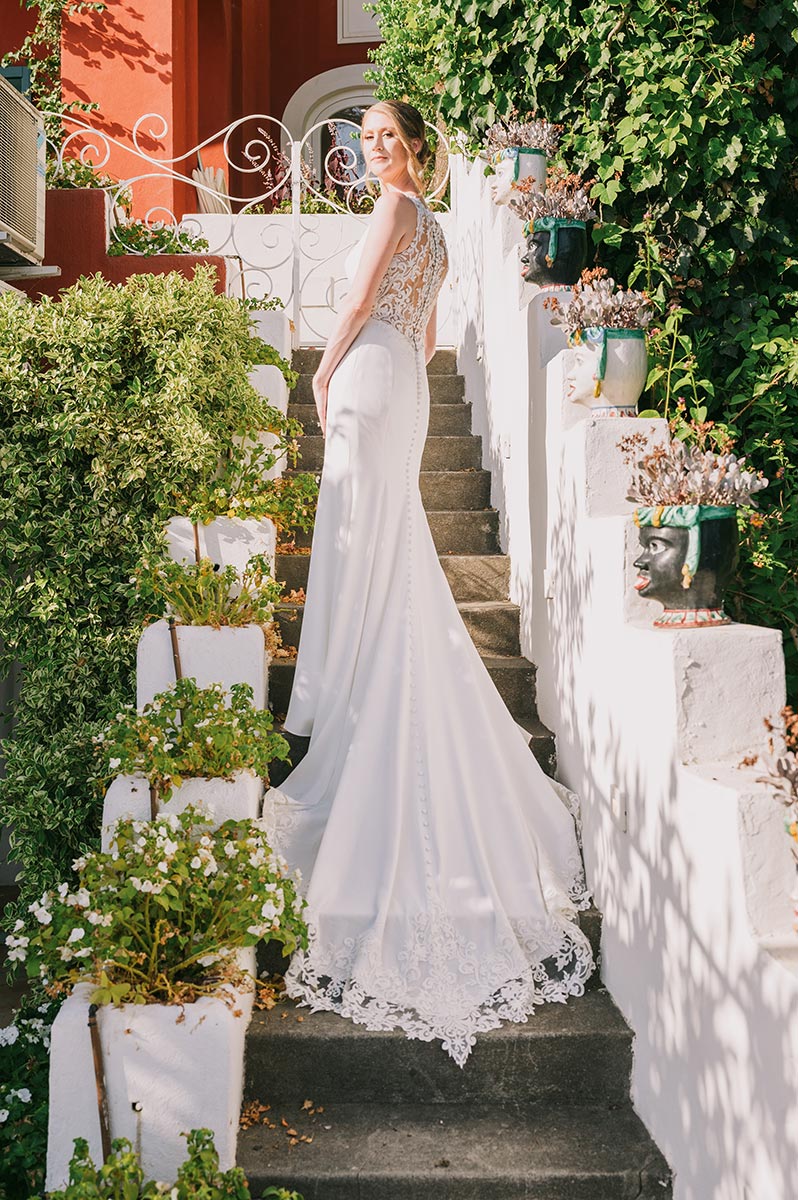

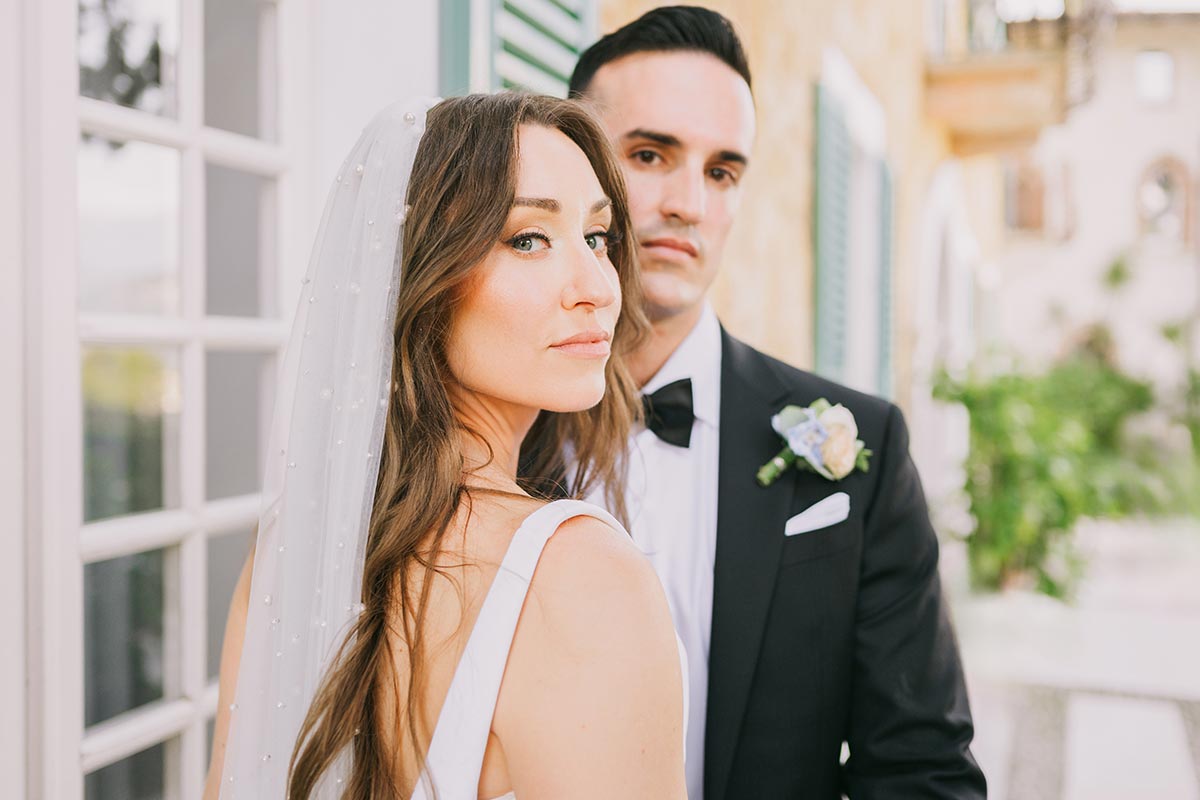
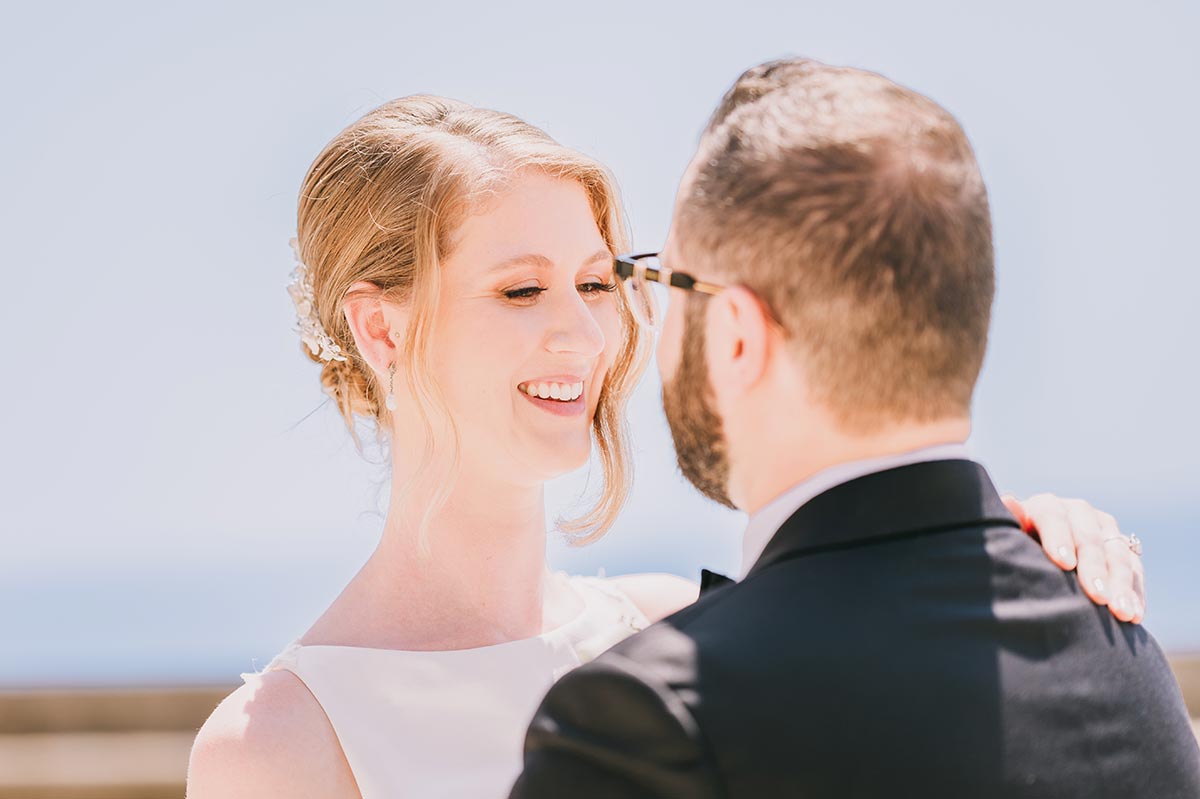
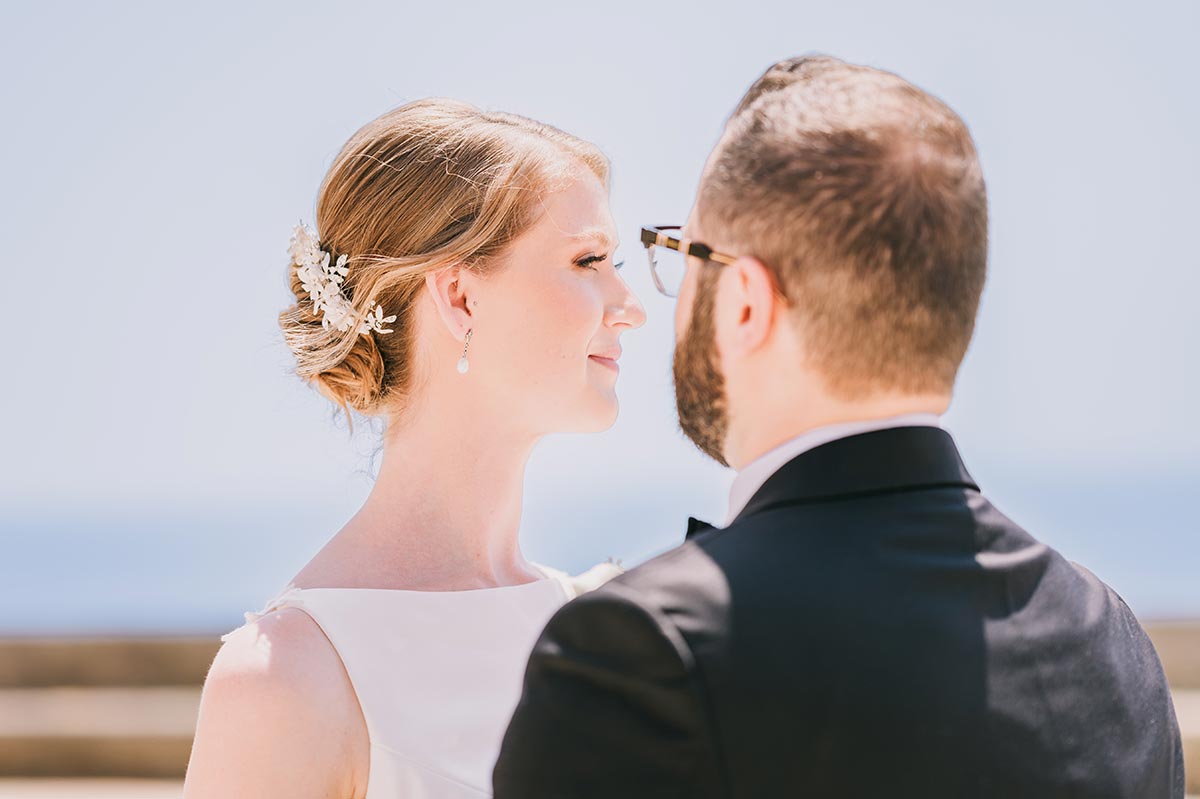
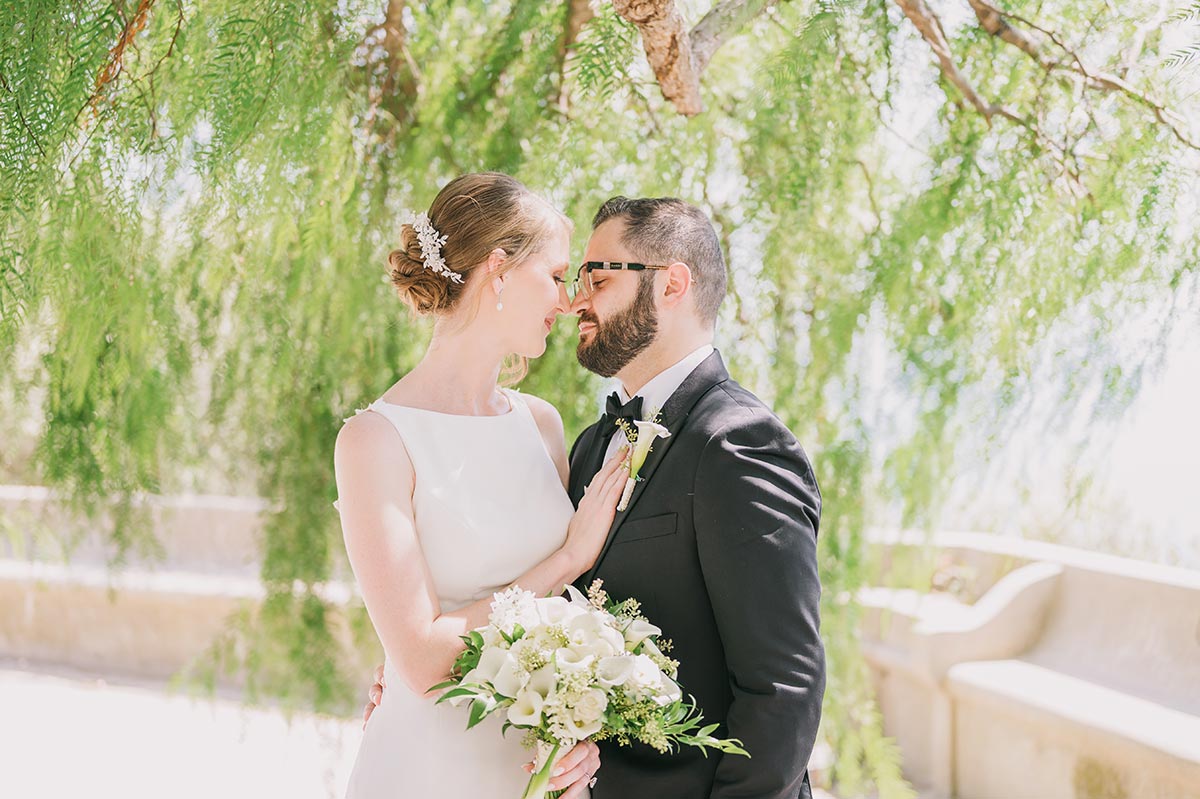
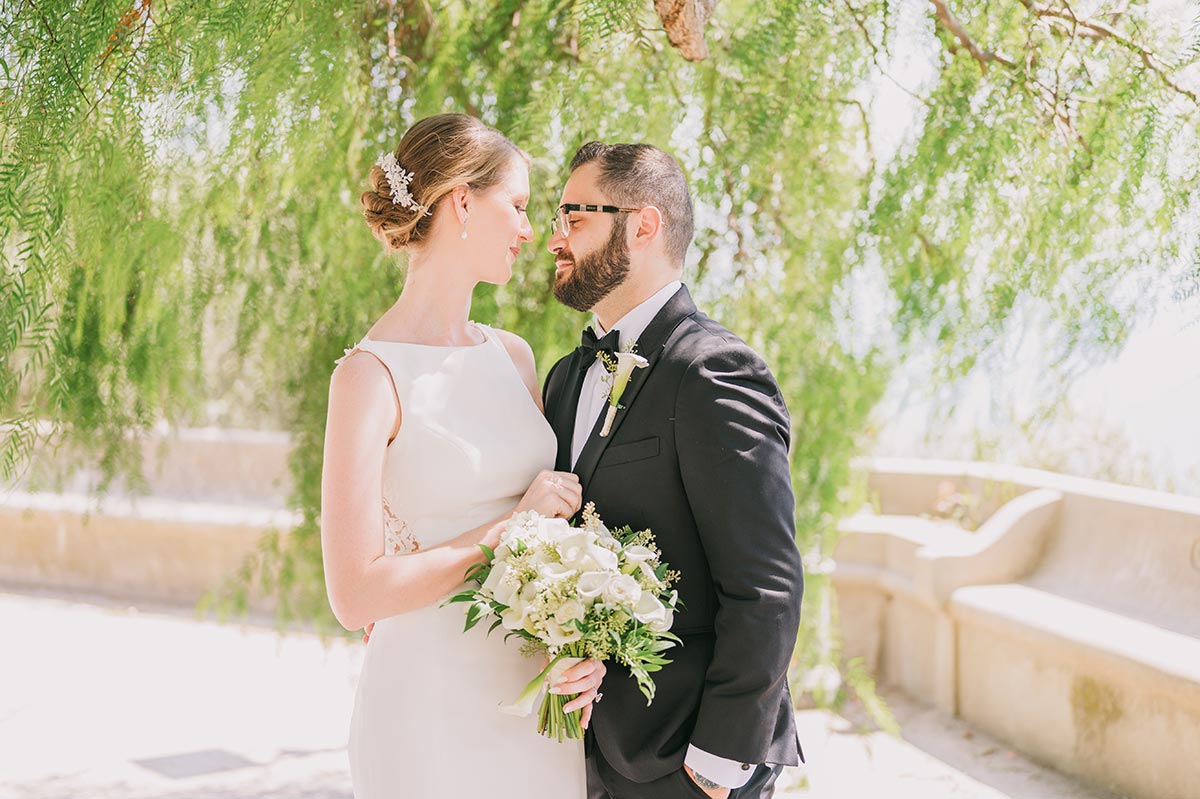
The Amalfi Coast, with its dramatic cliffs and romantic aura, provided the perfect backdrop for this chapter of their love story. As their photographers, it was an honor to witness and capture the authenticity of their love—the laughter, the silent glances, and the pure joy that emanated throughout the day.

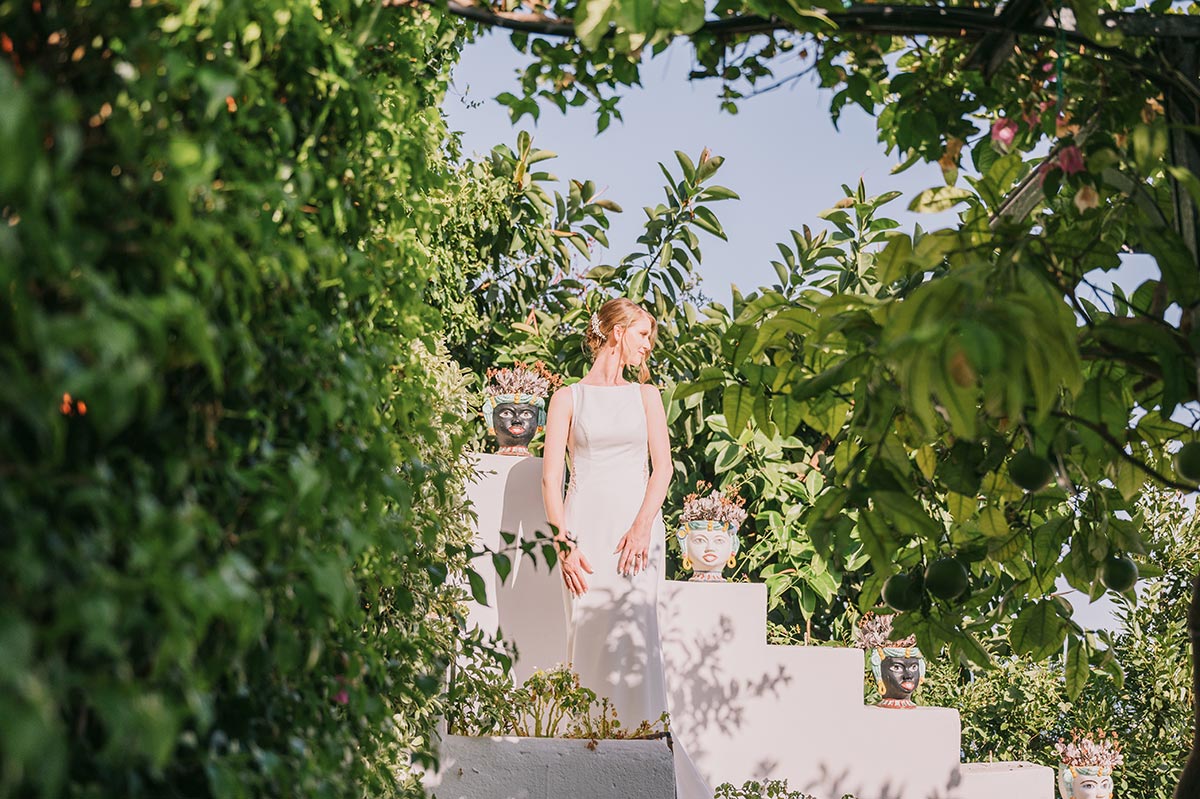
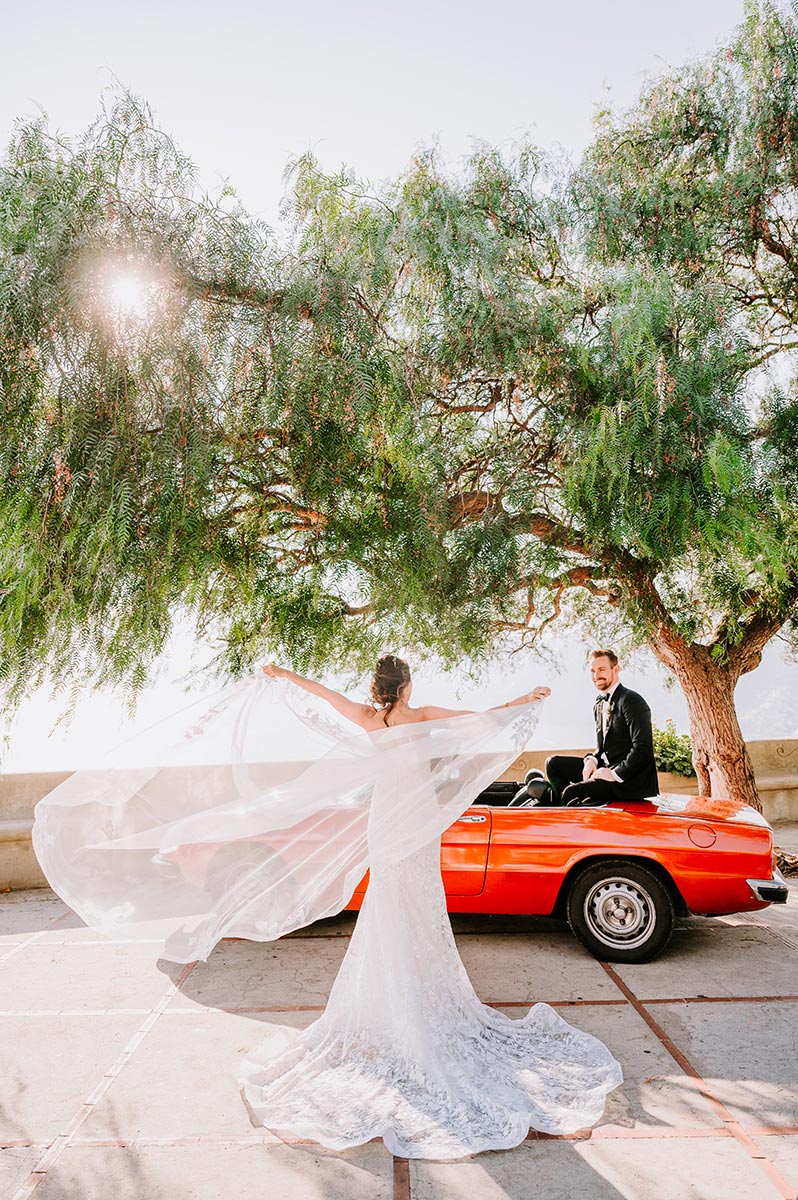
Every elopement tells a unique story, and our job is to tell that story in a way that feels genuine and true to you. Whether it’s the warm glow of a morning sunlit terrace or the vibrant hues of a Praiano sunset, we capture the fleeting moments that make your day uniquely yours.
Our goal is always to remain unobtrusive, allowing you to be fully immersed in each other’s company while we document your love story as it naturally unfolds. We believe in authentic storytelling—letting moments happen organically while making sure we capture every special second.
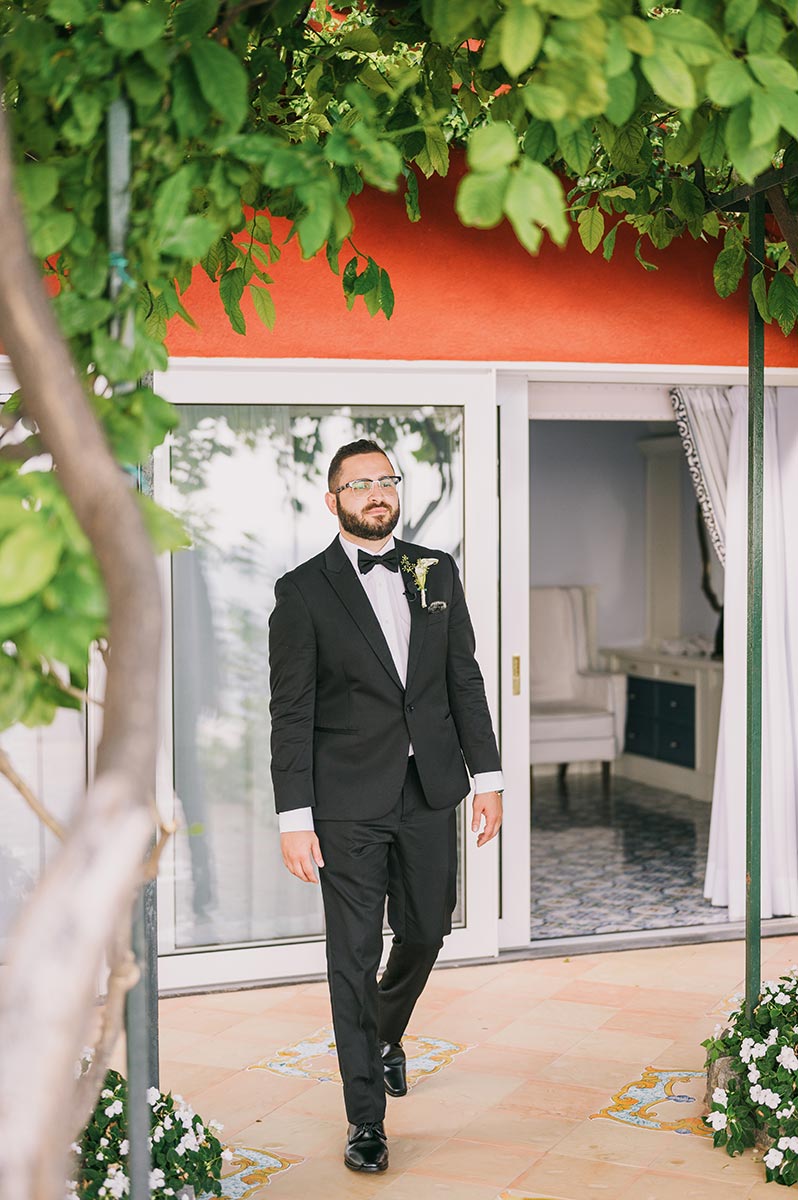


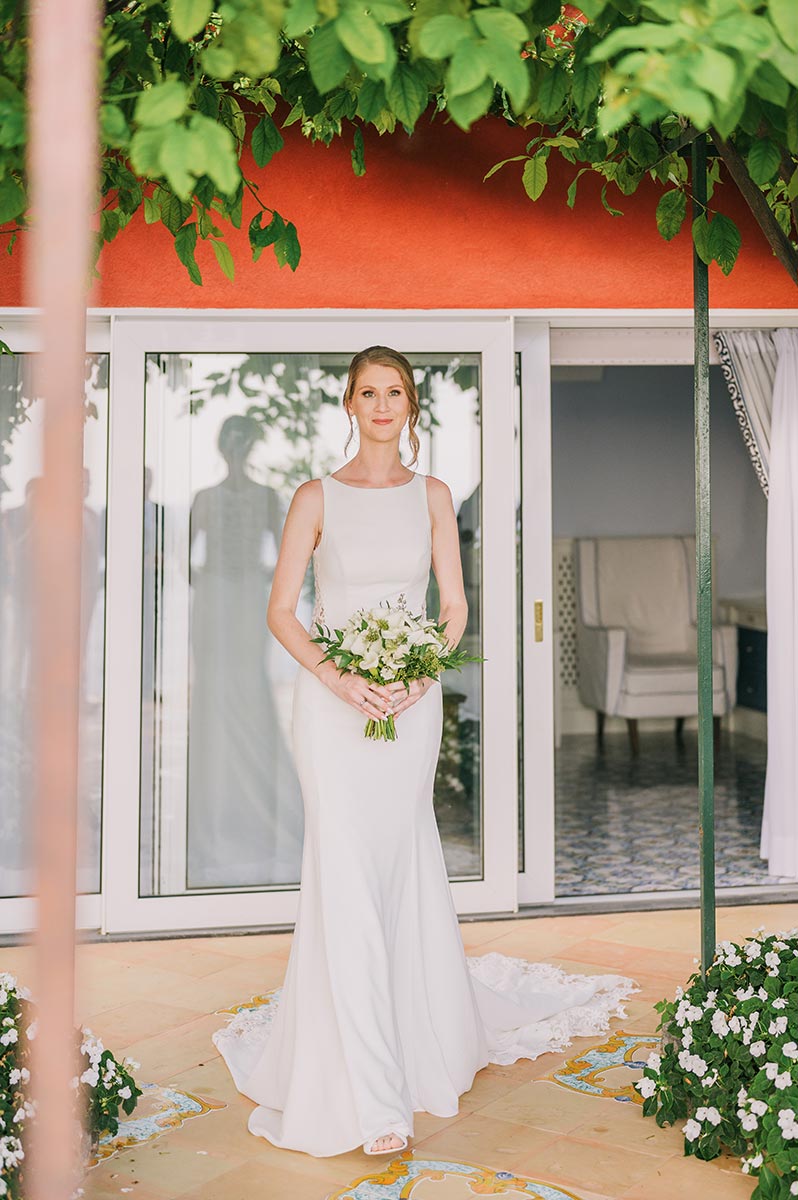
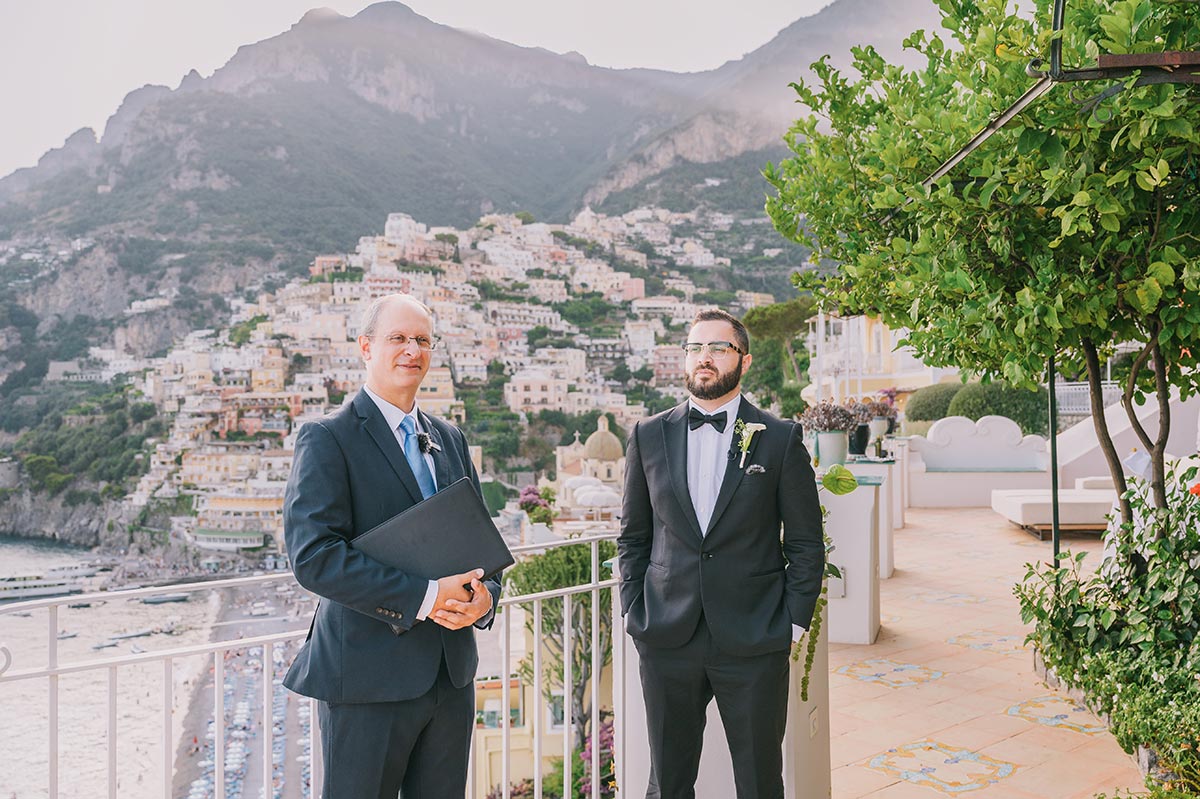

The Amalfi Coast is home to many breathtaking wedding venues, which you can explore further on our page about wedding venues. From stunning cliffside gardens to intimate seaside villas, each venue provides a distinctive perspective on this beautiful coastline, allowing you to find the perfect place to celebrate your love.
The Importance of Choosing the Right Time of Year for Your Elopement
One important factor to consider when planning an elopement on the Amalfi Coast is the time of year. While the Amalfi Coast is beautiful year-round, certain months can offer unique advantages.


Spring and early autumn are perfect for avoiding the intense summer crowds and extreme temperatures. During these times, you can enjoy the region’s natural beauty in a more relaxed atmosphere. The flowers are in full bloom in the spring, creating a colorful and fragrant backdrop, while the autumn brings a warm, golden light that makes every shot feel more romantic.


Choosing the right time of year also means having more options for venues and accommodations. Many hotels and locations are fully booked during peak summer months, which can make it challenging to secure the perfect spot for your ceremony. By considering the off-peak months, you gain more flexibility and privacy—two crucial elements for an elopement.
Making Your Elopement Adventure Memorable
An elopement on the Amalfi Coast is not just about the ceremony; it’s also about the experiences that surround it.
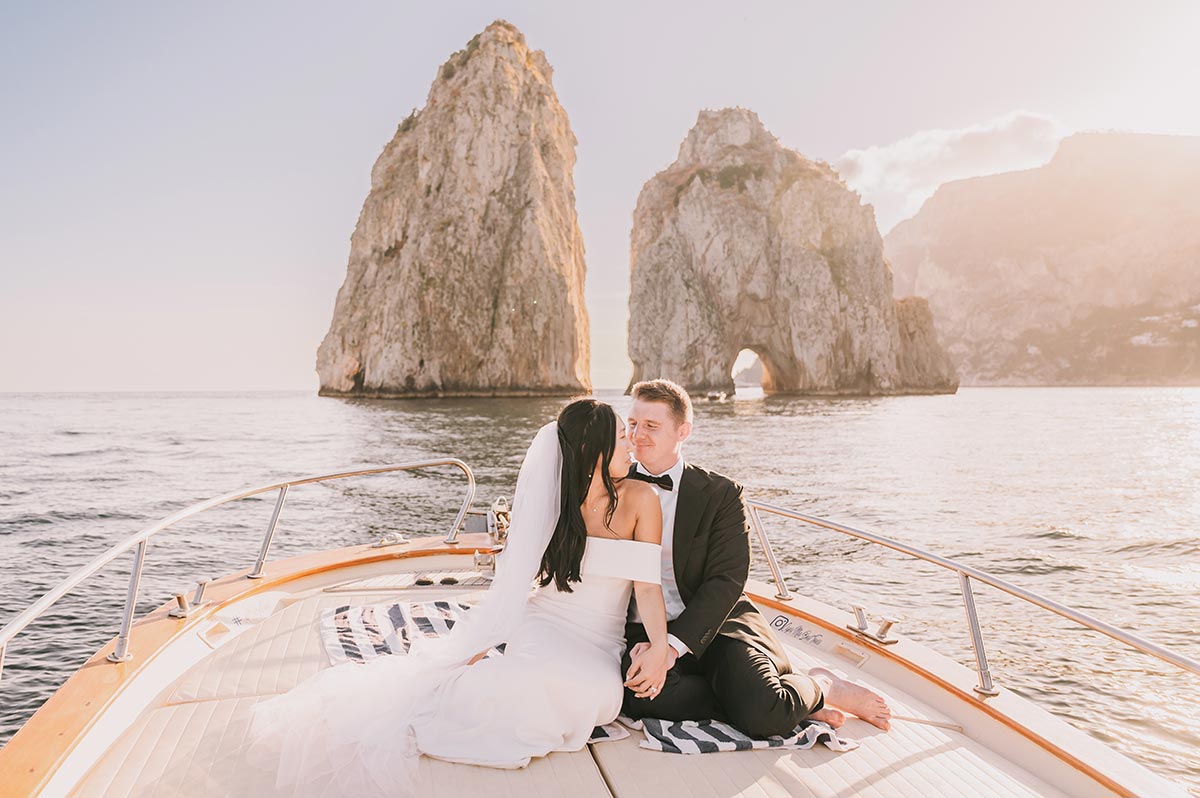
The Amalfi Coast offers countless adventures that can turn your wedding trip into an unforgettable journey. Imagine taking a boat ride along the coast, exploring secret beaches, or enjoying a sunset cruise past the colorful cliffs of Positano. For Megan and Ilkin, their time on the coast included a romantic boat excursion, which allowed them to see the breathtaking Amalfi coastline from a new perspective, away from the crowds.




For those who love a culinary experience, there are endless opportunities to indulge in the region’s incredible cuisine. A private cooking class where you learn to make authentic Italian dishes, a wine tasting tour through local vineyards, or an intimate dinner at a seaside restaurant are all perfect ways to add magic to your elopement experience. These moments are what transform a simple ceremony into a cherished adventure—one that tells a complete story of love, discovery, and shared joy.

Bringing Your Elopement Dreams to Life
If you are considering an elopement on the Amalfi Coast, we would love to help make your vision a reality. Whether you dream of eloping in Positano, creating a romantic escape in Praiano, or venturing to Marina di Praia, we are here to support and guide you every step of the way. The Amalfi Coast is unlike anywhere else—filled with romance, natural beauty, and endless possibilities for creating unforgettable memories.

Working with couples like Megan and Ilkin reminds us of why we love this work. It goes beyond capturing stunning photos. It’s about the people, the stories, and the genuine connections that make each elopement special. When you choose to elope here, you are not just choosing a destination; you are choosing an experience that will remain in your hearts forever.

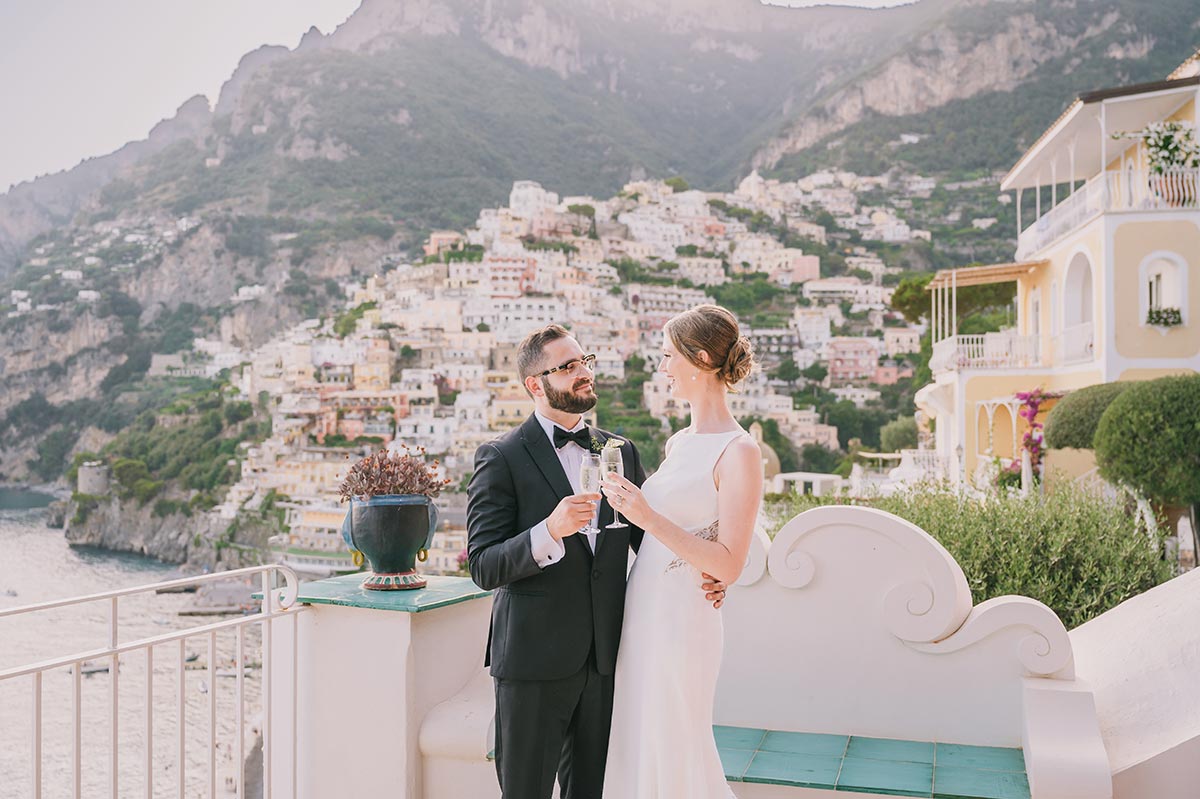
Our goal is to ensure your elopement is an event that feels entirely personal—where every detail reflects your love story. Whether we are arranging a private boat ride along the Amalfi Coast, setting up an intimate picnic on a hidden terrace, or simply finding the perfect spot for a sunset kiss, we are dedicated to making your day magical. If you are ready to take the next step and create an unforgettable elopement, we would be honored to be a part of it.

If you’re interested in eloping on the Amalfi Coast, let us help bring your dream to life: discover more about our elopement services. Let’s create something extraordinary together, ensuring that every moment of your elopement is something you will cherish forever.